That year I discovered the virtues of plants as companions: they don’t argue, they don’t ask for much, they don’t stay out until 3:00 A.M., then lie to you about where they’ve been….
I can’t summon the ambition to repot this grape ivy, of this sad old cactus, or even to move them out onto the porch for the summer, where their lives would certainly improve. I give them a grudging dash of water – that’s all they get. I wonder if they suspect that like Hamlet I rehearse murder all hours of the day and night, considering the town dump and compost pile as possible graves….
The truth is that if I permit them to live, they will go on giving alms to the poor: sweet air, miraculous flowers, the example of persistence. ~Jane Kenyon “Killing the Plants”from The Boat of Quiet Hours
During my dorm-room years and city apartment dwelling days, this farm girl had to reconcile that no pets were allowed, so I surrounded myself with an indoor garden, every square inch of window sill occupied by a living thing whose survival depended only partially on me.
Those plants sustained me, cheered me, moved me, carried by me to new windows with better light and grander views.
Despite my occasional neglect, they usually persisted, often thrived, and gave back to my shriveled city spirit far beyond any water or repotting I offered.
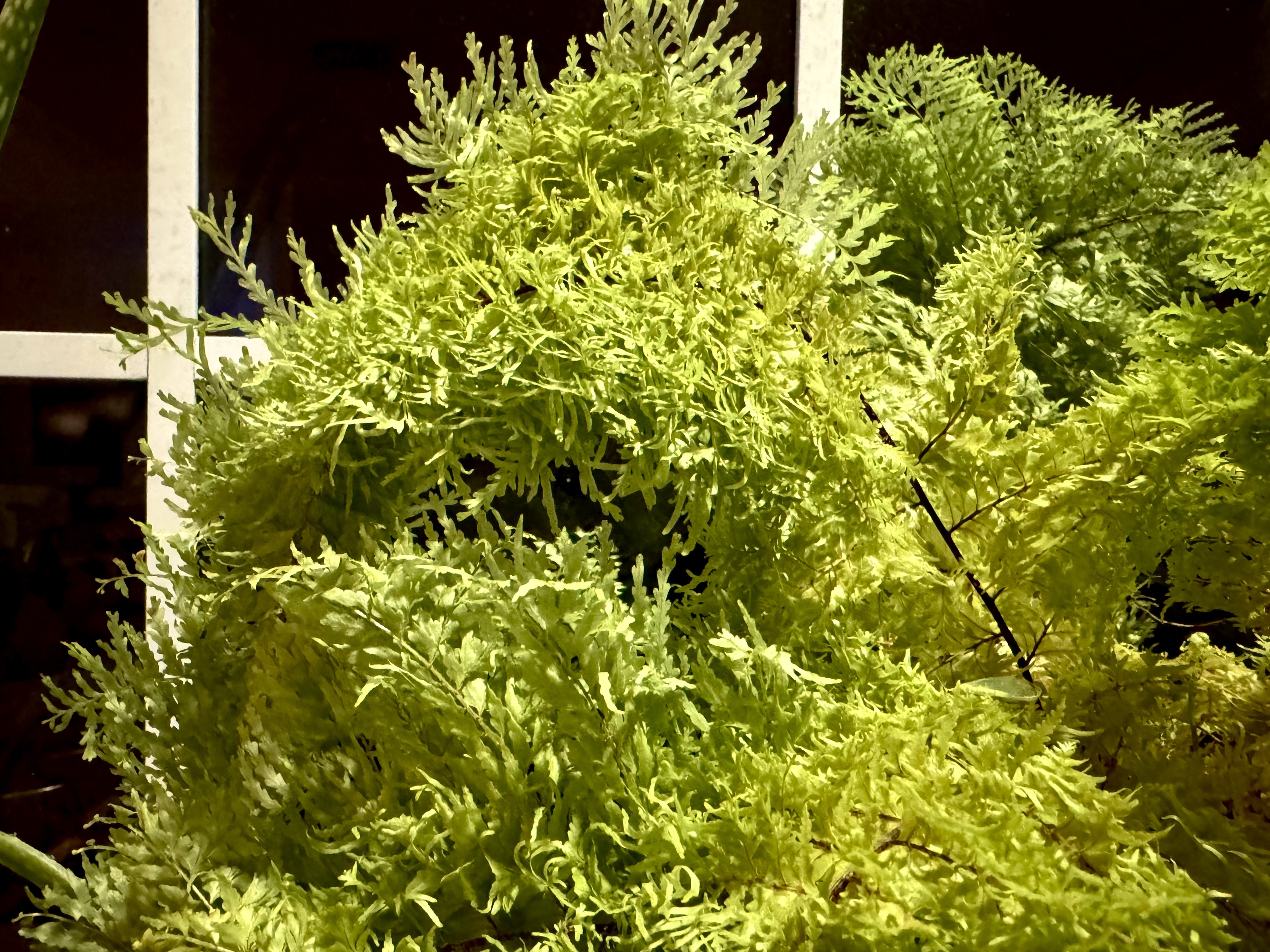
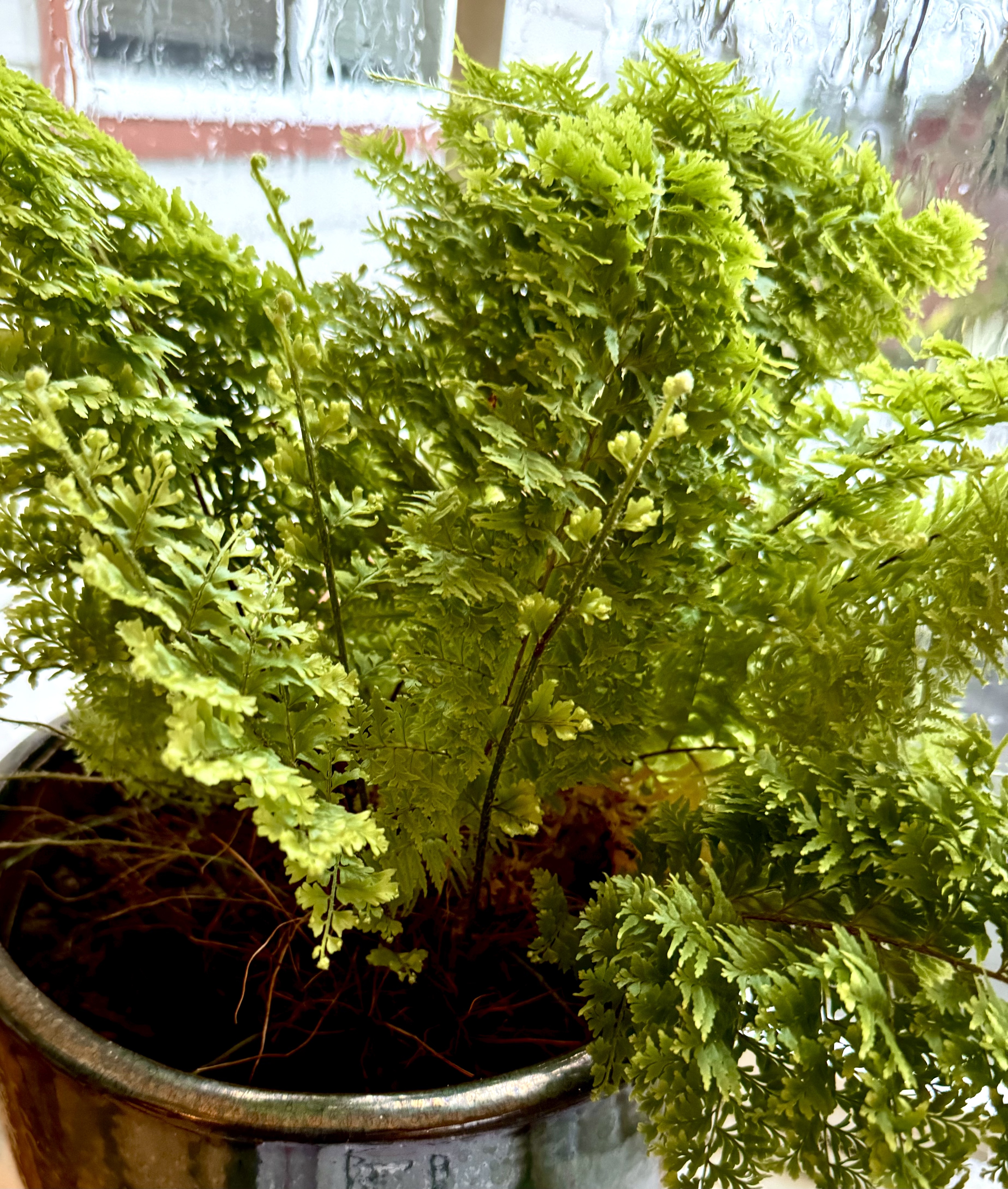
A start from my grandmother’s old fern divided decades earlier from her cousin’s plant, originally a start from a long-passed auntie, this 100 year old fern traveled far and wide with me until it dried up, turned brown and gave up the ghost.
Having given a start to my sister years before, she divided it so the fern came back home staying happily green in my kitchen window.
Somehow these miracles in chlorophyll knew just what I needed when I needed it: they fed me when I was starving for something alive, something beautiful, something that knew exactly what to do and what to become when I had no clue what would happen next.
One-Time
Monthly
Yearly
Make a one-time or recurring donation to support daily Barnstorming posts
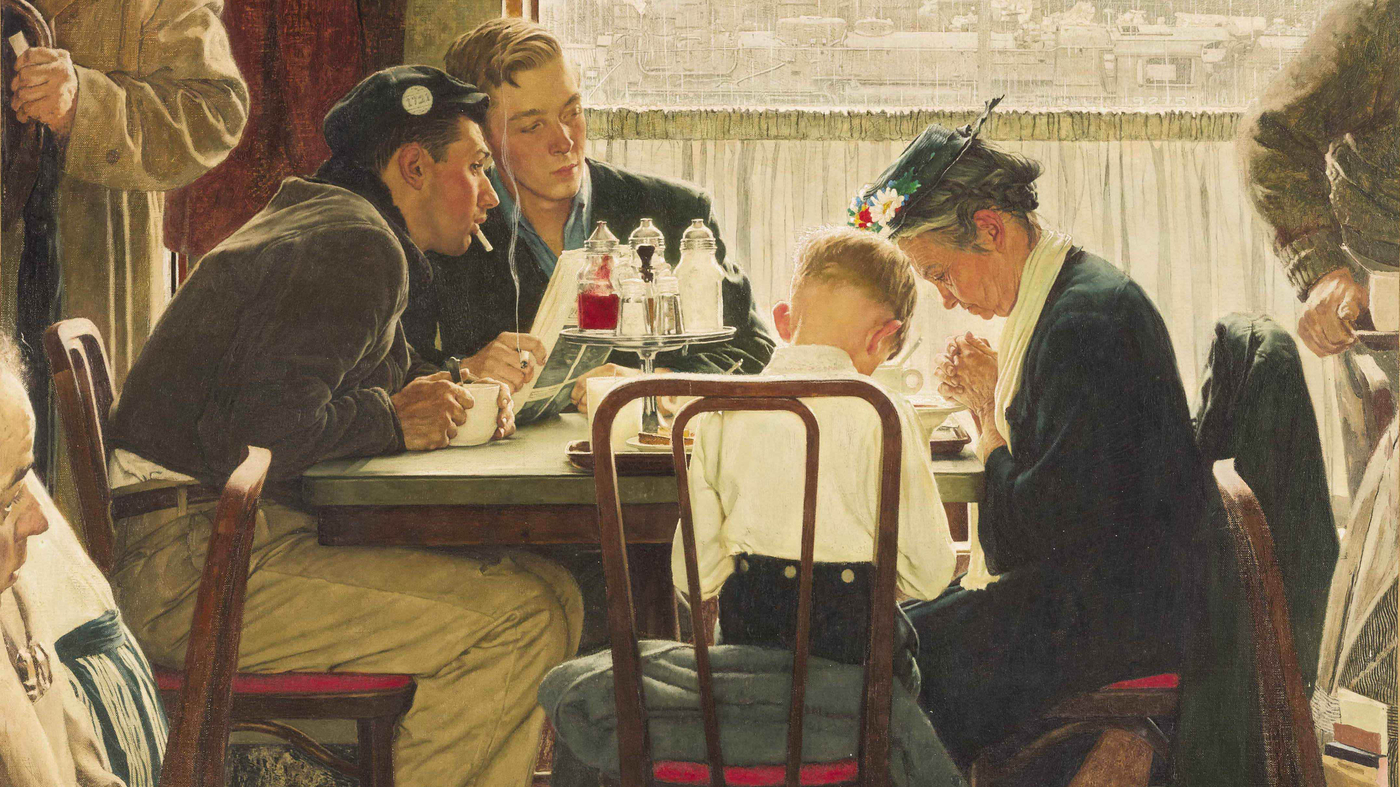
You say grace before meals. All right. But I say grace before the concert and the opera, and grace before the play and pantomime, and grace before I open a book, and grace before sketching, painting, swimming, fencing, boxing, walking, playing, dancing and grace before I dip the pen in the ink. ~G.K. Chesterton
Norman Rockwell’s 1951 painting Saying Grace
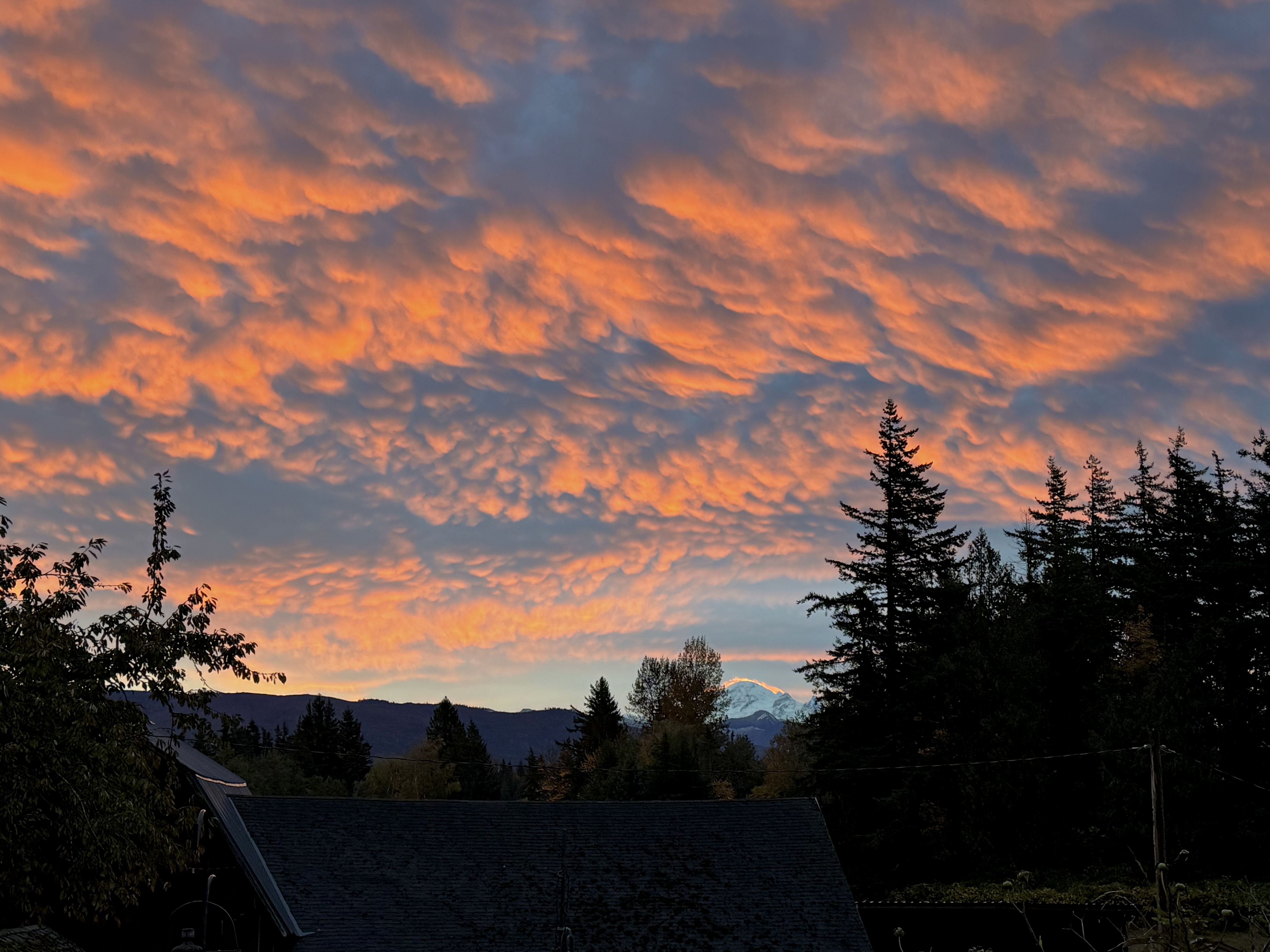
Chesterton has it right. No matter what I embark on, I should say grace first. Even my breathing, my waking, and my sleeping. Even the brilliance right outside my back door.
Continual and constant thanks and praise to the Creator for all things bright and beautiful, and helping us through the dark times.
Instead I am plagued with inconstancy and inconsistency, with a stubborn tendency to take it all for granted.
As I “dip pen in ink” this morning, join me in saying grace:
He is worthy. Amen and Amen.
Even more so. Ever more now.
One-Time
Monthly
Yearly
Make a one-time or recurring donation to support daily Barnstorming posts
The wild November come at last Beneath a veil of rain; The night wind blows its folds aside – Her face is full of pain.
The latest of her race, she takes The Autumn’s vacant throne: She has but one short moon to live, And she must live alone.
A barren realm of withered fields, Bleak woods, and falling leaves, The palest morns that ever dawned; The dreariest of eves.
It is no wonder that she comes, Poor month! With tears of pain; For what can one so hopeless do But weep, and weep again? ~Richard Henry Stoddard “November”
A fine rain was falling, and the landscape was that of autumn. The sky was hung with various shades of gray, and mists hovered about the distant mountains – a melancholy nature. Every landscape is, as it were, a state of the soul, and whoever penetrates into both is astonished to find how much likeness there is in each detail. ~Henri Frederic Amiel
Leaves wait as the reversal of wind comes to a stop. The stopped woods are seized of quiet; waiting for rain bird & bug conversations stutter to a stop.
…the rain begins to fall. Rain-strands, thin slips of vertical rivers, roll the shredded waters out of the cloud and dump them puddling to the ground. Like sticks half-drowned the trees lean so my eyes snap some into lightning shapes, bent & bent.
Whatever crosses over through the wall of rain changes; old leaves are now gold. The wall is continuous, doorless. True, to get past this wall there’s no need for a door since it closes around me as I go through. ~Marie Ponsot from “End of October”
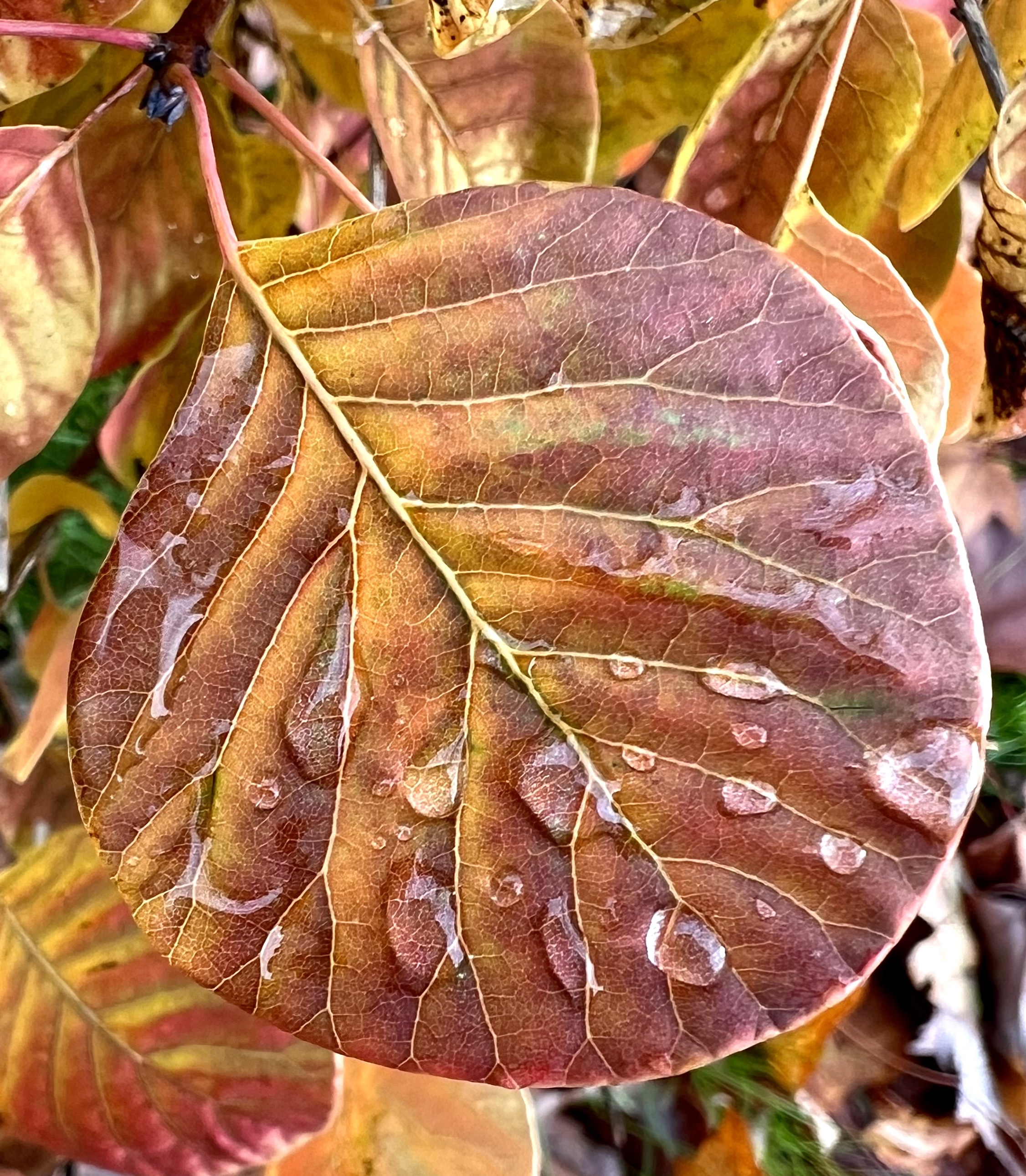
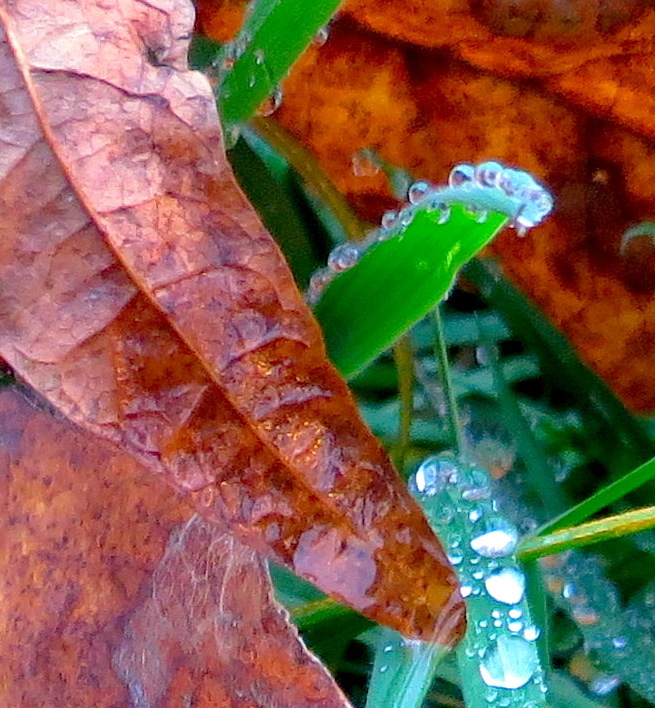
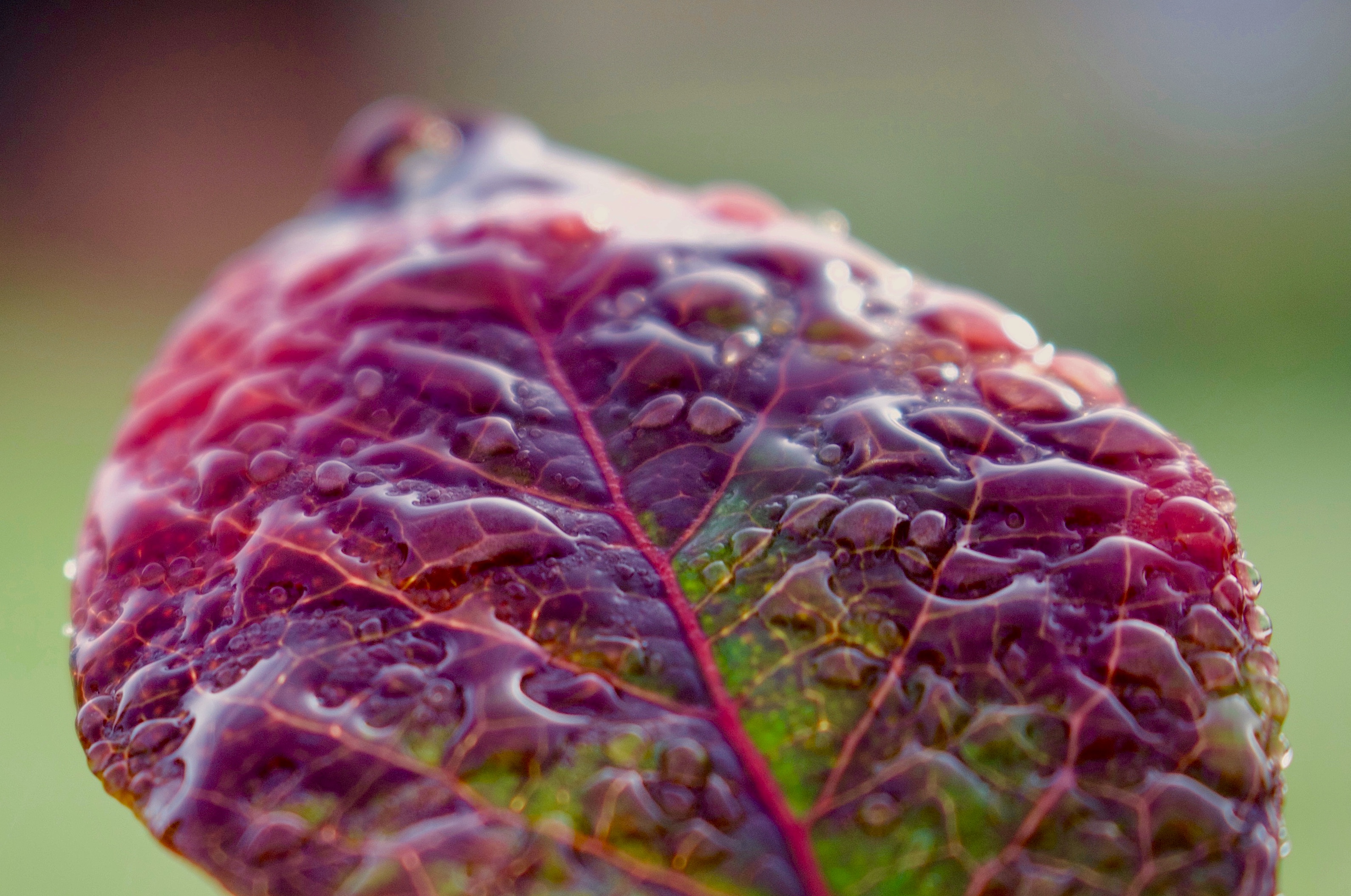
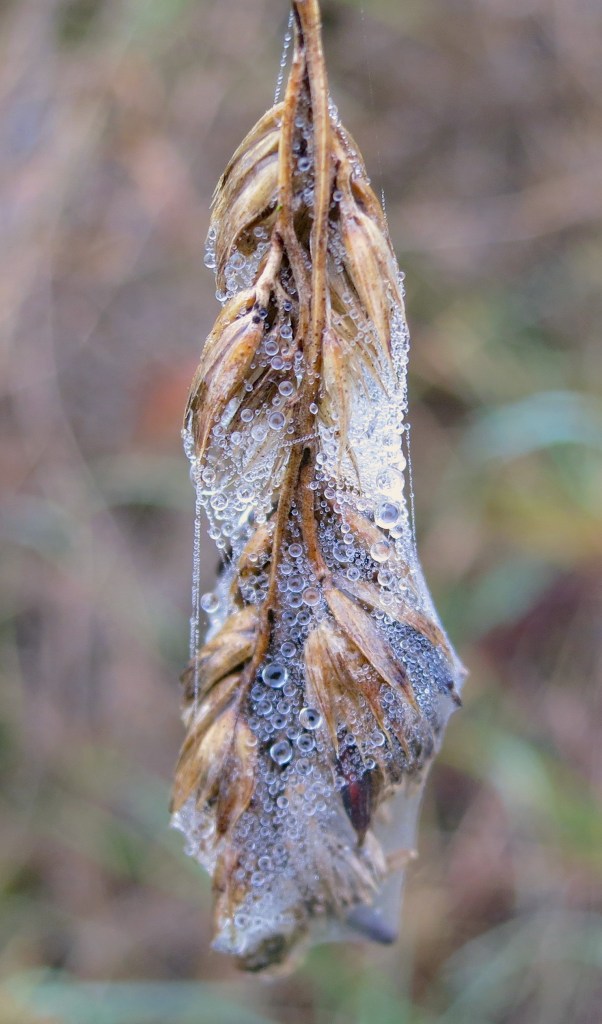
What is melancholy at first glance glistens bejeweled when studied up close.
It isn’t all sadness~ there is solace in knowing the landscape and I share an inner world of tears.
One-Time
Monthly
Yearly
Make a one-time or recurring donation to support daily Barnstorming posts
In the quiet misty morning When the moon has gone to bed When the sparrows stop their singing And the sky is clear and red When the summer ceased it’s gleaming When the corn is past its prime When adventures lost its meaning I’ll be homeward-bound in time ~Marta Keen from “Homeward Bound”
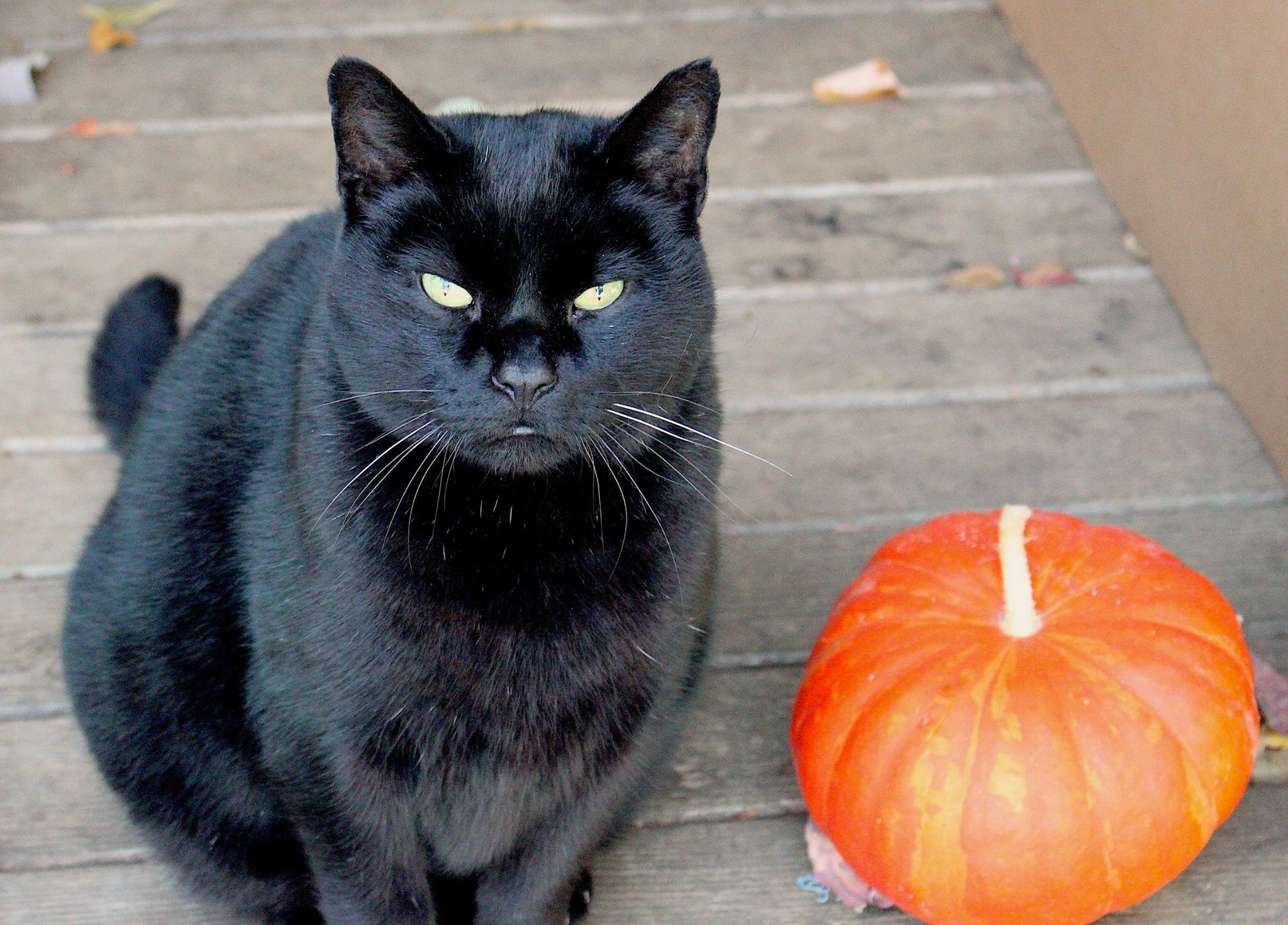
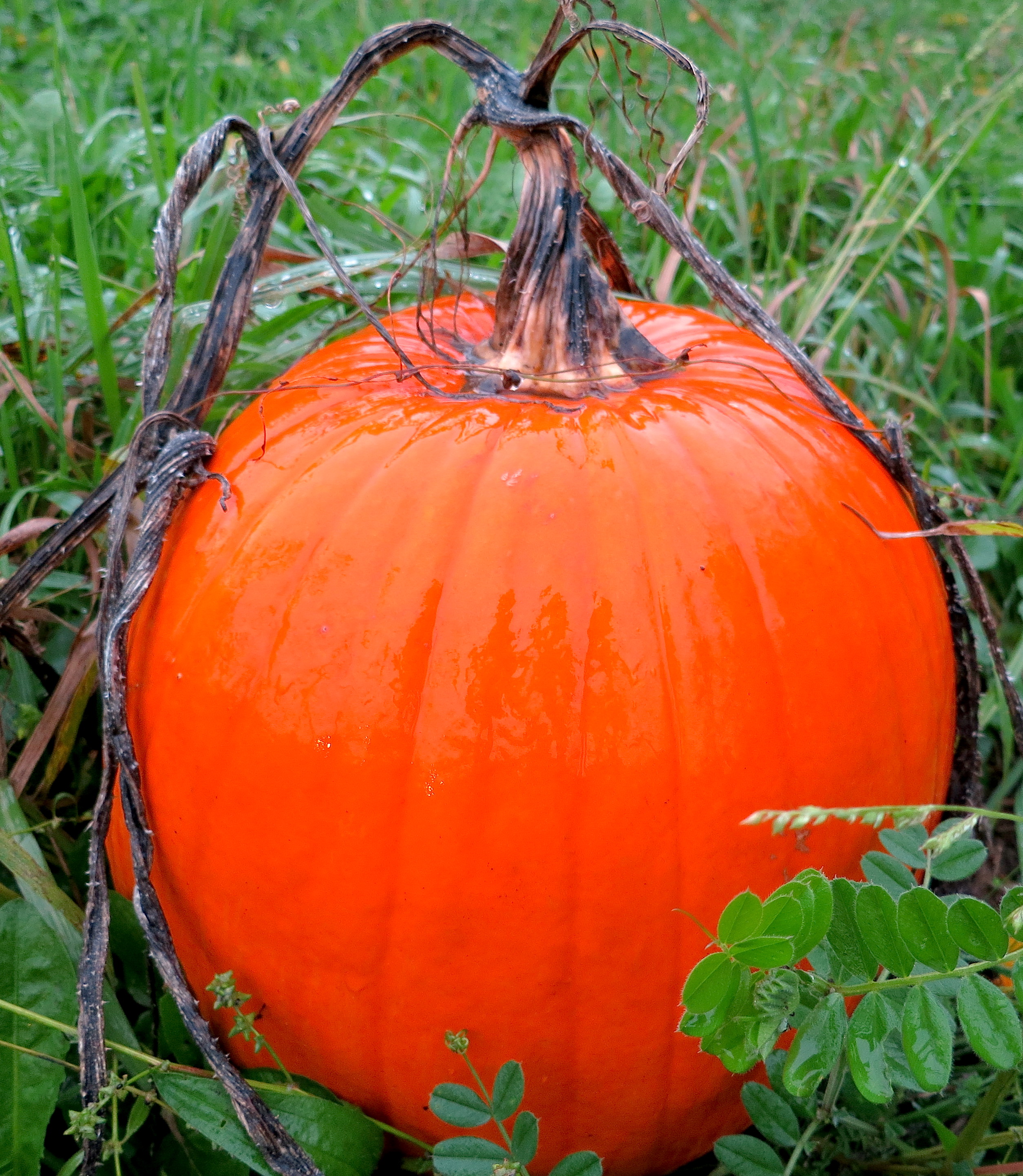
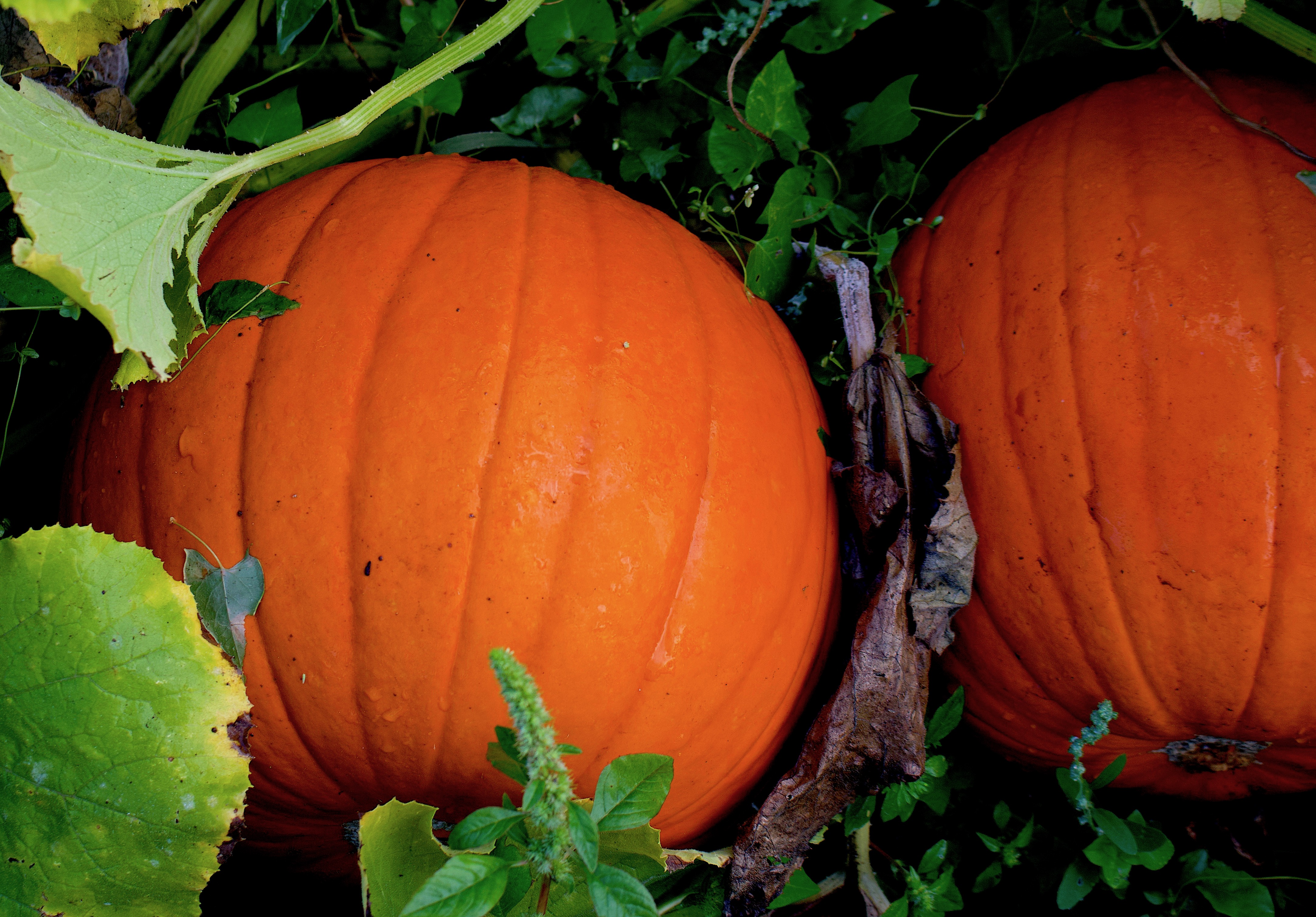
On Halloween day in 1985, I packed up a roll-up mattress pad, grabbed one lonely pumpkin from our small garden, locked our rental house door for the last time, then climbed in my car to head two hours north out of Seattle.
I don’t recall looking back in the rear view mirror at the skyline after nine years living in the city. My husband had moved to Whatcom County two months earlier to start his new job. I had stayed behind to wrap up my Group Health family practice in the Rainier Valley of central Seattle.
I was leaving the city for our new rural home and a very uncertain professional future.
I knew two things for sure: I was finally several months pregnant after a miscarriage and two years of trying to conceive, so our family was on its way, and we were going to live in our own house with a few acres and a barn.
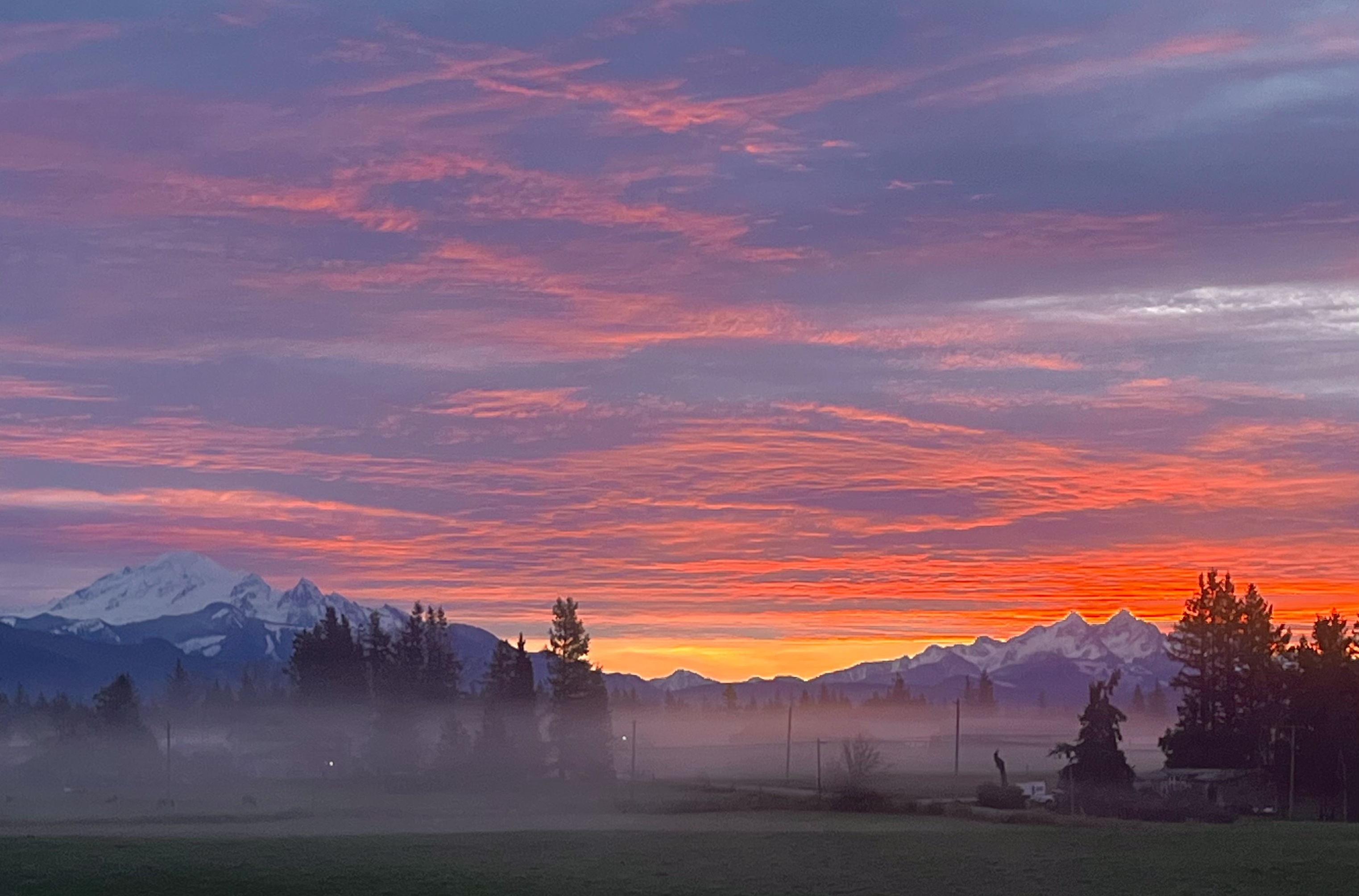
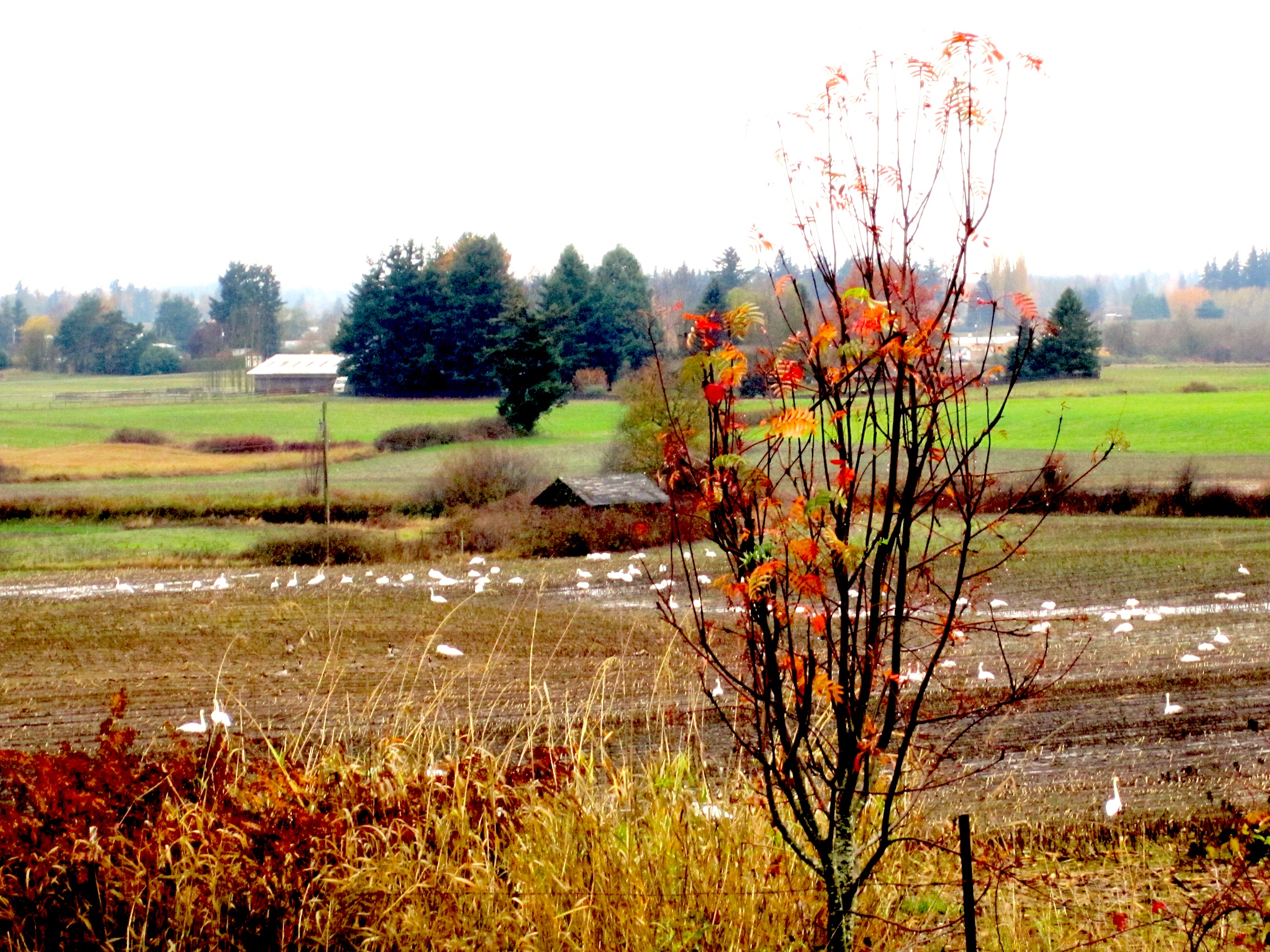
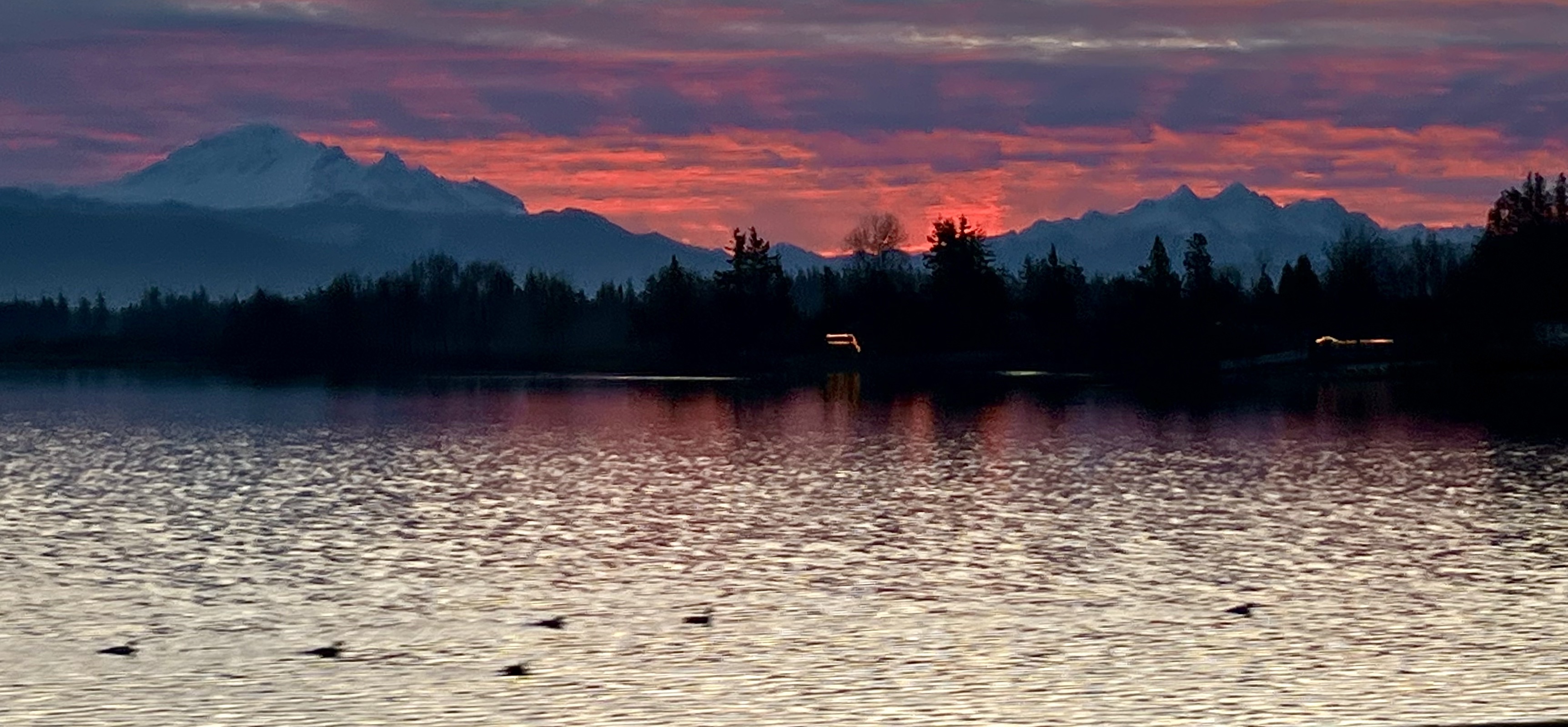
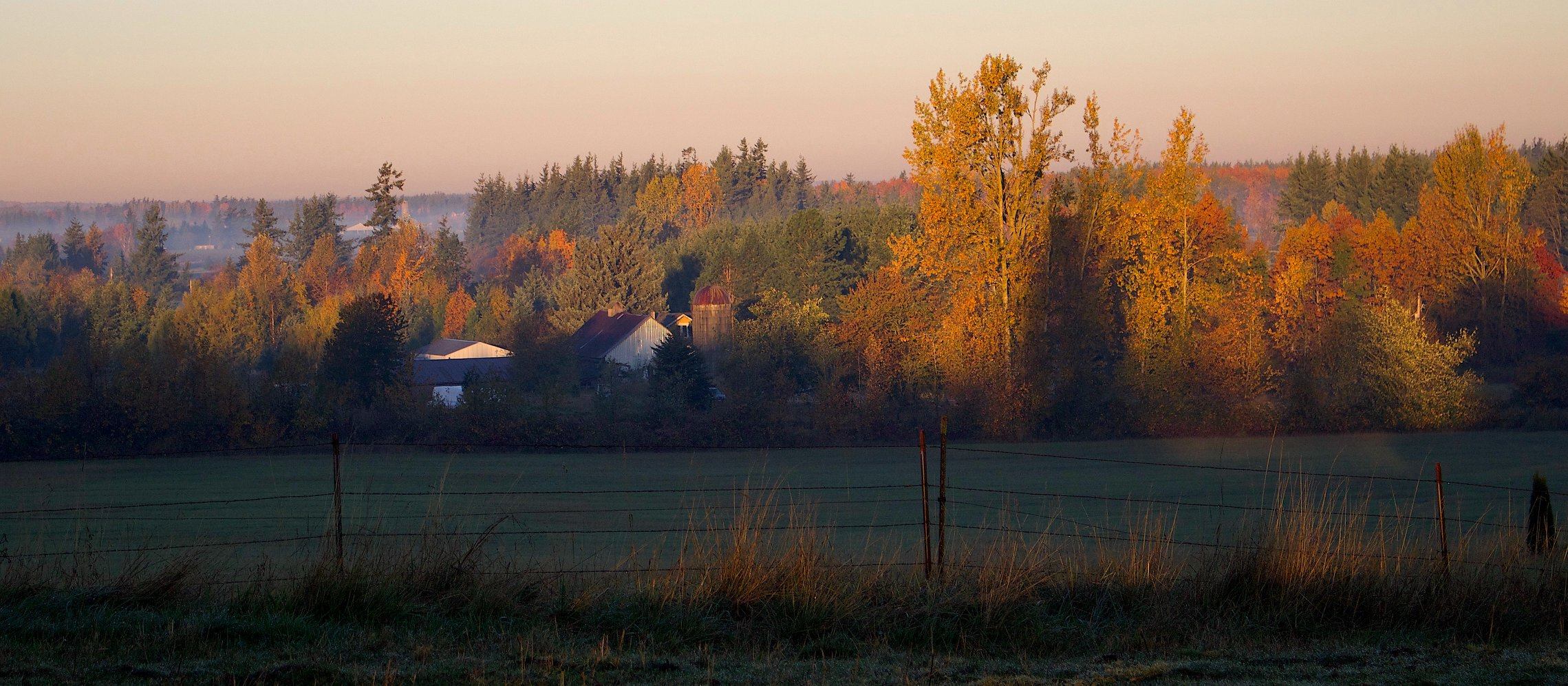
A real (sort of) starter farm and starter family, a dream we both shared. Our home sits in the midst of woods and corn fields, with deer strolling through the fields at dawn, coyotes howling at night, Canadian geese and trumpeter swans calling from overhead and salmon thriving in nearby streams. The snowy Cascades greet us in the morning to the east, the Canadian Coastal range majestic to the north and not far to the west, the Salish Sea/Puget Sound.
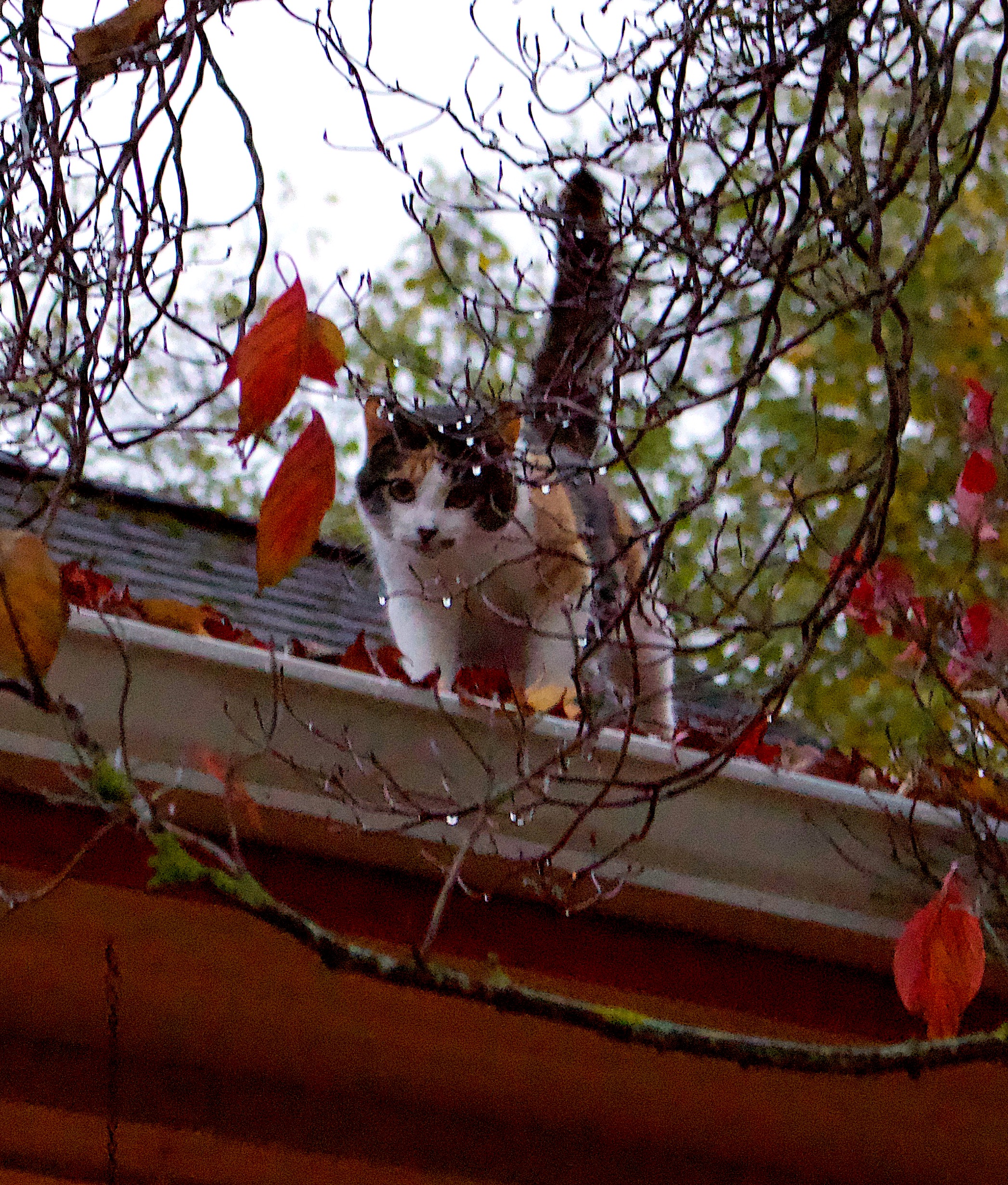
Since it wouldn’t be a farm without animals, I stopped at the first pet store I drove past and found two tortoise shell calico kitten sisters peering up at me, just waiting for new adventures in farmland. Their box was packed into the one spot left beside me in my little Mazda.
With that simple commitment to raise and nurture those kittens alongside the life growing inside me, life seemed very complete.
I will never forget the freedom I felt on that drive north. The highway seemed more open, the fall colors more vibrant, the wind more energizing, our baby kicking my belly, the kittens mewing from their box. There seemed so much potential even though I had just left behind the greatest family practice found in any urban setting (at the time, it was the most ethnically diverse zip code in the United States) with patients from all over the world: alongside the multi-racial inner city population living in subsidized housing developments, my patients included Muslim immigrants from the Middle East and Indonesia, Orthodox Jews, Italian Catholics, and refugees from Cambodia, Laos, and Vietnam.
I will never know so much variety of ethnic background and perspective again. If I could have packed them all into my little car and driven them north with me, I would have.
Despite what I was leaving behind, there was certainly a feeling of freedom that rainy Halloween day as the big city disappeared in the rear view mirror.
No longer would I sit captive in freeway rush-hour bumper to bumper traffic jams. I traded that for a new rural commute winding through farm fields while watching eagles fly overhead. I could become part of a community in a way I never could manage in the city, visiting with friends at the grocery store, playing piano and teaching Sunday School at church and serving on various community boards.
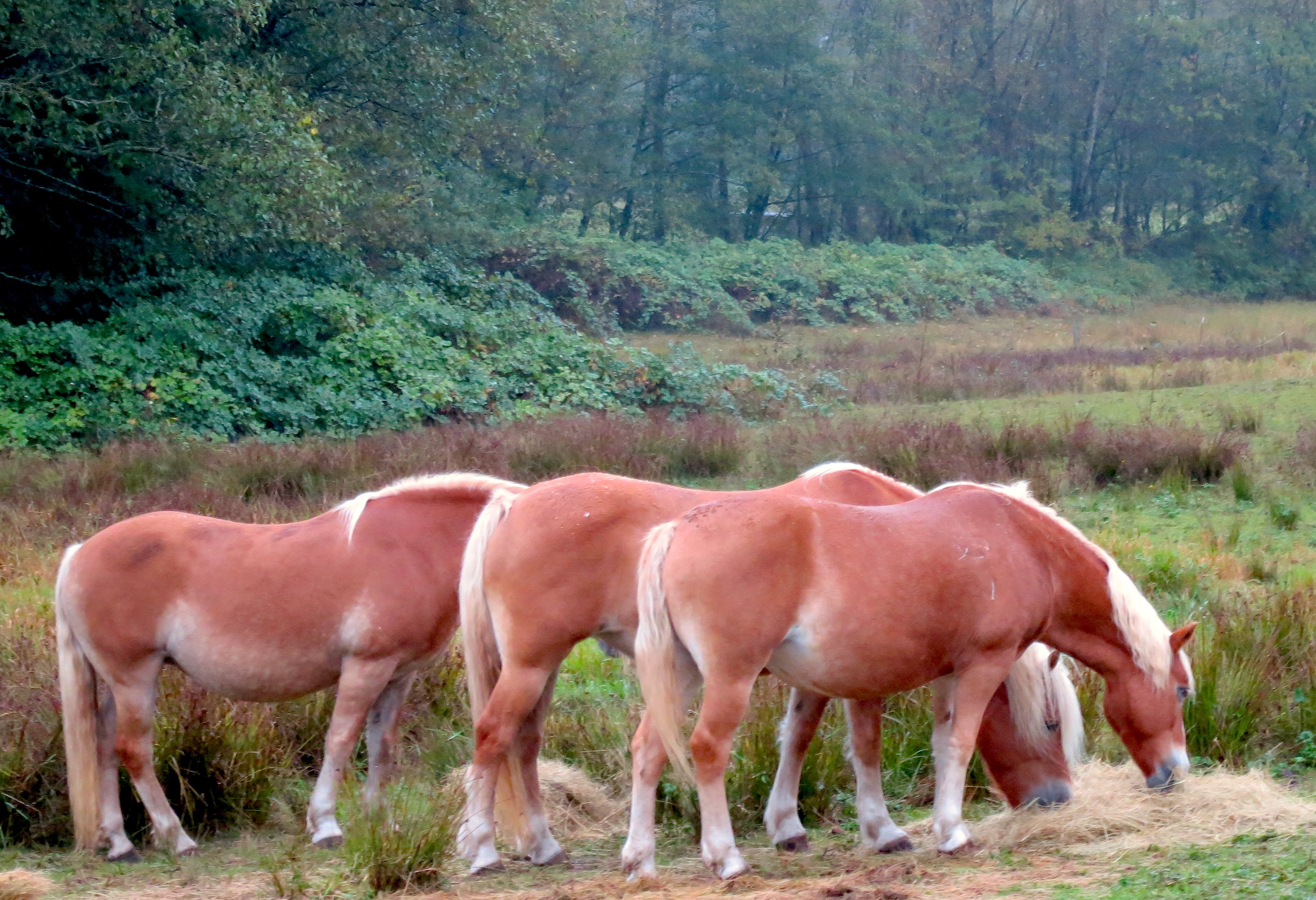
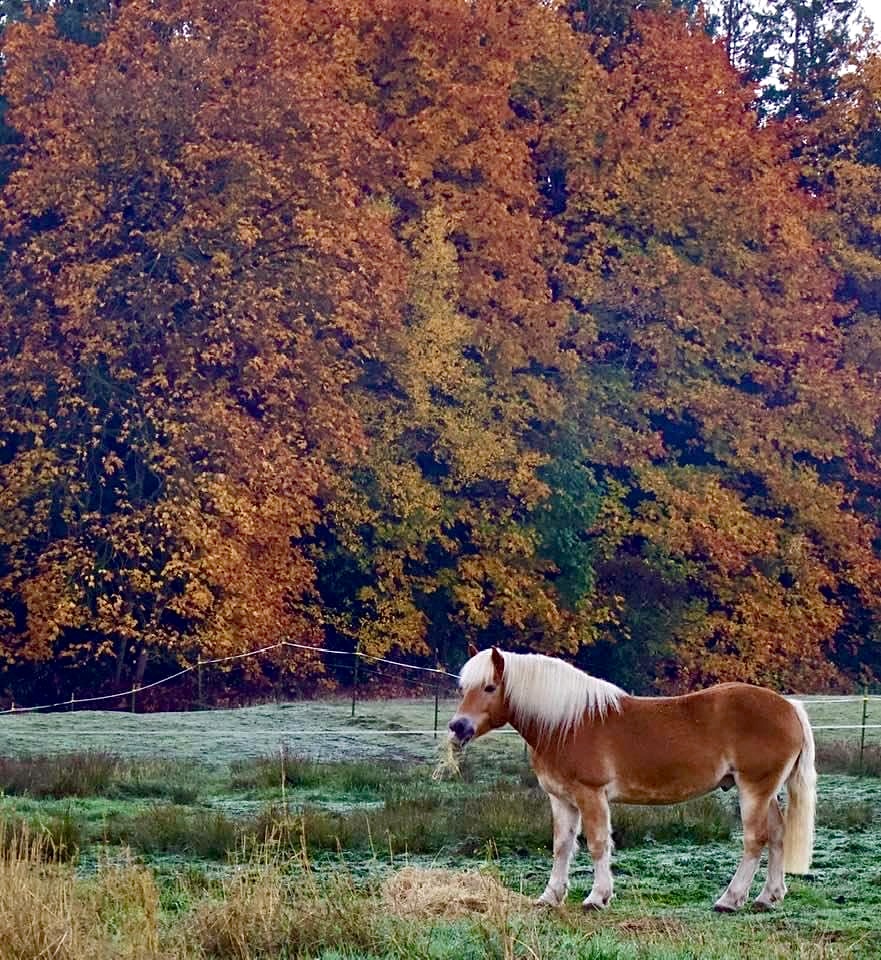
After the new kittens, dubbed Nutmeg and Oregano, arrived on our farm, we added even more diversity: a Belgian Tervuren dog Tango, a Haflinger horse Greta, Toggenburg goats Tamsin and her kids, a few Toulouse geese, Araucana chickens, Fiona the Scottish Highland cow, then another Haflinger Hans and another, Tamara. I worked as a fill-in doctor in four different clinics before our first baby was born, then settled into part-time practice in several different clinics for most of my career.
With those new commitments, life was fulfilling and busy – we soon added a little brother and seven years later, a sister. Then it felt like our family was complete.
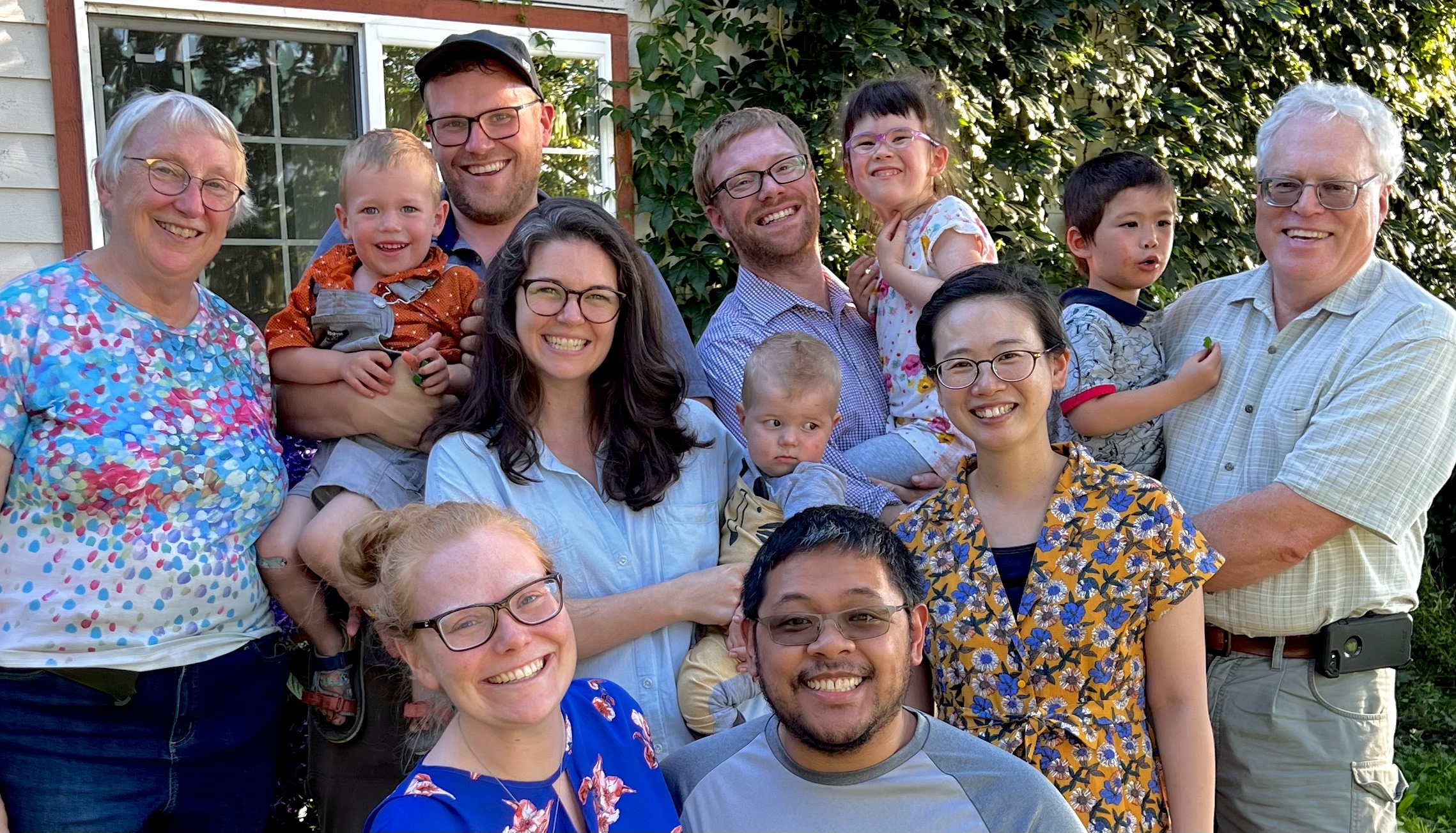
Forty years later, our children have grown and gone to homes of their own, all married to wonderful spouses, raising six delightful children for us to lavish love on.
Somehow life now feels even more complete.
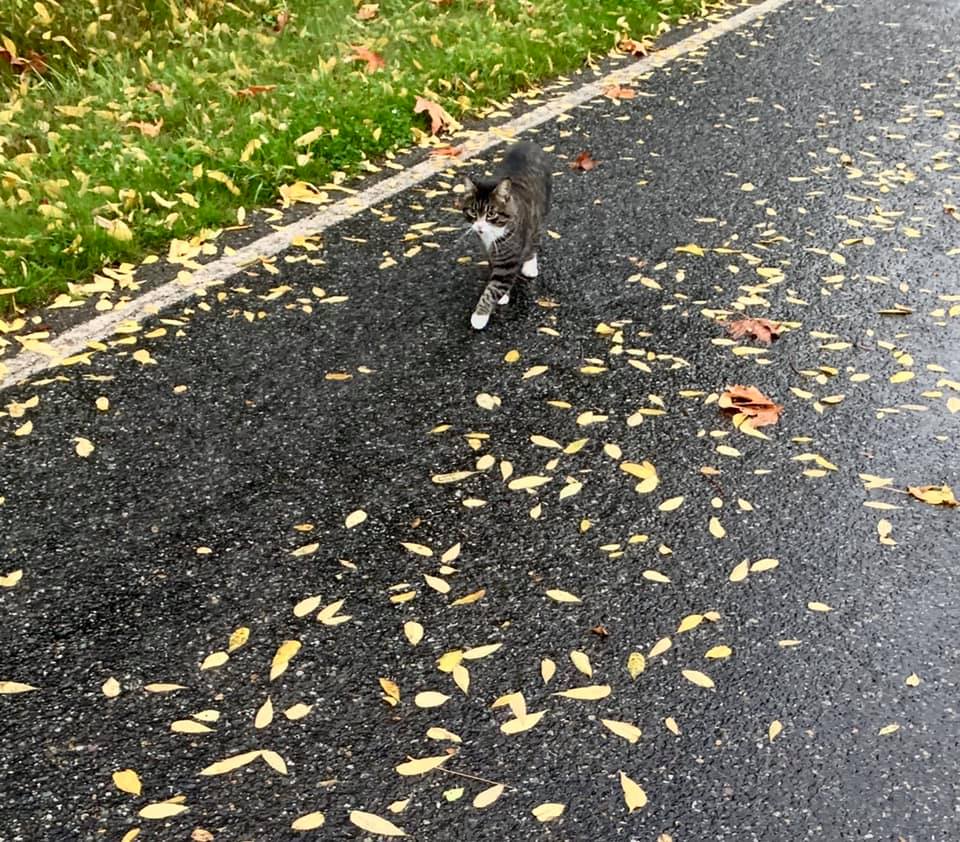
A few cats, a Cardigan Corgi, and three ponies still live at the farm with us. Now retired from our professional lives “in town”, we enjoy the freedom of slower and quieter days, nurtured and nurturing.
It all started October 31, 1985 with two orange and black kittens and a pumpkin sitting beside me in a little Mazda, my husband awaiting my homecoming 100 miles north. Now, forty years later, we celebrate this Halloween anniversary of farm and family, still pregnant with the possibility that life is never truly complete when there is always a new day just around the corner.
One-Time
Monthly
Yearly
Make a one-time or recurring donation to support daily Barnstorming posts
The world does not need words. It articulates itself in sunlight, leaves, and shadows. The stones on the path are no less real for lying uncatalogued and uncounted. The fluent leaves speak only the dialect of pure being…
The sunlight needs no praise piercing the rainclouds, painting the rocks and leaves with light, then dissolving each lucent droplet back into the clouds that engendered it. The daylight needs no praise, and so we praise it always– greater than ourselves and all the airy words we summon. ~Dana Giola from “Words”
The words the world needs is only the Word itself; we exist because He breathed breath into us, saying it was good.
Whatever we have to say about His Creation pales compared to His it is good
But we try over and over again to use words of wonder and praise to express our awe and gratitude and amazement while painted golden by His breath of Light.
One-Time
Monthly
Yearly
Make a one-time or recurring donation to support daily Barnstorming posts
Some mornings all I do is write down words—cistern, tribal, cached—copying them from sprawled pages of books across my desk, words that call out— glimmerings, cursive, saffron, heartwood—holding me in place as if to say listen, you may need me someday, I might offer you another way toward beauty, or even beyond. ~Andrea Potos “Daily Practices” from The Presence of One Word
I want to make poems that look into the earth and the heavens and see the unseeable. I want them to honor both the heart of faith, and the light of the world; the gladness that says, without any words, everything. ~Mary Oliver from “Everything”from New and Selected Poems: Volume Two
This morning
poem hopes
that even though its lines are broken
its reader
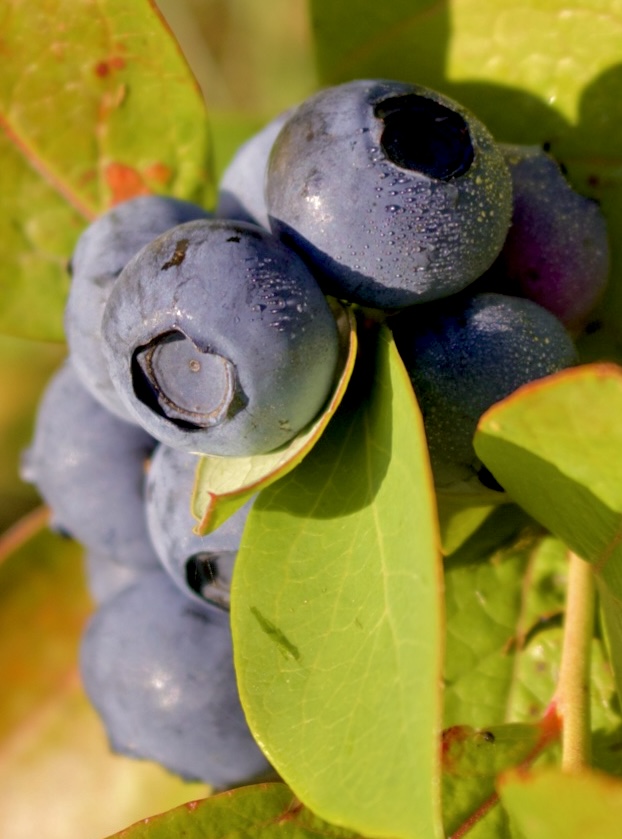
will be drawn forward to the part where blueberries firm against fingers
In the ghostly dawn I write new words for your ears— Even now you sleep. ~Amy Lowell“V” from Twenty-Four Hokku
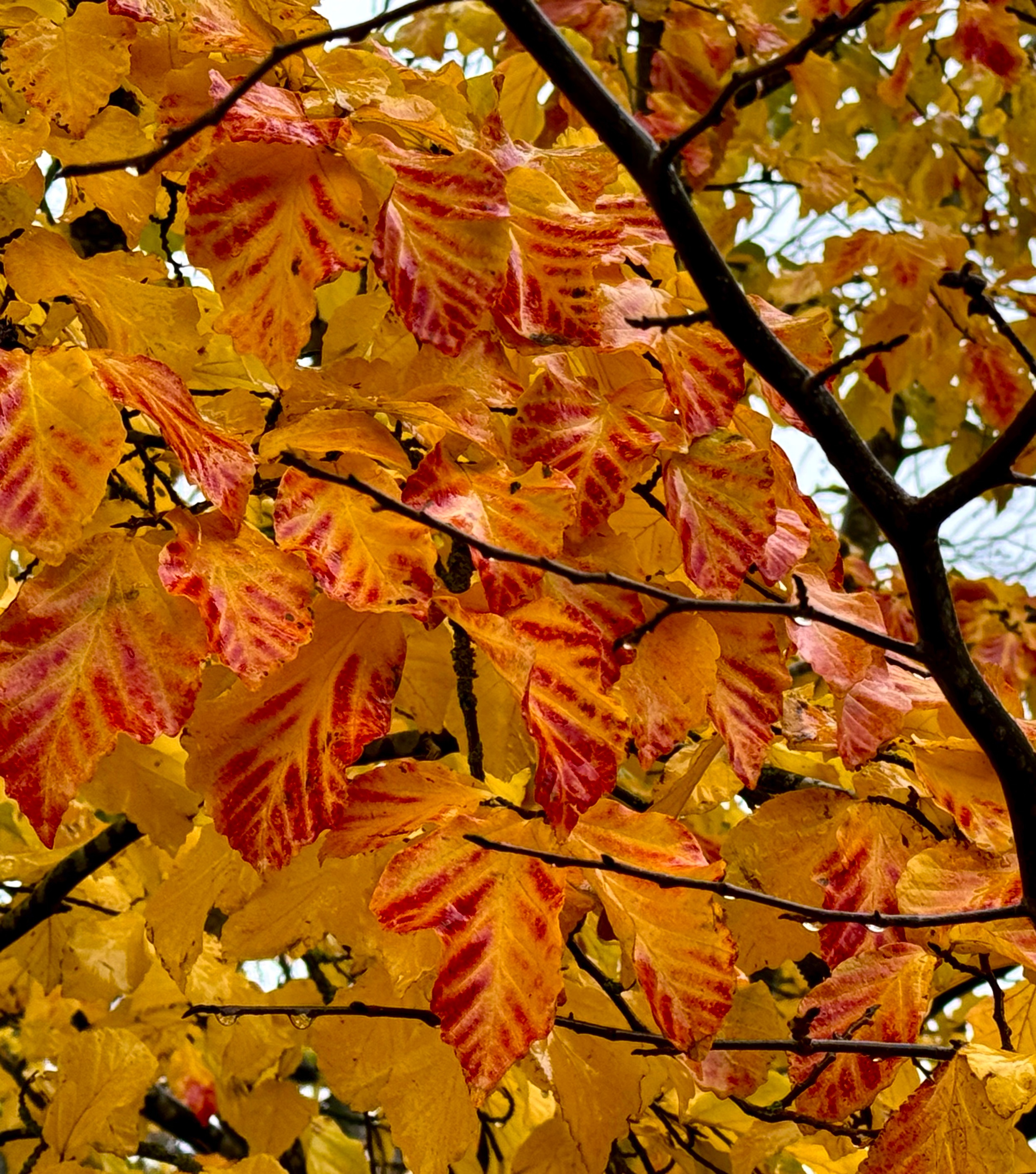
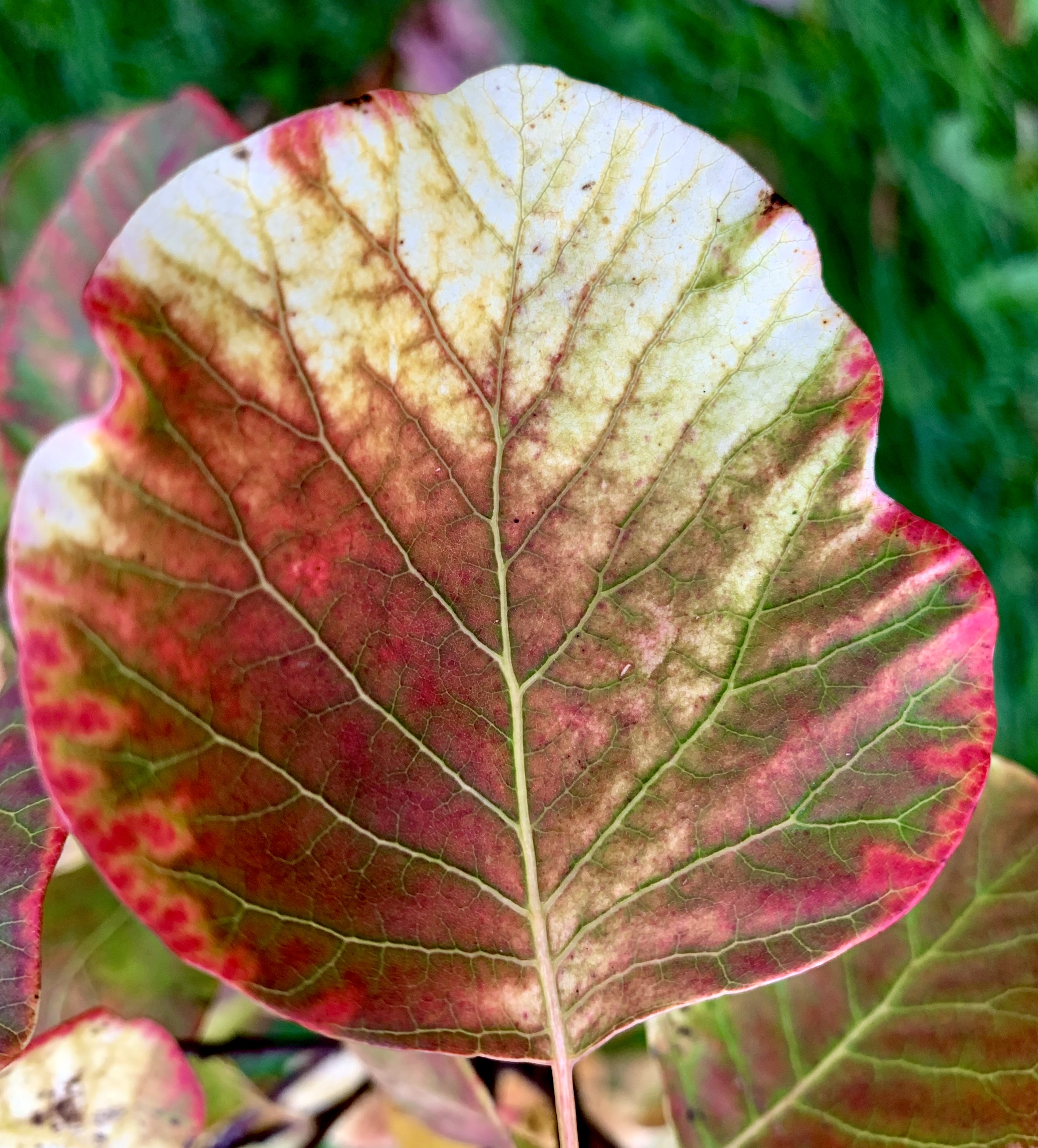
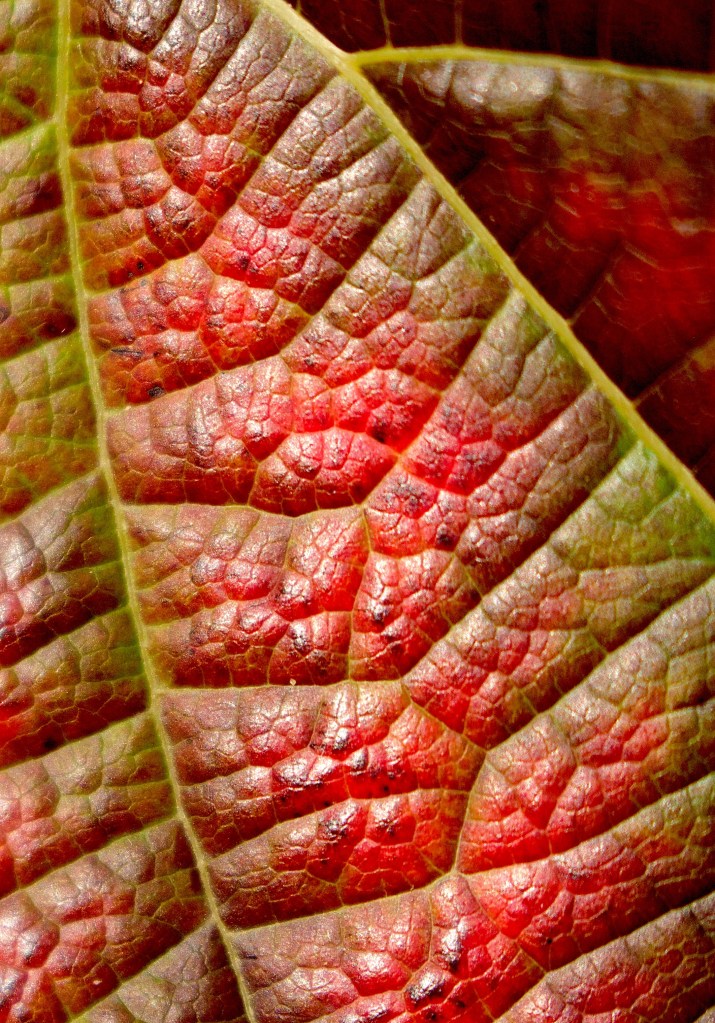
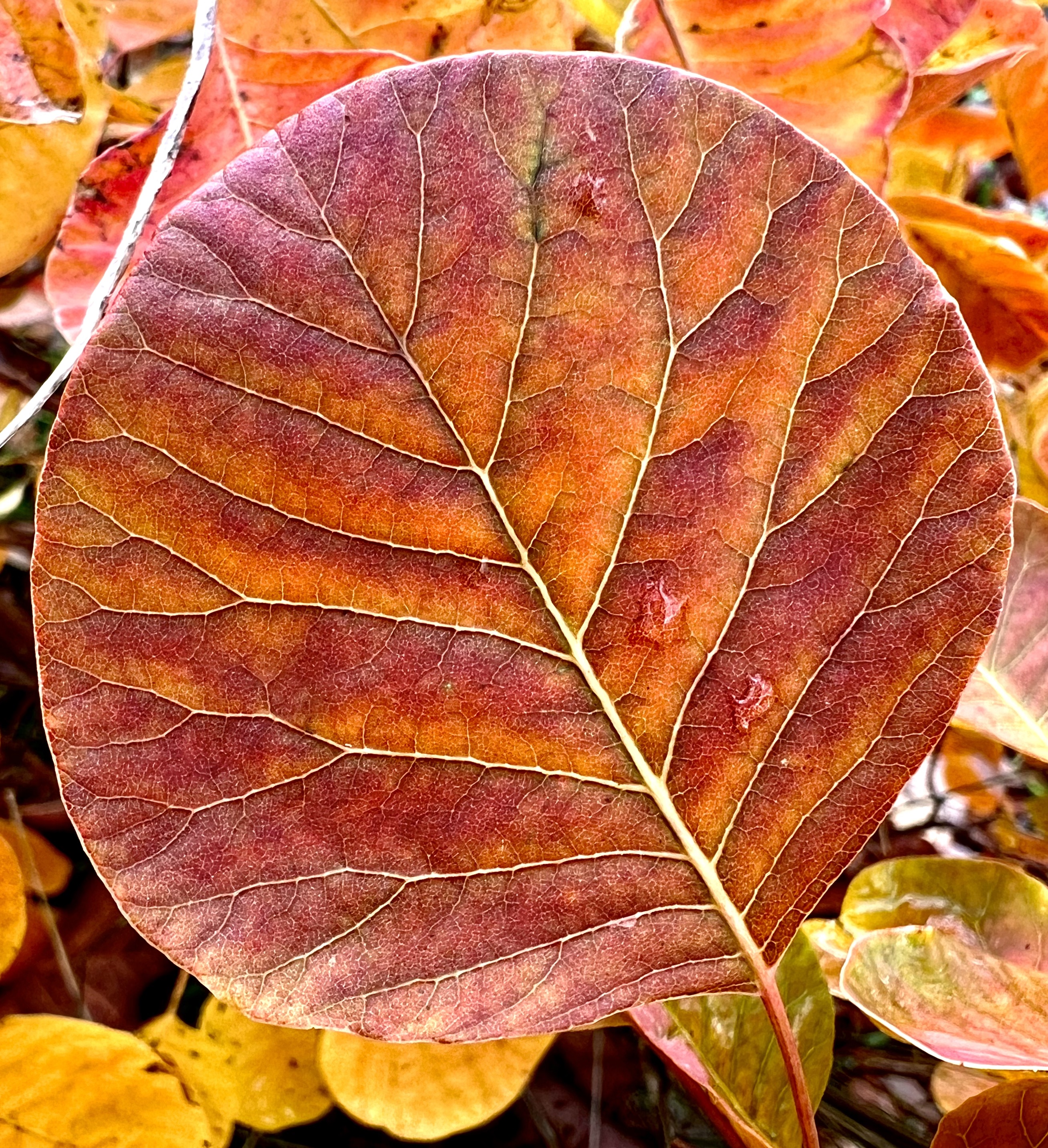
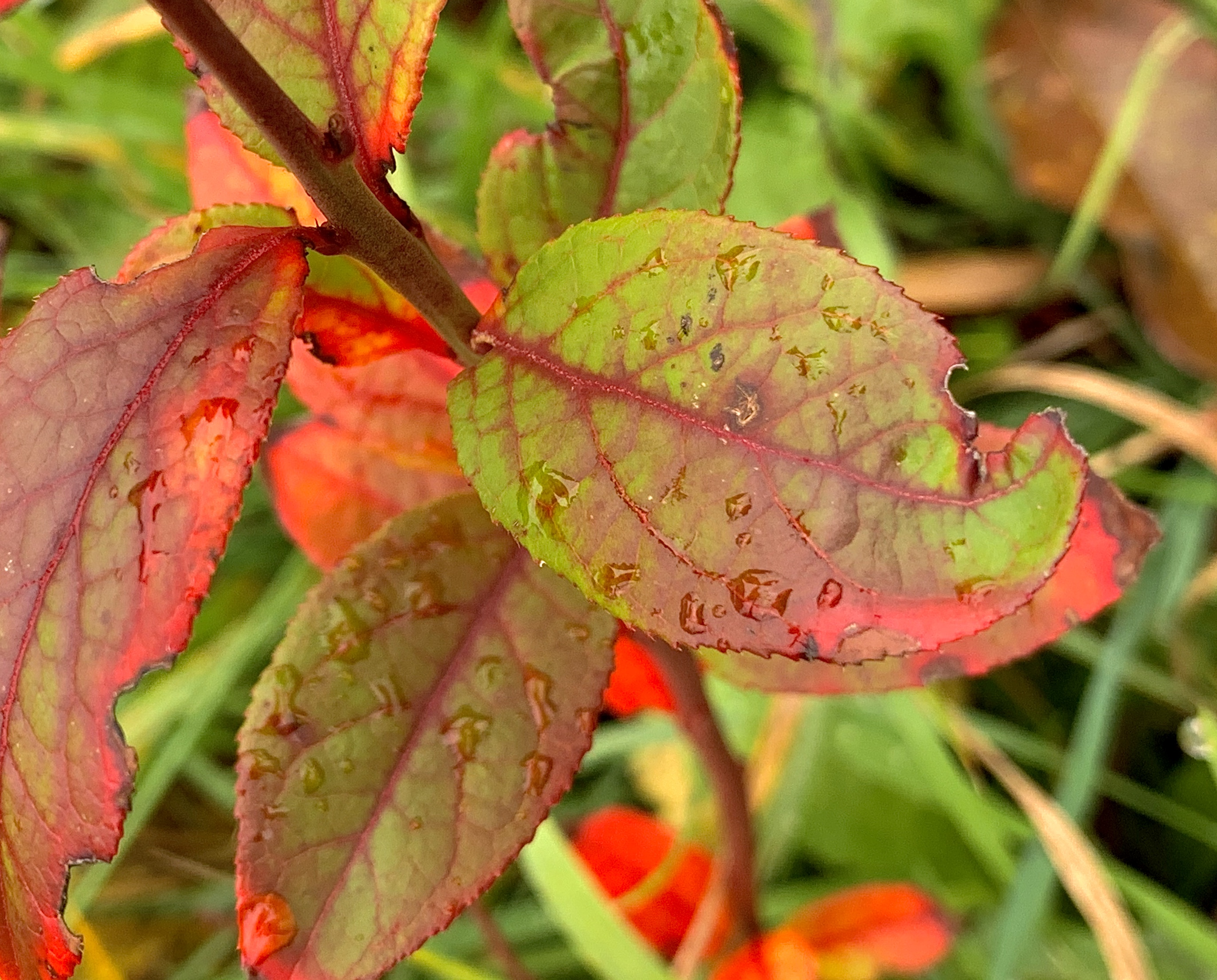
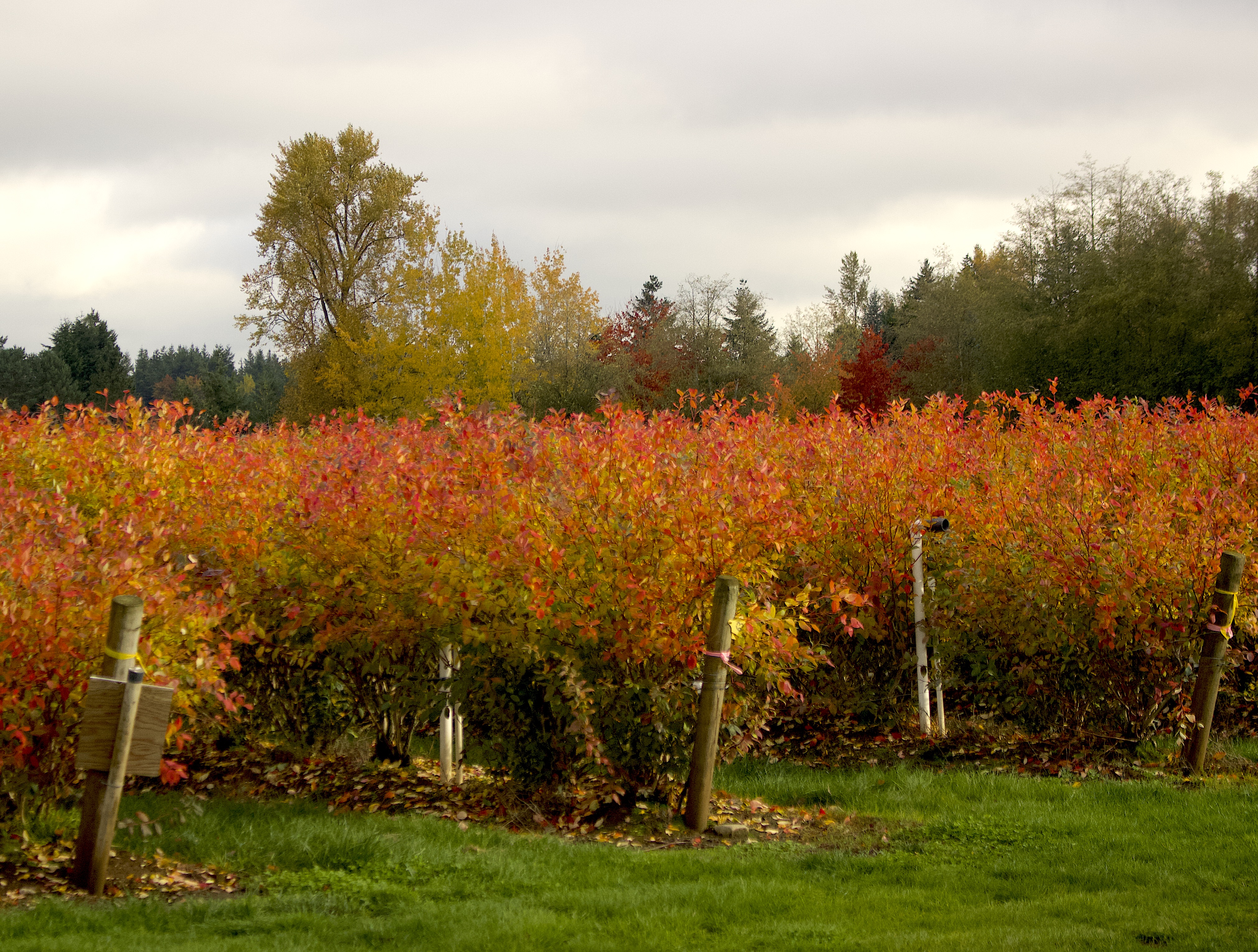
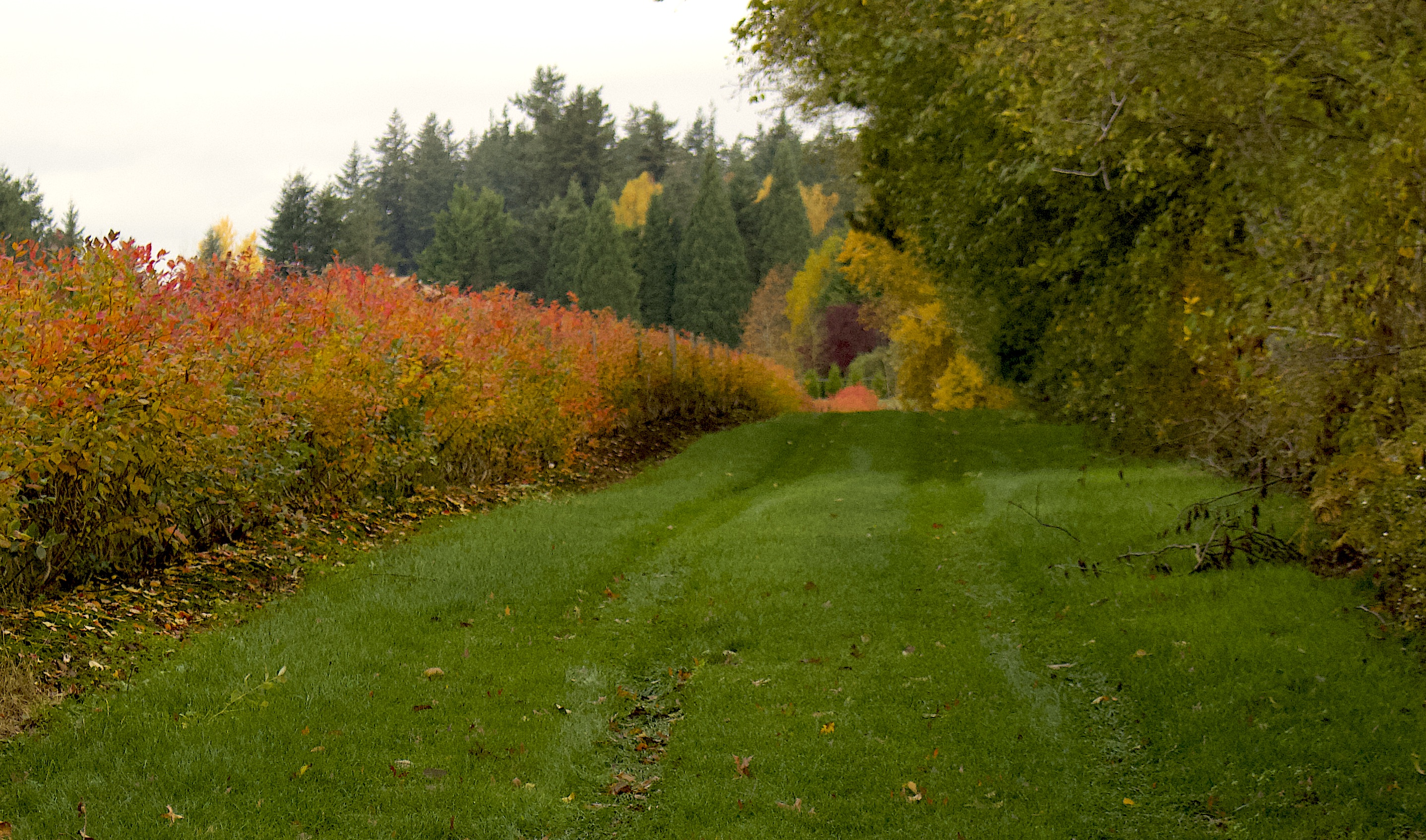
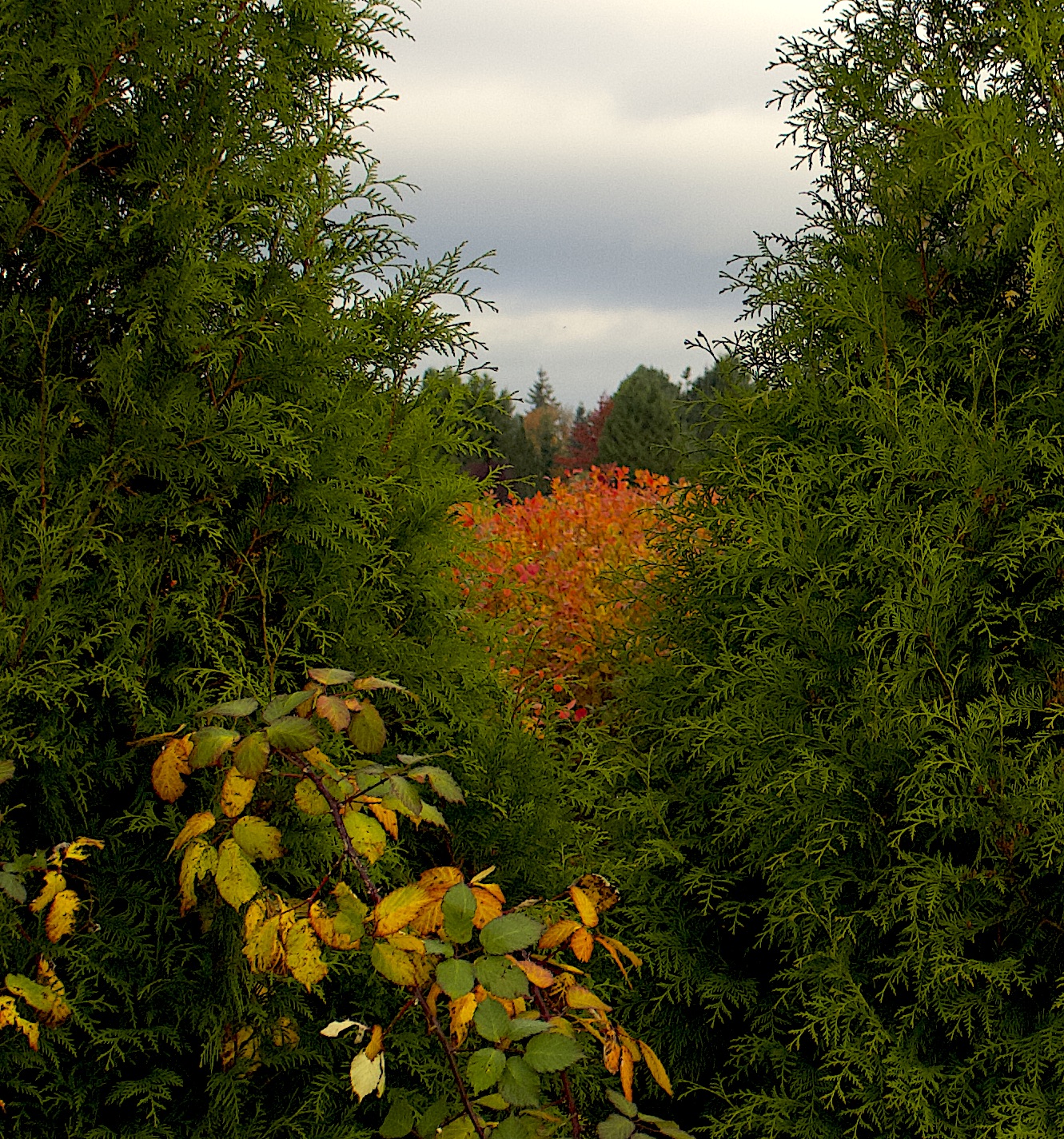
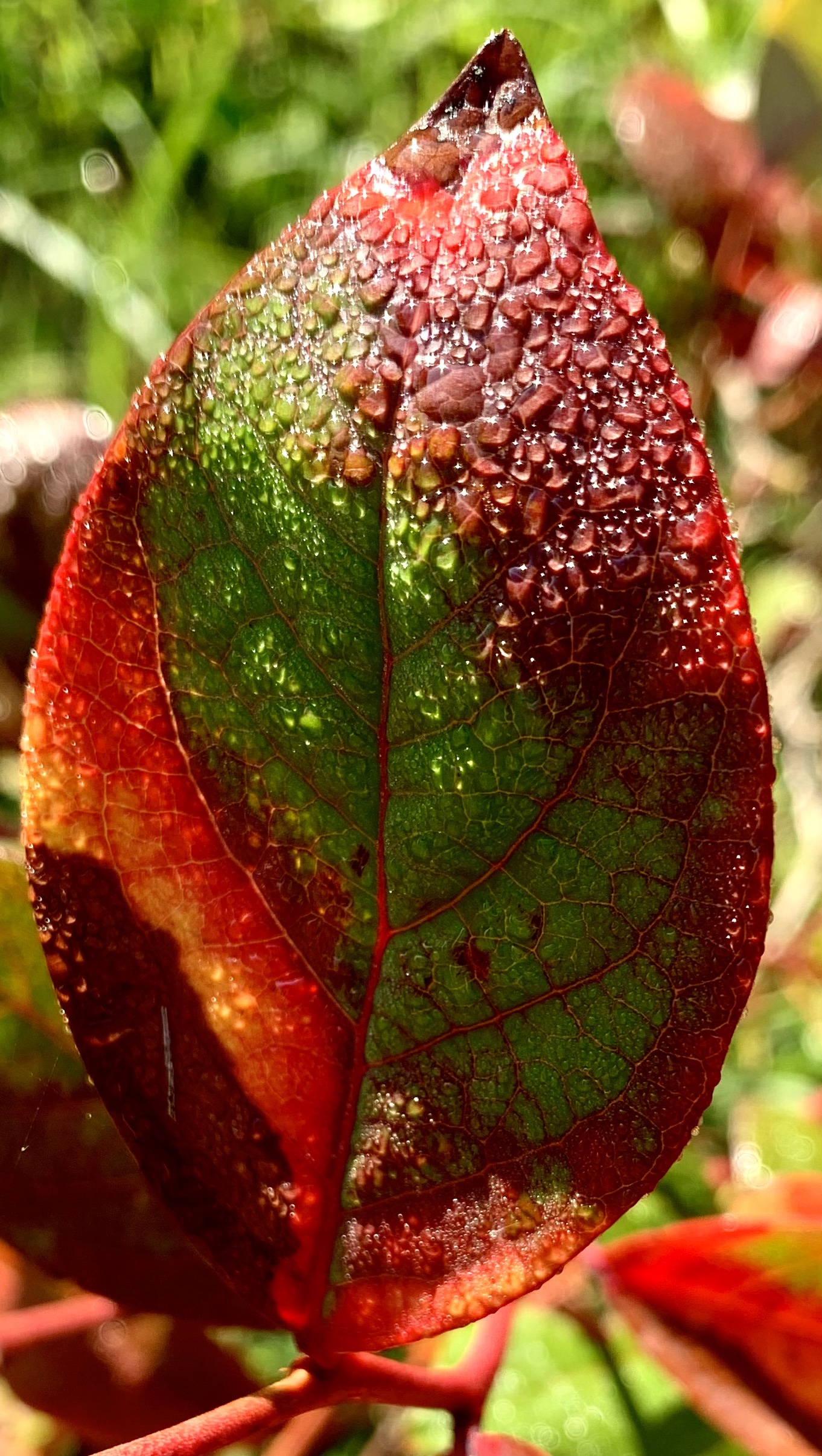
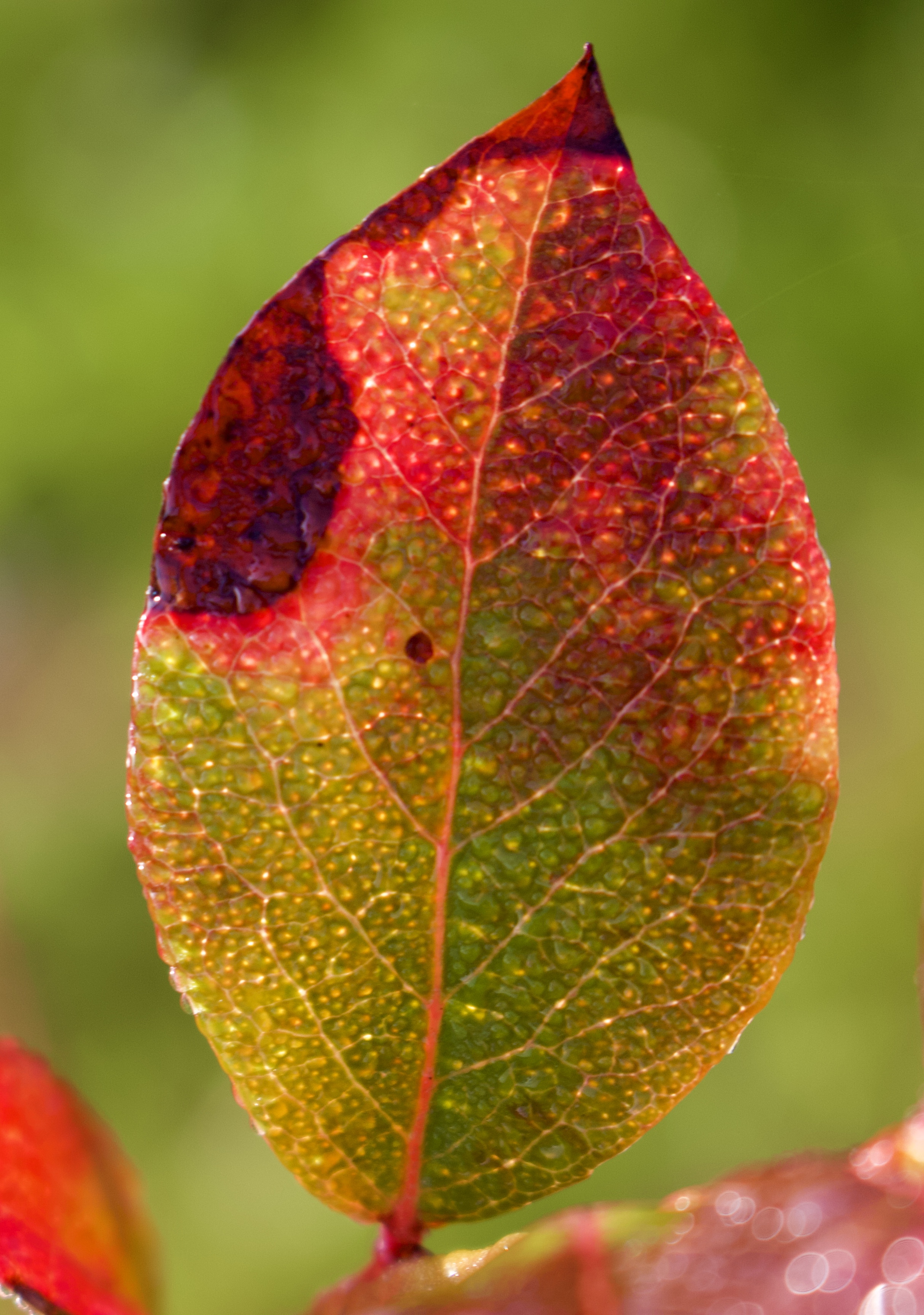
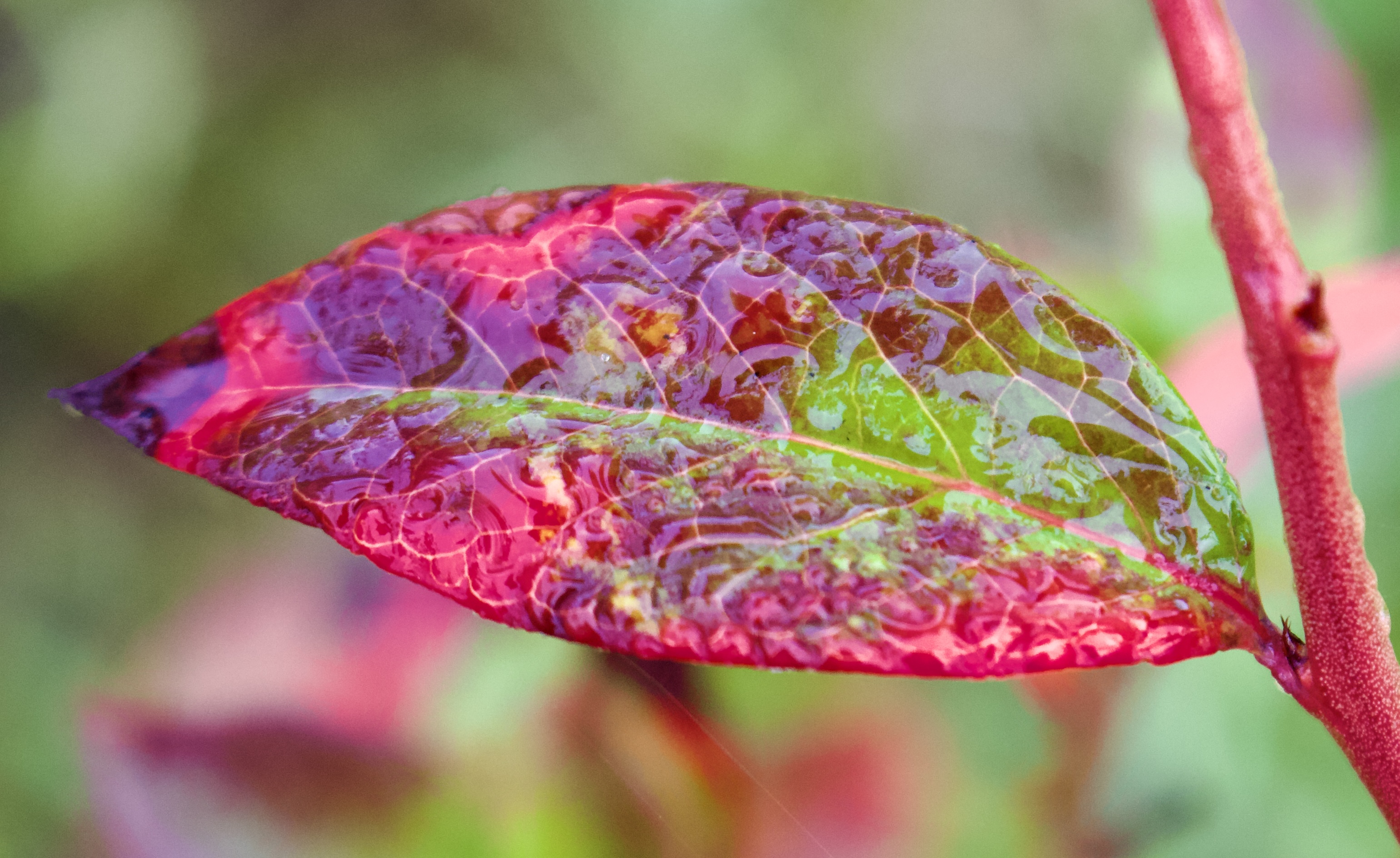
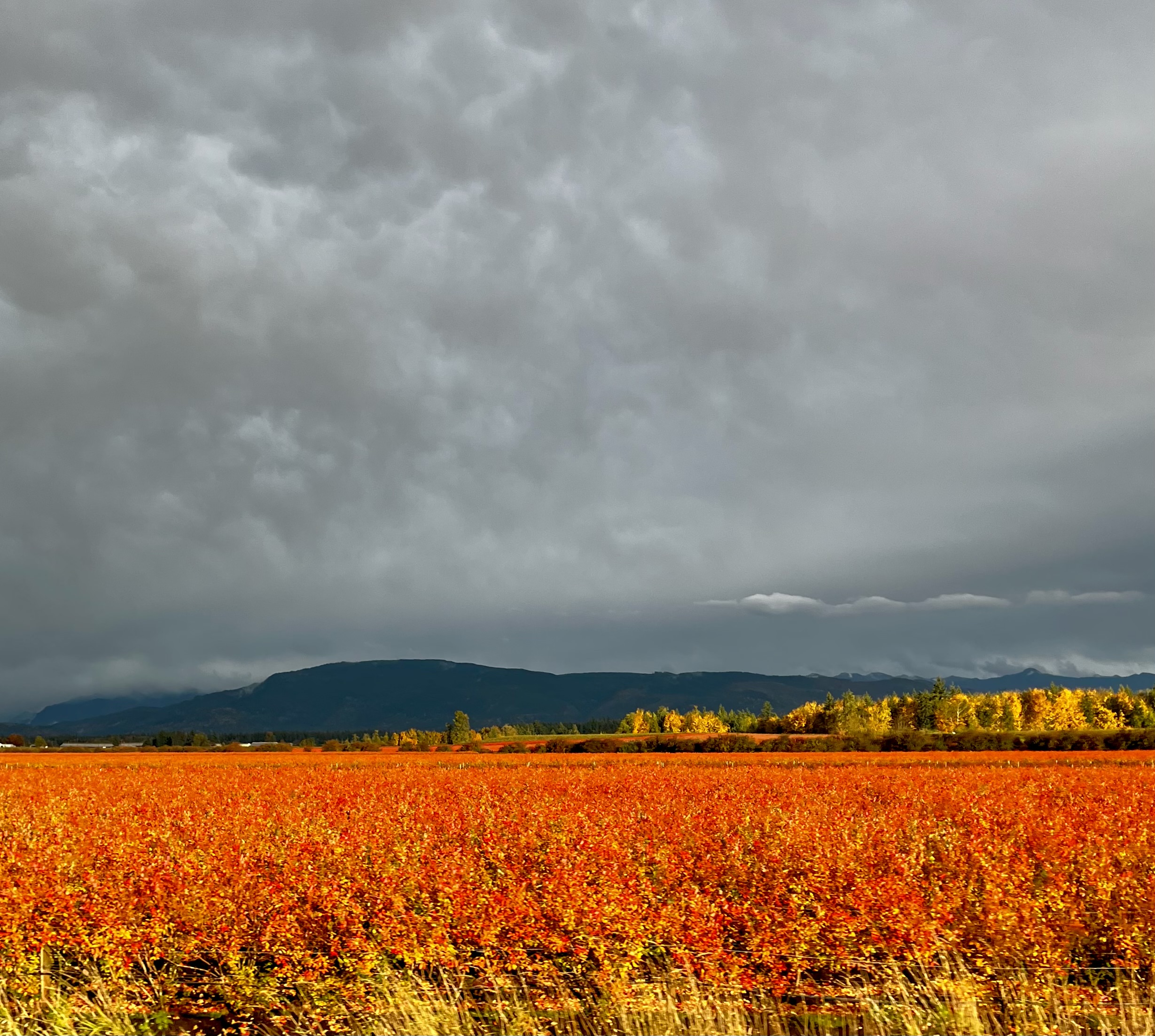
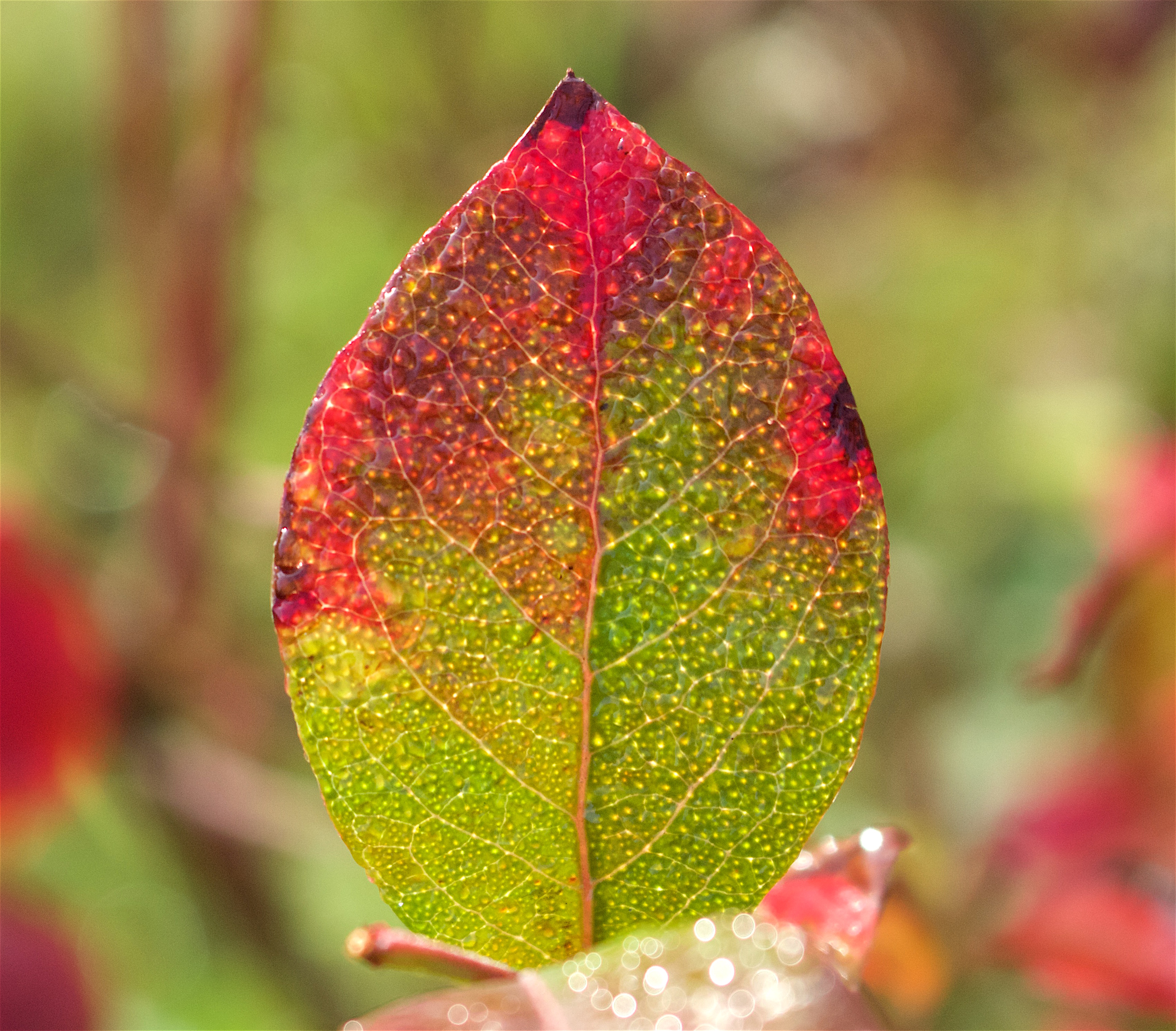
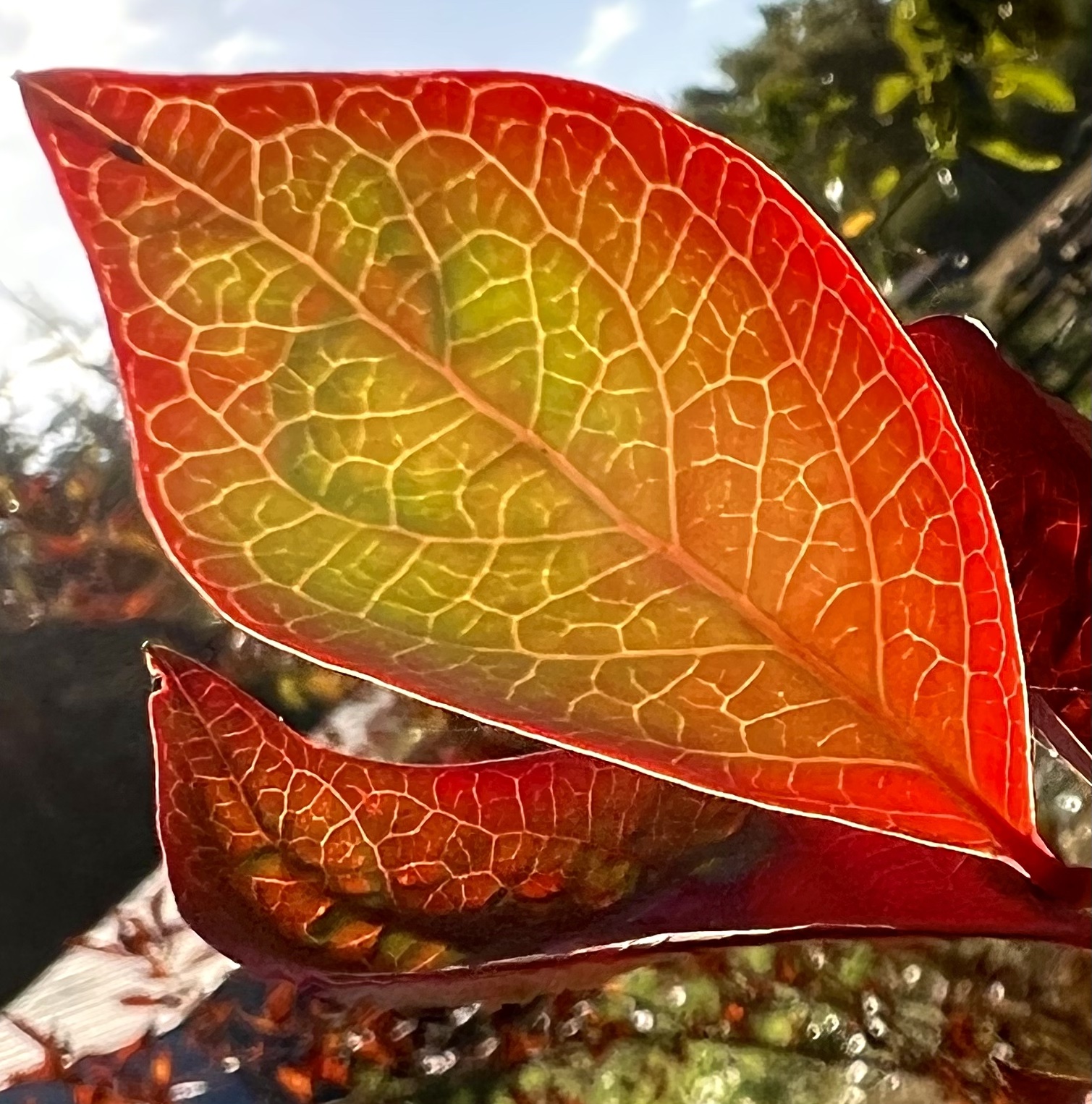
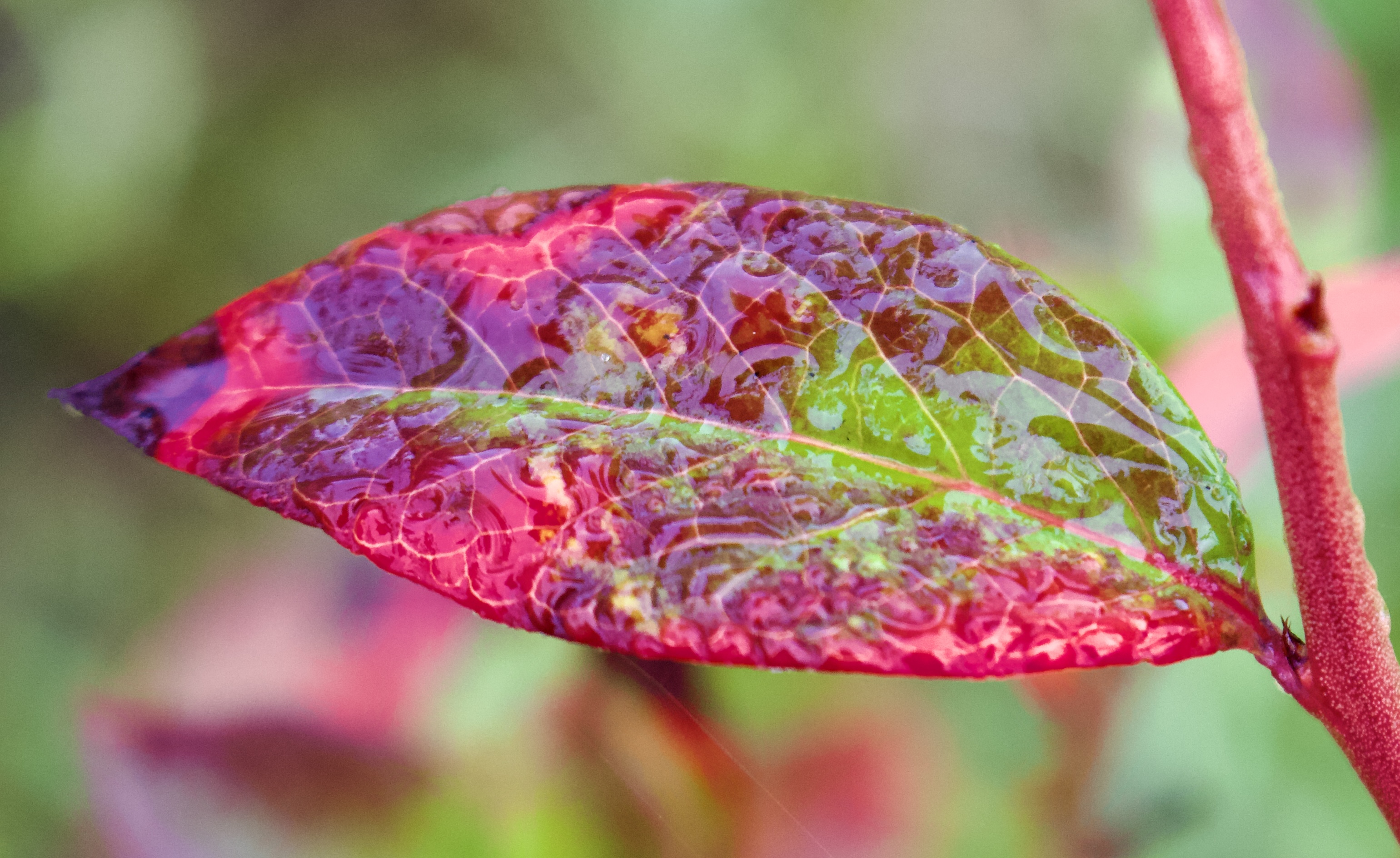
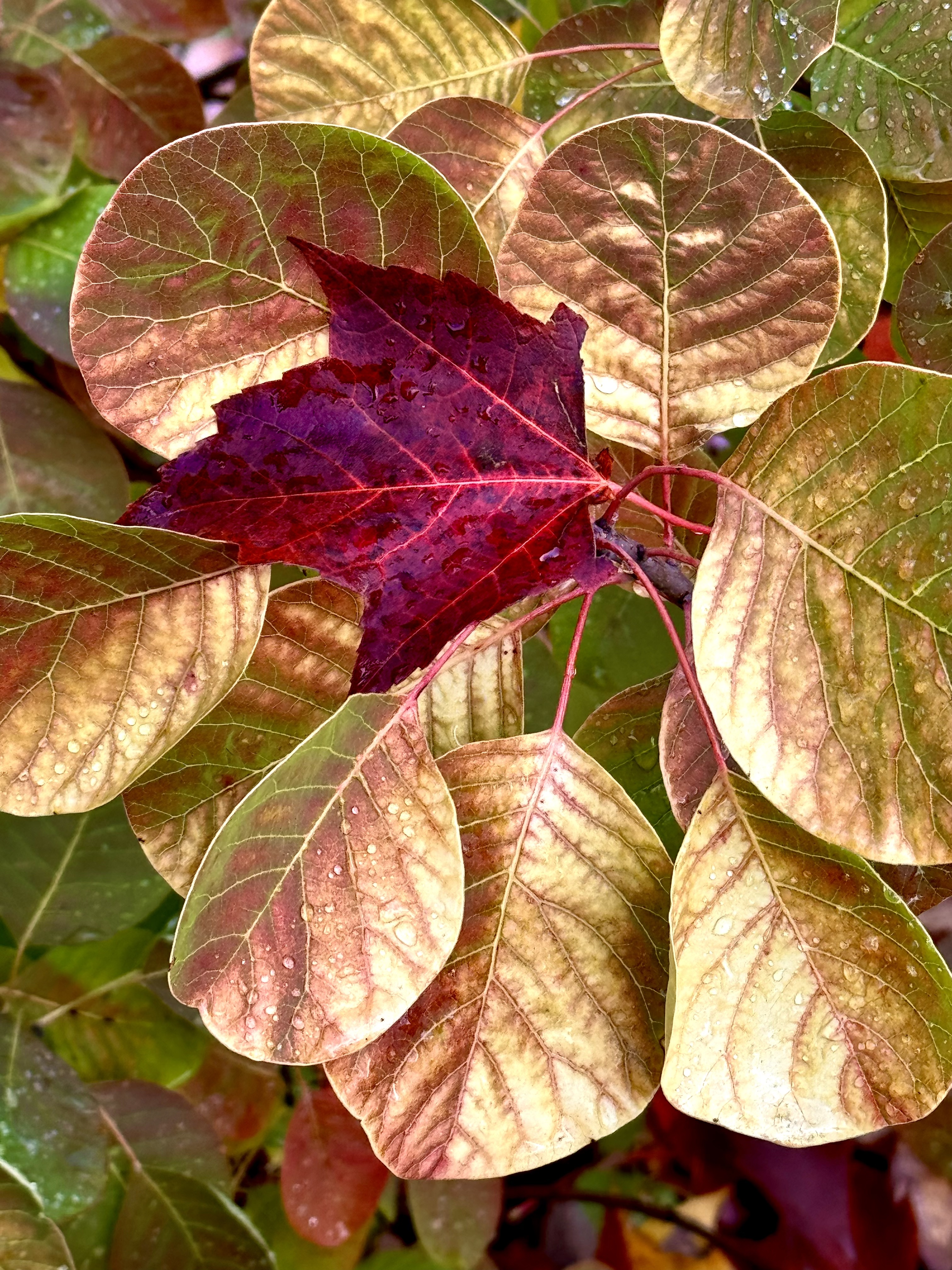
The blueberry fields are all afire, each leaf an October mosaic.
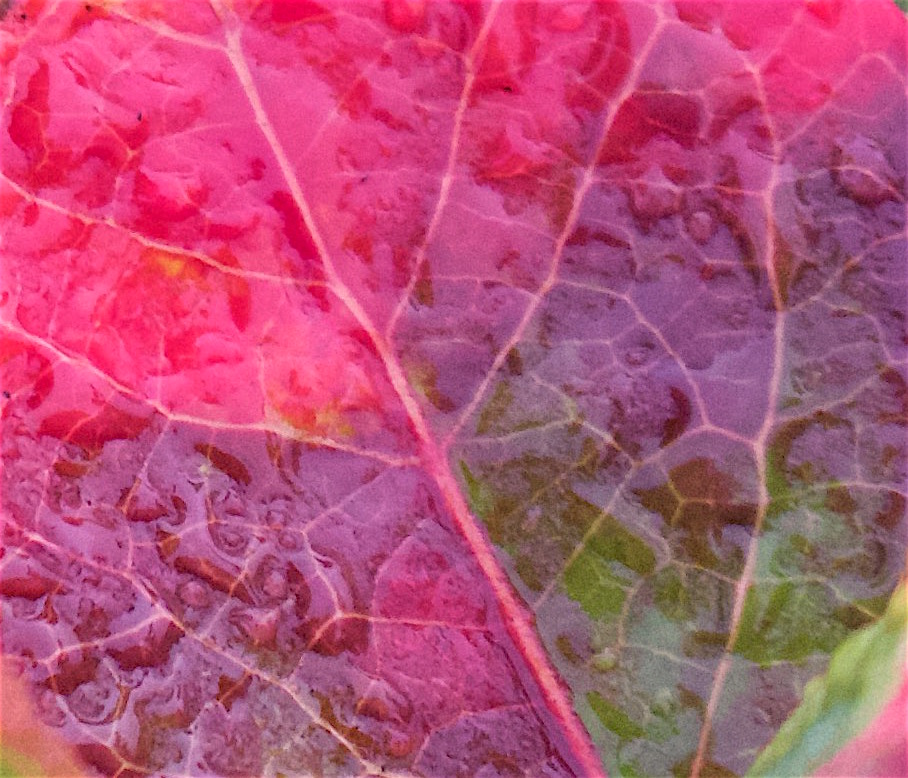
As chlorophyll wanes, the colors appear by magic, like words selected for a poem which begins as an empty slate.
Each carefully chosen.
Each surrounded by silence becoming more holy when it’s no longer empty.
So much of the beauty of poetry is the silence, a pause between the words.
Like life, there is nothing empty or meaningless about pausing.
Like poet Mary Oliver:
I want to make poems that look into the earth and the heavens and see the unseeable.
I am so awed at your faithful reading and generous sharing of what I offer here.
Even when my lines are broken, or I say again what another has already said much better, yet bears repeating — I too try to write with quiet hands, and see through quiet eyes, out of reverence and awe for what unseeable gifts God has given us.
Thank you for being here with me.
One-Time
Monthly
Yearly
Make a one-time or recurring donation to support daily Barnstorming posts
Just as, when you keep watch on the ground ahead of where your boots kick up the leaves, the path goes vague and blurred, while
if you lift your eyes the far reach of the trail comes lucid as map; so when you look at tomorrow through next year,
the way, otherwise so tangled and burdensome, clears. And if the leaves are, as they likely are,
fallen from the trees around you, then you get to look deeper into things than spring allowed. ~Charles O. Hartman “Autumn Ordinance”
I remember it as October days are always remembered, cloudless, maple-flavored, the air gold and so clean it quivers. ~Leif Enger, from Peace Like a River
The air tastes like autumn, quivering on my tongue – no need for pumpkin-spice flavoring to feel the change.
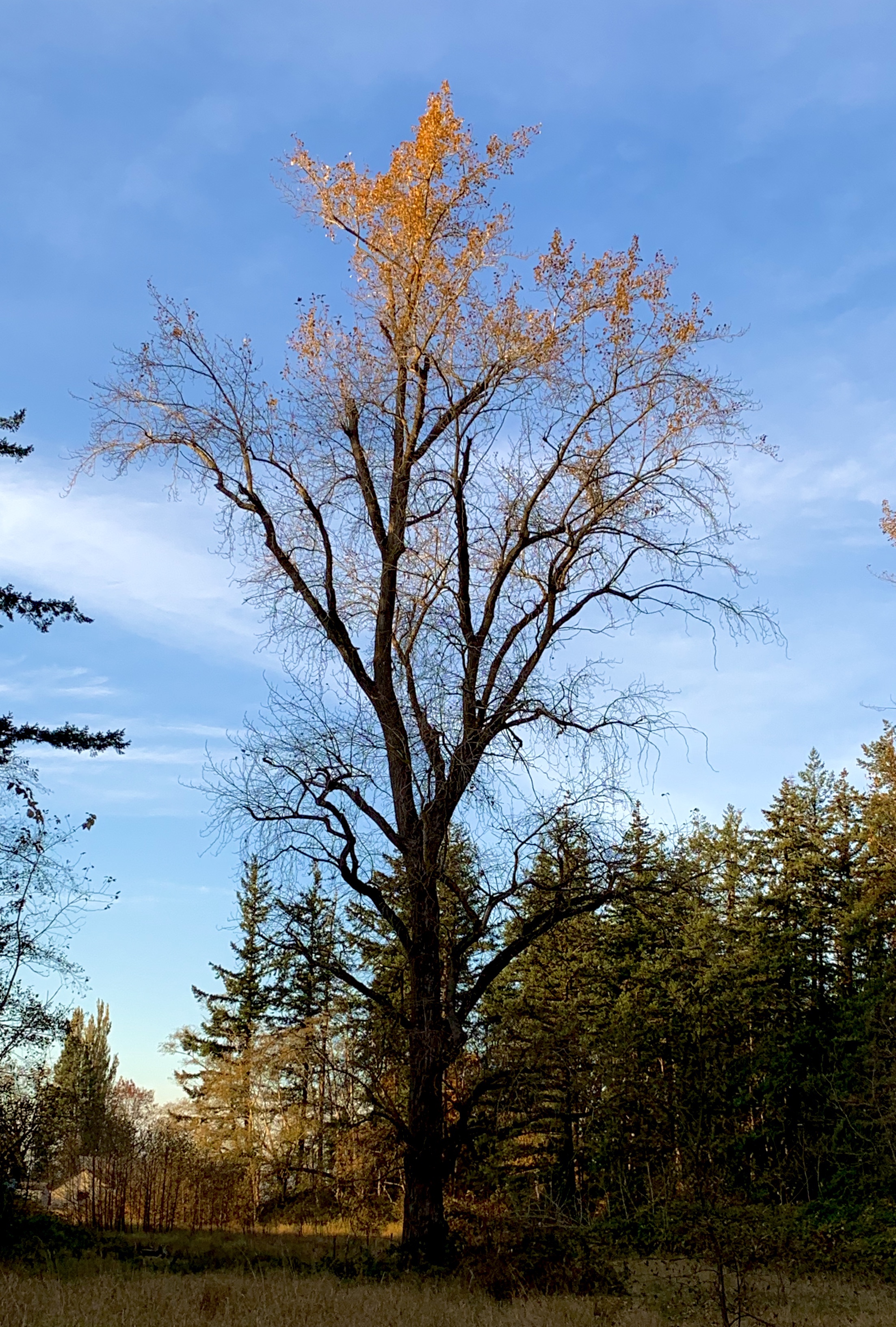
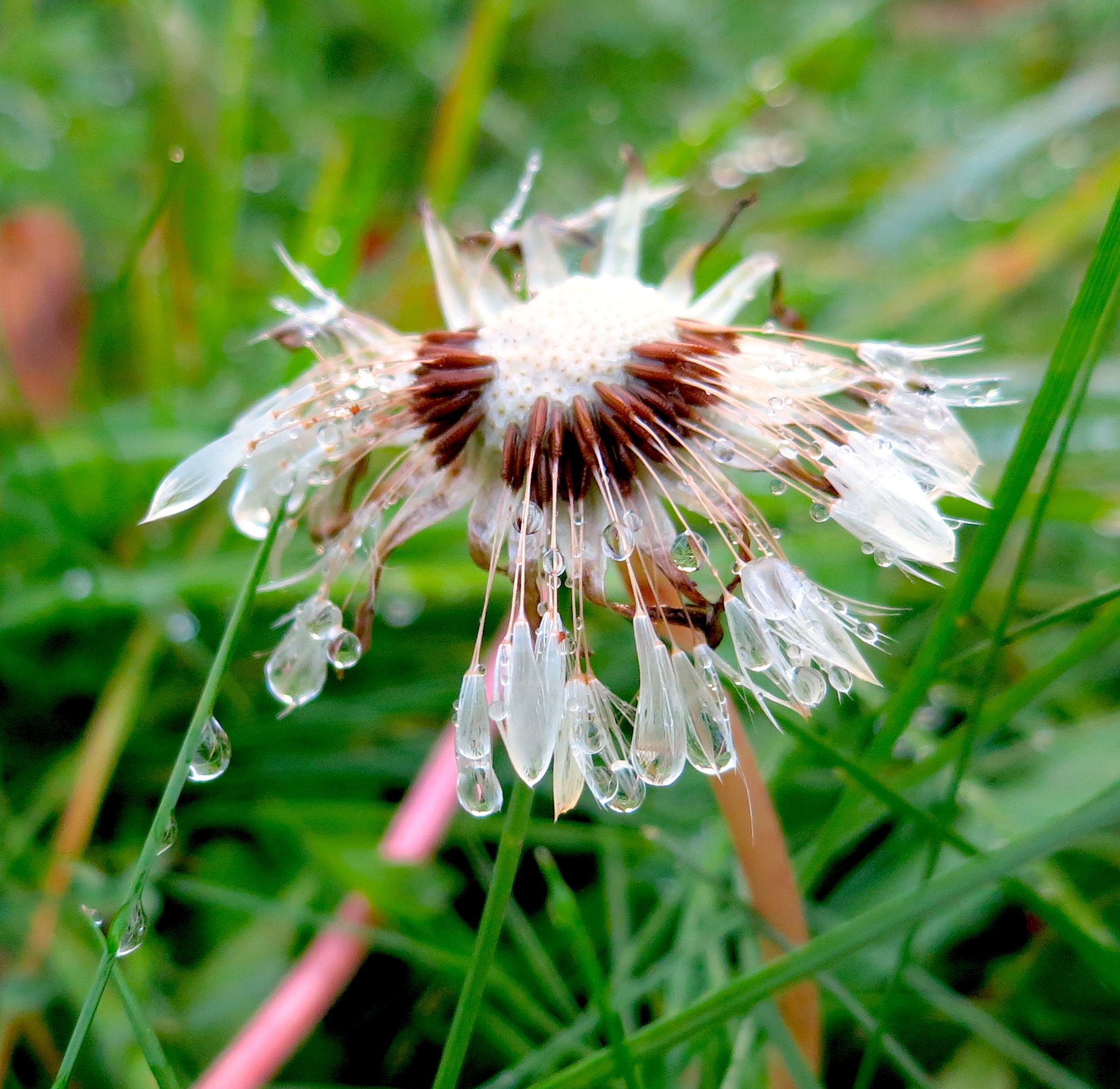
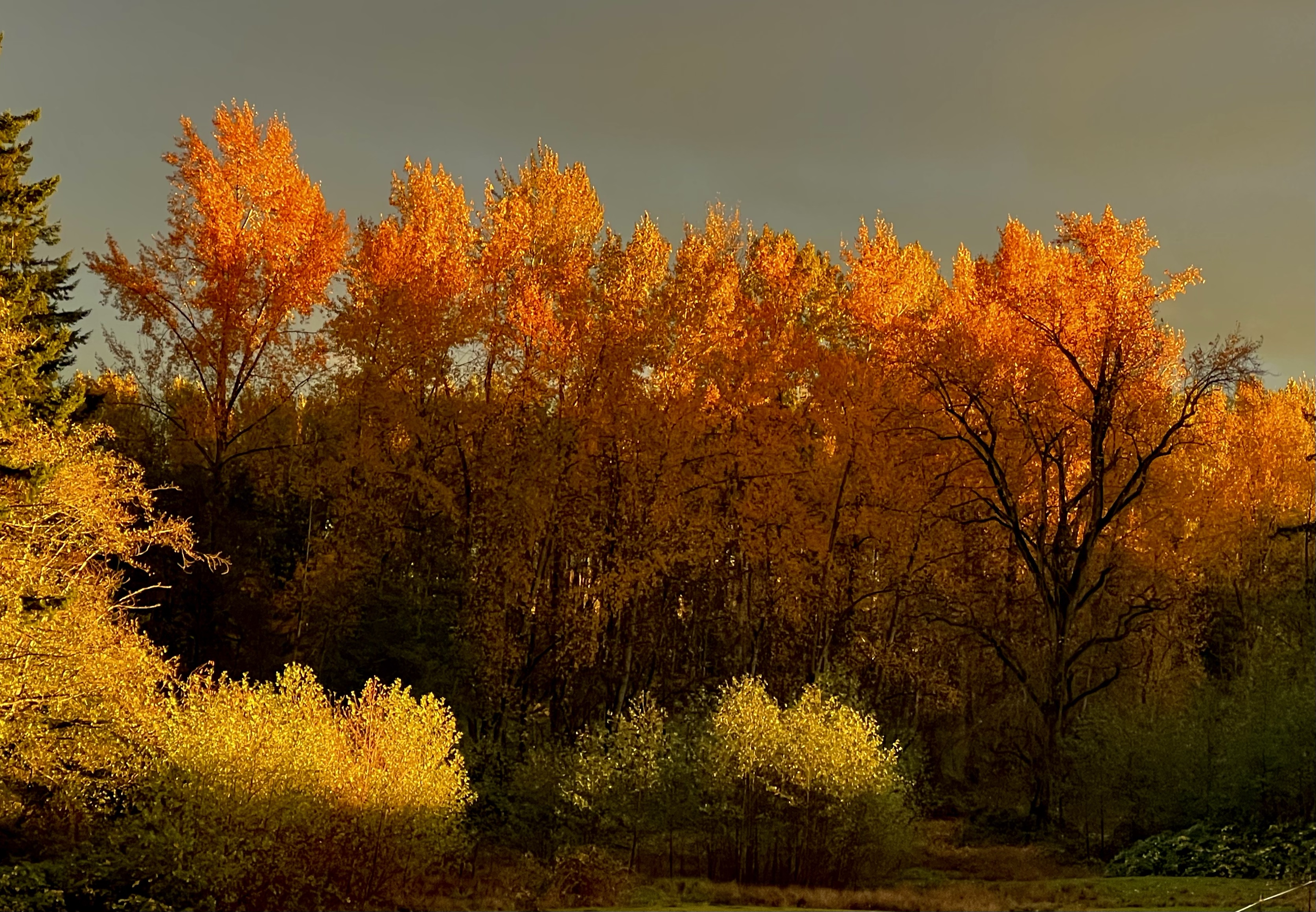
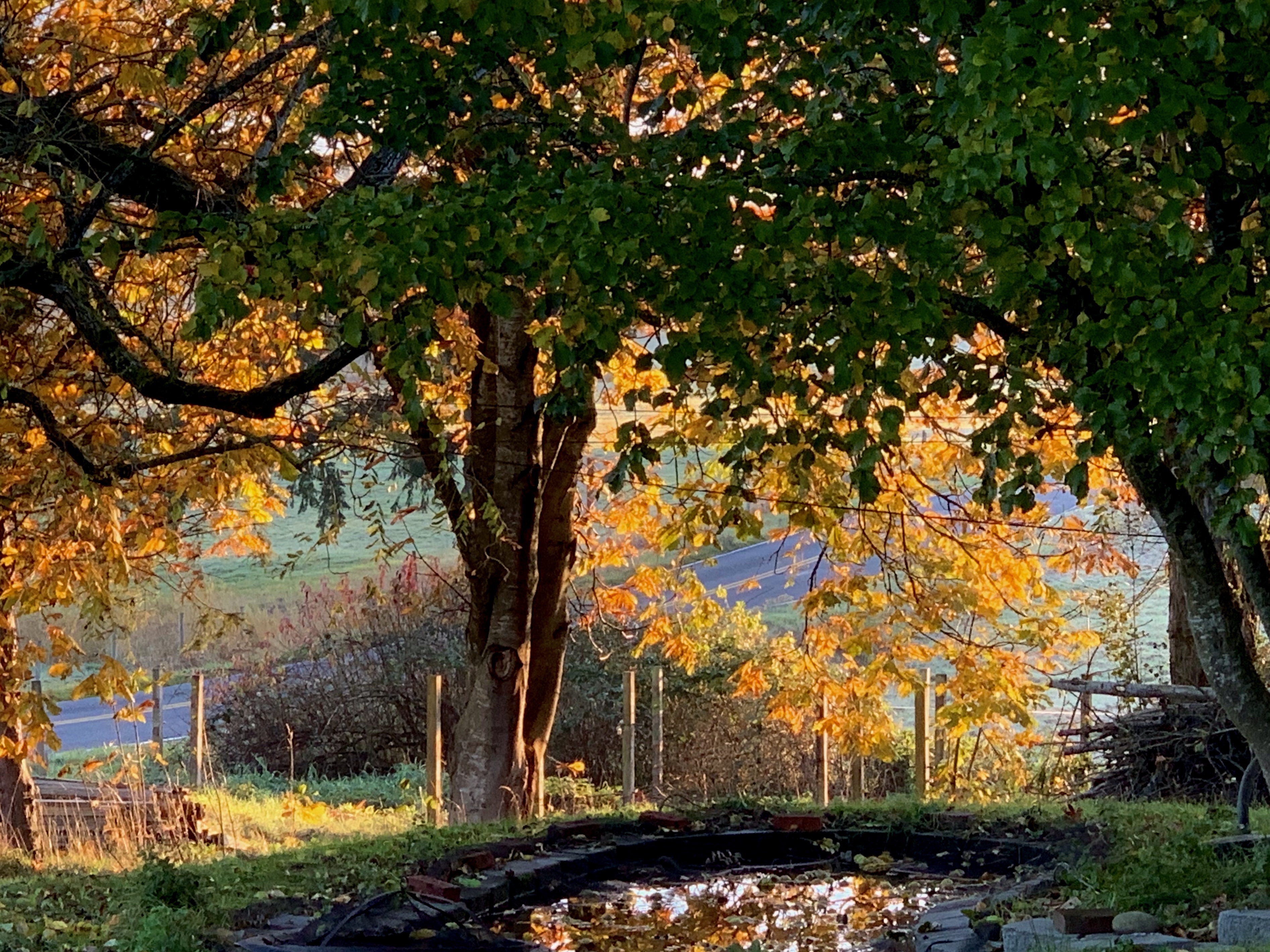
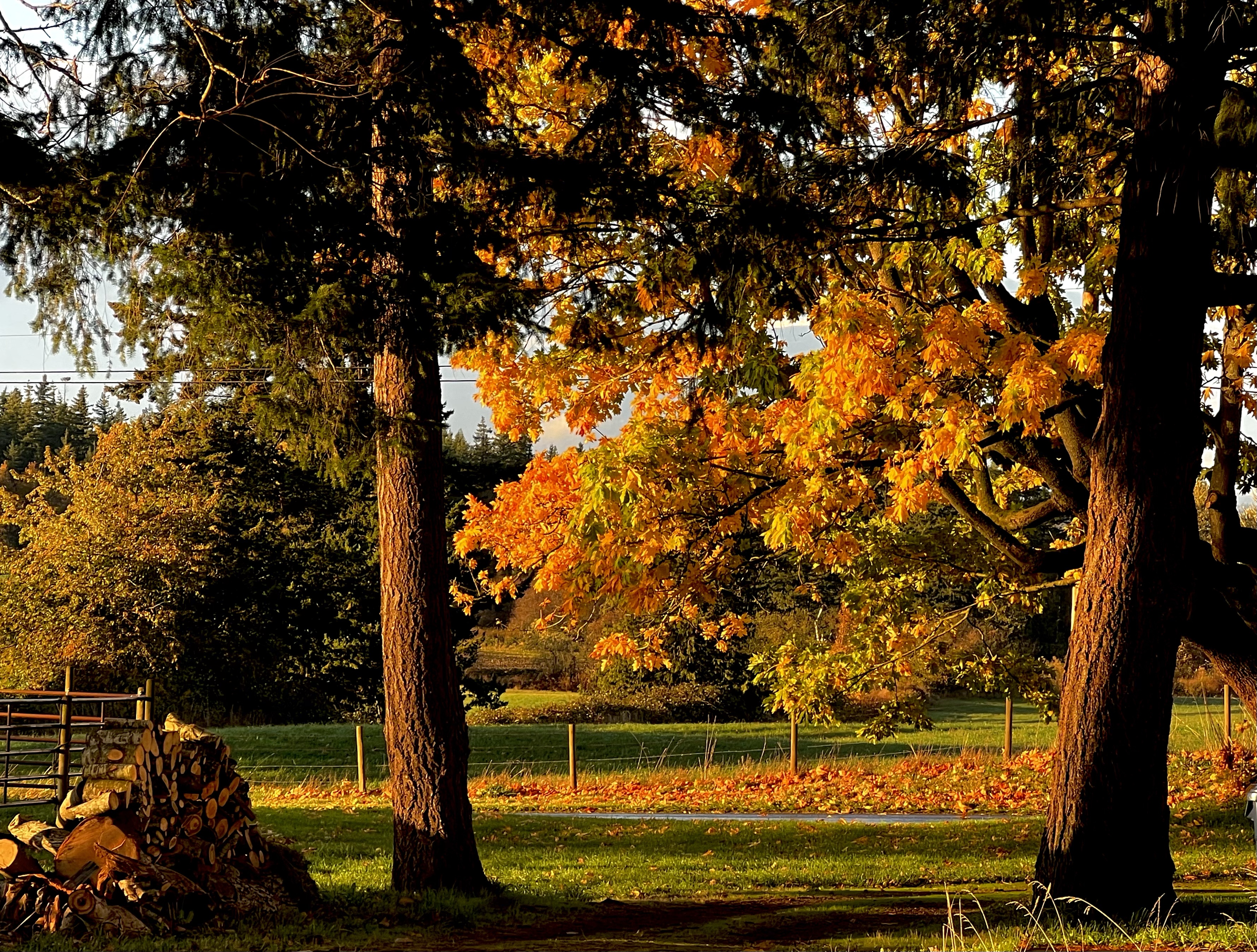
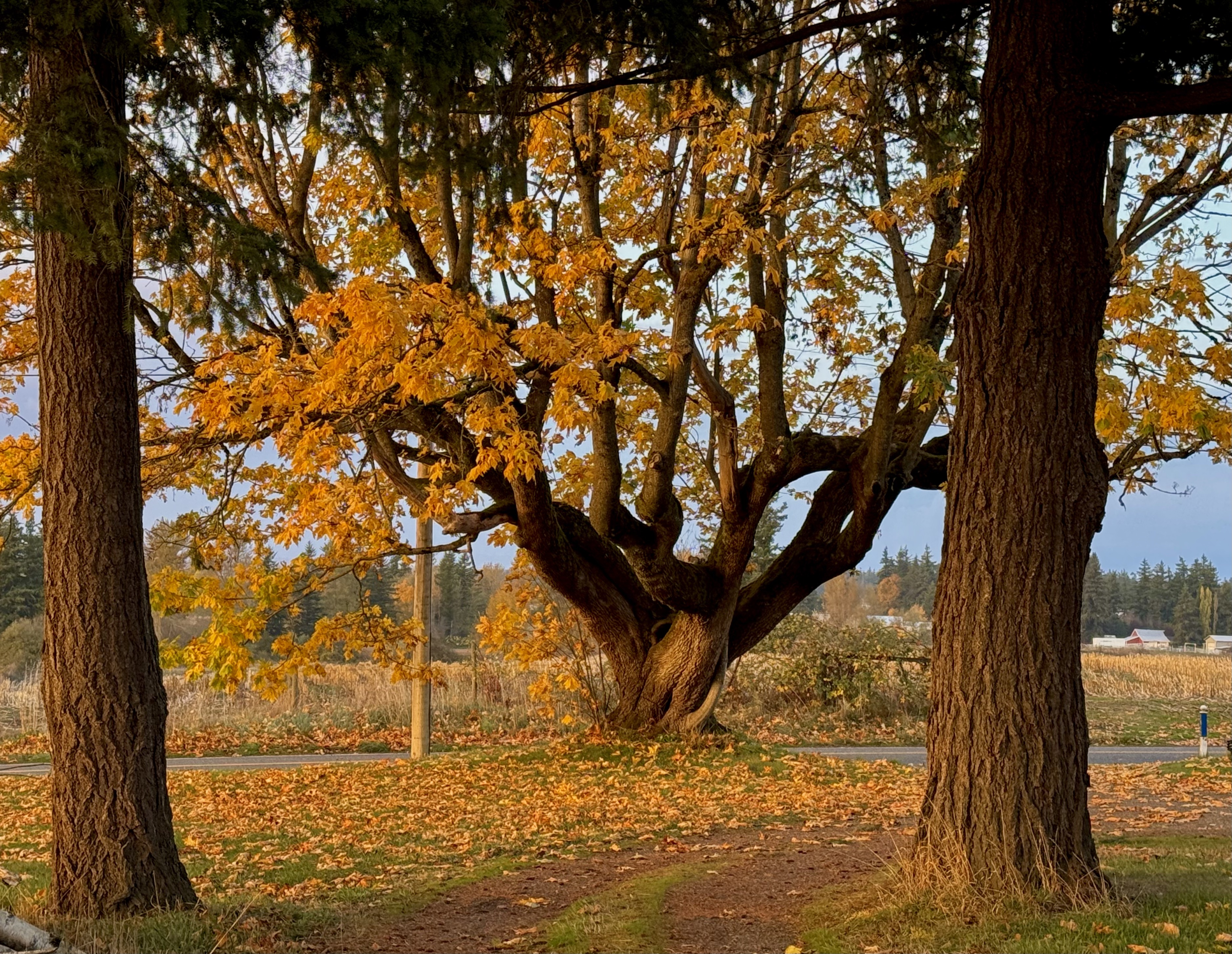
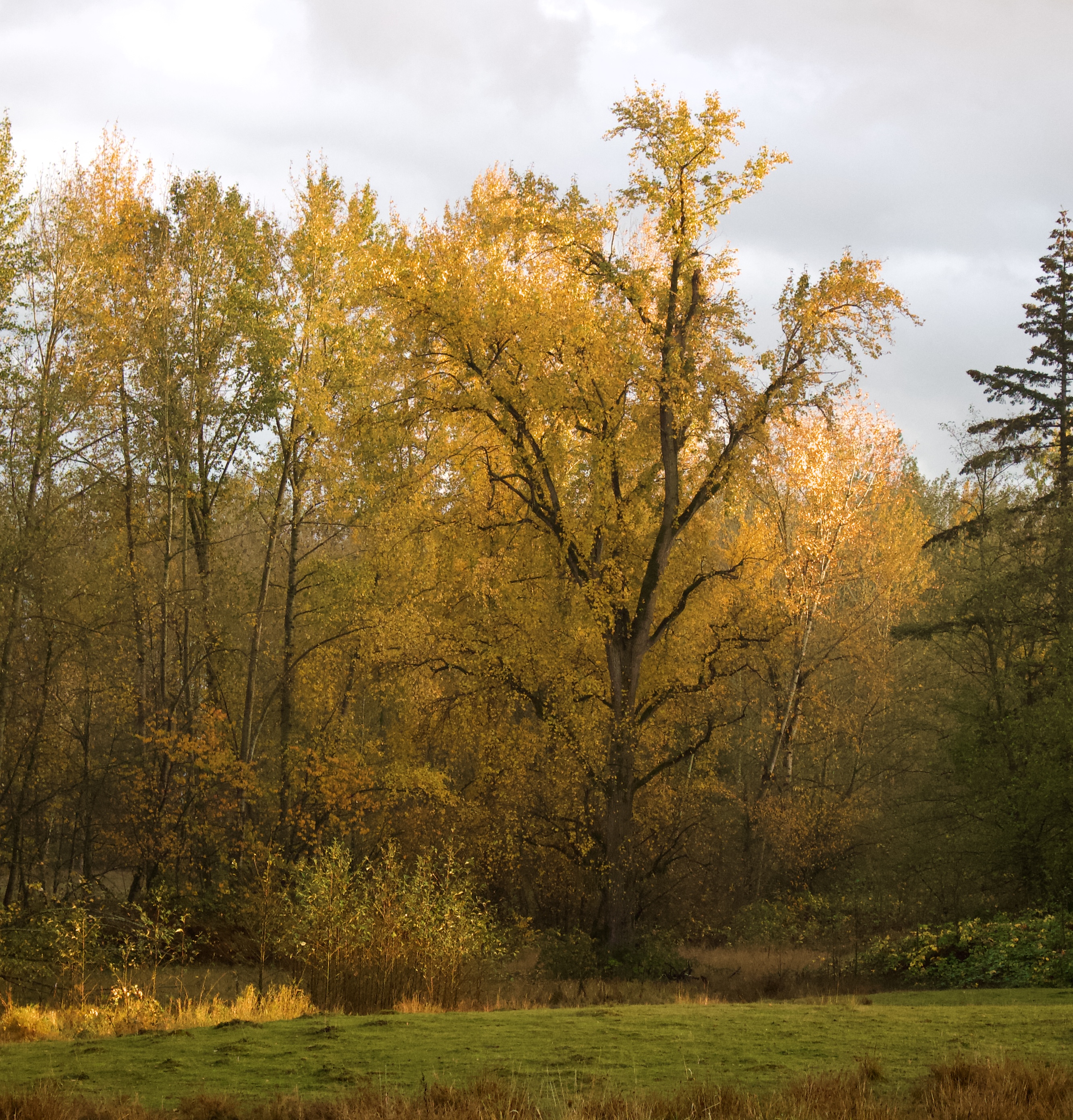
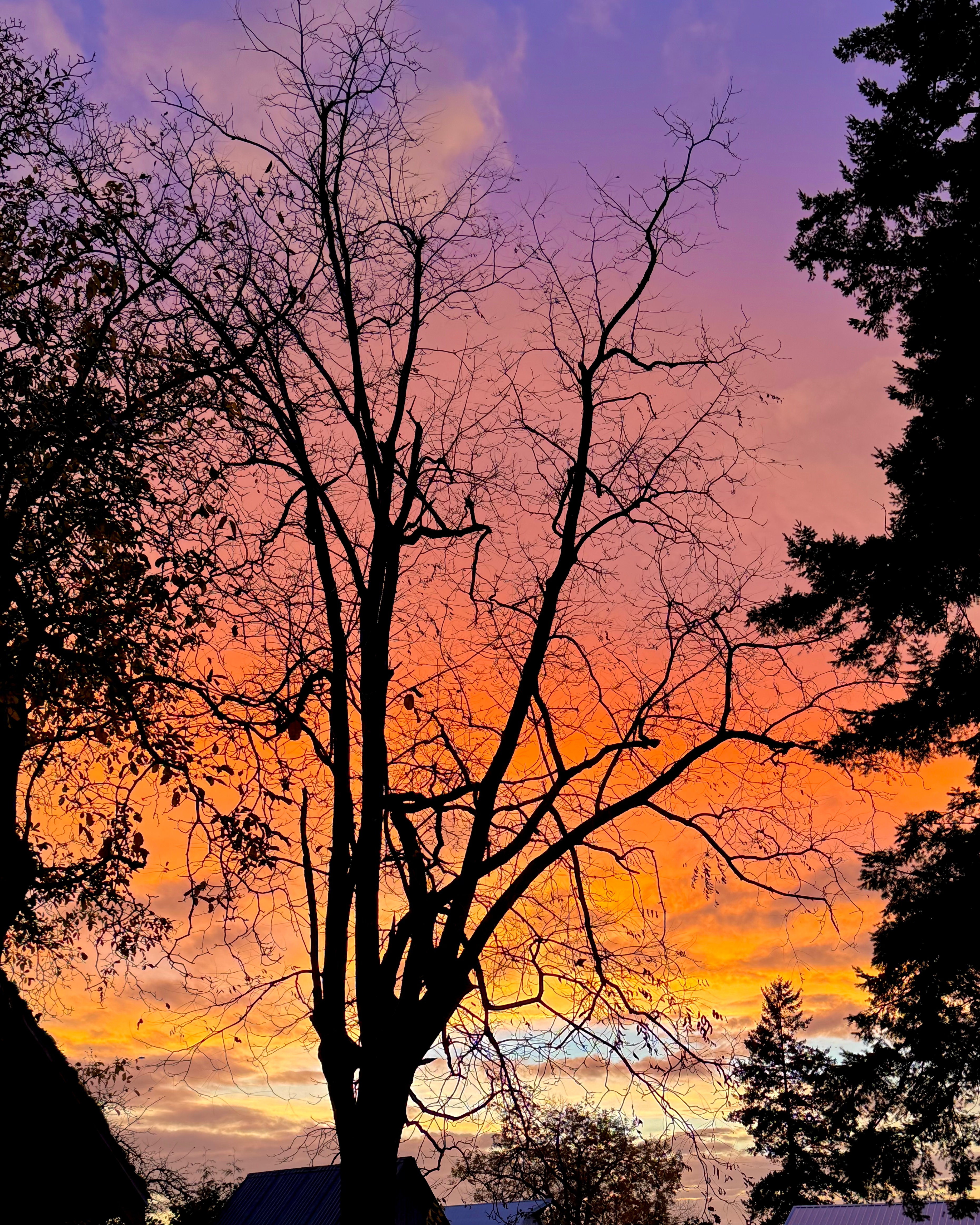
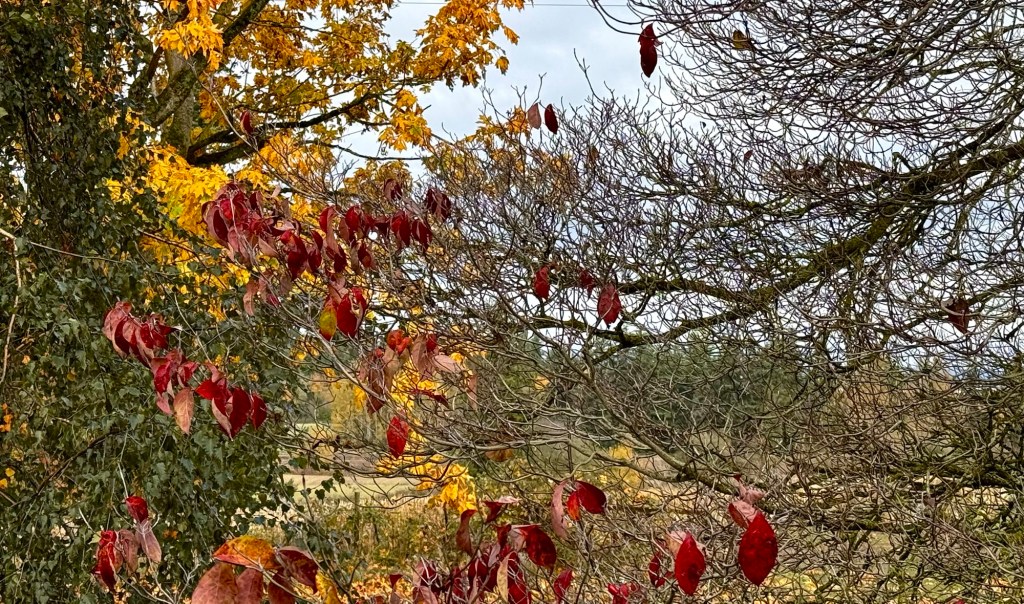
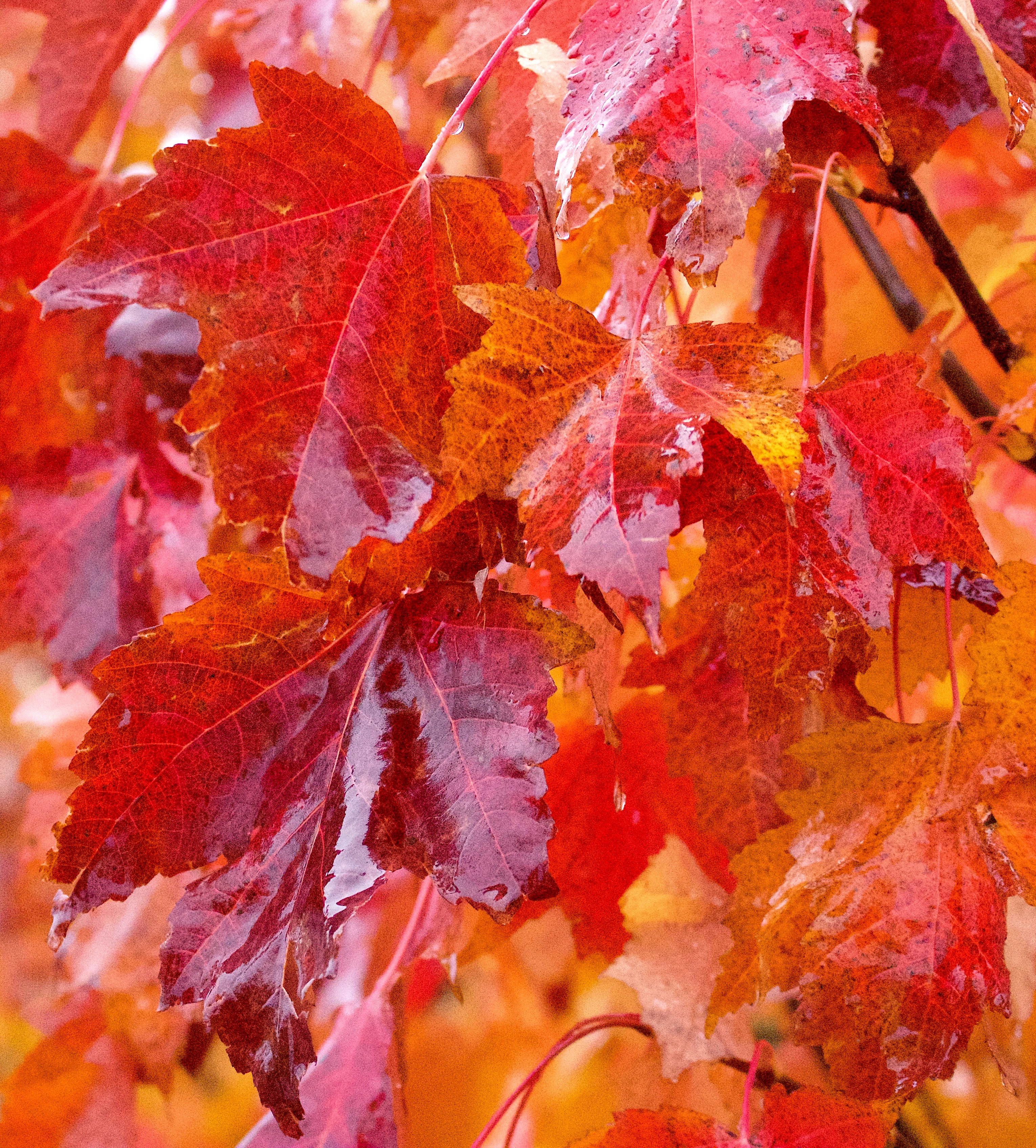
Revel in the gold and bronze tint to the sky, the cinnamon nutmeg dusting of the trees, the heavy sprinkling of hanging dew drops, the crisp and shivery breezes, the new landscape peering through bony branches.
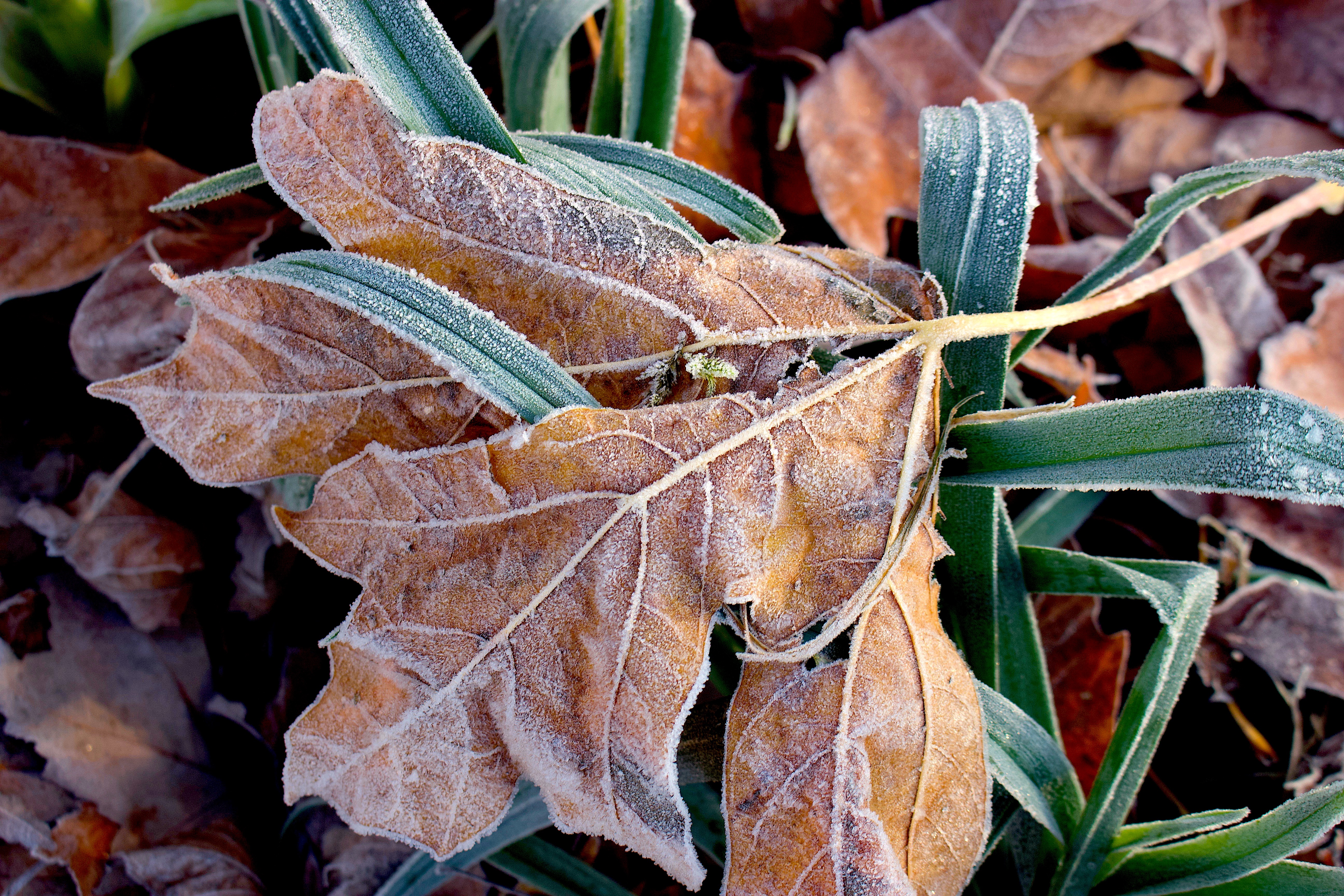
Soon the ground will be frosty instead of dusty, leaving a crunchy carpet rather than shady veil.
October is always a much-needed transition, keeping us fresh gazing at new horizons, reminding us to breathe deeply when life feels shallow, remembering we are immersed in the glory of a new day we have never lived before.
One-Time
Monthly
Yearly
Make a one-time or recurring donation to support daily Barnstorming posts
October’s bellowing anger breaks and cleaves The bronzed battalions of the stricken wood In whose lament I hear a voice that grieves For battle’s fruitless harvest, and the feud Of outraged men. Their lives are like the leaves Scattered in flocks of ruin, tossed and blown Along the westering furnace flaring red. O martyred youth and manhood overthrown, The burden of your wrongs is on my head. ~Siegfried Sassoon “Autumn”(about his time in the trenches in WWI)
Over more than a century, we have learned little about how to resolve the bellows of outraged men.
The fruitless harvest of battle, counting up each violent death, as warships gather for unsanctioned war games.
Lament the tossing and blowing of lives like October leaves, in a show of force as transient and arbitrary as the wind, merely to make a fruitless point…
to what end are the feuds of angry men?
One-Time
Monthly
Yearly
Make a one-time or recurring donation to support daily Barnstorming posts
O hushed October morning mild, Thy leaves have ripened to the fall; Tomorrow’s wind, if it be wild, Should waste them all. The crows above the forest call; Tomorrow they may form and go. O hushed October morning mild, Begin the hours of this day slow. Make the day seem to us less brief. Hearts not averse to being beguiled, Beguile us in the way you know. Release one leaf at break of day; At noon release another leaf; One from our trees, one far away. Retard the sun with gentle mist; Enchant the land with amethyst. Slow, slow! ~Robert Frost from “October”
After yesterday’s travel through curtains of heavy rainfall, we abandoned plans to meet with family across state for today’s memorial service, so returned home, defeated, weary with sadness.
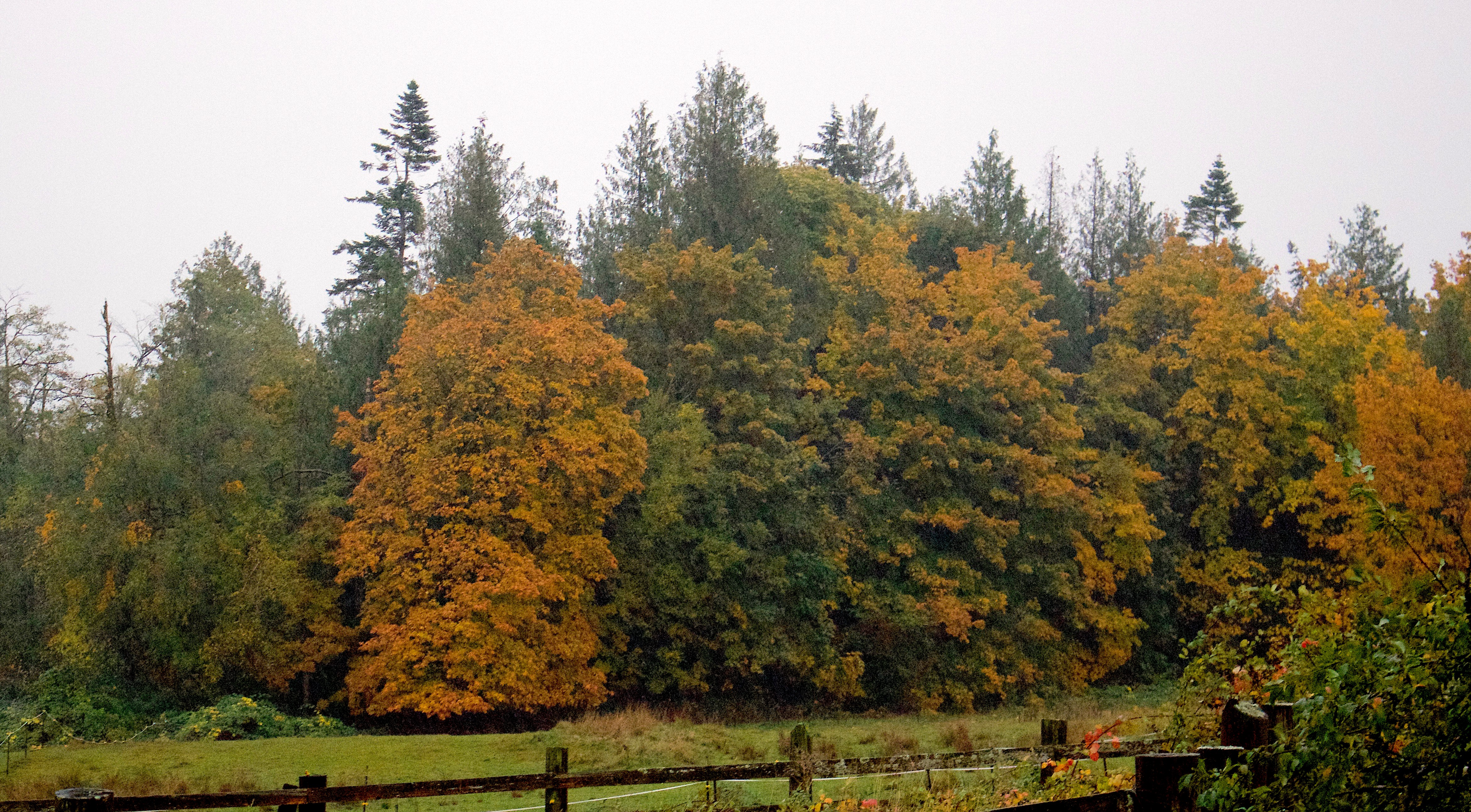
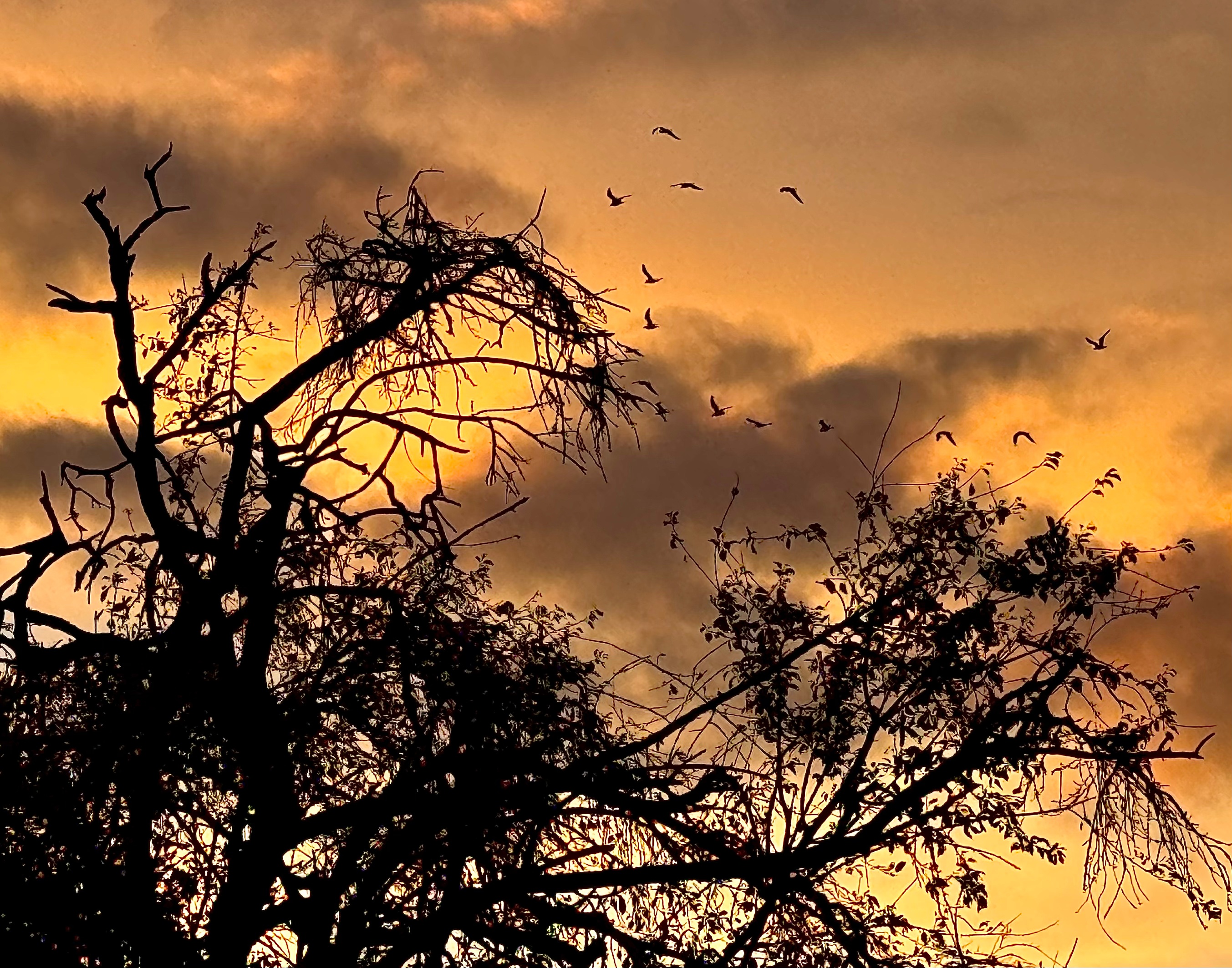
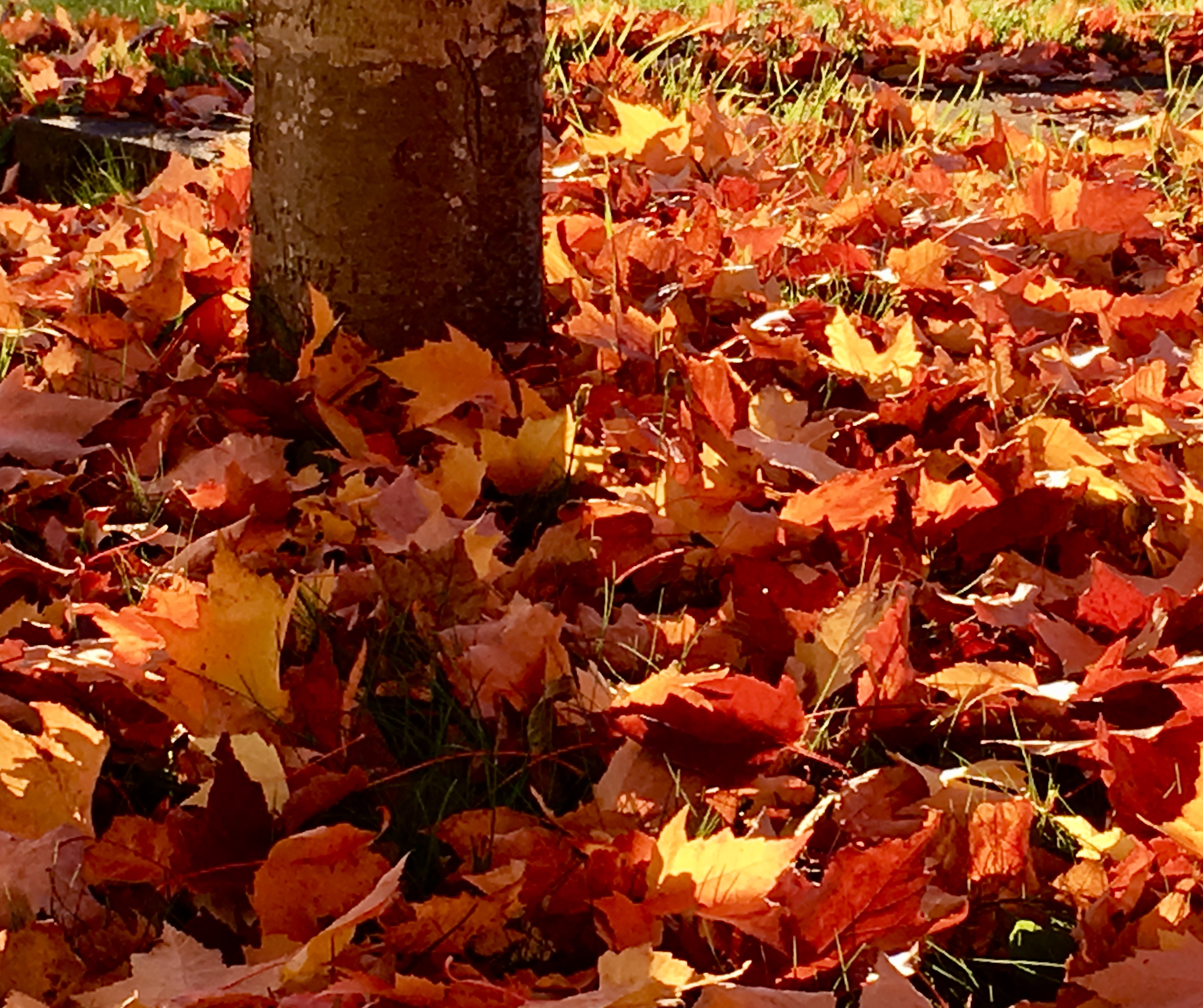
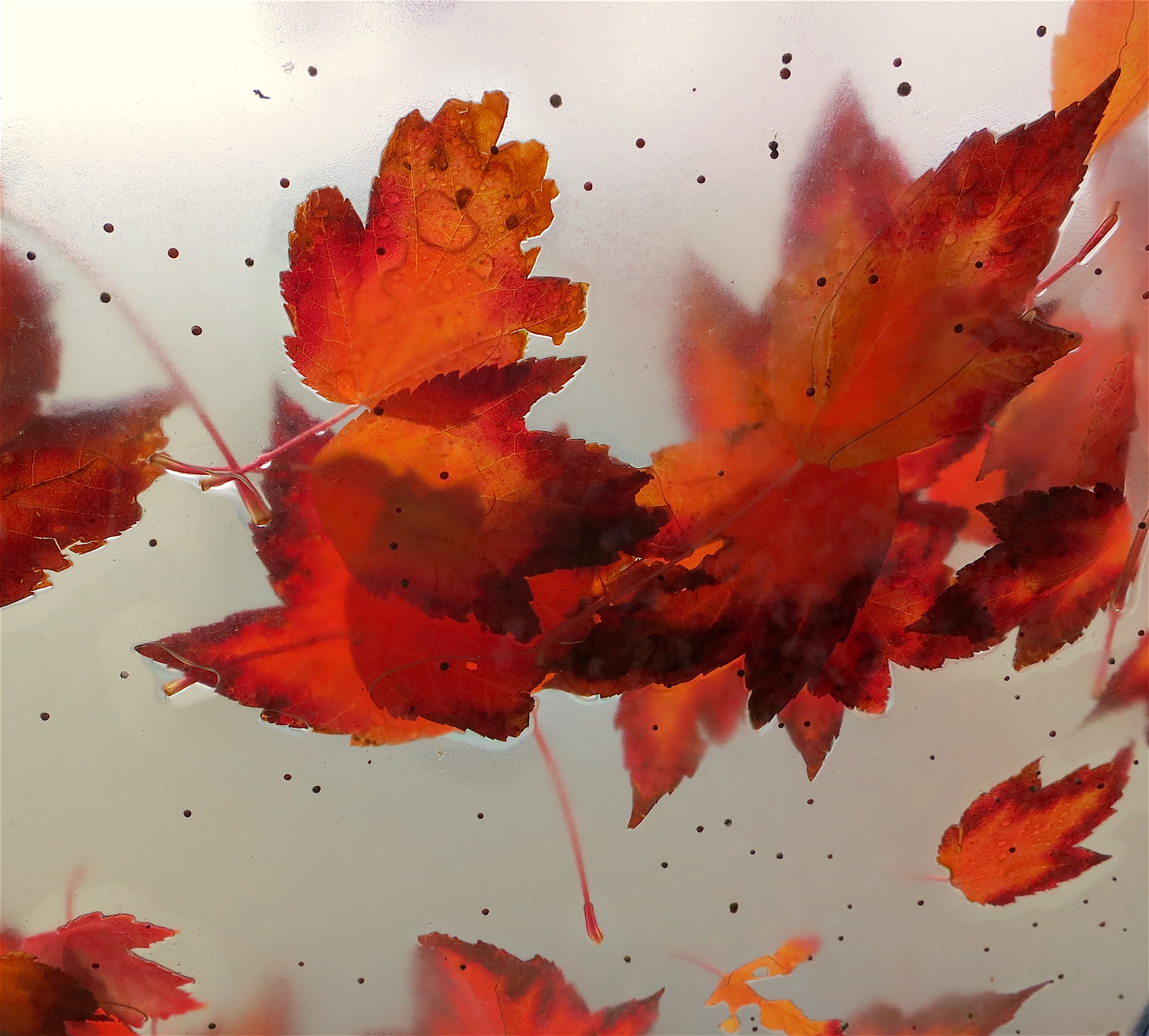
October is enough reminder of mortality, with winds stripping trees to bare bones, birds flocking and vacating, bright leaves reduced to rusting dust.
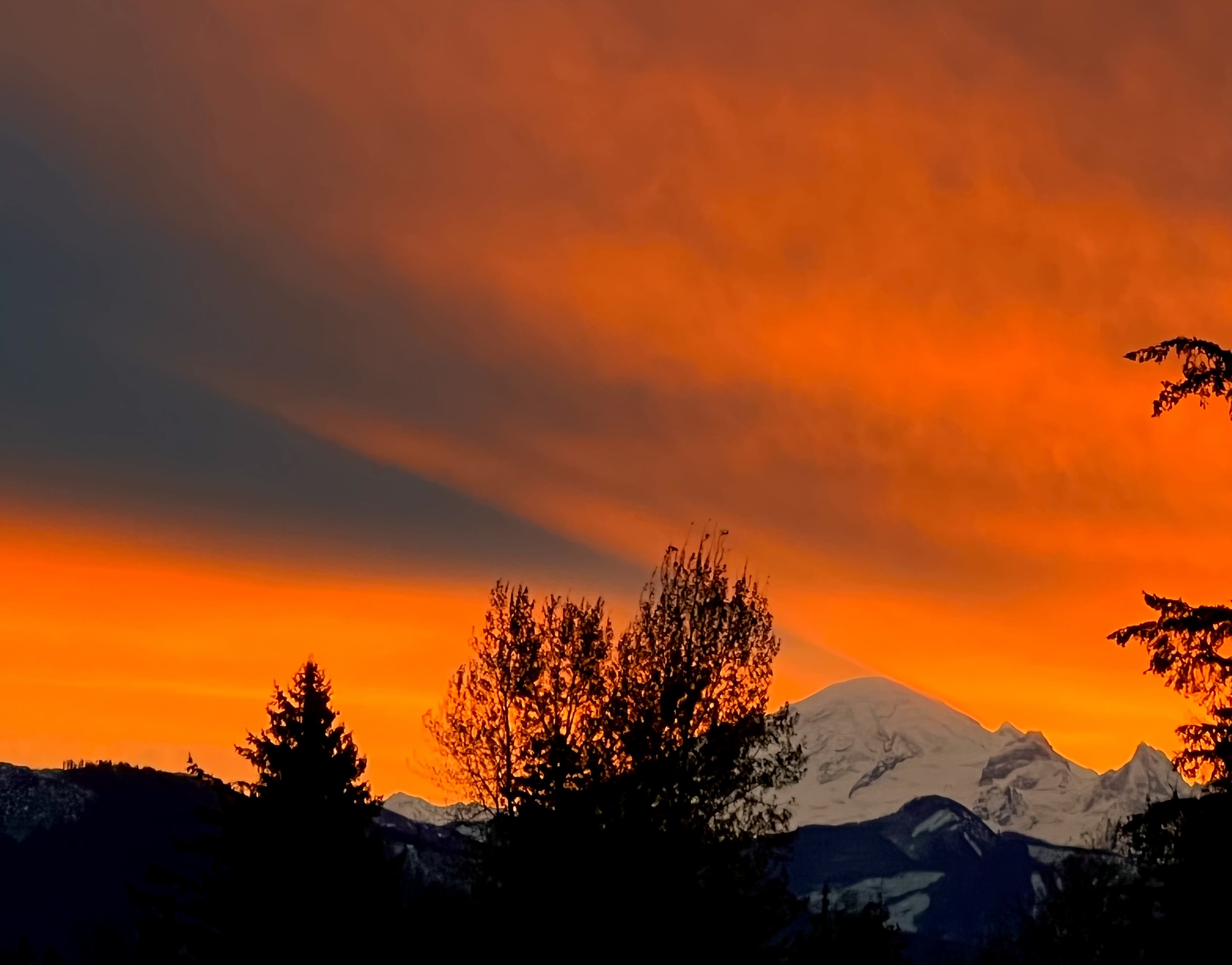
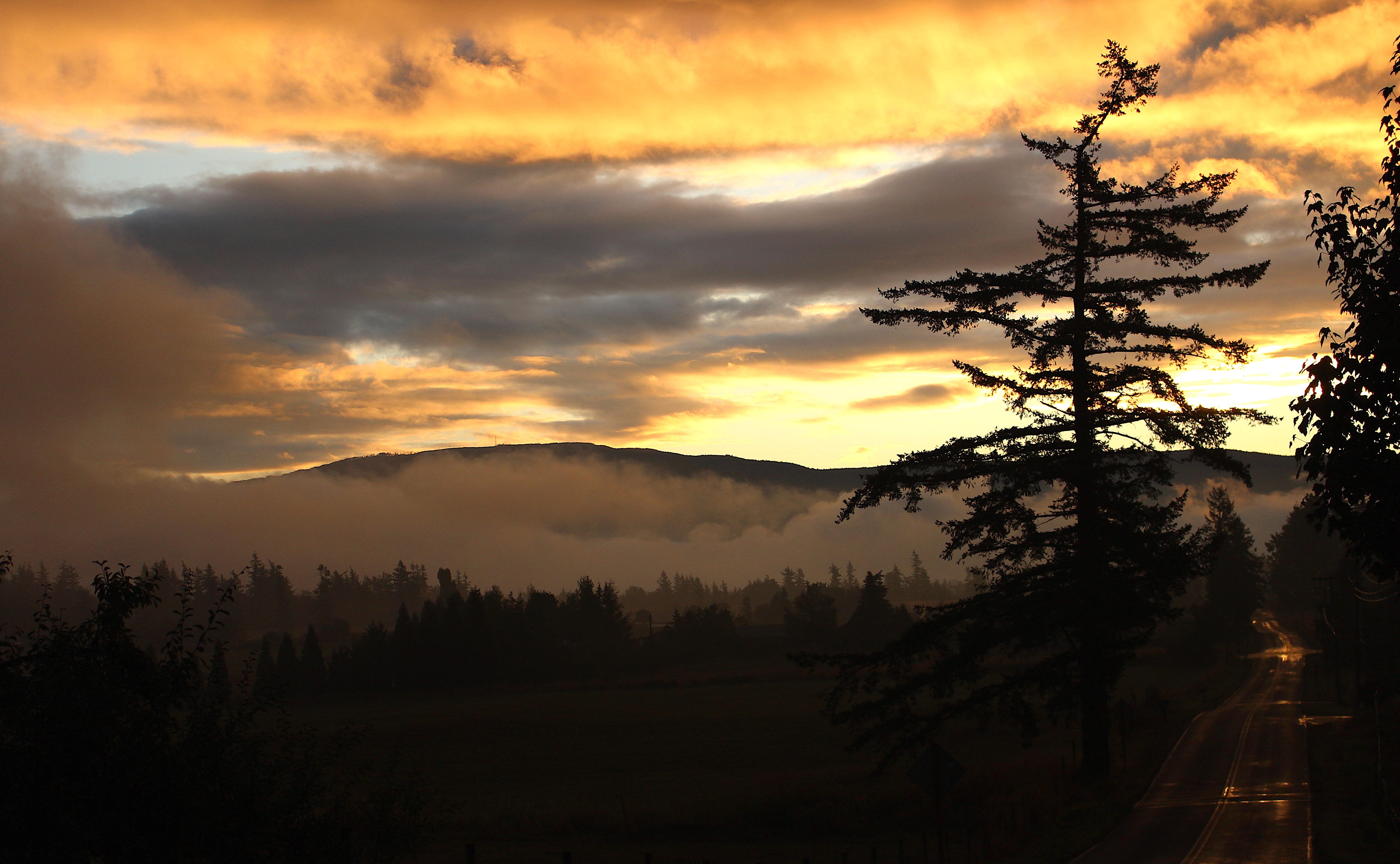
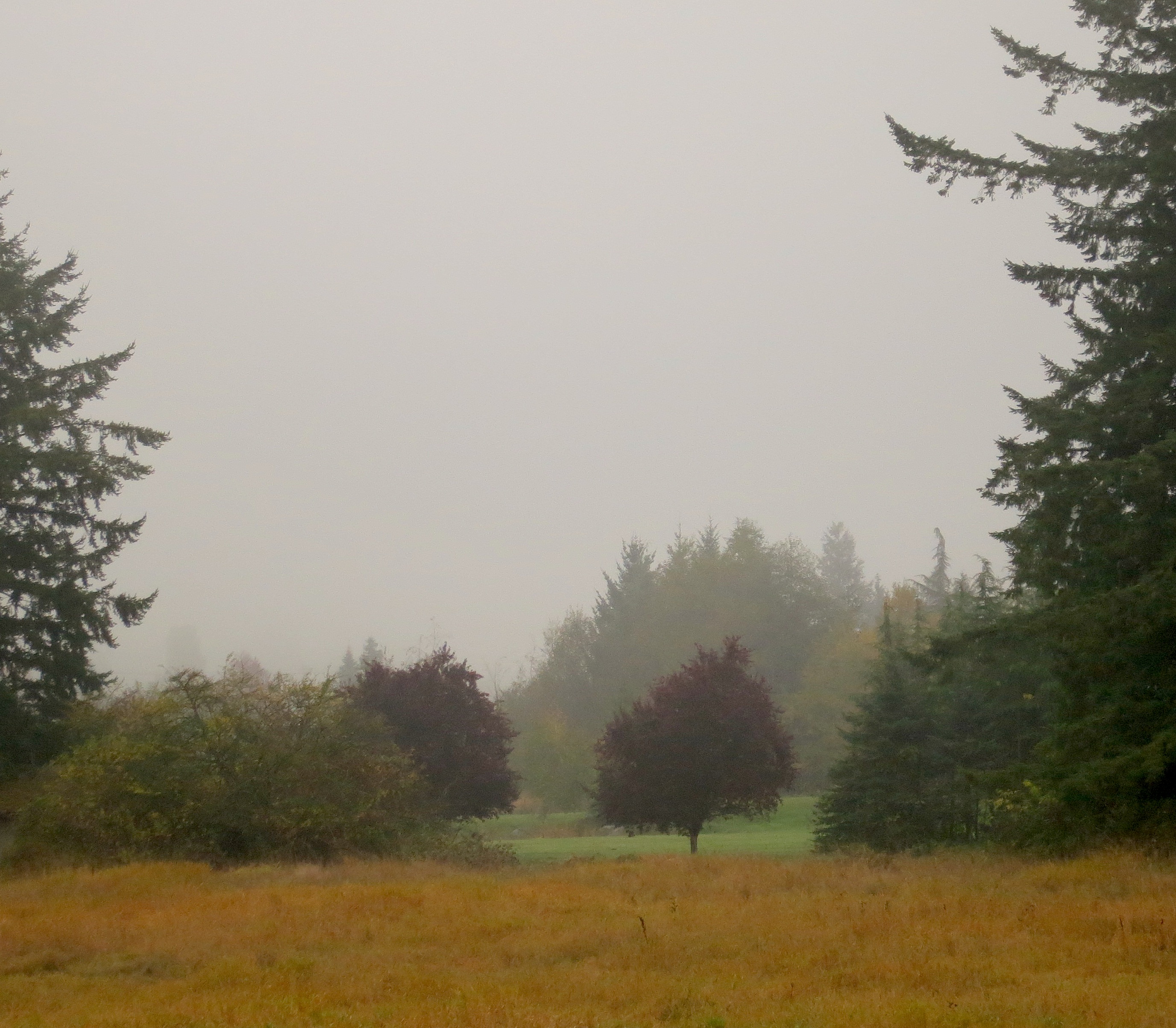
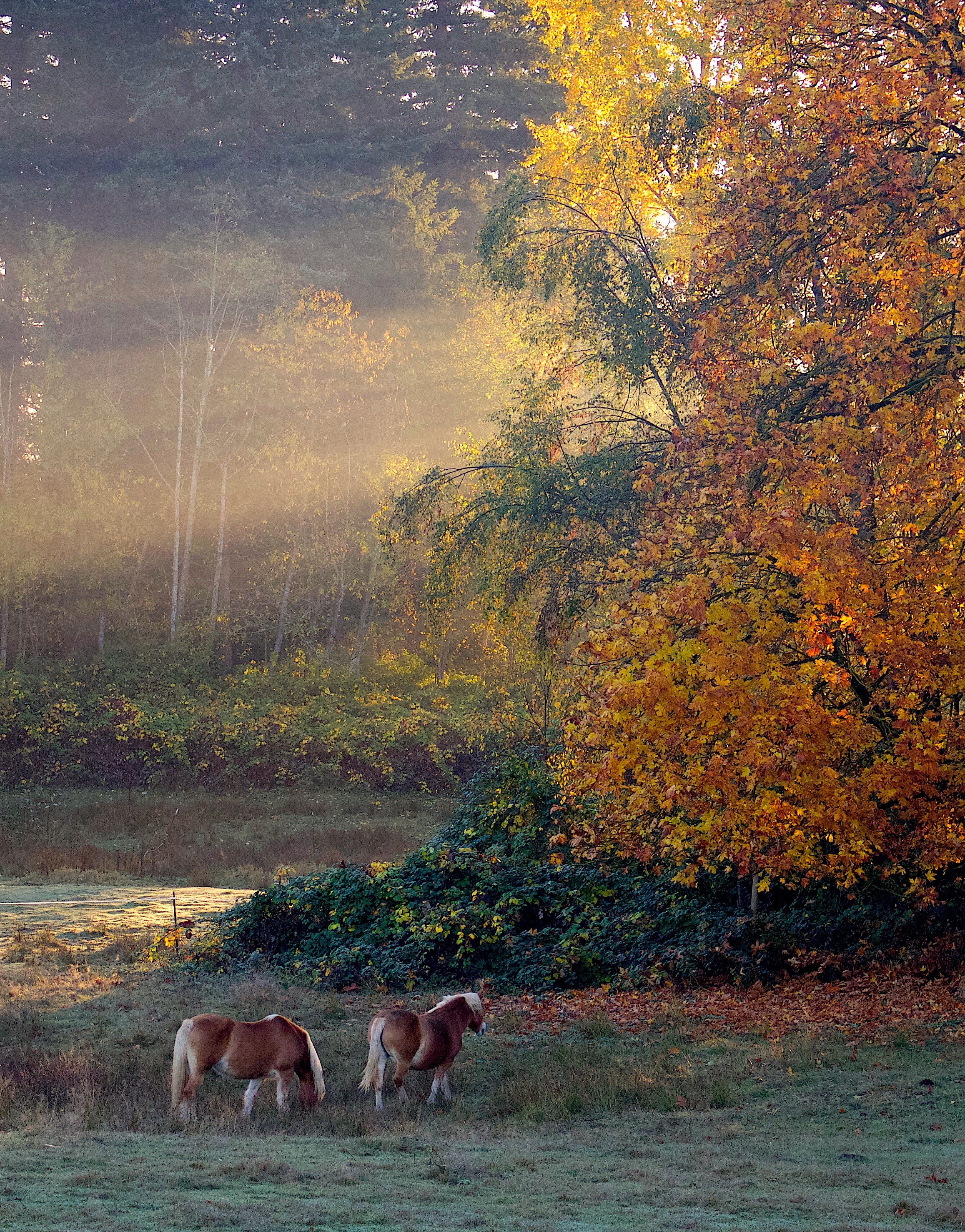
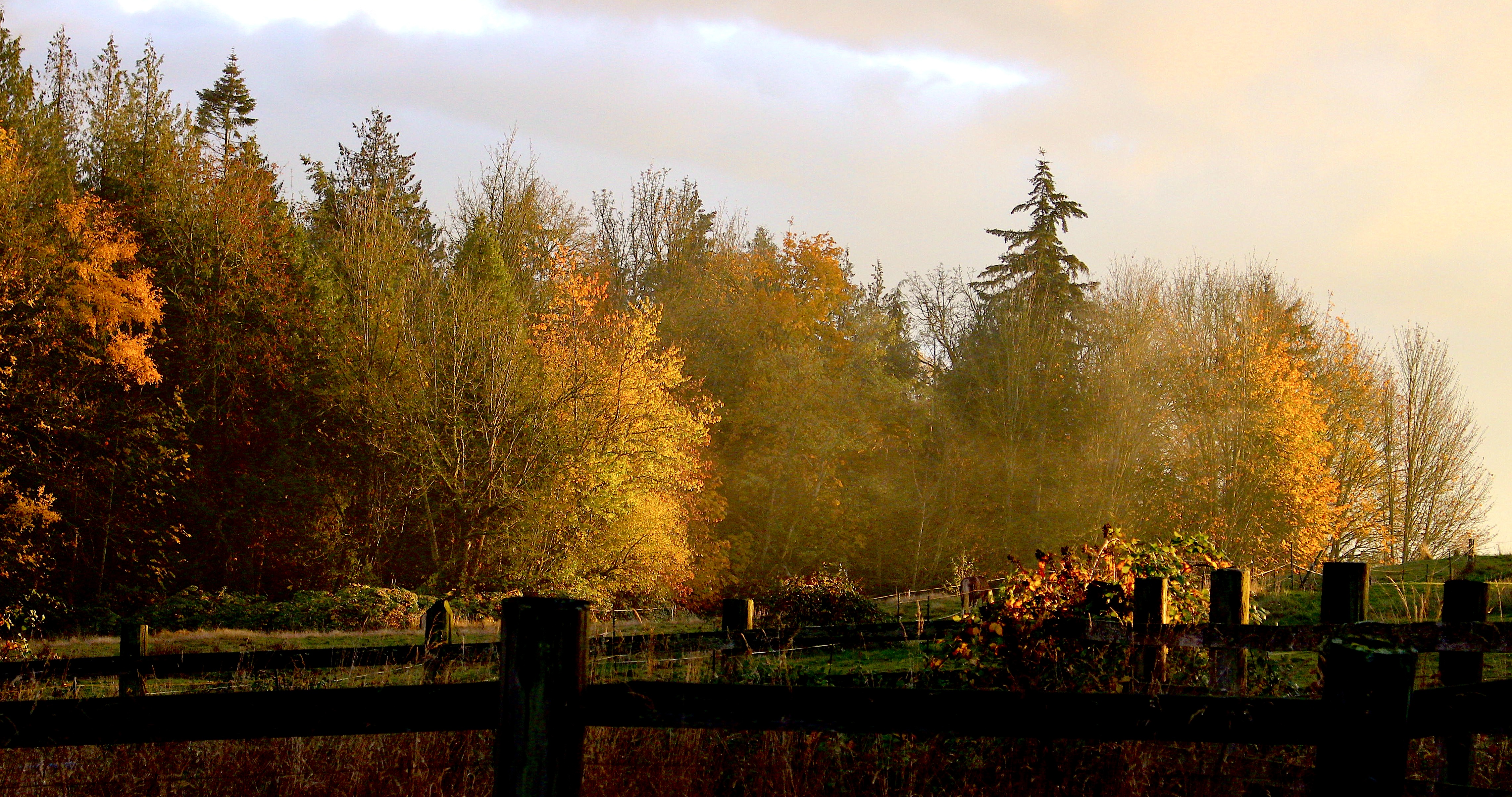
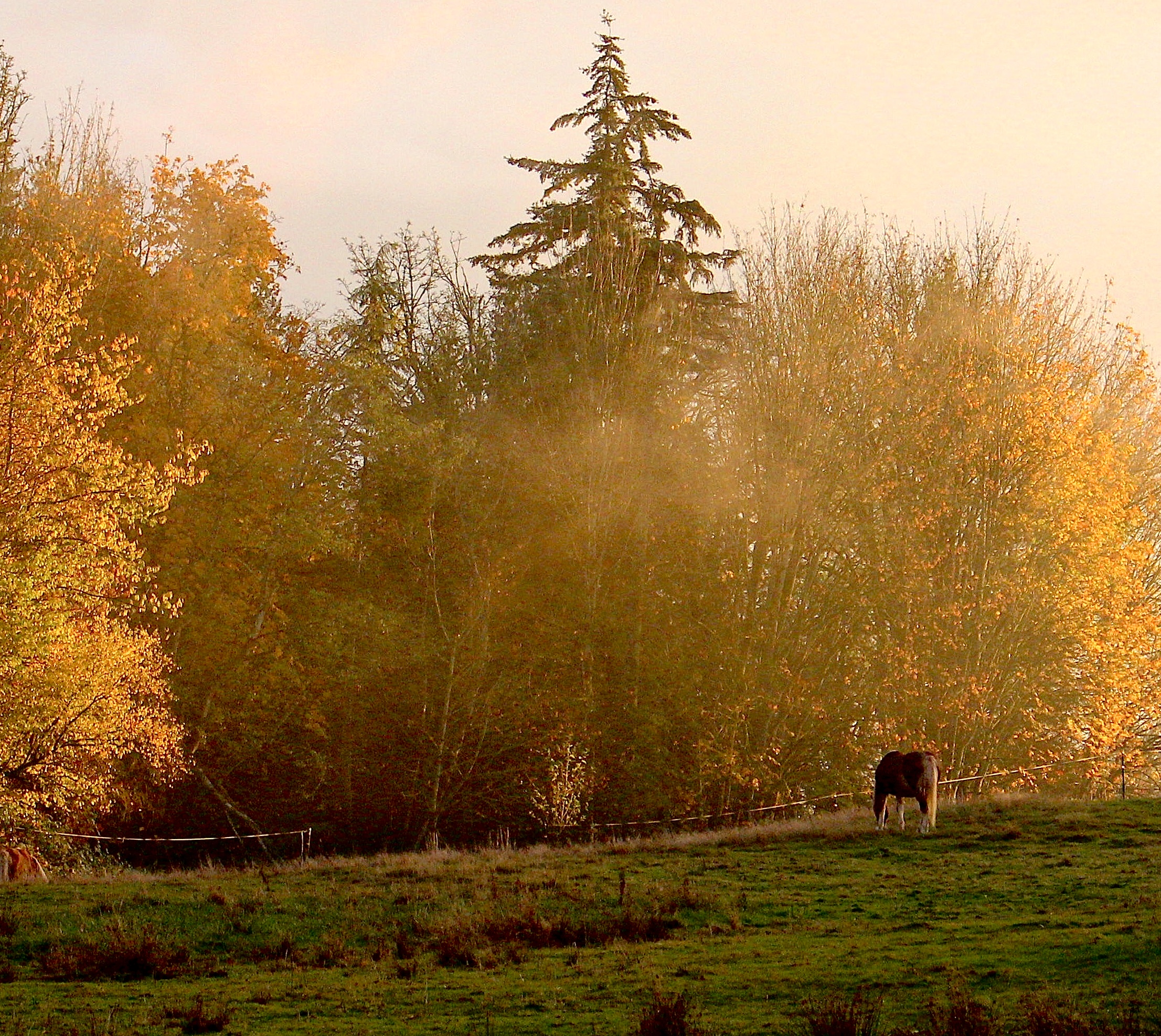
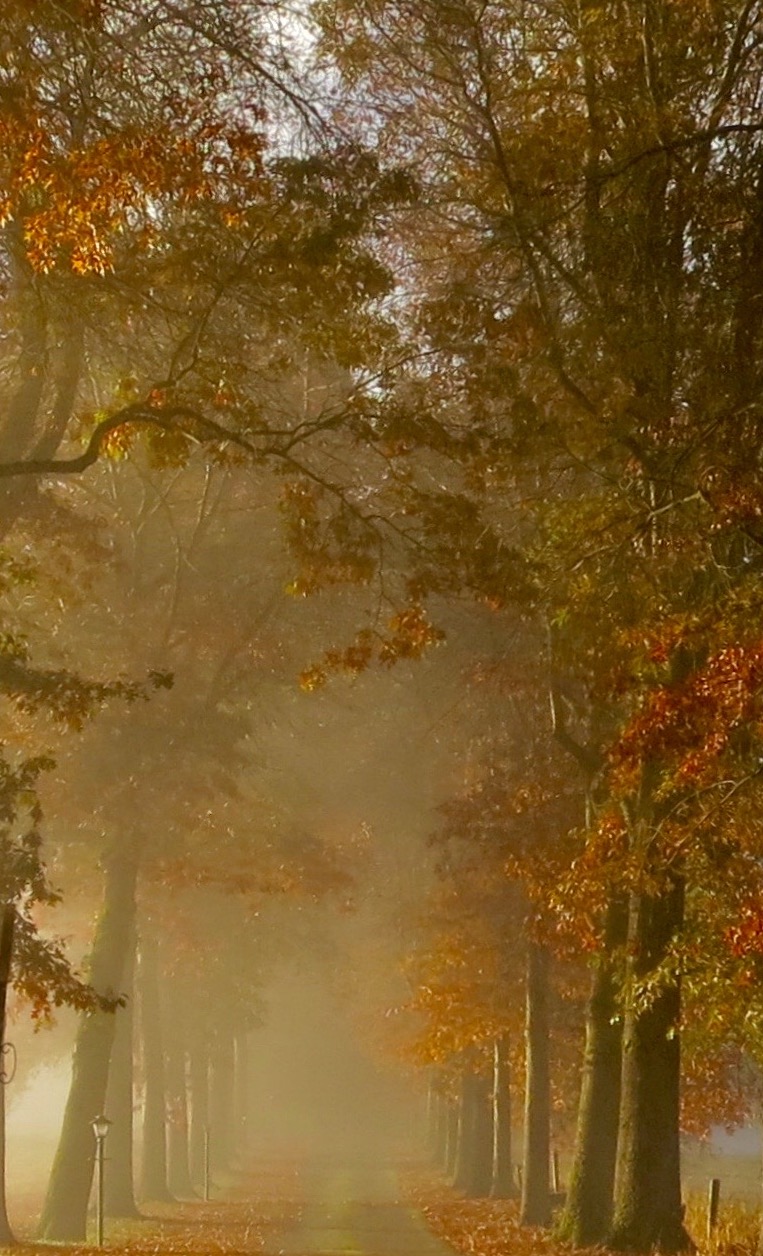
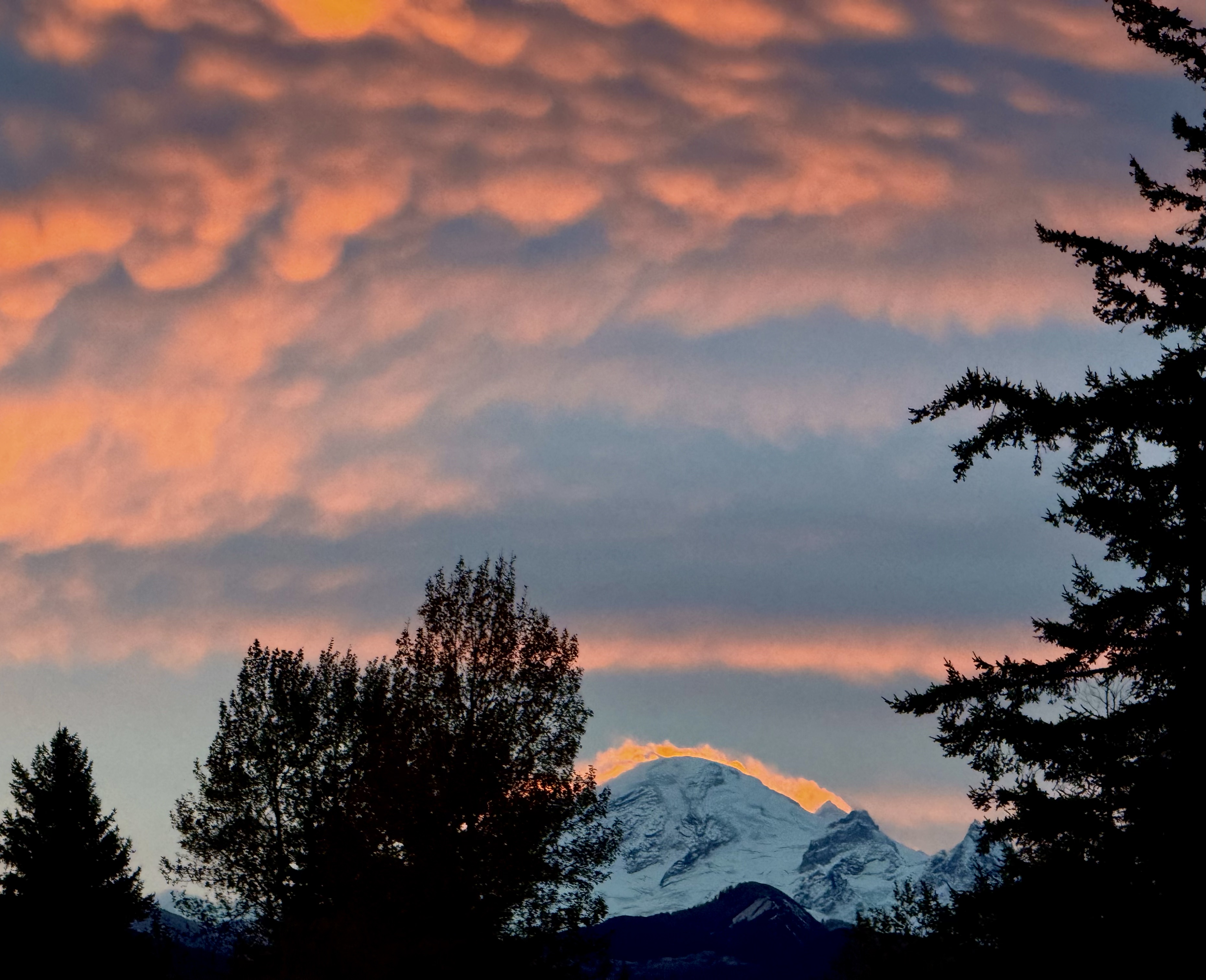
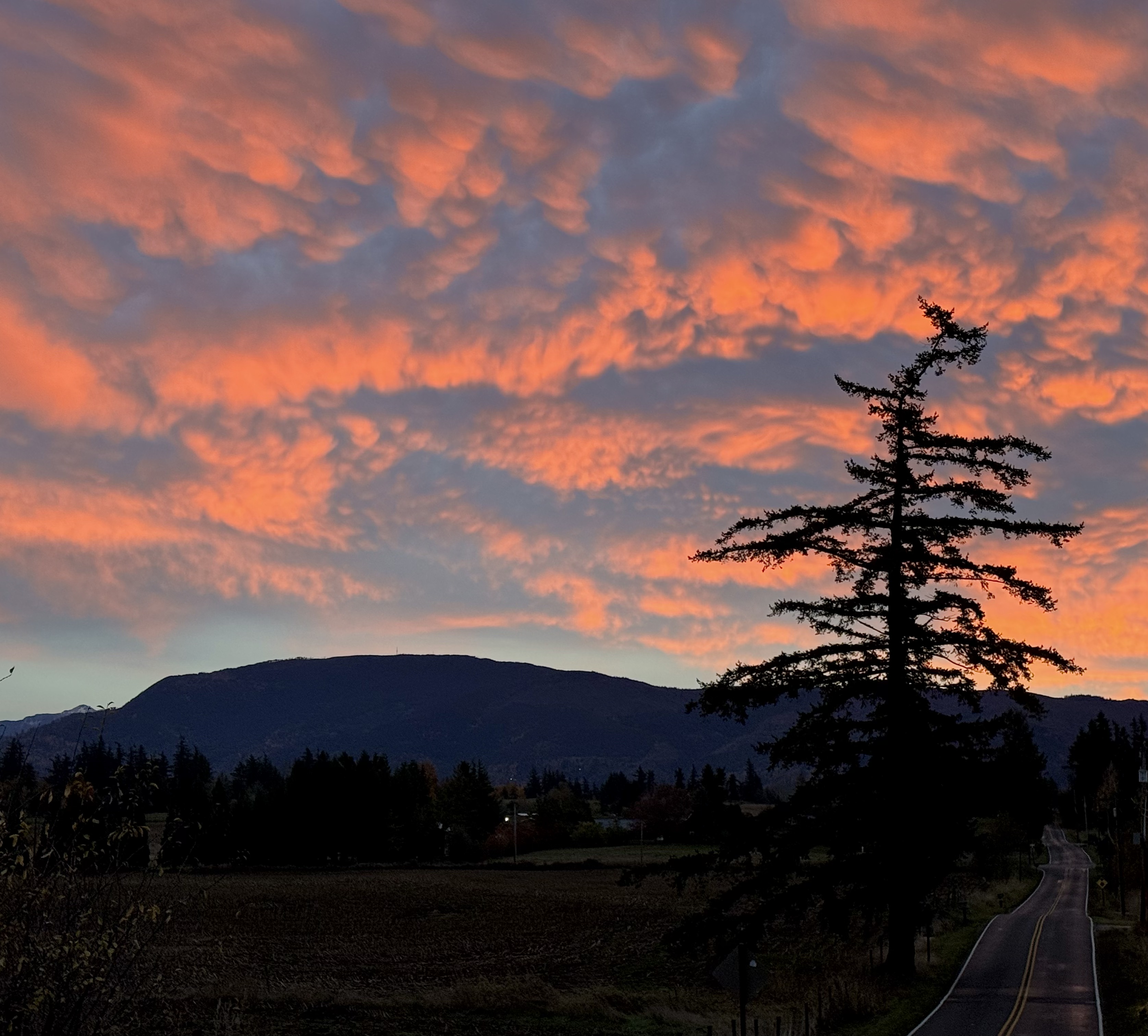
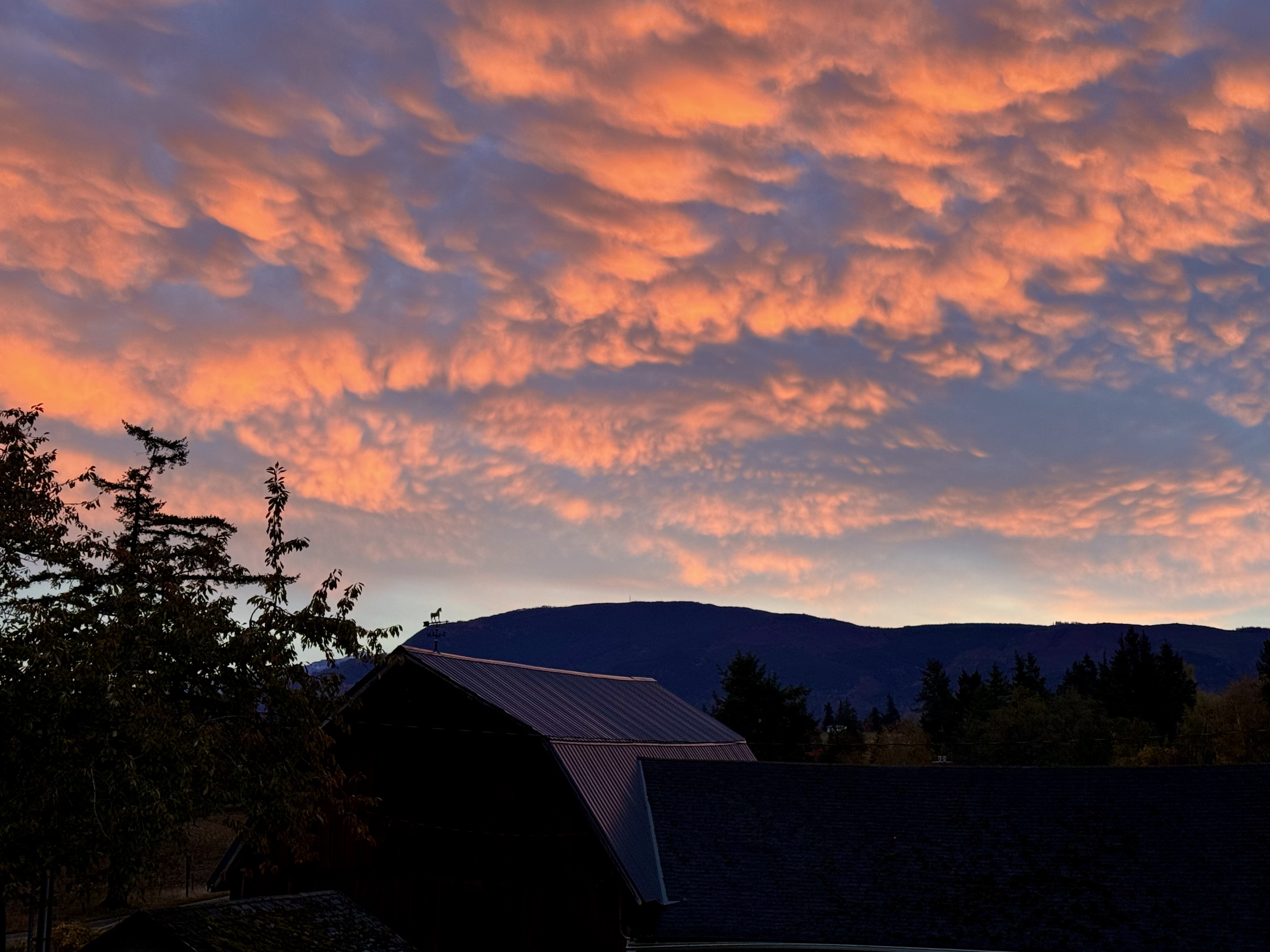
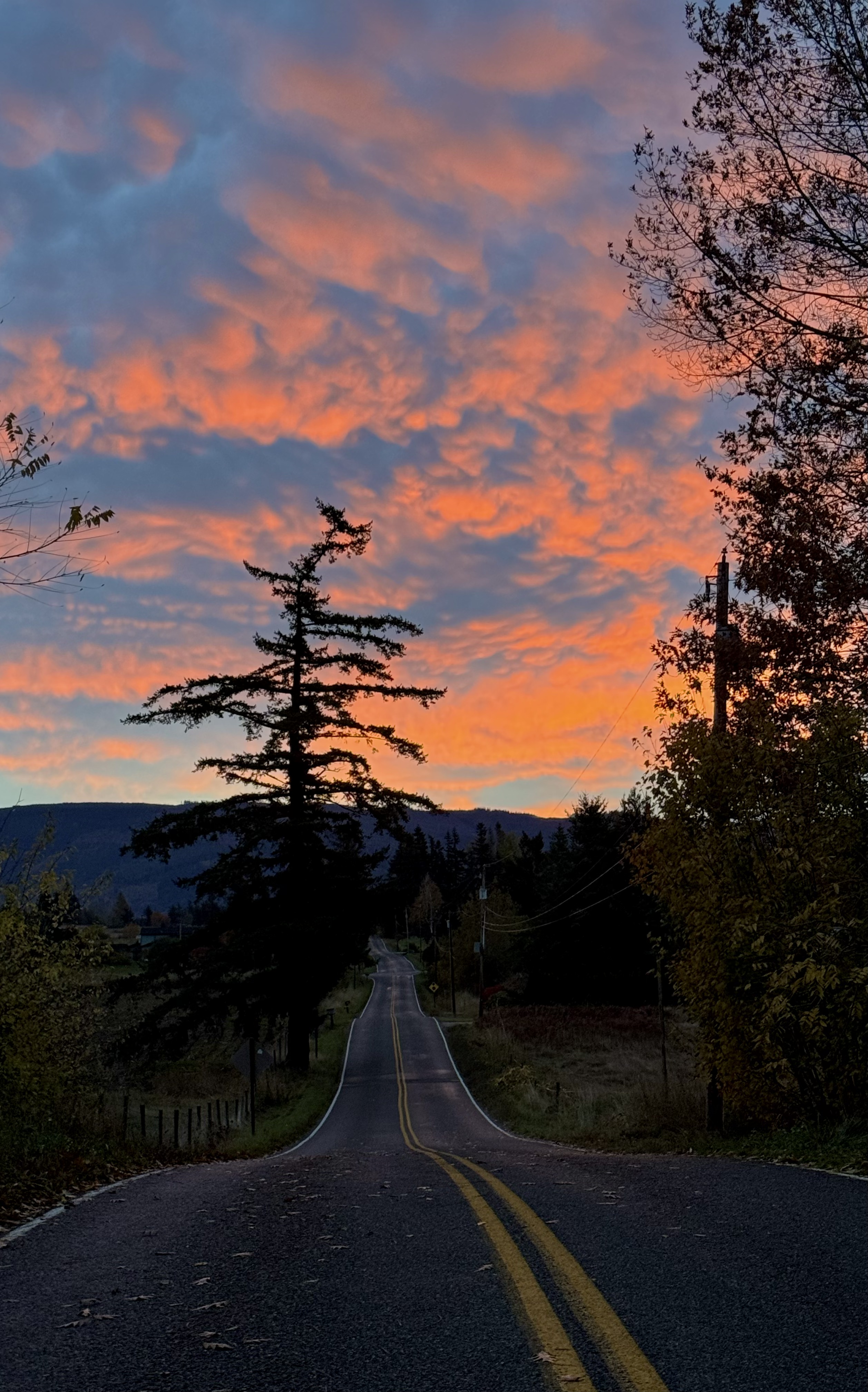
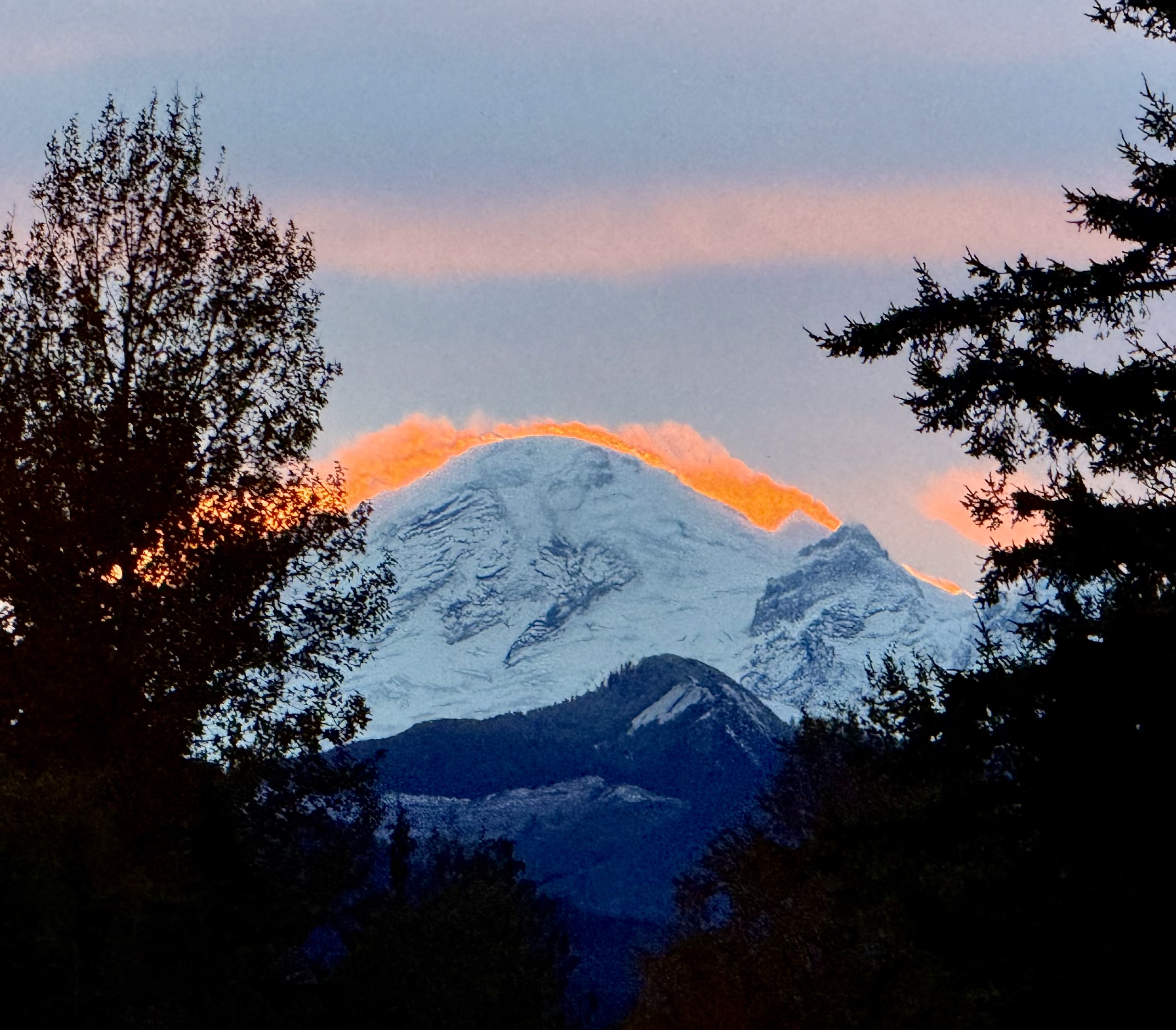
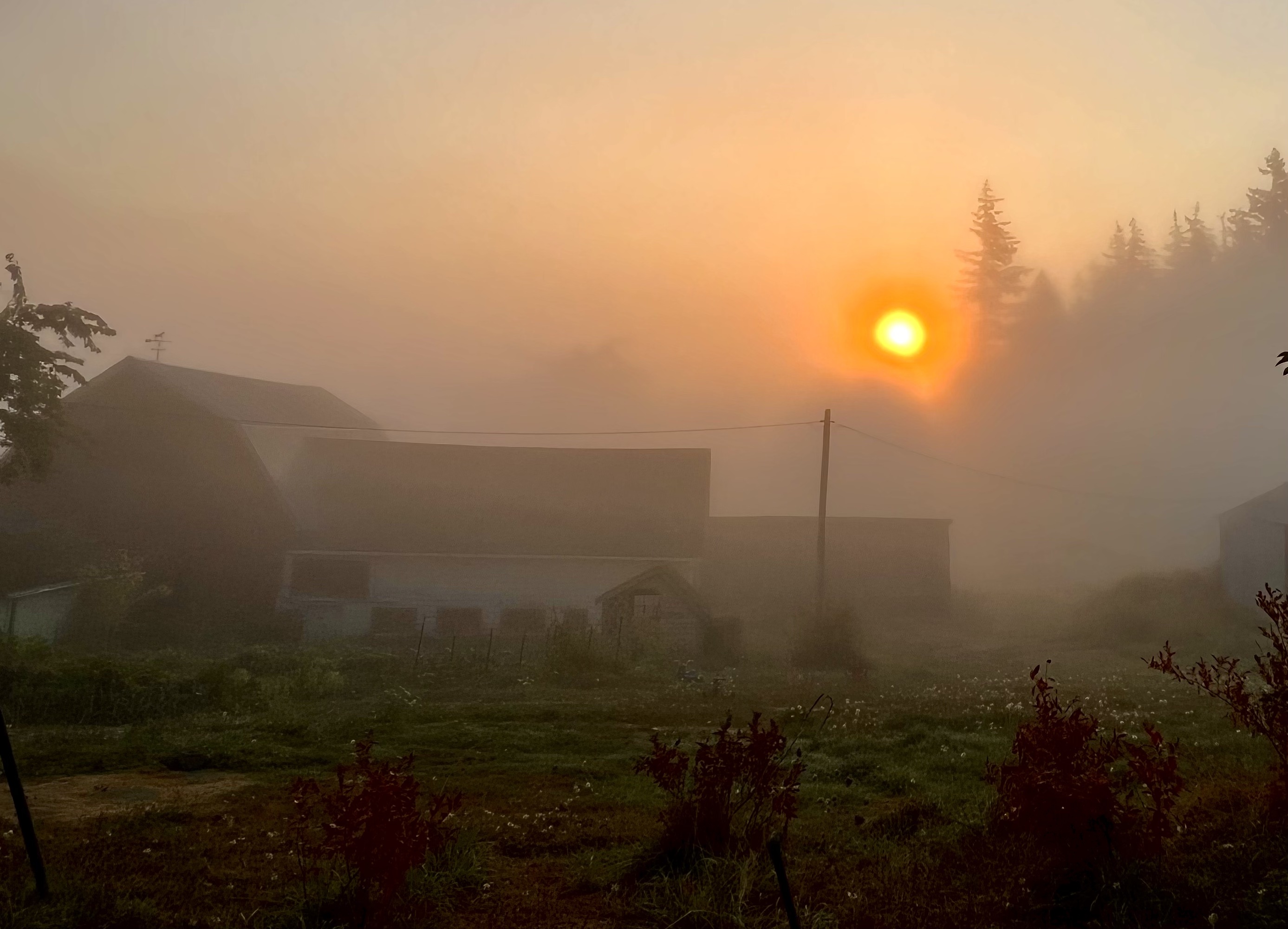
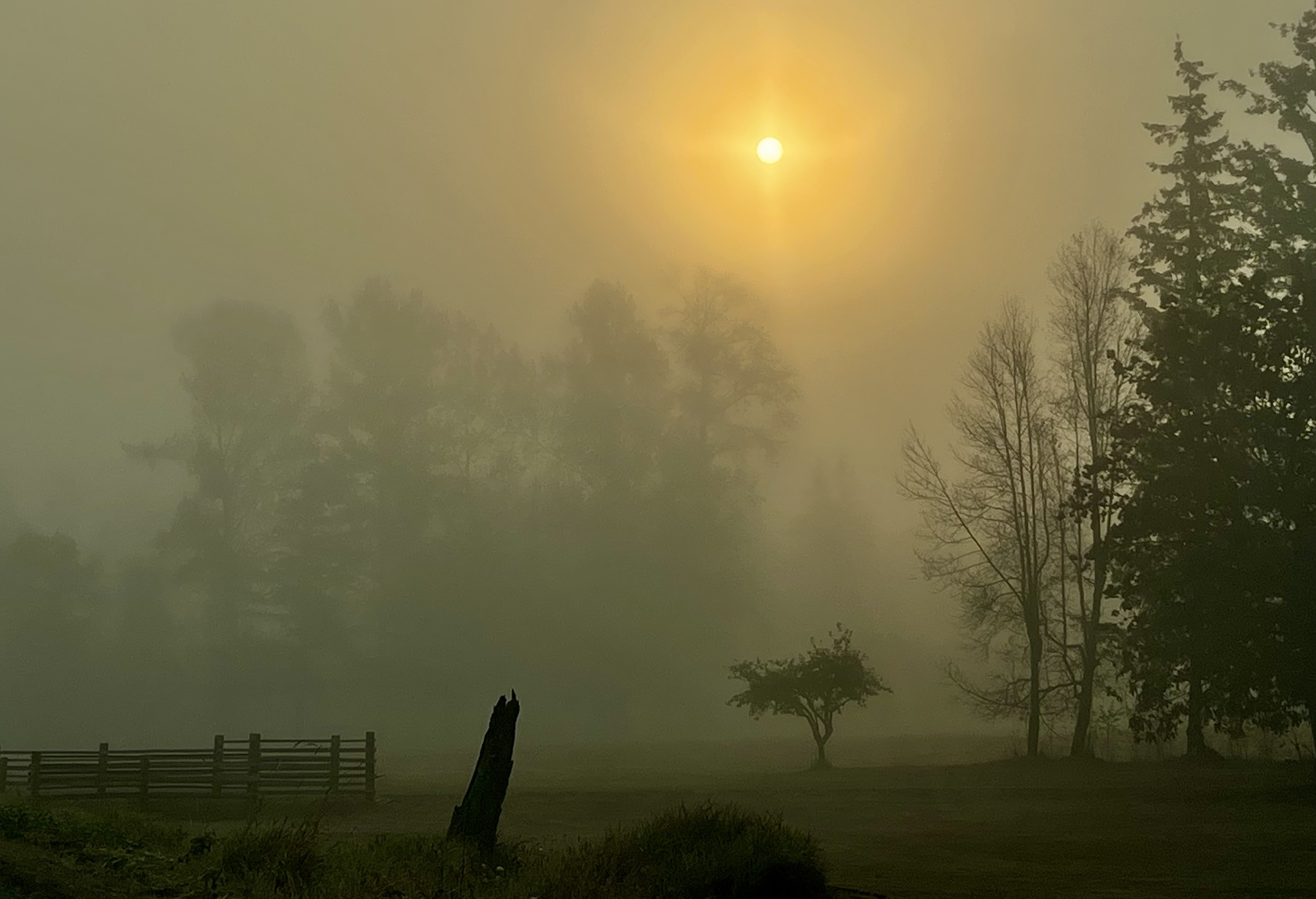
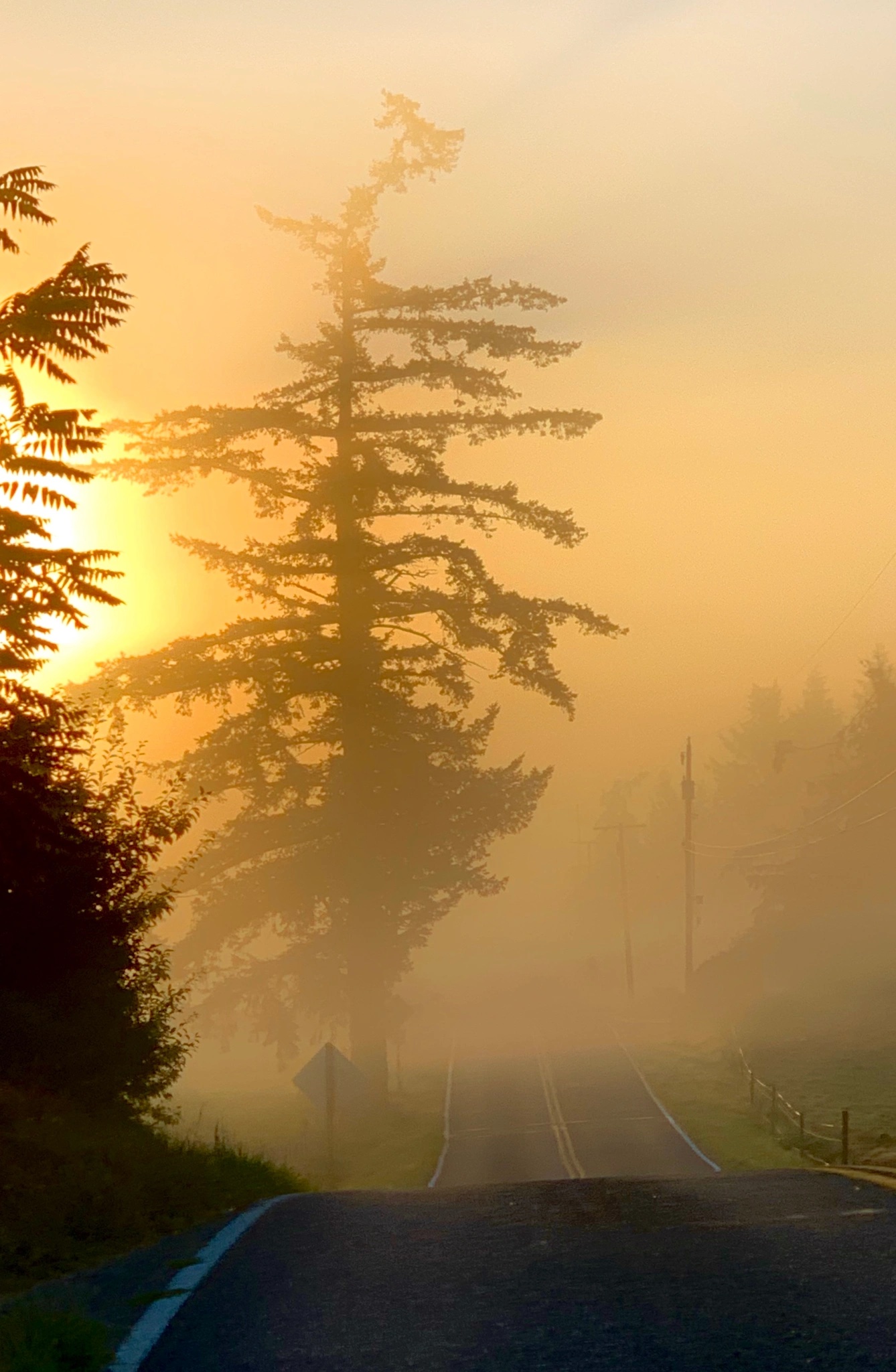
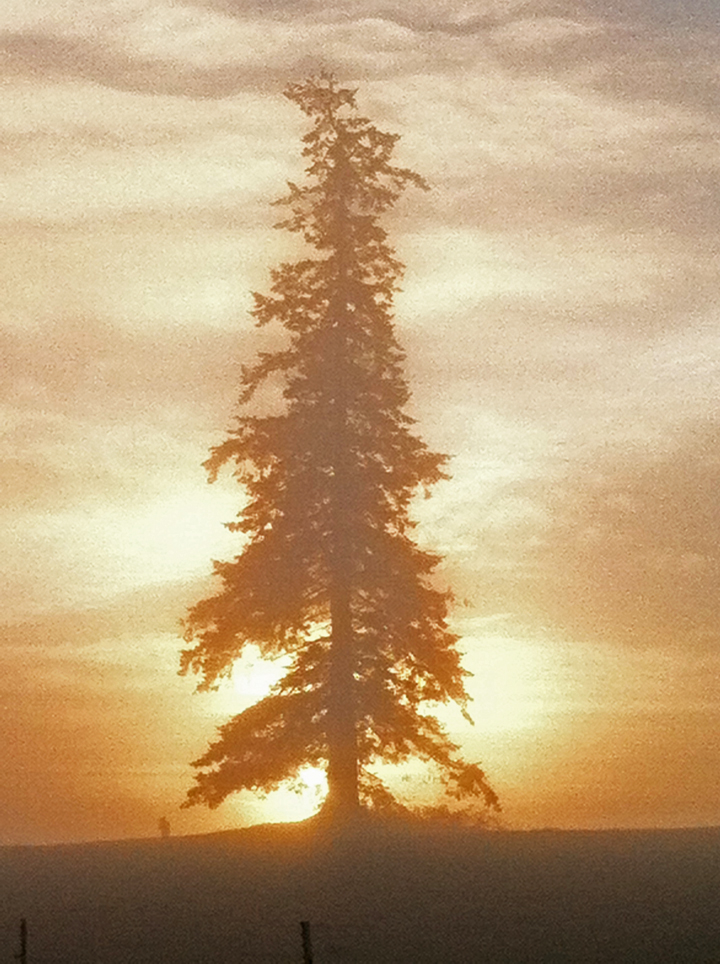
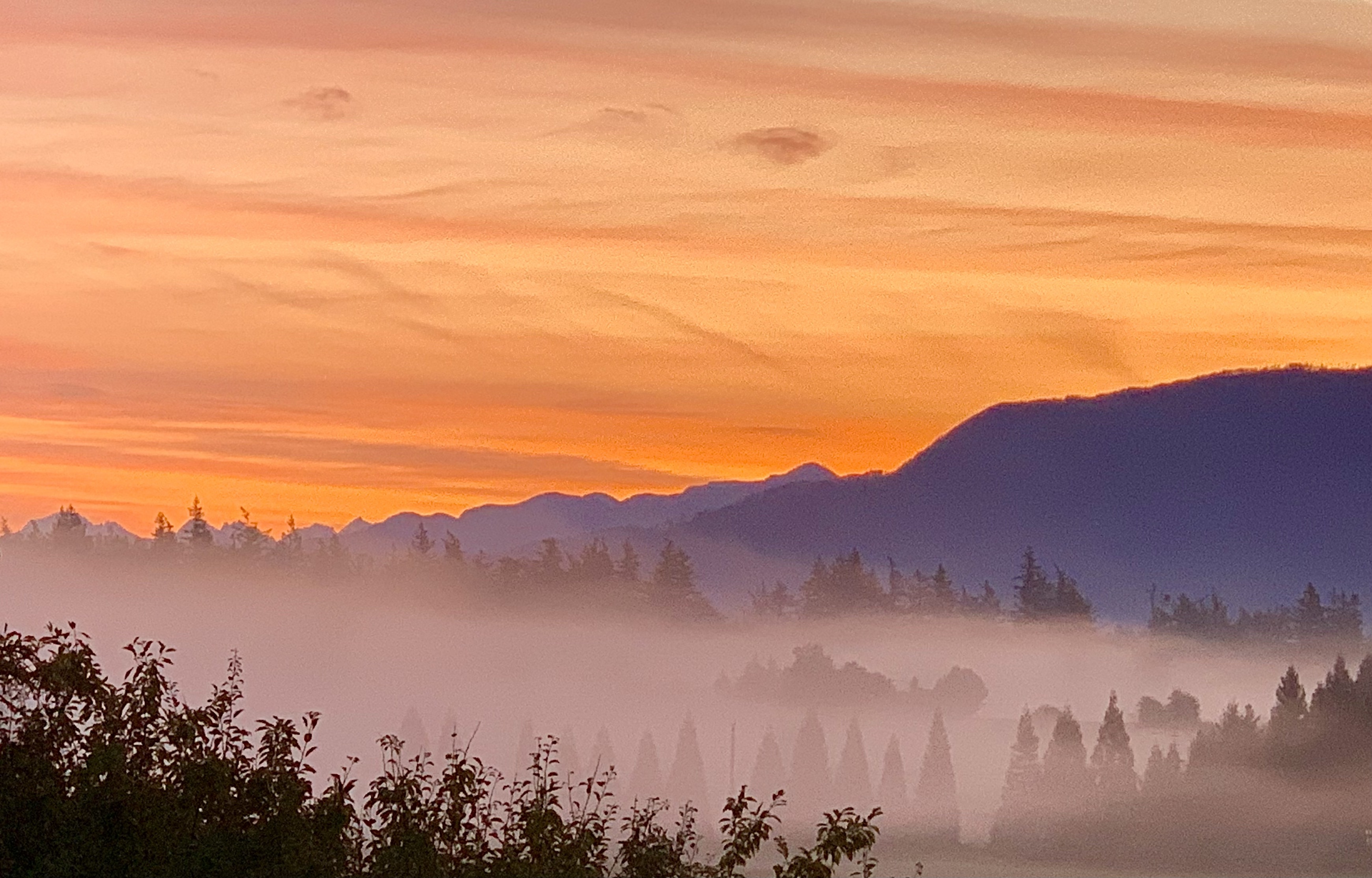
This morning, the rain suspended, its gray curtain pulled back briefly to view what awaits beyond the haze: this luminous brilliance, radiance, promise.
Slow down to look. Slow down to live. Slow.
One-Time
Monthly
Yearly
Make a one-time or recurring donation to support daily Barnstorming posts
~Lustravit lampade terras~ (He has illumined the world with a lamp) The weather and my mood have little connection. I have my foggy and my fine days within me; my prosperity or misfortune has little to do with the matter. – Blaise Pascal from “Miscellaneous Writings”
And so you have a life that you are living only now, now and now and now, gone before you can speak of it, and you must be thankful for living day by day, moment by moment … a life in the breath and pulse and living light of the present… ~Wendell Berry from Hannah Coulter
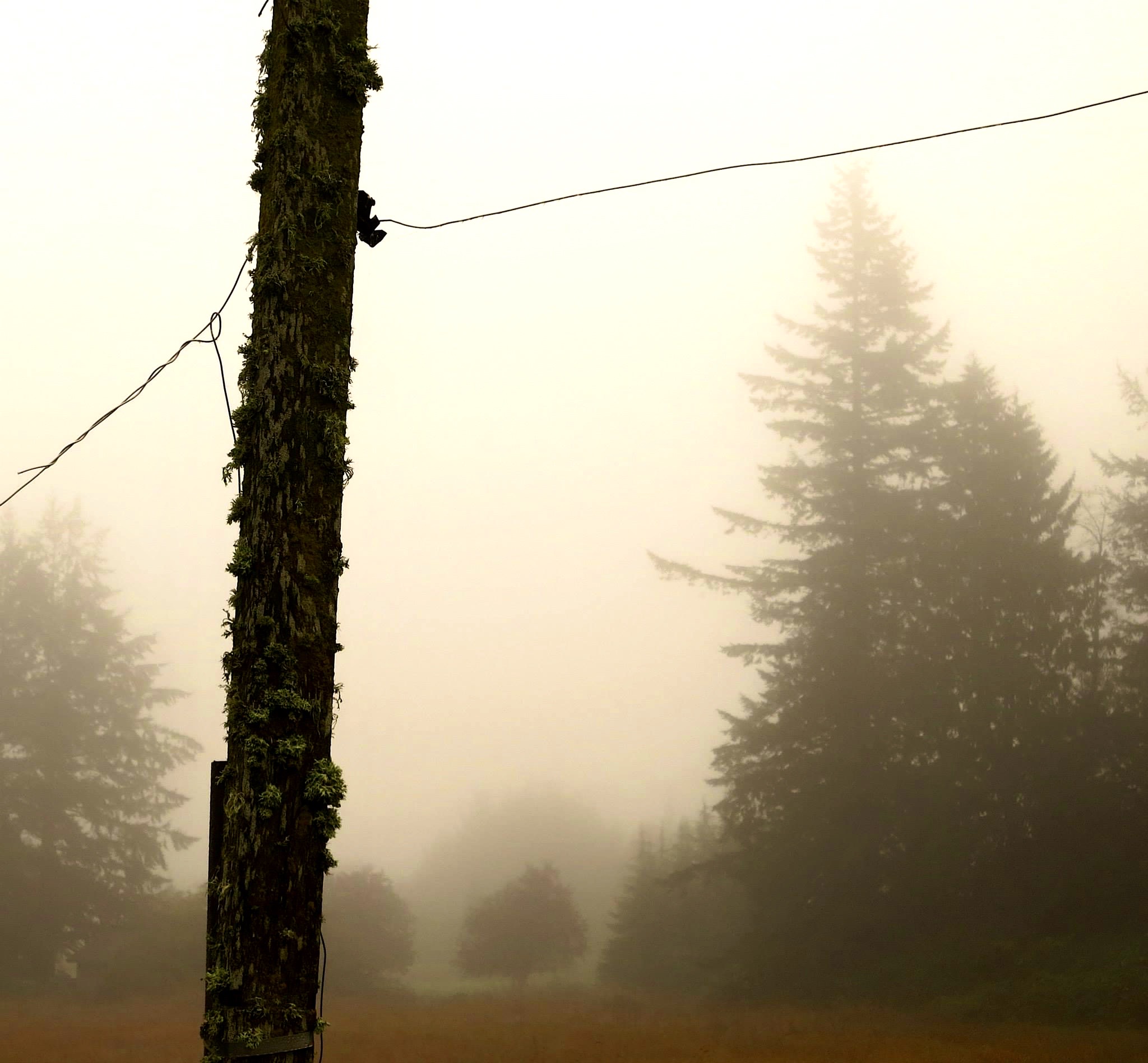
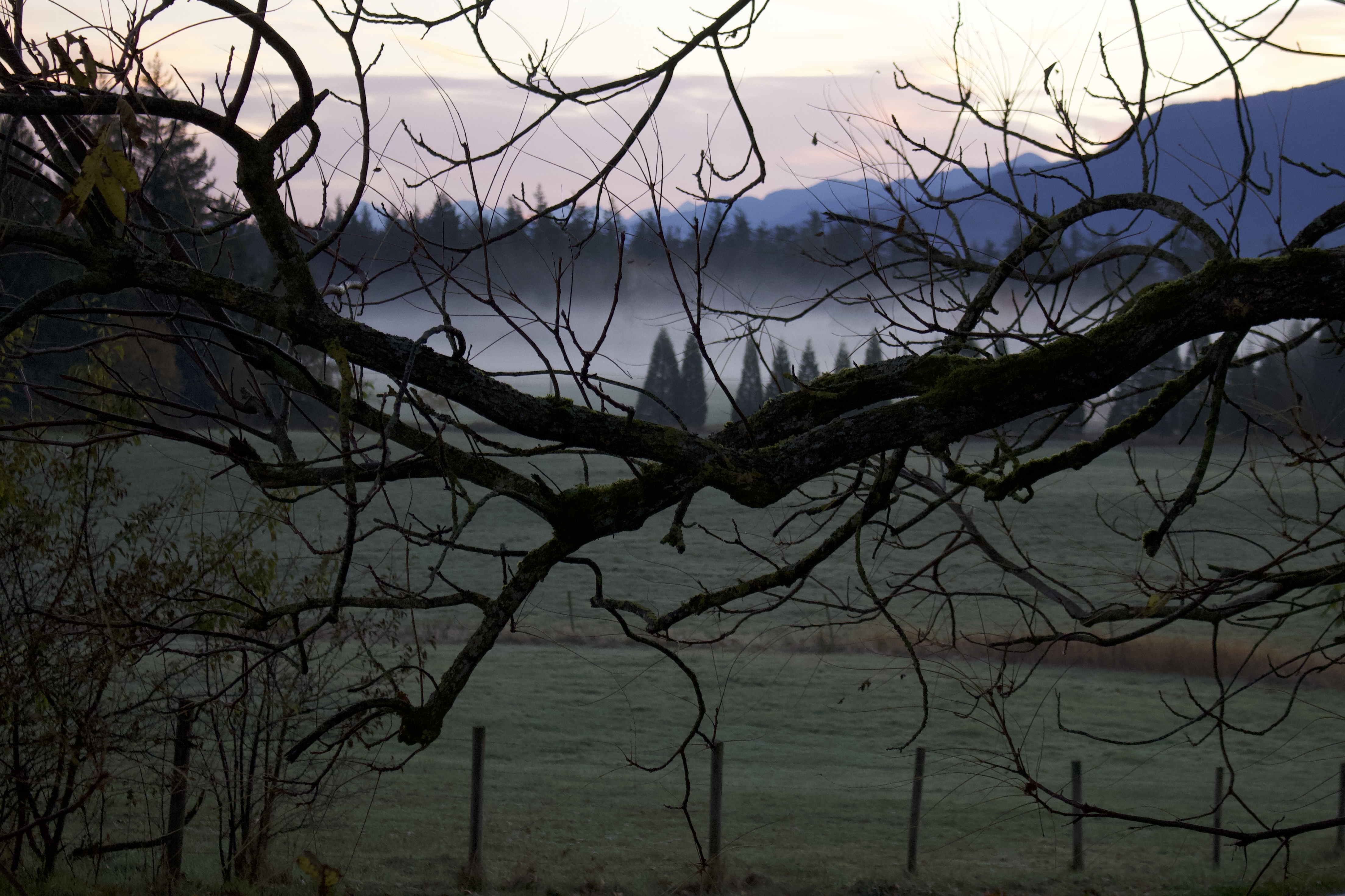
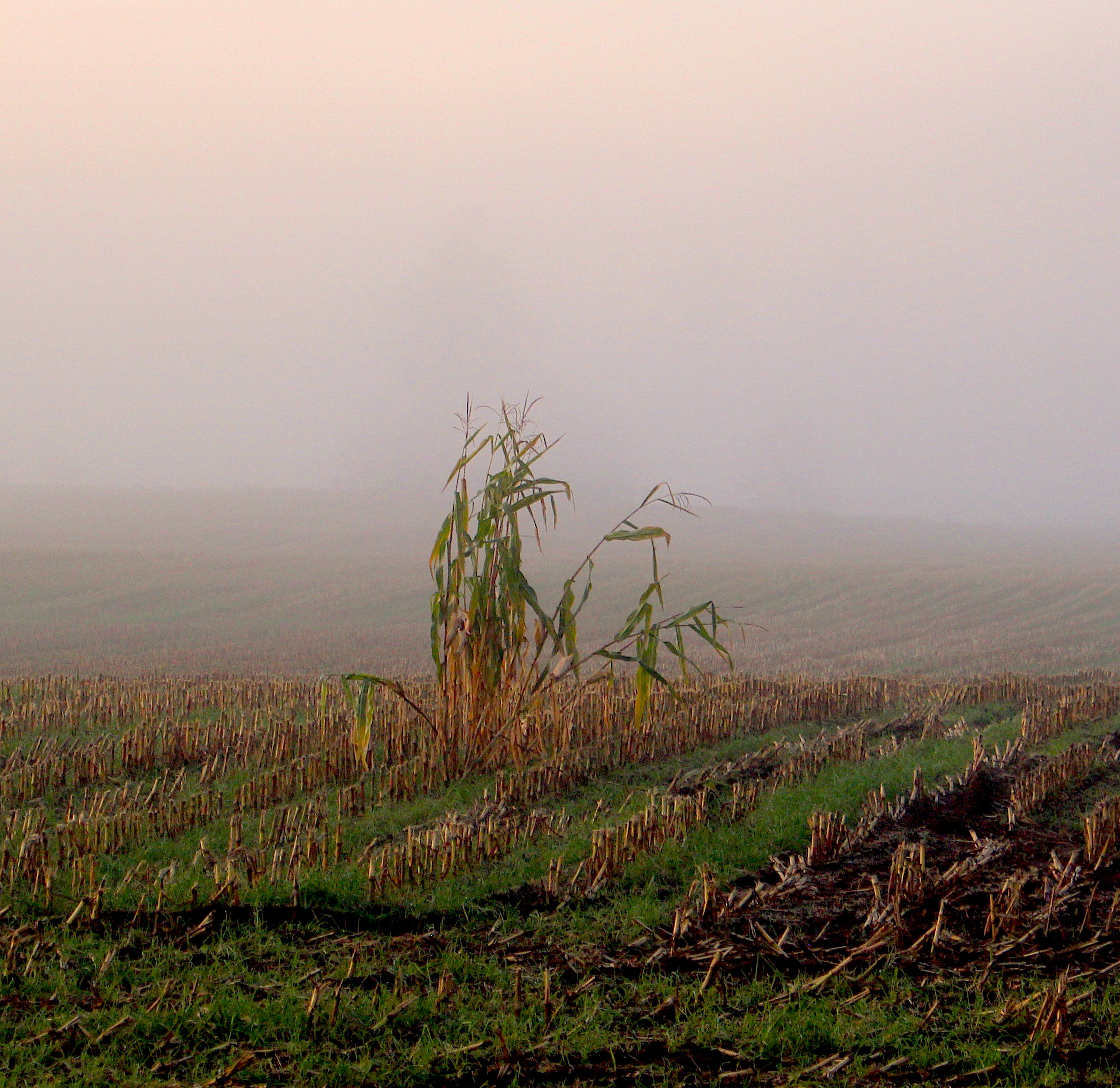
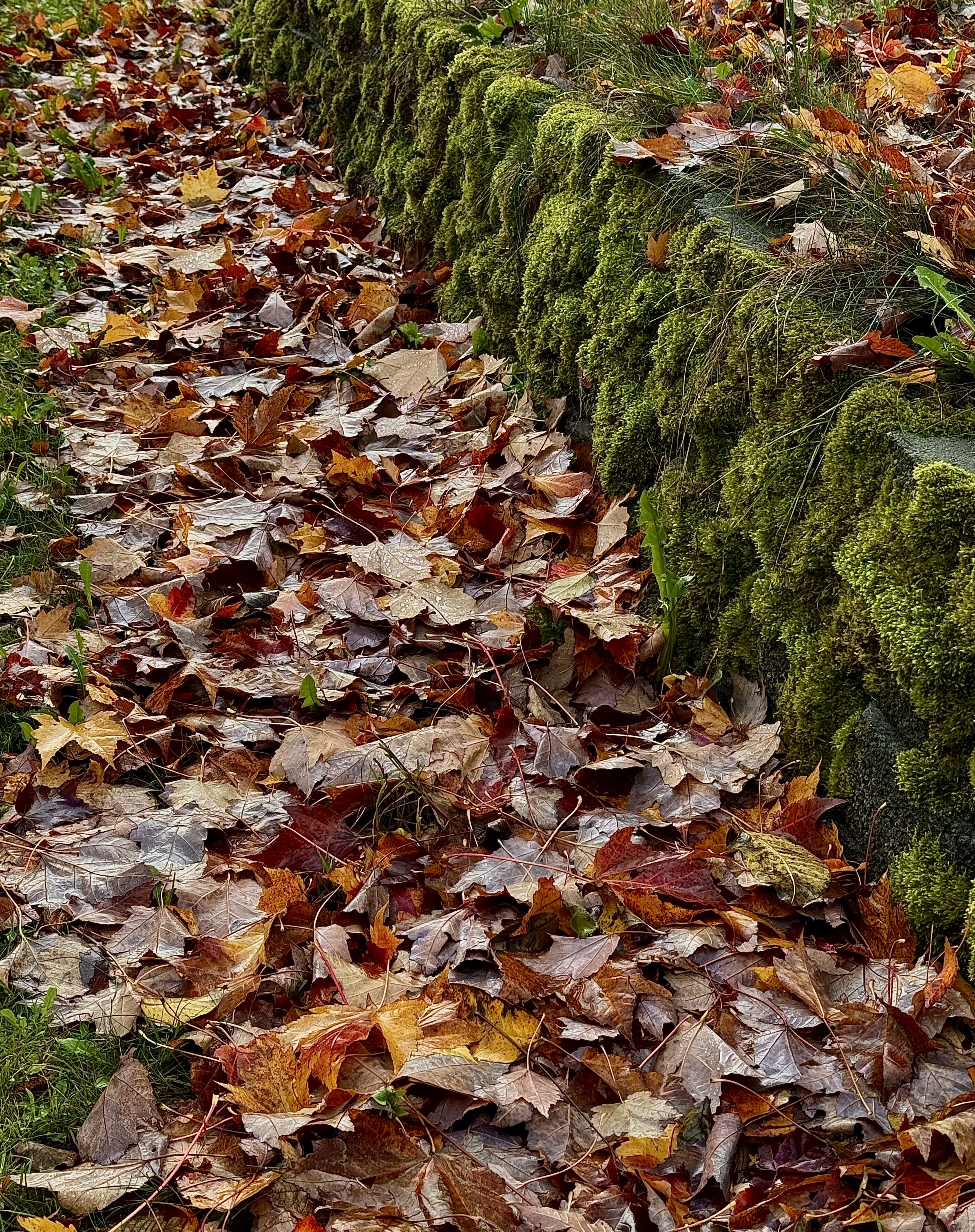
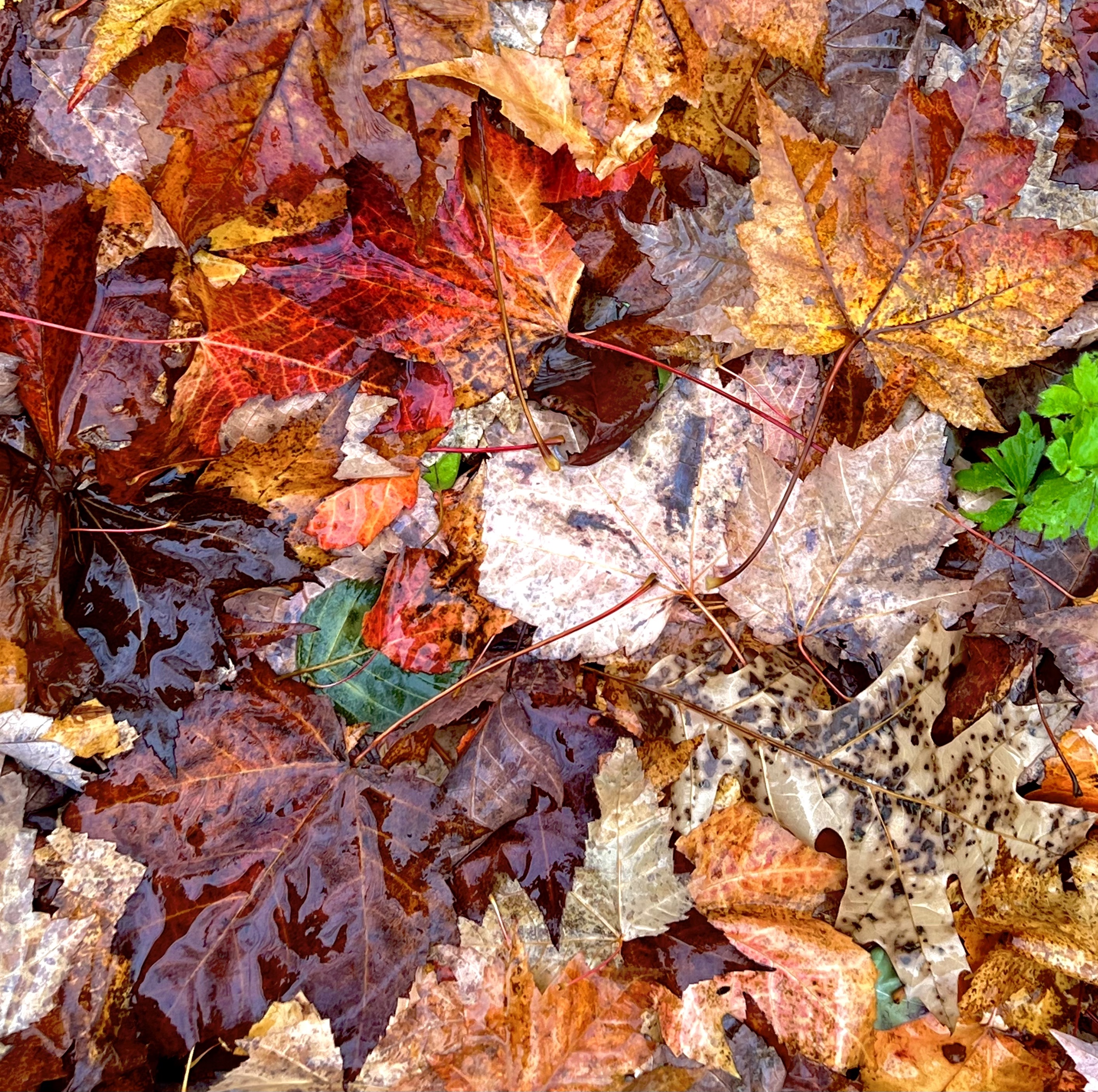
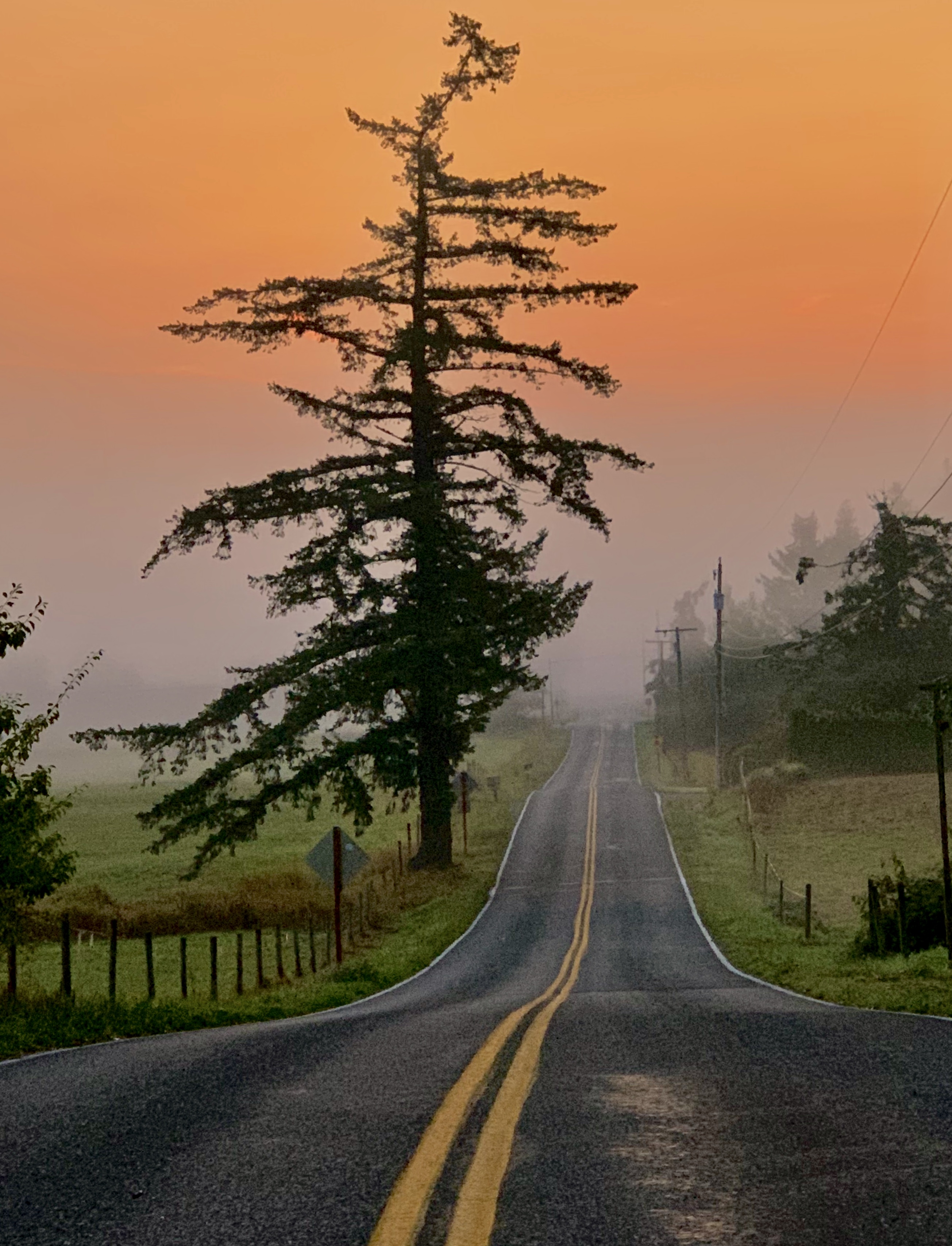
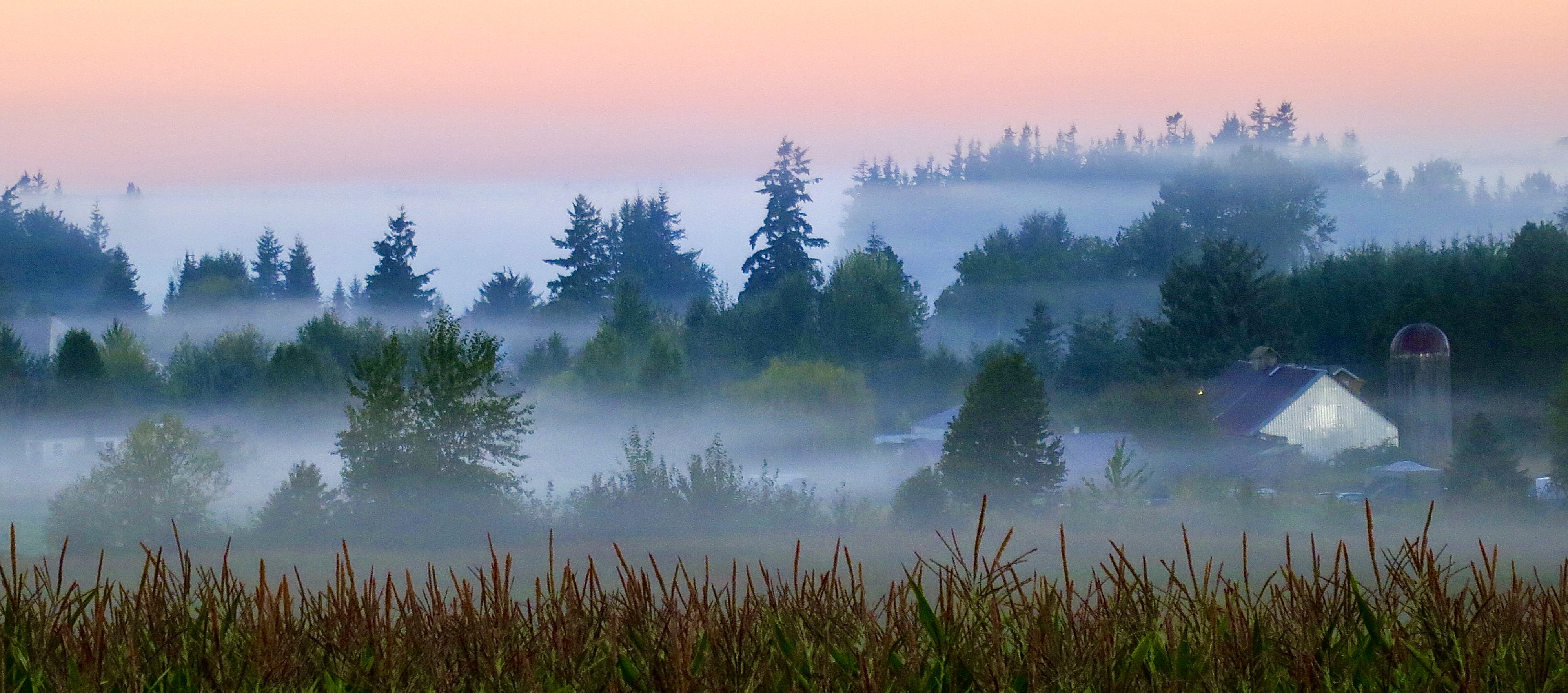
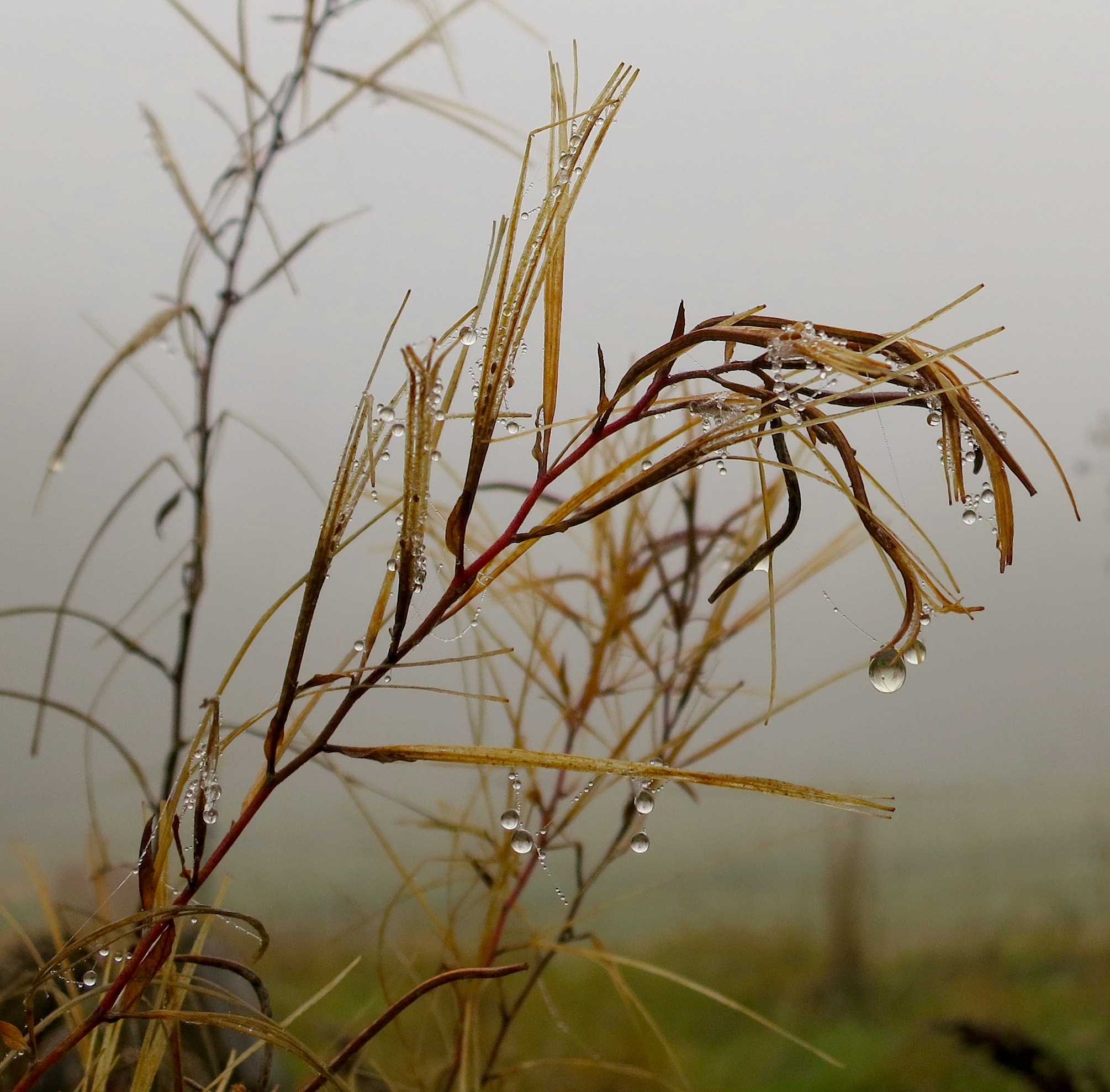
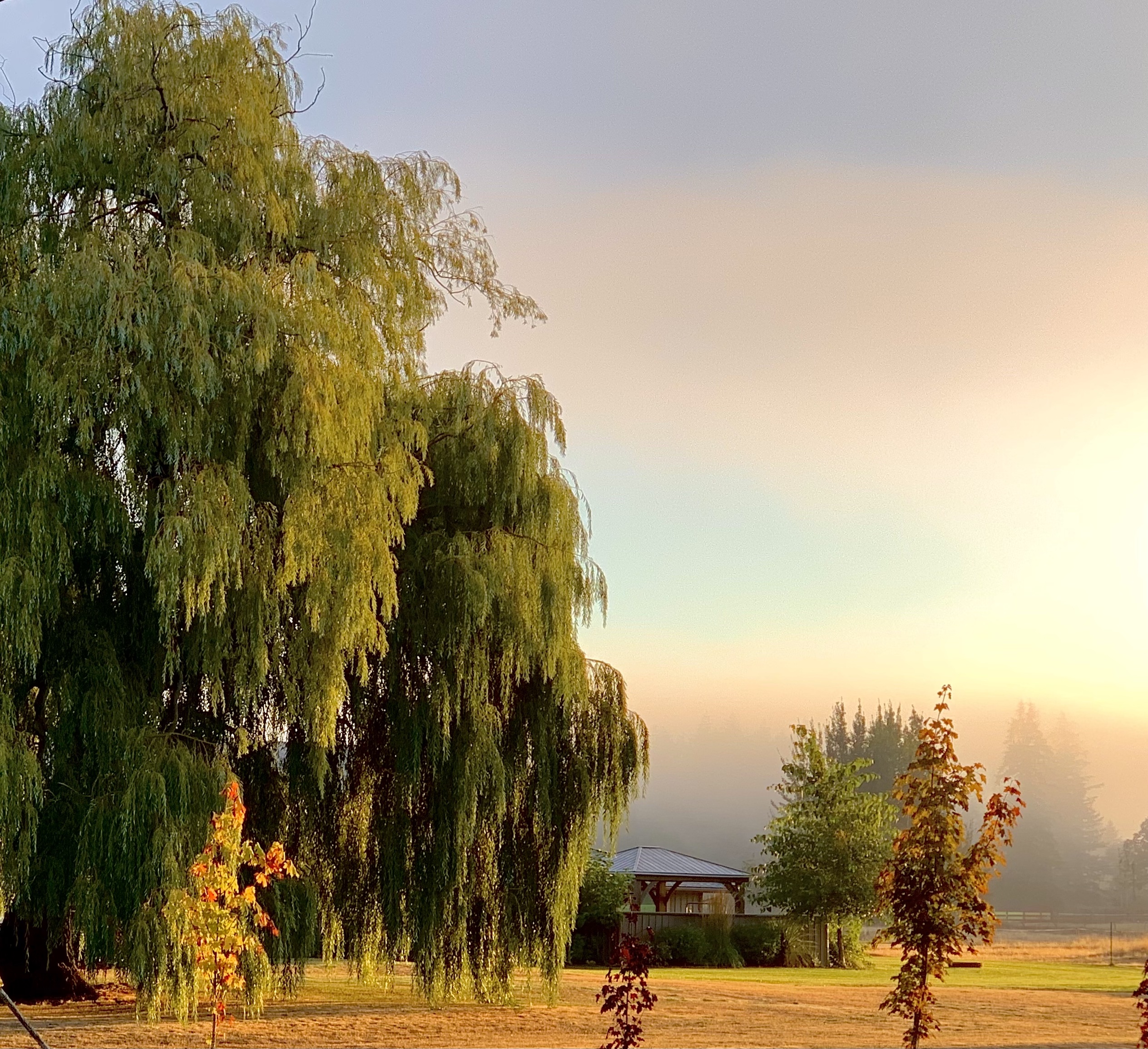
Early morning, everything damp all through. Cars go by. A ripping sound of tires through water. For two days the air Has smelled like salamanders. The little lake on the edge of town hidden in fog, Its cattails and island gone. All through the gloom of the dark week Bright leaves have been dropping From black trees Until heaps of color lie piled everywhere In the falling rain. ~Tom Hennen “Wet Autumn” from Darkness Sticks to Everything.
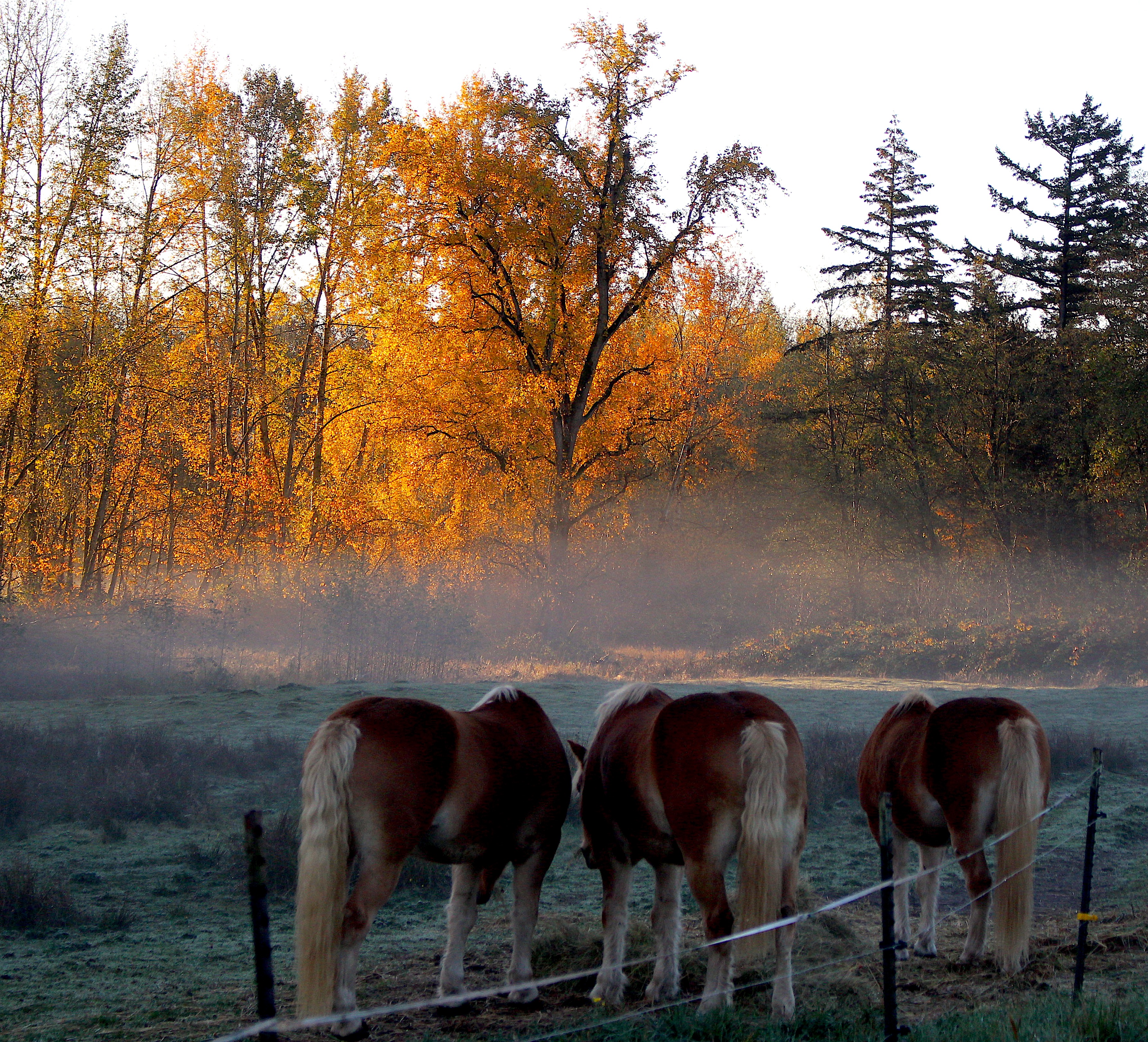
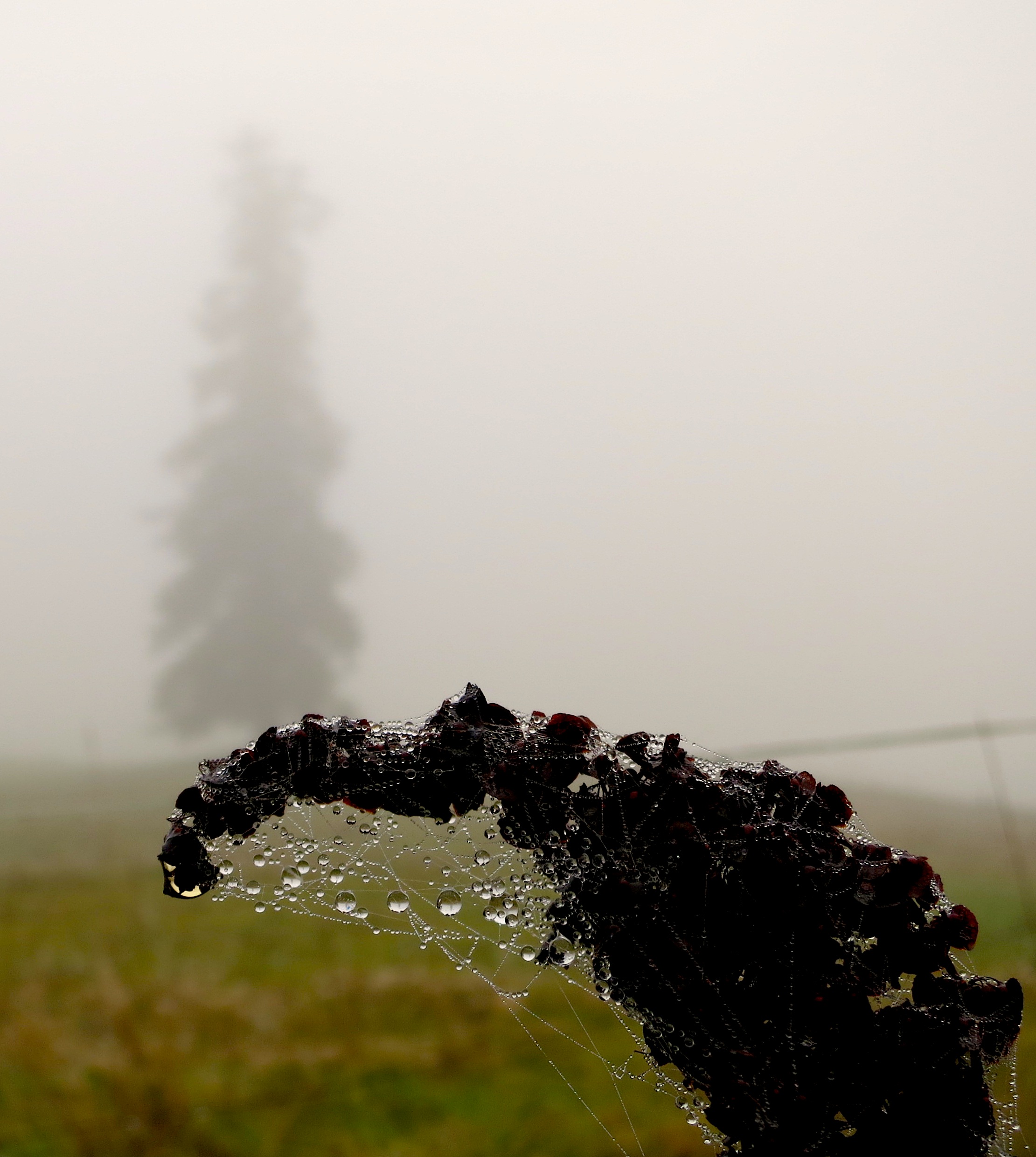
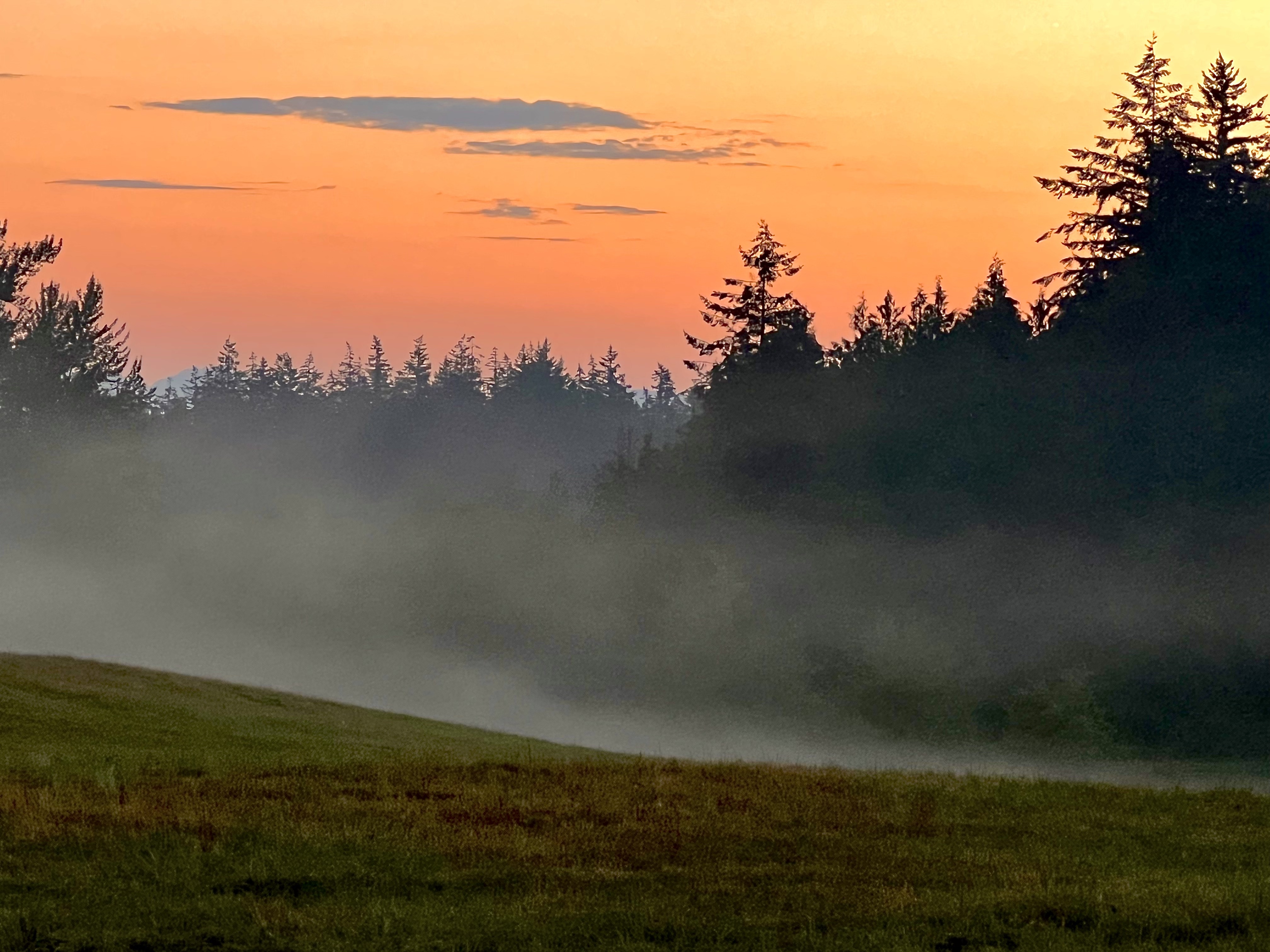
An absolute patience. Trees stand up to their knees in fog. The fog slowly flows uphill. White cobwebs, the grass leaning where deer have looked for apples. The woods from brook to where the top of the hill looks over the fog, send up not one bird. So absolute, it is no other than happiness itself, a breathing too quiet to hear. – Denise Levertov “The Breathing“
Worry and anger and angst can be more contagious than the flu.
I want to mask up and wash my hands of it throughout the day. There should be a vaccination against the fear of reading headlines.
I want to say to myself: Stop now, this moment in time. Stop and stop and stop.
Stop needing to be numb to all discomfort. Stop resenting the gift of each breath. Just stop. Instead, simply be still, in this moment
I want to say to myself: this moment, foggy or fine, is yours alone, this moment of weeping and sharing and breath and pulse and light.
Shout for joy in it. Celebrate it. I am alive in it, even in worry.
Be thankful for tears that flow over grateful lips just as rain clears the fog. Stop holding them back.
Just be– be blessed in both the fine and the foggy days– in the now and now and now.
One-Time
Monthly
Yearly
Make a one-time or recurring donation to support daily Barnstorming posts








 Barnstorming