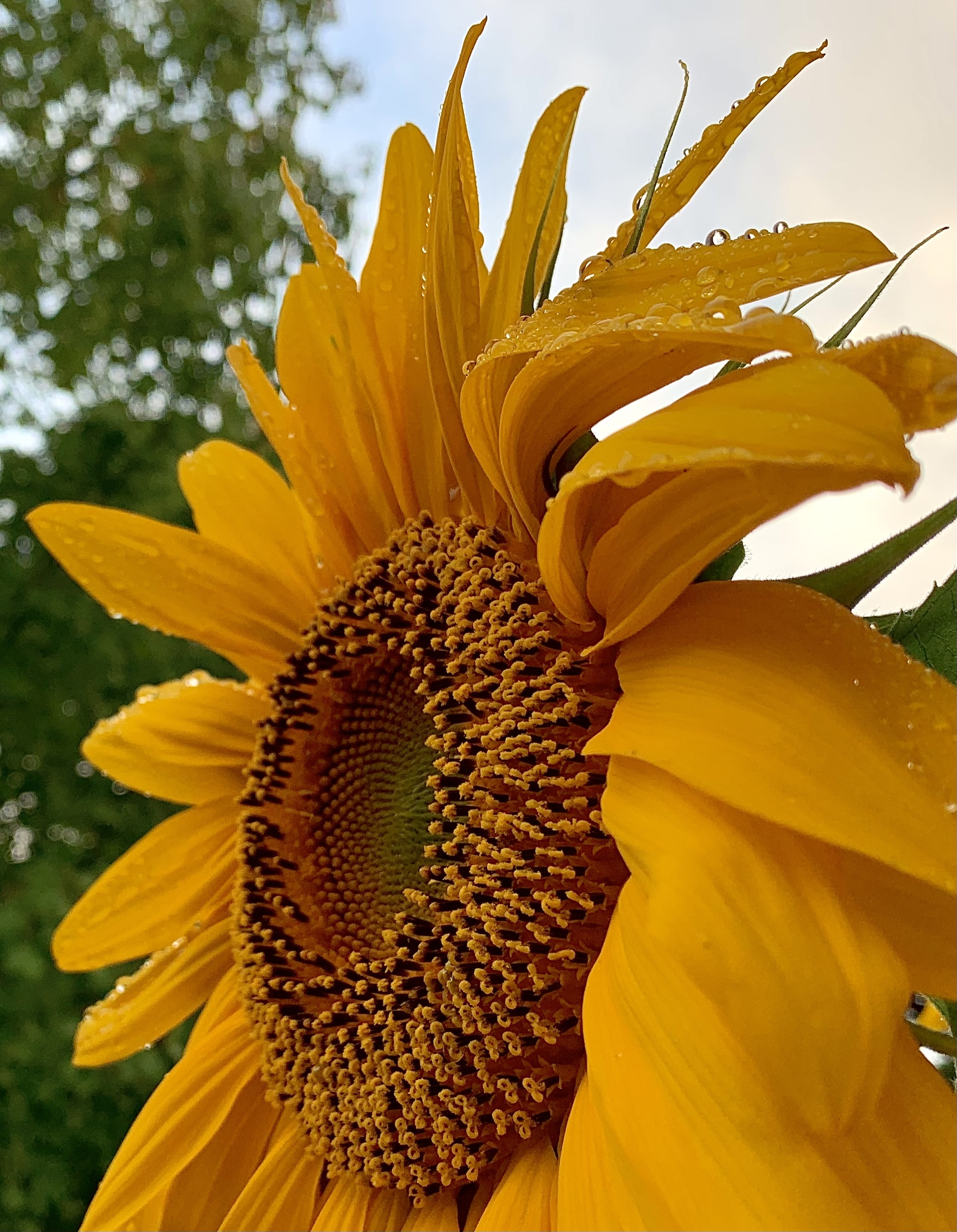
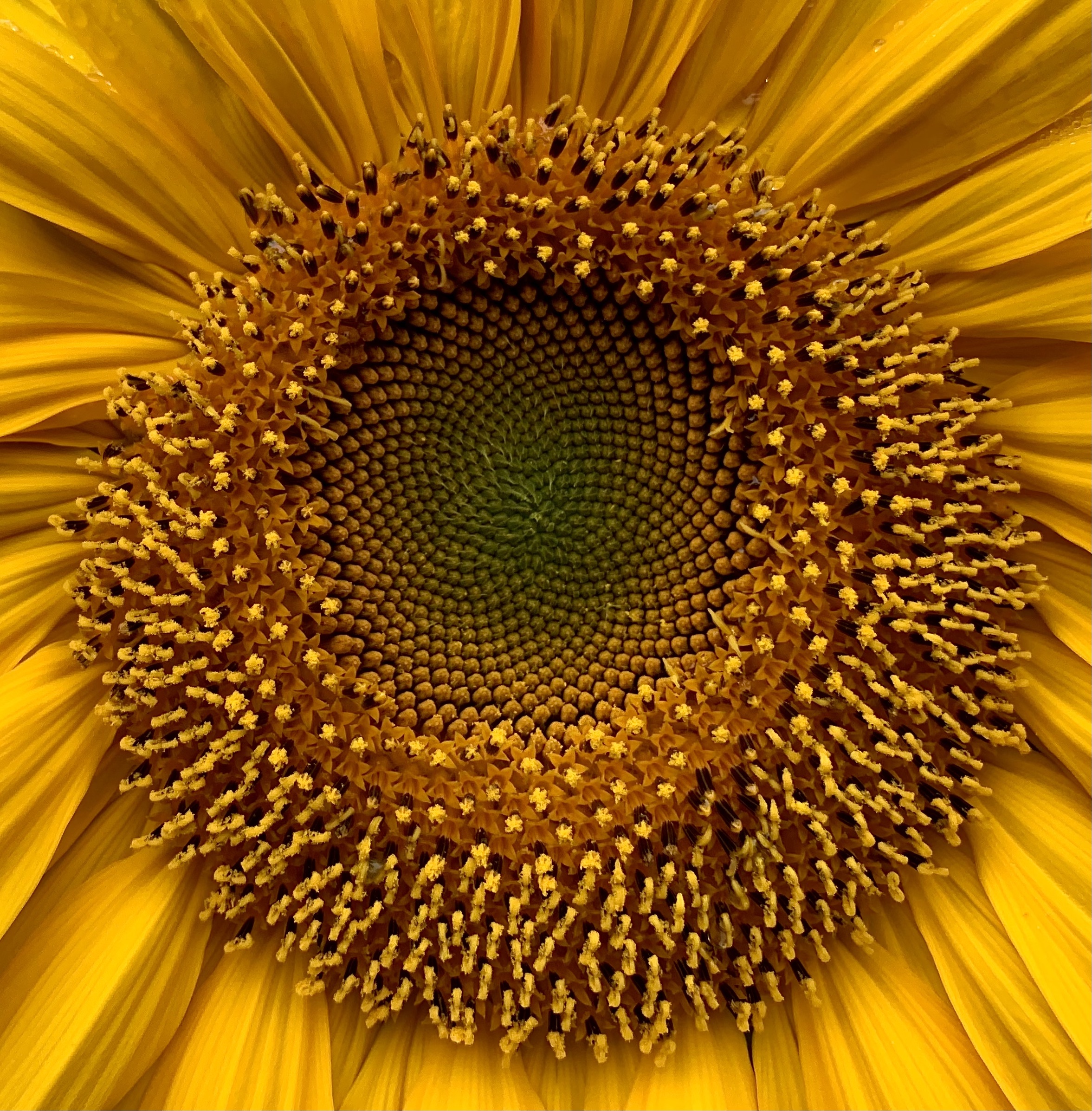
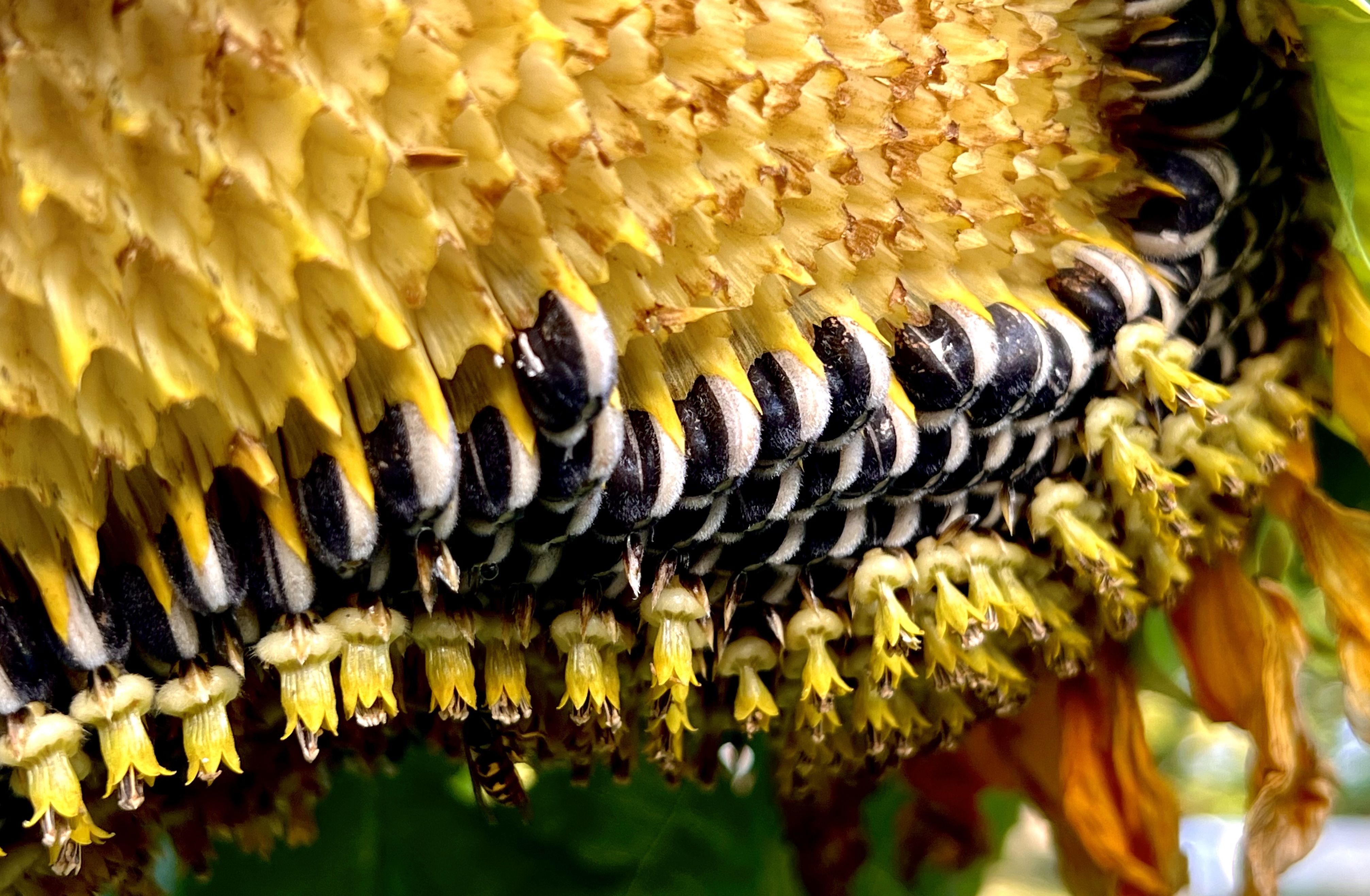
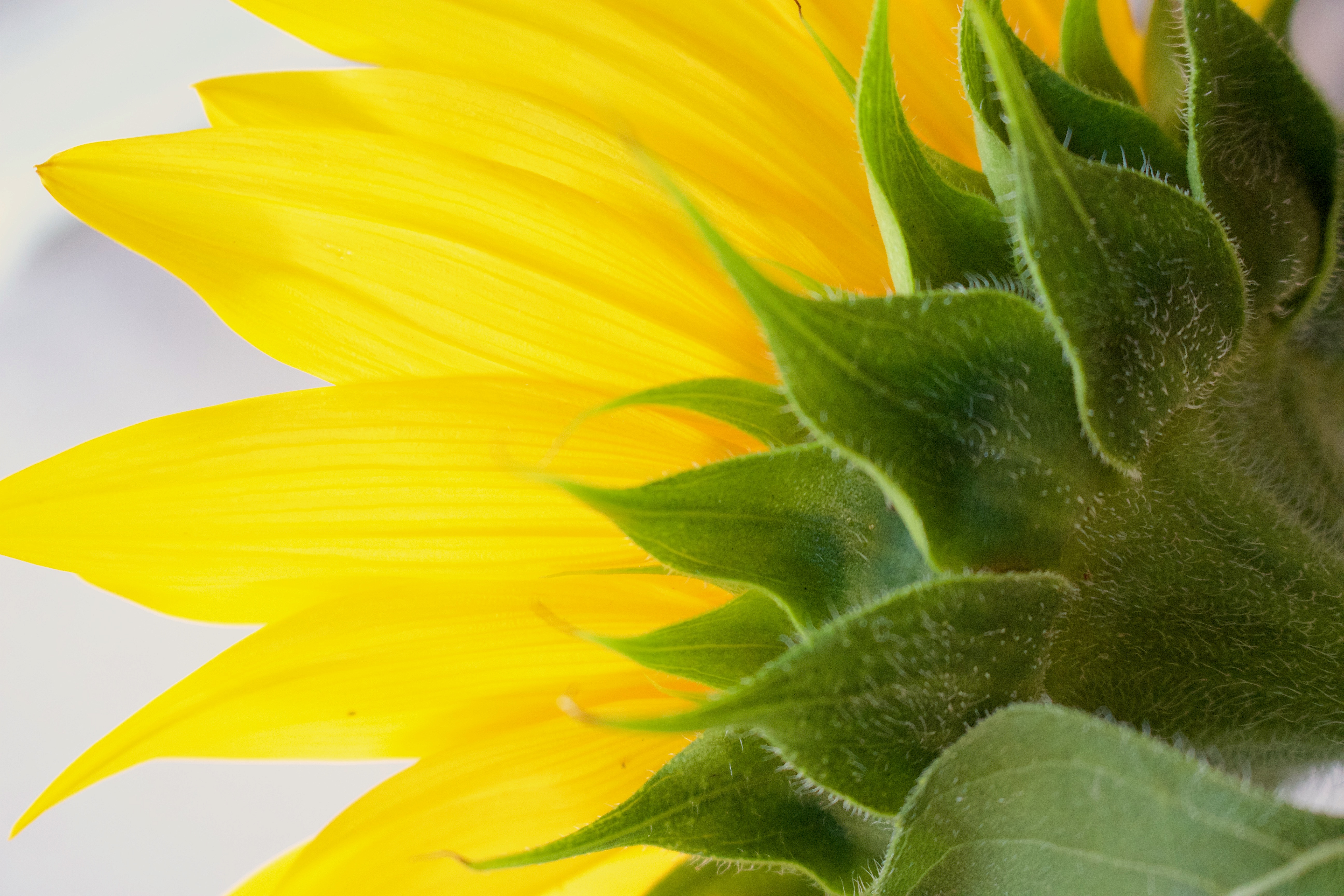
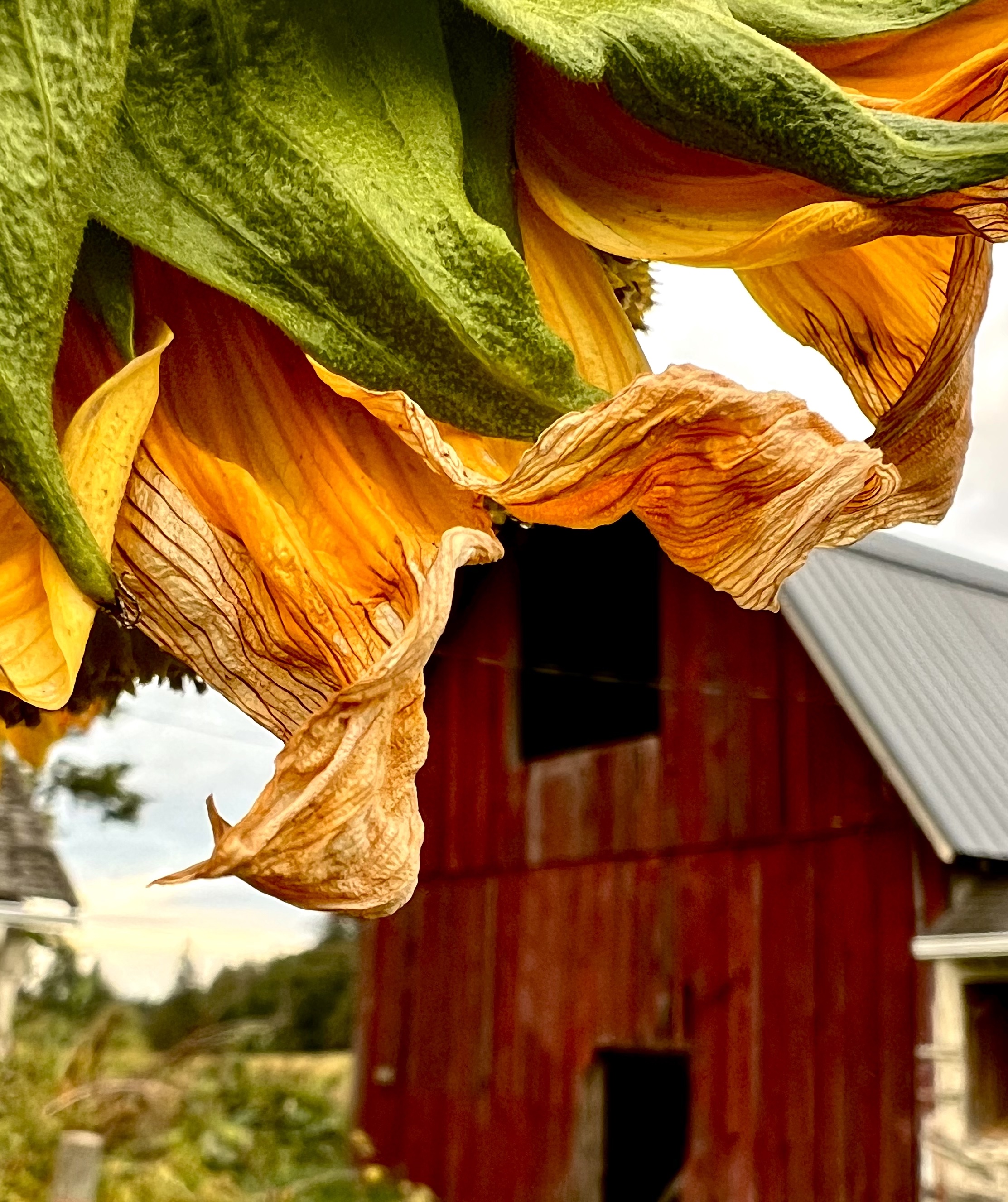
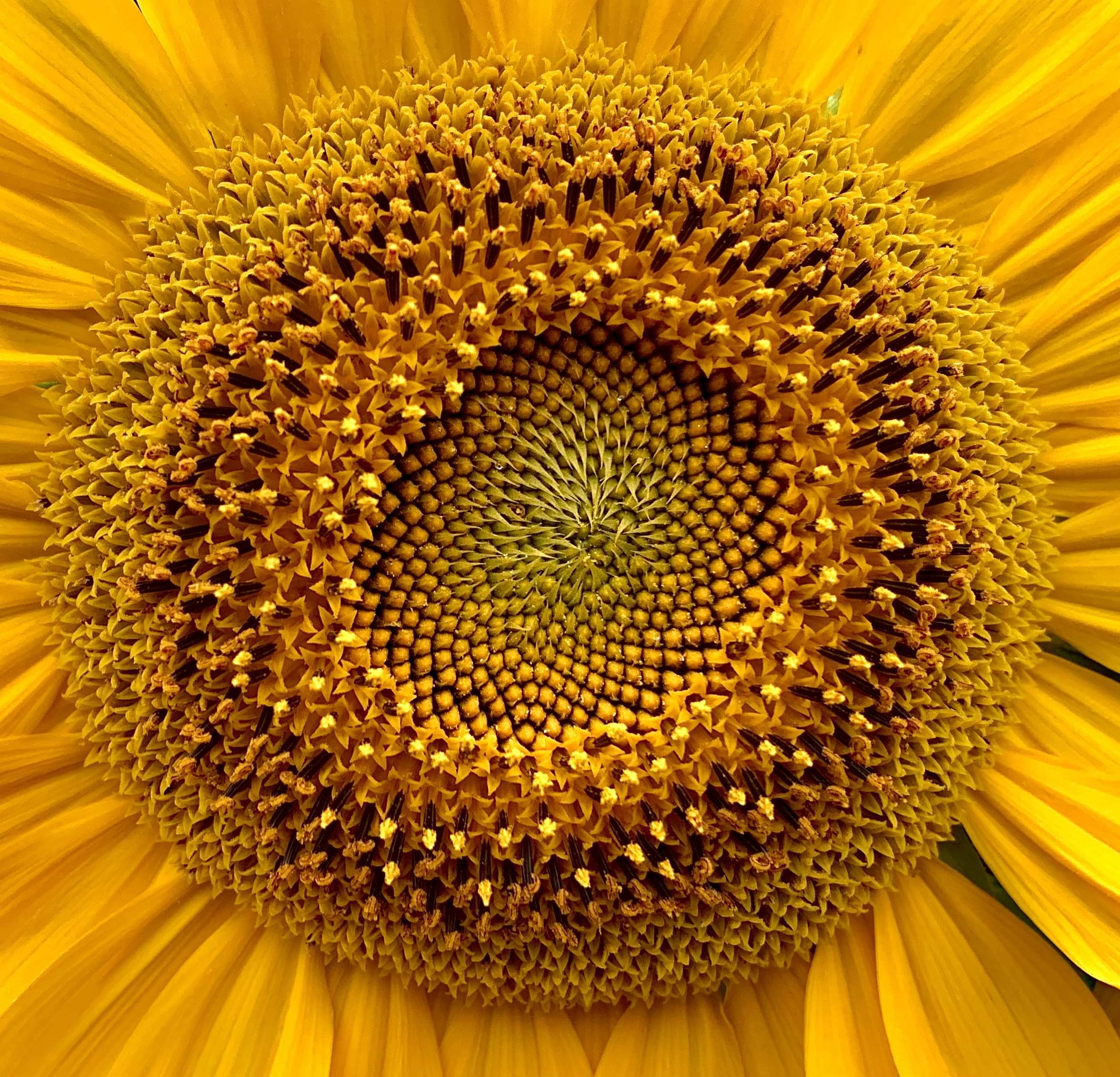
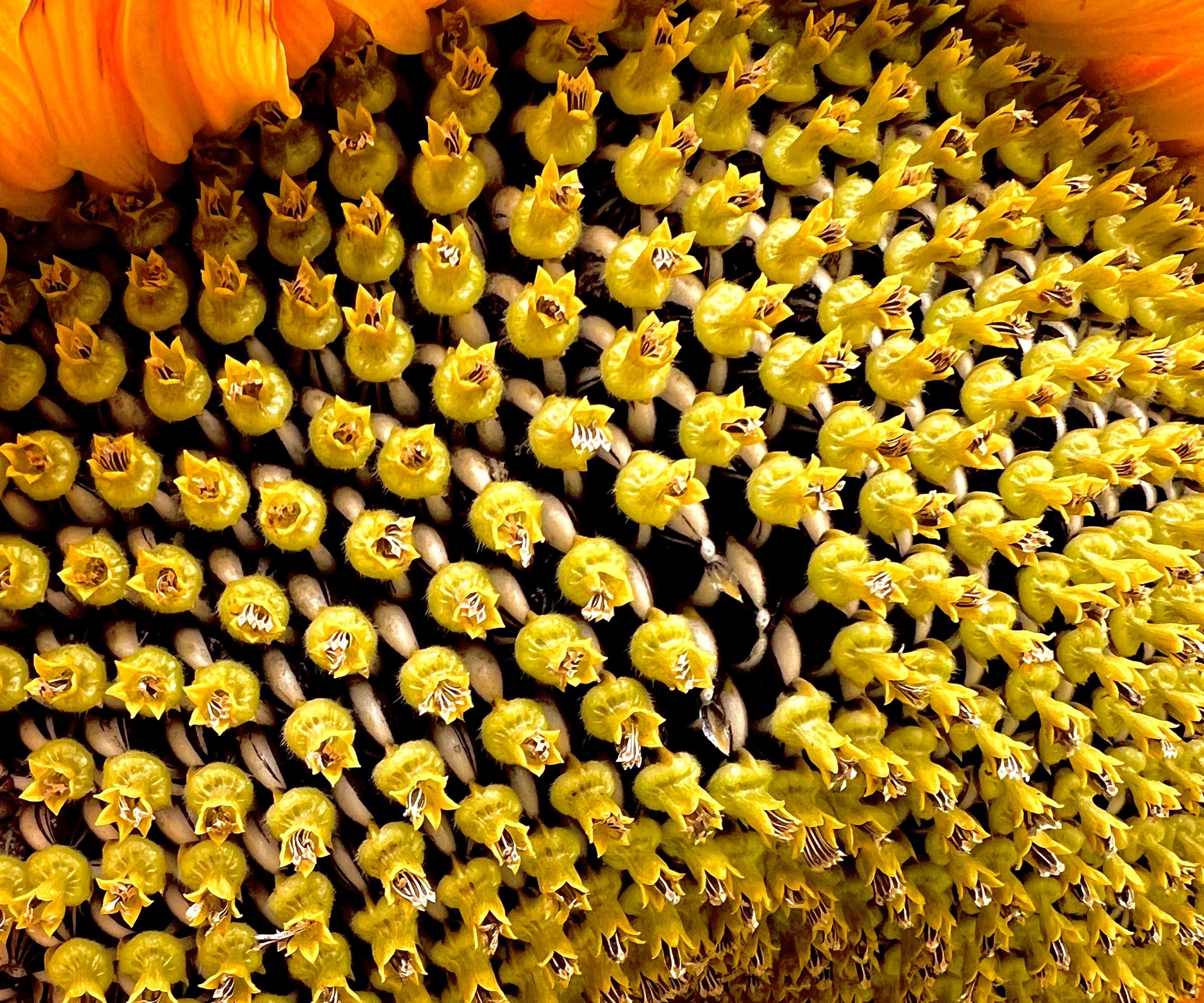
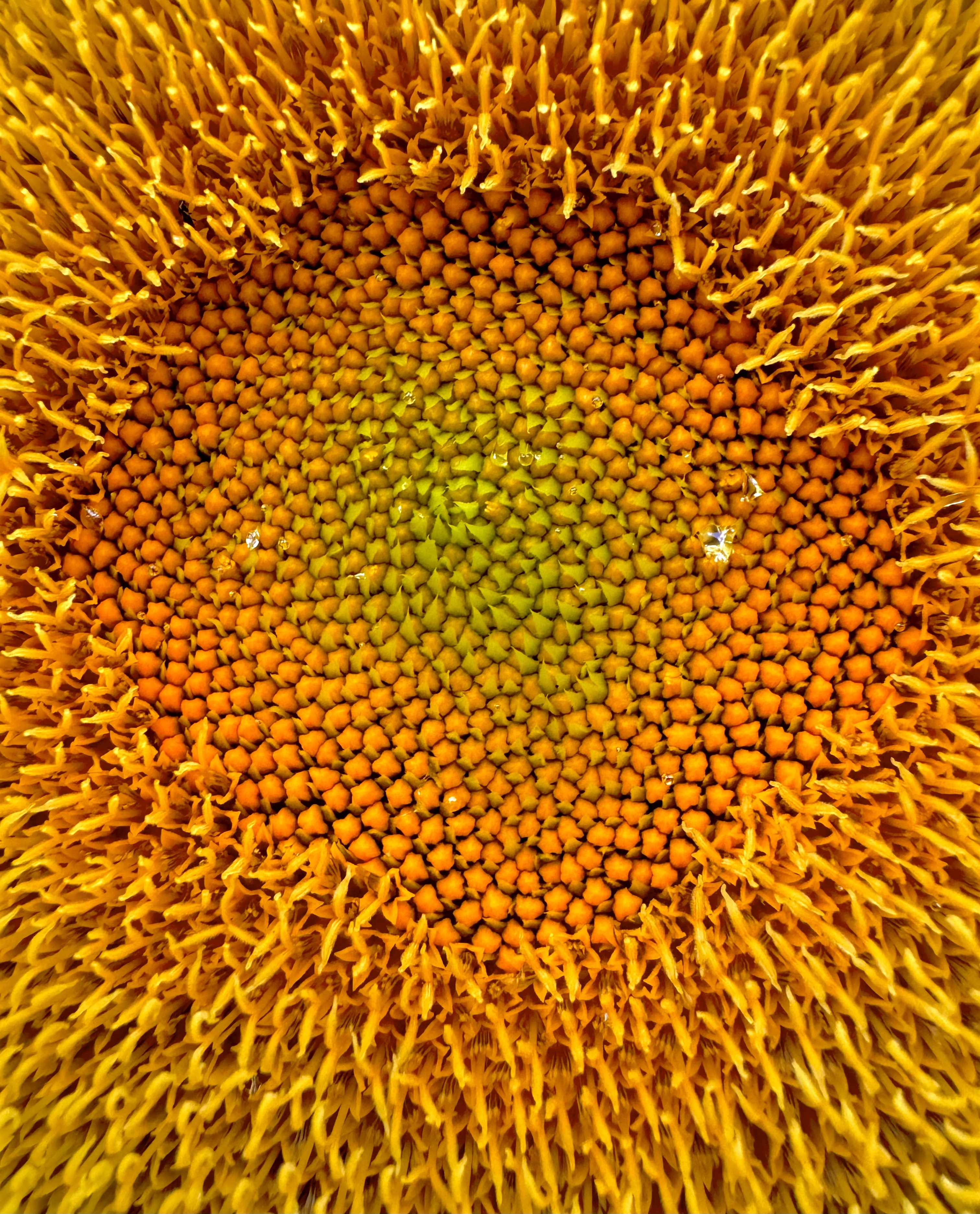
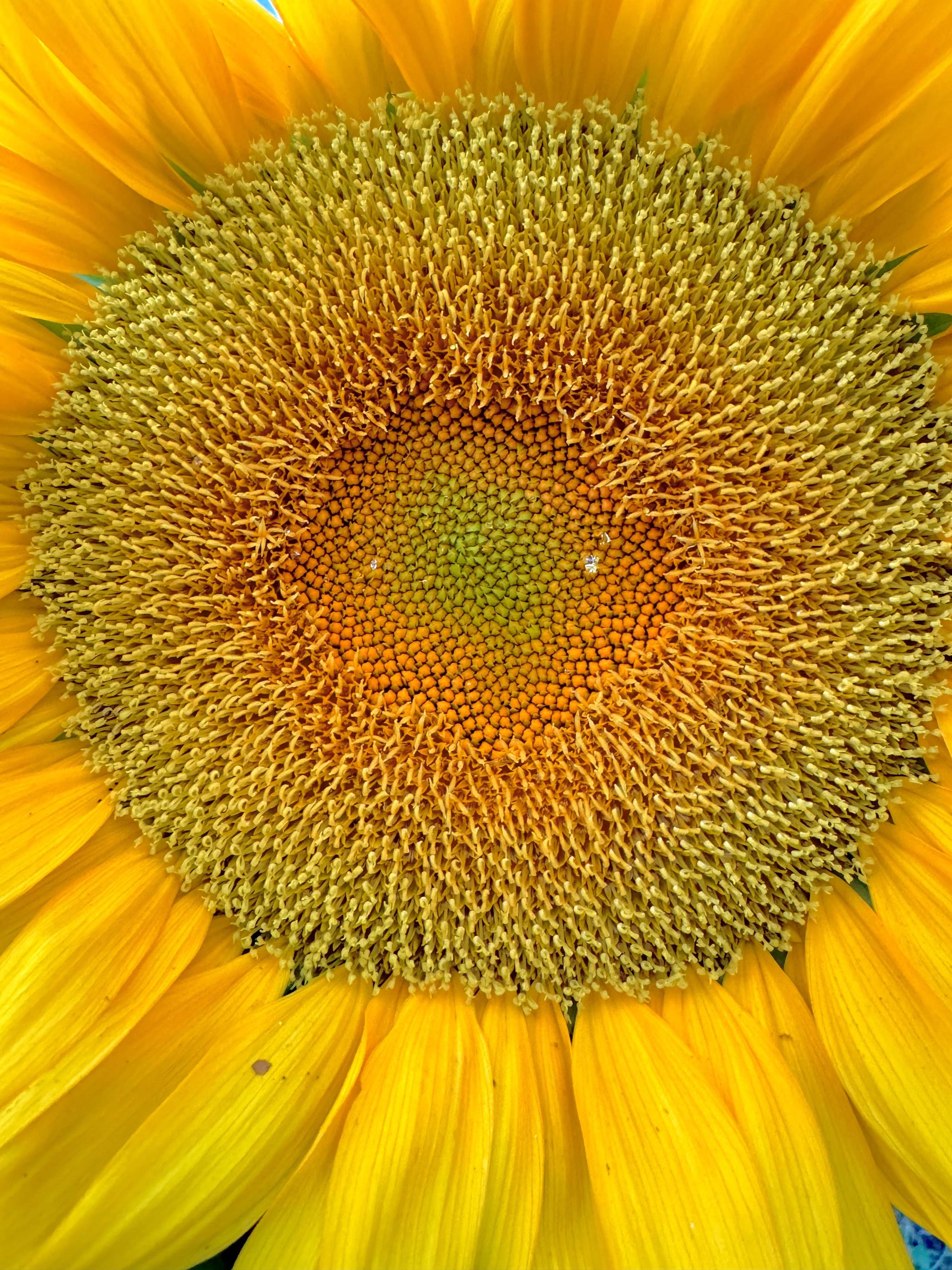
I am here to modestly report seeing in an orchard in my town a goldfinch kissing a sunflower again and again dangling upside down by its tiny claws steadying itself by snapping open like an old-timey fan its wings again and again, until, swooning, it tumbled off and swooped back to the very same perch, where the sunflower curled its giant swirling of seeds around the bird and leaned back to admire the soft wind nudging the bird’s plumage, and friends I could see the points on the flower’s stately crown soften and curl inward as it almost indiscernibly lifted the food of its body to the bird’s nuzzling mouth whose fervor I could hear from oh 20 or 30 feet away and see from the tiny hulls that sailed from their good racket, which good racket, I have to say was making me blush, and rock up on my tippy-toes, and just barely purse my lips with what I realize now was being, simply, glad, which such love, if we let it, makes us feel. ~Ross Gay “Wedding Poem” from Catalog of Unabashed Gratitude
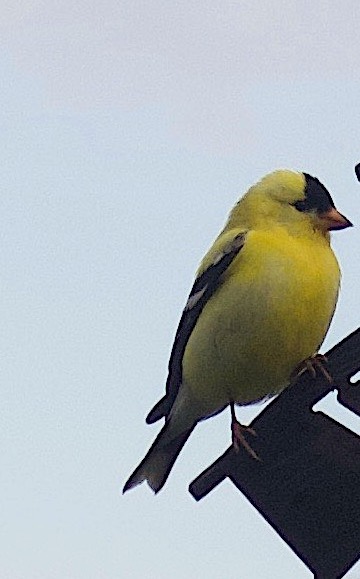
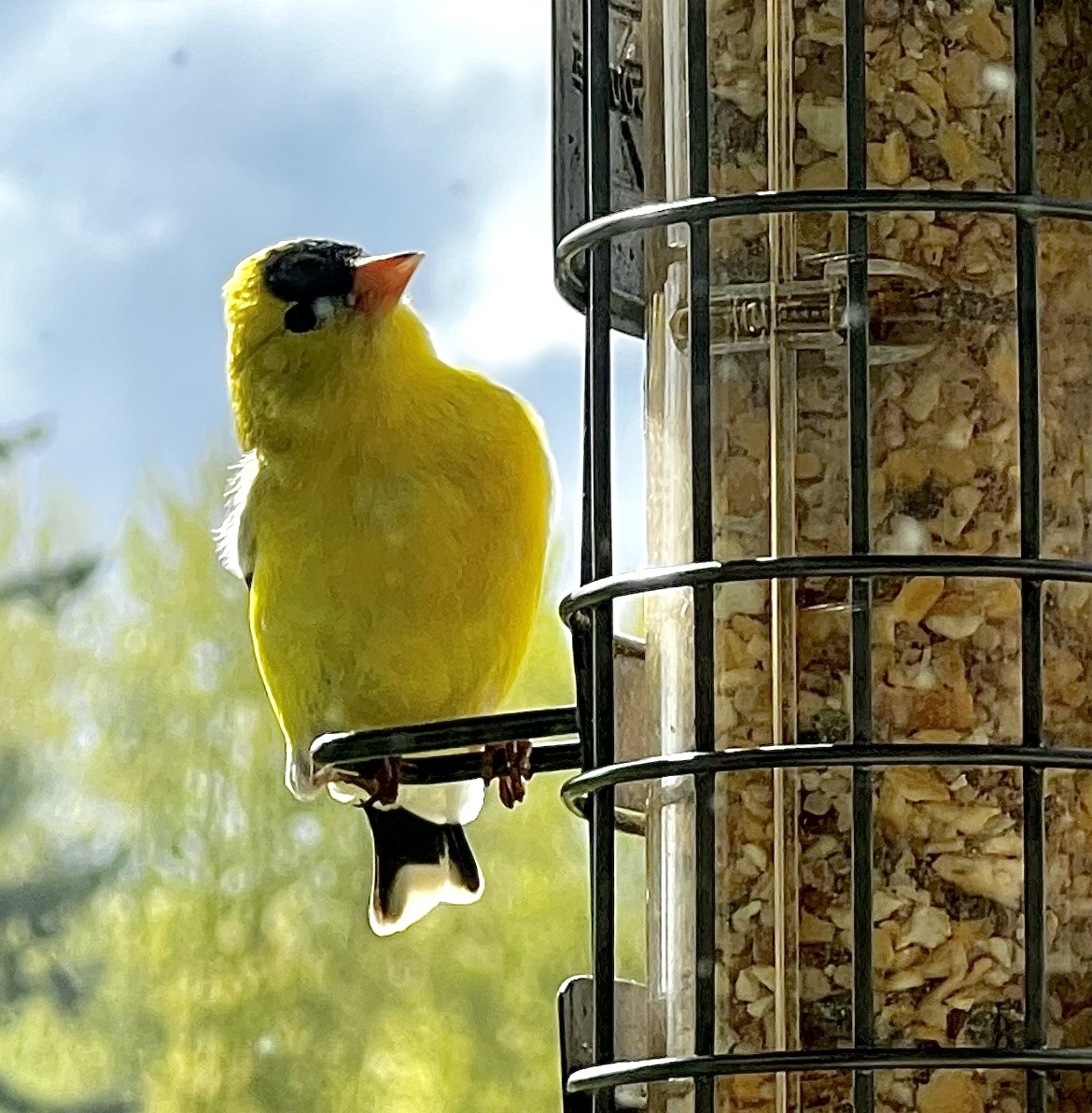
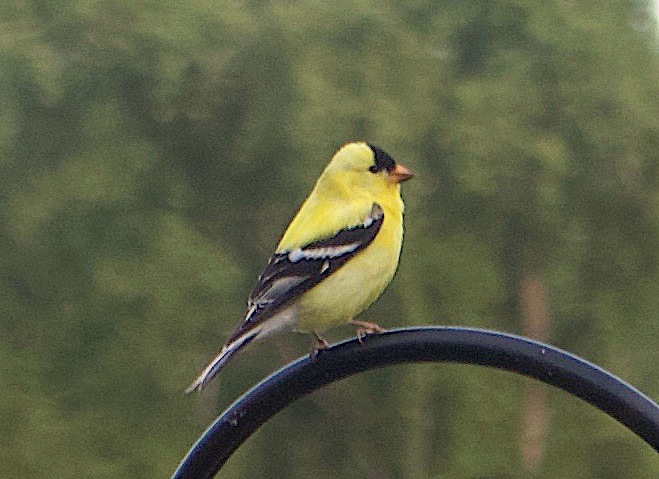
For the last several days I’ve heard an insistent tapping at my kitchen window bird feeder.
A flash of yellow feathers makes the racket drawing my attention; I figure he wants the feeder refilled.
Yet it is full.
This goldfinch is wanting my attention, not more sunflower seeds.
When I approach the window, he wings off, returning only if I retreat to the shadows.
Then his tapping resumes.
He can see me in the shadows, watching him watching me.
I think he is simply enjoying making noise, as his thanks for the feast of seeds in a world of desperate hunger and despair.
So much like the good racket we make when we sing in church, thanking God when His swirling seeds of love and care are bestowed upon us.
One-Time
Monthly
Yearly
Make a one-time or recurring donation to support daily Barnstorming posts
A butterfly dancing in the sunlight, A bird singing to his mate, The whispering pines, The restless sea, The gigantic mountains, A stately tree, The rain upon the roof, The sun at early dawn, A boy with rod and hook, The babble of a shady brook, A woman with her smiling babe, A man whose eyes are kind and wise, Youth that is eager and unafraid— When all is said, I do love best A little home where love abides, And where there’s kindness, peace, and rest. ~Scottie McKenzie Frasier “The Things I Love”
When all is said and done, I love best the people who bring kindness, peace and rest to the little house we call home.
It is enough and everything.
One-Time
Monthly
Yearly
Make a one-time or recurring donation to support daily Barnstorming posts
In my beginning is my end. Now the light falls… I said to my soul, be still, and wait without hope. For hope would be hope for the wrong thing; wait without love, For love would be love of the wrong thing; there is yet faith But the faith and the love and the hope are all in the waiting. Wait without thought, for you are not ready for thought: So the darkness shall be the light, and the stillness the dancing. ~T.S. Eliot from “East Coker”
Stand still. The trees ahead and bushes beside you Are not lost. Wherever you are is called Here, And you must treat it as a powerful stranger, Must ask permission to know it and be known. The forest breathes. Listen. It answers, I have made this place around you. If you leave it, you may come back again, saying Here. No two trees are the same to Raven. No two branches are the same to Wren. If what a tree or a bush does is lost on you, You are surely lost. Stand still. The forest knows Where you are. You must let it find you. ~David Wagoner “Lost”
Come listen in the silence of the moment before rain comes down. There’s a deep sigh in the quiet of the forest and the tall tree’s crown.
Now hold me. Will you take the time to hold me and embrace the chill? Or miss me, will you take the time to miss me when the earth stands still?
Cause there’s no use running cause the storm’s still coming and you’ve been running for too many years.
Come listen in the silence of the moment before shadows fall. Feel the tremor of your heartbeat matching heartbeat as we both dissolve.
Now hold me….
Cause there’s no use running cause the storm’s still coming and you’ve been running for too many years.
So stay with me, held in my arms Like branches of a tree They’ll shelter you for many years. ~Don MacDonald “When The Earth Stands Still”
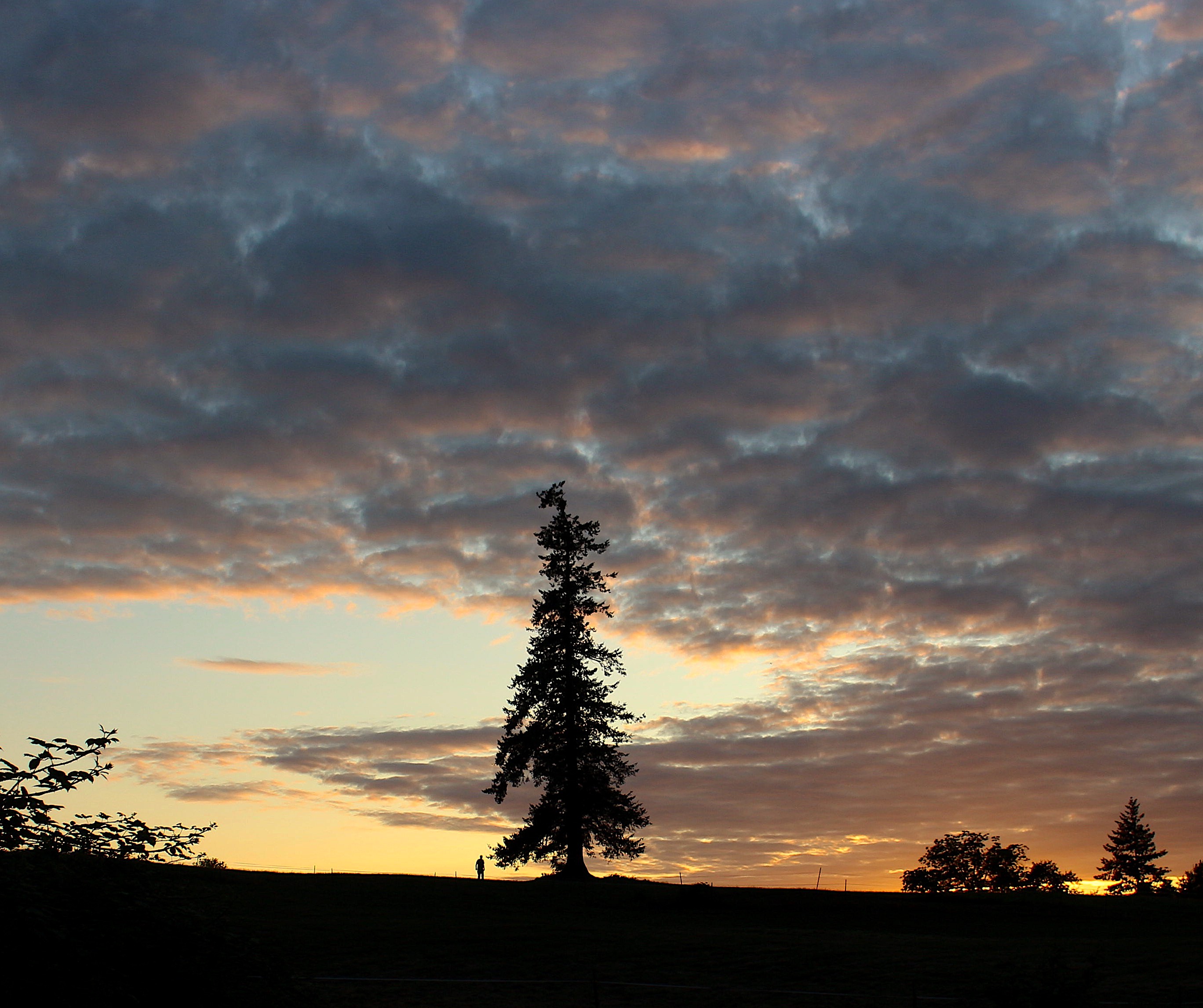
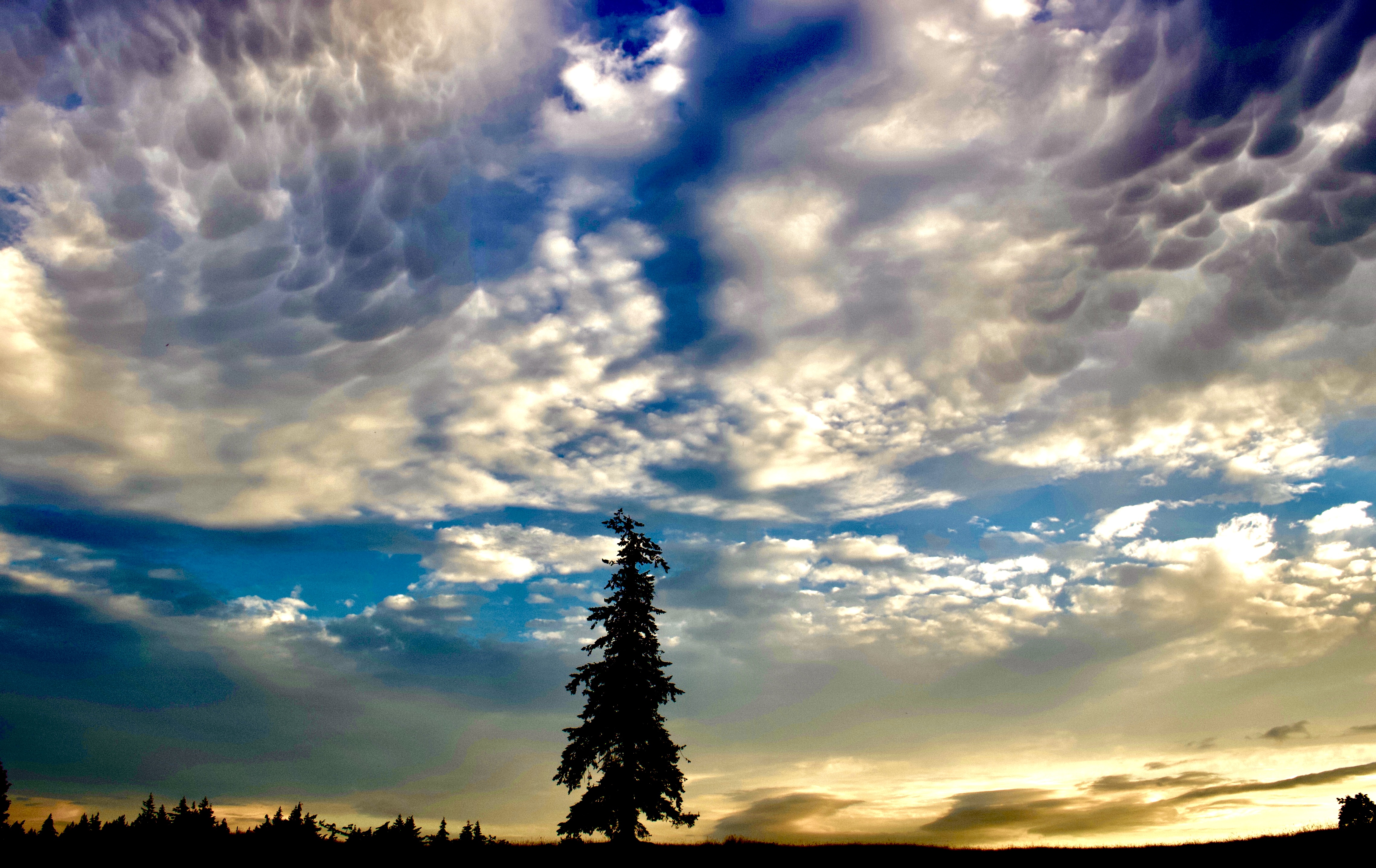
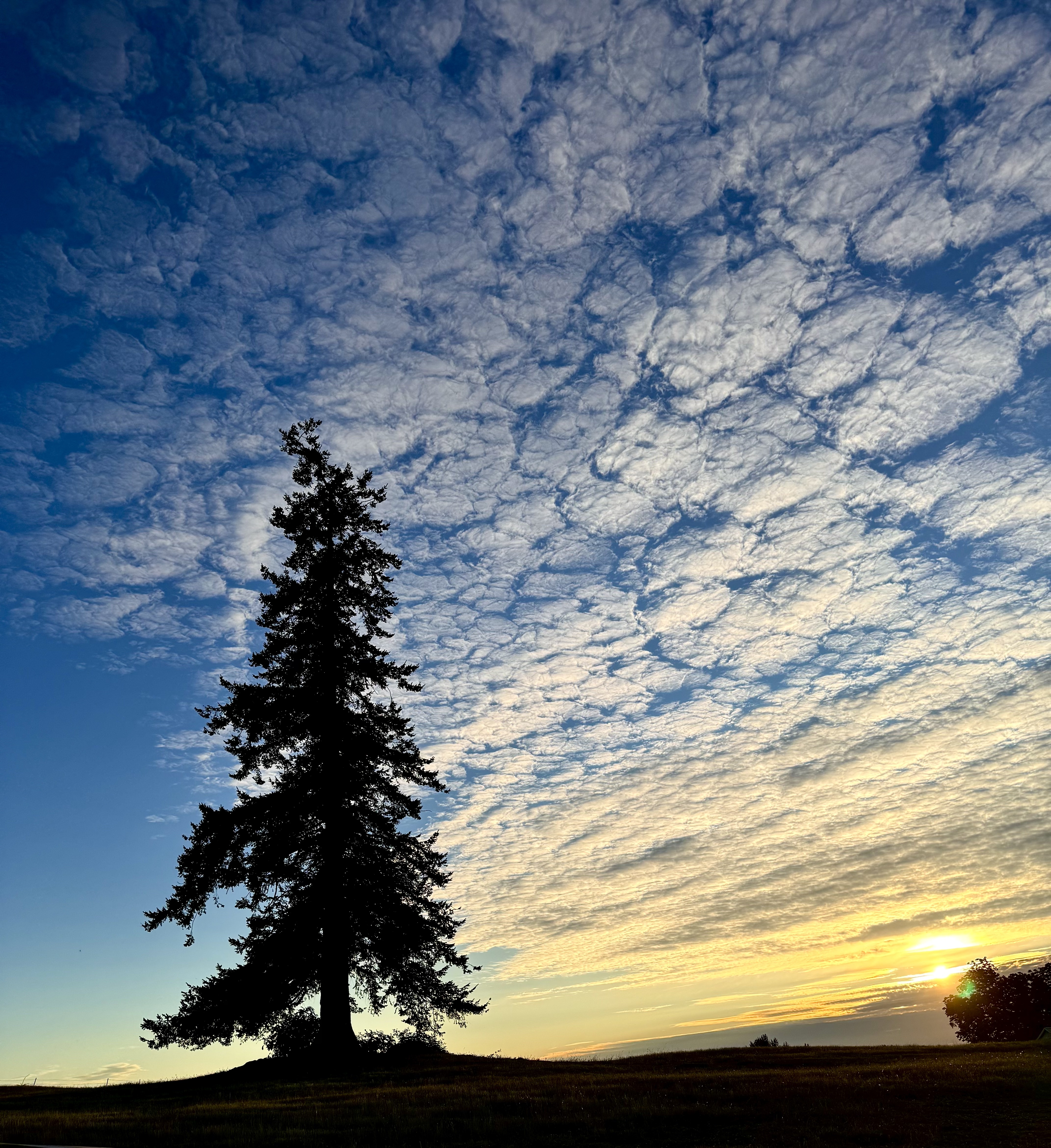
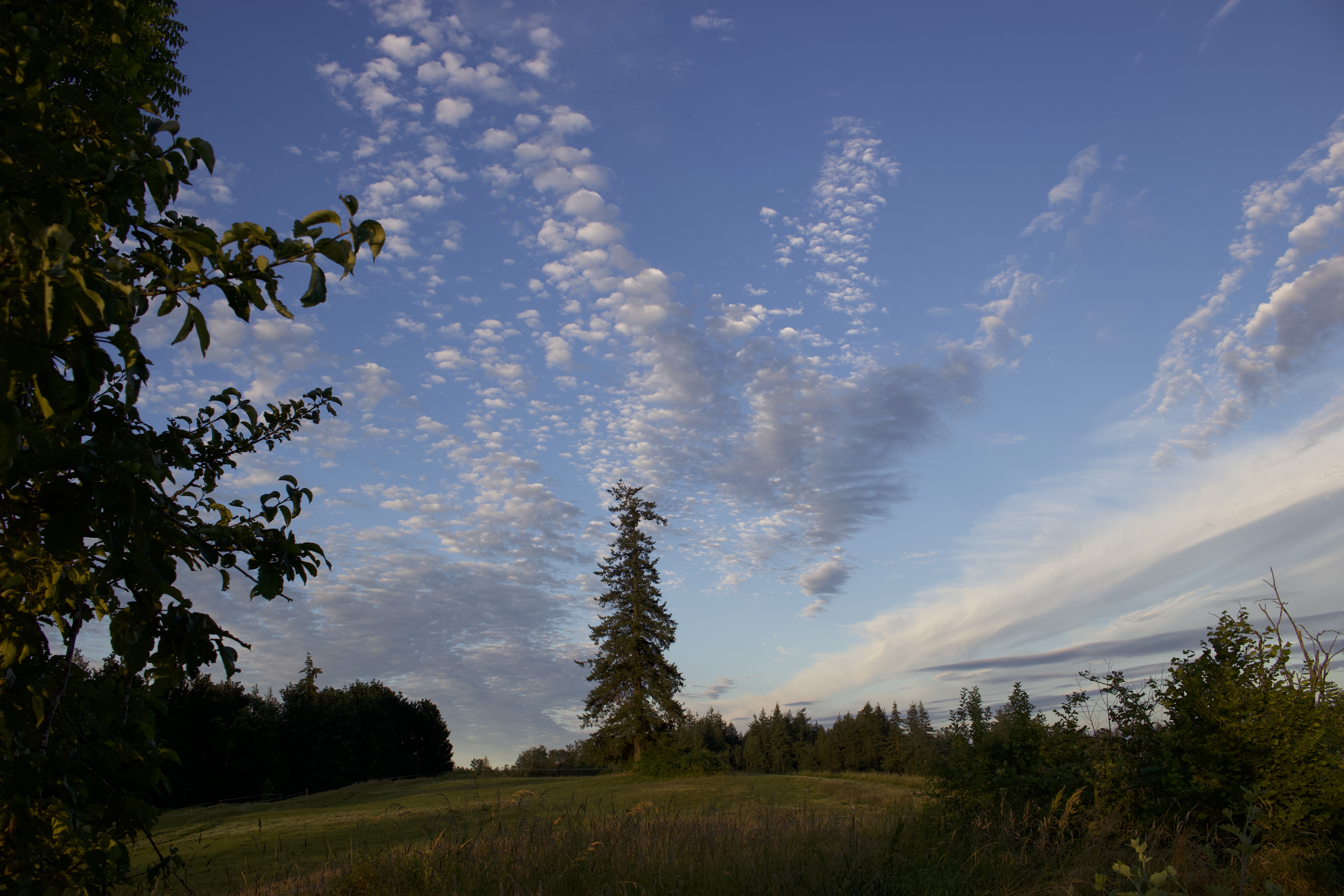
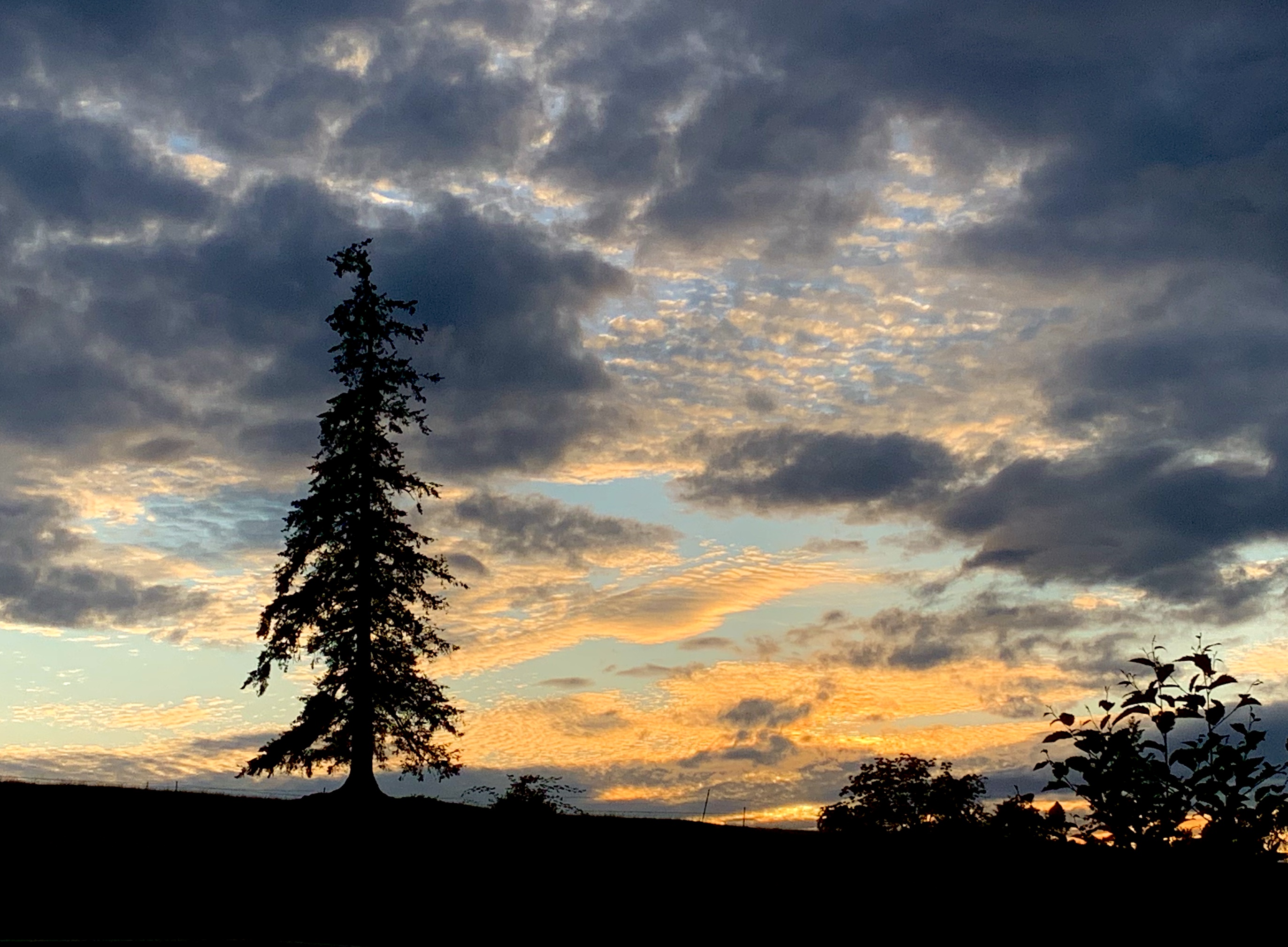
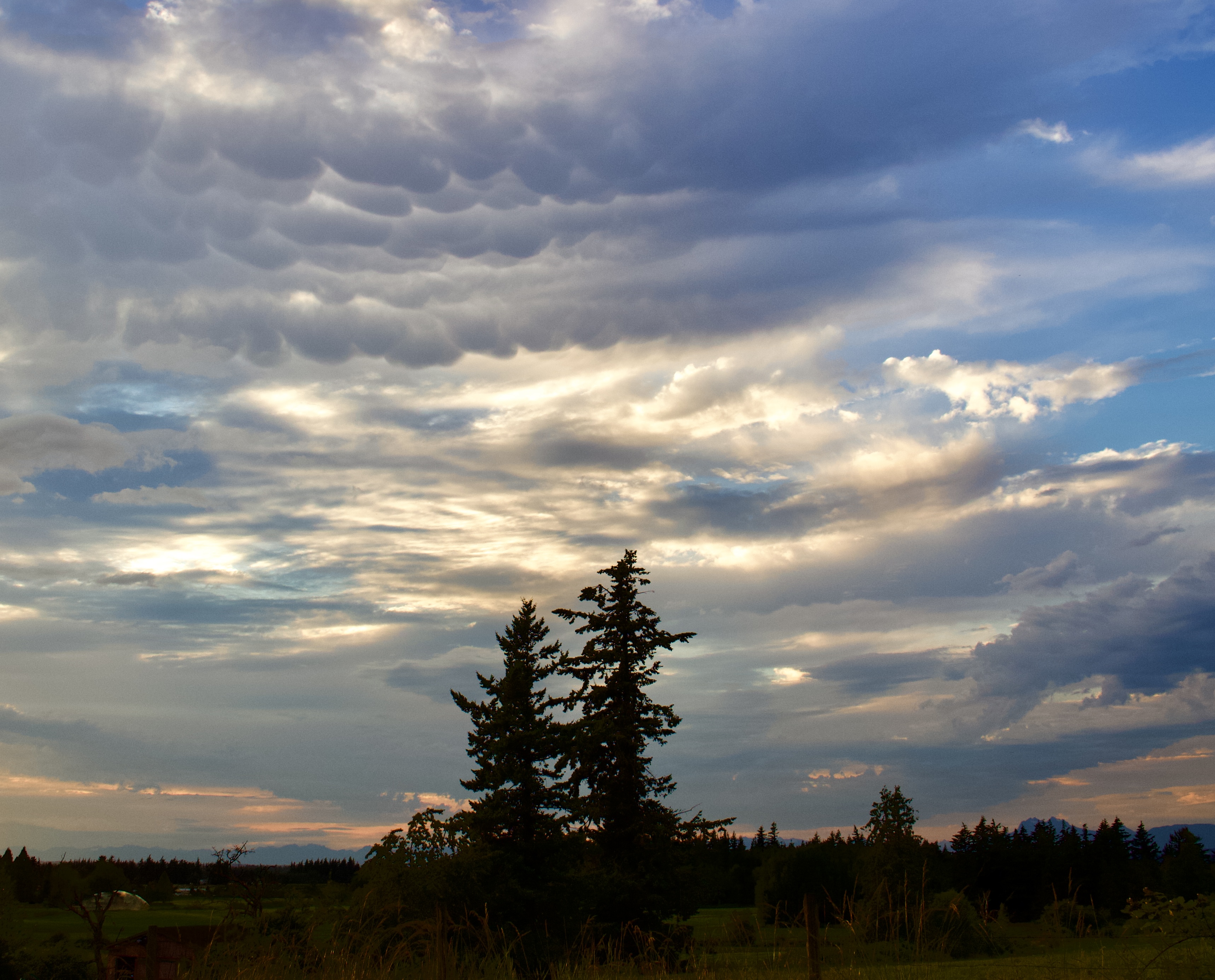
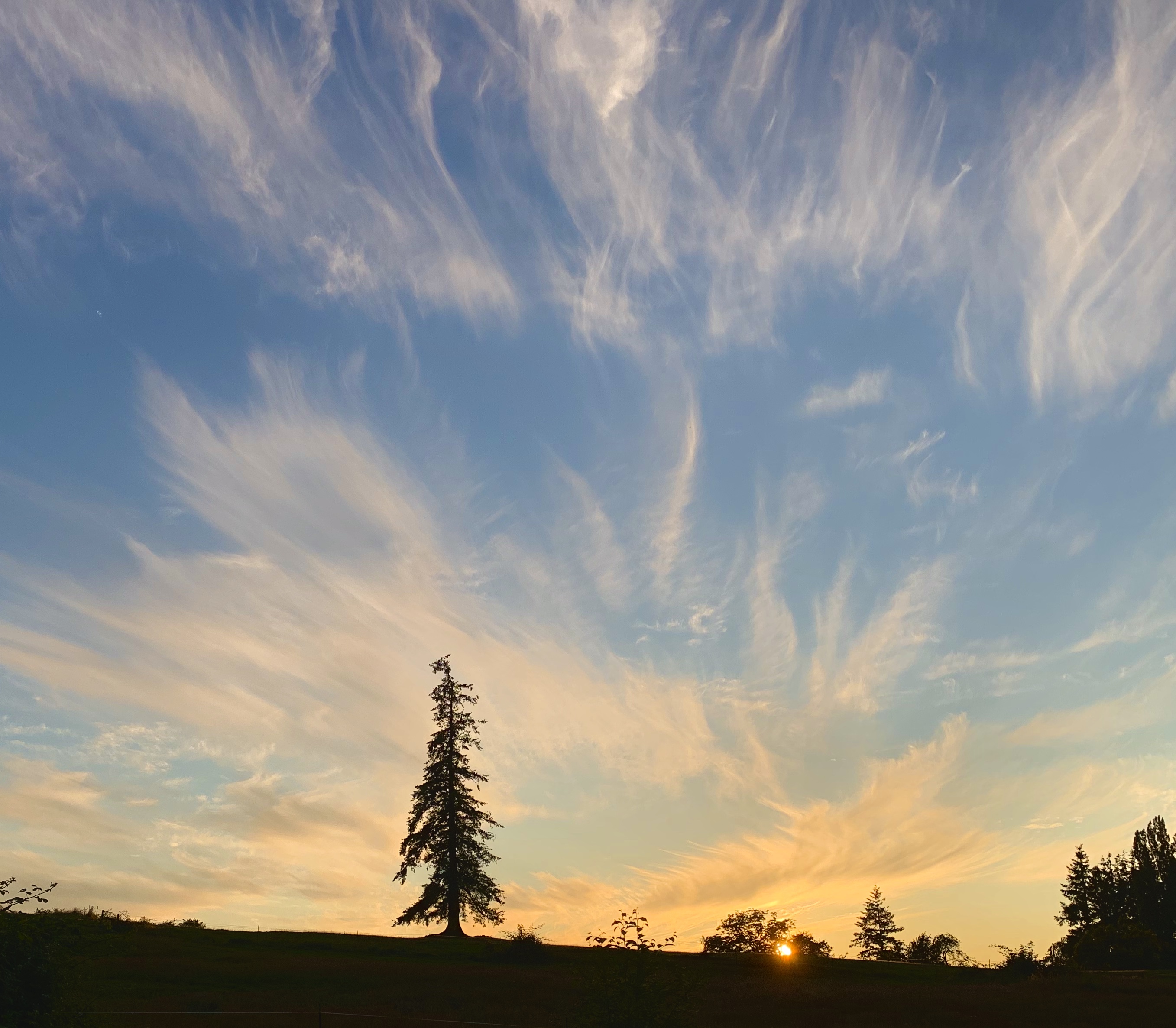
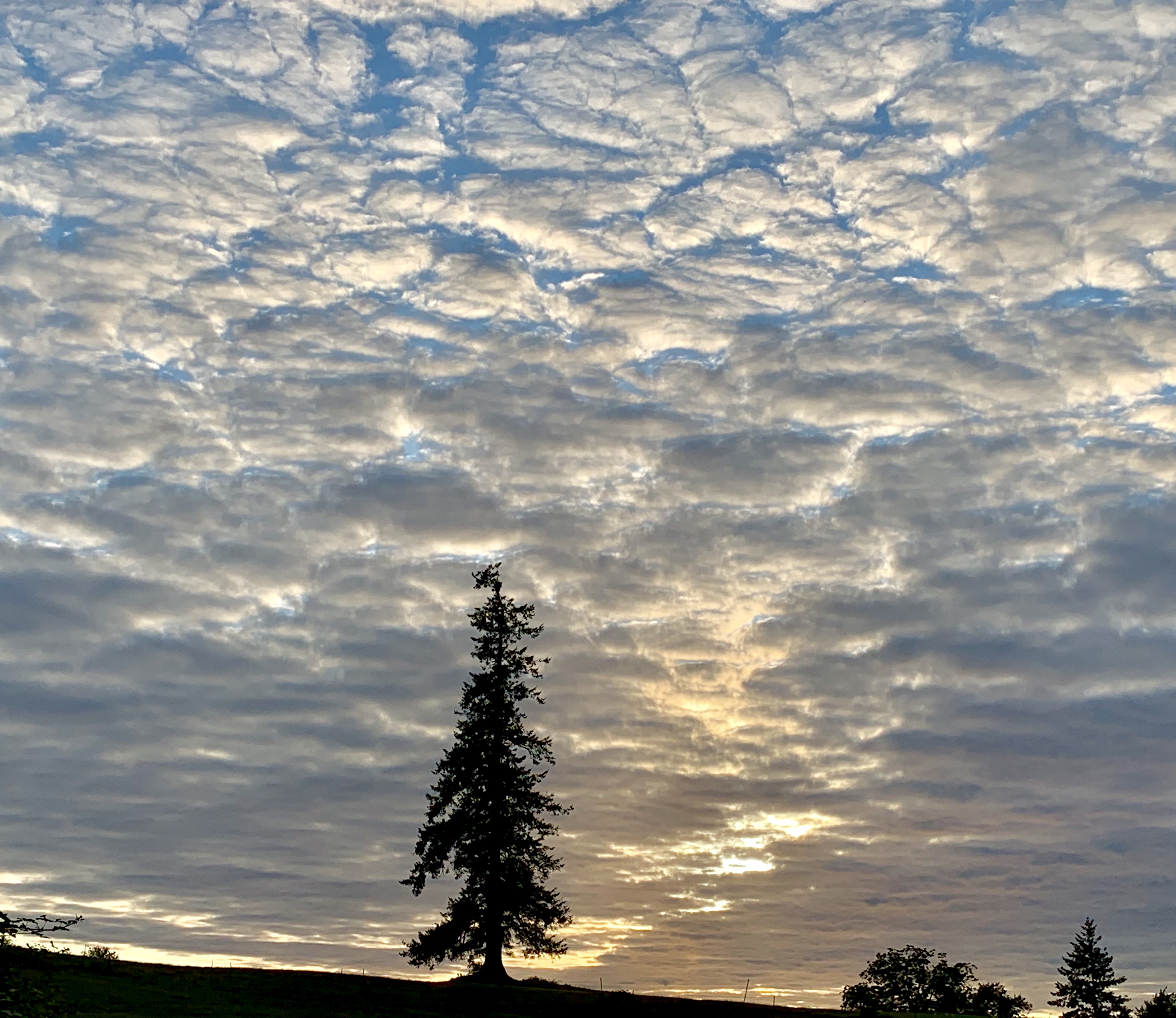
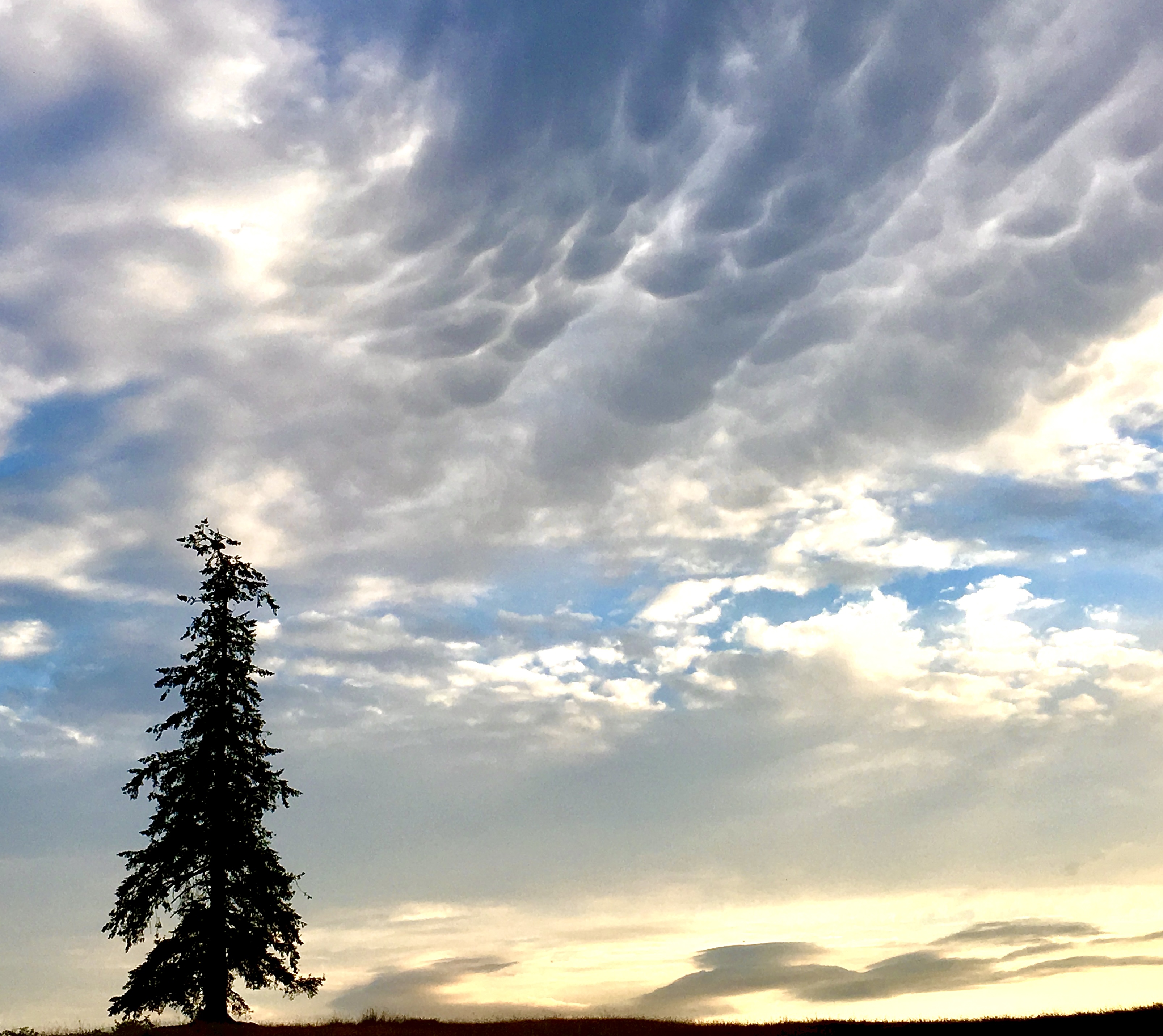
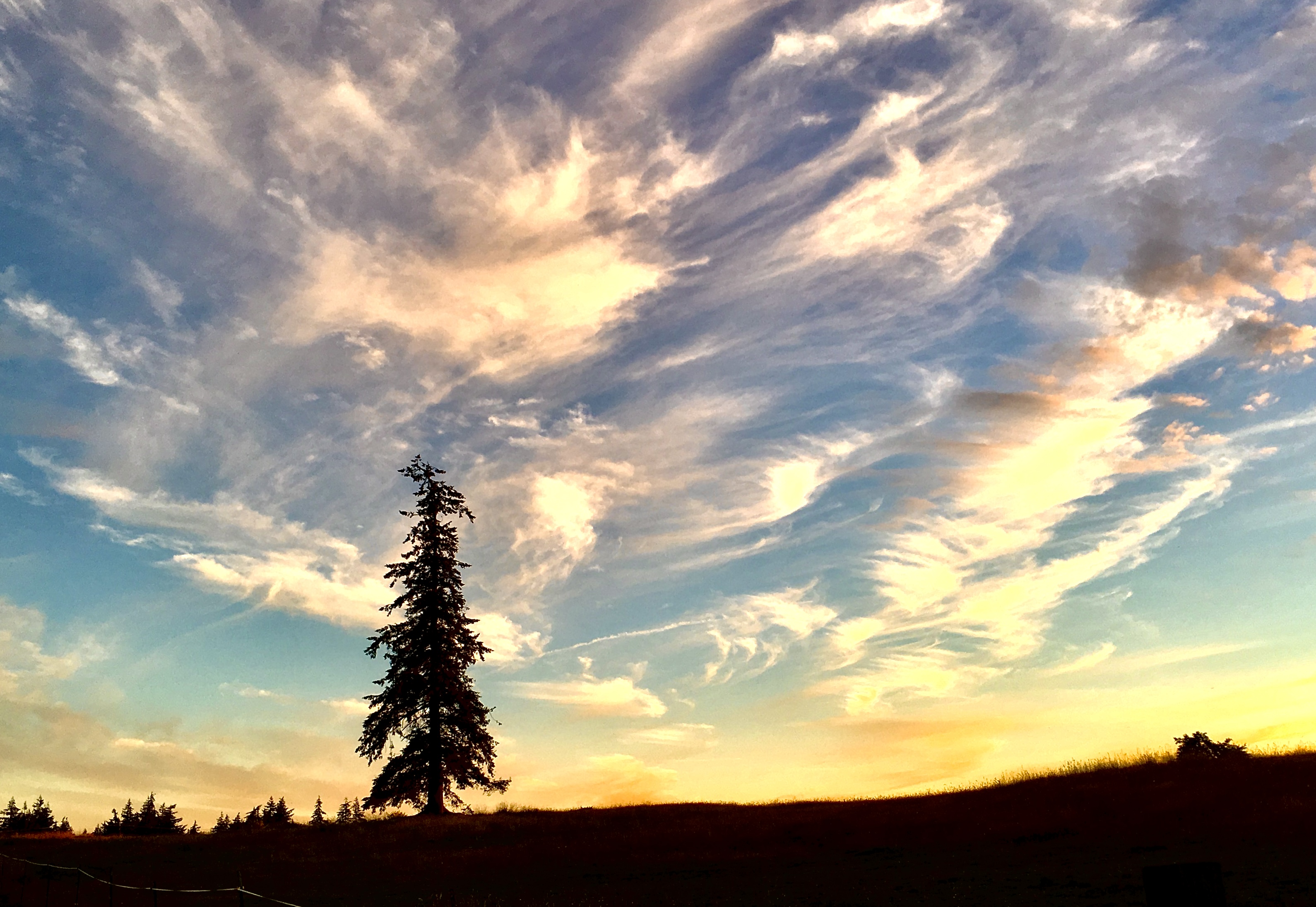
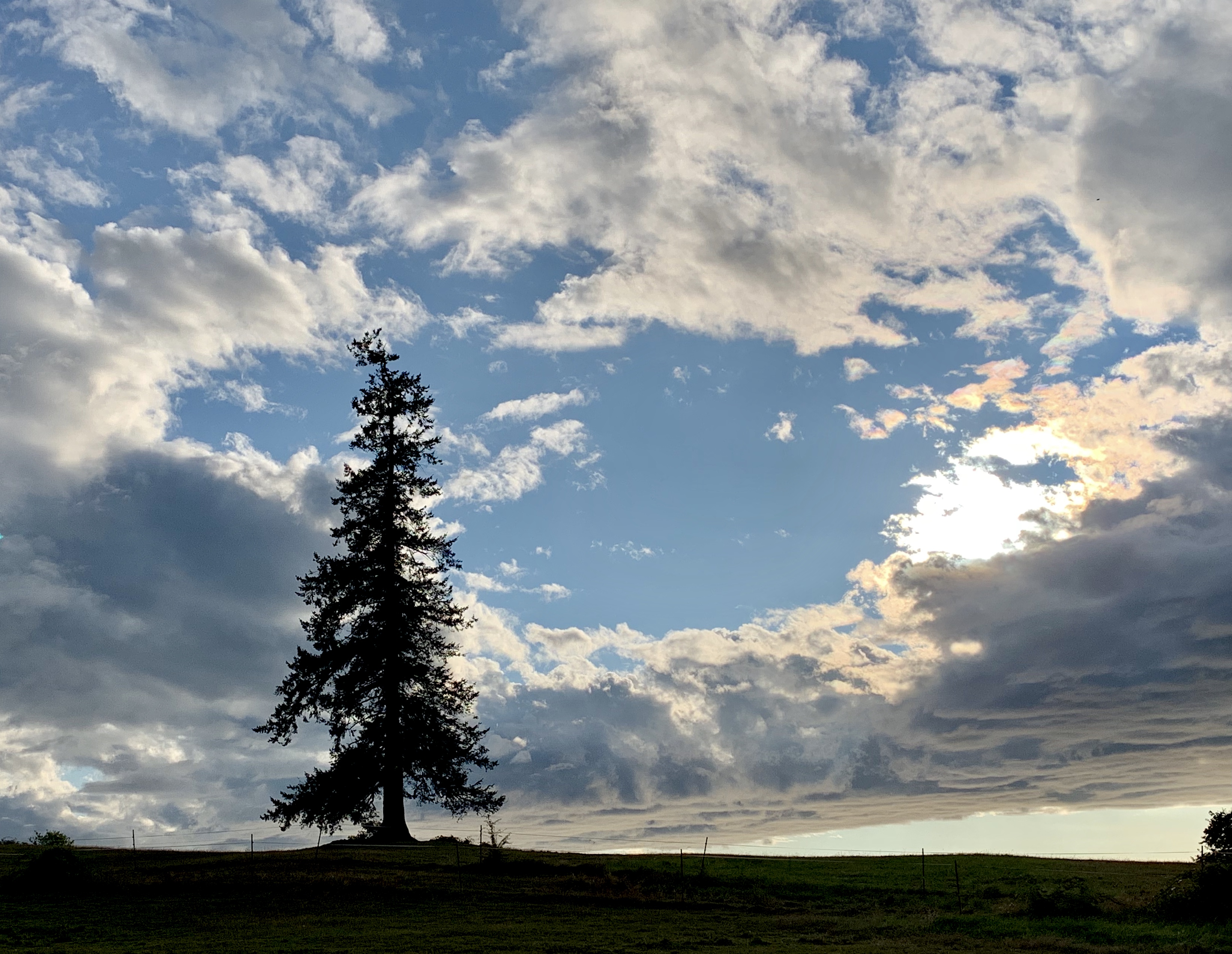
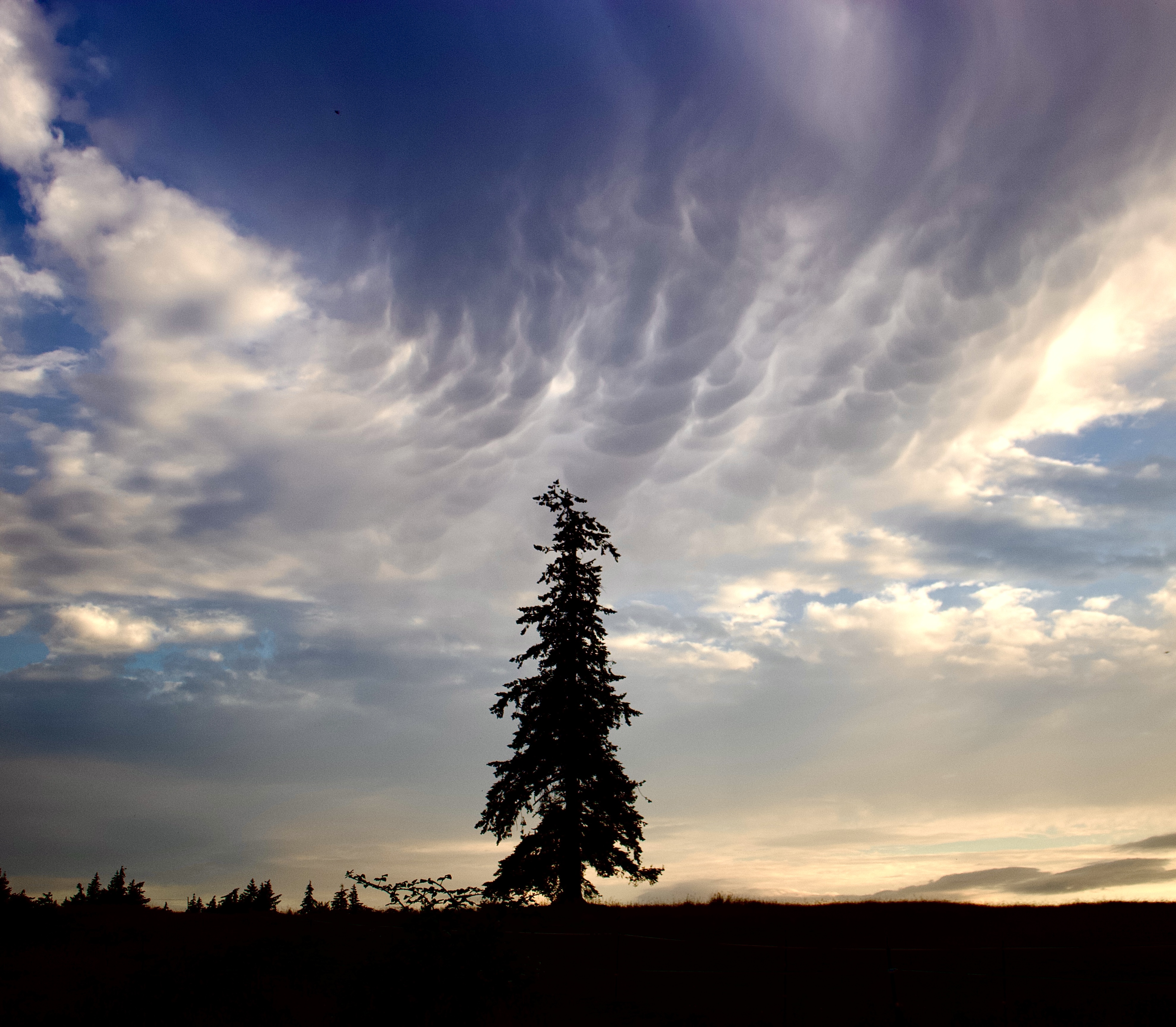
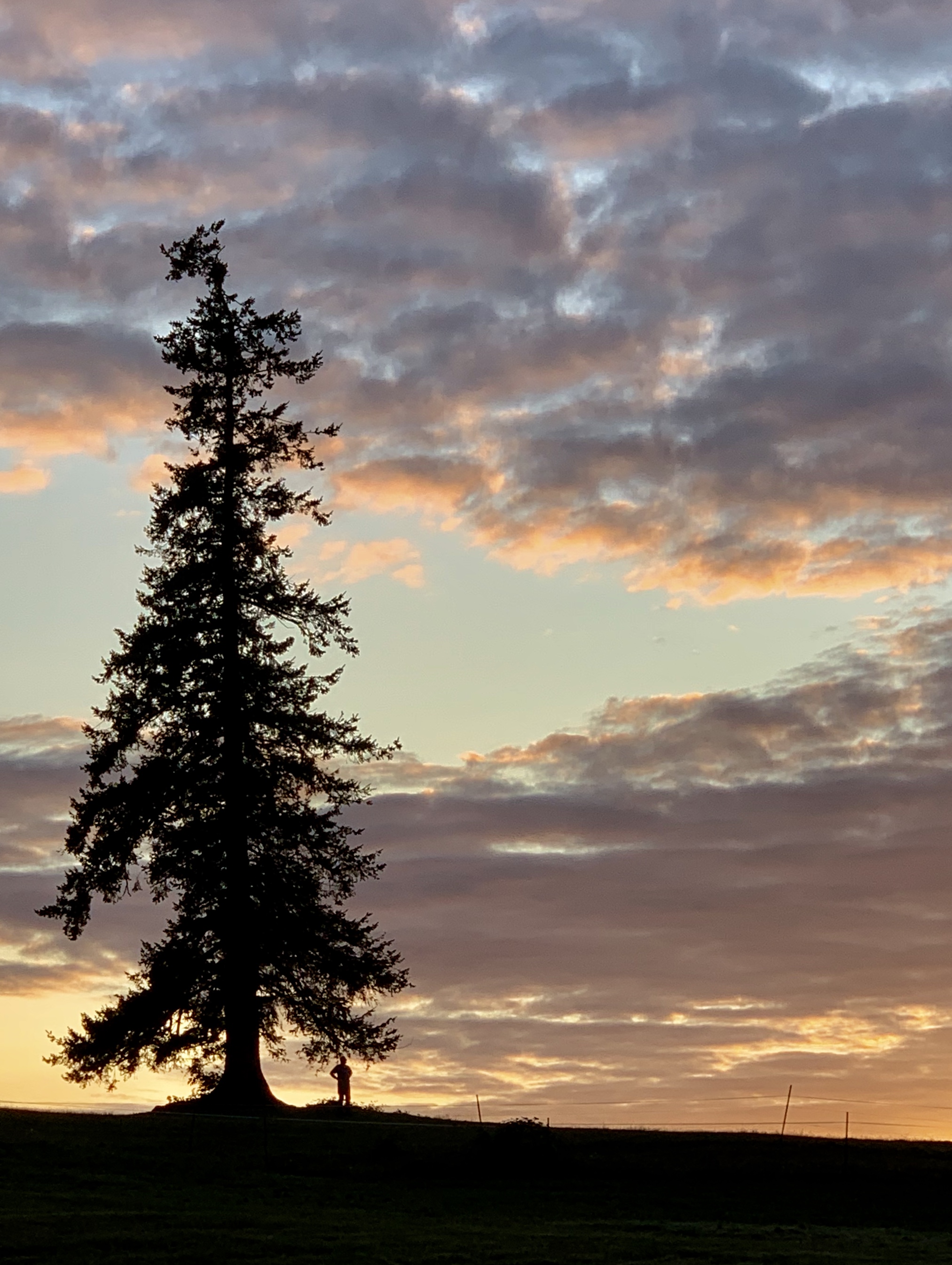
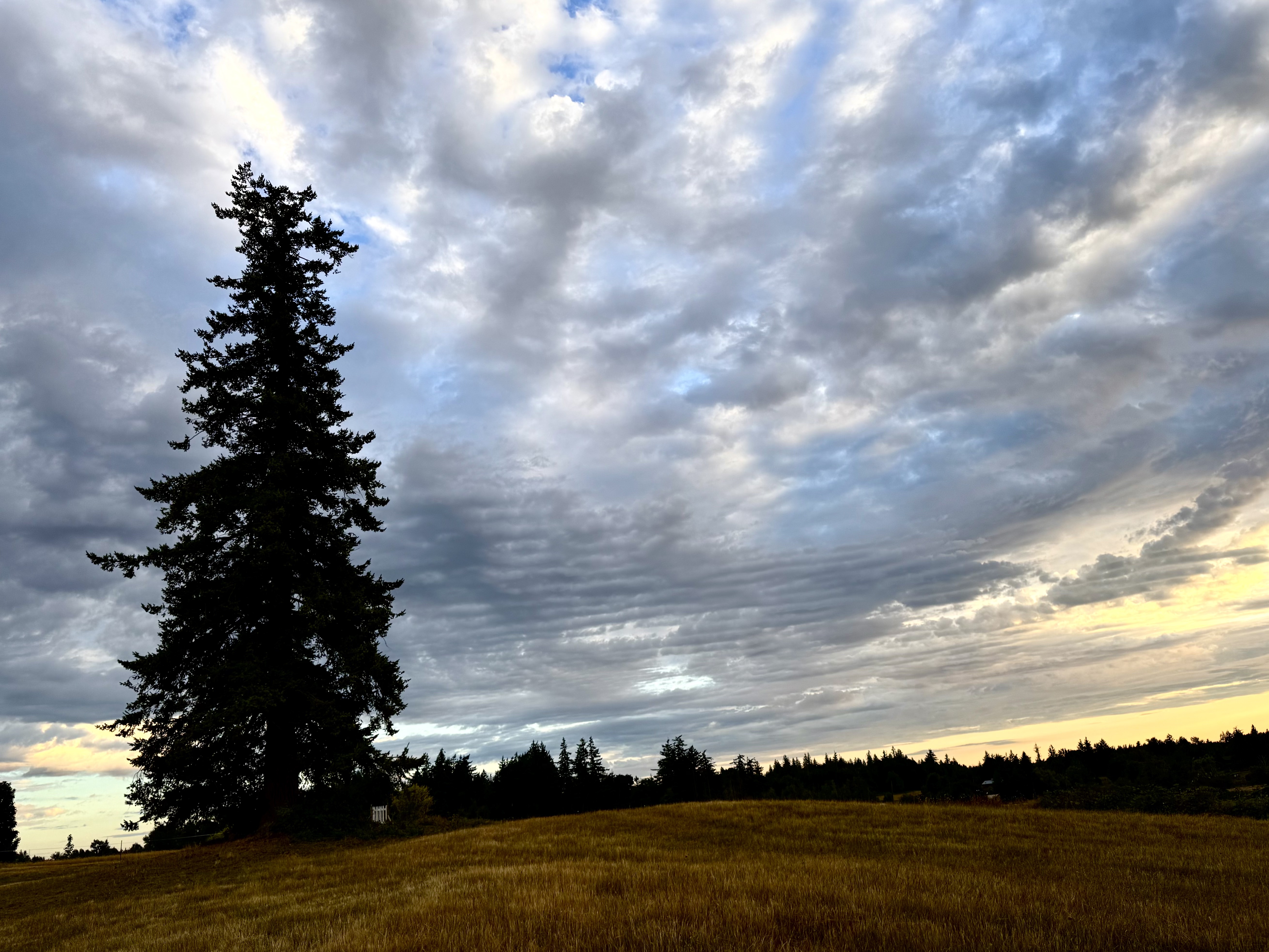
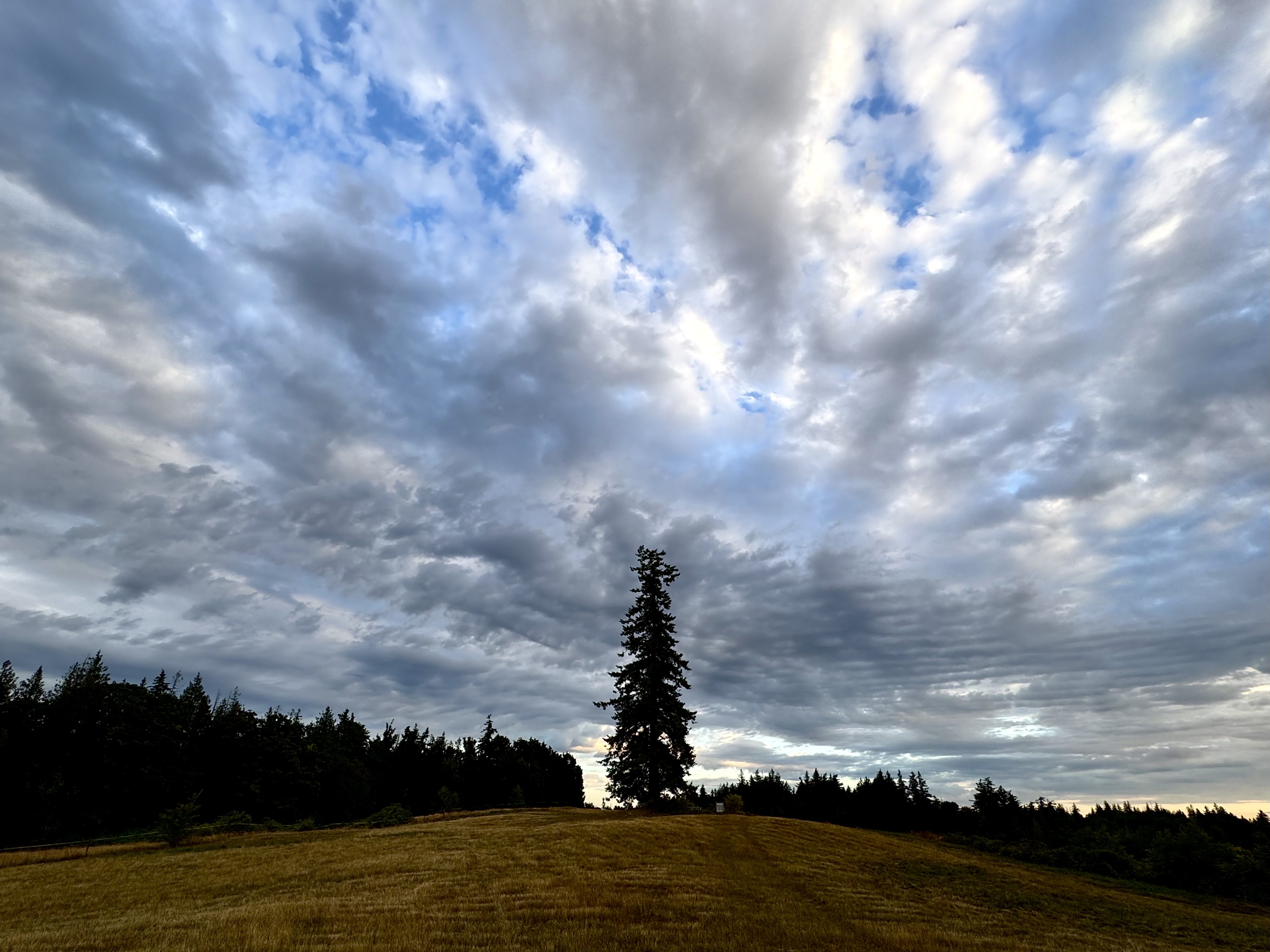
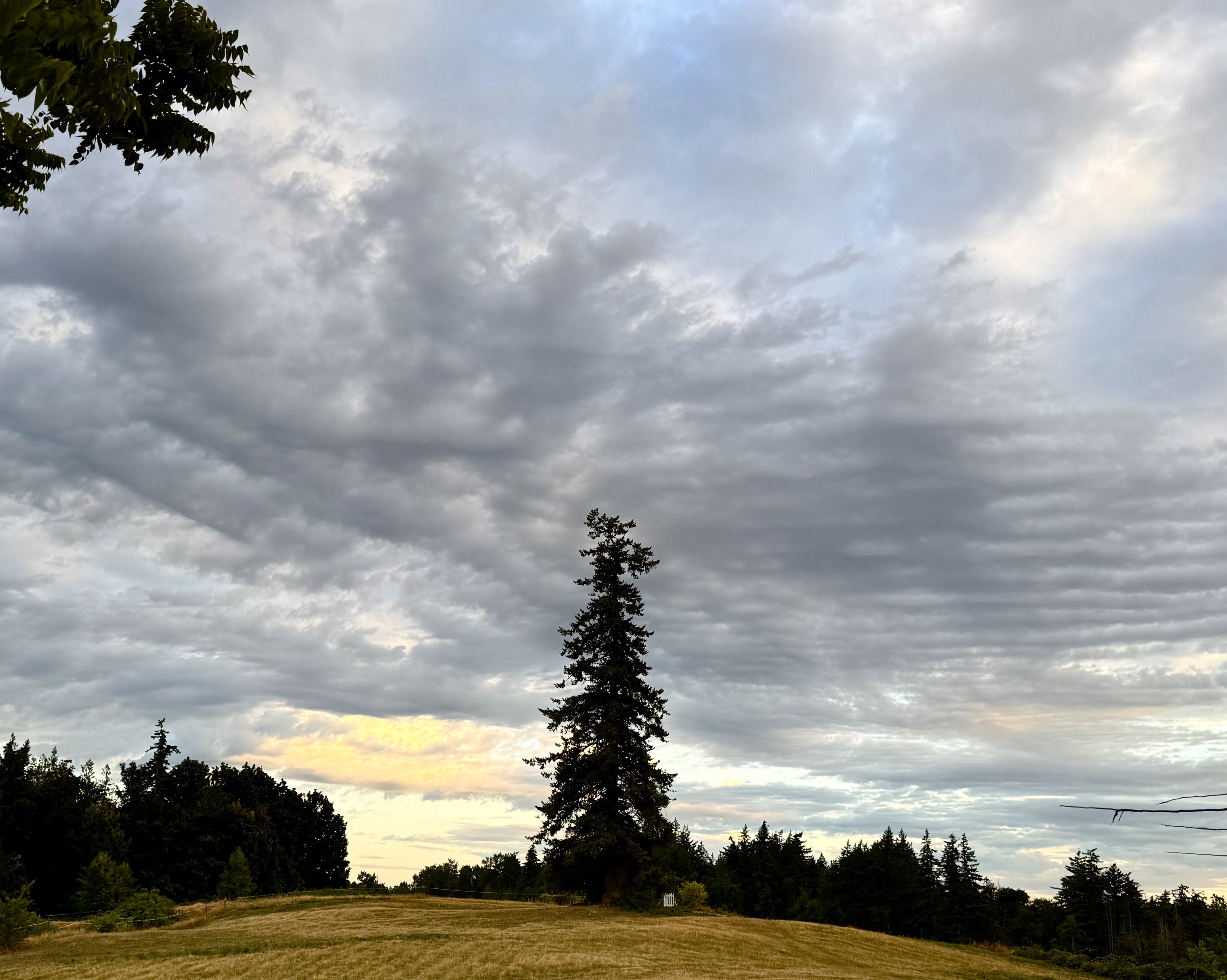
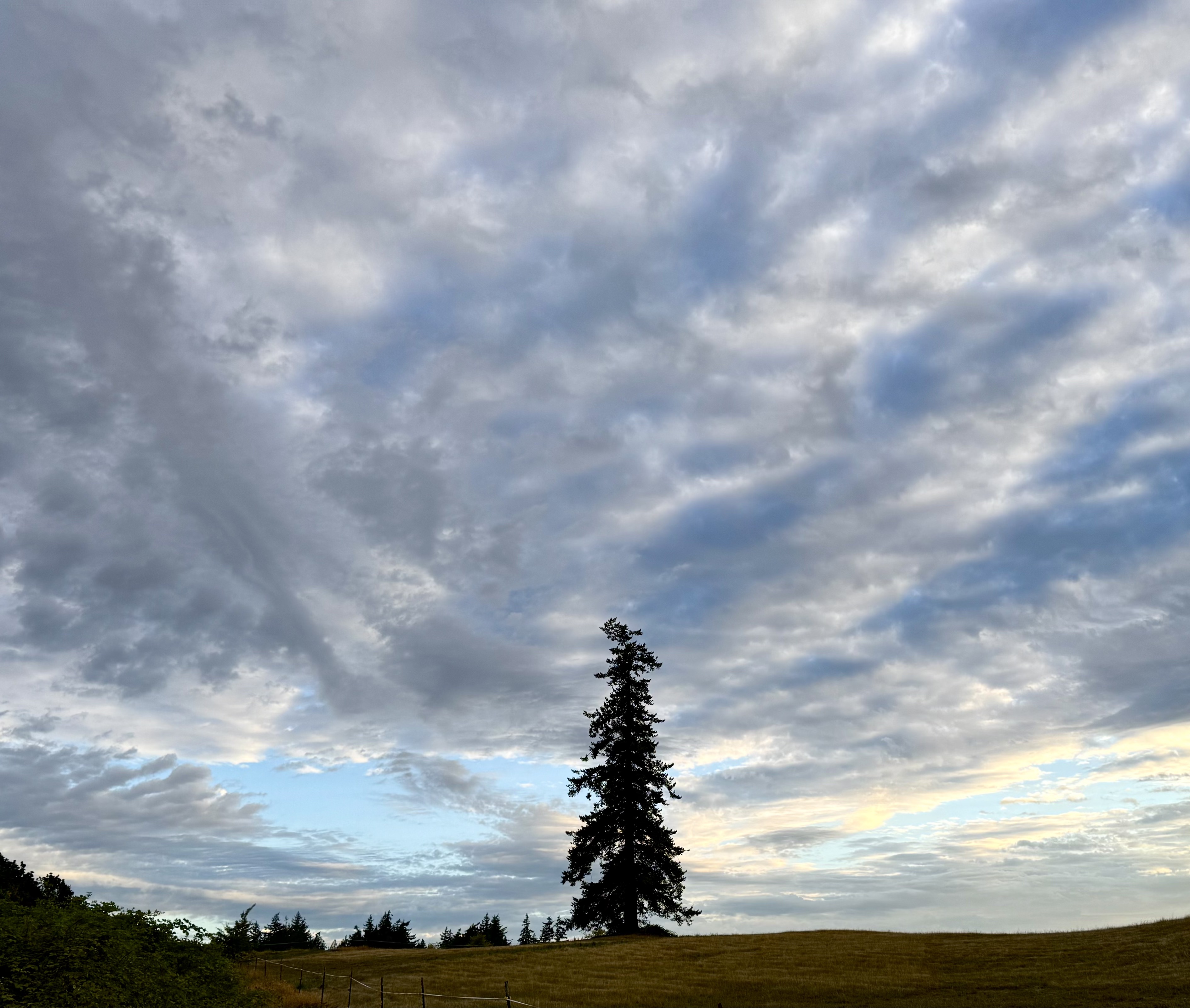
If I’m feeling lost in the figurative forest of my days on this earth, unsure where I’m heading and struggling to figure out where I’ve been, I just look up at our lone fir on the hill of our farm.
This fir has stood still through years of change around it, buffeted by windstorms and frozen rain and heavy snow, thirsted through dry summers, and rooted solid during the occasional earthquake.
I tend to follow whatever path appears before me, keeping my head down to make sure I don’t trip over a root or stumble on a rock. Yet around and above me are the clues to where I am and where I’m going.
So standing still beneath this tree, with a changing sky around me, God always reminds me where I am. He knows when my focus is distracted and floundering.
I once was lost, and now am found.
One-Time
Monthly
Yearly
Make a one-time or recurring donation to support daily Barnstorming posts
Let us go forward quietly, forever making for the light, and lifting up our hearts in the knowledge that we are as others are (and that others are as we are), and that it is right to love one another in the best possible way – believing all things, hoping for all things, and enduring all things. ~Vincent Van Gogh from a Letterto Theo Van Gogh – 3 April 1878
I have lived so long On the cold hills alone . . . I loved the rock And the lean pine trees, Hated the life in the turfy meadow, Hated the heavy, sensuous bees. I have lived so long Under the high monotony of starry skies, I am so cased about With the clean wind and the cold nights, People will not let me in To their warm gardens Full of bees. ~Janet Loxley Lewis “Austerity”
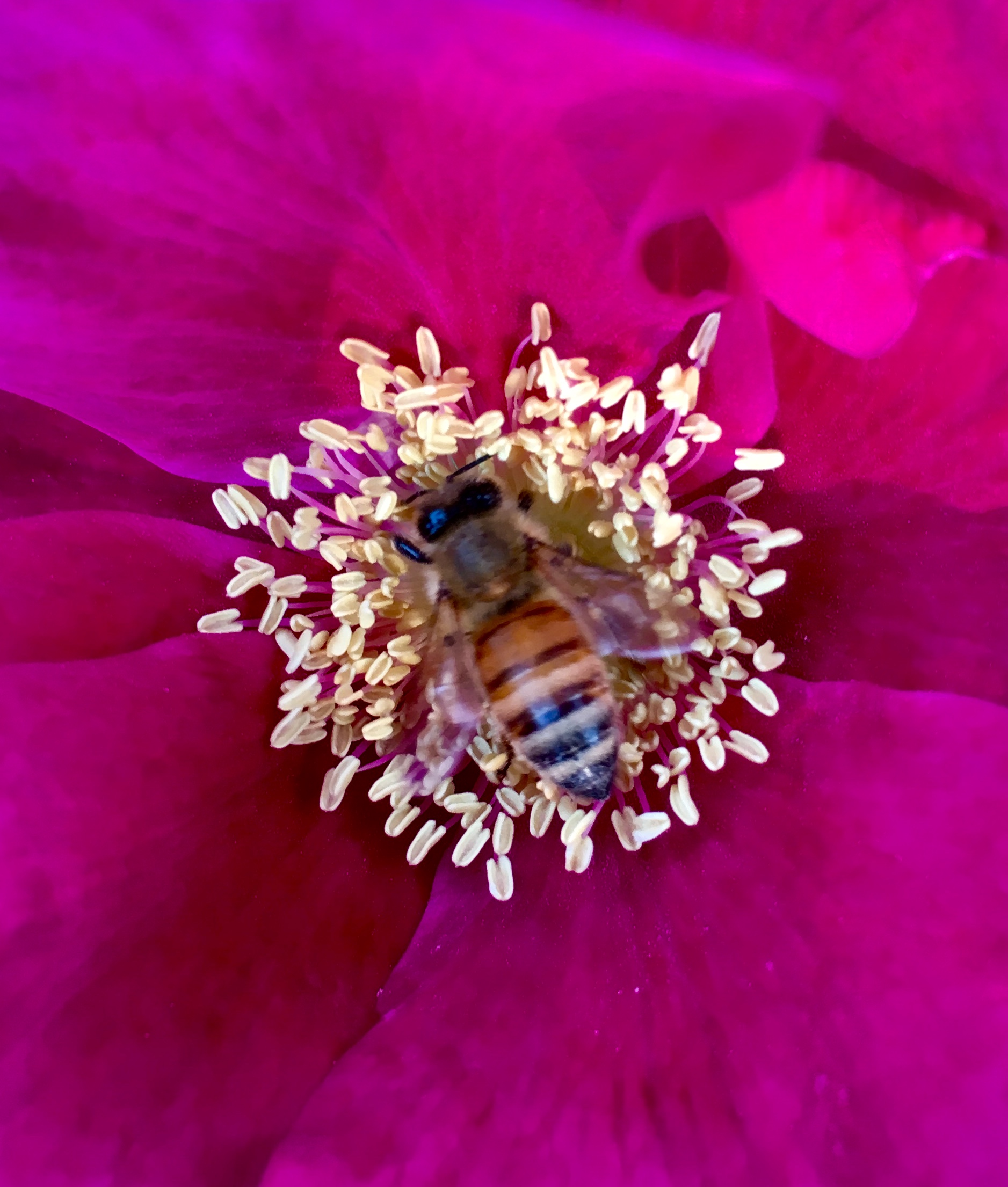
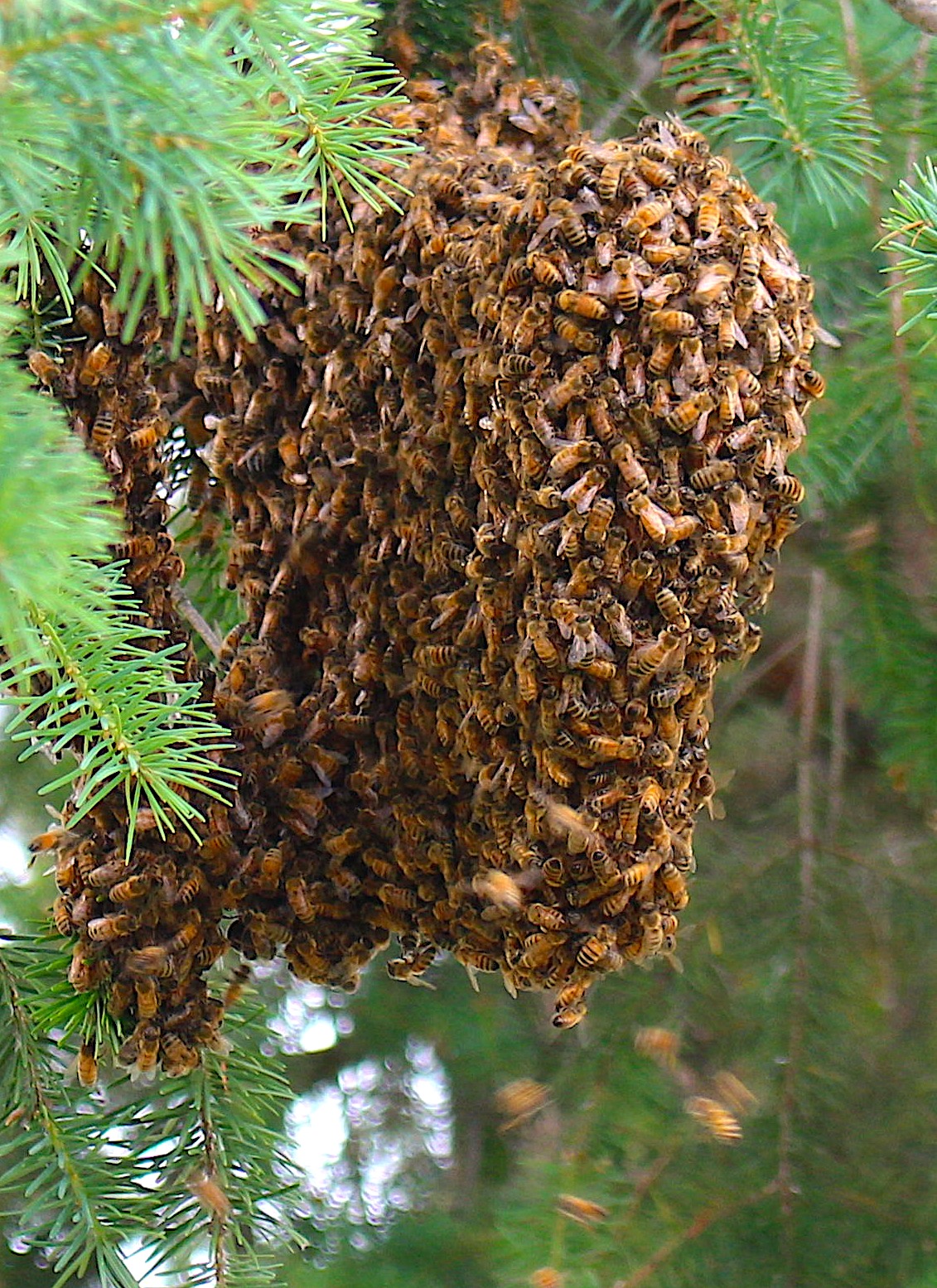
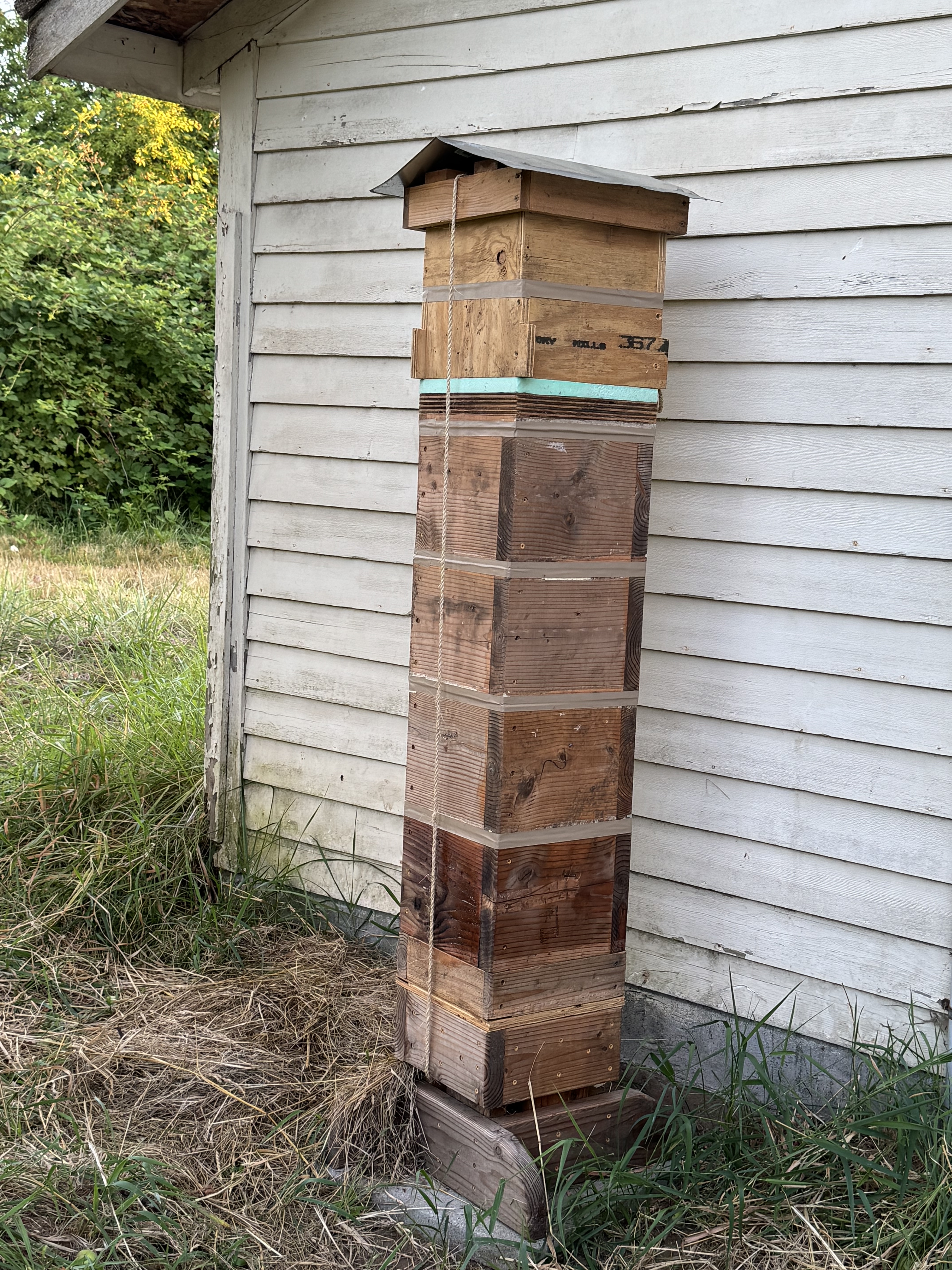
Everywhere transience is plunging into the depths of Being. It is our task to imprint this temporary, perishable earth into ourselves, so deeply, so painfully and passionately, that its essence can rise again, invisible, inside of us. We are the bees of the invisible. We wildly collect the honey of the visible, to store it in the great golden hive of the invisible. ~Rainier Maria Rilke in a letter to his friend Witold Hulewicz, 1925
I am convinced, reading the news, too many people are forced to survive in a world cold and cruel, without warmth or safety, too many empty stomachs, no healing hands for injury or disease.
Our country was trying to help up until the last few months when so much has been pulled away.
No longer are we, the helper bees, sent to the invisible, bringing tangible hope and light, food and meds, to those who have so little.
No longer do we bring collected honey to the suffering, the ill, the poor and invisible who share this planet.
Oh Lord, turn us away from such austerity. Let us not forget how to share the humming riches of Your warm garden.
AI image created for this post
One-Time
Monthly
Yearly
Make a one-time or recurring donation to support daily Barnstorming posts
O! for a horse with wings! ~William Shakespeare from Cymbeline
photo by Bette Vander Haakphoto by Bette Vander Haak
Be winged. Be the father of all flying horses. ~C.S. Lewis from The Magician’s Nephew
photo by Bette Vander Haak
photo by Bette Vander Haak
One reason why birds and horses are happy is because they are not trying to impress other birds and horses. ~Dale Carnegie
photo by Bette Vander Haak
When I bestride him, I soar, I am a hawk: he trots the air; the earth sings when he touches it; ~William Shakespeare from Henry V
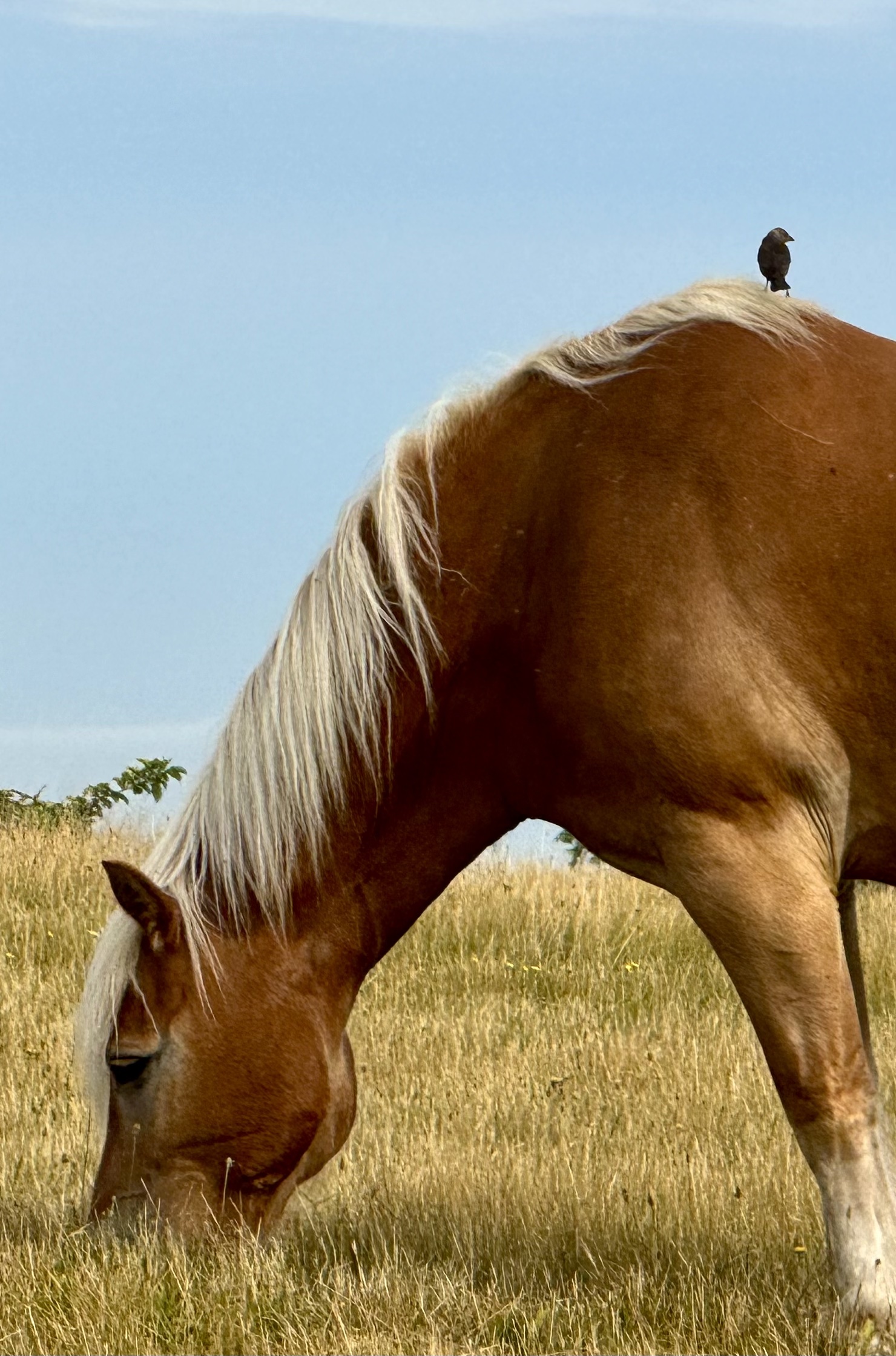
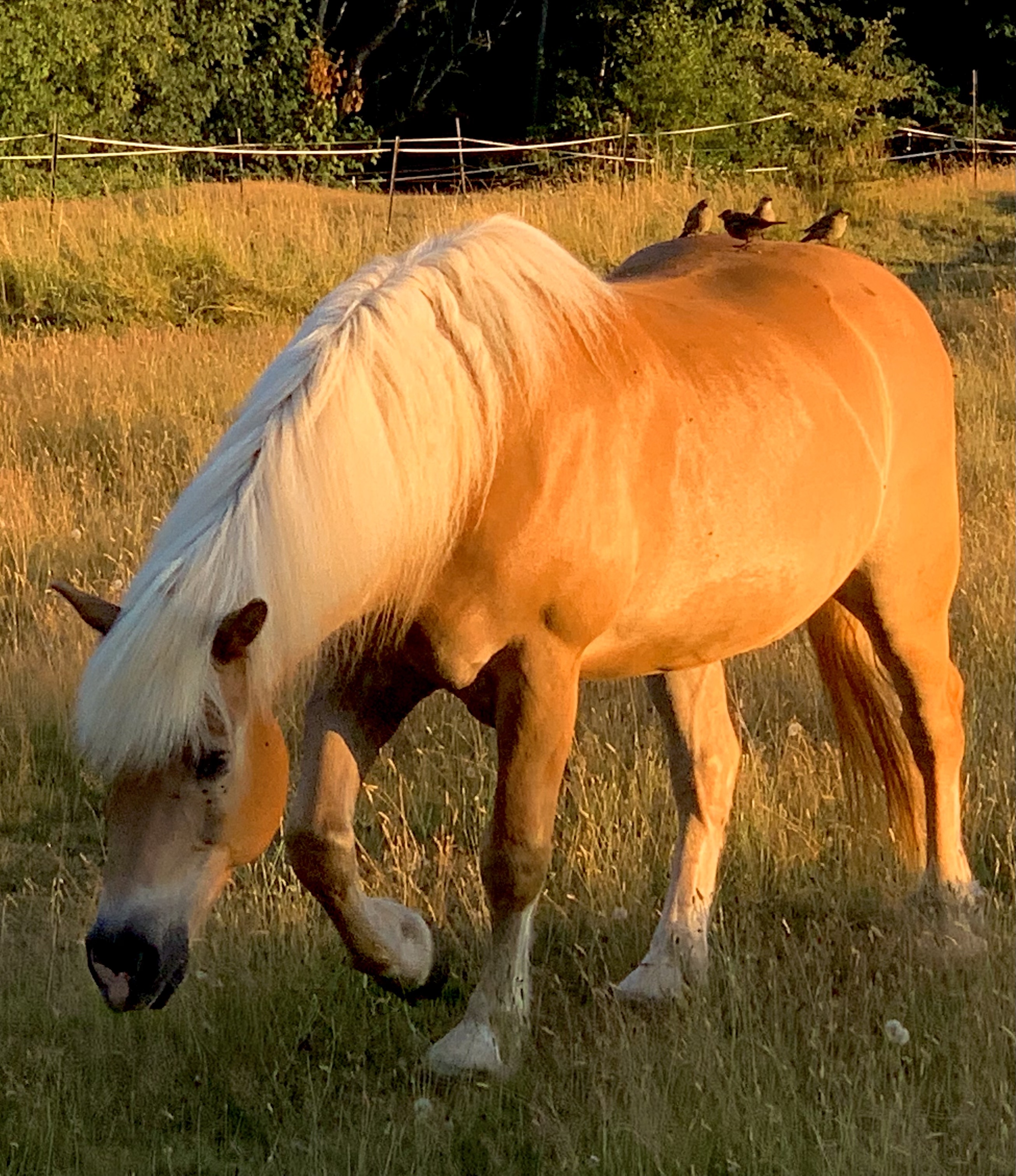
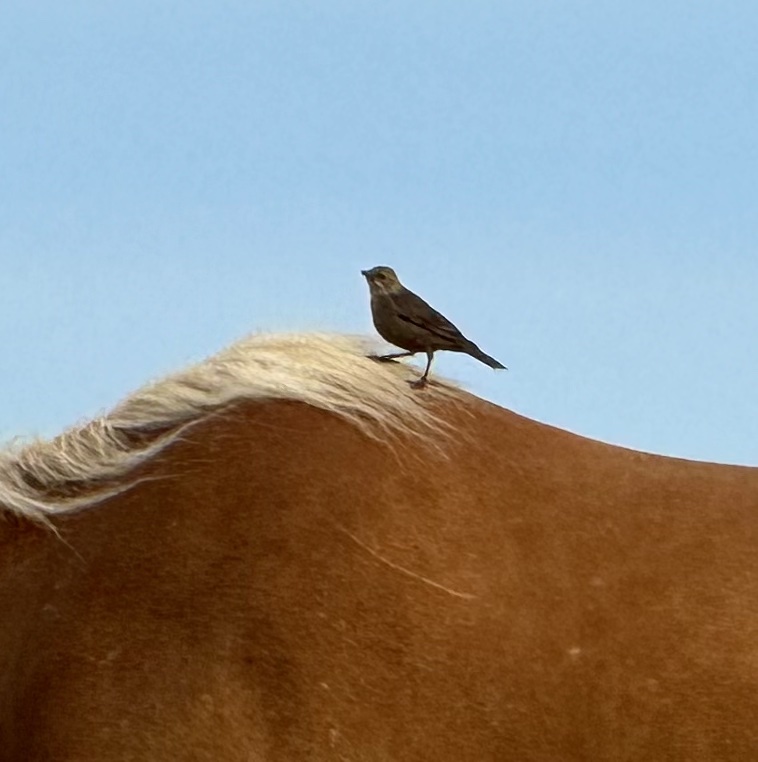
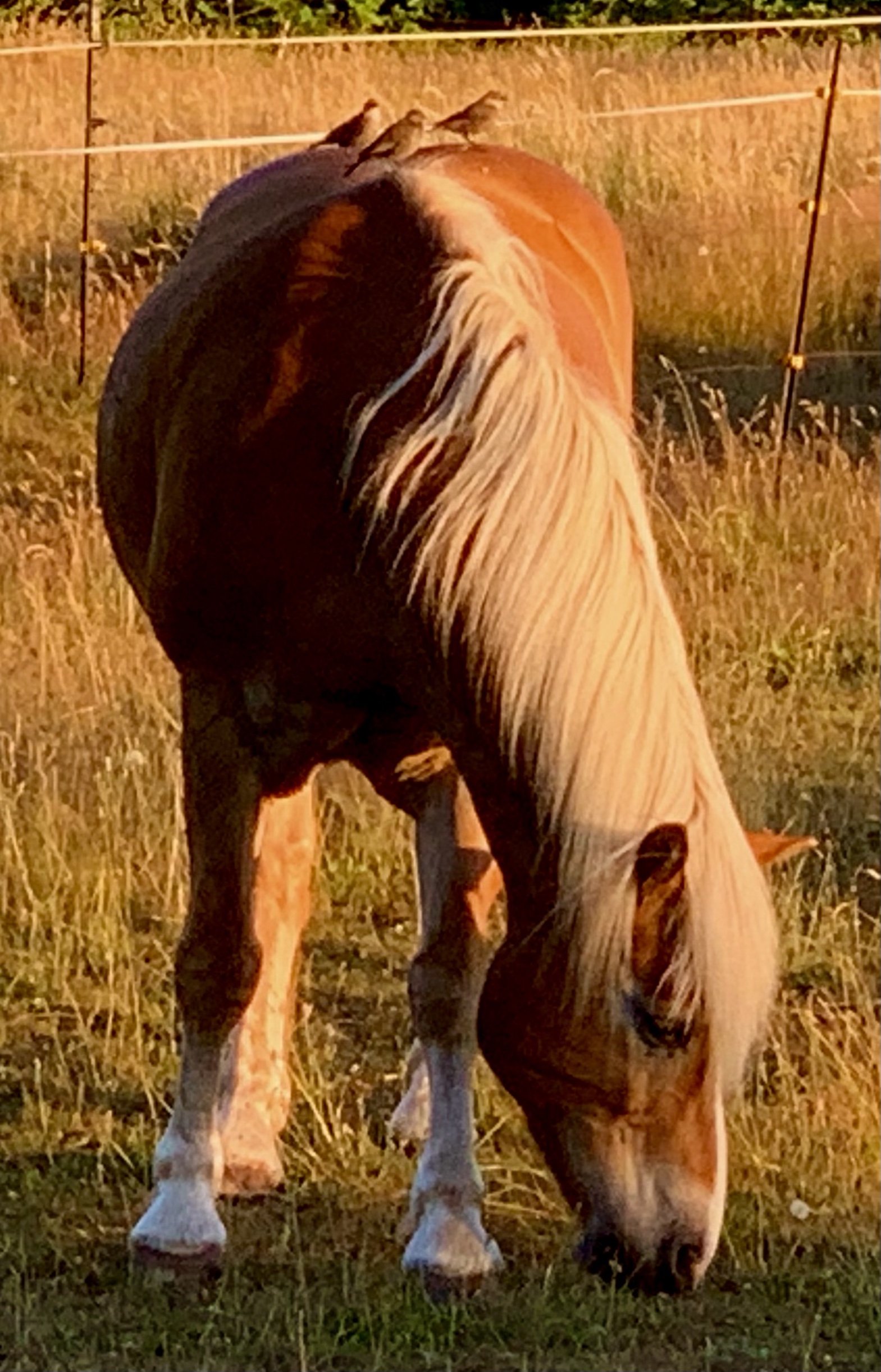
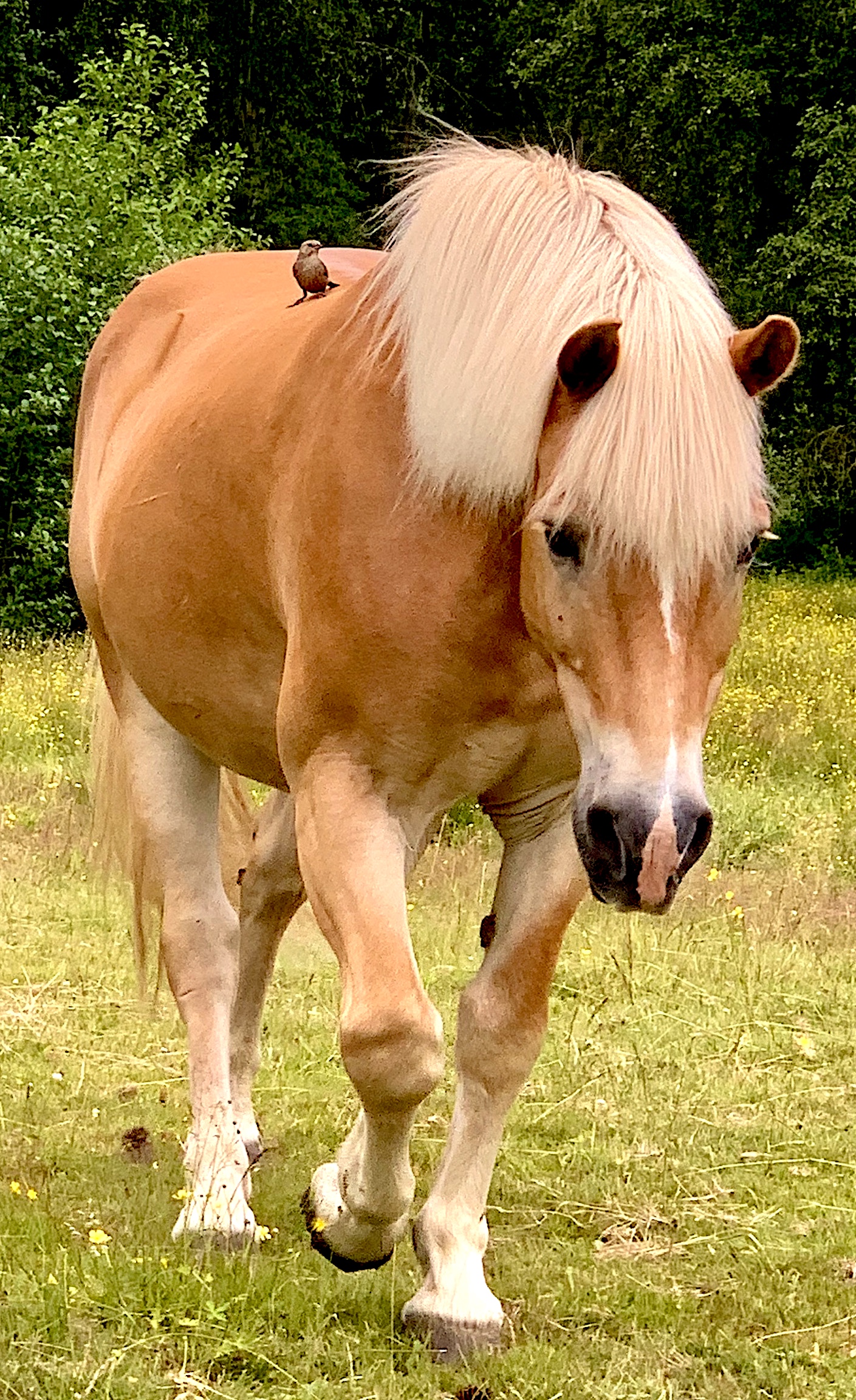
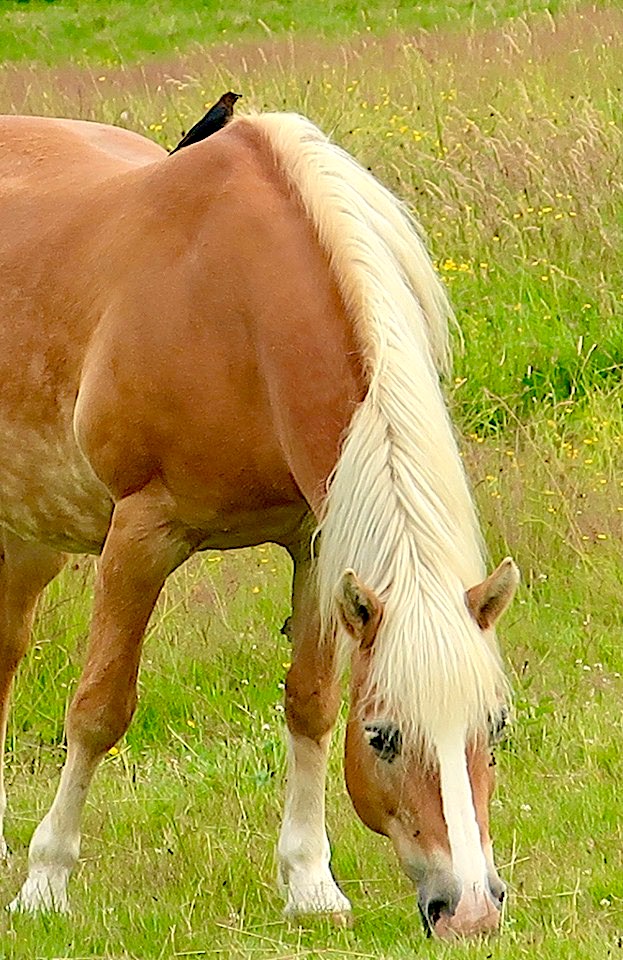
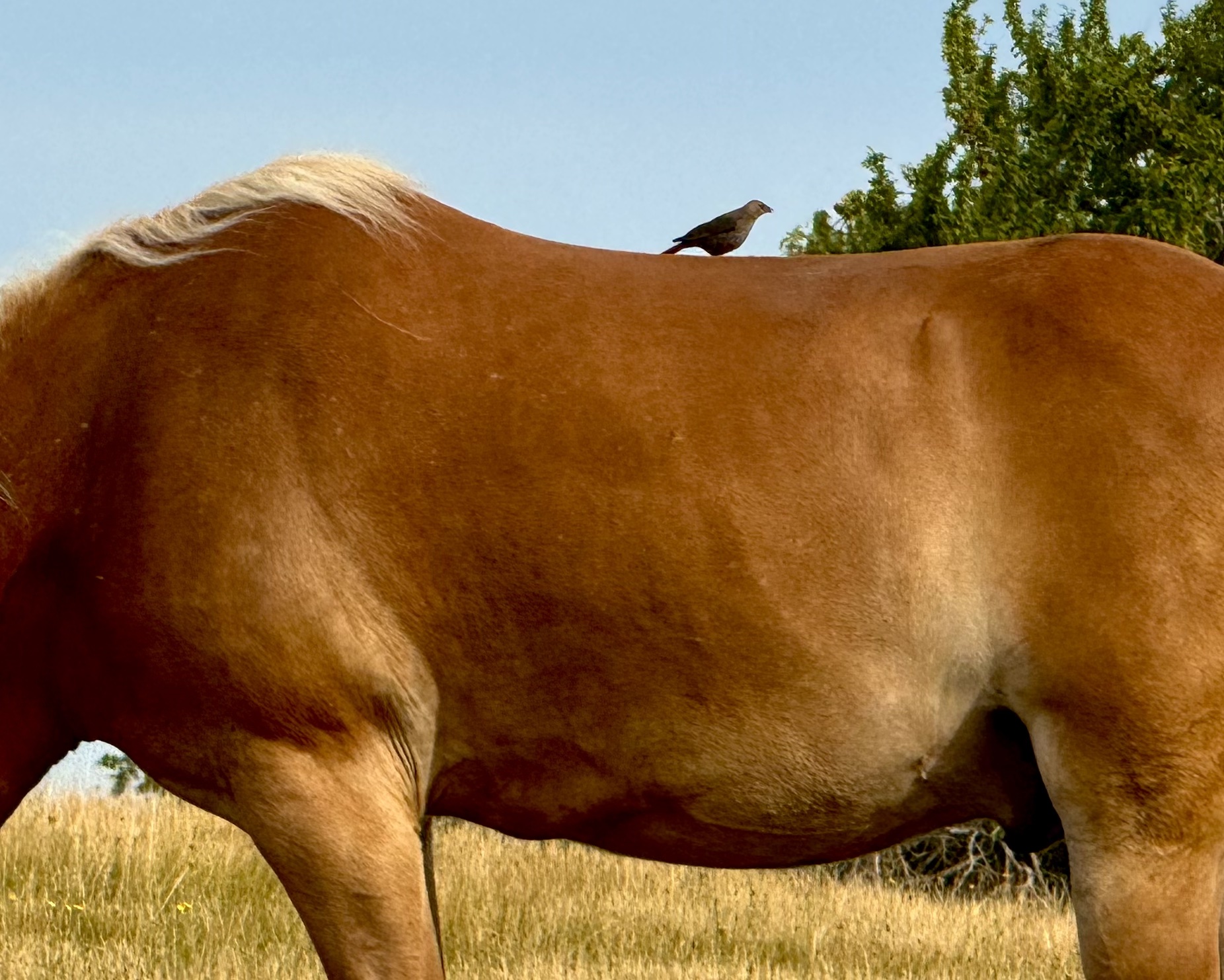
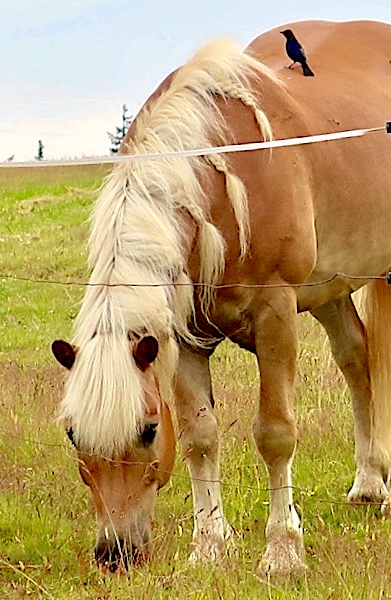
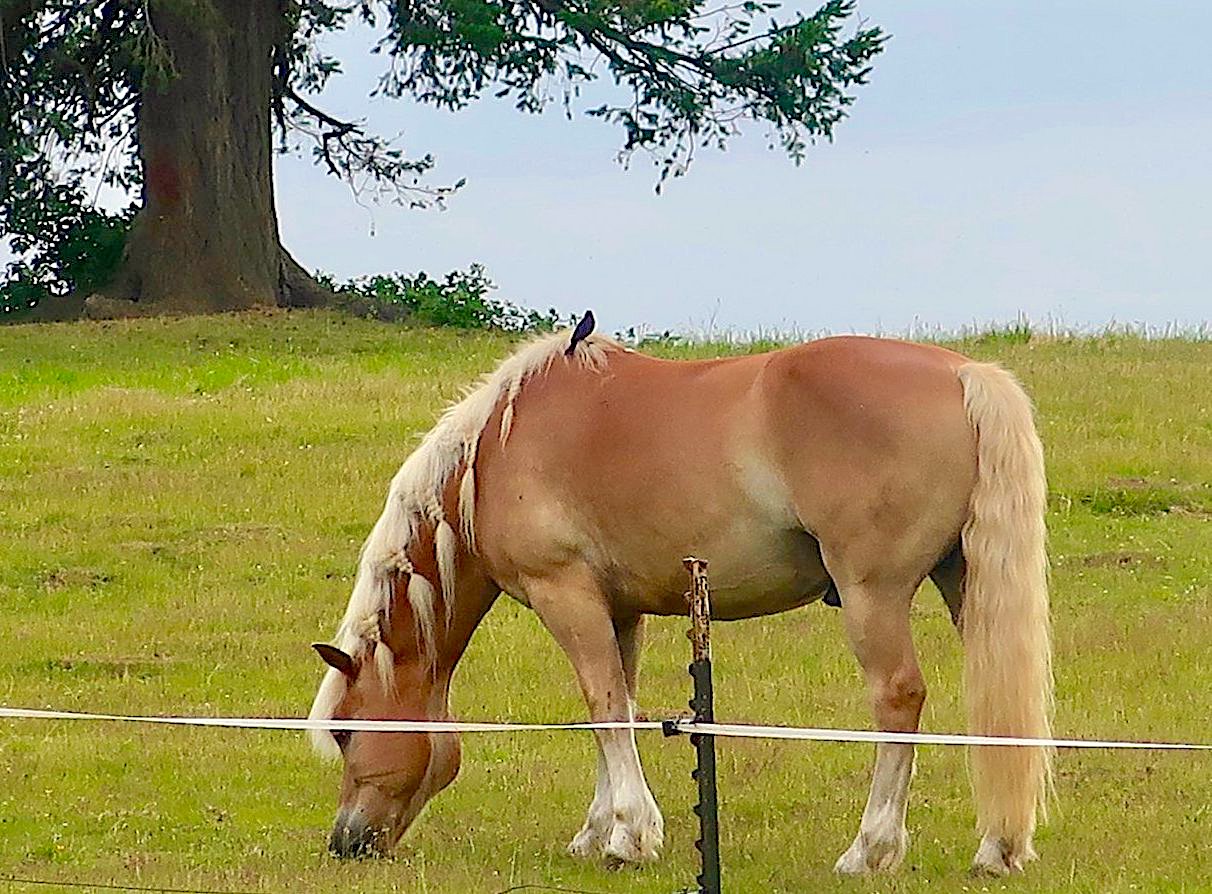
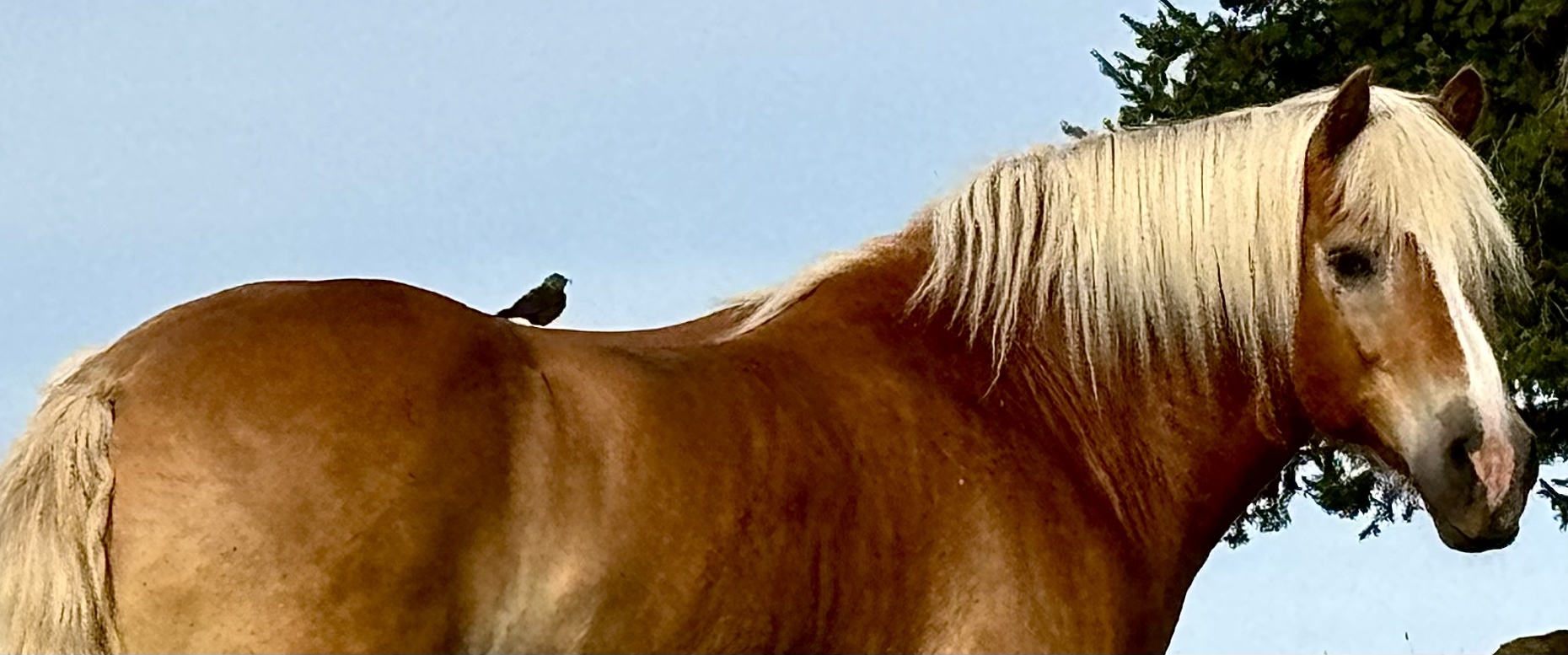
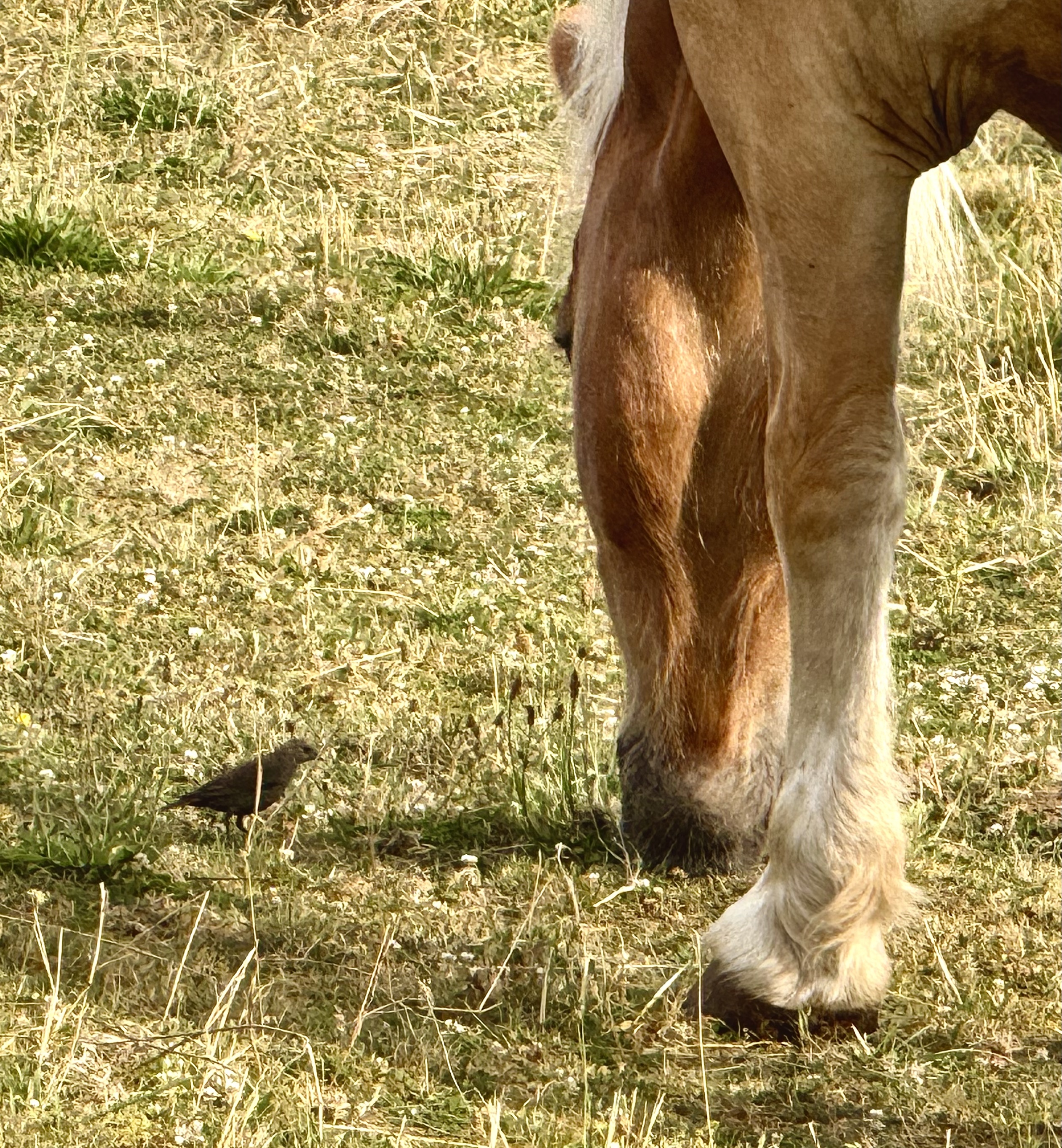
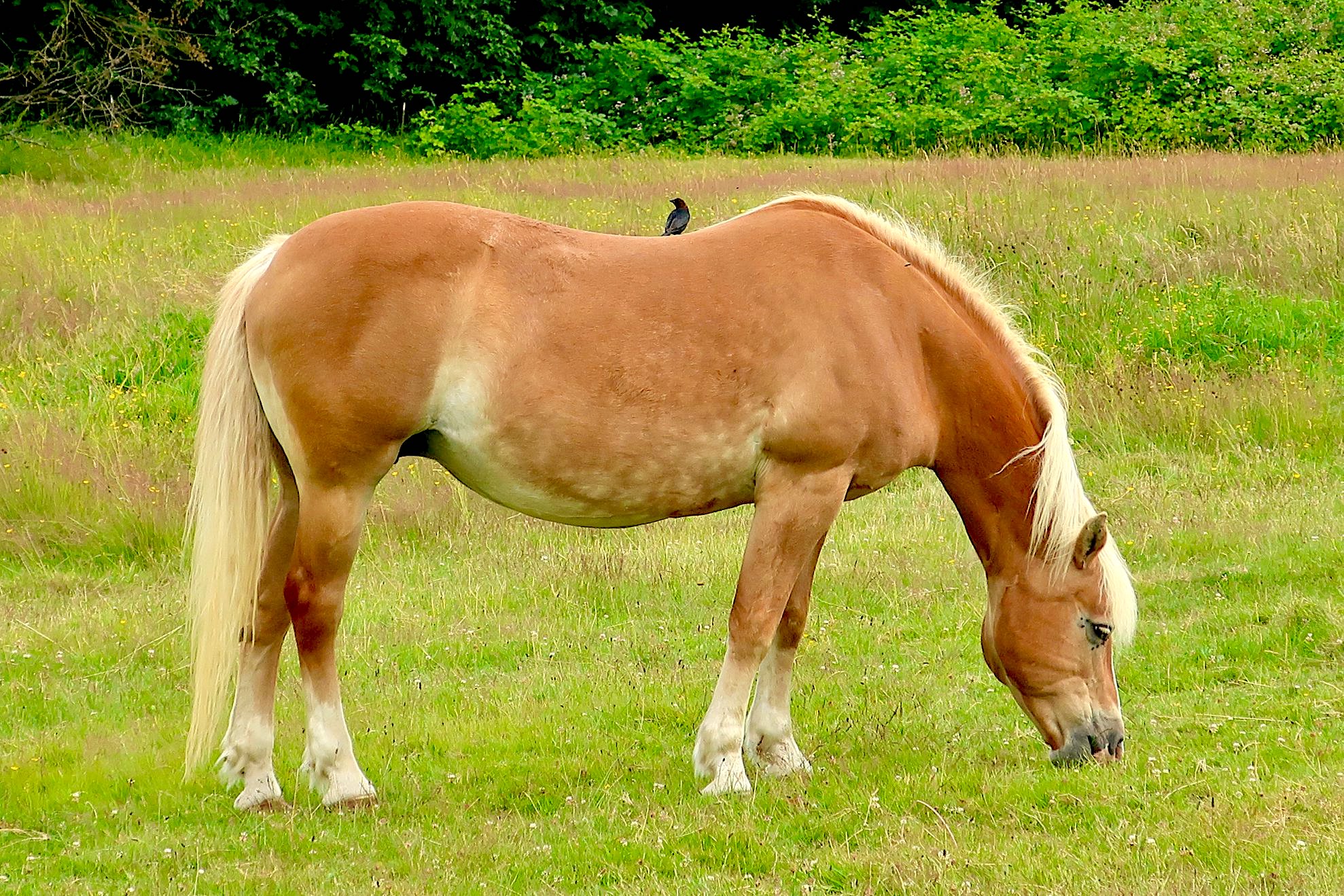
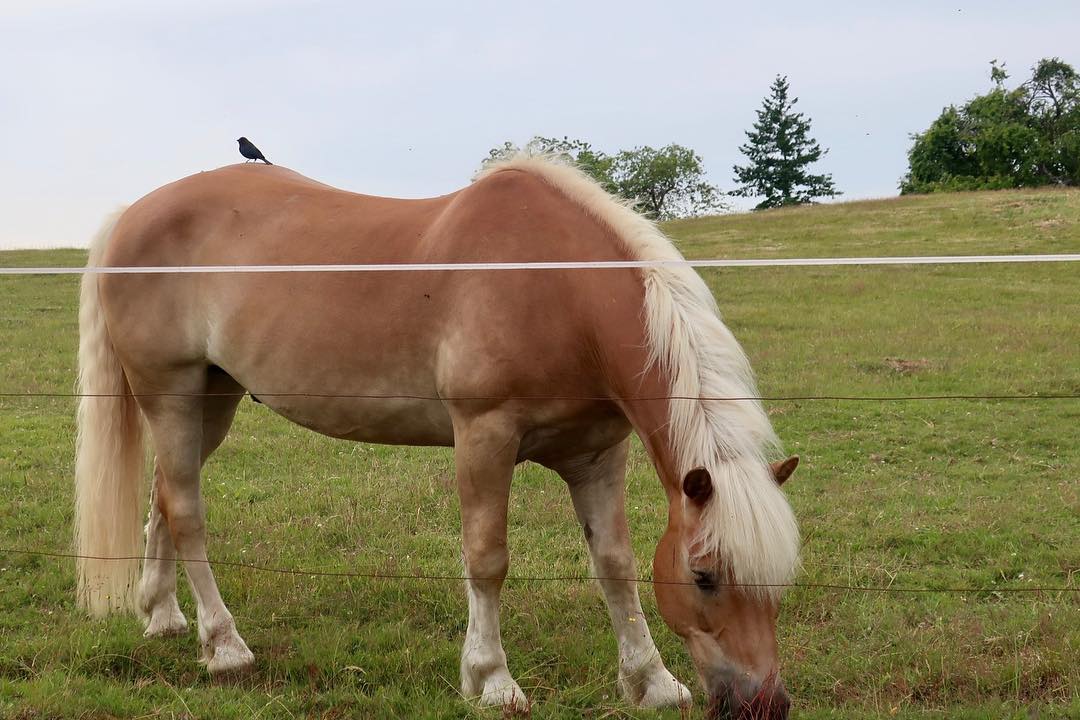
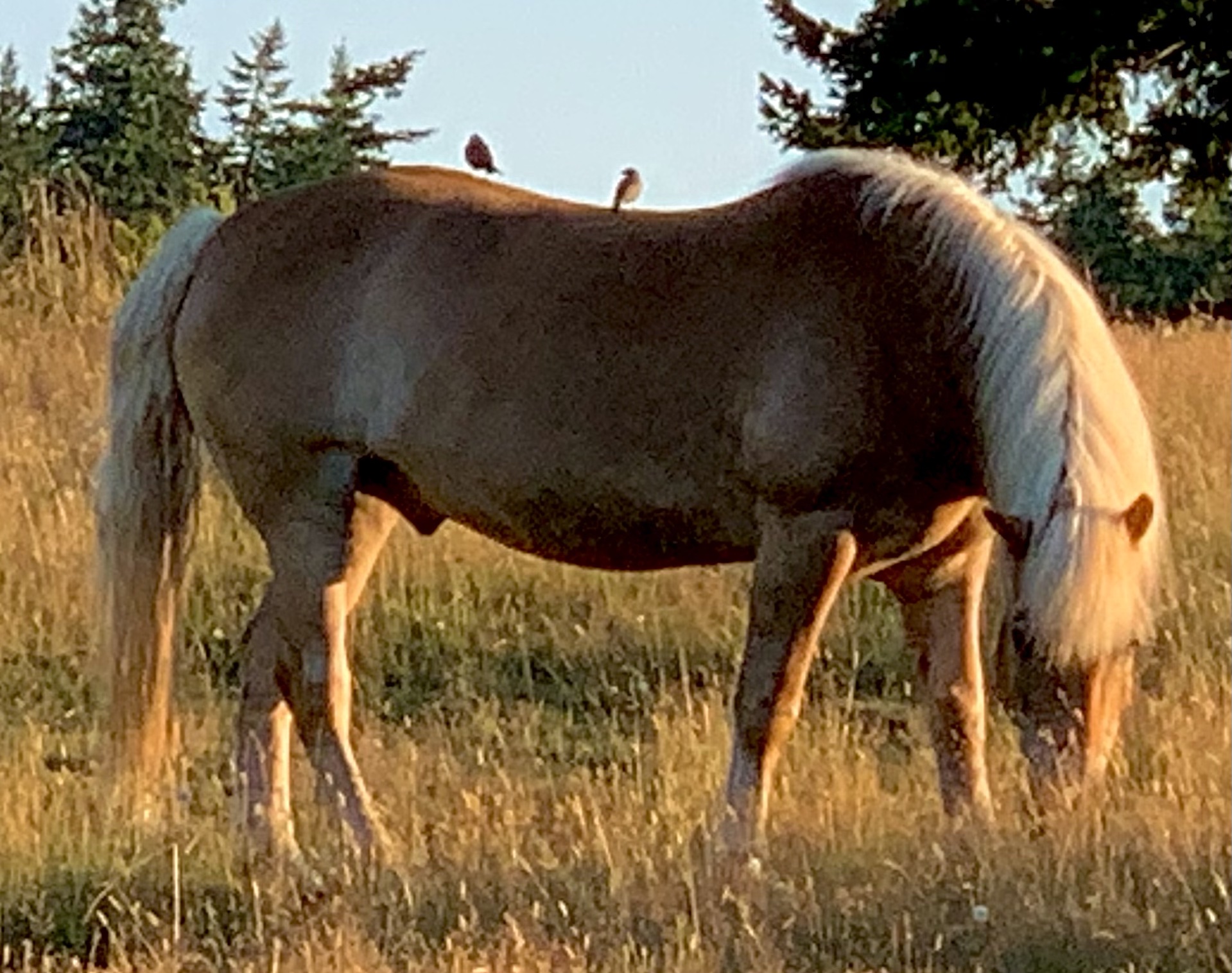
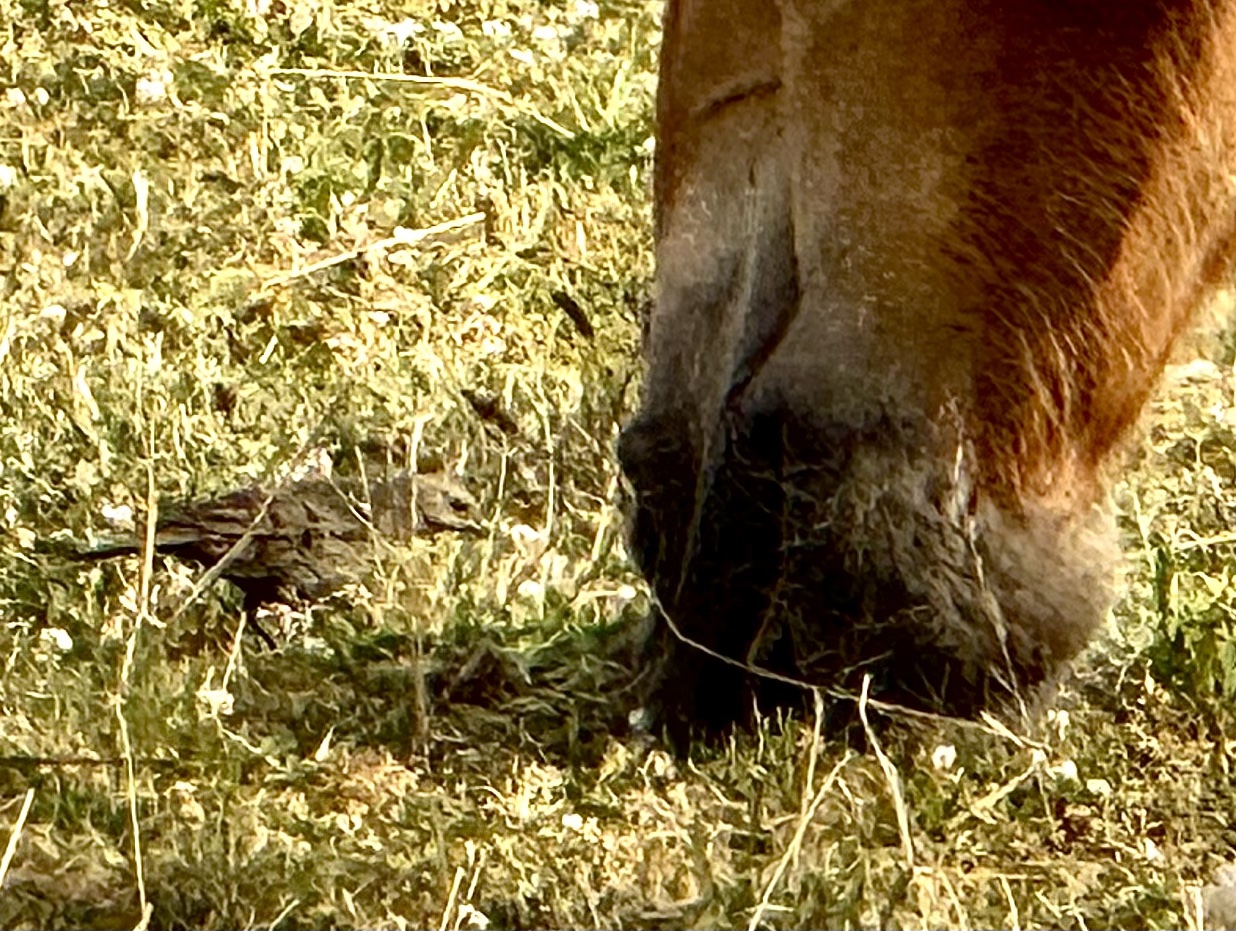
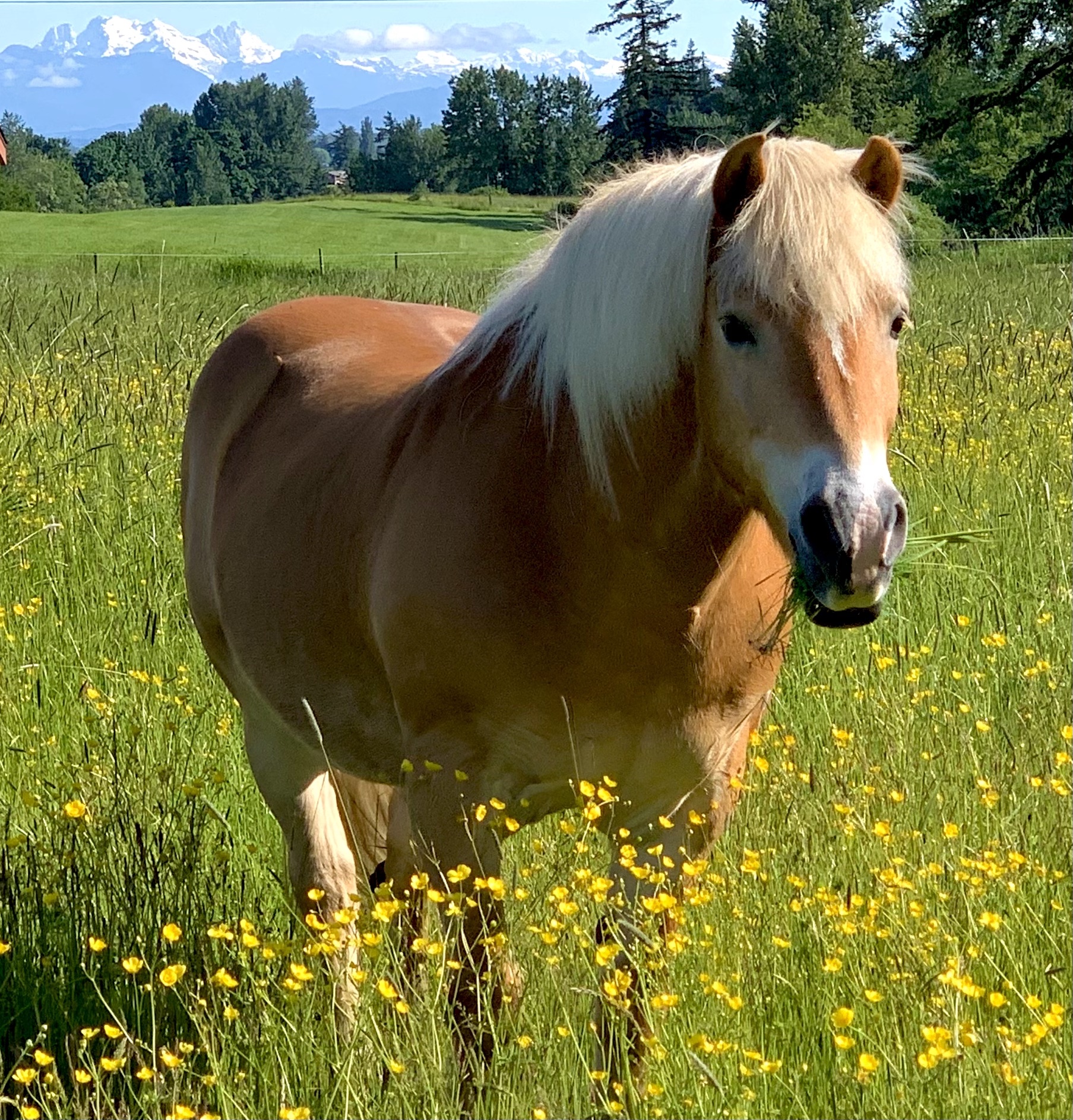
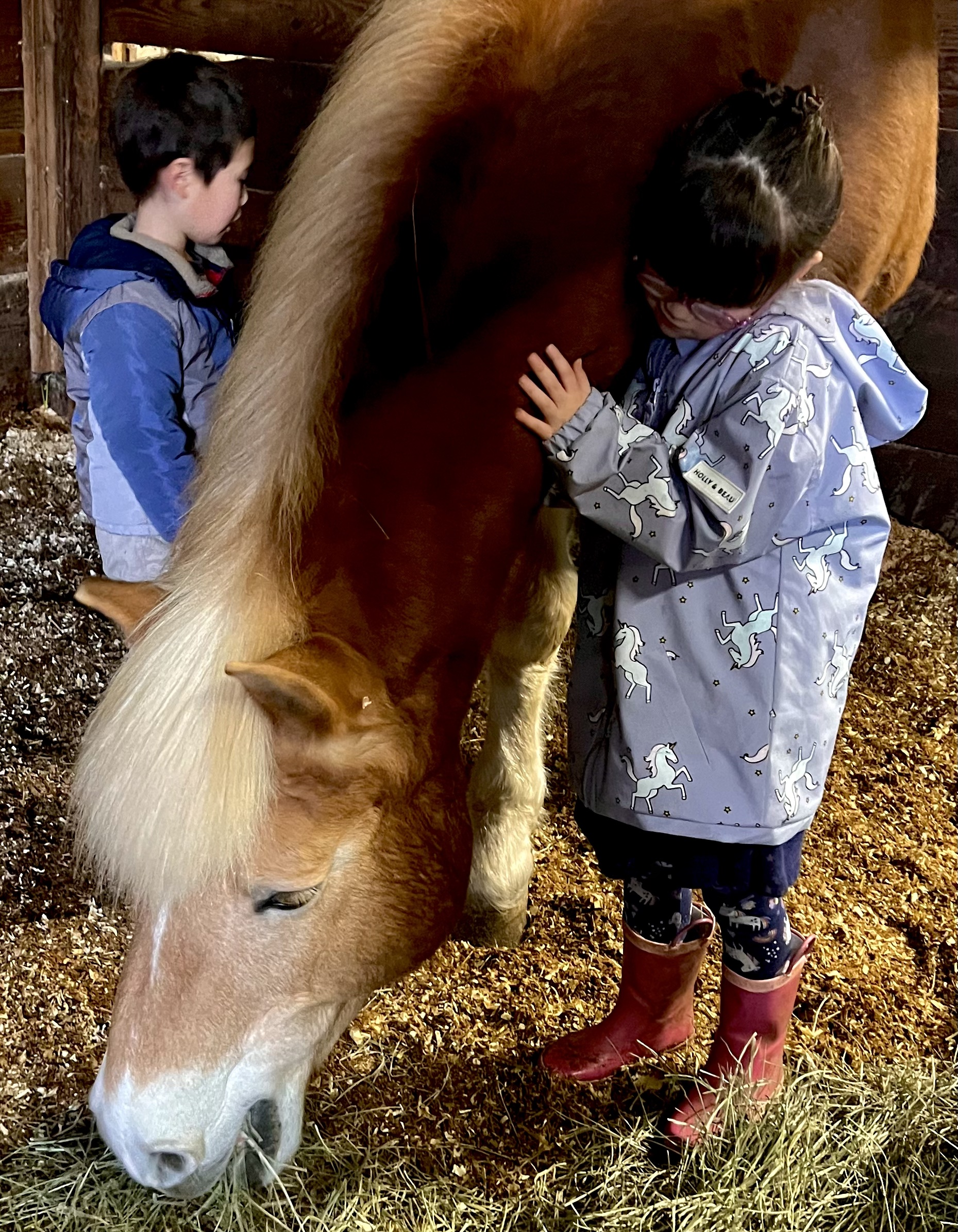
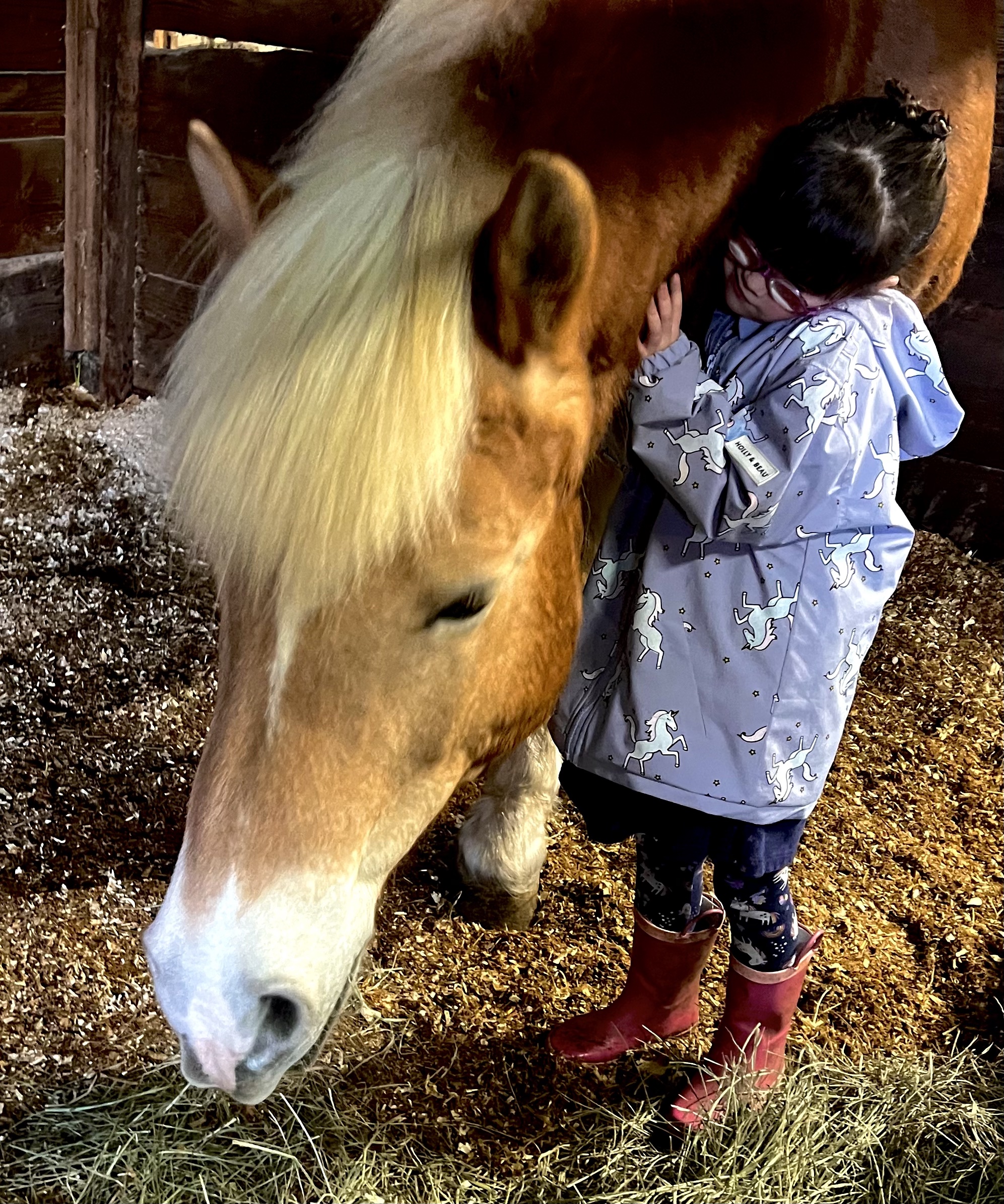
We all need someone along for the ride with us, blessing us with their company — a precious friend who has our back and scratches it wonderfully – helping to keep the biting flies away by gobbling them up.
It is symbiosis at its best: a relationship built on mutual trust and helpfulness. In exchange for relief from annoying insects that a tail can’t flick off, a Haflinger horse serves up bugs on a smorgasbord landing platform located safely above farm cats and marauding coyotes.
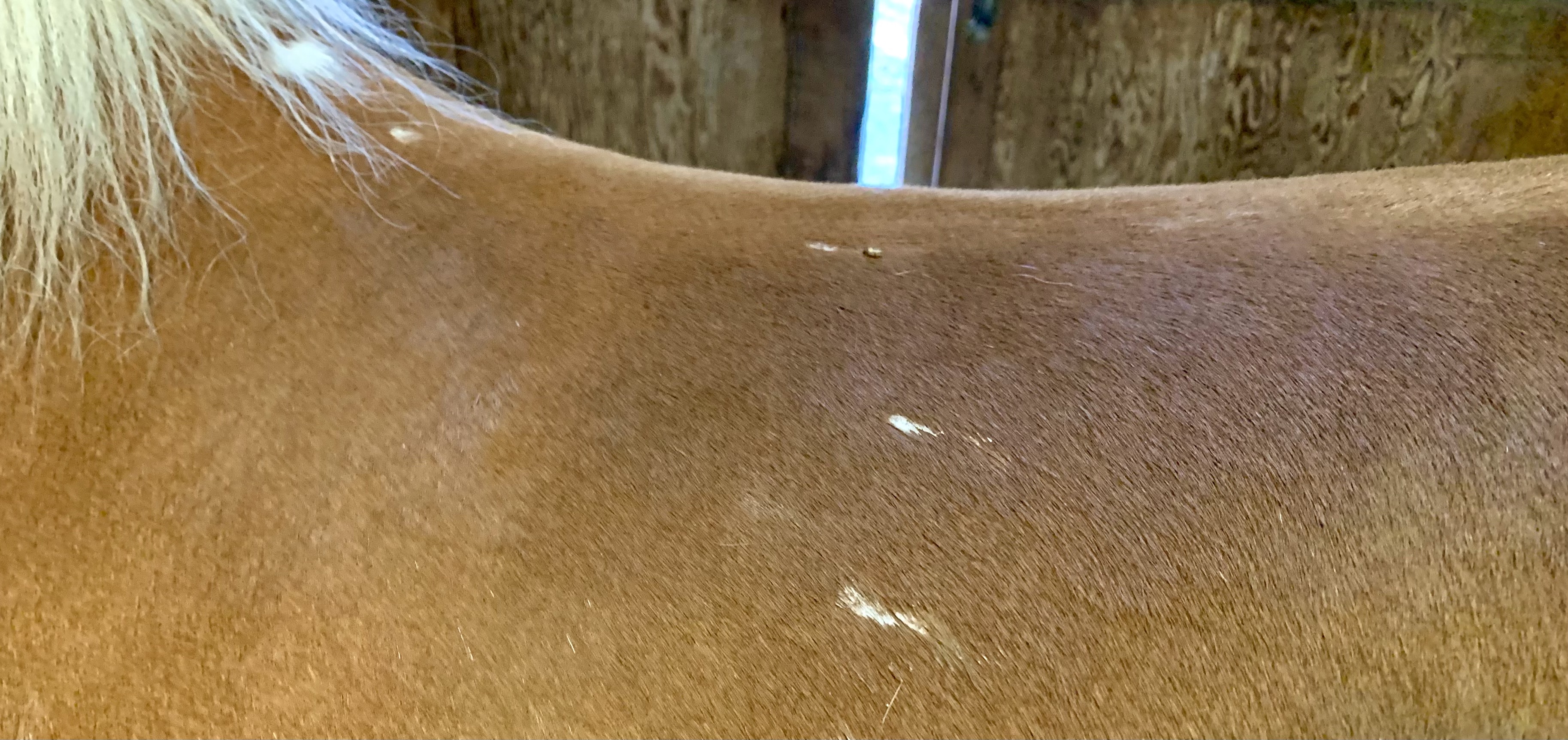
Thanks to their perpetual full meal deals, these cowbirds do leave generous “deposits” behind that need to be brushed off at the end of the day. Like any good friendship, tidying up the little messes left behind is a small price to pay for the bliss of companionable comradeship.
We’re buds after all – best forever friends, trotting the air while the earth sings along.
And this is exactly what friends are for: one provides the feast while the other provides the wings, even if things get messy.
Be winged. Be fed. Cleaning up together.
One-Time
Monthly
Yearly
Make a one-time or recurring donation to support daily Barnstorming posts
In June’s high light she stood at the sink With a glass of wine, And listened for the bobolink, And crushed garlic in late sunshine.
I watched her cooking, from my chair. She pressed her lips Together, reached for kitchenware, And tasted sauce from her fingertips.
“It’s ready now. Come on,” she said. “You light the candle.” We ate, and talked, and went to bed, And slept. It was a miracle. ~Donald Hall “Summer Kitchen”
Day ends, and before sleep when the sky dies down, consider your altered state: has this day changed you? Are the corners sharper or rounded off? Did you live with death? Make decisions that quieted? Find one clear word that fit? At the sun’s midpoint did you notice a pitch of absence, bewilderment that invites the possible? What did you learn from things you dropped and picked up and dropped again? Did you set a straw parallel to the river, let the flow carry you downstream? ~Jeanne Lohmann “Questions Before Dark”from The Light of Invisible Bodies
I know now, Lord, why you utter no answer. You are yourself the answer. Before your face questions die away. ~C.S. Lewis from Till We Have Faces
When the world seems to be going to hell in a hand basket, what a gift is a wonderful evening meal, conversation at the dinner table and falling asleep with a gentle sigh of contentment.
These are sweet moments are worth remembering.
It is easy to get swept up in frustration with a plethora of angry public opinions and even angrier societal actions. Yet I find that only leads to indigestion, irritability and insomnia.
I ask myself thoughtful and sometimes troubling questions at the end of the day that too often feel unanswerable — only because I’m not paying attention to the ultimate Answer to all questions.
Each day I should be ready to be changed by His call to me to finish well.
I must not take any day for granted. Each is a sweet day to be remembered for some special moment that made me hope it could last forever.
And then to bed and sleep. It is a miracle.
One-Time
Monthly
Yearly
Make a one-time or recurring donation to support daily Barnstorming posts
If ever we see those gardens again, The summer will be gone—at least our summer. Some other mockingbird will concertize Among the mulberries, and other vines Will climb the high brick wall to disappear.
How many footpaths crossed the old estate— The gracious acreage of a grander age— So many trees to kiss or argue under, And greenery enough for any mood. What pleasure to be sad in such surroundings.
At least in retrospect. For even sorrow Seems bearable when studied at a distance, And if we speak of private suffering, The pain becomes part of a well-turned tale Describing someone else who shares our name.
Still, thinking of you, I sometimes play a game. What if we had walked a different path one day, Would some small incident have nudged us elsewhere The way a pebble tossed into a brook Might change the course a hundred miles downstream?
The trick is making memory a blessing, To learn by loss the cool subtraction of desire, Of wanting nothing more than what has been, To know the past forever lost, yet seeing Behind the wall a garden still in blossom. ~Dana Gioia “The Lost Garden” from Interrogations at Noon.
At present we are on the outside of the world, the wrong side of the door. . . . We cannot mingle with the splendours we see. But all the leaves of the New Testament are rustling with the rumour that it will not always be so. Some day, God willing, we shall get in. C.S. Lewis from The Weight of Glory
Memory can play tricks, either smoothing over the many potholes in the road of life, or digging the holes so deep, I fall in and am lost.
Whenever I am feeling regret for the things I have done, or all that I have left undone, I remember I have walked on paths of beauty beyond imagining.
I wouldn’t change much about what has been, knowing there is much more beauty to come.
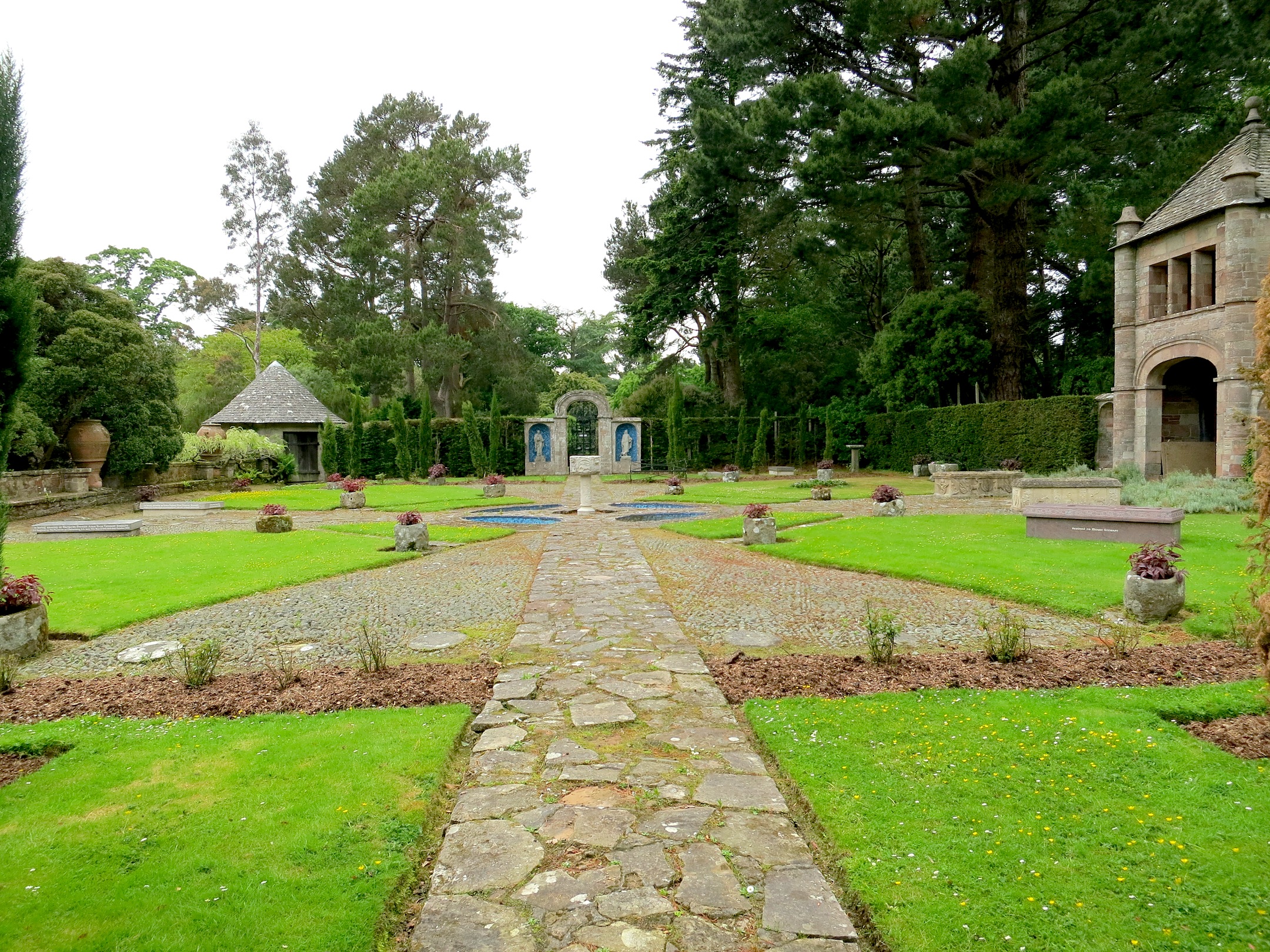
I remember gates and doors I could not open. Just a peek told me all I needed to know: there is a hidden, lost garden just waiting, still blooming, still inspiring, still brimming full of everything any of us could ever need.
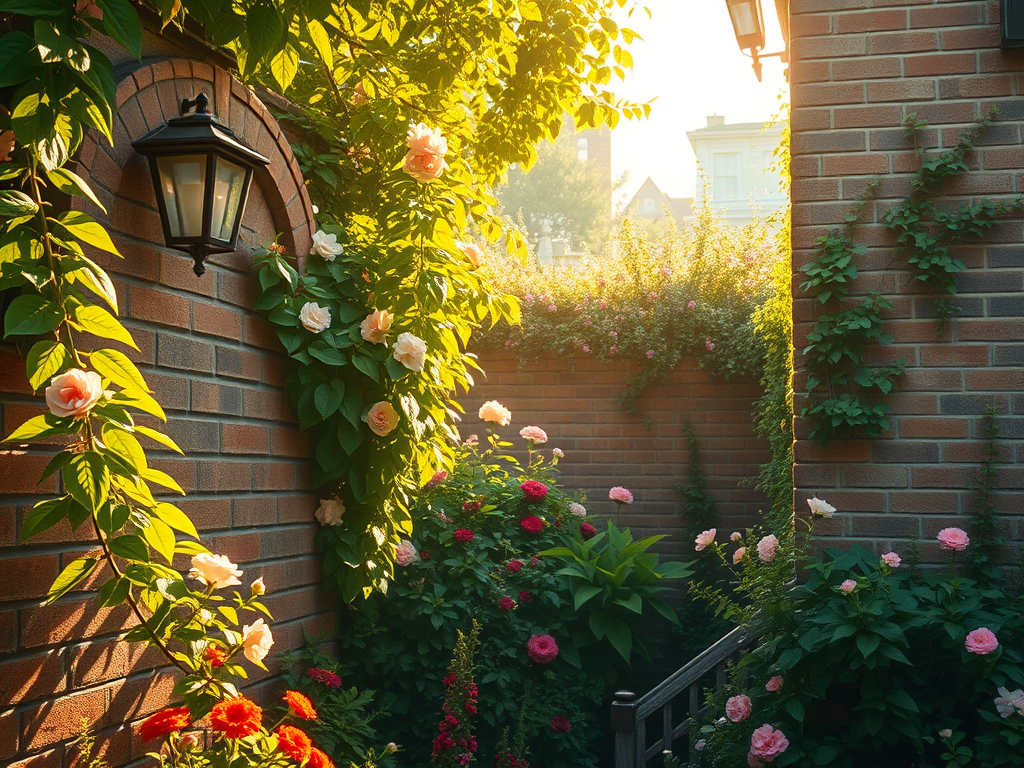
AI image created for this post
One-Time
Monthly
Yearly
Make a one-time or recurring donation to support daily Barnstorming posts
Now a red, sleepy sun above the rim Of twilight stares along the quiet weald, And the kind, simple country shines revealed In solitudes of peace, no longer dim. The old horse lifts his face and thanks the light, Then stretches down his head to crop the green. All things that he has loved are in his sight; The places where his happiness has been Are in his eyes, his heart, and they are good. ~Siegfried Sassoon from “Break of Day”
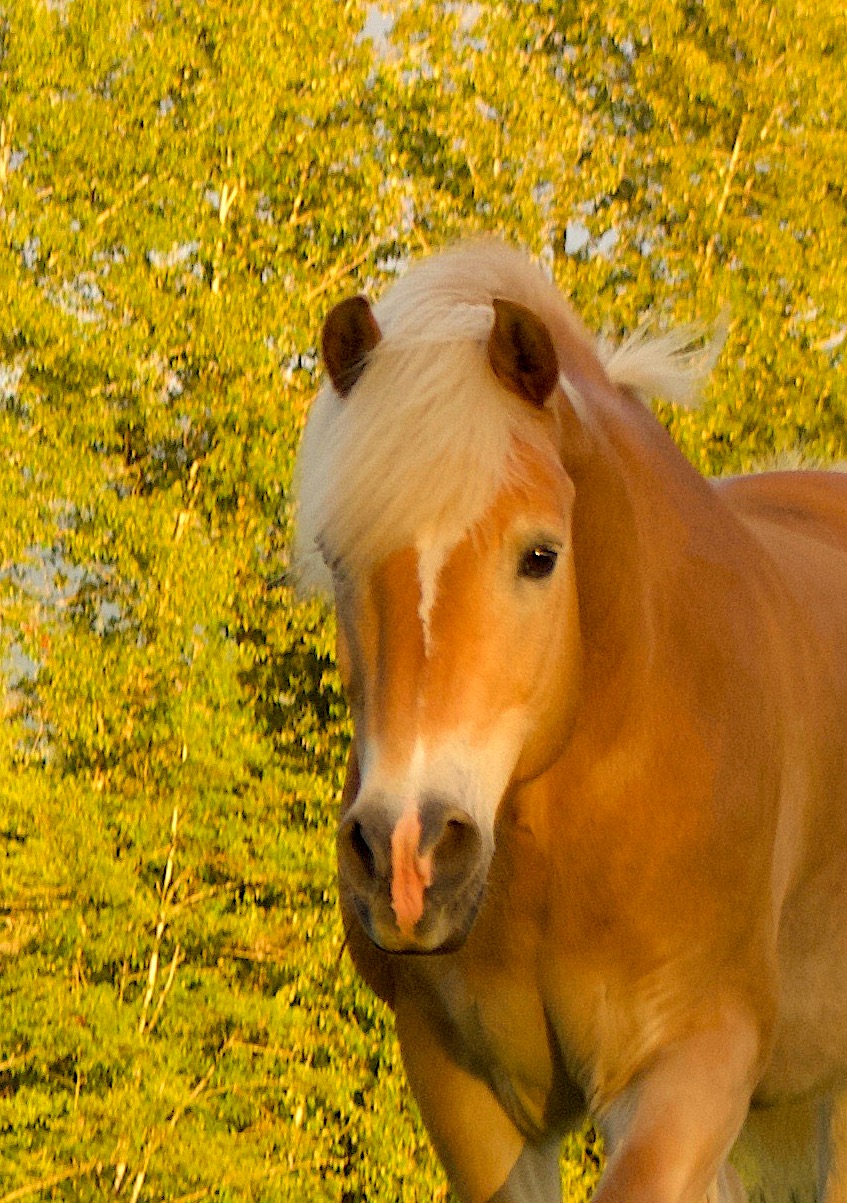
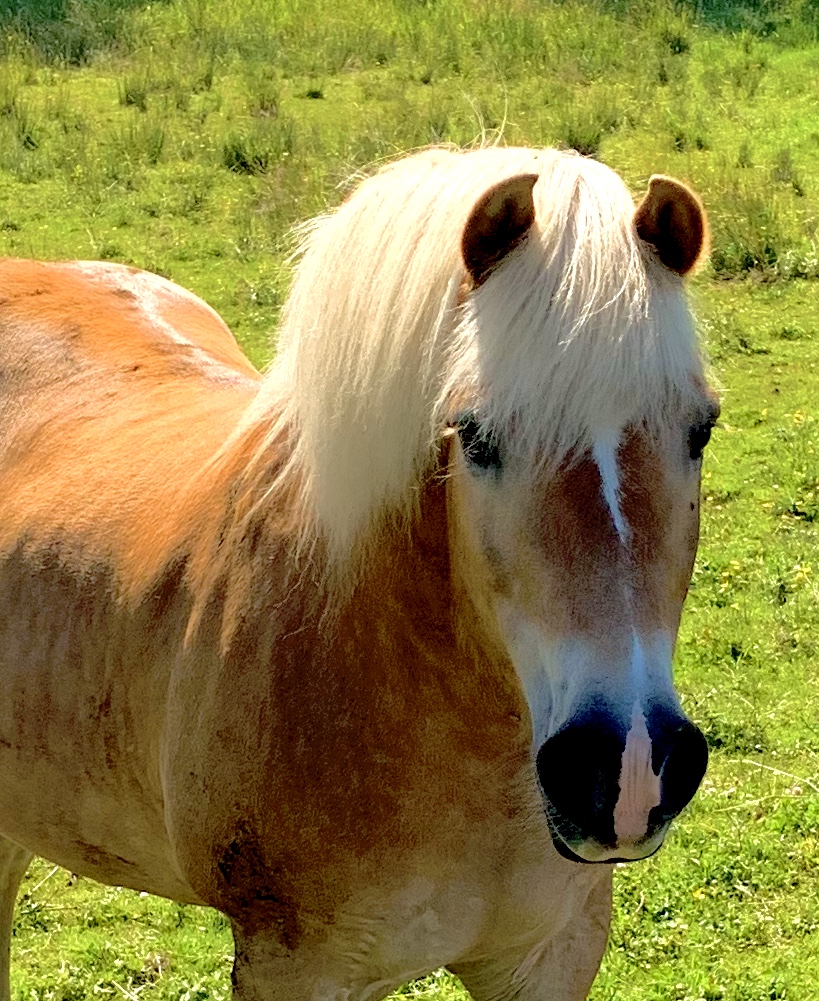
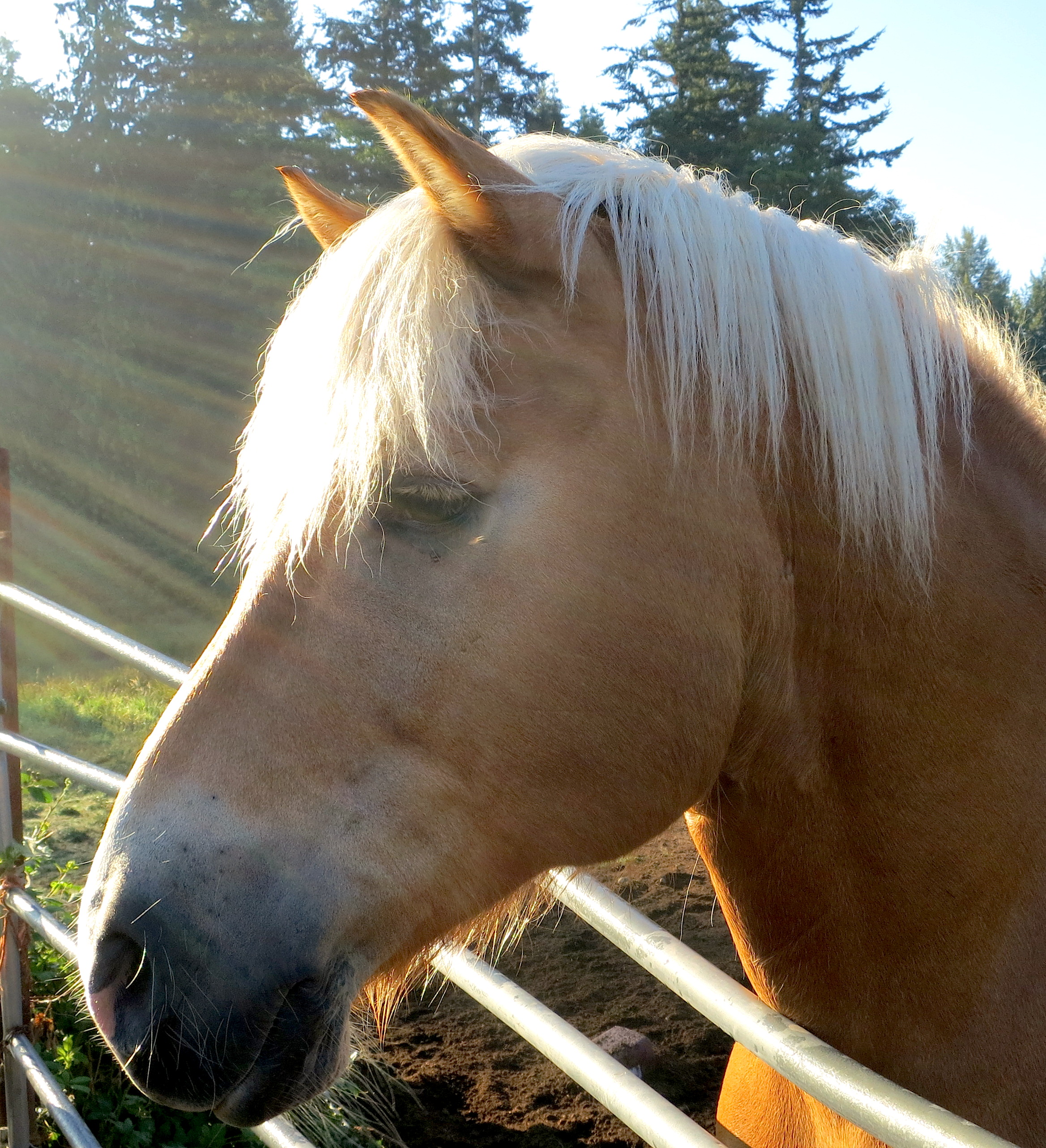
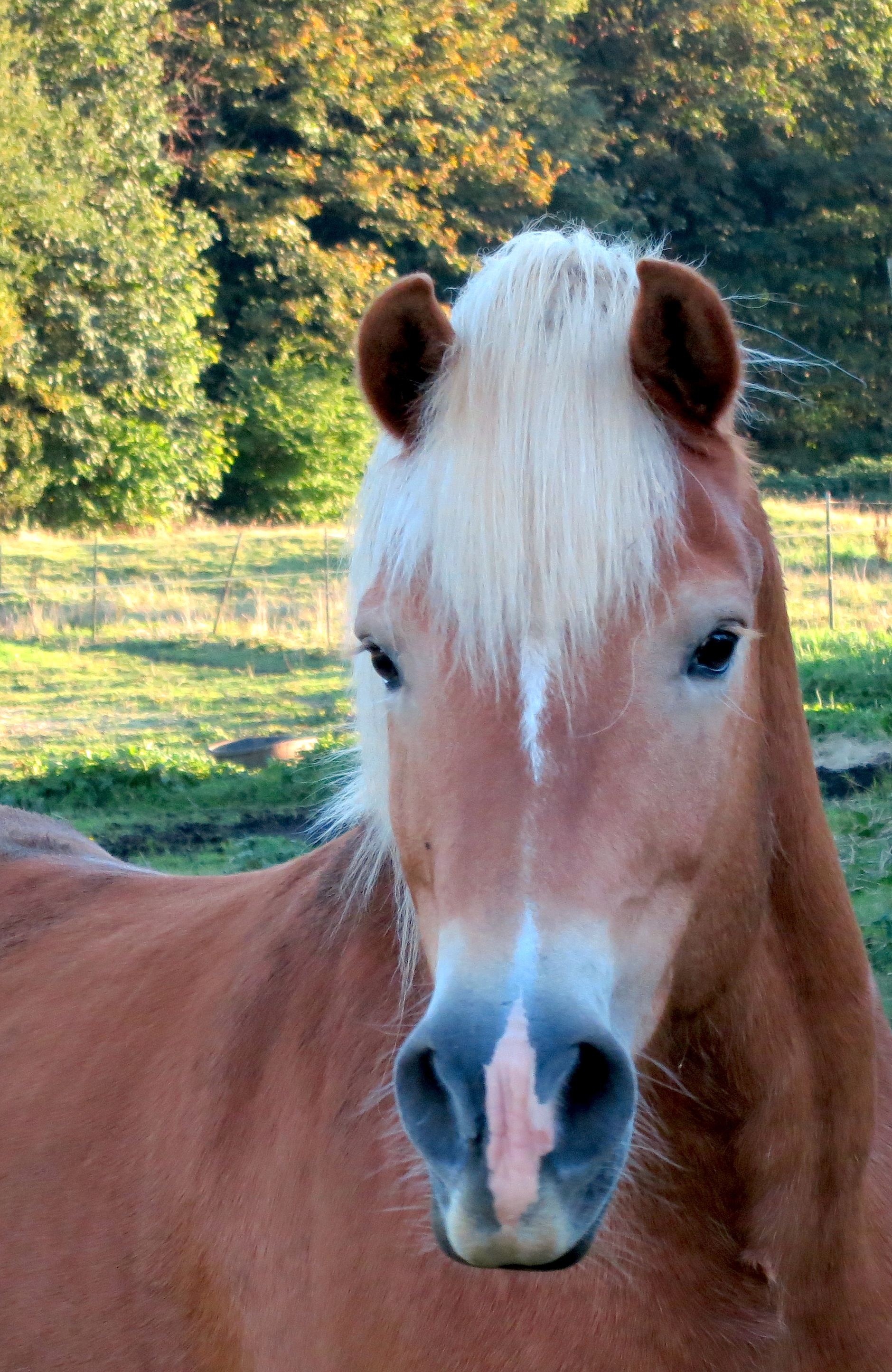
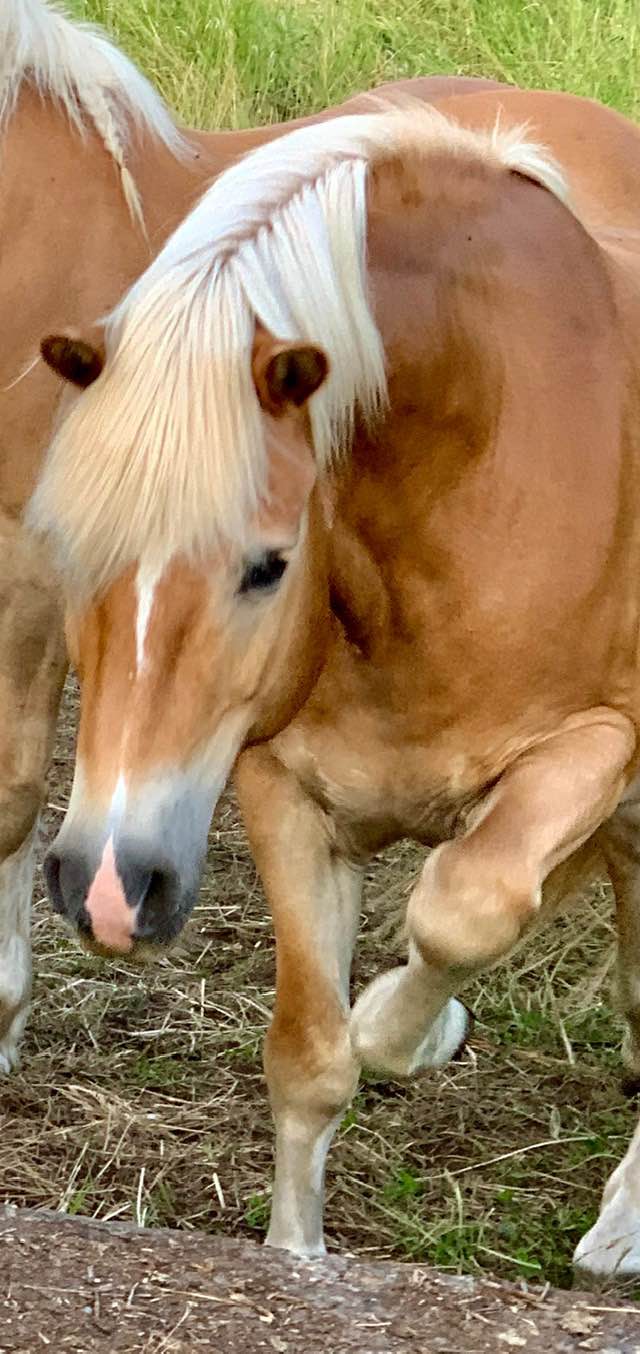
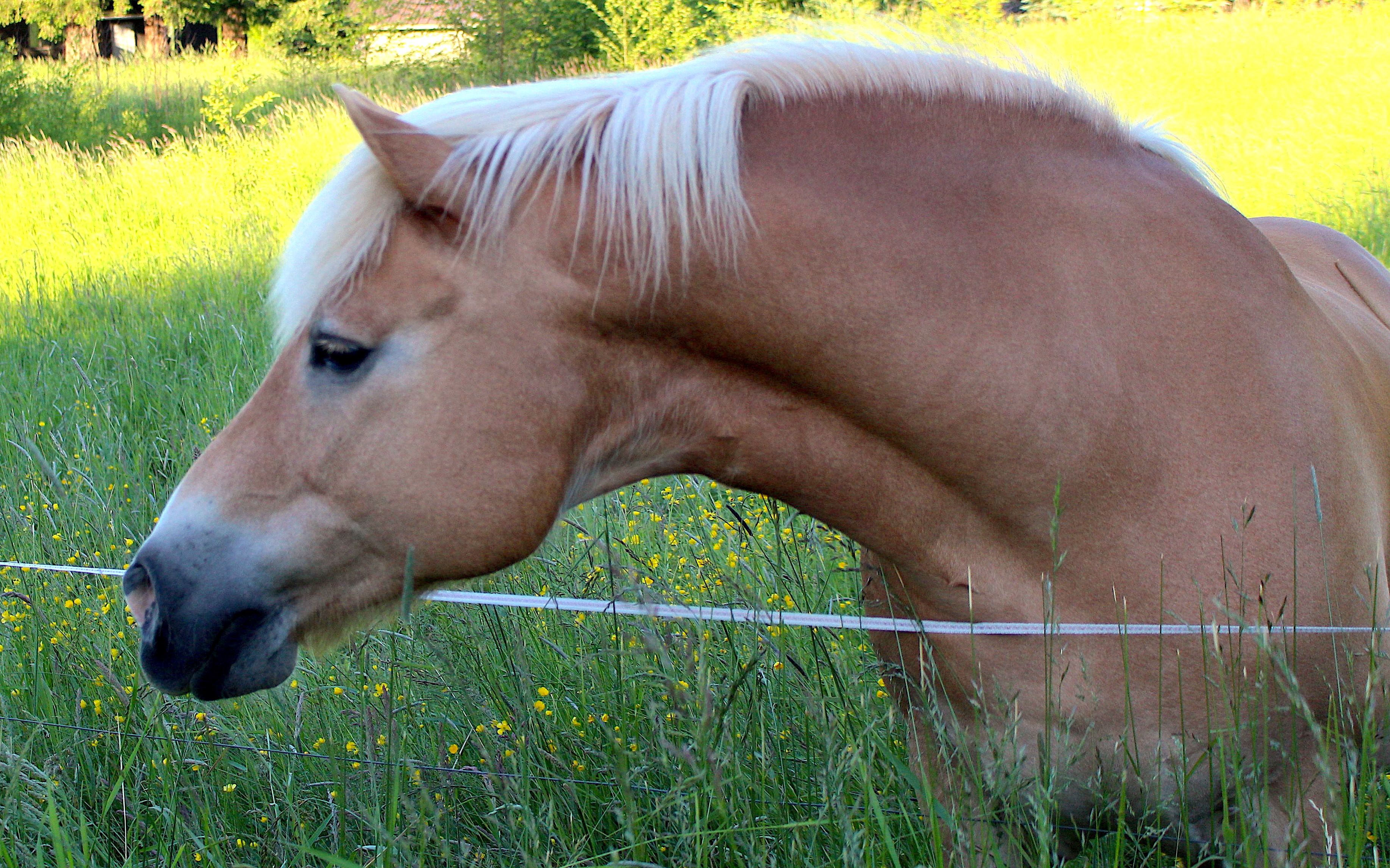
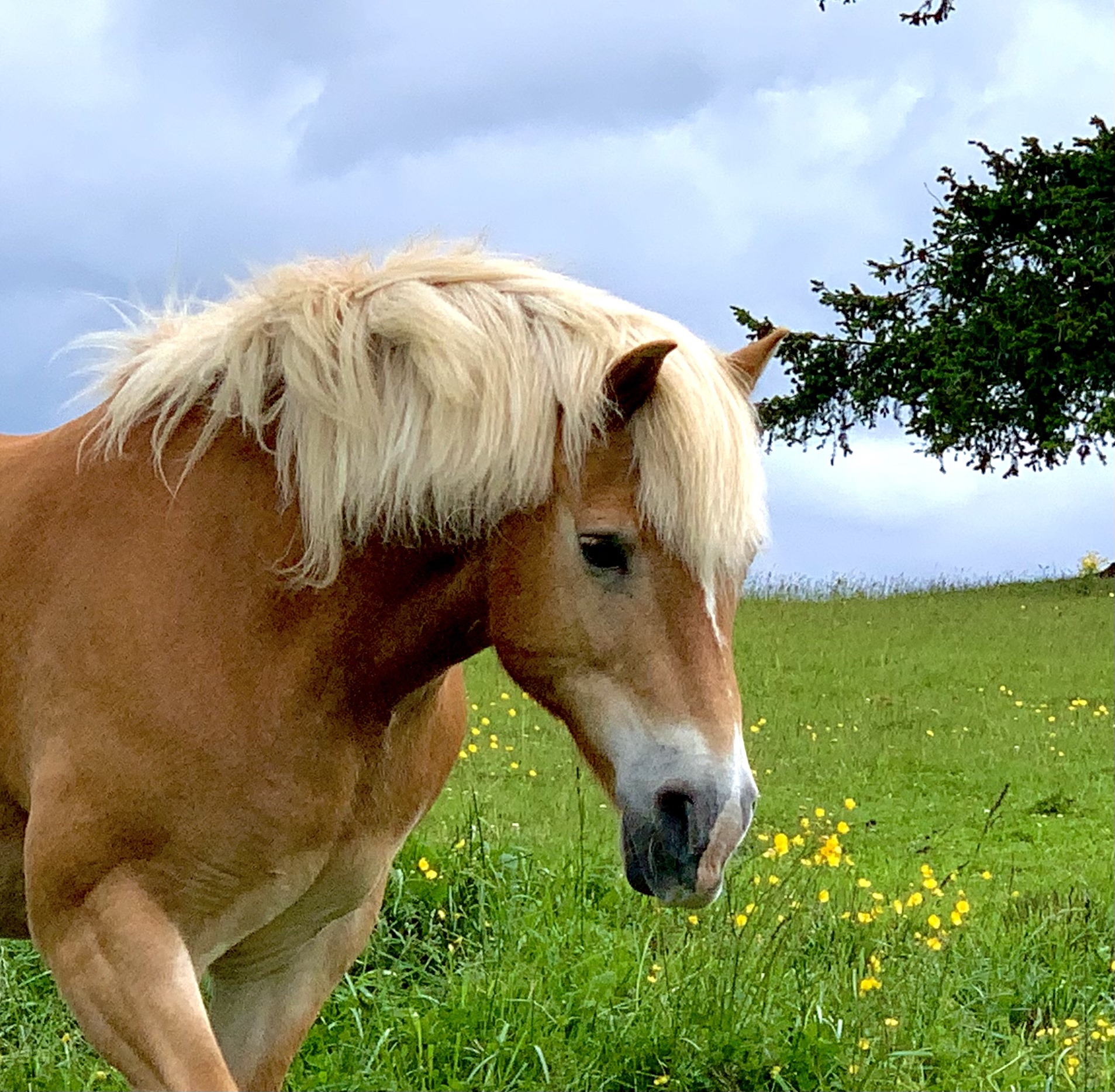
My husband and I grow old along with our horses – we are now past 70, just as a couple of our horses in “horse” years.
None of us, horses or humans, need to climb in the harness or put on the saddle to pull or carry the heavy loads of our former work lives.
It is a good life – each day treasured for its ordinariness.
Our retired horses feel the morning sun on their withers and the green blades under their feet, they scan the pasture for the sweetest tender patch to munch in the fields they know and love so well. They nap more now than in their younger years, taking breaks to let their heads hang relaxed and nodding, their tails slowly swishing at flies.
This morning was not so ordinary.
Waldheer van de Wortel (Wally), imported from Holland as a foal 27 years ago to be our herd stallion, let me know he wasn’t feeling well. He repeatedly pawed at the ground and the pasture gates, biting at his flank, trying to lie down and then get back up, not eating – clearly experiencing colicky belly pain that was getting worse.
I wondered if Wally’s time had come to bid him farewell. I had made a promise to my geriatric horses that I would not allow them to live in pain just because I didn’t want to let them go.
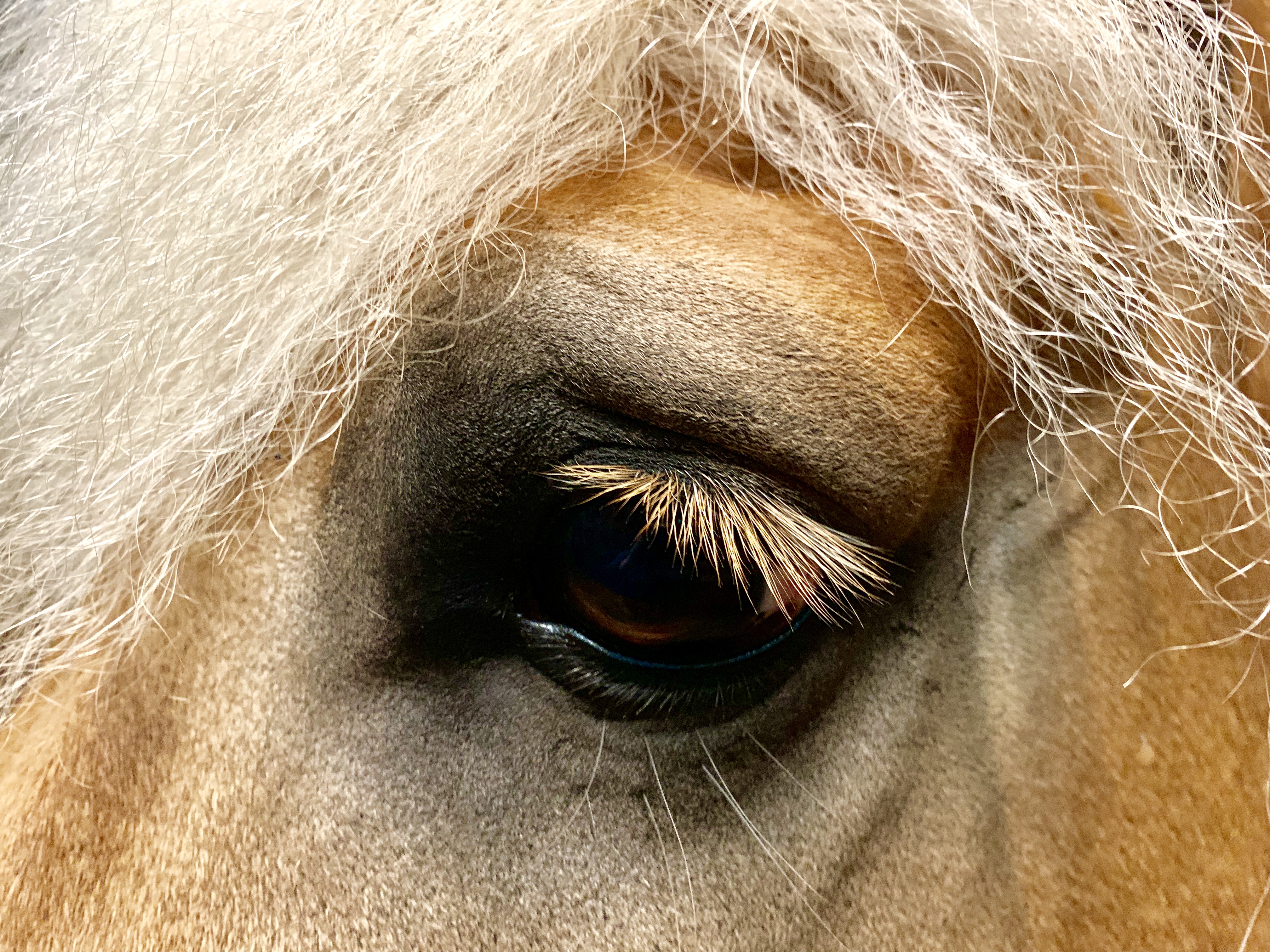
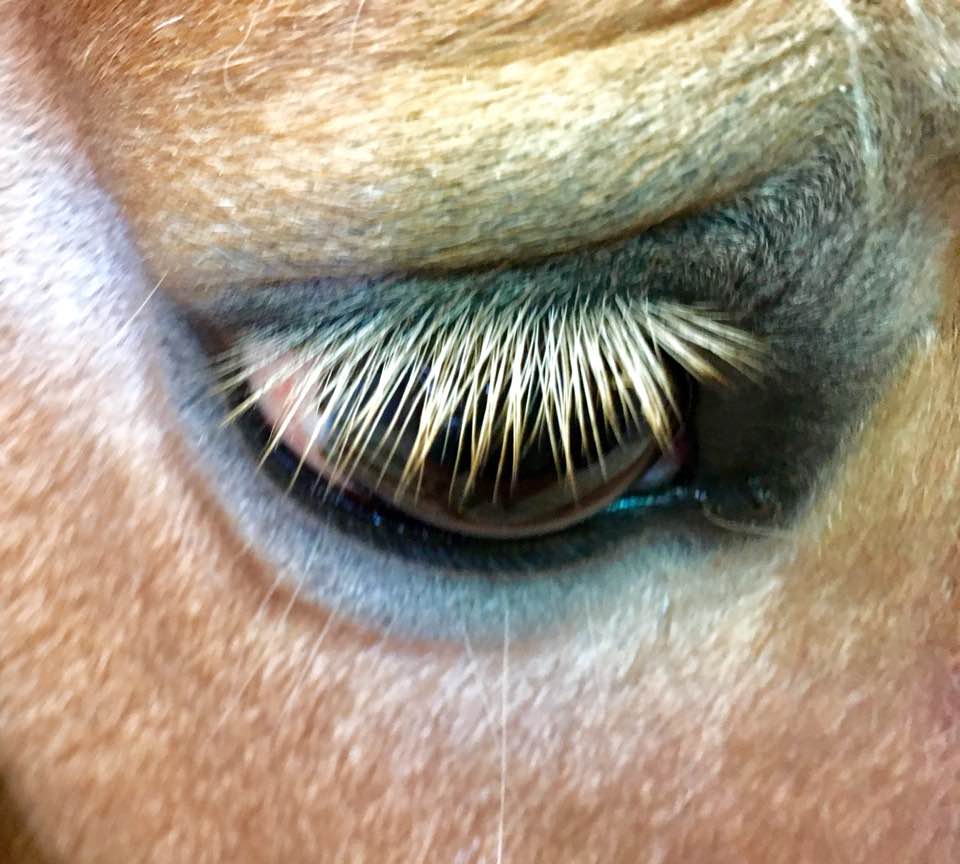
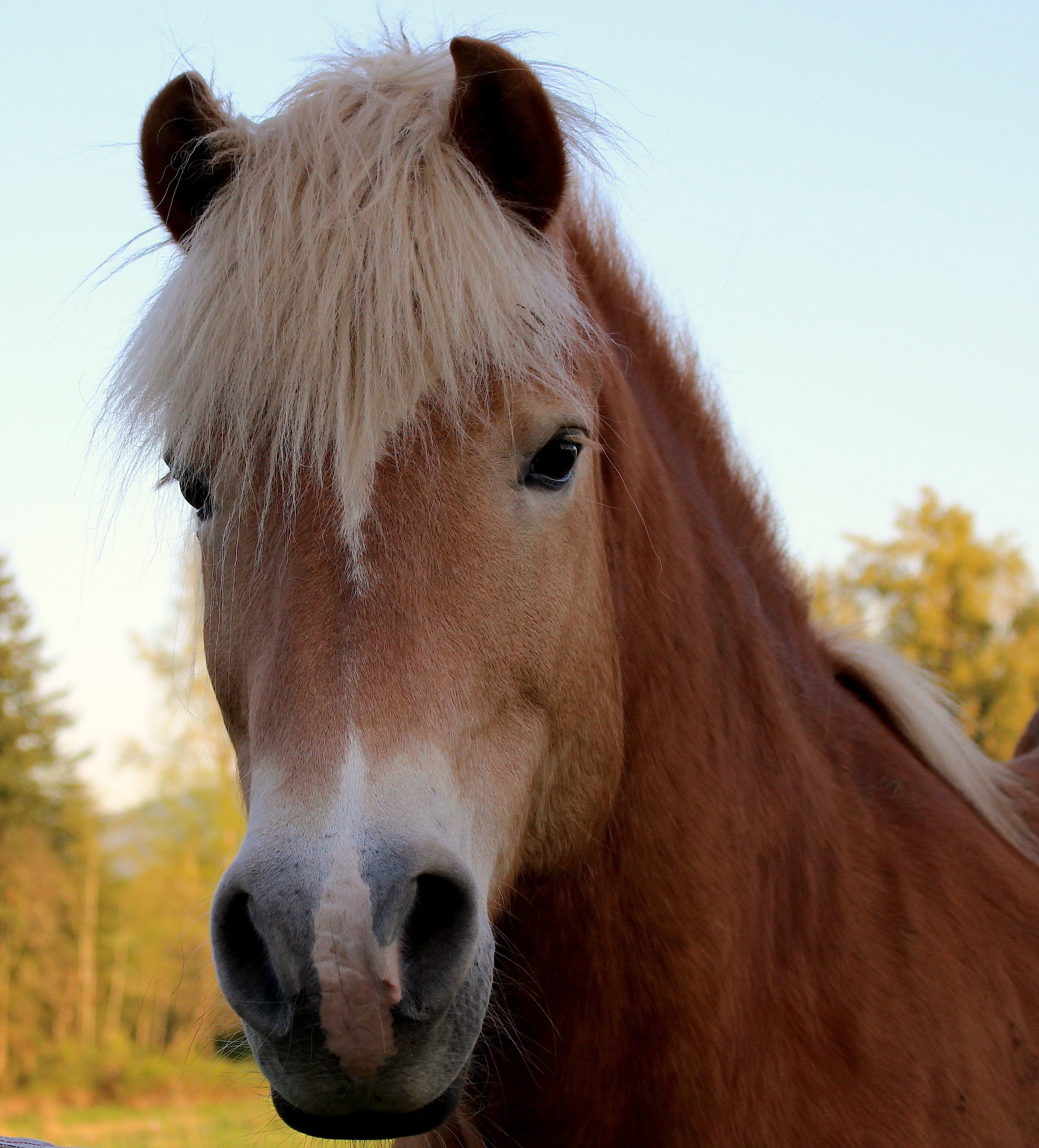
The vet came quickly and we talked about Wally’s options. She remarked about how he didn’t look his age, was holding weight well, his coat so sleek and shiny, his long-lashed eyes still bright and curious. But she said an older horse could often have repeated bouts of colic before the end, even if they temporarily improve with medical treatment.
I decided it was the right time to let him go to Haflinger heaven on a sunny summer morning, nibbling a mouthful of clover I offered him.
He was laid to sleep where he had lived nearly three decades.
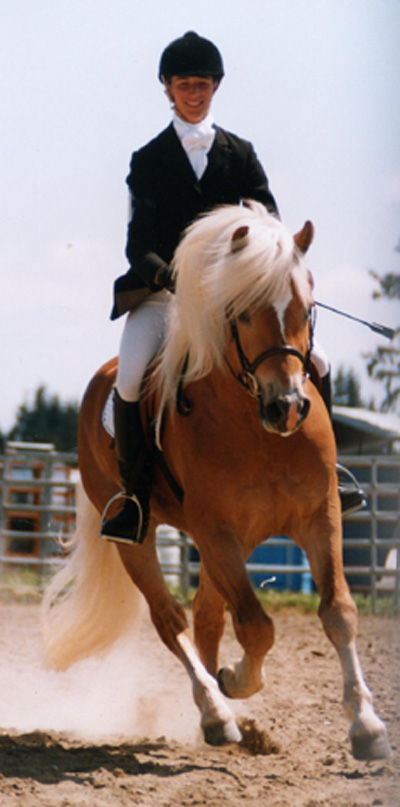
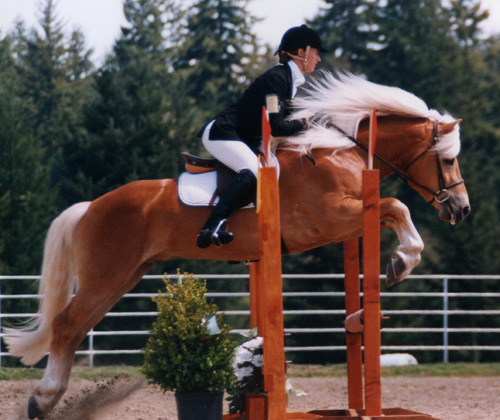
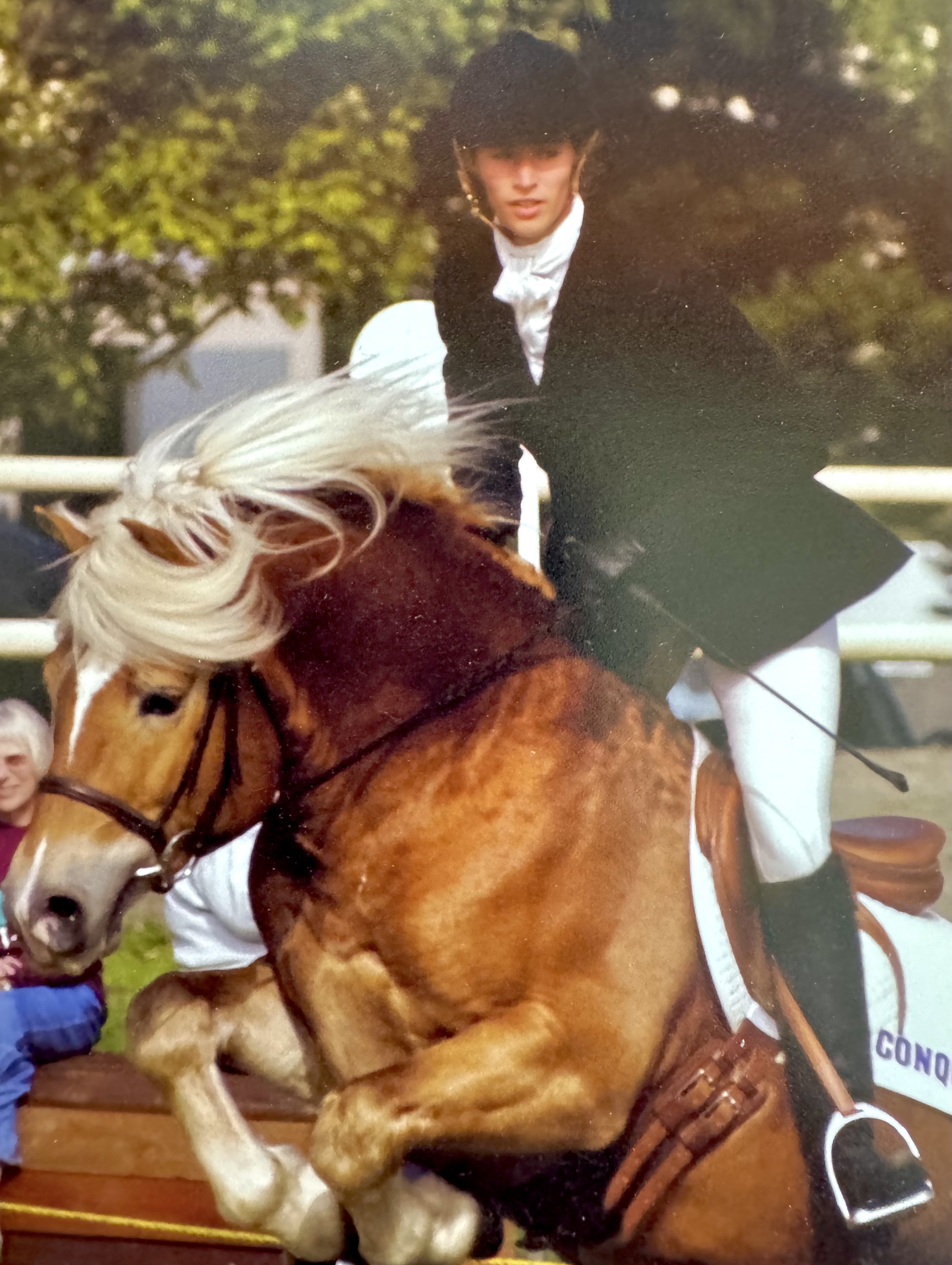
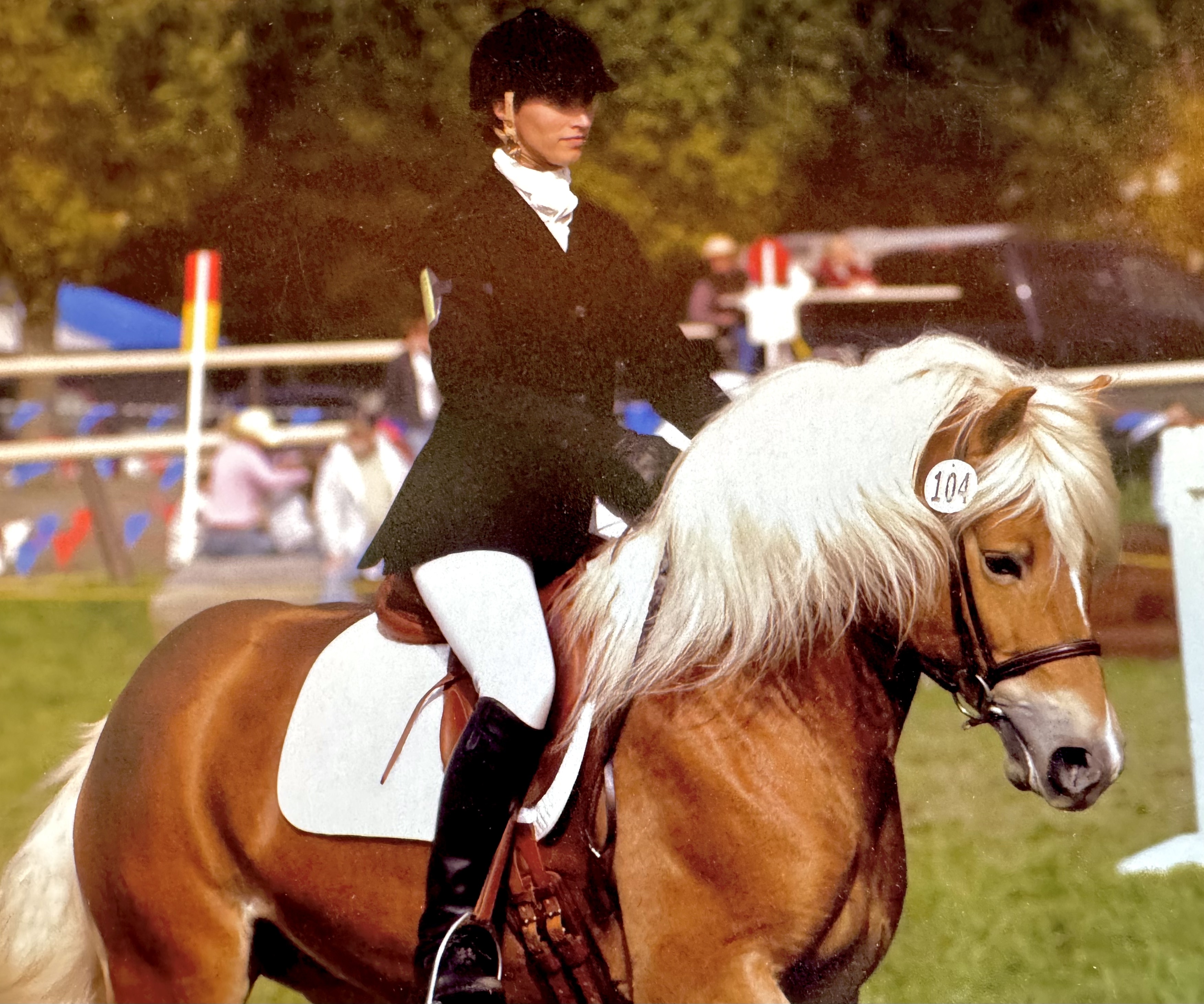
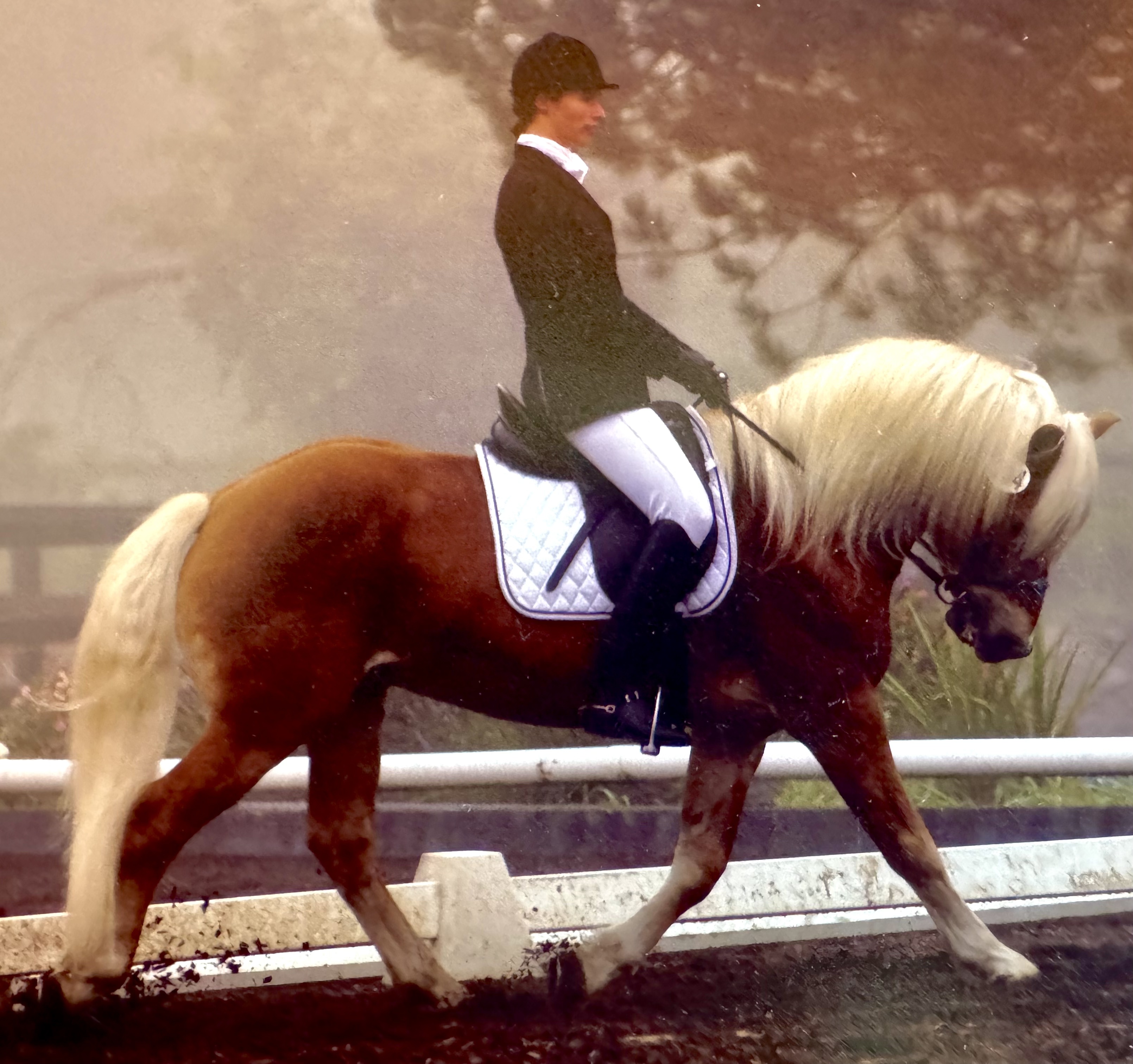
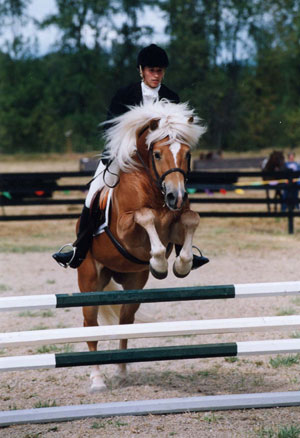
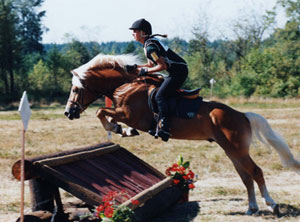
He leaves behind two sons who were his pasture buddies, a couple dozen offspring scattered around the country, and people who loved his ambassadorship for the Haflinger breed. In his younger days, he was an enthusiastic eventer in the northwest region, ridden by his trainer Jessica Heidemann. They both had an enthusiastic fan-following.
In his later years, Wally was patient and loving with our grandchildren and with us. He lived a good life in his place of happiness. I wanted him to die peacefully at home, without a worry.
It just doesn’t get much better than that.
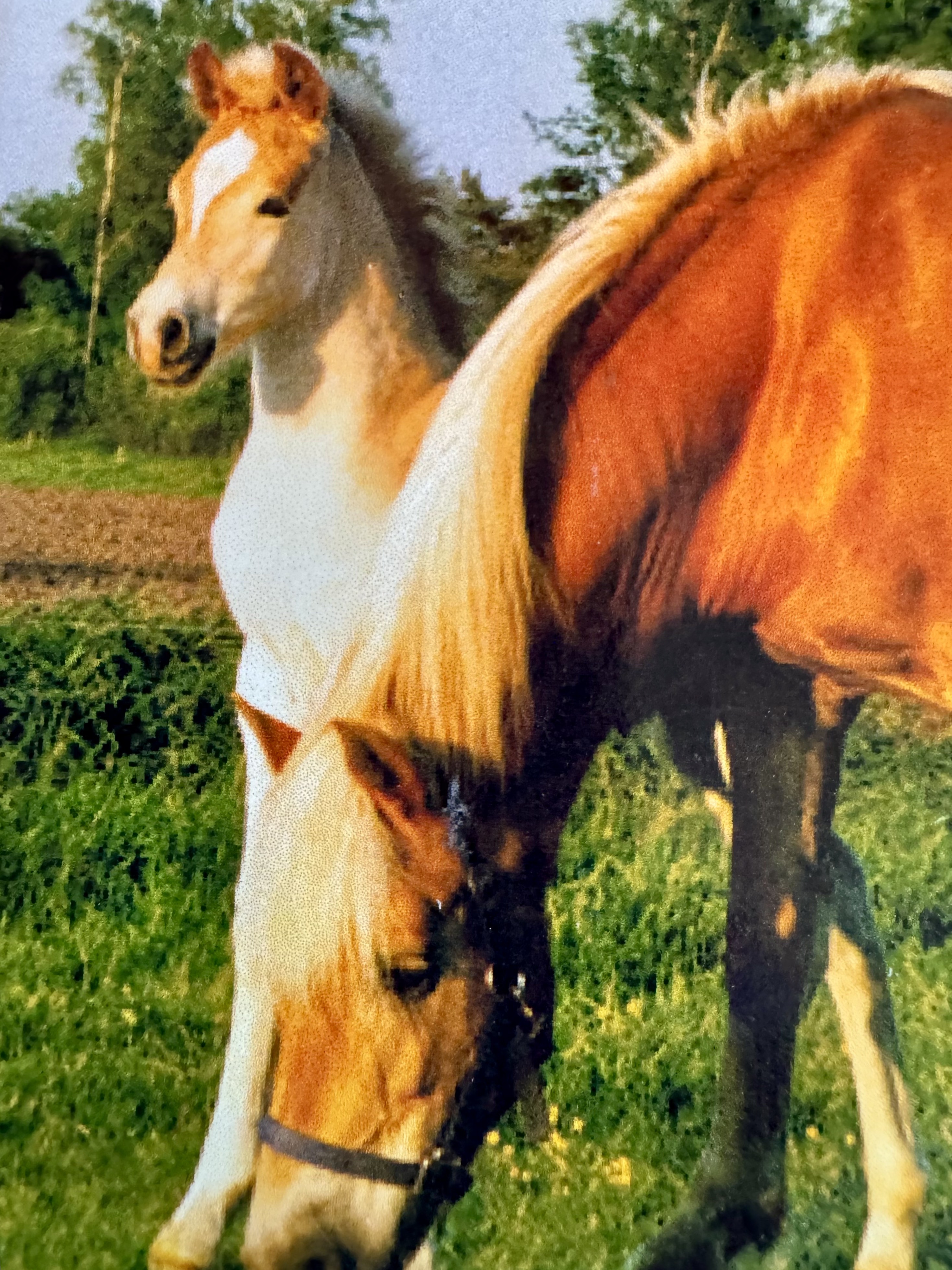
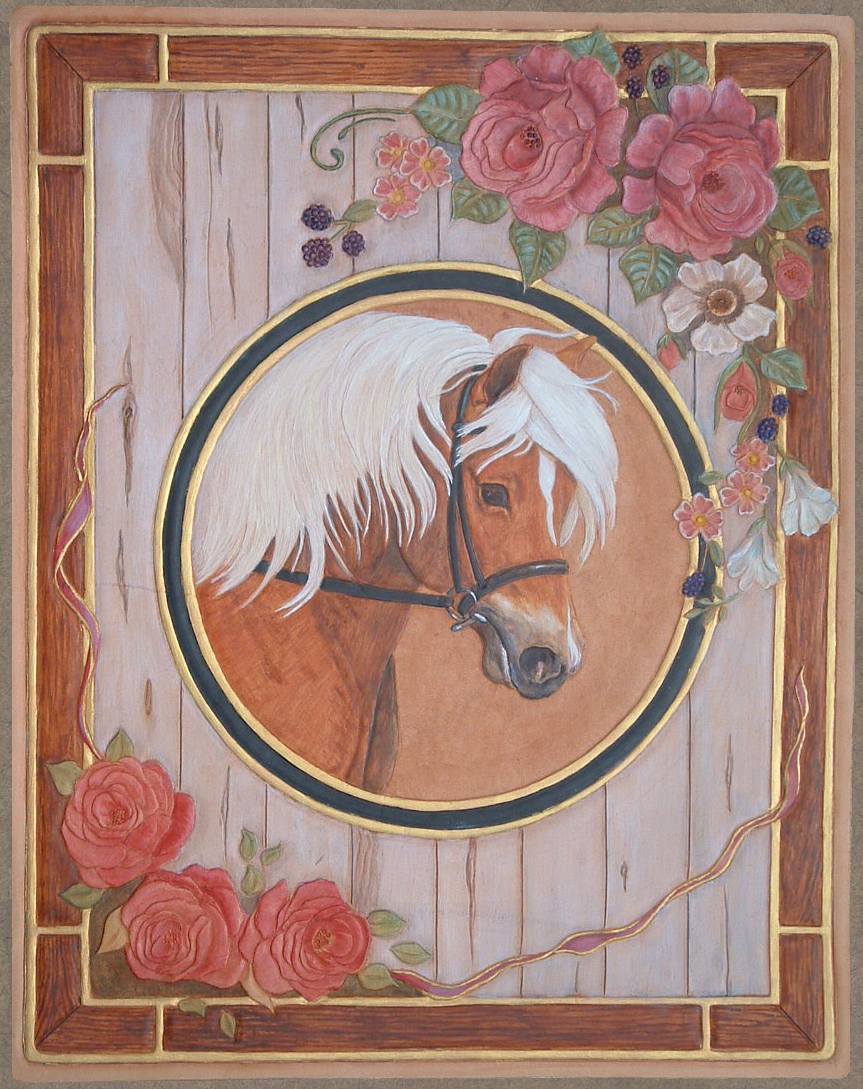
Waldheer van de Wortel, 1998 foal in Holland27 year old WallyArt work made by a fan of Waldheer
One-Time
Monthly
Yearly
Make a one-time or recurring donation to support daily Barnstorming posts
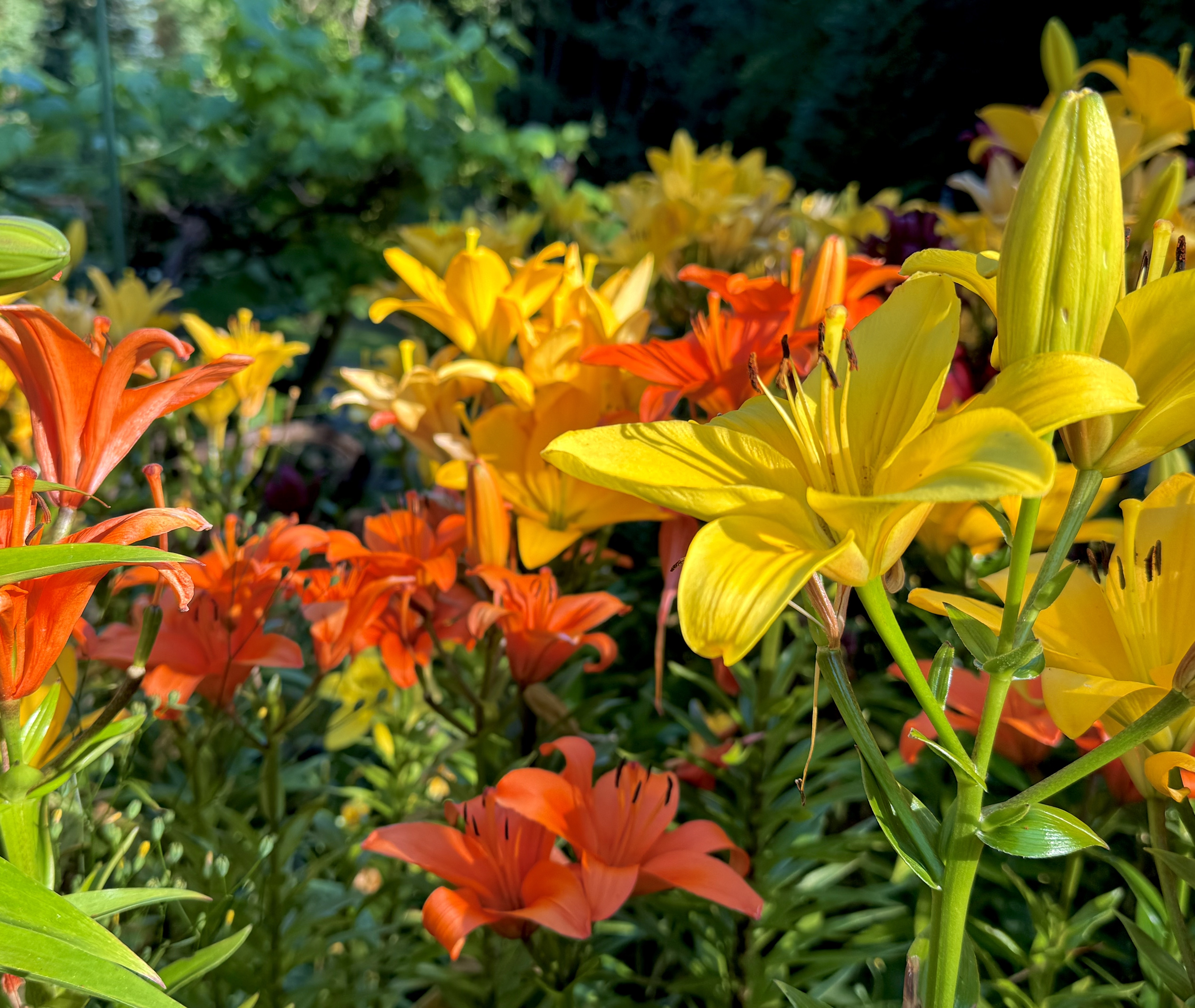
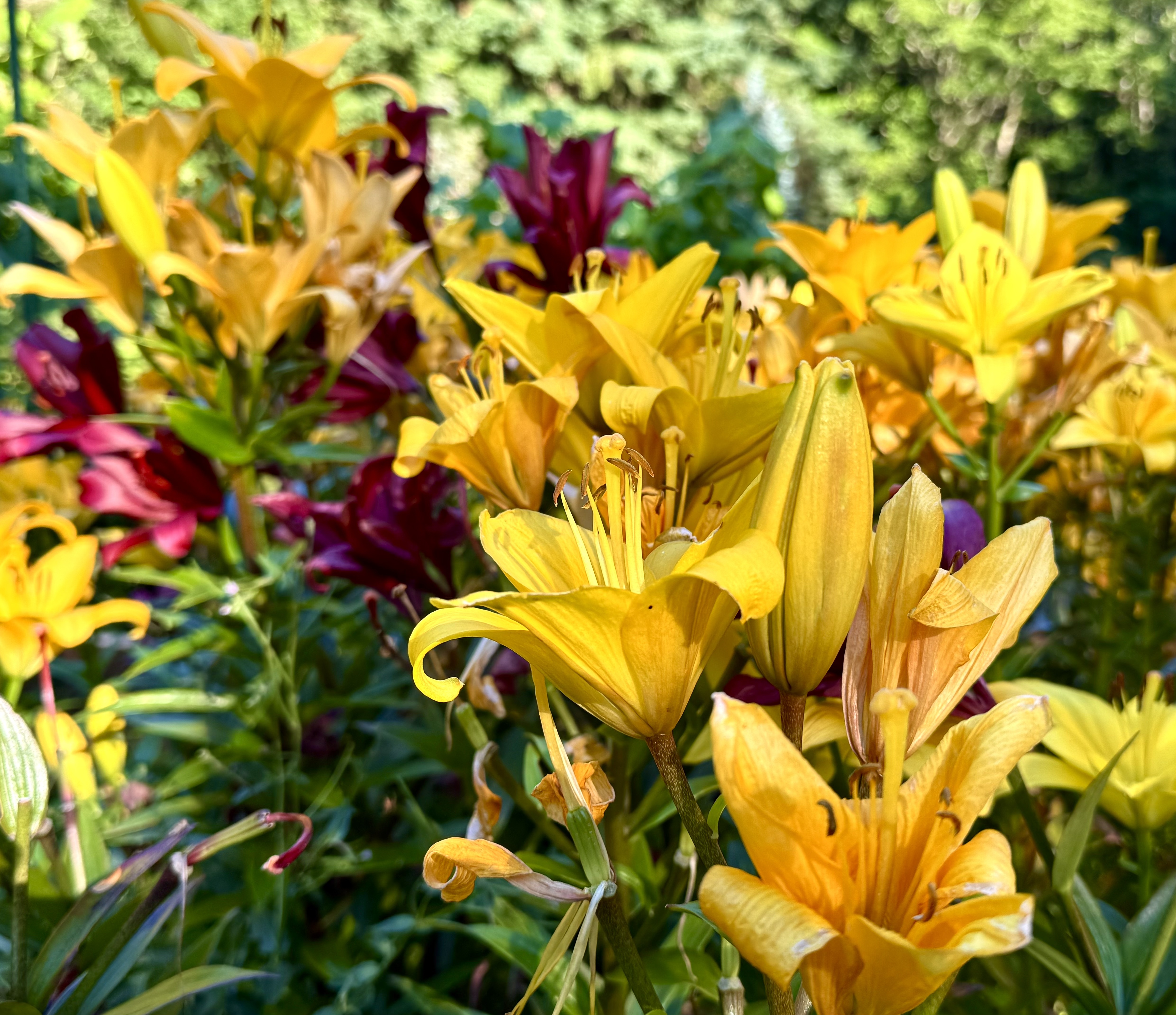
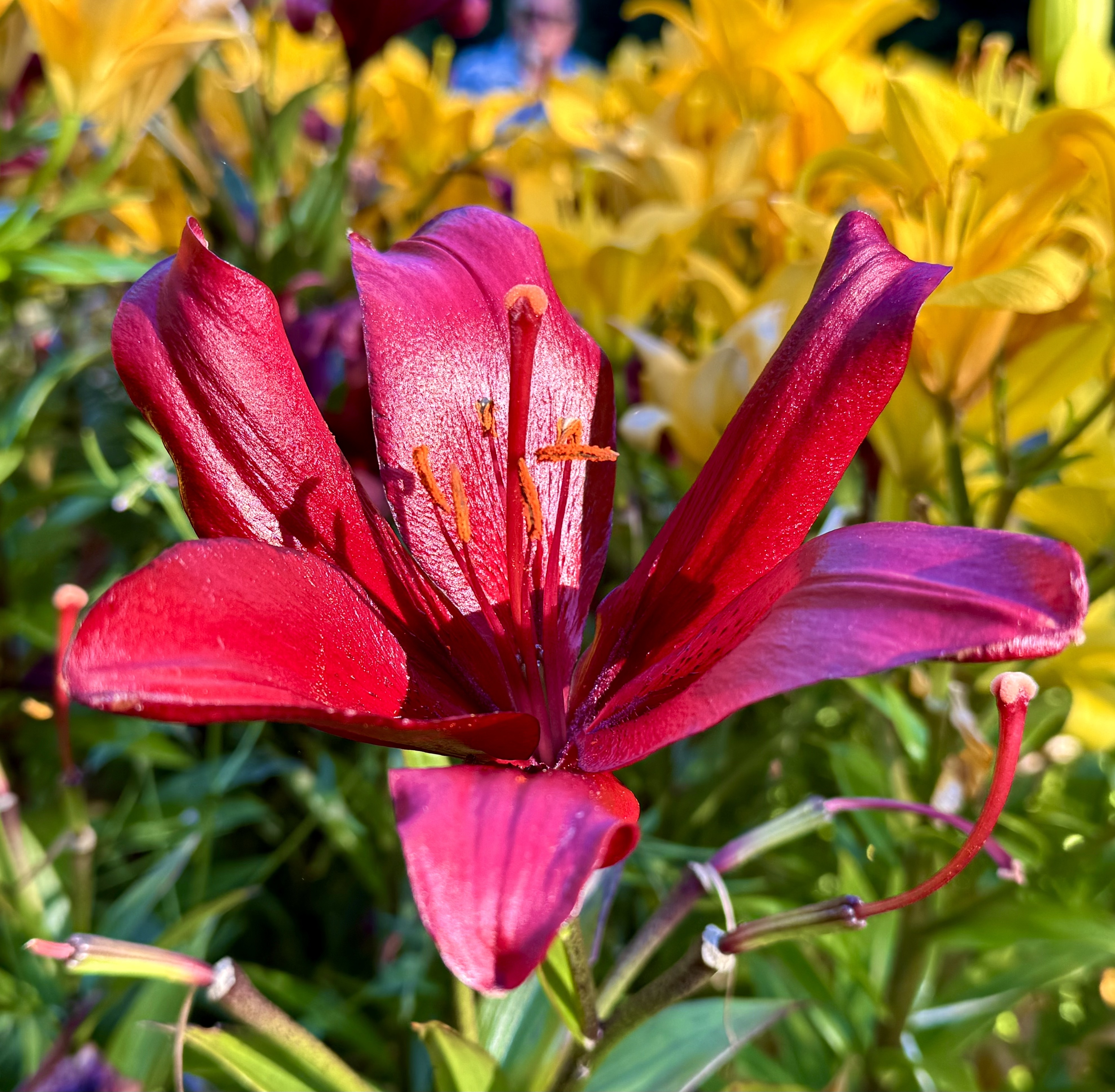
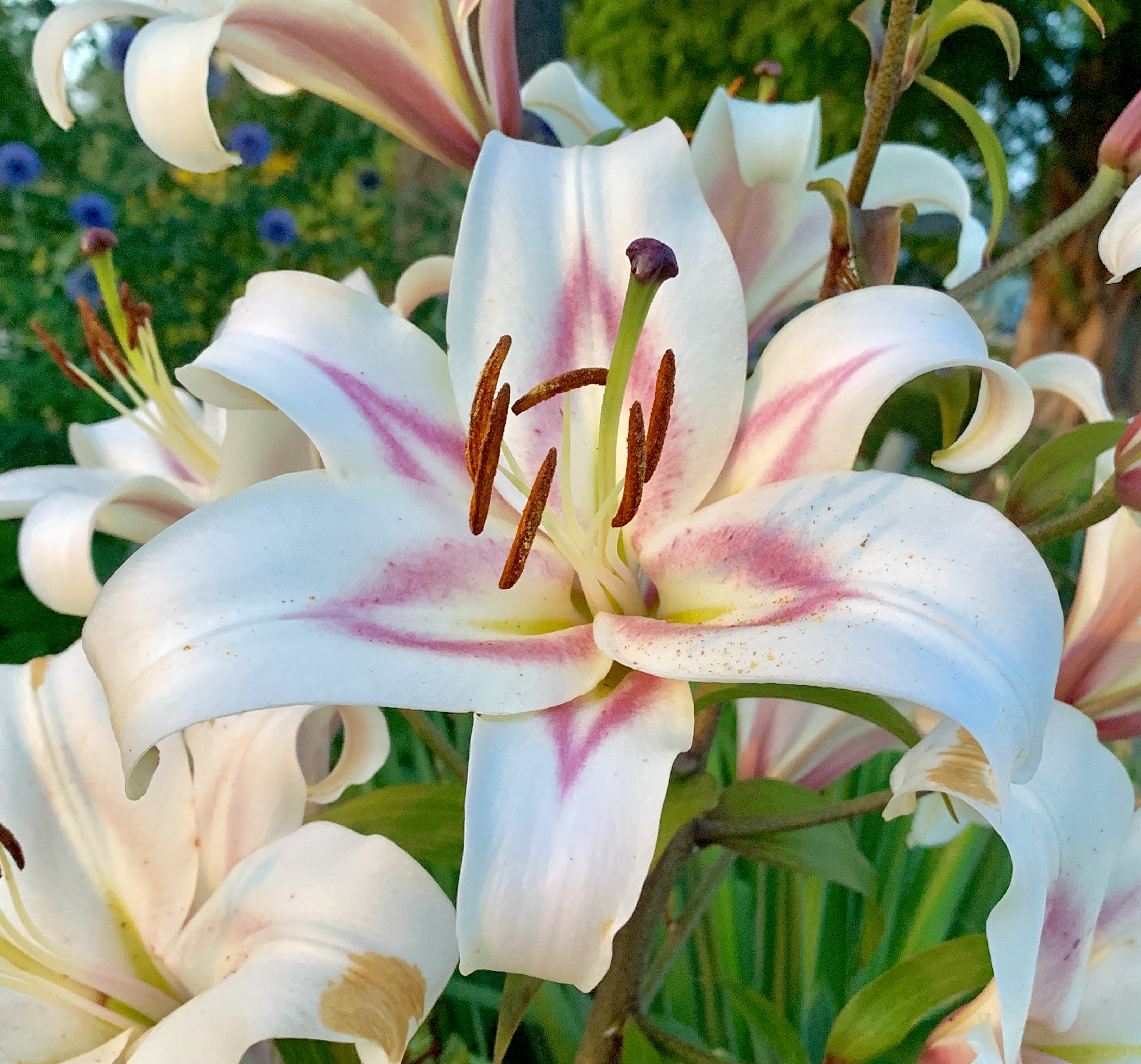
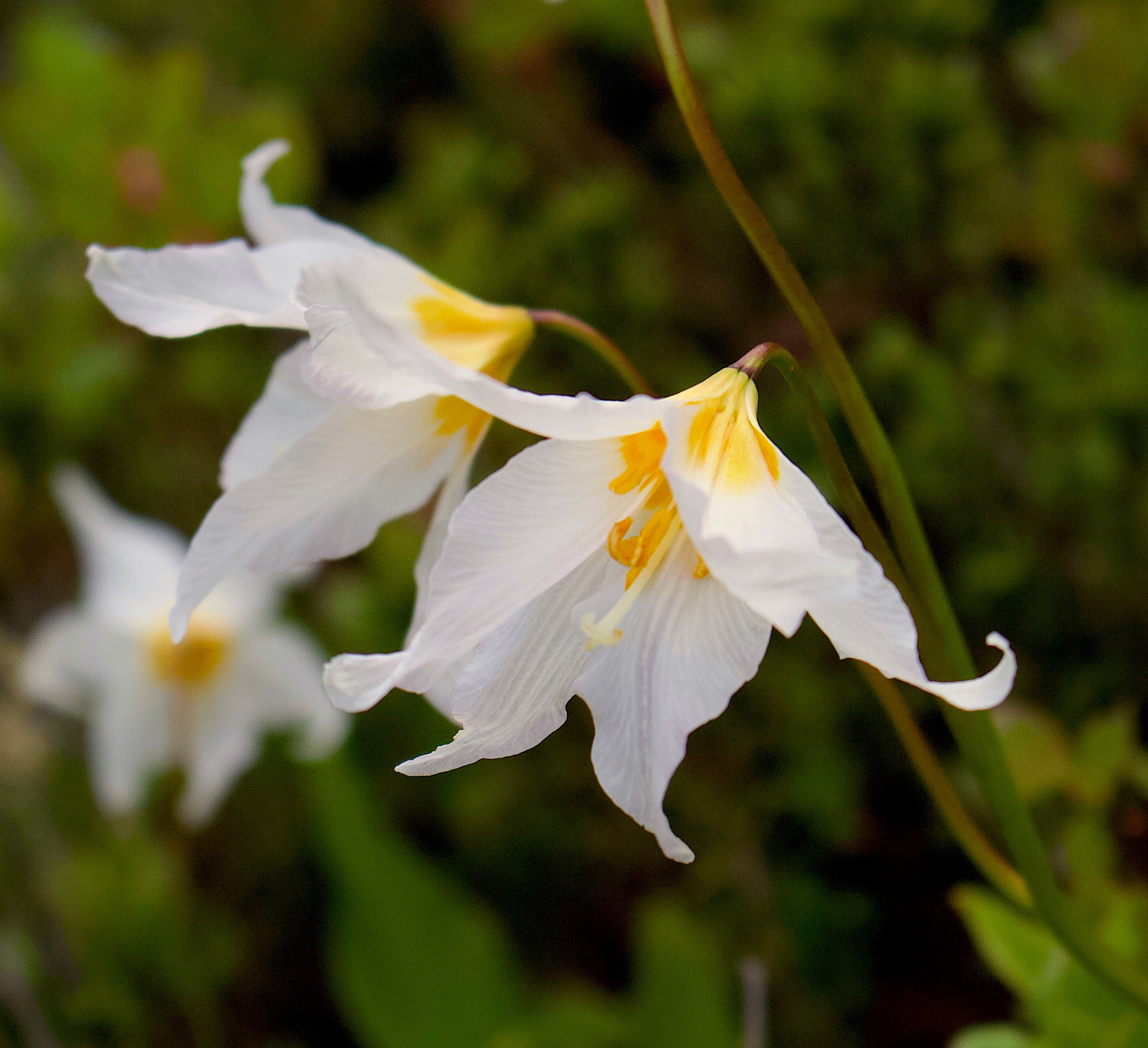
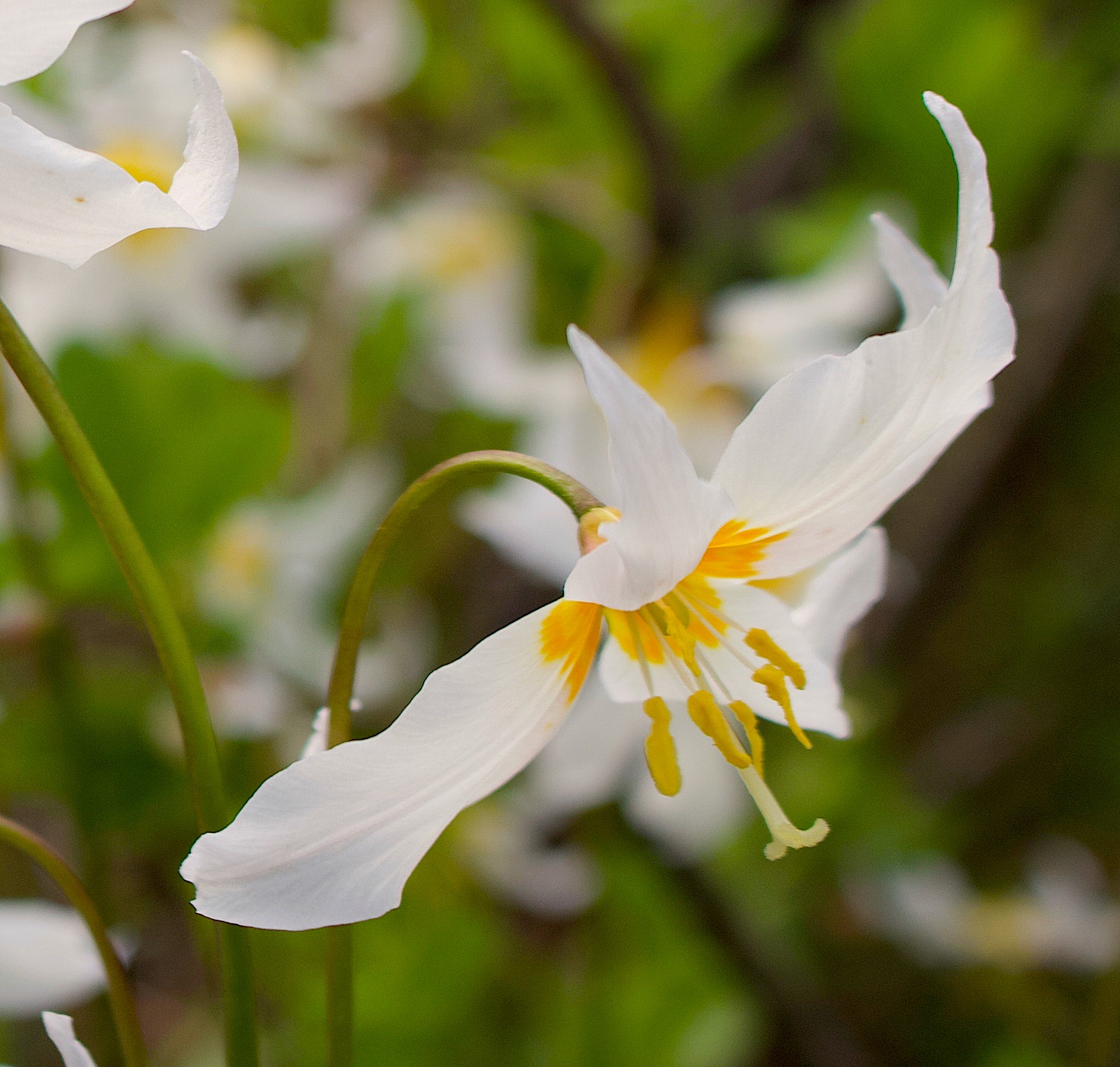
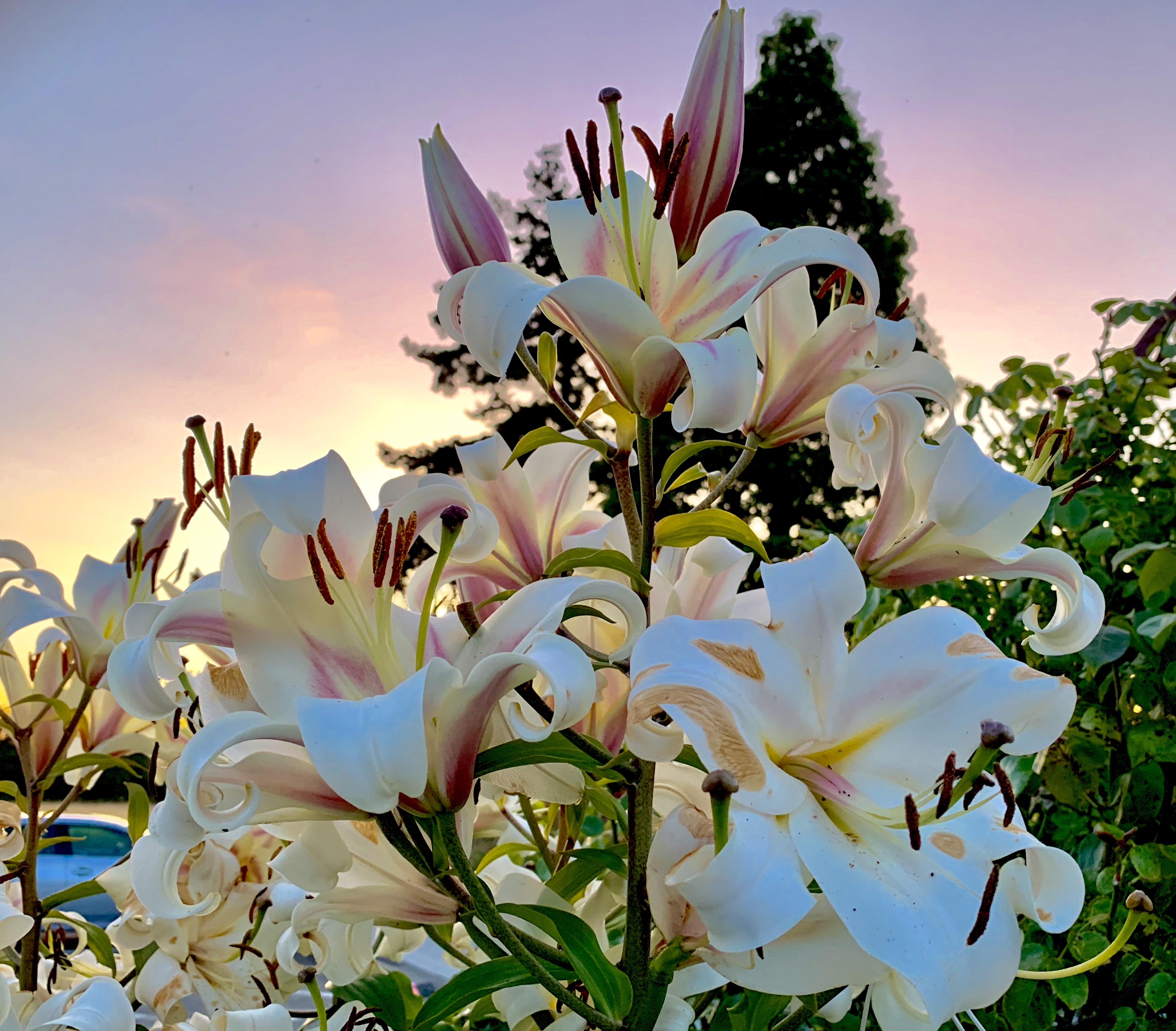
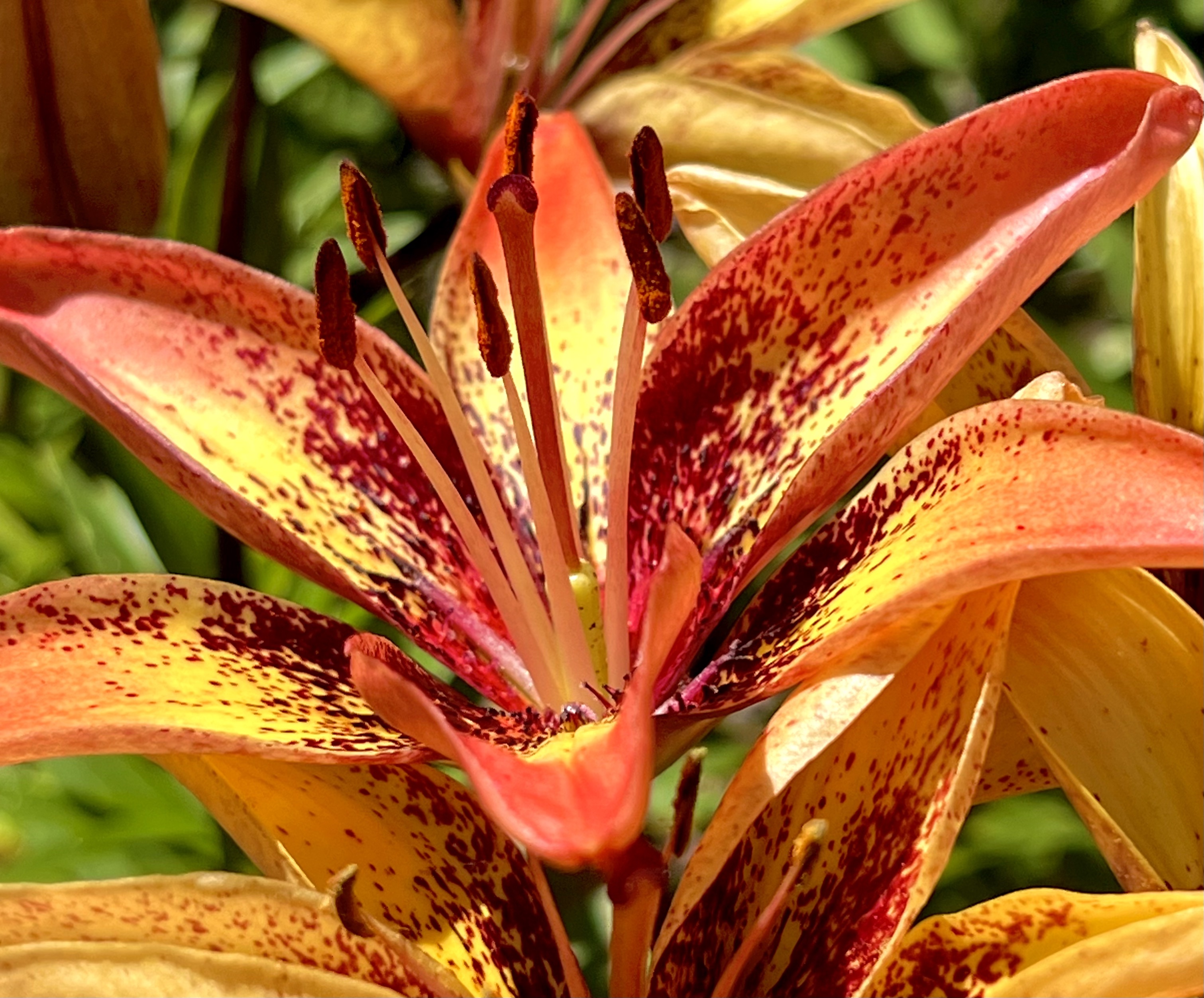
Night after night darkness enters the face of the lily which, lightly, closes its five walls around itself, and its purse of honey, and its fragrance, and is content to stand there in the garden, not quite sleeping, and, maybe, saying in lily language some small words we can’t hear even when there is no wind anywhere, its lips are so secret, its tongue is so hidden – or, maybe, it says nothing at all but just stands there with the patience of vegetables and saints until the whole earth has turned around and the silver moon becomes the golden sun – as the lily absolutely knew it would, which is itself, isn’t it, the perfect prayer? ~Mary Oliver “The Lily”
Consider the lilies of the field, how they grow; they neither toil nor spin;yet I tell you, even Solomon in all his glory was not arrayed like one of these. Matthew 6:28b-29
I have been thinking about living like the lilies that blow in the fields.
They rise and fall in the edge of the wind, and have no shelter from the tongues of the cattle,
and have no closets or cupboards, and have no legs. Still I would like to be as wonderful
as the old idea. But if I were a lily I think I would wait all day for the green face
of the hummingbird to touch me. What I mean is, could I forget myself
even in those feathery fields? When Van Gogh preached to the poor of course he wanted to save someone–
most of all himself. He wasn’t a lily, and wandering through the bright fields only gave him more ideas
it would take his life to solve. I think I will always be lonely in this world, where the cattle graze like a black and white river–
where the vanishing lilies melt, without protest, on their tongues– where the hummingbird, whenever there is a fuss, just rises and floats away. ~Mary Oliver “Lilies”
From the simplest lyric to the most complex novel and densest drama, literature is asking us to pay attention… pay attention to the world and all that dwells therein and thereby learn at last to pay attention to yourself and all that dwells therein.
Literature, painting, music— the most basic lesson that all art teaches us is to stop, look, and listen to life on this planet, including our own lives, as a vastly richer, deeper, more mysterious business as we bumble along from day to day on automatic pilot. In a world that for the most part steers clear of the whole idea of holiness, art is one of the few places left where we can speak to each other of holy things.
Is it too much to say that Stop, Look, and Listen is also the most basic lesson that the Judeo-Christian tradition teaches us? Listen to history is the cry of the ancient prophets of Israel. Listen to social injustice, says Amos; to head-in-the-sand religiosity, says Jeremiah; to international treacheries and power-plays, says Isaiah; because it is precisely through them that God speaks his word of judgment and command.
In a letter to a friend Emily Dickinson wrote that “Consider the lilies of the field” was the only commandment she never broke. She could have done a lot worse. Consider the lilies. It is the sine qua non of art and religion both. ~Frederick Buechner from Whistling in the Dark
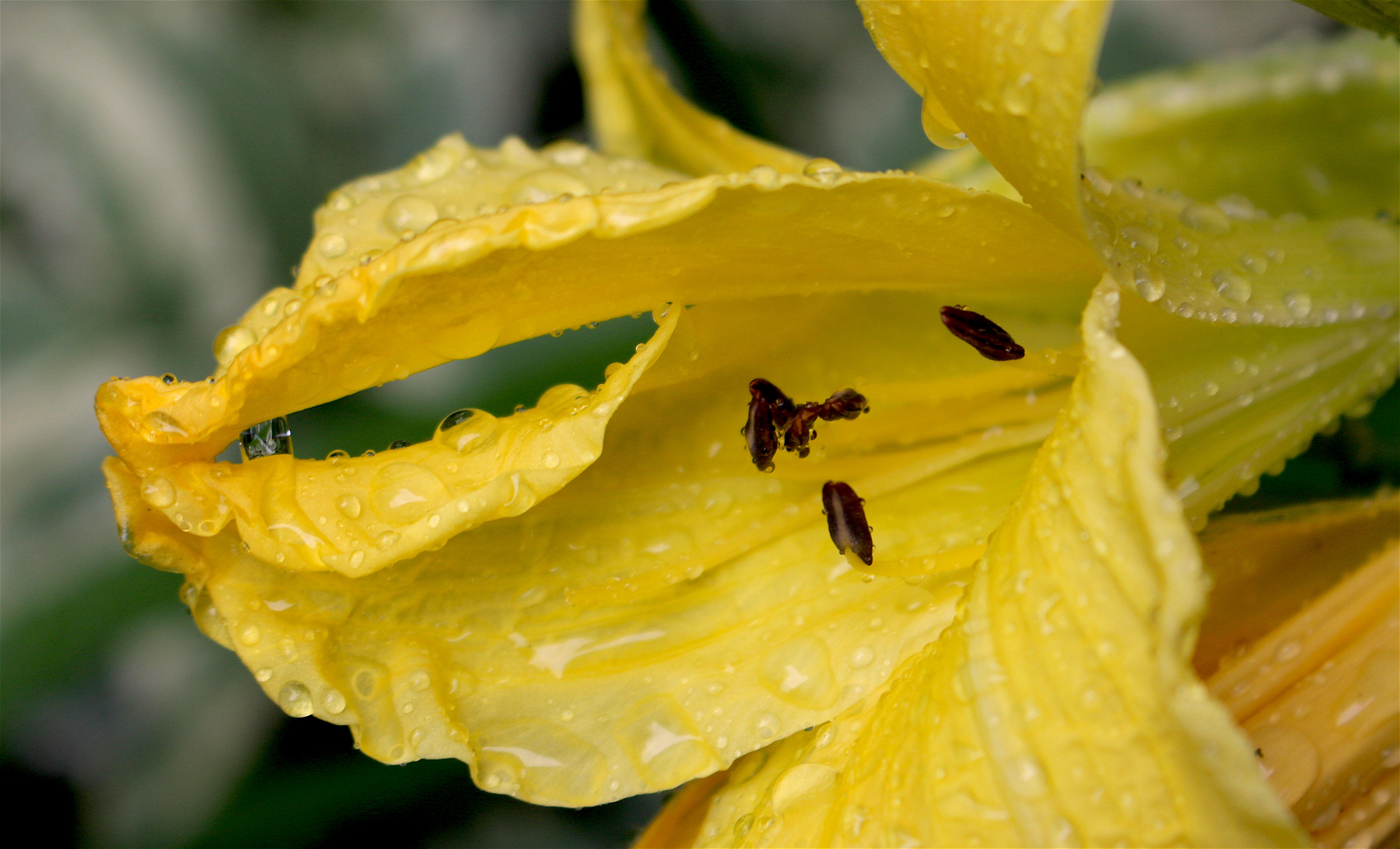
I have failed to “consider the lilies” way too many times.
In my daily life, I am considering my own worries and concerns as I walk past beauty and purpose and holiness. My mind turns inward, often blind and deaf to what is outside me.
It is necessary to be reminded every day that I need to pay attention beyond myself, to love my neighbor, to remember what history has to teach us, to search for the sacred in all things.
Stop, Look, Listen, Consider: all is grace, all is gift, all is holiness brought to life – so stunning, so amazing, so wondrous.
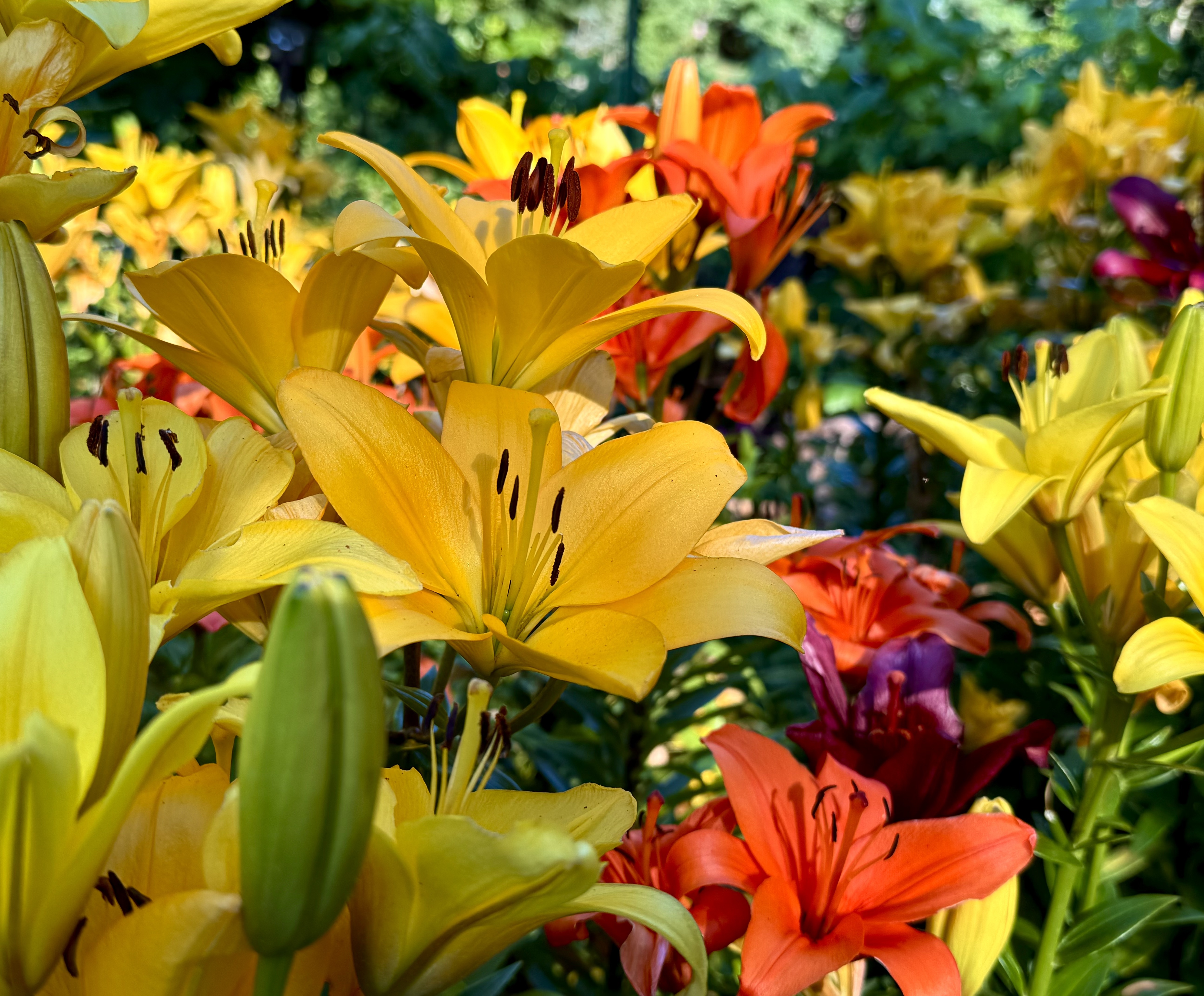
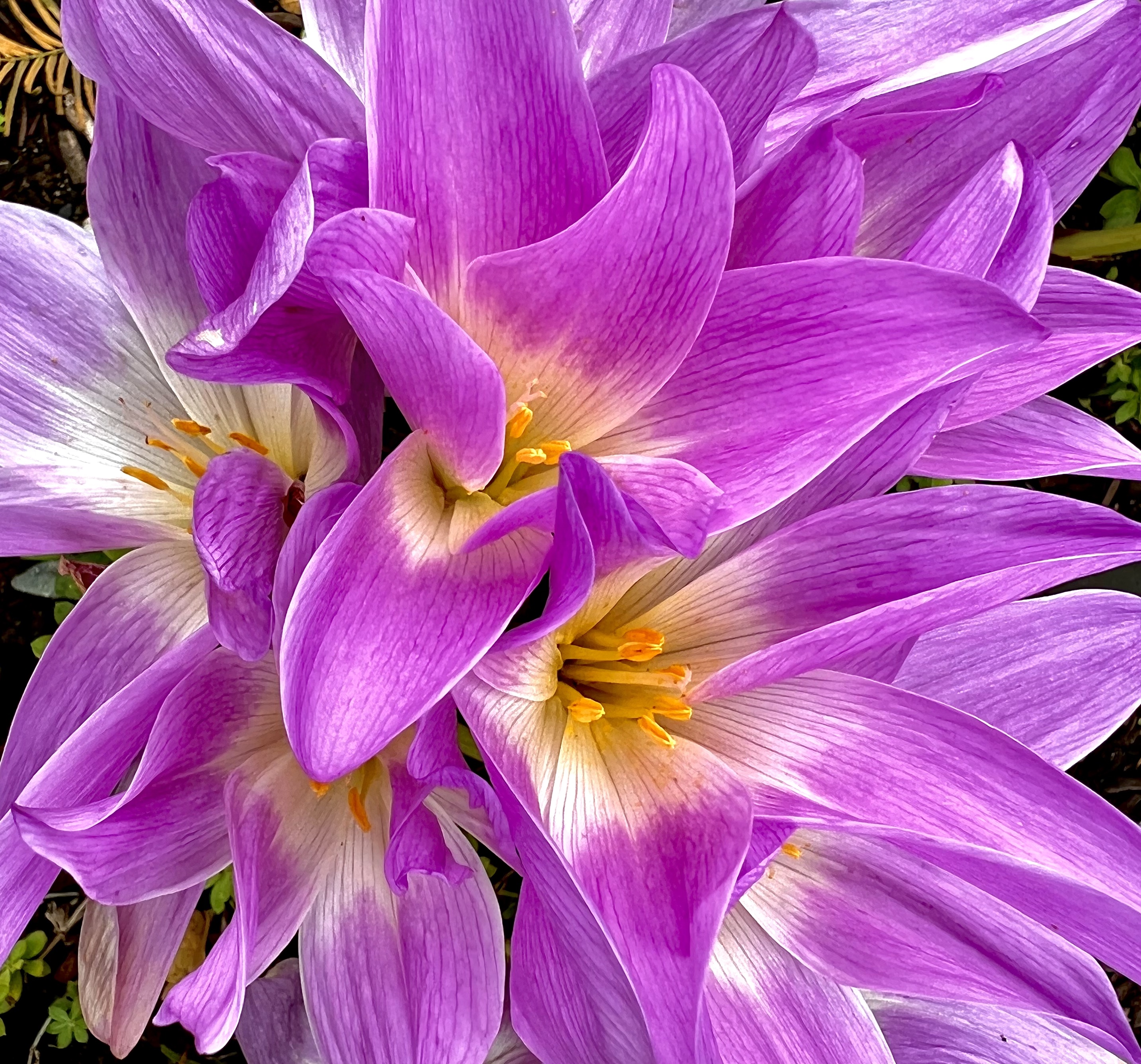
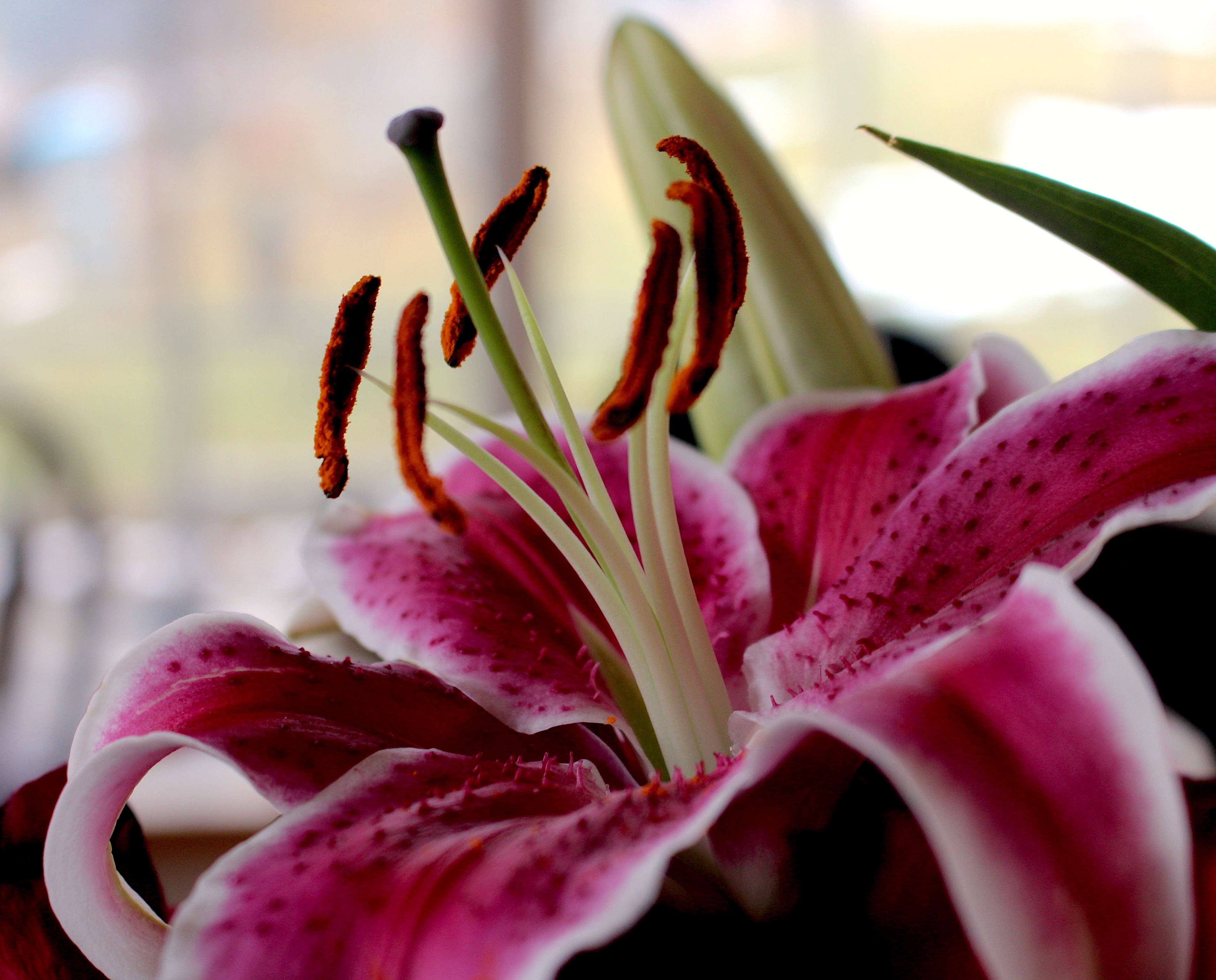
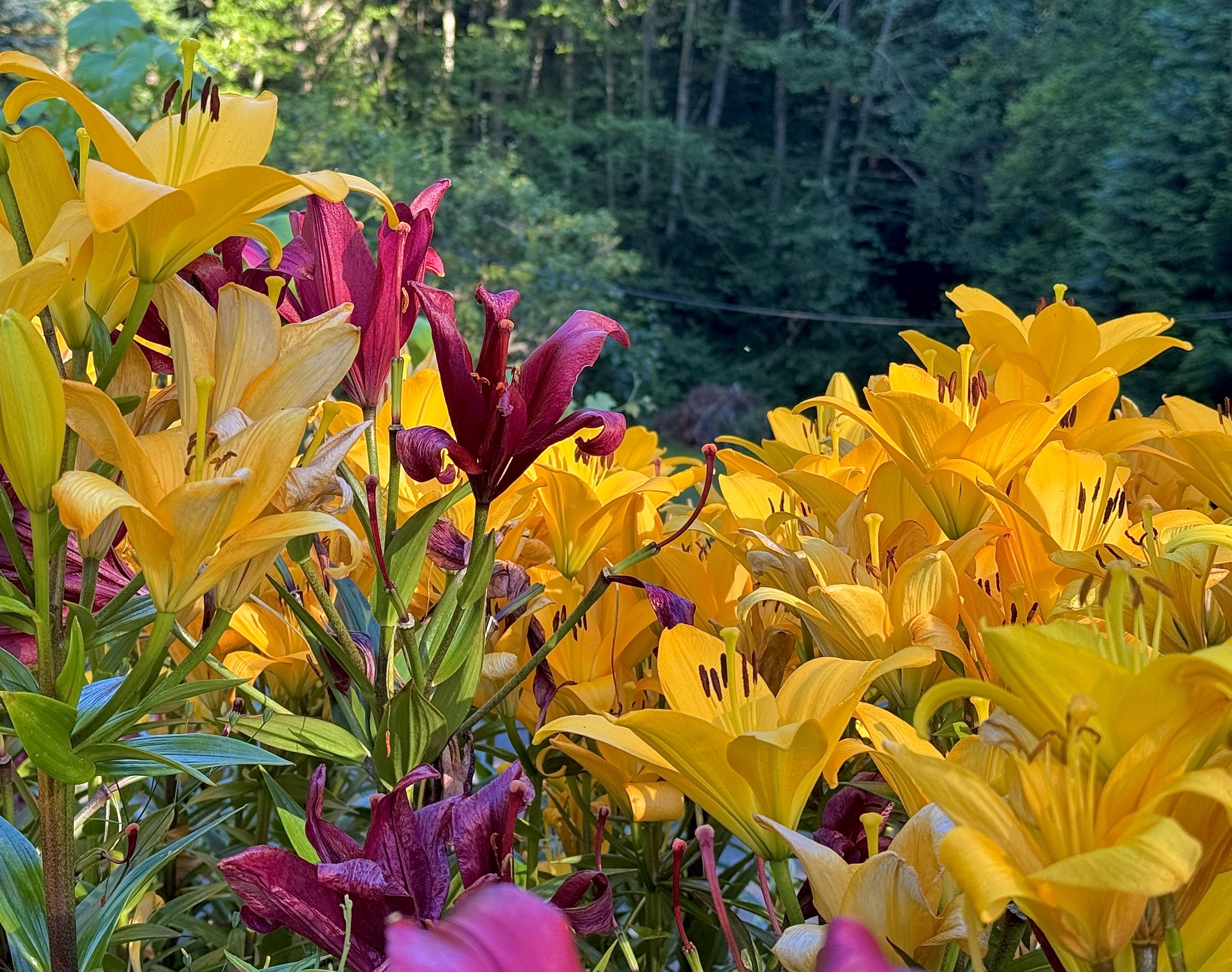
Thank you to David and Lynne Nelson, David Vos of VanderGiessen Nursery, Arlene Van Ry, Tennant Lake Park and Western Washington University for making their lovely lilies available to me to photograph.
One-Time
Monthly
Yearly
Make a one-time or recurring donation to support daily Barnstorming posts
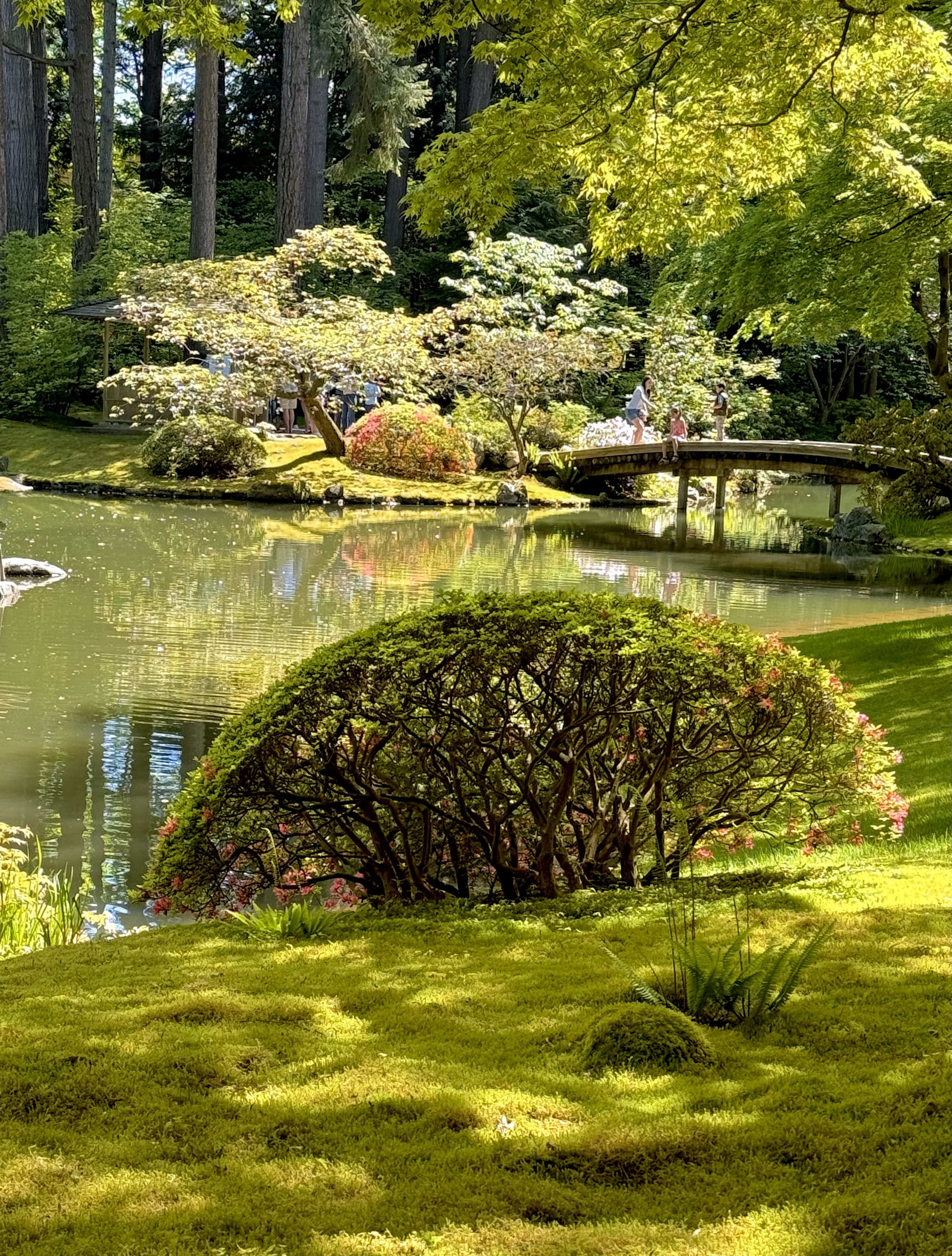
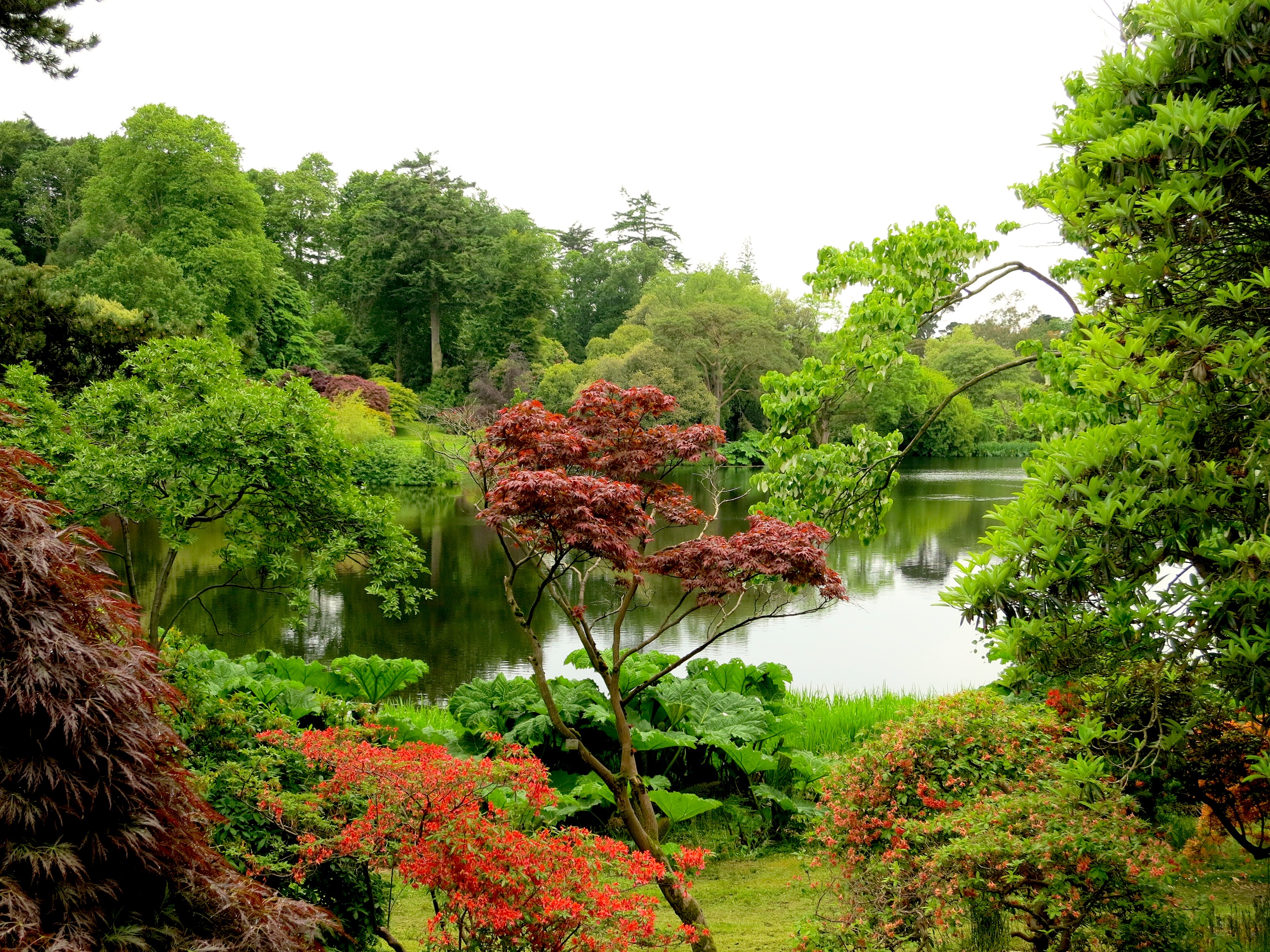
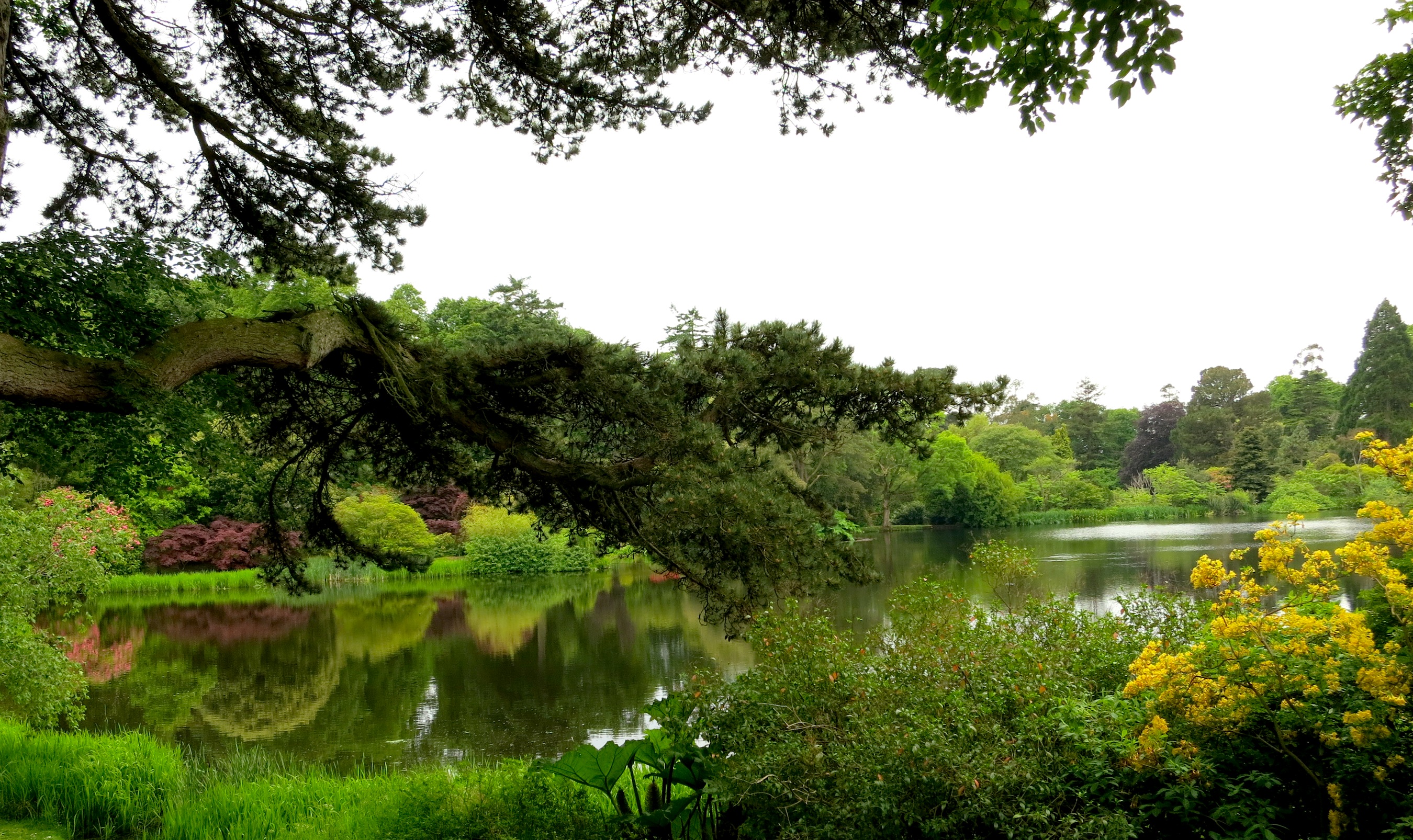
What is this life if, full of care, We have no time to stand and stare.
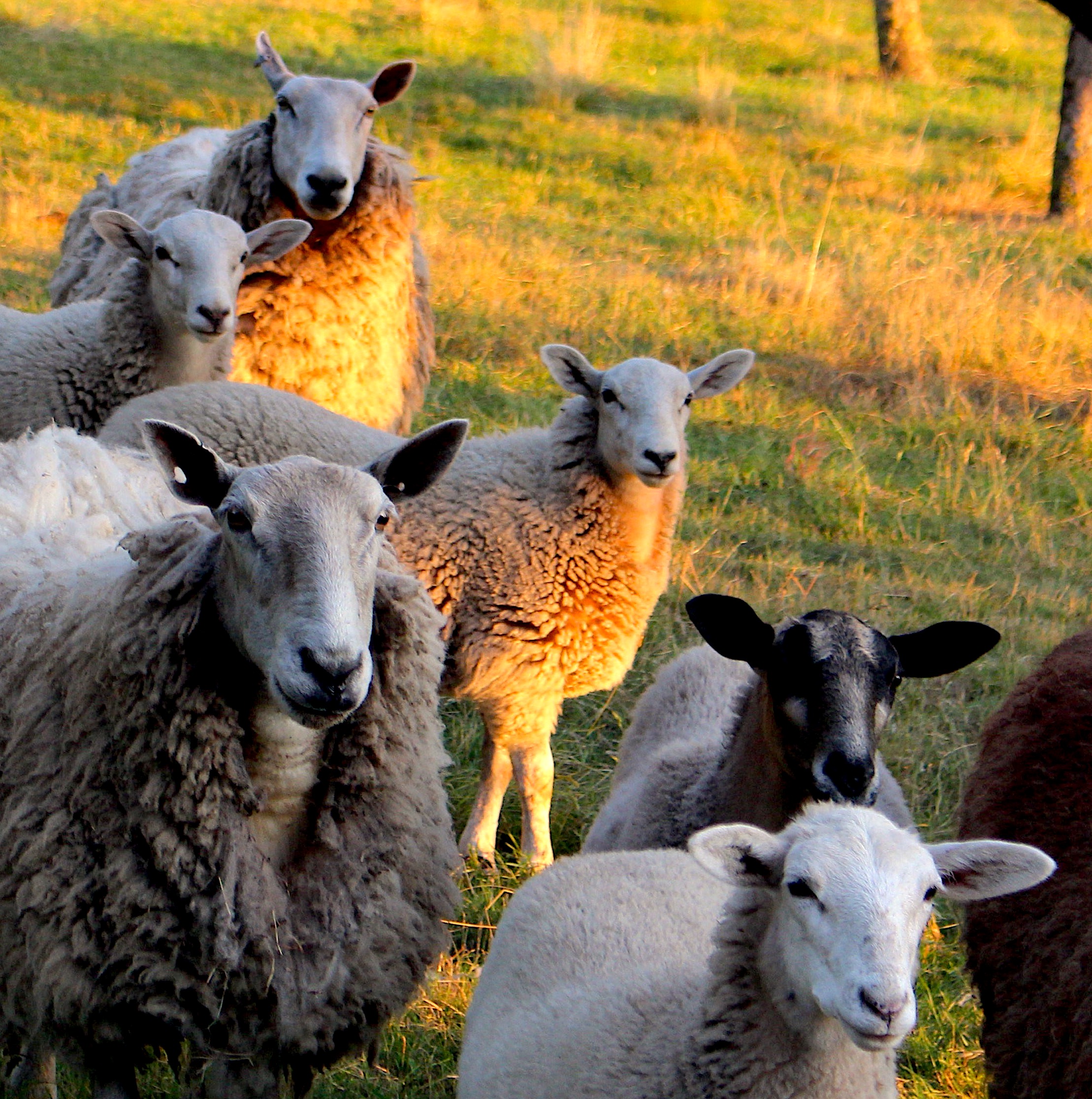
No time to stand beneath the boughs And stare as long as sheep or cows.
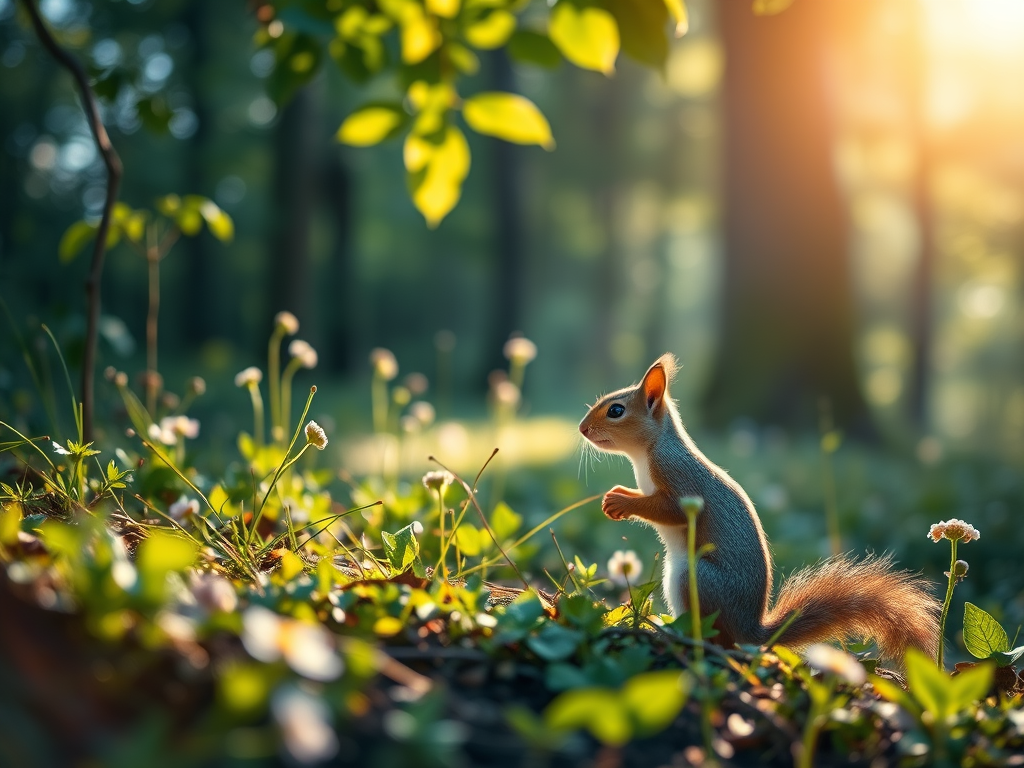
No time to see, when woods we pass, Where squirrels hide their nuts in grass.
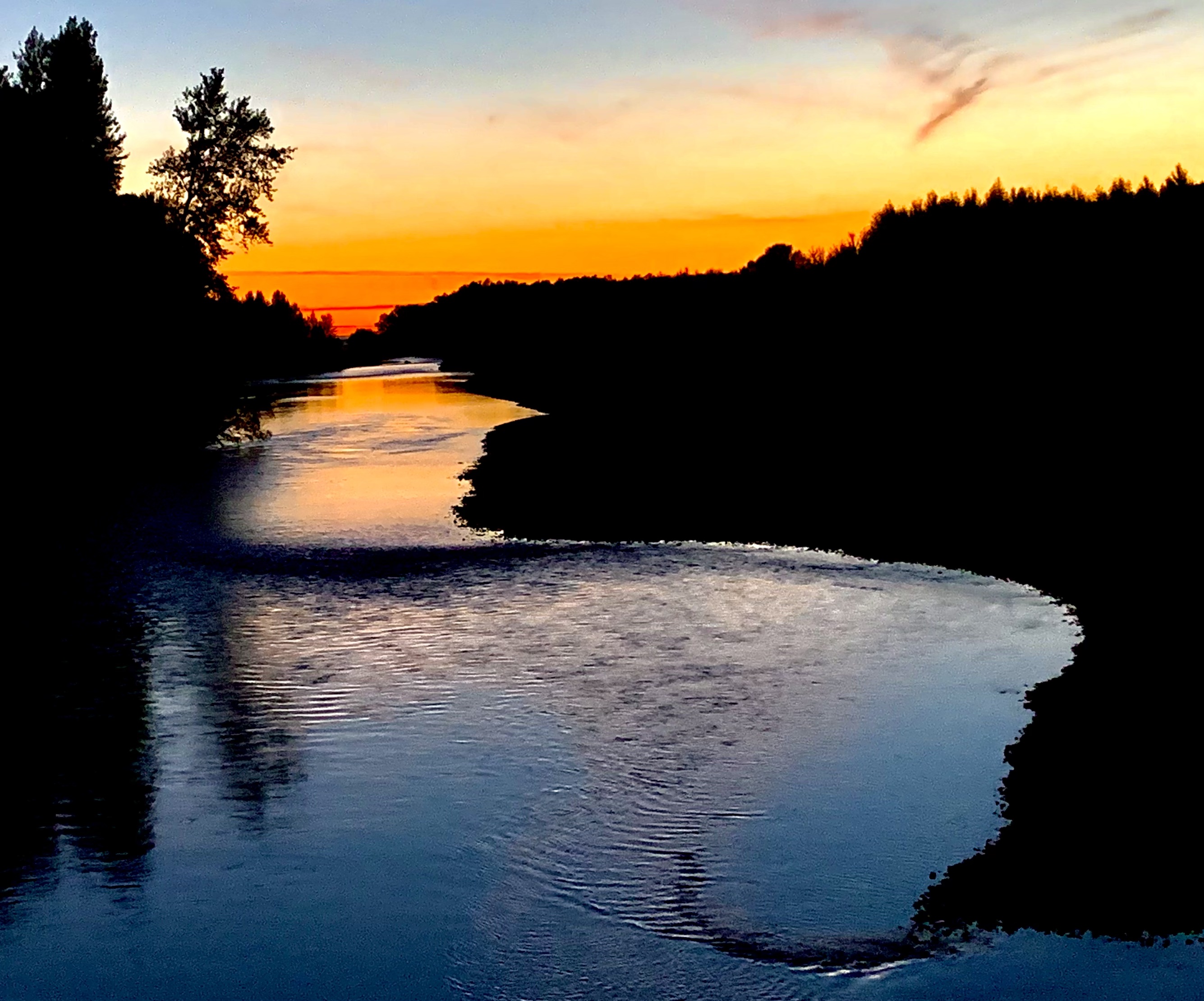
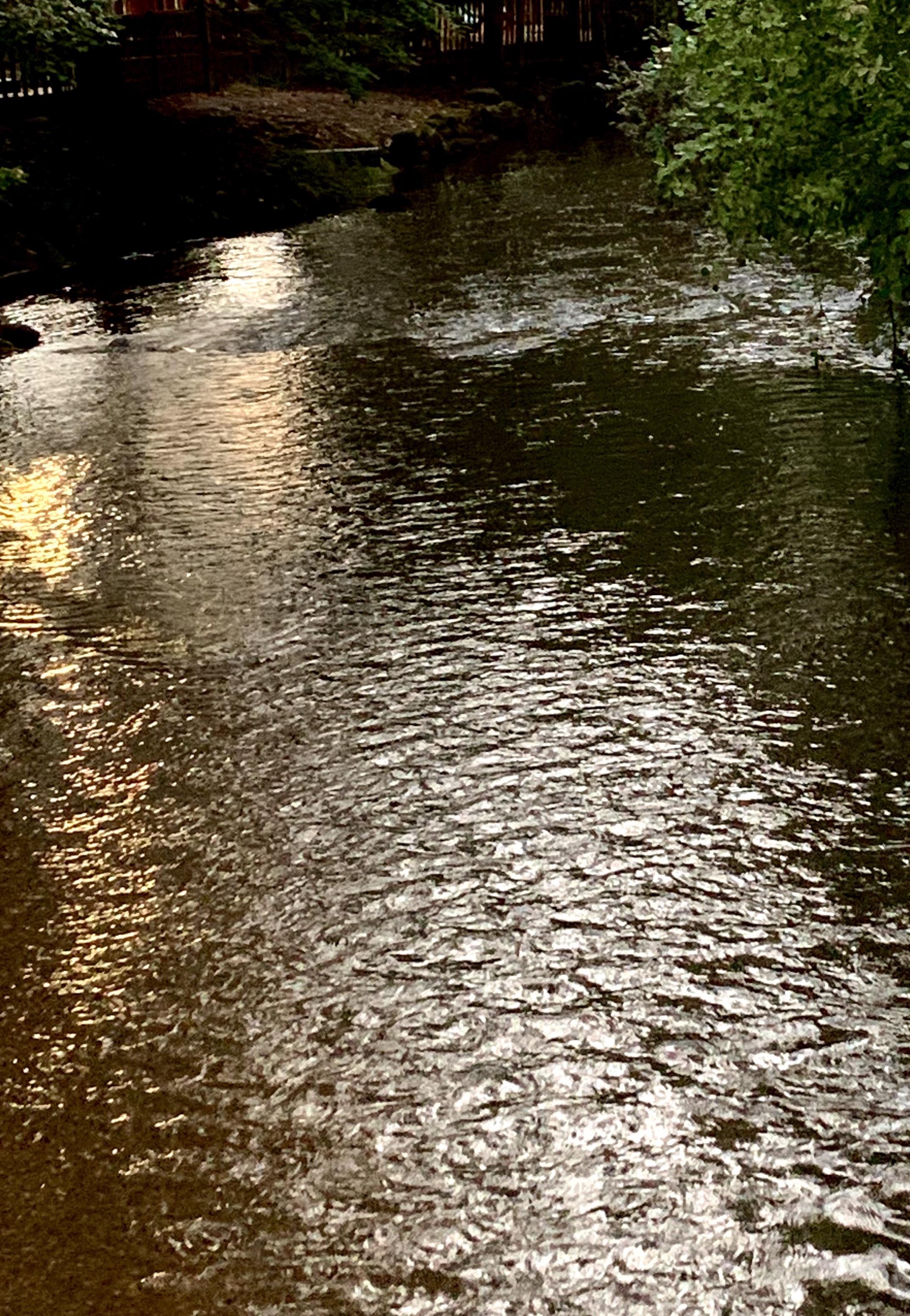
No time to see, in broad daylight, Streams full of stars, like skies at night.
No time to turn at Beauty’s glance, And watch her feet, how they can dance.
No time to wait till her mouth can Enrich that smile her eyes began.
A poor life this if, full of care, We have no time to stand and stare. ~W.H.Davies “Leisure”
…I believe there are certain habits that, if practiced, will stimulate the growth of humble roots in our lives. One of those is a habit of awe and wonder.
By awe and wonder, I mean the regular practice of paying careful attention to the world around us. Not merely seeing but observing. Perceiving. Considering. Asking thoughtful questions about what we see, smell, hear, touch, taste. In other words, attending with love and curiosity to what our senses sense. (How often do we eat without tasting? How often do we look without seeing? Hear without listening?) Admiring, imagining, receiving the beauty of the world around us in a regular, intentional way: this is the habit of a wonder-filled person. And it leads to humility.
A regular habit of awe and wonder de-centers us. It opens a window in our imaginations, beckoning us to climb out of our own opinions and experiences and to consider things greater and beyond our own lives. It strengthens our curiosity, which in turn lowers the volume on our anxieties and grows our ability to empathize. Over time, we become less self-focused and can admit without embarrassment what we don’t know. In short, we grow more humble. ~Kelly Givens from “Teaching Children to See” from Mere Orthodoxy
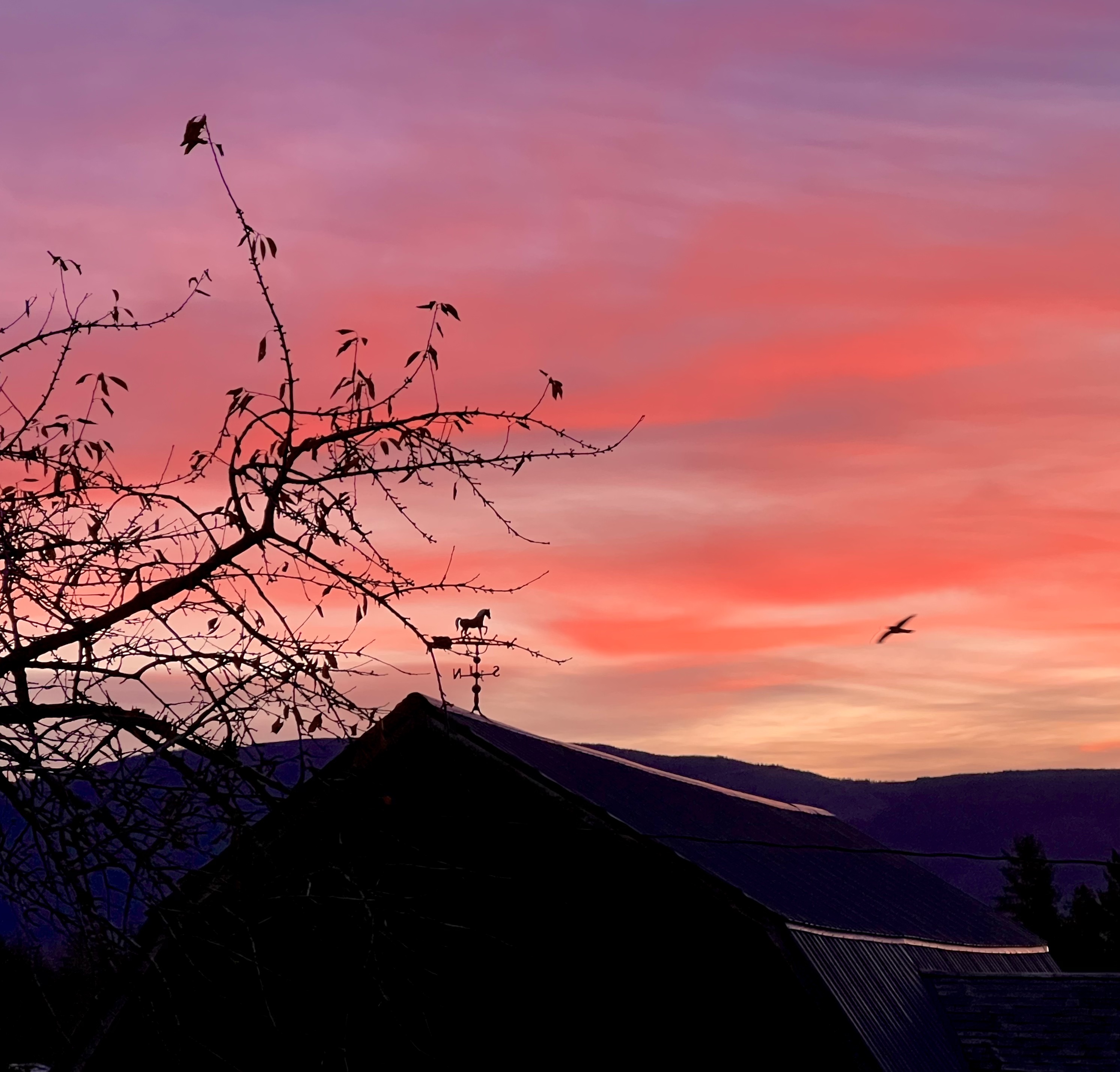
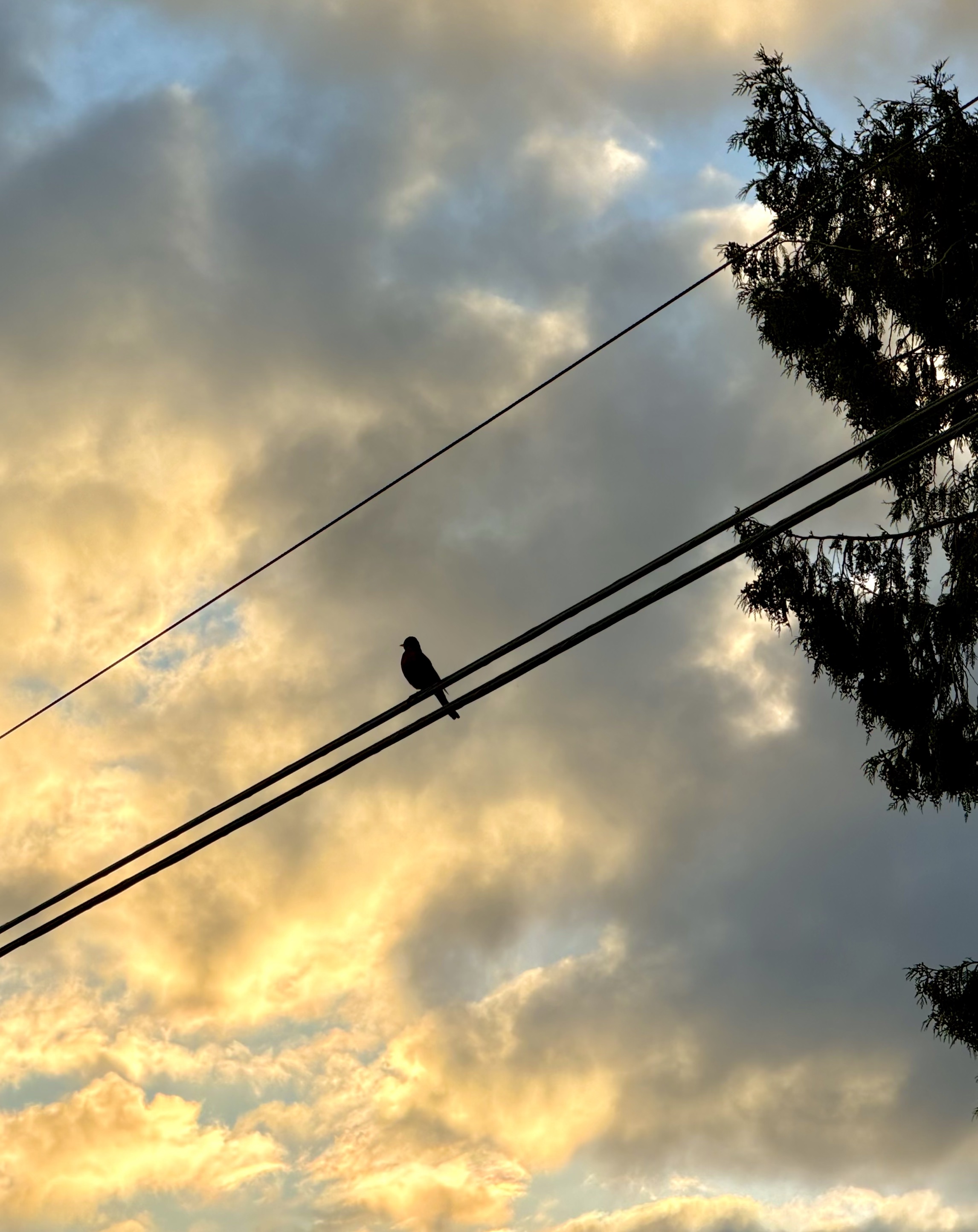
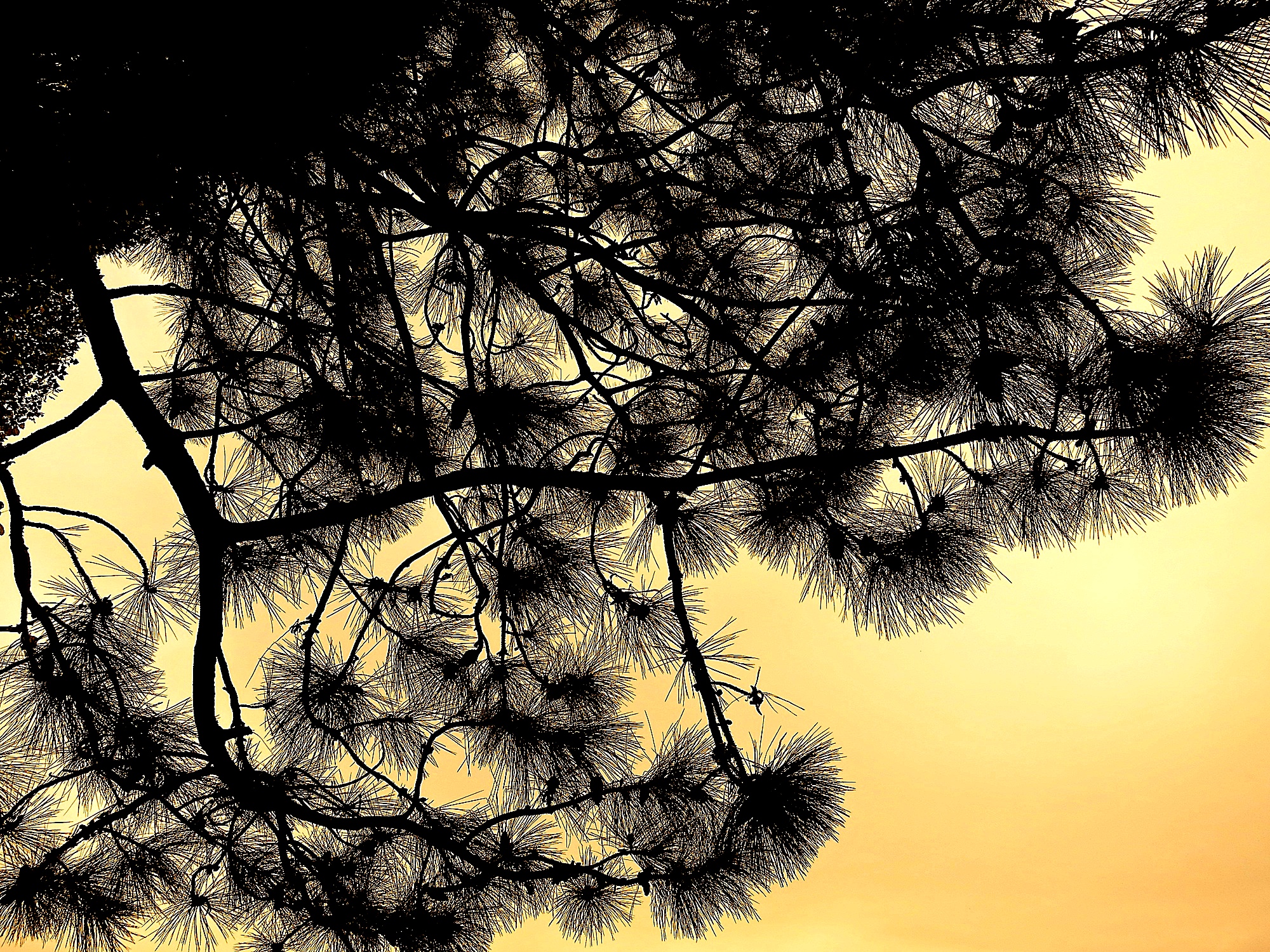
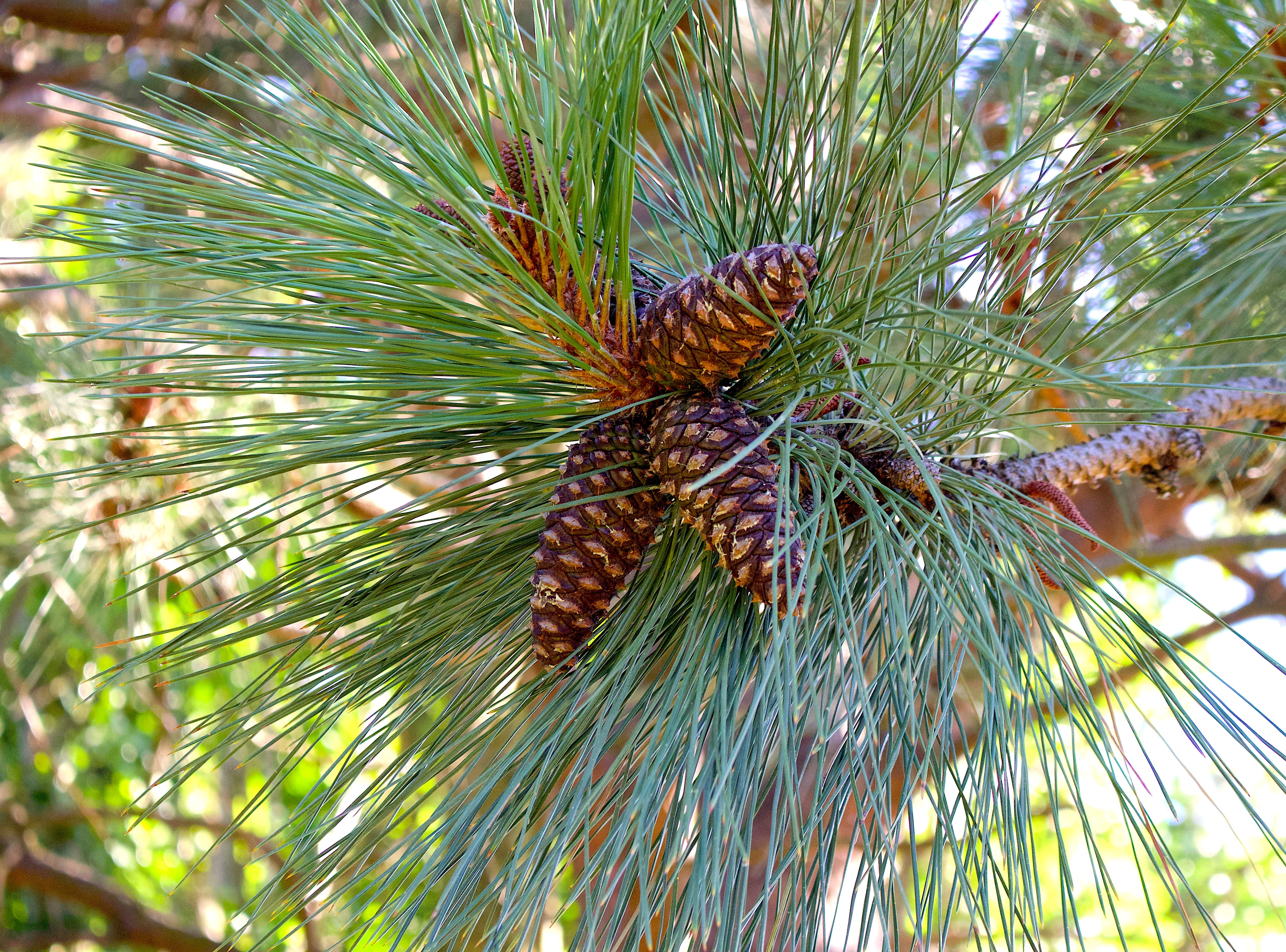
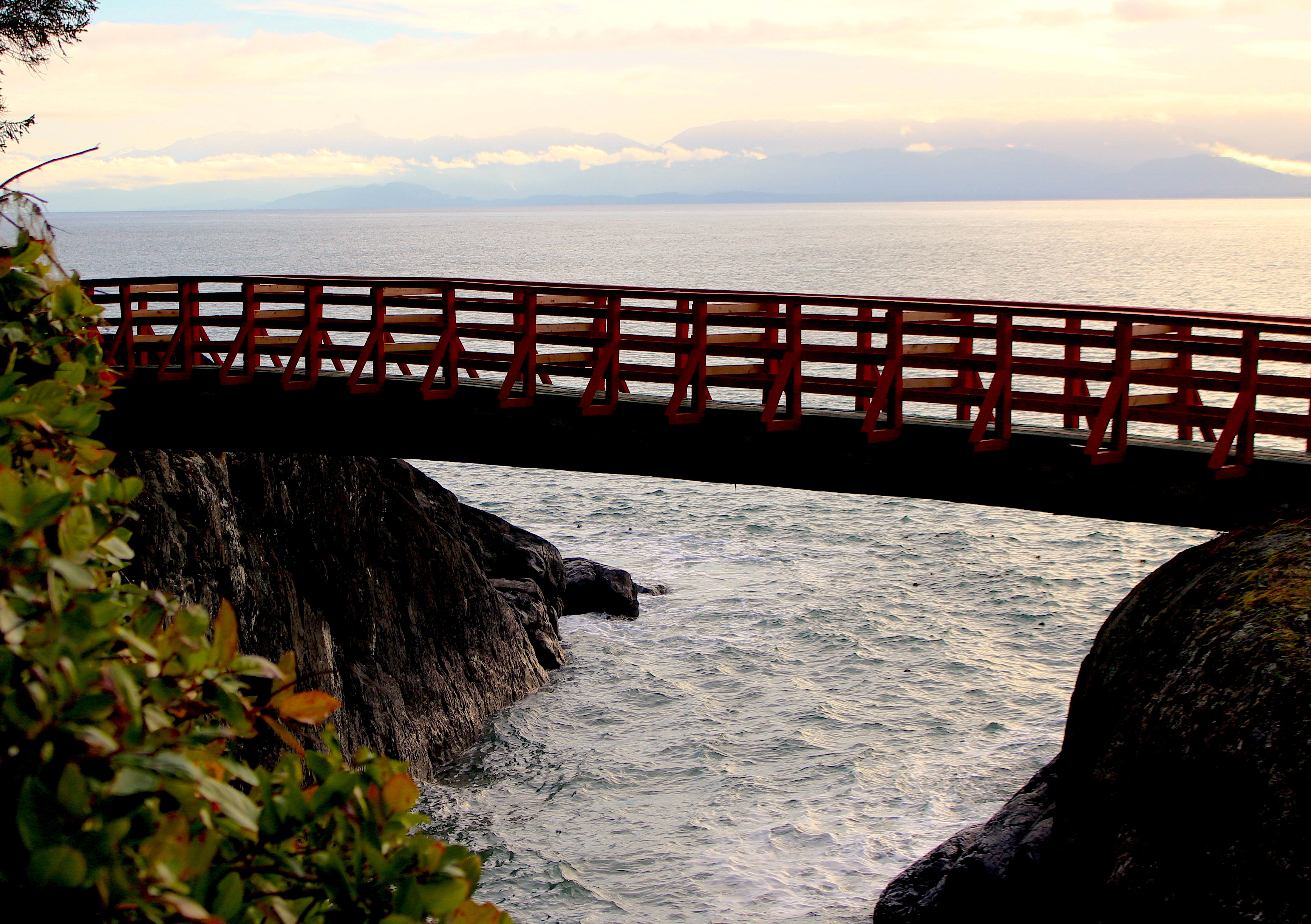
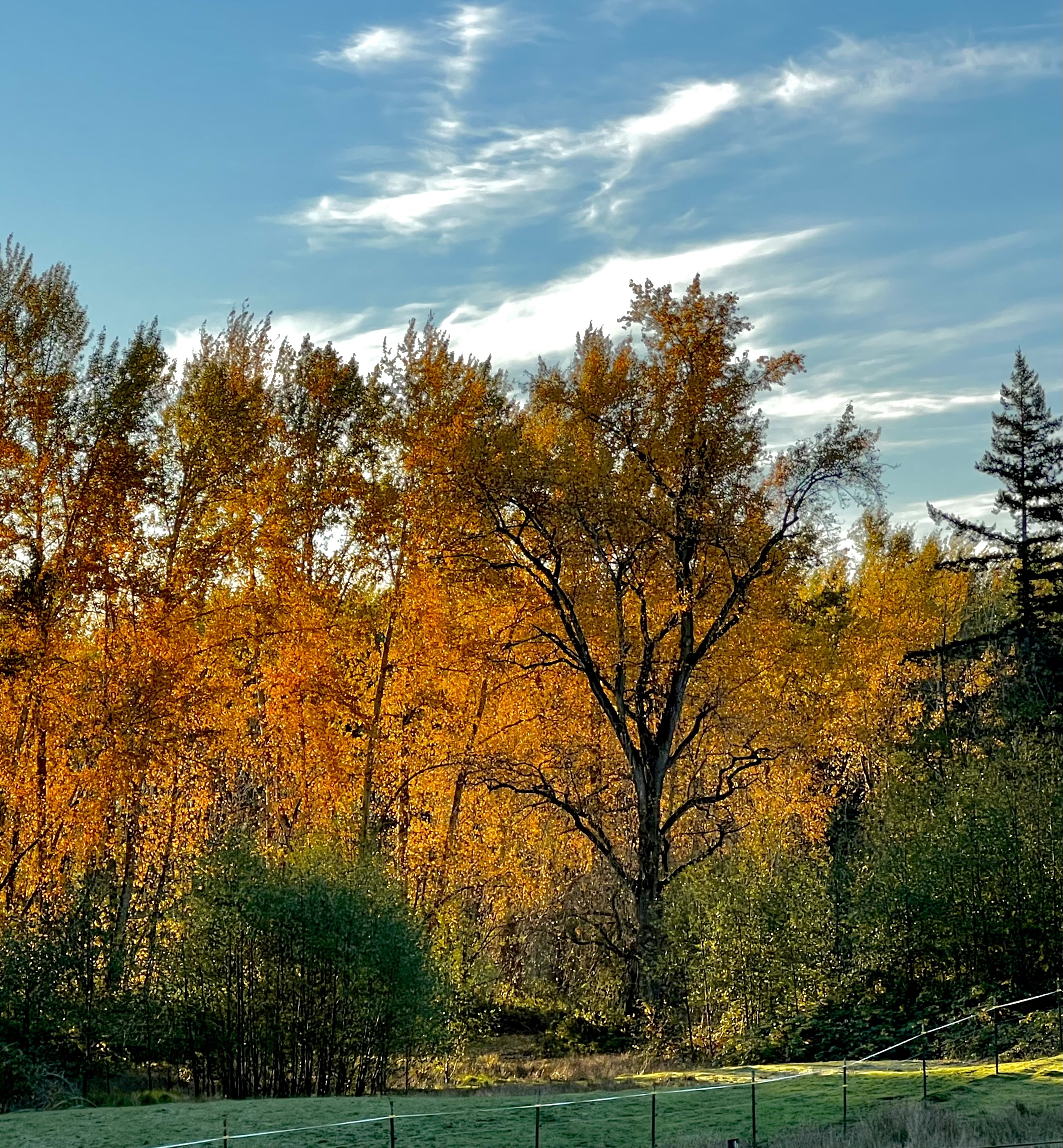
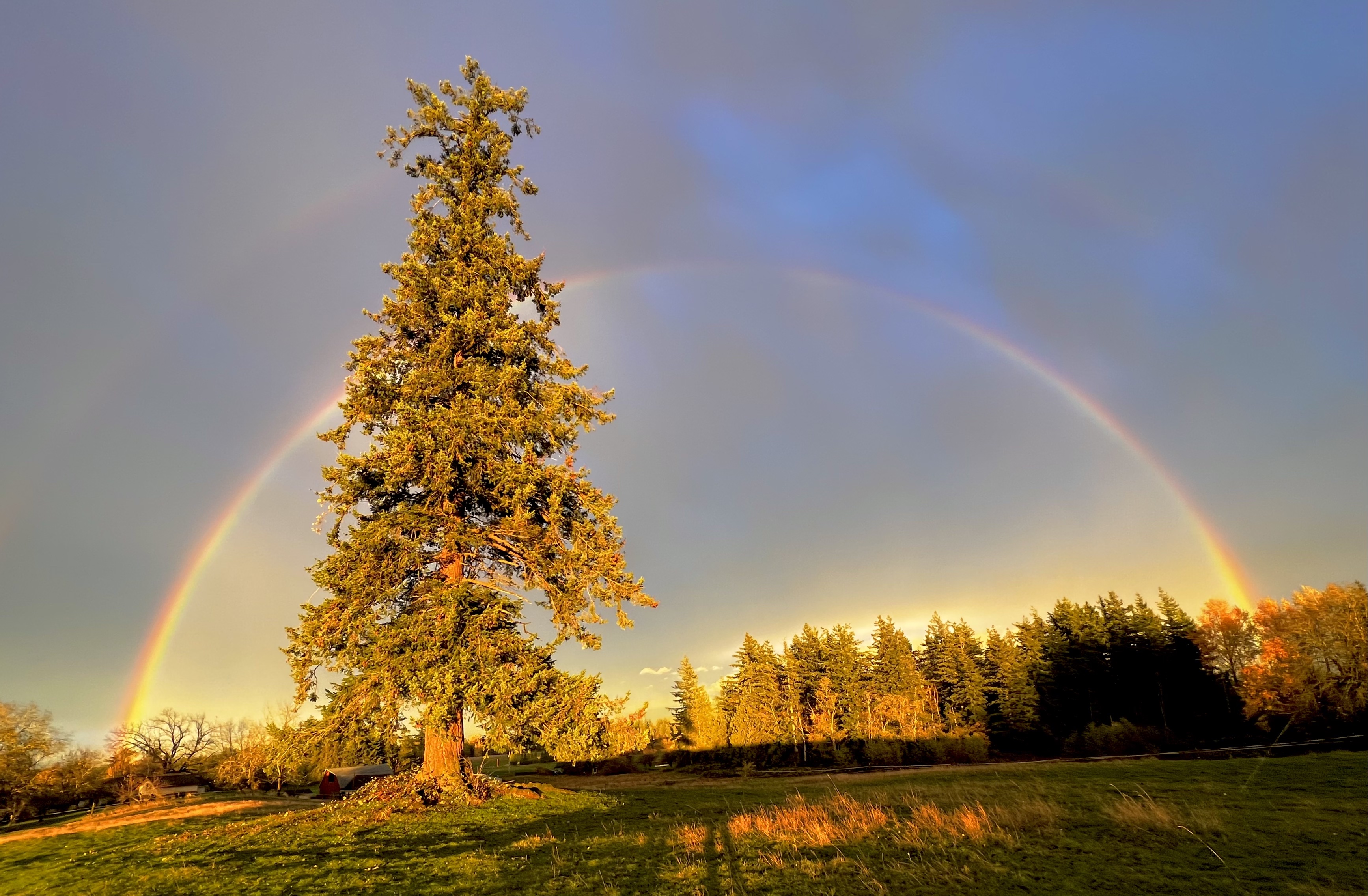
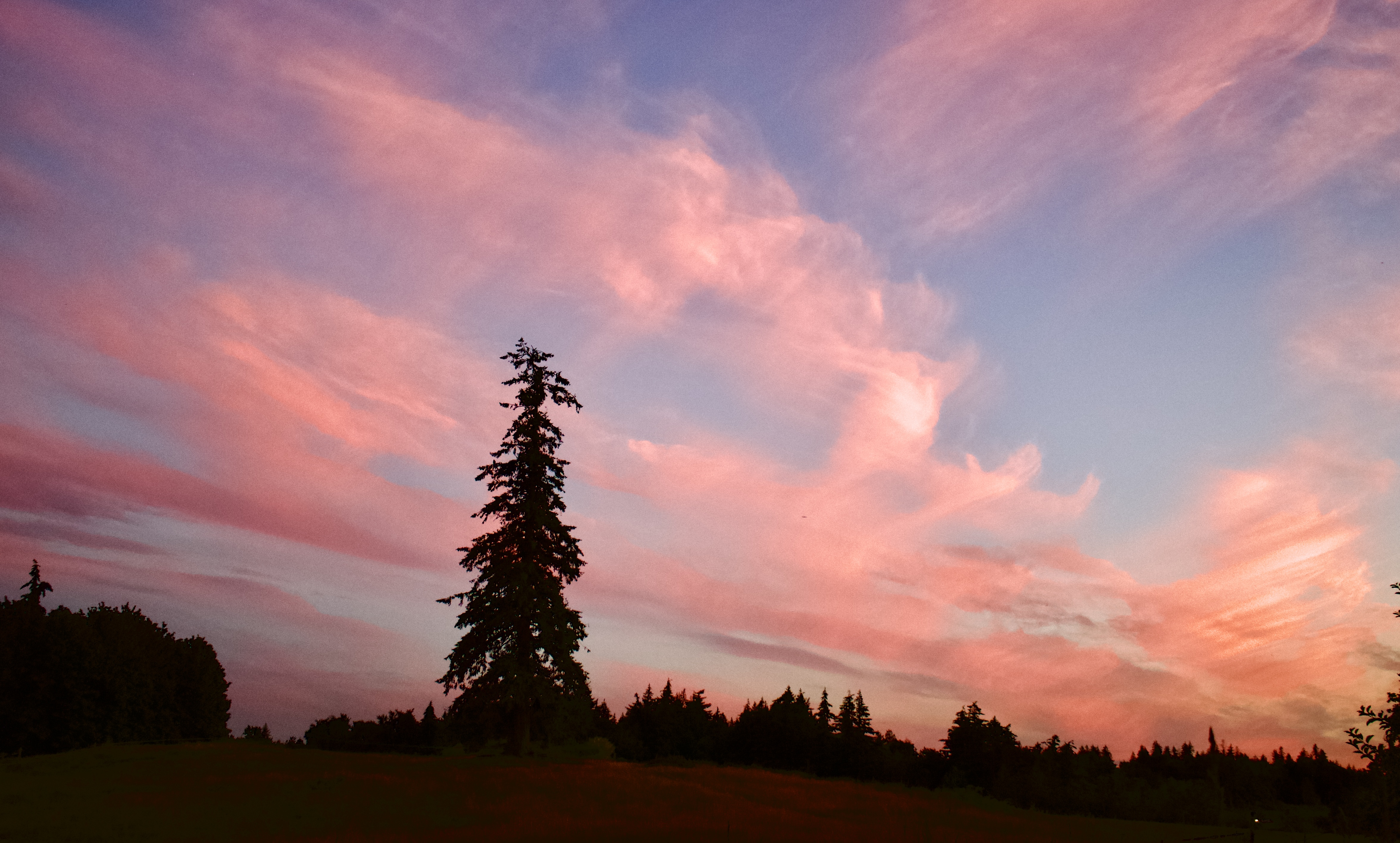
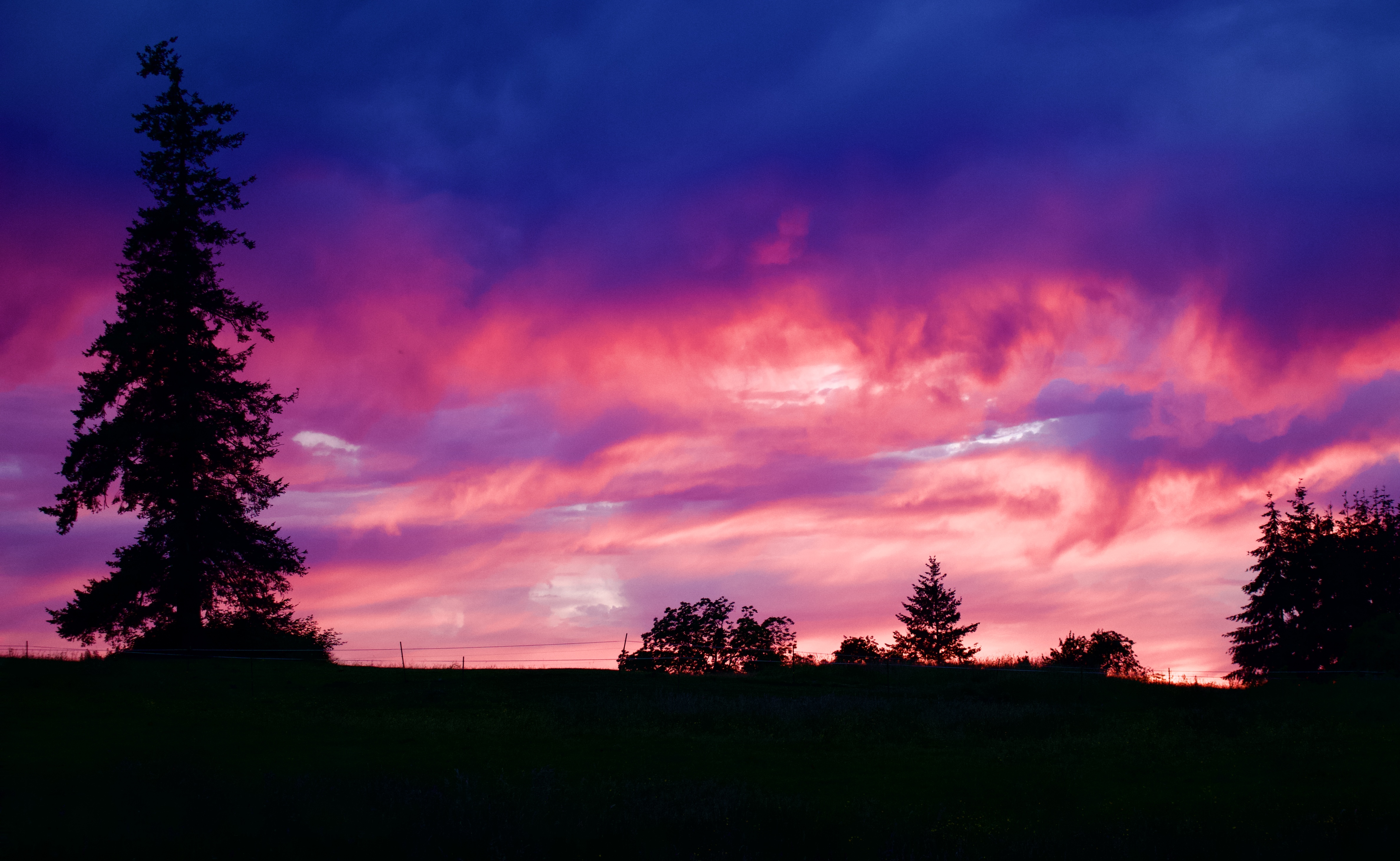
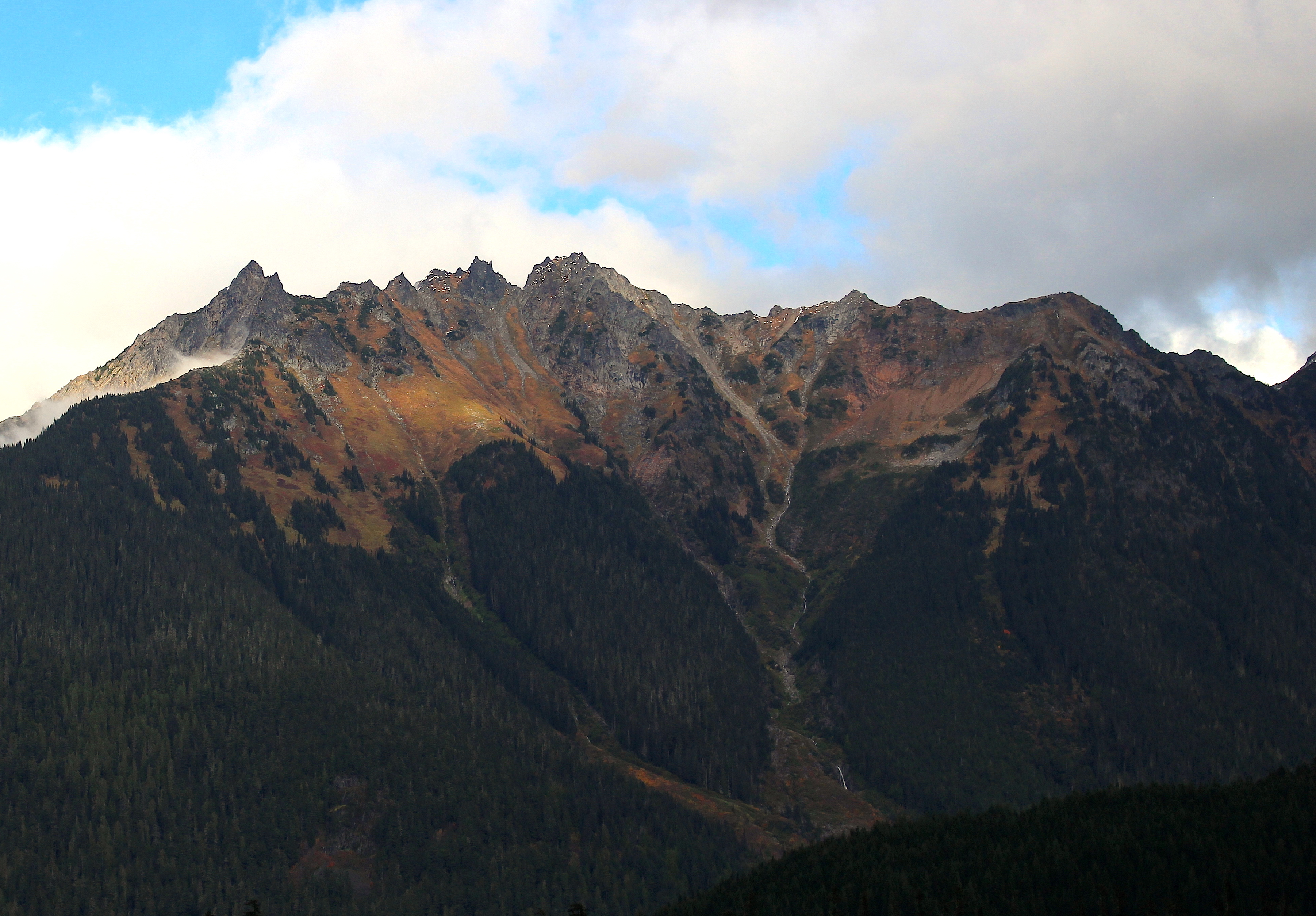
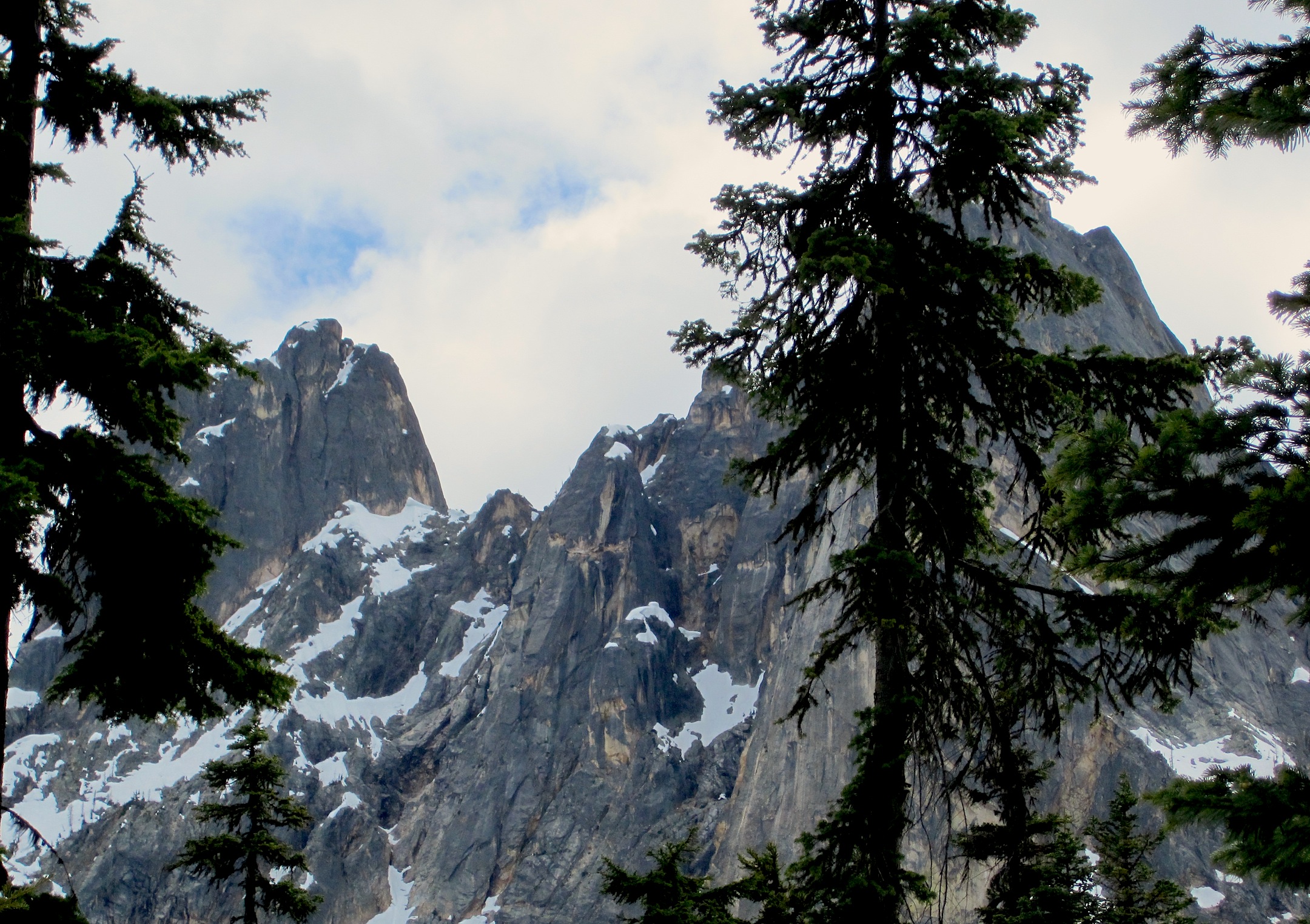
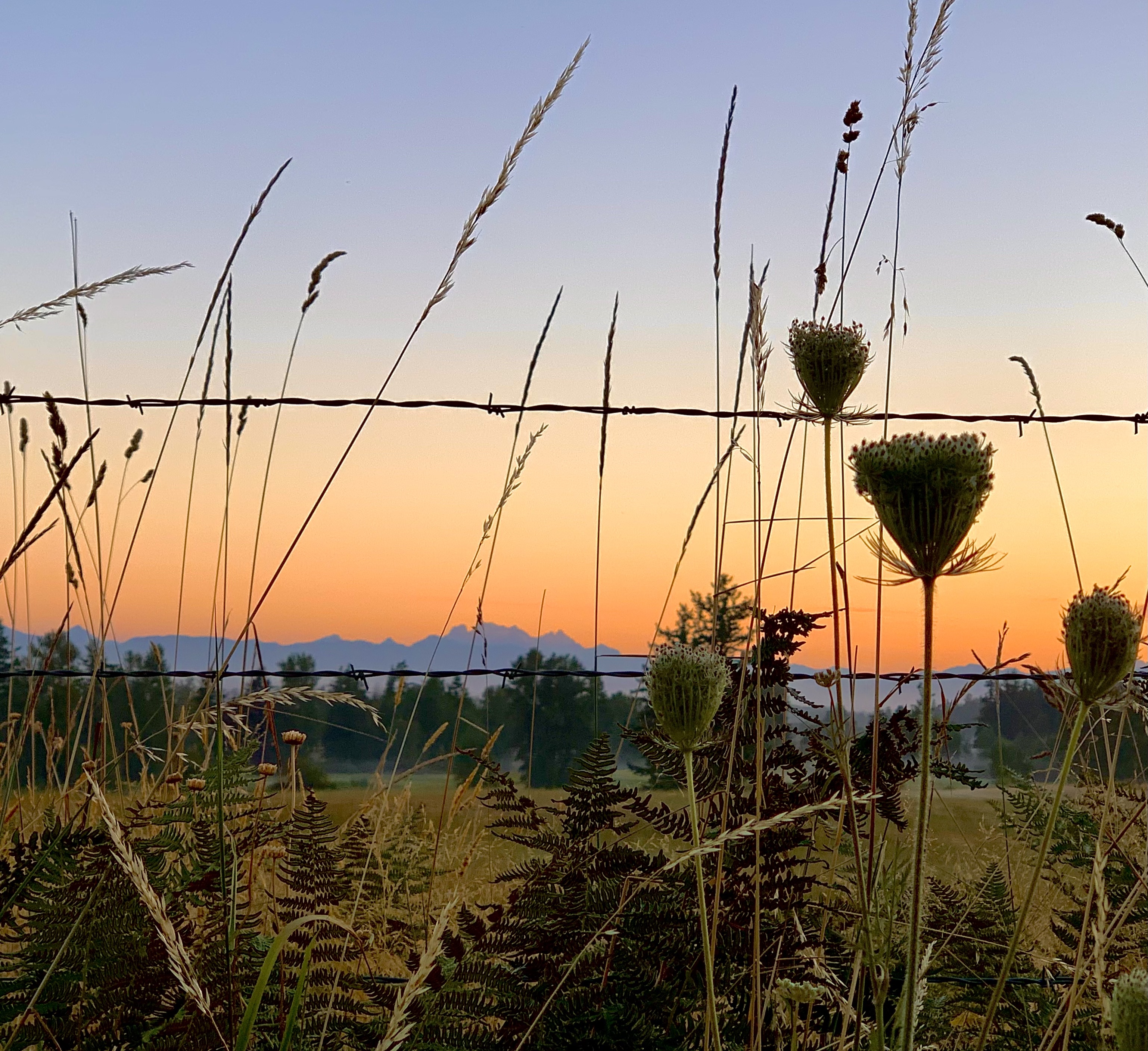
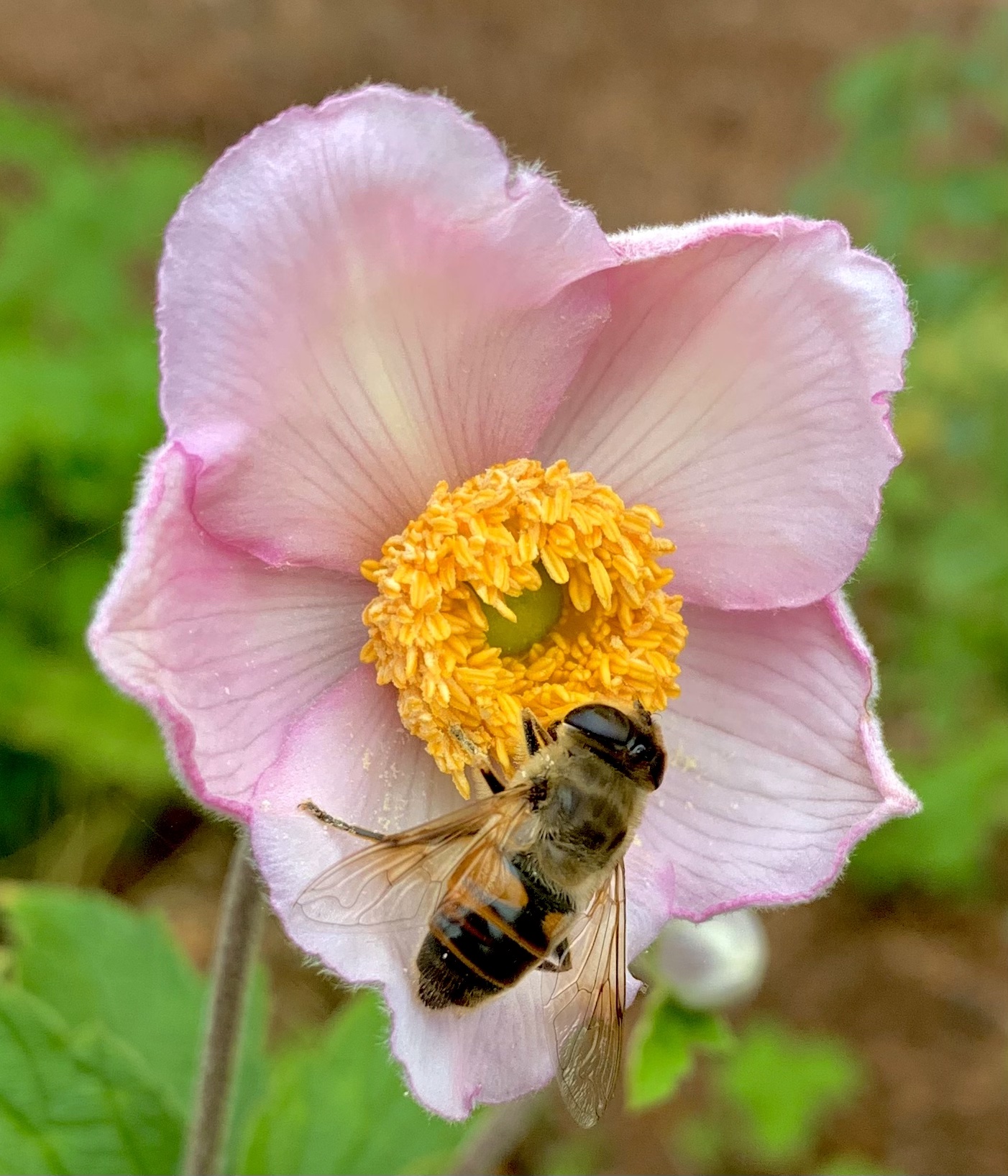
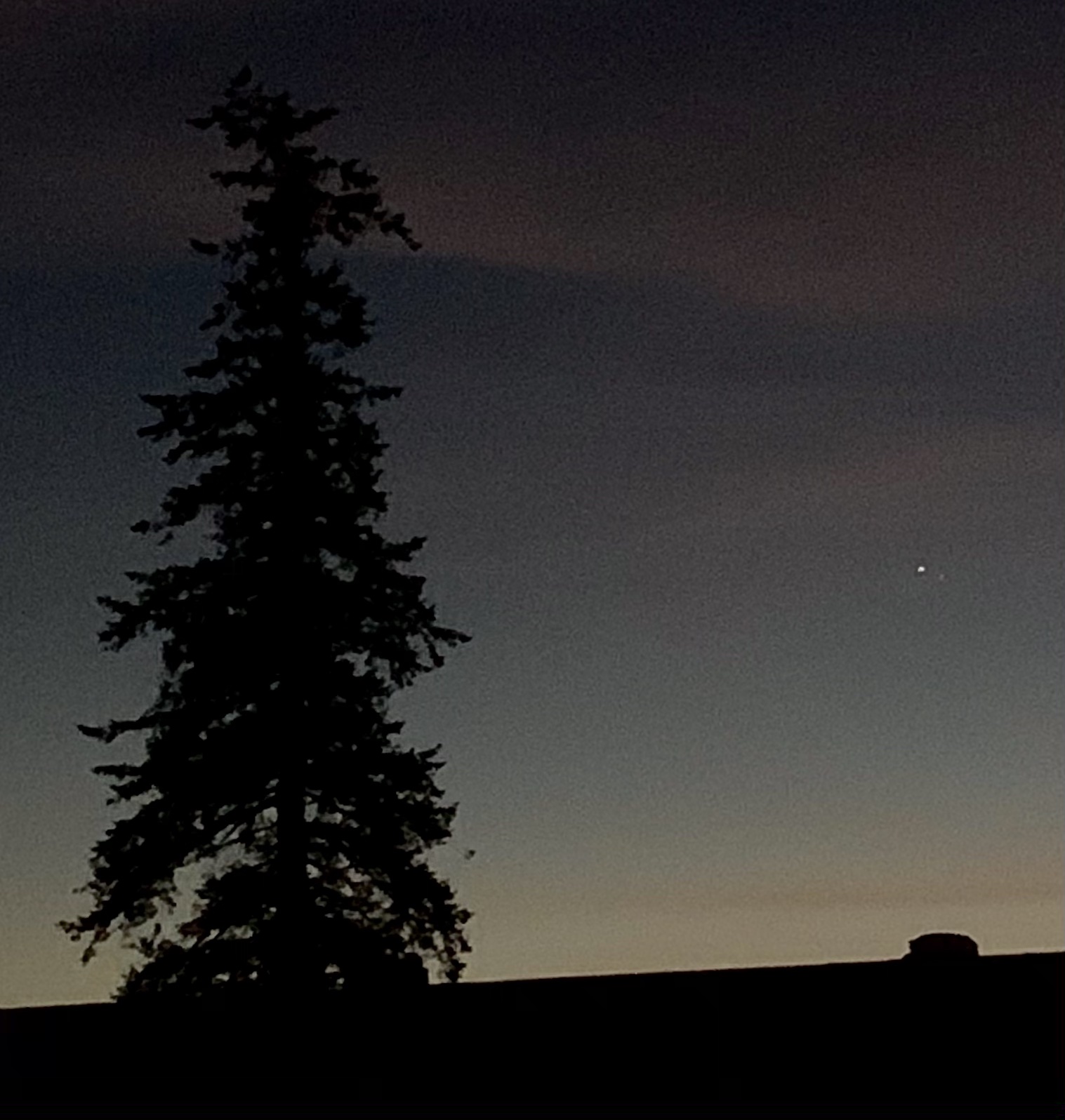
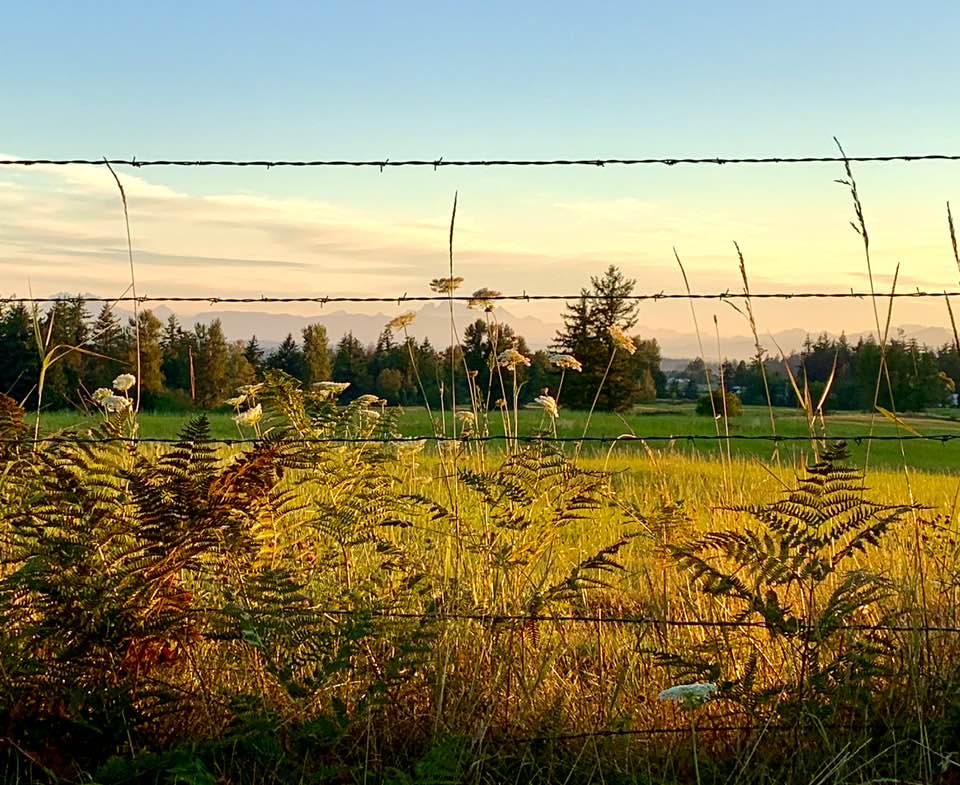
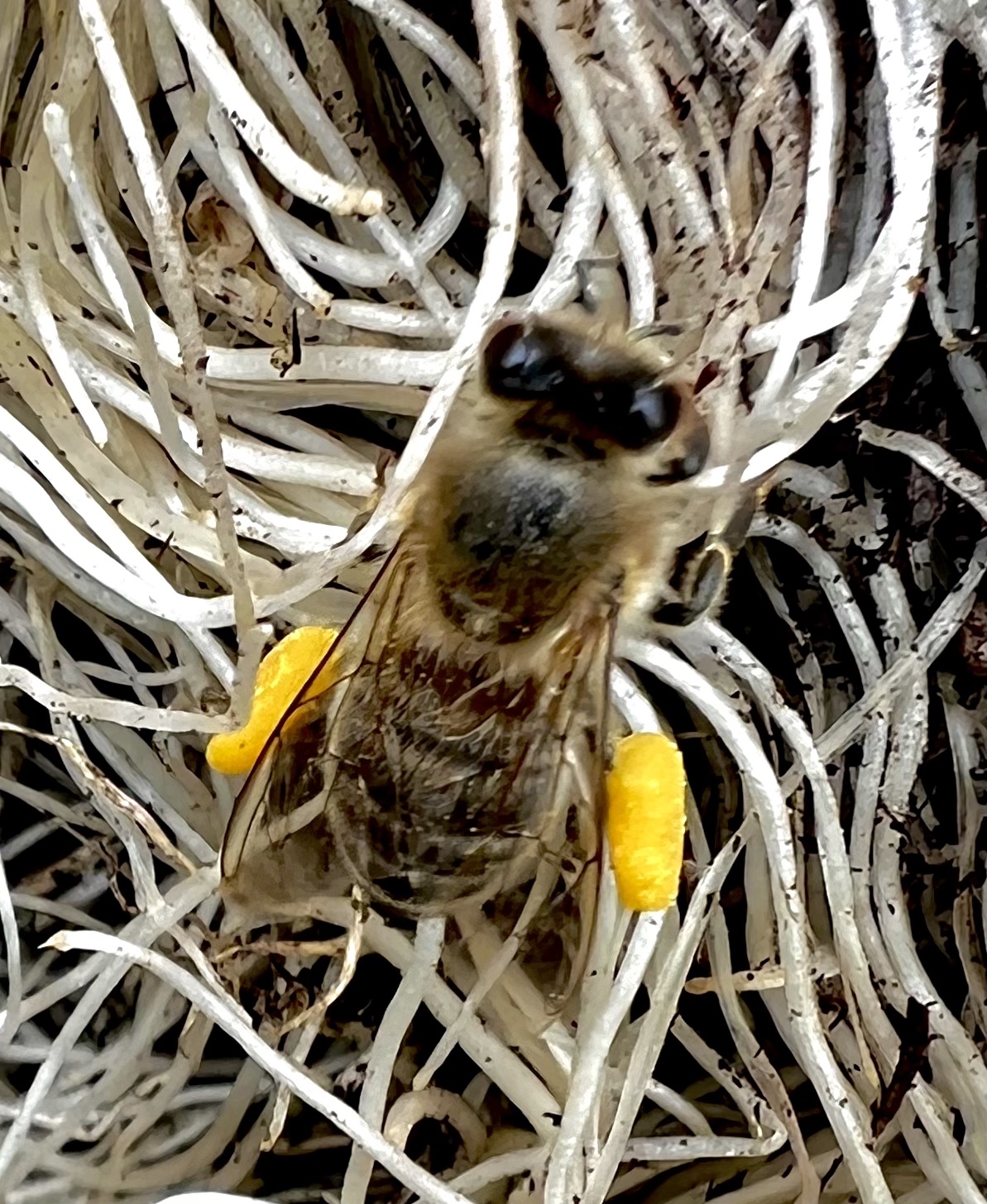
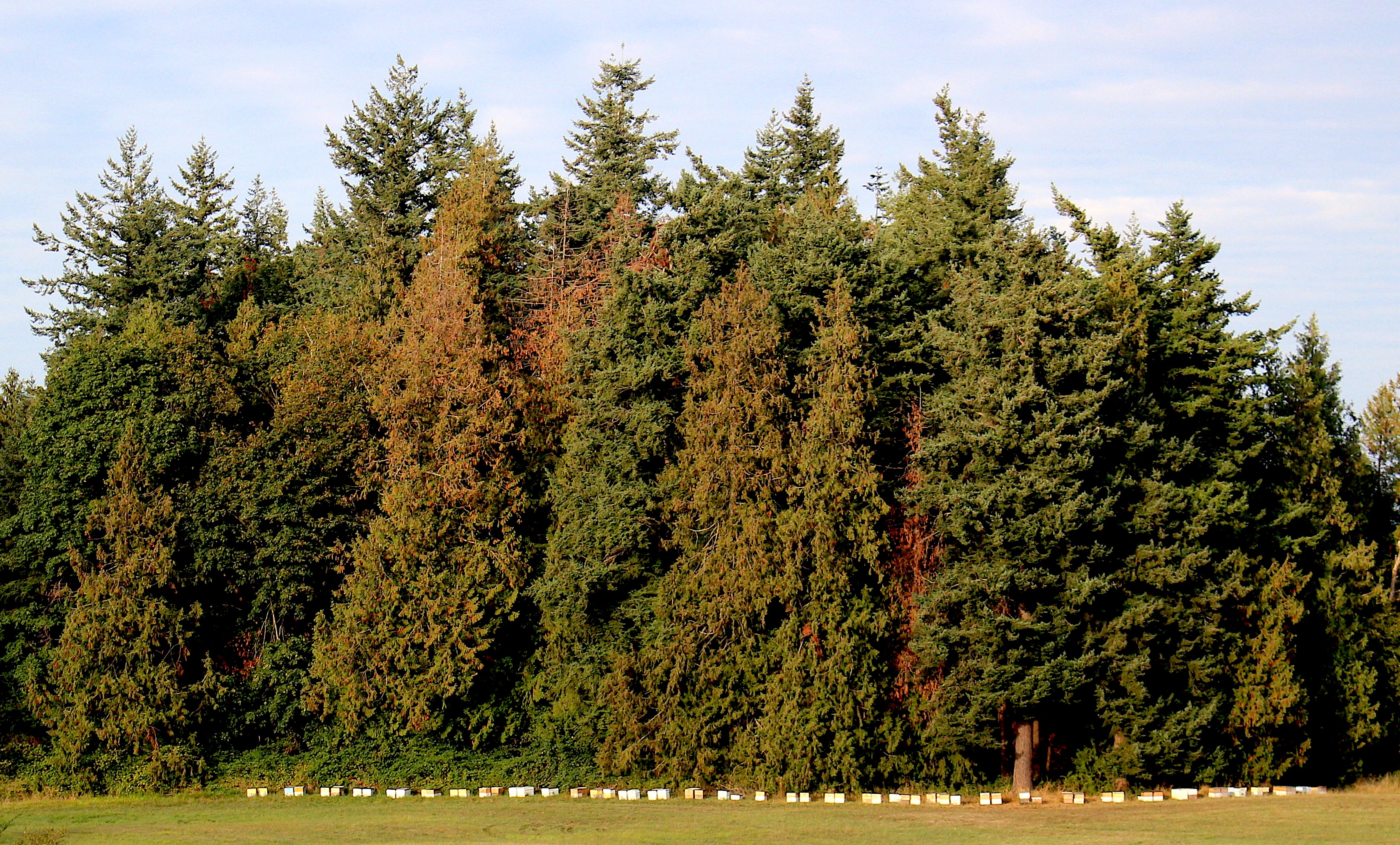
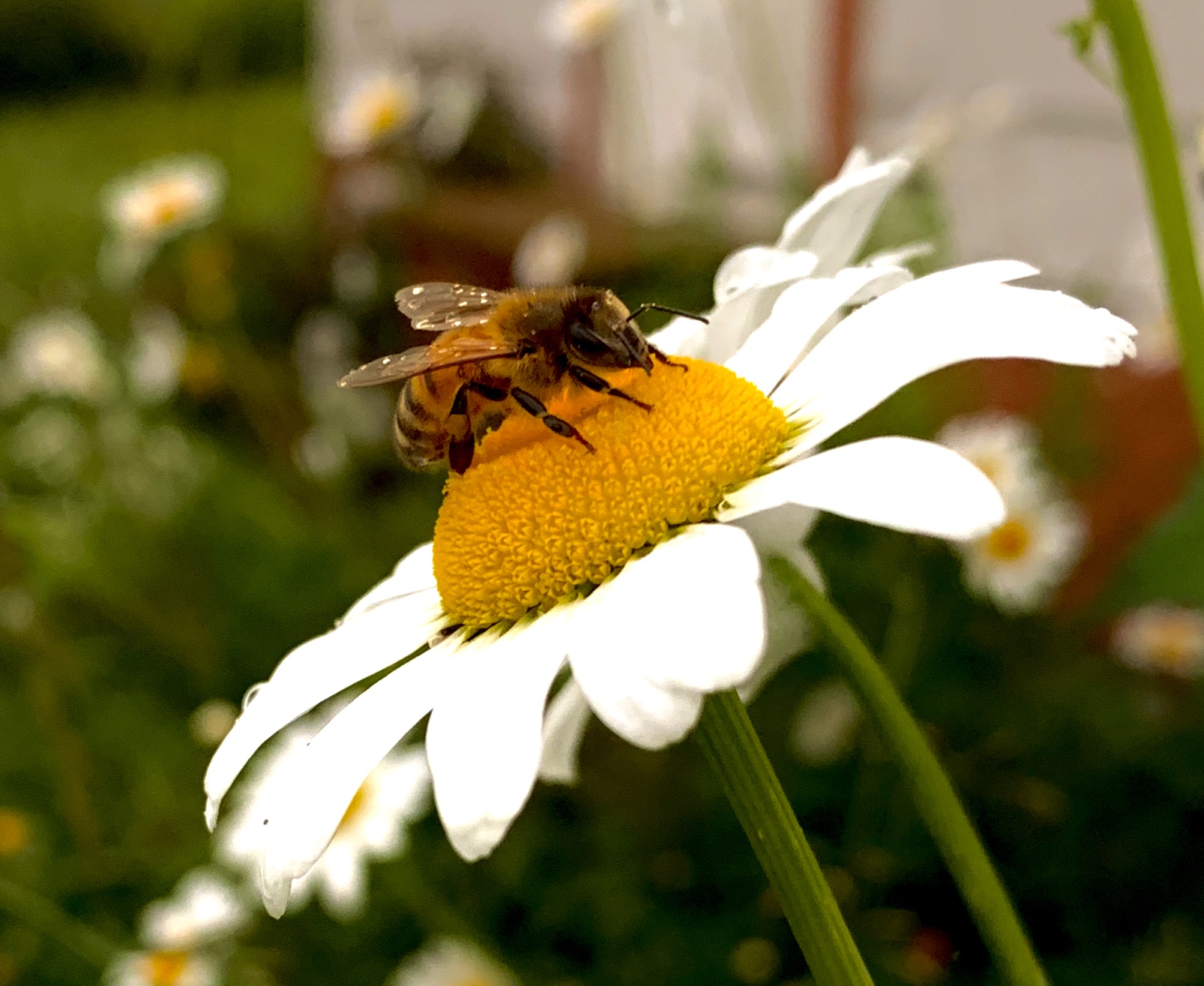
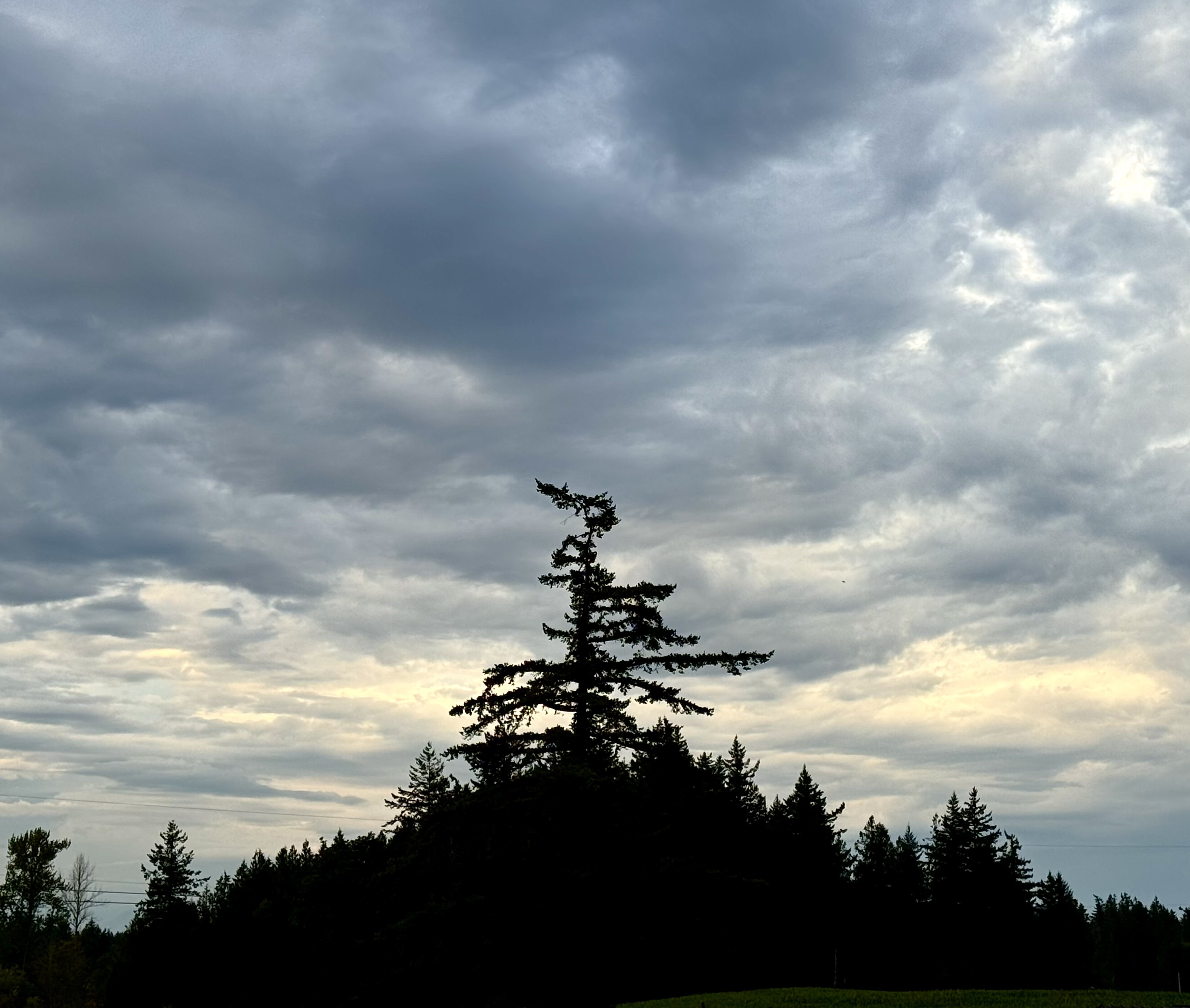
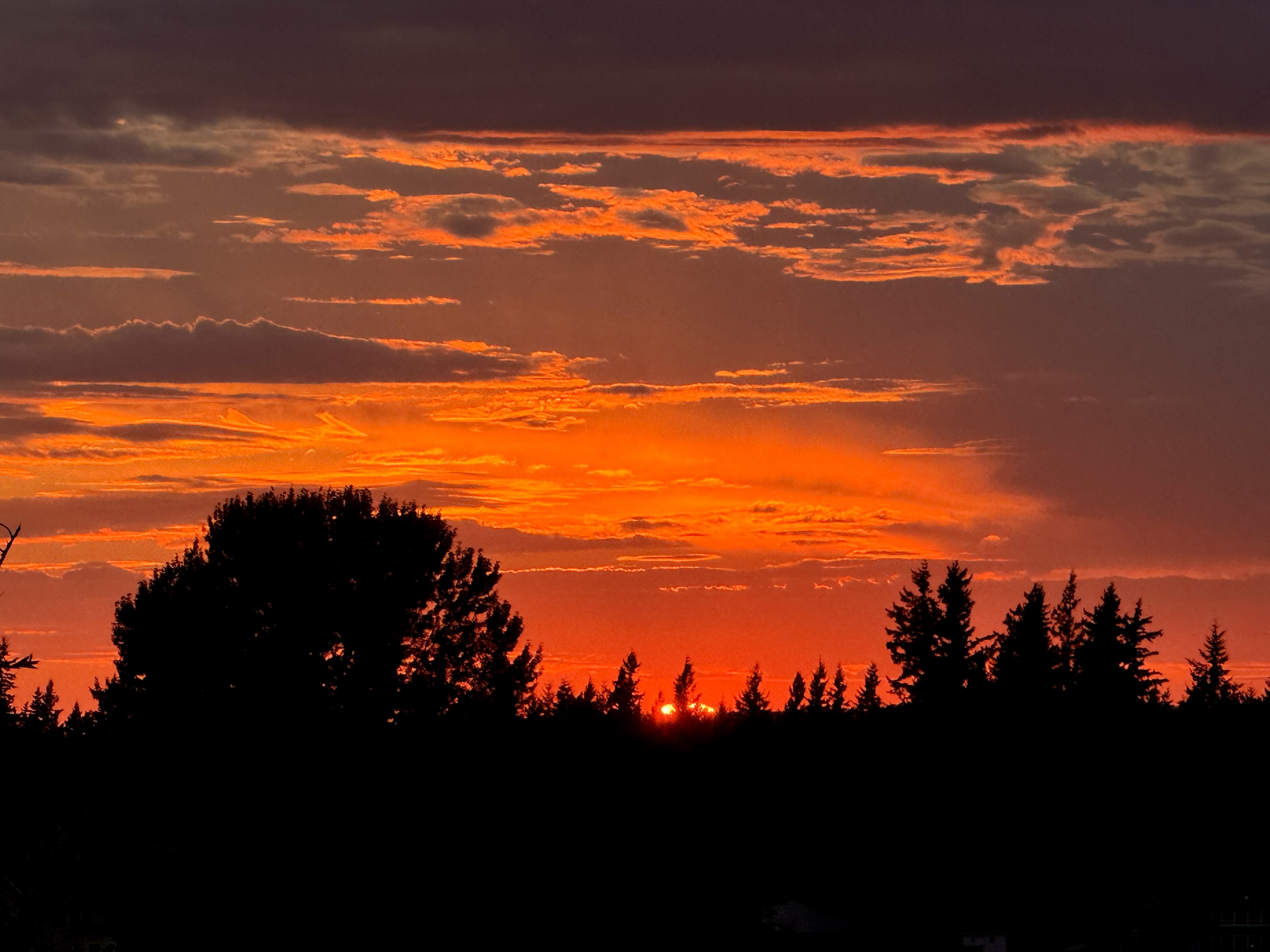
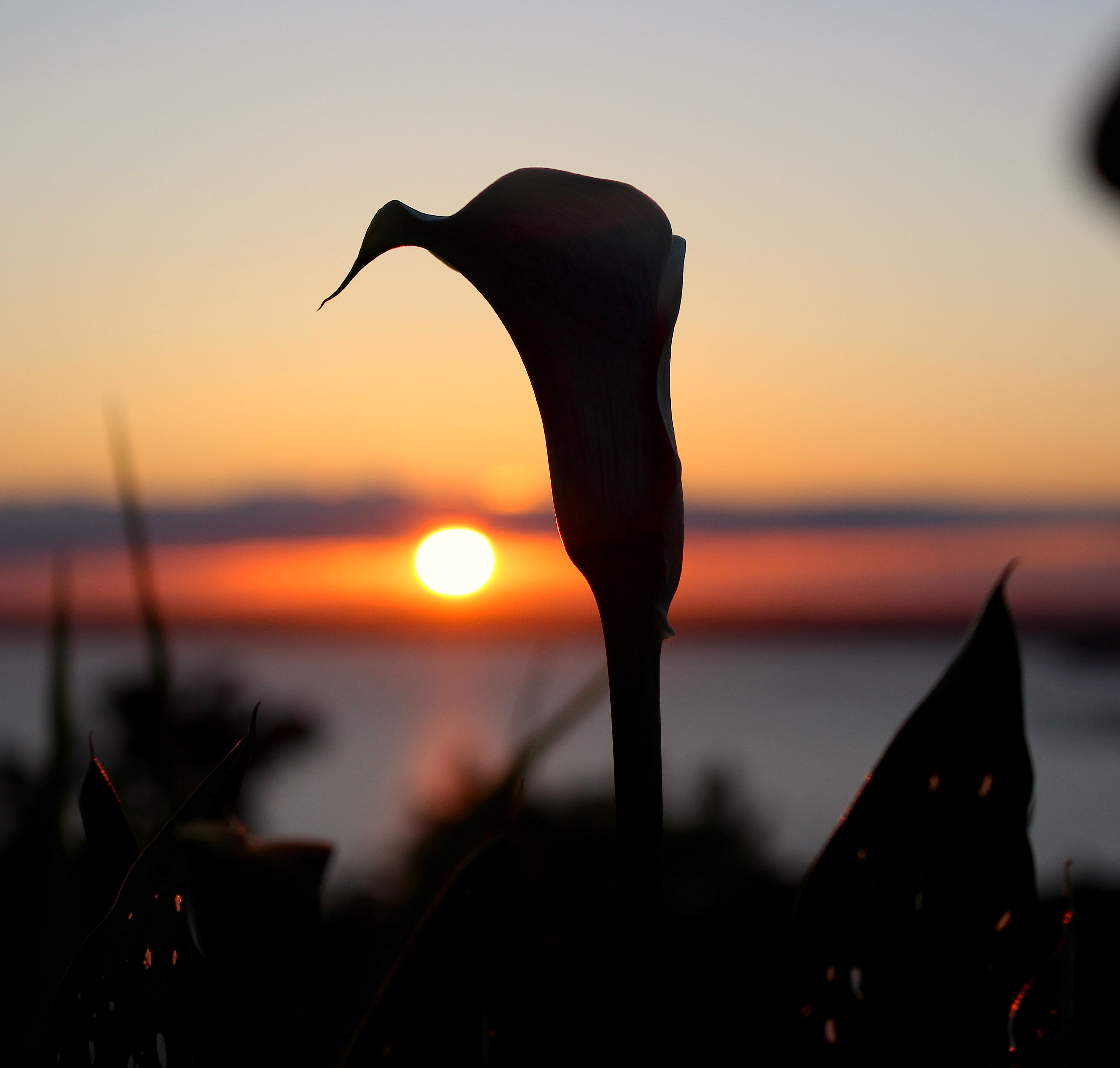
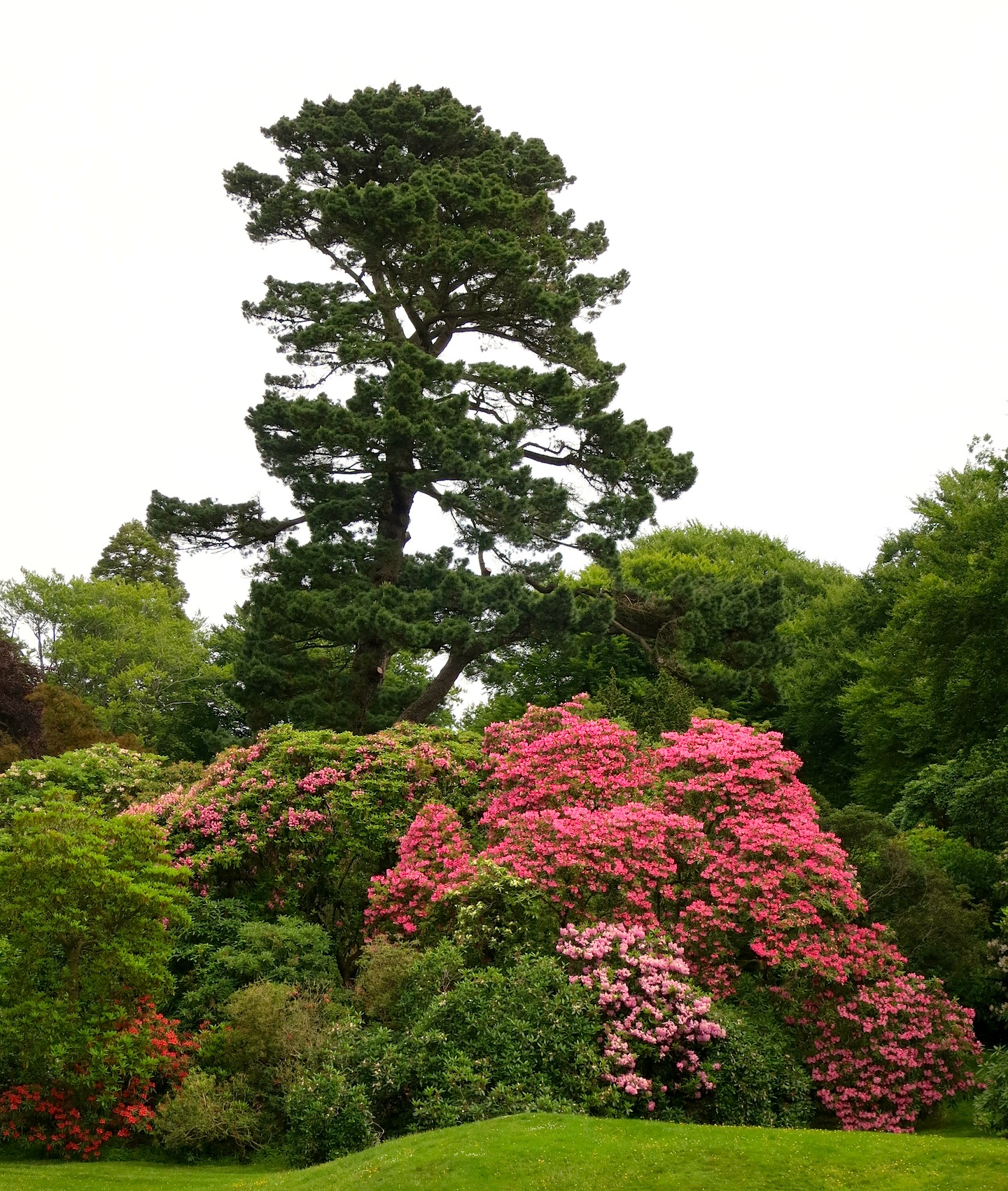
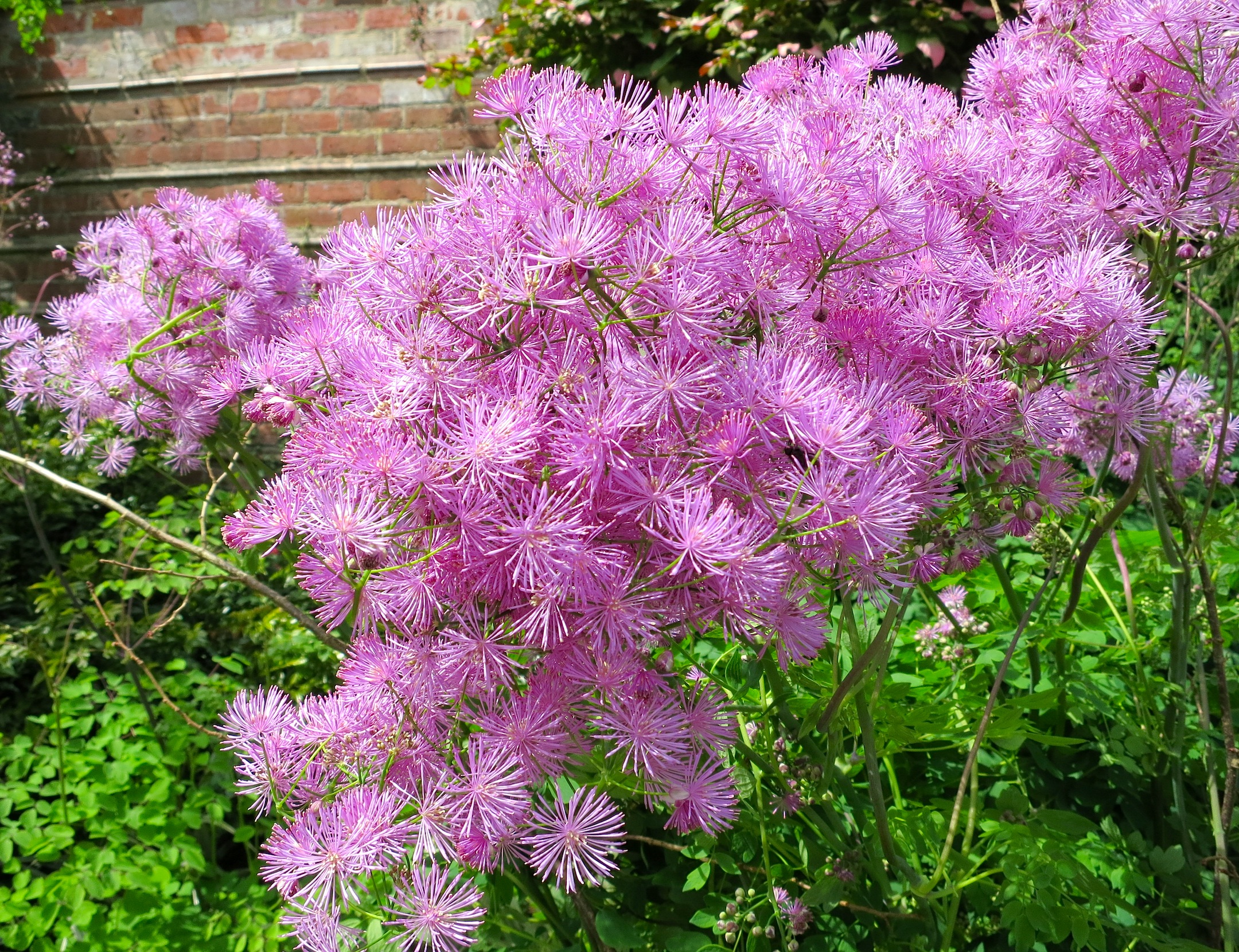
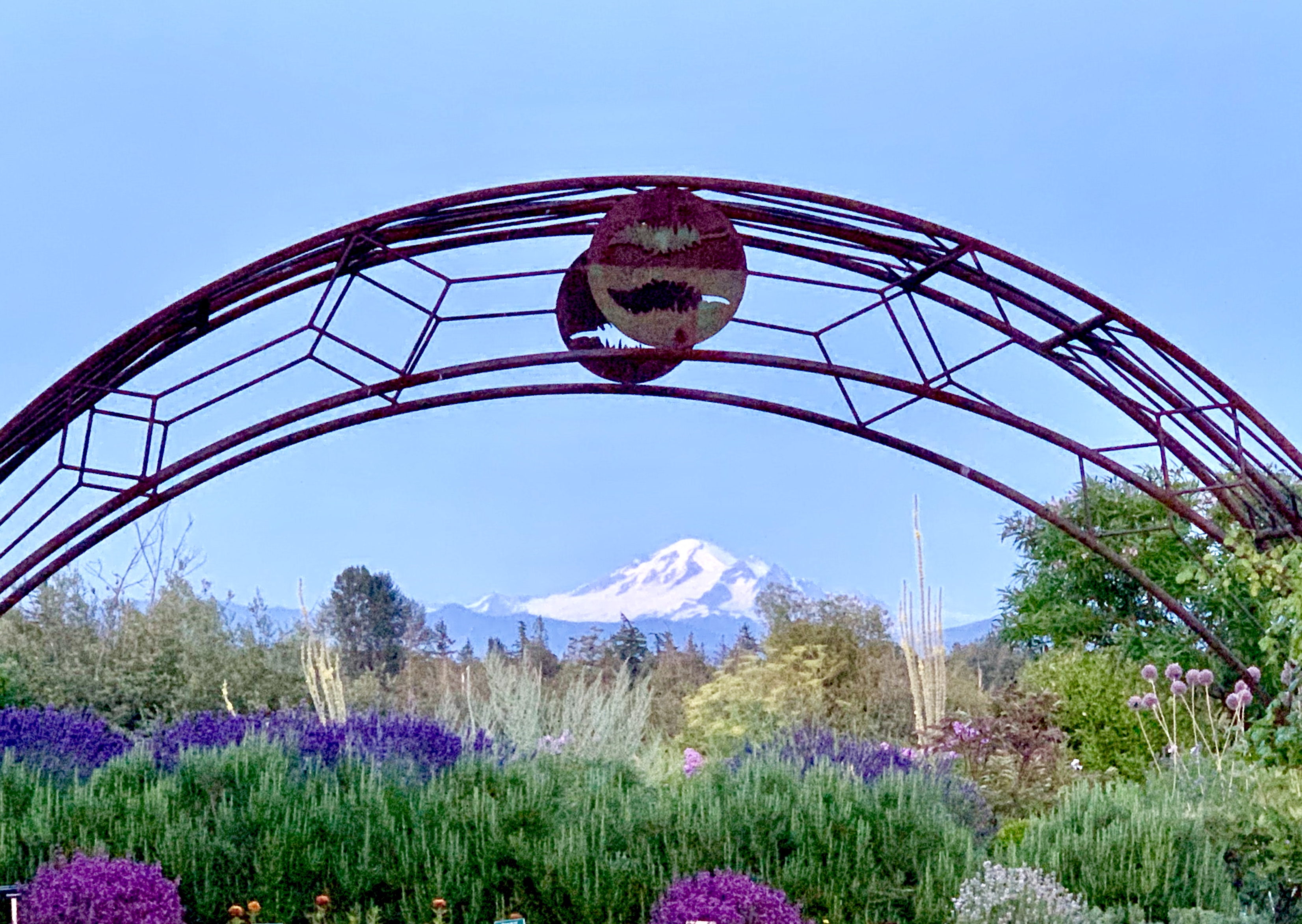
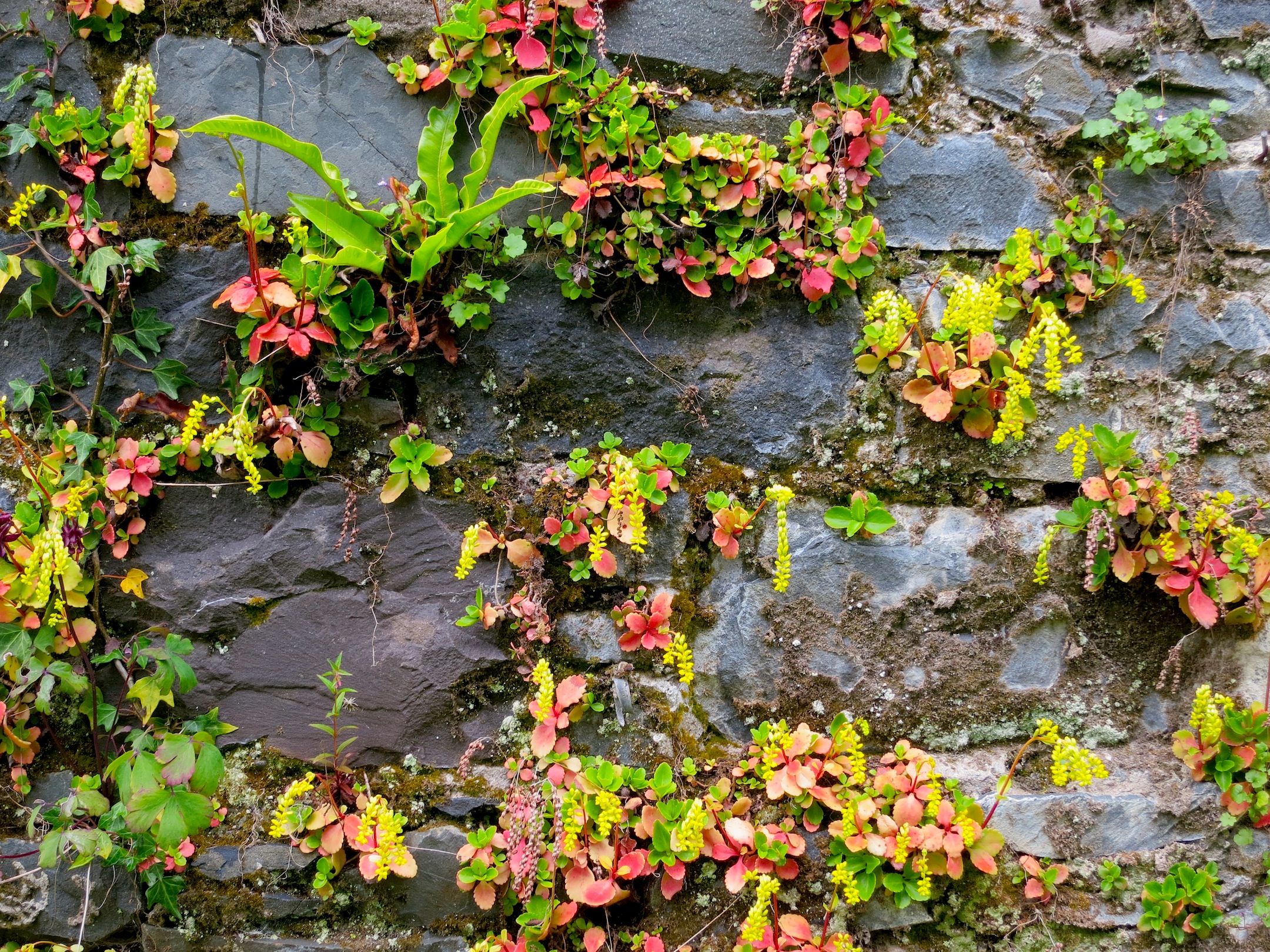
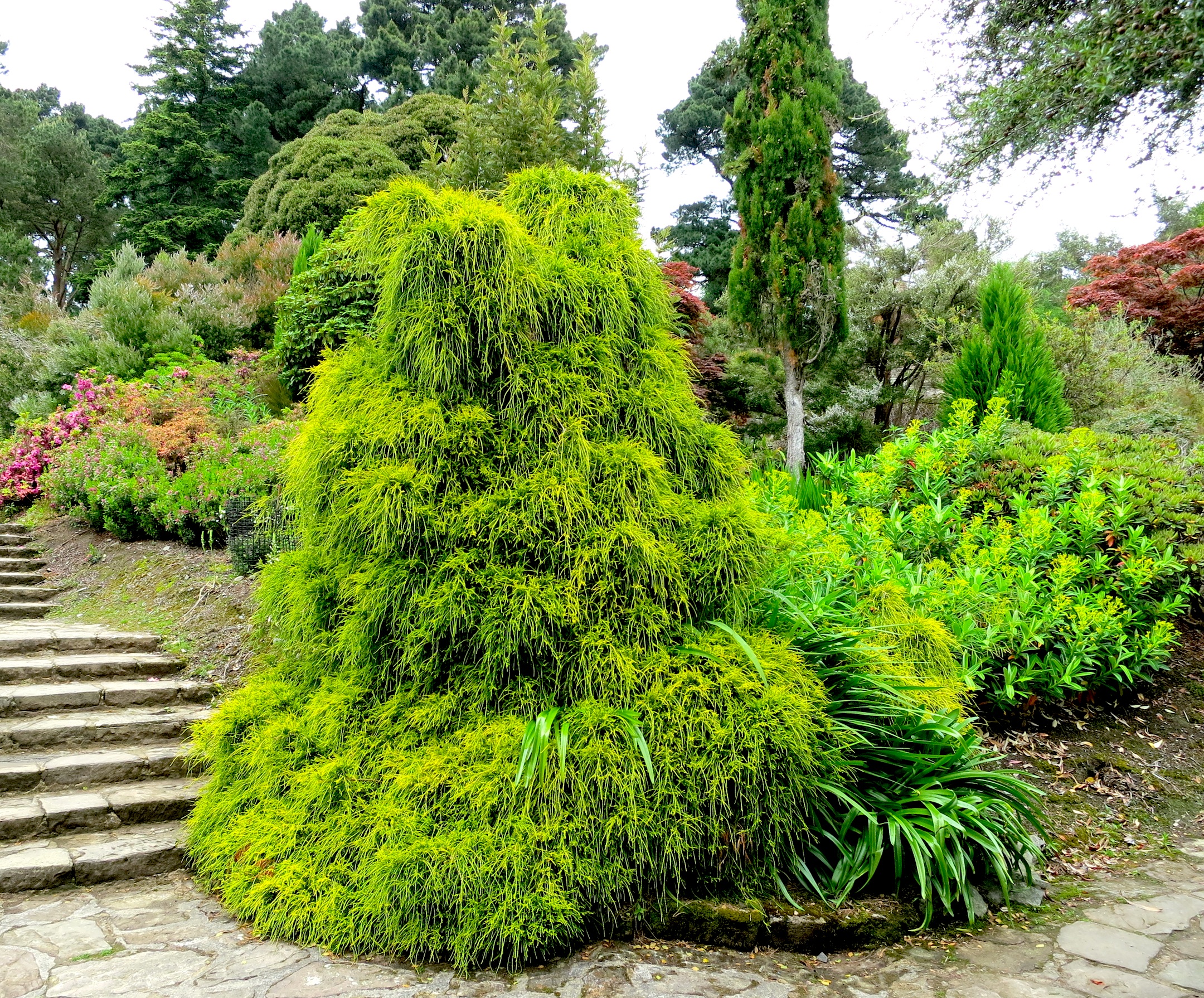
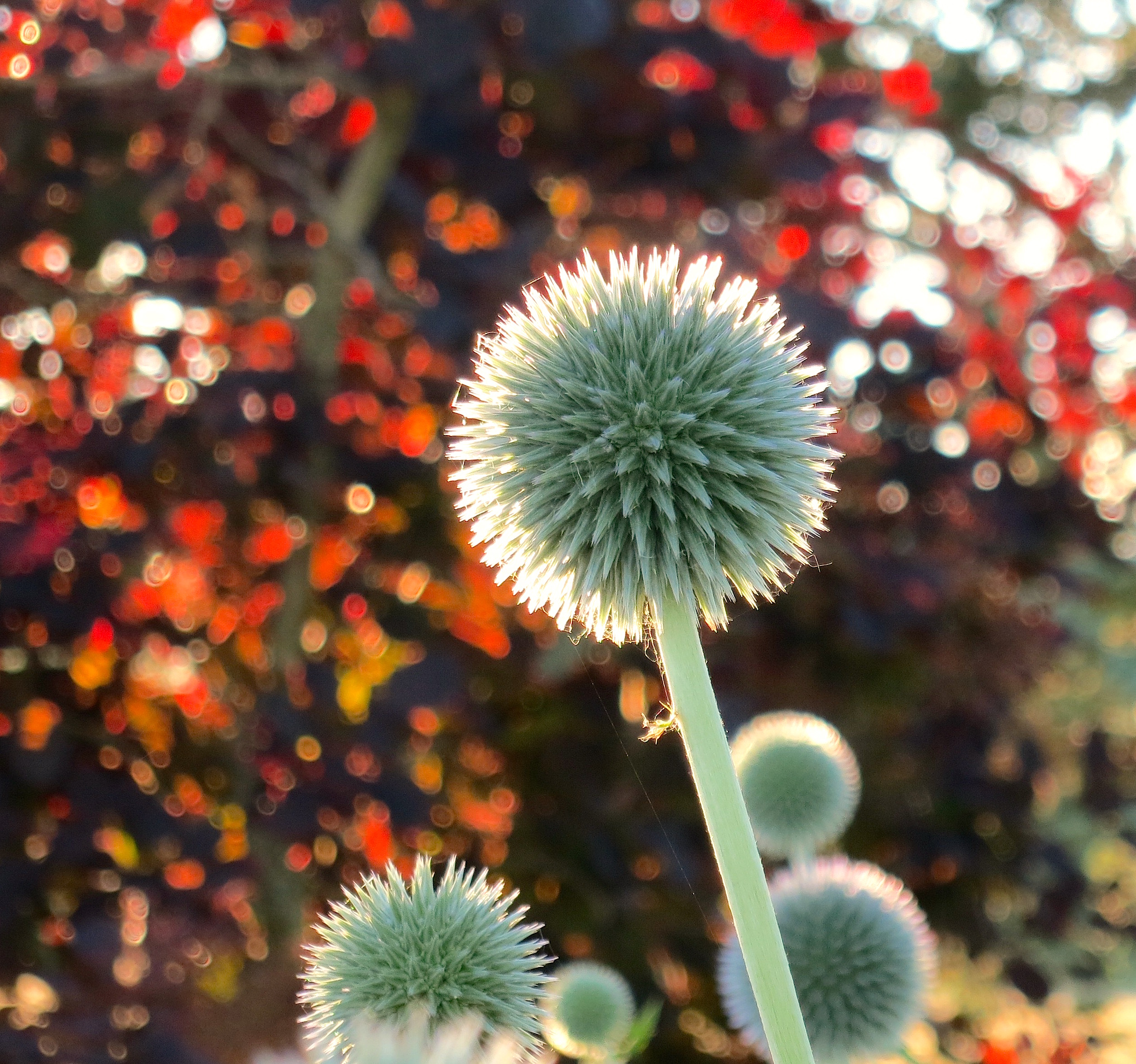
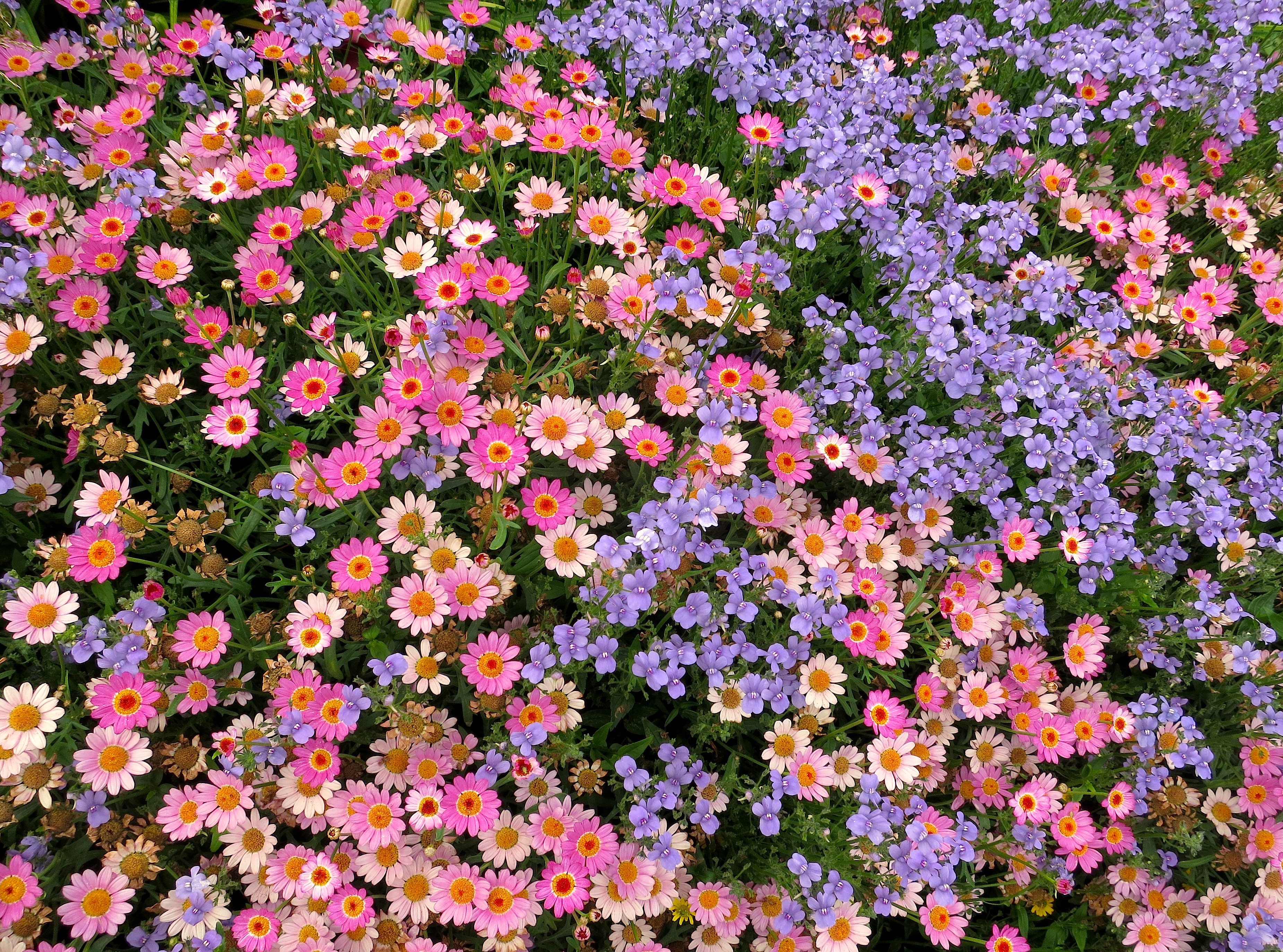
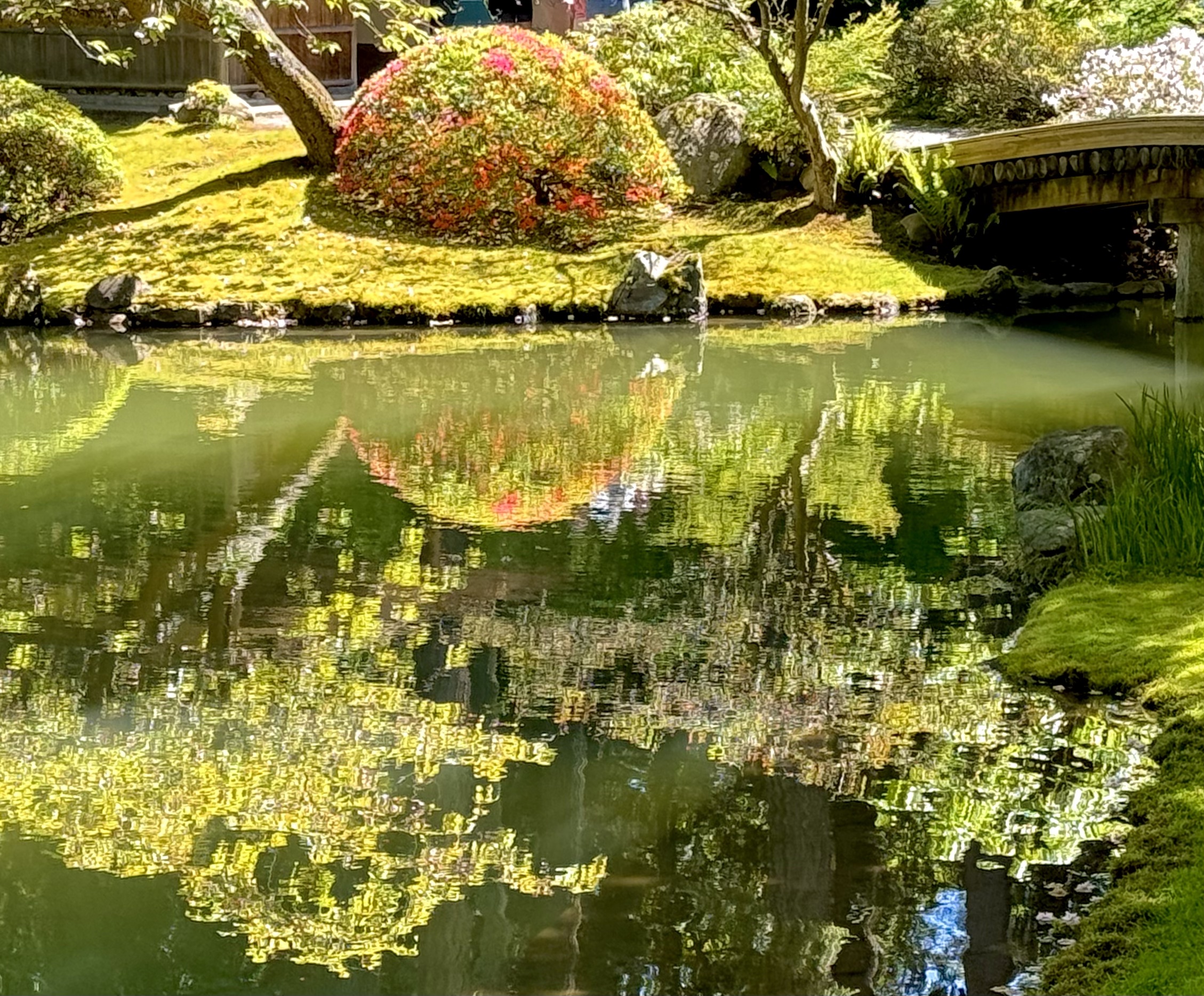
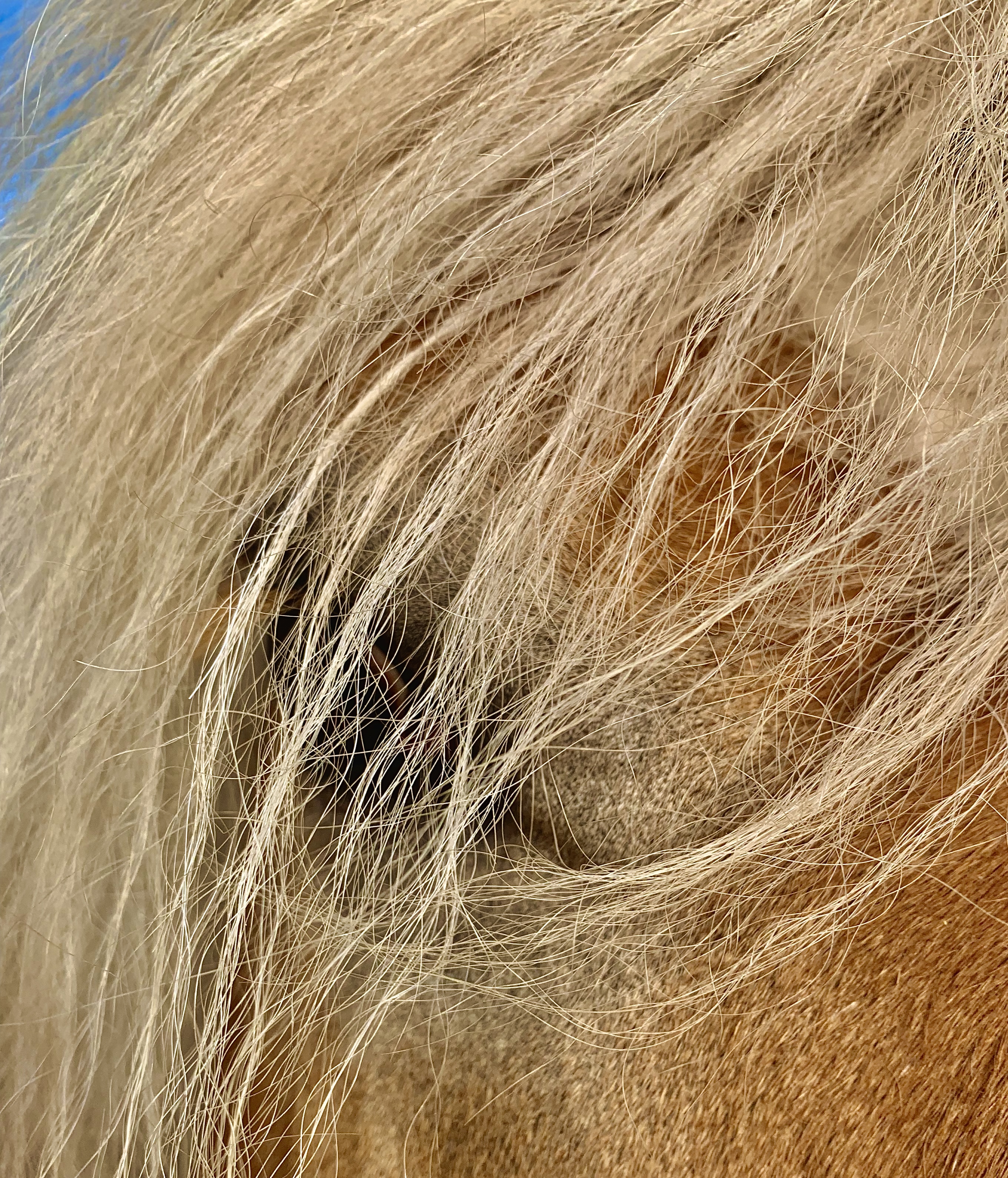
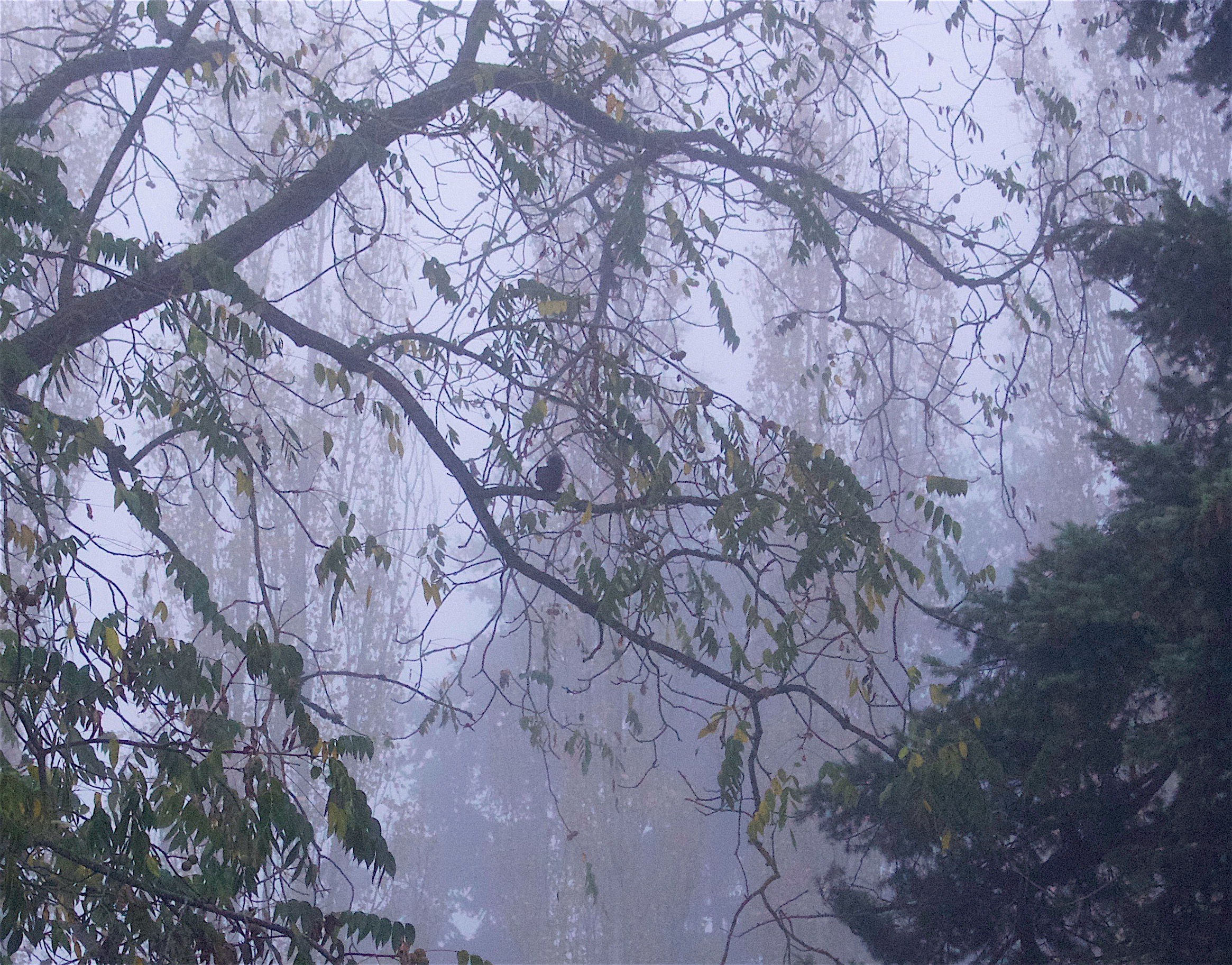
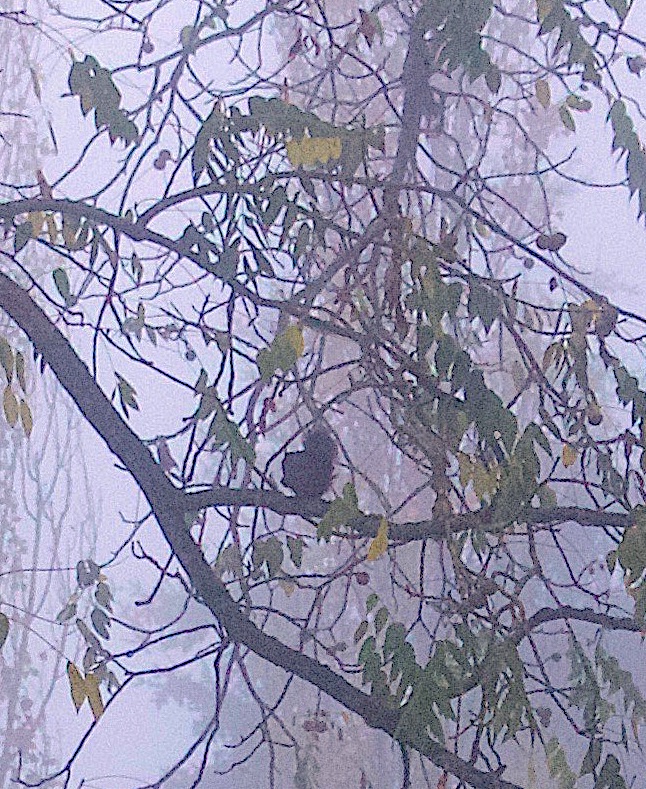
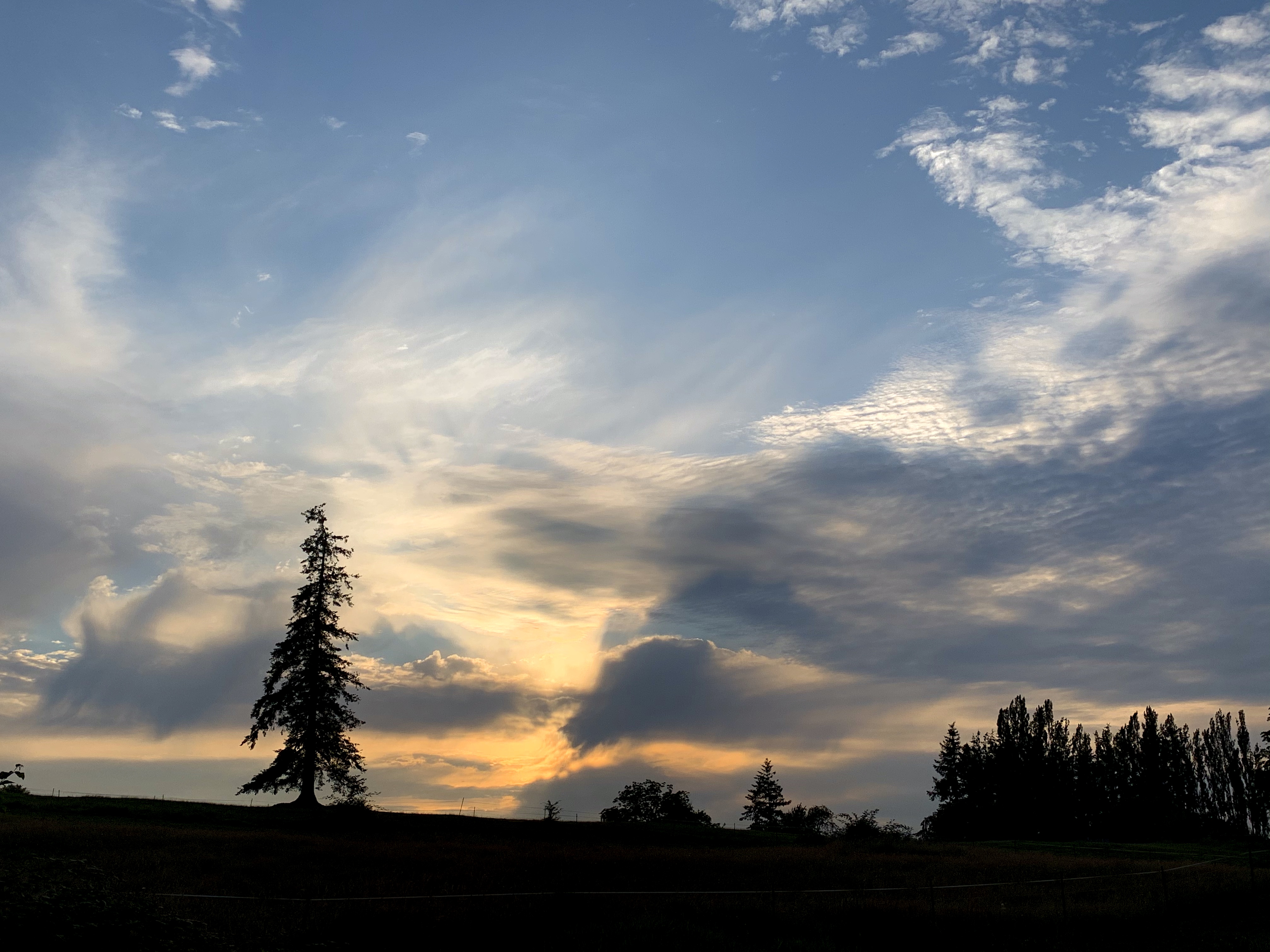
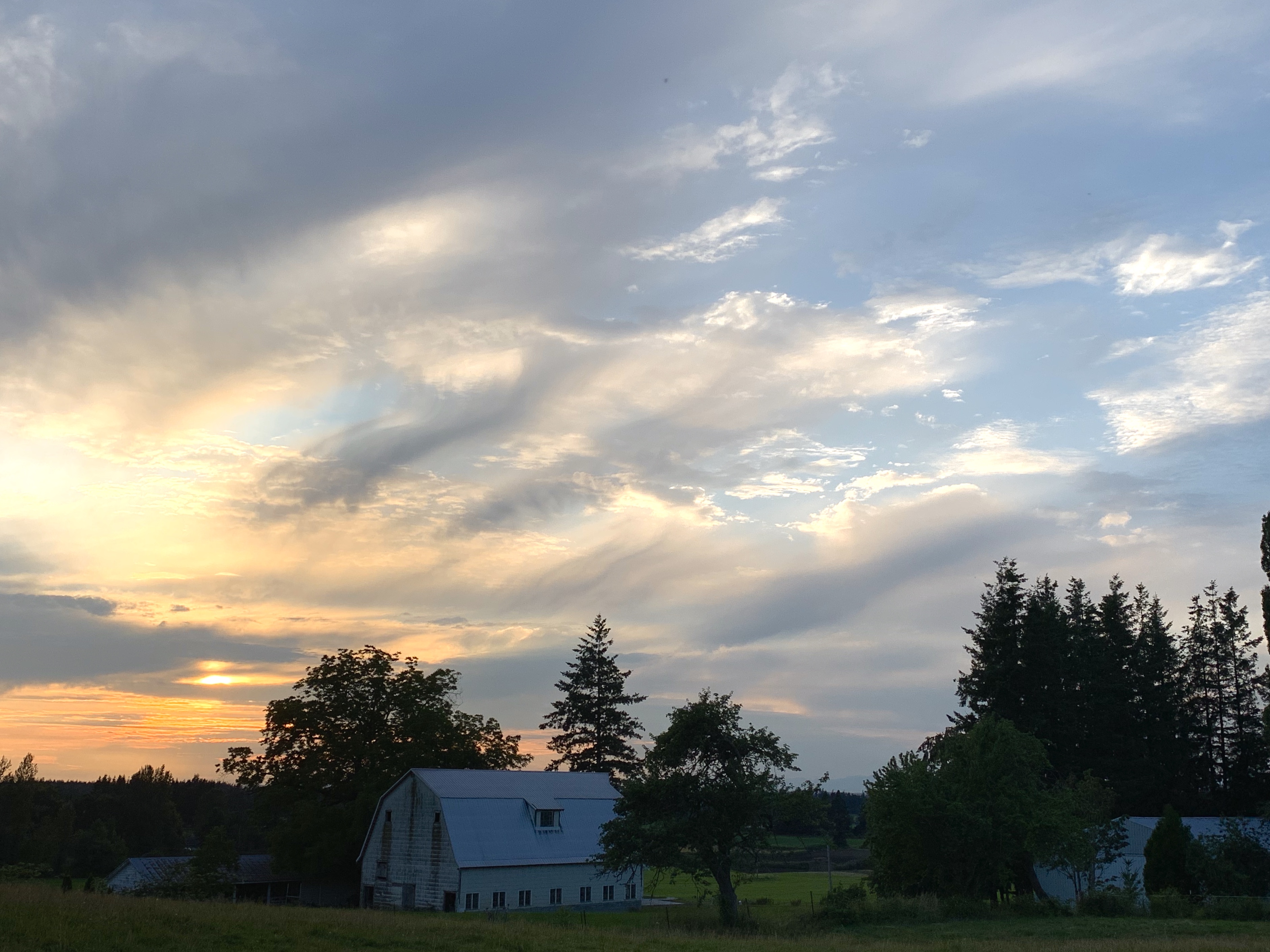
This would be a poor life indeed if I didn’t take time to stand and stare at all that is displayed before me.
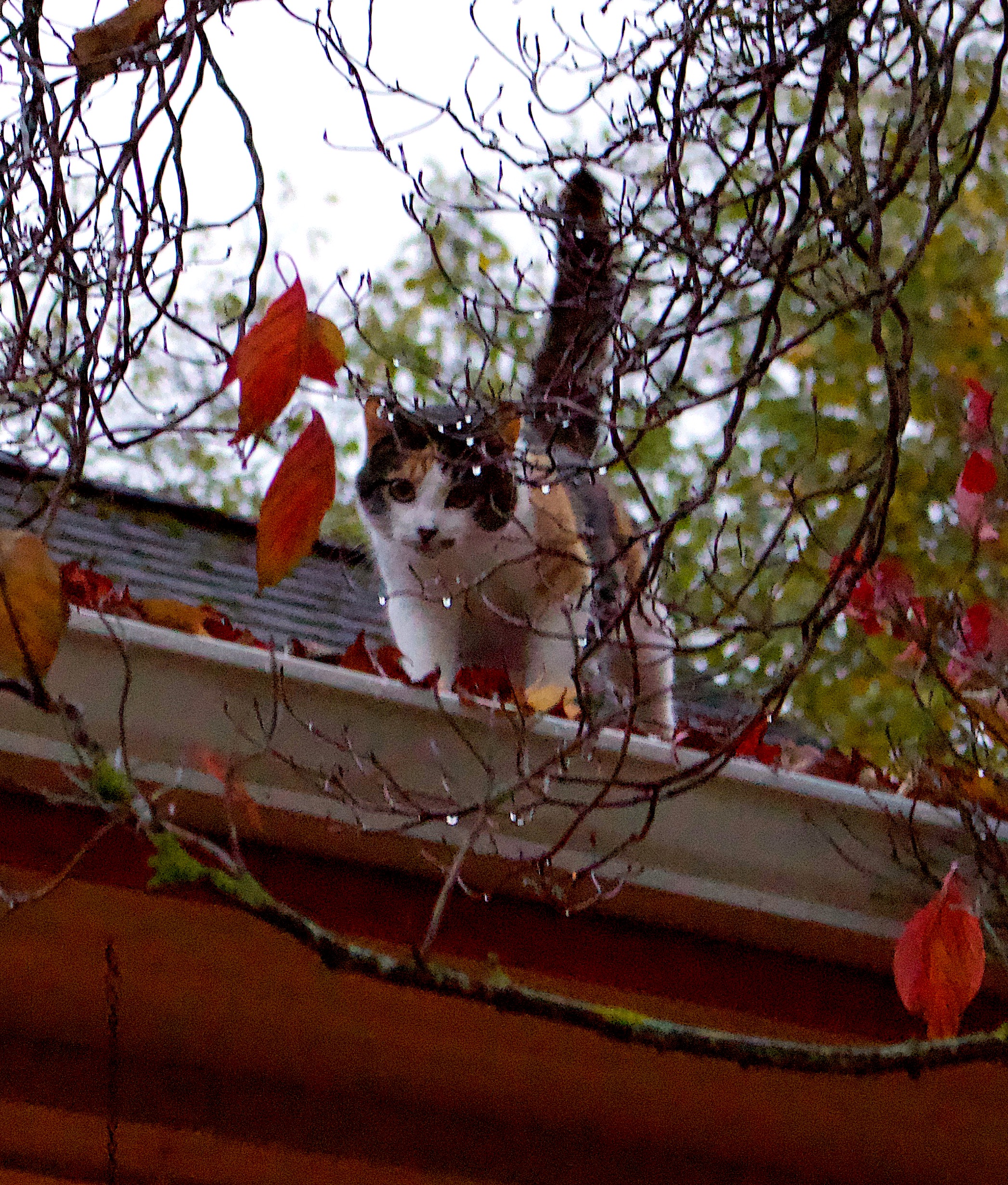
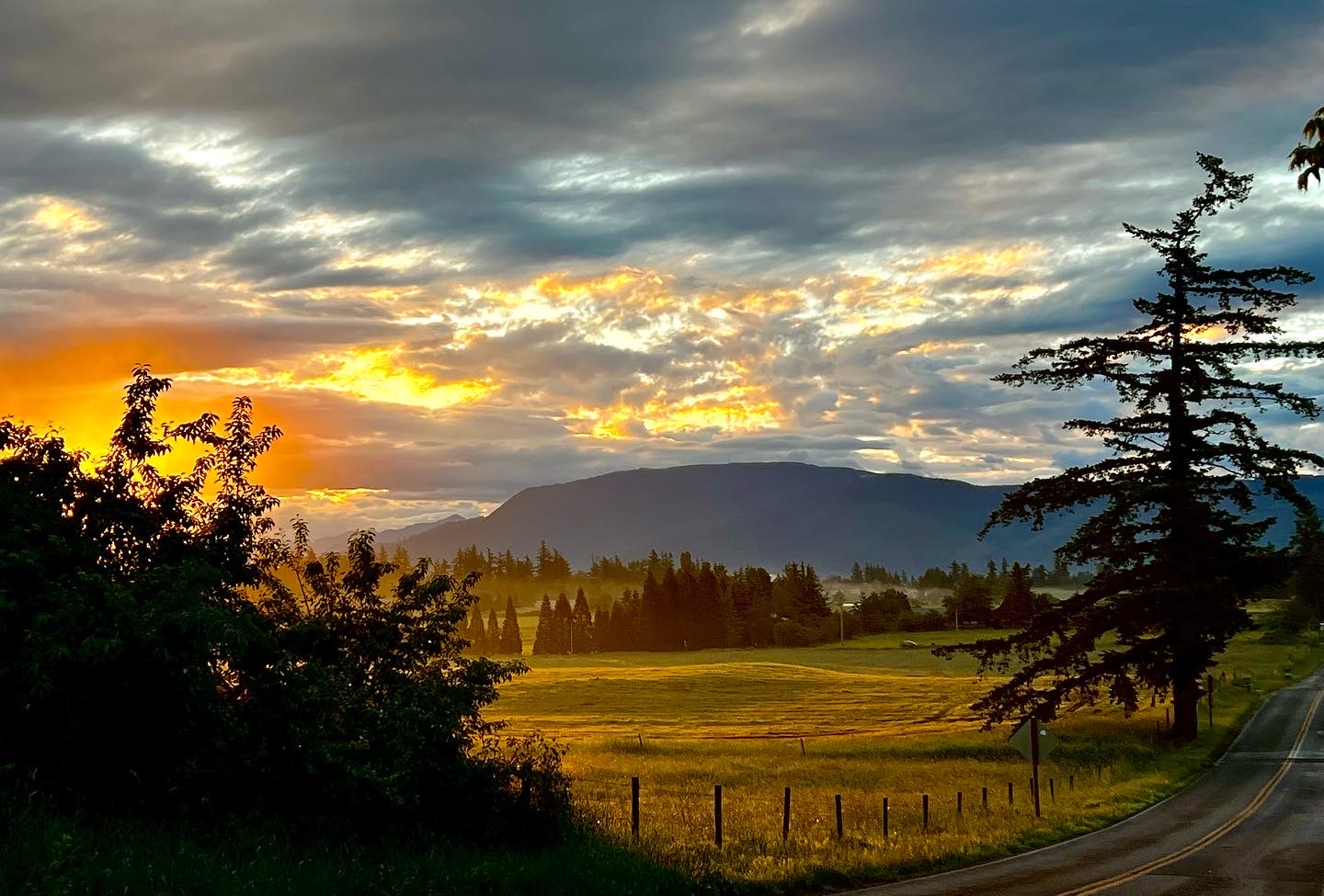
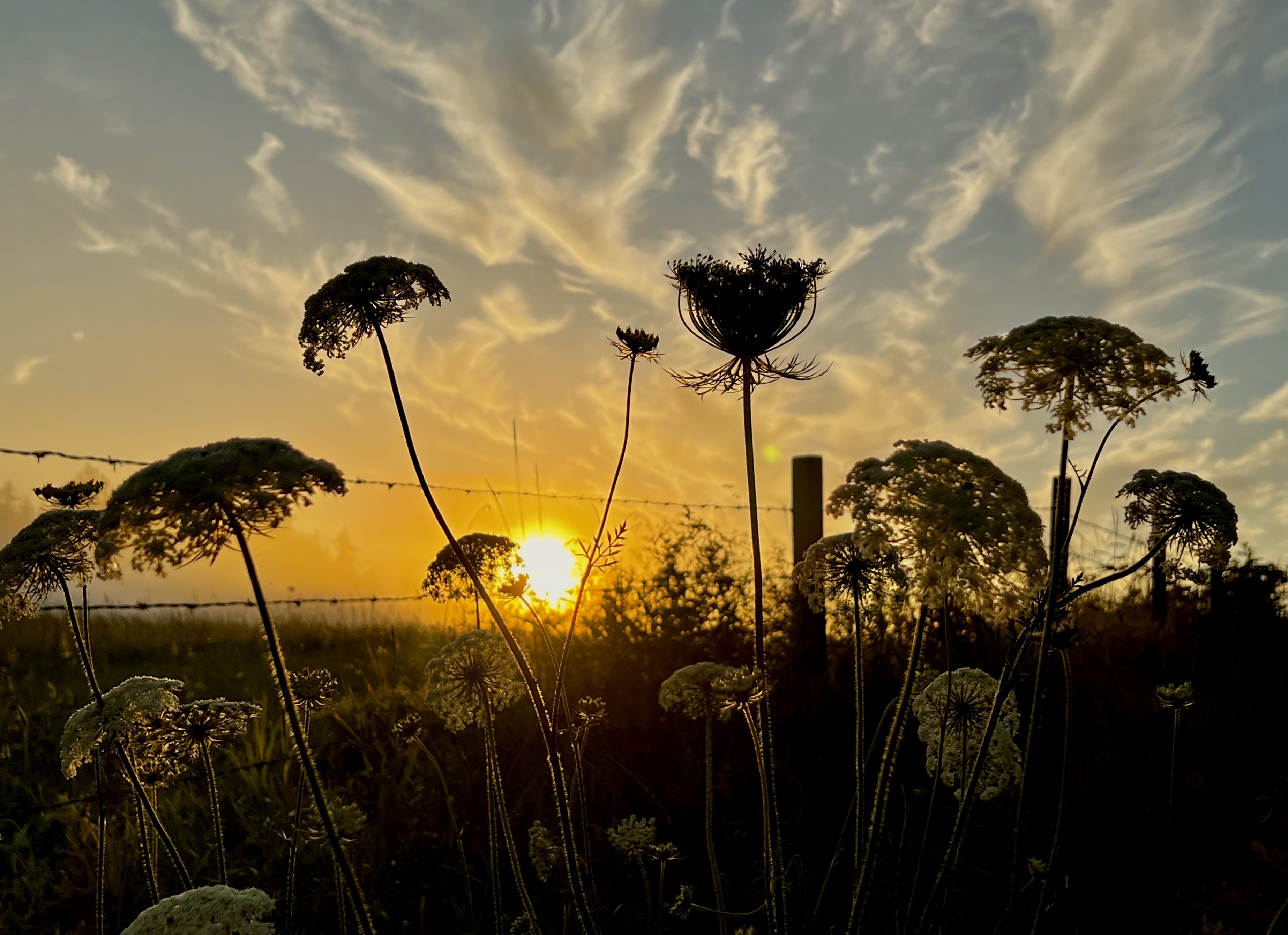
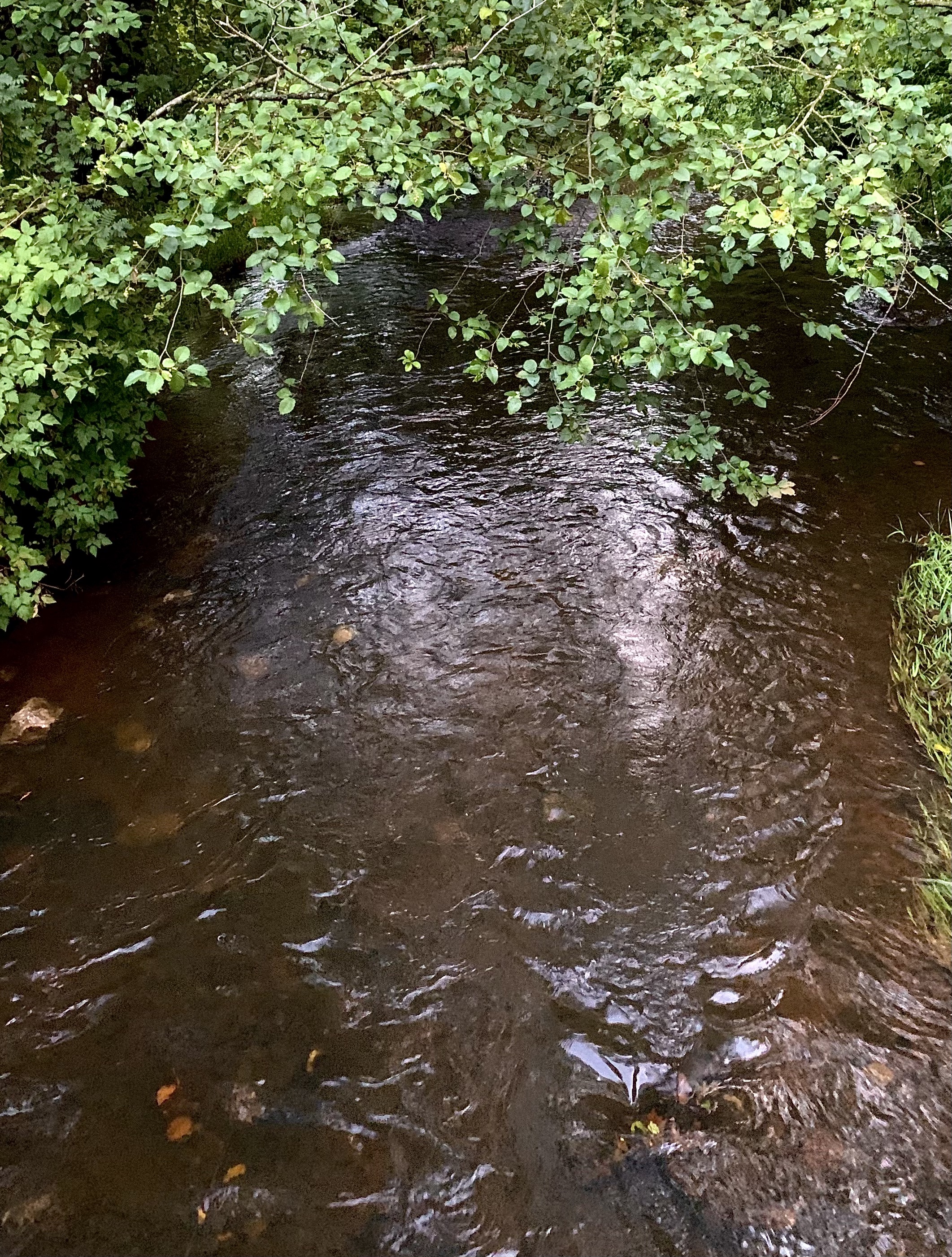
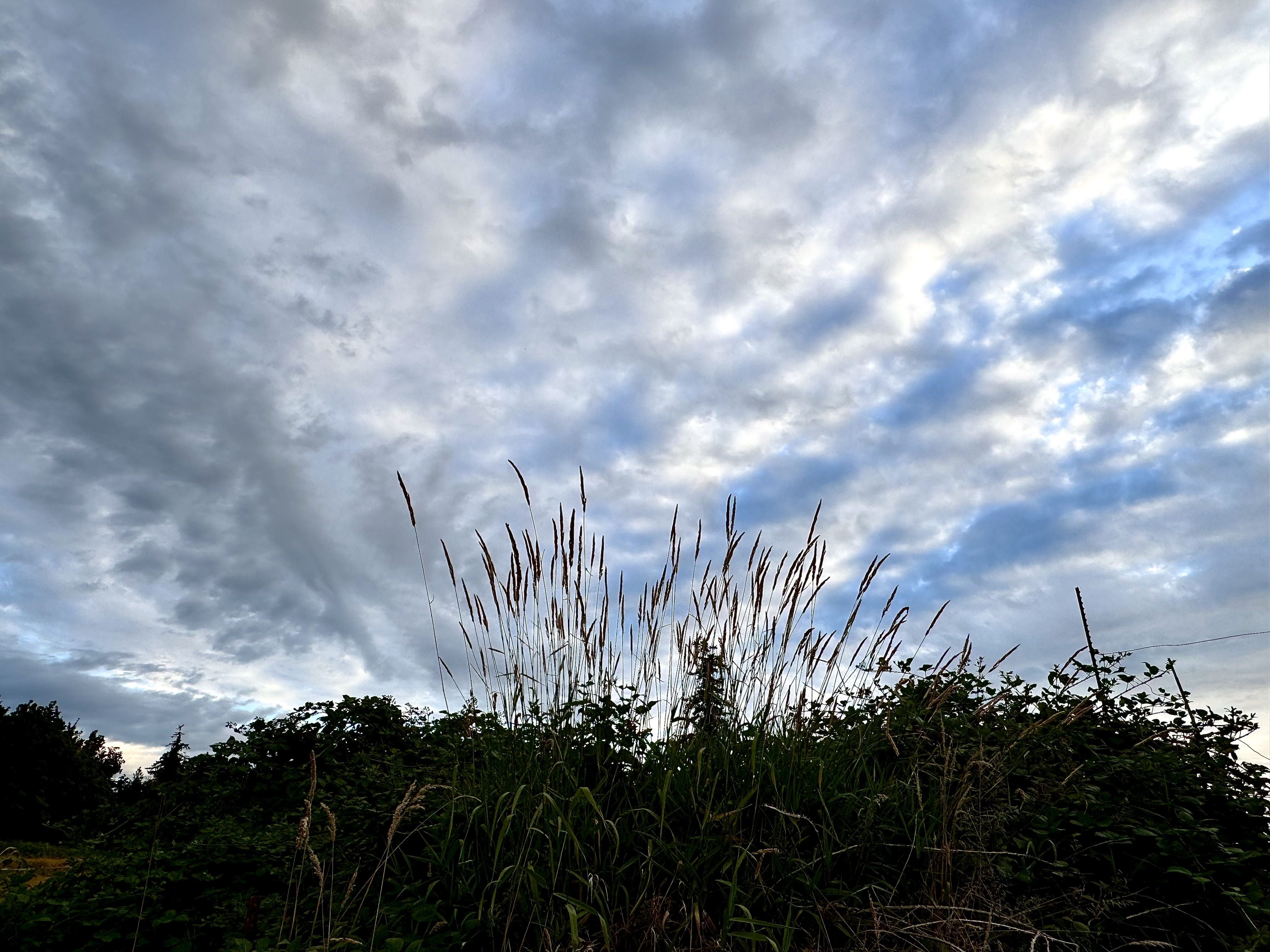
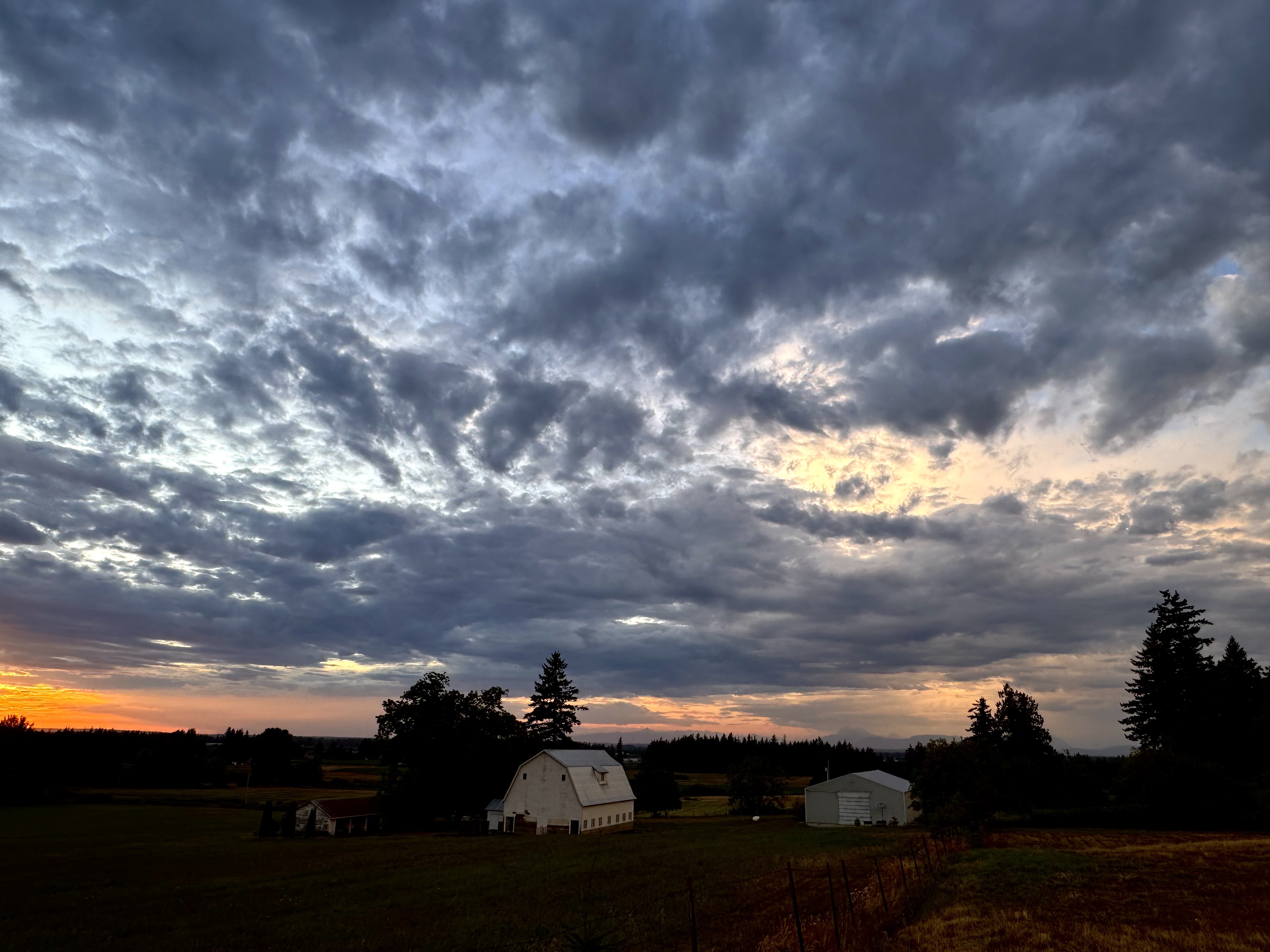
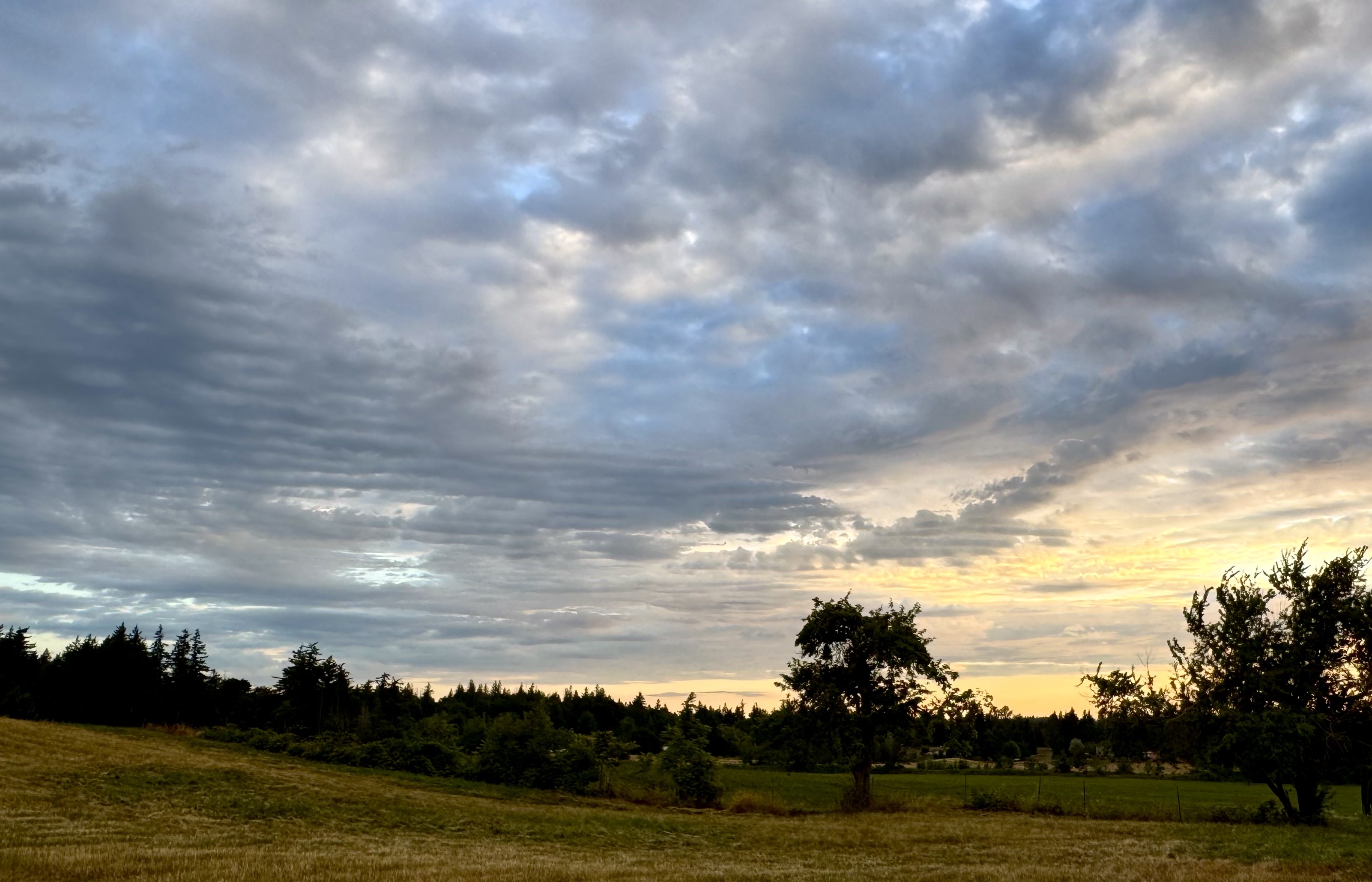
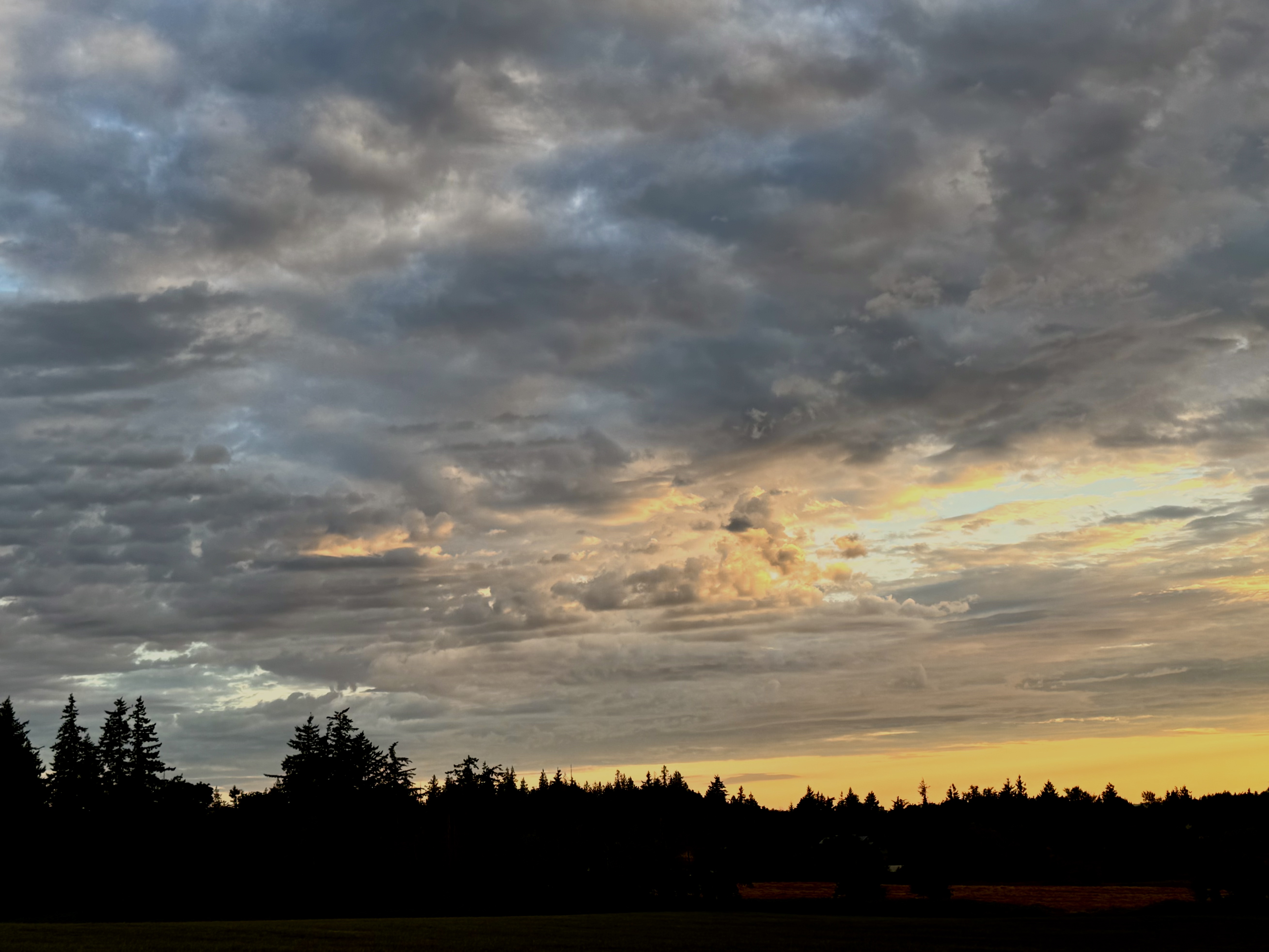
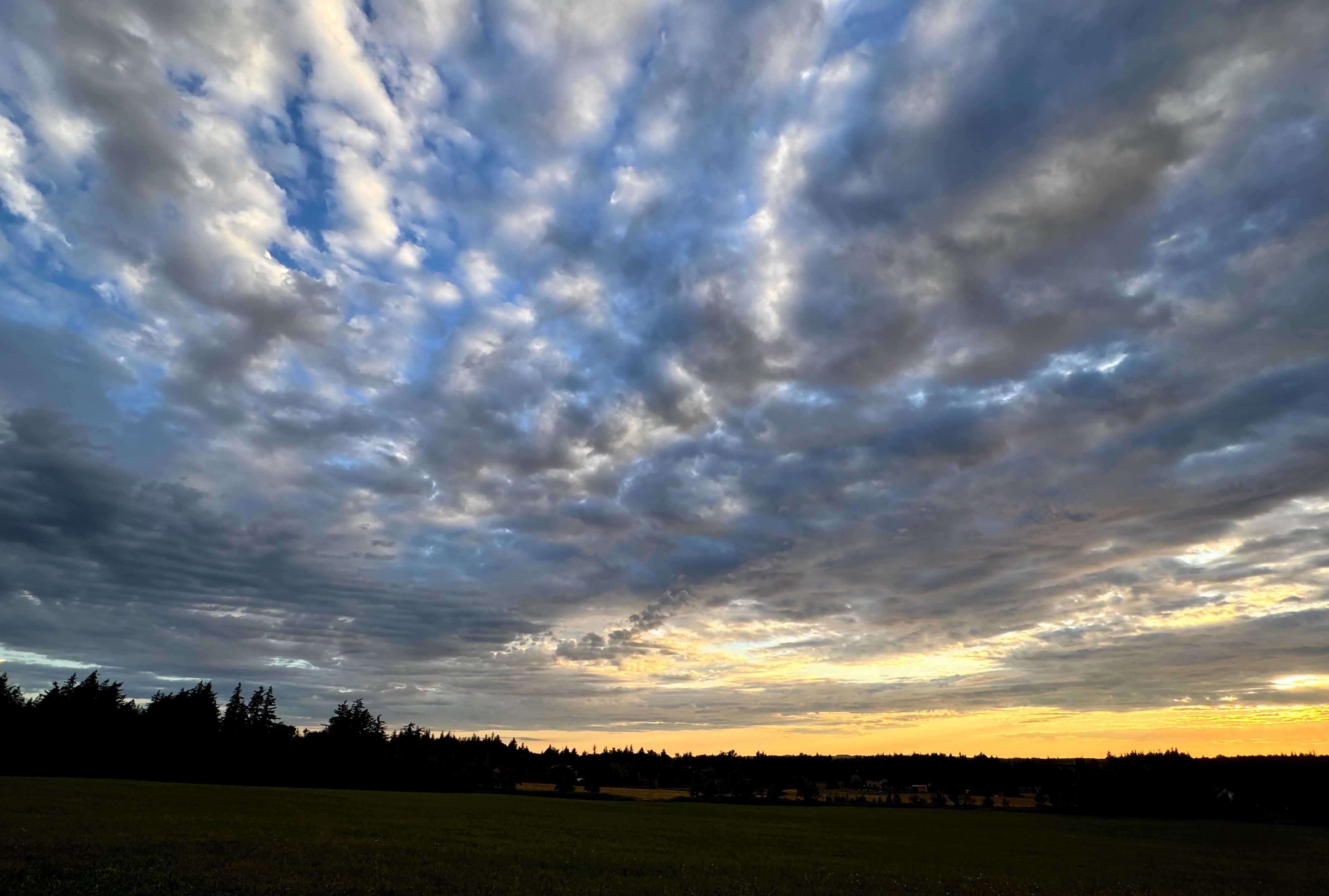
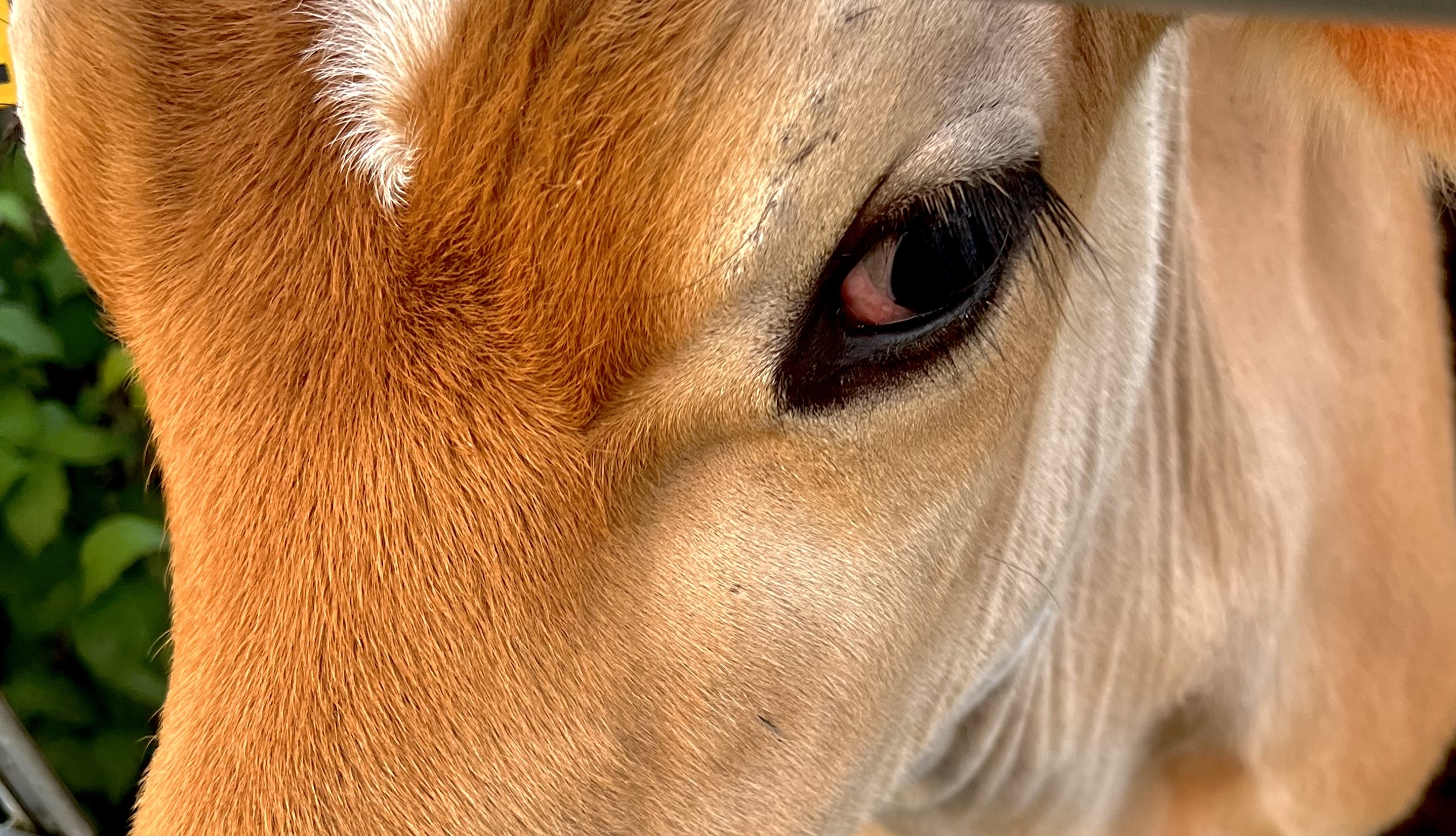
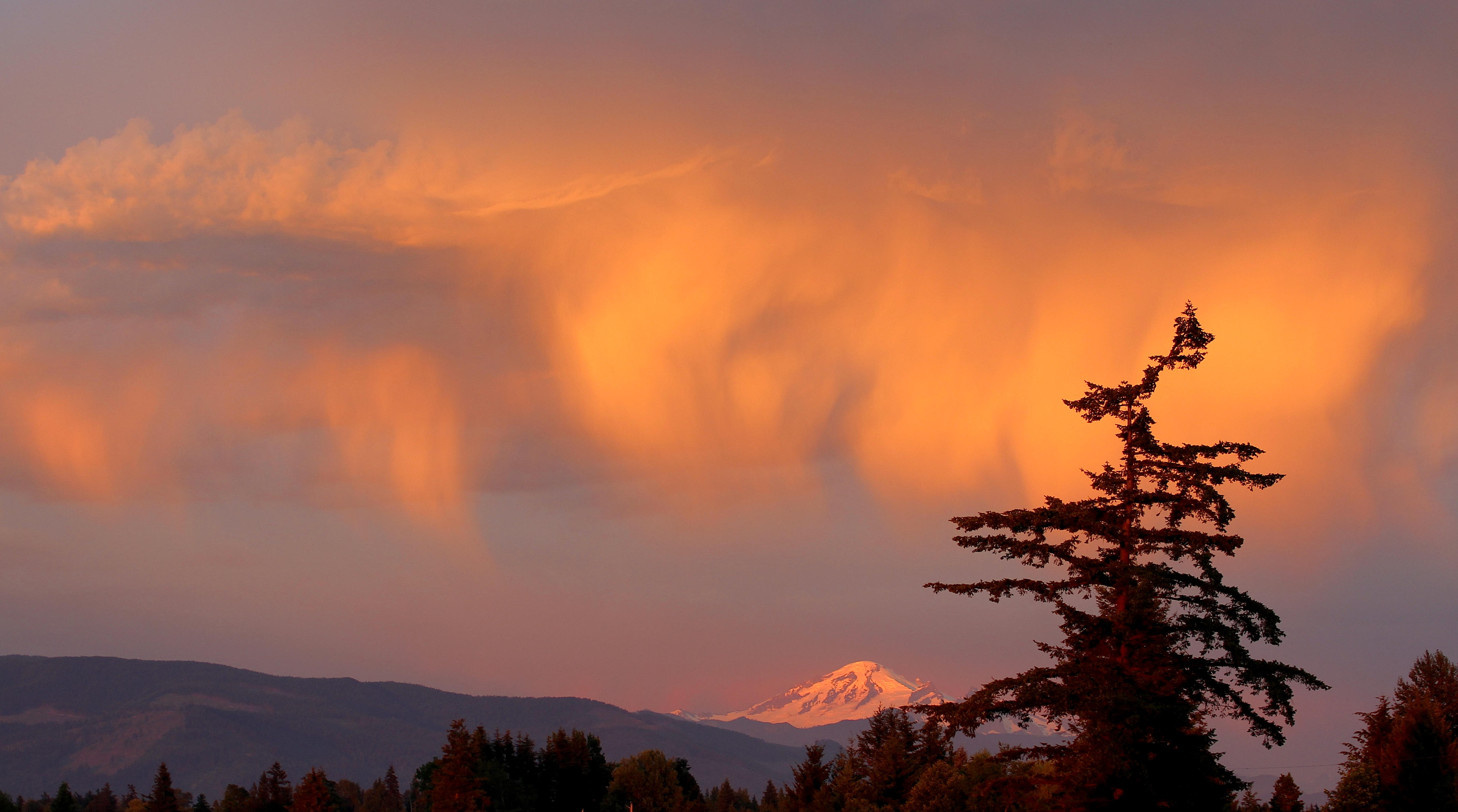
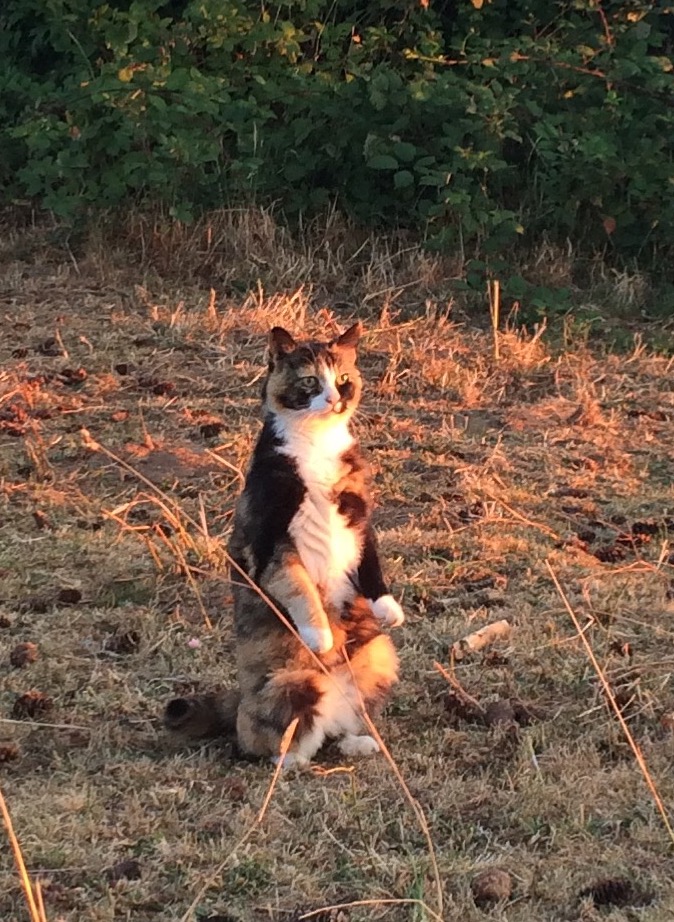
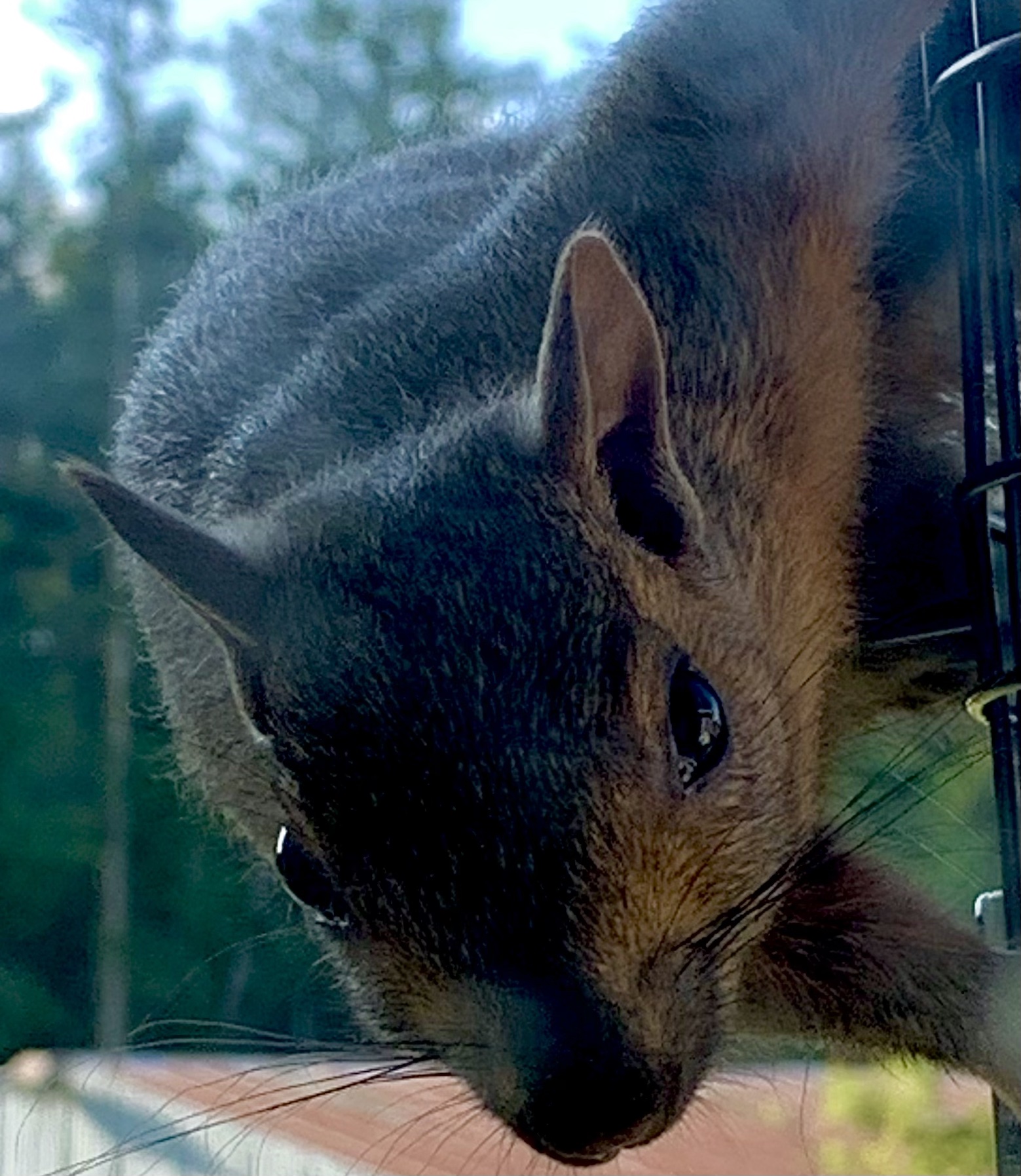
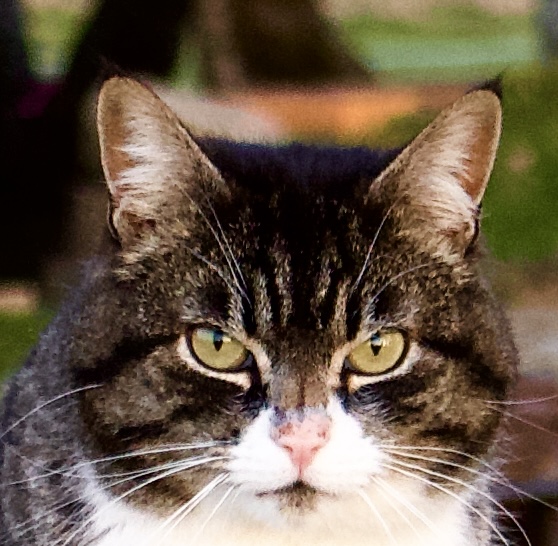
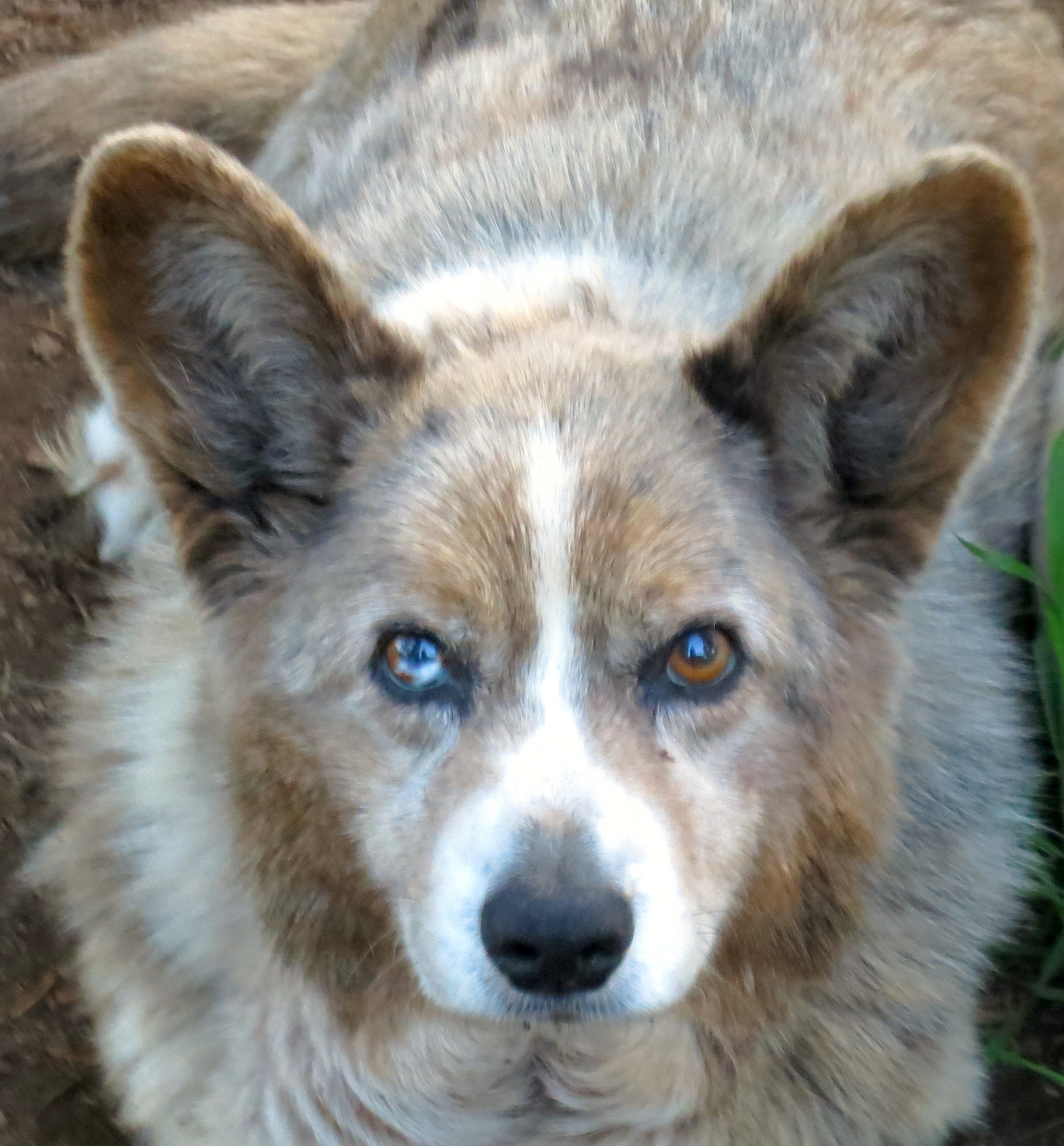
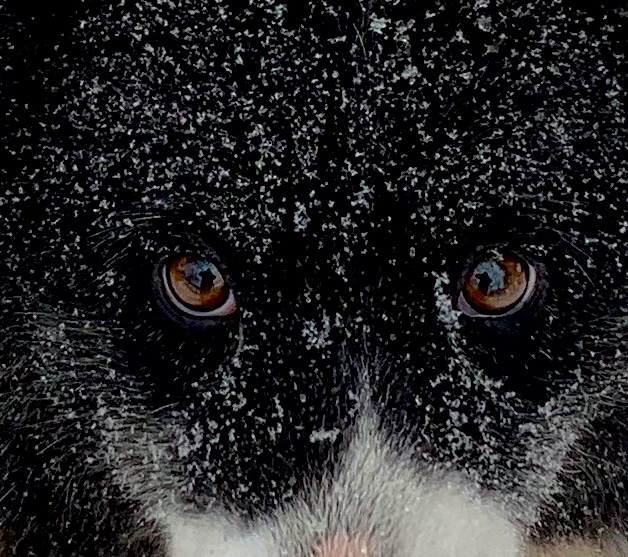
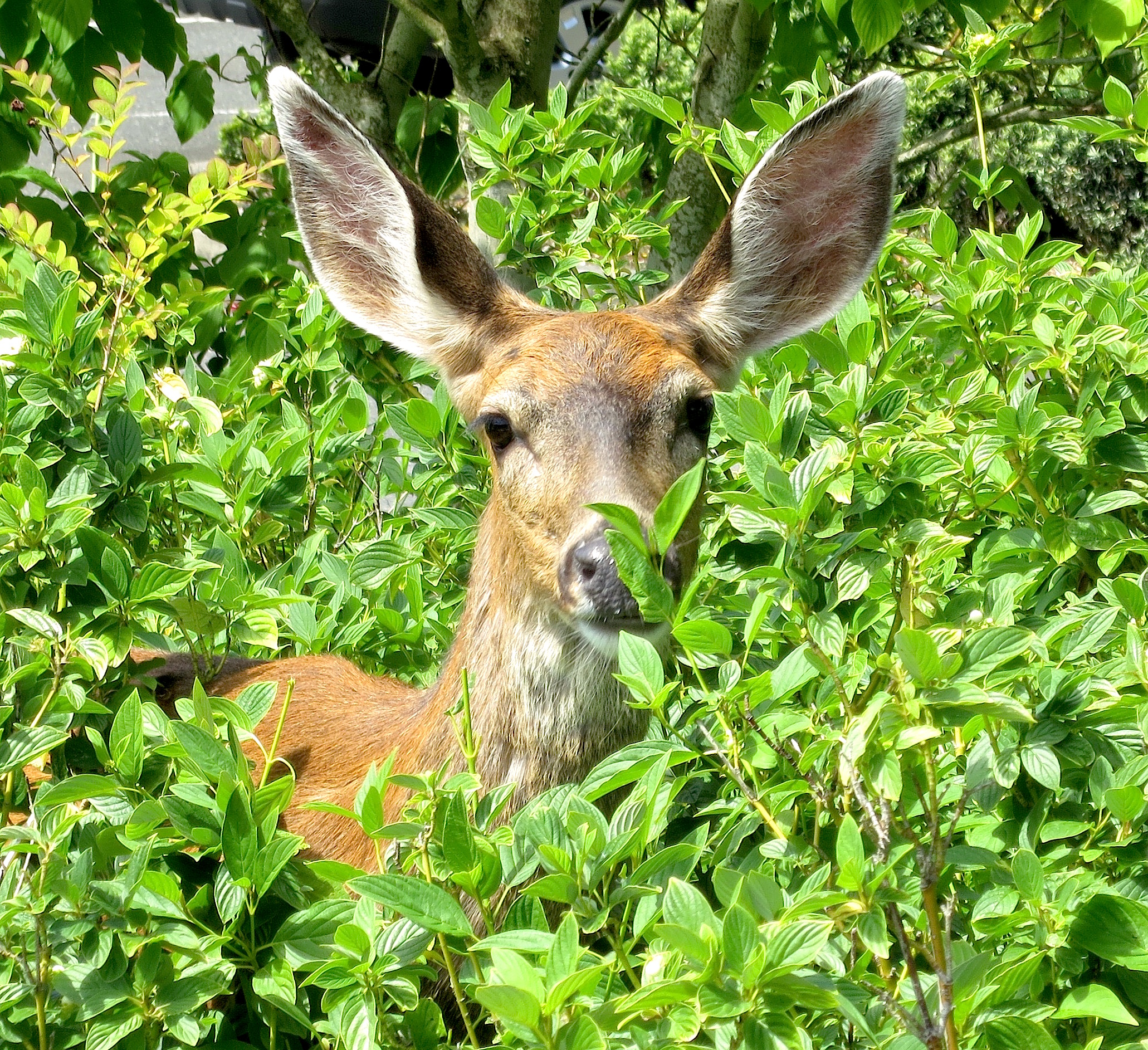
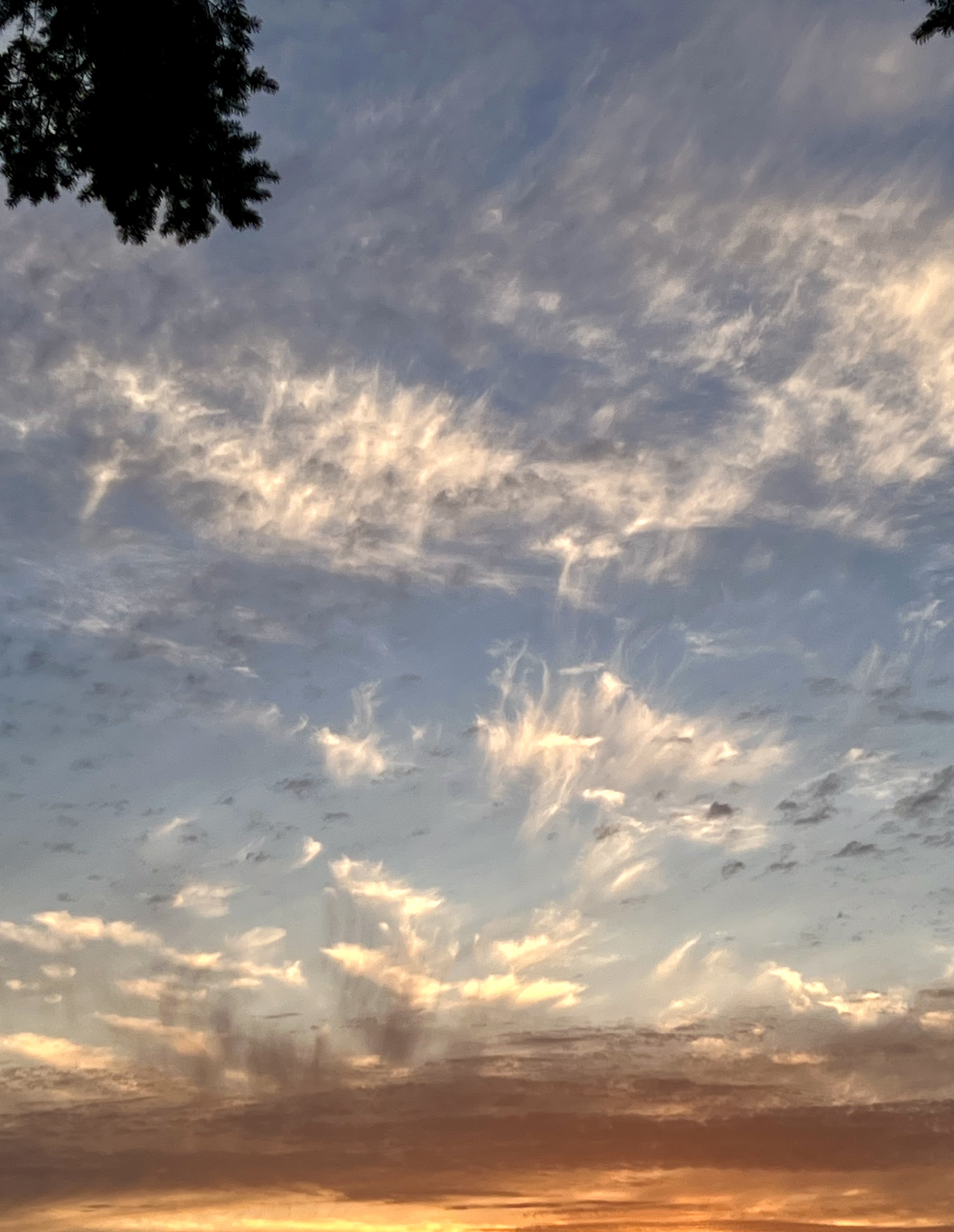
The golden cast at the beginning and endings of the days, the light dancing in streams like stars, simply staring at God’s creatures who stare back at me, each wondering what the other is thinking.















 Barnstorming