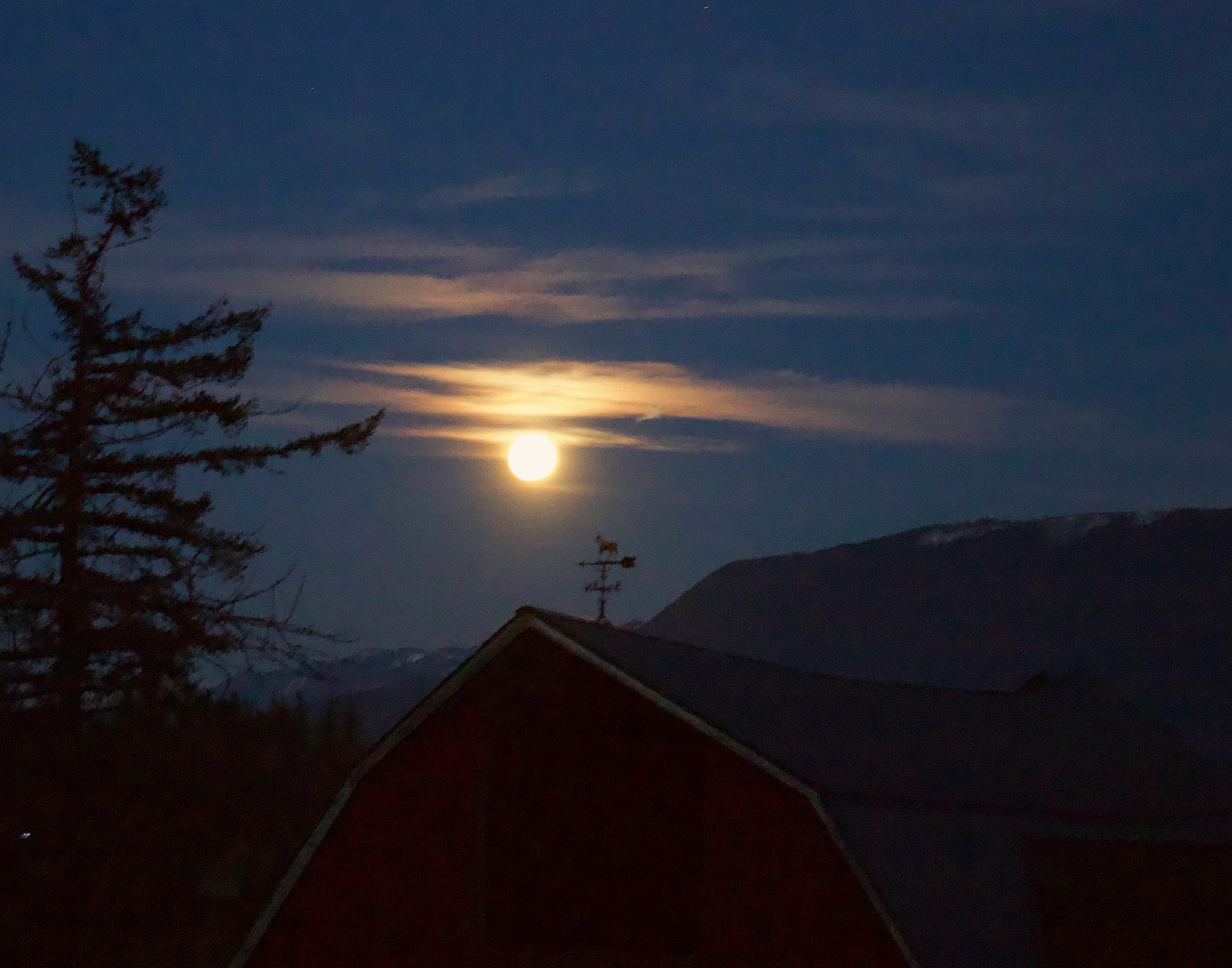
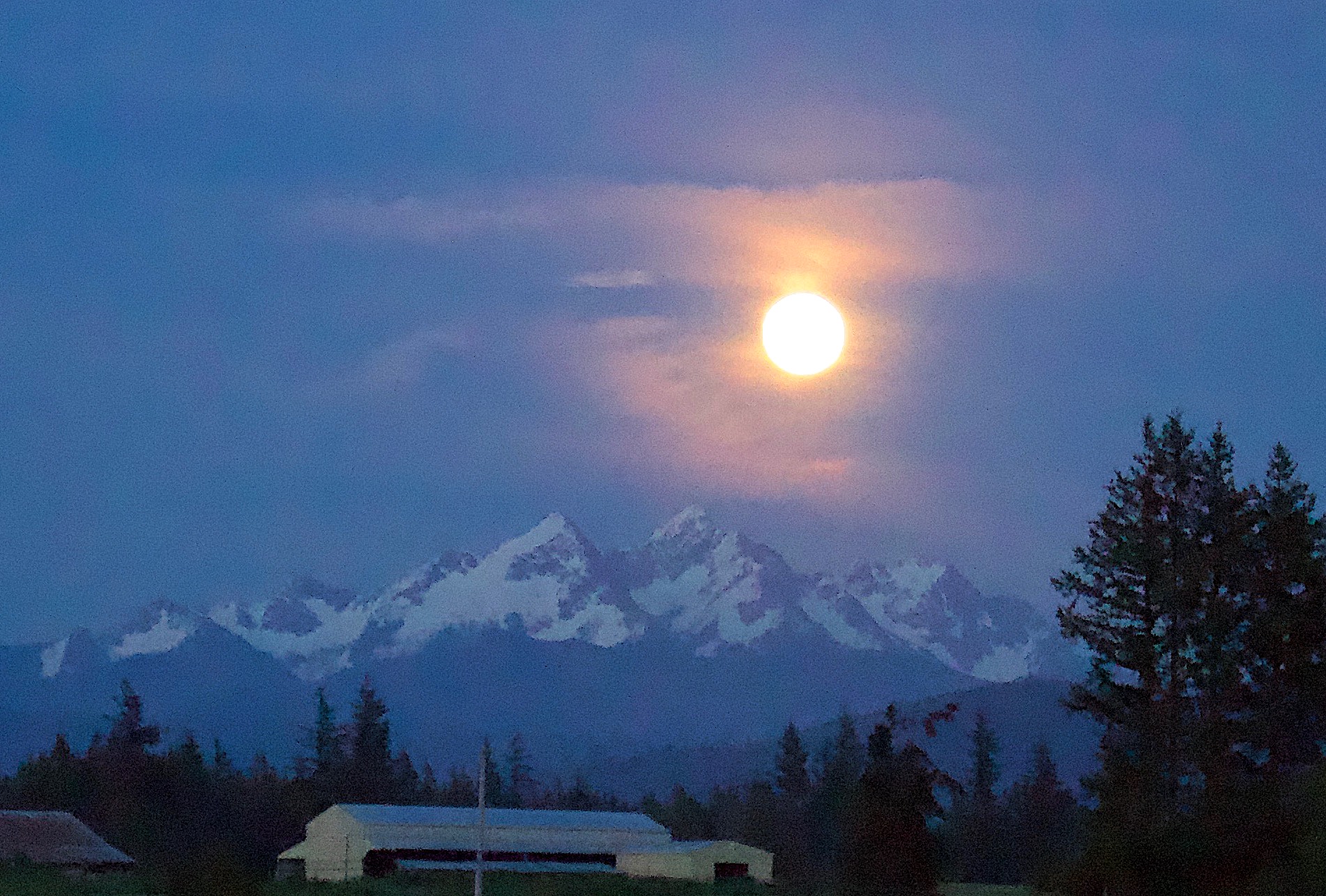
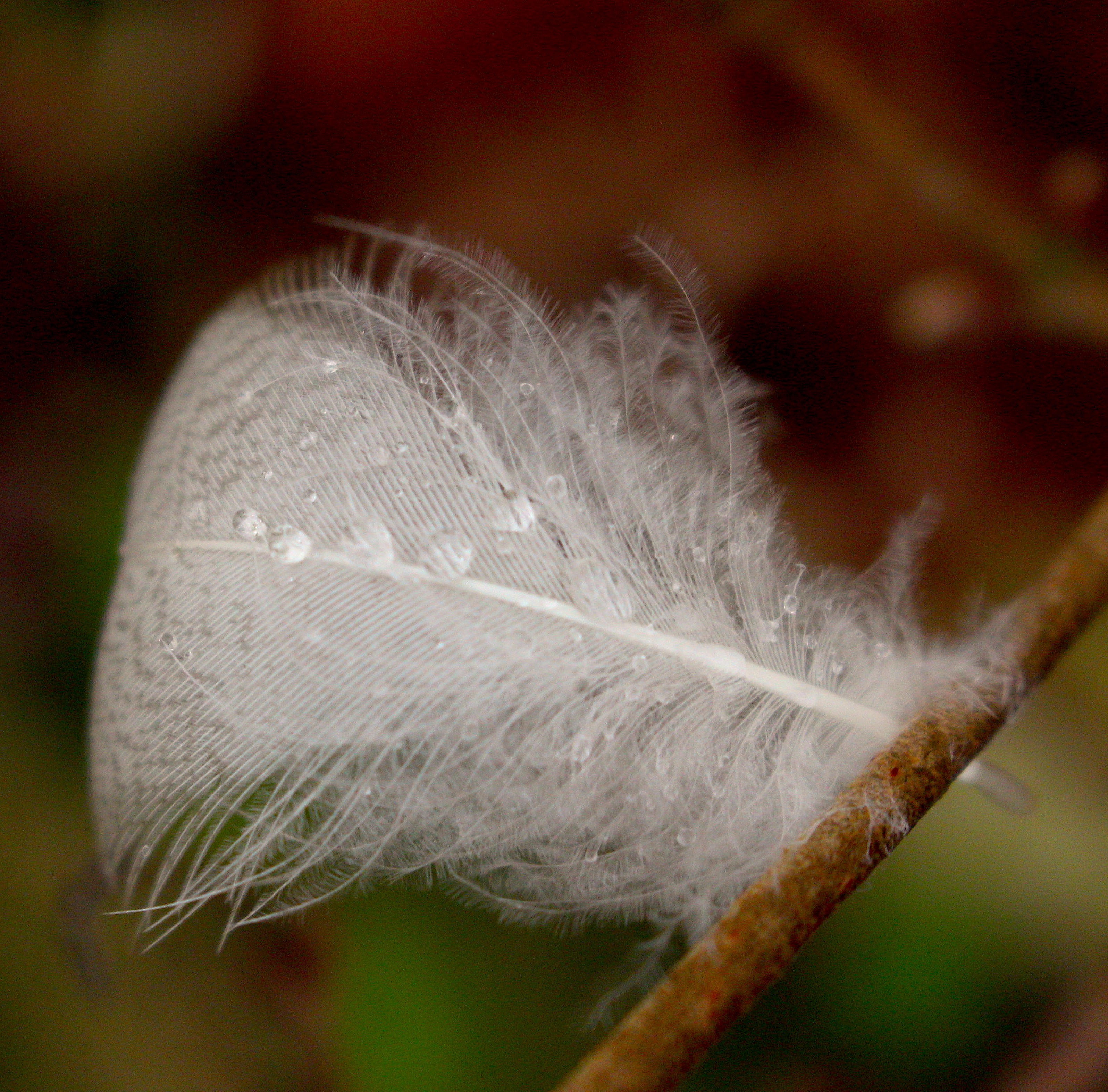
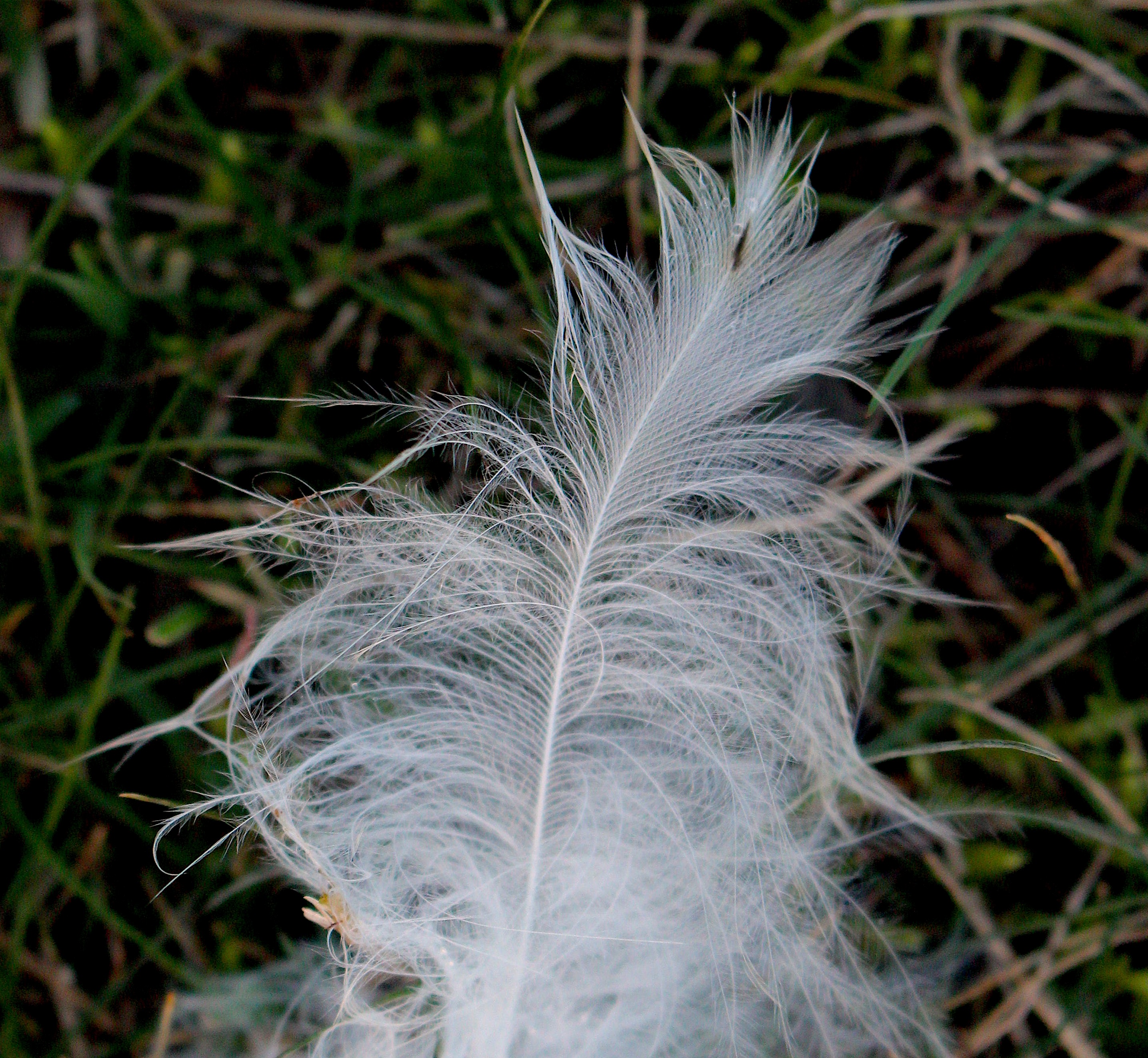
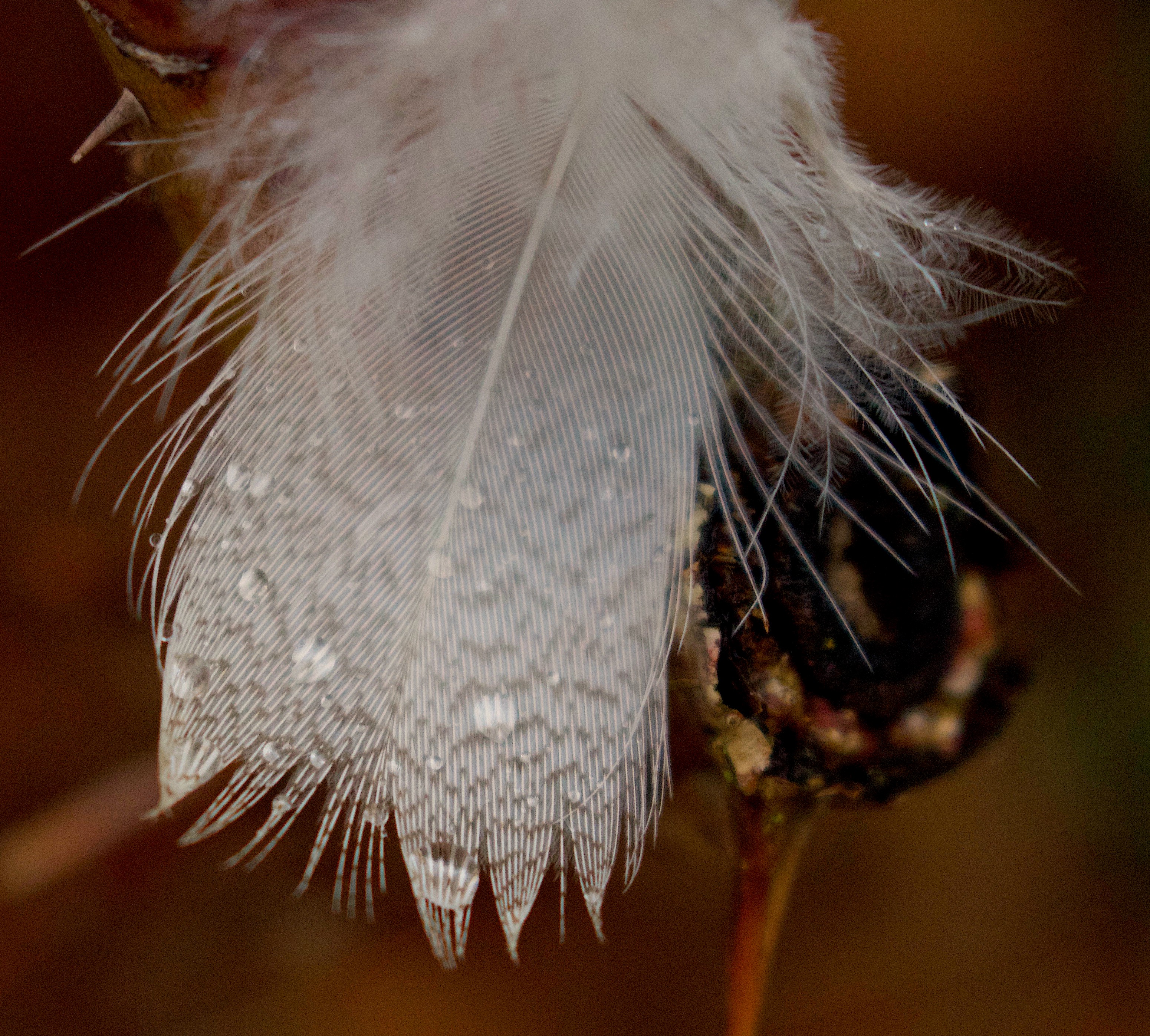
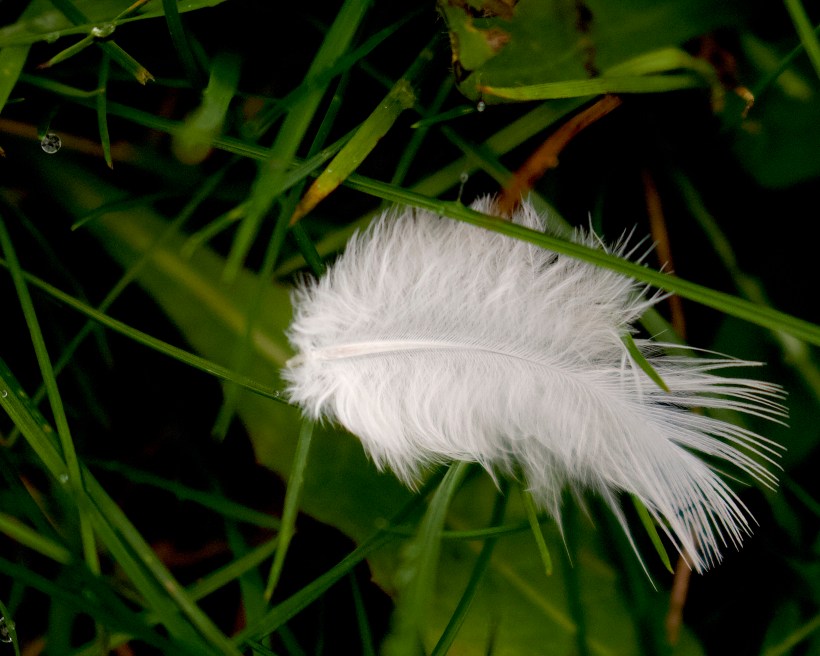
The moon drops one or two feathers into the field.
The dark wheat listens.
Be still.
Now.
There they are, the moon’s young, trying
Their wings.
I stand alone by an elder tree, I do not dare breathe
Or move.
I listen.
The wheat leans back toward its own darkness,
And I lean toward mine.
~James Wright, from “Beginning” from Above the River: The Complete Poems and Selected Prose.
And the light shone in darkness and Against the Word the unstilled world still whirled About the centre of the silent Word. ~T.S. Eliot from “Ash Wednesday”
In my beginning is my end. Now the light falls… I said to my soul, be still, and wait without hope. ~T.S. Eliot from “East Coker”
As we spend time with our young grandchildren, learning what it means to be a grandparent, we watch them discover the many joys and unending sorrows of this world. We must remember to remind them: there is light beyond the darkness, there is peace amid the chaos, there is a smile behind the tears, there is stillness within the noisiness, there is grace and mercy as old gives way to new.
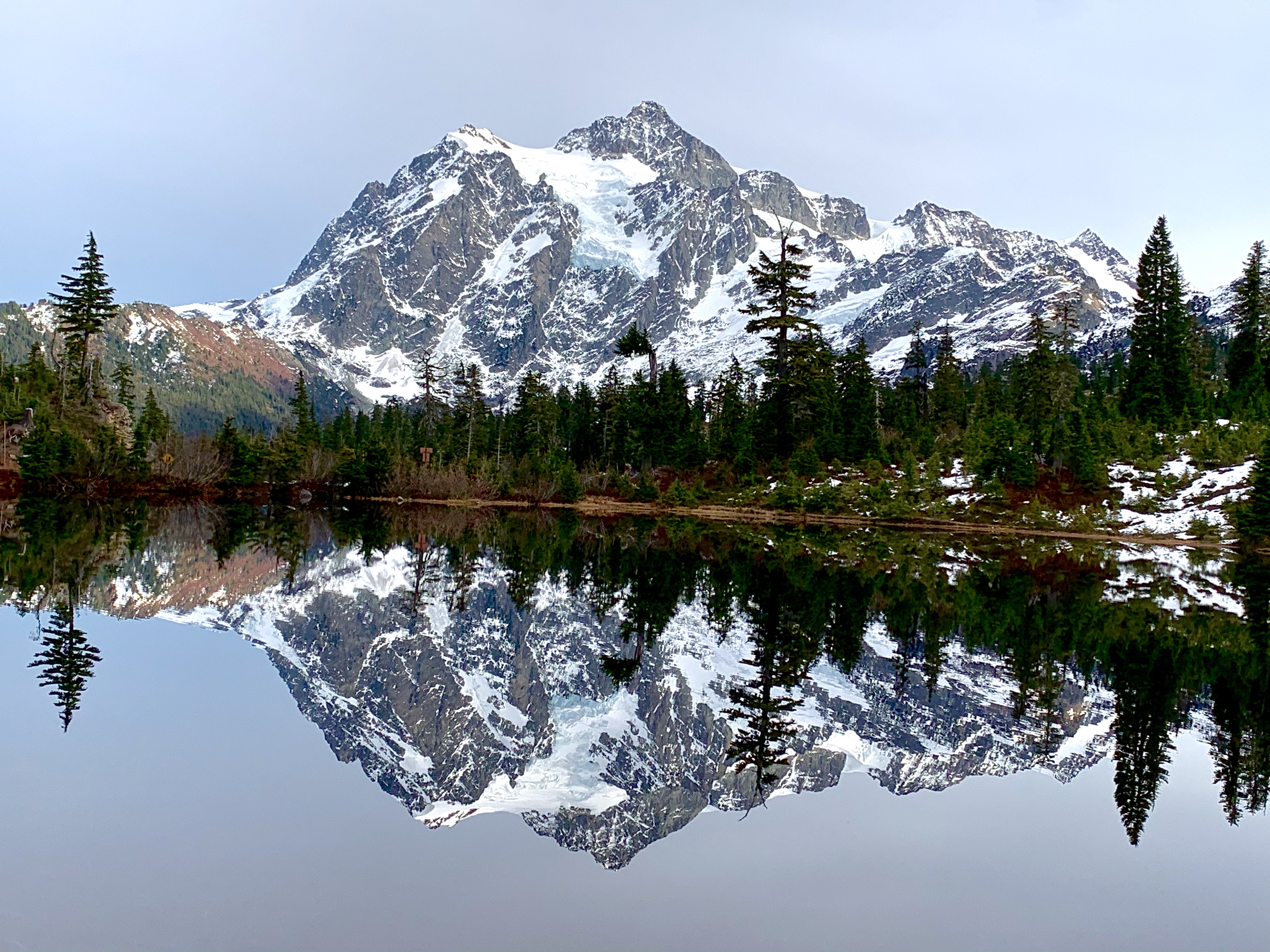
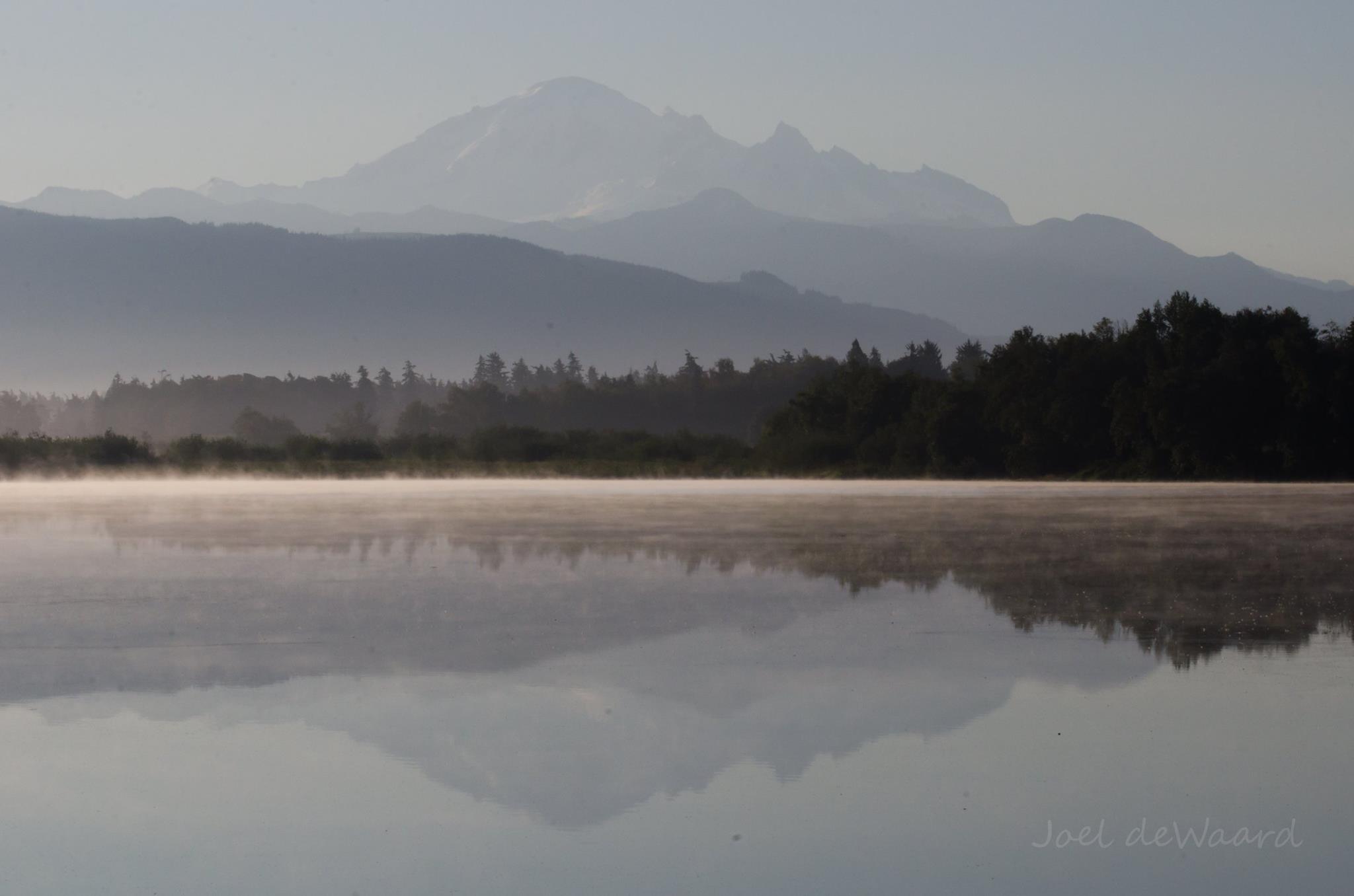
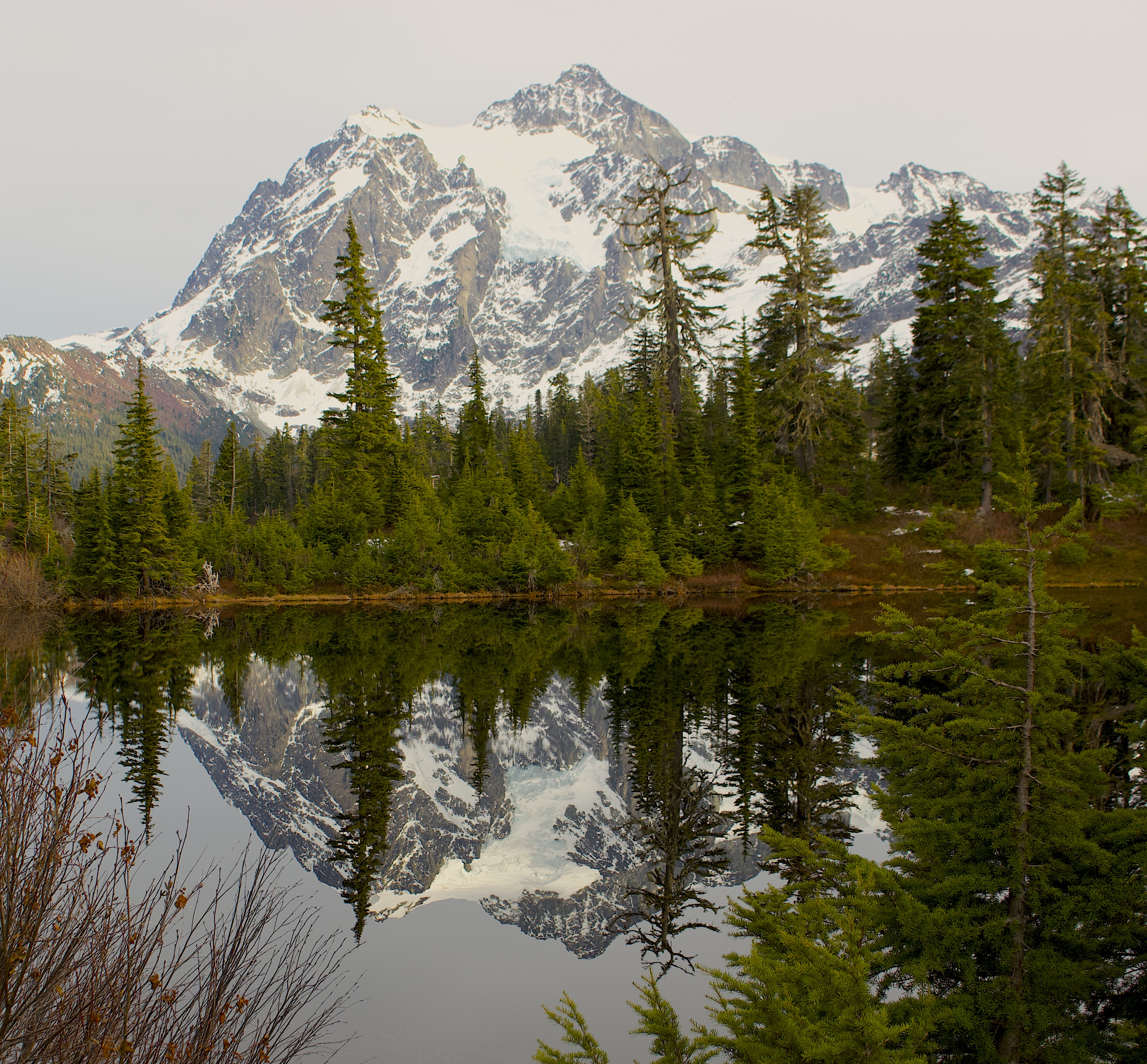
photo of Mt Baker reflected in Wiser Lake by Joel DeWaard
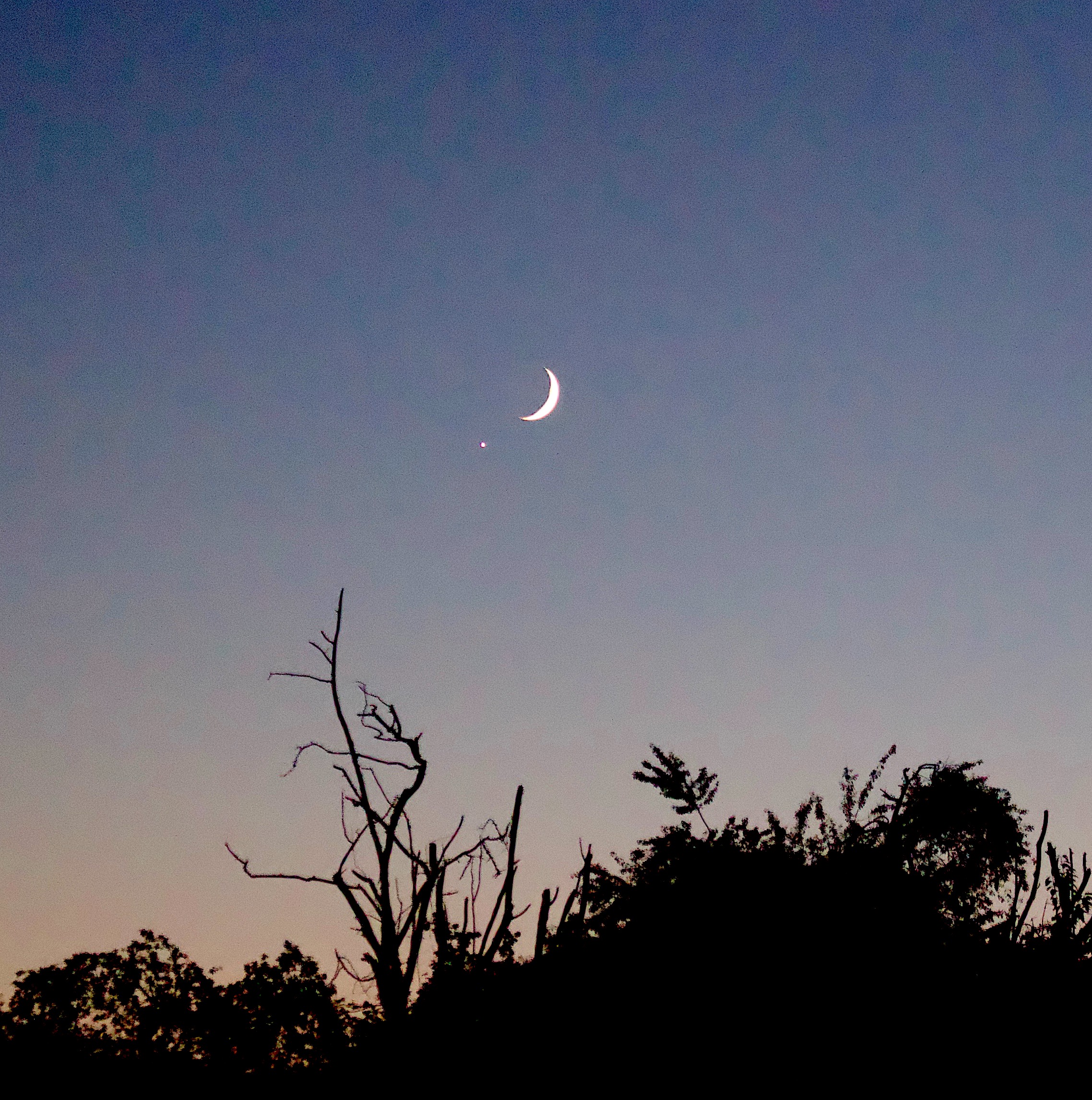
Alone in the night On a dark hill With pines around me Spicy and still,
And a heaven full of stars Over my head, White and topaz And misty red;
Myriads with beating Hearts of fire That aeons Cannot vex or tire;
Up the dome of heaven Like a great hill, I watch them marching Stately and still,
And I know that I Am honoured to be Witness Of such majesty. ~Sara Teasdale “Stars”
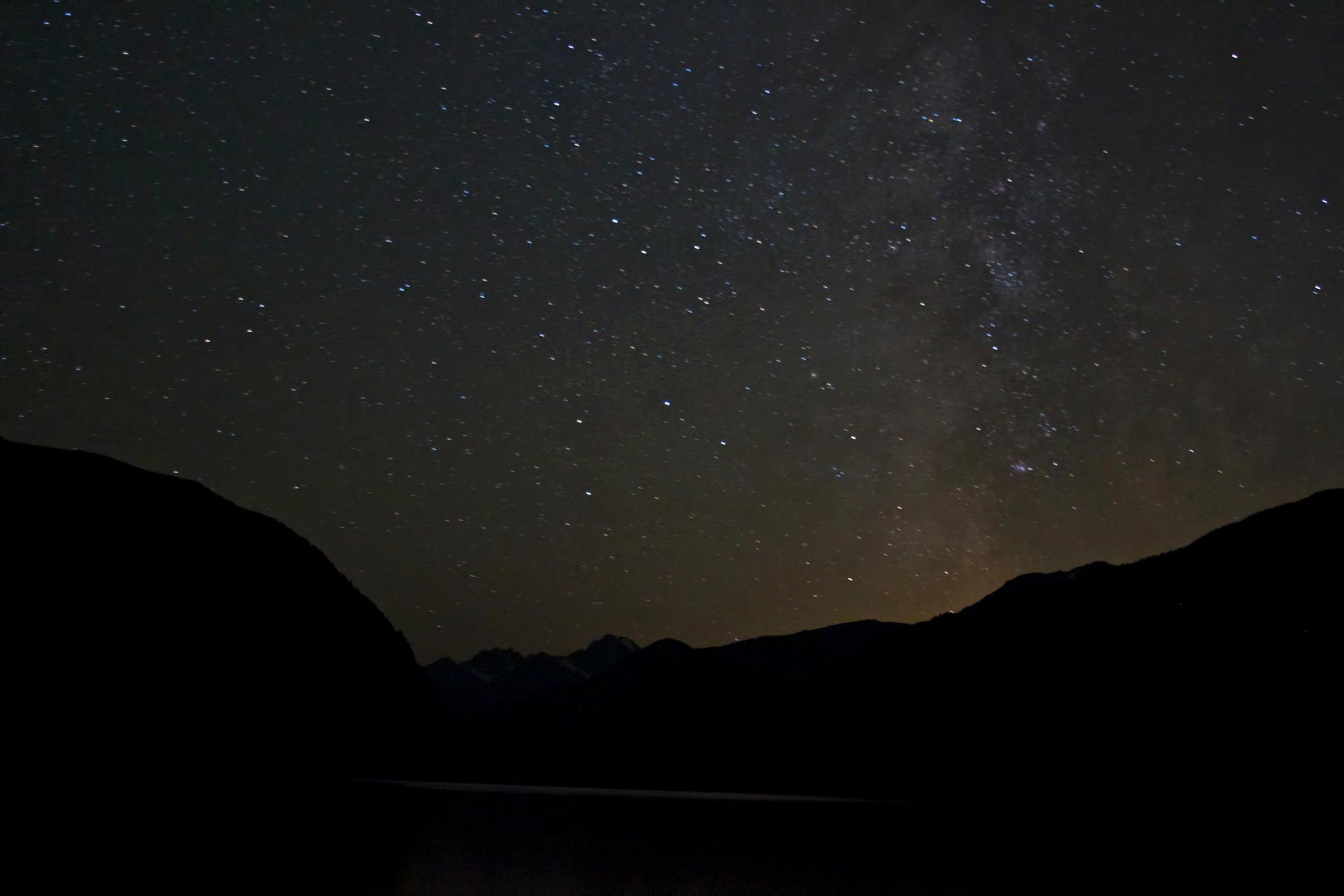
photo by Josh Scholten
“Where were you when I laid the earth’s foundation? …while the morning stars sang together and all the angels shouted for joy?” Job 38 4a, 7
God Himself tells Job the first song was sung in celebration of the beginning of all things. We weren’t there to hear it because we were not — yet. A joyous celestial community of stars and angels sang as the world was pieced and sewn together bit by bit.
Man was the last stitch God made in the tapestry.
As the coda of the created world, we tend to take all this for granted as it was already here when we arrived on the scene: the soil we tread, the water we drink, the plants and creatures that are subject to us. Yet this creation was already so worthy it warranted a glorious anthem, right from the beginning, before man. We were not yet the inspiration for singing.
We missed the first song but we were there to hear it reprised a second time, and this time it really was about us–peace on earth, good will to men. The shepherds, the most lowly and humble of us, those who would be surely voted least likely to witness such glory, were chosen to hear singing from the heavens the night Christ was born. They were flattened by it, amazed and afraid. It drove them right off the job, out of the fields and into town to seek out what warranted such celebration.
Surely once again this song will ring out as it did in the beginning and as it did on those hills above Bethlehem. The trumpet will sound. In a twinkling of an eye we will all be changed. And we will be able to sing along. Hallelujah! Amen and Amen.
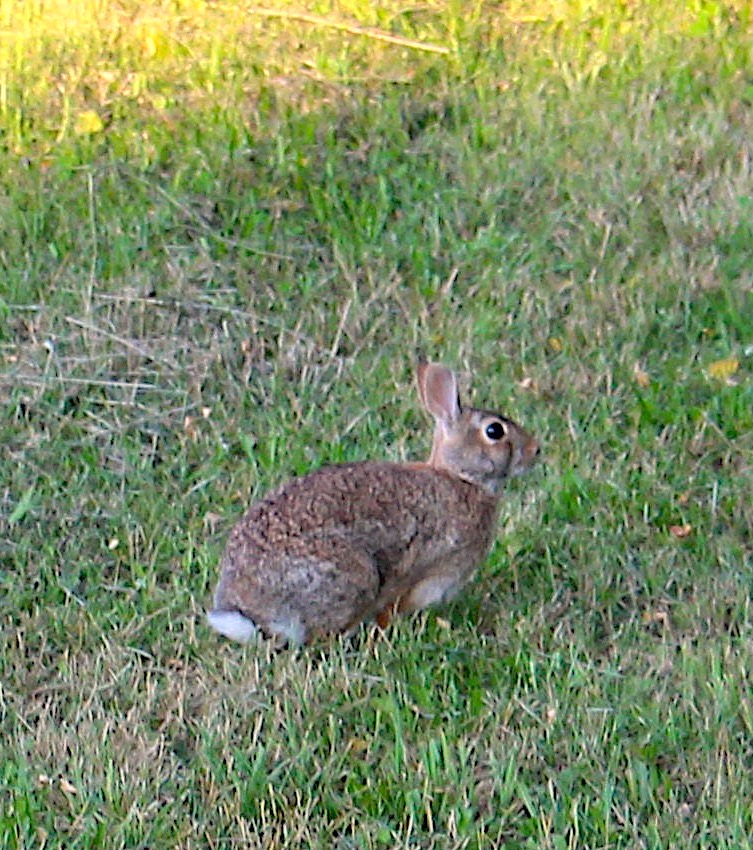
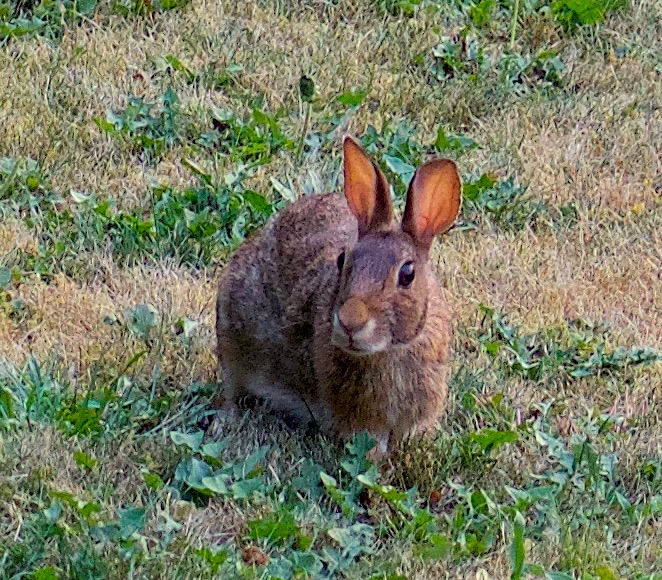
Eventually balance moves out of us into the world; it’s the pull of rabbits grazing on the lawn as we talk, the slow talk of where and when, determining what and who we will become as we age.
We admire the new plants and the rings of mulch you made, we praise the rabbits eating the weeds’ sweet yellow flowers.
Behind our words the days serve each other as mother, father, cook, builder, and fixer; these float like the clouds beyond the trees.
It is a simple life, now, children grown, our living made and saved, our years our own, husband and wife,
but in our daily stride, the one that rises with the sun, the chosen pride, we lean on our other selves, lest we fall into a consuming fire and lose it all. ~Richard Maxson, “Otherwise” from Searching for Arkansas
Our days are slower now, less rush, more reading and writing, walking and sitting, taking it all in and wondering what comes next.
I slowly adapt to not hurrying to work every other day, looking to you to see how I should parcel out each moment. Should I stay busy cleaning, sorting, giving away, simplifying our possessions so our children someday won’t have to? Or should I find some other kind of service off the farm to feel worthy of each new day, each new breath?
It is an unfamiliar phase, this facing a day with no agenda and no appointments. What comes next is uncertain, as it always has been but I didn’t pay attention before.
So I lean lest I fall. I breathe lest I forget how.
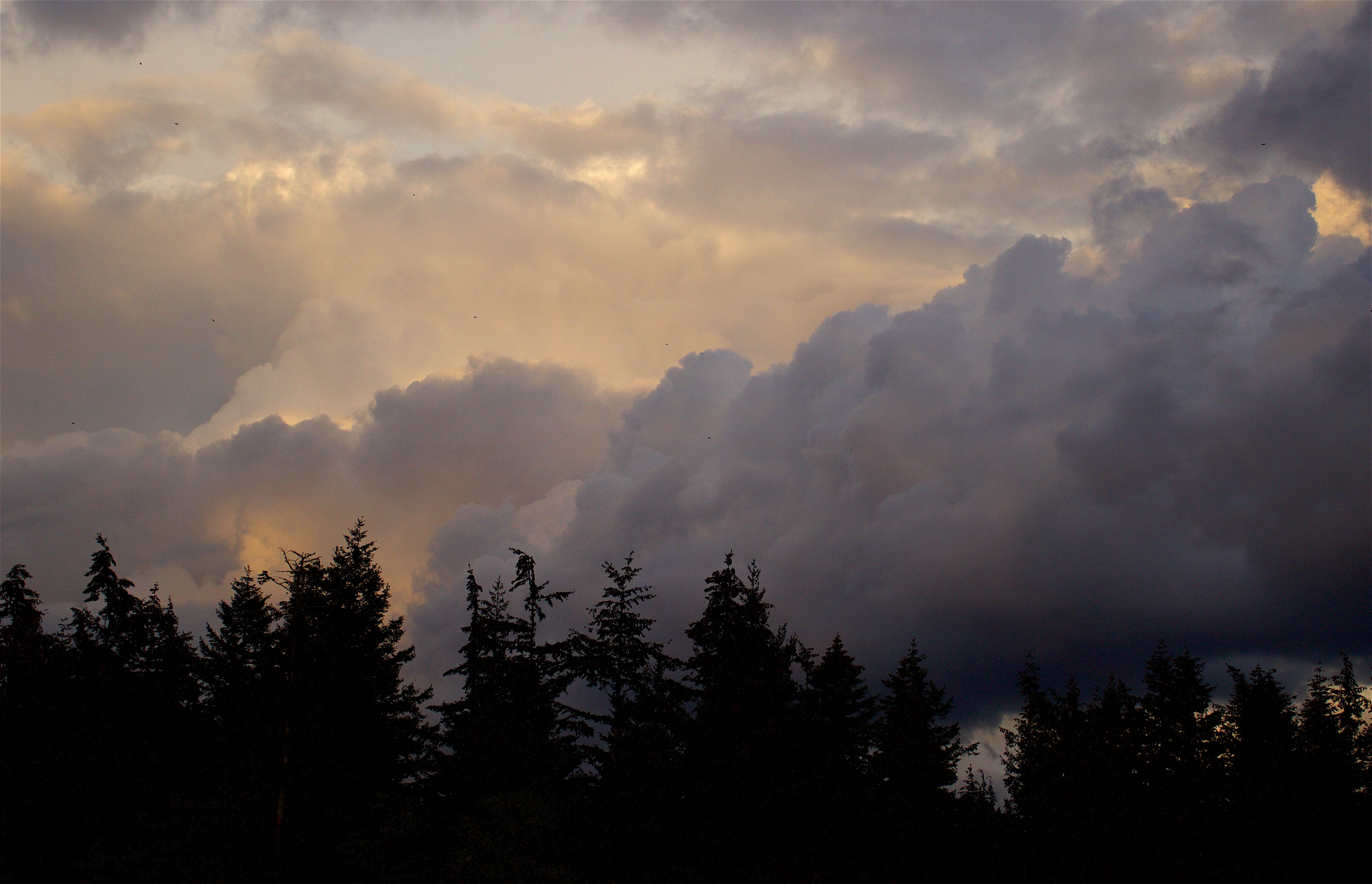
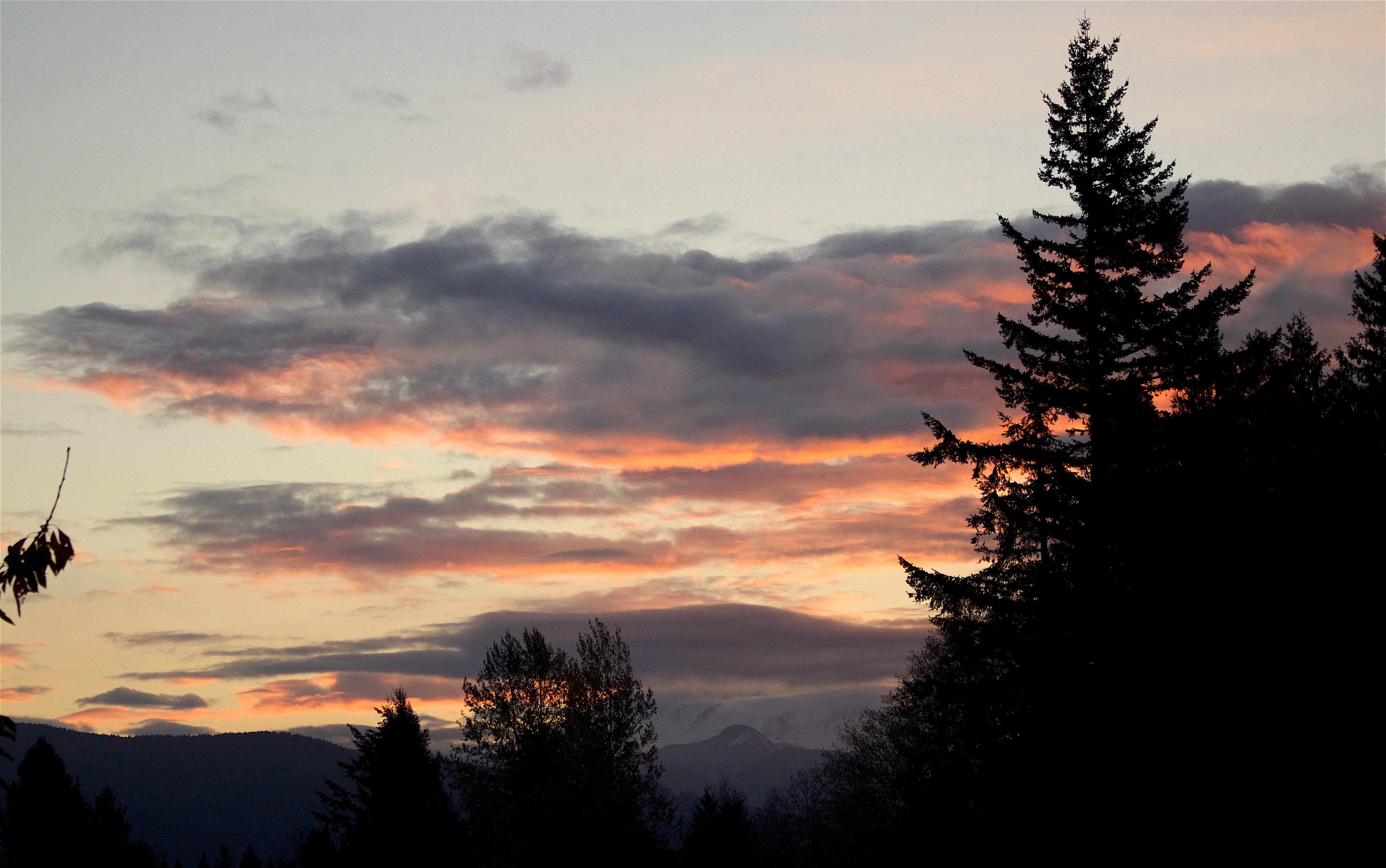
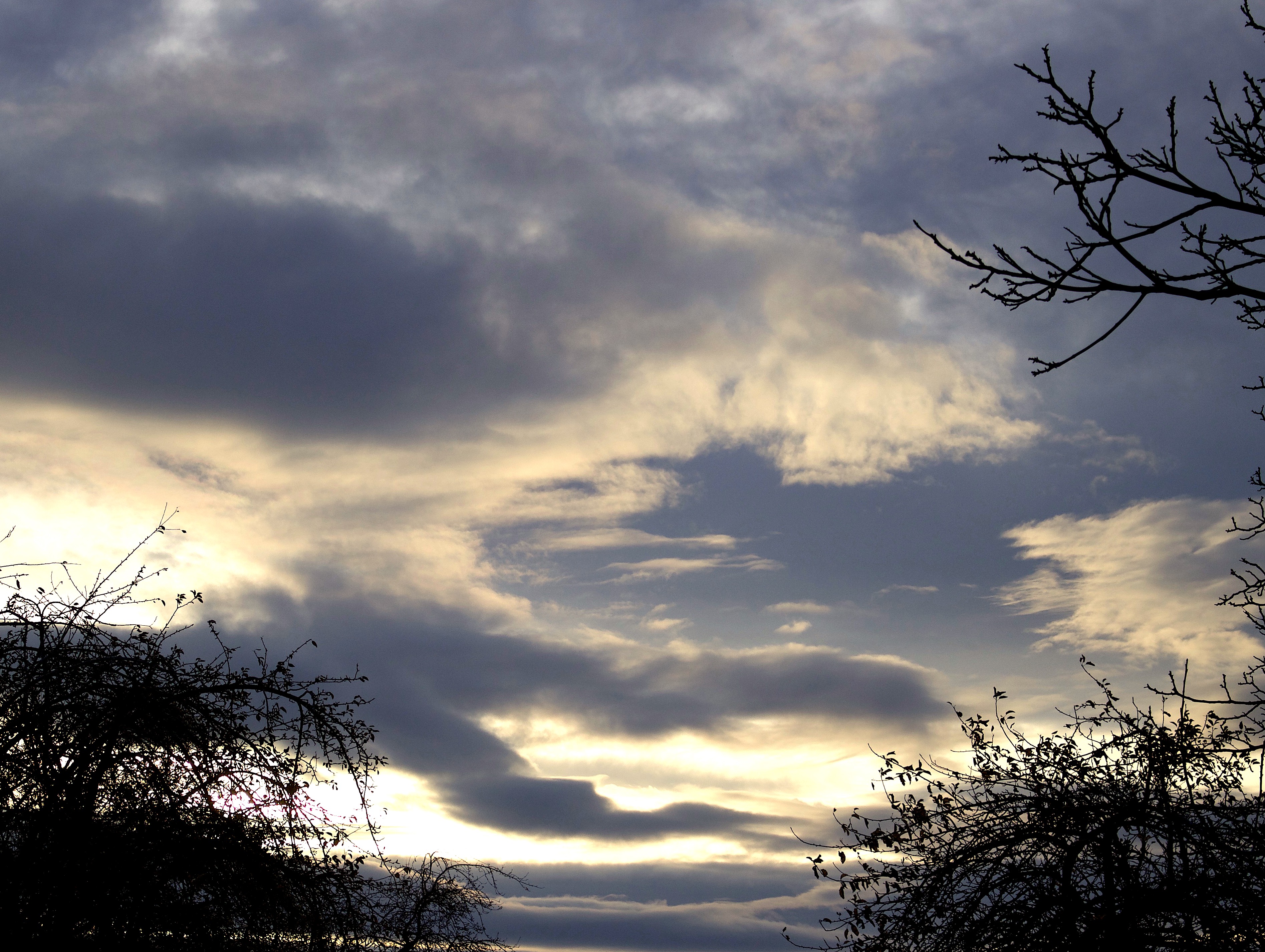
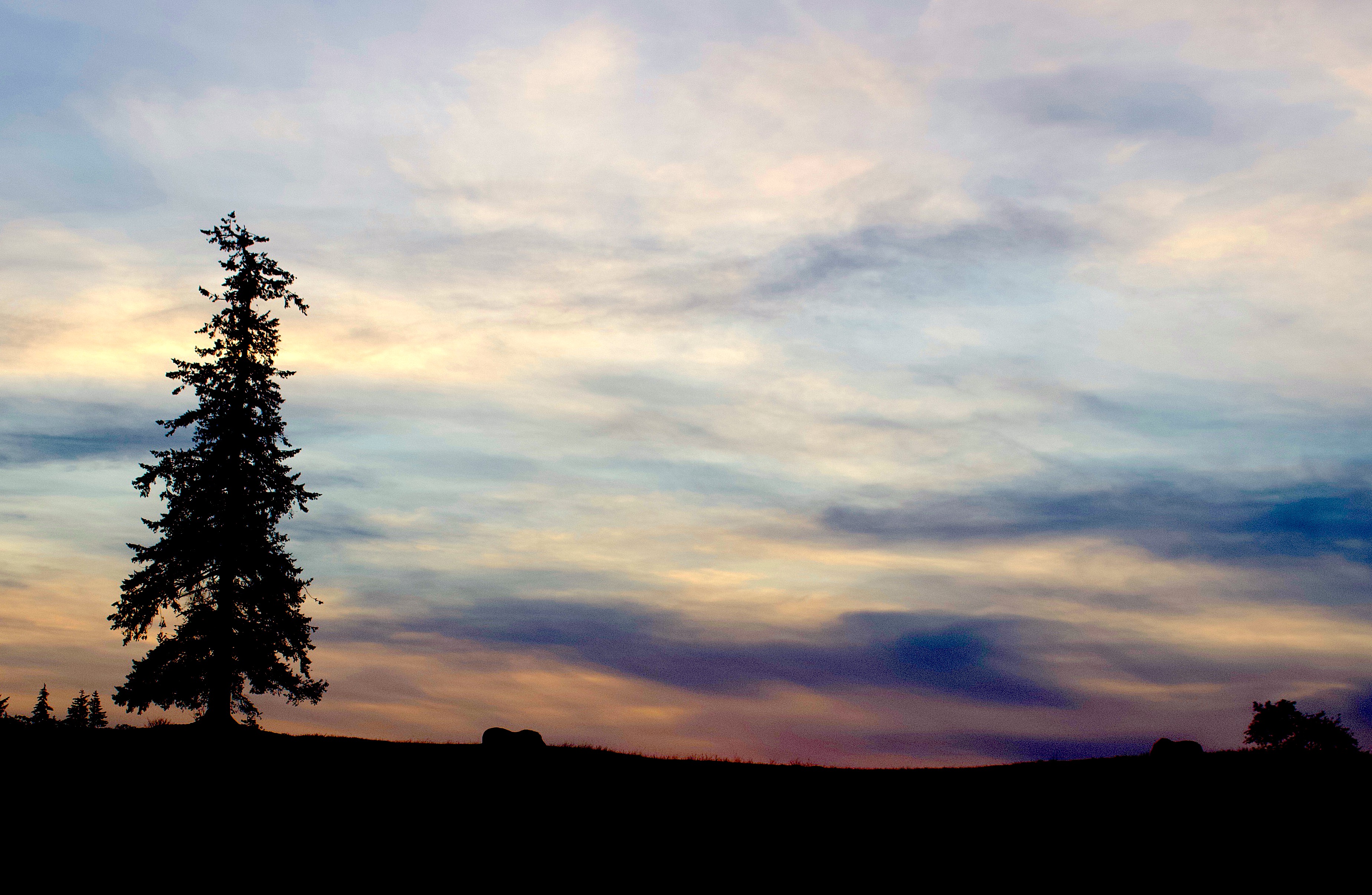
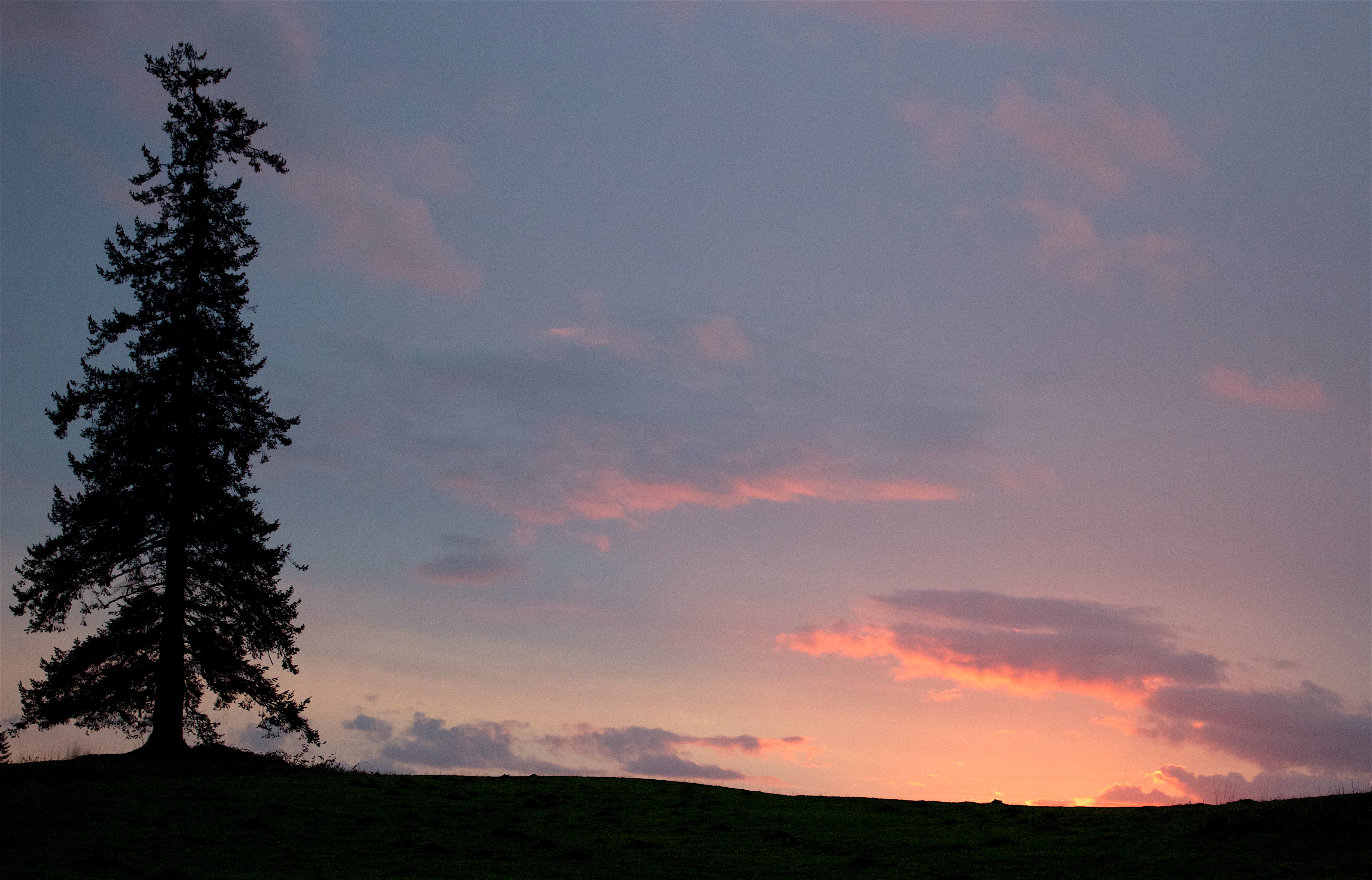
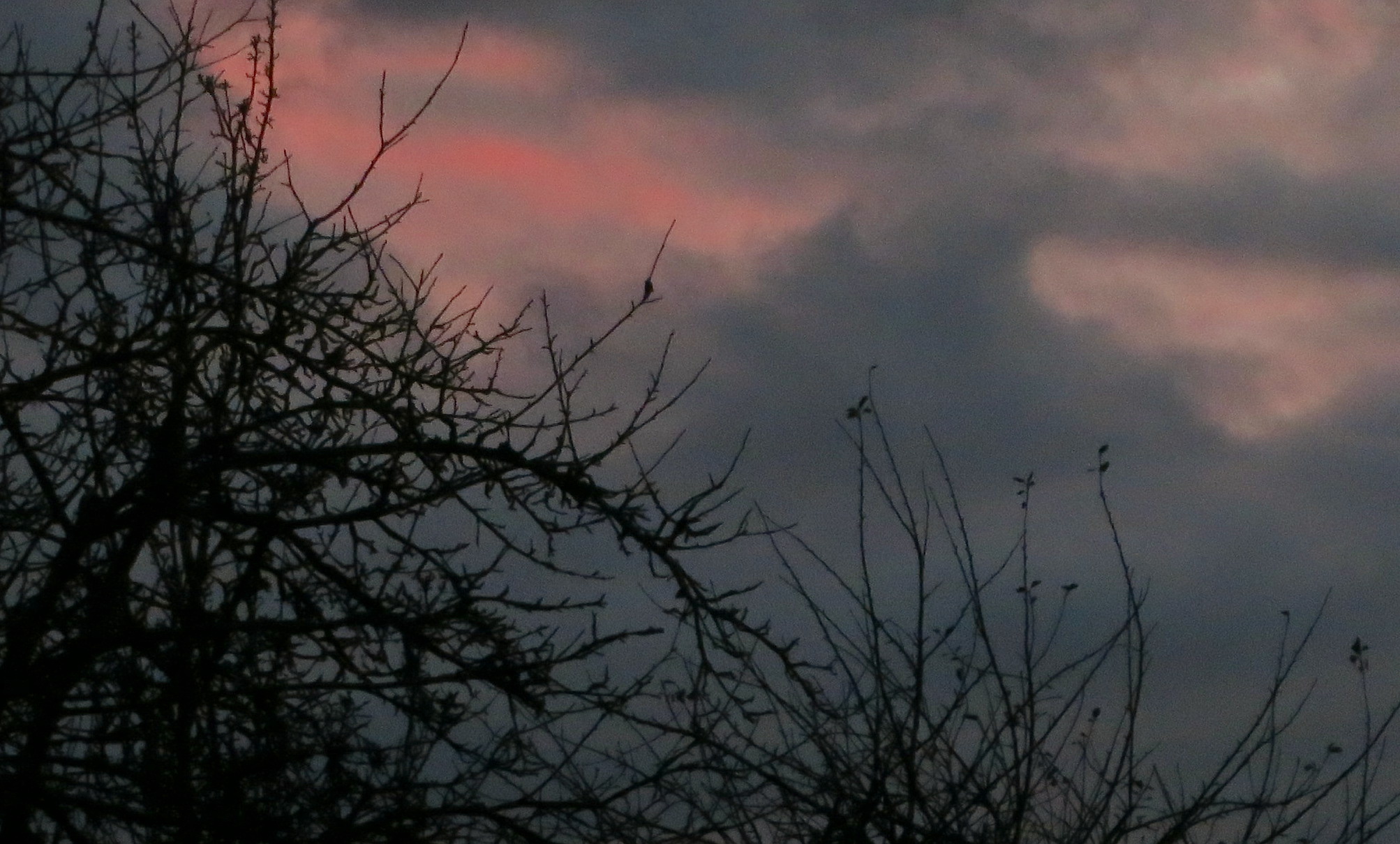
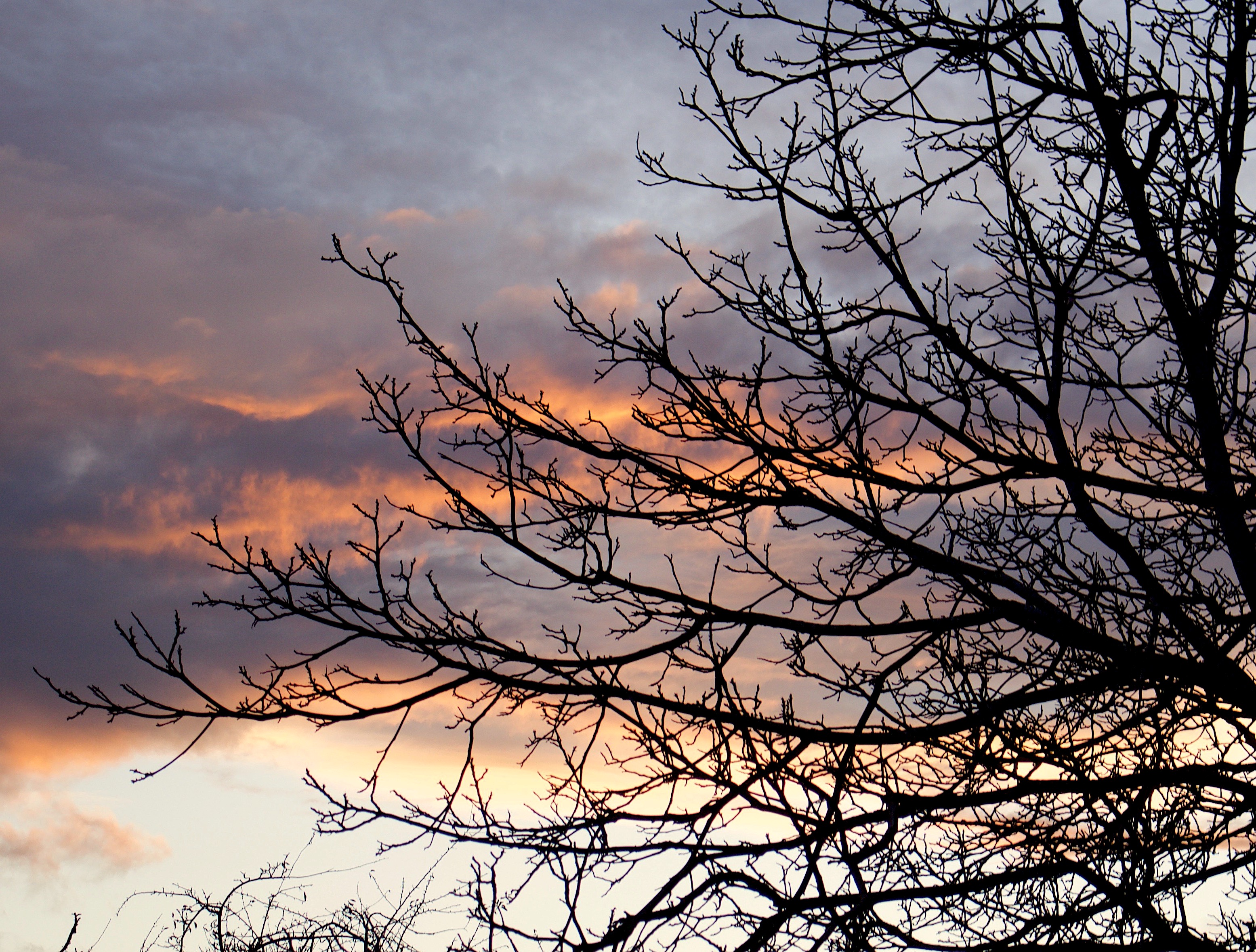
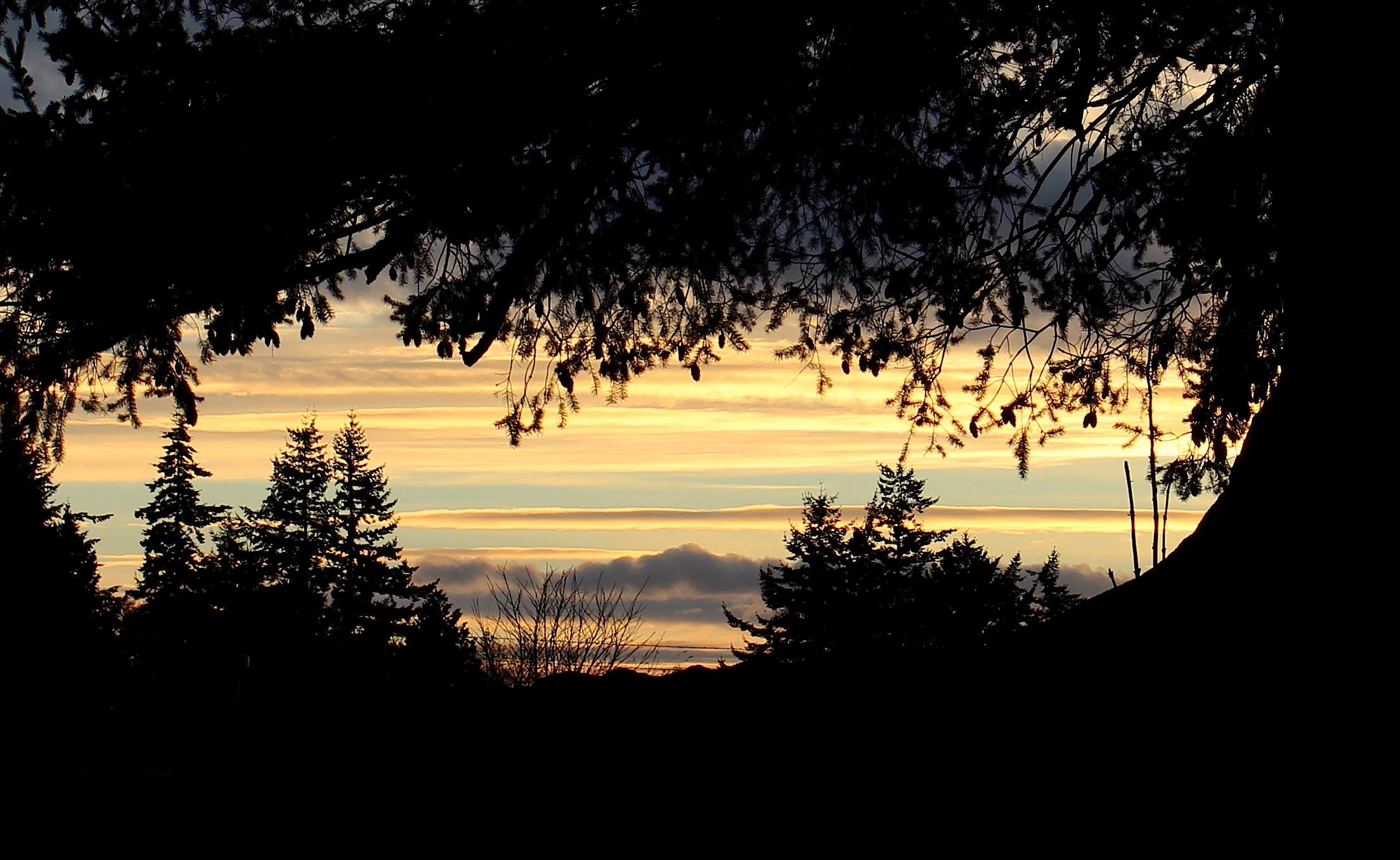
Than these November skies Is no sky lovelier. The clouds are deep; Into their grey the subtle spies Of colour creep, Changing that high austerity to delight, Till ev’n the leaden interfolds are bright. And, where the cloud breaks, faint far azure peers Ere a thin flushing cloud again Shuts up that loveliness, or shares. The huge great clouds move slowly, gently, as Reluctant the quick sun should shine in vain, Holding in bright caprice their rain. And when of colours none, Not rose, nor amber, nor the scarce late green, Is truly seen, — In all the myriad grey, In silver height and dusky deep, remain The loveliest, Faint purple flushes of the unvanquished sun. ~John FreemanNovember Skies
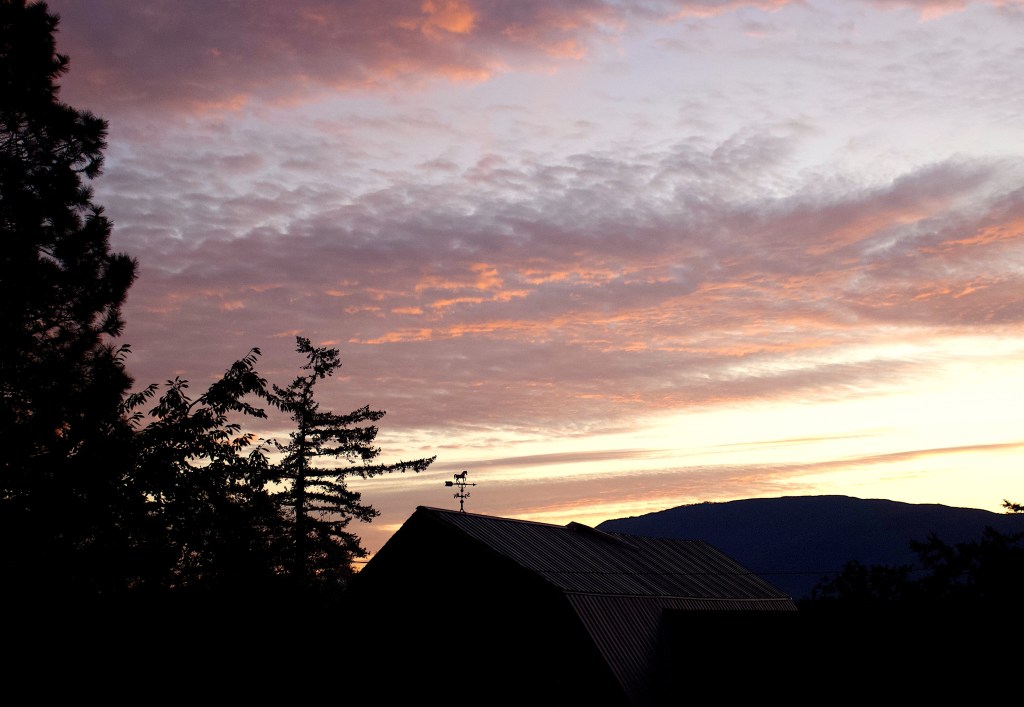
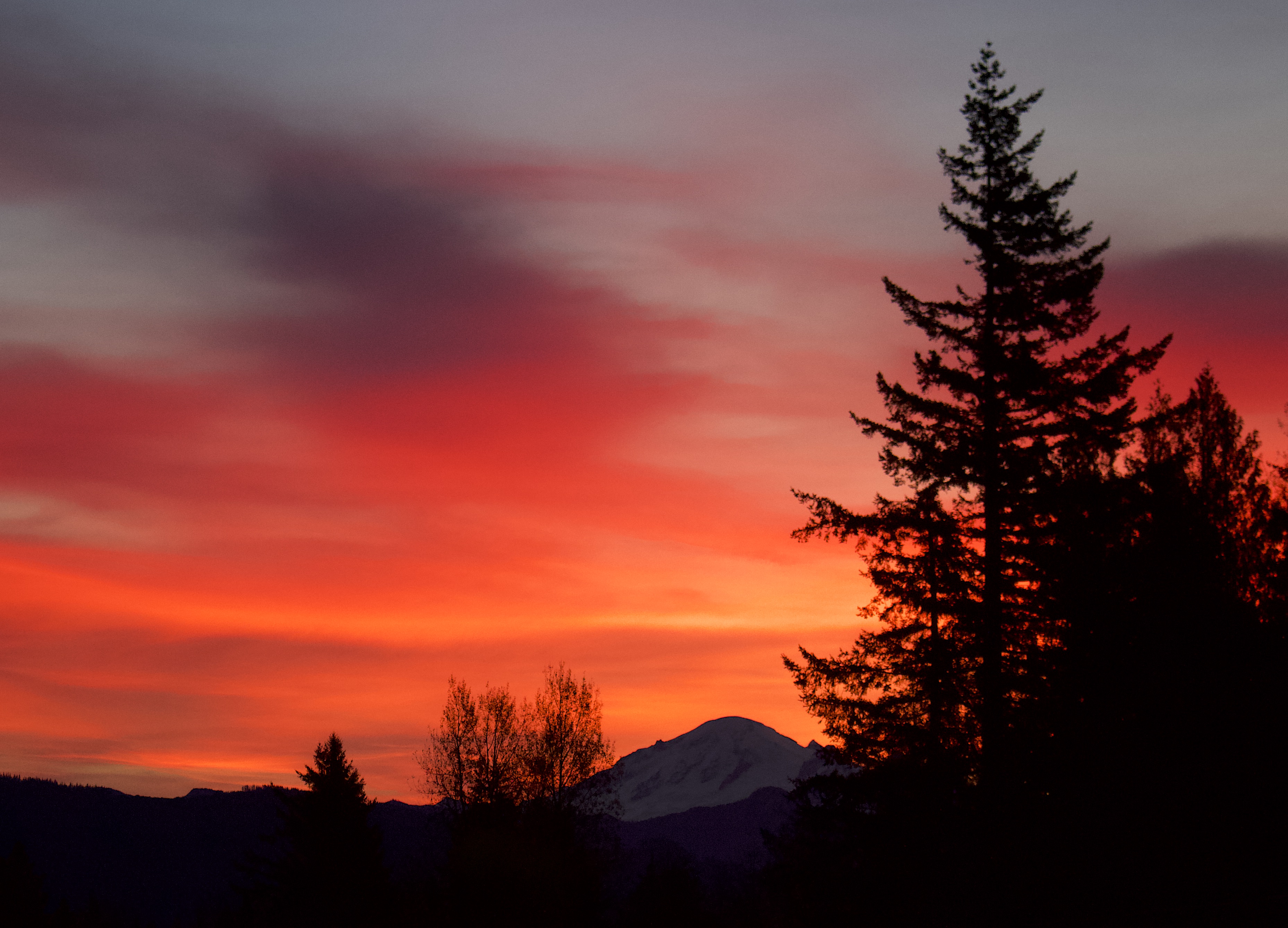
The austerity of November: we are not yet distracted by the holiday lights of December so must depend upon the light show from the sky. I failed to rouse myself for the predicted northern lights in the middle of the night but sunrise comes at a civilized 7:30 AM. I’m too often buried deep in clinic when the lights dim at sunset before 4:30 PM.
Late November skies reward with subtlety and nuance, like people ripening with age — beauty is found amid myriad gray, the folds and lines shining with remembered light and depth.
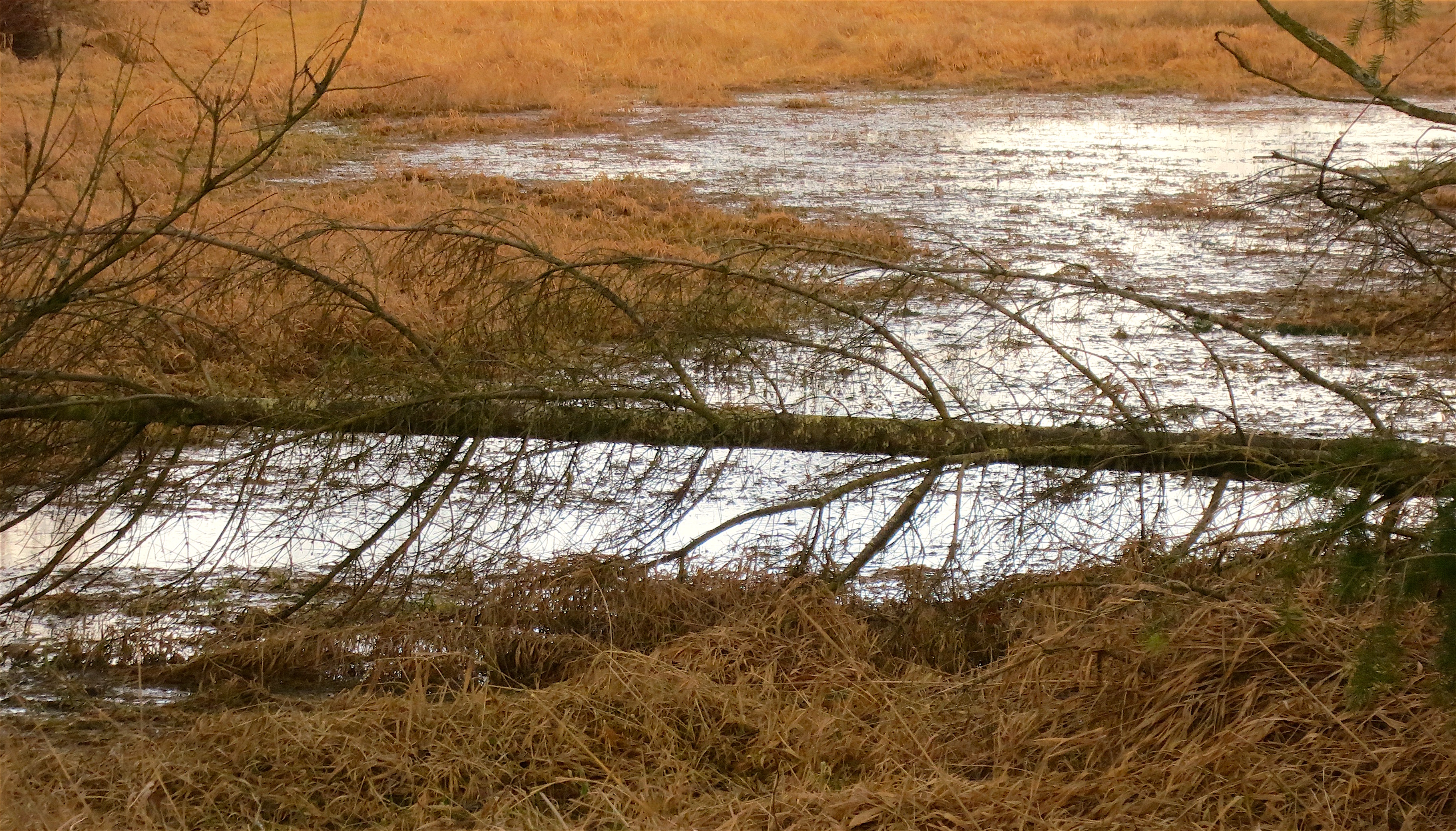
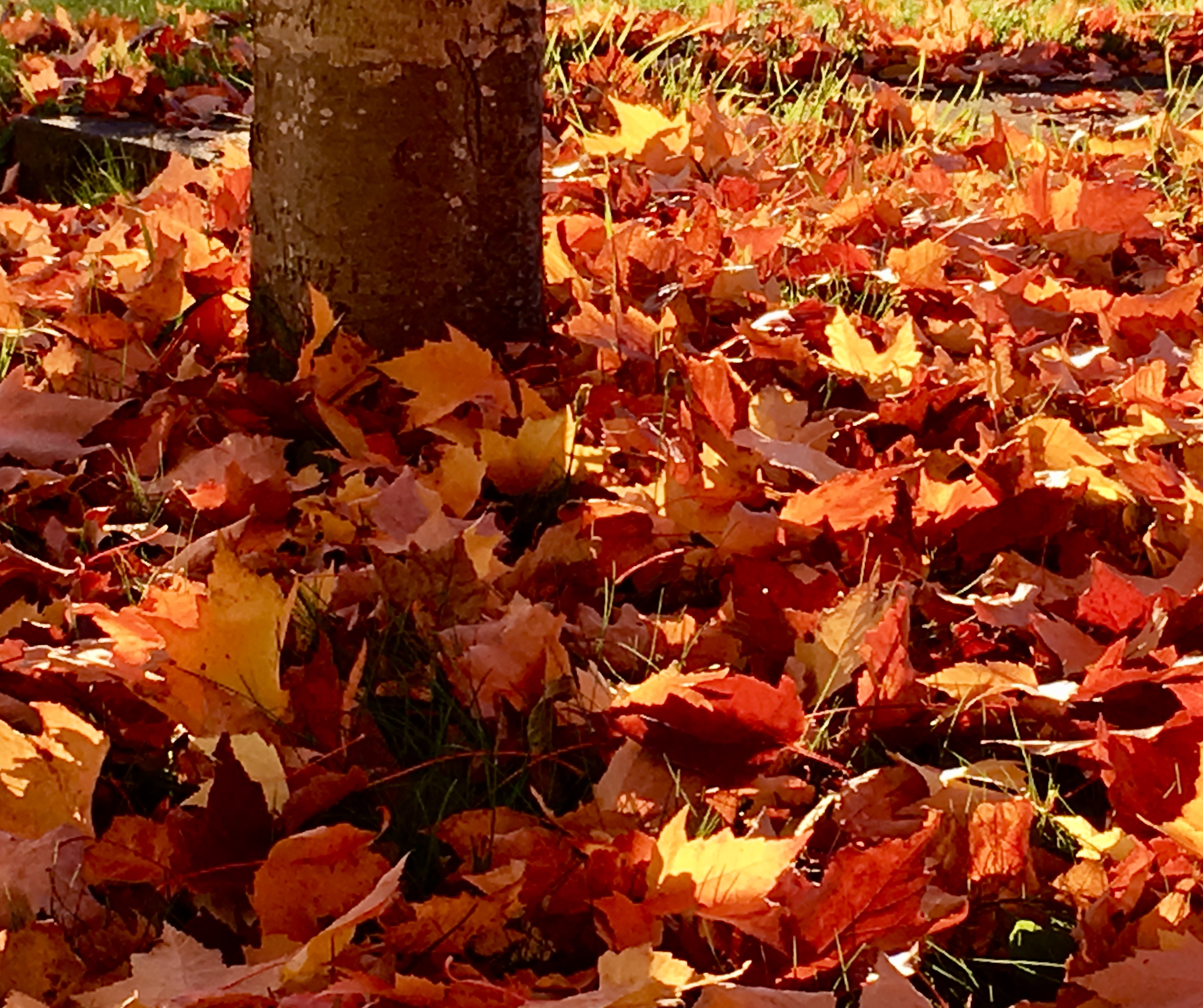
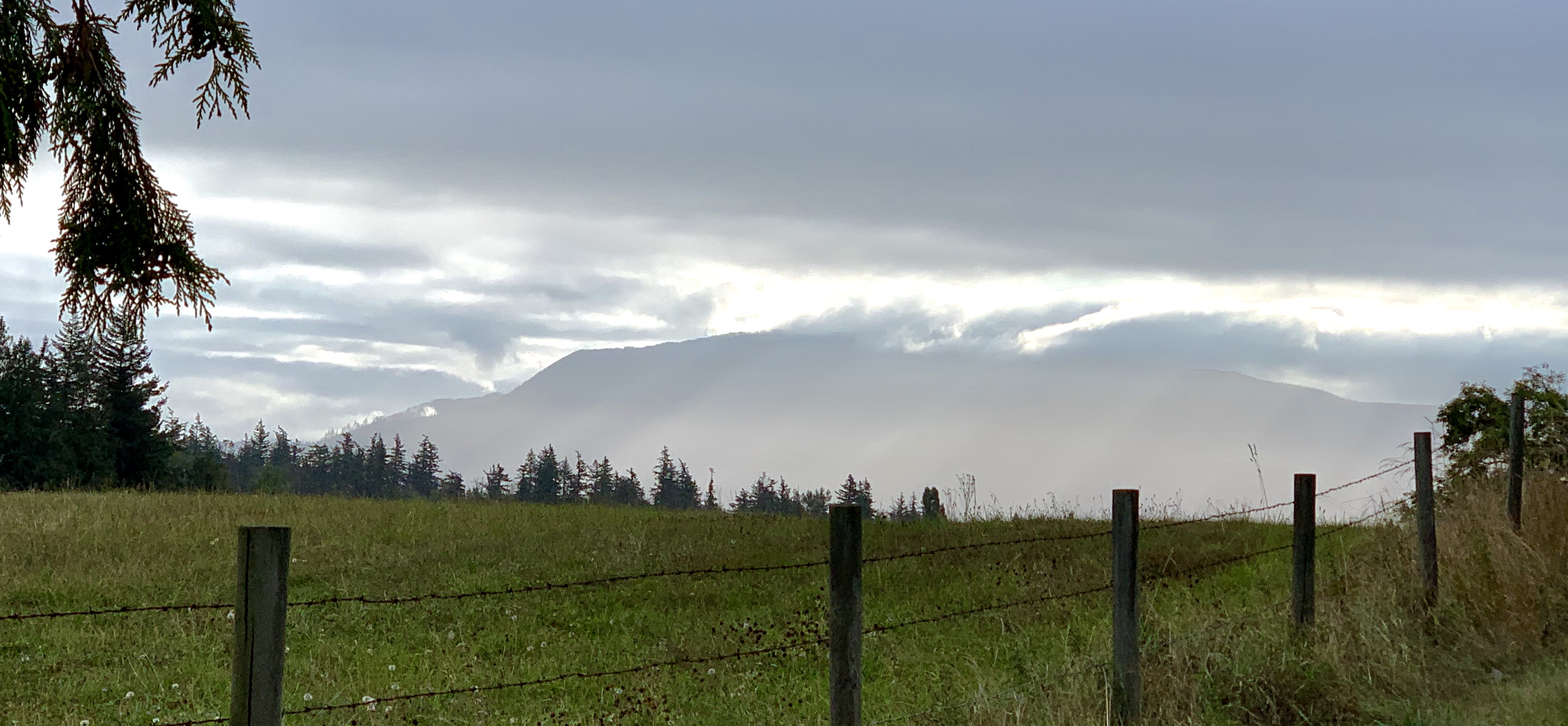
A fine rain was falling, and the landscape was that of autumn. The sky was hung with various shades of gray, and mists hovered about the distant mountains – a melancholy nature. The leaves were falling on all sides like the last illusions of youth under the tears of irremediable grief. Every landscape is, as it were, a state of the soul, and whoever penetrates into both is astonished to find how much likeness there is in each detail.” ~Henri Frederic Amiel from The Amiel Journal
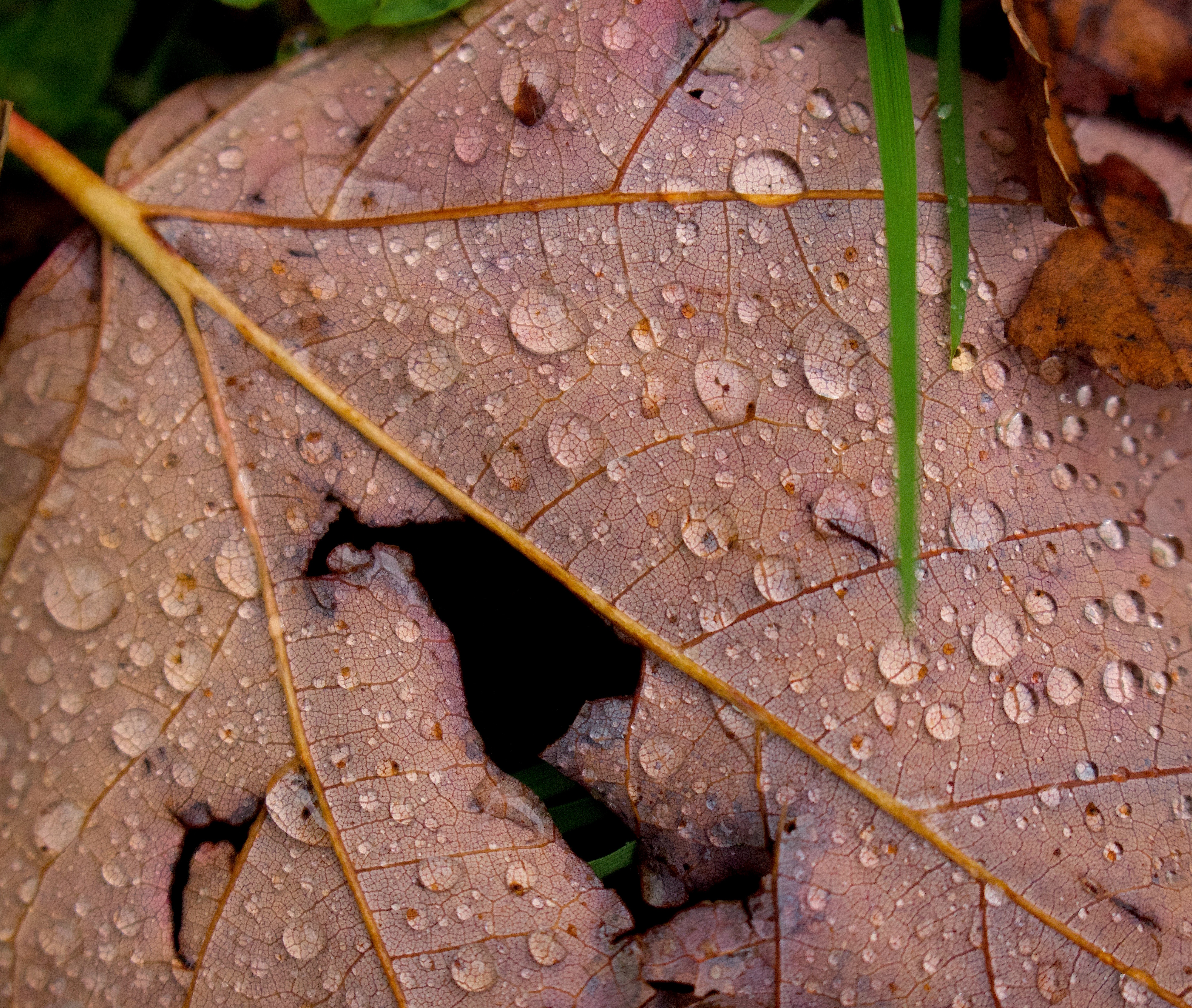
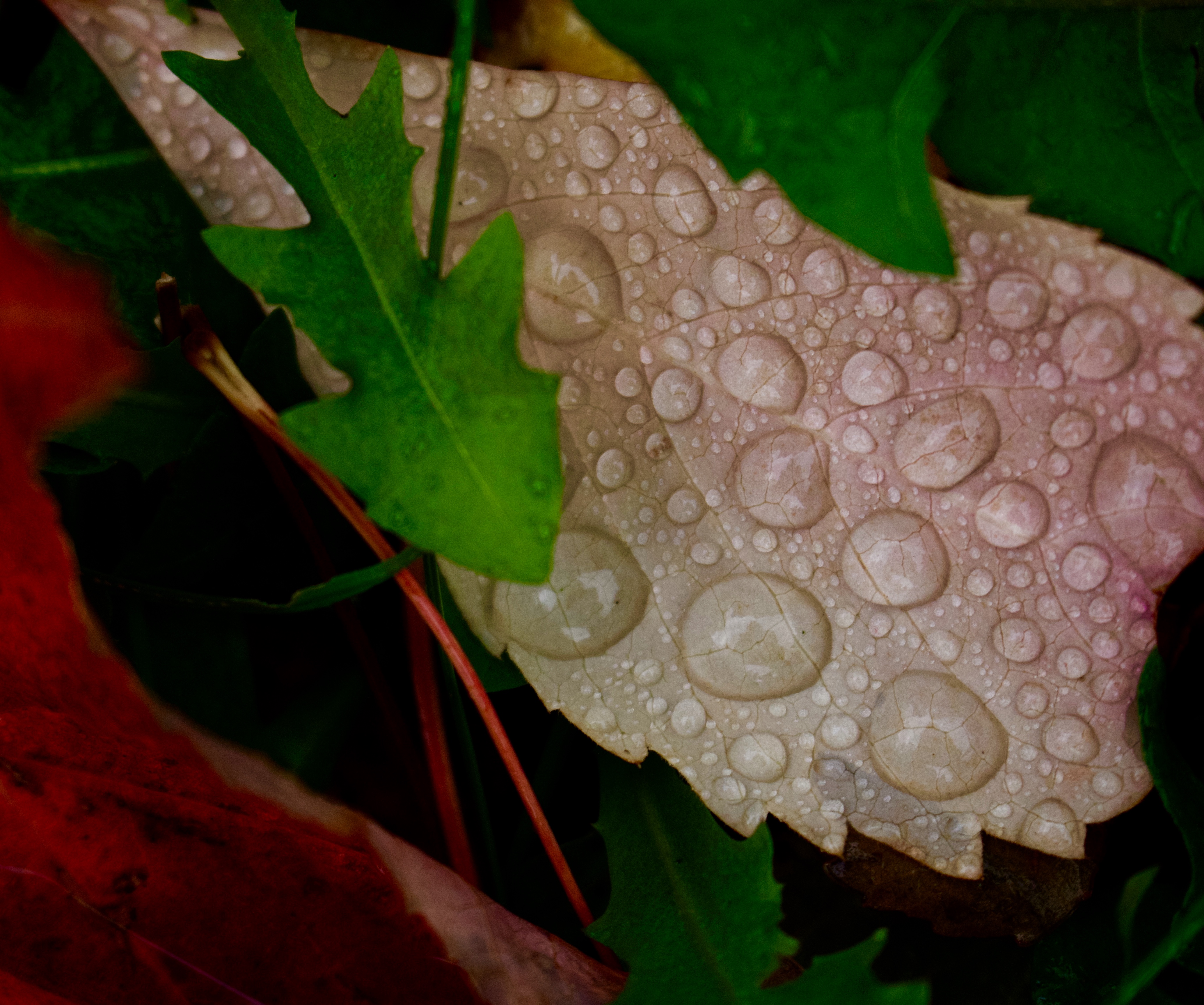
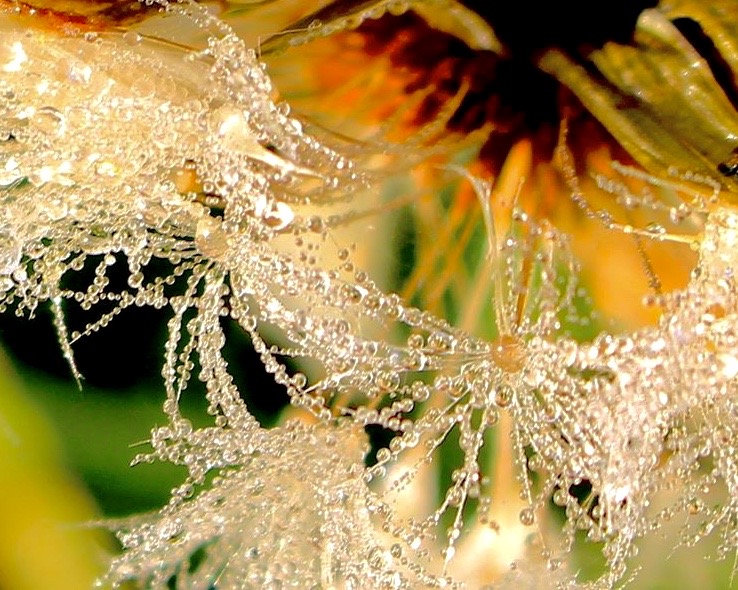
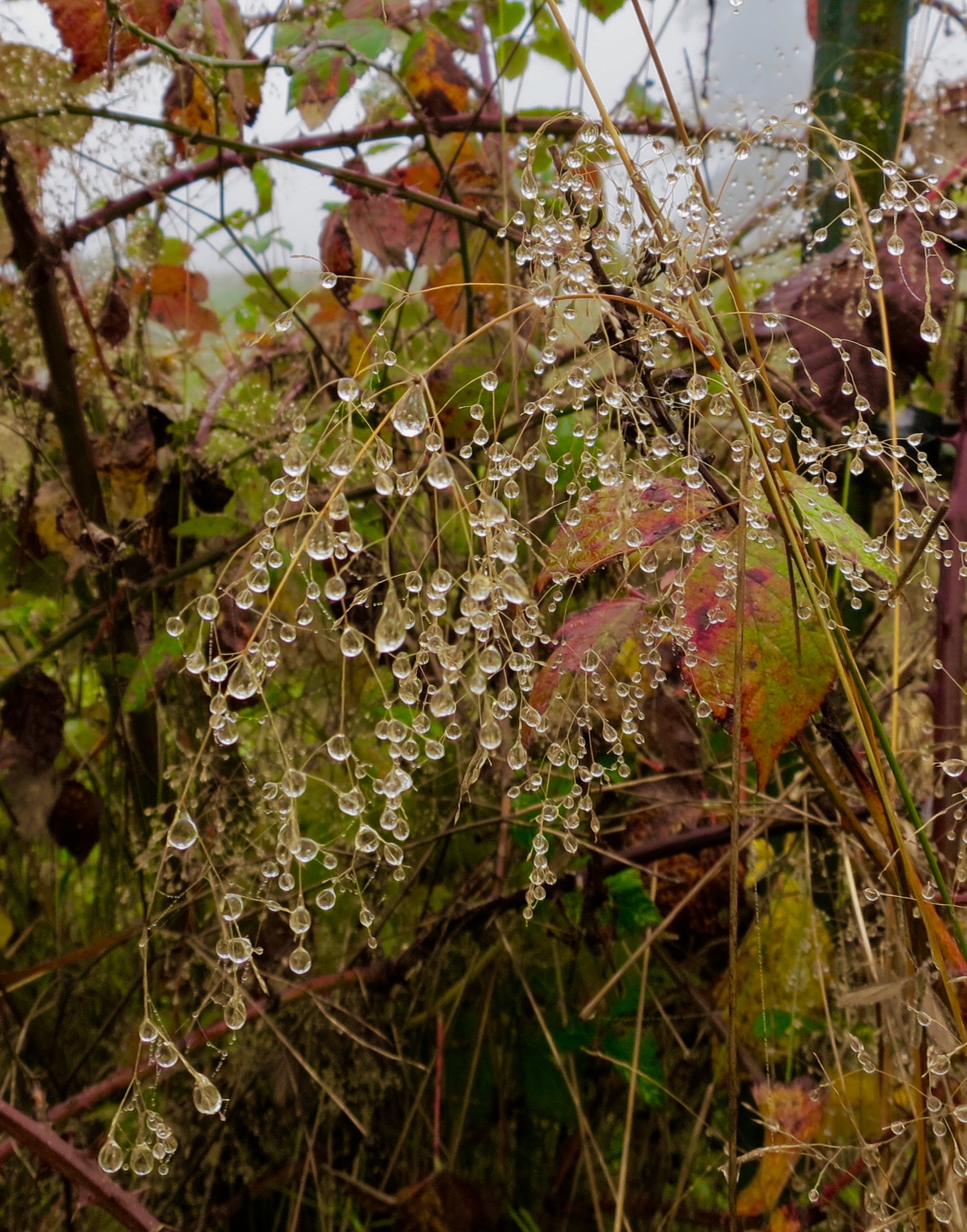
What is melancholy at first glance glistens bejeweled when studied up close.
It isn’t all sadness~ there is solace in knowing: the landscape and my soul share an inner world of tears.
If you appreciate reading Barnstorming daily, consider a contribution to keep it going ad-free.
…I am watching the mountain. And the second I verbalize this awareness in my brain, I cease to see the mountain…. I am opaque, so much black asphalt.
I look at the mountain, which is still doing its tricks, as you look at a still-beautiful face belonging to a person who was once your lover in another country years ago: with fond nostalgia, and recognition, but no real feeling save a secret astonishment that you are now strangers. Thanks. For the memories. It is ironic that the one thing that all religions recognize as separating us from our creator — our very self-consciousness — is also the one thing that divides us from our fellow creatures. It was a bitter birthday present from evolution, cutting us off at both ends. I get in the car and drive home. ~Annie Dillard from Pilgrim at Tinker Creek
We drive up the highway an hour or so to lose ourselves rather than become more self-conscious. We want to be witness to grander things.
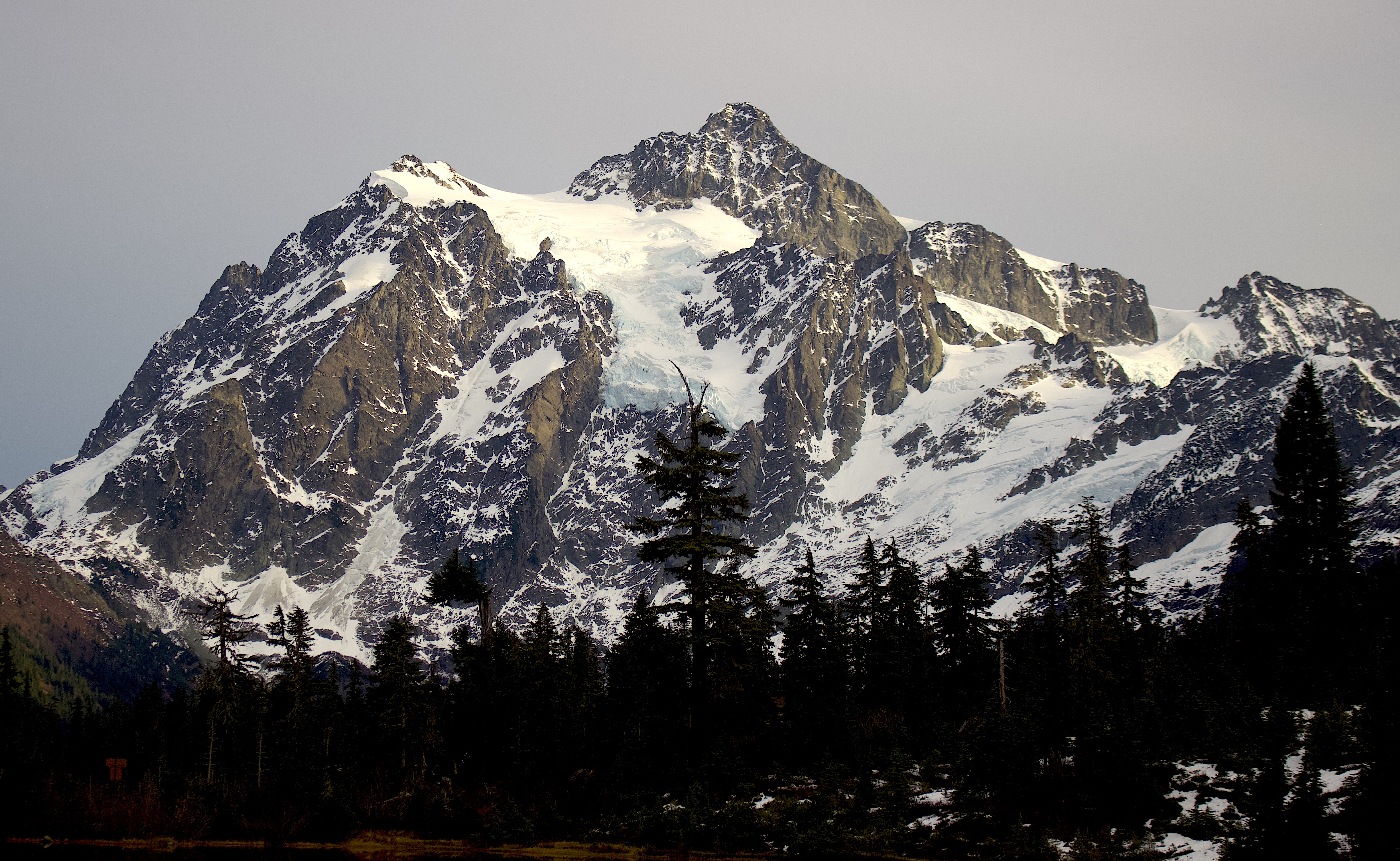
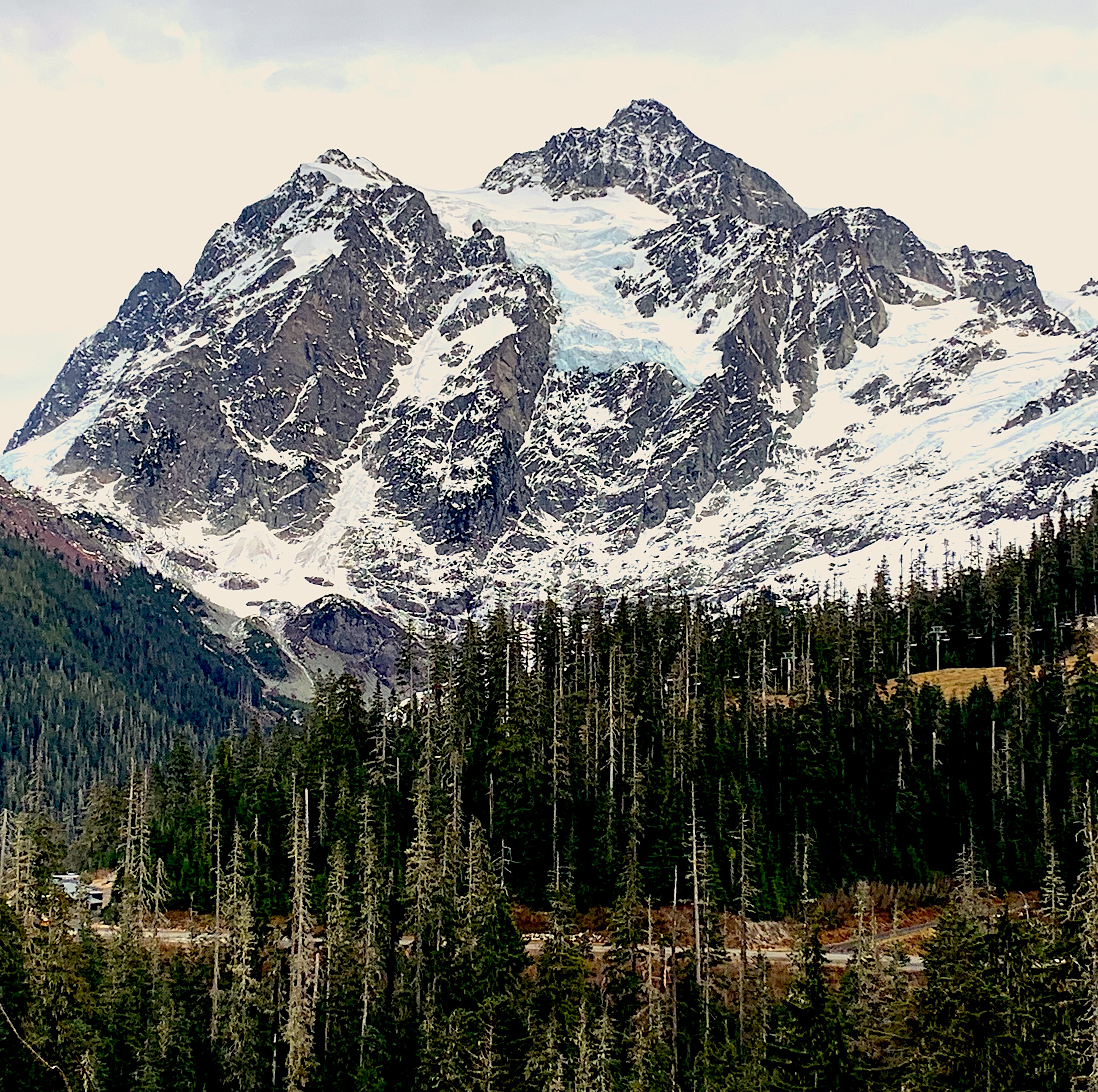
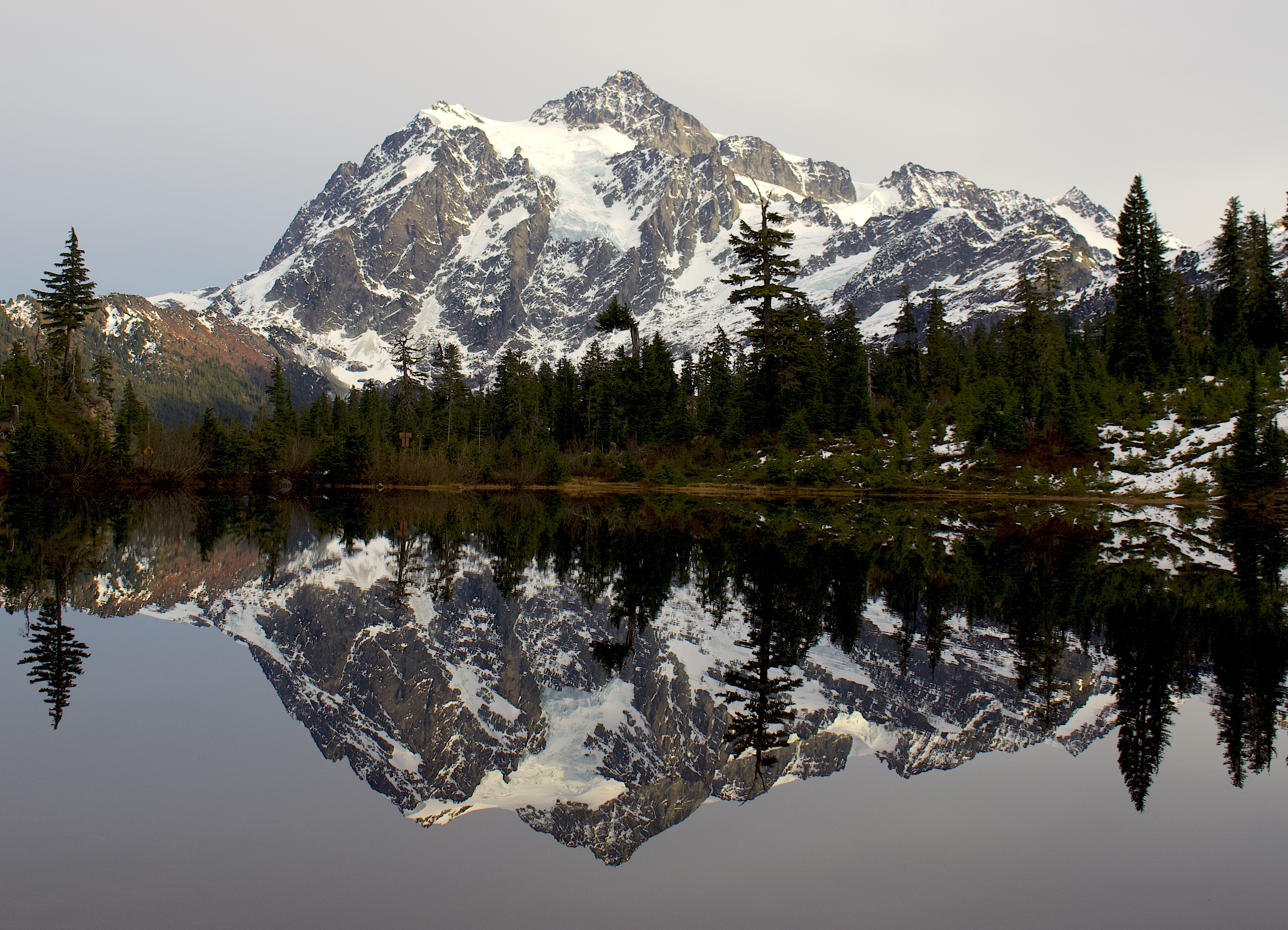
Once we turn the bend into Heather Meadows, Mount Shuksan suddenly appears, overwhelming the landscape. There is simply nothing else to look at so I stand there gawking, forgetting to breathe. Then I realize that I have become more self-conscious rather than less: here am I at the foot of this incredible creation, wondering at how blessed I am to be there, and it becomes all about me. The mountain has been here for eons and will continue to be here for eons, and we’re merely passing through, bubbles floating on the unending stream of time.
Yesterday we were completely alone in what typically is a place of many gawkers, all setting up tripods and clicking cameras. It was absolutely silent – even the birds had abandoned the chilly hills for warmer climes lower down.
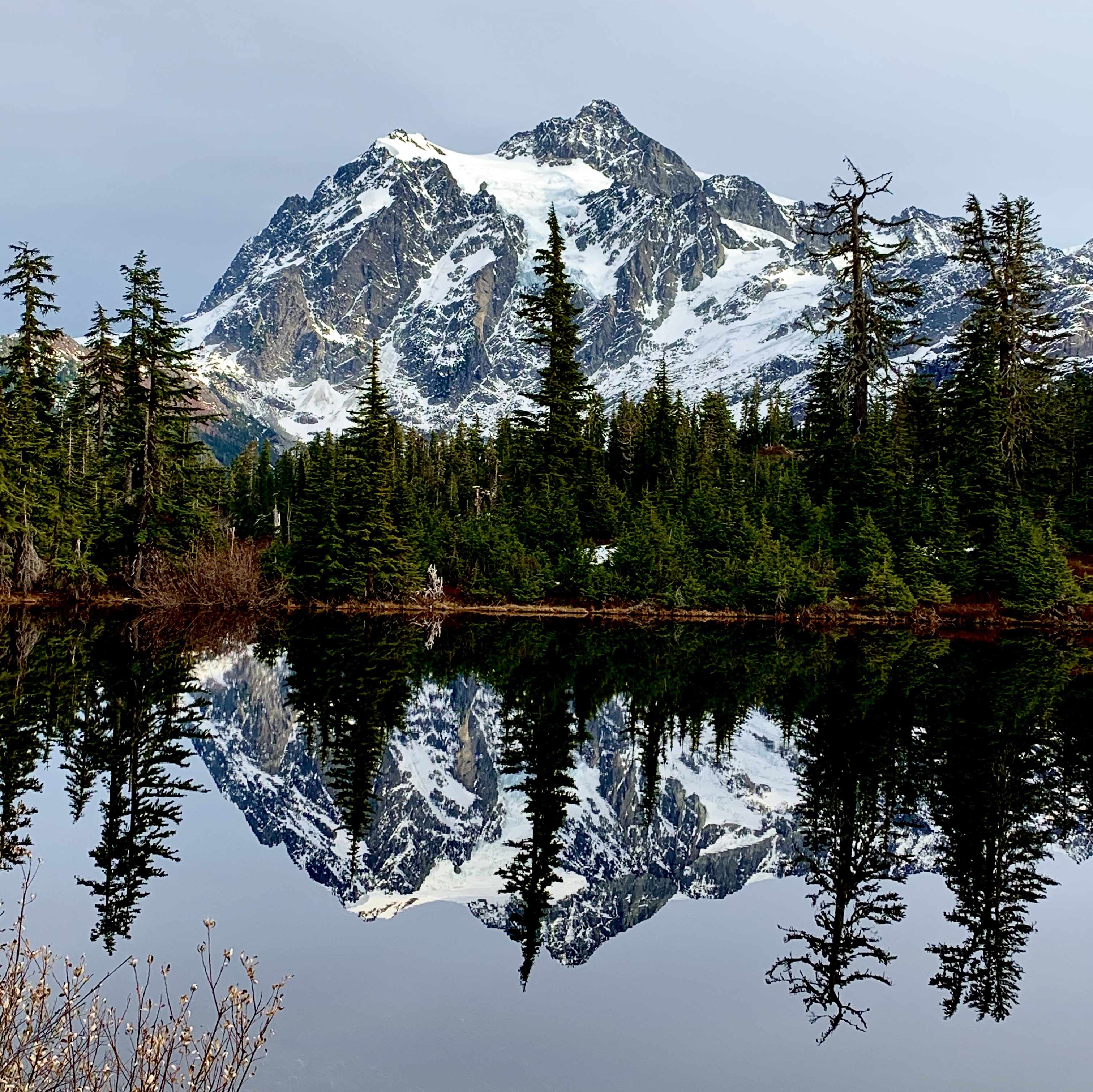
Most remarkable yesterday was the stillness meant there was a double delight: two mountains, reflection and the real thing herself. It is the most glass-like the lakes have been on our many visits.
We had to finally climb in the car and head back down the highway to home. I carry these images back with me to remember that moment of awestruck witness. The image isn’t the real thing, it isn’t even the real reflection. Yet it is me watching the mountain watching me back.
On Halloween day in 1985, I packed up my clothes, a roll up mattress, grabbed one lonely pumpkin from our small garden, locked our rental house door for the last time, climbed in my car and headed north out of Seattle. I never looked back in the rear view mirror at the skyline after nine years living in the city. My husband had moved to Whatcom County two months earlier to start his new job. I had stayed behind to wrap up my Group Health family practice in the Rainier Valley of Seattle, now leaving the city for a new rural home and a very uncertain professional future.
Never before had I felt such exhilaration at breaking through one wall to discover the unknown that lay on the other side.
I knew two things for sure: I was finally several months pregnant after a miscarriage and two years of infertility, so our family had begun. We were going to actually live in our own house, not just a rental, complete with a few acres and a barn.
A real (sort of) starter farm.
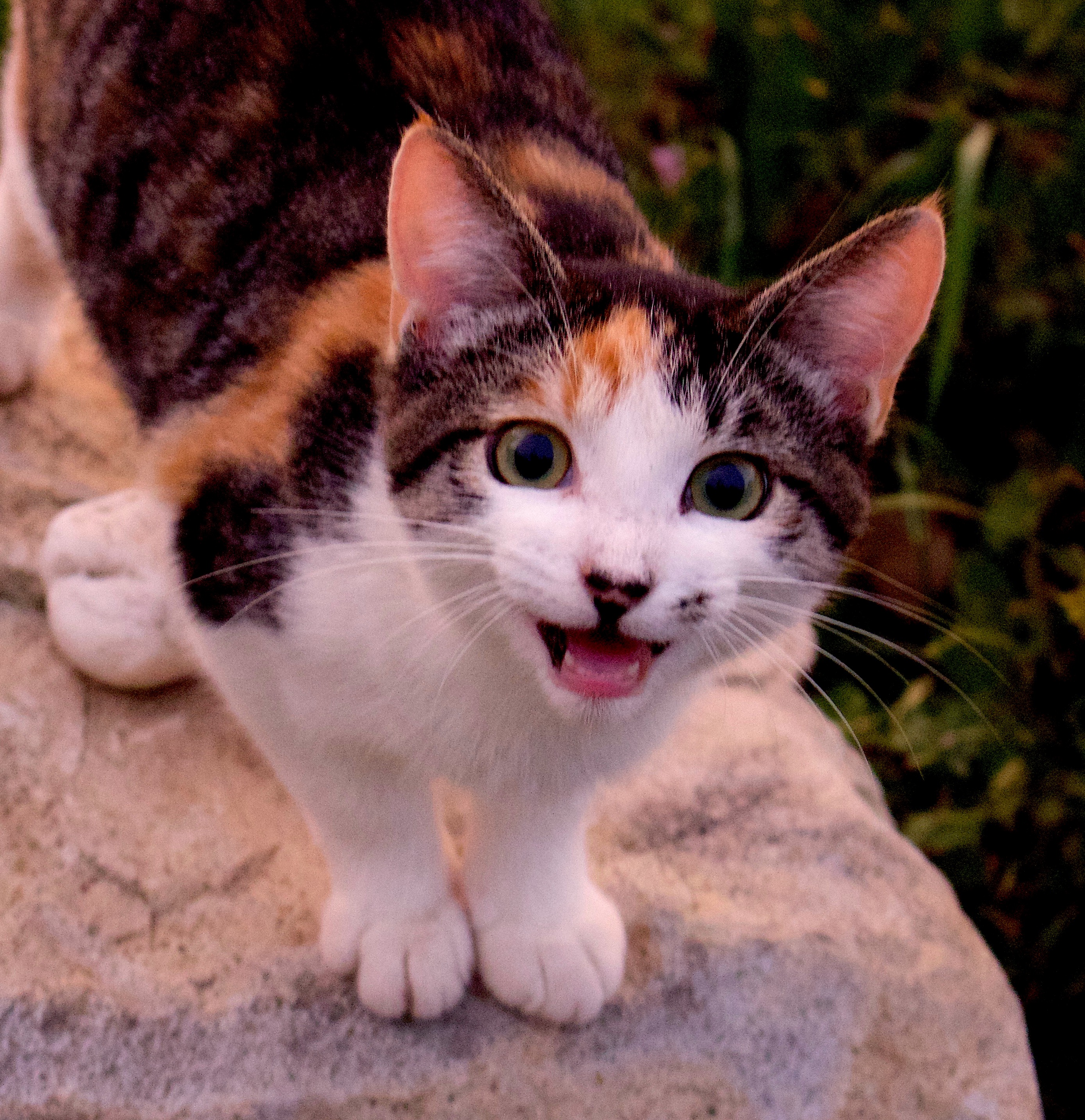
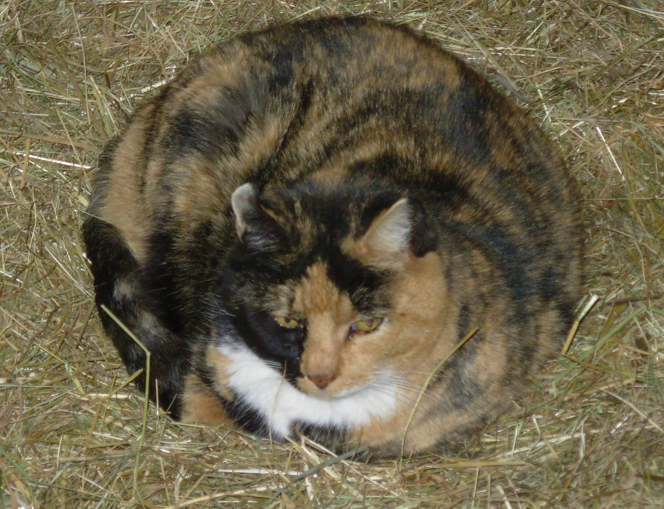
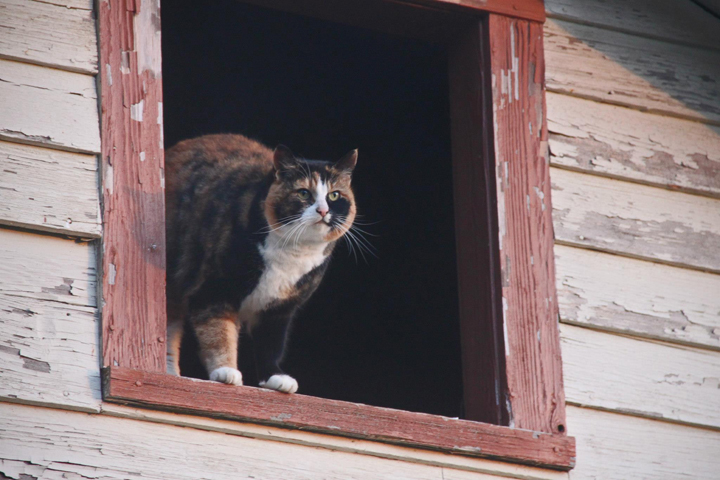
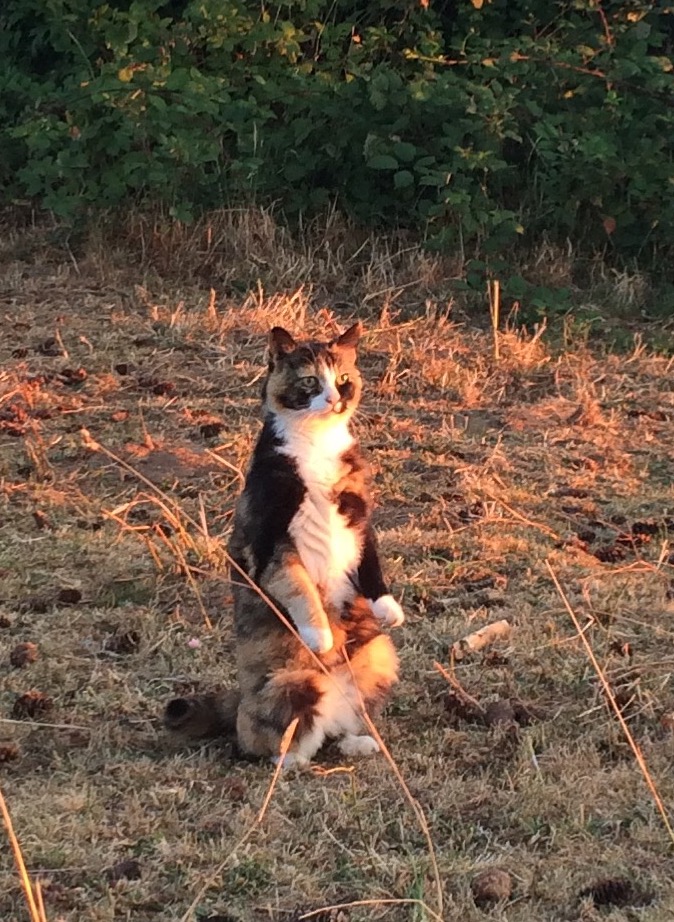
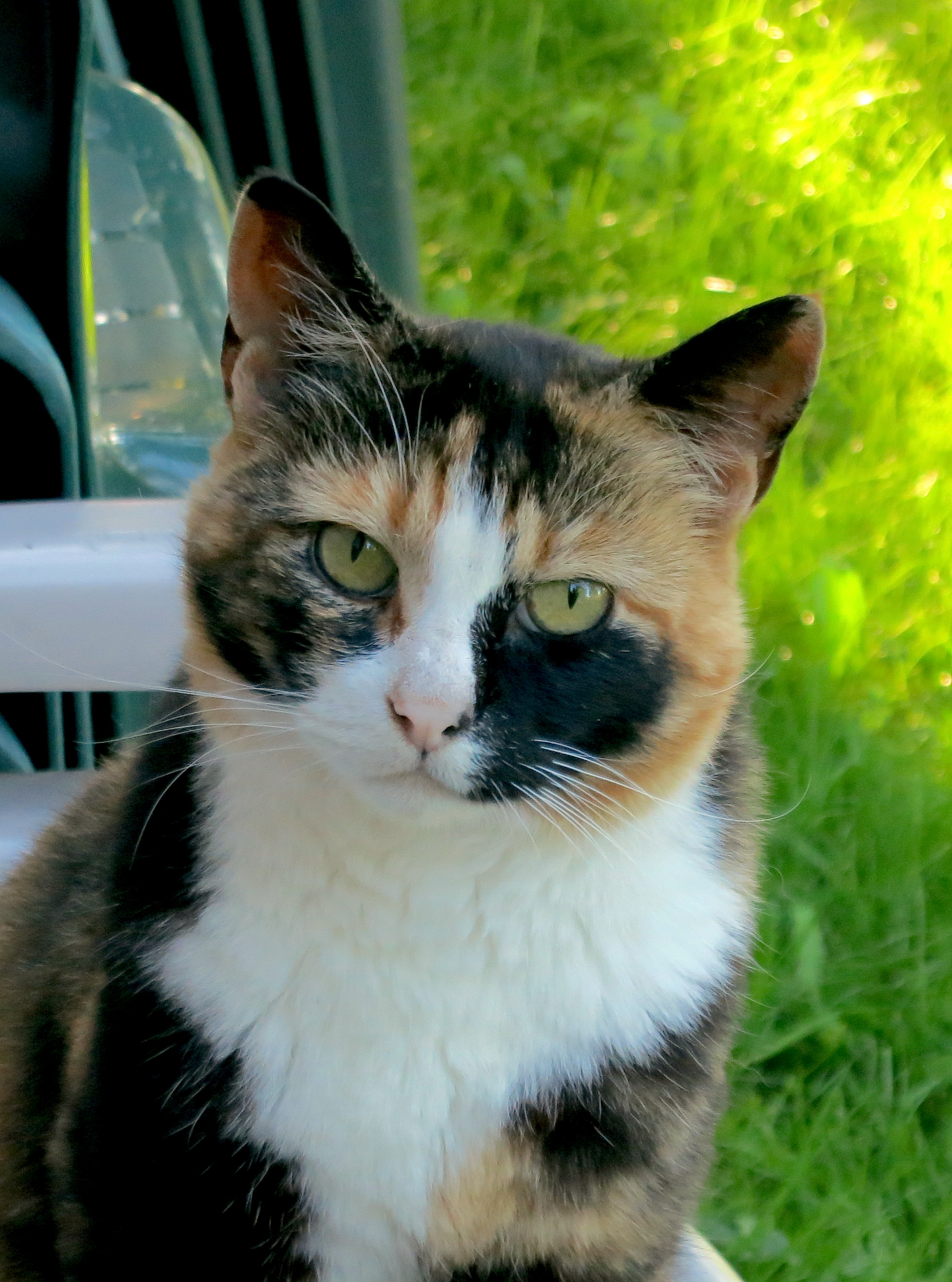
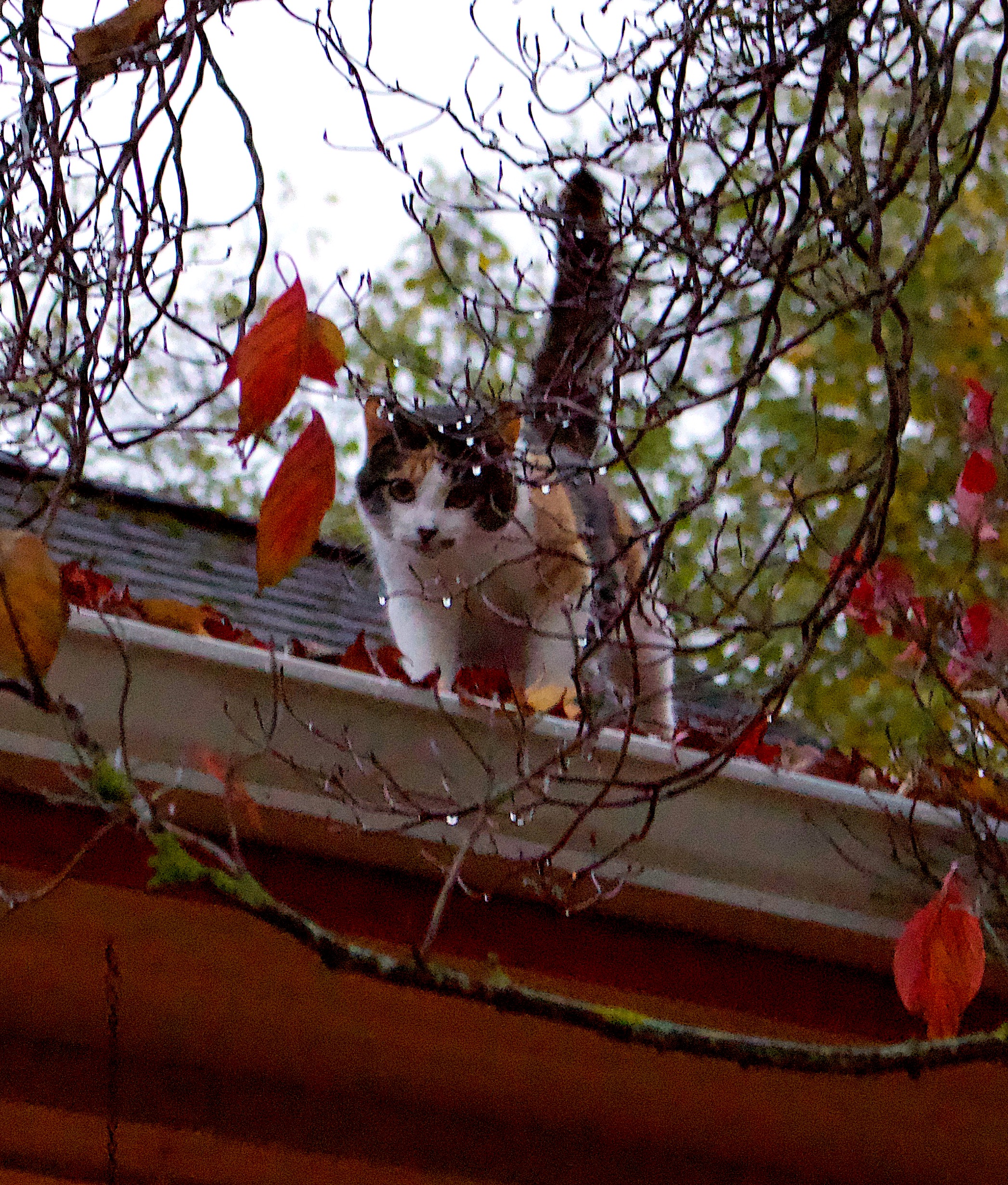
Since no farm can be complete without animals, I stopped at the first pet store I drove past and found two tortoise shell calico kitten sisters peering up at me, just waiting for new adventures in farmland. Their box was packed into the one spot left beside me in my little Mazda. With that admittedly impulsive commitment to raise and nurture those kittens, life seemed brand new.
I will never forget the feeling of freedom on that drive north out of the traffic congestion of the city. The highway seemed more open, the fall colors more vibrant, the wind more brisk, our baby happily kicking my belly, the kittens plaintively mewing from their box. There seemed to be so much potential even though I had just left behind the greatest job that could be found in any urban setting (the most diverse zip code in the United States): an ideal family practice with patients from all over the world: Muslims from the Middle East and Indonesia, Orthodox Jews, Italian Catholics, African Americans, Cambodians, Laotians, Vietnamese. I would never know so much variety of background and perspective again and if I could have packed them all into the Mazda and driven them north with me, I would have.
We started our farm with those kittens dubbed Nutmeg and Oregano, soon adding an ethnic diversity of farm animals: Belgian Tervuren dog Tango, Haflinger horse Greta, Toggenburg goats Tamsen and her kids, a few Toulouse geese, Araucana chickens, Fiona the Scottish Highland cow, then another Haflinger Hans and another, Tamara. I worked as a fill in locums doctor in four different clinics before our first baby, Nate, was born. We soon added little brother Ben and seven years later, sister Lea. We settled happily into parenthood, our church community, serving on school and community boards, gardening, and enduring the loss of our parents one by one.
Thirty four years later our children have long ago grown and gone to new homes of their own, off to their own adventures beyond the farm. Our sons married wonderful women, moving far away from home, our daughter teaches a fourth grade classroom a few hours away and we have two grandchildren with the third expected any moment.
A few cats, two Cardigan Corgi dogs, and a hand full of ponies remain at the farm with us. We are now both gray and move a bit more slowly, enjoy our naps and the quiet of the nights and weekends. My work has evolved from four small jobs to two decades of two part time jobs to one more than full time job that fit me like a well worn sweater 24 hours a day for thirty years. With retirement looming, I’m trying out a three day a week schedule and the old sweater doesn’t fit quite so comfortably.
My happily retired husband finds he is busier than ever: volunteering, serving on boards and being a full time farmer on our larger 20 acre place of fields and woods.
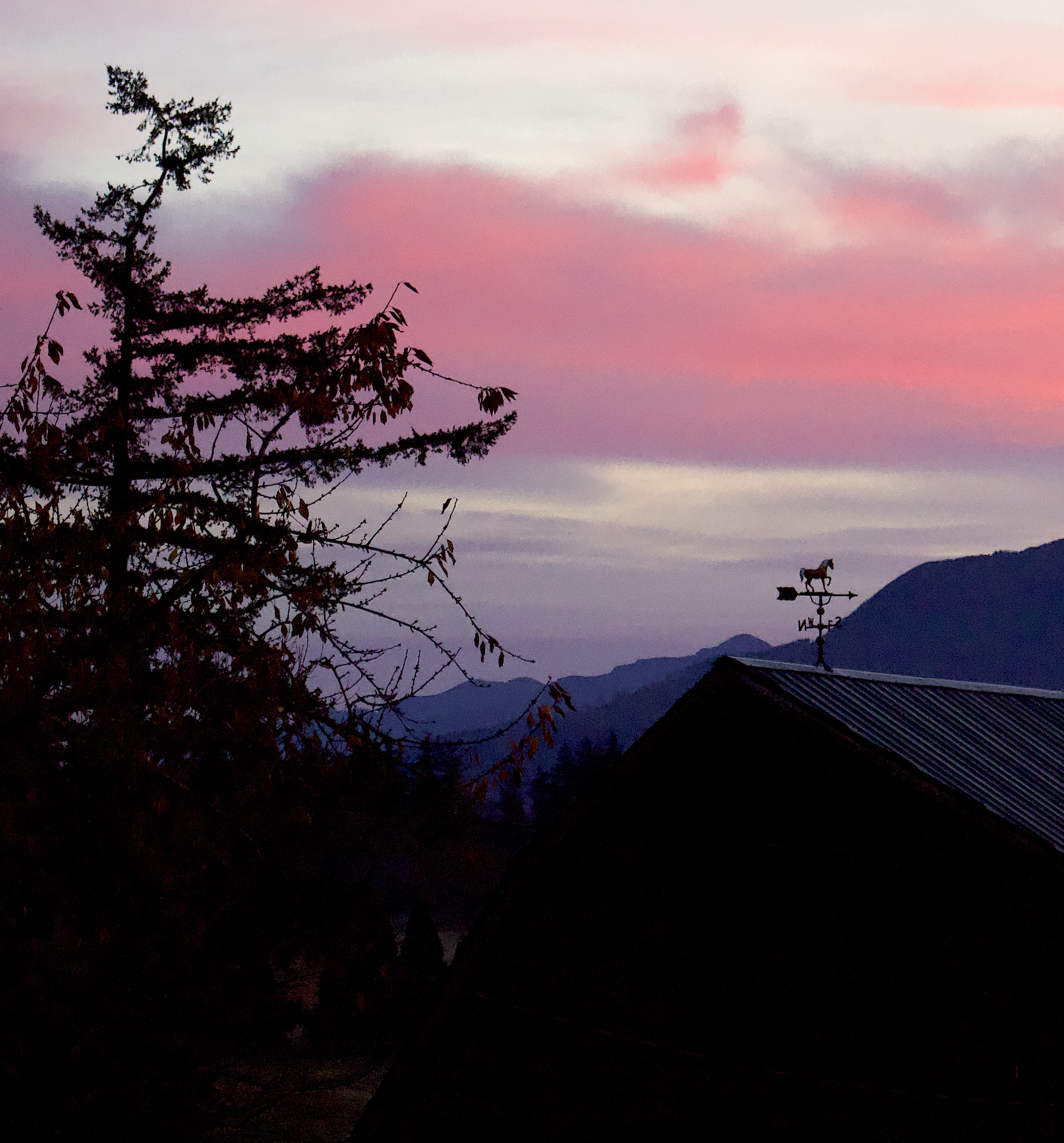
That rainy Halloween day over three decades ago I was freed into a wider world. I would no longer sit captive in freeway rush hour bumper to bumper traffic jams. Instead I celebrate my daily commute through farm fields, watching eagles fly, and new calves licked by their mamas. I am part of a broader community in a way I never could manage in the city, stopping to visit with friends at the grocery store, playing piano and teaching at church. Our home sits in the midst of woods and corn fields, with deer strolling through the fields at dawn, coyotes howling at night, Canadian and snow geese and trumpeter swans calling from overhead and salmon becoming more prolific every year in nearby streams. The snowy Cascades greet us in the morning and the sunset over Puget Sound bids us good night.
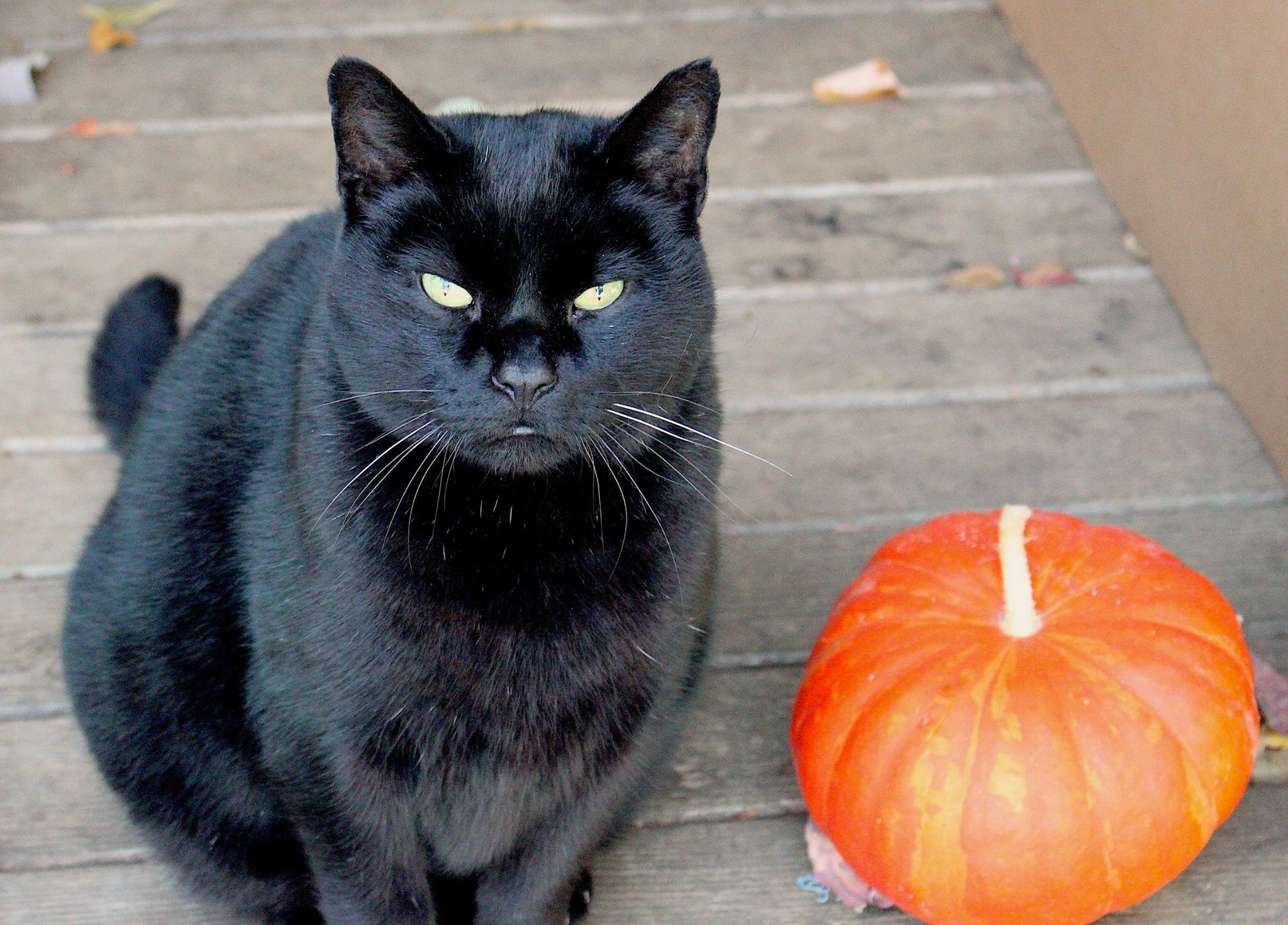
It all started October 31, 1985 with two orange and black kittens and a pumpkin sitting beside me in a little Mazda, my husband waiting for my homecoming 100 miles north. Now, thirty four years and three grown children and three (almost) grandchildren later, we celebrate this Halloween transition anniversary together. We’re still pregnant with the possibility that a wide world is waiting, just on the other side of the wall.
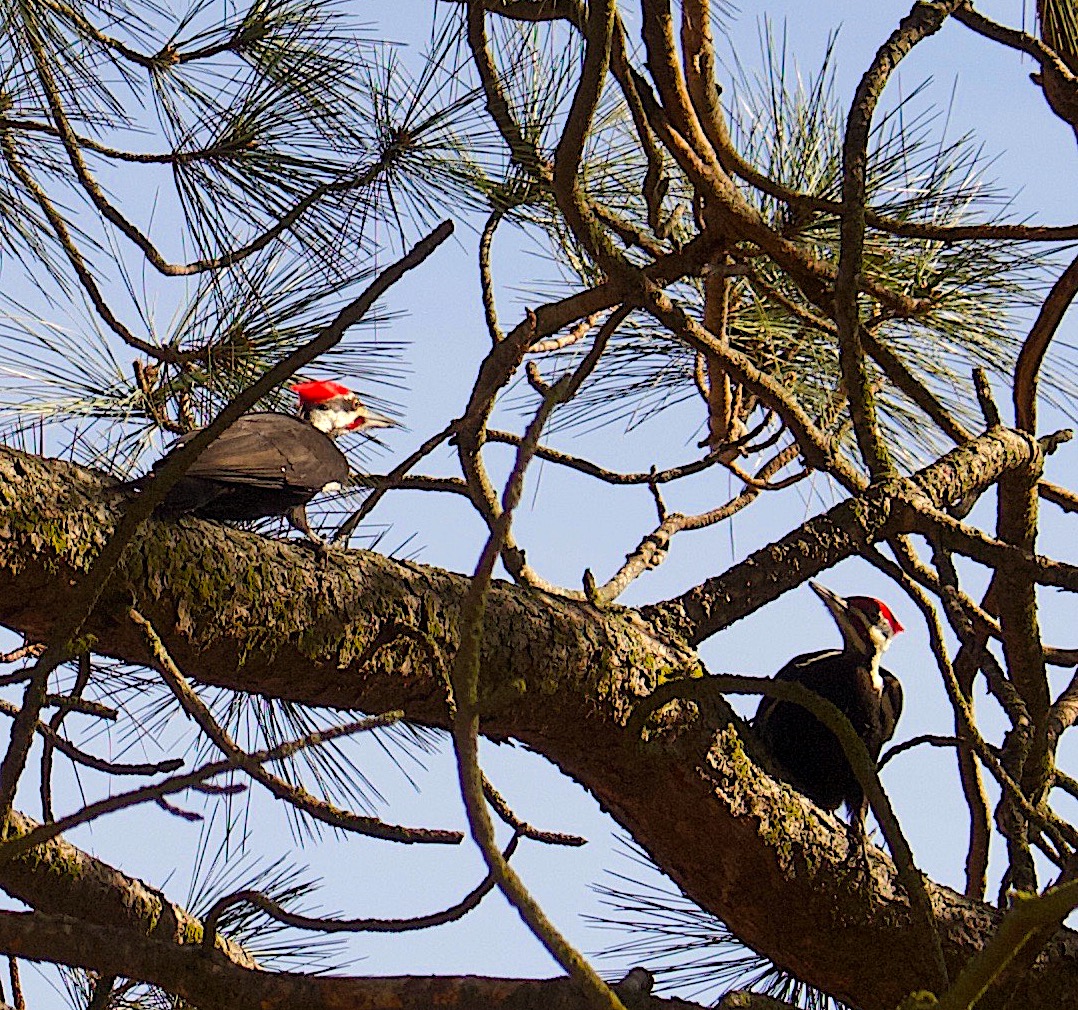
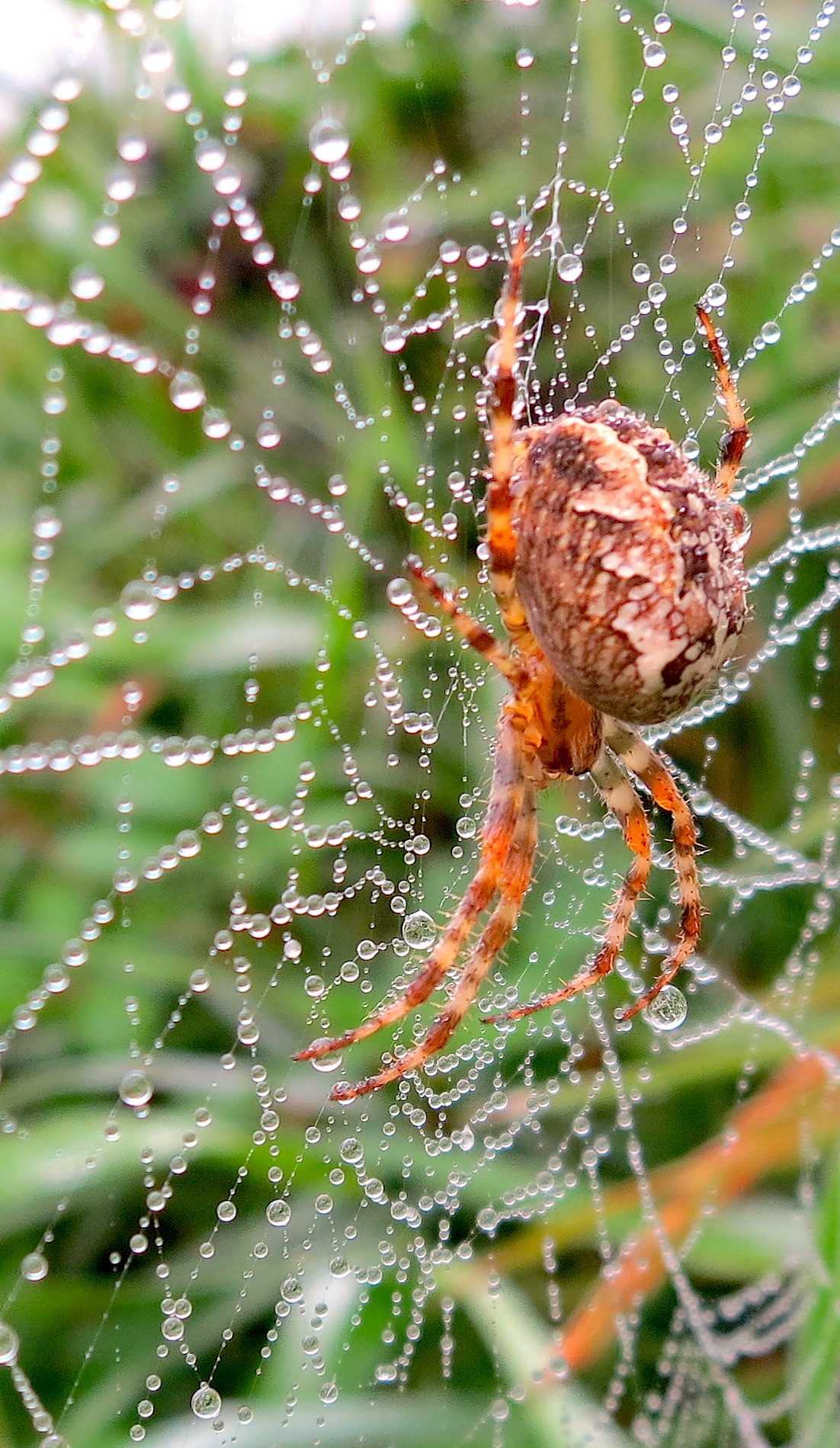
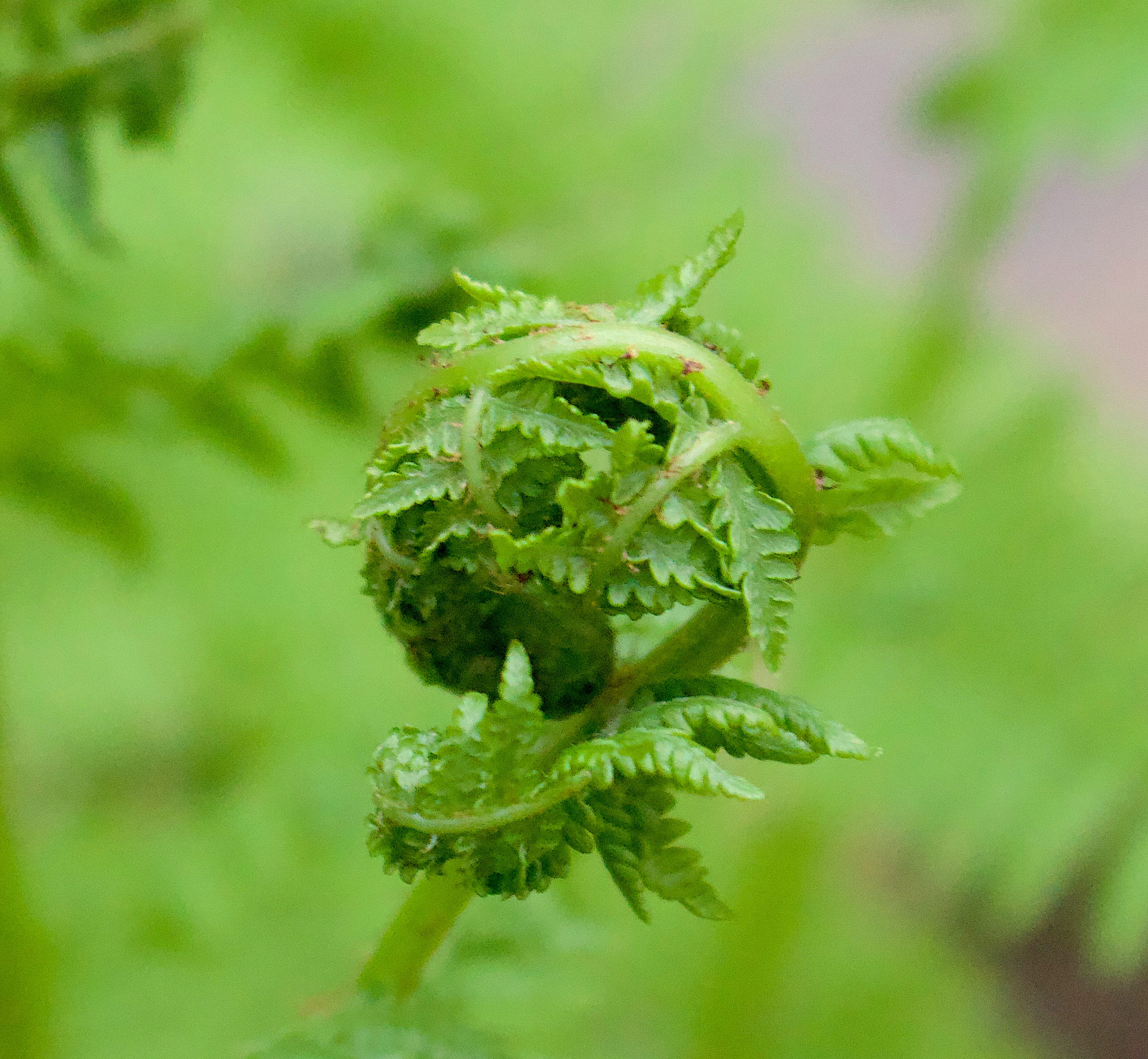
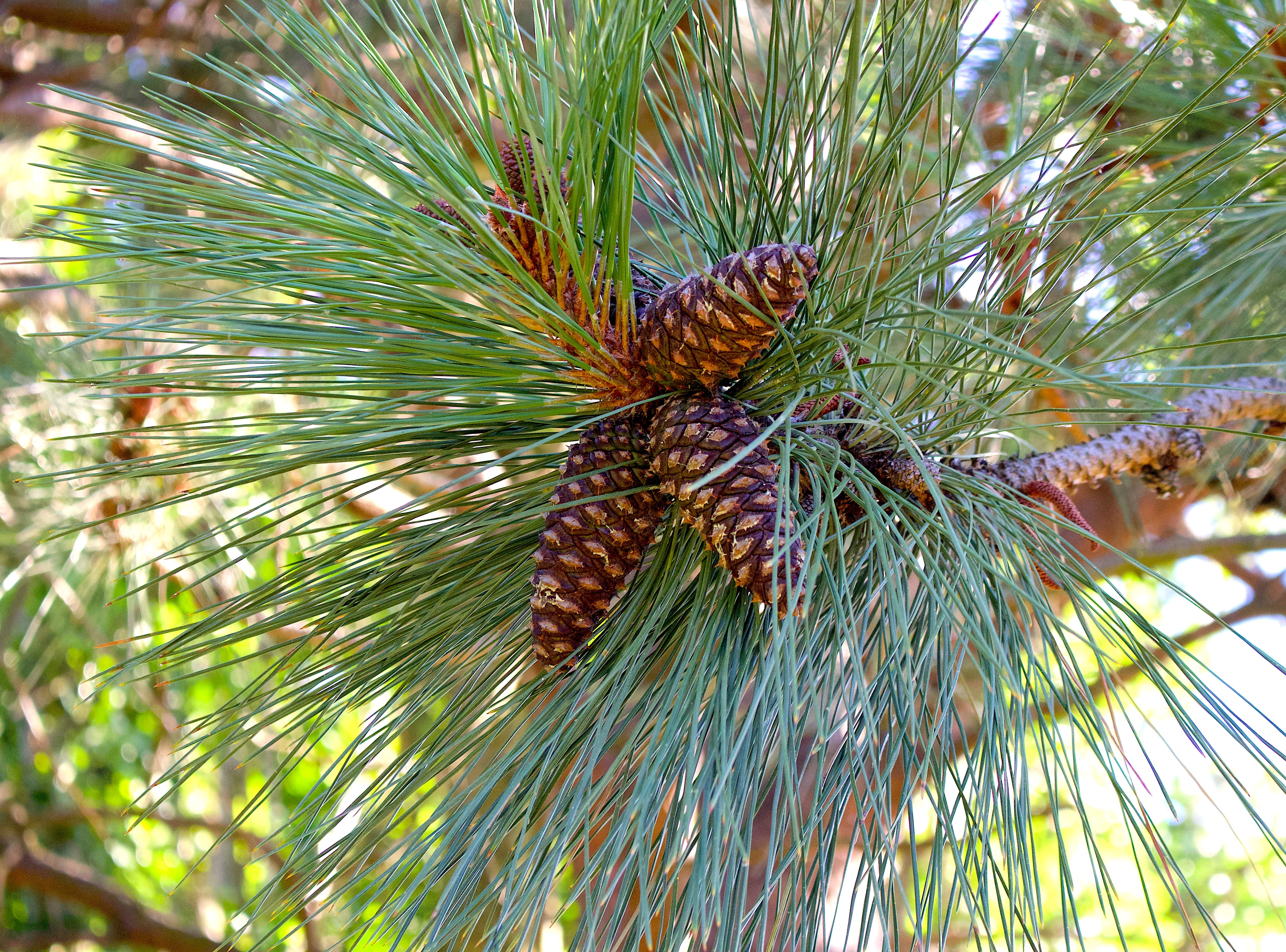
Prick my ears, Lord. Make them hungry satellites, have your way with their tiny bones, teach the drum within that dark to drum again. Because within the hammering of woodpecker is a long tongue unwinding like a tape measure from inside his pileated head, darting dinner from the pine’s soft bark. And somewhere I know is a spider who births a filament of silk and flies it to the next branch; somewhere, a fiddlehead unstrings its violin into the miracle of fern.
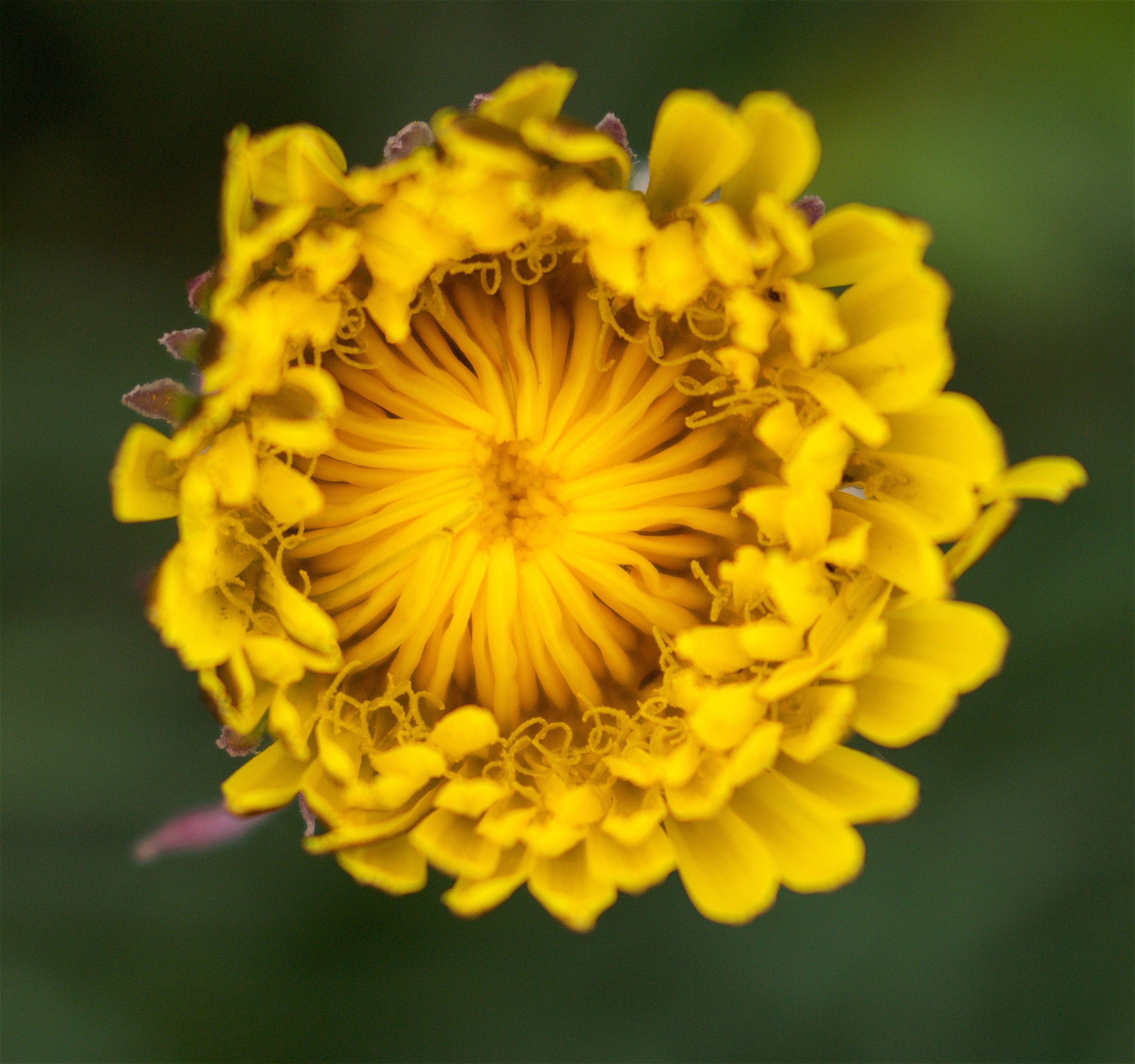
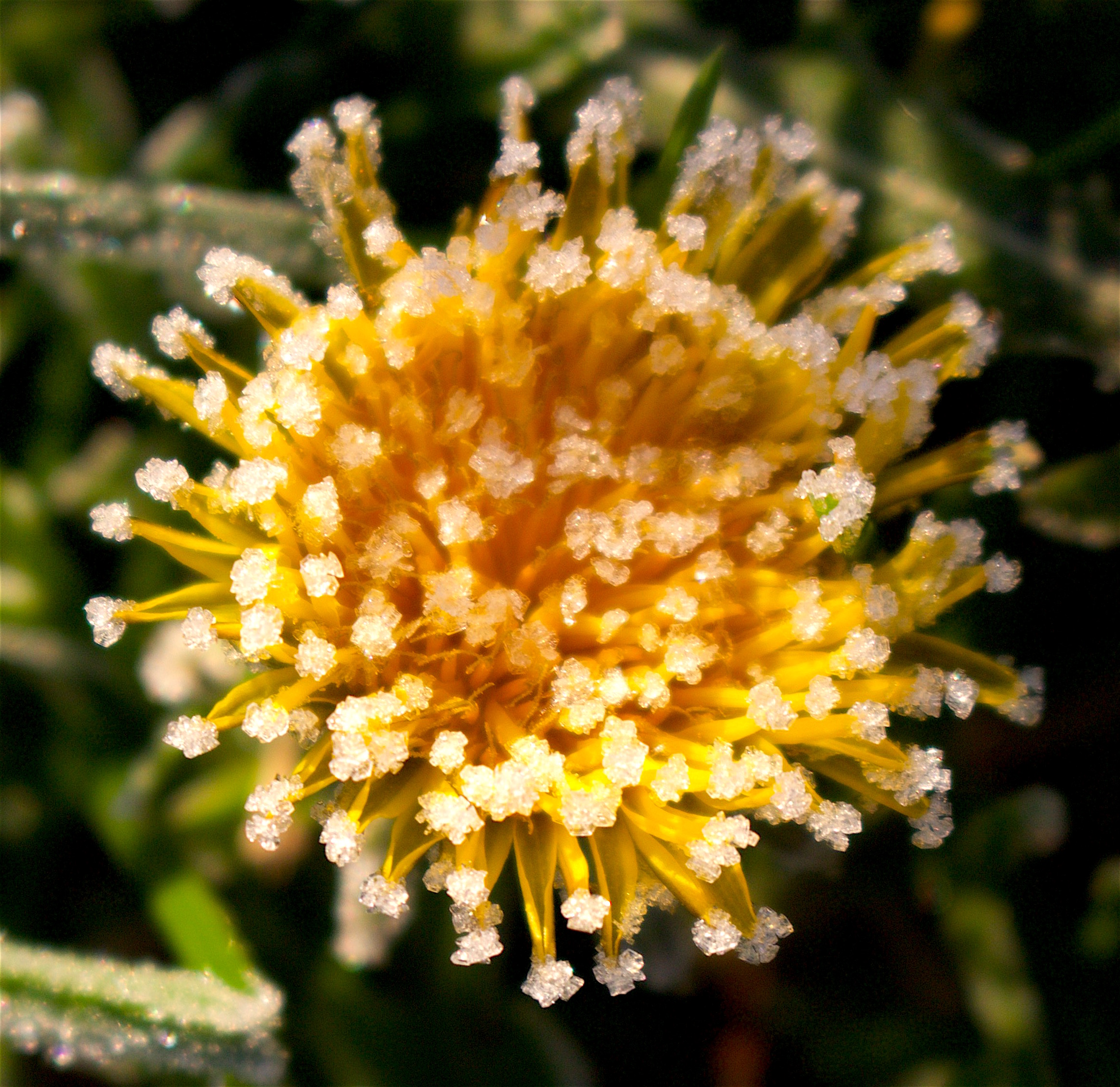
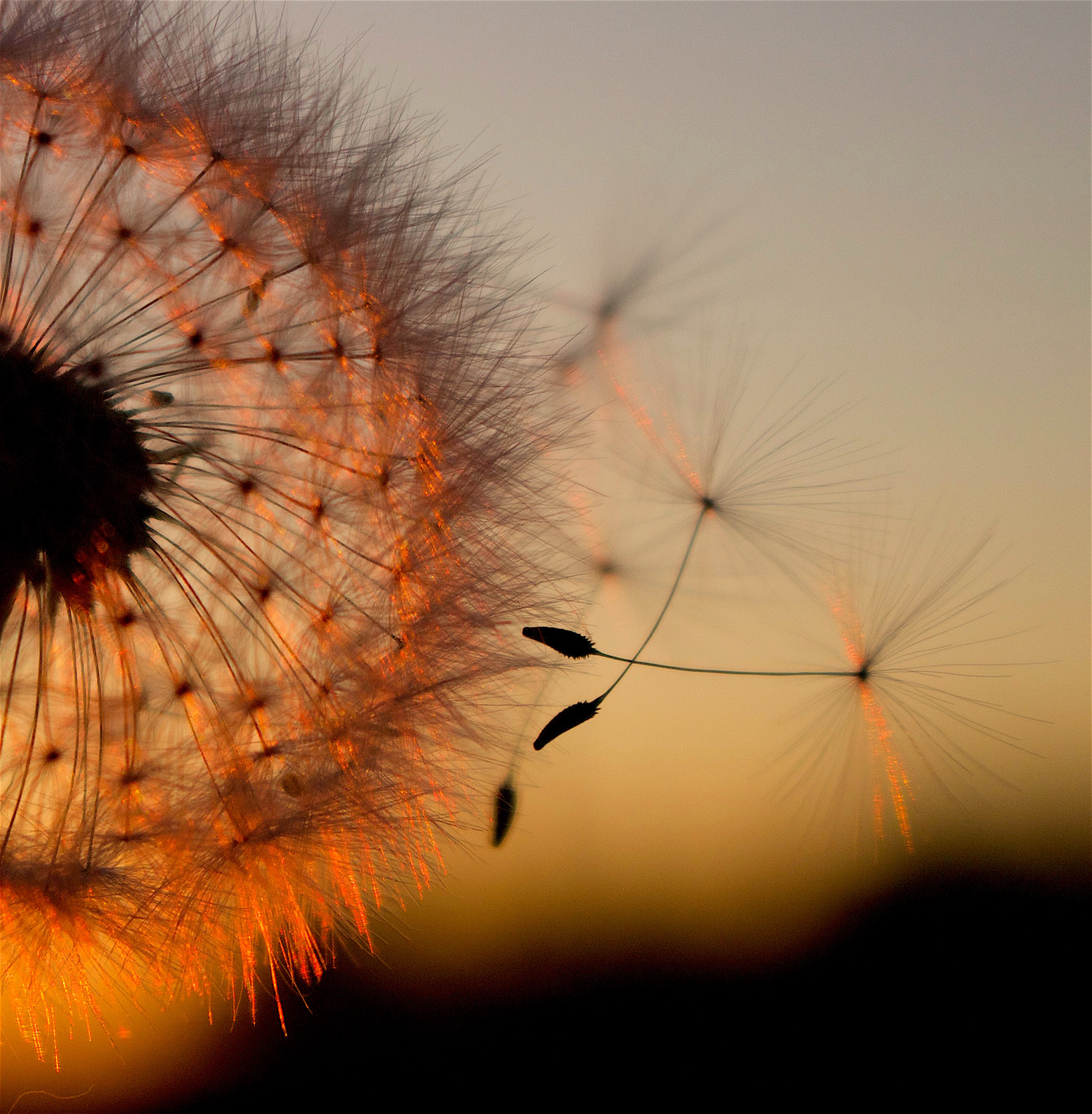
Those are your sounds, are they not? Do not deny it, Lord, do not deny me. I do not know those songs. Nor do I know the hush a dandelion’s face makes when it closes, surrenders, then goes to seed. No, I only know the sound my own breath makes as I wish and blow that perfect globe away; I only know the small, satisfactory popping of roots when I call it weed and yank it from the yard. There is a language of all you’ve created. Hear me, please. I just want to be still enough to hear. Right here, Lord: I want to be. ~Nikole Brown from “Prayer to Be Still and Know”
The hardest thing sometimes is to shut up our constant internal monologue long enough to be able to hear all the other voices outside in the world around us.
We just spent a few days with a visiting 13 month old who wanted very much to communicate even though none of his language was understandable to our ears, yet all the appropriate inflections were there. He clearly was speaking sentences, asking questions, making emphatic statements with the rise and fall of his voice, but his baby babble was completely foreign to our grown-up ears. Sometimes I wonder if that is exactly how God hears us: all blather and babble which makes sense to us, but not remotely intelligible.
So I need to shut up and listen to all the subtle language around me and not keep trying to shout it down, grumble it to the ground, or whisper it away. I need the Lord’s still small voice coming from a billion corners of creation to understand who He is and why He gave me — me! — ears to hear.
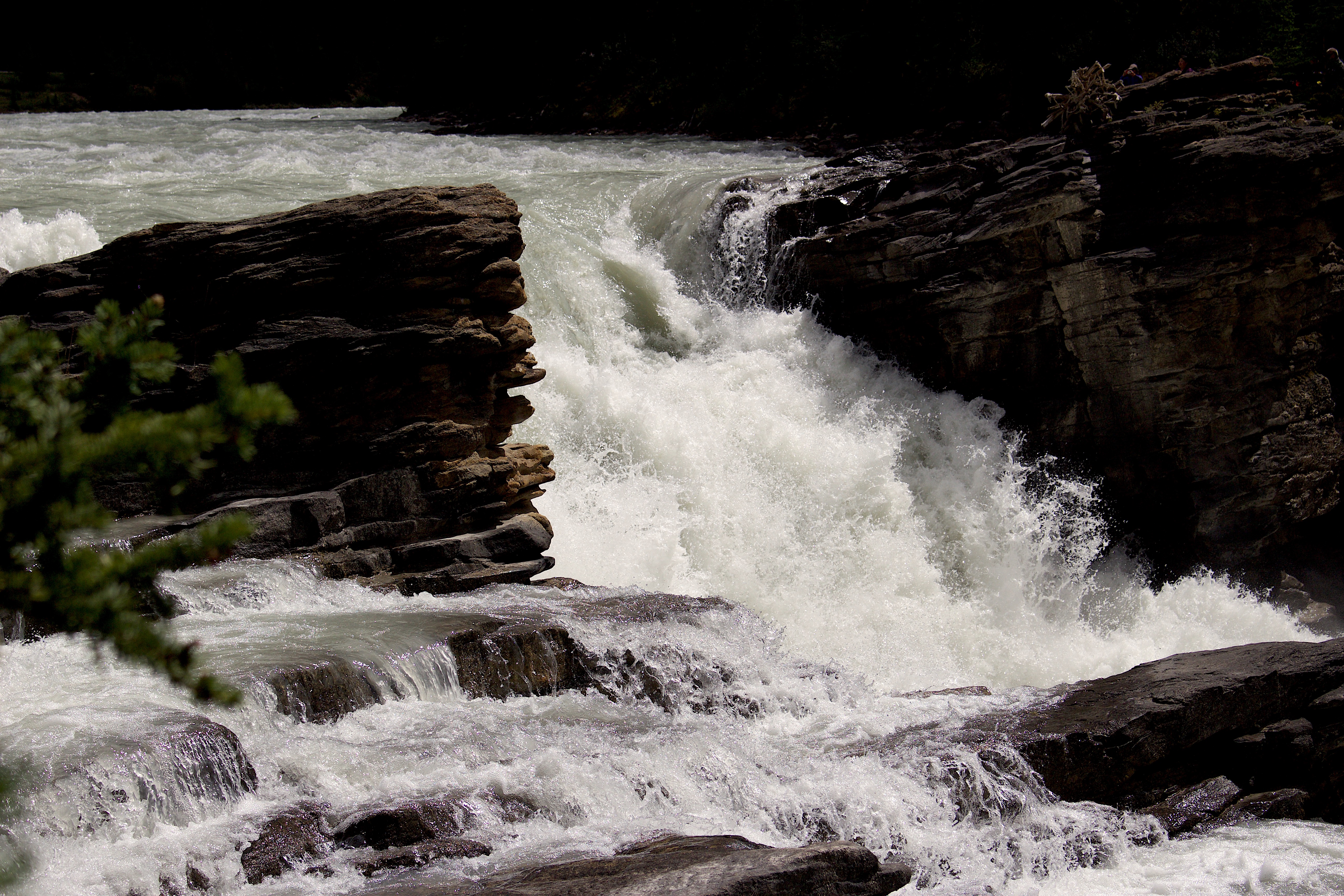
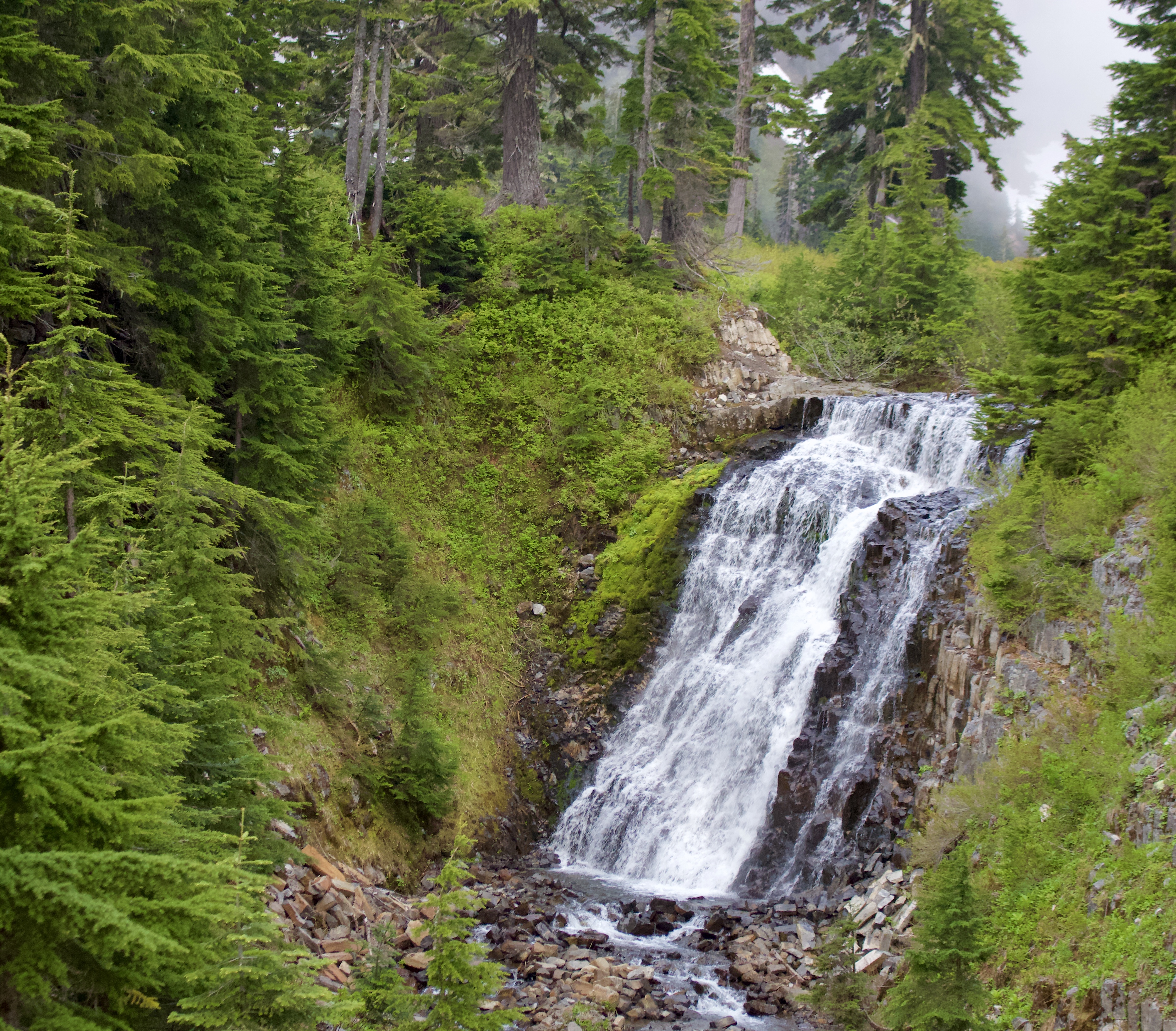
I miss the friendship with the pine tree and the birds that I had when I was ten. And it has been forever since I pushed my head under the wild silk skirt of the waterfall.
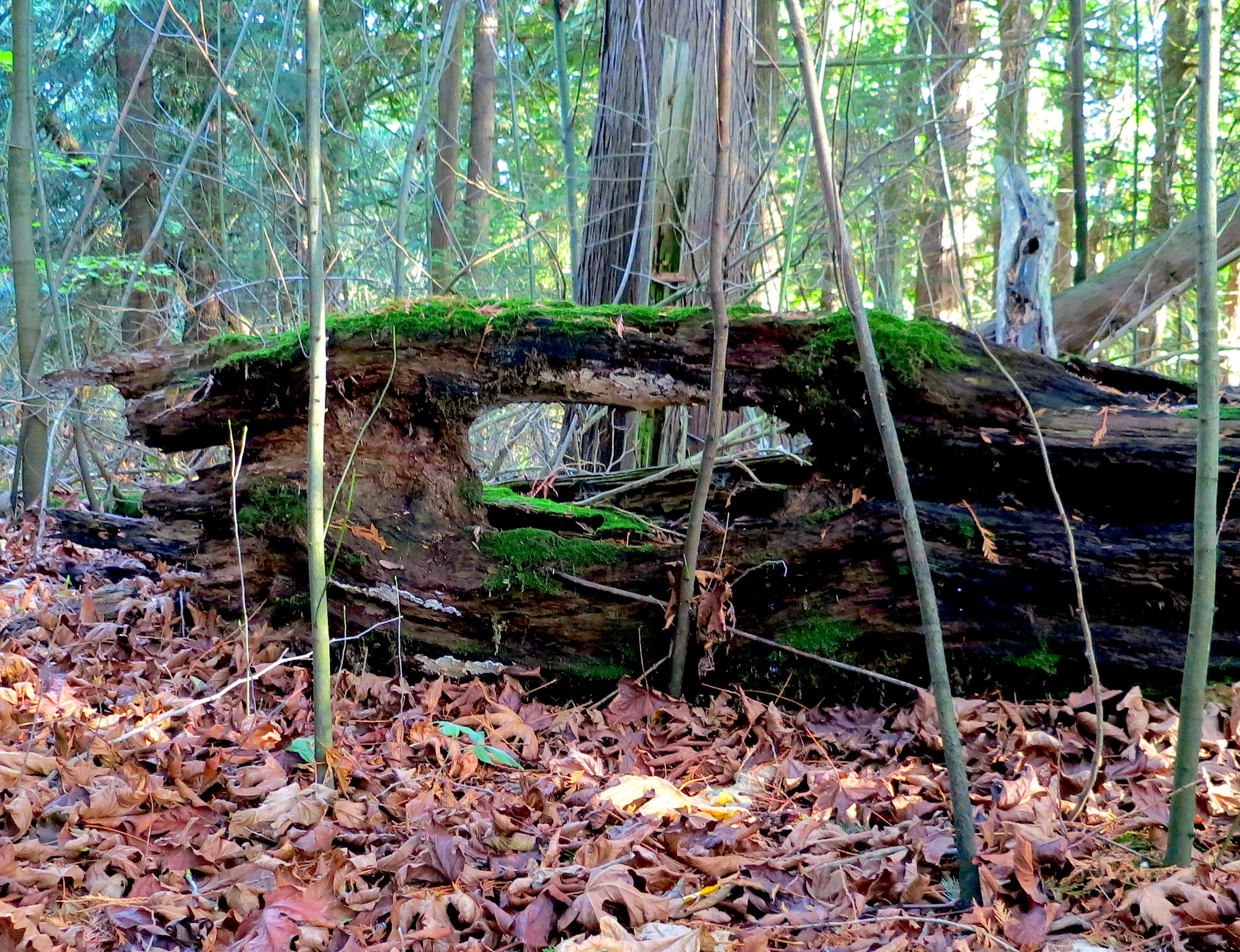
The big rock on the shore was the skull of a dead king whose name we could almost remember. Under the rooty bank you could dimly see the bunk beds of the turtles.
Nobody I know mentions these things anymore. It’s as if their memories have been seized, erased, and relocated among flowcharts and complex dinner-party calendars.
Now I want to turn and run back the other way, barefoot into the underbrush, getting raked by thorns, being slapped in the face by branches.
Down to the muddy bed of the little stream where my cupped hands make a house, and
I grew up on a small farm with several acres of woodland. It was my near-daily retreat until I left for college: I walked among twittering birds, skittering wild bunnies, squirrels and chipmunks, busy ant hills and trails, blowing leaves, swimming tadpoles, falling nuts, waving wildflowers, large firs, pines, cottonwoods, maples and alder trees.
I had a favorite “secret” spot sitting perched on a stump where a large rock provided a favorite warm sunning spot for salamanders. They and I would make eye contact and ponder what the other was thinking.
It was where I felt closest to Creation, more so than the house I slept in with my family, the busy classrooms, the dentist office and retirement home where I worked.
Only our church sanctuary was such a thin place with a “can almost touch the hem of God” reality.
At college I searched for a place as private, as quiet, as serene, as full of the voices of creation – nothing ever matched the woods of my childhood home. I gave up as I lived a decade in the city and almost forgot what a familiar woods felt like.
I’ve come close again on this farm we’ve stewarded for thirty years, but the constant distractions are much greater now than when I was a child. I can’t empty out my head and heart as completely to receive the gifts of the field and trees and woodlands. I have greater worries, bigger responsibilities, places to go, people to see, things to do, a shorter timeline to get what I want to accomplish done …
Perhaps the time will come again to simply gaze into the eyes of a fellow creature, and invite them in with a head and heart ready to receive what they and our Creator have to give.
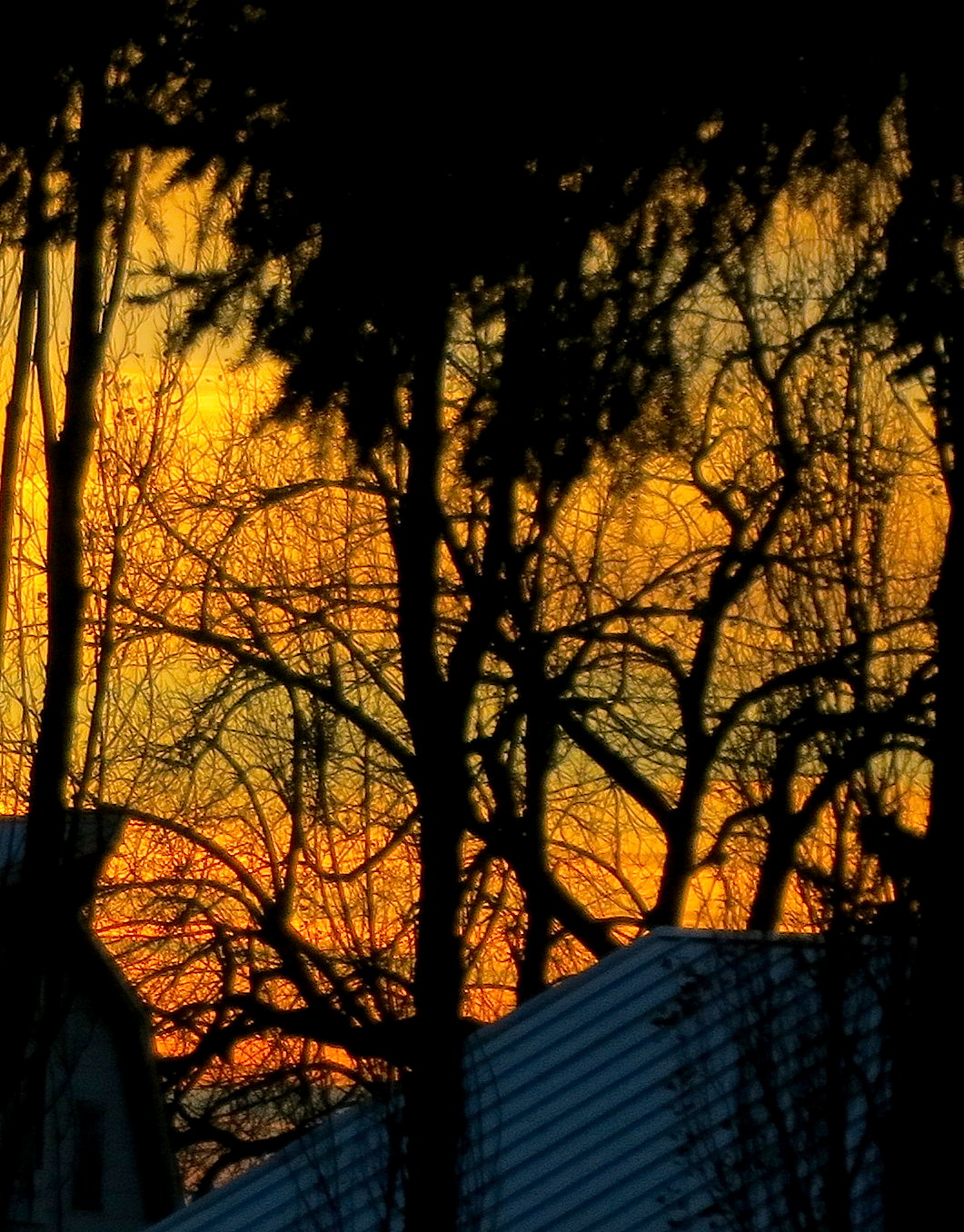
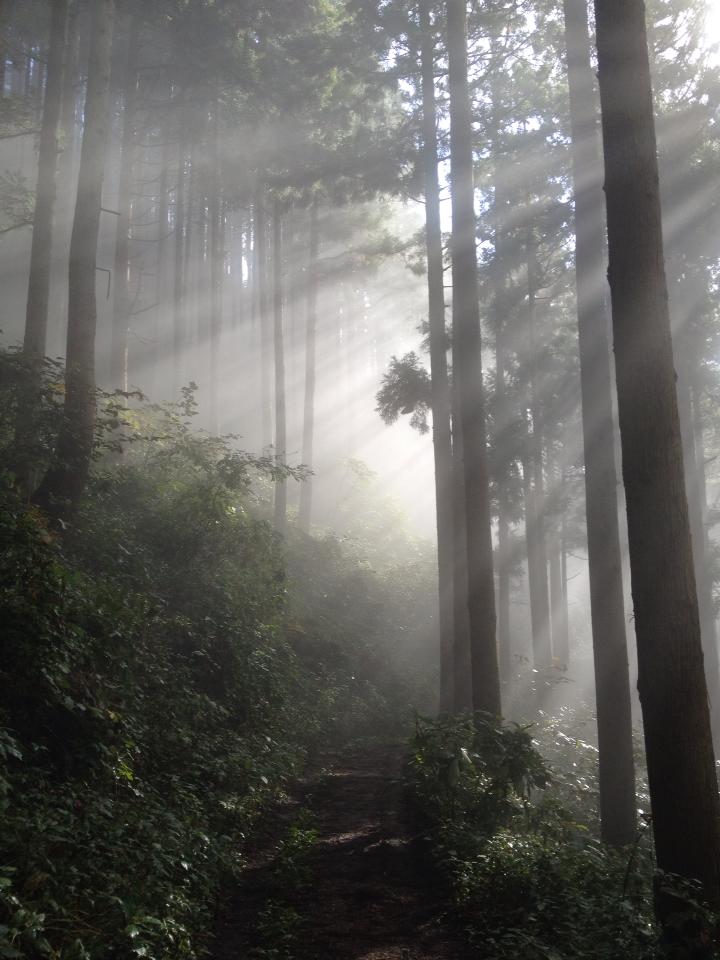
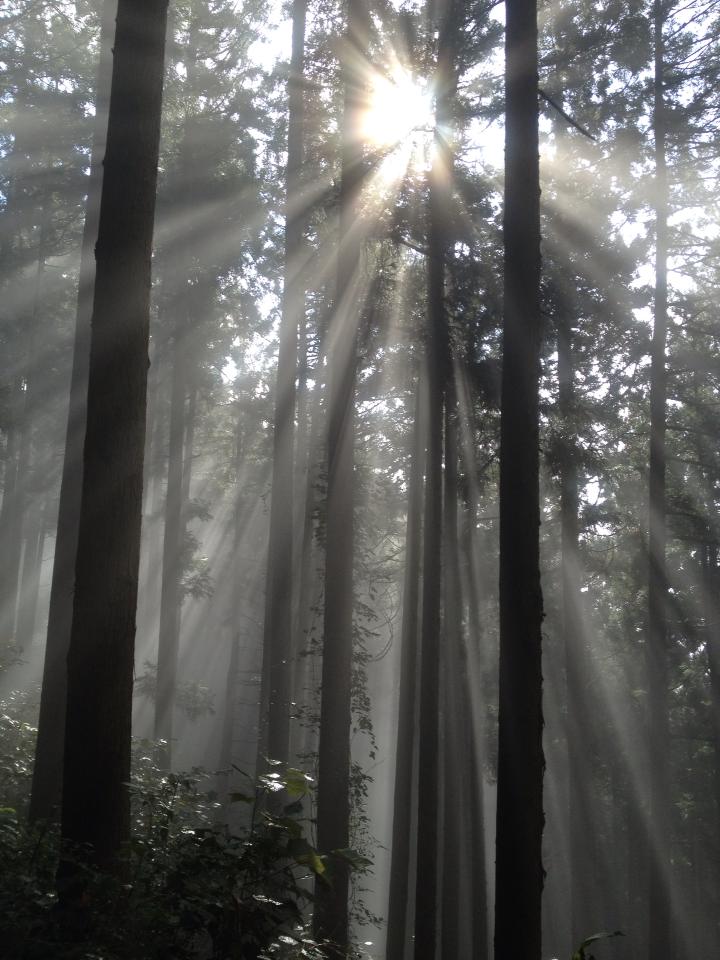
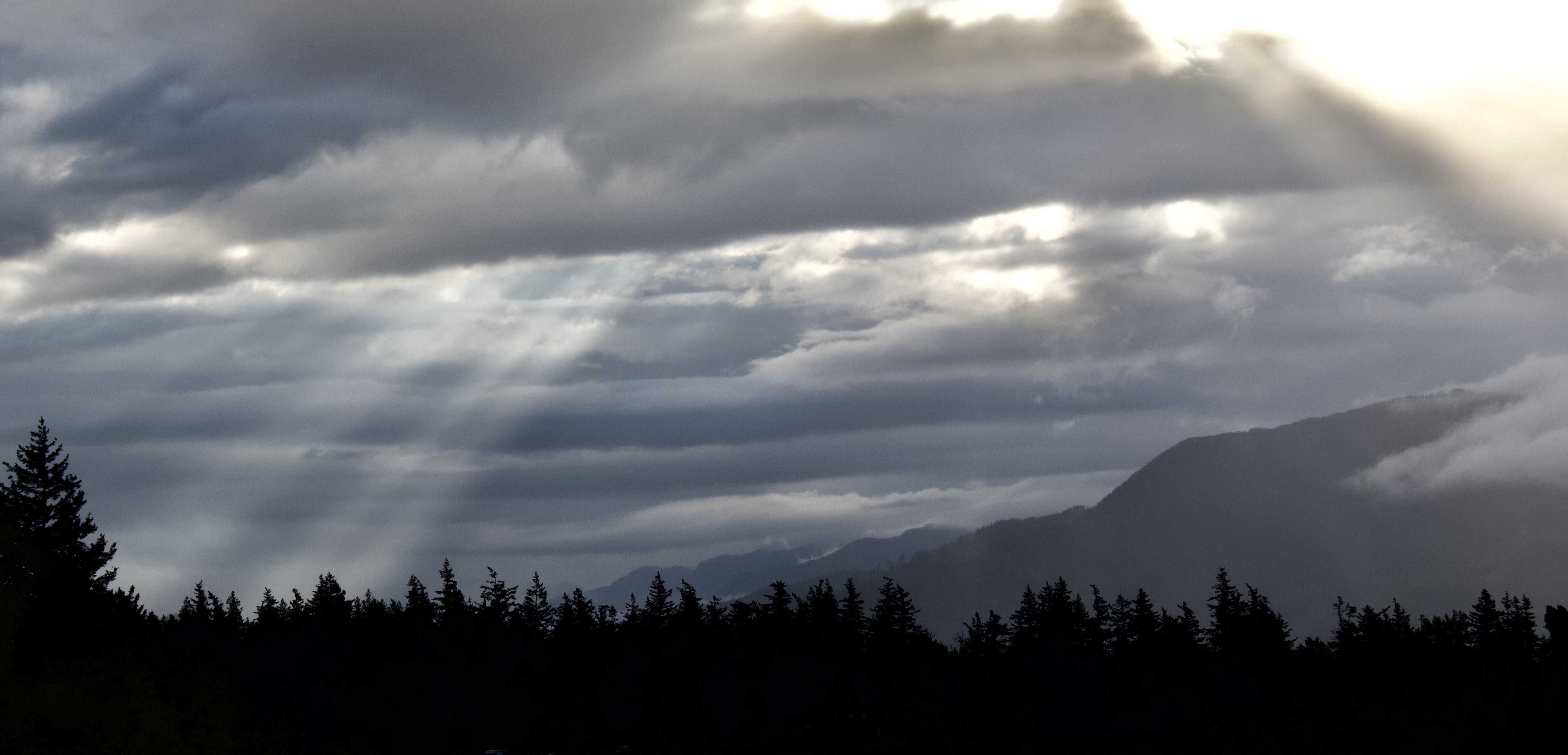
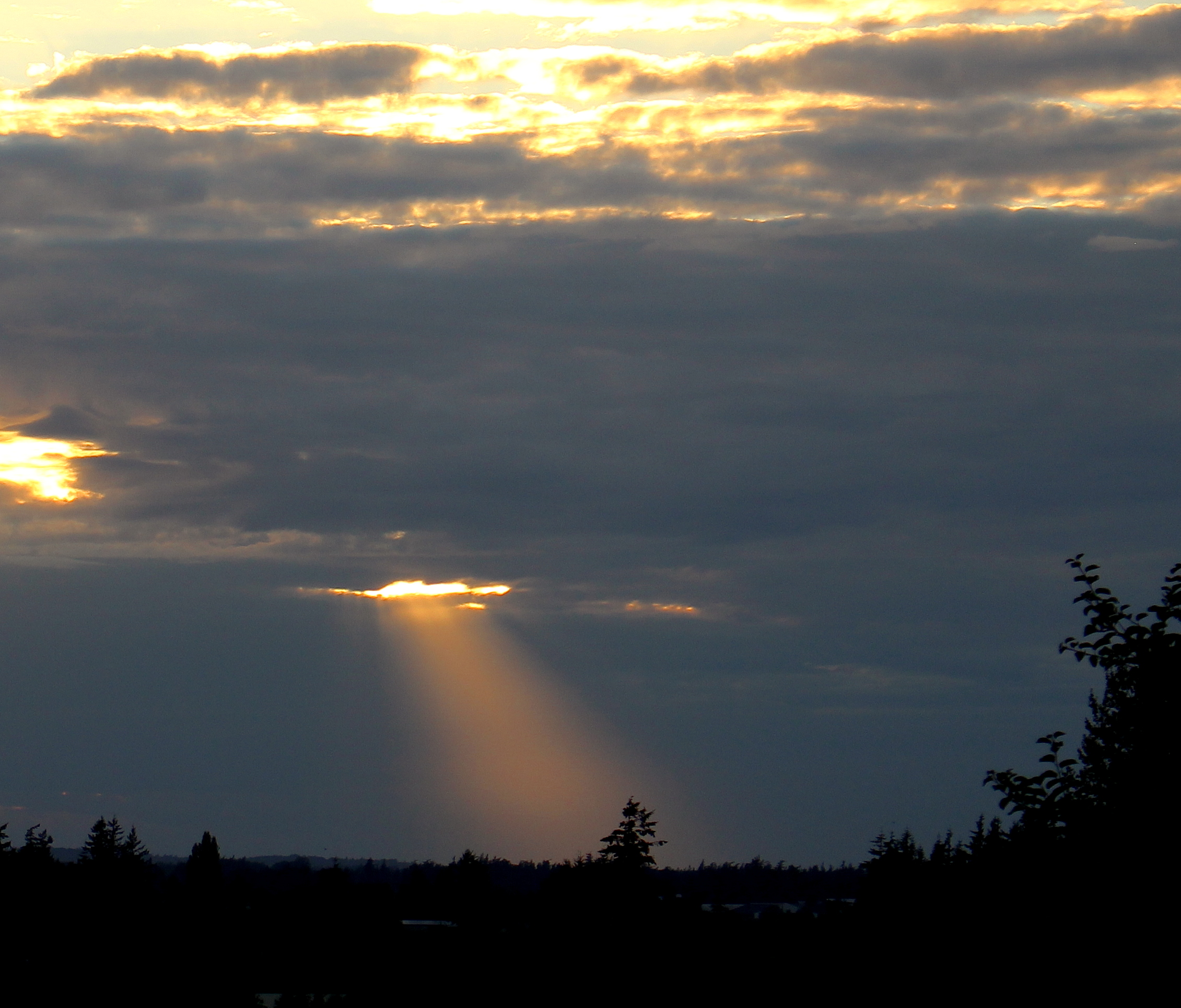
One’s mind runs back up the sunbeam to the sun… ~C.S. Lewis
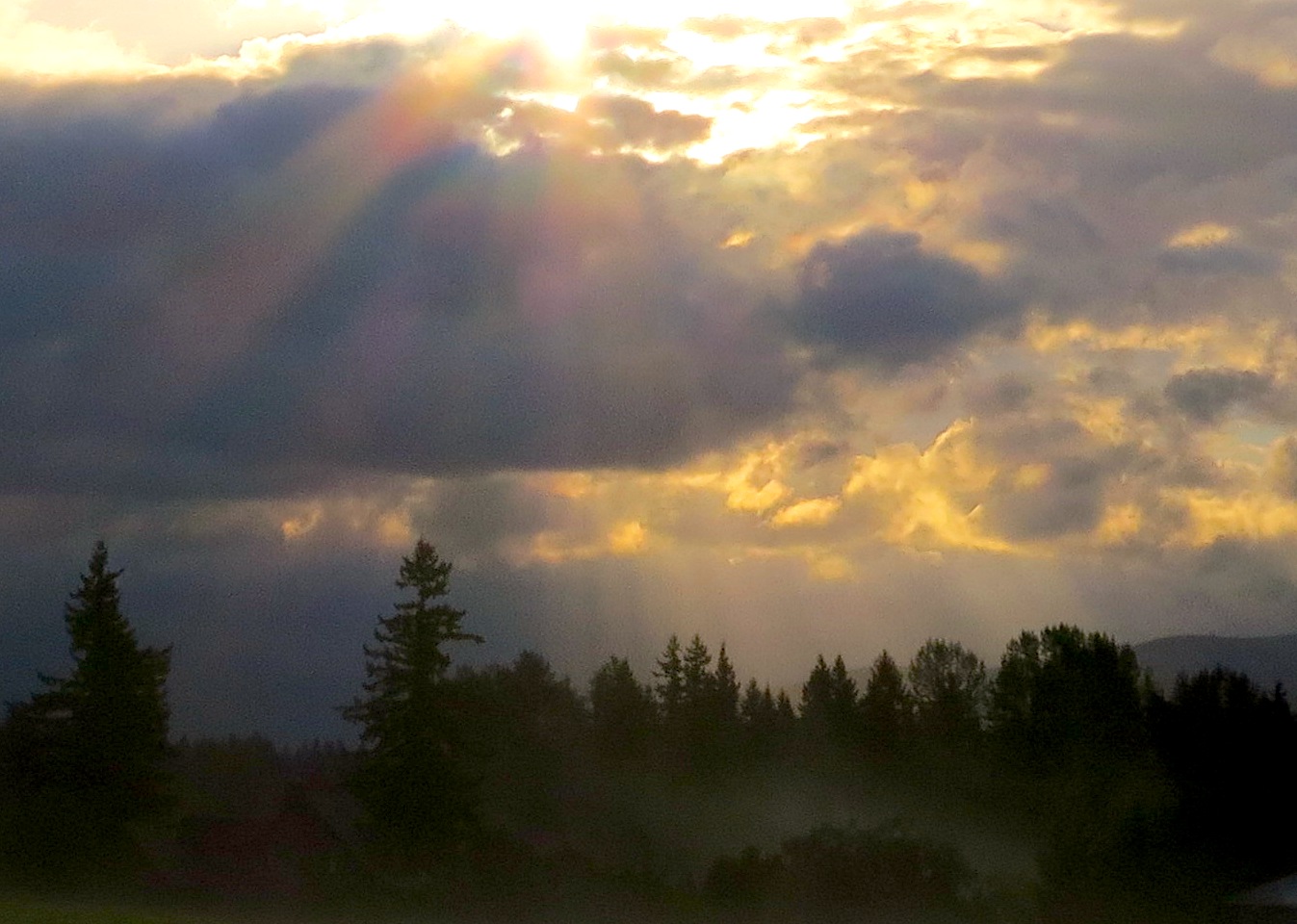
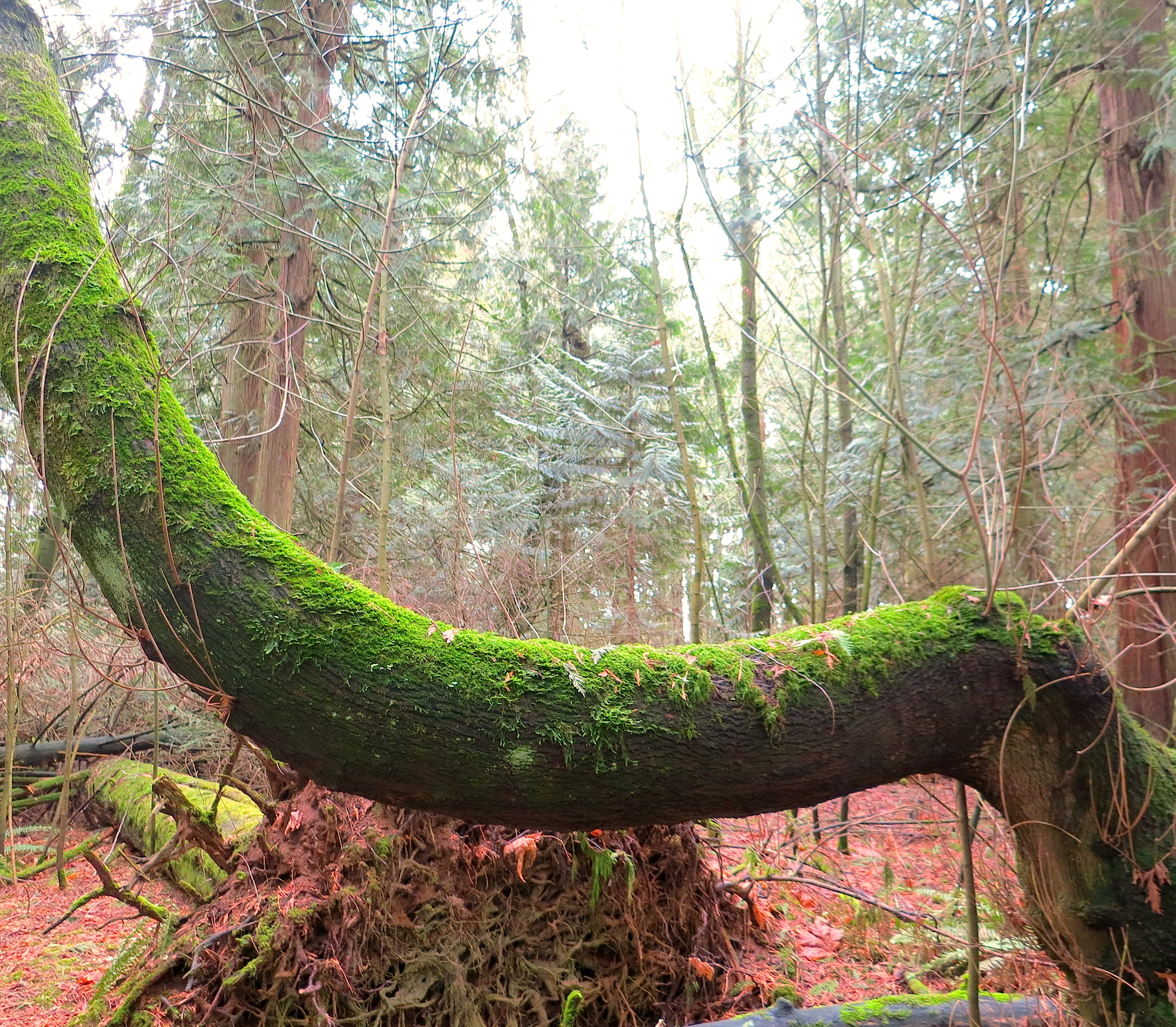
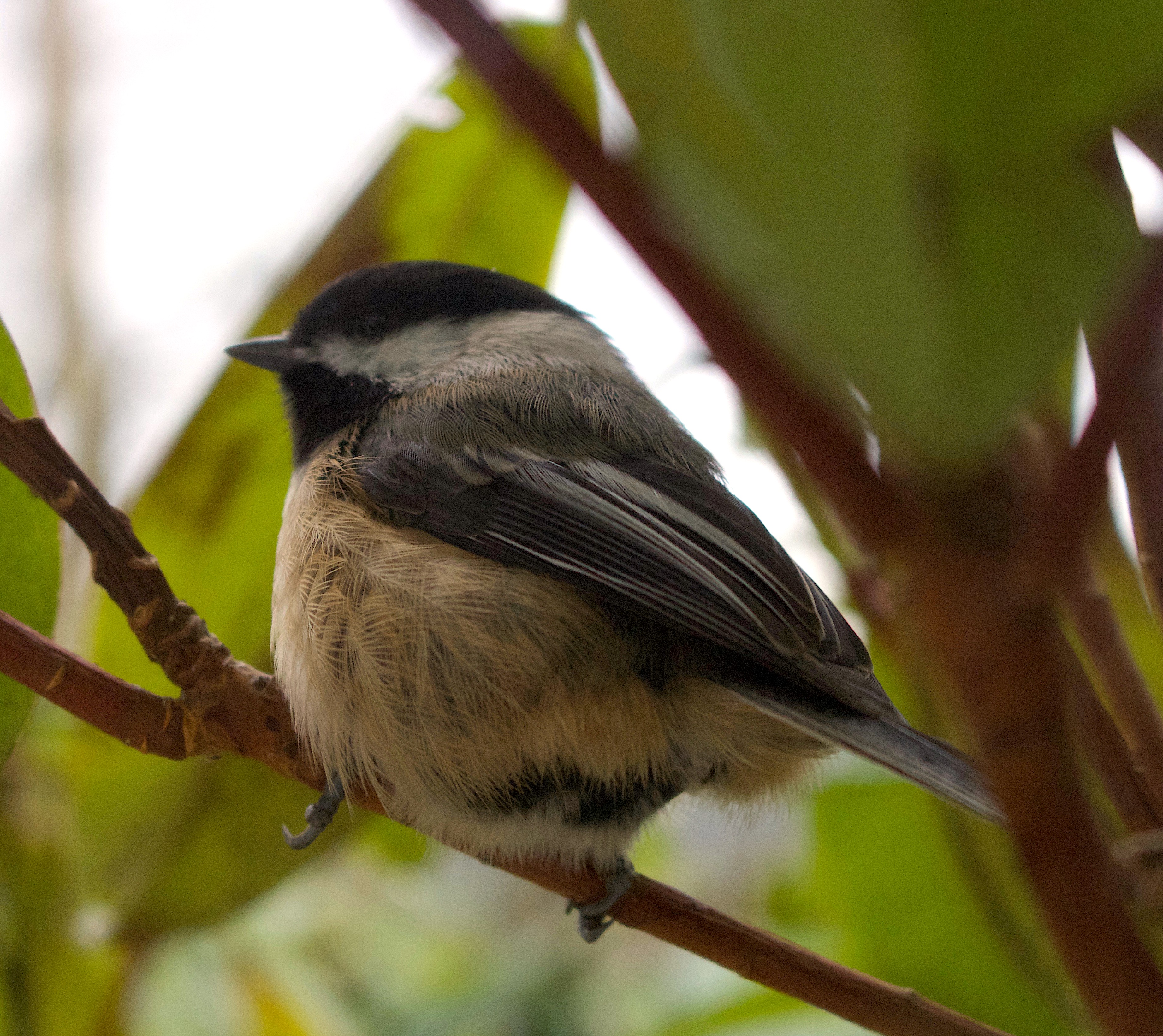
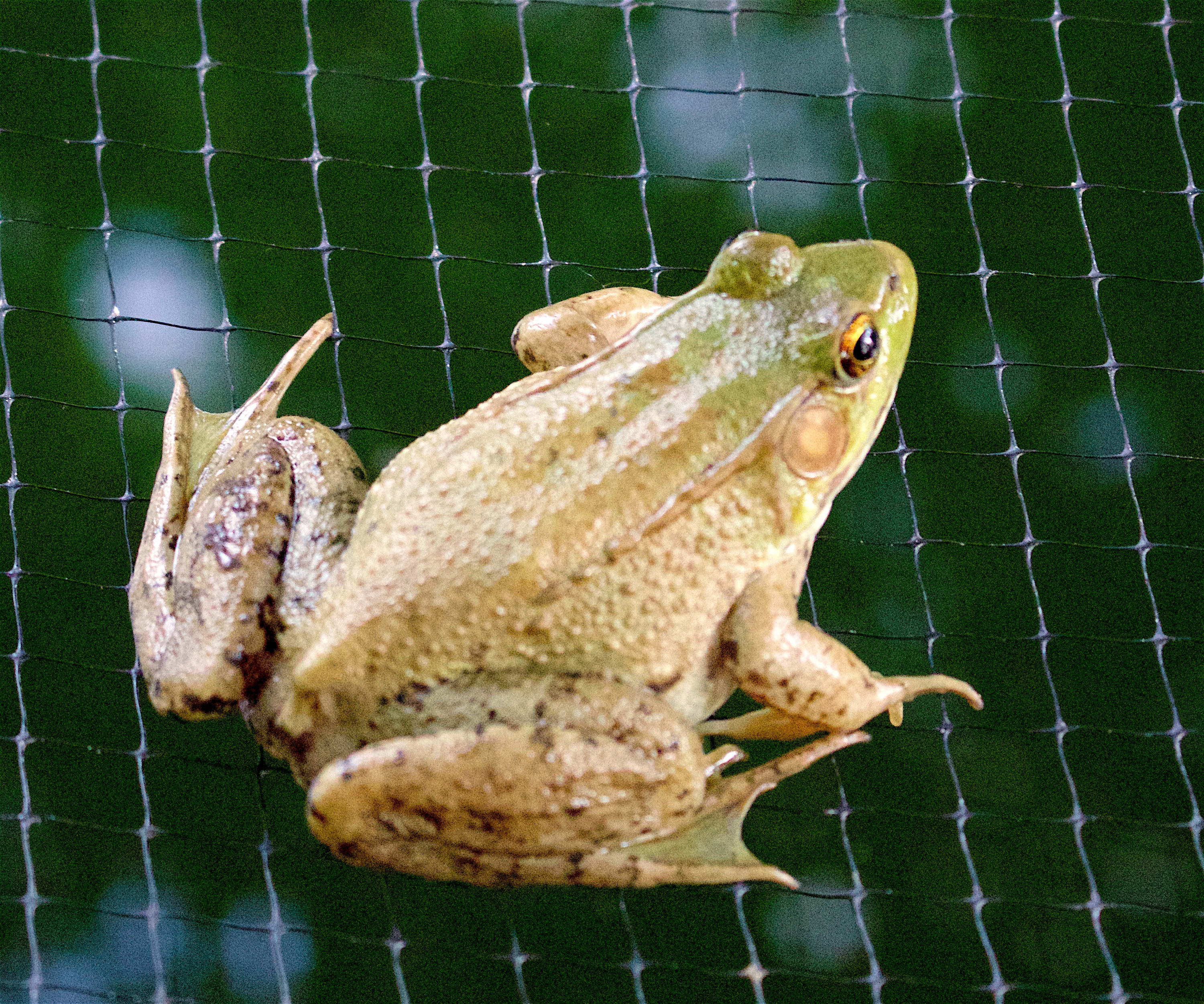
photos by Nate Gibson
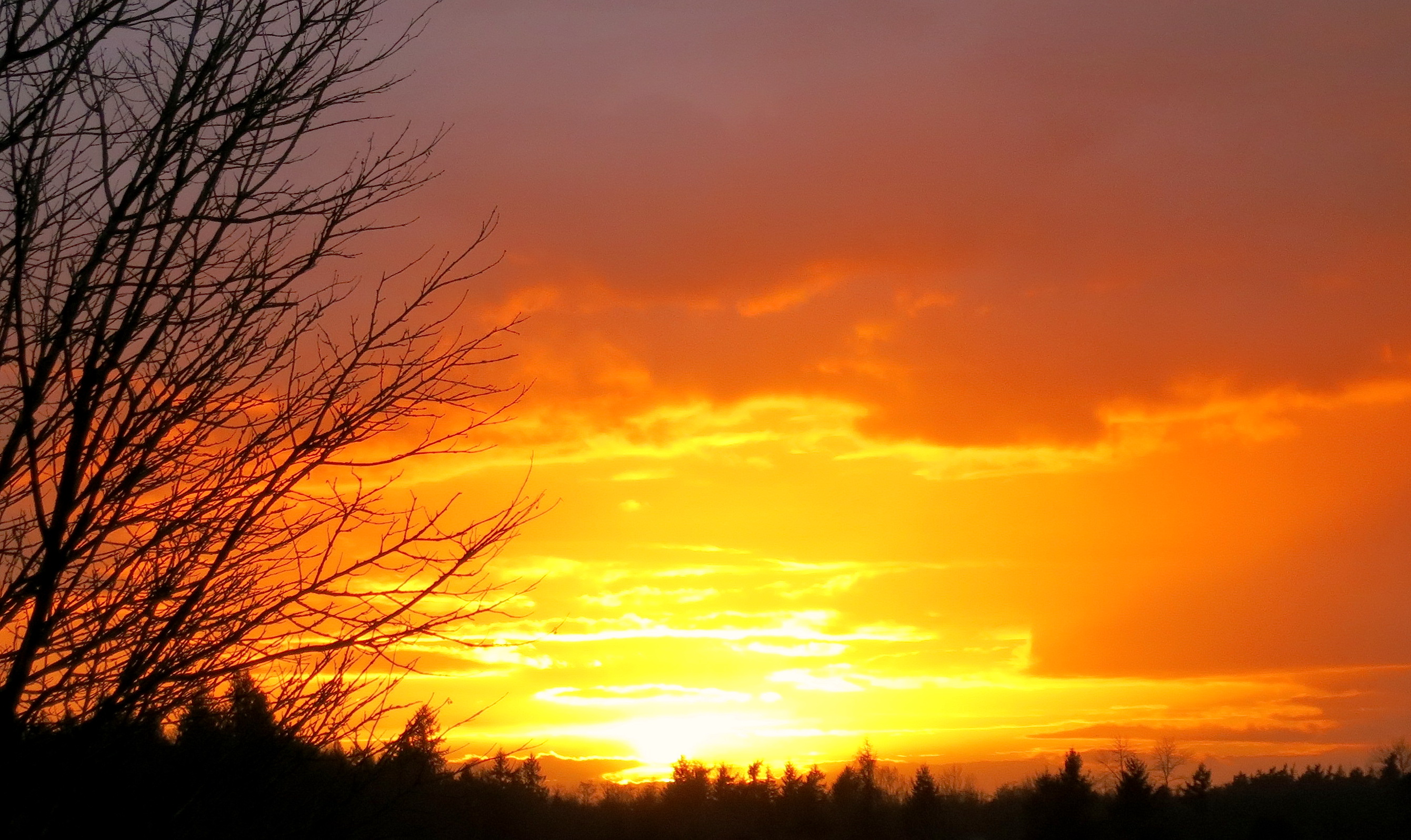
We so easily forget from Whom and Where we come, the purpose for which we are created and sent forth, how bright and everlasting our origins. If we fail to live and serve as intended, it is from our own frailty, not that of the Creator.
When light shines so that others might see, we are simply the beam and not the source. The path leads back to the Triune God and we are but a mere pathway.












 Barnstorming