Every morning I walk through folds of fields searching.
Slants of sun sink through triangled bones of leaves: bold cold refuted.
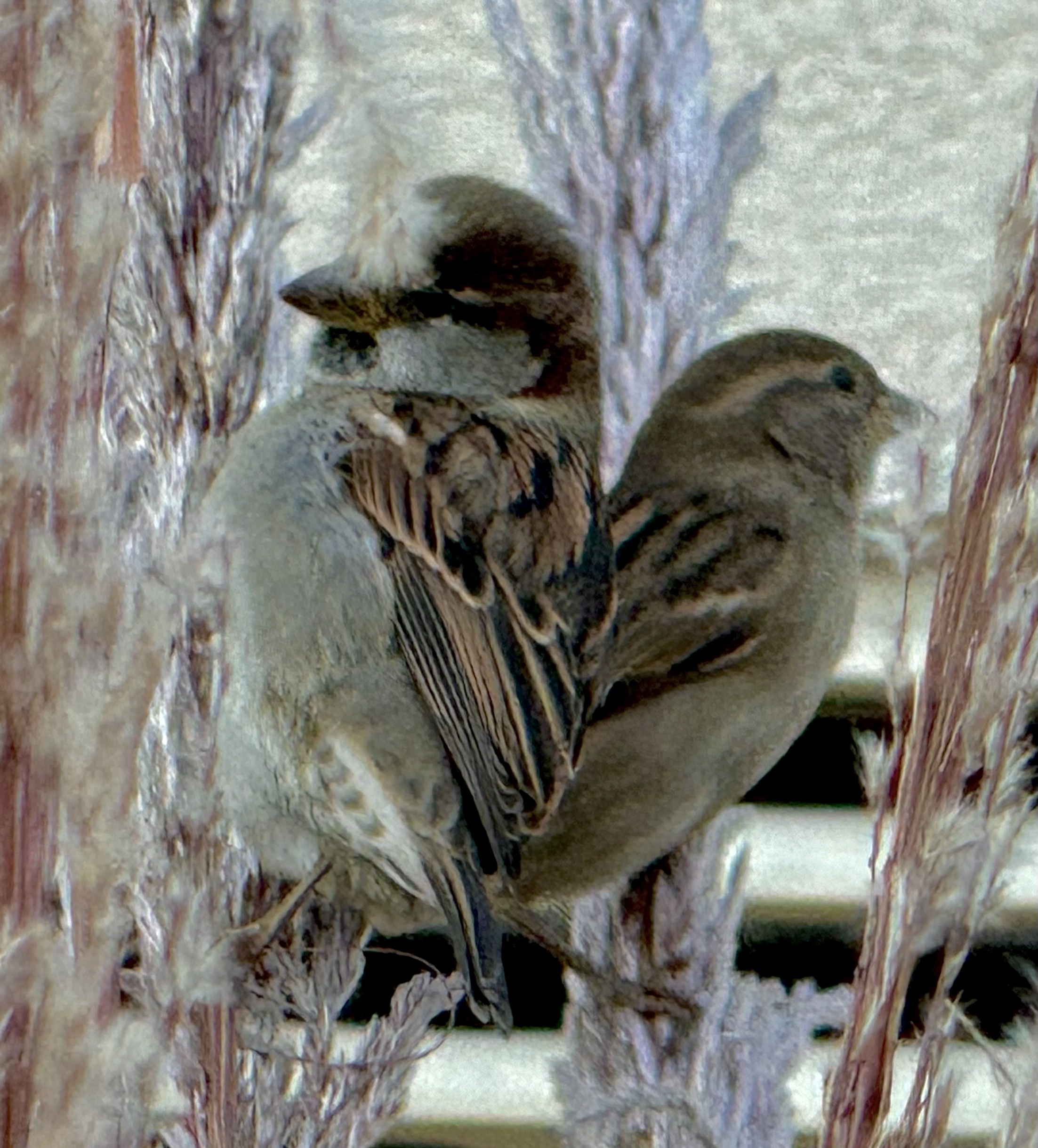
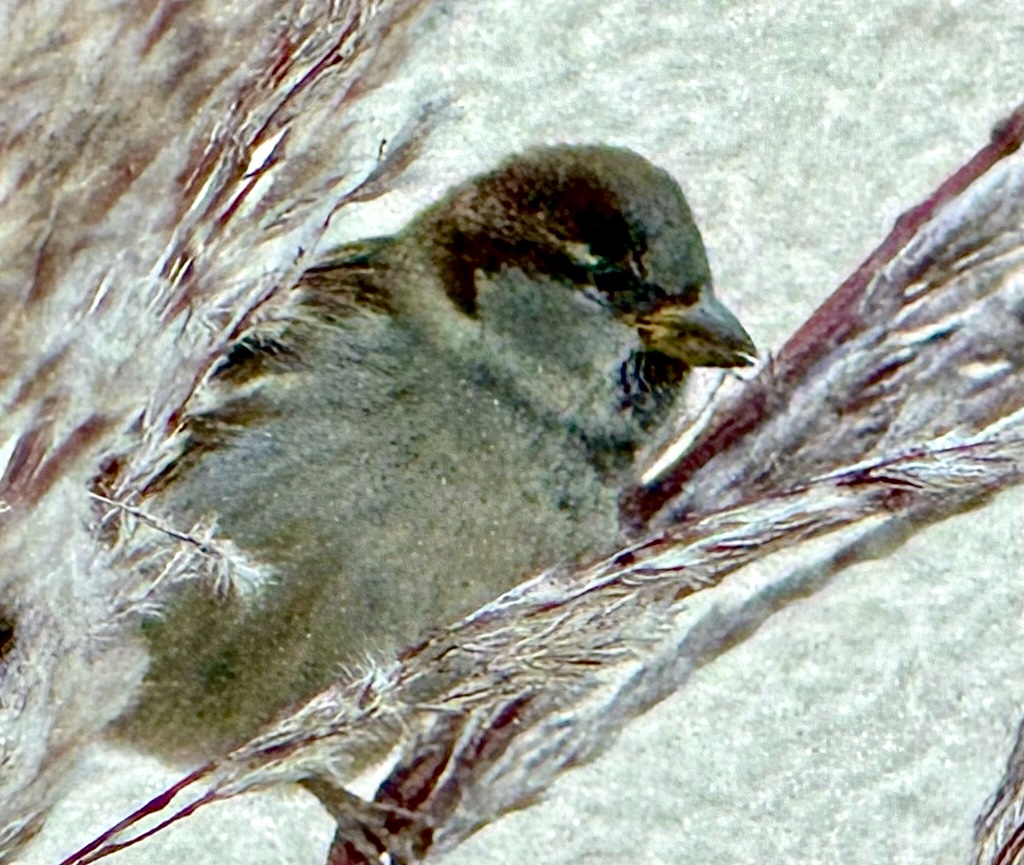
Sparrows flutter warm in given nests, ungriefed, caught, sustained by common grace.
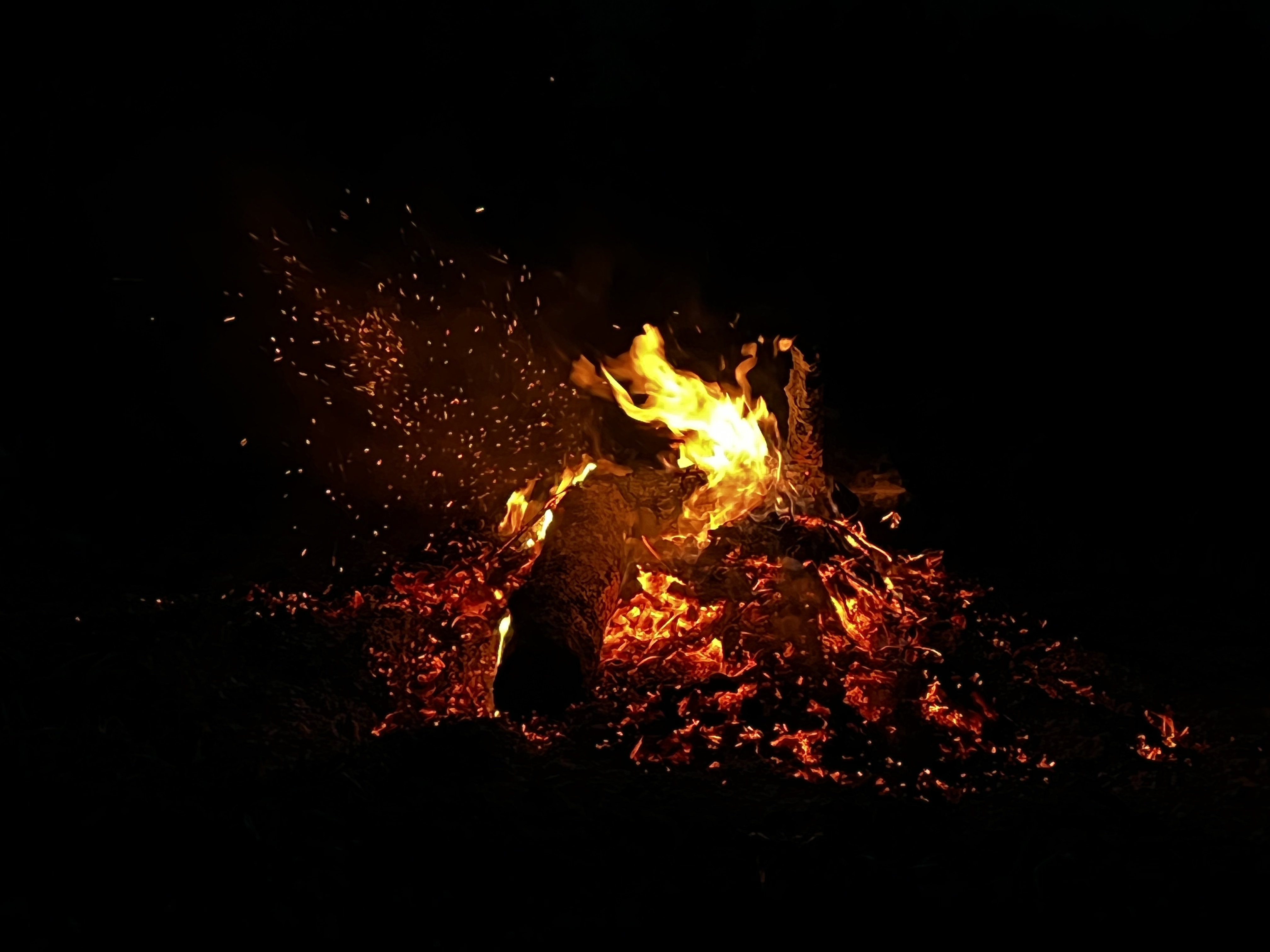
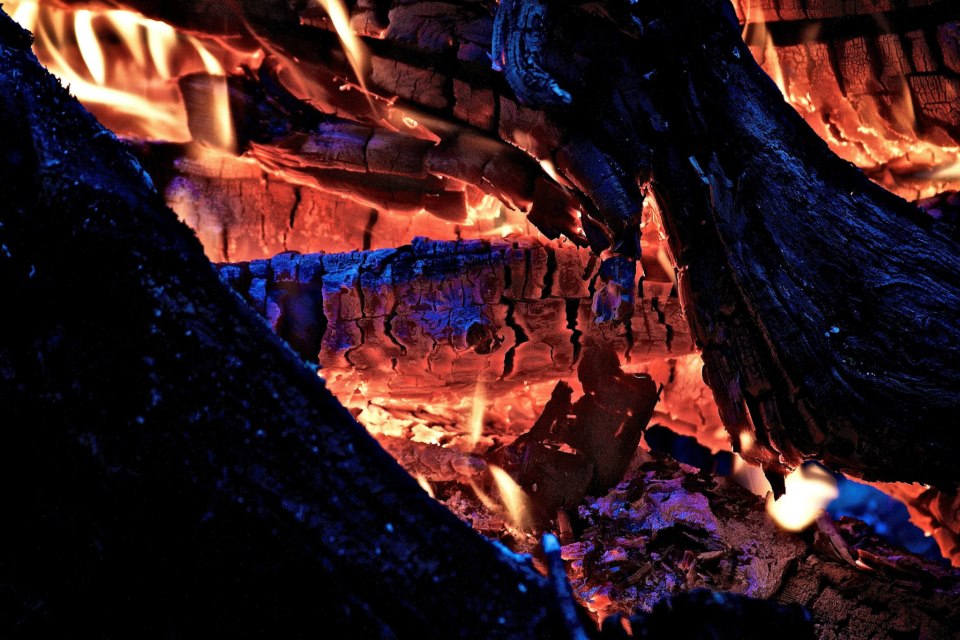
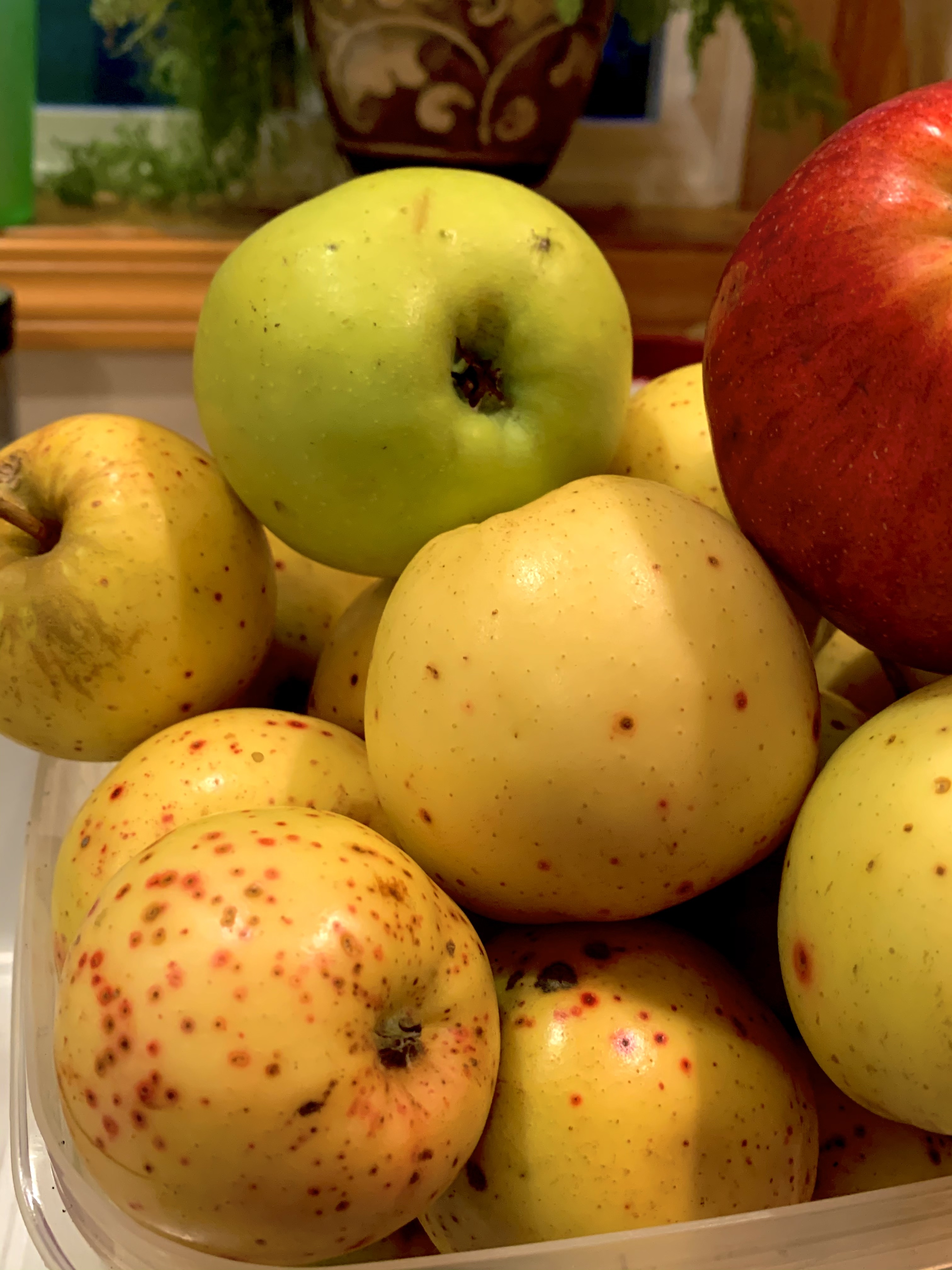
Faith is the tenderness of banked coals in a grate, Braeburn apples on a windowsill, winding crisp with possibility. The steadiness of conversations embered over decades; a fire that has never left off crackling – on this my soul has warmed her hands. Divine ardor: too strong and sweet for the many years I’ve walked on earth.
Love without hesitation has swept my floorboards for seasons. Deep and longing in and out of time the soul reaches out – and He, grasps entire. Hold – and tender. Incandescent. ~Claire Hellar “A Search in Autumn”
The sound of quiet. The sky indigo, steeping deeper from the top, like tea. In the absence of anything else, my own breathing became obscene. I heard the beating of bats’ wings before the air troubled above my head, turned to look and saw them gone. On the surface of the black lake, a swan and the moon stayed perfectly still. I knew this was a perfect moment. Which would only hurt me to remember and never live again. My God. How lucky to have lived a life I would die for. ~Leila Chatti “I Went Out to Hear” from Wildness Before Something Sublime
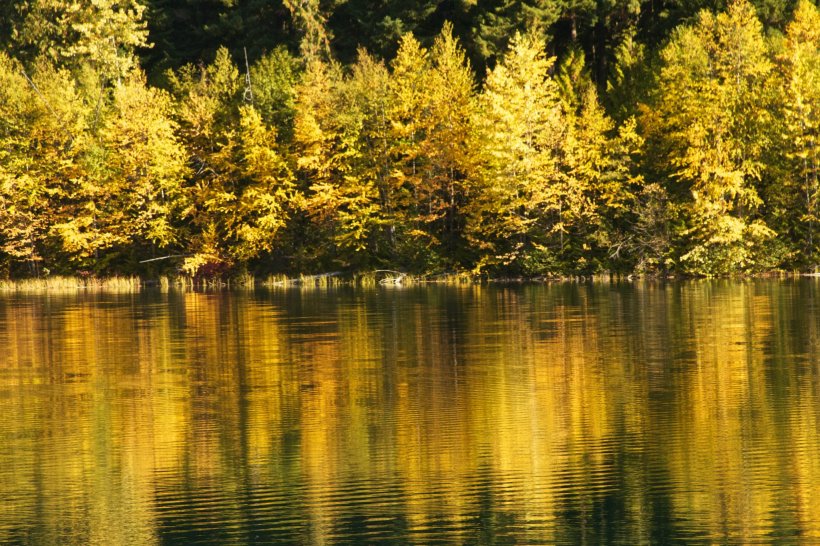
Look, the trees are turning their own bodies into pillars
of light, are giving off the rich fragrance of cinnamon and fulfillment,
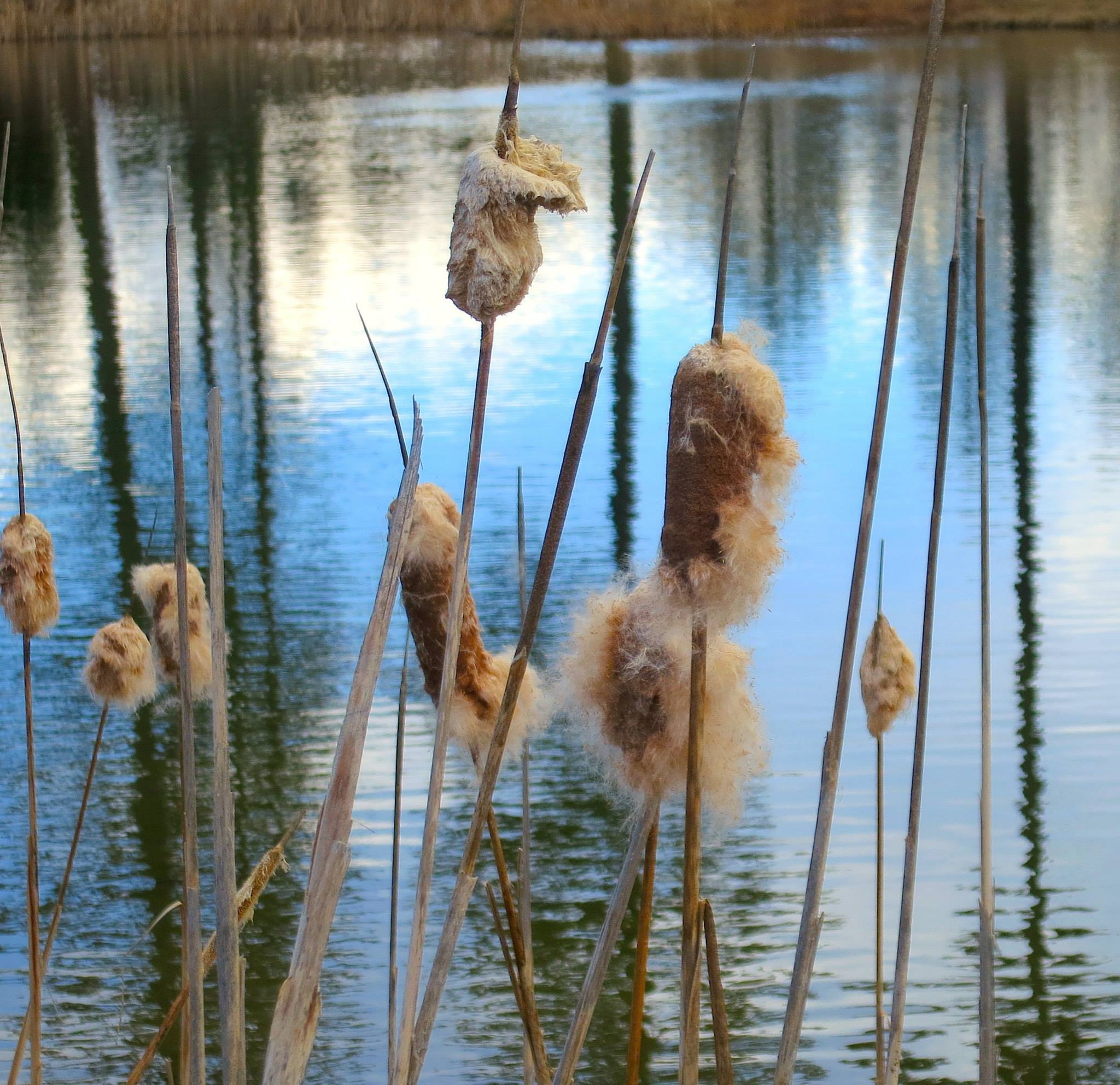
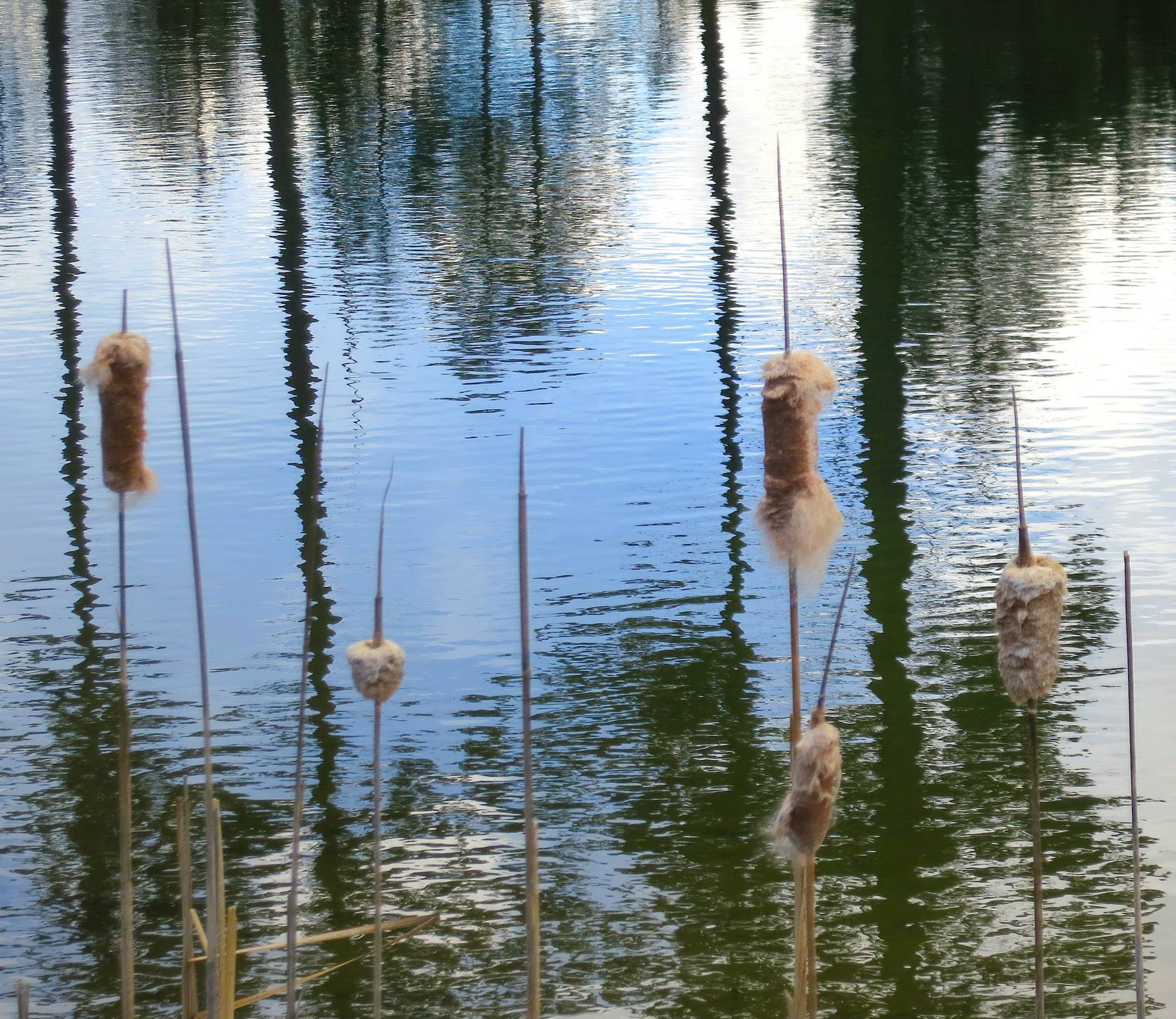
the long tapers of cattails are bursting and floating away over the blue shoulders
of the ponds, and every pond, no matter what its name is, is
nameless now. Every year everything I have ever learned
in my lifetime leads back to this: the fires and the black river of loss whose other side
is salvation, whose meaning none of us will ever know. To live in this world
you must be able to do three things: to love what is mortal; to hold it
against your bones knowing your own life depends on it; and, when the time comes to let it go, to let it go. ~Mary Oliver “In Blackwater Woods” from Devotions
(thinking today of God’s gift to the world of Jane Goodall, whose life was about keeping promises)
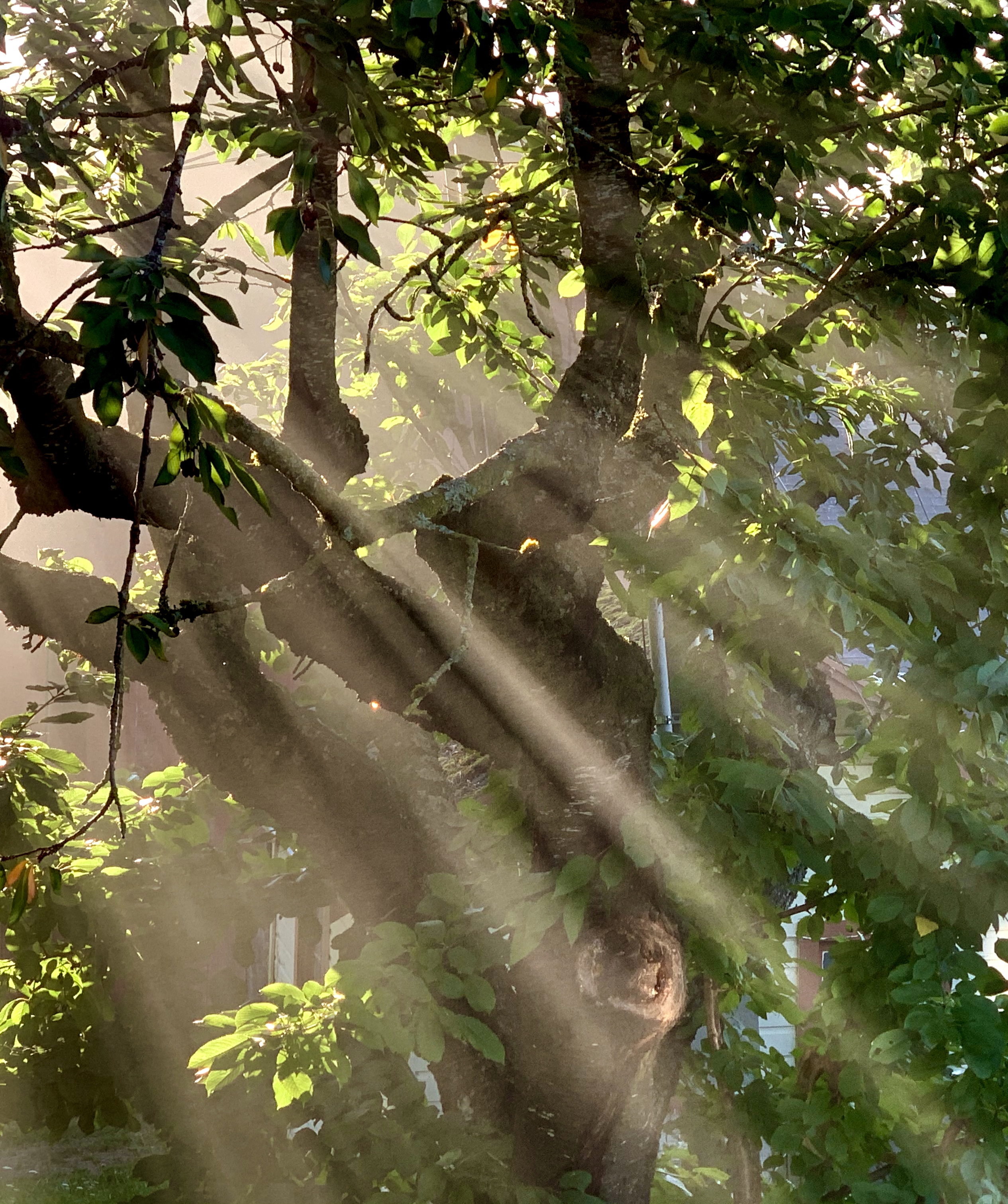
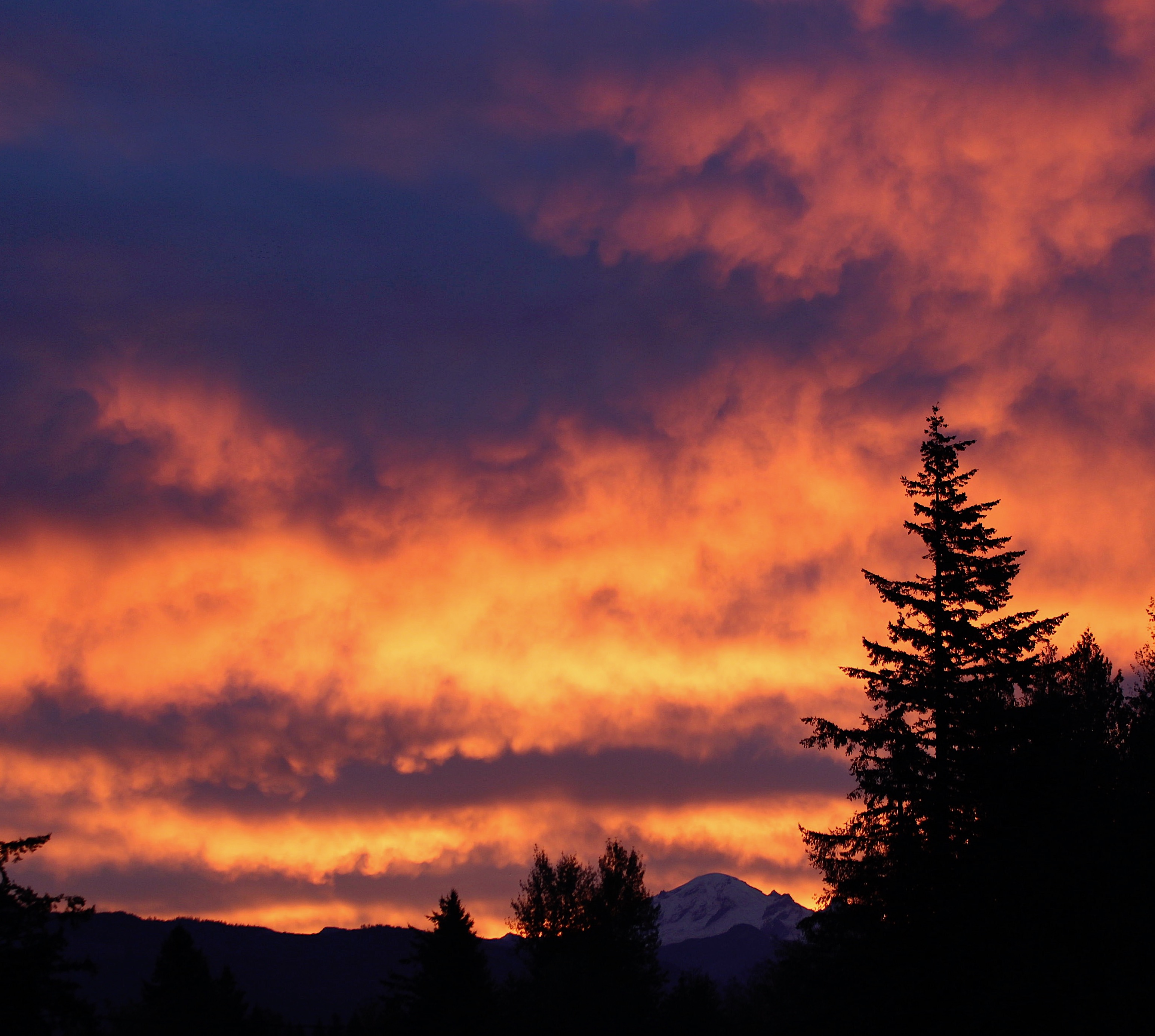
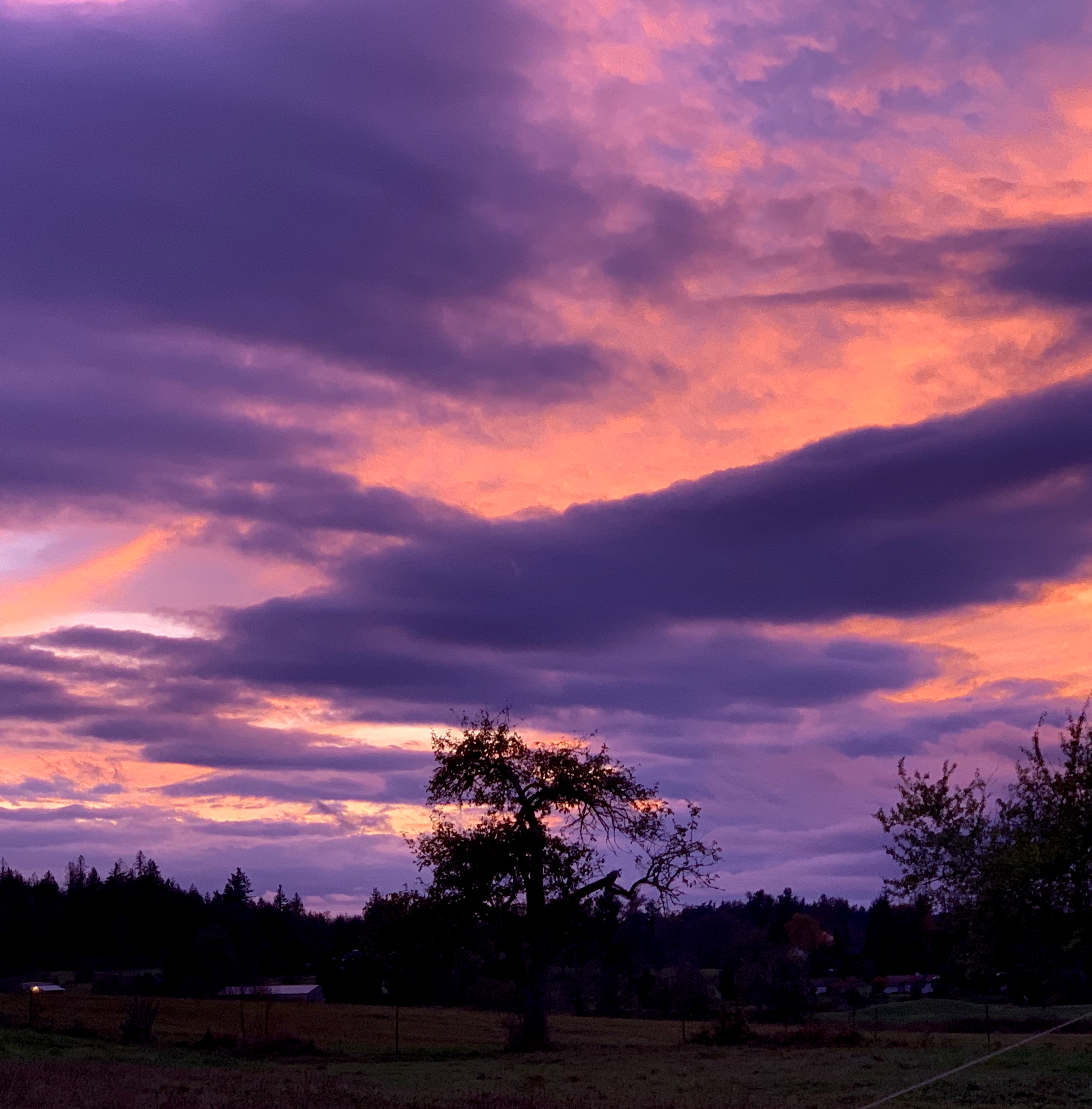
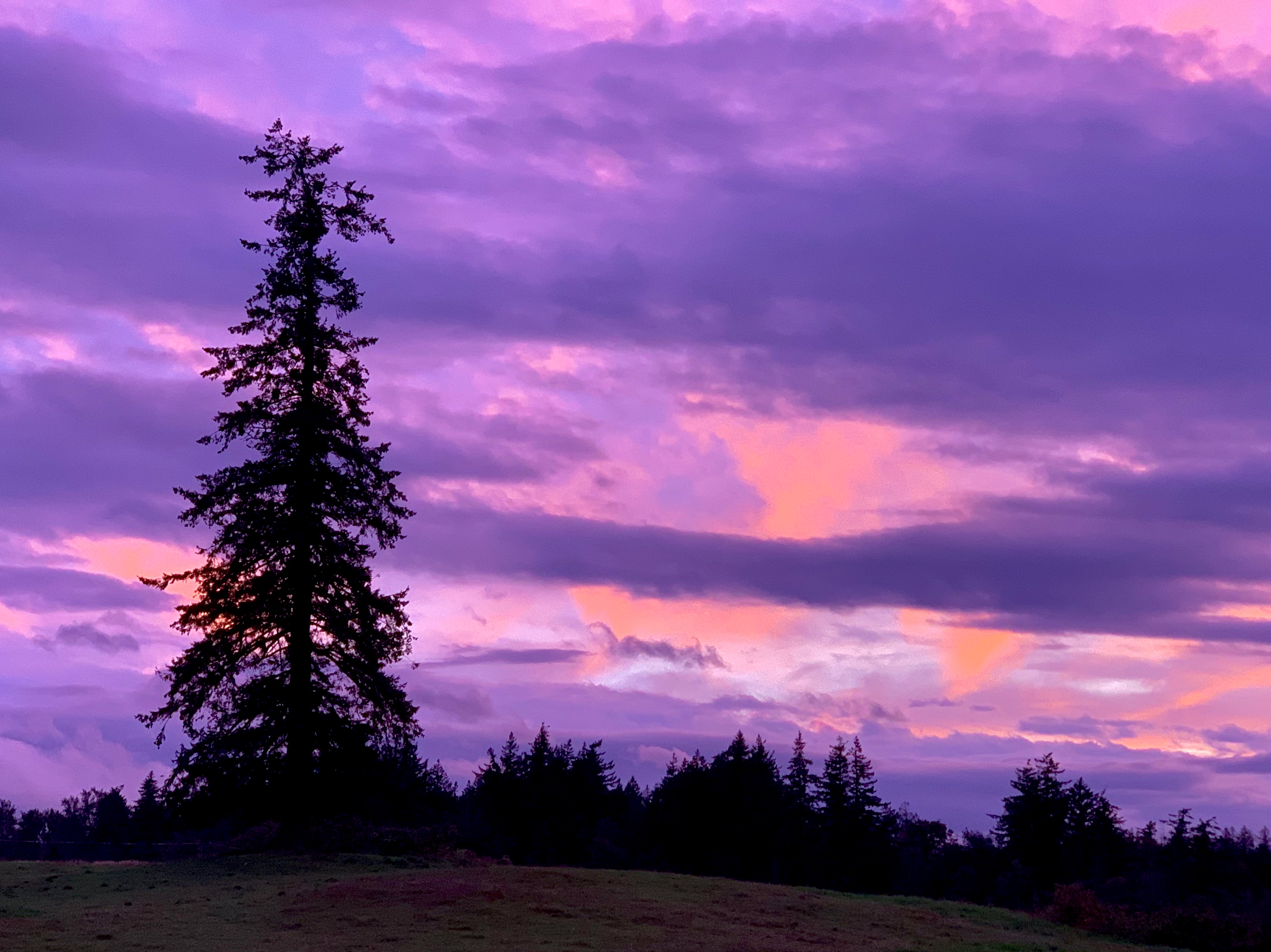
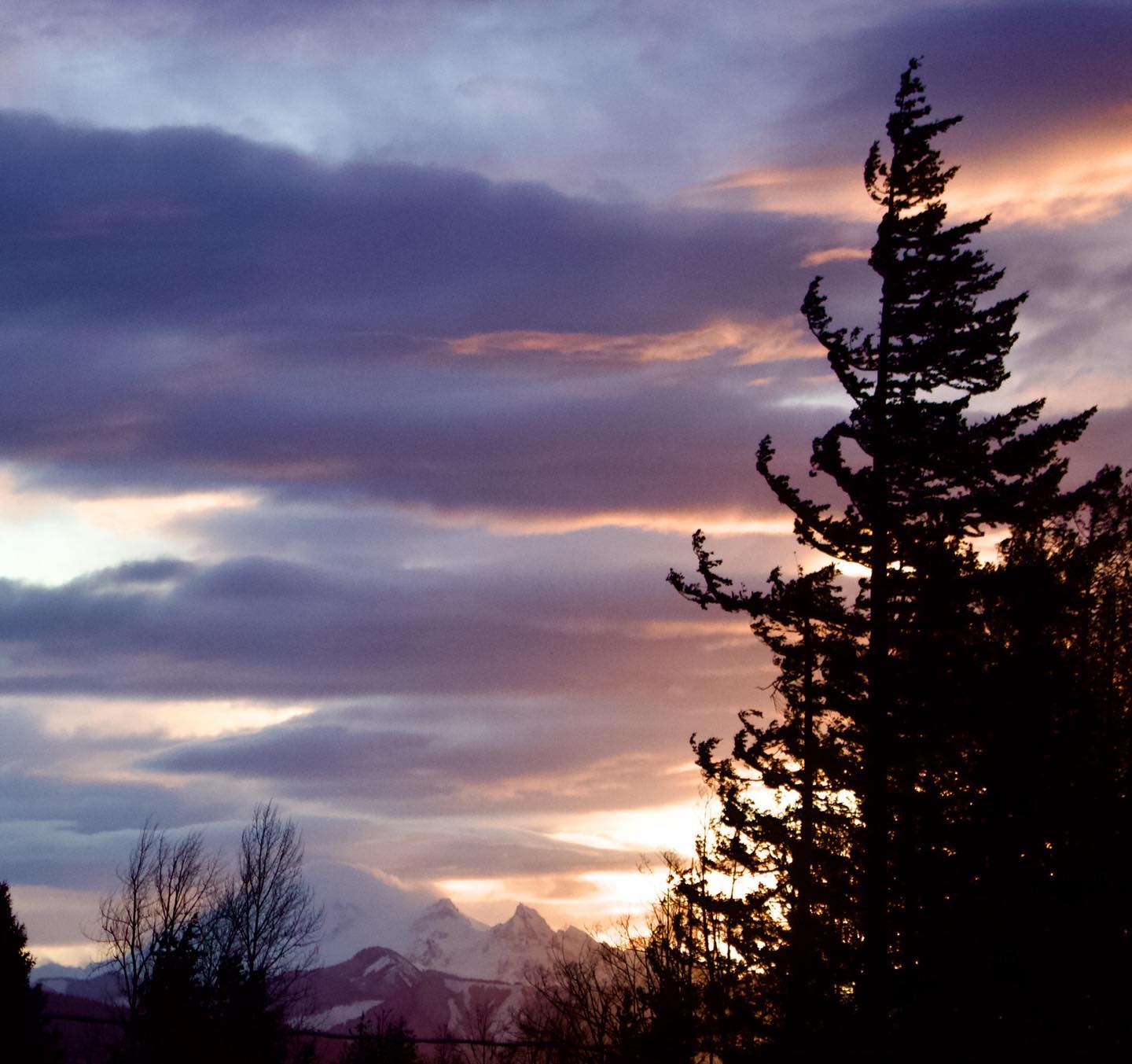
When the earth and all that is in it glows indigo in the angled light of October; opening my eyes as witness to beauty takes my breath away.
I can’t imagine letting go this life, yet the other side of ashes and loss is salvation.
My God. I am so finite. I hold this close to my bones with miles to go before I sleep.
My life depends on realizing I’m living a life I would die for.
When I saw the figure on the crown of the hill, high above the city, standing perfectly still
against a sky so saturated with the late- afternoon, late-summer Pacific light
that granules of it seemed to have come out of solution, like a fine precipitate
of crystals hanging in the brightened air, I thought whoever it was standing up there
must be experiencing some heightened state of being, or thinking—or its opposite,
thoughtlessly enraptured by the view. Or maybe, looking again, it was a statue
of Jesus or a saint, placed there to bestow a ceaseless blessing on the city below.
Only after a good five minutes did I see that the figure was actually a tree—
some kind of cypress, probably, or cedar. I was both amused and let down by my error. Not only had I made the tree a person, but I’d also given it a vision,
which seemed to linger in the light-charged air around the tree’s green flame, then disappear. ~Jeffrey Harrison “The Figure on the Hill” from Into Daylight
Who was it who suggested that the opposite of war Is not so much peace as civilisation? He knew Our assassinated Catholic greengrocer who died At Christmas in the arms of our Methodist minister, And our ice-cream man whose continuing requiem Is the twenty-one flavours children have by heart. Our cobbler mends shoes for everybody; our butcher Blends into his best sausages leeks, garlic, honey; Our cornershop sells everything from bread to kindling. Who can bring peace to people who are not civilised? All of these people, alive or dead, are civilised. ~Michael Longley “All of These People” from Collected Poems
Who among us appear in the light-charged air, visible on the crown of the hill of life – who might be mistaken for a martyr or a saint or a visionary, when each one of us is merely a person responsible to a family, committed to help friends, dedicated to serve a community, placed in this world to steady a broken civilization.
There is the simple truth that we need a person with roots deep in the ground, branches that reach up and out, bearing fruit to share with those around us.
But surely not this misery, not this blight, not this trouble, certainly not these murders, which only bears and shares a heart-rending, horrible grief.
One-Time
Monthly
Yearly
Make a one-time or recurring donation to support daily Barnstorming posts
The thing is to love life, to love it even when you have no stomach for it and everything you’ve held dear crumbles like burnt paper in your hands, your throat filled with the silt of it. When grief sits with you, its tropical heat thickening the air, heavy as water more fit for gills than lungs; when grief weights you like your own flesh only more of it, an obesity of grief, you think, How can a body withstand this? Then you hold life like a face between your palms, a plain face, no charming smile, no violet eyes, and you say, yes, I will take you I will love you, again. ~Ellen Bass, “The Thing Is” from Mules of Love
...everything here seems to need us —Rainer Maria Rilke
It’s a hard time to be human. We know too much and too little. Does the breeze need us? If you’ve managed to do one good thing, the ocean doesn’t care. But when Newton’s apple fell toward the earth, the earth, ever so slightly, fell toward the apple. ~Ellen Bass from “The World Has Need of You” from Like a Beggar
Fallen leaves will climb back into trees. Shards of the shattered vase will rise and reassemble on the table. Plastic raincoats will refold into their flat envelopes. The egg, bald yolk and its transparent halo, slide back in the thin, calcium shell. Curses will pour back into mouths, letters un-write themselves, words siphoned up into the pen. My gray hair will darken and become the feathers of a black swan. Bullets will snap back into their chambers, the powder tamped tight in brass casings. Borders will disappear from maps. Rust revert to oxygen and time. The fire return to the log, the log to the tree, the white root curled up in the un-split seed. Birdsong will fly into the lark’s lungs, answers become questions again. When you return, sweaters will unravel and wool grow on the sheep. Rock will go home to mountain, gold to vein. Wine crushed into the grape, oil pressed into the olive. Silk reeled in to the spider’s belly. Night moths tucked close into cocoons, ink drained from the indigo tattoo. Diamonds will be returned to coal, coal to rotting ferns, rain to clouds, light to stars sucked back and back into one timeless point, the way it was before the world was born, that fresh, that whole, nothing broken, nothing torn apart. ~Ellen Bass “When You Return” from Like a Beggar
There is so much grief these days so much anger, so much loss of life, so much weeping.
How can we withstand this? How can we know, now, when we are barely able to breathe that we might know – at some point – we might have the stomach to love life again?
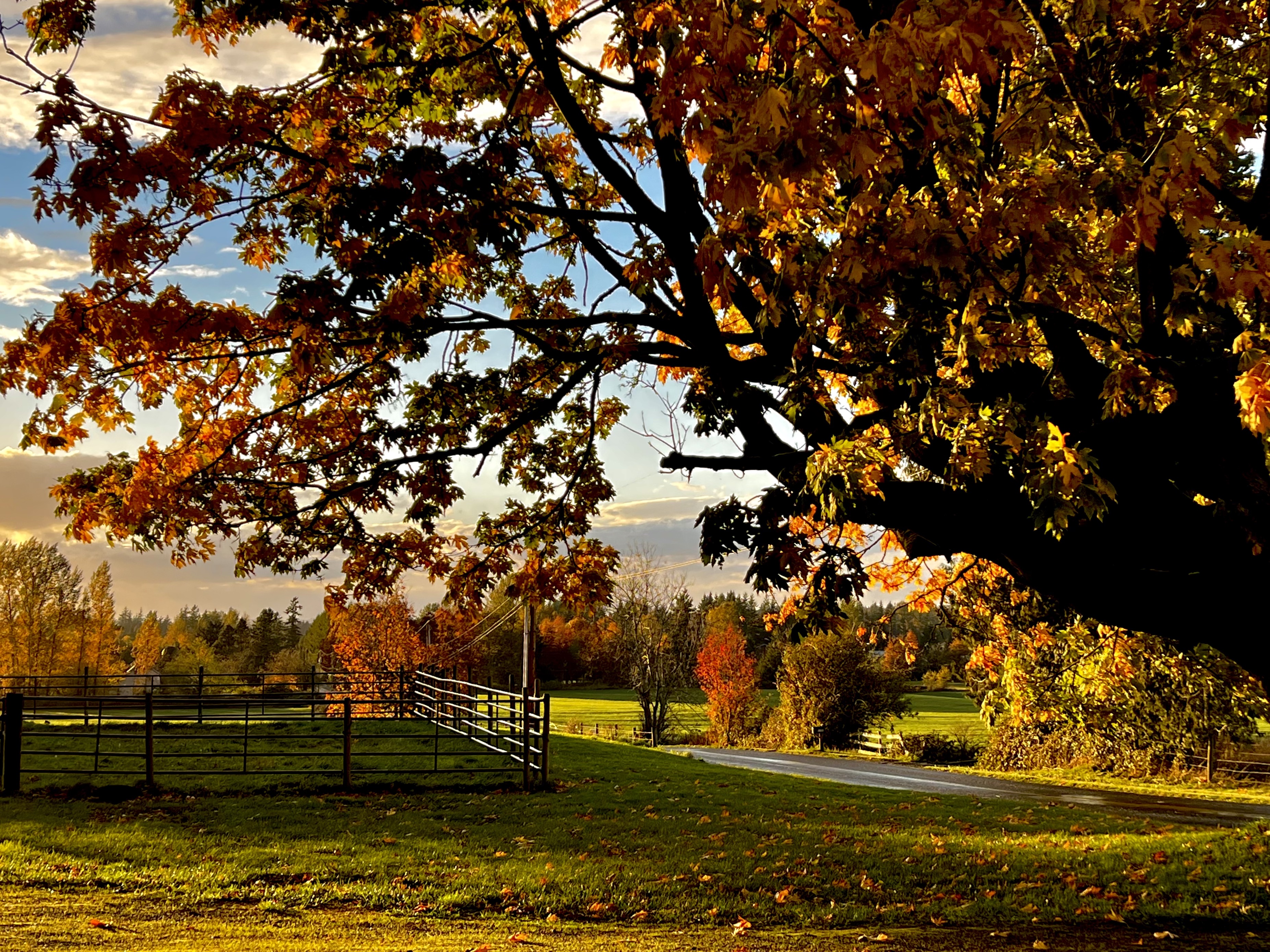
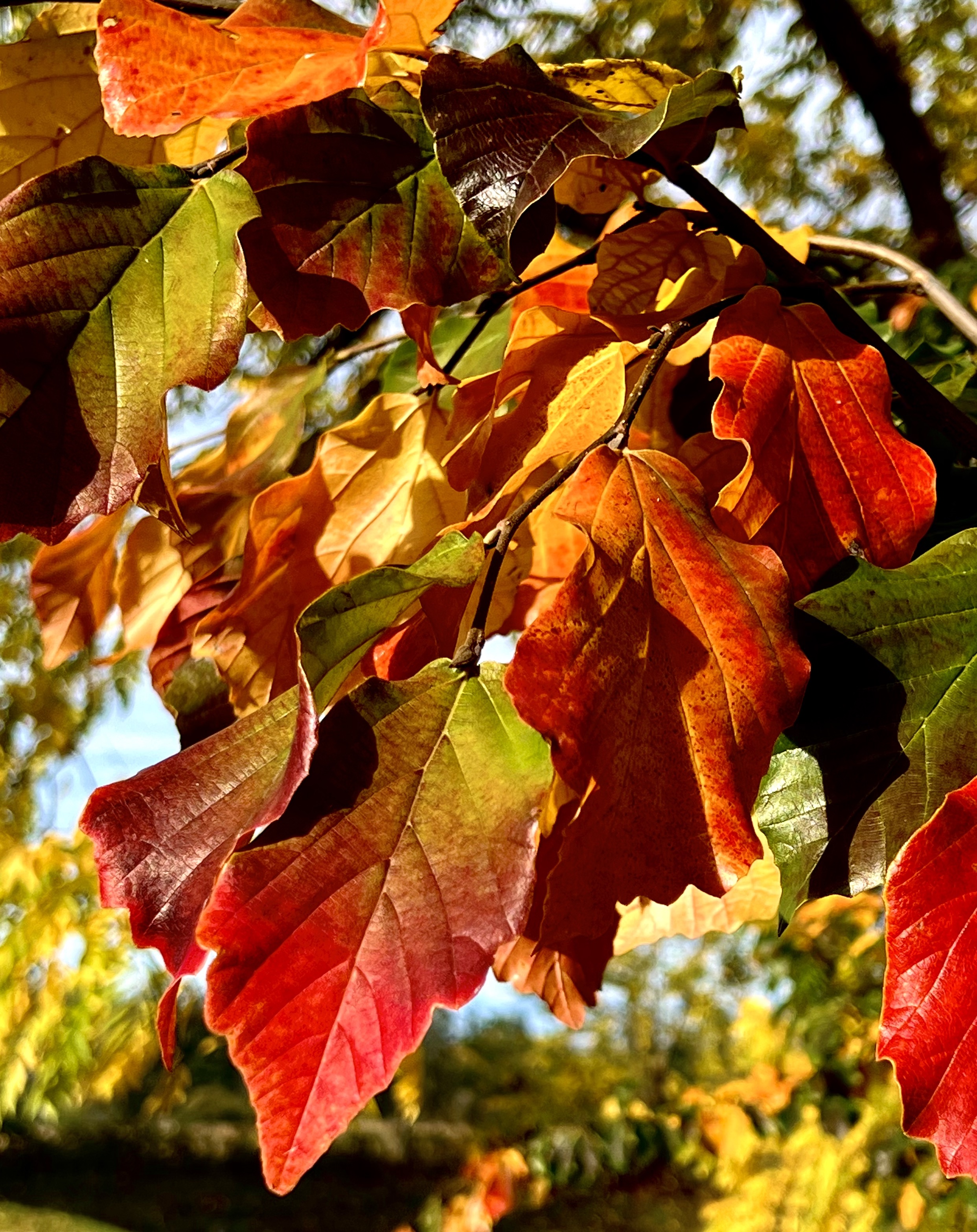
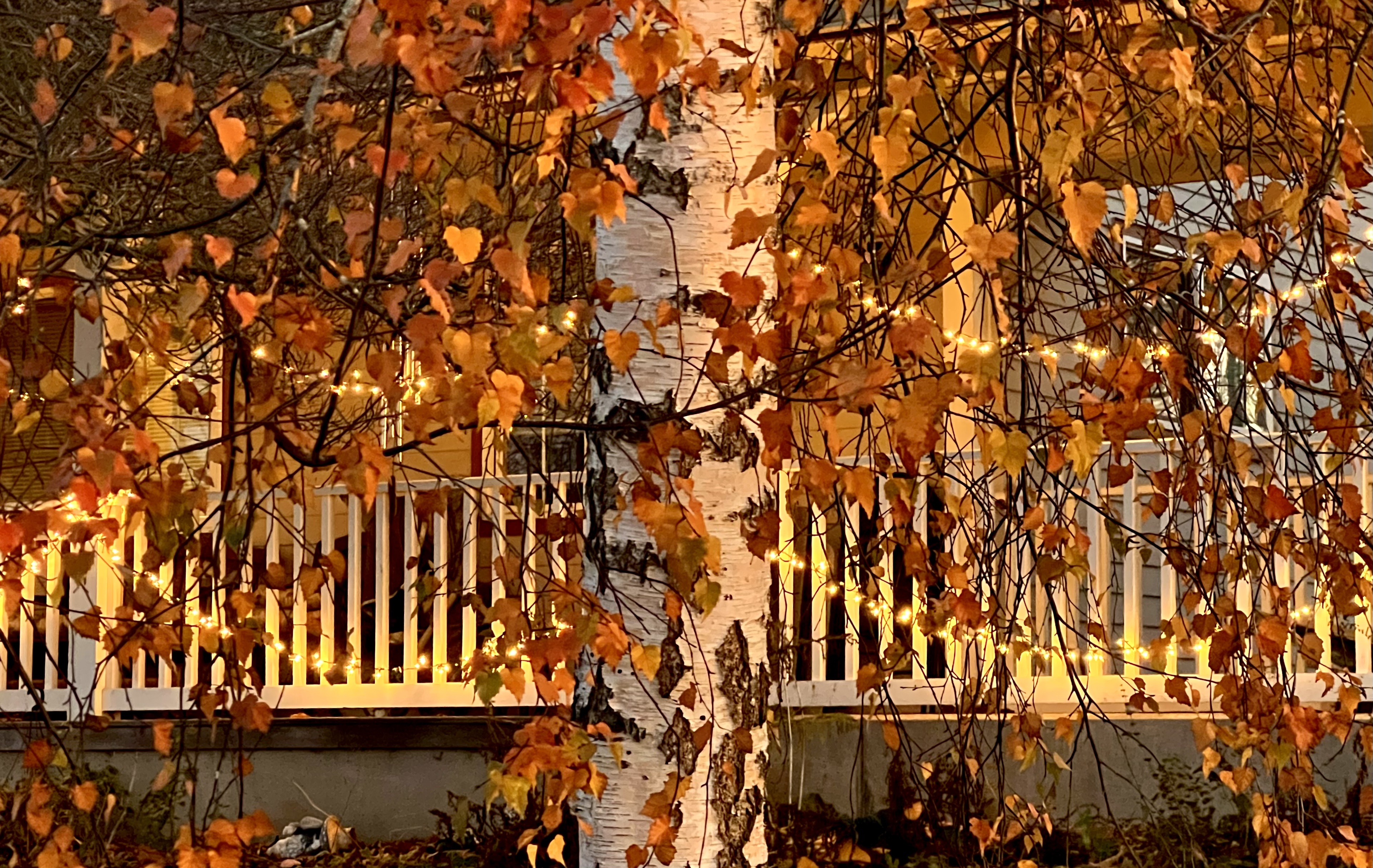
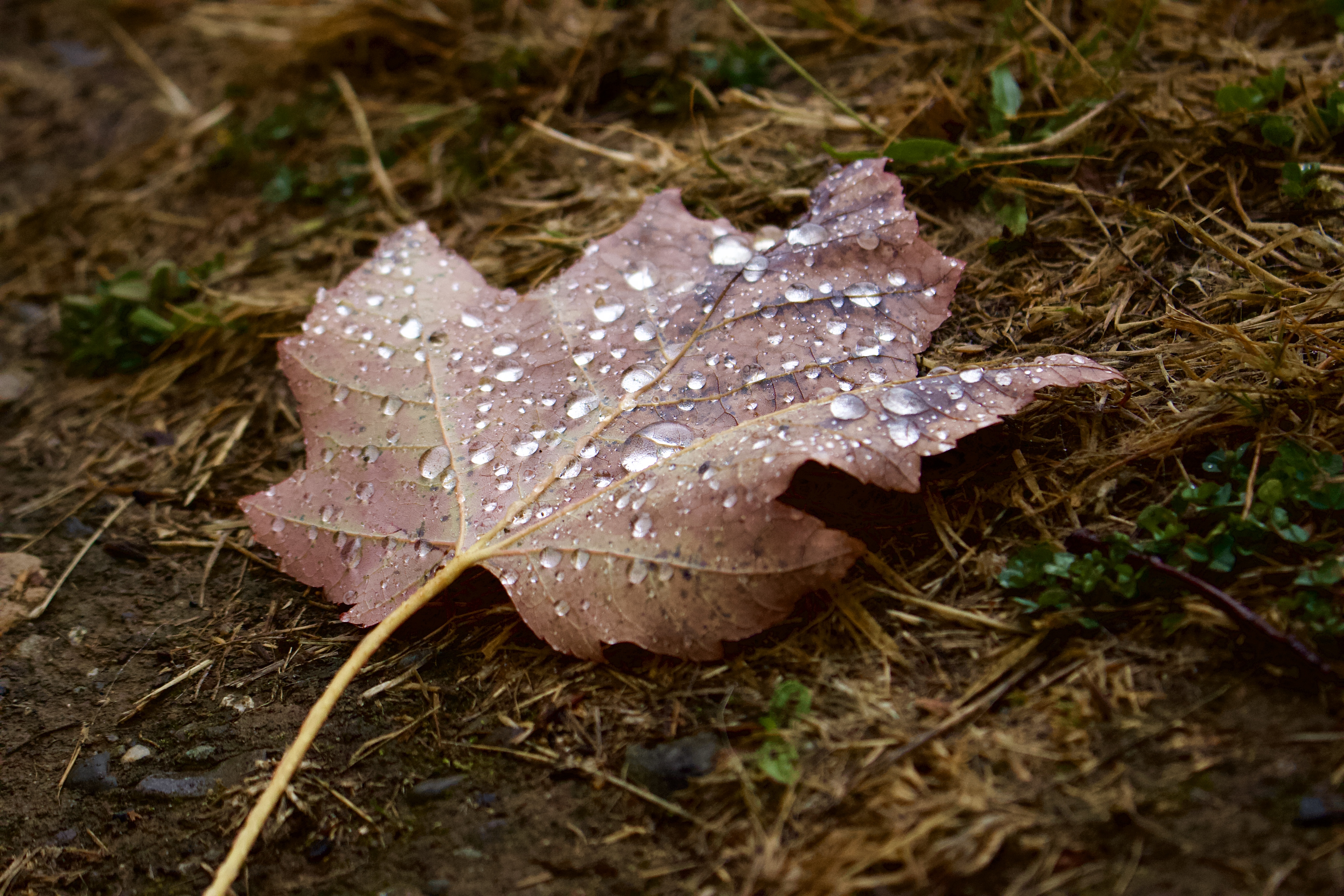
This time of year, no matter which way I turn, autumn’s kaleidoscope displays new patterns, new colors, new empty spaces as I watch the world die into itself once again.
Some dying is flashy, brilliant, blazing – a calling out for attention. Then there is the hidden dying that happens without anyone taking notice: just a plain, tired, rusting away letting go.
I spent this morning adjusting to the change in season by occupying myself with the familiar task of moving manure. Cleaning barn is a comforting chore, allowing me to transform tangible benefit from something objectionable and just plain stinky to the nurturing fertilizer of the future.
It feels like I’ve actually accomplished something.
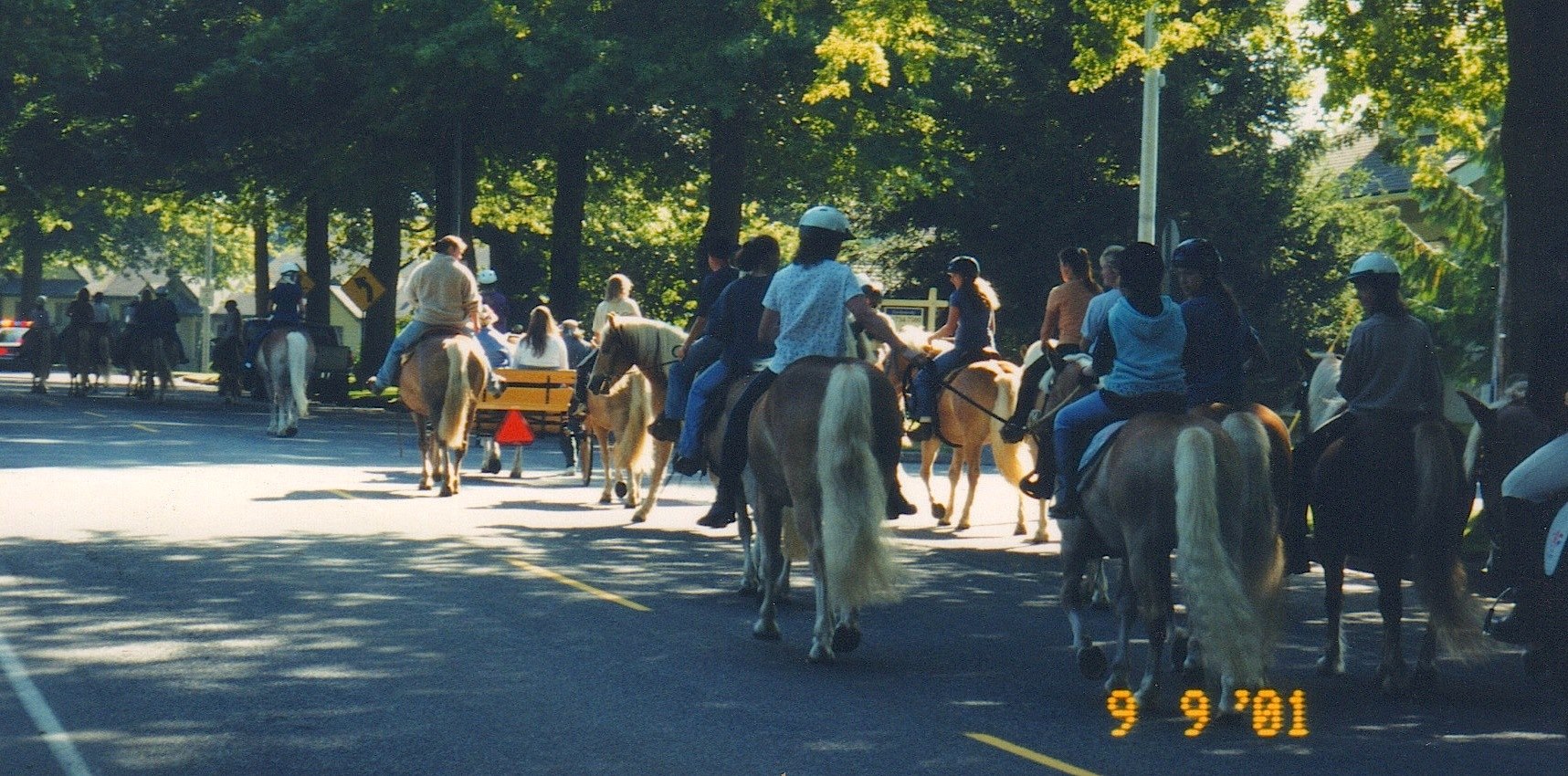
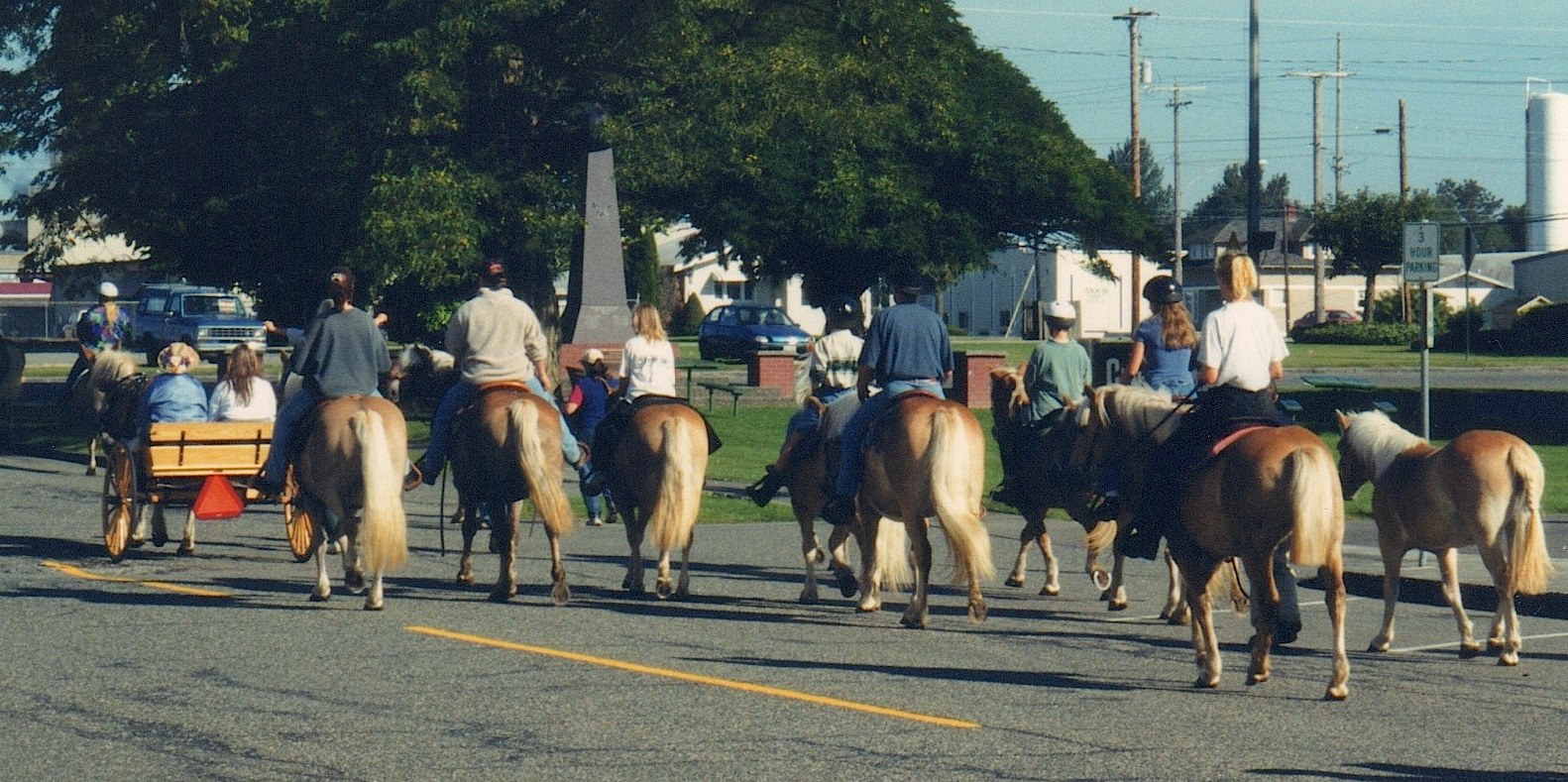
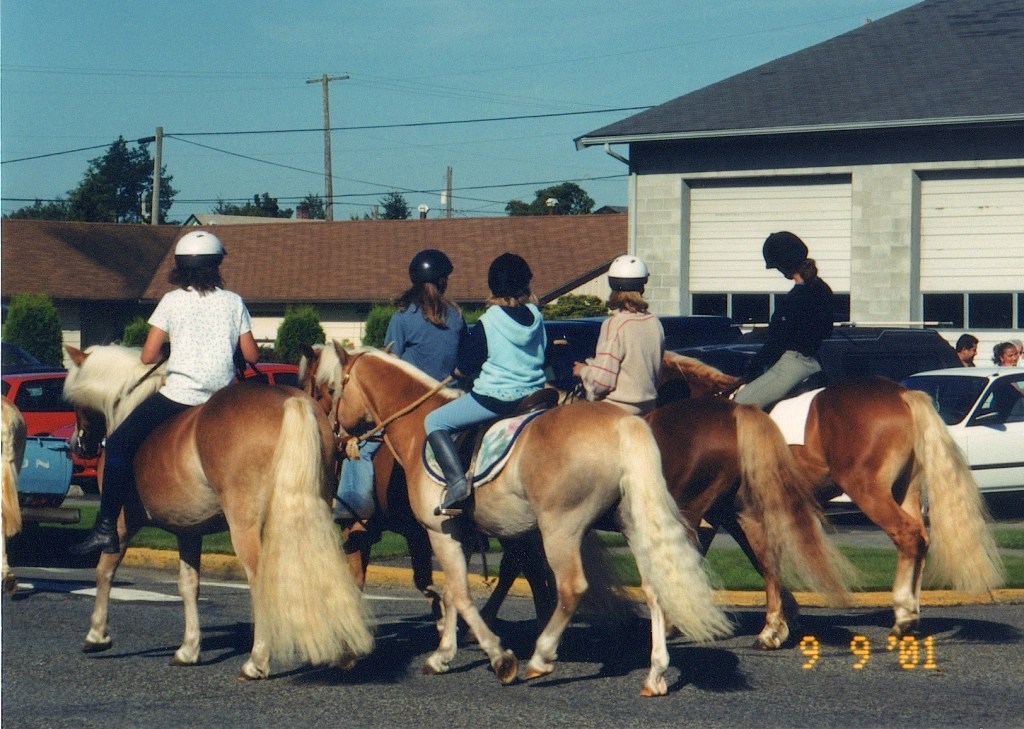
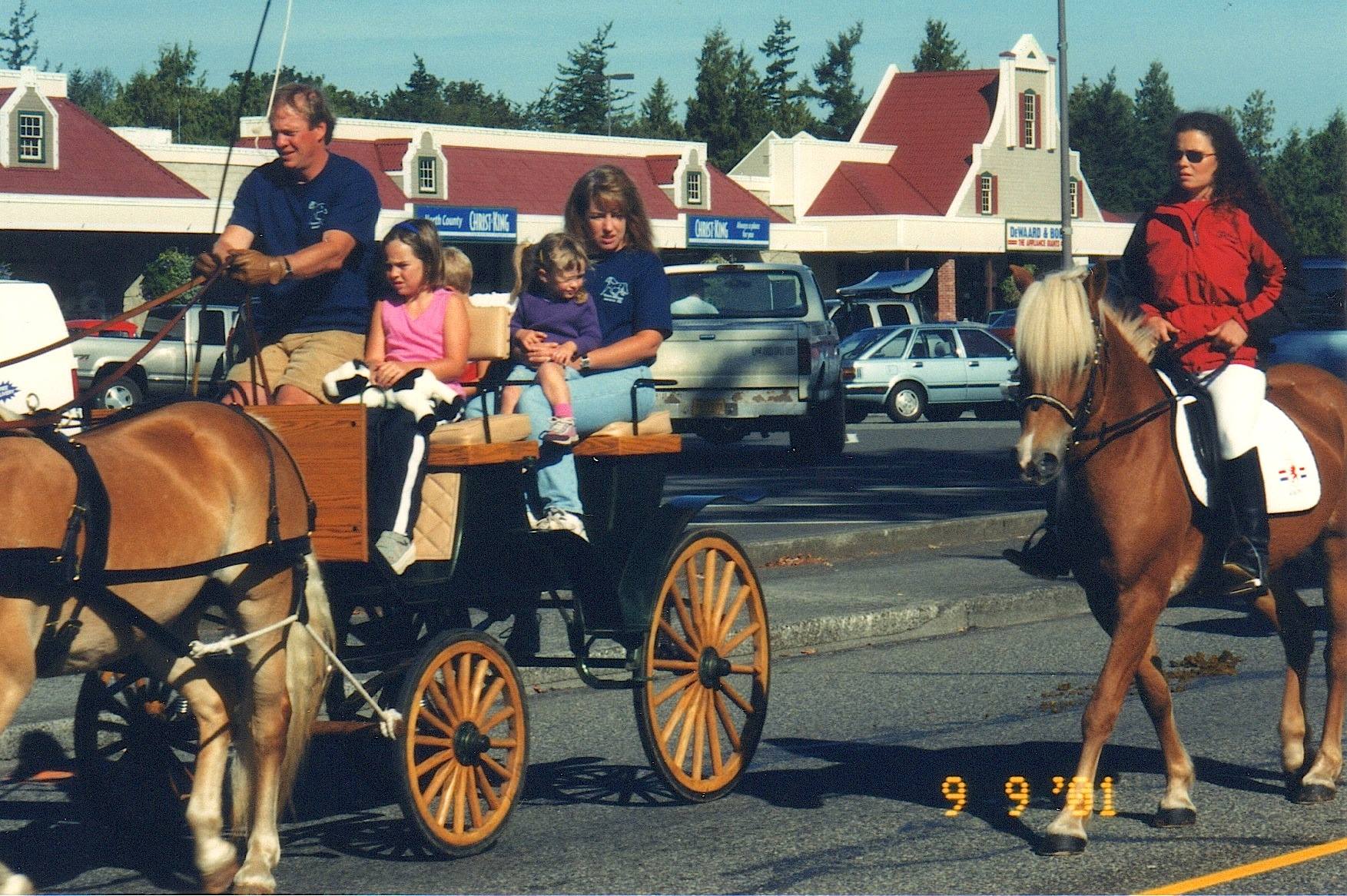
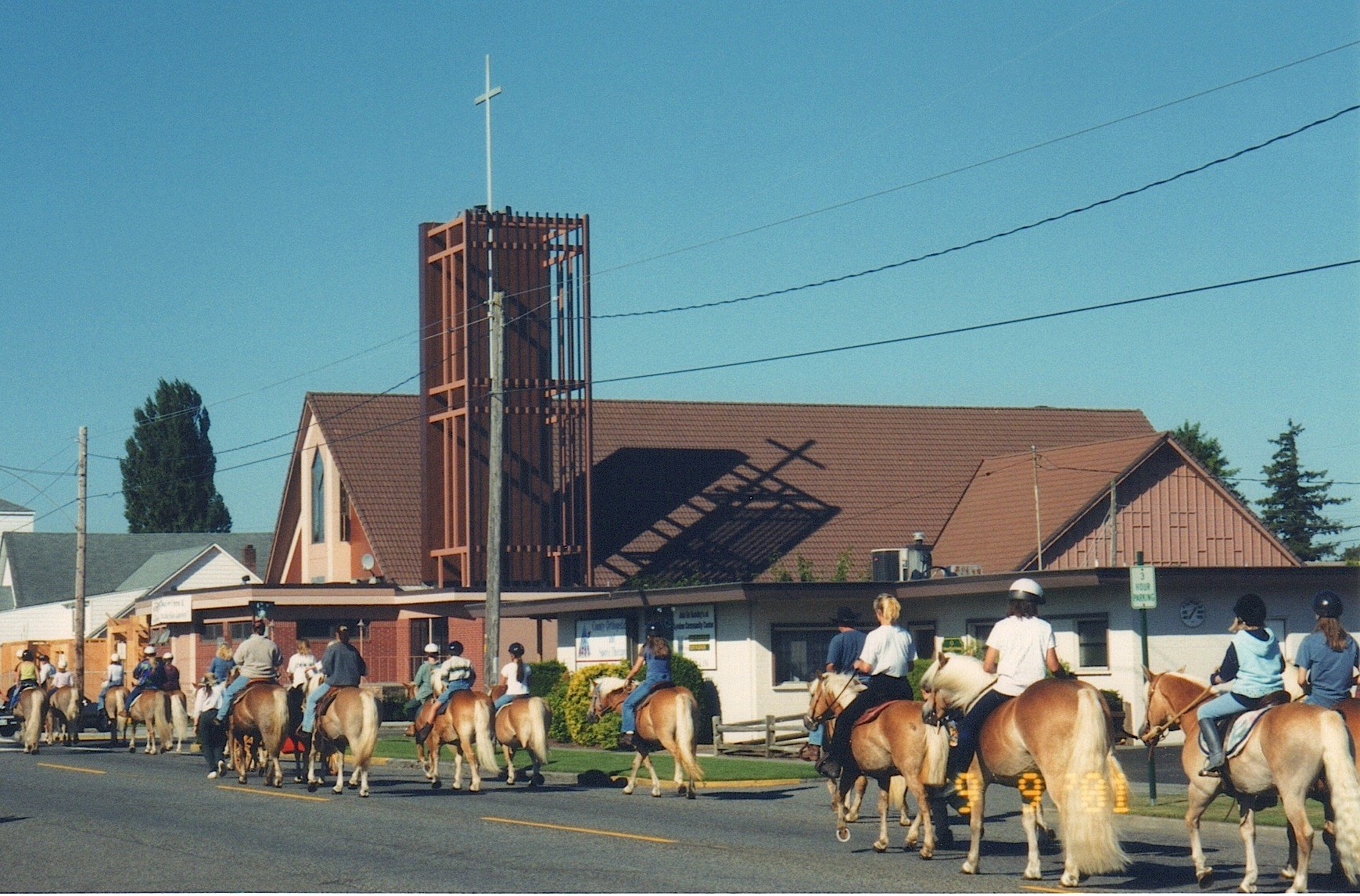
As I scoop and push the wheelbarrow, I recalled another barn cleaning 24 years ago, just days before the world changed on 9/11/01.
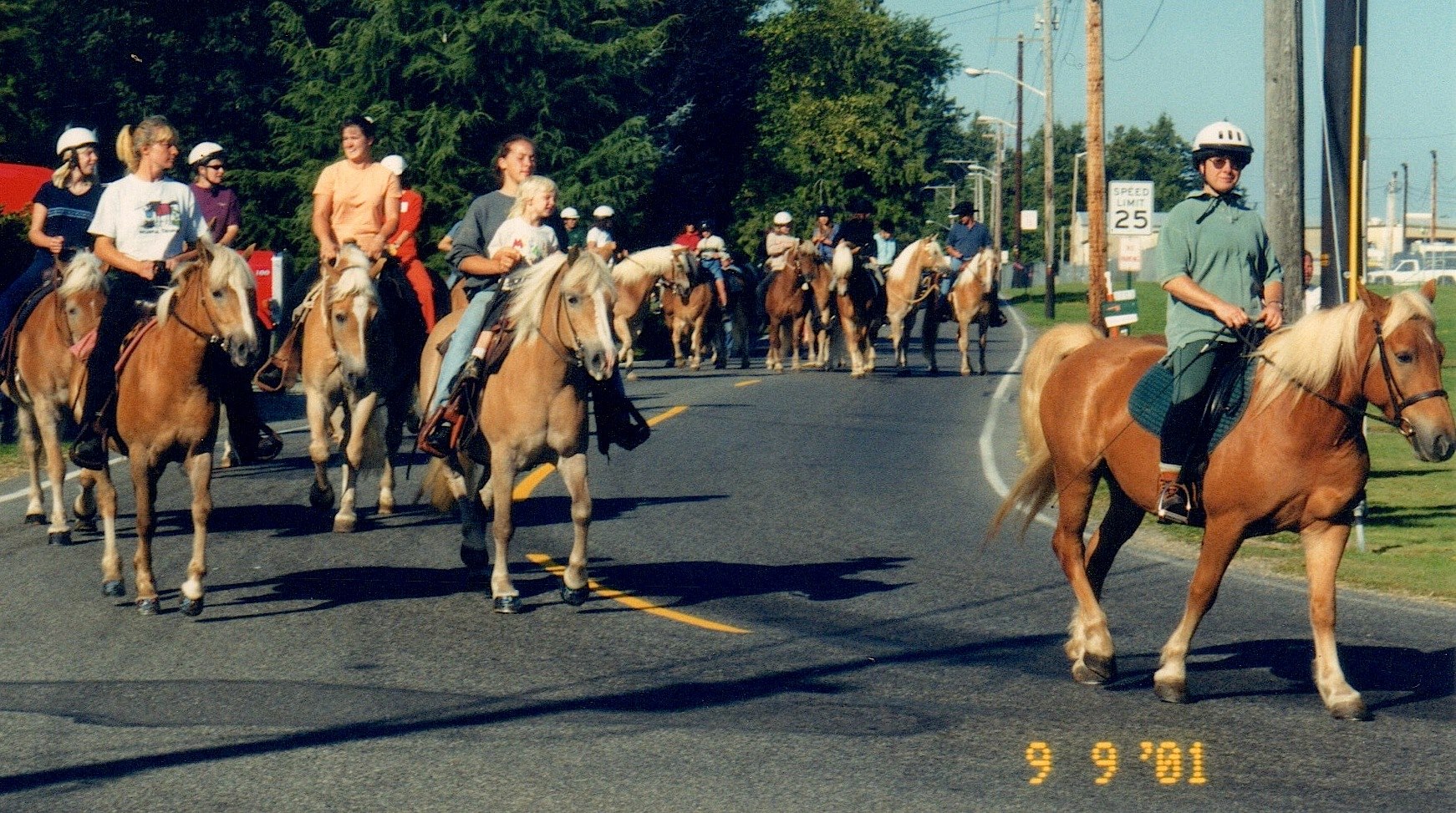
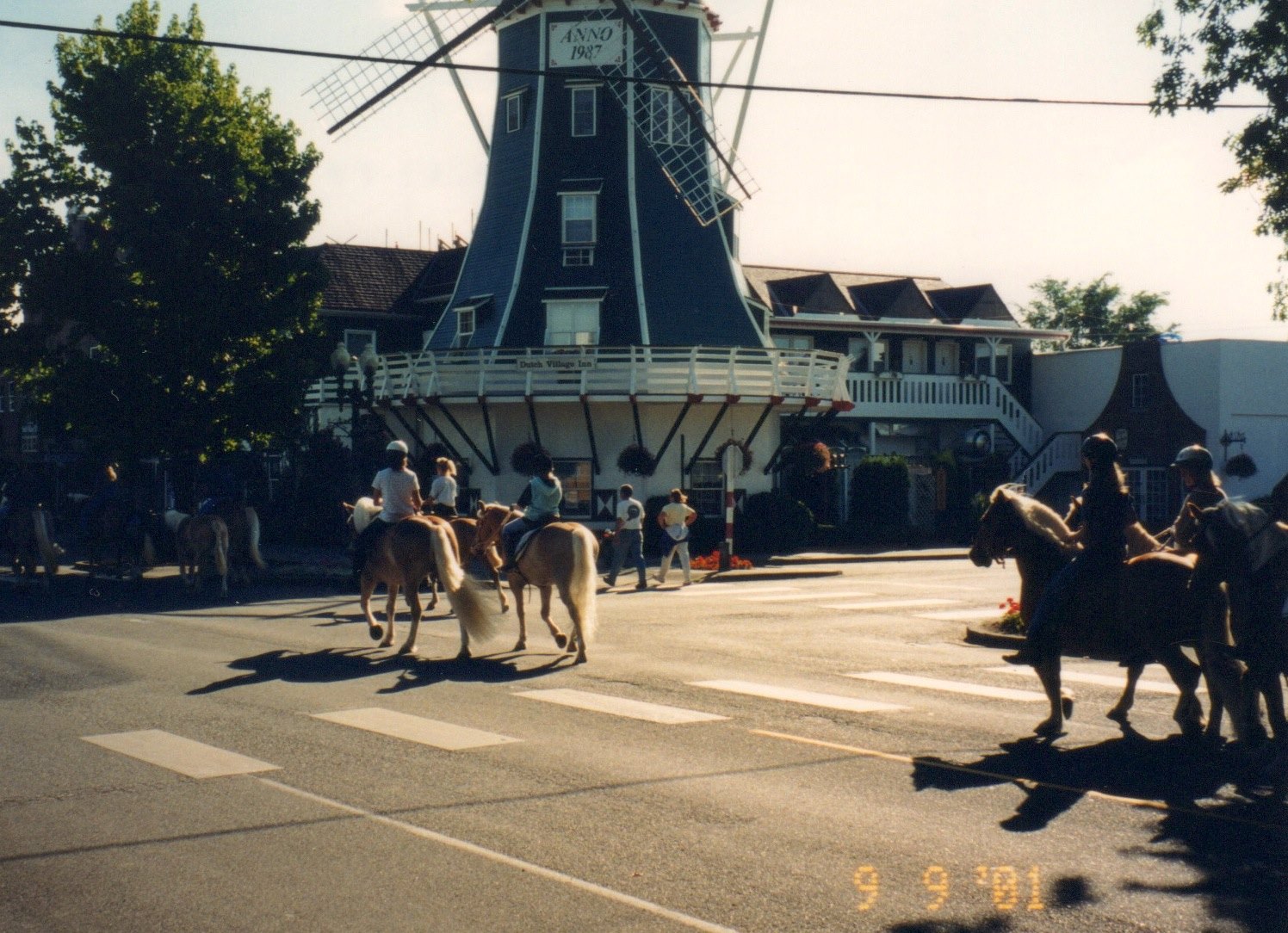
I was one of three or four friends left cleaning over ninety stalls after a Haflinger horse event that I had organized at our local fairgrounds. Some people had brought their horses from over 1000 miles away to participate for several days, including a Haflinger parade through our town on a quiet Sunday morning.
There had been personality clashes and harsh words among some participants along with criticism directed at me as the organizer that I had taken very personally. As I struggled with the umpteenth wheelbarrow load of manure, tears stung my eyes and my heart.
I was miserable with regret, feeling my work had been futile and unappreciated.
One friend had stayed behind with her young family to help clean up the large facility and she could see I was struggling to keep my composure. Jenny put herself right in front of my wheelbarrow and looked me in the eye, insisting I stop for a moment and listen:
“You know, none of these troubles and conflicts will amount to a hill of beans years from now. People will remember a fun event in a beautiful part of the country, a wonderful time with their Haflingers, their friends and family, and they’ll be all nostalgic about it, not giving a thought to the infighting or the sour attitudes or who said what to whom. So don’t make this about you and whether you did or didn’t make everyone happy. You loved us all enough to make it possible to meet here and the rest was up to us. So quit being upset about what you can’t change. There’s too much you can still do for us.”
Jenny had no idea how wise her words were, even two days later, on 9/11.
During tough times since (and there have been plenty), Jenny’s advice replays, reminding me to cease seeking appreciation from others or feeling hurt when harsh words come my way.
She was right about the balm found in the tincture of time. She was right about giving up the upset in order to die to self and self absorption, and instead to focus outward.
I have remembered.
Jenny herself did not know that day she would subsequently spend six years dying while still loving life every day, fighting a relentless cancer that was only slowed in the face of her faith and intense drive to live.
She became a rusting leaf gone holy, fading imperceptibly over time, crumbling at the edges until she finally had to let go. Her dying did not flash brilliance, nor draw attention at the end. Her intense focus during the years of her illness had always been outward to others, to her family and friends, to the healers she spent so much time with in medical offices, to her firm belief in the plan God had written for her and those who loved her.
So Jenny let go her hold on life here. And we reluctantly let her go. Brilliance cloaks her as her focus is now on things eternal.
You were so right, Jenny. The hard feelings from a quarter century ago don’t amount to a hill of beans now. The words you spoke to me that day taught me to love life even when I have no stomach for it.
All of us did have a great time together a few days before the world changed. And manure transforms over time to rich, nurturing compost.
I promise I am no longer upset that I can’t change what is past nor the fact that you and so many others have now left us.
But we’ll catch up later.
One-Time
Monthly
Yearly
Make a one-time or recurring donation to support daily Barnstorming posts
A second crop of hay lies cut and turned. Five gleaming crows search and peck between the rows. They make a low, companionable squawk, and like midwives and undertakers possess a weird authority.
Crickets leap from the stubble, parting before me like the Red Sea. The garden sprawls and spoils.
Cloud shadows rush over drying hay, fences, dusty lane, and railroad ravine. The first yellowing fronds of goldenrod brighten the margins of the woods.
Schoolbooks, carpools, pleated skirts; water, silver-still, and a vee of geese.
*
The cicada’s dry monotony breaks over me. The days are bright and free, bright and free.
Then why did I cry today for an hour, with my whole body, the way babies cry?
*
A white, indifferent morning sky, and a crow, hectoring from its nest high in the hemlock, a nest as big as a laundry basket …
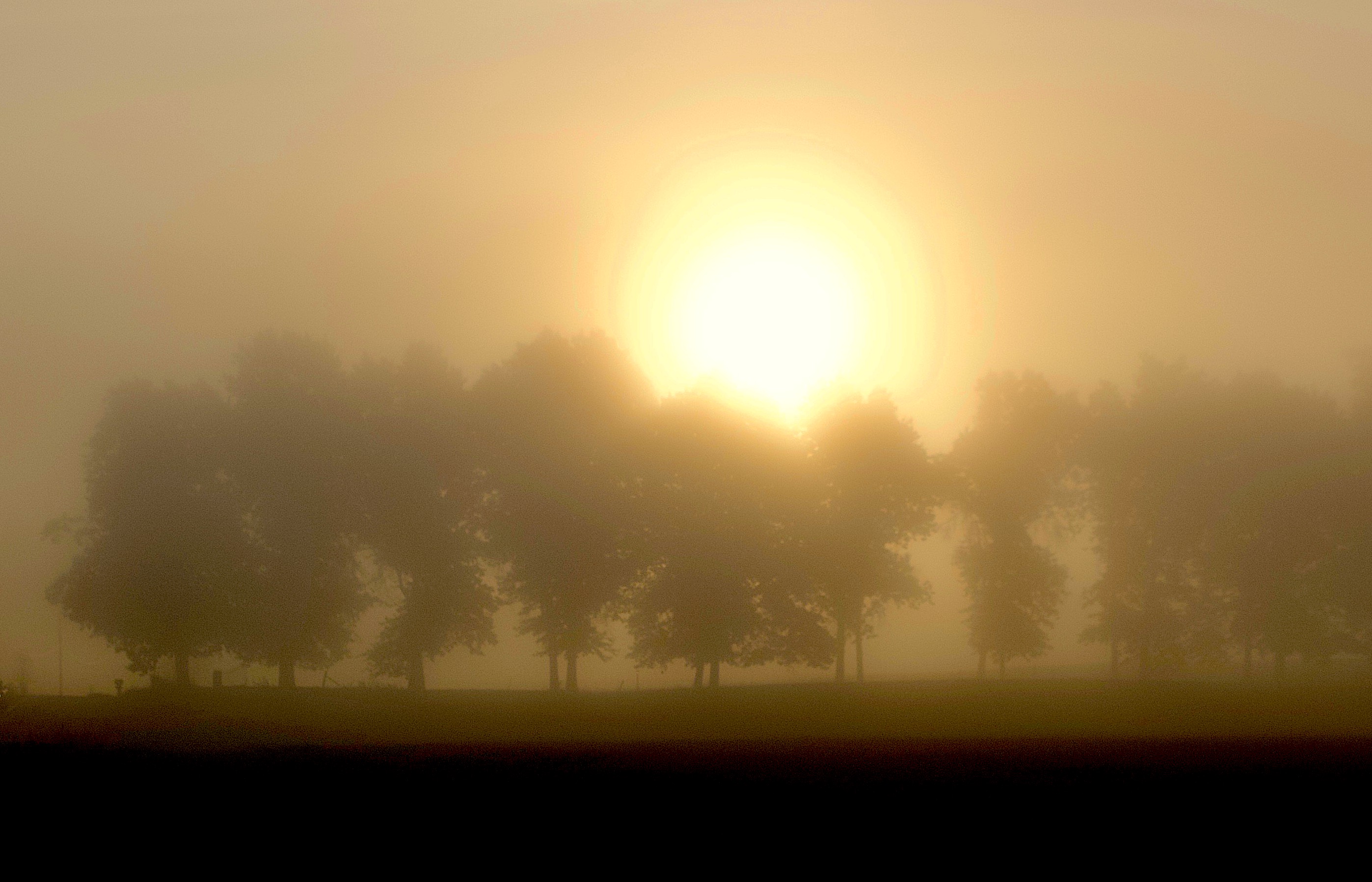
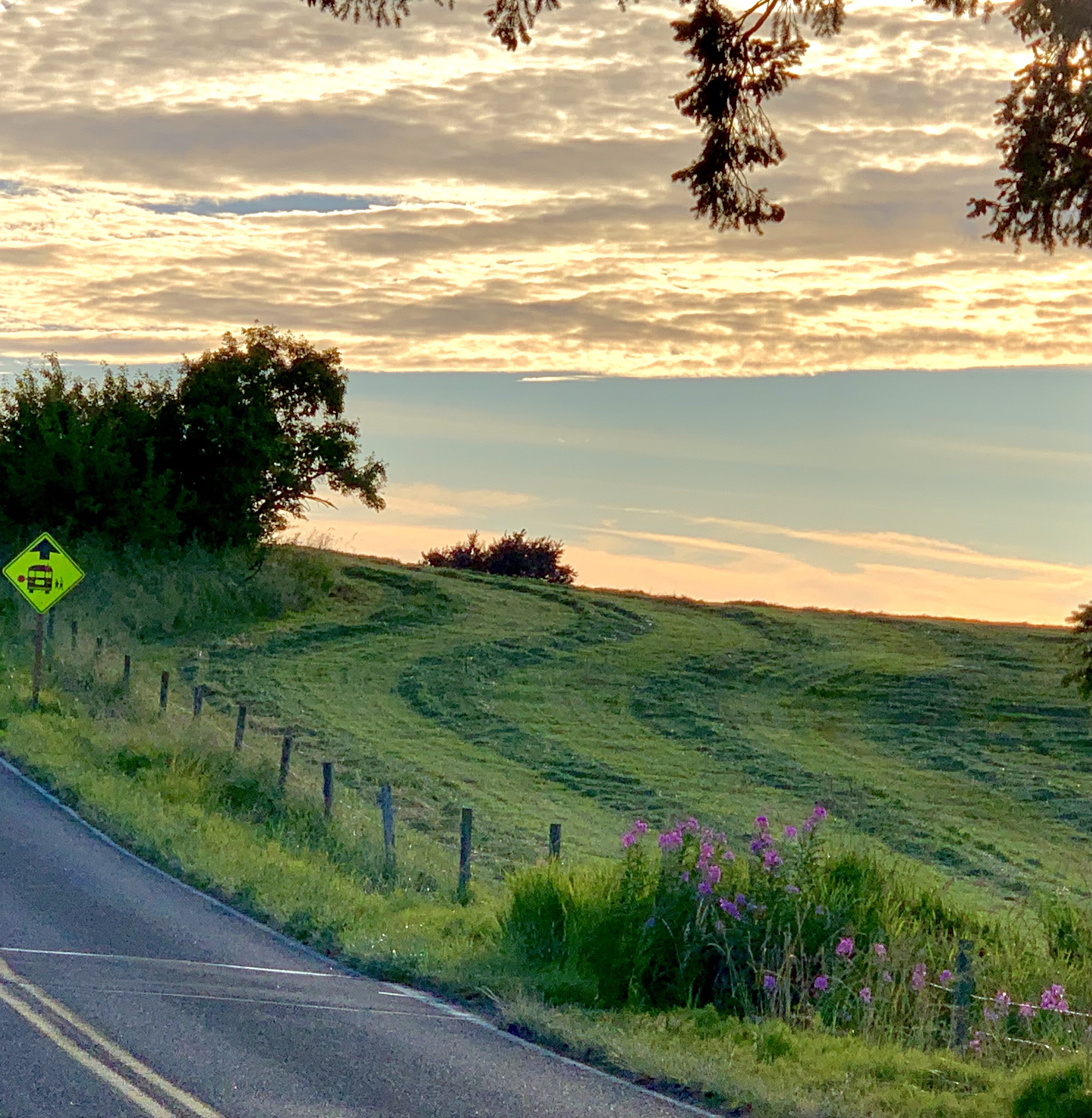
In my childhood I stood under a dripping oak, while autumnal fog eddied around my feet, waiting for the school bus with a dread that took my breath away.
The damp dirt road gave off this same complex organic scent. I had the new books—words, numbers, and operations with numbers I did not comprehend—and crayons, unspoiled by use, in a blue canvas satchel with red leather straps.
Spruce, inadequate, and alien I stood at the side of the road. It was the only life I had. ~Jane Kenyon from “Three Songs at the End of Summer”
Yesterday, my son taught me the sign for lockdown— different than locking a door, or the shutdown we invented at the start of the pandemic. Little fistfuls of locks swept quickly between us, a sign designed especially for school.
My son spent his first years a different kind of locked up—an orphanage in Bangkok, where he didn’t speak and they couldn’t sign. He came home, age four, silent. We thought being here could open doors. It has, of course. He’s learned so much at the deaf school; the speech therapist calls it a Language Explosion. I keep lists of the words he’s gathered: vanilla, buckle, castle, stay. And lockdown. He absorbs it like the rest. Now the schools he builds with Magna-Tiles have lockdowns. I worry in trying to give him keys, we’ve only changed the locks.
To lock down a deaf school, we use a special strobe. When it flashes, we flip switches and sign through darkness. The children know to stay beneath the windows. Every five minutes a robot texts: “Shelter in place is still in effect. Please await further instructions.” Then we pull the fire alarm, a tactical move to unsettle the shooter. Hearing people can’t think with noise like that. A piercing thing we don’t detect, to cover the sounds we make, the sounds we don’t know we’re making. ~Sara Nović “Lockdown at the School for the Deaf”
The first day back to school now isn’t always the day after Labor Day as it was when I was growing up. Some students have been in classes for a couple weeks already, others started a few days ago to ease into the transition more gently.
Some return to the routine this morning – school buses roar past our farm brimming with eager young faces and stuffed back packs amid a combination of excitement and anxiety.
I remember well that foreboding that accompanied a return to school — the strict schedule, the inflexible rules and the often harsh adjustment of social hierarchies and friend groups. Even as a good learner and obedient student, I was a square peg being pushed into a round hole when I returned to the classroom. The students who struggled academically and who pushed against the boundaries of rules must have felt even more so. We all felt alien and inadequate to the immense task before us to fit in with one another, allow teachers to structure and open our minds to new thoughts, and to become something and someone more than who we were before.
Growth is so very hard, our stretching so painful, the tug and pull of friendships stressful. And for the last two decades, there is the additional fear of lockdowns and active shooters.
I worked with students on an academic calendar for over 30 years, yet though I’m now retired, I still don’t sleep well in anticipation of all this day means.
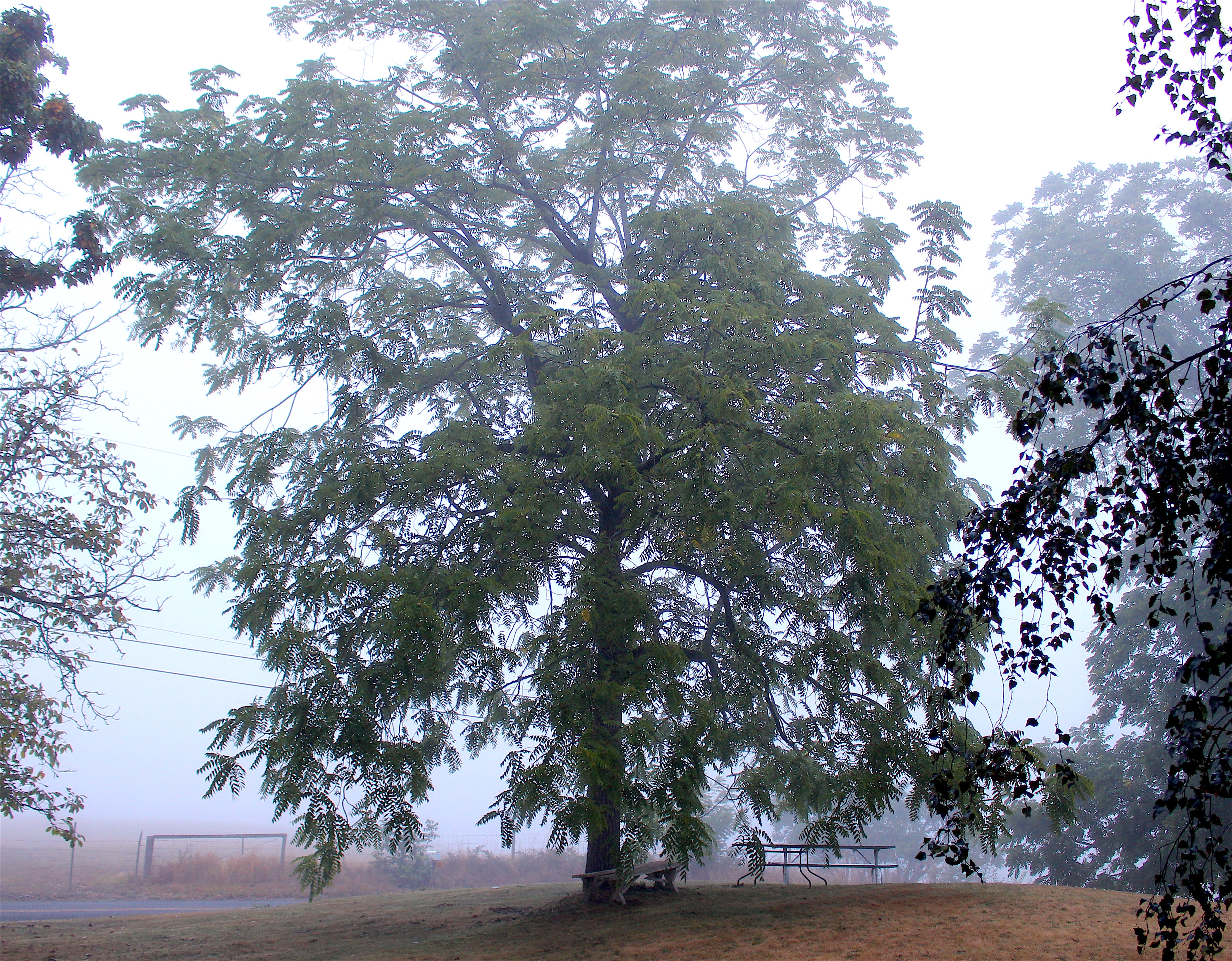
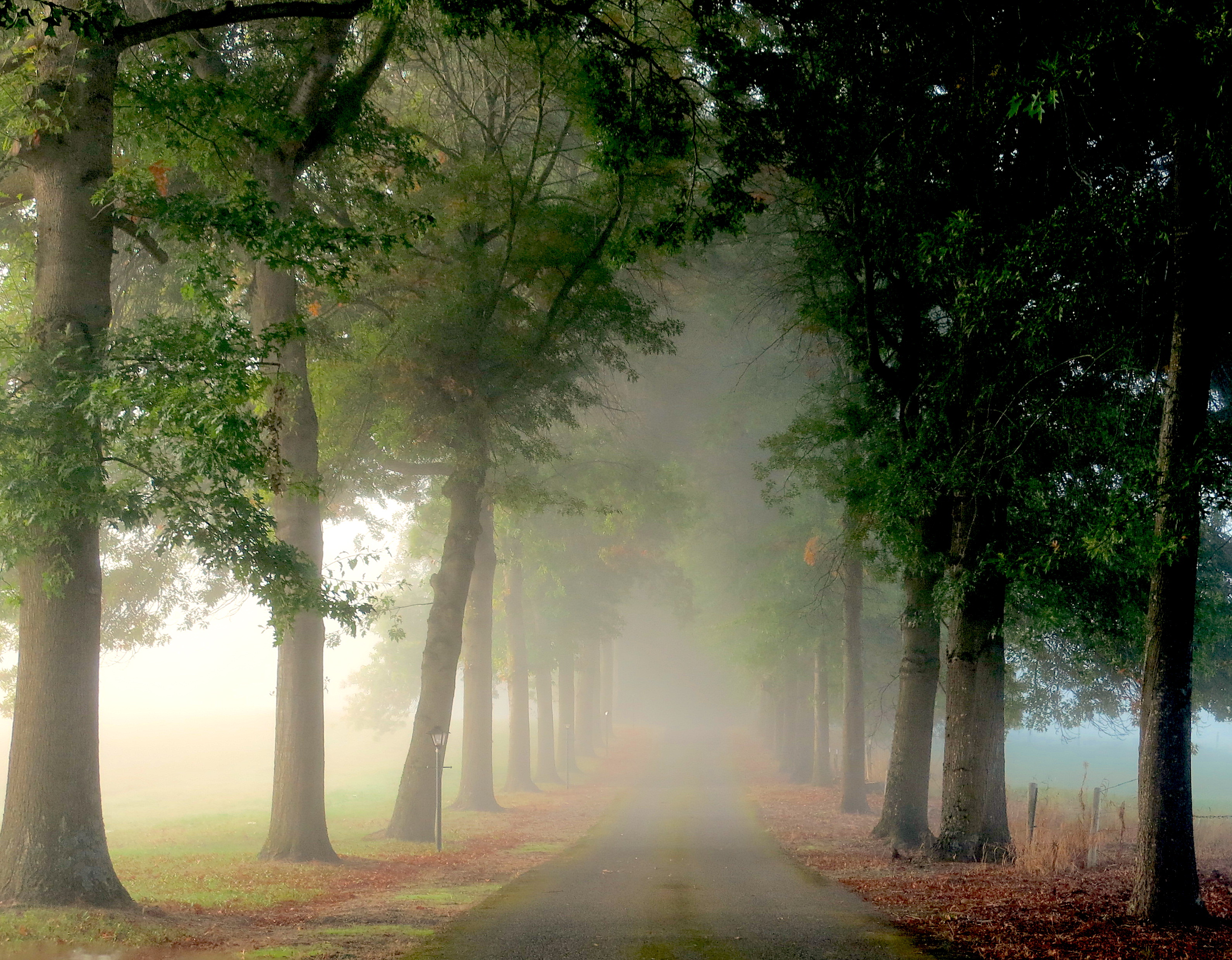
So I take a deep breath on a foggy post-Labor Day morning and am immediately taken back to the anxieties and fears of a skinny little girl in a new home-made corduroy jumper and saddle shoes, waiting for the schoolbus on our drippy wooded country road.
She is still me — just buried deeply in the fog of who I became after all those years of schooling, hidden somewhere under all the piled-on layers of learning and growing and hurting and stretching — I do remember her well.
Like every student starting a new adventure today, we could all use a hug.
Lo! I am come to autumn, When all the leaves are gold; Grey hairs and golden leaves cry out The year and I are old.
In youth I sought the prince of men, Captain in cosmic wars, Our Titan, even the weeds would show Defiant, to the stars.
But now a great thing in the street Seems any human nod, Where shift in strange democracy The million masks of God.
In youth I sought the golden flower Hidden in wood or wold, But I am come to autumn, When all the leaves are gold. ~G.K. Chesterton “Gold Leaves”
One-Time
Monthly
Yearly
Make a one-time or recurring donation to support daily Barnstorming posts
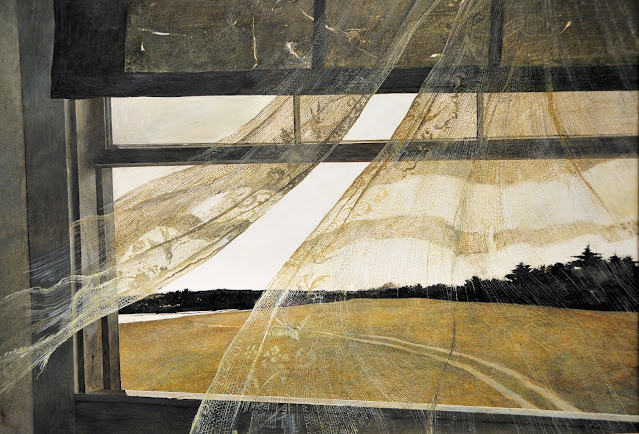
We lie back to back. Curtains lift and fall, like the chest of someone sleeping. Wind moves the leaves of the box elder; they show their light undersides, turning all at once like a school of fish. Suddenly I understand that I am happy. For months this feeling has been coming closer, stopping for short visits, like a timid suitor. ~Jane Kenyon “The Suitor”
Andrew Wyeth – Wind from the Sea, 1947
Happiness can be an elusive suitor and is altogether undependable.
I too have had glimpses of it throughout my life – a fleeting “this is it.” Then the clouds roll in and the ecstasy of the realization fades to mist.
I tend to trust the old reliable friends who show up regularly – like “hopeful” and “contented” and “being at peace” – plus moments when the sweetness of each breath brings tears of overwhelming joy.
Instead of pursuing happiness, (always a pursuit rather than a destination), I thrive on knowing I love deeply and am loved. That knowledge is what gets me through the really tough times when happiness doesn’t always put in an appearance.
Love shows up. Love has my back when I’m afraid and full of doubt. Love persists through sadness. Love doesn’t give up when everything hurts. Love is sufficient.
Love is enough to bring those happy tears to my eyes…
Love is patient, love is kind. It does not envy, it does not boast, it is not proud.It does not dishonor others, it is not self-seeking, it is not easily angered, it keeps no record of wrongs.Love does not delight in evil but rejoices with the truth.It always protects, always trusts, always hopes, always perseveres.
Love never fails. 1 Corinthians 13: 4-8a
One-Time
Monthly
Yearly
Make a one-time or recurring donation to support daily Barnstorming posts
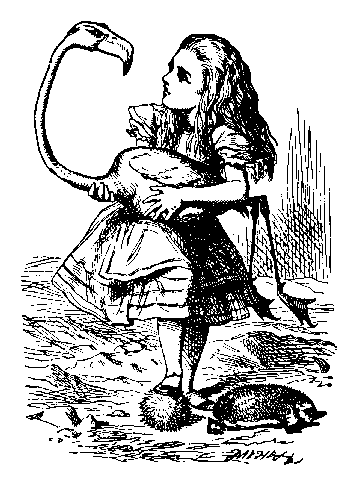
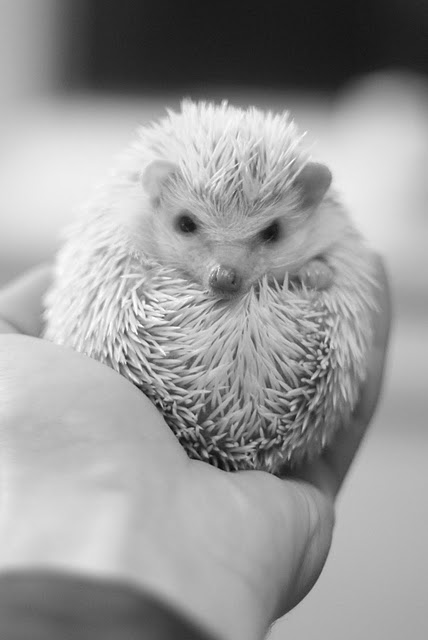
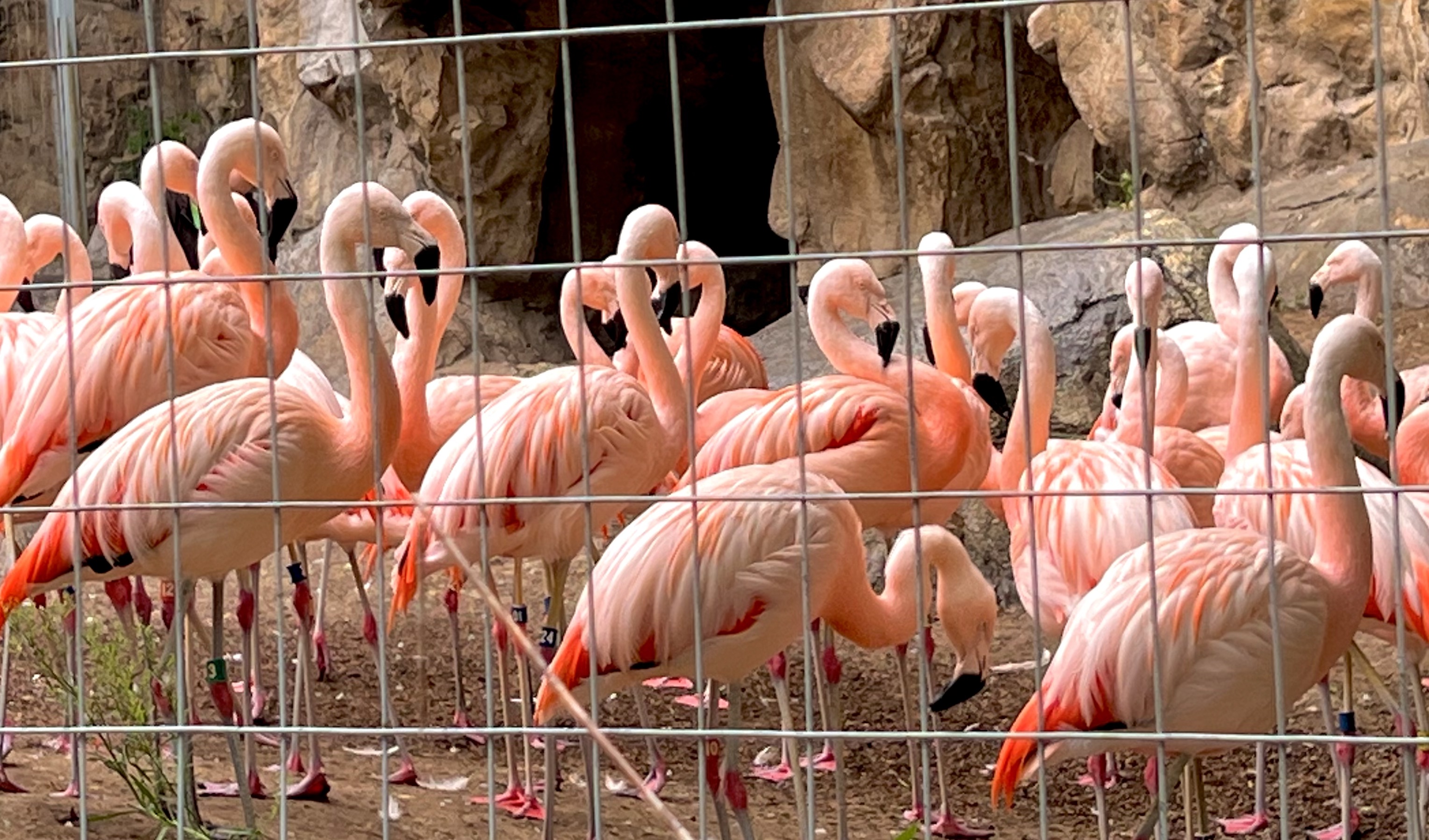
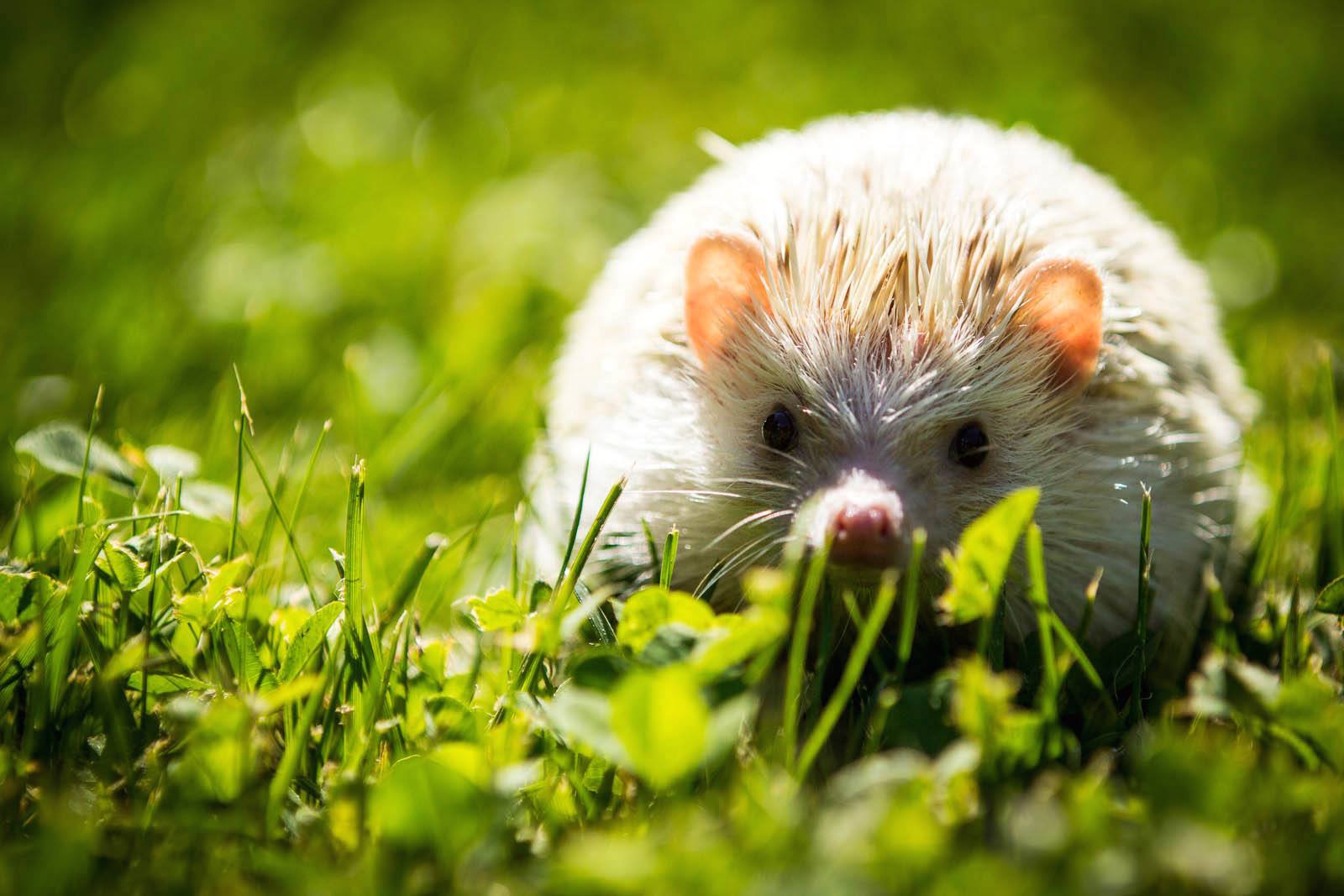
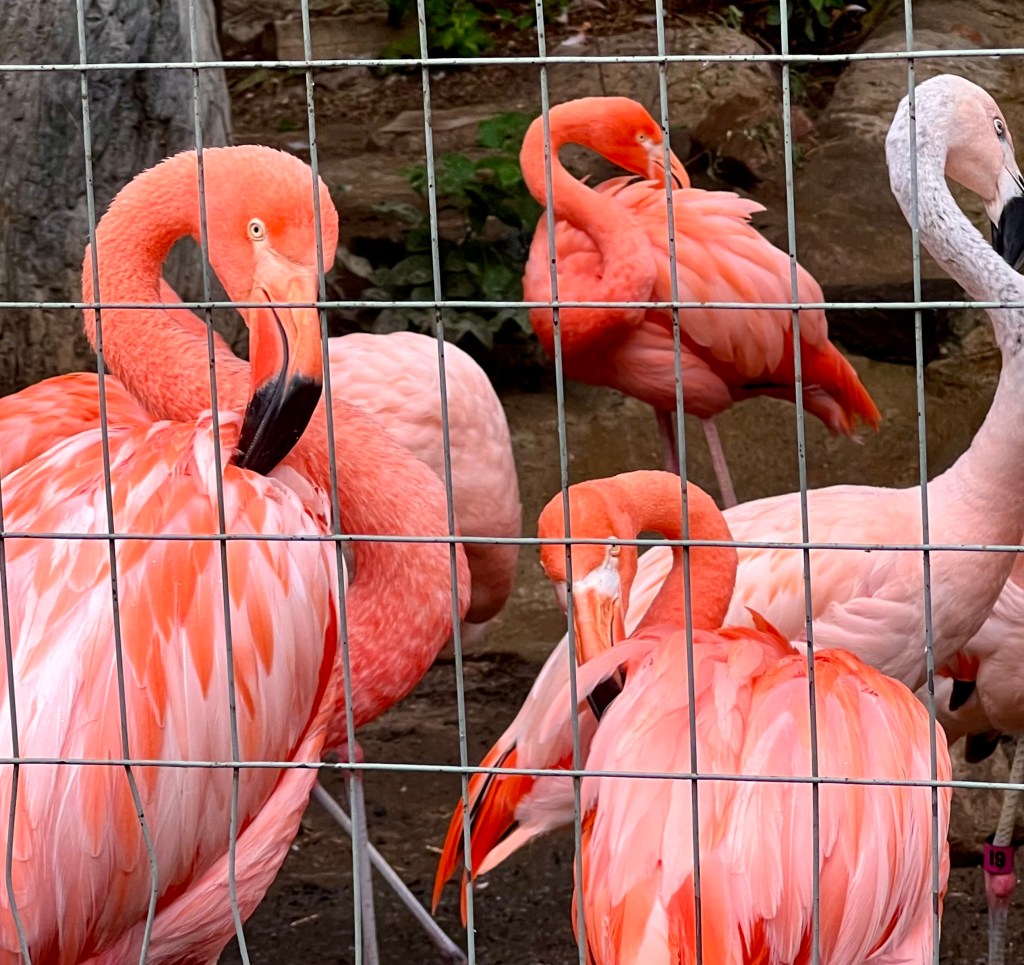
The chief difficulty Alice found at first was in managing her flamingo: she succeeded in getting its body tucked away, comfortably enough, under her arm, with its legs hanging down, but generally, just as she had got its neck nicely straightened out, and was going to give the hedgehog a blow with its head, it would twist itself round and look up in her face, with such a puzzled expression that she could not help bursting out laughing: and when she had got its head down, and was going to begin again, it was very provoking to find that the hedgehog had unrolled itself, and was in the act of crawling away…. Alice soon came to the conclusion that it was a very difficult game indeed. ~Lewis Carroll from Alice in Wonderland
Lewis Carroll Illustration
photo by Chris Duppenthaler
What a difficult game we find ourselves playing.
Does anyone understand the rules anymore?
Handed an uncooperative gangly mallet, our aim is hopelessly thwarted.
The furry round target takes one look, sees no point, so wanders off, seeking a friendlier game to play somewhere else.
These are absurd times for humans and hedgehogs.
photo by Chris Duppenthaler
One-Time
Monthly
Yearly
Make a one-time or recurring donation to support daily Barnstorming posts
Without realizing it, we fill important places in each others’ lives. It’s that way with the guy at the corner grocery, the mechanic at the local garage, the family doctor, teachers, neighbors, coworkers.
Good people who are always “there,” who can be relied upon in small,important ways. People who teach us, bless us, encourage us, support us, uplift us in the dailiness of life.
We never tell them. I don’t know why, but we don’t.
And, of course, we fill that role ourselves. There are those who depend on us,watch us, learn from us, take from us. And we never know.
You may never have proof of your importance, but you are more important than you think. There are always those who couldn’t do without you. The rub is that you don’t always know who. ~Robert Fulghumfrom All I Really Need to Know I Learned in Kindergarten
If there is one thing living through the pandemic taught me, it’s noticing the people in my life who may have not been as obvious to me before. I hadn’t realized how many folks truly are front-line serving others day-in and day-out.
It’s not only health care workers, grocery store clerks and school teachers but the list of essential workers is large, including law enforcement, plumbers and electricians, child care workers, water, sanitation and sewer maintenance, pastors, postal clerks, technicians who fix our cars and appliances and the farmers who tend the crops and livestock we need to live, as well as scores of others.
We are remarkably interdependent and need each other.
I realized how oblivious I had been before not taking the time to acknowledge the daily services I received from so many varied people. In fact, it has become more urgent for me to tell my family members and friends – some thousands of miles away from me – how much they mean to me.
Now, in non-pandemic times, I try to tell others – the grocery cashier, the medical assistant, the office receptionist – as simply and clearly as I can, whenever possible, that I appreciate what they have done and what they continue to do, how they make life better for us all.
I also need to continue to nurture relationships with family and friends crucial to my own well-being. I need them all.
I need you all.
And it is important to me that you know.
Well over a thousand of you receive these daily Barnstorming emails and posts – a handful of you communicate with me regularly. I treasure those messages, thank you!
We all need encouragement that we are making a positive difference in others’ lives and you all make a difference to me.
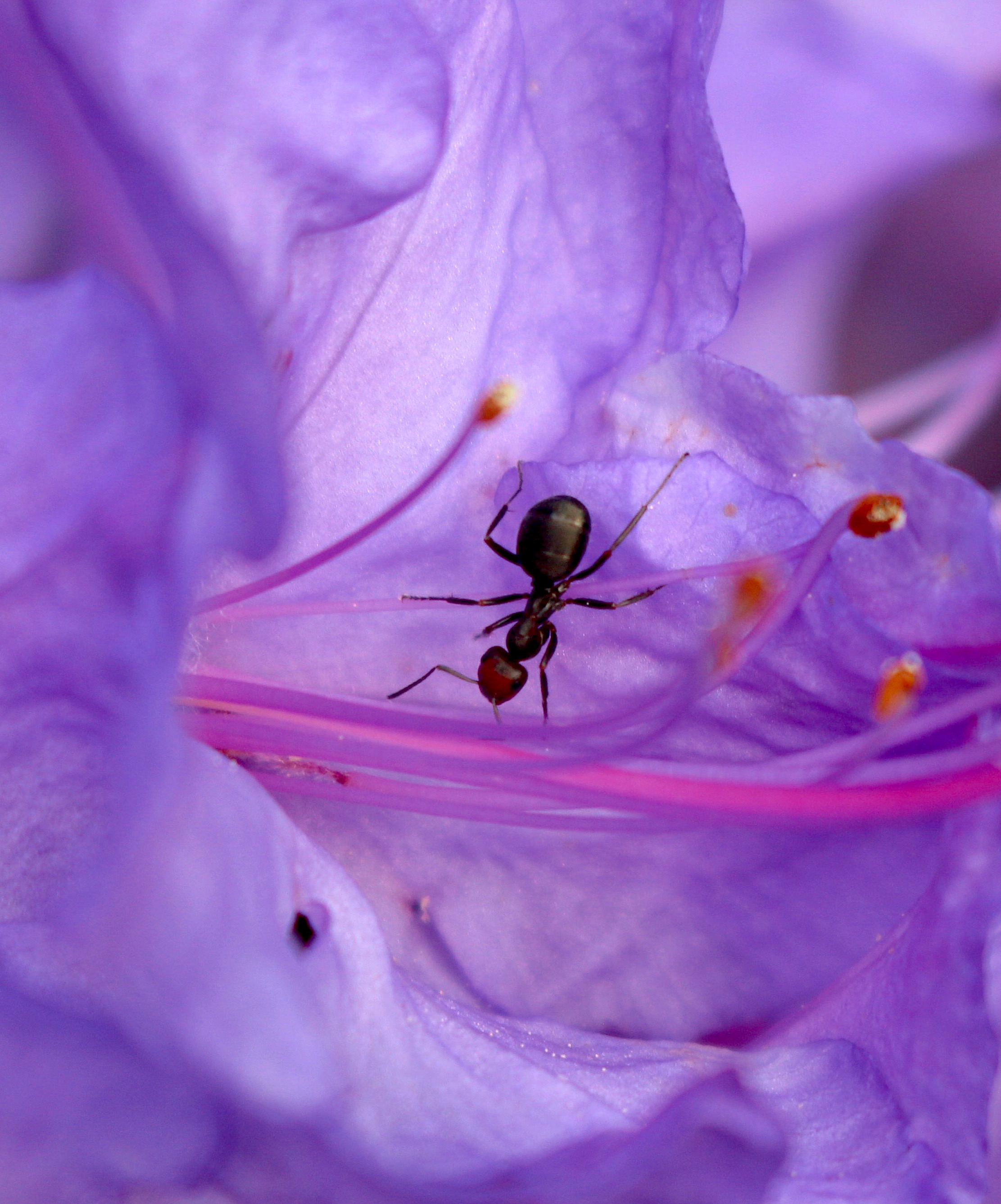
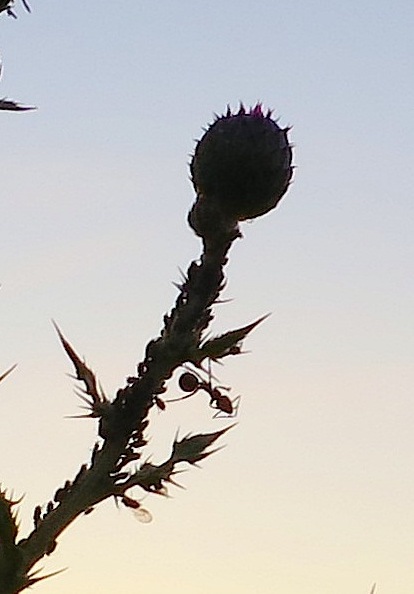
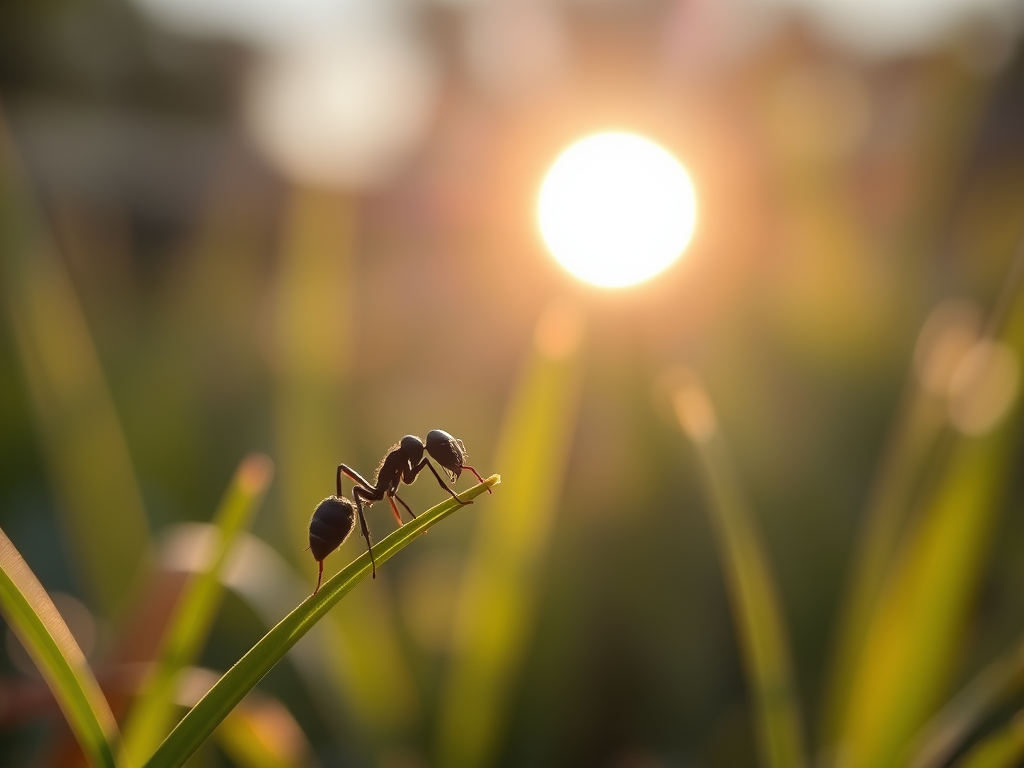
The ant in the shadow of this blade of grass Is indifferent to my presence, to the action Of the day, to the creaking of the limbs Of the sycamore, to the sun lowering itself Slowly from the scaffolding of the sky…
The ant has not moved. It is deep in meditation.
…Ants understand The principle of undefiled silence. My ant glows Like charcoal now in the lengthening rays of the sun. I kneel and whisper, “Look up at me. I’m here.” ~John Gilgun from “The Ant in the Shadow of This Blade of Grass”
Today, when I could do nothing, I saved an ant...
Small black ant, alone, crossing a navy cushion, moving steadily because that is what it could do.
Set outside in the sun, it could not have found again its nest. What then did I save?
It did not move as if it was frightened, even while walking my hand, which moved it through swiftness and air.
Ant, alone, without companions, whose ant-heart I could not fathom— how is your life, I wanted to ask. I lifted it, took it outside.
This first day when I could do nothing, contribute nothing…
O! for a horse with wings! ~William Shakespeare from Cymbeline
photo by Bette Vander Haakphoto by Bette Vander Haak
Be winged. Be the father of all flying horses. ~C.S. Lewis from The Magician’s Nephew
photo by Bette Vander Haak
photo by Bette Vander Haak
One reason why birds and horses are happy is because they are not trying to impress other birds and horses. ~Dale Carnegie
photo by Bette Vander Haak
When I bestride him, I soar, I am a hawk: he trots the air; the earth sings when he touches it; ~William Shakespeare from Henry V
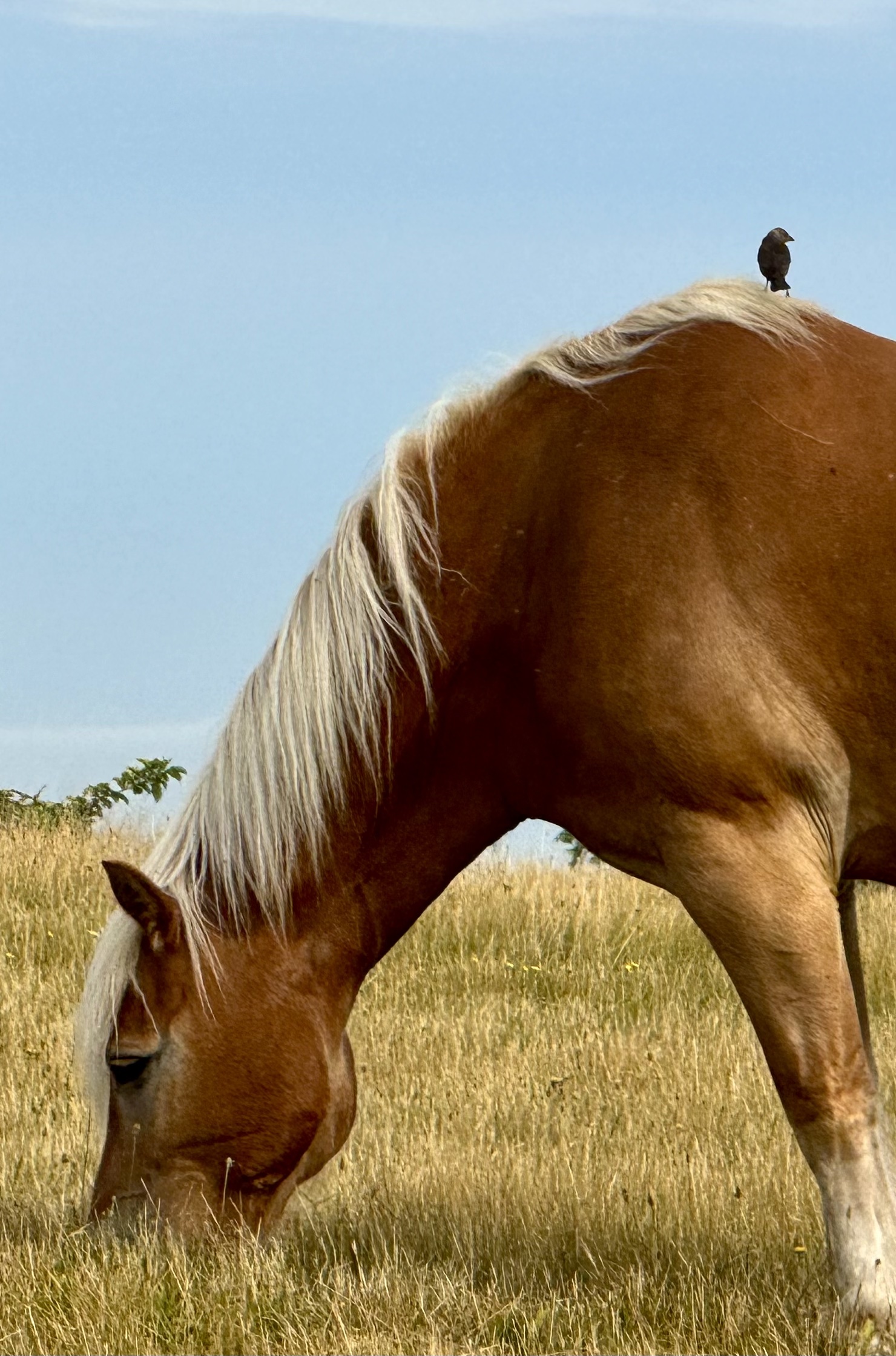
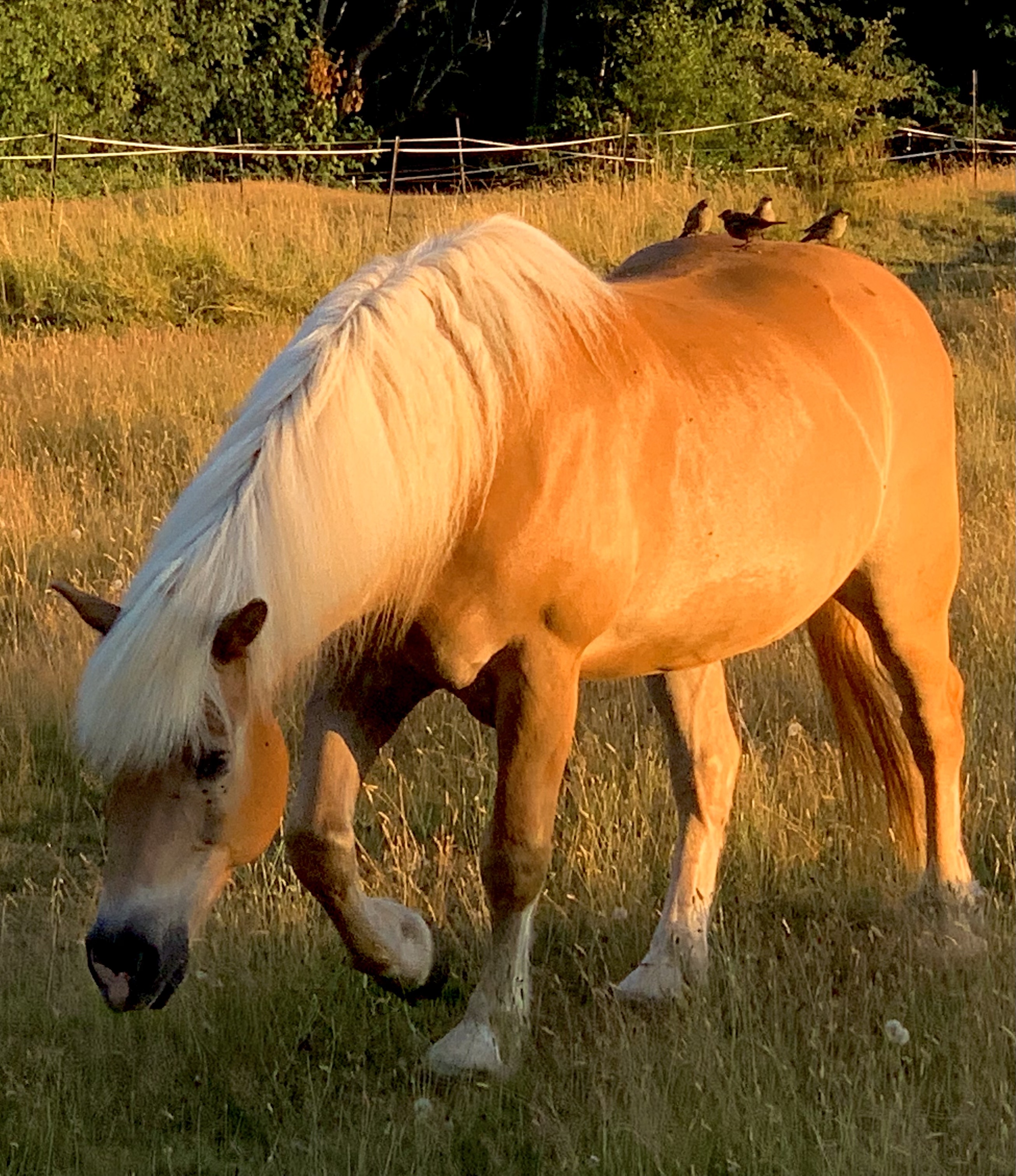
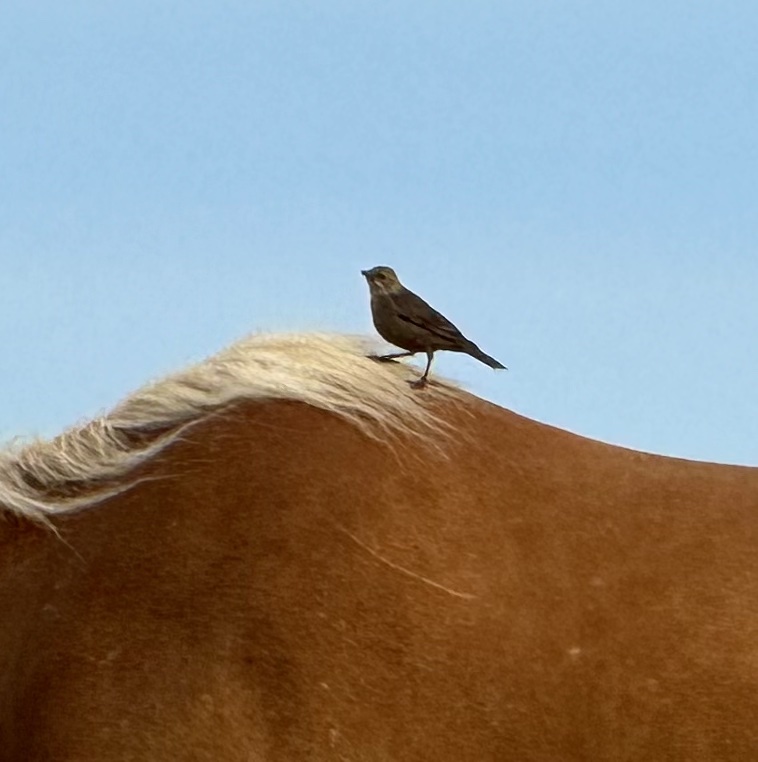
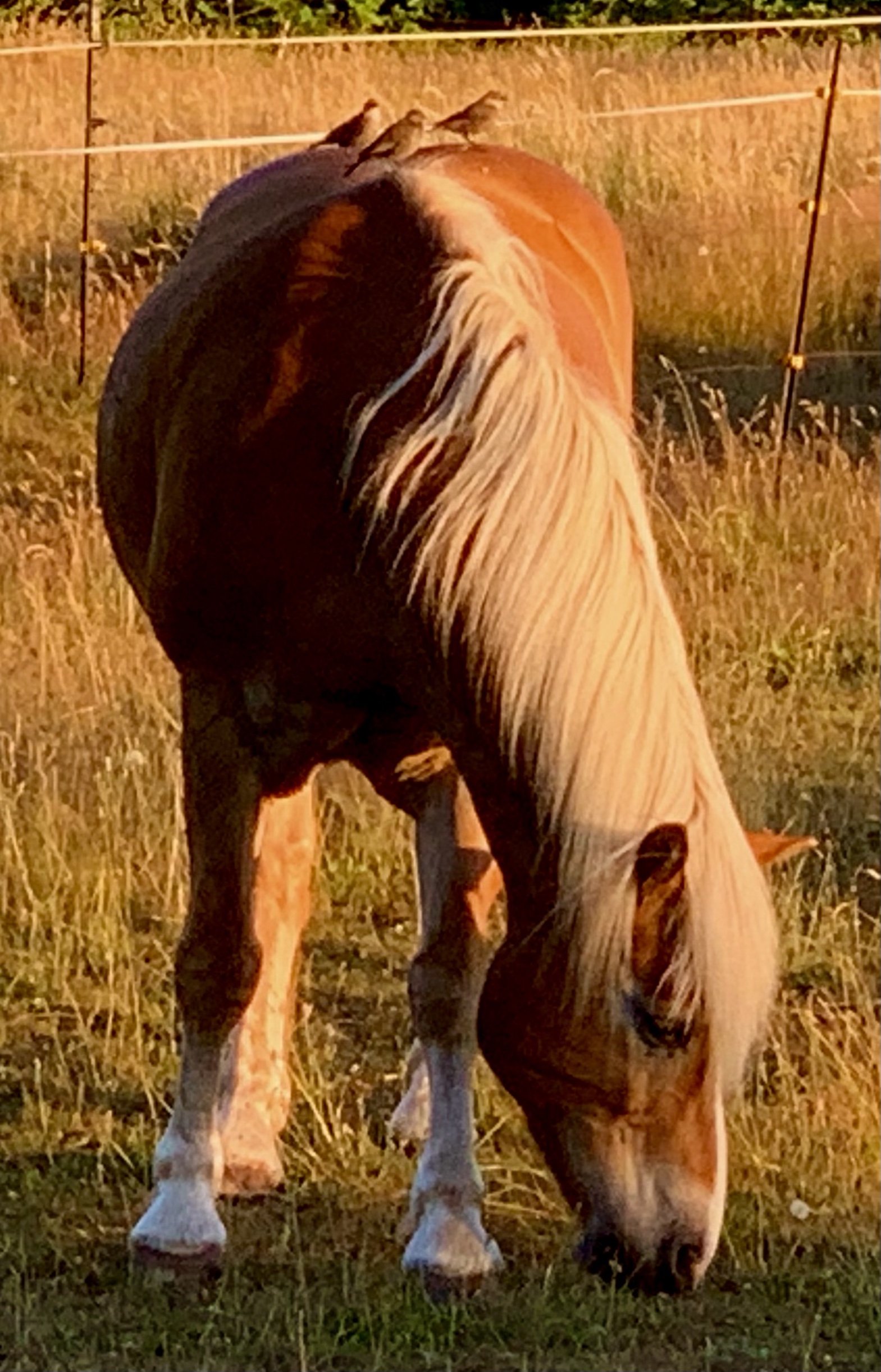
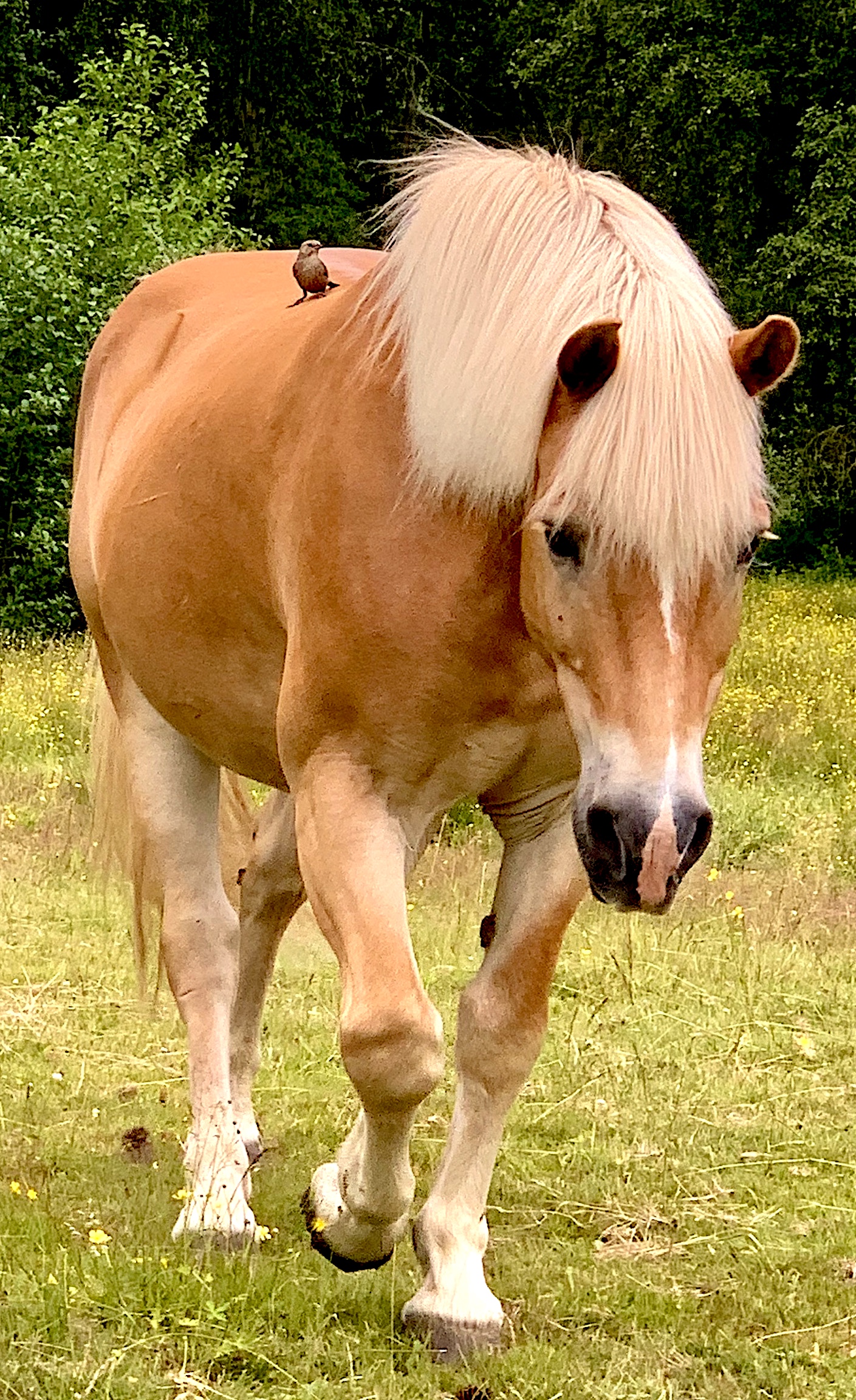
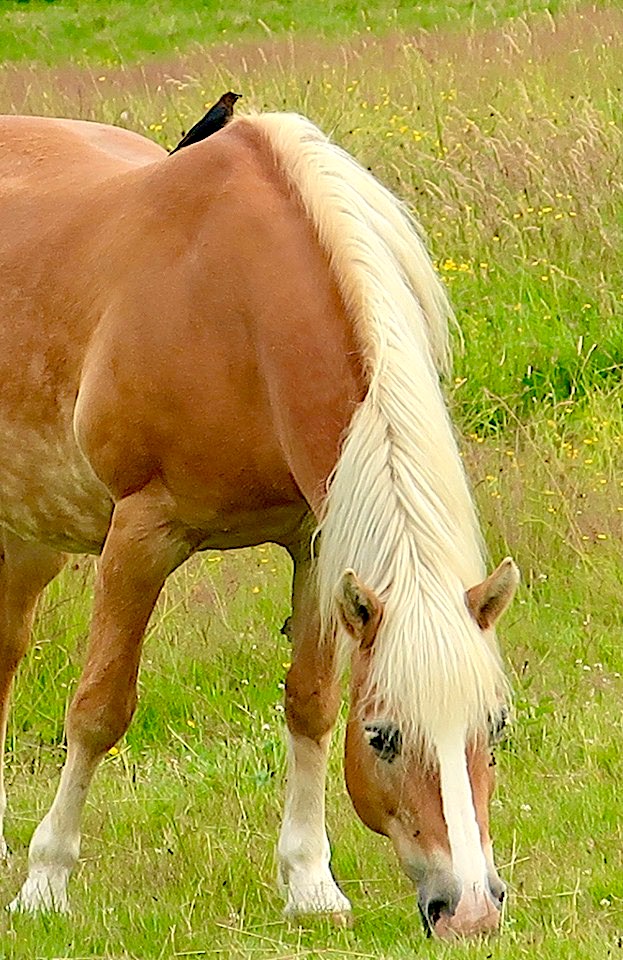
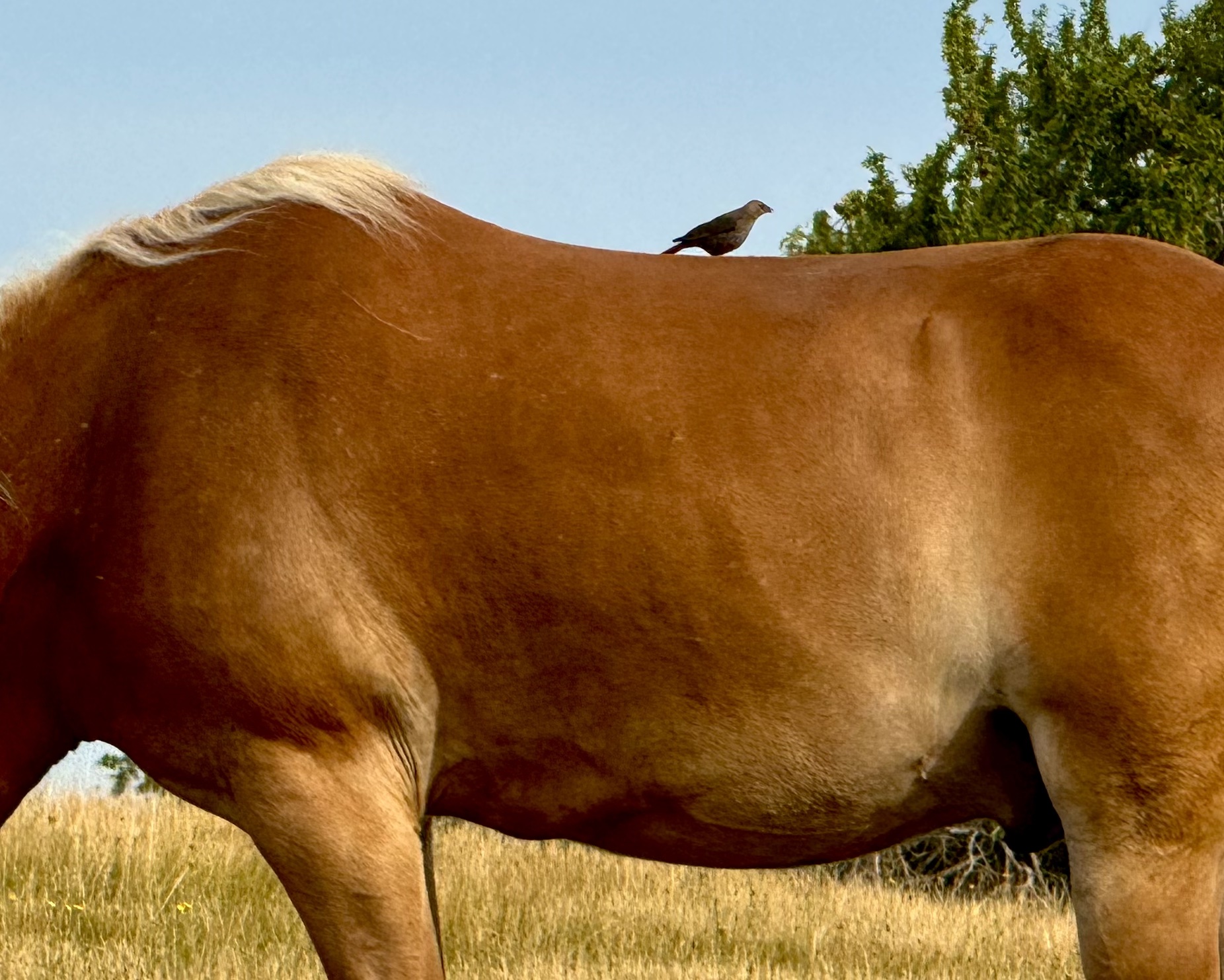
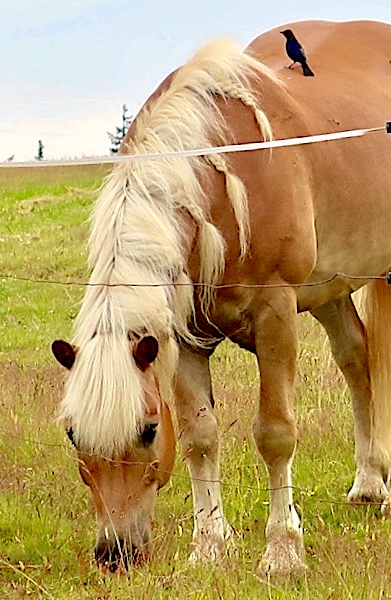
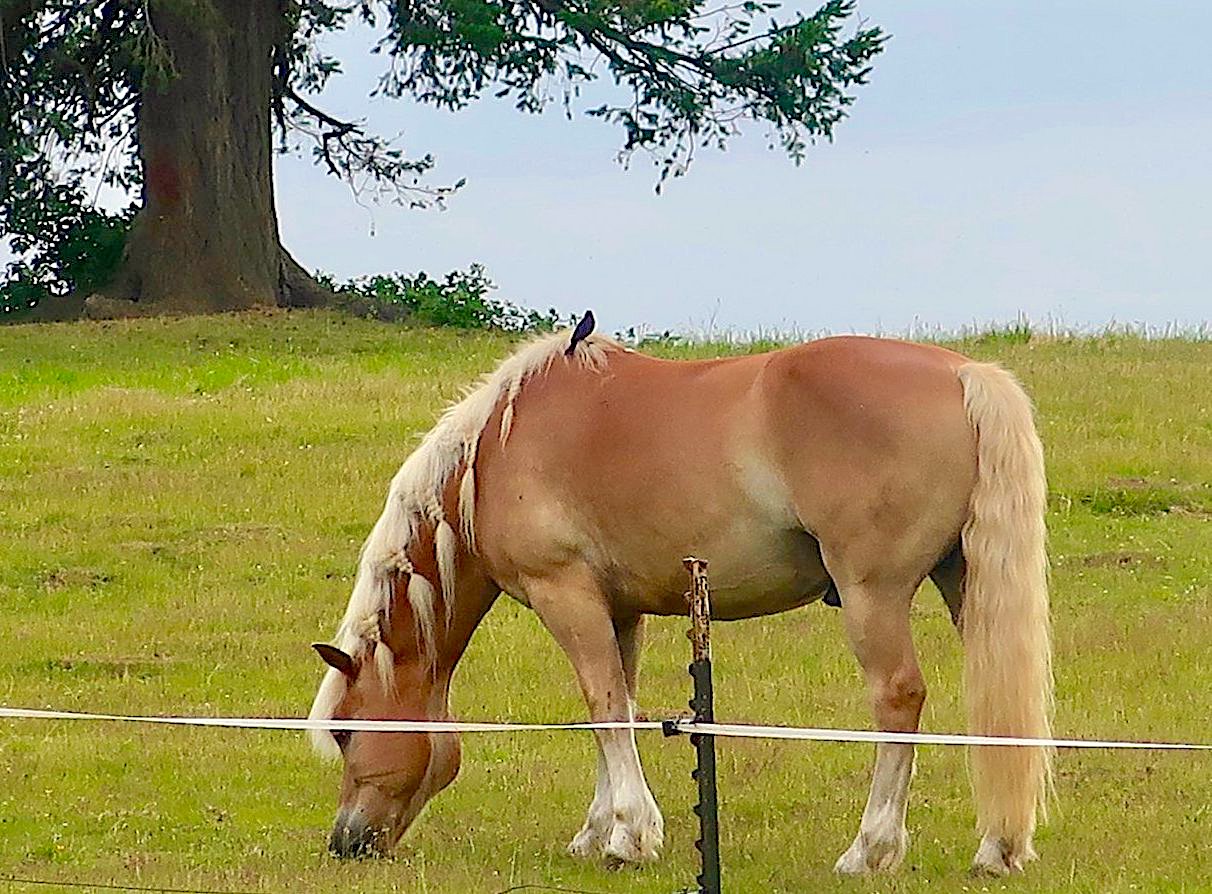
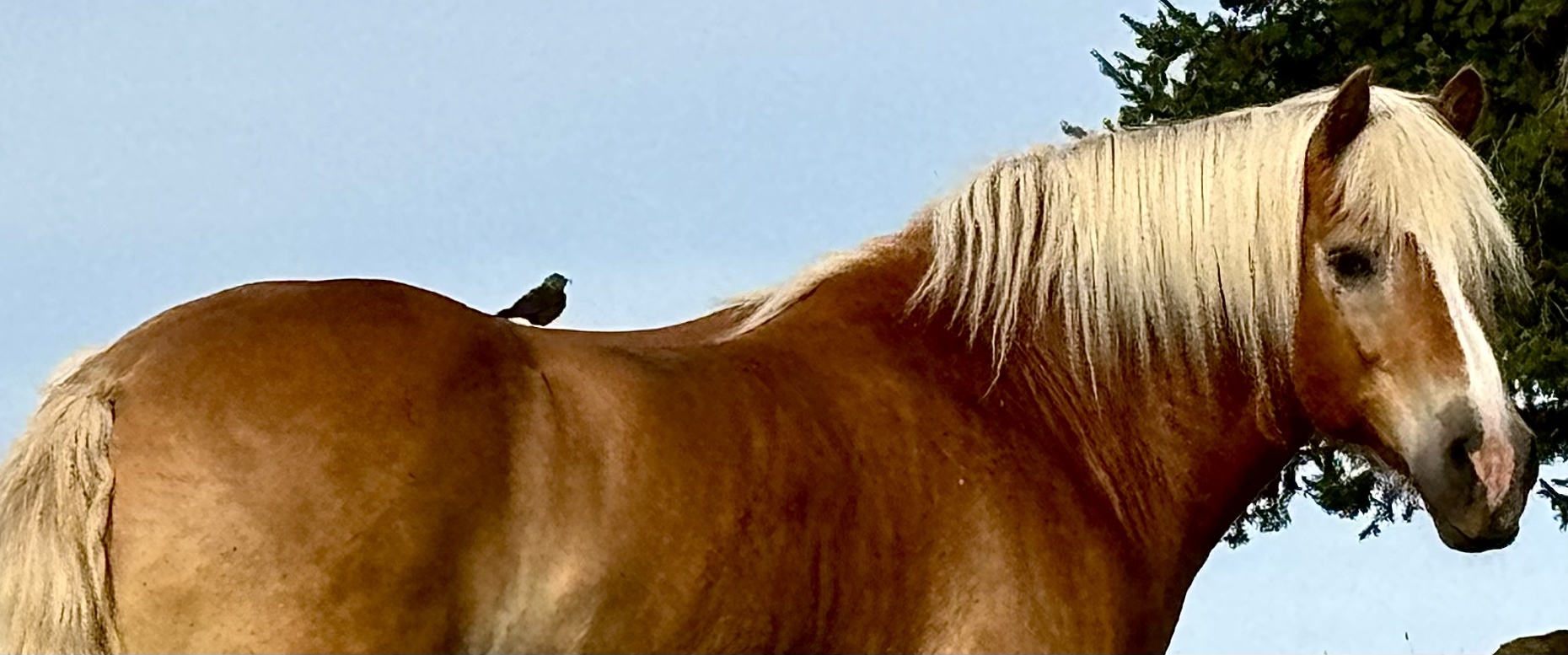
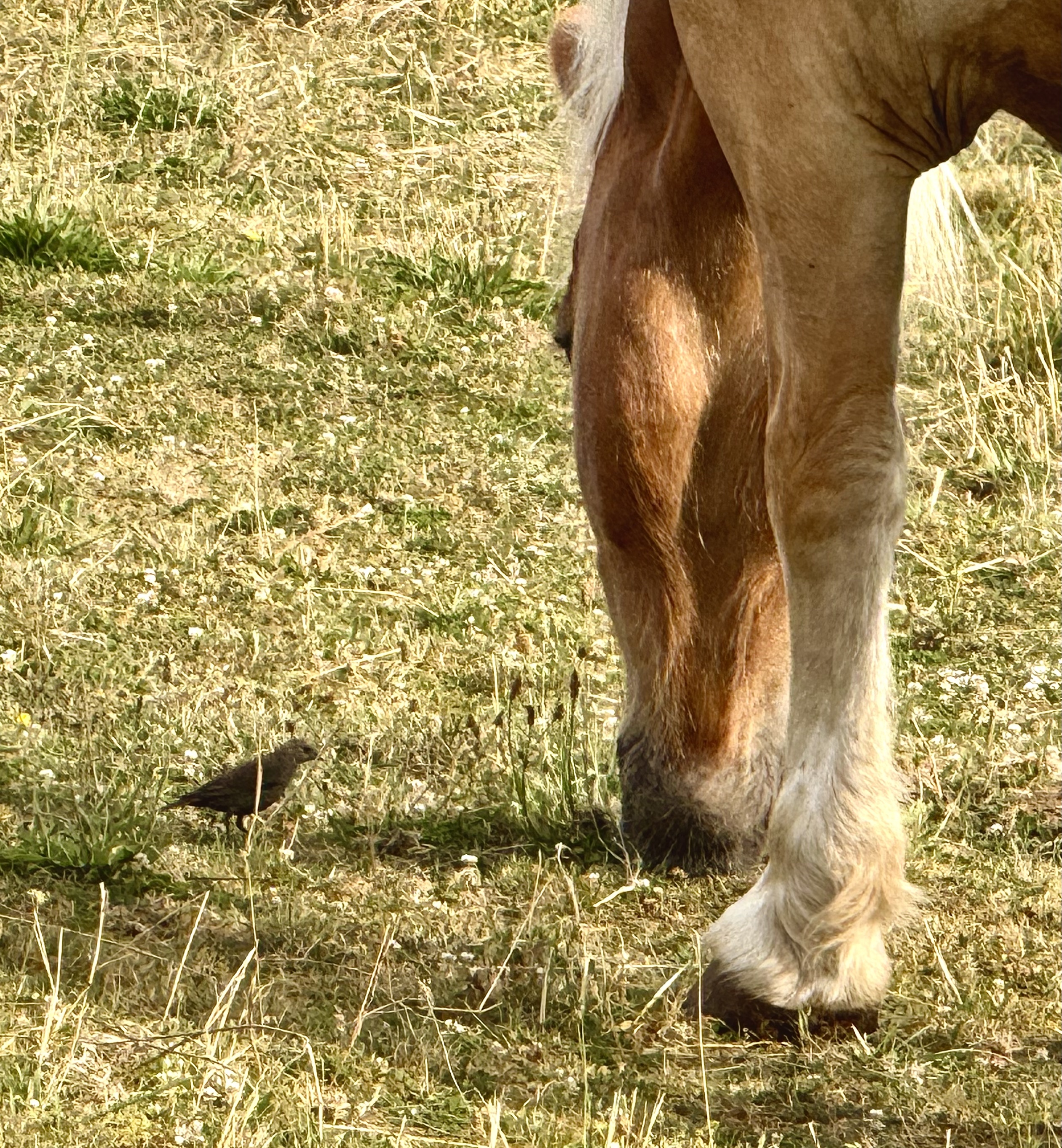
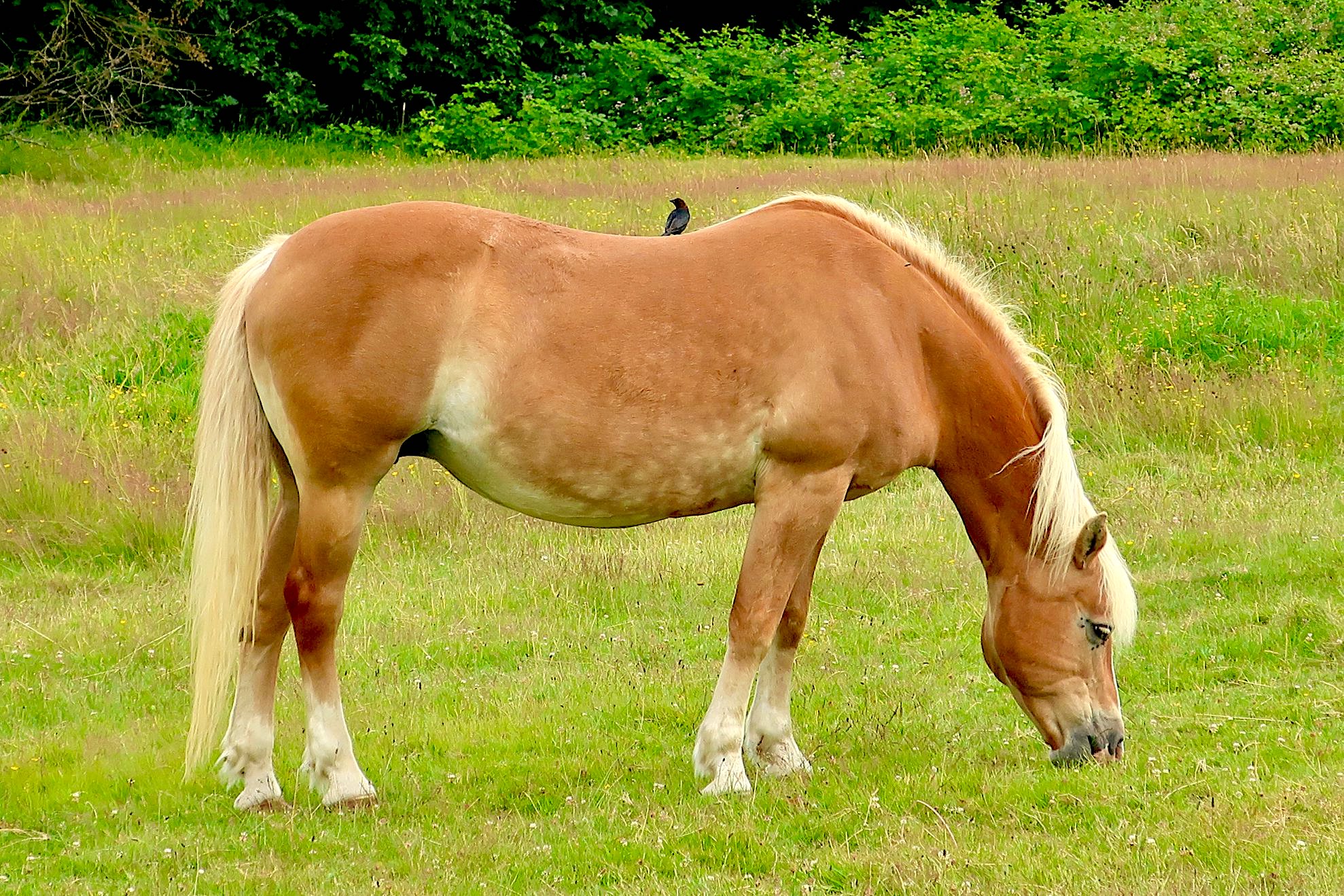
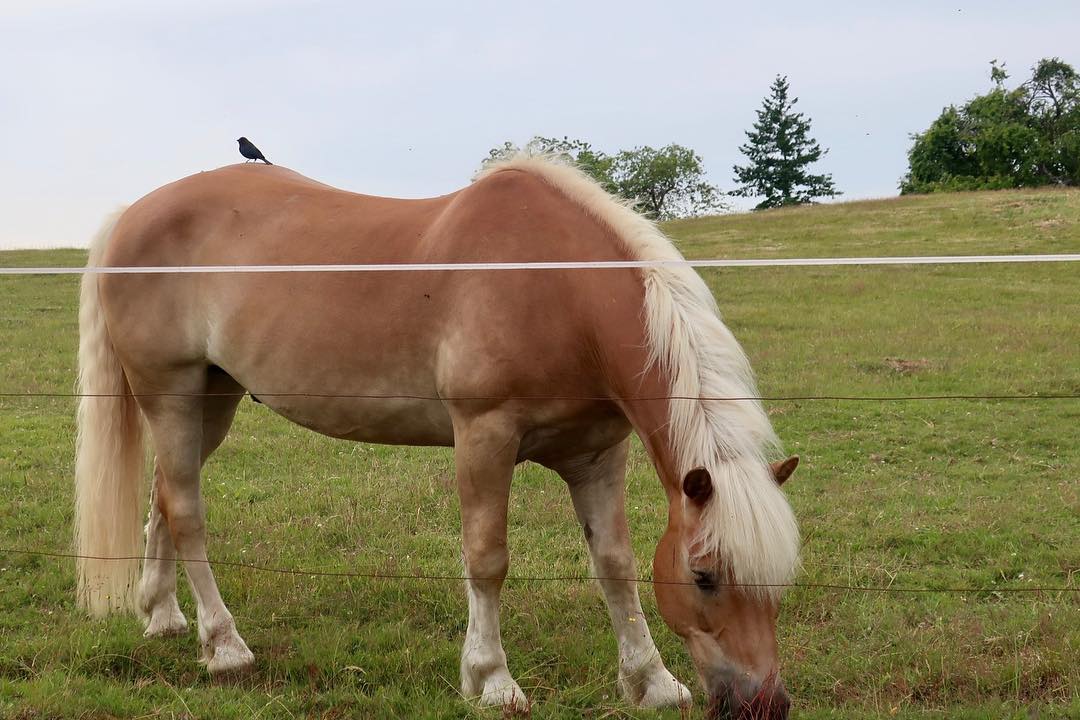
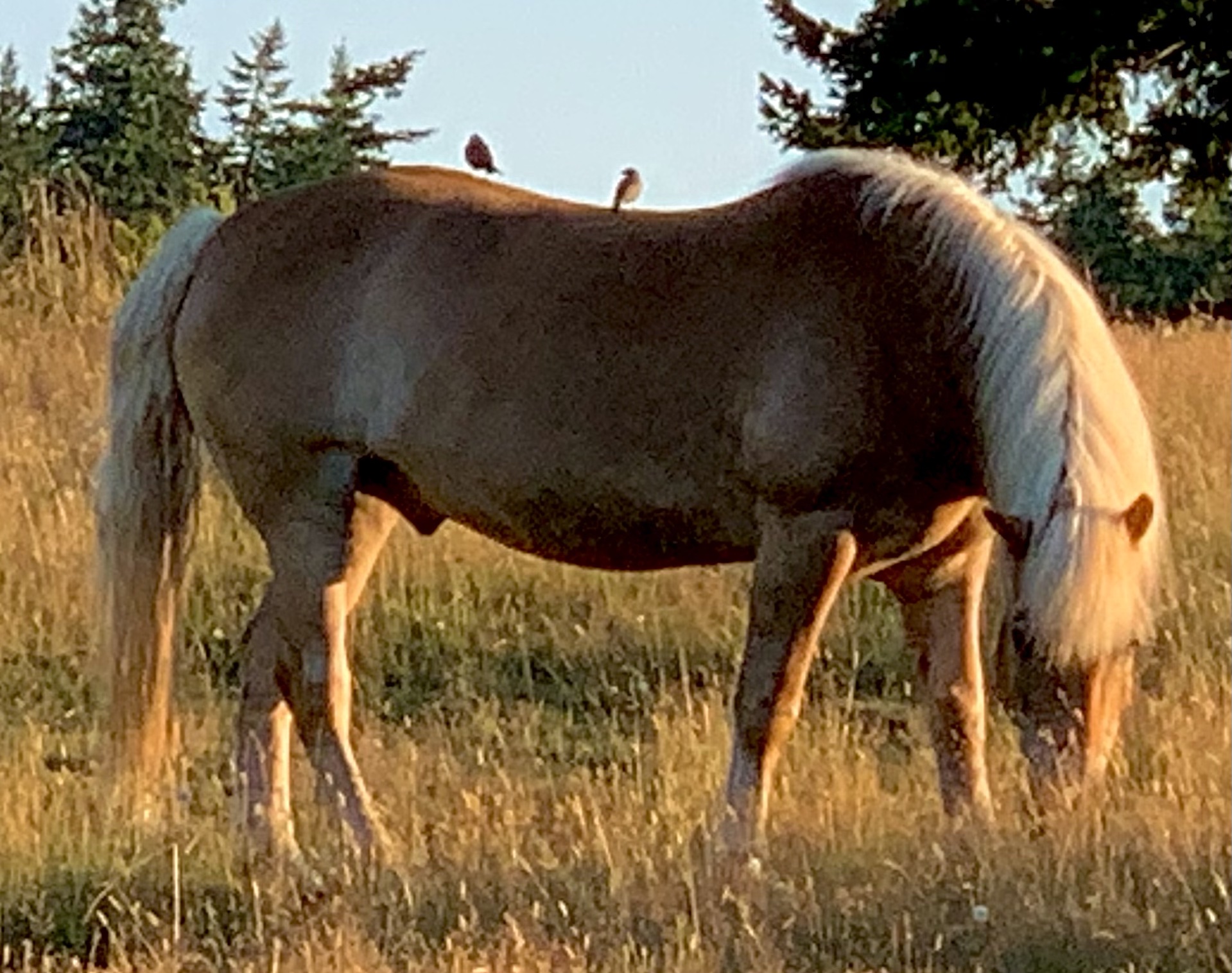
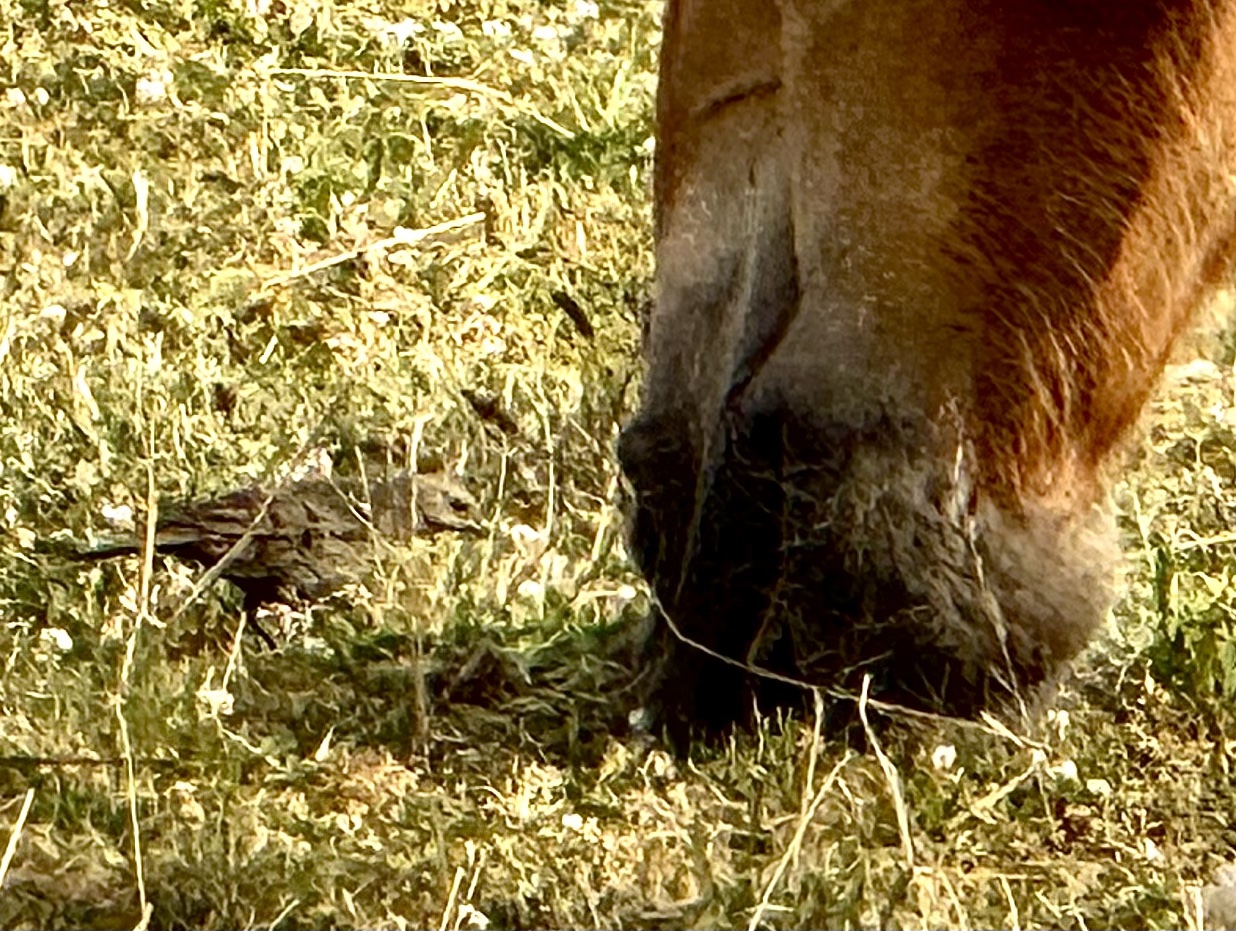
We all need someone along for the ride with us, blessing us with their company — a precious friend who has our back and scratches it wonderfully – helping to keep the biting flies away by gobbling them up.
It is symbiosis at its best: a relationship built on mutual trust and helpfulness. In exchange for relief from annoying insects that a tail can’t flick off, a Haflinger horse serves up bugs on a smorgasbord landing platform located safely above farm cats and marauding coyotes.
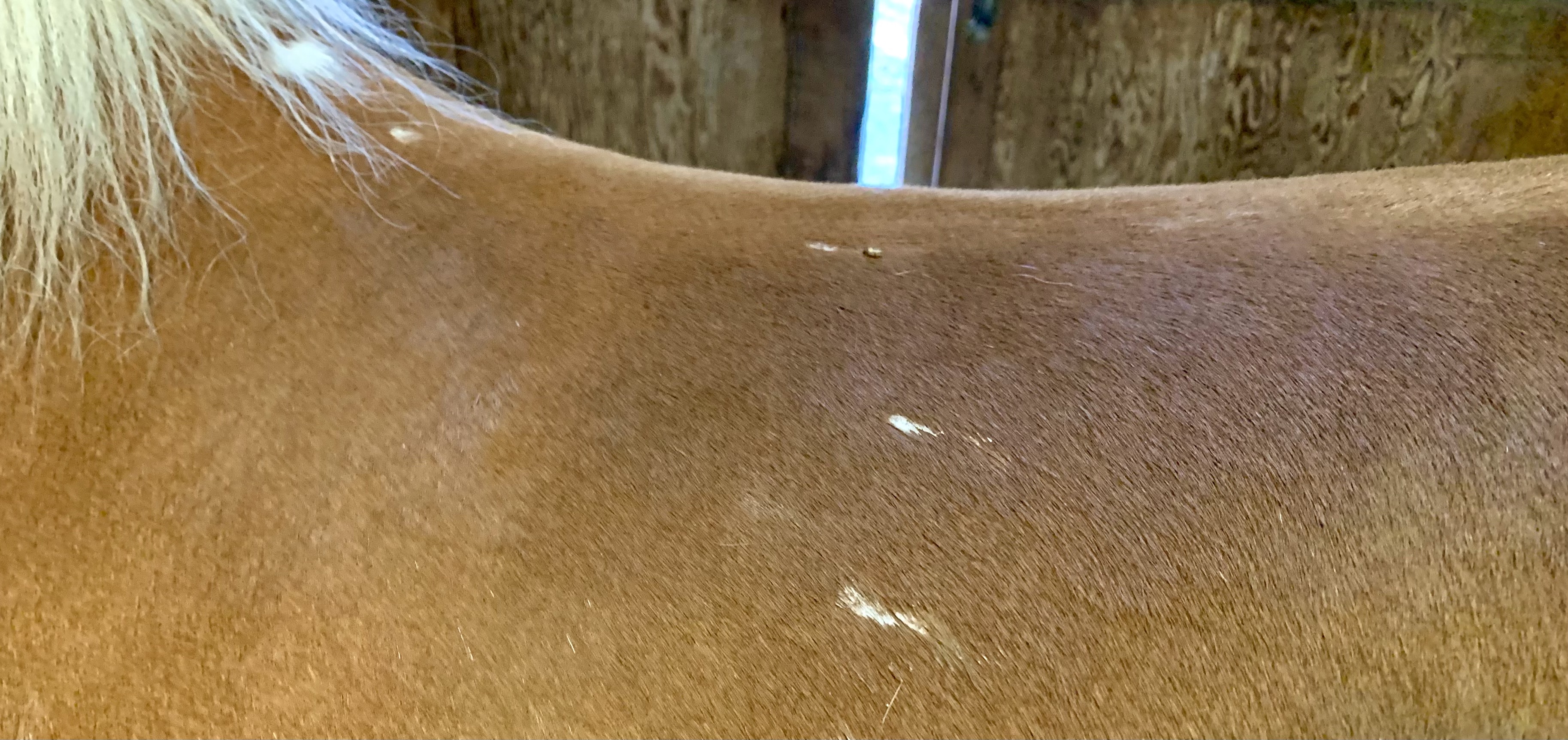
Thanks to their perpetual full meal deals, these cowbirds do leave generous “deposits” behind that need to be brushed off at the end of the day. Like any good friendship, tidying up the little messes left behind is a small price to pay for the bliss of companionable comradeship.
We’re buds after all – best forever friends, trotting the air while the earth sings along.
And this is exactly what friends are for: one provides the feast while the other provides the wings, even if things get messy.
Be winged. Be fed. Cleaning up together.
One-Time
Monthly
Yearly
Make a one-time or recurring donation to support daily Barnstorming posts










 Barnstorming