We Know in Our Bones…

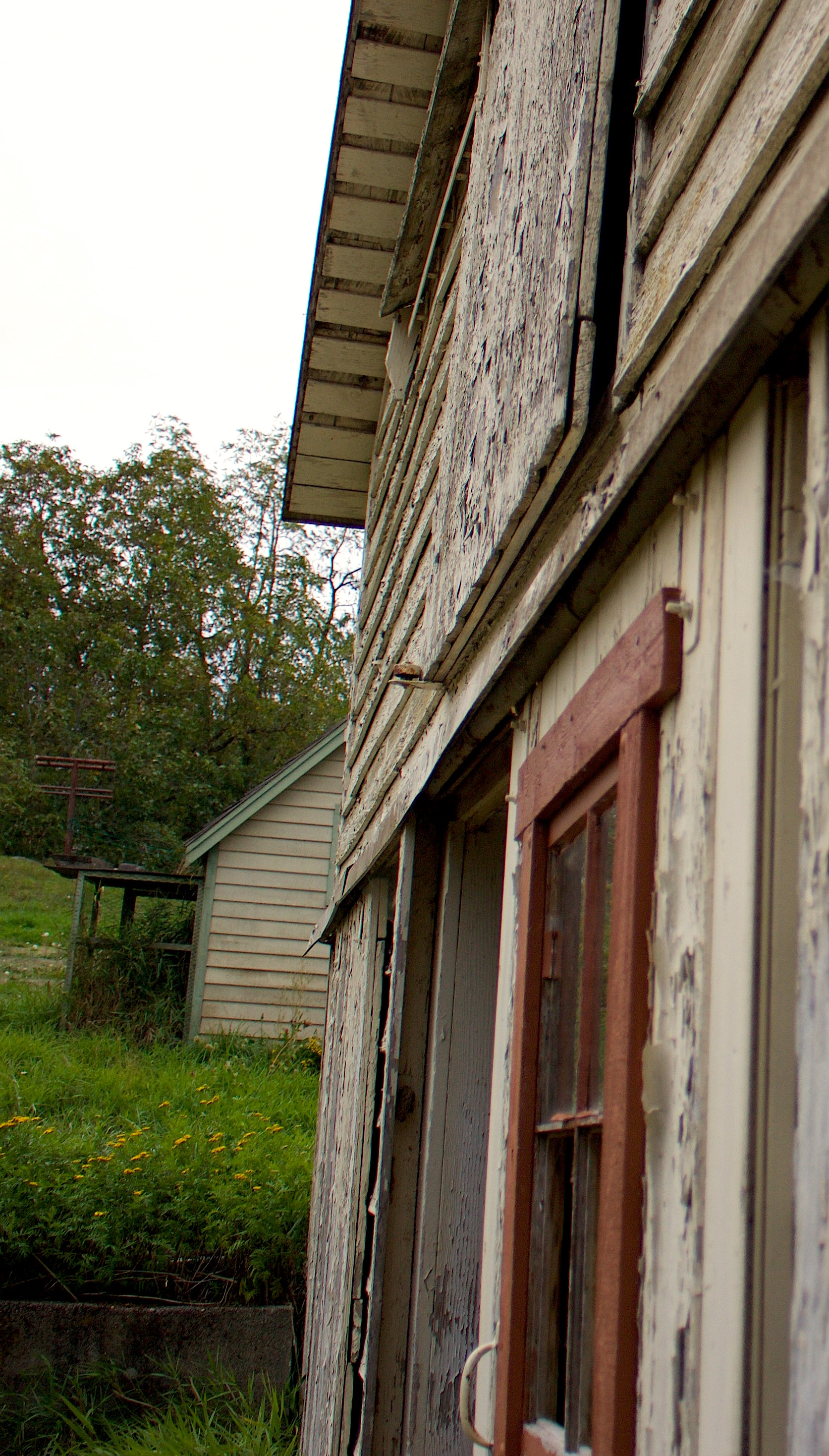
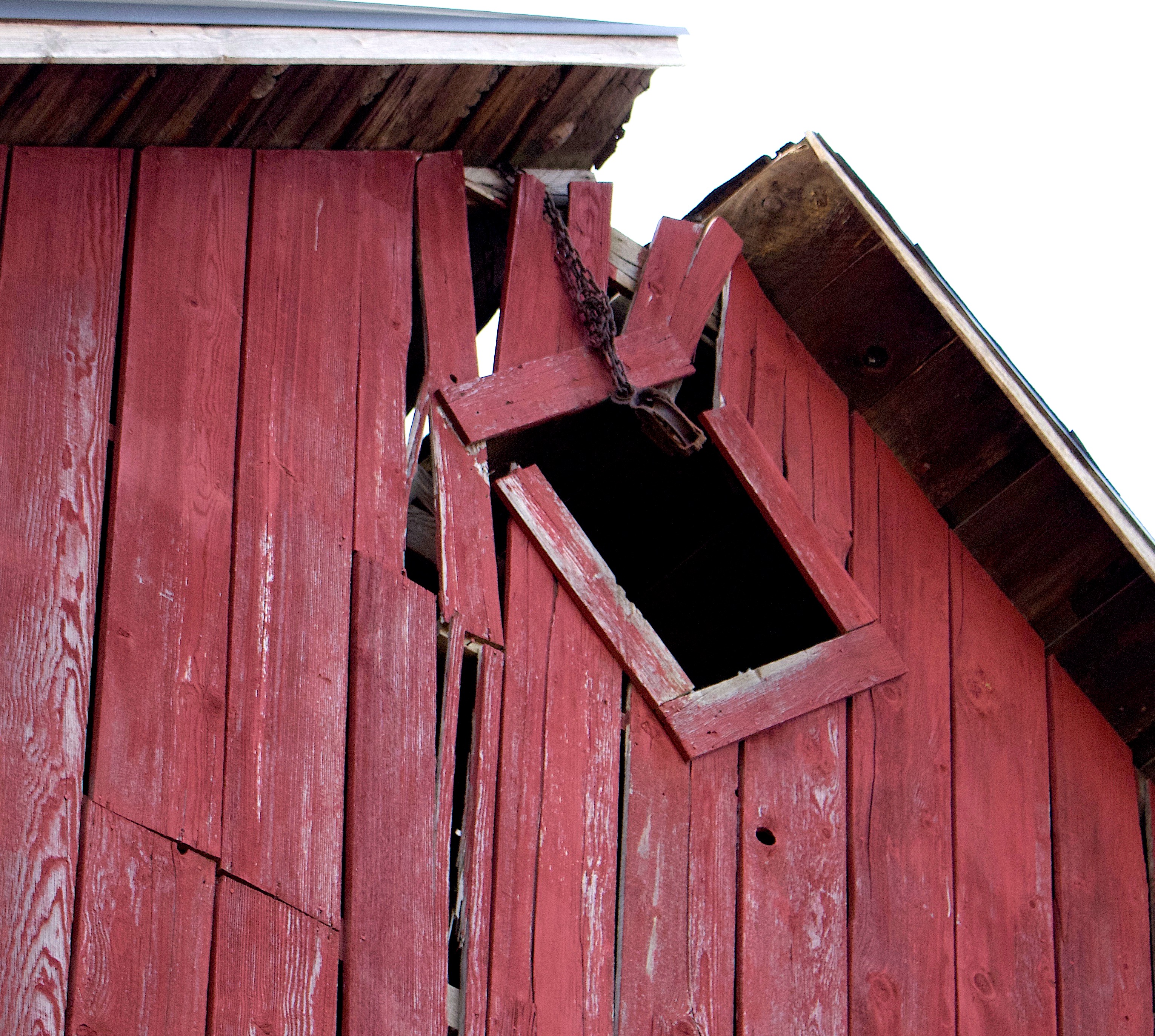
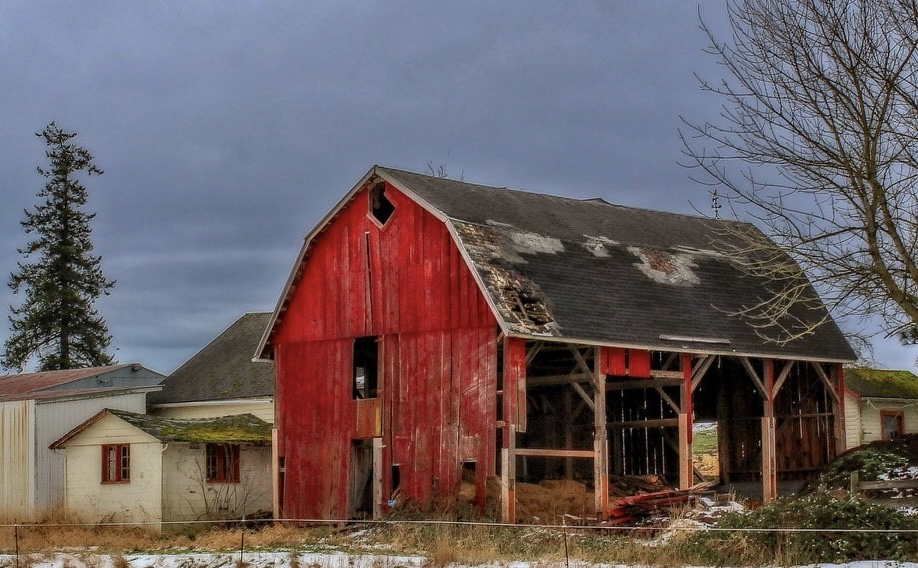
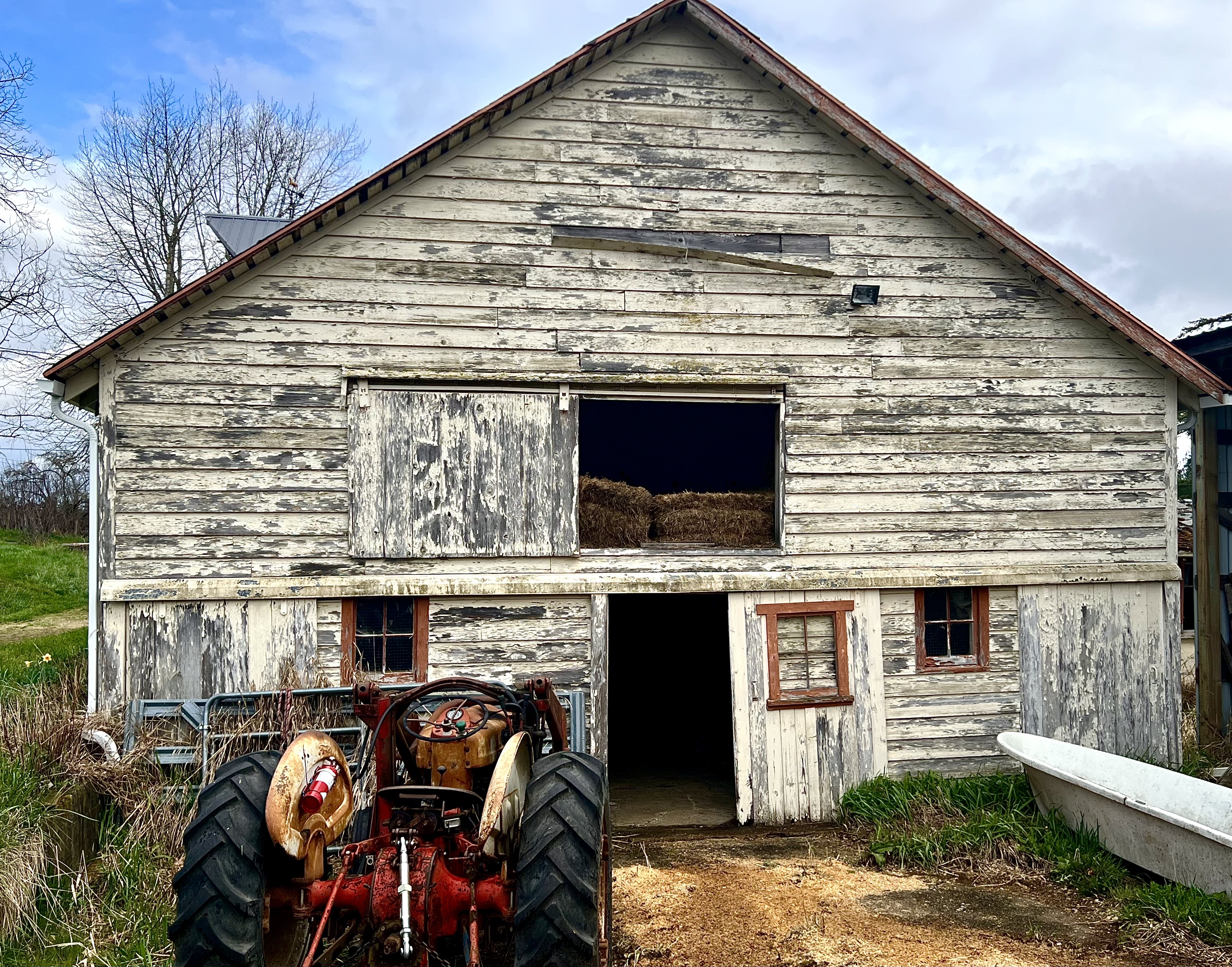
We all know that something is eternal.
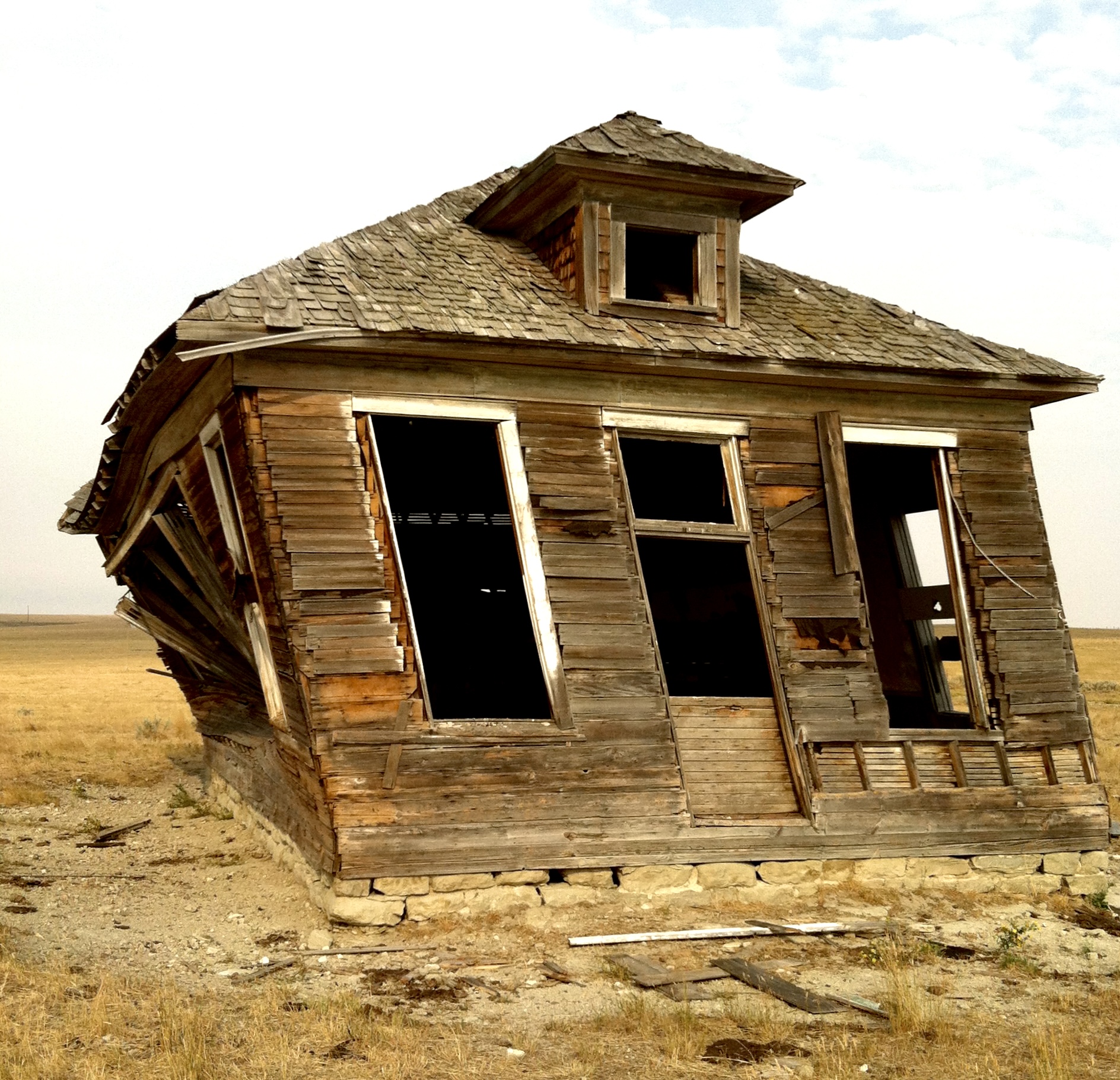
And it ain’t houses and it ain’t names,
and it ain’t earth, and it ain’t even the stars
. . . everybody knows in their bones that something is eternal,
and that something has to do with human beings.
All the greatest people ever lived have been telling us that
for five thousand years and yet you’d be surprised
how people are always losing hold of it.
There’s something way down deep
that’s eternal about every human being.

We can only be said to be alive in those moments
when our hearts are conscious of our treasures.
Do any human beings ever realize life while they live it –
every, every minute?

~Thornton Wilder, quotes from “Our Town”

The words from the stage play “Our Town”,
written nearly 90 years ago still ring true:
at that time our country was crushed under the Great Depression.
Though now most people are more economically secure than the 1930’s, many of us are emotionally bankrupt.

Our country staggers under a Great Depression of the spirit~
despite greater connection electronically (often too much…),
many of us are more isolated from community, family, and faith.

We need reminding to be conscious of our many treasures and abundance, never forgetting to care of others in greater need.

God, in His everlasting recognition of our eternal need of Him,
cares for us, even as we turn our faces away from Him.

We all feel His Love, deep in our bones.

So I search the soil of this life, this farm, this faith
to find what yearns to grow, to bloom, to fruit,
to be harvested to share with others.

My deep gratitude goes to you who visit here
and to those who let me know
the small and the good I share with you
makes a difference in your day.
I am beyond thankful you are here, listening.

Many blessings in your own thanksgiving this week,
Emily

One-Time
Monthly
Yearly

Make a one-time or recurring donation to support daily Barnstorming posts

Make a monthly donation

Make a yearly donation

Choose an amount

$10.00
$25.00
$50.00
$5.00
$15.00
$100.00
$5.00
$15.00
$100.00

Or enter a custom amount

$

Your contribution is deeply appreciated.

Your contribution is appreciated.

Your contribution is appreciated.

DonateDonate monthlyDonate yearly
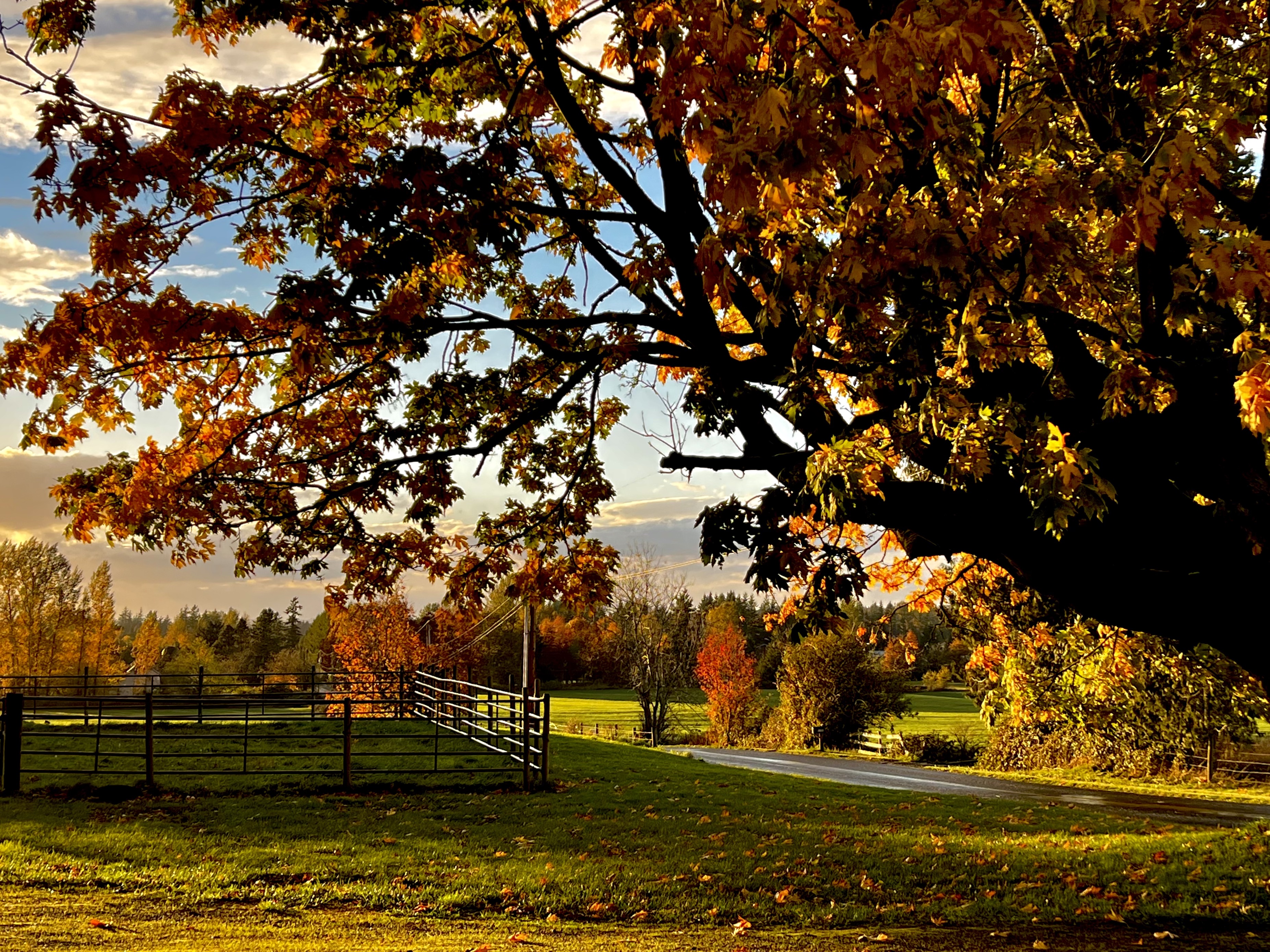
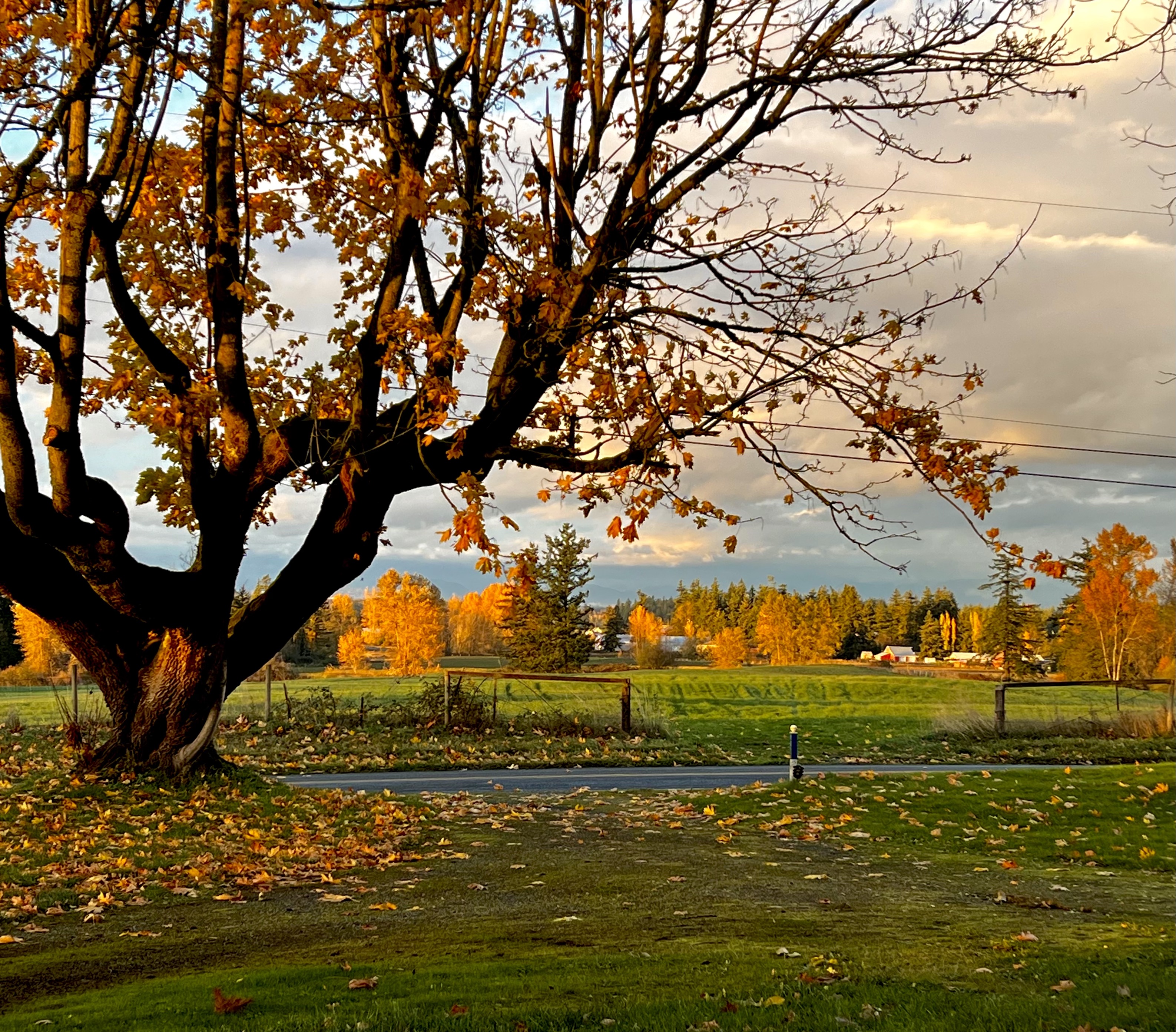
As Your Days Are, So Shall Your Strength Be

As your days are, so shall your strength be…
Deuteronomy 33:25

The glory of God is man fully alive.
~Irenaeus of St. Lyons

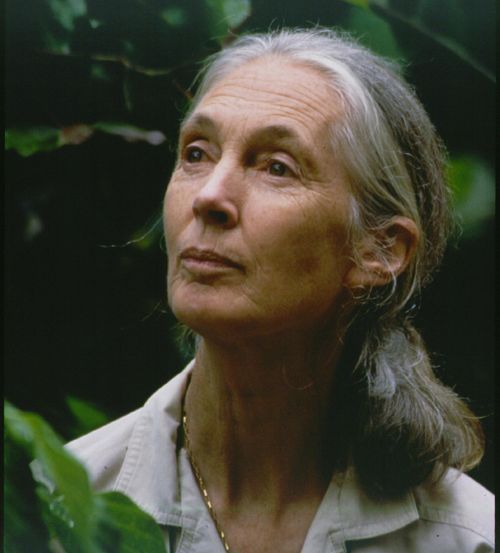
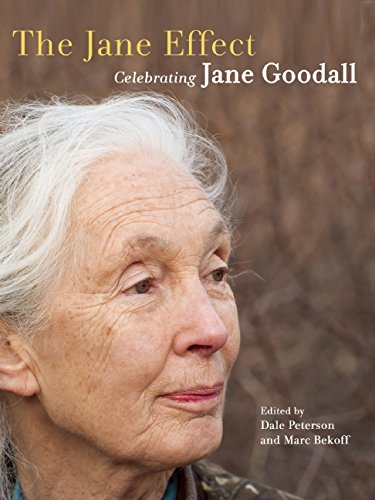
This morning was the live streaming of the Washington National Cathedral memorial service and life celebration for Dr. Jane Goodall.
I had received an invitation to attend along with others who had worked with Jane, but I decided this was not the best time to travel.

I encourage you to watch (linked below) when you have 90 minutes.
It was a beautifully planned service that fit Jane well.

It was very moving for me to hear her three grandchildren speak, as well as several others who were touched directly by her.

Jane reached millions during her long life – her strength shining over many days on earth. I am humbled as a student who learned from her teaching, who ate meals beside her, who sat in the dark with her and her young son during a life-changing event at Gombe.

I got to know her as “just Jane.”

She is no longer just Jane; she belongs to the ages and the angels.

Another Year of Leaping Winds

walnutoctober2017
walnuthull5
frontyard2915

My mother and I debate:
we could sell
the black walnut tree
to the lumberman,
and pay off the mortgage.
Likely some storm anyway
will churn down its dark boughs,
smashing the house. We talk
slowly, two women trying
in a difficult time to be wise.
Roots in the cellar drains,
I say, and she replies
that the leaves are getting heavier
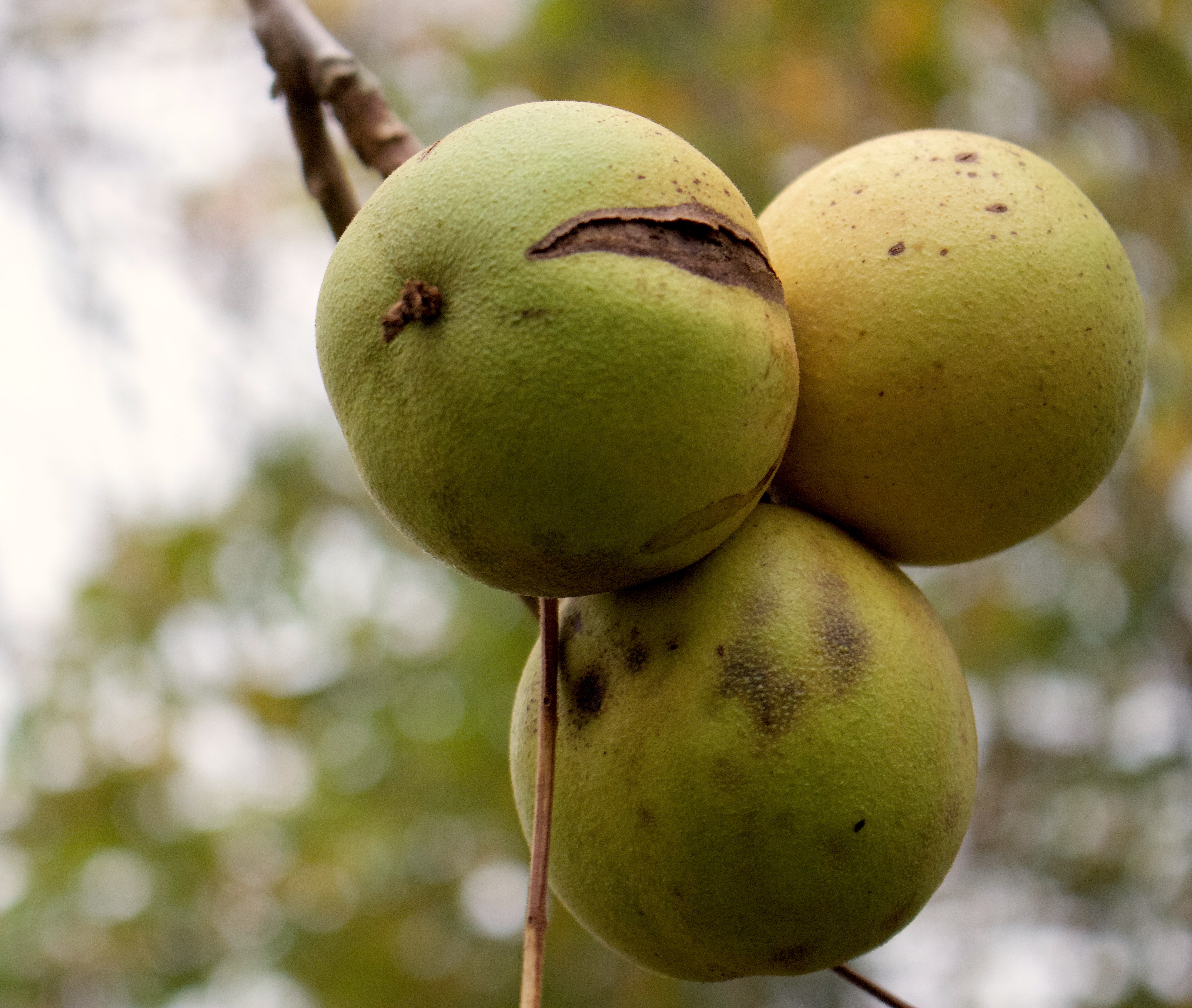
every year, and the fruit
harder to gather away.
But something brighter than money
moves in our blood – an edge
sharp and quick as a trowel
that wants us to dig and sow.
So we talk, but we don’t do
anything.

What my mother and I both know
is that we’d crawl with shame
in the emptiness we’d made
in our own and our fathers’ backyard.
So the black walnut tree
swings through another year
of sun and leaping winds,
of leaves and bounding fruit,
and, month after month, the whip-
crack of the mortgage.
~Mary Oliver from “The Black Walnut Tree” from Twelve Moons

frontyard1
april2frontyard
photo by Dan Gibson
walnuthulls2

We bought this old farm thirty-five years ago:
the Lawrence family’s “Walnut Hill Farm” –
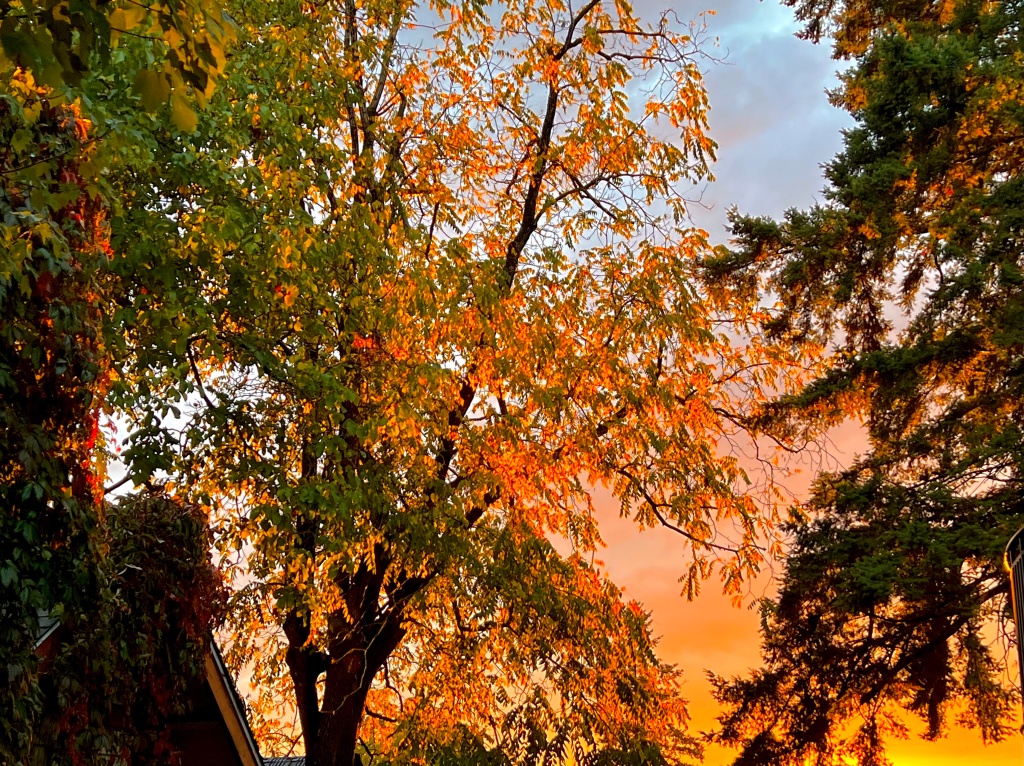
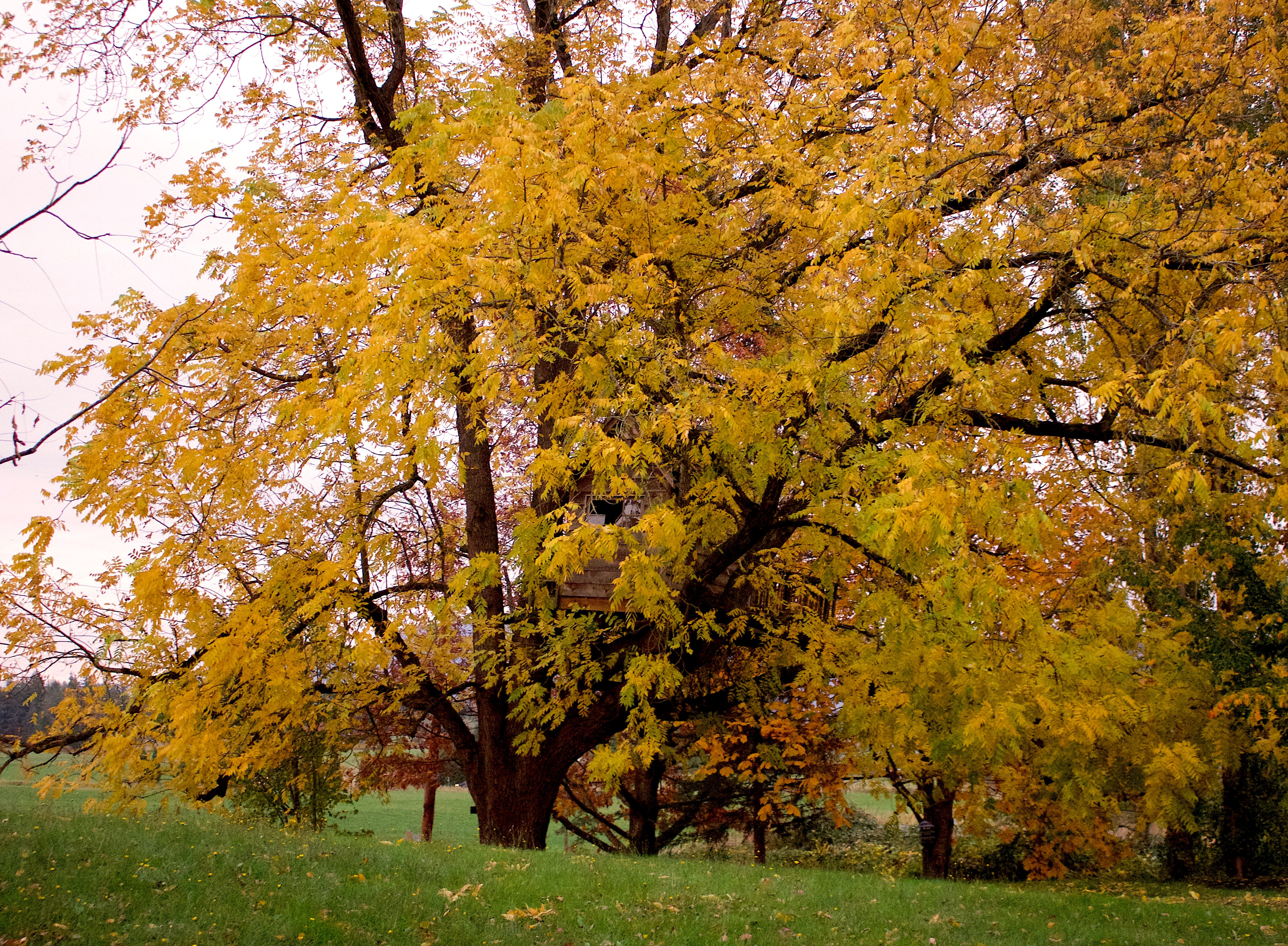
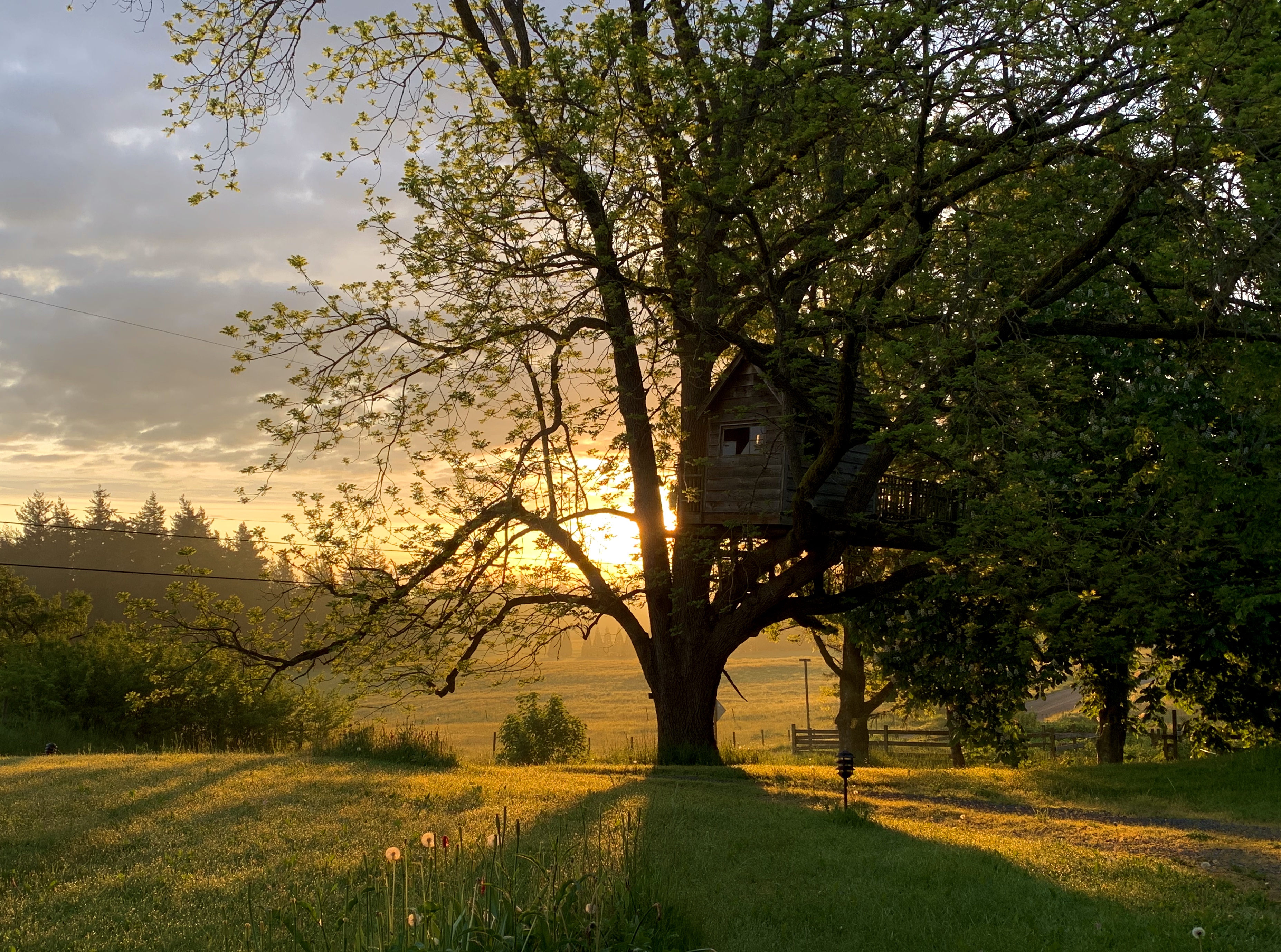
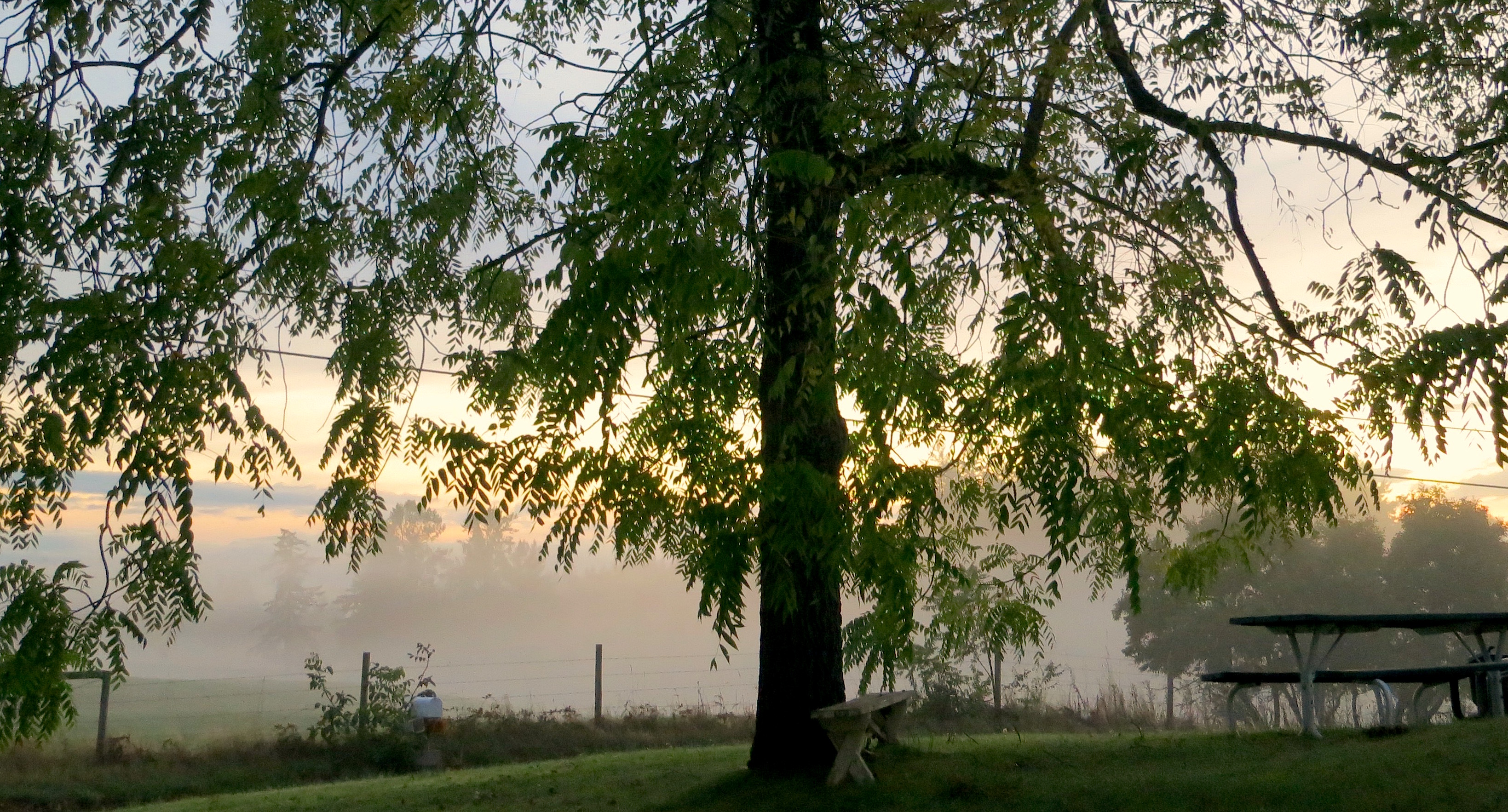
a front yard lined with several tall black walnut trees
brought as seedlings in a grandfather’s suitcase from Ohio
in the ought-1900’s.

These trees thrived for nearly a century on this hilltop farm
overlooking the Canadian mountains to the north,
the Nooksack River valley to the west,
the Cascade peaks to the east,
each prolific in leaves
and prodigious in fruit.

The first year we were here,
a windstorm took one tree down.
A neighbor offered
to mill the twisted trunk for shares.
The fallen tree became planks
of fine grained chocolate-hued lumber.

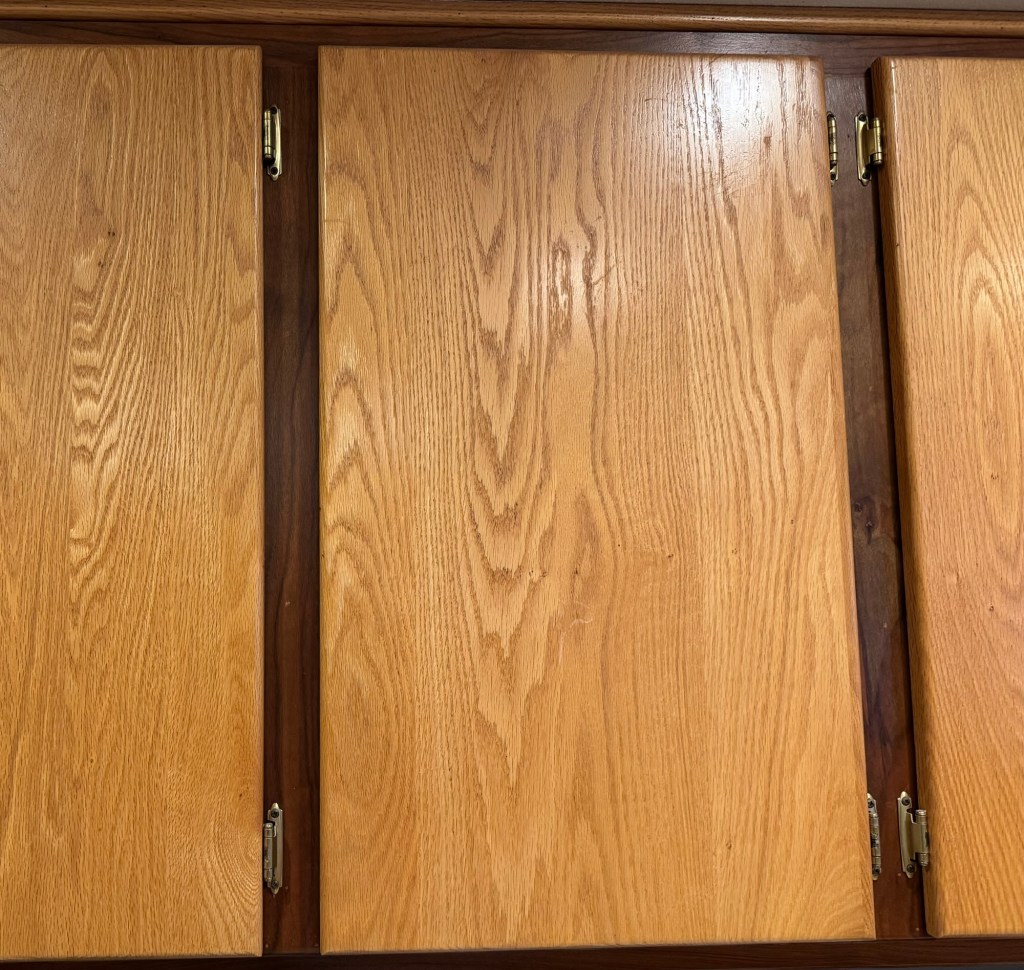
This old tree is the back facing of our oak door cupboards,
a daily reminder of a legacy left behind~
sturdy even if imperfect,
still beautiful to the eye and the heart.

treehouse5
novtreehouse
blackwalnut

One-Time
Monthly
Yearly

Make a one-time or recurring donation to support daily Barnstorming posts

Make a monthly donation

Make a yearly donation

Choose an amount

$10.00
$25.00
$50.00
$5.00
$15.00
$100.00
$5.00
$15.00
$100.00

Or enter a custom amount

$

Your contribution is deeply appreciated.

Your contribution is appreciated.

Your contribution is appreciated.

DonateDonate monthlyDonate yearly

A Halloween Forty Years Ago

In the quiet misty morning
When the moon has gone to bed
When the sparrows stop their singing
And the sky is clear and red
When the summer ceased it’s gleaming
When the corn is past its prime
When adventures lost its meaning
I’ll be homeward-bound in time
~Marta Keen from “Homeward Bound”

On Halloween day in 1985, I packed up a roll-up mattress pad, grabbed one lonely pumpkin from our small garden, locked our rental house door for the last time, then climbed in my car to head two hours north out of Seattle.

I don’t recall looking back in the rear view mirror at the skyline after nine years living in the city. My husband had moved to Whatcom County two months earlier to start his new job. I had stayed behind to wrap up my Group Health family practice in the Rainier Valley of central Seattle.

I was leaving the city for our new rural home and a very uncertain professional future.

I knew two things for sure: I was finally several months pregnant after a miscarriage and two years of trying to conceive, so our family was on its way, and we were going to live in our own house with a few acres and a barn.

A real (sort of) starter farm and starter family, a dream we both shared.
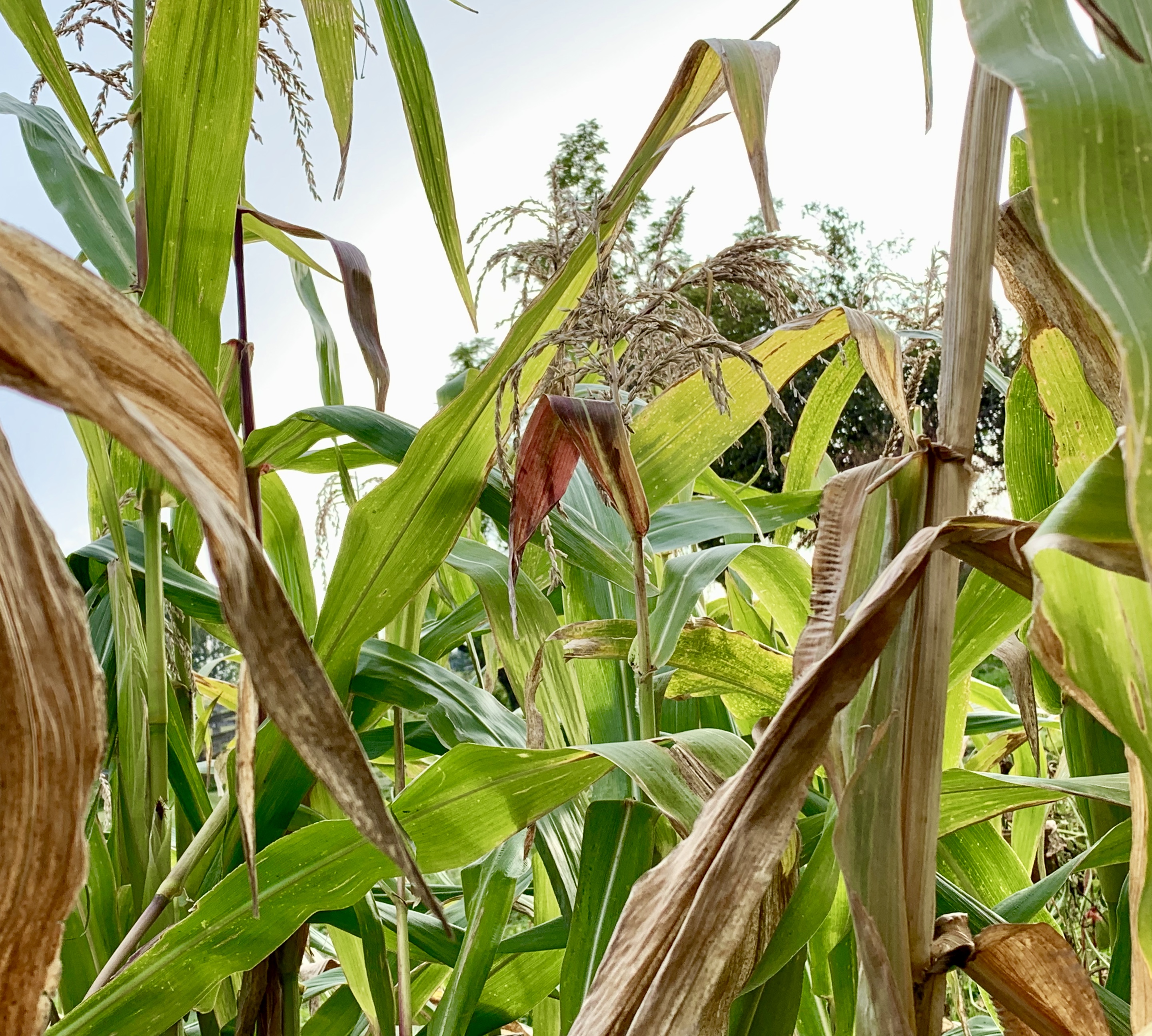
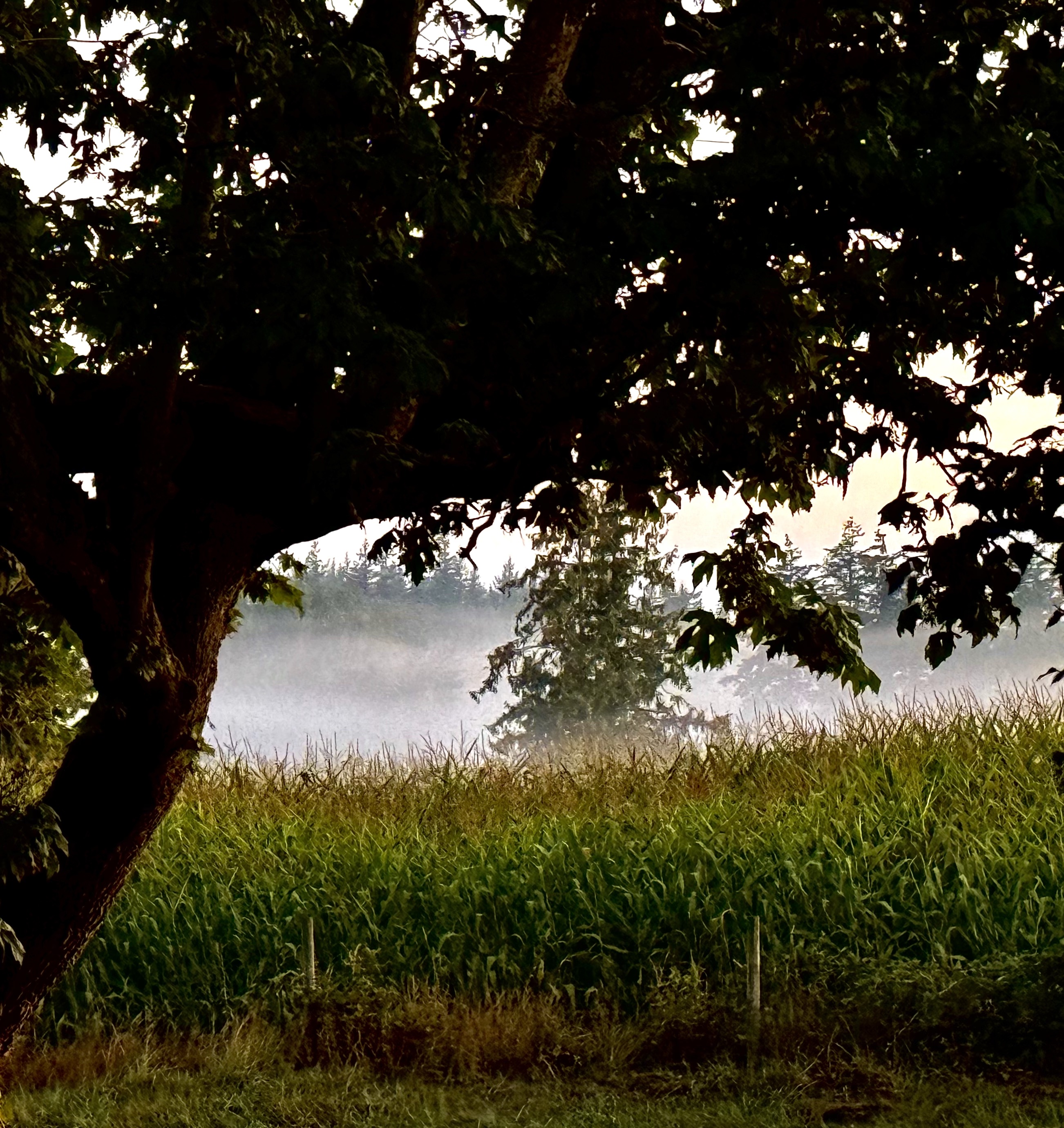
Our home sits in the midst of woods and corn fields, with deer strolling through the fields at dawn, coyotes howling at night, Canadian geese and trumpeter swans calling from overhead and salmon thriving in nearby streams. The snowy Cascades greet us in the morning to the east, the Canadian Coastal range majestic to the north and not far to the west, the Salish Sea/Puget Sound.

Since it wouldn’t be a farm without animals, I stopped at the first pet store I drove past and found two tortoise shell calico kitten sisters peering up at me, just waiting for new adventures in farmland. Their box was packed into the one spot left beside me in my little Mazda.

With that simple commitment to raise and nurture those kittens alongside the life growing inside me, life seemed very complete.

I will never forget the freedom I felt on that drive north. The highway seemed more open, the fall colors more vibrant, the wind more energizing, our baby kicking my belly, the kittens mewing from their box. There seemed so much potential even though I had just left behind the greatest family practice found in any urban setting (at the time, it was the most ethnically diverse zip code in the United States) with patients from all over the world: alongside the multi-racial inner city population living in subsidized housing developments, my patients included Muslim immigrants from the Middle East and Indonesia, Orthodox Jews, Italian Catholics, and refugees from Cambodia, Laos, and Vietnam.

I will never know so much variety of ethnic background and perspective again. If I could have packed them all into my little car and driven them north with me, I would have.

Despite what I was leaving behind, there was certainly a feeling of freedom that rainy Halloween day as the big city disappeared in the rear view mirror.

No longer would I sit captive in freeway rush-hour bumper to bumper traffic jams. I traded that for a new rural commute winding through farm fields while watching eagles fly overhead. I could become part of a community in a way I never could manage in the city, visiting with friends at the grocery store, playing piano and teaching Sunday School at church and serving on various community boards.

After the new kittens, dubbed Nutmeg and Oregano, arrived on our farm, we added even more diversity: a Belgian Tervuren dog Tango, a Haflinger horse Greta, Toggenburg goats Tamsin and her kids, a few Toulouse geese, Araucana chickens, Fiona the Scottish Highland cow, then another Haflinger Hans and another, Tamara. I worked as a fill-in doctor in four different clinics before our first baby was born, then settled into part-time practice in several different clinics for most of my career.

With those new commitments, life was fulfilling and busy – we soon added a little brother and seven years later, a sister. Then it felt like our family was complete.

Forty years later, our children have grown and gone to homes of their own, all married to wonderful spouses, raising six delightful children for us to lavish love on.

Somehow life now feels even more complete.

A few cats, a Cardigan Corgi, and three ponies still live at the farm with us. Now retired from our professional lives “in town”, we enjoy the freedom of slower and quieter days, nurtured and nurturing.

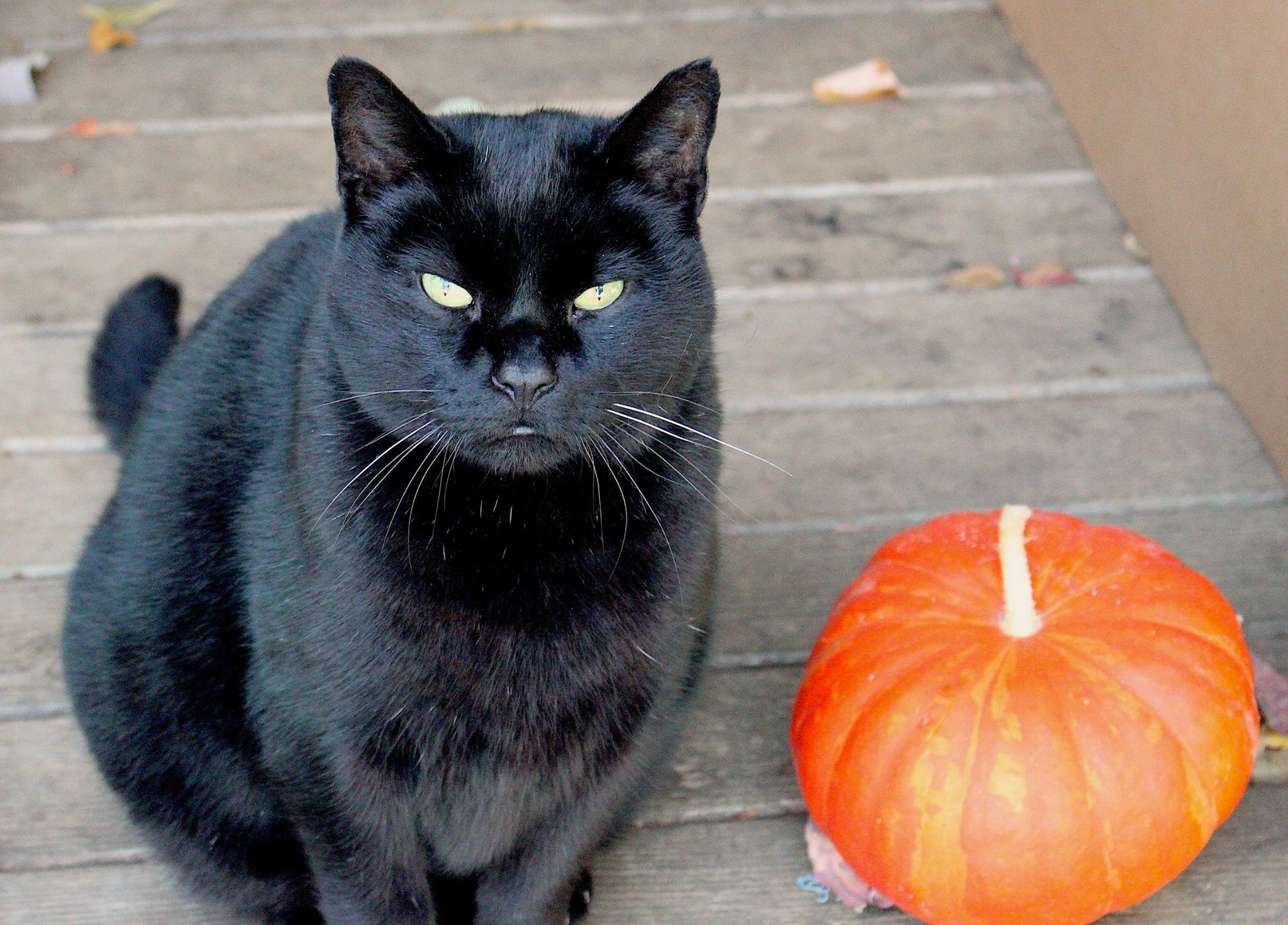
It all started October 31, 1985 with two orange and black kittens and a pumpkin sitting beside me in a little Mazda, my husband awaiting my homecoming 100 miles north. Now, forty years later, we celebrate this Halloween anniversary of farm and family, still pregnant with the possibility that life is never truly complete when there is always a new day just around the corner.

One-Time
Monthly
Yearly

Make a one-time or recurring donation to support daily Barnstorming posts

Make a monthly donation

Make a yearly donation

Choose an amount

$10.00
$25.00
$50.00
$5.00
$15.00
$100.00
$5.00
$15.00
$100.00

Or enter a custom amount

$

Your contribution is deeply appreciated.

Your contribution is appreciated.

Your contribution is appreciated.

DonateDonate monthlyDonate yearly

The Glow of Ripeness

Love means to learn to look at yourself
The way one looks at distant things
For you are only one thing among many.
And whoever sees that way heals his heart,
Without knowing it, from various ills—
A bird and a tree say to him: Friend.

Then he wants to use himself and things
So that they stand in the glow of ripeness.
It doesn’t matter whether he knows what he serves:
Who serves best doesn’t always understand.
~Czeslaw Milosz “Love” from New and Collected Poems: 1931-2001

Let him kneel down, lower his face to the grass,
And look at light reflected by the ground.
There he will find everything we have lost…
~Czeslaw Milosz from “The Sun”

It’s not easy to subdue the needy ego and let the life-giving soul take control, even though doing so saves us grief and serves the world well. So if you see me on the street one day, quietly muttering, “Only one thing among many, only one thing among many…,” you’ll know I’m still working on it, or it’s still working on me.
~Parker Palmer “The Big Question: Does My Life Have Meaning?”

It is always tempting to be self-absorbed; since my heart stent placement nearly 8 months ago, I tend to analyze every sensation in my chest, fuss over how many steps I take daily, and get discouraged when the scale doesn’t register the sacrifices I think I’m making in my diet.

In other words, in my efforts to heal my physically-broken heart, I become the center of my attention, rather than just one among many things in the days/months/years I have left. I need to look at myself from a distance rather than under a microscope.

It is a skewed and futile perspective, seeking meaning and purpose in life by navel gazing.

Instead, I should be concentrating on the ripeness of each day. I’ve been given a second chance to recalibrate my journey through the time I have left, focusing outward, gazing at the wonders around me, sometimes getting down on my knees.

I don’t fully understand how I might serve others by what I share here online, or what I do in my local community with my hands and feet. I now know not to miss the moments basking in the glow of loving those around me, including you friends I may never meet on this side of the veil.

May you glow in ripeness as well.

One-Time
Monthly
Yearly

Make a one-time or recurring donation to support daily Barnstorming posts

Make a monthly donation

Make a yearly donation

Choose an amount

$10.00
$25.00
$50.00
$5.00
$15.00
$100.00
$5.00
$15.00
$100.00

Or enter a custom amount

$

Your contribution is deeply appreciated.

Your contribution is appreciated.

Your contribution is appreciated.

DonateDonate monthlyDonate yearly

What I’ll Remember

old milk barn

The partly open hay barn door, white frame around the darkness,
the broken board, small enough for a child
to slip through.


Walking in the cornfields in late July, green tassels overhead,
the slap of flat leaves as we pass, silent
and invisible from any road.


Hollyhocks leaning against the stucco house, peonies heavy
as fruit, drooping their deep heads
on the dog house roof.


Lilac bushes between the lawn and the woods,
a tractor shifting from one gear into
the next, the throttle opened,


the smell of cut hay, rain coming across the river,
the drone of the hammer mill,
milk machines at dawn.

~Joyce Sutphen “The Last Things I’ll Remember” from First Words

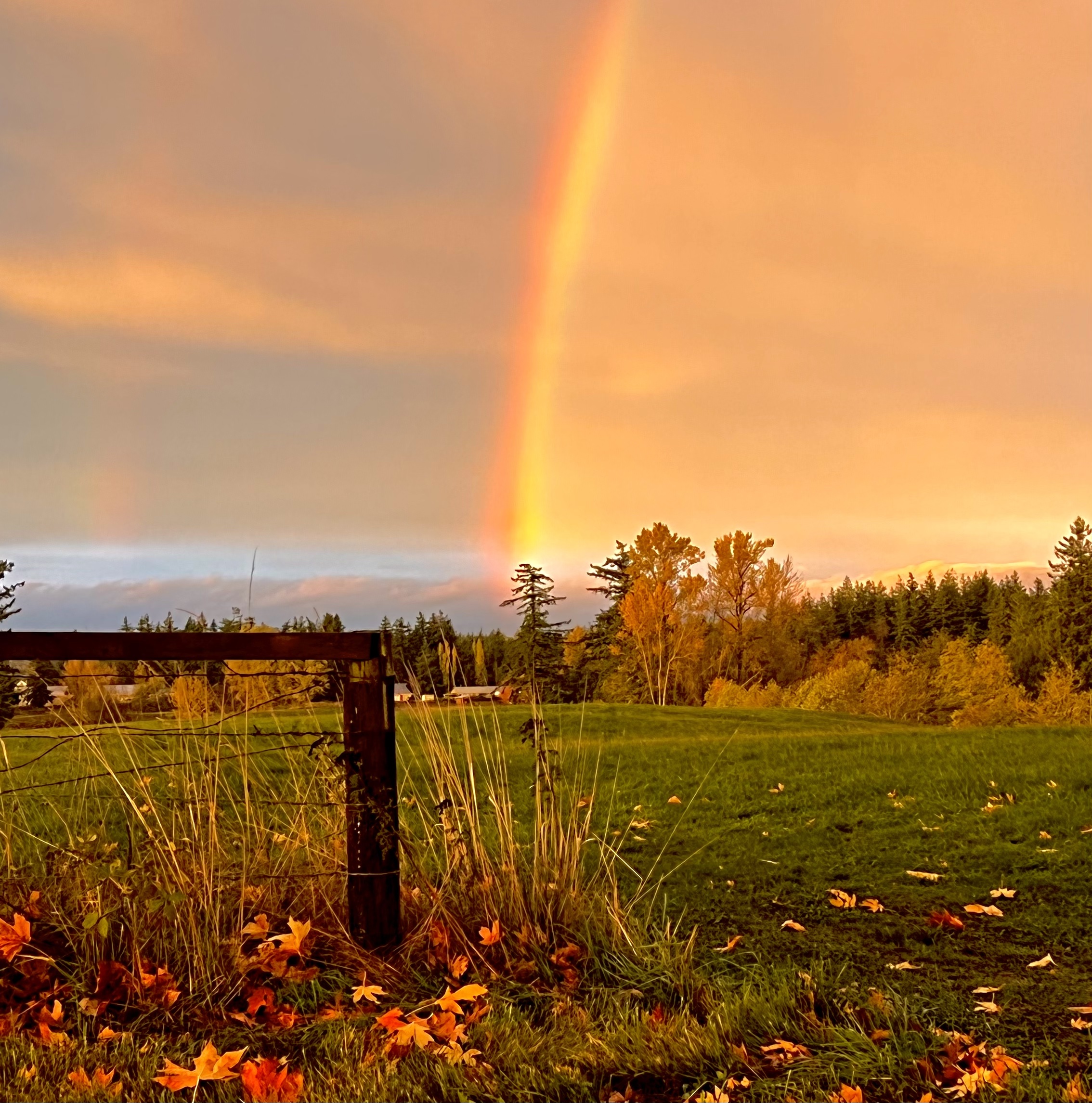
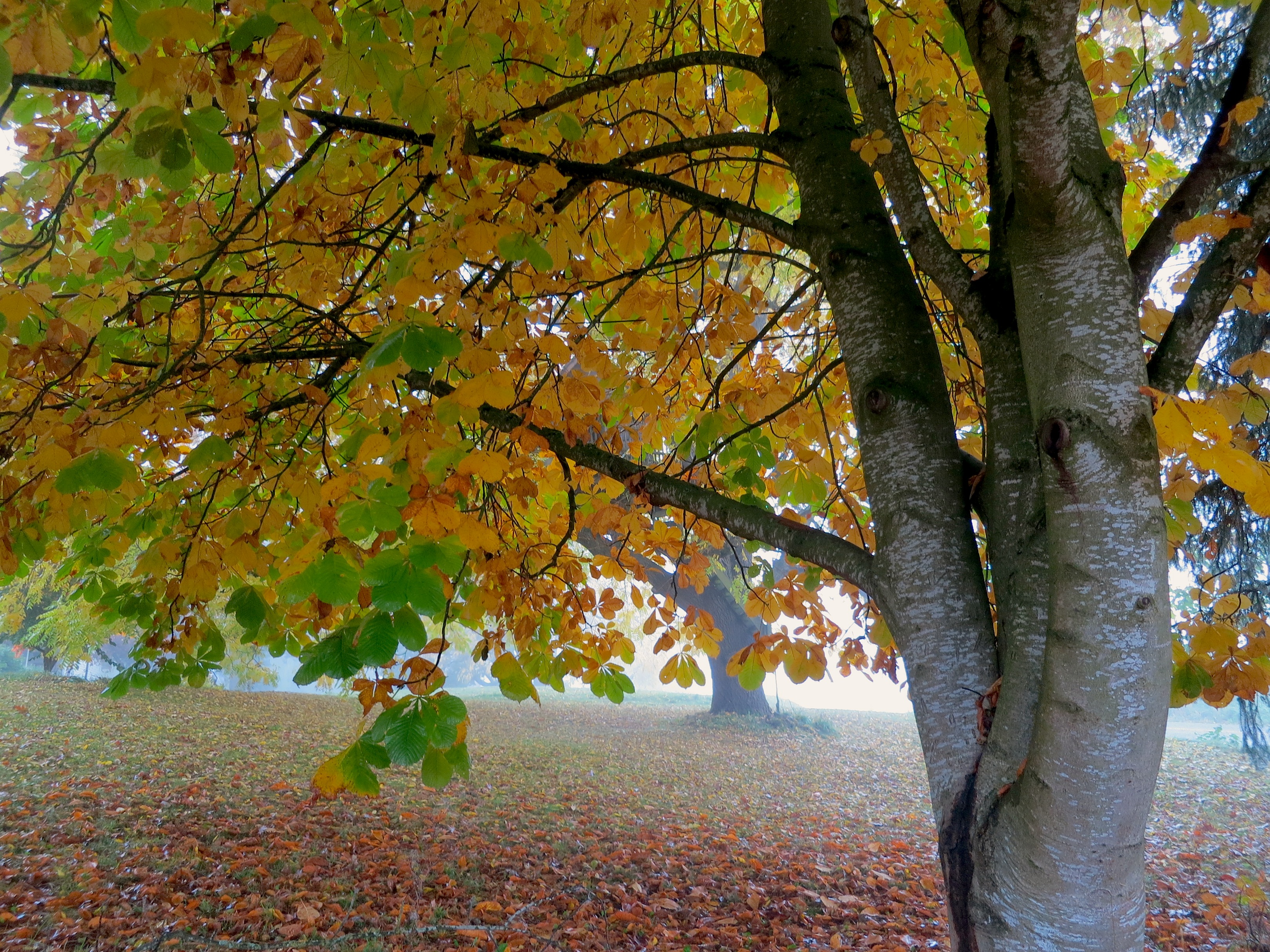
I turn this seasonal corner, facing deep into autumn,
summer fading in the rear view mirror.

Even as the air bares chill, and the clouds sopping soak,
the riches of summer remain vivid.

Let me remember:
even if I too fade away, readying for the next turn.

One-Time
Monthly
Yearly

Make a one-time or recurring donation to support daily Barnstorming posts

Make a monthly donation

Make a yearly donation

Choose an amount

$10.00
$25.00
$50.00
$5.00
$15.00
$100.00
$5.00
$15.00
$100.00

Or enter a custom amount

$

Your contribution is deeply appreciated.

Your contribution is appreciated.

Your contribution is appreciated.

DonateDonate monthlyDonate yearly
Horses Without Headlights

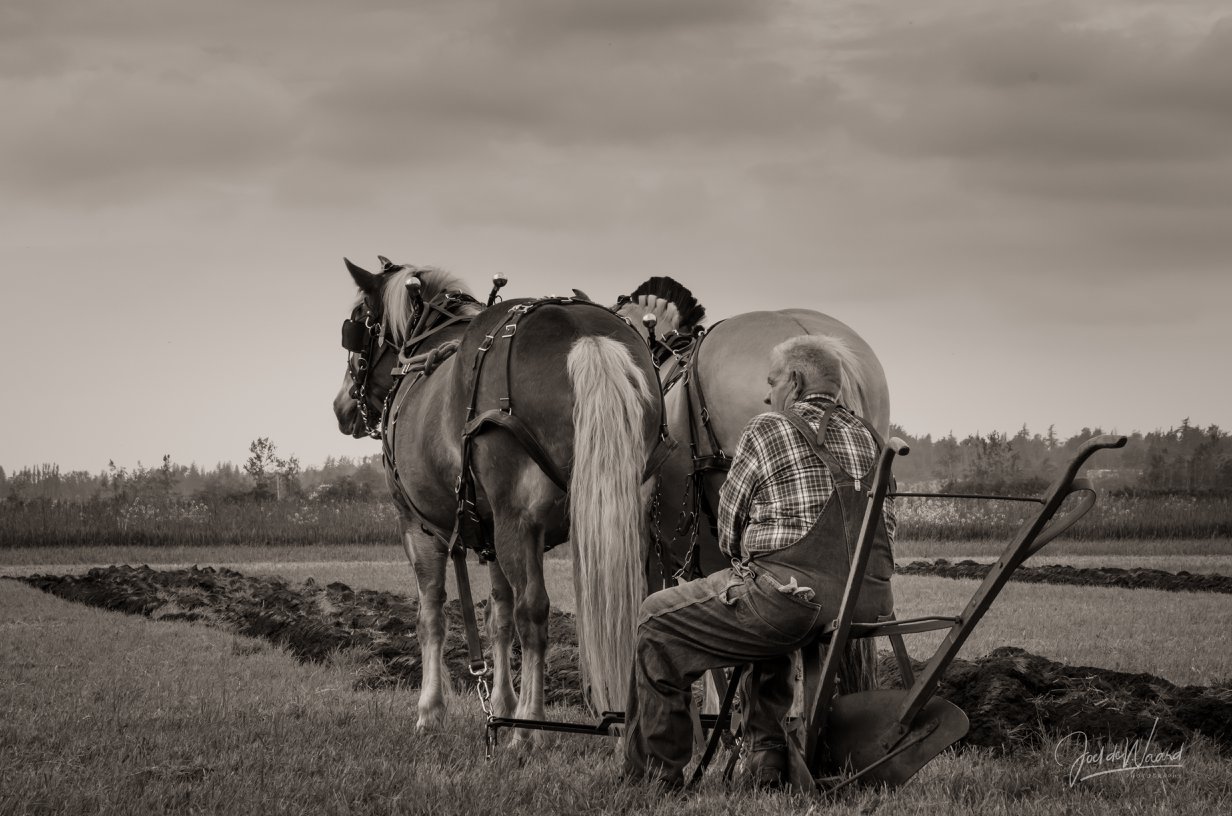
… The Amish have maintained what I like to think is a proper scale, largely by staying with the horse. The horse has restricted unlimited expansion.
Not only does working with horses limit farm size, but horses are ideally suited to family life.
With horses you unhitch at noon to water and feed the teams and then the family eats what we still call dinner. While the teams rest there is usually time for a short nap.
And because God didn’t create the horse with headlights,
we don’t work nights.
~Amish farmer David Kline in Great Possessions

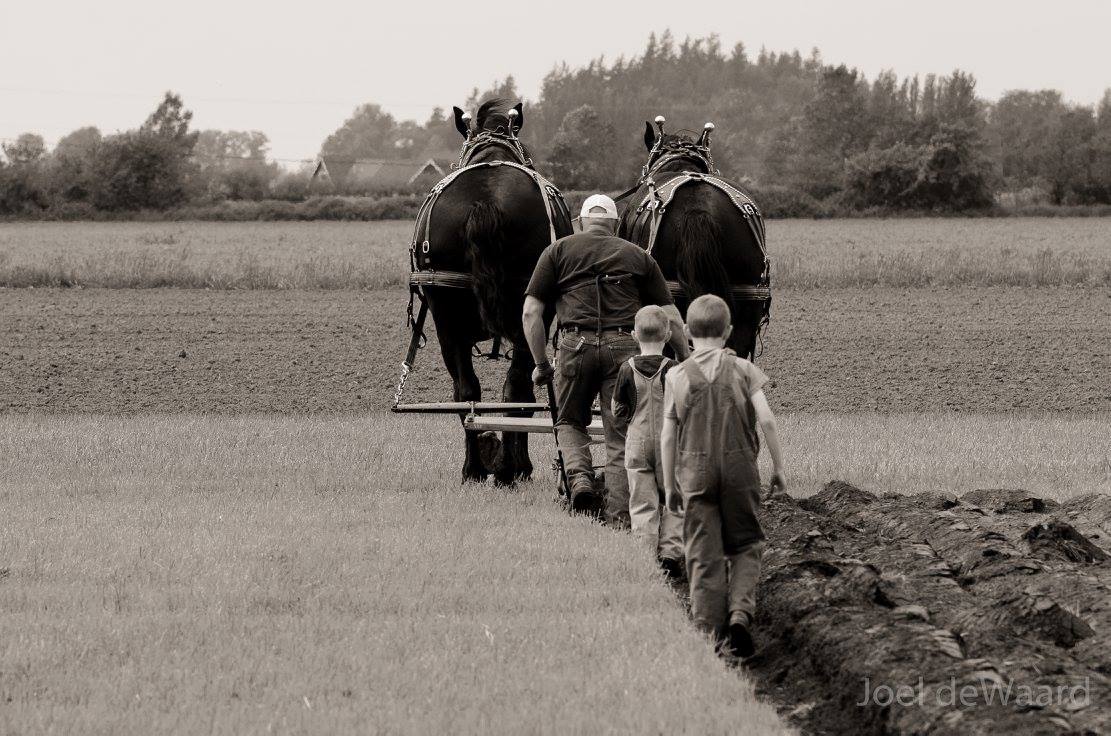
photo by Joel De Waard

You can’t have the family farm without the family.
~G.K. Chesterton from “The Unprecedented Architecture of Commander Blair,” Tales of the Long Bow

Photo of Aaron Janicki haying with his Oberlander team in Skagit County courtesy of Tayler Rae
Benjamin Janicki of Sedro Woolley raking hay with his team of Oberlanders

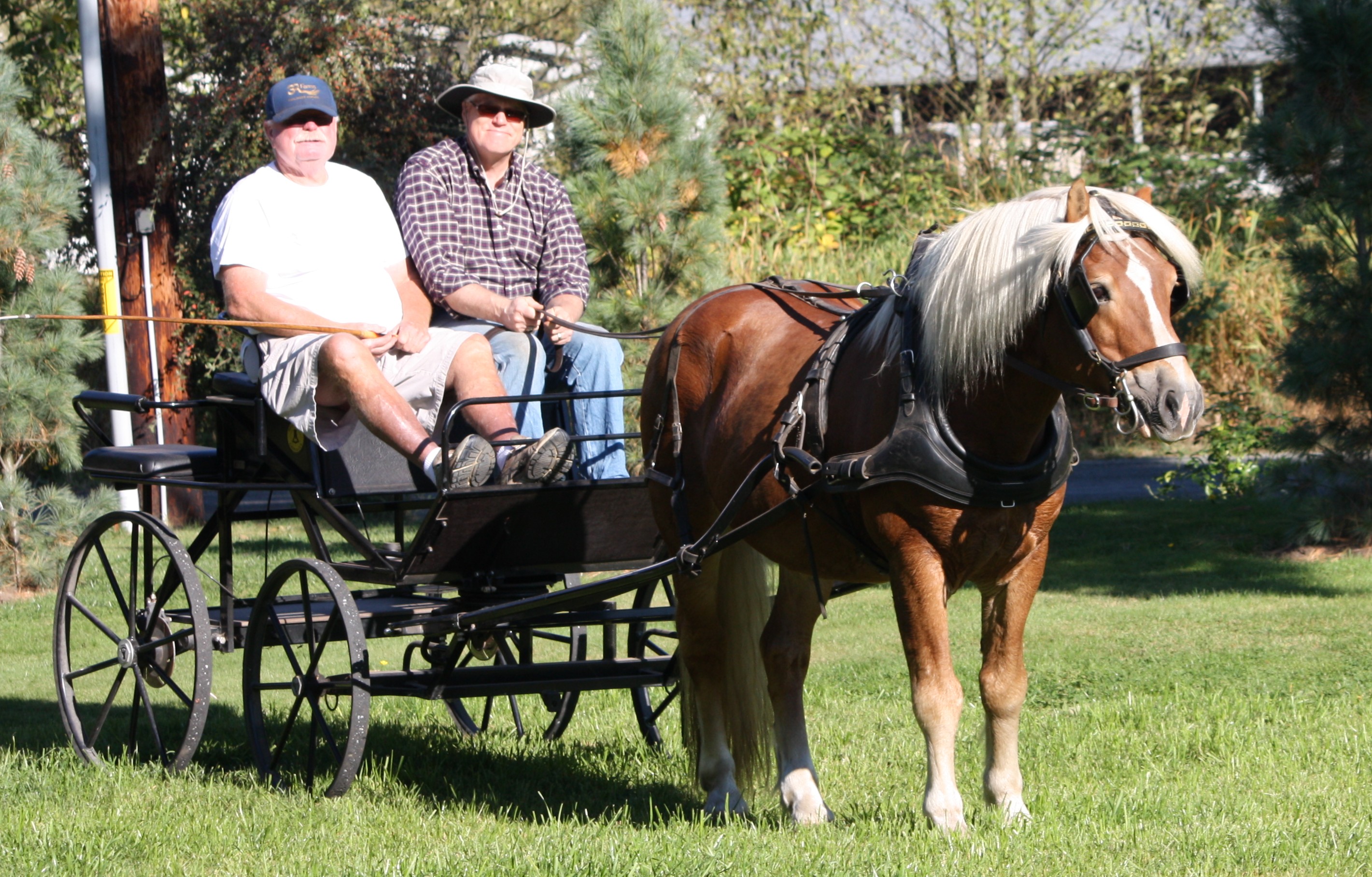
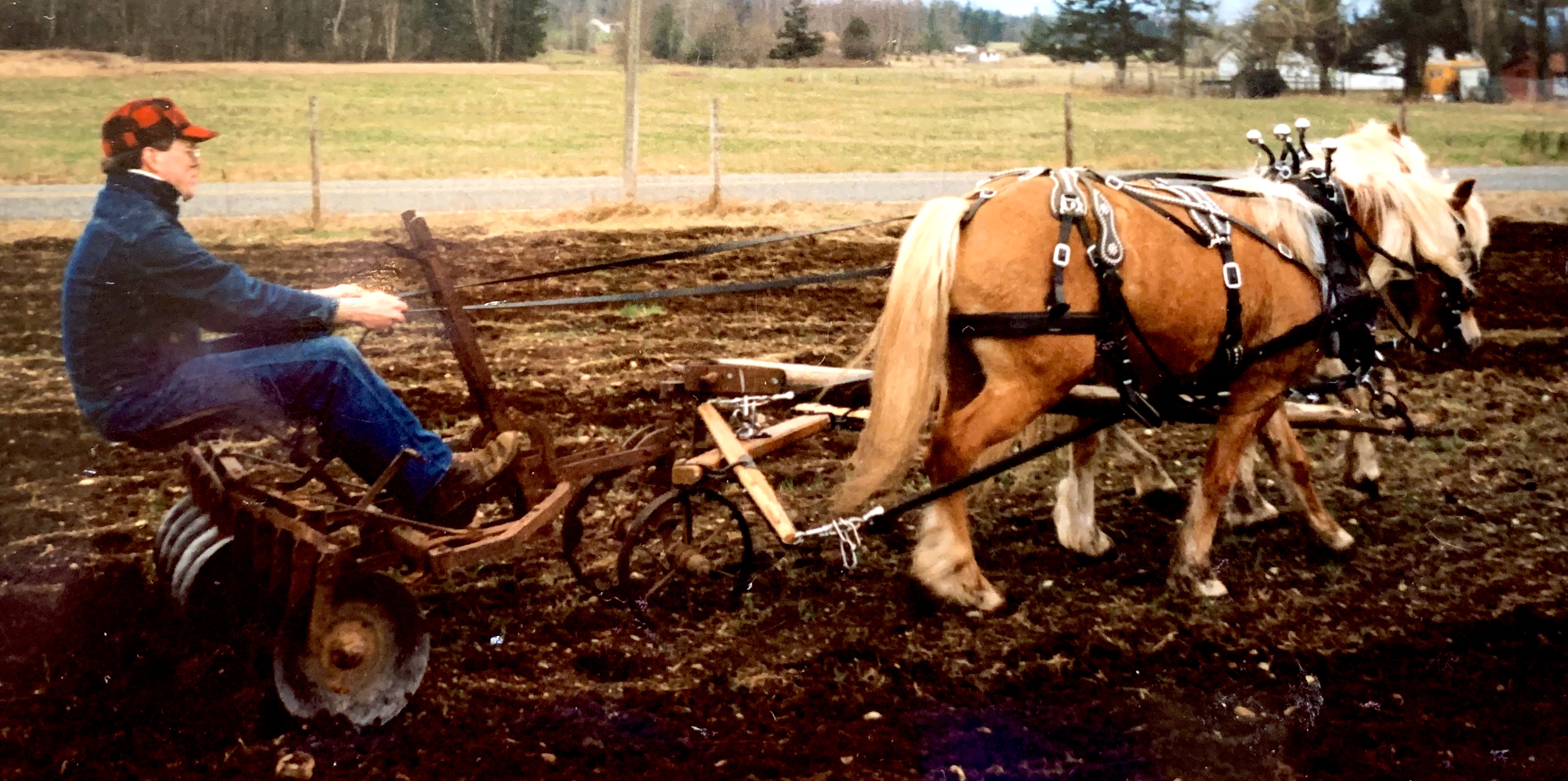
I’m 71 years old ~ old enough to have parents who grew up on farms worked by horses, one raising wheat and lentils in the Palouse country of eastern Washington and the other logging in the woodlands of Fidalgo Island of western Washington. The horses were crucial to my grandfathers’ success in caring for and tilling the land, seeding and harvesting the crops and bringing supplies from town miles away.  Theirs was a hardscrabble life in the early 20th century with few conveniences. Work was year round from dawn to dusk; caring for the animals came before any human comforts. Once night fell, work ceased and sleep was welcome respite for man and beast.

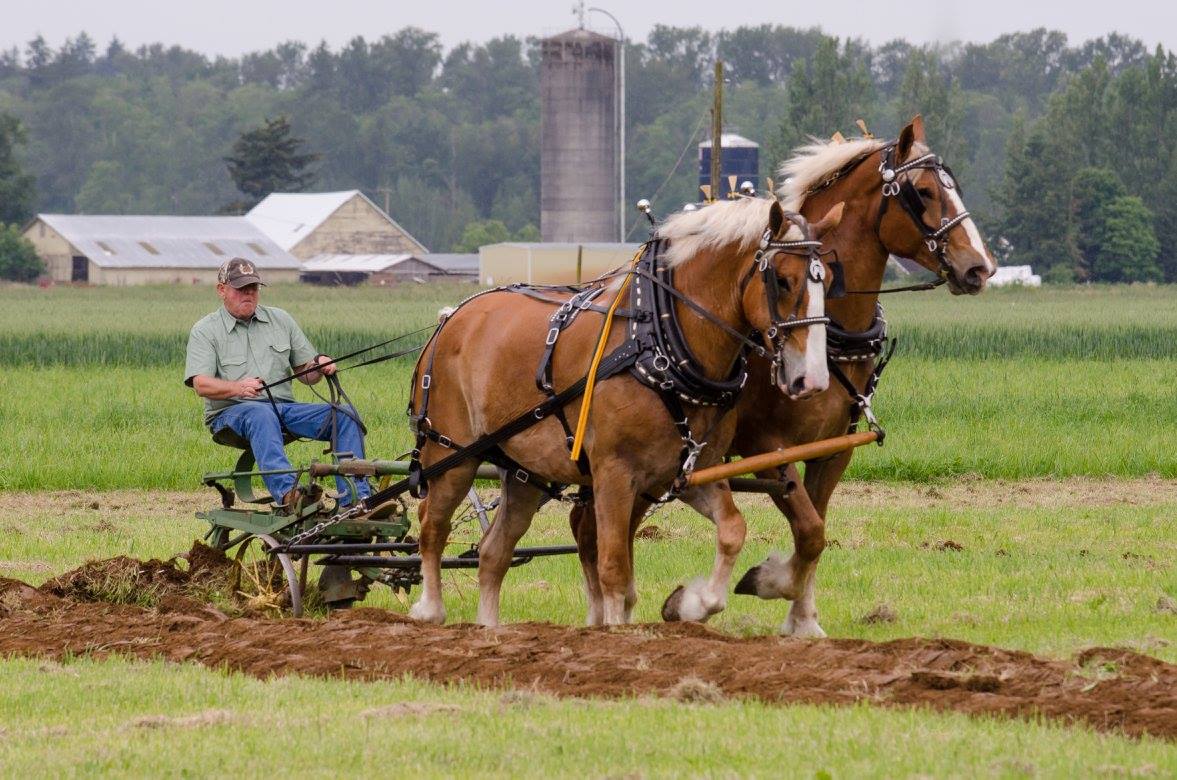
In the rural NW Washington countryside where we live, we’ve been fortunate enough to live near farmers who still dabble in horse farming, whose draft teams are hitched to plows and mowers and manure spreaders as they head out to the fields to recapture the past. They still gather together in the spring to have a well-attended and friendly competition plowing match.

Watching a good team work with no diesel motor running means hearing bird calls from the field, the steady footfall of the horses, the harness chains jingling, the leather straps creaking, the machinery shushing quietly as gears turn and grass lays over in submission. No ear protection is needed. There is no clock needed to pace the day.  

There is a rhythm of nurture when animals instead of engines are part of the work day. The gauge for taking a break is the amount of foamy sweat on the horses and how fast they are breathing. 
It is time to stop and take a breather,
it is time to start back up to do a few more rows,
it is time to water,
it is time for a meal,
it is time for a nap,
it is time for a rest in a shady spot. 
This is gentle use of the land with four footed stewards who deposit right back to the soil the digested forage they have eaten only hours before.

Our modern fossil-fuel-powered approach to food production has bypassed the small family farm which was so dependent on the muscle power of humans and animals. In our move away from horses worked by skilled teamsters, what has been gained in high production values has meant loss of self-sufficiency and dedicated stewardship of a smaller acreage. Draft breeds, including the Haflinger horses we raised for forty years, now are bred for higher energy with lighter refined bone structure meant more for eye appeal and floating movement, rather than the sturdy conformation and unflappable low maintenance mindset needed for pulling work.

Modern children grow up with a different set of values as well, no longer raised to work together with other family members, as well as the animals on the farm for a common purpose of daily survival.

Still fascinated by the The Small Farmer’s Journal, I am encouraged when the next generation reaches for horse collars and bridles, hitches up their horses to do the work as it used to be done.  Although the modern world will never go back to the days of horse-drawn farming and transportation, we can acknowledge there were some benefits to the old ways of doing things, when progress meant being harnessed together as a team with our horses, tilling for truth and harvesting hope.

photo by Tayler Rae


I like farming. I like the work.

I like the livestock and the pastures and the woods. 
It’s not necessarily a good living, but it’s a good life. 
I now suspect that if we work with machines
the world will seem to us to be a machine,
but if we work with living creatures
the world will appear to us as a living creature. 
That’s what I’ve spent my life doing,
trying to create an authentic grounds for hope.
~Wendell Berry, horse farmer, essayist, poet, professor

photo by Tayler Rae
One-Time
Monthly
Yearly

Make a one-time or recurring donation to support daily Barnstorming posts

Make a monthly donation

Make a yearly donation

Choose an amount

$10.00
$25.00
$50.00
$5.00
$15.00
$100.00
$5.00
$15.00
$100.00

Or enter a custom amount

$

Your contribution is deeply appreciated.

Your contribution is appreciated.

Your contribution is appreciated.

DonateDonate monthlyDonate yearly

Watchers in the Sun

We are walking with the month
To a quiet place.
See, only here and there the gentians stand!
Tonight the homing loon
Will fly across the moon,
Over the tired land. 
We were the idlers and the sowers,
The watchers in the sun,
The harvesters who laid away the grain.
Now there’s a sign in every vacant tree,
Now there’s a hint in every stubble field,
Something we must not forget
When the blossoms fly again.
Give me your hand!


There were too many promises in June.
Human-tinted buds of spring
Told only half the truth.
The withering leaf beneath our feet,
That wrinkled apple overhead,
Say more than vital boughs have said
When we went walking
In this growing place. 
There is something in this hour 
More honest than a flower 
Or laughter from a sunny face.
~Scudder Middleton “Song in the Key of Autumn”

I walk through the scant remainder of September
wistful~~
a witness to the harvest of
unfulfilled spring promises.

Watching sunlit days fade to
blustery rain-filled nights.

I knew the growing season wouldn’t last.
I knew the time to lie fallow would come.

Give me your hand.
We’ll walk through this darkening time together,
waiting, watching,
for, once more, the promises of spring.

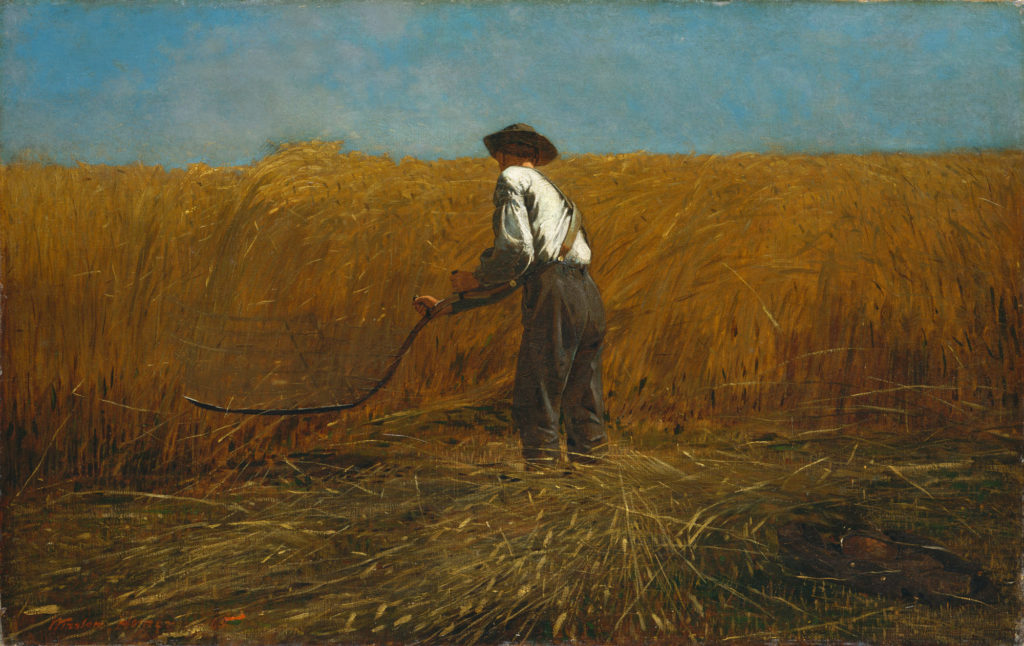
Winslow Homer – Veteran in a New Field, Metropolitan Museum of Art, New York City
One-Time
Monthly
Yearly

Make a one-time or recurring donation to support daily Barnstorming posts

Make a monthly donation

Make a yearly donation

Choose an amount

$10.00
$25.00
$50.00
$5.00
$15.00
$100.00
$5.00
$15.00
$100.00

Or enter a custom amount

$

Your contribution is deeply appreciated.

Your contribution is appreciated.

Your contribution is appreciated.

DonateDonate monthlyDonate yearly
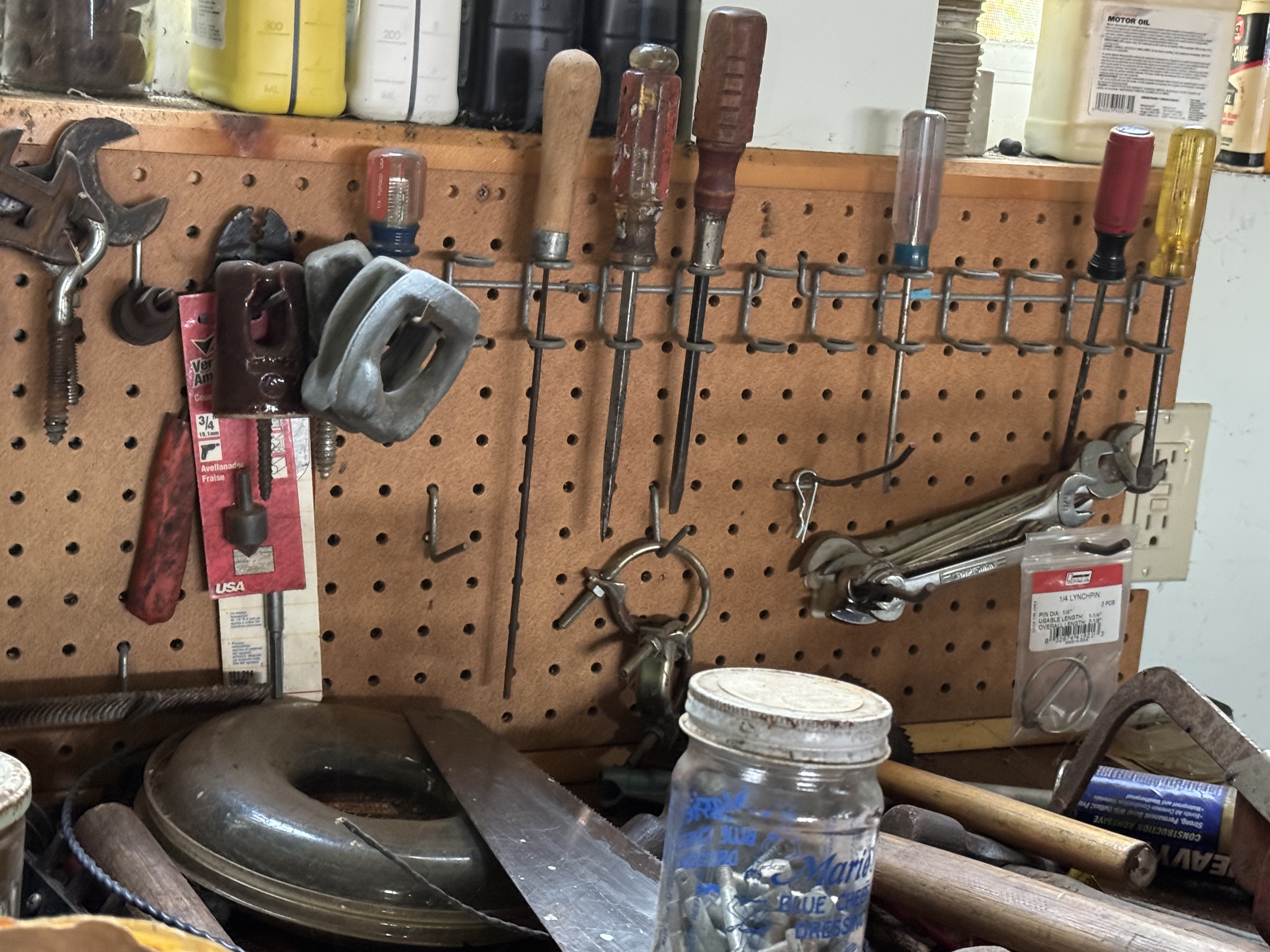
A Thing or Two

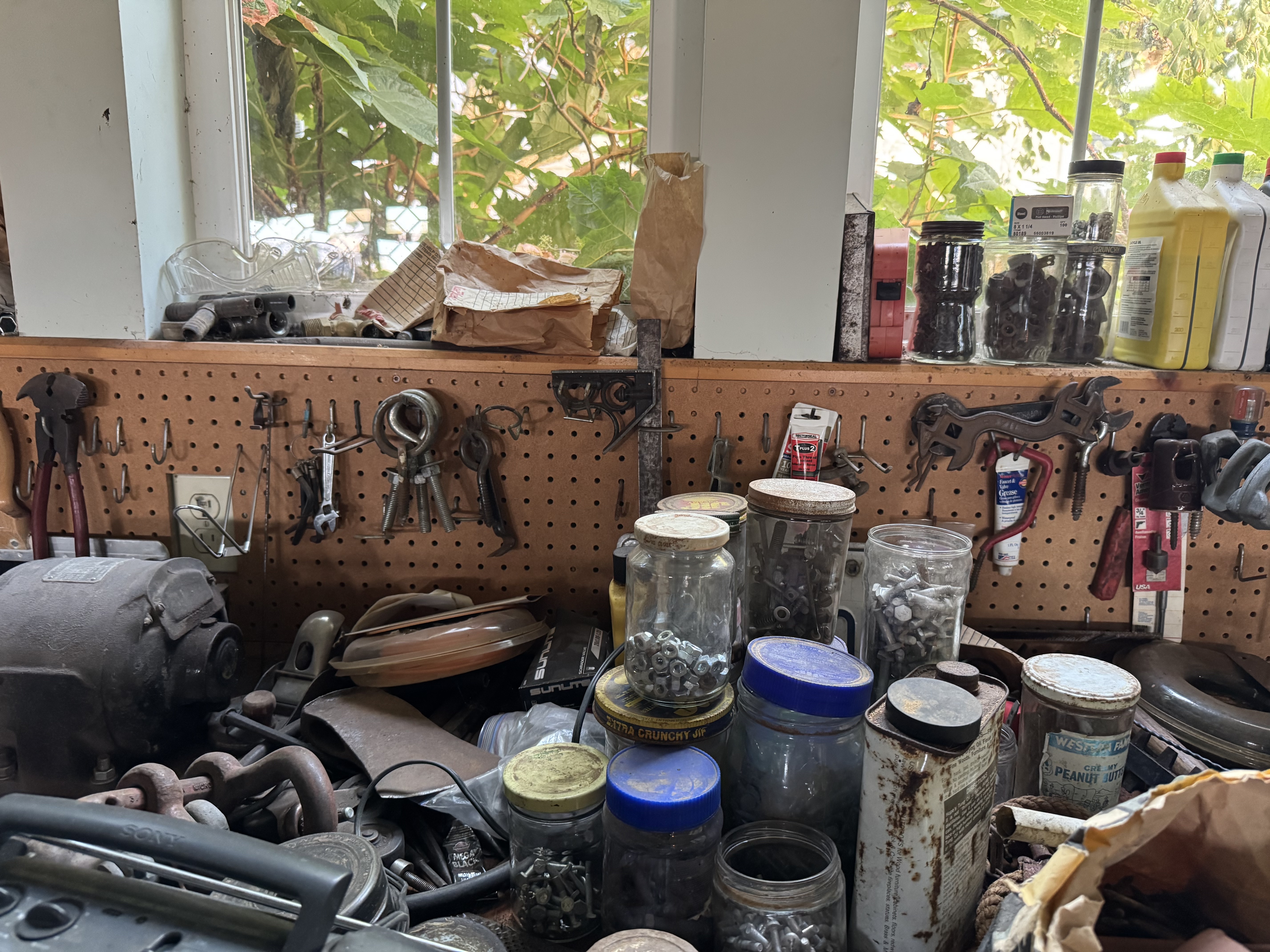
My father always knew the secret
name of everything—
stove bolt and wing nut,
set screw and rasp, ratchet
wrench, band saw, and ball—
peen hammer. He was my
tour guide and translator
through that foreign country
with its short-tempered natives
in their crewcuts and tattoos,
who suffered my incompetence
with gruffness and disgust.
Pay attention, he would say,
and you’ll learn a thing or two.


Now it’s forty years later,
and I’m packing up his tools
(If you know the proper
names of things you’re never
at a loss)
 tongue-tied, incompetent,
my hands and heart full
of doohickeys and widgets,
whatchamacallits, thingamabobs.

~Ronald Wallace “Hardware” from Time’s Fancy

“Hold on,” she said, “I’ll just run out and get him.
The weather here’s so good, he took the chance
To do a bit of weeding.”


So I saw him
Down on his hands and knees beside the leek rig,
Touching, inspecting, separating one
Stalk from the other, gently pulling up
Everything not tapered, frail and leafless,
Pleased to feel each little weed-root break,
But rueful also . . . 


Then found myself listening to
The amplified grave ticking of hall clocks
Where the phone lay unattended in a calm
Of mirror glass and sunstruck pendulums . . . 


And found myself then thinking: if it were nowadays,
This is how Death would summon
Everyman.

Next thing he spoke and I nearly said I loved him.
~Seamus Heaney “A Call” from ‘Poems That Make Grown Men Cry’

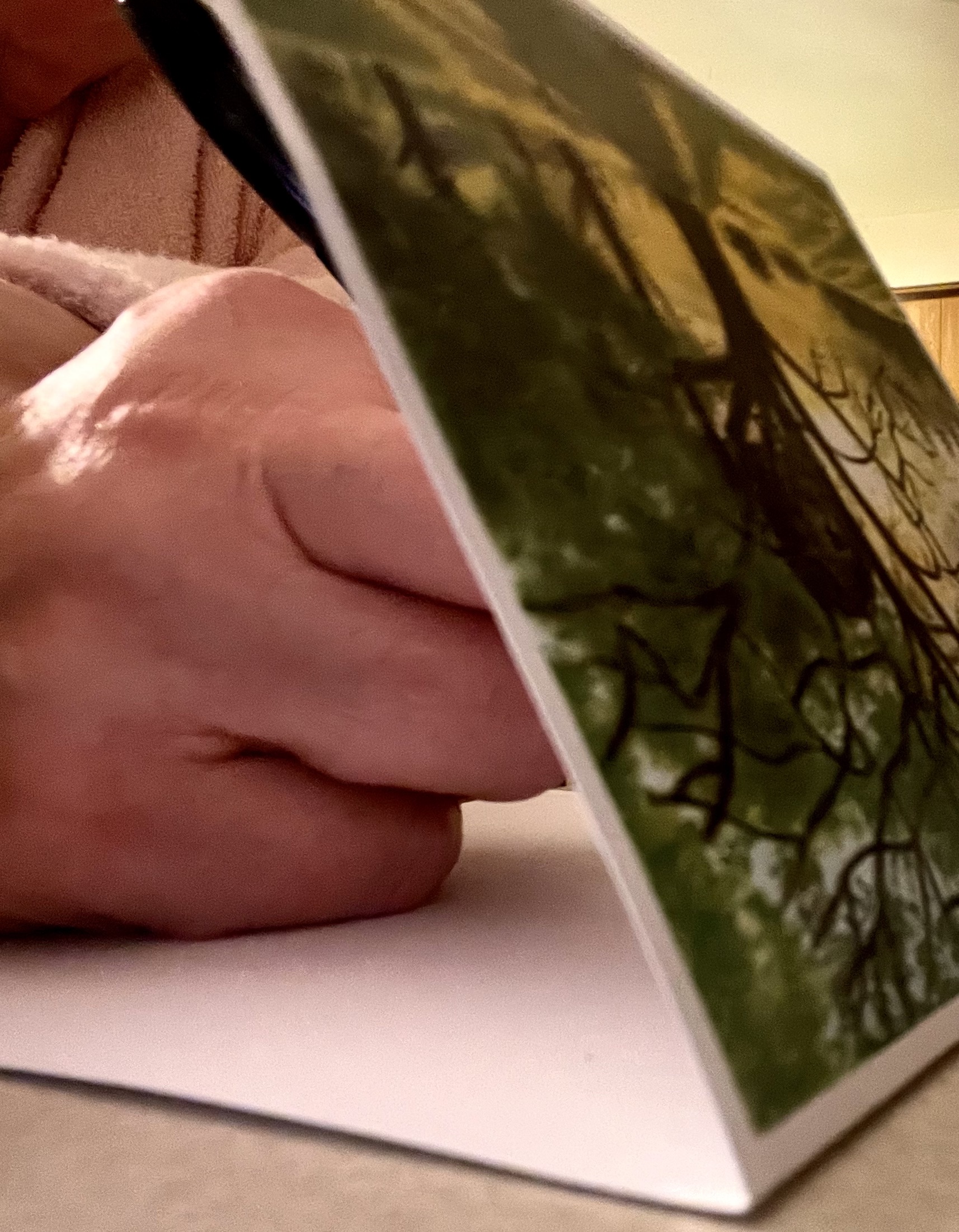
Between my finger and my thumb   
The squat pen rests; snug as a gun.
Under my window, a clean rasping sound   
When the spade sinks into gravelly ground: 
  

My father, digging. I look down
By God, the old man could handle a spade.
   

Just like his old man.
But I’ve no spade to follow men like them.

Between my finger and my thumb
The squat pen rests.
I’ll dig with it.

~Seamus Heaney from “Digging” from Death of a Naturalist

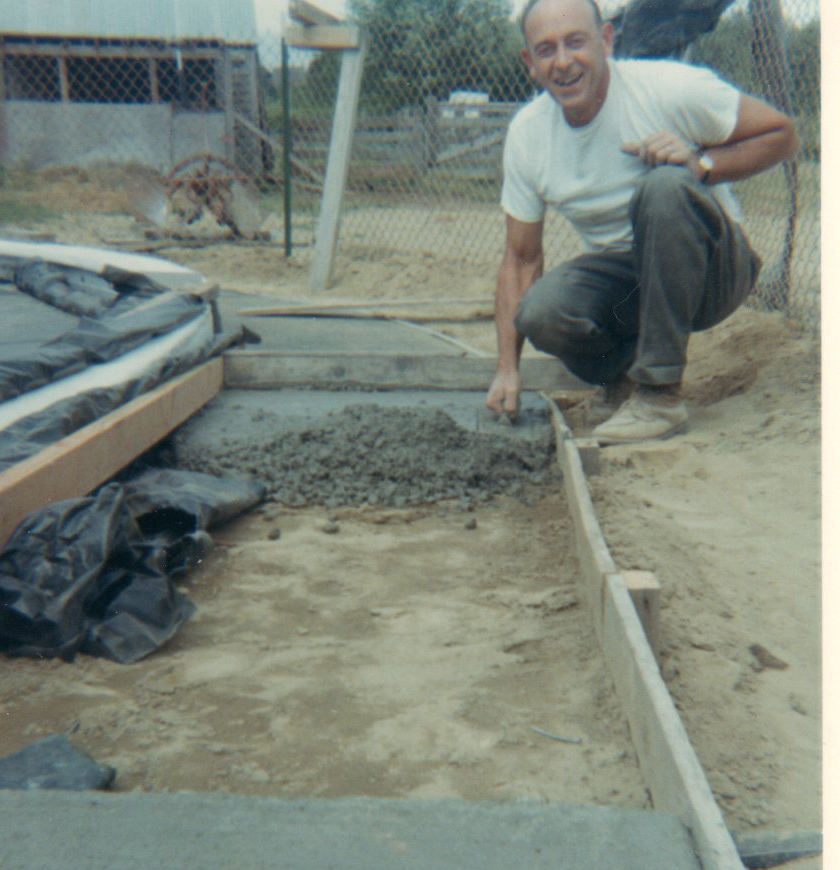
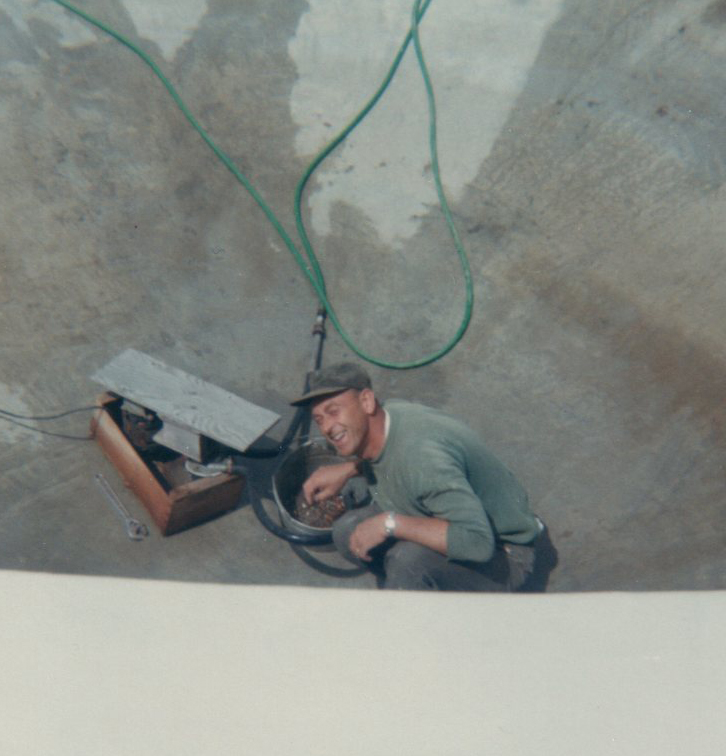
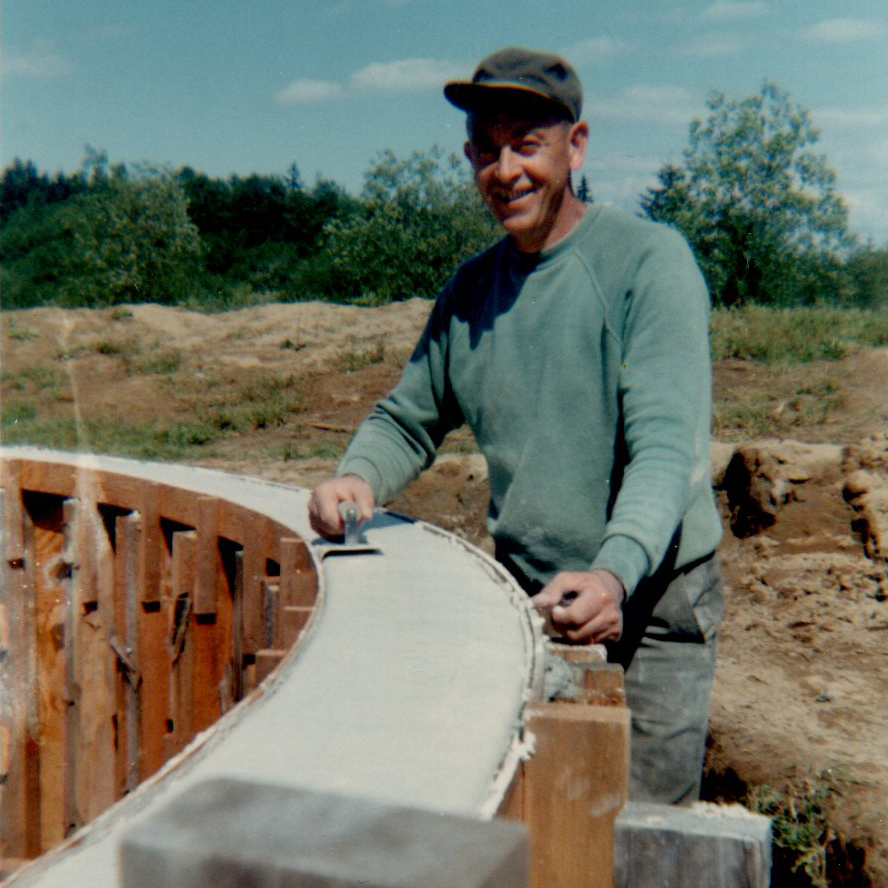
My father was a complex man. As I’ve aged, I understand better where my own complicated nature comes from.

As inscrutable as he could be, there were things I absolutely understood about him:

he was a man of action
– he never just sat, never took a nap, never wasted a day of his life without accomplishing something tangible.

he was a man of the soil
– he plowed and harrowed and sowed and fertilized and weeded and cut brush and harvested

he was a man of inventiveness
– he figured out a better way, he transformed tools and buildings, he started from scratch and built the impossible

he didn’t explain himself
– and never felt the need to.

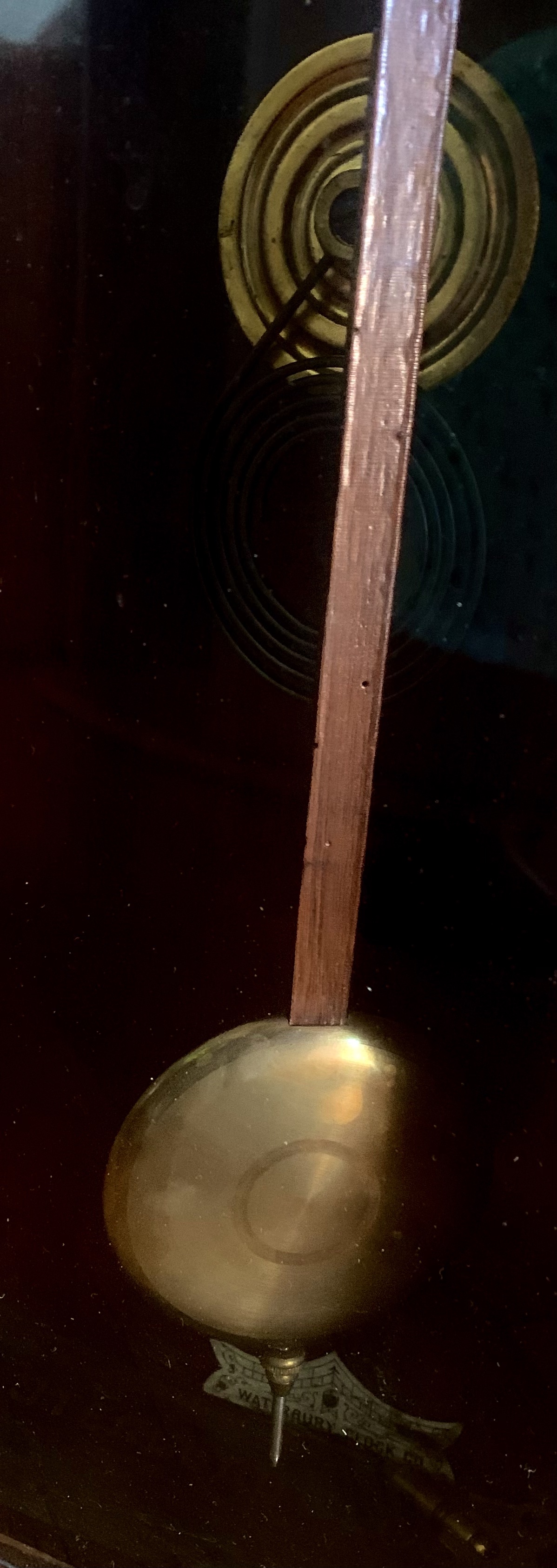
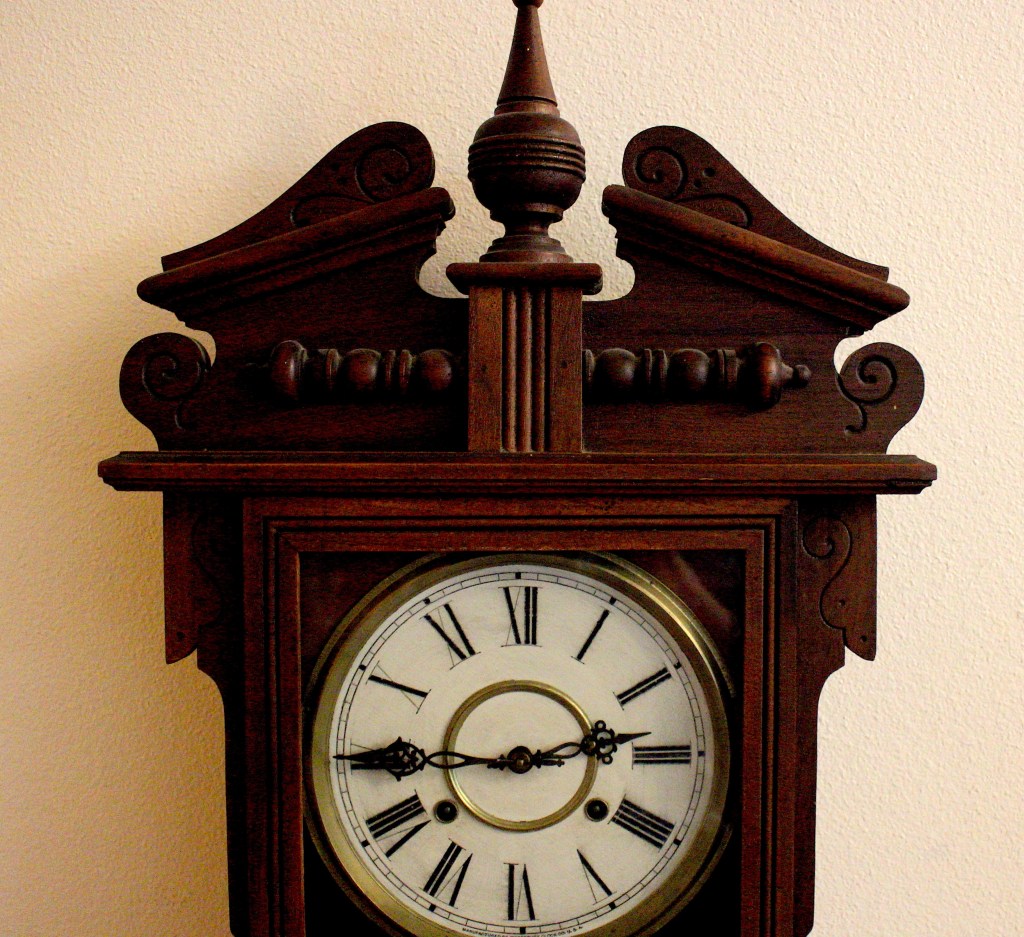
Time keeps ticking on without him here, now 30 years since he took his last breath as the clock pendulum swung back and forth in his bedroom. He was taken too young for all the projects he still had in mind.

He handed off a few to me.
Some I have done.
Some still wait, I’m not sure why.

My regret is not understanding how much he needed to hear how loved he was. He seemed fine without it being said.

But he wasn’t fine. And neither was I.

I wish I had said it when I had the chance.
I guess I am digging it out from the soil of my heart now.

One-Time
Monthly
Yearly

Make a one-time or recurring donation to support daily Barnstorming posts

Make a monthly donation

Make a yearly donation

Choose an amount

$10.00
$25.00
$50.00
$5.00
$15.00
$100.00
$5.00
$15.00
$100.00

Or enter a custom amount

$

Your contribution is deeply appreciated.

Your contribution is appreciated.

Your contribution is appreciated.

DonateDonate monthlyDonate yearly
The Commonwealth of Joy

The meaning of marriage begins in the giving of words.
We cannot join ourselves to one another without giving our word. And this must be an unconditional giving,
for in joining ourselves to one another
we join ourselves to the unknown.
~Wendell Berry from “Poetry and Marriage” in Standing By Words

Our vows to one another forty-four years ago today:

Before God and this gathering, I vow from my heart and spirit that I will be your wife/husband for as long as we both shall live.

I will love you with faithfulness, knowing its importance in sustaining us through good times and bad.

I will love you with respect, serving your greatest good and supporting your continued growth.

I will love you with compassion, knowing the strength and power of forgiveness.

I will love you with hope, remembering our shared belief in the grace of God and His guidance of our marriage.

“And at home, by the fire, whenever you look up, there I shall be–and whenever I look up, there will be you.”

(our wedding vows for our September 19, 1981 wedding at First Seattle Christian Reformed Church — the last line adapted from Thomas Hardy’s  “Far From the Madding Crowd”)

Sometimes our life reminds me
of a forest in which there is a graceful clearing
and in that opening a house,
an orchard and garden,
comfortable shades, and flowers
red and yellow in the sun, a pattern
made in the light for the light to return to.
The forest is mostly dark, its ways
to be made anew day after day, the dark
richer than the light and more blessed,
provided we stay brave
enough to keep on going in.

We enter, willing to die,
into the commonwealth of its joy.
~Wendell Berry from “A Country of Marriage”

…Marriage… joins two living souls as closely as, in this world, they can be joined. This joining of two who know, love, and trust one another brings them in the same breath into the freedom of sexual consent and into the fullest earthly realization of the image of God.  From their joining, other living souls come into being, and with them great responsibilities that are unending, fearful, and joyful. The marriage of two lovers joins them to one another, to forebears, to descendants, to the community, to heaven and earth. It is the fundamental connection without which nothing holds, and trust is its necessity.
~Wendell Berry from Sex, Economy, Freedom and Community

We married forty-four years ago today in our Seattle church with Pastor Peter Holwerda officiating, with a small group of family and friends as witnesses.

It was a wedding of two frugal people with little to spend – I sewed my dress and Dan’s shirt from muslin, we grew our own flowers, our families helped potluck the lunch afterward and our tiered carrot cake was made by a friend.

Yet our vows to one another were not frugal and held nothing back.
They were extravagant and comprehensive, coming from our hearts and spirits. The music we asked our amazing organist to play (versions below) inspired us by its simplicity and complexity – very much like the families that raised us and the God we worship.

Our vows have taken us from the city to the countryside, to the raising and rejoicing in three amazing children and now six grandchildren. We both served more than forty years as a public-employed attorney and physician. We have laid down those responsibilities, and picked up the tools of farm and garden along with church and community service for as long as we are able.

We treasure each day of living together in faithfulness, respect, compassion and hope – knowing that how we love and find joy in one another mirrors how God loves and revels in His people.

We pray for many more days to fill us with what endures.

A pot of red lentils
simmers on the kitchen stove.
All afternoon dense kernels
surrender to the fertile
juices, their tender bellies
swelling with delight.

In the yard we plant
rhubarb, cauliflower, and artichokes,
cupping wet earth over tubers,
our labor the germ
of later sustenance and renewal.

Across the field the sound of a baby crying
as we carry in the last carrots,
whorls of butter lettuce,
a basket of red potatoes.

I want to remember us this way—
late September sun streaming through
the window, bread loaves and golden
bunches of grapes on the table,
spoonfuls of hot soup rising
to our lips, filling us
with what endures.
~Peter Pereira from “A Pot of Red Lentils”

Here are versions of the organ music we selected for prelude, processional, recessional and postlude

One-Time
Monthly
Yearly

Make a one-time or recurring donation to support daily Barnstorming posts

Make a monthly donation

Make a yearly donation
Choose an amount

$10.00
$25.00
$50.00
$5.00
$15.00
$100.00
$5.00
$15.00
$100.00

Or enter a custom amount

$

Your contribution is deeply appreciated.
Your contribution is appreciated.

Your contribution is appreciated.

DonateDonate monthlyDonate yearly