From the place where we are right Flowers will never grow In the spring.
The place where we are right Is hard and trampled Like a yard.
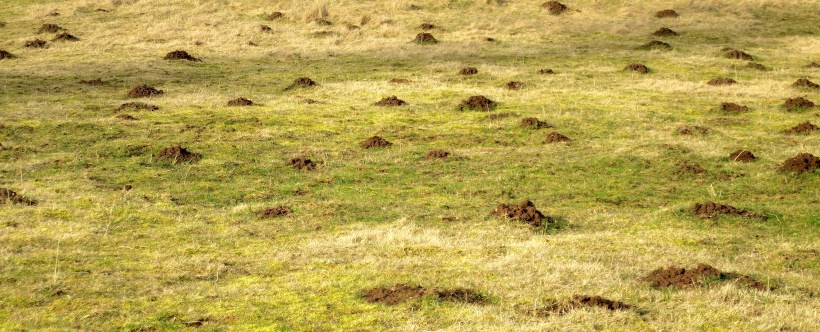
But doubts and loves Dig up the world Like a mole, a plow. And a whisper will be heard in the place Where the ruined House once stood. ~Yehuda Amichai “The Place Where We Are RIght” from A Touch of Grace
Field with Plowing Farmers by Vincent Van GoghPainting “Plowing the Field” by Joyce Lapp
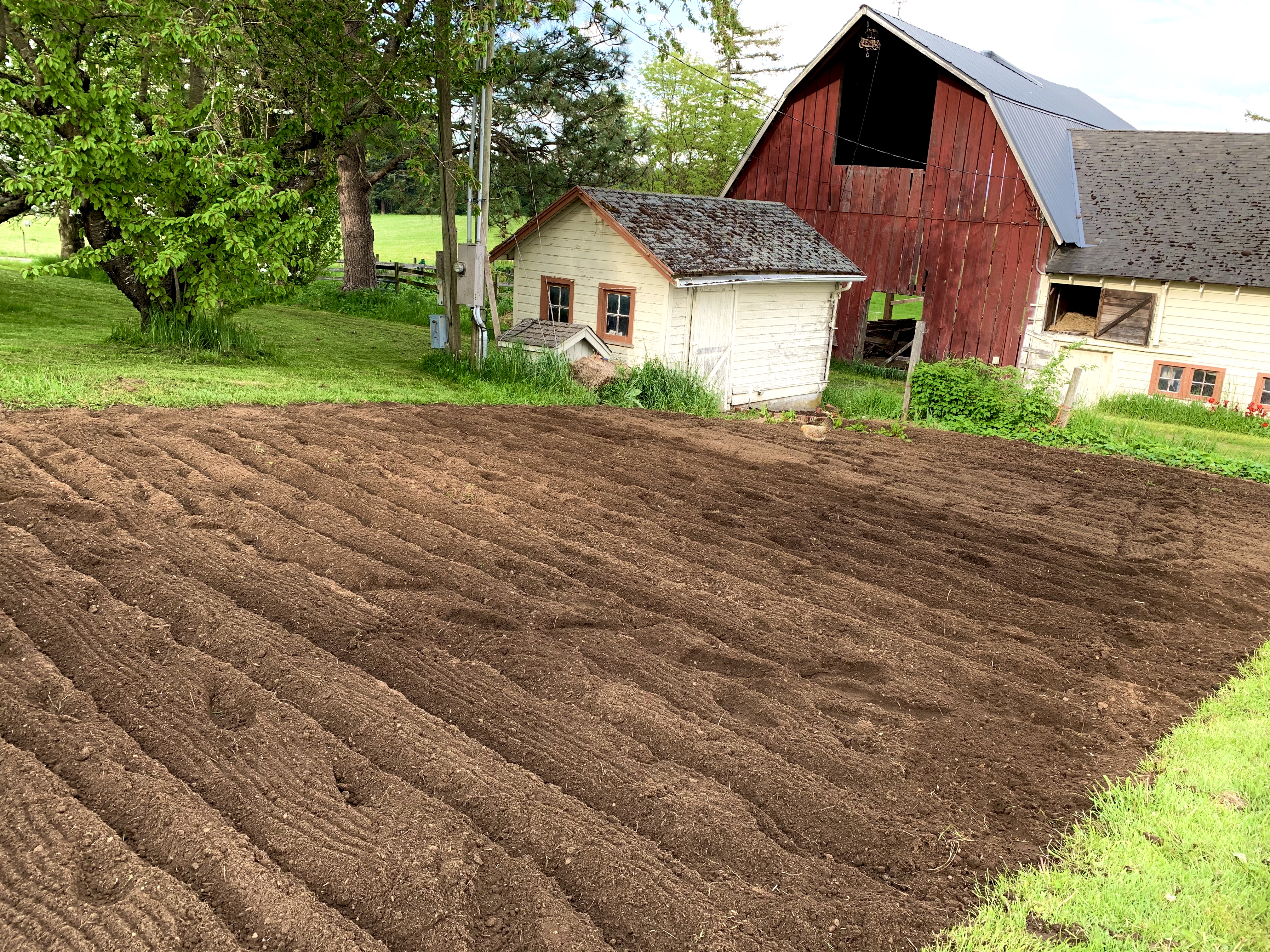
Sometimes I am so certain I am right, remaining firm in my convictions no matter what. Yet when there is no movement, the ground beneath my feet hardens with my stubborn trampling. Nothing new can grow without my crushing it underfoot; any possibility becomes impossible.
Sometimes I harbor doubts and uncertainties, digging and churning up the ground upon which I stand. When things are turned over, again and again, new weeds and seeds will take root. Sorting them out becomes my challenge, determining what to nurture and what is worthless.
As I look ahead to this coming week, treading the familiar ground of the events of Holy Week, I cannot help but question and wonder: how can this impossible Love save those, who like me, feel dry and hard and devoid of possibility or who unwittingly allow weeds to proliferate?
Then I hear it, like a whisper. Yes, it is true. Loved despite sometimes being hard ground, or growing weeds or lying fallow as a rocky path.
I too will rise again from the ruins. I too will arise.
Just as we lose hope she ambles in, a late guest dragging her hem of wildflowers, her torn veil of mist, of light rain, blowing her dandelion breath in our ears; and we forgive her, turning from chilly winter ways, we throw off our faithful sweaters and open our arms. ~Linda Pastan “Spring” from Heroes in Disguise: Poems
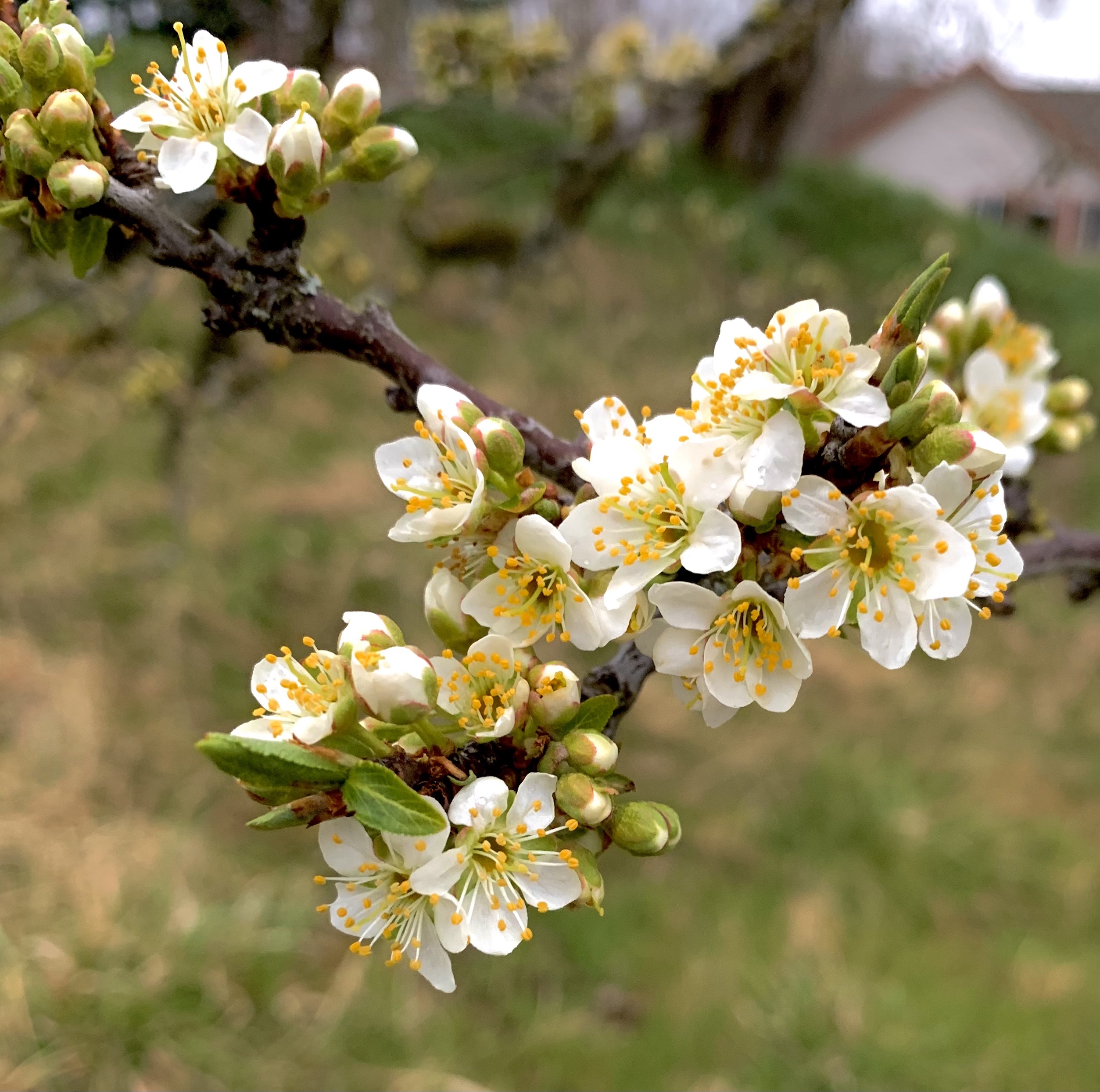
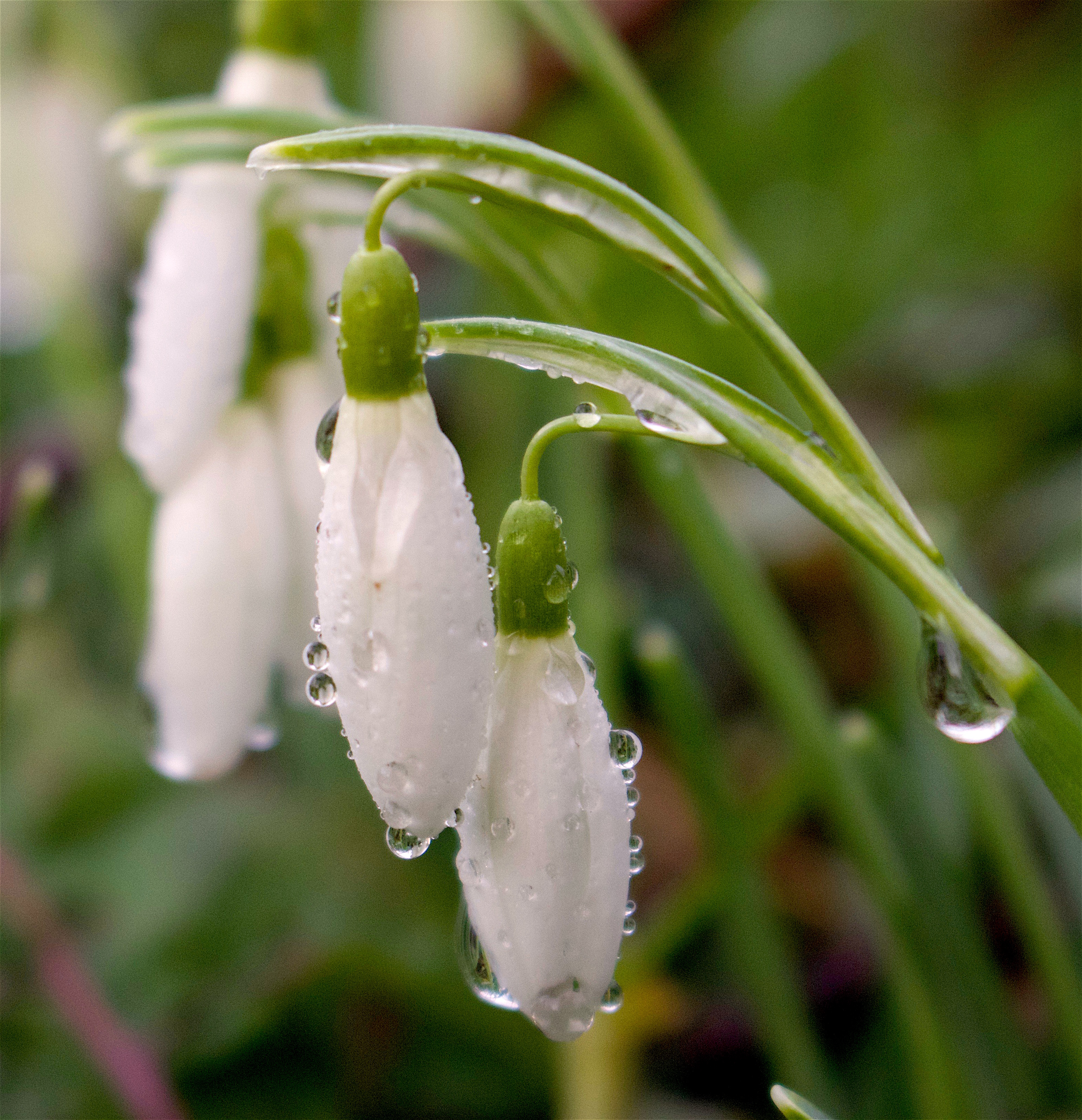
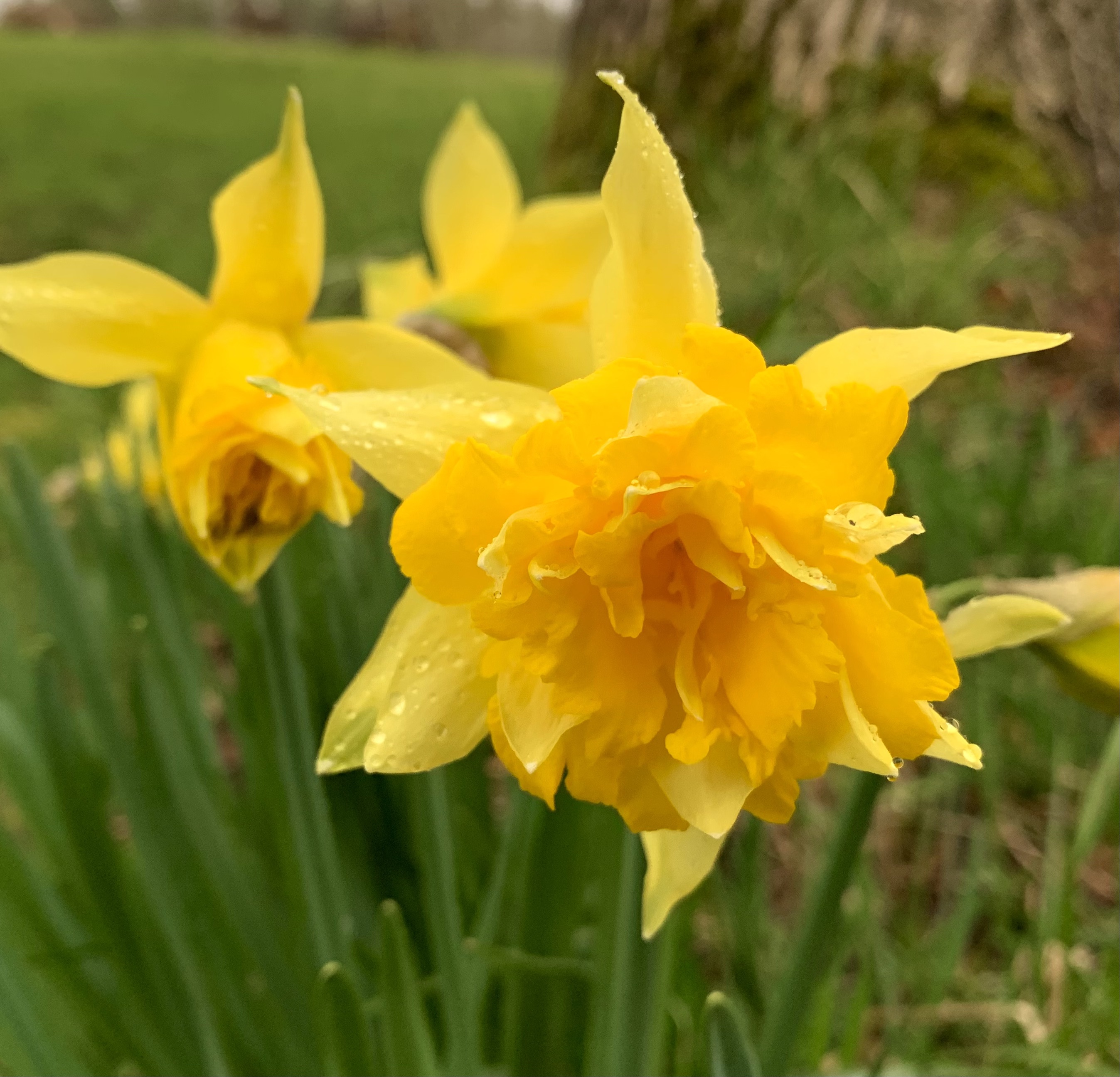
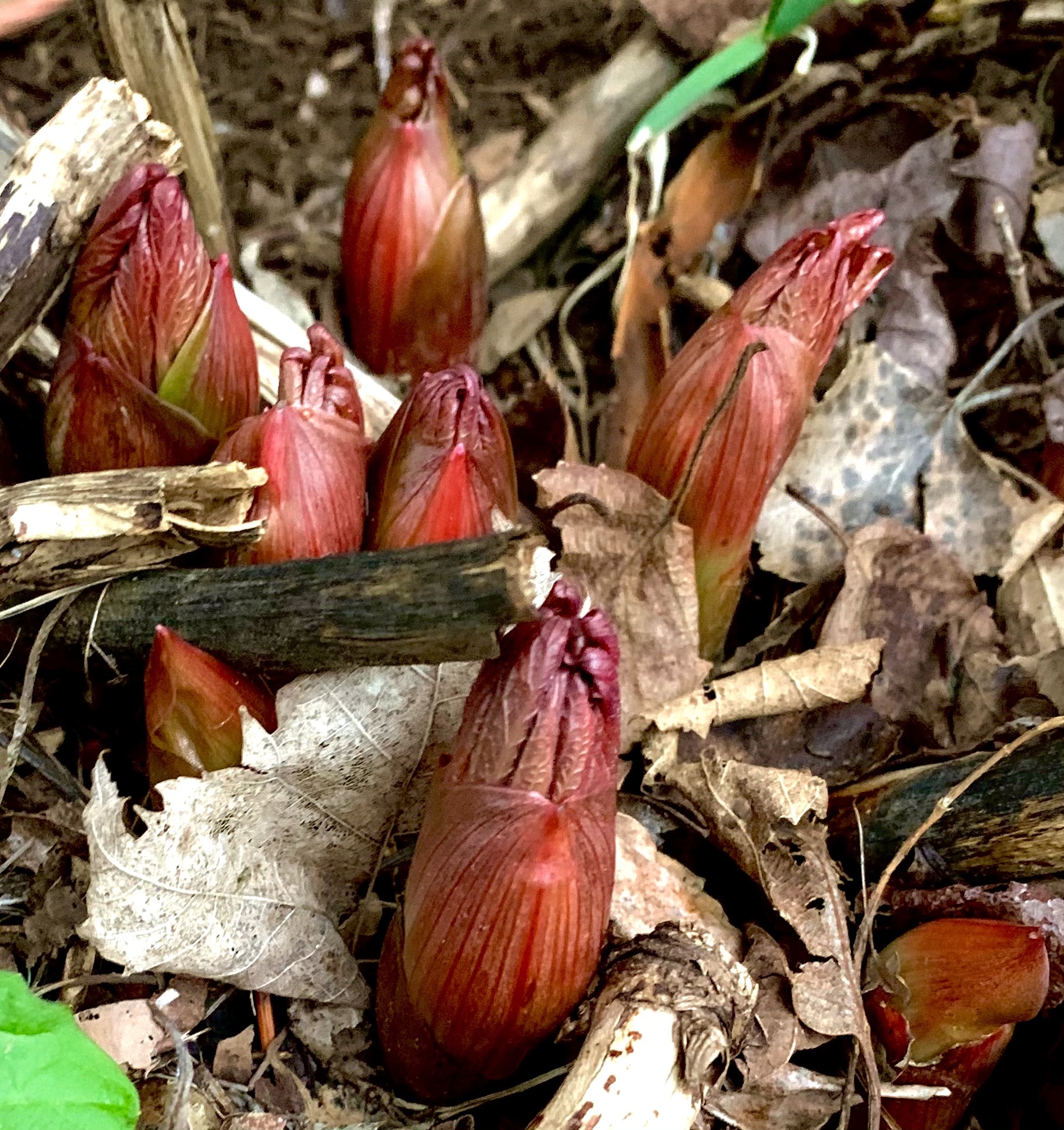
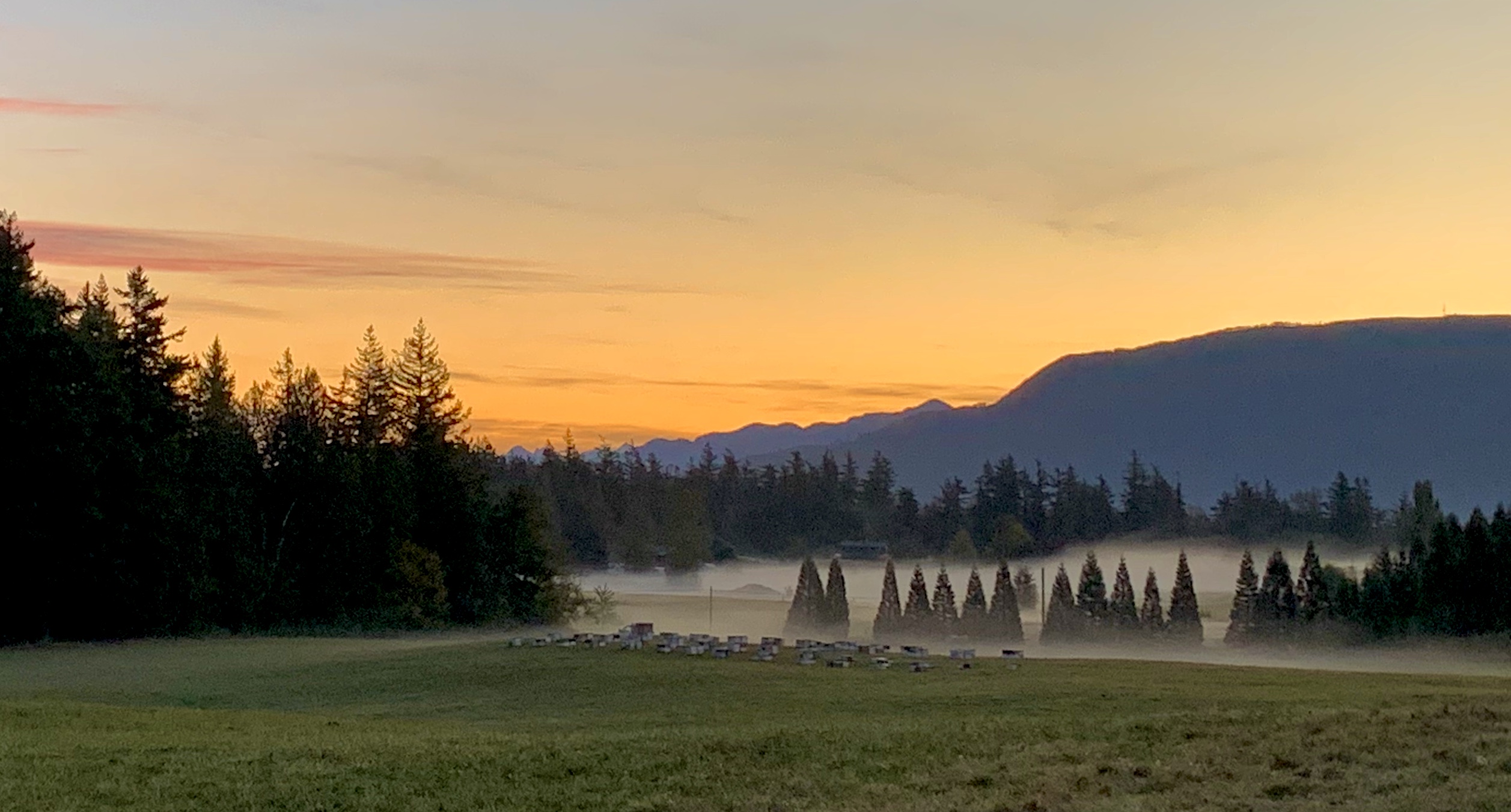
The ground is slowly coming to life again; snowdrops and daffodils are surfacing from months of dormancy, buds are swelling the spring chorus frogs have come from the mud to sing again and birds now greet the lazy dawn.
Everything, everyone, has been so dead, so hidden; His touch calls us back to life, love is come again to the fallow fields of our hearts.
Now the green blade riseth from the buried grain, Wheat that in dark earth many days has lain; Love lives again, that with the dead has been: Love is come again, like wheat that springeth green.
In the grave they laid him, love whom men had slain, Thinking that never he would wake again. Laid in the earth like grain that sleeps unseen: Love is come again, like wheat that springeth green,
Forth he came at Easter, like the risen grain, He that for three days in the grave had lain. Quick from the dead my risen Lord is seen: Love is come again, like wheat that springeth green.
When our hearts are wintry, grieving, or in pain, Thy touch can call us back to life again; Fields of our hearts that dead and bare have been: Love is come again, like wheat that springeth green. ~John Crum
All morning, doing the hard, root-wrestling work of turning a yard from the wild to a gardener’s will, I heard a bird singing from a hidden, though not distant, perch; a song of swift, syncopated syllables sounding like, Can you believe this, believe this, believe? Can you believe this, believe this, believe? And all morning, I did believe. All morning, between break-even bouts with the unwanted, I wanted to see that bird, and looked up so I might later recognize it in a guide, and know and call its name, but even more, I wanted to join its church. For all morning, and many a time in my life, I have wondered who, beyond this plot I work, has called the order of being, that givers of food are deemed lesser than are the receivers. All morning, muscling my will against that of the wild, to claim a place in the bounty of earth, seed, root, sun and rain, I offered my labor as a kind of grace, and gave thanks even for the aching in my body, which reached beyond this work and this gift of struggle. ~Richard Levine “Believe This” from That Country’s Soul
North Brooklin, Maine 30 March 1973
Dear Mr. Nadeau: As long as there is one upright man, as long as there is one compassionate woman, the contagion may spread and the scene is not desolate. Hope is the thing that is left to us, in a bad time. I shall get up in the morning and wind the clock, as a contribution to order and steadfastness.
Sailors have an expression about the weather: they say, the weather is a great bluffer. I guess the same is true of our human society—things can look dark, then a break shows in the clouds, and all is changed, sometimes rather suddenly. It is quite obvious that the human race has made a queer mess of life on this planet. But as a people we probably harbor seeds of goodness that have lain for a long time waiting to sprout when the conditions are right. Man’s curiosity, his relentlessness, his inventiveness, his ingenuity have led him into deep trouble. We can only hope that these same traits will enable him to claw his way out.
Hang on to your hat. Hang on to your hope. And wind the clock, for tomorrow is another day. Sincerely, [Signed, ‘E. B. White’] from Letters of Note
Today yet another era begins and another ends. However, the struggle continues: there is anguish on one side and relief on the other– just the reverse of four years ago.
I want to believe things will be different and the messes cleaned up without creating new messes. I realize, thanks to human nature, that is a futile hope.
I want to believe that goodness and compassion will thrive again.
So I will pull out the weeds that have taken over in my on back yard and clear the ground for a clean start. I will rewind the clock to help create order out of chaos and experience steadfastness instead of uncertainty.
May we hang on to hope that our dis-united states may once again survive a leader with many human flaws and failings, just as we’ve survived countless other imperfect leaders.
It is up to we the people to keep our own yards weed-free, and not allow them to take over — ever again.
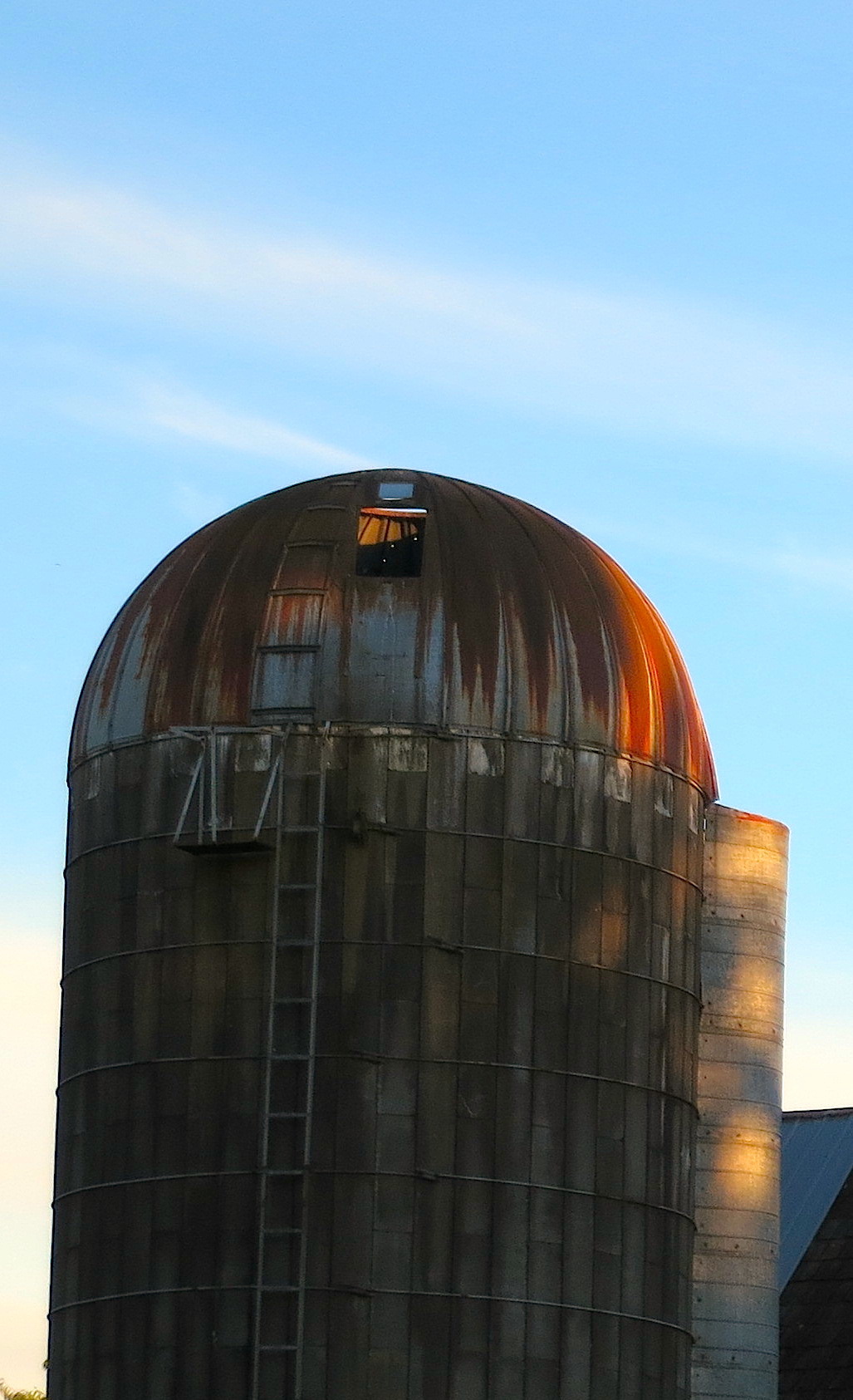
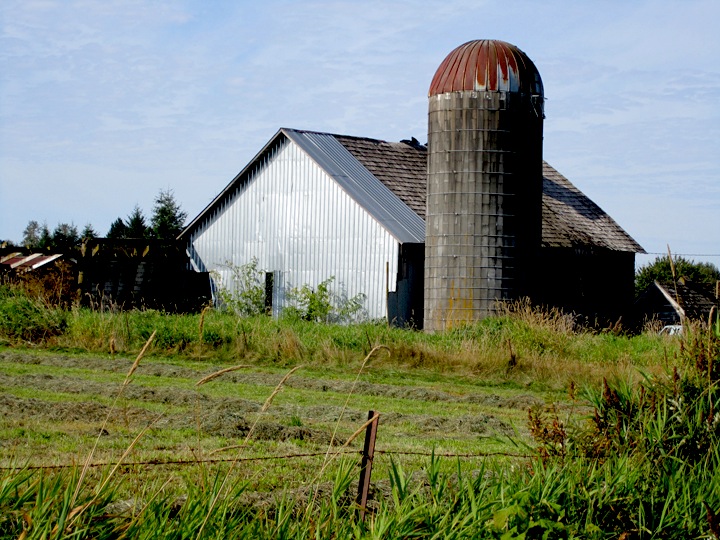
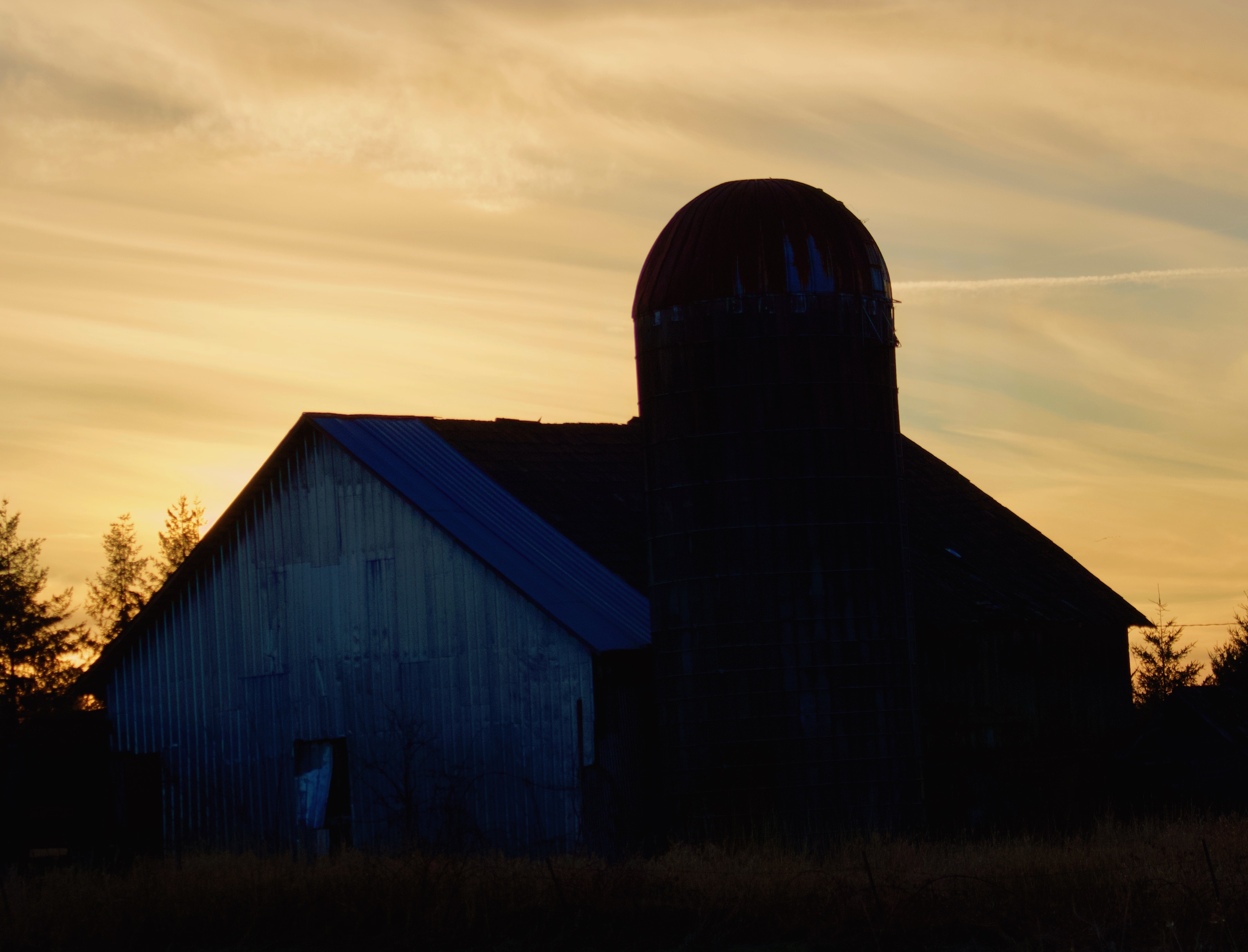
My father climbs into the silo. He has come, rung by rung, up the wooden trail that scales that tall belly of cement.
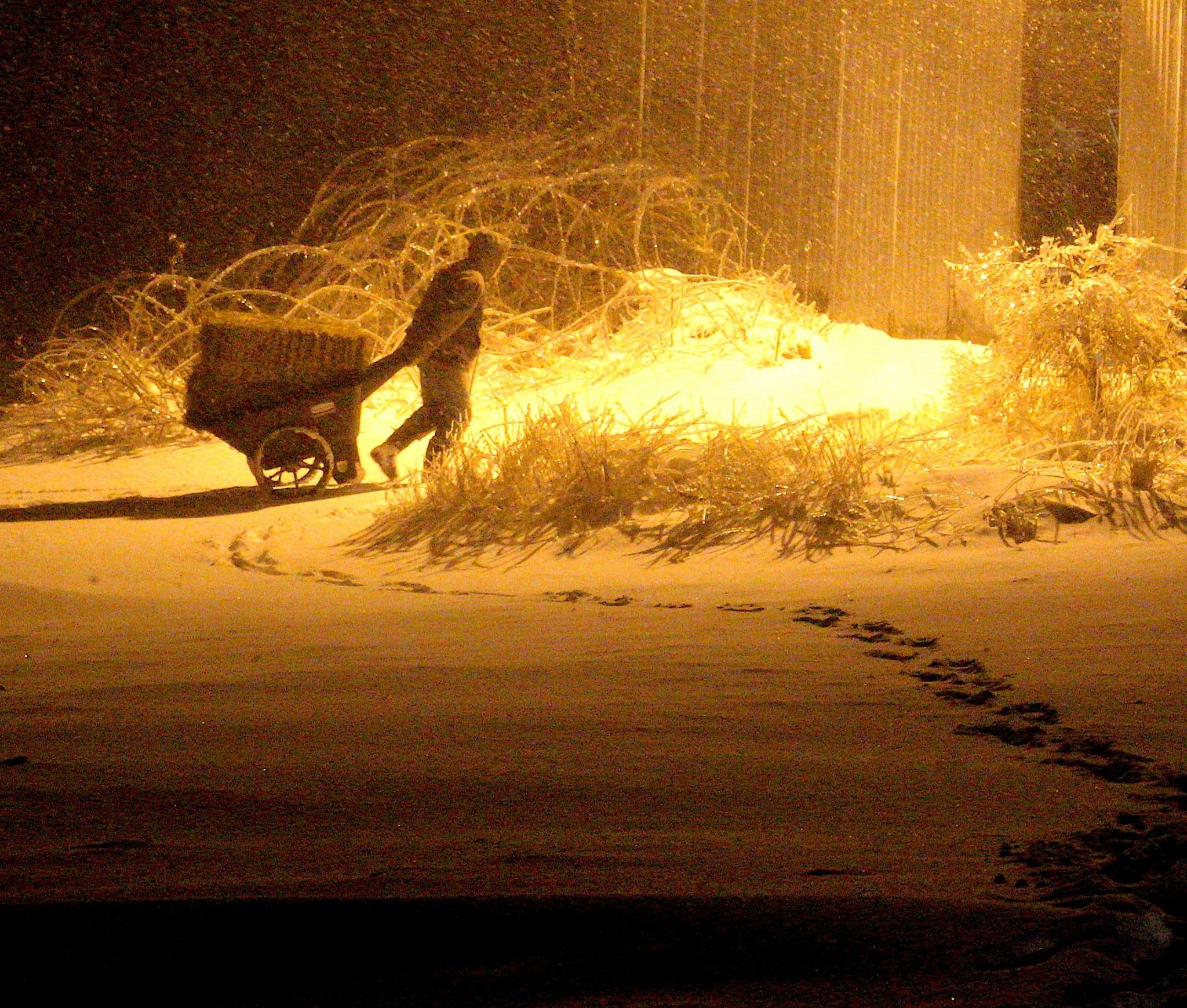
It’s winter, twenty below zero, He can hear the wind overhead. The silage beneath his boots is so frozen it has no smell.
My father takes up a pick-ax and chops away a layer of silage. He works neatly, counter-clockwise under a yellow light,
then lifts the chunks with a pitchfork and throws them down the chute. They break as they fall and rattle far below.
His breath comes out in clouds, his fingers begin to ache, but he skims off another layer where the frost is forming
and begins to sing, “You are my sunshine, my only sunshine.” ~Joyce Sutphen, “Silo Solo” from First Words
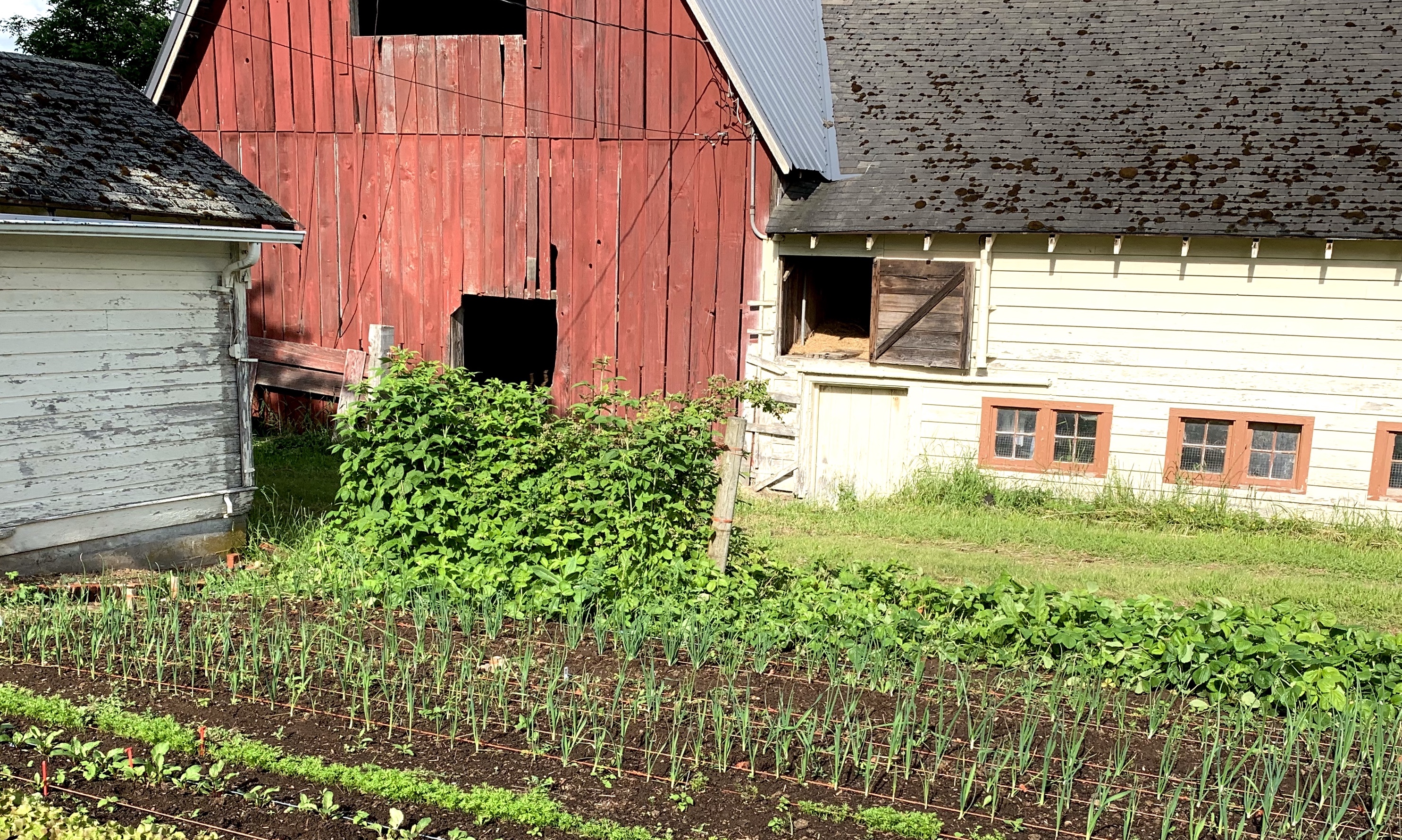
Farmers gotta be tough. There is no taking a day off from chores. The critters need to eat and their beds cleaned even during the coldest and hottest days. Farmers rise before the sun and go to bed long after the sun sets.
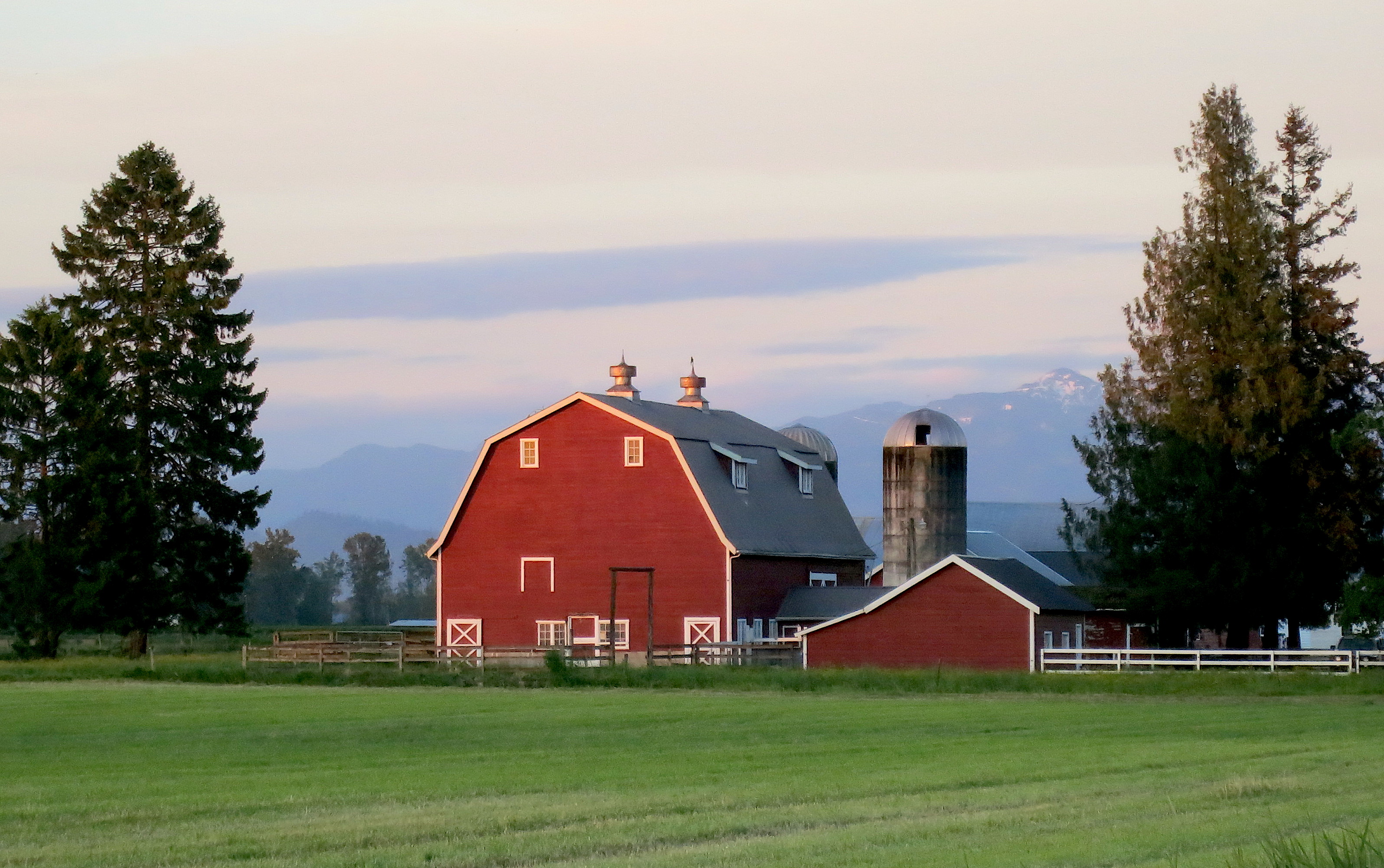
I come from a long line of farmers on both sides – my mother was the daughter of wheat farmers and my father was the son of subsistence stump farmers who had to supplement their income with outside jobs as a cook and in lumber mills. Both my parents went to college; their parents wanted something better for them than they had. Both my parents had professions but still chose to live on a farm – daily milkings, crops in the garden and fields, raising animals for meat.
My husband’s story is similar, though his parents didn’t graduate from college. Dan milked cows with his dad and as a before-school job in the mornings.
We still chose to live on a farm to raise our children and commit to the daily work, no matter the weather, on sunlit days and blowing snow days and gray muddy days. And now, when our grandchildren visit, we introduce them to the routine and rhythms of farm life, the good and the bad, the joys and the sorrows, and through it all, we are grateful for the values that follow through the generations of farming people.
And our favorite song to sing to our grandchildren is “You are my sunshine, my only sunshine” as it is the sun that sustains our days and its promise of return that sustains our nights.
You’ll never know, dears, how much we love you. Please don’t take our sunshine away.
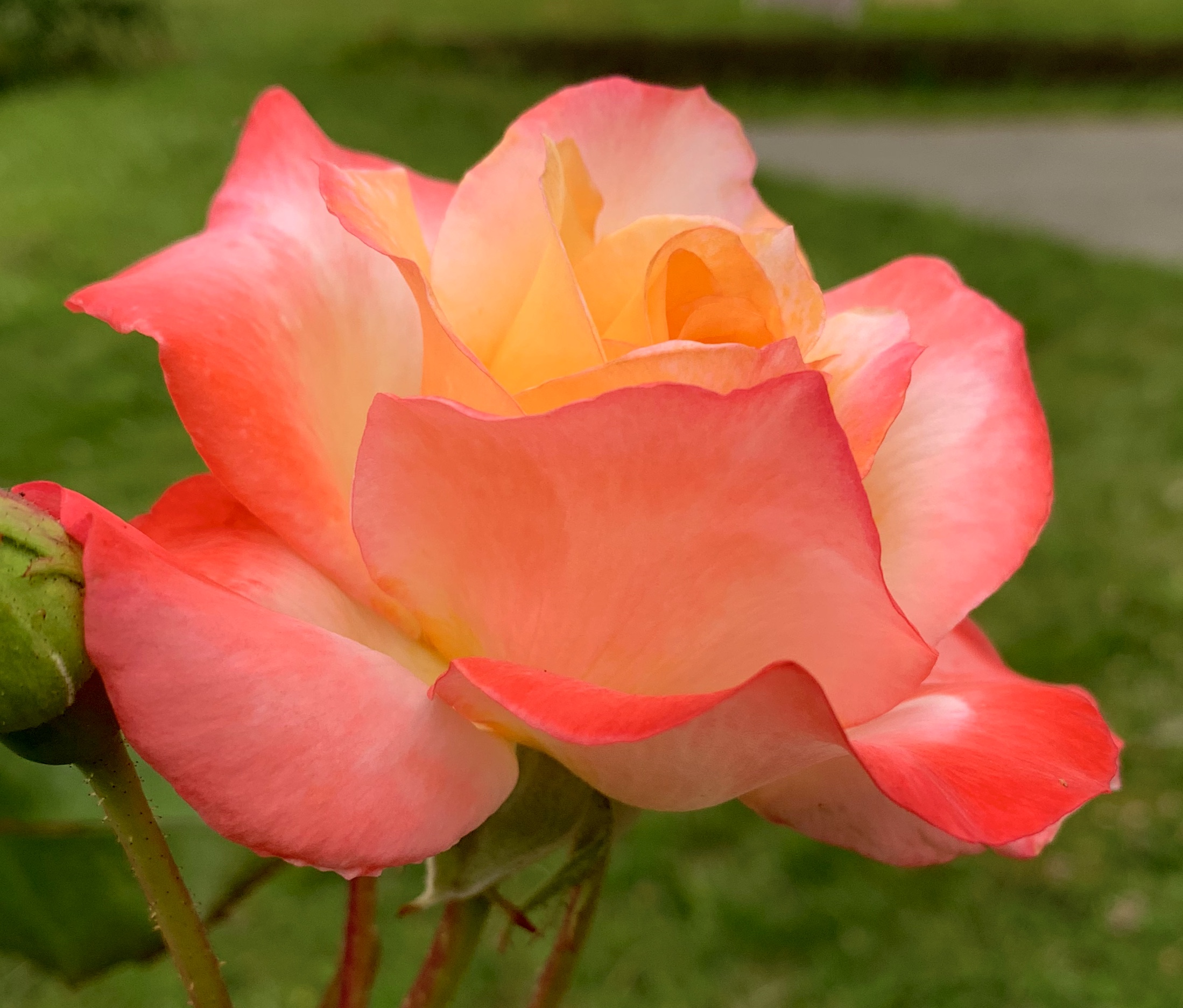
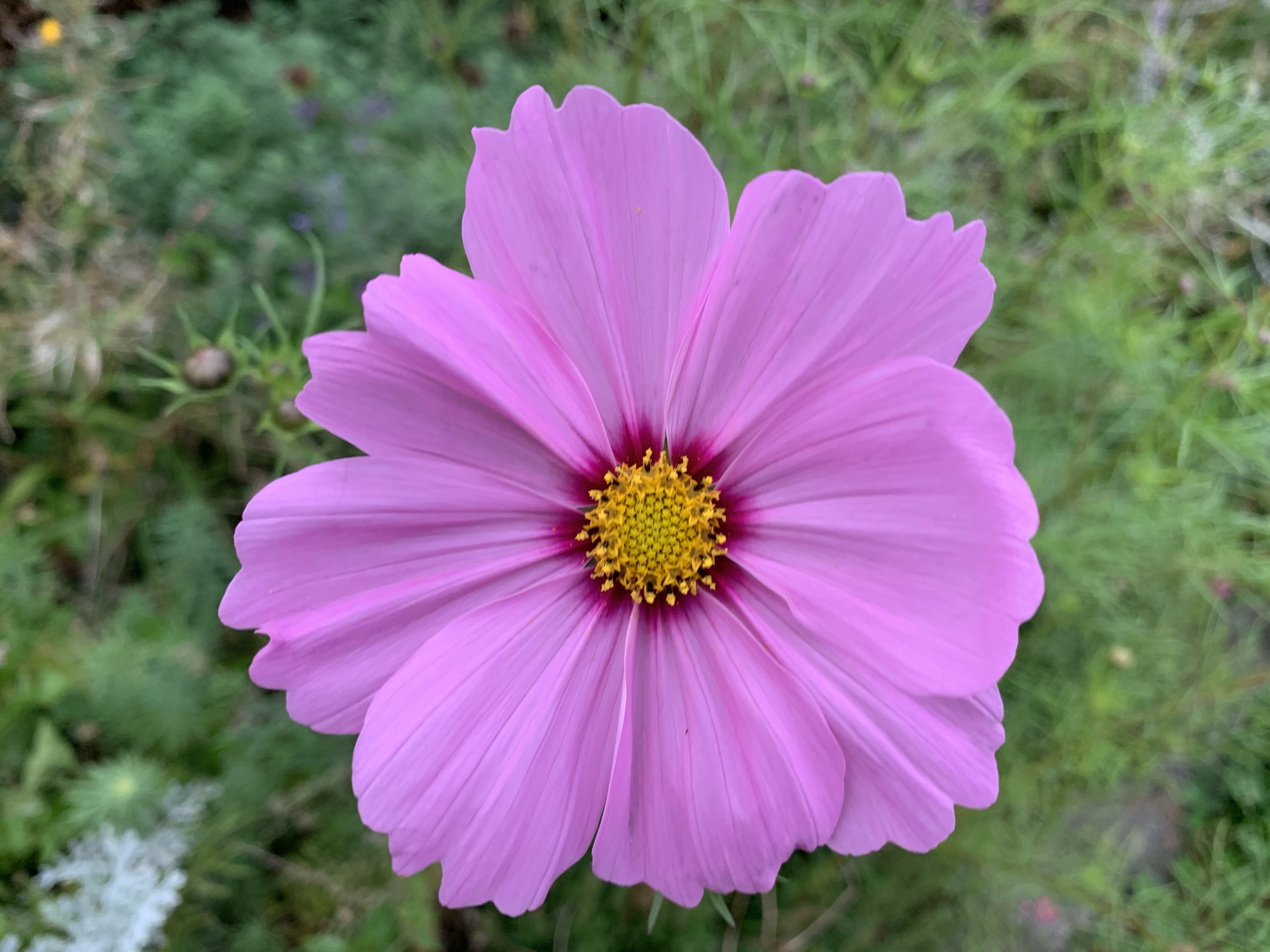
Tis the last rose of summer Left blooming alone; All her lovely companions Are faded and gone: No flower of her kindred, No rose-bud is nigh, To reflect back her blushes, Or give sigh for sigh.
I’ll not leave thee, thou lone one! To pine on the stem; Since the lovely are sleeping, Go, sleep thou with them. Thus kindly I scatter Thy leaves o’er the bed, Where thy mates of the garden Lie scentless and dead.
So soon may I follow, When friendships decay, And from Love’s shining circle The gems drop away. When true hearts lie wither’ d, And fond ones are flown, Oh! who would inhabit This bleak world alone? ~Thomas Moore “The Last Rose of Summer”
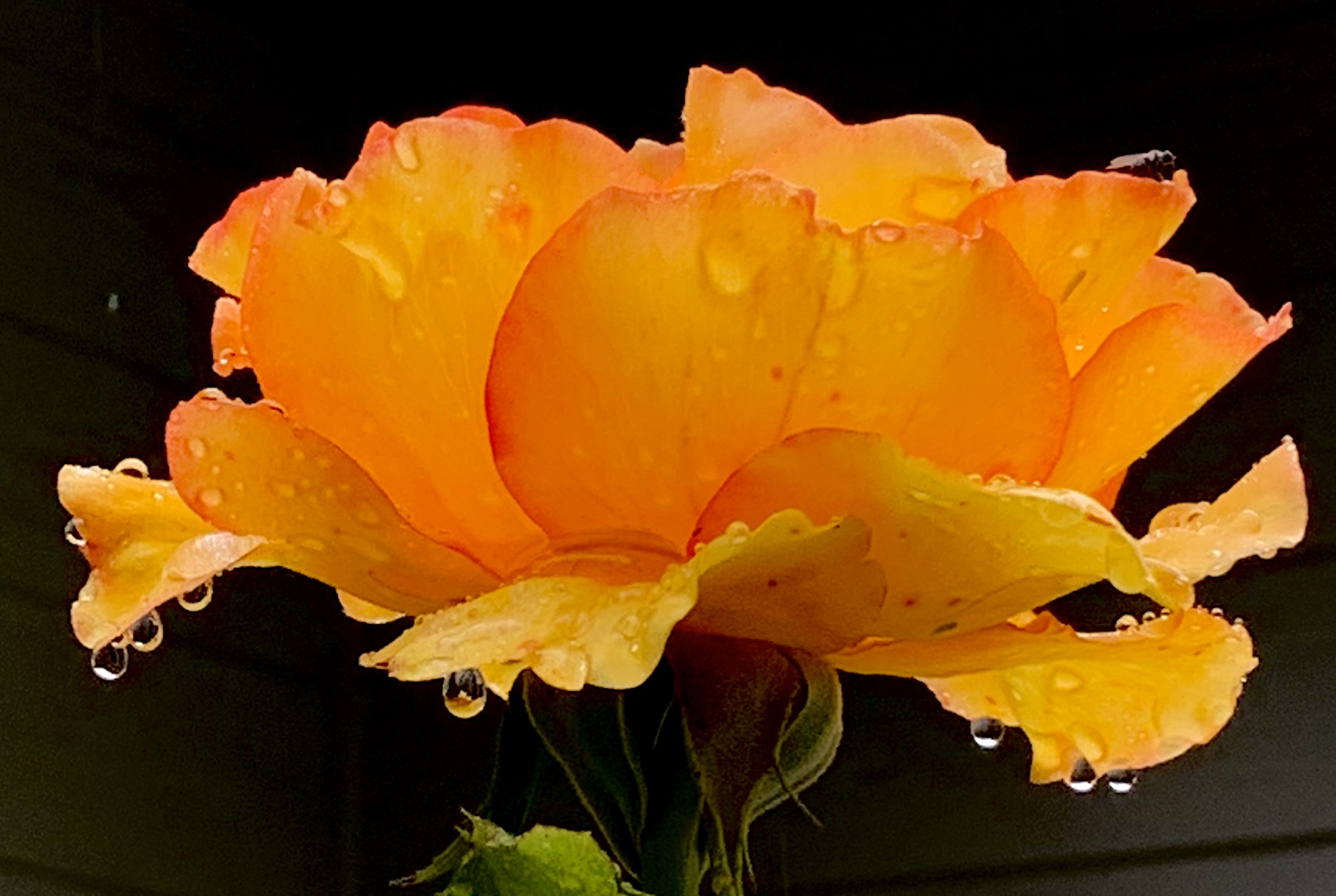
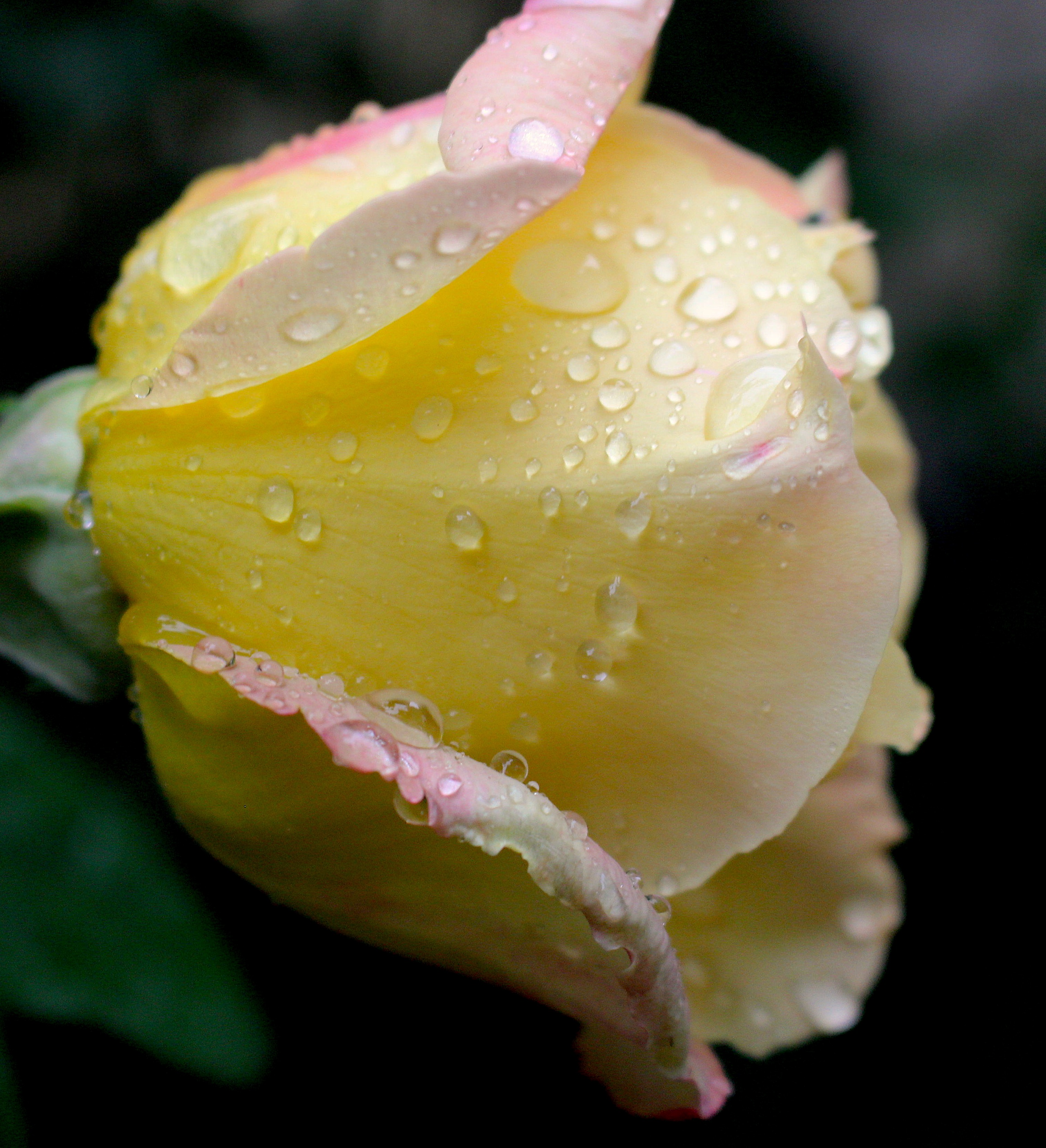
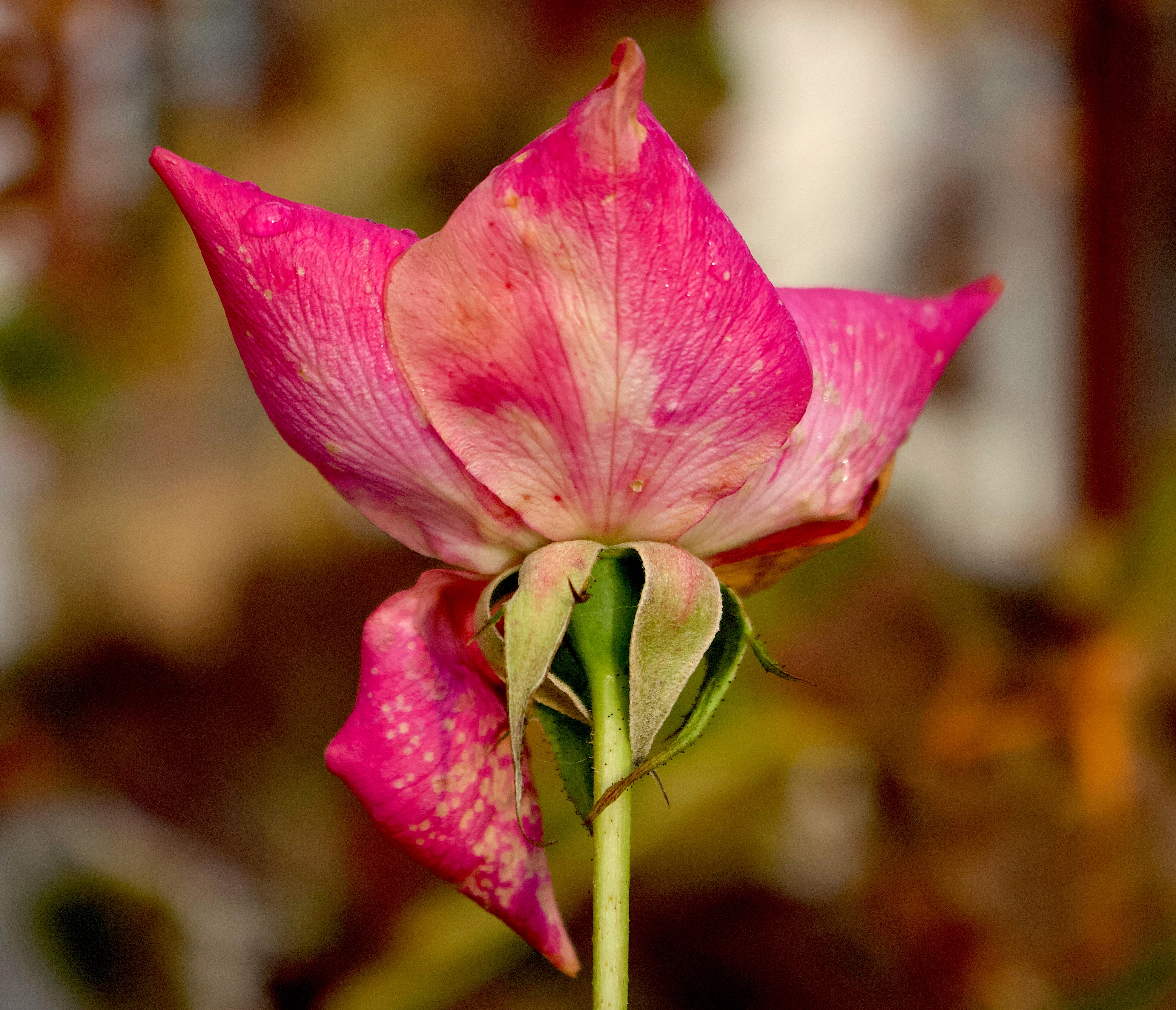
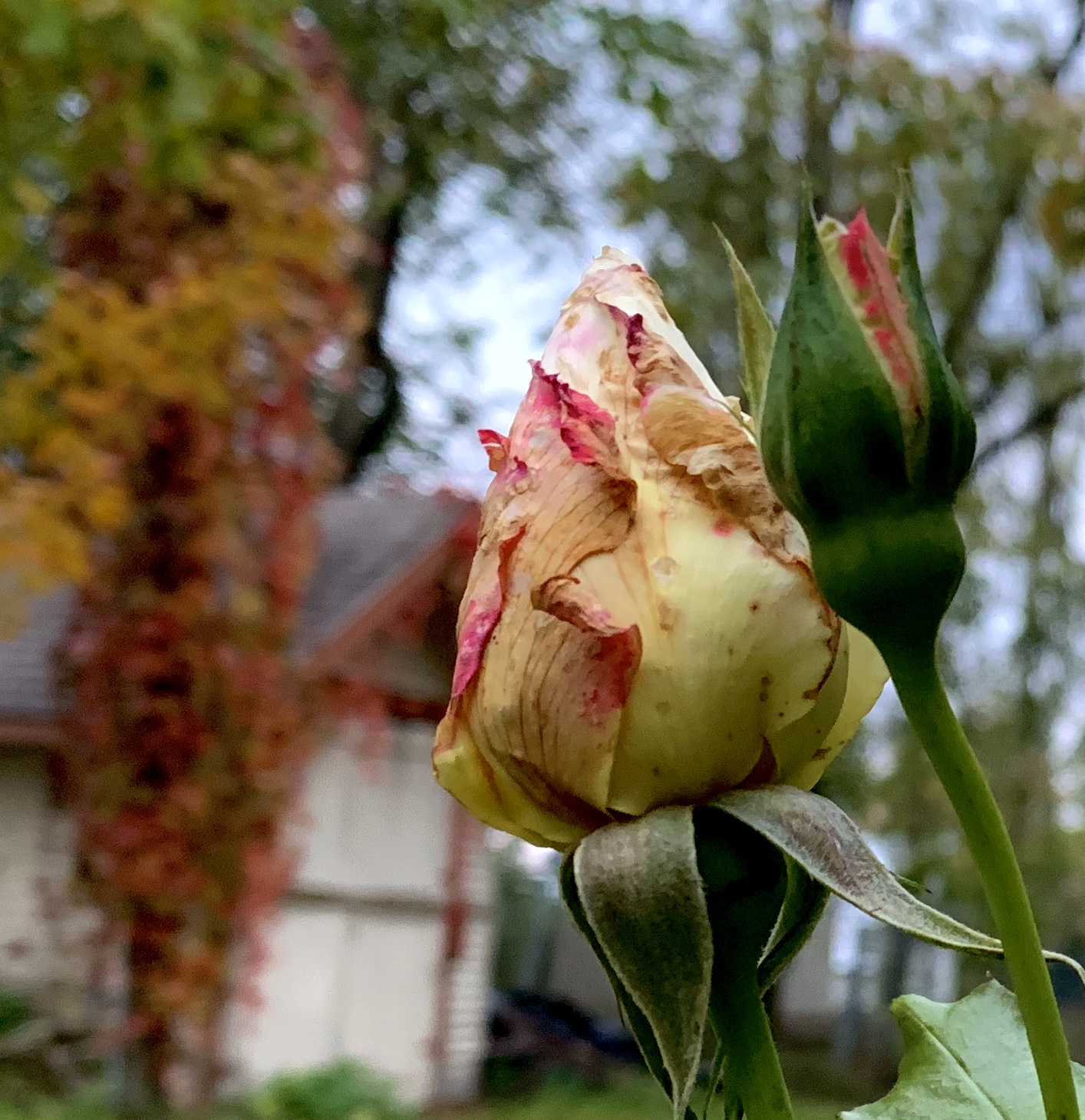
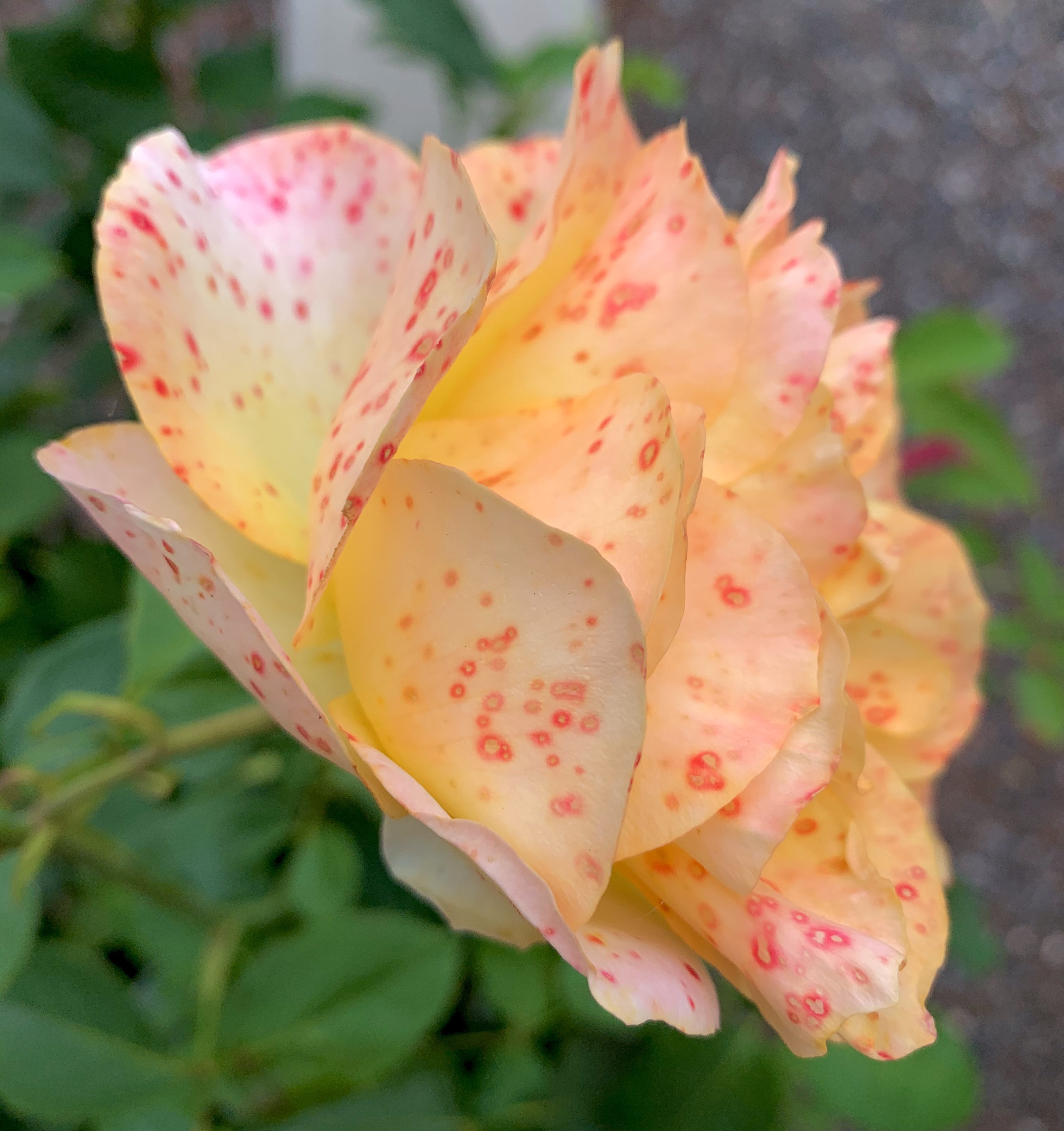
The last rose of the season is one tough bud. It has persisted through months of prunings and aphids and withering heat and frost-tipped mornings.
It doesn’t elegantly swell and swirl like its summer cousins adorned with pristine petals and silky smooth surface. It is blotchy and brown-tipped and not-a-little saggy.
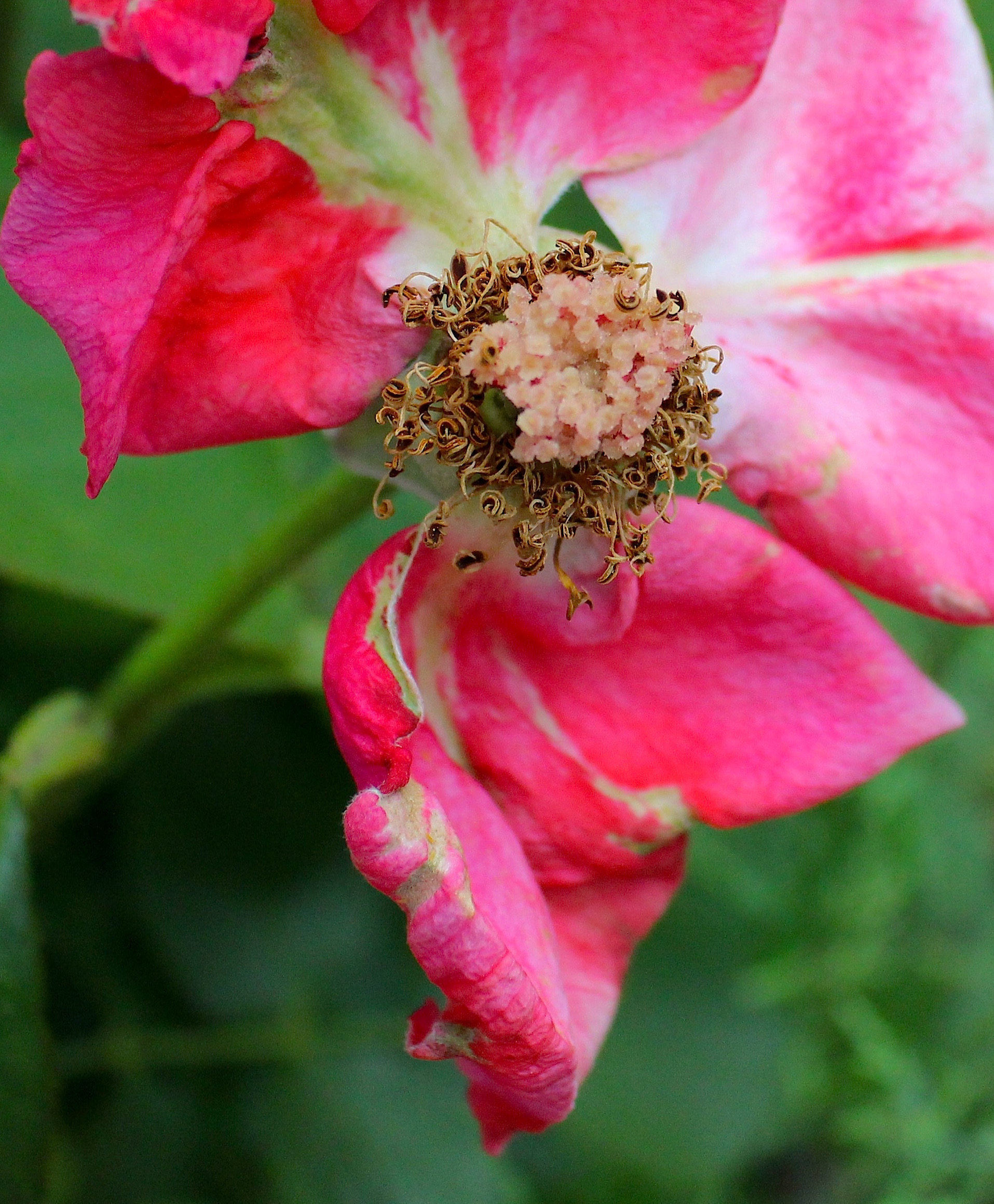
Yet the last rose bud of the season is what I am. I would rather stay out on the bush than be plucked and admired in a vase. I would rather, plain as I am, weather my way through the elements to the fullest bloom possible and then drop, petal by petal, piece by piece to litter the ground below. I am meant to become the ground that will bear beauty next spring.
Rather than born for display, the last rose of October is born for hope.
How swiftly the strained honey of afternoon light flows into darkness
and the closed bud shrugs off its special mystery in order to break into blossom:
as if what exists, exists so that it can be lost and become precious. ~Lisel Mueller “In Passing” from Alive Together
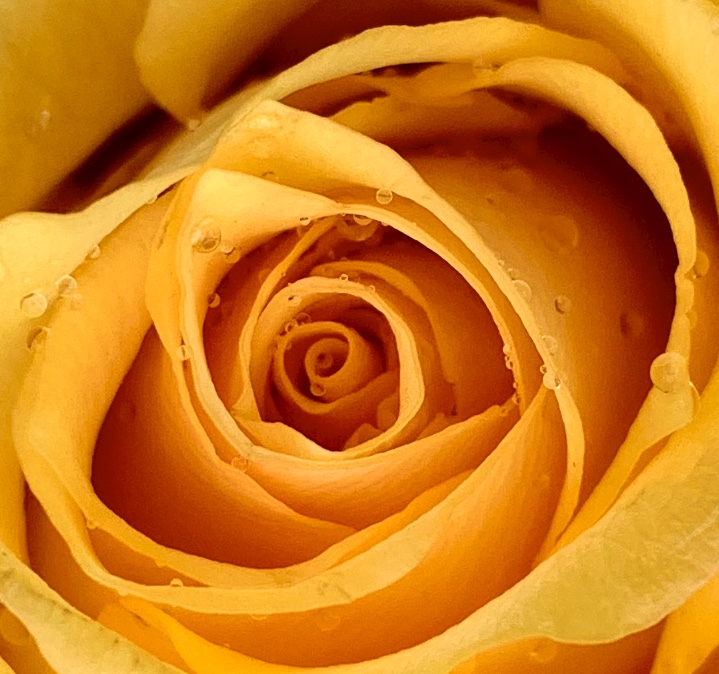
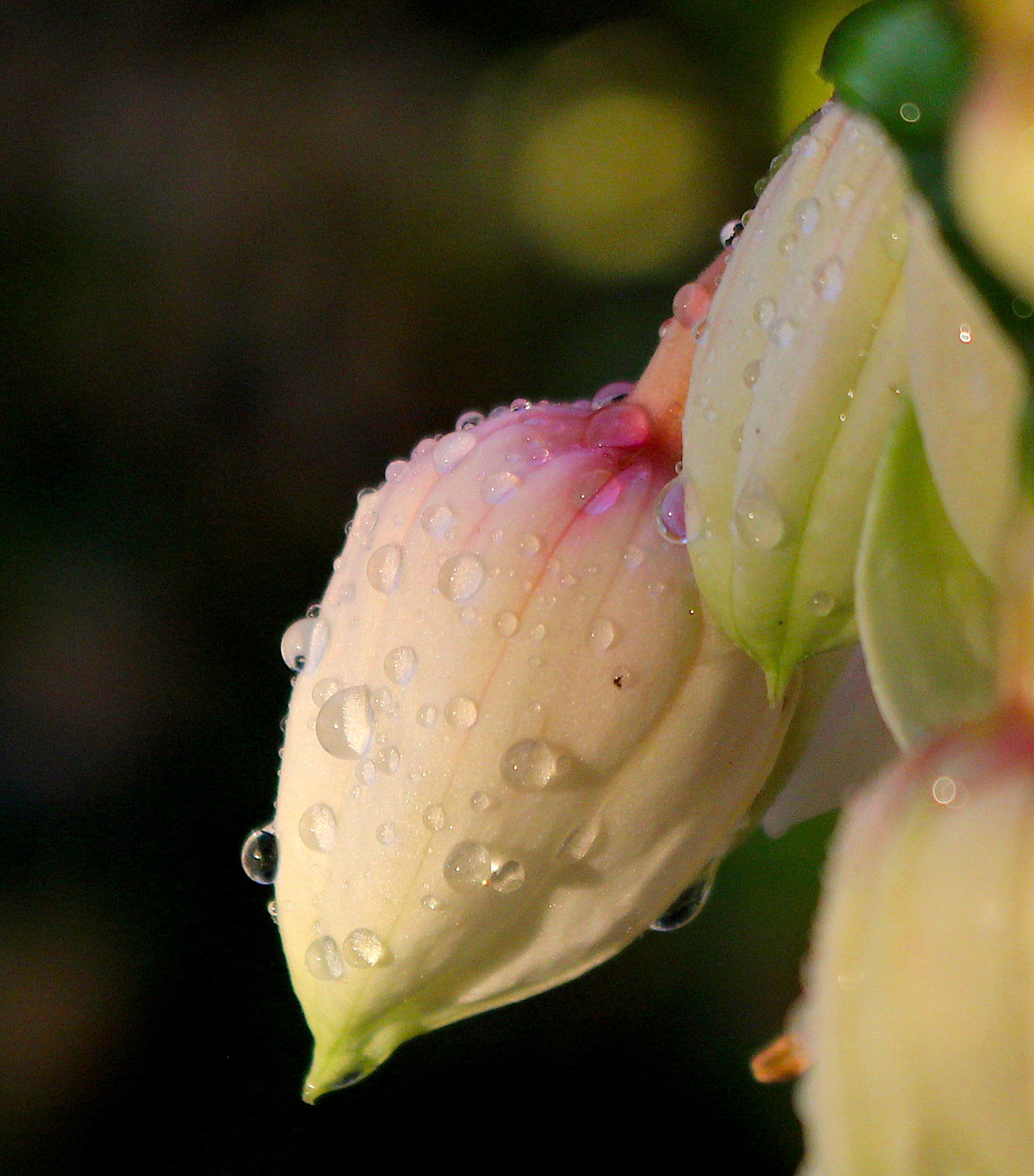
Each one of us is like a swelling bud hanging heavy and waiting on the stem — already but not quite yet.
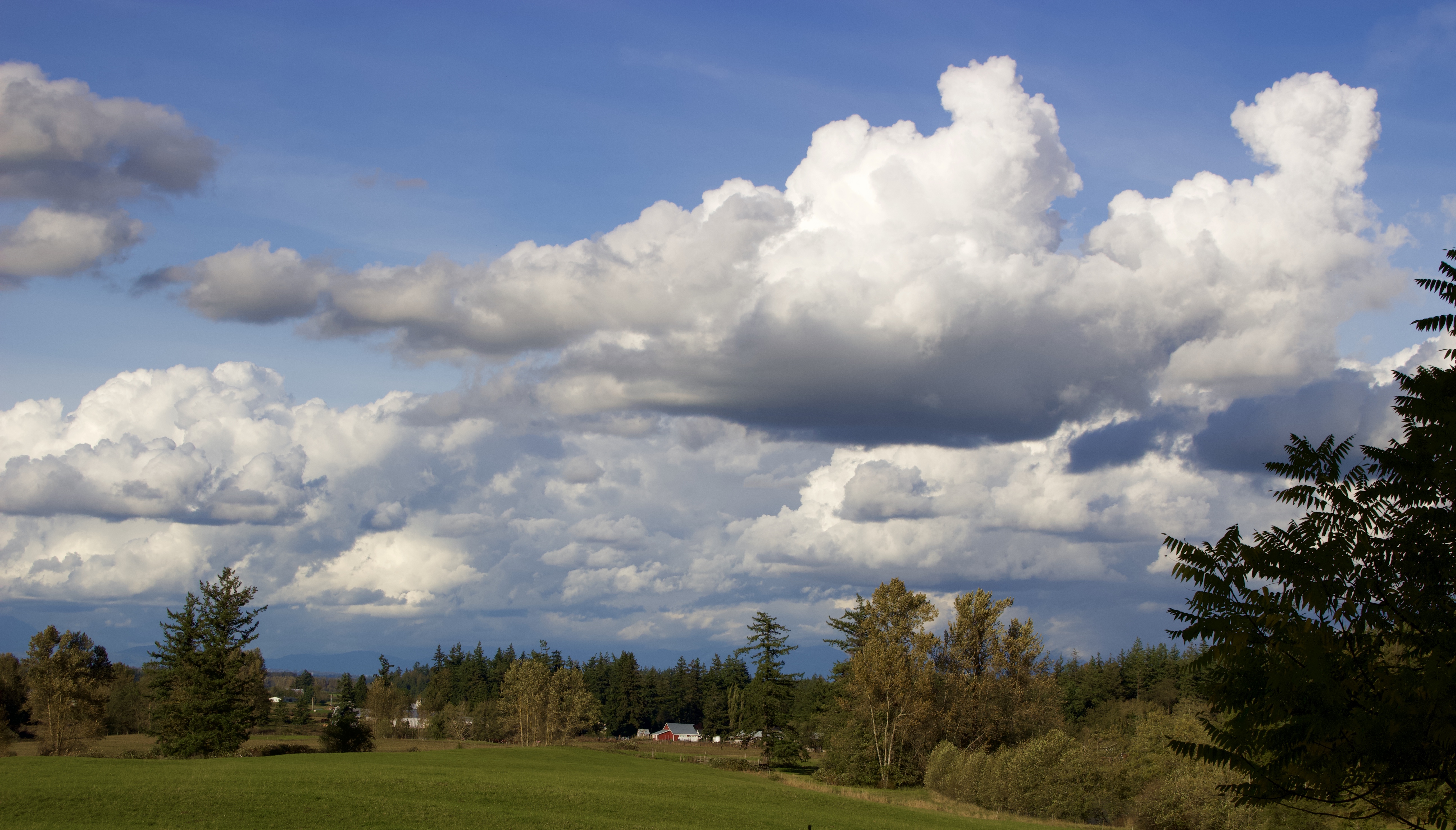
Such is the late afternoon light of an October day. There is an air of mystery in a honeyed moment of illumination knowing something more is coming.
Not just the inevitable darkness when we all must sleep. Not just opening wide to what we cannot yet understand. No more peering through a glass darkly.
Breaking into blossom means losing what exists now, this momentary glow of full ripeness, to become part of the light itself.
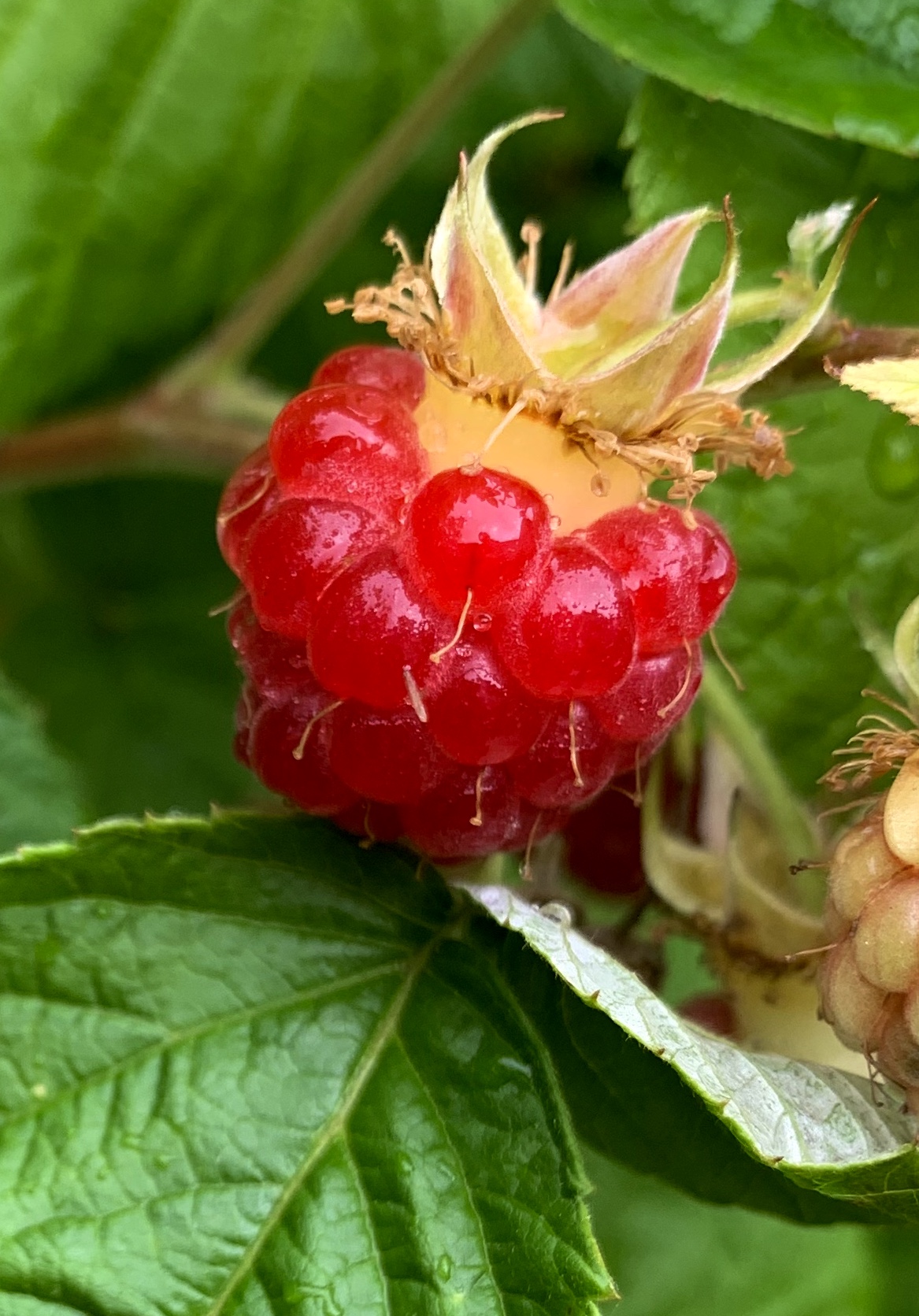
It was solid hedge, loops of bramble and thorny as it had to be with its berries thick as bumblebees. It drew blood just to get there, but I was queen of that place, at ten, though the berries shook like fists in the wind, daring anyone to come in. I was trying so hard to love this world—real rooms too big and full of worry to comfortably inhabit—but believing I was born to live in that cloistered green bower: the raspberry patch in the back acre of my grandparents’ orchard. I was cross- stitched and beaded by its fat, dollmaker’s needles. The effort of sliding under the heavy, spiked tangles that tore my clothes and smeared me with juice was rewarded with space, wholly mine, a kind of room out of the crush of the bushes with a canopy of raspberry dagger-leaves and a syrup of sun and birdsong. Hours would pass in the loud buzz of it, blood made it mine—the adventure of that red sting singing down my calves, the place the scratches brought me to: just space enough for a girl to lie down. ~Karin Gottshall “The Raspberry Room” from “Crocus”
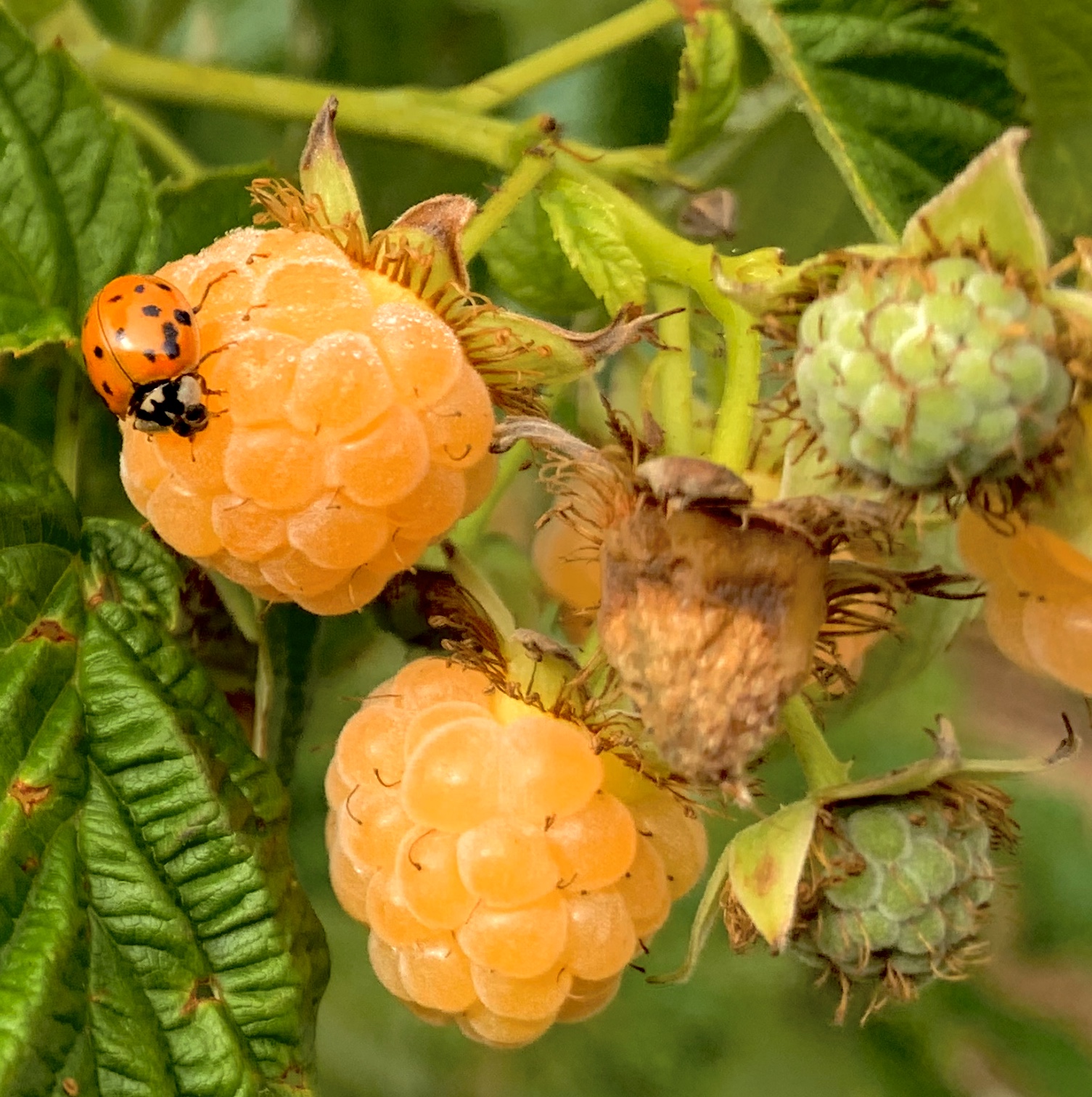
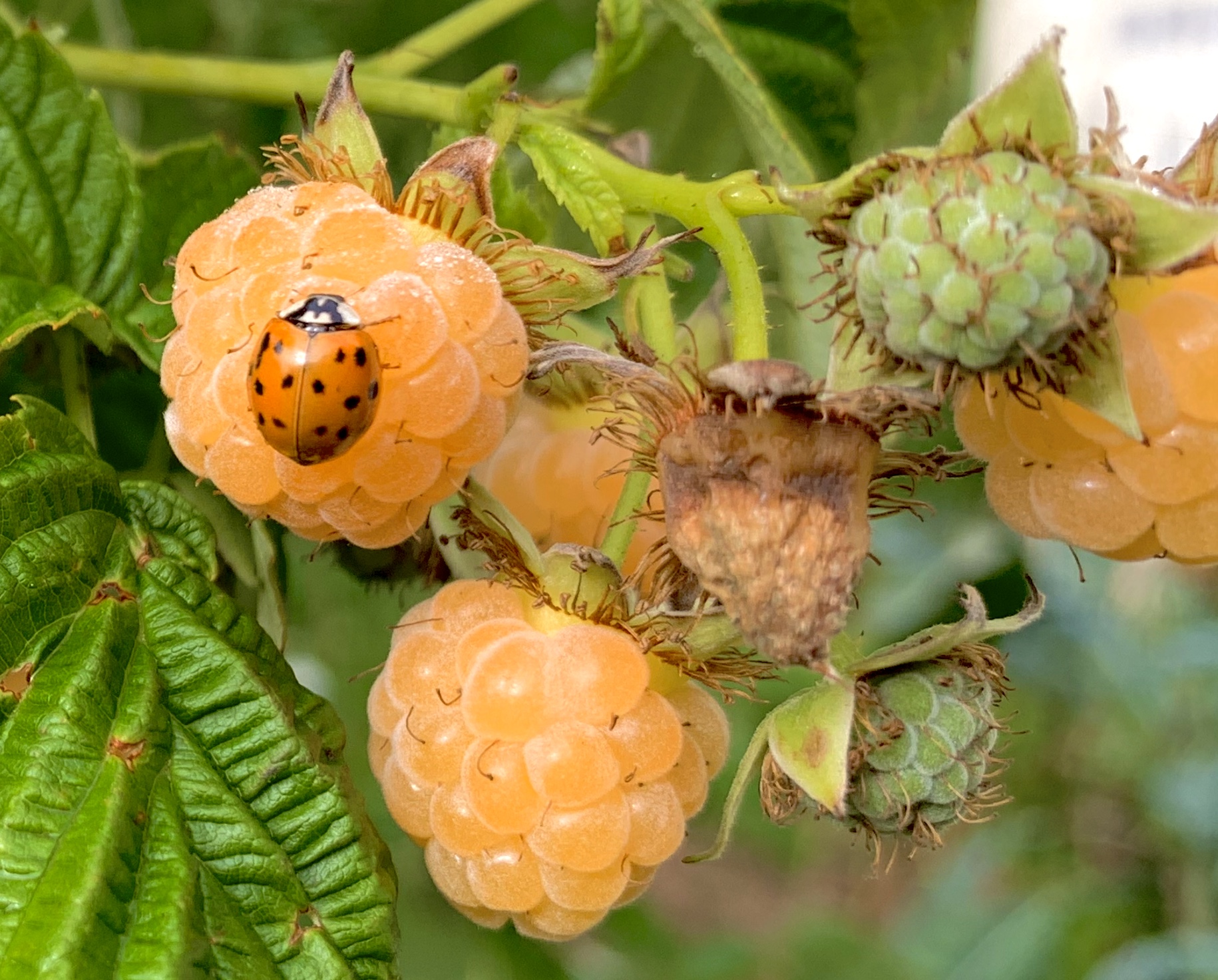
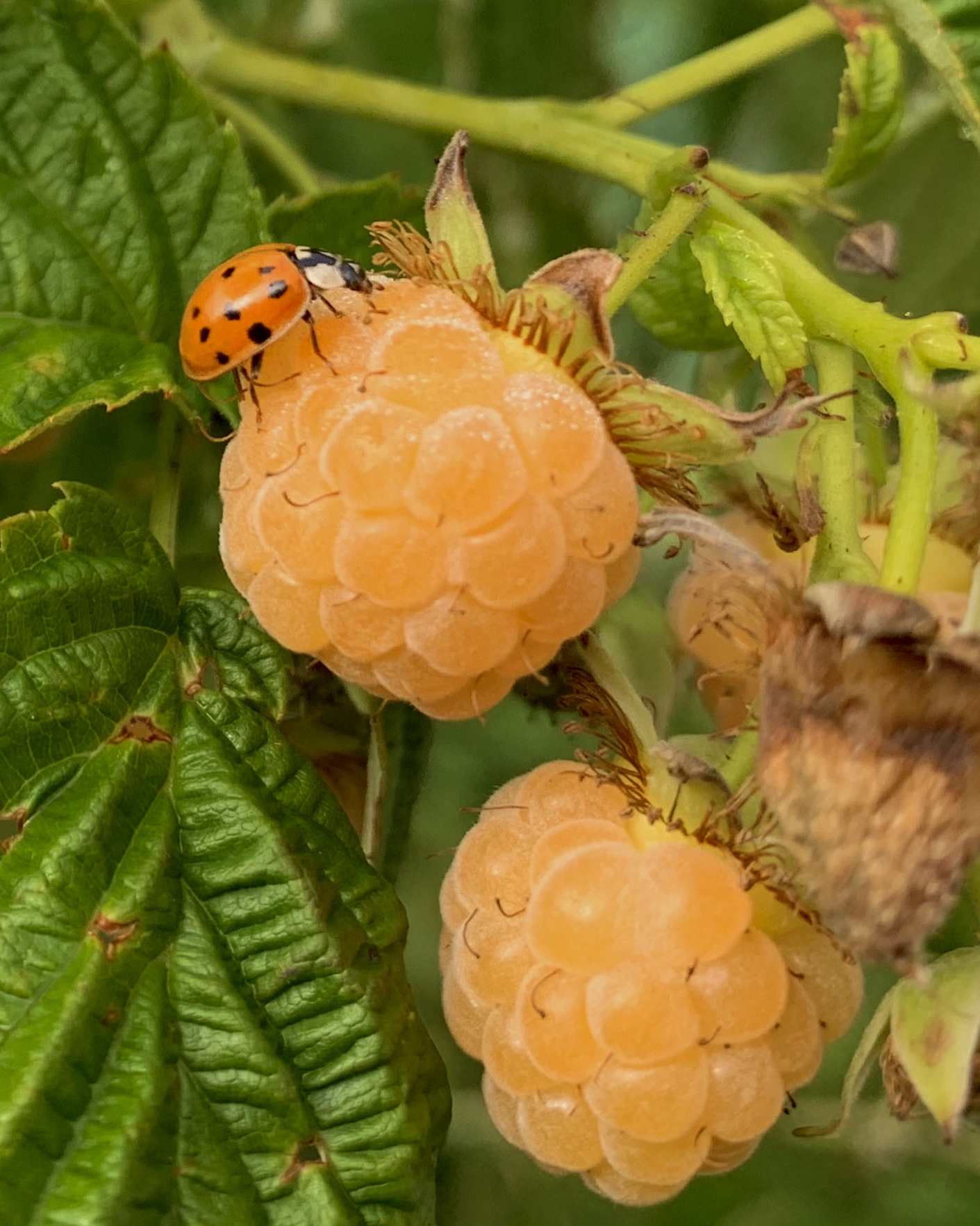
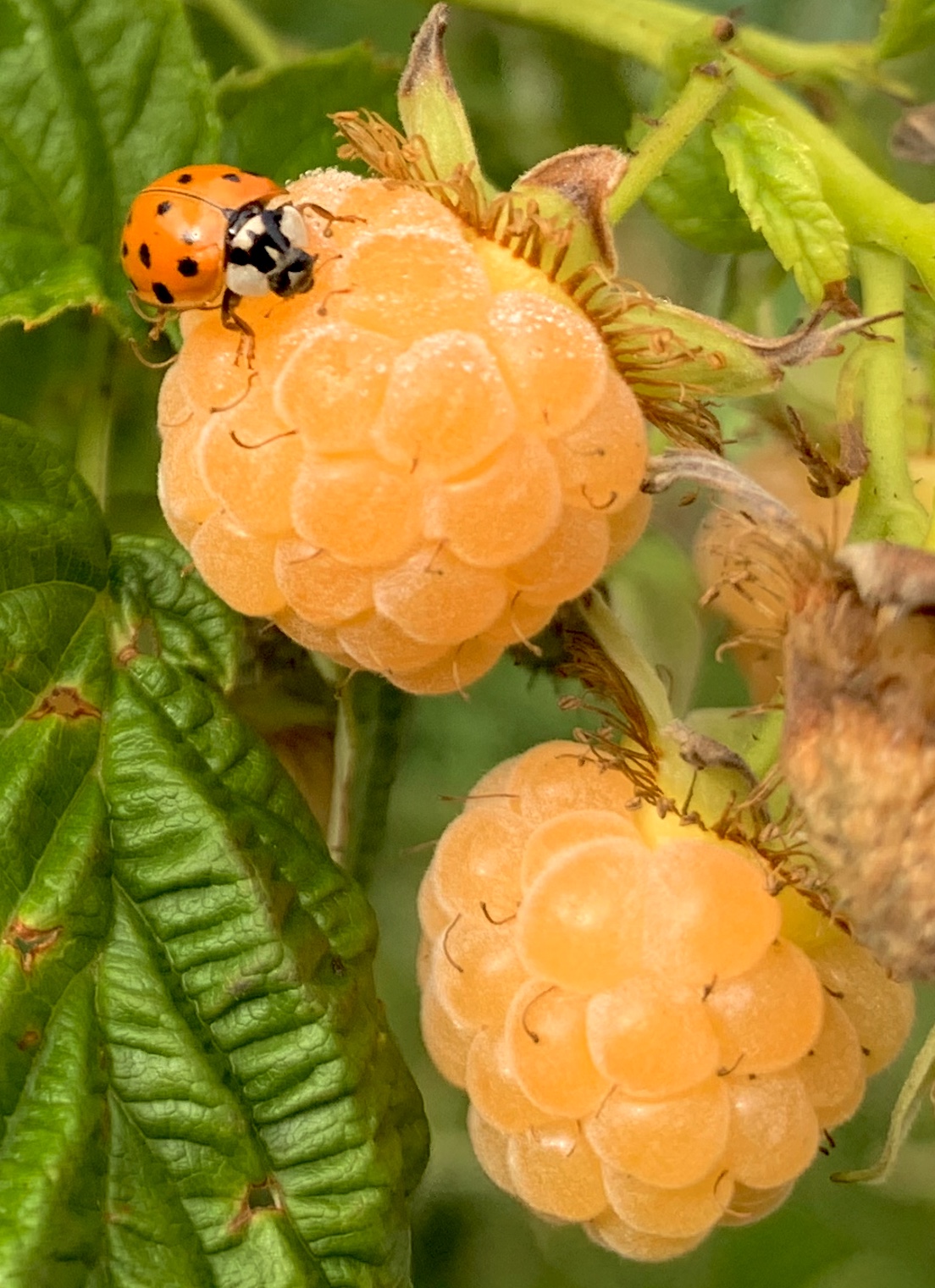
The raspberry bushes are worth exploring, despite the scratches required to be there. The reward for drawing blood is finding a sweetness hidden away which no one else can see: a lady beetle circumnavigating a tiny golden globe.
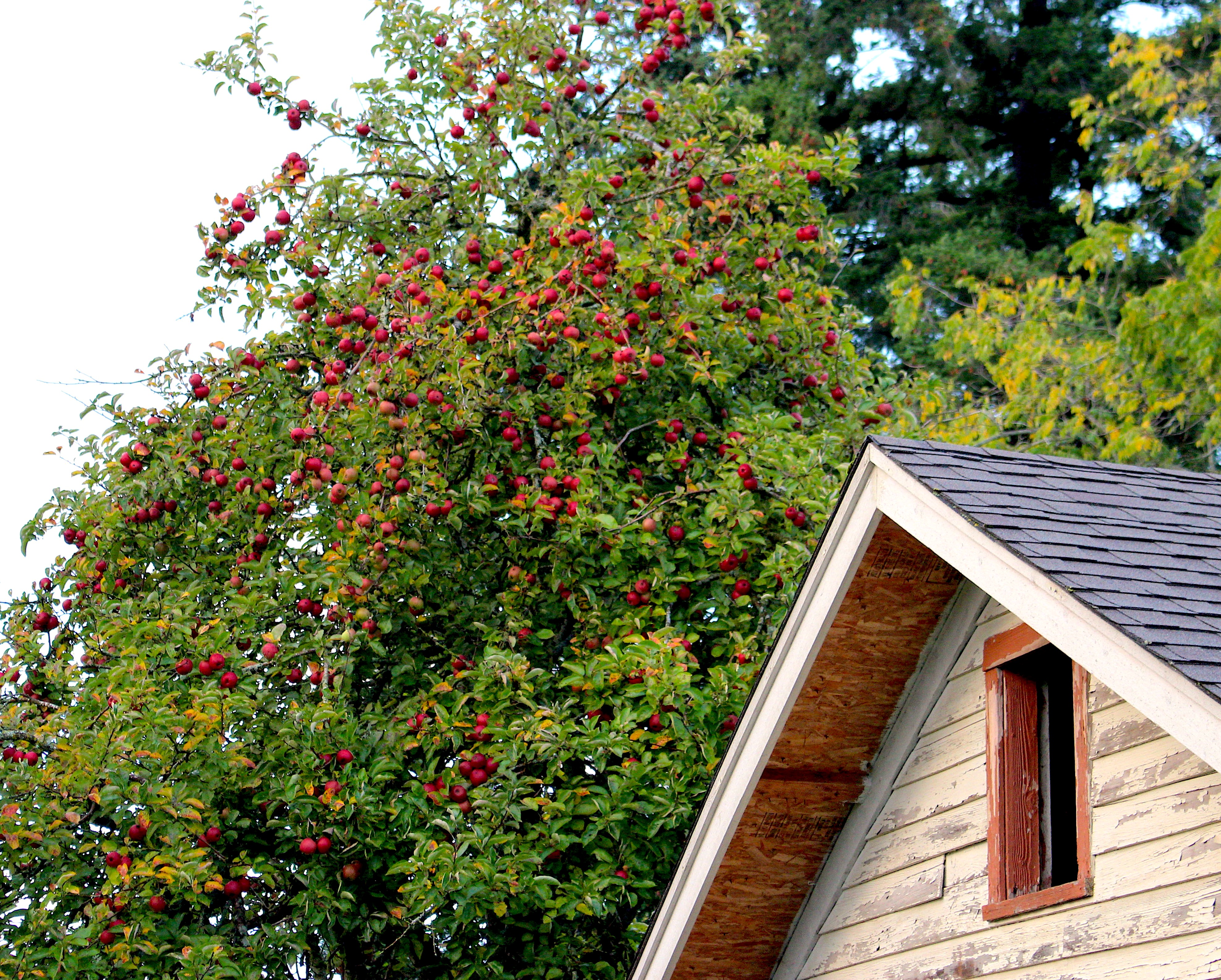
The way the trees empty themselves of leaves, let drop their ponderous fruit, the way the turtle abandons the sun-warmed log, the way even the late-blooming aster succumbs to the power of frost—
this is not a new story. Still, on this morning, the hollowness of the season startles, filling the rooms of your house, filling the world with impossible light, improbable hope.
And so, what else can you do but let yourself be broken and emptied? What else is there but waiting in the autumn sun? ~Carolyn Locke “What Else?” from The Place We Become
So this is how our life goes:
we are sowed, set down roots, bud and grow and flower and bloom and fruit and flourish,
then dry and change and wither and empty and break away to be carried off beyond this air and water and soil.
We thrived where we were planted, did what we could with a little nurture, to transcend the here and now.
So may we plant the next generation in healthy soil. May we weed and water and feed as needed. May we never overshadow the sun but step aside so its light fully shines.
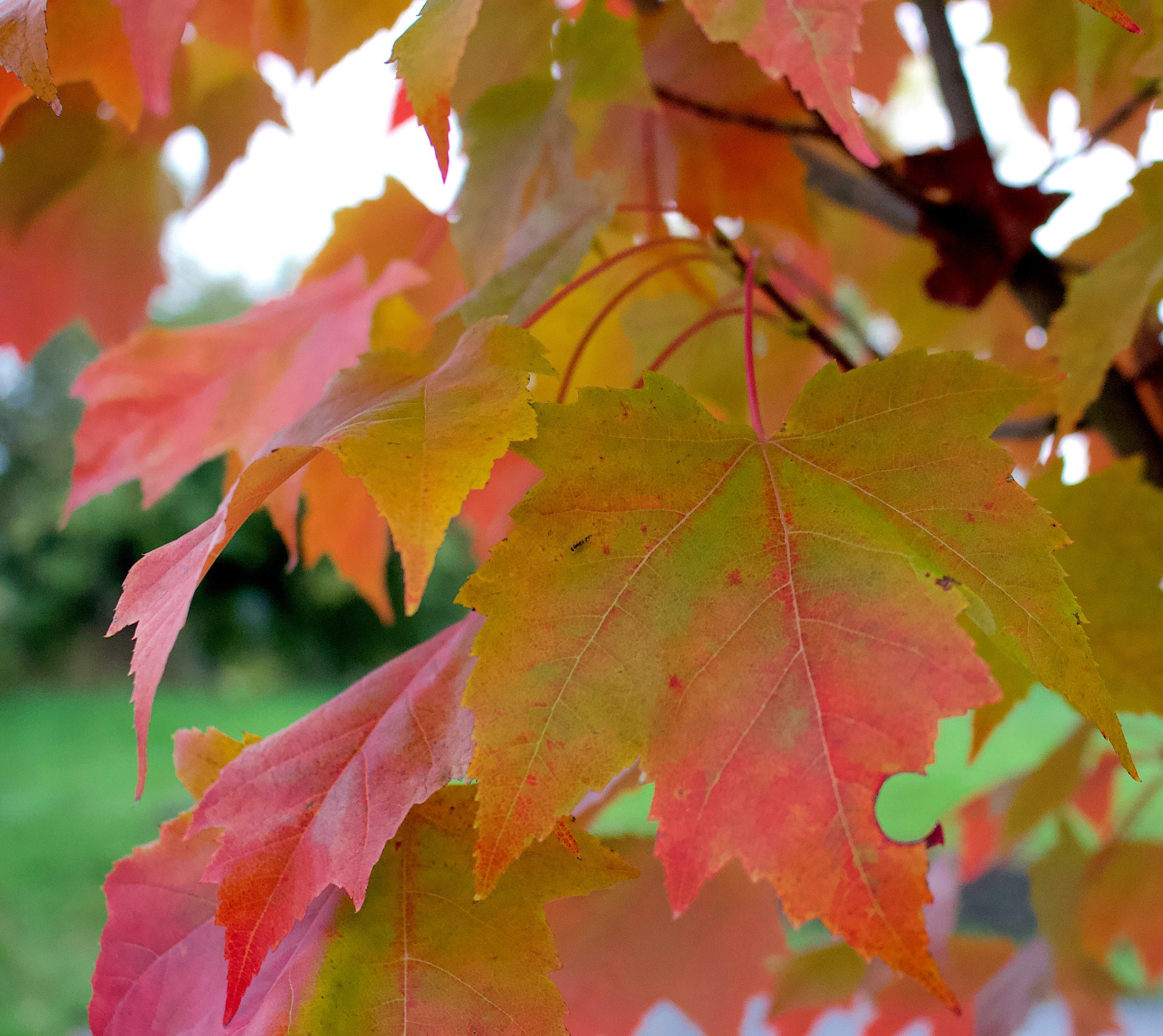
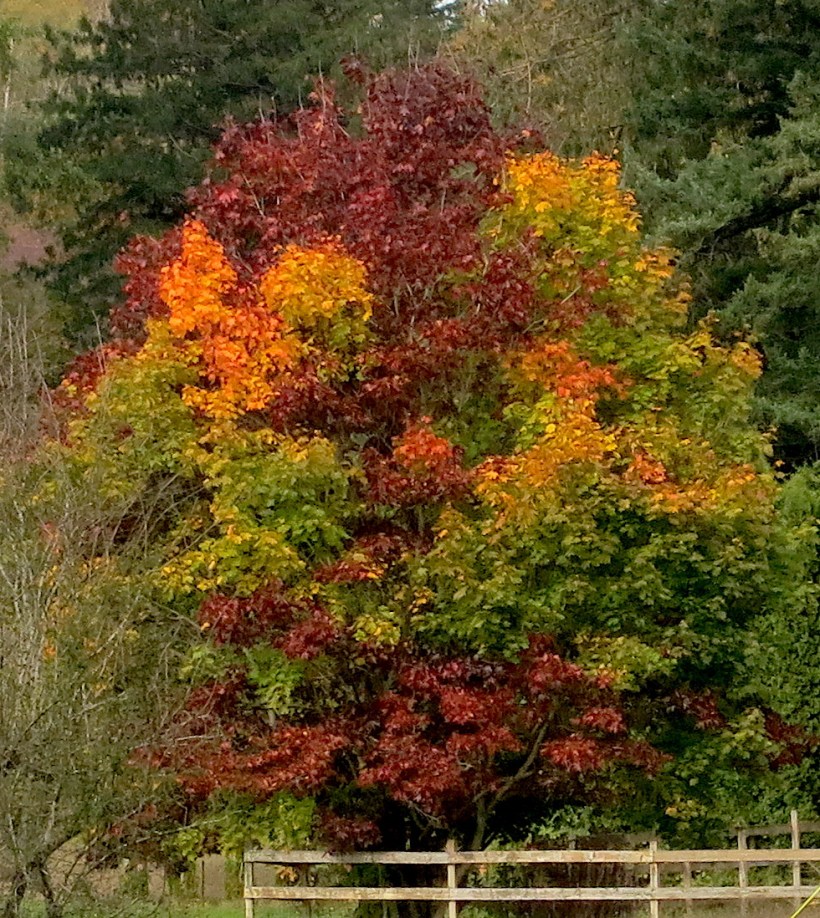
…and the garden diminishes: cucumber leaves rumpled and rusty, zucchini felled by borers, tomatoes sparse on the vines. But out in the perennial beds, there’s one last blast of color: ignitions of goldenrod, flamboyant asters, spiraling mums, all those flashy spikes waving in the wind, conducting summer’s final notes. The ornamental grasses have gone to seed, haloed in the last light. Nights grow chilly, but the days are still warm; I wear the sun like a shawl on my neck and arms. Hundreds of blackbirds ribbon in, settle in the trees, so many black leaves, then, just as suddenly, they’re gone. This is autumn’s great Departure Gate, and everyone, boarding passes in hand, waits patiently in a long, long line. ~Barbara Crooker “And Now It’s September” from Spillway
The advance of autumn usually feels like I’m waiting to embark on an unplanned journey that I wish to avoid. I don’t like airports, don’t like the strangeness of unfamiliar destinations, don’t like flying with nothing between me and the ground.
Now “fall” is just like that — like I’m falling.
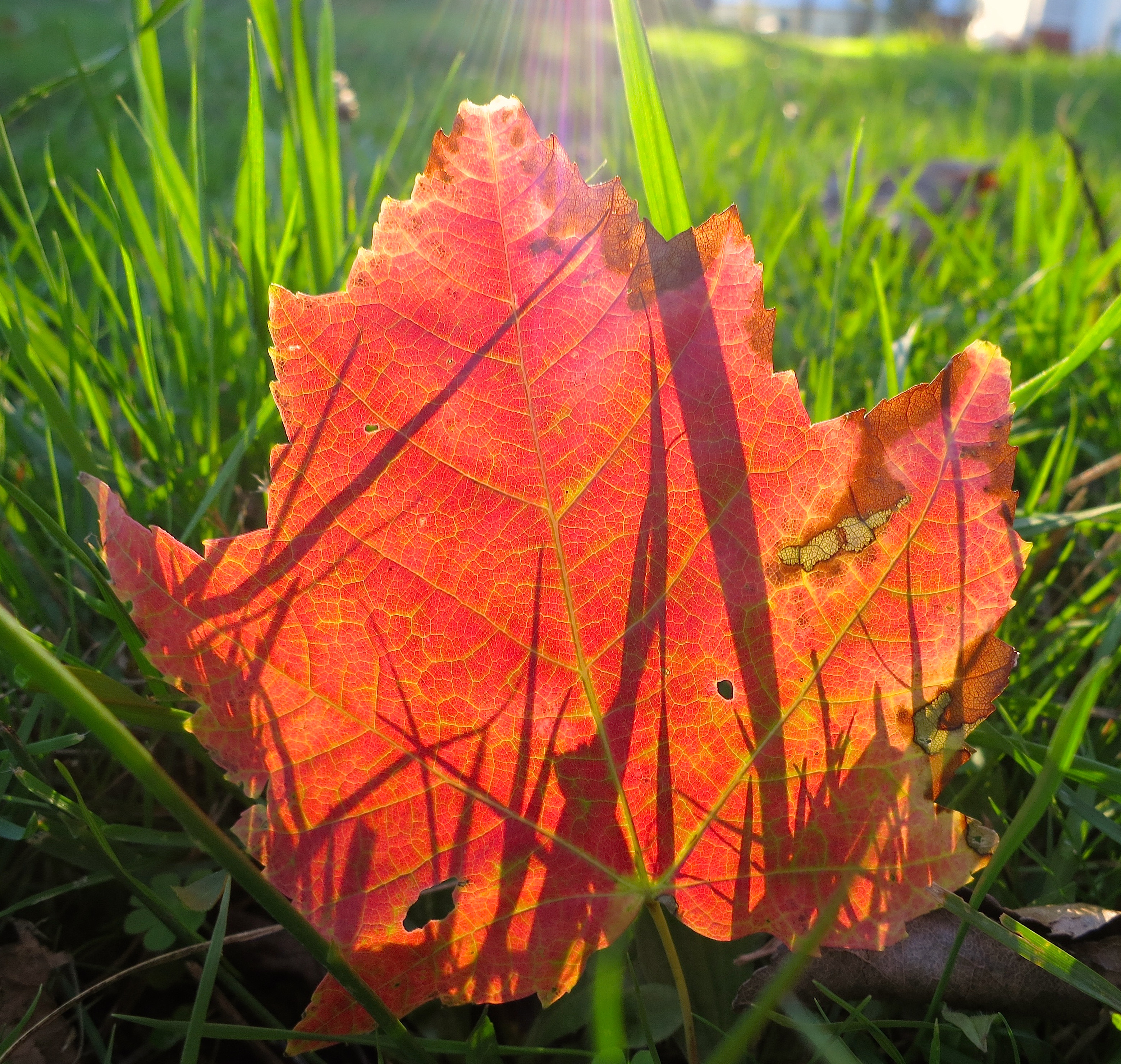
I look at what is dying around me and know these blasts of color and fruitfulness are their last sad gasps.
So too, when I go out the departure gate, may I go down the long ramp gaily without fear and without regrets — maybe even with a skip in my step as I fall.
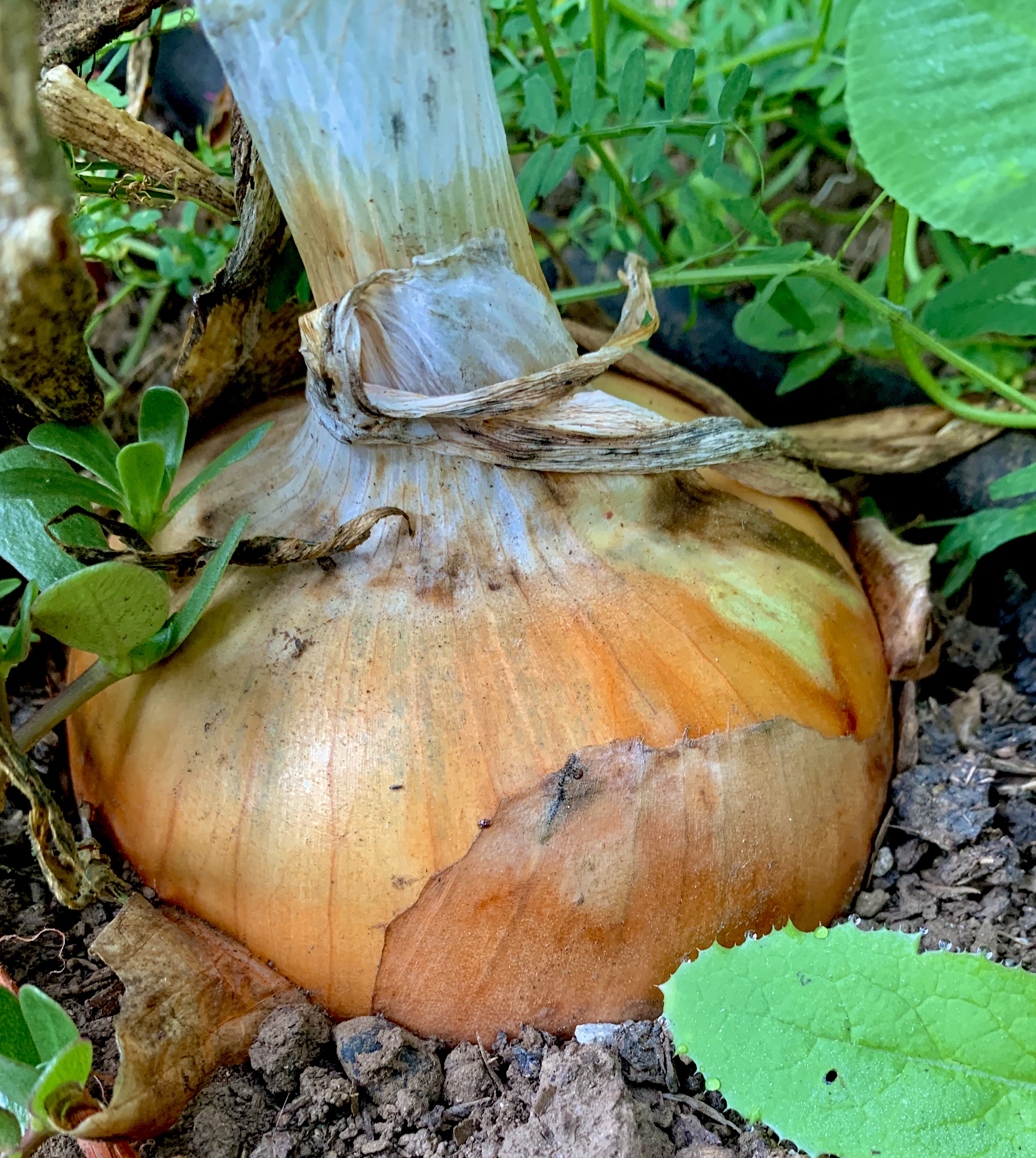
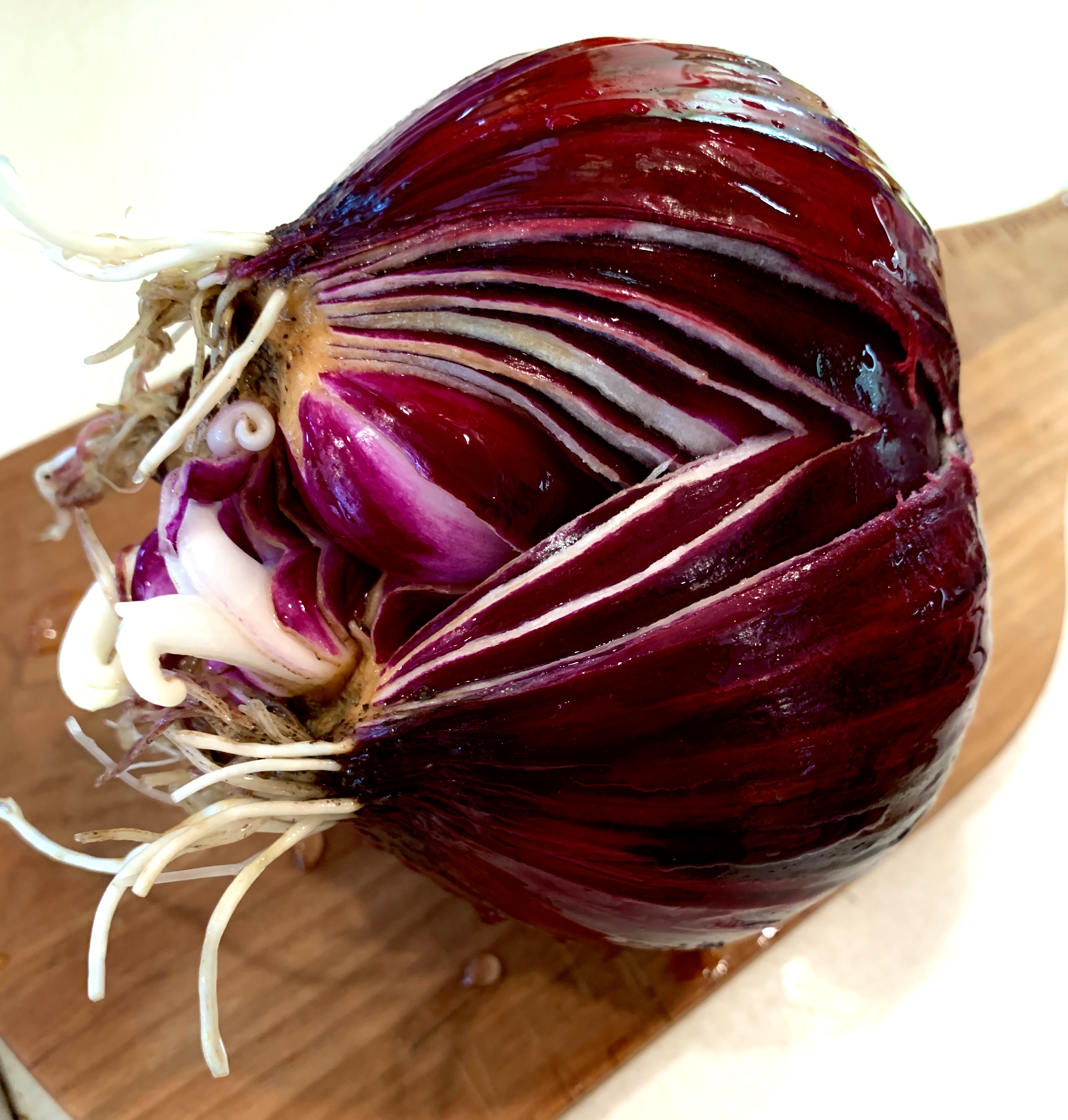
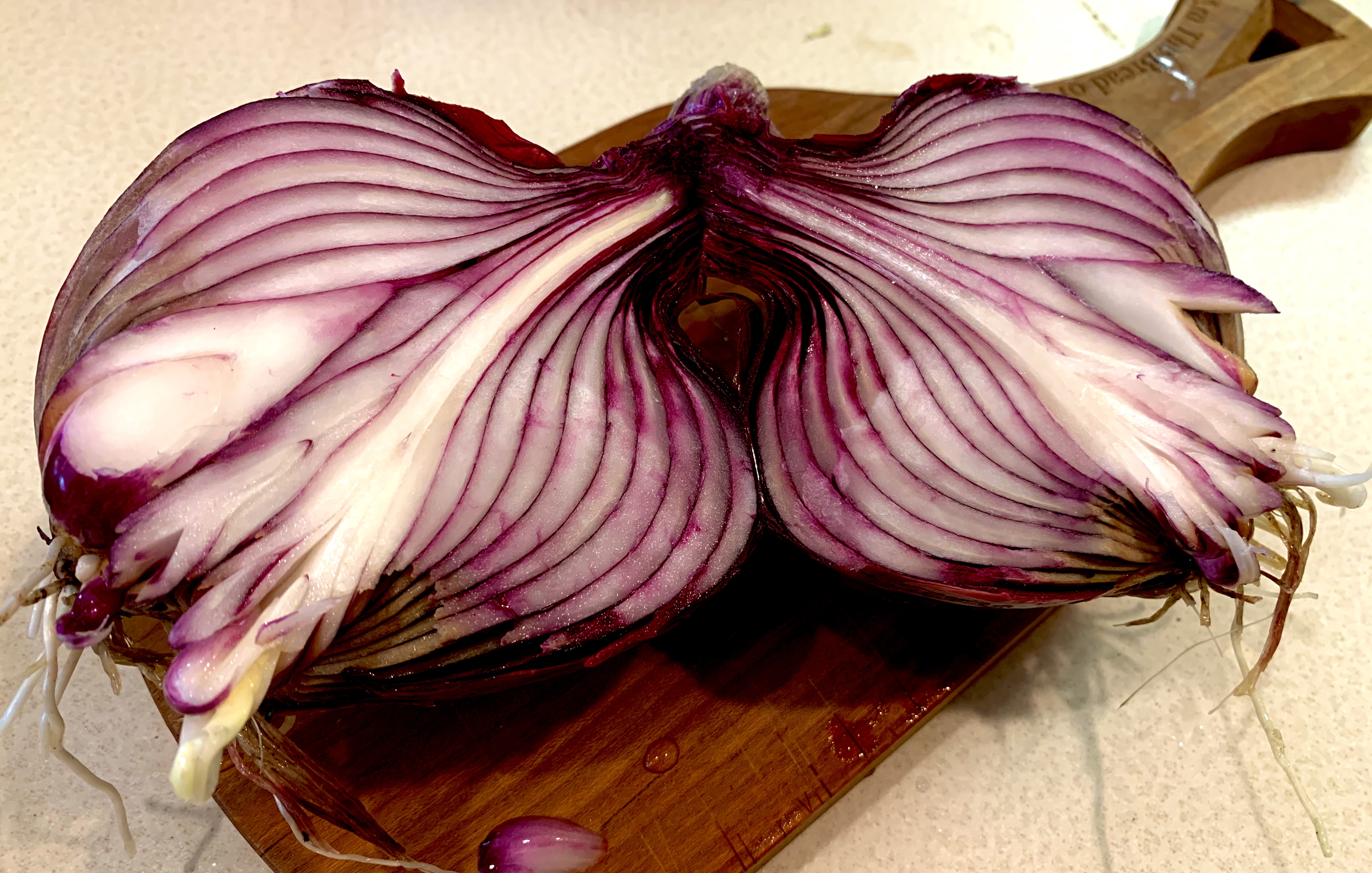
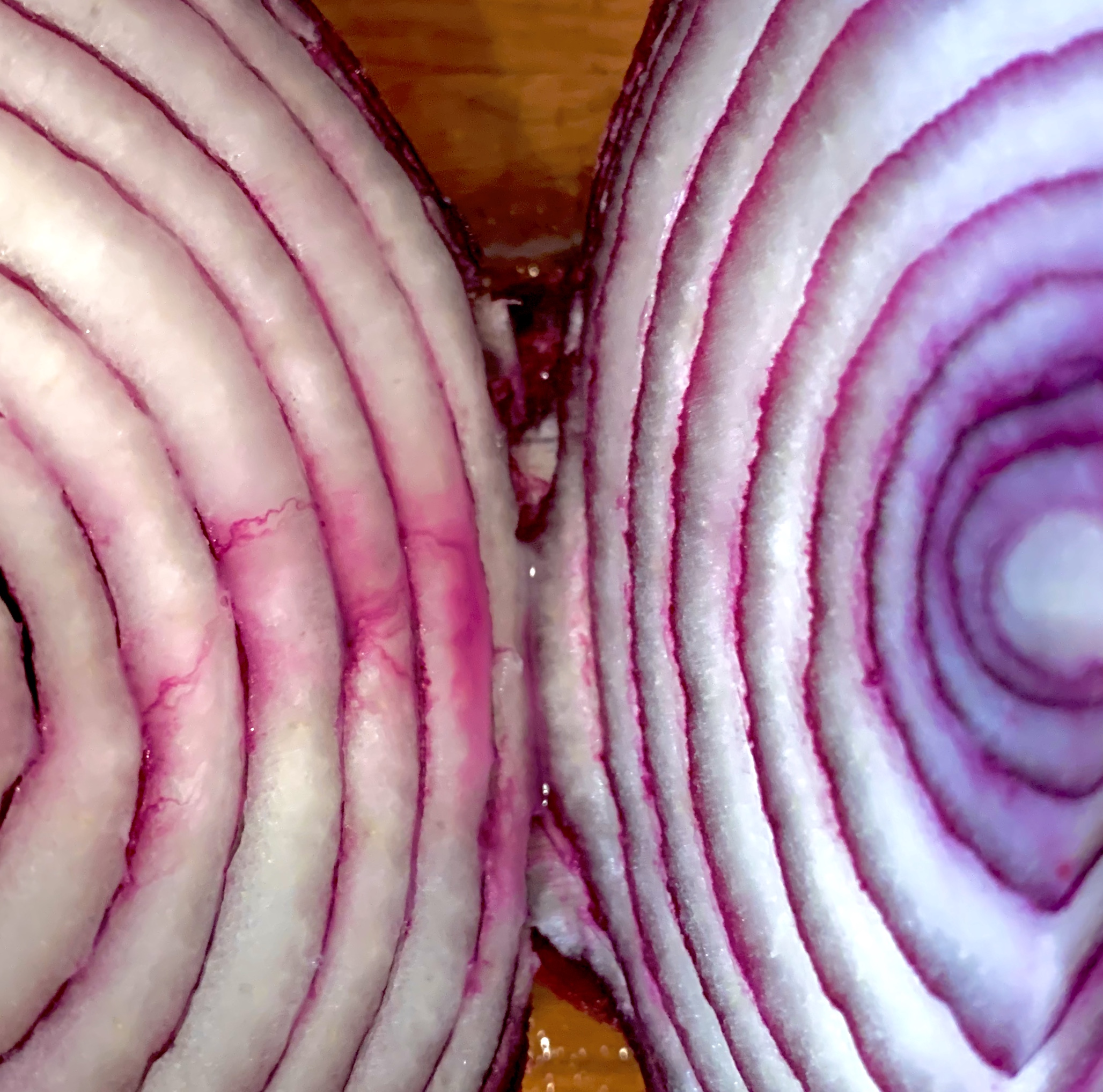
…It’s true it can make you weep to peel them, to unfurl and to tease from the taut ball first the brittle, caramel-colored and decrepit papery outside layer, the least
recent the reticent onion wrapped around its growing body, for there’s nothing to an onion but skin, and it’s true you can go on weeping as you go on in, through the moist middle skins, the sweetest
and thickest, and you can go on in to the core, to the bud-like, acrid, fibrous skins densely clustered there, stalky and in- complete, and these are the most pungent… ~William Matthews from “Onions”
…I would never scold the onion for causing tears. It is right that tears fall for something small and forgotten. How at meal, we sit to eat, commenting on texture of meat or herbal aroma but never on the translucence of onion, now limp, now divided, or its traditionally honorable career: For the sake of others, disappear. ~Naomi Shihab Nye, from “The Traveling Onion” from Words Under the Words: Selected Poems.
Onion, luminous flask, your beauty formed petal by petal, crystal scales expanded you and in the secrecy of the dark earth your belly grew round with dew. Under the earth the miracle happened and when your clumsy green stem appeared, and your leaves were born like swords in the garden, the earth heaped up her power showing your naked transparency…
…You make us cry without hurting us. I have praised everything that exists, but to me, onion, you are more beautiful than a bird of dazzling feathers, heavenly globe, platinum goblet, unmoving dance of the snowy anemone
and the fragrance of the earth lives in your crystalline nature. ~Pablo Neruda from “Ode to the Onion”
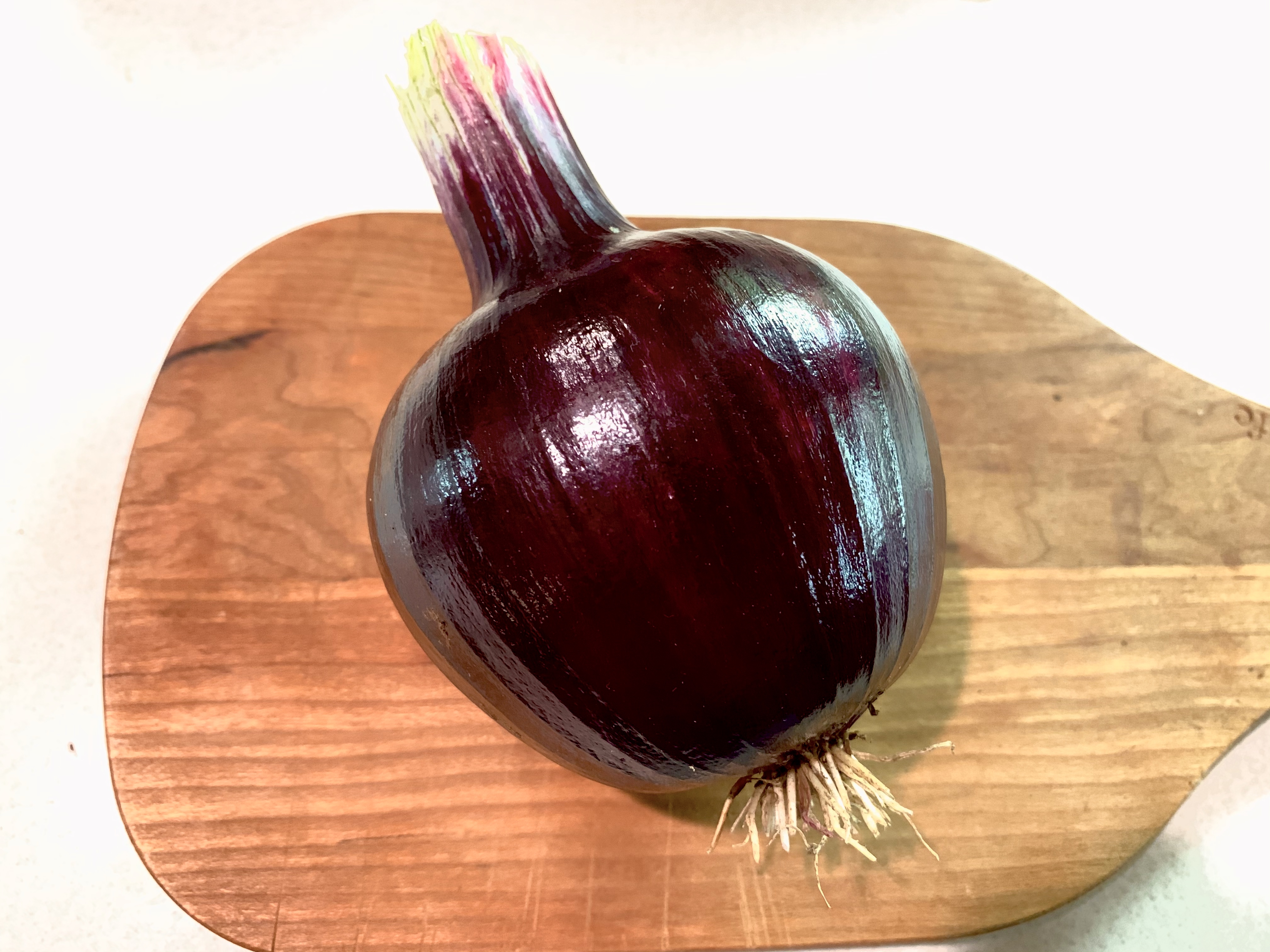
Everything smells of “eau de onion” here in the kitchen as the onions are brought in from our late summer garden to be stored or dehydrated and frozen for winter soups and stews.
This is weepy business, but these are good tears like I spill over the whistled Greensleeves theme from the old “Lassie” TV show, or during any childrens’ choir song, or by simply watching videos of our grandchildren who are quarantined so far away from our arms.
It takes almost nothing these days to make me weep, so onions are a handy excuse, allowing my tears to flow without explanation:
I weep over the headlines. I weep over how changed life is and for the sadness of the stricken. I weep over how messy things can get between people who don’t listen to one another or who misinterpret what they think they hear. I weep knowing we all have layers and layers of skin that appear tough on the outside, but as you peel gently or even ruthlessly cut them away, the layers get more and more tender until you reach the throbbing heart of us.
We tend to hide our hearts out of fear of being hurt, crying out in pain.
Like an onion, each one of us exists to make the day a bit better, the meal more savory, to enhance the flavors of all who are mixed into this melting pot together. We aren’t meant to stand alone, but to disappear into the stew, and be sorely missed if we are absent.
So very dish needs an onion, and for the sake of the dish, every onion vanishes in the process.
No, I don’t mean to make you cry as you peel my layers away, gently, one by one, each more tender until you reach my heart. Chop away at me if you must but weep the good tears, the ones that mean we weep for the sake of our meal together: you eating and drinking, and me – consumed.












 Barnstorming