We Who are Blended

You’ve got to be taught
To hate and fear
You’ve got to be taught
From year to year
It’s got to
Be drummed in your dear little ear
You’ve got to be taught
To be afraid of people
Who’s eyes are oddly made
And people who’s skin is a different shade
You’ve got to be carefully taught
~ Matthew Morrison from Oscar and Hammerstein’s “South Pacific”
It demands great spiritual resilience not to hate the hater
whose foot is on your neck, 
and an even greater miracle of perception and charity
not to teach your child to hate.
~James Arthur Baldwin

If you’re white and you’re wrong, then you’re wrong; 
if you’re black and you’re wrong, you’re wrong. 
People are people. 
Black, blue, pink, green – 
God make no rules about color; 
only society make rules where my people suffer, 
and that why we must have redemption and redemption now.
~Bob Marley
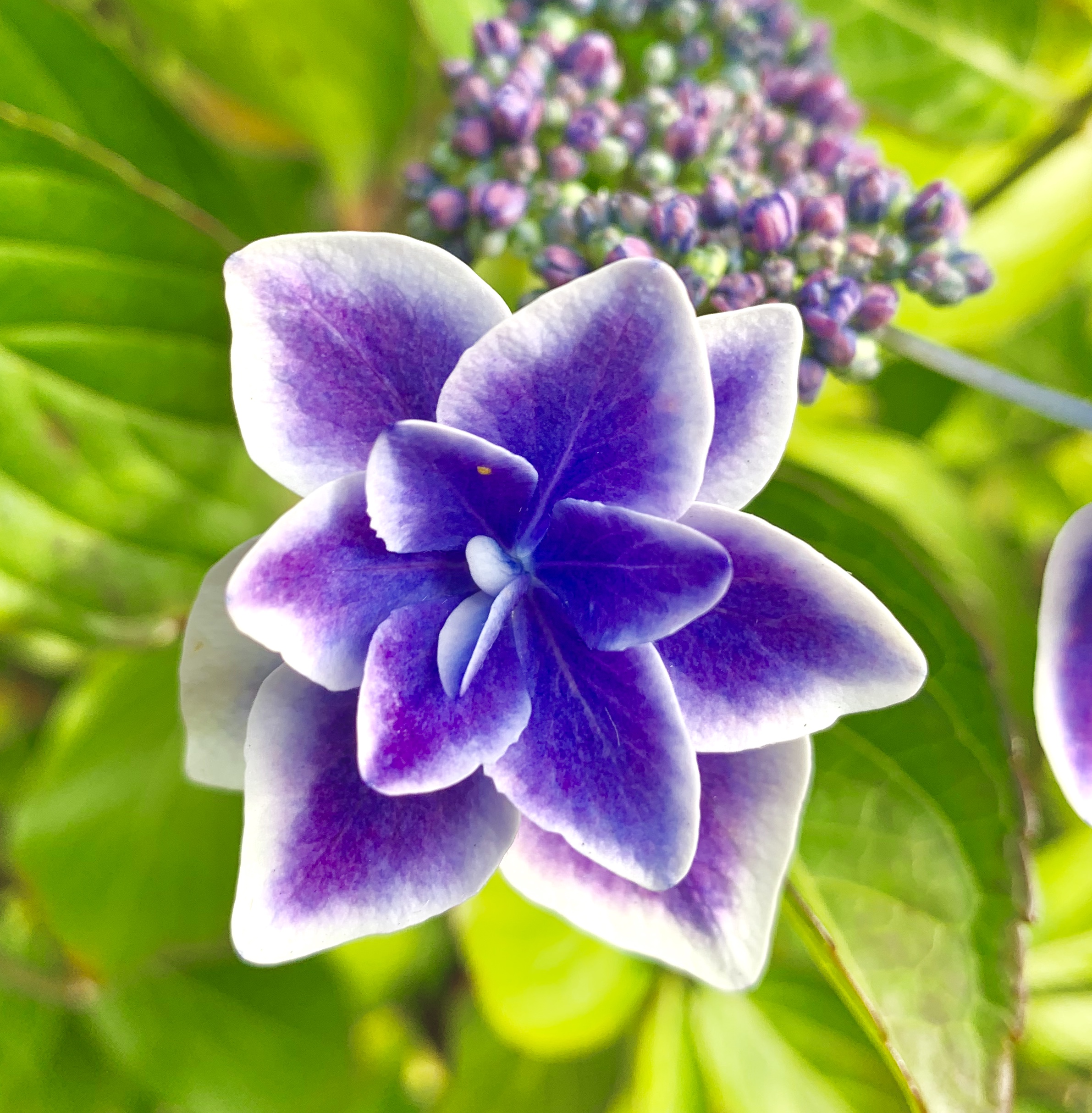
We’ve got to be taught to hate. I was and so were you.

And not a one of us grows up without that sickening uneasiness about not belonging and not feeling like we fit in with those around us. We crave belonging and most of us seek to blend in.

Yet we are created in the image of God, in most ways more similar than we are different. We have created the differences in our own minds and cultures, not God’s Mind. Our fear of one another is purely man-made.

Yet hating and fearing the “other” is meaningless when we are already the “other.”

As more and more people have their DNA profiles done and discover an unexpected mix of various ethnic and racial backgrounds, we are gaining new brothers and sisters on the molecular level. Many are already blended; most of us are mutts.

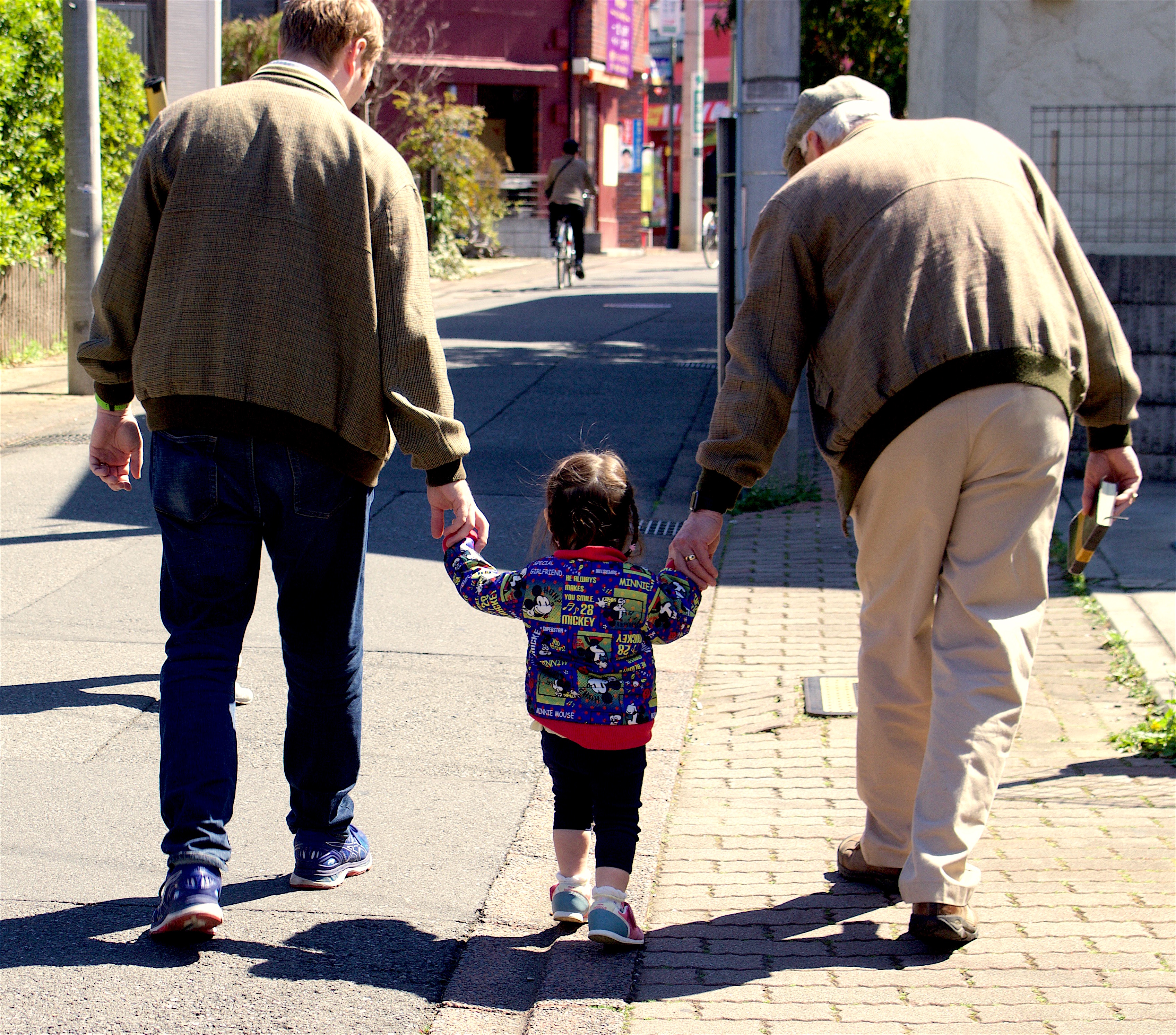
I have a white friend who recently discovered a branch of family four generations back where a white man and black woman had married and had several children who could pass as white and married so other light-skinned people. Several children were darker skinned and married black spouses. Sadly, due to the prejudices of the time, the family separated along skin color lines and didn’t maintain contact. Now the descendants have discovered each other. Their family reunion portraits display a colorful spectrum of black to brown to pale white. None of them are “other” any longer when they all are “other.”

So let us celebrate the infinite gradations of Imago Dei, and the redeeming reunion of long-lost brothers and sisters.

And remember — we are responsible for what we teach our children.
Sorting Laundry

Given over to love,
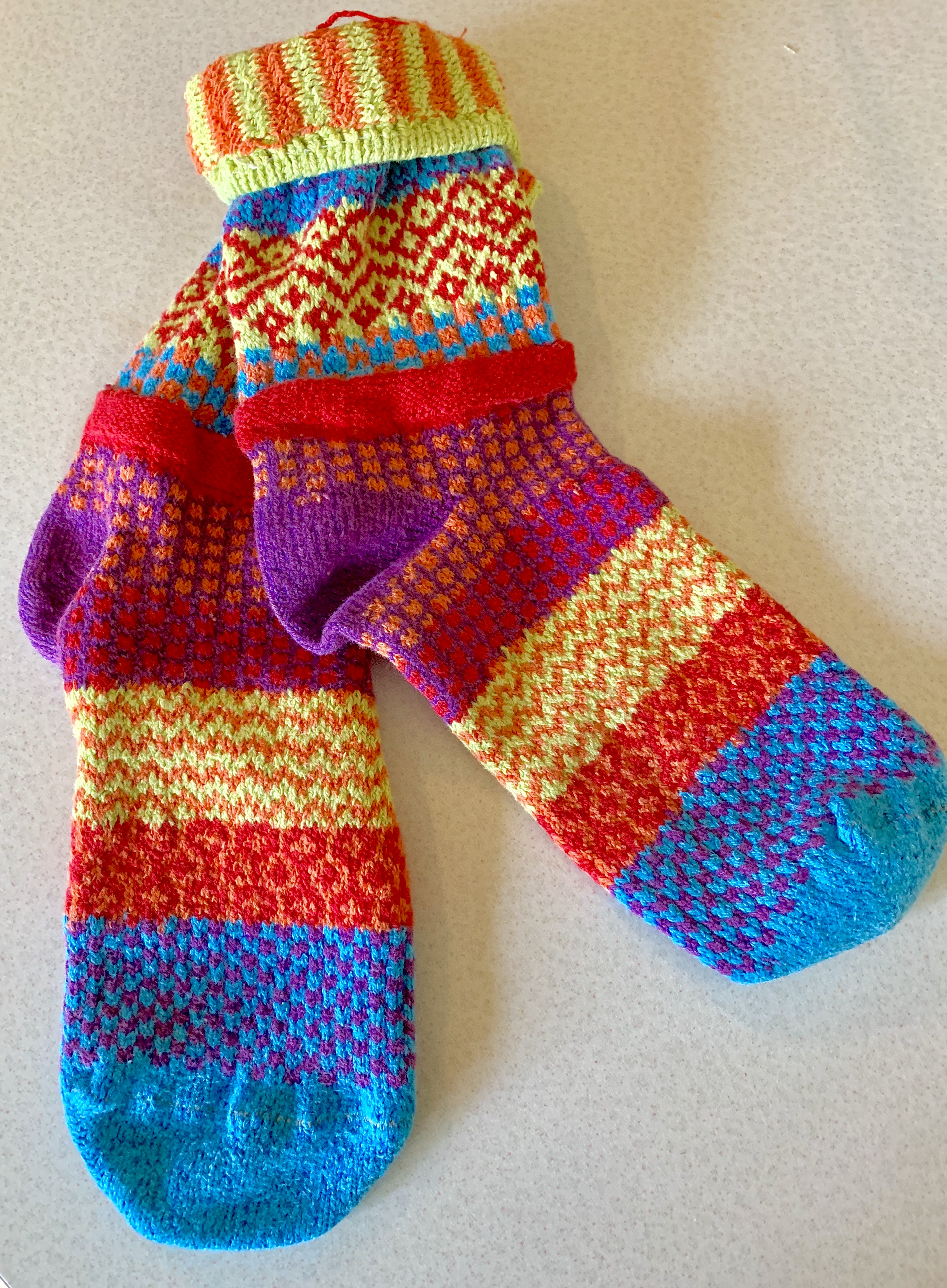
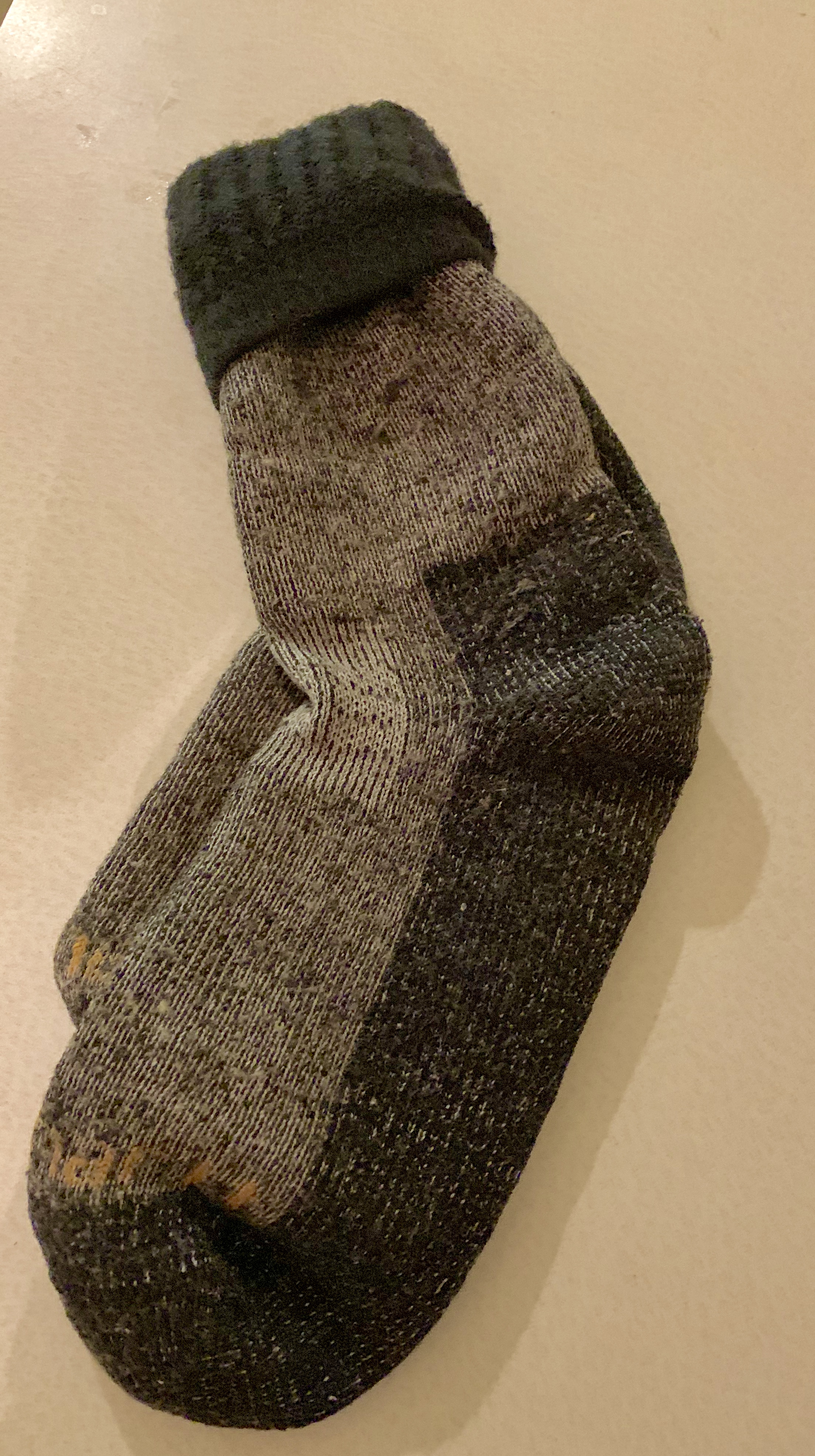
she un-balls the socks,

lets fall debris of days,
leaf litter, sand grain,

slub of some sticky substance,
picks it all for the sake

of the stainless tub
of the gleaming new front loader.

Given over to love long ago, when her own
exasperated moan bounced off

the quaint speckled enamel
of the top loader

vowing: she’d do this always and well.
She fell in love then, she fell in line—

in a march of millions, you pair them,
two by two, you marry the socks.

~Heid E. Erdrich “Laundress” from Curators of Ephemera at the New Museum for Archaic Media

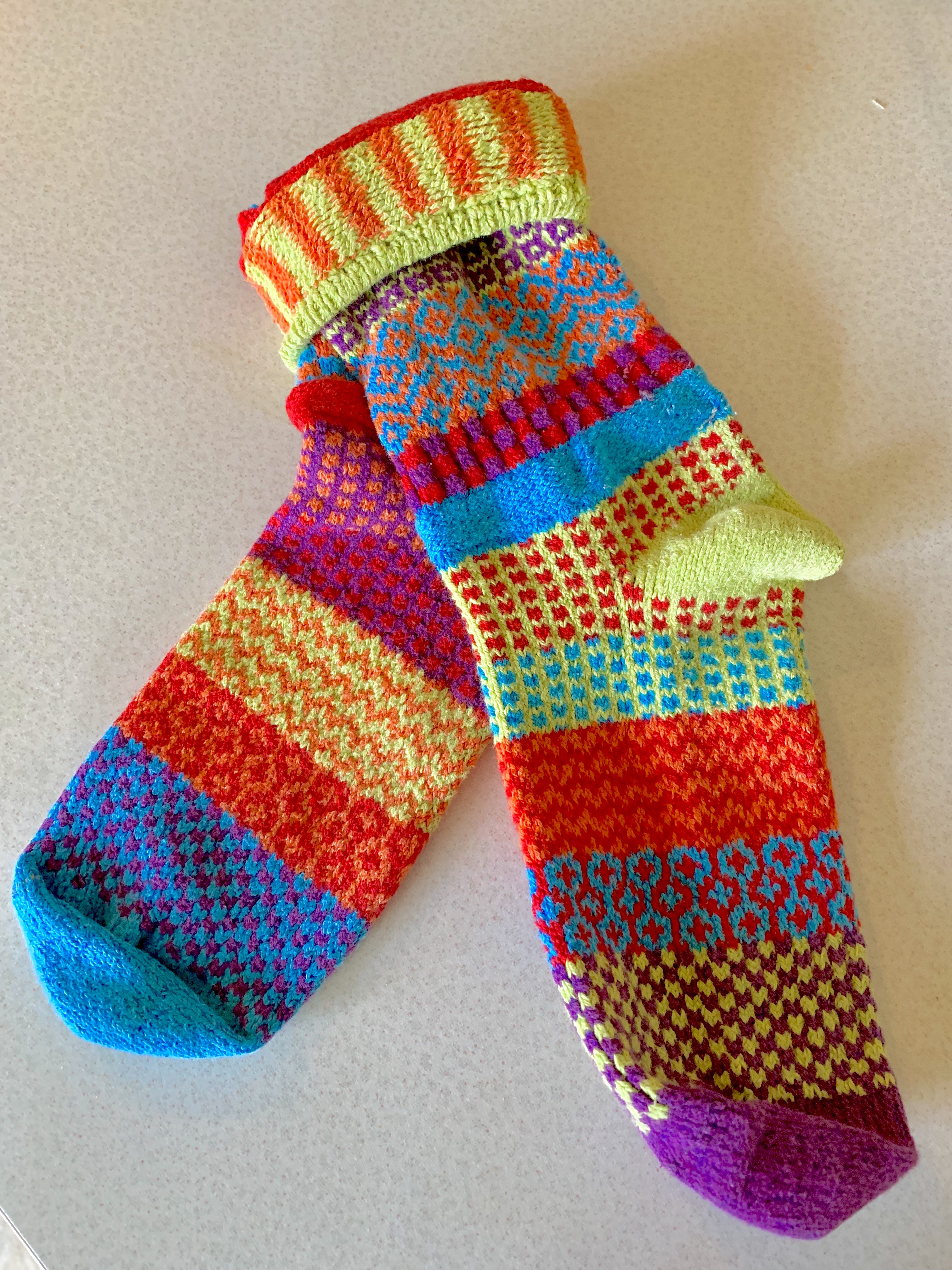
Settling into the straw, I am grateful for a quiet moment after a 12 hour workday followed by all the requisite personal conversations that help mop up the spills and splatters of every day life. My family verbally unloads their day like so much stored up laundry needing to be washed and rinsed with the spin cycle completed before tomorrow dawns. I move from child to child to child to husband to grandmother, hoping to help each one clean, dry, fold and sort everything in their pile, including finding and marrying each stray sock with its partner.

Not to be outdone, I pile up a little dirty laundry of my own as I complain about my day as well. My own socks are covered in burrs and stickers and resist matching.

I’m on “spent” cycle so I retreat to the barn where communication is less demanding and requires more than just my ears and vocal cords.   Complaints are meaningless here and so are unmarried socks.

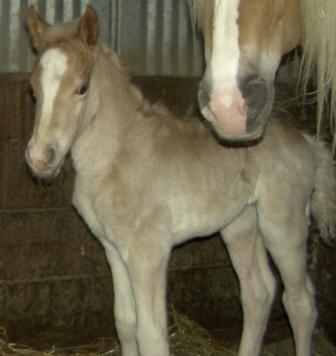
In this place a new foal and his vigilant mama watch my every move.

This colt is intrigued by my intrusion into his 12′ x 24′ world. His mother is annoyed. He comes over to sniff my foot and his mother swiftly moves him away with a quick swing of her hips, daunting me with the closeness of her heels. Her first instinct insists she separate me from him and bar my access. My mandate is to woo her over. I could bribe her with food, but, no,  that is too easy.

A curry comb is best. If nothing else will work, a good scratching always does. Standing up, I start peeling sheets of no longer needed winter hair off her neck,  her sides, her flank and hindquarter.  She relaxes in response to my efforts,  giving her baby a body rub with her muzzle, wiggling her lips all up and down from his back to his tummy. He is delighted with this spontaneous mommy massage and leans into her, moving around so his hind end is under her mouth and his front end is facing me. Then he starts giving his own version of a massage too, wiggling his muzzle over my coat sleeve and wondrously closing this little therapeutic triangle.

Here we are, a tight little knot of givers/receivers with horse hair flying in a cloud about us. One weary human, one protective mama mare and one day-old foal, who is learning so young how to contribute to the well being of others.

Given over to love, to do it always and well.

It is an incredible gift of trust bestowed on me like a blessing.  I realize this horse family is helping me sort my own laundry in the same way I help with my human family’s load.

Too often in life we find ourselves in painful triangles, passing our kicks and bites down the line to each other rather than providing needed relief and respite. We find ourselves unable to wrench free from continuing to deliver the hurts we’ve just received.  What strength it takes to respond with kindness when the kick has just landed on our backside. How chastened we feel when a kindness is directed at us, as undeserving as we are after having bitten someone hard.

Instead of biting, try massaging.  Instead of kicking, try tickling. Instead of fear, try acceptance.  Instead of annoyance, try patience. Instead of piling up so much dirty laundry of your own, try washing, folding and sorting what is given to you by others, handing it back all clean, smelling better and ready for the next day.

And even if the socks don’t match exactly, marry them anyway.
Just give them over to love.

Where Have I Been?

And the seasons they go round and round
And the painted ponies go up and down
We’re captive on the carousel of time
We can’t return, we can only look behind
From where we came
And go round and round and round
In the circle game…
~Joni Mitchell “The Circle Game”

those lovely horses,
that galloped me,

moving the world,
piston push and pull,

into the past—dream to
where? there, when

the clouds swayed by
then trees, as a tire

swing swung
me under—rope groan.

now, the brass beam,
holds my bent face,

calliope cadence—O
where have I been?
~Richard Maxson “Carousel at Seventy”

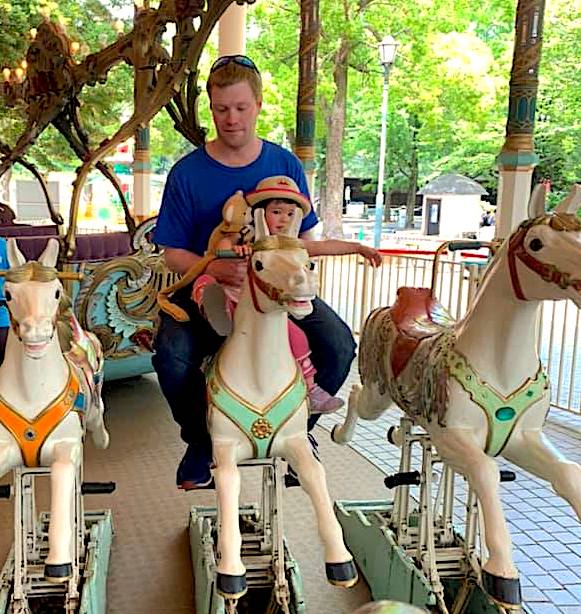
photo by Tomomi
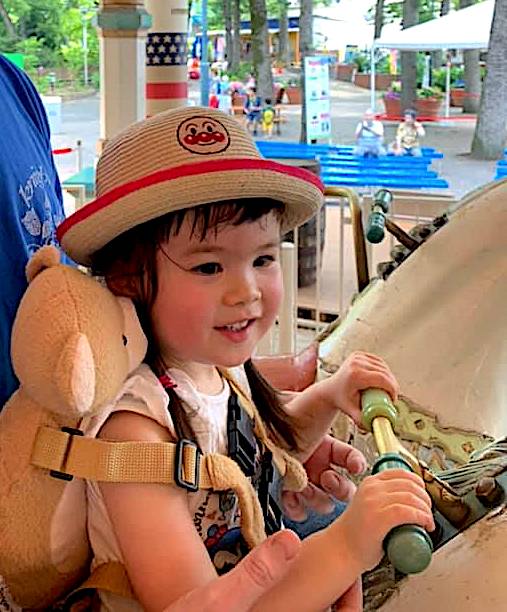
photo by Tomomi

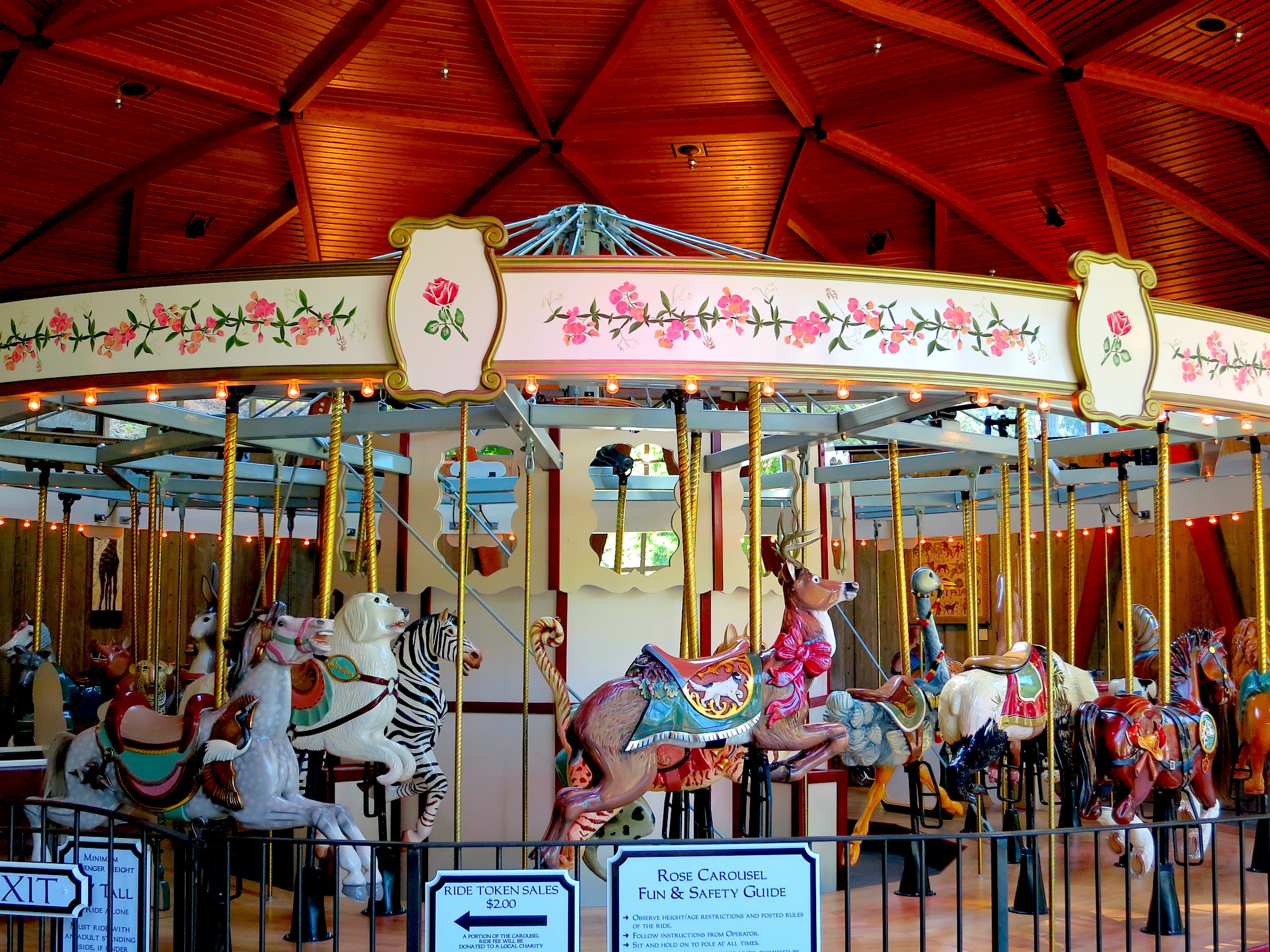
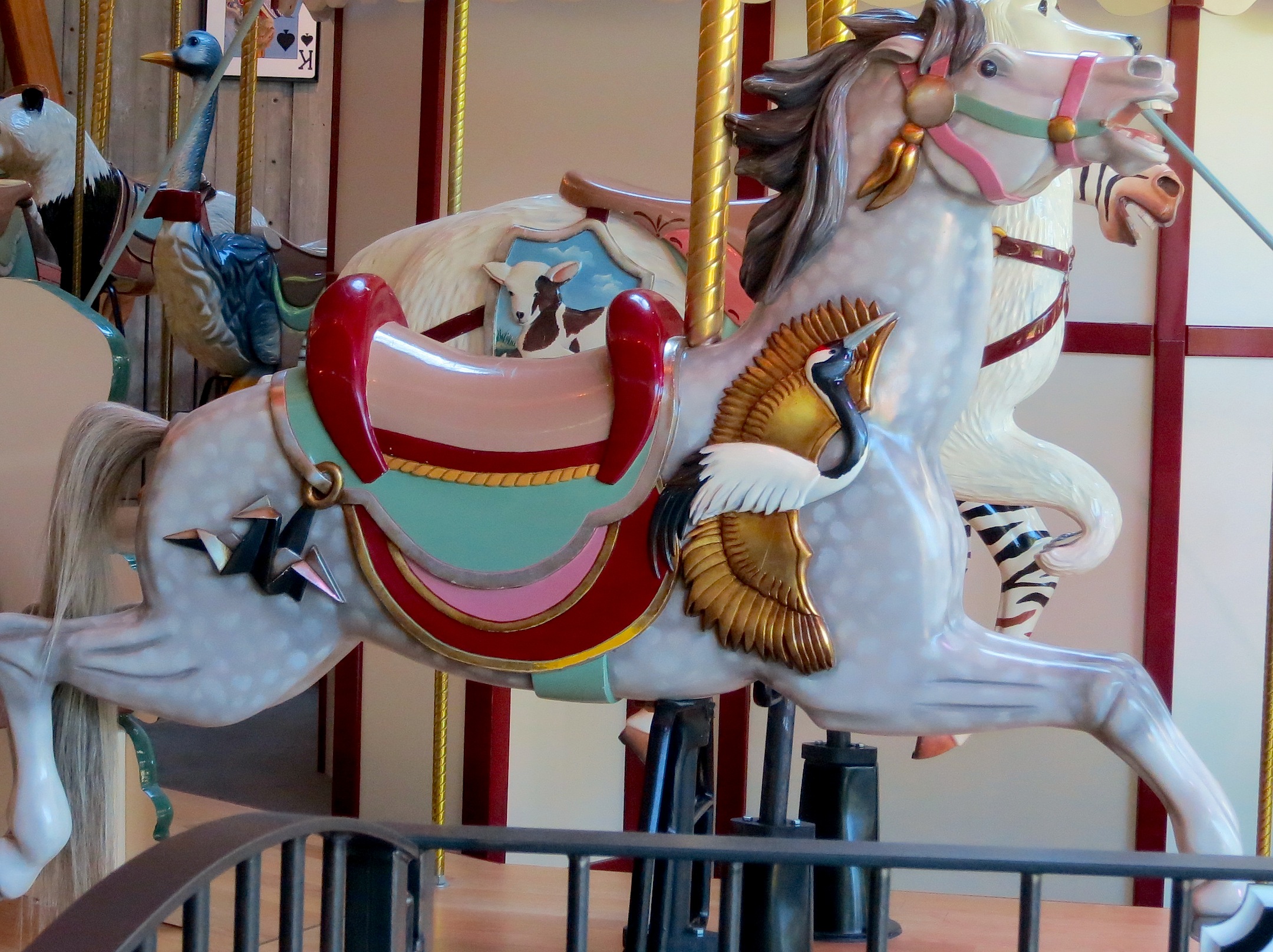
Sixty years ago in July, I was a five year old having her first ride on the historic carousel at Woodland Park Zoo before we moved from Stanwood to Olympia.
Fifty years ago — a teenager watching the first men walk on the moon the summer I started work as an assistant to a local dentist.
Forty years ago — deep in the guts of a hospital working a forty hour shift thinking about the man who was to become my husband.
Thirty years ago — my husband and I picking up bales of hay with two young children in tow after I had just accepted a new position doctoring at the local university & we are offered an opportunity to buy a larger farm.
Twenty years ago — with three children and our farm house remodel complete, we have three local parents with health issues needing support, helping with church activities and worship, raising Haflinger foals and organizing a summer local Haflinger gathering of nearly 100 horses and owners, planning a new clinic building.
Ten years ago — two sons launched with one about to move to Japan, a daughter at home with a new driver’s license, my mother slowly bidding goodbye to life at a local care center, farming is less about horse raising and more about gardening, starting to record life on my blog.
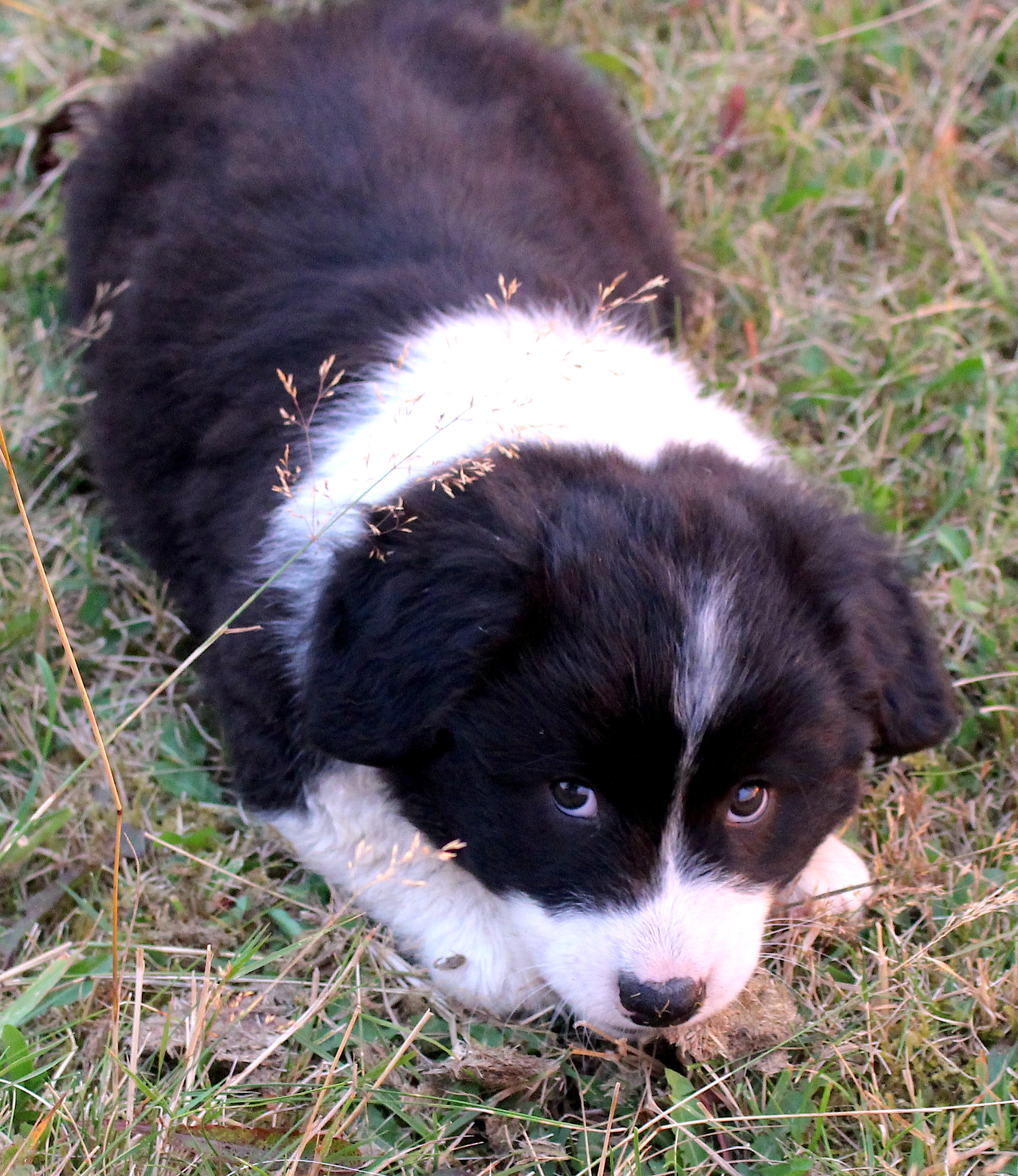
Five years ago — two sons married, a daughter off in the midwest as a camp counselor so our first summer without children at home. Time for a new puppy!
Now
O where have I been?
We can only look behind from where we came.

The decades pass, round and round – there is comfort knowing that through the ups and downs of daily life, I am still hanging on and if I slip and fall, there is Someone ready to catch me.


He Looks on Life with Quiet Eyes

  Who loves the rain    
    And loves his home, 
And looks on life with quiet eyes,  
     Him will I follow through the storm;    
     And at his hearth-fire keep me warm;
Nor hell nor heaven shall that soul surprise,    
     Who loves the rain, 
     And loves his home, 
And looks on life with quiet eyes.

~Frances Shaw, “Who loves the rain” from Look To the Rainbow

No jump-starting the day,
no bare feet slapping the floor
to bath and breakfast.

Dozing instead
in the nest
like, I suppose,
a pair of gophers

underground
in fuzz and wood shavings.
One jostles the other
in closed-eye luxury.

We are at last
perhaps
what we are:

uncombed,
unclothed,
mortal.

Pulse
and breath
and dream.

~Marjorie Saiser “Weekends, Sleeping In” from Beside You at the Stoplight. 

Each year, as we grow older together:
grayer, softer, gentler
with ourselves,
each other
and the world.

I pause,
on this day you were born,
to thank God yet again
for bringing you to earth
so we could meet,
raise three amazing children,
and walk this journey together
with pulse and breath and dreams.

It was your quiet brown eyes I trusted first
and just knew
I’d follow you anywhere
and I have.


Way Out Beyond Us

My father would lift me
to the ceiling in his big hands
and ask, 
How’s the weather up there?
And it was good, the weather
of being in his hands, his breath
of scotch and cigarettes, his face
smiling from the world below.
O daddy, was the lullaby I sang
back down to him as he stood on earth,
my great, white-shirted father, home
from work, his gold wristwatch
and wedding band gleaming
as he held me above him
for as long as he could,
before his strength failed
down there in the world I find myself
standing in tonight, my little boy
looking down from his flight
below the ceiling, cradled in my hands,
his eyes wide and already staring
into the distance beyond the man
asking him again and again,
How’s the weather up there?
~George Bilgere “Weather”.

It was hard work, dying, harder
than anything he’d ever done.

Whatever brutal, bruising, back-
breaking chore he’d forced himself

to endure—it was nothing
compared to this. And it took

so long. When would the job
be over? Who would call him

home for supper? And it was
hard for us (his children)—

all of our lives we’d heard
my mother telling us to go out,

help your father, but this
was work we could not do.

He was way out beyond us,
in a field we could not reach.

~Joyce Sutphen “My Father, Dying”

Deep in one of our closets is an old film reel of me about 16 months old sitting securely held by my father on his shoulders. I am bursting out with giggles as he repeatedly bends forward, dipping this head and shoulders down. I tip forward, looking like I am about to fall off, and when he stands back up straight, my mouth becomes a large O and I can almost remember the tummy tickle I feel. I want him to do it again and again, taking me to the edge of falling off and then bringing me back from the brink.

My father was a tall man, so being swept up onto his shoulders felt a bit like I was touching heaven.

It was as he was dying 24 years ago this week that I realized again how tall he was — his feet kept hitting the foot panel of the hospital bed my mother had requested for their home. We cushioned his feet with padding so he wouldn’t get abrasions even though he would never stand on them again, no longer towering over us.

His helplessness in dying was startling – this man who could build anything and accomplish whatever he set his mind to was unable to subdue his cancer. Our father, who was so self-sufficient he rarely asked for help, did not know how to ask for help now.

So we did what we could when we could tell he was uncomfortable, which wasn’t often. He didn’t say much, even though there was much we could have been saying. We didn’t reminisce. We didn’t laugh and joke together. We just were there, taking shifts catching naps on the couch so we could be available if he called out, which he never did.
This man:
who had grown up dirt poor,
fought hard with his alcoholic father
left abruptly to go to college – the first in his family –
then called to war for three years in the South Pacific.

This man:
who had raised a family on a small farm while he was a teacher,
then a supervisor, then a desk worker.

This man:
who left our family to marry another woman
but returned after a decade to ask forgiveness.

This man:
who died in a house he had built completely himself,
without assistance, from the ground up.

He didn’t need our help – he who had held tightly to us and brought us back from the brink when we went too far – he had been on the brink himself and was rescued, coming back humbled.

No question the weather is fine for him up there. I have no doubt.

Never Leaving the Land

My grandparents owned the land,
worked the land, bound
to the earth by seasons of planting
and harvest.

They watched the sky, the habits
of birds, hues of sunset,
the moods of moon and clouds,
the disposition of air.
They inhaled the coming season,
let it brighten their blood
for the work ahead.

Soil sifted through their fingers
imbedded beneath their nails
and this is what they knew;
this rhythm circling the years.
They never left their land;
each in their own time
settled deeper.
~Lois Parker Edstrom “Almanac” from Night Beyond Black. © MoonPath Press, 2016

My husband and I met in the late 70’s while we were both in graduate school in Seattle, living over 100 miles away from our grandparents’ farms farther north in Washington. We lived farther still from my grandparents’ wheat farm in Eastern Washington and his grandparents’ hog farm in Minnesota. One of our first conversations together, the one that told me I needed to get to know this man better, was about wanting to move back to work on the land. We were both descended from peasant immigrants from the British Isles, Holland and Germany – farming was in our DNA, the land remained under our fingernails even as we sat for endless hours studying in law school and medical school classes.

When we married and moved north after buying a small farm, we continued to work full time at desks in town. We’ve never had to depend on this farm for our livelihood, but we have fed our family from the land, bred and raised livestock, and harvested and preserved from a large garden and orchard. It has been a good balance thanks to career opportunities made possible by our education, something our grandparents would have marveled was even possible.

Like our grandparents, we watch in wonder at what the Creator brings to the rhythm of the land each day – the light of the dawn over the fields, the activity of the wild birds and animals in the woods, the life cycles of the farm critters we care for, the glow of the evening sun as night enfolds us. We are blessed by the land’s generosity when it is well cared for.

Now forty years after that first conversation together about returning to farming, my husband and I hope to never leave the land. It brought us together, fed our family, remains imbedded under our fingernails and in our DNA. Each in our own time, we will settle even deeper.

Thank you to retired RN and poet Lois Parker Edstrom for this exquisite poem about living and dying on the land. It has been my privilege to meet her and her husband and welcome them to our farm.
Your words have brought me many blessings!

Catch the Sunset

All day he’s shoveled green pine sawdust
out of the trailer truck into the chute.
From time to time he’s clambered down to even
the pile. Now his hair is frosted with sawdust.
Little rivers of sawdust pour out of his boots.

I hope in the afterlife there’s none of this stuff
he says, stripping nude in the late September sun
while I broom off his jeans, his sweater flocked
with granules, his immersed-in-sawdust socks.
I hope there’s no bedding, no stalls, no barn

no more repairs to the paddock gate the horses
burst through when snow avalanches off the roof.
Although the old broodmare, our first foal, is his,
horses, he’s fond of saying, make divorces.
Fifty years married, he’s safely facetious.

No garden pump that’s airbound, no window a grouse
flies into and shatters, no ancient tractor’s
intractable problem with carburetor
ignition or piston, no mowers and no chain saws
that refuse to start, or start, misfire and quit.
..

…then he says
let’s walk up to the field and catch the sunset
and off we go, a couple of aging fools.

I hope, he says, on the other side there’s a lot
less work, but just in case I’m bringing tools.
~Maxine Kumin from “Chores”

When I pull open the barn doors
every morning
and close them again each evening,
as our grandparents did
one hundred years ago,
six rumbling voices
rise in greeting.
We exchange scents,
nuzzle each others’ ears,
rumble grumble back a response.

We do our chores faithfully
as our grandparents once did–
draw fresh water
into buckets,
wheel away
the pungent mess underfoot,
release an armful of summer
from the bale,
reach under heavy manes
to stroke silken necks.

We don’t depend
on our horses’ strength
and willingness to
don harness
to carry us to town
or move the logs
or till the soil
as our grandparents did.

Instead,
these soft eyed souls,
born on this farm over
two long decades ago,
are simply grateful
for our constancy
morning and night
to serve their needs
until the day comes
they need no more.

And we depend on them
to depend on us
to be there
to open and close the doors;
their low whispering welcome
gives voice
to the blessings of
living on a farm
ripe with rhythms and seasons,
sunrises and sunsets that keep coming,
as if yesterday, today and tomorrow are
just like one hundred years ago.


“As You Wish”

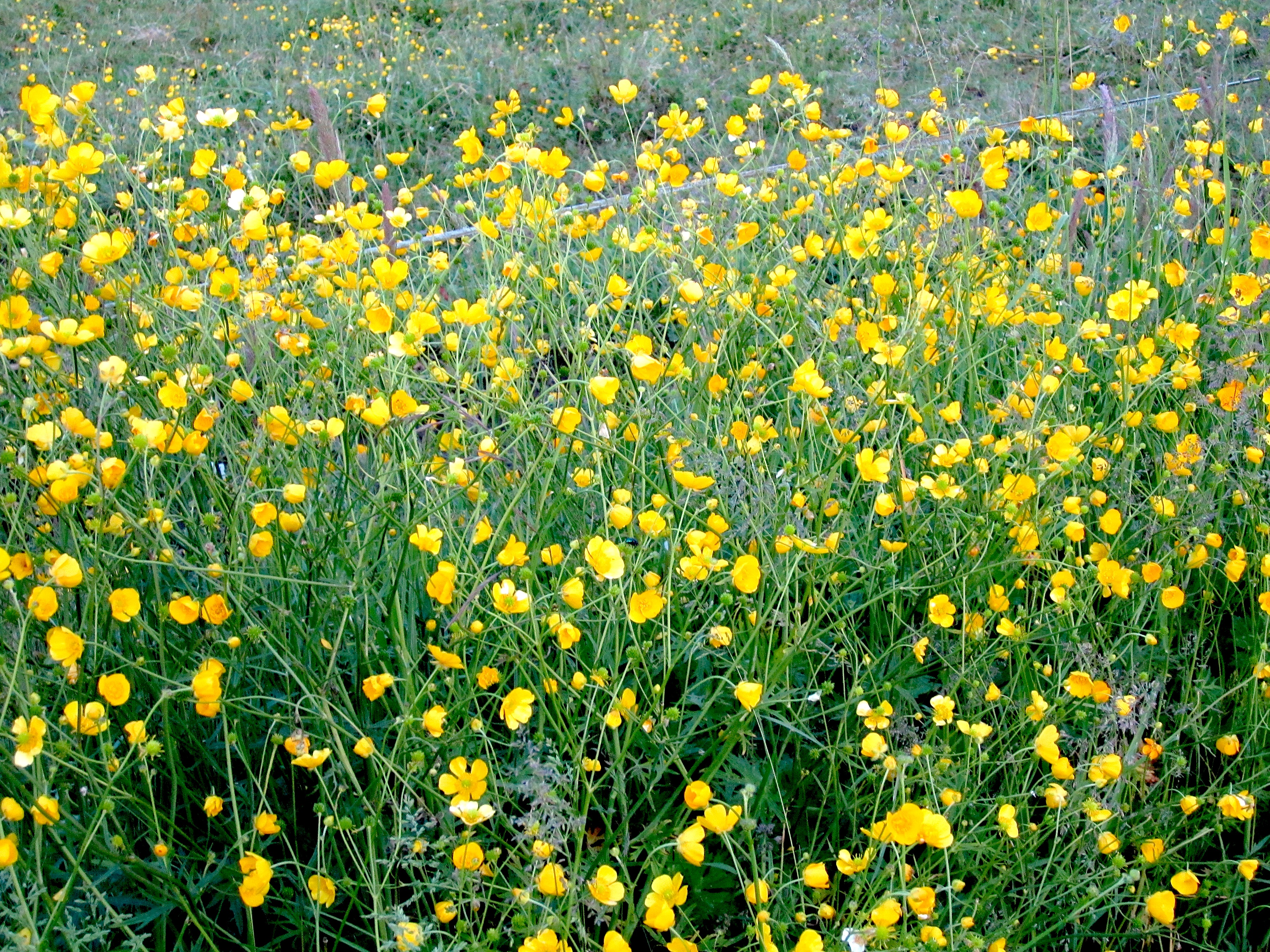
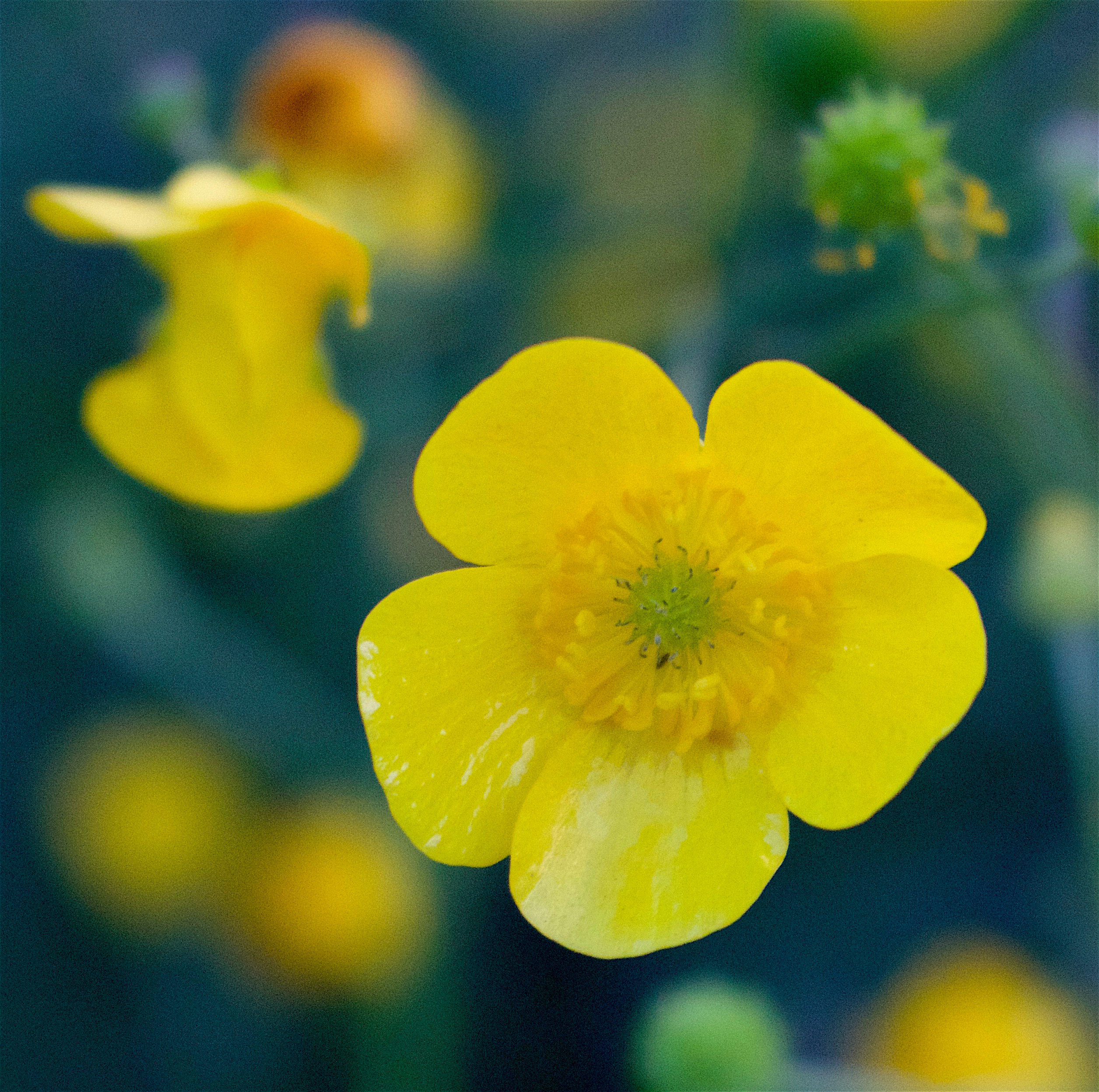
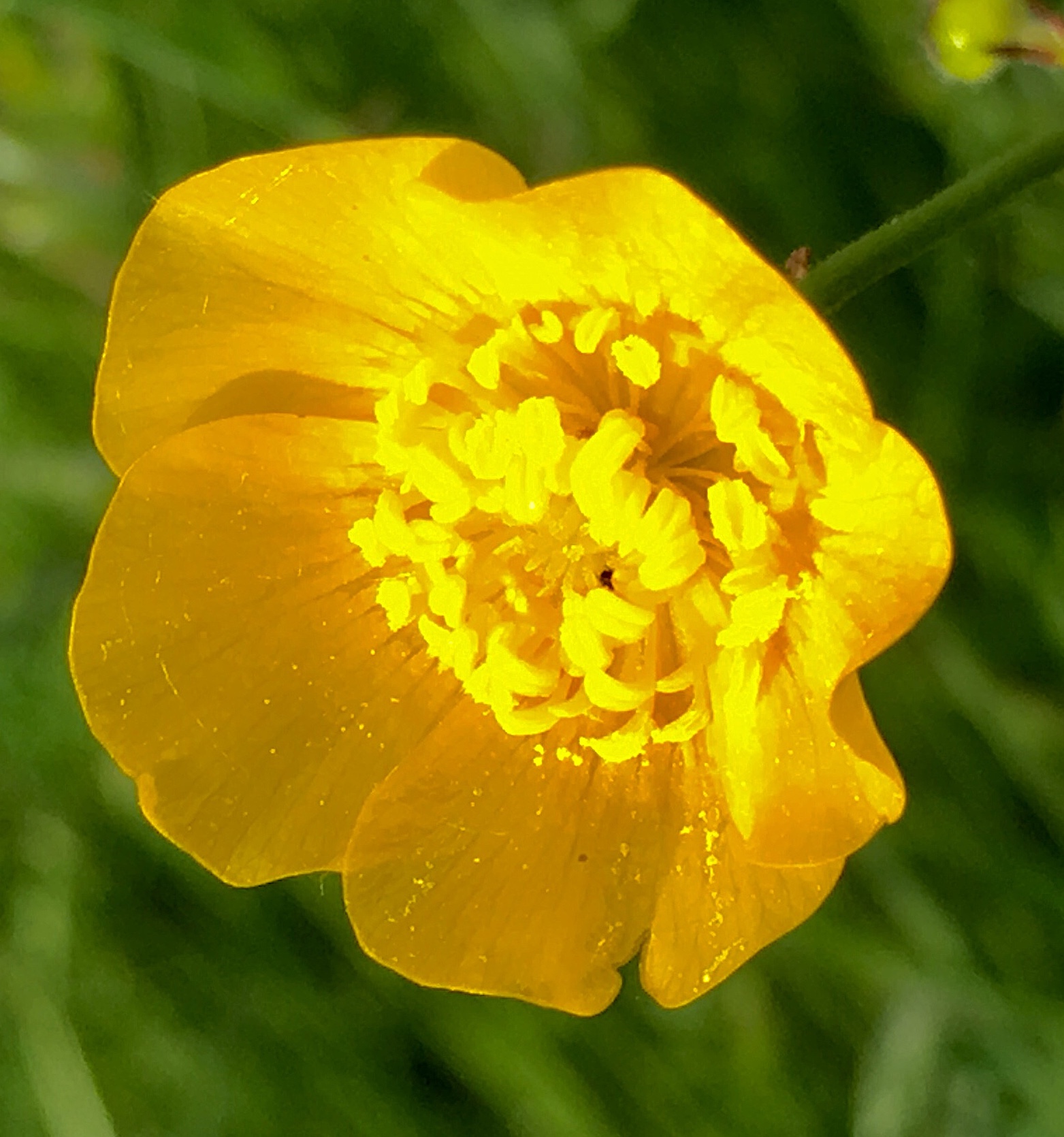
Buttercup’s heart was a secret garden and the walls were very high.

Buttercup: We’ll never survive.
Westley: Nonsense. You’re only saying that because no one ever has.

Westley: Hear this now. I will always come for you.
Buttercup: But how can you be sure?
Westley: This is true love. You think this happens every day?

That day, she was amazed to discover that when he was saying “As you wish”, what he meant was, “I love you.” And even more amazing was the day she realized she truly loved him back.
~William Golding, quotes from The Princess Bride

How was I ever blessed to find just such a farm boy?
A farm boy who says “I love you” in many ways every day,
so the walls of my secret garden heart come tumbling down…

A Forgotten Light

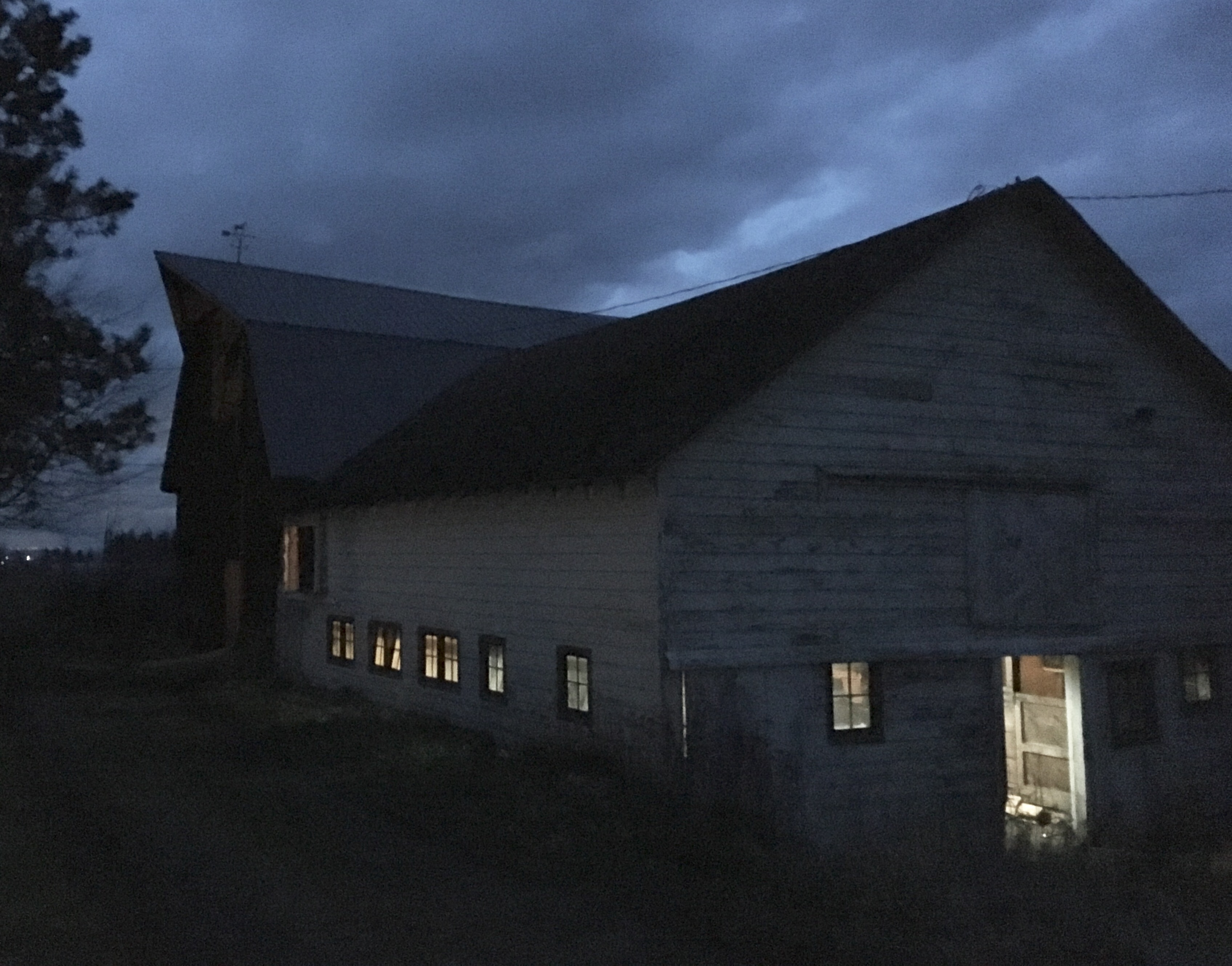
twilightbarn

keepthelighton

Usually, after turning out that forgotten barn light, I sit on the edge of the tractor bucket for a few minutes and let my eyes adjust to the night outside. City people always notice the darkness here, but it’s never very dark if you wait till your eyes owl out a little….

I’m always glad to have to walk down to the barn in the night, and I always forget that it makes me glad. I heave on my coat, stomp into my barn boots and trudge down toward the barn light, muttering at myself. But then I sit in the dark, and I remember this gladness, and I walk back up to the gleaming house, listening for the horses.
~Verlyn Klinkenborg from A Light in the Barn


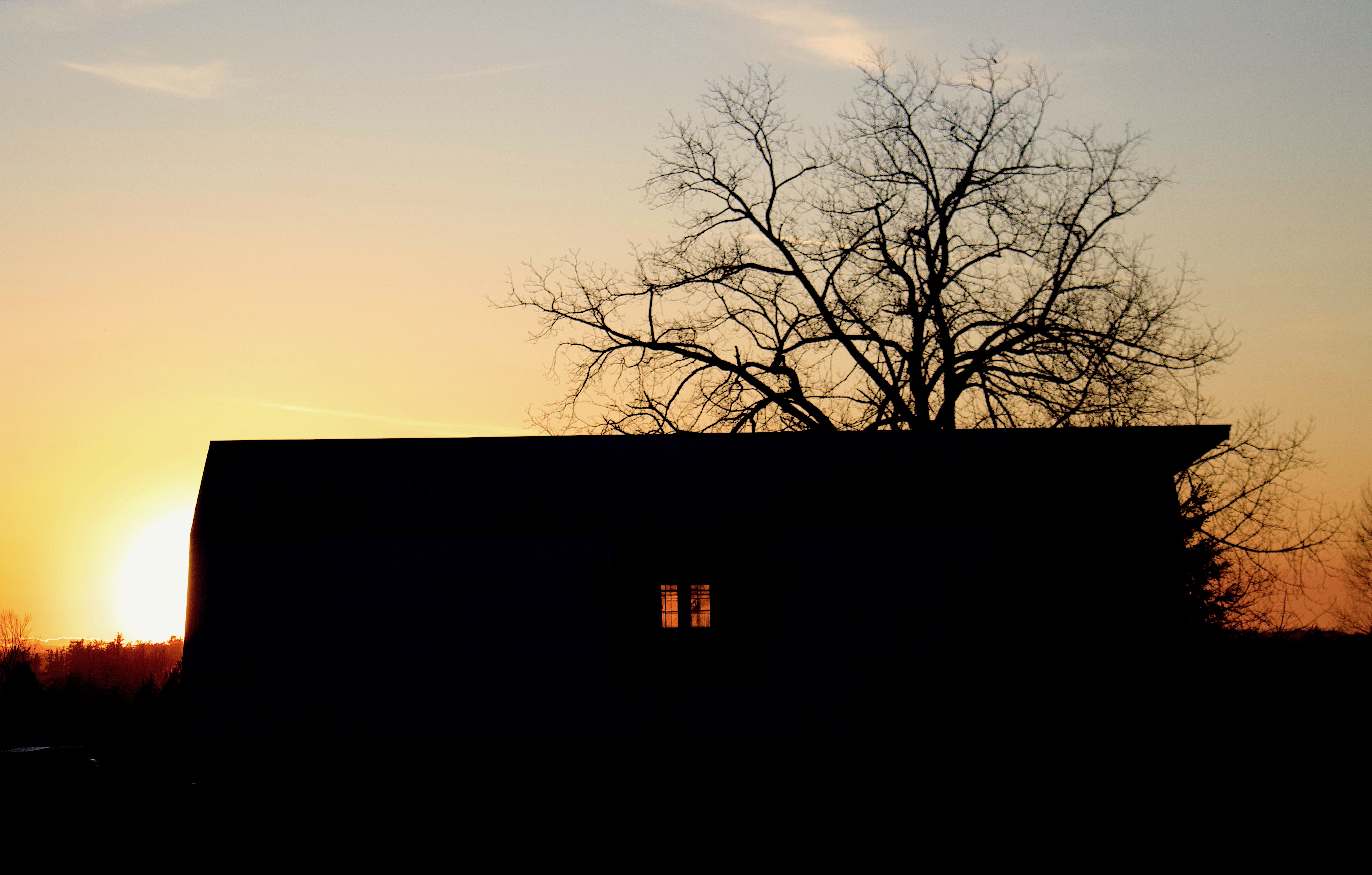
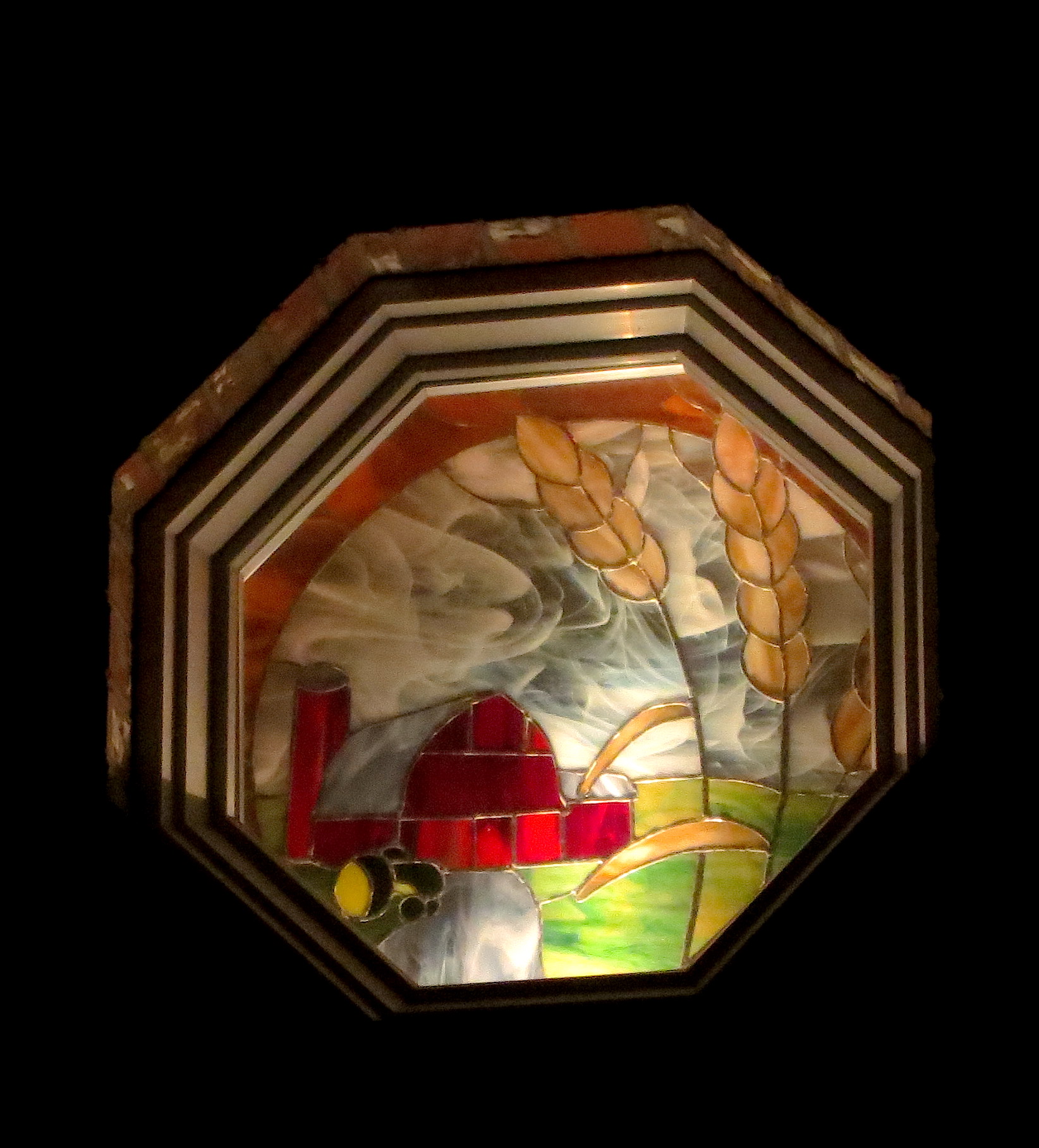
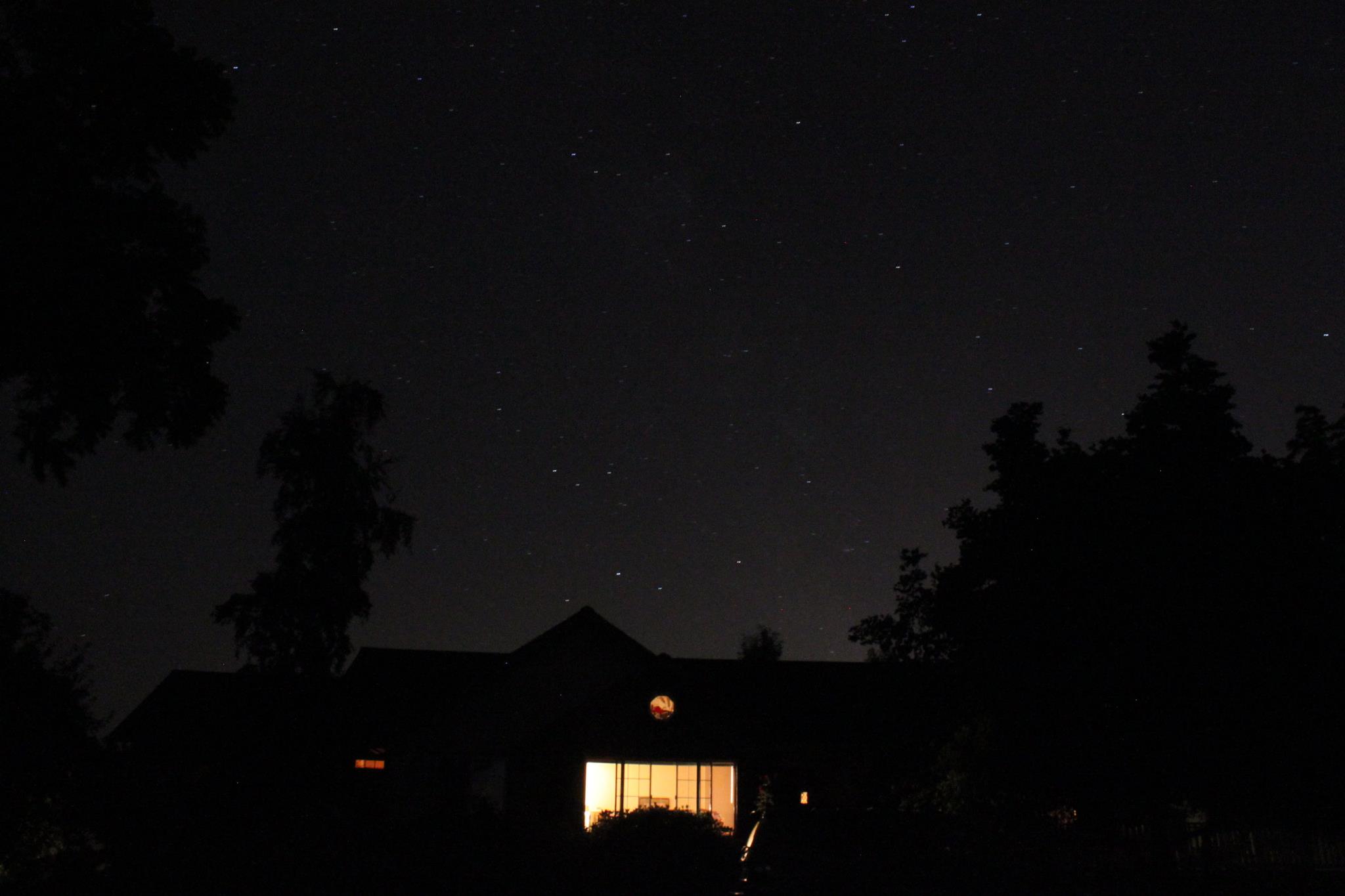
My favorite thing about walking up from the barn at night is looking at the lights glowing in our house, knowing the lives that have thrived there, even though each child has flown away to distant cities.

There is love there as we have rediscovered our “alone” life together.

There are still future years there, as many as God grants us to stay on the farm. It is home and it is light and if all it takes is a walk from a dark barn to remind me, I’ll leave the lights on in the barn at night more often.


287530_534324987764_148300158_30899579_7339161_o

Someone To Stay Home With

‘May you live in interesting times.’
Chinese curse

If you ask me ‘What’s new?’, I have nothing to say
Except that the garden is growing.
I had a slight cold but it’s better today.
I’m content with the way things are going.
Yes, he is the same as he usually is,
Still eating and sleeping and snoring.
I get on with my work. He gets on with his.
I know this is all very boring.

There was drama enough in my turbulent past:
Tears and passion – I’ve used up a tankful.
No news is good news, and long may it last.
If nothing much happens, I’m thankful.
A happier cabbage you never did see,
My vegetable spirits are soaring.
If you’re after excitement, steer well clear of me.
I want to go on being boring.

I don’t go to parties. Well, what are they for,
If you don’t need to find a new lover?
You drink and you listen and drink a bit more
And you take the next day to recover.
Someone to stay home with was all my desire
And, now that I’ve found a safe mooring,
I’ve just one ambition in life: I aspire
To go on and on being boring.

~Wendy Cope “Being Boring”

Four days snowed in might be boring to some folks.

It was wonderful, especially when I’m snowed in with a special someone who I love to stay home with, who is my safe mooring.

Today I’m heading back out on slushy roads, back to the life of all-but-boring clinic work, full of non-stop drama.

But my ambition is to go back to that boring life on the farm with that someone I want to stay home with. Soon.