Where We Could Not Reach

My father would lift me
to the ceiling in his big hands
and ask, 
How’s the weather up there?
And it was good, the weather
of being in his hands, his breath
of scotch and cigarettes, his face
smiling from the world below.
O daddy, was the lullaby I sang
back down to him as he stood on earth,
my great, white-shirted father, home
from work, his gold wristwatch
and wedding band gleaming
as he held me above him
for as long as he could,
before his strength failed
down there in the world I find myself
standing in tonight, my little boy
looking down from his flight
below the ceiling, cradled in my hands,
his eyes wide and already staring
into the distance beyond the man
asking him again and again,
How’s the weather up there?
~George Bilgere “Weather”.

It was hard work, dying, harder
than anything he’d ever done.

Whatever brutal, bruising, back-
breaking chore he’d forced himself

to endure—it was nothing
compared to this. And it took

so long. When would the job
be over? Who would call him

home for supper? And it was
hard for us (his children)—

all of our lives we’d heard
my mother telling us to go out,

help your father, but this
was work we could not do.

He was way out beyond us,
in a field we could not reach.

~Joyce Sutphen “My Father, Dying”
Deep in one of our closets is an old film reel of me about 16 months old sitting securely held by my father on his shoulders. I am bursting out with giggles as he repeatedly bends forward, dipping his head and shoulders down. I tip forward, looking like I am about to fall off, and when he stands back up straight, my mouth becomes a large O and I can almost remember the tummy tickle I feel. I want him to do it again and again, taking me to the edge of falling off and then bringing me back from the brink.

My father was a tall man, so being swept up onto his shoulders felt a bit like I was touching heaven.

It was as he lay dying 30 years ago this summer that I realized again how tall he was — his feet kept hitting the foot panel of the hospital bed my mother had requested for their home. We cushioned his feet with padding so he wouldn’t get abrasions even though he would never stand on them again, no longer towering over us.

His helplessness in dying was startling – this man who could build anything and accomplish whatever he set his mind to was unable to subdue his cancer. Our father, who was so self-sufficient he rarely asked for help, did not know how to ask for help now.

So we did what we could when we could tell he was uncomfortable, which wasn’t often. He didn’t say much, even though there was much we could have been saying. We didn’t reminisce. We didn’t laugh and joke together. We just were there, taking shifts catching naps on the couch so we could be available if he called out, which he never did.

This man:
who had grown up dirt poor,
fought hard with his alcoholic father
left abruptly to go to college – the first in his family –
then called to war for three years in the South Pacific.

This man:
who had raised a family on a small farm while he was a teacher,
then a supervisor, then a desk worker.

This man:
who left our family to marry another woman
but returned after a decade to ask forgiveness.

This man:
who died in a house he had built completely himself,
without assistance, from the ground up.

He didn’t need our help – he who had held tightly to us and brought us back from the brink when we went too far – he had been on the brink himself and was rescued, coming back humbled.

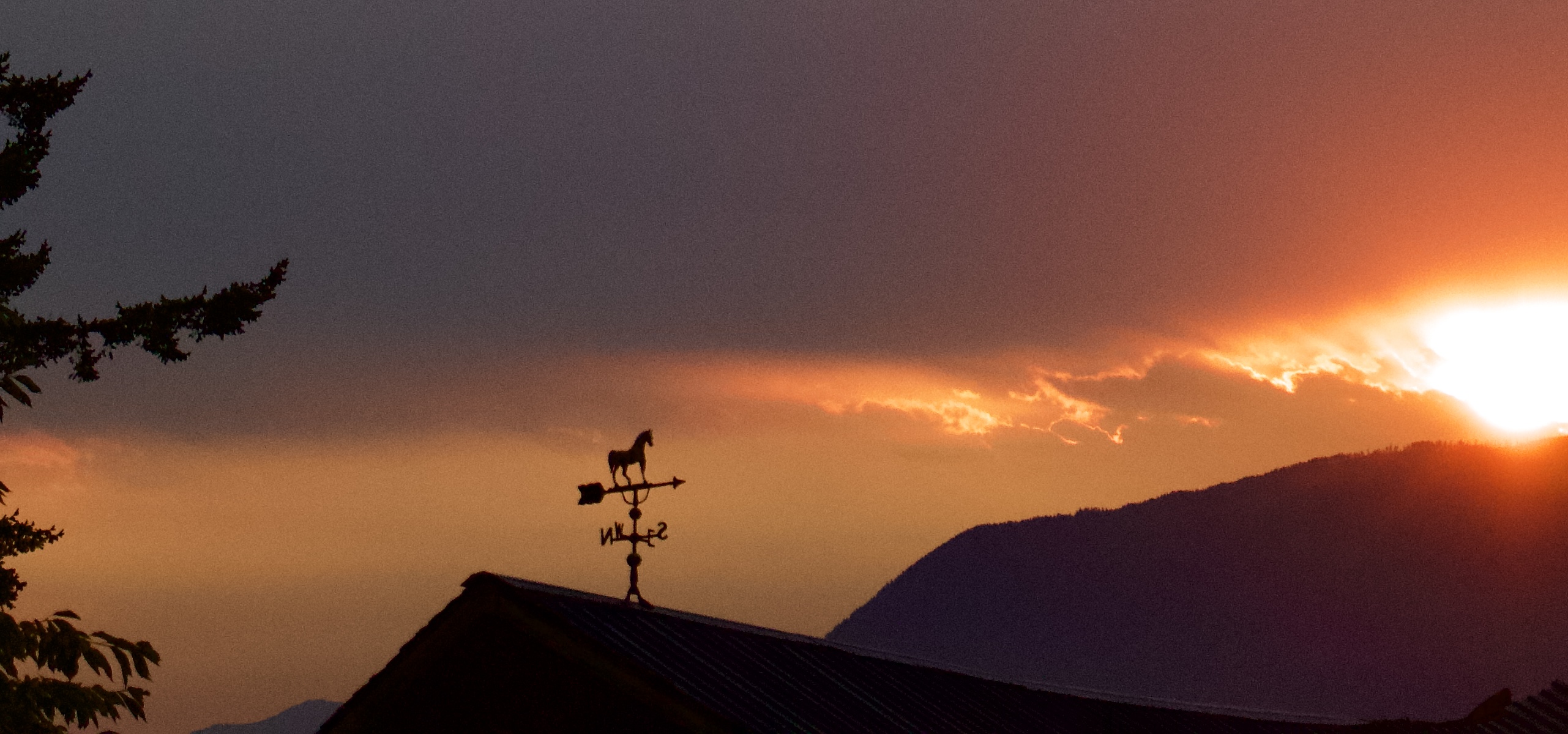
No question the weather is fine for him up there. I have no doubt.
One-Time
Monthly
Yearly

Make a one-time or recurring donation to support daily Barnstorming posts

Make a monthly donation

Make a yearly donation

Choose an amount

$10.00
$25.00
$50.00
$5.00
$15.00
$100.00
$5.00
$15.00
$100.00

Or enter a custom amount

$

Your contribution is deeply appreciated.

Your contribution is appreciated.

Your contribution is appreciated.

DonateDonate monthlyDonate yearly
You Can Have an Abundant August

But you can have the fig tree and its fat leaves like clown hands
gloved with green. You can have the touch of a single eleven-year-old finger on your cheek, waking you at one a.m. to say the hamster is back.


You can have the purr of the cat and the soulful look
of the black dog, the look that says, If I could I would bite
every sorrow until it fled, and when it is August,
you can have August and abundantly so. You can have love,
though often it will be mysterious, like the white foam
that bubbles up at the top of the bean pot over the red kidneys
until you realize foam’s twin is blood.


You can speak a foreign language, sometimes,
and it can mean something. You can visit the marker on the grave
where your father wept openly. You can’t bring back the dead,
but you can have the words forgive and forget hold hands
as if they meant to spend a lifetime together.


You can have your grandfather sitting on the side of your bed,
at least for a while, you can have clouds and letters, the leaping
of distances, and Indian food with yellow sauce like sunrise.


You can’t count on grace to pick you out of a crowd
but here is your friend to teach you how to high jump,
how to throw yourself over the bar, backwards,
until you learn about love, about sweet surrender,
and here are periwinkles, buses that kneel, farms in the mind
as real as Africa.


And when adulthood fails you,
you can still summon the memory of the black swan on the pond
of your childhood, the rye bread with peanut butter and bananas
your grandmother gave you while the rest of the family slept.
There is the voice you can still summon at will, like your mother’s,
it will always whisper, you can’t have it all,
but there is this.
~Barbara Ras from “You Can’t Have It All” from Bite Every Sorrow

My pragmatic mother gave up her teaching career for marriage and family so would remind me regularly that I couldn’t have it all:
there was no way a woman can have a husband and children and a farm and a garden and animals and a profession and write and travel and volunteer in the community and not make a mess of it all and herself.

My father would listen to her and say to me softly under his breath: “you do whatever you put your mind to…you know what you are here for.”

They were both right.

The alluring abundance of this life has invited me to want to touch and feel and taste it all, not unlike another woman who was placed with purpose in the Garden to be a side-by-side companion and co-worker. Yet she demonstrated what happens when you want more than you are given and yes, she indeed made a mess of things.

Yet there is this:
despite wanting it all and working hard for it all
and believing I could do it all,
I missed the point altogether.

Life is all gift, never earned.
Life is all grace, not deserved.
It is all August abundance,
it is right now,
sustaining us through the year’s
droughts and floods and storms and drab gray weather.

And there is this:
I know what I am here for.

One-Time
Monthly
Yearly

Make a one-time or recurring donation to support daily Barnstorming posts

Make a monthly donation

Make a yearly donation

Choose an amount

$10.00
$25.00
$50.00
$5.00
$15.00
$100.00
$5.00
$15.00
$100.00

Or enter a custom amount

$

Your contribution is deeply appreciated.

Your contribution is appreciated.

Your contribution is appreciated.

DonateDonate monthlyDonate yearly
Renewed Pulse

The cold remote islands
And the blue estuaries
Where what breathes, breathes
The restless wind of the inlets,
And what drinks, drinks
The incoming tide;


Where shell and weed
Wait upon the salt wash of the sea,
And the clear nights of stars
Swing their lights westward
To set behind the land;


Where the pulse clinging to the rocks
Renews itself forever;
Where, again on cloudless nights,
The water reflects
The firmament’s partial setting;

—O remember
In your narrowing dark hours
That more things move
Than blood in the heart.

Louise Bogan “Night” from The Blue Estuaries

 I know what my heart is like
Since your love died:
It is like a hollow ledge
Holding a little pool
Left there by the tide,
A little tepid pool,
Drying inward from the edge.
~Edna St. Vincent Millay “Ebb”

My mother was 58 when my father left her for a younger woman. 

For months, she withered,
her heart broken, her pulse erratic,
crying until there were no more tears left.

She began drying inward from her edges
despite the ebbing and flowing
of her heartbeat.

It took ten years,
but he came back like an overdue high tide.  

She was sure her love had died
but that tepid pool refilled
with water cool to the touch,
yet overflowing.

AI image created for this post
One-Time
Monthly
Yearly

Make a one-time or recurring donation to support daily Barnstorming posts

Make a monthly donation

Make a yearly donation

Choose an amount

$10.00
$25.00
$50.00
$5.00
$15.00
$100.00
$5.00
$15.00
$100.00

Or enter a custom amount

$

Your contribution is deeply appreciated.

Your contribution is appreciated.

Your contribution is appreciated.

DonateDonate monthlyDonate yearly
Remember Dad’s Tree House?

Remember the tree house?
I suppose that was less us
than perhaps the music
at church, or the car—my bad,
bad cars. But remember anyway.

There were the grass fires
we saw when I was young.
You don’t know this yet, but
I’ve written about them,
the smell of smoke and vanilla.

The business trips you took
us on. The short stories said
while waiting at the post office.
How you tried to convince us
that camping was fun; it was

in retrospect. The tree house,
hung from an ageless pine,
provided a new perspective
on everything I saw from ground-
level, our whole backyard.

~David K. Wheeler “Father’s Day” from Contingency Plans

To every man
His treehouse,
A green splice in the humping years,
Spartan with narrow cot
And prickly door.

To every man
His twilight flash
Of luminous recall
of tiptoe years
in leaf-stung flight;

To every man
His house below
And his house above—
With perilous stairs
Between.

~James Emmanuel from “The Treehouse”

photo by Dan Gibson

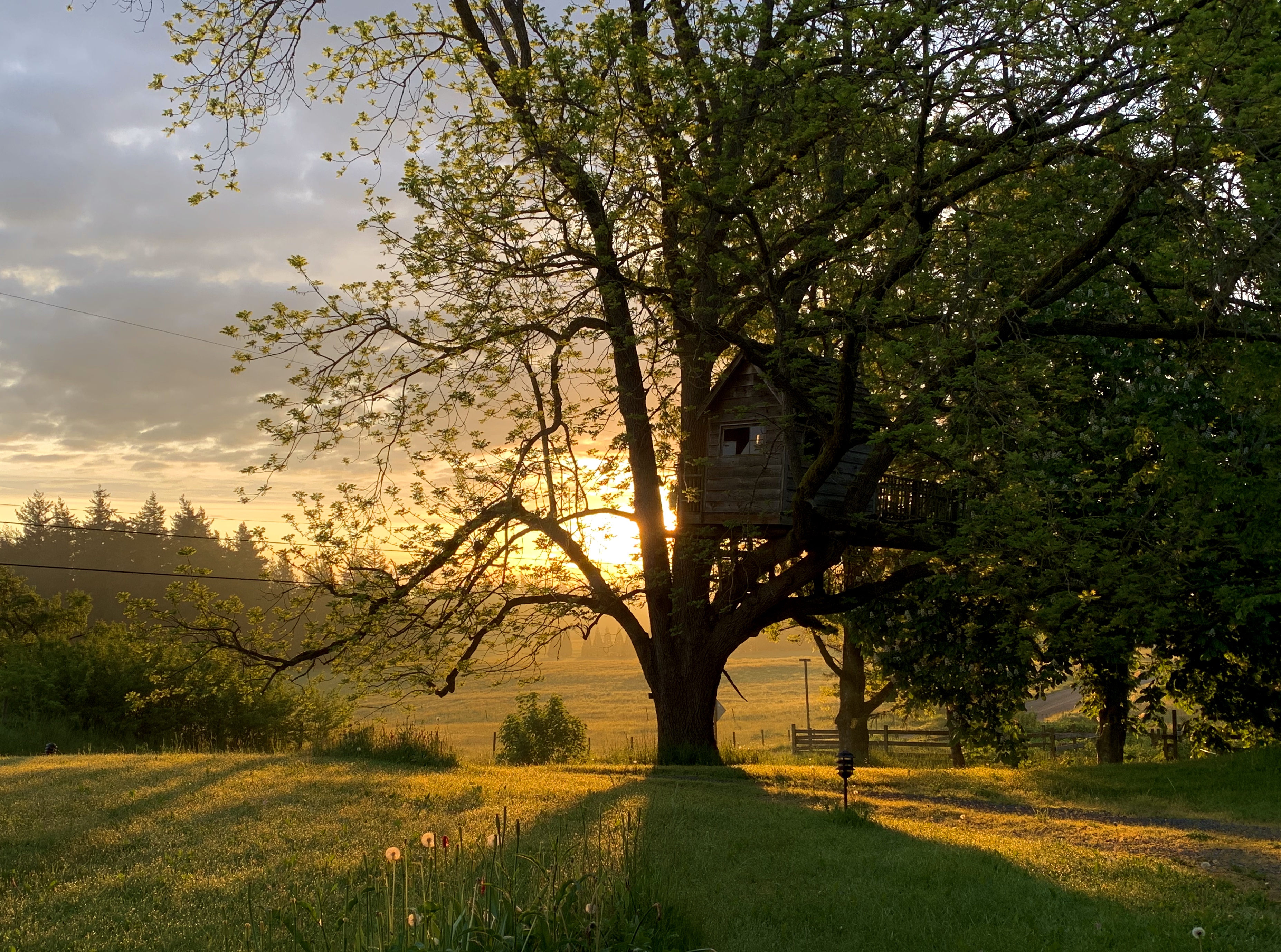
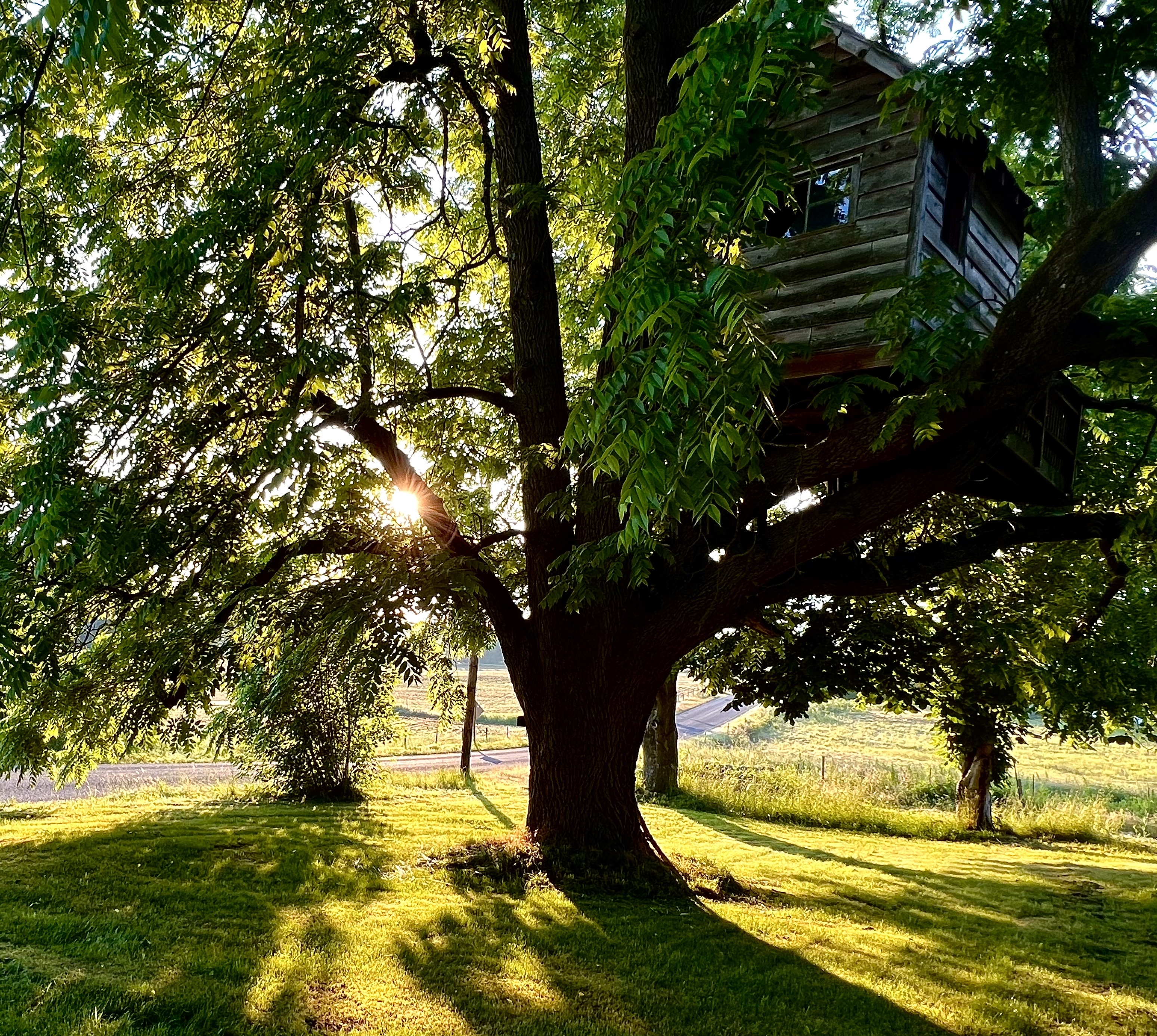
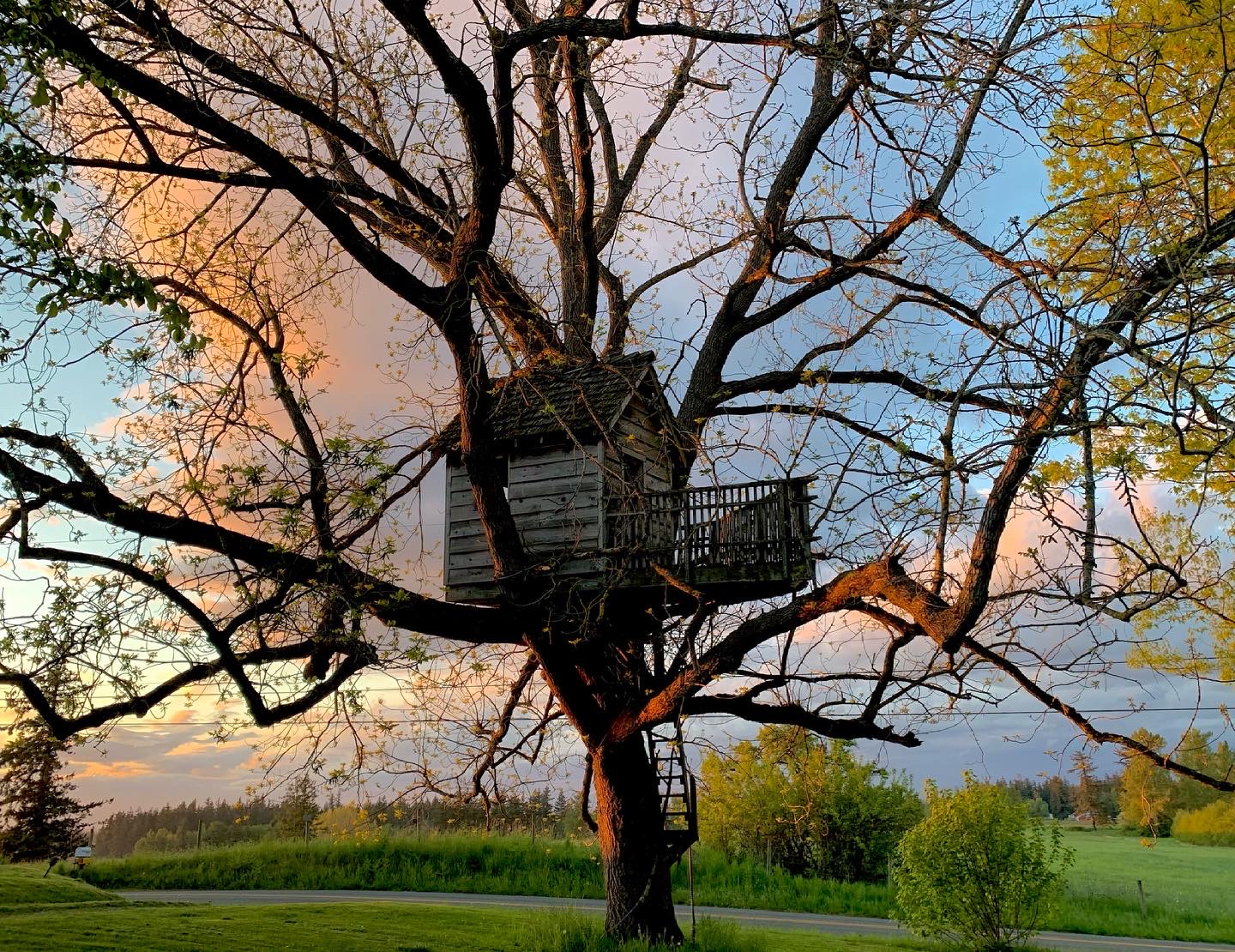
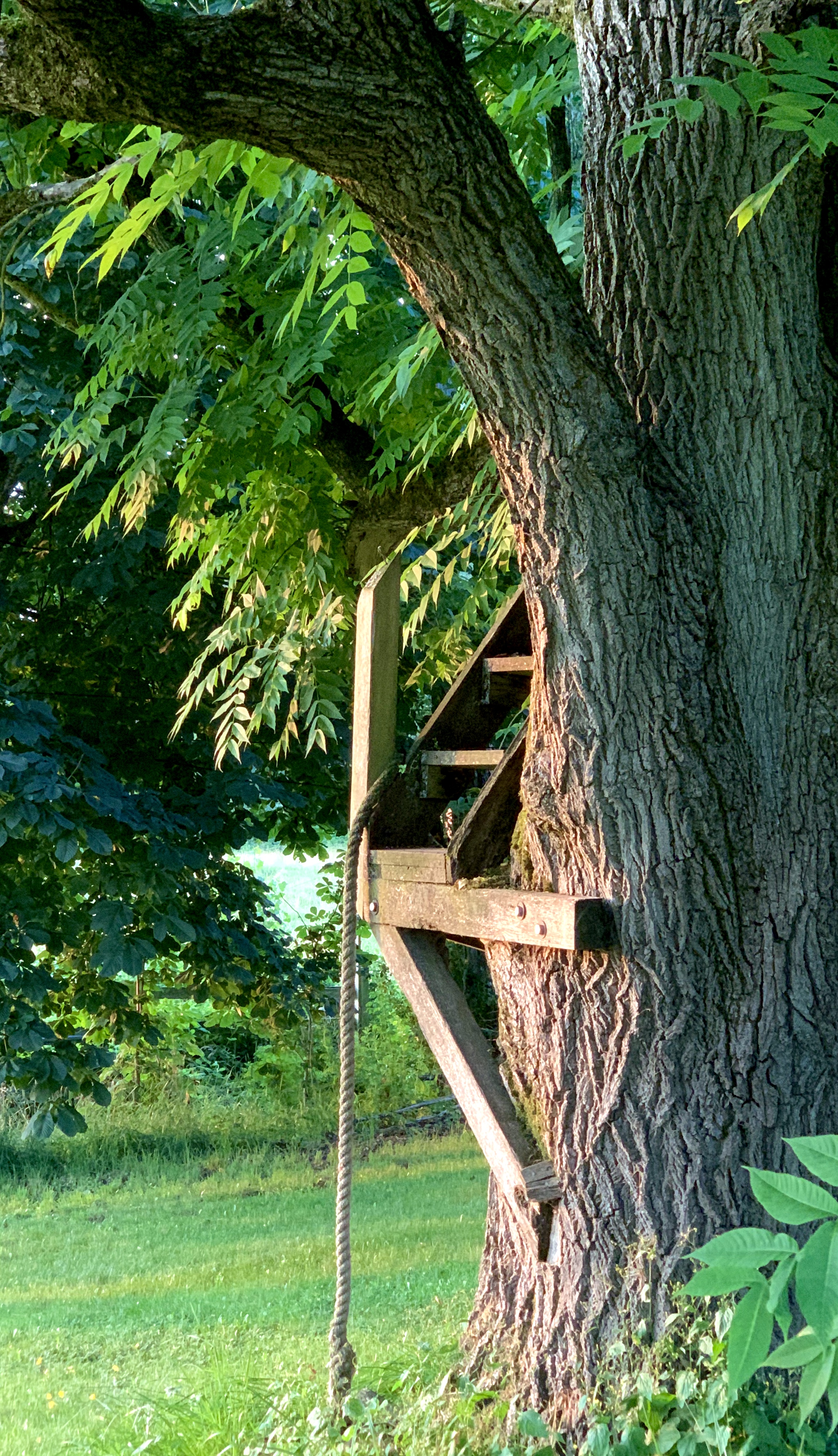
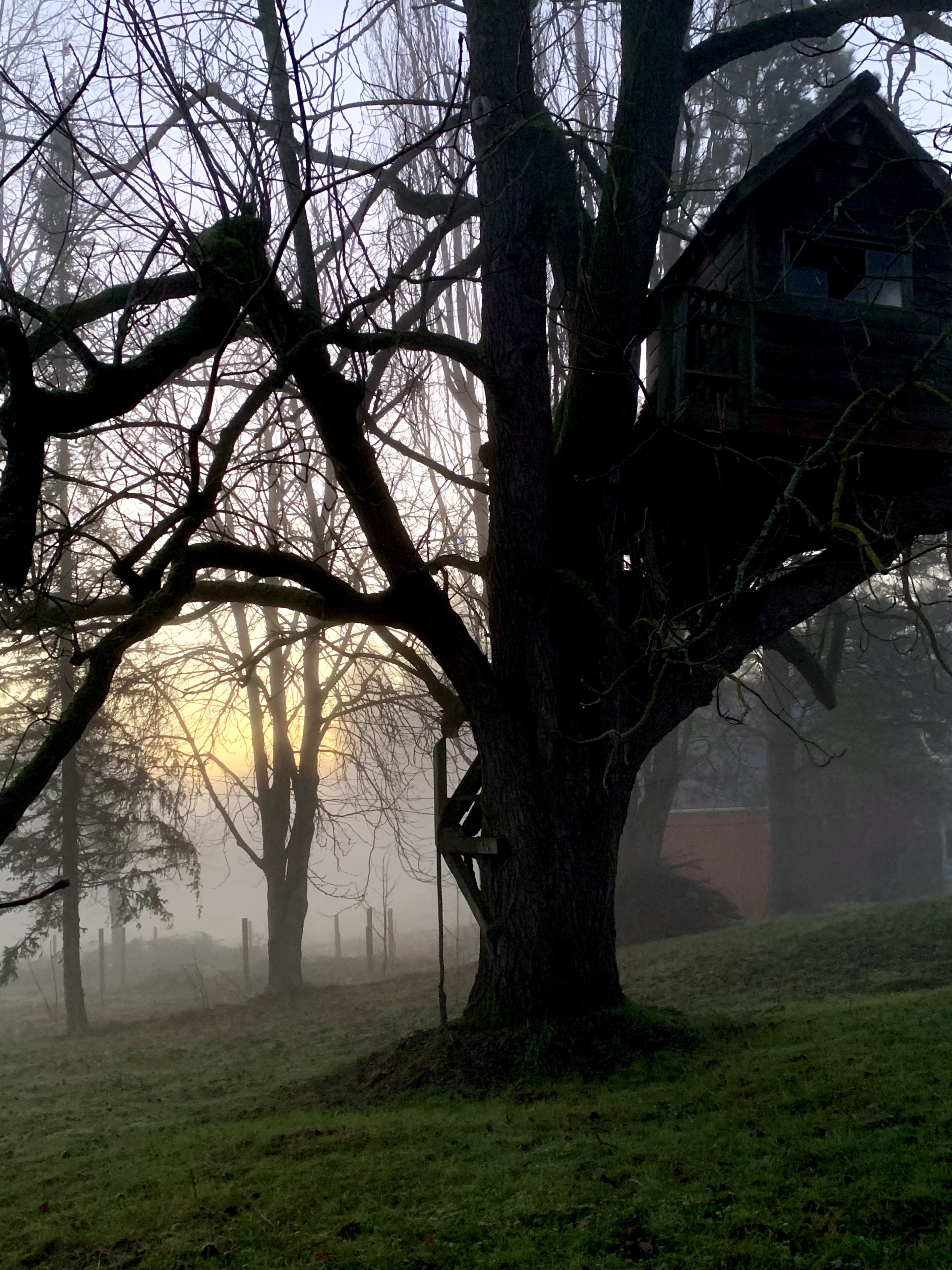
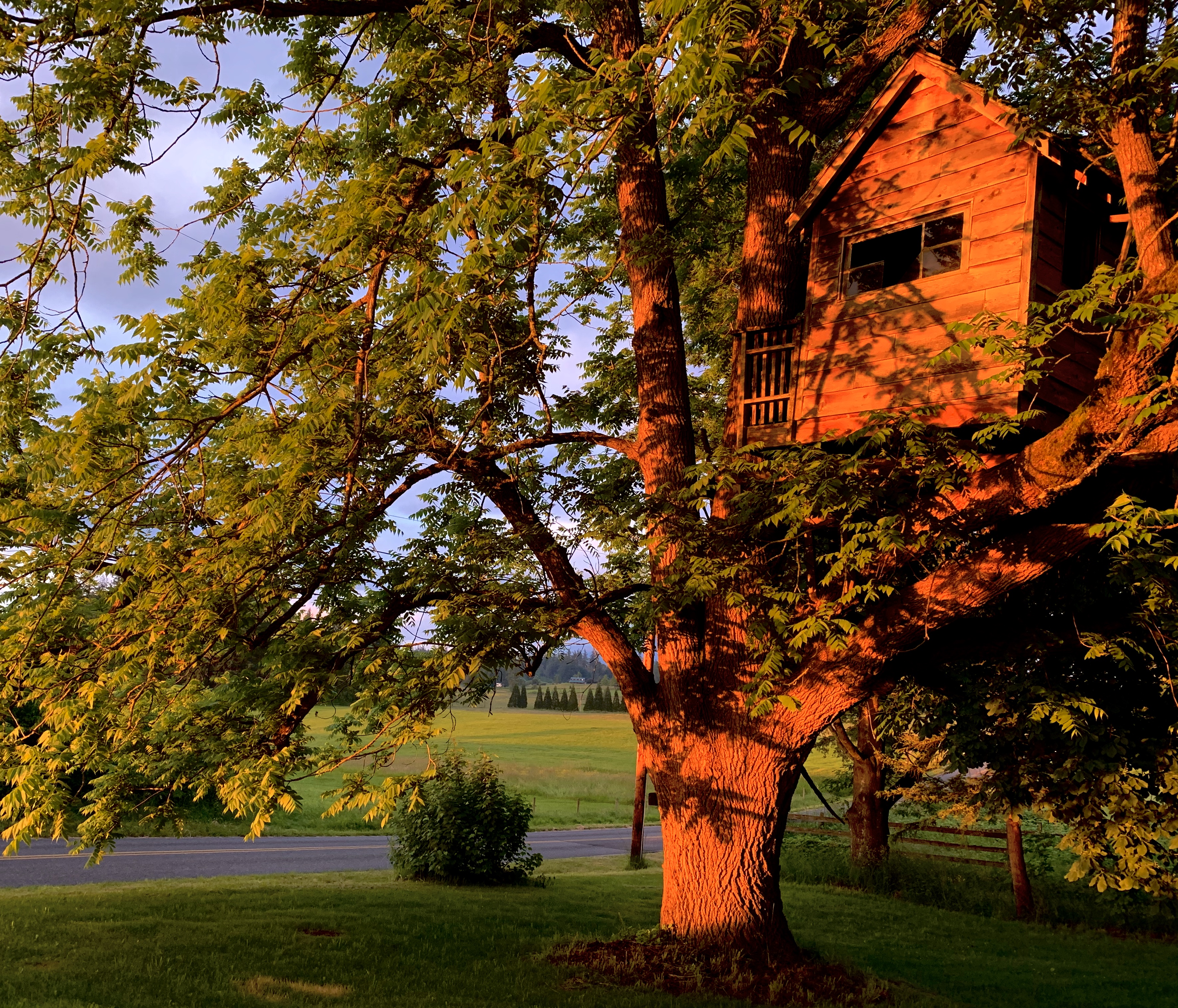
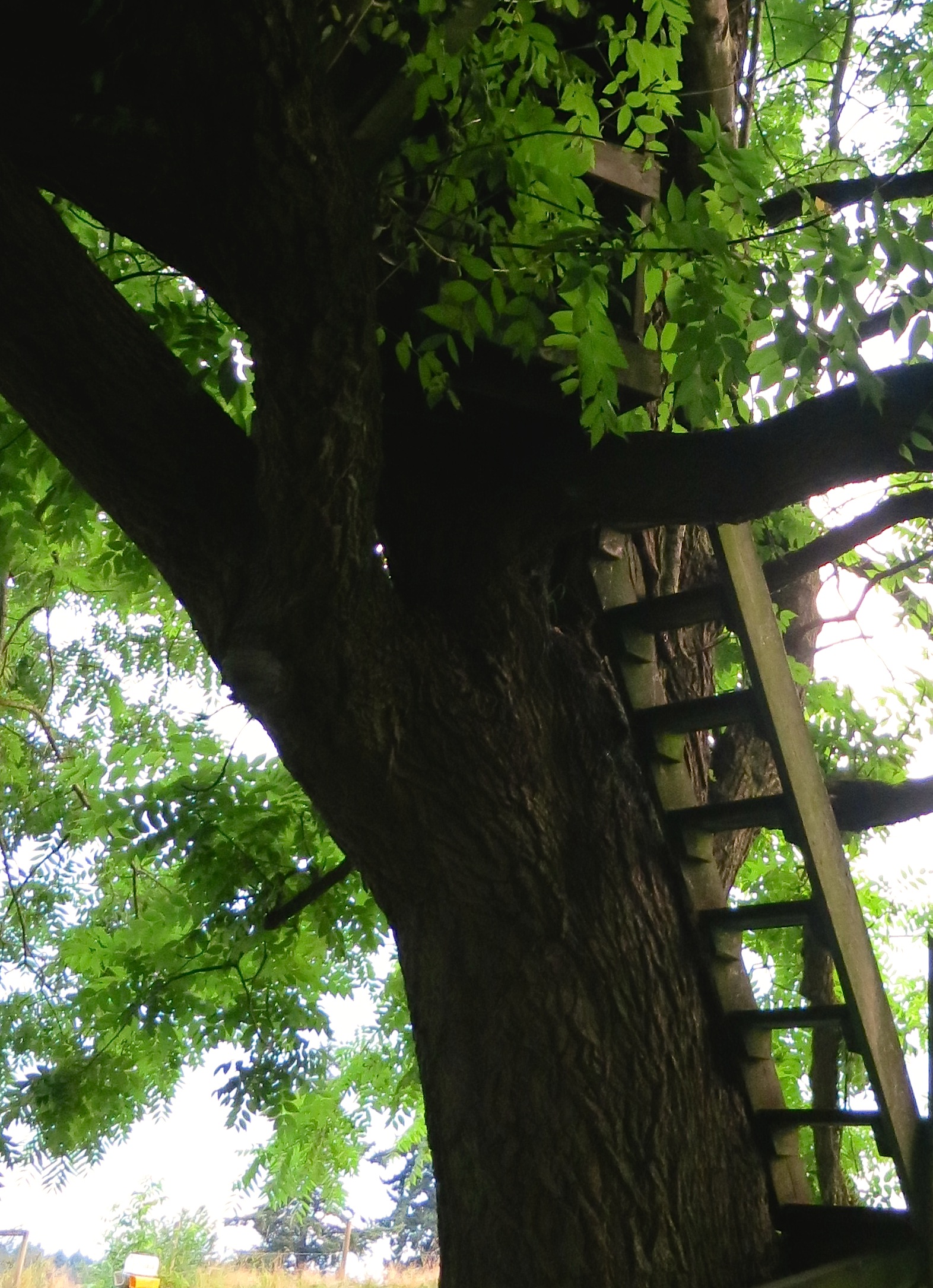
My father’s treehouse dream is thirty years old this summer, lonesome and empty in our front yard, a constant reminder of his own abandoned Swiss Family Robinson dreams. Over the years, it has been the setting for a local children’s TV show, laser tag wars, sleep overs and tea parties, even briefly my writer’s retreat with a deck side view of the Cascades to the east, the Canadian Coastal Range to the north and Puget Sound to the west.

Now it is a sad shell no longer considered safe, as the support branches in our 110+ year old walnut tree are weakening with age and time. It is on our long list of farm restoration projects, but other falling down buildings must be prioritized first.

My father’s treehouse idea began in February 1995 when our sons were 8 and 6 years old and our daughter just 2. We had plenty of recycled lumber on our old farm and a perfect front yard walnut tree. Dad, retired from his desk job and having recently survived a lymphoma diagnosis and treatment, had many previous daunting building projects to his credit, and a few in his mind that he was yet to get to. He was eager to see what he could construct for his grandkids by spring time. He doodled out some sketches of what might work in the tree, and contemplated the physics of a 73 year old man scaling a tree vs. building on the ground and hoisting it up mostly completed. I got more nervous the more I thought about it and hoped we could consider a project less risky, and hoping the weather wouldn’t clear enough for construction to start any time soon.

The weather cleared as simultaneously my father’s health faded. His cancer relapsed and he was sidelined with a series of doctor’s appointments, hospitalizations and treatment courses. He hung on to that hope of getting the treehouse going by summer, still thinking it through in his mind, still evaluating what he would need to buy to supplement the materials already gathered and piled beneath the tree. In the mean time he lost physical strength day by day.

His dream needed to proceed as he fought his battle, so I borrowed library books on treehouses, and hired two college age brothers who lived down the road to get things started. I figured if my dad got well enough to build again, at least the risky stuff could be already done by the young guys. These brothers took their job very seriously. They pored over the books, took my dad’s plans, worked through the details and started in. They shinnied up the tree, put up pulleys on the high branches and placed the beams, hoisting them by pulling on the ropes with their car bumper. It was working great until the car bumper came off.

I kept my dad updated long distance with photos and stories. It was a diversion for him, but the far off look in his eye told me he wasn’t going to be building anything in this world ever again. He was gone by July. The treehouse was done a month later. It was everything my dad had hoped for, and more. It had a deck, a protective railing, a trap door, a staircase. We had an open tree celebration and had 15 neighbors up there at once. I’m sure dad was sipping lemonade with us as well, enjoying the view.

Now all these years later, the treehouse is tilting on its foundation as the main weight bearing branch is weakening. We’ve declared it condemned, not wanting to risk an accident.  As I look out my front window, it remains a daily reminder of past dreams fulfilled and unfulfilled. Much like my father’s body, the old walnut tree is weakening, hanging on by the roots, but its muscle strength is failing. It will, some winter, come down in one of our frequent fierce windstorms, just as its nearby partner did decades ago.

The treehouse dream branched out in another way. One of the construction team brothers decided to try building his own as a place to live in his woods, using a Douglas Fir tree as the center support and creating an octagonal two story home, 30 feet off the ground. He worked on it for two years and moved in, later marrying someone who decided a treehouse was just fine with her, and for 25+ years, they’ve been raising five children there. Those treehouse kids have worked for me on our farm, a full circle feeling for me. This next generation is carrying on a Swiss Family Robinson dream that began in my father’s mind and our front yard.

I still have a whole list full of dreams myself, some realized and some deferred by time, resources and the limits of my imagination. I feel the clock ticking too, knowing that the years and the seasons slip by me faster and faster. I passed the age my father was when he first learned he had cancer. It would be a blessing to me to see others live out the dreams I have held so close.

Like my father, I will some day teeter in the wind like our old tree, barely hanging on. When ready to fall to the ground, I’ll reach out with my branches and hand off my dreams too. The time will have come to let them go.

Thank you, Dad, for handing me yours.

AI image created for this post
One-Time
Monthly
Yearly

Make a one-time or recurring donation to support daily Barnstorming posts

Make a monthly donation

Make a yearly donation

Choose an amount

$10.00
$25.00
$50.00
$5.00
$15.00
$100.00
$5.00
$15.00
$100.00

Or enter a custom amount

$

Your contribution is deeply appreciated.

Your contribution is appreciated.

Your contribution is appreciated.

DonateDonate monthlyDonate yearly
Rising Up From the Darkness

My father taught me how to eat breakfast
those mornings when it was my turn to help
him milk the cows. I loved rising up from

the darkness and coming quietly down
the stairs while the others were still sleeping.
I’d take a bowl from the cupboard, a spoon

from the drawer, and slip into the pantry
where he was already eating spoonfuls
of cornflakes covered with mashed strawberries

from our own strawberry fields forever.
Didn’t talk much—except to mention how
good the strawberries tasted or the way

those clouds hung over the hay barn roof.
Simple—that’s how we started up the day.

~Joyce Sutphen, “Breakfast” from First Words, Red Dragonfly.

By the time I was four years old, my family owned several Guernsey and Jersey dairy cows my father milked by hand twice a day. My mother pasteurized the milk on our wood stove and we grew up drinking the best milk on earth, as well as enjoying home-made butter and ice cream.

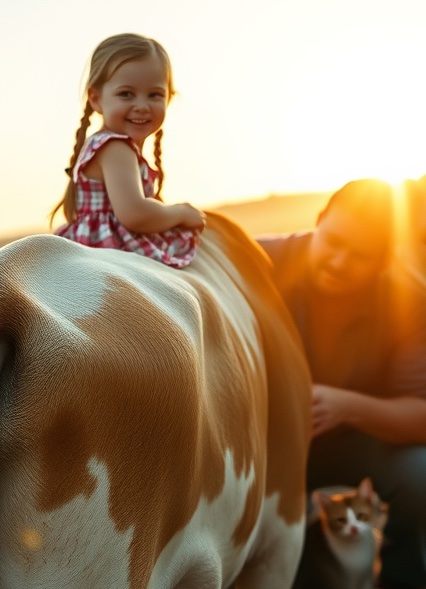
One of my fondest early memories is getting up early with my dad, before he needed to be at school teaching FFA agriculture students (Future Farmers of America). I would eat breakfast with him and then walk out into the foggy fall mornings with our dog to bring in the cows for milking. He would boost me up on top of a very bony-backed chestnut and white patchwork cow while he washed her udder and set to work milking.

I would sometimes sing songs from up there on my perch and my dad would whistle since he didn’t sing.

I can still hear the rhythmic sound of the milk squirting into the stainless steel bucket – the high-pitched metallic whoosh initially and then a more gurgling low wet sound as the bucket filled up. I can see my dad’s capped forehead resting against the flank of the cow as he leaned into the muscular work of squeezing the udder teats, each in turn. I can hear the cow’s chewing her breakfast of alfalfa and grain as I balanced on her prominent spine feeling her smooth hair over her ribs. The barn cats circulated around us, mewing, attracted by the warm milky fragrance in the air.

Those were preciously simple starts to the day for me and my father, whose thoughts he didn’t articulate nor I could ever quite discern. But I did know I wasn’t only his daughter on mornings like that – I was one of his future farmers of America he dedicated his life to teaching.

Dad, even without you saying much, those were mornings when my every sense was awakened. I’ve never forgotten that- the best start to the day.

AI image created for this post
One-Time
Monthly
Yearly

Make a one-time or recurring donation to support daily Barnstorming posts

Make a monthly donation

Make a yearly donation

Choose an amount

$10.00
$25.00
$50.00
$5.00
$15.00
$100.00
$5.00
$15.00
$100.00

Or enter a custom amount

$

Your contribution is deeply appreciated.

Your contribution is appreciated.

Your contribution is appreciated.

DonateDonate monthlyDonate yearly
Feeling Them Resting There

The sunlight now lay over the valley perfectly still.
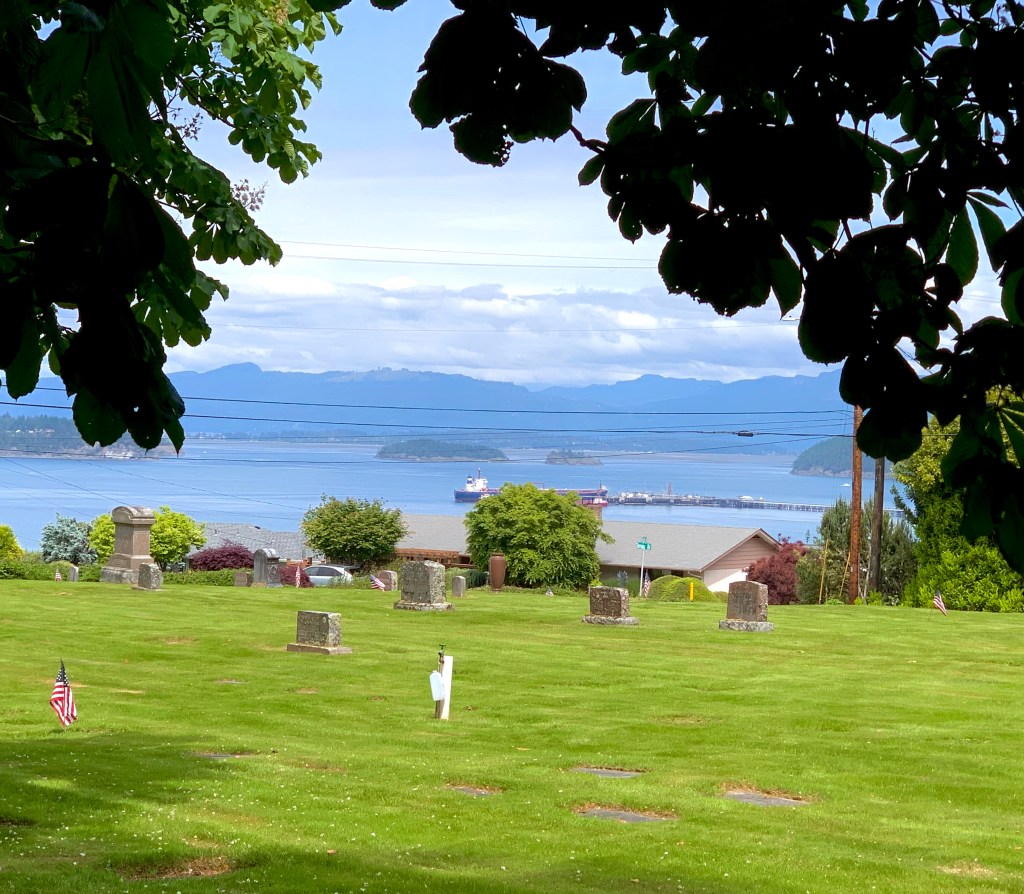
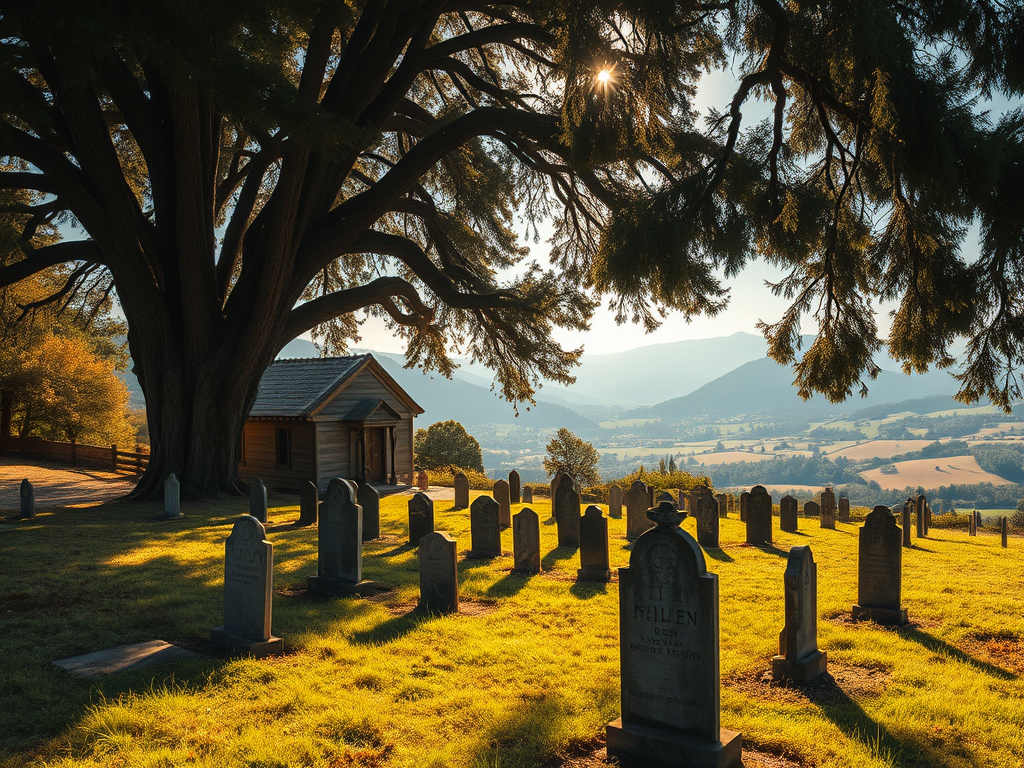
I went over to the graveyard beside the church
and found them under the old cedars…
I am finding it a little hard to say that I felt them resting there,

but I did…

I saw that, for me, this country would always be populated
with presences and absences,
presences of absences,
the living and the dead.
The world as it is

would always be a reminder
of the world that was,
and of the world that is to come.
~Wendell Berry in Jayber Crow

In great deeds, something abides. 
On great fields, something stays. 
Forms change and pass; bodies disappear; 
but spirits linger, 

to consecrate ground for the vision-place of souls. 

And reverent men and women from afar, 
and generations that know us not and that we know not of, 
heart-drawn to see where and by whom great things were suffered and done for them, shall come to this deathless field, 
to ponder and dream; and lo!

the shadow of a mighty presence shall wrap them in its bosom, 
and the power of the vision pass into their souls. 


This is the great reward of service. 
To live, far out and on, in the life of others;
this is the mystery of the Christ,

–to give life’s best for such high sake
that it shall be found again unto life eternal.

~Major-General Joshua Chamberlain, Gettysburg, Pennsylvania 1889

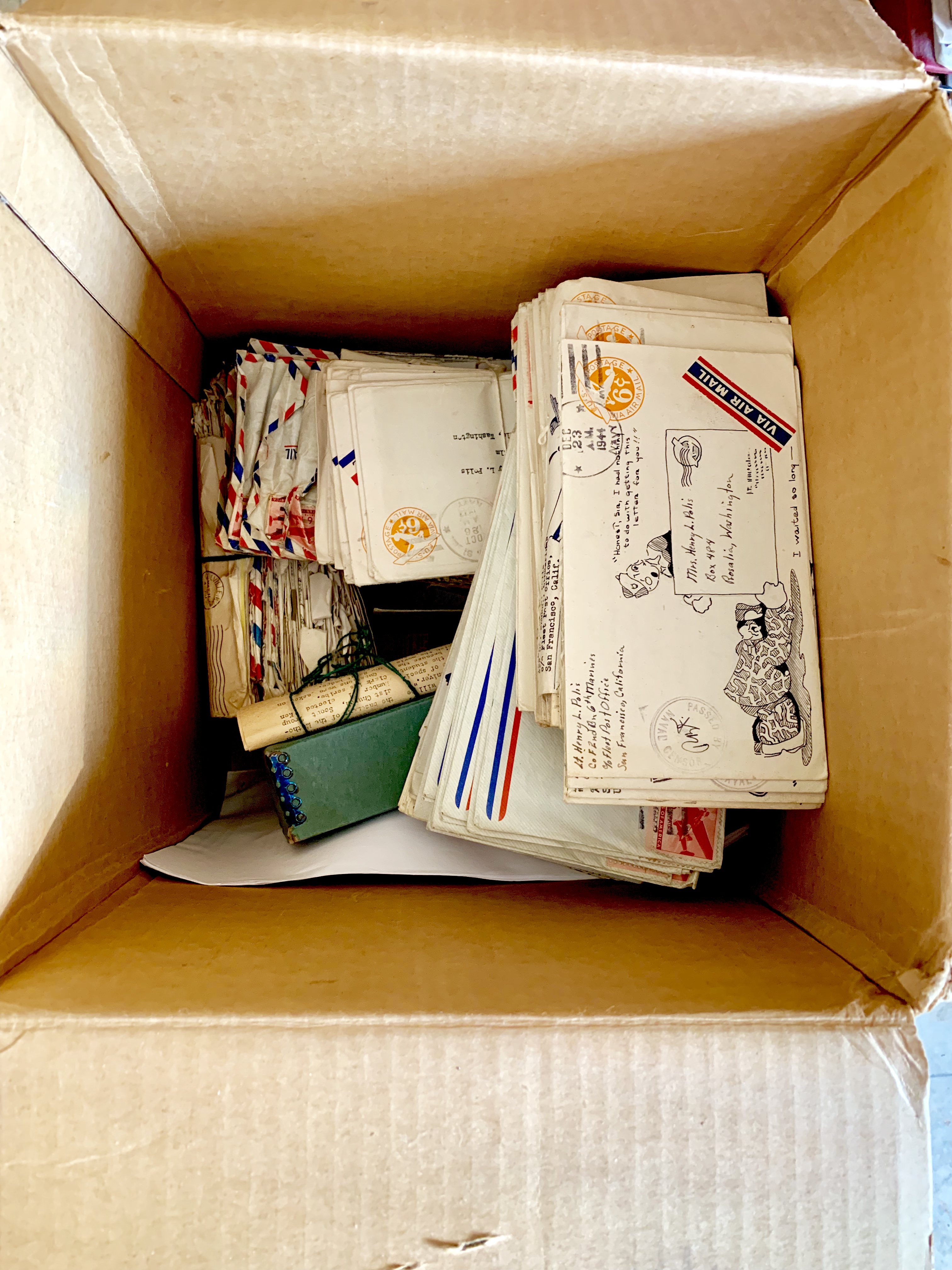
A box of over 700 letters, exchanged between my parents from late 1941 to mid-1945, sat unopened for six decades.

I started reading. I felt them resting in those inked words.

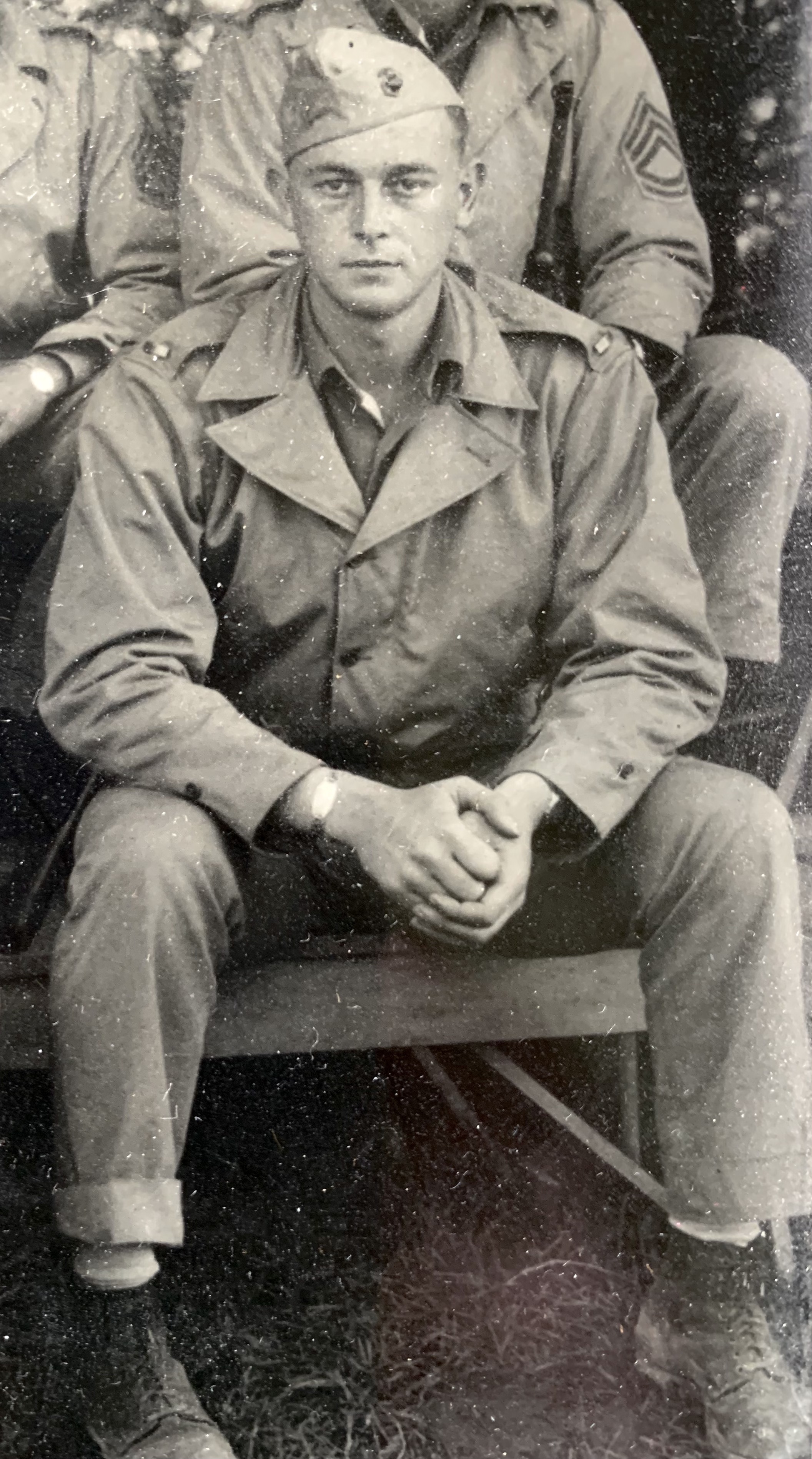
My parents barely knew each other before marrying quickly on Christmas Eve 1942 – the haste due to the uncertain future for a newly trained Second Lieutenant in the Marine Corps. They only had a few weeks together before she returned home to her rural teaching position and he readied himself to be shipped out for the island battles to come.

They had no idea they would not see each other for another 30+ months or even see each other again at all. They had no idea their marriage would fall apart 35 years later and they would reunite a decade after the divorce for five more years together before Dad died of cancer at age 73.

A presence of absence: the letters do contain the long-gone but still-familiar voices of my parents, but they are the words and worries of youngsters of 20 and 21, barely prepared for the horrors to come from war and interminable waiting. When he was fighting battles on Tarawa, Saipan, and Tinian, no letters or news would be received for a month or more, otherwise they tried to write each other daily, though with minimal news to share due to military censorship. They speak mostly of their desire for a normal life together rather than a routine centered on mailbox, pen and paper and waiting – lots and lots of waiting.

I’m not sure what I hoped to find in these letters. Perhaps I hoped for flowery romantic whisperings and the poetry of longing and loneliness. Instead I am reading plain spoken words from two people who somehow made it through those awful years to make my sister and brother and myself possible.

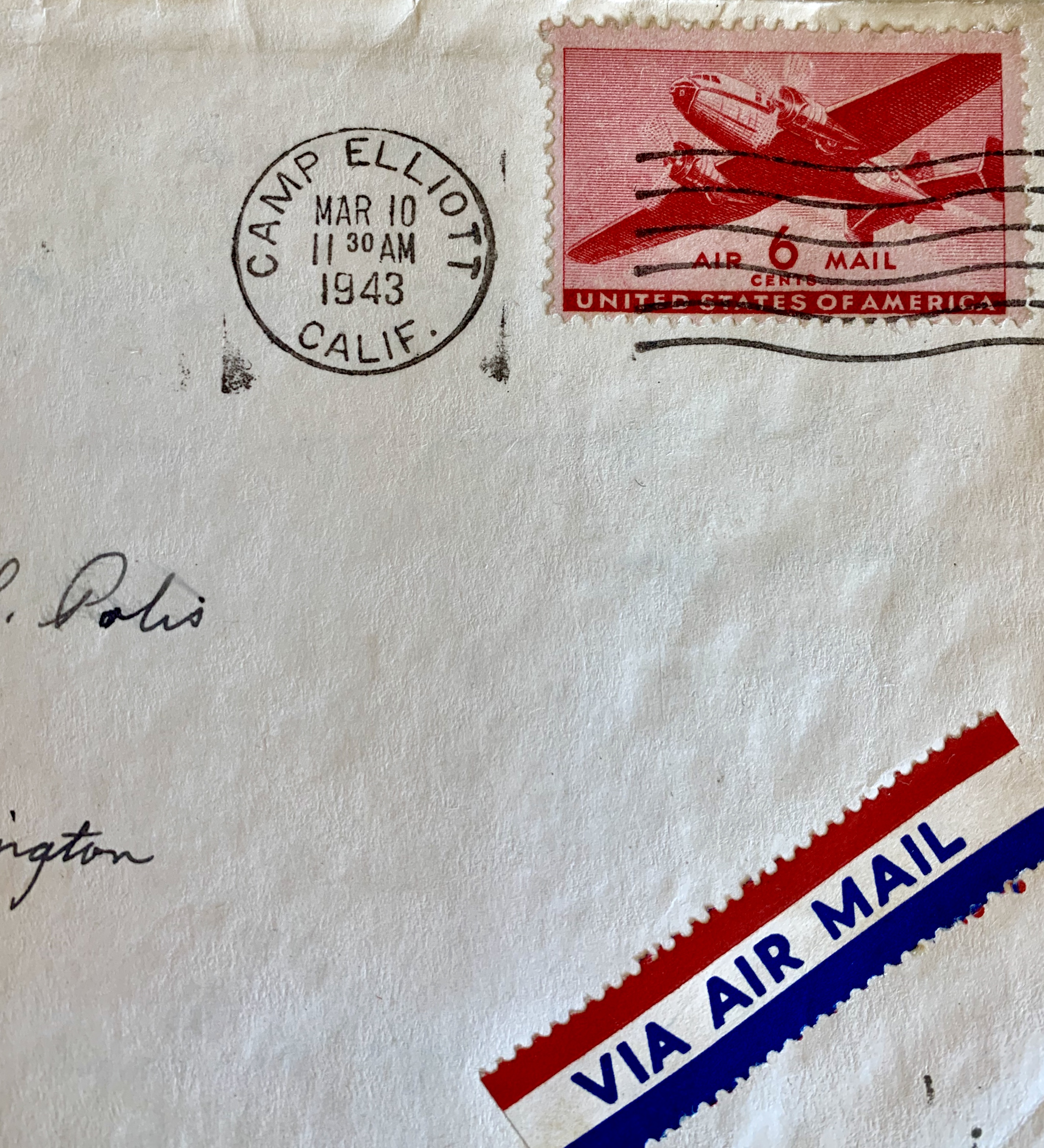
Our inheritance is contained in this musty box of words bereft of poetry. But decades later my heart is moved by these letters – I carefully refold them back into their envelopes and replace them gently back in order. A six cent airmail stamp – in fact hundreds and hundreds of them – was a worthwhile investment in the future, not only for themselves and their family to come, but for generations of U.S. citizens who tend to take their freedom for granted.

Thank you, Dad and Mom, for the early years together you gave up to make today possible for us and the generations to follow.

I hear the mountain birds
The sound of rivers singing
A song I’ve often heard
It flows through me now
So clear and so loud
I stand where I am
And forever I’m dreaming of home
I feel so alone, I’m dreaming of home

It’s carried in the air
The breeze of early morning
I see the land so fair
My heart opens wide
There’s sadness inside
I stand where I am
And forever I’m dreaming of home
I feel so alone, I’m dreaming of home

This is no foreign sky
I see no foreign light
But far away am I
From some peaceful land
I’m longing to stand
A hand in my hand
…forever I’m dreaming of home
I feel so alone, I’m dreaming of home
~Lori Barth and Philippe Rombi “I’m Dreaming of Home”

AI image created for this post
One-Time
Monthly
Yearly

Make a one-time or recurring donation to support daily Barnstorming posts

Make a monthly donation

Make a yearly donation

Choose an amount

$10.00
$25.00
$50.00
$5.00
$15.00
$100.00
$5.00
$15.00
$100.00

Or enter a custom amount

$

Your contribution is deeply appreciated.

Your contribution is appreciated.

Your contribution is appreciated.

DonateDonate monthlyDonate yearly
The Grass Forgiving the Scythe

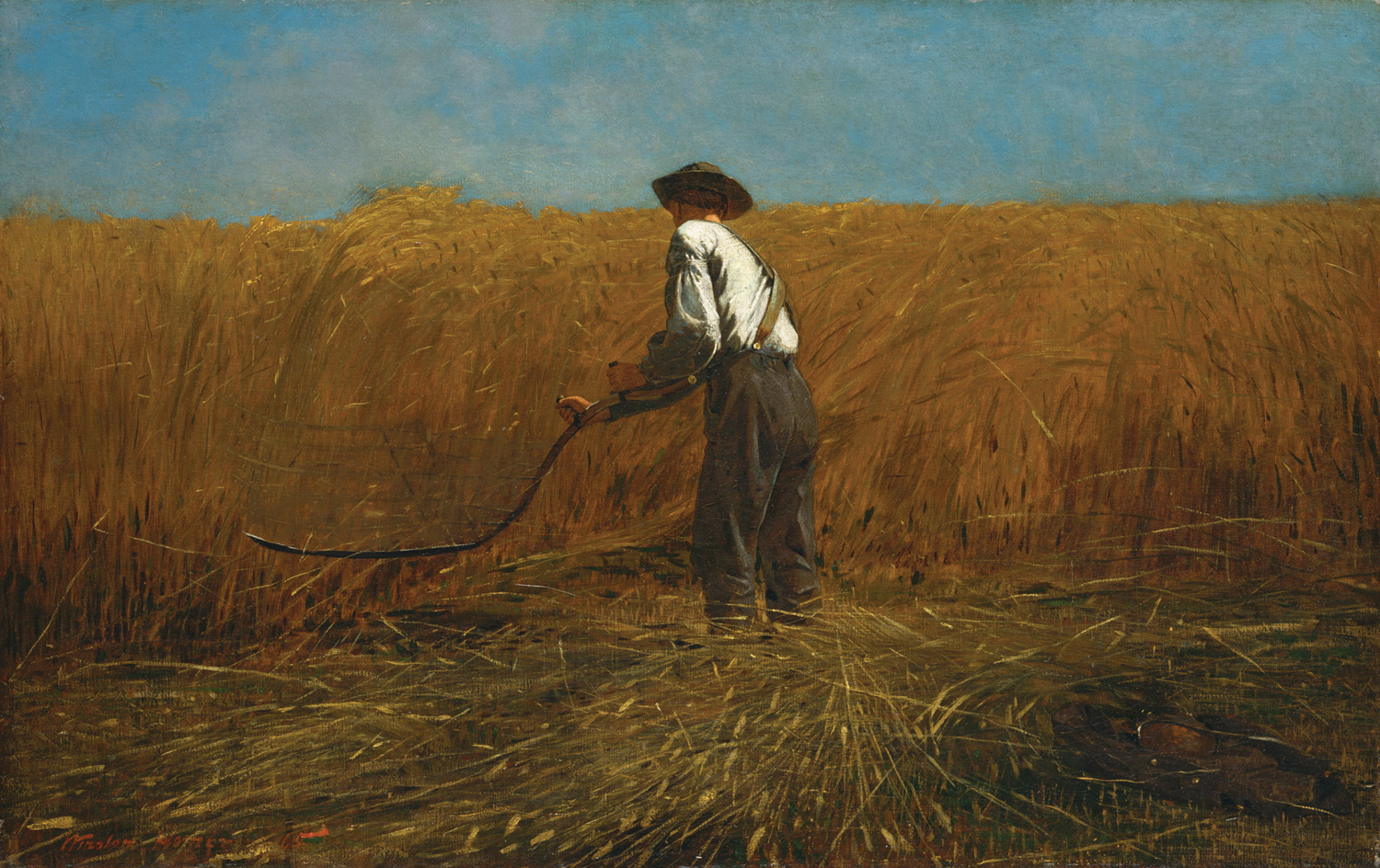
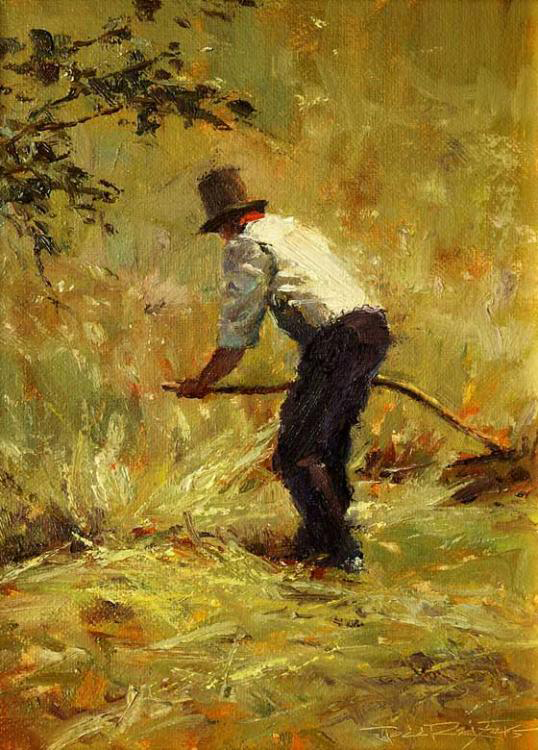
Winslow Homer’s The Veteran in a New Field
Man Scything Hay by Todd Reifers

There was never a sound beside the wood but one,
And that was my long scythe whispering to the ground.
What was it it whispered? I knew not well myself;
Perhaps it was something about the heat of the sun,
Something, perhaps, about the lack of sound—
And that was why it whispered and did not speak.

To the earnest love that laid the swale in rows,
The fact is the sweetest dream that labor knows.
My long scythe whispered and left the hay to make.
~Robert Frost in “Mowing”

Mowers, weary and brown, and blithe,
What is the word methinks ye know,
Endless over-word that the Scythe
Sings to the blades of the grass below?
Scythes that swing in the grass and clover,
Something still, they say as they pass;
What is the word that, over and over,
Sings the Scythe to the flowers and grass?

Hush, ah hush, the Scythes are saying,
Hush, and heed not, and fall asleep;
Hush, they say to the grasses swaying,
Hush, they sing to the clover deep!
Hush – ’tis the lullaby Time is singing –
Hush, and heed not, for all things pass,
Hush, ah hush! and the Scythes are swinging
Over the clover and over the grass!

~Andrew Lang (1844-1912) “The Scythe Song”

It is blue May. There is work
to be done. The spring’s eye blind
with algae, the stopped water
silent. The garden fills
with nettle and briar.
Dylan drags branches away.
I wade forward with my scythe.

There is stickiness on the blade.
Yolk on my hands. Albumen and blood.
Fragments of shell are baby-bones,
the scythe a scalpel, bloodied and guilty
with crushed feathers, mosses, the cut cords
of the grass. We shout at each other
each hurting with a separate pain.

From the crown of the hawthorn tree
to the ground the willow warbler
drops. All day in silence she repeats
her question. I too return
to the place holding the pieces,
at first still hot from the knife,
recall how warm birth fluids are.

~Gillian Clarke “Scything” from Letter from a Far Country (1982)

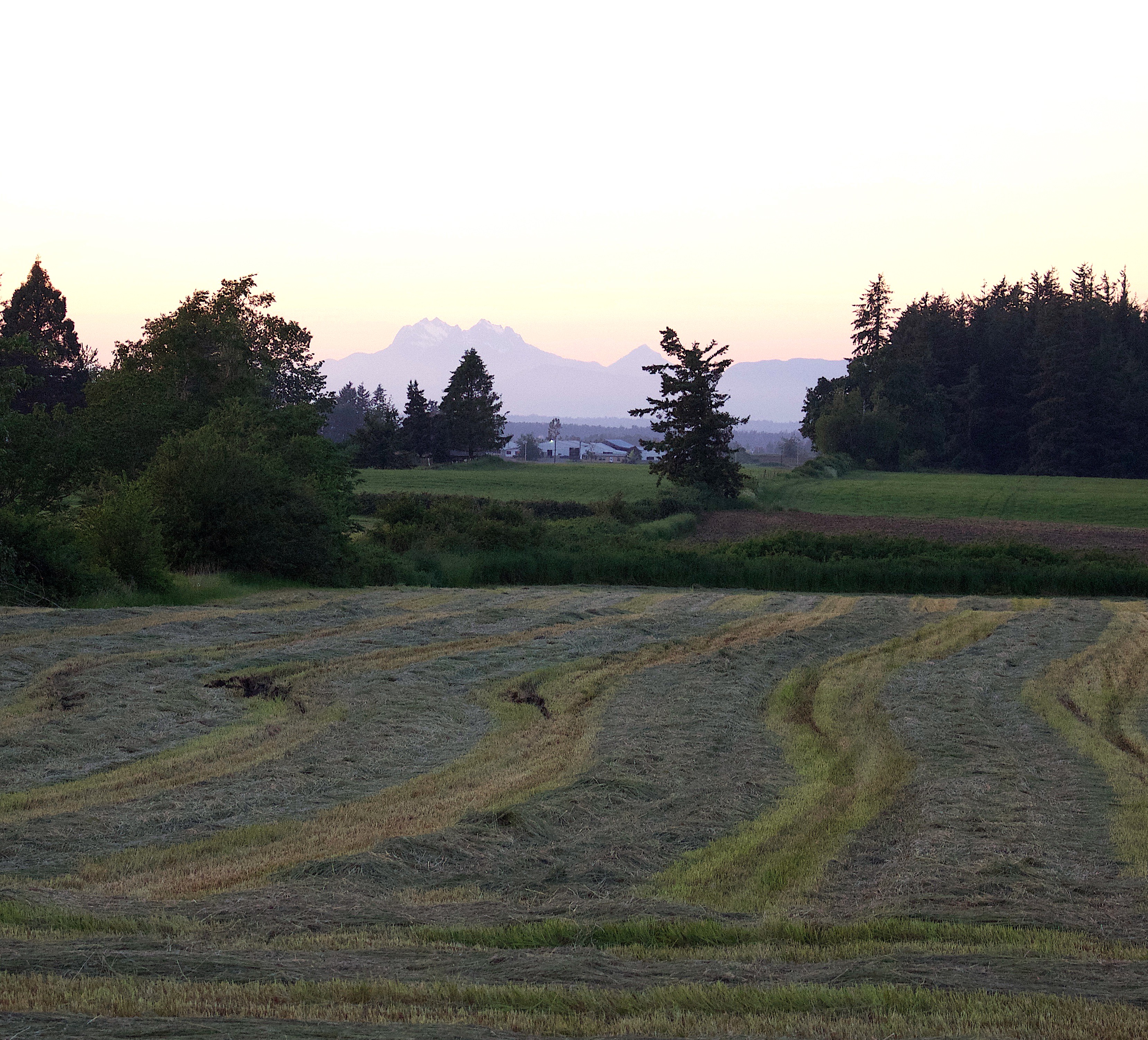
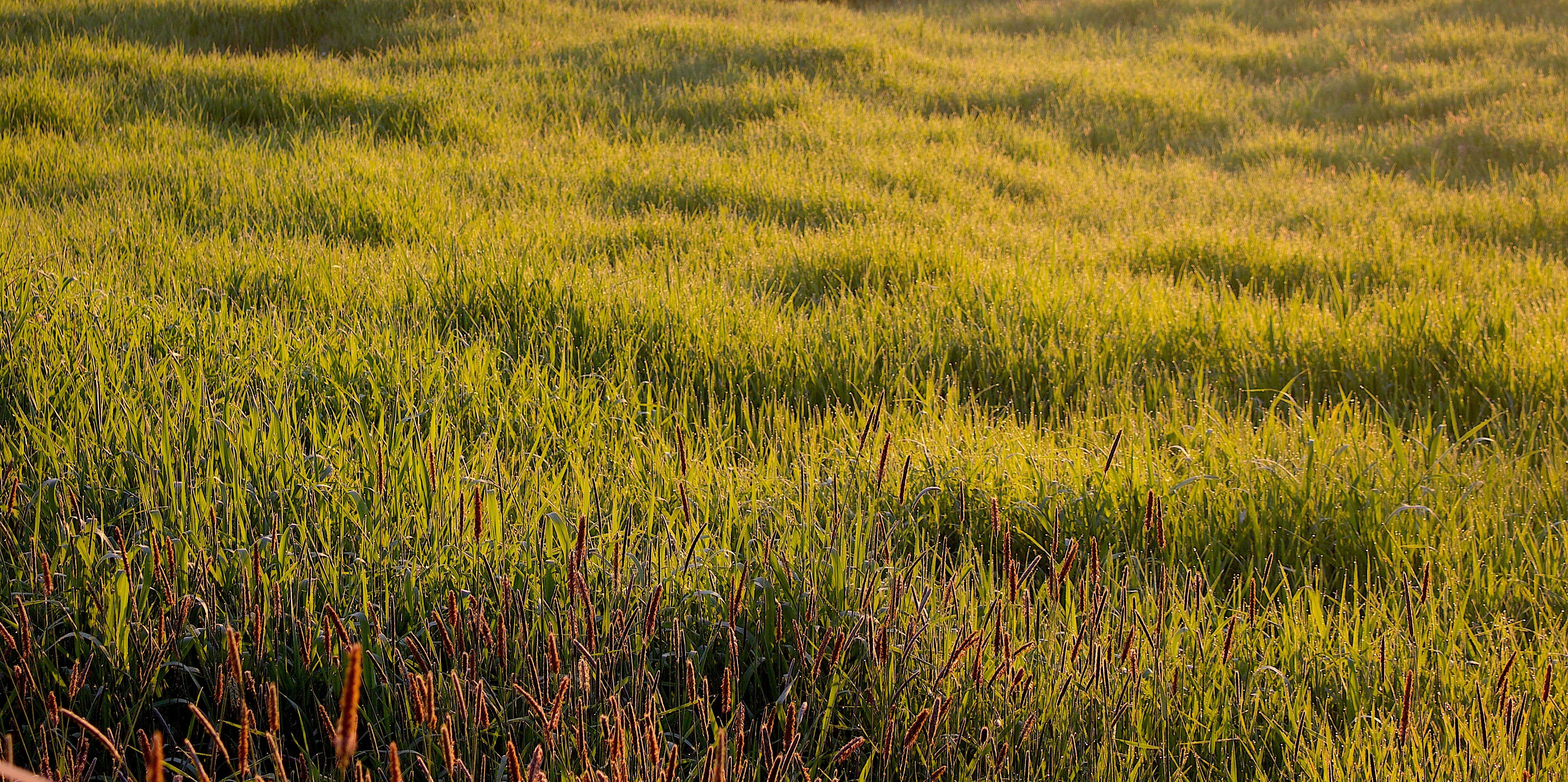
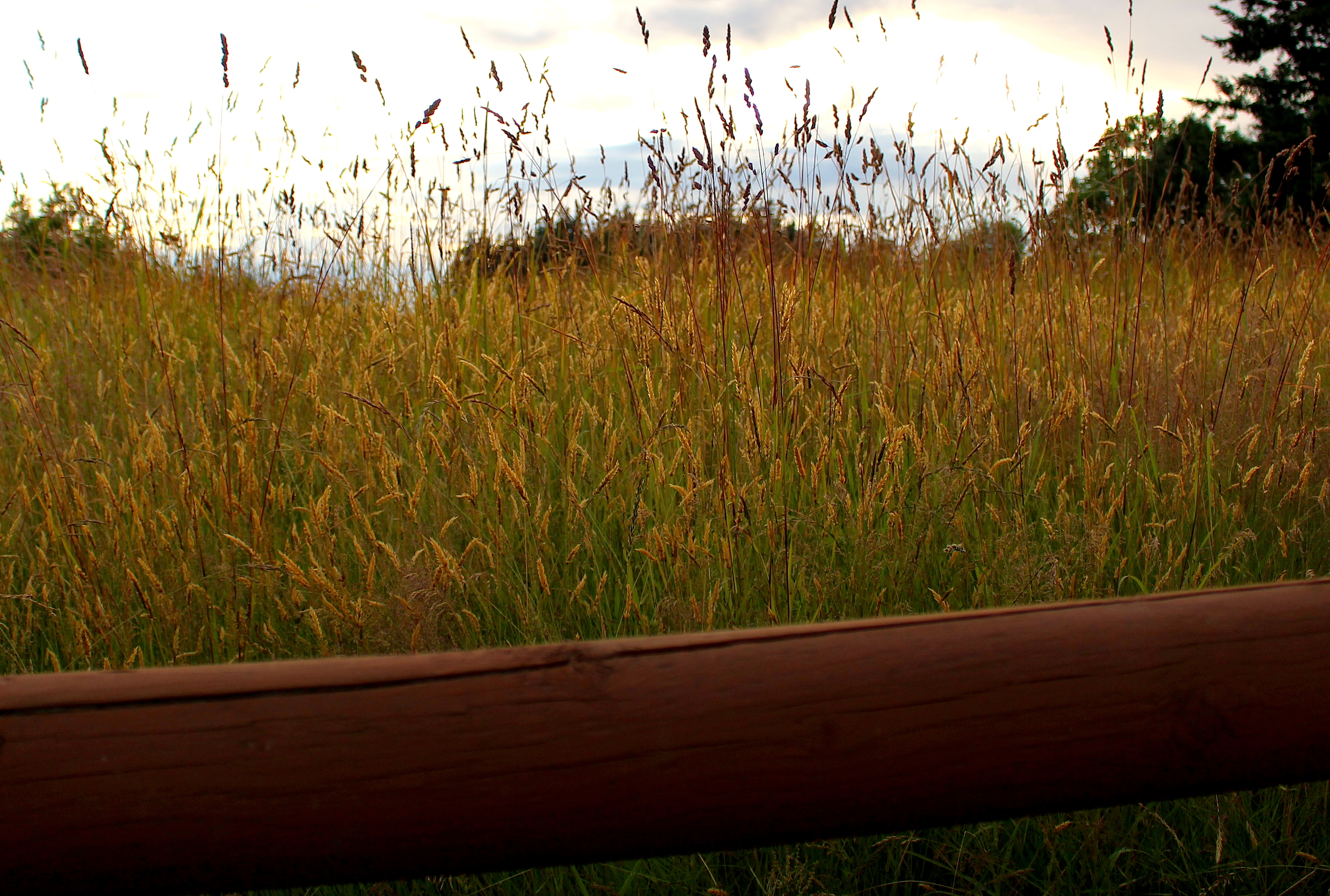
The grass around our orchard and yet-to-be-planted garden is now thigh-high. It practically squeaks while it grows. Anything that used to be in plain sight on the ground is rapidly being swallowed up in a sea of green: a ball, a pet dish, a garden gnome, a hose, a tractor implement, a bucket. In an effort to stem this tidal flood of grass, I grab the scythe out of the garden shed and plan my attack.

When the pastures are too wet yet for heavy hooves, I have hungry horses to provide for and there is more than plenty fodder to cut down for them.

I’m not a weed whacker kind of gal. First there is the necessary fuel, the noise necessitating ear plugs, the risk of flying particles requiring goggles–it all seems too much like an act of war to be remotely enjoyable. Instead, I have tried to take scything lessons from my husband.

Emphasis on “tried.”

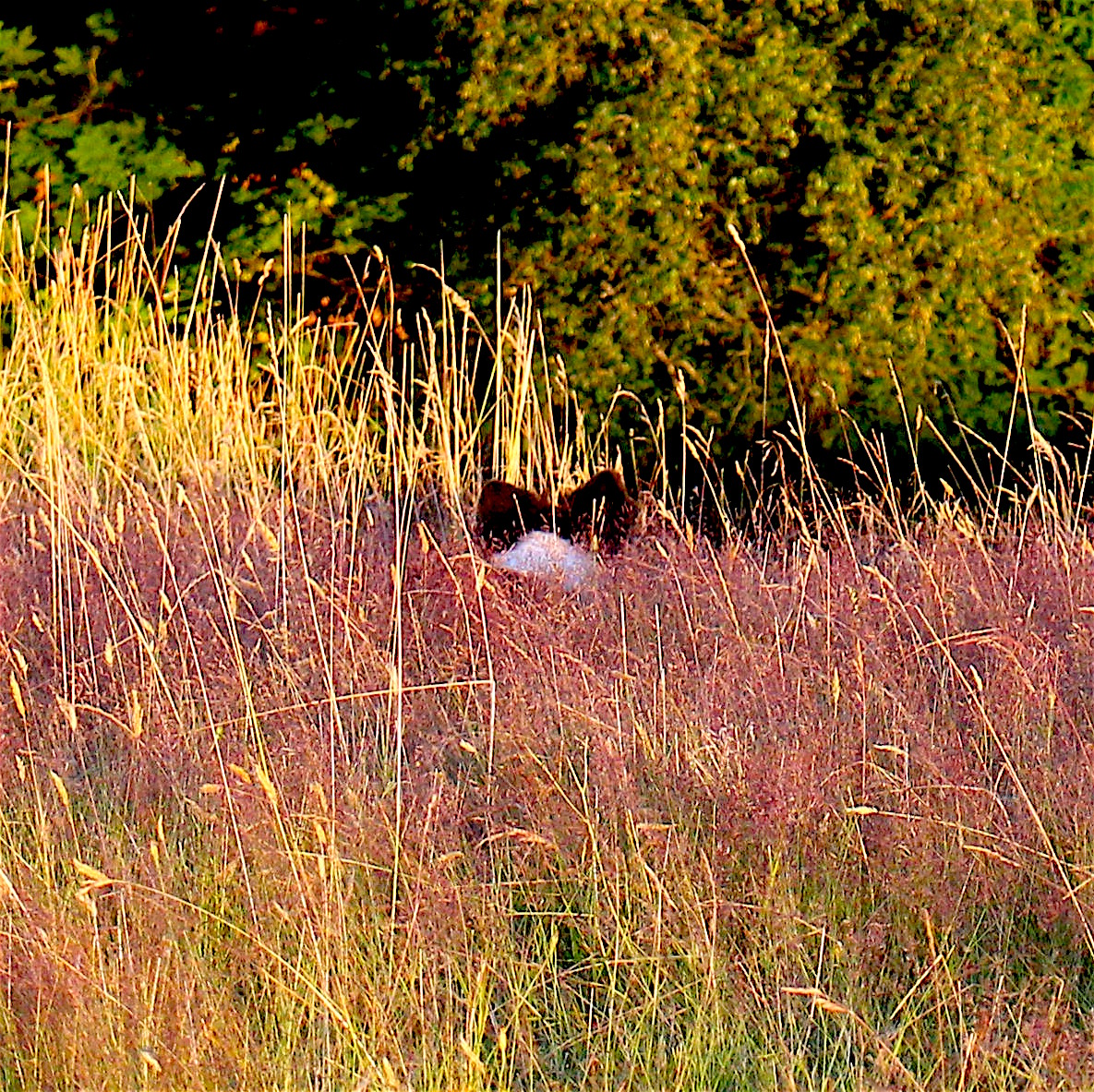
I grew up watching my father scythe our hay in our field because he couldn’t afford a mower for his tractor. He enjoyed physical labor in the fields and woods–his other favorite hand tool was a brush cutter that he’d take to blackberry bushes. He would head out to the field with the scythe over this shoulder, grim reaper style. Once he was standing on the edge of the grass needing to be mowed, he would then lower the scythe, curved blade to the ground, turn slightly, positioning his hands on the two handles just so, raise the scythe up past his shoulders, and then in a full body twist almost like a golf swing, he’d bring the blade down. It would follow a smooth arc through the base of the standing grass, laying clumps flat in a tidy pile alongside the 2 inch stubble left behind. It was a swift, silky muscle movement — a thing of beauty.

Once, when I was three years old, I quietly approached my dad in the field while he was busily scything grass for our cows, but I didn’t announce my presence. The handle of his scythe connected with me as he swung it, laying me flat with a bleeding eyebrow. I still bear the scar, somewhat proudly, as he abruptly stopped his fieldwork to lift me up as I bawled and bled on his sweaty shirt. He must have felt so badly to have injured his little girl and drove my mom and I to the local doctor who patched my brow with sticky tape rather than stitches.

So I identify a bit with the grass laid low by the scythe. I forgave my father, of course, and learned never again to surprise him when he was working in the field.

Instead of copying my father’s graceful mowing technique, I tended to chop and mangle rather than effect an efficient slicing blow to the stems. I unintentionally trampled the grass I meant to cut. I got blisters from holding the handles too tightly. It felt hopeless that I’d ever perfect that whispery rise and fall of the scythe, with the rhythmic shush sound of the slice that is almost hypnotic.

Not only did I become an ineffective scything human, I also learned what it is like to be the grass laid flat, on the receiving end of a glancing blow. Over a long career, I bore plenty of footprints from the trampling. It can take awhile to stand back up after being cut down.

Sometimes it makes more sense to simply start over as the oozing stubble bleeds green, with deep roots that no one can reach. As I have grown back over the years, singing rather than squeaking or bawling, I realize, I forgave the scythe every time it came down on my head.

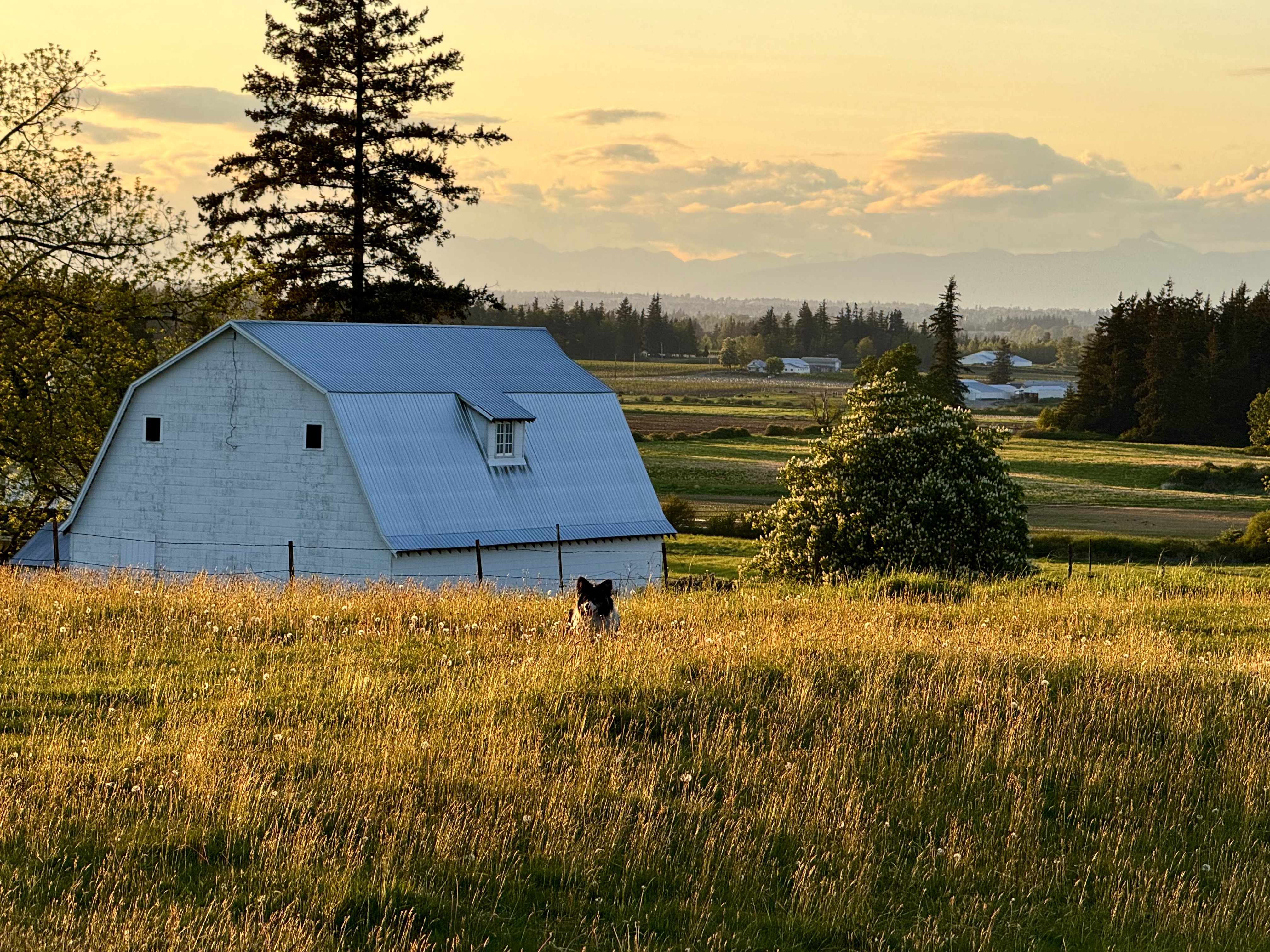
photo by Nate Gibson
One-Time
Monthly
Yearly

Make a one-time or recurring donation to support daily Barnstorming posts

Make a monthly donation

Make a yearly donation

Choose an amount

$5.00
$15.00
$100.00
$5.00
$15.00
$100.00
$5.00
$15.00
$100.00

Or enter a custom amount

$

Your contribution is deeply appreciated.

Your contribution is appreciated.

Your contribution is appreciated.

DonateDonate monthlyDonate yearly
Where You Go, I Will Go: The Lost Are Like This

I wake and feel the fell of dark, not day.
What
hours, O what black hours we have spent
This night! what sights you, heart, saw; ways you went!
And more
must, in yet longer light’s delay.

With witness I speak this. But where I say
Hours I mean years, mean life. And my lament
Is cries countless, cries like dead letters sent
To dearest him that lives
alas! away.

 I am gall, I am heartburn. God’s most deep decree
Bitter would have me taste: my taste was me;
Bones bu
ilt in me, flesh filled, blood brimmed the curse.

Selfyeast of spirit a dull dough sours. I see
The lost are like this, and their scourge to be
As I am
mine, their sweating selves; but worse.
~Gerard Manley Hopkins
“I wake and feel the fell of dark”

Surfacing to the street from a thirty two hour hospital shift usually means my eyes blink mole-like, adjusting to searing daylight after being too long in darkened windowless halls.  This particular January day is different.   As the doors open, I am immersed in a subdued gray Seattle afternoon, with horizontal rain soaking my scrubs.

Finally remembering where I had parked my car in pre-dawn dark the day before, I start the ignition, putting the windshield wipers on full speed.  I merge onto the freeway, pinching myself to stay awake long enough to reach my apartment and my pillow.

The freeway is a flowing river current of head and tail lights.  Semitrucks toss up tsunami waves cleared briefly by my wipers frantically whacking back and forth.

Just ahead in the lane to my right, a car catches my eye — it looks just like my Dad’s new Buick.  I blink to clear my eyes and my mind, switching lanes to get behind.  The license plate confirms it is indeed my Dad, oddly 100 miles from home in the middle of the week.  I smiled, realizing he and Mom have probably planned to surprise me by taking me out for dinner.

I decide to surprise them first, switching lanes to their left and accelerating up alongside.  As our cars travel side by side in the downpour,  I glance over to my right to see if I can catch my Dad’s eye through streaming side windows.  He is looking away to the right at that moment, obviously in conversation.  It is then I realize something is amiss.  When my Dad looks back at the road, he is smiling in a way I have never seen before.  There are arms wrapped around his neck and shoulder, and a woman’s auburn head is snuggled into his chest.

My mother’s hair is gray.

My initial confusion turns instantly to fury.  Despite the rivers of rain obscuring their view, I desperately want them to see me.  I think about honking,  I think about pulling in front of them so my father would know I have seen and I know.  I think about ramming them with my car so that we’d perish all, unrecognizable, in an explosive storm-soaked mangle.

At that moment, my father glances over at me and our eyes meet across the lanes.  His face is a mask of betrayal, bewilderment and then shock, and as he tenses, she straightens up and looks at me quizzically.

I can’t bear to look any longer.

I leave them behind, speeding beyond, splashing them with my wake.  Every breath burns my lungs and pierces my heart.  I can not distinguish whether the rivers obscuring my view are from my eyes or my windshield.

Somehow I made it home to my apartment, my heart still pounding in my ears.  The phone rings and remains unanswered.

I throw myself on my bed, bury my wet face in my pillow and pray for sleep without dreams,
without secrets,
without lies,
without the burden of knowing a truth
I alone now knew
and wished I didn’t..

Postscript:
I didn’t tell anyone what I saw that day. My father never asked.
He divorced my mother, and was remarried quickly,
my mother and two families shattered as a result.
Ten years later, his second wife died due to a relentless cancer, and he returned to my mother, asking her forgiveness and wanting to remarry. Within months, he too was diagnosed with cancer and Mom nursed him through his treatment, remission, recurrence and then hospice.

We became a family again, not the same as before,
yet put back together for good reason – forgiving and forgiven.

This year’s Lenten theme:

…where you go I will go…
Ruth 1:16

AI image created for this post
One-Time
Monthly
Yearly

Make a one-time or recurring donation to support daily Barnstorming posts

Make a monthly donation

Make a yearly donation

Choose an amount

$10.00
$25.00
$50.00
$5.00
$15.00
$100.00
$5.00
$15.00
$100.00

Or enter a custom amount

$

Your contribution is deeply appreciated.

Your contribution is appreciated.

Your contribution is appreciated.

DonateDonate monthlyDonate yearly

Where You Go, I Will Go: I Never Got Wet

When the doctor suggested surgery
and a brace for all my youngest years,
my parents scrambled to take me
to massage therapy, deep tissue work,
osteopathy, and soon my crooked spine
unspooled a bit, I could breathe again,
and move more in a body unclouded
by pain. My mom would tell me to sing
songs to her the whole forty-five minute
drive to Middle Two Rock Road and forty-
five minutes back from physical therapy.
She’d say, even my voice sounded unfettered
by my spine afterward. So I sang and sang,
because I thought she liked it. I never
asked her what she gave up to drive me,
or how her day was before this chore. Today,
at her age, I was driving myself home from yet
another spine appointment, singing along
to some maudlin but solid song on the radio,
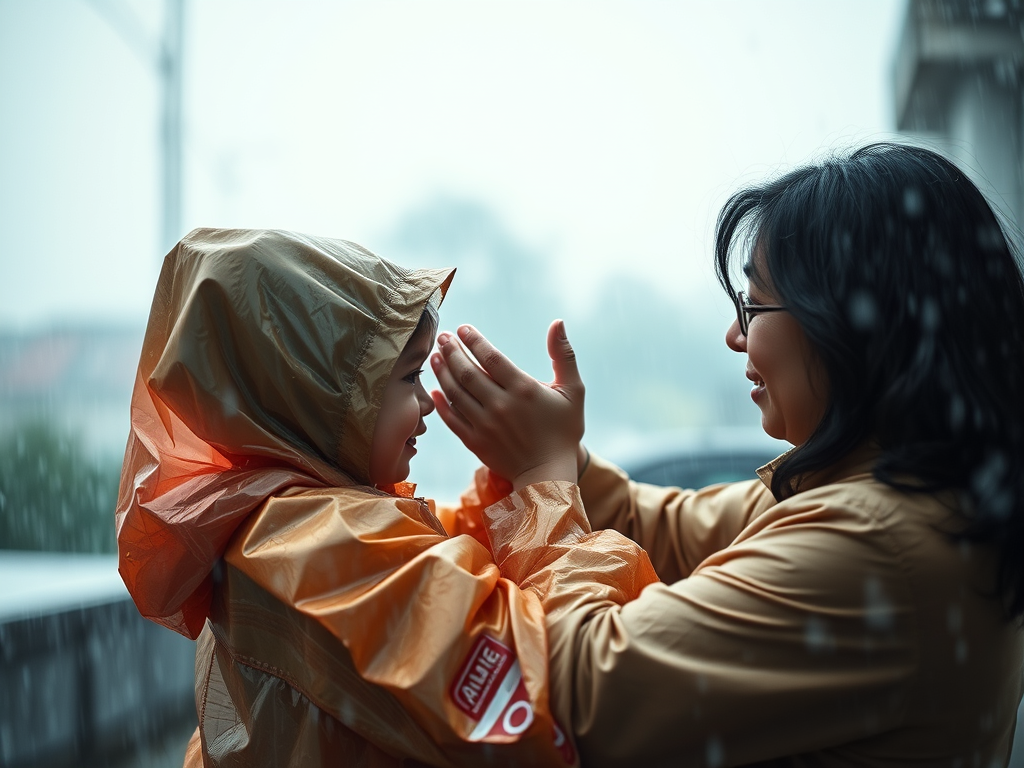
and I saw a mom take her raincoat off
and give it to her young daughter when
a storm took over the afternoon. My god,
I thought, my whole life I’ve been under her
raincoat thinking it was somehow a marvel
that I never got wet.
~Ada Limón “The Raincoat”

When I was 13, I grew too quickly. My spine developed a thoracic scoliosis (curvature) — after inspecting my back as I bent over to touch my toes, my pediatrician referred me to a pediatric orthopedic specialist an hour away from my home town.

The question was whether I would need to have a metal rod surgically placed along my spine to prevent it from more misalignment or whether I would need to wear a back brace like a turtle. The least intervention would be physical therapy to try to keep my back and abdominal muscles as strong as possible to limit the curvature.

Since my father didn’t have much flexibility in his work schedule, my mother had to drive me to the “big city” for my appointments – as a nervous driver, she did it only because she knew it was necessary to get the medical opinion needed. She asked me to read aloud to her from whatever book I was reading at the time – I don’t think she listened closely but I think she knew it would keep me occupied while she navigated traffic.

At first, we went every three months for new xrays. The orthopedist would draw on my bare back and on my spine xrays with a black marker, calculating my curves and angles with his protractor, watching for a trend of worsening as I grew taller. He reassured us that I hadn’t yet reached a critical level of deviation requiring more aggressive treatment.

Eventually my growth rate slowed down and the specialist dismissed me from further visits, wishing me well. He told me I would certainly be somewhat “crooked” for the rest of my life, and it would inevitably worsen in my later years. I continued to visit PT for regular visits; my mom would patiently wait in the car as I sweated my way through the regimen.

The orthopedist was right about the curvature of my aging spine. I am not only a couple inches shorter now, but my rib cage and chest wall is asymmetric affecting my ability to stand up totally straight. An xray shows the wear and tear of arthritis changes in my somewhat twisted chest wall and spine.

I consider crookedness a small price to pay for avoiding a serious surgery or a miserable brace as a teenager.

What I didn’t understand at the time was the commitment my mother made to make sure I got the medical monitoring I needed, even if it meant great inconvenience in her life, even if she was awake at night worried about the outcome of the appointments, even if the financial burden was significant for my family. She, like so many parents with children with significant medical or psychological challenges, gave up her wants and wishes to make sure I received what I needed.

As a kid, I just assumed that’s what a mom does. Later, as a mom myself, I realized it IS what moms and dads do, but often at significant personal cost. As a physician, I saw many young people whose parents couldn’t make the commitment to see they got the care they needed, and it showed.

I was blessed by parents who did what their kids needed to thrive.

Without my realizing it, my mom constantly offered me her raincoat so I wouldn’t get wet. Meanwhile she was getting drenched. I never really understood.

Some of you walk this road, now and in the past, sometimes long miles with a family member, handing over your own raincoat when the storms of life overwhelm.

Your sacrifice and compassion are Jesus’ hands and feet made tangible. He walks along where we go, keeping us safe and dry for as long as it takes.

This year’s Lenten theme:

…where you go I will go…
Ruth 1:16

AI image created for this post
One-Time
Monthly
Yearly

Make a one-time or recurring donation to support daily Barnstorming posts

Make a monthly donation

Make a yearly donation

Choose an amount

$10.00
$25.00
$50.00
$5.00
$15.00
$100.00
$5.00
$15.00
$100.00

Or enter a custom amount

$

Your contribution is deeply appreciated.

Your contribution is appreciated.

Your contribution is appreciated.

DonateDonate monthlyDonate yearly
Retell Its Loveliness

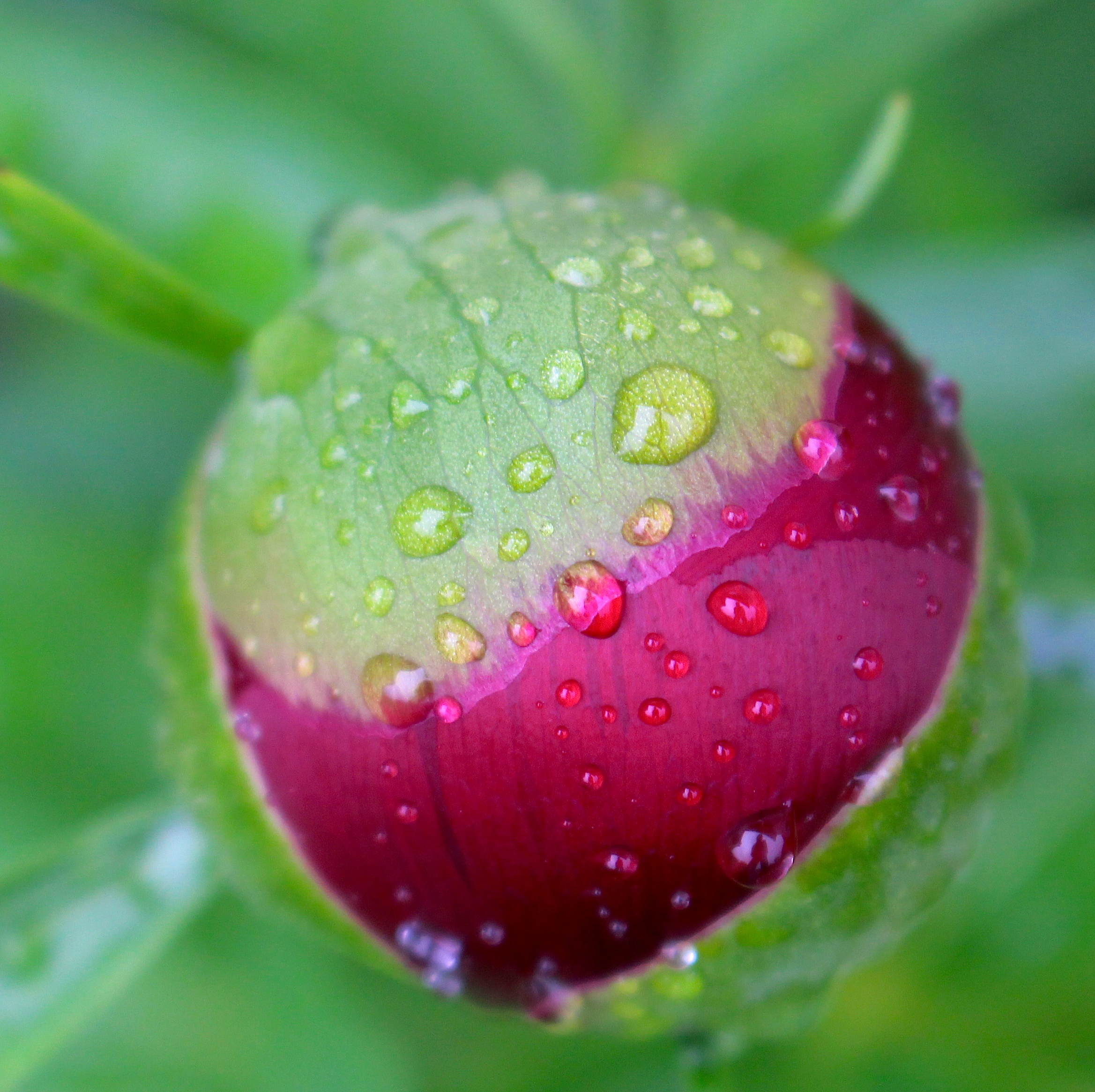
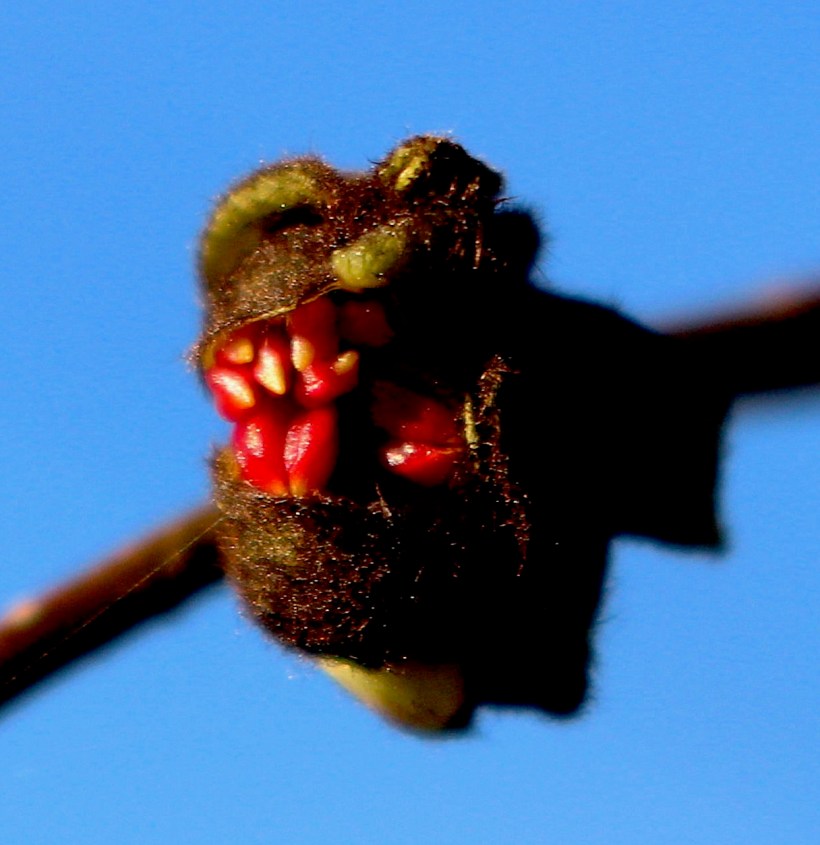
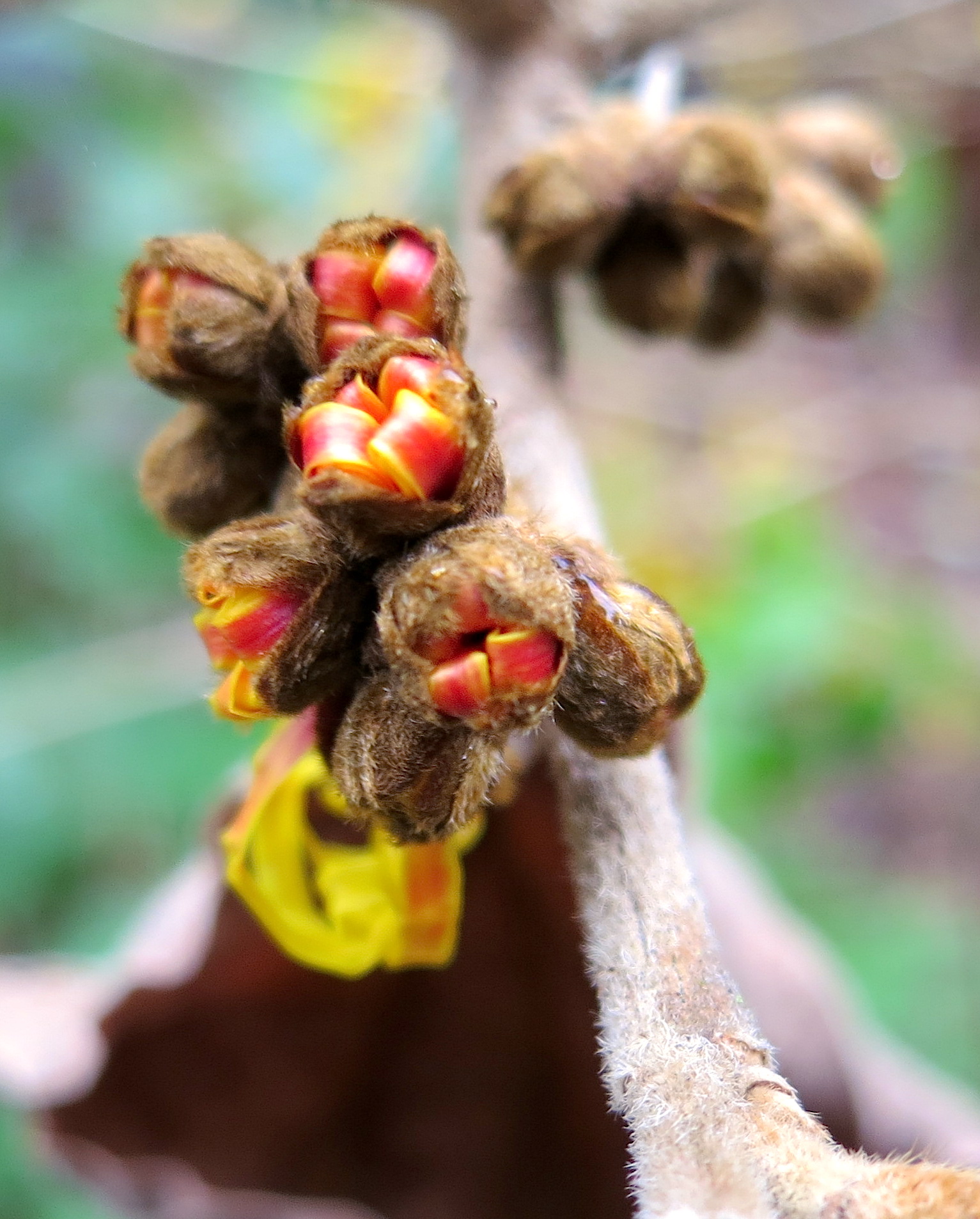
The bud
stands for all things,
even for those things that don’t flower,
for everything flowers, from within, of self-blessing;   
though sometimes it is necessary
to reteach a thing its loveliness,
to put a hand on its brow
of the flower
and retell it in words and in touch
it is lovely
until it flowers again from within, of self-blessing;   
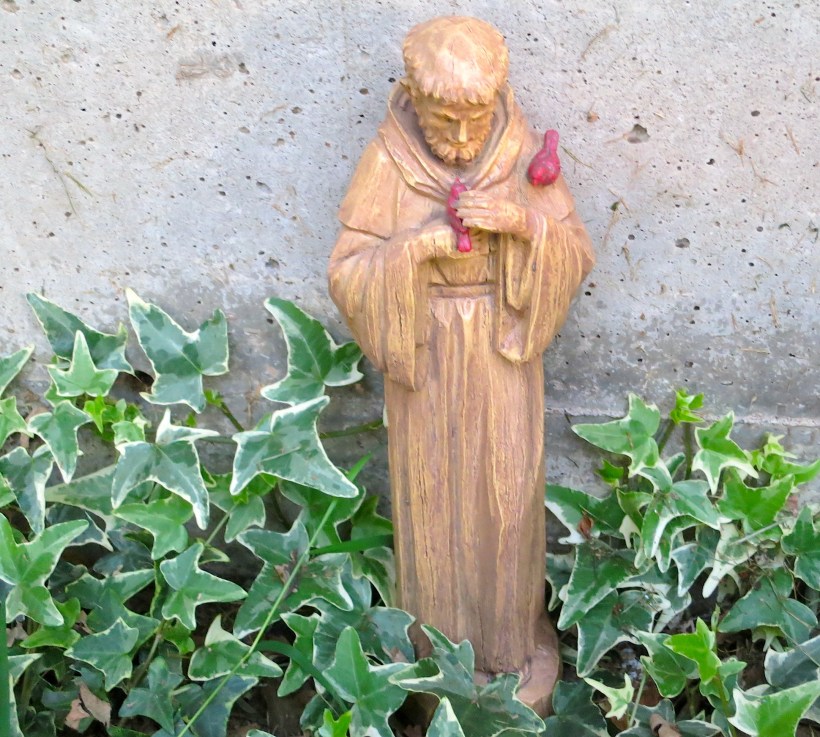
as Saint Francis
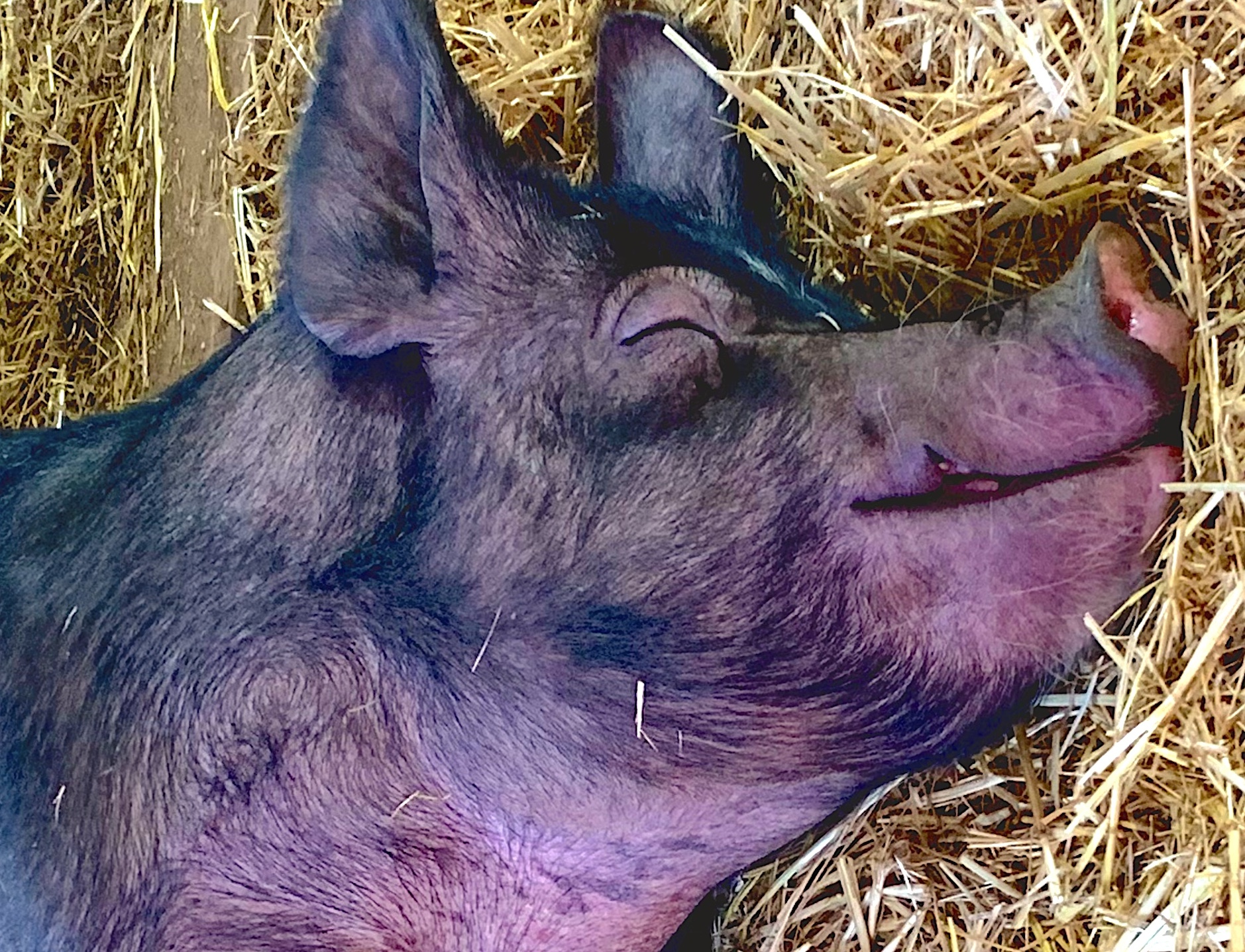
put his hand on the creased forehead
of the sow, and told her in words and in touch   
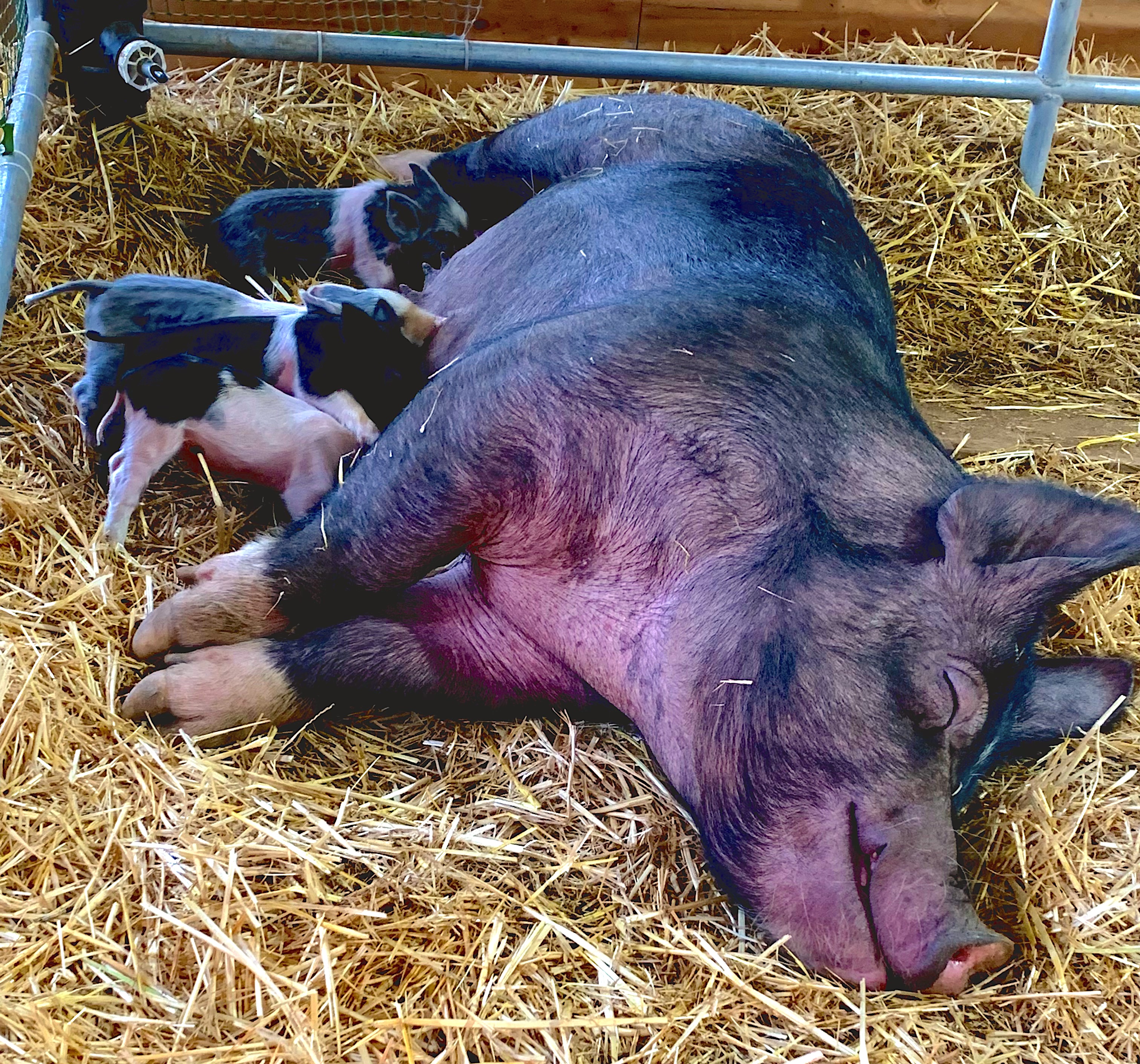
blessings of earth on the sow, and the sow   
began remembering all down her thick length,   
from the earthen snout all the way
through the fodder and slops to the spiritual curl of the tail,   
from the hard spininess spiked out from the spine   
down through the great broken heart
to the sheer blue milken dreaminess spurting and shuddering   
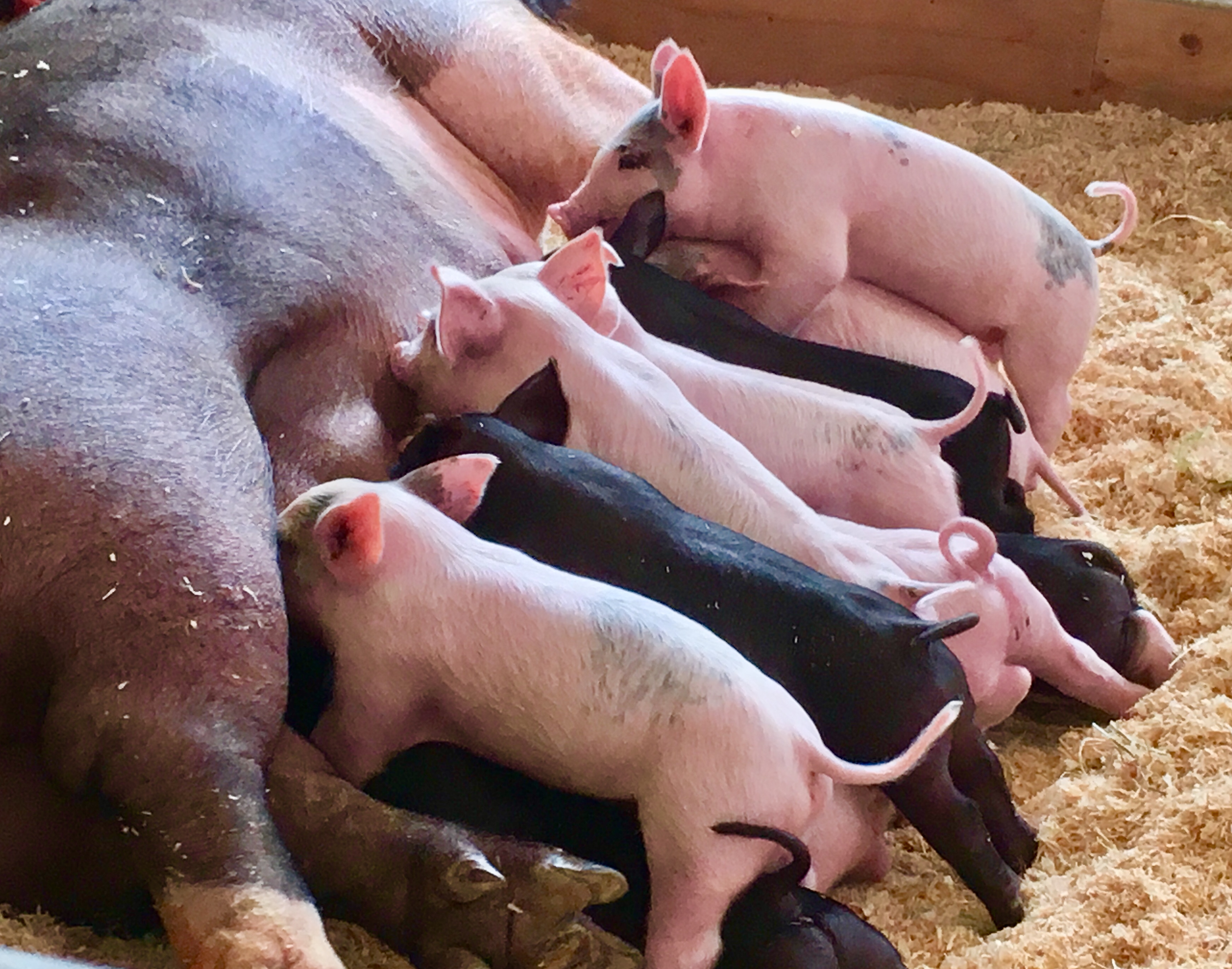
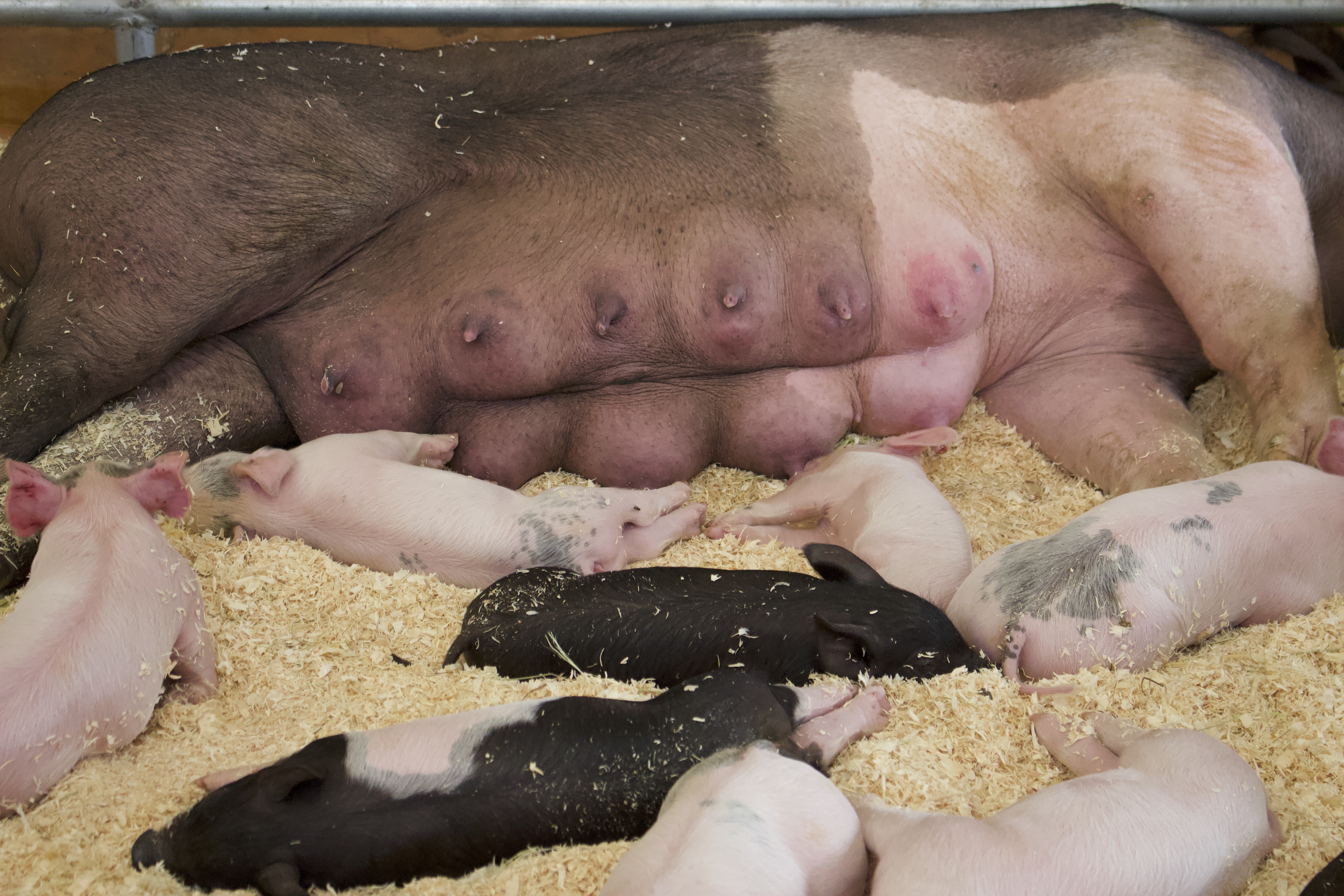
from the fourteen teats into the fourteen mouths sucking and blowing

beneath them:
the long, perfect loveliness of sow.

~Galway Kinnell “Saint Francis and the Sow”

None of us trust our own loveliness;
we who are concerned with a blemish
or an unusual shape of toe or nose.

Yet we are made as we are
as an image of our Maker.

If we consider the purpose for which we’re created,
then we are just as we should be –
blessed with exact shape and size and spirit
with which we serve and bring joy to others.

Our loveliness must be retold
so we believe it thoroughly –
as a bud is all about blossoming,
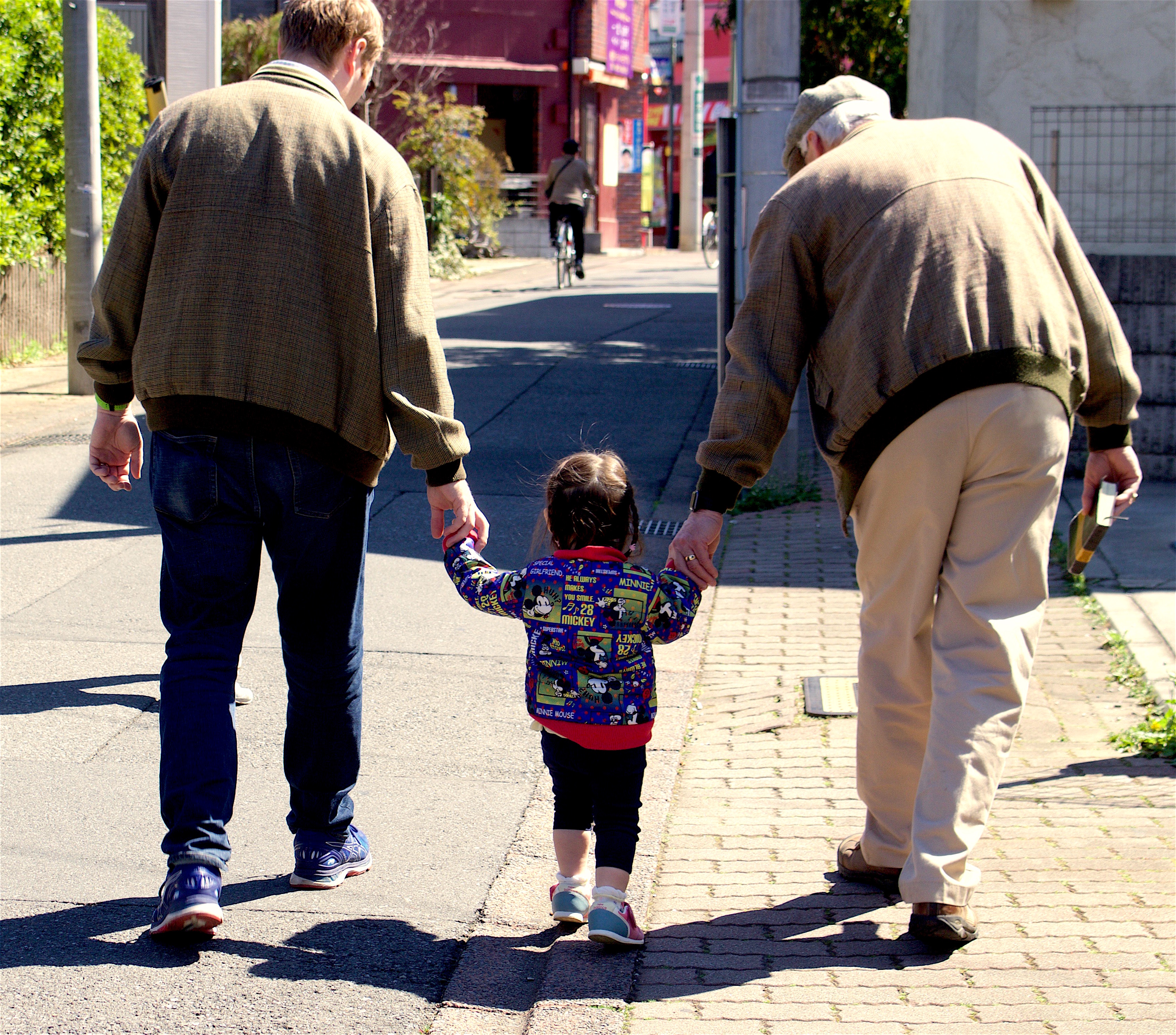
a mother pours her love into the empty,
a father leads and guides the lost.

One-Time
Monthly
Yearly

Make a one-time or recurring donation to support daily Barnstorming posts

Make a monthly donation

Make a yearly donation

Choose an amount

$10.00
$25.00
$50.00
$5.00
$15.00
$100.00
$5.00
$15.00
$100.00

Or enter a custom amount

$

Your contribution is deeply appreciated to help offset the cost of maintaining an ad-free website.
Your contribution is appreciated.

Your contribution is appreciated.

DonateDonate monthlyDonate yearly