Hives and Swarms

Here is the place; right over the hill    
Runs the path I took; 
You can see the gap in the old wall still,    
And the stepping-stones in the shallow brook. 

There is the house, with the gate red-barred,    
And the poplars tall; 
And the barn’s brown length, and the cattle-yard,    
And the white horns tossing above the wall. 

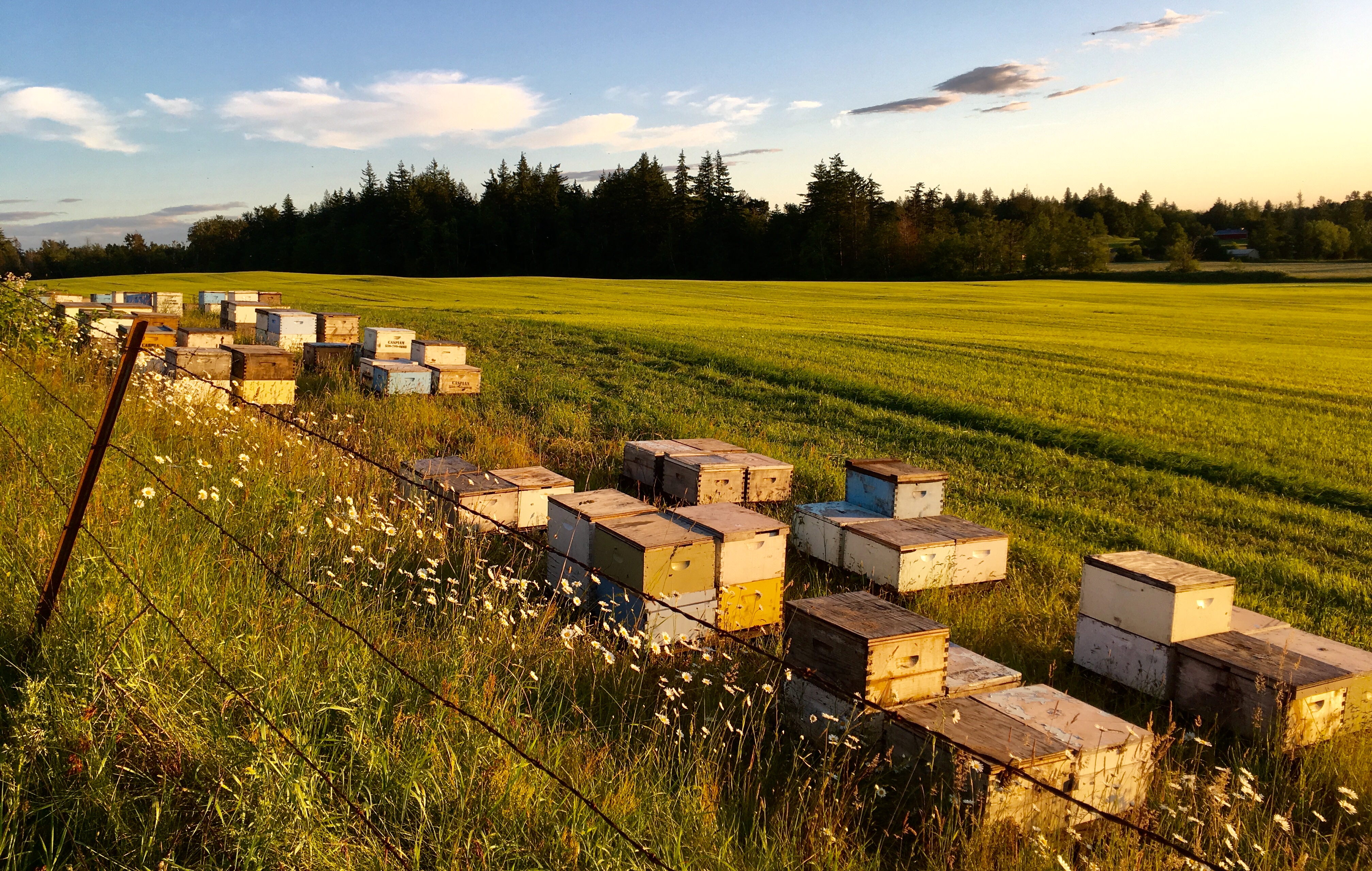
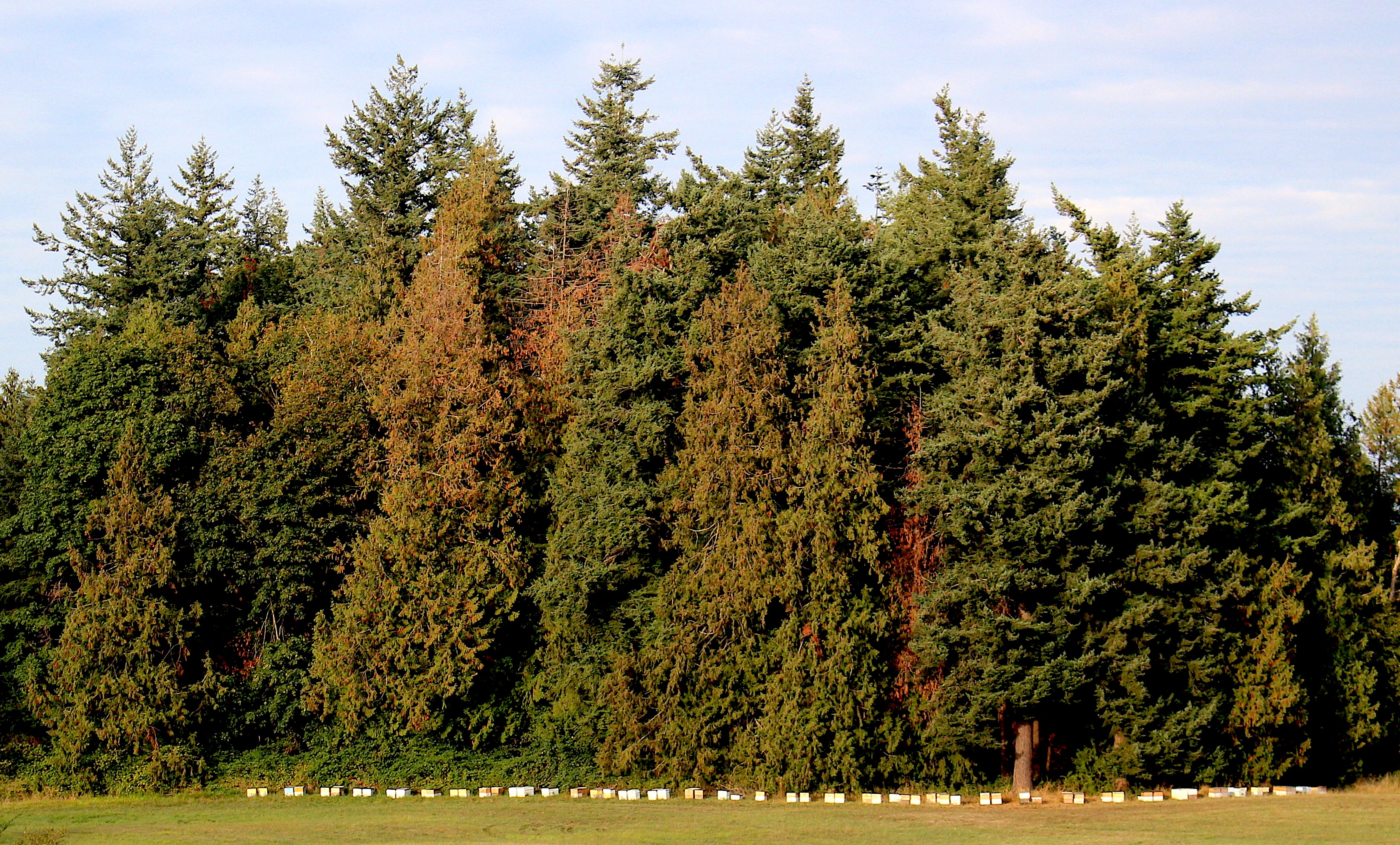
There are the beehives ranged in the sun;    
And down by the brink 
Of the brook are her poor flowers, weed-o’errun,    
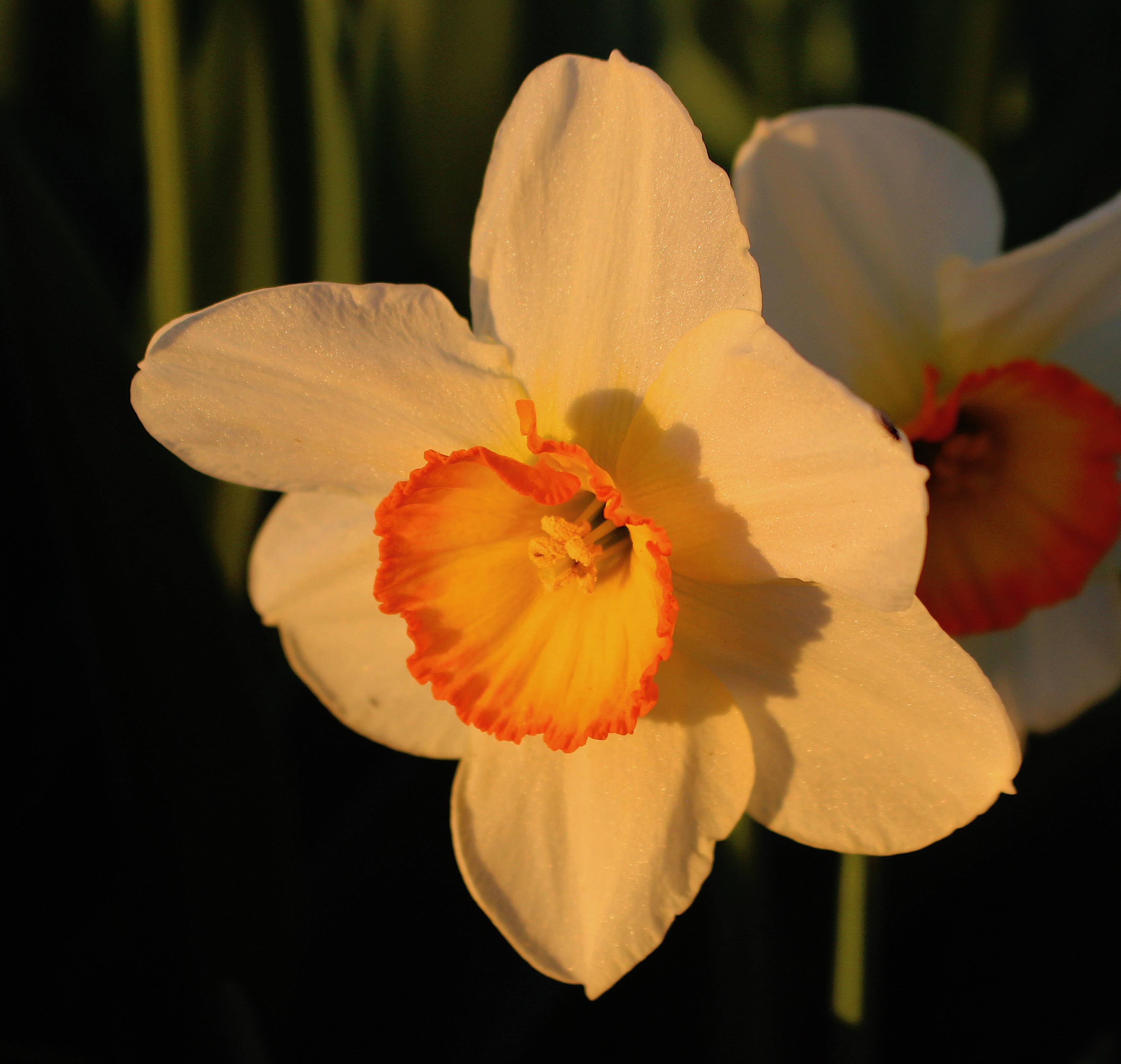
Pansy and daffodil, rose and pink. 

A year has gone, as the tortoise goes,    
Heavy and slow; 
And the same rose blows, and the same sun glows,    
And the same brook sings of a year ago. 

I can see it all now,—the slantwise rain    
Of light through the leaves, 
The sundown’s blaze on her window-pane,    
The bloom of her roses under the eaves. 

Just the same as a month before,—    
The house and the trees, 
The barn’s brown gable, the vine by the door,—    
Nothing changed but the hives of bees. 

Before them, under the garden wall,    
Forward and back, 
Went drearily singing the chore-girl small,    
Draping each hive with a shred of black. 

Trembling, I listened: the summer sun    
Had the chill of snow; 
For I knew she was telling the bees of one    
Gone on the journey we all must go! 
~John Greenleaf Whittier from “Telling the Bees”
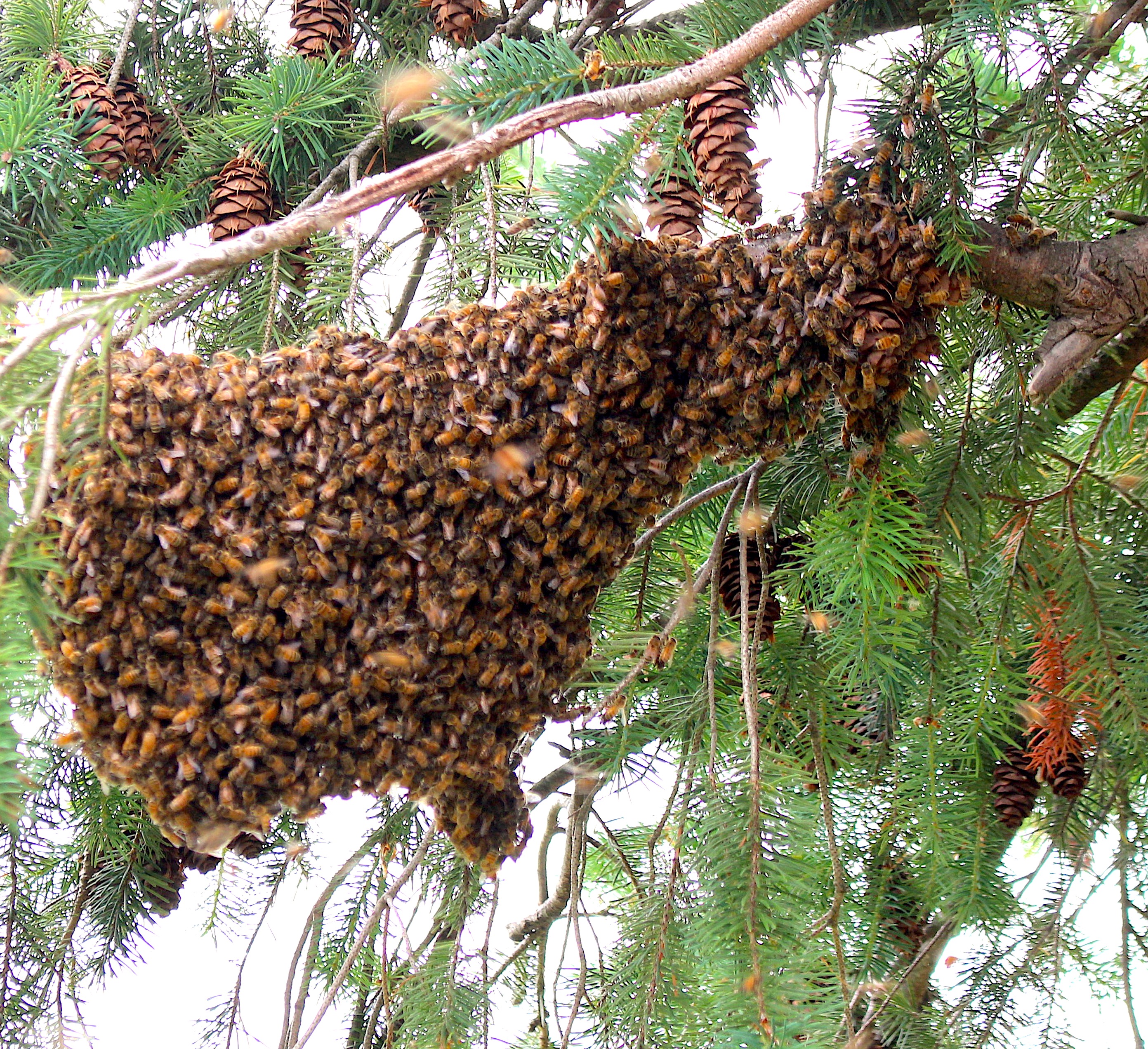
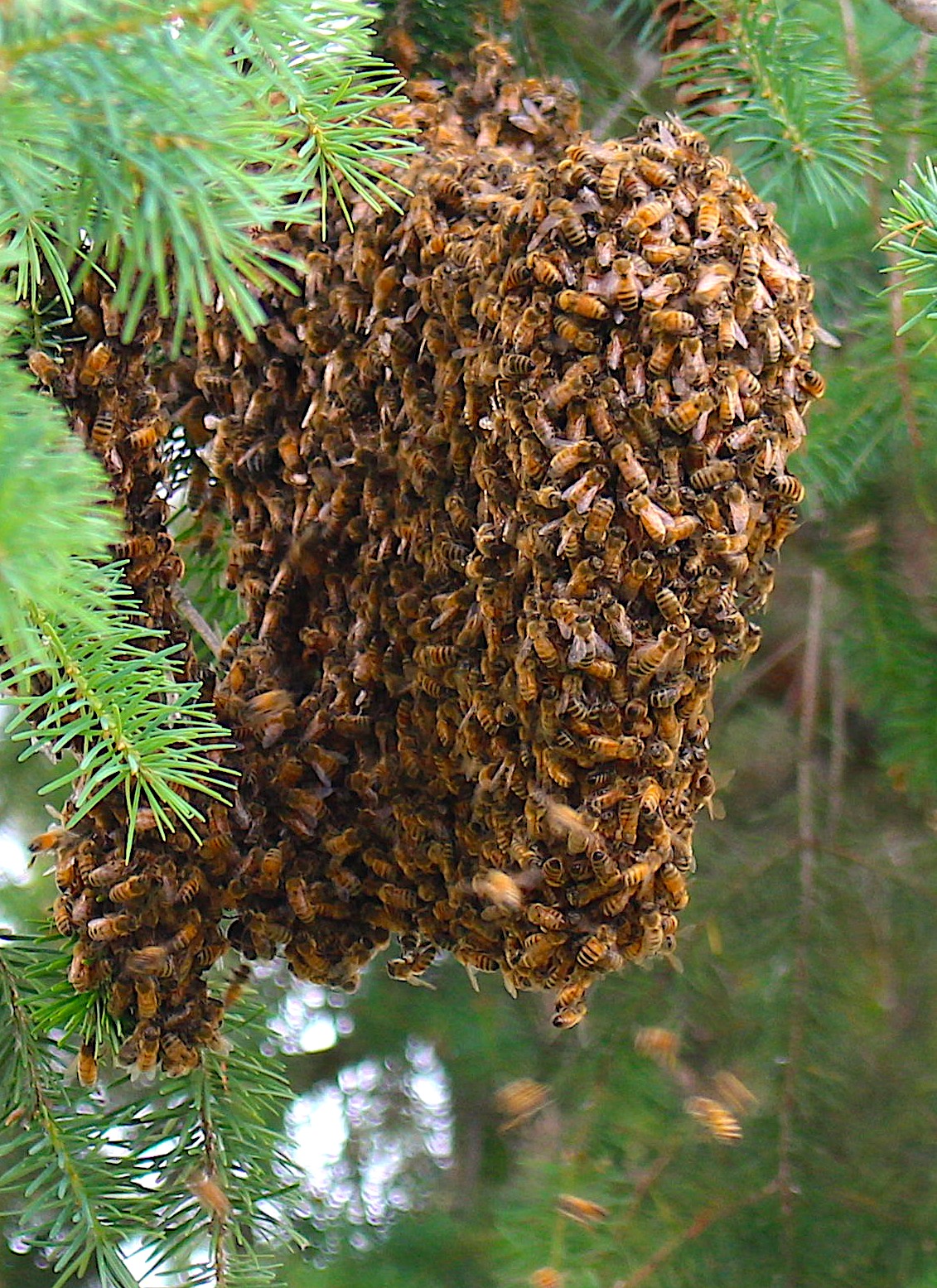
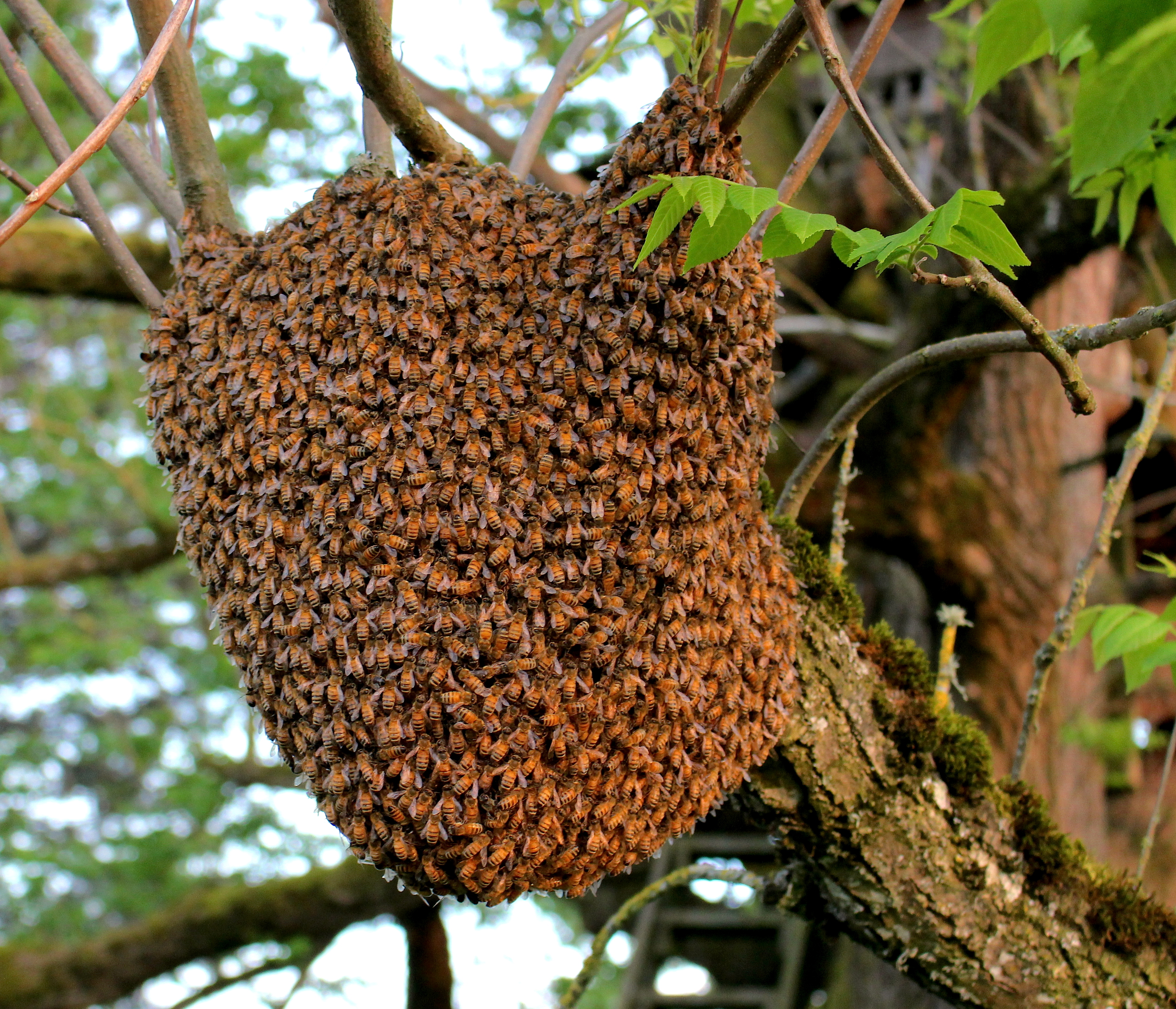
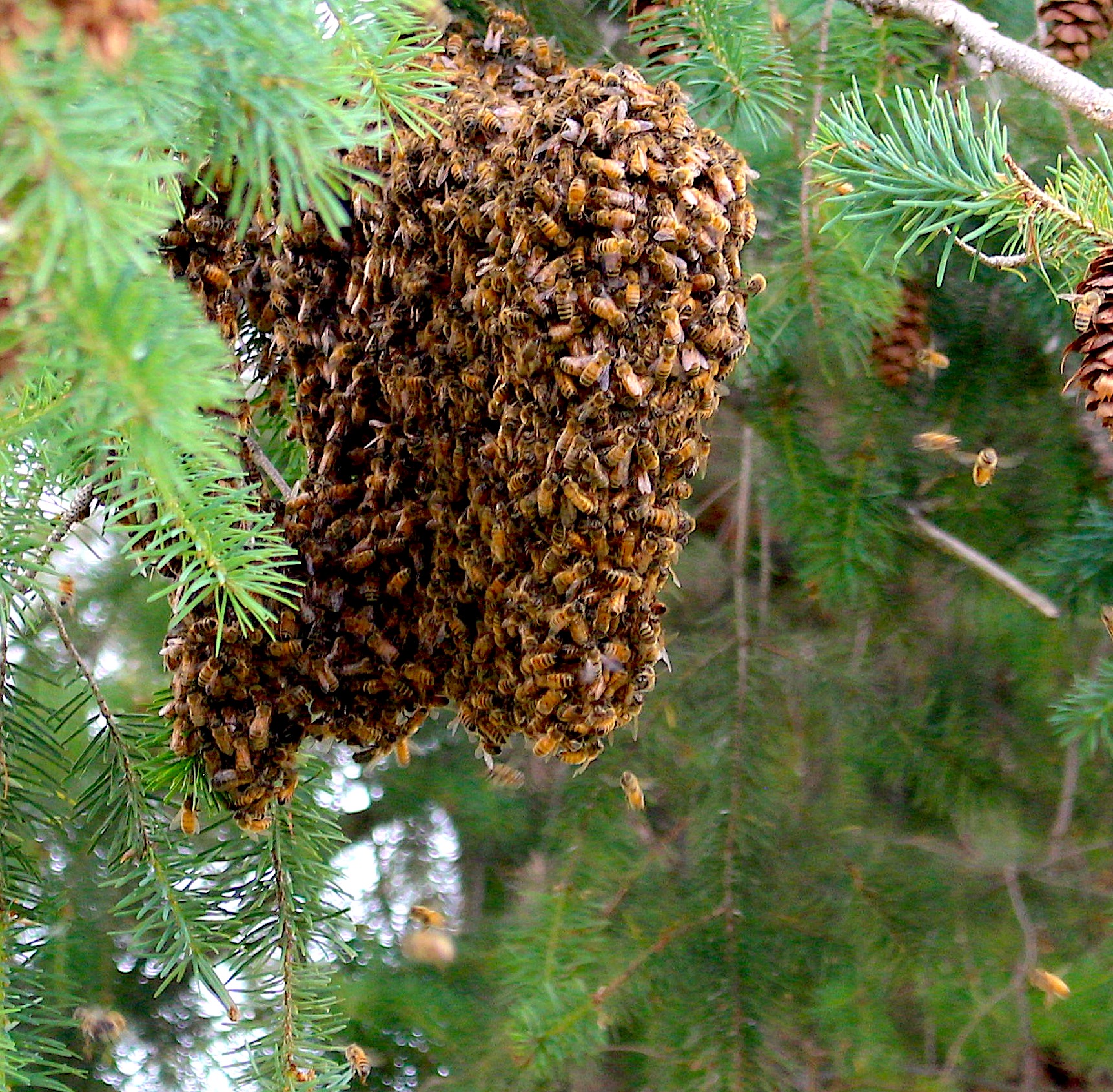
An old Celtic tradition necessitates sharing any news from the rural household with the farmer’s bee hives, whether cheery like a new birth or a wedding celebration or sad like a family death.  This ensures the hives’ well-being and continued connection to home and farm – the bees are kept in the loop, so to speak, so they stay at home, not swarming to move on to a more hospitable and presumably communicative place.

Good news seems always easy to share; we tend to keep bad news to ourselves so this tradition helps remind us that what affects one of us, affects us all. These days, with instant news at our fingertips at any moment, bad news is constantly bombarding us. Like the bees in the hives of the field, we want to flee from it and find a more hospitable home.

I do hope the Beekeeper comes and personally reassures us:
“Here is what has happened.
All will be okay.
We will navigate this life together.
Please stay with me.”

O gentle bees, I have come to say
That grandfather fell to sleep to-day.
And we know by the smile on grandfather’s face.
He has found his dear one’s biding place.
So, bees, sing soft, and, bees, sing low.
As over the honey-fields you sweep,—
To the trees a-bloom and the flowers a-blow
Sing of grandfather fast asleep;
And ever beneath these orchard trees
Find cheer and shelter, gentle bees.
~Eugene Field from “Telling the Bees”
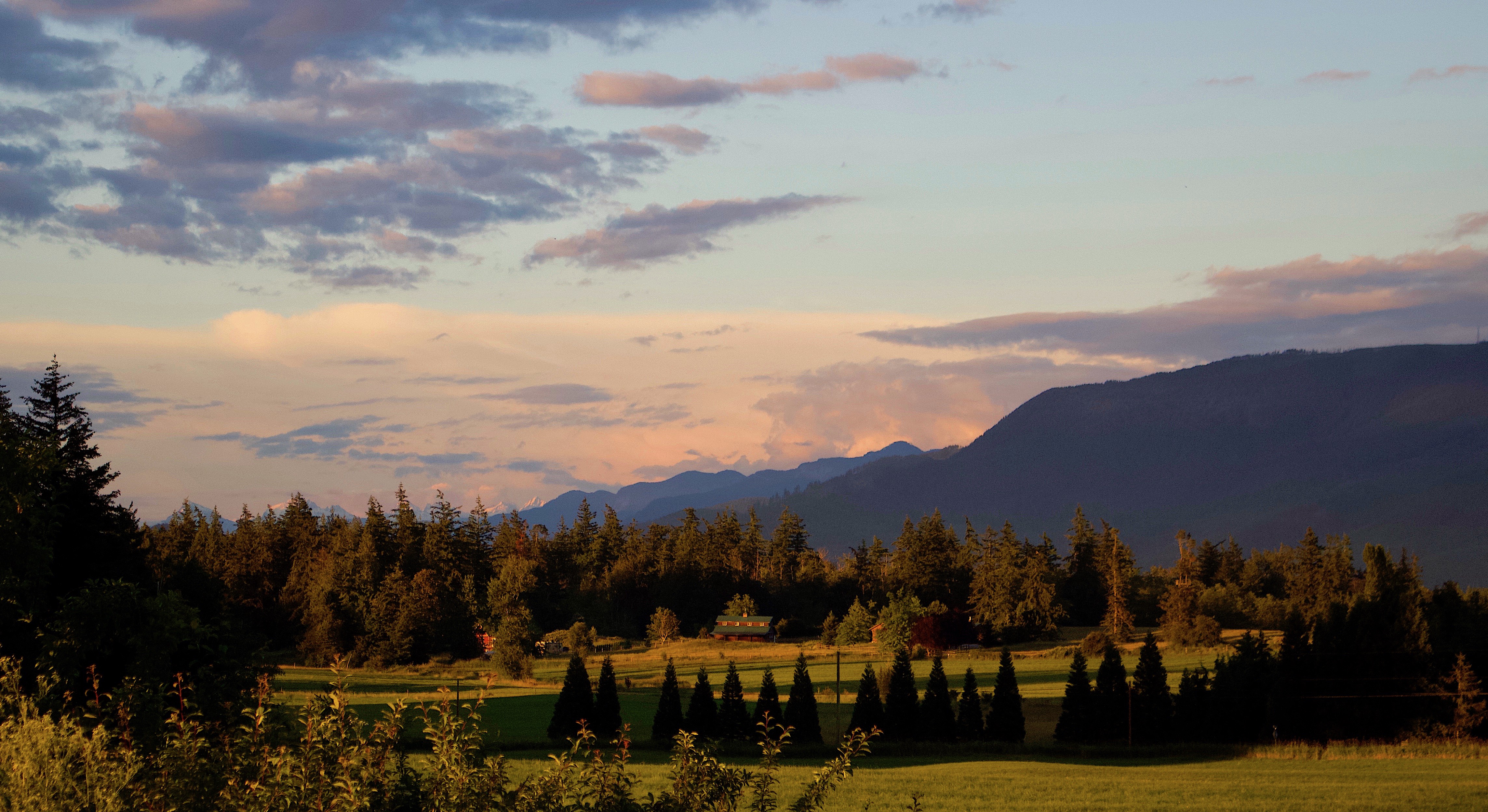
Returning Home

A man travels the world over in search of what he needs and returns home to find it.
~George Moore

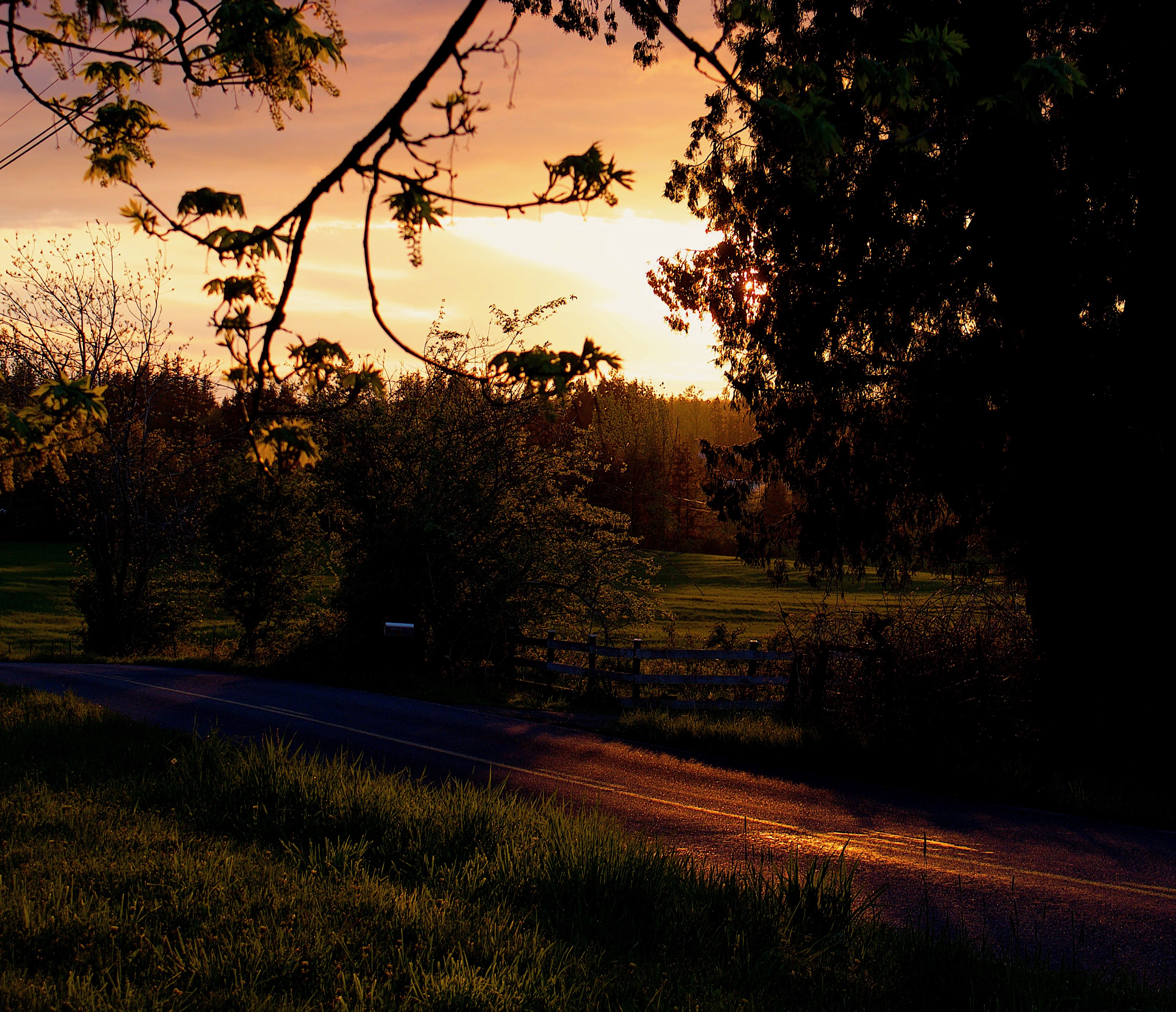
I remember well the feeling of restlessness, having an itch that couldn’t be reached, feeling too rooted and uneasy staying in one place for long, especially if that place was my hometown.  I knew I must be destined for greater things, grander plans and extraordinary destinations.  There exists in most human beings an inborn compulsion to wander far beyond one’s own threshold, venturing out into unfamiliar and sometimes hostile surroundings simply because one can.   It is the prerogative of the young to explore, loosen anchor and pull up stakes and simply go.  Most cannot articulate why but simply feel something akin to a siren call.

And so at twenty I heard and I went, considerably aging my parents in the process and not much caring that I did.  To their credit, they never told me no, never questioned my judgment, and never inflicted guilt when I returned home after the adventure went sour.

I had gone on a personal quest to the other side of the world and had come home empty.  But home itself was not empty nor had it ever been and has not been since.

There is a Dorothy-esque feeling in returning home from a land of wonders and horrors, to realize there is no place like home.    There was no way to know until I went away,  searching, then coming home empty-handed, to understand home was right inside my heart the whole time.  There was no leaving after all, not really.

So I’m here to stay–there is no greater, grander or more extraordinary than right here.  Even now when I board a plane for a far off place, I know I’ll be back as this is where the search ends and the lost found.

At almost 65, my head now rests easy on the pillow.

I tell you this
to break your heart,
by which I mean only
that it break open and never close again
to the rest of the world.
— Mary Oliver from “Lead”
from New and Selected Poems

For Every Hurt

oakleafhydrangeabug
 
 
Gardens are also good places
to sulk. You pass beds of
spiky voodoo lilies   
and trip over the roots   
of a sweet gum tree,   
in search of medieval   
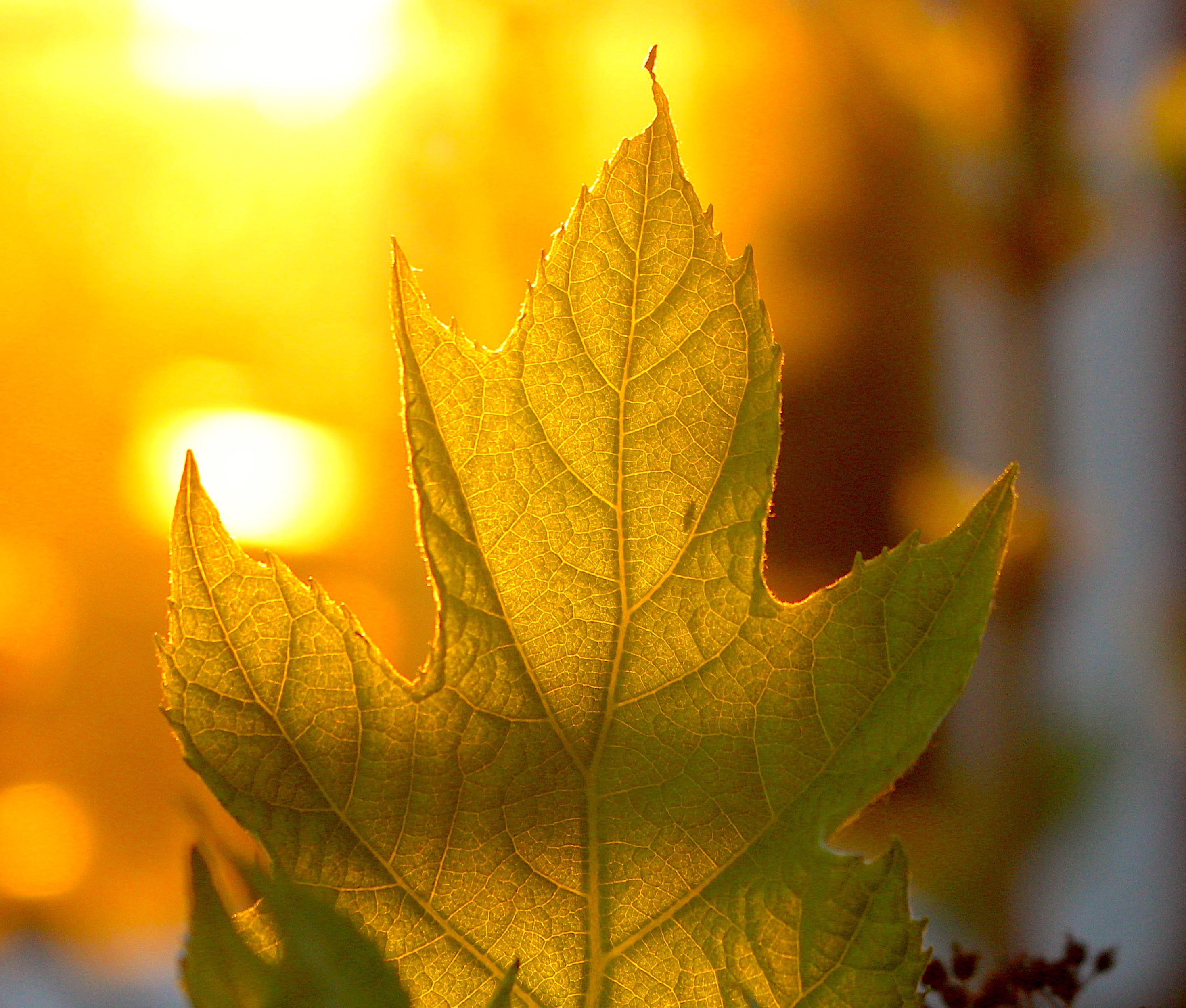
plants whose leaves,   
when they drop off   
turn into birds
if they fall on land,
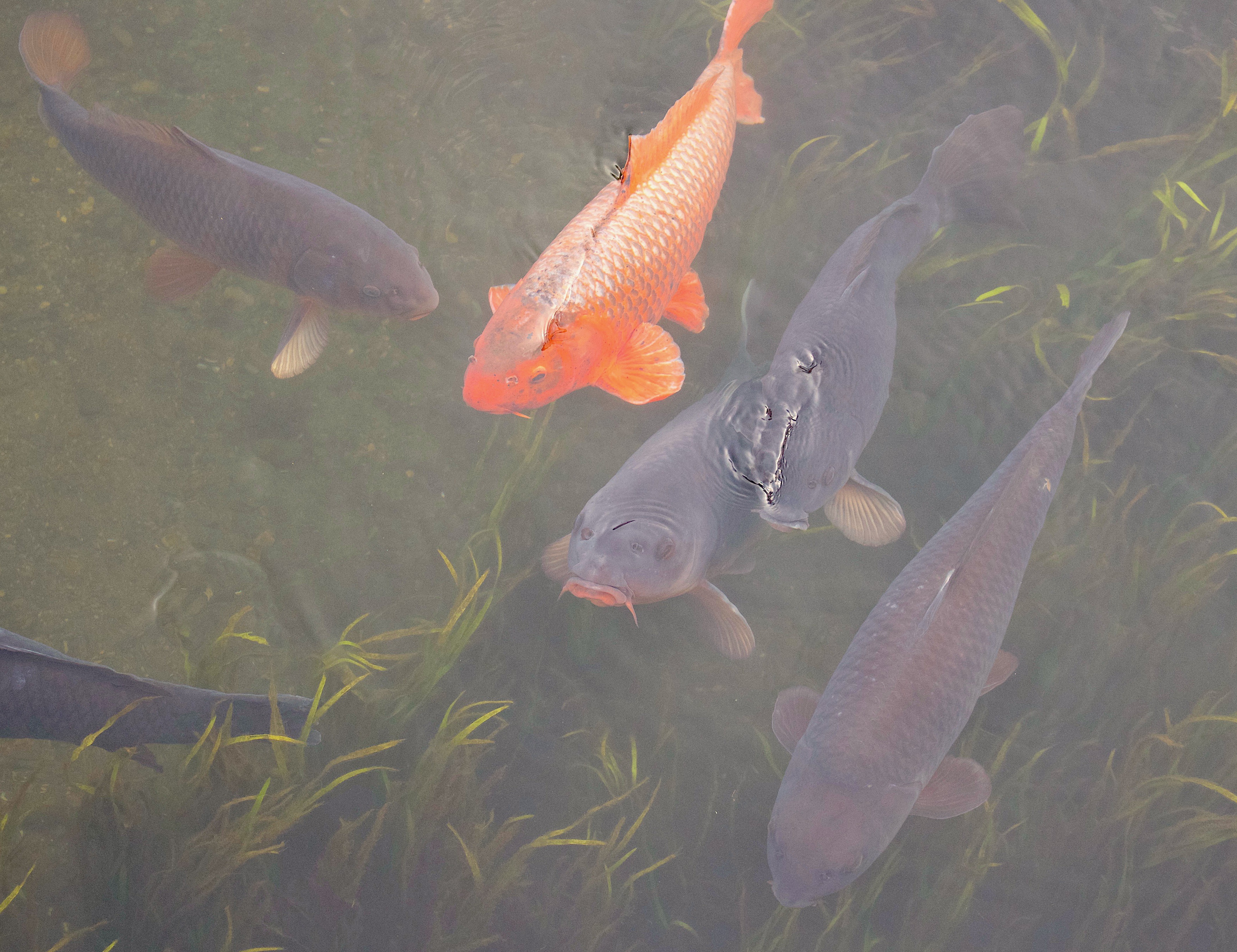
and colored carp if they   
plop into water.
 
Suddenly the archetypal   
human desire for peace   
with every other species   
wells up in you. The lion
and the lamb cuddling up. 
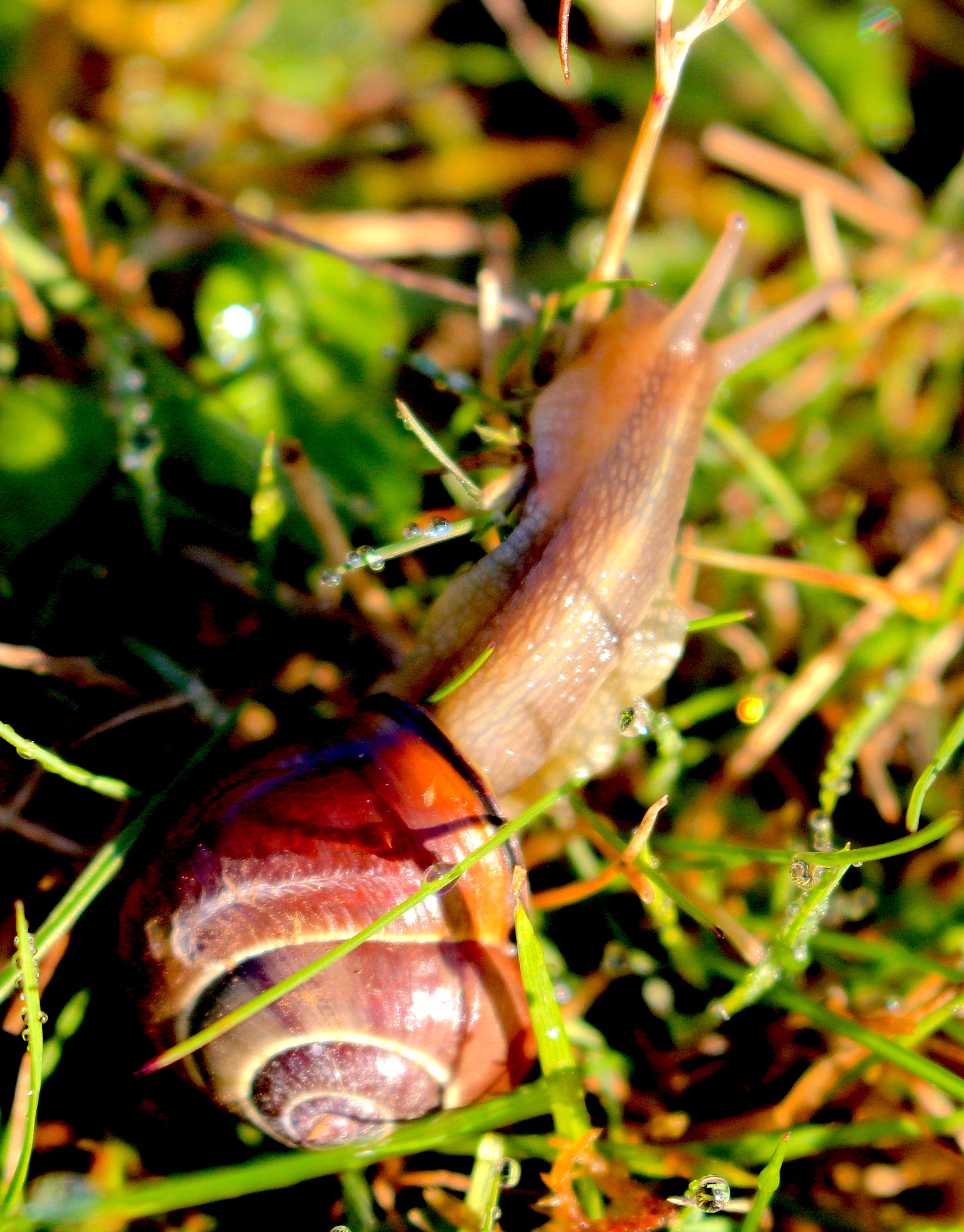
The snake and the snail, kissing.
Even the prick of the thistle,   
queen of the weeds, revives   
your secret belief
in perpetual spring,
your faith that for every hurt   
there is a leaf to cure it.
~Amy Gerstler  from “In Perpetual Spring

Try as we might to find common ground with those so unlike ourselves, it is the differences we focus on despite our efforts to understand and befriend. Whether it is cranky politicians sparring in the headlines, or the perpetual struggle between weak and strong, we miss seeing Creation’s intended balance all around us.

We can dwell compatibly, lion and lamb, without one becoming a meal for the other. Indeed, prey transforms the predator.

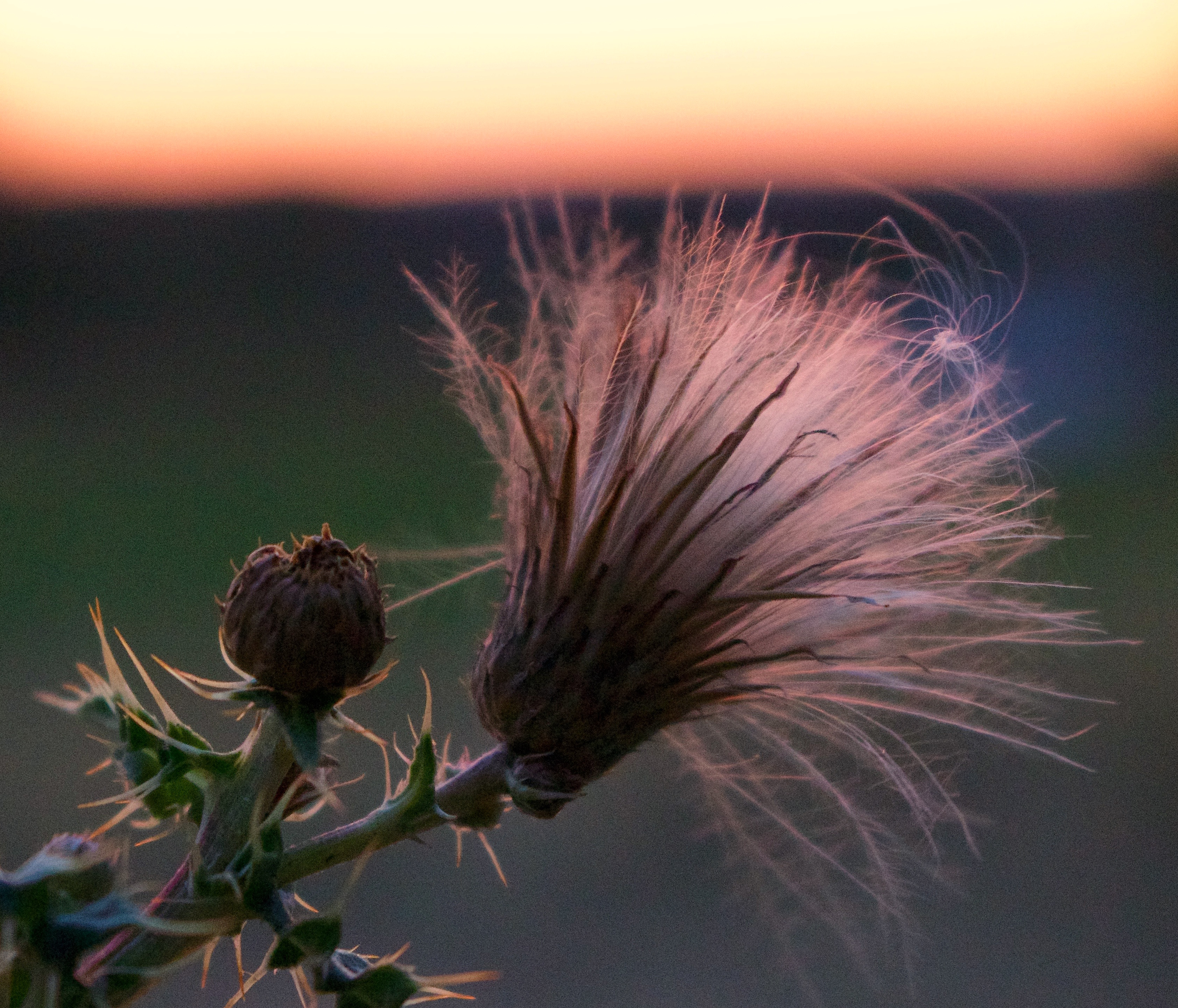
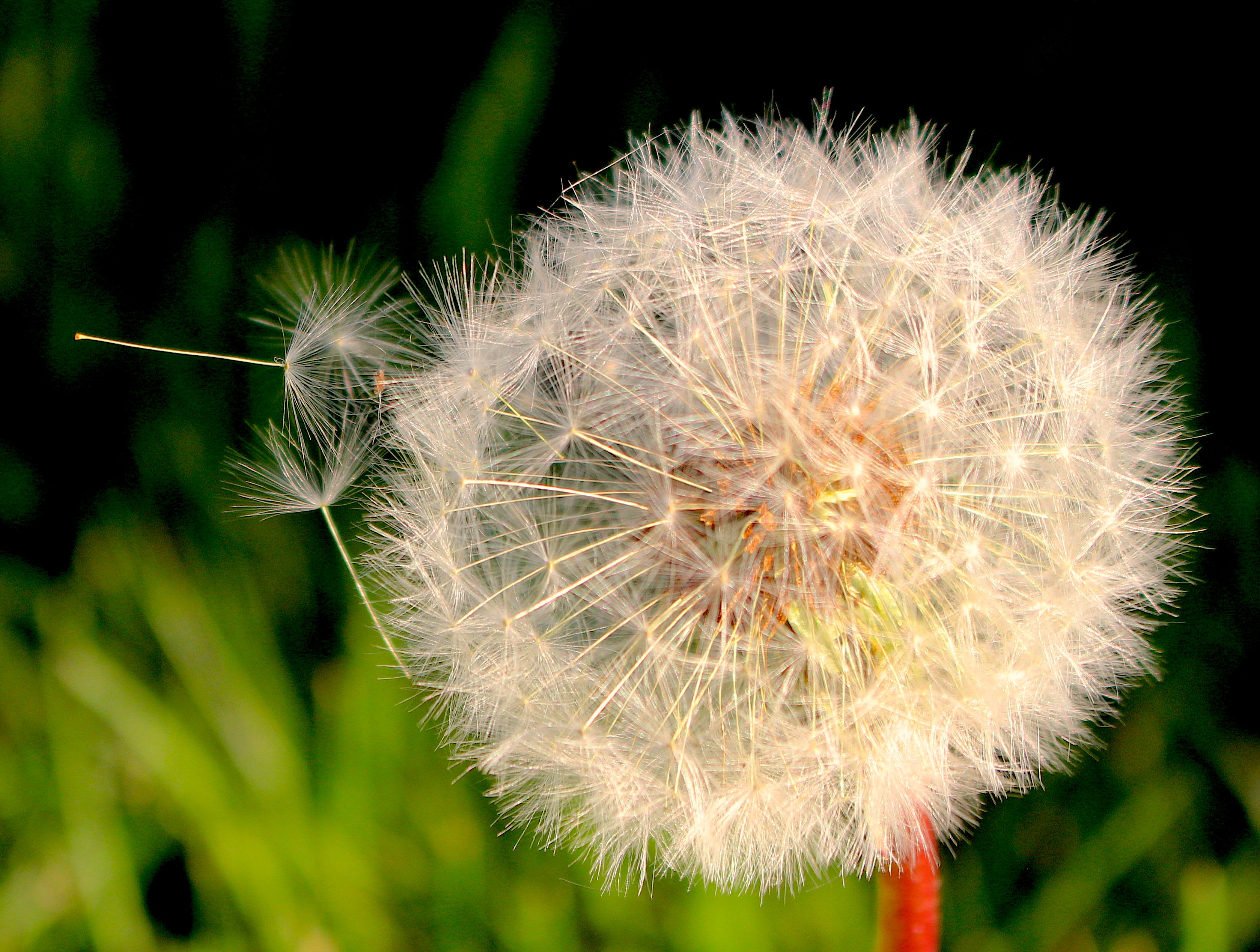
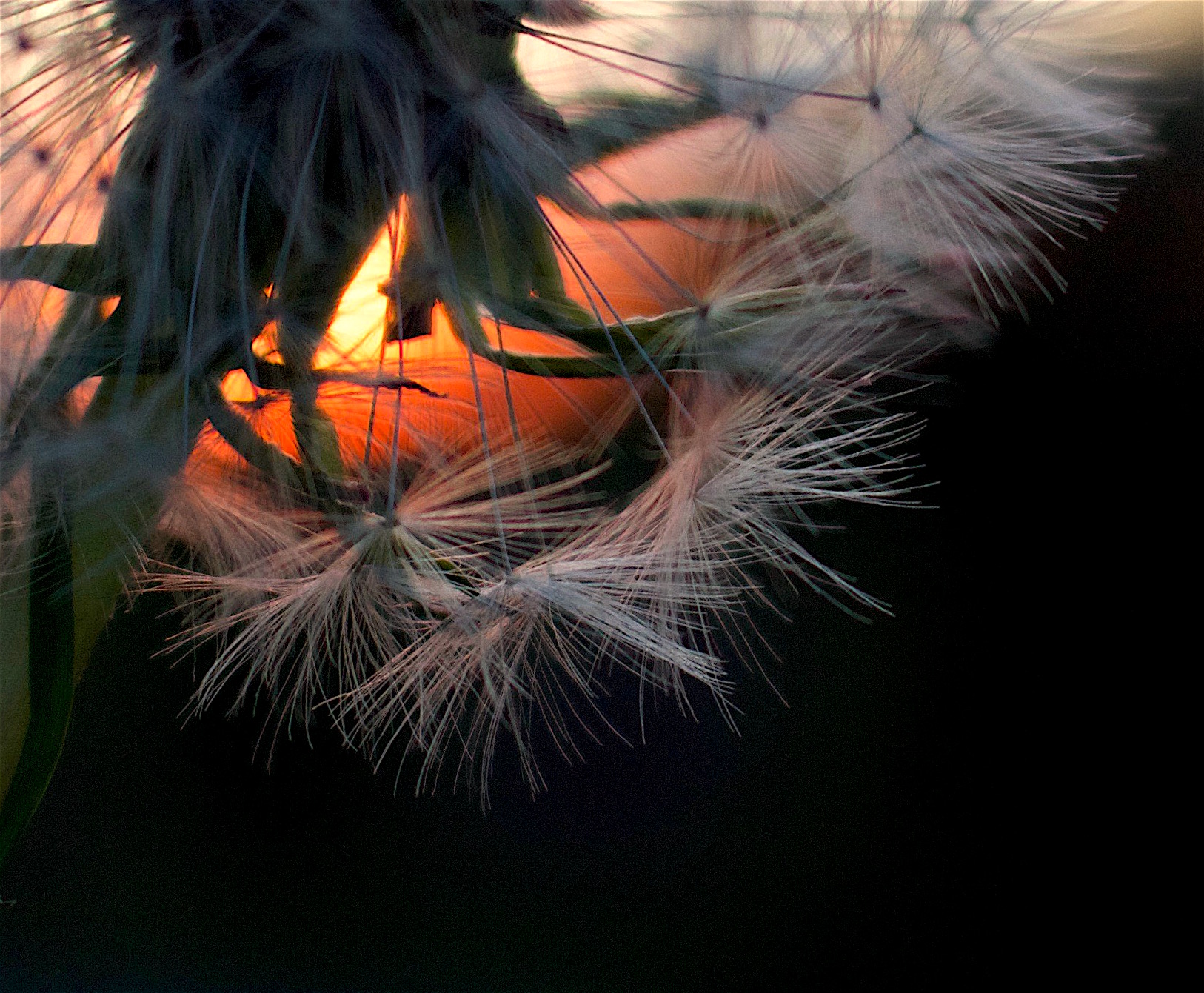
Even the barbed and bloody thistle releases its seeds in the cushion of thistledown, drifting gently where the wind will take it next, at once forgiven for the scars it inflicted.

May I strive to be comforting rather than prickly, healing rather than inflicting, wherever I may land.

In Great Deeds, Something Abides

In great deeds, something abides. 
On great fields, something stays. 
Forms change and pass; bodies disappear; 
but spirits linger, to consecrate ground for the vision-place of souls. 
And reverent men and women from afar, 
and generations that know us not and that we know not of, 
heart-drawn to see where and by whom
great things were suffered and done for them, 
shall come to this deathless field, 
to ponder and dream; 

and lo! the shadow of a mighty presence shall wrap them in its bosom, 
and the power of the vision pass into their souls.
 
This is the great reward of service. 
To live, far out and on, in the life of others;
this is the mystery of the Christ,

–to give life’s best for such high sake
that it shall be found again unto life eternal.

~Major-General Joshua Chamberlain at Gettysburg, Pennsylvania 1889

Riley Howell and Kendrick Castillo were just regular high school students only a week ago – preparing for the end of the school year and for their long lives ahead of them.

Now their families and friends grieve their loss in the wake of more school shootings.

These two young men are now wrapped in the bosom of God forever; they gave their all and gave their best < themselves > to protect others when it was the right and brave thing to do. We can only stand in awe and reverence, heart-drawn at this act, in gratitude for their sacrifice.

Courage is not acting fearlessly. It is acting in spite of fear, knowing it may cost you everything.

May there never be another reason for someone to have to throw themselves at a shooter to stop the bullets. May evil intentions be crushed before they can ever be realized. May the selfless acts of brave souls abide in our hearts so we too will do the right thing to make sure this never happens again.

Composting

Nature teaches nothing is lost.
It’s transmuted.

Spread between rows of beans,
last year’s rusty leaves tamp down weeds.
Coffee grounds and banana peels
foster rose blooms. Bread crumbs
scattered for birds become song.
Leftovers offered to chickens come back
as eggs, yolks sunrise orange.
Broccoli stems and bruised apples
fed to cows return as milk steaming in the pail,
as patties steaming in the pasture.

Surely our shame and sorrow
also return,
composted by years
into something generative as wisdom.

~Laura Grace Weldon, “Compost Happens” from Blackbird
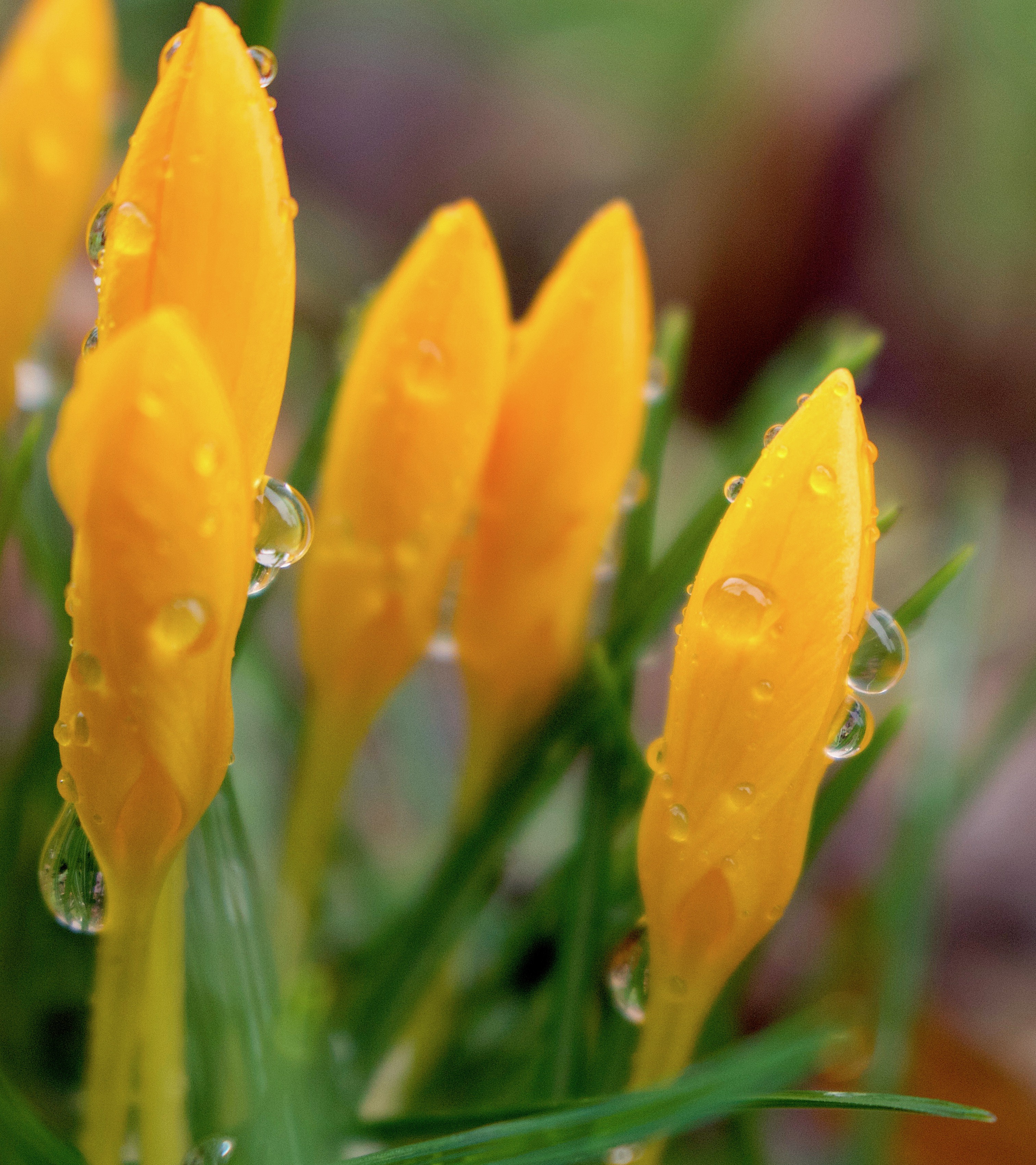
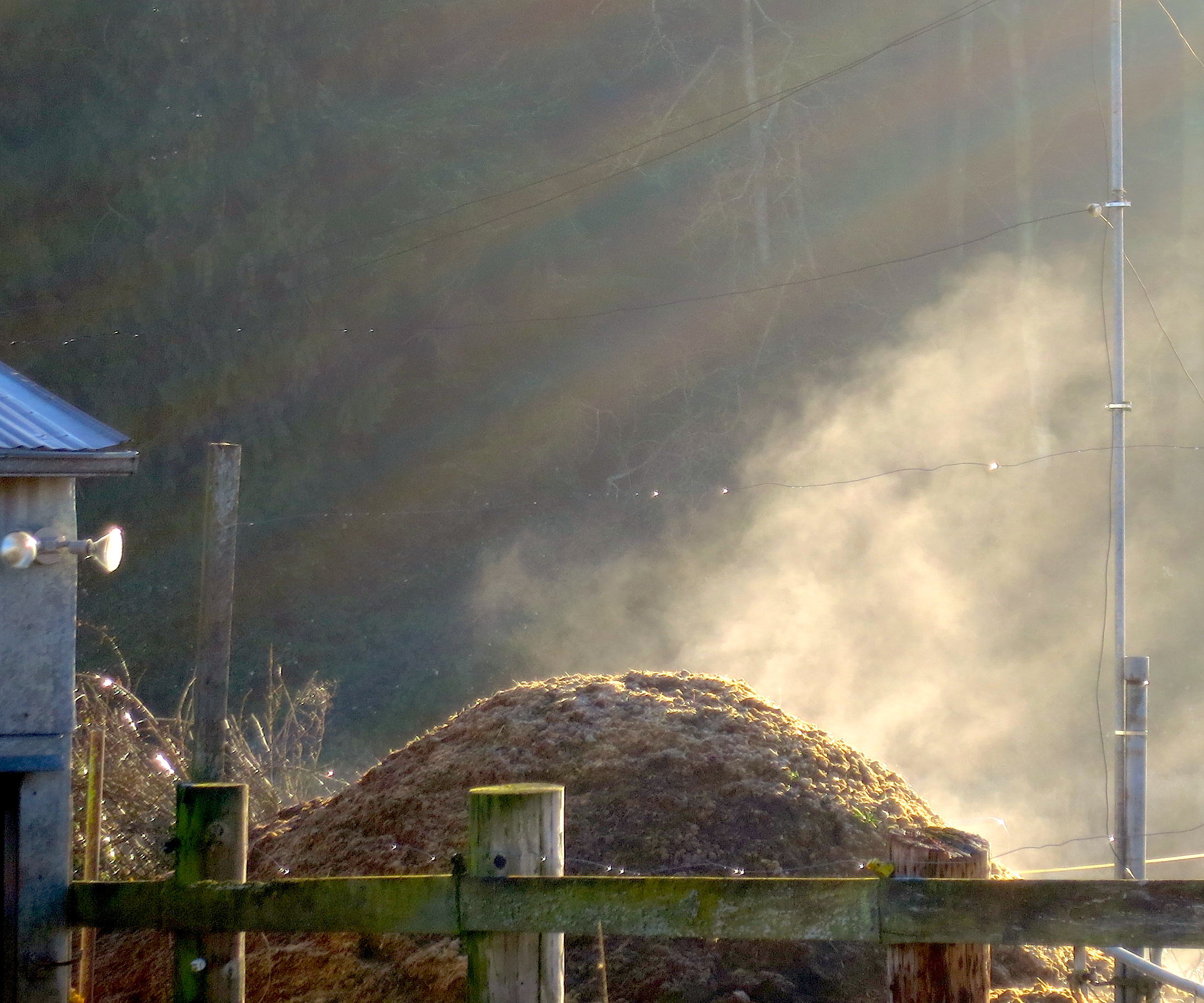
As a farmer, I spend over an hour a day cleaning my barn, and wheel heavy loads of organic material to a large pile in our barnyard which composts year round.  Piling up all that messy stuff that is no longer needed is crucial to the process: it heats up quickly to the point of steaming, and within months, it becomes rich fertilizer, ready to help the fields to grow grass, or the garden to produce vegetables, or the fragrant blooms in the flower beds.  It becomes something far greater and more productive than what it was to begin with. 

That’s what my past clinical work in detox and treatment of addictions was like.

As a physician, I helped patients “clean up” the parts of their lives they can’t manage any longer, that are causing problems with their health, their families and jobs, and most of all, their relationship with their Creator.  There isn’t a soul walking this earth who doesn’t struggle in some way with things that take over our lives, whether it is work,  computer use, food, gambling, you name it.  For the chemically dependent, it comes in the form of smoke, a powder, a bottle, a syringe or a pill.  There is nothing that has proven more effective than “piling up together” learning what it takes to walk the road to health and healing, “heating up”, so to speak, in an organic process of transformation that is, for lack of any better description, primarily a spiritual treatment process. 
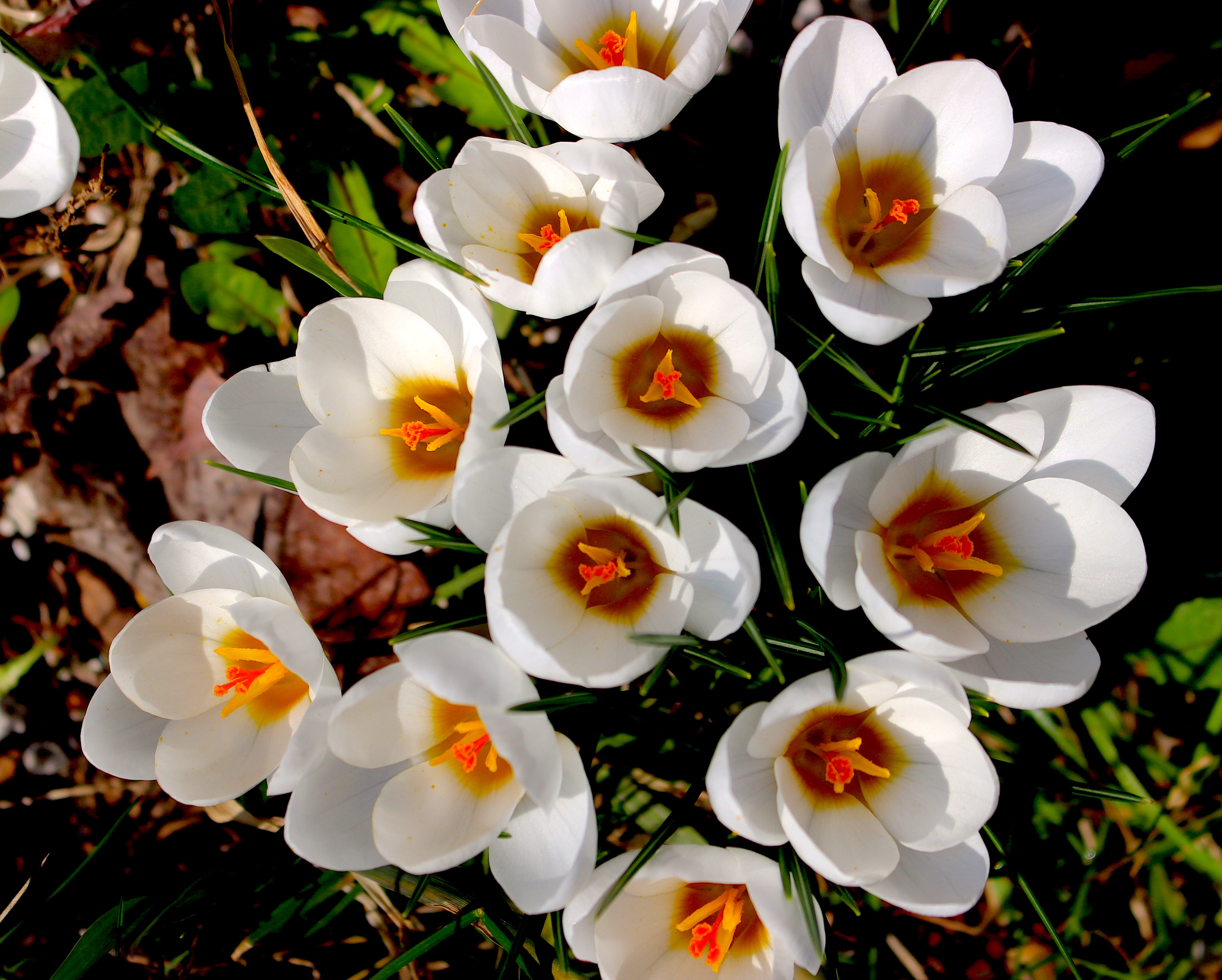
When a support group becomes a crucible for the “refiner’s fire”,  it does its best work melting people down to rid the impurities before they can be built back up again, stronger than ever.  They become compost, productive, with the wisdom and readiness to grow others.

This work with a spectrum of individuals of all races, professional and blue collar, rich and homeless,  coming from all over the state for help,  was transforming for me.  I worked with incredibly gifted nursing and counseling staff, some recovering themselves, who dedicated their careers to this work.

As Jesus says in Matthew 25: 40–‘I tell you the truth, whatever you did for one of the least of these brothers of mine, you did for me.’

Nature teaches that nothing is lost.

God teaches we seek out the lost until they are found and then and only then, the work of transformation begins.

Holding Wonder Like a Cup

Life has loveliness to sell,
All beautiful and splendid things,
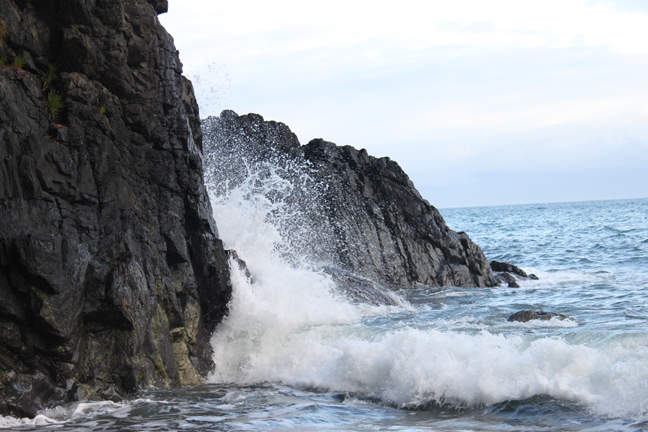
Blue waves whitened on a cliff,
Soaring fire that sways and sings,
And children’s faces looking up
Holding wonder like a cup.

Life has loveliness to sell,
Music like a curve of gold,
Scent of pine trees in the rain,
Eyes that love you, arms that hold,
And for your spirit’s still delight,
Holy thoughts that star the night.

Spend all you have for loveliness,
Buy it and never count the cost;
For one white singing hour of peace
Count many a year of strife well lost,
And for a breath of ecstasy
Give all you have been, or could be.
~Sara Teasdale “Barter”

photo by Nate Gibson

Some days I wish to keep hold forever:
when the light is just right in the trees,
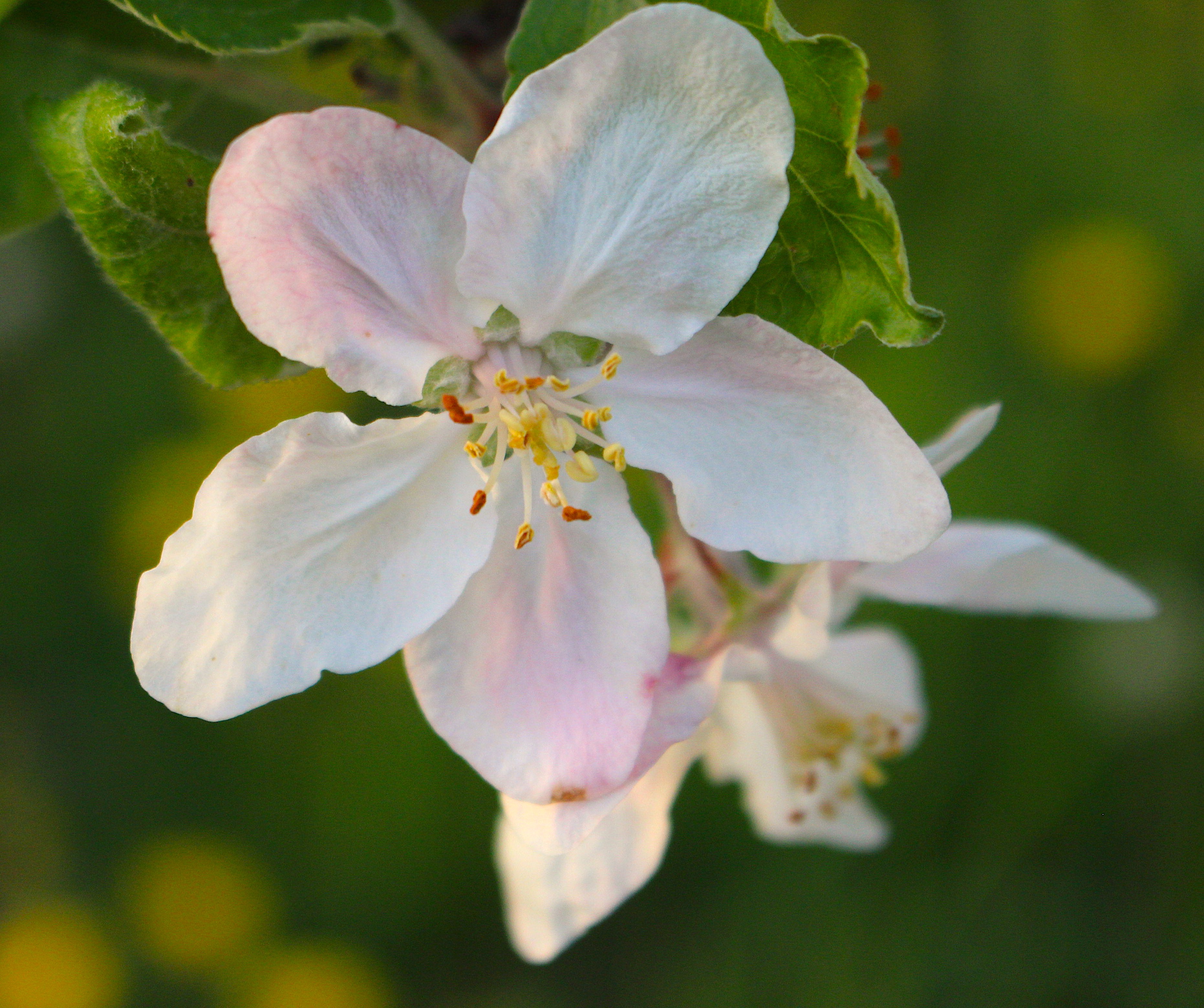
the breezes fill with blossom fragrance,
the congregation sings with joy as I play accompaniment,
a smiling child climbs up on my lap just because,
a meal is enjoyed by all who join together.

I know I barter for these moments
by giving up some piece of me,
knowing the sowing of self
will reap the rich harvest of an overflowing heart.

A Bright Sadness: Take Your Shoes Off

Earth’s crammed with heaven,
And every common bush afire with God:
But only he who sees takes off his shoes.
~Elizabeth Barrett Browning

Over the next eight days, the body of Christian believers will be traversing once again the holy ground of Jesus’ passion, death and resurrection.

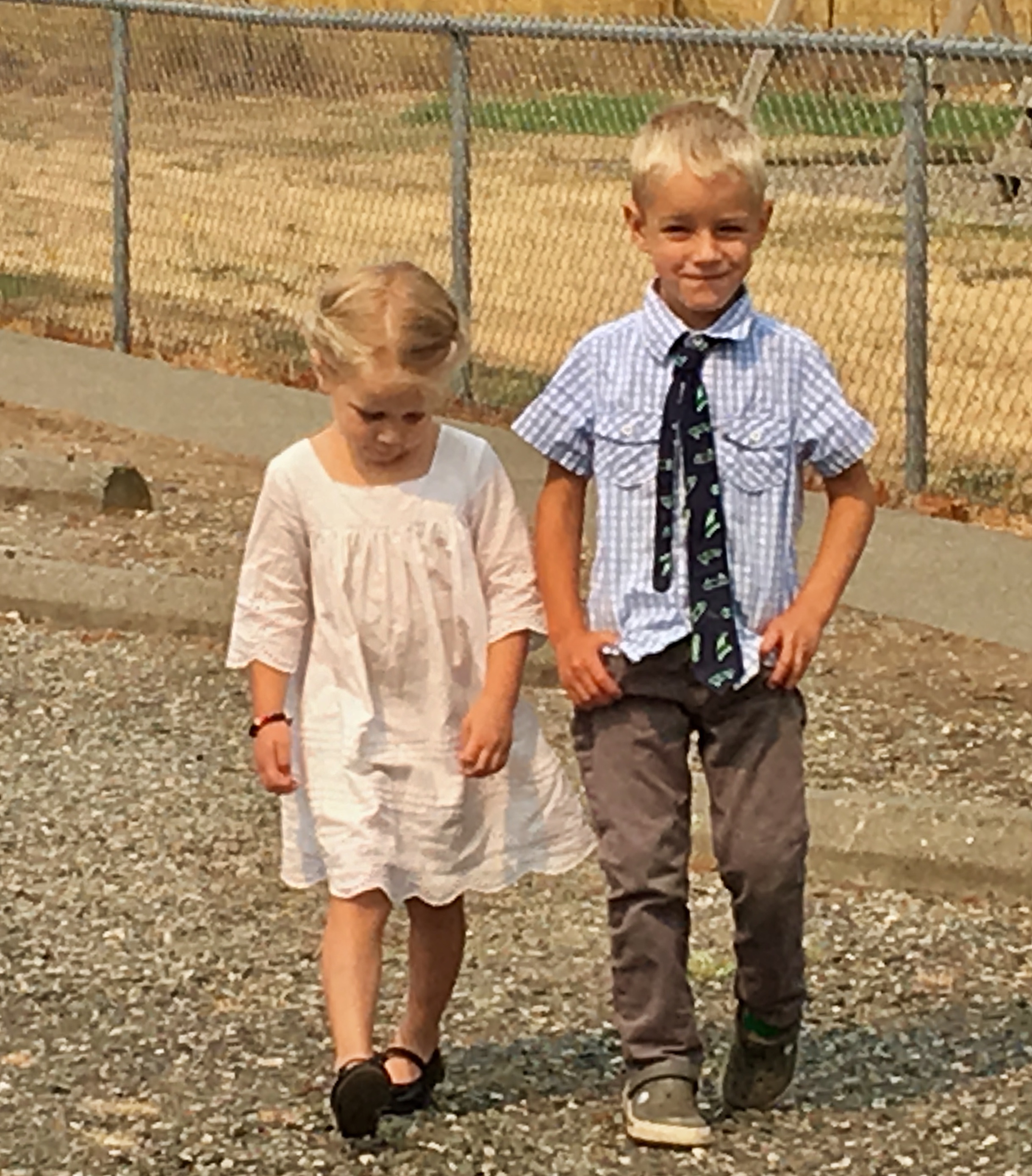
Indeed, our children, happy to be barefoot most of the time, are more apt than the grown ups to follow the instruction of the Lord when He told Moses:

Remove your sandals from your feet, for the place on which you are standing is holy ground.

There have long been cultures where shoes are to be removed before touching the surface of the floor inside a residence or temple in an intentional act of leaving the dirt of the world at the door to preserve the sanctity and cleanliness of the inner life.

Yet we as Christians wear shoes into church every Sunday, having walked in muck and mire of one sort or another all week. We try our best to clean up for Sunday, but we track in the detritus of our lives when we come to sit in the pews. Rather than leave it at the door, it comes right in with us, not exactly hidden and sometimes downright stinky. That is when we are in obvious need for a good washing, shoes, feet, soul and all, and that is exactly why we  need to worship together as a church family in need of cleansing, whether indoors or outdoors.

Jesus Himself demonstrated our need for a wash-up on the last night of His life, soaking the dusty feet of His disciples.

And then there is what God said. He asked that holy ground be respected by the removal of our sandals. We must remove any barrier that prevents us from entering fully into His presence, whether it be our attitude, our stubbornness, our unbelief, or our constant centering on self rather than other.

No separation, even a thin layer of leather, is desirable when encountering God.

We trample roughshod over holy ground all the time, blind to where our feet land and the impact they leave behind. Perhaps by shedding the covering of our eyes, our minds, and our feet, we would see earth crammed with heaven and God on fire everywhere, in every common bush and in every common heart.

So we may see.
So we may listen.
So we may feast together.
So we may weep at what we have done, yet stand forgiven.
So we may celebrate as our Risen Lord startles us by calling our name.
So we remove our sandals so our bare feet may touch His holy ground.

A Bright Sadness: Imperfect Stewardship

We live in an imperfect world, with imperfect characters to match. Our imperfections should not keep us from dreaming of better things, or even from trying, within our limits, to be better stewards of the soil, and more ardent strivers after beauty and a responsible serenity.
~Jane Kenyon from “In the Garden of My Dreams”

And this is my prayer: that your love may abound more and more in knowledge and depth of insight,  so that you may be able to discern what is best and may be pure and blameless for the day of Christ,  filled with the fruit of righteousness that comes through Jesus Christ—to the glory and praise of God.
Philippians 1: 9-11

O Holy Father,
I will be a child of peace and purity
For well I know
Thy Hand will bless 
the seeker after righteousness
~Shaker Hymn

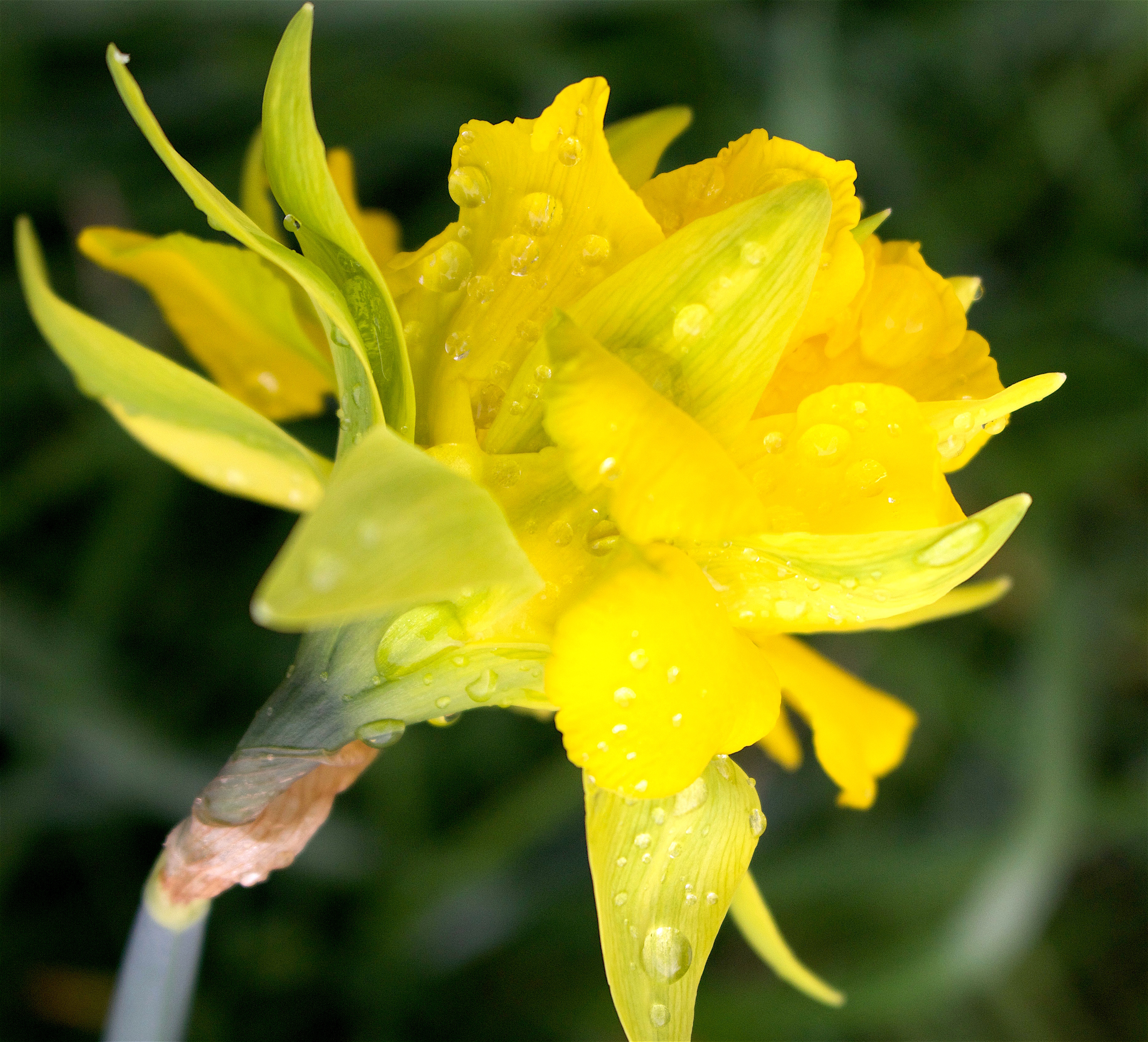
The beauty of peace and purity is right outside my back door, in a misty dawn moment of drizzle-sprinkled flowers.  They heal me after an imperfect yesterday and an imperfect night’s sleep and prepare me for another imperfect day today.

Today I will strive to be a steward for a garden of righteousness and serenity, aiding their growth and helping them flourish despite my flaws and failings.

I can never do it perfectly but am not giving up, as His hand blesses my seeking and my efforts.

The Ministry of Presence


More and more, the desire grows in me simply to walk around, greet people, enter their homes, sit on their doorsteps, play ball, throw water, and be known as someone who wants to live with them.

It is a privilege to have the time to practice this simple ministry of presence. Still, it is not as simple as it seems.

My own desire to be useful, to do something significant, or to be part of some impressive project is so strong that soon my time is taken up by meetings, conferences, study groups, and workshops that prevent me from walking the streets. It is difficult not to have plans, not to organize people around an urgent cause, and not to feel that you are working directly for social progress.

But I wonder more and more if the first thing shouldn’t be to know people by name, to eat and drink with them, to listen to their stories and tell your own, and to let them know with words, handshakes, and hugs that you do not simply like them, but truly love them.

~Henri Nouwen from The Practice of the Presence of God

I do find myself too wrapped up in the trappings of the “useful” life – meetings, committees, schedules, strategic priorities – and forget there is so much living usefully that I neglect to do.

There needs to be more potlucks, more “oh, by the way” conversations, more connections “just because”, more loving people as I hope to be loved.

Wish I could invite you all over for breakfast. We’d have a wonderful chin wag.

Something Way Down Deep

We all know that something is eternal. 
And it ain’t houses and it ain’t names, 
and it ain’t earth, and it ain’t even the stars 
. . . everybody knows in their bones that something is eternal, 
and that something has to do with human beings. 
All the greatest people ever lived have been telling us that 
for five thousand years and yet you’d be surprised 
how people are always losing hold of it. 
There’s something way down deep 
that’s eternal about every human being.
~Thornton Wilder, from “Our Town”

Write as if you were dying.
At the same time, assume you write for an audience consisting solely of terminal patients.
That is, after all, the case.
~Annie Dillard from “Write Till You Drop”

I began to write regularly after September 11, 2001 because more than on any previous day, it became obvious to me I was dying, though more slowly than the thousands who vanished that day in fire and ash, their voices obliterated with their bodies into eternity.  

Nearly each day since, while I still have voice and a new dawn to greet, I speak through my fingers to others dying with and around me.

We are, after all, terminal patients — some of us more prepared than others to move on — as if our readiness had anything to do with the timing.

Each day I get a little closer to the eternal, but I write in order to feel a little more ready.  Each day I want to detach just a little bit, leaving a trace of my voice behind.  Eventually, through unmerited grace, so much of me will be left on the page there won’t be anything or anyone left to do the typing.

There is no time or word to waste.