(Jesus said) I have come to bring fire on the earth, and how I wish it were already kindled! Luke 12:49
Earth’s crammed with heaven, and every common bush afire with God ~Elizabeth Barrett Browning from “Aurora Leigh”
It is difficult to undo our own damage… It is hard to desecrate a grove and change your mind. The very holy mountains are keeping mum. We doused the burning bush and cannot rekindle it; we are lighting matches in vain under every green tree. ~Annie Dillard from Teaching a Stone to Talk
Nine Kinds of Blindness 1. The one where your eyes do not work to see anything. 2. The one where your eyes do not work to see everything. 3. The one where your eyes work, but you cannot see what you have never seen before. 4. The one where your eyes work but you cannot see what is inconvenient. 5. The one where your eyes work but someone is keeping you from using them. 6. The one where your eyes work but you are angry. 7. The one where your eyes work but you are afraid. 8. The one where your eyes work but there is no light. 9. The one where your eyes work but there is nothing but light. ~Paul Pastor “Nine Kinds of Blindness” from Bower Lodge
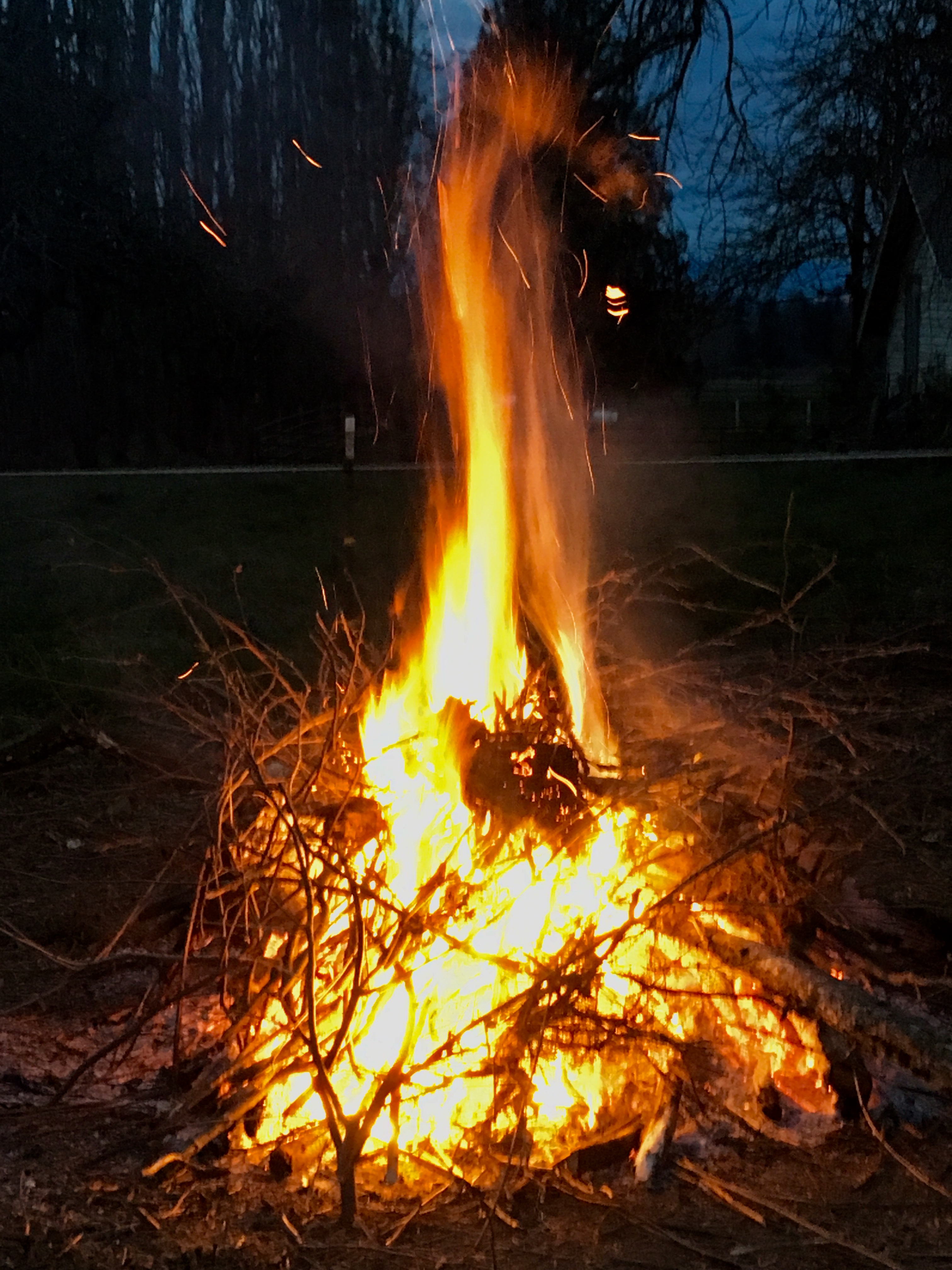
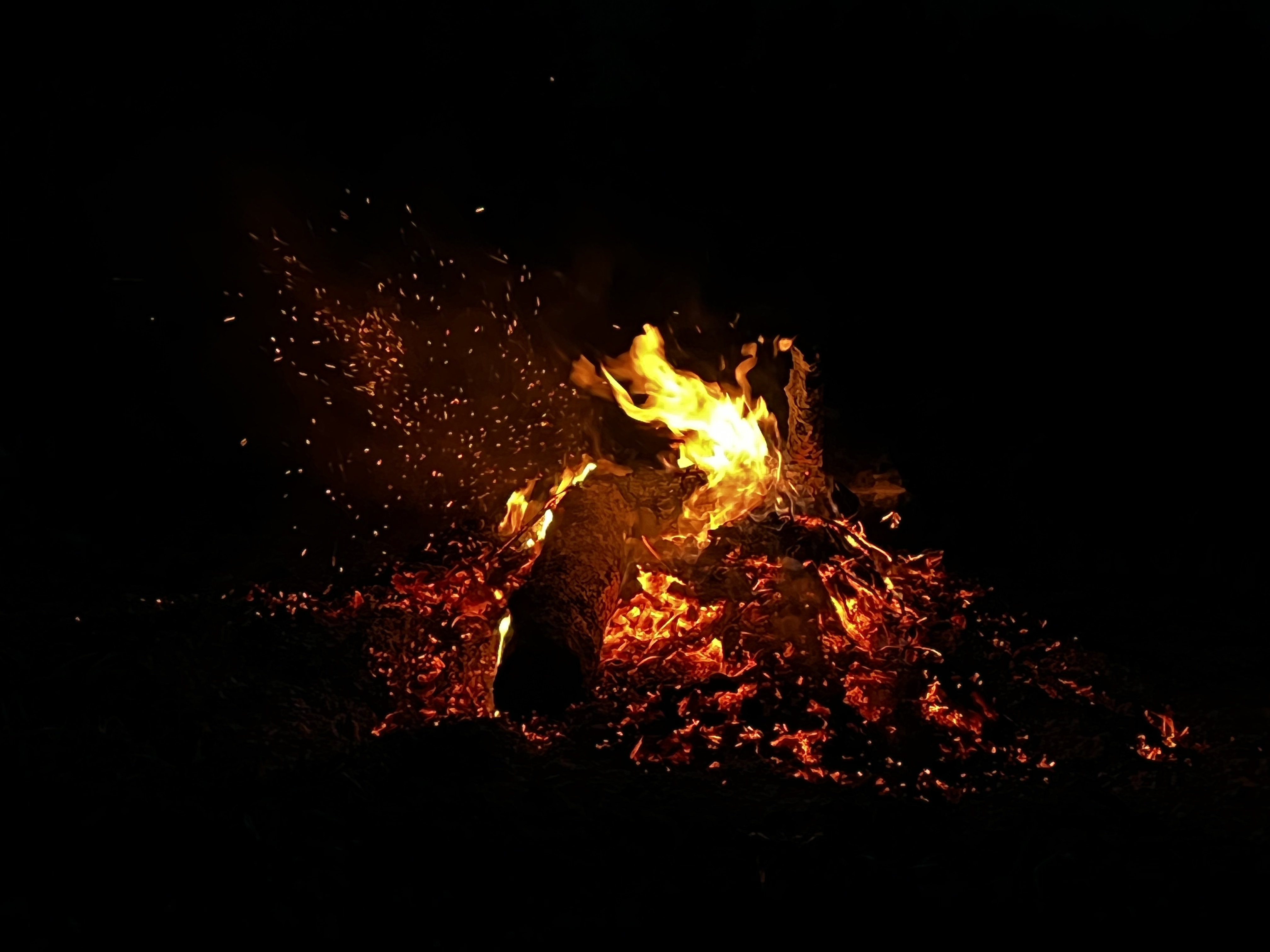
I need to turn aside and look, blinded as I am, to see, as if for the first and last time, the kindled fire that illuminates even the darkest day and never dies away.
We are invited, by no less than God Himself, through the original burning bush that is never consumed to shed our shoes, to walk barefoot and vulnerable, and approach the bright and burning dawn, even when it is the darkest midnight, even when it is a babe in a manger who kindles a fire in each one of us.
Only then, only then can I say: “Here I am! Consume me!”
My 2025 Advent theme: On the threshold between day and night
On that day there will be neither sunlight nor cold, frosty darkness. It will be a unique day—a day known only to the Lord— with no distinction between day and night. When evening comes, there will be light. Zechariah 14:6-7
So once in Israel love came to us incarnate, stood in the doorway between two worlds, and we were all afraid. ~Annie Dillard in Teaching a Stone to Talk
Within our darkest night, you kindle the fire that never dies away, that never dies away. Within our darkest night, you kindle the fire that never dies away, that never dies away. ~Taize
One-Time
Monthly
Yearly
Make a one-time or recurring donation to support daily Barnstorming posts
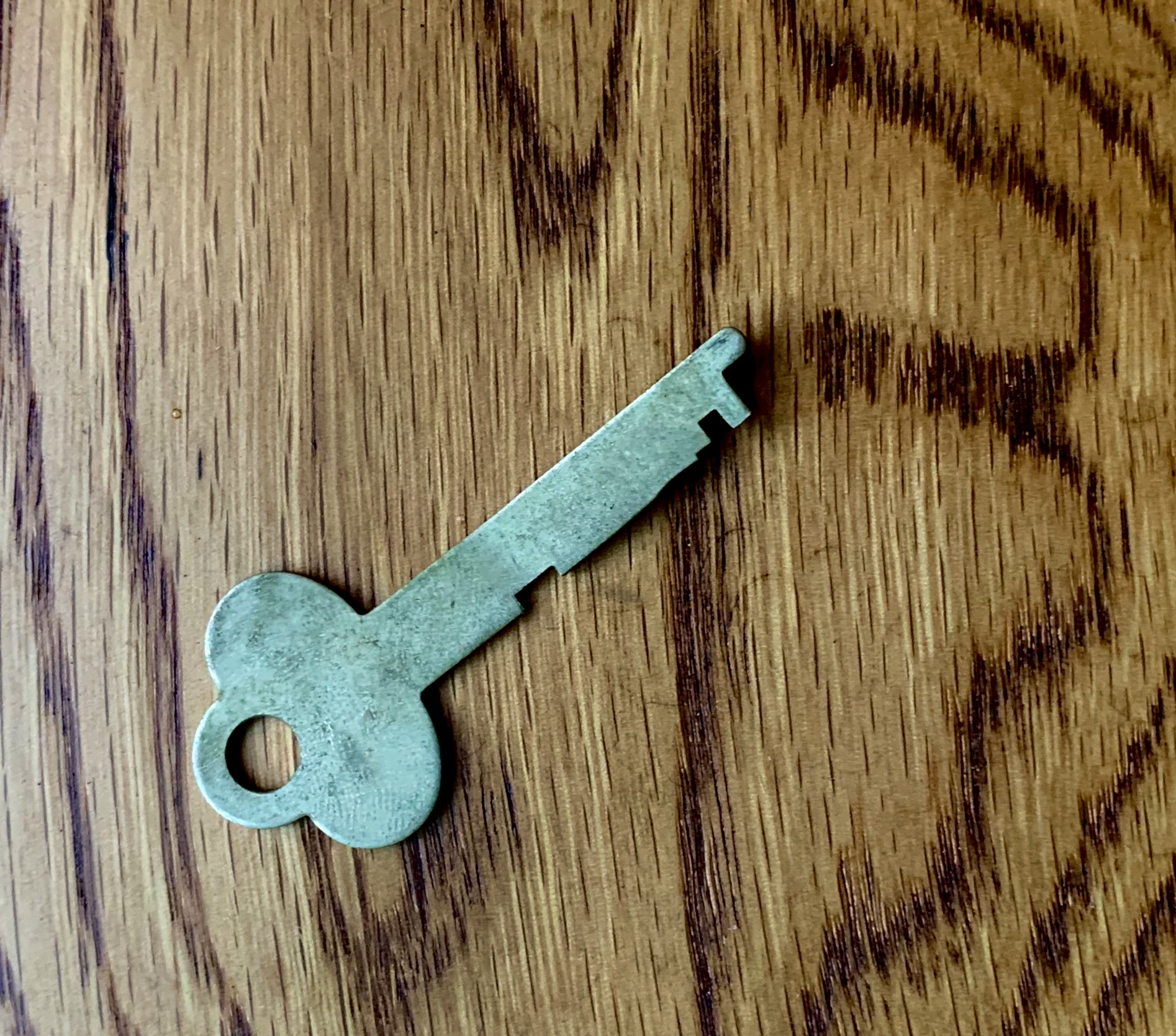
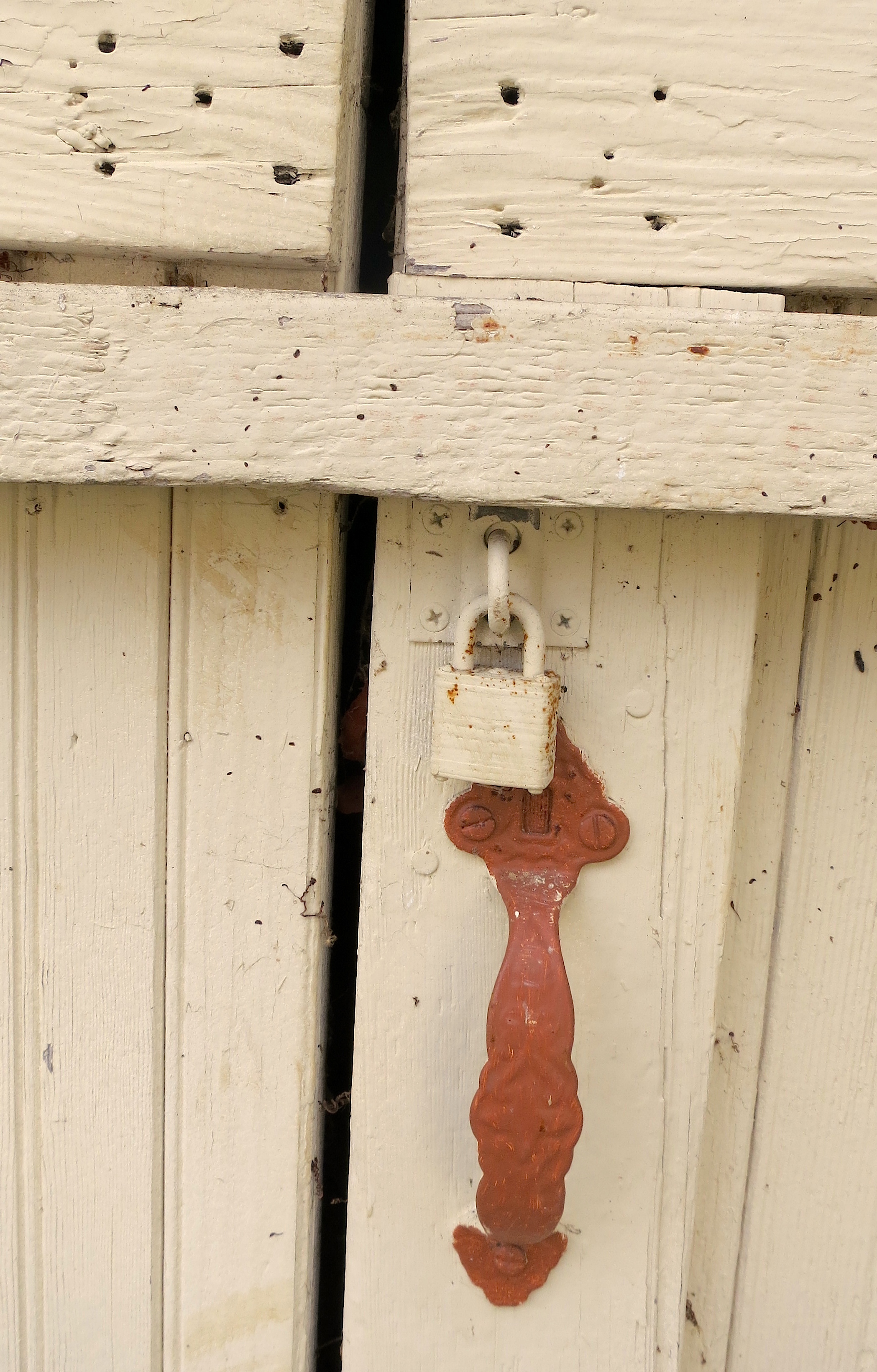
Even in the darkness where I sit And huddle in the midst of misery I can remember freedom, but forget That every lock must answer to a key, That each dark clasp, sharp and intimate, Must find a counter-clasp to meet its guard. Particular, exact and intricate, The clutch and catch that meshes with its ward. I cry out for the key I threw away That turned and over turned with certain touch And with the lovely lifting of a latch Opened my darkness to the light of day. O come again, come quickly, set me free, Cut to the quick to fit, the master key. ~Malcolm Guite “O Clavis” from Sounding the Seasons
And I will place on his shoulder the key of the house of David. He shall open, and none shall shut; and he shall shut, and none shall open… to open the eyes that are blind, to bring out the prisoners from the dungeon, from the prison those who sit in darkness. Isaiah 22:22 and 42:7
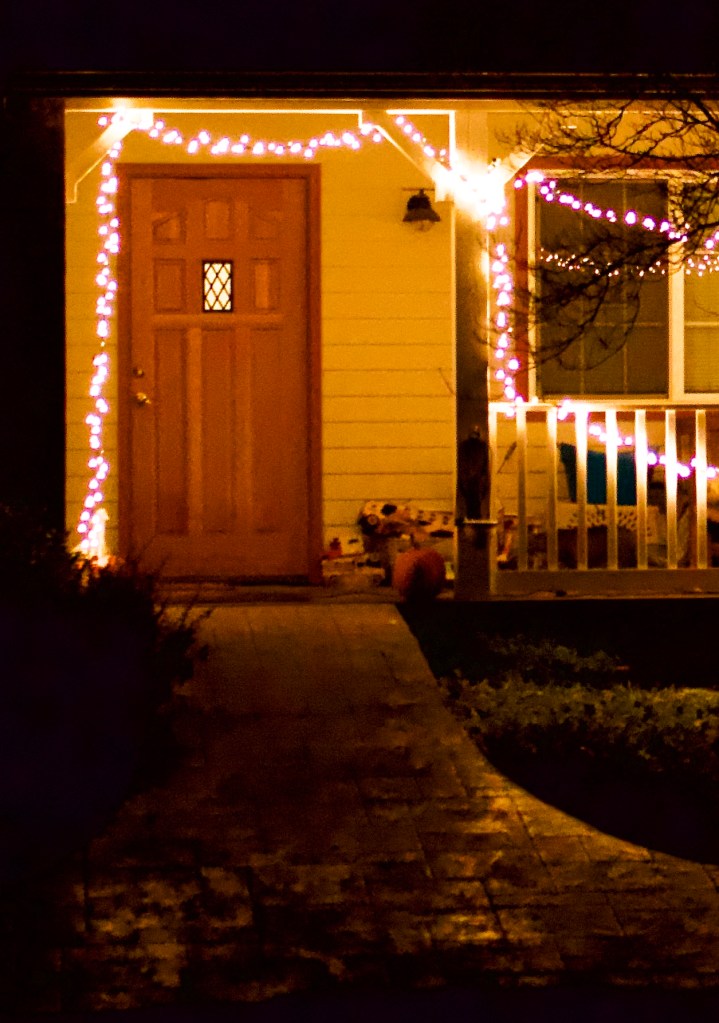
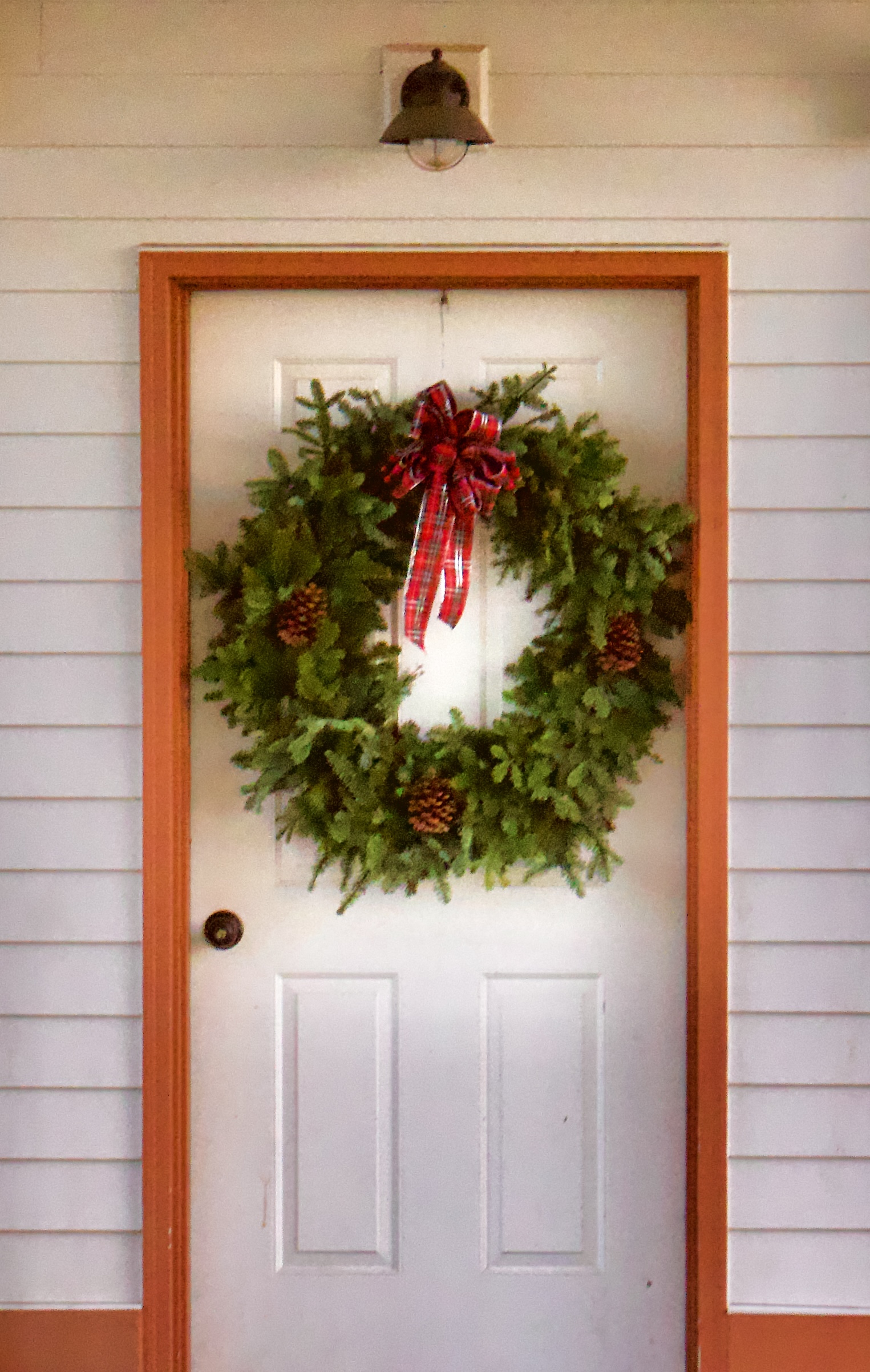
Some doors in our lives appear forever closed and locked. No key, no admittance, no way in, no way out. A locked door leaves few choices until the key is offered to us.
We now must make a choice, even if the choice is to do nothing.
Do we drop the key and stay put where things are at least familiar? Do we knock and politely wait for the door to be answered? Do we simply wait for the moment it happens to open, take a peek and decide whether or not to enter? Or do we boldly put the key in and walk through?
Our choice is as plain as the key resting in our trembling hand. Once we approach, drawn to the mystery, we find the door is already standing open with an invitation.
Fear not. For unto us a child is born, a son is given.
He is the threshold between two worlds, between the darkness and the light, a liminal love allowing us to hold the key.
From the fourth stanza of O Come, O Come Emmanuel:
O come, thou Key of David, come and open wide our heav’nly home; make safe the way that leads on high, and close the path to misery.
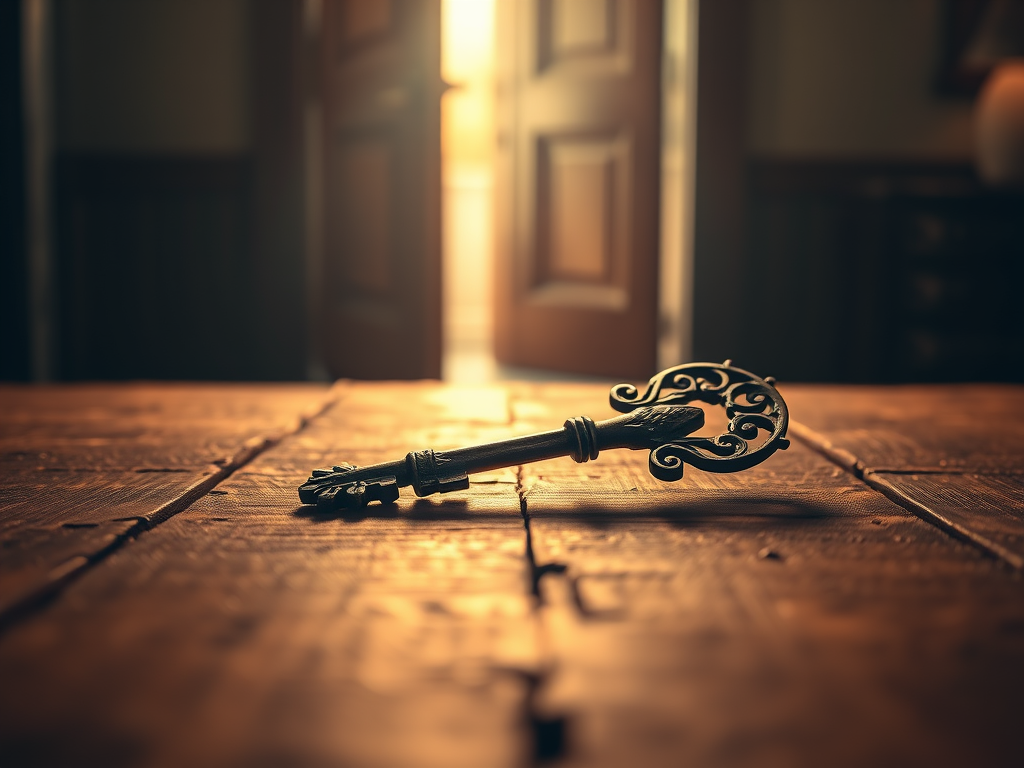
AI image created for this post
My 2025 Advent theme: On the threshold between day and night
On that day there will be neither sunlight nor cold, frosty darkness. It will be a unique day—a day known only to the Lord— with no distinction between day and night. When evening comes, there will be light. Zechariah 14:6-7
So once in Israel love came to us incarnate, stood in the doorway between two worlds, and we were all afraid. ~Annie Dillard in Teaching a Stone to Talk
One-Time
Monthly
Yearly
Make a one-time or recurring donation to support daily Barnstorming posts
Everyone suddenly burst out singing; And I was filled with such delight As prisoned birds must find in freedom, Winging wildly across the white Orchards and dark-green fields; on—on—and out of sight.
Everyone’s voice was suddenly lifted; And beauty came like the setting sun: My heart was shaken with tears; and horror Drifted away. . . O, but Everyone Was a bird; and the song was wordless; the singing will never be done. ~Siegried Sassoon “Everyone Sang”
“Hope” is the thing with feathers – That perches in the soul – And sings the tune without the words – And never stops – at all –
And sweetest – in the Gale – is heard – And sore must be the storm – That could abash the little Bird That kept so many warm –
I’ve heard it in the chillest land – And on the strangest Sea – Yet – never – in Extremity, It asked a crumb – of me. ~Emily Dickinson “Hope is the thing with feathers”
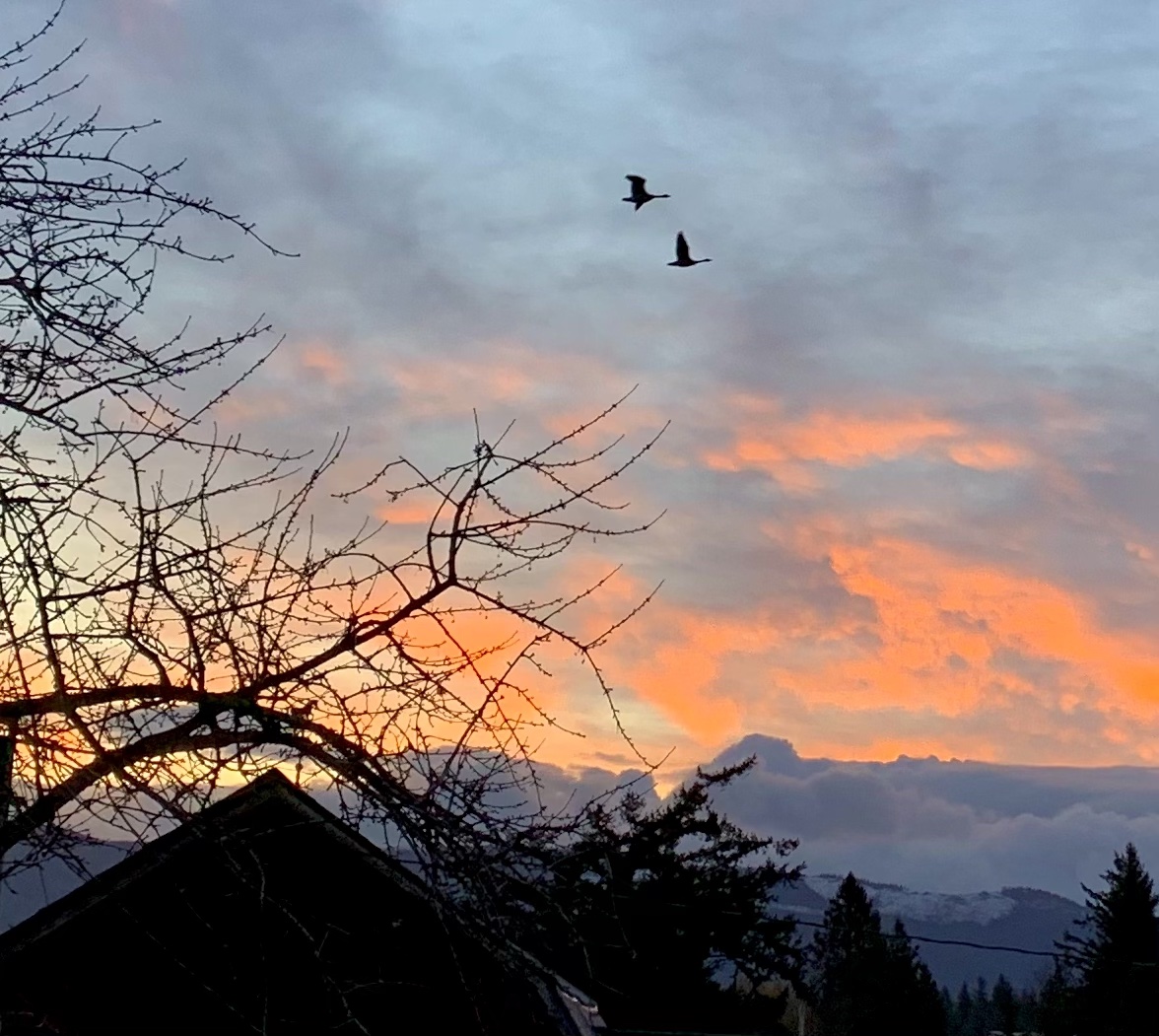
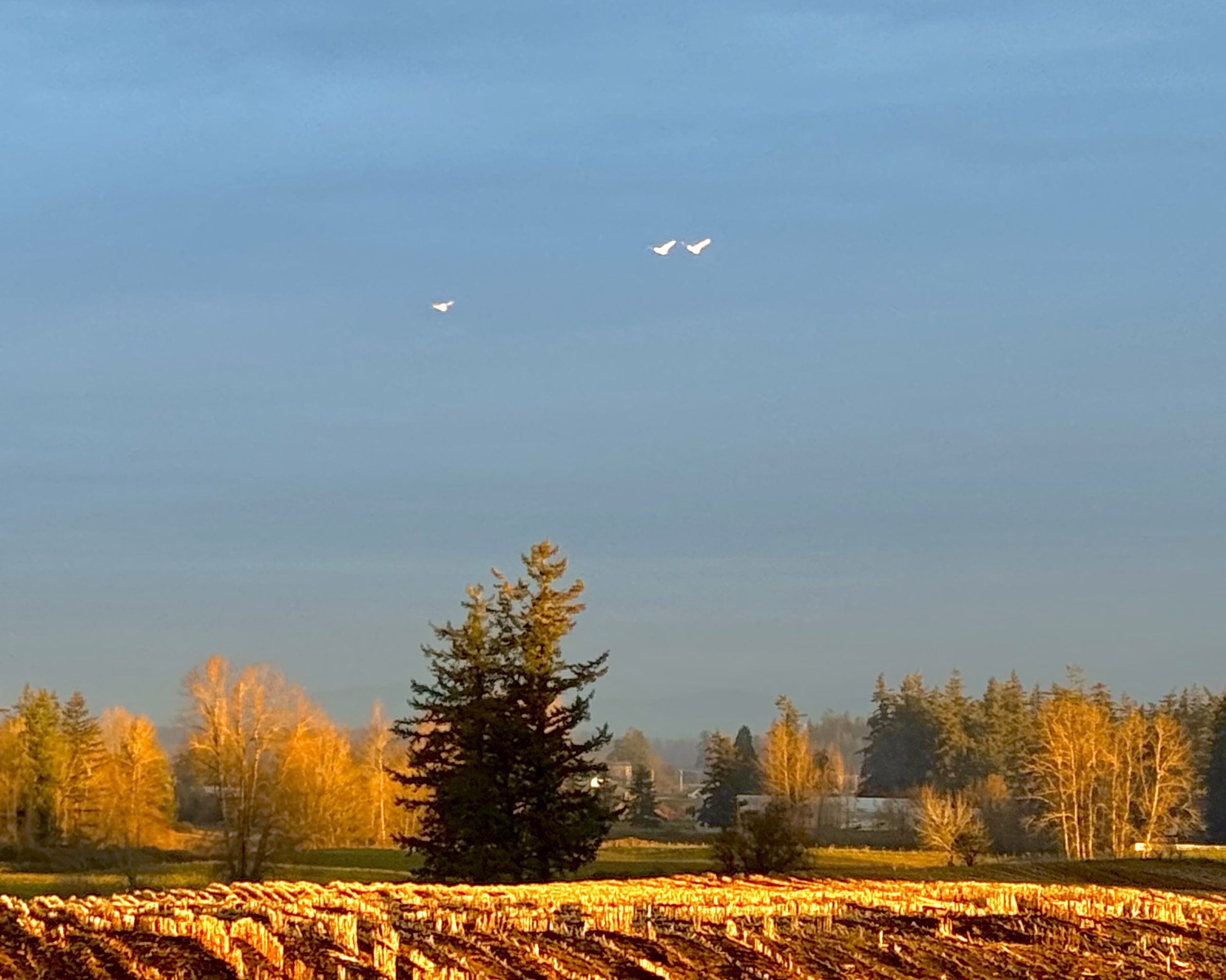
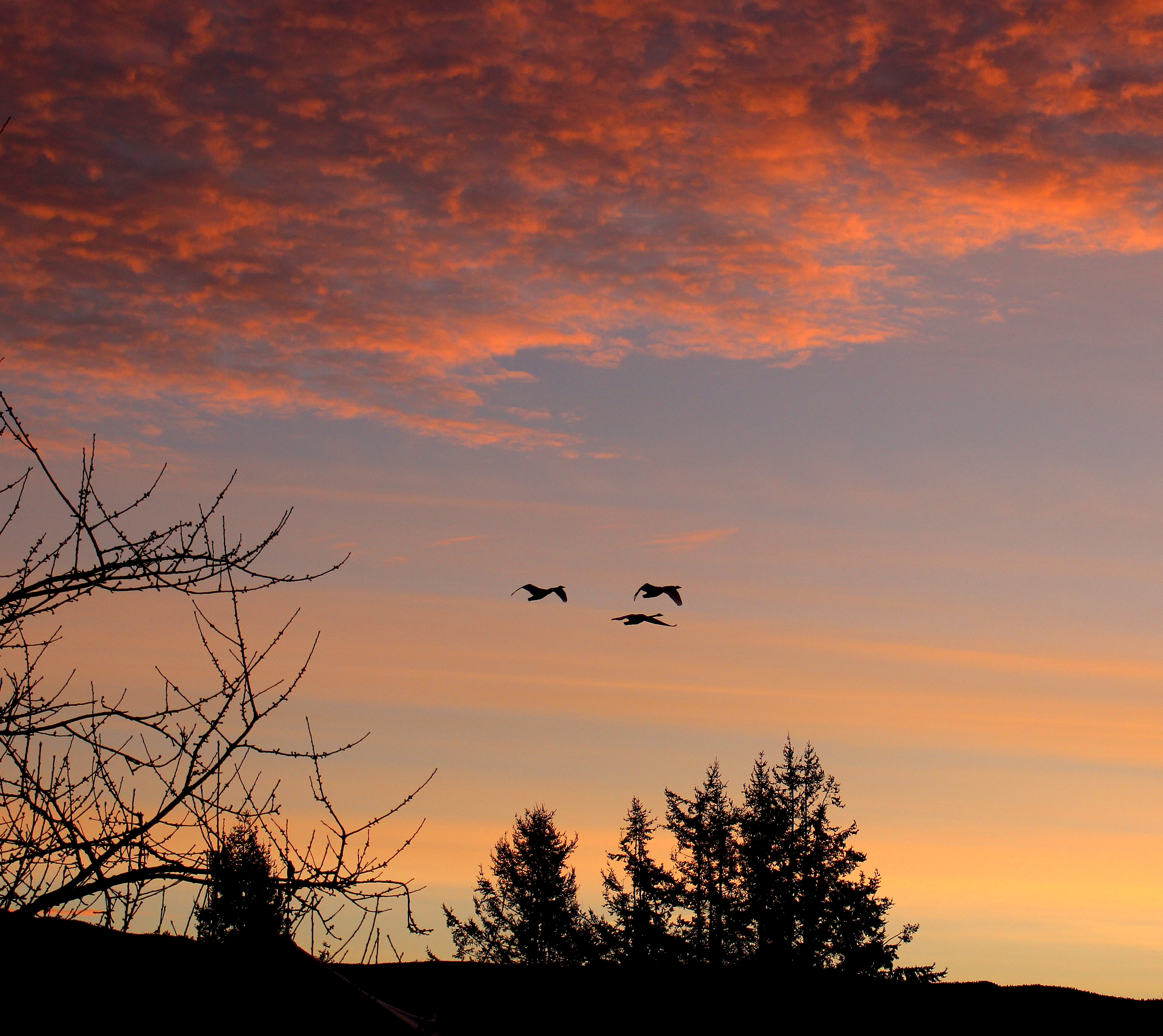
When it feels like the world is rent in two, and the gulf into which we topple too wide and dark to climb without help, we can look to the sky and see the birds’ stitching and hear their wordless singing, the careful caring line of connection pulling us out of a hopeless hole, startled and grateful to be made whole. Hope borne on feathered wings: may we fly threaded and knitted to one another, singing.
One-Time
Monthly
Yearly
Make a one-time or recurring donation to support daily Barnstorming posts
What would the world be, once bereft Of wet and of wildness? Let them be left, O let them be left, wildness and wet; Long live the weeds and the wilderness yet. ~Gerard Manley Hopkins from “Inversnaid”
In my anguish at the chaos in the world, let me remember, when I look closely, through the rain, even the weeds, the unruly, unholy weeds are connected in this wilderness.
There is order here even if I can’t feel it now. Let us weeds be left. We are meant to be.
One-Time
Monthly
Yearly
Make a one-time or recurring donation to support daily Barnstorming posts
Teach me to walk with tender feet, as the wild ones do. Let me be the cinder-glow of the fox in her burrow, wreathed around the honey-spark fur of her sleeping kits.
Let me be the shaded pools of the doe’s eyes in winter, when the snow falls, when the stars lean down to listen, when the world is darker and softer than rain.
Let me be the swallow after flight, when she is perched upon the branch where the petals of the lilacs used to be, and she is just still, and quiet, her downy head inclined, as though she is praying for their return. ~Kimberly Beck “Tender Feet”
As the weather changes, softening in the mists of autumn, I walk each step with careful feet, my tender heart singing songs in the rain. I pray for peace in this troubled land, for protection from harm until spring comes again.
May God grant a gentle night’s sleep for all His creatures.
video by Harry Rodenberger
Lyrics for Aragorn’s Sleepsong: Lay down your head and I’ll sing you a lullaby Back to the years of loo-li lai-lay And I’ll sing you to sleep and I’ll sing you tomorrow
Bless you with love for the road that you go May you sail far to the far fields of fortune With diamonds and pearls at your head and your feet And may you need never to banish misfortune
May you find kindness in all that you meet May there always be angels to watch over you To guide you each step of the way To guard you and keep you safe from all harm Loo-li, loo-li, lai-lay
May you bring love and may you bring happiness Be loved in return to the end of your days Now fall off to sleep, I’m not meaning to keep you I’ll just sit for a while and sing loo-li, lai-lay
May there always be angels to watch over you To guide you each step of the way To guard you and keep you safe from all harm Loo-li, loo-li, lai-lay
One-Time
Monthly
Yearly
Make a one-time or recurring donation to support daily Barnstorming posts
A second crop of hay lies cut and turned. Five gleaming crows search and peck between the rows. They make a low, companionable squawk, and like midwives and undertakers possess a weird authority.
Crickets leap from the stubble, parting before me like the Red Sea. The garden sprawls and spoils.
Cloud shadows rush over drying hay, fences, dusty lane, and railroad ravine. The first yellowing fronds of goldenrod brighten the margins of the woods.
Schoolbooks, carpools, pleated skirts; water, silver-still, and a vee of geese.
*
The cicada’s dry monotony breaks over me. The days are bright and free, bright and free.
Then why did I cry today for an hour, with my whole body, the way babies cry?
*
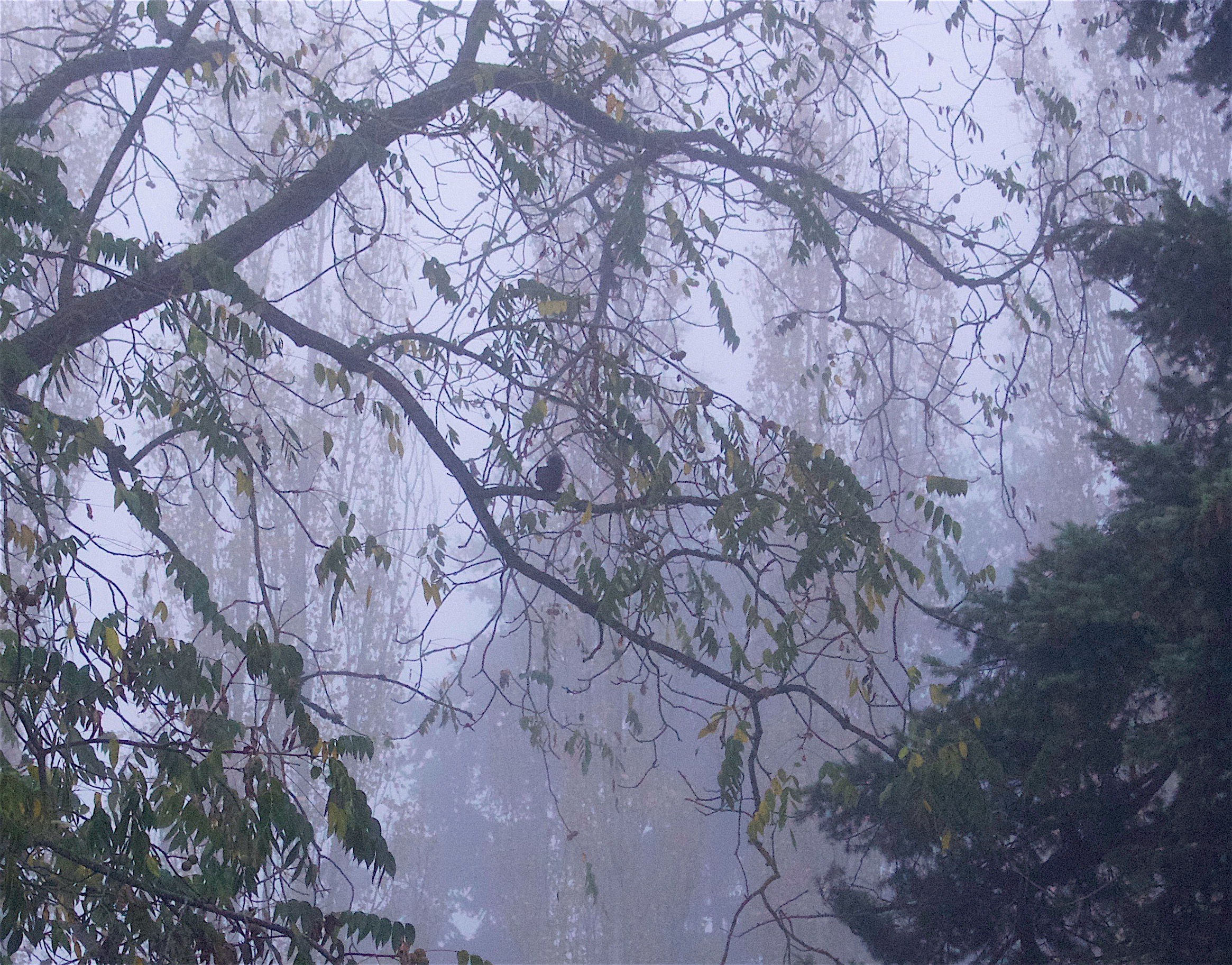
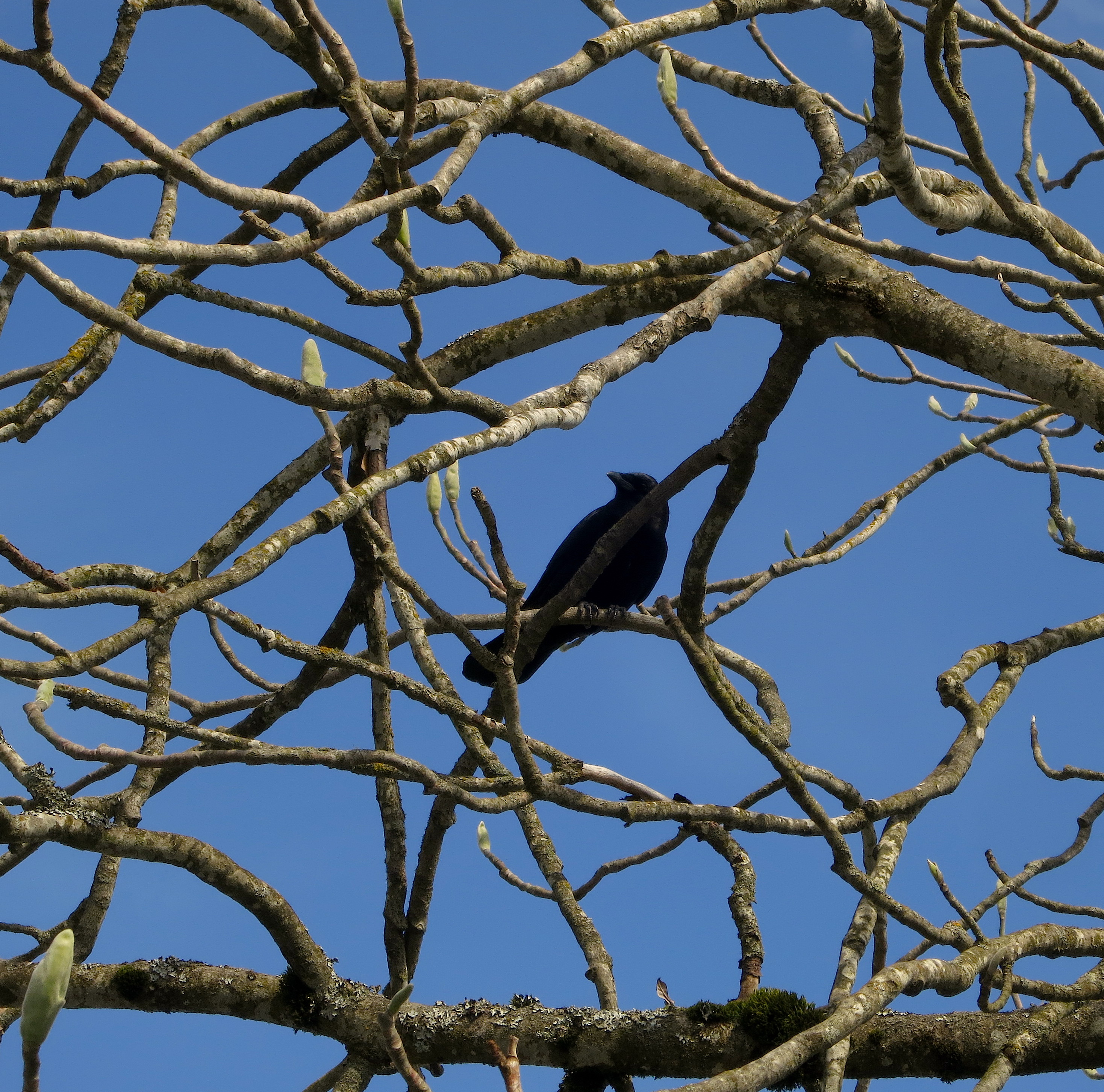
A white, indifferent morning sky, and a crow, hectoring from its nest high in the hemlock, a nest as big as a laundry basket …
In my childhood I stood under a dripping oak, while autumnal fog eddied around my feet, waiting for the school bus with a dread that took my breath away.
The damp dirt road gave off this same complex organic scent. I had the new books—words, numbers, and operations with numbers I did not comprehend—and crayons, unspoiled by use, in a blue canvas satchel with red leather straps.
Spruce, inadequate, and alien I stood at the side of the road. It was the only life I had. ~Jane Kenyon from “Three Songs at the End of Summer”
Yesterday, my son taught me the sign for lockdown— different than locking a door, or the shutdown we invented at the start of the pandemic. Little fistfuls of locks swept quickly between us, a sign designed especially for school.
My son spent his first years a different kind of locked up—an orphanage in Bangkok, where he didn’t speak and they couldn’t sign. He came home, age four, silent. We thought being here could open doors. It has, of course. He’s learned so much at the deaf school; the speech therapist calls it a Language Explosion. I keep lists of the words he’s gathered: vanilla, buckle, castle, stay. And lockdown. He absorbs it like the rest. Now the schools he builds with Magna-Tiles have lockdowns. I worry in trying to give him keys, we’ve only changed the locks.
To lock down a deaf school, we use a special strobe. When it flashes, we flip switches and sign through darkness. The children know to stay beneath the windows. Every five minutes a robot texts: “Shelter in place is still in effect. Please await further instructions.” Then we pull the fire alarm, a tactical move to unsettle the shooter. Hearing people can’t think with noise like that. A piercing thing we don’t detect, to cover the sounds we make, the sounds we don’t know we’re making. ~Sara Nović “Lockdown at the School for the Deaf”
The first day back to school now isn’t always the day after Labor Day as it was when I was growing up. Some students have been in classes for a couple weeks already, others started a few days ago to ease into the transition more gently.
Some return to the routine this morning – school buses roar past our farm brimming with eager young faces and stuffed back packs amid a combination of excitement and anxiety.
I remember well that foreboding that accompanied a return to school — the strict schedule, the inflexible rules and the often harsh adjustment of social hierarchies and friend groups. Even as a good learner and obedient student, I was a square peg being pushed into a round hole when I returned to the classroom. The students who struggled academically and who pushed against the boundaries of rules must have felt even more so. We all felt alien and inadequate to the immense task before us to fit in with one another, allow teachers to structure and open our minds to new thoughts, and to become something and someone more than who we were before.
Growth is so very hard, our stretching so painful, the tug and pull of friendships stressful. And for the last two decades, there is the additional fear of lockdowns and active shooters.
I worked with students on an academic calendar for over 30 years, yet though I’m now retired, I still don’t sleep well in anticipation of all this day means.
So I take a deep breath on a foggy post-Labor Day morning and am immediately taken back to the anxieties and fears of a skinny little girl in a new home-made corduroy jumper and saddle shoes, waiting for the schoolbus on our drippy wooded country road.
She is still me — just buried deeply in the fog of who I became after all those years of schooling, hidden somewhere under all the piled-on layers of learning and growing and hurting and stretching — I do remember her well.
Like every student starting a new adventure today, we could all use a hug.
Lo! I am come to autumn, When all the leaves are gold; Grey hairs and golden leaves cry out The year and I are old.
In youth I sought the prince of men, Captain in cosmic wars, Our Titan, even the weeds would show Defiant, to the stars.
But now a great thing in the street Seems any human nod, Where shift in strange democracy The million masks of God.
In youth I sought the golden flower Hidden in wood or wold, But I am come to autumn, When all the leaves are gold. ~G.K. Chesterton “Gold Leaves”
One-Time
Monthly
Yearly
Make a one-time or recurring donation to support daily Barnstorming posts
You have brains in your head. You have feet in your shoes. You can steer yourself any direction you choose. ~ Dr. Seuss
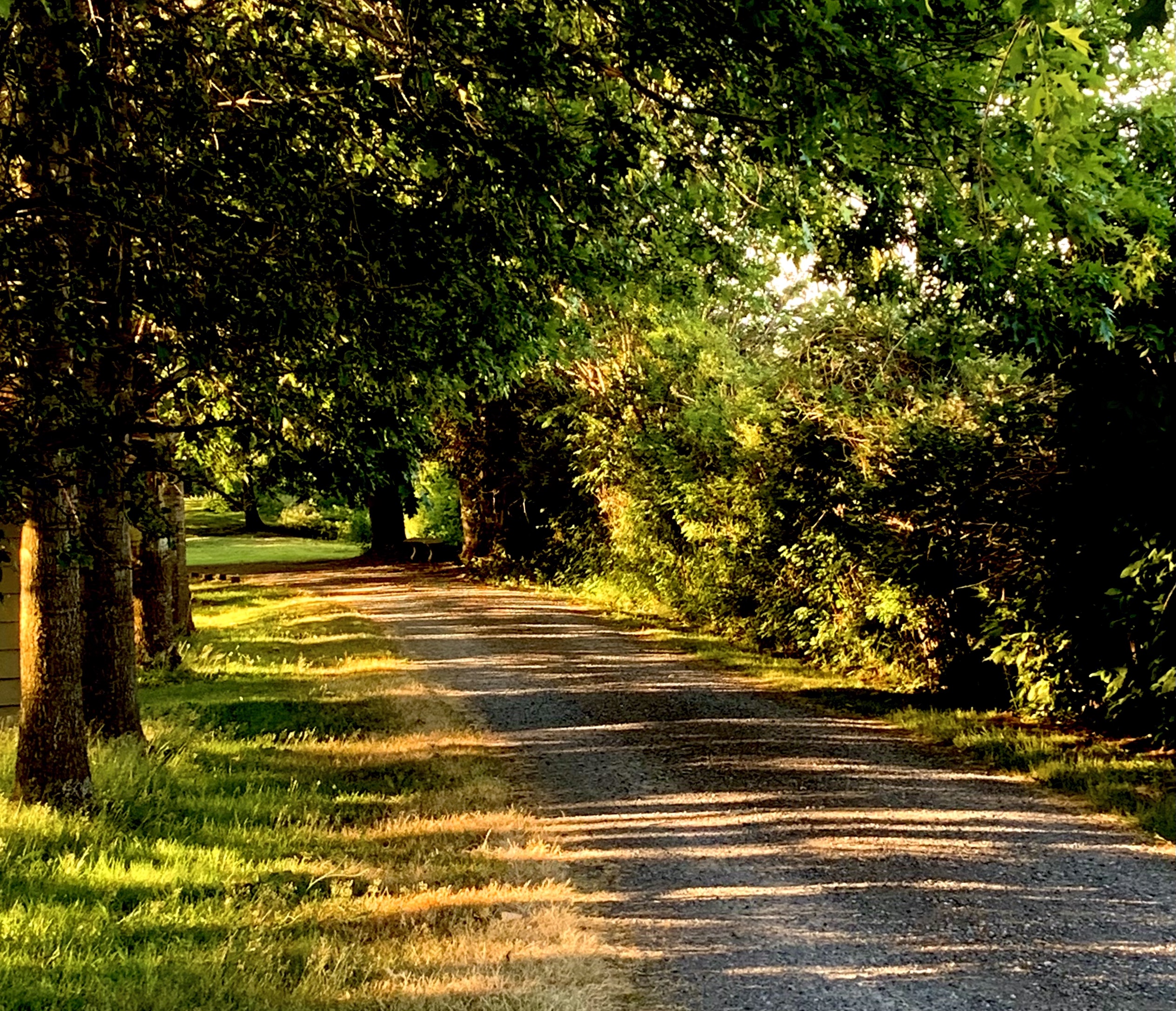
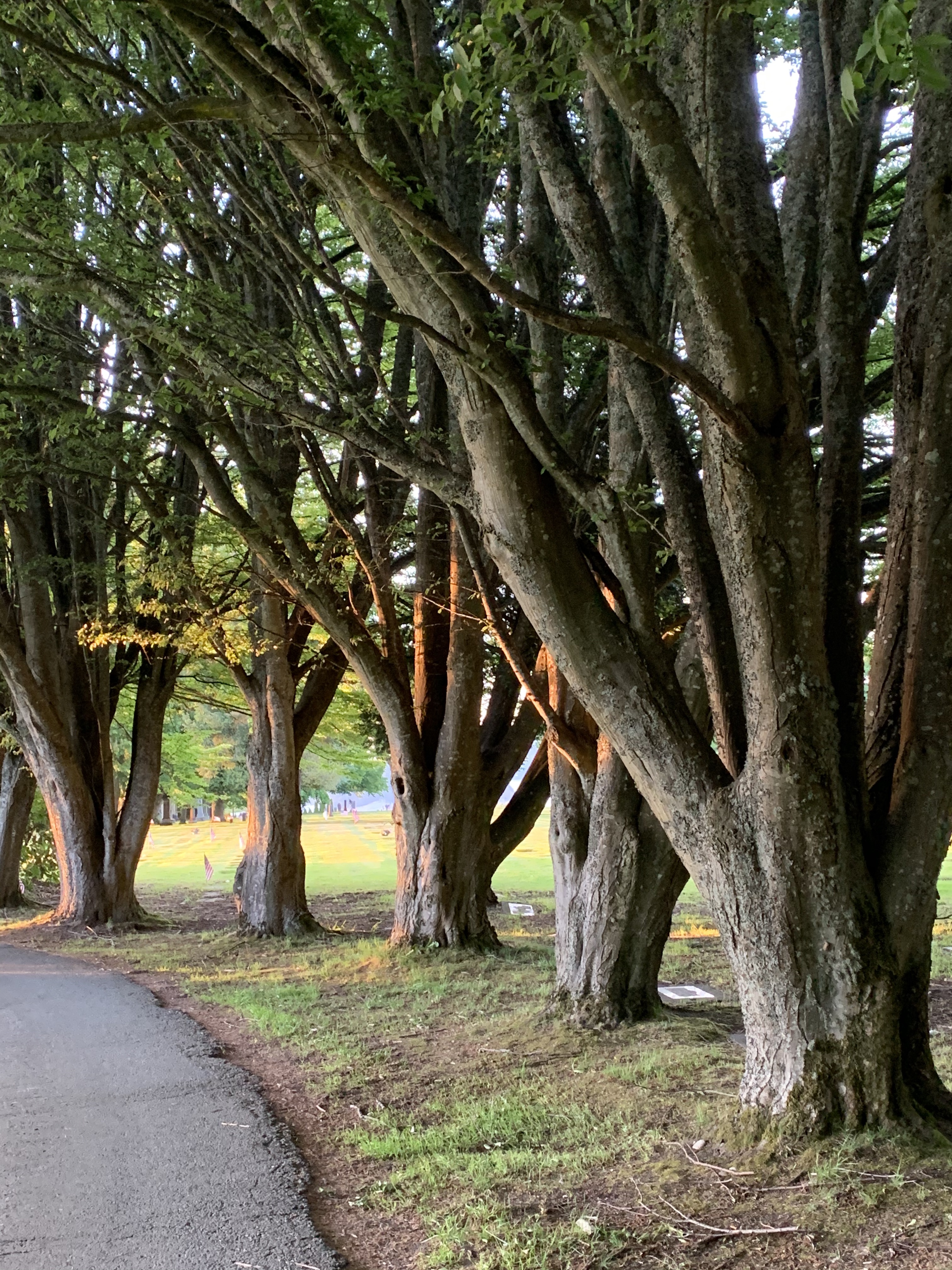
You give the appearance of listening To my thoughts, O trees, Bent over the road I am walking On a late summer evening When every one of you is a steep staircase The night is slowly descending.
The high leaves like my mother’s lips Forever trembling, unable to decide, For there’s a bit of wind, And it’s like hearing voices, Or a mouth full of muffled laughter, A huge dark mouth we can all fit in Suddenly covered by a hand.
Everything quiet.
The sky at the road’s end cloudless and blue. The night birds like children Who won’t come to dinner. Lost children in the darkening woods. ~Charles Simic from “Evening Walk” in The Voice at 3 A.M.”
I wonder about the trees.
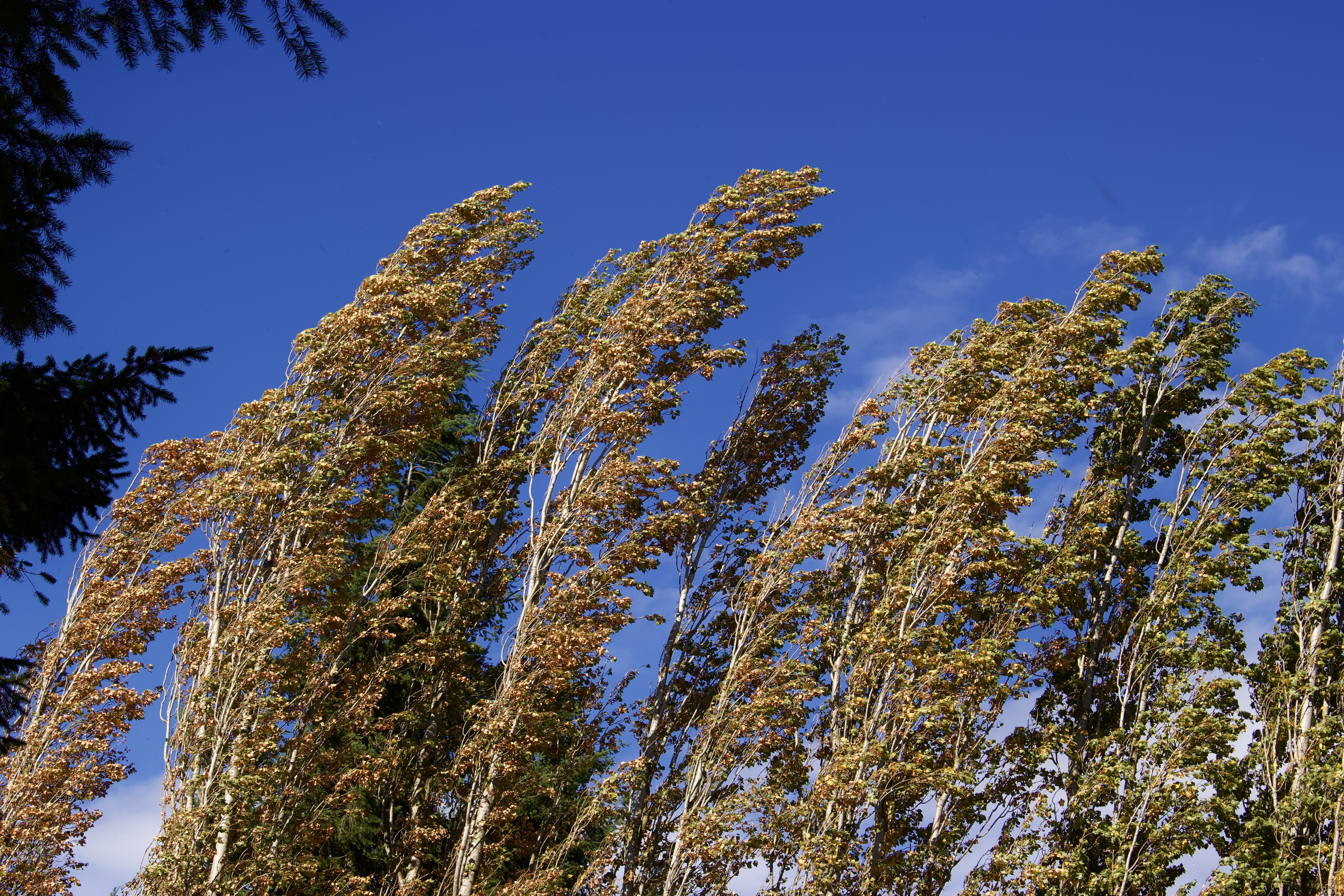
My feet tug at the floor And my head sways to my shoulder Sometimes when I watch trees sway, From the window or the door. I shall set forth for somewhere, I shall make the reckless choice Some day when they are in voice And tossing so as to scare The white clouds over them on. I shall have less to say, But I shall be gone. ~Robert Frost from “The Sound of Trees”
The voice of the trees urges me to move my feet while they stay rooted in place.
I am propelled forward by winds that strip away leaves, bend branches.
Tempted to simply stand and watch their motion, instead I walk among the rooted ones, grateful for my legs.
They clap their hands and wave as I pass by.
One-Time
Monthly
Yearly
Make a one-time or recurring donation to support daily Barnstorming posts
What would the world be, once bereft Of wet and wildness? Let them be left, O let them be left, wildness and wet; Long live the weeds and the wilderness yet. ~Gerard Manley Hopkins from “Inversnaid”
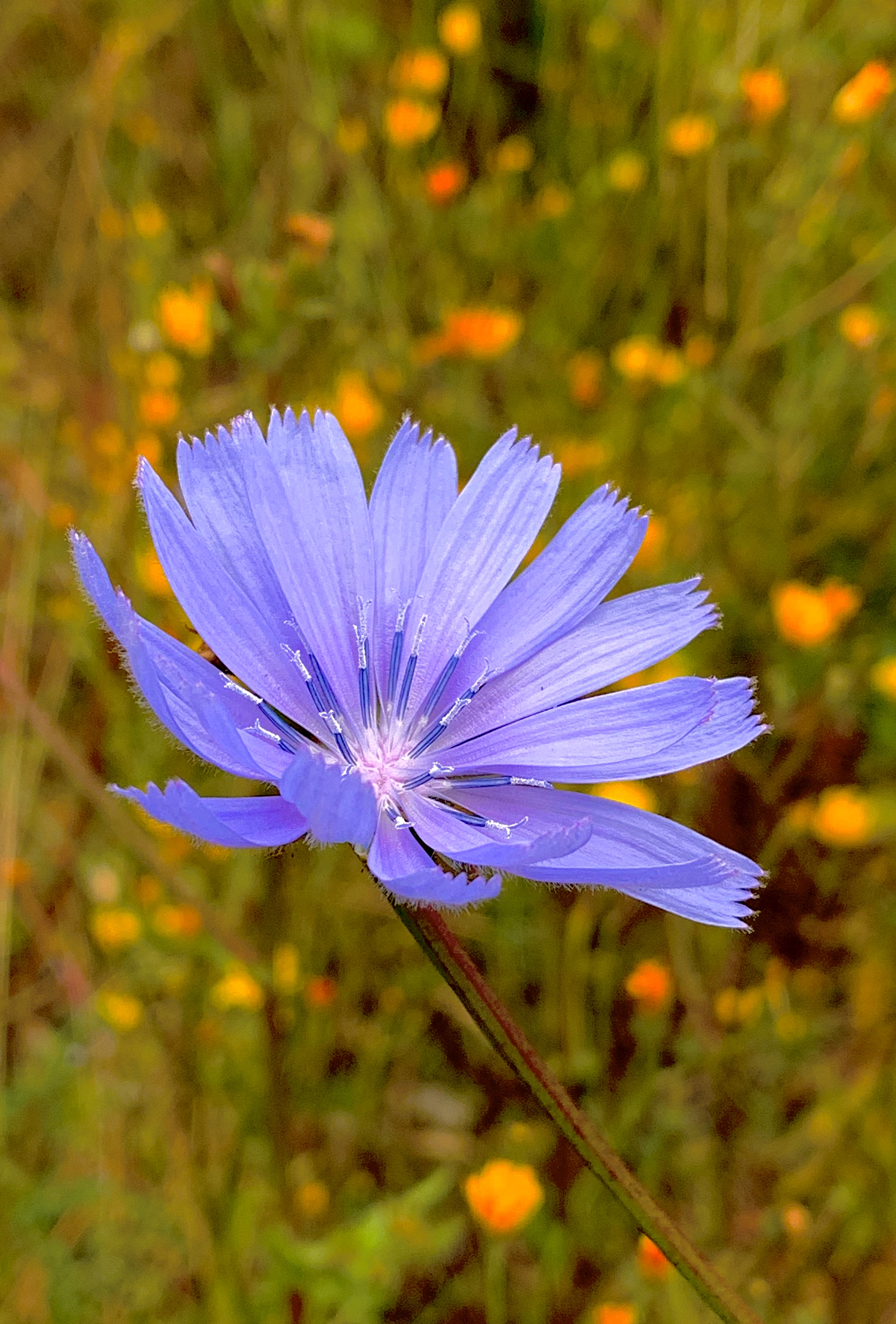
A weed is a plant whose virtues have not yet been discovered. ~Ralph Waldo Emerson from Fortune of the Republic
I’ve always identified with weeds and wildflowers more than cultivated blooms. Even those which are thorny, bristly, spreading willy-nilly.
I too have undiscovered virtues – I’m fluffy, I thrive where I’m not necessarily wanted or needed, I tend to be resilient through frost, drought or flood.
The wild persistence of weeds inspires me to just let most of them be, though stinging nettles, poison oak and ivy need to keep to themselves.
Just as a wild beauty lies just beneath their weedy surface, I try to keep flourishing in harsh surroundings, a witness to a world bereft of softness.
O let them be left. O let me be left.
One-Time
Monthly
Yearly
Make a one-time or recurring donation to support daily Barnstorming posts
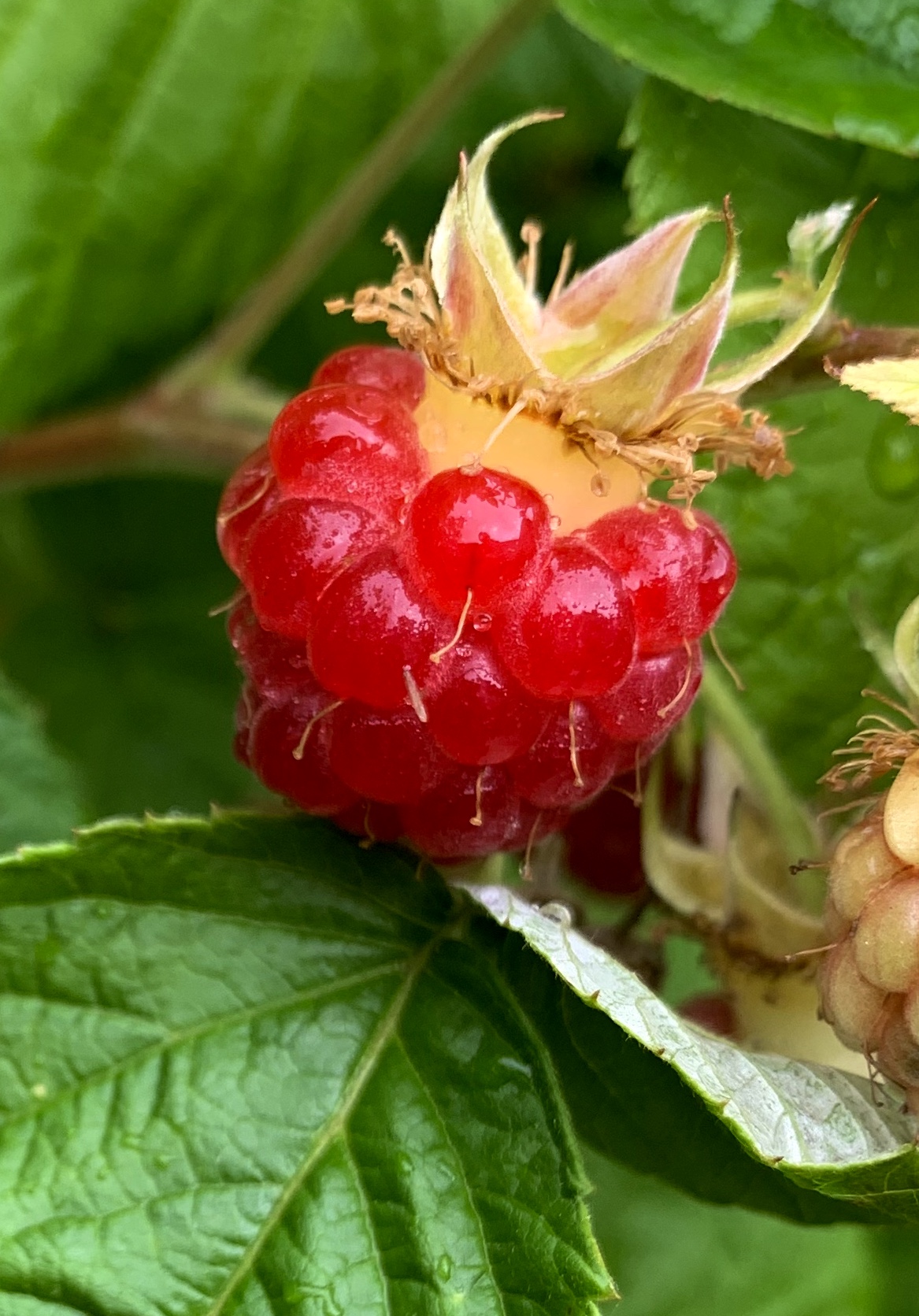
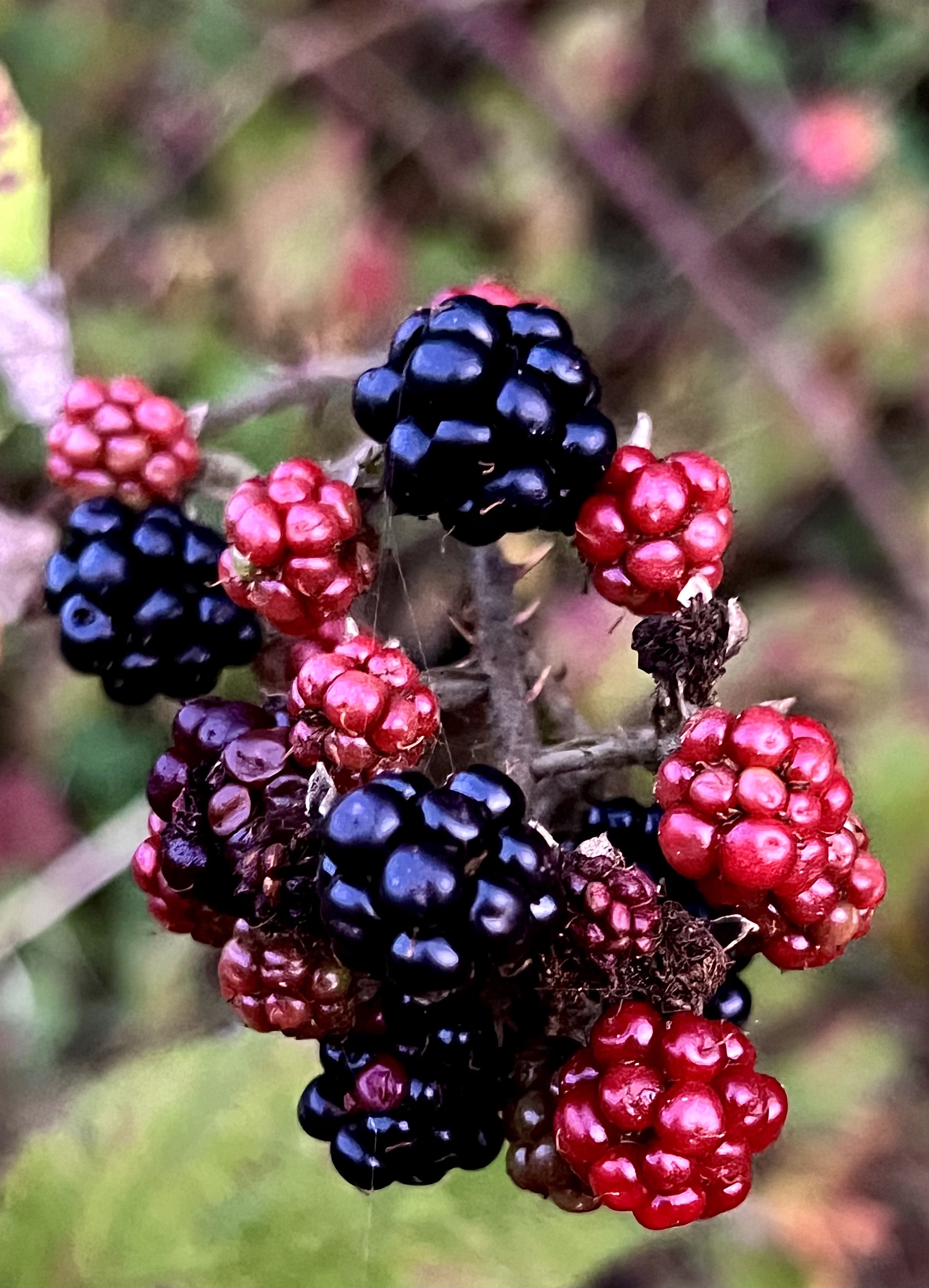
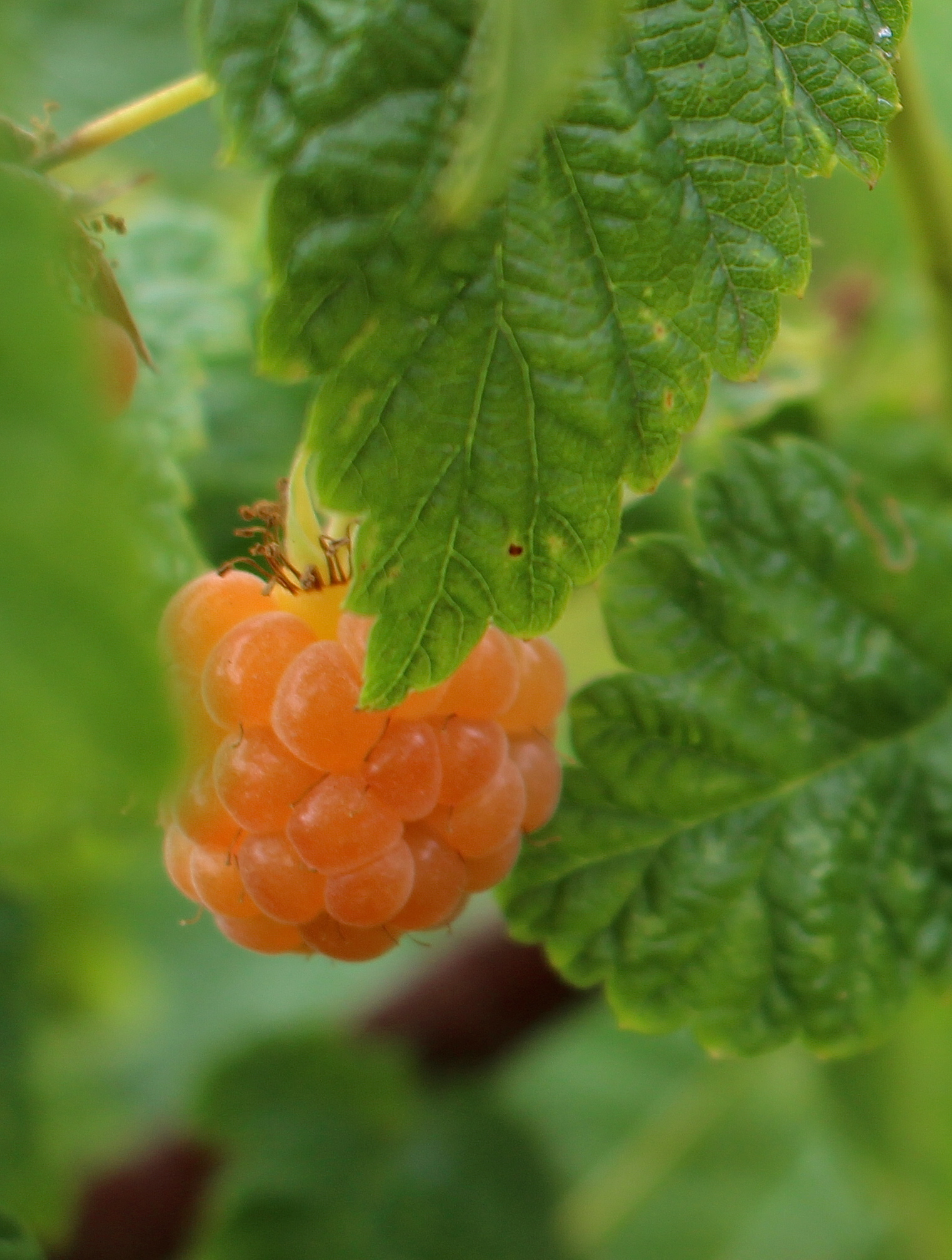
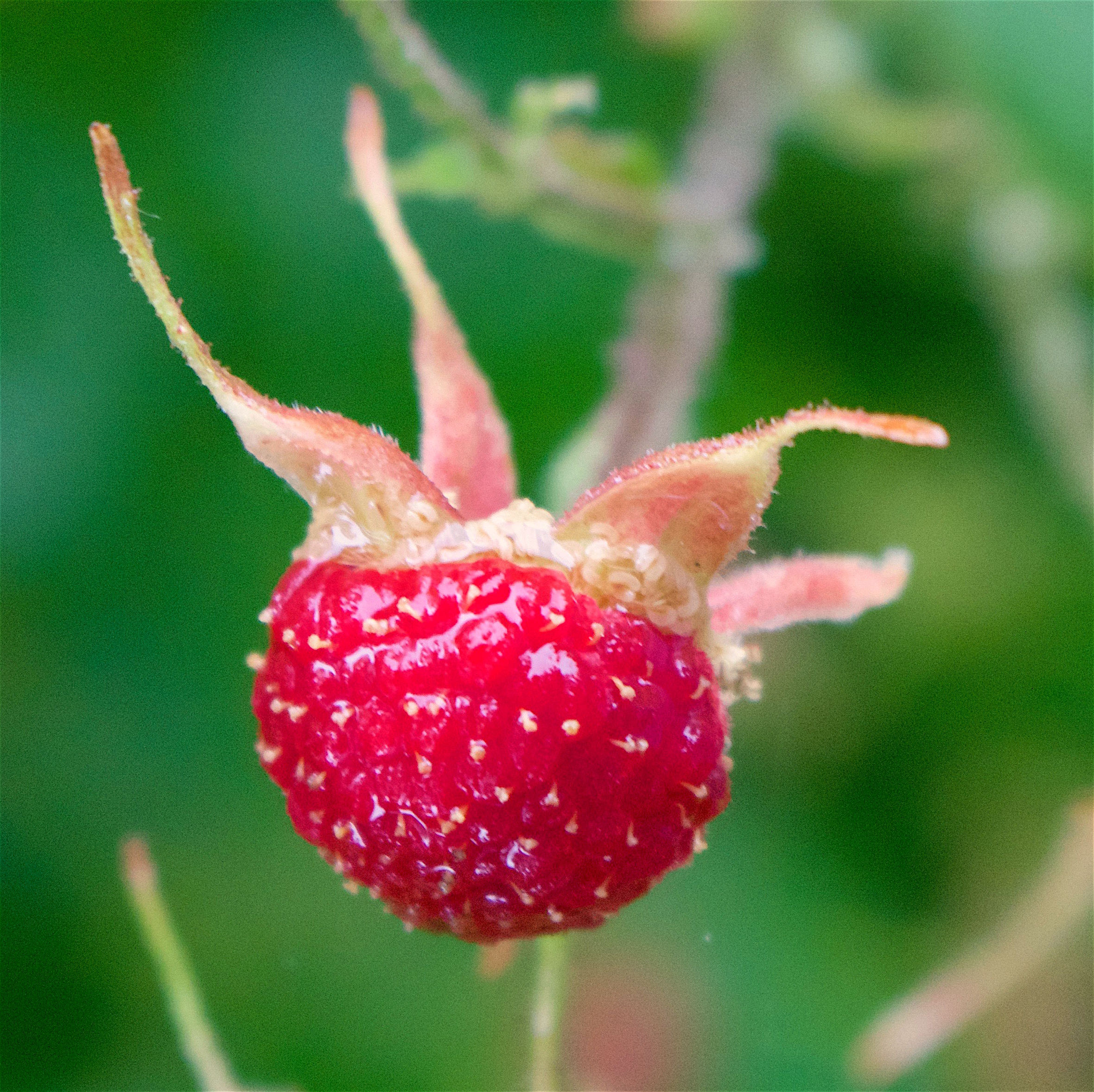
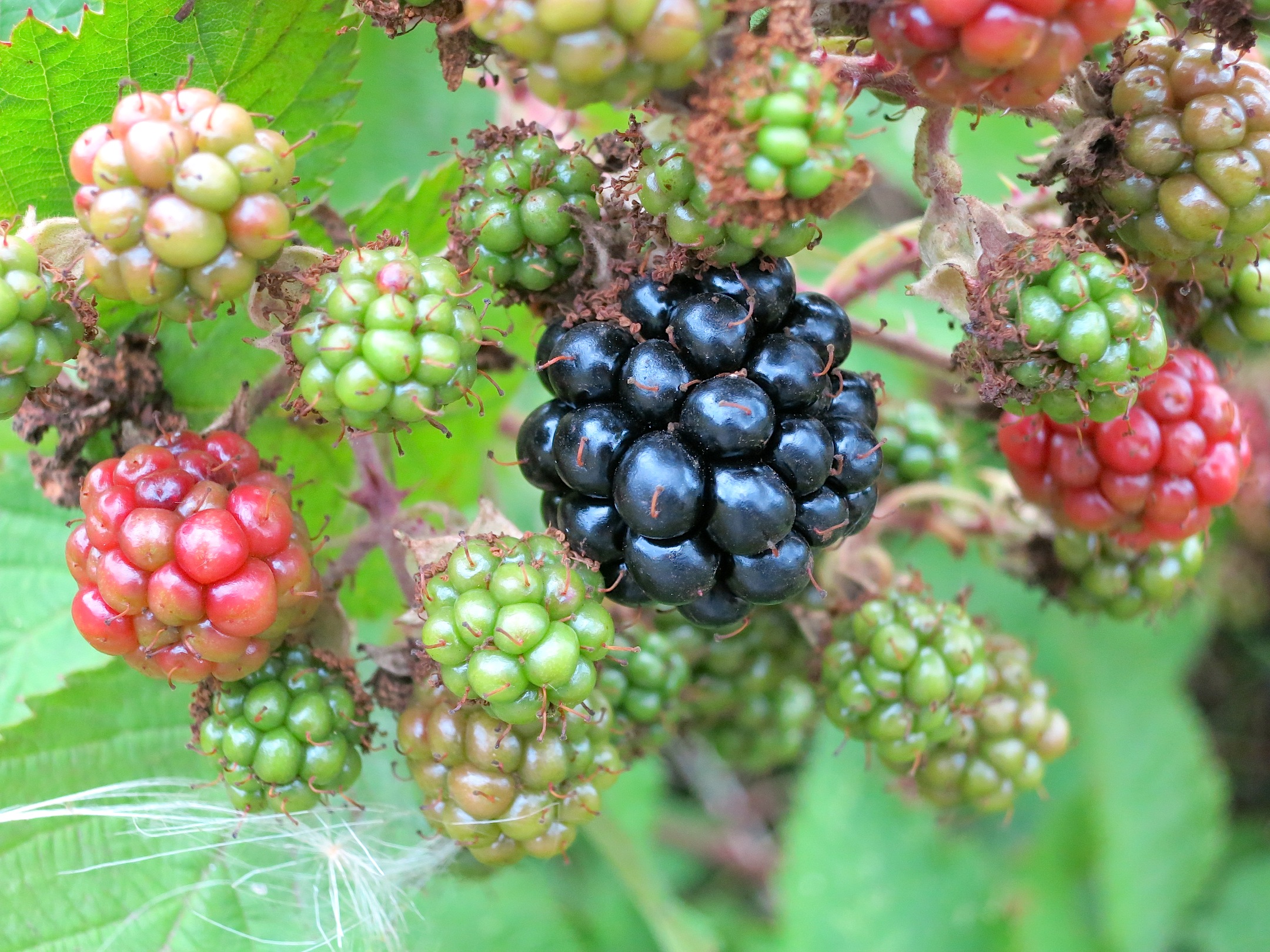
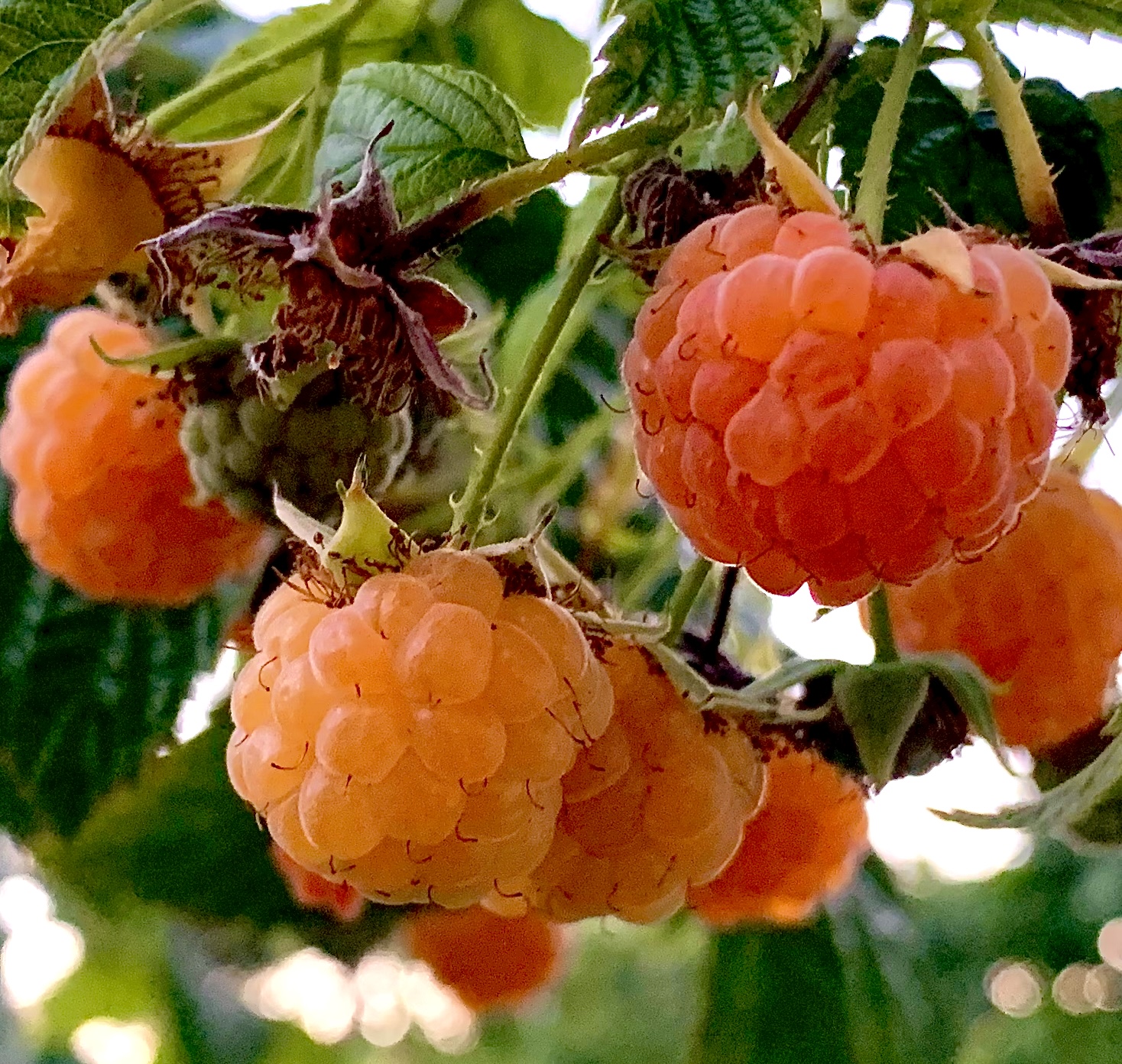
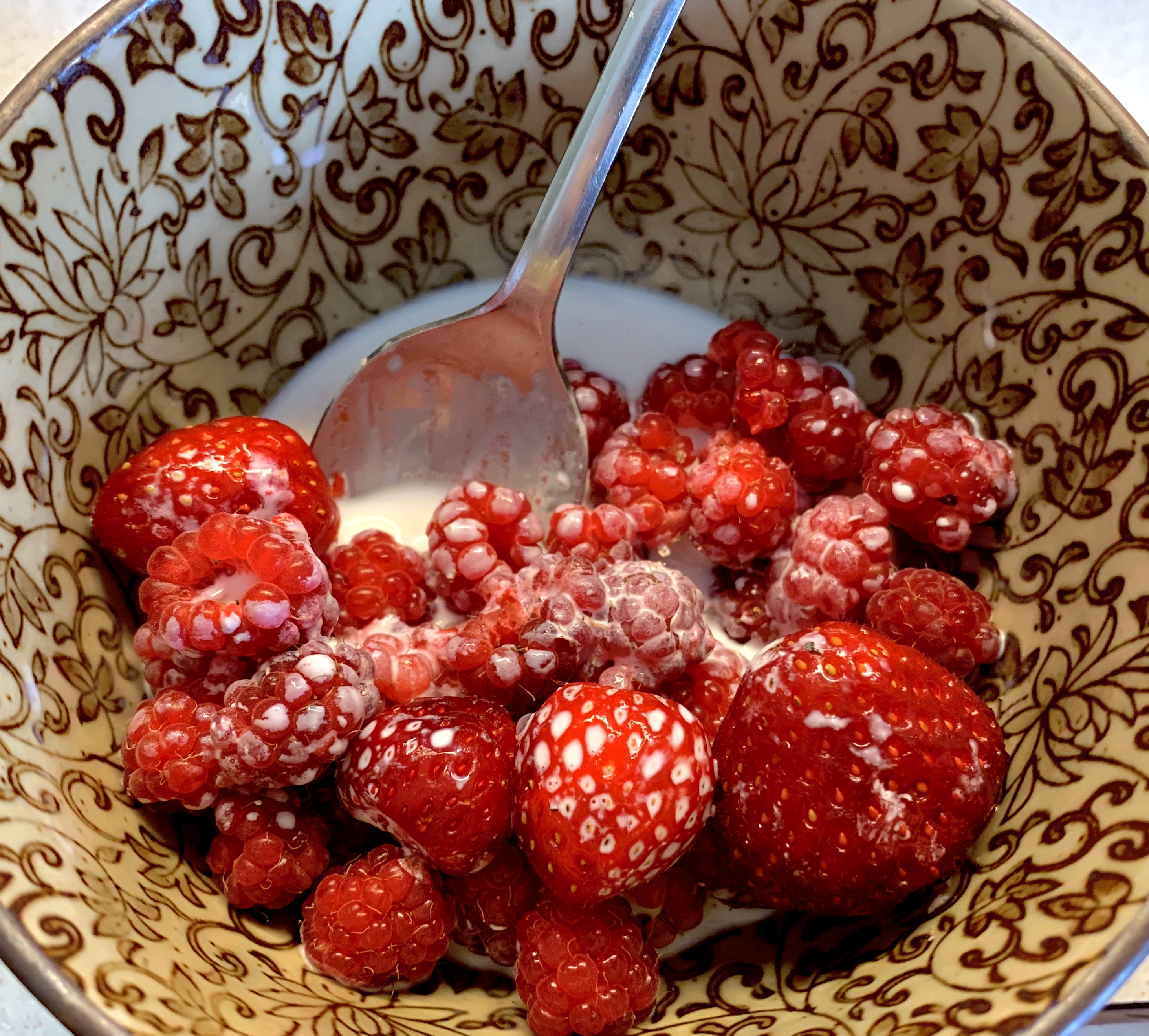
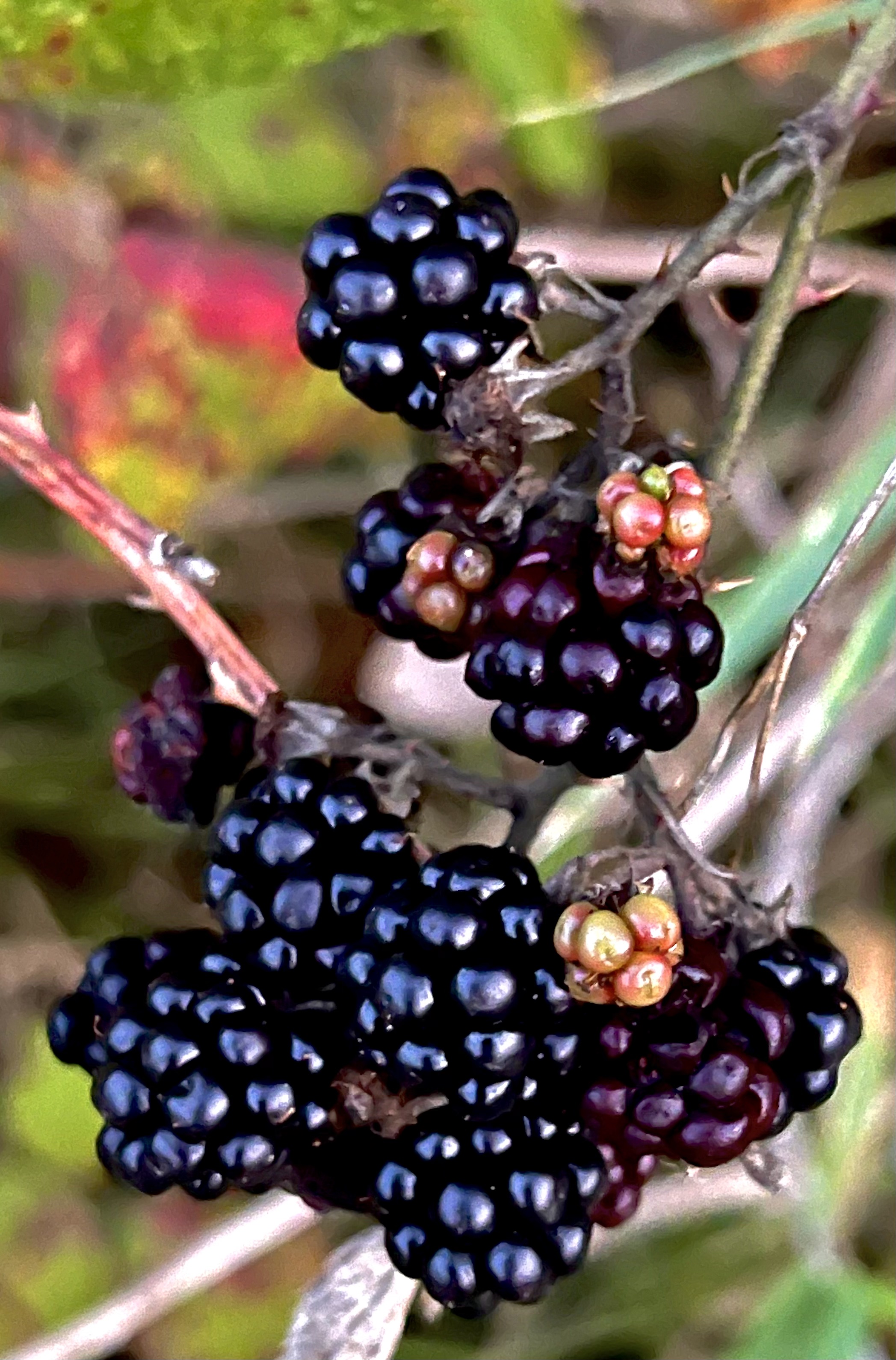
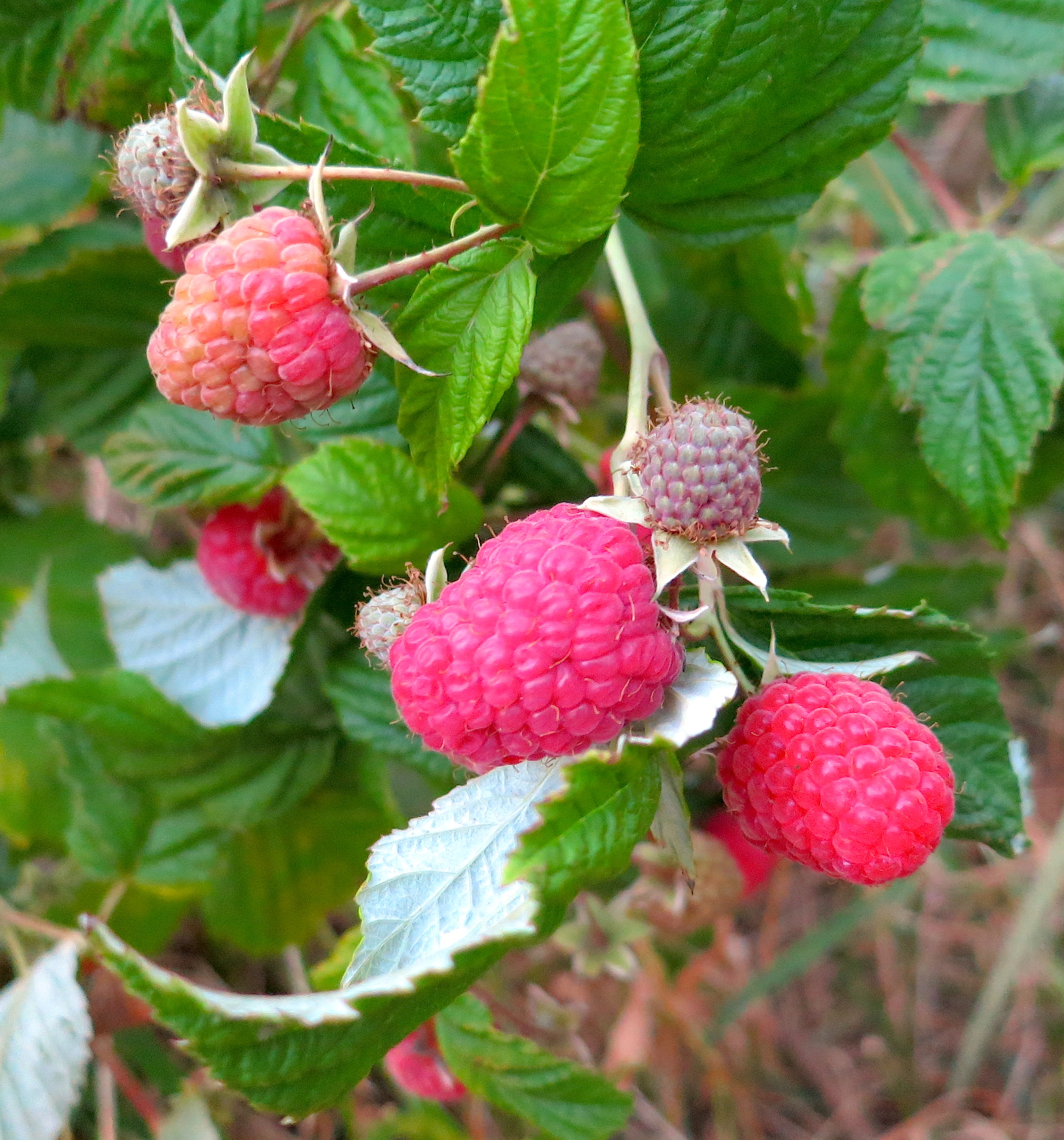
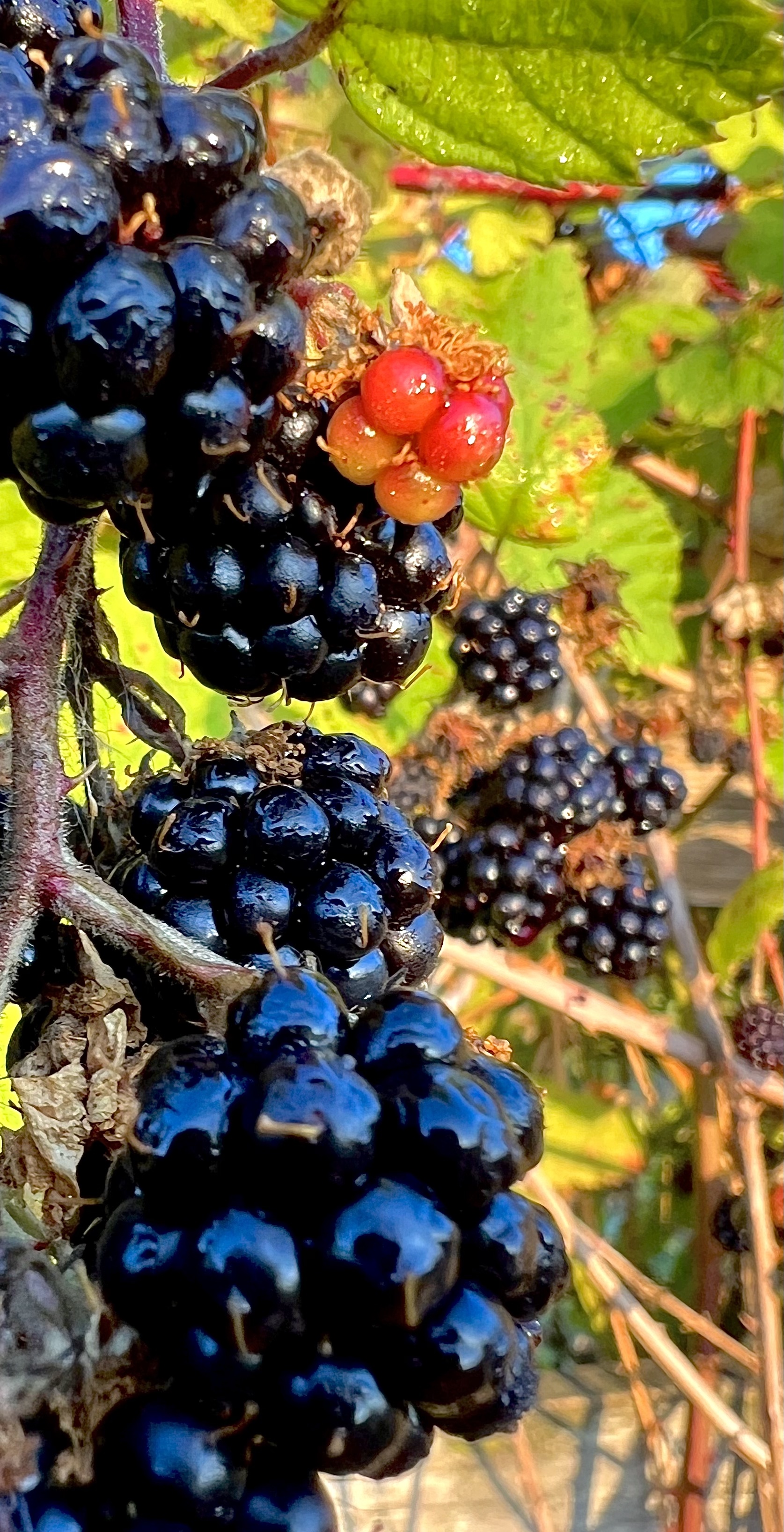
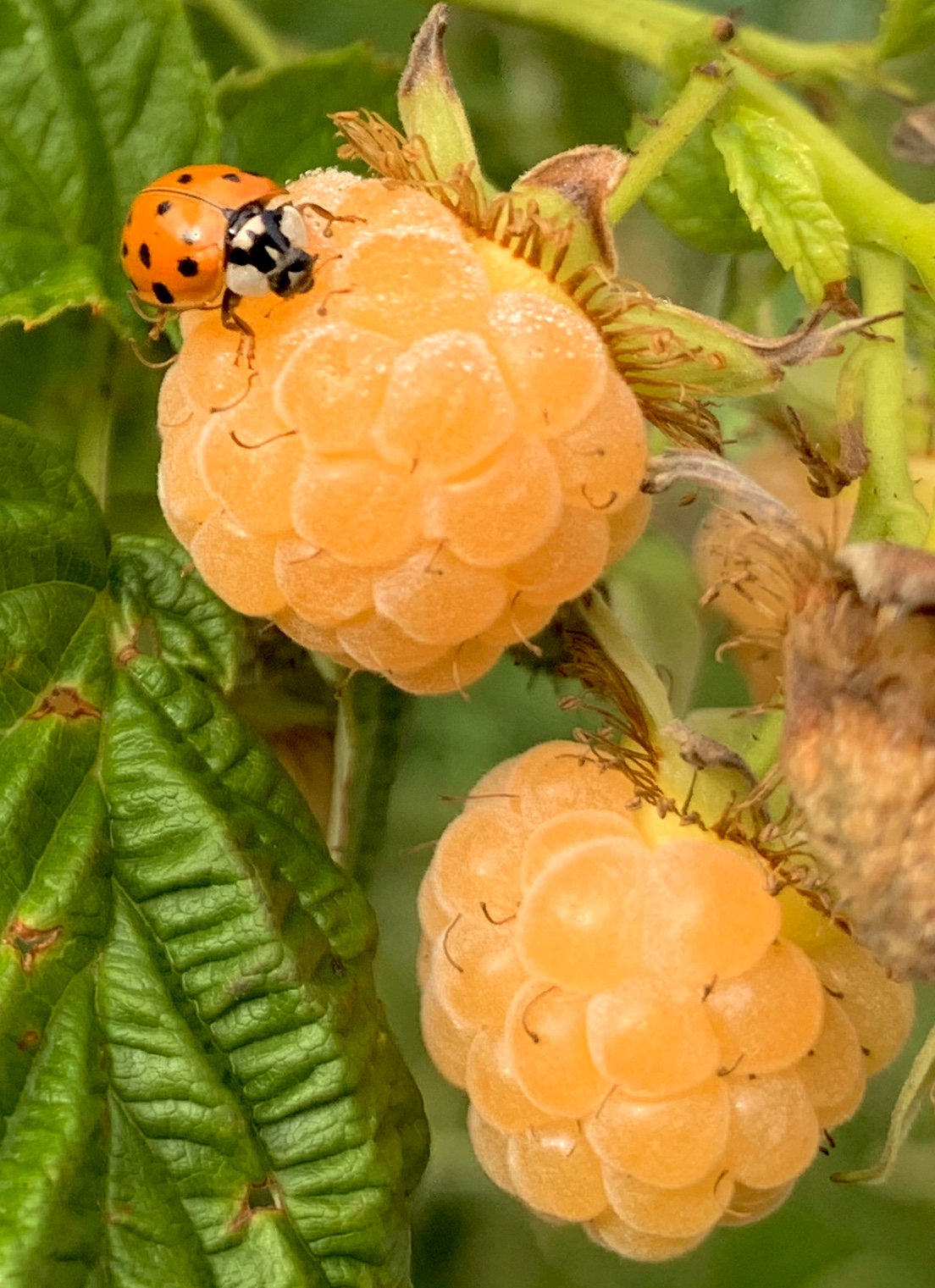
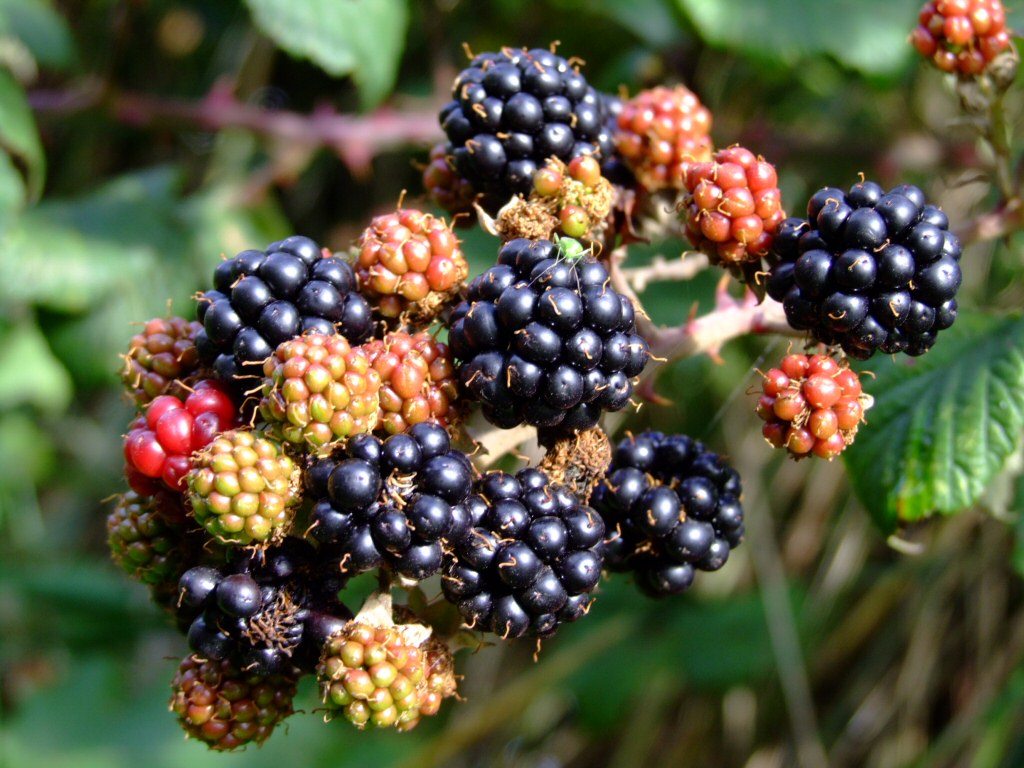
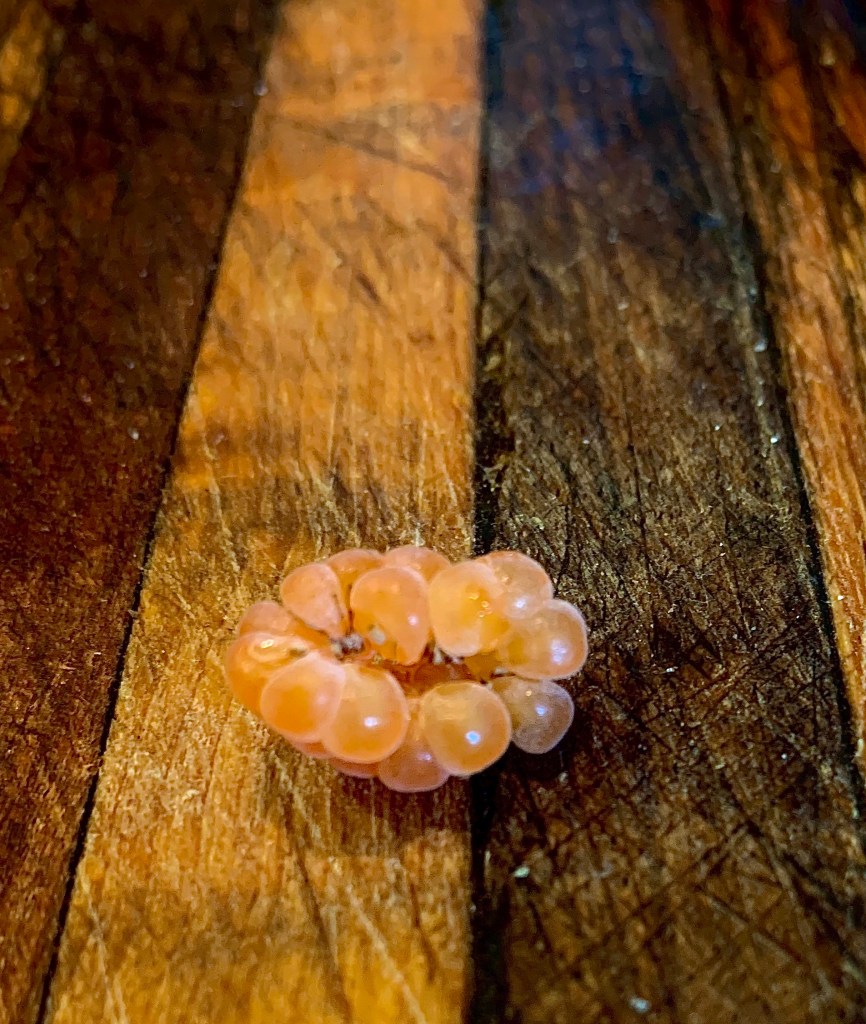
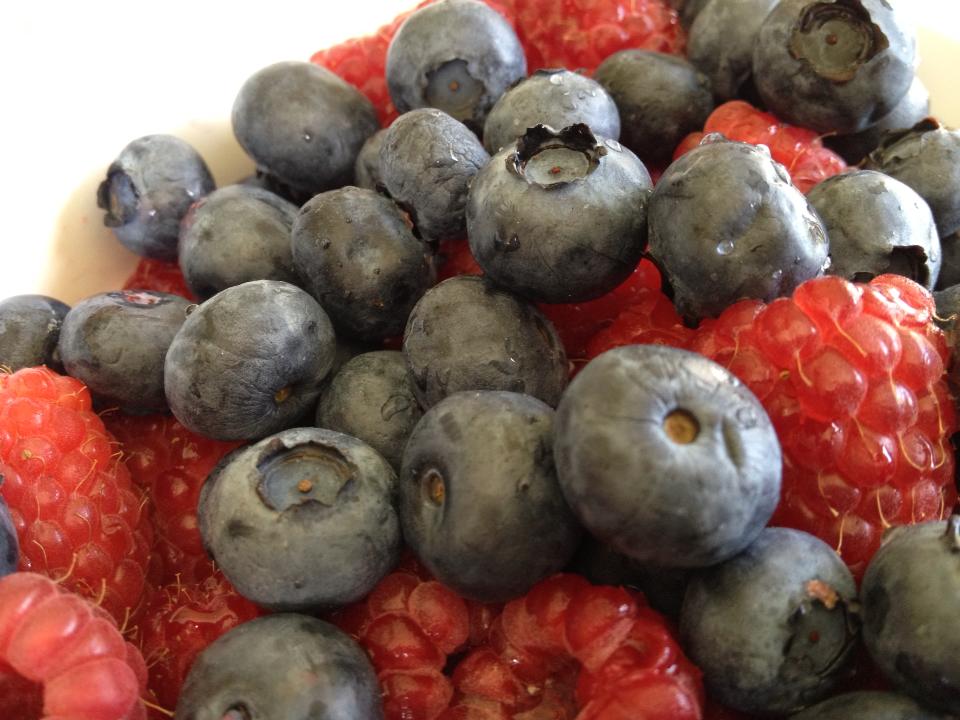
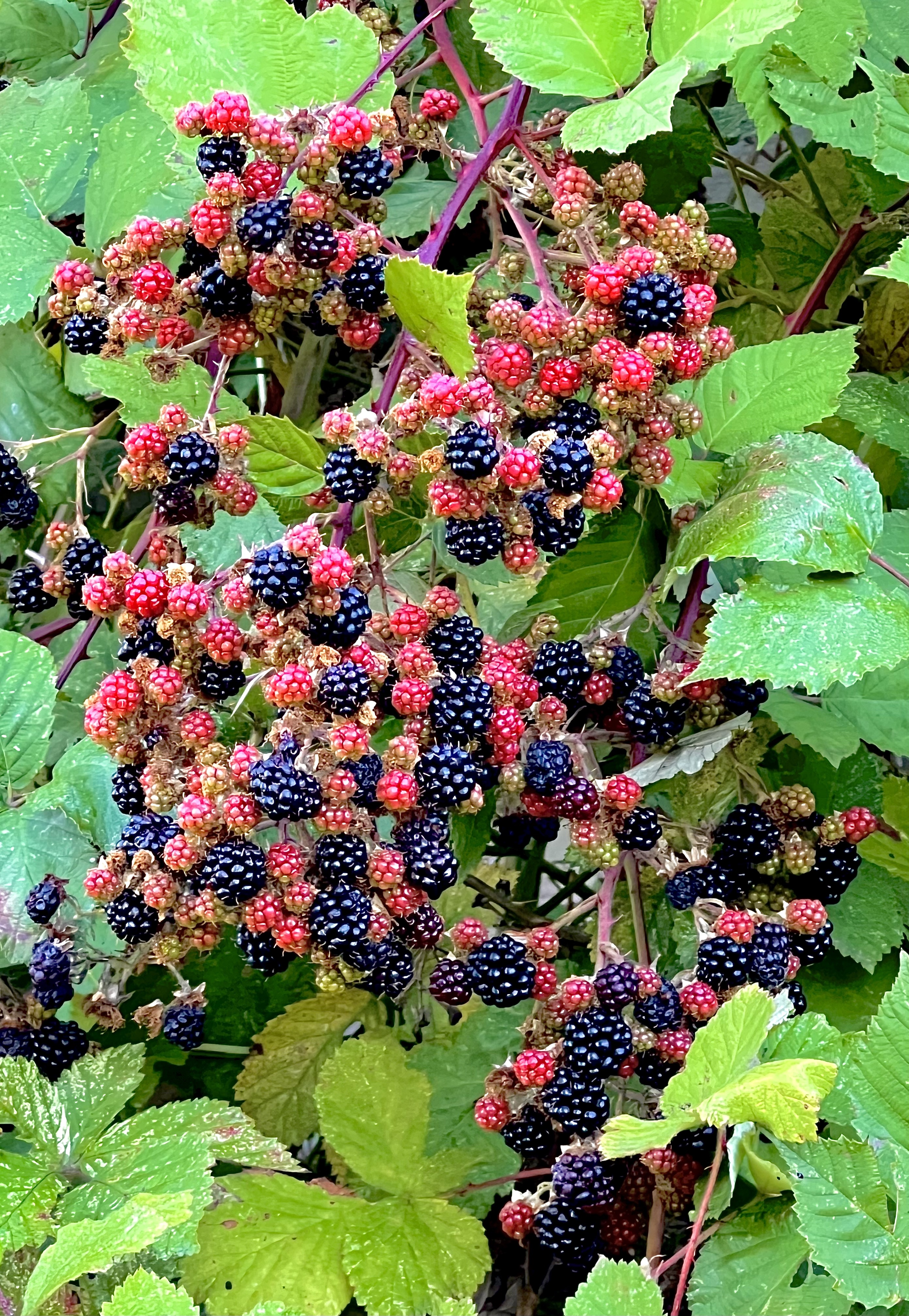
I’ve always wondered if there was a name for the small round globe, part of an aggregate berry like a thimbleberry, raspberry or blackberry – each so smooth and perfectly formed, each unique yet a homogenous part of the whole. Yet if separated all by itself, nearly invisible.
Each is called a small drupe, or more familiar and lovingly, a drupelet.
Despite such a plain name, a little drupelet has its own smooth shiny beauty, a drop of flavor to be savored, unforgotten, made sweeter by being part of the whole – even sweeter when redeemed and consumed.
Kind of like us – each of us a small part of the whole of life – each sacrificed for a taste of eternity.
Kind of like us…
photo by Nate Gibson
Lyrics: I am a small part of the world I have a small hand which to hold But if I stand by your side And you put your hand in mine Together we can be so strong and bold
I am a small part of the world I have a small dream in my eyes But if I tell you my dreams And you add your dreams to mine Together we can reach up to the skies
Hand in hand, dreams combine Voice with voice, together for all time Hand in hand, dreams combine Voice with voice, for all time
I am a small part of the world I have a small voice ringing clear But if I sing out for freedom And you add your voice to mine
Hand in hand, dreams combine Voice with voice for all time I am a small part of the world Take my hand
Writer(s): Jay Althouse, Sally Albrecht
One-Time
Monthly
Yearly
Make a one-time or recurring donation to support daily Barnstorming posts
O! for a horse with wings! ~William Shakespeare from Cymbeline
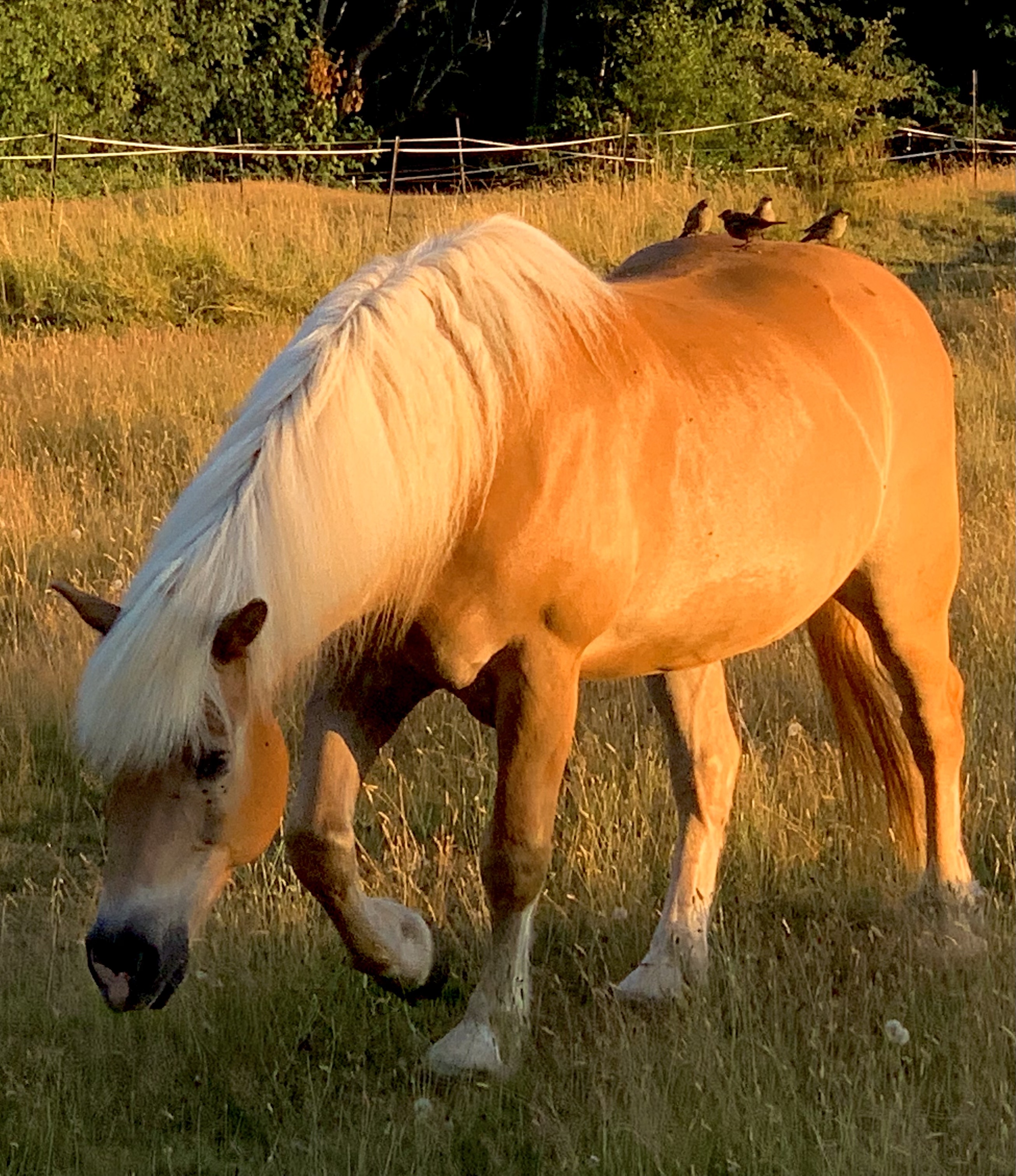
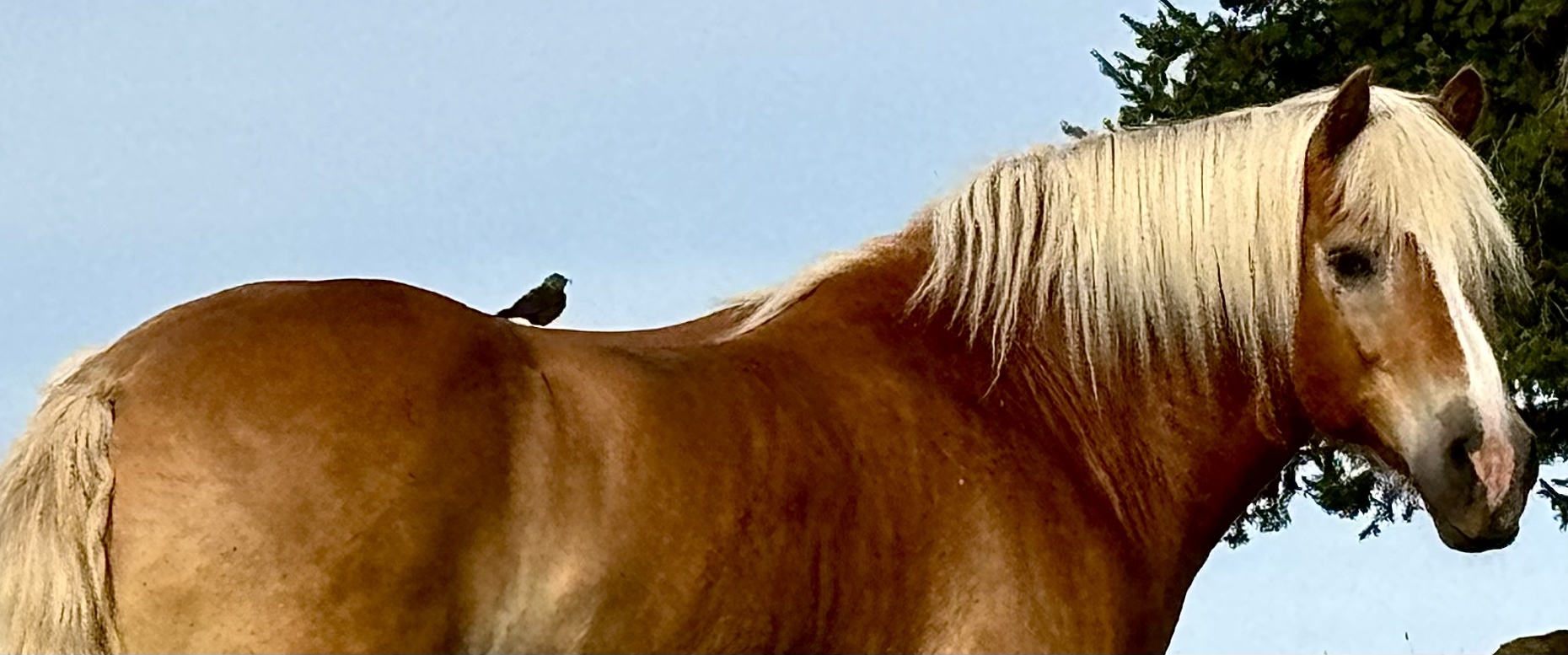
photo by Bette Vander Haakphoto by Bette Vander Haak
Be winged. Be the father of all flying horses. ~C.S. Lewis from The Magician’s Nephew
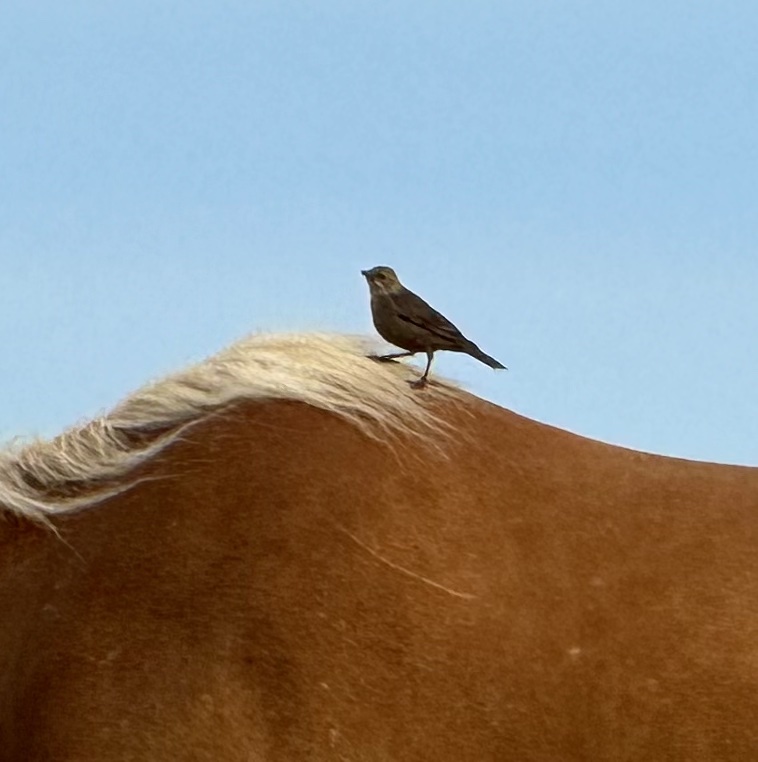
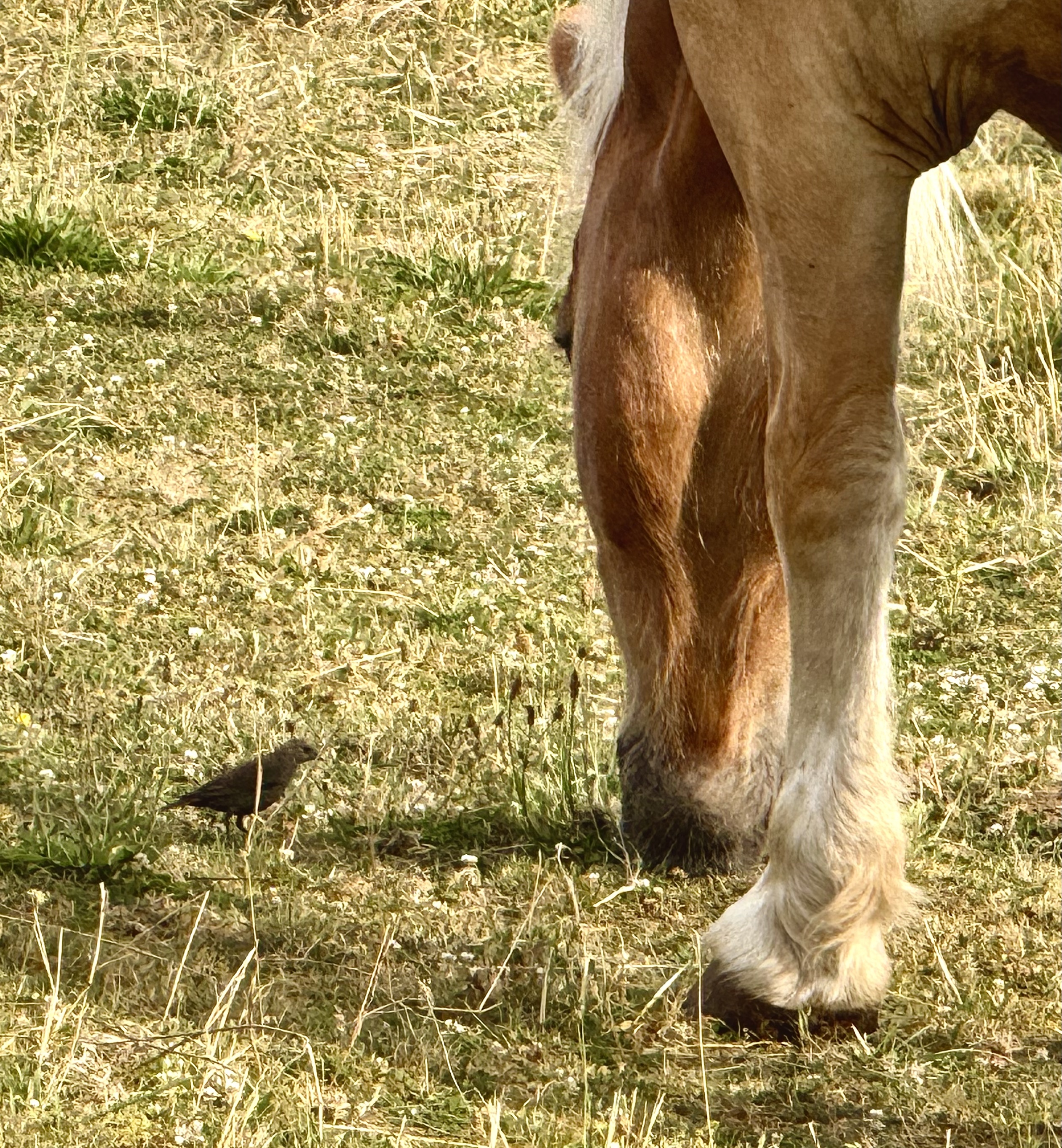
photo by Bette Vander Haak
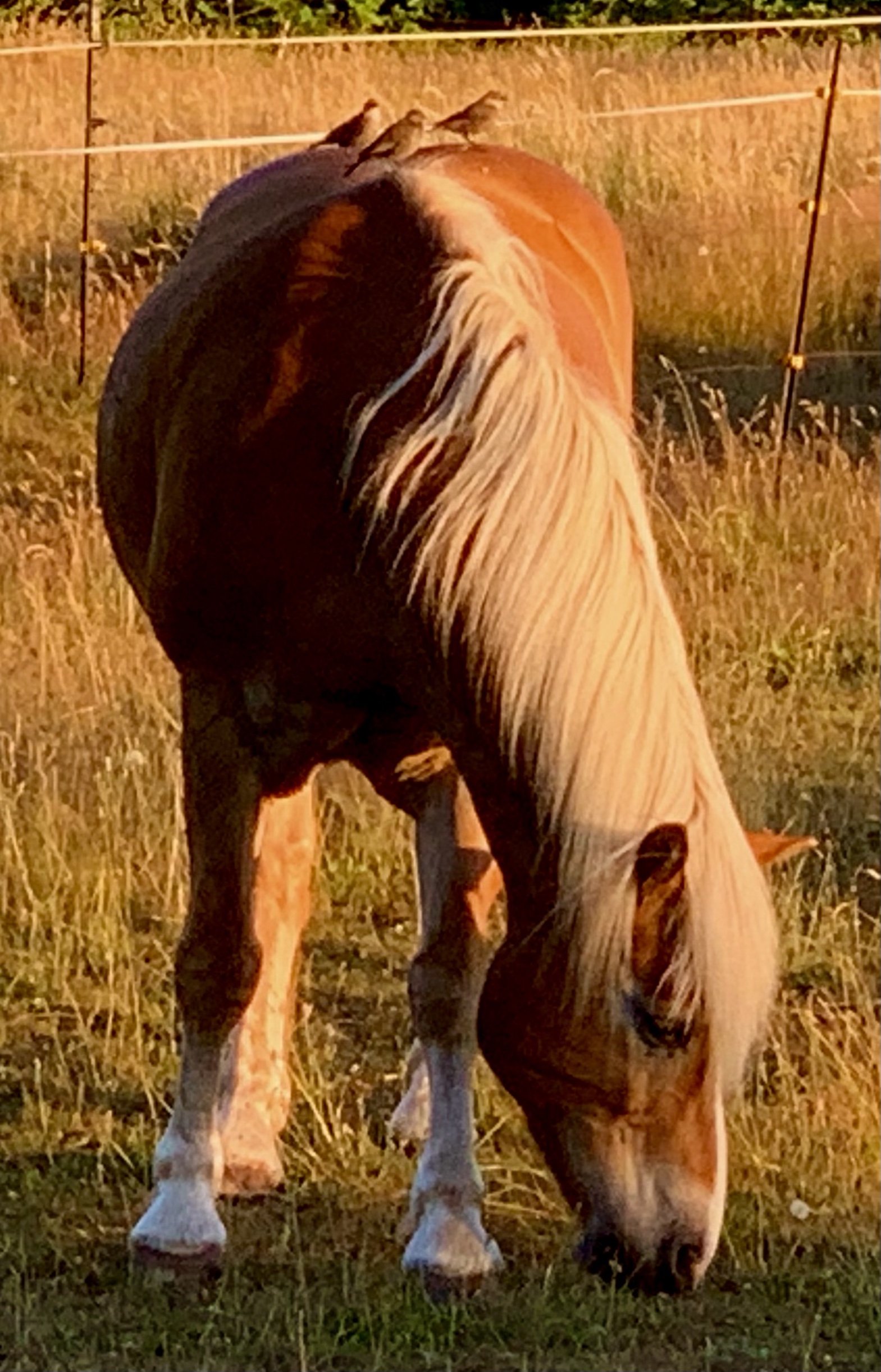
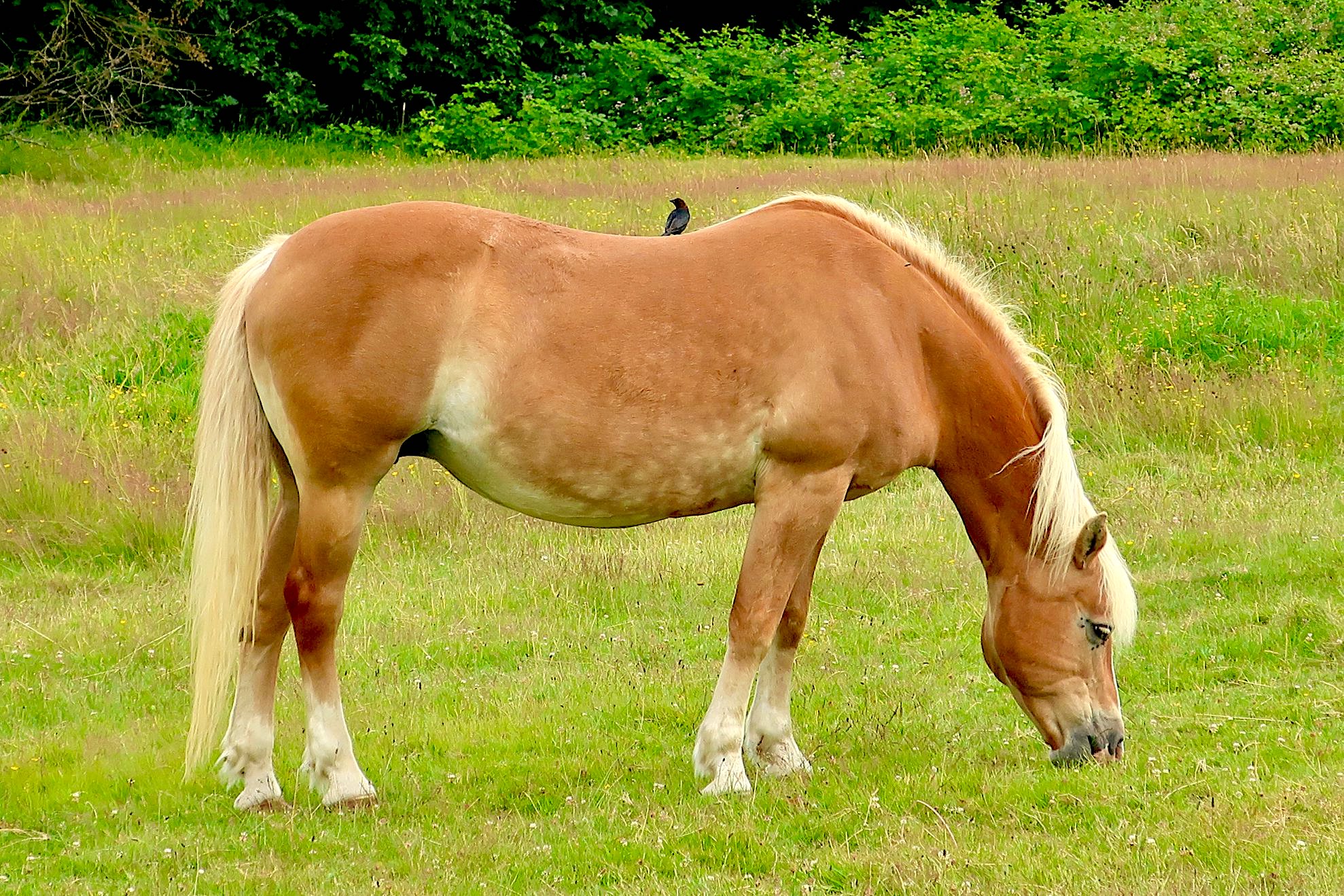
photo by Bette Vander Haak
One reason why birds and horses are happy is because they are not trying to impress other birds and horses. ~Dale Carnegie
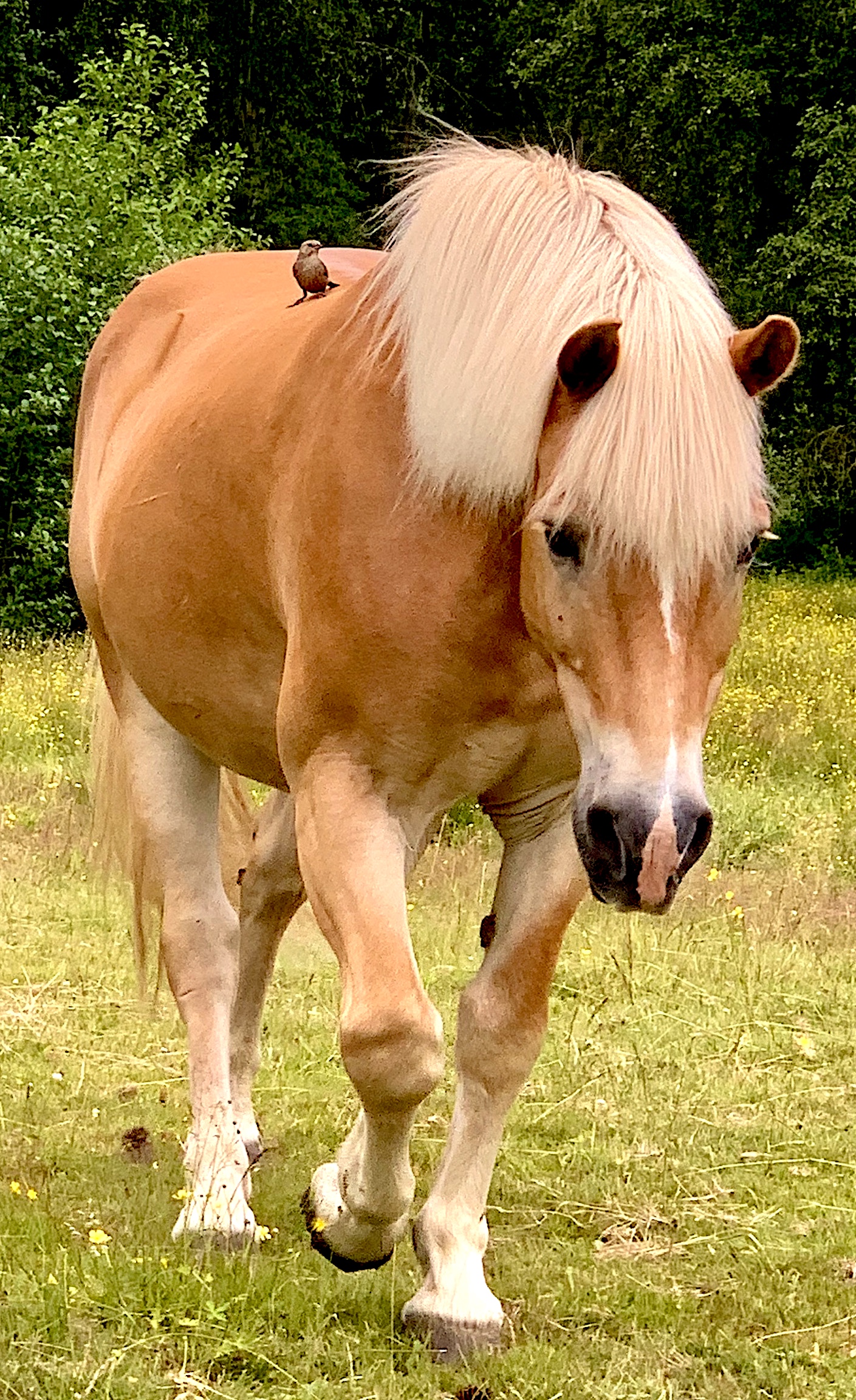
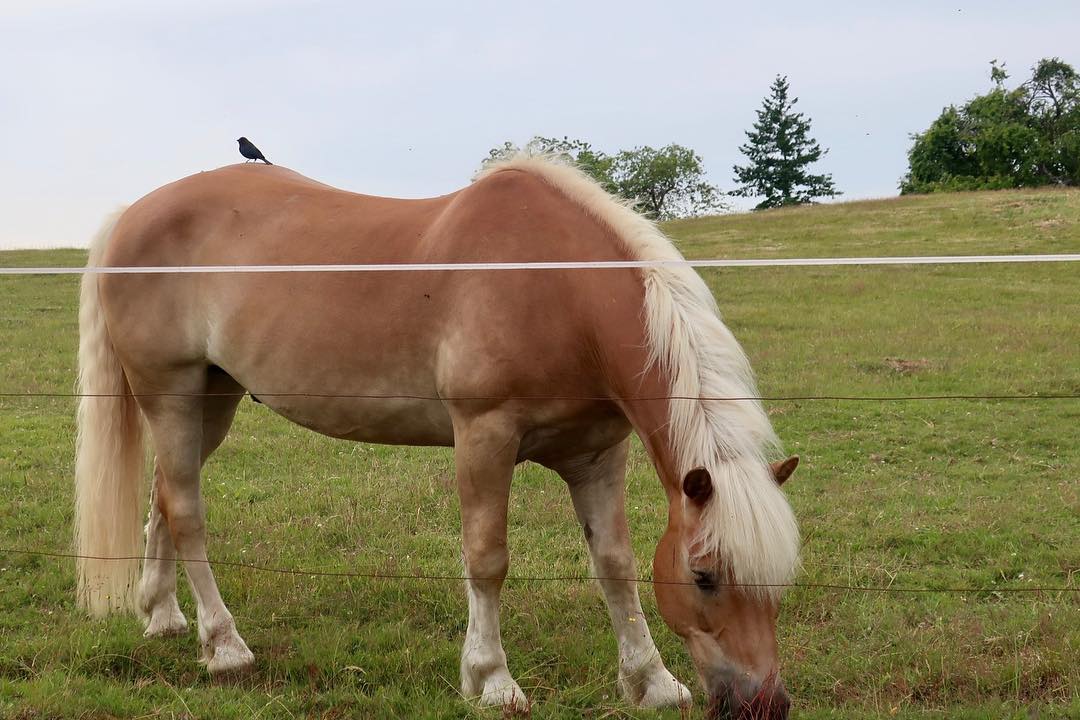
photo by Bette Vander Haak
When I bestride him, I soar, I am a hawk: he trots the air; the earth sings when he touches it; ~William Shakespeare from Henry V
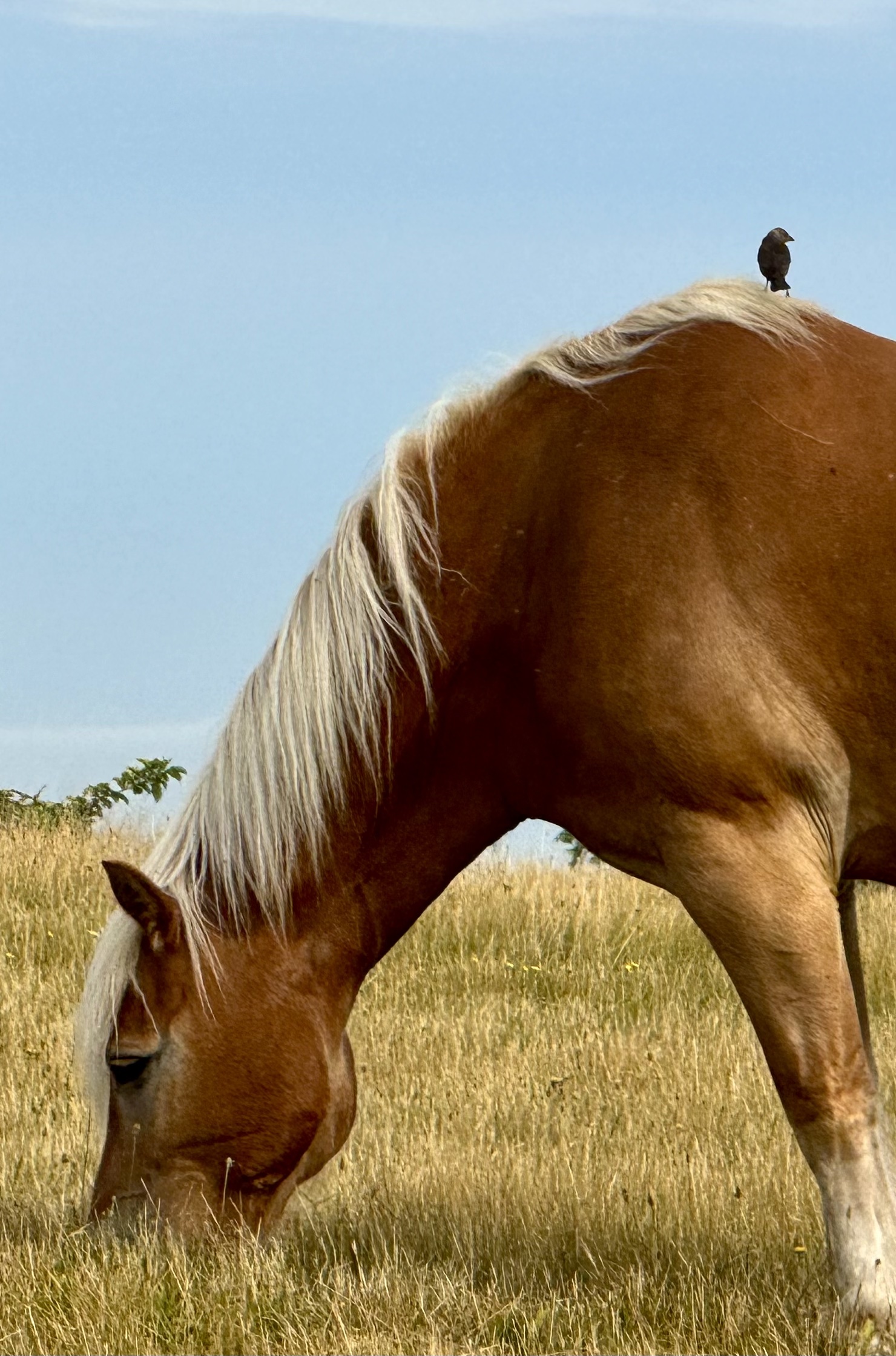
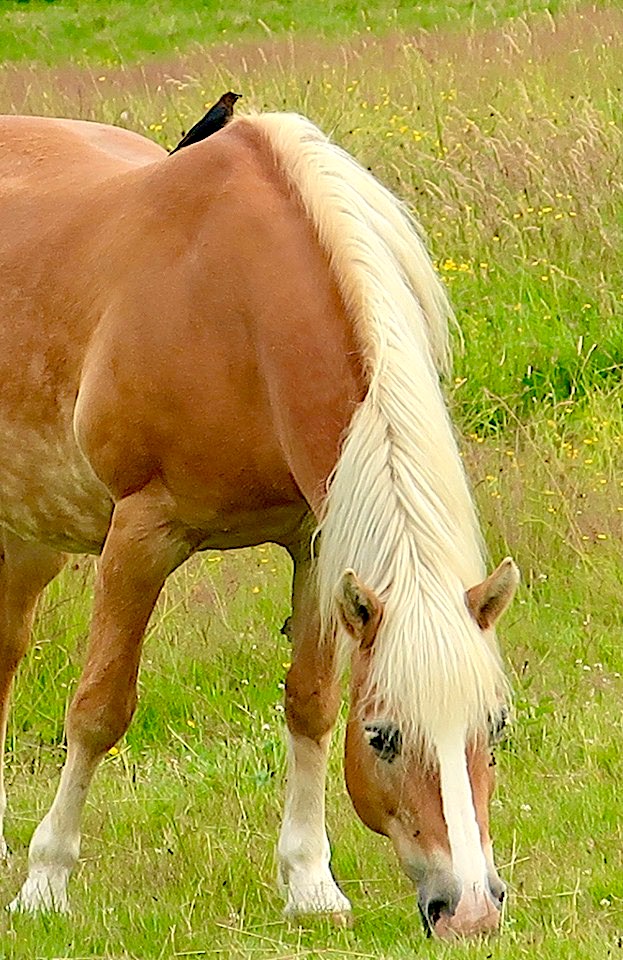
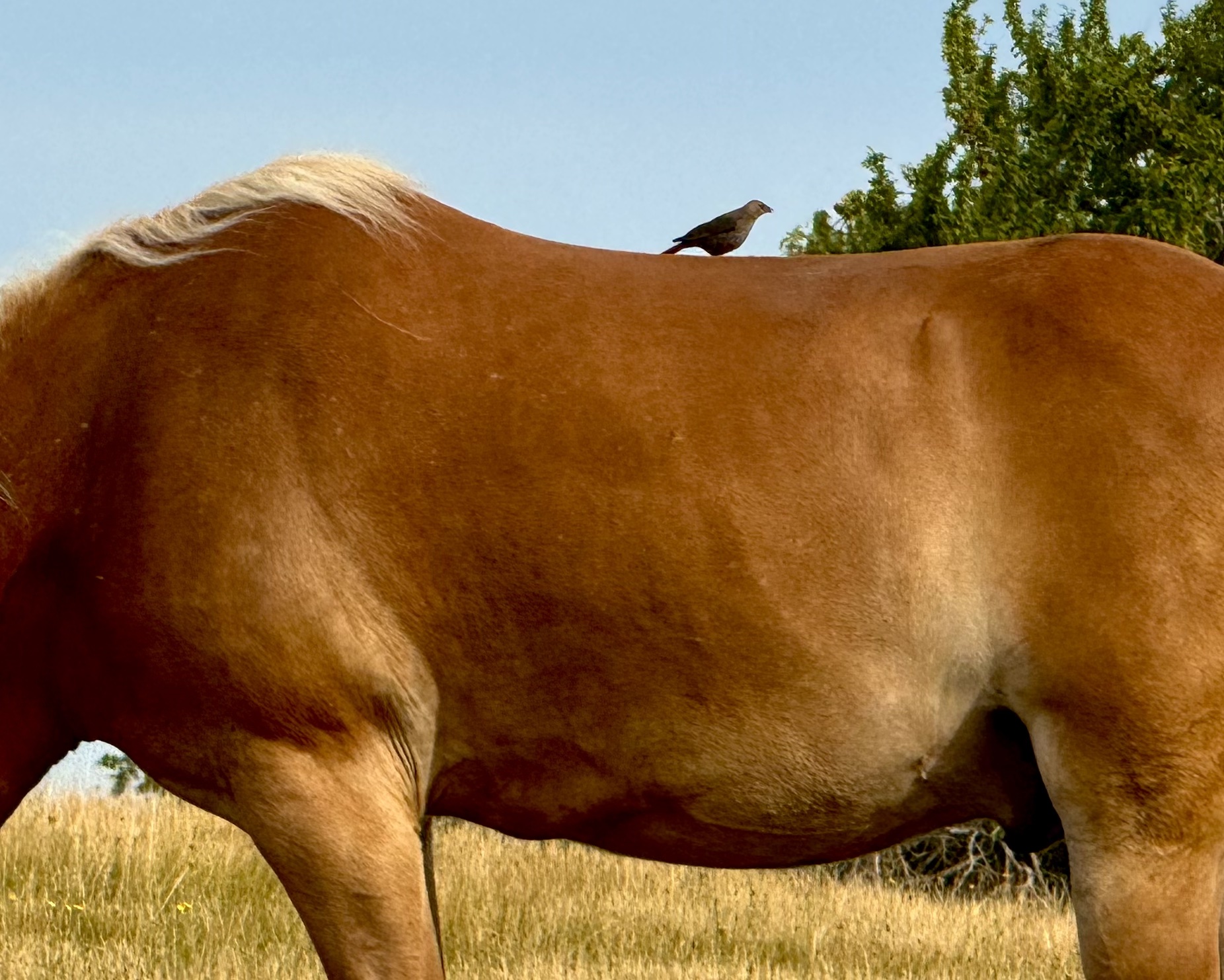
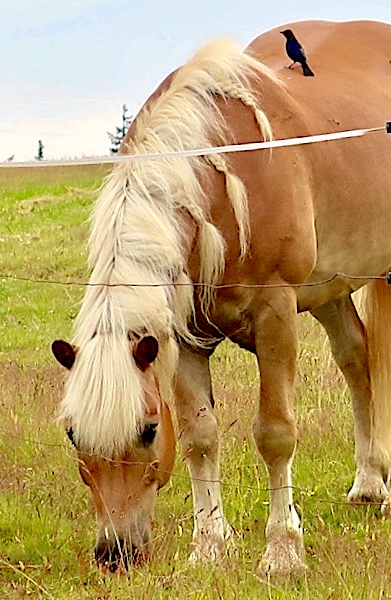
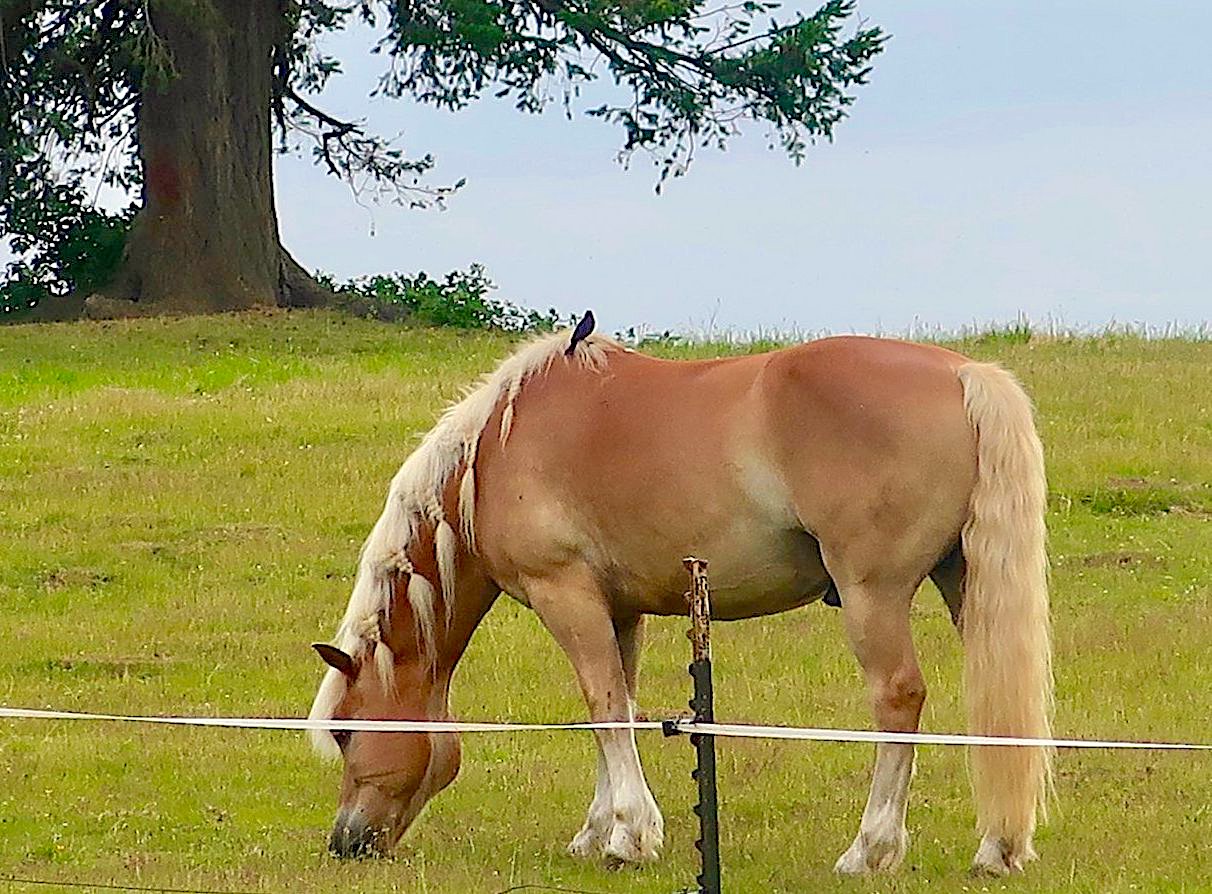
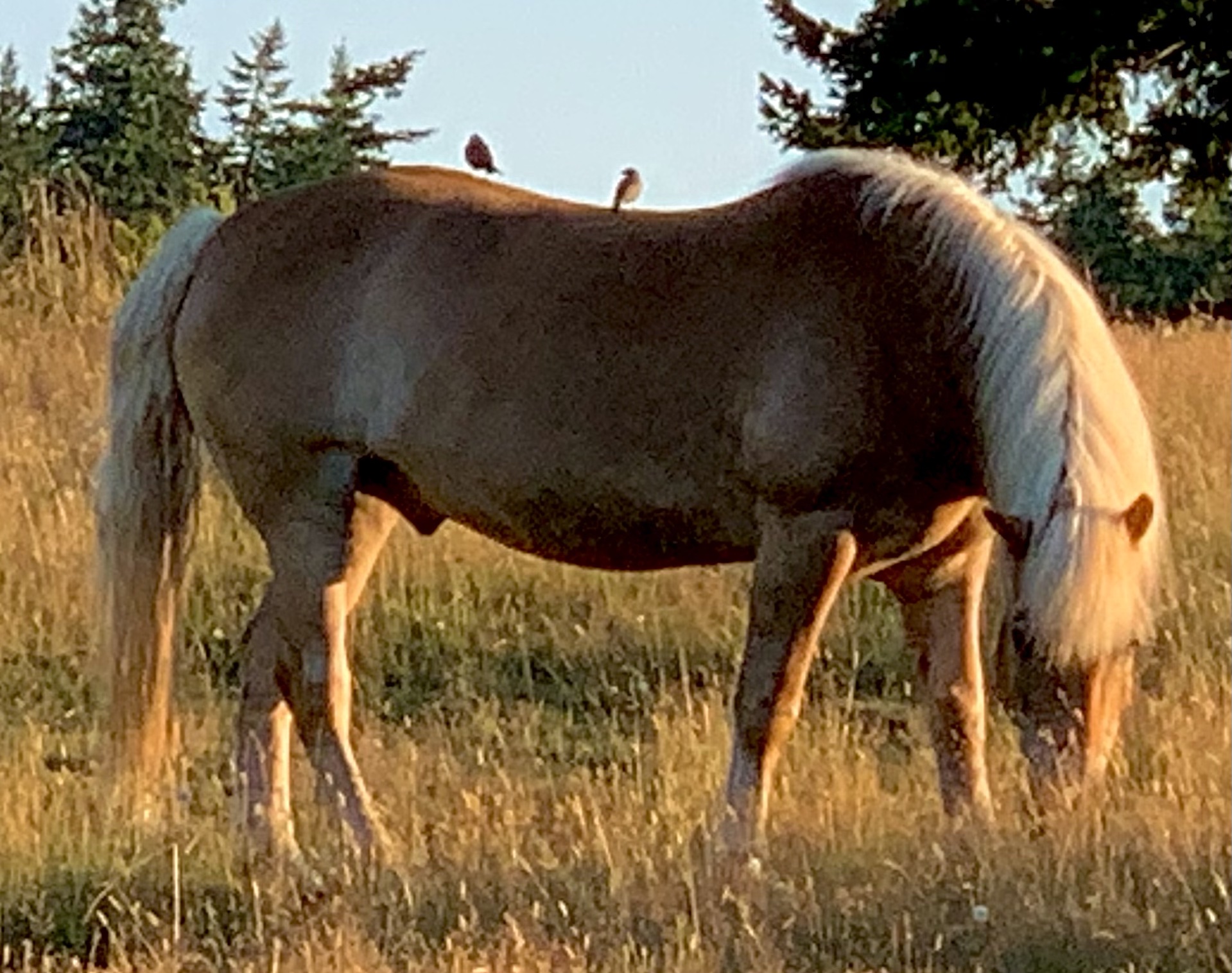
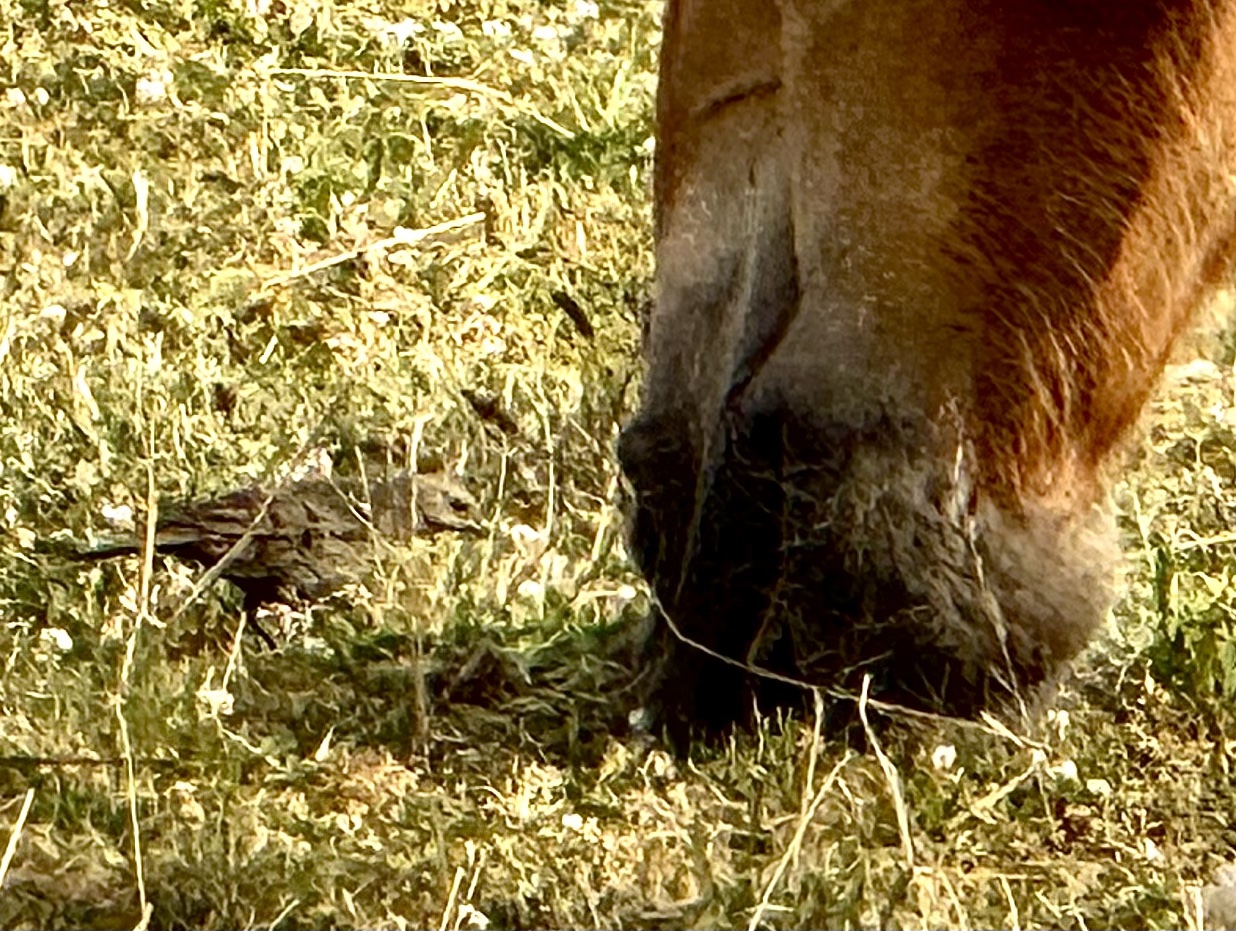
We all need someone along for the ride with us, blessing us with their company — a precious friend who has our back and scratches it wonderfully – helping to keep the biting flies away by gobbling them up.
It is symbiosis at its best: a relationship built on mutual trust and helpfulness. In exchange for relief from annoying insects that a tail can’t flick off, a Haflinger horse serves up bugs on a smorgasbord landing platform located safely above farm cats and marauding coyotes.
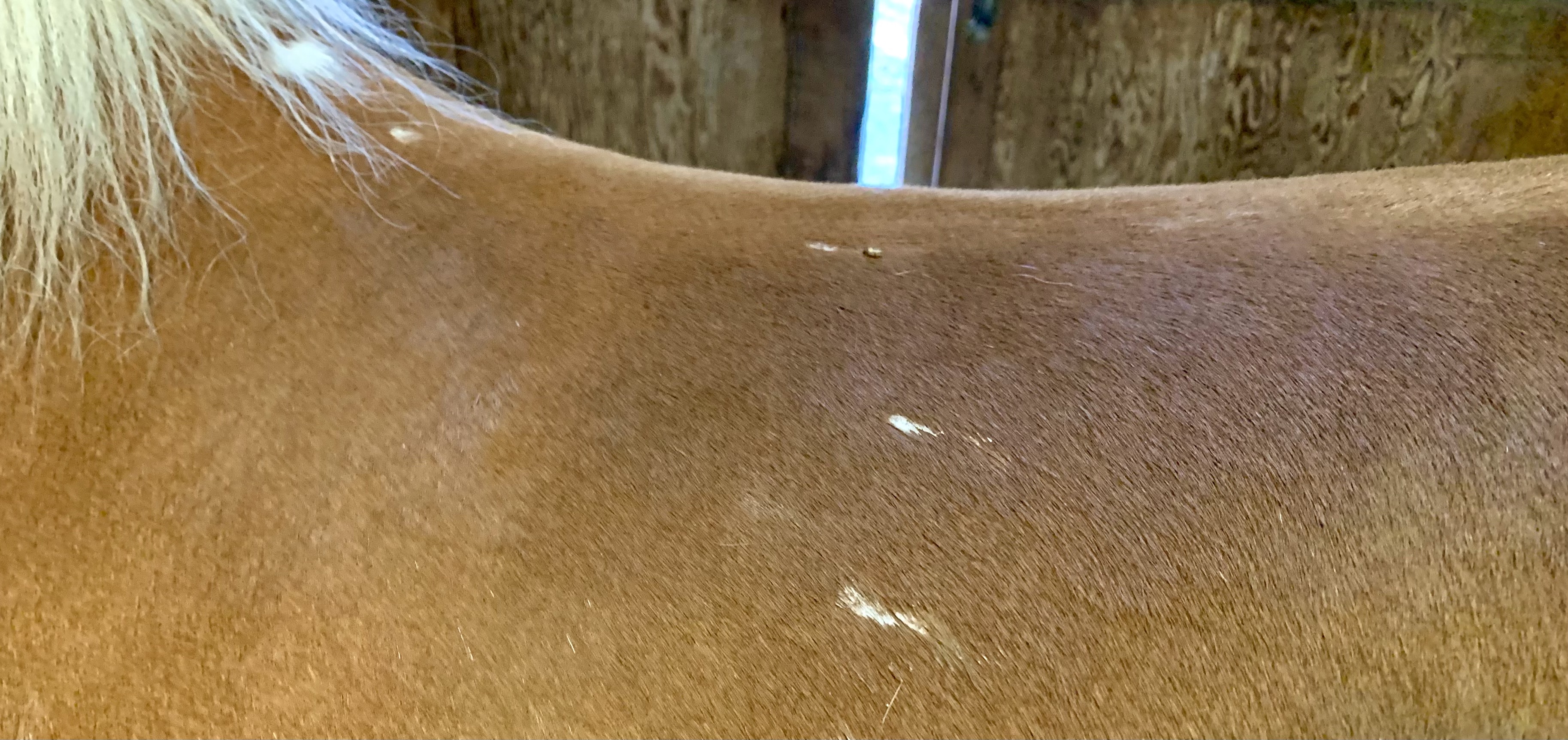
Thanks to their perpetual full meal deals, these cowbirds do leave generous “deposits” behind that need to be brushed off at the end of the day. Like any good friendship, tidying up the little messes left behind is a small price to pay for the bliss of companionable comradeship.
We’re buds after all – best forever friends, trotting the air while the earth sings along.
And this is exactly what friends are for: one provides the feast while the other provides the wings, even if things get messy.
Be winged. Be fed. Cleaning up together.
One-Time
Monthly
Yearly
Make a one-time or recurring donation to support daily Barnstorming posts












 Barnstorming