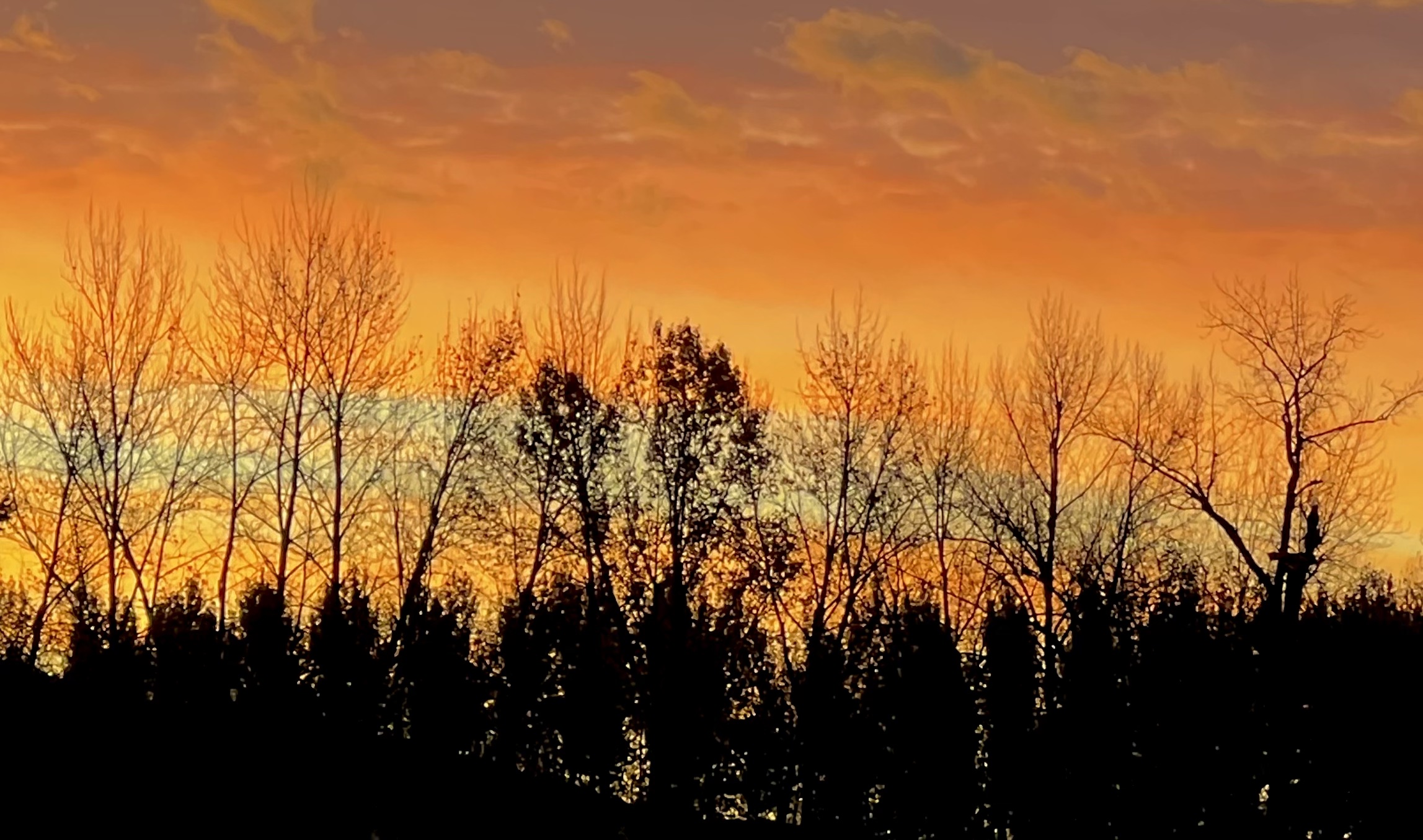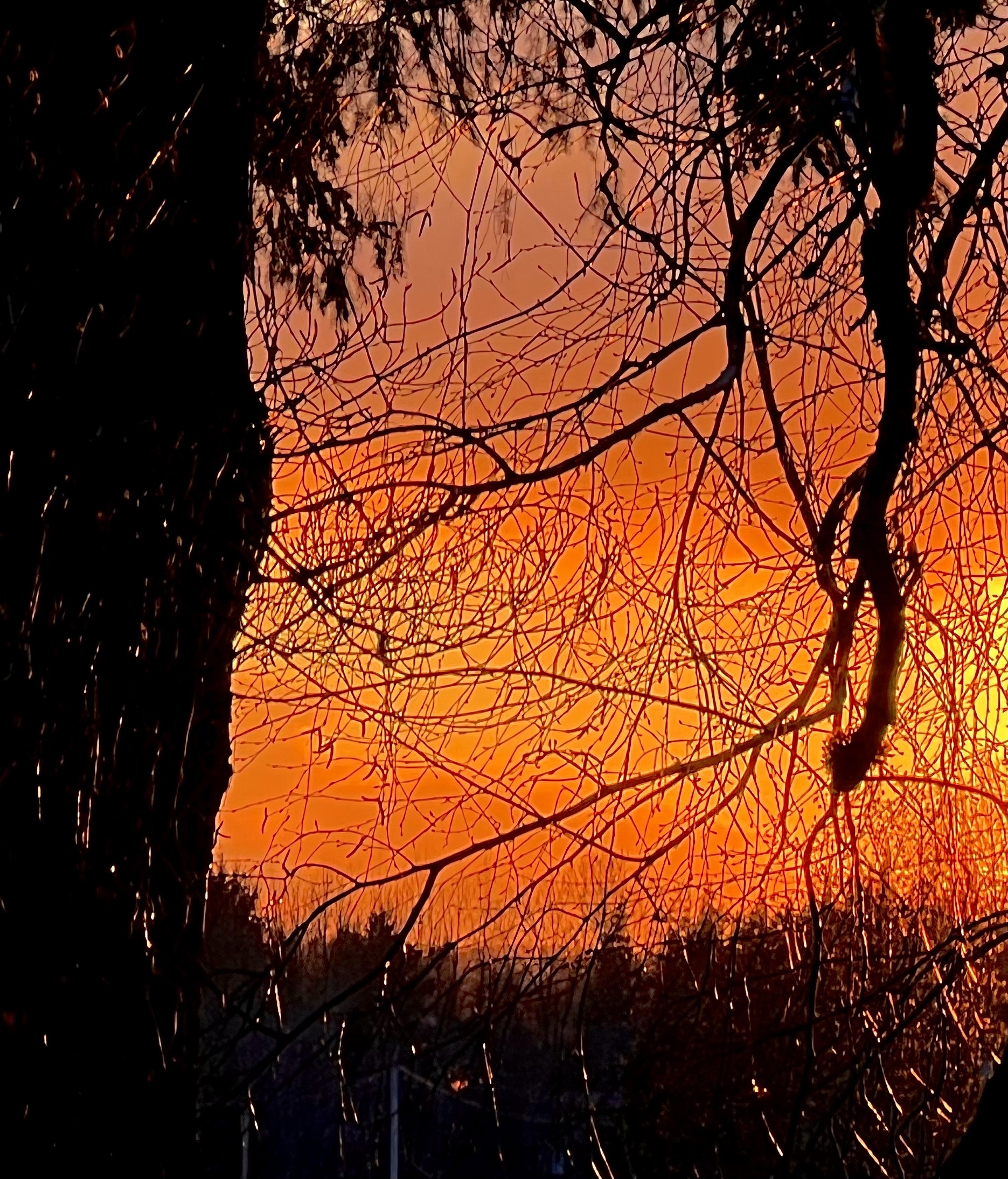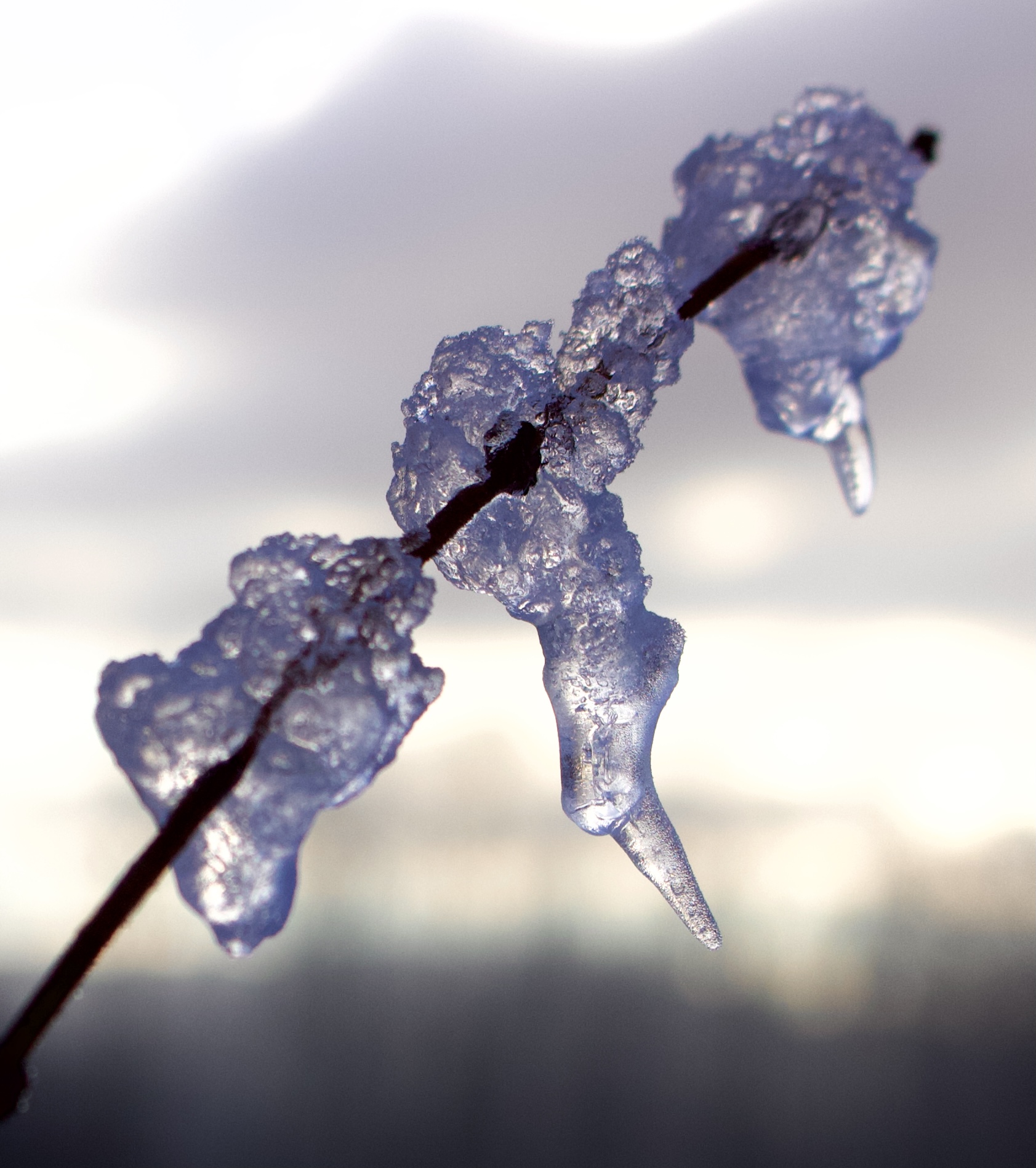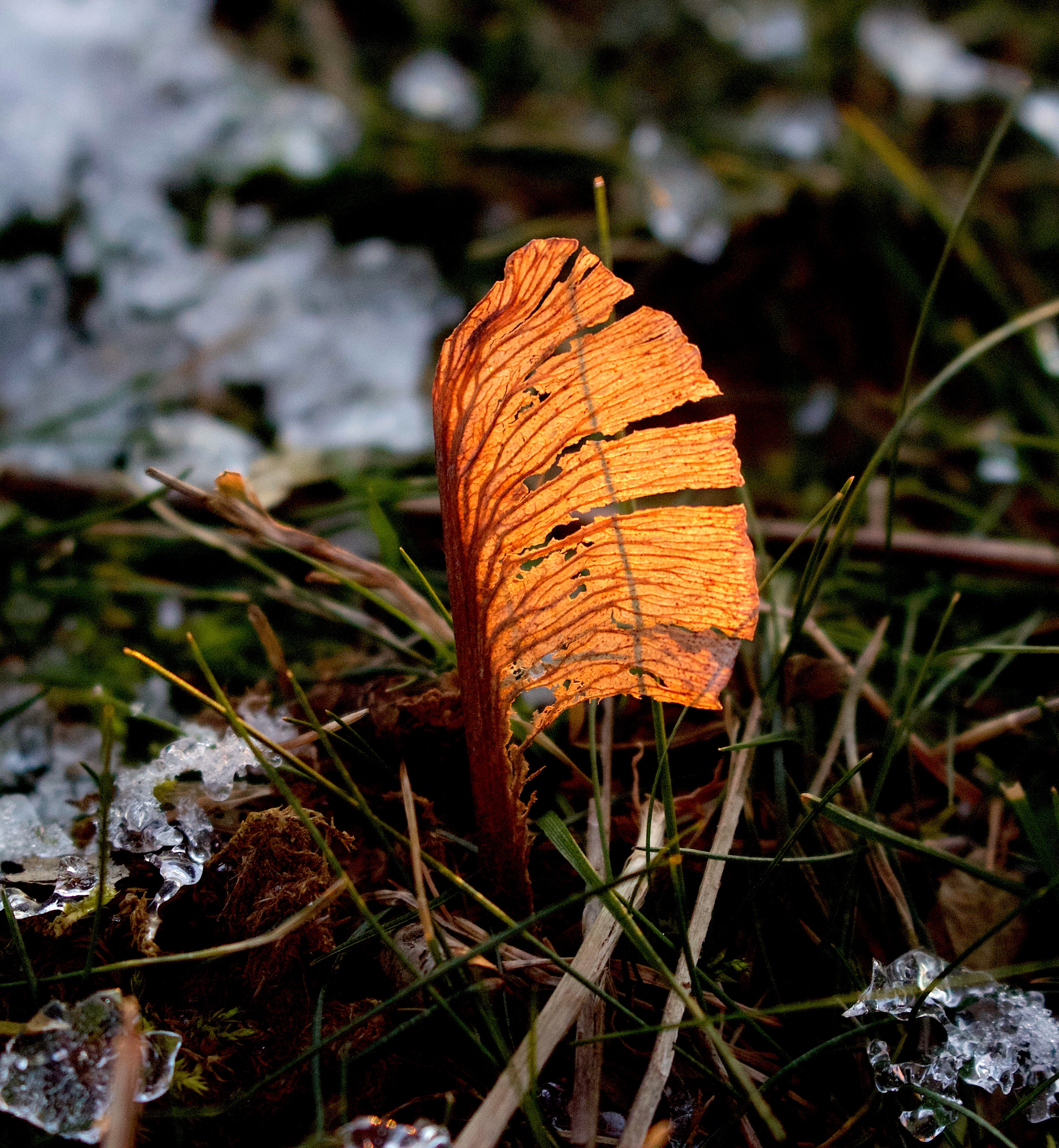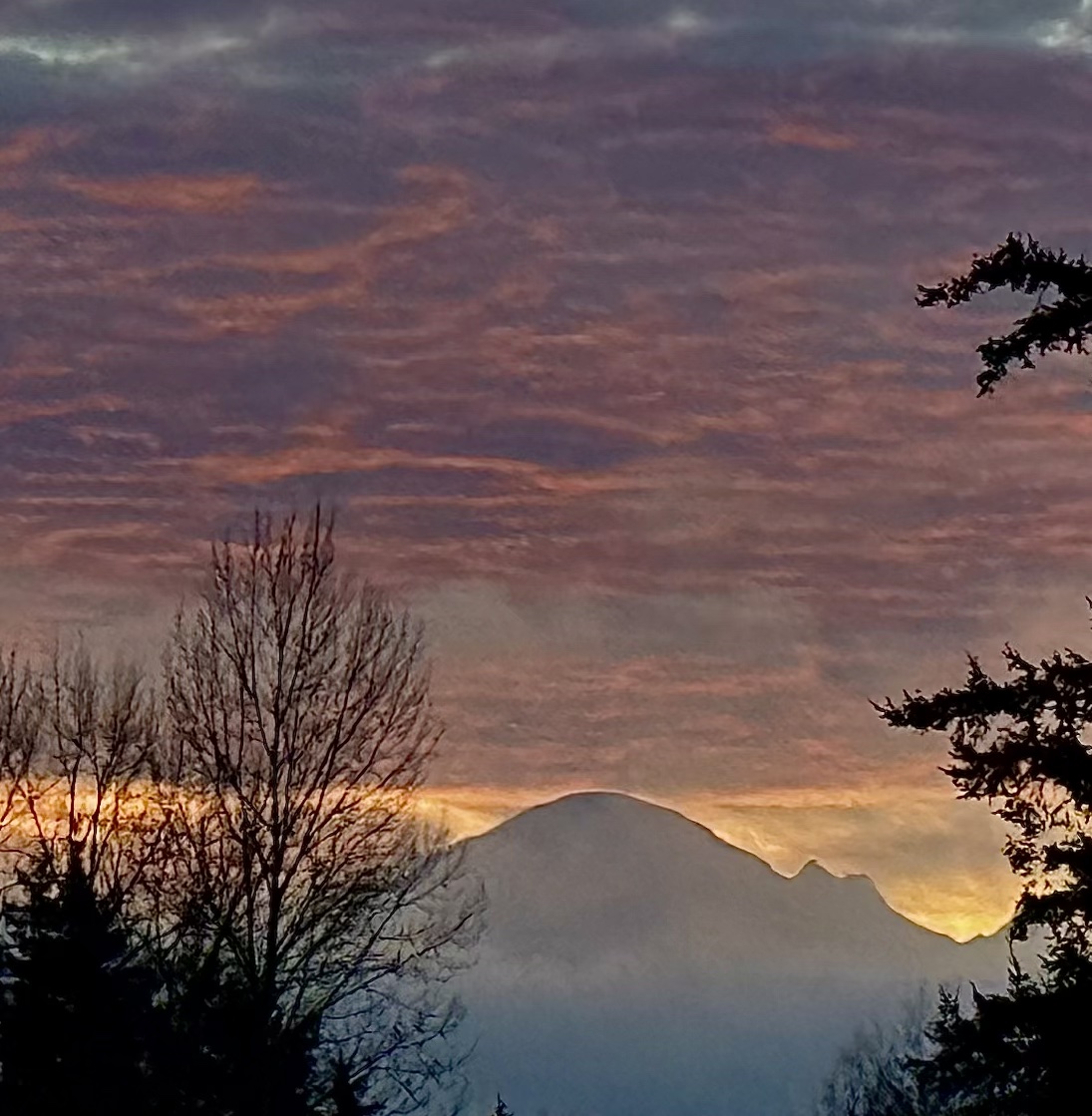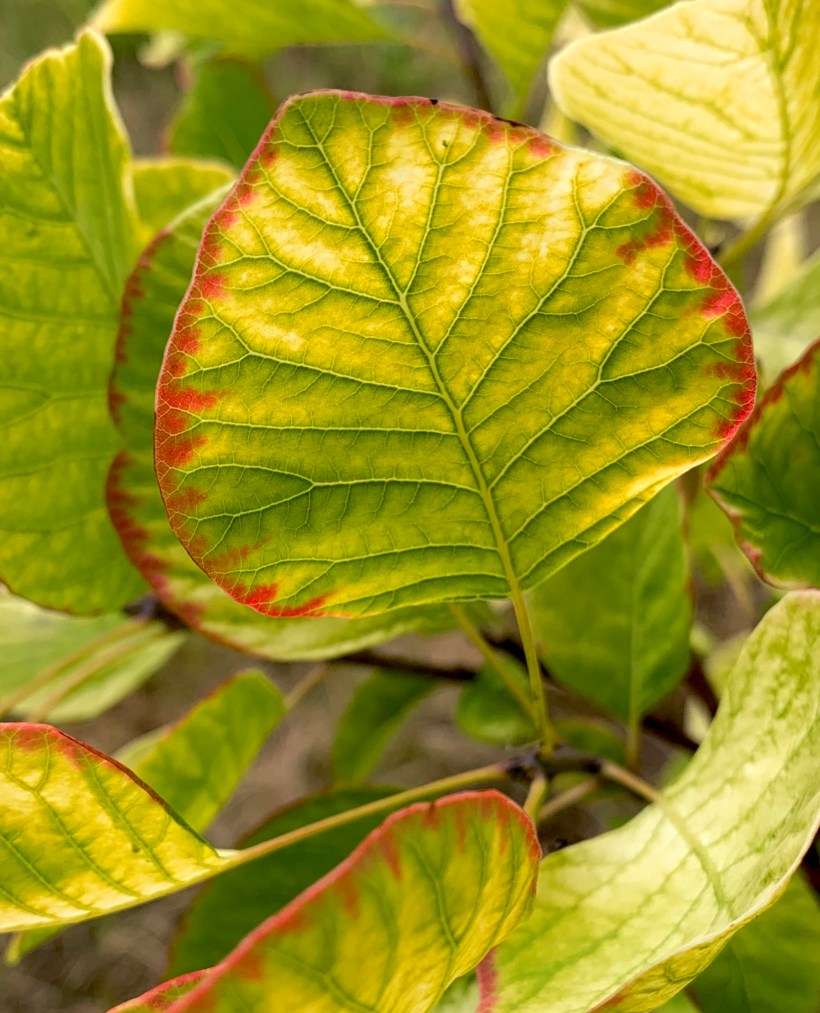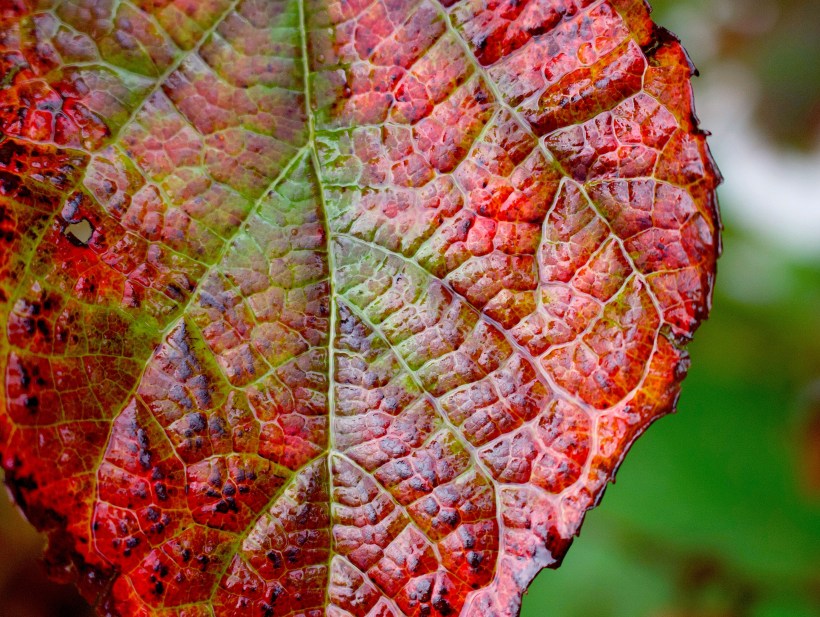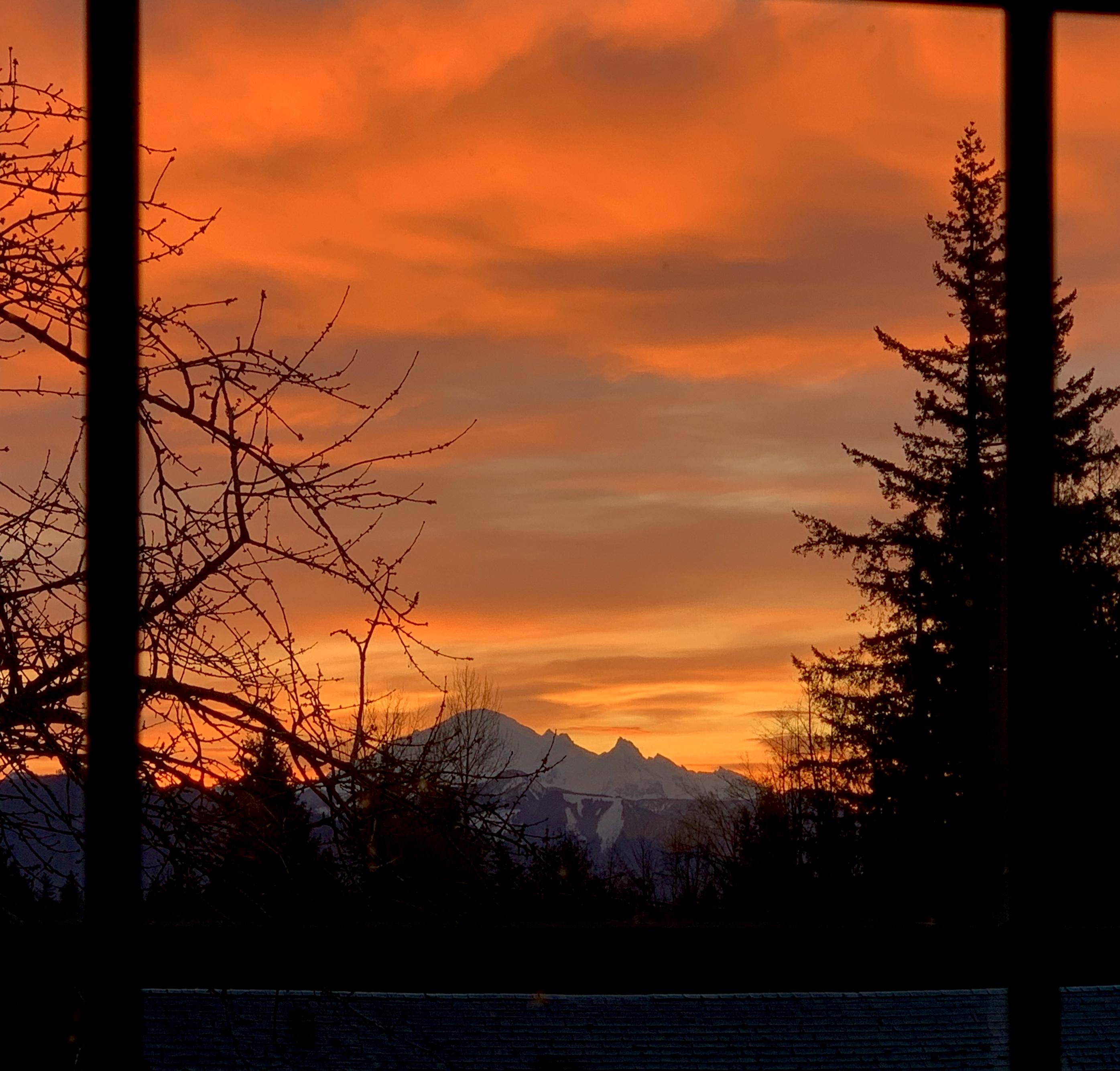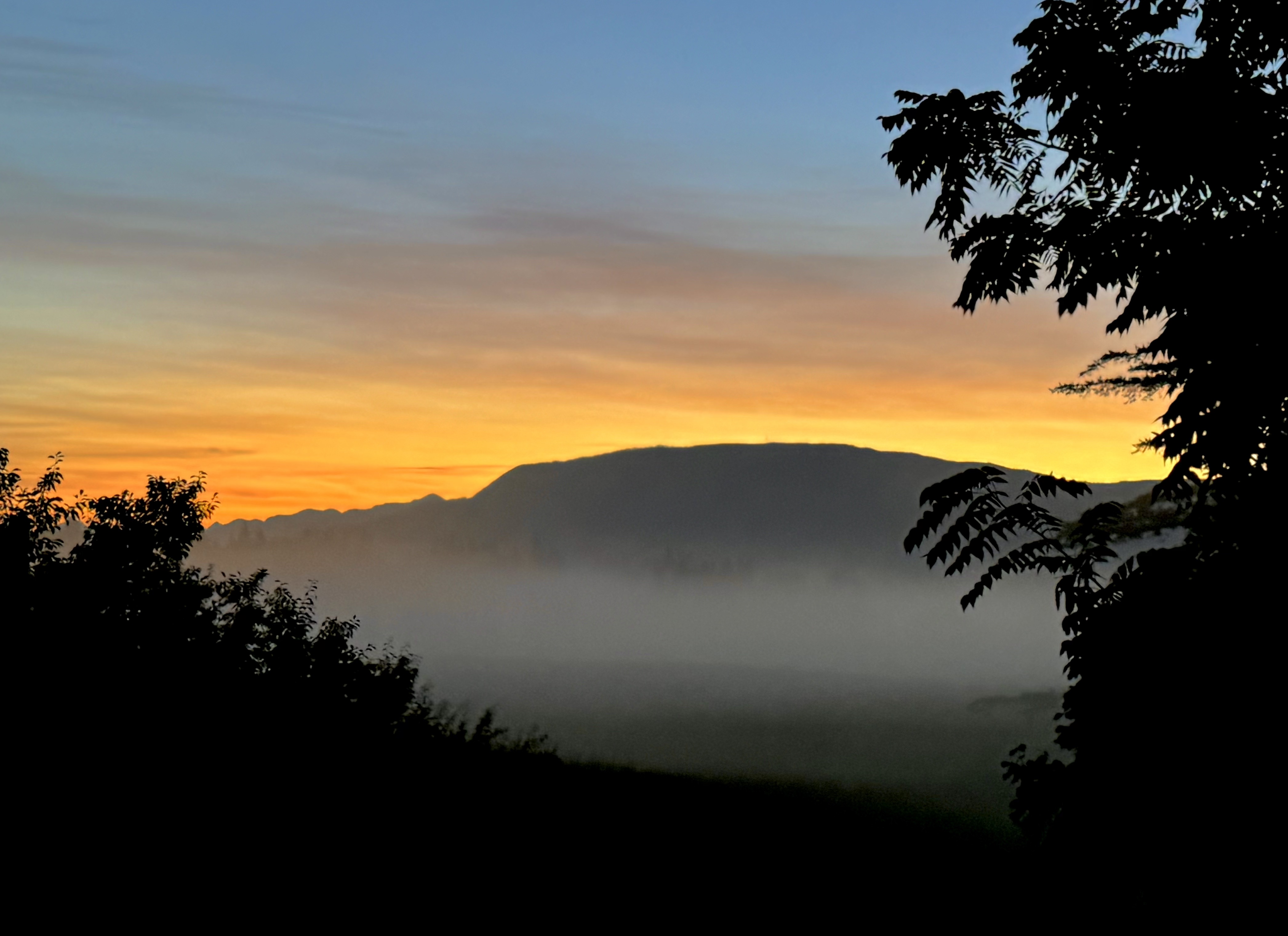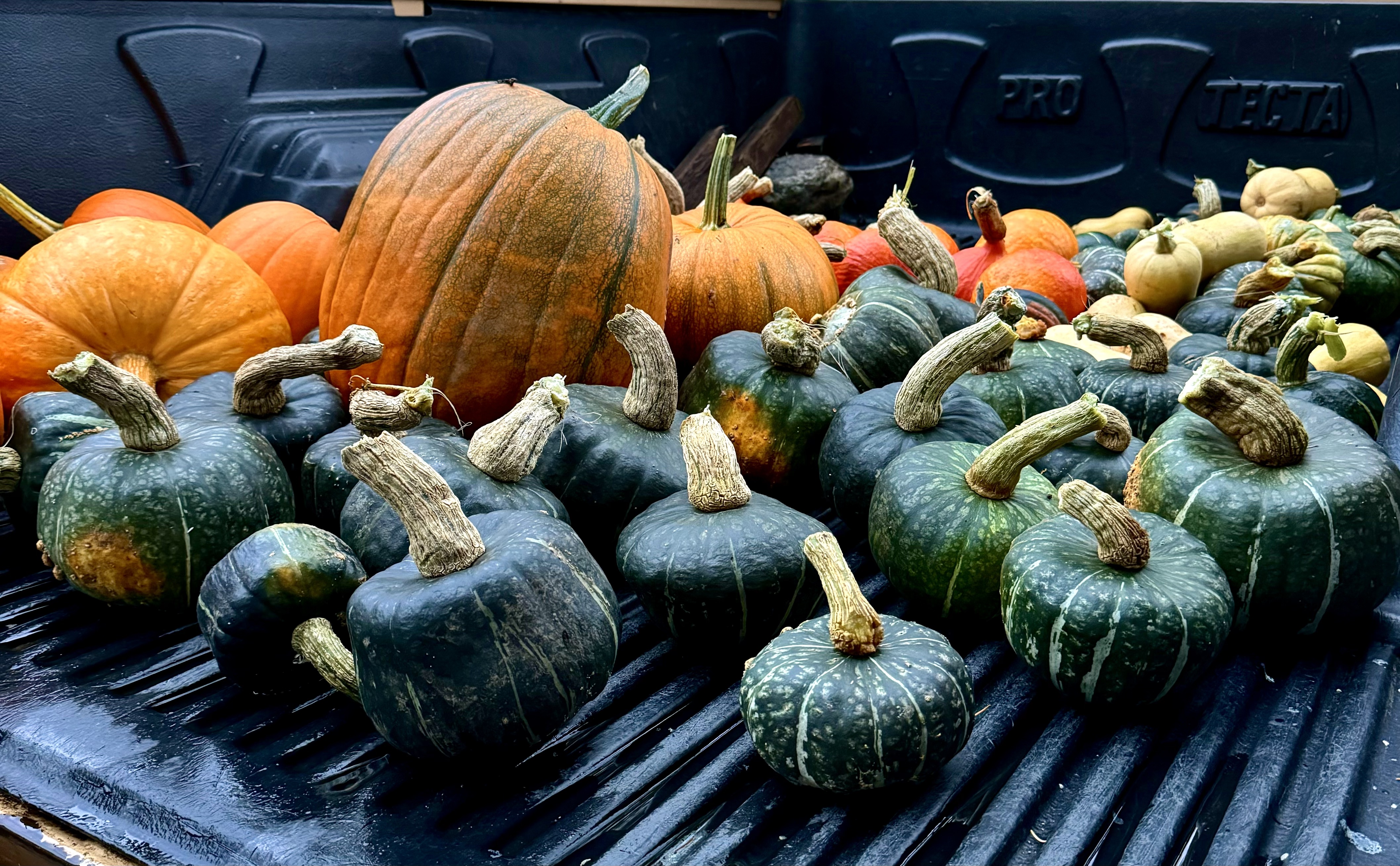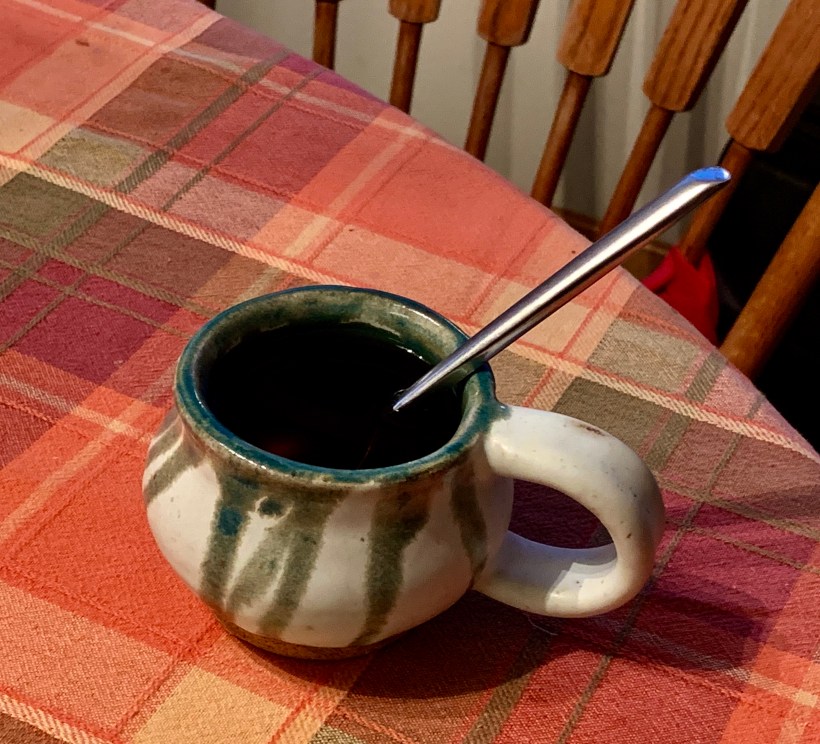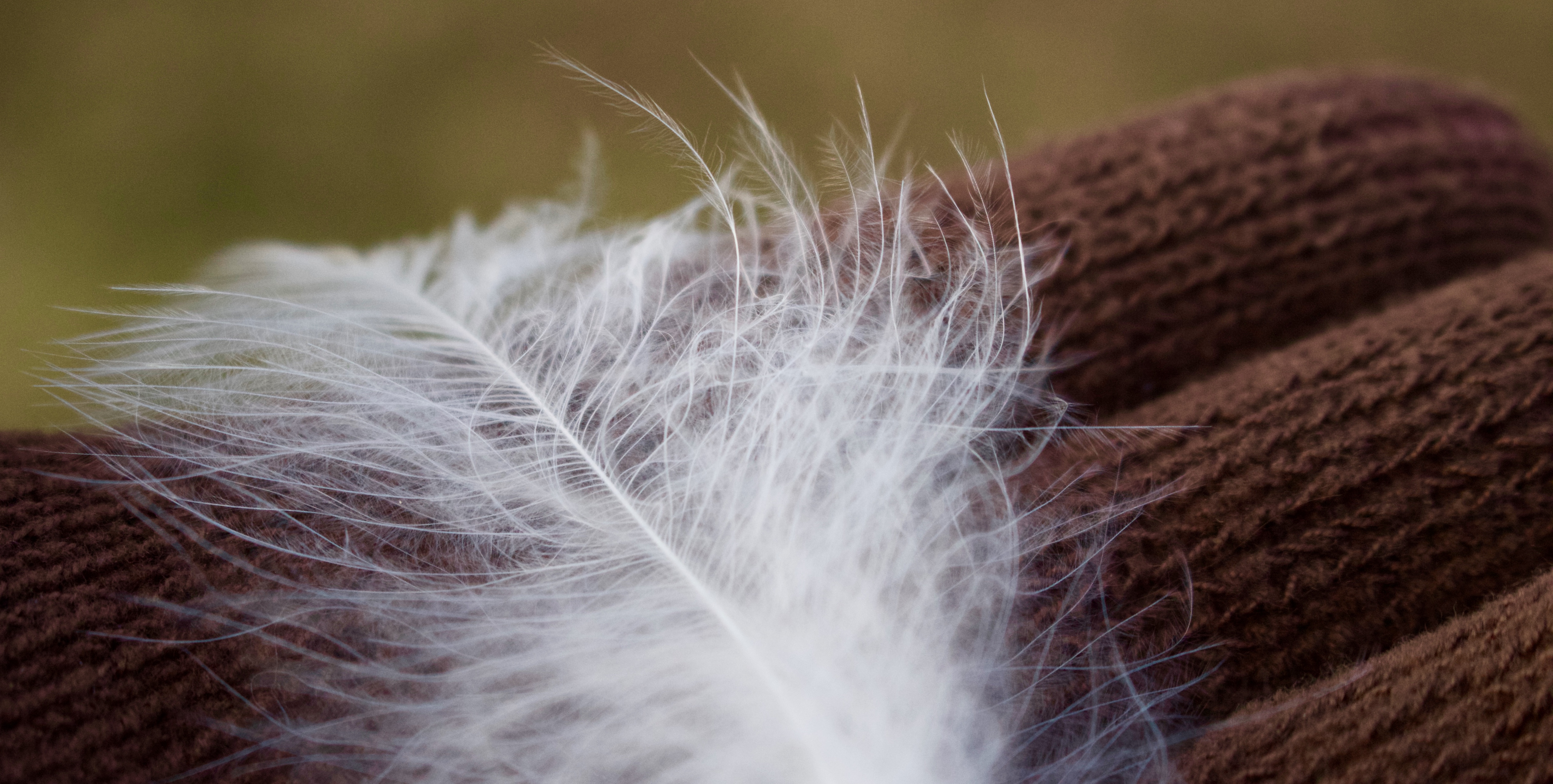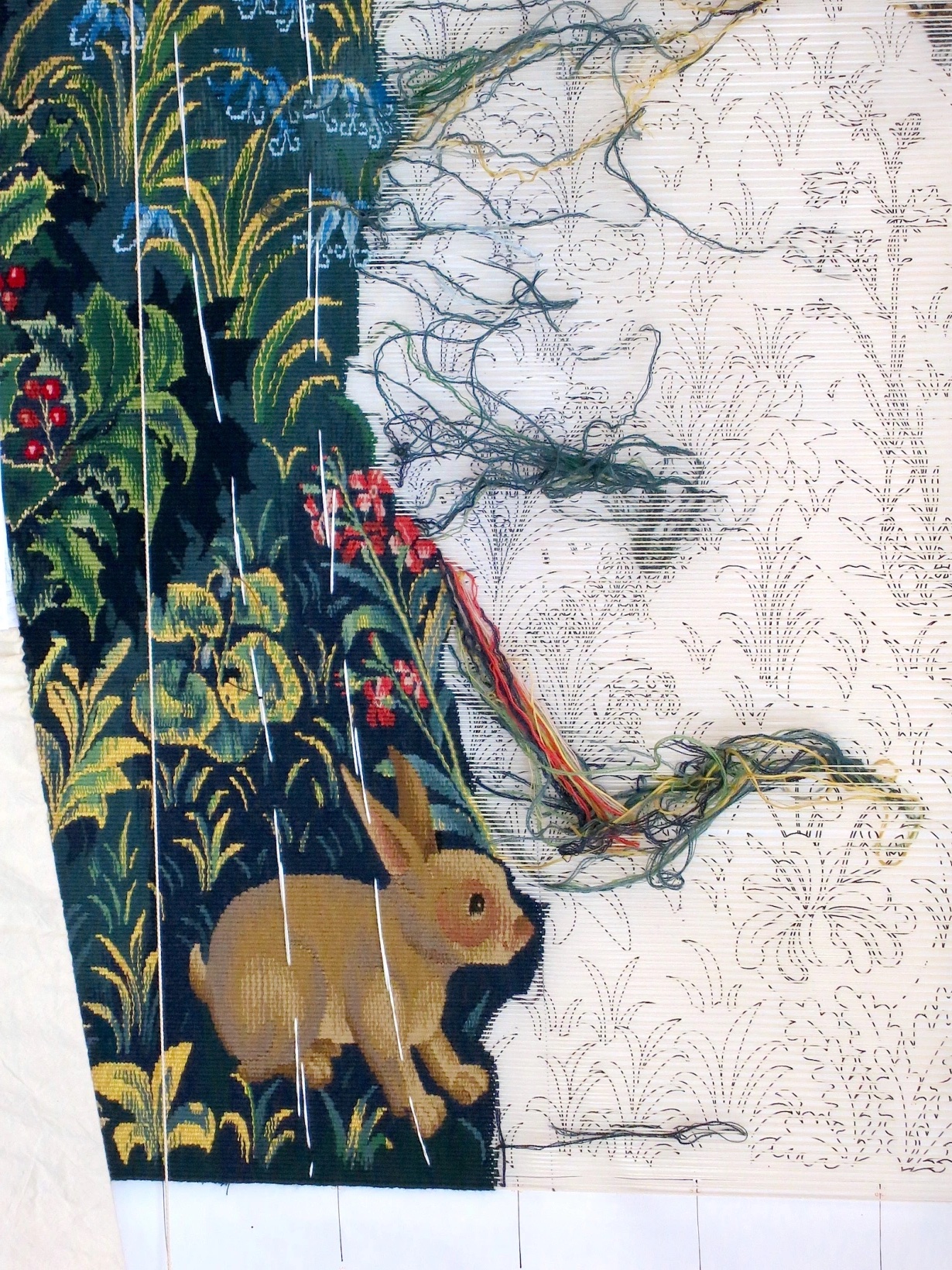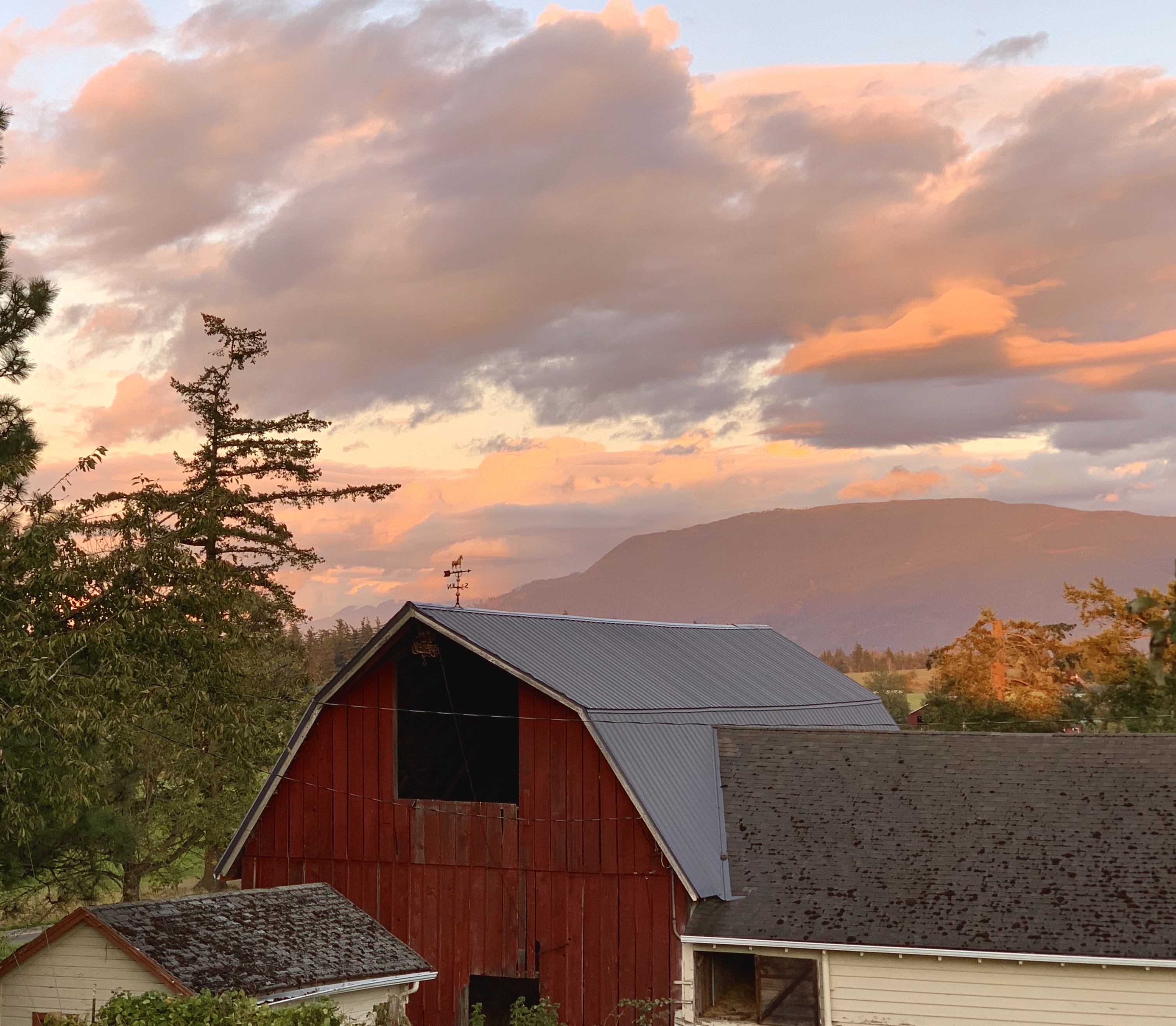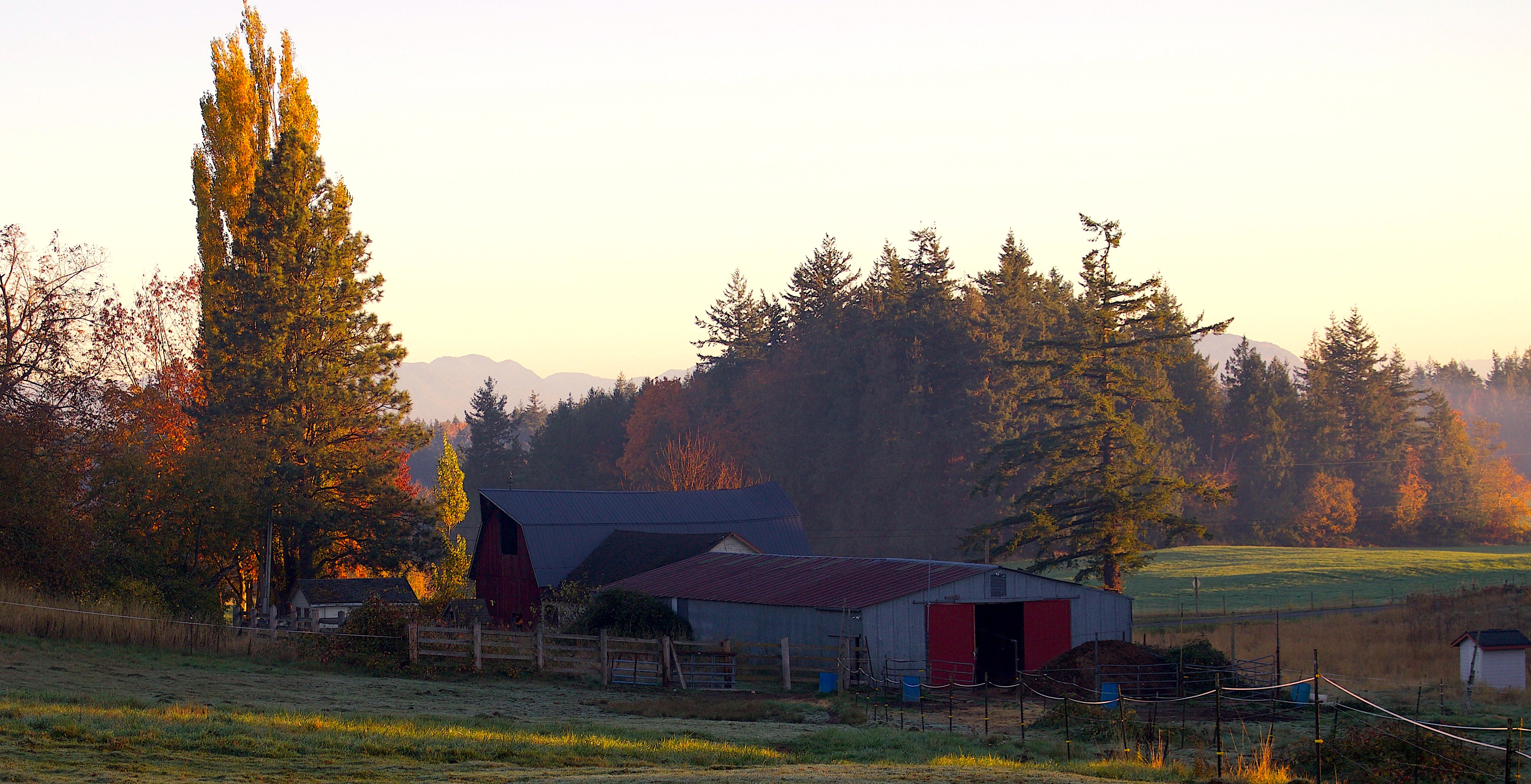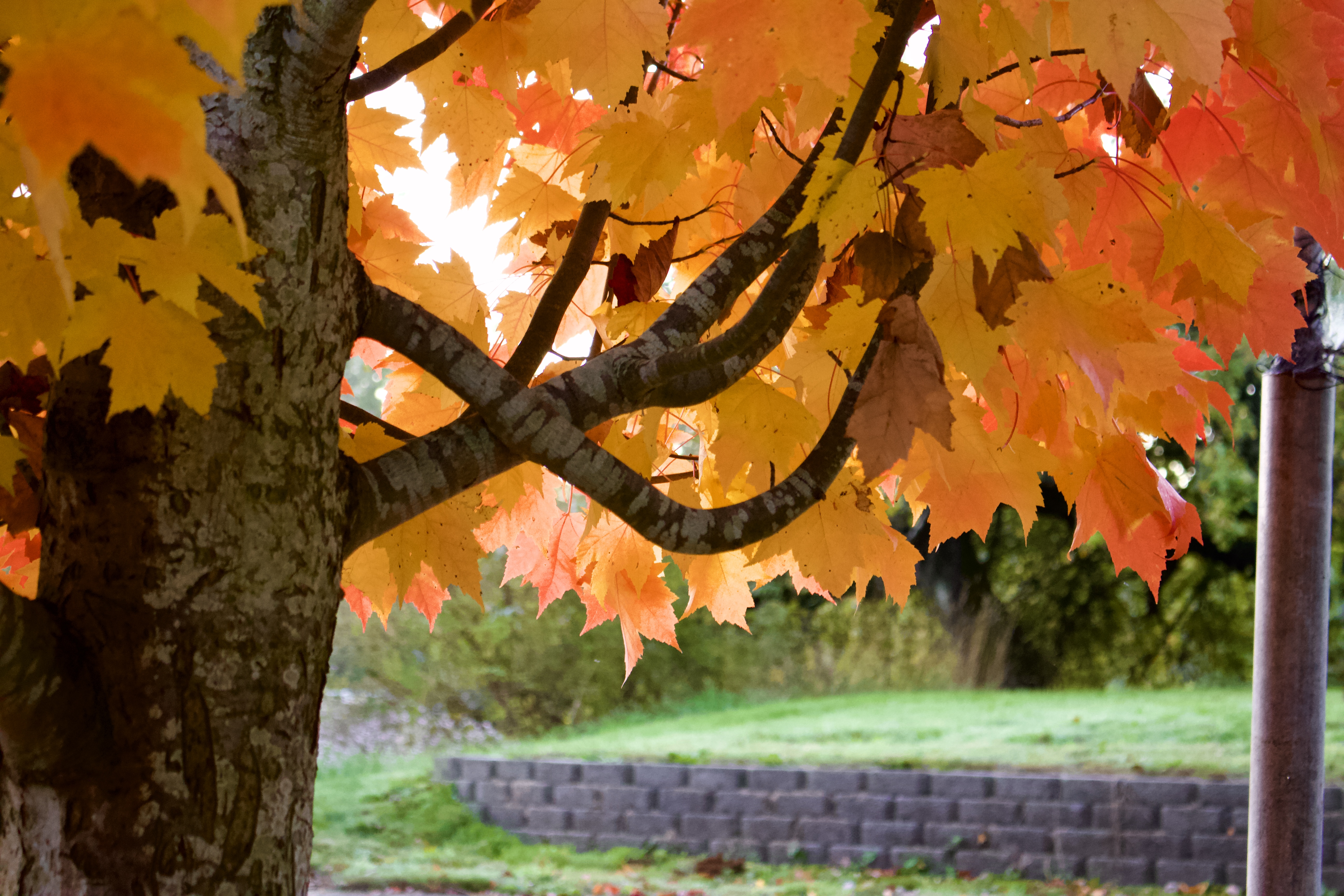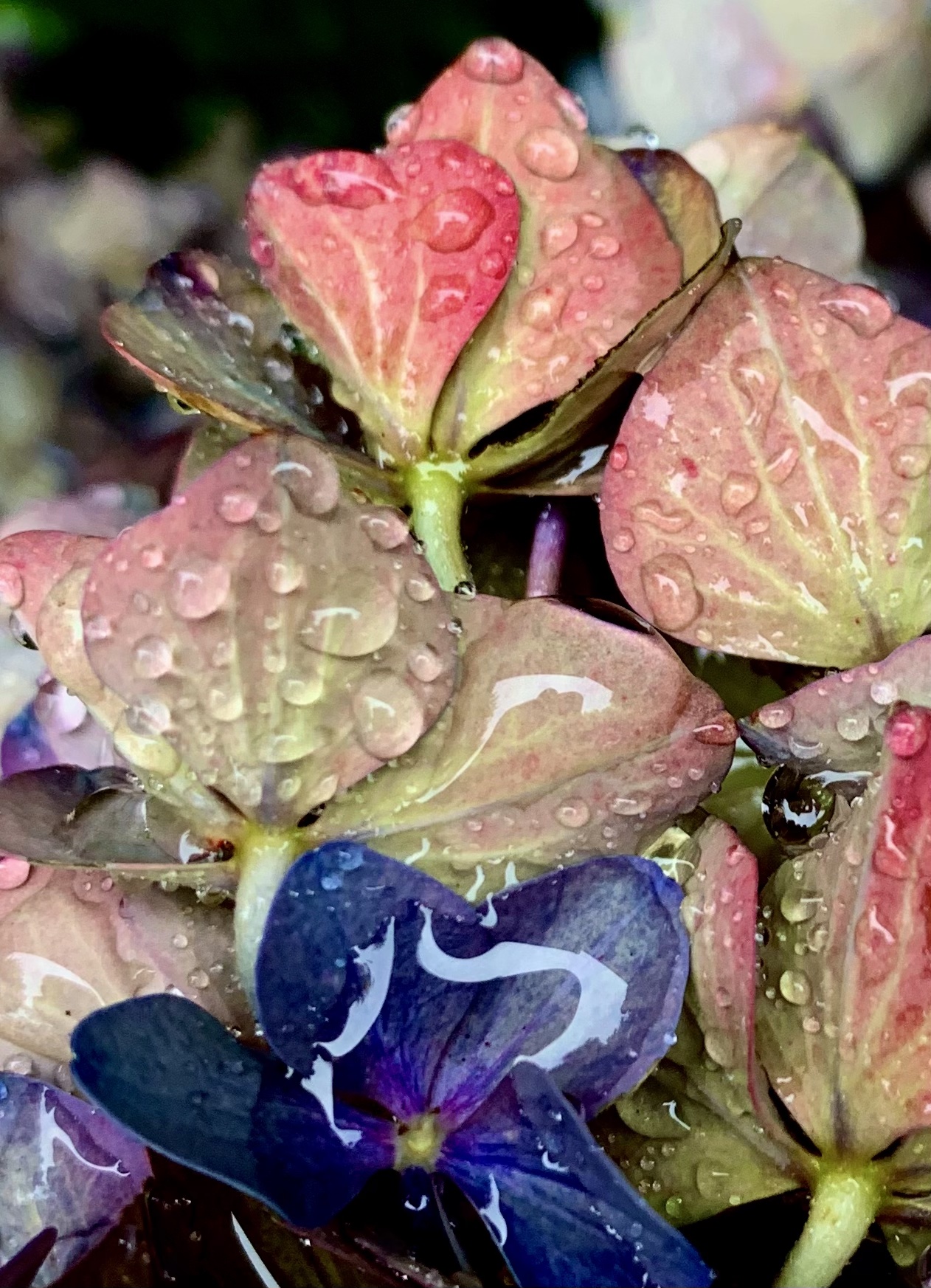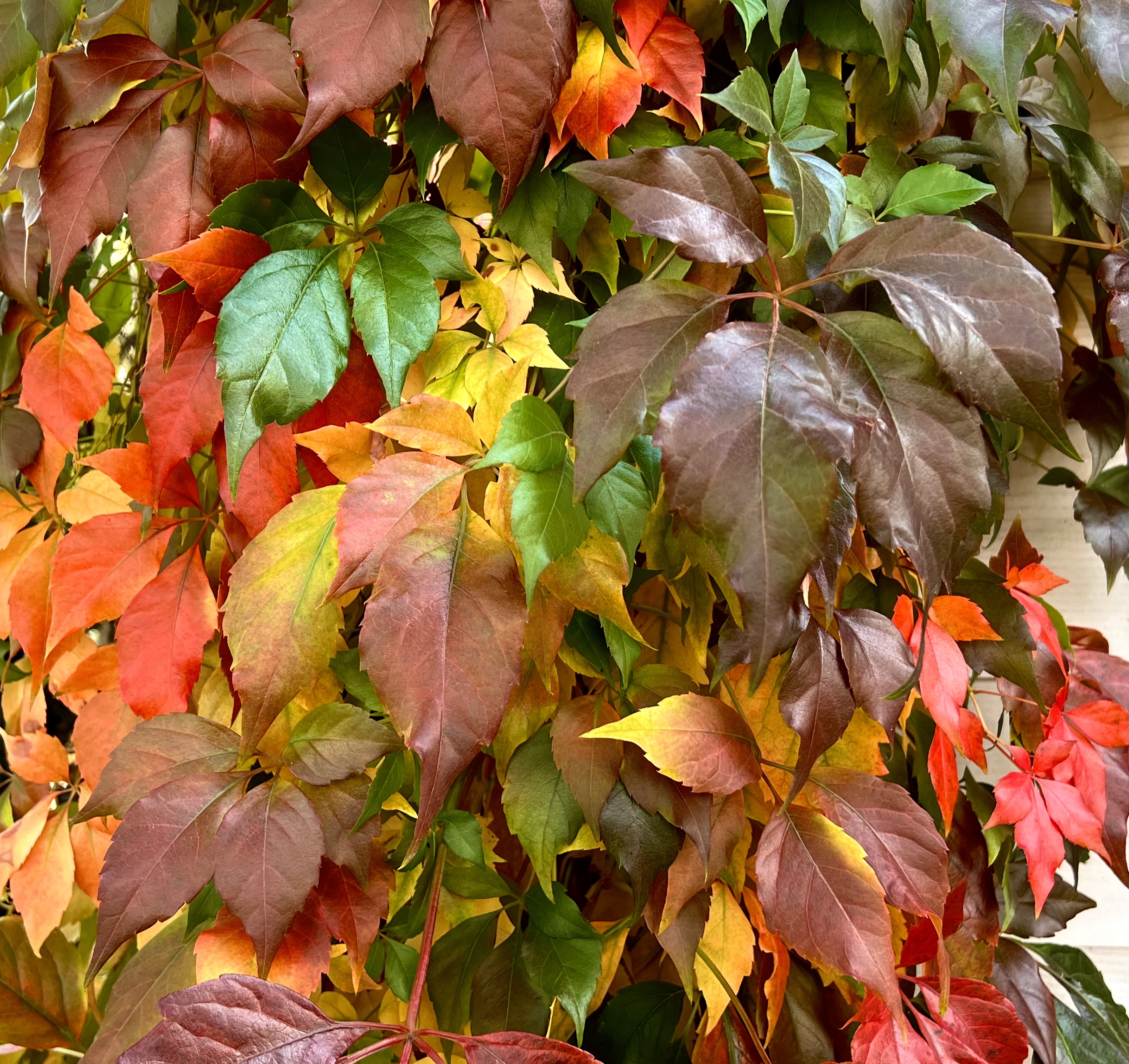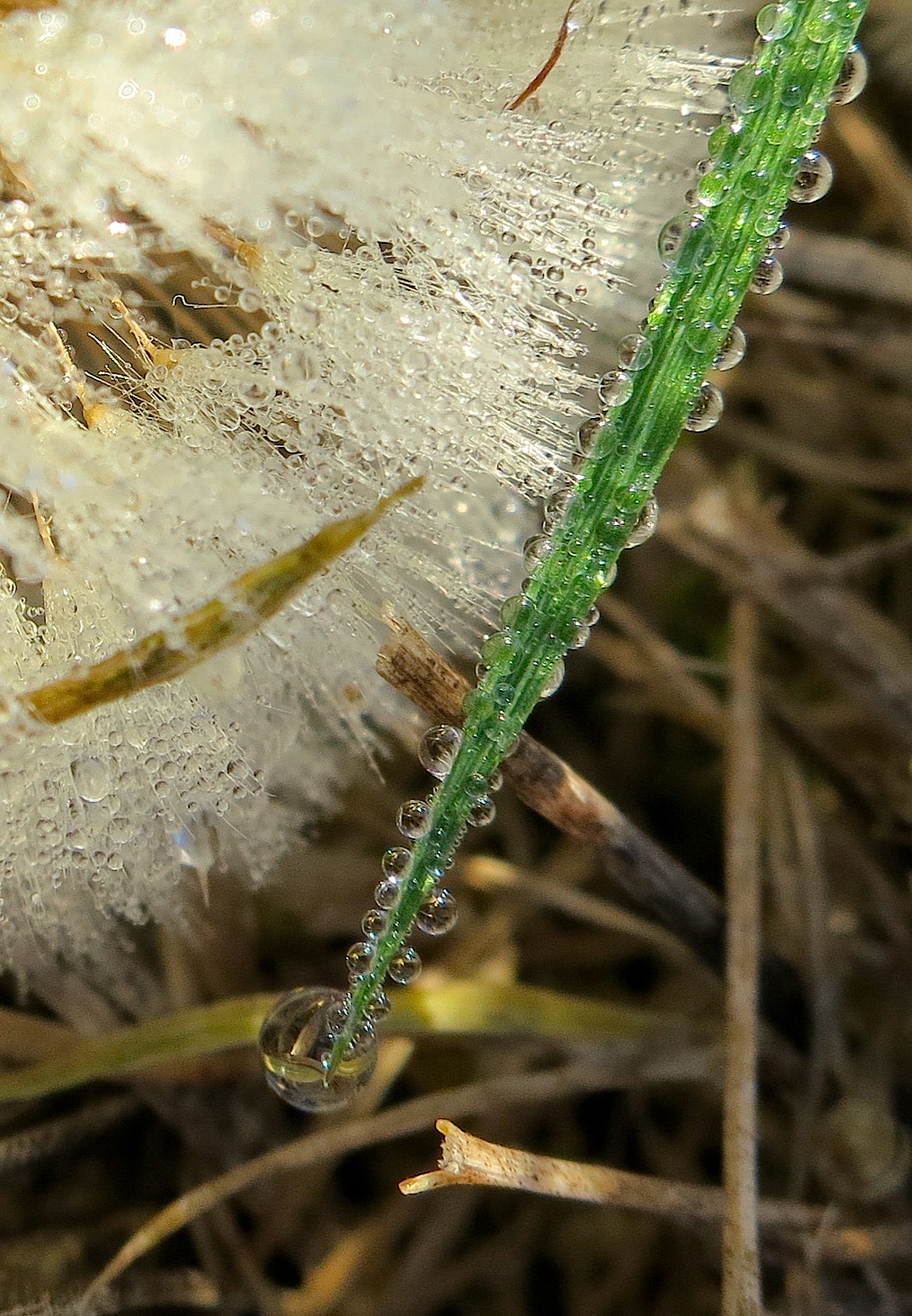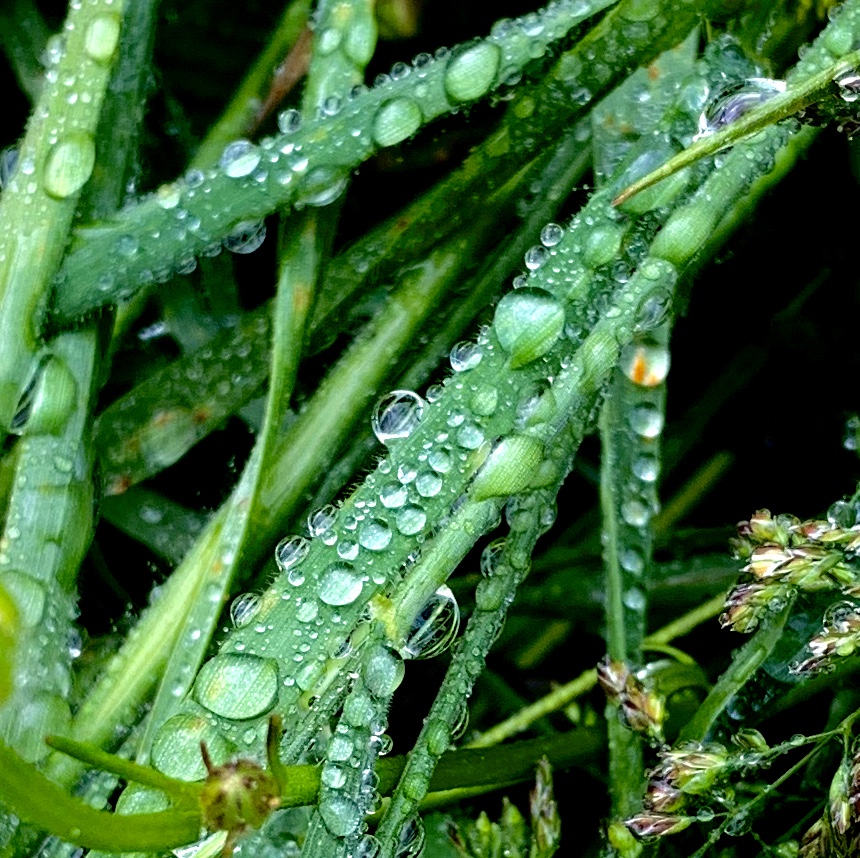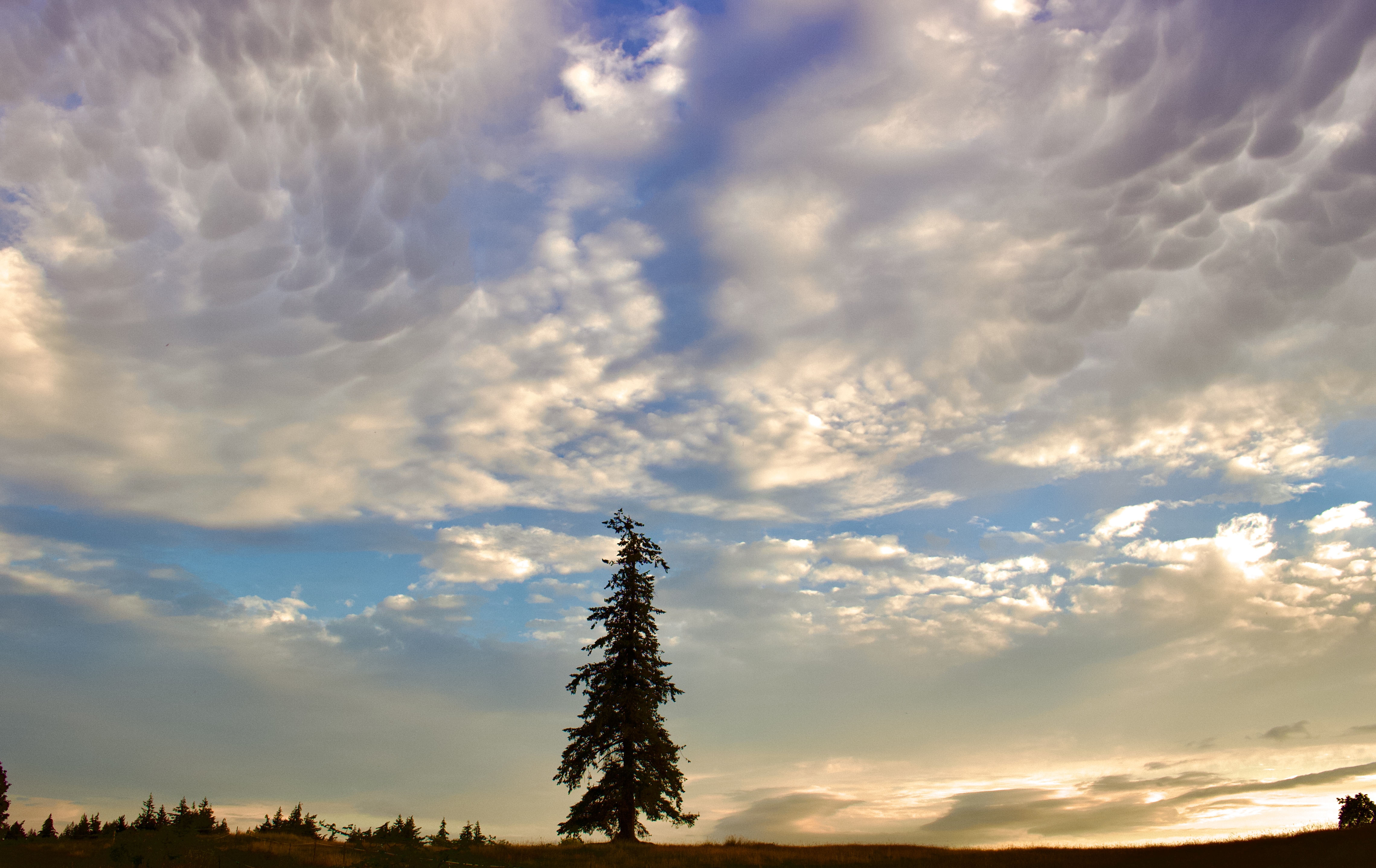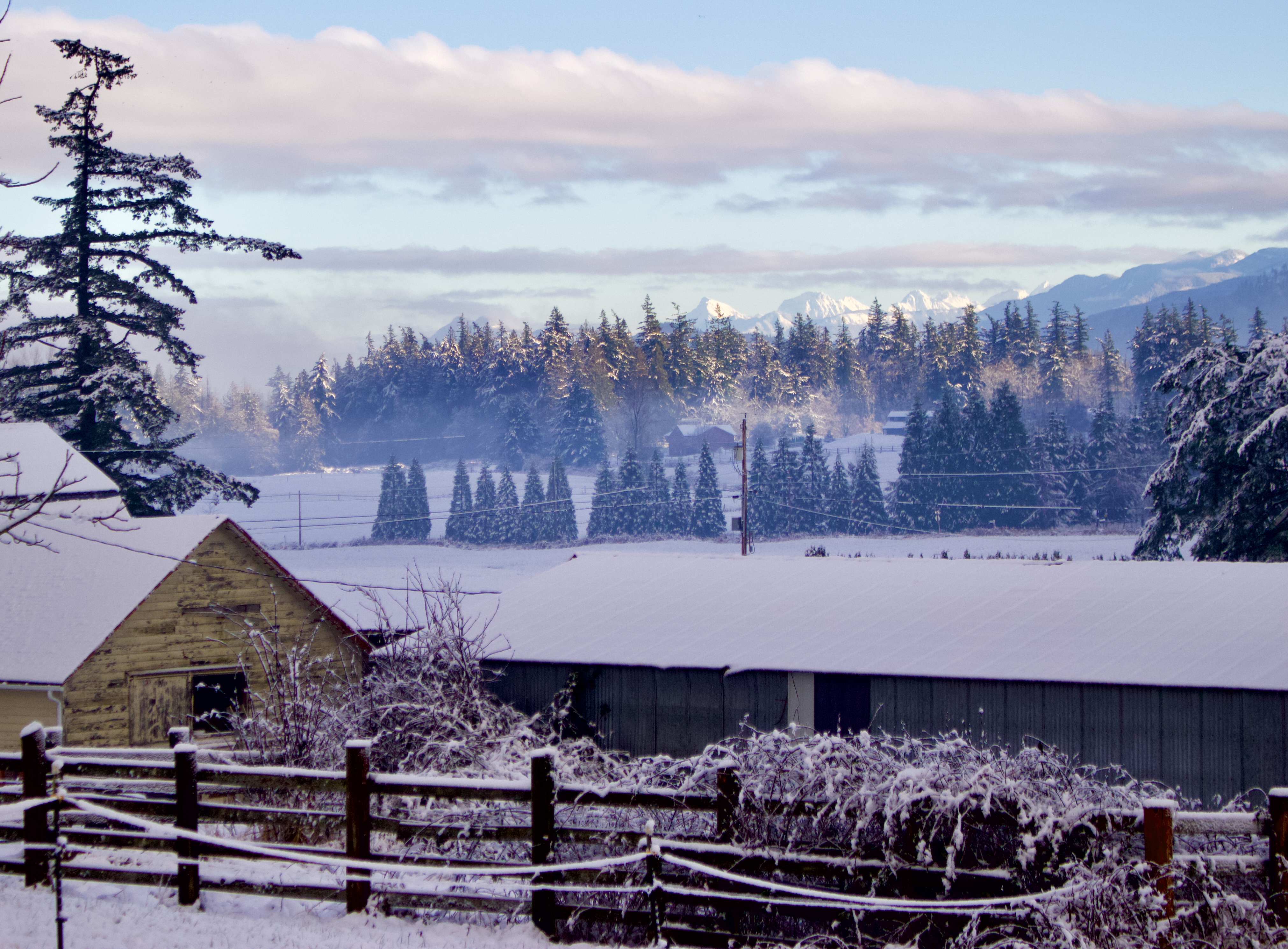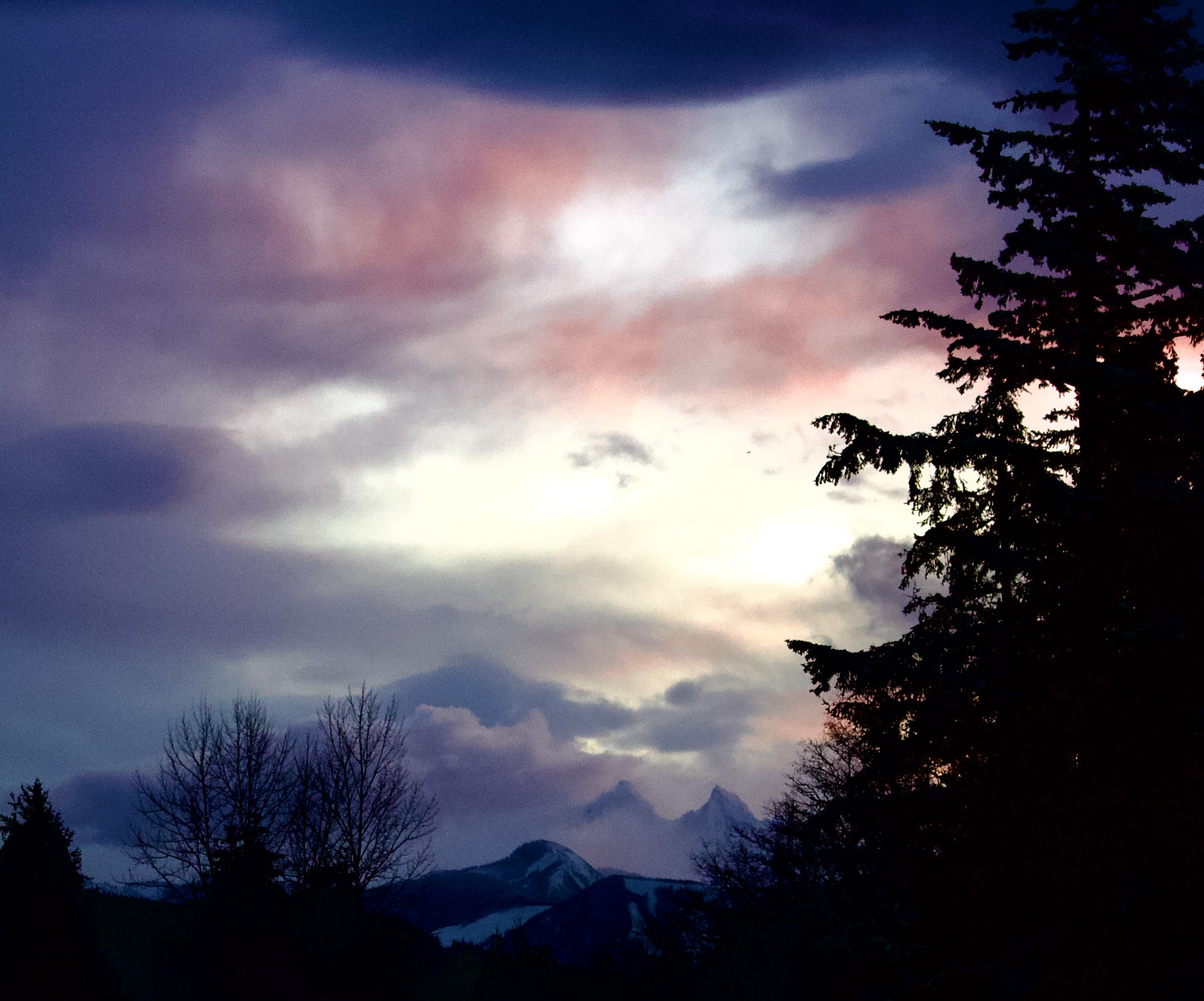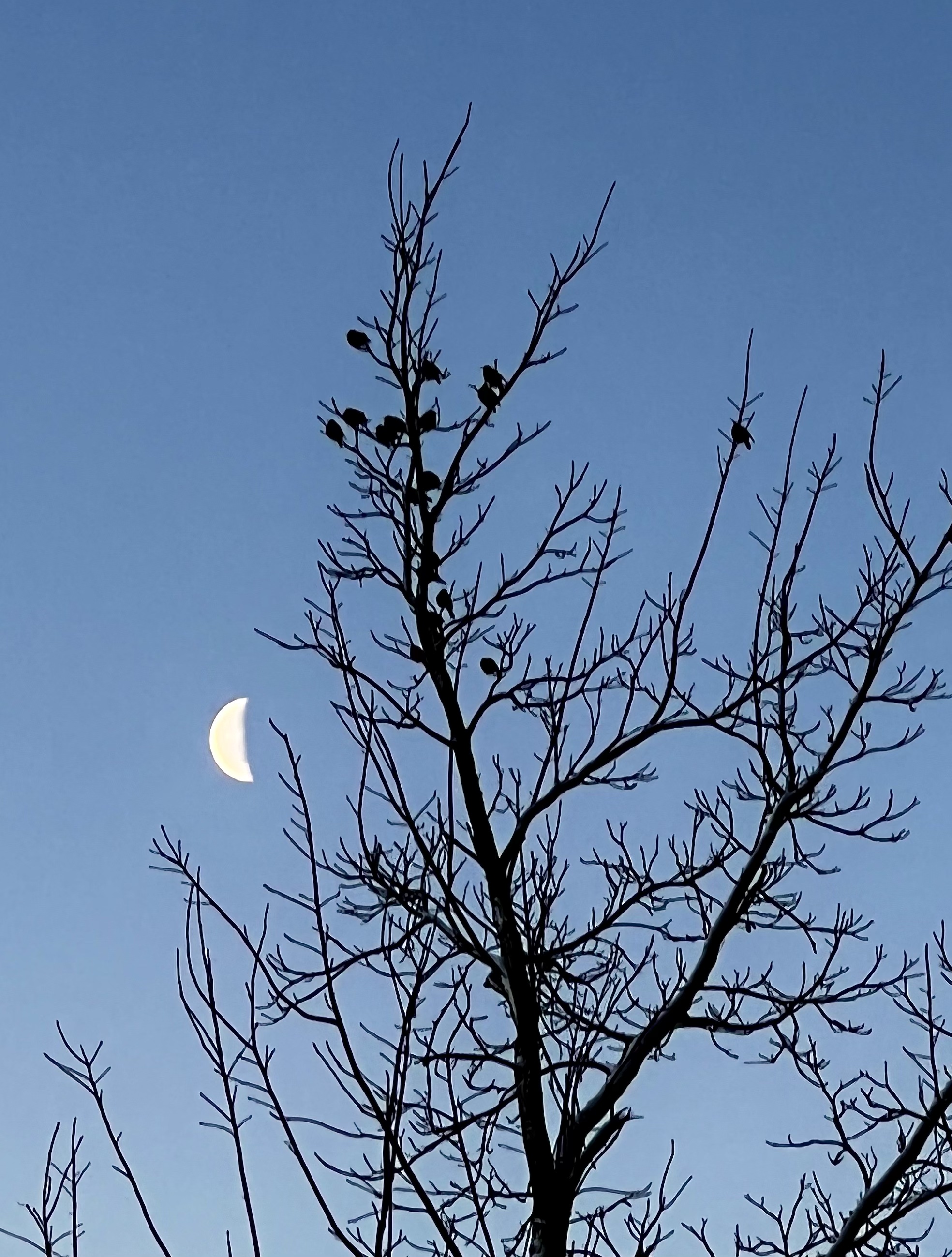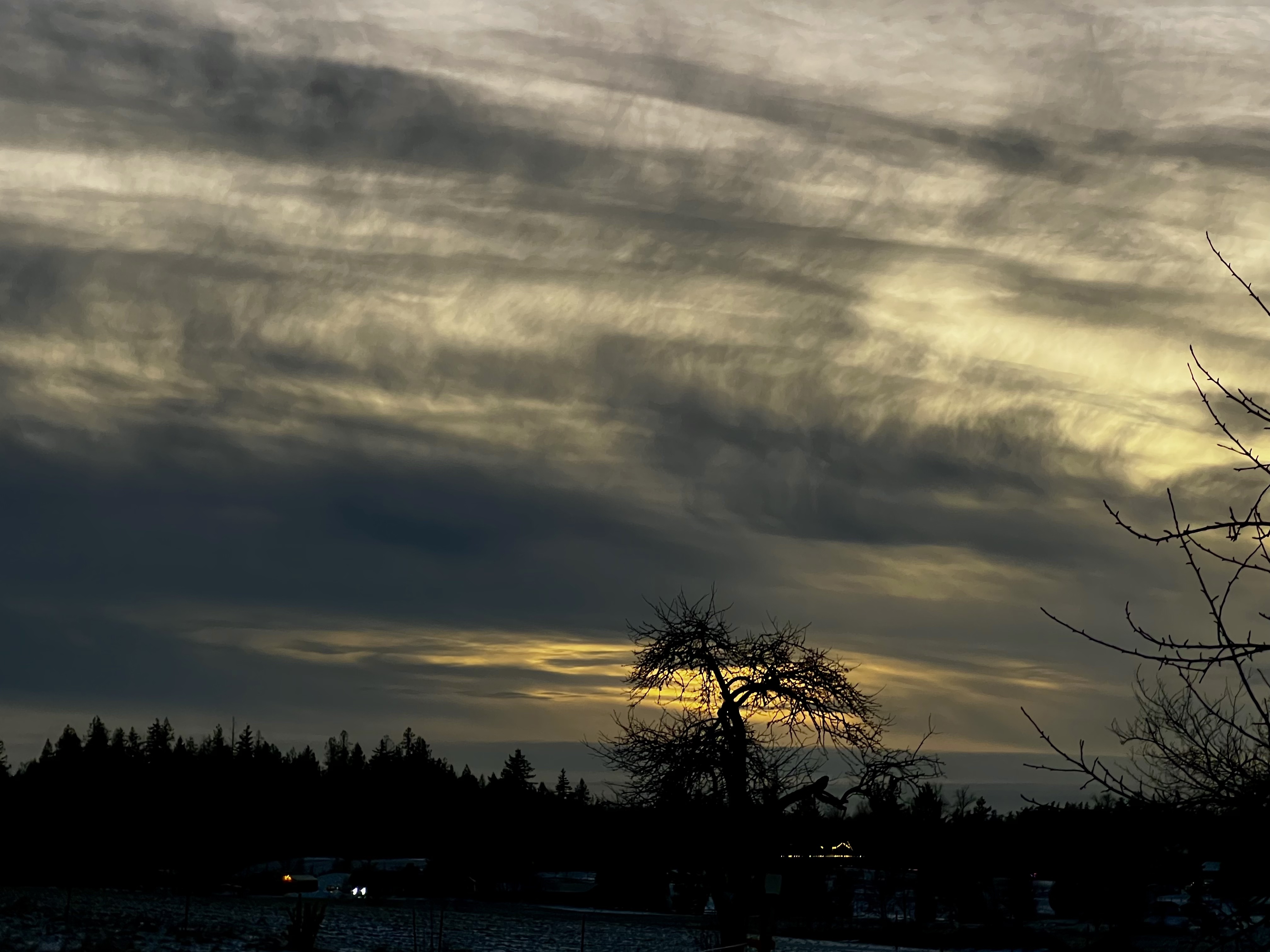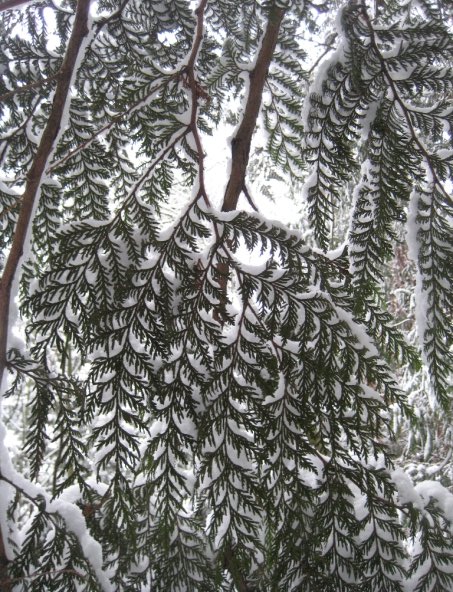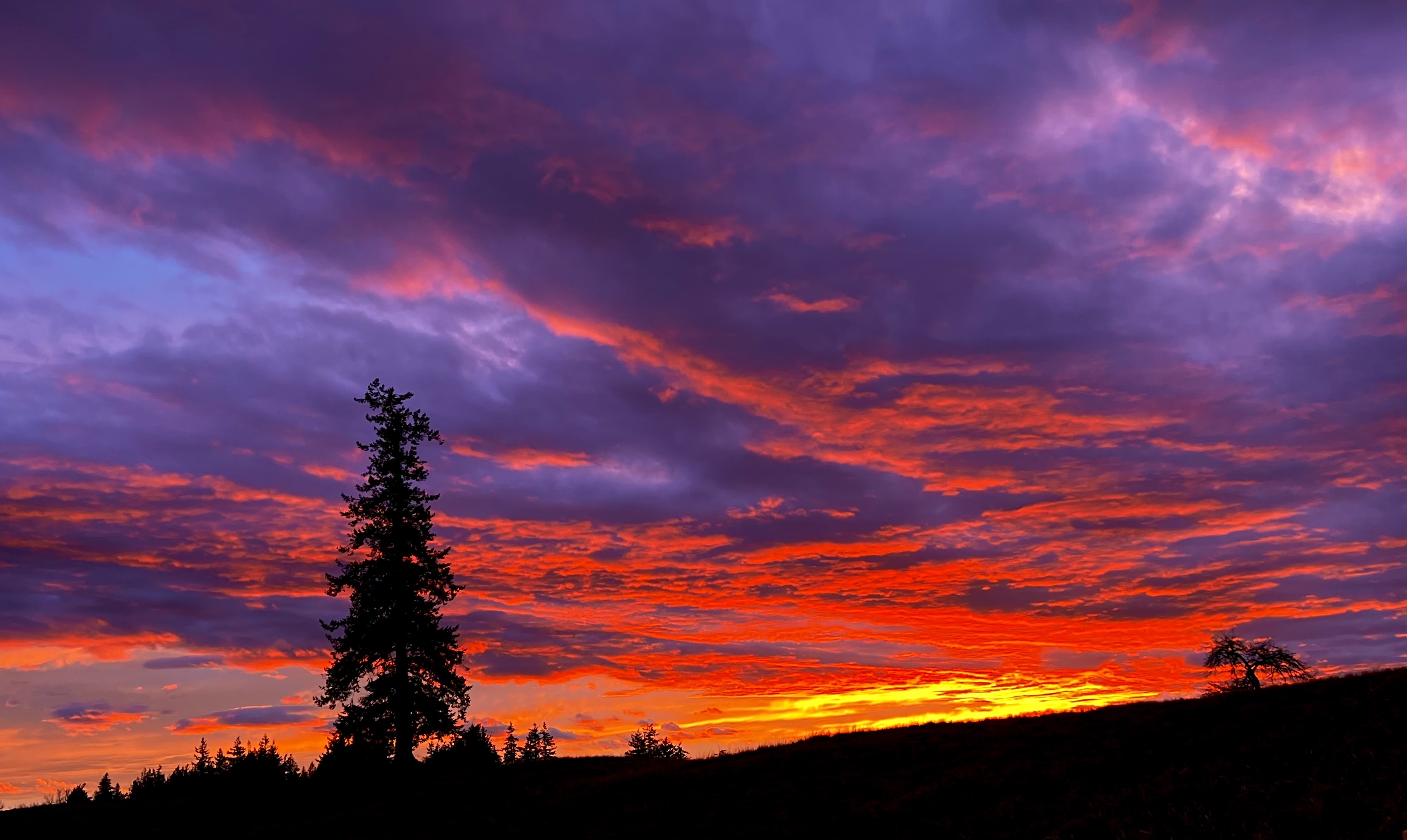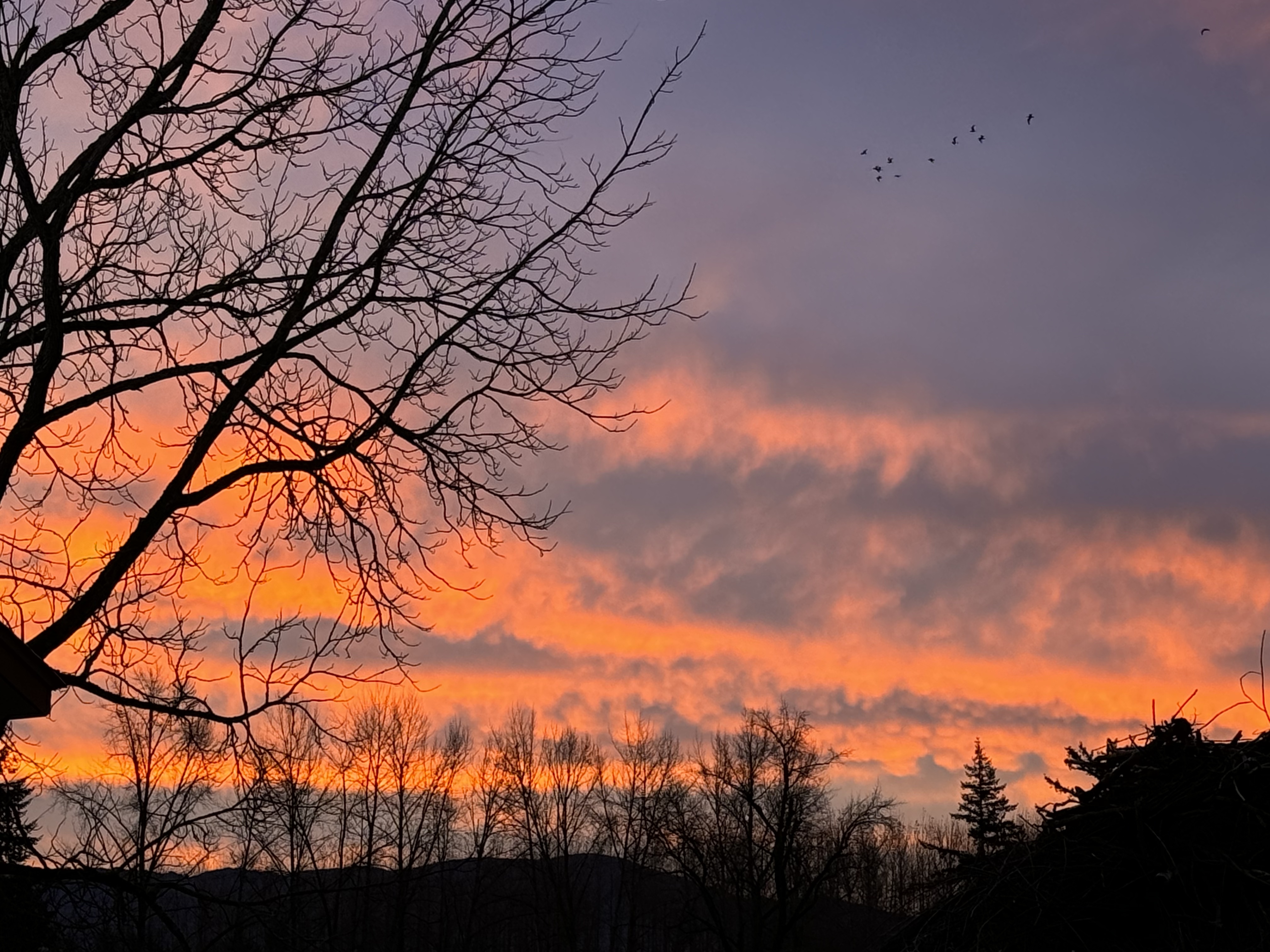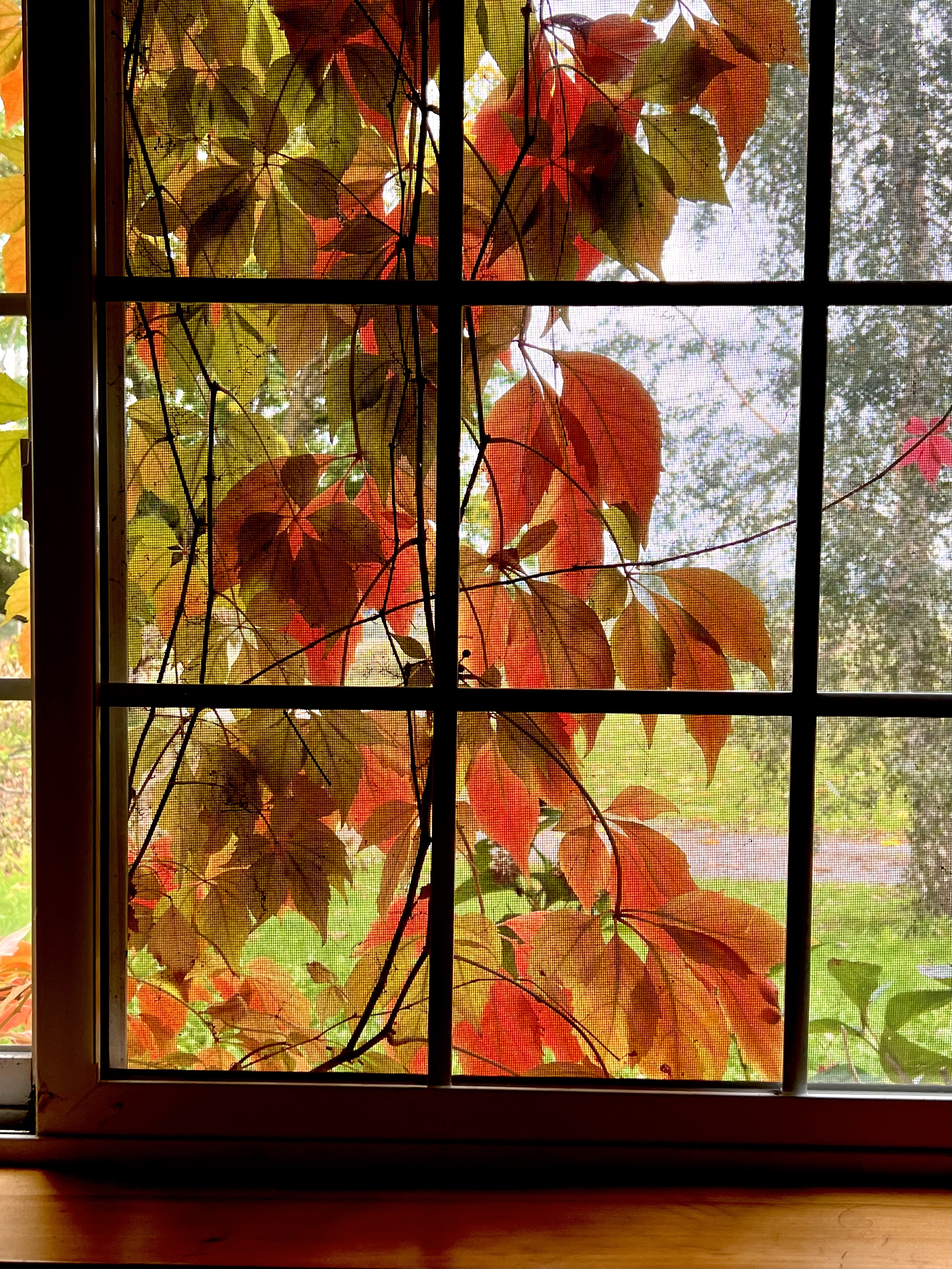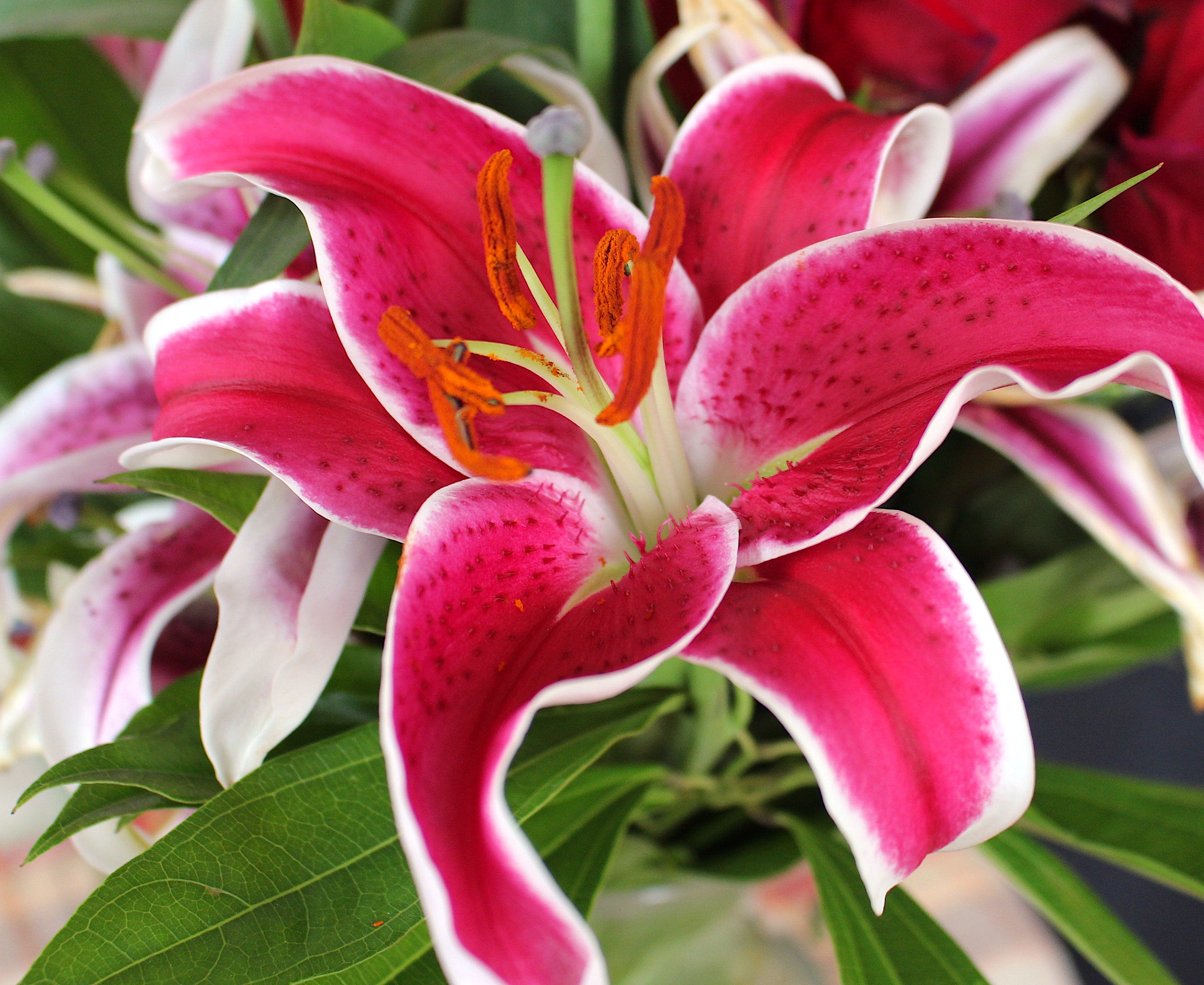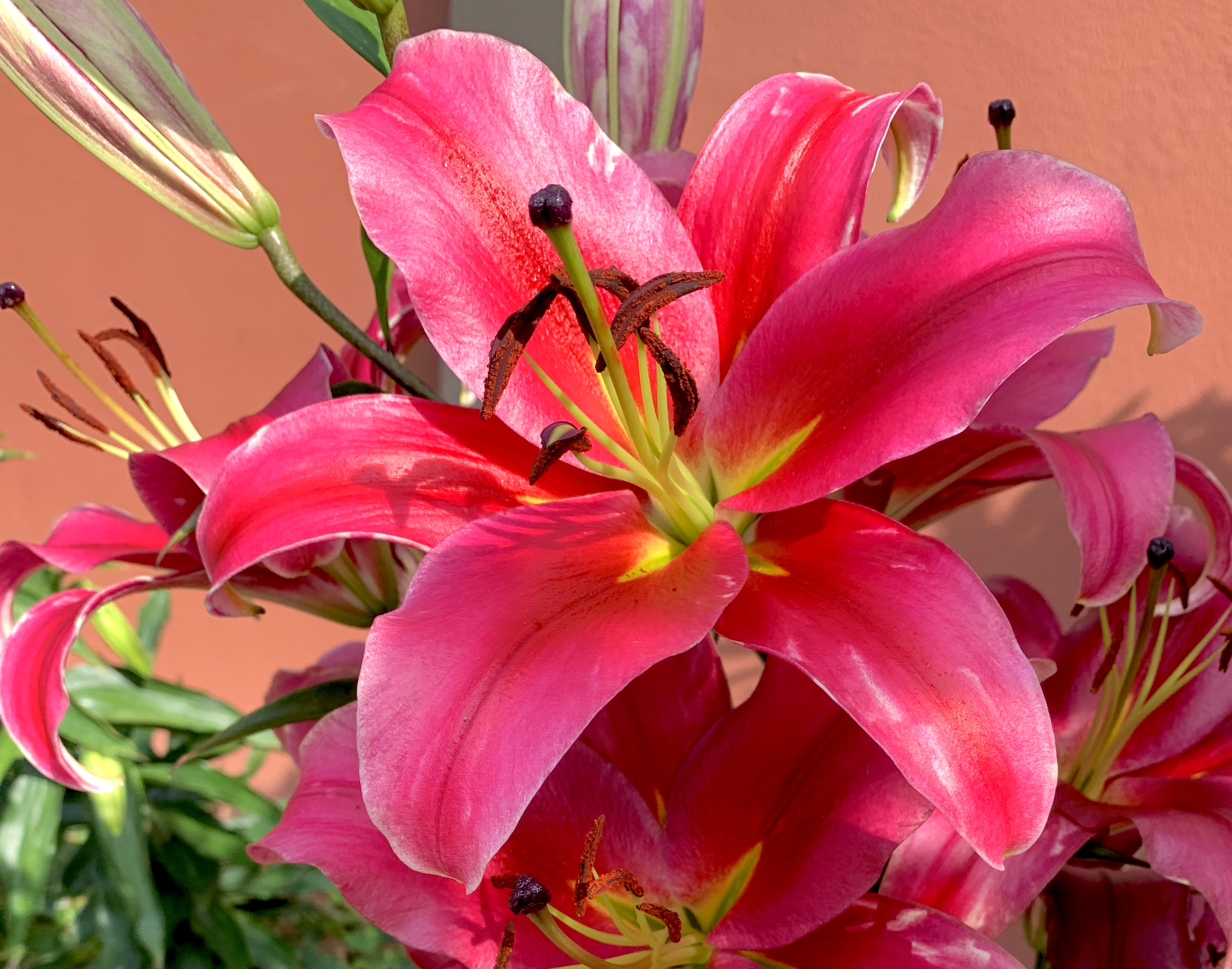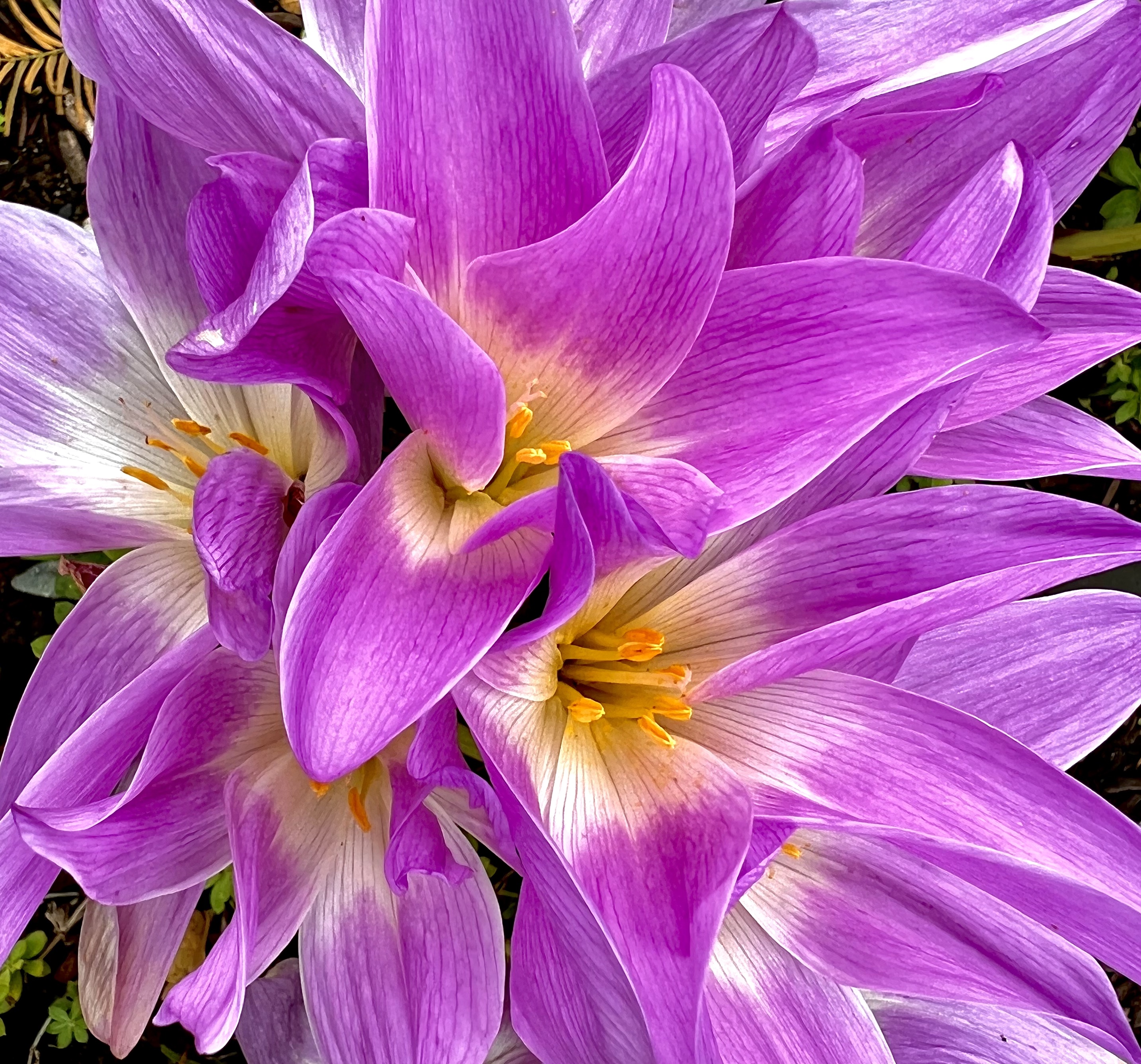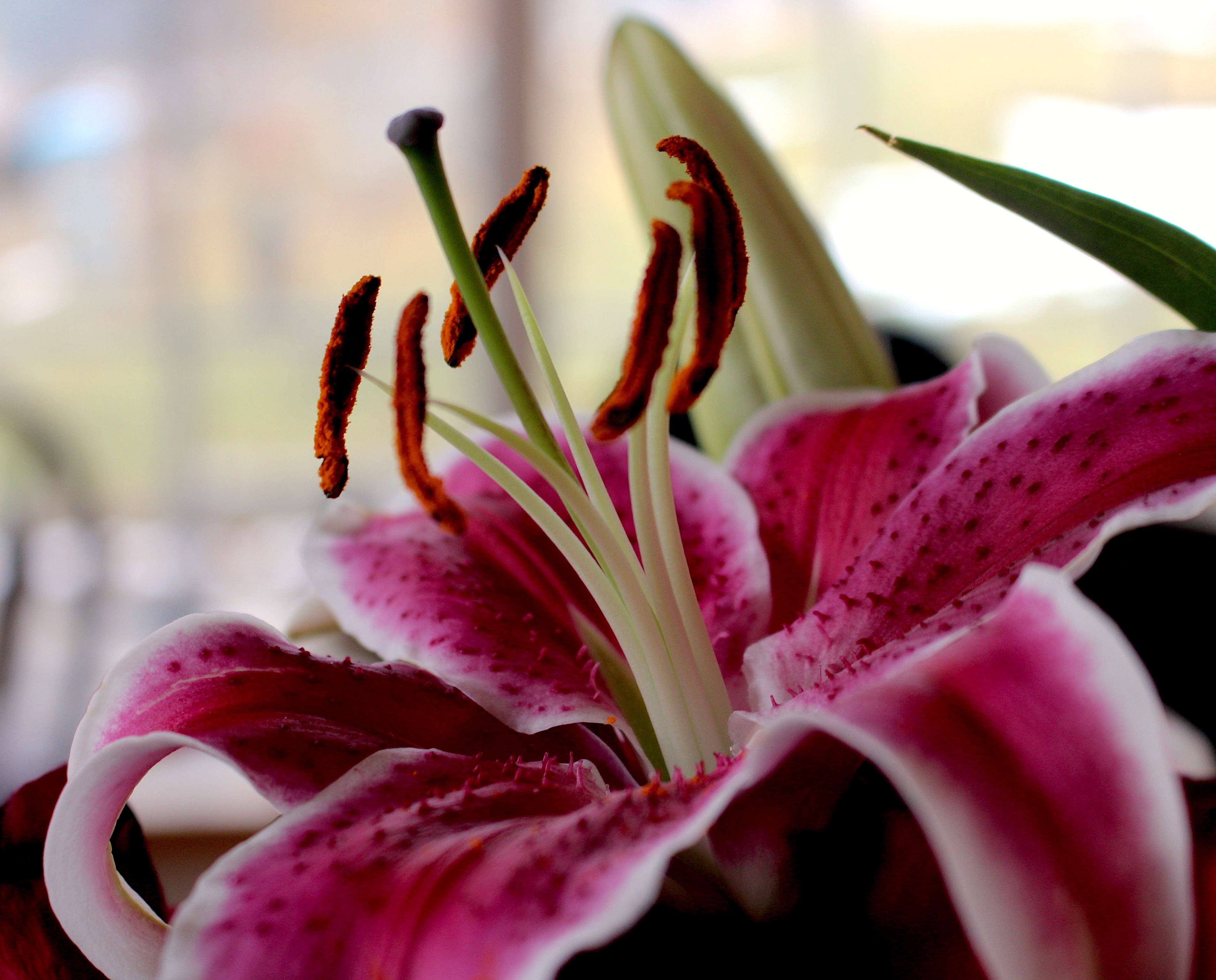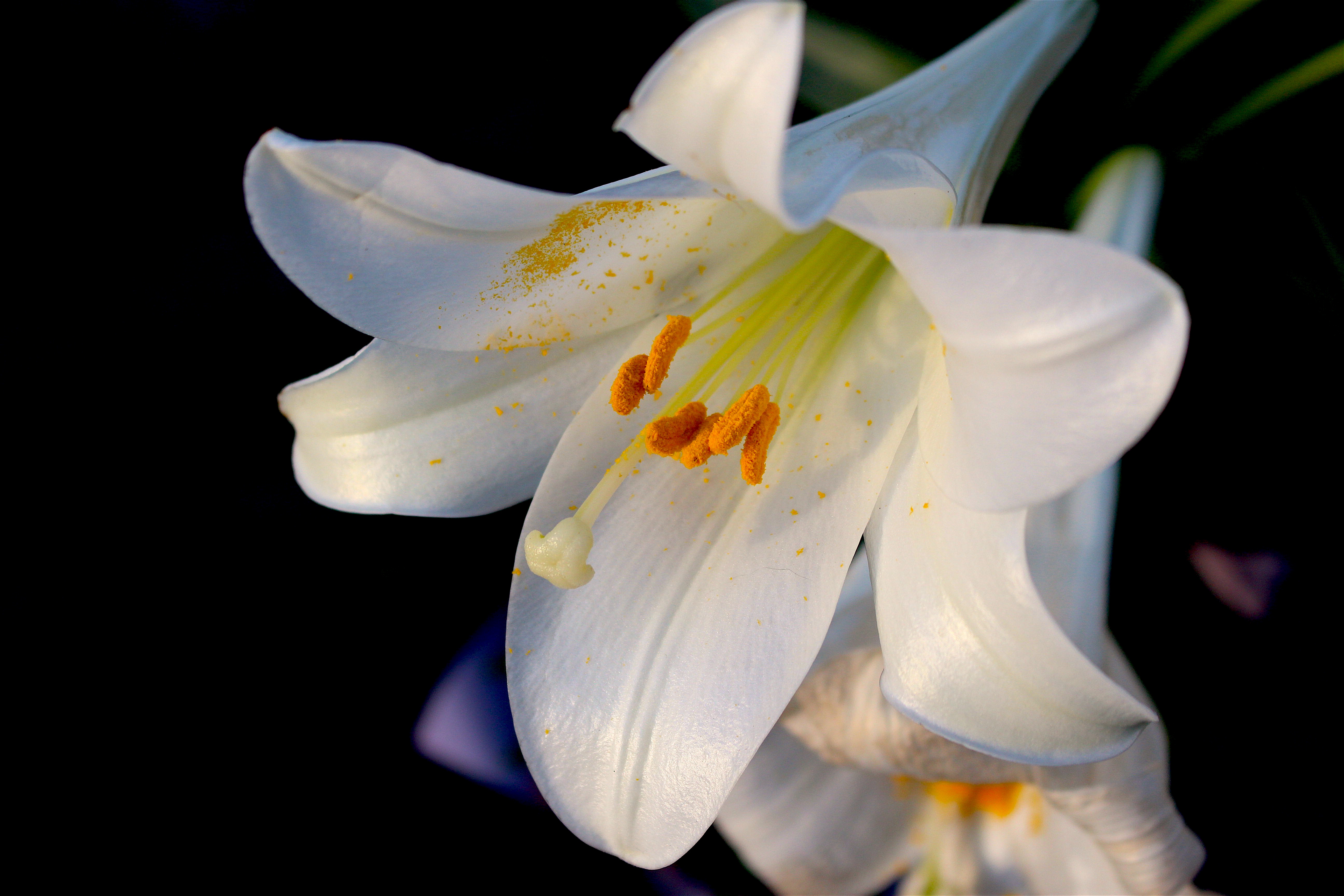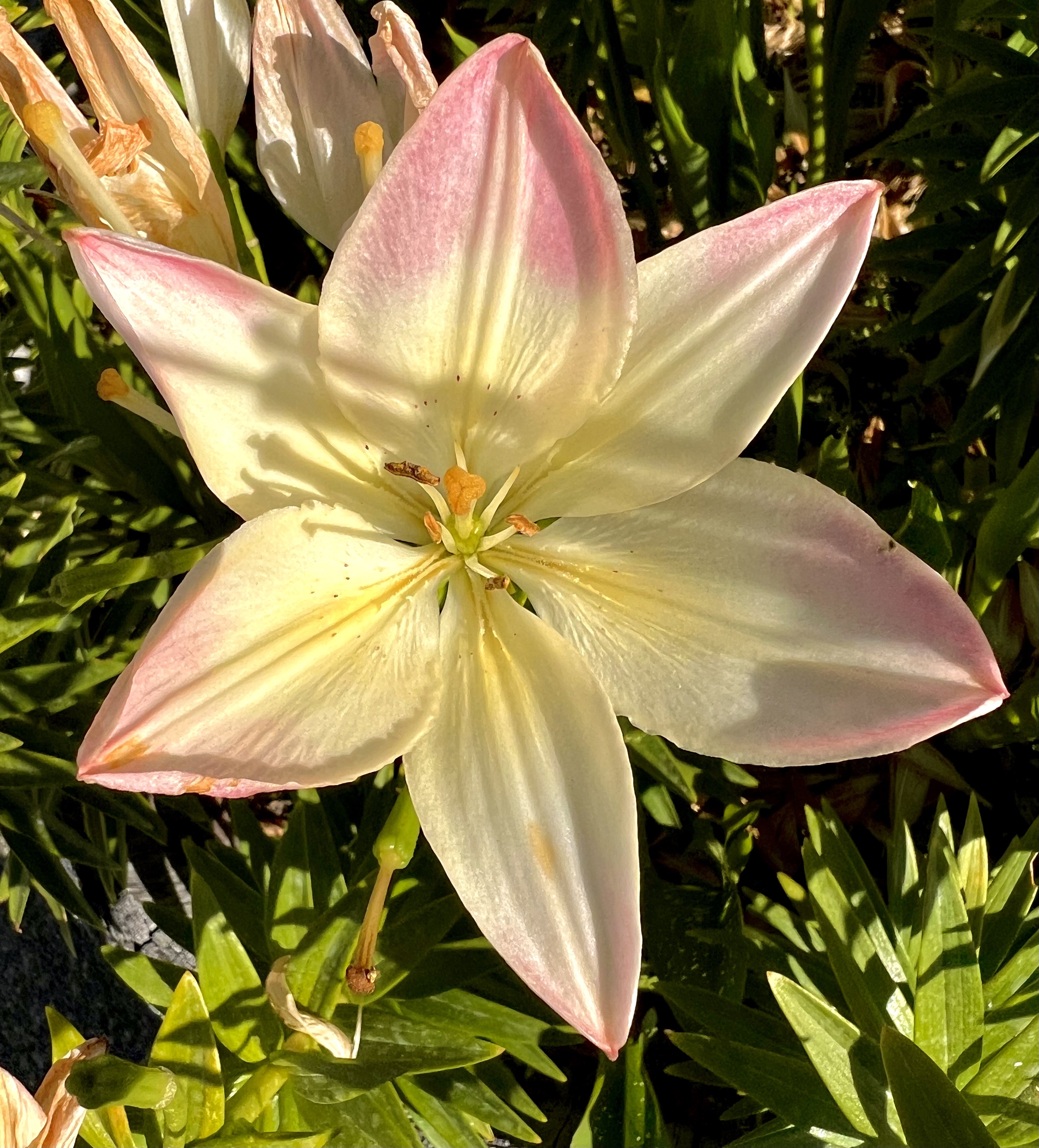

It greets me again on some cold November evening Crested with cherry and yellow hearted A most magnificent leaf on the ground by the train station
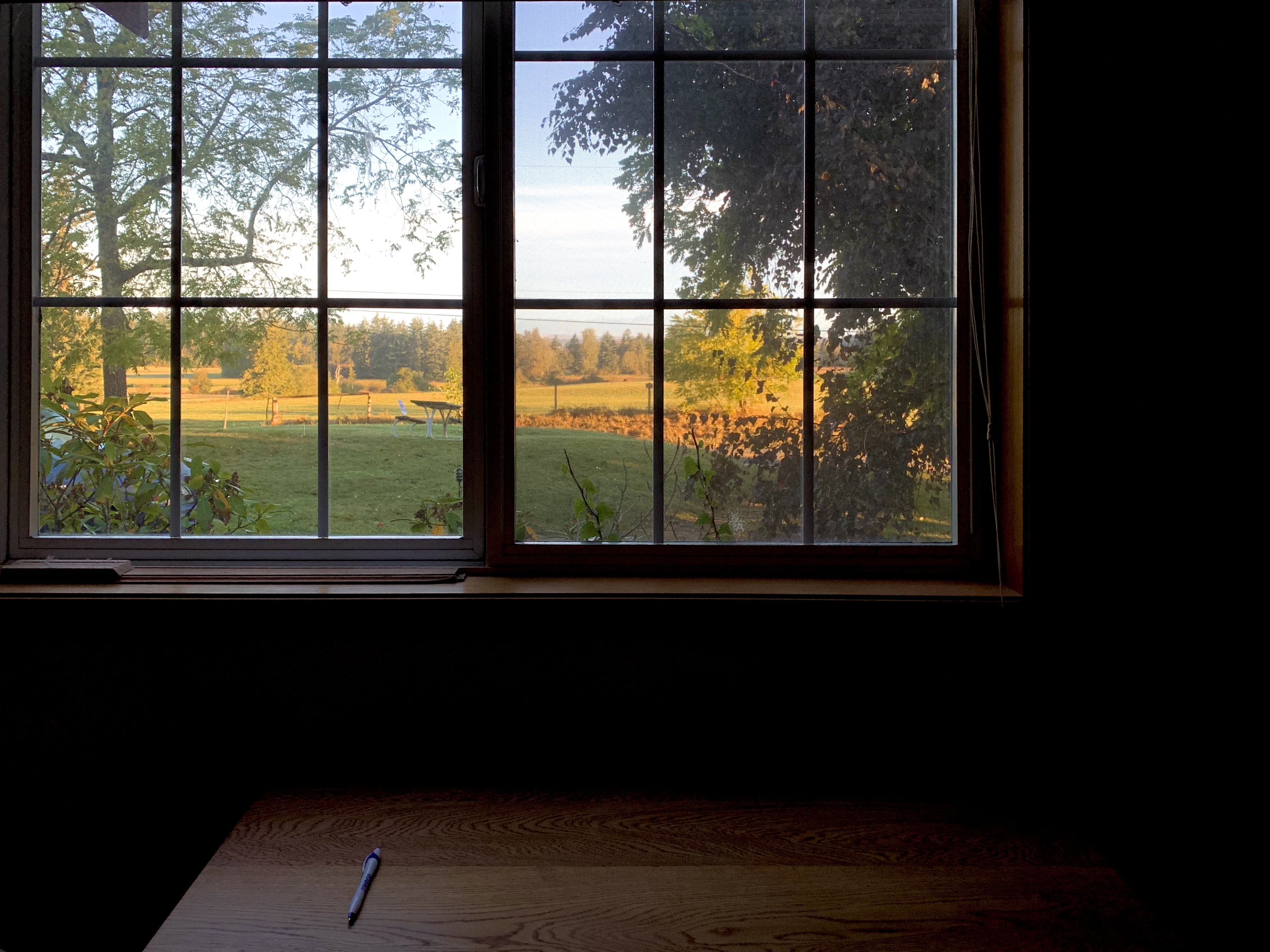
Tuesday morning and the windows are foggy My room is cold and my bed is warm And it sings it’s bright hello in crisp morning sunlight
On the 9:36 to Euston I find it in a stranger who can’t hold in his laugh, hand over mouth Chuckling through his nose. He is wonderful.
Three old ladies outside a bistro chattering Canyon laugh lines and bright lipstick When they dimple at me, I return my biggest smile
And on Saturday I do the dishes at my sister’s house Through the kitchen window the tall grass On the mountainside dances in the amber evening
Something soft blooms in my chest in answer To the cobweb glistening with dew, dragonflies, The little yellow boat at Portnoo pier, darling and weathered
To mist below the hill and the first sip of a good cup of tea My niece’s laugh and my father’s teaspoon collection And that silk moth I saw sunsoaking on a hot afternoon and I know
It cannot all be luck. My days are threaded with joy So small and featherlight, a breath against the wind. Woven together in defiant splendour
These small things And Your glory therein. ~Mary Clement Mannering “This Small Thing”
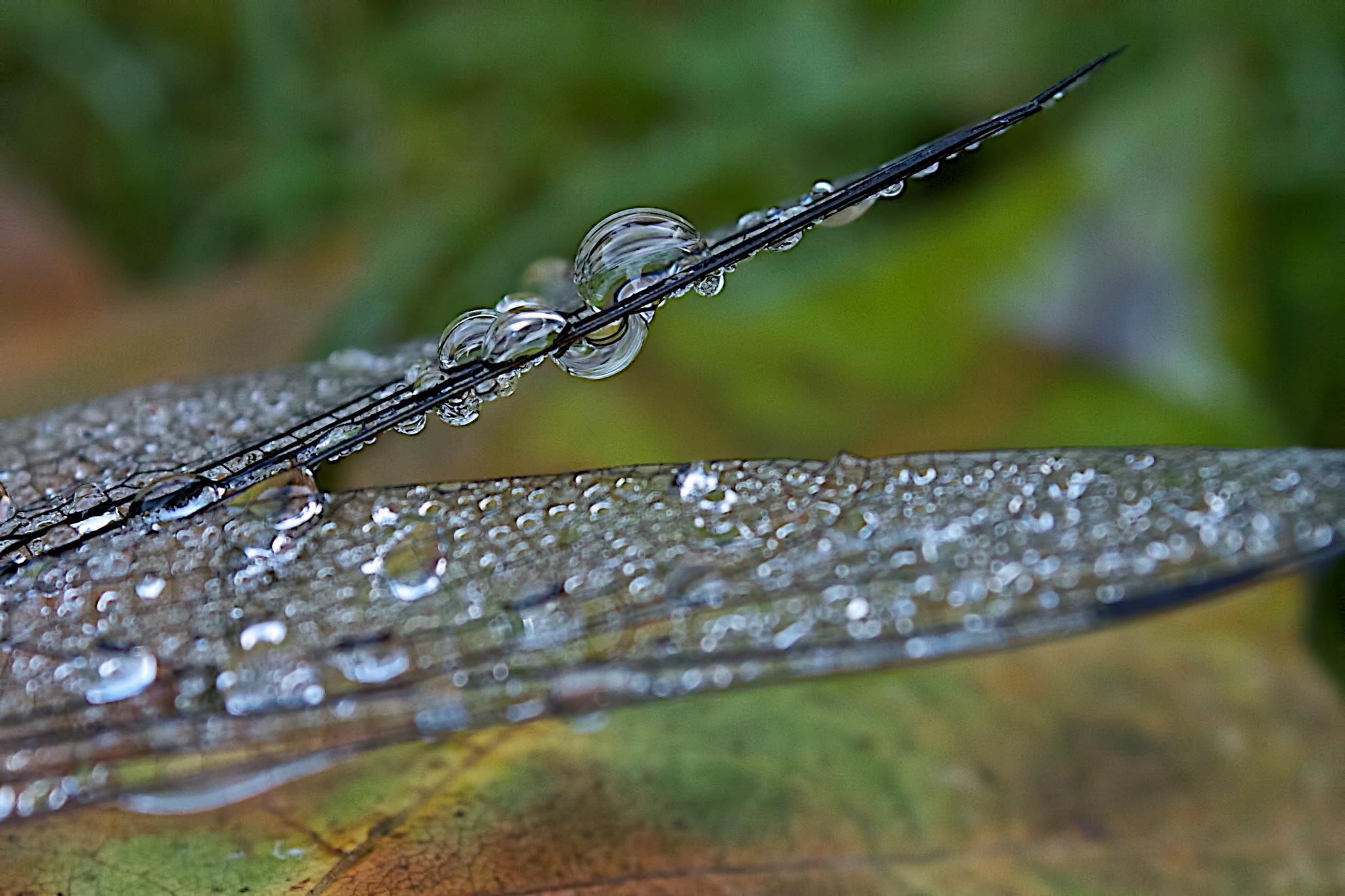
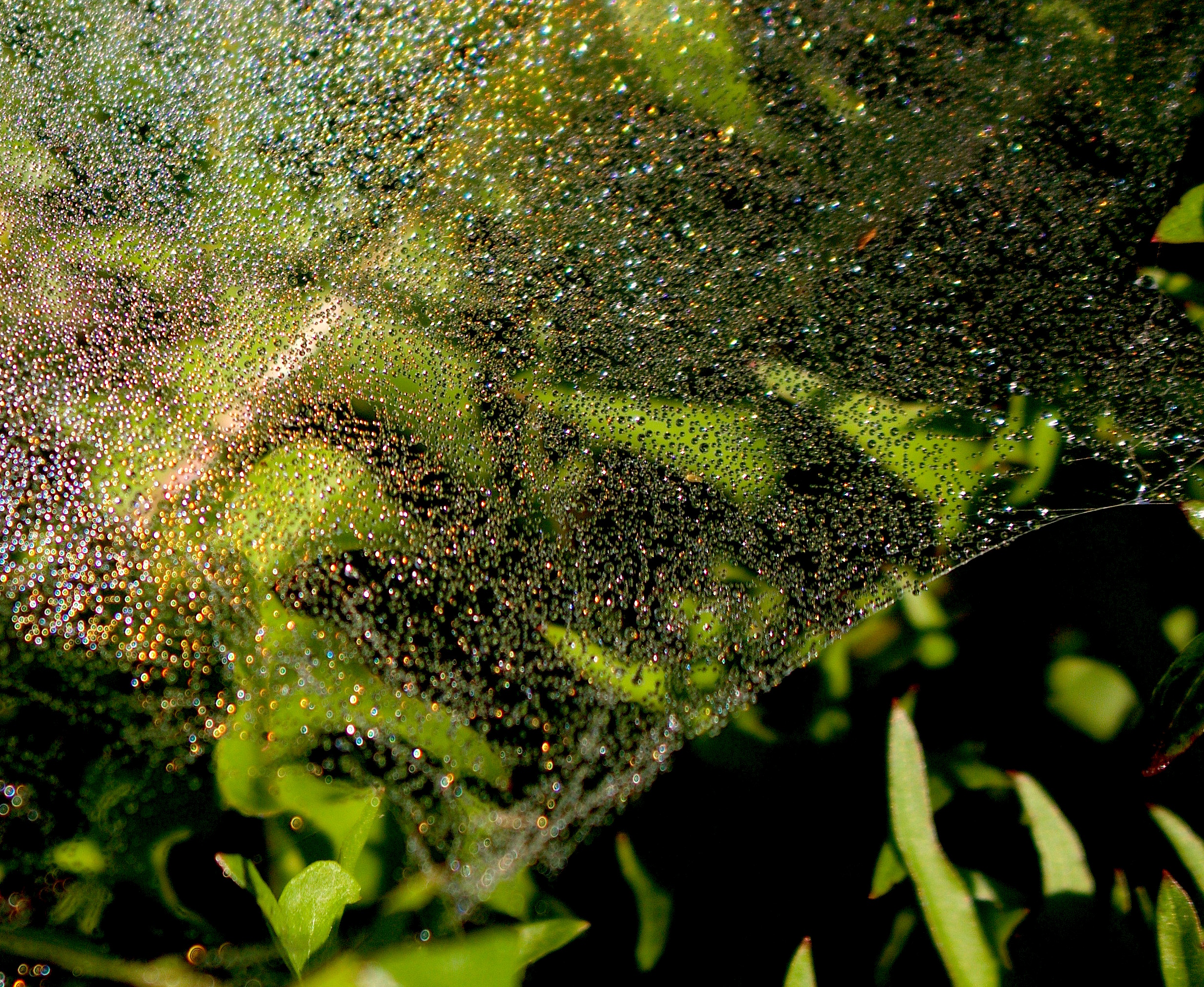
dragonfly wings photo by Josh Scholten
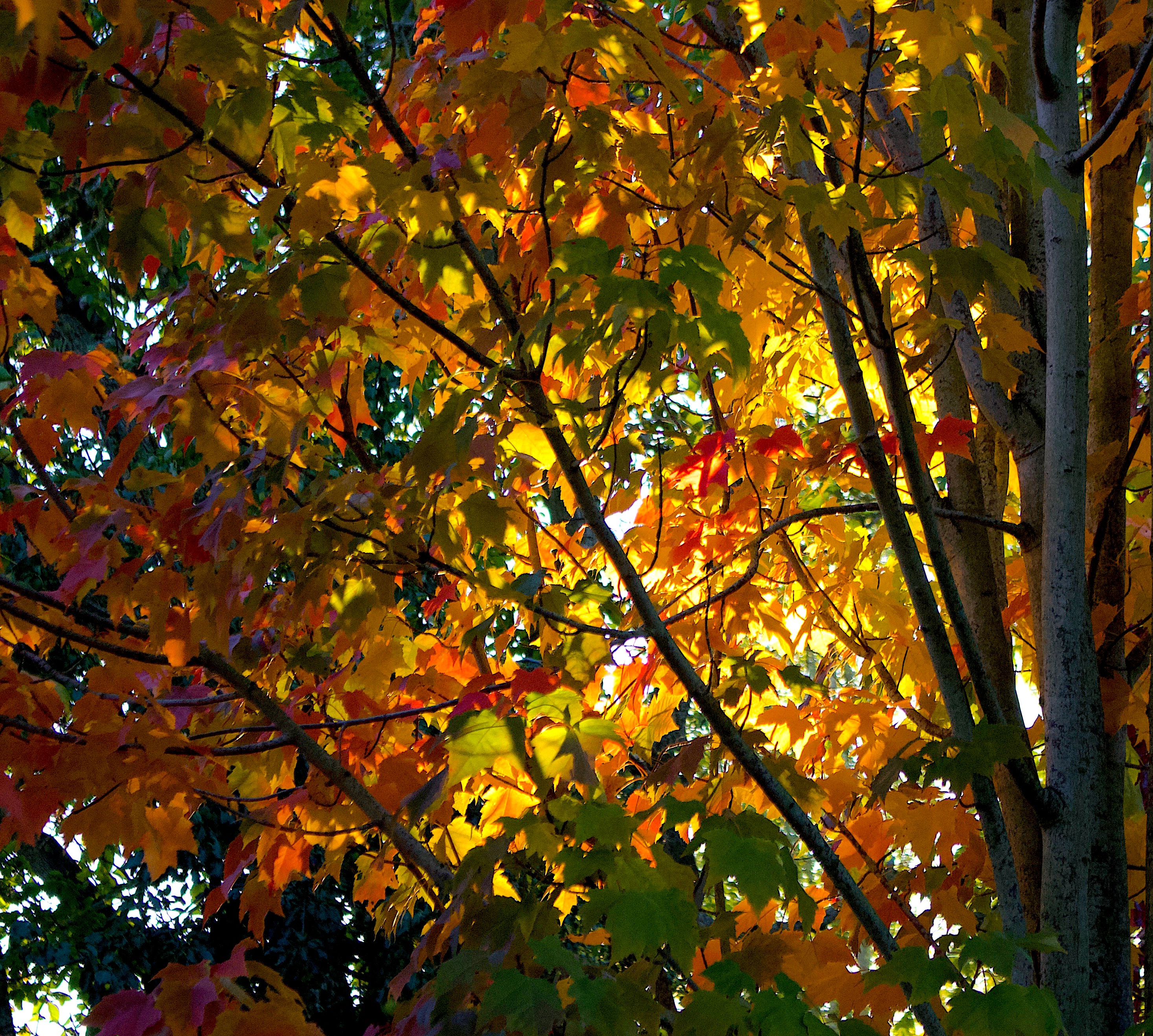
When cold, wet, dreary days are more gray than sunlit – even these November days still contain small things of joy.
The trick is to notice the simple threads through the day, sometimes unraveling but mostly weaving a story-telling tapestry.
I never want to forget to keep looking, even when my eyes feel heavy, my heart is weary and the news is consistently discouraging.
The small things of beauty are out there, woven together to cloak us in His glory.
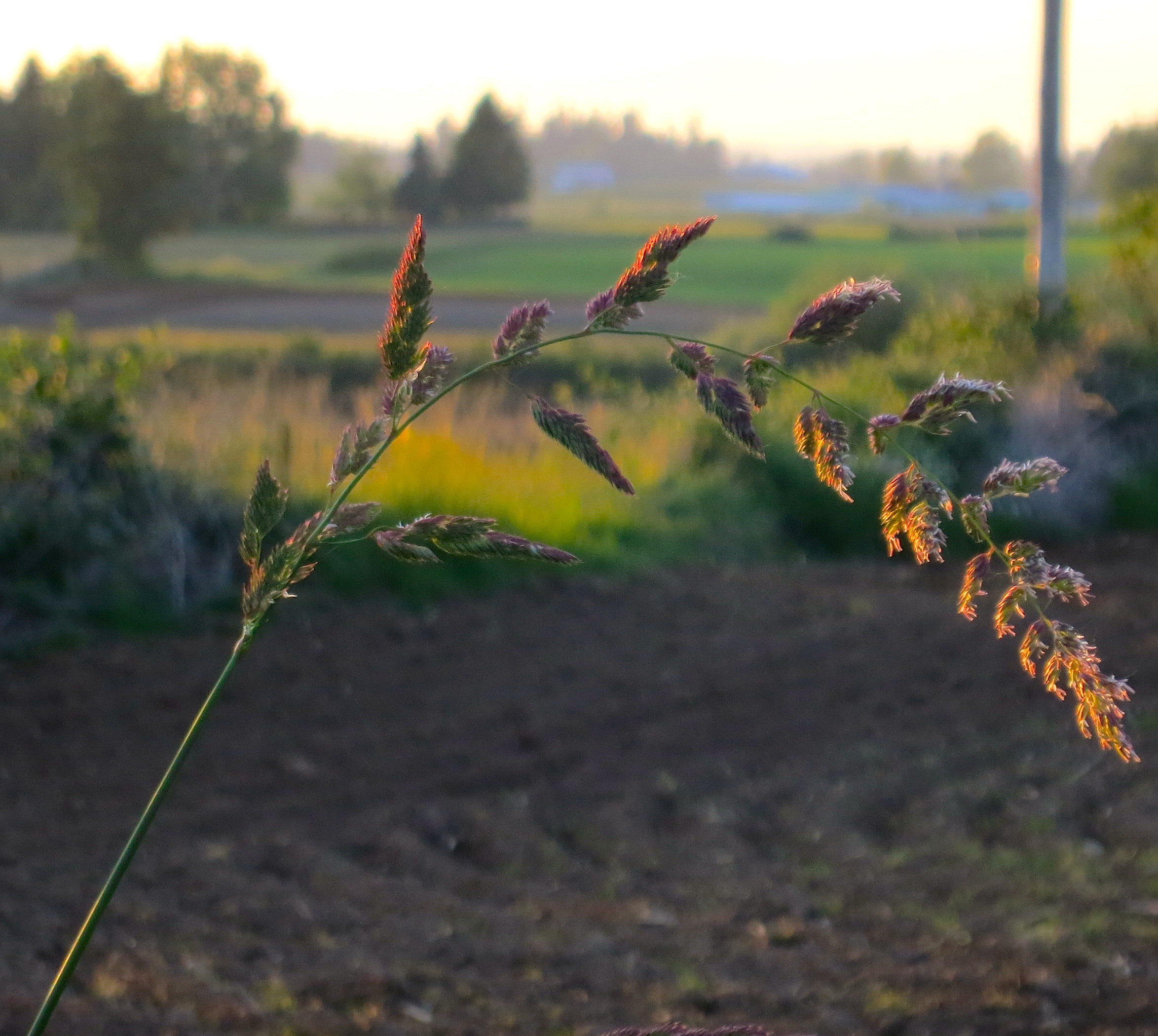
photo of a windy day at Manna Farm from Nate Lovegren
One-Time
Monthly
Yearly
Make a one-time or recurring donation to support daily Barnstorming posts
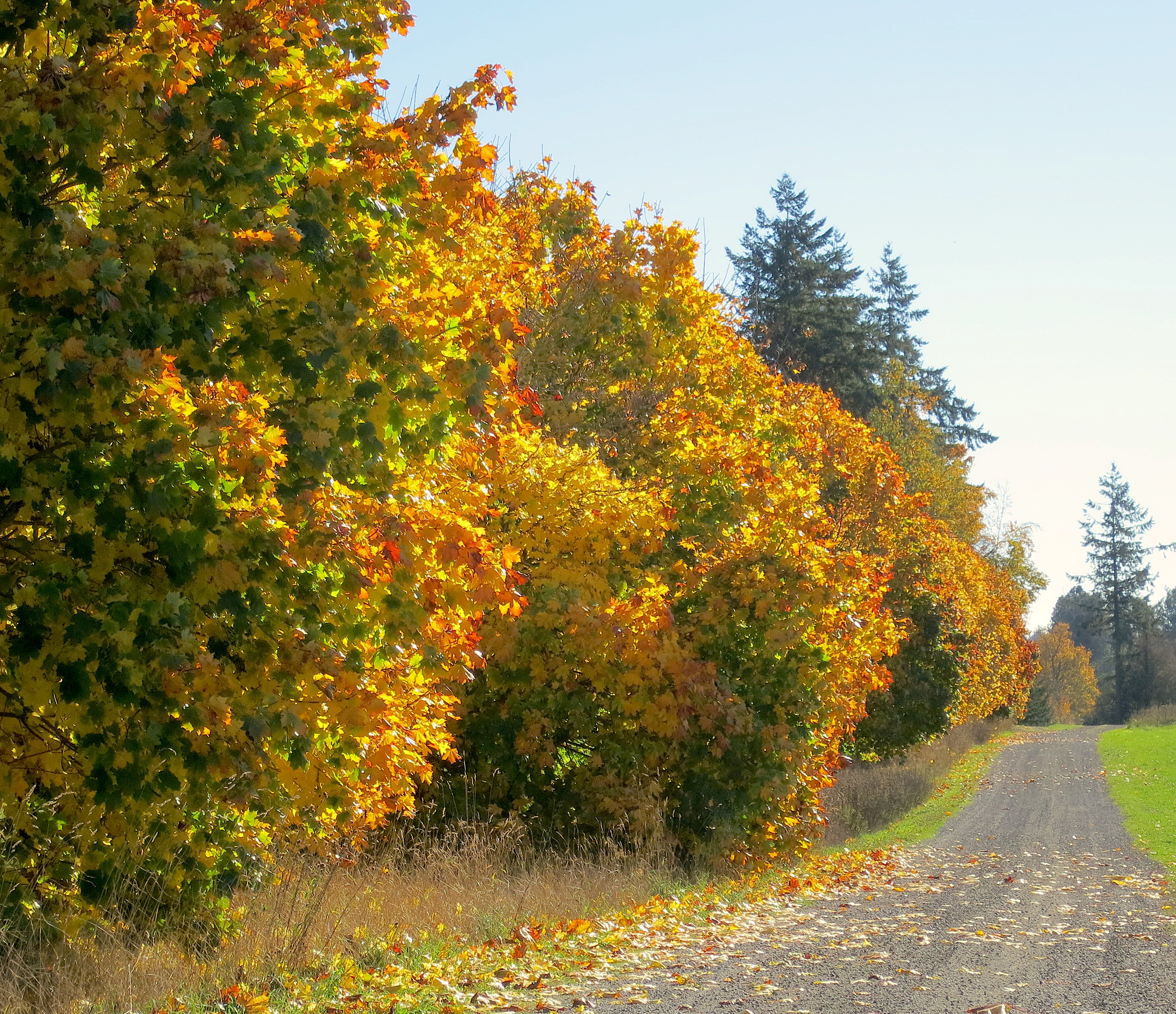
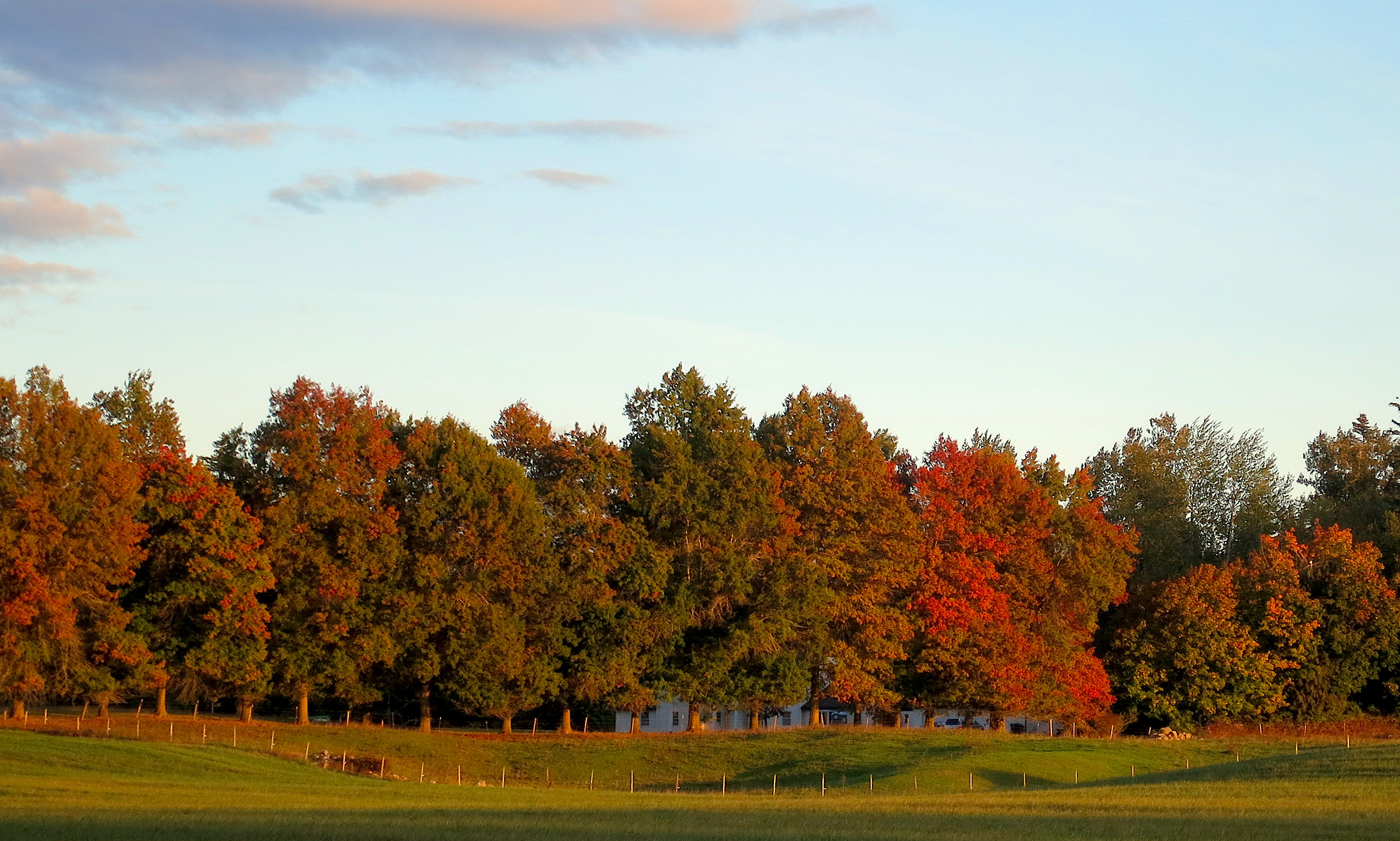
After the keen still days of September, the October sun filled the world with mellow warmth… The maple tree in front of the doorstep burned like a gigantic red torch. The oaks along the roadway glowed yellow and bronze. The fields stretched like a carpet of jewels, emerald and topaz and garnet. Everywhere she walked the color shouted and sang around her… In October any wonderful unexpected thing might be possible. ~Elizabeth George Speare from The Witch of Blackbird Pond
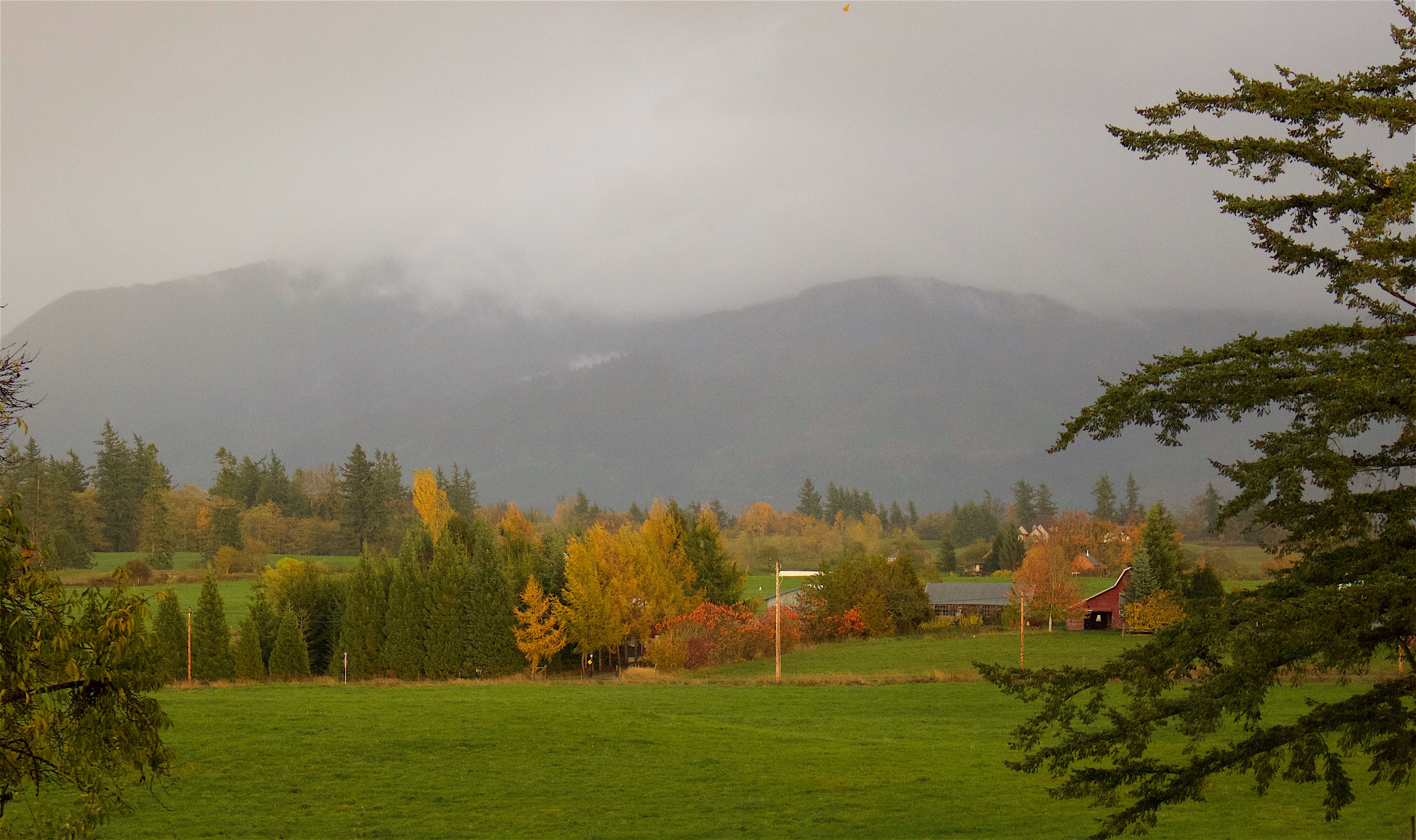
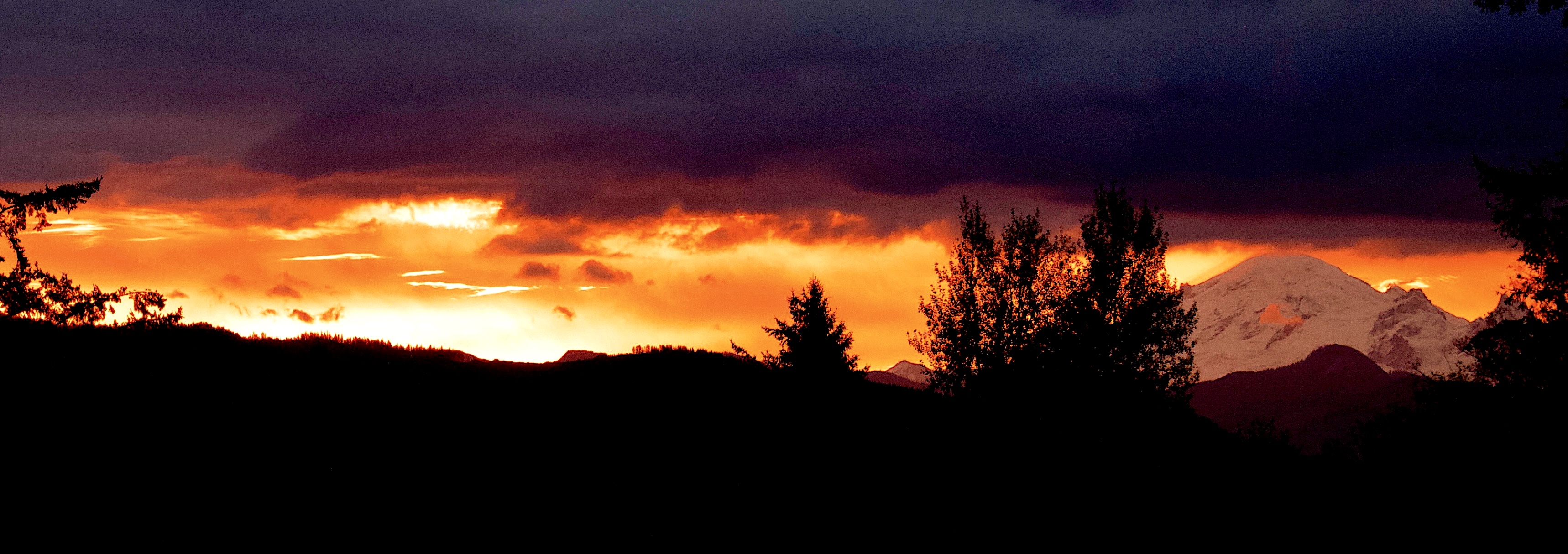
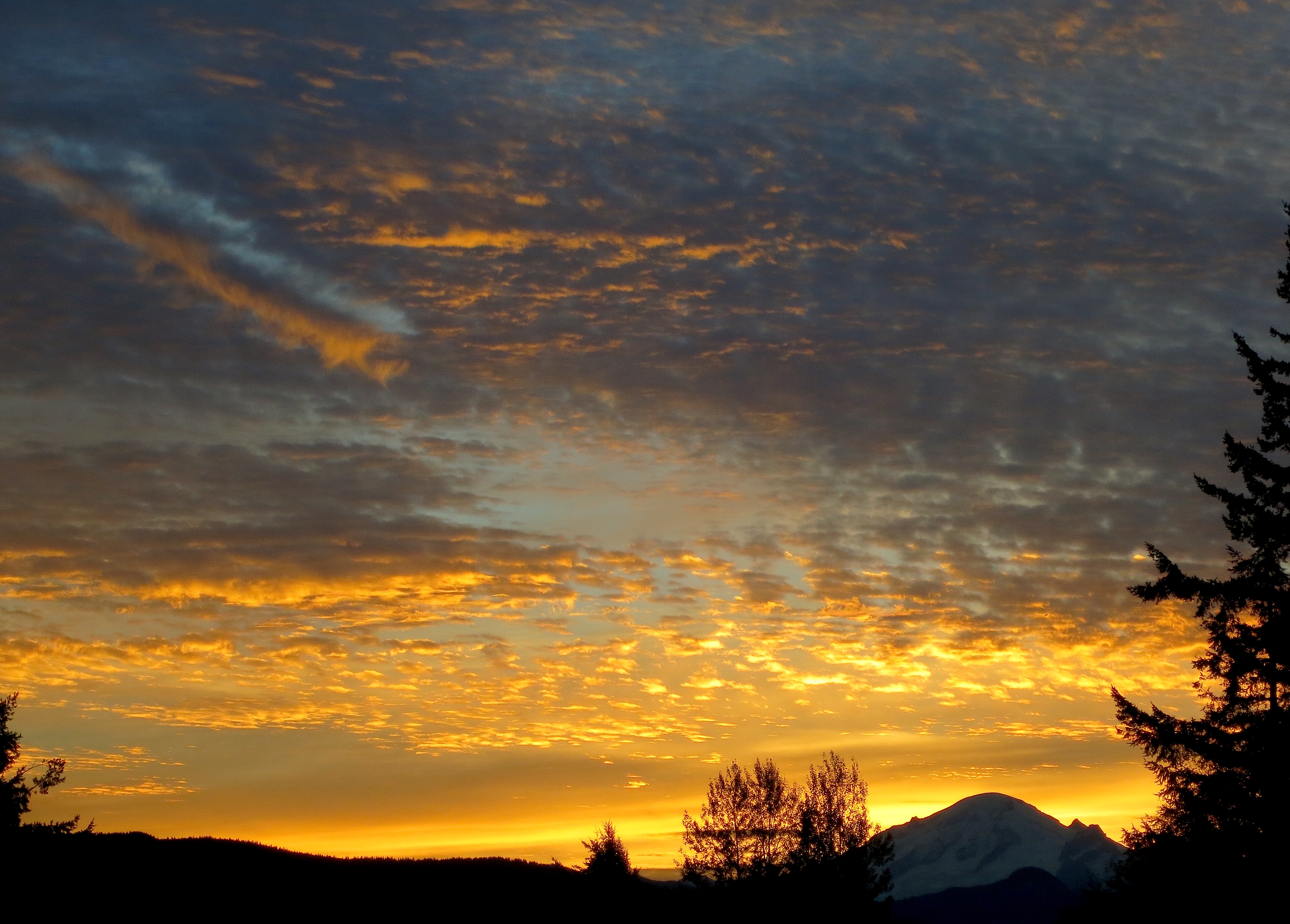
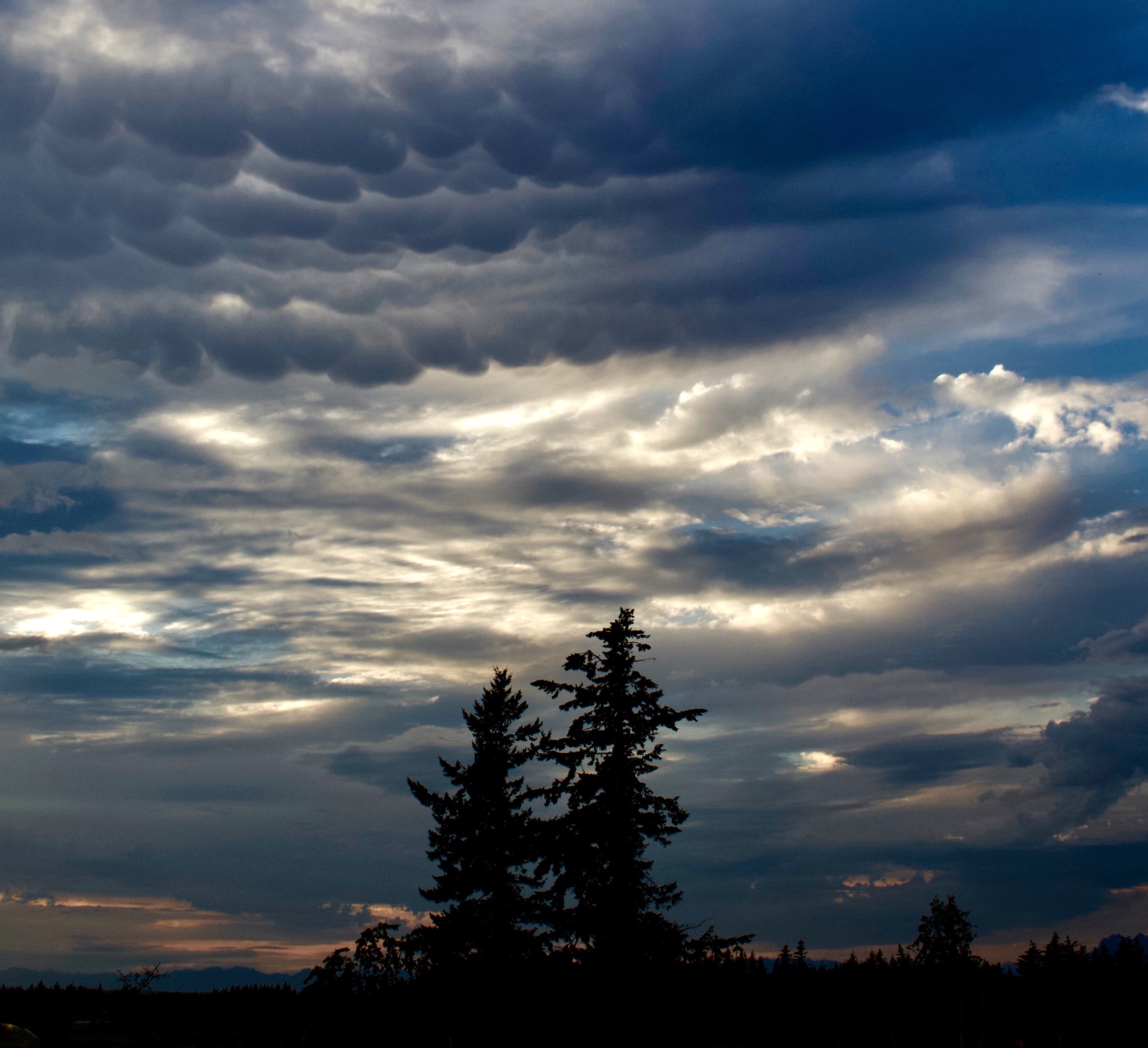
On an early October morning, gray clouds lay heavy and unrelenting hovering low over the eastern hills, when a moment’s light snuck out from under the covers, throwing back the blankets to glow over the mountain.
Only a minute of unexpected light underneath the gray, gone in a heartbeat (as are we) yet O! the glory when we too are luminous.
One-Time
Monthly
Yearly
Make a one-time or recurring donation to support daily Barnstorming posts
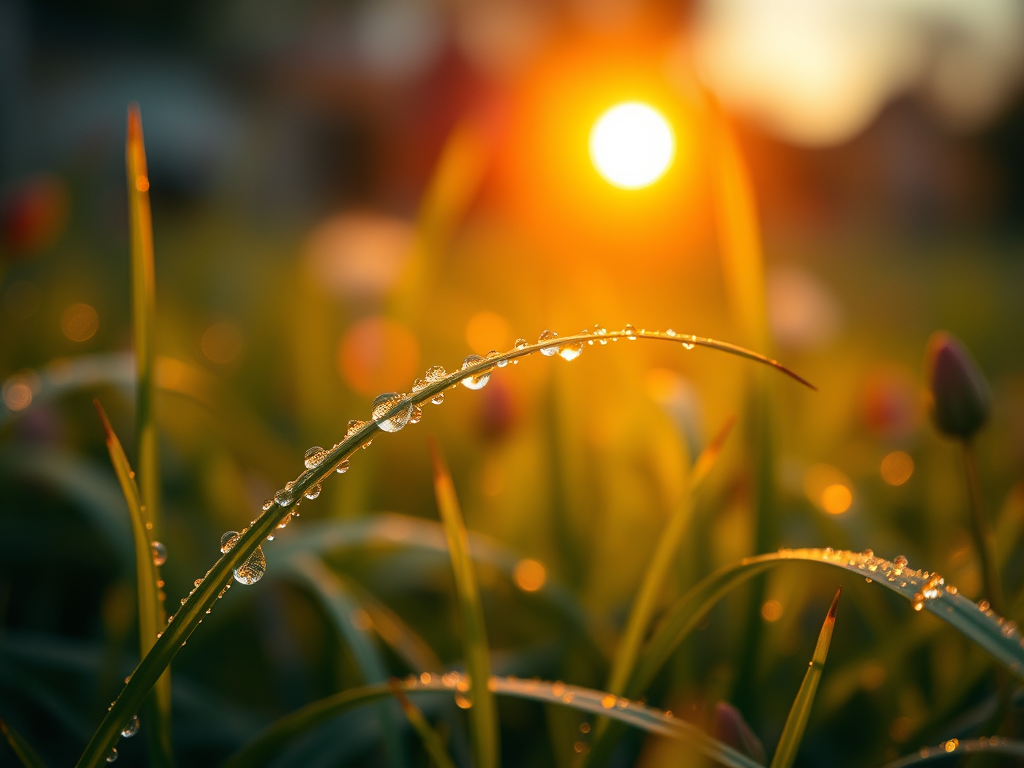
There is not one blade of grass, there is no color in this world that is not intended to make us rejoice. ~John Calvinas quoted in John Calvin: A Sixteenth Century Portrait (Oxford, 1988)byWilliam J. Bouwsma
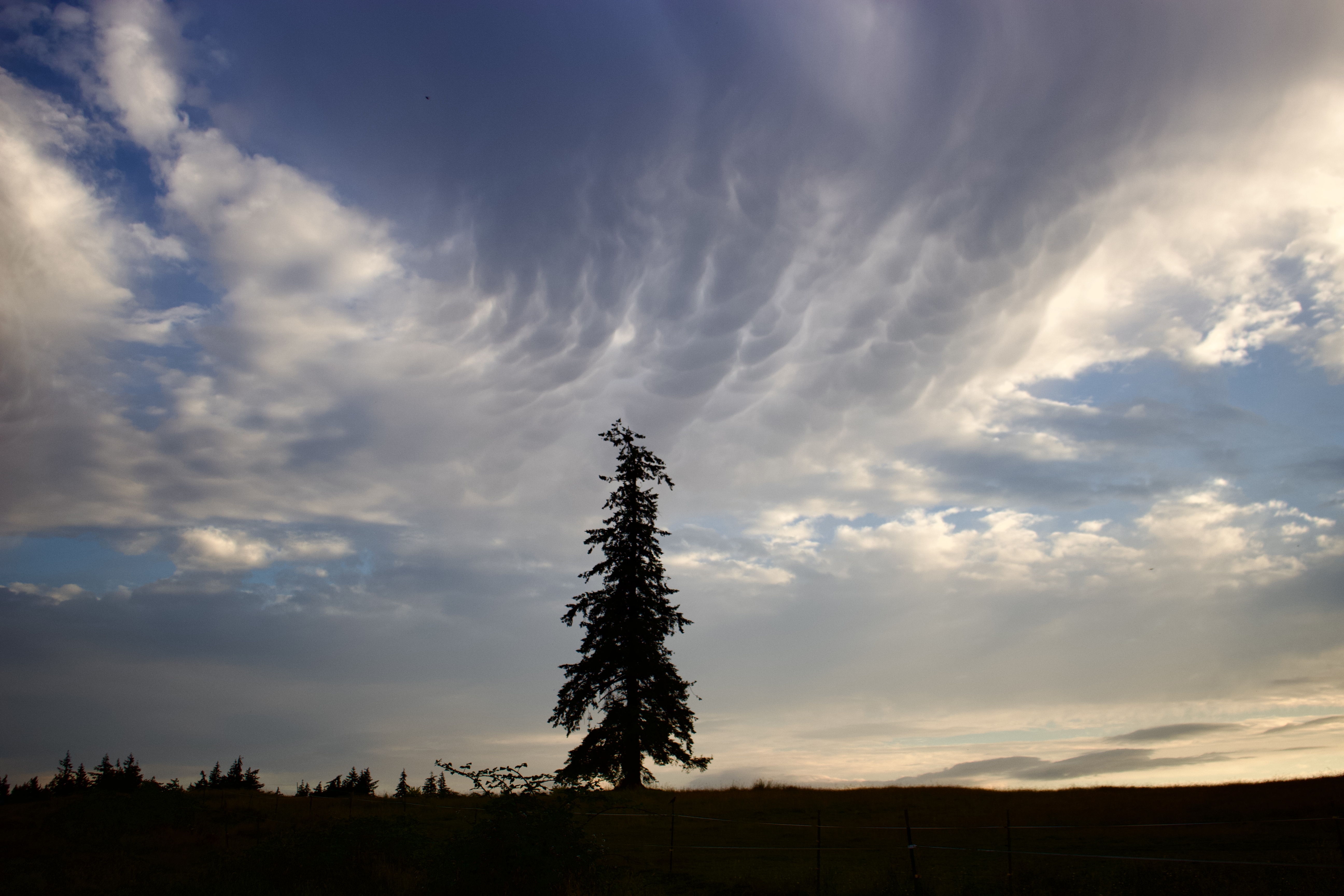
It is too easy to become blinded to the glory surrounding us if we allow it to seem routine and commonplace.
I can’t remember the last time I celebrated a blade of grass, given how focused I am in mowing it into conformity and submission.
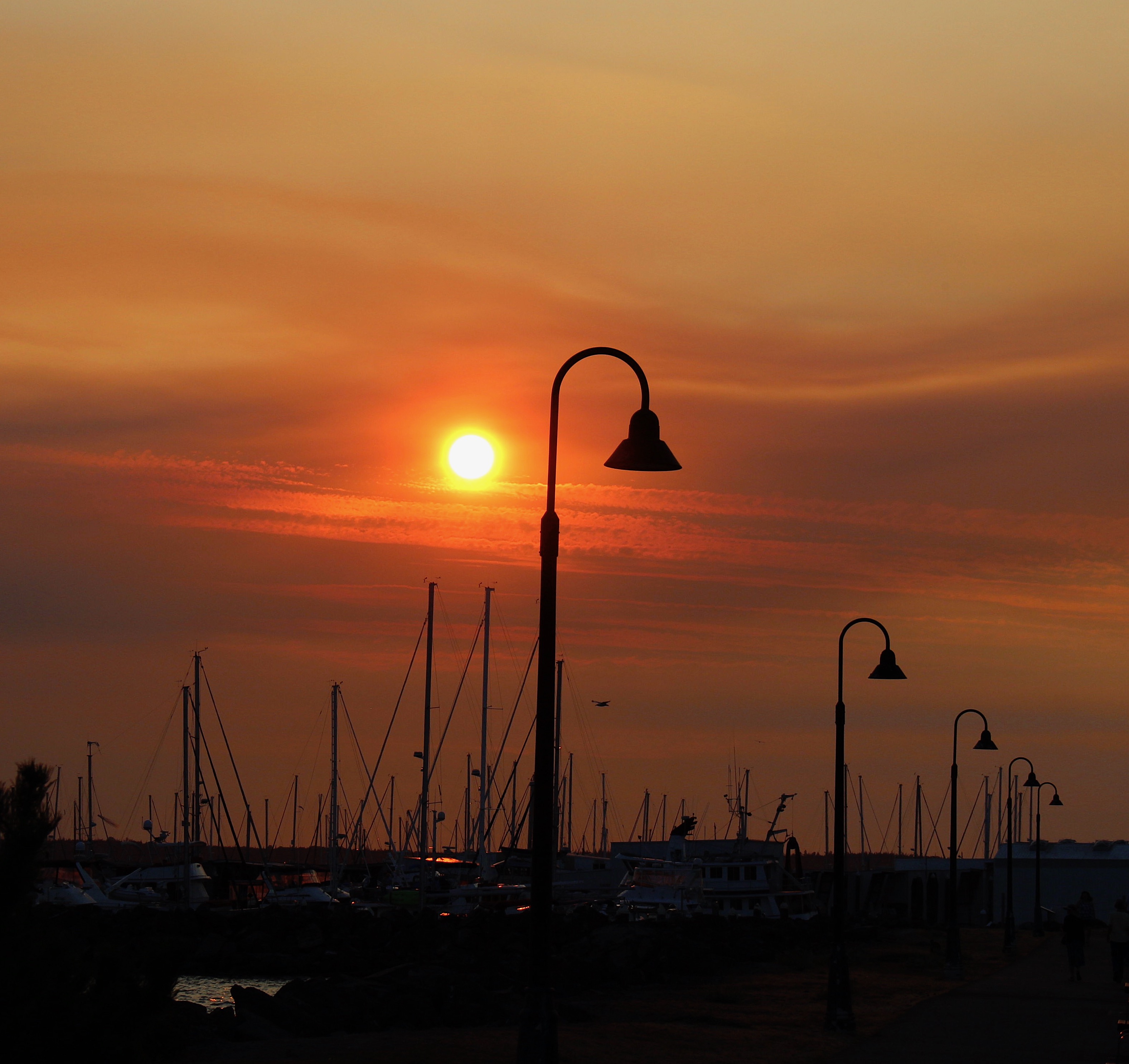
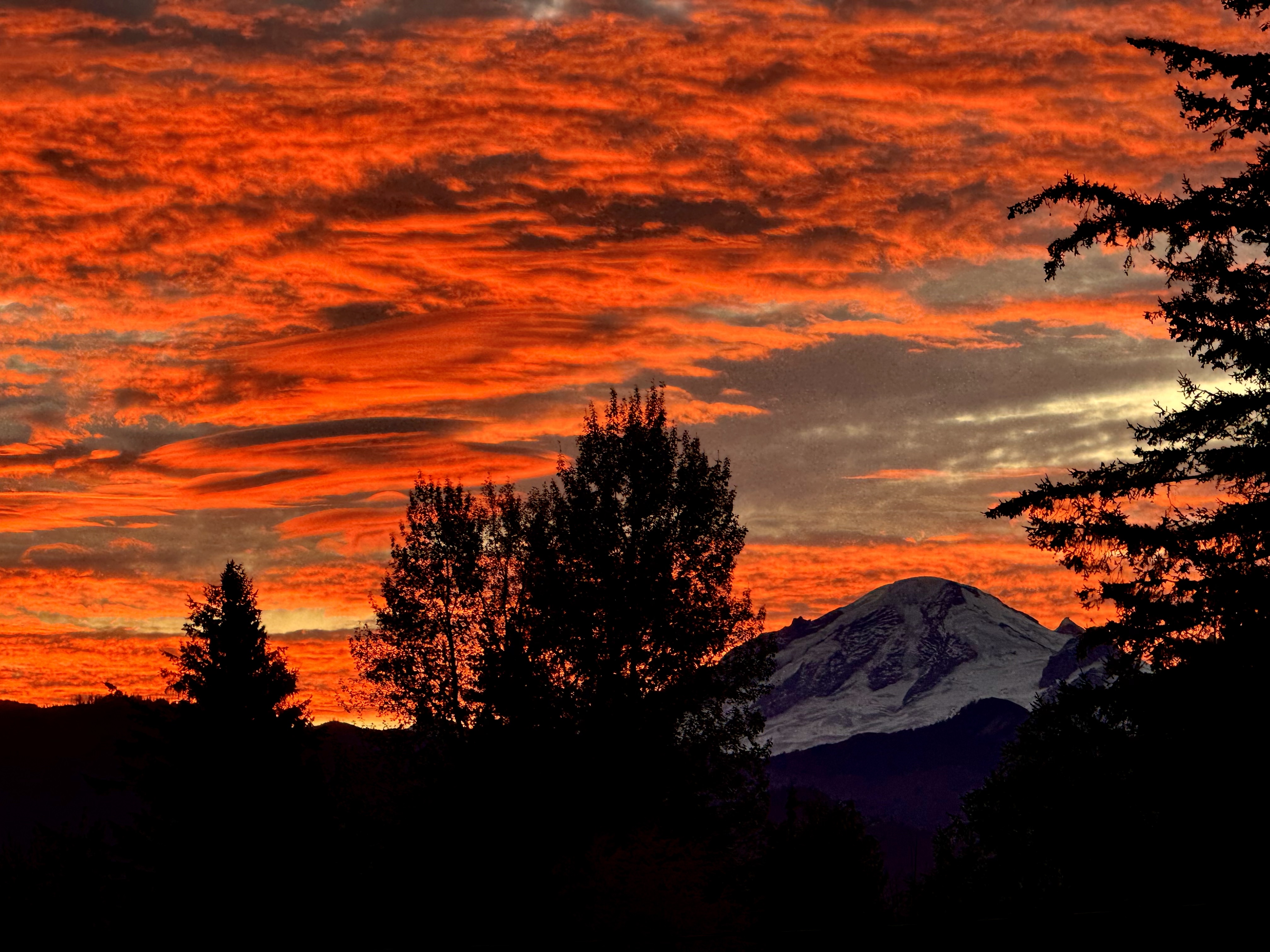
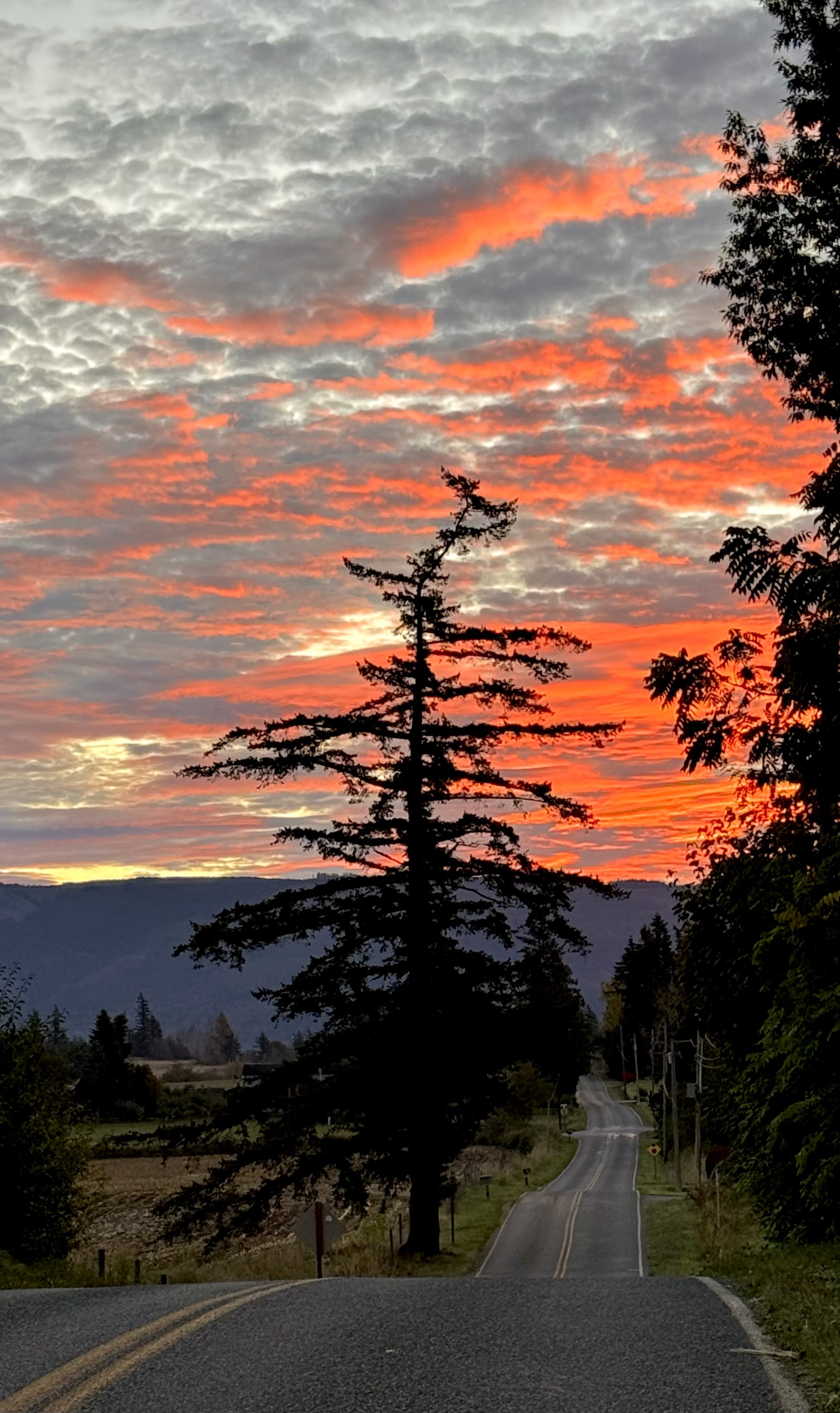
During the summer months, I’m seldom up early enough to witness the pink sunrise. In the winter, I’m too busy making dinner to take time to watch the sun paint the sky red as it sets.
I miss opportunities to stop and notice what surrounds me innumerable times a day. It takes only a moment of recognition and appreciation to feel the joy, and for that moment time stands still. So life stretches a little longer when I stop to acknowledge the intention of creation as an endless reservoir of rejoicing.
If a blade of grass, if a palette of color, if all this is made for joy, then perhaps, so am I. Even colorless, commonplace, sometimes stormy me. Indeed, so am I.
AI image created for this post
One-Time
Monthly
Yearly
Make a one-time or recurring donation to support daily Barnstorming posts
Simple and fresh and fair from winter’s close emerging, As if no artifice of fashion, business, politics, had ever been, Forth from its sunny nook of shelter’d grass— innocent, golden, calm as the dawn, The spring’s first dandelion shows its trustful face. ~Walt Whitman “The First Dandelion”
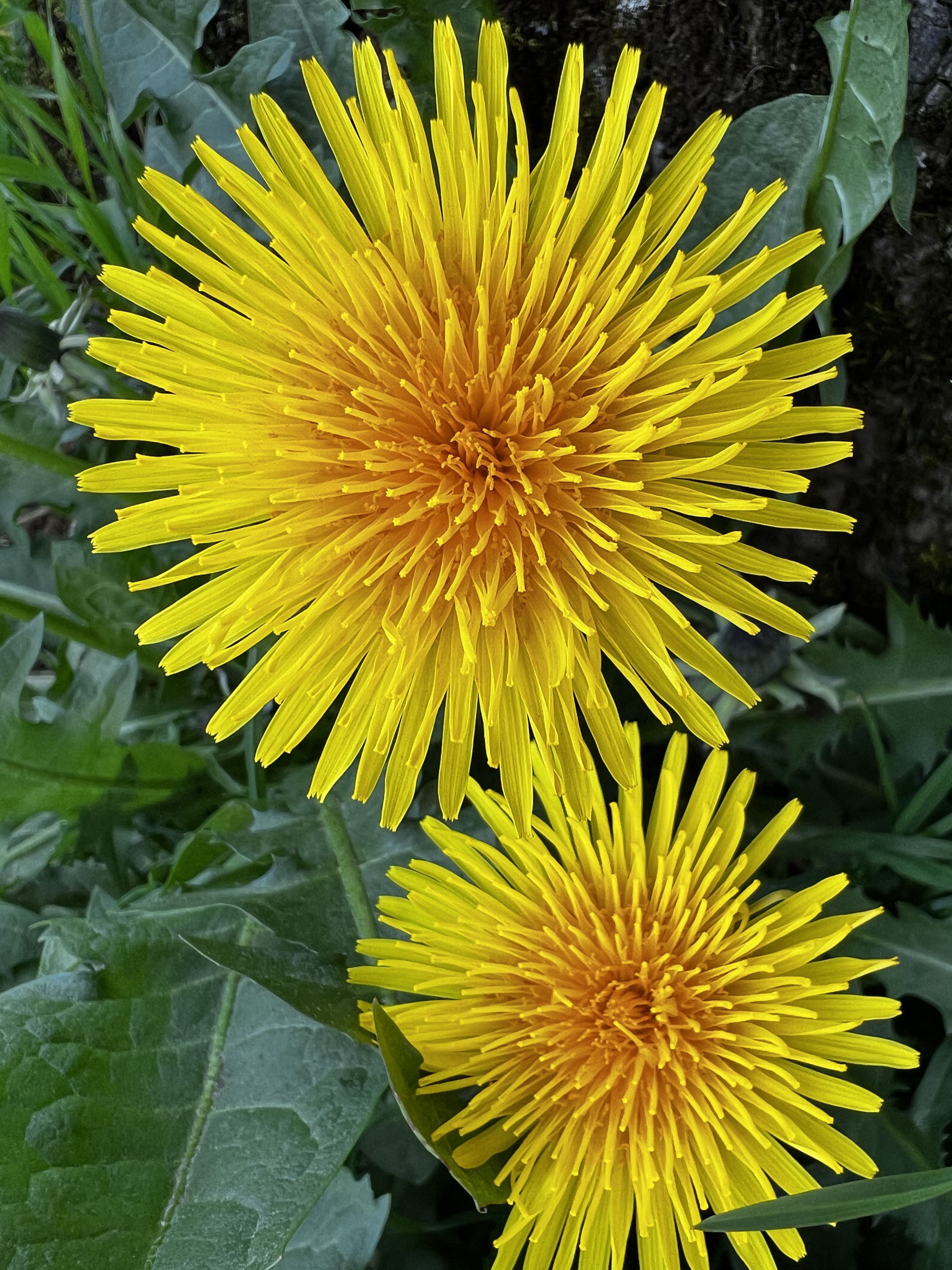
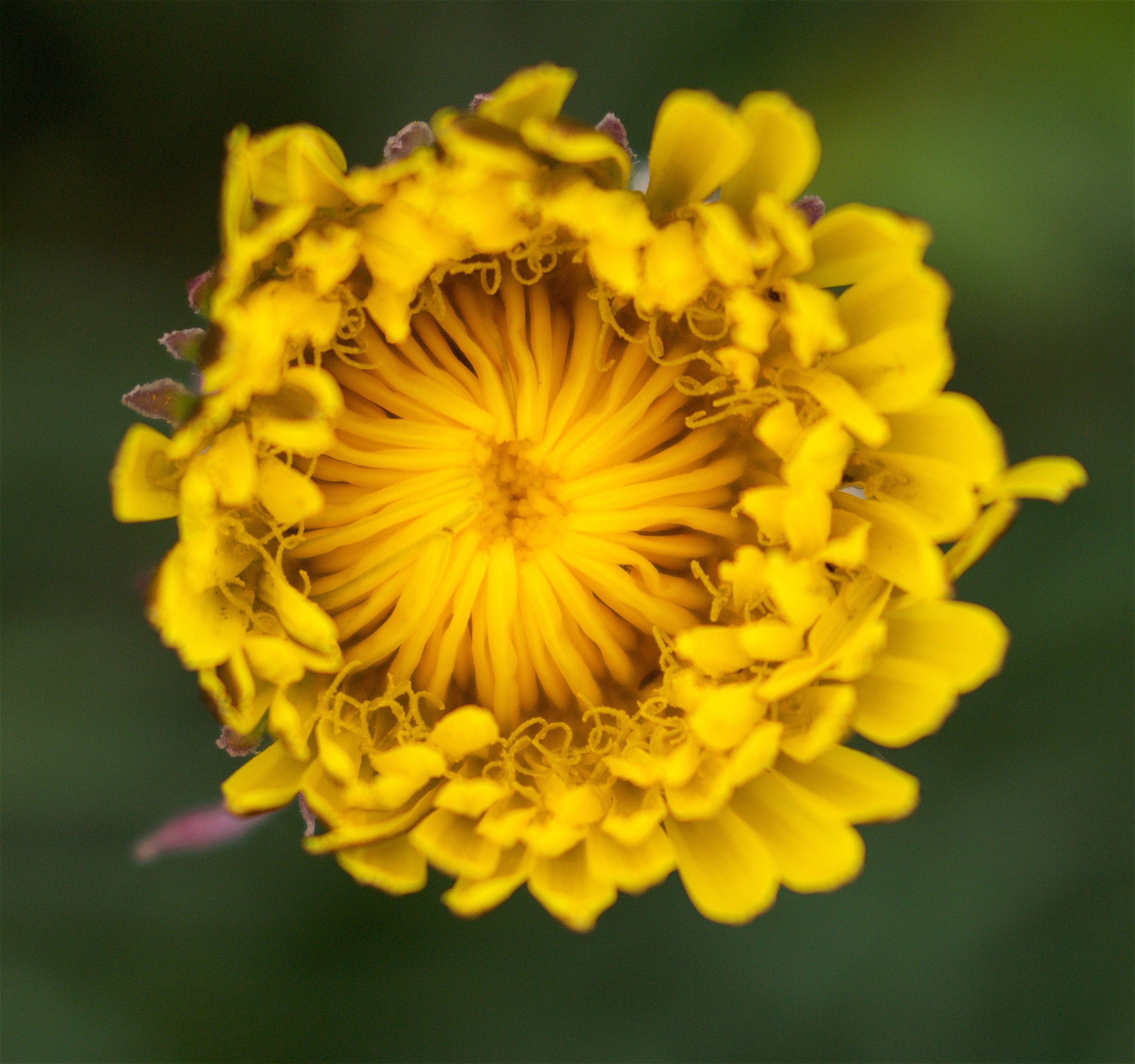
As the days warm and lengthen, the grass is getting happy almost overnight. Under my window the first star of spring opens its eye on the front lawn. Yellow as butter, it is only one. But it is one, and in the nature of things, and like the multiple asterisks seeding the night sky, it will flourish and take over every grassy bank in town. I long to be prolific as the dandelion, spinning pale parachutes of words, claiming new territory by the power of fluff. The stars in their courses have bloomed an unending glory across the heavens, but here in my yard a local constellation prepares to launch multiple, short-lived, radiant coronas to proclaim the new-sprung season. ~Luci Shaw “Dandelion”
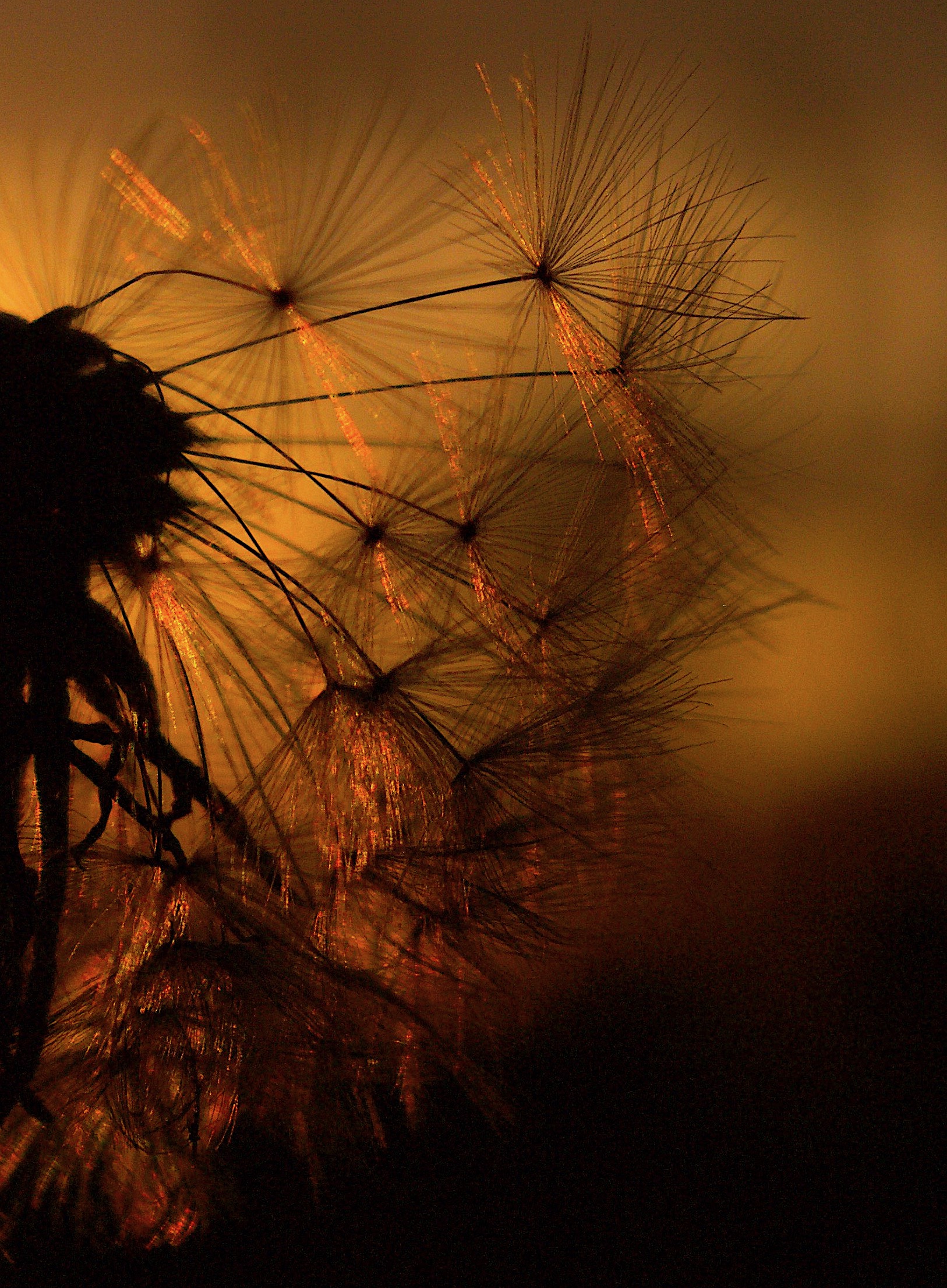
This dandelion has long ago surrendered its golden petals, and has reached its crowning stage of dying – the delicate seed-globe must break up now – it gives and gives till it has nothing left.
The hour of this new dying is clearly defined to the dandelion globe: it is marked by detachment. There is no sense of wrenching: it stands ready, holding up its little life, not knowing when or where or how the wind that bloweth where it listeth may carry it away.
It holds itself no longer for its own keeping, only as something to be given; a breath does the rest… ~Lillias Trotter from “Parables of the Cross”
It is spring: soon a field of new dandelions will stand ready in full-puff; their seeds detach as I walk through, flying to their next life.
My own readiness feels very much like the peak of labor in childbirth, a moment feeling as if time has stopped – an inevitability that one can never go back to the way things were.
This “crowning” of the new life as it emerges means the surrender and emptying of the old life.
So, like the dandelion, I turn my face full on to the breeze, giving and releasing, until I have nothing left.
Only then – only then – is there a moment of detachment, a flying to whatever is next, leading me to eternity.
Now finish the work, so that your eager willingness to do it may be matched by your completion of it, according to your means. 2 Corinthians 8:11
This Lenten season I reflect on the words of the 19th century southern spiritual hymn “What Wondrous Love is This”
One-Time
Monthly
Yearly
Make a one-time or recurring donation to support daily Barnstorming posts
September. Second-year medical student. An early patient interview at the Massachusetts General Hospital Routine hernia repair planned, not done. Abdomen opened and closed. Filled with disease, cancer.
The patient is fifty-six, a workingman, Irish I sit with him, notice the St. Christopher medal around his neck. Can’t hurt, can it? he laughs. I have become his friend.
I bring him a coloring book picture that shows this thing, this unfamiliar organ that melted beneath our hands at dissection: Pancreas.
Leaving his room, crying, avoiding classmates, I take the back stairs. I find myself locked, coatless in the courtyard outside. ~Kelley Jean White “Pandora”
At seventeen years old, I thought I had things figured out. I had graduated near the top of my senior class, was heading off to college, and felt confident about who I was becoming. I had attended church all my life but my commitment to my faith was actually waning rather than strengthening.
In anticipation of college tuition bills, I took a summer job at a local nursing home for $1.25 an hour as a nurses’ aide. My total training was two days following a more experienced aide on her rounds of feeding, pottying, dressing and undressing, and bathing her elderly patients. Then I was assigned patients of my own and during a typical shift I carried a load of 13 patients. It didn’t take long for me to learn the rhythm of caretaking, and I enjoyed the work and my patients.
One woman in particular remains vivid in my memory 52 years later. Irene was in her 80’s with no nearby family, bedridden with a painful bone disease that had crippled her for a decade or more. She was unable to do any of her own self care but her mind remained sharp and her eyes bright. Her hearty greeting cheered me when I’d come in her room several times a shift to turn her on her egg-crate mattress bed to prevent pressure sores on her hips and shoulders.
The simple act of turning her in her bed was an ordeal beyond imagining – it always hurt her. I felt as though I was impaling her on hundreds of sharp needles.
I would prepare her for the turn by cushioning her little body with pads and pillows, but no matter how careful I was, her brittle bones would crackle and crunch like Rice Crispies cereal with every movement. Tears would flow from her eyes and she’d always call out “Oh Oh Oh Oh” during the process but then once settled in her new position, she’d look up at me and say “thank you, dear, for making that so much easier for me.”
I would nearly weep in gratitude at her graciousness when I could do so little to alleviate her suffering.
Before I’d leave the room, Irene would grab my hand and ask when I would be returning. Then she’d say “I know the Lord prepared you to take care of me” and she would murmur a prayer to herself.
As difficult as each “turning” was for both of us, I started to look forward to it. I knew she prayed not only for herself, but I knew she prayed for me as well. I felt her blessing each time I walked into her room knowing she was waiting for me. She trusted me to do my best.
One evening I came to work and was told Irene was running a high fever, and struggling to breathe. She was being given oxygen and was having difficulty taking fluids. The nurse I worked under asked that I check Irene more frequently than my usual routine.
As I approached her bed, Irene reached out and held my hand. She was still alert but very weak. She looked me in the eye and said “You know the Lord is coming for me today?” All I could say was “I know you have waited for Him a long time.” She murmured “Come back soon” and closed her eyes.
I returned to her room as often as I could and found her becoming less responsive, yet still breathing, sometimes short shallow breaths and sometimes long and deep. Near the end of my shift, as morning was dawning, when I entered the room, I knew He had come for her.
She lay silent and relaxed for the first time since I had met her. Her little body, so tight with pain only hours before, seemed at ease. It was my job to prepare her for the mortuary workers who would soon come for her. Her body still warm to touch, I washed and dried her skin and brushed her hair and wrapped her in a fresh sheet, wondering at how I could now turn her easily with no pain and no tears. I could see a trace of a smile at the corners of her mouth. I knew then the Lord had lifted her soul from her imprisonment. He had rewarded her faithful perseverance.
I rejoice in the hope of the glory of the Lord, thanks to Irene. She showed me what it means to watch for the morning when He will come. Though immobile in bed, crippled and wracked with pain, her perseverance led to loving a young teenager uncertain in her faith, and helped point me to my future profession in medicine.
Irene brought the Lord home to me when she went home to Him.
And werejoice in the hope of the glory of God. Not only so, but we also rejoice in our sufferings, because we know that suffering produces perseverance Romans 5:2b-3
This Lenten season I reflect on the words of the 19th century southern spiritual hymn “What Wondrous Love is This”
One-Time
Monthly
Yearly
Make a one-time or recurring donation to support daily Barnstorming posts
Low clouds hang on the mountain. The forest is filled with fog. A short distance away the Giant trees recede and grow Dim. Two hundred paces and They are invisible. All Day the fog curdles and drifts. The cries of the birds are loud. They sound frightened and cold. Hour By hour it grows colder. Just before sunset the clouds Drop down the mountainside. Long Shreds and tatters of fog flow Swiftly away between the Trees. Now the valley below Is filled with clouds like clotted Cream and over them the sun Sets, yellow in a sky full Of purple feathers. After dark A wind rises and breaks branches From the trees and howls in the Treetops and then suddenly Is still. Late at night I wake And look out of the tent. The Clouds are rushing across the Sky and through them is tumbling The thin waning moon. Later All is quiet except for A faint whispering. I look Out. Great flakes of wet snow are Falling. Snowflakes are falling Into the dark flames of the Dying fire. In the morning the Pine boughs are sagging with snow, And the dogwood blossoms are Frozen, and the tender young Purple and citron oak leaves. ~Kenneth Rexroth “Snow” from The Complete Poems of Kenneth Rexroth
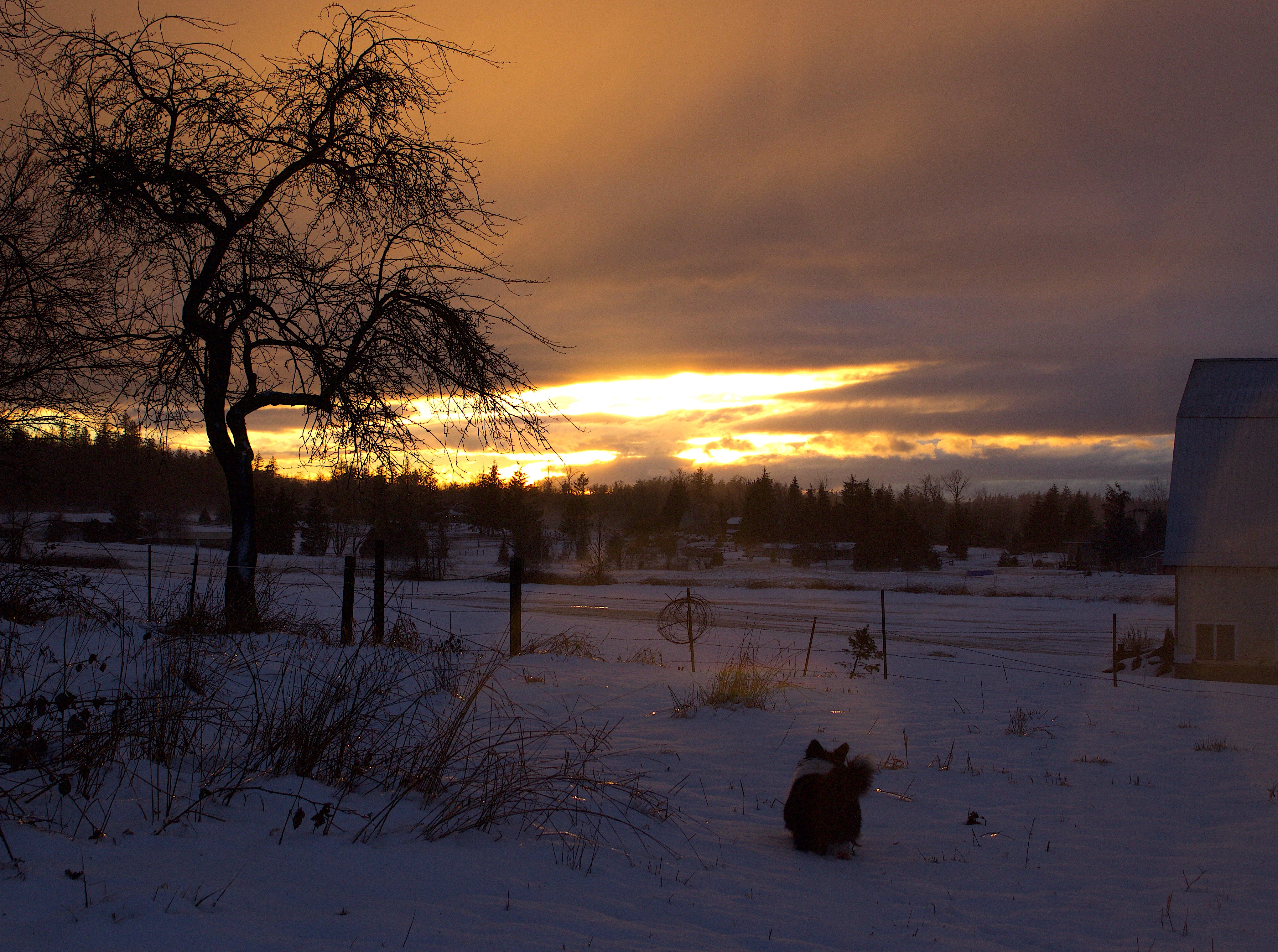
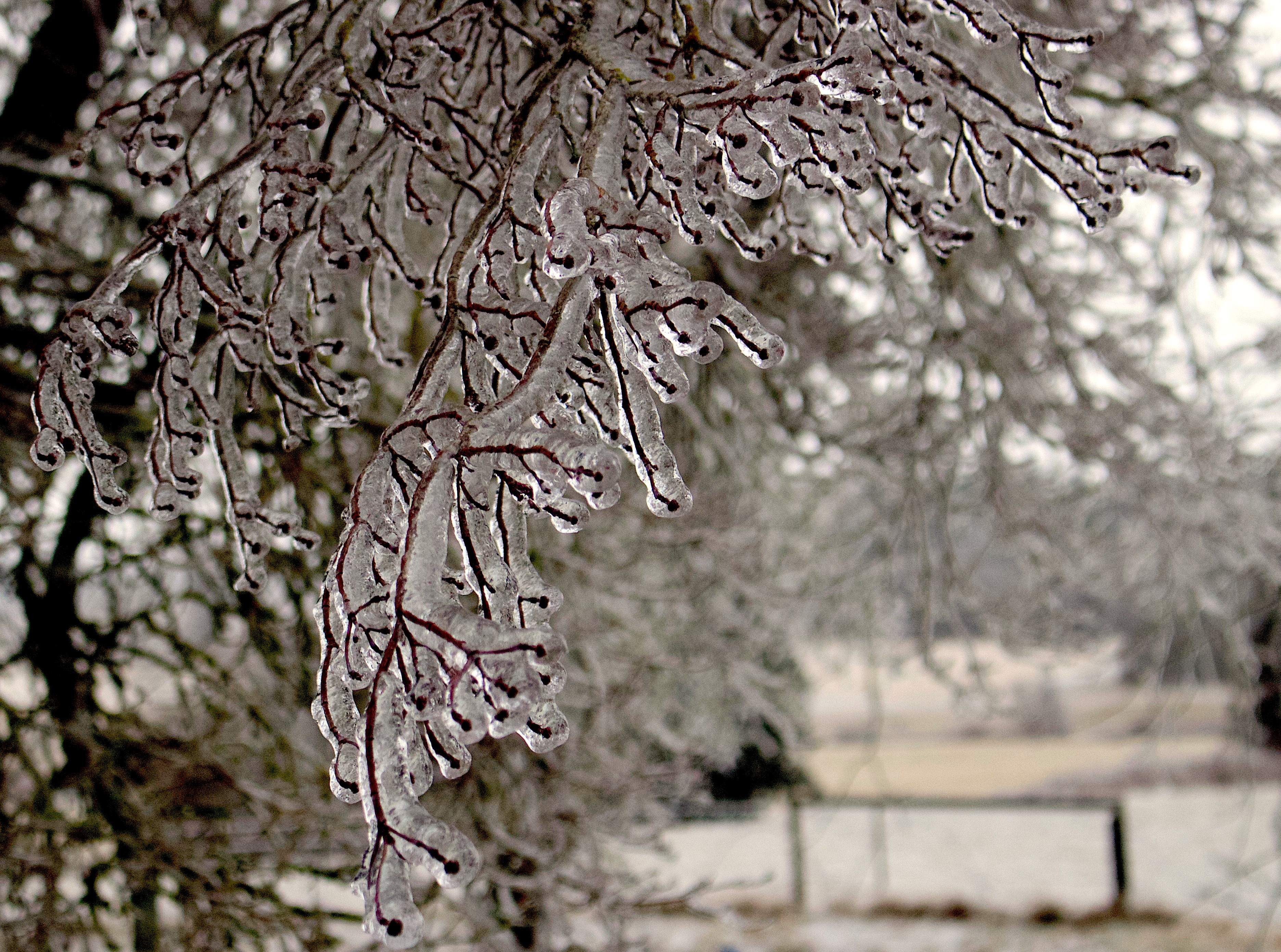
Snow and then freezing rain fell for hours yesterday so we remain cloaked and iced and drifted this morning
~we appear more pristine than we are_
Underneath this chilly blanket we’re barely presentable, sleep-deprived, wrinkled and worn, all mud and mildew beneath.
~yet a thaw is coming~
Spring will rise from its snowy bed, lit from an inner fire that never burns out.
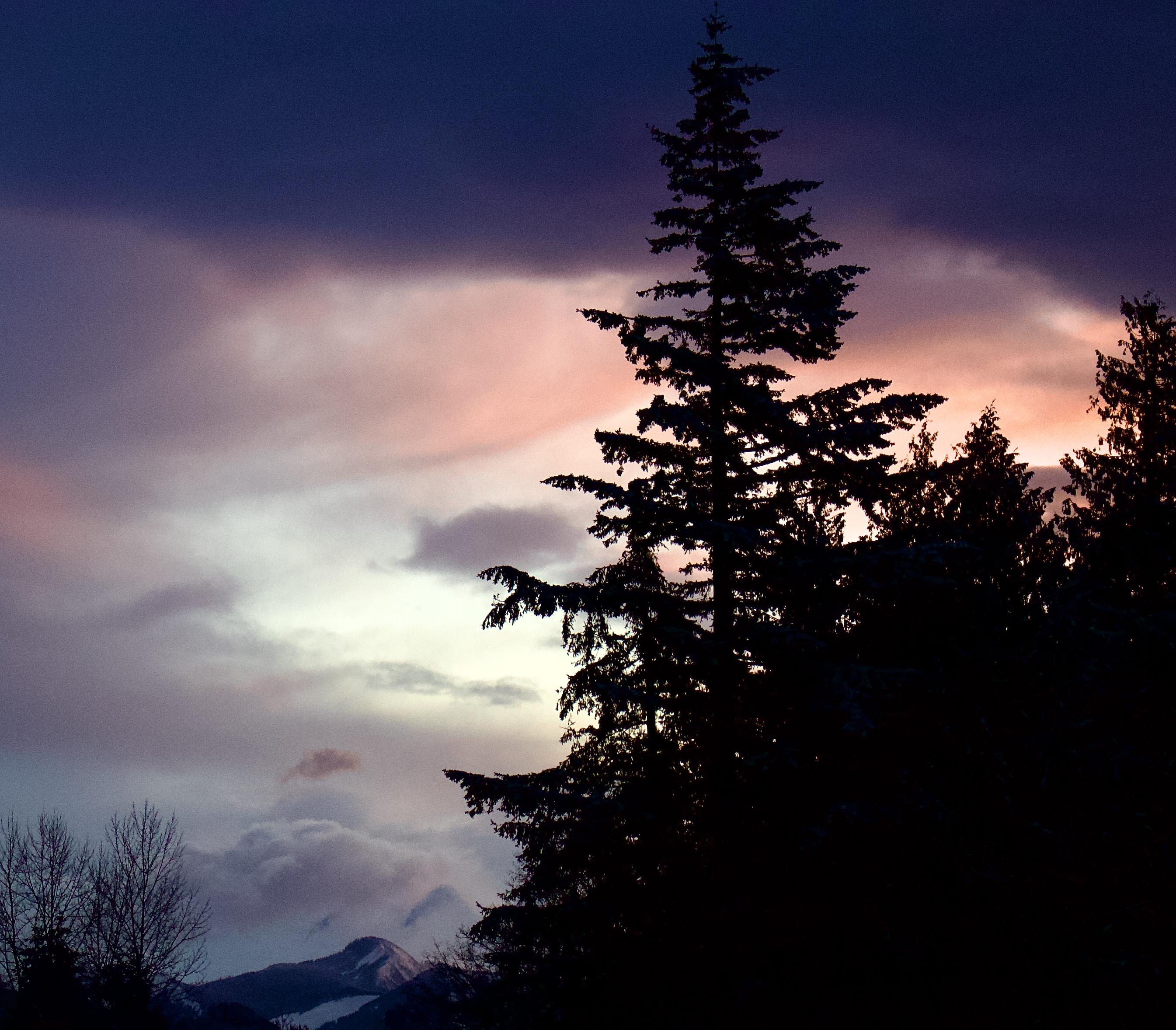
Through clouds like ashes from a burning bush, we turn aside to see God’s glory; our eyes carefully covered from the bright glaze of snow and ice.
We feel His flash of life as He passes by.
One-Time
Monthly
Yearly
Make a one-time or recurring donation to support daily Barnstorming posts
The whole of Christ’s life was a continual passion; others die martyrs, but Christ was born a martyr. He found a Golgotha, where he was crucified, even in Bethlehem, where he was born; for to his tenderness then the straws were almost as sharp as the thorns after, and the manger as uneasy at first as the cross at last. His birth and his death were but one continual act, and his Christmas Day and his Good Friday are but the evening and the morning of one and the same day. From the creche to the cross is an inseparable line. Christmas only points forward to Good Friday and Easter. It can have no meaning apart from that, where the Son of God displayed his glory by his death. ~John Donne, opening words in his sermon on Christmas Day 1626
O dying souls! behold your living spring! O dazzled eyes! behold your sun of grace! Dull ears attend what word this word doth bring! Up, heavy hearts, with joy your joy embrace! From death, from dark, from deafness, from despairs, This life, this light, this word, this joy repairs.
Man altered by sin from man to beast; Beast’s food is hay, hay is all mortal flesh. Now God is flesh and lies in manger pressed As hay, the brutish sinner to refresh. O happy field wherein this fodder grew, Whose taste doth us from beasts to men renew. ~Robert Southwell from The Nativity of the Christ,Jesuit poet (1561-1595)
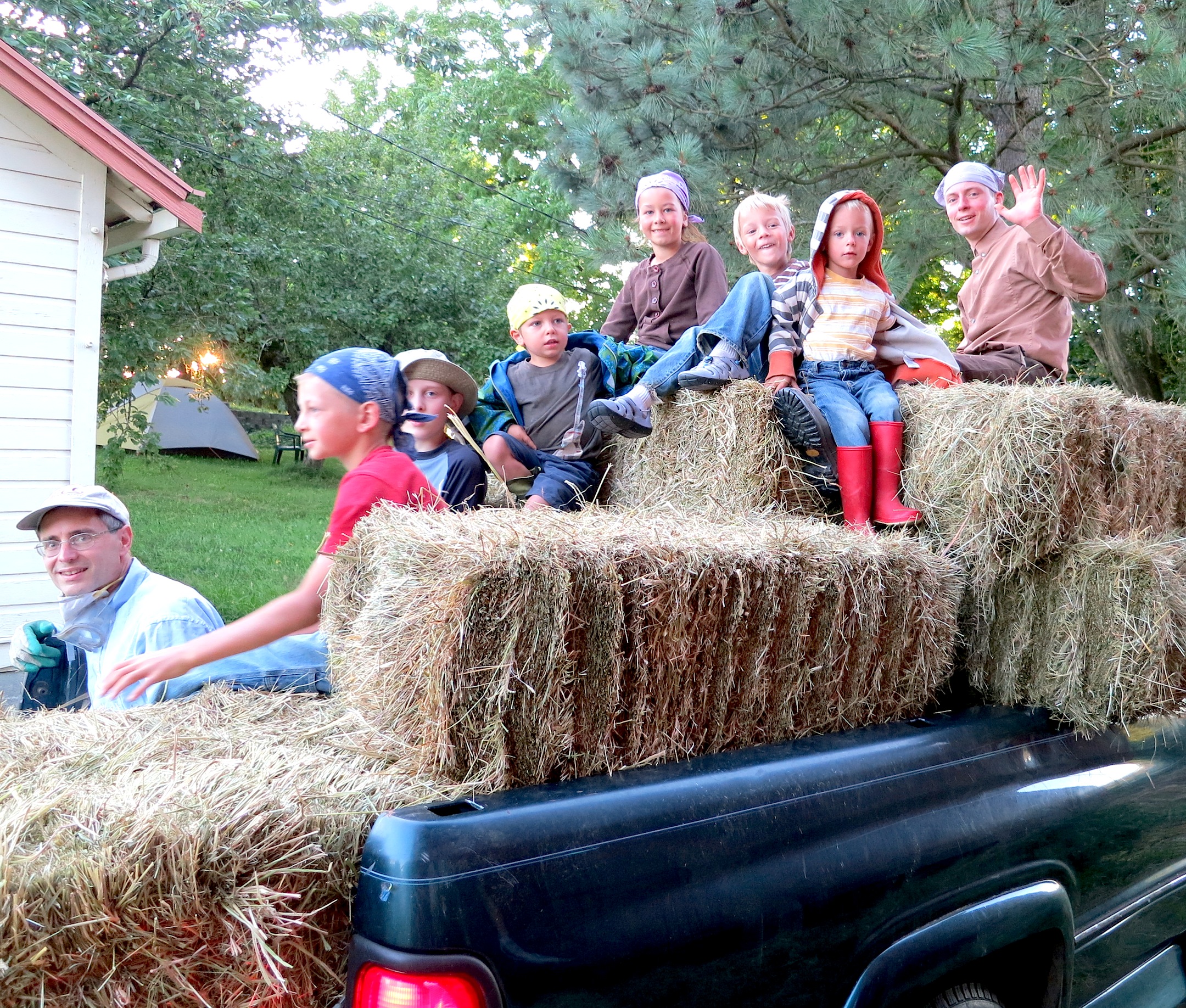
Our neighborhood hay crew
remembered on
frosty mornings before dawn
when bales are broken for feed
and fragrant summer spills forth.
In the dead of winter
during the darkest blowing icy nights
the bales open like a picture book
illustrating how life once was,
and will be again~
Rainy spring nights’ hay
becomes bedding
for new foals’ sleep
to guarantee sunshine
in the uneasy manger
on the darkest of days:
Communion.
Advent 2023 theme …because of the tender mercy of our God, whereby the sunrise shall visit us from on high to give light to those who sit in darkness and in the shadow of death, to guide our feet into the way of peace. Luke 1: 78-79 from Zechariah’s Song
One-Time
Monthly
Yearly
Make a one-time or recurring donation to support daily Barnstorming posts
October is nature’s funeral month. Nature glories in death more than in life. The month of departure is more beautiful than the month of coming – October than May.
I don’t know… I myself feel pretty drab these days, gray and fading, with ripples and wrinkles, more fluff than firm. I’m reminded to hang on to an October state of mind: go for raucous color rather than somber funereal attire, so when it is time to take my leave, and I want to take my time – I go brightly, in joyous celebration of what has been~~ and knowing, without any doubt, the colors are stunning where I’m heading when I wander down the road a piece.
One-Time
Monthly
Yearly
Make a one-time or recurring donation to support daily Barnstorming posts
Consider The lilies of the field whose bloom is brief:— We are as they; Like them we fade away, As doth a leaf.
Consider The sparrows of the air of small account: Our God doth view Whether they fall or mount,— He guards us too.
Consider The lilies that do neither spin nor toil, Yet are most fair:— What profits all this care And all this coil?
Consider The birds that have no barn nor harvest-weeks; God gives them food:— Much more our Father seeks To do us good. ~Christina Rossetti from “Consider”
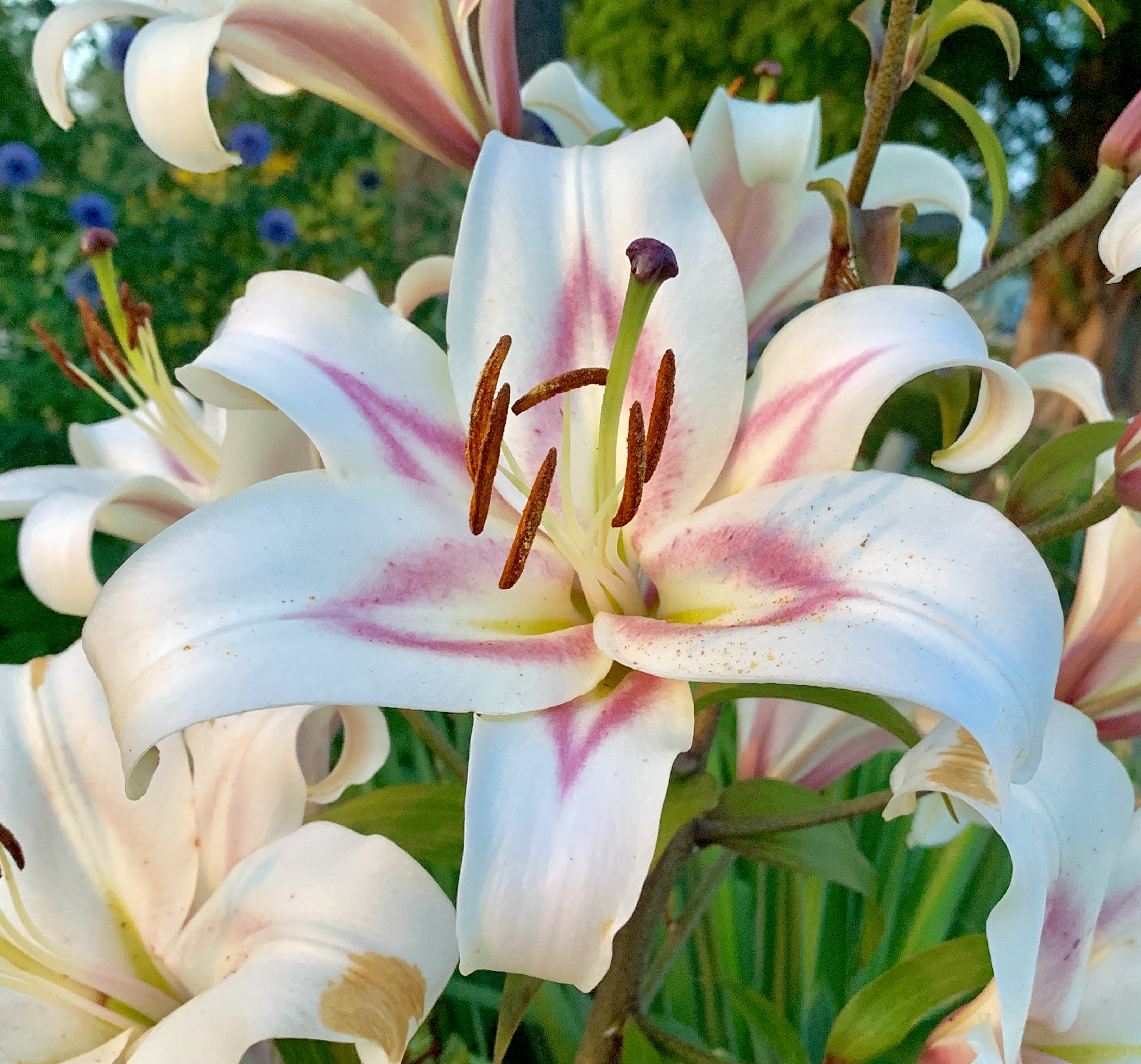
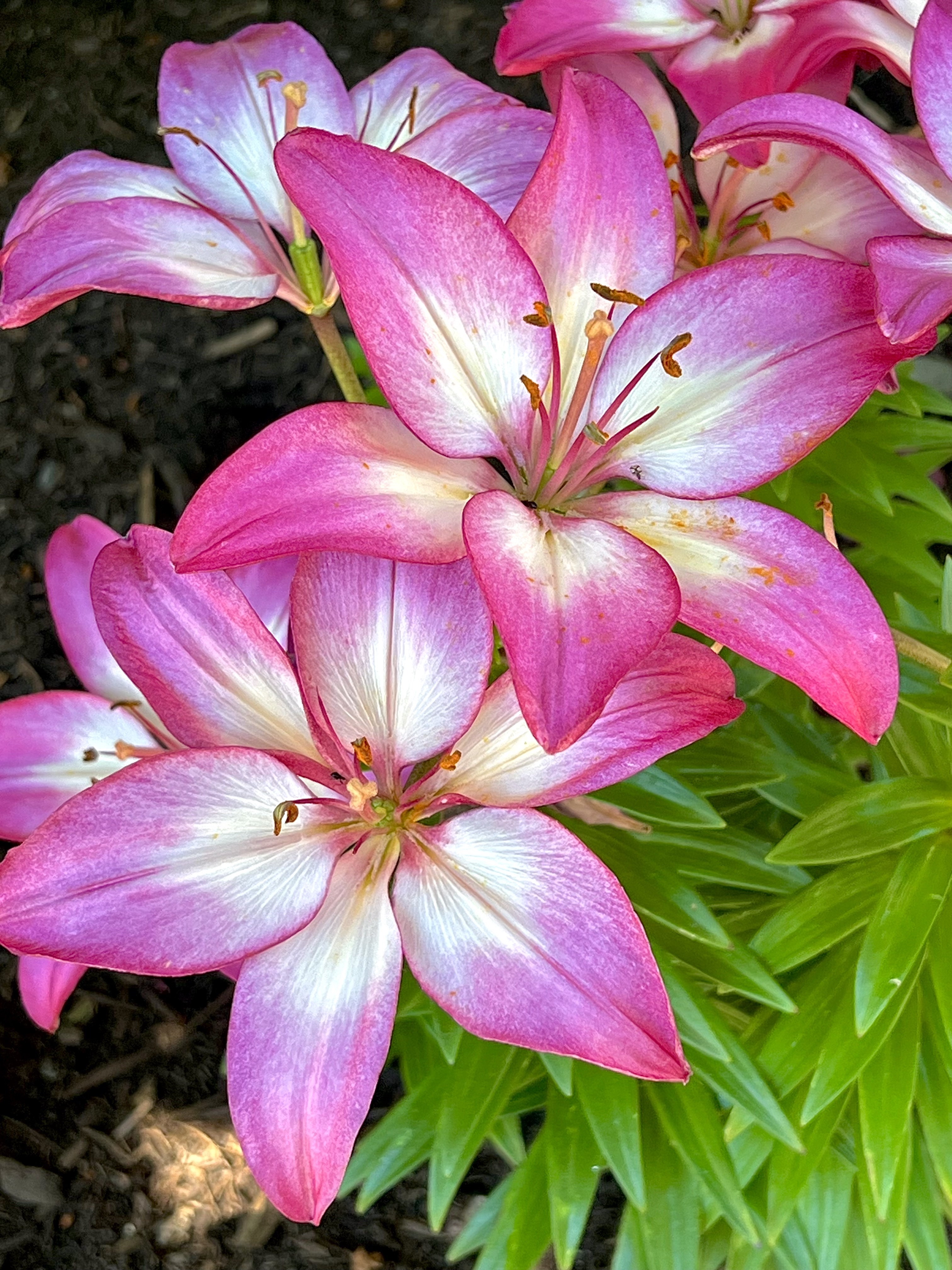
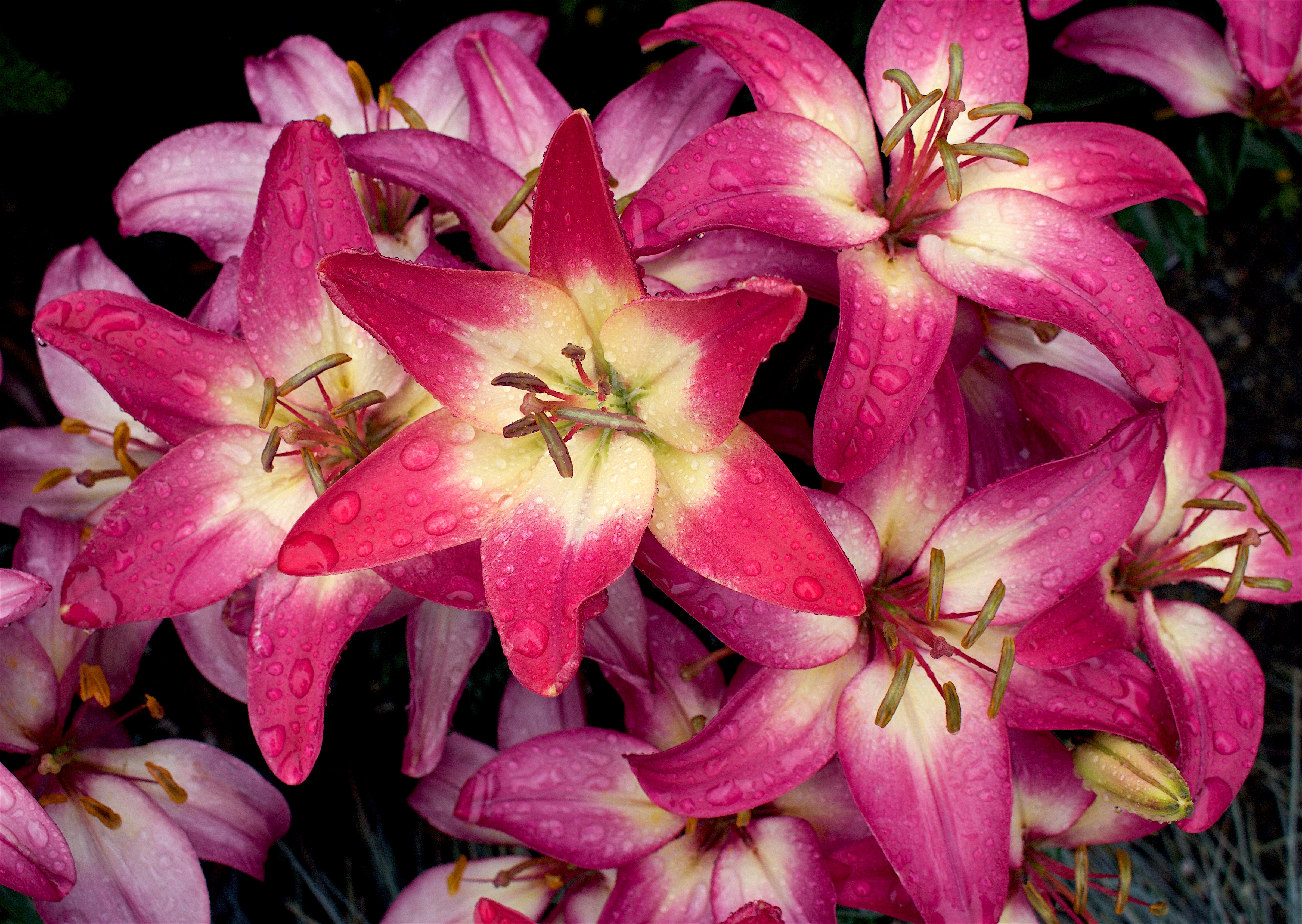
…if I were a lily I think I would wait all day for the green face of the hummingbird to touch me. ~Mary Oliver from “Lilies”
Homer Smith: [the final English lesson] Oh, *I* built a chapel…
All of the sisters: *I* built a chapel.
Homer Smith: *You* built a chapel…
All of the sisters: *You* built a chapel.
Homer Smith: *We” built a chapel…
Mother Maria: [points to heaven] *He* built a chapel.
From the simplest lyric to the most complex novel and densest drama, literature is asking us to pay attention… pay attention to the world and all that dwells therein and thereby learn at last to pay attention to yourself and all that dwells therein.
Literature, painting, music—the most basic lesson that all art teaches us is to stop, look, and listen to life on this planet, including our own lives, as a vastly richer, deeper, more mysterious business than most of the time it ever occurs to us to suspect as we bumble along from day to day on automatic pilot. In a world that for the most part steers clear of the whole idea of holiness, art is one of the few places left where we can speak to each other of holy things.
Is it too much to say that Stop, Look, and Listen is also the most basic lesson that the Judeo-Christian tradition teaches us? Listen to history is the cry of the ancient prophets of Israel. Listen to social injustice, says Amos; to head-in-the-sand religiosity, says Jeremiah; to international treacheries and power-plays, says Isaiah; because it is precisely through them that God speaks his word of judgment and command.
And when Jesus comes along saying that the greatest command of all is to love God and to love our neighbor, he too is asking us to pay attention. If we are to love God, we must first stop, look, and listen for him in what is happening around us and inside us. If we are to love our neighbors, before doing anything else we must see our neighbors. With our imagination as well as our eyes, that is to say like artists, we must see not just their faces but the life behind and within their faces. Here it is love that is the frame we see them in.
In a letter to a friend Emily Dickinson wrote that “Consider the lilies of the field” was the only commandment she never broke. She could have done a lot worse. Consider the lilies. It is the sine qua non of art and religion both. ~Frederick Buechner from Whistling in the Dark
I have broken the Biblical mandate to “consider the lilies” way too many times. In my daily life I am considering almost anything else – my own worries and concerns as I walk past so much beauty and meaning and holiness. My mind dwells within, blind and deaf to what is outside.
It is so necessary to be reminded that I need to pay attention beyond my own bubble, to be reminded to love and care for my neighbor, to remember what history has to teach us, to search for the sacred in all things.
Stop, Look, Listen, Consider: all is grace, all is gift, all is holiness brought to life – stunning, amazing, wondrous.
In the beauty of the lilies Christ was born across the sea, With a glory in His bosom that transfigures you and me. As He died to make men holy, let us die to make men free, While God is marching on.
He is coming like the glory of the morning on the wave, He is Wisdom to the mighty, He is Succour to the brave, So the world shall be His footstool, and the soul of Time His slave, Our God is marching on.
(Chorus) Glory, glory, hallelujah! Glory, glory, hallelujah! Glory, glory, hallelujah! While God is marching on. ~Julia Ward Howe — final original verses of the “Battle Hymn of the Republic”
One-Time
Monthly
Yearly
Make a one-time or recurring donation to support daily Barnstorming posts
Thank you for this day made of wind and rain and sun and the scent of old-fashioned lilacs. Thank you
for the pond and the slippery tadpole and the wild iris that opened beside the pond last week, so pale, so nearly purple,
their stems already flagged and bent. Thank you for the yellow morels hiding in the field grass, the ones we can only see when we are already
on our knees. And thank you for the humming that rises out of the morning as if mornings are simply reasons to hum. What a gift,
this being alive, this chance to encounter the world. What a gift, this being a witness to spring— spring in everything. Spring in the way
that we greet each other. Spring in the way the golden eagle takes to the thermals and spirals up to where we can barely see the great span of its wings.
Spring in the words we have known since our births. Like glory. Like celebrate. ~Rosemerry Wahtola Trommer “In Case I Forget to Say It Enough” from All the Honey
Sing to the God who turns our sighs into a song Sing to the One who mends our broken hearts with music. Sing to the One who fills our empty hearts with love. Sing to the One who gives us light to step into the darkest night. Sing to the God who turns our sighs into a song. ~Susan Boersma
Each spring day begins new possibility with a sigh, a deep breath and thankfulness-
even when there are tears, sometimes heartbreak, and flat out fear of what may come next.
Even so, through it all I hum along in celebration, singing a song of praise, an alleluia that reminds me why I am and who I live for.
All is well, it is well with my soul.
One-Time
Monthly
Yearly
Make a one-time or recurring donation to support daily Barnstorming posts