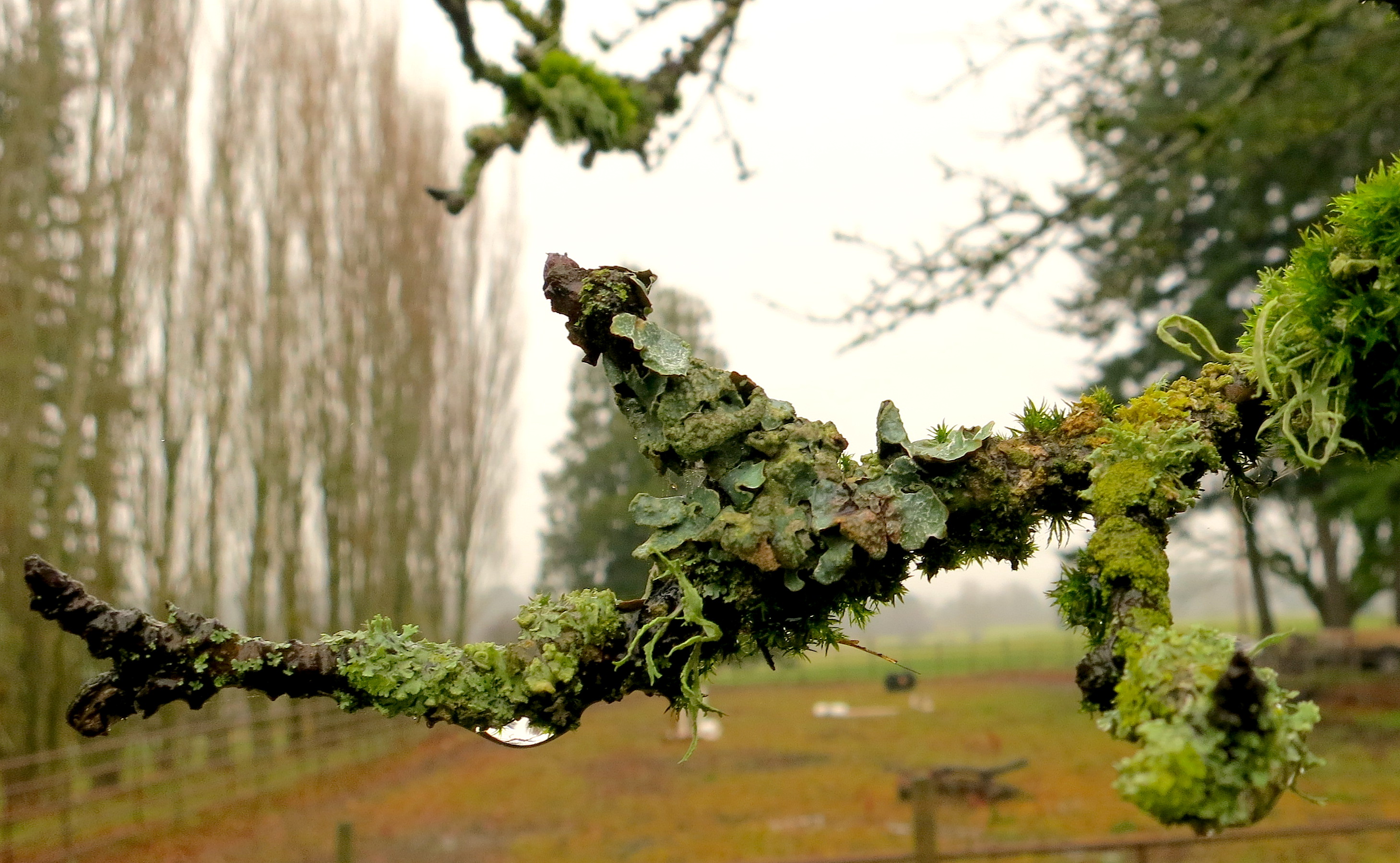
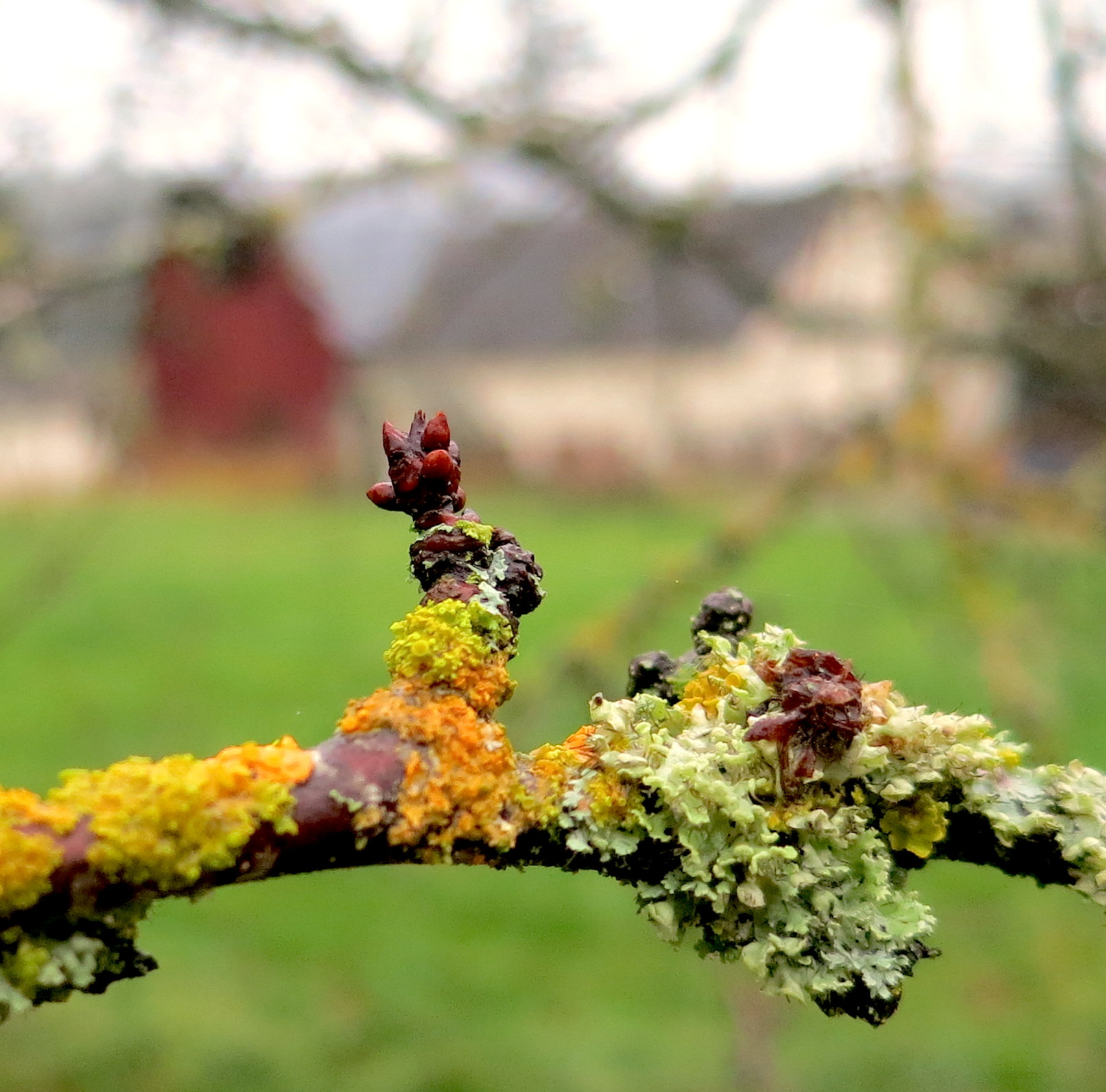
The trees are coming into their winter bareness, the only green is the lichen on their branches. Against the hemlocks, the rain is falling in dim, straight lines… This is the time of year when all the houses have come out of the woods, edging closer to the roads as if for company. ~Verlyn Klinkenborg “The Rain It Raineth”
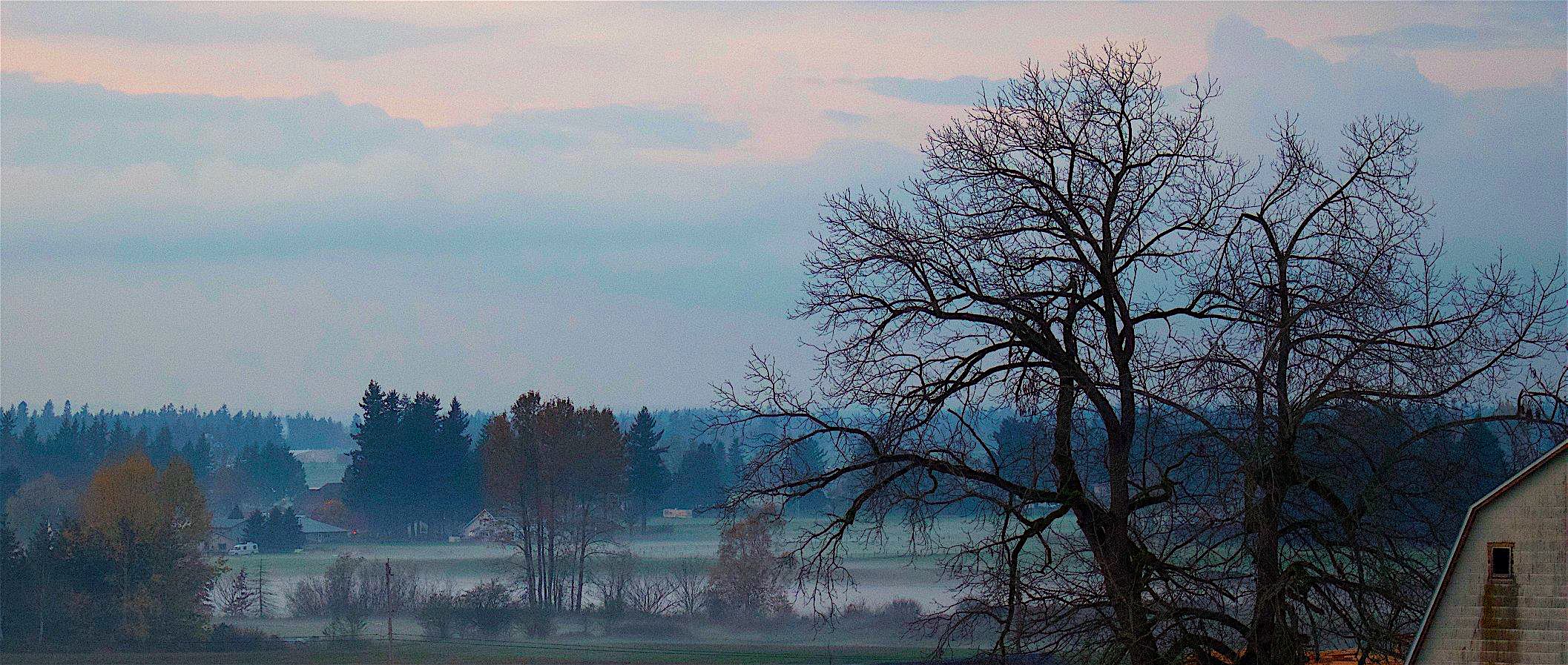
The deciduous trees in our part of the country have all been stripped bare, having come through rain and gusty winds in the last week. It forces typically leaf-hidden homes out of camouflage and I’m once again startled at the actual proximity of our neighbors. It isn’t as obvious in the summer given the tree buffer everyone has carefully planted. Now we’re reminded once again we are not alone and actually never have been.
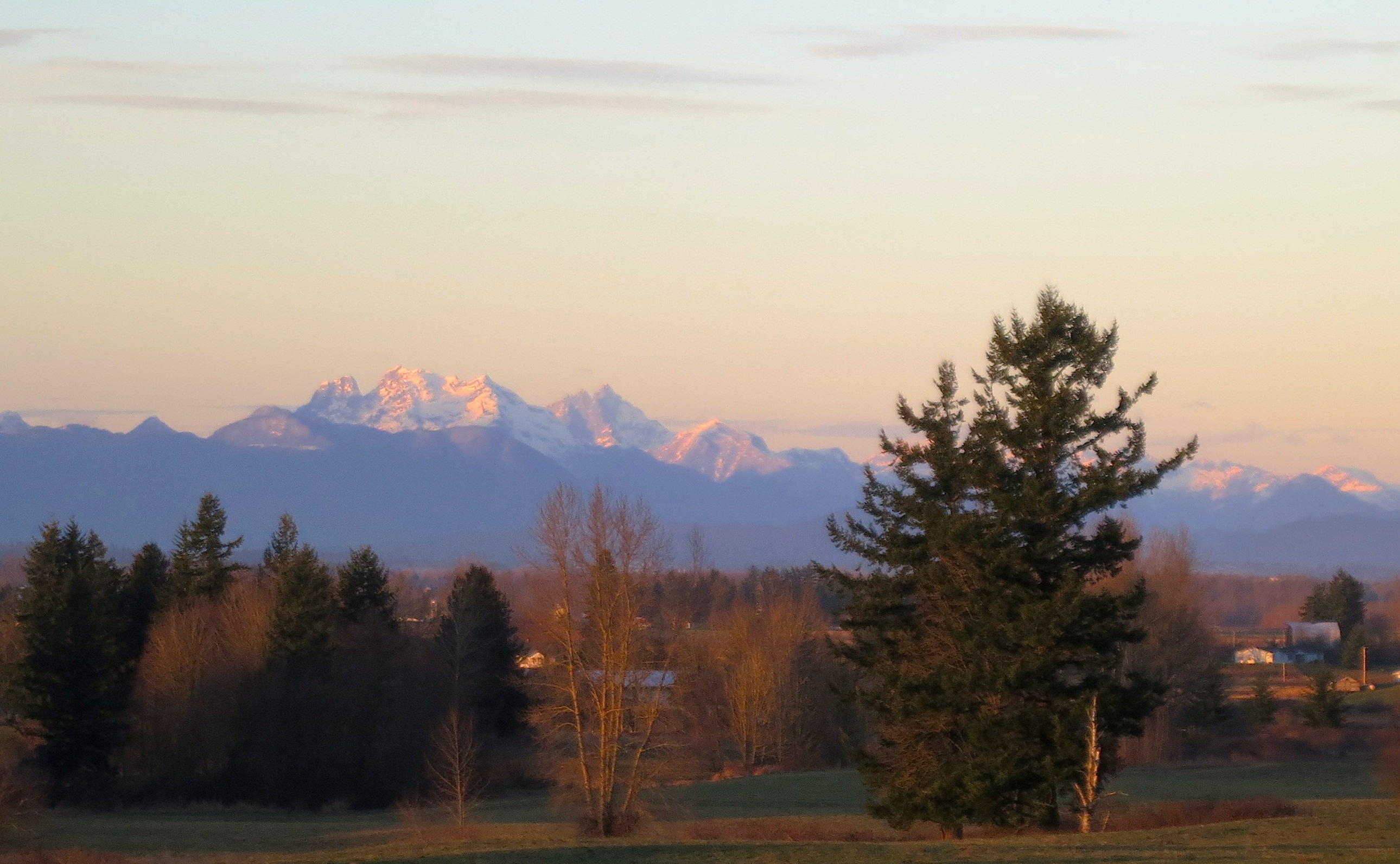
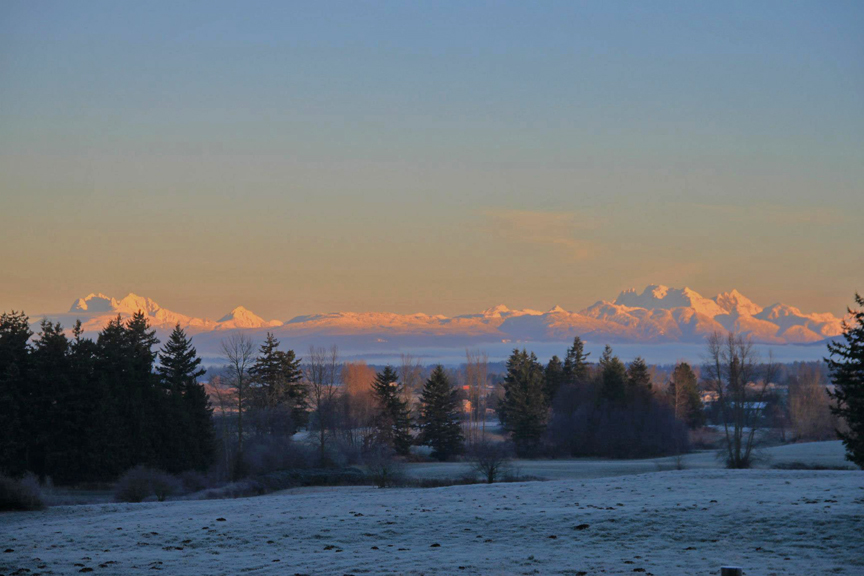
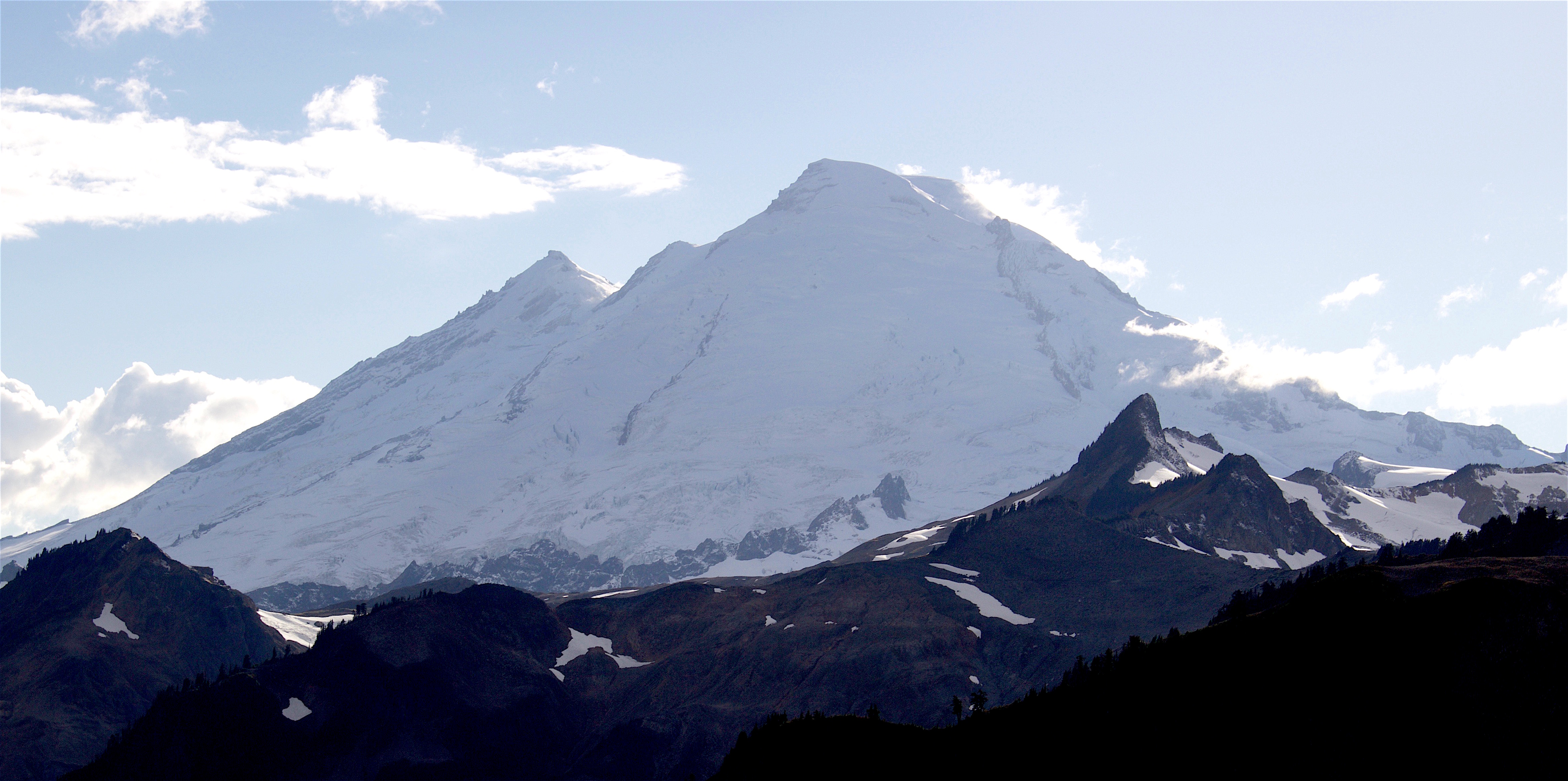
Even the mountains that surround us from the northwest to the southeast seem closer when the trees are bare and new snow has settled on their steep shoulders.
We think we have autonomy all wrapped up but it takes the storms of autumn to remind us we are unwrapped and vulnerable, stark naked, in desperate need of company when darkness comes early, the snow flies and the lights are flickering.
photo by Nate Gibson
If you appreciate reading Barnstorming daily, consider a contribution to keep it going ad-free.
…I am watching the mountain. And the second I verbalize this awareness in my brain, I cease to see the mountain…. I am opaque, so much black asphalt.
I look at the mountain, which is still doing its tricks, as you look at a still-beautiful face belonging to a person who was once your lover in another country years ago: with fond nostalgia, and recognition, but no real feeling save a secret astonishment that you are now strangers. Thanks. For the memories. It is ironic that the one thing that all religions recognize as separating us from our creator — our very self-consciousness — is also the one thing that divides us from our fellow creatures. It was a bitter birthday present from evolution, cutting us off at both ends. I get in the car and drive home. ~Annie Dillard from Pilgrim at Tinker Creek
We drive up the highway an hour or so to lose ourselves rather than become more self-conscious. We want to be witness to grander things.
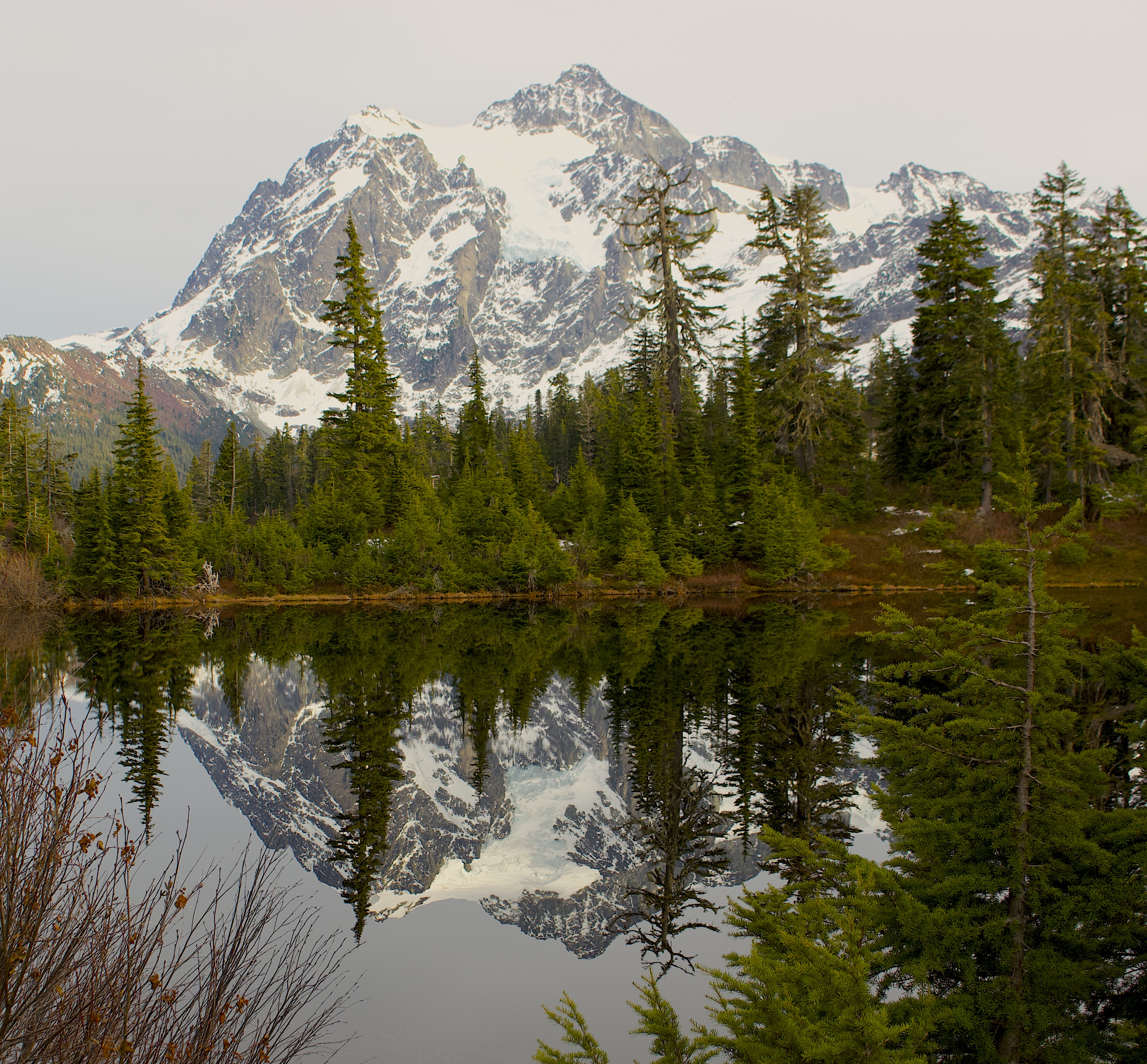
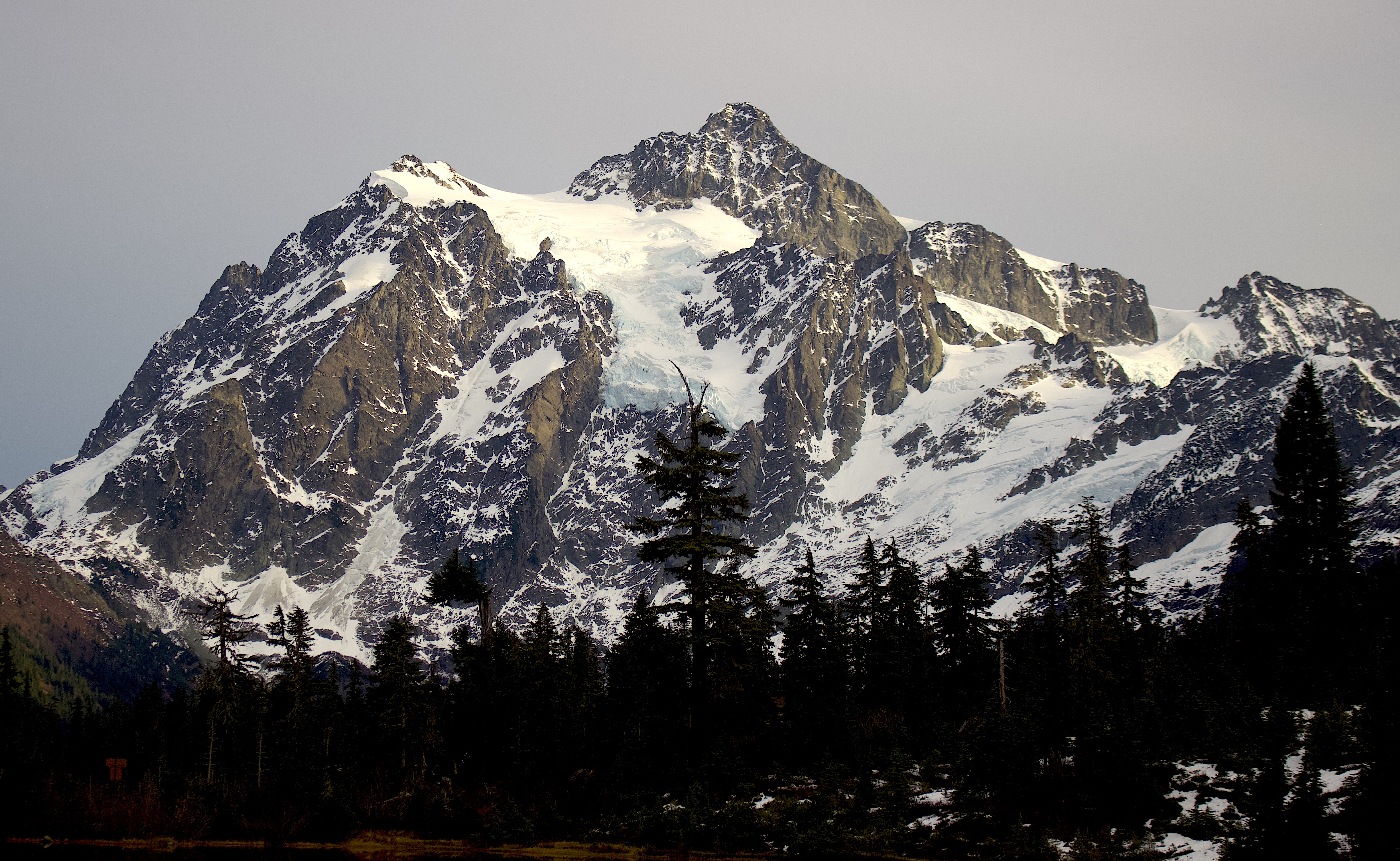
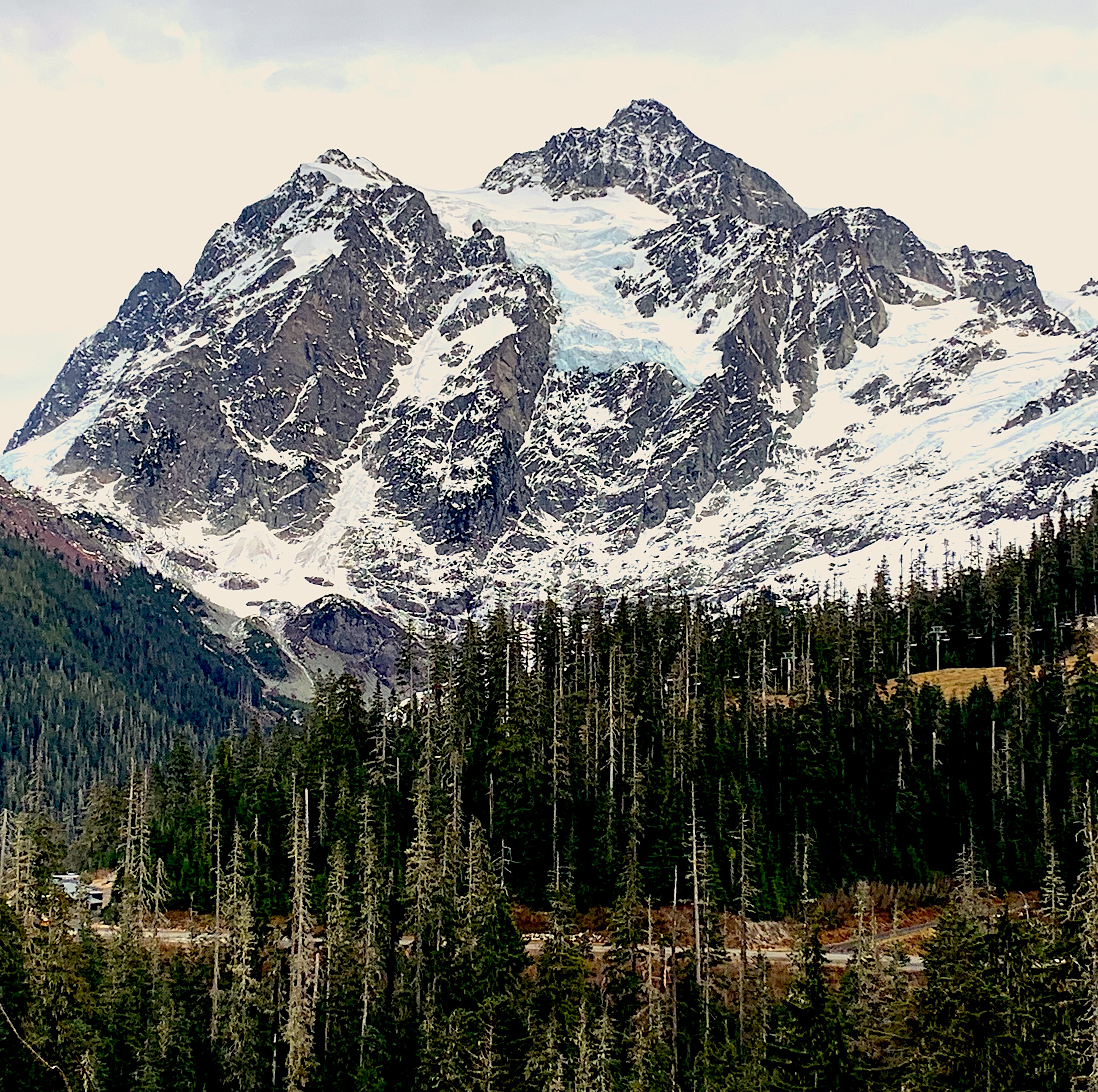
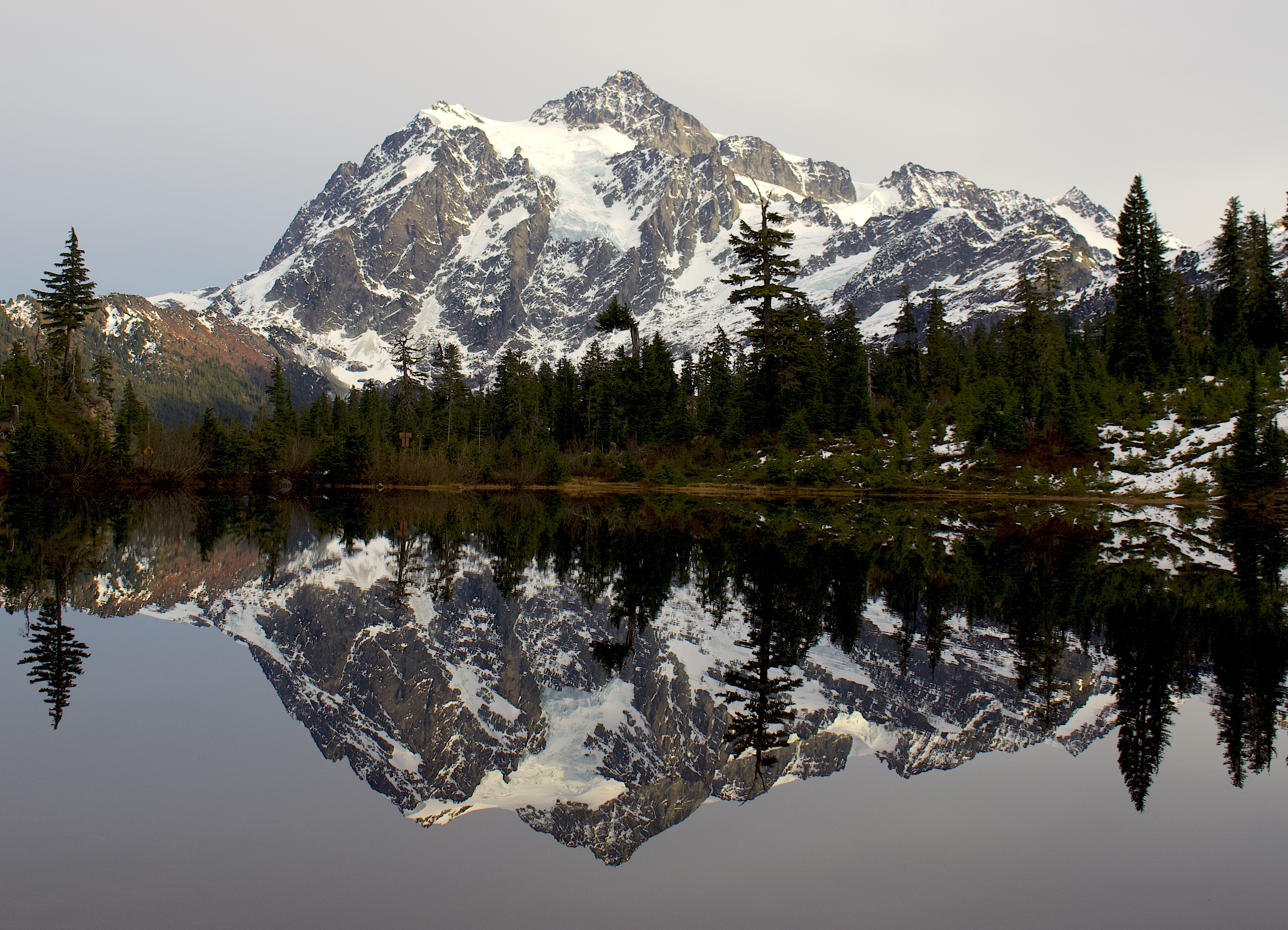
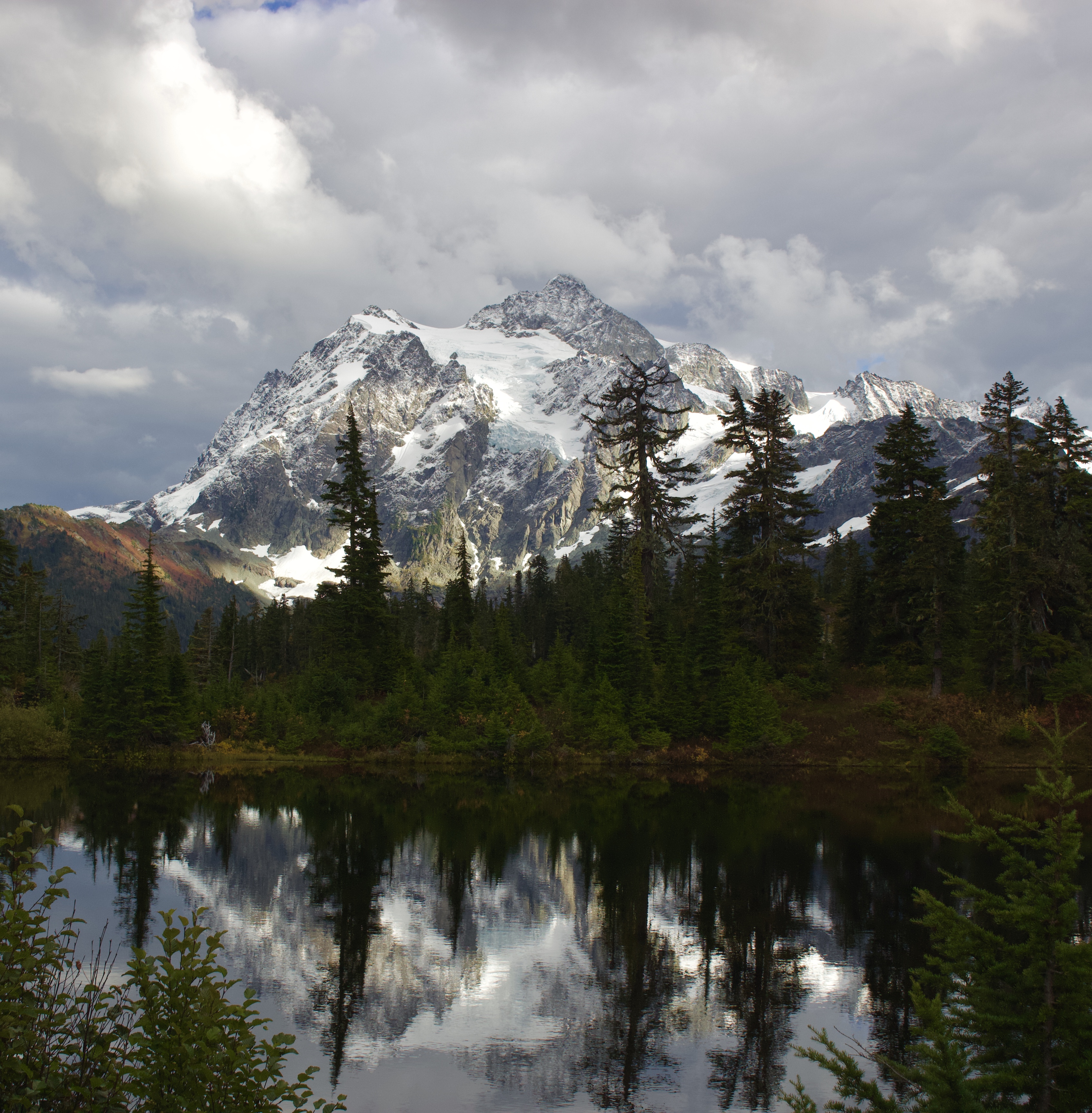
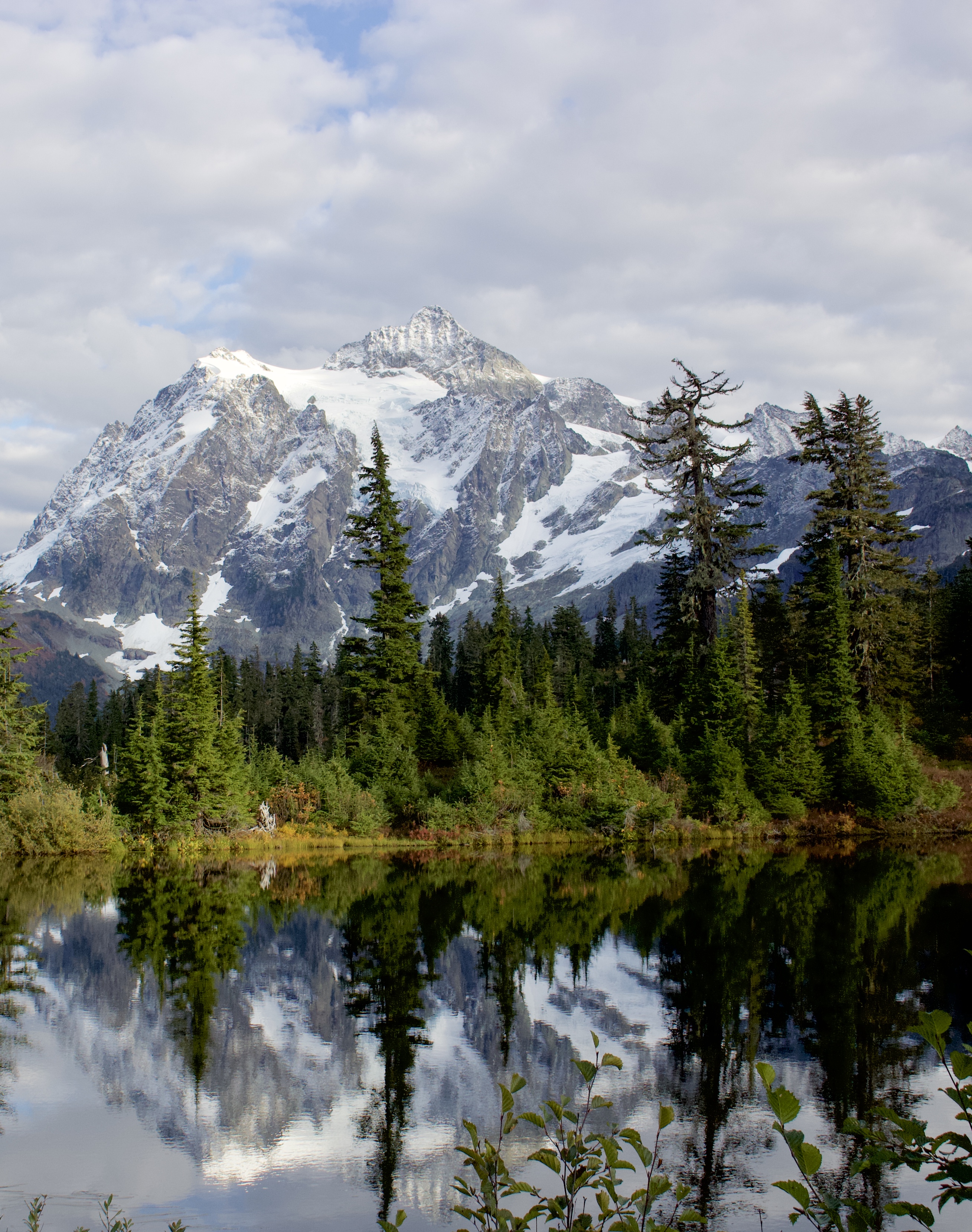
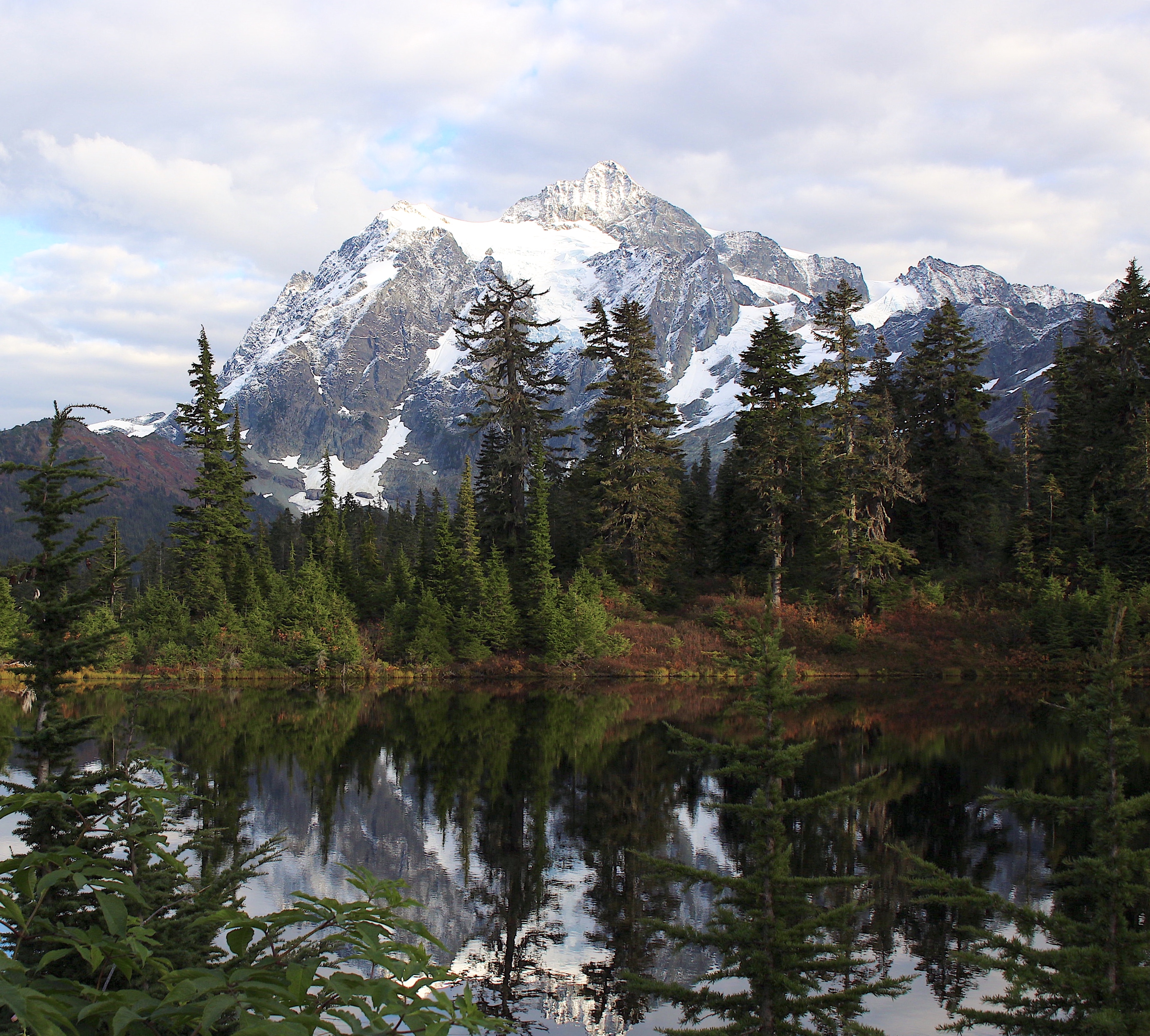
Once we turn the bend into Heather Meadows, Mount Shuksan suddenly appears, overwhelming the landscape. There is simply nothing else to look at so I stand there gawking, forgetting to breathe. Then I realize that I have become more self-conscious rather than less: here am I at the foot of this incredible creation, wondering at how blessed I am to be there, and it becomes all about me. The mountain has been here for eons and will continue to be here for eons, and we’re merely passing through, bubbles floating on the unending stream of time.
Yesterday we were completely alone in what typically is a place of many gawkers, all setting up tripods and clicking cameras. It was absolutely silent – even the birds had abandoned the chilly hills for warmer climes lower down.
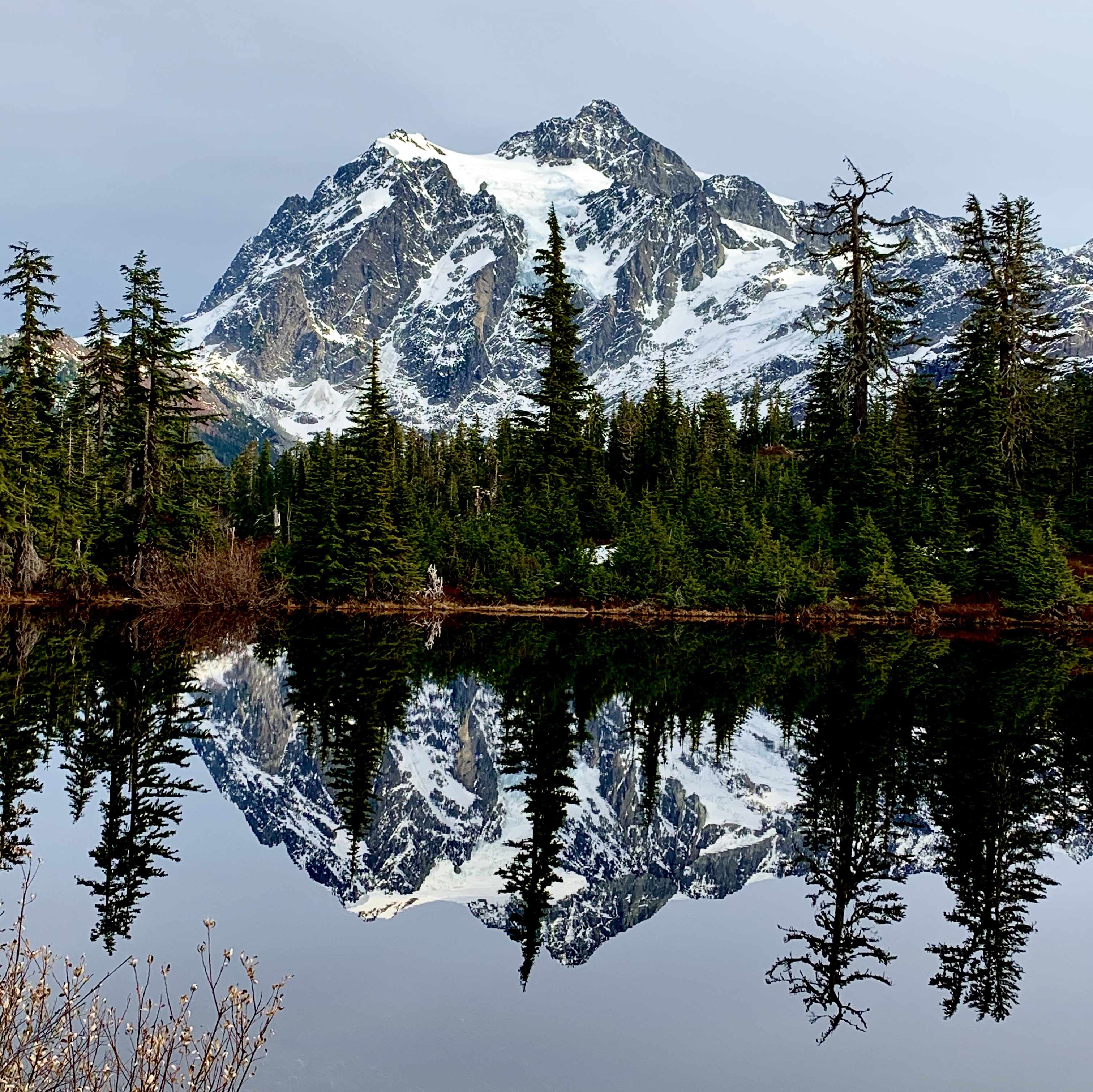
Most remarkable yesterday was the stillness meant there was a double delight: two mountains, reflection and the real thing herself. It is the most glass-like the lakes have been on our many visits.
We had to finally climb in the car and head back down the highway to home. I carry these images back with me to remember that moment of awestruck witness. The image isn’t the real thing, it isn’t even the real reflection. Yet it is me watching the mountain watching me back.
On Halloween day in 1985, I packed up my clothes, a roll up mattress, grabbed one lonely pumpkin from our small garden, locked our rental house door for the last time, climbed in my car and headed north out of Seattle. I never looked back in the rear view mirror at the skyline after nine years living in the city. My husband had moved to Whatcom County two months earlier to start his new job. I had stayed behind to wrap up my Group Health family practice in the Rainier Valley of Seattle, now leaving the city for a new rural home and a very uncertain professional future.
Never before had I felt such exhilaration at breaking through one wall to discover the unknown that lay on the other side.
I knew two things for sure: I was finally several months pregnant after a miscarriage and two years of infertility, so our family had begun. We were going to actually live in our own house, not just a rental, complete with a few acres and a barn.
A real (sort of) starter farm.
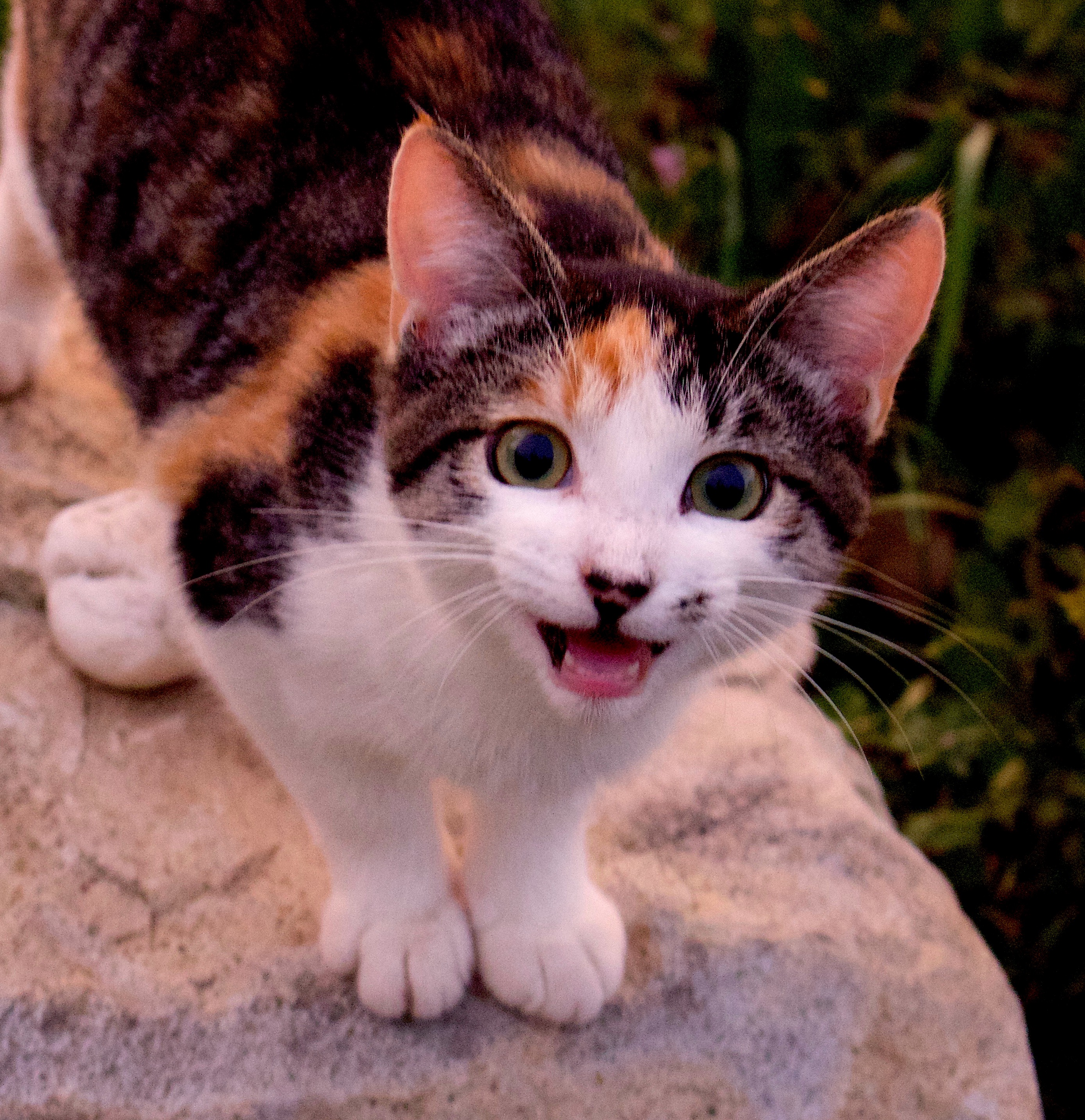
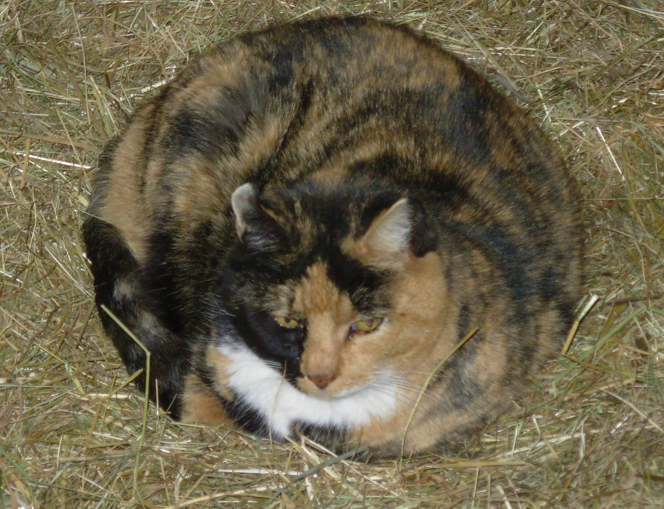
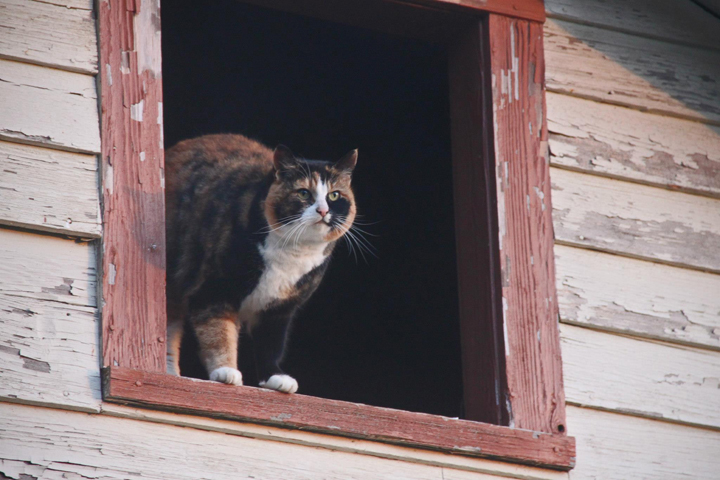
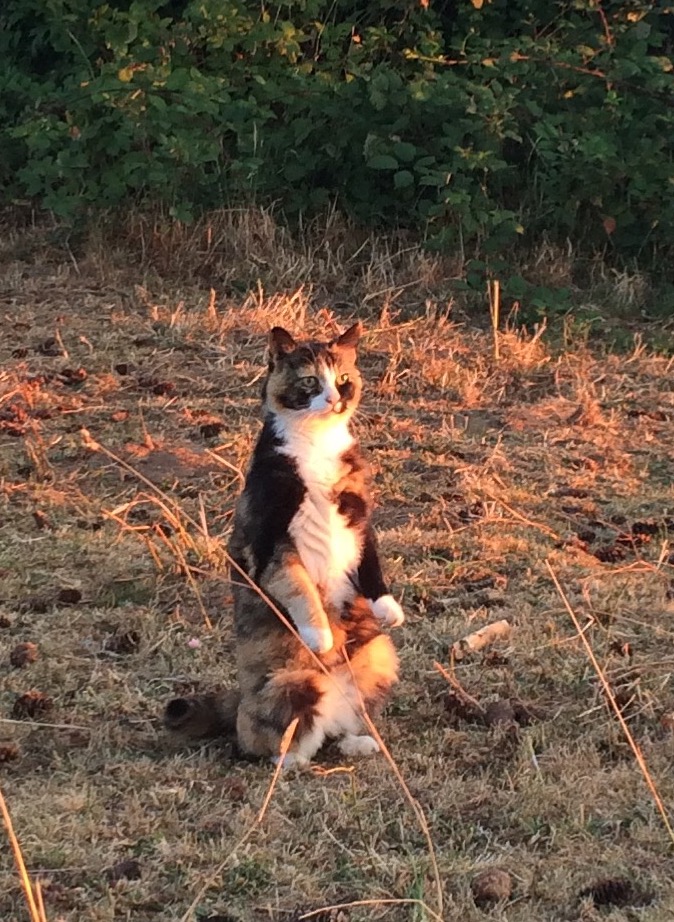
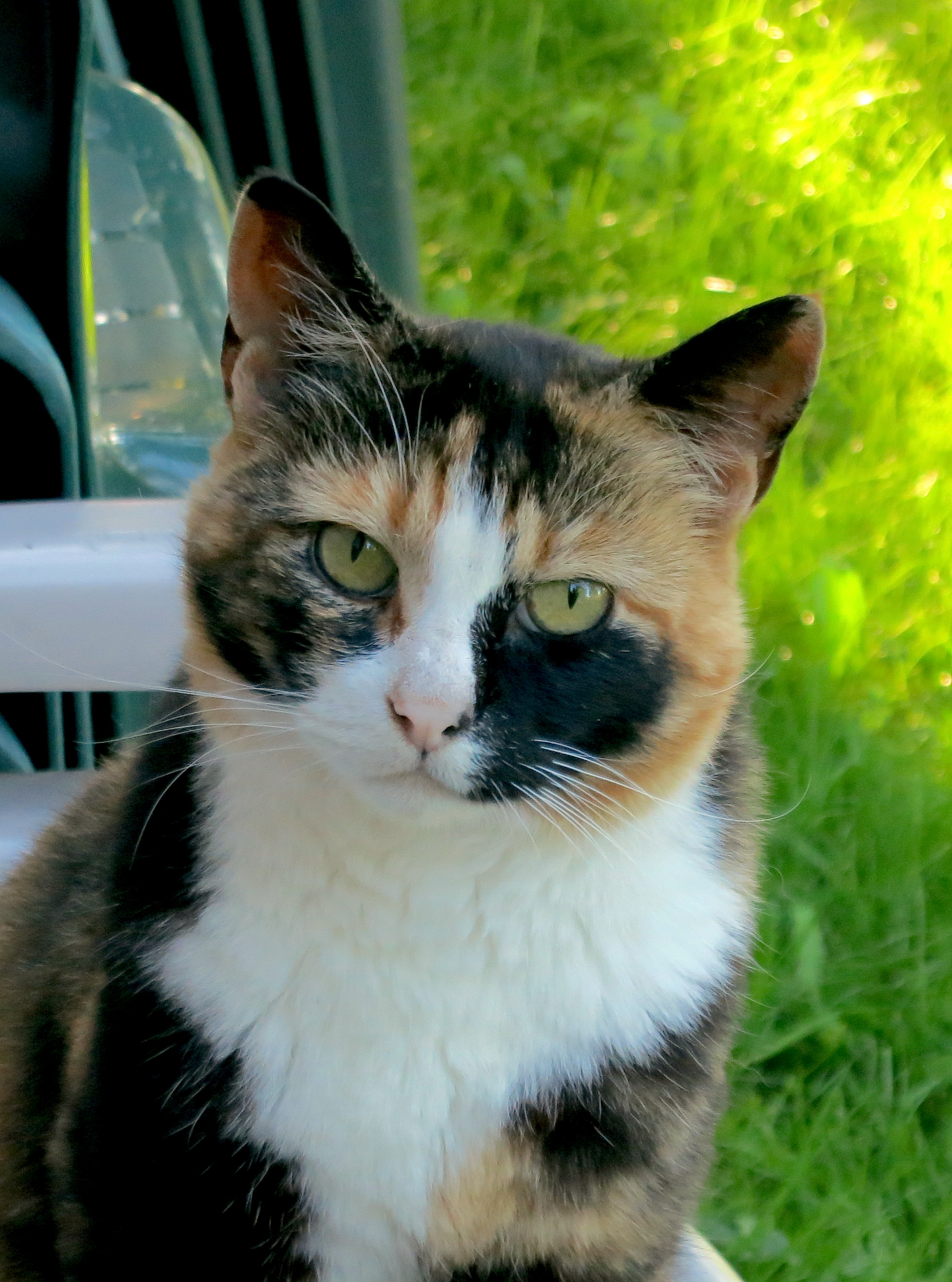
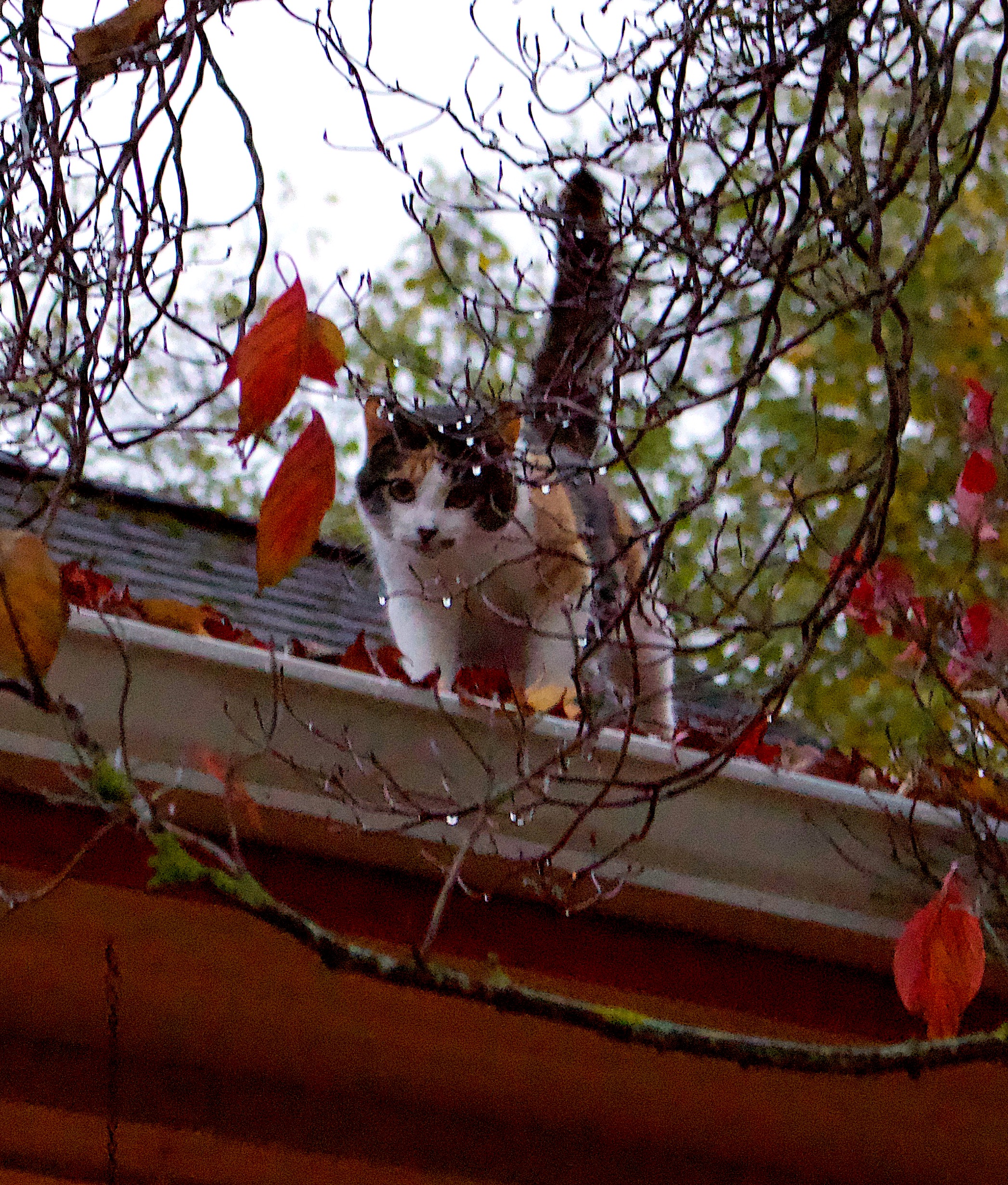
Since no farm can be complete without animals, I stopped at the first pet store I drove past and found two tortoise shell calico kitten sisters peering up at me, just waiting for new adventures in farmland. Their box was packed into the one spot left beside me in my little Mazda. With that admittedly impulsive commitment to raise and nurture those kittens, life seemed brand new.
I will never forget the feeling of freedom on that drive north out of the traffic congestion of the city. The highway seemed more open, the fall colors more vibrant, the wind more brisk, our baby happily kicking my belly, the kittens plaintively mewing from their box. There seemed to be so much potential even though I had just left behind the greatest job that could be found in any urban setting (the most diverse zip code in the United States): an ideal family practice with patients from all over the world: Muslims from the Middle East and Indonesia, Orthodox Jews, Italian Catholics, African Americans, Cambodians, Laotians, Vietnamese. I would never know so much variety of background and perspective again and if I could have packed them all into the Mazda and driven them north with me, I would have.
We started our farm with those kittens dubbed Nutmeg and Oregano, soon adding an ethnic diversity of farm animals: Belgian Tervuren dog Tango, Haflinger horse Greta, Toggenburg goats Tamsen and her kids, a few Toulouse geese, Araucana chickens, Fiona the Scottish Highland cow, then another Haflinger Hans and another, Tamara. I worked as a fill in locums doctor in four different clinics before our first baby, Nate, was born. We soon added little brother Ben and seven years later, sister Lea. We settled happily into parenthood, our church community, serving on school and community boards, gardening, and enduring the loss of our parents one by one.
Thirty four years later our children have long ago grown and gone to new homes of their own, off to their own adventures beyond the farm. Our sons married wonderful women, moving far away from home, our daughter teaches a fourth grade classroom a few hours away and we have two grandchildren with the third expected any moment.
A few cats, two Cardigan Corgi dogs, and a hand full of ponies remain at the farm with us. We are now both gray and move a bit more slowly, enjoy our naps and the quiet of the nights and weekends. My work has evolved from four small jobs to two decades of two part time jobs to one more than full time job that fit me like a well worn sweater 24 hours a day for thirty years. With retirement looming, I’m trying out a three day a week schedule and the old sweater doesn’t fit quite so comfortably.
My happily retired husband finds he is busier than ever: volunteering, serving on boards and being a full time farmer on our larger 20 acre place of fields and woods.
That rainy Halloween day over three decades ago I was freed into a wider world. I would no longer sit captive in freeway rush hour bumper to bumper traffic jams. Instead I celebrate my daily commute through farm fields, watching eagles fly, and new calves licked by their mamas. I am part of a broader community in a way I never could manage in the city, stopping to visit with friends at the grocery store, playing piano and teaching at church. Our home sits in the midst of woods and corn fields, with deer strolling through the fields at dawn, coyotes howling at night, Canadian and snow geese and trumpeter swans calling from overhead and salmon becoming more prolific every year in nearby streams. The snowy Cascades greet us in the morning and the sunset over Puget Sound bids us good night.
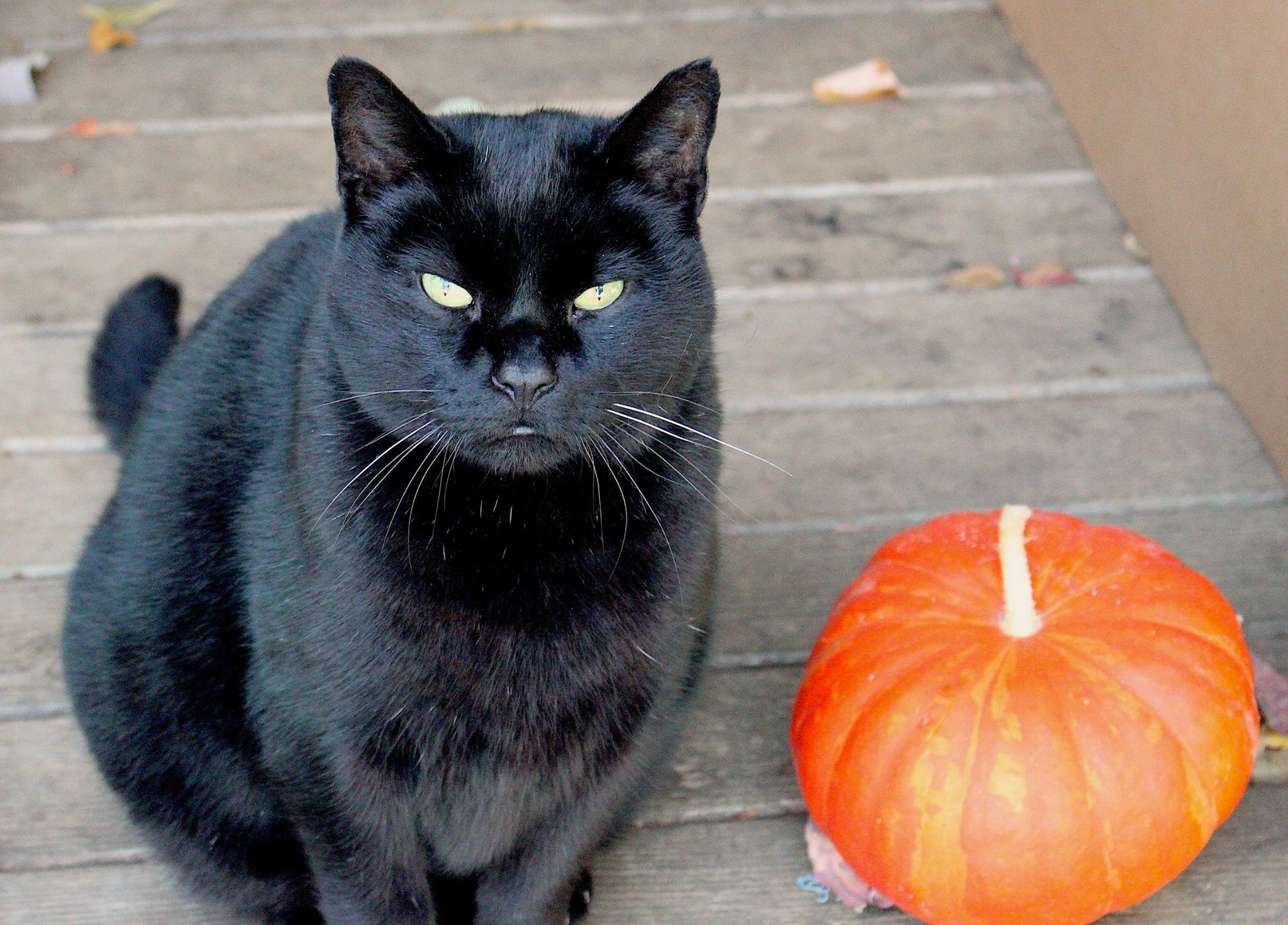
It all started October 31, 1985 with two orange and black kittens and a pumpkin sitting beside me in a little Mazda, my husband waiting for my homecoming 100 miles north. Now, thirty four years and three grown children and three (almost) grandchildren later, we celebrate this Halloween transition anniversary together. We’re still pregnant with the possibility that a wide world is waiting, just on the other side of the wall.
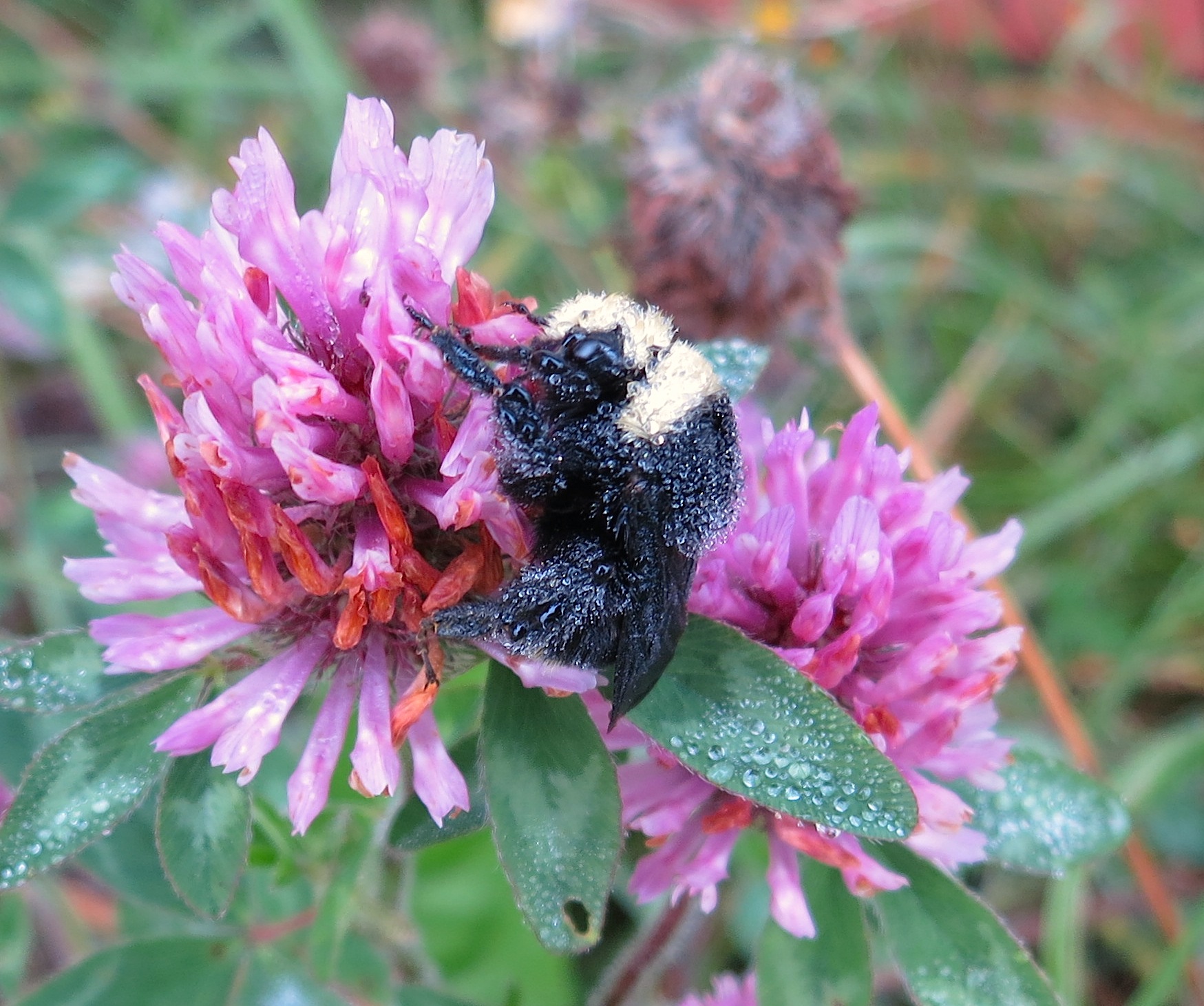
The ripe, the golden month has come again… Frost sharps the middle music of the seasons, and all things living on the earth turn home again… the fields are cut, the granaries are full, the bins are loaded to the brim with fatness, and from the cider-press the rich brown oozings of the York Imperials run. The bee bores to the belly of the grape, the fly gets old and fat and blue, he buzzes loud, crawls slow, creeps heavily to death on sill and ceiling, the sun goes down in blood and pollen across the bronzed and mown fields of the old October. ~Thomas Wolfe
Mid-October dreary cloud-covered rain and wind.
An instant at dusk, the sun broke through, peeling away the grey, infusing amber onto fields and foliage, ponies and puddles. The shower spun raindrops threading a gold tapestry through the evening air, casting sparkles,
casting sparkles, a sunray sweep of fairy godmother’s wand across the landscape.
One more blink, and the sun shrouded, the color drained away the glimmer mulled into mere weeping once more, streaming over our farm’s fallen face.
Now I know to gently wipe the teardrops away, having seen the hidden magic within, when the light is just so.
Savoring the tears of gold that glisten when the light is just right.
He found himself wondering at times, especially in the Autumn, about the wild lands, and strange visions of mountains that he had never seen came into his dreams. He began to say to himself ‘Perhaps I shall cross the river myself one day.’ To which the other half of his mind always replied ‘Not yet.’ ~J.R.R. Tolkien — Frodo in Fellowship of the Rings
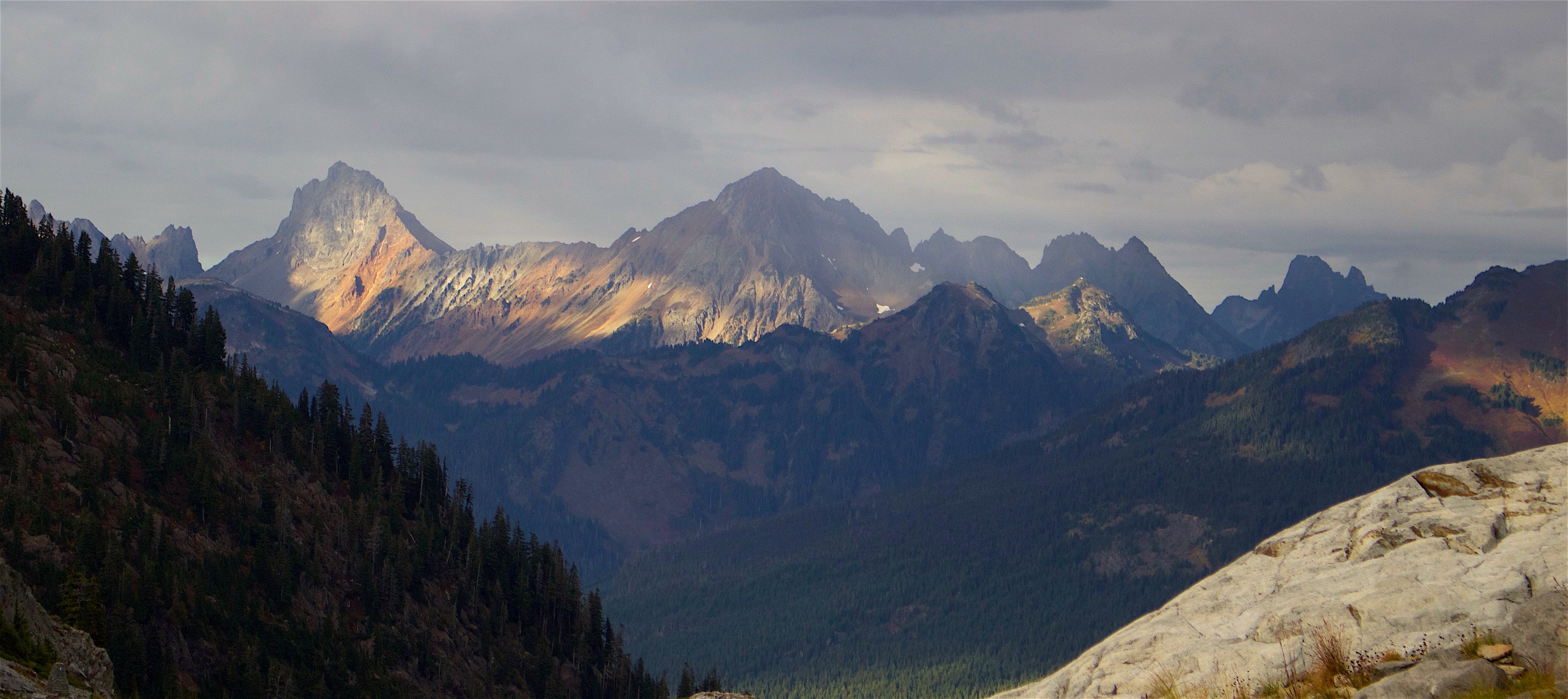
When you live in Whatcom County, as we do, it is possible to cross the river (several times) over 90 minutes of two lane highway switchbacks to arrive in these wild lands, breathless and overcome by their majesty.
Visions of mountains from our dreams become an overwhelming 360 degree reality, nearly reachable if I stretch out my hand.
God touches every square inch of earth as if He owns the place, but these square inches are particularly marked by His artistry. It is a place to feel awed by His magnificence.
I am left to wonder about the wild lands, much like Tolkien’s Frodo, pondering what bridges God is building to bring us back home to Him.
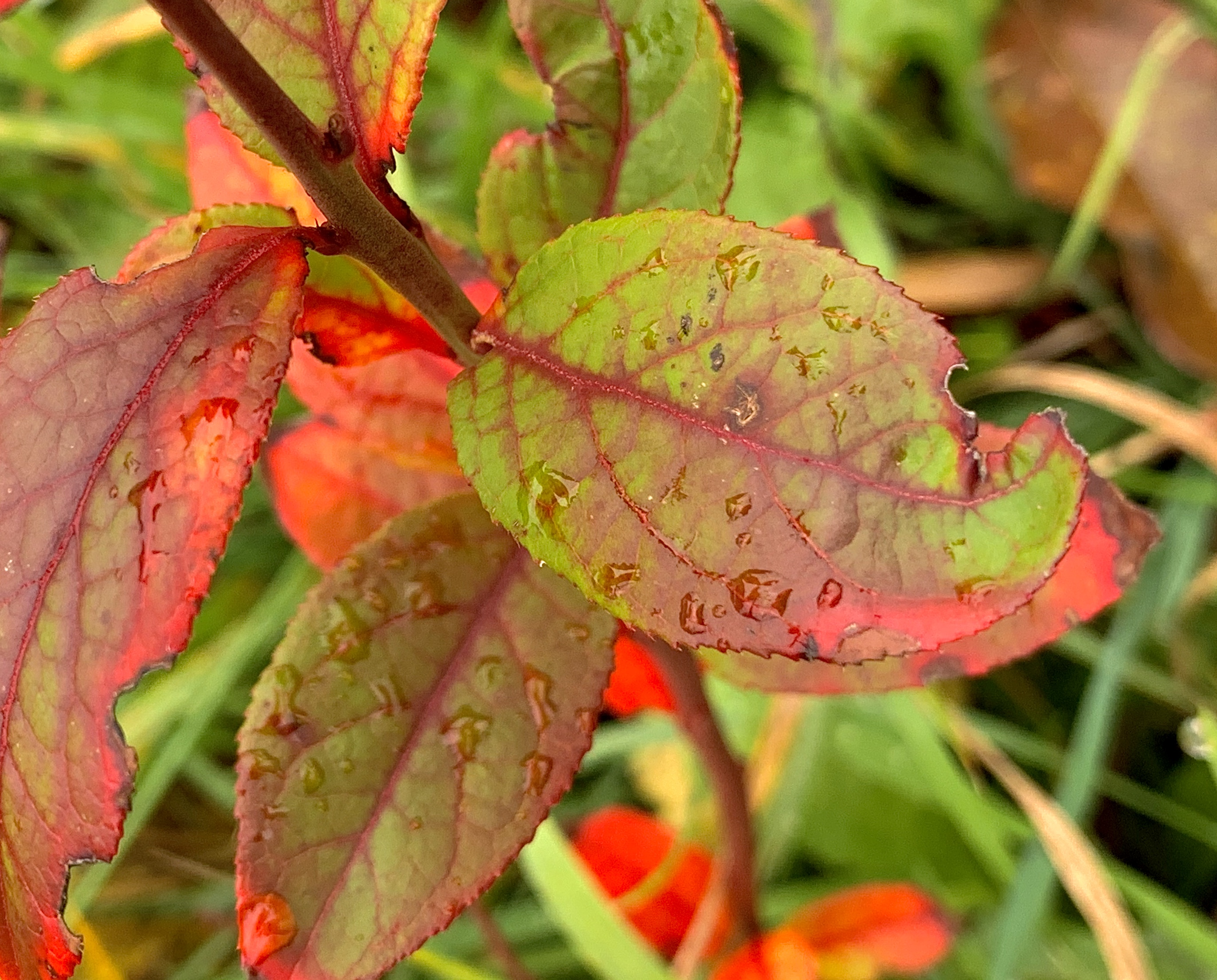
Holy as a day is spent Holy is the dish and drain The soap and sink, and the cup and plate And the warm wool socks, and the cold white tile Shower heads and good dry towels And frying eggs sound like psalms With bits of salt measured in my palm It’s all a part of a sacrament As holy as a day is spent Holy is the familiar room And quiet moments in the afternoon And folding sheets like folding hands To pray as only laundry can I’m letting go of all my fear Like autumn leaves made of earth and air For the summer came and the summer went As holy as a day is spent Holy is the place I stand To give whatever small good I can And the empty page, and the open book Redemption everywhere I look Unknowingly we slow our pace In the shade of unexpected grace And with grateful smiles and sad lament As holy as a day is spent And morning light sings ‘providence’ As holy as a day is spent ~Carrie Newcomer “Holy as a Day Is Spent “
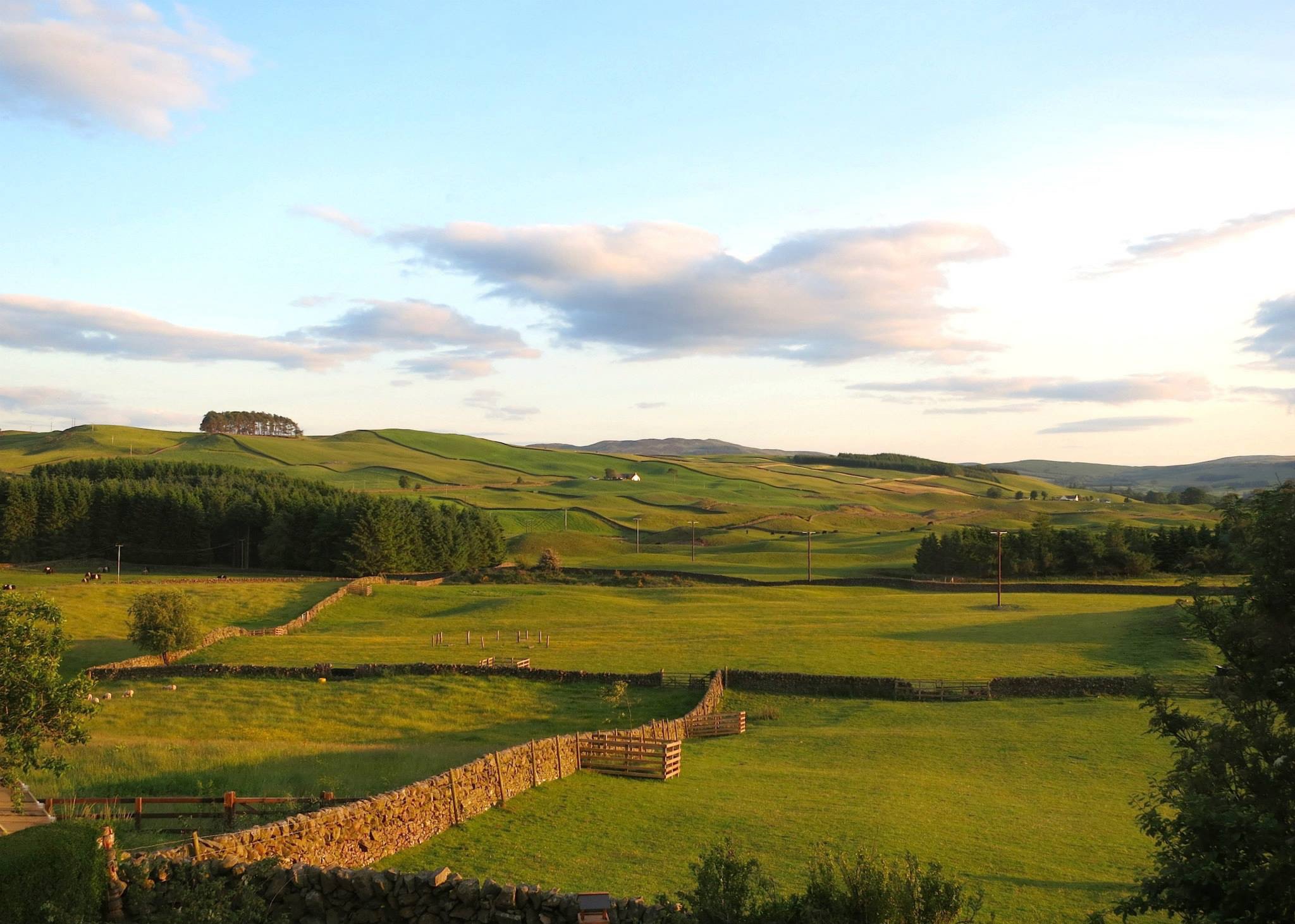
If the New York Times says “Something Special is Happening in Rural America,” then of course, it must be true. But those of us out in the hinterlands have known the truth about the quieter life for decades. The pace is slower, the space is greater, the faces are friendlier.
It’s the small things that matter on a daily basis. Being in the center of things doesn’t matter.
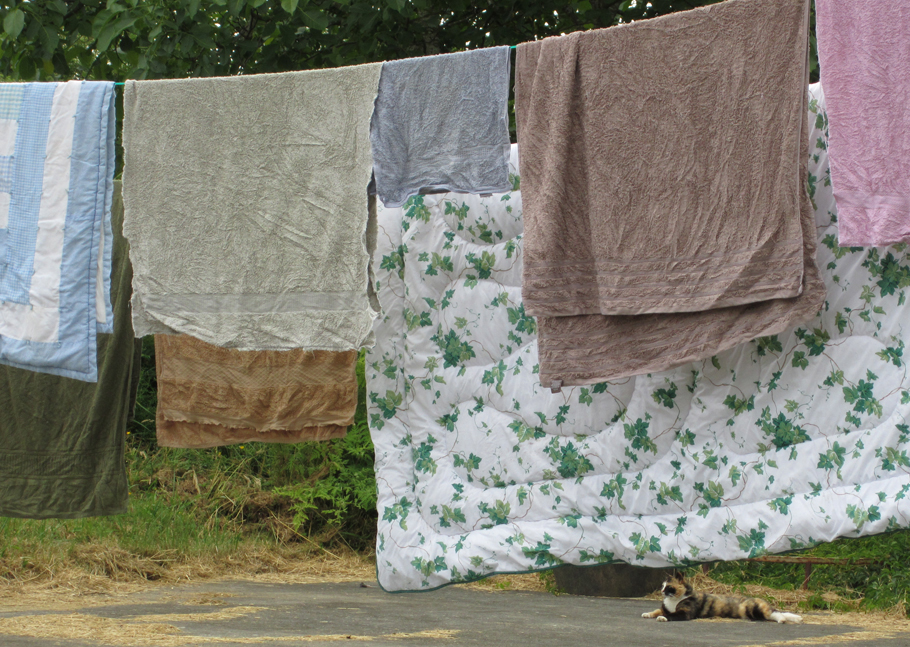
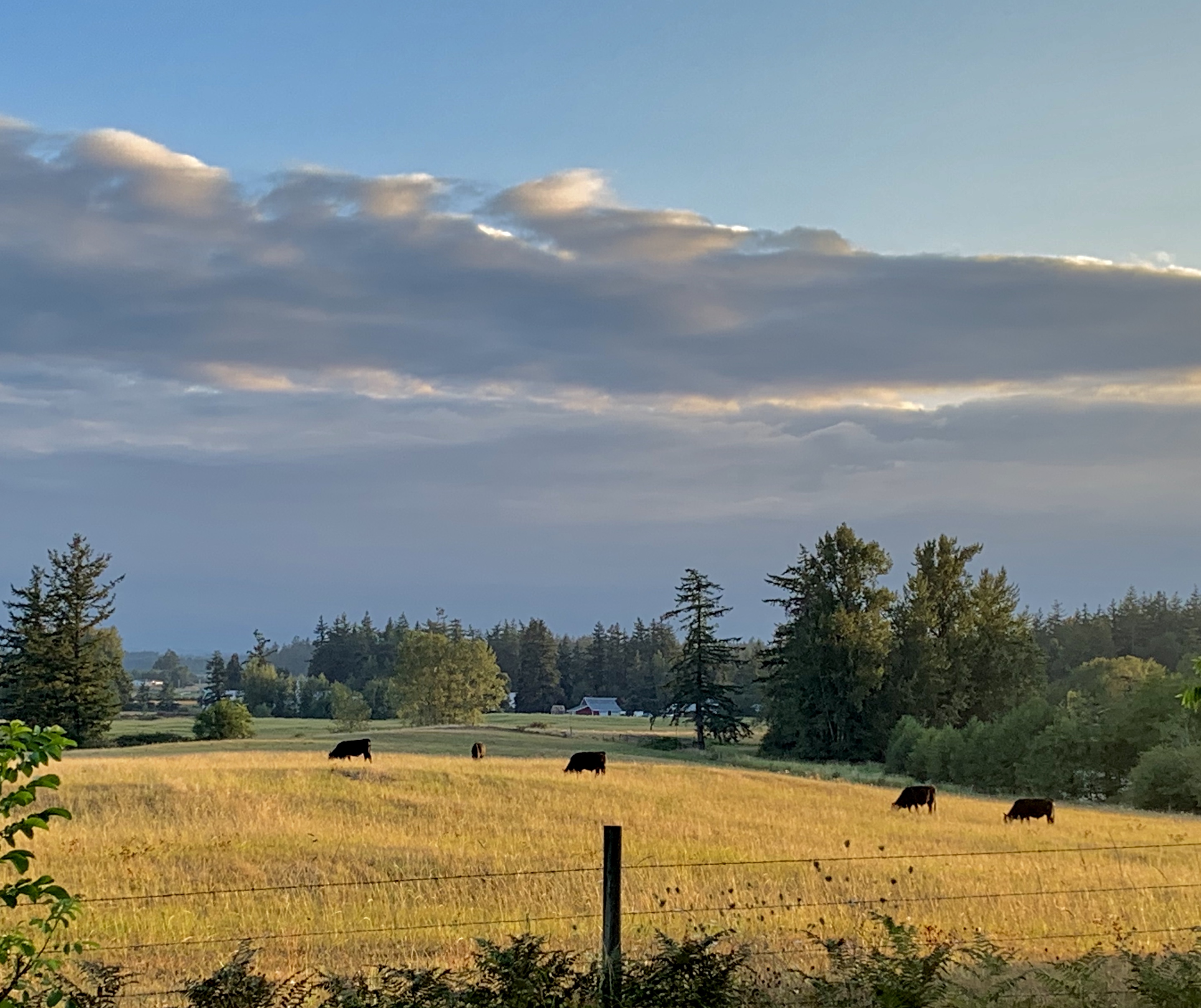
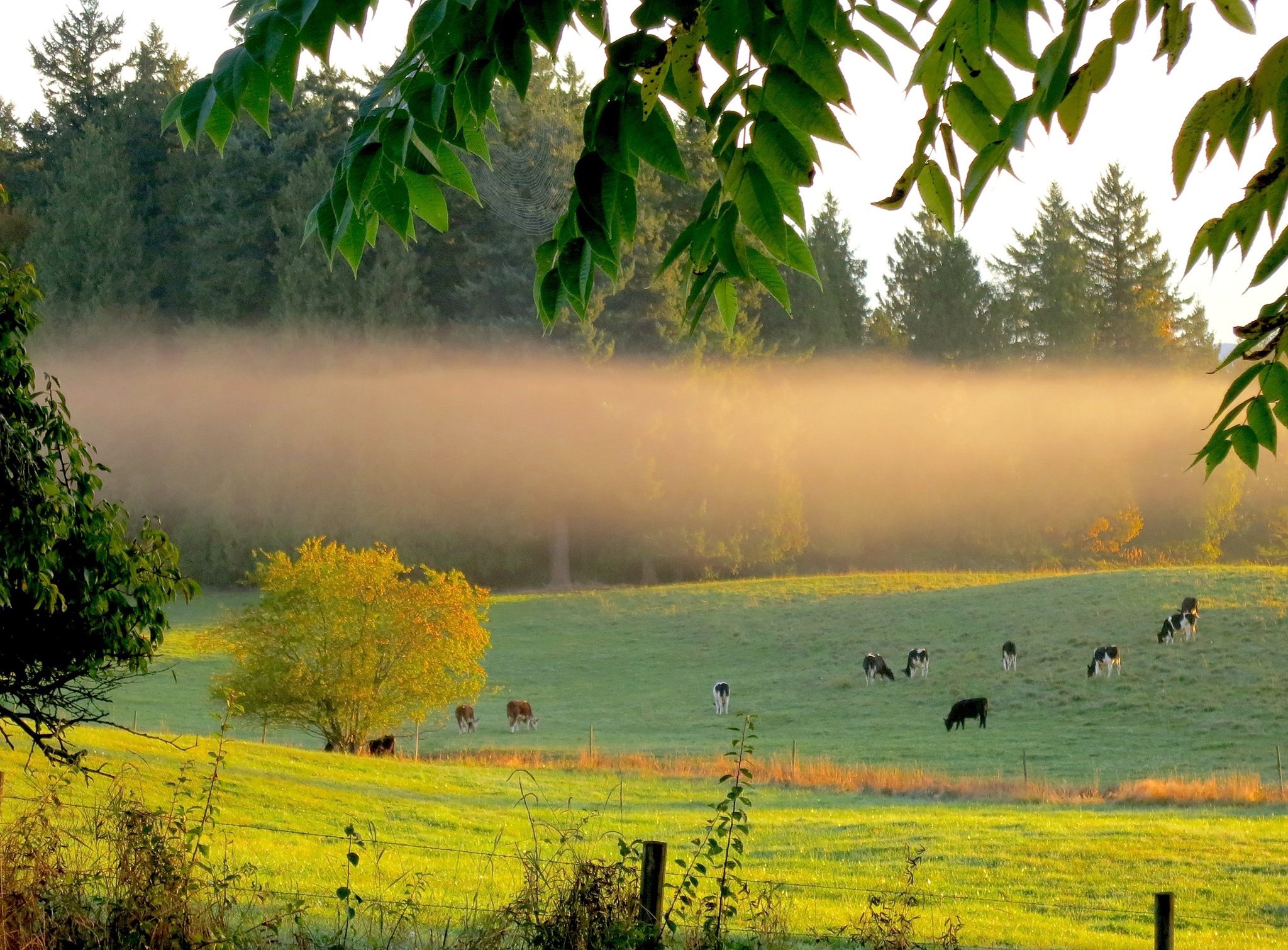
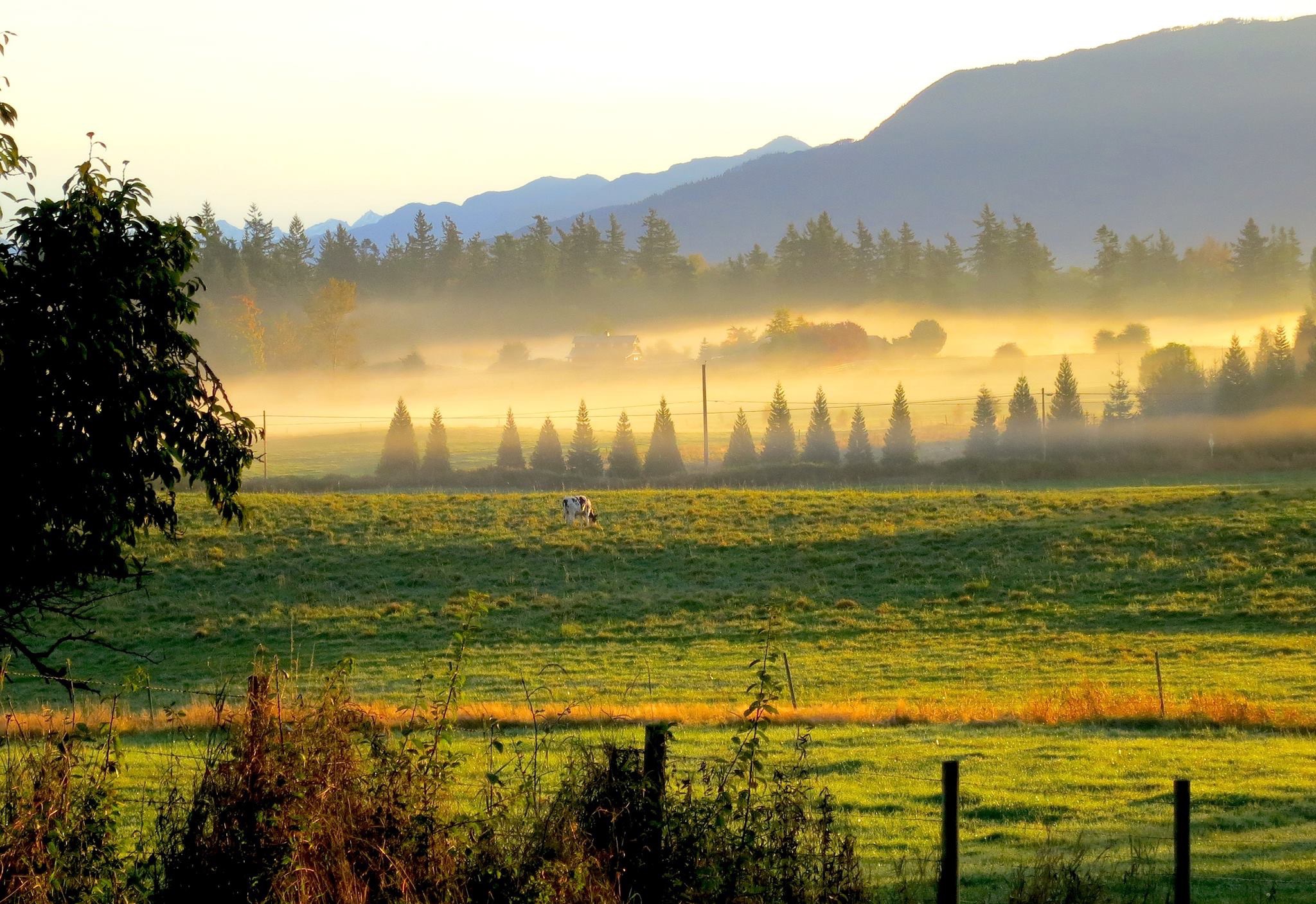
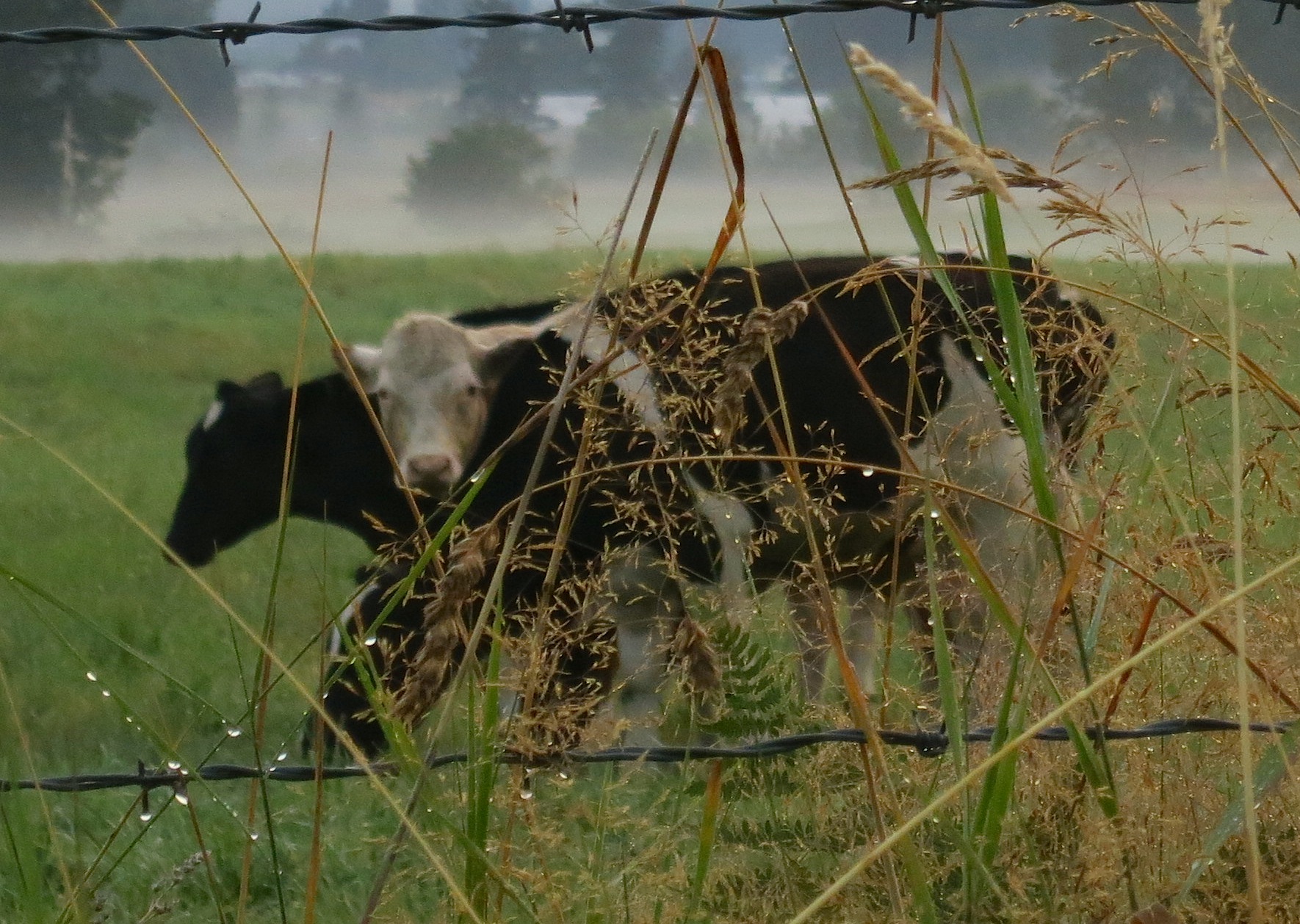
Give me a home where the clouds and cows roam, where laundry is line-dried and there is no traffic noise.
We must go up into the chase in the evenings, and pray there with nothing but God’s cloud temple between us and His heaven!
…and then all still – hushed – awe-bound, as the great thunderclouds slide up from the far south! Then, there to praise God! ~Charles Kingsley
Heaven and earth are only three feet apart, but in the thin places that distance is even smaller. A thin place is where the veil that separates heaven and earth is lifted and one is able to receive a glimpse of the glory of God. ~Celtic saying
To make myself understood and to diminish the distance between us, I called out: “I am an evening cloud too.” They stopped still, evidently taking a good look at me. Then they stretched towards me their fine, transparent, rosy wings. That is how evening clouds greet each other. They had recognized me. ~Rainer Maria Rilke, Stories of God
We do not live in a part of the world with extremes in weather and for that I’m immensely grateful. We are moderate in temperature range, precipitation, wind velocity – for the most part.
Our cloud cover is mostly solid gray much of the time, very plain and unassuming, barely worth noticing.
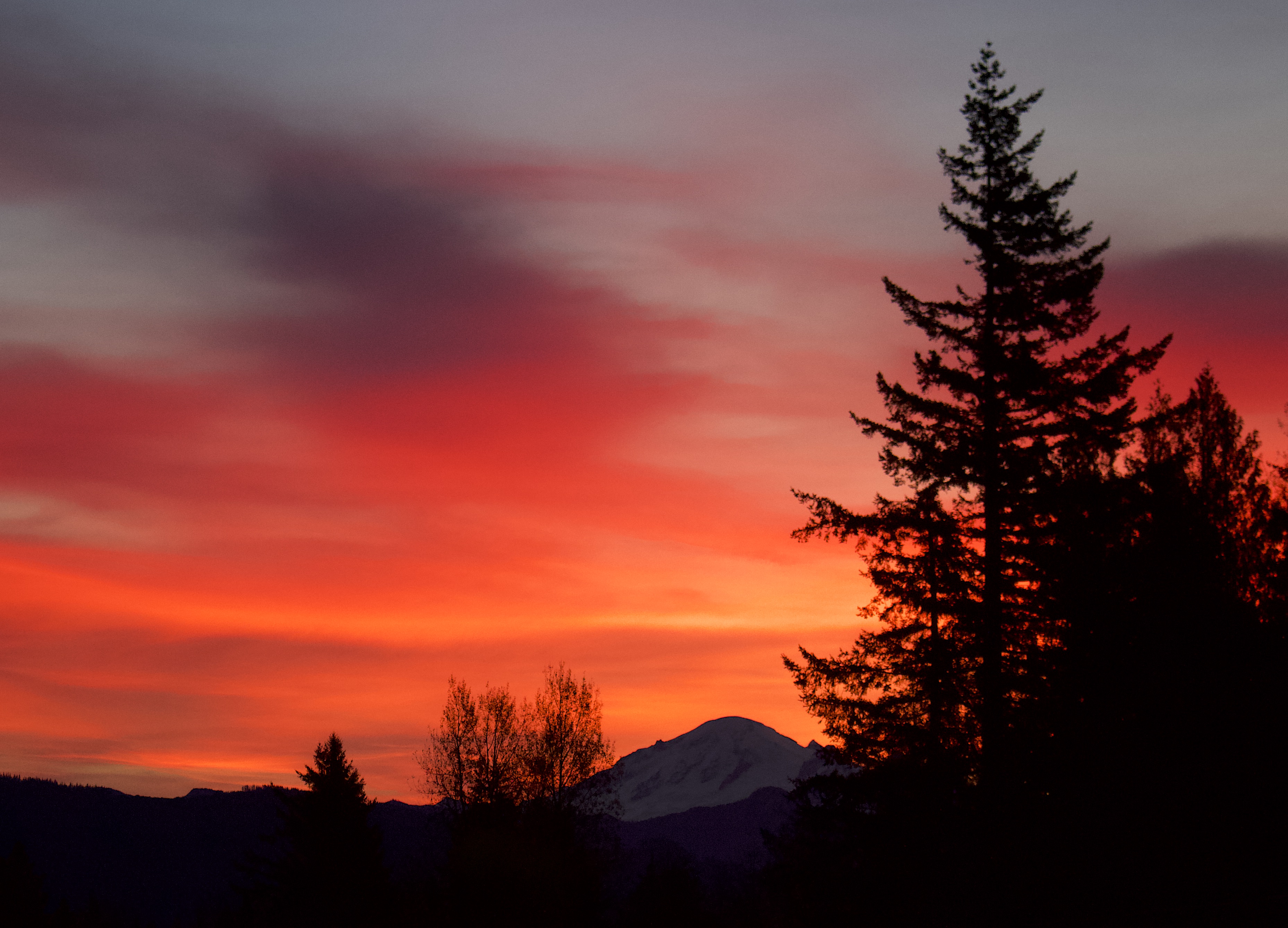
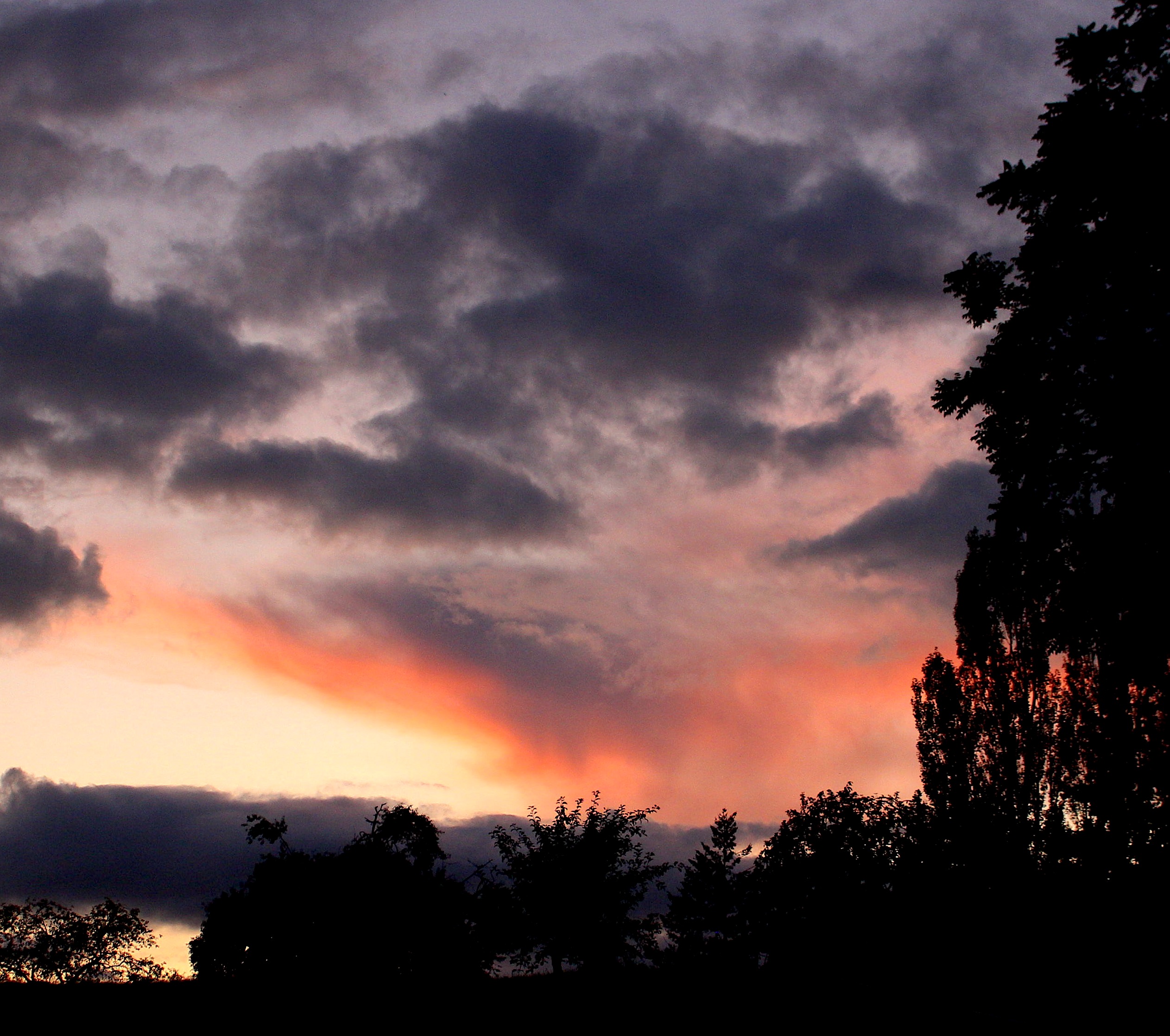
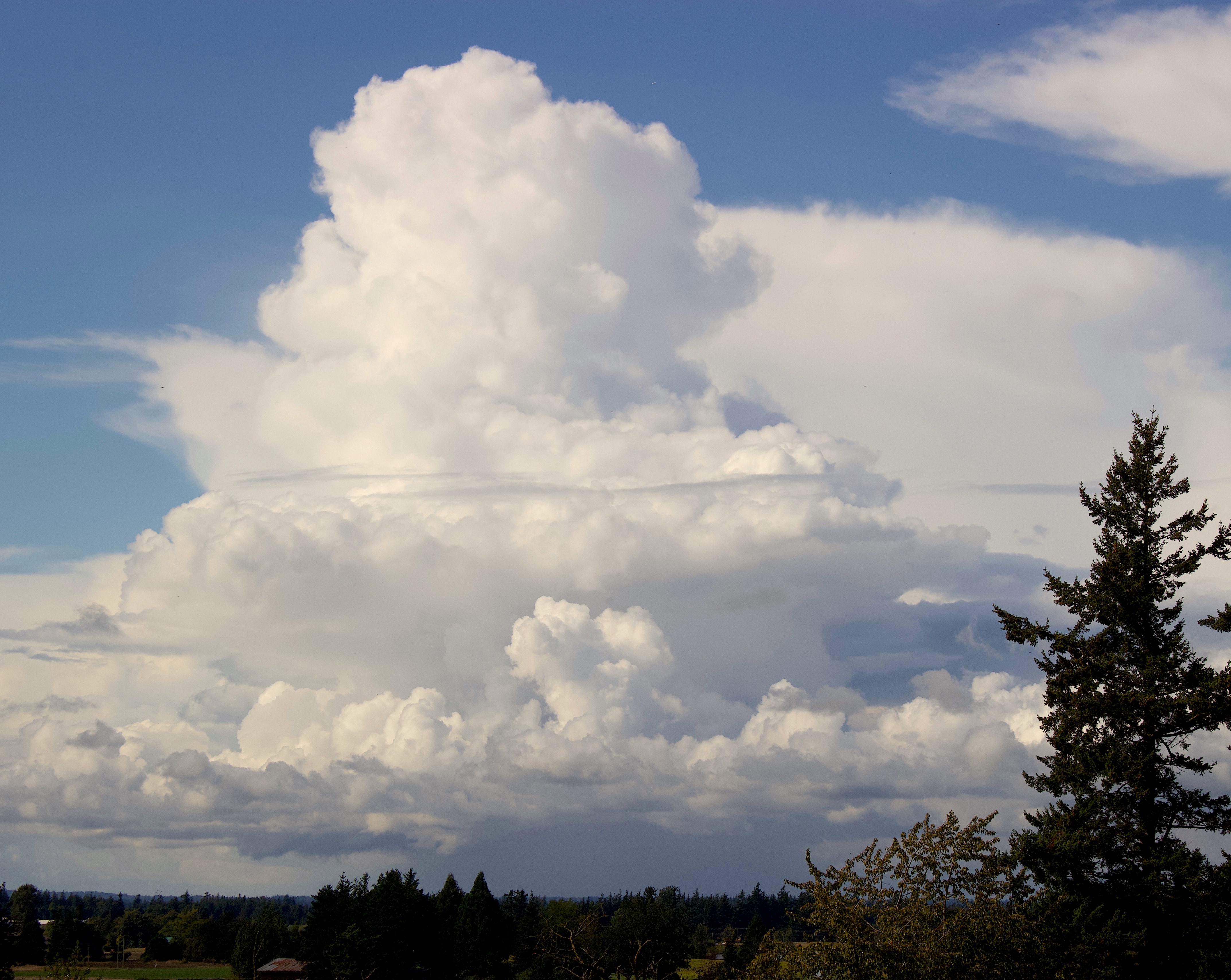
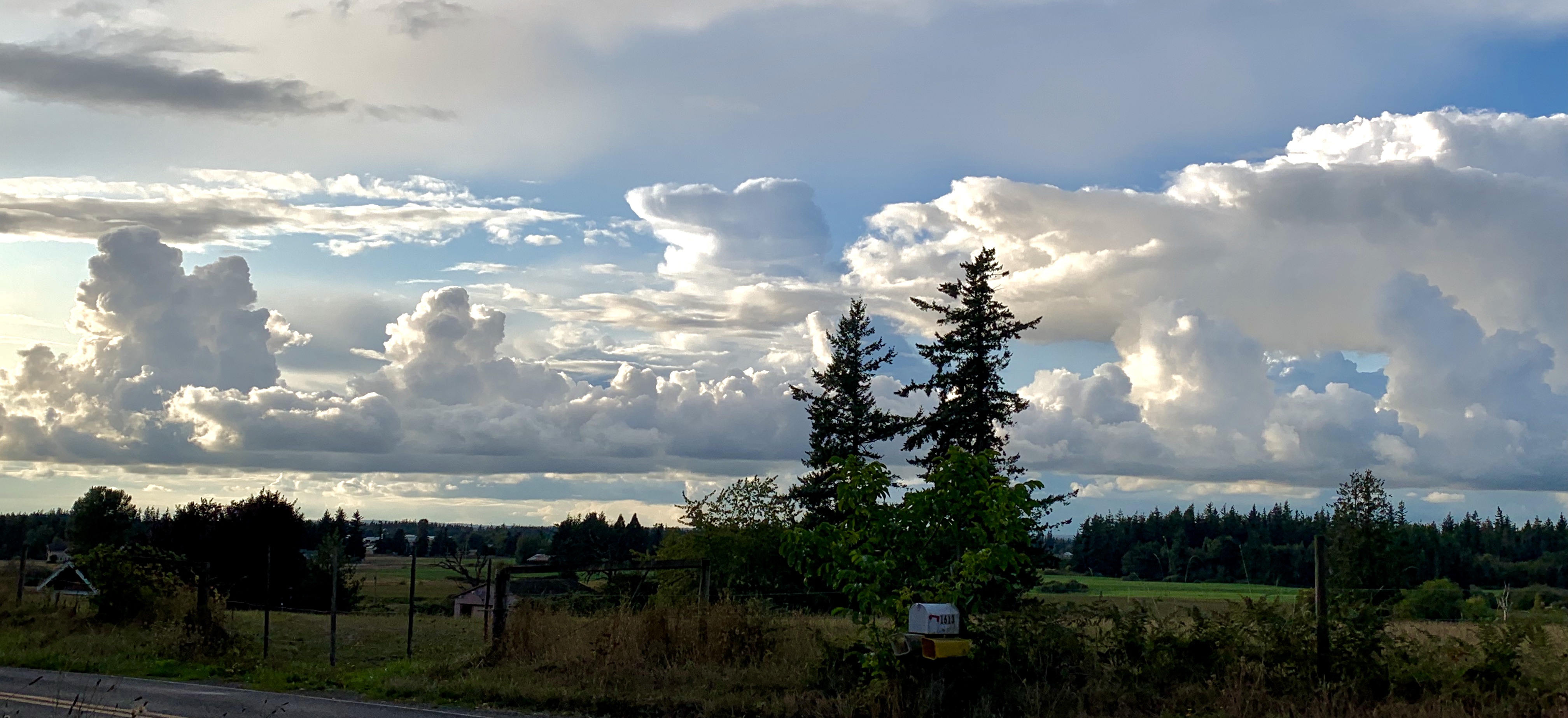
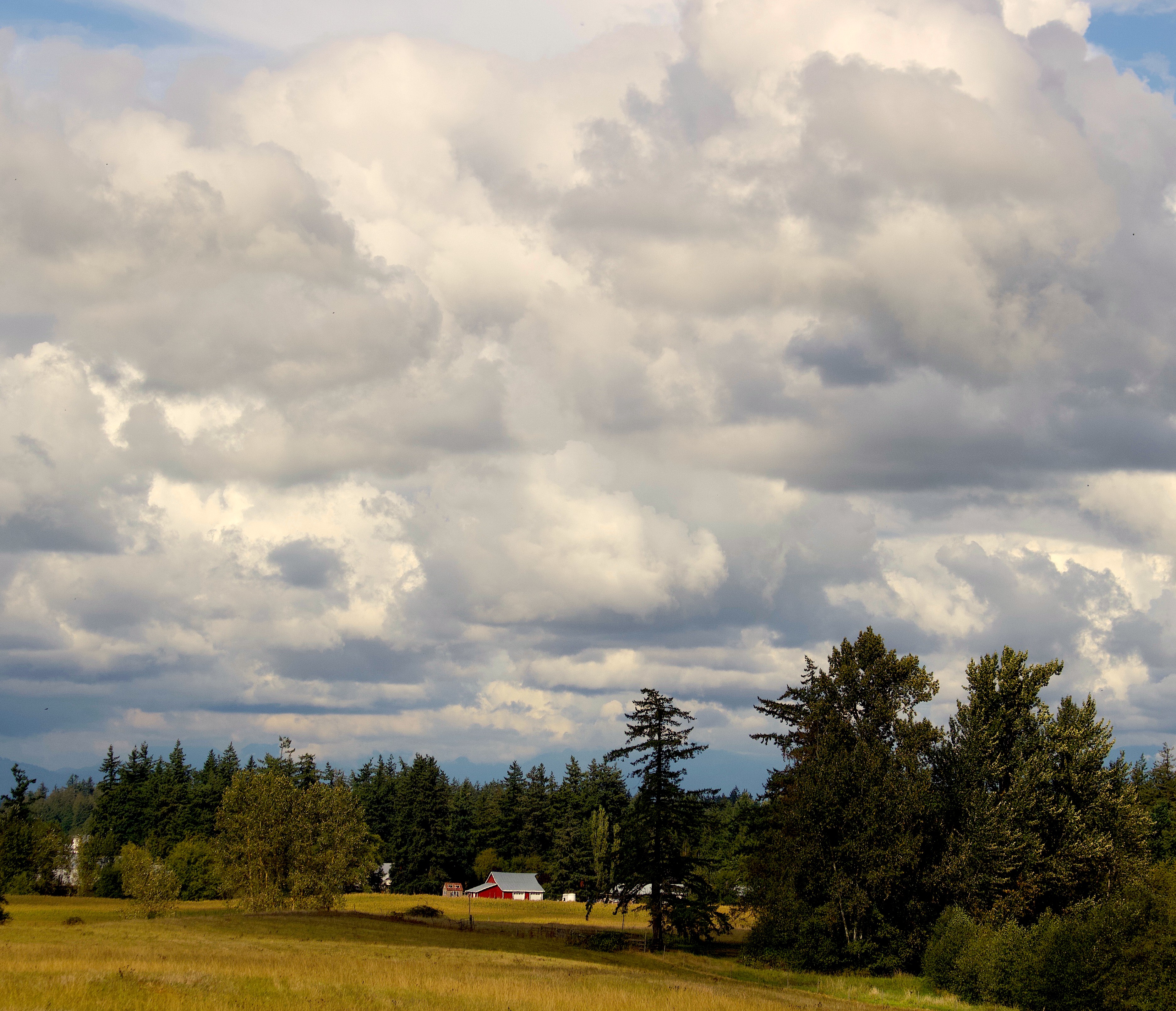
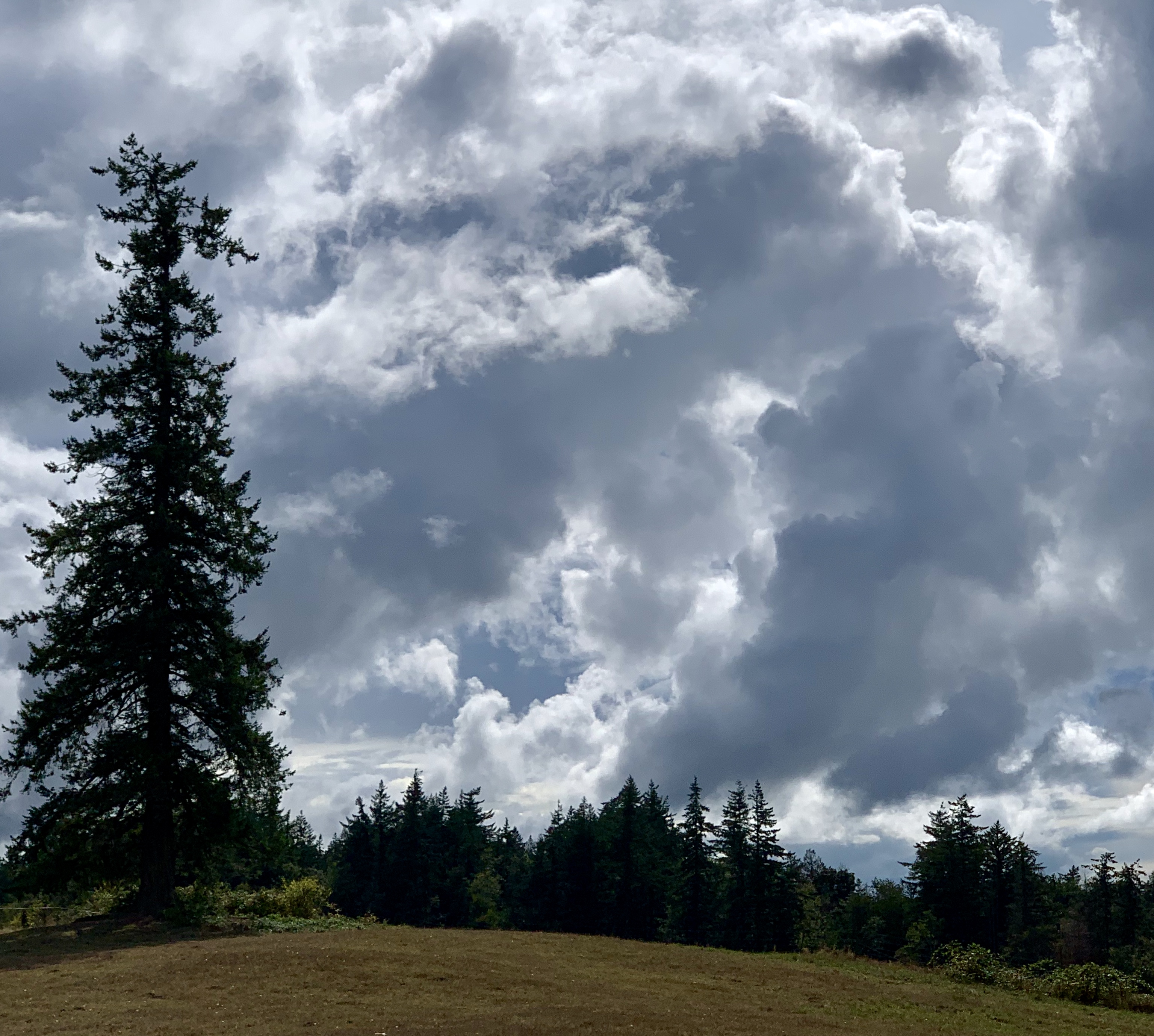
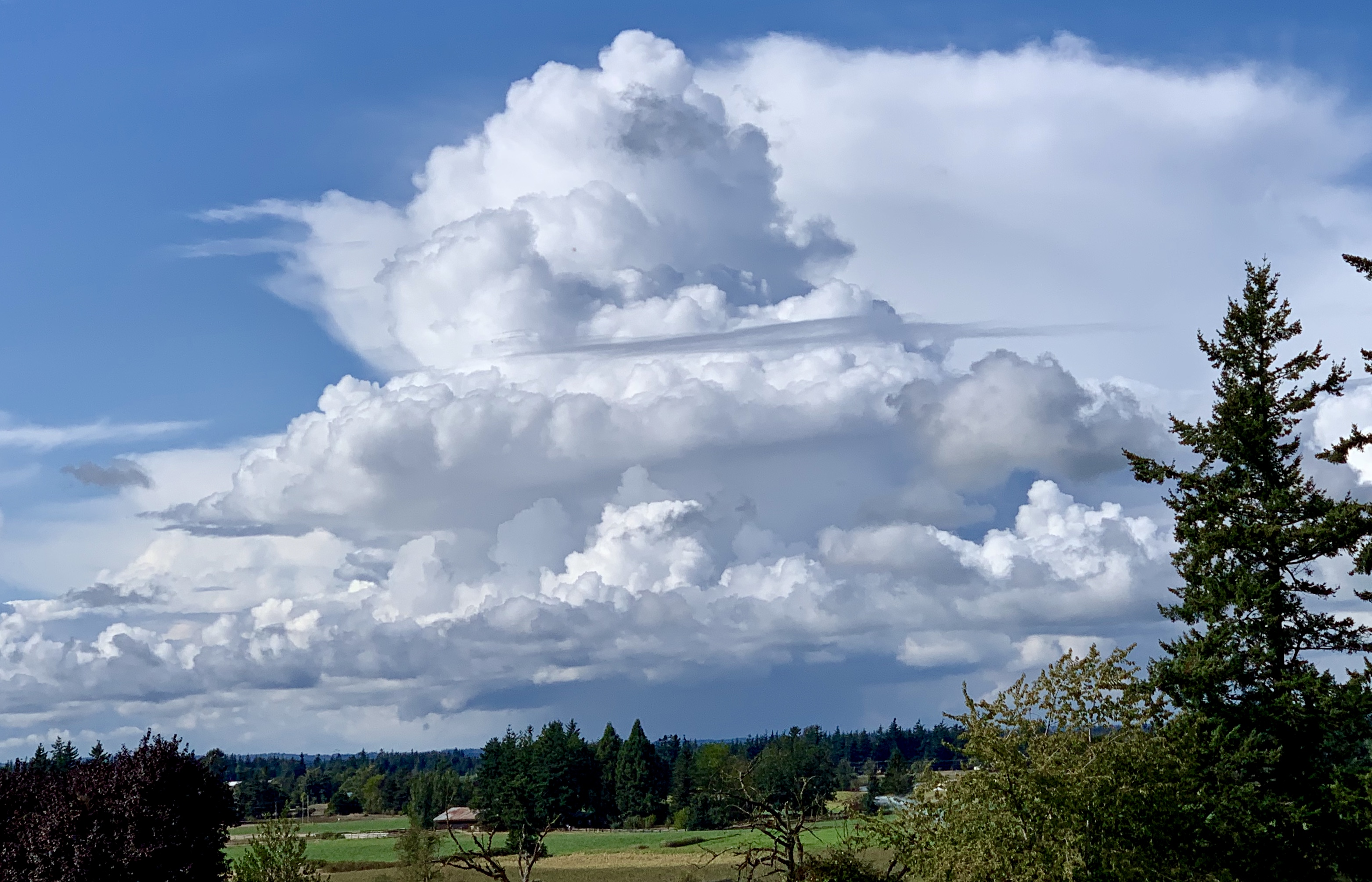
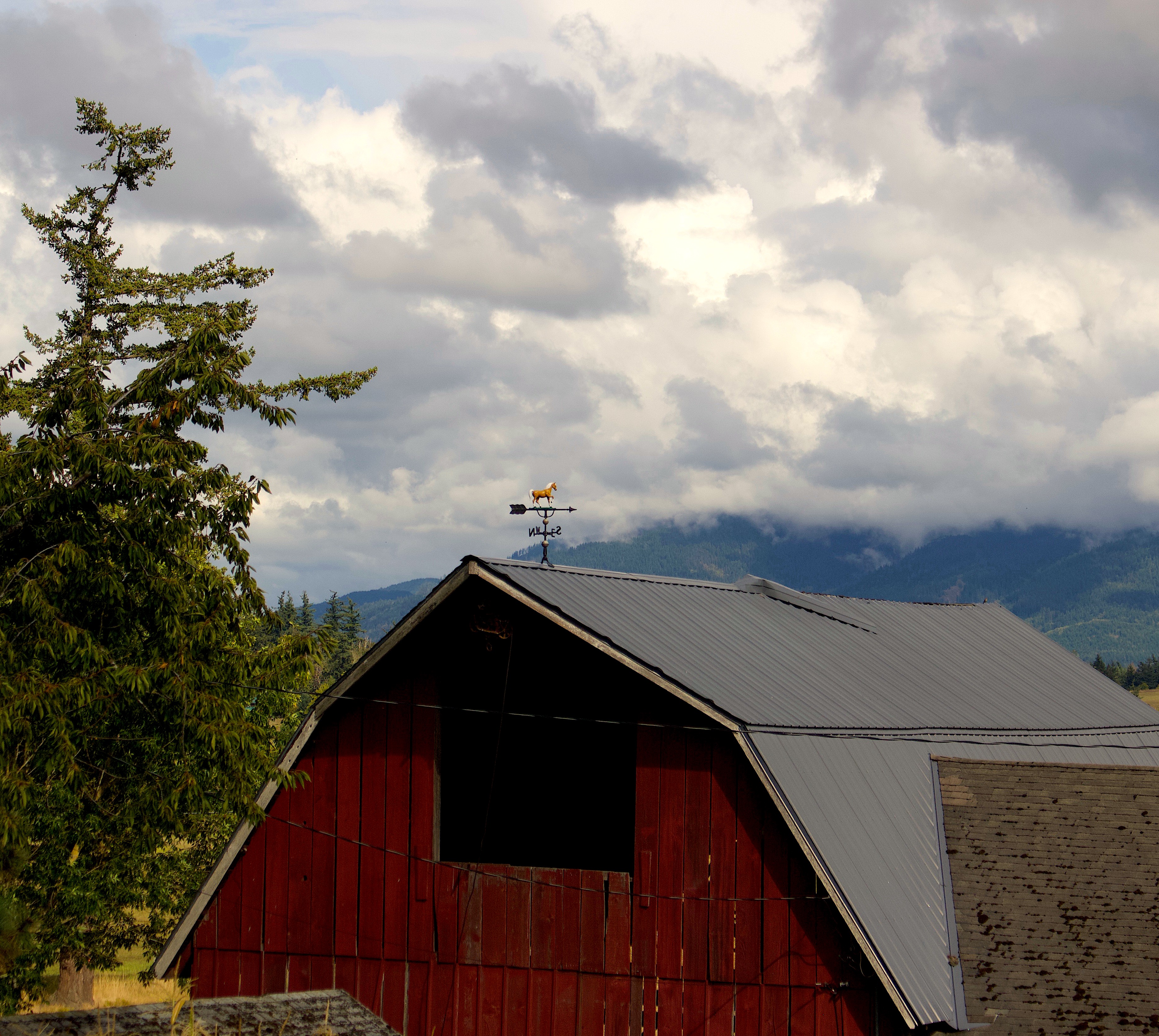
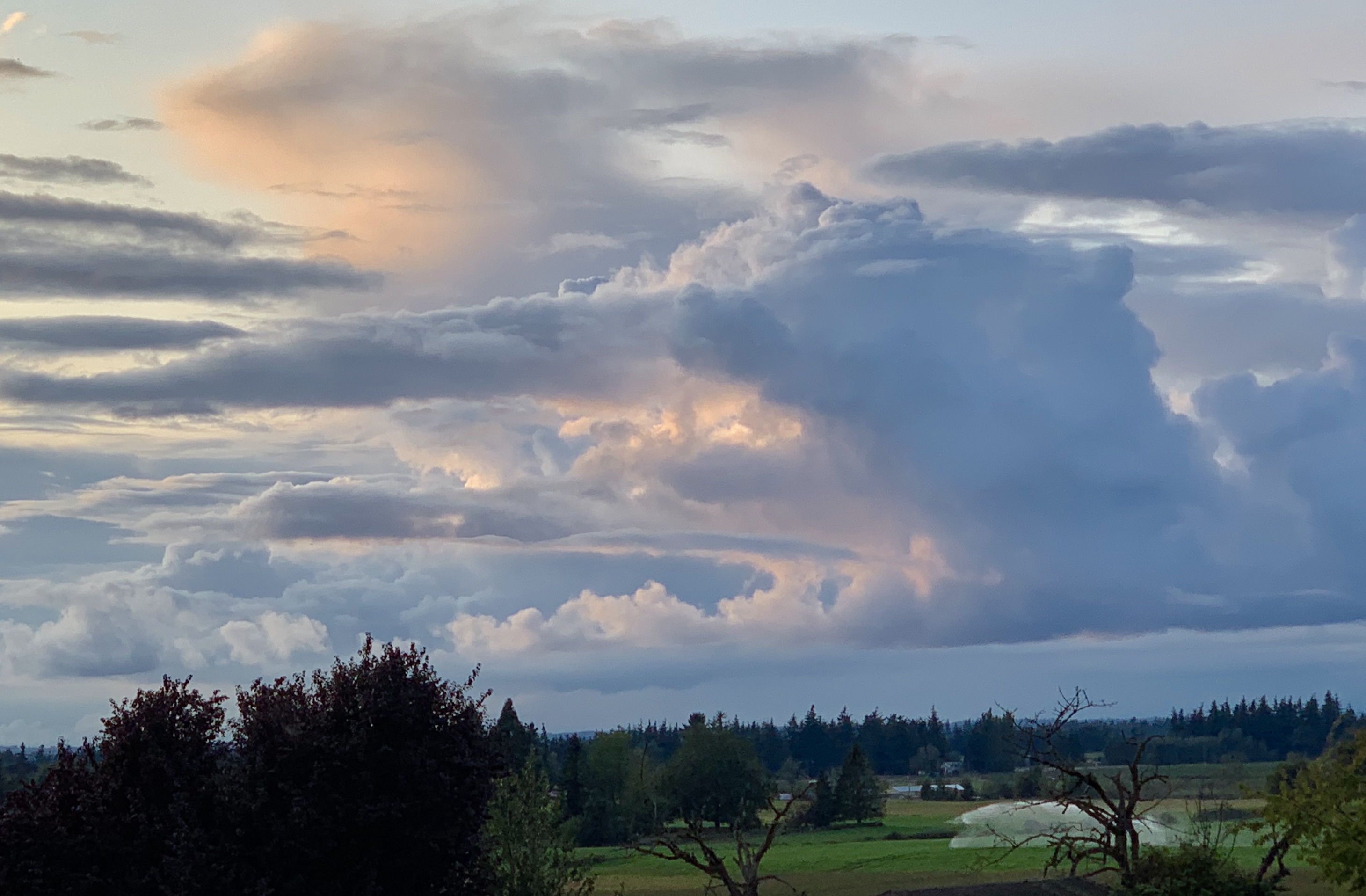
When there are a few days each season of dramatic clouds, the horizon takes on a different feel, telling a new story, inviting our attention and admiration and welcoming us closer.
Heaven is nearer; the clouds recognize us and greet us with their rosy wings. The thin place between earth and heaven becomes thin indeed.
What I remember is the ebb and flow of sound That summer morning as the mower came and went And came again, crescendo and diminuendo, And always when the sound was loudest how it ceased A moment while he backed the horses for the turn, The rapid clatter giving place to the slow click And the mower’s voice. That was the sound I listened for, The voice did what the horses did. It shared the action As sympathetic magic does or incantation. The voice hauled and the horses hauled. The strength of one Was in the other and in the strength was impatience. Over and over as the mower made his rounds I heard his voice and only once or twice he backed And turned and went ahead and spoke no word at all. ~Robert Francis “The Sound I Listened For” from Collected Poems
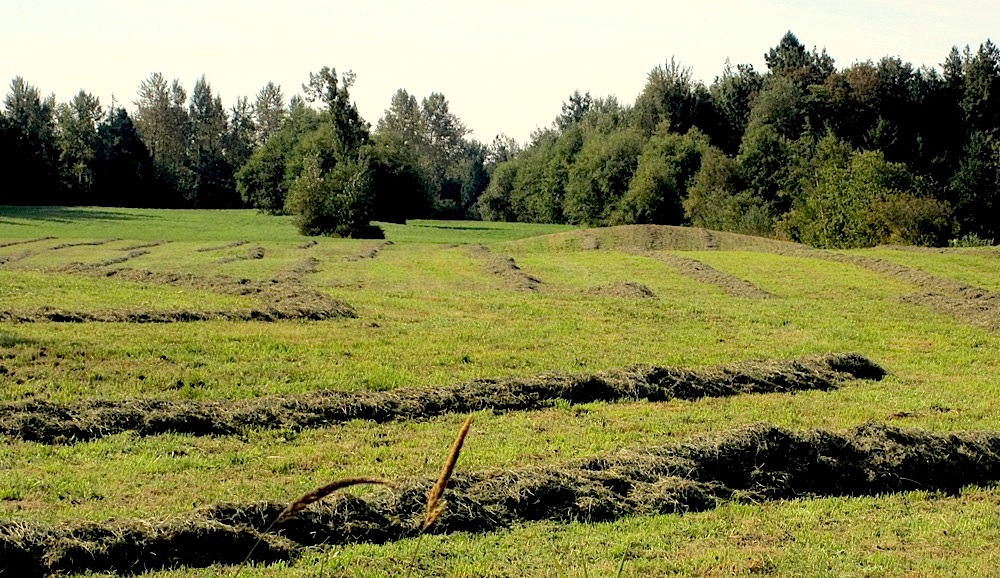
In the rural countryside where we live, we’ve been fortunate enough to know people who still dabble in horse farming, whose draft teams are hitched to plows and mowers and manure spreaders as they head out to the fields to recapture the past and experience working the land in a way that honors the traditions of our forebears.
A good teamster primarily works with his horses using his voice. No diesel engine means hearing bird calls from the surrounding fields and woods, along with the steady footfall of the horses, the harness chains jingling, the leather straps creaking, the machinery shushing quietly as gears turn and grass lays over in submission. No ear protection is needed. There is no clock needed to pace the day.
There is a rhythm of nurture when animals instead of motors are part of the work day. The gauge for taking a break is the amount of foamy sweat on the horses and how fast they are breathing — time to stop and take a breather, time to start back up and do a few more rows, time to water, time for a meal, time for a nap, time for a rest in a shady spot.
This is gentle use of the land with four footed stewards who deposit right back to the soil the digested forage they have eaten only hours before. This is gentle to our ears and our souls, measuring the ebb and flow of sound and silence.
The horse-drawn field mower is a sound I listen for, if not next door then in my dreams.
Photo courtesy of Aaron JanickiPhoto courtesy of Aaron Janicki
The Old Church leans nearby a well worn road upon a hill that has no grass or tree The winds from off the prairie now unload the dust they bring around it fitfully The path that leads up to the open door is worn and grayed by many toiling feet of us who listen to the Bible lore and once again the old time hymns repeat. And every Sabbath Morning we are still returning to the altar standing there; a hush, a prayer, a pause, and voices fill the Master’s House with a triumphant air. The old church leans awry and looks quite odd, But it is beautiful to us, and God. ~Stephen Paulus “The Old Church”
…when I experienced the warm, unpretentious reception of those who have nothing to boast about, and experienced a loving embrace from people who didn’t ask any questions, I began to discover that a true spiritual homecoming means a return to the poor in spirit to whom the kingdom of heaven belongs. ~Henri Nouwen from The Return of the Prodigal Son
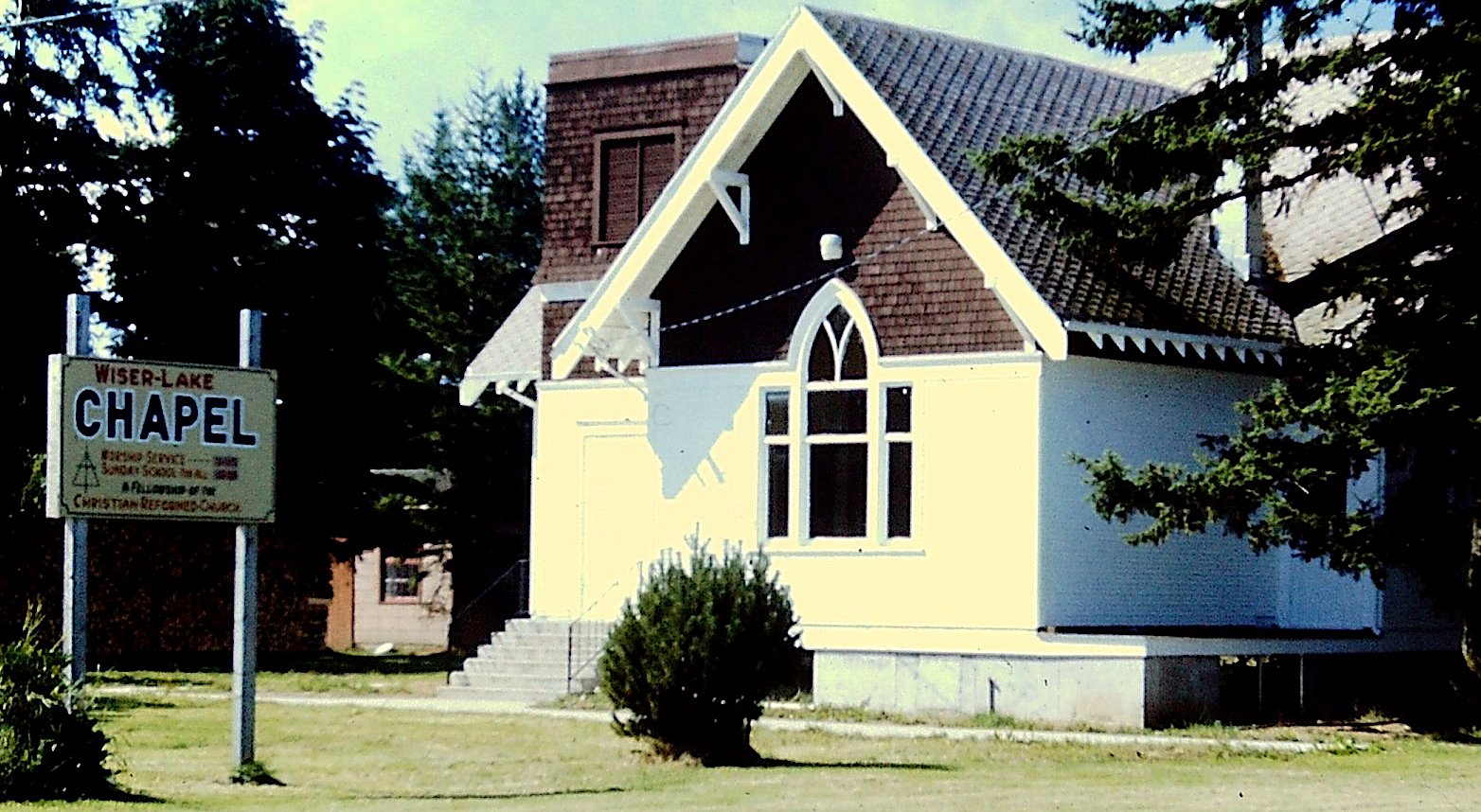
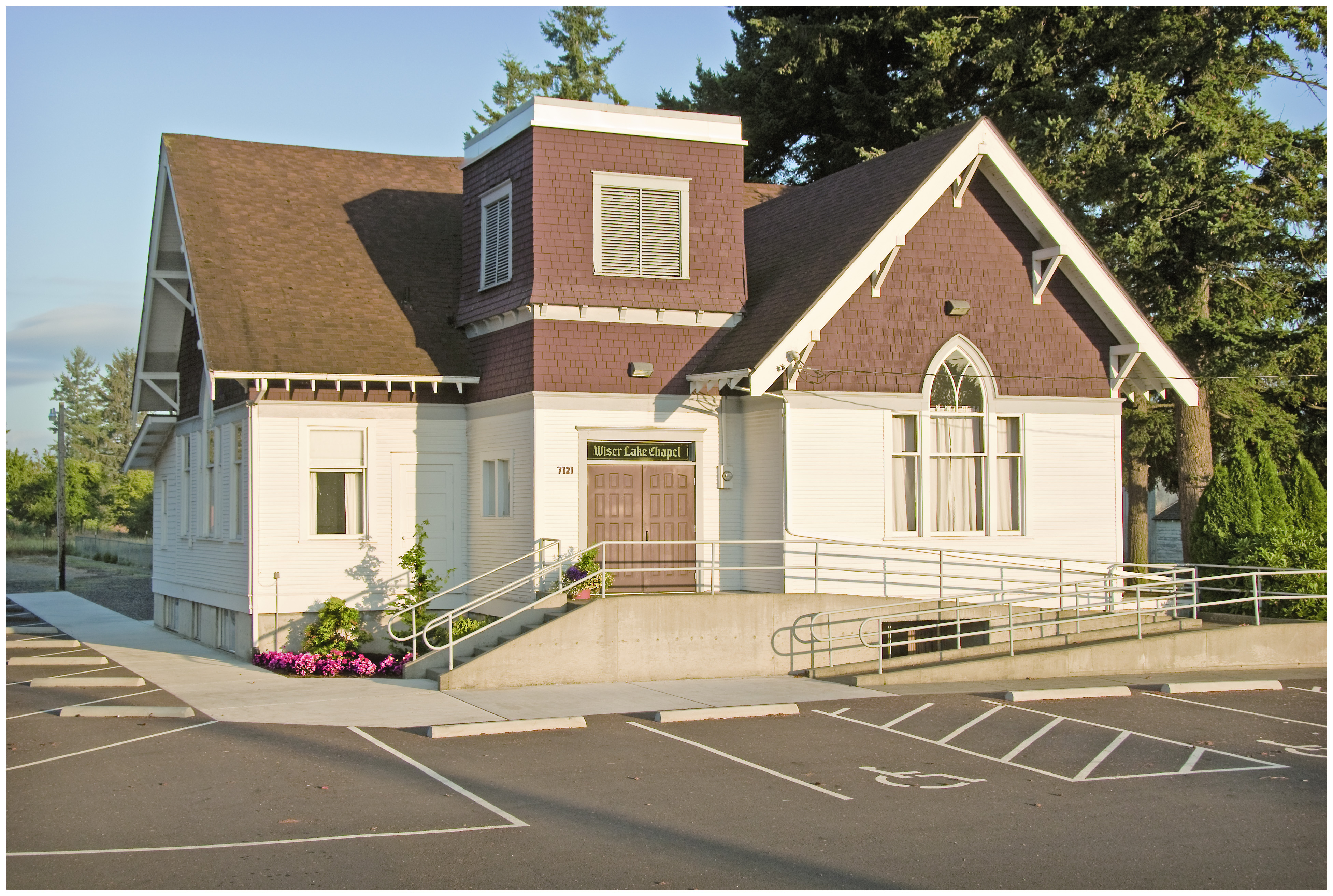
Our family had driven past the boxy building countless times hurrying on our way to other places, barely giving it a second glance. It had a classic design, but showed its age with peeling paint, a few missing shingles, an old fashioned square flat roofed belfry, and arched windows. The hand lettered sign spelling out “Wiser Lake Chapel” by the road constituted a humble invitation of sorts, simply by listing the times of the services.
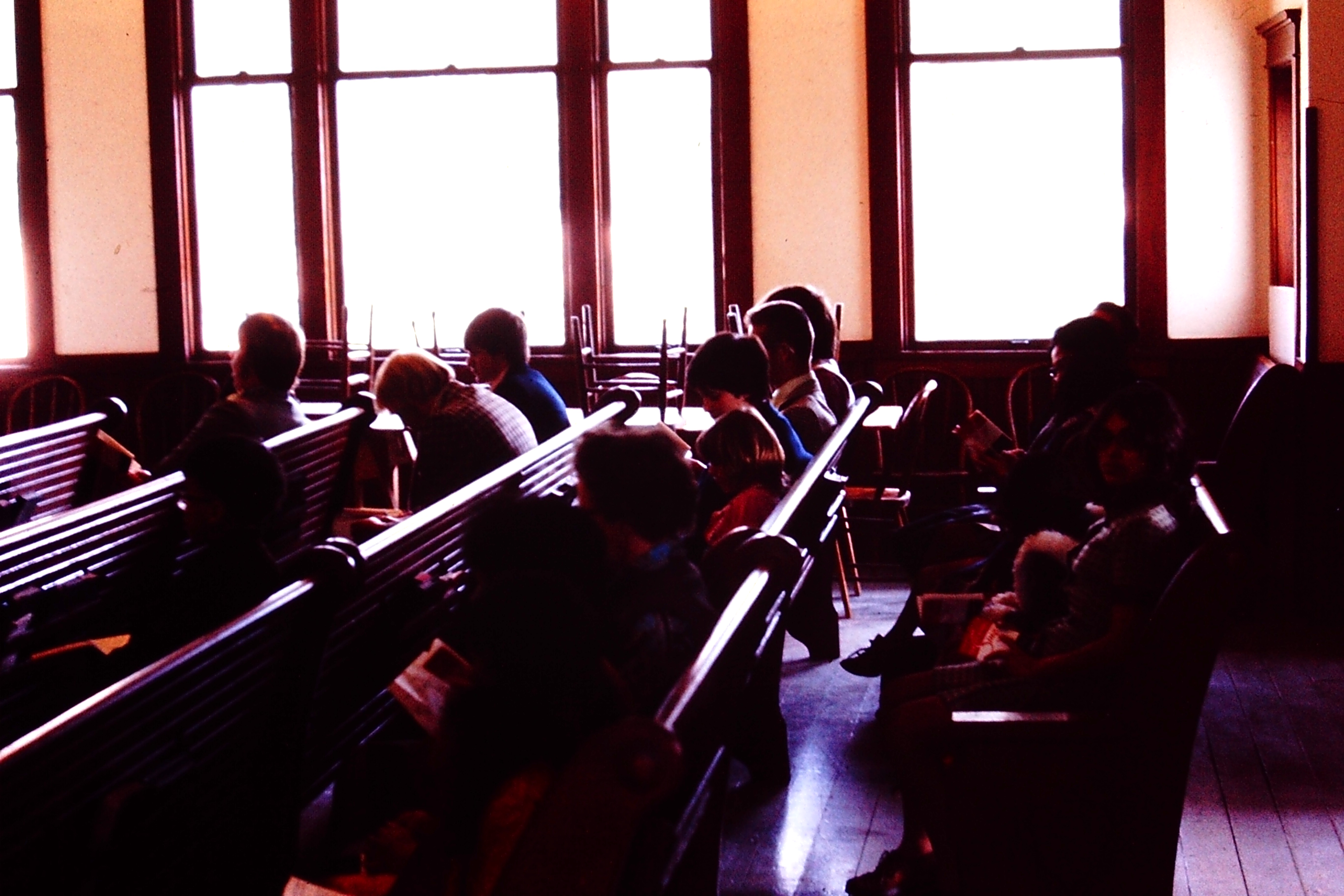
On a blustery December Sunday evening in 1990, we had no place else to be for a change. Instead of driving past, we stopped, welcomed by the yellow glow pouring from the windows and an almost full parking lot. Our young family climbed the steps to the big double doors, and inside were immediately greeted by a large balding man with a huge grin and encompassing handshake. He pointed us to one of the few open spots still available in the old wooden pews.
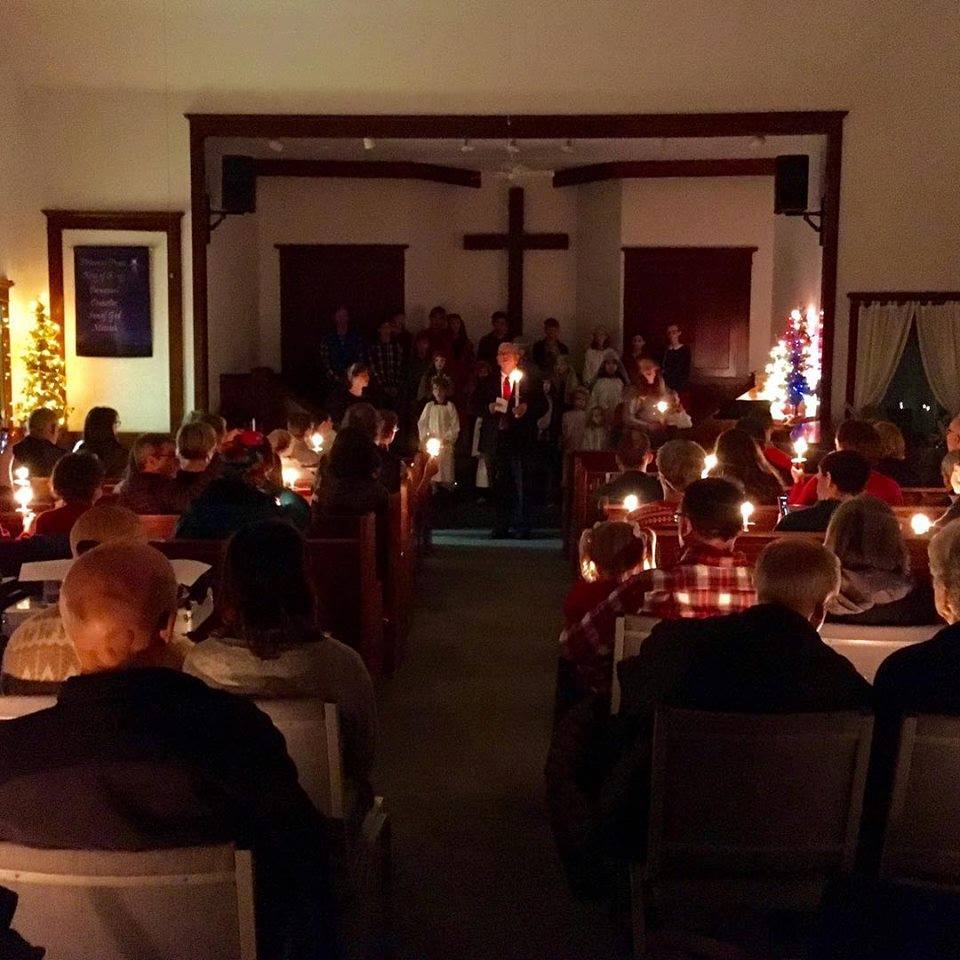
The sanctuary was a warm and open space with a high lofted ceiling, dark wood trim accents matching the ancient pews, and a plain wooden cross above the pulpit in front. There was a pungent smell from fir bough garlands strung along high wainscoting, and a circle of candles standing lit on a small altar table. Apple pie was baking in the kitchen oven, blending with the aroma of good coffee and hot cocoa.
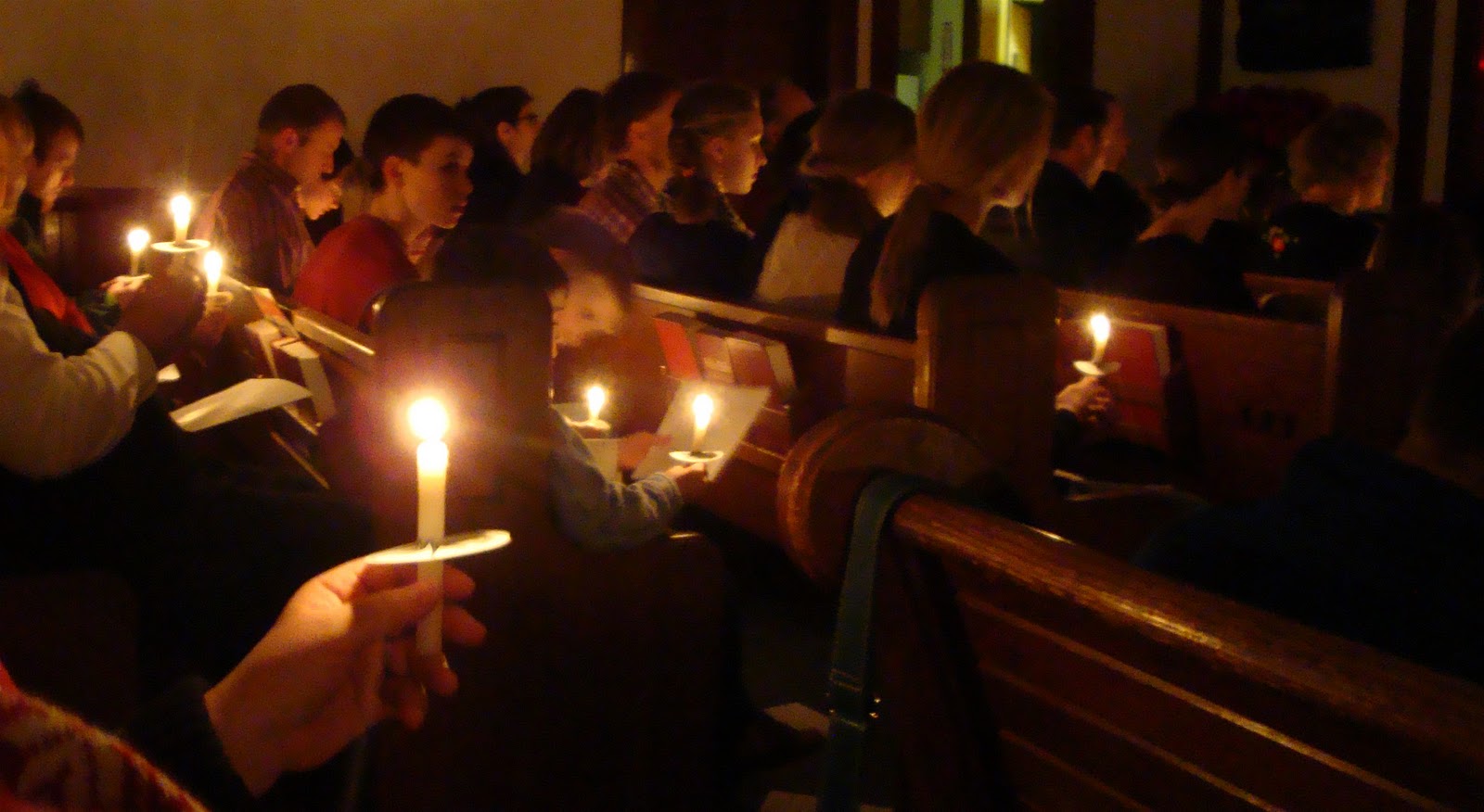
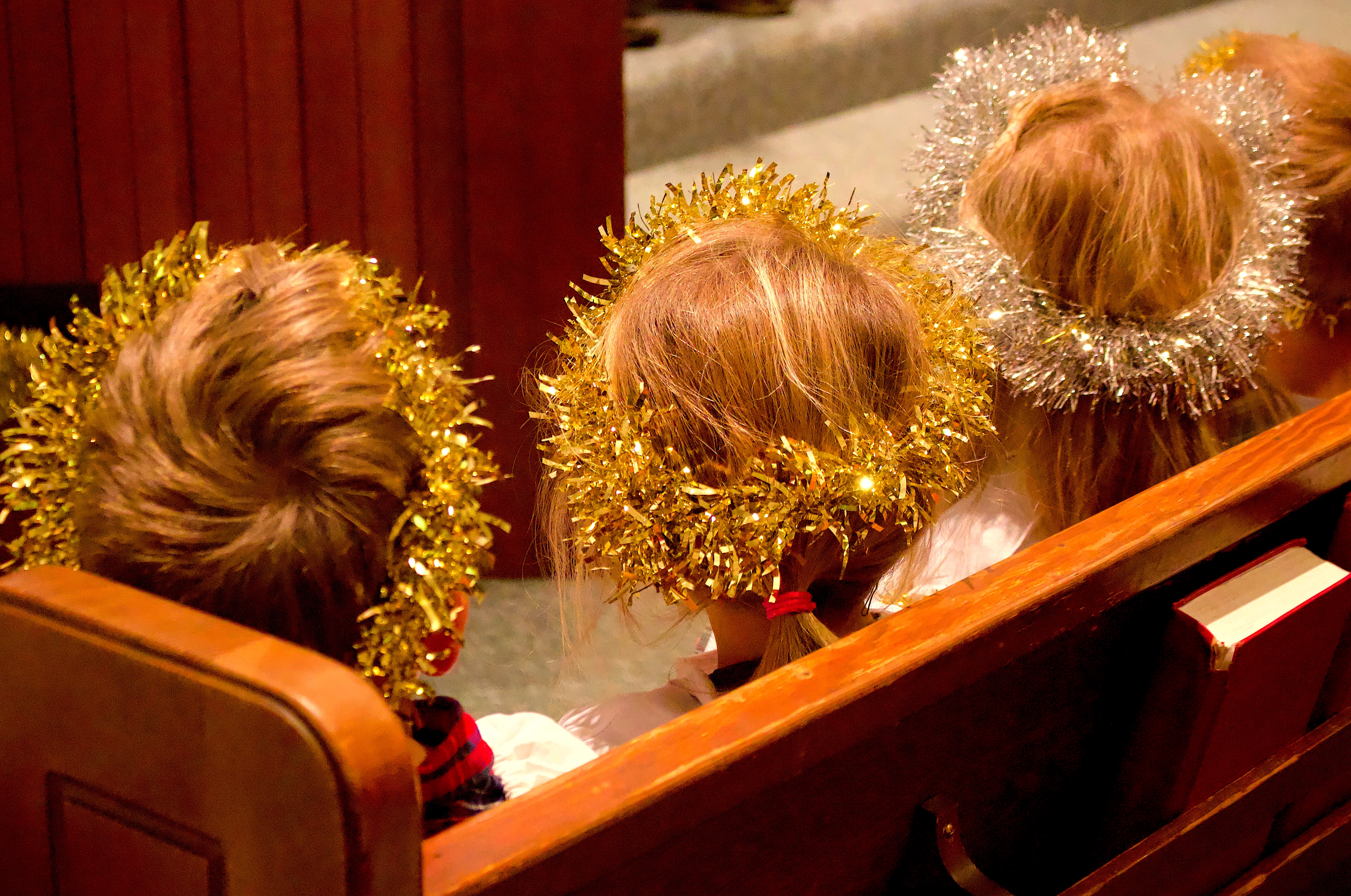
The service was a Sunday School Christmas program, with thirty some children of all ages and skin colors standing up front in bathrobes and white sheet angel gowns, wearing gold foil halos, tinfoil crowns and dish towels wrapped with string around their heads. They were prompted by their teachers through carols and readings of the Christmas story. The final song was Silent Night, sung by candle light, with each child and member of the congregation holding a lit candle. There was a moment of excitement when one girl’s long hair briefly caught fire, but after that was quickly extinguished, the evening ended in darkness, with the soft glow of candlelight illuminating faces of the young and old, some in tears streaming over their smiles.
It felt like home. We had found our church.
We’ve never left and every Sabbath day finds us back there.
Over the past 103 years, this old building has seen a few thousand people come and go, has had peeling paint and missing shingles, a basement that flooded when the rain comes down hard, toilets that didn’t always flush, and though it smells heavenly on potluck days, there are times when it can be just a bit out of sorts and musty. It really isn’t anything to boast about.
It is humble and unpretentious yet envelops its people in its loving and imperfect embrace, with warmth, character and a uniqueness that is unforgettable.
It really is not so different from the folks who have gathered there over the years.
We know we belong, such as we are, just as we are, blessed by God with a place to join together.
What is this life if, full of care, We have no time to stand and stare?—
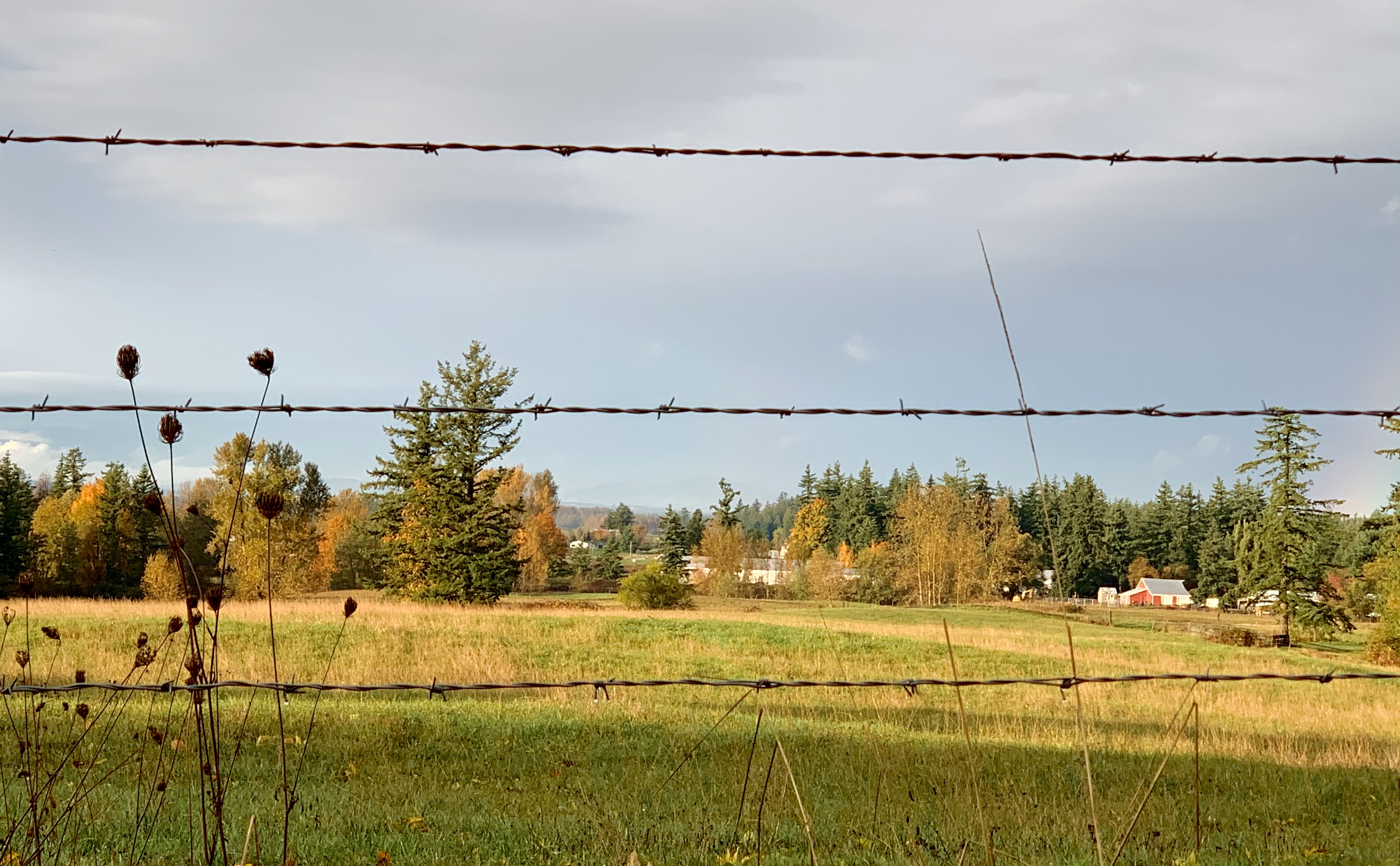
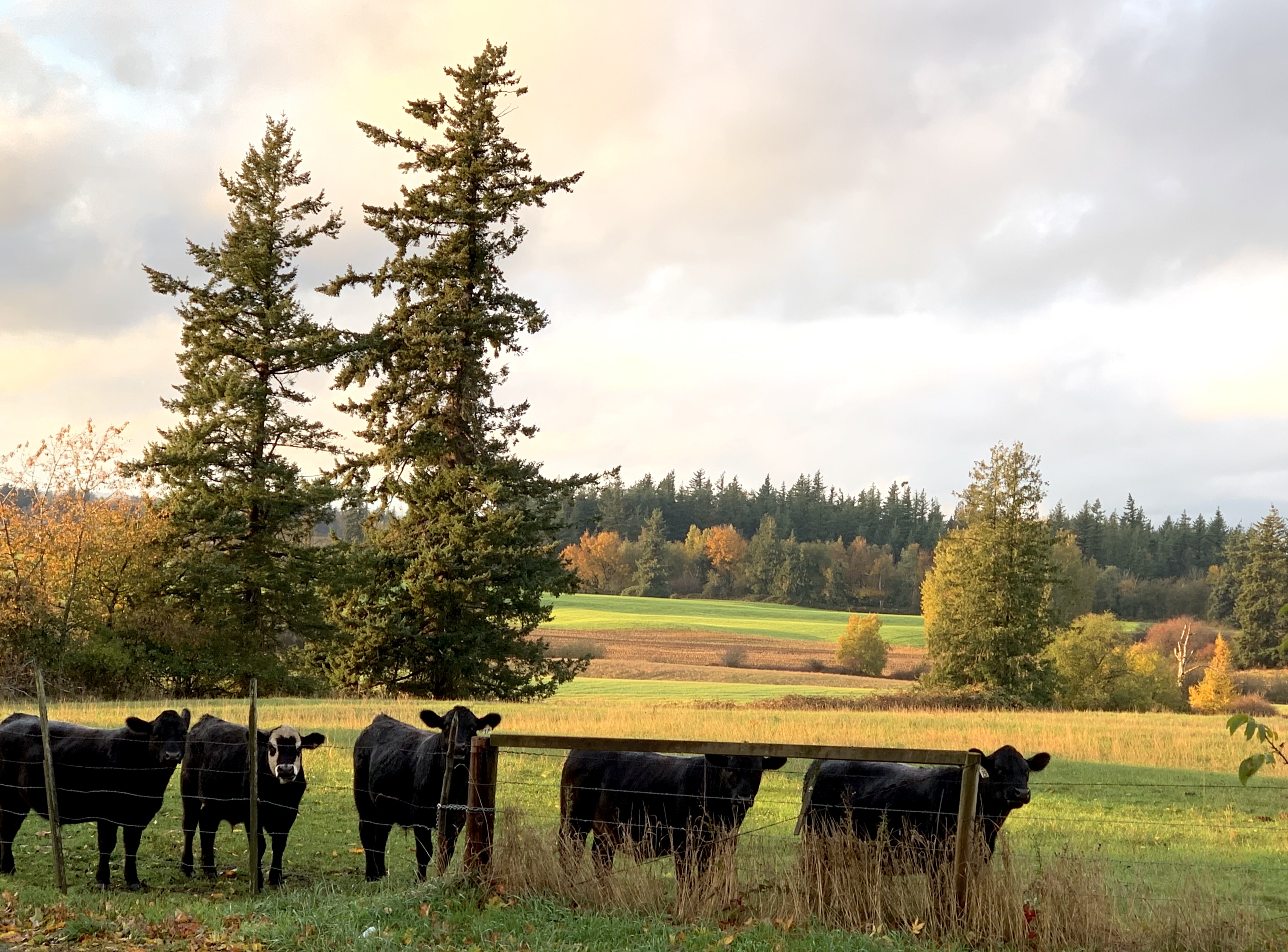
No time to stand beneath the boughs, And stare as long as sheep and cows:
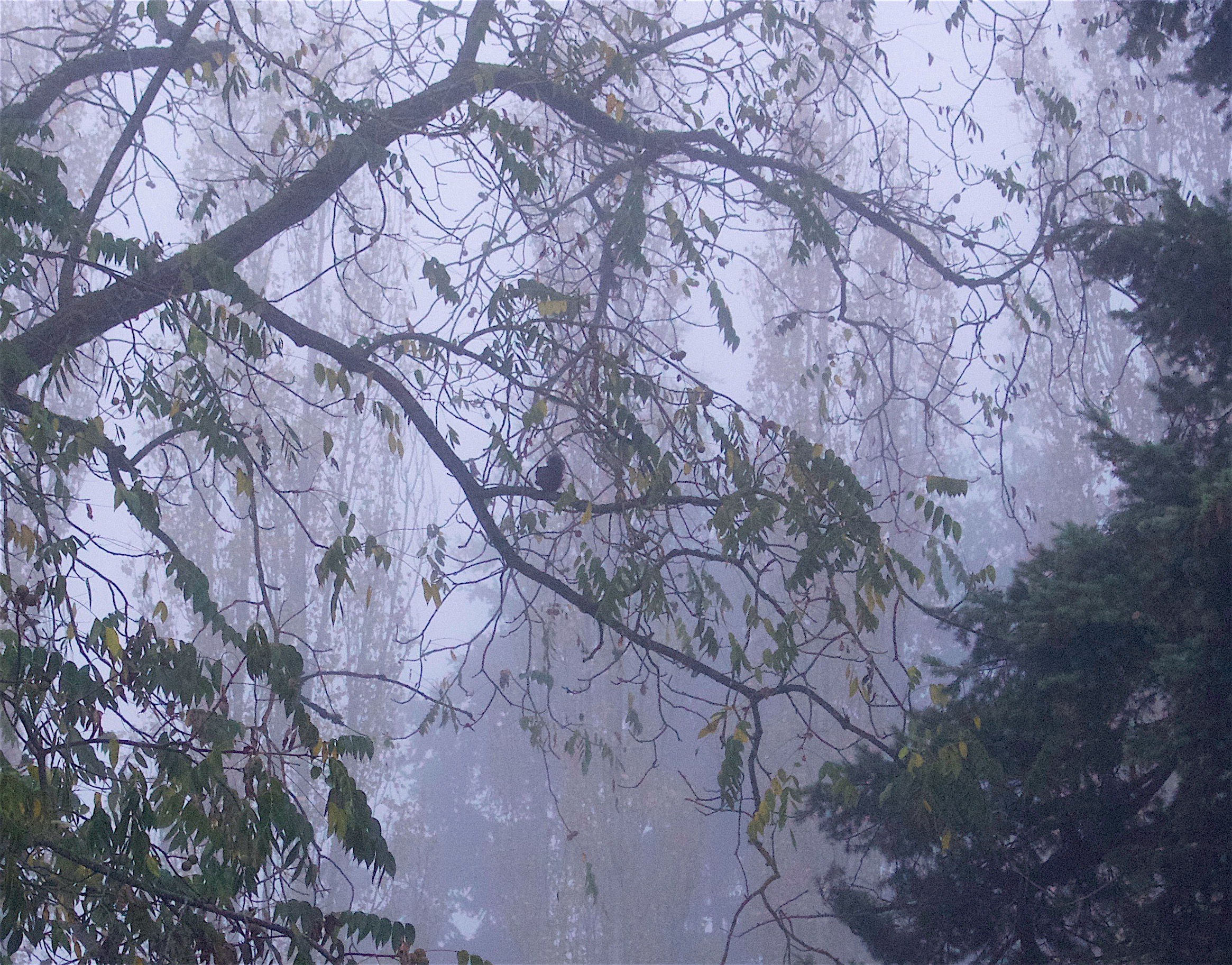
No time to see, when woods we pass, Where squirrels hide their nuts in grass:
No time to see, in broad daylight, Streams full of stars, like skies at night:
No time to turn at Beauty’s glance, And watch her feet, how they can dance:
No time to wait till her mouth can Enrich that smile her eyes began?
A poor life this if, full of care, We have no time to stand and stare. ~W.H. Davies “Leisure”
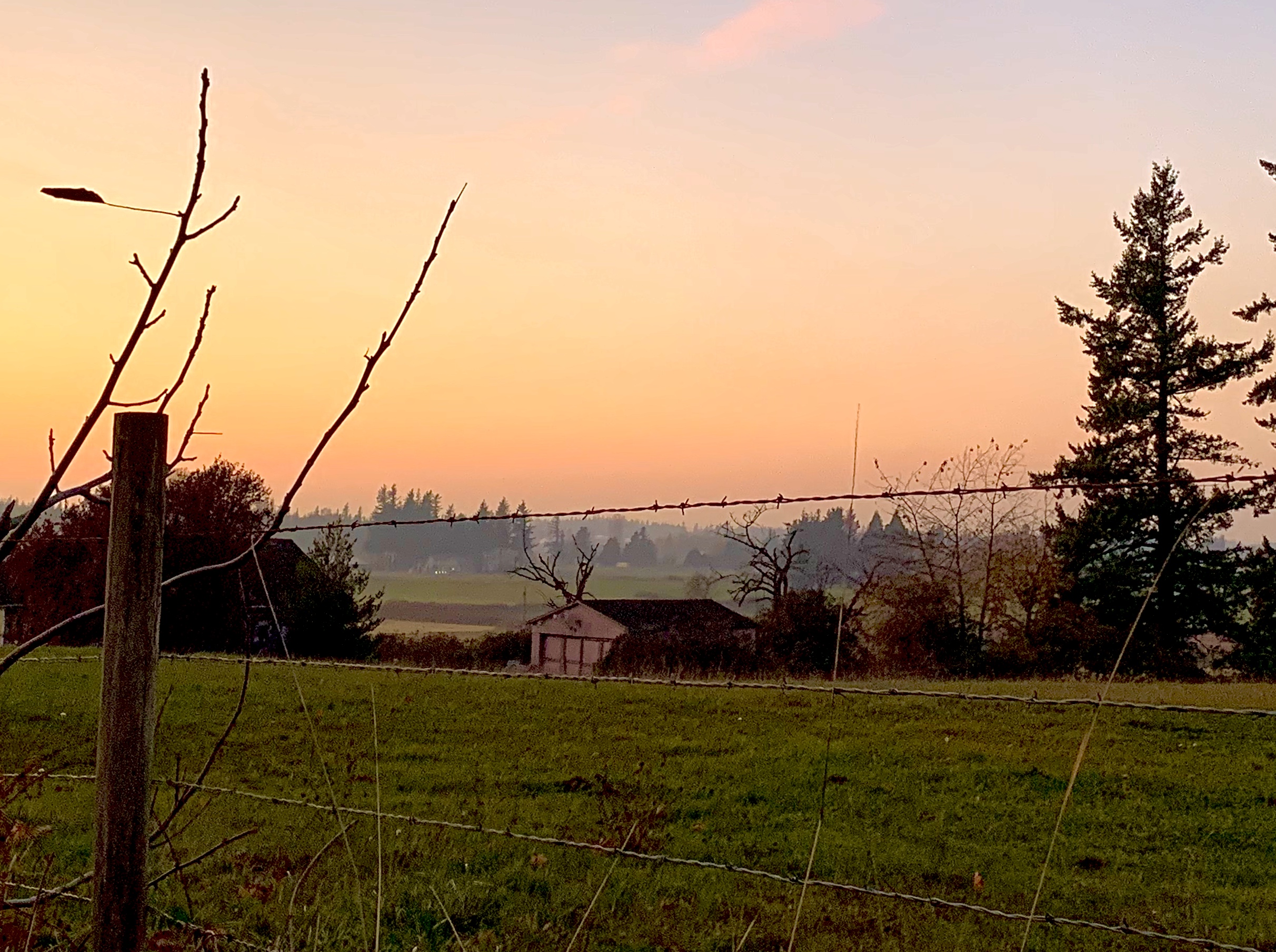
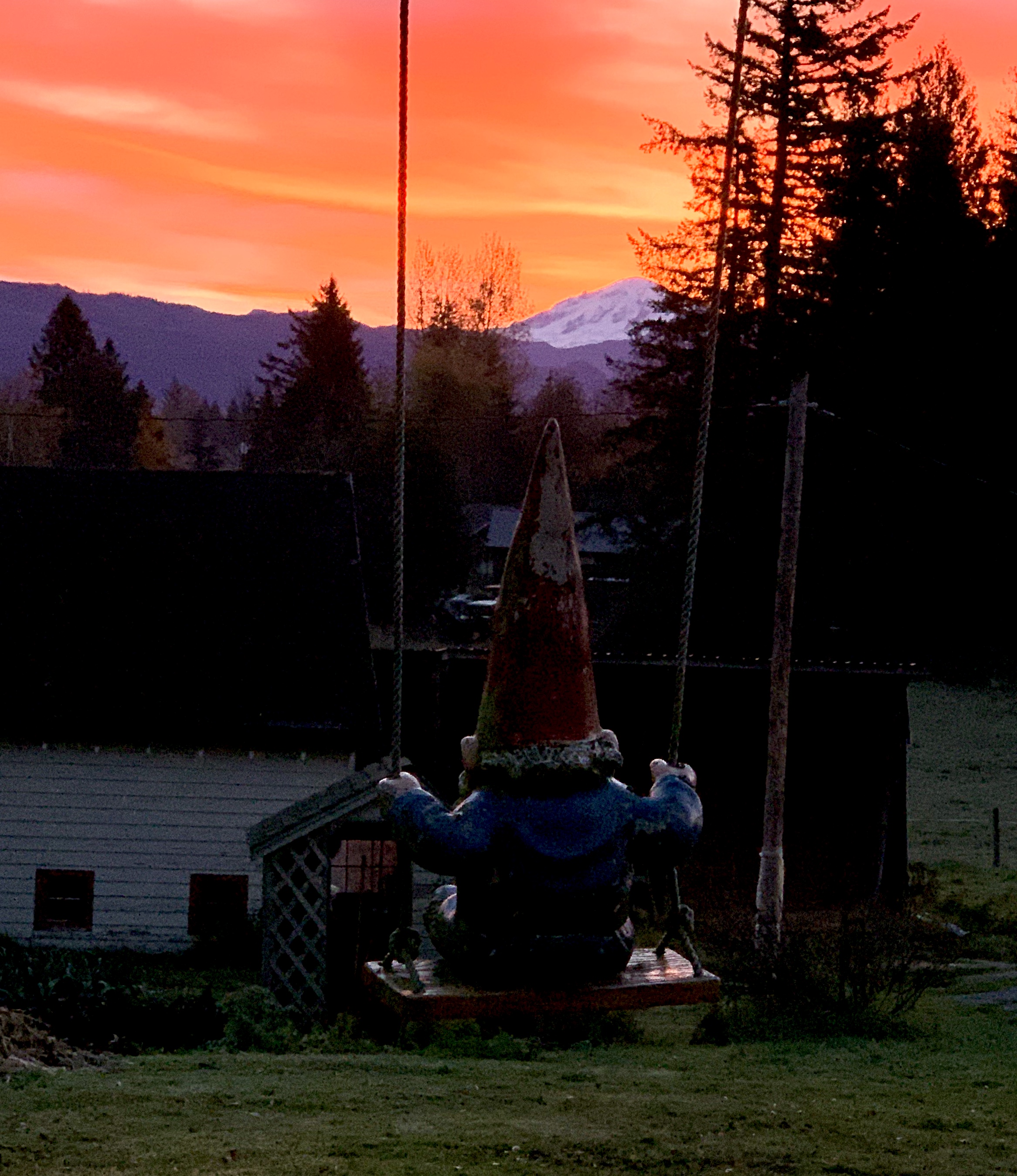
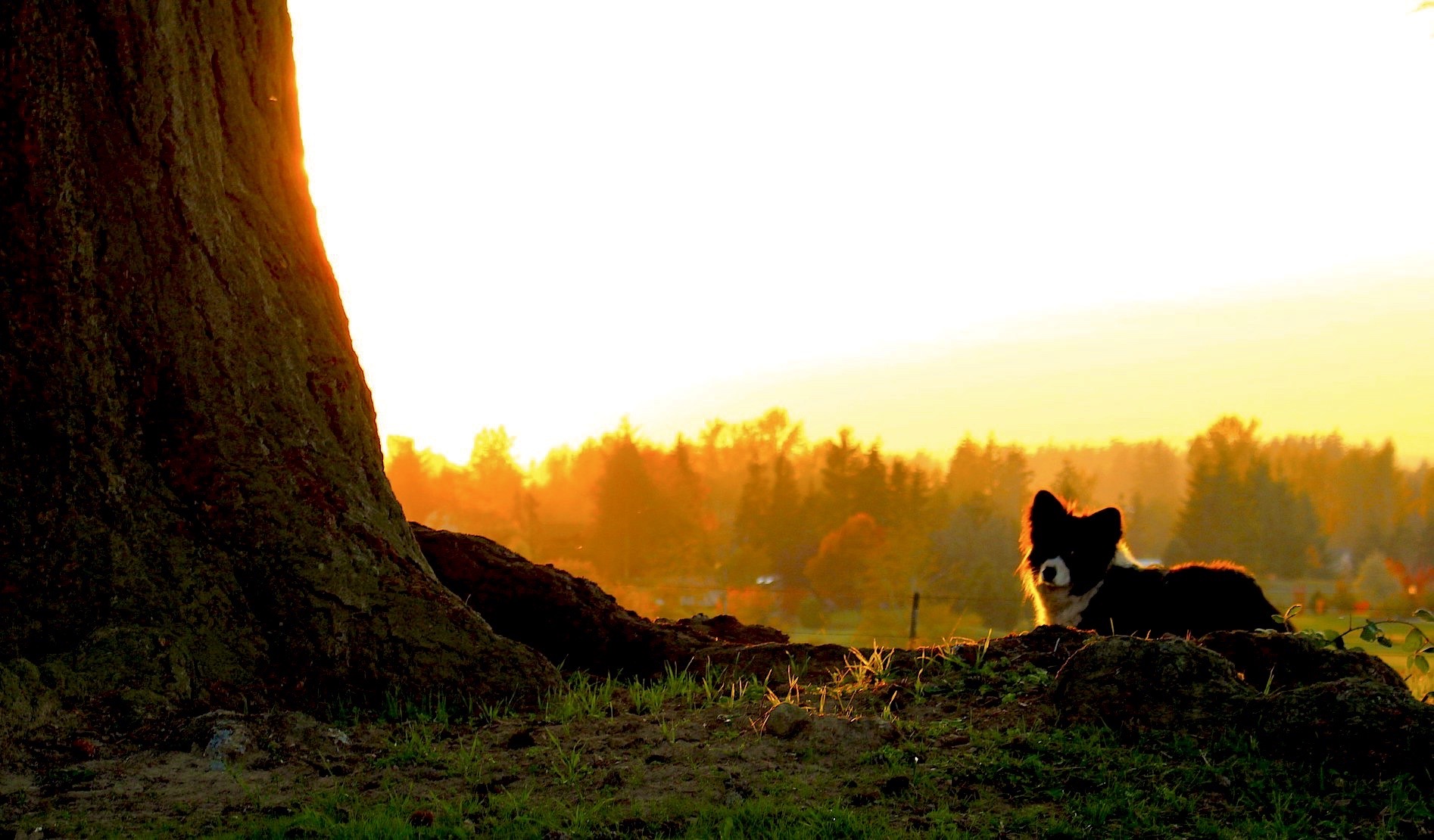
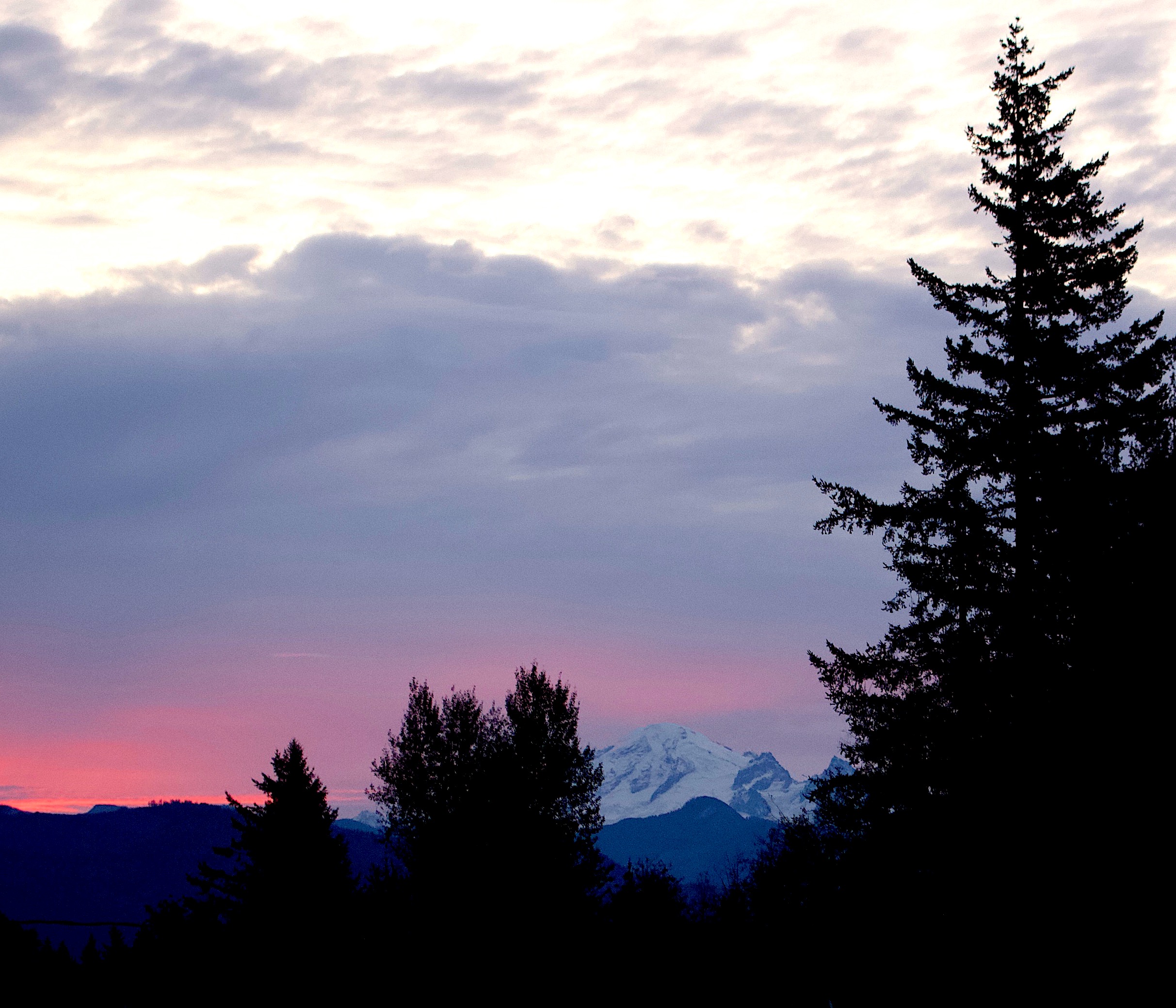
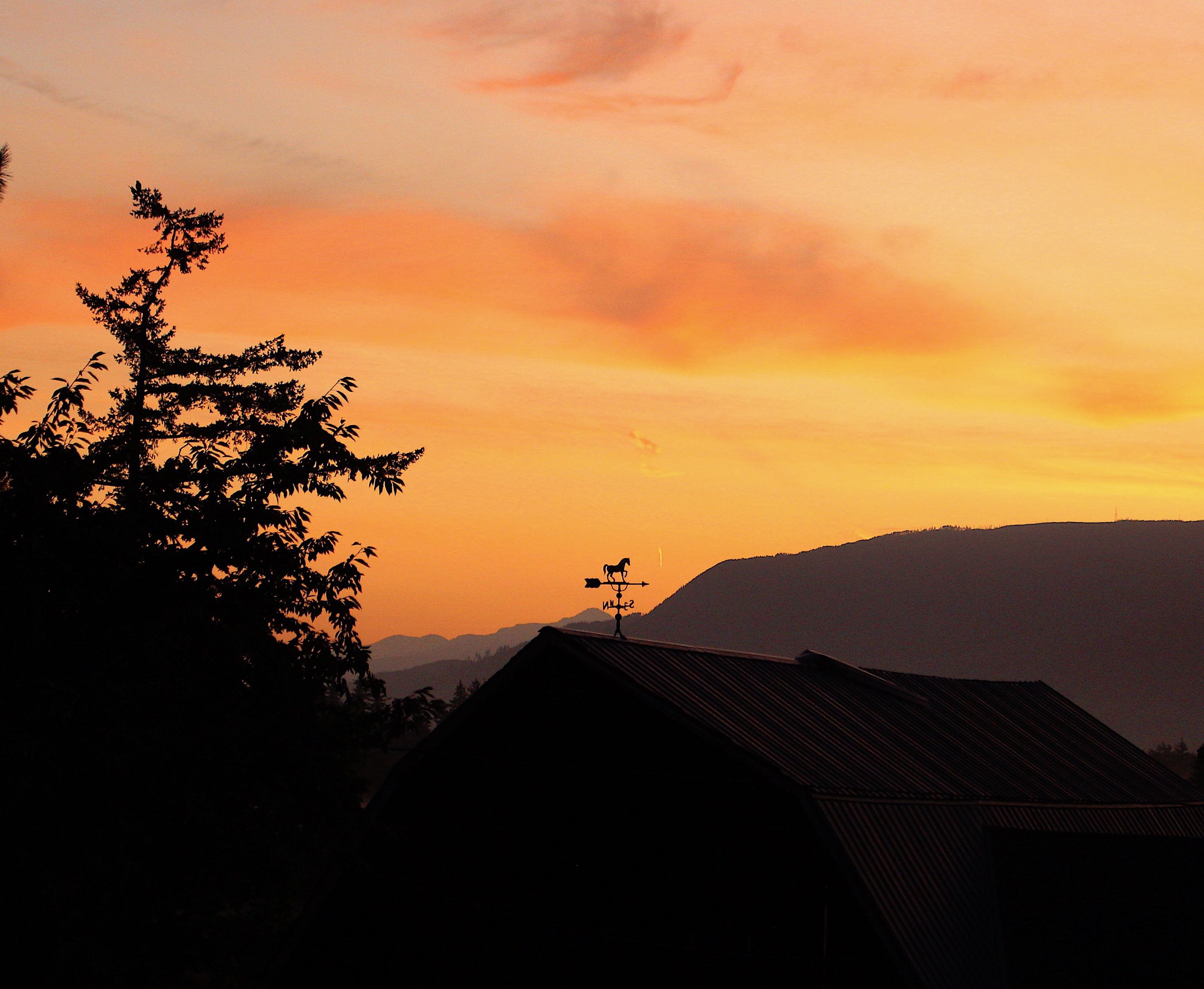
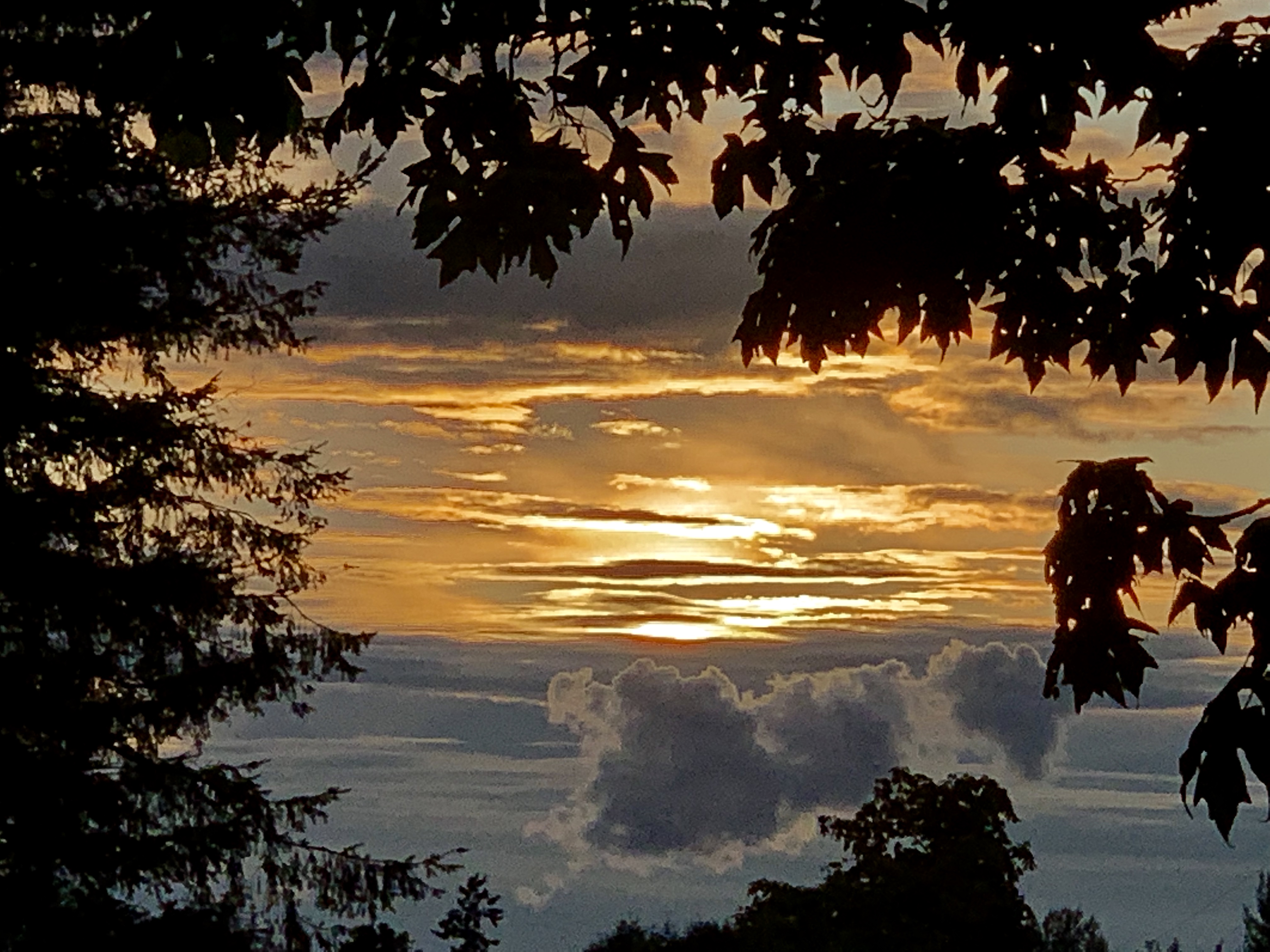
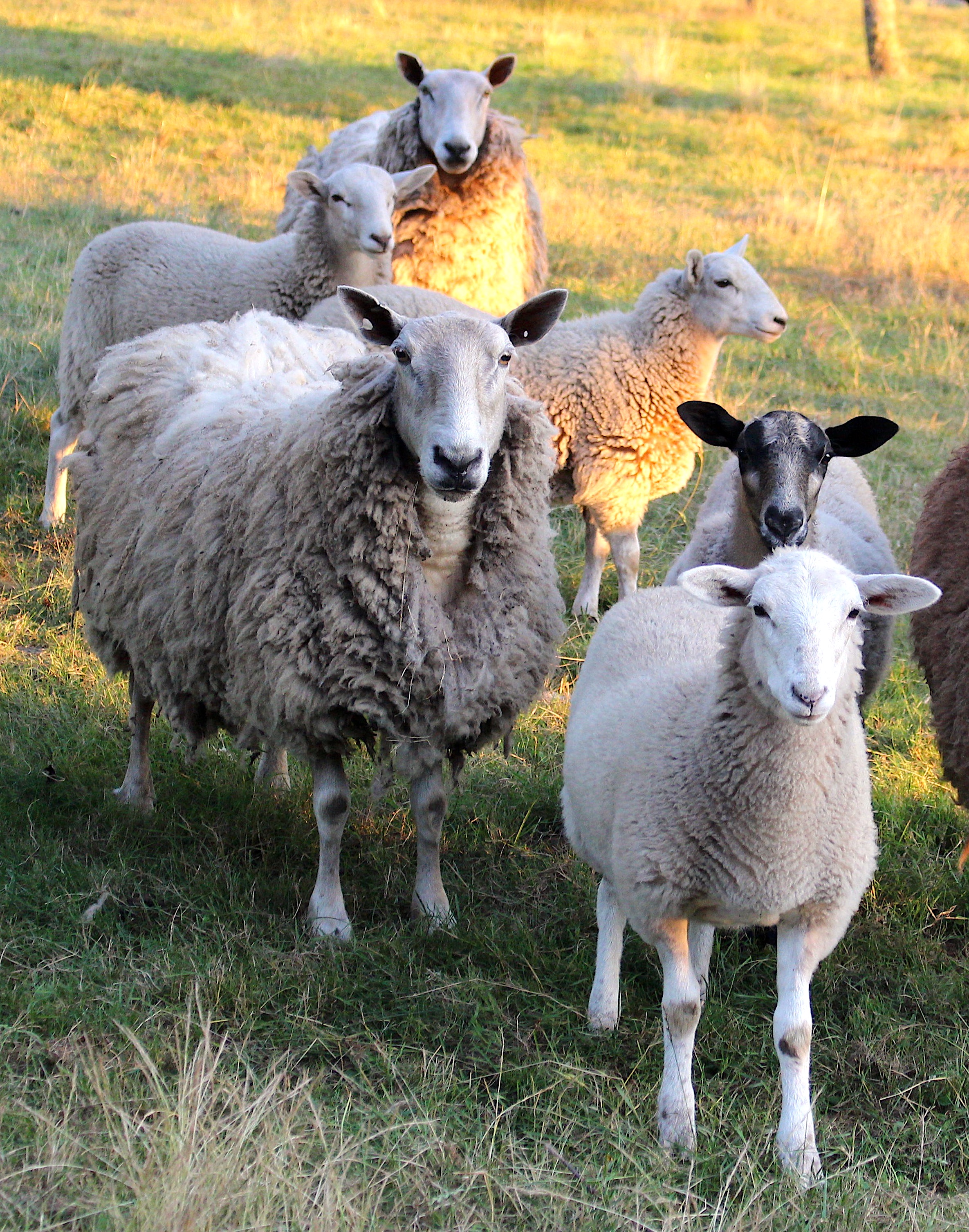
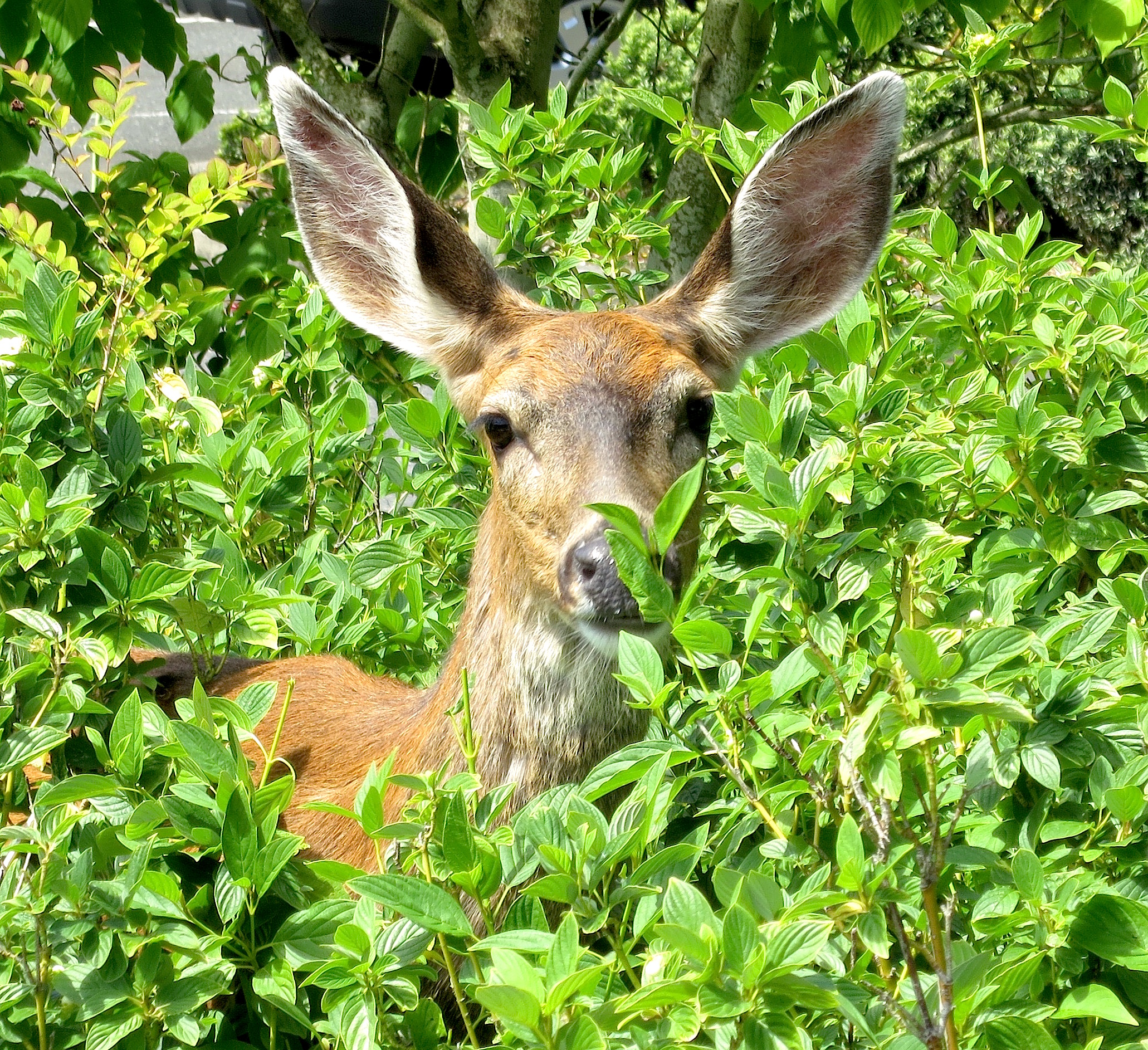
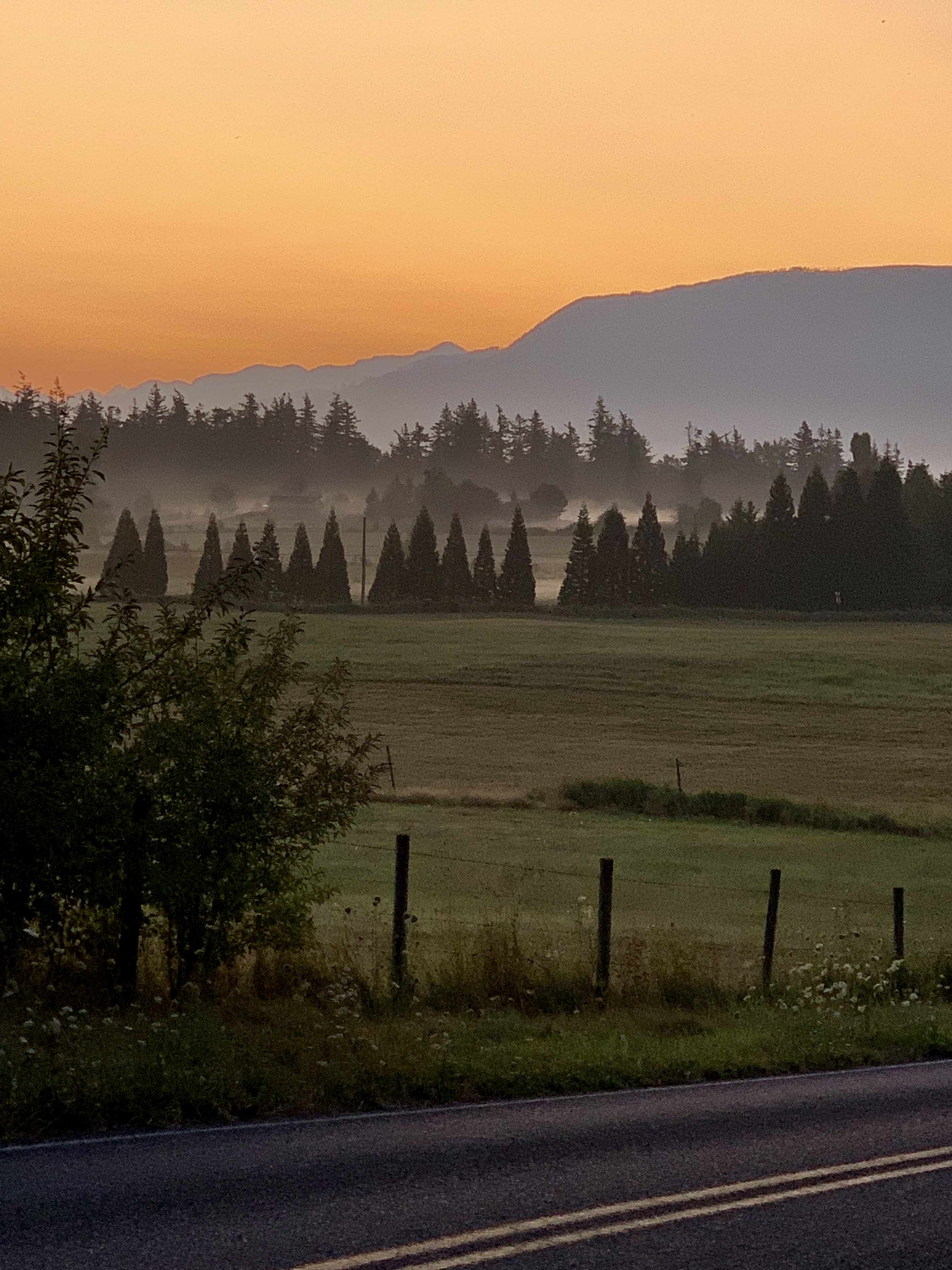
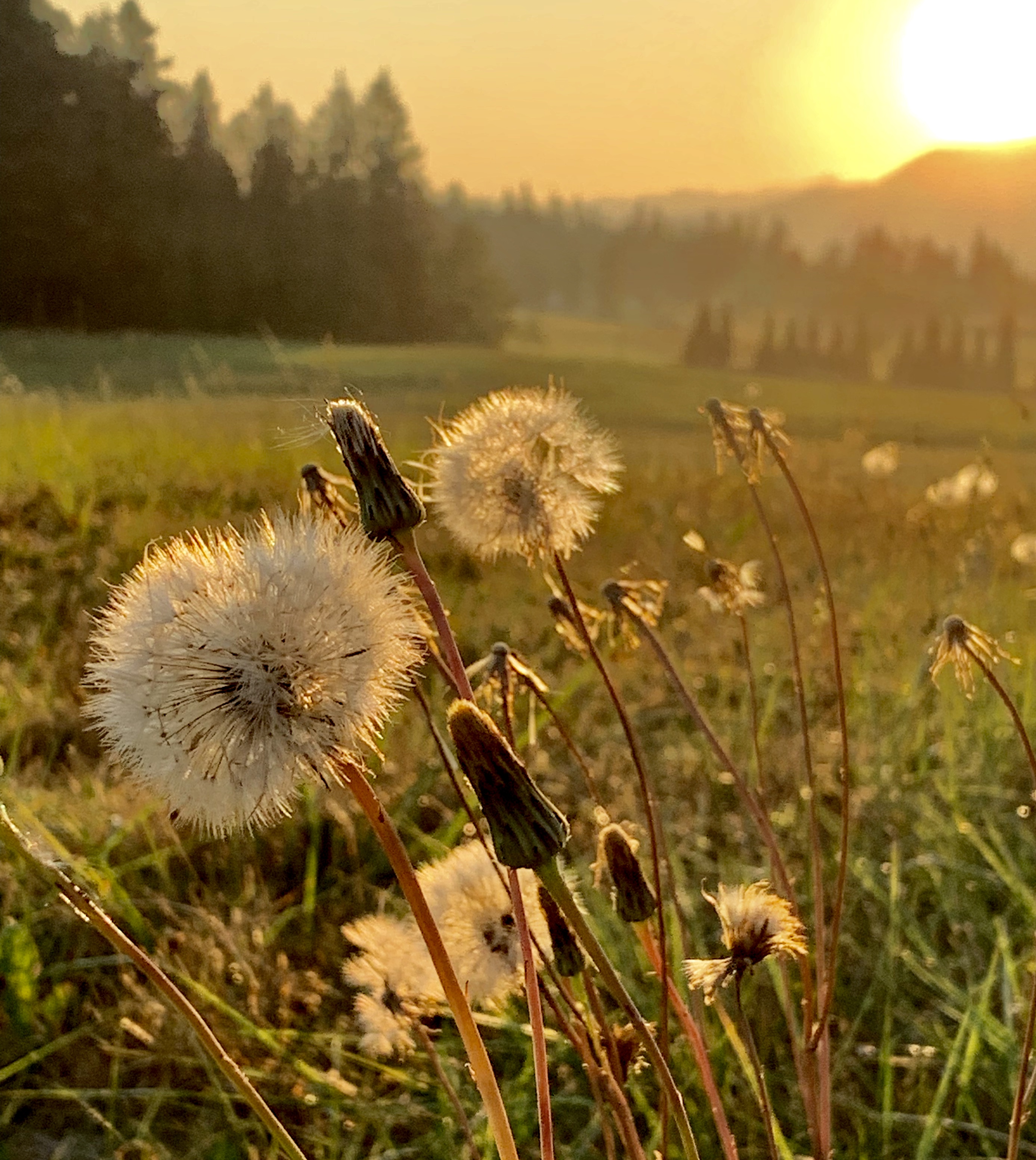
This would be a poor life indeed if we didn’t take time to stand and stare at all that is displayed before us – whether it is the golden cast at the beginning and endings of the days, the light dancing in streams and stars or simply staring at God’s creatures staring back at us.
People living in mighty cities may have more gratifying professional challenges, or greater earning potential, or experience the latest and greatest opportunities for entertainment. But they don’t have these sunrises and sunsets and hours of contentment as we watch time pass unclaimed and unencumbered.
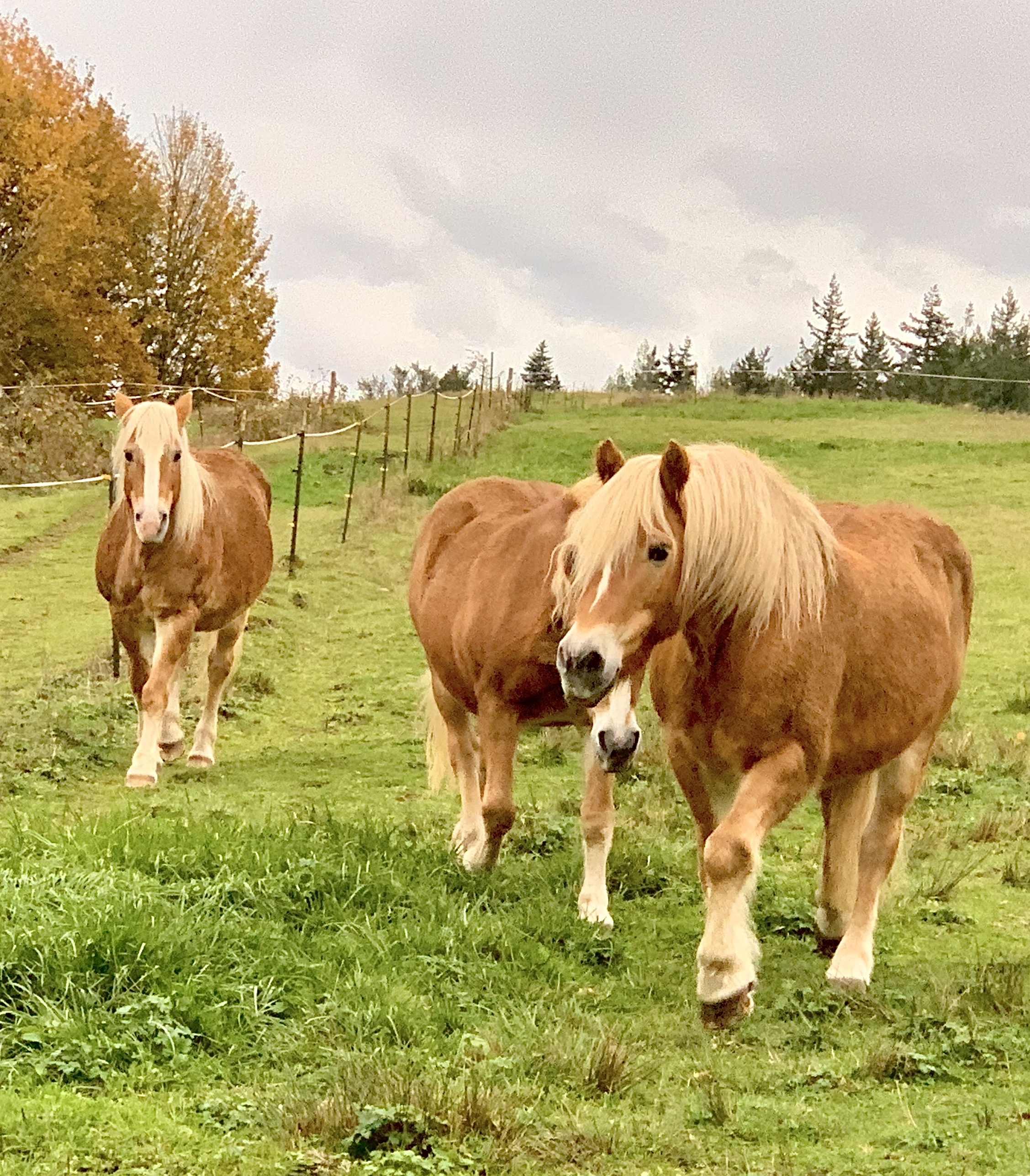
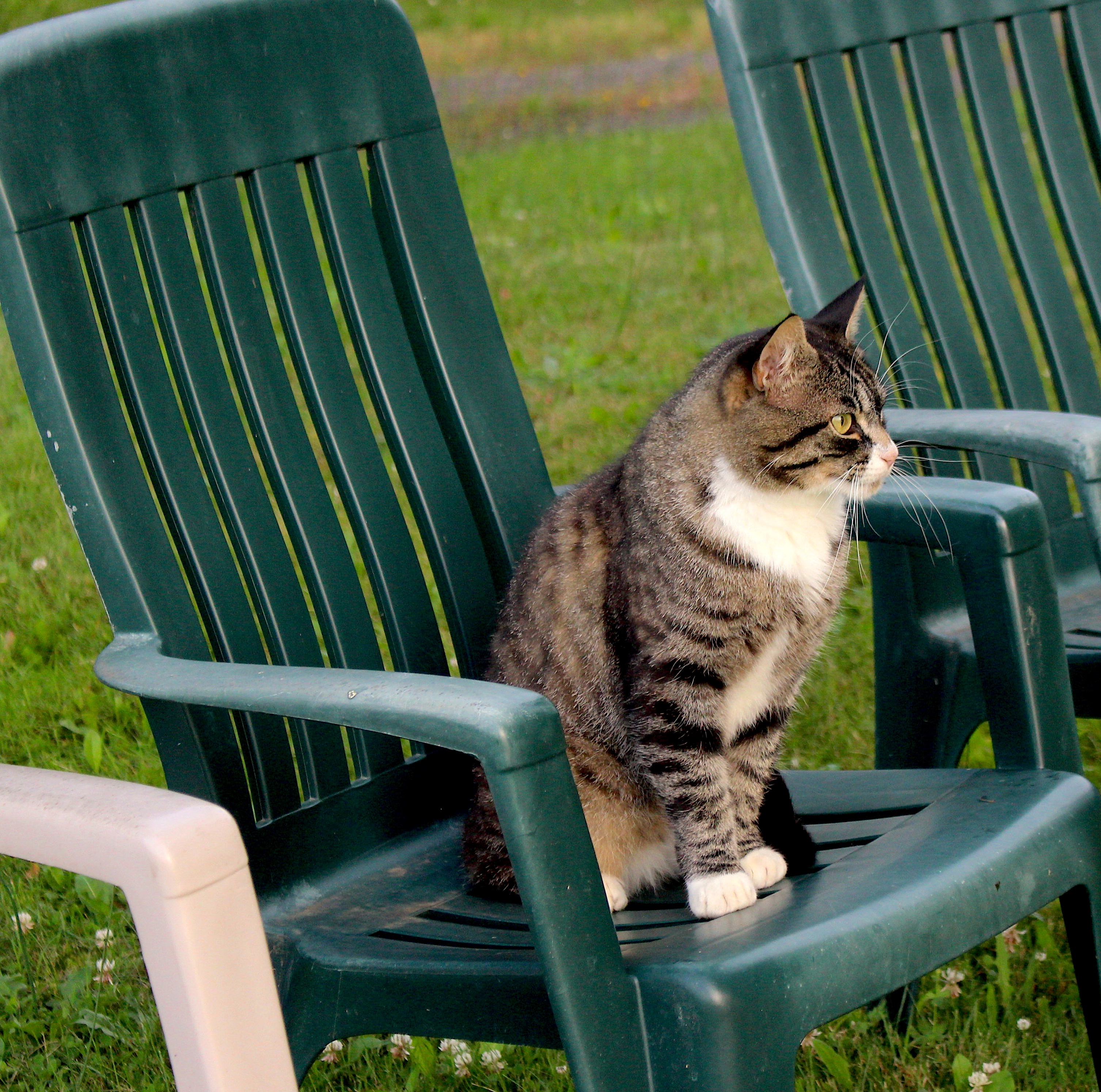
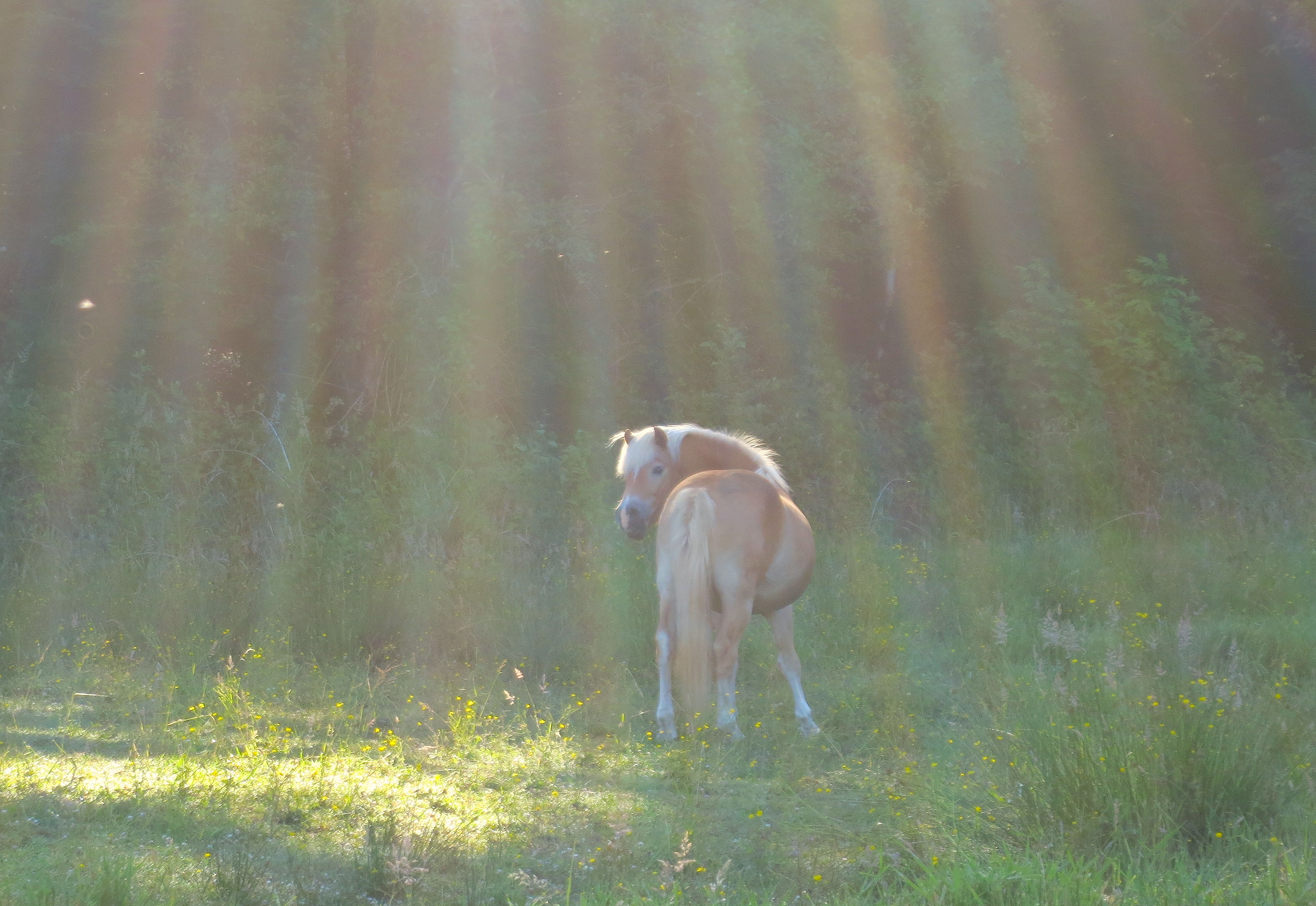
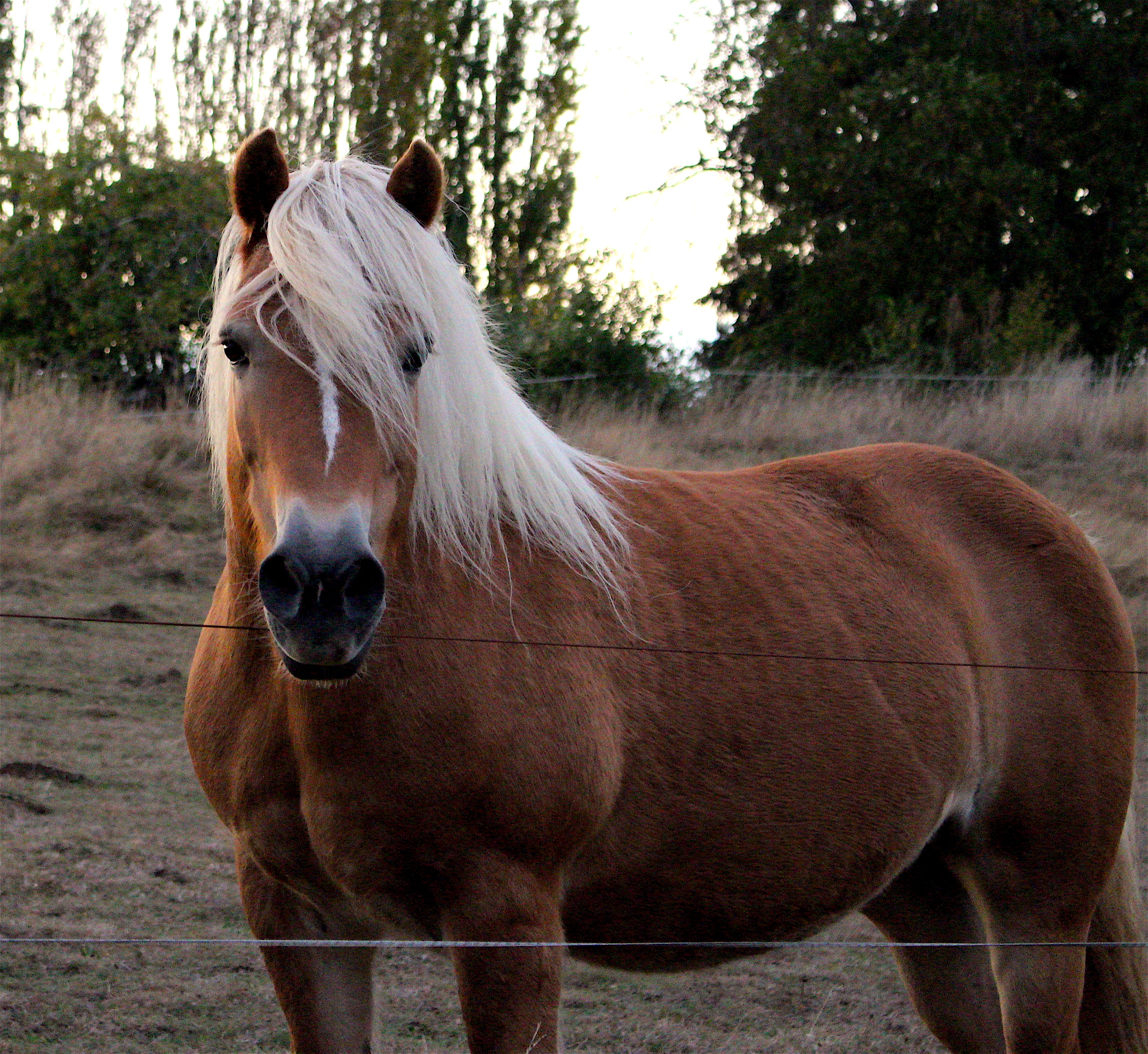
Oh give me a home where the Haflingers roam, where the deer and the corgi dogs play, where seldom is heard a discouraging word, and the skies are not cloudy all day…














 Barnstorming