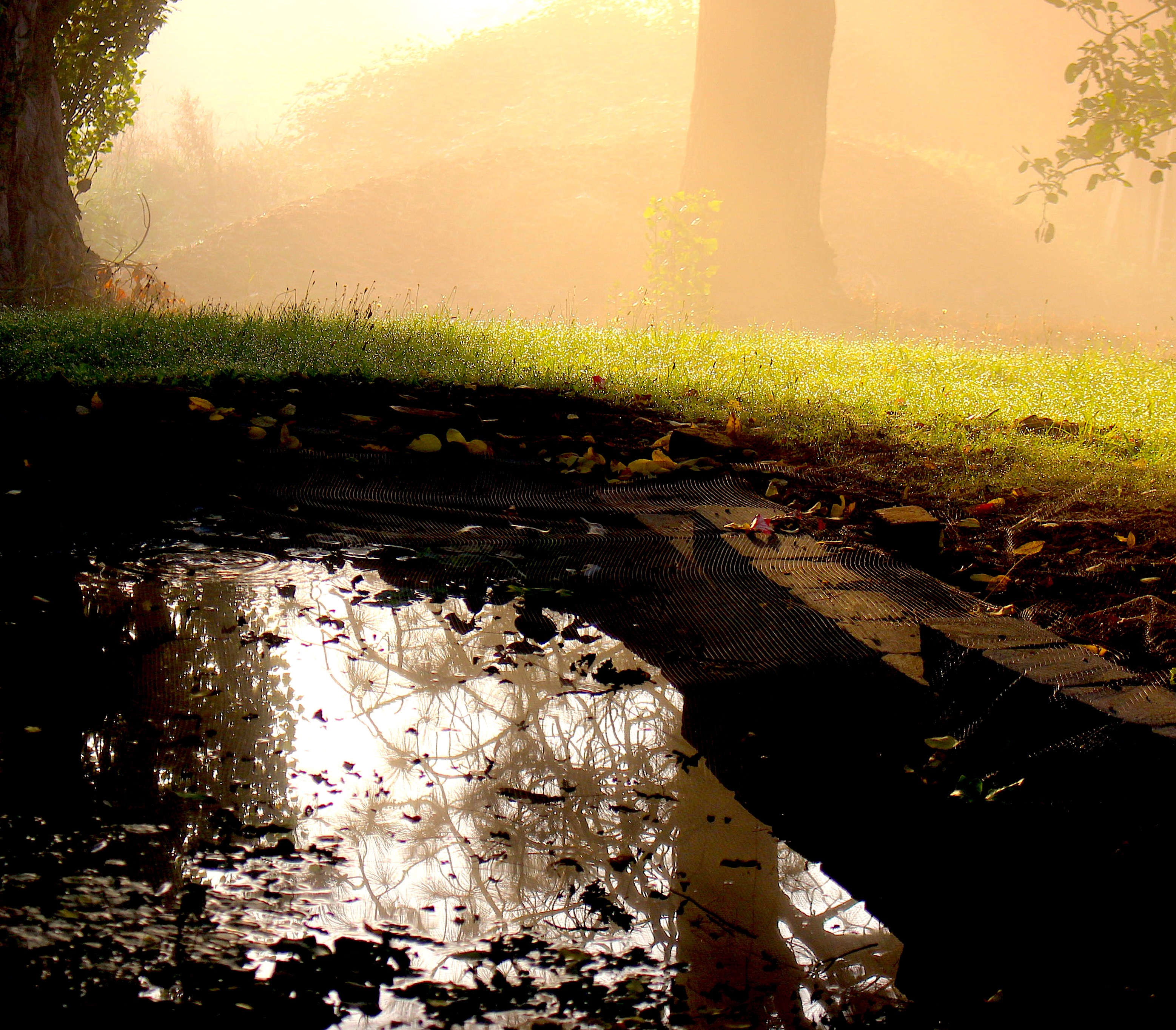
Throwing Away the Key

When we look long at one another,
we soften, we relent, listen,

might forgive. We allow for silence
—and when we see each other,

are known, and in that moment
might change

though nothing has moved
or been spoken.

There are some who say
the walls cannot be broken,

but suddenly we are in a free place,
and the fields

that extend from its center
stretch for miles

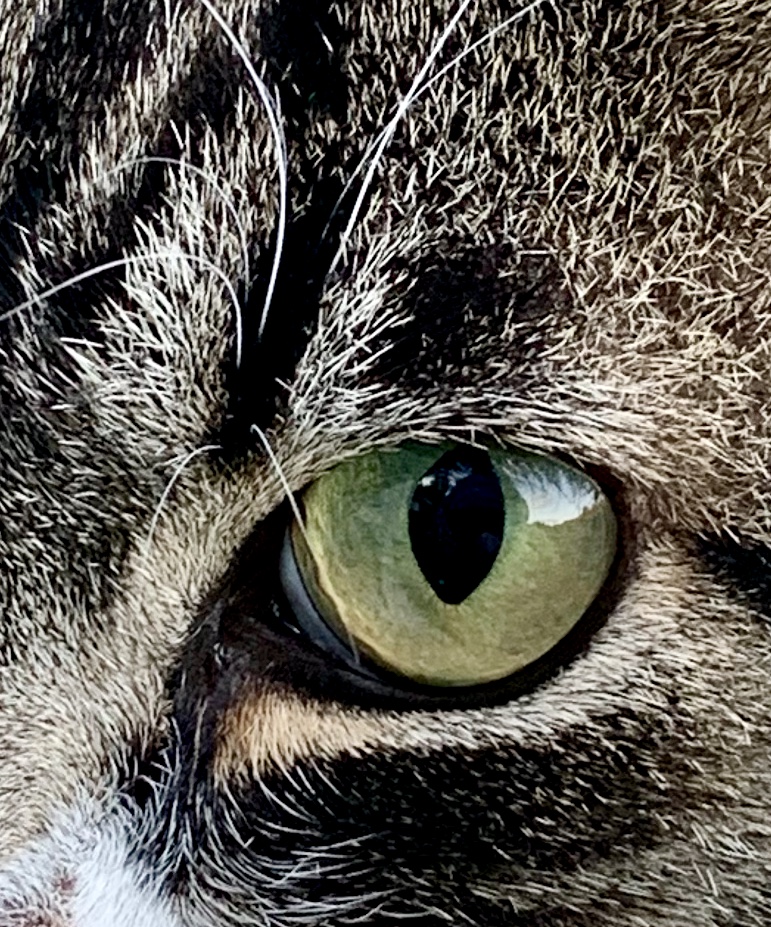
as if out of the pupil and the iris
of that momentary kingdom.
~Annie Lighthart “When We Look” from Pax
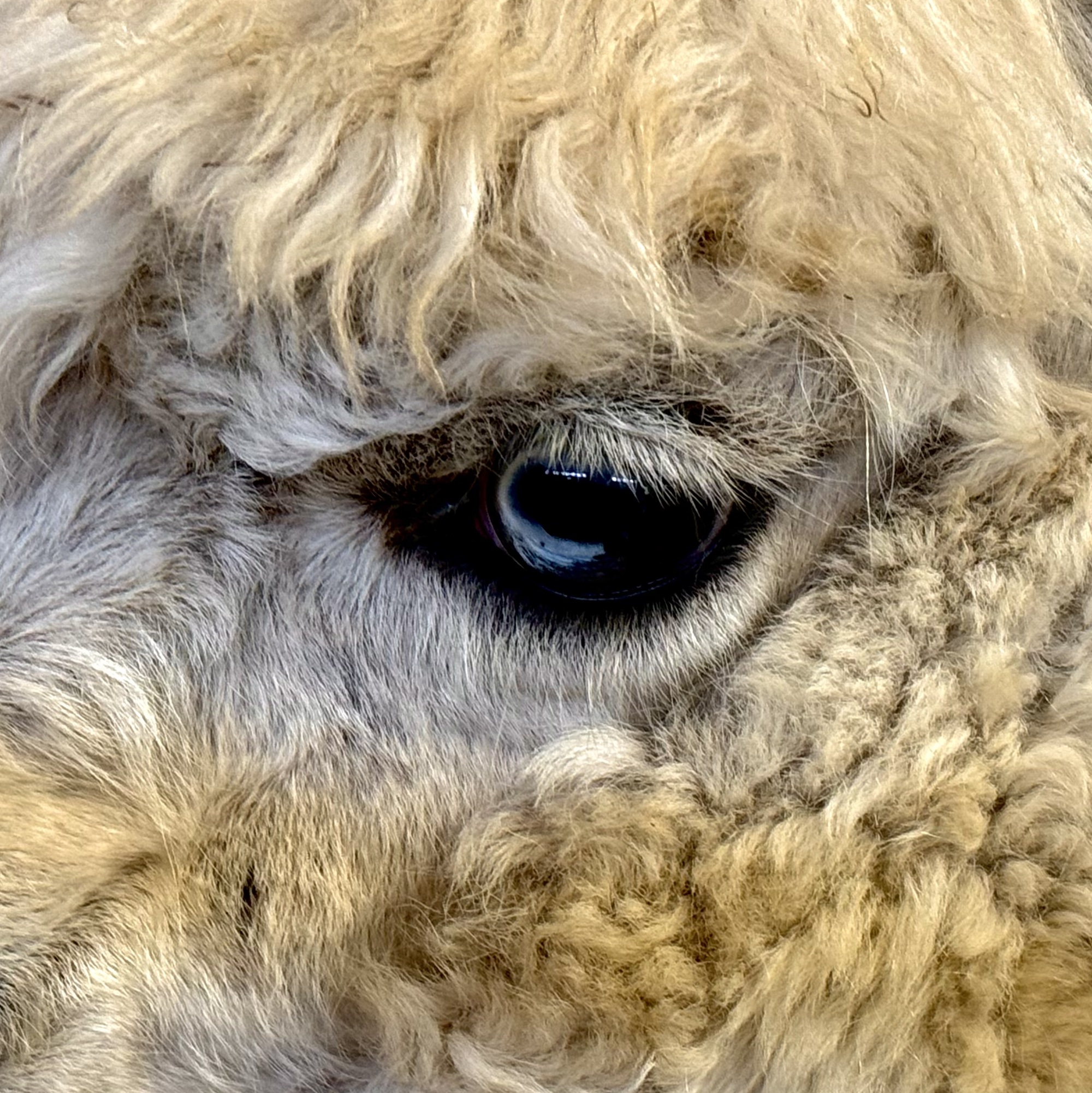
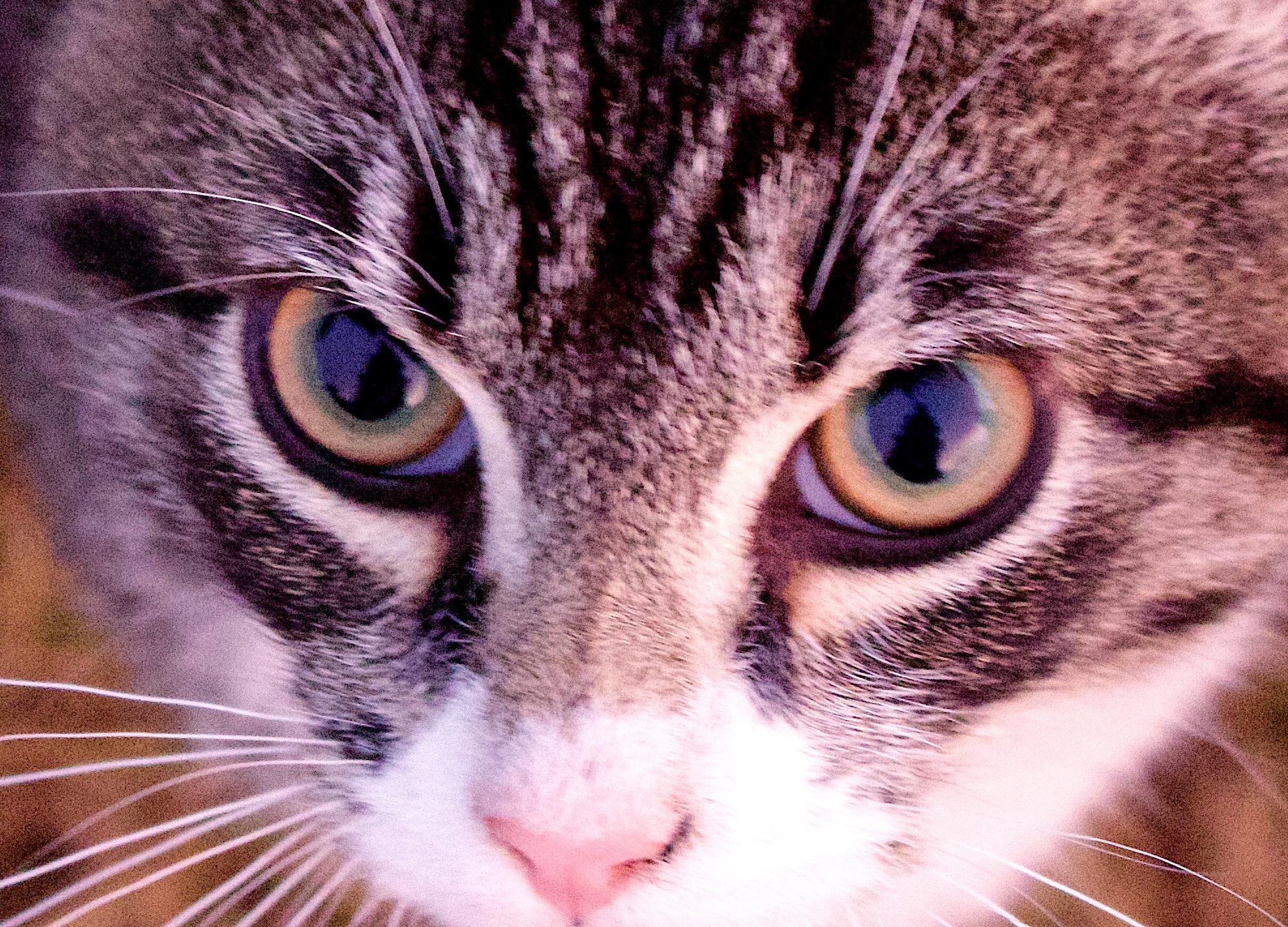
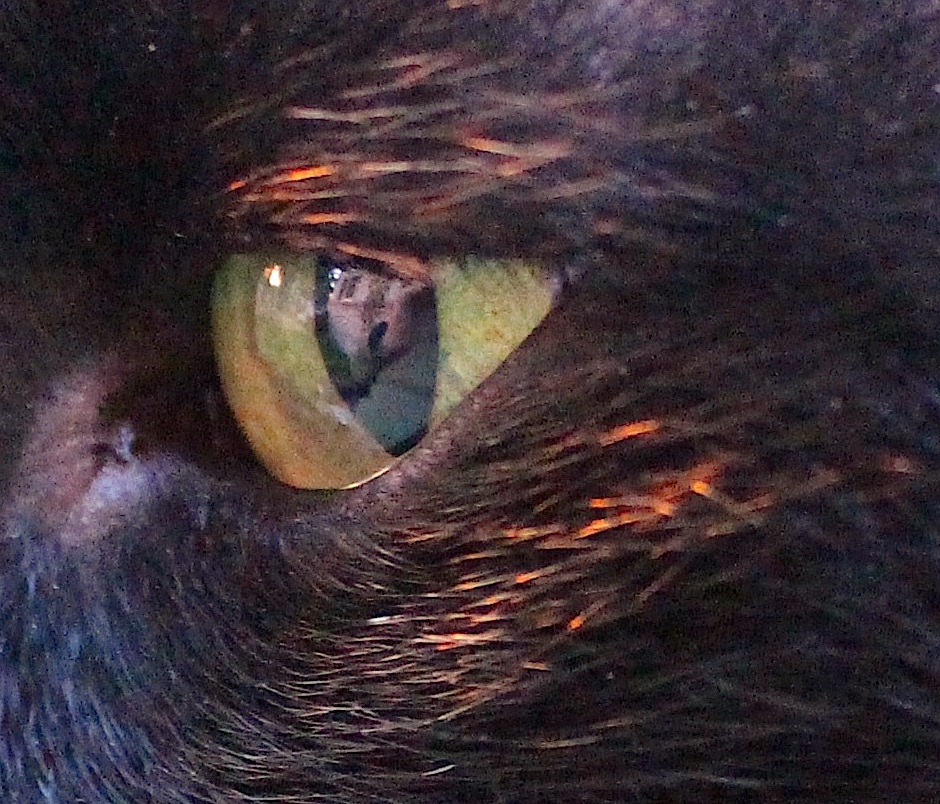
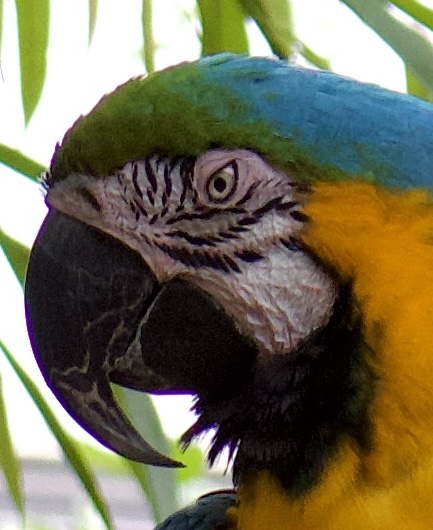
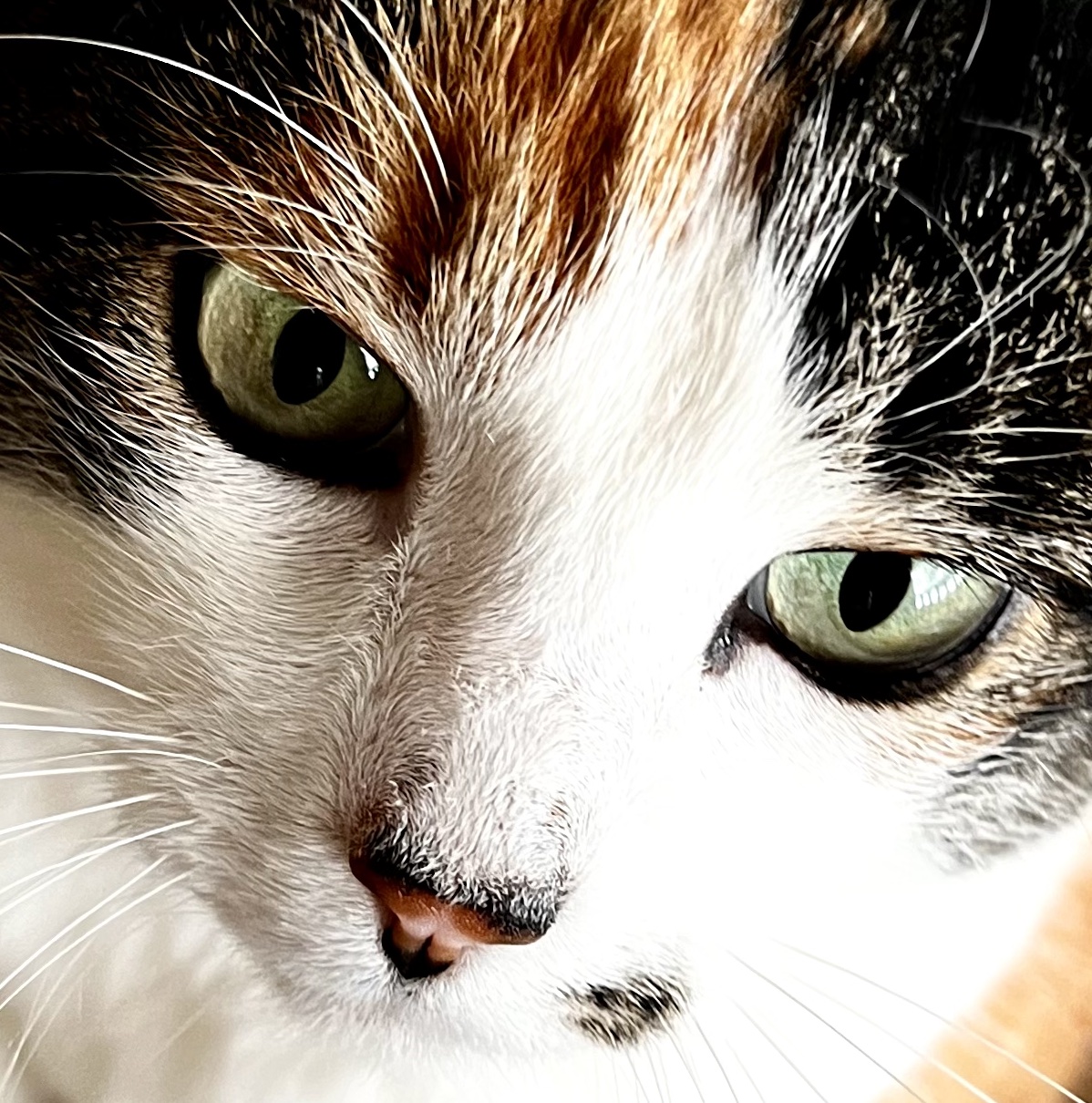
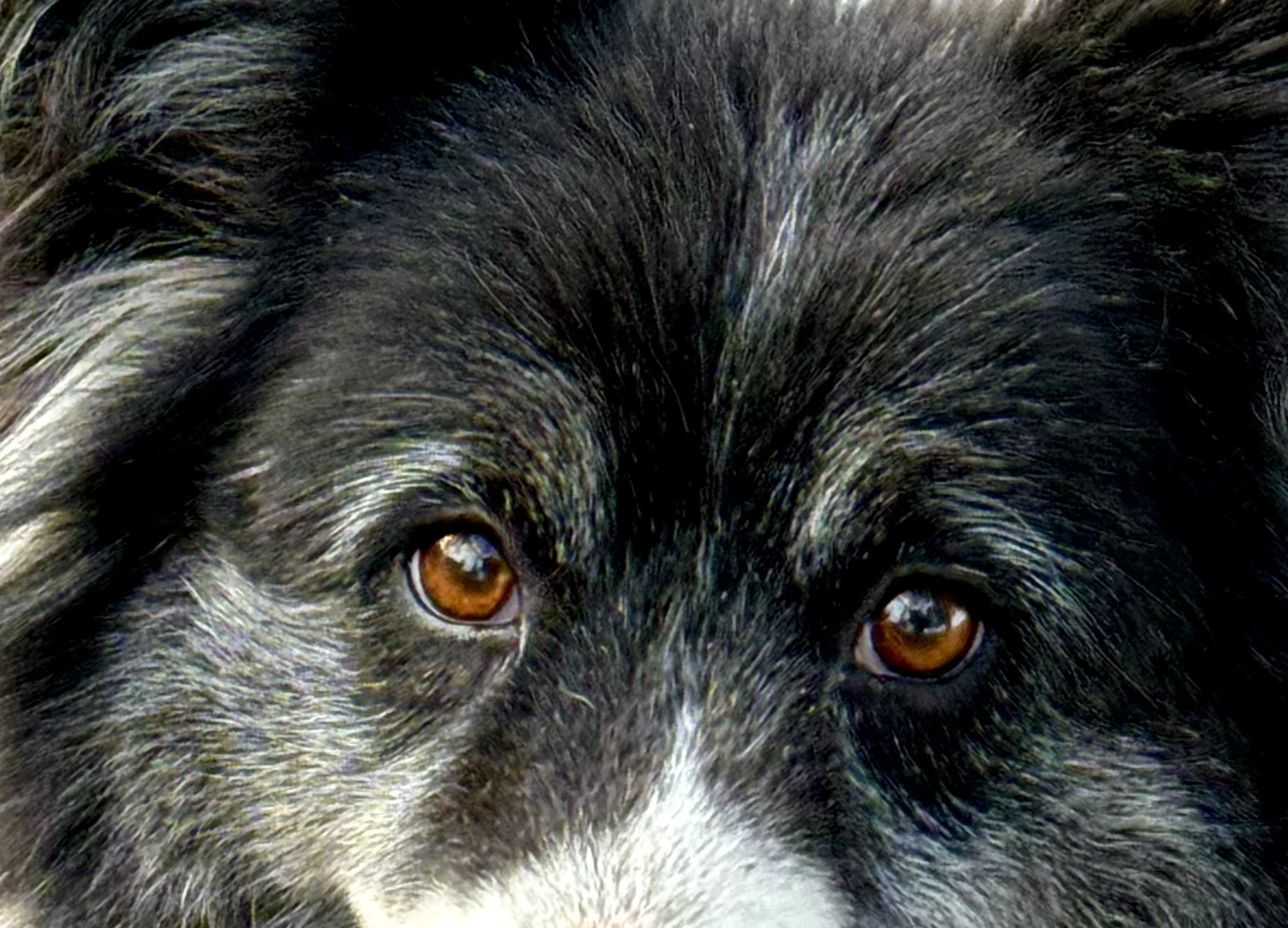
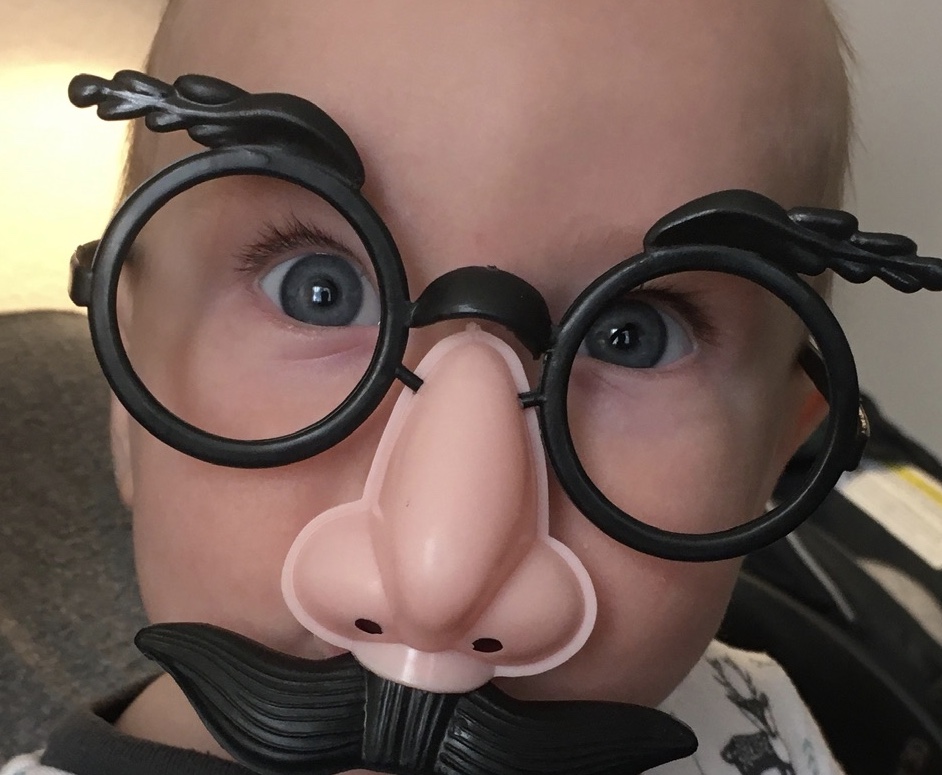
The weasel was stunned into stillness as he was emerging from beneath an enormous shaggy wild rose bush four feet away. I was stunned into stillness twisted backward on the tree trunk. Our eyes locked, and someone threw away the key.

Our look was as if two lovers, or deadly enemies, met unexpectedly on an overgrown path when each had been thinking of something else: a clearing blow to the gut.

It was also a bright blow to the brain, or a sudden beating of brains, with all the charge and intimate grate of rubbed balloons. It emptied our lungs. It felled the forest, moved the fields, and drained the pond; the world dismantled and tumbled into that black hole of eyes.

If you and I looked at each other that way, our skulls would split and drop to our shoulders. But we don’t. We keep our skulls. So.
~Annie Dillard from “Living Like Weasels”

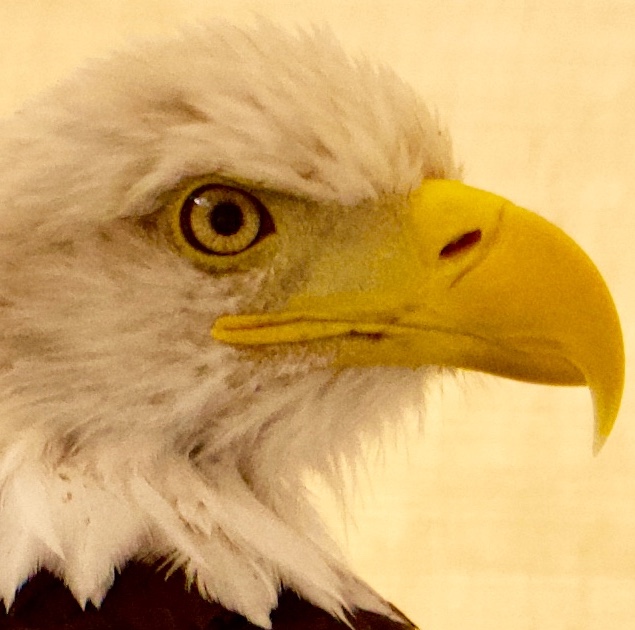
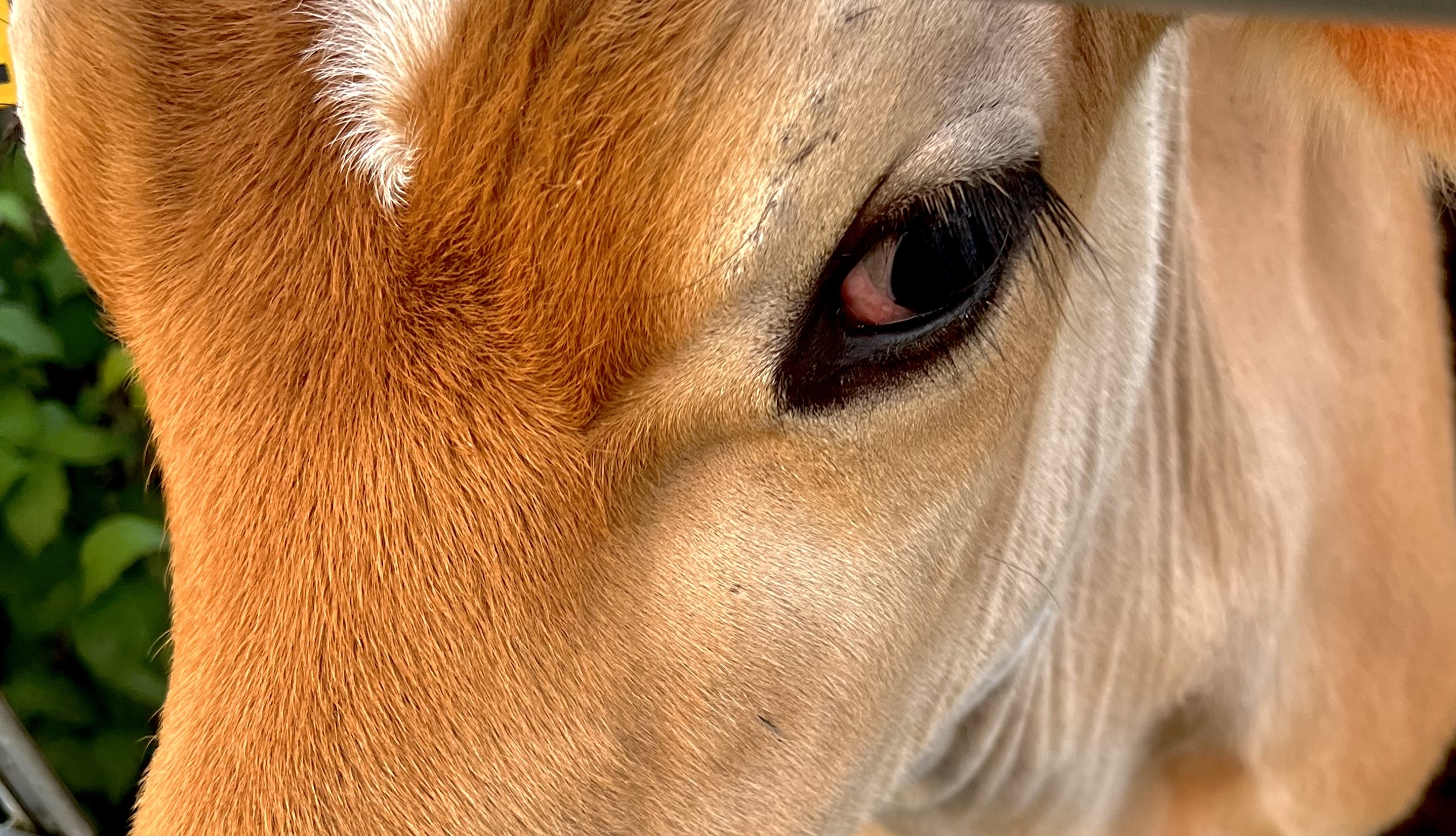
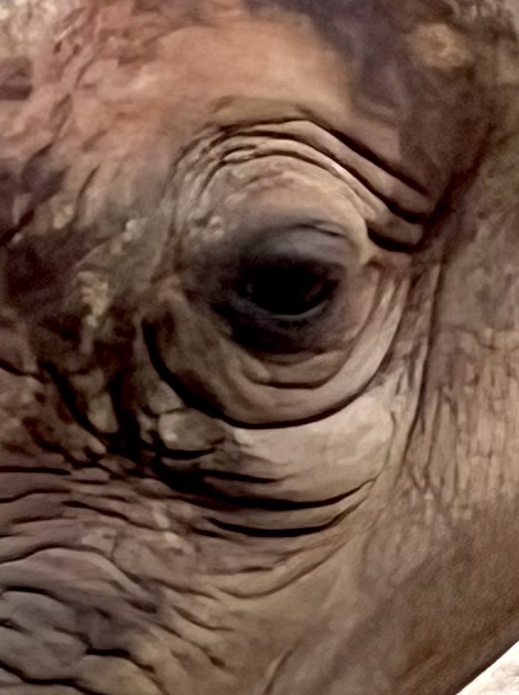
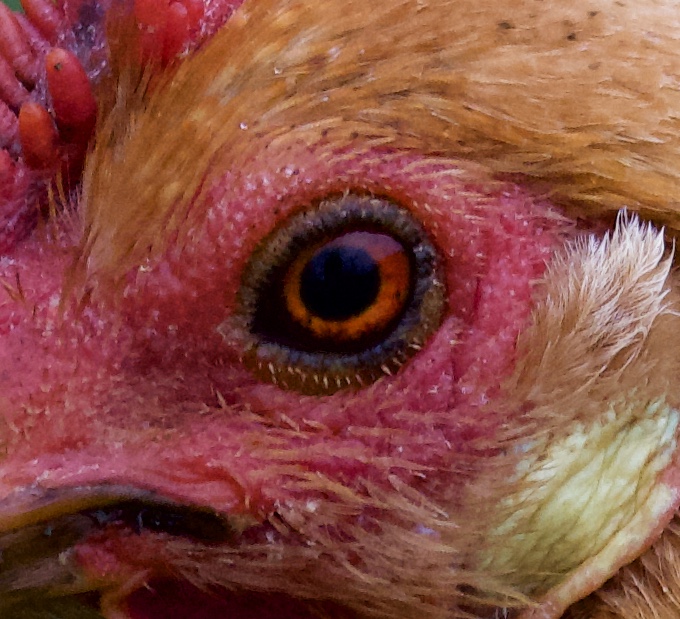
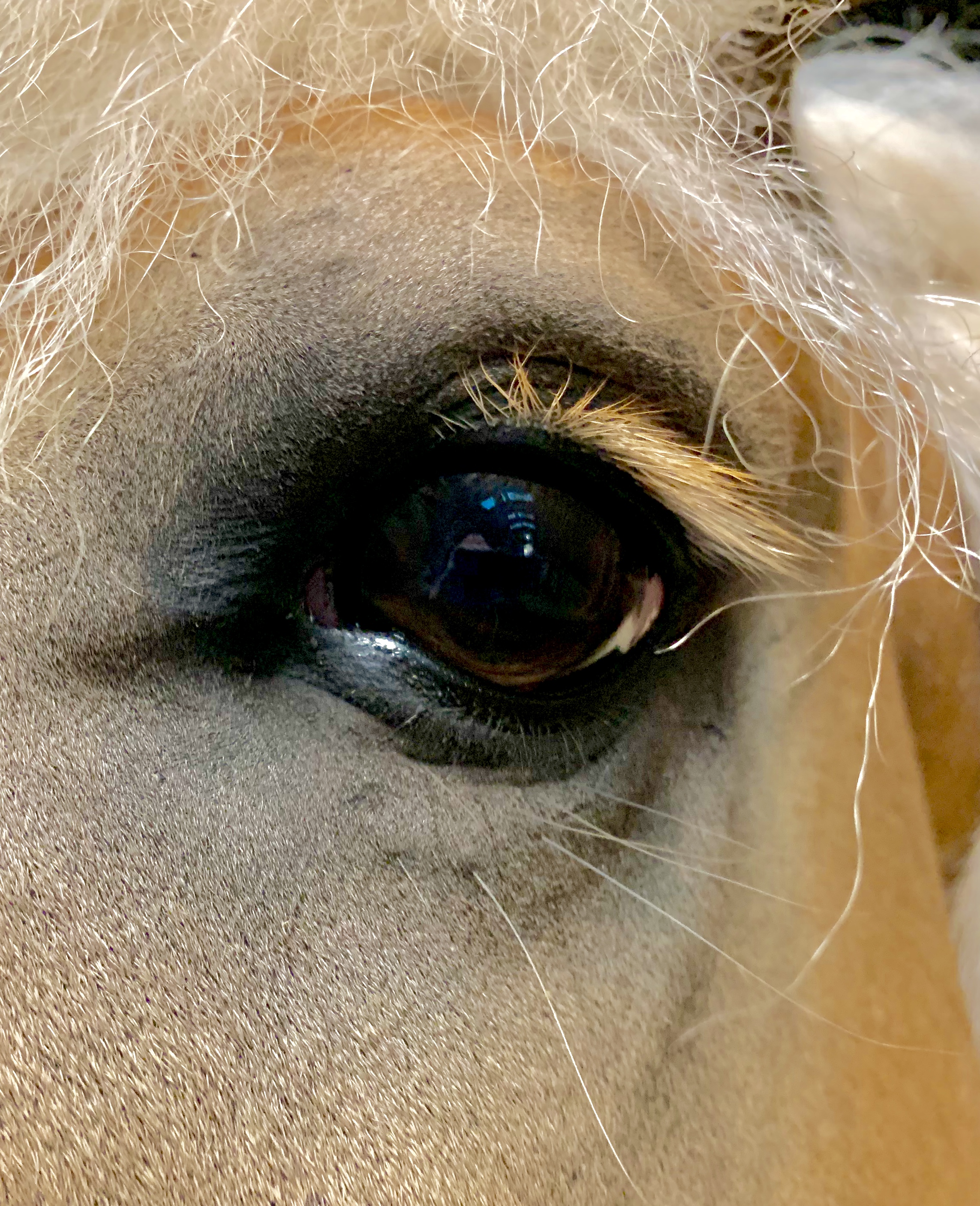
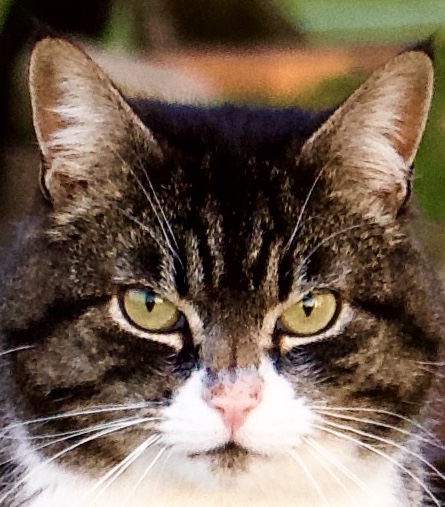
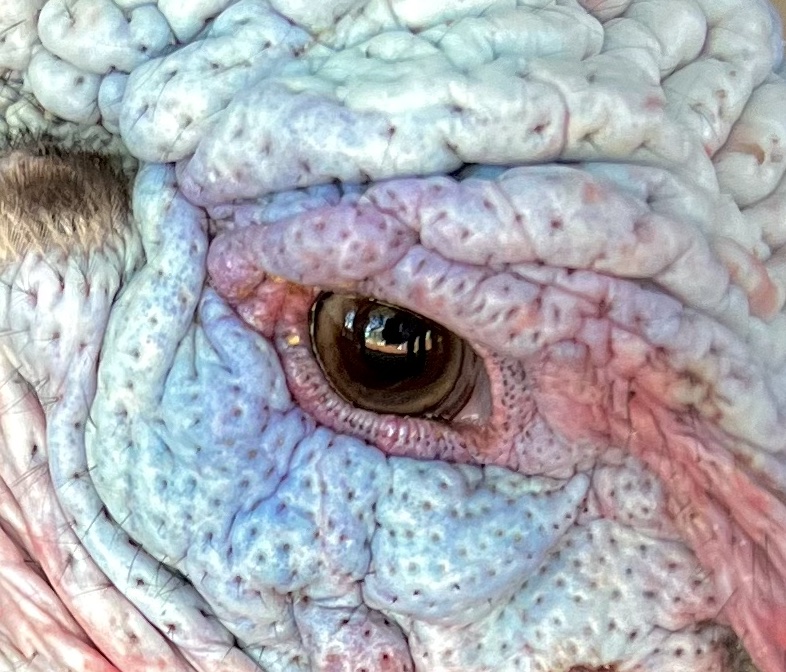
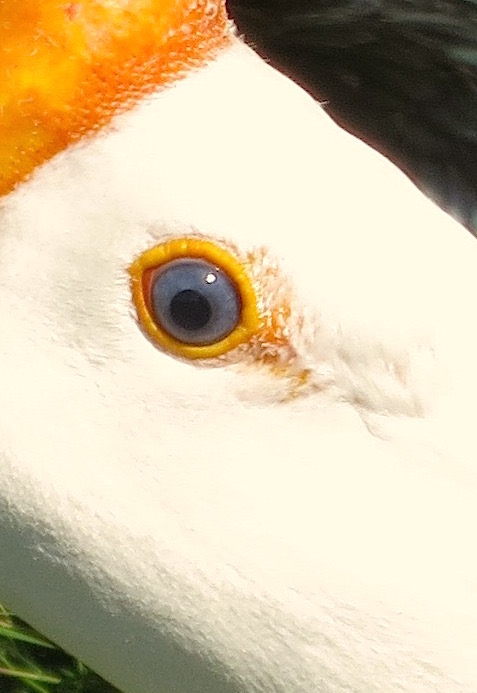
The pupil and iris are a portal to our thoughts, our dreams, our passions and our fears. They are simultaneously window and mirror, revealing feelings we try to keep to ourselves.

Locking eyes can be one of the most thrilling, stomach-butterflies, ecstatic moments of connection. It can be tender, loving, reassuring and encouraging.

Or it can be intimidating and terrifying. I tend to avoid eye contact when passing a stranger on a dark street, or when engaged in a very stressful public interaction. I don’t want to reveal my insecurity, vulnerability, or worry through direct eye contact. While studying primates in Africa, I learned never to look a baboon in the eye as it can communicate aggression and instigate an attack.

So instead, I learned to look at my feet.

I’d much rather lock eyes and learn everything I can about you. I want to dive deep into who you are, breaking down the walls and dismantle the barriers that keep us apart from one another. Then I’m letting you in too. The black holes of our inner universe.

After all, this is preparation when we see the face of God and allow Him to lock into our eyes, knowing our truth.

No keys needed forevermore.
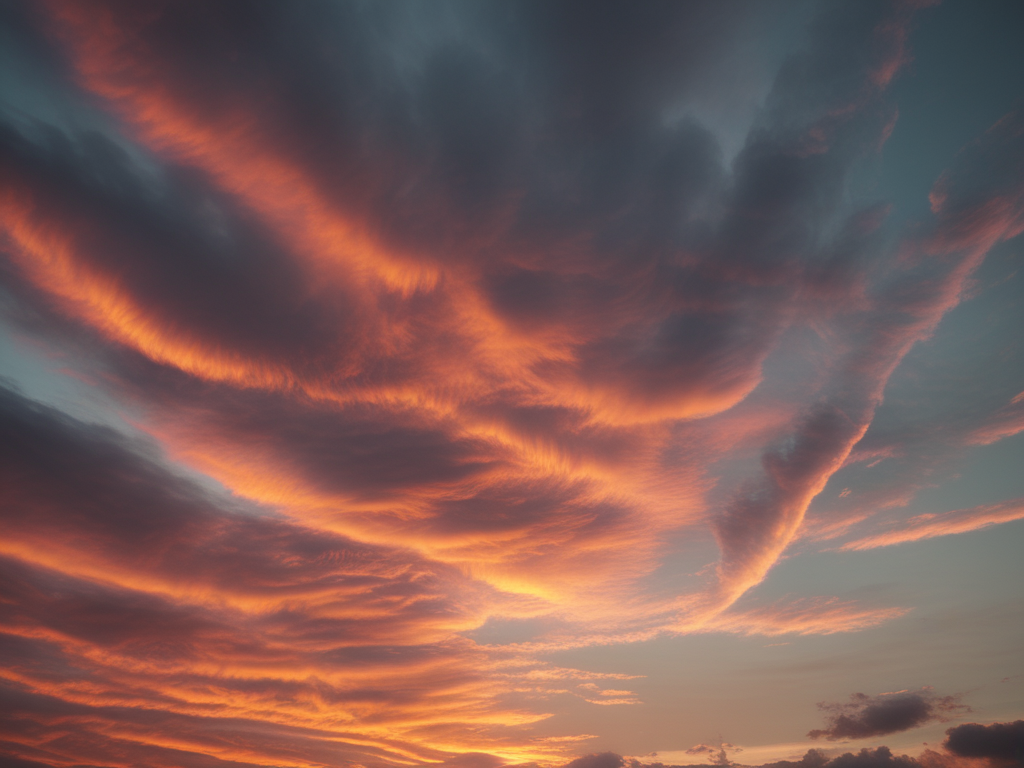
AI image created for this post

One-Time
Monthly
Yearly

Make a one-time or recurring donation to support daily Barnstorming posts

Make a monthly donation

Make a yearly donation

Choose an amount

$10.00
$25.00
$50.00
$5.00
$15.00
$100.00
$5.00
$15.00
$100.00

Or enter a custom amount

$

Your contribution is deeply appreciated.

Your contribution is appreciated.

Your contribution is appreciated.

DonateDonate monthlyDonate yearly
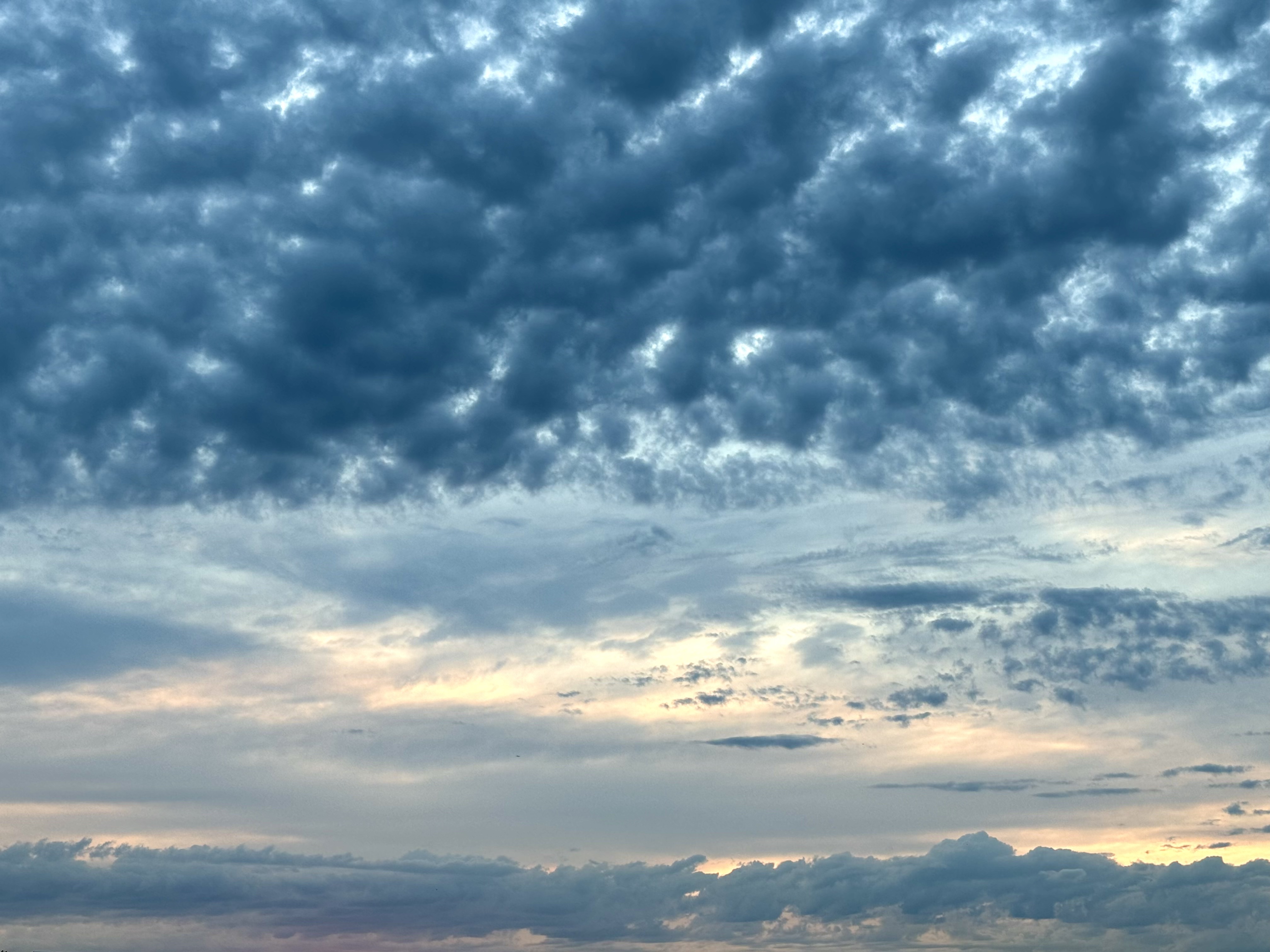
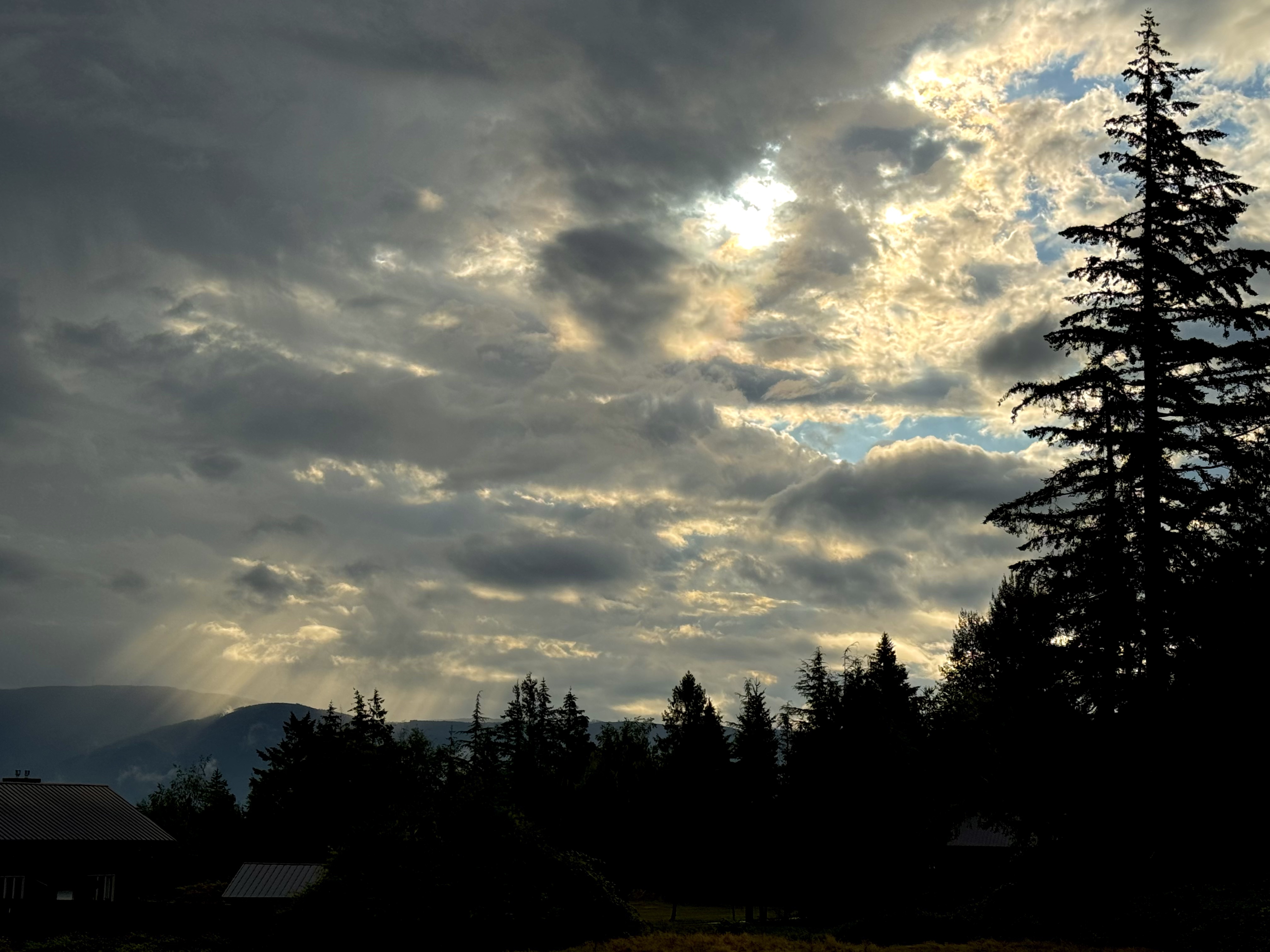
A Mind Blurred

For all
the pain

passed down
the genes

or latent
in the very grain

of being;
for the lordless

mornings,
the smear

of spirit
words intuit

and inter;
for all

the nightfall
neverness

inking
into me

even now,
my prayer

is that a mind
blurred

by anxiety
or despair

might find
here

a trace
of peace.

~Christian Wiman “Prayer” from Once in the West

We all have times when nothing makes sense. The mind blurs with stress or fear or a sense of unreality – all focus is lost and the world becomes simultaneously fuzzy and prickly.

If that happens here in these pages, through these words and photos I share, it is because I need reminding: things often don’t make sense to me when tragedy, pain and suffering happen to people on the other side of the earth, or just down the road from here, or to those I love.

Or to me.

It still makes sense to God. He has clear vision I will never have.

He doesn’t make bad things happen; He grieves it too.
He is the focus when all else is blurry.

God calls to us out of the haze that obscures. Only then peace begins.

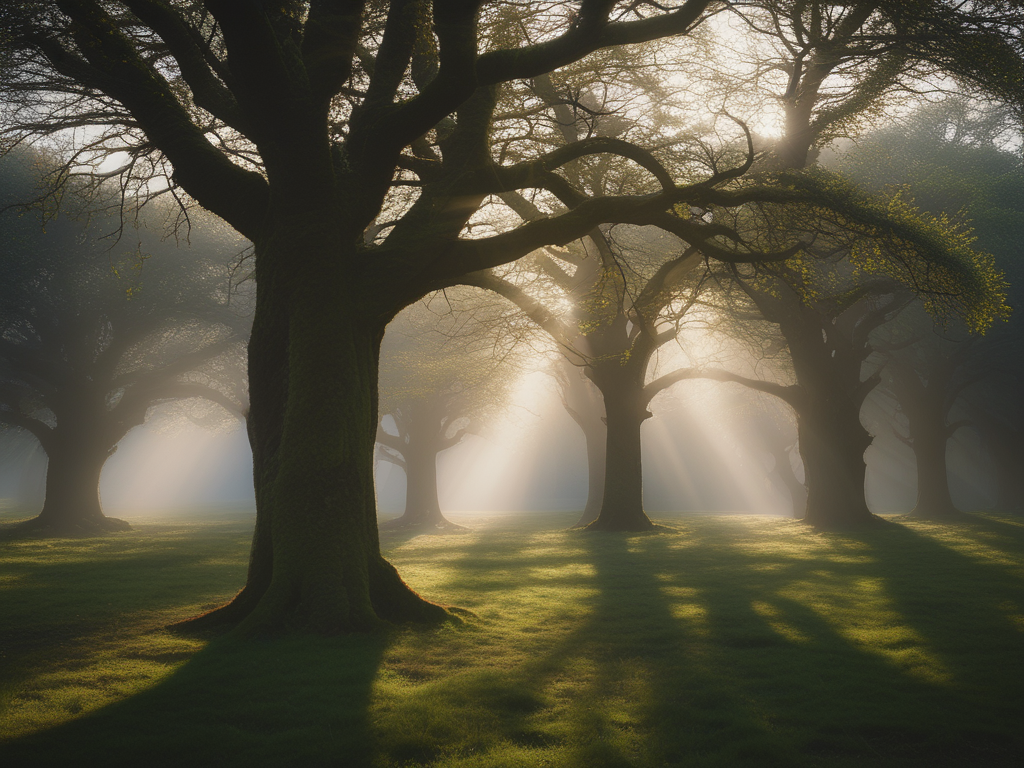
AI image created for this post
One-Time
Monthly
Yearly

Make a one-time or recurring donation to support daily Barnstorming posts

Make a monthly donation

Make a yearly donation

Choose an amount

$10.00
$25.00
$50.00
$5.00
$15.00
$100.00
$5.00
$15.00
$100.00

Or enter a custom amount

$

Your contribution is deeply appreciated.

Your contribution is appreciated.

Your contribution is appreciated.

DonateDonate monthlyDonate yearly
Under the Sheen

So many want to be lifted by song and dancing,
and this morning it is easy to understand.
I write in the sound of chirping birds hidden
in the almond trees, the almonds still green
and thriving in the foliage. Up the street,
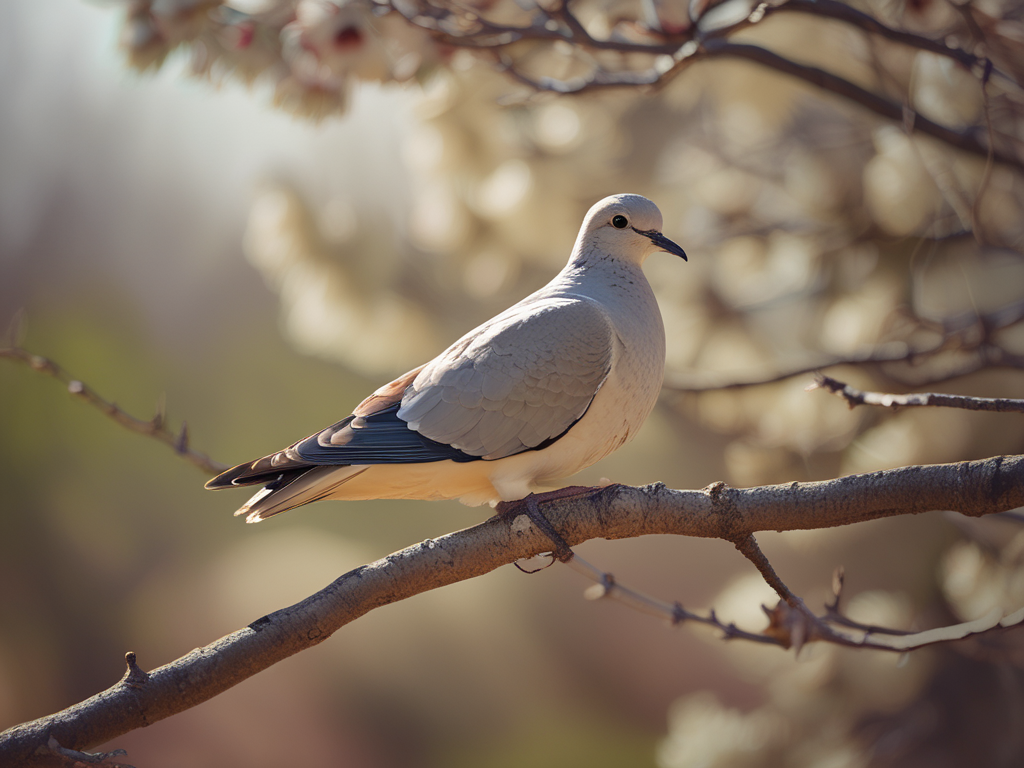
a man is hammering to make a new house as doves
continue their cooing forever. Bees humming
and high above that a brilliant clear sky.
The roses are blooming and I smell the sweetness.
Everything desirable is here already in abundance.
And the sea. The dark thing is hardly visible
in the leaves, under the sheen. We sleep easily.
So I bring no sad stories to warn the heart.
All the flowers are adult this year. The good
world gives and the white doves praise all of it.
~Linda Gregg, “A Dark Thing Inside the Day” from The Sacraments of Desire

Sometimes, hard-trying, it seems I cannot pray–
For doubt, and pain, and anger, and all strife.
Yet some poor half-fledged prayer-bird from the nest
May fall, flit, fly, perch–crouch in the bowery breast
Of the large, nation-healing tree of life;–
Moveless there sit through all the burning day,
And on my heart at night a fresh leaf cooling lay.
~George MacDonald from Diary of an Old Soul

My cracks seem to expand with age:
do they not heal as quickly
or am I simply more brittle than before?

I know how my eyes leak over the beauty of the morning,
my heart feels more porous
then world events break me to bleeding.

Yet the Light pours in the cracks
to illuminate wounds old and new.
Let the world know, let the world know,
after a hurt comes healing.

May I become the perfect offering.

AI image created for this post

The birds they sang
At the break of day
Start again
I heard them say
Don’t dwell on what
Has passed away
Or what is yet to be

Ah the wars they will
Be fought again
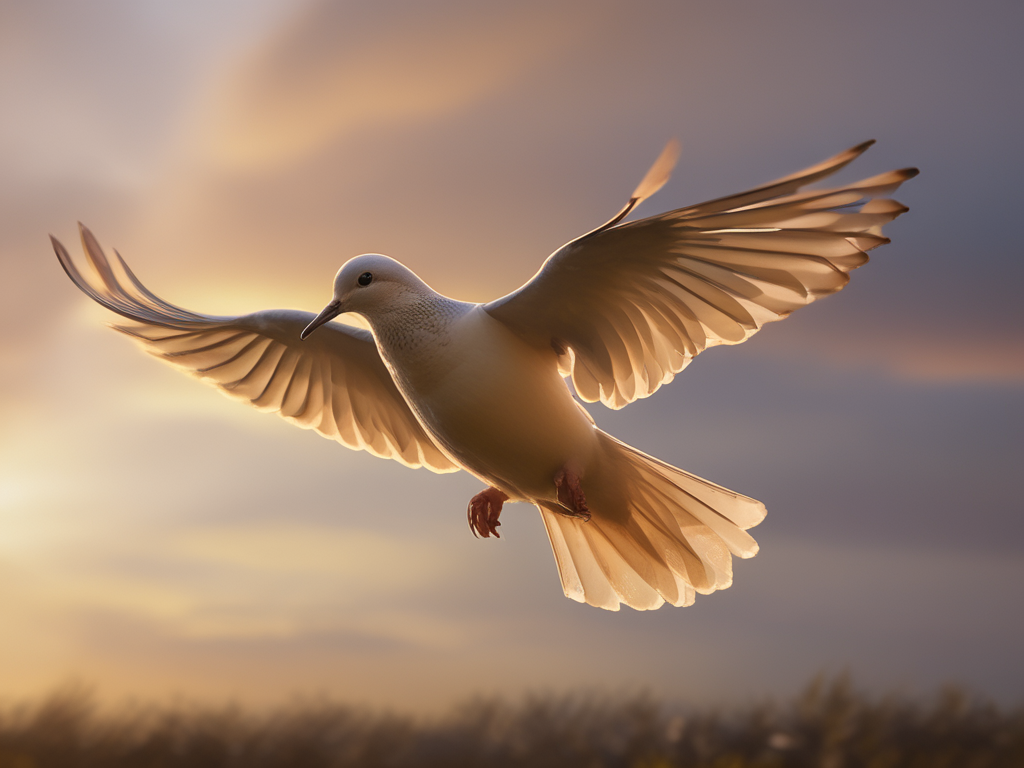
The holy dove
She will be caught again
Bought and sold
And bought again
The dove is never free

You can add up the parts
but you won’t have the sum
You can strike up the march,
there is no drum
Every heart, every heart
to love will come
but like a refugee.

Ring the bells that still can ring
Forget your perfect offering
There is a crack, a crack in everything
That’s how the light gets in.
~Leonard Cohen from “Anthem”

One-Time
Monthly
Yearly

Make a one-time or recurring donation to support daily Barnstorming posts

Make a monthly donation

Make a yearly donation

Choose an amount

$10.00
$25.00
$50.00
$5.00
$15.00
$100.00
$5.00
$15.00
$100.00

Or enter a custom amount

$

Your contribution is deeply appreciated.

Your contribution is appreciated.

Your contribution is appreciated.

DonateDonate monthlyDonate yearly
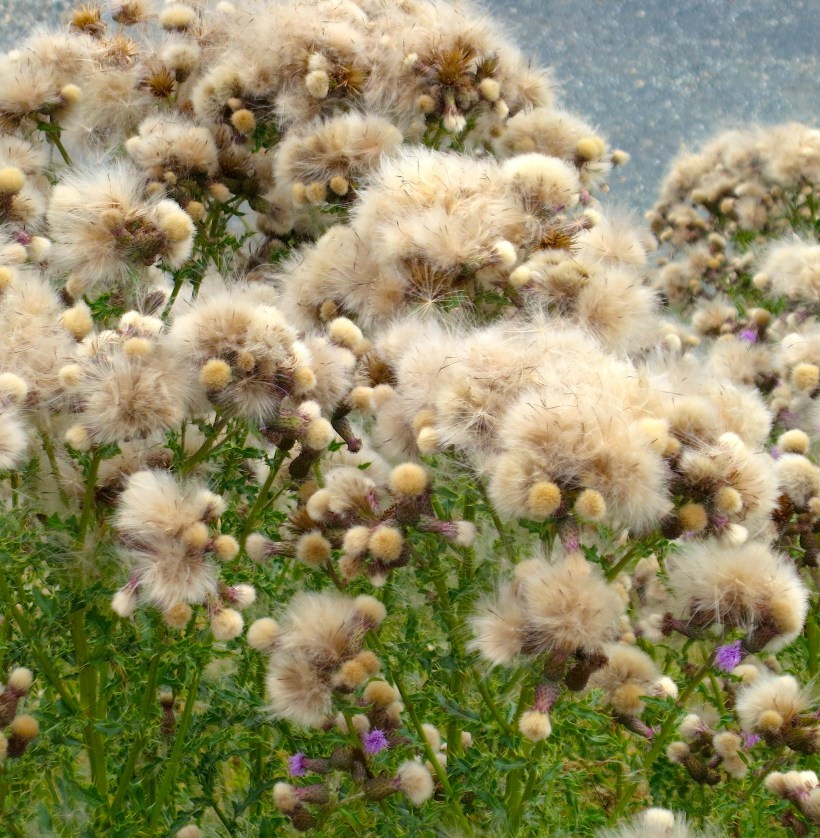
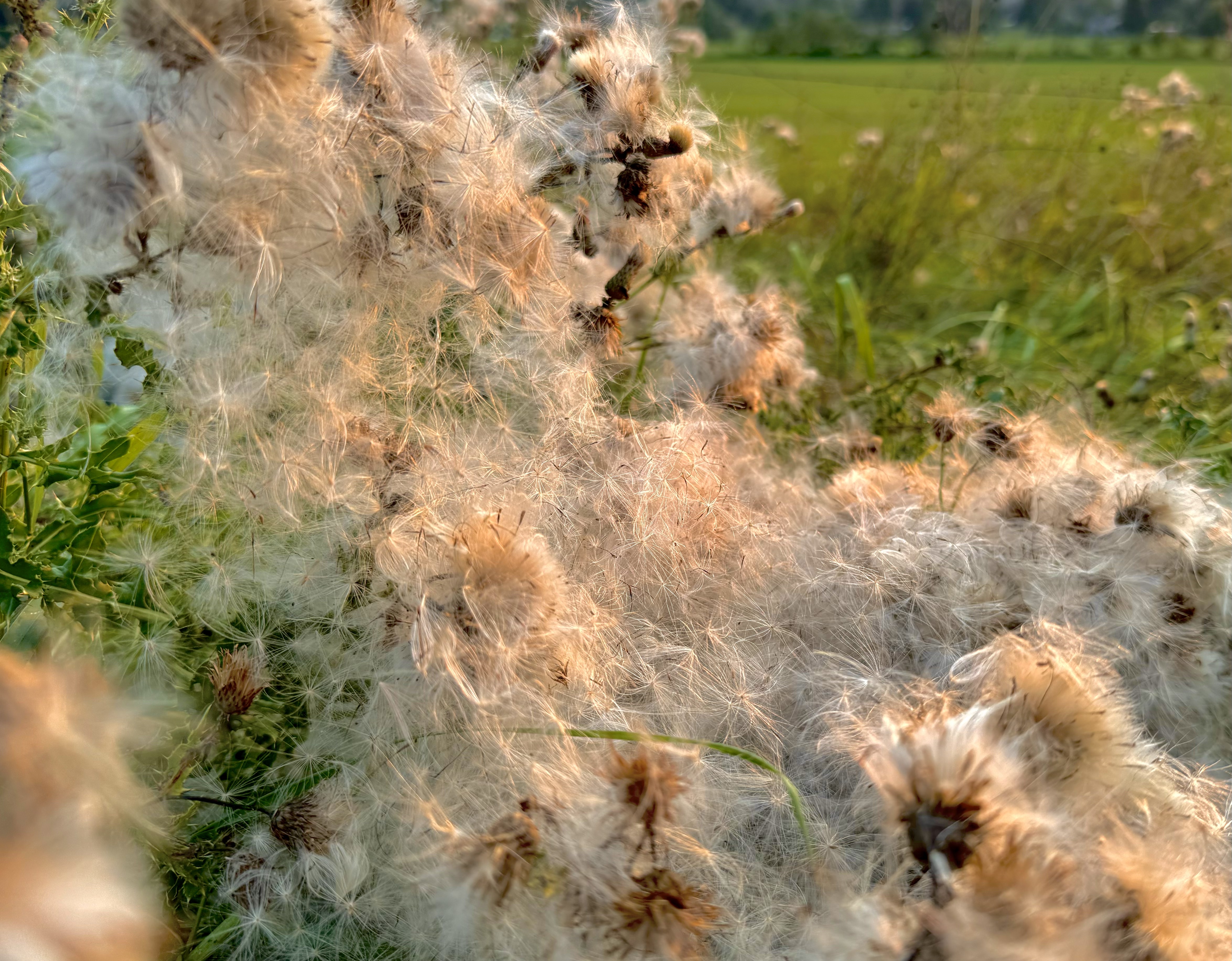
Spiking the Summer Air

Against the rubber tongues of cows and the hoeing hands of men
Thistles spike the summer air
Or crackle open under a blue-black pressure.

Every one a revengeful burst
Of resurrection, a grasped fistful
Of splintered weapons and Icelandic frost thrust up

From the underground stain of a decayed Viking.
They are like pale hair and the gutturals of dialects.
Every one manages a plume of blood.

Then they grow grey, like men
Mown down, it is a feud. Their sons appear,
Stiff with weapons, fighting back over the same ground.
~Ted Hughes “Thistles”

Sheep will not eat it
nor horses nor cattle
unless they are starving.
Unchecked, it will sprawl over
pasture and meadow
choking the sweet grass
defeating the clover
until you are driven
to take arms against it
but if unthinking
you grasp it barehanded
you will need tweezers
to pick out the stickers.

Outlawed in most Northern
states of the Union
still it jumps borders.
Its taproot runs deeper
than underground rivers
and once it’s been severed
by breadknife or shovel
—two popular methods
employed by the desperate—
the bits that remain will
spring up like dragons’ teeth
a field full of soldiers
their spines at the ready.

Bright little bursts of
chrome yellow explode from
the thistle in autumn
when goldfinches gorge on
the seeds of its flower.
The ones left uneaten
dry up and pop open
and parachutes carry
their procreant power
to disparate venues
in each hemisphere
which is why there will always
be thistle next year.

~Maxine Kumin “Why There Will Always Be Thistle Next Year” from The Long Marriage

Summer will grow old
As will the thistle, letting
A clenched bloom unfold

To which the small hum
Of bee wings and the flash of
Goldfinch wings will come,

Till its purple crown
Blanches, and the breezes strew
The whole field with down.
~Richard Wilbur “A Pasture Poem” from Anterooms

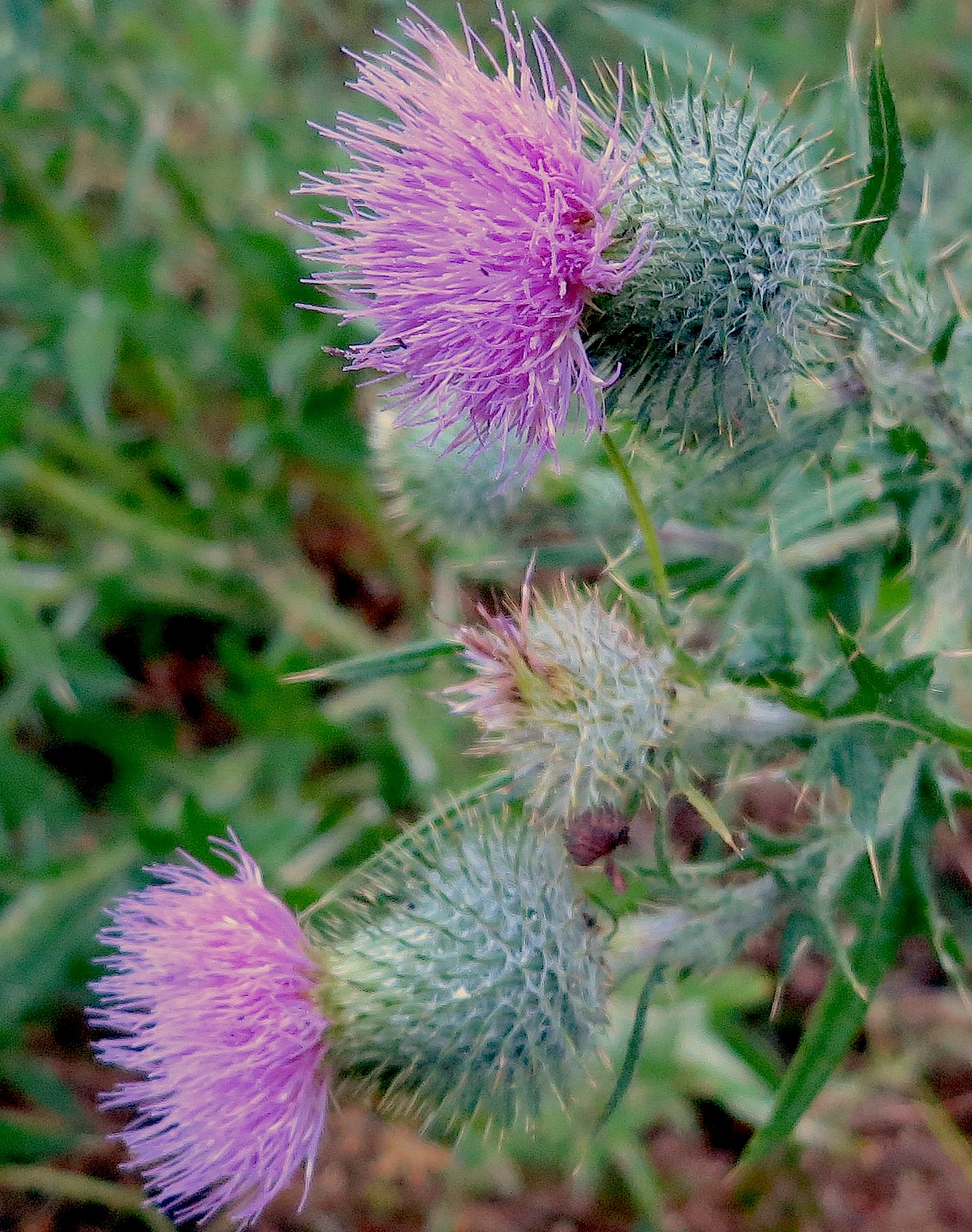
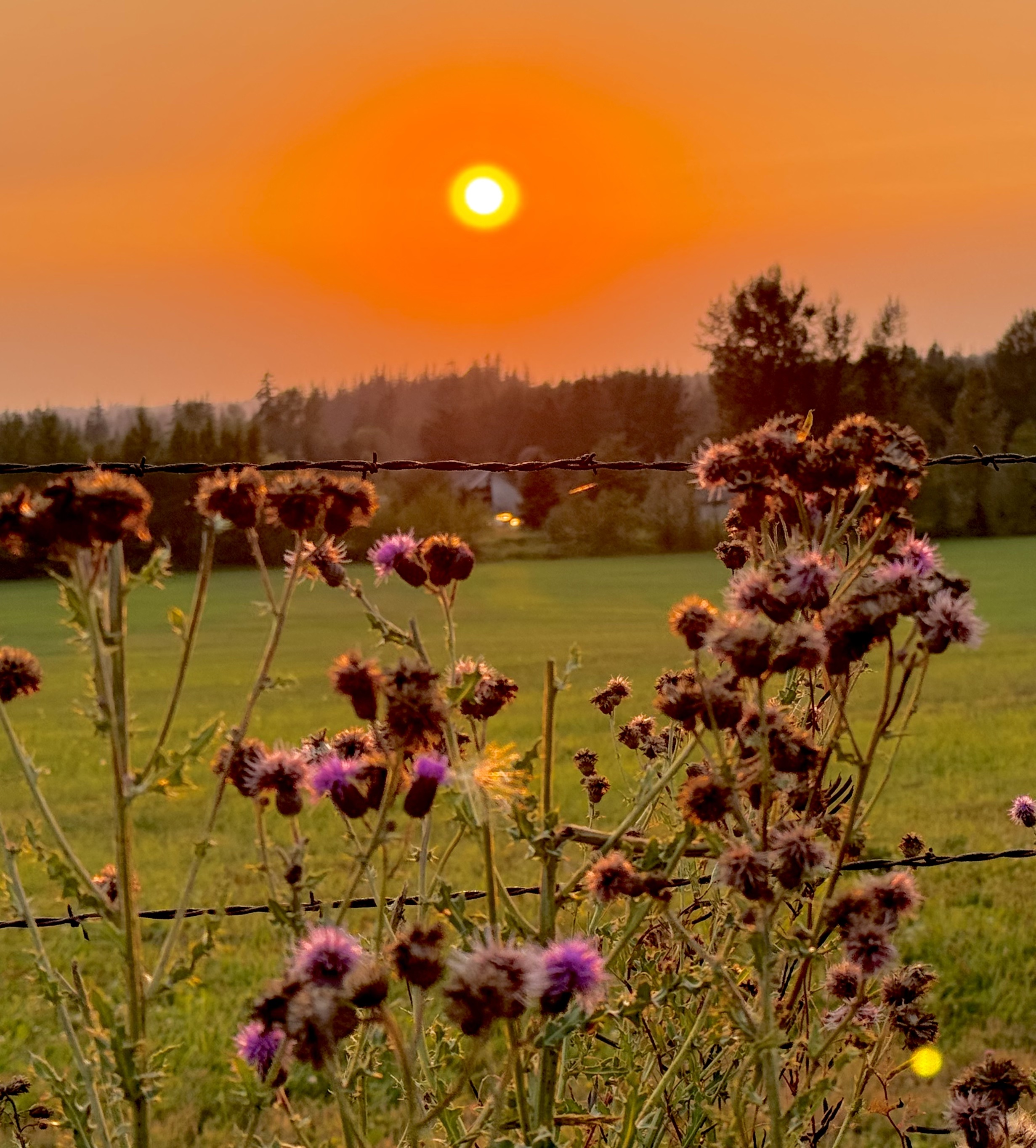
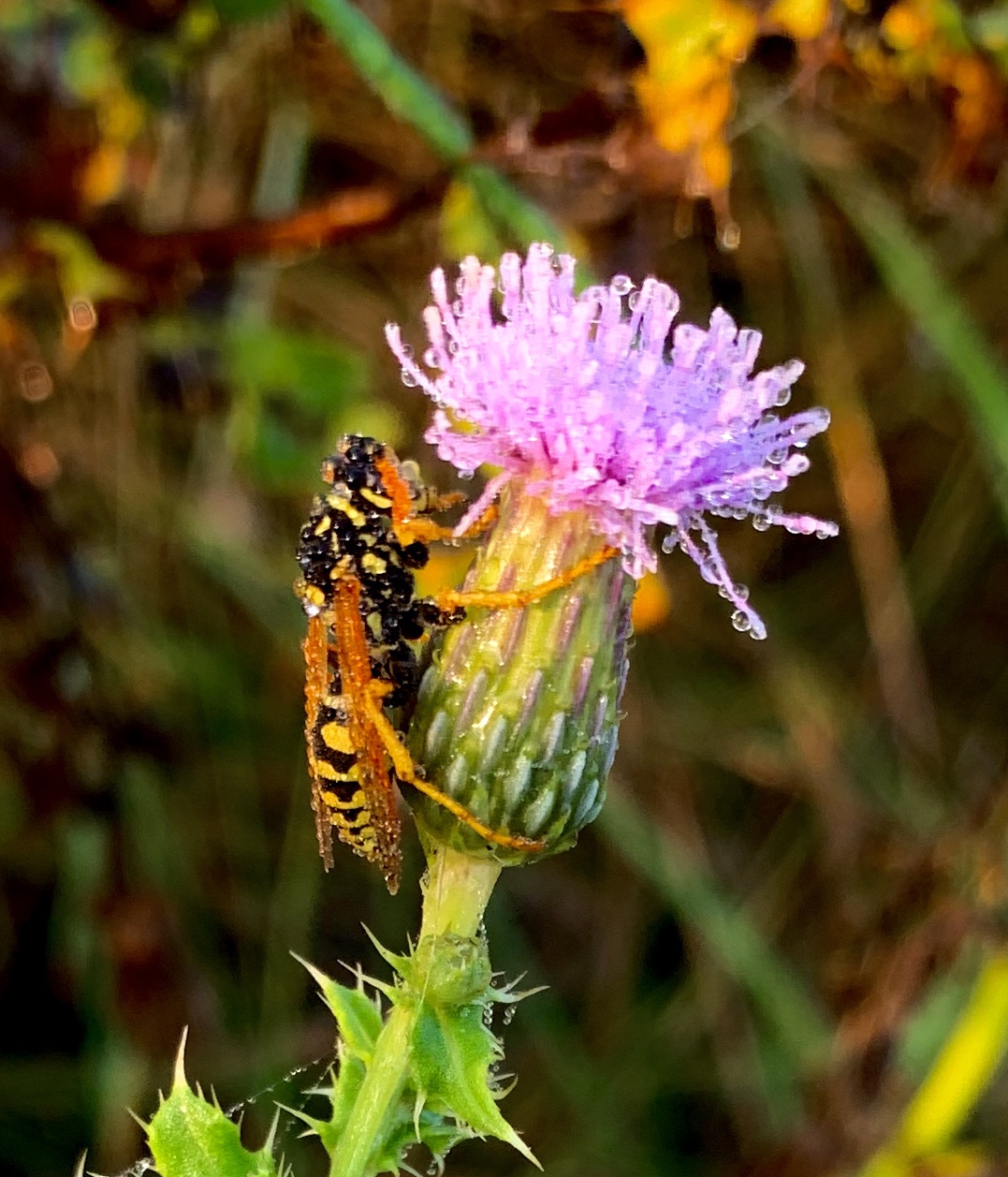
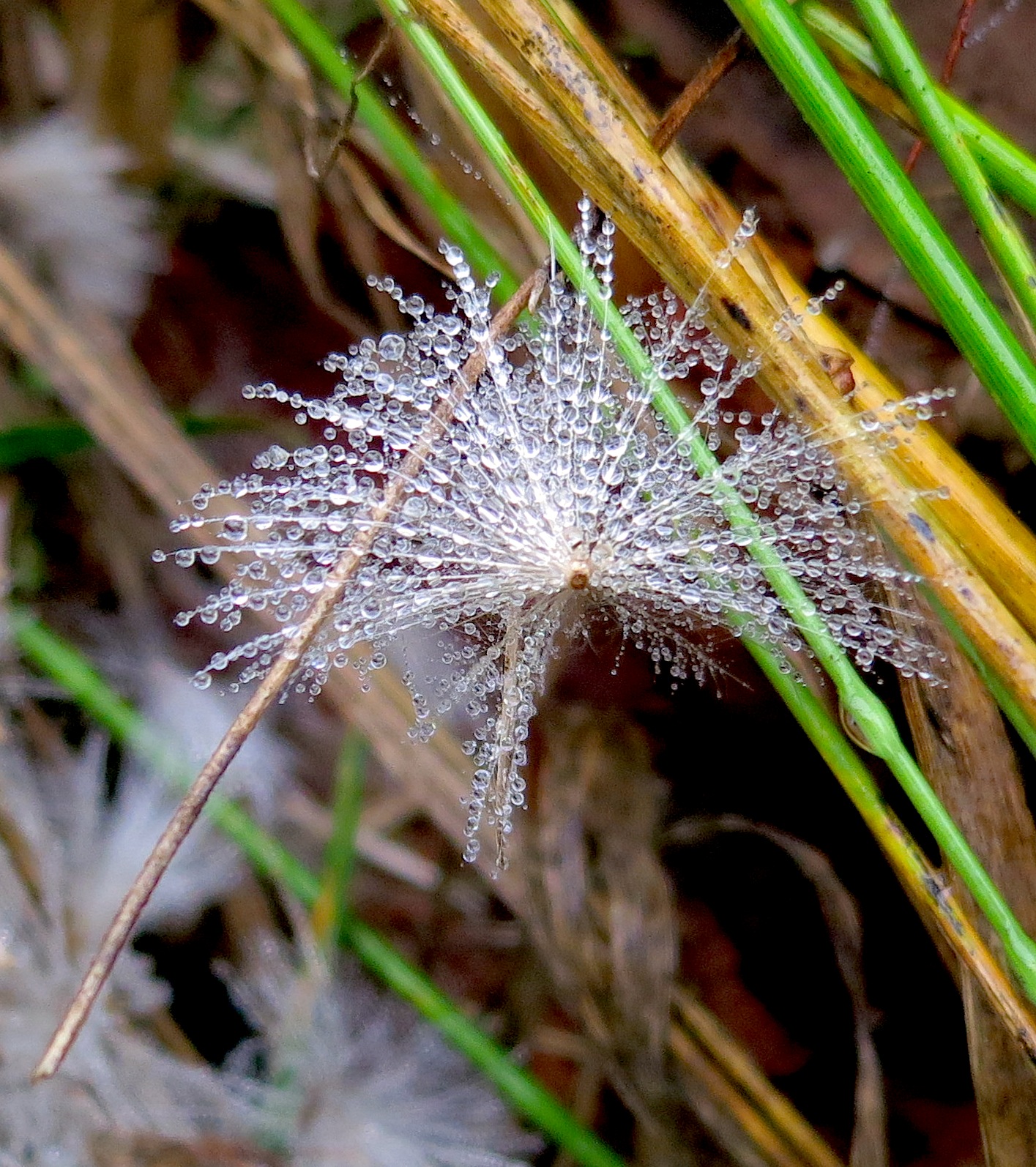
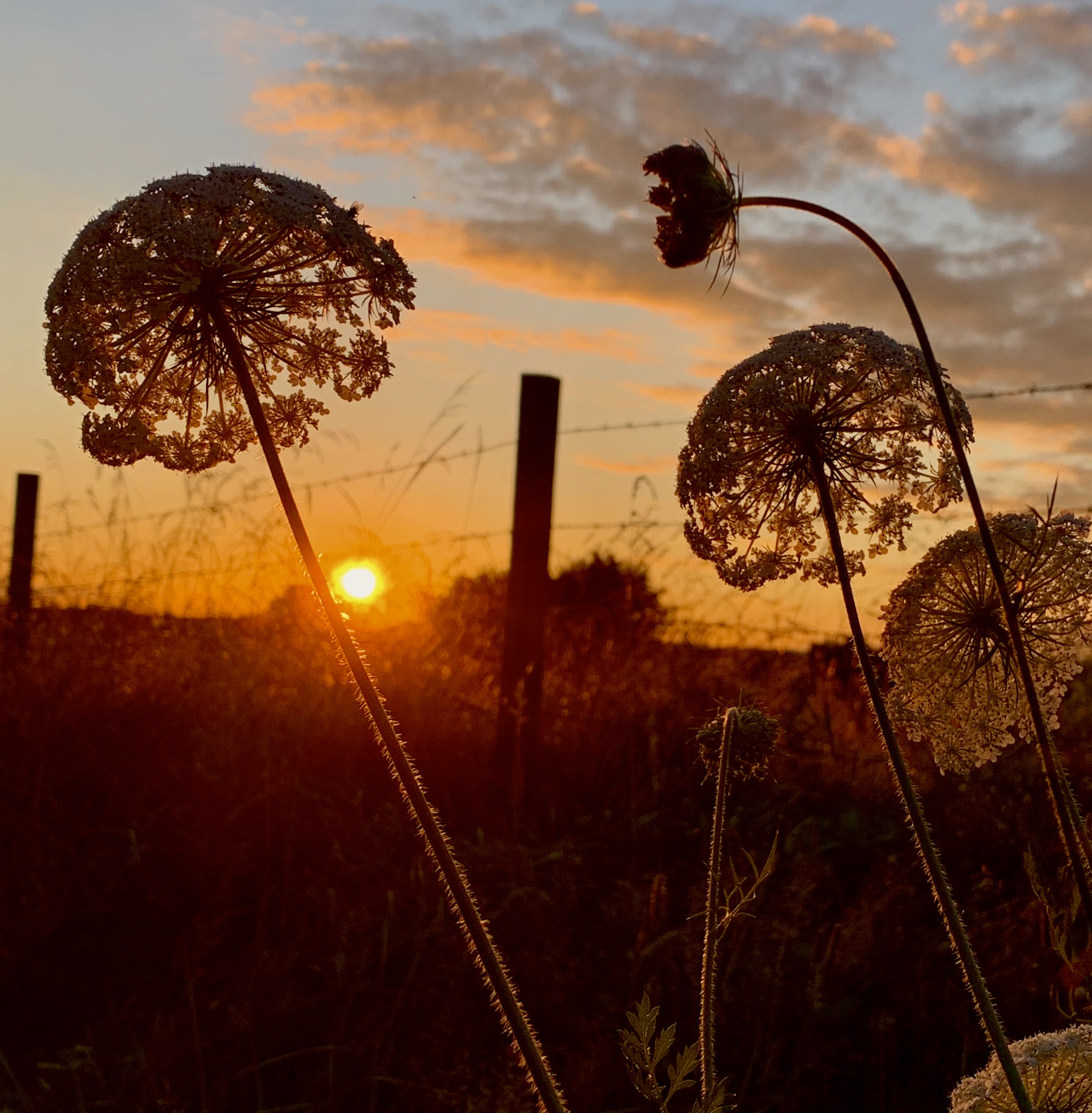
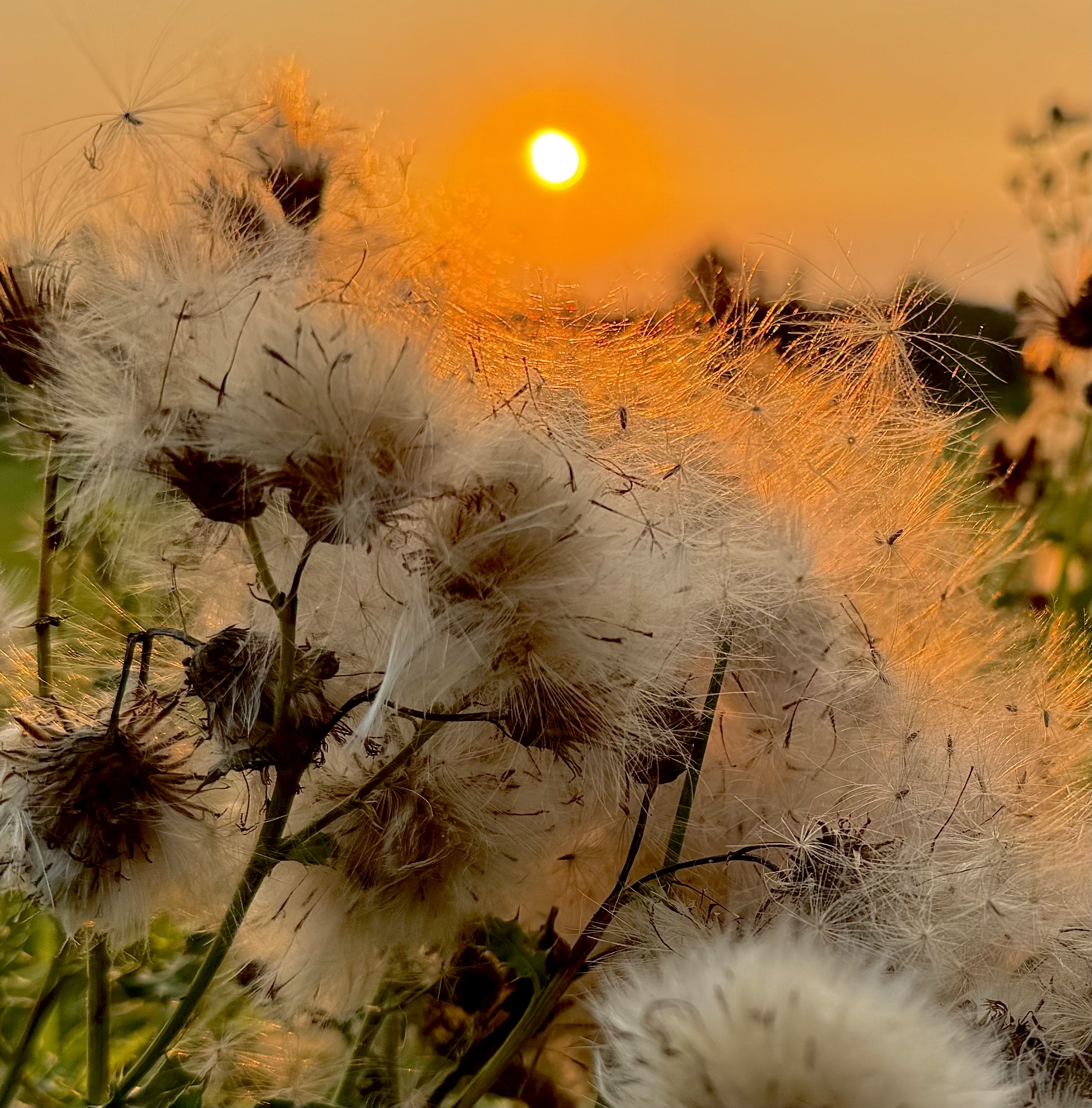
Thistle is armored, deeply rooted, and relentless in its self-defense, very much like enemies facing off in the human wars of our current and past history.

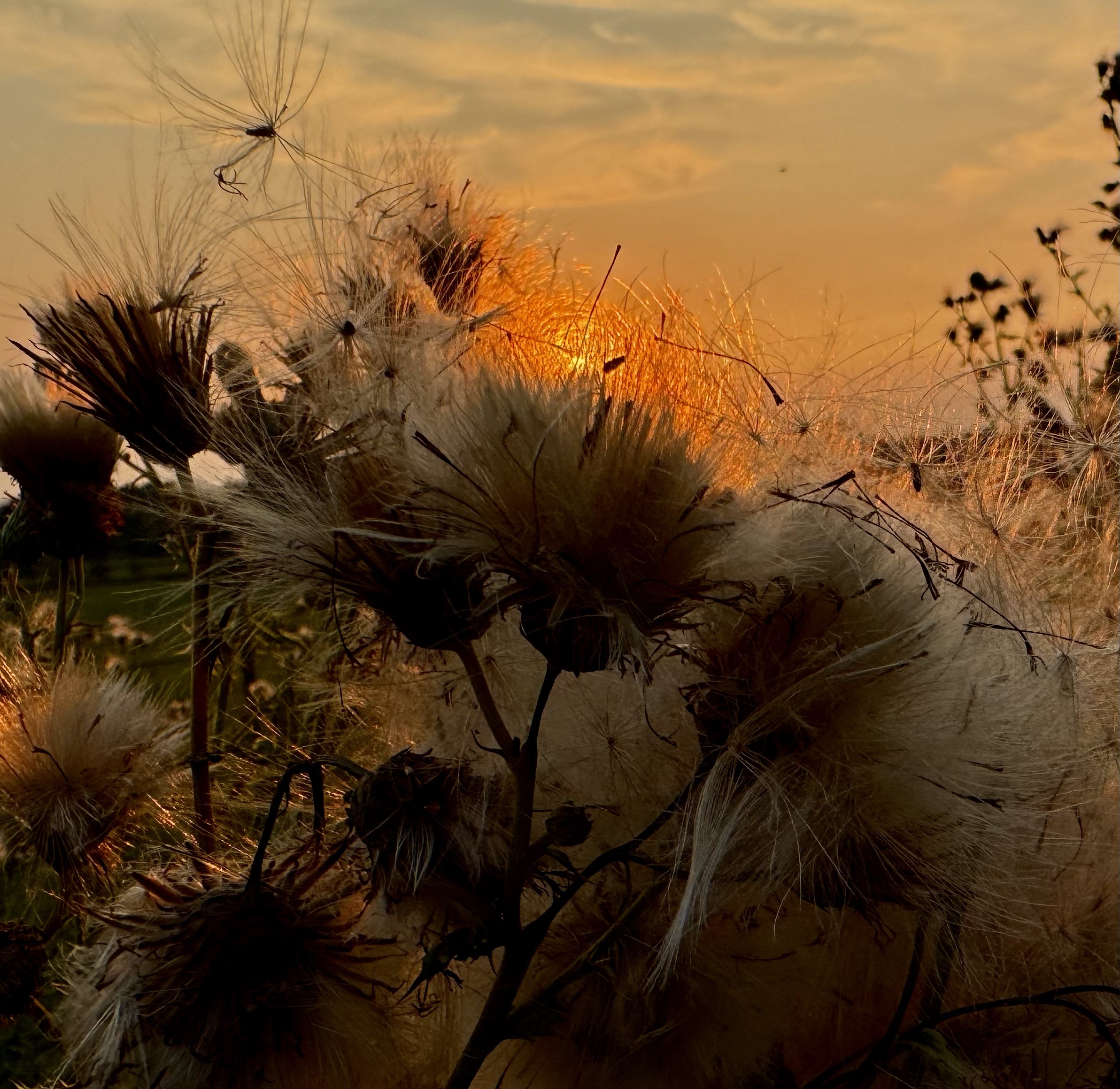
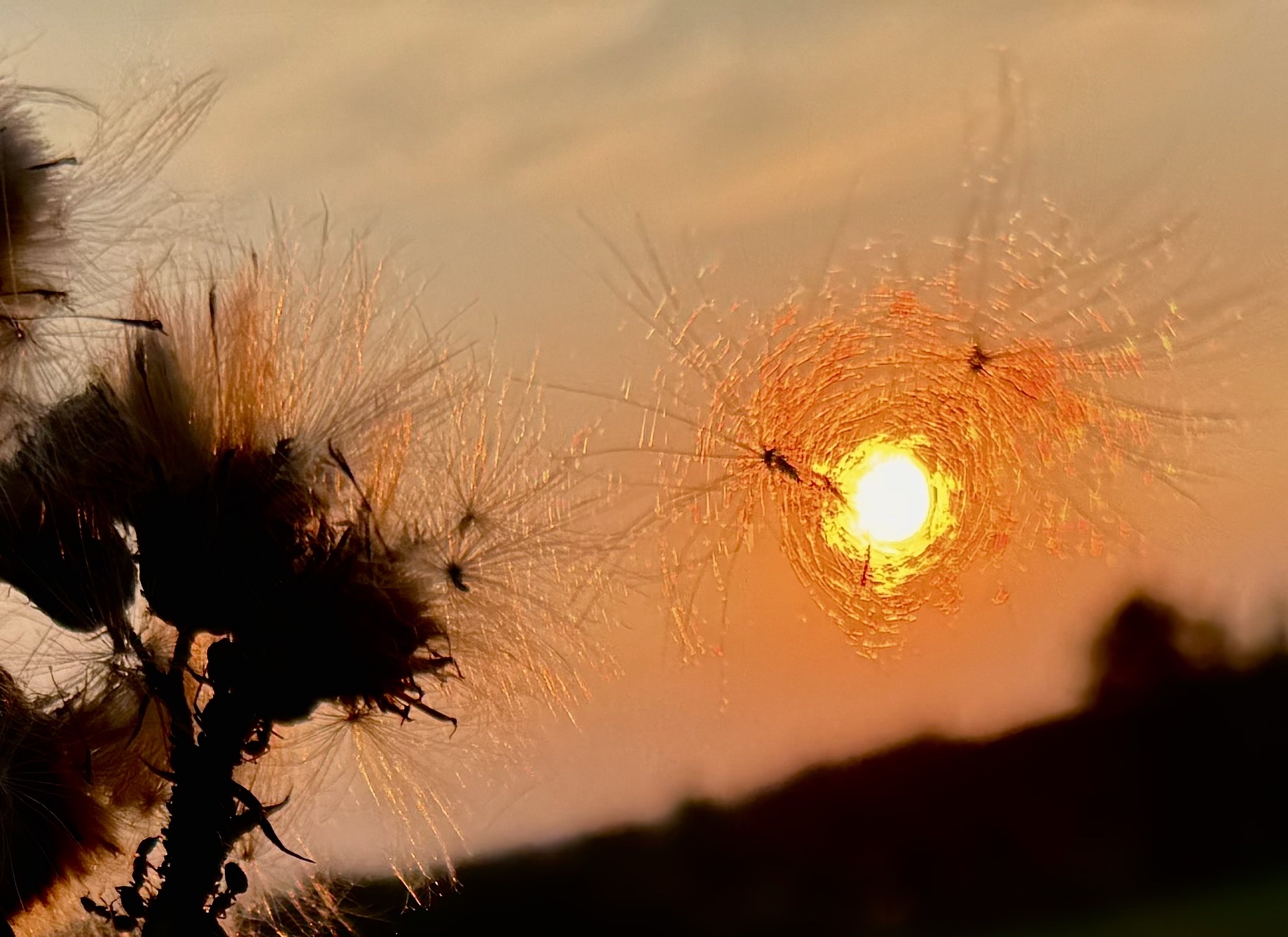
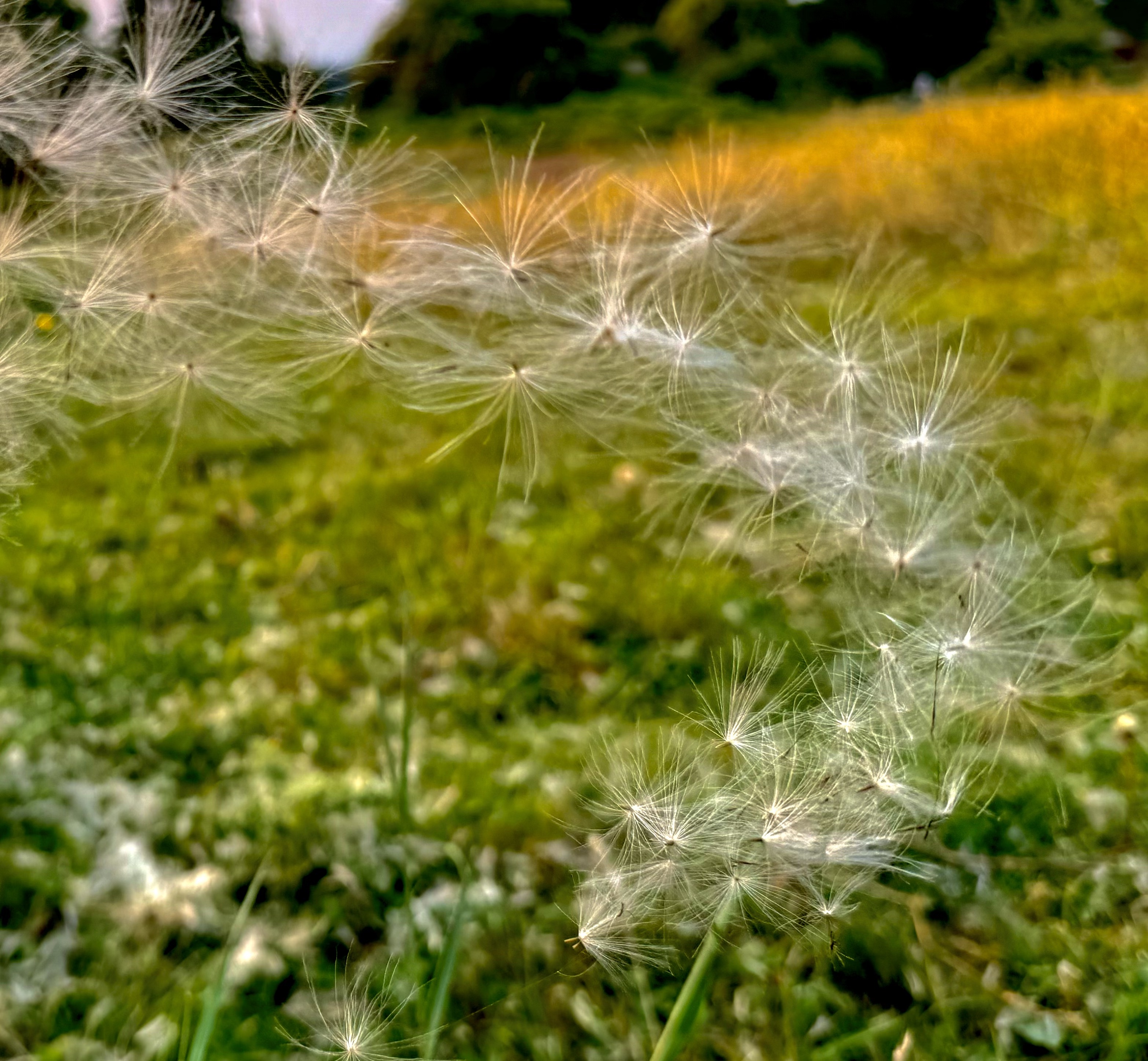
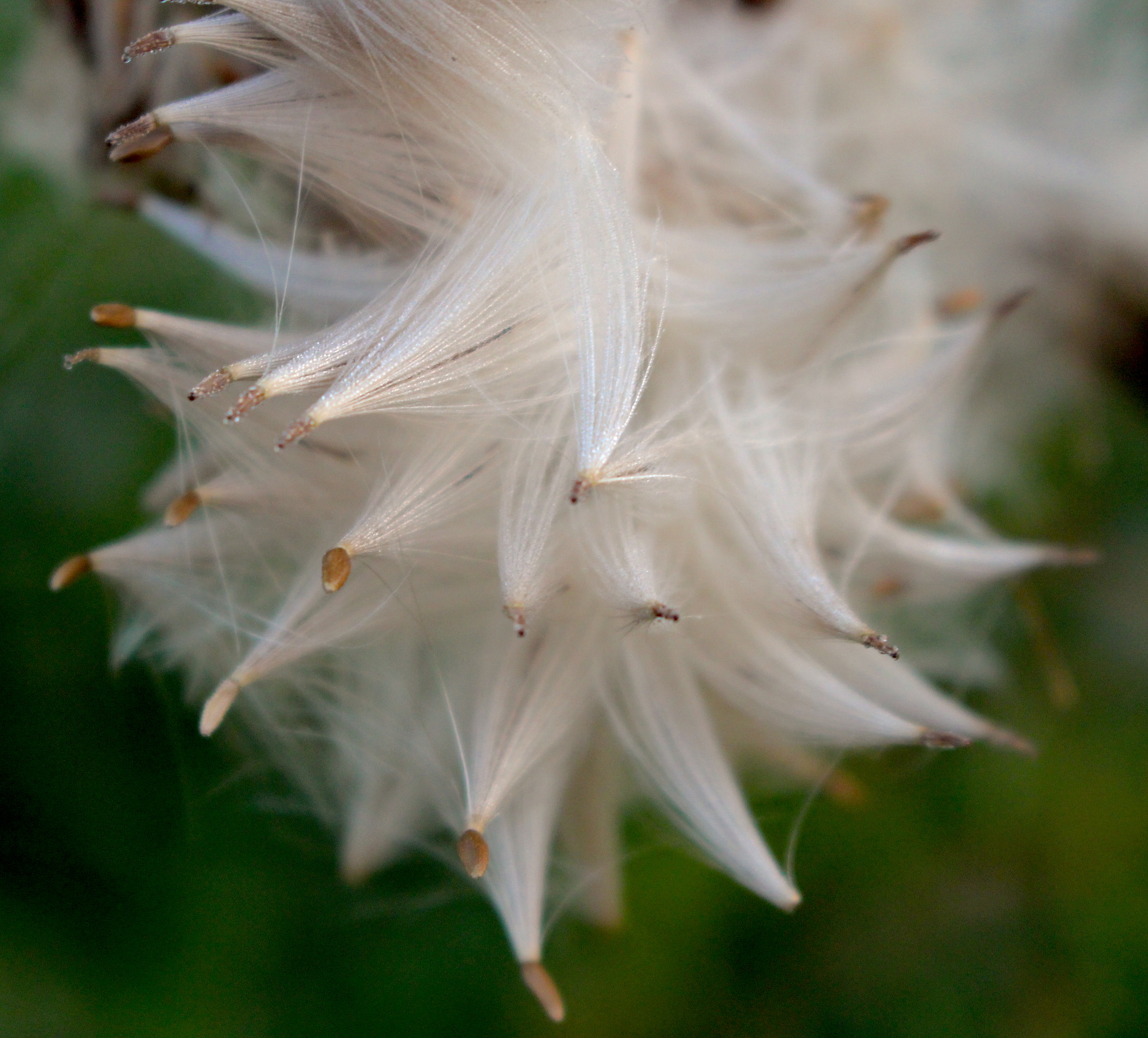
Highly invasive, thistle produces downy tasty dancing seeds ready to soar far in their effort at world domination. Generation after generation of thistles persist due to these vulnerable ballerinas’ flight to the next available patch of soil.

Unlike thistle, may we thrive with determined persistence, without need for spikes and thorny spines that attack and draw blood. May we instead exude a vulnerable softness and grace — fluffy and tender as a baby blanket meant to cradle and nurture rather than maim and cripple.

One-Time
Monthly
Yearly

Make a one-time or recurring donation to support daily Barnstorming posts

Make a monthly donation

Make a yearly donation

Choose an amount

$10.00
$25.00
$50.00
$5.00
$15.00
$100.00
$5.00
$15.00
$100.00

Or enter a custom amount

$

Your contribution is deeply appreciated.

Your contribution is appreciated.

Your contribution is appreciated.

DonateDonate monthlyDonate yearly

In the Best Possible Way

Let us go forward quietly,
forever making for the light,
and lifting up our hearts
in the knowledge that we are as others are
(and that others are as we are),
and that it is right to love one another
in the best possible way – believing all things,
hoping for all things,
and enduring all things. 
~Vincent Van Gogh from “Letters to Theo”

We like to blame our DNA for our tribal nature, to justify setting ourselves apart from the “other.” We tend to be discontent with whatever we are given — but that belief is exactly how humanity’s troubles began.

Every election and convention season only intensifies our sense of “otherness”, further putting wedges between us, driving us apart and further into the darkness.

We are slaves to divisiveness: even worshiping it in the name of “becoming great again”, emphasizing our own “truth” in the name of “unity.”

I simply can’t listen to it.
There is so much anger in the voices of our self-appointed “leaders.”

I want to know it is still possible to love each other in all our differences in the best possible way, with quiet endurance and hope. No shouting, no shootings, no need for a cascade of dropping balloons, and no ridiculous rancorous rhetoric.

We are as others are — others are as we are — denying it is folly. Believing it is the beginning of a selfless love for the “other”, something God did intend for our DNA, as His children who are no longer animals.

Indeed, God Himself became the “Other” living among us to show us just how it can be done.

It’s in every one of us. Now we must make it so.

AI image created for this post
One-Time
Monthly
Yearly

Make a one-time or recurring donation to support daily Barnstorming posts

Make a monthly donation

Make a yearly donation

Choose an amount

$10.00
$25.00
$50.00
$5.00
$15.00
$100.00
$5.00
$15.00
$100.00

Or enter a custom amount

$

Your contribution is deeply appreciated.

Your contribution is appreciated.

Your contribution is appreciated.

DonateDonate monthlyDonate yearly
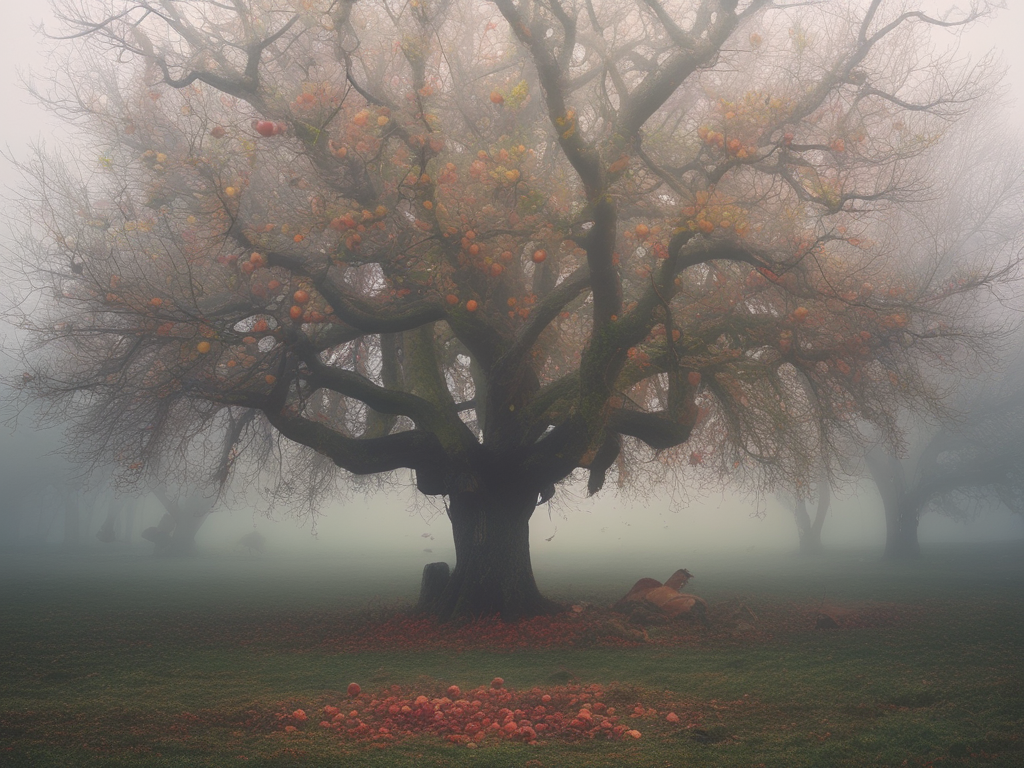
A Fallen World

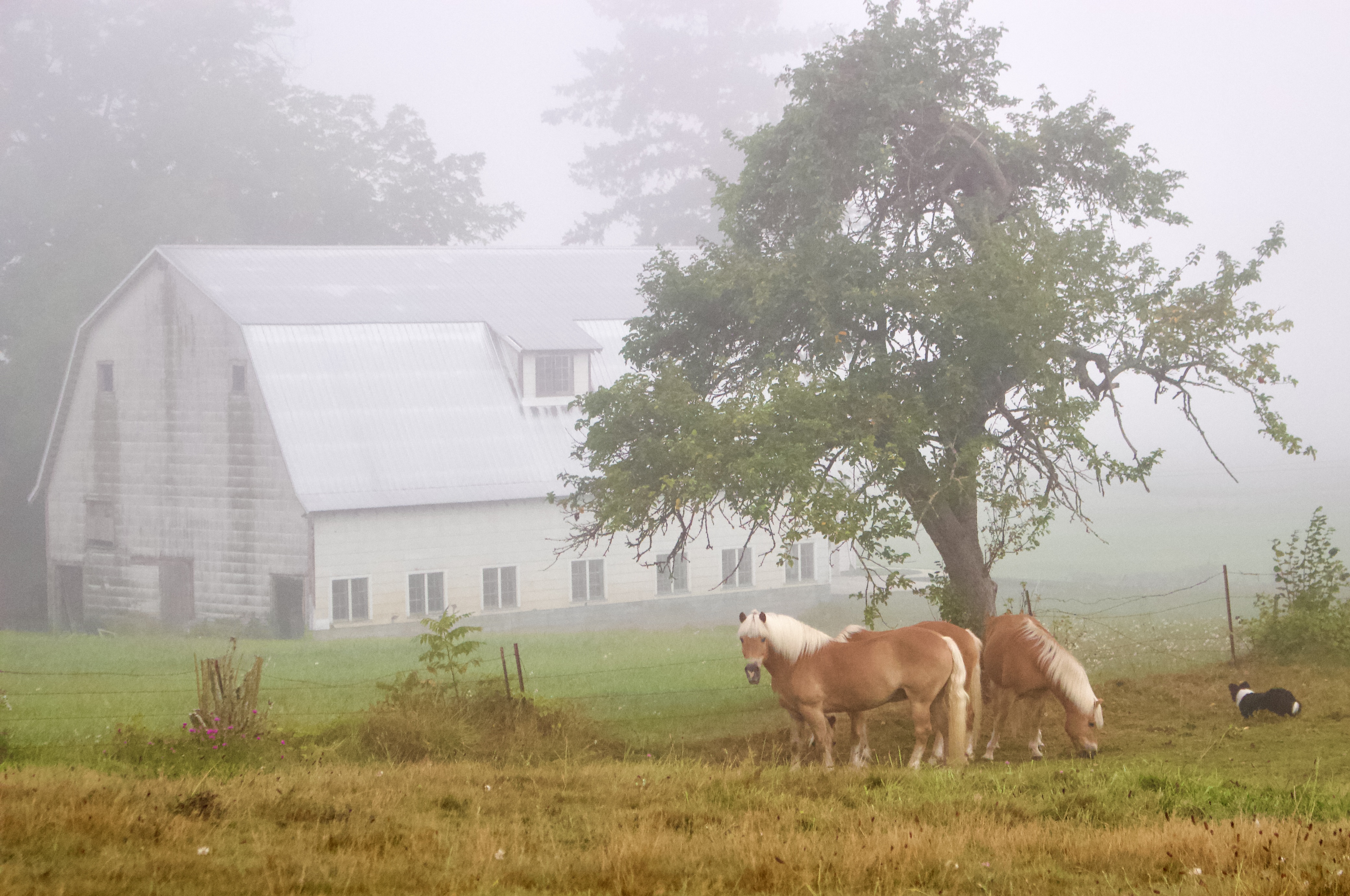
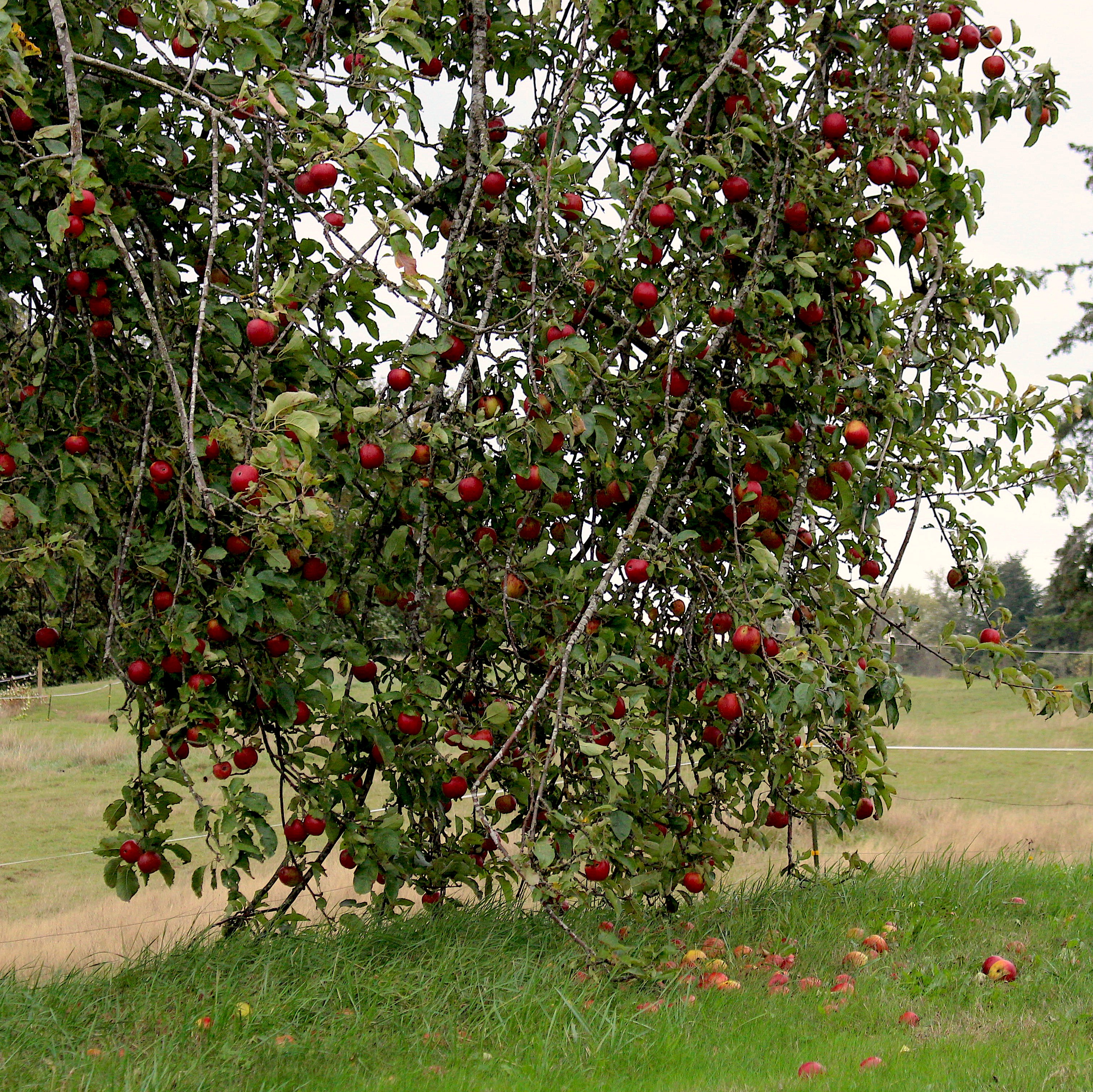
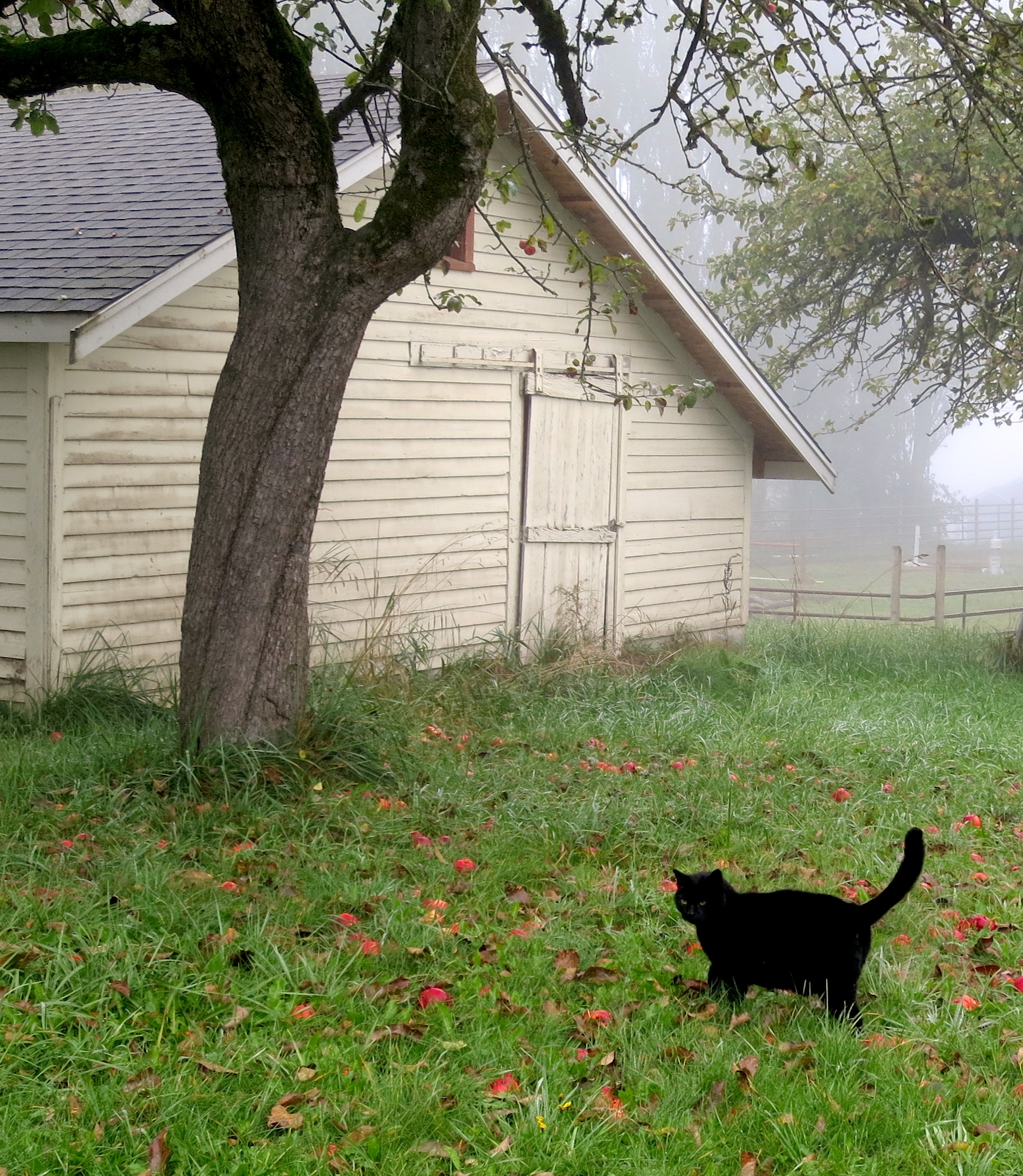
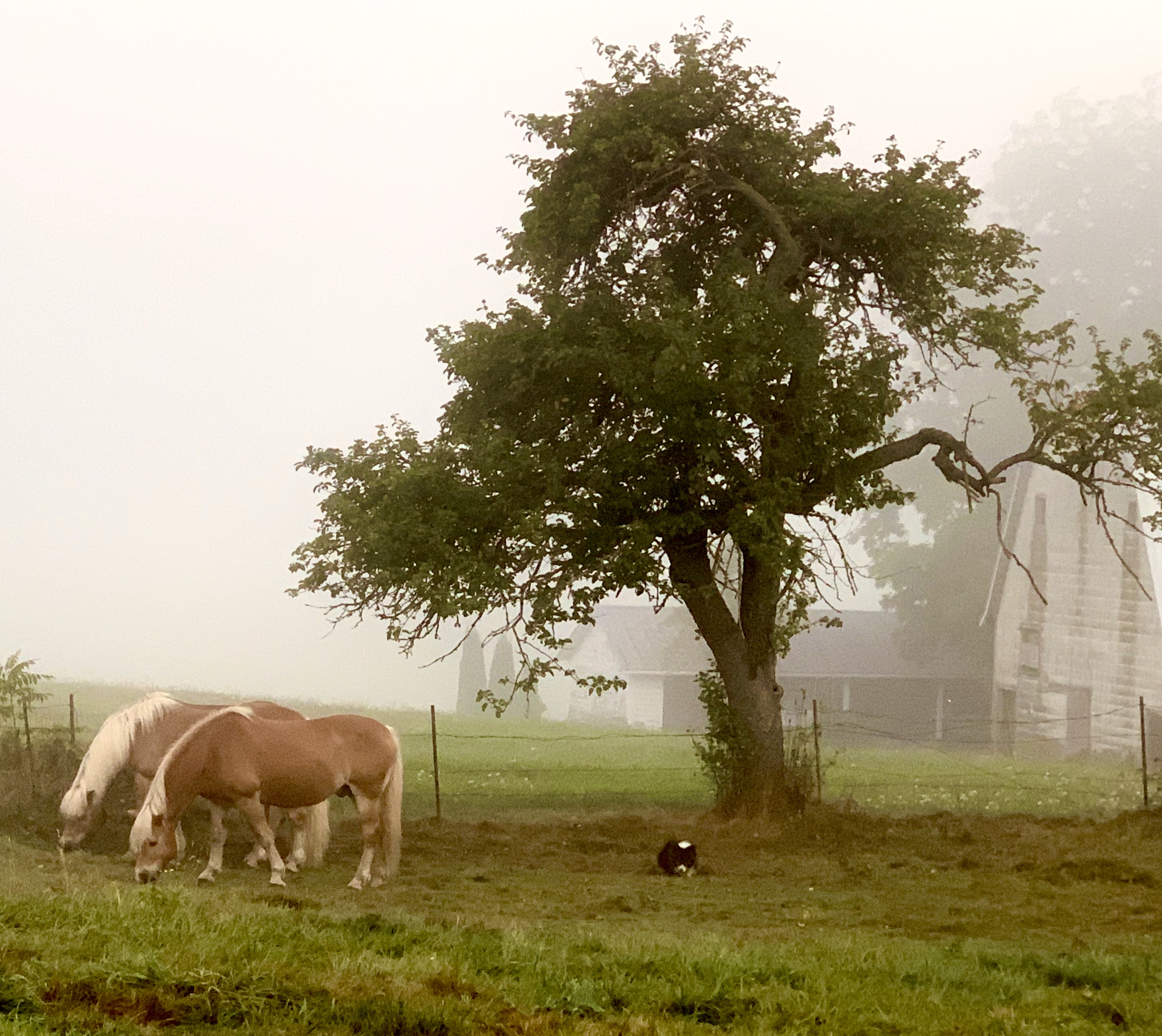
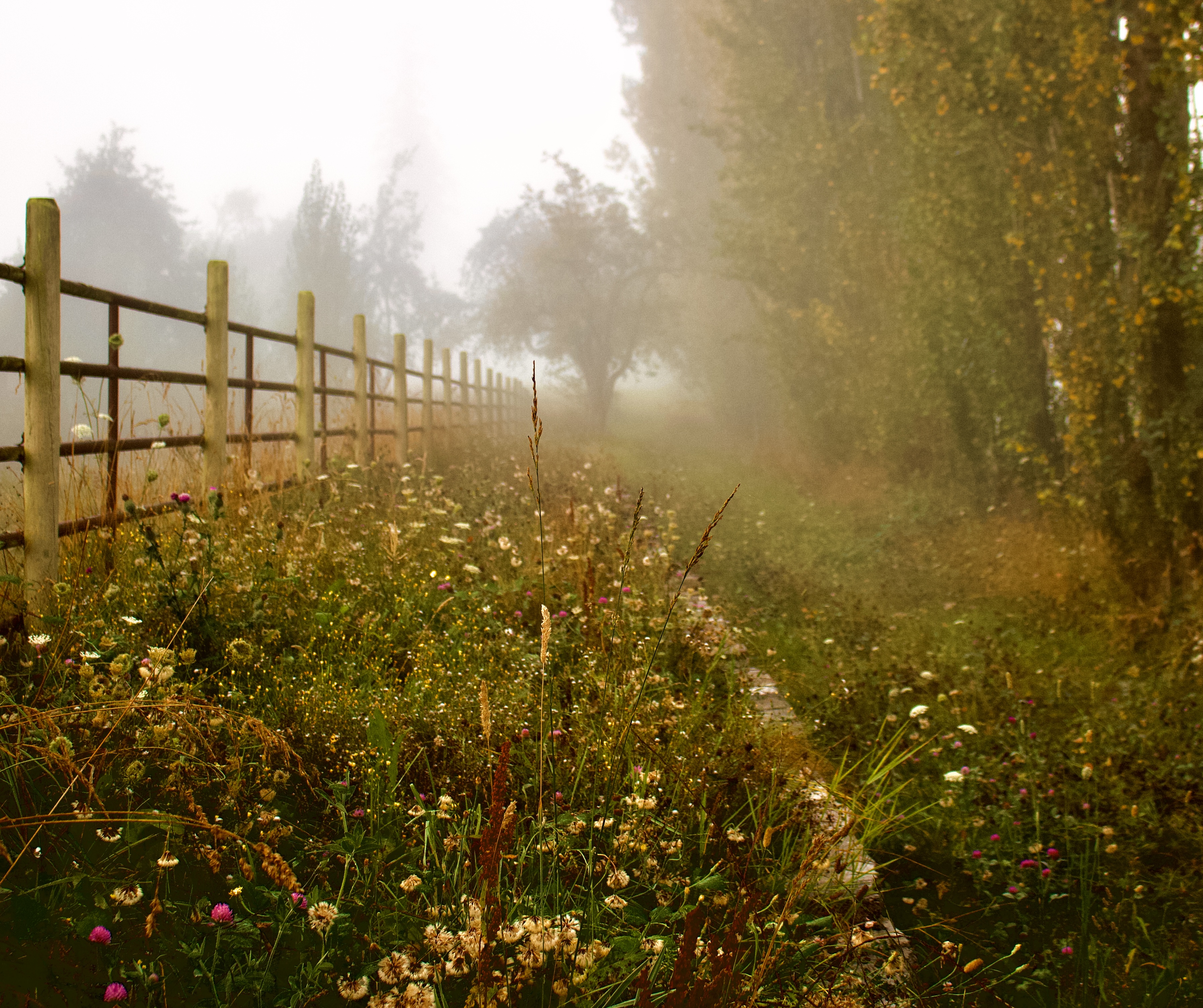
On the second day of fog, she goes to meet it

sits on the broad root of a broken down
apple tree, remembers being a child
in such fog, searching for fairy houses.
She hears movement in the grass,
keeps very still while the veil of haze
rises to treetops bronzed
by the burn of the sun. Slowly
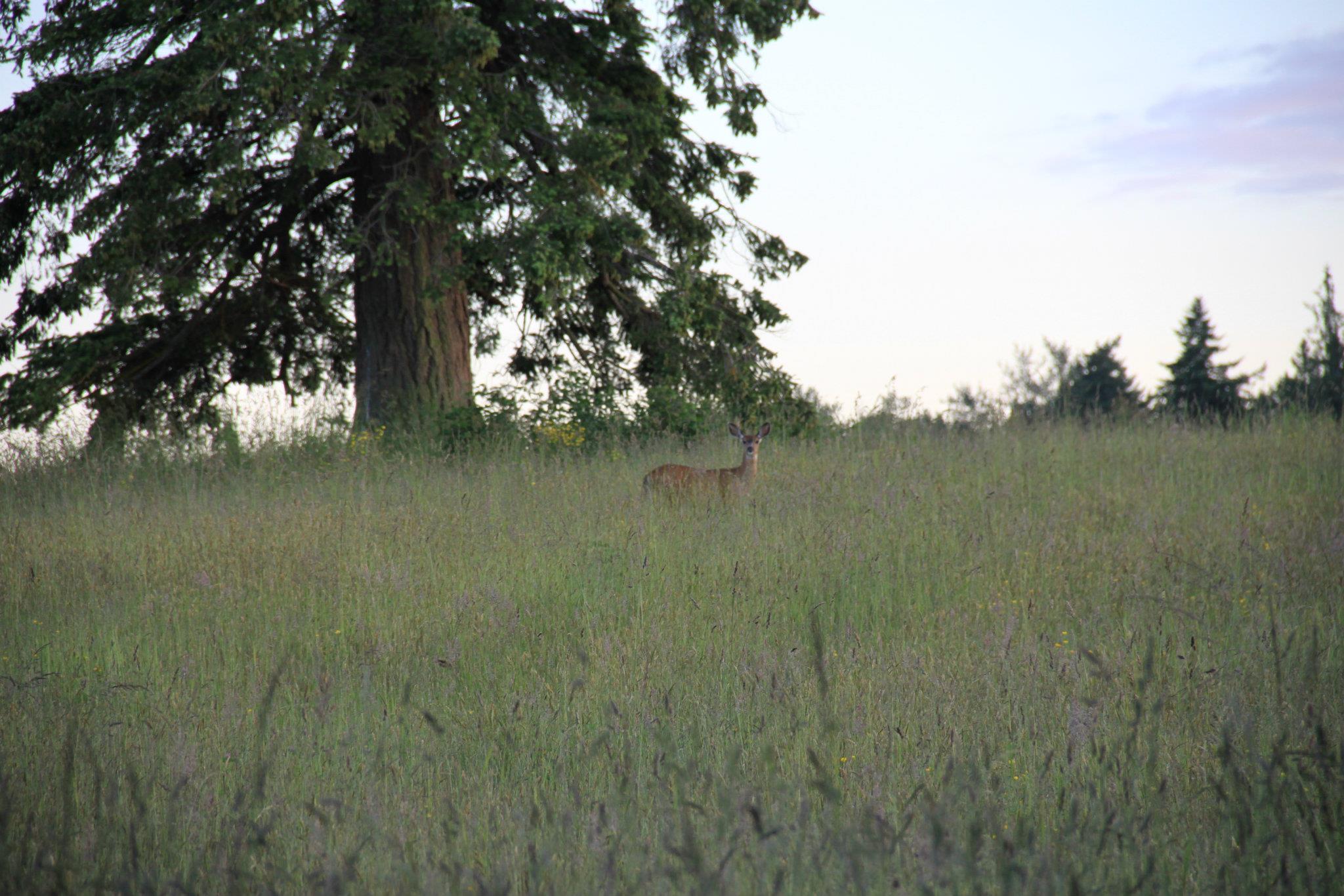
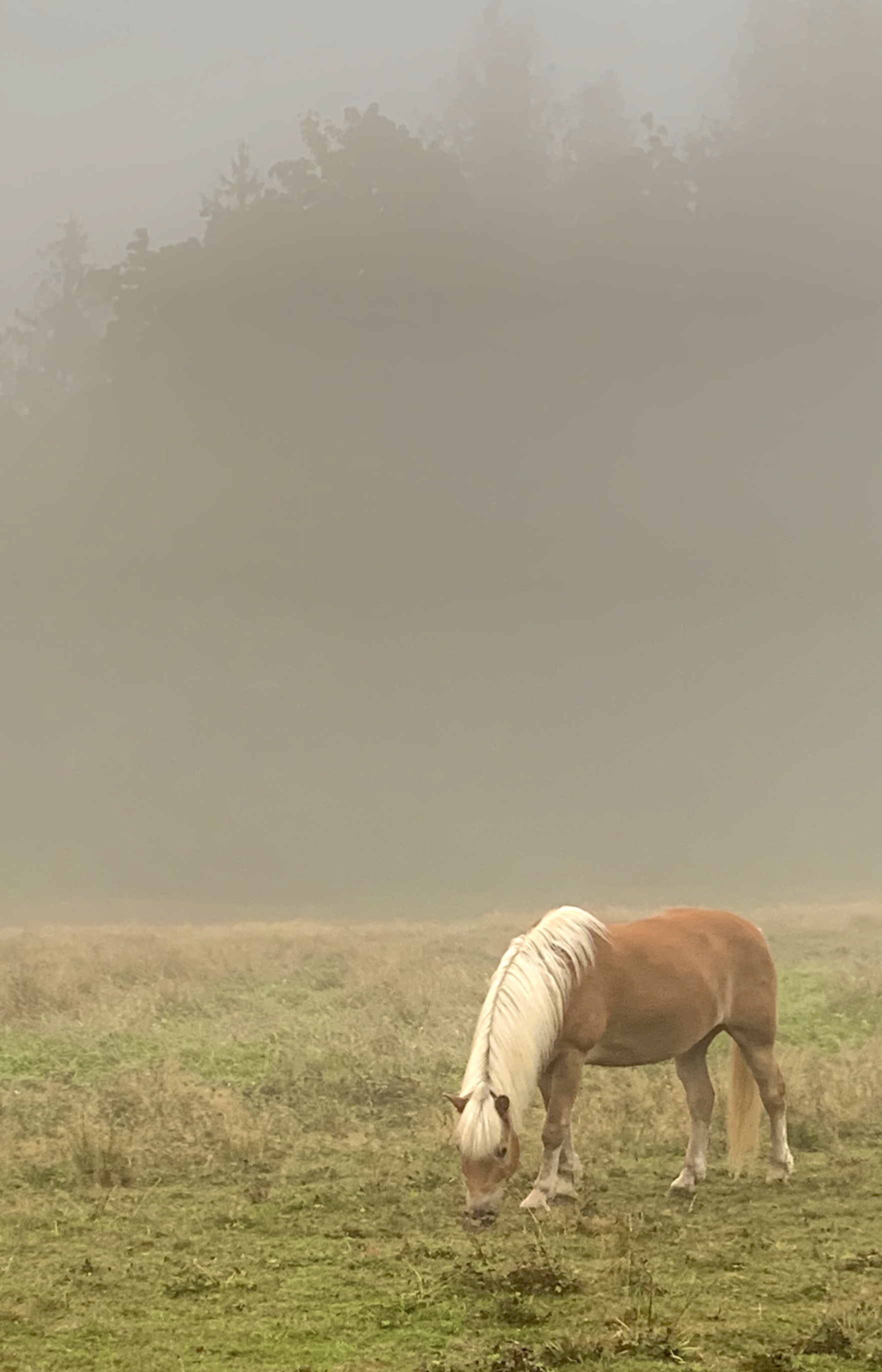
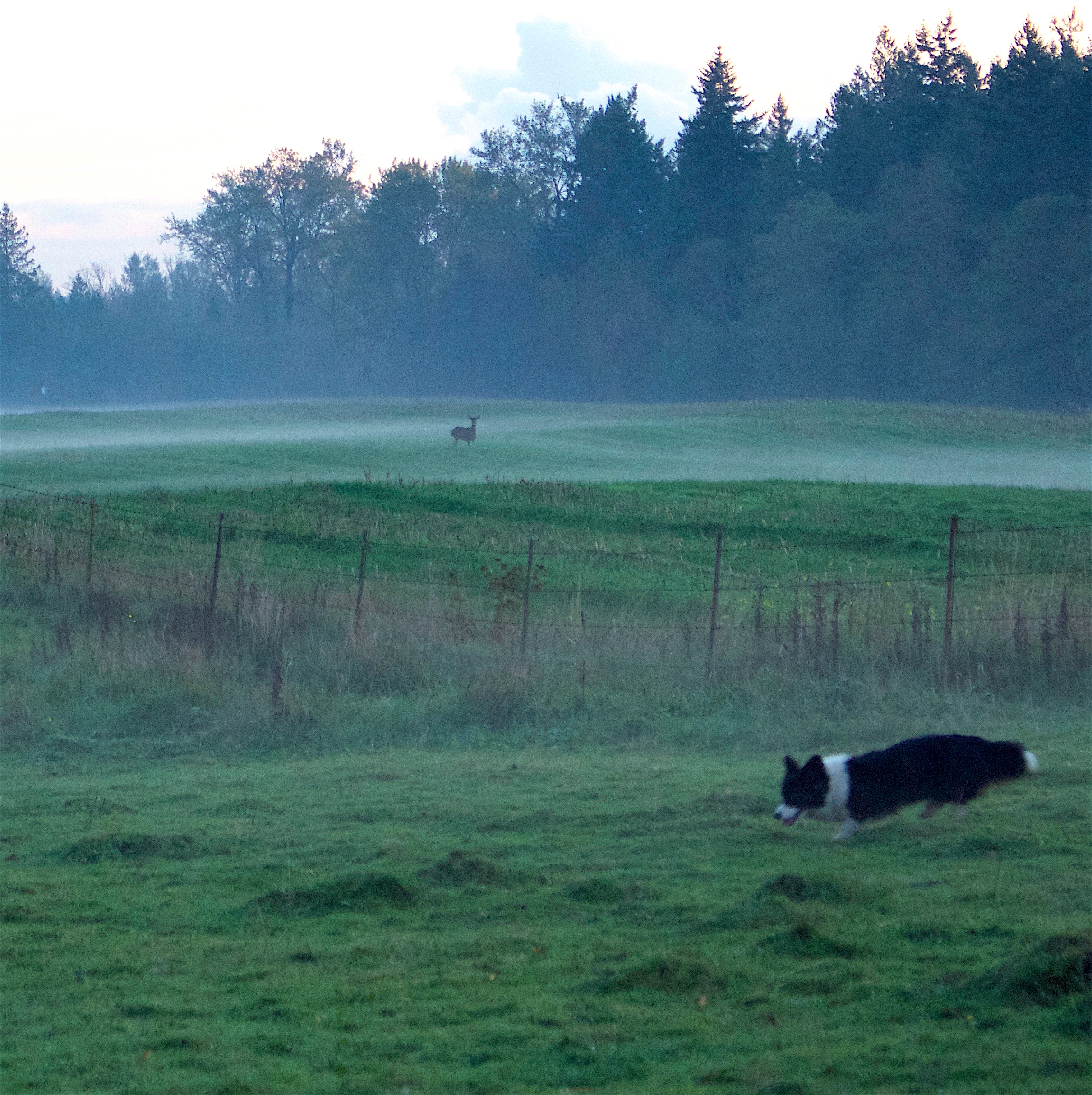
horses and deer appear all around her,
they graze close together,
nosing fallen apples, until she forgets
this is still a fallen world.

~Lonnie Hull DuPont, “On the Second Day of Fog” from She Calls the Moon by Its Name 

When despair for the world grows in me
and I wake in the night at the least sound
in fear of what my life and my children’s lives may be,
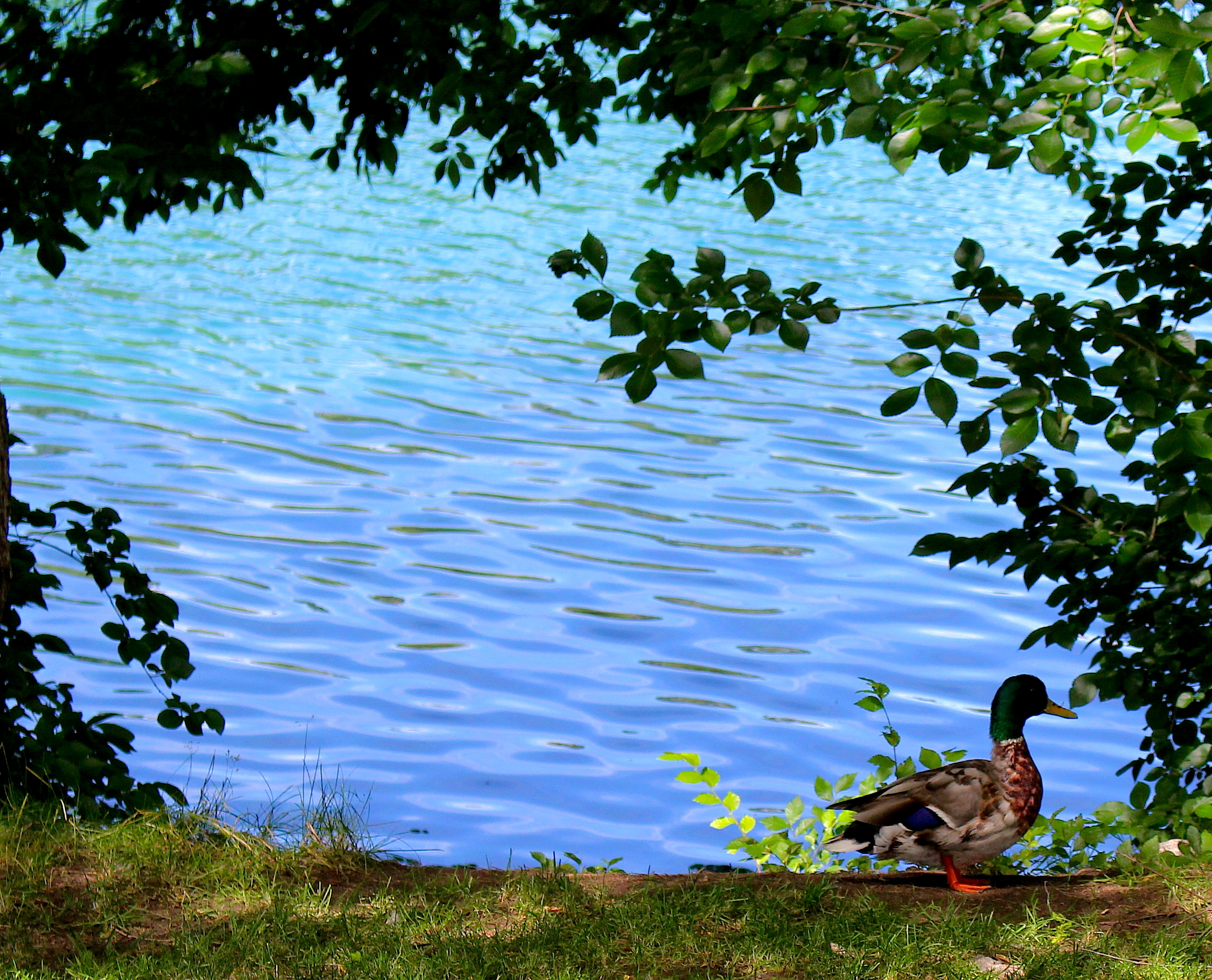
I go and lie down where the wood drake
rests in his beauty on the water, and the great heron feeds.
I come into the peace of wild things
who do not tax their lives with forethought
of grief. I come into the presence of still water.
And I feel above me the day-blind stars
waiting with their light. For a time
I rest in the grace of the world, and am free.

~Wendell Berry “The Peace of Wild Things

When our grandchildren come to visit,
I watch as yet another generation rediscovers the mystery of
what we know about the joys and sorrows
of this fallen but redeemed world.

I am reminded there is light beyond the fearsome darkness,
there is peace amid the chaos,
there is a smile behind the tears,
there is stillness within the noisiness
there is rest despite the restlessness,
there is grace – ah, there is grace
as inevitably the old gives way to the new.

One-Time
Monthly
Yearly

Make a one-time or recurring donation to support daily Barnstorming posts

Make a monthly donation

Make a yearly donation

Choose an amount

$10.00
$25.00
$50.00
$5.00
$15.00
$100.00
$5.00
$15.00
$100.00

Or enter a custom amount

$

Your contribution is deeply appreciated.

Your contribution is appreciated.

Your contribution is appreciated.

DonateDonate monthlyDonate yearly
Empty of Air

On the green hill with the river beyond it
long ago and my father there
and my grandmother standing in her faded clothes
wrinkled high-laced black shoes in the spring grass
among the few gravestones inside their low fence
by the small white wooden church
the clear panes of its windows
letting the scene through from the windows
on the other side of the empty room
and a view of the trees over there
my grandmother hardly turned her head
staring like a cloud at the empty air
not looking at the green glass gravestone
with the name on it of the man to whom
she had been married and who had been
my father’s father she went on saying nothing
her eyes wandering above the trees
that hid the river from where we were
a place where she had stood with him one time
when they were young and the bell kept ringing

~W. S. Merwin “Widnoon” from The Moon Before Morning 

I remember my grandfather as a somber quiet man who used to slowly rock in a wooden chair that now happens to sit empty here in our home.

For most of his life, my Grandpa drank heavily but he wasn’t just any drunk.  He was a mean drunk. Surly, cursing, prone to throwing things and people, especially at home.

Grandma used to say he learned to drink in the logging camps and I suspect that is true. He started working as a logger before he was fully grown, dropping out of school, leaving home around age sixteen and heading up to the hills where real money could be made. He learned more than how to cut down huge old growth Douglas Fir trees, skid them down the hills using a team of horses, and then roll them onto waiting wagons to be hauled to the mills. He learned how to live with a group of men who surfaced once or twice a month from the hills to take a bath, bootleg booze during prohibition and maybe go to church with their womenfolk.

Mostly the loggers taught him how to curse and drink.

He headed home to the farm with muscles and attitude a few years later, and started the process of felling trees, creating a “stump farm” that was a challenge to work because huge stumps dotted the fields and hills. He slowly worked at blasting them out of the ground so the land could be tilled. It proved more than he had strength and motivation to do, so his fields were never very fruitful, mostly growing hay for his own animals. He went to work in the local saw mill to make ends meet.

He cleaned up some when he met my grandmother, who at eighteen was seven years younger, and eager to escape her role as chief cook and bottle washer for her widowed father and younger brother.  She was devout, lively and full of energy and talked constantly while he, especially when sober, preferred to let others do the talking. It was an unusual match but he liked her cooking and she was ready to escape the drudgery of her father’s household and be wooed.

They settled on the stump farm and began raising a family, trying to eke out what living they could from the land, from the sporadic work he found at the saw mill, and every Sunday, took the wagon a mile down the road to the Bible Church where they both sang with gusto.

He still drank when he had the money, blowing his pay in the local tavern, and stumbling in the back door roaring and burping, falling into bed with his shoes on. Grandma was a teetotaler and yelled into his ruddy face about the wrath of God anytime he drank, their four children hiding when the dishes started to fly, and when he would whip off his belt to hit anyone who looked sideways at him.

When their eldest daughter took sick and died of lymphoma at age eight despite the little doctoring that was available, Grandpa got sober for awhile. He saw it as punishment from God, or at least that is what Grandma told him through her sobs as she struggled to cope with her loss.

Over the years, he relapsed many times, losing fingers in his work at the mill, and losing the respect of his wife, his children and the people in the community. Grandma took the kids for several months to cook in a boarding house in a neighboring town, simply to be able to feed her family while Grandpa squandered what he had on drink. Reconciled over and over again, Grandma would come back to him, sending their only son to fetch him from the tavern for the night. My Dad would bicycle to that dark and smoky place, stand Grandpa up and guide him staggering out to their truck for the weaving drive home on country roads. On more than one occasion, Grandpa, belligerent as ever, would resist leaving and throw a punch at his boy, usually missing by a mile.

But once the boy grew taller and strong enough to fight back, managing to knock Grandpa to the ground in self-defense, the punching and resistance stopped. The boozing didn’t.

Grandpa sobered up for good while his boy fought in the war overseas in the forties, striking a bargain with God that his boy would come home safe to work the farm as long as Grandpa left alcohol alone.  It stuck and he stayed sober. His boy came home. Grandpa saw it as a promise kept and became an elder in his Bible Church, taught Sunday School and gave his extra cash to the church rather than the tavern. He and Grandma donated a house on their property to the church for a parsonage.

Some twelve years later, sitting in a Christmas Sunday School program one Christmas Eve, Grandpa leaned toward Grandma and she saw his face broken out in sweat, his face ashen.

“It’s hot in here, I need air, “ he said and collapsed in her lap. He was gone, just like that. He left the rest of his family behind while he sat in church, sober as can be, on the day before Christmas.

There is no question in my mind he knew he was forgiven. He headed home one more time, not weaving or swerving but traveling straight and narrow.

AI image created for this post
One-Time
Monthly
Yearly

Make a one-time or recurring donation to support daily Barnstorming posts

Make a monthly donation

Make a yearly donation

Choose an amount

$10.00
$25.00
$50.00
$5.00
$15.00
$100.00
$5.00
$15.00
$100.00

Or enter a custom amount

$

Your contribution is deeply appreciated.

Your contribution is appreciated.

Your contribution is appreciated.

DonateDonate monthlyDonate yearly
Fearsome Things to See

Not much to me is yonder lane  
 Where I go every day;  
But when there’s been a shower of rain  
 And hedge-birds whistle gay,  
I know my lad that’s out in France
 With fearsome things to see  
Would give his eyes for just one glance  
 At our white hawthorn tree.

   .    .    .    .  

Not much to me is yonder lane  
 Where he so longs to tread:
But when there’s been a shower of rain  
I think I’ll never weep again  
 Until I’ve heard he’s dead.

~Siegfried Sassoon “The Hawthorn Tree”

I drove West
in the season between seasons.
I left behind suburban gardens.
Lawnmowers.  Small talk.

Under low skies, past splashes of coltsfoot,
I assumed
the hard shyness of Atlantic light
and the superstitious aura of hawthorn.

All I wanted then was to fill my arms with
sharp flowers,
to seem from a distance, to be part of
that ivory, downhill rush.  But I knew,

I had always known,
the custom was
not to touch hawthorn.
 Not to bring it indoors for the sake of

the luck
such constraint would forfeit–
a child might die, perhaps, or an unexplained
fever speckle heifers.  So I left it

stirring on those hills
with a fluency
only water has.  And, like water, able
to redefine land.  And free to seem to be–

for anglers,
and for travellers astray in
the unmarked lights of a May dusk–
the only language spoken in those parts.

~Eavan Boland “White Hawthorn in the West of Ireland”

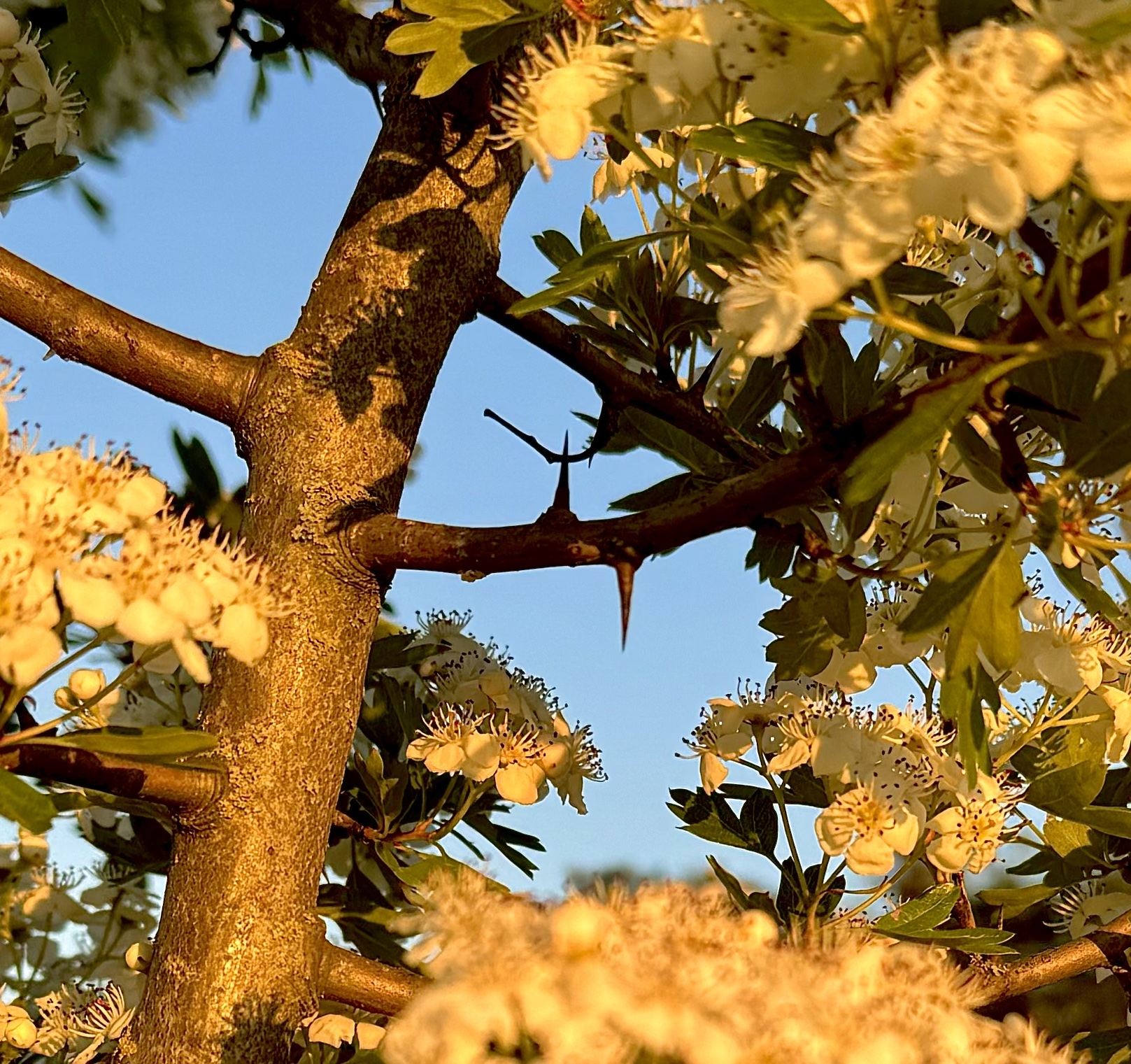
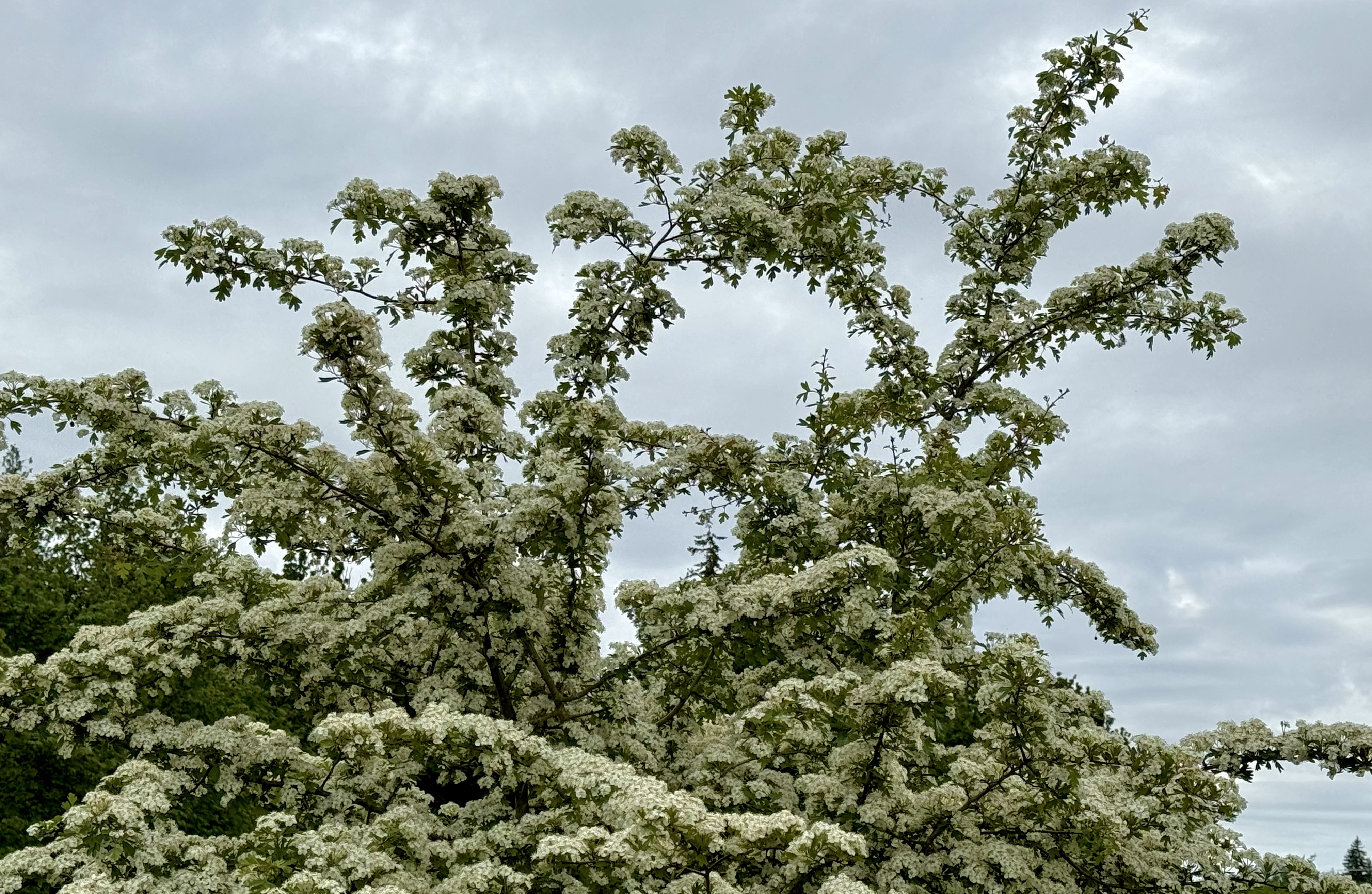
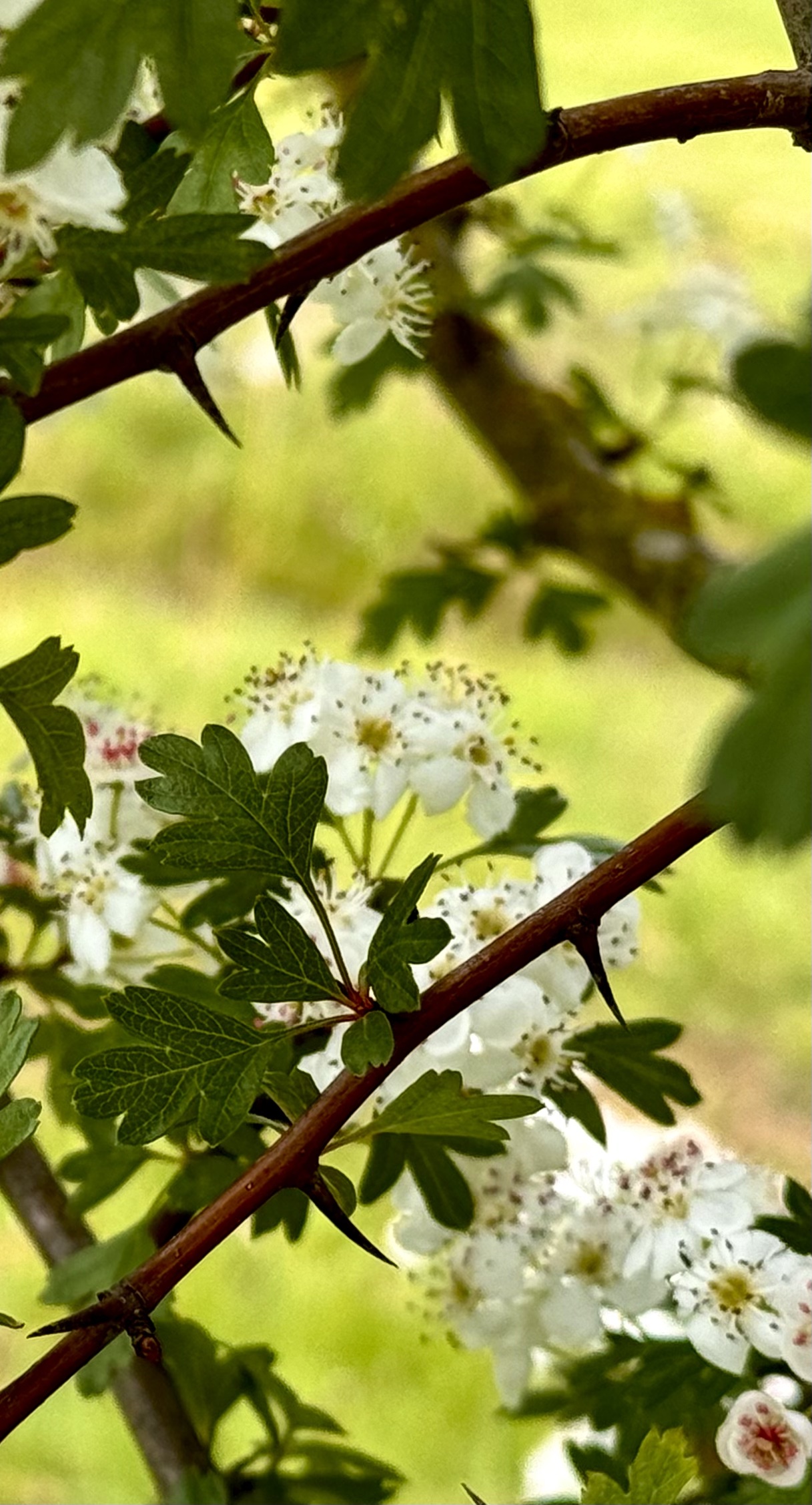
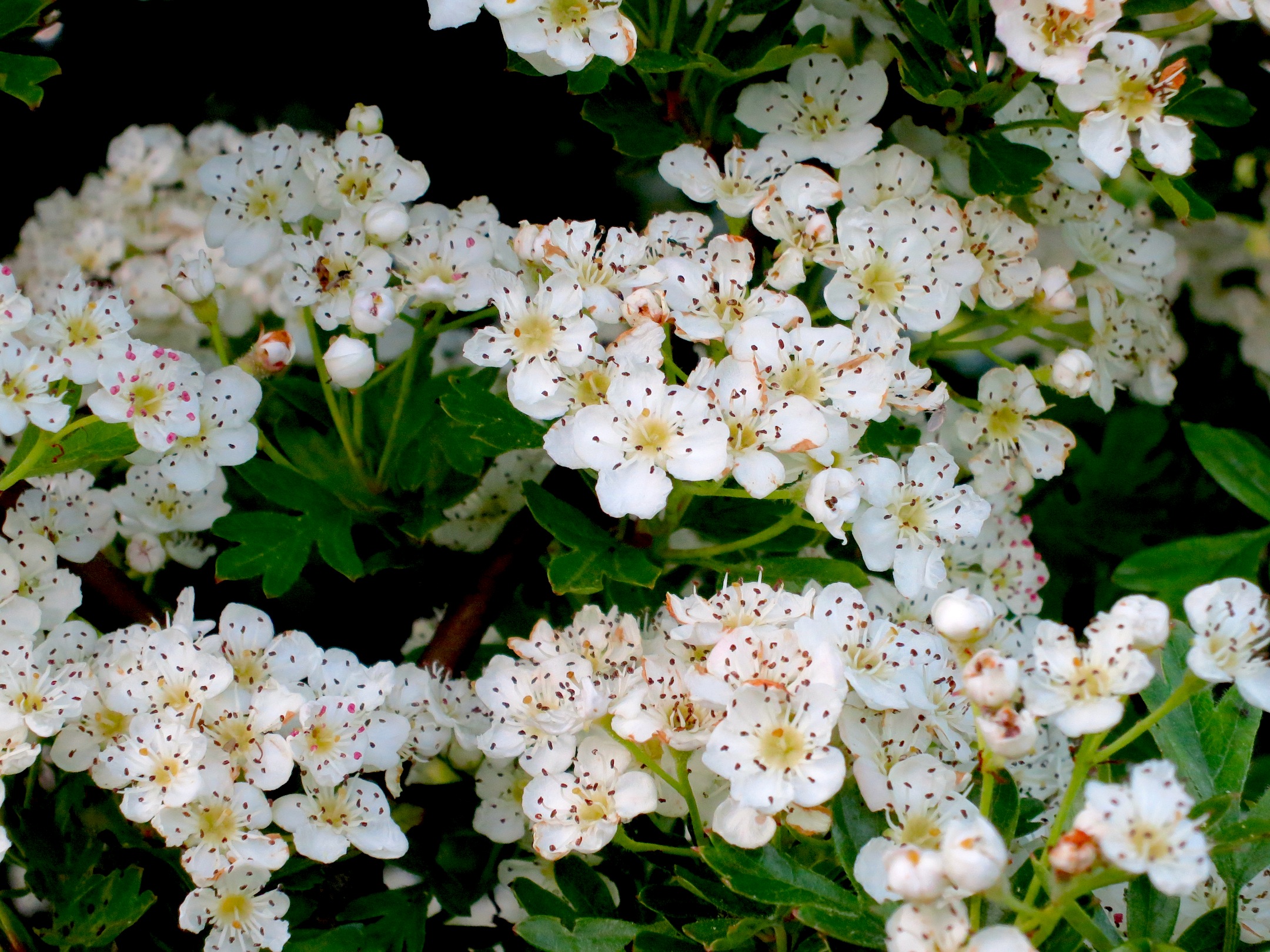
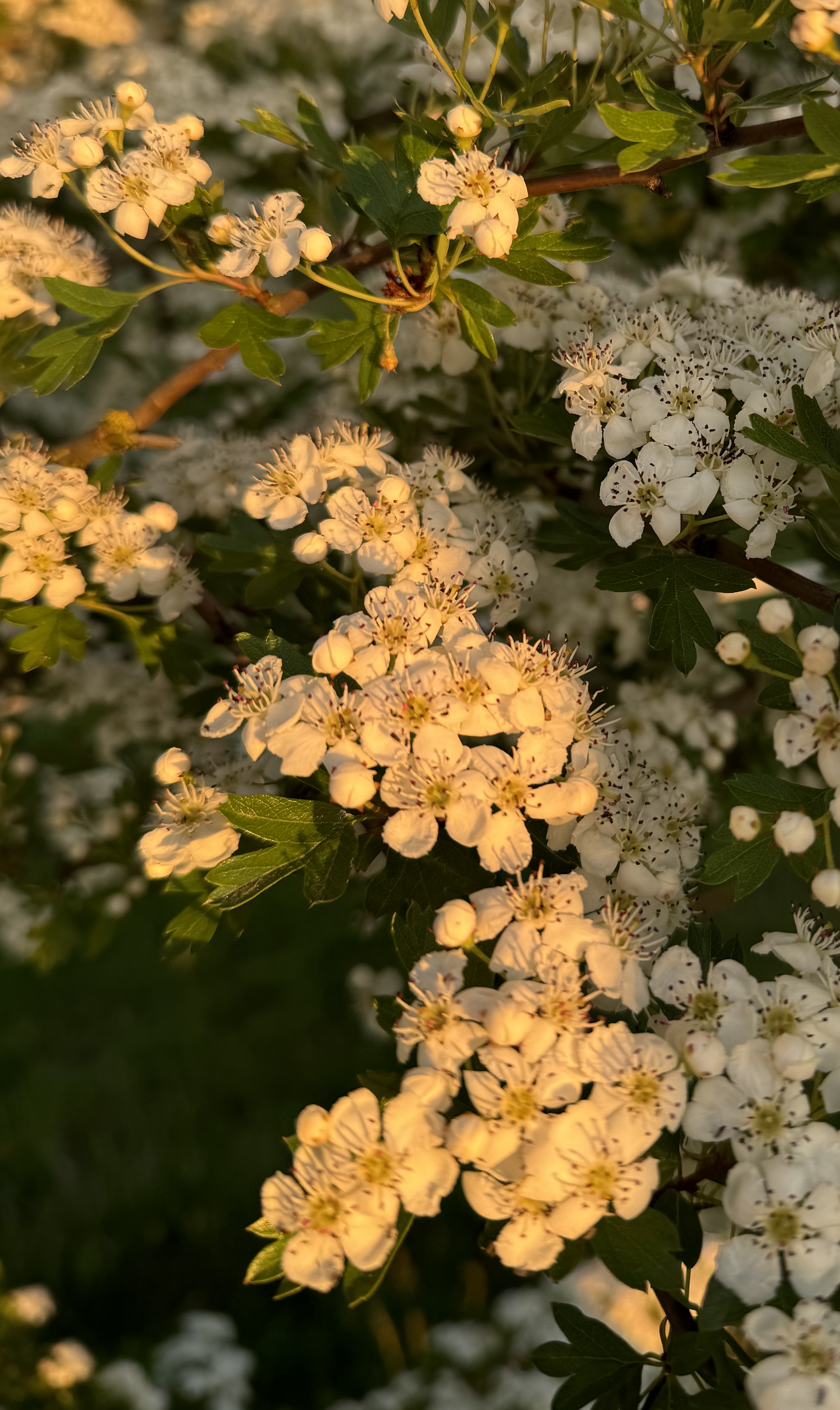
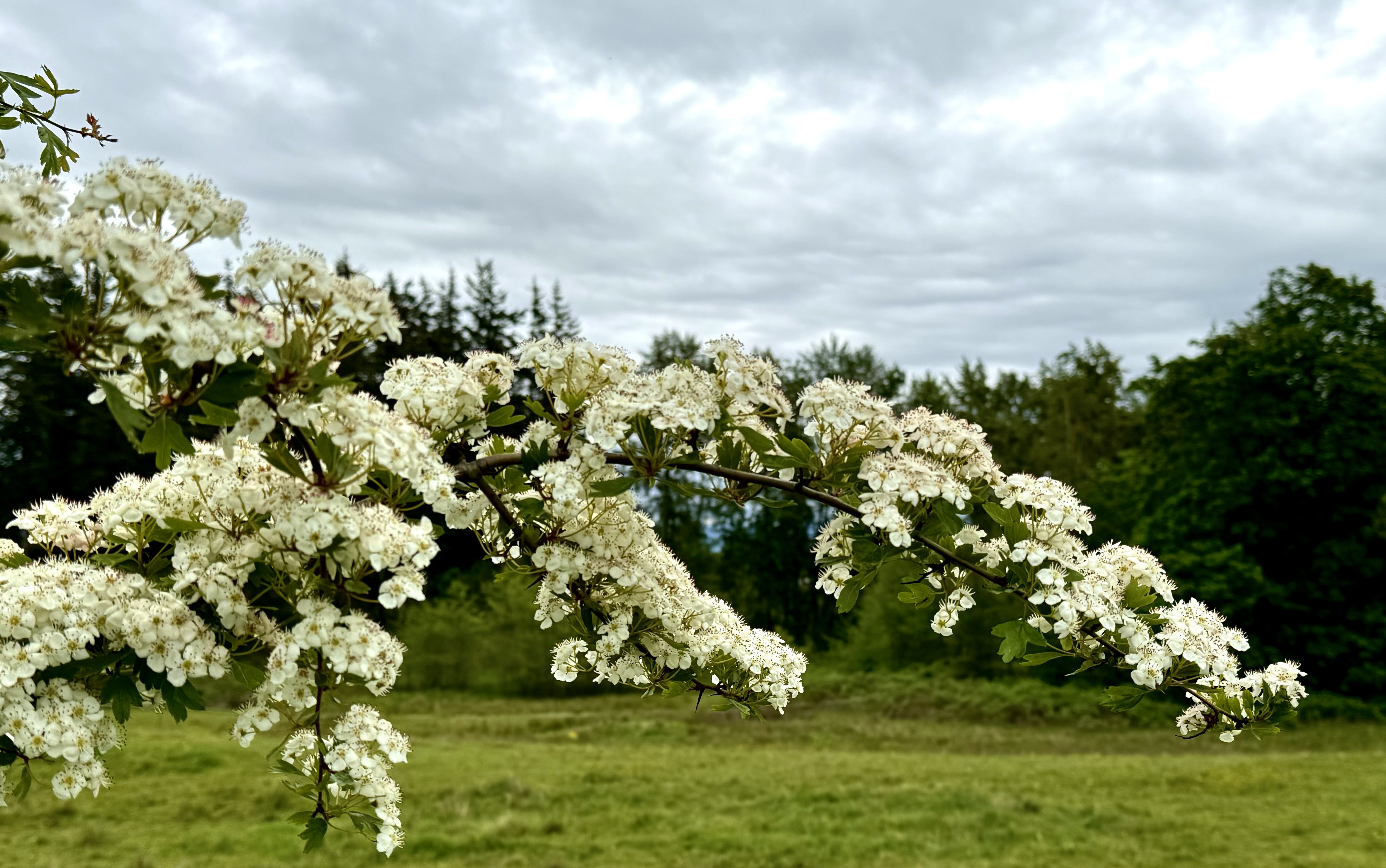
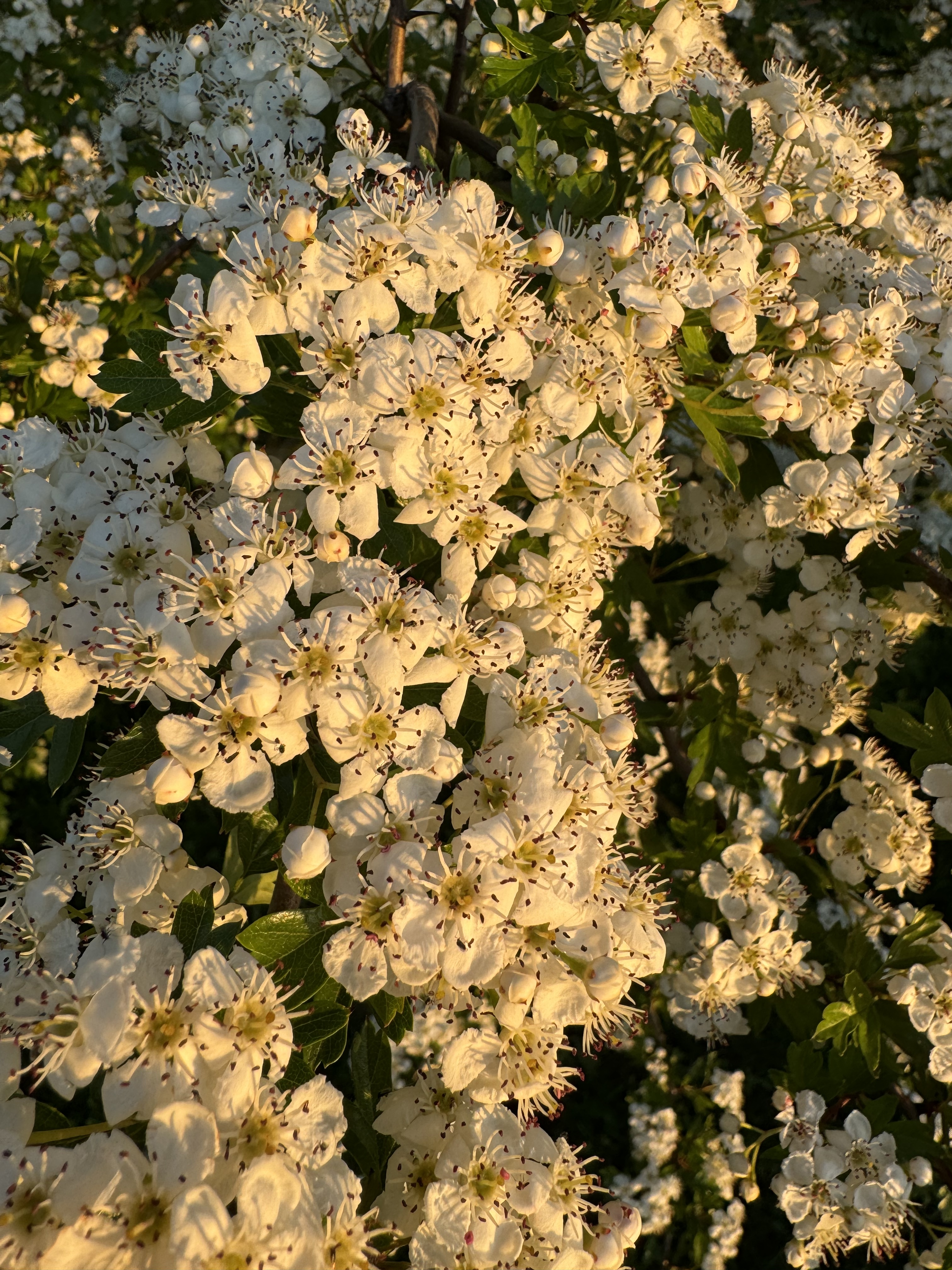
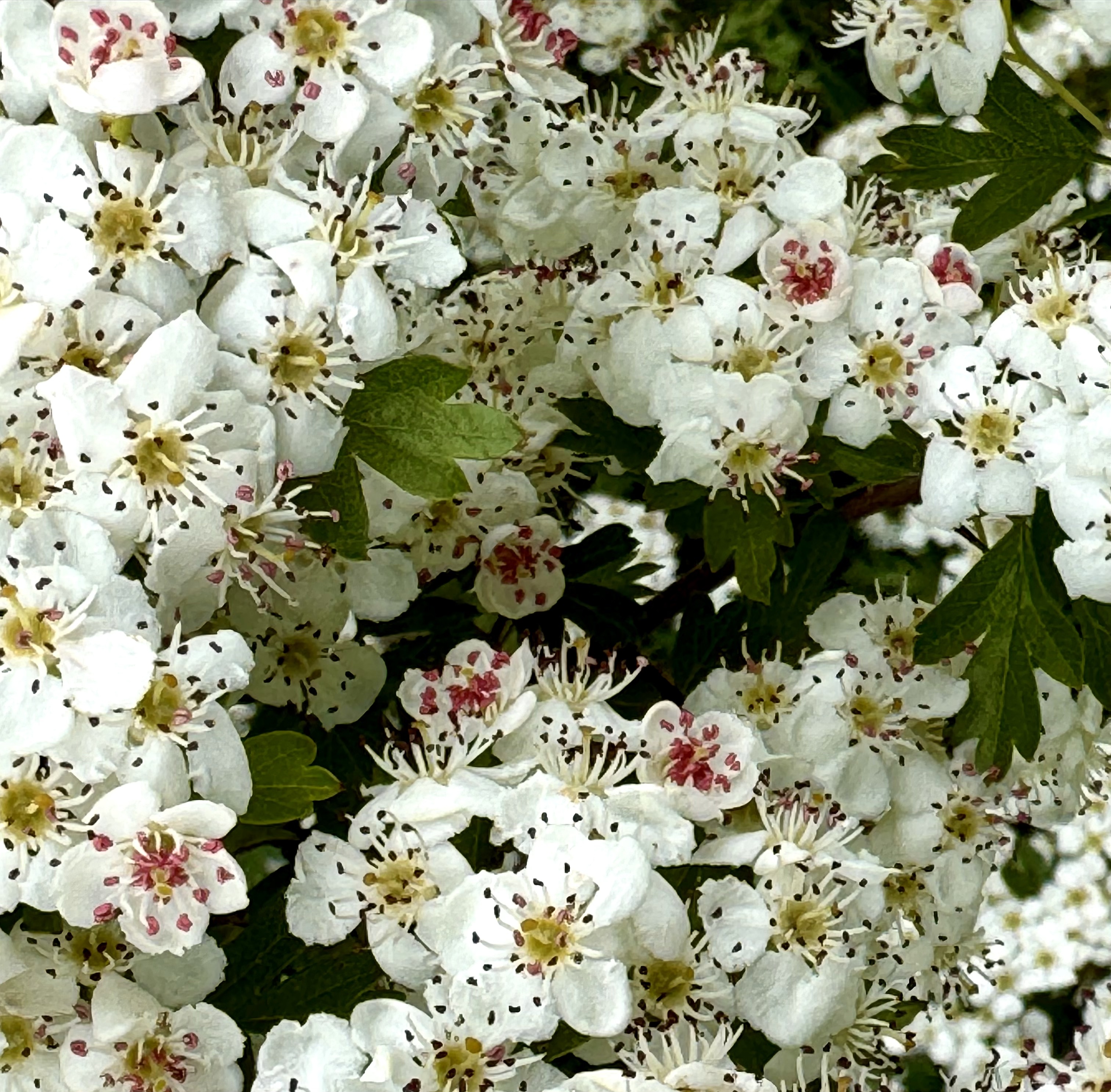
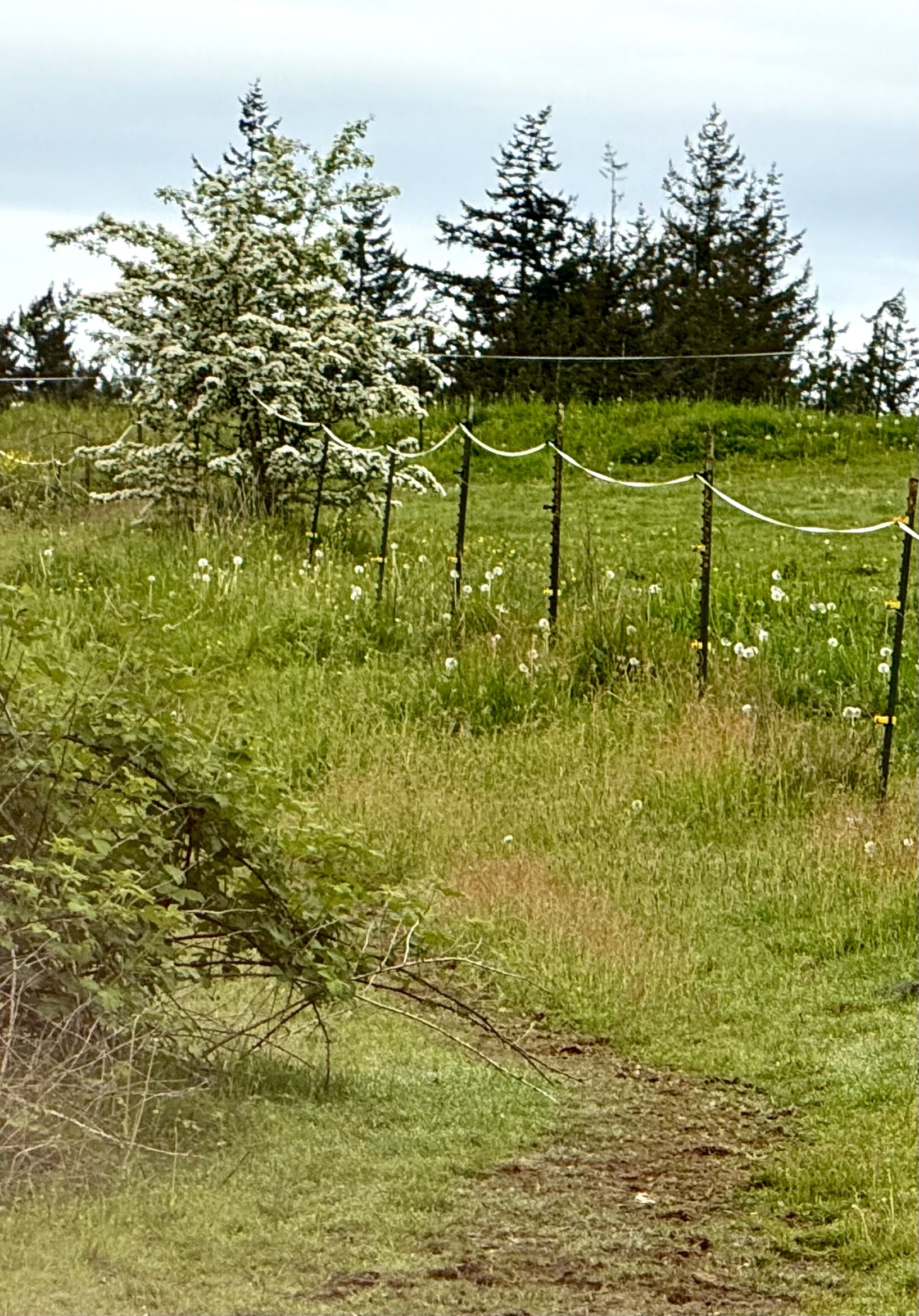
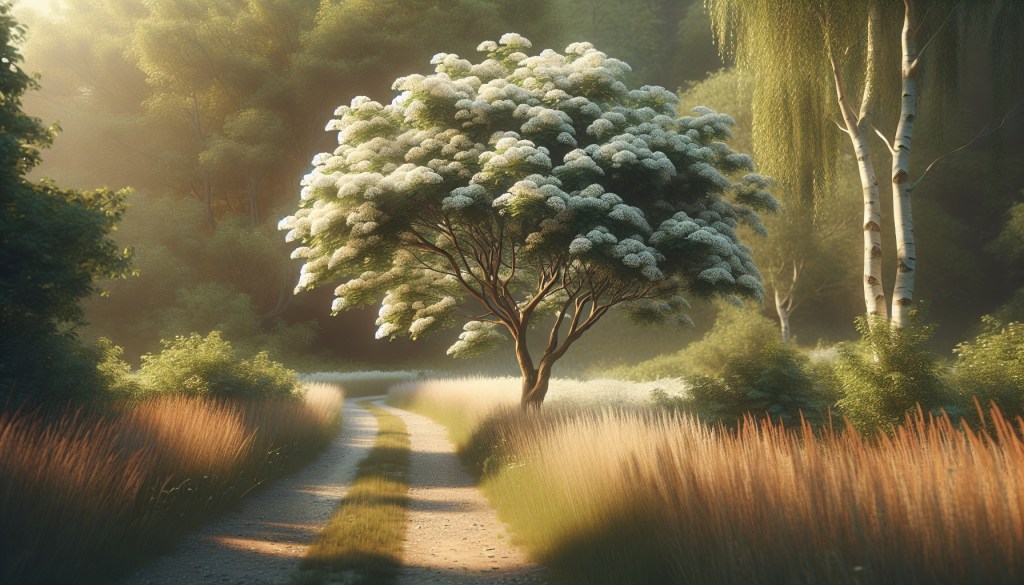
The bird-sowed hawthorn bush along the lane to our back field has suddenly become a blooming tree, staking out its place alongside the trail the horses follow to their pasture. This May, it is a white flame against the dark woods.

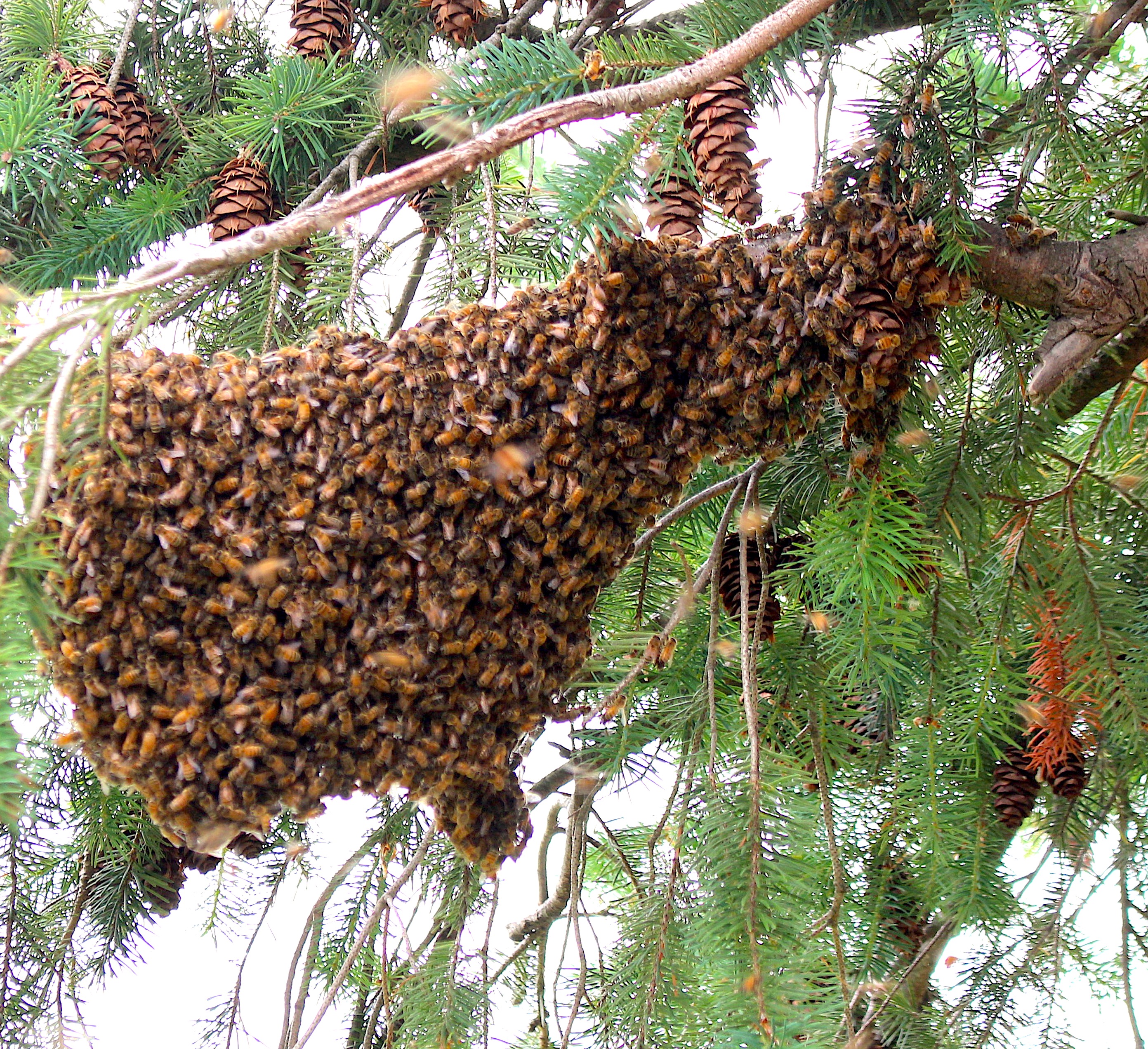
Though we didn’t intend for it to be there, we’ll leave it be. Hawthorns are great bird habitat and a haven for honeybees. They are found in most hedge rows in the United Kingdom, impenetrable due to their fierce thorns and criss-cross network of branches, a historic symbol of the toughness and persistence of the Celtic people. Though we don’t need a hedge row here, I appreciate the tree’s reminder it has a place in myth and lore.

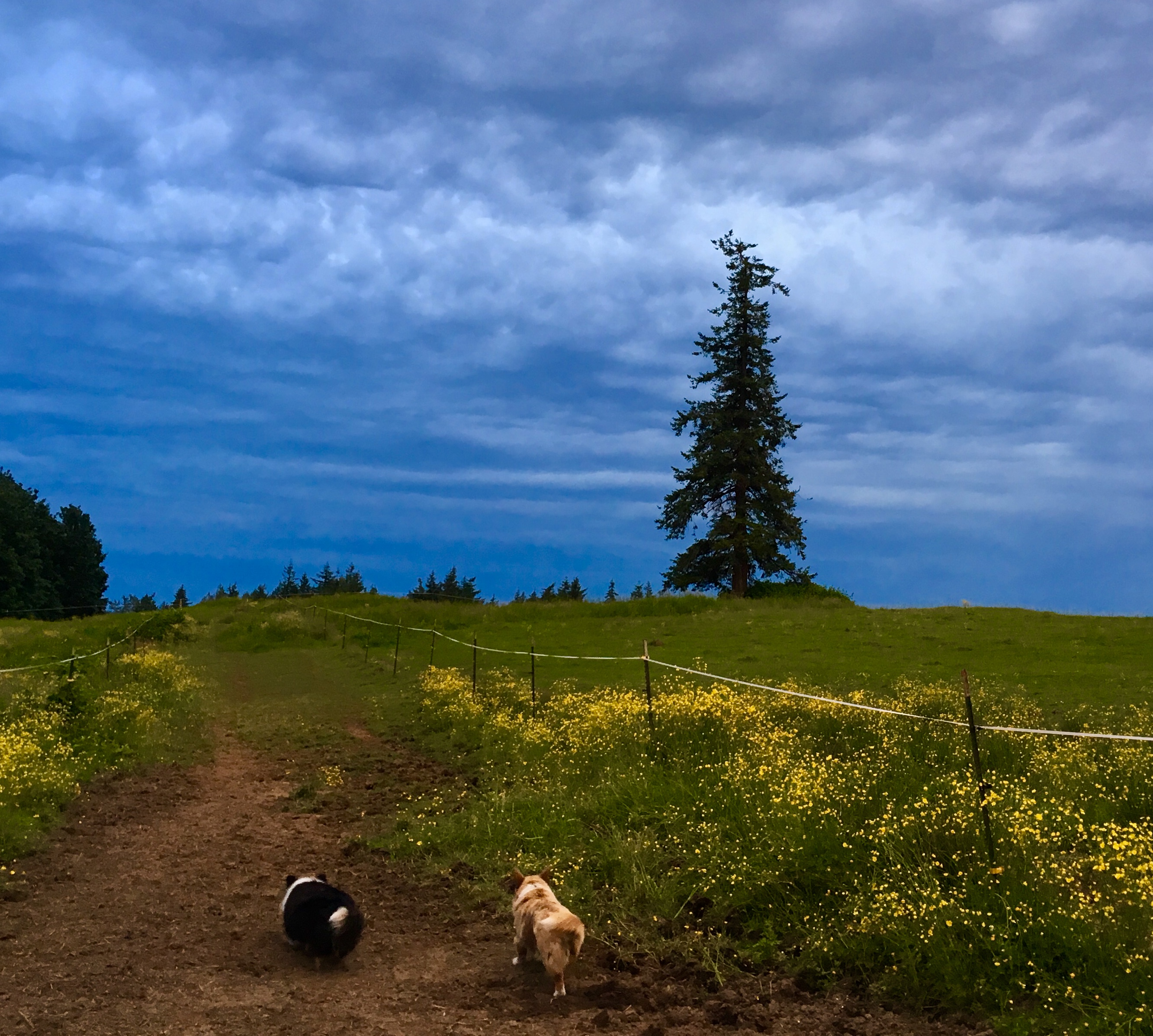
It will never be a hospitable tree like the lone fir tree that graces our hill, or the big leaf maple where children climb, or the black walnut whose branches support the treehouse. But it will be a white beacon every May, portending the summer to come, and if it bears fruit, it will feed the birds that nest in its interior.

And like the poem written by WWI soldier/poet Sassoon, it will be a bittersweet reminder of the familiar comfort of home, even though sharp thorns abound among the blossoms. Those thorns are nothing compared to the despair found in the fearsome trenches of warfare.

AI image created for this post
Siegfried Sassoon’s handwritten poem

along fair Arran’s shores
the swans sing soft of tale of yore,
of a young love taken to sea

the two were hand in glove
like sparrows bound in sacred love
a tune that only they can sing

a tree of unity
they planted by the green eyed sea
the branch would hold their love through time

a sailor lad was he
he said,”dont cry my lovely, mhari
before the moon is full i’ll return”

I’ll wait for thee and she sang to him

the moon shone full and bright
and home he sailed mid-summers night
the tree so young and blossoming

they slept among the green
the world was light and dreams serene
the fires in their hearts burned bright

Where moss-grown boulders stand,
he took her by the lily hand
and there they wed at break of day

the seas know not of hearts
and once again the two must part.
“it wont be long, i swear to thee.

please wait for me.”
and she sang to him

The hawthorn tree has grown,
10 years she walked shores alone,
she hears his whisper in the leaves

Home is the sailor lad,
home in the sea, forever plaid,
Under the wide and starry sky

Yes, I will wait for thee,
By mountain, sea and tree;
And on the wind you’ll hear my love,

for at the fall of day
Beneath the leaves where once we lay
I’ll sit and sing i’ll wait for thee

come back to me….
music and lyrics by Fae Wiedenhoeft

One-Time
Monthly
Yearly

Make a one-time or recurring donation to support daily Barnstorming posts

Make a monthly donation

Make a yearly donation

Choose an amount

$10.00
$25.00
$50.00
$5.00
$15.00
$100.00
$5.00
$15.00
$100.00

Or enter a custom amount

$

Your contribution is deeply appreciated.

Your contribution is appreciated.

Your contribution is appreciated.

DonateDonate monthlyDonate yearly
What To Live For

Still and calm,
In purple robes of kings,
The low-lying mountains
sleep at the edge of the world.
The forests cover them like mantles;
Day and night
Rise and fall over them
like the wash of waves. 
Asleep, they reign.
Silent, they say all.
Hush me, O slumbering mountains –
Send me dreams.

~Harriet Monroe “The Blue Ridge”

If you find yourself half naked
and barefoot in the frosty grass, hearing,
again, the earth’s great, sonorous moan that says
you are the air of the now and gone, that says
all you love will turn to dust,
and will meet you there, do not
raise your fist. Do not raise
your small voice against it. And do not
take cover. Instead, curl your toes
into the grass, watch the cloud
ascending from your lips. Walk
through the garden’s dormant splendor.
Say only, thank you.
Thank you.
~Ross Gay “Thank You”

I live for those who love me,
Whose hearts are kind and true;
For the heaven that smiles above me,
And awaits my spirit, too;
For all human ties that bind me,
For the task my God assigned me,
For the bright hopes left behind me,
And the good that I can do.


For the cause that needs assistance,
For the wrongs that need resistance,
For the future in the distance,
And the good that I can do

~George Linnaeus Banks from “What I Live For”

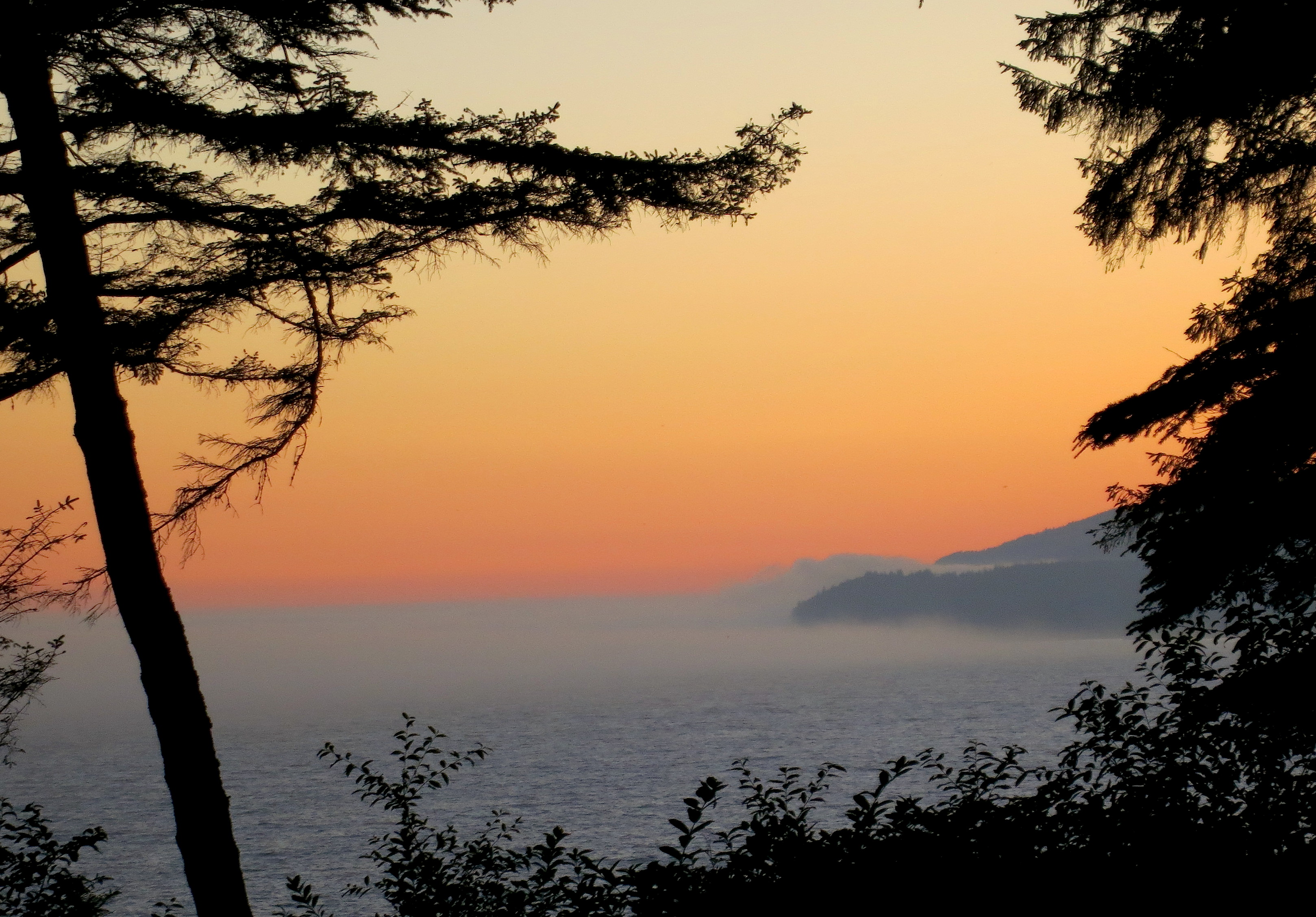
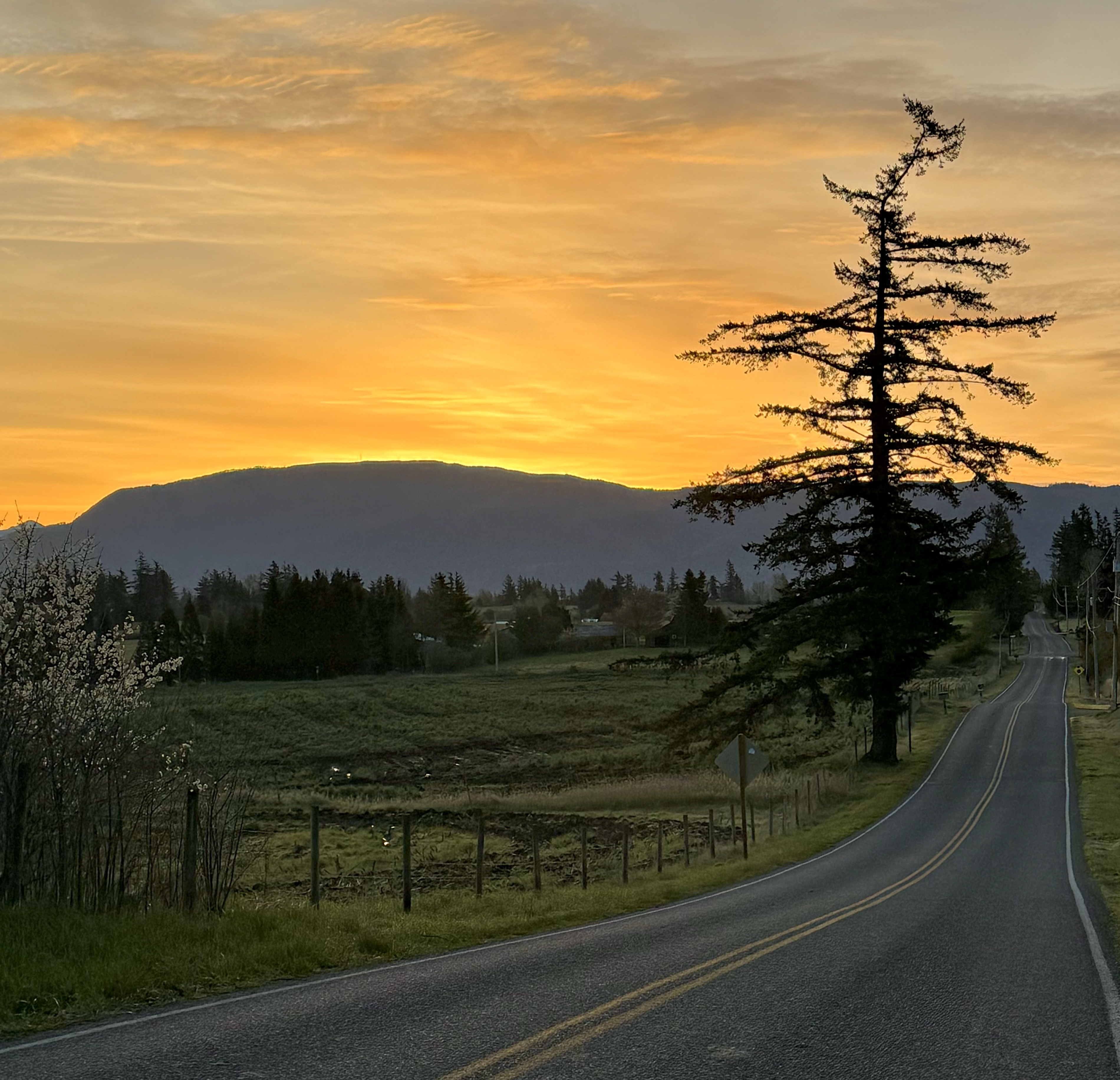
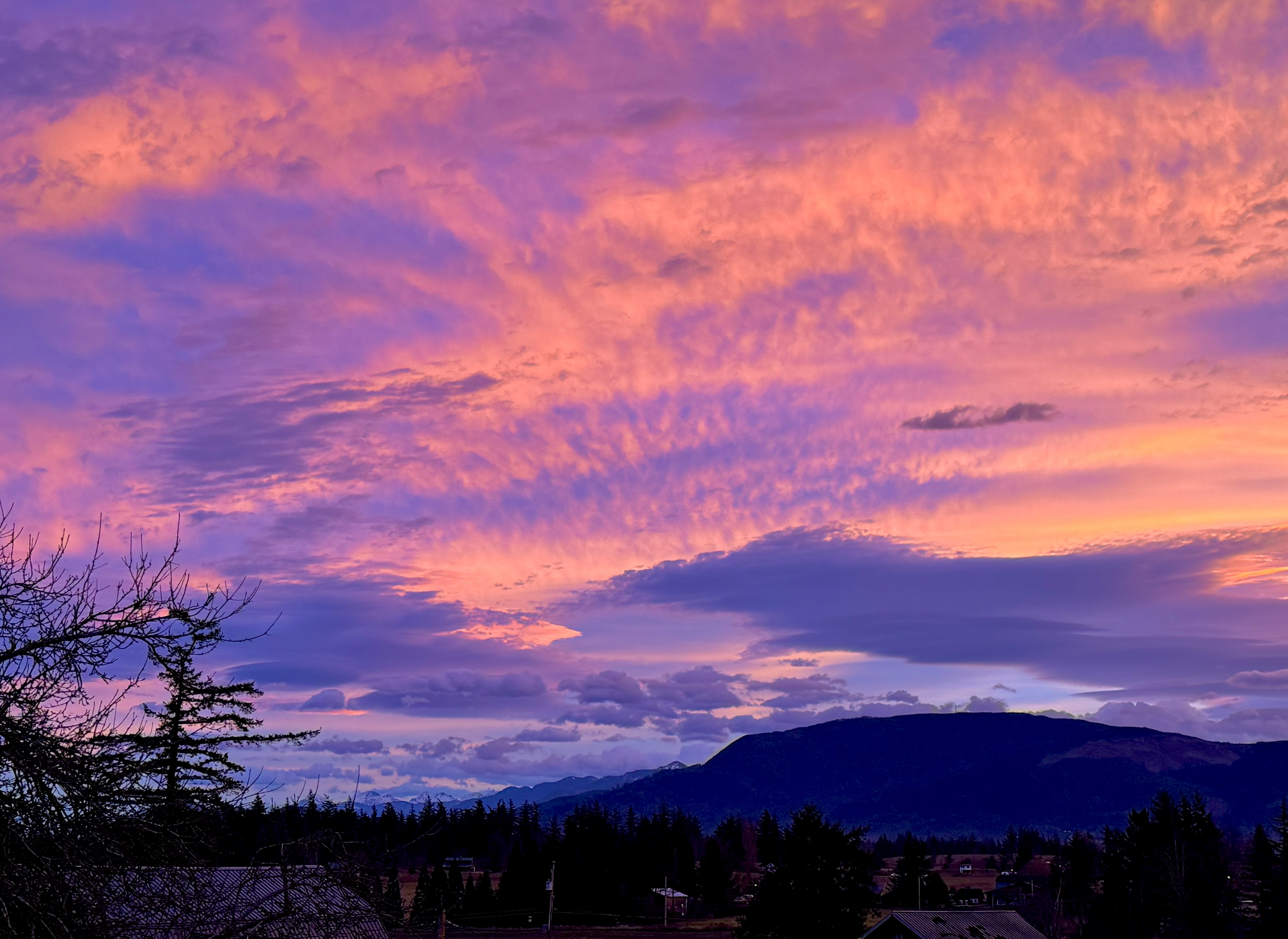
Our surrounding hills circle like wagons,
their strong shoulders promising steadfast protection.
Above them, the palette of sky changes with the weather,
as turmoil and turbulence continually stirs up our world.

There is so much good to be done:
our world needs hands-on, hearts-on work
for causes needing assistance –
for wrongs needing resistance.

Feeding, housing, healing, caring,
for those in our own neighborhoods
won’t make headlines like blocking freeways and college buildings.

Rather than raising tents and fists, idle hands can serve.
Rather than raising voices and drums, heads can bow in grateful prayer.

The mountains remind us:
Though we are here and now, we will soon turn to dust.
They ask us:
How to live a life that truly makes a difference for those in need?

One-Time
Monthly
Yearly

Make a one-time or recurring donation

Make a monthly donation

Make a yearly donation

Choose an amount

$10.00
$25.00
$50.00
$5.00
$15.00
$100.00
$5.00
$15.00
$100.00

Or enter a custom amount

$

Your contribution is deeply appreciated.

Your contribution is appreciated.

Your contribution is appreciated.

DonateDonate monthlyDonate yearly
And Through Eternity: Facing the Storm

A front of thunderstorms had sought you out.
It vowed to run a diabolical
black line through all that you were sure about—
the ordinary, sane, the sensible.
You raced to get the loose stuff off the lawn,
with purpose rearranged and stacked the chairs,
relieved, almost, when the phenomenon
of gray-green storm clouds simplified your cares.
And though it couldn’t miss, it kind of did.
Darkness at noon gave way to sun at one.
Catastrophe and doom had been short-lived.
Embarrassed that your fears were overblown,
you faced your mundane day-to-day concerns,
vaguely upset that normalcy returns.

~Robert Crawford “Squall”

Beneath our clothes, our reputations, our pretensions,
beneath our religion or lack of it,
we are all vulnerable both to the storm without
and to the storm within.
~Frederick Buechner – from Telling the Truth

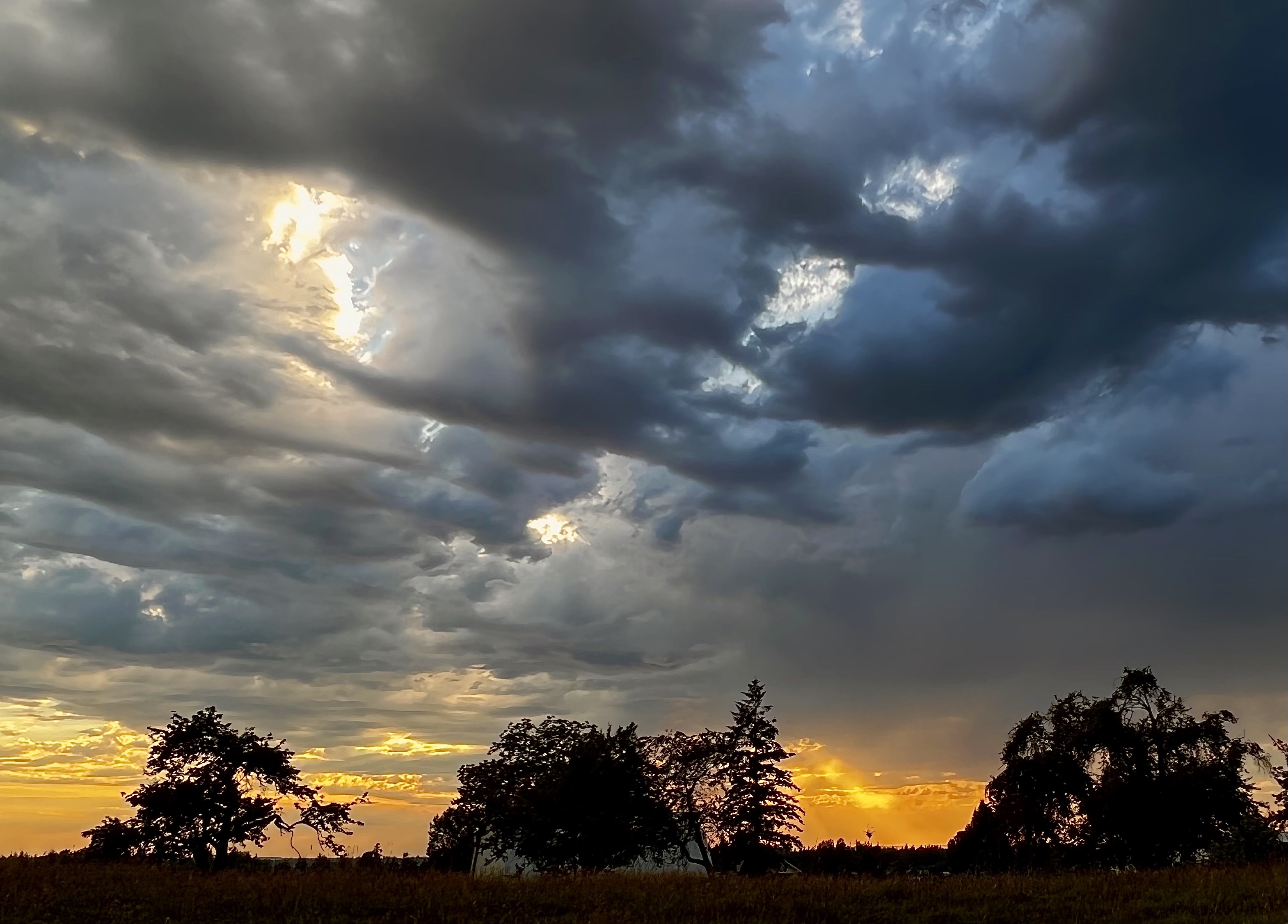
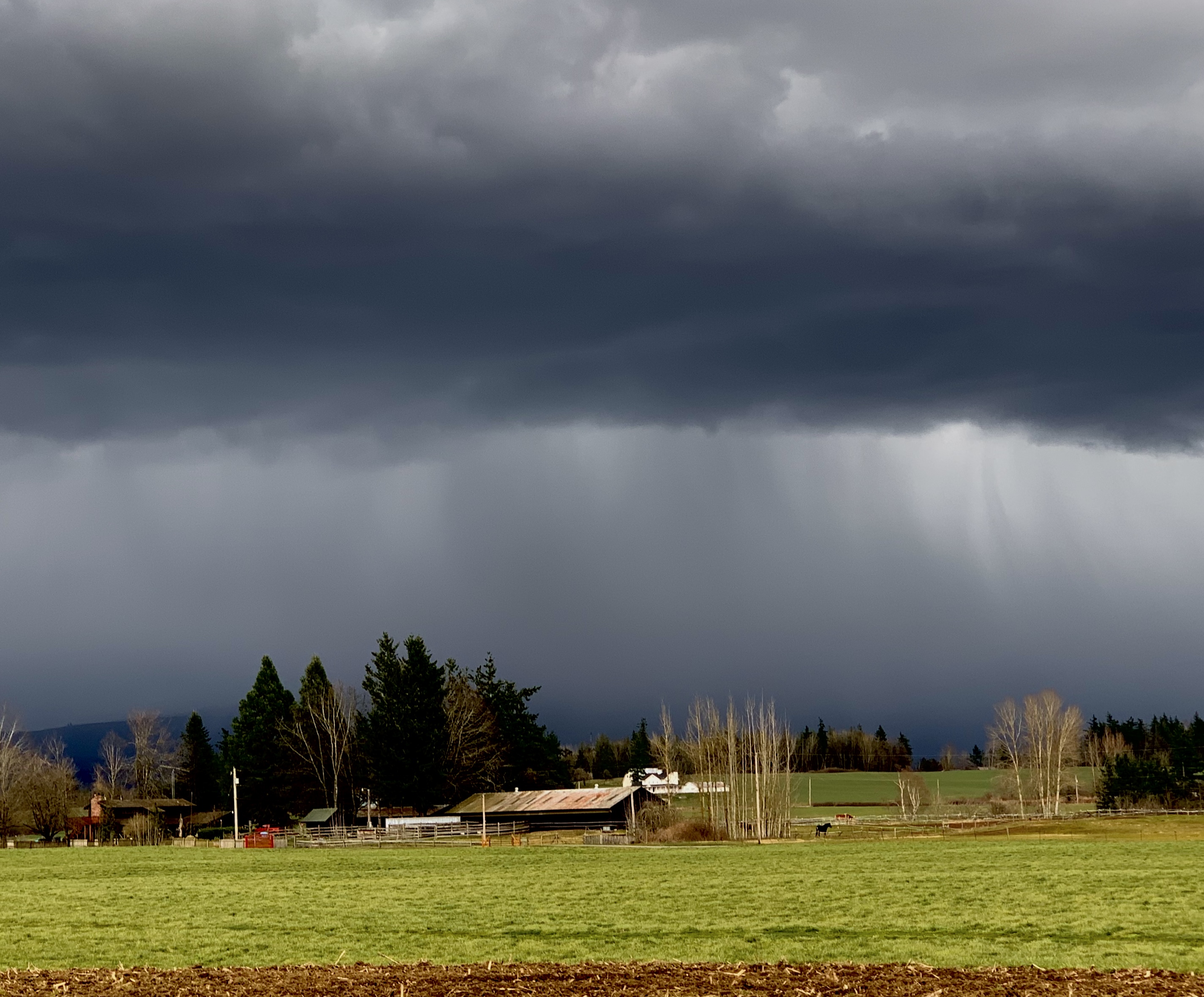
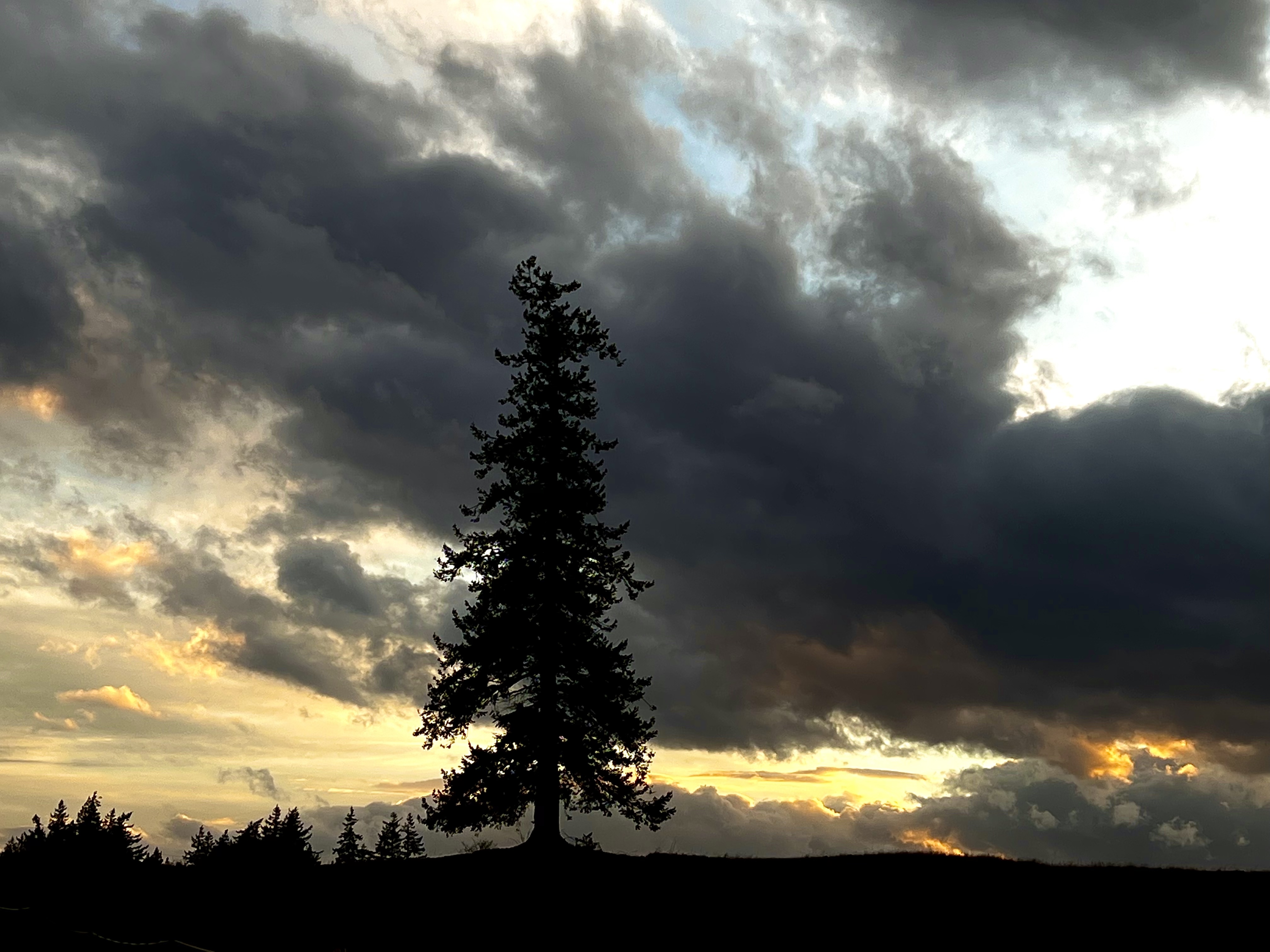
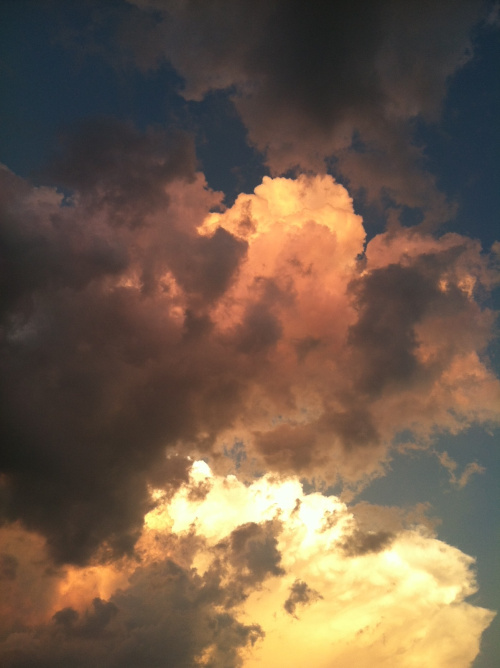
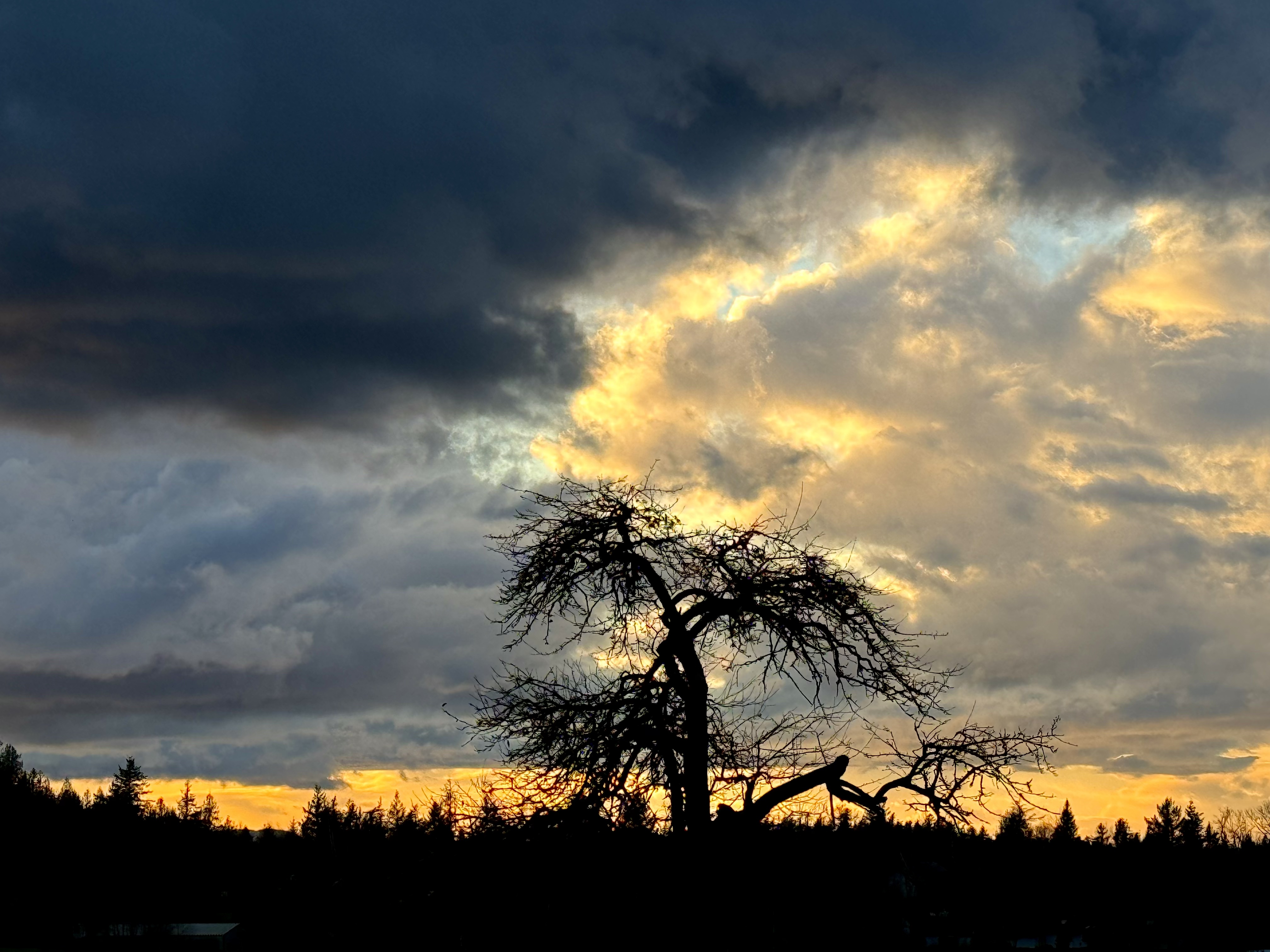
I watch the storm fronts roll in, threatening my outside and inside: heavy damaging winds, thunder and lightning, torrential unpredictable rains, mudslides, horrible forest fires destroying what is familiar and routine.

Inside my own head, the storm clouds of news headlines overpower day-to-day mundane concerns: devastating wars and violence, crime and protests, homelessness, rampant starvation and disease, man’s ongoing inhumanity to man.

I want to hide under a rock until the storms inside and outside blow over.

In the midst of the tempest — while wars rage on the planet, while a bitter election season is underway — a miracle may be wrought.
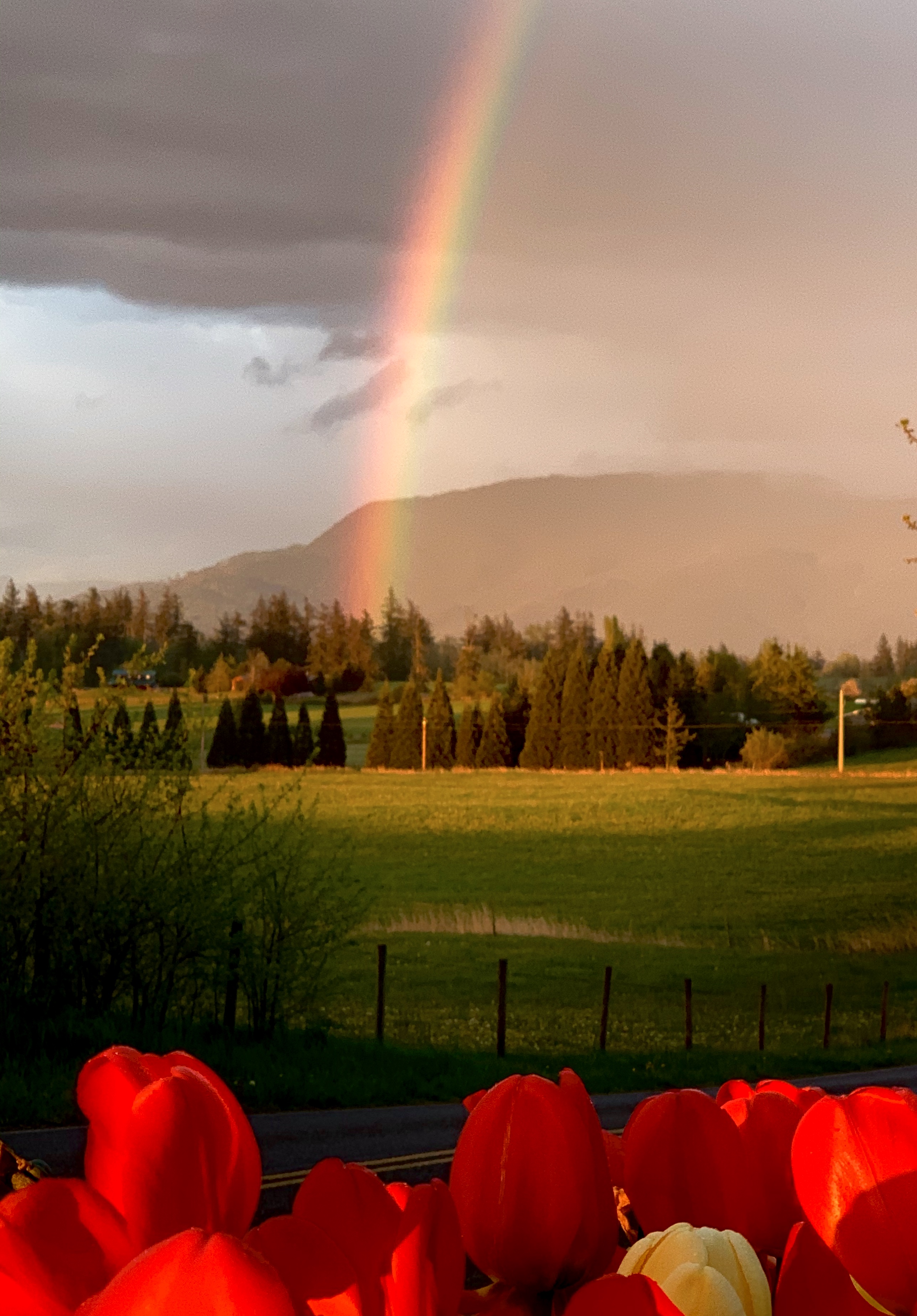
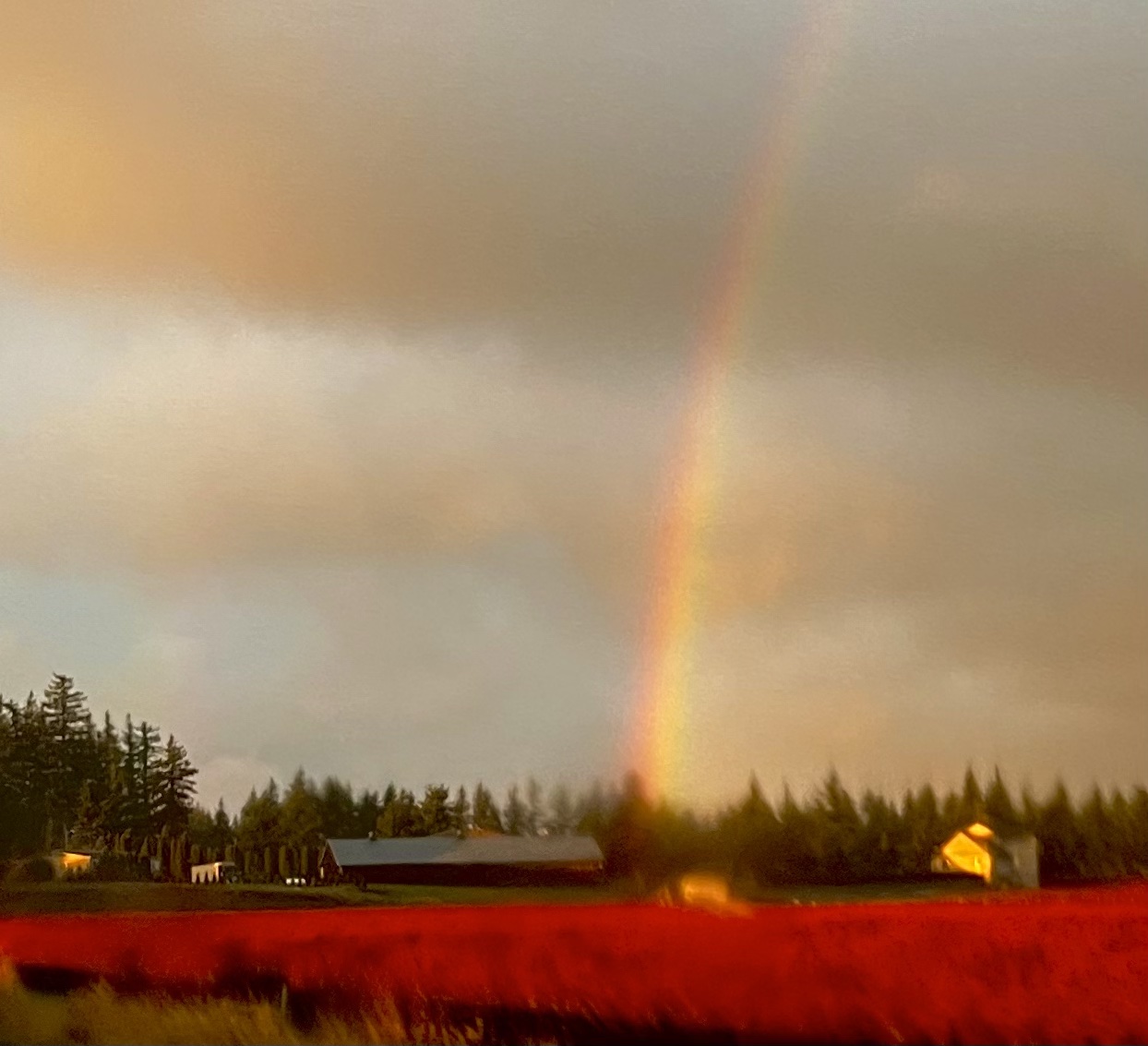
Brilliant light exposes how heaven weeps from heavy clouds. A rainbow touches the earth in holy promise.

God assures His people: this storm too will pass, even the storms of our own making. Darkness is overcome by Light.

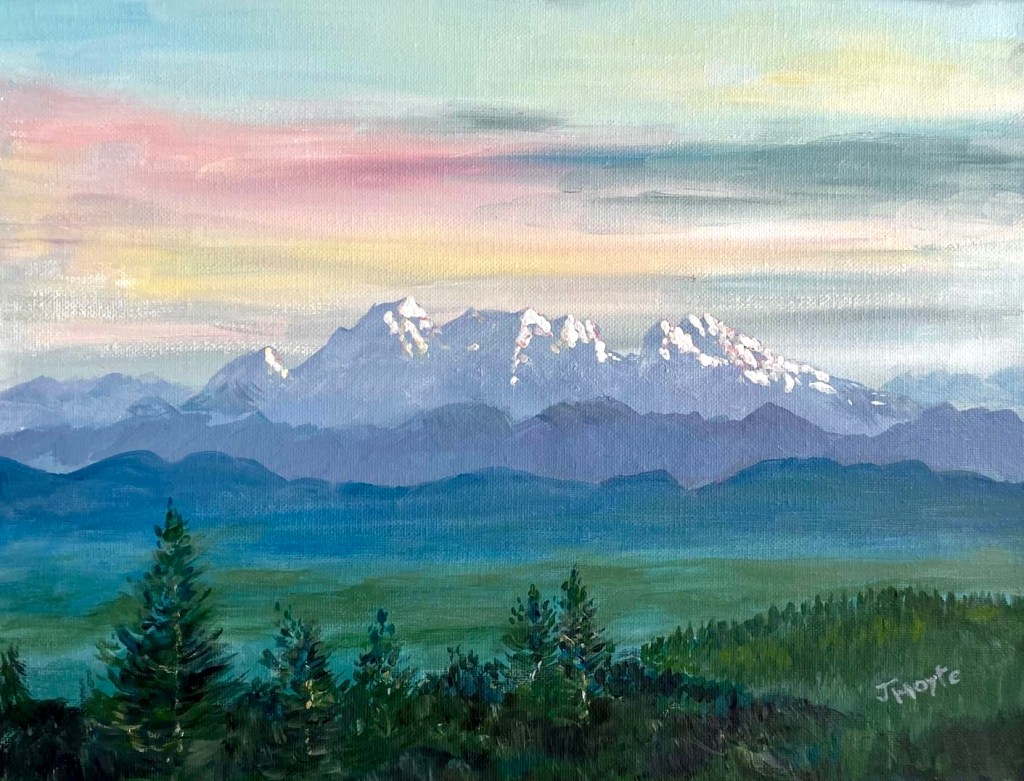
Painting of snowy Cascades by John Hoyte

He stilled the storm to a whisper;
    the waves of the sea were hushed.
They were glad when it grew calm,
    and he guided them to their desired haven.
Psalm 107:29-30

This Lenten season I reflect on the words of the 19th century southern spiritual hymn “What Wondrous Love is This”

One-Time
Monthly
Yearly

Make a one-time or recurring donation to support daily Barnstorming posts

Make a monthly donation

Make a yearly donation

Choose an amount

$10.00
$25.00
$50.00
$5.00
$15.00
$100.00
$5.00
$15.00
$100.00

Or enter a custom amount

$

Your contribution is deeply appreciated.
Your contribution is appreciated.

Your contribution is appreciated.

DonateDonate monthlyDonate yearly