Did You Cry?

To pull the metal splinter from my palm
my father recited a story in a low voice.
I watched his lovely face and not the blade.
Before the story ended, he’d removed
the iron sliver I thought I’d die from.

I can’t remember the tale,
but hear his voice still, a well
of dark water, a prayer.
And I recall his hands,
two measures of tenderness
he laid against my face,
the flames of discipline
he raised above my head.

Had you entered that afternoon
you would have thought you saw a man
planting something in a boy’s palm,
a silver tear, a tiny flame.
Had you followed that boy
you would have arrived here,
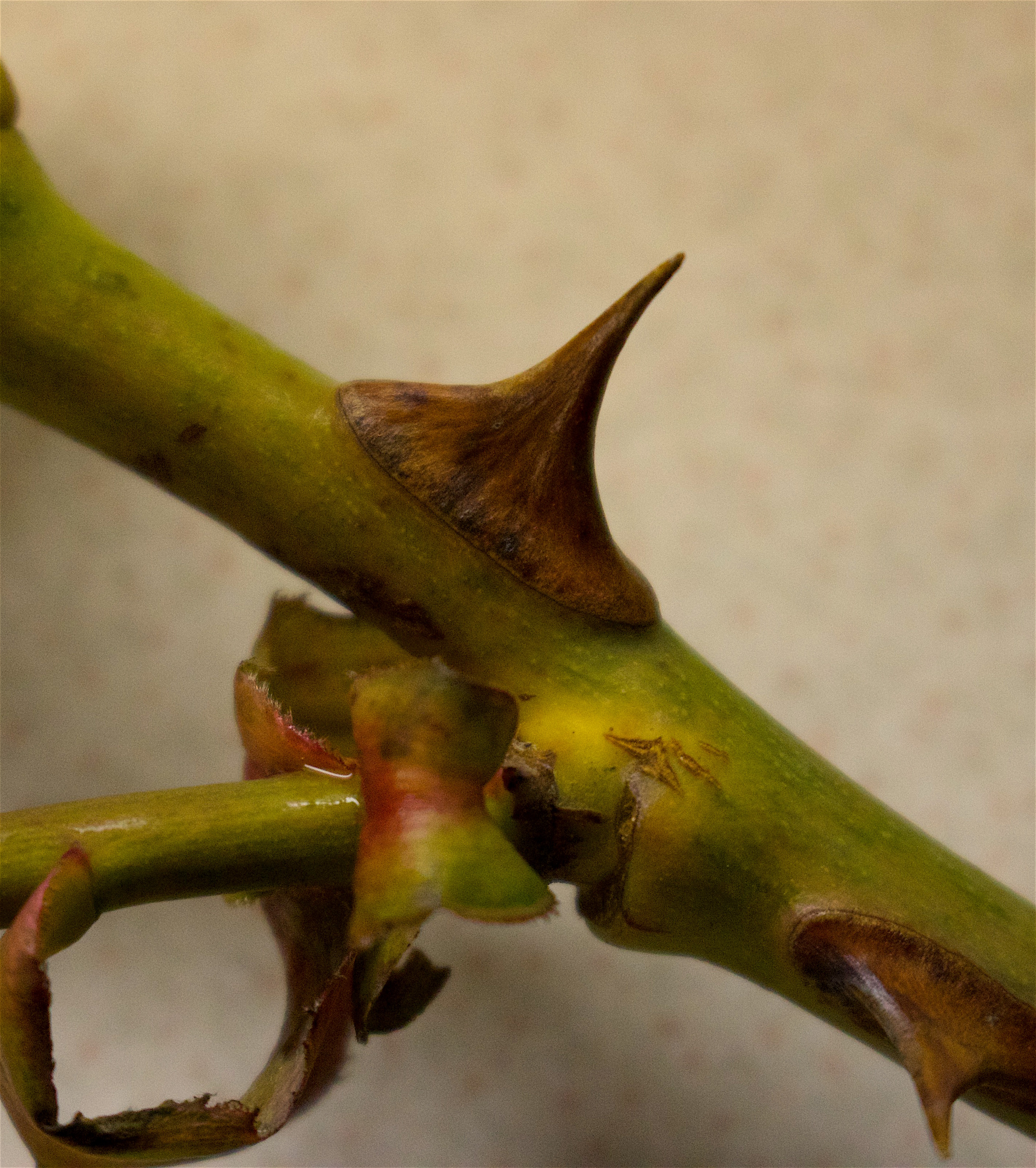
where I bend over my wife’s right hand.

Look how I shave her thumbnail down
so carefully she feels no pain.
Watch as I lift the splinter out.
I was seven when my father
took my hand like this,
and I did not hold that shard
between my fingers and think,
Metal that will bury me,
christen it Little Assassin,
Ore Going Deep for My Heart.
And I did not lift up my wound and cry,
Death visited here!
I did what a child does
when he’s given something to keep.
I kissed my father.
~Li-Young Lee, “The Gift”
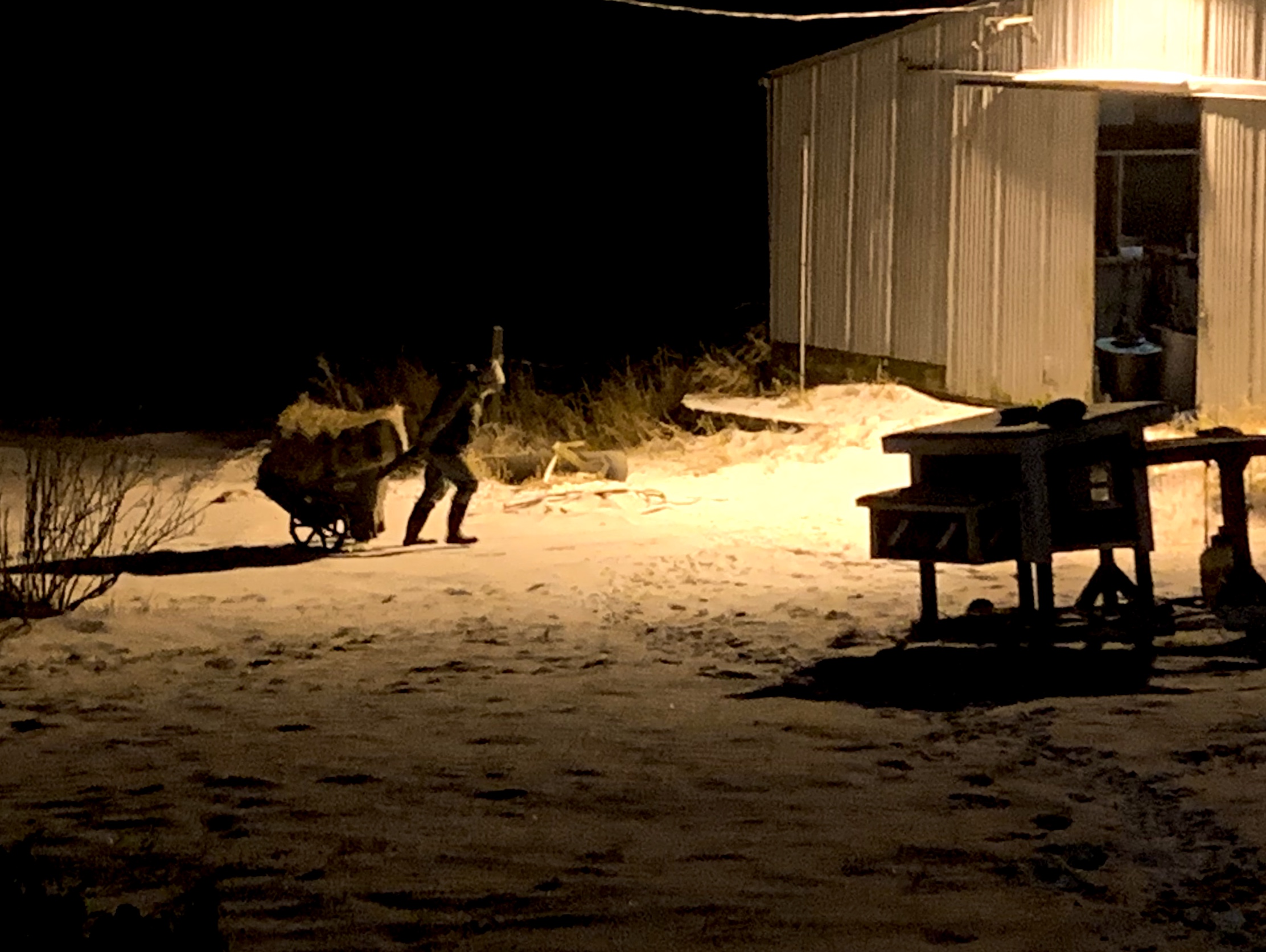
Your father enters the poem
early,
storying past
the metal splinter
in your palm.

I set your paternity
—and the poem—
aside,
to reach back for my mother
and try to remember

what kind of day it was
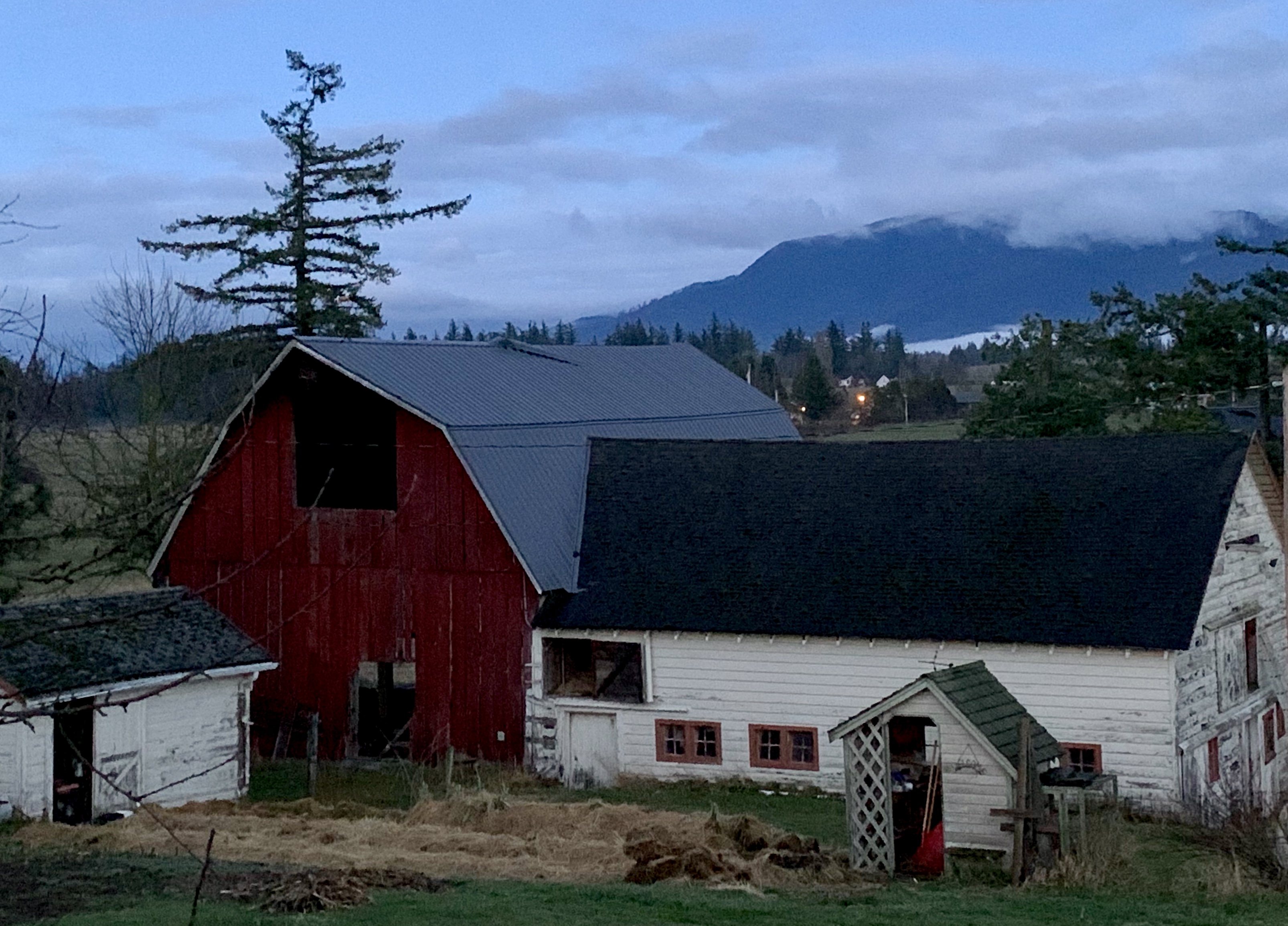
when I played by the barn
where, it is said,
my own father raised pigs
(I do not remember this).

And what kind of day it was
when I found the barn,
door open,
silent

and tried to pluck silver lines
from silver webs
long-left,
then tendered my hand
on noiseless silvered wood

until my palms
were rife with the evidence
of my trying,

and mother
spent the night
with a silver tweezer,
counting as she went…
ninety-eight
ninety-nine
one hundred—

a ritual for my
tears.

And now I wonder,
Li-Young—did you cry,
and who was in the story,
and how many times
have you counted it since,
to forget,
and to remember.

~L. L. Barkat, “Li-Young Lee’s Splinter” from  Love, Etc.
I did, without ever wanting to, remove my child’s splinter, lance a boil, immobilize a broken arm, pull together sliced skin, clean many dirty wounds. It felt like I was always crossing the line between mommy and doctor.  But someone had to do it, and a four hour wait in the emergency room didn’t seem warranted.

My own child learned to cope with hurt made worse by someone they trusted to be comforter. I dealt with inflicting pain, temporary though it may be, to flesh that arose from my own flesh.  It hurt as much as if it were my own wound needing cleansing, not theirs.

Our wounds are His – He is constantly feeling our pain as He performs healing surgeries in our lives, not because He wants to but because He must, to save us from our own destruction.

Too often we yell and kick and protest in our distress, wanting it our way, not His way, making it all that much more difficult for both of us.

If only we can come to acknowledge His intervention is our salvage:
our tears to flow in relief, not anguish, we cling to His protection rather than pushing Him away, we kiss Him in gratitude as we are restored again and yet again.
In the Blink of an Eye

May the wind always be in her hair
May the sky always be wide with hope above her
And may all the hills be an exhilaration
the trials but a trail,
all the stones but stairs to God.

May she be bread and feed many with her life and her laughter
May she be thread and mend brokenness and knit hearts…
~Ann Voskamp from “A Prayer for a Daughter”

“I have noticed,” she said slowly, “that time does not really exist for mothers, with regard to their children. It does not matter greatly how old the child is – in the blink of an eye, the mother can see the child again as she was when she was born, when she learned to walk, as she was at any age — at any time, even when the child is fully grown….”
~Diana Gabaldon from Voyager

Just checking to see if she is real…

Your rolling and stretching had grown quieter that stormy winter night
twenty seven years ago, but no labor came as it should.
A week overdue post-Christmas,
you clung to amnion and womb, not yet ready.
Then the wind blew more wicked
and snow flew sideways, landing in piling drifts,
the roads becoming impassable, nearly impossible to traverse.

So your dad and I tried,
worried about being stranded on the farm far from town.
Our little car got stuck in a snowpile in the deep darkness,
our tires spinning, whining against the snow.
A nearby neighbor’s bulldozer dug us out to freedom.
You floated silent and still, knowing your time was not yet.

Creeping slowly through the dark night blizzard,
we arrived to the warm glow of the hospital.
You slept.
I, not at all.

Morning sun glistened off sculptured snow outside our window,
and your heart had ominously slowed in the night.
We both were jostled, turned, oxygenated, but nothing changed.
You beat even more slowly, letting loose your tenuous grip on life.

The nurses’ eyes told me we had trouble.
The doctor, grim faced, announced
delivery must happen quickly,
taking you now, hoping we were not too late.
I was rolled, numbed, stunned,
clasping your father’s hand, closing my eyes,
not wanting to see the bustle around me,
trying not to hear the shouted orders,
the tension in the voices,
the quiet at the moment of opening
when it was unknown what would be found.

And then you cried. A hearty healthy husky cry, a welcomed song.
Perturbed and disturbed from the warmth of womb,
to the cold shock of a bright lit operating room,
your first vocal solo brought applause
from the surrounding audience who admired your pink skin,
your shock of damp red hair, your blue eyes squeezed tight,
then blinking open, wondering and wondrous,
emerging saved from the storm within and without.

You were brought wrapped for me to see and touch
before you were whisked away to be checked over thoroughly,
your father trailing behind the parade to the nursery.
I closed my eyes, swirling in a brain blizzard of what-ifs.

If no snow storm had come,
you would have fallen asleep forever within my womb,
no longer nurtured by my aging placenta,
cut off from what you needed to stay alive.
There would have been only our soft weeping,
knowing what could have been if we had only known,
if God provided a sign to go for help.

Saved by a storm and dug out from a drift:
I celebrate each time I hear your voice singing,
knowing you are a thread born to knit and mend hearts.

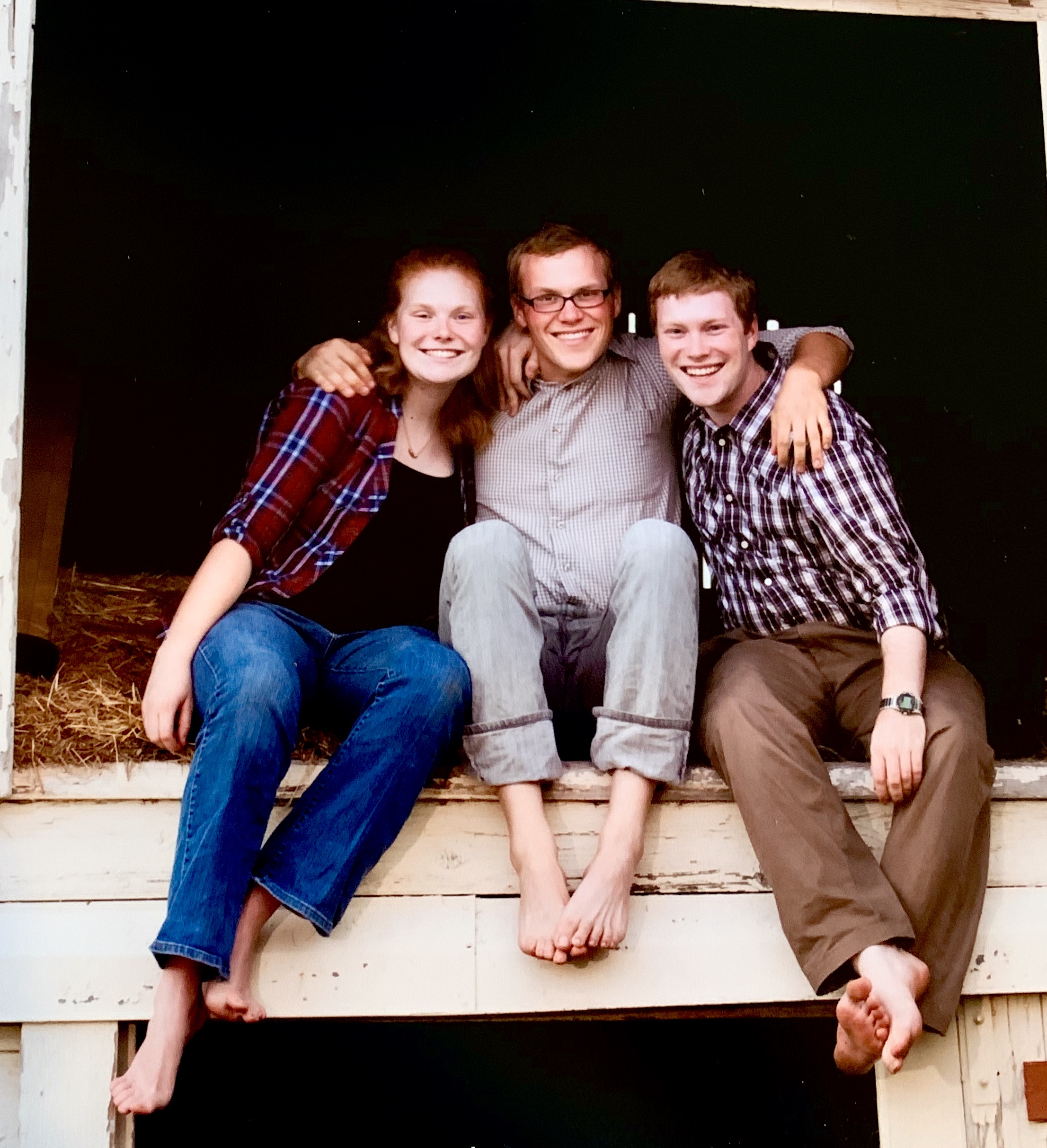
my annual January 5 “happy birthday” to our daughter Lea, a 4th grade school teacher, soon to be married

A Few Tears at the End of the Year

Let us step outside for a moment
As the sun breaks through clouds
And shines on wet new fallen snow,
And breathe the new air.
So much has died that had to die this year.

Let us step outside for a moment.
It is all there
Only we have been slow to arrive
At a way of seeing it.
Unless the gentle inherit the earth
There will be no earth.
~May Sarton from “New Year Poem”

photo by Nate Gibson

Whenever you find tears in your eyes, especially unexpected tears, it is well to pay the closest attention.  They are not only telling you something about the secret of who you are, but more often than not God is speaking to you through them of the mystery of where you have come from and is summoning you to where, if your soul is to be saved, you should go next.
~Frederick Buechner
from Beyond Words

I don’t pay close enough attention to the meaning of my leaking eyes when I’m constantly looking for kleenex to stem the flow.  During the holidays it seems I have more than ample opportunity to find out from my tears the secret of who I am, where I have come from, and where I am to be next, so I keep my pockets loaded with kleenex.

It mostly has to do with spending time with far-flung children and grandchildren for the holidays. It is about reading books and doing puzzles together and reminiscing about what has been and what could be. It is about singing grace together before a meal and choking on precious words of gratitude.  It certainly has to do with bidding farewell until we meet again — gathering them in for that final hug and then that letting-go part.

We urged and encouraged our children to go where their hearts told them they are needed and called to be, even if thousands of miles away from their one-time home on this farm.

I too was let go once and though I would try to look back, too often in tears, I learned to set my face toward the future.  It led me here, to this marriage, this family, this farm, this work, our church, to more tears, to more letting go, as it will continue if I’m granted the years to weep again and again with gusto and grace.

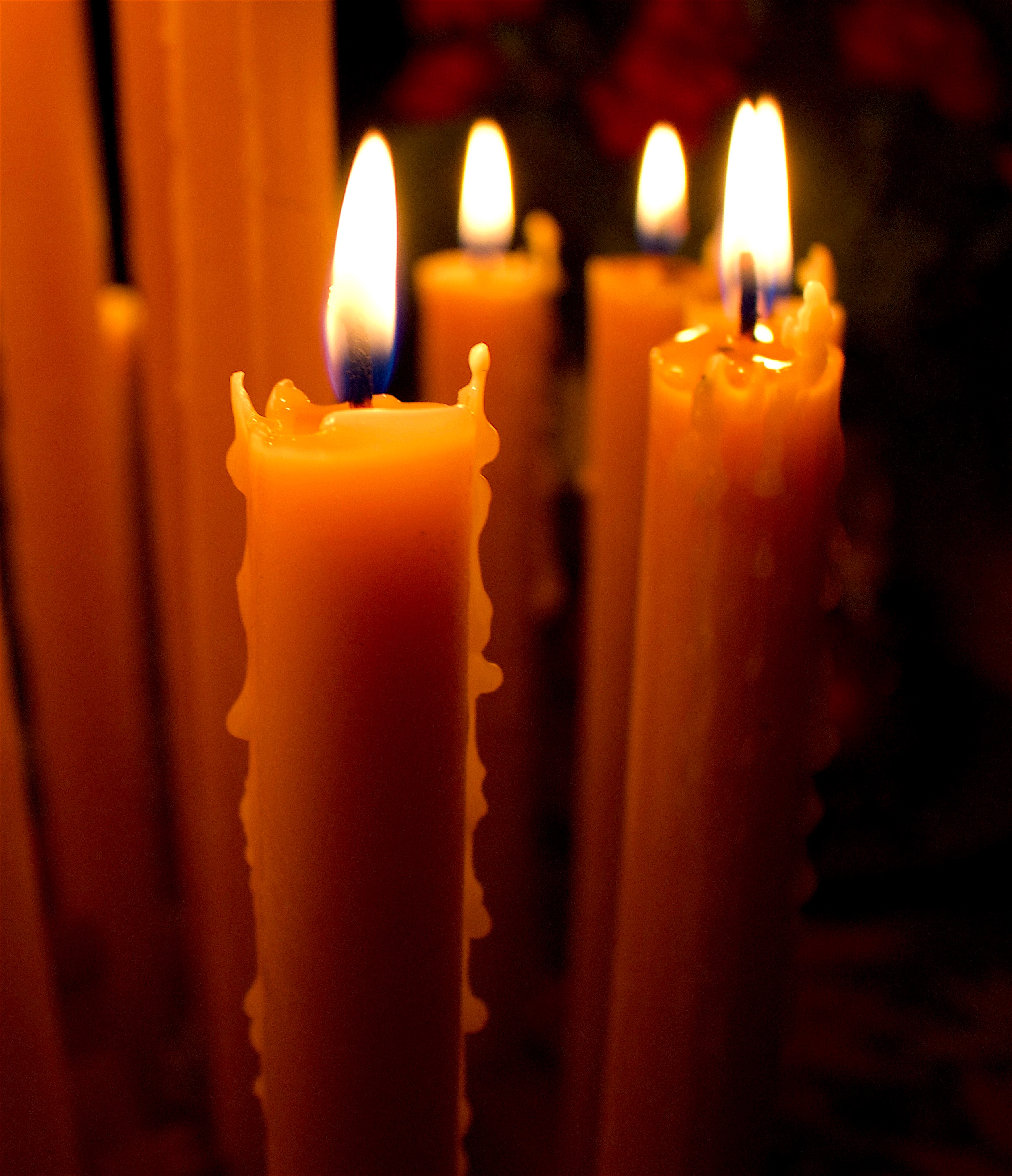
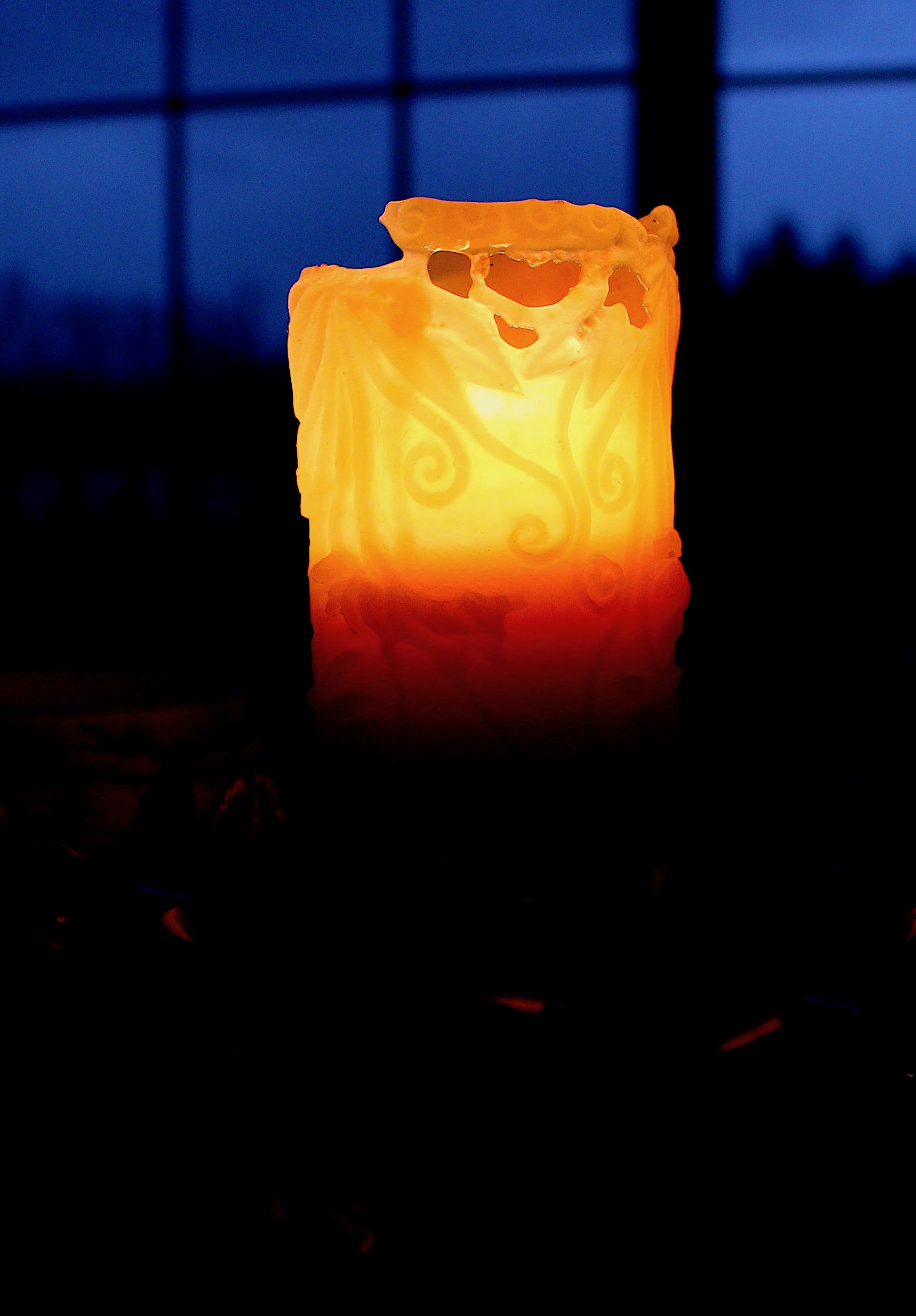
This is where I must go next: to love so much and so deeply that letting go is so hard that tears are no longer unexpected or a mystery to me or my children and grandchildren.   They release a fullness that can no longer be contained: God’s still small voice spills down my cheeks drop by drop like wax from a burning candle.

A wise and precious friend once told me that “our tears are God’s tears; to be bereft is the only way to become one with God.

So no kleenex needed with these tears.

I’ll let them flow as I let them go.

Heading Home

There are two ways of getting home; and one of them is to stay there.
~G. K. Chesterton

Those who know me, know I don’t care much for traveling. I prefer to stay home, but a near second best is heading home from where I’ve been.

Home can seem elusive and just out of reach for much of our lives. It may not feel we truly belong in any one place in this modern era of constant transitions and transfers. I’m a prime example of a truly ambivalent home body.

In high school, I could not plan a get-away from my home town fast enough, opting to go to college two states away.  Once I was away, I was hopelessly home-and-heartsick.   Miserable, I decided to come back home and go to school there instead.

Once back under my parents’ roof, my homesickness abated but the heartsick continued, having nothing to do with where I ate and slept.  I wasn’t at home inside myself.   It took time and various attempts at geographic cures to settle in and accept who I always had been.

Those who do move away often cast aspersions at people who never wander far from home.  The homebodies are seen as provincial, stuck in a rut, unenlightened and hopelessly small-town.  Yet later in life as the wanderers have a tendency to move back home, the stay-at-homers become solid friends and neighbors.   Remarkably, they often have become the pillars and life blood of a community.  They have slogged through long hours of keeping a place going when others left.

I did end up doing my share of wandering yet still sympathized with those who decided to stay put. I returned home by settling only a few miles from the stomping grounds of my homesteading great-grandparents, at once backwoods and backwater. Cast aspersions welcomed.

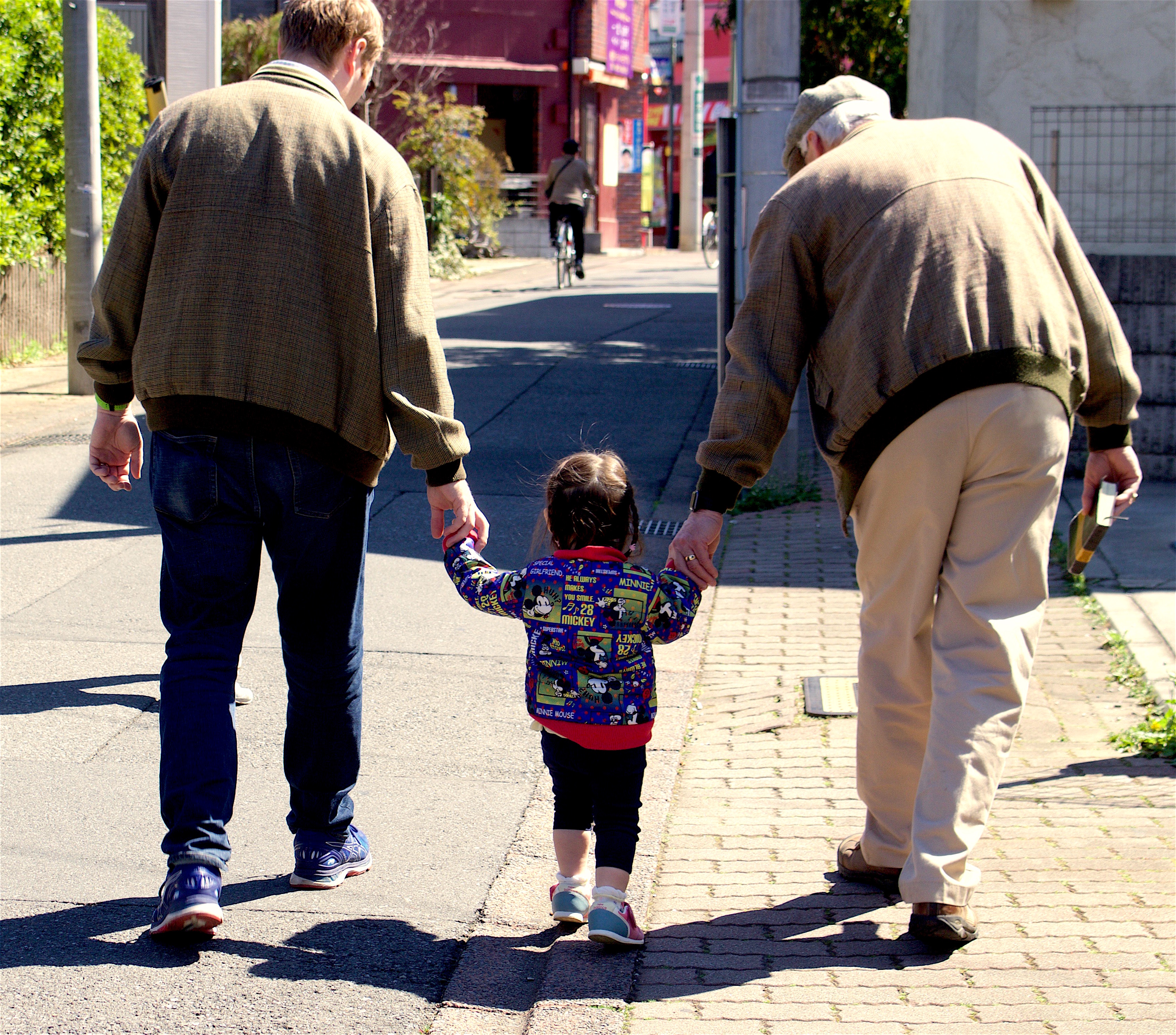
Now I get back home by mostly staying home. It takes something major, like a son spending the last decade teaching in Japan, now married with two children, to lure me away from my corner of the world once or twice a year. Getting away for a far away visit becomes a bigger effort as we get older, and coming back home is so bittersweet when hugging those loved ones goodbye. That is exactly what happened earlier today, as we sit at Narita airport waiting for our flight home.

I simply remember the assurance expressed so simply by Thomas Hardy in Far From the Madding Crowd,
“And at home, by the fire, whenever you look up, there I shall be–and whenever I look up, there will be you.”

Home so sweet. We all long for it, sometimes with our hearts breaking, wherever it may be.

We Lean Lest We Fall

Today we both fell.

Eventually balance moves
out of us into the world;
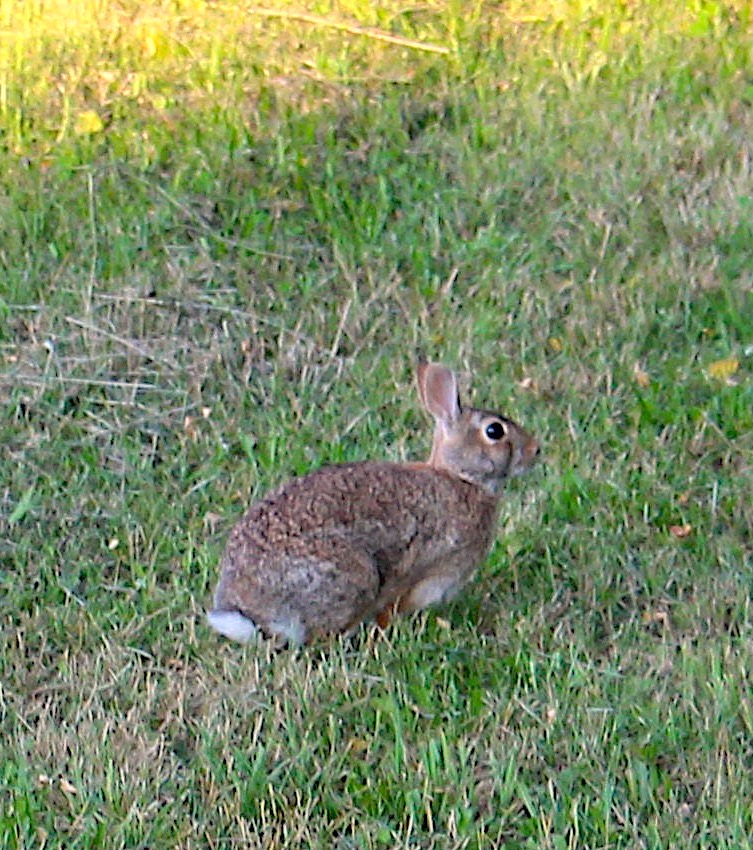
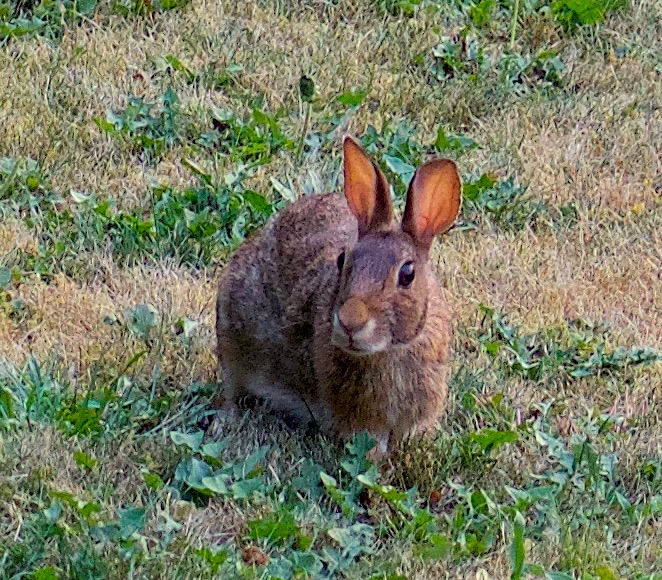
it’s the pull of rabbits
grazing on the lawn
as we talk, the slow talk
of where and when,
determining what
and who we will become
as we age.

We admire the new plants
and the rings of mulch you made,
we praise the rabbits eating

the weeds’ sweet yellow flowers.

Behind our words the days
serve each other as mother,
father, cook, builder, and fixer;
these float like the clouds
beyond the trees.

It is a simple life, now,
children grown, our living made
and saved, our years our own,
husband and wife,

but in our daily stride, the one
that rises with the sun,
the chosen pride,
we lean on our other selves,
lest we fall
into a consuming fire
and lose it all.
~Richard Maxson, “Otherwise” from  Searching for Arkansas

Our days are slower now, less rush, more reading and writing, walking and sitting, taking it all in and wondering what comes next.

I slowly adapt to not hurrying to work every other day, looking to you to see how I should parcel out each moment. Should I stay busy cleaning, sorting, giving away, simplifying our possessions so our children someday won’t have to? Or should I find some other kind of service off the farm to feel worthy of each new day, each new breath?

It is an unfamiliar phase, this facing a day with no agenda and no appointments. What comes next is uncertain, as it always has been but I didn’t pay attention before.

So I lean lest I fall. I breathe lest I forget how.

Seize the Day, Also the Night

Night and day
seize the day, also the night —
a handful of water to grasp.
The moon shines off the mountain
snow where grizzlies look for a place
for the winter’s sleep and birth.
I just ate the year’s last tomato
in the year’s fatal whirl.
This is mid-October, apple time.
I picked them for years.
One Mcintosh yielded sixty bushels.
It was the birth of love that year.
Sometimes we live without noticing it.
Overtrying makes it harder.
I fell down through the tree grabbing
branches to slow the fall, got the afternoon off.
We drove her aqua Ford convertible into the country
with a sack of red apples. It was a perfect
day with her sun-brown legs and we threw ourselves
into the future together seizing the day.
Fifty years later we hold each other looking
out the windows at birds, making dinner,
a life to live day after day, a life of
dogs and children and the far wide country
out by rivers, rumpled by mountains.
So far the days keep coming.
Seize the day gently as if you loved her.
~Jim Harrison “Carpe Diem” from Dead Man’s Float

There is so much to cling to, as if this were the only day, the only night, knowing it can never come again.
There is so much that has passed, like a blink, and I wonder where time disappears to, where it hides after it disappears over the horizon.

There is so much to remember and never forget.
There is so much yet to come that is unknowable.

So I seize each day, oh so gently, like a lover.

Don’t Look Back

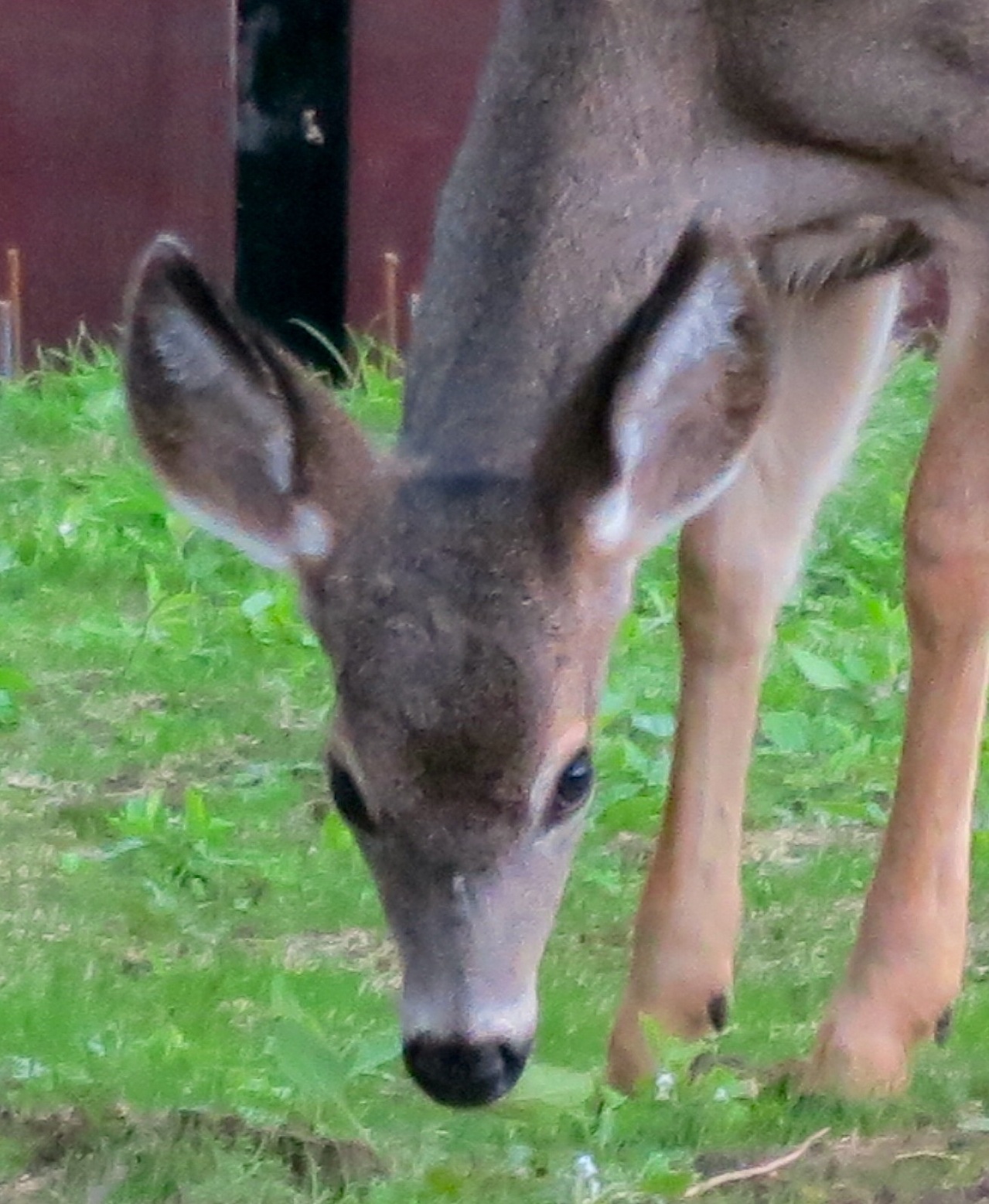
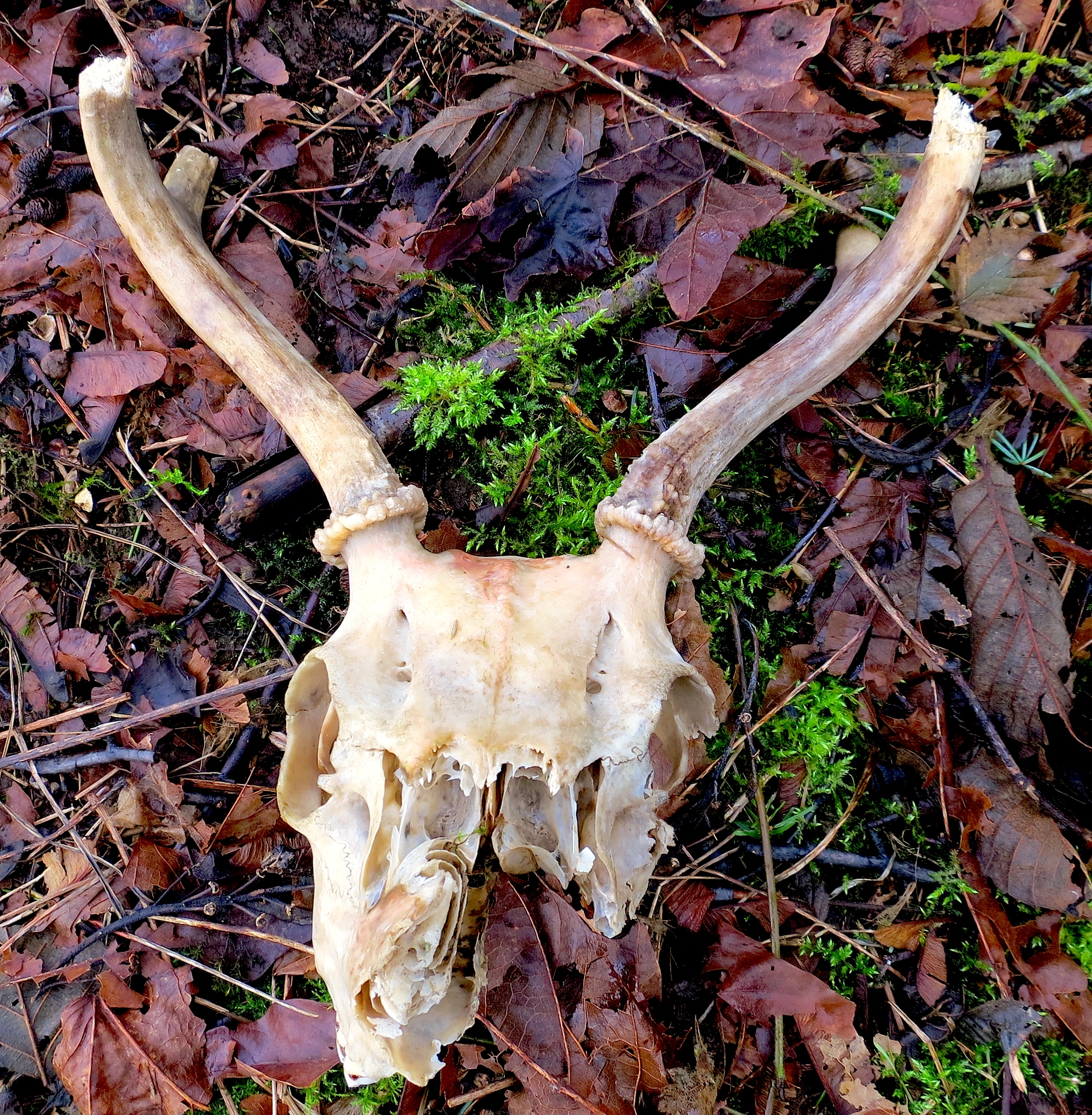
A Wounded Deer—leaps highest—
I’ve heard the Hunter tell—
‘Tis but the Ecstasy of death—
And then the Brake is still!
~Emily Dickinson from “165″

The deer in that beautiful place lay down their
bones: I must wear mine.
~Robinson Jeffers from “The Deer Lay Down Their Bones”

As the house of a person
in age sometimes grows cluttered
with what is
too loved or too heavy to part with,
the heart may grow cluttered.
And still the house will be emptied,
and still the heart.

Empty and filled,
like the curling half-light of morning,
in which everything is still possible and so why not.

Filled and empty,
like the curling half-light of evening,
in which everything now is finished and so why not.

Beloved, what can be, what was,
will be taken from us.
I have disappointed.
I am sorry. I knew no better.

A root seeks water.
Tenderness only breaks open the earth.
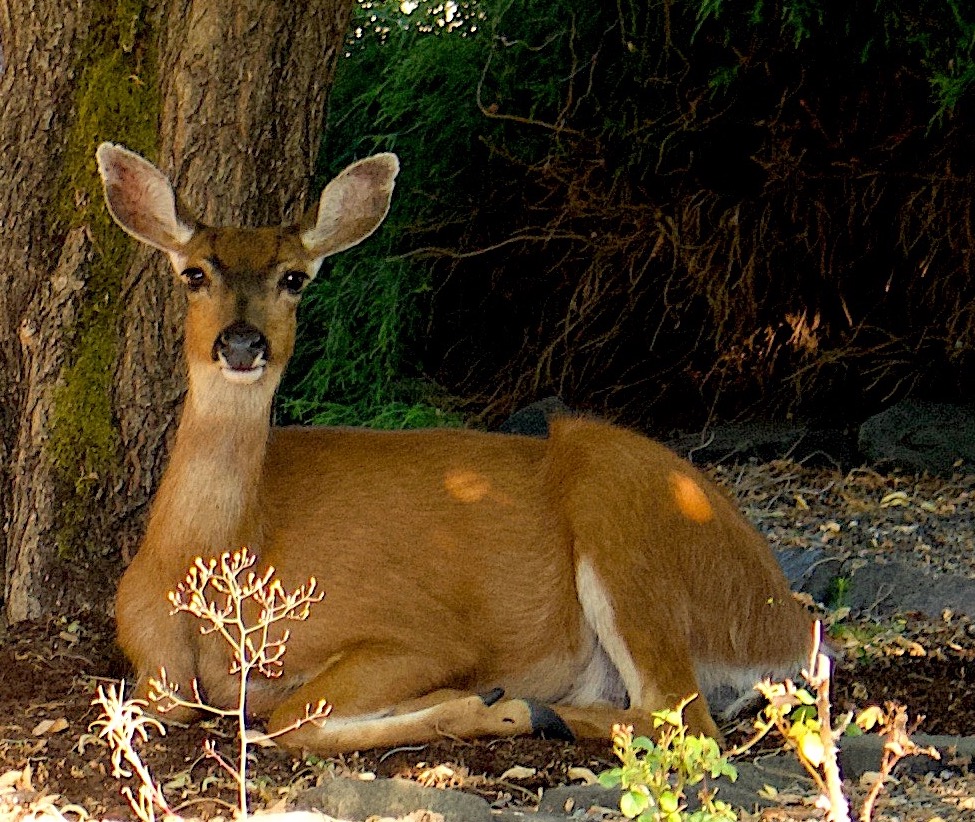
This morning, out the window,
the deer stood like a blessing, then vanished.

~Jane Hirschfield from “The Standing Deer”

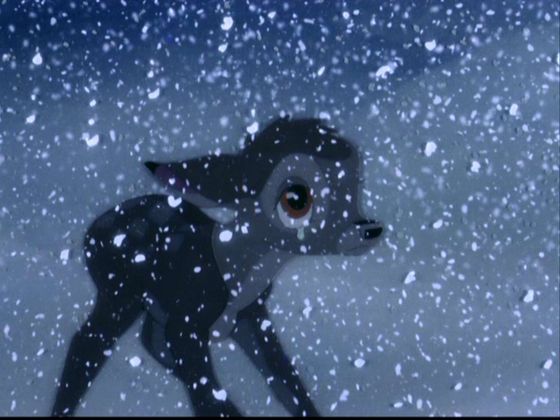
My first time ever
seated next to my mother
in a movie theater, just
a skinny four year old girl
practically folded up in half
by a large padded chair
whose seat won’t stay down,
bursting with anticipation
to see Disney’s Bambi.

Enthralled with so much color,
motion, music, songs and fun
characters, I am wholly lost
in a new world of animated
reality when suddenly
Bambi’s mother looks up,
alarmed,  from eating
a clump of grass
growing in the snow.

My heart leaps
with worry.
She tells him
to run
for the thicket,
to seek safety where
she has always
kept him warm
next to her.

She follows behind,
tells him to run faster,
not to look back,
don’t ever look back.

The gun shot
hits my belly too.

My stomach twists
as he cries out
for his mother,
pleading for her.
I know in my heart
she is lost forever,
sacrificed for him.

I sob as my mother
reaches out to me,
telling me not to look.
I bury my face
inside her hug,
knowing Bambi
is cold and alone
with no mother
at all.

She took me home
before the end.
I could not bear to watch
the rest of the movie for years.
His cries
still echo
in my ears.

Now, my children are grown
and have children of their own to protect.
My mother is gone from this earth,
my thicket emptying,
my heart full,
my stomach stronger,
I even keep the seat from folding
me up in a movie theater.

I now can look back
and weep inconsolably
once more.

Seeing One Another

emmachan1
photo by Hilary Gibson

Go north a dozen years
on a road overgrown with vines
to find the days after you were born.
Flowers remembered their colors and trees
were frothy and the hospital was

behind us now, its brick indifference
forgotten by our car mirrors. You were
revealed to me: tiny, delicate,
your head smelling of some other world.
Turn right after the circular room

where I kept my books and right again
past the crib where you did not sleep
and you will find the window where
I held you that June morning
when you opened your eyes. They were

blue, tentative, not the deep chocolate
they would later become. You were gazing
into the world: at our walls,
my red cup, my sleepless hair and though
I’m told you could not focus, and you

no longer remember, we were seeing
one another after seasons of darkness. 
~Faith Shearin “Sight”

lea004
ben111588

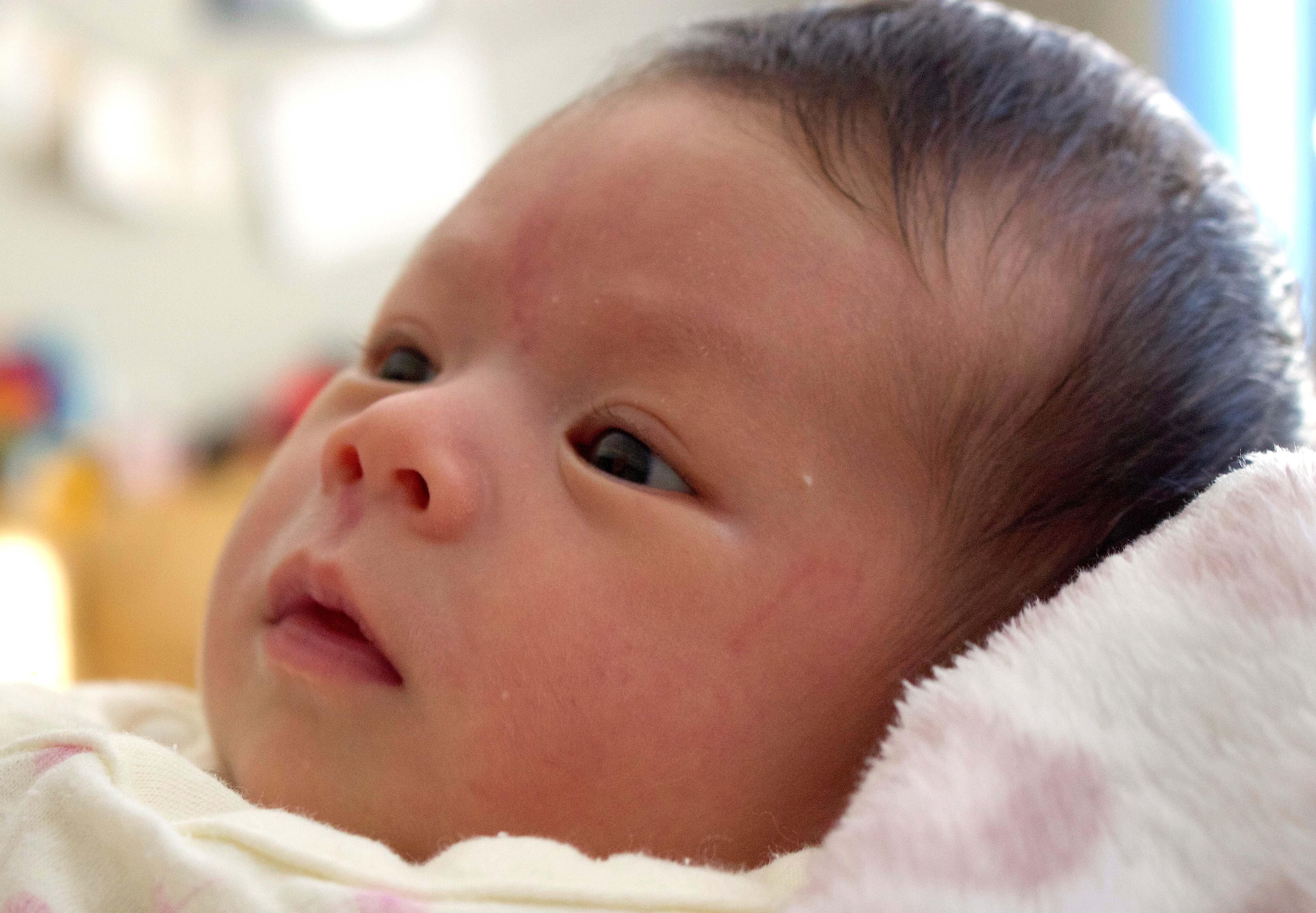
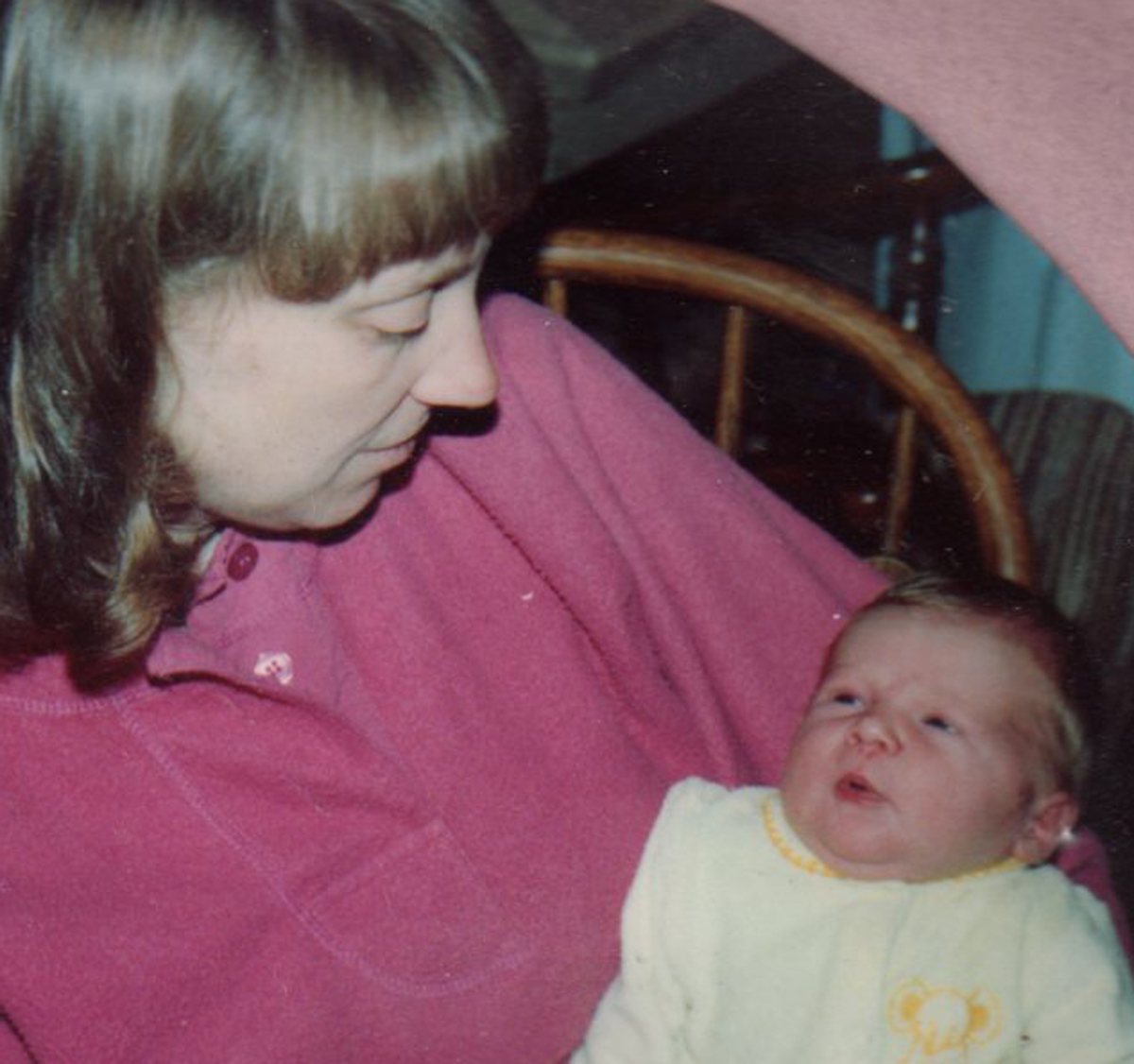
The helpless state of a newborn adjusting to an unfamiliar world –
when all depends on
deep murmurs, shadowy faces and comforting arms,
full nipples and cleansing rags.
When all that can be said
are mewing cries and satisfied grunts.

Those long exhausting sleepless nights finally transition
to heart-warming smiles at dawn,
when we lock onto each other for survival,
peering into the mutual light and love in our eyes,
needing each other like no other;
it is always, and will be always, about those eyes.


Having Clean Earth to Till

The Science of Government it is my Duty to study, more than all other Sciences:

the Art of Legislation and Administration and Negotiation, ought to take Place, indeed to exclude in a manner all other Arts.

I must study Politics and War that my sons may have liberty to study Mathematics and Philosophy.


My sons ought to study Mathematics and Philosophy, Geography, natural History, Naval Architecture, navigation, Commerce and Agriculture,


in order to give their Children a right to study Painting, Poetry, Music, Architecture, Statuary, Tapestry and Porcelain.
~John Adams in a letter to his wife Abigail Adams

“Plowing the Field” by Joyce Lapp

It is not our part to master all the tides of the world,
but to do what is in us for the succour of those years wherein we are set, uprooting the evil in the fields that we know,
so that those who live after may have clean earth to till.
What weather they shall have is not ours to rule.
~J.R.R. Tolkien from The Return of the King

As we watch family generations build one atop another:
great grandparents fighting wars to bring peace for their children
grandparents attending school to bring culture to their children
parents bringing music and poetry and beauty to their children
the children returning to the garden, tending the soil.

they all work the land,
turning the earth
planting and weeding
growing and harvesting
preserving so the children, grandchildren, great grandchildren
have succor and sustenance.

Clean earth to till, good food to share, mighty blessings to bestow.

Through it all, we watch the skies,
wondering whether the weather
might take it all away
as it has before.
We are not its master
so pray for His merciful Hand on us.

Praise God from Whom all blessings flow.


The Road From Here to There

A spoon in a cup of tea.
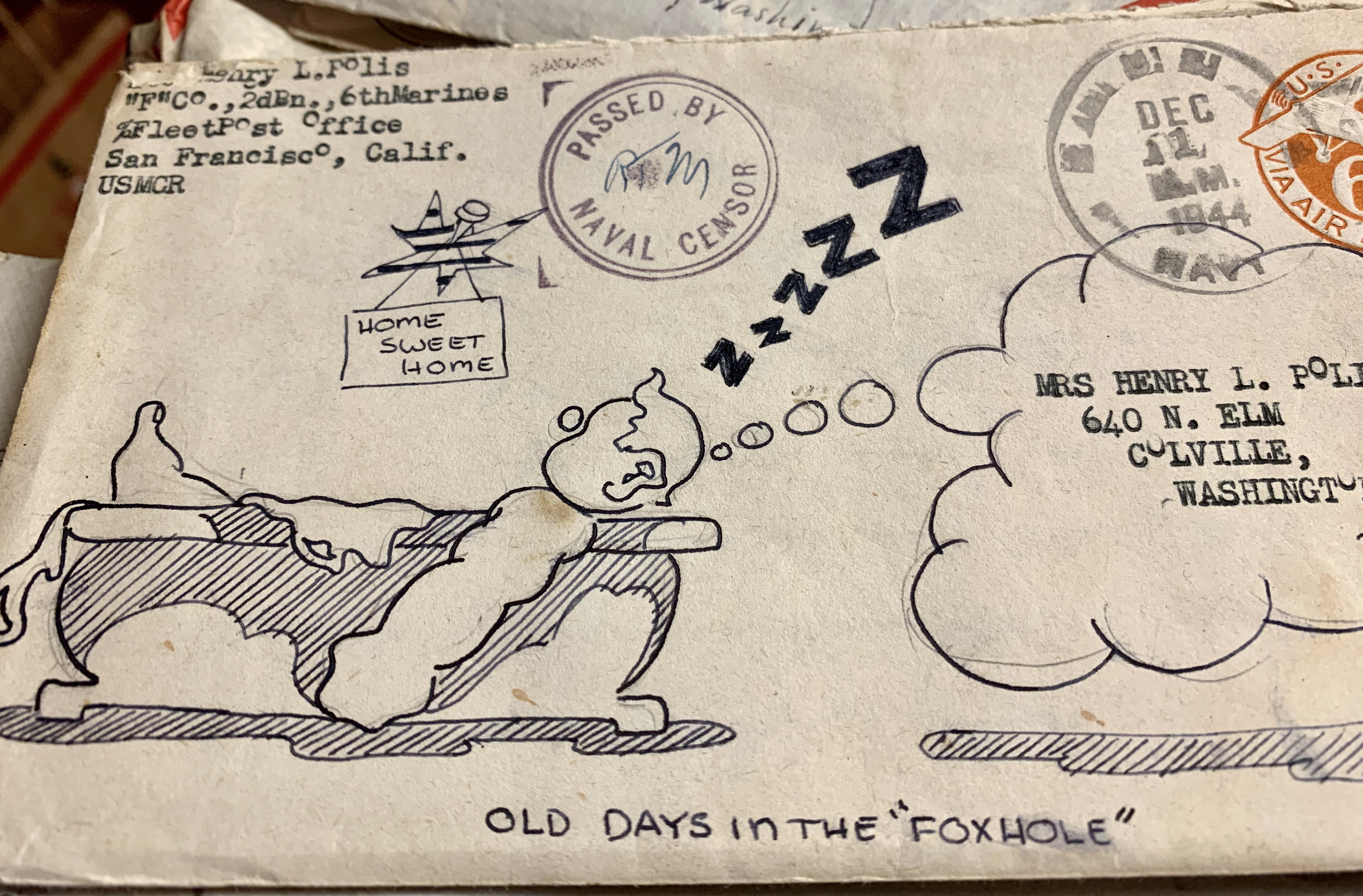
Letters in yellow envelopes,
the way a hand pushed lines
into the soft paper.
Morning laughter.
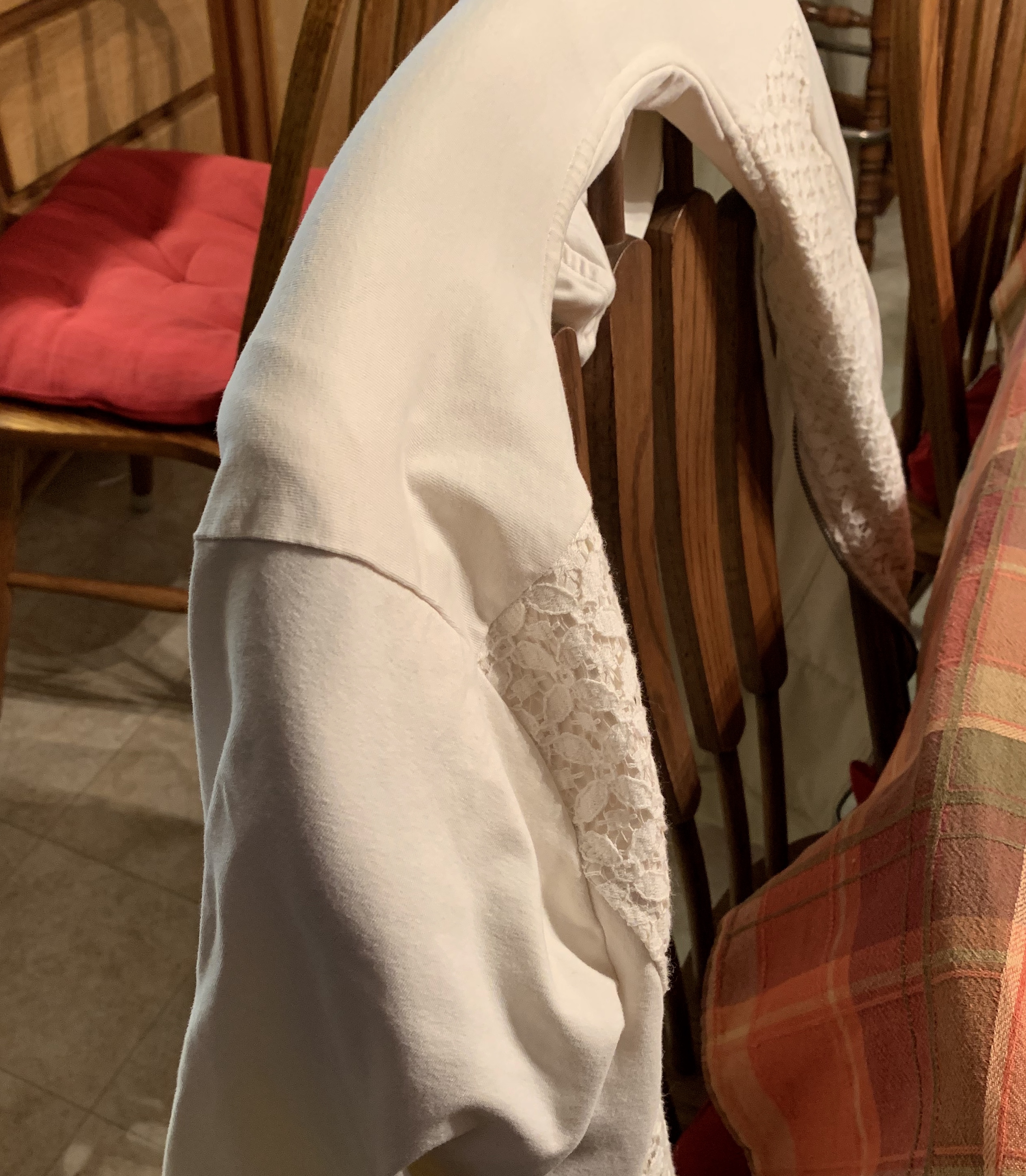
A white shirt draped
over her chair.
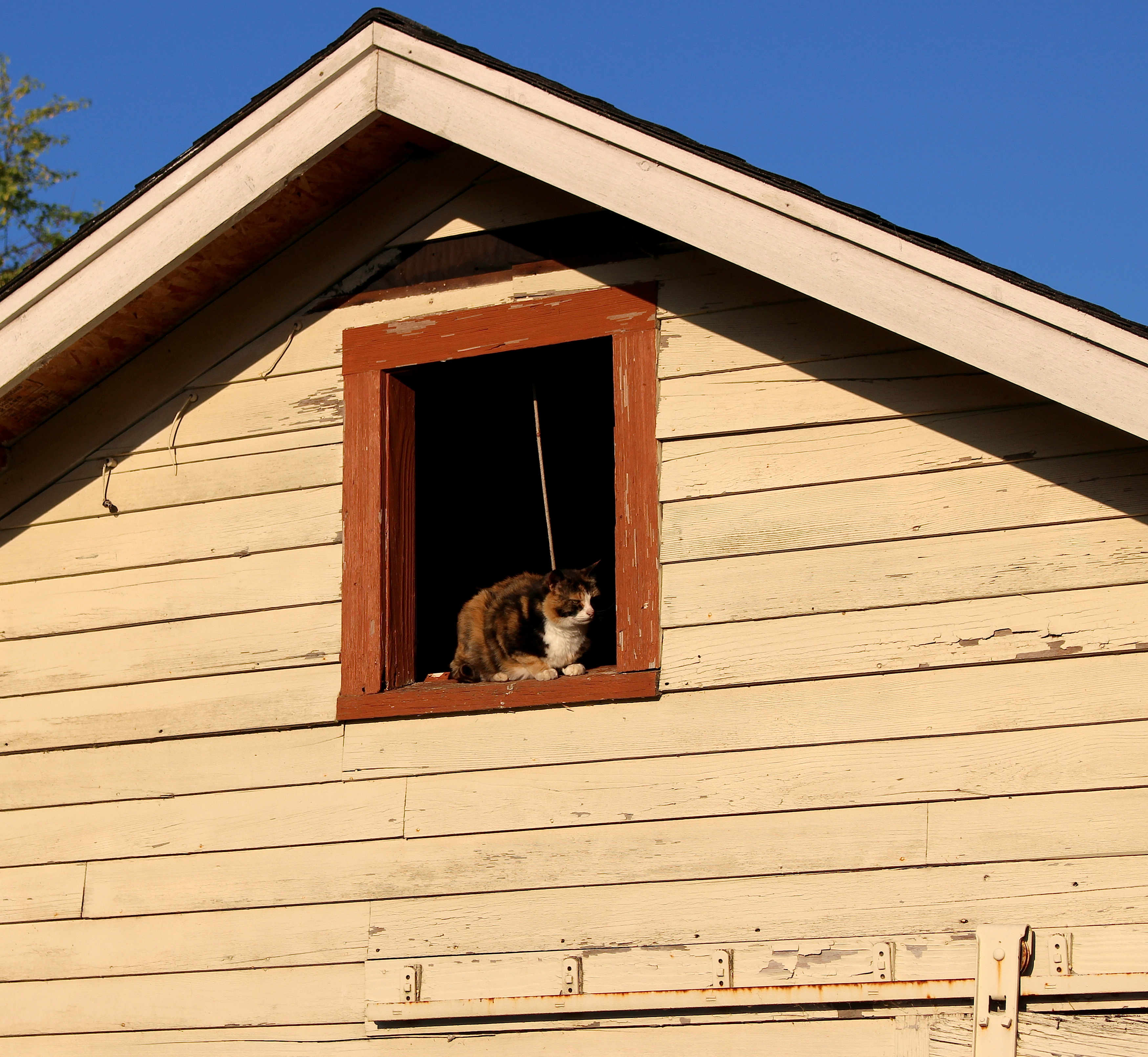
An open window. The air.
Call of one blackbird.
Silence of another.
November. Summer.
My love for you, I say.
My love for you infinity
times a million
, my son says.
Sounds of piano notes
as they rest in treetops.
The road from here to there.
Grief, that floating, lost swan.
~Paige Riehl “Things That Cannot Die” from Suspension

photo by Nate Gibson

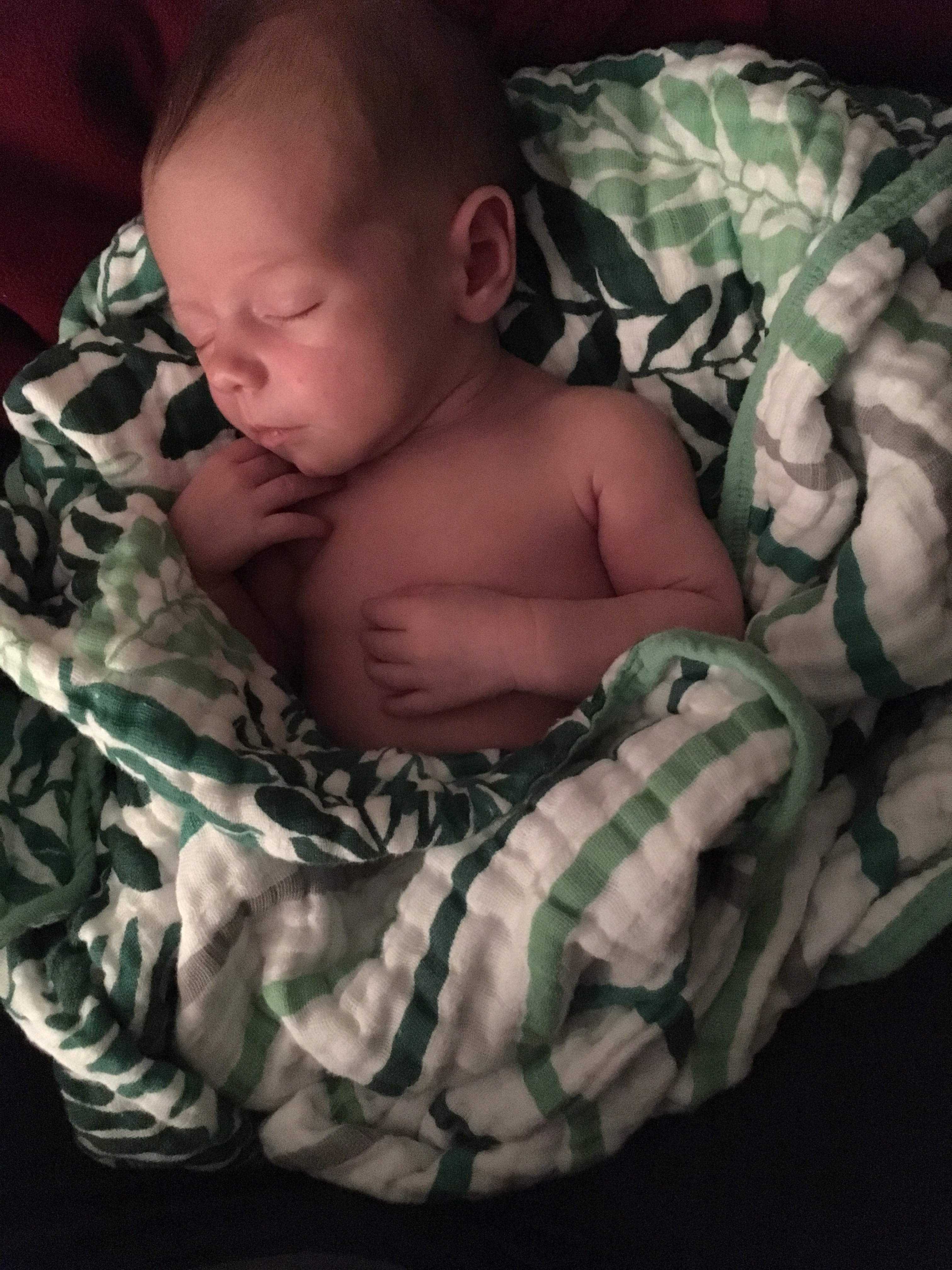
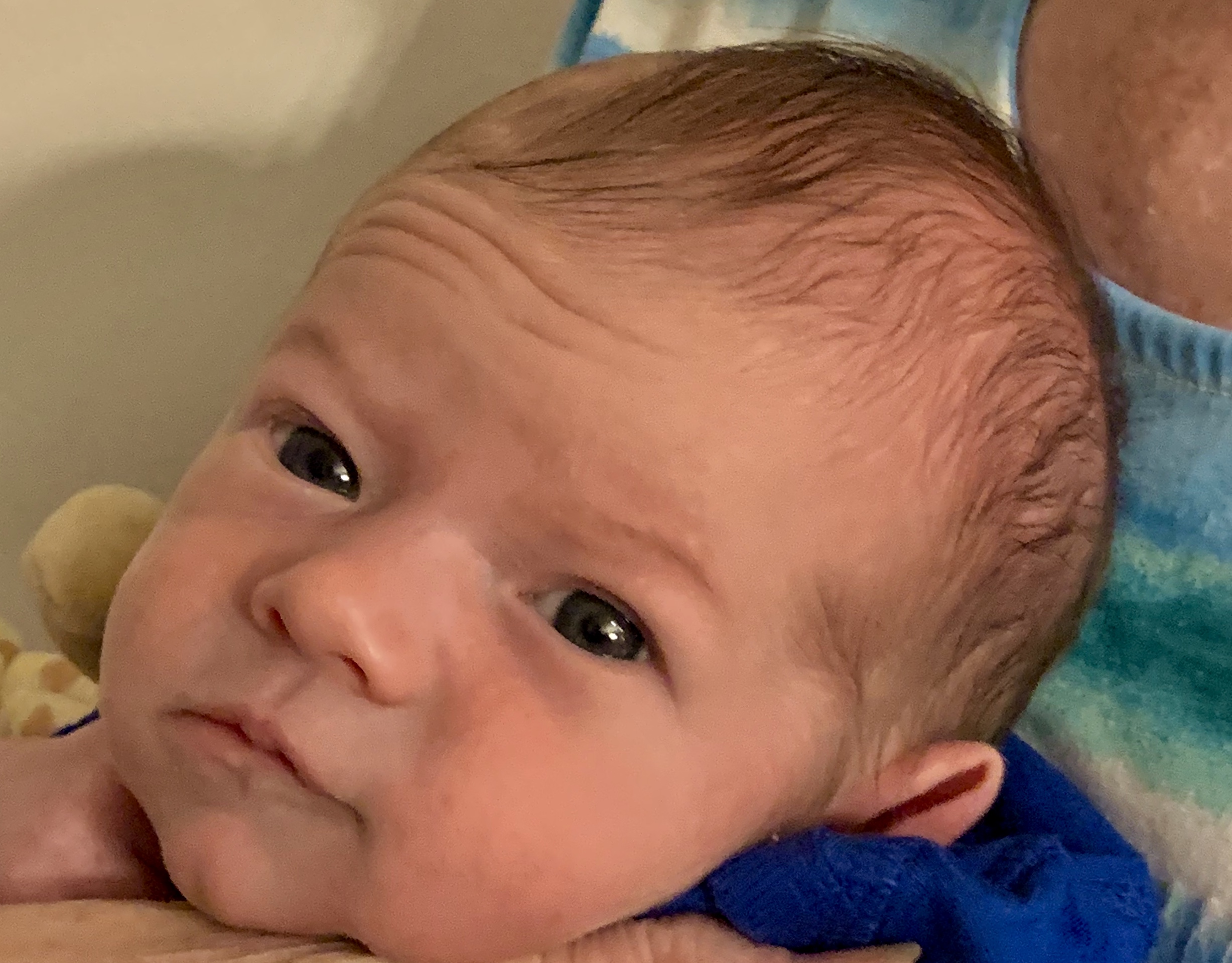
Anticipation of an early morning call so not much sleep last night.
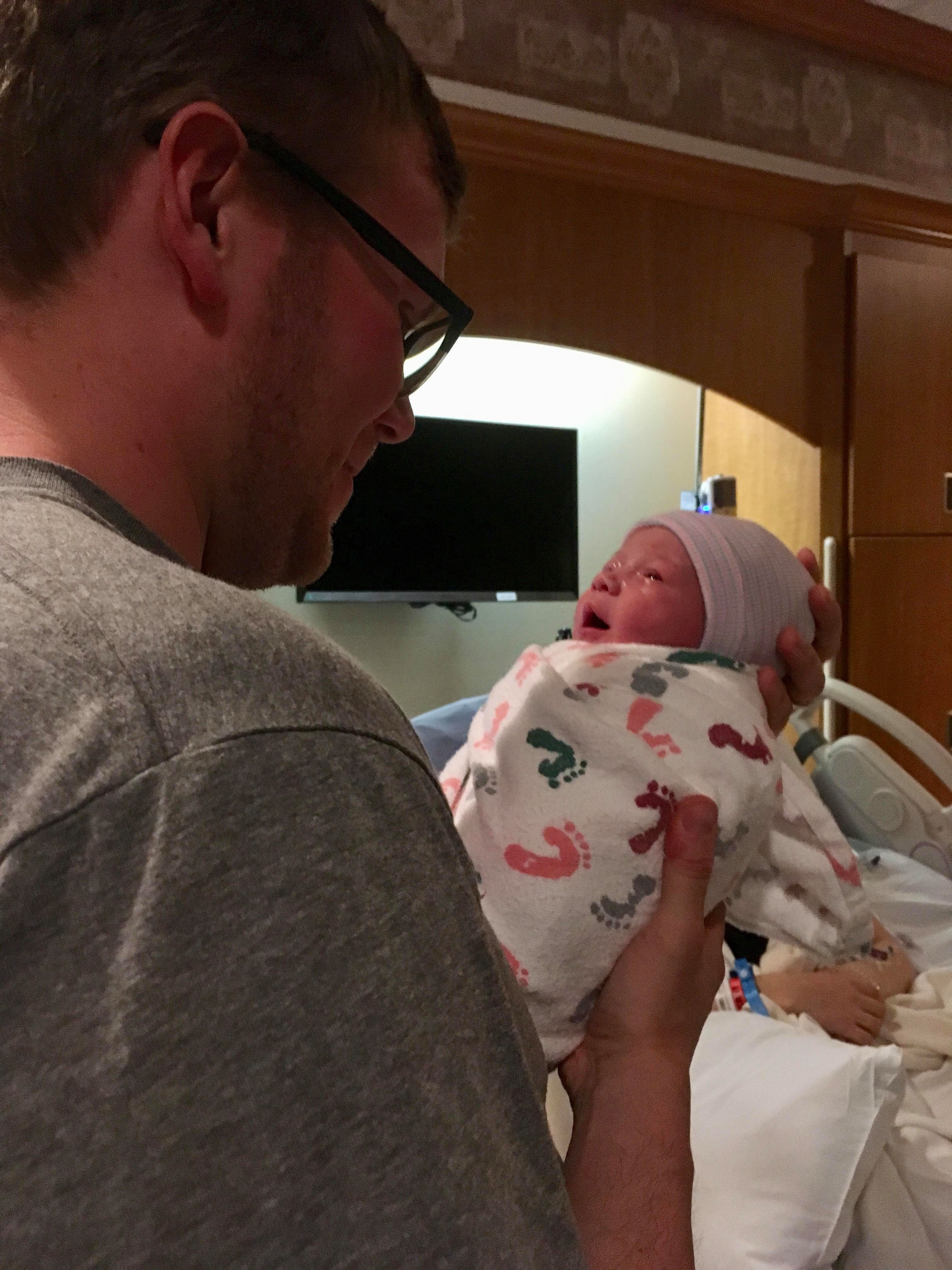
When the call came – a new grandson announced from miles away-

we laughed gleefully at this gift

our love expanded infinity times a million for these brand new parents, this new life joining the world,
this new road to travel together from here to there.
All that is ordinary is now new and extraordinary.

Love through the generations cannot die but thrives and pulses alive. We laugh and cry at once at the generous grace of our good God who turns all human grief to joy.

photo of Ben Gibson and baby Daniel by Kathy Mulhern (grandma!)
photo by Lea Gibson