
A Girl from the Palouse

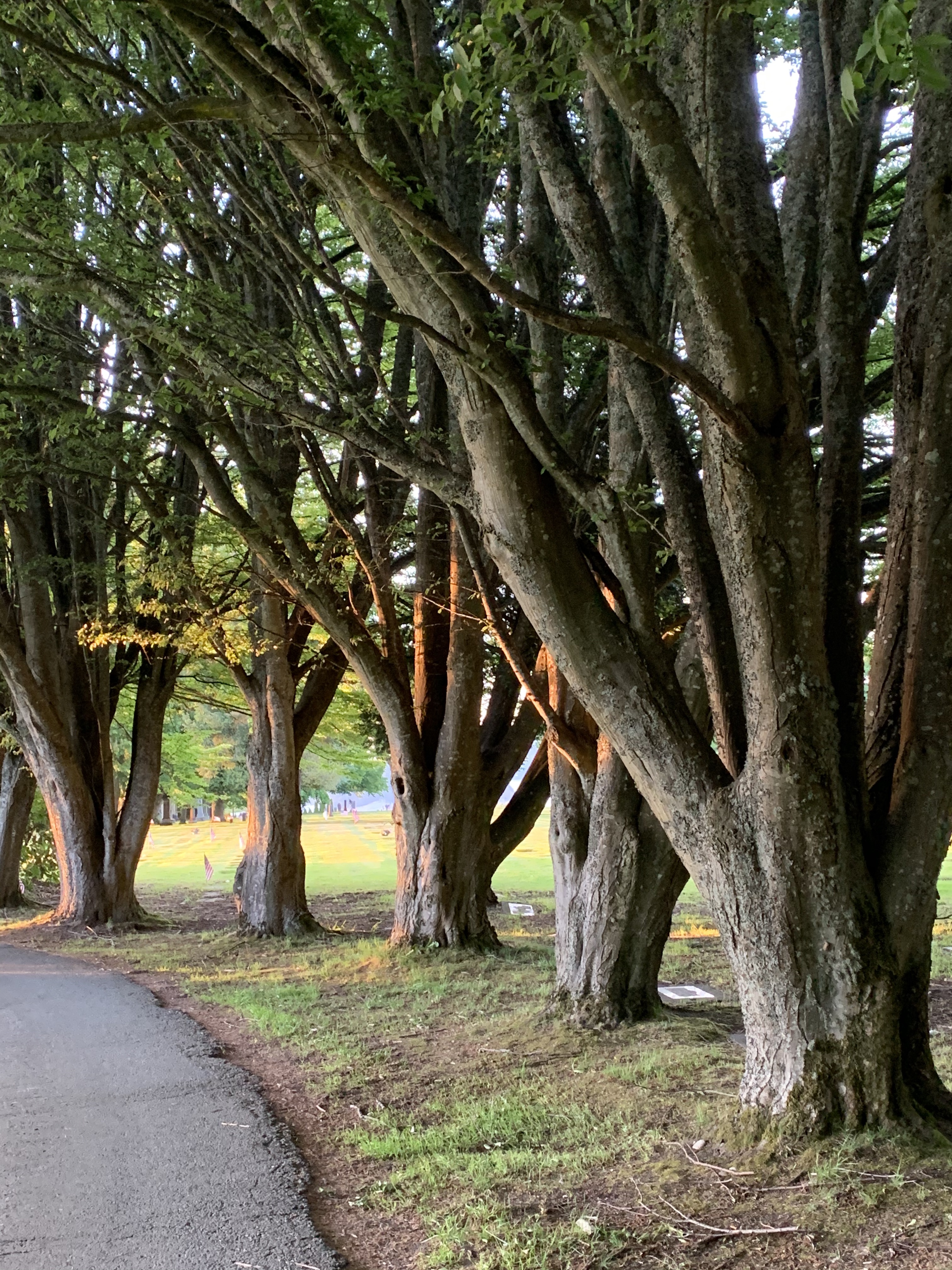
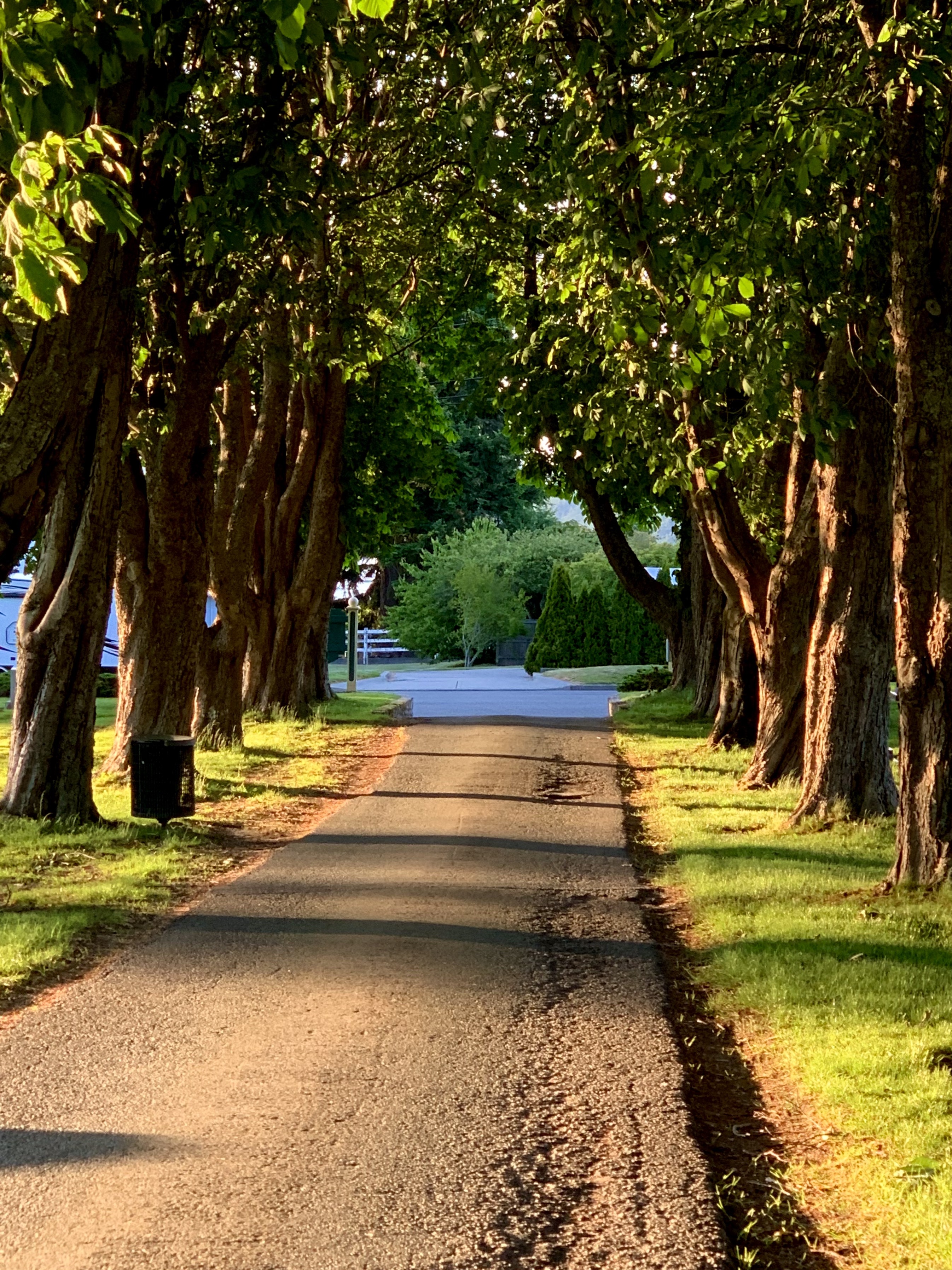
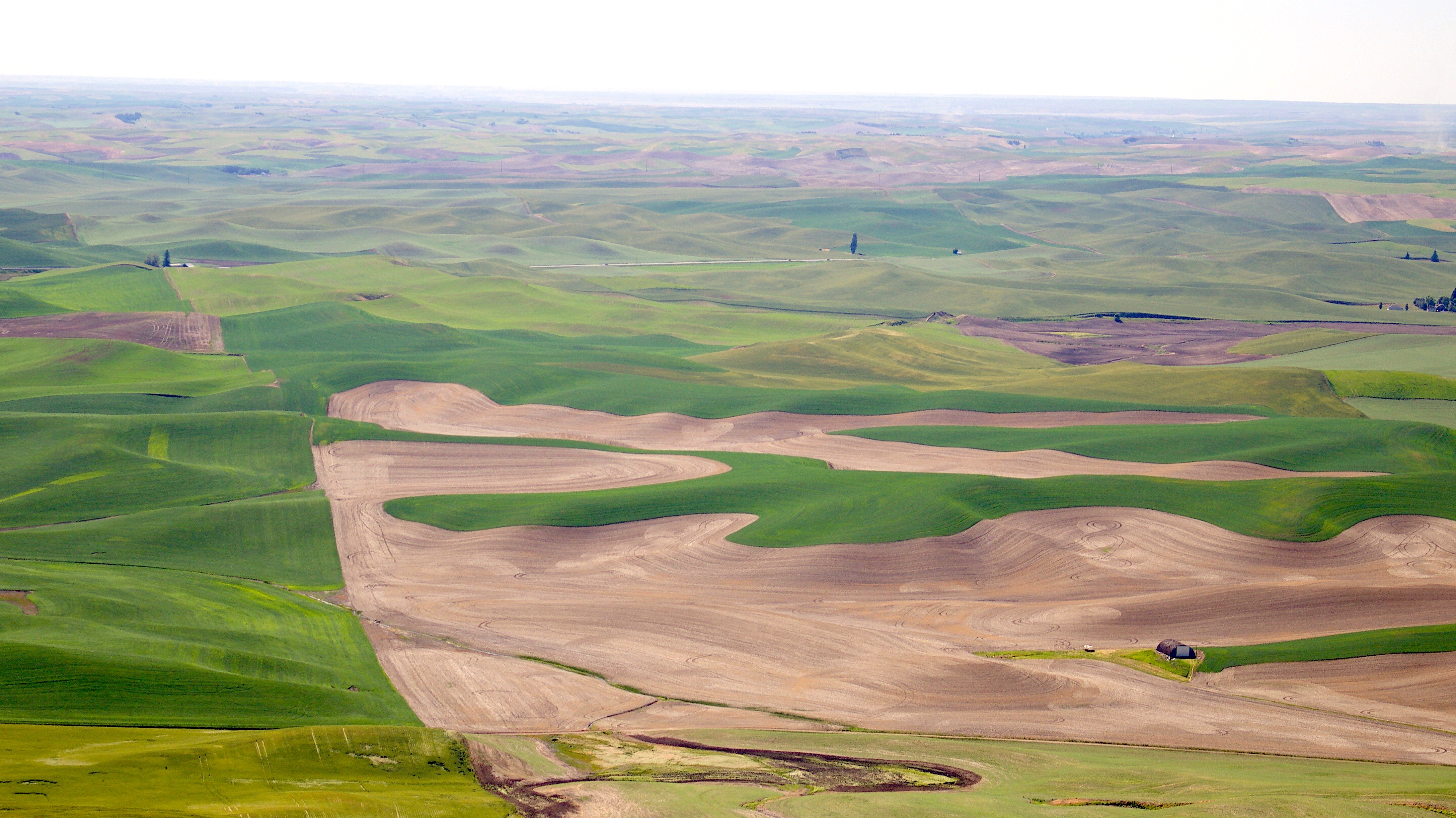
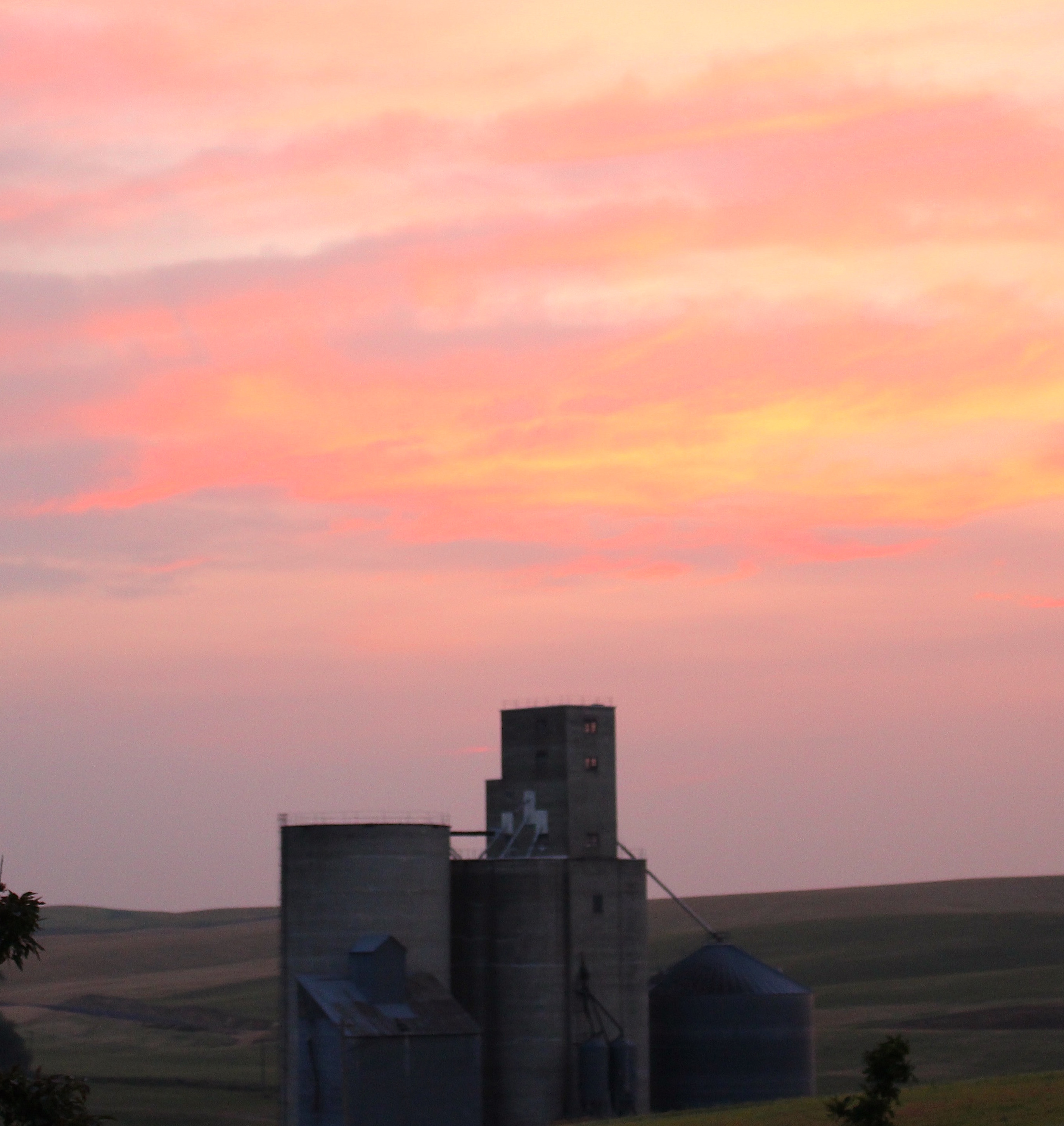
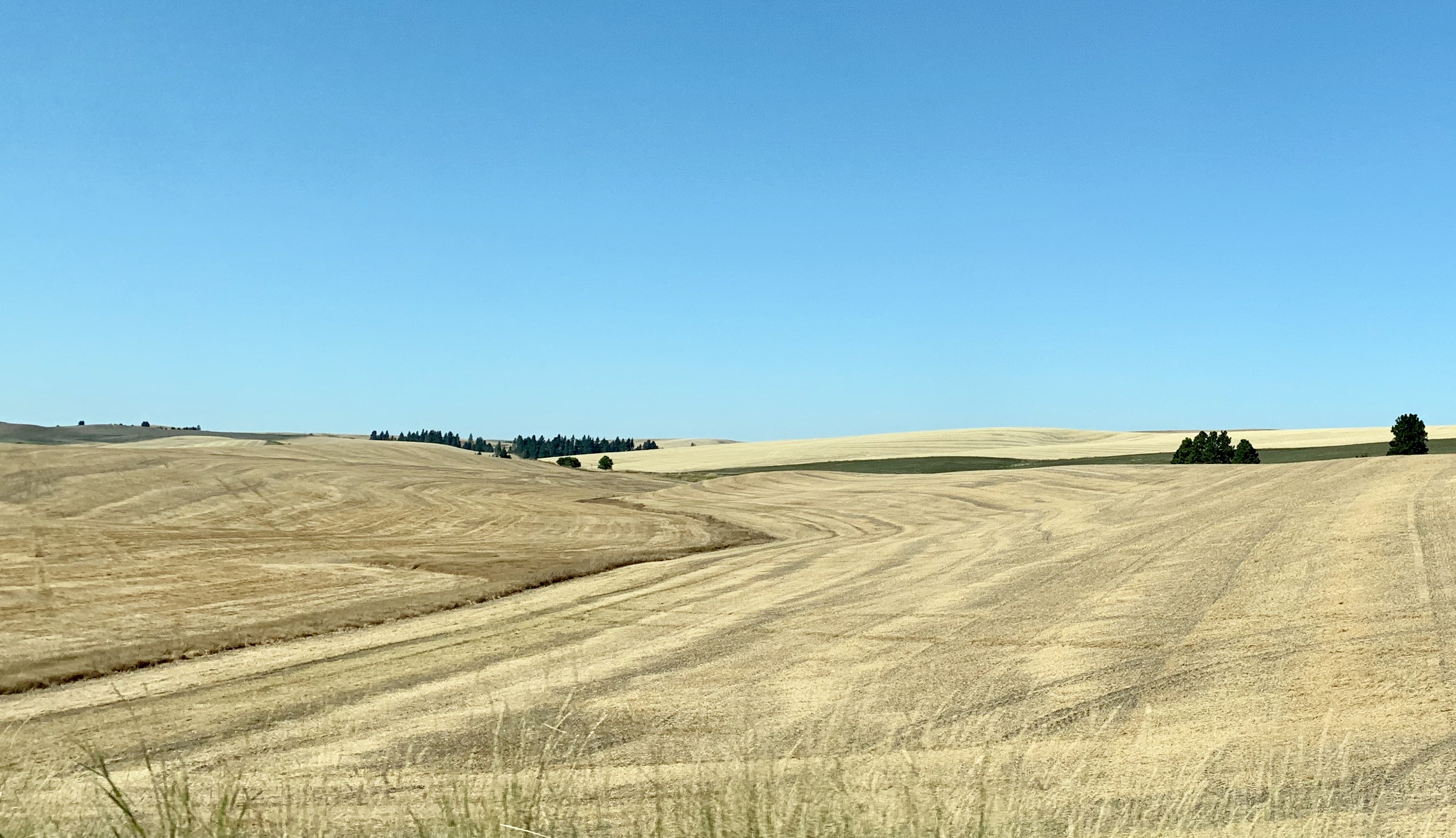
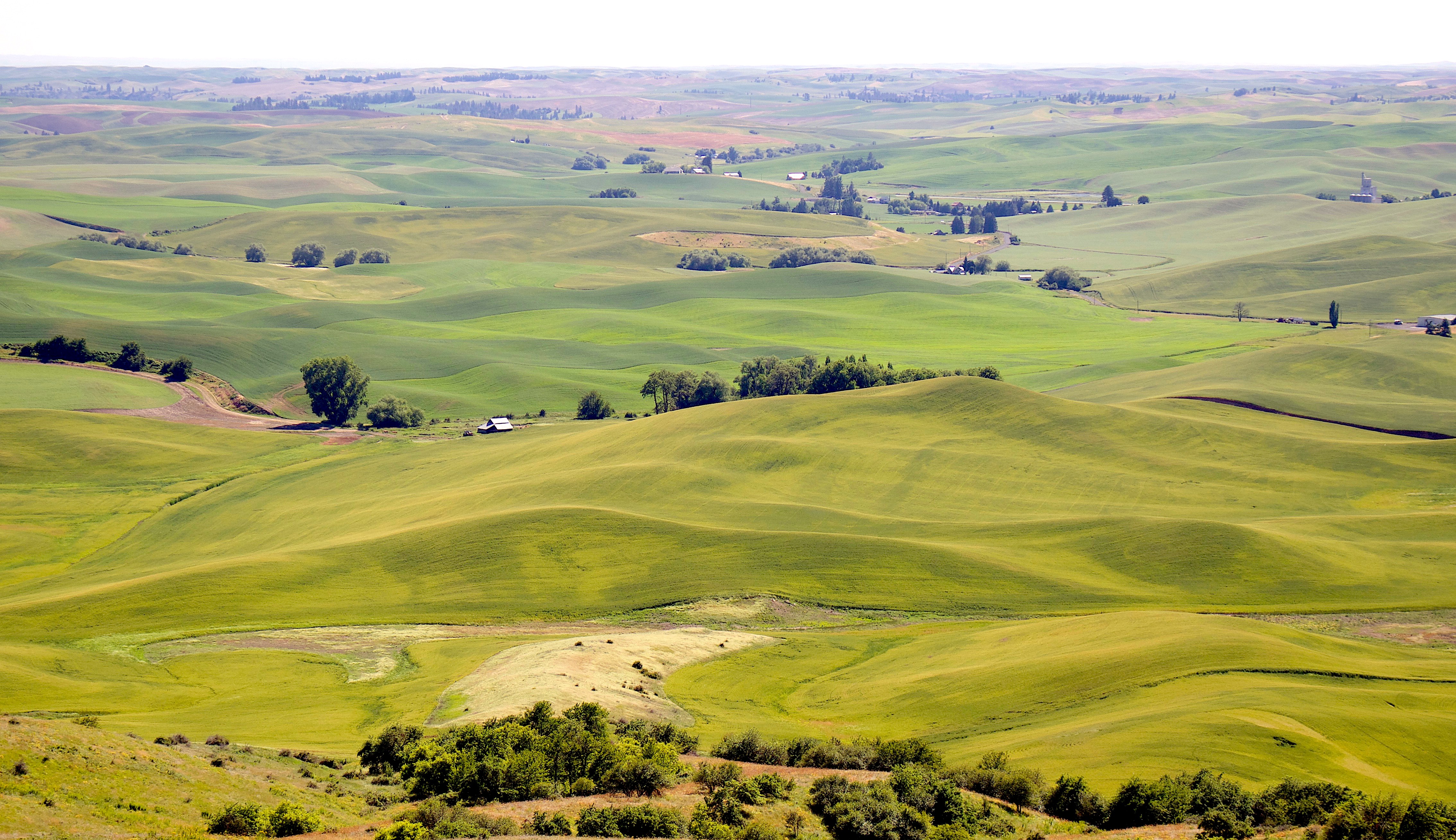
My mother, Elna Schmitz Polis, was born 101 years ago today in the lonely isolation of a Palouse wheat and lentil farm in eastern Washington. She drew her first breath in a two story white house located down a long poplar-lined lane and nestled in a draw between the undulating hills.

She attended a one room school house until 8th grade, located a mile away in the rural countryside, then moved in with her grandmother “in town” in Rosalia to attend high school, seeing her parents only a couple times a month.

It was a childhood which accustomed her to solitude and creative play inside her mind and heart – her only sibling, an older brother, was busy helping their father on the farm. All her life and especially in her later years, she would prefer the quiet of her own thoughts over the bustle of a room full of activities and conversation.

Her childhood was filled with exploration of the rolling hills, the barns and buildings where her father built and repaired farm equipment, and the chilly cellar where the fresh eggs were stored after she reached under cranky hens to gather them. She sat in the cool breeze of the picketed yard, watching the huge windmill turn and creak next to the house. She helped her weary mother feed farm crews who came for harvest time and then settled in the screened porch listening to the adults talk about lentil prices and bushel production. She woke to the mourning dove call in the mornings and heard the coyote yips and howls at night.

She nearly died at the age of 13 from a ruptured appendix, before antibiotics were an option. That near-miss seemed to haunt her life-long, filling her with worry that it was a mistake that she survived that episode at all. Yet she thrived despite the anxiety, and ended up, much to her surprise, living a long life full of family and faith, letting go at age 88 after fracturing a femur, breaking her will to continue to live.

As a young woman, she was ready to leave the wheat farm behind for college, devoting herself to the skills of speech, and the creativity of acting and directing in drama, later teaching rural high school students, including a future Pulitzer Prize winning poet, Carolyn Kizer. She loved words and the power and beauty they wielded.

Marrying my father was a brave and impulsive act, traveling by train to the east coast only a week before he shipped out for almost 3 years to the South Pacific to fight as a Marine in WWII. She must have wondered about the man who returned from war changed and undoubtedly scarred in ways she could not see or touch. They worked it out, as rocky as it must have been at times, and in their reconciliation after their divorce years later, I could see the devotion and mutual respect of life companions who shared purpose and love.

As a wife and mother, she rediscovered her calling as a steward of the land and a steward of her family, gardening and harvesting fruits, vegetables and children tirelessly. When I think of my mother, I most often think of her tending us children in the middle of the night whenever we were ill; her over-vigilance was undoubtedly due to her worry we might die in childhood as she almost did.

She never did stop worrying until the last few months. As she became more dependent on others in her physical decline, she gave up the control she thought she had to maintain through her “worry energy” and became much more accepting about the control the Lord maintains over all we are and will become.

I know from where my shyness comes, my preference for birdsongs rather than radio music, my preference for naps, and my tendency to be serious and straight-laced with a twinkle in my eye. This is my German Palouse side–immersing in the quietness of solitude, thrilling to the sight of the spring wheat flowing like a green ocean wave in the breeze and appreciating the warmth of rich soil held in my hands. From that heritage came my mother and it is the legacy she has left with me. I am forever grateful to her for her unconditional love and her willingness to share the warmth of her nest whenever we felt the need to fly back home and shelter, overprotected at times but safe nonetheless, under her wings.

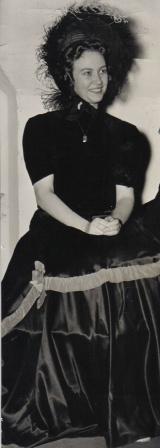
Elna Schmitz playing Elizabeth Barrett Browning

A new book available from Barnstorming — more information here

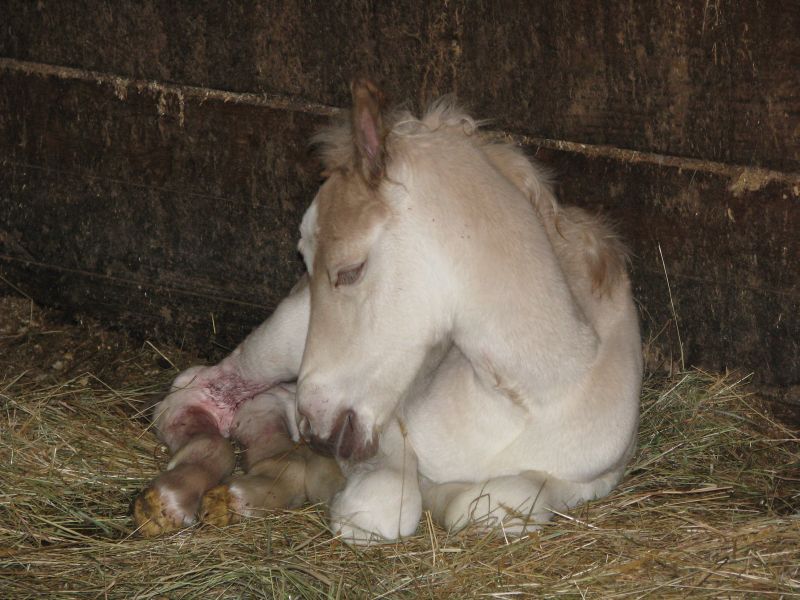
Licked to Its Feet

When we reach the field
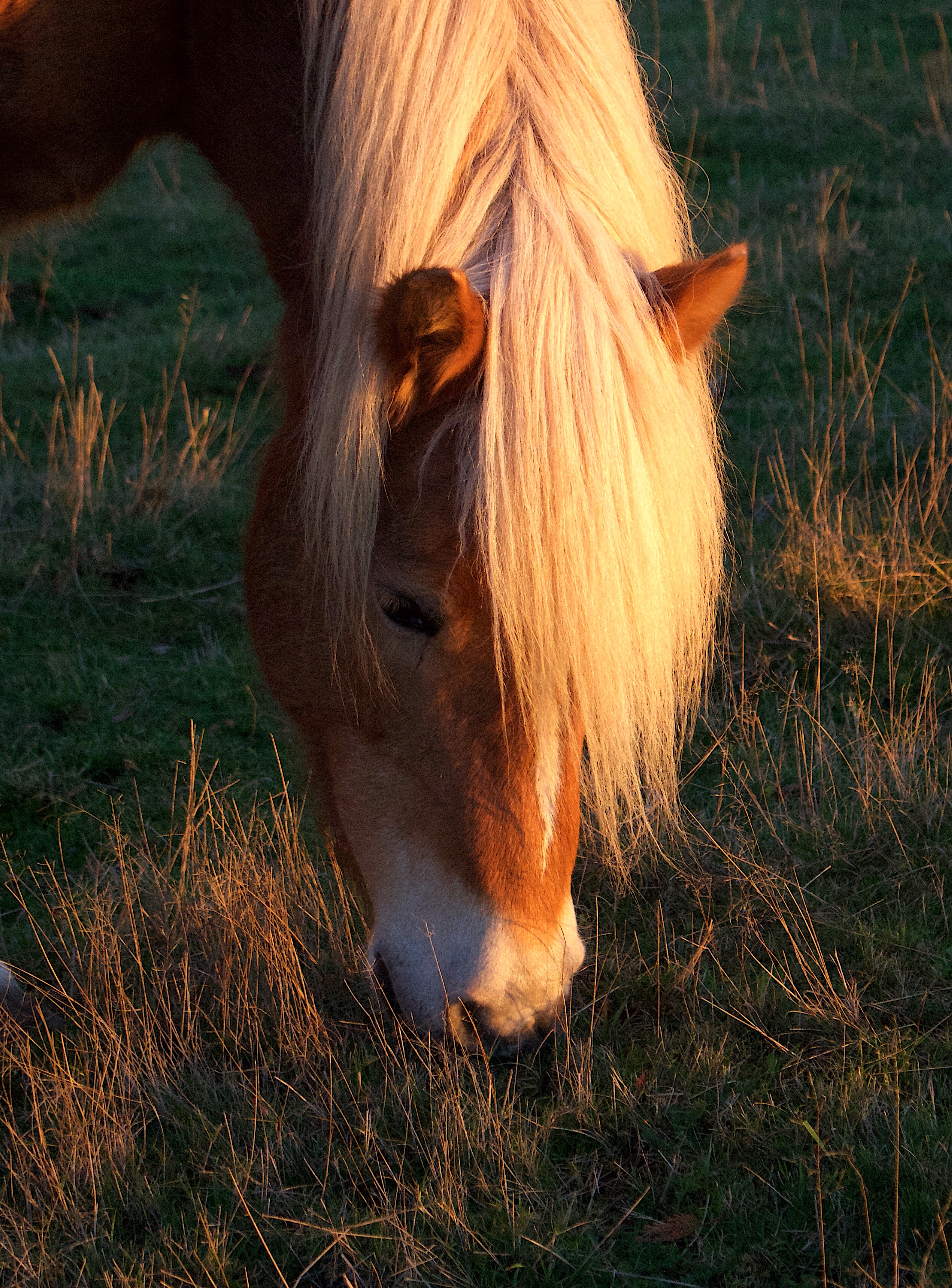
she is still eating
the heads of yellow flowers
and pollen has turned her whiskers
gold. Lady,
her stomach bulges out,
the ribs have grown wide.
We wait,
our bare feet dangling
in the horse trough,
warm water
where goldfish brush
our smooth ankles.
We wait
while the liquid breaks
down Lady’s dark legs
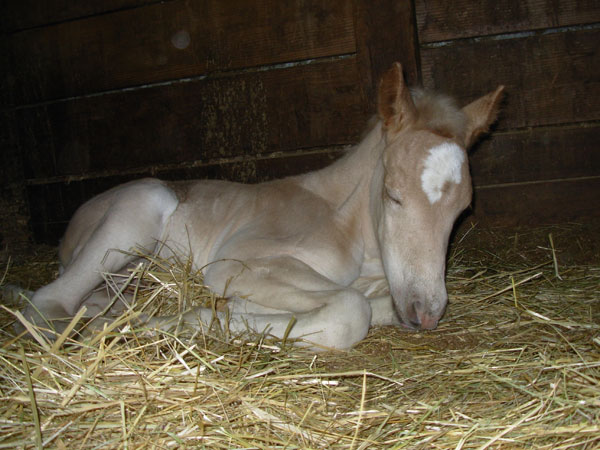
and that slick wet colt
like a black tadpole
darts out
beginning at once
to sprout legs.
She licks it to its feet,
the membrane still there,
red, transparent
the sun coming up shines through,
the sky turns bright with morning
and the land
with pollen blowing off the corn,
land that will always own us,
everywhere it is red.

~Linda Hogan, “Celebration: Birth of a Colt” from Red Clay.

First,
her fluid
flows in subtle stream
then
gushes in sudden drench.
Soaking, saturating,
precipitating
inevitability.
No longer cushioned
slick sliding forward
following the rich river
downstream to freedom.

The smell of birth
clings to shoes, clothes, hands
as soaked in soupy brine
I reach to embrace new life
sliding toward me.

I too was caught once;
three times emptied into other hands,
my babies wet on my chest
their slippery skin
under my lips
so salty sweet

In a moment’s scent
the rush of life returns;
now only barn or field birthings
yet still as sweet and rich.
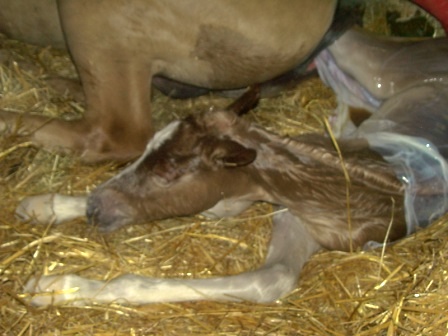
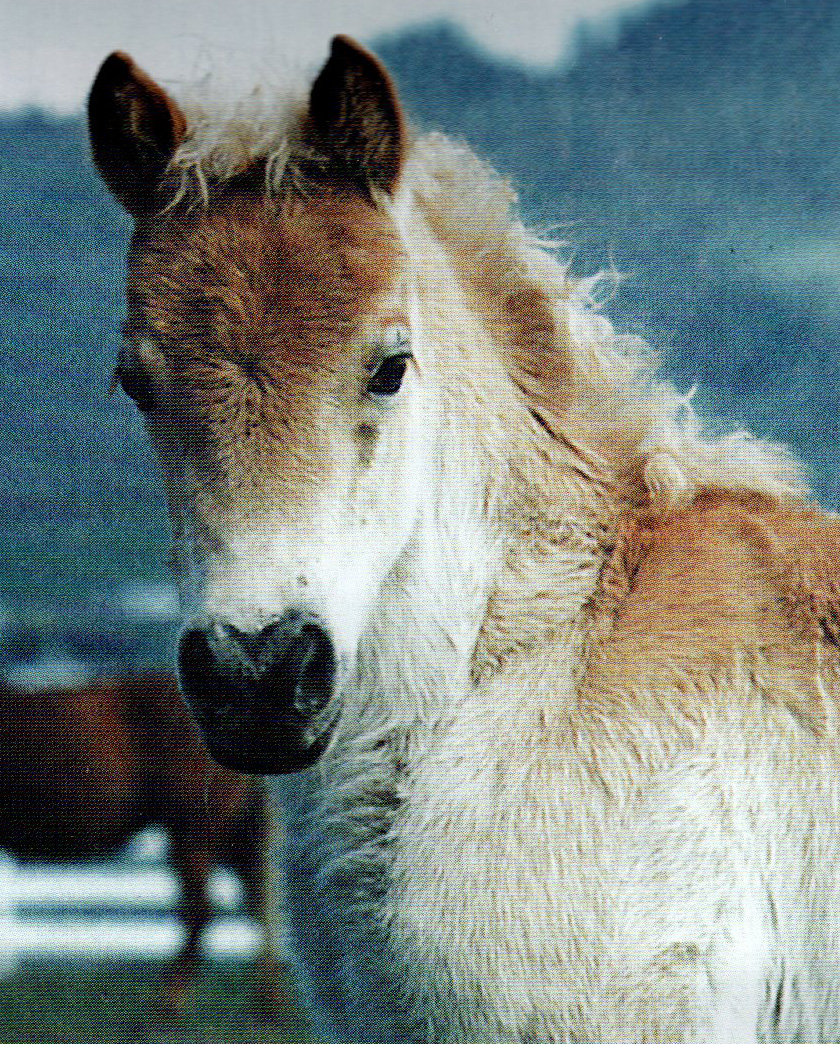
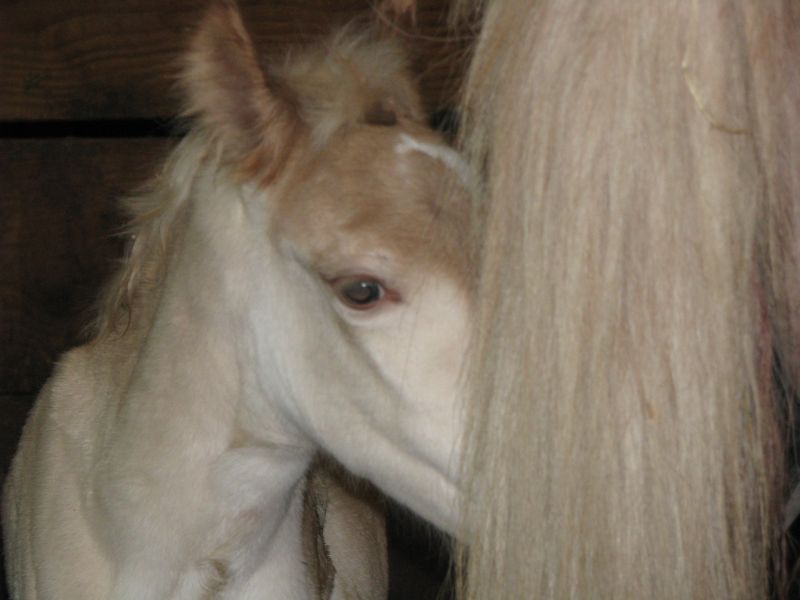
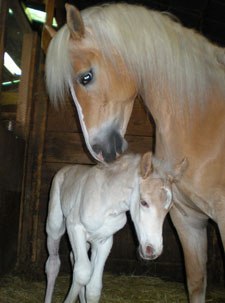
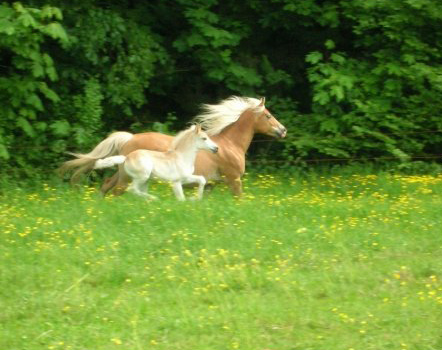
I carry the smell of damp foal fur
with me all day to
recall from whence I came.
I floated once
and will float free someday again.

Leaving the Wilderness: The Worst We Can Do

In a daring and beautiful creative reversal,
God takes the worse we can do to Him
and turns it into the very best He can do for us.
~Malcolm Guite from The Word in the Wilderness

See, my servant will act wisely;
    he will be raised and lifted up and highly exalted.
14 Just as there were many who were appalled at him—
    his appearance was so disfigured beyond that of any human being
    and his form marred beyond human likeness—
15 so he will sprinkle many nations,
    and kings will shut their mouths because of him.
For what they were not told, they will see,
    and what they have not heard, they will understand.
Isaiah 52: 13-15

When I was wounded
whether by God, the devil, or myself
—I don’t know yet which—
it was seeing the sparrows again
and clumps of clover, after three days,
that told me I hadn’t died.
When I was young,
all it took were those sparrows,
those lush little leaves,
for me to sing praises,
dedicate operas to the Lord.
But a dog who’s been beaten
is slow to go back to barking
and making a fuss over his owner
—an animal, not a person
like me who can ask:
Why do you beat me?
Which is why, despite the sparrows and the clover,
a subtle shadow still hovers over my spirit.
May whoever hurt me, forgive me.
~Adelia Prado “Divine Wrath” translated from Brazilian Portuguese by Ellen Doré Watson

Emmet Till’s mother
speaking over the radio

She tells in a comforting voice
what it was like to touch her dead boy’s face,

how she’d lingered and traced
the broken jaw, the crushed eyes–

the face that badly beaten, disfigured—
before confirming his identity.

And then she compares his face to
the face of Jesus, dying on the cross.

This mother says no, she’d not recognize
her Lord, for he was beaten far, far worse

than the son she loved with all her heart.
For, she said, she could still discern her son’s curved earlobe,

but the face of Christ
was beaten to death by the whole world.
~Richard Jones “The Face” from Between Midnight and Dawn

Too many people today continue to be crushed, disfigured, beaten and left for dead–

for taking a stand, or being the wrong color, the wrong faith, the wrong tribe, or simply being different enough to trigger distrust and hatred.

And so it was with our Lord. He walked into the hornet’s nest of Jerusalem fully knowing such an overwhelming attack was coming.

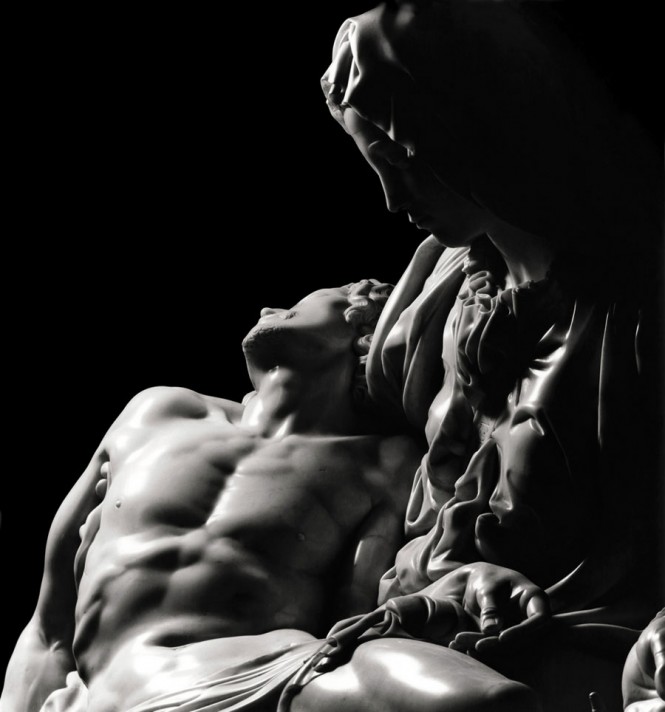
Crushed, broken and delivered into His Father’s arms as His mother wept over Him.

Yet He took the worst that could be done to Him and turned it into the best that He could do for us. We are stung forever by His Love.

Waiting in Wilderness: Not Quite Ready Yet

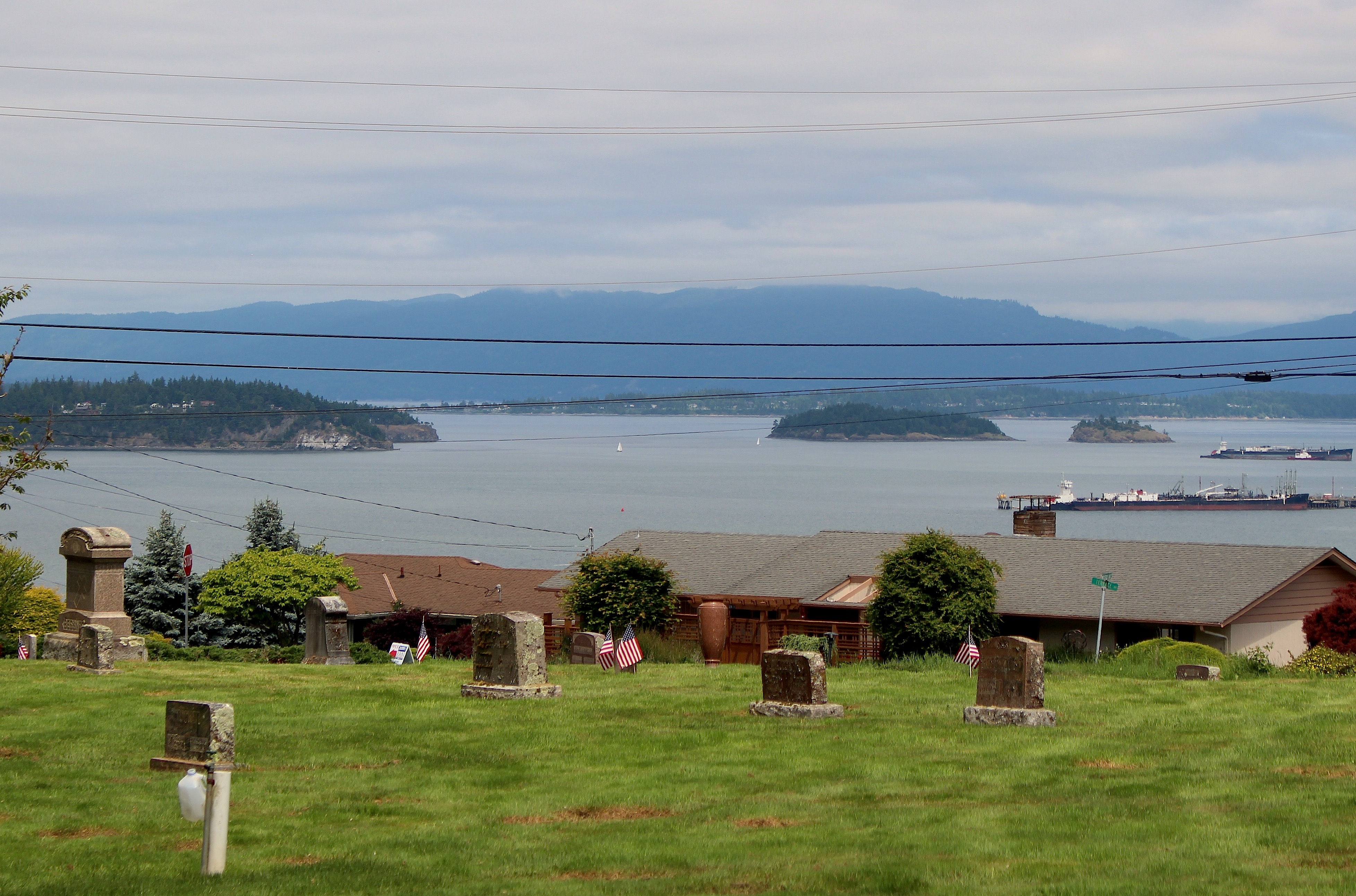
In the cemetery
a mile away
from where we used to live,
my aunts and mother
my father and uncles lie
in two long rows,
almost the way
they used to sit around
the long planked table
at family dinners.
And walking beside
the graves today, down
one straight path
and up the next,
I don’t feel sad, exactly,
just left out a bit,
as if they kept
from me the kind
of grown-up secret
they used to share
back then, something
I’m not quite ready yet
to learn.
~Linda Pastan “Unveiling” from Carnival Evening

Some family gatherings can wait. I don’t feel ready yet to learn what they all now know posthumously, in their tidy rows in peaceful settings. I feel some curiosity as I wander among them, realizing my invitation is coming, most likely before I wish to receive it.

I nod to one and then another, greeting them as I used to when we gathered around the same dinner table. To those I never met but share DNA, I introduce myself, hoping to make a good impression.

They still have their secrets, as they always had. And I try not to ask too many questions. No, not yet.

“Oh, that I had the wings of a dove! I would fly away and be at rest.
Psalm 55:6

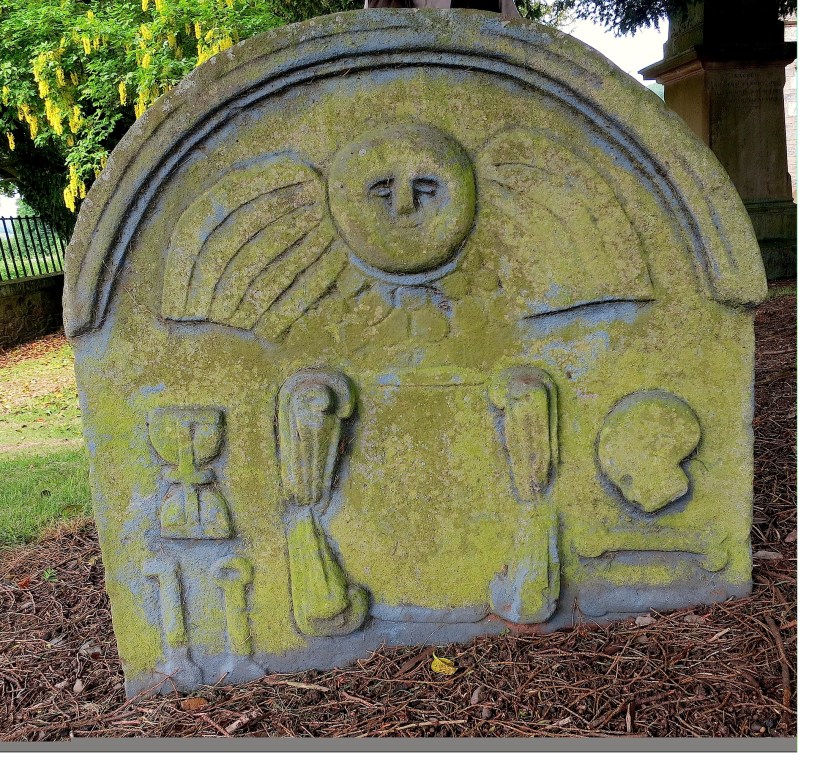
other side of the same stone

Some glad morning when this life is over
I’ll fly away
To a home on God’s celestial shore
I’ll fly awayI’ll fly away, oh, Glory
I’ll fly away
When I die, Hallelujah, by and by
I’ll fly awayJust a few more weary days and then
I’ll fly away
To a land where joy shall never end
I’ll fly awayI’ll fly away, oh, Glory
I’ll fly away
When I die, Hallelujah, by and by
I’ll fly awayYeah, when I die, Hallelujah, by and by
I’ll fly away

The Feeling of Being Watched

We must have known,
Even as we reached
Down to touch them
Where we’d found them
 
Shut-eyed and trembling
Under a straw bale
In the haymow, that
She would move them
 
That night under cover
Of darkness, and that
By finding them
We were making certain
 
We wouldn’t see them again
Until we saw them
Crouching under the pickup
Like sullen teens, having gone
 
As wild by then as they’d gone
Still in her mouth that night
She made a decision
Any mother might make
 
Upon guessing the intentions
Of the state: to go and to
Go now, taking everything
You love between your teeth.
~Austin Smith “Cat Moving Kittens”

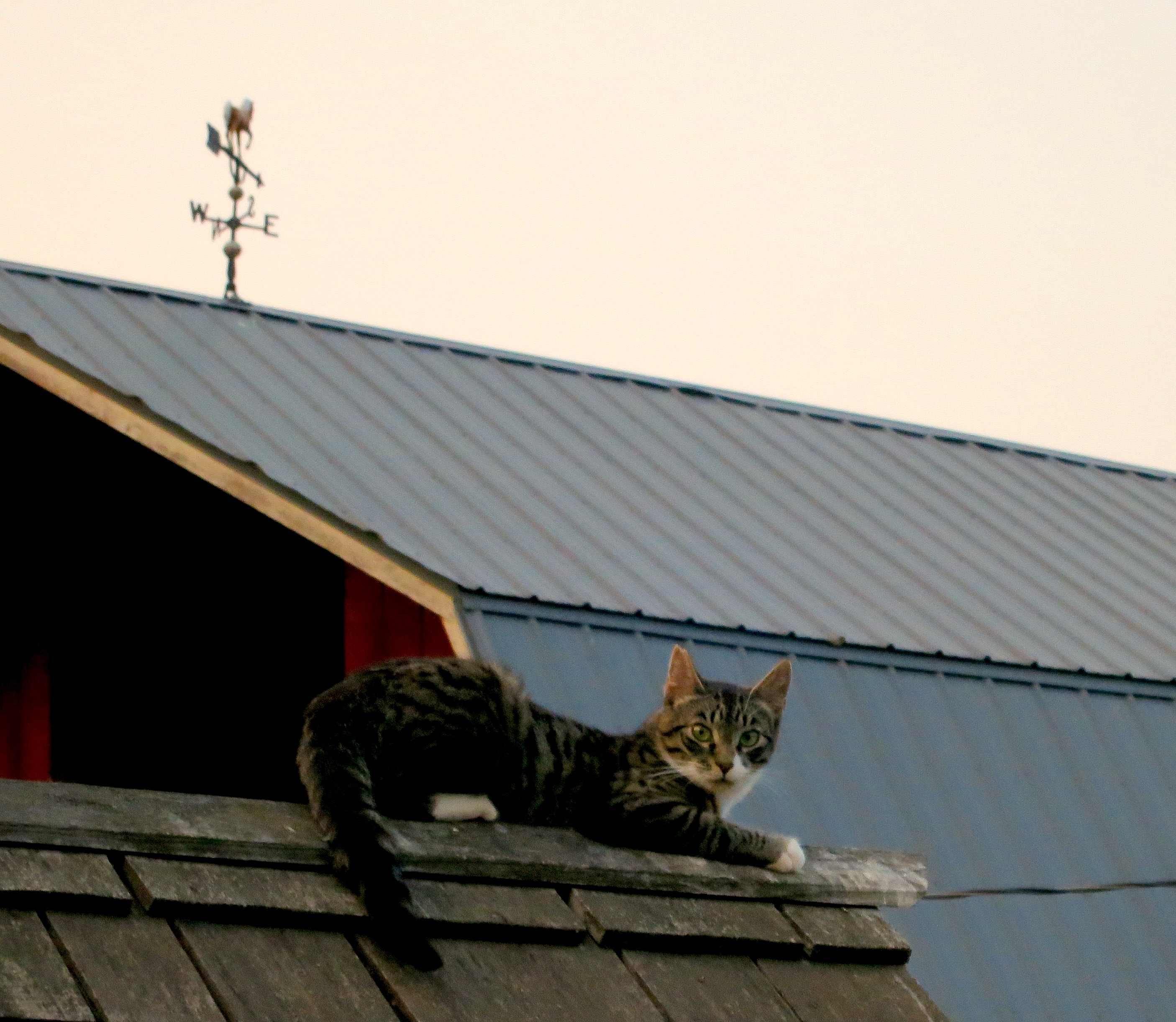
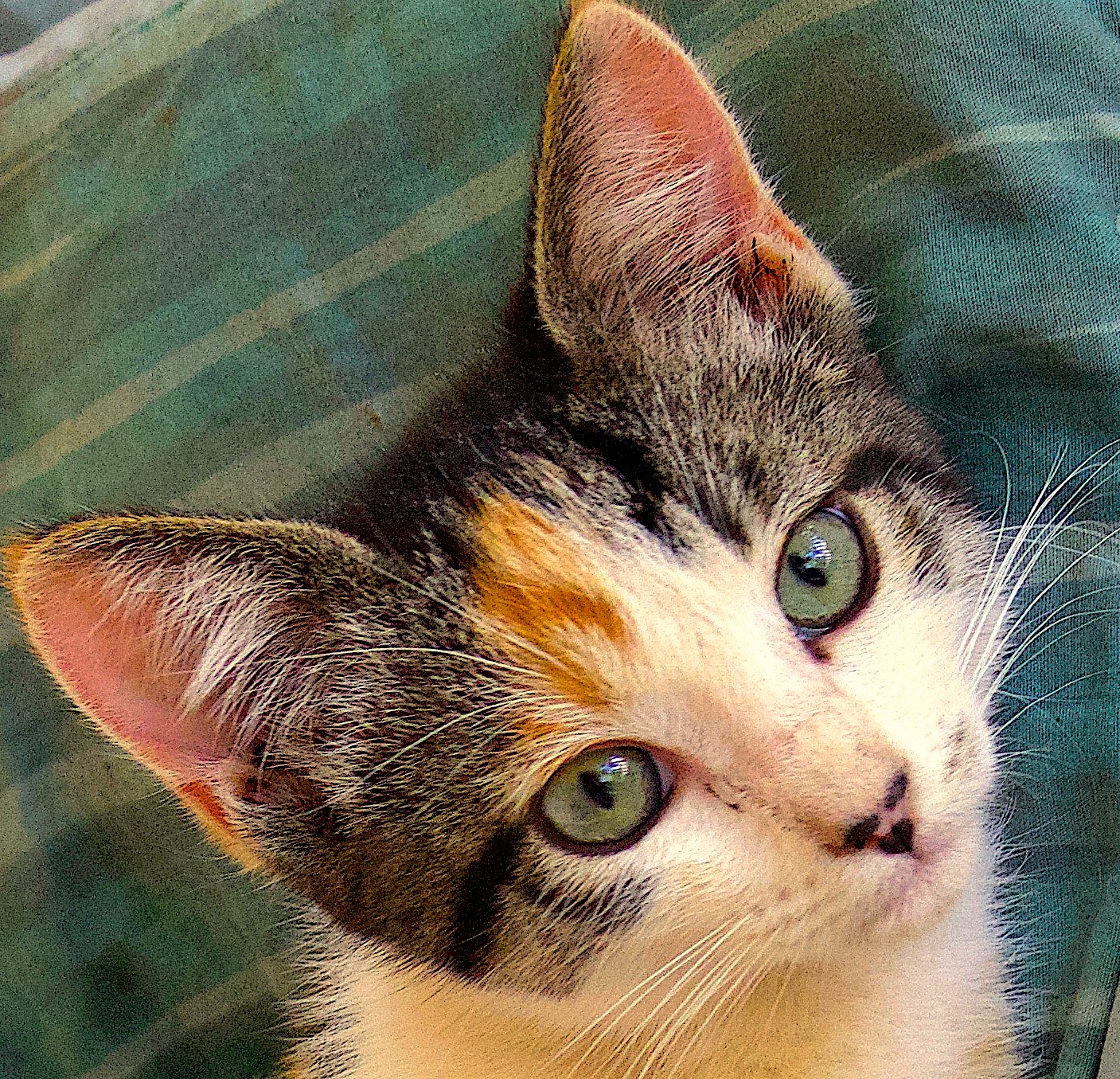
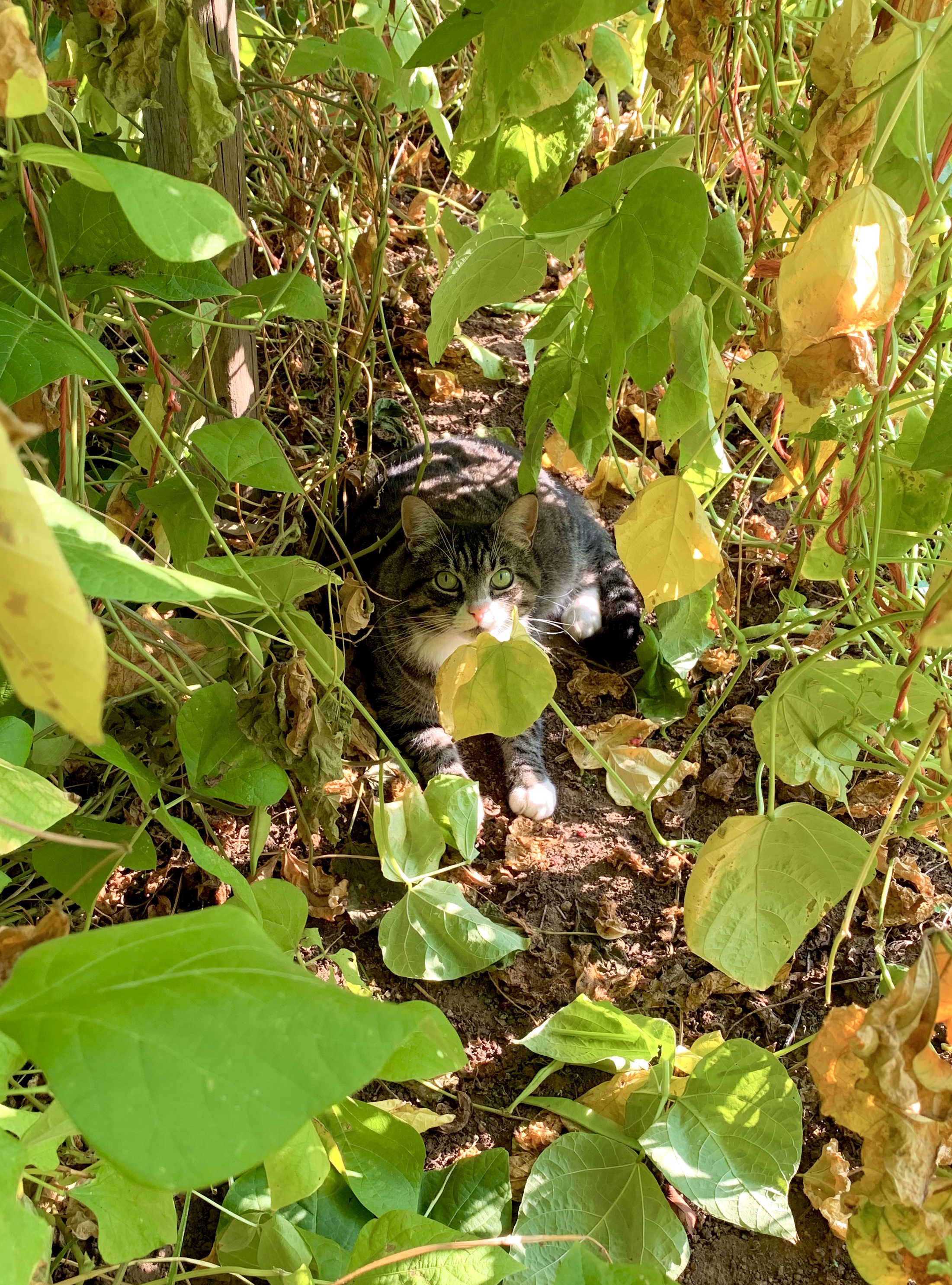
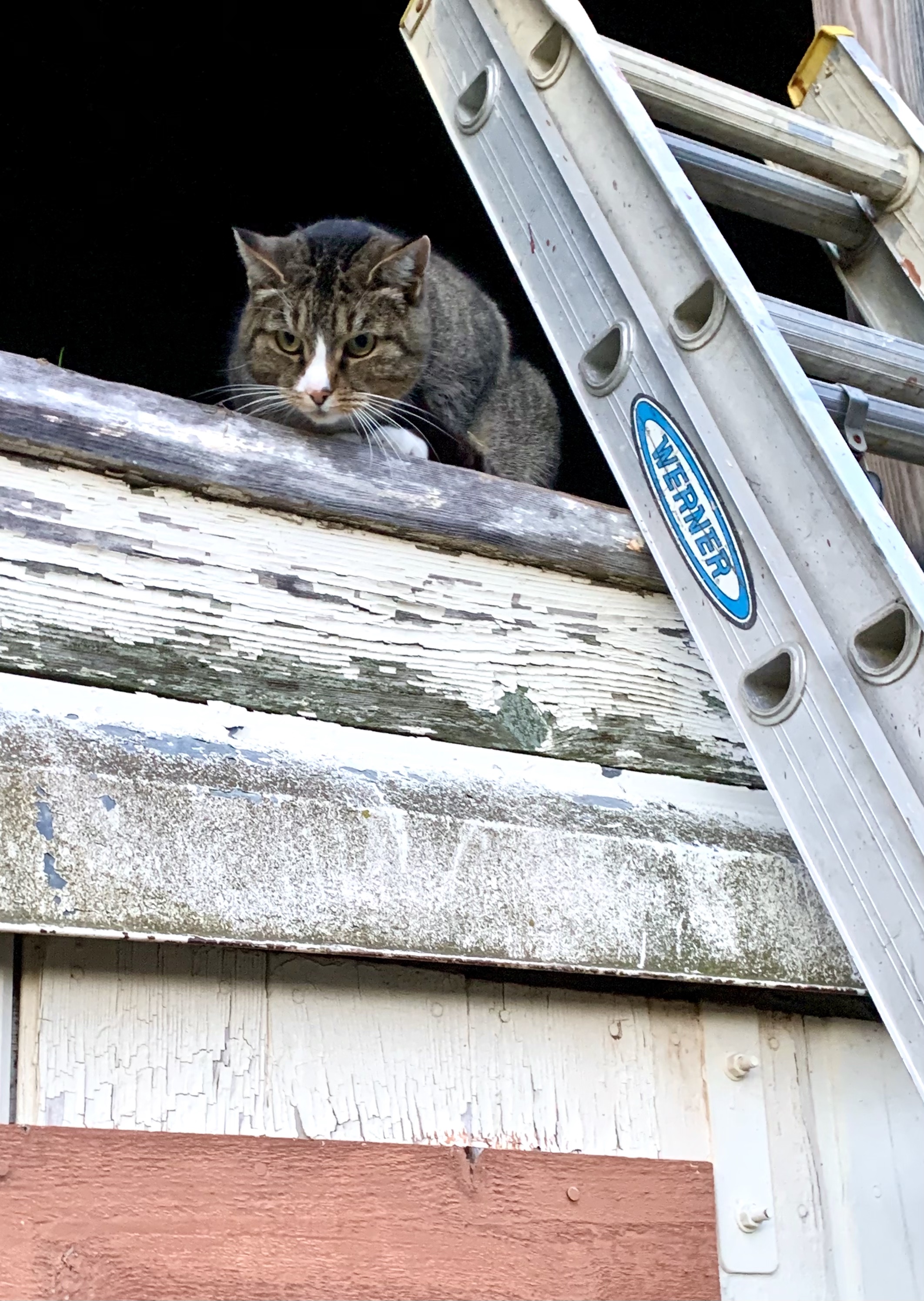
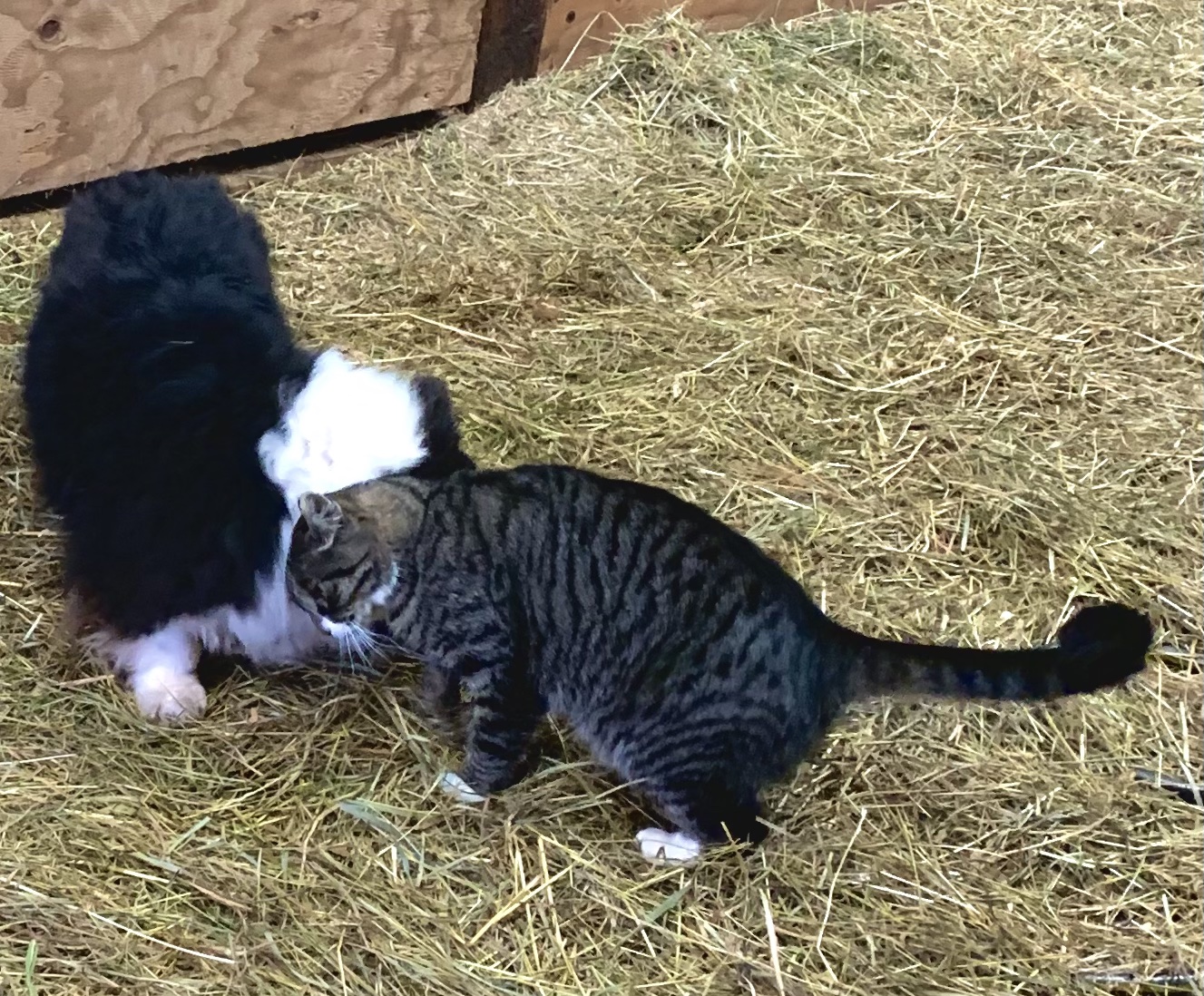
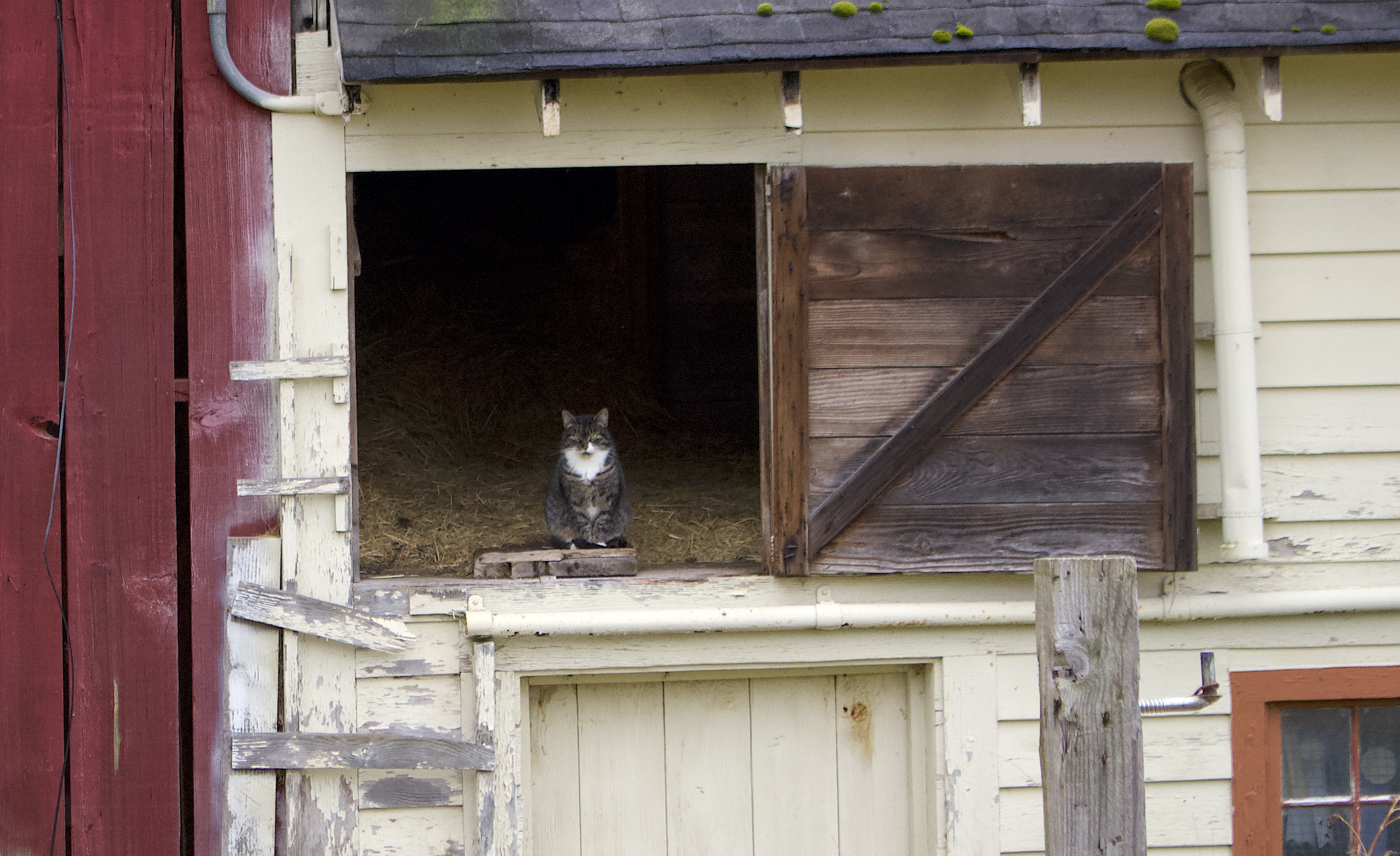
I’ve never known a farm cat who doesn’t hold something back in their loyalty to their human. They are never “all in” like a dog who lavishes love without thought or hesitation.

Cats live at a bit of a remove here, particularly if they grew up without being regularly handled and cuddled.

I don’t mind our barn cats’ autonomy and self-sufficiency as they need those characteristics when they live independently outside rather than as part of furniture in the house with us. They must view the rest of the world with some suspicion and caution, viewing things from afar with their keen eyes rather than leaping in without thinking.

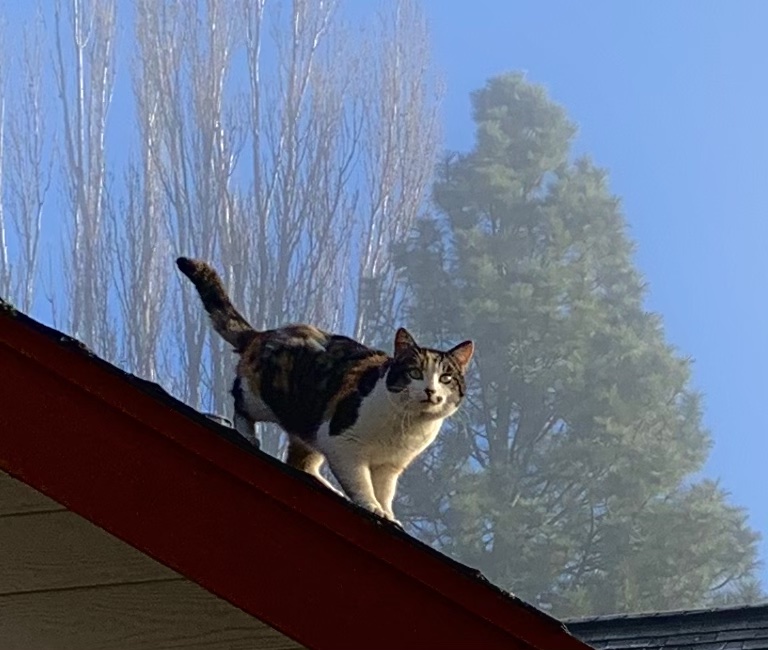
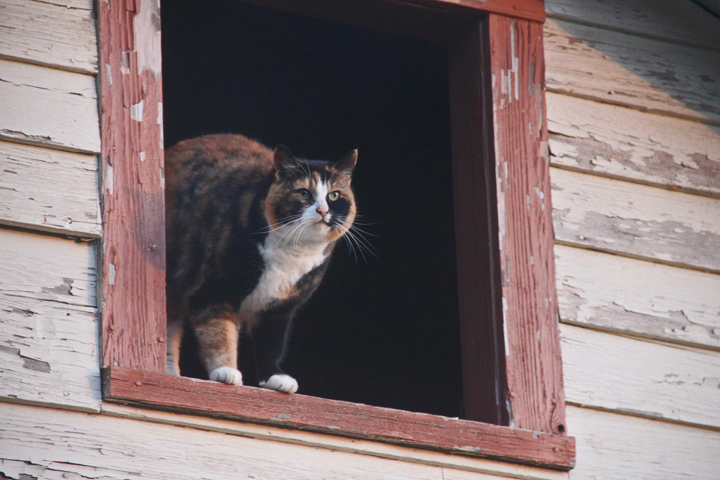
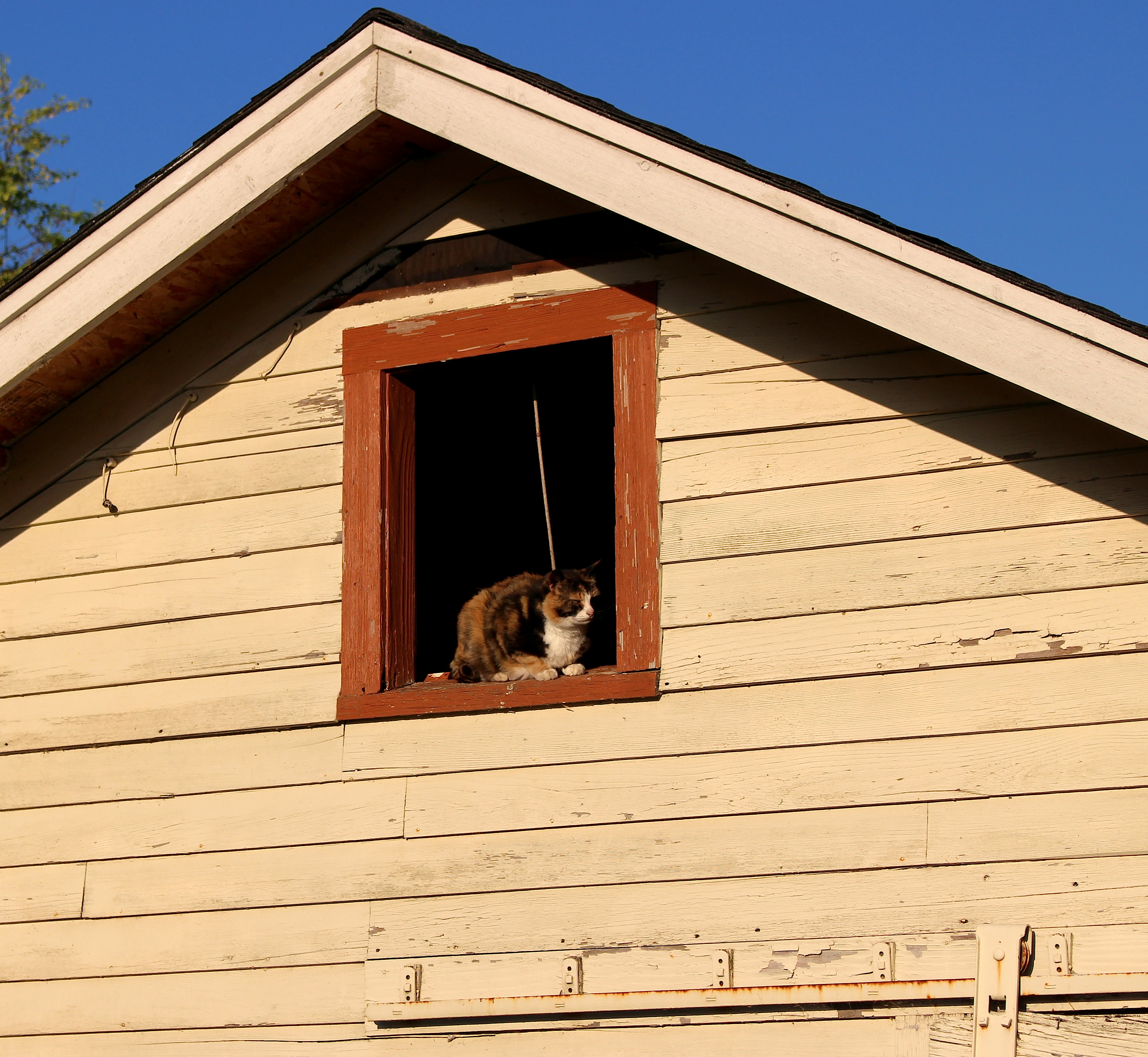
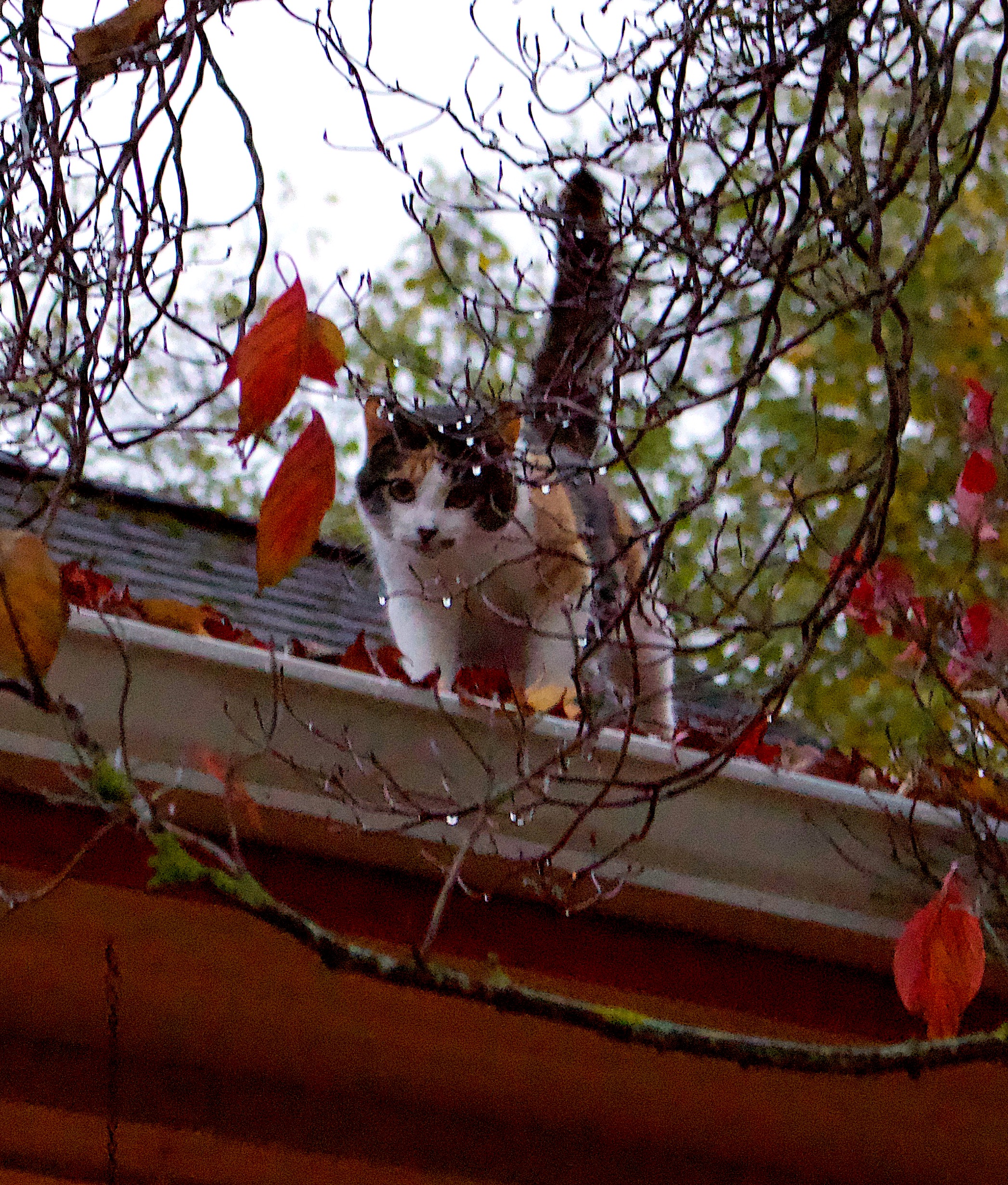
As I go about my day on the farm, moving from shed to barn to garage to house, I have the distinct feeling of being watched. The reality is — they could run this place on their own if they needed to — and they do.

photo by Nate Gibson

Take Her Hand

She wakes to gray.
No words to guide the way
toward son. His unfamiliar face seems kind
enough. She nods hello. Just yesterday
she knew his eyes, but now?

This morning’s mind
welcomes the past but not the day. She was
someone: woman who woke at 3:00 to sing
her restless son to sleep, his calm her cause
for celebration. Today the dawn brings

no clarity, yet still the stranger comes
and draws her curtains wide. She thinks outside
is where she left her life: daughters, a son
who meet sunrise without her. Look, the light

is brighter now. The kind man helps her stand.
To see the morning sun, she takes his hand.
~Marjorie Maddox “Alzheimer Aubade”

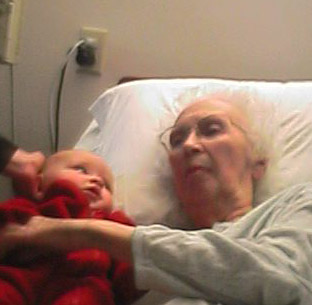
Lying still, your mouth gapes open as
I wonder if you breathe your last.
Your hair a white cloud
Your skin baby soft
No washing, digging, planting gardens
Or raising children
Anymore.

Where do your dreams take you?
At times you wake in your childhood home of
Rolling wheat fields, boundless days of freedom.
Other naps take you to your student and teaching days
Grammar and drama, speech and essays.
Yesterday you were a young mother again
Juggling babies, farm and your wistful dreams.

Today you looked about your empty nest
Disguised as hospital bed,
Wondering aloud about
Children grown, flown.
You still control through worry
and tell me:
Travel safely
Get a good night’s sleep
Take time to eat
Call me when you get there

I dress you as you dressed me
I clean you as you cleaned me
I love you as you loved me
You try my patience as I tried yours.
I wonder if I have the strength to
Mother my mother
For as long as she needs.

When I tell you the truth
Your brow furrows as it used to do
When I disappointed you~
This cannot be
A bed in a room in a sterile place
Waiting for death
Waiting for heaven
Waiting

And I tell you:
Travel safely
Eat, please eat
Sleep well
Call me when you get there.

Returning Home

In the quiet misty morning
When the moon has gone to bed,
When the sparrows stop their singing
And the sky is clear and red,
When the summer’s ceased its gleaming
When the corn is past its prime,
When adventure’s lost its meaning –
I’ll be homeward bound in time

Bind me not to the pasture
Chain me not to the plow
Set me free to find my calling
And I’ll return to you somehow

If you find it’s me you’re missing
If you’re hoping I’ll return,
To your thoughts I’ll soon be listening,
And in the road I’ll stop and turn
Then the wind will set me racing
As my journey nears its end
And the path I’ll be retracing
When I’m homeward bound again

Bind me not to the pasture
Chain me not to the plow
Set me free to find my calling
And I’ll return to you somehow

In the quiet misty morning
When the moon has gone to bed,
When the sparrows stop their singing
I’ll be homeward bound again.

~Marta Keen “Homeward Bound”

Seventy eight years ago, my parents married on Christmas Eve. It was not a conventional wedding day but a date of necessity, only because a justice of the peace was available to marry a score of war-time couples in Quantico, Virginia, shortly before the newly trained Marine officers were shipped out to the South Pacific to fight in WWII.

When I look at my parents’ young faces – ages 22 and just turned 21 — in their only wedding portrait, I see a hint of the impulsive decision that led to that wedding just a week before my father left for 30 months. They had known each other at college for over a year, had talked about a future together, but with my mother starting a teaching job in a rural Eastern Washington town, and the war potentially impacting all young men’s lives very directly, they had not set a date.

My father put his college education on hold to enlist, knowing that would give him some options he wouldn’t have if drafted, so they went their separate ways as he headed east to Virginia for his Marine officer training, and Mom started her high school teaching career as a speech and drama teacher. One day in early December of 1942, he called her and said, “If we’re going to get married, it’ll need to be before the end of the year. I’m shipping out the first week in January.” Mom went to her high school principal, asked for a two week leave of absence which was granted, told her astonished parents, bought a dress, and headed east on the train with a friend who had received a similar call from her boyfriend.

This was a completely uncharacteristic thing for my overly cautious mother to do, so… it must have been love.

They were married in a brief civil ceremony with another couple as the witnesses. They stayed in Virginia only a couple days and took the train back to San Diego, and my father was shipped out. Just like that. Mom returned to her teaching position and the first three years of their married life was composed of letter correspondence only, with gaps of up to a month during certain island battles when no mail could be delivered or posted.

As I sorted through my mother’s things following her death over a decade ago, I found their war-time letters to each other, stacked neatly and tied together in a box.

In my father’s nearly daily letters home to my mother during WWII, month after month after month, he would say, over and over, while apologizing for the repetition:

“I will come home to you, I will return, I will not let this change me, we will be joined again…”

This was his way of convincing himself even as he carried the dead and dying after island battles: men he knew well and the enemy he did not know. He knew they were never returning to the home they died protecting and to those who loved them.

He shared little of battle in his letters as each letter was reviewed and signed off by a censor before being sealed and sent. This story, however, made it through:

“You mentioned a story of Navy landing craft taking the Marines into Tarawa.  It reminded me of something which impressed me a great deal and something I’m sure I’ll never forget. 

So you’ll understand what I mean I’ll try to start with an explanation.  In training – close order drill- etc.  there is a command that is given always when the men form in the morning – various times during the day– after firing– and always before a formation is dismissed.  The command is INSPECTION – ARMS.  On the command of EXECUTION- ARMS each man opens the bolt of his rifle.  It is supposed to be done in unison so you hear just one sound as the bolts are opened.  Usually it is pretty good and sounds O.K.

Just to show you how the morale of the men going to the beach was – and how much it impressed me — we were on our way in – I was forward, watching the beach thru a little slit in the ramp – the men were crouched in the bottom of the boat, just waiting.  You see- we enter the landing boats with unloaded rifles and wait till it’s advisable before loading.  When we got about to the right distance in my estimation I turned around and said – LOAD and LOCK – I didn’t realize it, but every man had been crouching with his hand on the operating handle and when I said that — SLAM! — every bolt was open at once – I’ve never heard it done better – and those men meant business when they loaded those rifles. 

A man couldn’t be afraid with men like that behind him.”

My father did return home to my mother after nearly three years of separation. He finished his college education to become an agriculture teacher to teach others how to farm the land while he himself became bound to the pasture and chained to the plow.

He never forgot those who died, making it possible for him to return home. I won’t forget either.

My mother and father could not have foretold the struggles that lay ahead for them. The War itself seemed struggle enough for the millions of couples who endured the separation, the losses and grieving, as well as the eventual injuries–both physical and psychological.  It did not seem possible that beyond those harsh and horrible realities, things could go sour after reuniting.

The hope and expectation of happiness and bliss must have been overwhelming, and real life doesn’t often deliver.  After raising three children, their 35 year marriage fell apart with traumatic finality.  When my father returned home (again) over a decade later, asking for forgiveness, they remarried and had five more years together before my father died in 1995.

Christmas is a time of joy, a celebration of new beginnings and new life when God became man, humble, vulnerable and tender. But it also gives us a foretaste for the profound sacrifice made in giving up this earthly life, not always so gently.

As I peer at my father’s and mother’s faces in their wedding photo, I remember those eyes, then so trusting and unaware of what was to come.  I find peace in knowing they returned home to behold the Light, the Salvation and the Glory~~the ultimate Christmas~~in His presence.

In the quiet misty morning
When the moon has gone to bed,
When the sparrows stop their singing
And the sky is clear and red,
When the summer’s ceased its gleaming
When the corn is past its prime,
When adventure’s lost its meaning –
I’ll be homeward bound in time

Bind me not to the pasture
Chain me not to the plow
Set me free to find my calling
And I’ll return to you somehow

If you find it’s me you’re missing
If you’re hoping I’ll return,
To your thoughts I’ll soon be listening,
And in the road I’ll stop and turn
Then the wind will set me racing
As my journey nears its end
And the path I’ll be retracing
When I’m homeward bound again

Bind me not to the pasture
Chain me not to the plow
Set me free to find my calling
And I’ll return to you somehow

In the quiet misty morning
When the moon has gone to bed,
When the sparrows stop their singing
I’ll be homeward bound again.

~Marta Keen “Homeward Bound”

August and Abundantly So

But you can have the fig tree and its fat leaves like clown hands
gloved with green.
You can have the touch of a single eleven-year-old finger
on your cheek, waking you at one a.m. to say the hamster is back.
You can have the purr of the cat and the soulful look
of the black dog, the look that says, If I could I would bite
every sorrow until it fled, and when it is August,
you can have it August and abundantly so. You can have love,
though often it will be mysterious, like the white foam
that bubbles up at the top of the bean pot over the red kidneys
until you realize foam’s twin is blood.


You can speak a foreign language, sometimes,
and it can mean something. You can visit the marker on the grave
where your father wept openly. You can’t bring back the dead,
but you can have the words forgive and forget hold hands
as if they meant to spend a lifetime together.


You can have your grandfather sitting on the side of your bed,
at least for a while, you can have clouds and letters, the leaping
of distances, and Indian food with yellow sauce like sunrise.


You can’t count on grace to pick you out of a crowd
but here is your friend to teach you how to high jump,
how to throw yourself over the bar, backwards,
until you learn about love, about sweet surrender,
and here are periwinkles, buses that kneel, farms in the mind
as real as Africa. And when adulthood fails you,


you can still summon the memory of the black swan on the pond
of your childhood, the rye bread with peanut butter and bananas
your grandmother gave you while the rest of the family slept.
There is the voice you can still summon at will, like your mother’s,
it will always whisper, you can’t have it all,
but there is this.
~Barbara Ras from “You Can’t Have It All
from Bite Every Sorrow

My pragmatic mother who gave up her teaching career for marriage and family reminded me regularly that I couldn’t have it all: there was no way a woman can have a husband and children and a farm and a garden and animals and a profession and travel and volunteer in the community and not make a mess of it all and herself.

My father would listen to her and say softly under his breath: “you do whatever you put your mind to…you know what you are here for.”

They were both right. The alluring abundance of this life has invited me to want to touch and feel and taste it all, not unlike another woman who was placed with purpose in the Garden to be side-by-side companion and co-worker. Yet she demonstrated what happens when you want more than you are given and yes, she made a mess of it.

Yet there is this: despite wanting it all and working hard for it all and believing I could do it all, I indeed missed the point altogether.
It’s forgive and forget walking hand in hand for a lifetime.
It’s all gift, not earned.
It’s all grace, not deserved.
It’s all August abundance, all year long, to sustain us through the drought and drab of winter.

There is this: I know what I am here for.

photo by Breanna Siebring Randall

Giving Life’s Best

In great deeds, something abides. 
On great fields, something stays. 
Forms change and pass; bodies disappear; 
but spirits linger, to consecrate ground for the vision-place of souls. 
And reverent men and women from afar, 
and generations that know us not and that we know not of, 
heart-drawn to see where and by whom great things were suffered and done for them, shall come to this deathless field, 
to ponder and dream; and lo!

the shadow of a mighty presence shall wrap them in its bosom, 
and the power of the vision pass into their souls. 
This is the great reward of service. 
To live, far out and on, in the life of others;
this is the mystery of the Christ,

–to give life’s best for such high sake
that it shall be found again unto life eternal.

~Major-General Joshua Chamberlain, Gettysburg, Pennsylvania 1889

A box of over 700 letters, exchanged between my parents from late 1941 to mid-1945, sat unopened for decades until last year. I started reading.

My parents barely knew each other before marrying quickly on Christmas Eve 1942 – the haste due to the uncertain future for a newly trained Second Lieutenant in the Marine Corps. They only had a few weeks together before she returned home to her rural teaching position and he readied himself to be shipped out for the island battles to come.

They had no idea they would not see each other for another 30+ months or even see each other again at all. They had no idea their marriage would fall apart 35 years later and they would reunite a decade after the divorce for five more years together.

The letters do contain the long-gone but still-familiar voices of my parents, but they are the words and worries of youngsters of 20 and 21, barely prepared for the horrors to come from war and interminable waiting. When he was fighting battles on Tarawa, Saipan, and Tinian, no letters or news would be received for a month or more, otherwise they tried to write each other daily, though with minimal news to share due to military censorship. They speak mostly of their desire for a normal life together rather than a routine centered on mailbox, pen and paper and waiting, lots and lots of waiting.

I’m not sure what I hoped to find in these letters. Perhaps I hoped for flowery romantic whisperings and the poetry of longing and loneliness. Instead I am reading plain spoken words from two people who somehow made it through those awful years to make my sister and brother and myself possible.

Our inheritance is contained in this musty box of words bereft of poetry. But decades later my heart is moved by these letters – I carefully refold them back into their envelopes and replace them gently back in order. A six cent airmail stamp – in fact hundreds and hundreds of them – was a worthwhile investment in the future, not only for themselves and their family to come, but for generations of U.S. citizens who tend to take their freedom for granted.

Thank you, Dad and Mom, for what you gave up to make today possible.

I hear the mountain birds
The sound of rivers singing
A song I’ve often heard
It flows through me now
So clear and so loud
I stand where I am
And forever I’m dreaming of home
I feel so alone, I’m dreaming of home

It’s carried in the air
The breeze of early morning
I see the land so fair
My heart opens wide
There’s sadness inside
I stand where I am
And forever I’m dreaming of home
I feel so alone, I’m dreaming of home

This is no foreign sky
I see no foreign light
But far away am I
From some peaceful land
I’m longing to stand
A hand in my hand
…forever I’m dreaming of home
I feel so alone, I’m dreaming of home
~Lori Barth and Philippe Rombi “I’m Dreaming of Home”

Drying Inward From the Edge

 
I know what my heart is like
      Since your love died:
It is like a hollow ledge
Holding a little pool
      Left there by the tide,
      A little tepid pool,
Drying inward from the edge.
~Edna St. Vincent Millay “Ebb”


I wondered if that was how forgiveness budded;
not with the fanfare of epiphany,
but with pain gathering its things,
packing up,
and slipping away unannounced in the middle of the night.

— Khaled Hosseini from The Kite Runner

My mother was seven years younger than I am now when my father left her for a younger woman.  For months my mother withered, crying until there were no more tears left, drying inward from her edges.  

It took ten years, but he came back like an overdue high tide.   She was sure her love had died but the tepid pool refilled, the incoming water cool to the touch, finally overflowing beyond imagining.