It’s so easy to look and see what we pass through in this world, but we don’t. If you’re like me, you see so little. You see what you expect to see rather than what’s there. ~Frederick Buechner from The Remarkable Ordinary
Jesus said to them, “Come and have breakfast.” None of the disciples dared ask him, “Who are you?” They knew it was the Lord. John 21:12
It is too easy, by the next day, to let go of Easter — to slide back into the Monday routine, managing our best to get through each day, our jaws set, our teeth gritted, as we have before.
We are blinded by our grief, shivering in misery, thinking Him only the Gardener as He passed by. We don’t pay attention to Who is right before us, Who is always tending us: the new Adam, caring for a world desperate for rescue.
God knows this about us. So He invites us to breakfast on Monday and every day thereafter.
He feeds us, a tangible and meaningful act of nourishing us in our most basic human needs though we’ve done nothing to deserve the gift. He cooks up fish on a beach at dawn and welcomes us to join Him, as if nothing extraordinary has just happened.
Just yesterday evening he reviewed His Word and broke bread in Emmaus, opening the eyes and hearts of those like us who failed to see Who this is walking beside them.
This is no ordinary Gardener.
When He offers up a meal of His Word, the gift is nothing less than Himself.
One-Time
Monthly
Yearly
Make a one-time or recurring donation to support daily Barnstorming posts
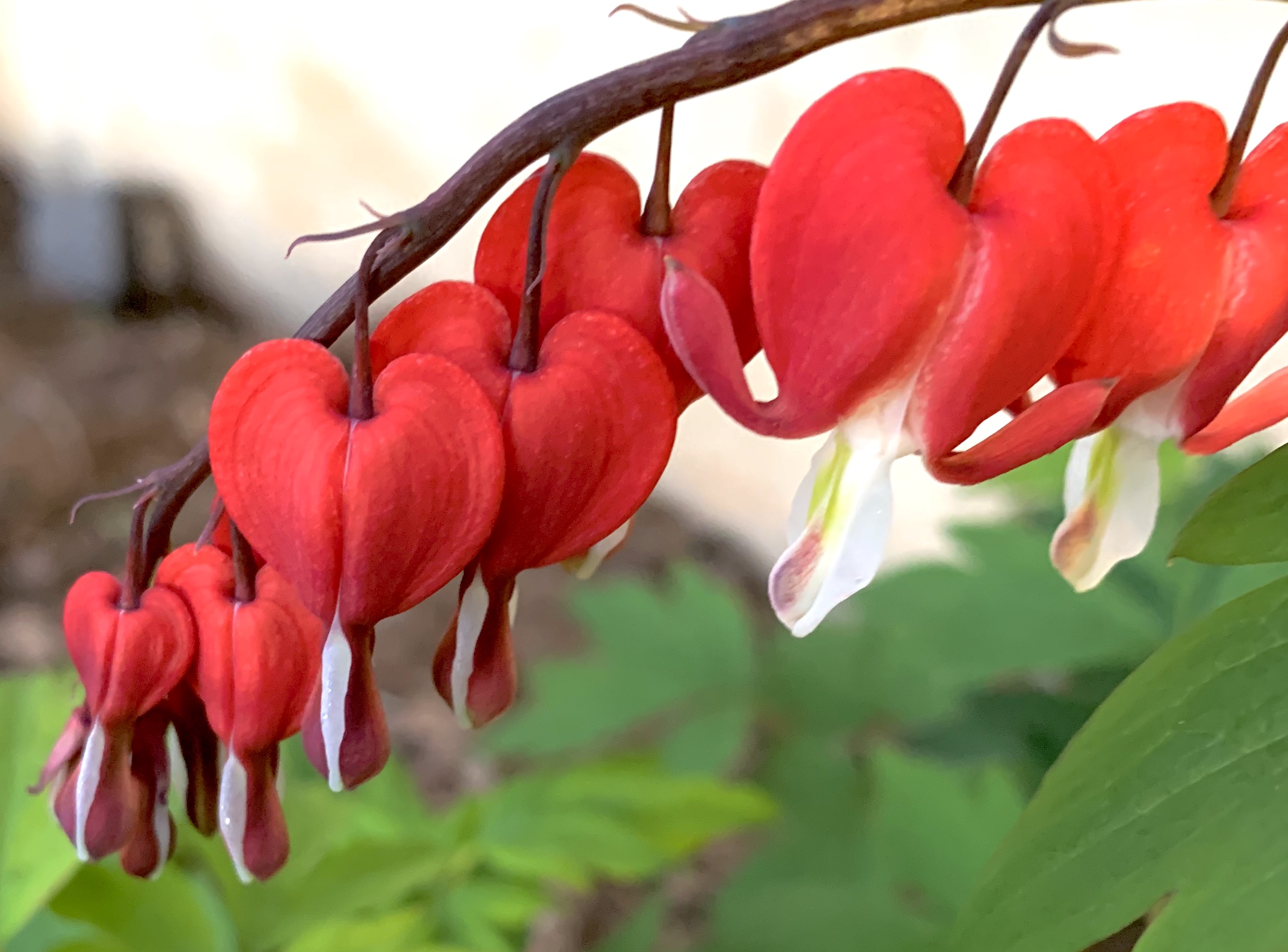
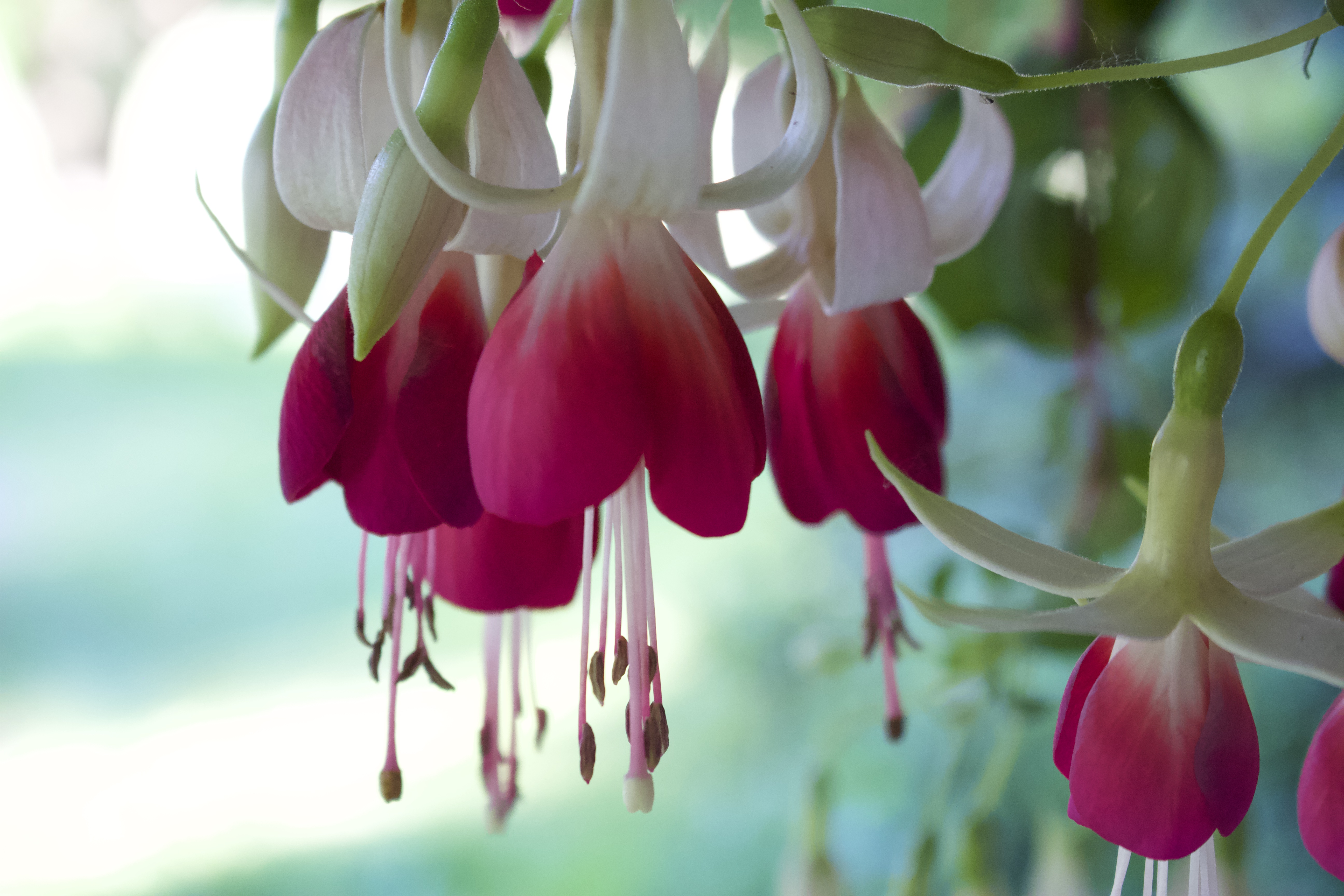
I know a bleeding-heart plant that has thrived for sixty years if not more, and has never missed a spring without rising and spreading itself into a glossy bush, with many small red hearts dangling. Don’t you think that deserves a little thought? The woman who planted it has been gone for a long time, and everyone who saw it in that time has also died or moved away and so, like so many stories, this one can’t get finished properly. Most things that are important, have you noticed, lack a certain neatness. More delicious, anyway, is to remember my grandmother’s pleasure when the dissolve of winter was over and the green knobs appeared and began to rise, and to cre- ate their many hearts. One would say she was a simple woman, made happy by simple things. I think this was true. And more than once, in my long life, I have wished to be her. ~Mary Oliver “The Bleeding-Heart”from New and Selected Poems Volume Two
My Grandma Kittie grew flowers–lots of them. Her garden stretched along both sides of the sidewalk to her old two story farm house, in window boxes and beds around the perimeter, in little islands scattered about the yard anchored by a tree, or a piece of driftwood, a gold fish pond or a large rock. Wisteria hung like a thick curtain of purple braids from the roof of her chicken coop, and her greenhouse, far bigger than her home, smelled moist and mossy with hanging fuschia baskets. For her it was full time joy disguised as a job: she sold seedlings, and ready-to-display baskets, and fresh flower arrangements.
She often said she was sure heaven would be full of flowers needing tending, and she was just practicing for the day when she could make herself useful as a gardener for God.
Visiting Grandma meant spending summer evenings in her yard heavy with wafting flower perfume. She especially loved her bleeding hearts bushes that returned every spring, dripping their red blossoms over her unruly lawn.
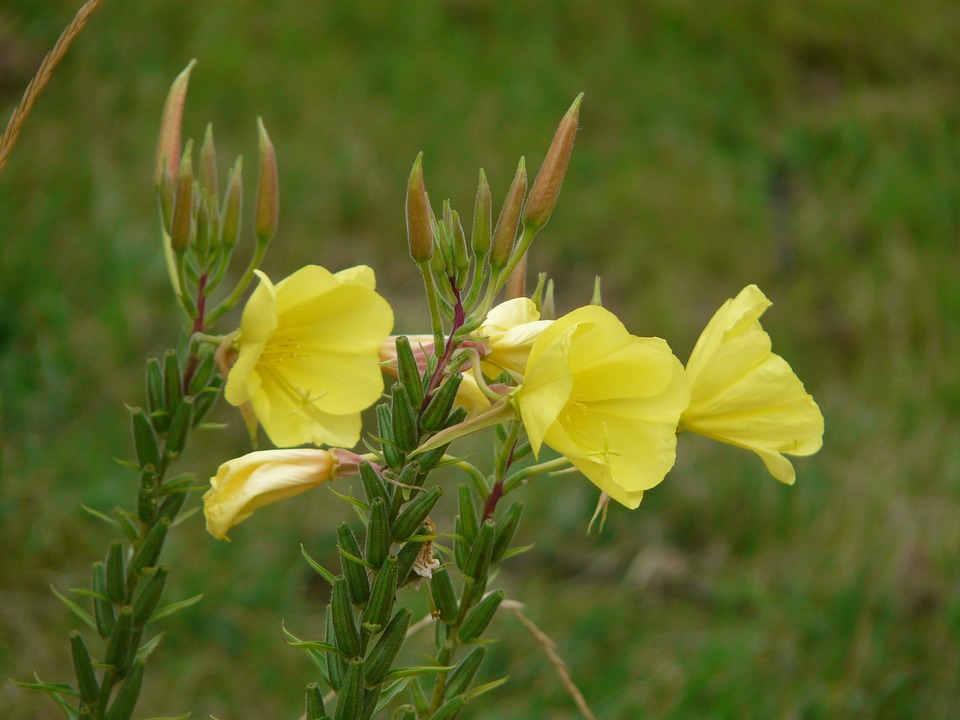
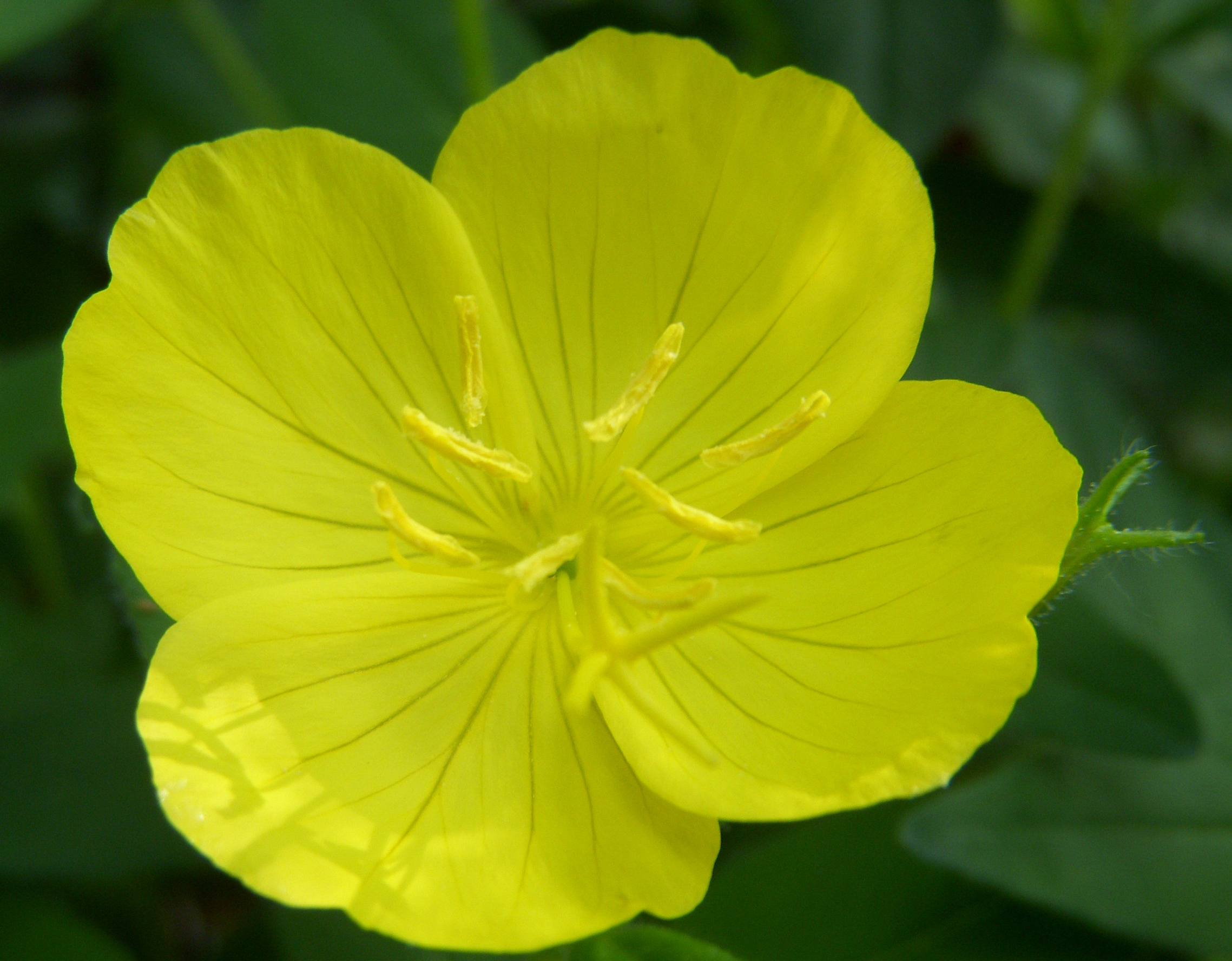
Another of her favorite flowers was the evening primrose. It was one of a few night blooming plants meant to attract pollinating moths. Its tall stems were adorned by lance shaped leaves, with multiple buds and blooms per stem. Each evening, and it was possible to set one’s watch by its punctuality, only one green wrapped bud per stem would open, revealing a bright yellow blossom with four delicate veined petals, a rosette of stamens and a cross-shaped stigma in the center, rising far above the blossom. The yellow was so vivid and lively, it seemed almost like a drop of sun had been left on earth to light the night. By morning, the bloom would begin to wither and wilt under the real sunlight, somehow overcome with the brightness, and would blush a pinkish orange as it folded upon itself, ready to die and drop from the plant in only a day or two, leaving a bulging seed pod behind.
I would settle down on the damp lawn at twilight, usually right before dusk fell, to watch the choreography of opening of blossoms on stem after stem of evening primrose. Whatever the trigger was for the process of unfolding, there would be a sudden loosening of the protective green calyces, in an almost audible release. Then over the course of about a minute, the overlapping yellow petals would unfurl, slowly, gently, purposefully, revealing their pollen treasure trove inside. It was like watching time lapse cinematography, only this was an accelerated, real time flourish of beauty, happening right before my eyes. I always felt privileged to witness each unveiling as Grandma liked to remind me that few flowers ever allowed us to behold both their birth and death. The evening primrose was not at all shy about sharing itself and it would enhance the show with a sweet lingering fragrance.
Grandma knew how much I enjoyed the evening primrose display, so she saved seeds from the seed pods for me, and helped me plant them at our house during one of her spring time visits. I remember scattering the seeds with her in a specially chosen spot, in anticipation of the “drops of sun” that would grace our yard come summertime. However, Grandma was more tired than usual on this particular visit, taking naps and not as eager to go for walks or eat the special meals cooked in honor of her visit. Her usually resonant laughing brown eyes appeared dull, almost muddy.
The day she was to return to her home, she came into the kitchen at breakfast time, wearily setting down her packed bags. She gave me a hug and I looked at her. Something was dreadfully wrong. Grandma’s eyes were turning yellow.
Instead of returning home that day, she went to the hospital. Within a day, she had surgery and within two days, was told she had terminal pancreatic cancer. She did not last long, her skin becoming more jaundiced by the day, her eyes more icteric and far away. She soon left her earthly gardens to cultivate those in heaven.
I’ve kept bleeding hearts and evening primrose in my garden ever since. Grandma’s heart dangles from the bushes and she is released from each primrose bloom as it unfolds precipitously in the evening. She wafts across the yard in its perfume. Her spirit, a drop of sun coming to rest, luminous, for a brief stay upon the earth, only to fall before we’re ready to let it go. But as the wilted bloom lets go, its seeds have already begun to form.
I’m sure Grandma is still growing flowers. And my soil-covered hands look more like hers every day.
The grass withers and the flowers fall, because the breath of the Lord blows on them. Surely the people are grass. The grass withers and the flowers fall, but the word of our God endures forever. Isaiah 40: 7-8
This Lenten season I reflect on the words of the 19th century southern spiritual hymn “What Wondrous Love is This”
One-Time
Monthly
Yearly
Make a one-time or recurring donation to support daily Barnstorming posts
Trust your bones Trust the pull of the earth And the earth itself Trust the hearts of trees The stone at the edge of the sea And all else true
Trust that water will bear you up Trust the moon to keep faith With ebb and flow Trust the leafing The chrysalis, the seed And every other way Death gives birth to resurrection ~Bethany Lee, “To Keep Faith” from The Breath Between
Over the last several weeks, roots have become shoots and their green blades are rising chaotically, uneven and awkward like a bad haircut. And like a bad haircut, another two weeks will make all the difference — sprouts will cover all the bare earth, breaking through crusted soil to create a smooth carpet of green.
There is nothing more mysterious than the barren made fruitful, the ugly made beautiful, the dead made alive.
The muddy winter field of my heart will recover, bathed in new light; I trust love will come again like shoots that spring up green.
Behold! I tell you a mystery. We shall not all sleep, but we shall all be changed, in a moment, in the twinkling of an eye, at the last trumpet. For the trumpet will sound, and the dead will be raised imperishable, and we shall be changed… 1 Corinthians 15:51–52
This Lenten season I reflect on the words of the 19th century southern spiritual hymn “What Wondrous Love is This”
One-Time
Monthly
Yearly
Make a one-time or recurring donation to support daily Barnstorming posts
The sacred moments, the moments of miracle, are often the everyday moments, the moments which, if we do not look with more than our eyes or listen with more than our ears reveal only… a gardener, a stranger coming down the road behind us, a meal like any other meal. But if we look with our hearts, if we listen with all our being and imagination.. what we may see is Jesus himself. ~Frederick Buechner from The Magnificent Defeat
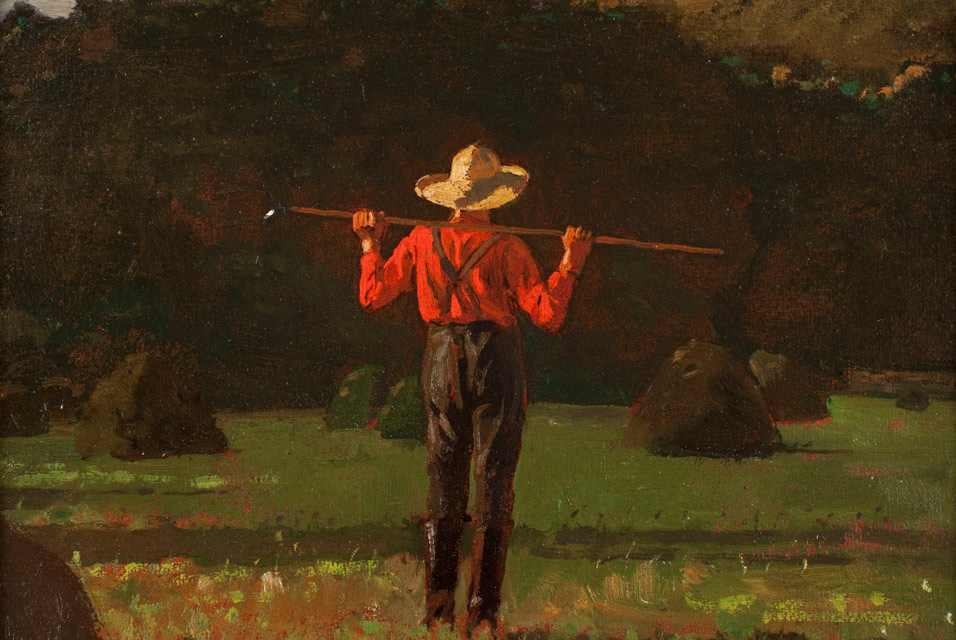
Farmer with a pitchfork by Winslow Homer
We can be blinded by the everyday-ness of it: A simple loaf of bread is a meal we take for granted. A gardener looks up and smiles as he hoes a row of weeds, trying to restore order in chaos. A wanderer along the road catches up to engage in conversation.
Every day contains millions of everyday moments lost and forgotten, seemingly meaningless.
Perhaps we would see Jesus if only we opened our eyes and listened with our ears. At the table, on the road, in the garden at sunrise.
With the new vision we have been given, we discover: there is nothing everyday about the miracle of Him abiding with us – always in plain sight.
“Sir,” they said, “we would like to see Jesus.” John 12: 21
This Lenten season I reflect on the words of the 19th century southern spiritual hymn “What Wondrous Love is This”
One-Time
Monthly
Yearly
Make a one-time or recurring donation to support daily Barnstorming posts
When all the others were away at Mass I was all hers as we peeled potatoes. They broke the silence, let fall one by one Like solder weeping off the soldering iron: Cold comforts set between us, things to share Gleaming in a bucket of clean water. And again let fall. Little pleasant splashes From each other’s work would bring us to our senses.
So while the parish priest at her bedside Went hammer and tongs at the prayers for the dying And some were responding and some crying I remembered her head bent towards my head, Her breath in mine, our fluent dipping knives— Never closer the whole rest of our lives. ~Seamus Heaney “Clearances -3”
April 2008 – Vigil at Mom’s Bedside
Lying still, your mouth gapes open as I wonder if you breathe your last. Your hair a white cloud Your skin baby soft No washing, digging, planting gardens, peeling potatoes, Or raising children Anymore.
Where do your dreams take you? At times you wake in your childhood home of Rolling wheat fields, boundless days of freedom. Other naps take you to your student and teaching days Grammar and drama, speech and essays. Yesterday you were a young mother again Juggling babies, farm and your wistful dreams.
Today you looked about your empty nest Disguised as hospital bed, Wondering aloud about Children grown, flown. You still control through worry and tell me: Travel safely Get a good night’s sleep Take time to eat Call me when you get there
I dress you as you dressed me I clean you as you cleaned me I love you as you loved me You try my patience as I tried yours. I wonder if I have the strength to Mother my mother For as long as she needs.
When I tell you the truth Your brow furrows as it used to do When I disappointed you~ This cannot be A bed in a room in a sterile place Waiting for death Waiting for heaven Waiting
And I tell you: Travel safely Eat, please eat Sleep well Call me when you get there.
______________
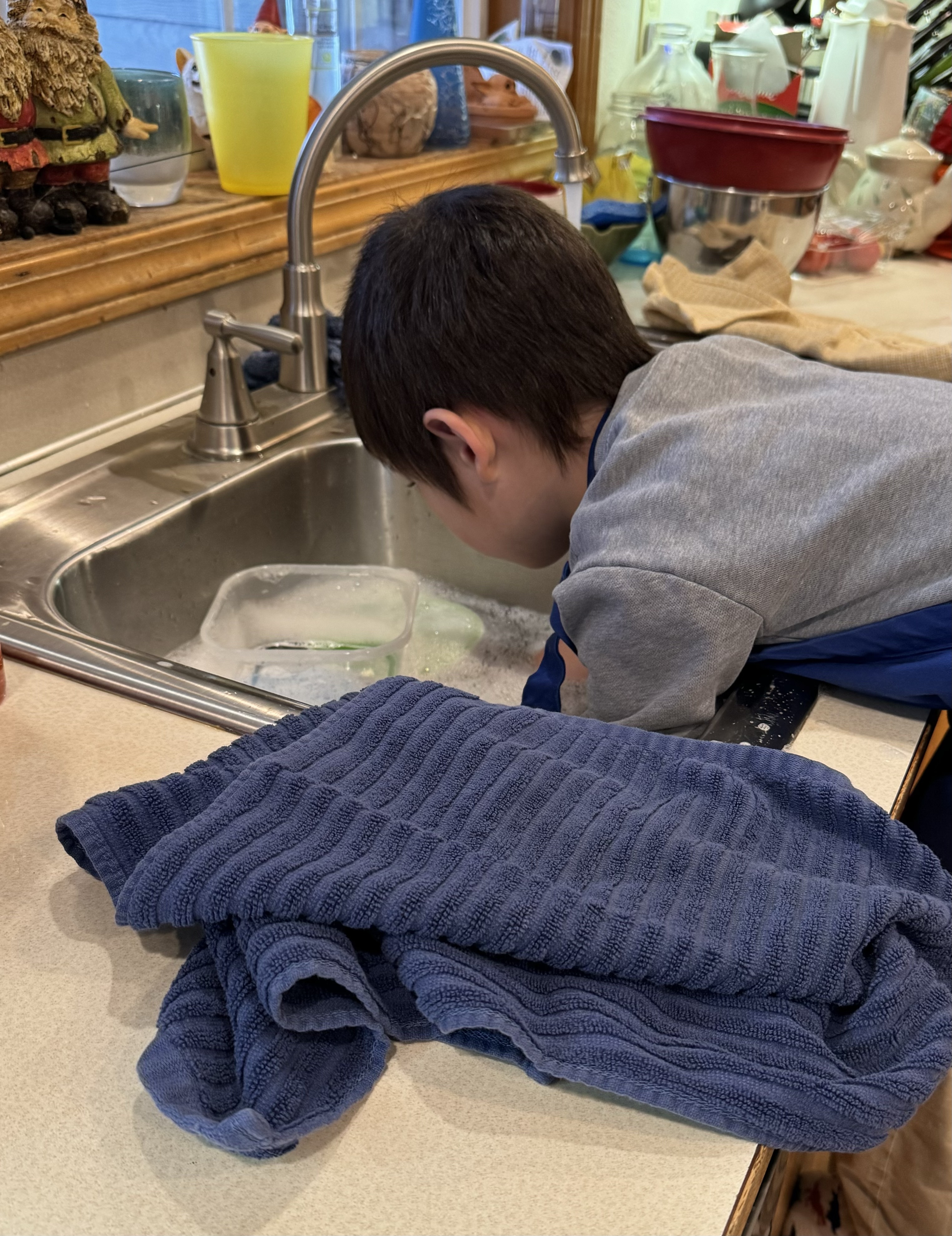
Now that I am a grandmother, I seek those tiny, daily, apparently meaningless opportunities to create memories that my grandchildren may warmly recall decades from now, knowing they were all mine, if only for a few minutes at the kitchen sink.
One-Time
Monthly
Yearly
Make a one-time or recurring donation to support daily Barnstorming posts
In October of the year, he counts potatoes dug from the brown field, counting the seed, counting the cellar’s portion out, and bags the rest on the cart’s floor.
He packs wool sheared in April, honey in combs, linen, leather tanned from deerhide, and vinegar in a barrel hooped by hand at the forge’s fire.
He walks by his ox’s head, ten days to Portsmouth Market, and sells potatoes, and the bag that carried potatoes, flaxseed, birch brooms, maple sugar, goose feathers, yarn.
When the cart is empty he sells the cart. When the cart is sold he sells the ox, harness and yoke, and walks home, his pockets heavy with the year’s coin for salt and taxes,
and at home by fire’s light in November cold stitches new harness for next year’s ox in the barn, and he carved a new yoke and sawed planks for a new cart and split shingles all winter, while his wife made flax into linen all winter, and his daughter embroidered linen all winter, and his son carved Indian brooms from birch all winter, and everybody made candles, and in March they tapped the sugar maple trees and boiled the sap down, and in April they sheared the sheep, spun yarn, and wove and knitted, and in May they planted potatoes, turnips, and cabbages, while apple blossoms bloomed and fell, while bees woke up, starting to make new honey, and geese squawked in the barnyard, dropping feathers as soft as clouds. ~Donald Hall “The Oxcart Man”
Come inside now. Stand beside the warming stove. Watch out through the windows as a cold rain tears down the last leaves.
The larder full of dried herbs, hot peppers, chutneys, jellies, jams, dill pickles, pickled relishes, pickled beets.
The freezer full of frozen greens— chard and spinach, collards, kale— green beans, basil, red sauces, applesauce, and smoked meats.
The woodshed dry and full of wood, winter squashes stashed away. Down cellar: potatoes, carrots, crock of sauerkraut.
Come inside now. Stand beside the warming stove. Listen. Wait. ~David Budbill “Come Inside Now” from Happy Life
Nothing would sleep in that cellar, dank as a ditch, Bulbs broke out of boxes hunting for chinks in the dark, Shoots dangled and drooped, Lolling obscenely from mildewed crates, Hung down long yellow evil necks, like tropical snakes. And what a congress of stinks! Roots ripe as old bait, Pulpy stems, rank, silo-rich, Leaf-mold, manure, lime, piled against slippery planks. Nothing would give up life: Even the dirt kept breathing a small breath. ~Theodore Roetke “Root Cellar”from The Collected Poems
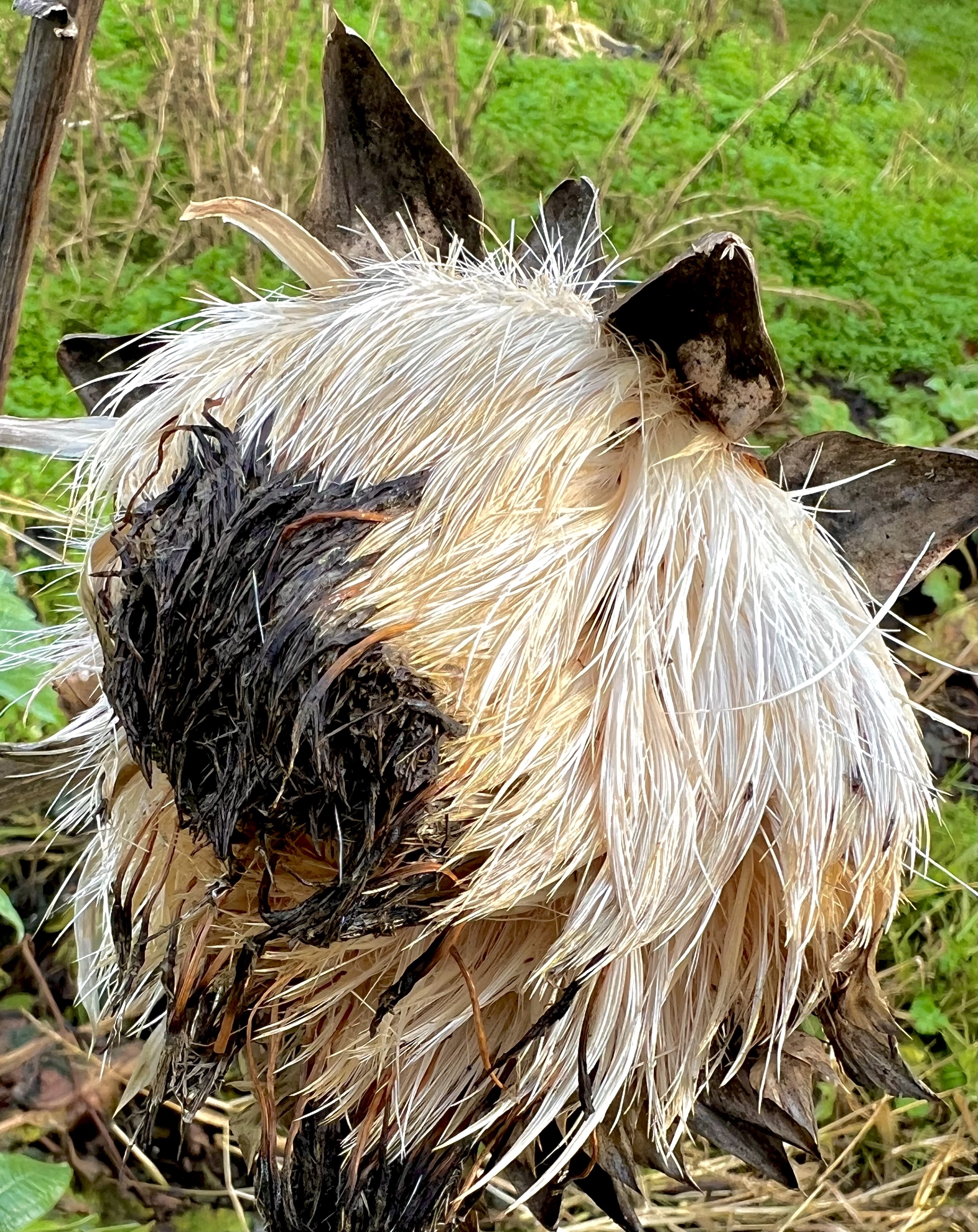
Even in the cold wet chill of November, our garden continues breathing, guarded by the furry fellow on a stalk below until a heavy windstorm topples him over.
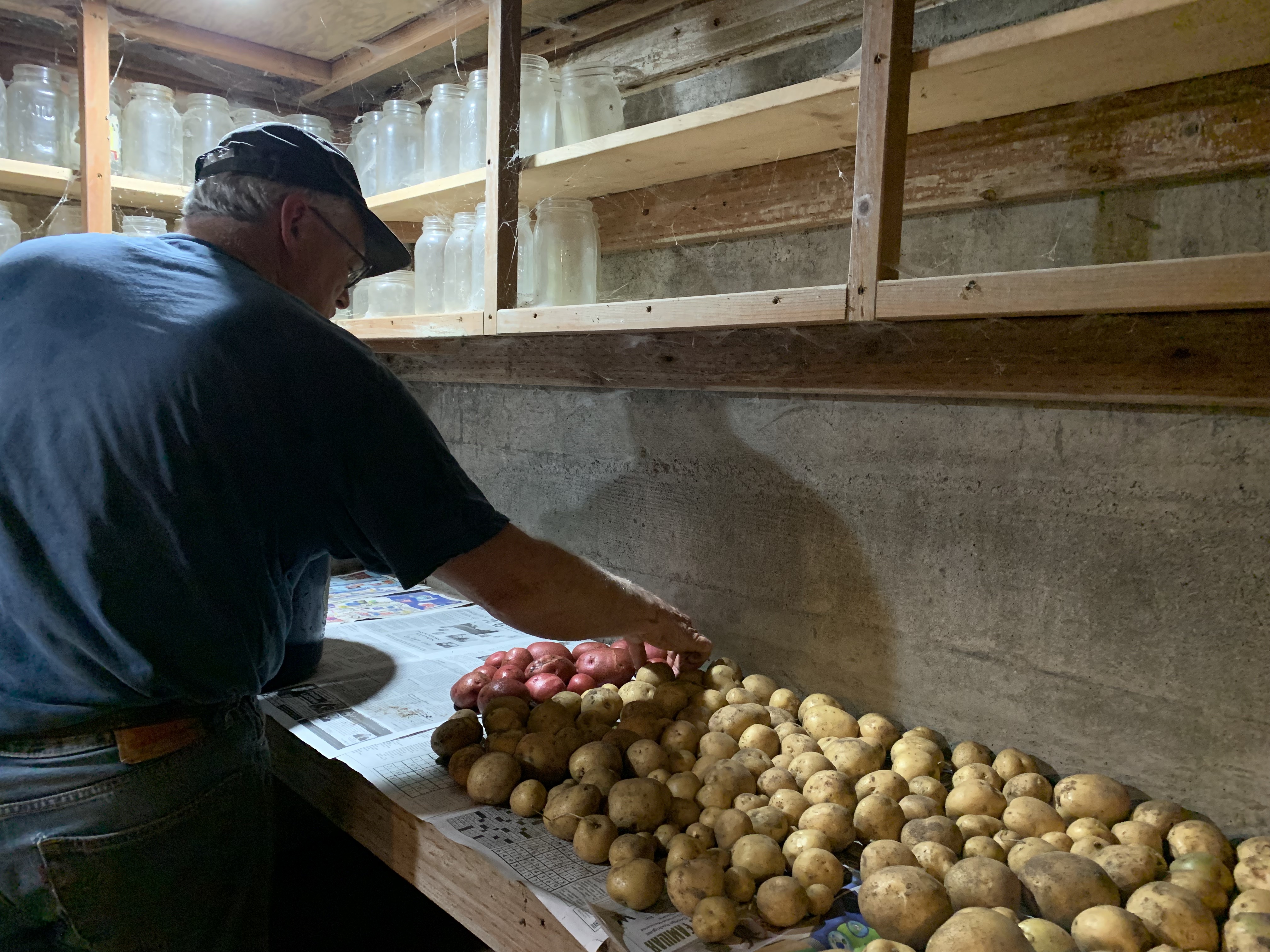
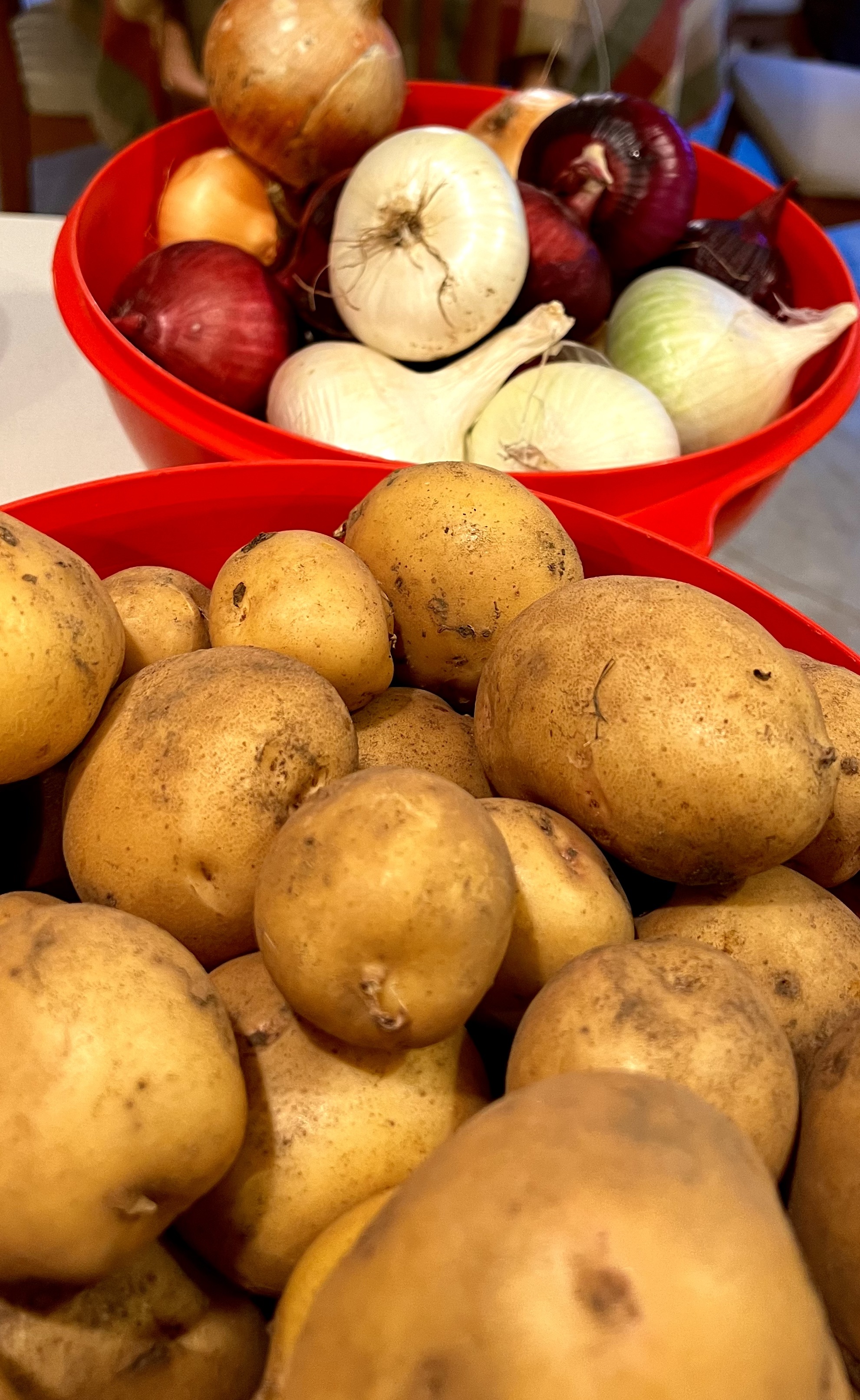
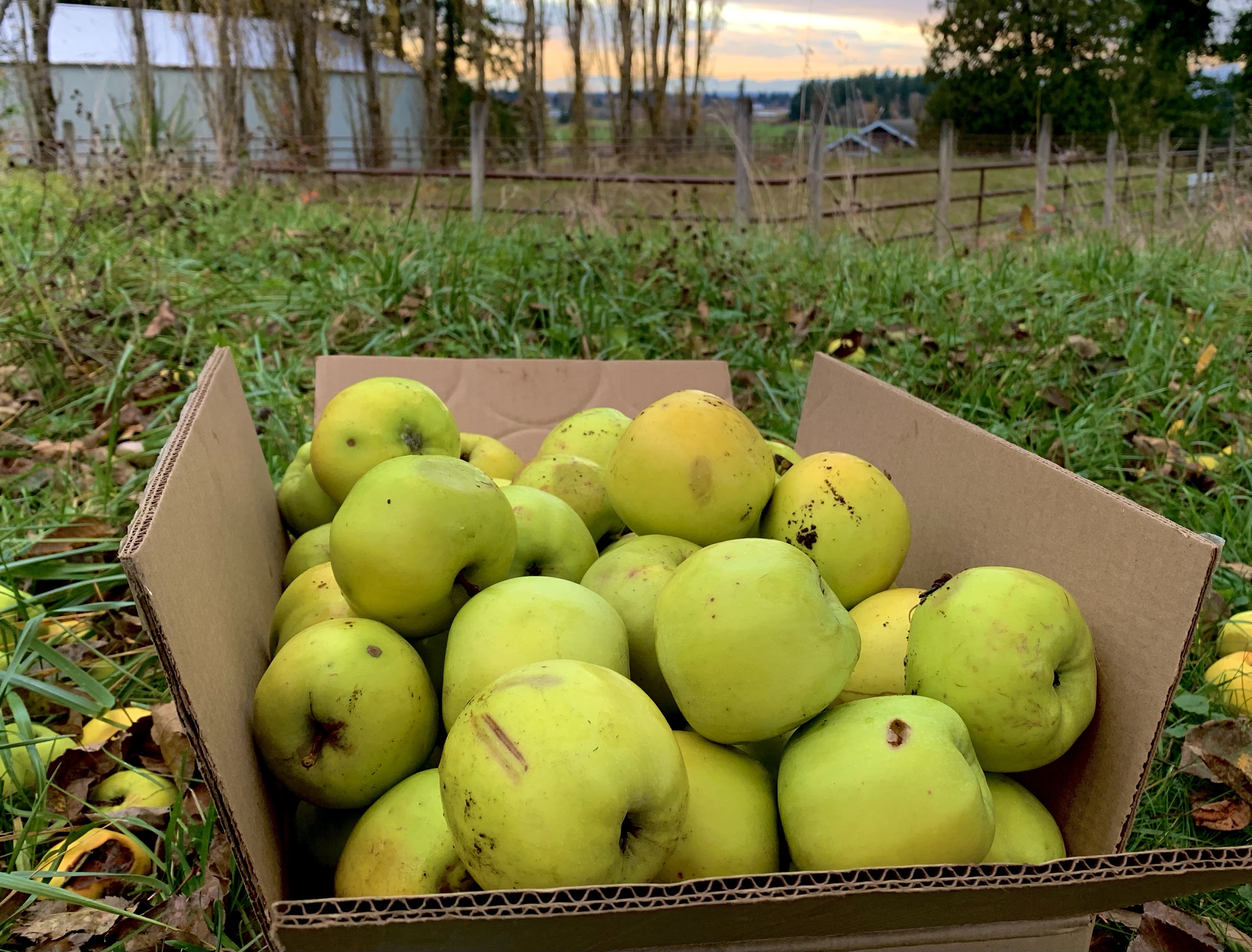
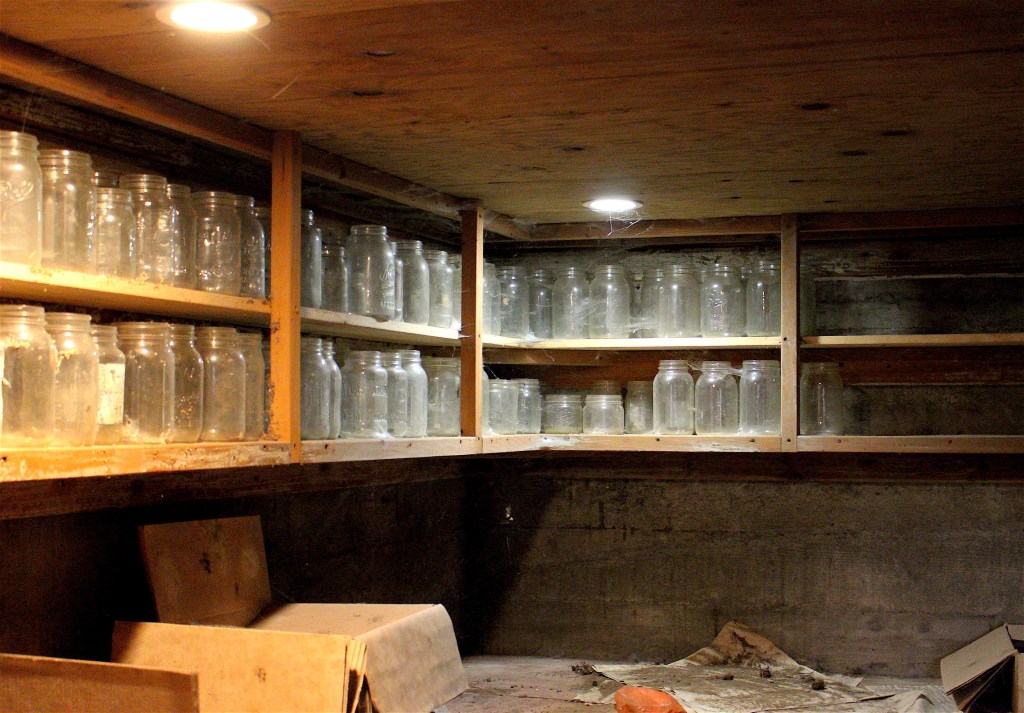
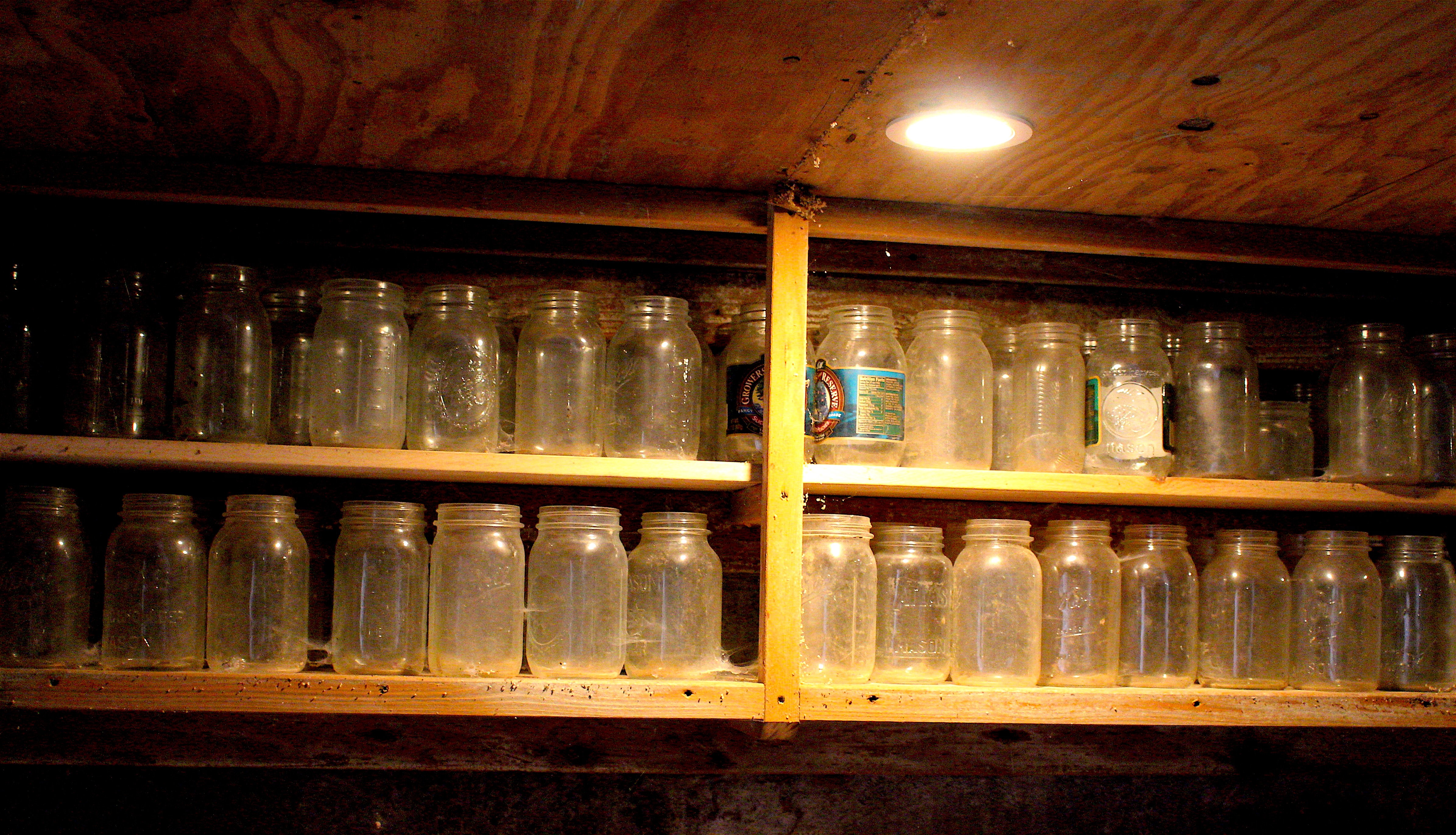
When I descend the steps into our root cellar, I find a still life of empty jars, no longer in use for produce to be preserved until spring. I no longer preserve produce through canning, as I used to. Instead we dry and freeze fruits and vegetables for storage. The cellar, though not as full as in years past, remains a place of quiet fecundity with its rich and earthy smells – a reminder of how things were done before the conveniences of today. We still keep apples, potatoes and onions in safe-keeping below ground – some of this farm’s orchard and garden harvest has been stored fresh in the cellar, year after year, for decades.
Until the last century, all of a farm family’s energy and effort was to preserve and store what was necessary to survive another year. Today, in too many places in the world, simple survival remains a family’s necessary and noble goal.
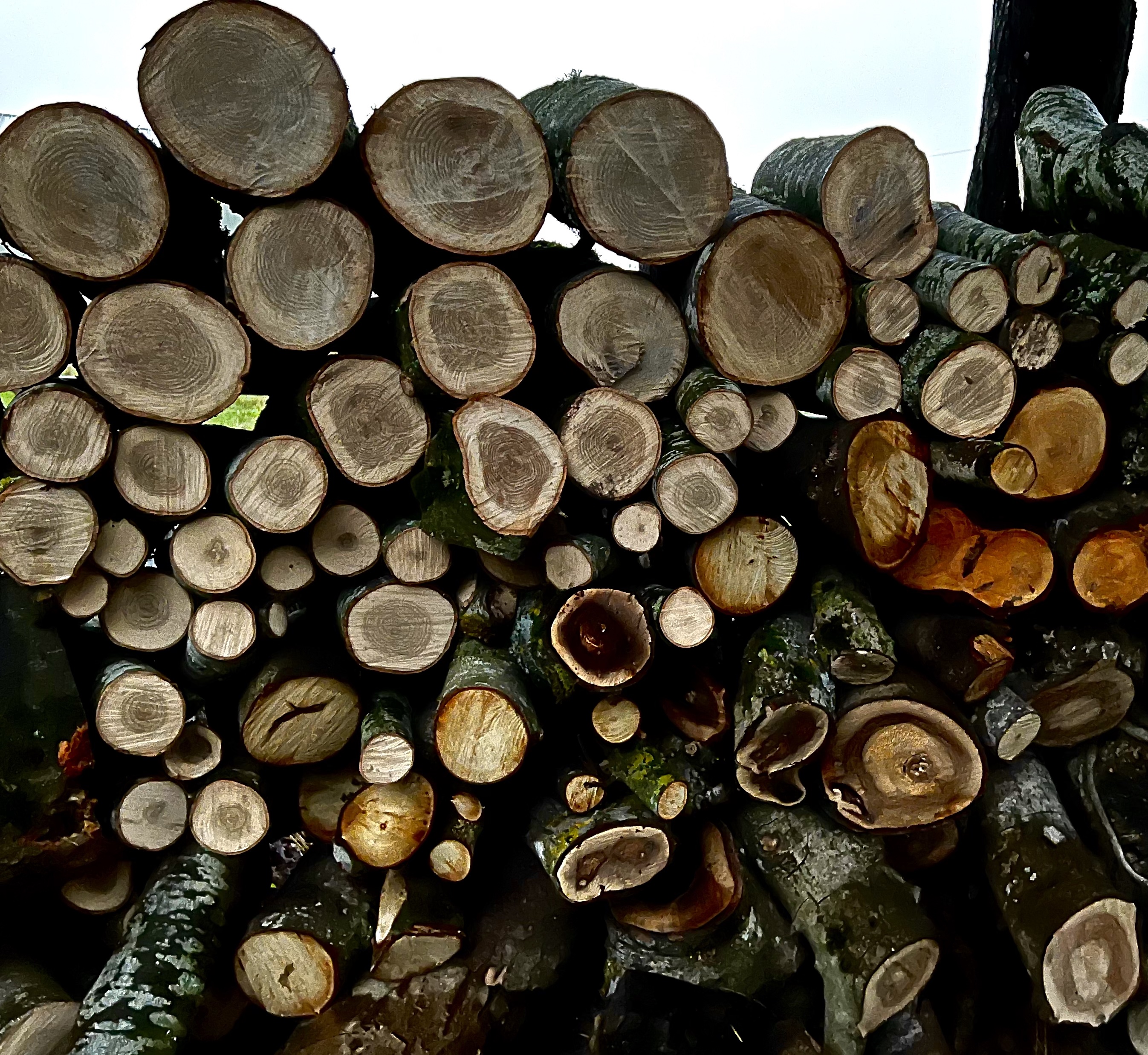
Surrounded by the relative comfort and privilege of a bountiful garden, orchard and woodpile, I never want to forget that.
Come inside. Warm up by the fire. Listen. Wait. Pray for lasting peace.
My artichoke “pup”
One-Time
Monthly
Yearly
Make a one-time or recurring donation to support daily Barnstorming posts
Poetry is a rich, full-bodied whistle, cracked ice crunching in pails, the night that numbs the leaf, the duel of two nightingales, the sweet pea that has run wild, Creation’s tears in shoulder blades. ~Boris Pasternak
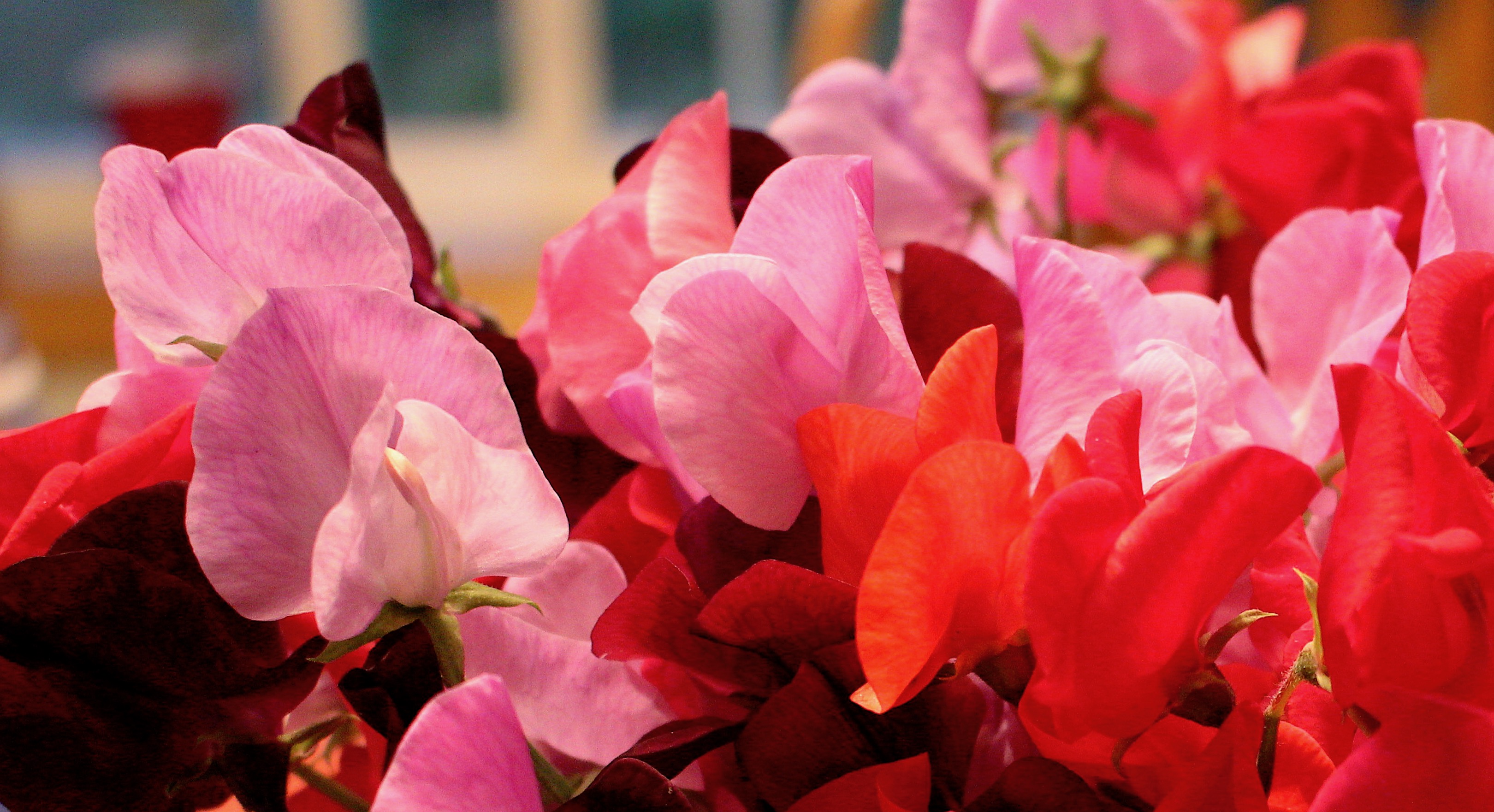
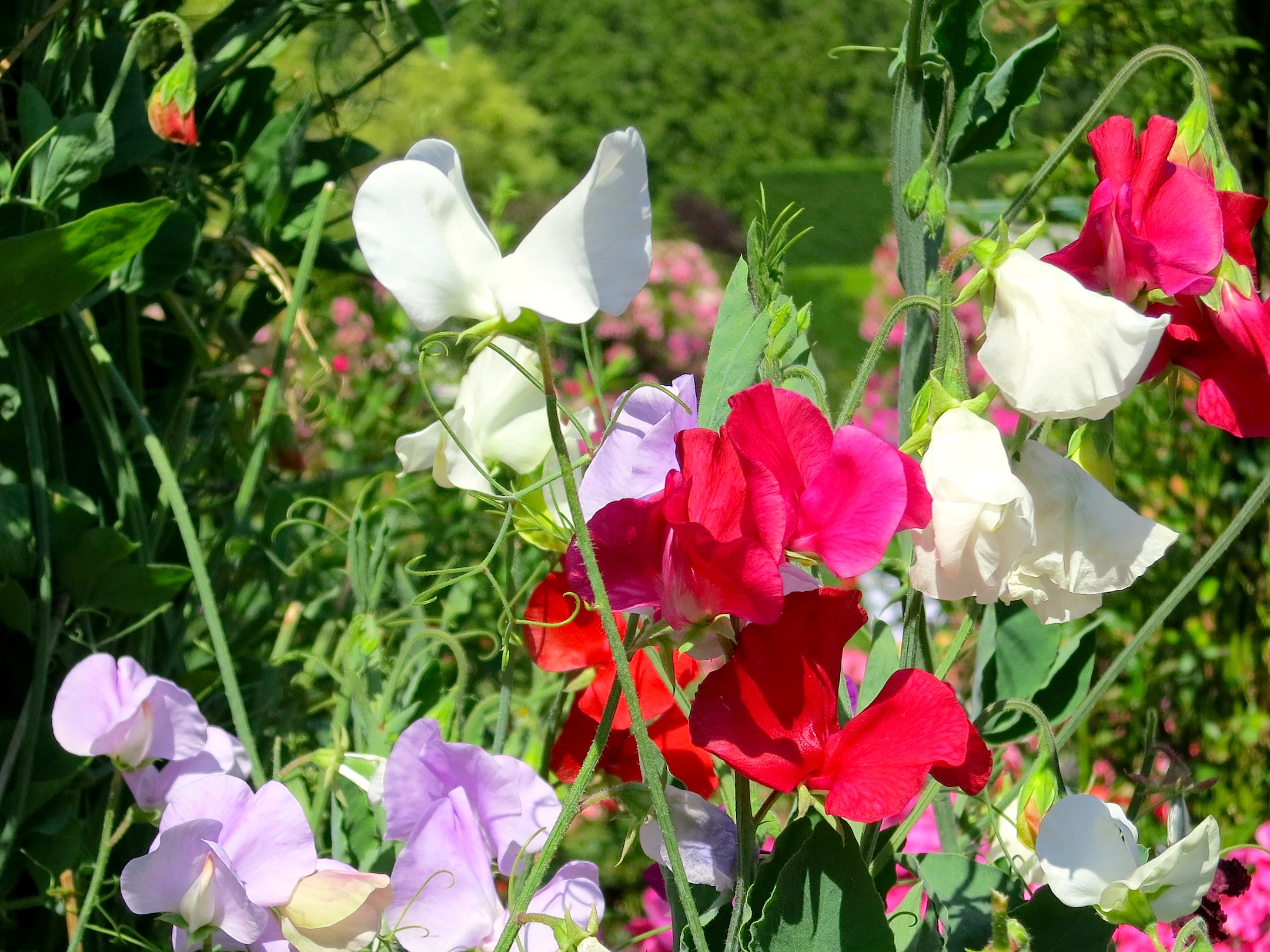
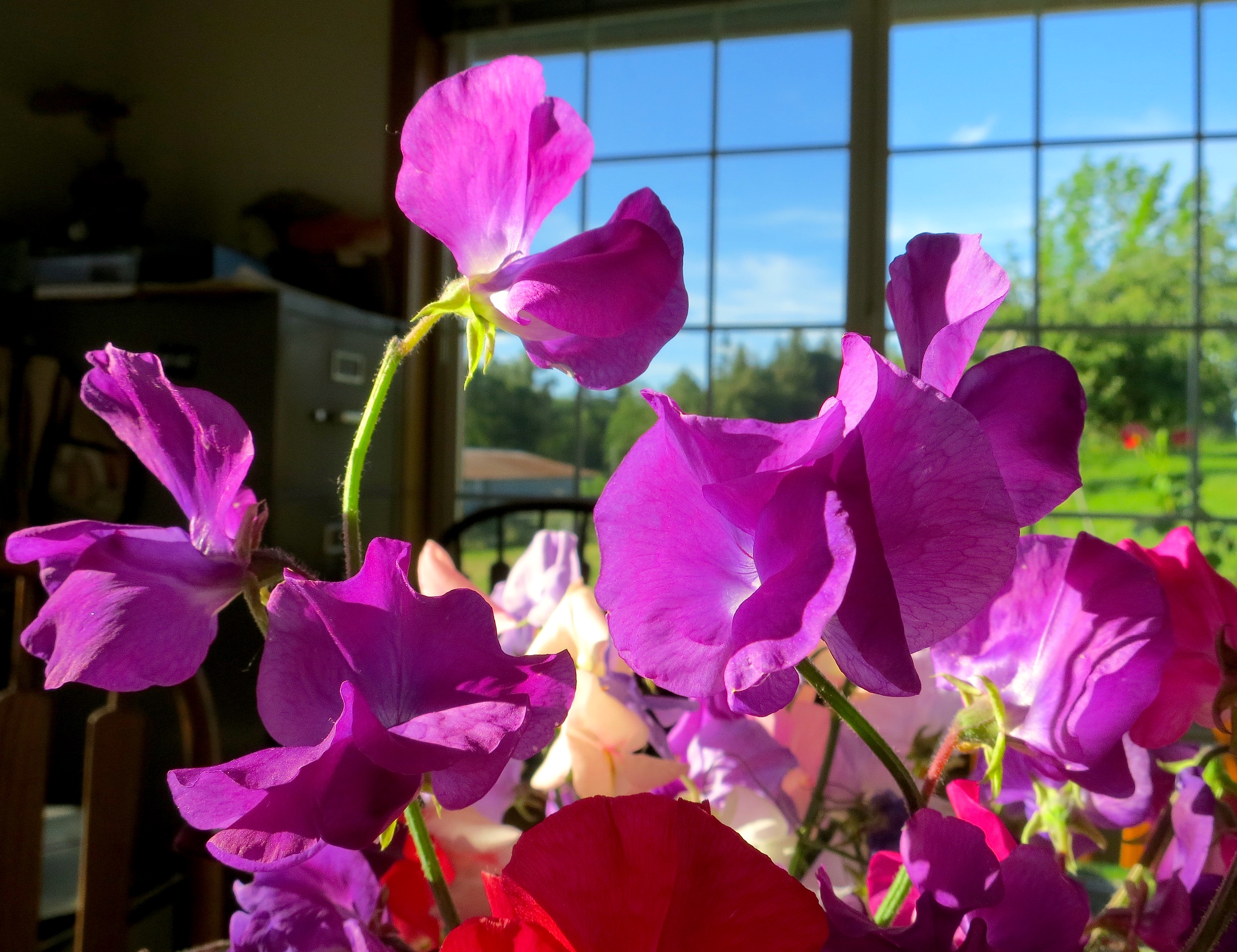
Here are sweet-peas, on tip-toe for a flight: With wings of gentle flush o’er delicate white, And taper fingers catching at all things, To bind them all about with tiny rings. ~John Keats from “I stood tip-toe on a little hill”
What did thought do? “Stuck a feather in the ground and thought it would grow a hen”
Rod by rod we pegged the drill for sweetpea with light brittle sticks, twiggy and unlikely in fresh mould and stalk by stalk we snipped the coming blooms.
And when pain had haircracked her old vestal stare I reached for straws and thought seeing the sky through a mat of creepers, like water in the webs of a green net, opened a clearing where her heart sang without caution or embarrassment, once or twice. ~Seamus Heaney “Sweet Pea”from Station Island
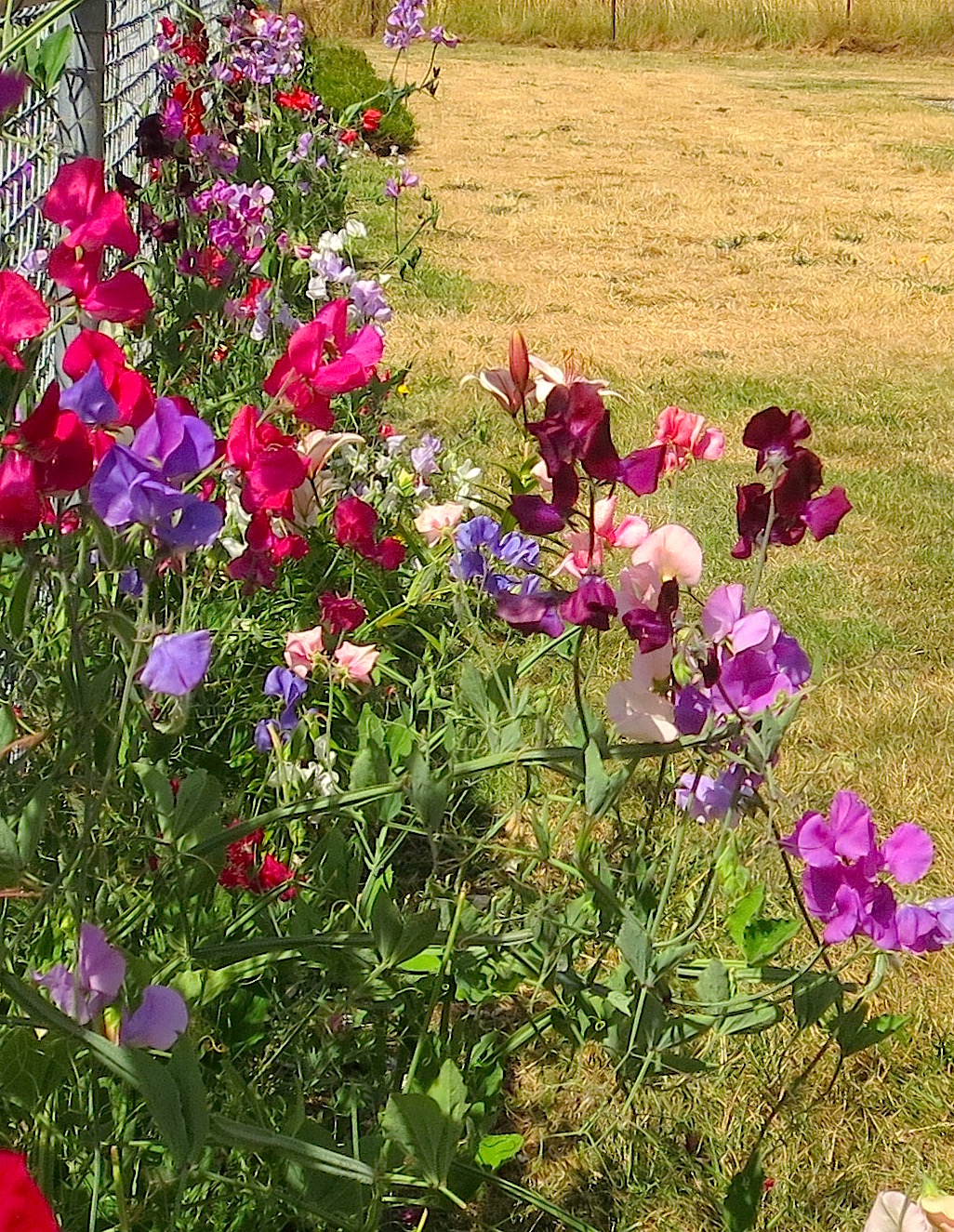
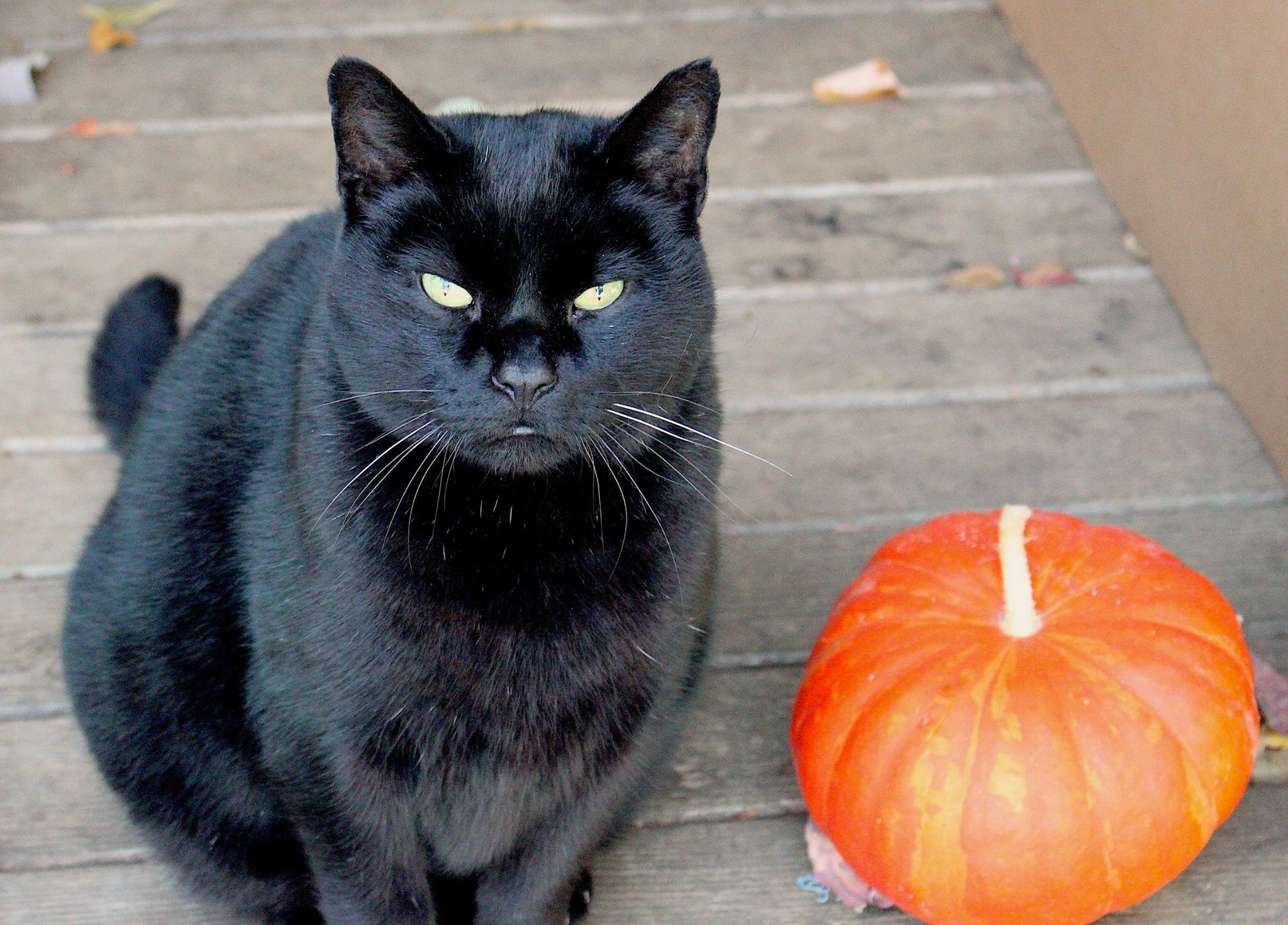
Sweet peas flowering next to orange pumpkins?
Usually separated by season, one from late spring, the other from mid-autumn, they were never meant to meet.
Yet here are strange neighbors, grown side by side in the same soil through the same weeks, their curling vines entwined.
Forgotten sweet pea seeds swelled and thrived, dropped in the midst of summer weeds, now rich pastel blooms gracing a harvest table with spring-like perfume.
So I want to germinate where I happen to land, even when ill-timed and out of place. May I run wild while interwoven, bound to those who look and act nothing like me.
Thus encouraged to climb high, I blossom boldly to help face down the fate of a killing frost.
One-Time
Monthly
Yearly
Make a one-time or recurring donation to support daily Barnstorming posts
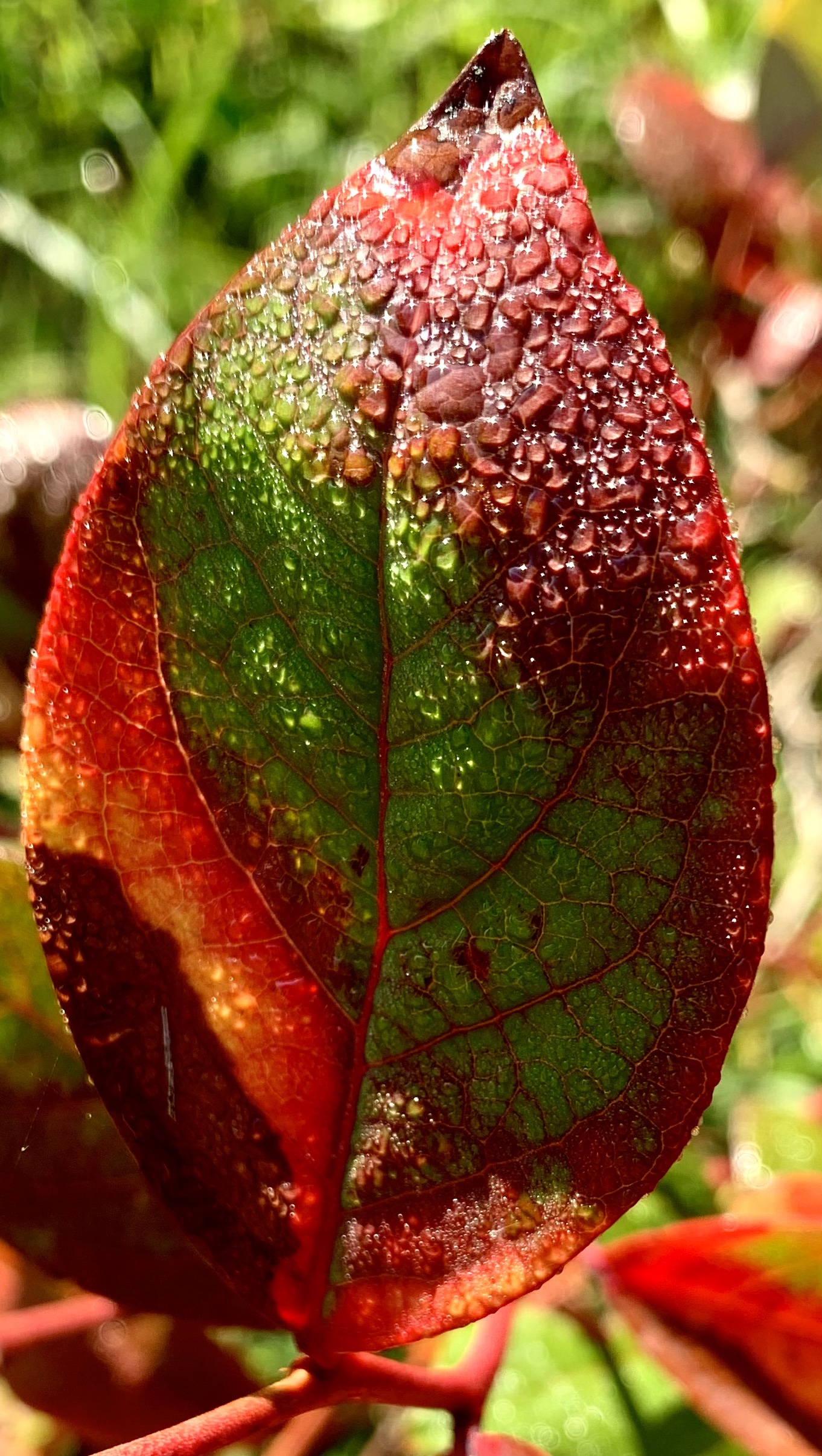
Now in the blessed days of more and less when the news about time is that each day there is less of it I know none of that as I walk out through the early garden only the day and I are here with no before or after and the dew looks up without a number or a present age ~W.S. Merwin “Dew Light” from The Moon Before Morning
A walk around our farm in October is more or less, before or after, now and then, a timelessness of shifting seasons and fading days.
A prayer becomes like dew from above, me looking up to the God who was, is and ever will be, who already knows what I am about to say. He knows I don’t tend to say anything new.
He blesses me with the light of His dew.
I write every day to explain myself to people I will never meet. Perhaps, every day, I am trying to explain myself to God.
God is, (if I stop to look and listen), yesterday, today, tomorrow – more or less, before or after, now and then, but most especially forever and ever.
Amen.
One-Time
Monthly
Yearly
Make a one-time or recurring donation to support daily Barnstorming posts
I. Cats pad from one sun-warmed stone to another. Bees lament the sweet ripe fruit
denied by spring’s late hard frost. Birds stow mating calls for another season.
Clouds scribble pithy prose, criss-cross pages surrendered by autumn’s azure.
Flower beds brown as they thin and cricket song stitches a coverlet against evening chill.
II. In my first autumn at home since I was three I rustle leaves at my feet like a past I can rake and pile. Energized by autumn’s aura I glean clarity of what lies fallow and what I’ve put up for my winter. ~Nancy Jentsch “October Afternoon”
Out through the fields and the woods And over the walls I have wended; I have climbed the hills of view And looked at the world, and descended; I have come by the highway home, And lo, it is ended.
The leaves are all dead on the ground, Save those that the oak is keeping To ravel them one by one And let them go scraping and creeping Out over the crusted snow, When others are sleeping.
And the dead leaves lie huddled and still, No longer blown hither and thither; The last lone aster is gone; The flowers of the witch hazel wither; The heart is still aching to seek, But the feet question ‘Whither?’
Ah, when to the heart of man Was it ever less than a treason To go with the drift of things, To yield with a grace to reason, And bow and accept the end Of a love or a season? ~Robert Frost “Reluctance”
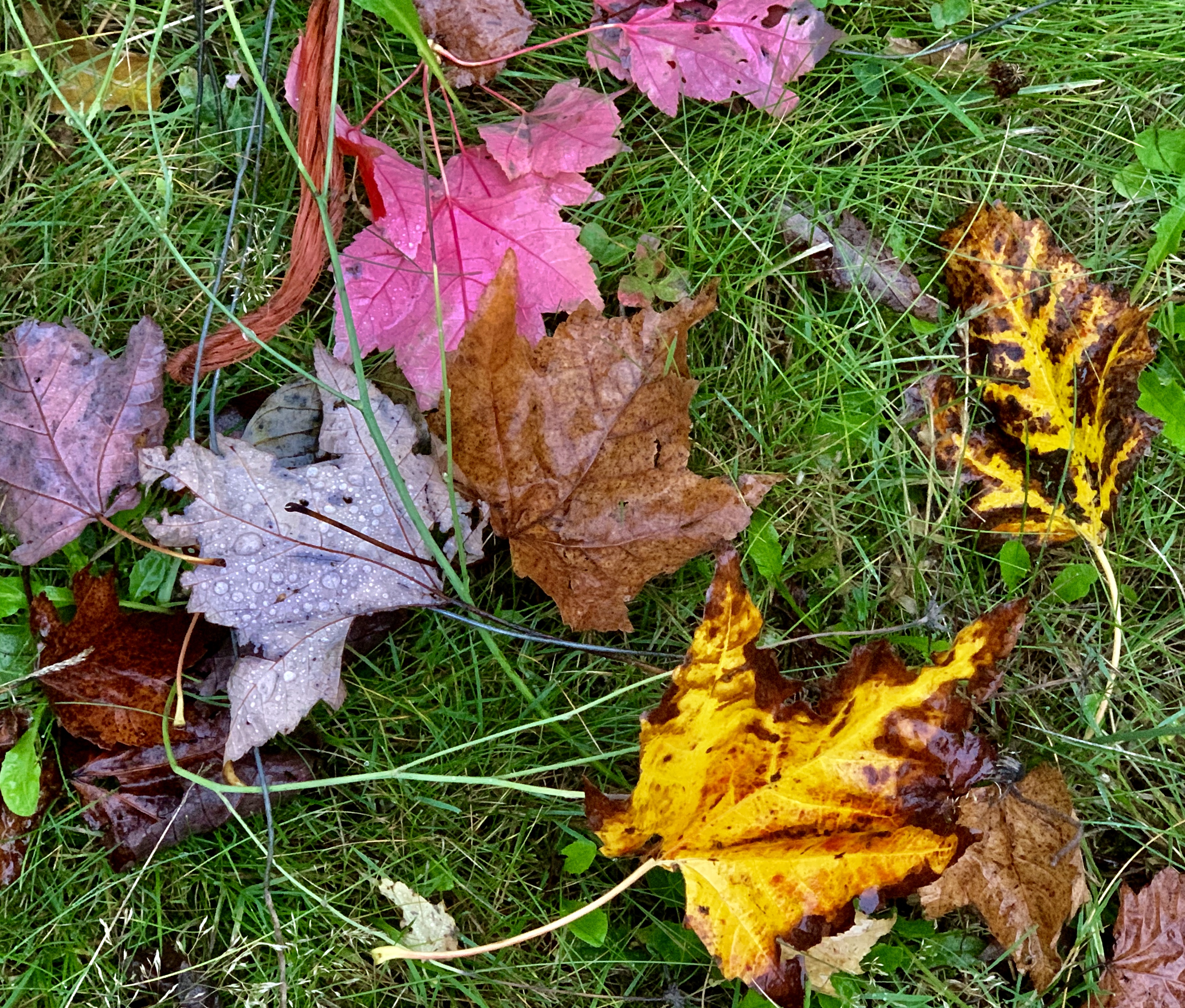
As I kick through piles of fallen leaves in the barnyard, I realize how close I am to becoming one of them. Within my own changing seasons, I have flourished and bloomed and fruited, but am now reminded of my fading, withering and eventual letting go.
I find I’m not nearly so bold anymore, instead trembling nervously when harsh winds blow me about, hoping the roots I’ve always depended upon will continue to nourish and sustain me.
This time of year, everything feels transitory — especially me.
When these thoughts overwhelm, I tend to hang on tighter rather than simply giving up and letting go. My feet stumble when I try to do the same tasks I did so smoothly years ago. I’m stubbornly wanting things to stay the same, reluctant for a transition to something different.
My only solace is that the heart of man — indeed my own hole-y heart — is transient compared to the holy Heart of the Creator. I am sustained by His steady Pulse, His ubiquitous Circulation, His impeccable Rhythm of Life and Death.
In that I trust. In that I come to abandon my stubborn reluctance.
One-Time
Monthly
Yearly
Make a one-time or recurring donation to support daily Barnstorming posts
Lord, the time has come. The summer has been so long. Lay your shadows over the sundials and let loose the wind over the fields.
Order the last fruits to fully ripen; give them two more days of southern sun, urge them to perfection and speed the last sweetness into the laden vine.
Those who have no house, will not build one now. Those who are alone will long remain so, they will rise, and read, and write long letters and through the avenues go here and there restlessly wandering, with the leaves drifting down. ~Rainer Maria Rilke “Herbsttag” English translation by Paul Archer from 1902 in the collection Das Buch der Bilder.
First hints of our condition manifest: Spite in the wind, mist-gauze across the moon, Light chill, the spider’s filaments, blanched grass, And two days as warm as the south change nothing at all. A morning comes when you know this cannot end well. Soon it will be no time for gathering in gardens All too soon, my dears, it will be the weather For Brahms quintets, for leaves drifting triste past the windows Of those in their rooms alone for the duration, For whom this is no time to build. Those now alone Are going to remain so through this estranging season Of reading, of writing emails as detailed as letters, Of watching dry leaves grow sodden on empty pavements. Rilke said this in lines that I last read in Edinburgh With my most beautiful aunt in her later age When, many things gone, she remembered those verse in German. ~Peter Davidson “September Castles”
Enter autumn as you would a closing door. Quickly, cautiously. Look for something inside that promises color, but be wary of its cast — a desolate reflection, an indelible tint. ~Pamela Steed Hill “September Pitch”
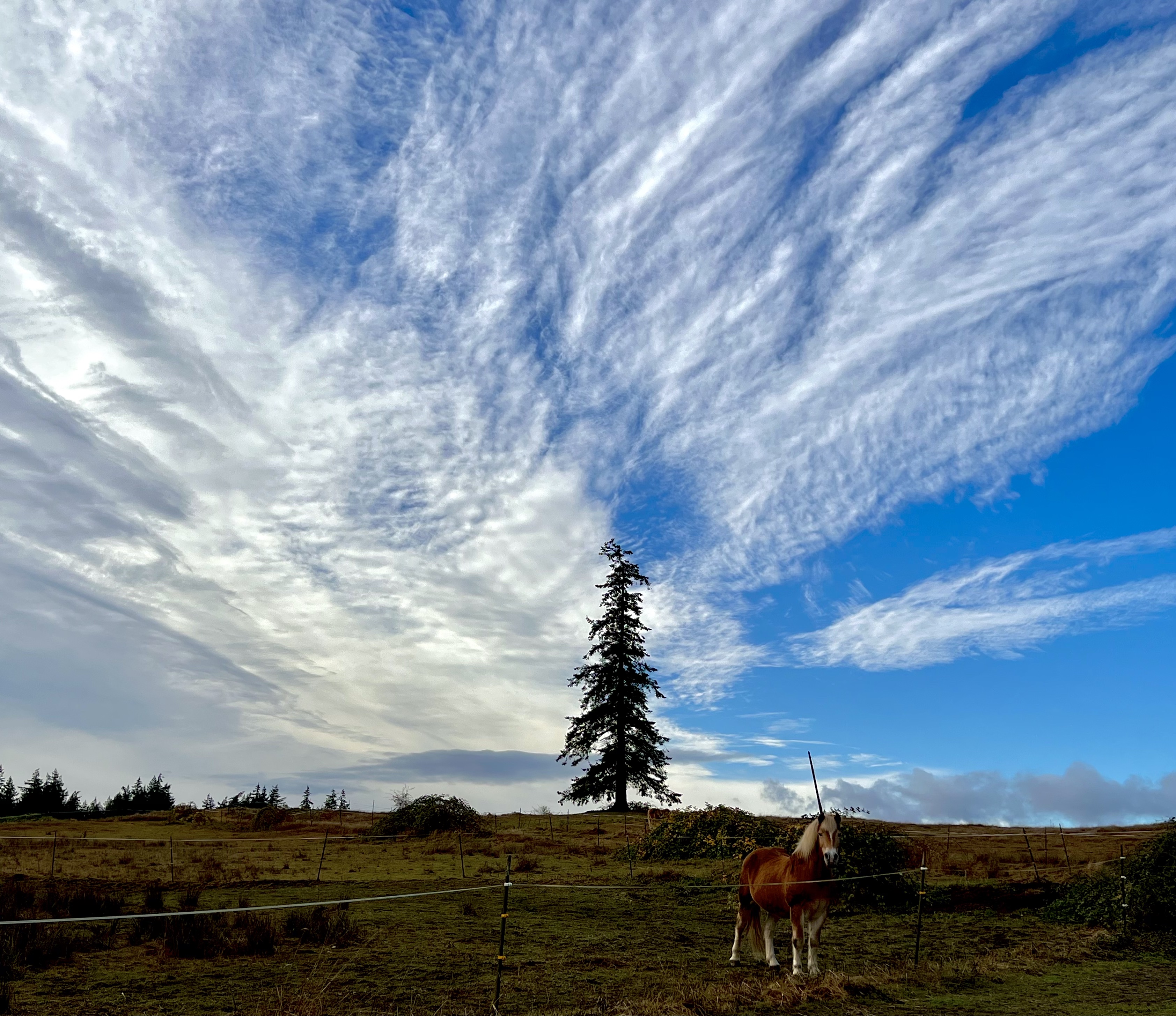
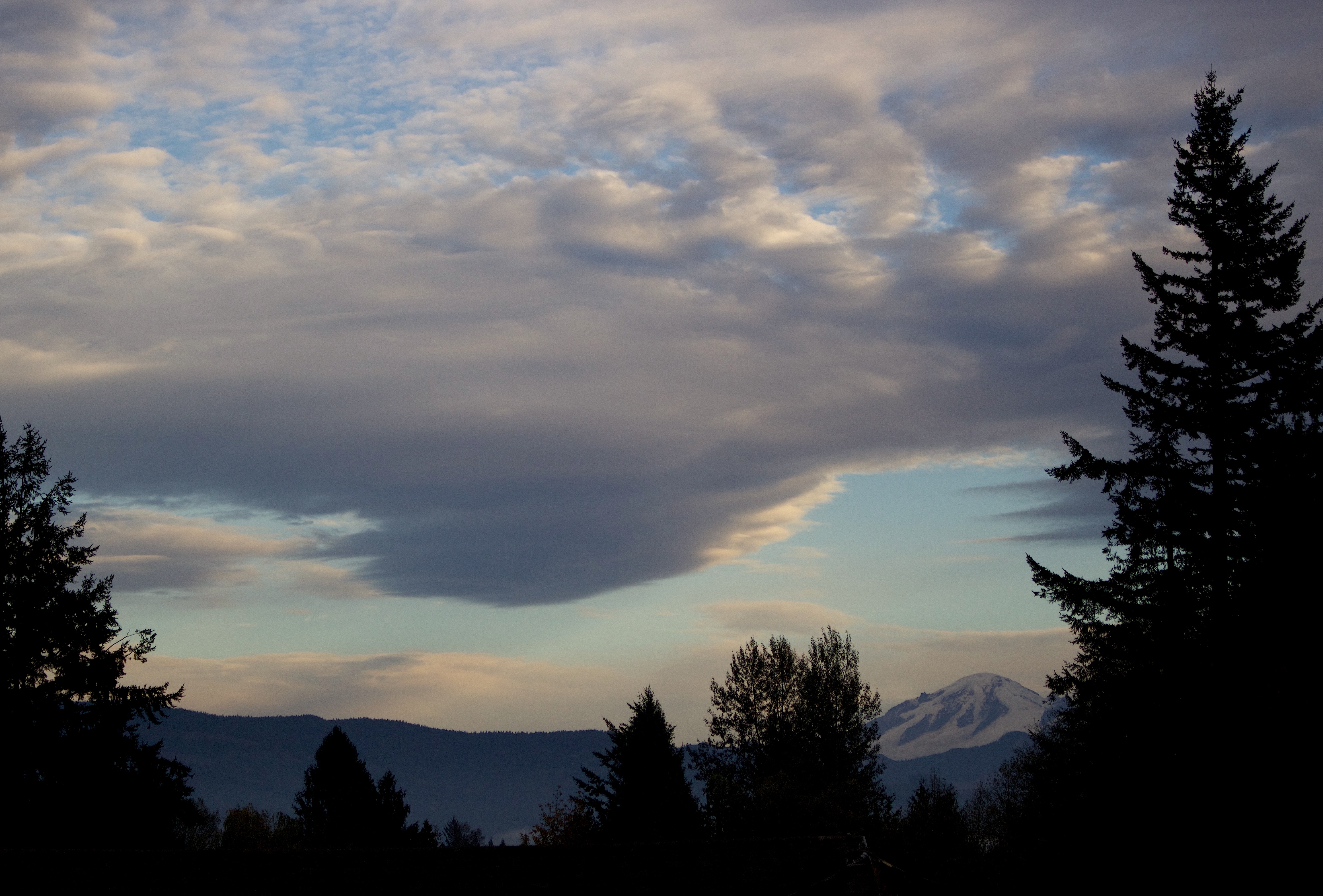
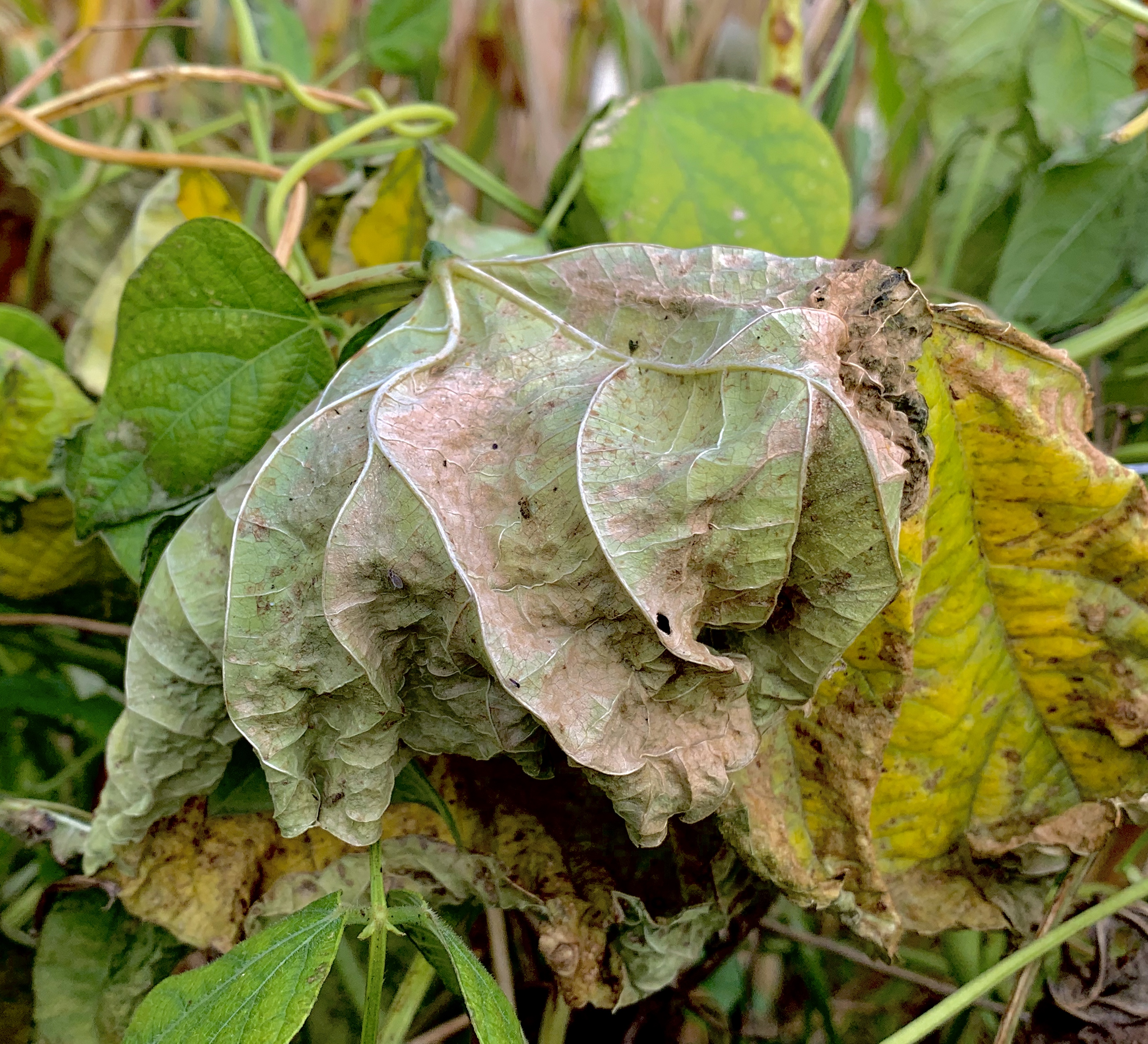
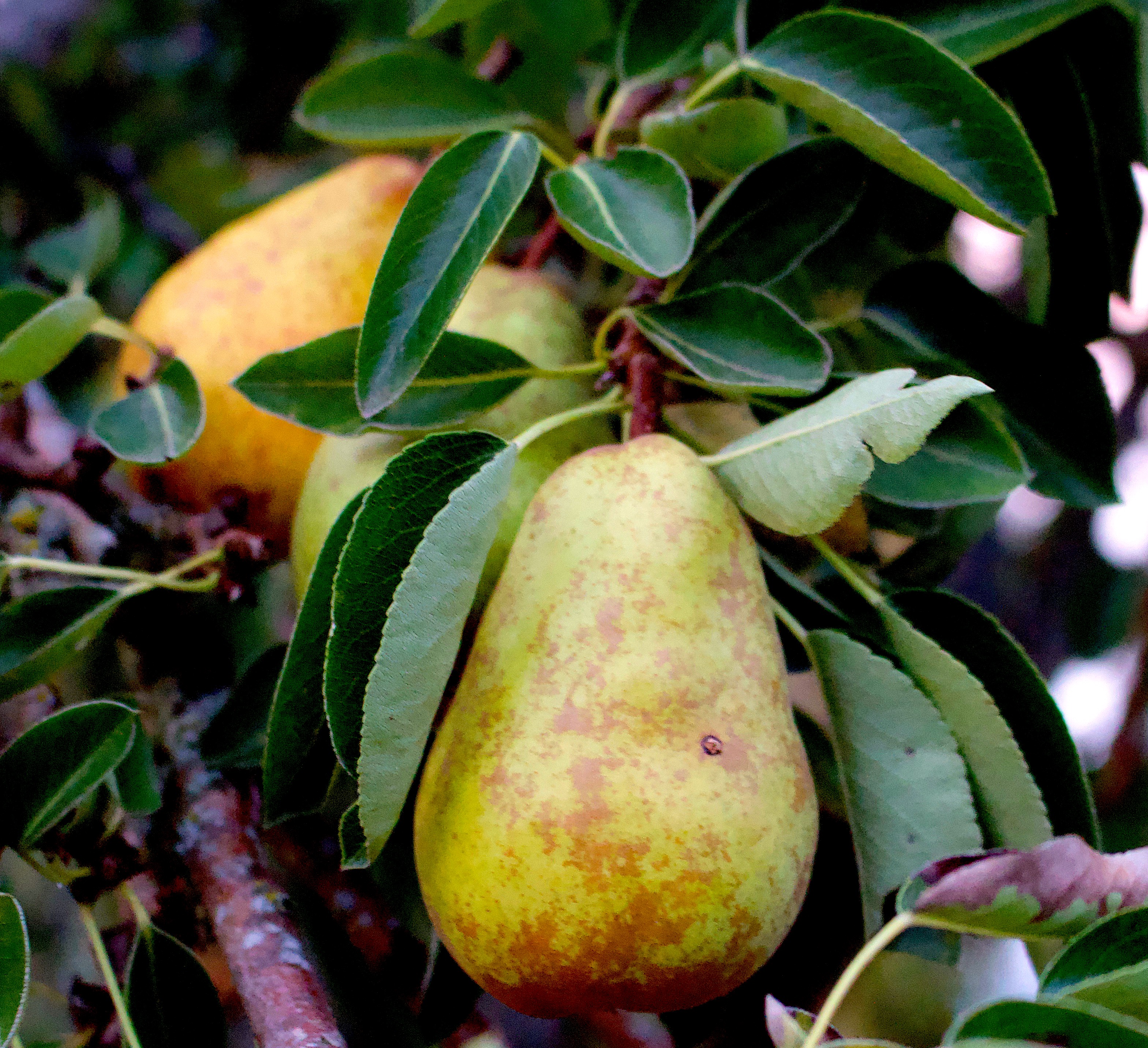
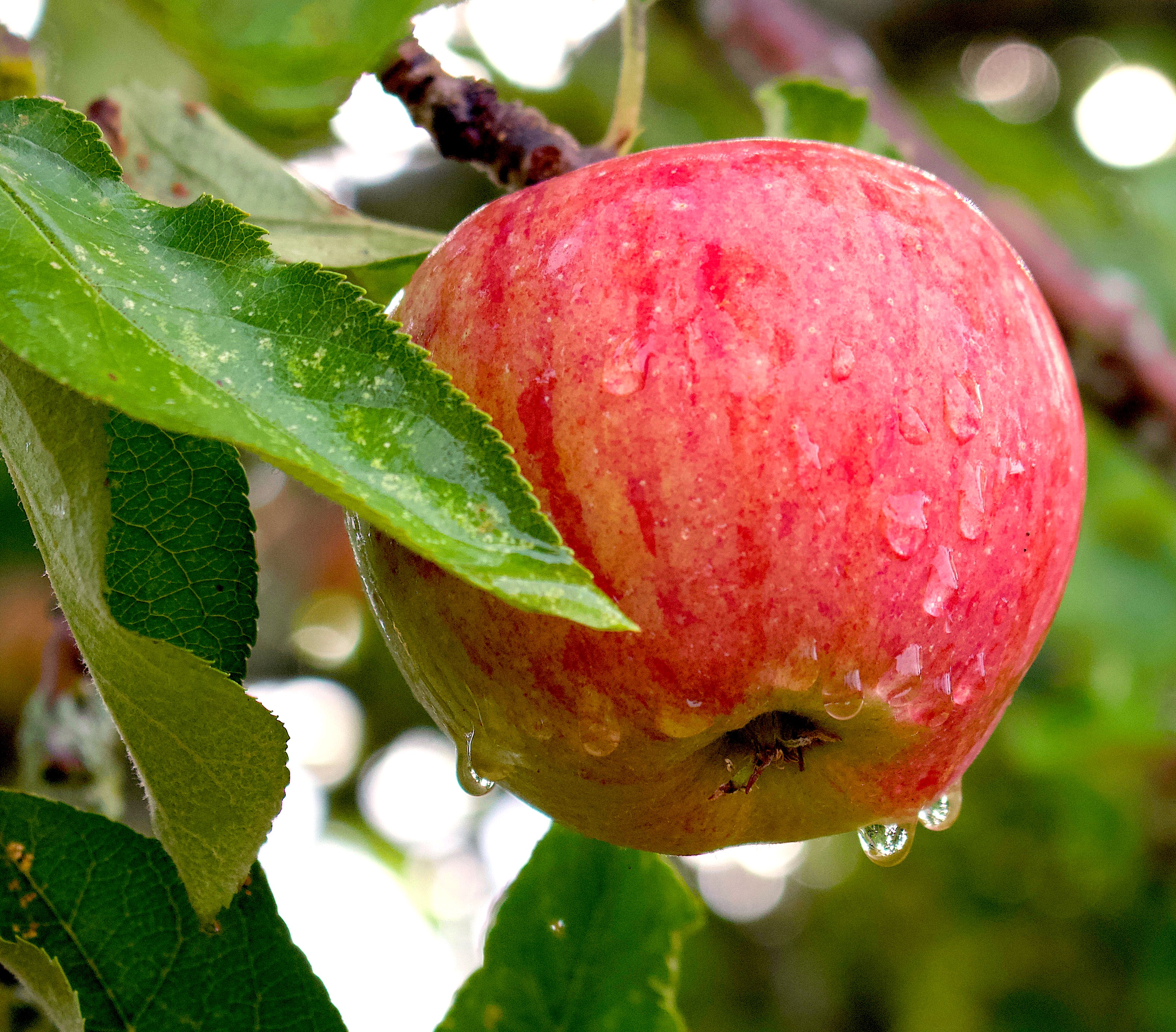
Summer has packed up, and moved on without bidding adieu or looking back over its shoulder. Cooling winds have carried in darkening clouds. I gaze upward to see and smell the change. Rain has fallen, long overdue, yet there is temptation to bargain for a little more time. Though we needed this good drenching, there are still potatoes to pull from the ground, apples and pears to pick, tomatoes not yet ripened, corn cobs too skinny to pick.
I’m just not ready to wave goodbye to sun-soaked clear skies.
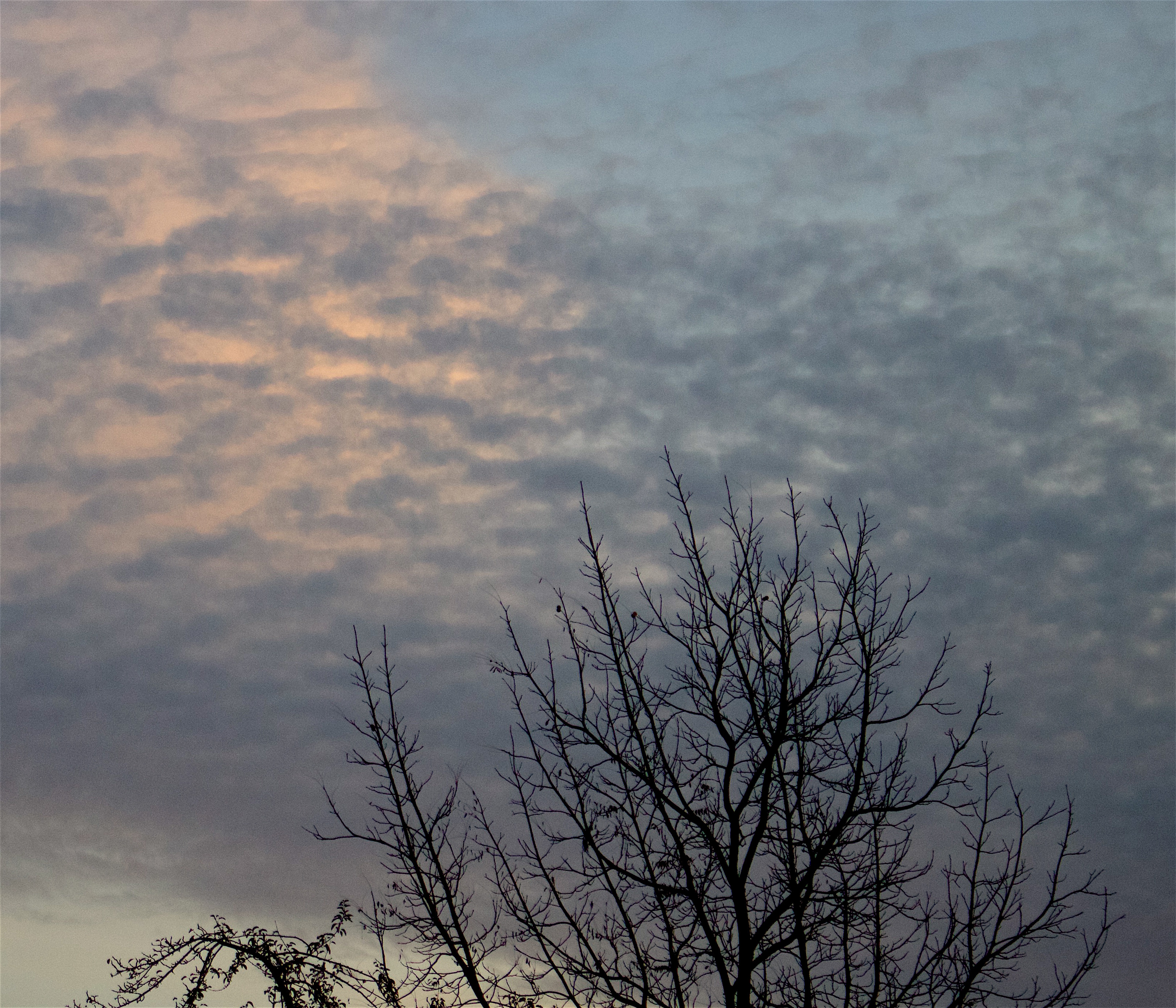
The overhead overcast is heavily burdened with clues of what is coming: earlier dusk, the feel of moisture, the deepening graying hues, the briskness of breezes, the inevitable mud and mold. There is no negotiation possible. I need to steel myself and get ready, wrapping myself in the soft shawl of inevitability.
So autumn advances with the clouds, taking up residence where summer left off. Though there is still clean up of the overabundance left behind, autumn will bring its own unique plans for an exhilarating display of a delicious palette of hues.
Lord, the time has come. The truth is we’ve seen nothing yet.
One-Time
Monthly
Yearly
Make a one-time or recurring donation to support daily Barnstorming posts



























 Barnstorming