I miss the friendship with the pine tree and the birds that I had when I was ten. And it has been forever since I pushed my head under the wild silk skirt of the waterfall.
The big rock on the shore was the skull of a dead king whose name we could almost remember. Under the rooty bank you could dimly see the bunk beds of the turtles.
Nobody I know mentions these things anymore. It’s as if their memories have been seized, erased, and relocated among flowcharts and complex dinner-party calendars.
Now I want to turn and run back the other way, barefoot into the underbrush, getting raked by thorns, being slapped in the face by branches.
Down to the muddy bed of the little stream where my cupped hands make a house, and
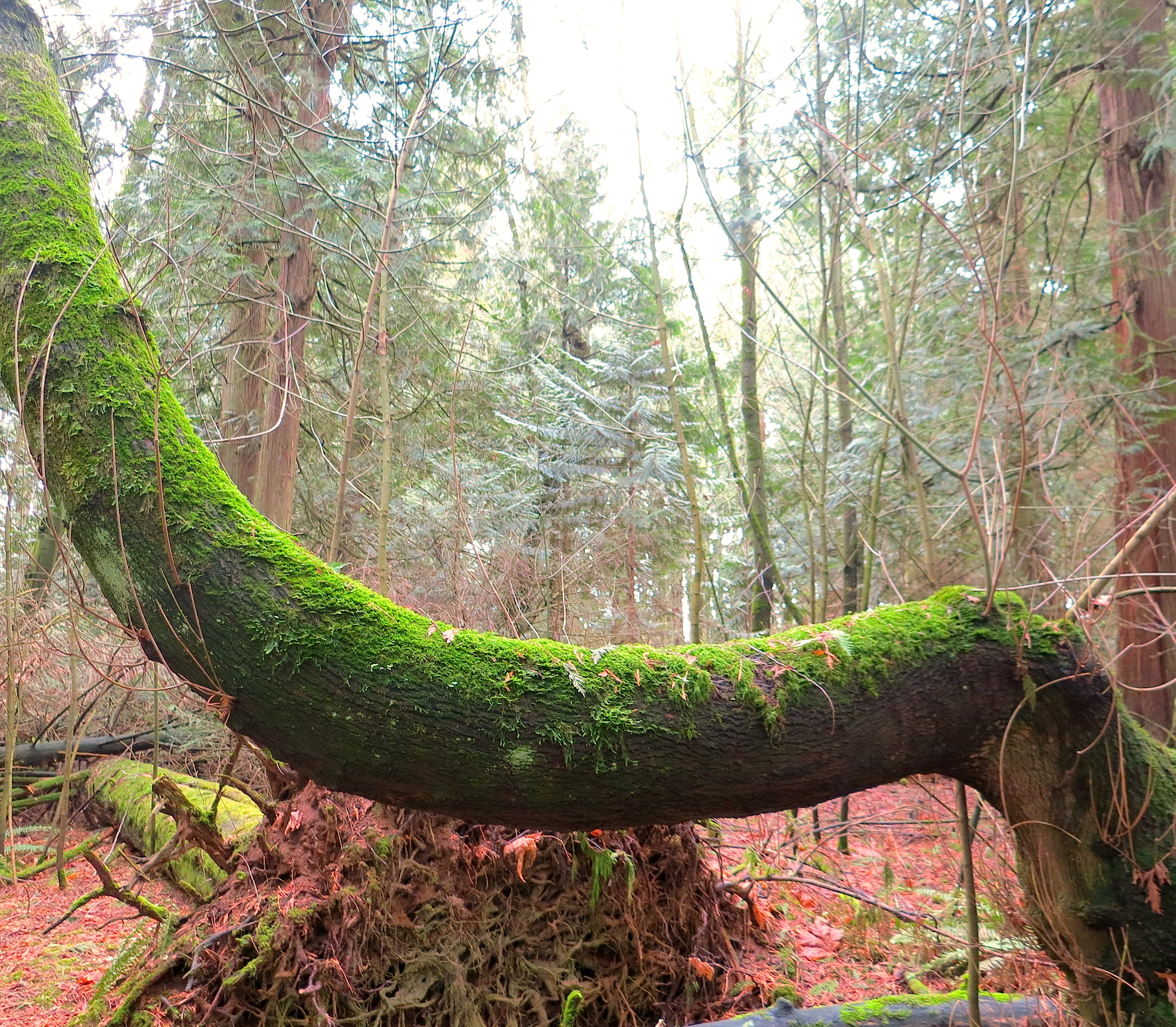
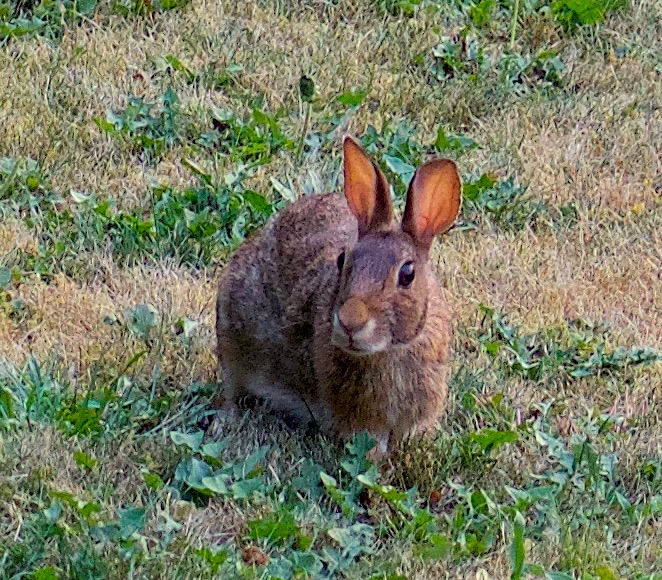
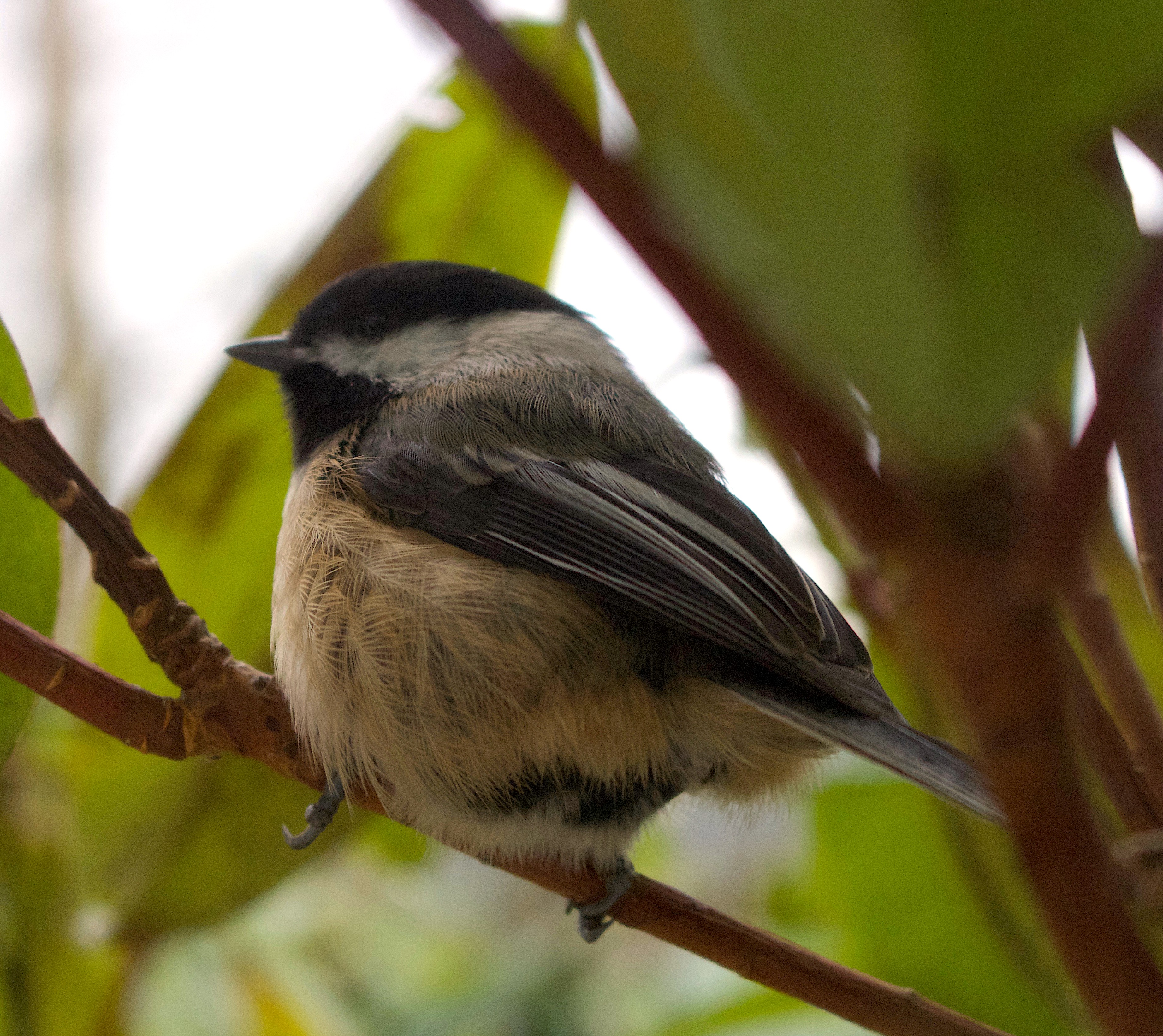
I grew up on a small farm with several acres of woodland. It was my retreat until I left for college; I walked among twittering birds, skittering wild bunnies, squirrels and chipmunks, busy ant hills and trails, blowing leaves, swimming tadpoles, falling nuts, waving wildflowers, large firs, pines, cottonwoods, maples and alder trees.
I had a favorite “secret” spot sitting perched on a stump where a large rock provided a favorite sunning spot for salamanders. They and I would make eye contact, pondering our common Creator.
At college I longed for a place as private, as serene, but nothing could match the woods and creatures of my childhood home. After living a decade in the city, I nearly forgot what a familiar woods felt like.
On this farm we’ve stewarded for nearly forty years, I’ve longed for a similar sanctuary, yet my distractions are so much greater than when I was a child. Filled with greater worries, I can’t empty my head and heart as completely to receive the varied gifts to be found around me.
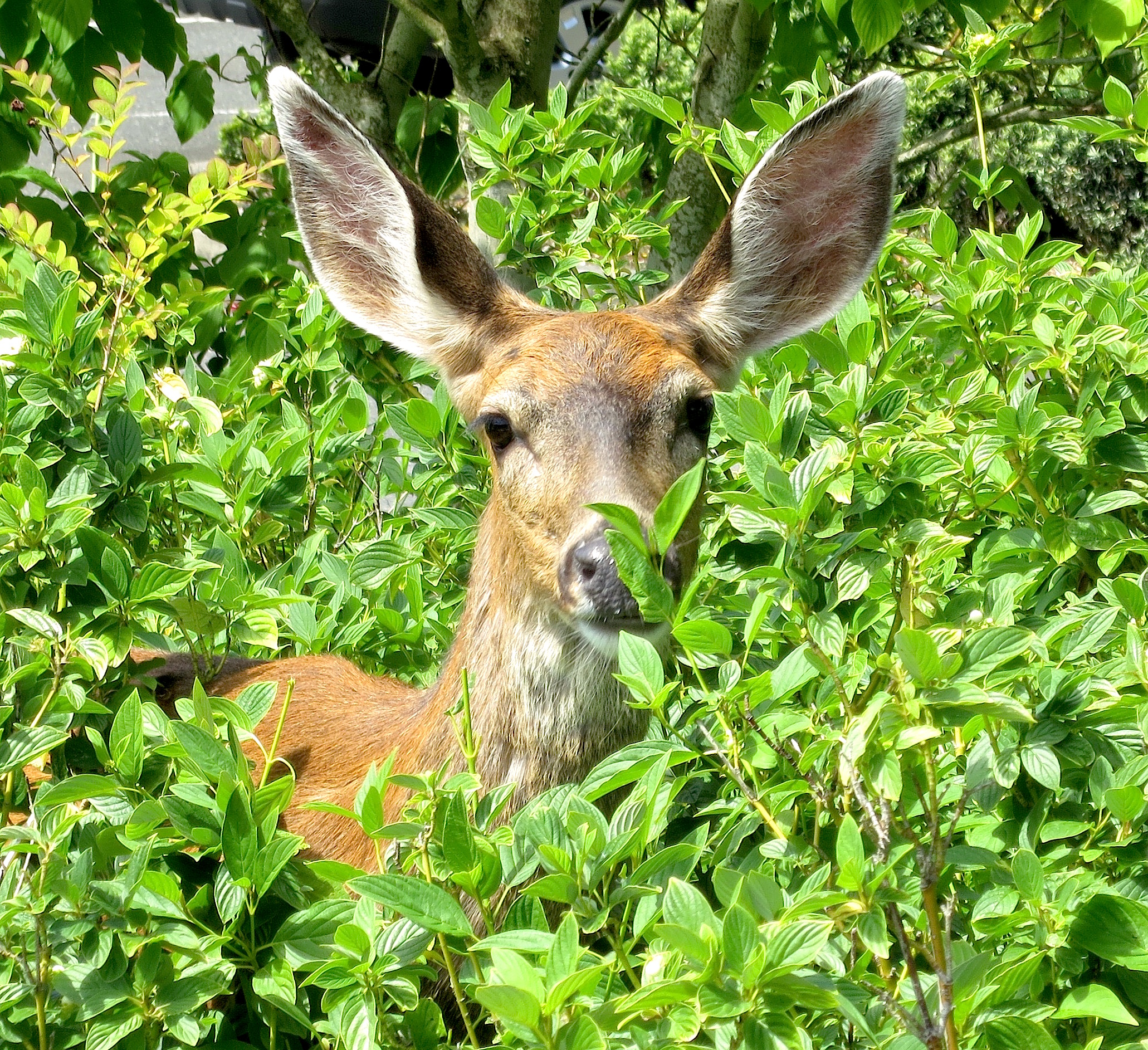
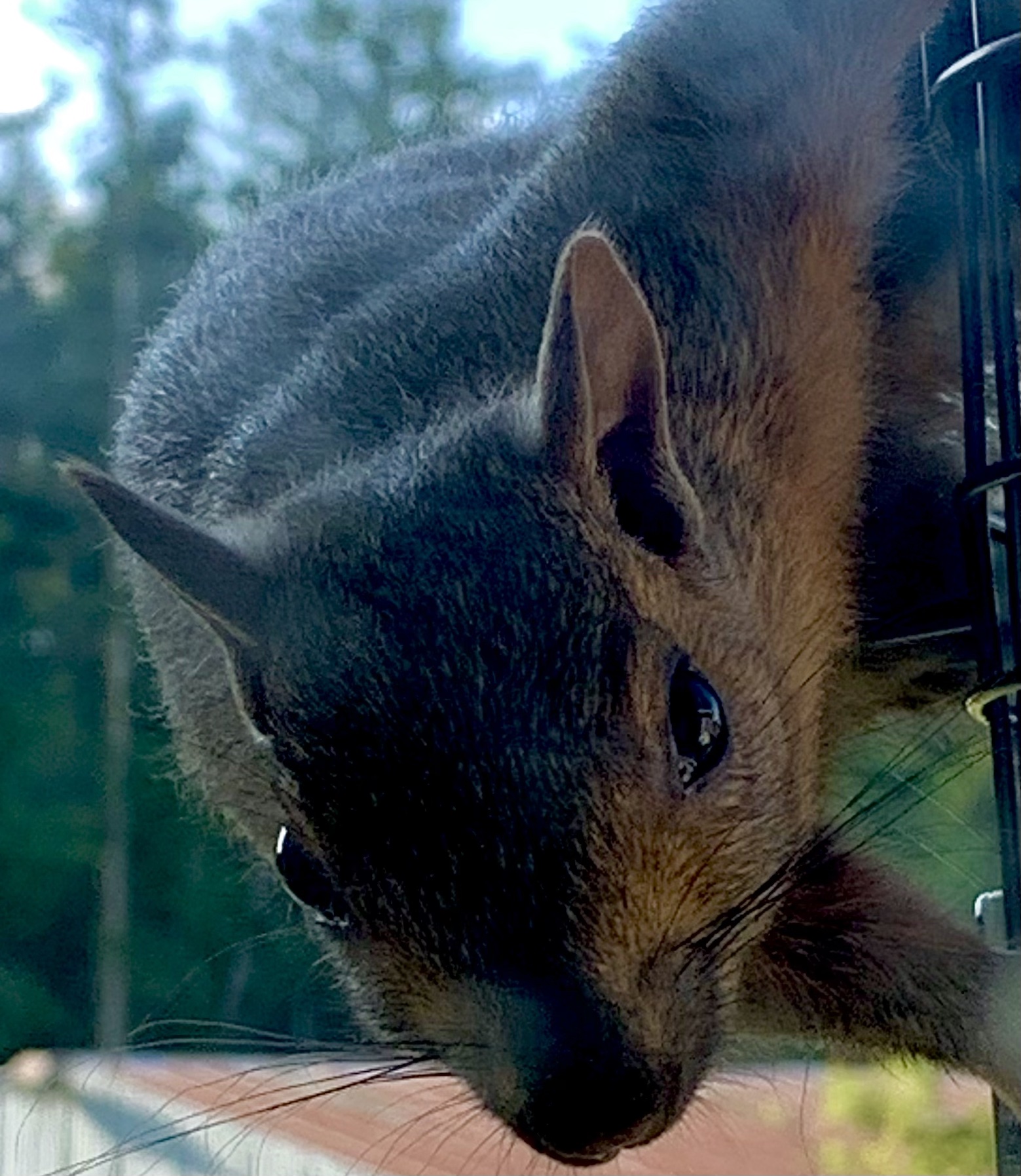
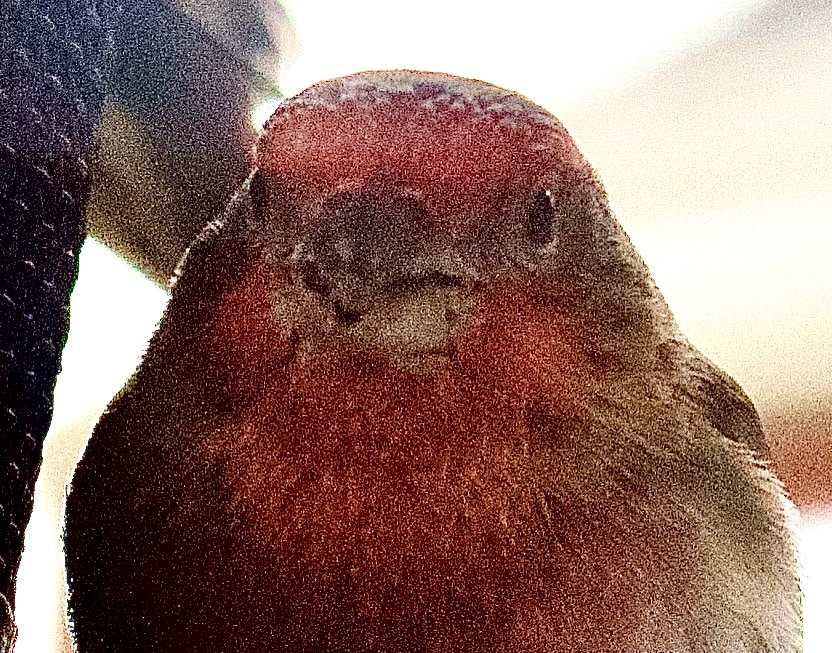
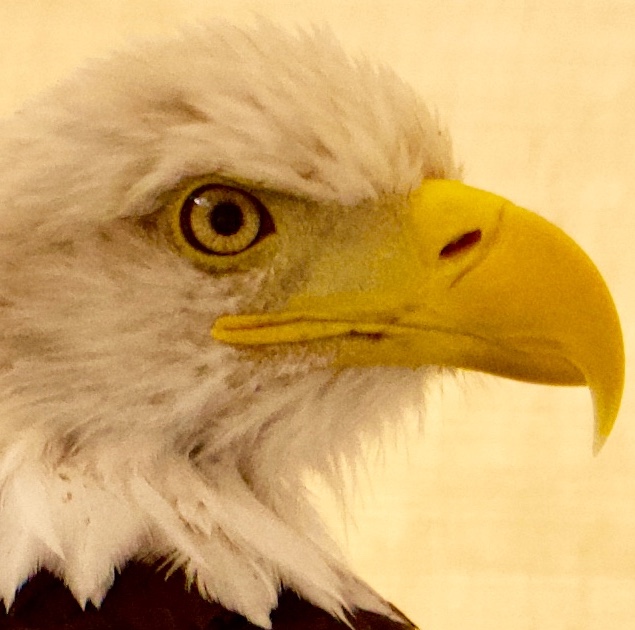
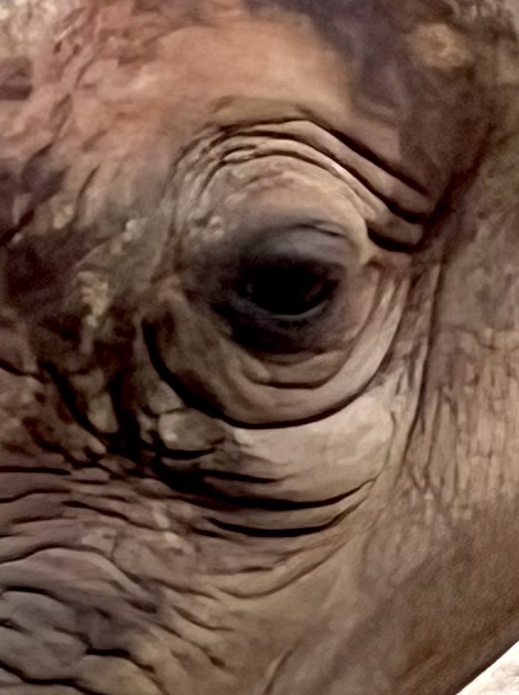
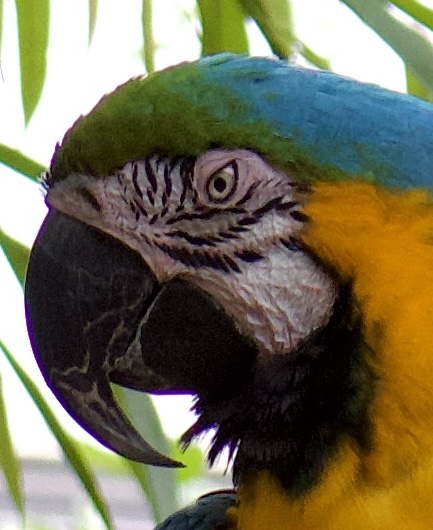
In my ever-shortening timeline to accomplish what I’ve been placed here to do, I need to study the faces of creation, knowing those eyes reflect the face of God.
One-Time
Monthly
Yearly
Make a one-time or recurring donation to support daily Barnstorming posts
The house had gone to bring again To the midnight sky a sunset glow. Now the chimney was all of the house that stood, Like a pistil after the petals go.
The barn opposed across the way, That would have joined the house in flame Had it been the will of the wind, was left To bear forsaken the place’s name.
No more it opened with all one end For teams that came by the stony road To drum on the floor with scurrying hoofs And brush the mow with the summer load.
The birds that came to it through the air At broken windows flew out and in, Their murmur more like the sigh we sigh From too much dwelling on what has been.
Yet for them the lilac renewed its leaf, And the aged elm, though touched with fire; And the dry pump flung up an awkward arm: And the fence post carried a strand of wire.
For them there was really nothing sad. But though they rejoiced in the nest they kept, One had to be versed in country things Not to believe the phoebes wept. ~Robert Frost “The Need of Being Versed in Country Things”
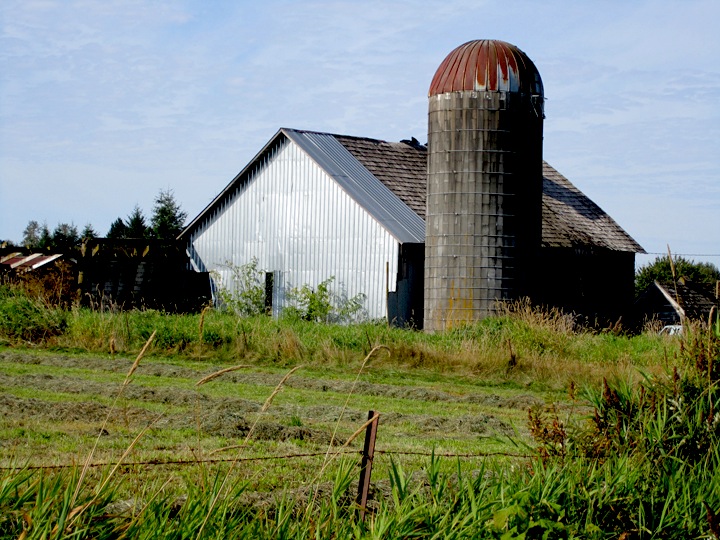
Photo of Aaron Janicki haying with his Oberlander team in Skagit County – courtesy of Tayler RaeThe field of my childhood farm (1954-59) with the red barn visible on the right. The house was destroyed by fire in the mid-60s but the barn was sparedphoto by Harry Rodenberger
My family sold our first farm in East Stanwood, Washington, when my father took a job working for the state in Olympia, moving to supervising high school agriculture teachers rather than being an ag teacher himself.
It was a difficult transition for us all: we moved to a smaller home and a few acres, selling the large two story house, a huge hay barn and chicken coop as well as fields and a woods where our dairy cows had grazed.
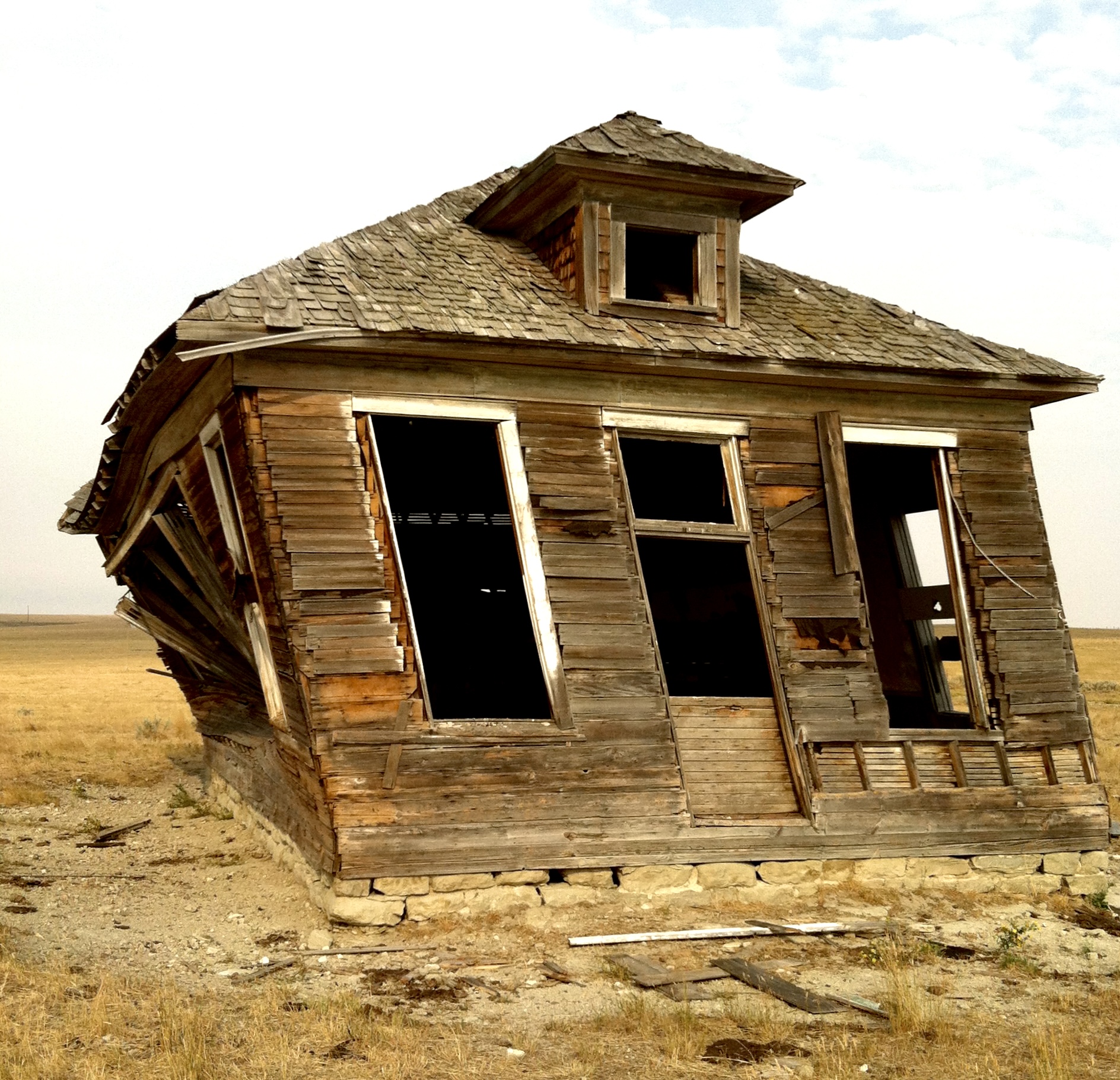
Only a few years later, that old farmhouse burned down but the rest of the buildings were spared. It passed through a few hands and when we had occasion to drive by, we were dismayed to see how nature was taking over the place. The barn still stood but unused it was weathering and withering. Windows were broken, birds flew in and out, the former flower garden had grown wild and unruly.
This was the place I was conceived, where I learned to walk and talk, developing a love for wandering in the fields among the farm animals we depended upon. I remember as a child of four sitting at the kitchen table looking out the window at the sunrise rising over the woods and making the misty fields turn golden.
This land returned to its essence before the ground was ever plowed or buildings were constructed. It no longer belonged to our family (as if it ever did) but it forever belongs to our memories.
I am overly prone to nostalgia, dwelling more on what has been than what is now or what I hope is to come. It is easy to weep over the losses when time and circumstances reap something unrecognizable.
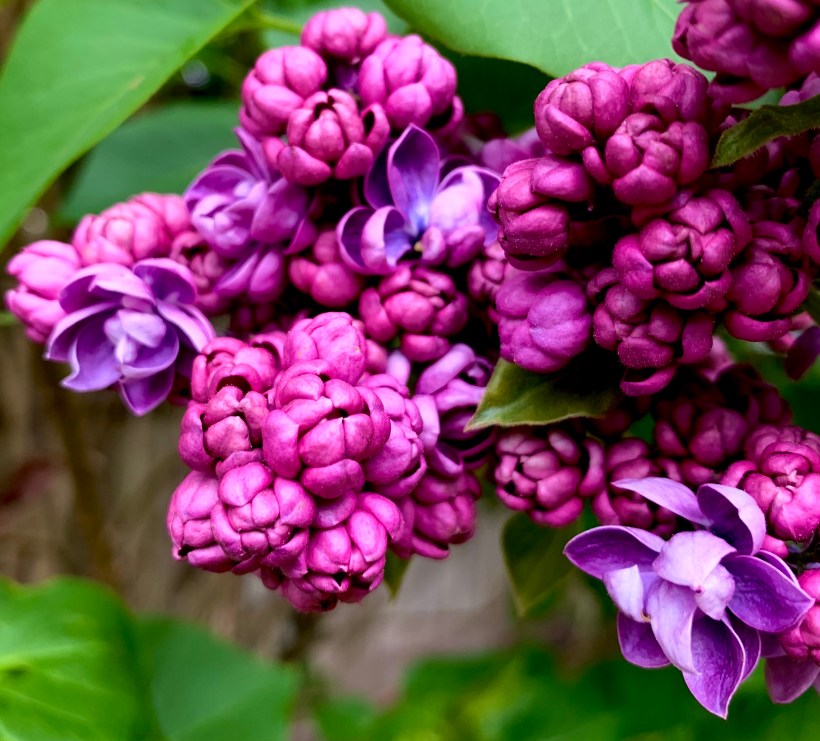
I may weep, but nature does not. The sun continues to rise over the fields, the birds continue to build nests, the lilacs grow taller with outrageous blooms, and each day ends with a promise of another to come.
So I must dwell on what lies ahead, not what has perished in the ashes.
photo by Harry Rodenberger
Tell me, where is the road I can call my own That I left, that I lost So long ago? All these years I have wandered Oh, when will I know There’s a way, there’s a road That will lead me home After wind, after rain When the dark is done As I wake from a dream In the gold of day Through the air there’s a calling From far away There’s a voice I can hear That will lead me home Rise up, follow me Come away, is the call With the love in your heart As the only song There is no such beauty As where you belong Rise up, follow me I will lead you home
One-Time
Monthly
Yearly
Make a one-time or recurring donation to support daily Barnstorming posts
I want to be a passenger in your car again and shut my eyes while you sit at the wheel,
awake and assured in your own private world, seeing all the lines on the road ahead,
down a long stretch of empty highway without any other faces in sight.
I want to be a passenger in your car again and put my life back in your hands. ~Michael Miller “December”
I heard an old man speak once, someone who had been sober for fifty years, a very prominent doctor. He said that he’d finally figured out a few years ago that his profound sense of control, in the world and over his life, is another addiction and a total illusion. He said that when he sees little kids sitting in the back seat of cars, in those car seats that have steering wheels, with grim expressions of concentration on their faces, clearly convinced that their efforts are causing the car to do whatever it is doing, he thinks of himself and his relationship with God: God who drives along silently, gently amused, in the real driver’s seat. ~Anne Lamott from Operating Instructions
Up north, the dashboard lights of the family car gleam in memory, the radio plays to itself as I drive my father plied the highways while my mother talked, she tried to hide that low lilt, that Finnish brogue, in the back seat, my sisters and I our eyes always tied to the Big Dipper I watch it still on summer evenings, as the fireflies stream above the ditches and moths smack into the windshield and the wildlife’s red eyes bore out from the dark forests we flew by, then scattered like the last bit of star light years before. It’s like a different country, the past we made wishes on unnamed falling stars that I’ve forgotten, that maybe were granted because I wished for love. ~Sheila Packa “Driving At Night” from The Mother Tongue
The moon was like a full cup tonight, too heavy, and sank in the mist soon after dark, leaving for light
faint stars and the silver leaves of milkweed beside the road, gleaming before my car.
Yet I like driving at night… the brown road through the mist
of mountain-dark, among farms so quiet, and the roadside willows opening out where I saw
the cows. Always a shock to remember them there, those great breathings close in the dark.
I stopped, and took my flashlight to the pasture fence. They turned to me where they lay, sad
and beautiful faces in the dark, and I counted them-forty near and far in the pasture…
I switched off my light.
But I did not want to go, not yet, nor knew what to do if I should stay, for how
in that great darkness could I explain anything, anything at all. I stood by the fence. And then
Some of my most cherished childhood memories come from long rides home in the car at night from holiday gatherings. My father always drove, my mother hummed “I See the Moon” in the front passenger seat, and we three kids sat in the back seat, drowsy and full of feasting.
The night world hypnotically passed by outside the car window. I wondered whether the rest of the world was as safe and content as I felt at that moment.
On clear nights, the moon followed us down the highway, shining a light on the road.
Now as a driver at night, transporting grandchildren from a family gathering, I want them to feel the same peaceful contentment that I did as a child. As an older driver, I don’t enjoy driving at night, especially dark rural roads in pouring rain. I understand the enormous responsibility I bear, transporting those whom I dearly love and want to keep safe.
In truth, I long to be a passenger again, with no worries or pressures – just along for the ride, watching the moon and the world drift by, knowing I’m well-cared for.
But of course, I fret about the immense burden I feel to make things right in this dark and troubled world.
I am a passenger on a planet that has a Driver who feels great responsibility and care for all He transports through the black night of the universe. He loves me and I can rest content in the knowledge that I am safe in His vigilant hands.
I am not the driver – He knows how to safely bring me home, even in the rain.
I see the moon, it’s shining from far away, Beckoning with ev‘ry beam. And though all the start above cast down their light, Still the moon is all that I see And it’s calling out, “Come run a way! And we’ll sail with the clouds for our sea, And we’ll travel on through the black of the night, ‘til we float back home on a dream!” The moon approaches my window pane, stretching itself to the ground. The moon sings softly and laughs and smiles, and yet never makes a sound! I see the moon! I see the moon! Part A And it’s calling out, “Come run a way! And we’ll sail with the clouds for our sea, And we’ll travel on through the black of the night, ‘til we float back home on a dream!” Part B I see the moon, it’s shining from far away, Beckoning with ev‘ry beam. And though all the stars above cast down their light, Still the moon is all that I see ~Douglas Beam
One-Time
Monthly
Yearly
Make a one-time or recurring donation to support daily Barnstorming posts
Summer is over, the old cow said, And they’ll shut me up in a draughty shed To milk me by lamplight in the cold, But I won’t give much for I am old. It’s long ago that I came here Gay and slim as a woodland deer; It’s long ago that I heard the roar Of Smith’s white bull by the sycamore. And now there are bones where my flesh should be; My backbone sags like an old roof tree, And an apple snatched in a moment’s frolic Is just so many days of colic.
I’m neither a Jersey nor Holstein now But only a faded sort of cow. My calves are veal and I had as lief That I could lay me down as beef; Somehow, they always kill by halves, — Why not take me when they take my calves? Birch turns yellow and sumac red, I’ve seen this all before, she said, I’m tired of the field and tired of the shed. There’s no more grass, there’s no more clover; Summer is over, summer is over. ~Robert Hillyer “Moo!”
Something inspires the only cow of late To make no more of a wall than an open gate, And think no more of wall-builders than fools. Her face is flecked with pomace and she drools A cider syrup. Having tasted fruit, She scorns a pasture withering to the root. She runs from tree to tree where lie and sweeten The windfalls spiked with stubble and worm-eaten. She leaves them bitten when she has to fly. She bellows on a knoll against the sky. Her udder shrivels and the milk goes dry. ~Robert Frost “The Cow in Apple Time”
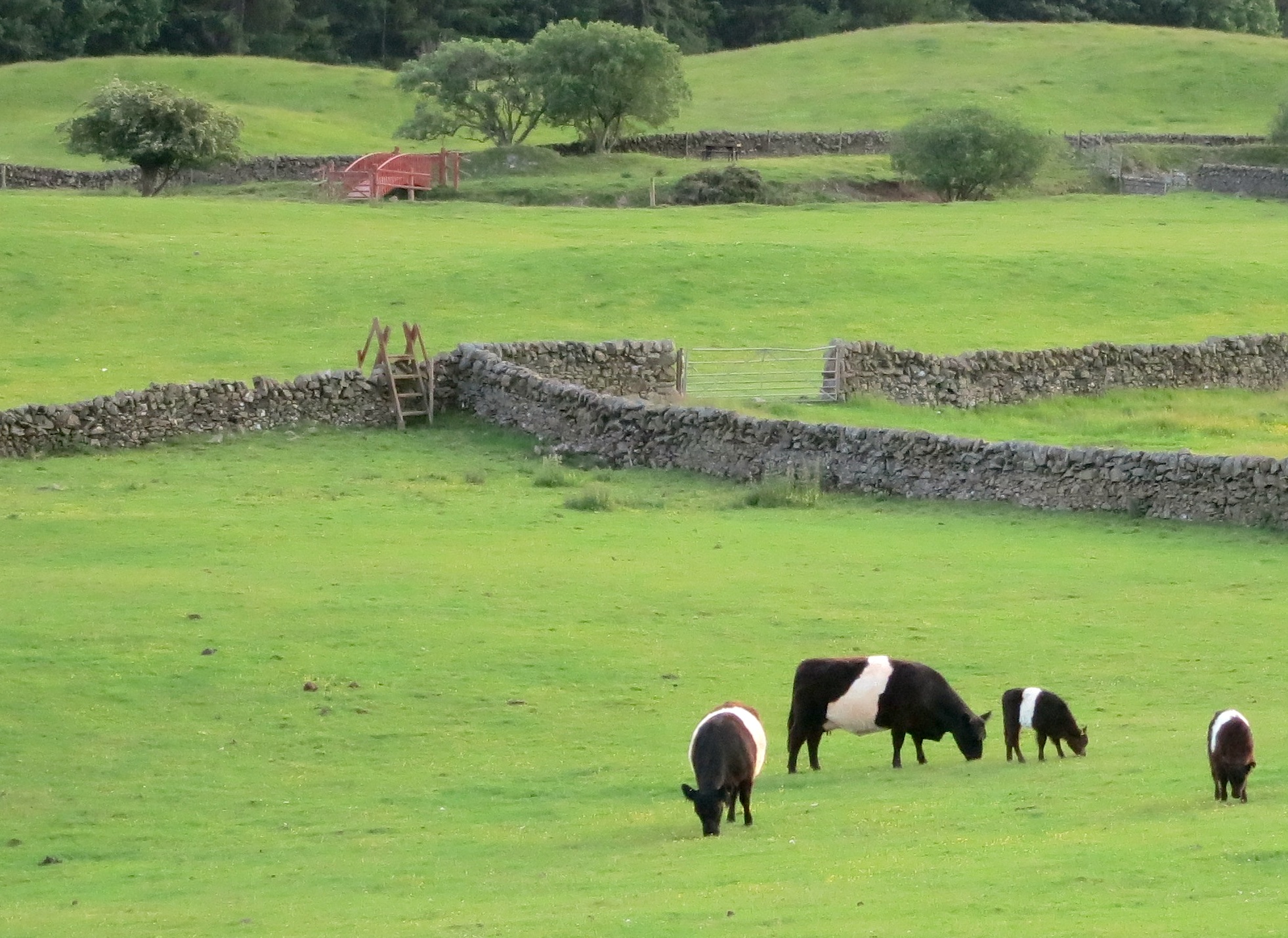
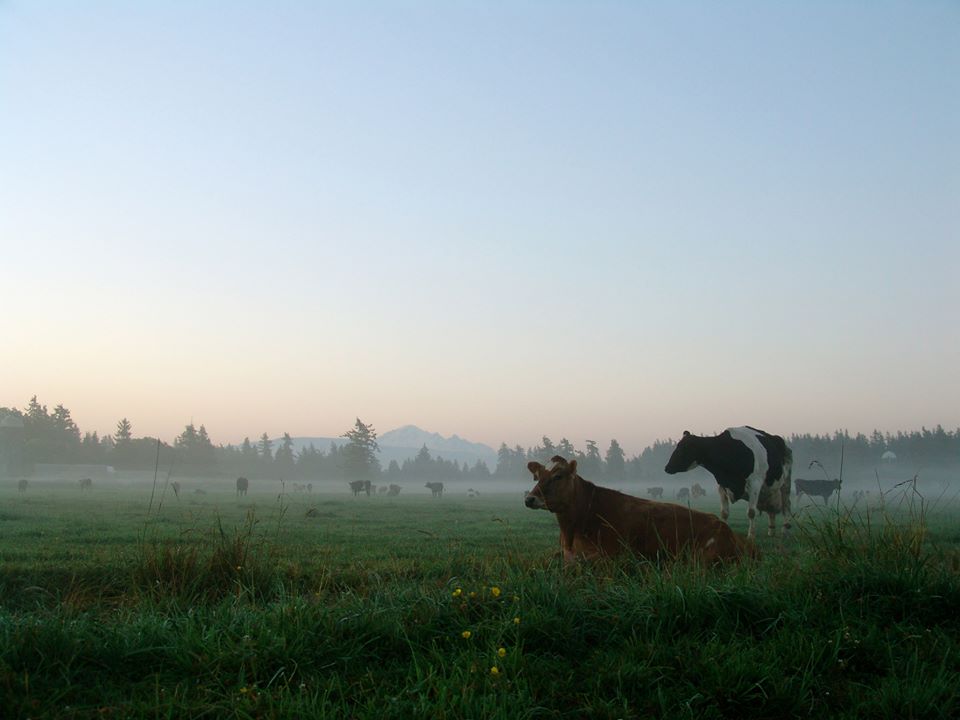
I have lived among cows, our own and our neighbors’, dairy and beef, most of my life. Given their status as a food source, cows aren’t always granted a long life, but I do envy those who spend much of the year chewing cud outside in pastoral settings.
We’ve owned some aged cows. They can be set in their ways and don’t particularly like a change in routine. They prefer a communal life, bearing calves, surrendering their milk, and ensuring the herd hierarchy is maintained with a minimum of fuss.
I remember my dad curing a cow’s habit of eating apples directly from a tree branch. She had the apple lodged in her esophagus as it had slipped down her throat unchewed, but too large to pass through to her rumen. She was foaming at the mouth, breathing fine, but the apple was a visible lump palpable mid-way down her neck. My dad grabbed a short two by four board and a hammer, placed the board on one side of her neck lump, and with the hammer, hit her neck precisely over the apple, crushing it. She was immediately cured and sauntered over to grab more apples, off the ground rather than the branch.
Cows can experience various health issues, sometimes relating to infections in their udders, but not infrequently, trouble with their hooves. They can get abscesses which are quite painful until emptied, as well as sharp rocks or gravel wedged into their foot. This sometimes necessitates hoof work done by a specialist who visits dairy farms on a regular basis.
I confess I (along with a million or so other folks) spend an inordinate amount of time watching YouTube channels of cow hoof trimming. I have no desire to do the job myself, but restoring a limping cow to a comfortably walking cow is a skill that must be very gratifying.
As an aging female myself, I know all about aches and pains. I too feel the sadness of summer coming to an end, when the grass and clover grows sparse in the field, and when chilly nights are best spent in the shelter of the barn.
But I’m not yet ready to give up on this sweet pastoral life. There are still some days left, and apples to pick up off the ground, for this fading old cow…
One-Time
Monthly
Yearly
Make a one-time or recurring donation to support daily Barnstorming posts
What is this life if, full of care, We have no time to stand and stare.
No time to stand beneath the boughs And stare as long as sheep or cows.
No time to see, when woods we pass, Where squirrels hide their nuts in grass.
No time to see, in broad daylight, Streams full of stars, like skies at night.
No time to turn at Beauty’s glance, And watch her feet, how they can dance.
No time to wait till her mouth can Enrich that smile her eyes began.
A poor life this if, full of care, We have no time to stand and stare. ~W.H.Davies “Leisure”
…I believe there are certain habits that, if practiced, will stimulate the growth of humble roots in our lives. One of those is a habit of awe and wonder.
By awe and wonder, I mean the regular practice of paying careful attention to the world around us. Not merely seeing but observing. Perceiving. Considering. Asking thoughtful questions about what we see, smell, hear, touch, taste. In other words, attending with love and curiosity to what our senses sense. (How often do we eat without tasting? How often do we look without seeing? Hear without listening?) Admiring, imagining, receiving the beauty of the world around us in a regular, intentional way: this is the habit of a wonder-filled person. And it leads to humility.
A regular habit of awe and wonder de-centers us. It opens a window in our imaginations, beckoning us to climb out of our own opinions and experiences and to consider things greater and beyond our own lives. It strengthens our curiosity, which in turn lowers the volume on our anxieties and grows our ability to empathize. Over time, we become less self-focused and can admit without embarrassment what we don’t know. In short, we grow more humble. ~Kelly Givens from “Teaching Children to See” from Mere Orthodoxy
This would be a poor life indeed if I didn’t take time to stand and stare at all that is displayed before me.
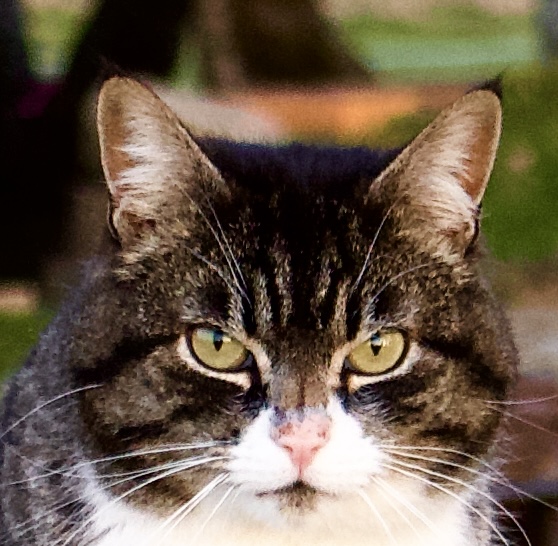
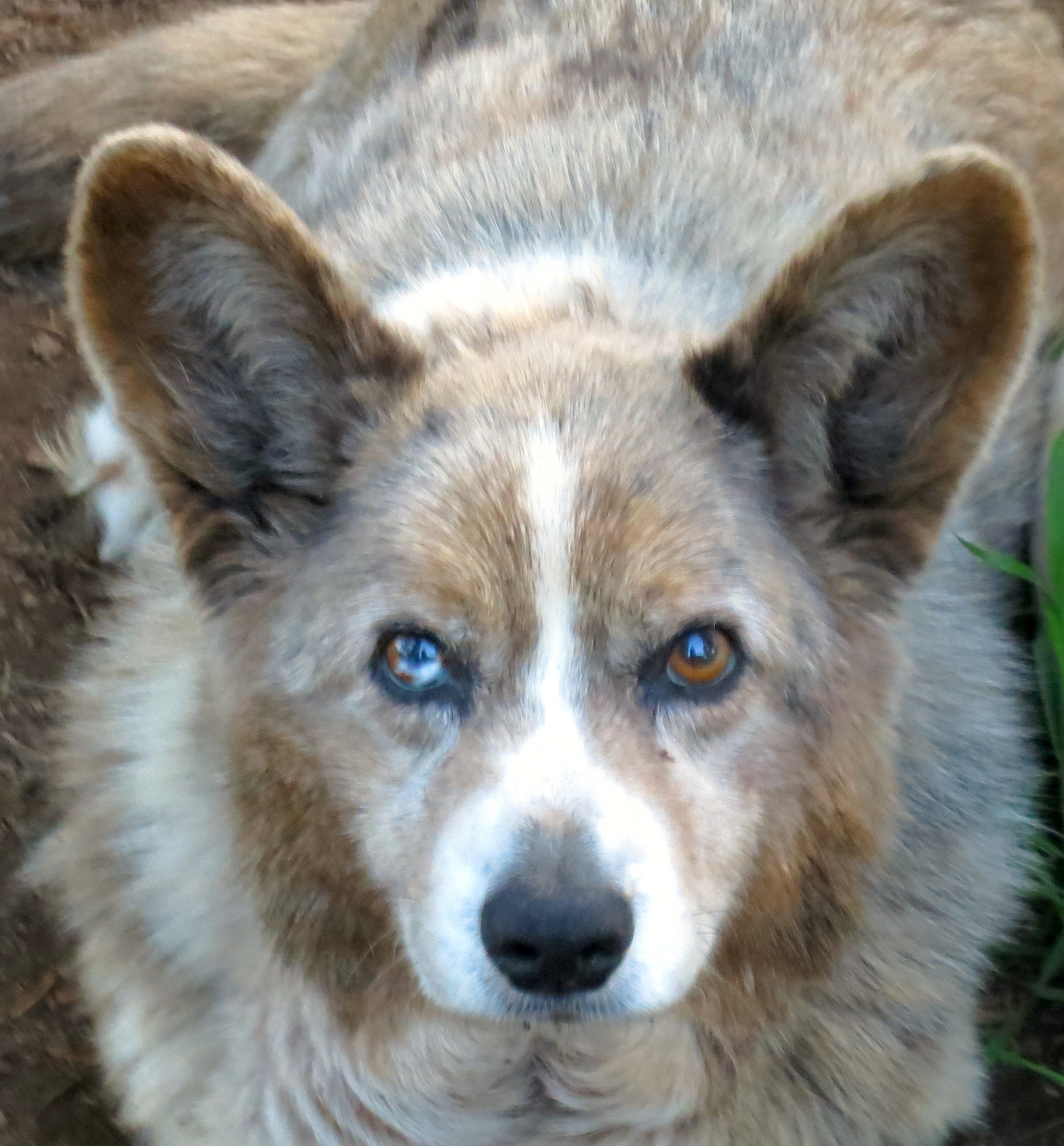
The golden cast at the beginning and endings of the days, the light dancing in streams like stars, simply staring at God’s creatures who stare back at me, each wondering what the other is thinking.
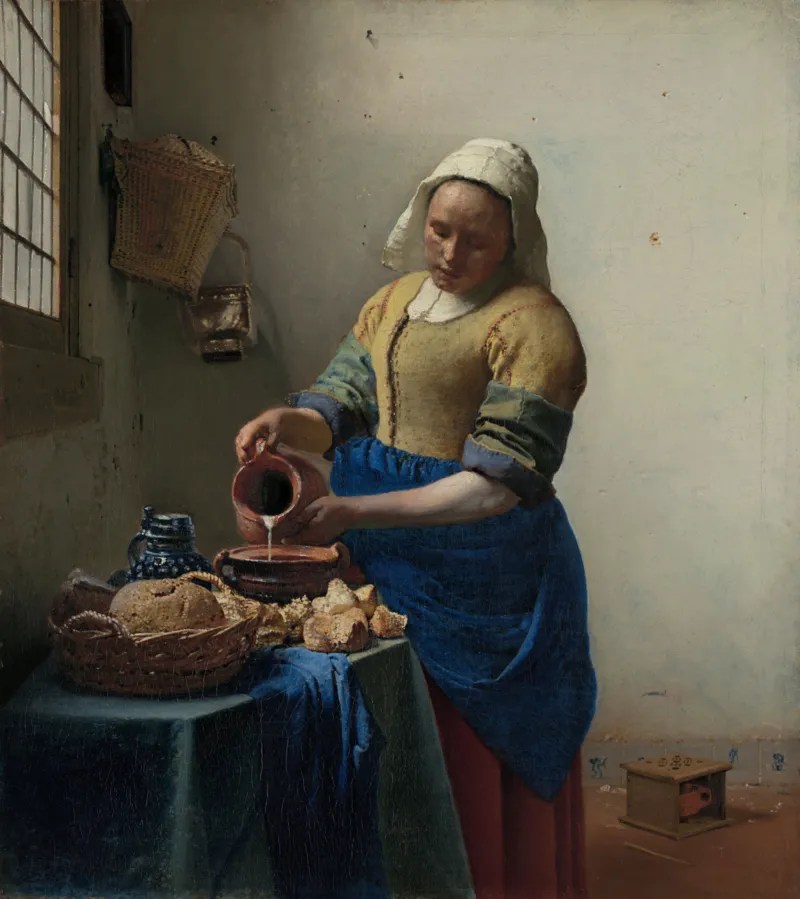
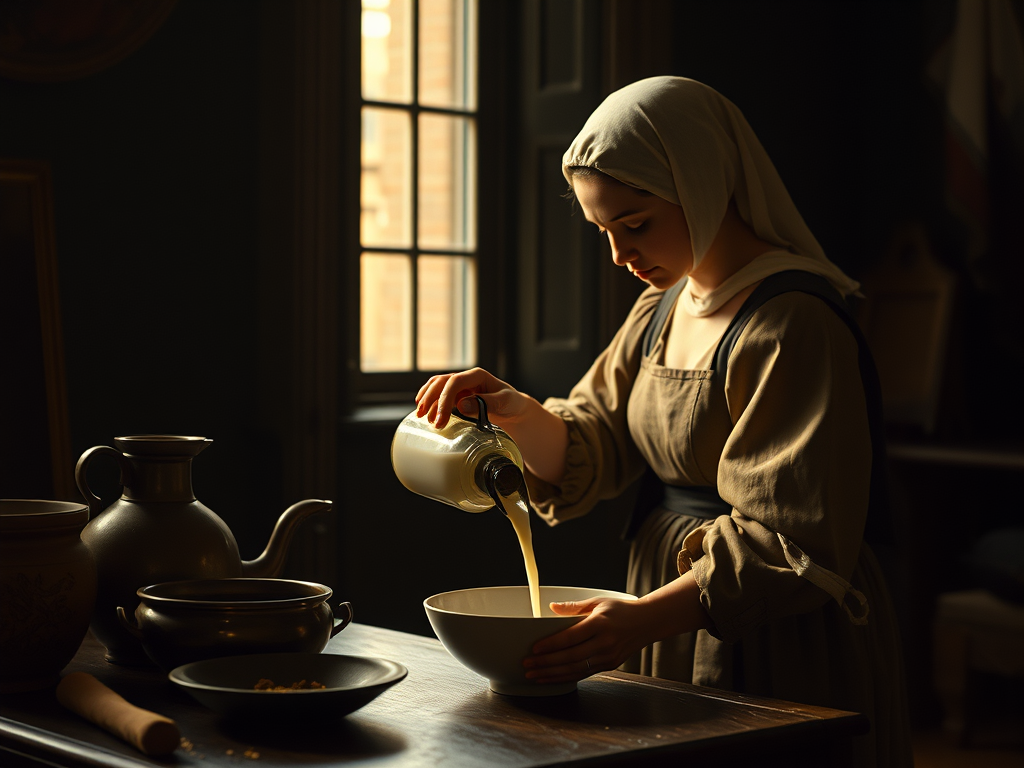
As long as that woman from the Rijksmuseum in painted quiet and concentration keeps pouring milk day after day from the pitcher to the bowl the World hasn’t earned the world’s end. ~Wislawa Szymborska “Vermeer” tr. by Claire Cavanagh and Stanislaw Baranczak from Here
Vermeer’s “The Milkmaid” from the Rijksmuseum, Amsterdam
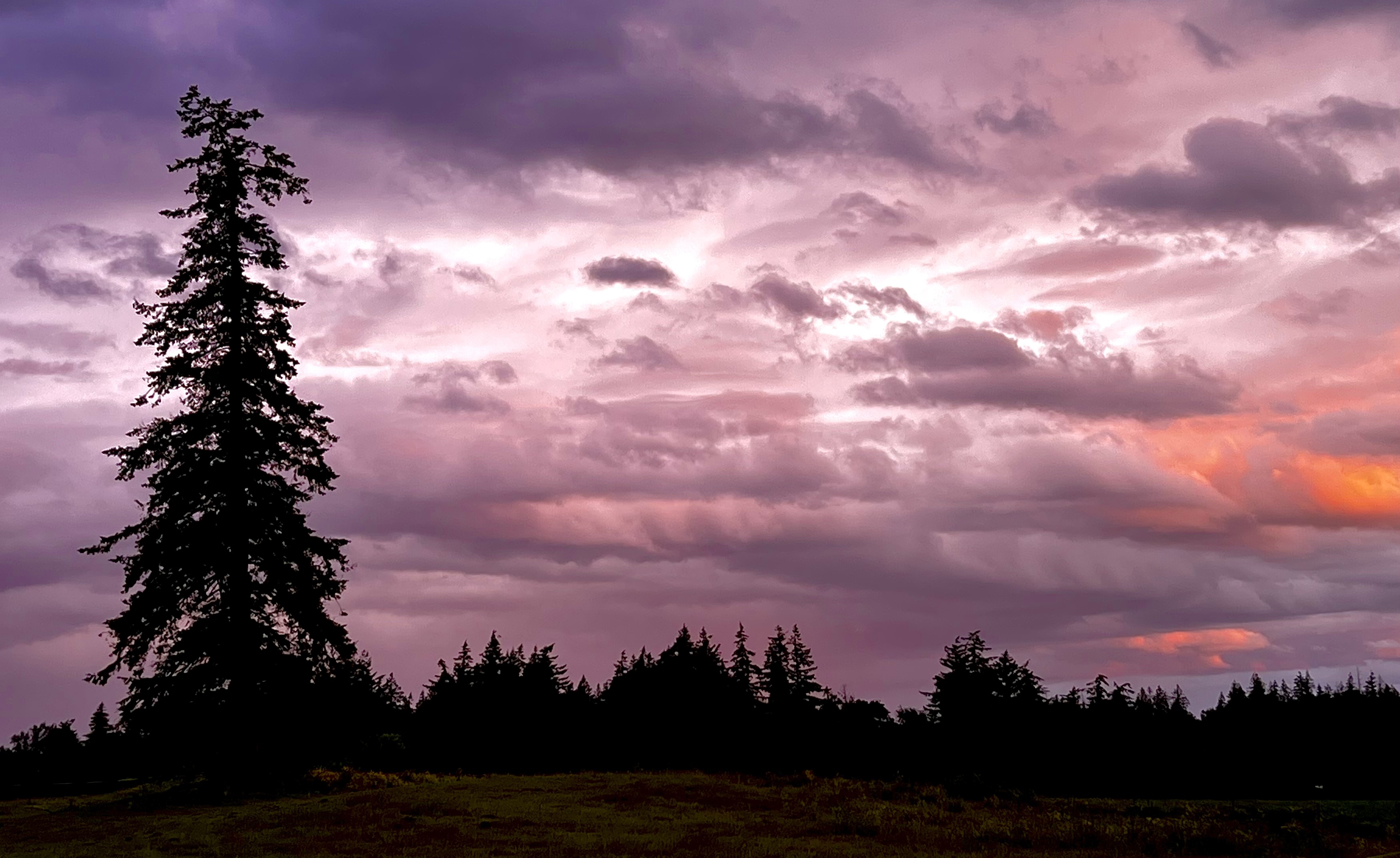
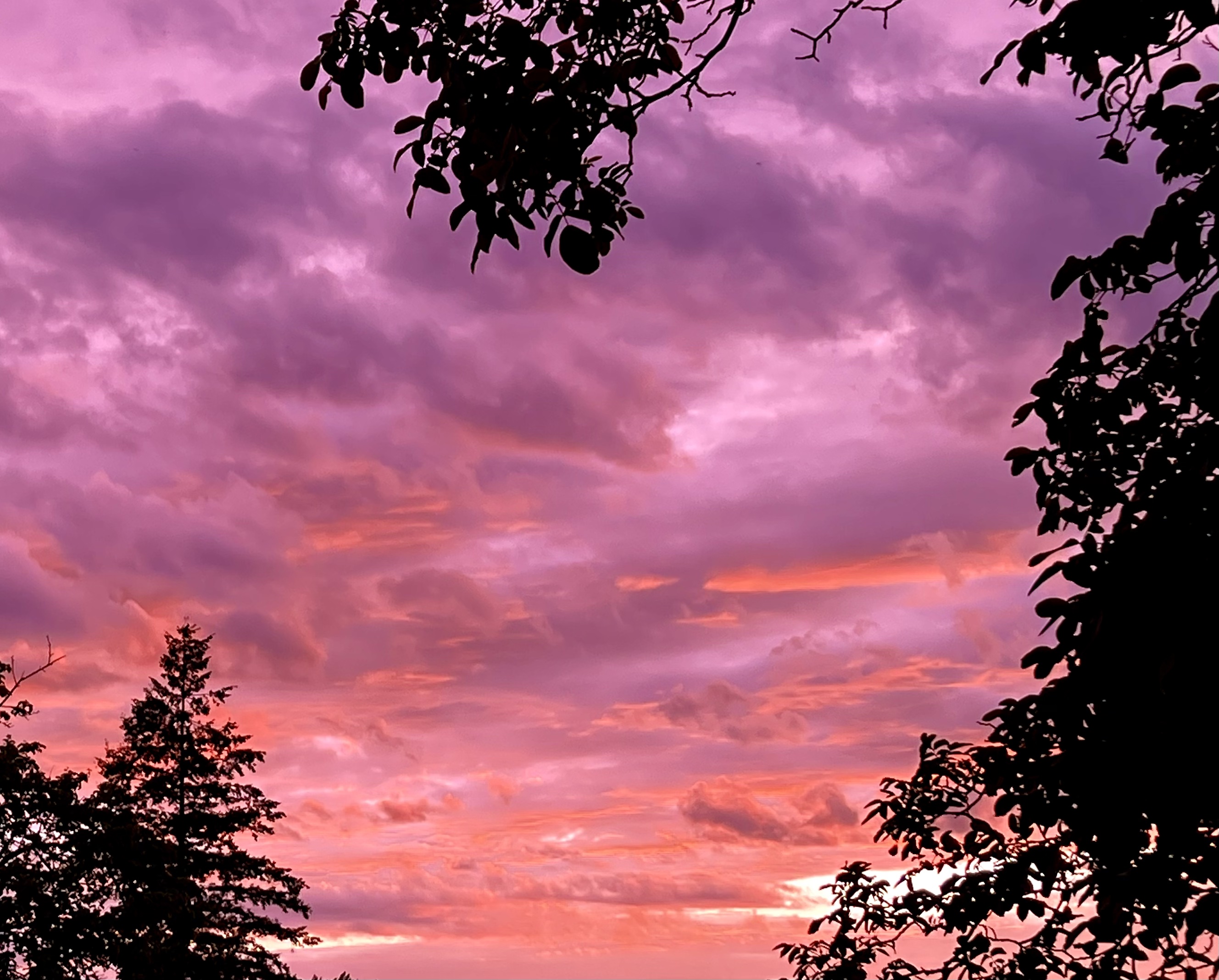
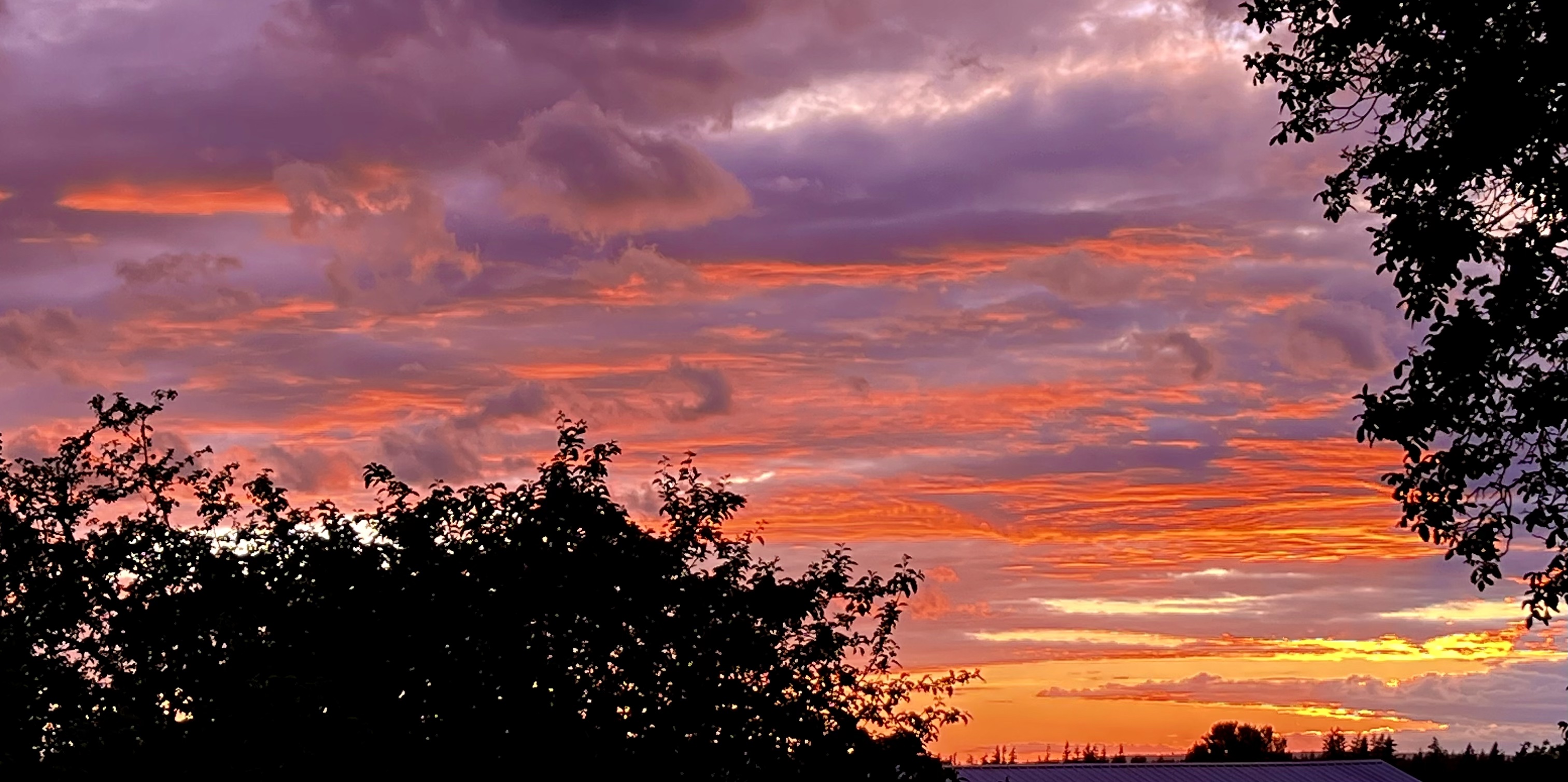
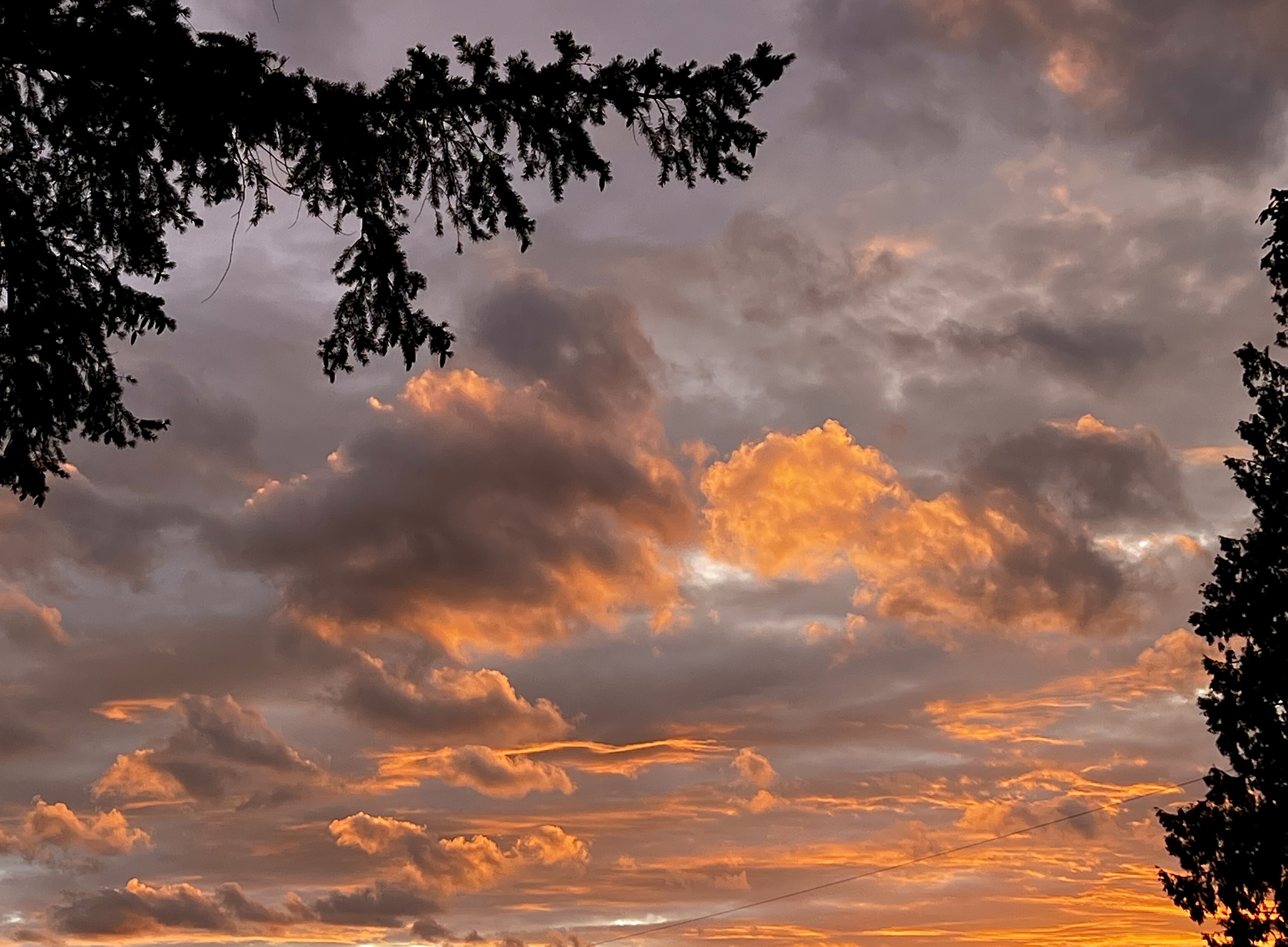
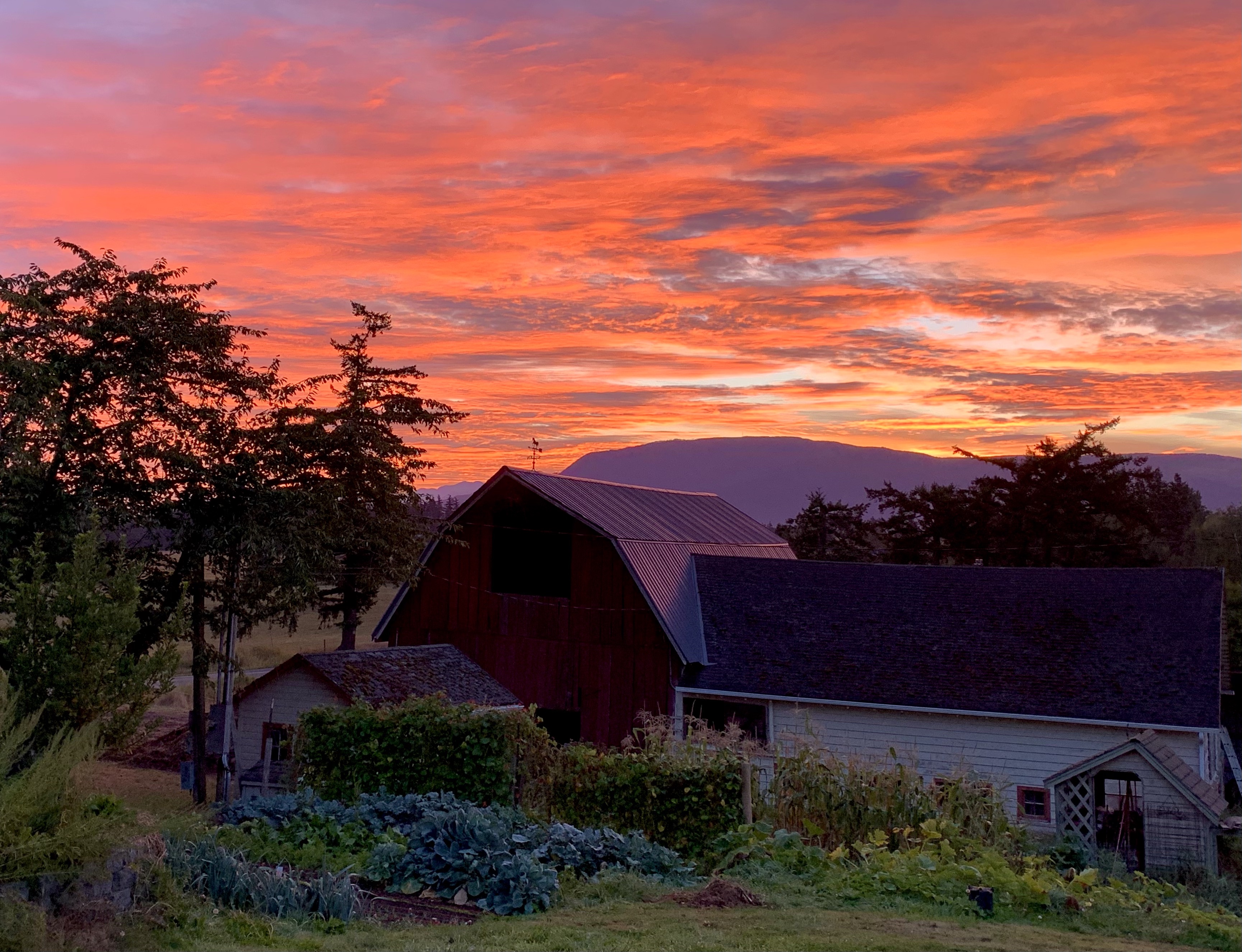
As ever, the sun rises and the sun sets, day after day. God continues to pour out His colors across the skies.
God loves us enough to plant each of us here with a plan for our redemption.
We don’t know how much longer.
Today we wave flags, some in a show of power, some in a show of gratitude, some in a show of discontent.
Instead, I pour milk as a daily sacrament: quietly, with great concentration and appreciation, as that is the work I must do, day after day.
To milk the cows and raise wheat for bread and conceive children and raise them up to pour and bake.
This is God’s created world, after all. We must do our best to restore and preserve all that He has made.
So keep milking and keep pouring.
AI image created for this post
One-Time
Monthly
Yearly
Make a one-time or recurring donation to support daily Barnstorming posts
My father taught me how to eat breakfast those mornings when it was my turn to help him milk the cows. I loved rising up from
the darkness and coming quietly down the stairs while the others were still sleeping. I’d take a bowl from the cupboard, a spoon
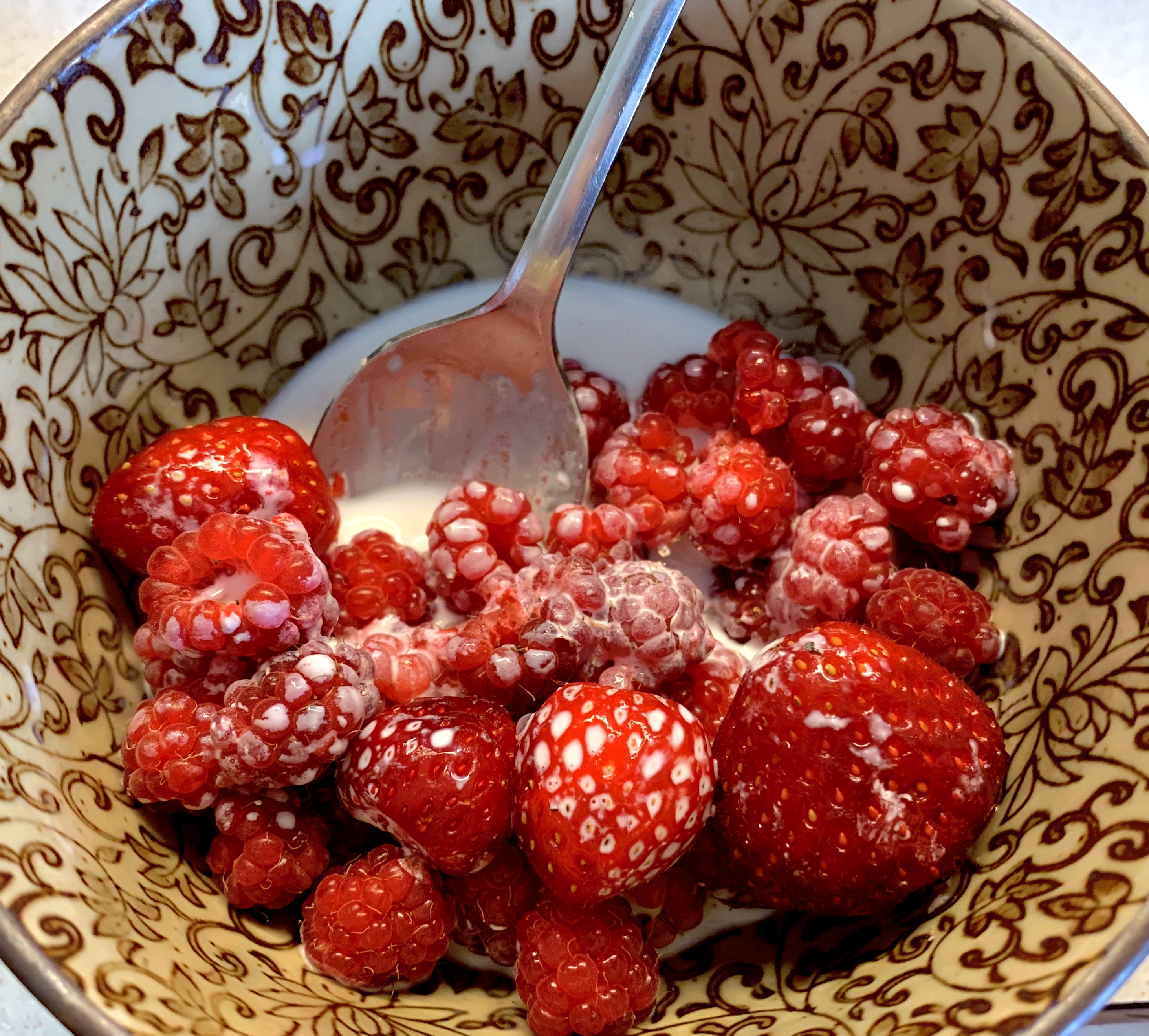
from the drawer, and slip into the pantry where he was already eating spoonfuls of cornflakes covered with mashed strawberries
from our own strawberry fields forever. Didn’t talk much—except to mention how good the strawberries tasted or the way
those clouds hung over the hay barn roof. Simple—that’s how we started up the day. ~Joyce Sutphen, “Breakfast” from First Words, Red Dragonfly.
By the time I was four years old, my family owned several Guernsey and Jersey dairy cows my father milked by hand twice a day. My mother pasteurized the milk on our wood stove and we grew up drinking the best milk on earth, as well as enjoying home-made butter and ice cream.
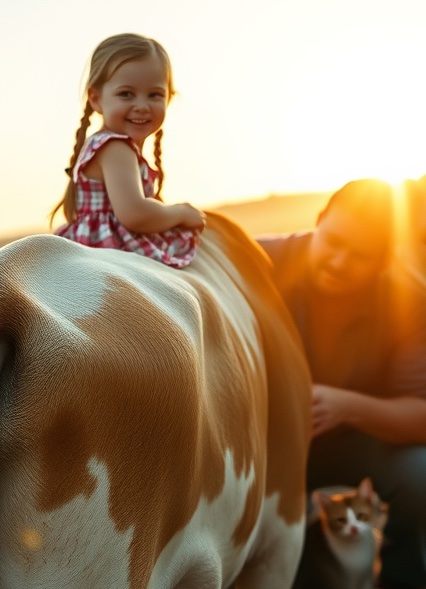
One of my fondest early memories is getting up early with my dad, before he needed to be at school teaching FFA agriculture students (Future Farmers of America). I would eat breakfast with him and then walk out into the foggy fall mornings with our dog to bring in the cows for milking. He would boost me up on top of a very bony-backed chestnut and white patchwork cow while he washed her udder and set to work milking.
I would sometimes sing songs from up there on my perch and my dad would whistle since he didn’t sing.
I can still hear the rhythmic sound of the milk squirting into the stainless steel bucket – the high-pitched metallic whoosh initially and then a more gurgling low wet sound as the bucket filled up. I can see my dad’s capped forehead resting against the flank of the cow as he leaned into the muscular work of squeezing the udder teats, each in turn. I can hear the cow’s chewing her breakfast of alfalfa and grain as I balanced on her prominent spine feeling her smooth hair over her ribs. The barn cats circulated around us, mewing, attracted by the warm milky fragrance in the air.
Those were preciously simple starts to the day for me and my father, whose thoughts he didn’t articulate nor I could ever quite discern. But I did know I wasn’t only his daughter on mornings like that – I was one of his future farmers of America he dedicated his life to teaching.
Dad, even without you saying much, those were mornings when my every sense was awakened. I’ve never forgotten that- the best start to the day.
AI image created for this post
One-Time
Monthly
Yearly
Make a one-time or recurring donation to support daily Barnstorming posts
One day thru the primeval wood A calf walked home, as good calves should, But made a trail all bent askew, A crooked trail, as all calves do. Since then three hundred years have fled, And I infer, the calf is dead; But still behind he left his trail, And thereon hangs my mortal tale.
The trail was taken up next day By a lone dog that passed that way, And then a wise bell-weather sheep Sliding into a rut now deep, Pursued that trail over hill and glade Thru those old woods a path was made.
And many men wound in and out, And dodged and turned and bent about, and uttered words of righteous wrath Because “twas such a crooked path” But still they follow-do not laugh- The first migrations of that calf.
The forest became a lane That bent and turned and turned again; This crooked lane became a road where many a poor horse with his load Toiled on beneath the burning sun, And traveled some three miles in one.
The years passed on in swiftness fleet, The village road became a street, And this, before the men were aware, A city’s crowded thoroughfare.
And soon a central street was this In a renowned metropolis; And men two centuries and a half Followed the wanderings of this calf.
Each day a hundred thousand strong Followed this zigzag calf along; And over his crooked journey went The traffic of a continent.
A hundred thousand men were led By one poor calf, three centuries dead. For just such reverence is lent To well established precedent.
A moral lesson this might teach Were I ordained and called to preach. For men are prone to go it blind Along the calf paths of the mind; And work away from sun to sun To do what other men have done.
They follow in the beaten track, And out and in, and forth and back, And still their devious course pursue, To keep the path that others do. They keep the path a sacred groove, Along which all their lives they move.
But how the wise old wood gods laugh, Who saw the first primeval calf. Ah, many things this tale might teach— But I am not ordained to preach. ~Sam Walter Foss “Cow Path”
As I age, I try to keep perspective while traveling this winding road of life, looking back at where I’ve been, hoping for the best about what lies ahead, while trying to stick to the path ahead without too much deviation. My one regret about this journey is that I haven’t stopped nearly often enough to simply take in the scenery, listen to the birds, smell the orchard blossoms, and feel the grass under my bare feet.
It is the conundrum of following only the cow path laid down before me: sticking to traveling a well-worn pathway – a “sacred groove” of precedent.
Nevertheless, as with all cow paths, there may have been no greater reason for the bend or curve than a patch of tall appealing grass at one time, or a good itching spot on a tree trunk or a boulder obstructing the way. Still I follow the curve, dodge the now-absent boulder, tread the zig zag.
My path may appear random without focus on the destination and that’s okay: I need to stop once in awhile to let the sun warm my face, settle down for a really good nap, enjoy a particularly fine meal, read an insightful book, or play a lovely hymn.
It is not which path I’ve meandered to my eventual destination but treasuring my journey along the way.
I will enjoy the twists and turns of life more, if I take the time to appreciate them. Just maybe – I’ll throw in a few curves and sacred digressions of my own for those who follow behind me.
AI image created for this post
One-Time
Monthly
Yearly
Make a one-time or recurring donation to support daily Barnstorming posts
We come across a ridge and hear a cowbell in the cove beyond, a tinkle sweetening the air with vague rubato as the breeze erases tones and then the notes resume like echoes from the past or from a cave inside the cliff, a still, calm voice in dialect and keeping its own company, both out of time and long as time, both here and from a higher sphere, as if the voice of history were intimate as memory. ~Robert Morgan “Cowbell”
Over my head, I see the bronze butterfly, Asleep on the black trunk, Blowing like a leaf in green shadow. Down the ravine behind the empty house, The cowbells follow one another Into the distances of the afternoon. To my right, In a field of sunlight between two pines, The droppings of last year’s horses Blaze up into golden stones. I lean back, as the evening darkens and comes on. A chicken hawk floats over, looking for home. I have wasted my life. ~James Wright “Lying in a Hammock at William Duffy’s Farm in Pine Island, Minnesota”
photo by Kate Steensma from Steensma Creamery
One of the lullabies I remember hearing as a youngster were cowbells in the pasture outside my bedroom window on our small family farm. Each of our three milking Guernsey cows wore a bell on her neck so my dad could tell where they were in our wooded field. He’d whistle and call “Come Bossy!” and they would walk single file into the barn, ringing and tinkling with each step, for their twice daily grain and hand-milking.
When I was old enough, I liked to perch on top of their bony backs while my dad leaned his head into their flank, whistling a tune while he milked them, the steaming stream of milk hitting the metal bucket with a high-pitched whine. The bells on their necks still chimed as the cows chewed, moving their heads up and down to finish their meal.
This was divine music that soothed and reassured me and I felt I could follow it anywhere. All was right with the world, thanks to the cows and their intrinsic tunes created by their movements, as if they were created to charm their keepers.
There are moments when I believe we are hearing what heaven must sound like.
Now, seven decades later, the soft harmony of cowbells is replaced by the random chords of wind chimes hanging outside our house.
The memory of cowbell music remains a reminder: I have not wasted my life if I can taste heaven through such simple things and magical moments.
But I still need more cowbell…
This year’s Lenten theme:
…where you go I will go… Ruth 1:16
and because there is always a need for more cowbell…
One-Time
Monthly
Yearly
Make a one-time or recurring donation to support daily Barnstorming posts
When we look long at one another, we soften, we relent, listen,
might forgive. We allow for silence —and when we see each other,
are known, and in that moment might change
though nothing has moved or been spoken.
There are some who say the walls cannot be broken,
but suddenly we are in a free place, and the fields
that extend from its center stretch for miles
as if out of the pupil and the iris of that momentary kingdom. ~Annie Lighthart “When We Look” from Pax
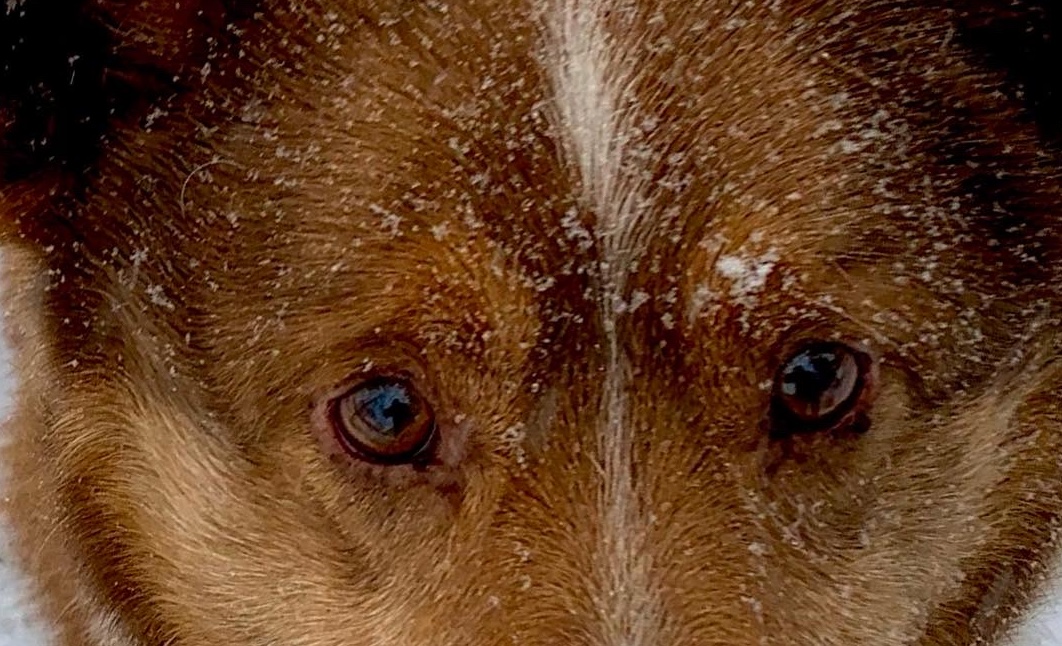
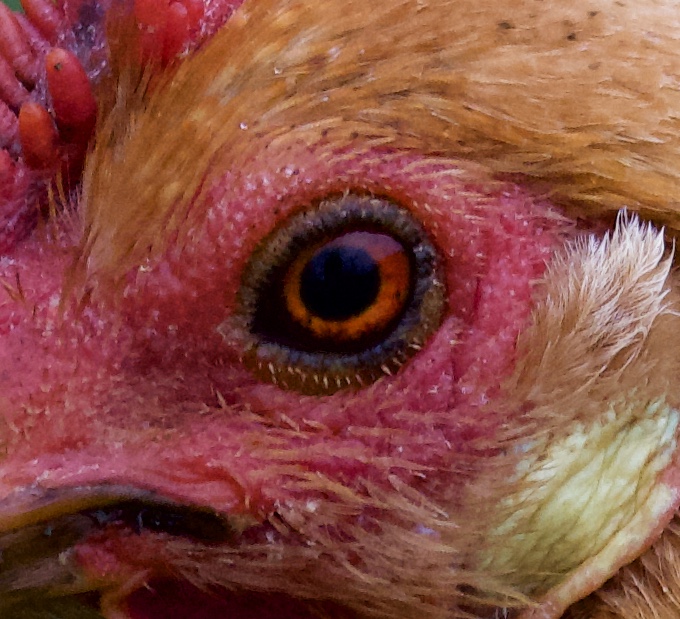
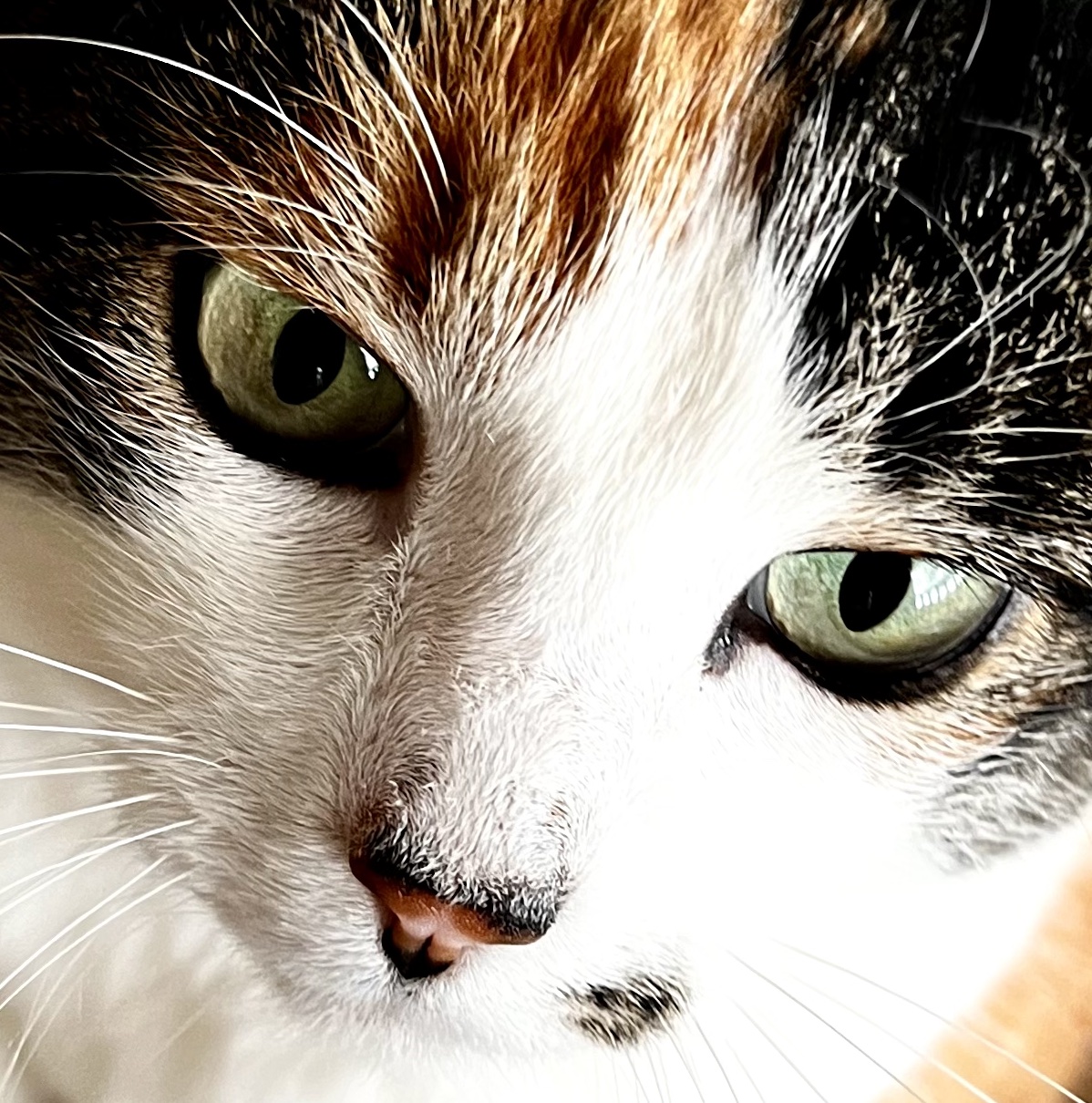
The weasel was stunned into stillness as he was emerging from beneath an enormous shaggy wild rose bush four feet away. I was stunned into stillness twisted backward on the tree trunk. Our eyes locked, and someone threw away the key.
Our look was as if two lovers, or deadly enemies, met unexpectedly on an overgrown path when each had been thinking of something else: a clearing blow to the gut.
It was also a bright blow to the brain, or a sudden beating of brains, with all the charge and intimate grate of rubbed balloons. It emptied our lungs. It felled the forest, moved the fields, and drained the pond; the world dismantled and tumbled into that black hole of eyes.
If you and I looked at each other that way, our skulls would split and drop to our shoulders. But we don’t. We keep our skulls. So. ~Annie Dillard from “Living Like Weasels”
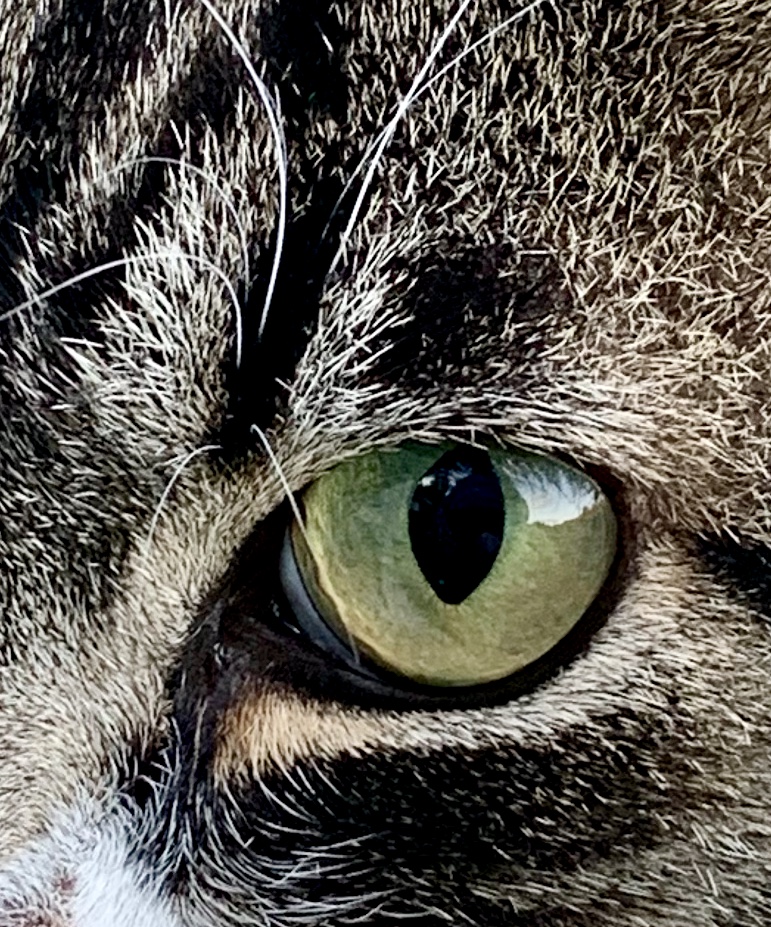
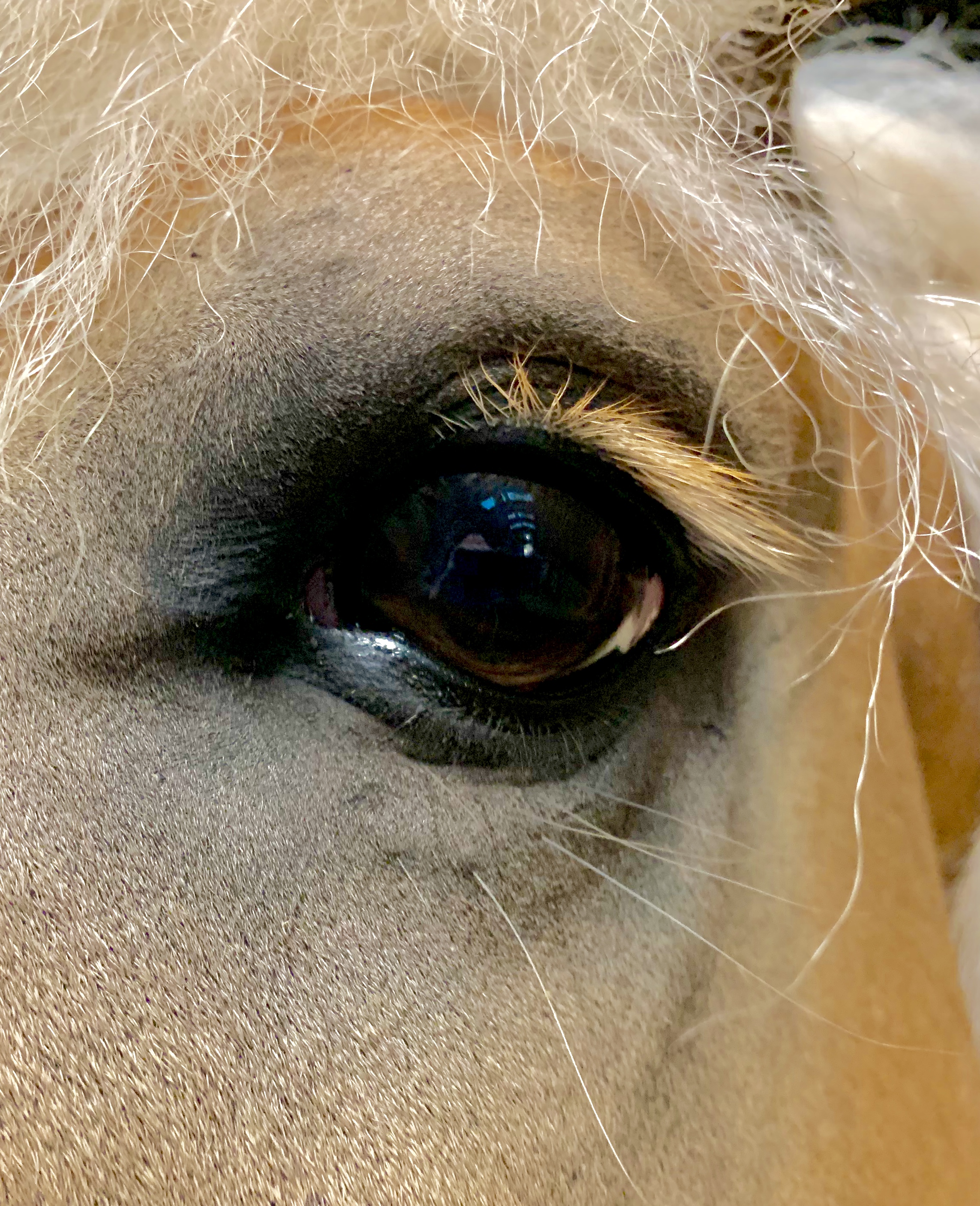
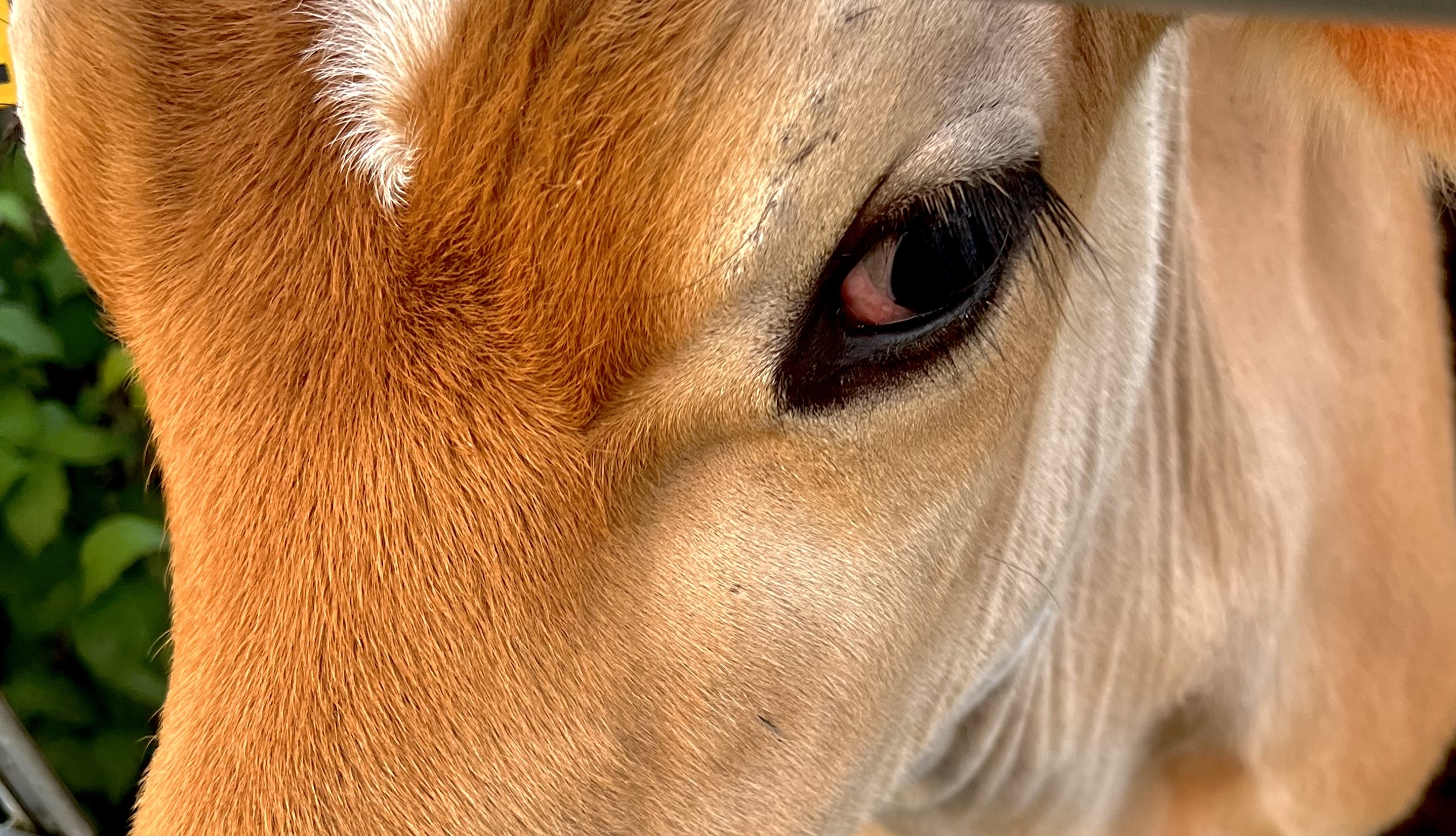
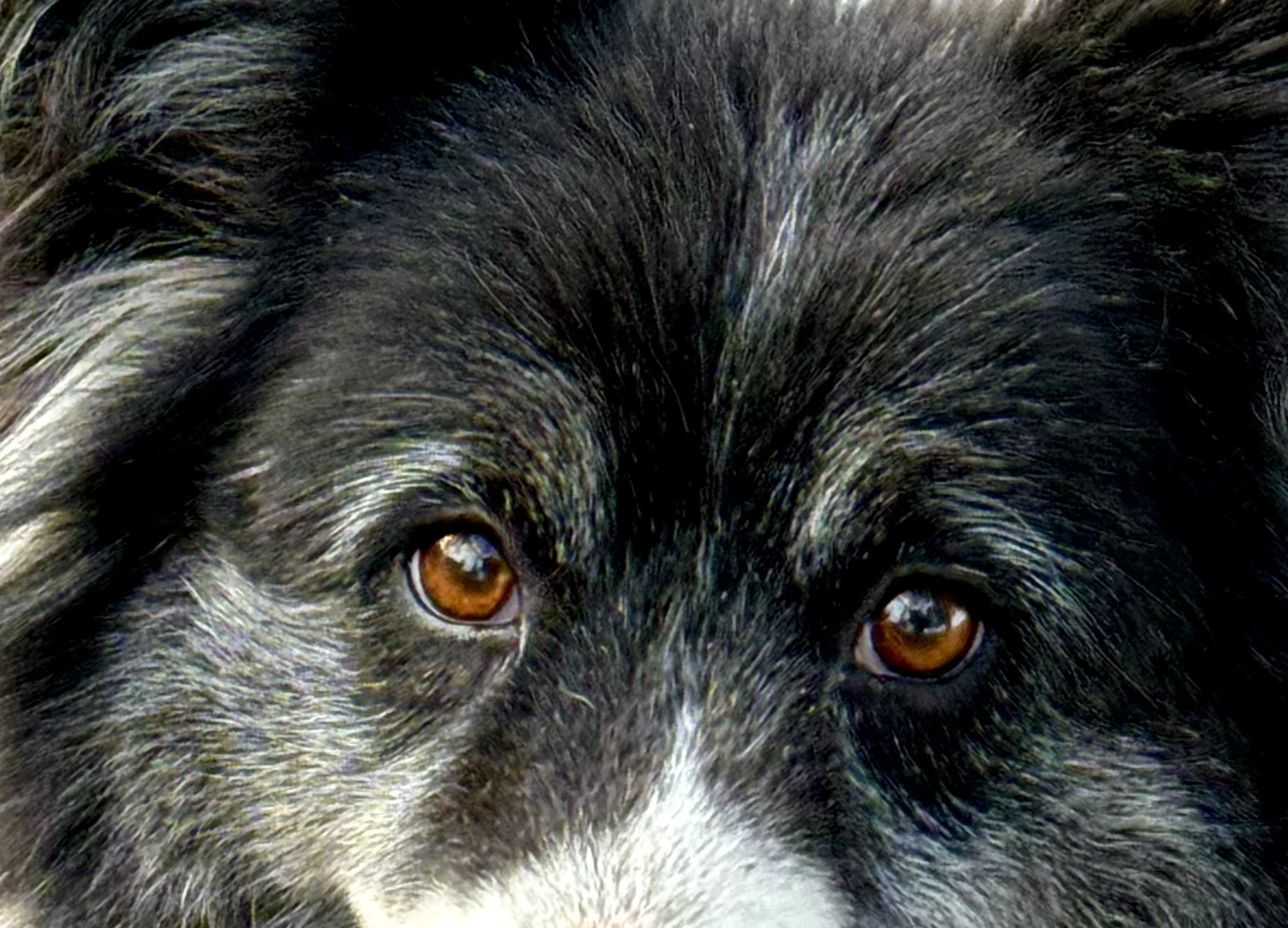
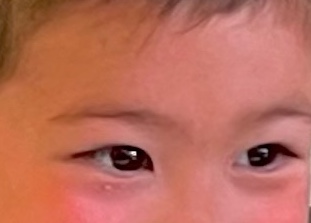
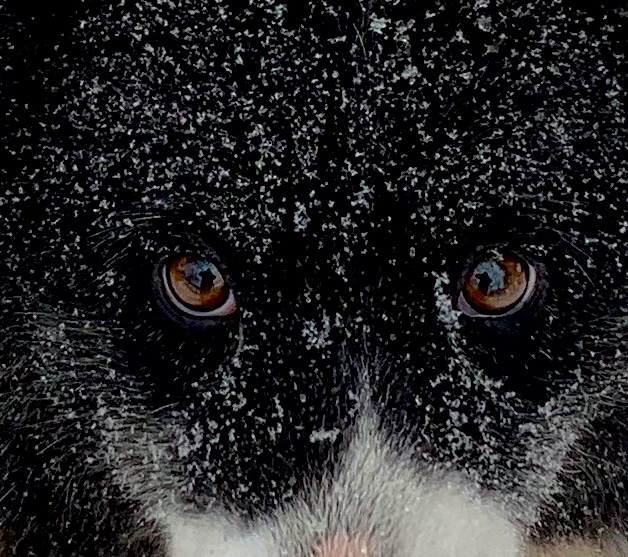
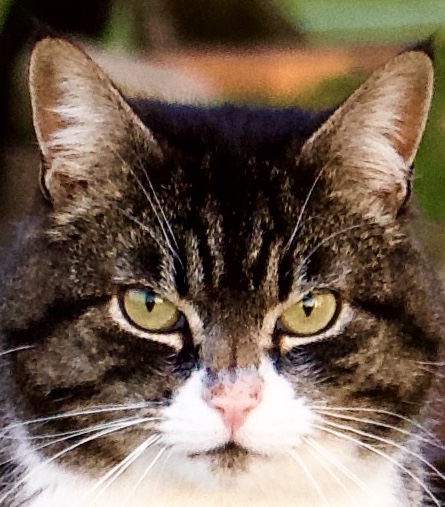
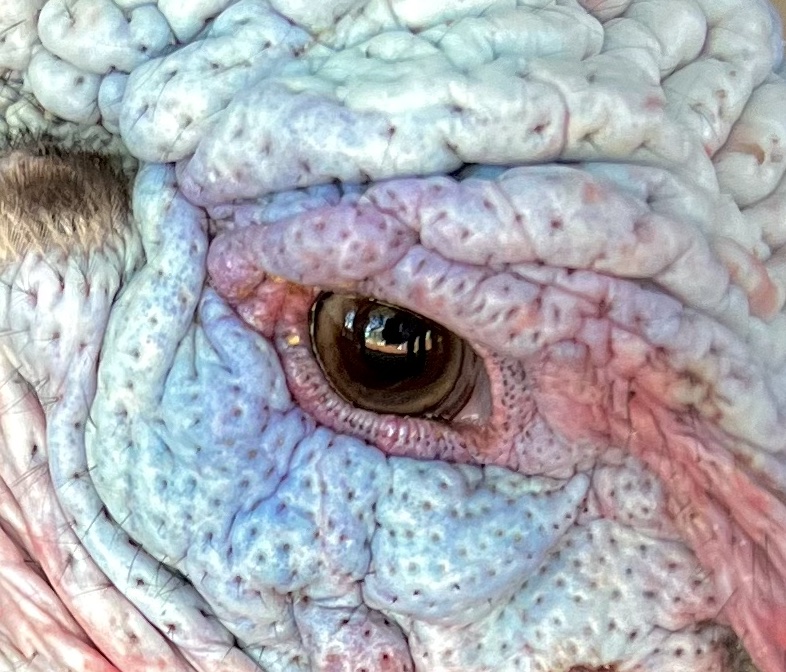
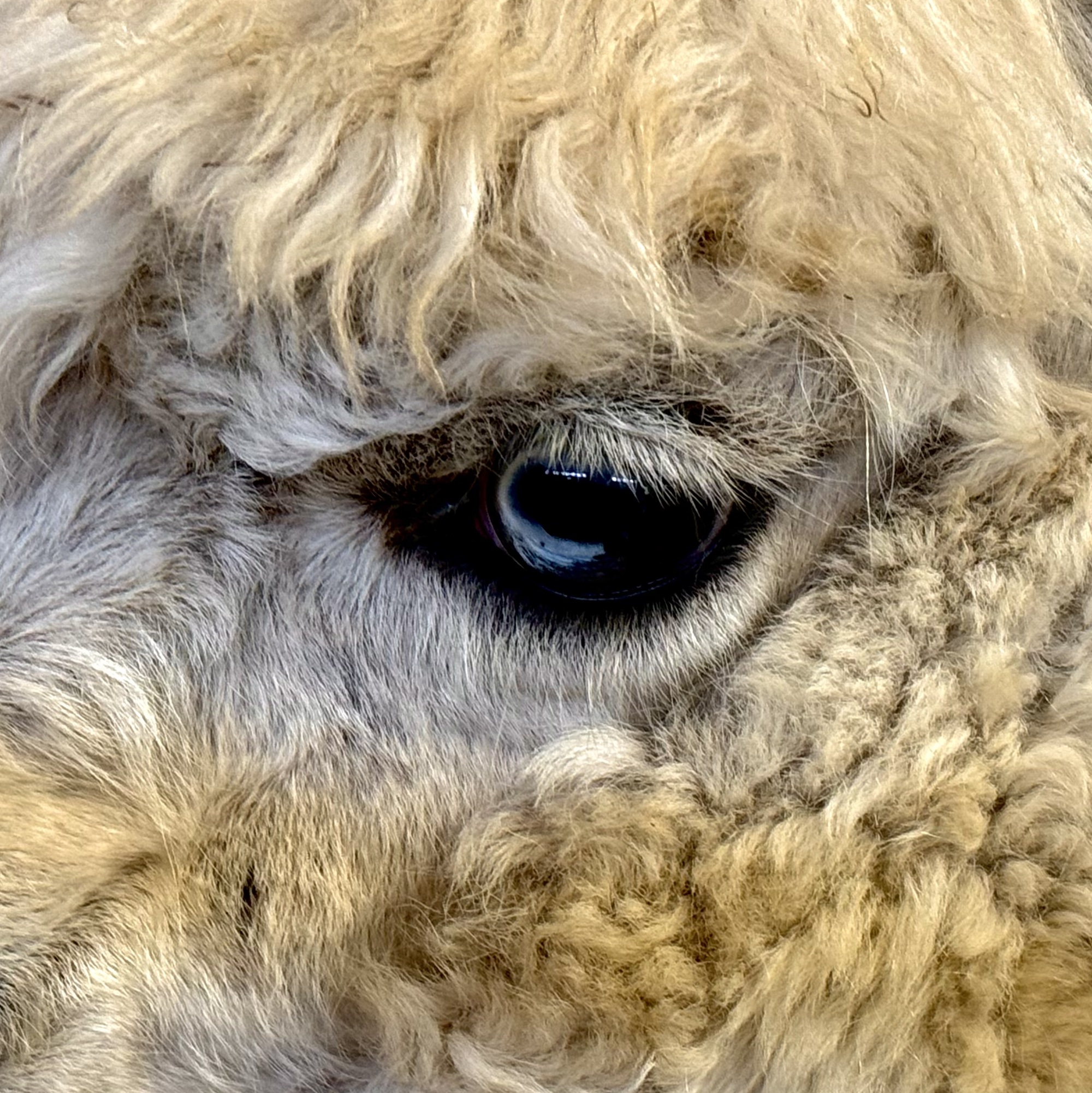
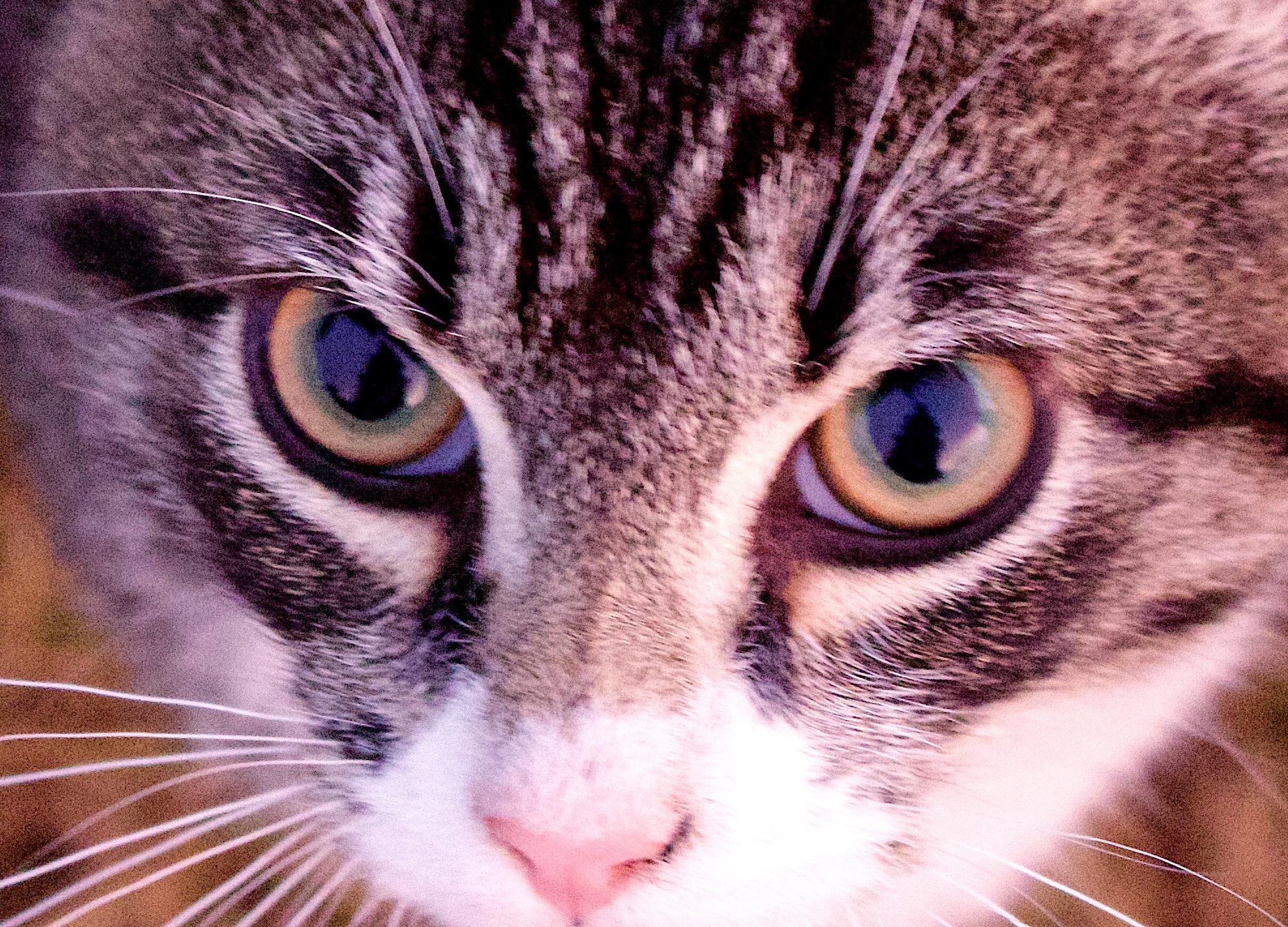
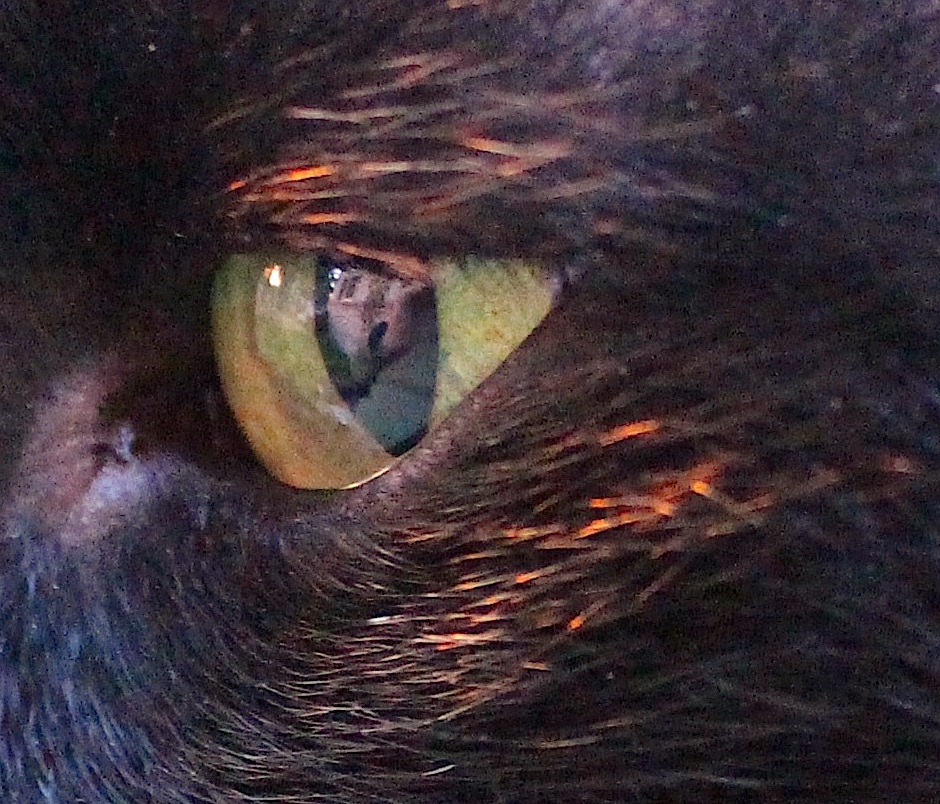
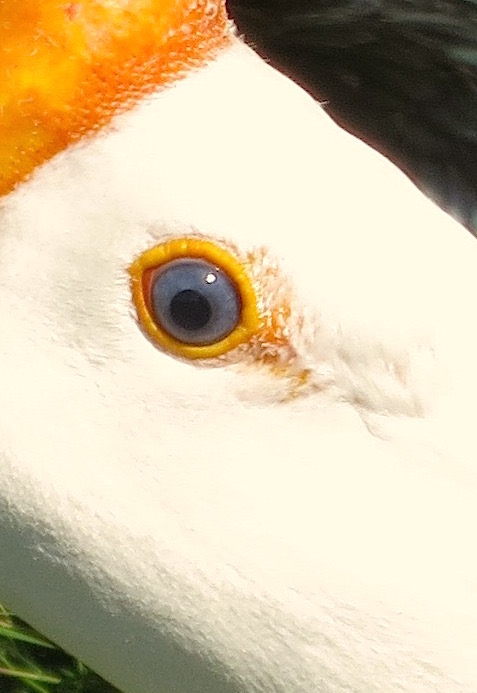
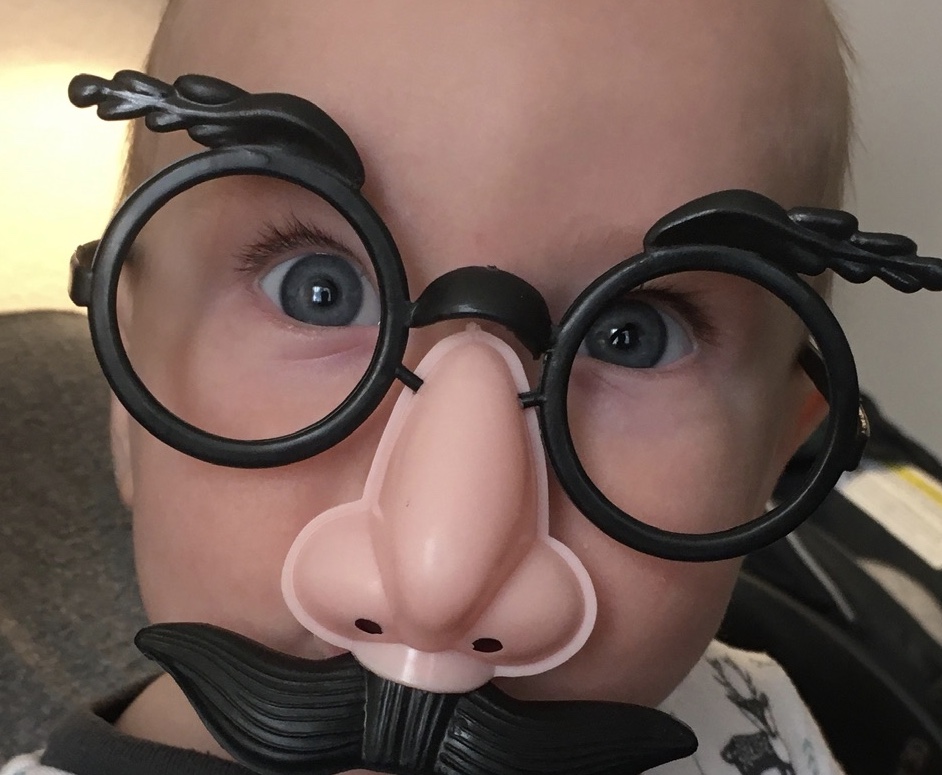
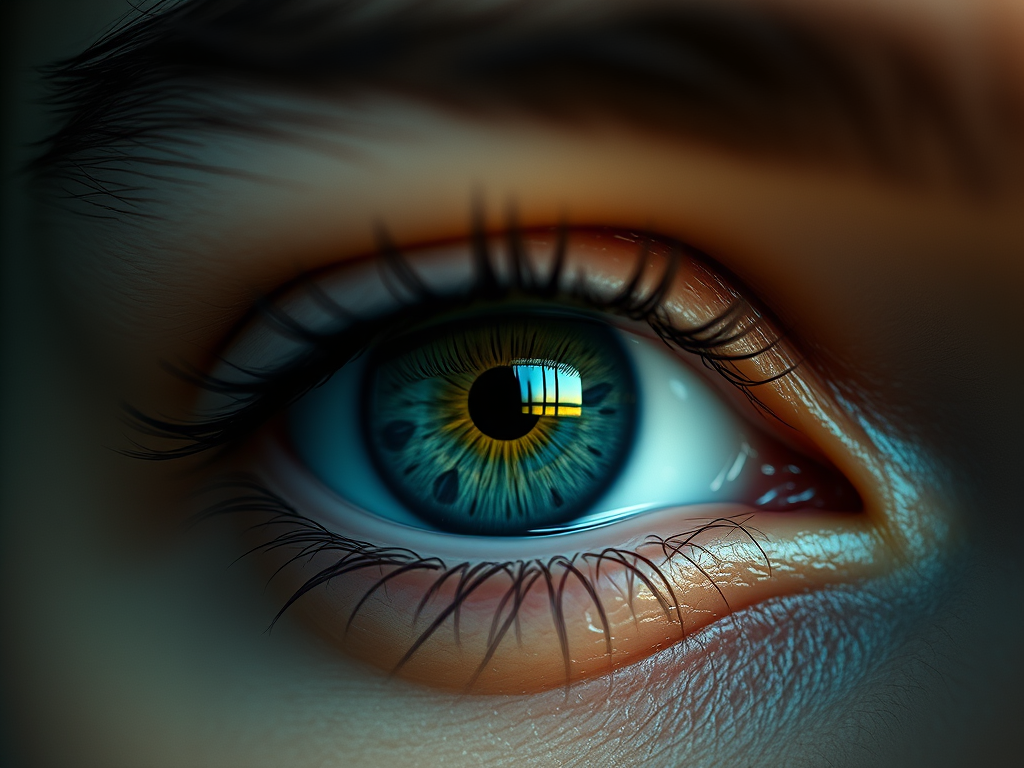
The pupil and iris are a portal to our thoughts, our dreams, our passions and our fears. They are simultaneously window and mirror, revealing feelings we try to keep to ourselves.
Locking eyes can be one of the most thrilling, stomach-butterflies, ecstatic moments of connection. It can be tender, loving, reassuring and encouraging.
Or it can be intimidating and terrifying. I tend to avoid eye contact when passing a stranger on a dark street, or when engaged in a very stressful public interaction. I don’t want to reveal my insecurity, vulnerability, or worry through direct eye contact. While studying primates in Africa, I learned never to look a baboon in the eye as it can communicate aggression and instigate an attack.
So instead, I learned to look at my feet.
I’d much rather lock eyes and learn everything I can about you. I want to dive deep into who you are, breaking down the walls and dismantle the barriers that keep us apart from one another. Then I’m letting you in too. The black holes of our inner universe.
After all, this is preparation when we see the face of God and allow Him to lock into our eyes, knowing our truth.
No keys needed forevermore.
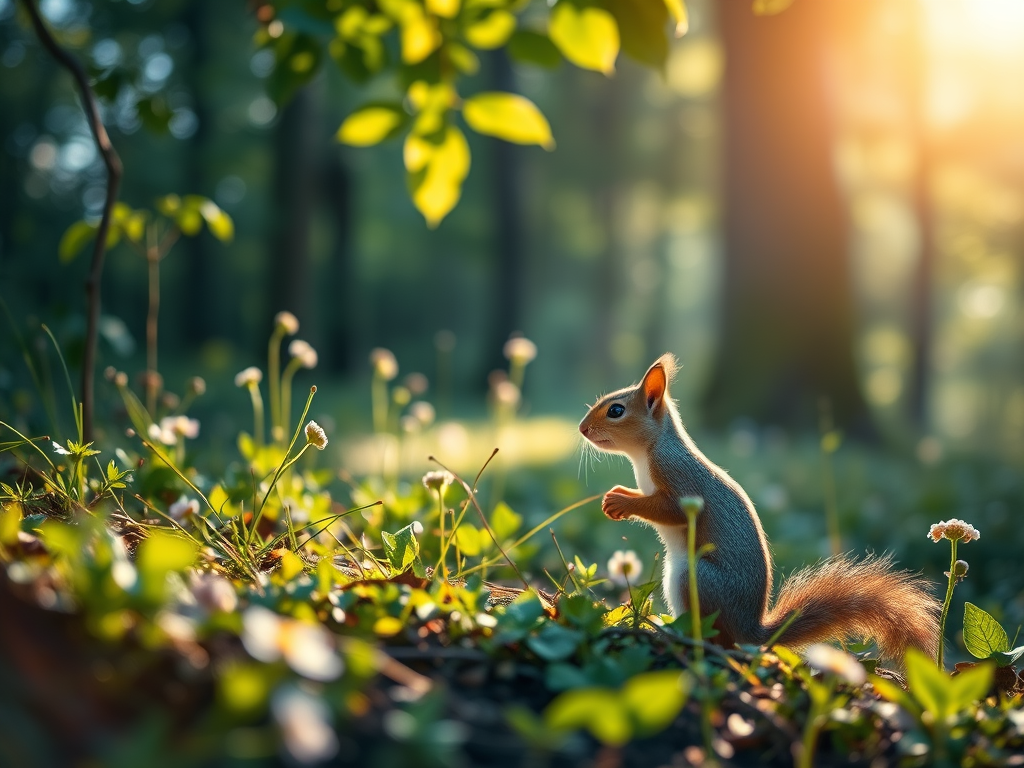
AI image created for this post
One-Time
Monthly
Yearly
Make a one-time or recurring donation to support daily Barnstorming posts

























 Barnstorming