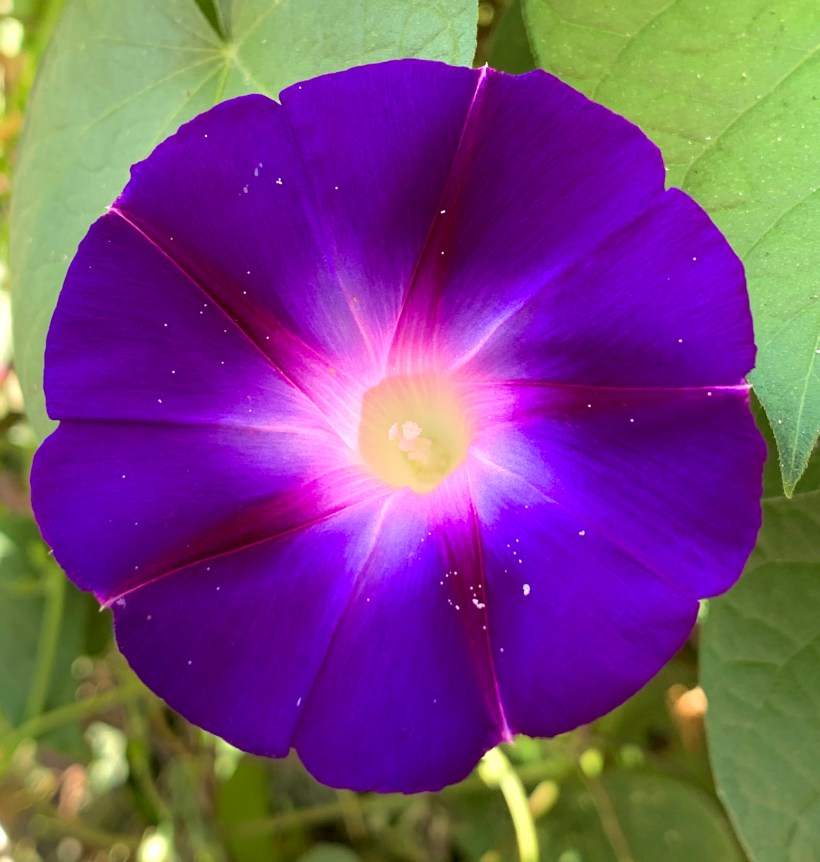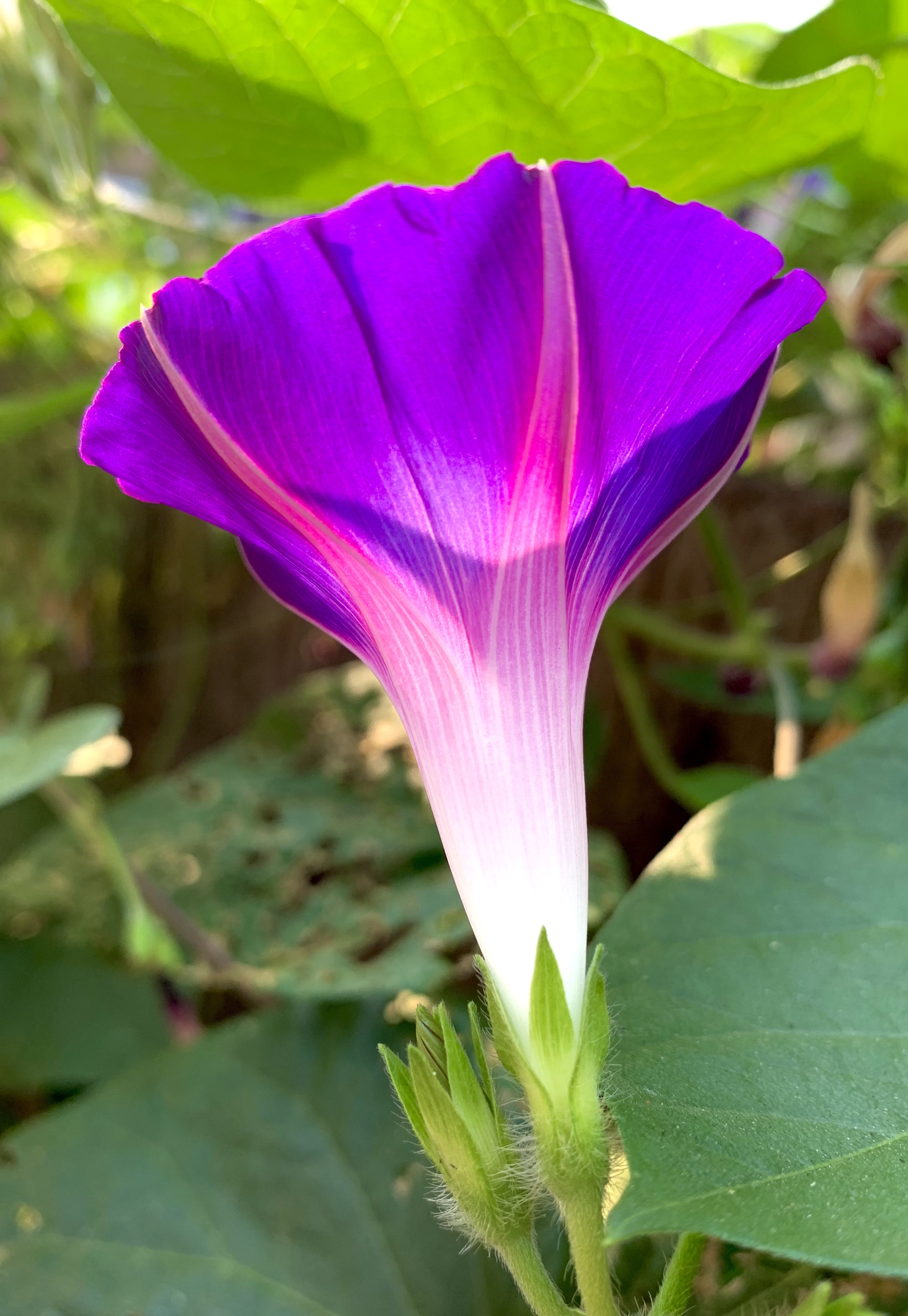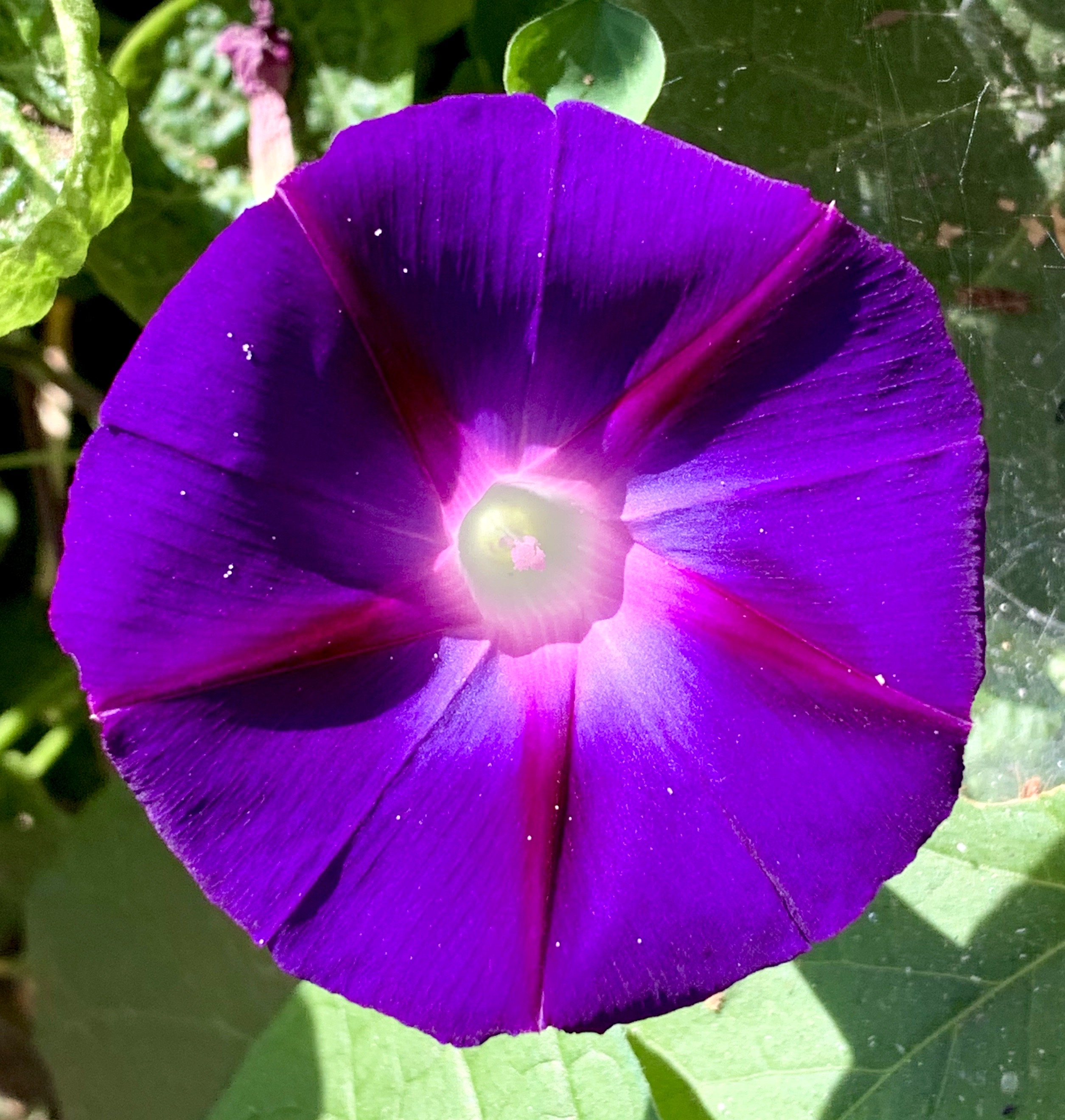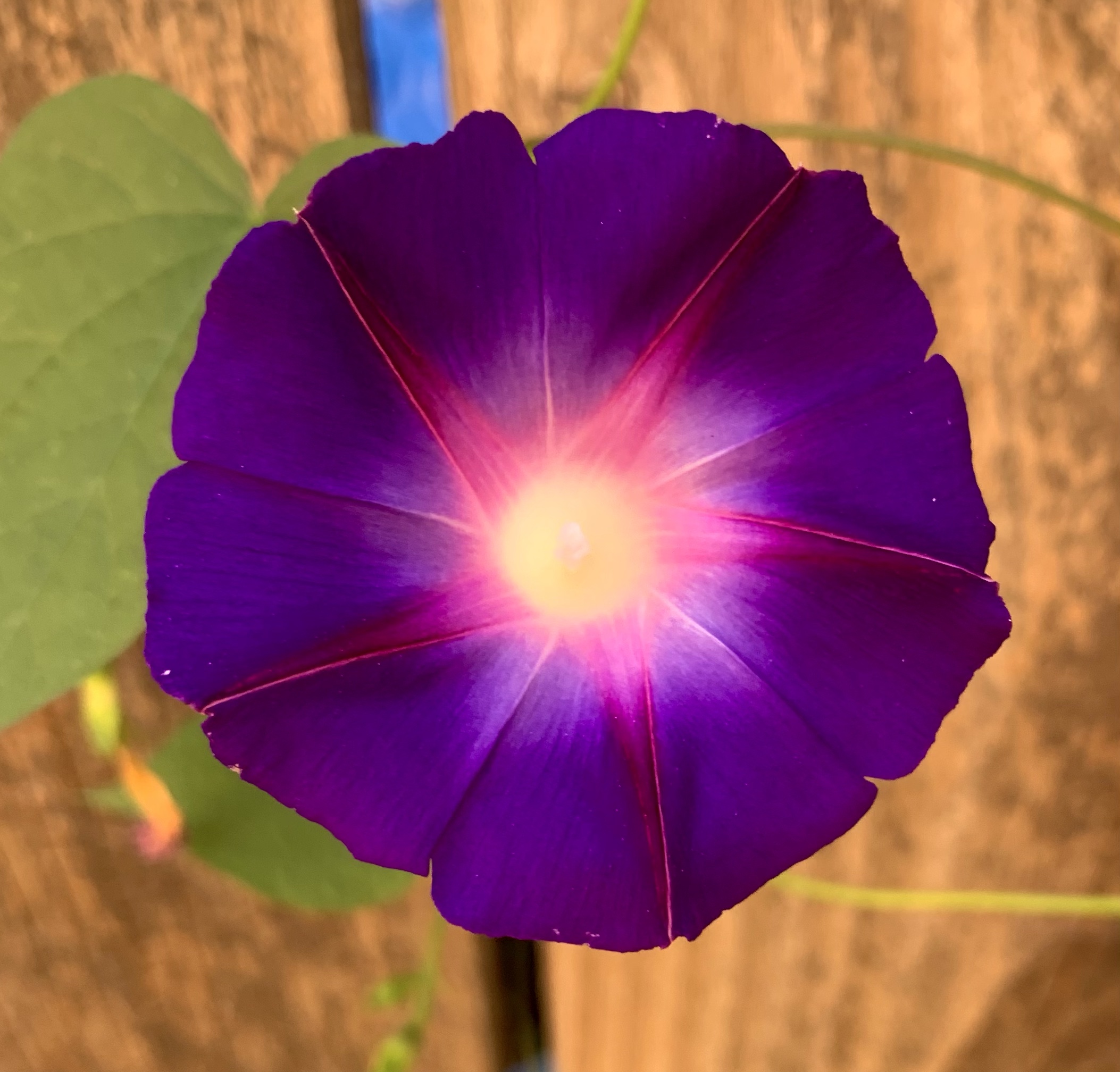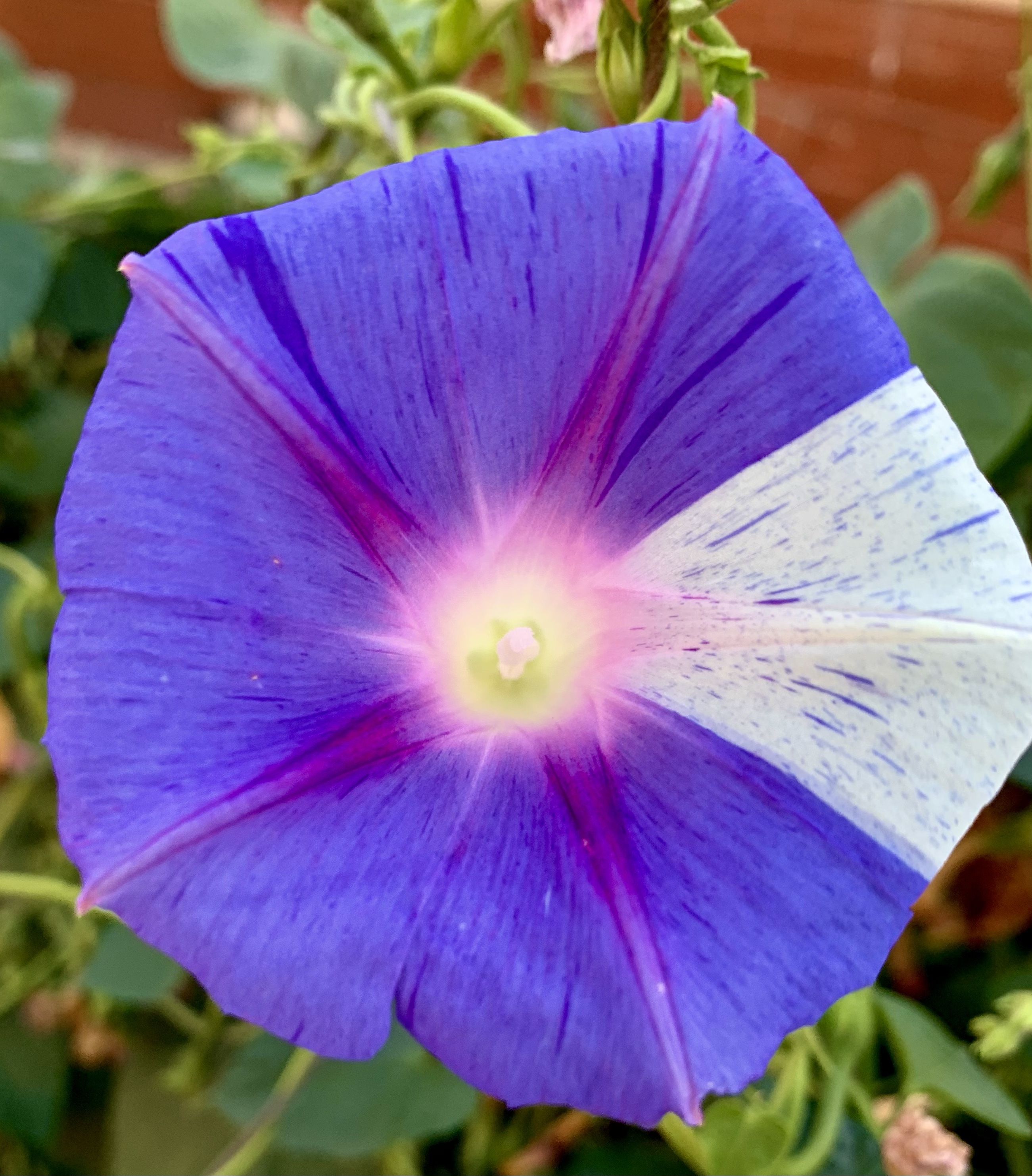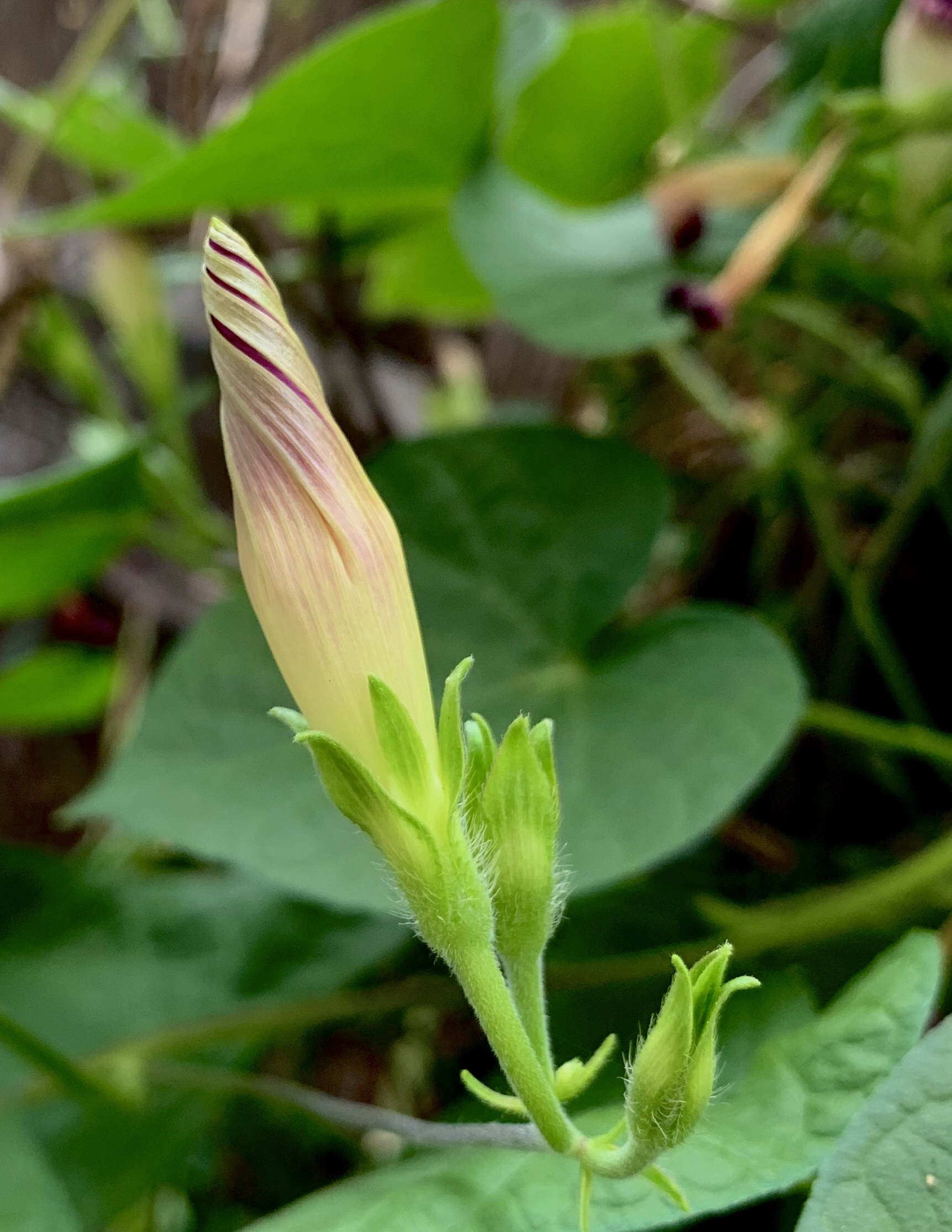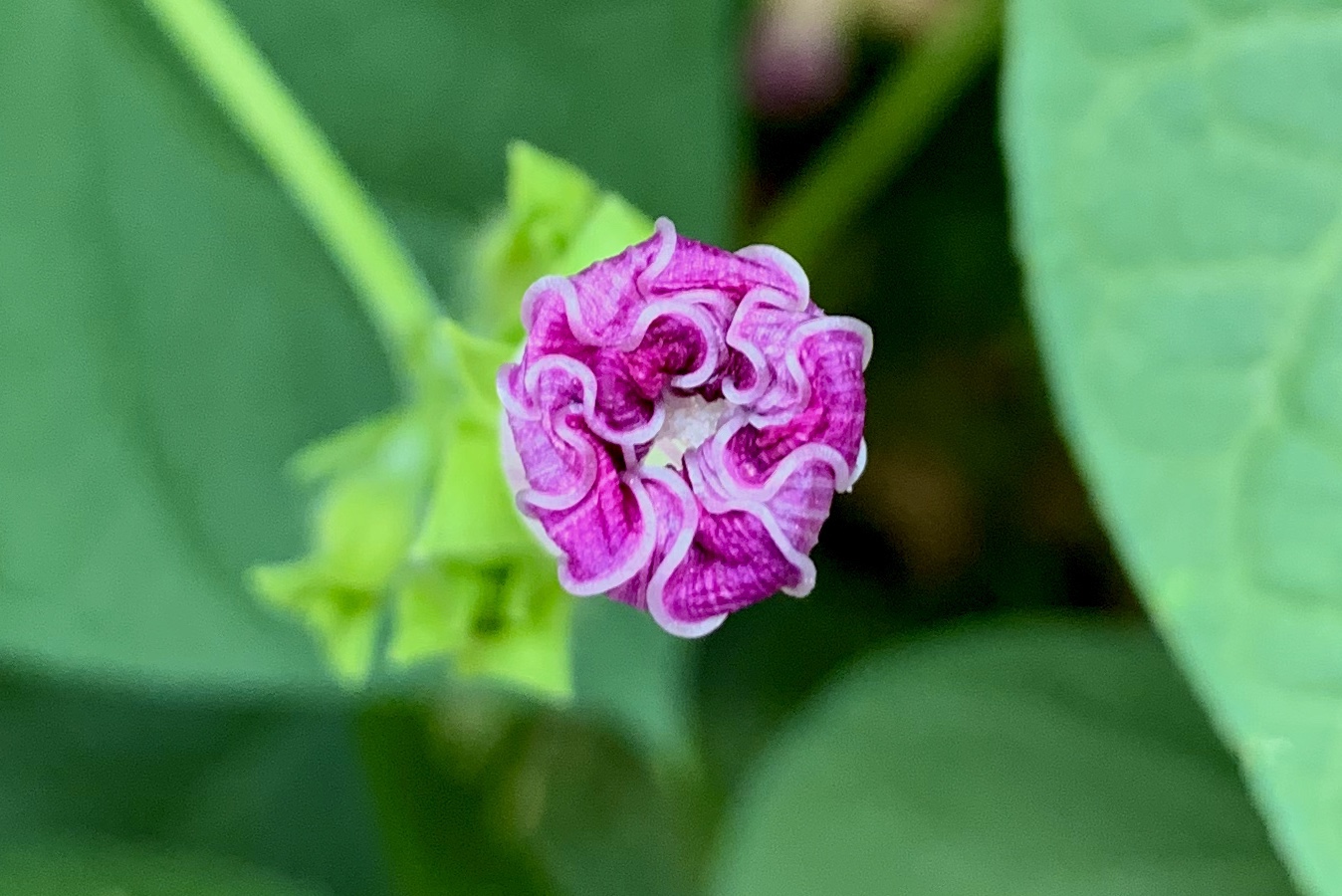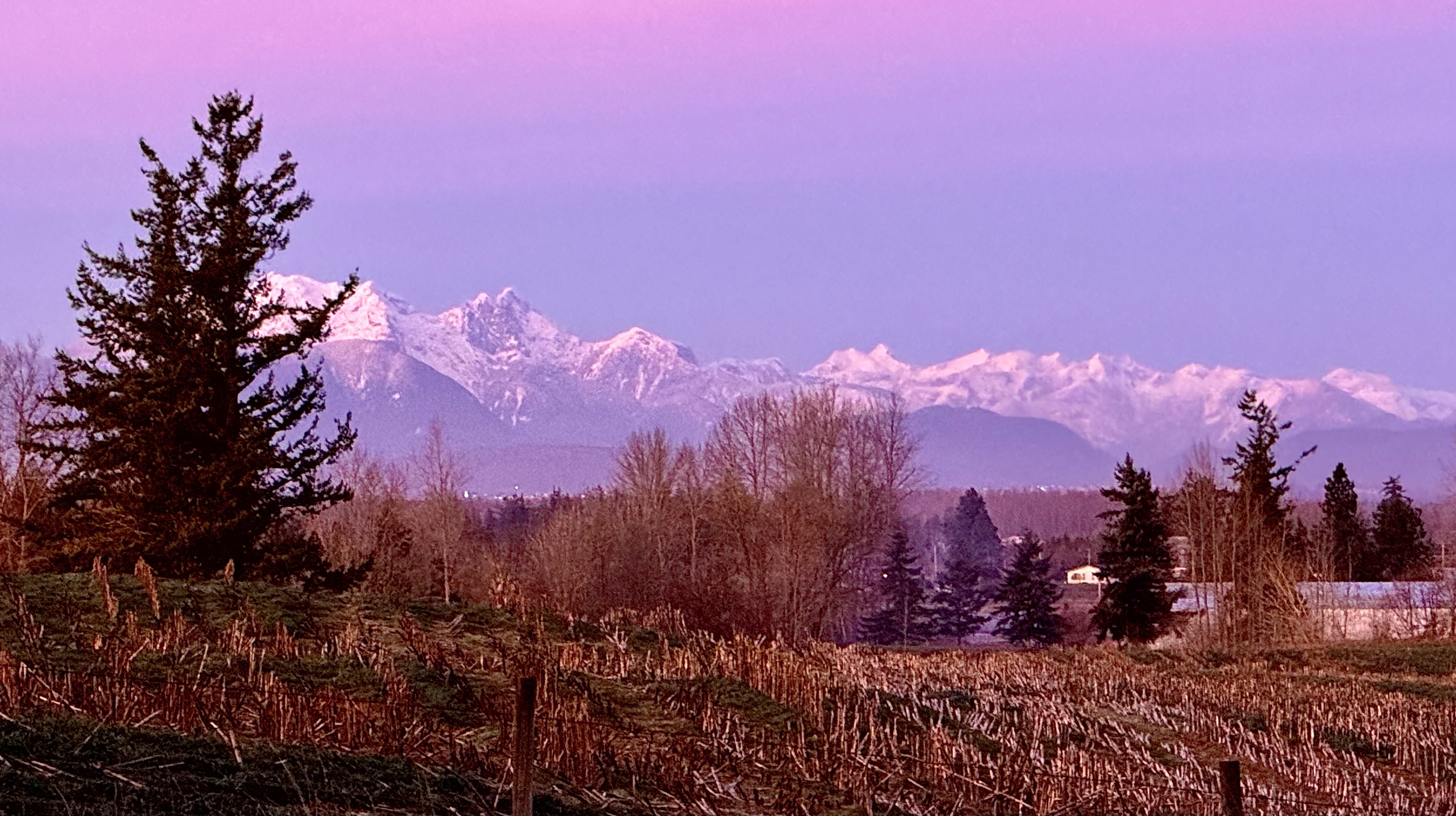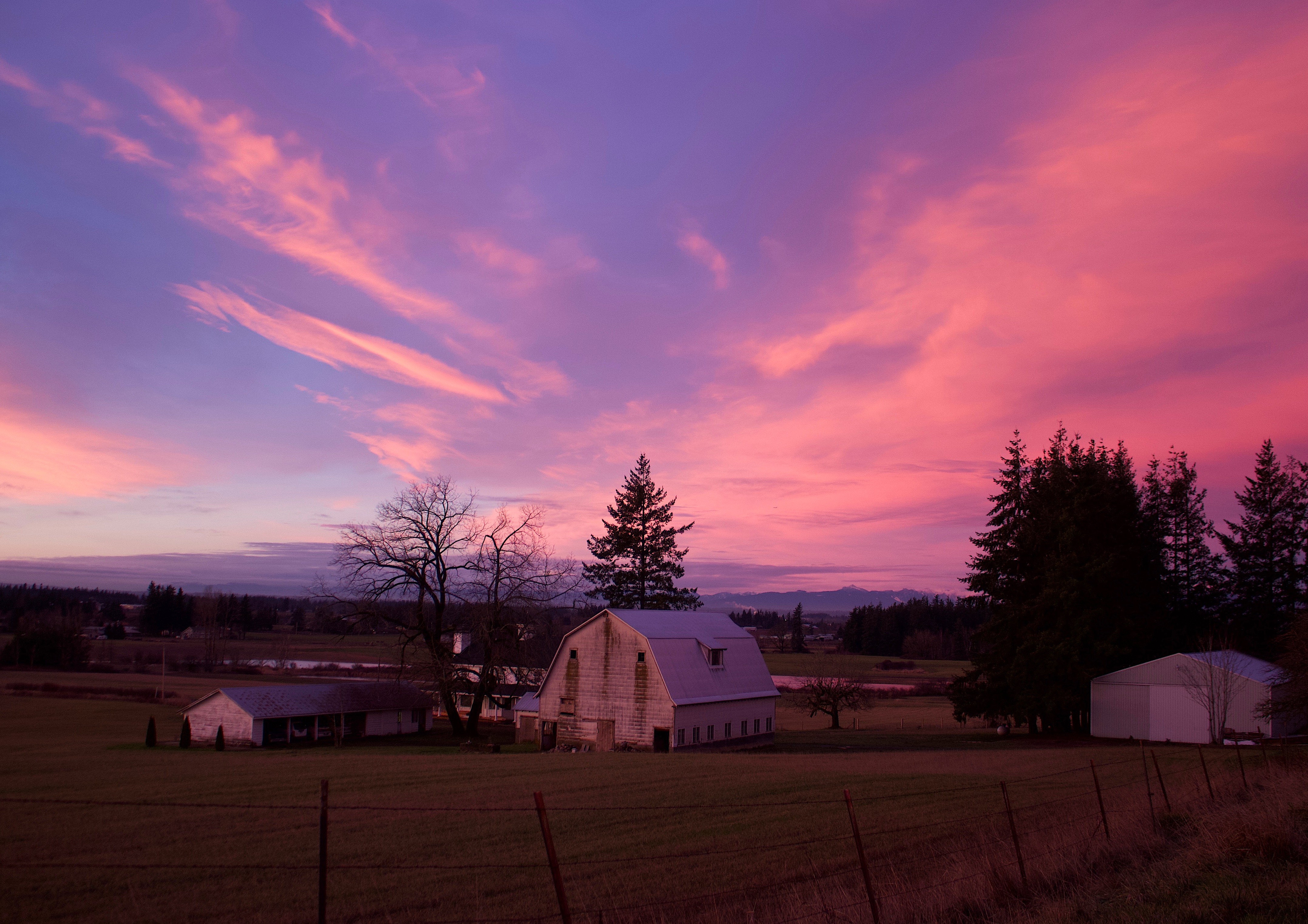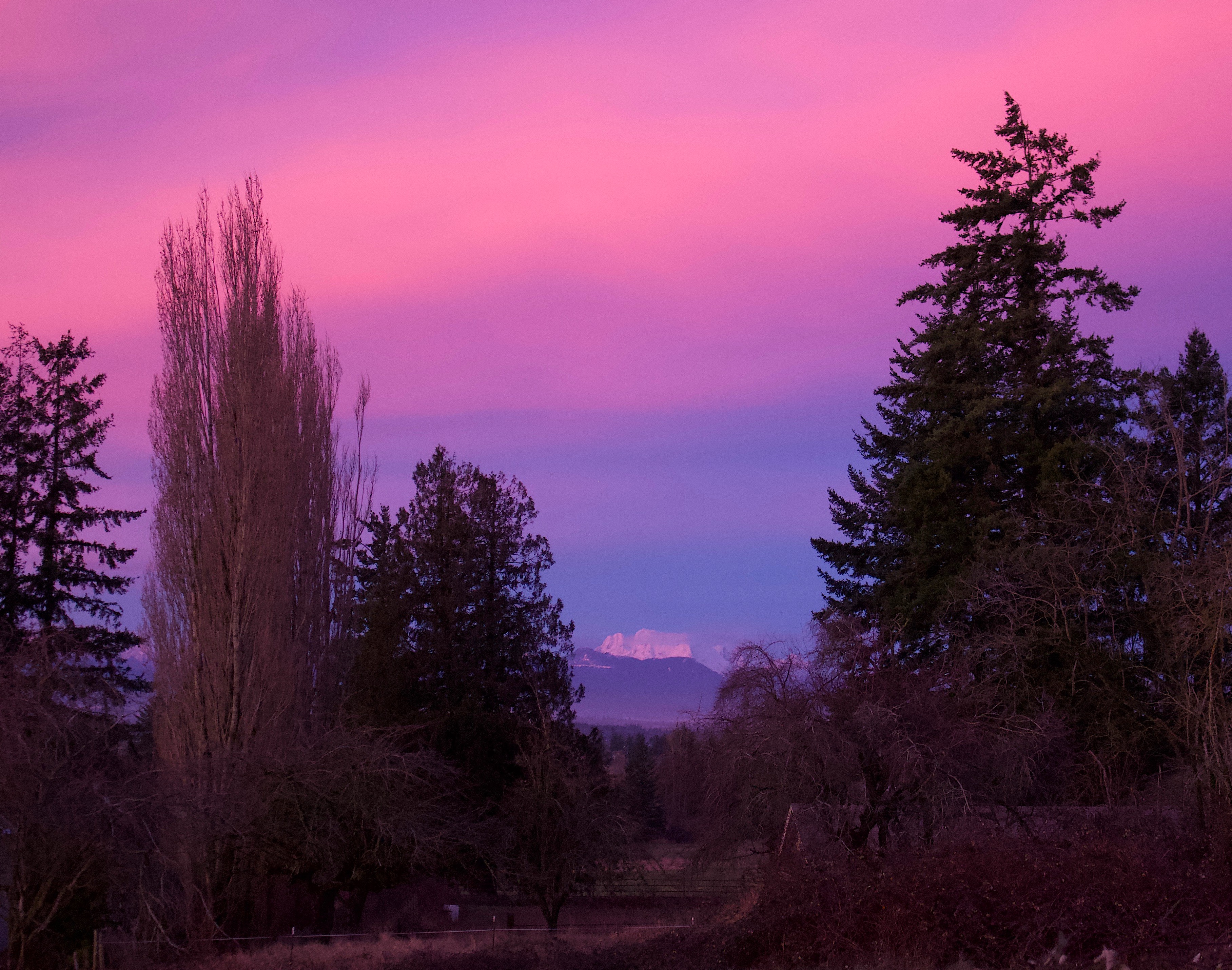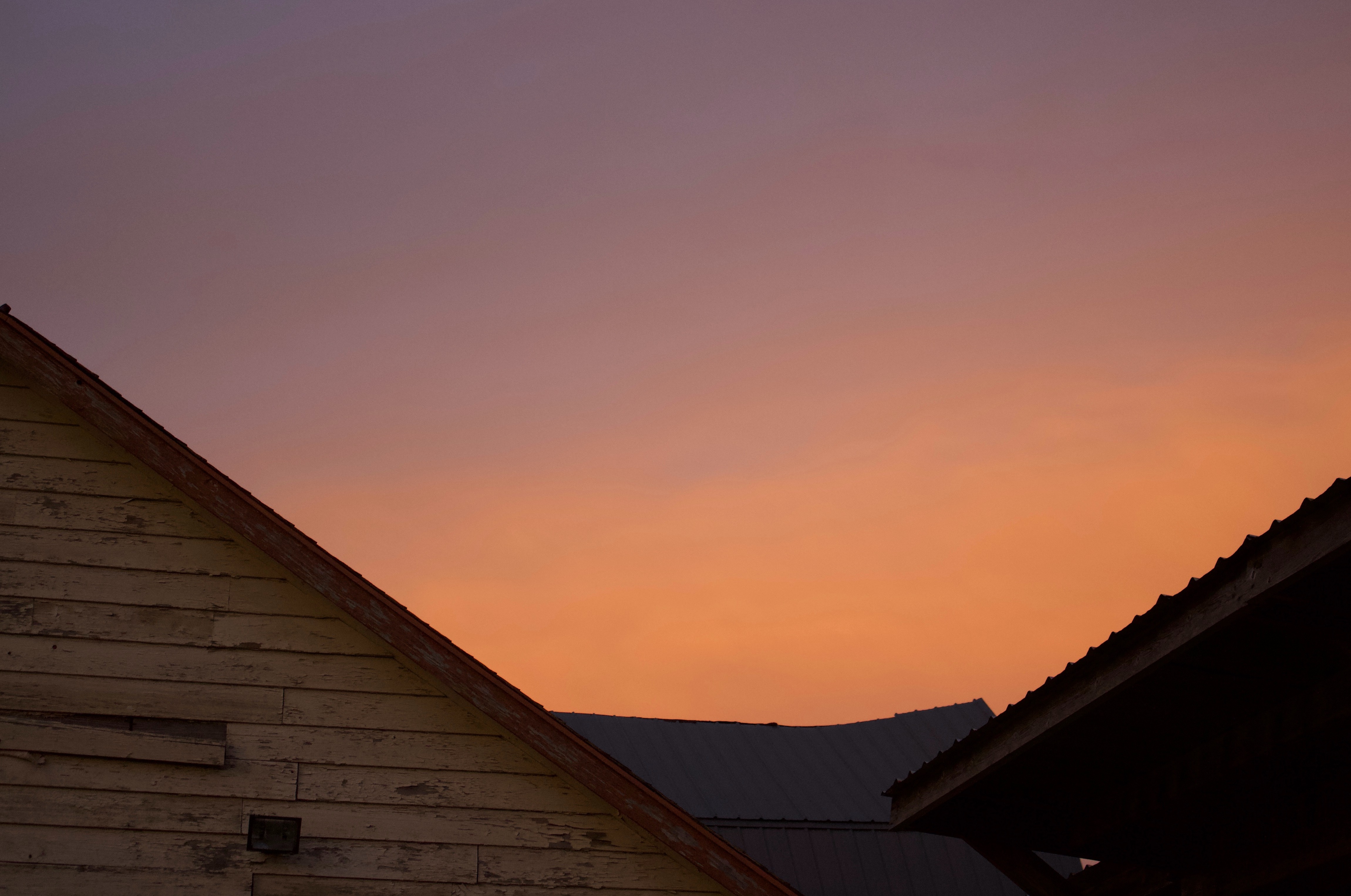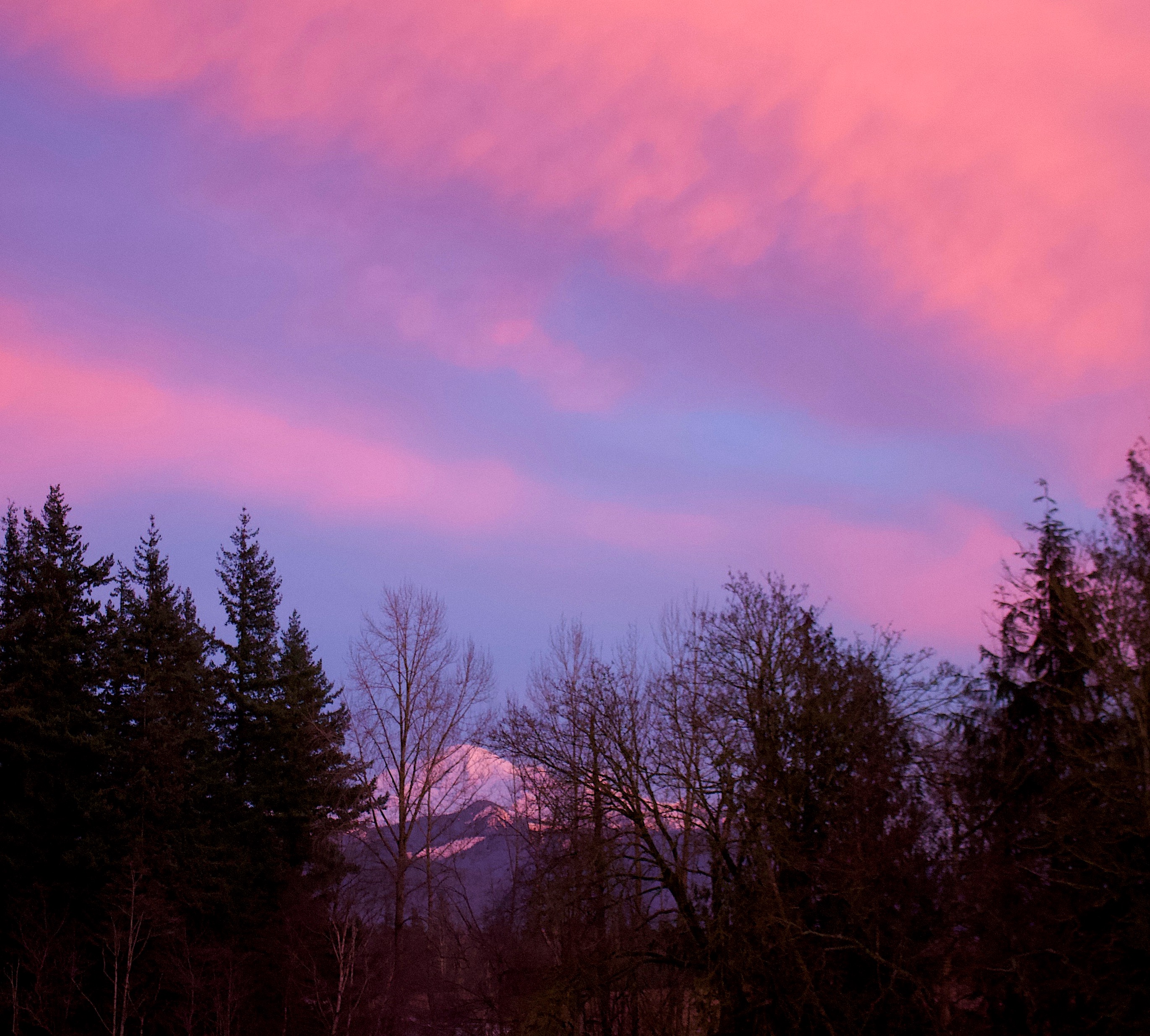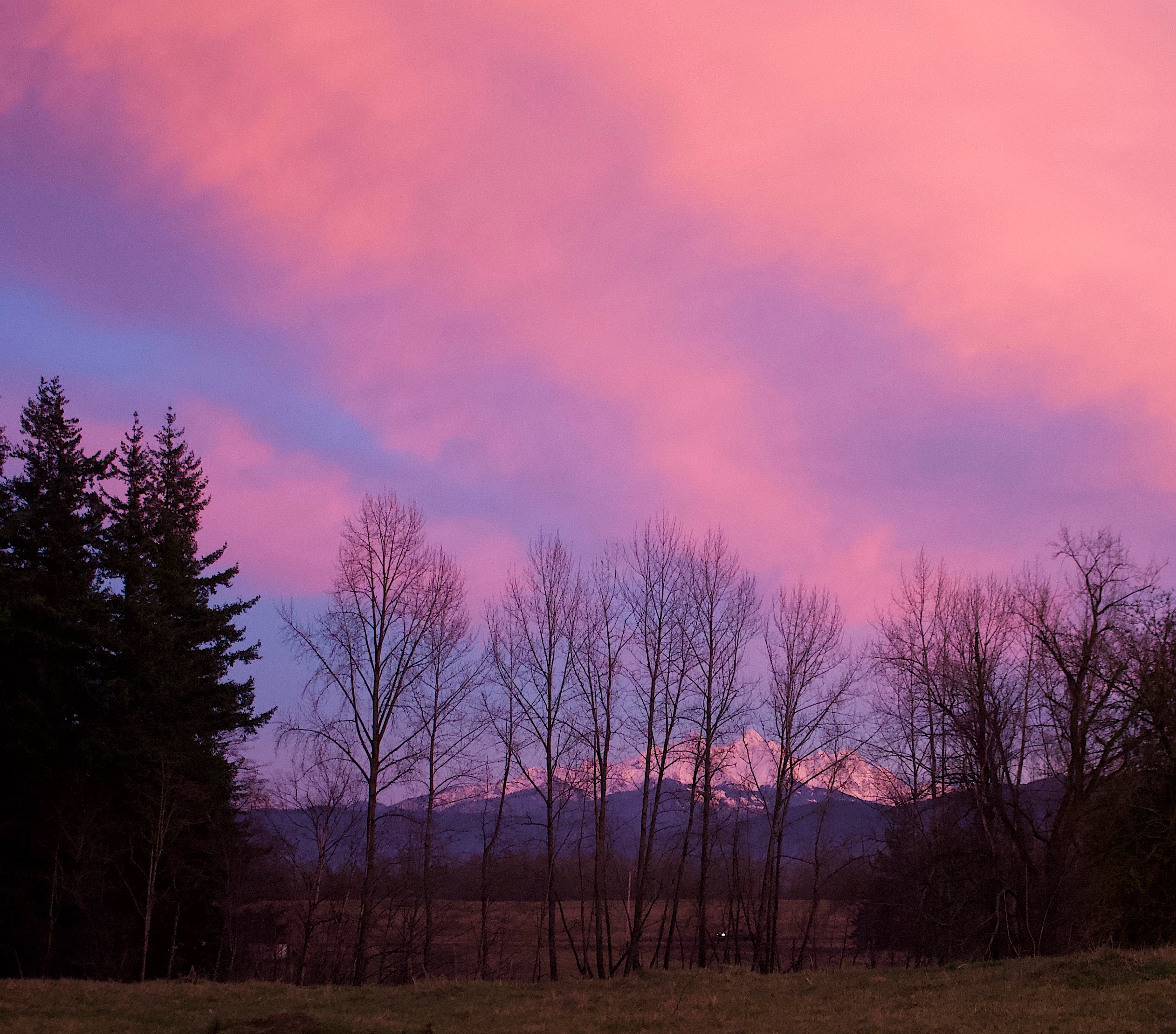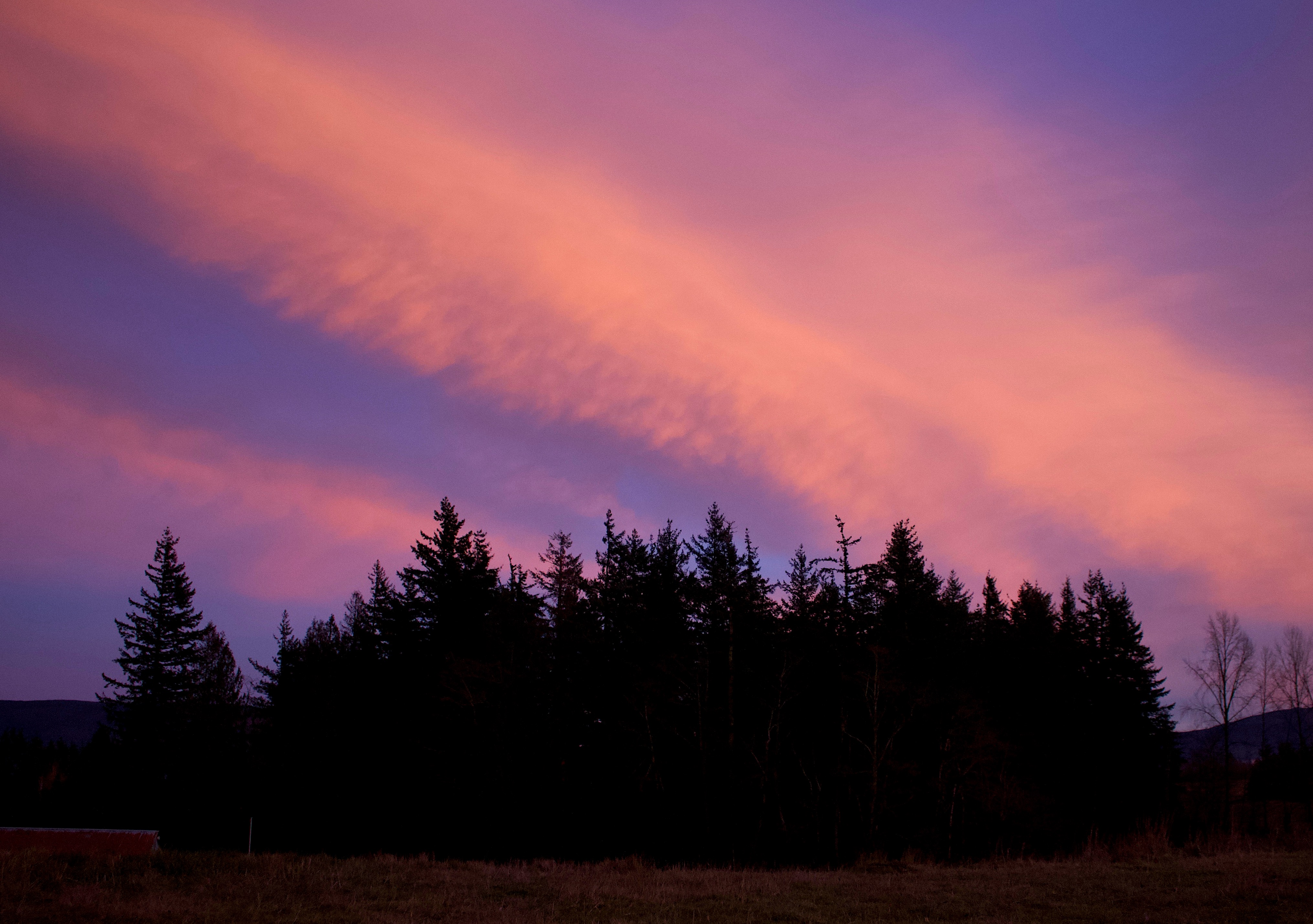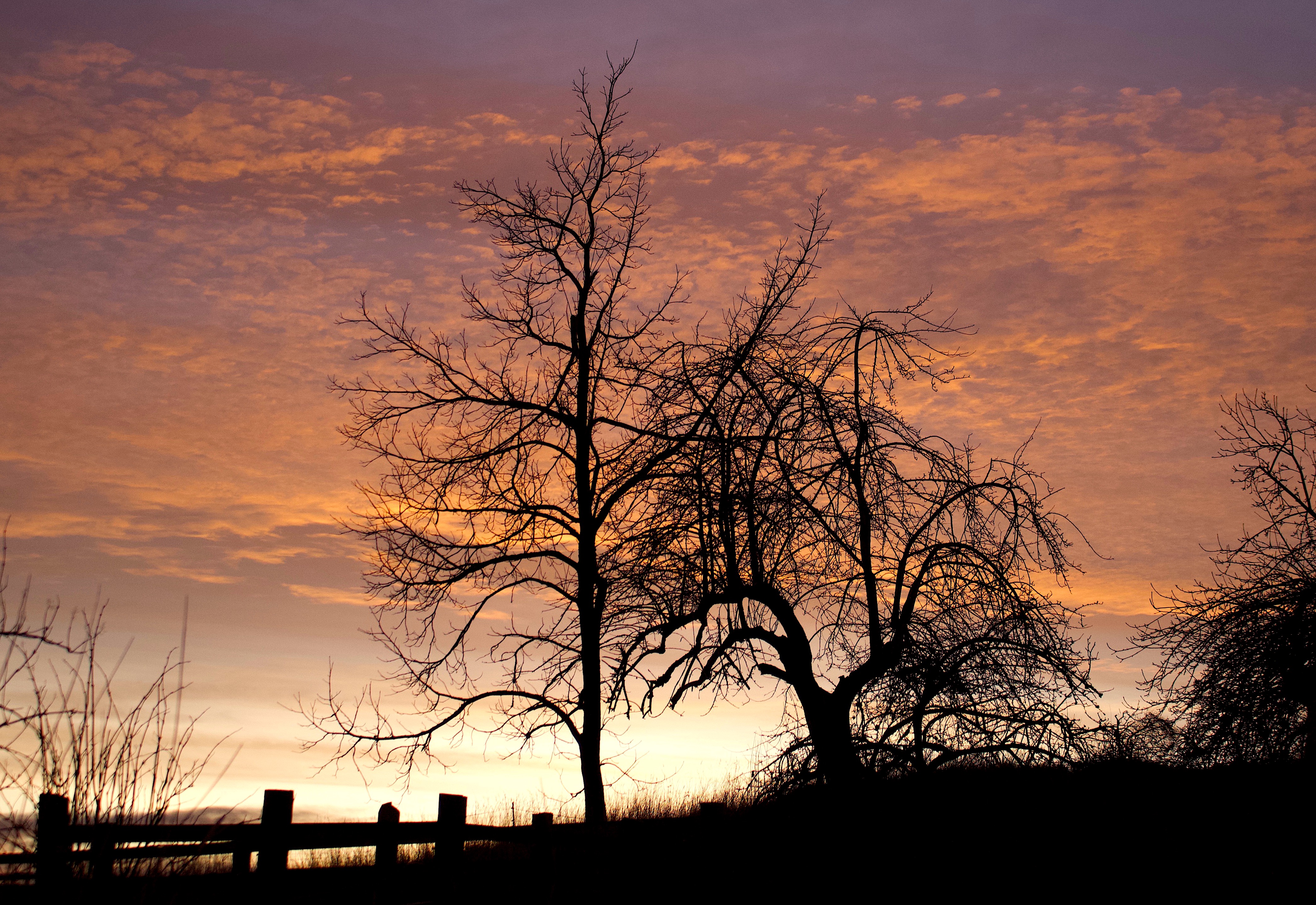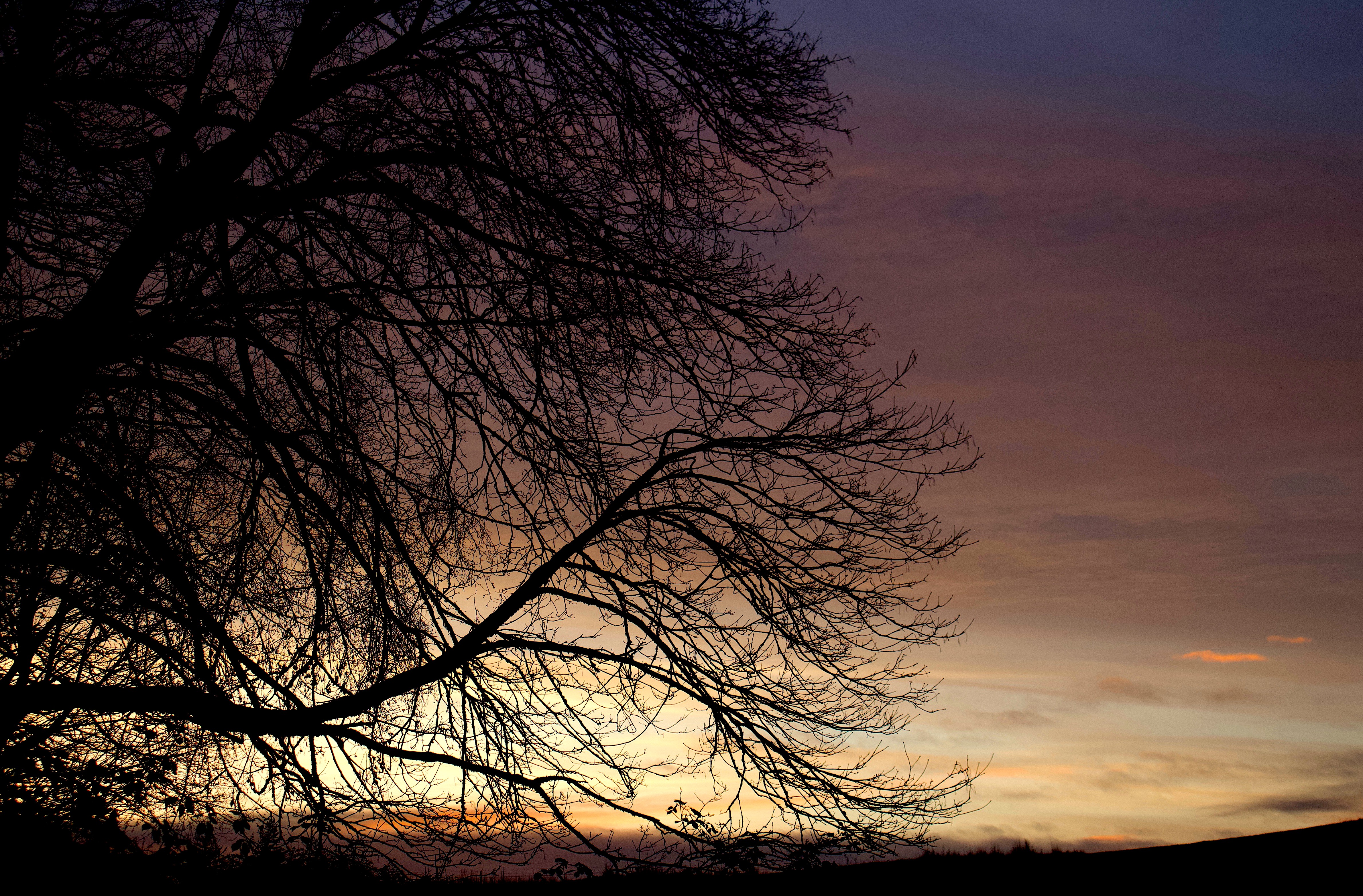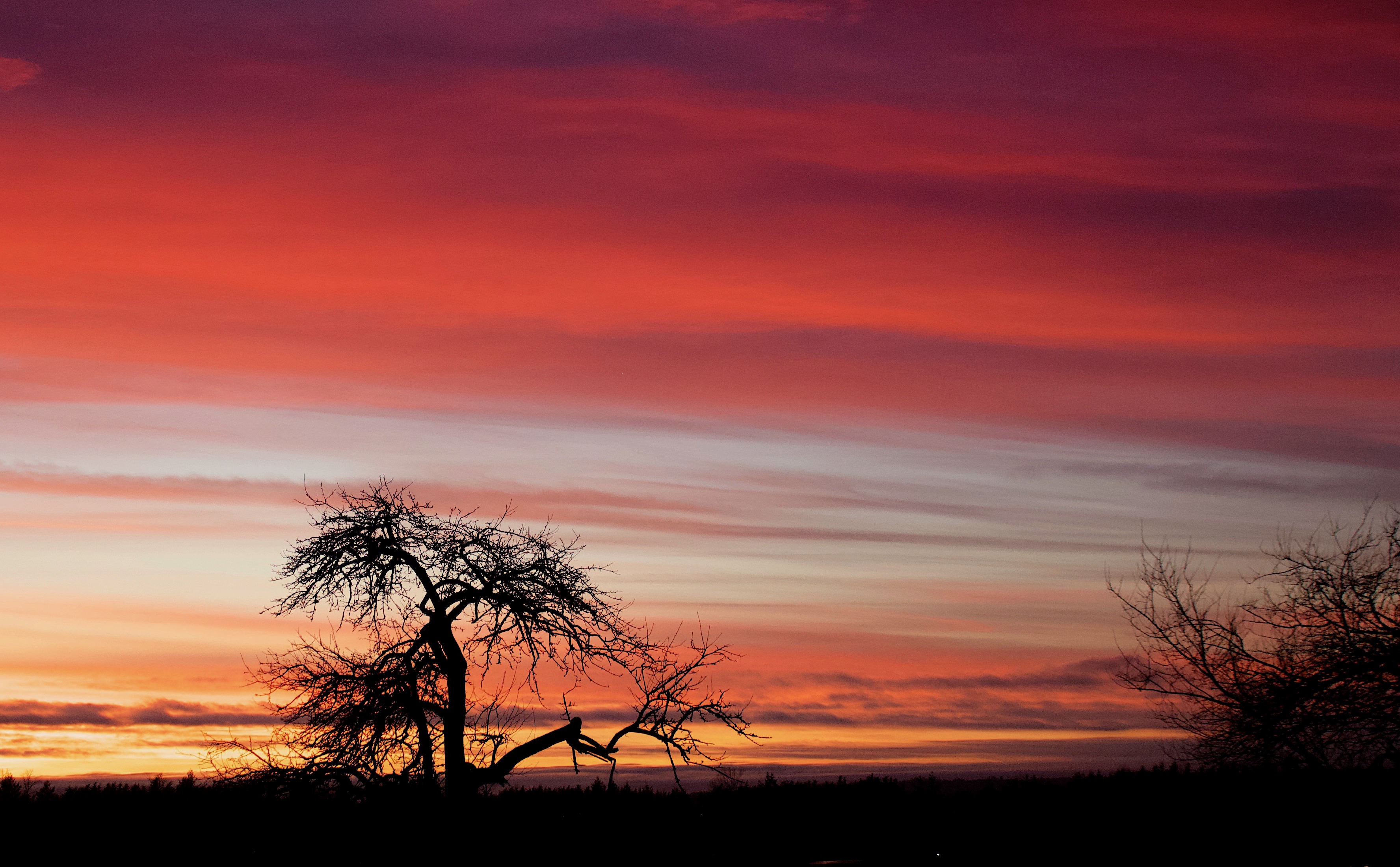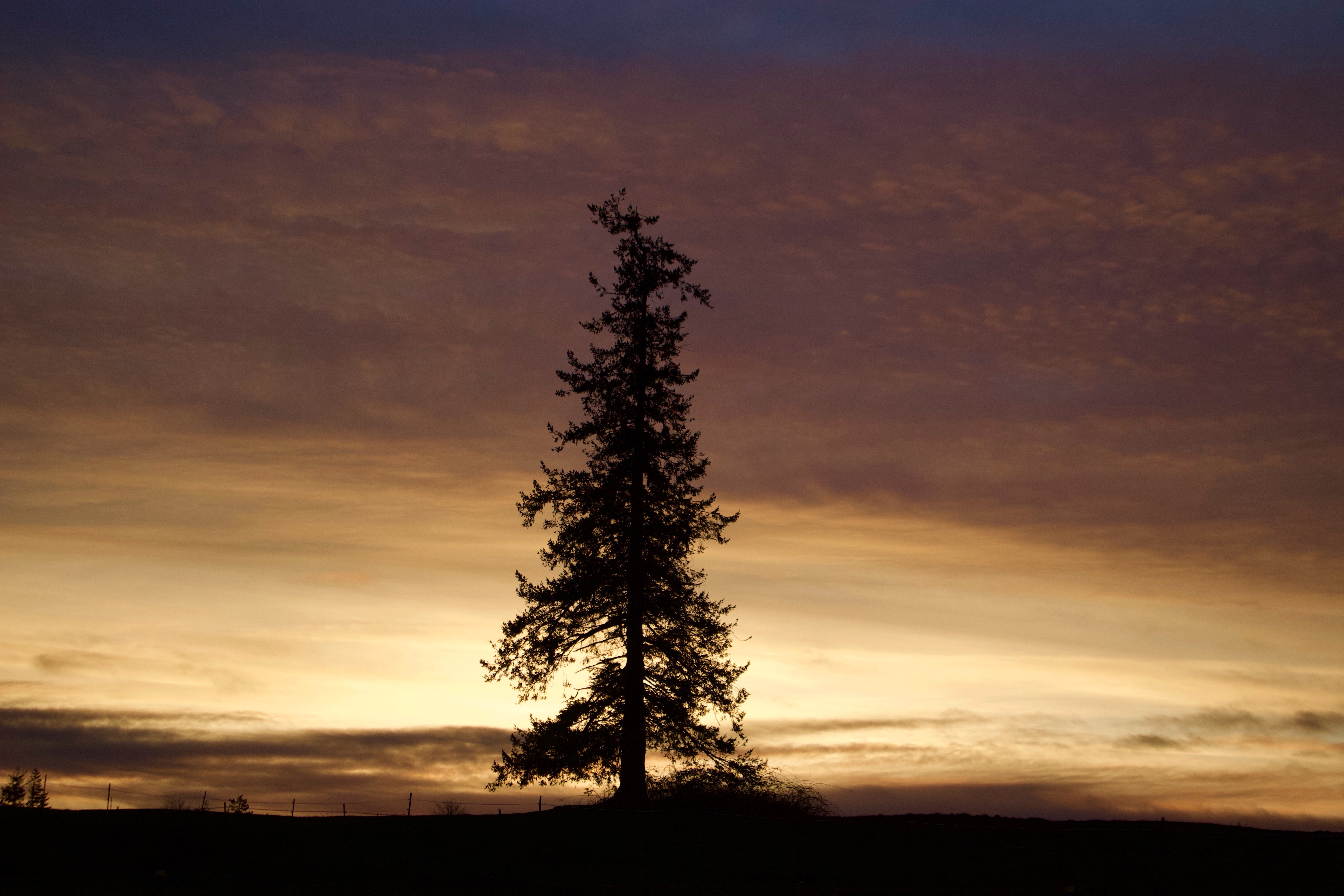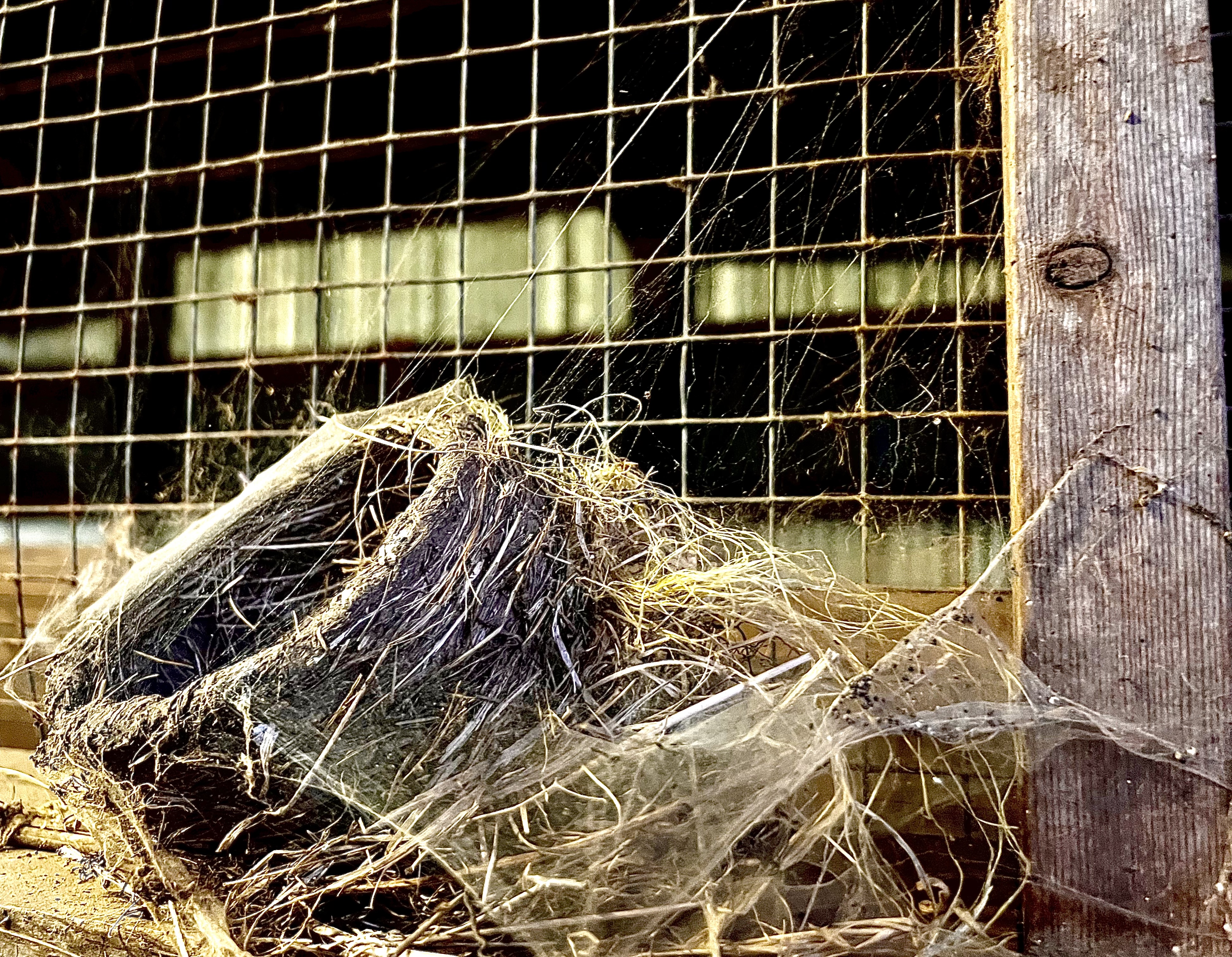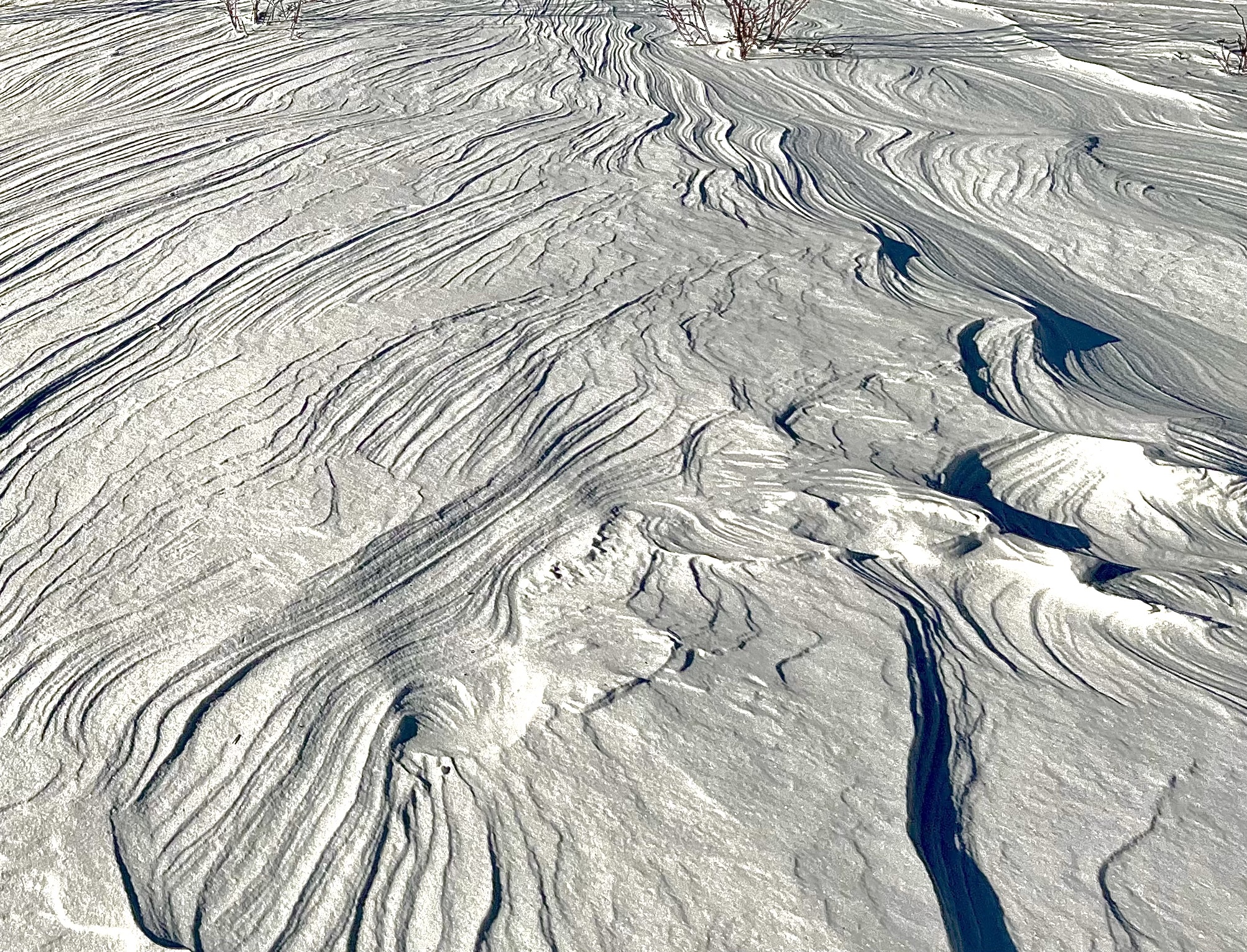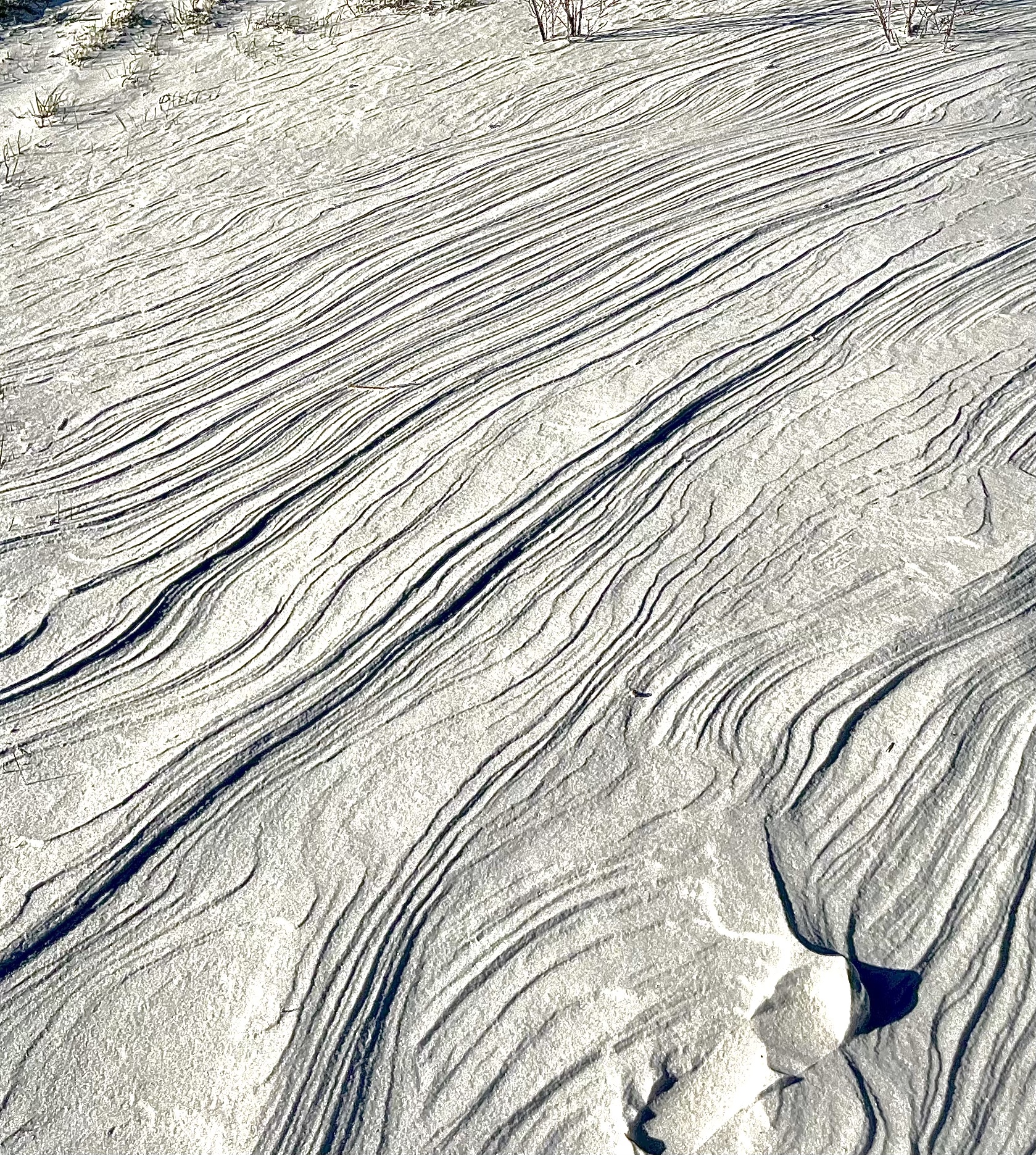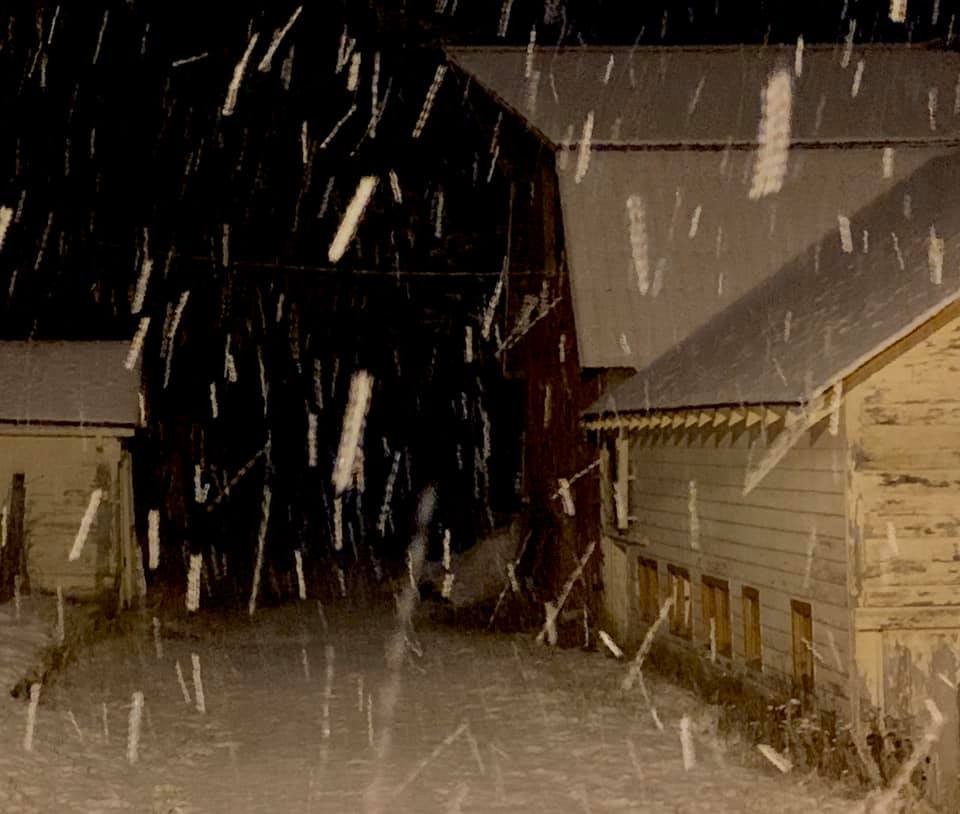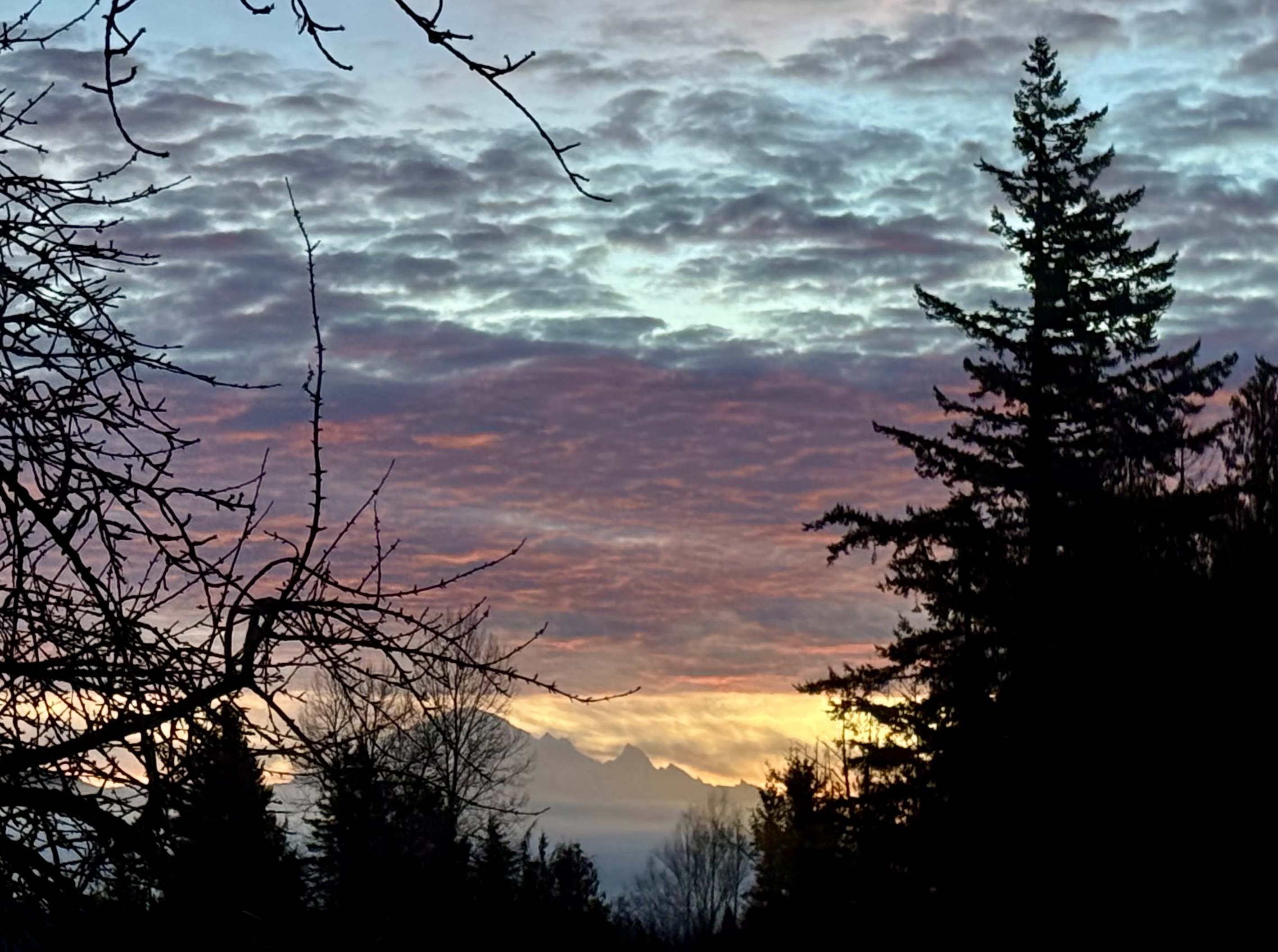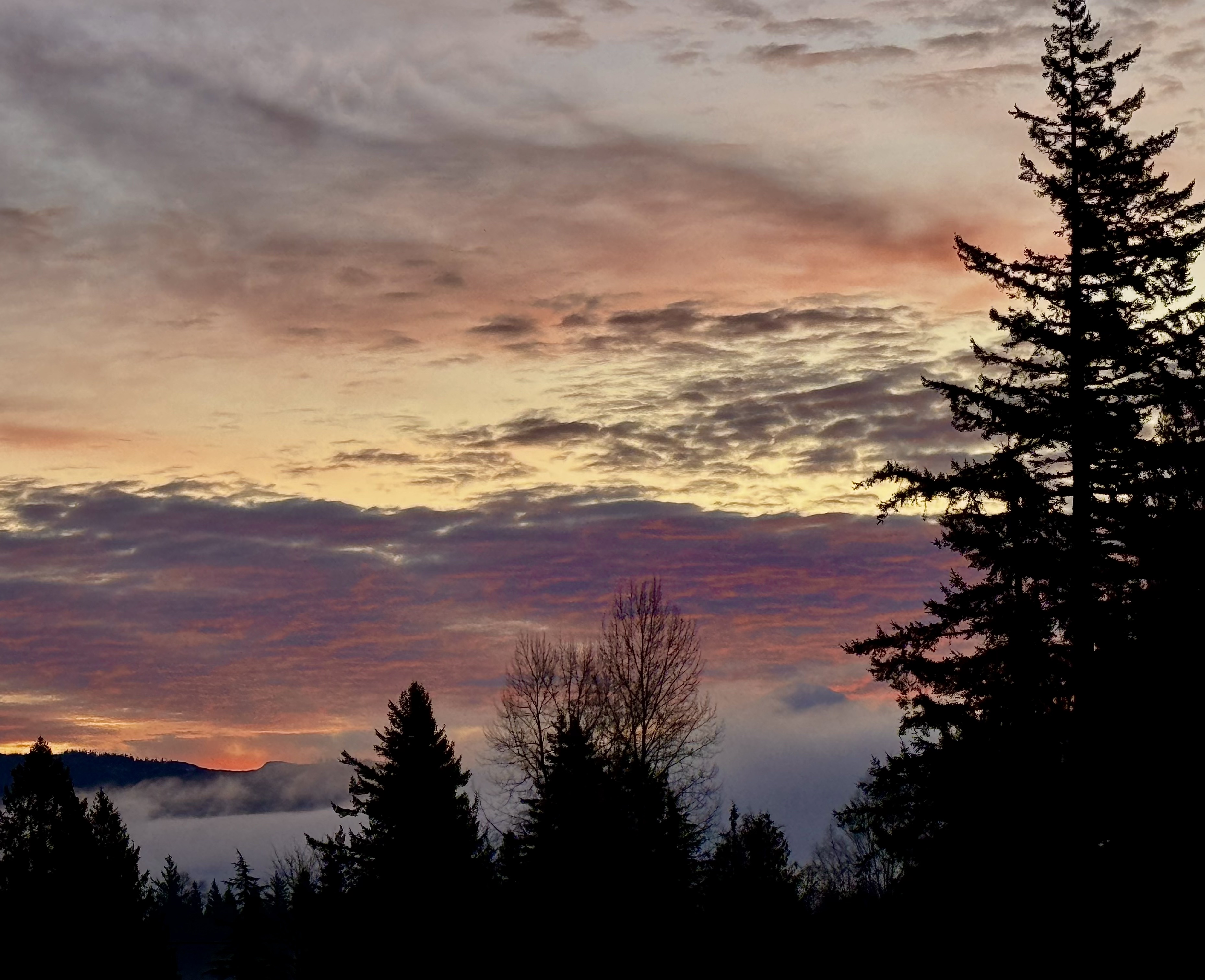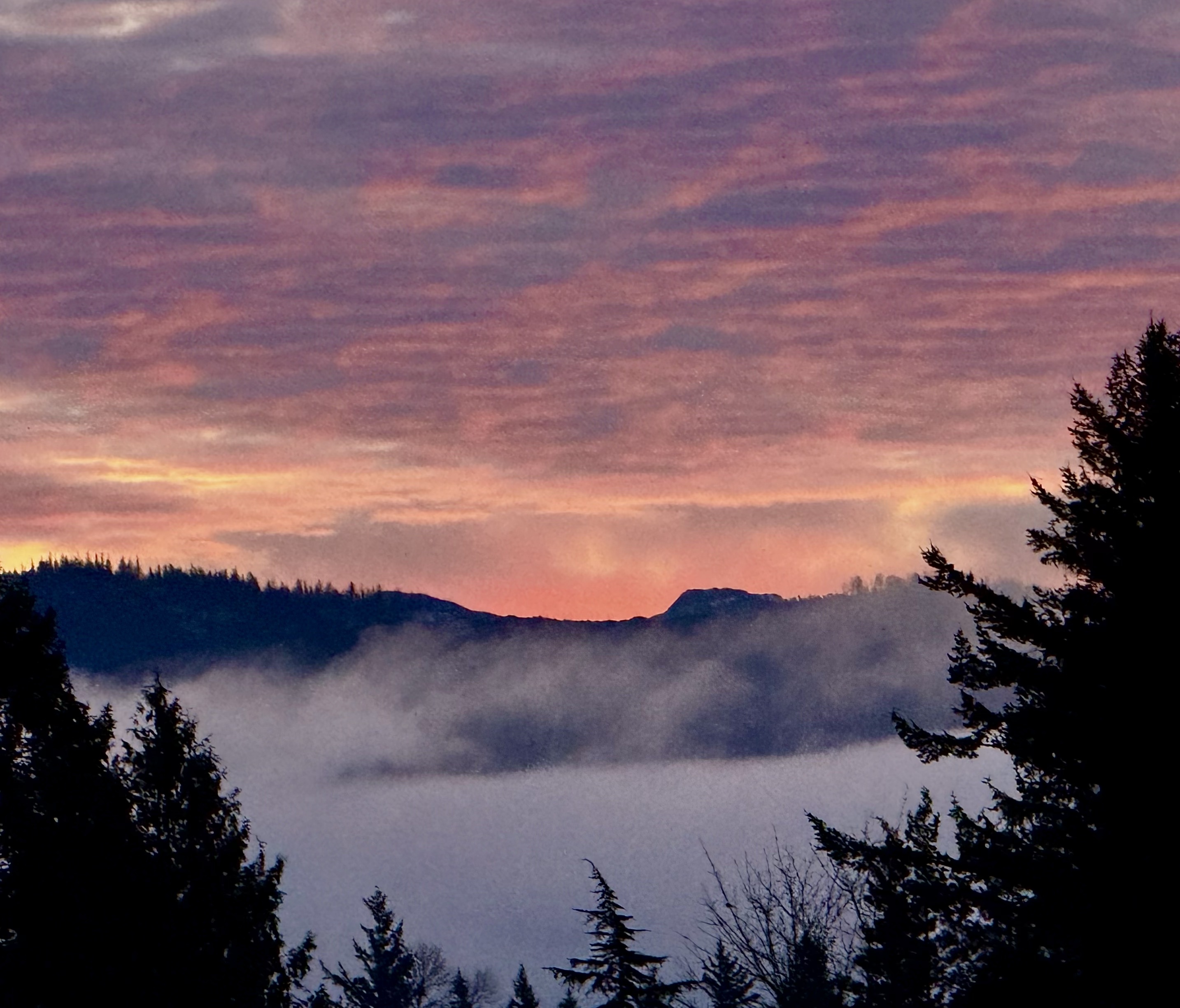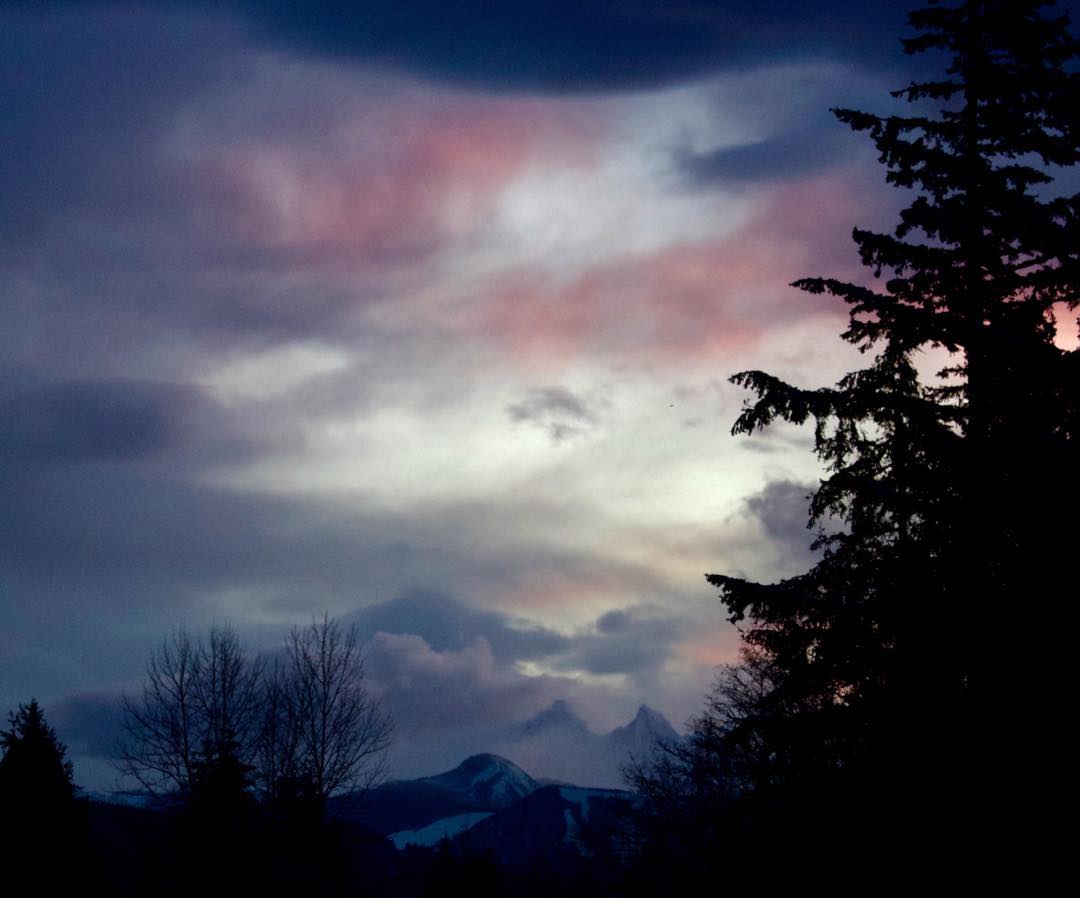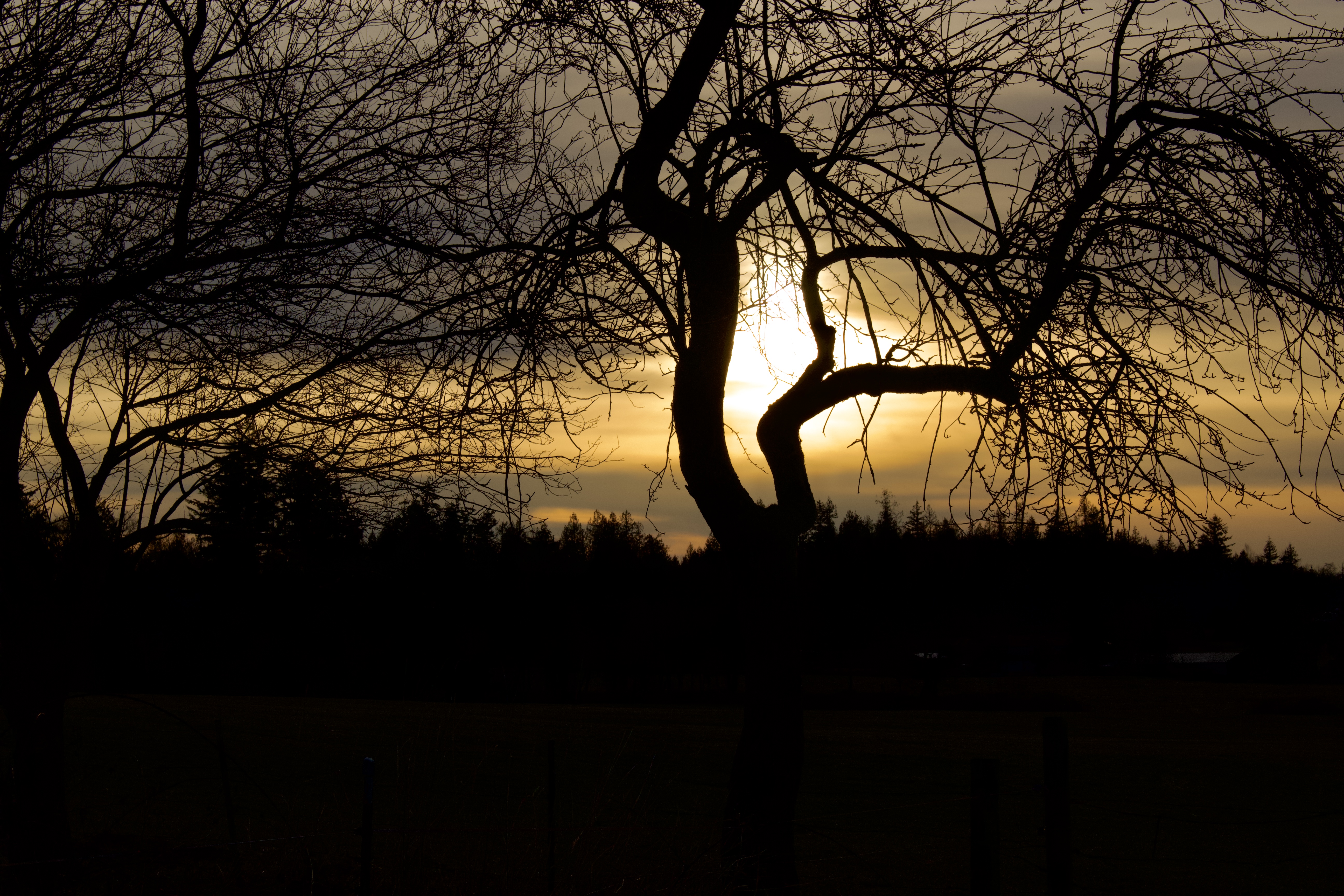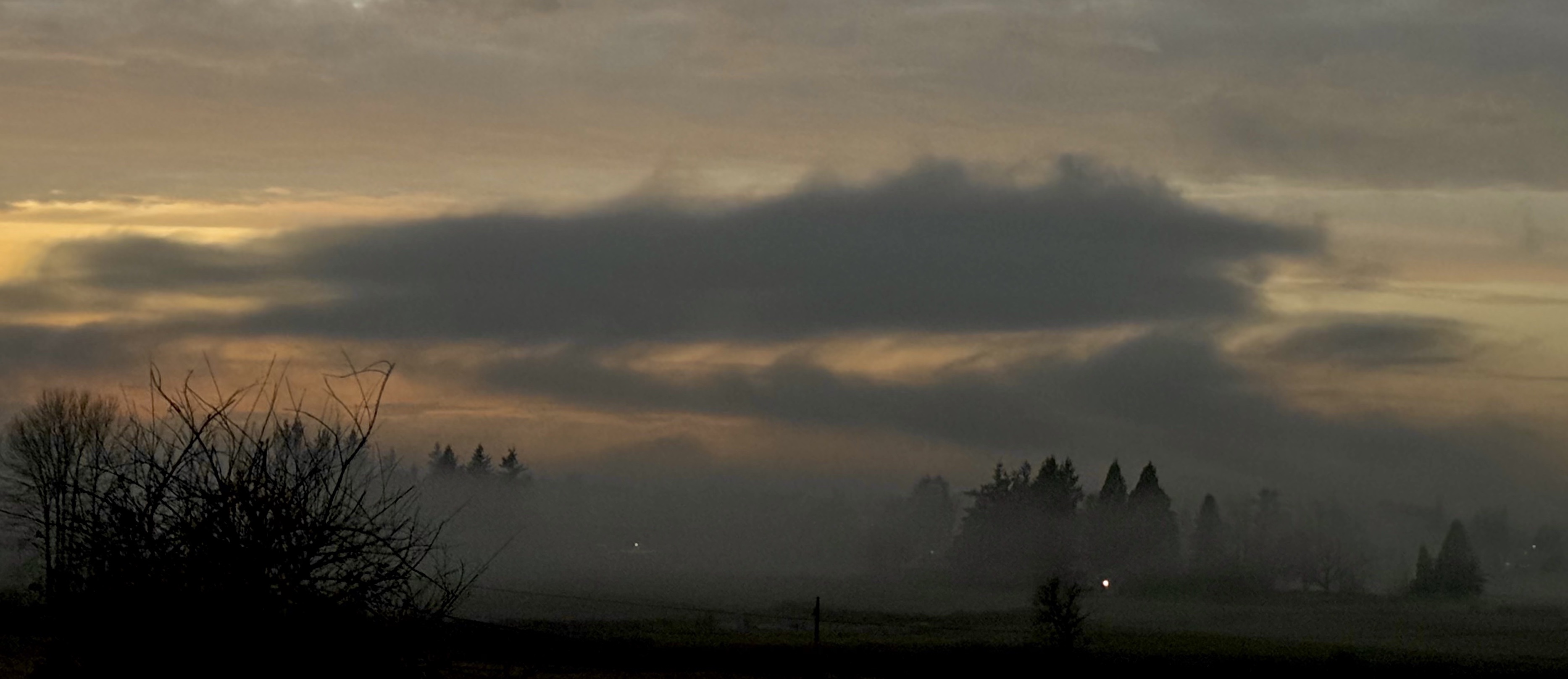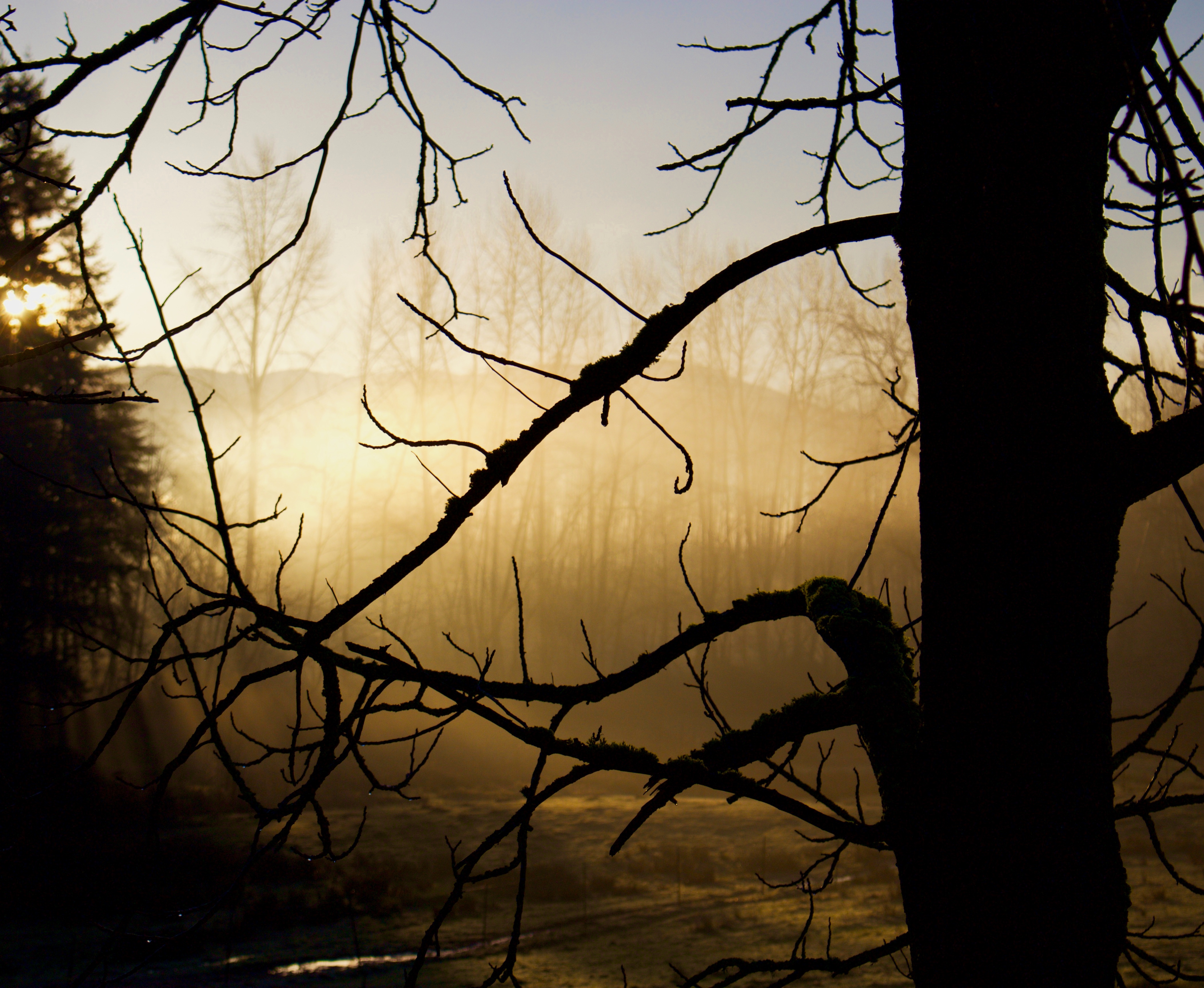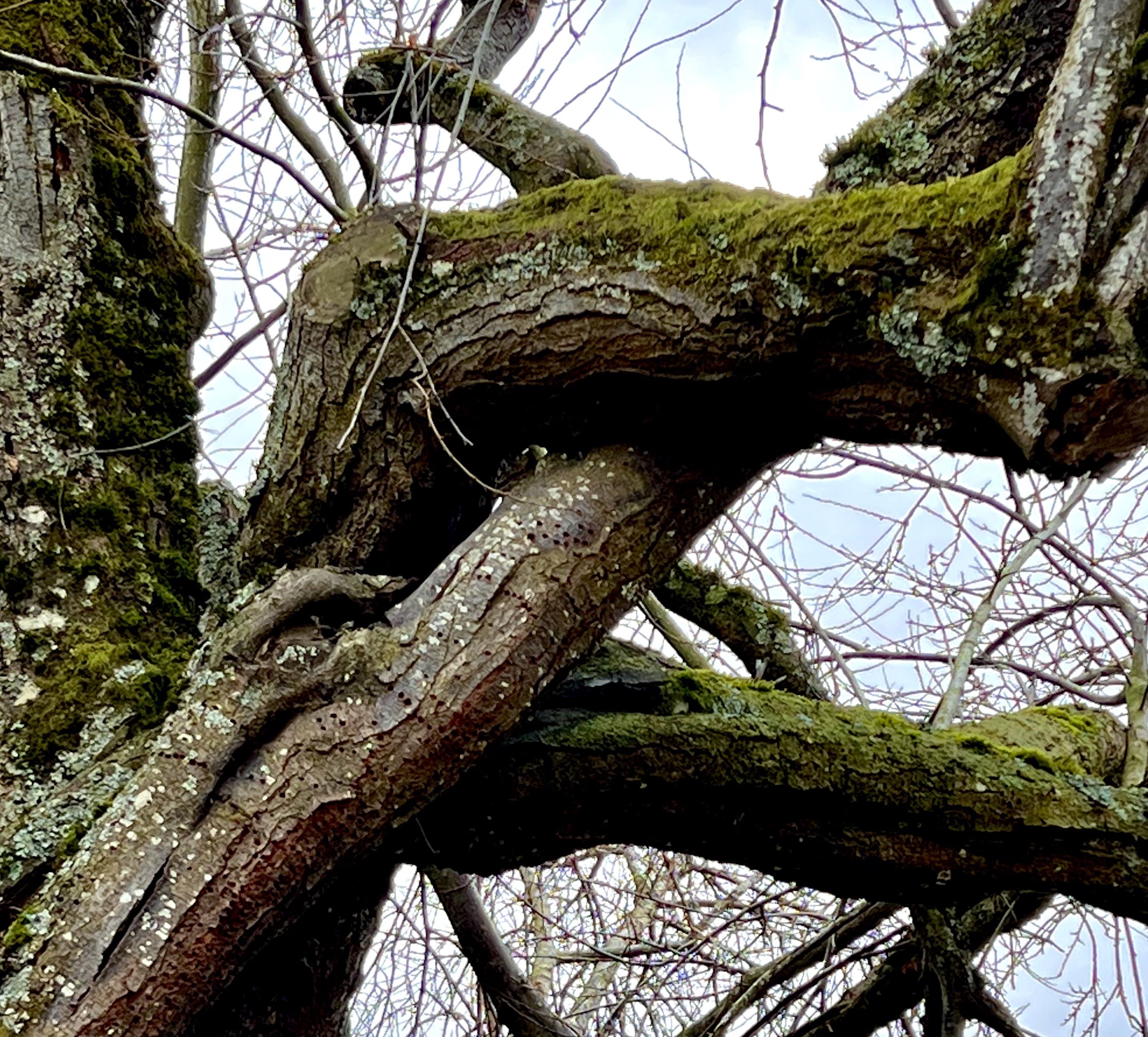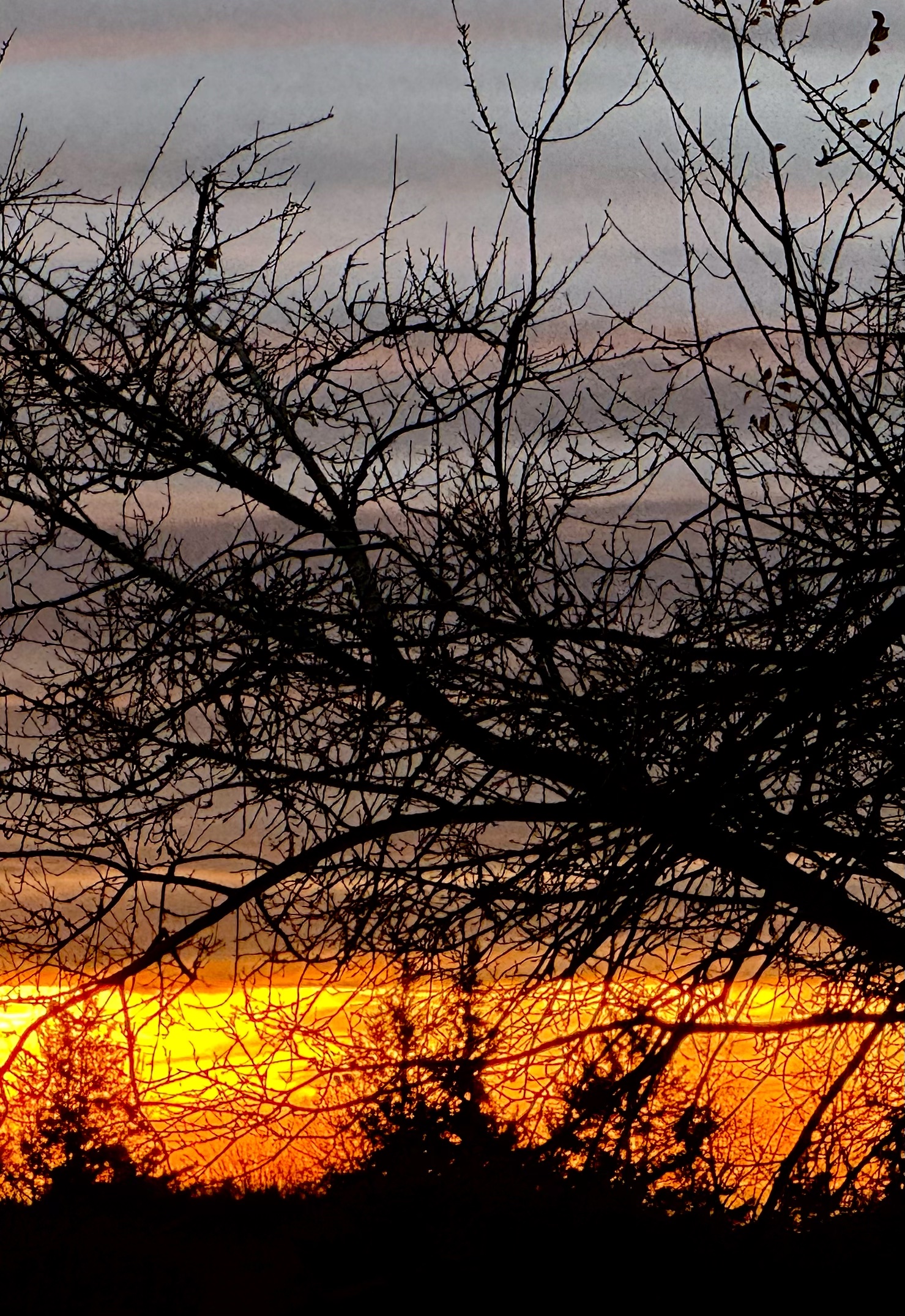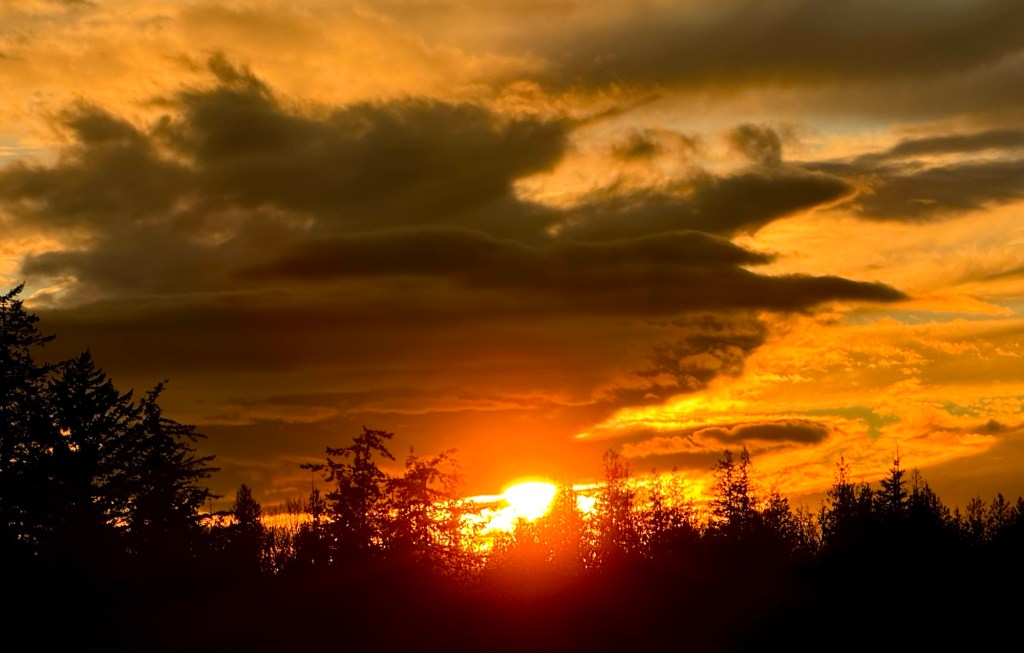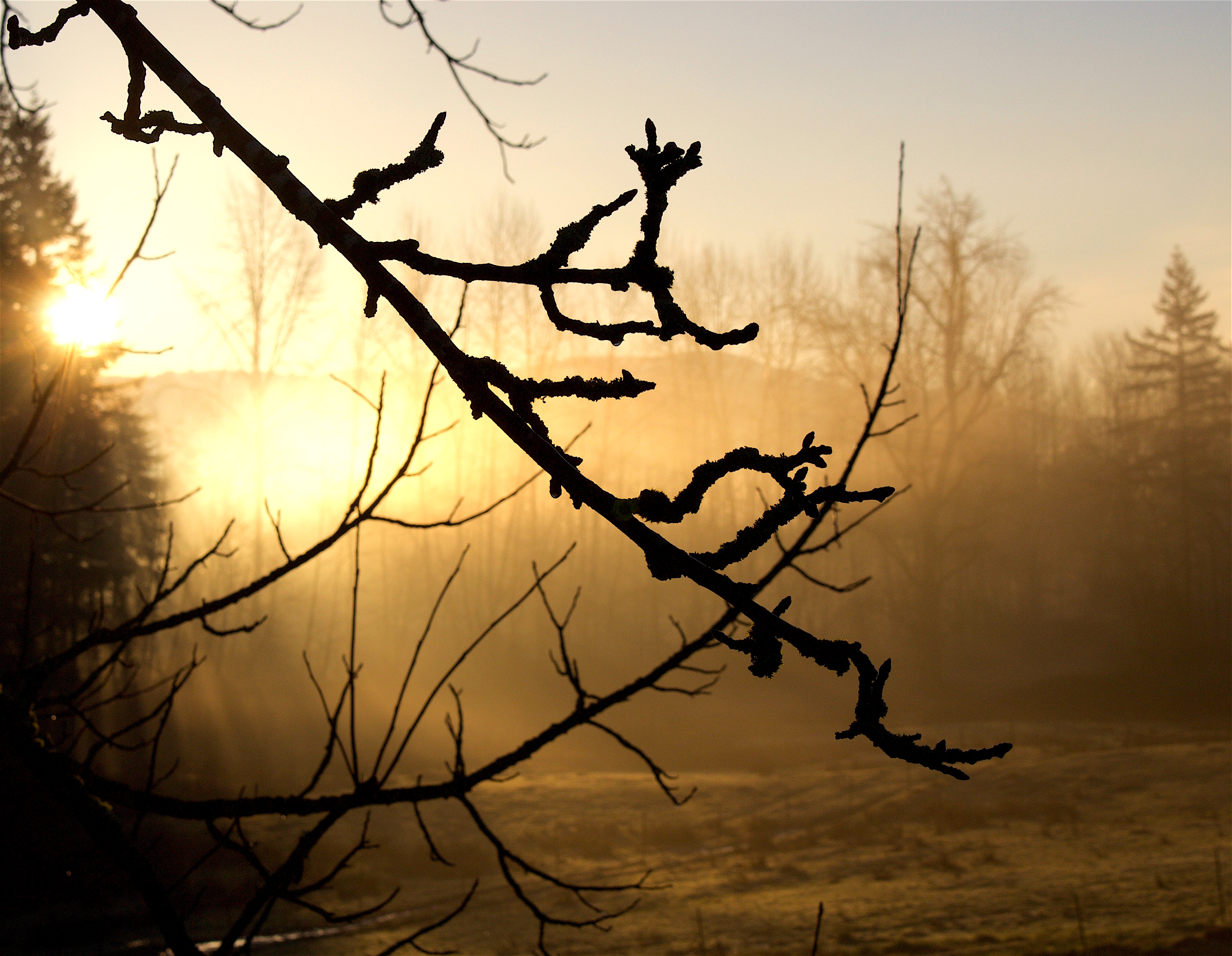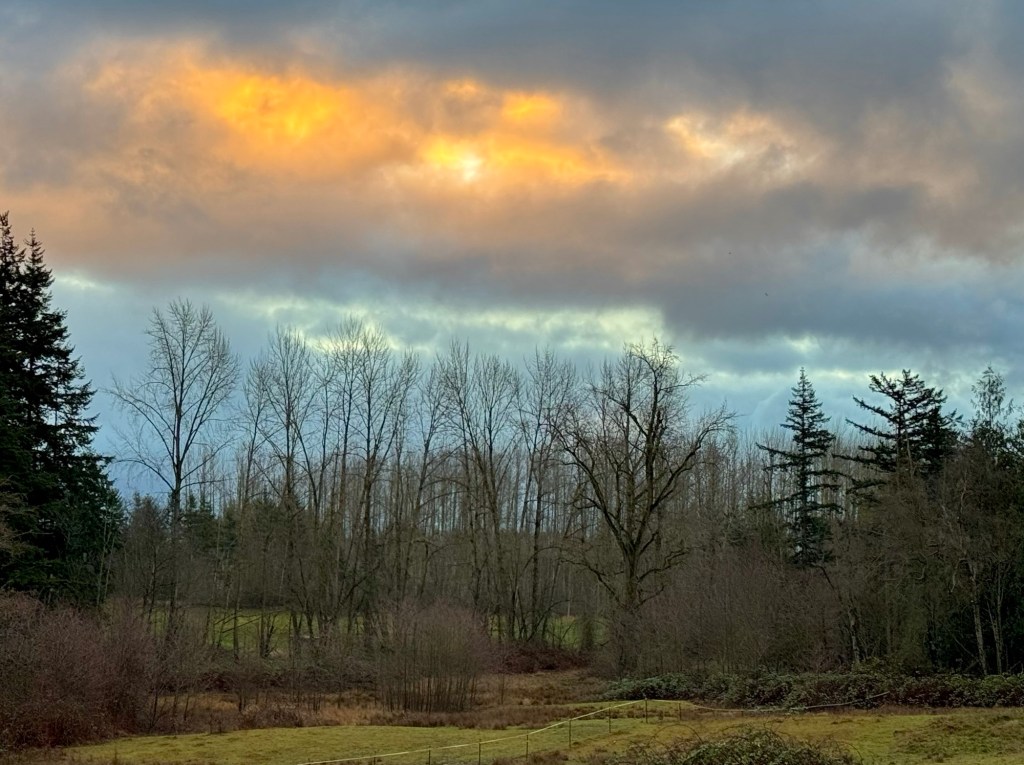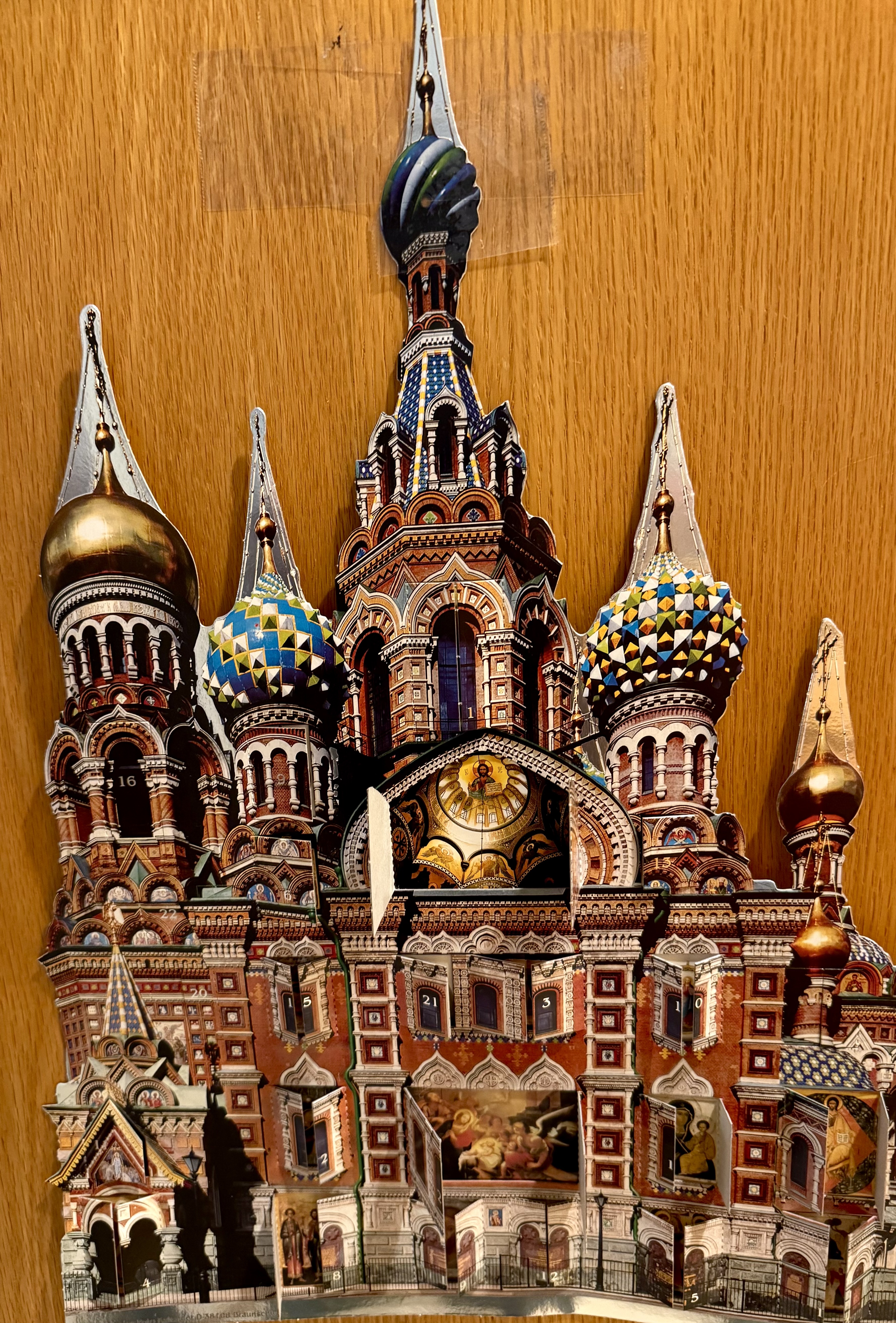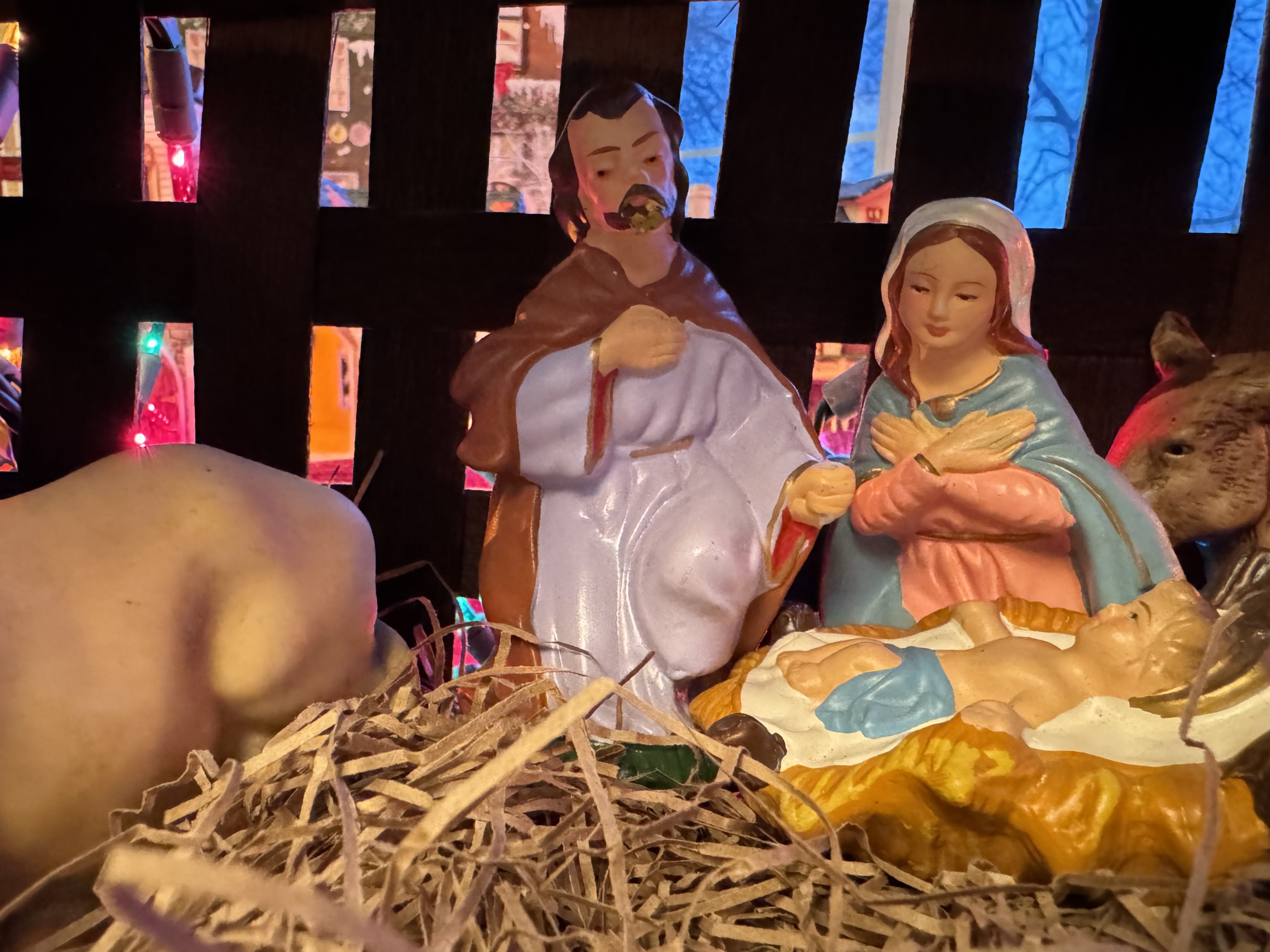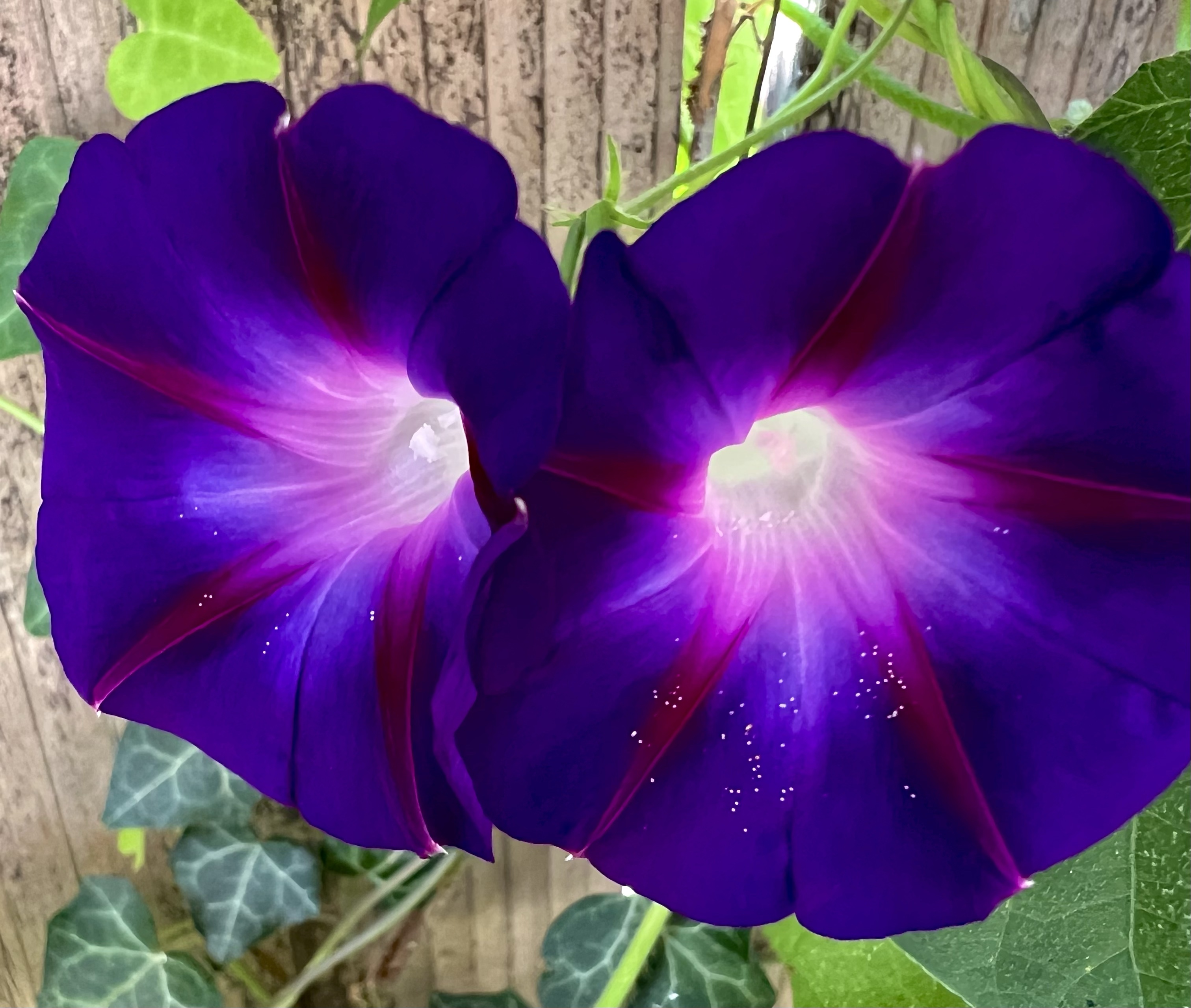
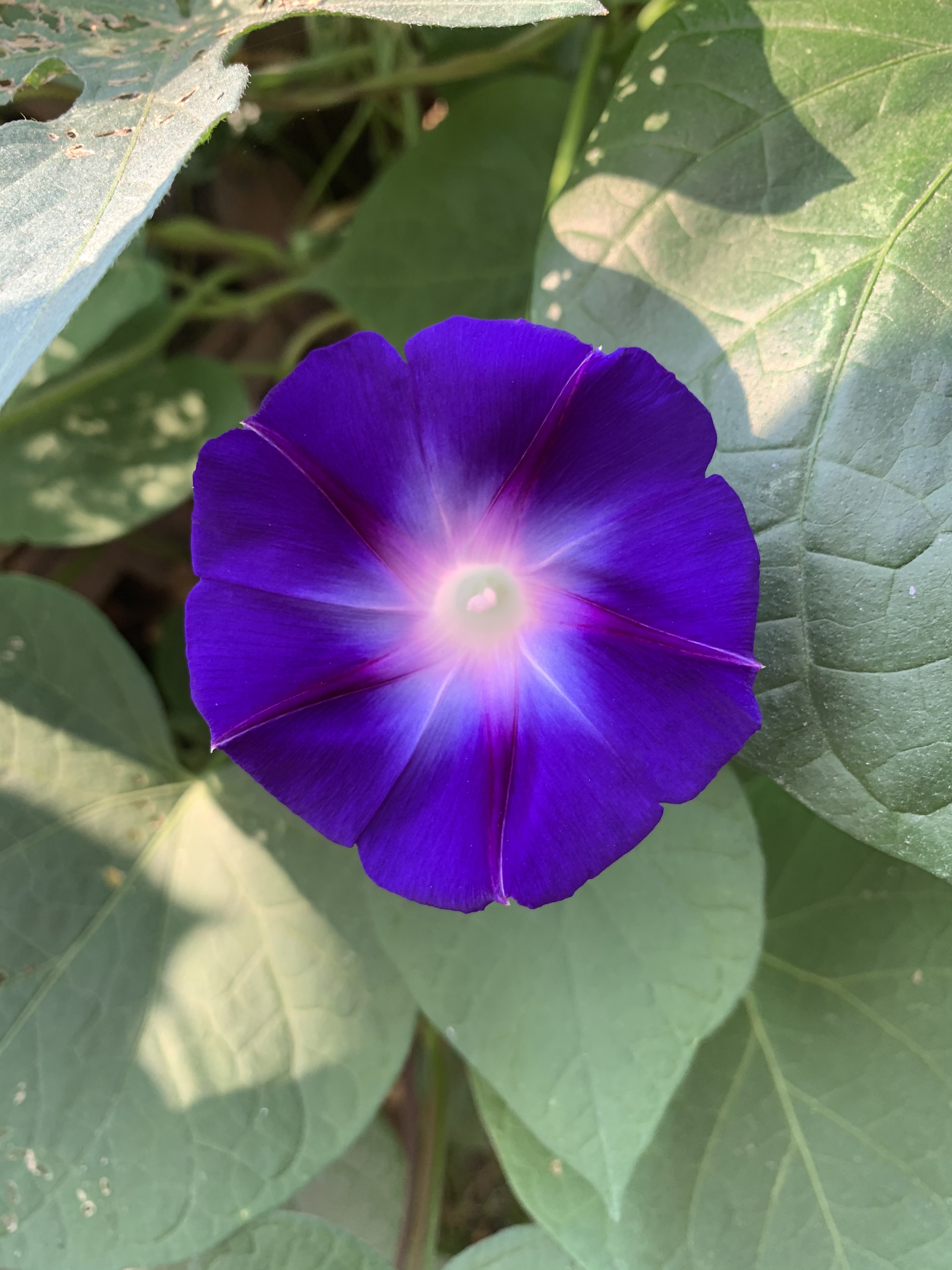
The Glow of Ripeness

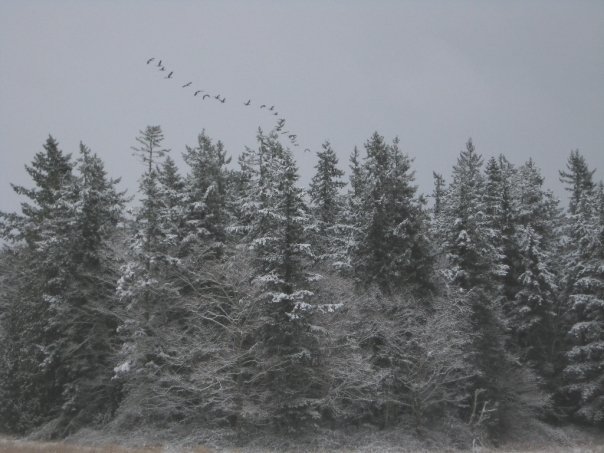
Love means to learn to look at yourself
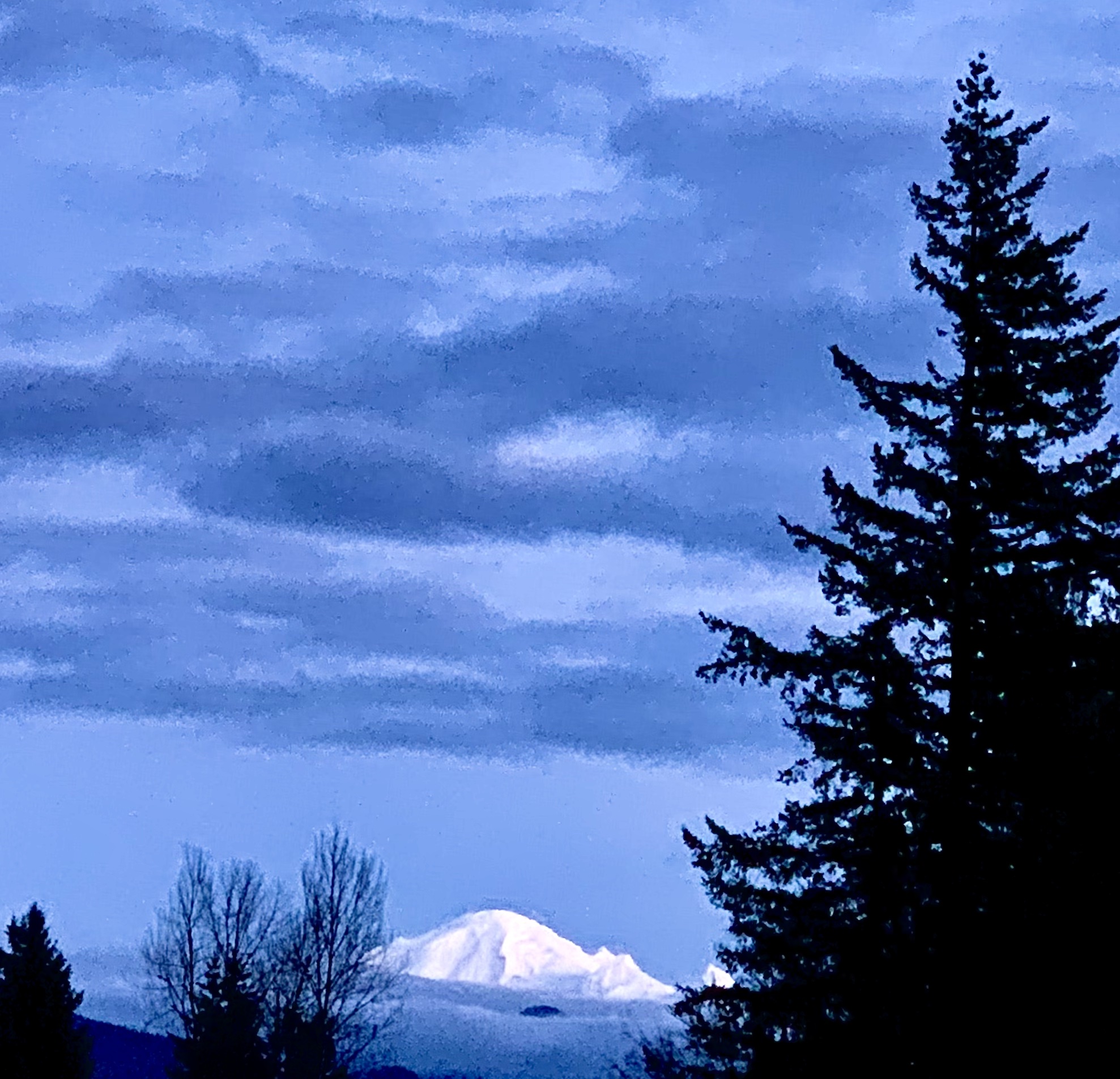
The way one looks at distant things
For you are only one thing among many.
And whoever sees that way heals his heart,
Without knowing it, from various ills—
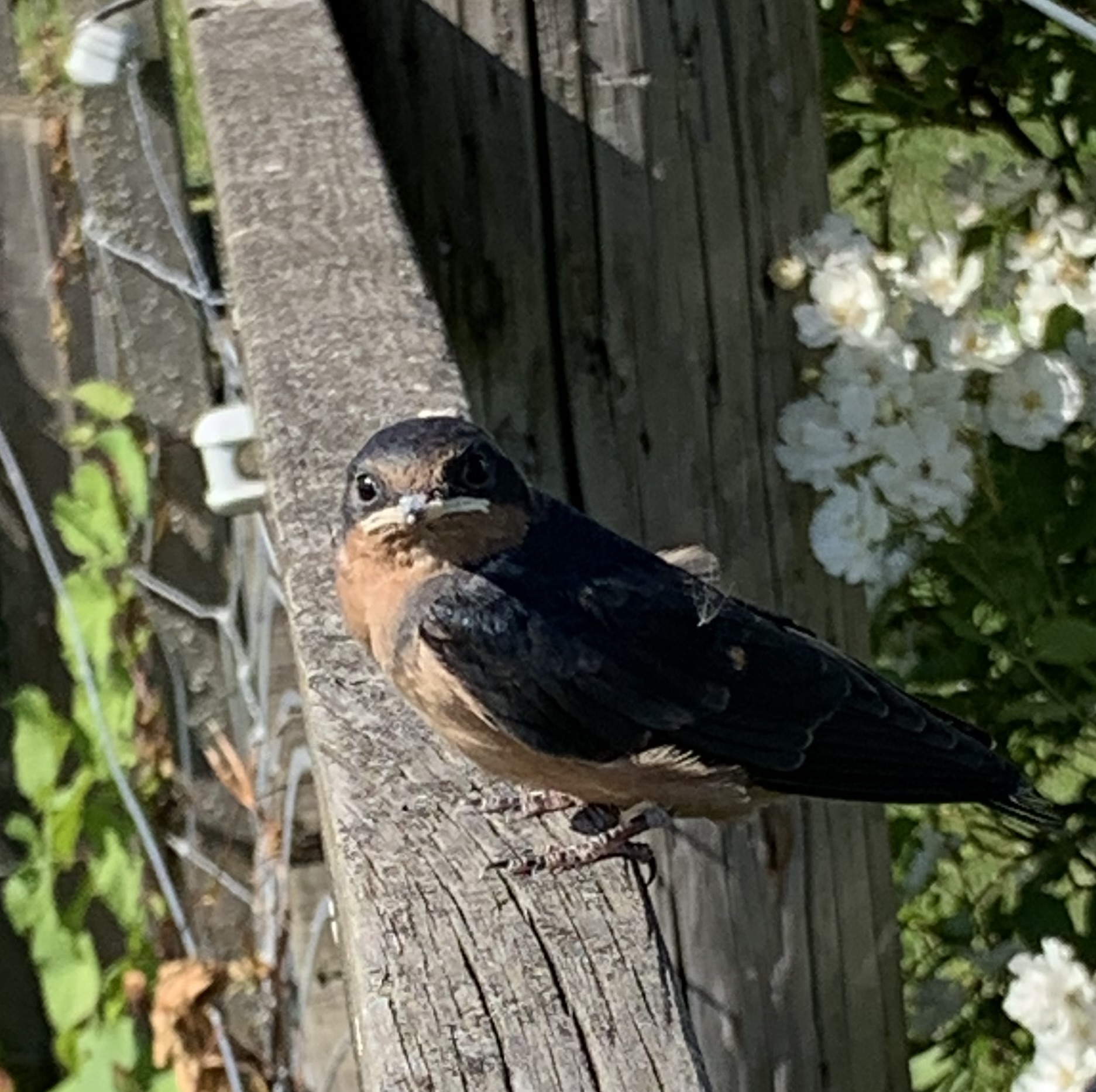
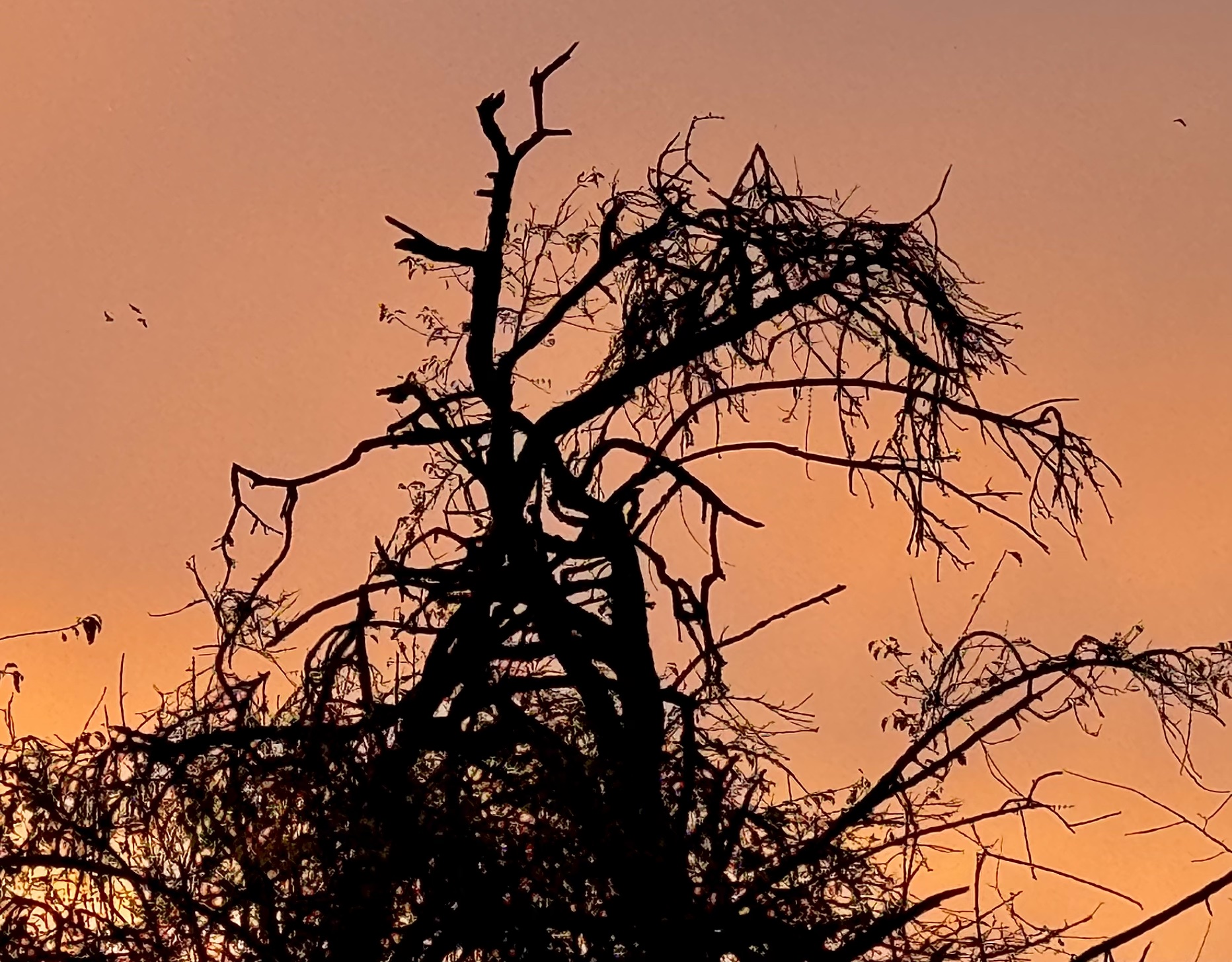
A bird and a tree say to him: Friend.

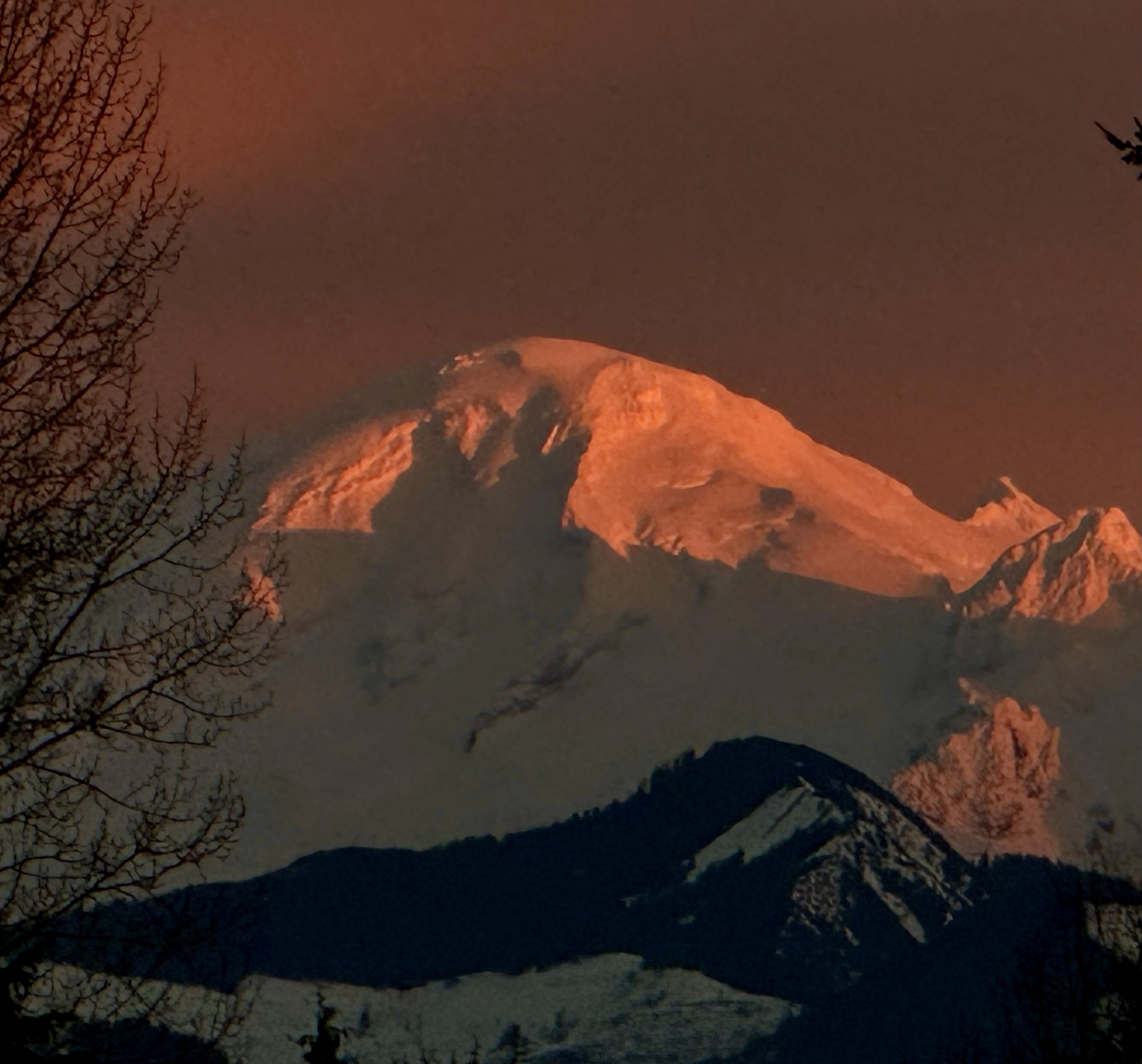
Then he wants to use himself and things
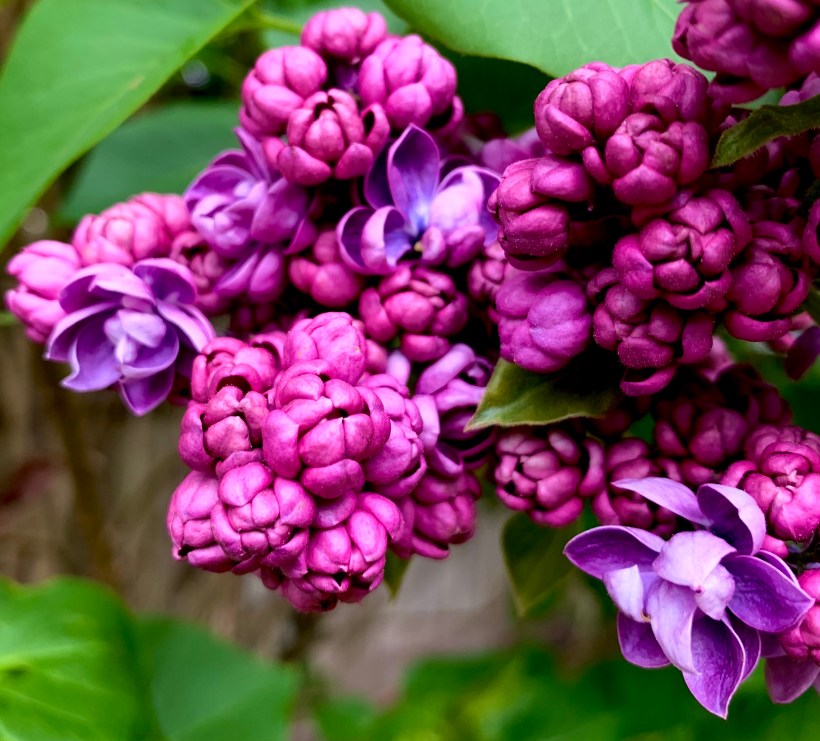
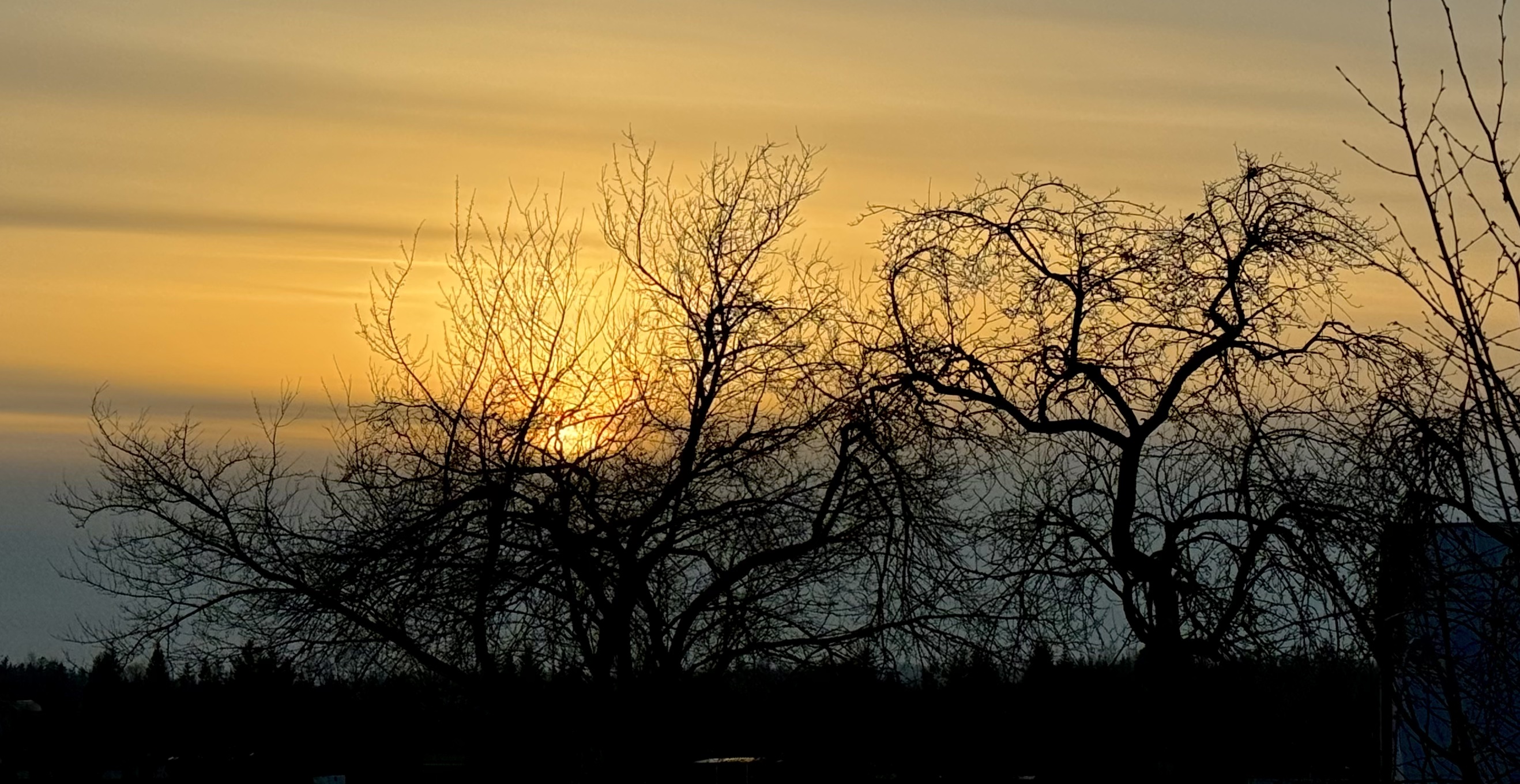
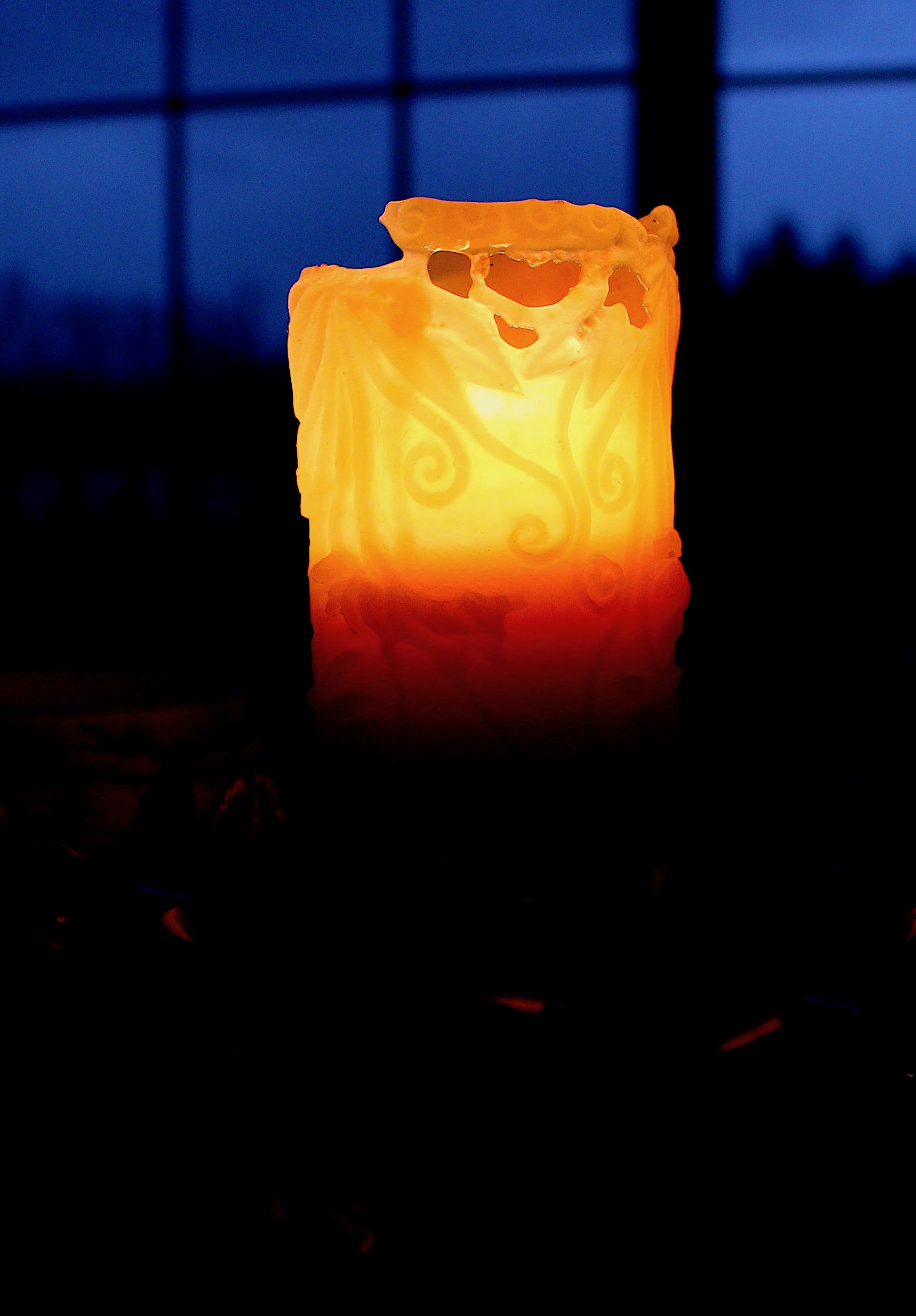
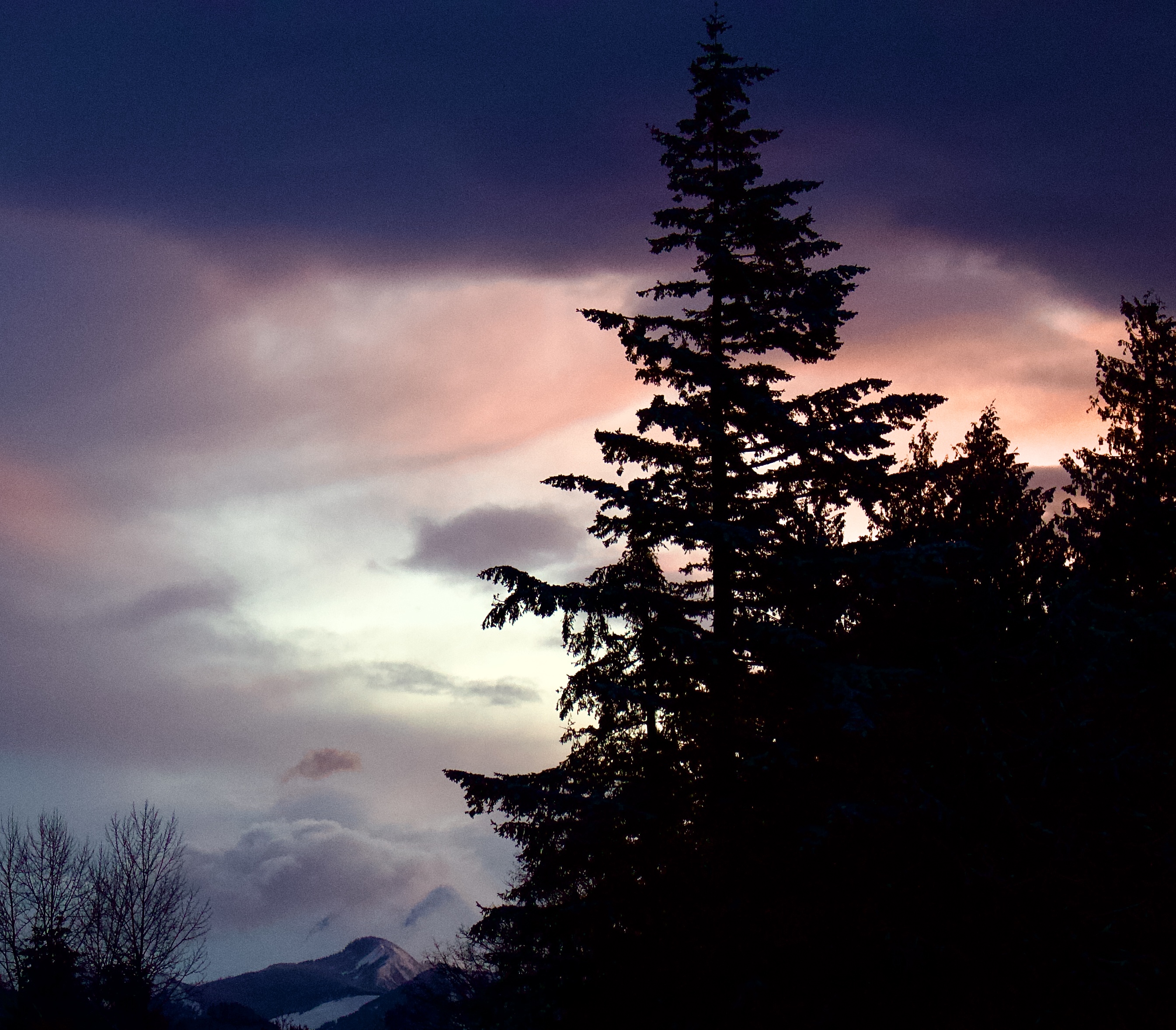
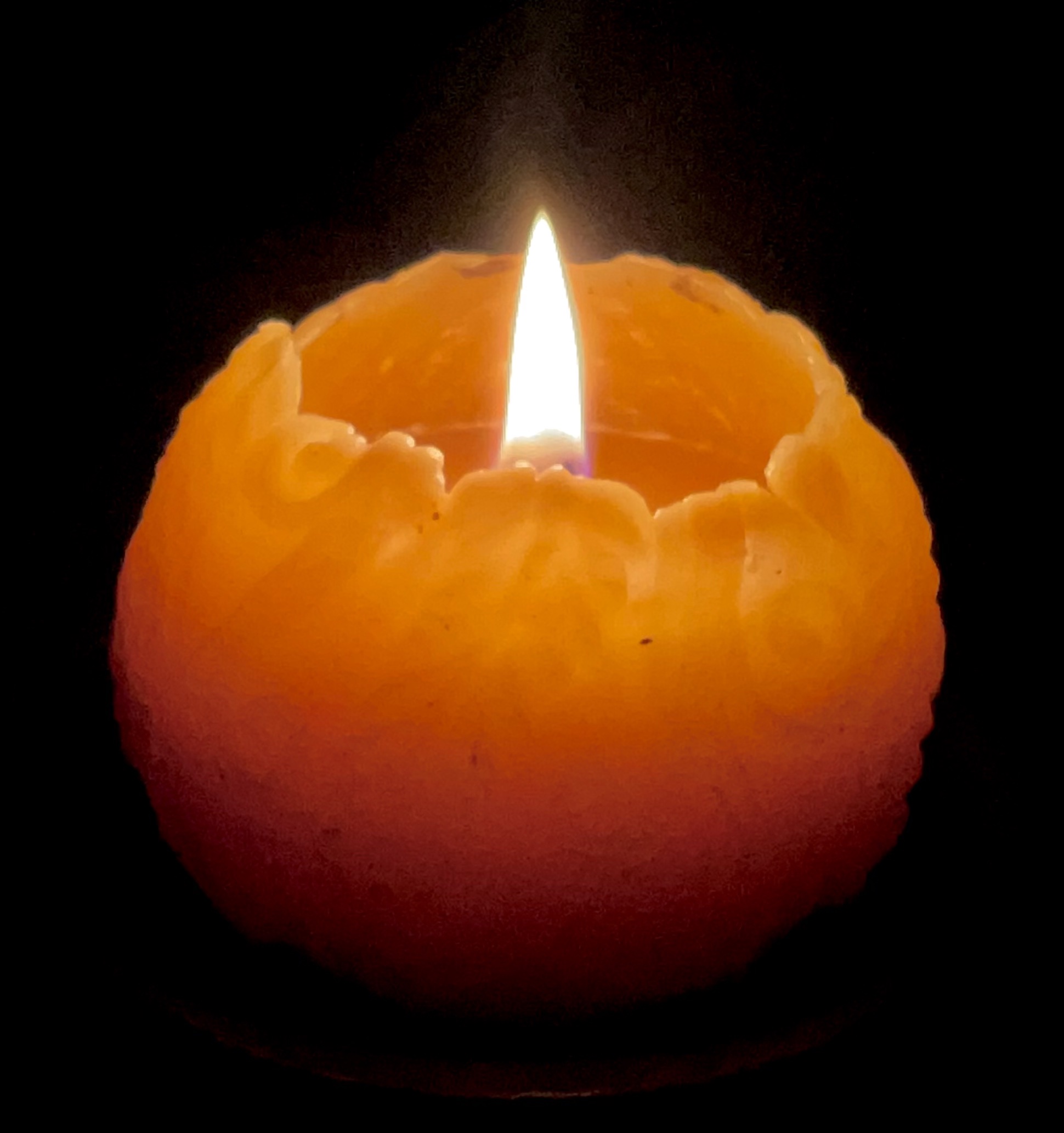
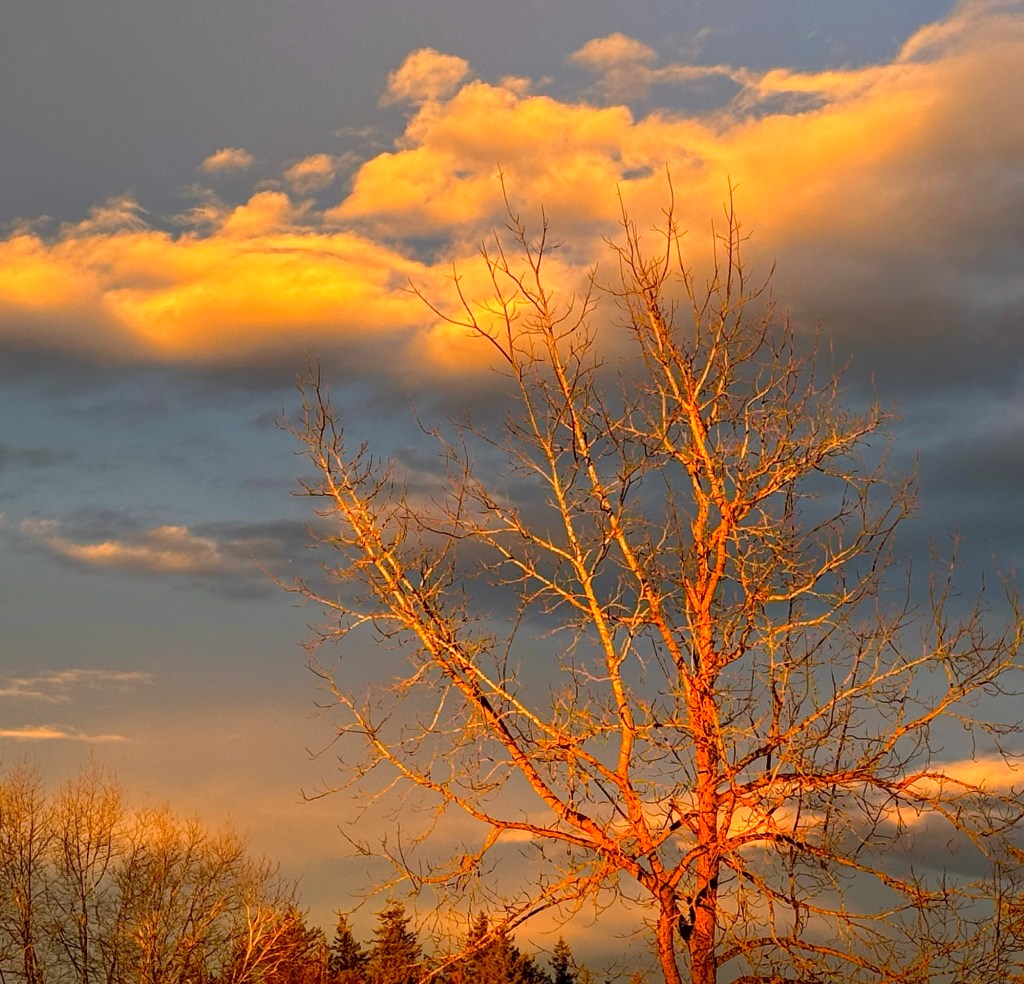
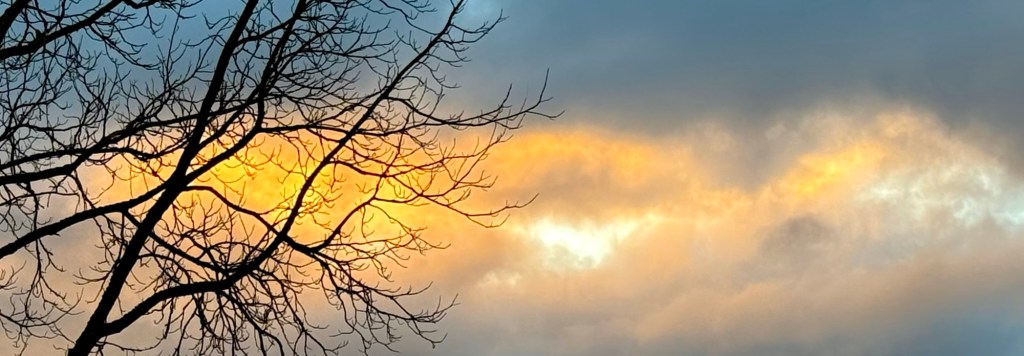
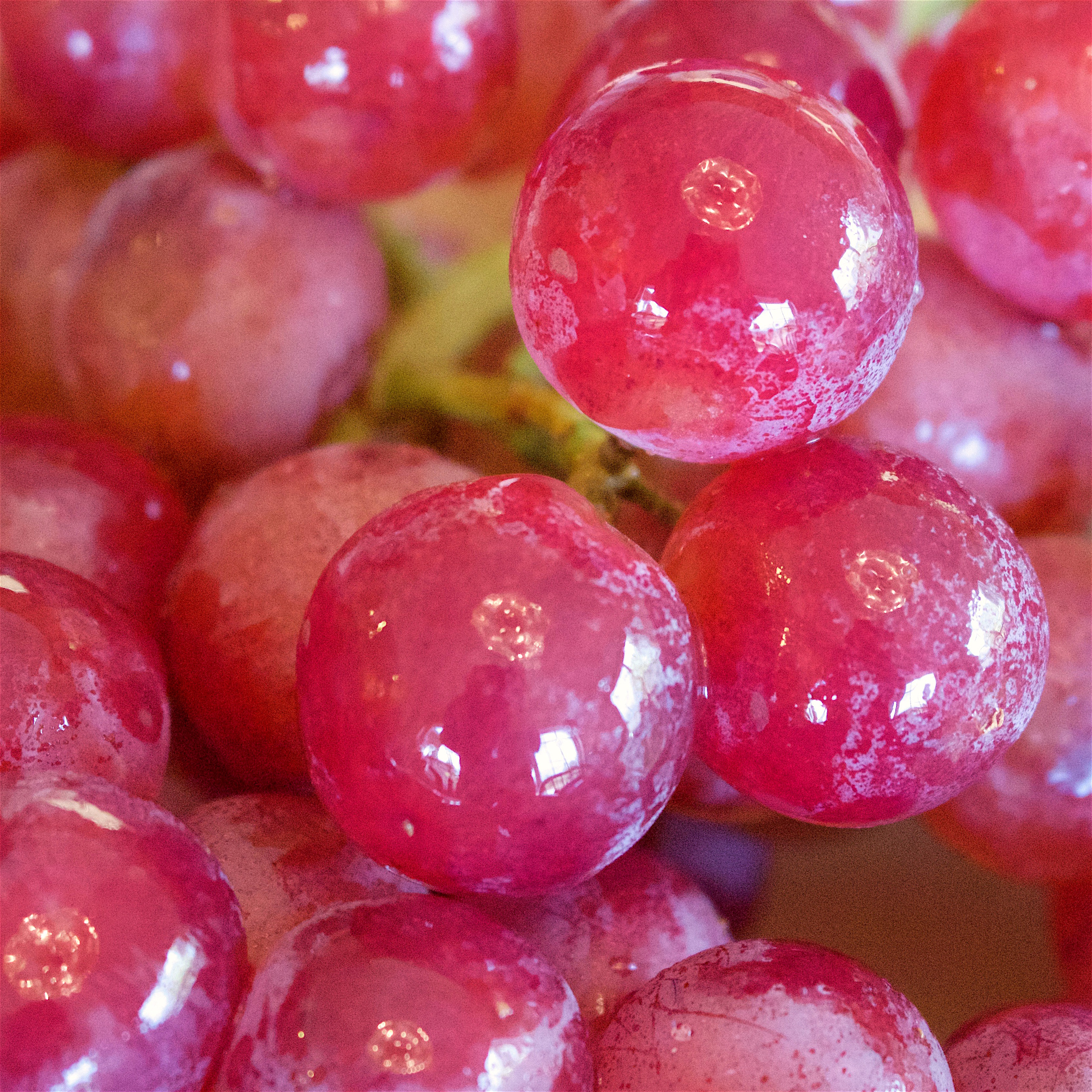
So that they stand in the glow of ripeness.
It doesn’t matter whether he knows what he serves:
Who serves best doesn’t always understand.
~Czeslaw Milosz “Love” from New and Collected Poems: 1931-2001

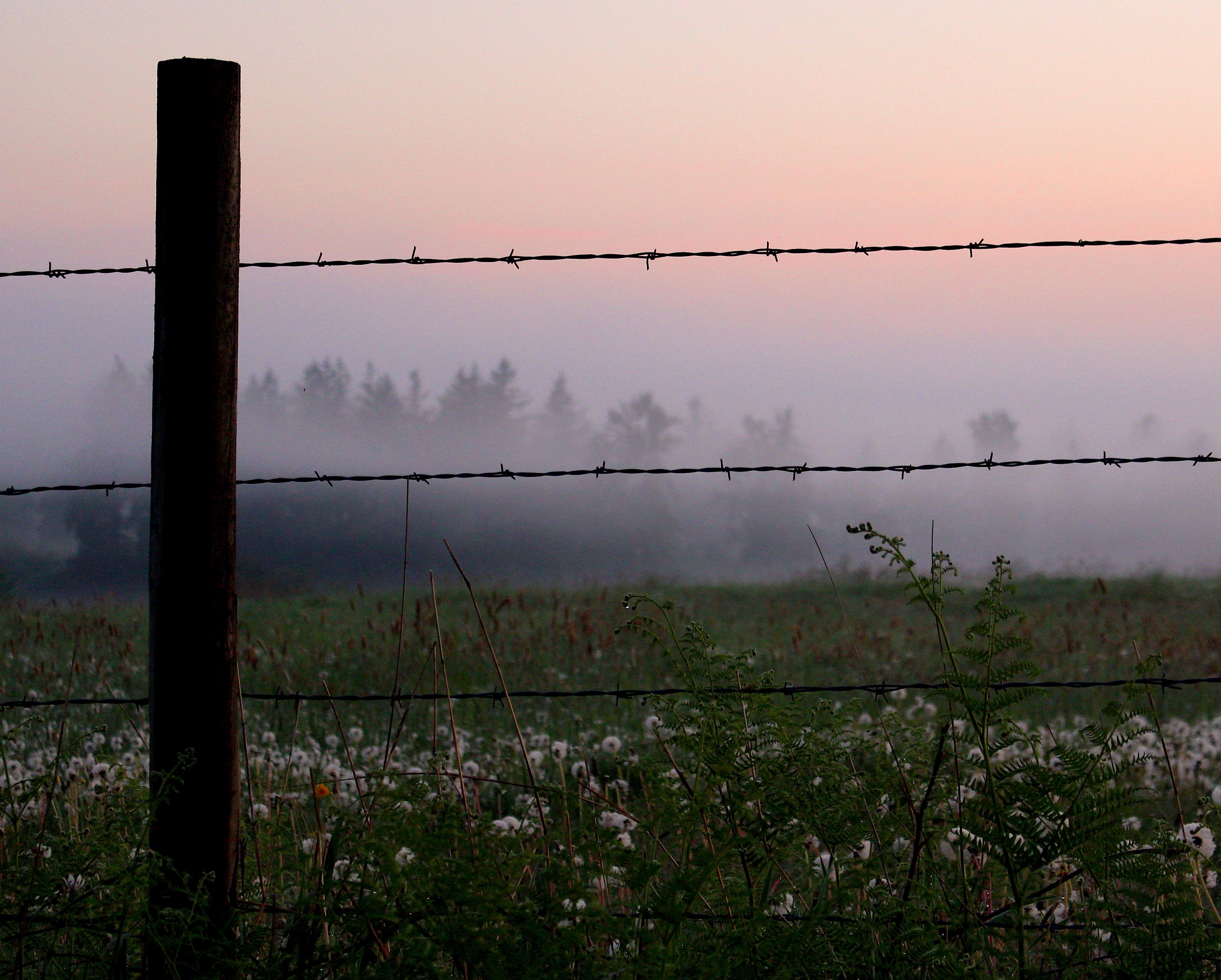
Let him kneel down, lower his face to the grass,
And look at light reflected by the ground.
There he will find everything we have lost…
~Czeslaw Milosz from “The Sun”

It’s not easy to subdue the needy ego and let the life-giving soul take control, even though doing so saves us grief and serves the world well. So if you see me on the street one day, quietly muttering, “Only one thing among many, only one thing among many…,” you’ll know I’m still working on it, or it’s still working on me.
~Parker Palmer “The Big Question: Does My Life Have Meaning?”

It is always tempting to be self-absorbed; since my heart stent placement nearly 8 months ago, I tend to analyze every sensation in my chest, fuss over how many steps I take daily, and get discouraged when the scale doesn’t register the sacrifices I think I’m making in my diet.

In other words, in my efforts to heal my physically-broken heart, I become the center of my attention, rather than just one among many things in the days/months/years I have left. I need to look at myself from a distance rather than under a microscope.

It is a skewed and futile perspective, seeking meaning and purpose in life by navel gazing.

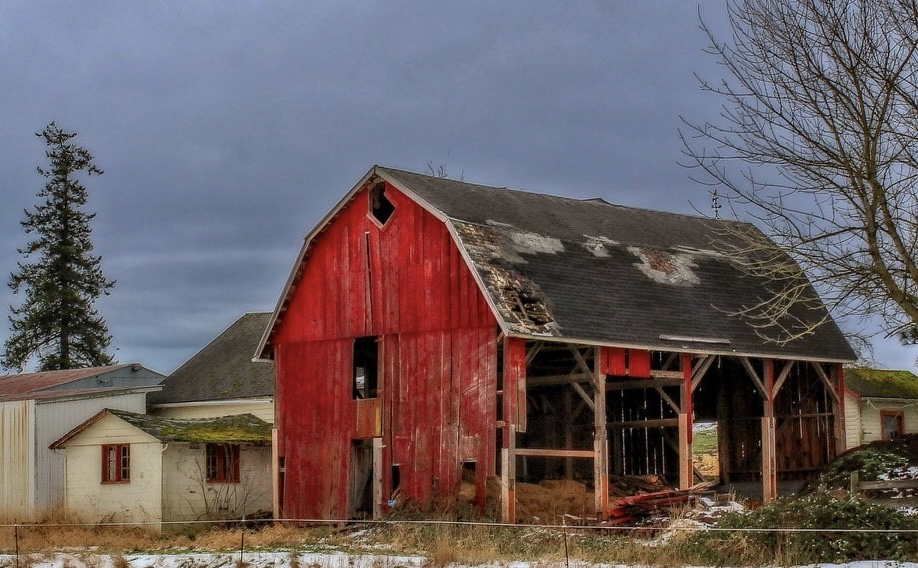
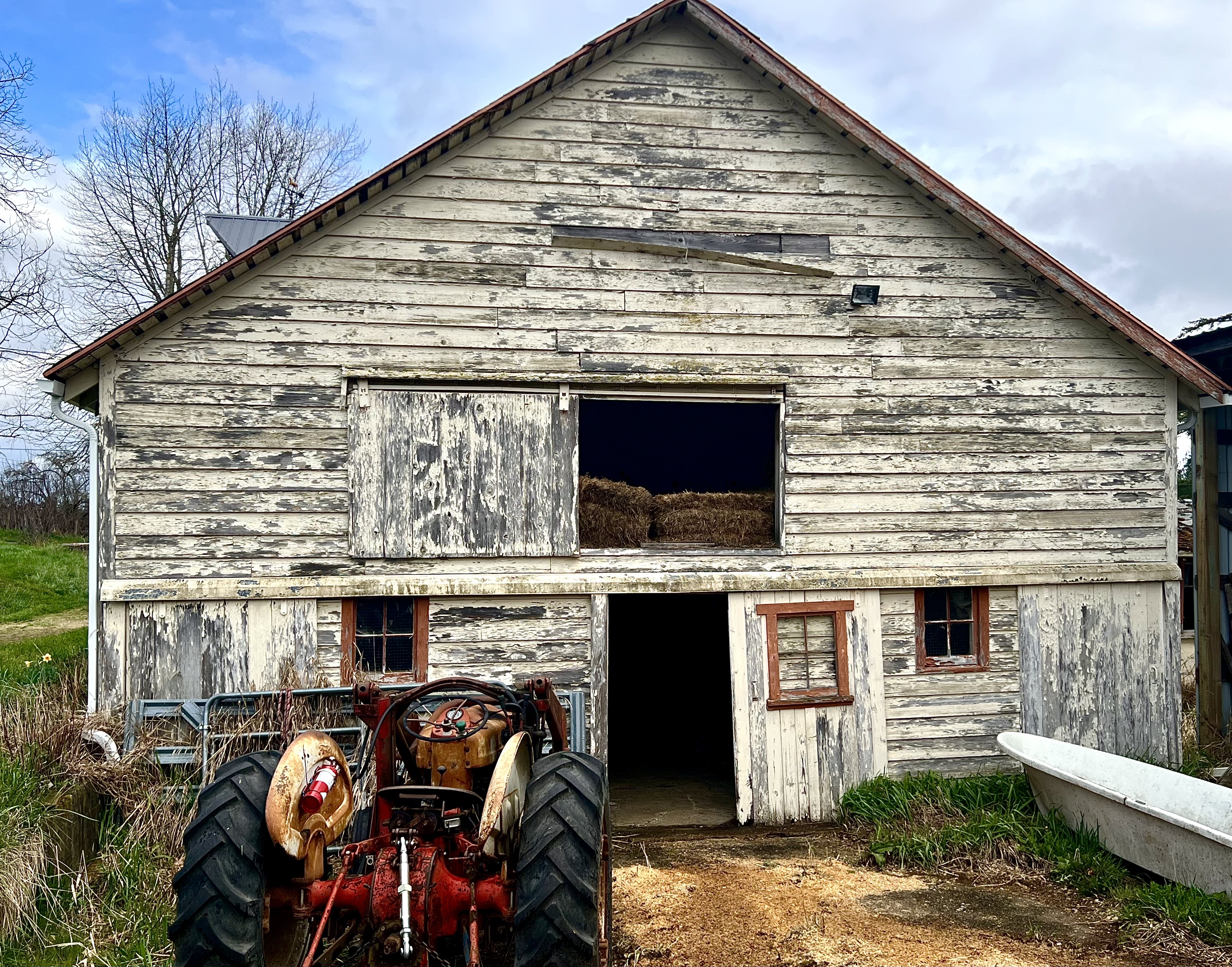
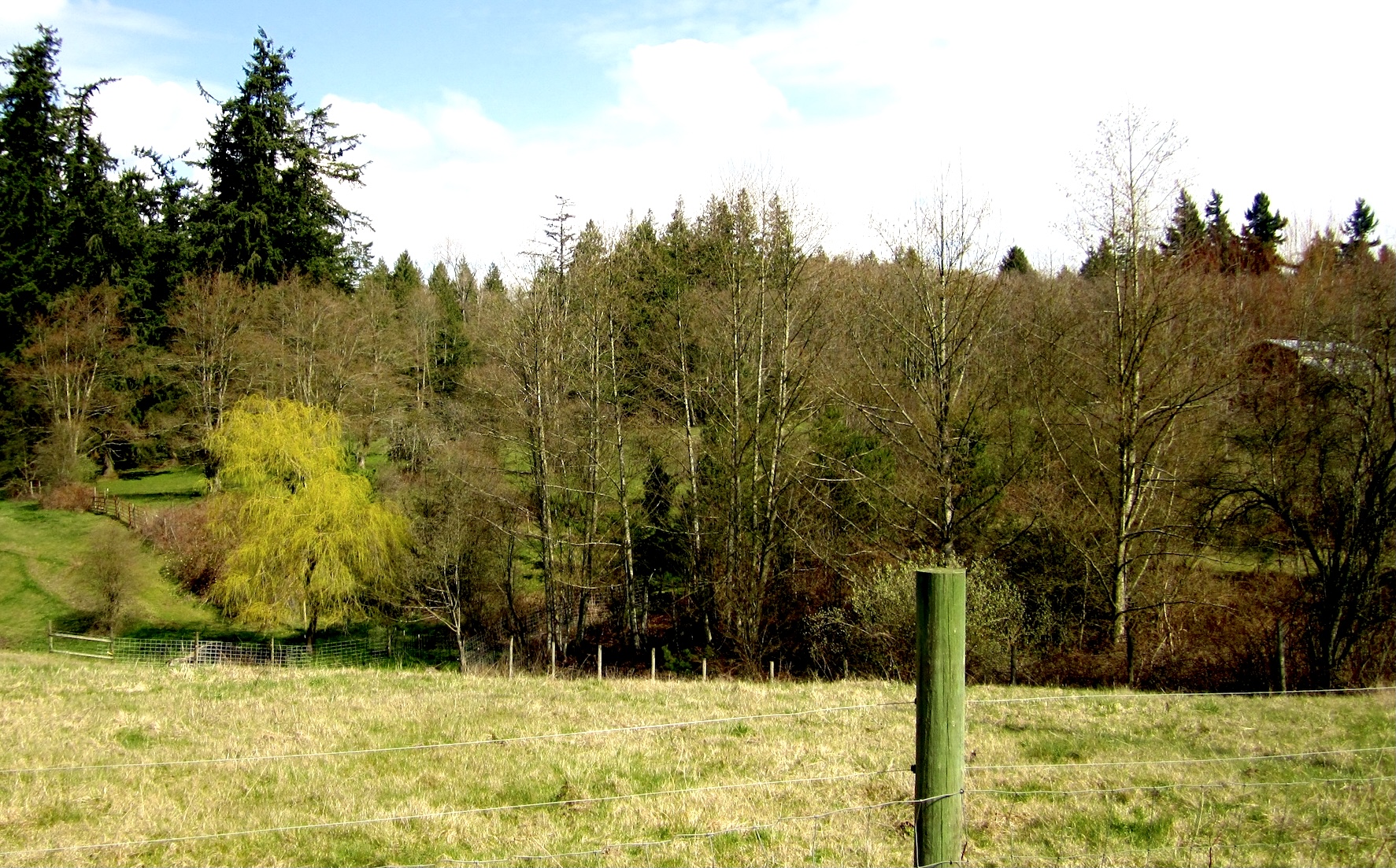
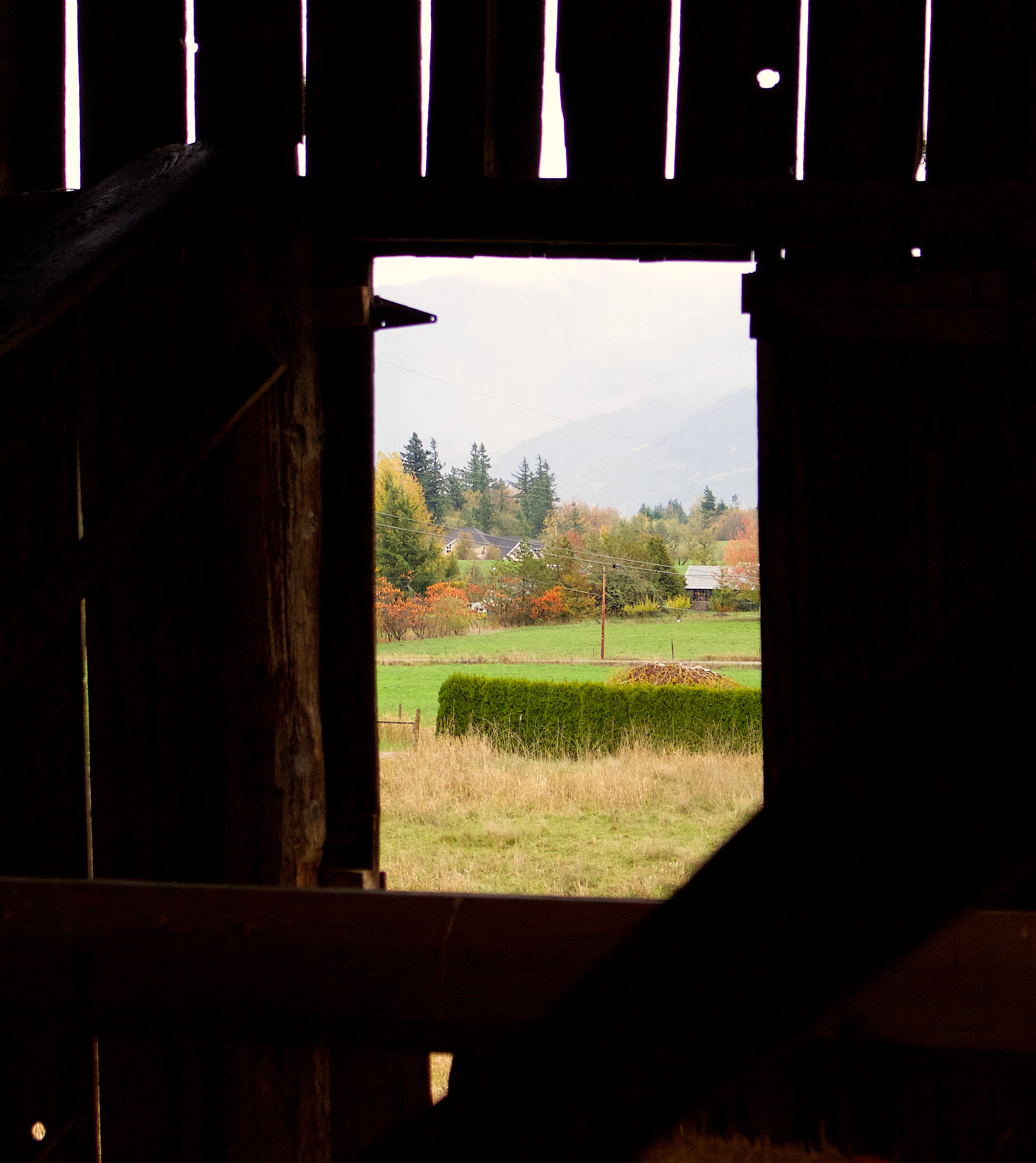
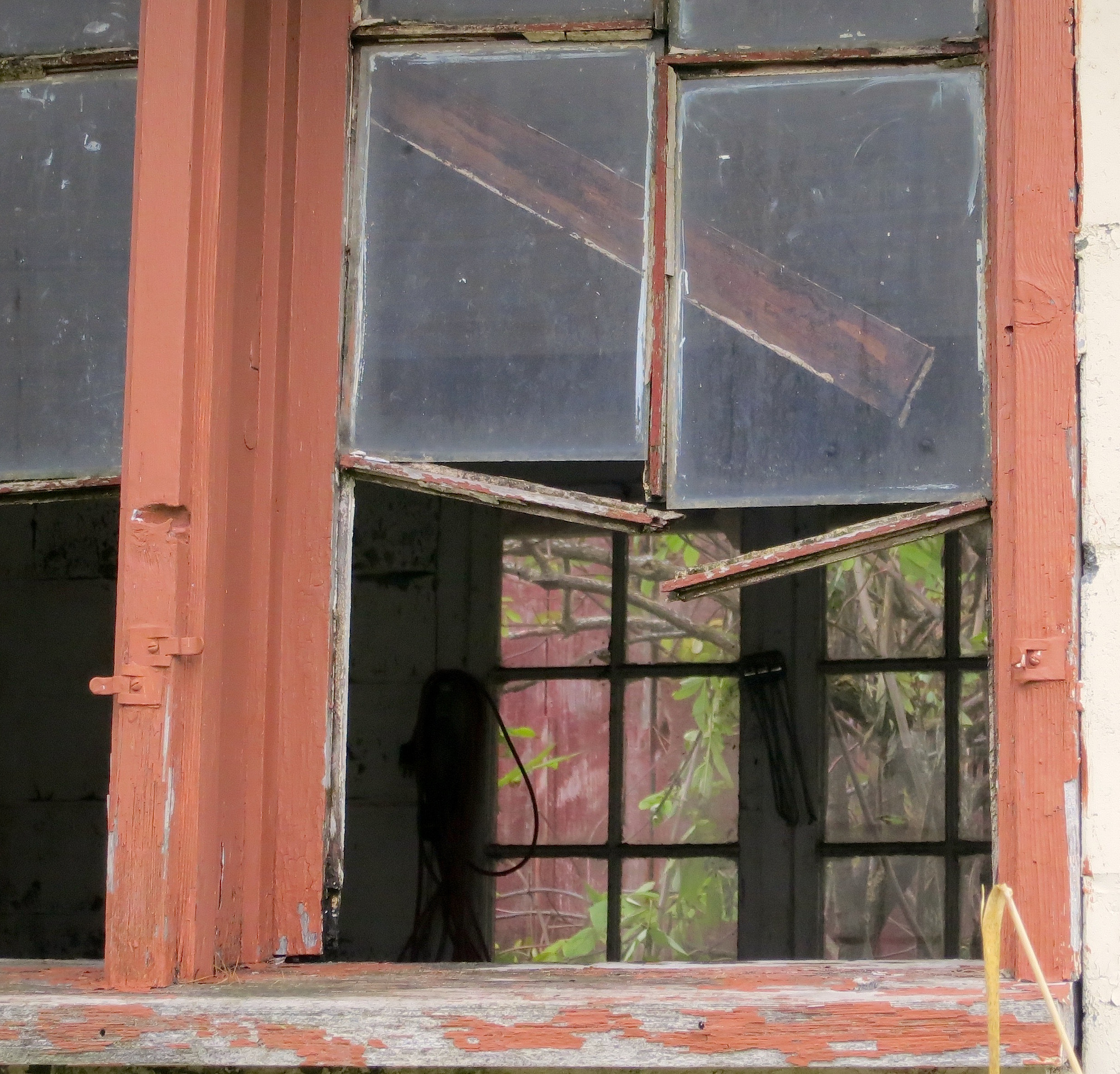
Instead, I should be concentrating on the ripeness of each day. I’ve been given a second chance to recalibrate my journey through the time I have left, focusing outward, gazing at the wonders around me, sometimes getting down on my knees.

I don’t fully understand how I might serve others by what I share here online, or what I do in my local community with my hands and feet. I now know not to miss the moments basking in the glow of loving those around me, including you friends I may never meet on this side of the veil.

May you glow in ripeness as well.

One-Time
Monthly
Yearly

Make a one-time or recurring donation to support daily Barnstorming posts

Make a monthly donation

Make a yearly donation

Choose an amount

$10.00
$25.00
$50.00
$5.00
$15.00
$100.00
$5.00
$15.00
$100.00

Or enter a custom amount

$

Your contribution is deeply appreciated.

Your contribution is appreciated.

Your contribution is appreciated.

DonateDonate monthlyDonate yearly

Horses Without Headlights

… The Amish have maintained what I like to think is a proper scale, largely by staying with the horse. The horse has restricted unlimited expansion.
Not only does working with horses limit farm size, but horses are ideally suited to family life.
With horses you unhitch at noon to water and feed the teams and then the family eats what we still call dinner. While the teams rest there is usually time for a short nap.
And because God didn’t create the horse with headlights,
we don’t work nights.
~Amish farmer David Kline in Great Possessions

photo by Joel De Waard

You can’t have the family farm without the family.
~G.K. Chesterton from “The Unprecedented Architecture of Commander Blair,” Tales of the Long Bow

Photo of Aaron Janicki haying with his Oberlander team in Skagit County courtesy of Tayler Rae
Benjamin Janicki of Sedro Woolley raking hay with his team of Oberlanders

I’m 71 years old ~ old enough to have parents who grew up on farms worked by horses, one raising wheat and lentils in the Palouse country of eastern Washington and the other logging in the woodlands of Fidalgo Island of western Washington. The horses were crucial to my grandfathers’ success in caring for and tilling the land, seeding and harvesting the crops and bringing supplies from town miles away.  Theirs was a hardscrabble life in the early 20th century with few conveniences. Work was year round from dawn to dusk; caring for the animals came before any human comforts. Once night fell, work ceased and sleep was welcome respite for man and beast.

In the rural NW Washington countryside where we live, we’ve been fortunate enough to live near farmers who still dabble in horse farming, whose draft teams are hitched to plows and mowers and manure spreaders as they head out to the fields to recapture the past. They still gather together in the spring to have a well-attended and friendly competition plowing match.

Watching a good team work with no diesel motor running means hearing bird calls from the field, the steady footfall of the horses, the harness chains jingling, the leather straps creaking, the machinery shushing quietly as gears turn and grass lays over in submission. No ear protection is needed. There is no clock needed to pace the day.  

There is a rhythm of nurture when animals instead of engines are part of the work day. The gauge for taking a break is the amount of foamy sweat on the horses and how fast they are breathing. 
It is time to stop and take a breather,
it is time to start back up to do a few more rows,
it is time to water,
it is time for a meal,
it is time for a nap,
it is time for a rest in a shady spot. 
This is gentle use of the land with four footed stewards who deposit right back to the soil the digested forage they have eaten only hours before.

Our modern fossil-fuel-powered approach to food production has bypassed the small family farm which was so dependent on the muscle power of humans and animals. In our move away from horses worked by skilled teamsters, what has been gained in high production values has meant loss of self-sufficiency and dedicated stewardship of a smaller acreage. Draft breeds, including the Haflinger horses we raised for forty years, now are bred for higher energy with lighter refined bone structure meant more for eye appeal and floating movement, rather than the sturdy conformation and unflappable low maintenance mindset needed for pulling work.

Modern children grow up with a different set of values as well, no longer raised to work together with other family members, as well as the animals on the farm for a common purpose of daily survival.

Still fascinated by the The Small Farmer’s Journal, I am encouraged when the next generation reaches for horse collars and bridles, hitches up their horses to do the work as it used to be done.  Although the modern world will never go back to the days of horse-drawn farming and transportation, we can acknowledge there were some benefits to the old ways of doing things, when progress meant being harnessed together as a team with our horses, tilling for truth and harvesting hope.

photo by Tayler Rae


I like farming. I like the work.

I like the livestock and the pastures and the woods. 
It’s not necessarily a good living, but it’s a good life. 
I now suspect that if we work with machines
the world will seem to us to be a machine,
but if we work with living creatures
the world will appear to us as a living creature. 
That’s what I’ve spent my life doing,
trying to create an authentic grounds for hope.
~Wendell Berry, horse farmer, essayist, poet, professor

photo by Tayler Rae
One-Time
Monthly
Yearly

Make a one-time or recurring donation to support daily Barnstorming posts

Make a monthly donation

Make a yearly donation

Choose an amount

$10.00
$25.00
$50.00
$5.00
$15.00
$100.00
$5.00
$15.00
$100.00

Or enter a custom amount

$

Your contribution is deeply appreciated.

Your contribution is appreciated.

Your contribution is appreciated.

DonateDonate monthlyDonate yearly
A Thing or Two

My father always knew the secret
name of everything—
stove bolt and wing nut,
set screw and rasp, ratchet
wrench, band saw, and ball—
peen hammer. He was my
tour guide and translator
through that foreign country
with its short-tempered natives
in their crewcuts and tattoos,
who suffered my incompetence
with gruffness and disgust.
Pay attention, he would say,
and you’ll learn a thing or two.


Now it’s forty years later,
and I’m packing up his tools
(If you know the proper
names of things you’re never
at a loss)
 tongue-tied, incompetent,
my hands and heart full
of doohickeys and widgets,
whatchamacallits, thingamabobs.

~Ronald Wallace “Hardware” from Time’s Fancy

“Hold on,” she said, “I’ll just run out and get him.
The weather here’s so good, he took the chance
To do a bit of weeding.”


So I saw him
Down on his hands and knees beside the leek rig,
Touching, inspecting, separating one
Stalk from the other, gently pulling up
Everything not tapered, frail and leafless,
Pleased to feel each little weed-root break,
But rueful also . . . 


Then found myself listening to
The amplified grave ticking of hall clocks
Where the phone lay unattended in a calm
Of mirror glass and sunstruck pendulums . . . 


And found myself then thinking: if it were nowadays,
This is how Death would summon
Everyman.

Next thing he spoke and I nearly said I loved him.
~Seamus Heaney “A Call” from ‘Poems That Make Grown Men Cry’

Between my finger and my thumb   
The squat pen rests; snug as a gun.
Under my window, a clean rasping sound   
When the spade sinks into gravelly ground: 
  

My father, digging. I look down
By God, the old man could handle a spade.
   

Just like his old man.
But I’ve no spade to follow men like them.

Between my finger and my thumb
The squat pen rests.
I’ll dig with it.

~Seamus Heaney from “Digging” from Death of a Naturalist

My father was a complex man. As I’ve aged, I understand better where my own complicated nature comes from.

As inscrutable as he could be, there were things I absolutely understood about him:

he was a man of action
– he never just sat, never took a nap, never wasted a day of his life without accomplishing something tangible.

he was a man of the soil
– he plowed and harrowed and sowed and fertilized and weeded and cut brush and harvested

he was a man of inventiveness
– he figured out a better way, he transformed tools and buildings, he started from scratch and built the impossible

he didn’t explain himself
– and never felt the need to.

Time keeps ticking on without him here, now 30 years since he took his last breath as the clock pendulum swung back and forth in his bedroom. He was taken too young for all the projects he still had in mind.

He handed off a few to me.
Some I have done.
Some still wait, I’m not sure why.

My regret is not understanding how much he needed to hear how loved he was. He seemed fine without it being said.

But he wasn’t fine. And neither was I.

I wish I had said it when I had the chance.
I guess I am digging it out from the soil of my heart now.

One-Time
Monthly
Yearly

Make a one-time or recurring donation to support daily Barnstorming posts

Make a monthly donation

Make a yearly donation

Choose an amount

$10.00
$25.00
$50.00
$5.00
$15.00
$100.00
$5.00
$15.00
$100.00

Or enter a custom amount

$

Your contribution is deeply appreciated.

Your contribution is appreciated.

Your contribution is appreciated.

DonateDonate monthlyDonate yearly
The Commonwealth of Joy

The meaning of marriage begins in the giving of words.
We cannot join ourselves to one another without giving our word. And this must be an unconditional giving,
for in joining ourselves to one another
we join ourselves to the unknown.
~Wendell Berry from “Poetry and Marriage” in Standing By Words

Our vows to one another forty-four years ago today:

Before God and this gathering, I vow from my heart and spirit that I will be your wife/husband for as long as we both shall live.

I will love you with faithfulness, knowing its importance in sustaining us through good times and bad.

I will love you with respect, serving your greatest good and supporting your continued growth.

I will love you with compassion, knowing the strength and power of forgiveness.

I will love you with hope, remembering our shared belief in the grace of God and His guidance of our marriage.

“And at home, by the fire, whenever you look up, there I shall be–and whenever I look up, there will be you.”

(our wedding vows for our September 19, 1981 wedding at First Seattle Christian Reformed Church — the last line adapted from Thomas Hardy’s  “Far From the Madding Crowd”)

Sometimes our life reminds me
of a forest in which there is a graceful clearing
and in that opening a house,
an orchard and garden,
comfortable shades, and flowers
red and yellow in the sun, a pattern
made in the light for the light to return to.
The forest is mostly dark, its ways
to be made anew day after day, the dark
richer than the light and more blessed,
provided we stay brave
enough to keep on going in.

We enter, willing to die,
into the commonwealth of its joy.
~Wendell Berry from “A Country of Marriage”

…Marriage… joins two living souls as closely as, in this world, they can be joined. This joining of two who know, love, and trust one another brings them in the same breath into the freedom of sexual consent and into the fullest earthly realization of the image of God.  From their joining, other living souls come into being, and with them great responsibilities that are unending, fearful, and joyful. The marriage of two lovers joins them to one another, to forebears, to descendants, to the community, to heaven and earth. It is the fundamental connection without which nothing holds, and trust is its necessity.
~Wendell Berry from Sex, Economy, Freedom and Community

We married forty-four years ago today in our Seattle church with Pastor Peter Holwerda officiating, with a small group of family and friends as witnesses.

It was a wedding of two frugal people with little to spend – I sewed my dress and Dan’s shirt from muslin, we grew our own flowers, our families helped potluck the lunch afterward and our tiered carrot cake was made by a friend.

Yet our vows to one another were not frugal and held nothing back.
They were extravagant and comprehensive, coming from our hearts and spirits. The music we asked our amazing organist to play (versions below) inspired us by its simplicity and complexity – very much like the families that raised us and the God we worship.

Our vows have taken us from the city to the countryside, to the raising and rejoicing in three amazing children and now six grandchildren. We both served more than forty years as a public-employed attorney and physician. We have laid down those responsibilities, and picked up the tools of farm and garden along with church and community service for as long as we are able.

We treasure each day of living together in faithfulness, respect, compassion and hope – knowing that how we love and find joy in one another mirrors how God loves and revels in His people.

We pray for many more days to fill us with what endures.

A pot of red lentils
simmers on the kitchen stove.
All afternoon dense kernels
surrender to the fertile
juices, their tender bellies
swelling with delight.

In the yard we plant
rhubarb, cauliflower, and artichokes,
cupping wet earth over tubers,
our labor the germ
of later sustenance and renewal.

Across the field the sound of a baby crying
as we carry in the last carrots,
whorls of butter lettuce,
a basket of red potatoes.

I want to remember us this way—
late September sun streaming through
the window, bread loaves and golden
bunches of grapes on the table,
spoonfuls of hot soup rising
to our lips, filling us
with what endures.
~Peter Pereira from “A Pot of Red Lentils”

Here are versions of the organ music we selected for prelude, processional, recessional and postlude

One-Time
Monthly
Yearly

Make a one-time or recurring donation to support daily Barnstorming posts

Make a monthly donation

Make a yearly donation

Choose an amount

$10.00
$25.00
$50.00
$5.00
$15.00
$100.00
$5.00
$15.00
$100.00

Or enter a custom amount

$

Your contribution is deeply appreciated.

Your contribution is appreciated.

Your contribution is appreciated.

DonateDonate monthlyDonate yearly
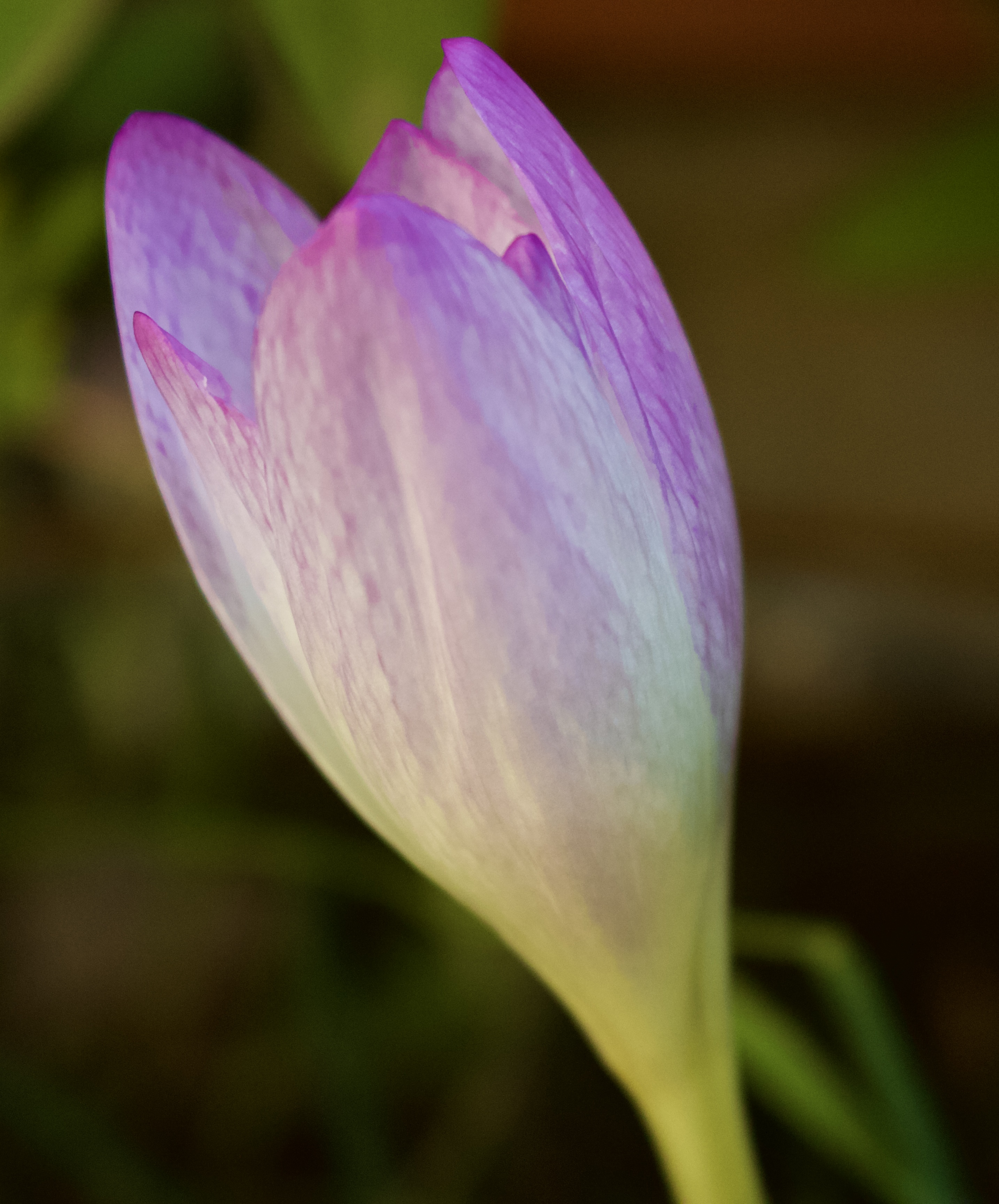
That’s You

She wasn’t looking
when they took this picture:
sitting on the grass
in her bare feet
wearing a cotton dress,
she stares off to the side
watching something on the lawn
the camera didn’t catch.
What was it?
A ladybug? A flower?
Judging from her expression,
possibly nothing at all,
or else
the lawn was like a mirror,
and she sat watching herself,
wondering who she was
and how she came to be there
sitting in this backyard,
wearing a cheap, white dress,
imagining that tomorrow
would be like all her yesterdays,
while her parents chatted
and watched, as I do
years later,
too distantly to interfere.
~Dana Gioia, “Photograph of My Mother as a Young Girl” from Daily Horoscope

Seeing photos
of ancestors
a century past

is like looking
at your own
fingerprints—

circles 
and lines
you can’t 
recognize

until someone else
with a stranger’s eye
looks close and says
that’s you.
~Joseph Bruchac, “Prints” from Sing: Poetry from the Indigenous Americas.

Growing up, it was never obvious to me that I looked like either one of my parents. Once, as a naughty kid, I told them I thought I was adopted as there wasn’t a single photo to be found of my mother looking pregnant (never mind that few women in the 50’s allowed themselves to be photographed pregnant).

Searching the faces of extended family in old photographs, others would comment on the facial similarities between my young mother and me.

And indeed, the older I have become, the more I see my mother looking back at me in the mirror.

The characteristics I inherited from my father aren’t as obvious in the mirror: his persistence and problem-solving, his inability to ever fully relax, his drive to get things done and not give up.

So, yes, that is me in the photos of my mother taken nearly a century ago, as well as those taken not so long ago.

I now recognize me in those photos, grateful to resemble such a loving and lovely mom.

One-Time
Monthly
Yearly

Make a one-time or recurring donation to support daily Barnstorming posts

Make a monthly donation

Make a yearly donation

Choose an amount

$10.00
$25.00
$50.00
$5.00
$15.00
$100.00
$5.00
$15.00
$100.00

Or enter a custom amount

$

Your contribution is deeply appreciated.

Your contribution is appreciated.

Your contribution is appreciated.

DonateDonate monthlyDonate yearly
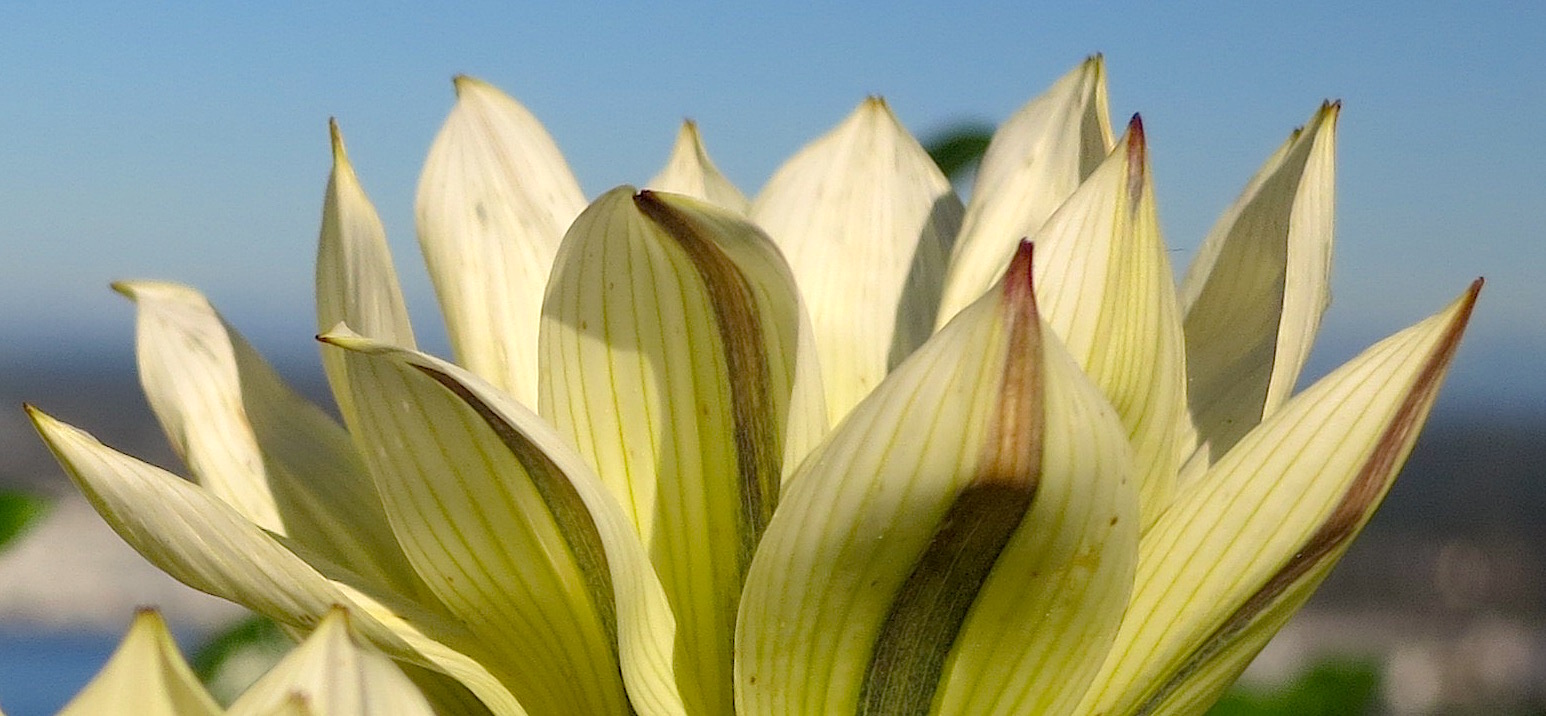
In the Light-Charged Air

When I saw the figure on the crown of the hill,
high above the city, standing perfectly still


against a sky so saturated with the late-
afternoon, late-summer Pacific light


that granules of it seemed to have come out
of solution, like a fine precipitate


of crystals hanging in the brightened air,
I thought whoever it was standing up there


must be experiencing some heightened state
of being, or thinking—or its opposite,


thoughtlessly enraptured by the view.
Or maybe, looking again, it was a statue


of Jesus or a saint, placed there to bestow
a ceaseless blessing on the city below.


Only after a good five minutes did I see
that the figure was actually a tree—


some kind of cypress, probably, or cedar.
I was both amused and let down by my error.


Not only had I made the tree a person,
but I’d also given it a vision,


which seemed to linger in the light-charged air
around the tree’s green flame, then disappear.

~Jeffrey Harrison “The Figure on the Hill” from Into Daylight

Who was it who suggested that the opposite of war
Is not so much peace as civilisation? He knew
Our assassinated Catholic greengrocer who died
At Christmas in the arms of our Methodist minister,
And our ice-cream man whose continuing requiem
Is the twenty-one flavours children have by heart.
Our cobbler mends shoes for everybody; our butcher
Blends into his best sausages leeks, garlic, honey;
Our cornershop sells everything from bread to kindling.
Who can bring peace to people who are not civilised?
All of these people, alive or dead, are civilised.

~Michael Longley “All of These People”  from Collected Poems

Who among us appear
in the light-charged air,
visible on the crown of the hill of life –
who might be mistaken
for a martyr or a saint or a visionary,
when each one of us is
merely a person
responsible to a family,
committed to help friends,
dedicated to serve a community,
placed in this world to steady a broken civilization.

There is the simple truth that we need a person
with roots deep in the ground,
branches that reach up and out,
bearing fruit to share with those around us.

But surely not
this misery, not this blight, not this trouble,
certainly not these murders,
which only bears and shares
a heart-rending, horrible grief.

One-Time
Monthly
Yearly

Make a one-time or recurring donation to support daily Barnstorming posts

Make a monthly donation

Make a yearly donation

Choose an amount

$10.00
$25.00
$50.00
$5.00
$15.00
$100.00
$5.00
$15.00
$100.00

Or enter a custom amount

$

Your contribution is deeply appreciated.

Your contribution is appreciated.

Your contribution is appreciated.

DonateDonate monthlyDonate yearly
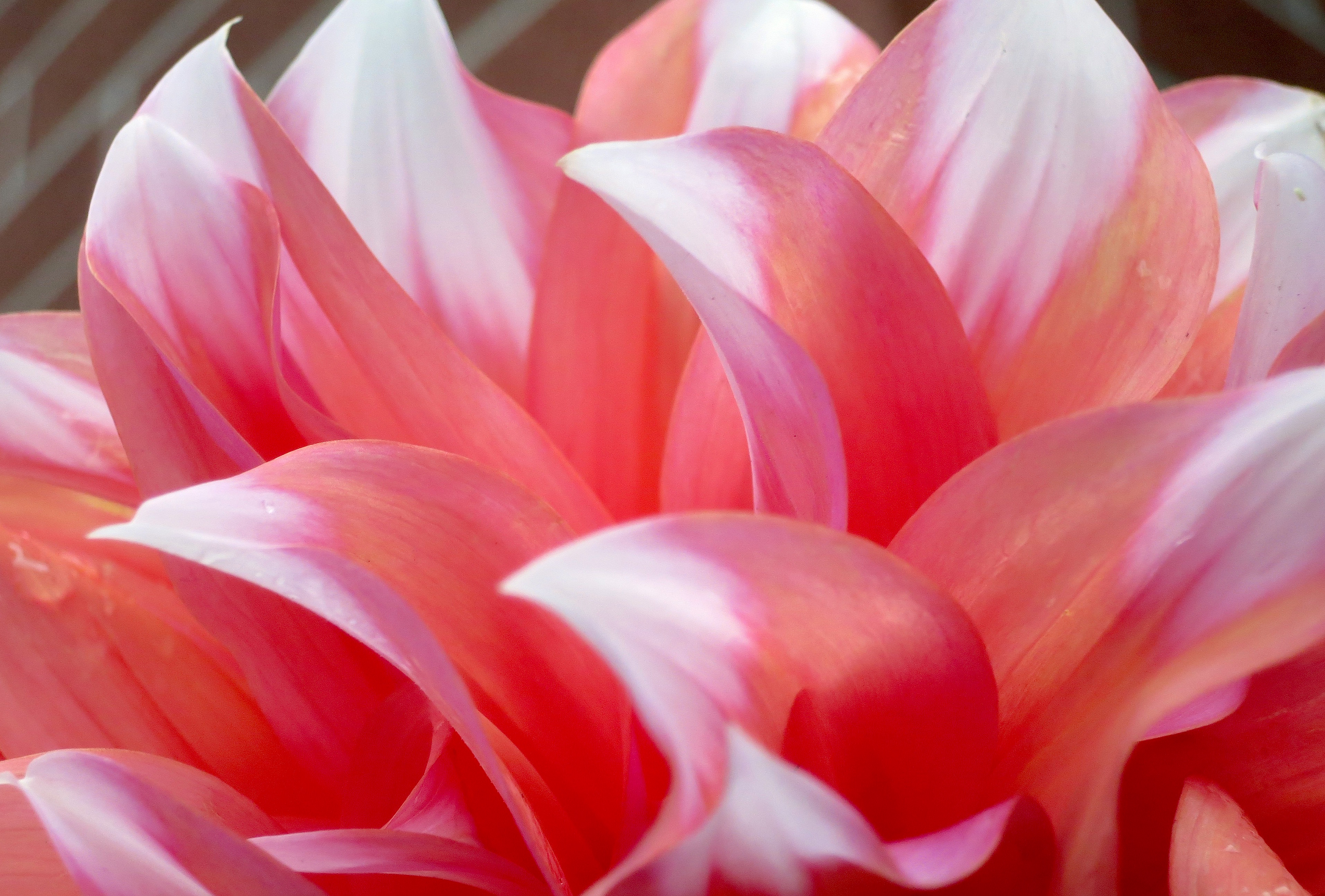
Calling from the Wind Phone

The pain I feel now is the happiness I had before. That’s the deal.
~C.S. Lewis
from A Grief Observed

the rubble still piled on the beach at Tohoku, Japan, a year after the 3/11/11 tsunami

In the wrecked landscape
of Fukushima

a white telephone booth
shines

with many panes of glass
in the hinged door

and a man steps in
dials the cell number

of his wife’s phone,
of course unanswering—

she was swept away
in the tsunami,

a photo in the paper
shows her sitting outside

on a blanket, knees
up, rocking back in laughter.

I pick up the black
receiver, still warm

from his hand, dialing
my sister’s number I used

to know by heart.
No answer from the sea

or her, just the whirling sound
of blood pounding in my ear.
~Patricia Clark “The Wind Phone”

photo by Nate Gibson at Sendai, Japan
photo by Nate Gibson 11/11
photo by Nate Gibson of Sendai rubble pile 11/11

My life closed twice before its close;
It yet remains to see
If immortality unveil
A third event to me

So huge, so hopeless to conceive
As these that twice befell.
Parting is all we know of heaven,
And all we need of hell.

~Emily Dickinson “Parting”

Original windphone is Otsuchi Garden, Japan

In 2012, we stayed with our friends Brian and Bette at their cabin on a bluff just above the Pacific Ocean at Sendai, Japan, just a few dozen feet above the devastation that wiped out an entire fishing village below during the 3/11/11 earthquake and tsunami.

As we walked that stretch of beach, we heard the stories of the people who had lived there, some of whom did not survive the waves that swept their houses and cars away before they could escape. We walked past the footprints of foundations of hundreds of demolished homes, humbled by the rubble mountains yet to be hauled away a year later, to be burned or buried. There were acres of wrecked vehicles piled one on another, waiting to become scrap metal.

It was visual evidence of life so suddenly and dramatically disrupted and carried away.

This had been a place of recreation and respite for some who visited regularly, commerce and livelihood for others who stayed year round and, in ongoing recovery efforts, struggling to be restored to something familiar. Yet it looked like a foreign ghostly landscape. Many trees perished, lost, broken off, fish nets still stuck high on their scarred trunks. There were small memorials to lost family members within some home foundations, with stuffed animals and flowers wilting from the recent anniversary observance.

Tohoku is a powerful place of memories for those who still live there and know what it once was, how it once looked and felt, and painfully, what it became in a matter of minutes on 3/11/11. The waves swept in inexplicable suffering, then carried their former lives away. Happiness gave ground to such terrible pain that could never have hurt as much without the joy and contentment that preceded it.

We are tempted to ask God why He doesn’t do something about the suffering that happened in this place or anywhere a disaster occurs –but if we do, He will ask us the same question right back. We need to be ready with our answer and our action.

God knows suffering. Far more than we do. He took it all on Himself, feeling His pain amplified, as it was borne out of His love and joy in His creation.

This beautiful place, and its dedicated survivors have slowly recovered, but the inner and outer landscape is forever altered. What remains the same is the pulsing tempo of the waves, the tides, and the rhythm of the light and the night, happening just as originally created.

With that realization, pain will finally give way, unable to stand up to His love, His joy, and our response to His sacrifice.

We can call Him up anytime and anywhere.

bent gate at Sendai beach -2012
One-Time
Monthly
Yearly

Make a one-time or recurring donation to support daily Barnstorming posts

Make a monthly donation

Make a yearly donation

Choose an amount

$10.00
$25.00
$50.00
$5.00
$15.00
$100.00
$5.00
$15.00
$100.00

Or enter a custom amount

$

Your contribution is deeply appreciated.

Your contribution is appreciated.

Your contribution is appreciated.

DonateDonate monthlyDonate yearly
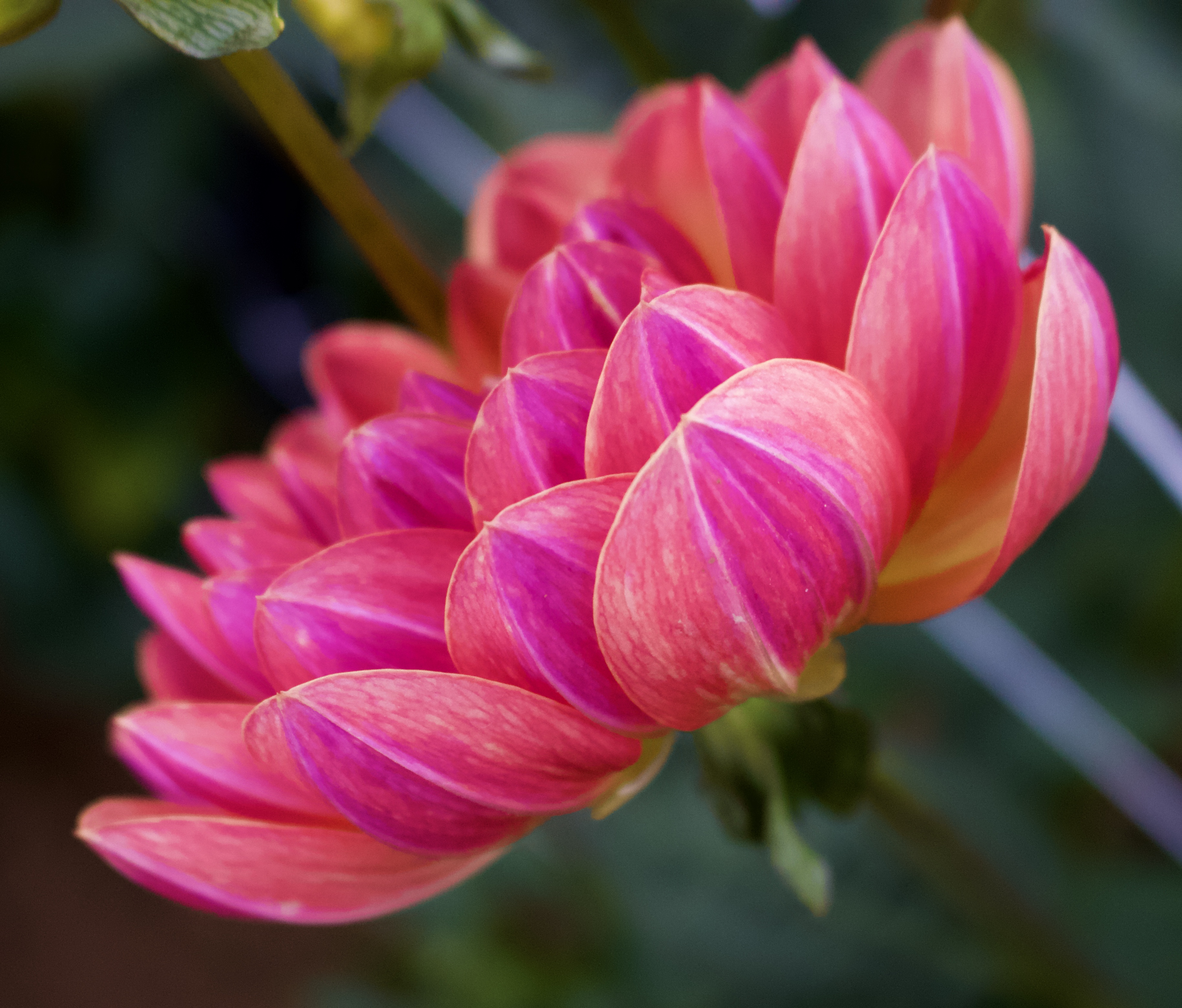
The Moonshining Place

At the edge of the city,
at the edge of the world,
at the edge between
the earth and endless sky,
the moonshining place,
the place where we hung
our long summer legs
over the edge and fought
the urge to drop a shoe
or sneak a real first kiss,
the place where we played
hide-and-go-seek
and Tag, you’re it!
until we couldn’t breathe
or the sun went down,
the place where we came
on the quietest nights
to feel the moon kiss
the edge between
our skin and endless sky.

~Sarah Kobrinsky, from Nighttime on the Otherside of Everything

Once when we were playing
hide-and-seek and it was time
to go home, the rest gave up
on the game before it was done
and forgot I was still hiding.
I remained hidden as a matter
of honor until the moon rose.

~Galway Kinnell “Hide-and-Seek 1933” from Strong Is Your Hold.

Tomorrow
there will be sun, scalloped by clouds,
ushered in by a waterfall of birdsong.
It will be a temperate seventy-five, low
humidity. For twenty-four hours,
all politicians will be silent. Reality
programs will vanish from TV, replaced
by the “snow” that used to decorate
our screens when reception wasn’t
working. Soldiers will toss their weapons
in the grass. The oceans will stop
their inexorable rise. No one
will have to sit on a committee.
When twilight falls, the aurora borealis
will cut off cell phones, scramble the internet.
We’ll play flashlight tag, hide and seek,
decorate our hair with fireflies, spin
until we’re dizzy, collapse
on the dew-decked lawn and look up,
perhaps for the first time, to read the long lines
of cold code written in the stars….
~Barbara Crooker “Tomorrow” from Some Glad Morning.

As a kid playing hide-n-seek, I always preferred to be the “seeker” as I was secretly afraid if I hid, I would be forgotten, everyone would go home and I wouldn’t be found.

Even so, I was too proud to quit the game and come out of hiding. Of course that never happened in real life. I was really lousy at hiding.

When I got older, I was no better at hiding, though I tried. God would always locate me, even without sending the tell-tale spotlight of the moon to find me.

I gave up hiding long ago. Once found, there is no point in trying to disappear from His sight.

His eye shines bright upon us all.

photo of supermoon by Harry Rodenberger
photo of supermoon by Bob Tjoelker
One-Time
Monthly
Yearly

Make a one-time or recurring donation to support daily Barnstorming posts

Make a monthly donation

Make a yearly donation

Choose an amount

$10.00
$25.00
$50.00
$5.00
$15.00
$100.00
$5.00
$15.00
$100.00

Or enter a custom amount

$

Your contribution is deeply appreciated.

Your contribution is appreciated.

Your contribution is appreciated.

DonateDonate monthlyDonate yearly
Waiting for the School Bus

A second crop of hay lies cut   
and turned. Five gleaming crows   
search and peck between the rows.
They make a low, companionable squawk,   
and like midwives and undertakers   
possess a weird authority.

Crickets leap from the stubble,   
parting before me like the Red Sea.   
The garden sprawls and spoils.

Cloud shadows rush over drying hay,   
fences, dusty lane, and railroad ravine.   
The first yellowing fronds of goldenrod   
brighten the margins of the woods.

Schoolbooks, carpools, pleated skirts;   
water, silver-still, and a vee of geese.

*

The cicada’s dry monotony breaks   
over me. The days are bright   
and free, bright and free.

Then why did I cry today   
for an hour, with my whole   
body, the way babies cry?

*

A white, indifferent morning sky,
and a crow, hectoring from its nest
high in the hemlock, a nest as big
as a laundry basket …

In my childhood
I stood under a dripping oak,
while autumnal fog eddied around my feet,
waiting for the school bus
with a dread that took my breath away.

The damp dirt road gave off
this same complex organic scent.
I had the new books—words, numbers,
and operations with numbers I did not
comprehend—and crayons, unspoiled
by use, in a blue canvas satchel
with red leather straps.

Spruce, inadequate, and alien
I stood at the side of the road.
It was the only life I had.
~Jane Kenyon from “Three Songs at the End of Summer”

Yesterday, my son taught me the sign for lockdown
different than locking a door,
or the shutdown we invented at the start
of the pandemic. Little fistfuls of locks
swept quickly between us, a sign
designed especially for school.


My son spent his first years a different kind of
locked up—an orphanage in Bangkok, where he didn’t
speak and they couldn’t sign. He came home, age four,
silent. We thought being here could open
doors. It has, of course. He’s learned so much
at the deaf school; the speech therapist calls it a Language
Explosion. I keep lists of the words he’s gathered:
vanilla, buckle, castle, stay. And
lockdown. He absorbs it like the rest. Now the schools
he builds with Magna-Tiles have lockdowns. I worry
in trying to give him keys, we’ve only changed the locks.


To lock down a deaf school, we use a special strobe.
When it flashes, we flip switches and sign through
darkness. The children know to stay
beneath the windows. Every five minutes a robot texts:
“Shelter in place is still in effect. Please await further
instructions.” Then we pull the fire alarm, a tactical move to
unsettle the shooter. Hearing people can’t
think with noise like that. A piercing thing
we don’t detect, to cover the sounds we make, the sounds
we don’t know we’re making.

~Sara NovićLockdown at the School for the Deaf”

The first day back to school now isn’t always the day after Labor Day as it was when I was growing up. Some students have been in classes for a couple weeks already, others started a few days ago to ease into the transition more gently. 

Some return to the routine this morning – school buses roar past our farm brimming with eager young faces and stuffed back packs amid a combination of excitement and anxiety.

I remember well that foreboding that accompanied a return to school — the strict schedule, the inflexible rules and the often harsh adjustment of social hierarchies and friend groups. Even as a good learner and obedient student, I was a square peg being pushed into a round hole when I returned to the classroom. The students who struggled academically and who pushed against the boundaries of rules must have felt even more so. We all felt alien and inadequate to the immense task before us to fit in with one another, allow teachers to structure and open our minds to new thoughts, and to become something and someone more than who we were before.

Growth is so very hard, our stretching so painful, the tug and pull of friendships stressful. And for the last two decades, there is the additional fear of lockdowns and active shooters.

I worked with students on an academic calendar for over 30 years, yet though I’m now retired, I still don’t sleep well in anticipation of all this day means.

So I take a deep breath on a foggy post-Labor Day morning and am immediately taken back to the anxieties and fears of a skinny little girl in a new home-made corduroy jumper and saddle shoes, waiting for the schoolbus on our drippy wooded country road.

She is still me — just buried deeply in the fog of who I became after all those years of schooling, hidden somewhere under all the piled-on layers of learning and growing and hurting and stretching — I do remember her well.

Like every student starting a new adventure today,
we could all use a hug.

Lo! I am come to autumn,
   When all the leaves are gold;
Grey hairs and golden leaves cry out
   The year and I are old.

In youth I sought the prince of men,
   Captain in cosmic wars,
Our Titan, even the weeds would show
   Defiant, to the stars.

But now a great thing in the street
   Seems any human nod,
Where shift in strange democracy
   The million masks of God.

In youth I sought the golden flower
   Hidden in wood or wold,
But I am come to autumn,
   When all the leaves are gold.

~G.K. Chesterton “Gold Leaves”

One-Time
Monthly
Yearly

Make a one-time or recurring donation to support daily Barnstorming posts

Make a monthly donation

Make a yearly donation

Choose an amount

$10.00
$25.00
$50.00
$5.00
$15.00
$100.00
$5.00
$15.00
$100.00

Or enter a custom amount

$

Your contribution is deeply appreciated.

Your contribution is appreciated.

Your contribution is appreciated.

DonateDonate monthlyDonate yearly
The Healing Crack in the Coil

Needing them still, I come
when I can, this time to the sea
where we share a room: their double bed,
my single. Morning fog paints the pale
scene even paler. Lace curtains breathing,
the chenille spread folded back,
my father’s feet white sails furled
at the edge of blue pajamas.
Every child’s dream, a parent
in each hand, though this child is fifty.
Their bodies fit easily, with room
to spare. When did they grow
so small? Grow so small—
as if it were possible to swell
backwards into an earlier self.


One more year, I ask the silence.
Last night to launch myself
into sleep I counted their breaths, the tidal
rise and fall I now put my ear to,
the coiled shell of their lives.
~Rebecca McClanahan from “Watching my Parents Sleeping Beside an Open Window Near the Sea” from Deep Light: New and Selected Poems.

“Her Room” by Andrew Wyeth in the Farnsworth Art Museum

My parents have been gone now for some time, my father 30 years, my mother, nearly 17 years. Their dying was a long process of counted breaths and pauses. I witnessed their bodies curling into themselves, shrinking smaller, worn down by illness and age.

I still miss them as I’m reminded of them by the events of my own life, still wanting them to take me by the hand as I navigate my own daily path.

After mom’s death, those possessions not distributed to family members have remained packed up and stored in our barn buildings. I know it is well past time to deal with their stuff as I become keenly aware of my own graying and aging.

In the house, next to where I write, is a box of over 500 letters written by my mother and father between 1941 and 1945. The letters began as they were getting to know each other at college, going from “pinned” to “engaged” and continue for three and a half more years after a hurried wedding Christmas Eve 1942. By mid-January 1943, my newly minted Marine officer father shipped out to spend the next three years of his life fighting on the battlefields of Saipan, Tinian and Tarawa in the Pacific Ocean, not to return again to the states until late summer of 1945.

My mother wrote her letters from the small rural eastern Washington community of Colville, living in a “teachers’ cottage” with other war wives who taught school while waiting for their husbands to return home – or not.

It took me a decade to find the courage and time to devote to reading these letters they treasured and never threw away. I sorted them unopened by postmark date into some semblance of order and sat down to start at the very beginning, which, of course, is my beginning as well. I opened each one with some trepidation and a lump in my throat about what I might find written there. I worried I may find things I didn’t want to know. I hoped I would find things that I desperately needed to know.

Most of all I wanted to understand the two people who became my parents within the coiled shell of their forty years together, though broken by a painful divorce which lasted a decade. Having lived through that awful time with them, I want to understand the origin of a love which eventually mended their cracked shell of companionship, gluing them back together for five more years before my father died.

As I ponder their words, I too cross a bridge back to them both, my ear pressed to the coiled shell of those fading voices, as if I might still hear the sea, at times bringing them closer, then pulling them farther away.

AI image created for this post
One-Time
Monthly
Yearly

Make a one-time or recurring donation to support daily Barnstorming posts

Make a monthly donation

Make a yearly donation

Choose an amount

$10.00
$25.00
$50.00
$5.00
$15.00
$100.00
$5.00
$15.00
$100.00

Or enter a custom amount

$

Your contribution is deeply appreciated.
Your contribution is appreciated.

Your contribution is appreciated.

DonateDonate monthlyDonate yearly