A voice is heard in Ramah, mourning and great weeping, Rachel weeping for her children and refusing to be comforted, because they are no more. Matthew 2:18 and Jeremiah 31:15
We think of him as safe beneath the steeple, Or cosy in a crib beside the font, But he is with a million displaced people| On the long road of weariness and want. For even as we sing our final carol His family is up and on that road, Fleeing the wrath of someone else’s quarrel, Glancing behind and shouldering their load.
Whilst Herod rages still from his dark tower Christ clings to Mary, fingers tightly curled,| The lambs are slaughtered by the men of power, And death squads spread their curse across the world. But every Herod dies, and comes alone To stand before the Lamb upon the throne. ~Malcolm Guite from Waiting on the Word
…as you sit beneath your beautifully decorated tree, eat the rich food of celebration, and laugh with your loved ones, you must not let yourself forget the horror and violence at the beginning and end of the Christmas story. The story begins with the horrible slaughter of children and ends with the violent murder of the Son of God. The slaughter depicts how much the earth needs grace. The murder is the moment when that grace is given.
Look into that manger representing a new life and see the One who came to die. Hear the angels’ celebratory song and remember that sad death would be the only way that peace would be given. Look at your tree and remember another tree – one not decorated with shining ornaments, but stained with the blood of God.
As you celebrate, remember that the pathway to your celebration was the death of the One you celebrate, and be thankful. ~Paul Tripp
There can be no consolation; only mourning and great weeping, sobbing that wrings dry every human cell, leaving dust behind– dust, only dust which is beginning and end.
He came to us for times such as this, born of the dust of woman and the breath of Spirit, God who bent down to lie in barn dust, walk on roads of dust, die and be laid to rest as dust in order to conquer such evil as this that could terrify masses and massacre innocents.
He became dust to be like us He began a mere speck in a womb like us, so easily washed away as unexpected, unneeded, unwanted.
Lord, You are long expected. You are needed You are wanted.
Your heart beat like ours breathing each breath like ours until a fearful fallen world took Your and our breath away.
You shine through the shadows of death to guide our stumbling uncertain feet. Your tender mercies flow freely when there is no consolation when there is no comfort.
You hear our cries as You cry too. You know our tears as You weep too. You know our mourning as You mourned too. You know our dying as You died too.
God weeps as tragedy happens. Evil comes not from God yet humankind embraces it. Sin is a choice we made from the beginning, a choice we continue to make.
Only God can glue together what evil has shattered. He just asks us to hand Him the pieces of our broken hearts.
We will know His peace when He comes to bring us home, our tears will finally be dried, our cells no longer just dust, never only dust as we are glued together by the breath of God forevermore.
the tender mercy of our God, by which the rising sun will come to us from heaven to shine on those living in darkness and in the shadow of death, to guide our feet into the path of peace. Luke 1: 78-79
In the quiet misty morning When the moon has gone to bed, When the sparrows stop their singing And the sky is clear and red, When the summer’s ceased its gleaming When the corn is past its prime, When adventure’s lost its meaning – I’ll be homeward bound in time
Bind me not to the pasture Chain me not to the plow Set me free to find my calling And I’ll return to you somehow
If you find it’s me you’re missing If you’re hoping I’ll return, To your thoughts I’ll soon be listening, And in the road I’ll stop and turn Then the wind will set me racing As my journey nears its end And the path I’ll be retracing When I’m homeward bound again
Bind me not to the pasture Chain me not to the plow Set me free to find my calling And I’ll return to you somehow
In the quiet misty morning When the moon has gone to bed, When the sparrows stop their singing I’ll be homeward bound again. ~Marta Keen “Homeward Bound”
Seventy eight years ago, my parents married on Christmas Eve. It was not a conventional wedding day but a date of necessity, only because a justice of the peace was available to marry a score of war-time couples in Quantico, Virginia, shortly before the newly trained Marine officers were shipped out to the South Pacific to fight in WWII.
When I look at my parents’ young faces – ages 22 and just turned 21 — in their only wedding portrait, I see a hint of the impulsive decision that led to that wedding just a week before my father left for 30 months. They had known each other at college for over a year, had talked about a future together, but with my mother starting a teaching job in a rural Eastern Washington town, and the war potentially impacting all young men’s lives very directly, they had not set a date.
My father put his college education on hold to enlist, knowing that would give him some options he wouldn’t have if drafted, so they went their separate ways as he headed east to Virginia for his Marine officer training, and Mom started her high school teaching career as a speech and drama teacher. One day in early December of 1942, he called her and said, “If we’re going to get married, it’ll need to be before the end of the year. I’m shipping out the first week in January.” Mom went to her high school principal, asked for a two week leave of absence which was granted, told her astonished parents, bought a dress, and headed east on the train with a friend who had received a similar call from her boyfriend.
This was a completely uncharacteristic thing for my overly cautious mother to do, so… it must have been love.
They were married in a brief civil ceremony with another couple as the witnesses. They stayed in Virginia only a couple days and took the train back to San Diego, and my father was shipped out. Just like that. Mom returned to her teaching position and the first three years of their married life was composed of letter correspondence only, with gaps of up to a month during certain island battles when no mail could be delivered or posted.
As I sorted through my mother’s things following her death over a decade ago, I found their war-time letters to each other, stacked neatly and tied together in a box.
In my father’s nearly daily letters home to my mother during WWII, month after month after month, he would say, over and over, while apologizing for the repetition:
“I will come home to you, I will return, I will not let this change me, we will be joined again…”
This was his way of convincing himself even as he carried the dead and dying after island battles: men he knew well and the enemy he did not know. He knew they were never returning to the home they died protecting and to those who loved them.
He shared little of battle in his letters as each letter was reviewed and signed off by a censor before being sealed and sent. This story, however, made it through:
“You mentioned a story of Navy landing craft taking the Marines into Tarawa. It reminded me of something which impressed me a great deal and something I’m sure I’ll never forget.
So you’ll understand what I mean I’ll try to start with an explanation. In training – close order drill- etc. there is a command that is given always when the men form in the morning – various times during the day– after firing– and always before a formation is dismissed. The command is INSPECTION – ARMS. On the command of EXECUTION- ARMS each man opens the bolt of his rifle. It is supposed to be done in unison so you hear just one sound as the bolts are opened. Usually it is pretty good and sounds O.K.
Just to show you how the morale of the men going to the beach was – and how much it impressed me — we were on our way in – I was forward, watching the beach thru a little slit in the ramp – the men were crouched in the bottom of the boat, just waiting. You see- we enter the landing boats with unloaded rifles and wait till it’s advisable before loading. When we got about to the right distance in my estimation I turned around and said – LOAD and LOCK – I didn’t realize it, but every man had been crouching with his hand on the operating handle and when I said that — SLAM! — every bolt was open at once – I’ve never heard it done better – and those men meant business when they loaded those rifles.
A man couldn’t be afraid with men like that behind him.”
My father did return home to my mother after nearly three years of separation. He finished his college education to become an agriculture teacher to teach others how to farm the land while he himself became bound to the pasture and chained to the plow.
He never forgot those who died, making it possible for him to return home. I won’t forget either.
My mother and father could not have foretold the struggles that lay ahead for them. The War itself seemed struggle enough for the millions of couples who endured the separation, the losses and grieving, as well as the eventual injuries–both physical and psychological. It did not seem possible that beyond those harsh and horrible realities, things could go sour after reuniting.
The hope and expectation of happiness and bliss must have been overwhelming, and real life doesn’t often deliver. After raising three children, their 35 year marriage fell apart with traumatic finality. When my father returned home (again) over a decade later, asking for forgiveness, they remarried and had five more years together before my father died in 1995.
Christmas is a time of joy, a celebration of new beginnings and new life when God became man, humble, vulnerable and tender. But it also gives us a foretaste for the profound sacrifice made in giving up this earthly life, not always so gently.
As I peer at my father’s and mother’s faces in their wedding photo, I remember those eyes, then so trusting and unaware of what was to come. I find peace in knowing they returned home to behold the Light, the Salvation and the Glory~~the ultimate Christmas~~in His presence.
In the quiet misty morning When the moon has gone to bed, When the sparrows stop their singing And the sky is clear and red, When the summer’s ceased its gleaming When the corn is past its prime, When adventure’s lost its meaning – I’ll be homeward bound in time
Bind me not to the pasture Chain me not to the plow Set me free to find my calling And I’ll return to you somehow
If you find it’s me you’re missing If you’re hoping I’ll return, To your thoughts I’ll soon be listening, And in the road I’ll stop and turn Then the wind will set me racing As my journey nears its end And the path I’ll be retracing When I’m homeward bound again
Bind me not to the pasture Chain me not to the plow Set me free to find my calling And I’ll return to you somehow
In the quiet misty morning When the moon has gone to bed, When the sparrows stop their singing I’ll be homeward bound again. ~Marta Keen “Homeward Bound”
…Christmas will come once again. The great transformation will once again happen. God would have it so. Out of the waiting, hoping, longing world, a world will come in which the promise is given. All crying will be stilled. No tears shall flow. No lonely sorrow shall afflict us anymore, or threaten. ~Dietrich Bonhoeffer in a sermon to a church in Havana, Cuba December 21, 1930
when this blessing comes, take its hand. Get up. Set out on the road you cannot see.
This is the night when you can trust that any direction you go, you will be walking toward the dawn. — Jan Richardson (author of Circle of Grace)
“Gandalf! I thought you were dead! But then I thought I was dead! Is everything sad going to come untrue?” ~J.R.R. Tolkien from The Lord of the Rings when Samwise Gamgee wakes to find his friends all around him
“The answer is yes. And the answer of the Bible is yes. If the resurrection is true, then the answer is yes. Everything sad is going to come untrue.” ~Pastor Tim Keller’s response in a sermon given in an ecumenical prayer service memorial in Lower Manhattan on the fifth anniversary of Sept. 11.
In our minds, we want to rewind and replay the events of a tragedy in a way that would prevent it from happening in the first place. We want to bring the dead and injured back to health again. The pandemic virus fizzles out on its own, the devastating earthquake becomes a mere tremor, the flooding tsunami is only one foot, not thirty feet tall, the terrorist hijackers are prevented from ever boarding a plane, the shooter changes his mind at the last minute, lays down his arms, disables his booby trap bombs and calls someone for help with his distress and anger.
We want so badly for it all to be untrue, especially the events of this year. The bitter reality of horrendous suffering and sadness daily all over the earth is too much for us to absorb. We plead for relief, beg for a better day.
Our minds may play mental tricks like this, but God does not play tricks. He knows and feels what we do. He too wants to see it rewound and replayed differently. He has known grief and sadness, He has wept, He has suffered, He too died. And because of this, because of a God who came to dwell with us, was broken, died and then rose again whole and holy, we are assured, in His time, everything sad is going to come untrue.
Our tears will be dried, our grief turned to joy, our pain nonexistent, not even a memory. It will be a new day, a better day–as it is written, trustworthy and true.
May it come.
Quickly.
He will wipe away every tear from their eyes, and death shall be no more, neither shall there be mourning, nor crying, nor pain anymore, for the former things have passed away. And he who was seated on the throne said, “Behold, I am making all things new.” Also he said, “Write this down, for these words are trustworthy and true. Revelation 21: 4-5
God is not dead, nor does he sleep. ~Henry Wadsworth Longfellowfrom Christmas Bells
Unexpected God, your advent alarms us. Wake us from drowsy worship, from the sleep that neglects love, and the sedative of misdirected frenzy. Awaken us now to your coming, and bend our angers into your peace. Amen. ~Revised Common Lectionary First Sunday of Advent
During Advent there are times when I am guilty of blithely invoking the gentle bedtime story of that silent night, the infant napping away in a hay-filled manger, His devoted parents hovering, the humble shepherds peering in the stable door. All is calm. All is bright.
I’m dozing if I think that is all there was to it.
The reality is God Himself never sleeps.
This is no gentle bedtime story: a teenage mother giving birth in a smelly stable, with no alternative but to lay her baby in a rough feed trough. This is no gentle bedtime story: the heavenly host appearing to shepherds – the lowest of the low in society – shouting and singing glories leaving them “sore afraid.” That means: terrified. This is no gentle bedtime story: Herod’s response to the news that a Messiah had been born–he sought out to kill a legion of male children whose parents undoubtedly begged for mercy, clinging to their children about to be murdered. This is no gentle bedtime story: a family’s flight to Egypt as immigrants seeking asylum so their son would not be yet another victim of Herod. This is no gentle bedtime story: the life Jesus eventually led during His ministry: itinerant and homeless, tempted and fasting in the wilderness for forty days, owning nothing, rejected by His own people, betrayed by His disciples, sentenced to death by acclamation before Pilate, tortured, hung on a cross until He gave up his spirit.
Yet Jesus understood He was not of this world; He knew the power that originally brought him to earth as a helpless infant lying in an unforgiving wood trough.
He would be sacrificed on rough unforgiving wood, He would die and rise again, He would return again as King of all nations, He is not of this world yet comes to save this world.
When I hear skeptics scoff at Christianity as a “crutch for the weak”, they underestimate the courage it takes to walk into church each week admitting we are a desperate people seeking rescue. We cling to the life preserver found in the Word, lashed to our seats and hanging on. It is only because of grace that we survive the tempests of temptation, shame, guilt and self-doubt to confront the reality of an all-knowing God who is not dead and who never ever sleeps.
This bedtime story is not for the faint of heart — we are “sore afraid” to “bend our anger” into His peace.
Yet be not afraid: the wrong shall fail the Right prevail.
The walls of a stable are not worthy of a king. You come, little one, borne on the songs of angels, the echoes of prophets, and the light of a strange star. Do not cry, though you must lie on this rough, unforgiving wood. You will be wrapped in lengths of linen, and you will sleep. Being found in human form, he humbled himself, becoming obedient to death, yes, the death of the cross. Though you must lie on this rough, unforgiving wood, you will be wrapped in lengths of linen, and you will sleep. These walls are not worthy of a king, little one, but your kingdom is not of this world.
I heard the bells on Christmas day Their old familiar carols play And mild and sweet their songs repeat Of peace on earth good will to men And the bells are ringing (peace on earth) Like a choir they’re singing (peace on earth) In my heart I hear them (peace on earth) Peace on earth, good will to men And in despair I bowed my head There is no peace on earth I said For hate is strong and mocks the song Of peace on earth, good will to men But the bells are ringing (peace on earth) Like a choir singing (peace on earth) Does anybody hear them? (peace on earth) Peace on earth, good will to men Then rang the bells more loud and deep God is not dead, nor does he sleep (peace on earth, peace on earth) The wrong shall fail, the right prevail With peace… ~Henry Wadsworth Longfellow
There is nothing I can give you that you do not already have, but there is much, very much, that, while I cannot give it, you can take.
No heaven can come to us Unless our hearts find rest in it today. Take heaven.
No peace lies in the future Which is not hidden in this present instant. Take peace.
The gloom of the world is but a shadow; Behind it, yet within reach, is joy. Take joy.
And so, at this Christmastime, I greet you with the prayer that for you, Now and forever, The day breaks and the shadows flee away. – Fra Giovanni Giocondo letter to Countess Allagia Aldobrandeschi, Christmas Eve 1513
We are reminded in hundreds of self-help books, both secular and faith-based, to count our blessings in order to find happiness in our daily existence. The point is to peer out from under the shadow of gloom and grumbles to where light and hope is unimpeded.
It’s good advice as old as the Psalms, even if some folks don’t want to associate gratitude and blessings with Someone who actually bestows them.
There are some days when the shadows overpower all feelings of thanksgiving: seeing the tent and box cities of the homeless expanding, watching the numbers of sick and dying rise exponentially, witnessing the suffering of the lonely and isolated among us. How is it possible for us to grasp heaven or feel peace when all seems so bleak?
That is exactly why the Babe was born so many years ago, bringing with Him the Light and Hope so sorely needed by the world then and the world now. With His dawning, shadows flee away; we only need to take the joy and peace He offers.
Alleluia!
Oh little child it’s Christmas night And the sky is filled with glorious light Lay your soft head so gently down It’s Christmas night in Bethlehem town.
Chorus: Alleluia the angels sing Alleluia to the king Alleluia the angels sing Alleluia to the king.
Sleep while the shepherds find their way As they kneel before you in the golden hay For they have brought you a woolly lamb On Christmas night in Bethlehem. Chorus
Sleep till you wake at the break of day With the sun’s first dawning ray You are the babe, who’ll wear the crown On Christmas morn in Bethlehem town. Chorus
Salvation to all that will is nigh; That All, which always is all everywhere, Which cannot sin, and yet all sins must bear, Which cannot die, yet cannot choose but die, Lo! faithful Virgin, yields Himself to lie In prison, in thy womb; and though He there Can take no sin, nor thou give, yet He’ll wear, Taken from thence, flesh, which death’s force may try.
Ere by the spheres time was created thou Wast in His mind, who is thy Son, and Brother; Whom thou conceivest, conceived; yea, thou art now Thy Maker’s maker, and thy Father’s mother, Thou hast light in dark, and shutt’st in little room Immensity, cloister’d in thy dear womb. ~John Donne “Annunciation”
What next, she wonders, with the angel disappearing, and her room suddenly gone dark.
The loneliness of her news possesses her. She ponders how to tell her mother.
Still, the secret at her heart burns like a sun rising. How to hold it in— that which cannot be contained.
She nestles into herself, half-convinced it was some kind of good dream, she its visionary.
But then, part dazzled, part prescient— she hugs her body, a pod with a seed that will split her. ~Luci Shaw “Mary Considers Her Situation”
Sometimes for the light to replace where darkness thrives, there must be a wounding that tears us open, cleaving us enough so joy can enter into where we hurt the most.
The way a crow Shook down on me The dust of snow From a hemlock tree
Has given my heart A change of mood And saved some part Of a day I had rued. ~Robert Frost “Dust of Snow”
All those with whom I speak these days wish things could be different~ nothing feels right, rights feel like nothing, everyone sadly angry and angrily sad.
Friends no longer speaking to friends, families divided, opinions expressed and dismissed.
This virus is doing more damage than it was ever designed to do. It simply wants to replicate itself, yet along with its RNA, we have allowed it to sow discord, distrust, discouragement into our cells as well.
There is no vaccine for the stubbornness of heart ailing us now; we resist protective measures, act as if all is normal when a quarter million are dead and more are dying.
This infection of the spirit will far outlast the virus by spreading through the generations, eroding relationships, splitting human bonds, and withering our love for one another.
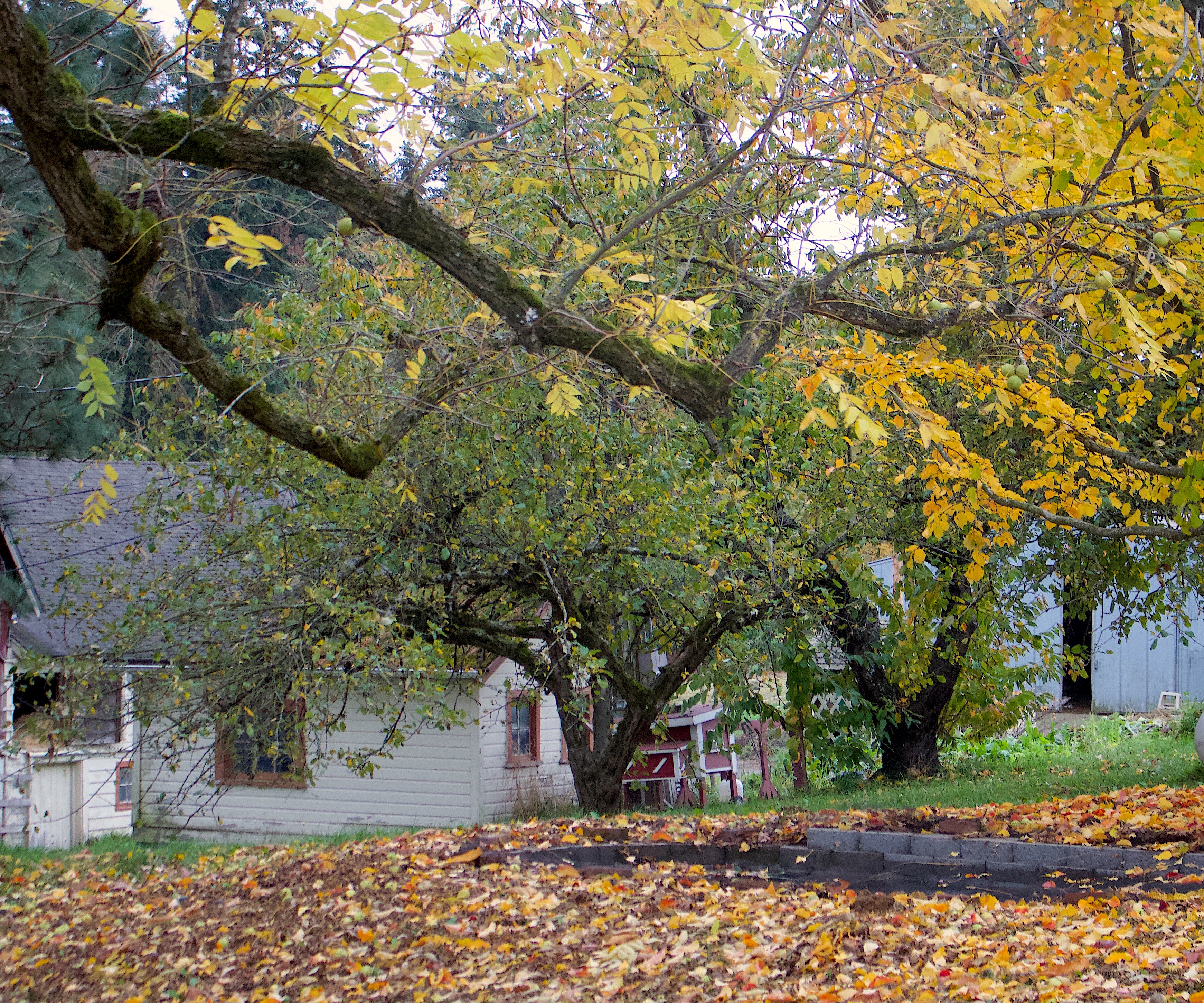
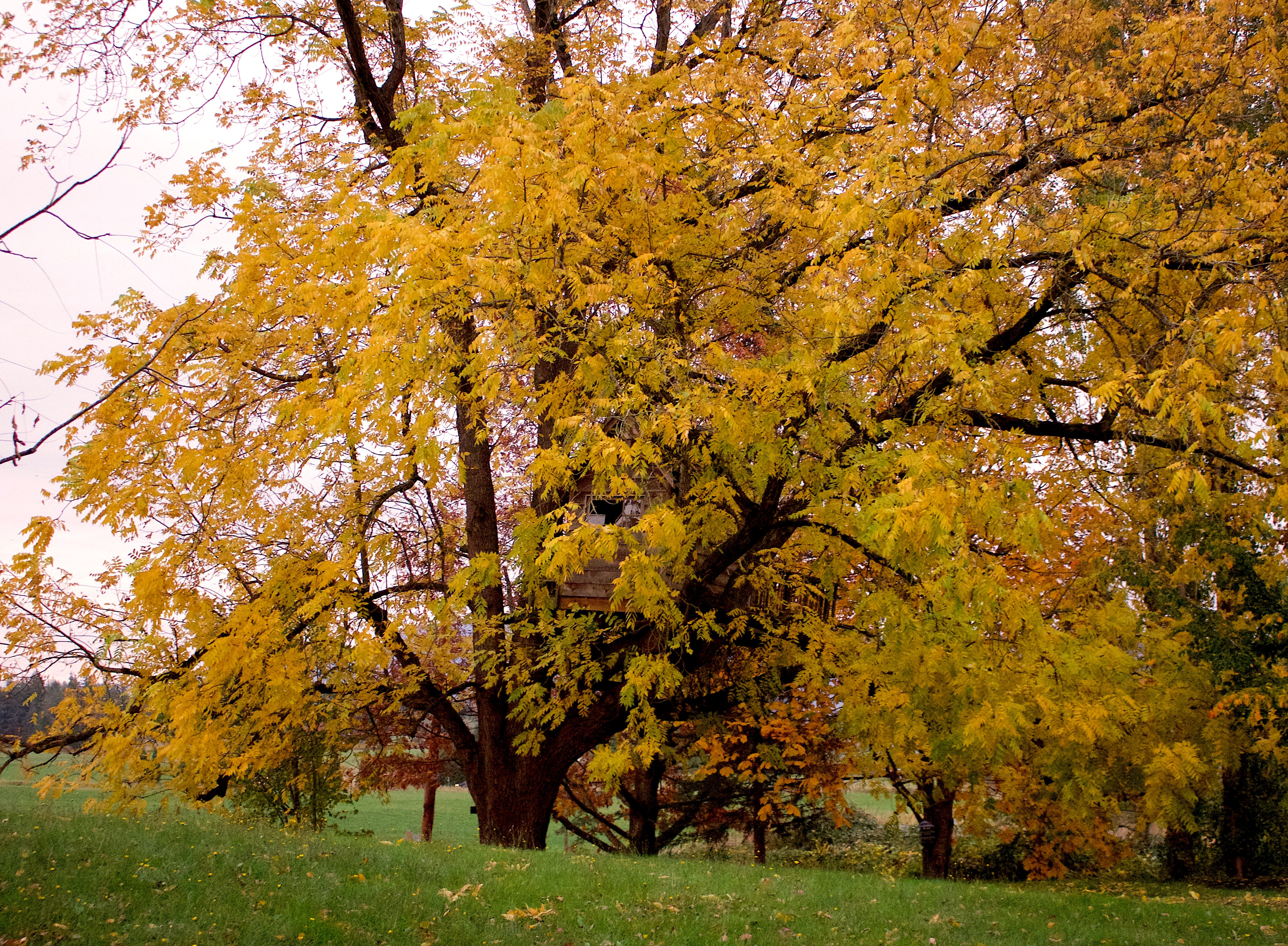
The melon shades of leaves will soon rust and fall gently to layers of rest and forgetting, like sunken poems, unusual love, and grave silence after the crows.
The black walnut tree trembles down its mysterious spheres to sleep darkly, to pulse with memory of heartwood.
Old roses are paling with grace in this air of ruining tomorrows. Autumn again, and all the years twisting a garland of melancholy. ~Tim Buck, “Autumn” from VerseWrights Journal
The beauty around me is dying. It becomes harder to find vibrance and life in my surroundings in the volatility of deep autumn: a high wind warning is on the horizon in a few hours and we face a long winter as the uncontrolled pandemic continues unabated.
Those facts alone are enough to make me wander about the farm feeling melancholic. Even more than the loss of mere leaves and the fading of blooms is the reality of so many afflicted and infected people whose season for dying will come too soon.
Woe to us who are more concerned about our inconvenience and discomfort today than the months of ruined tomorrows for millions.
Lest it be forgotten in our bitterness – the promise of healing and renewal is also on the horizon.
May I listen for the pulse deep within the heartwood of each person with whom I have differences; my love for them must not fade nor wither but grow more graceful, more forgiving, more vibrant and beautiful by the day.
So, when old hopes that earth was bettering slowly Were dead and damned, there sounded ‘War is done!’ One morrow. Said the bereft, and meek, and lowly, ‘Will men some day be given to grace? yea, wholly, And in good sooth, as our dreams used to run?‘
Aye; all was hushed. The about-to-fire fired not, The aimed-at moved away in trance-lipped song.
Calm fell. From Heaven distilled a clemency; There was peace on earth, and silence in the sky;
Some could, some could not, shake off misery… ~Thomas Hardy from “And There Was a Great Calm” (On the Signing of the Armistice, 11 Nov. 1918)
When you go home tell them of us and say – “For your tomorrow we gave our today” ~John Maxwell Edmonds from “The Kohima Epitaph”
I’m unsure why the United States does not call November 11 Remembrance Day as the Commonwealth nations did 102 years ago at the Armistice. This is a day that demands much more than the more passive name Veterans’ Day represents.
This day calls all citizens who appreciate their freedoms to stop what they are doing and disrupt the routine rhythm of their lives. We are to remember in humble thankfulness the generations of military veterans who sacrificed time, resources, sometimes health and well being, and too often their lives in answering the call to defend their countries and ensure tomorrows for all.
Remembrance means ~never forgetting what it costs to defend freedom. ~acknowledging the millions who have given of themselves and continue to do so on our behalf. ~never ceasing to acknowledge the misery endured by soldiers. ~a commitment to provide resources needed for the military to remain strong and supported. ~unending prayers for their safe return home to family and futures. ~teaching the next generation about the sacrifices that have been made by men and women on their behalf.
Remembrance of our veterans should also encourage us as foot soldiers in our current battle with a virus. In this fight, we are called to sacrifice our preferences, our comfort and our personal liberties for the good of the whole.
We have generations of selfless role models to look to for inspiration: we individually endure a measure of misery today in order to preserve countless tomorrows for all.
It must have come in with the morning paper, still being delivered to those who shelter in place.
A morning paper is still an essential service.
I am not an essential service.
I have coffee and books, time, a garden, silence enough to fill cisterns.
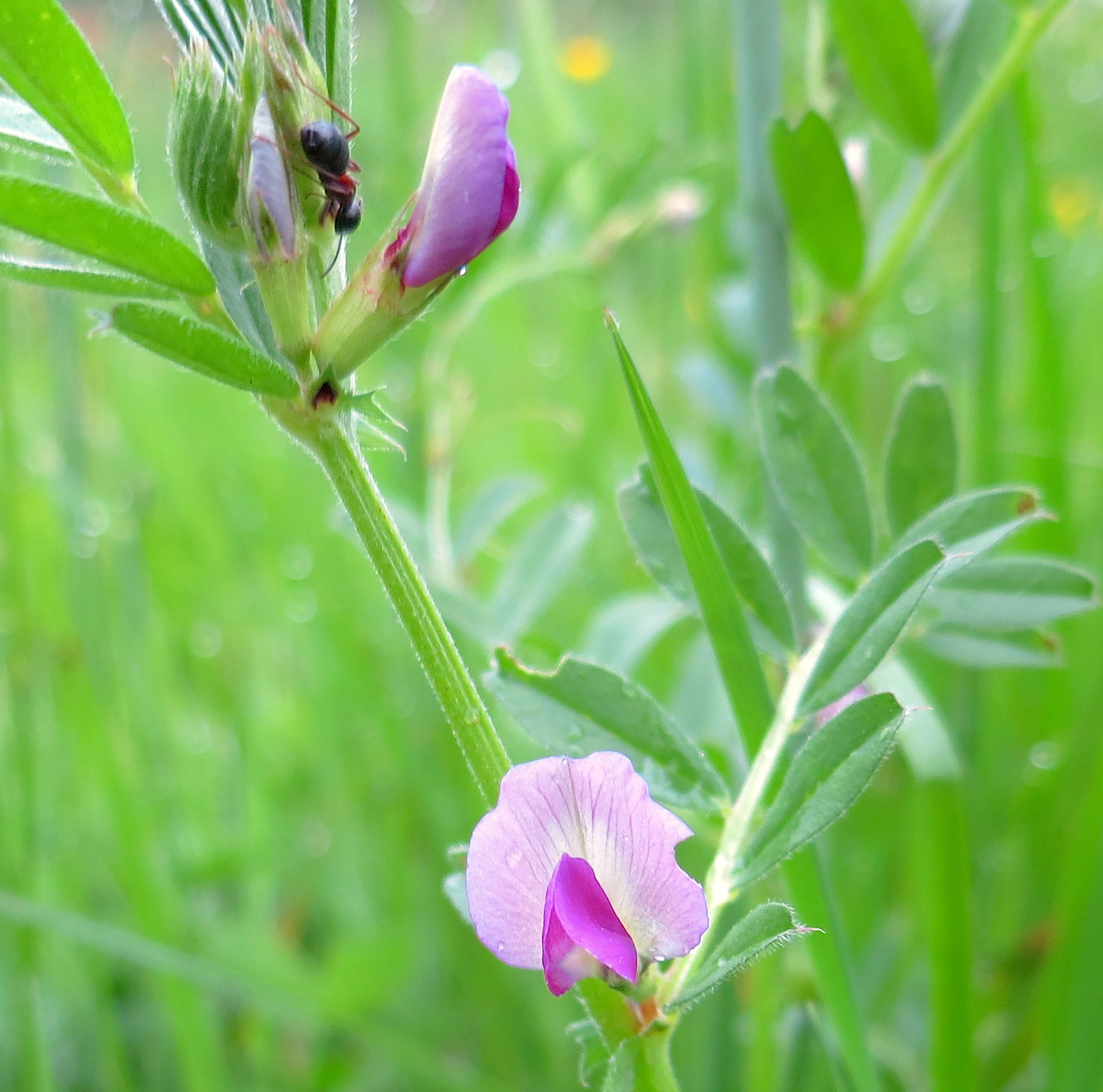
It must have first walked the morning paper, as if loosened ink taking the shape of an ant.
Then across the laptop computer — warm — then onto the back of a cushion.
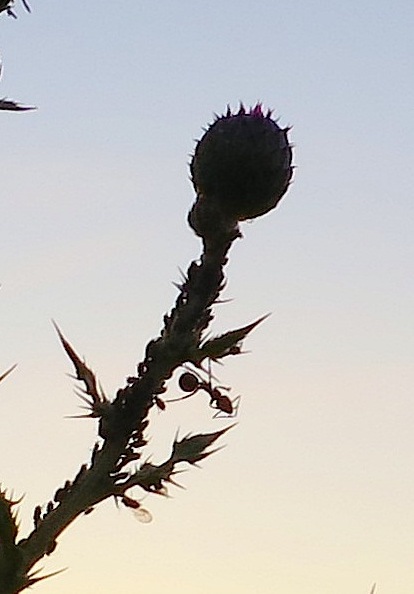
Small black ant, alone, crossing a navy cushion, moving steadily because that is what it could do.
Set outside in the sun, it could not have found again its nest. What then did I save?
It did not move as if it was frightened, even while walking my hand, which moved it through swiftness and air.
Ant, alone, without companions, whose ant-heart I could not fathom— how is your life, I wanted to ask. I lifted it, took it outside.
This first day when I could do nothing, contribute nothing beyond staying distant from my own kind, I did this. ~Jane Hirschfield “Today When I Could Do Nothing”
Nine months into social distancing one from another, with COVID spreading wider and faster than ever, I feel helpless to be a helper without the virus becoming a potentially deadly attachment to my efforts.
So I look for little ways to try to make a difference, as inadequate as they seem. I can no serve meals after evening church service. I can’t visit vulnerable people in their homes so have to be satisfied with screen visits. I can’t go where I wish when I wish because, by definition of age and medical risk, I am one of the vulnerable too.
So I look for words to express that may bring you a smile or maybe a knowing tear. I look for images to share that remind you of something from your past experience. I look for ways to make sense of the senseless when there can be so much disagreement and anger and bitterness. I look for where our common ground exists: how can we deepen and broaden our connection to one another in this time of painful and empty separation?
I want to ask and I want to hear: how is your life?
When we feel we can do nothing, we can do this: rescuing one another from isolation and loneliness. It will be the most important thing we do today.


































 Barnstorming