Tonight his airplane comes in from the West, and he rises from his seat, a suitcoat slung over his arm. The flight attendant smiles and says, “Have a nice visit,” and he nods as if he has done this all before, as if his entire life hasn’t been 170 acres of corn and oats, as if a plow isn’t dragging behind him through the sand and clay, as if his head isn’t nestling in the warm flank of a Holstein cow.
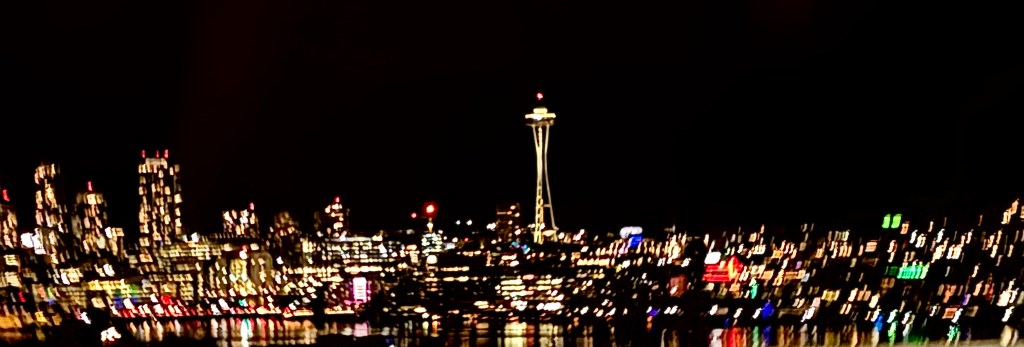
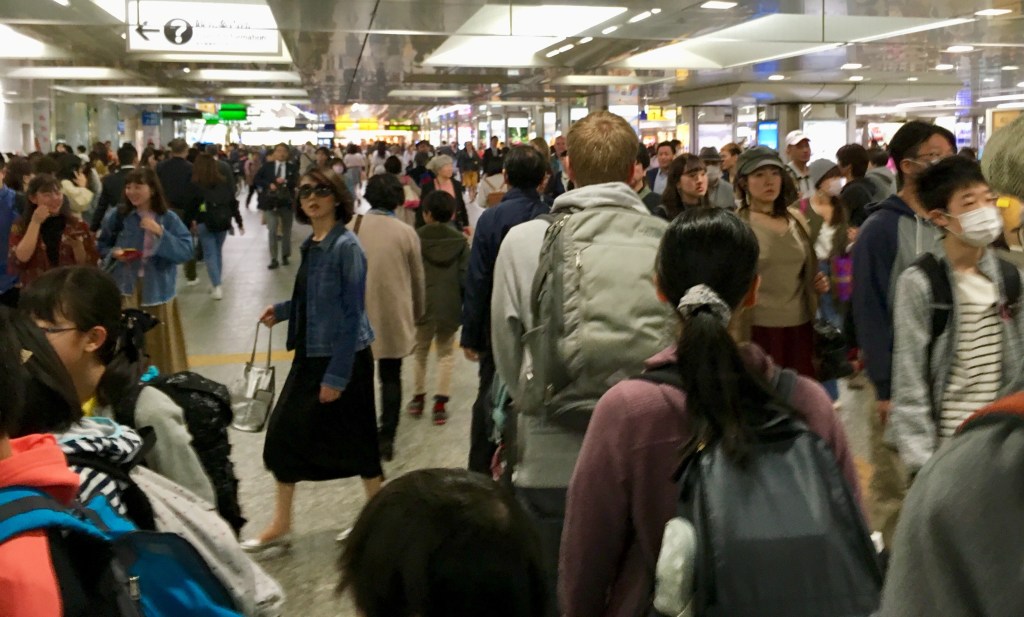
Only his hands tell the truth: fingers thick as ropes, nails flat and broken in the trough of endless chores. He steps into the city warily, breathing metal and exhaust, bewildered by the stampede of humanity circling around him. I want to ask him something familiar, something about tractors and wagons, but he is taken by the neon night, crossing carefully against the light. ~Joyce Sutphen “My Father Comes to the City” from Straight Out of View.
Photo by Abby Mobley
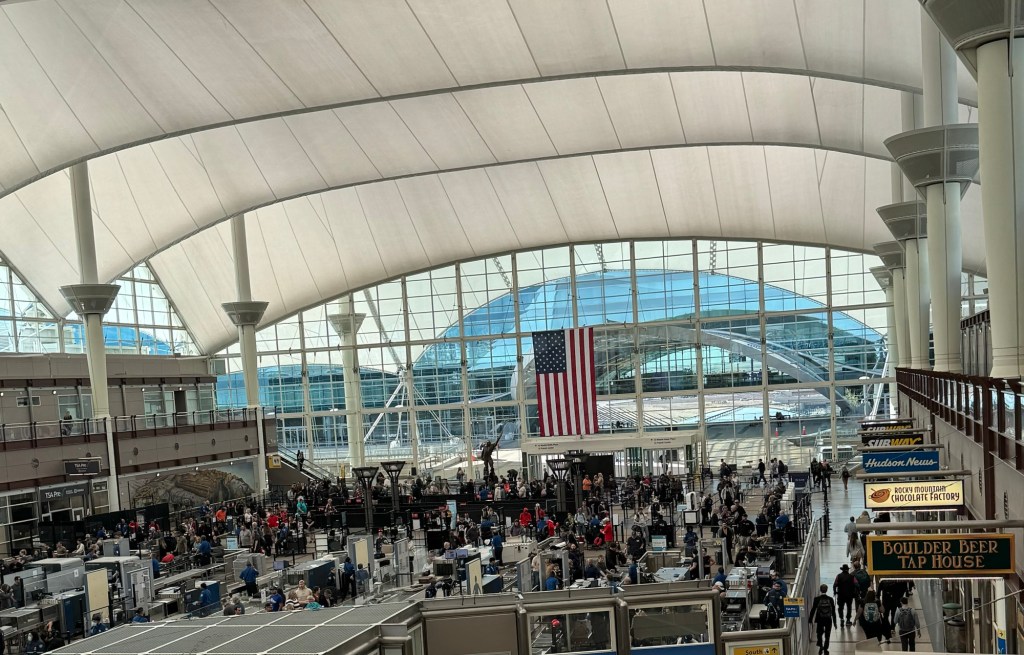
I’ve lived a mostly quiet farm life over the last four years – minimized air travel and avoided big cities, as I was never fond of either even before COVID. Flying recently to visit family reminded me how challenging it is for me to get used to large crowds again, navigating unfamiliar urban highways and sitting with a hundred people in a winged metal tube 35,000 feet in the air.
But even farmers have to leave home once in a while. We shake the mud off our boots and brush the hayseeds from our hair, and try to act and be presentable in civilized society.
But my nervousness remains, knowing I’m out of my comfort zone, continually yearning for the wide open spaces of home.
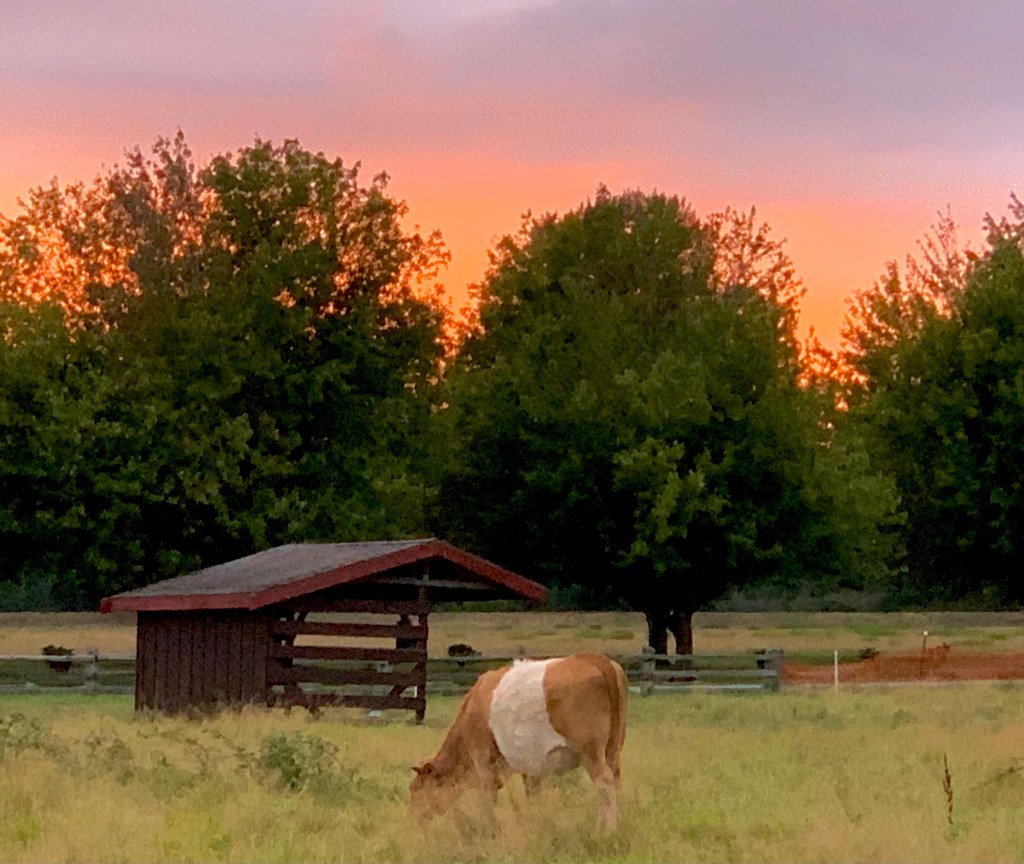
Travel will take some getting used to again, but there is a world to be explored out there. It’s time to see how the city’s neon night compares with one illuminating barn light on the farm.
There is a hush now while the hills rise up and God is going to sleep. He trusts the ship of Heaven to take over and proceed beautifully as he lies dreaming in the lap of the world. He knows the owls will guard the sweetness of the soul in their massive keep of silence, looking out with eyes open or closed over the length of Tomales Bay that the egrets conform to, whitely broad in flight, white and slim in standing. God, who thinks about poetry all the time, breathes happily as He repeats to Himself: there are fish in the net, lots of fish this time in the net of the heart. ~Linda Gregg “Fishing in the Keep of Silence” from All of It Singing.
The second before the sun went out we saw a wall of dark shadow come speeding at us. We no sooner saw it than it was upon us, like thunder. It roared up the valley. It slammed our hill and knocked us out. It was the monstrous swift shadow cone of the moon. I have since read that this wave of shadow moves 1,800 miles an hour. Language can give no sense of this sort of speed—1,800 miles an hour. It was 195 miles wide. No end was in sight—you saw only the edge. It rolled at you across the land at 1,800 miles an hour, hauling darkness like plague behind it. Seeing it, and knowing it was coming straight for you, was like feeling a slug of anesthetic shoot up your arm. If you think very fast, you may have time to think, “Soon it will hit my brain.” You can feel the deadness race up your arm; you can feel the appalling, inhuman speed of your own blood. We saw the wall of shadow coming, and screamed before it hit.
This was the universe about which we have read so much and never before felt: the universe as a clockwork of loose spheres flung at stupefying, unauthorized speeds. How could anything moving so fast not crash, not veer from its orbit amok like a car out of control on a turn?
Less than two minutes later, when the sun emerged, the trailing edge of the shadow cone sped away. It coursed down our hill and raced eastward over the plain, faster than the eye could believe; it swept over the plain and dropped over the planet’s rim in a twinkling. It had clobbered us, and now it roared away. We blinked in the light. It was as though an enormous, loping god in the sky had reached down and slapped the Earth’s face.
When the sun appeared as a blinding bead on the ring’s side, the eclipse was over. The black lens cover appeared again, back-lighted, and slid away. At once the yellow light made the sky blue again; the black lid dissolved and vanished. The real world began there. I remember now: We all hurried away.
We never looked back. It was a general vamoose … but enough is enough. One turns at last even from glory itself with a sigh of relief. From the depths of mystery, and even from the heights of splendor, we bounce back and hurry for the latitudes of home. ~Annie Dillard from her essay “Total Eclipse” in The Atlantic about the February 1979 eclipse in Washington State
In February 1979, I was working as a medical student on an inpatient psychiatric unit in a large hospital in Seattle, less than a hundred miles from the band of total eclipse Annie Dillard describes above happening just to the south.
Our clinical team had tried to prepare our mostly psychotic and paranoid schizophrenic patients for what was about to happen outside that morning.
Our patients were much more anxious than usual, pacing and wringing their hands as the light outside slowly faded, with high noon transformed gradually to an oddly shadowy dusk. The street lights turned on automatically and cars moved about with headlights shining.
We all stood at the windows in the hospital perched high on a hill, watching the city become dark as night in the middle of the day. Our unstable patients were sure the world was ending and certain they had caused it to happen. Extra doses of medication were dispensed as needed while the light faded away and then slowly returned to the streets outside. Within an hour the sunlight was fully back, and many of our patients were napping soundly, safe in the heart of the net we had thrown over them to protect them.
A hush had fallen over us all as we watched the light go out and then return. We were safe.
We all breathed a sigh of relief, having witnessed such transient glory from the heavens. We did not cause it but a Power far greater did. The eclipse swept – a racing shadow followed by restoration of light – the edge of our sanity to accept that our light can indeed be taken away.
For some, they live their whole lives consumed by shadow.
Miraculously, the Light has been returned to us in this shining night. We may not be able to look it in the Face — simply too blinding — but we need never dwell in darkness again.
One-Time
Monthly
Yearly
Make a one-time or recurring donation to support daily Barnstorming posts
Jesus comes near and he beholds the city And looks on us with tears in his eyes, And wells of mercy, streams of love and pity Flow from the fountain whence all things arise. He loved us into life and longs to gather And meet with his beloved face to face How often has he called, a careful mother, And wept for our refusals of his grace, Wept for a world that, weary with its weeping, Benumbed and stumbling, turns the other way, Fatigued compassion is already sleeping Whilst her worst nightmares stalk the light of day. But we might waken yet, and face those fears, If we could see ourselves through Jesus’ tears. ~Malcolm Guite “Jesus Weeps”
On this Holy Monday, facing ahead to a week of knowing our world is in disarray~ a week of facing our own shame and mortality, a week where thorns and tears overwhelm the blossoms~~
To remember what He did this week long ago, to conquer the shroud and the stone, to defy death, makes all the difference to me.
Indeed Jesus wept and groaned for us.
To be known for who we are by a God who weeps for our sin and despair and groans with pain we caused: we can know no greater love.
This week ends our living for self, only to die, and begins our dying to self, in order to live.
And when he drew near and saw the city, he wept over it, saying, “Would that you, even you, had known on this day the things that make for peace! But now they are hidden from your eyes. Luke 19:41
This Lenten season I reflect on the words of the 19th century southern spiritual hymn “What Wondrous Love is This”
Seems the sorrow untold, as you look down the road At the clamoring crowd drawing near Feel the heat of the day, as you look down the way Hear the shouts of Hosanna the King
Chorus Oh, daughter of Zion your time’s drawing near Don’t forsake Him, oh don’t pass it by On the foal of a donkey as the prophets had said Passing by you, He rides on to die
Come now little foal, though you’re not very old Come and bear your first burden bravely Walk so softly upon all the coats and the palms Bare the One on your back oh so gently
Midst the shouting so loud and the joy of the crowd There is One who is riding in silence For He knows the ones here will be fleeing in fear When their shepherd is taken away
Soon the thorn cursed ground will bring forth a crown And this Jesus will seem to be beaten But He’ll conquer alone both the shroud and the stone And the prophesies will be completed On the foal of a donkey as the prophets had said Passing by you He rides on to die ~Michael Card
In the real world of pain, how could one worship a God who was immune to it? ~John Stott from “The Cross of Christ”
With all that happens daily in this disordered world, in order to even walk out the door in the morning, I fall back on what we are told in God’s Word, in 365 different scripture verses for each and every day of the year:
Fear not.
Do not be overwhelmed with evil but overcome evil with good.
And so – we must overcome — despite our fears in this world of pain.
As demonstrated by the anointing of Jesus’ feet by Mary of Bethany, we must do what we can to sacrifice for others, to live in such a way that death cannot erase the meaning and significance of a life. We are called to give up our own selfish agendas in order to consider the needs of others.
It is crystal clear from Christ’s example as we observe His journey to the cross next week: we are to cherish life -all lives- even unto death. As Christ Himself forgave those who hated and murdered Him, He forgives us as well.
Our only defense against the evil we witness is God’s offense through His Love. Only God can lead us to Tolkien’s “where everything sad will come untrue”, where we shall live in peace, walk hand in hand, no longer alone, no longer afraid, no longer shedding tears of grief and sorrow, but tears of relief and joy.
No longer overcome by evil but overcome with goodness, all to God’s glory.
This Lenten season I reflect on the words of the 19th century southern spiritual hymn “What Wondrous Love is This”
The Lord our God is good The Lord our God is good Full of kindness and compassion Merciful and just The Lord our God is good Who else knows our deepest pain Bears it as his own Finds us in our naked shame, Clothes and brings us home Who takes his inheritance And gives it all away Welcomes guests to feast with him Who never can repay
One-Time
Monthly
Yearly
Make a one-time or recurring donation to support daily Barnstorming posts
I rise today in the power’s strength, invoking the Trinity believing in threeness, confessing the oneness, of creation’s Creator.
I rise today in heaven’s might, in sun’s brightness, in moon’s radiance, in fire’s glory, in lightning’s quickness, in wind’s swiftness, in sea’s depth, in earth’s stability, in rock’s fixity.
I rise today with the power of God to pilot me, God’s strength to sustain me, God’s wisdom to guide me, God’s eye to look ahead for me, God’s ear to hear me, God’s word to speak for me, God’s hand to protect me, God’s way before me, God’s shield to defend me, God’s host to deliver me, from snares of devils, from evil temptations, from nature’s failings, from all who wish to harm me, far or near, alone and in a crowd.
Around me I gather today all these powers against every cruel and merciless force to attack my body and soul.
May Christ protect me today against poison and burning, against drowning and wounding, so that I may have abundant reward; Christ with me, Christ before me, Christ behind me; Christ within me, Christ beneath me, Christ above me; Christ to the right of me, Christ to the left of me; Christ in my lying, Christ in my sitting, Christ in my rising; Christ in the heart of all who think of me, Christ on the tongue of all who speak to me, Christ in the eye of all who see me, Christ in the ear of all who hear me.
For to the Lord belongs salvation, and to the Lord belongs salvation and to Christ belongs salvation. May your salvation, Lord, be with us always.
—”Saint Patrick’s Breastplate,” Old Irish, eighth-century prayer.
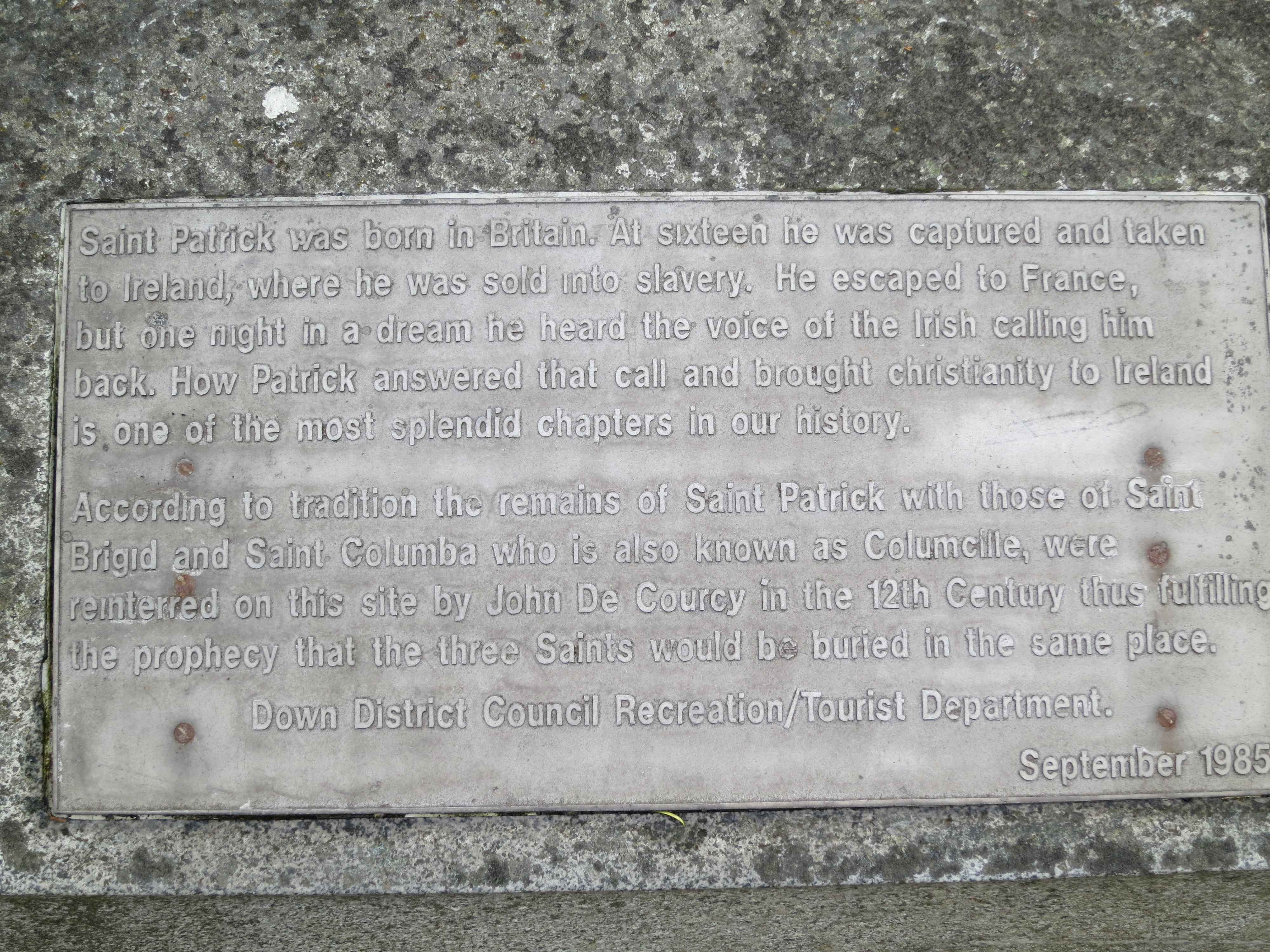
Six years a slave, and then you slipped the yoke, Till Christ recalled you, through your captors cries! Patrick, you had the courage to turn back, With open love to your old enemies, Serving them now in Christ, not in their chains, Bringing the freedom He gave you to share. You heard the voice of Ireland, in your veins Her passion and compassion burned like fire.
Now you rejoice amidst the three-in-one, Refreshed in love and blessing all you knew, Look back on us and bless us, Ireland’s son, And plant the staff of prayer in all we do: A gospel seed that flowers in belief, A greening glory, coming into leaf. ~Malcolm Guite — A St. Patrick Sonnet
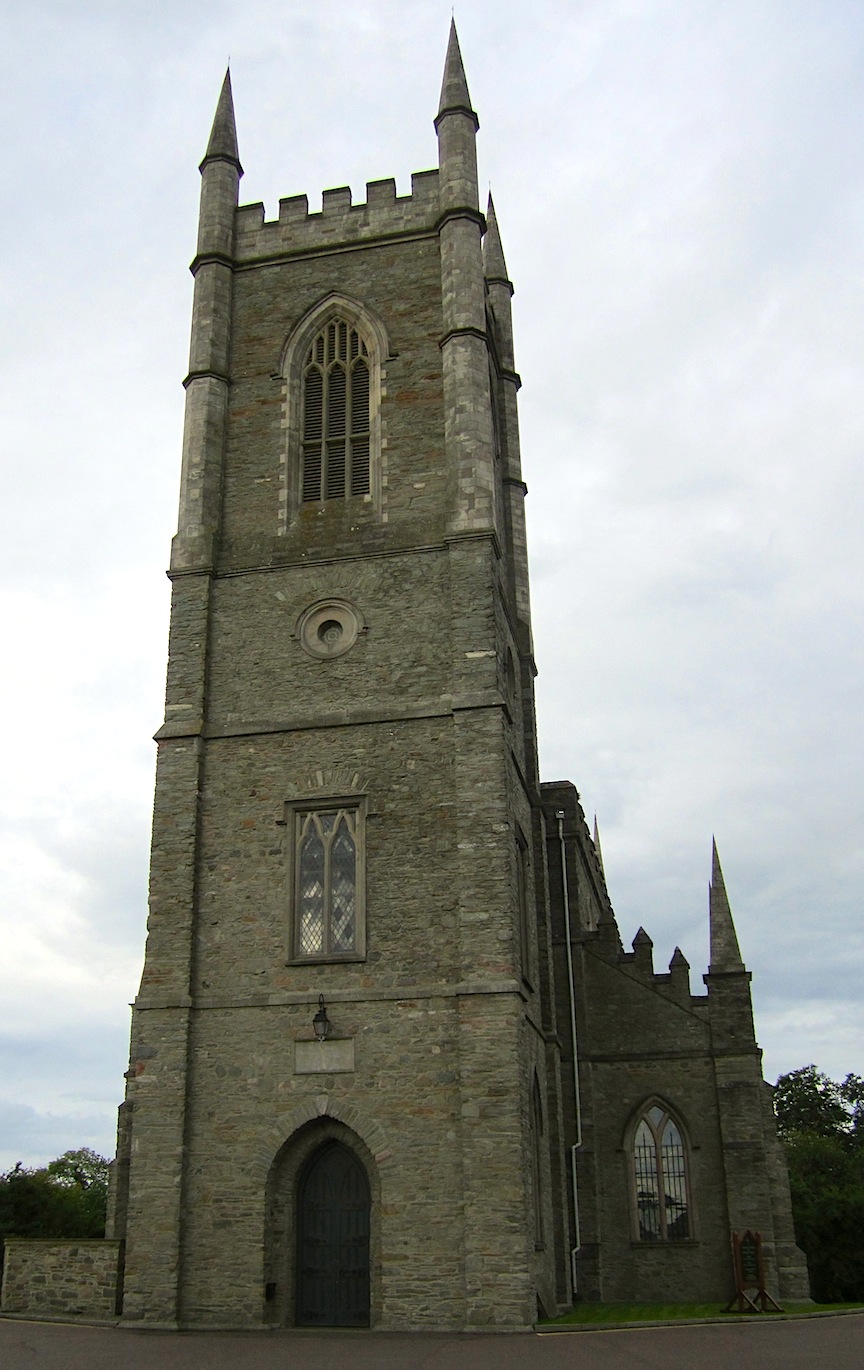
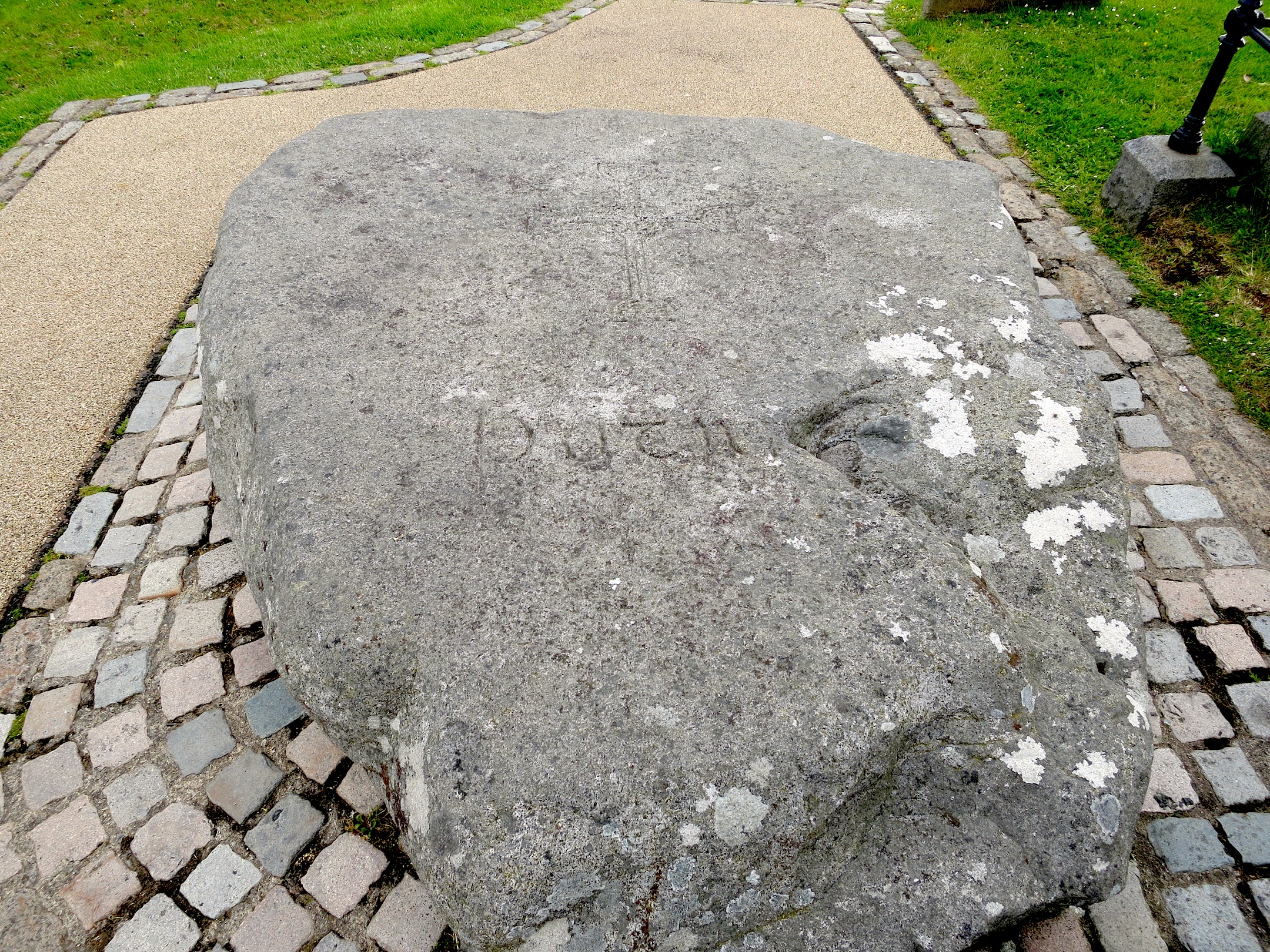
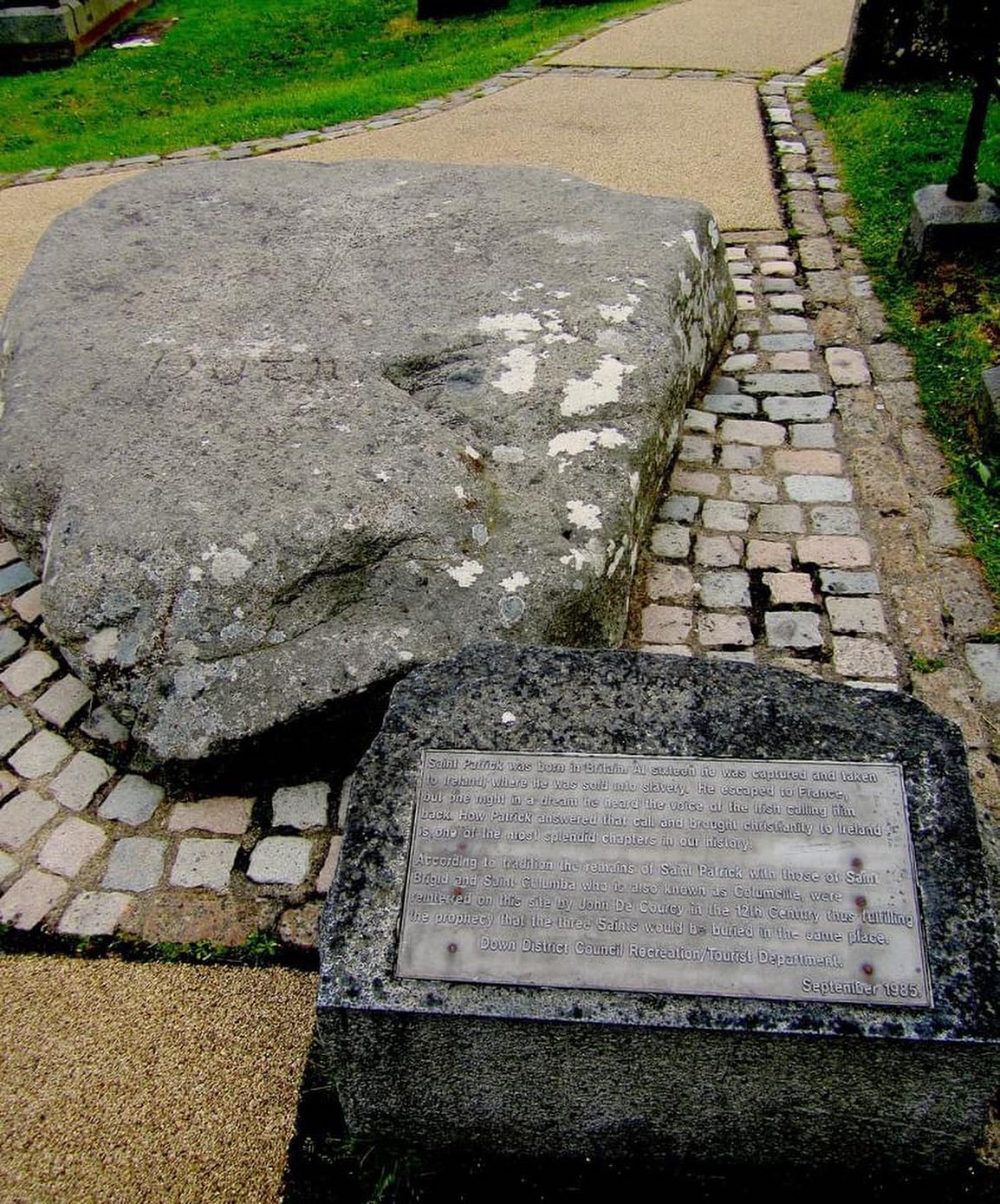
St. Patrick is little remembered for his selfless missionary work in Ireland in the fifth century, but rather has become a caricature of all the drunken silliness of this day. Visiting his grave in Downpatrick, Ireland, just a humble stone on a hill top overlooking the sea, I wondered what he would make of the modern March 17.
He would advise us to be still and know.
He would plant his staff in us and all we do; we would respond by flowering up from the green.
Be still, and know that I am God… Psalm 46:10
Be still and know that I am God. Be still and know that I am. Be still and know. Be still. Be.
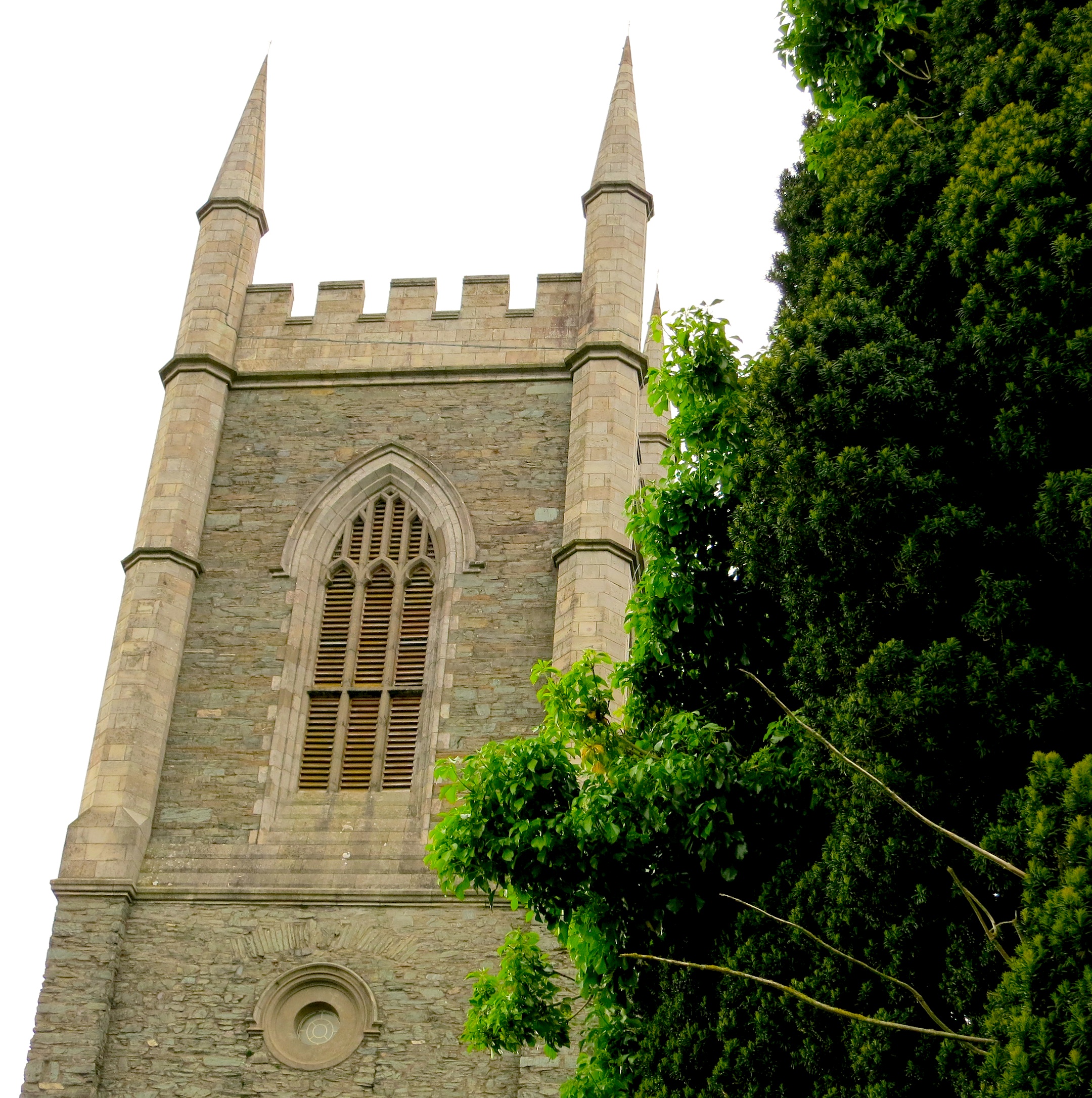
St. Patrick’s Cathedral
This Lenten season I reflect on the words of the 19th century southern spiritual hymn “What Wondrous Love is This”
One-Time
Monthly
Yearly
Make a one-time or recurring donation to support daily Barnstorming posts
…yesterday I heard a new sound above my head a rustling, ruffling quietness in the spring air
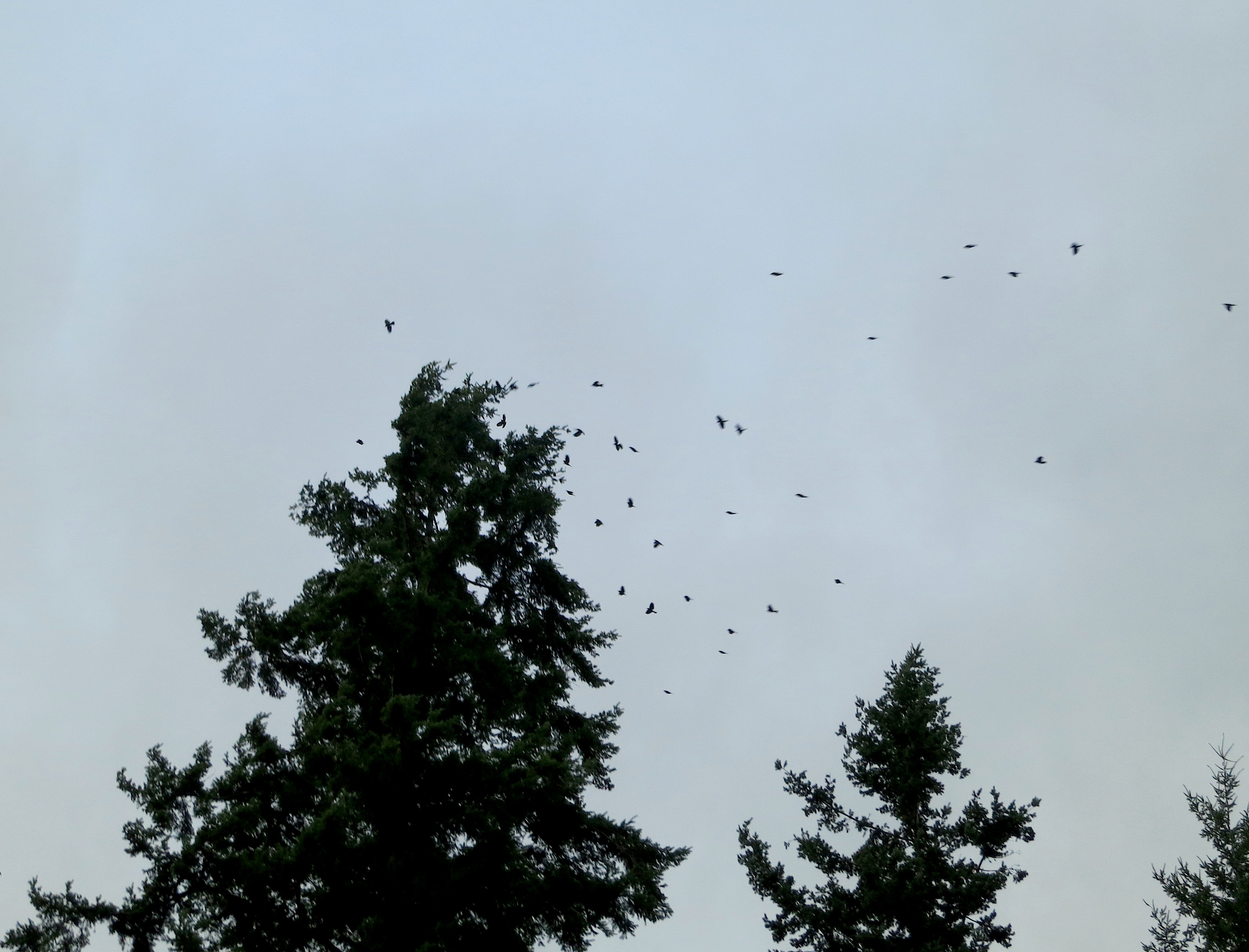
and when I turned my face upward I saw a flock of blackbirds rounding a curve I didn’t know was there and the sound was simply all those wings, all those feathers against air, against gravity and such a beautiful winning: the whole flock taking a long, wide turn as if of one body and one mind.
How do they do that?
If we lived only in human society what a puny existence that would be
but instead we live and move and have our being here, in this curving and soaring world that is not our own so when mercy and tenderness triumph in our lives and when, even more rarely, we unite and move together toward a common good,
we can think to ourselves:
ah yes, this is how it’s meant to be. ~Julie Cadwallader Staub from “Blackbirds” from Wing Over Wing
Out of the dimming sky a speck appeared, then another, and another. It was the starlings going to roost. They gathered deep in the distance, flock sifting into flock, and strayed towards me, transparent and whirling, like smoke. They seemed to unravel as they flew, lengthening in curves, like a loosened skein. I didn’t move;they flew directly over my head for half an hour.
Each individual bird bobbed and knitted up and down in the flight at apparent random, for no known reason except that that’s how starlings fly, yet all remained perfectly spaced. The flocks each tapered at either end from a rounded middle, like an eye. Overhead I heard a sound of beaten air, like a million shook rugs, a muffled whuff. Into the woods they sifted without shifting a twig, right through the crowns of trees, intricate and rushing, like wind.
Could tiny birds be sifting through me right now, birds winging through the gaps between my cells, touching nothing, but quickening in my tissues, fleet? ~Annie Dillard from Pilgrim at Tinker Creek
Chunky and noisy, but with stars in their black feathers, they spring from the telephone wire and instantly
they are acrobats in the freezing wind. And now, in the theater of air, they swing over buildings,
dipping and rising; they float like one stippled star that opens, becomes for a moment fragmented,
then closes again; and you watch and you try but you simply can’t imagine
how they do it with no articulated instruction, no pause, only the silent confirmation that they are this notable thing,
this wheel of many parts, that can rise and spin over and over again, full of gorgeous life.
Ah, world, what lessons you prepare for us, even in the leafless winter, even in the ashy city. I am thinking now of grief, and of getting past it;
I feel my boots trying to leave the ground, I feel my heart pumping hard. I want
to think again of dangerous and noble things. I want to be light and frolicsome. I want to be improbable beautiful and afraid of nothing, as though I had wings. ~Mary Oliver “Starlings in Winter” from Owls and Other Fantasies: Poems and Essays
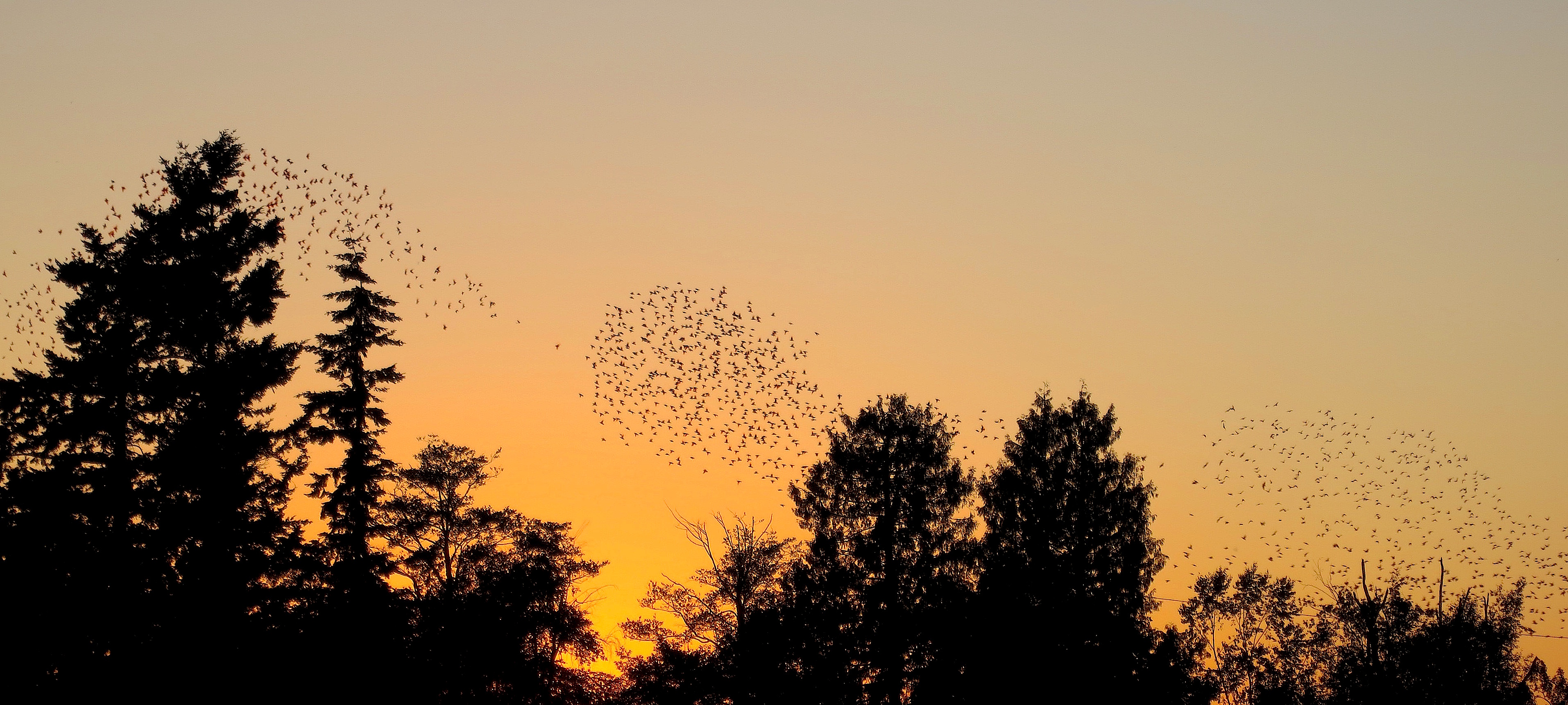
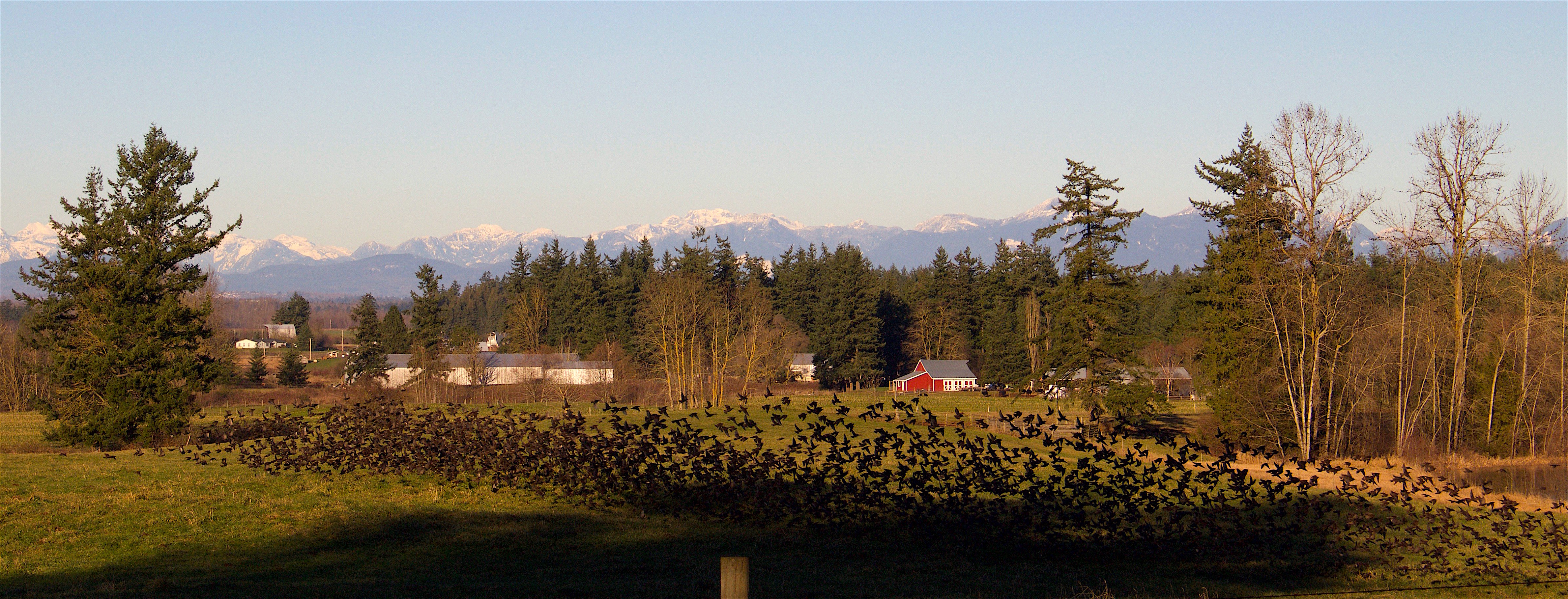
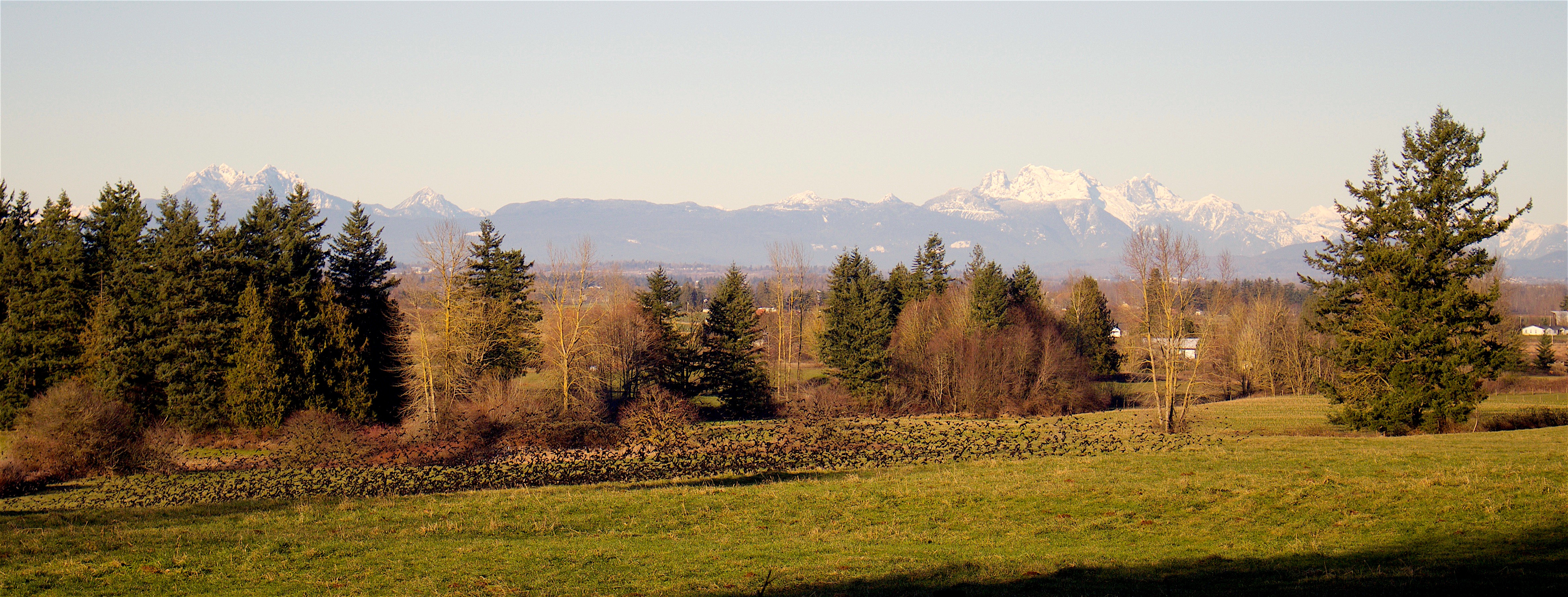
Watching a winter starlings’ murmuration is a visceral experience – my heart leaps to see the looping amoebic folding and unfolding path.
Thousands of individual birds move in sync with one another to form one massive organism existing solely because each tiny component anticipates and cooperates to avoid mid-air collisions.
It could explode into chaos but it doesn’t. It could result in massive casualties but it doesn’t. They could avoid each other altogether but they don’t – they come together with a purpose and reasoning beyond our imagining.
Even the whooshing of their wing movements is exhilarating.
We humans are made up of similar cooperating component parts, deep in our tissues, programmed in our DNA. Yet we don’t exercise such unity from our designed and carefully constructed building blocks. We are frighteningly disparate and independent creatures, going our own way, bumping and crashing without care, leaving so much bodily and spiritual wreckage behind.
What has happened to our place in this curving, soaring world? To where has flown our mercy and tenderness, our compassion and caring for the position of others?
We have corporately lost our internal moral compass. Indeed, the sound of our movements is muffled weeping.
Therefore I tell you, do not be anxious about your life, what you will eat or what you will drink, nor about your body, what you will put on. Is not life more than food, and the body more than clothing?Look at the birds of the air: they neither sow nor reap nor gather into barns, and yet your heavenly Father feeds them. Are you not of more value than they? Matthew 6: 25-26
This Lenten season I reflect on the words of the 19th century southern spiritual hymn “What Wondrous Love is This”
One-Time
Monthly
Yearly
Make a one-time or recurring donation to support daily Barnstorming posts
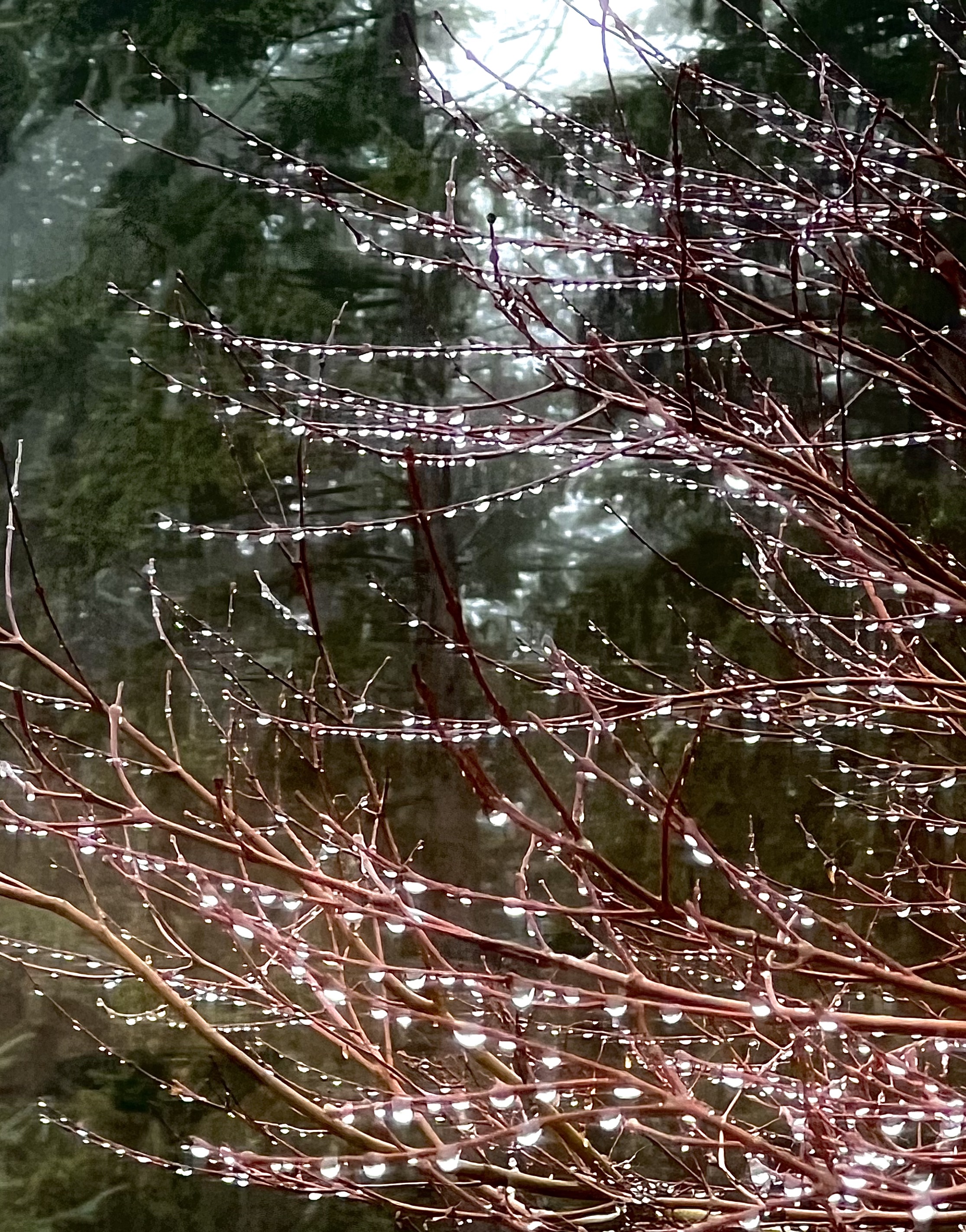
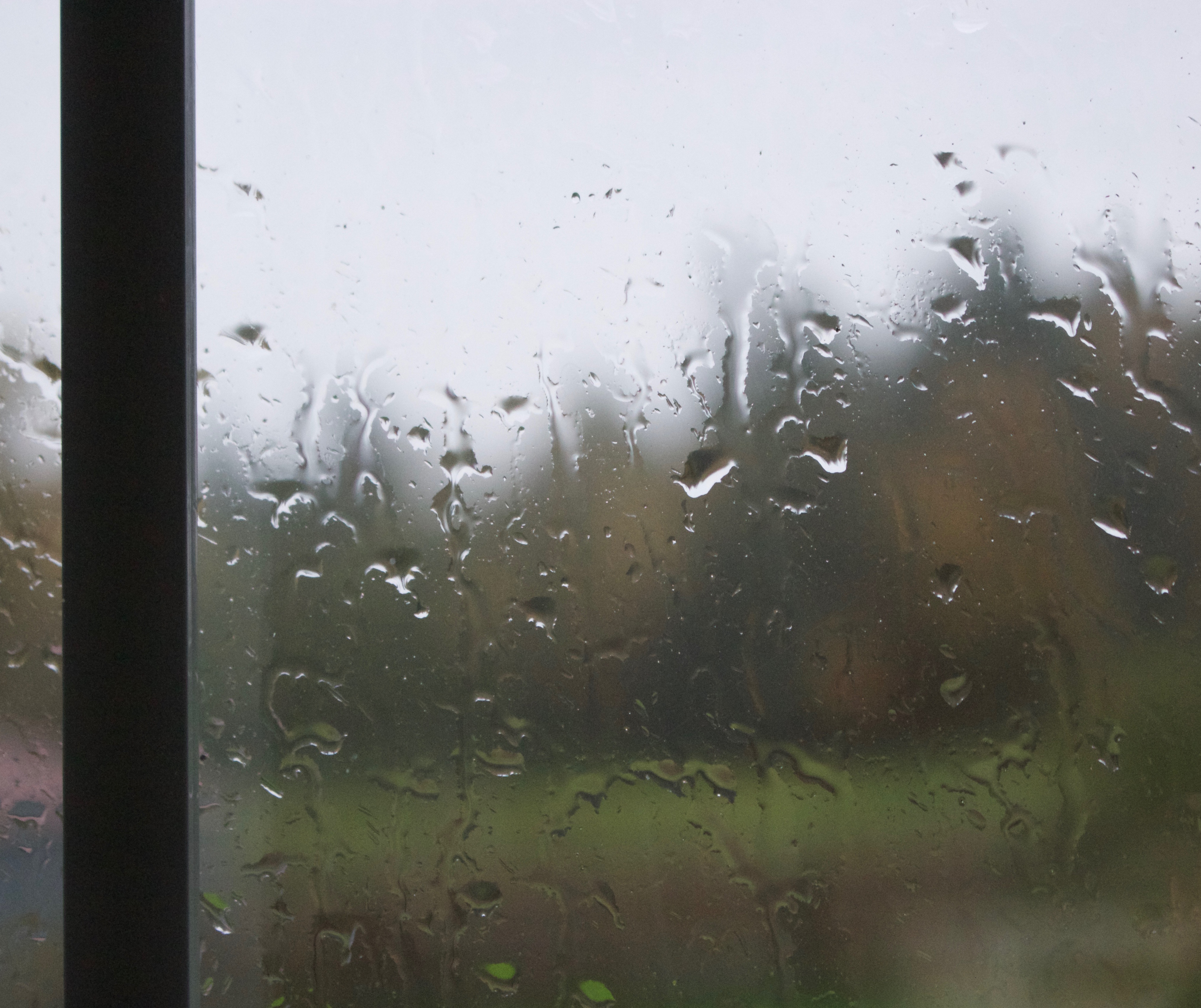
Rain. An excuse to stand at the window And listen, watch, wait. Listen: to the hush Of the house as still as a dark burrow Where an animal hides. Listen: the rush Of occasional gusts, then the stillness.
Watch: the wrens hopping from stem to wet stem Their happy bearing in contrast to titmice Who always seem afraid. Watch: the mayhem That strikes when the grumpy bluejay, twice As big as the rest, frumps onto a branch.
Wait: for what? For the steady rain to cease. Wait: for the fair sunlight to avalanche Down from space and remake the world again. Then let my steps be fearless, like the wren. ~Andrew Peterson “Lenten Sonnet”
I’m the child of rainy Sundays. I watched time crawl Like an injured fly Over the wet windowpane. Or waited for a branch On a tree to stop shaking, While Grandmother knitted Making a ball of yarn Roll over like a kitten at her feet. I knew every clock in the house Had stopped ticking And that this day will last forever. ~Charles Simic “To Boredom”
I’m never bored on a quiet rainy Sunday.
My list of to-do’s and want-to-do’s and hope-to-do’s and someday-maybe-if-I’m-lucky-to-do’s is longer than the days still left to me.
I cherish these Sabbaths when the clock stops, and “to-do’s” will wait. Time suspends itself above me, ~dangling~ and the day lasts forever.
Sunday evening scaries in anticipation of Monday are prayed away.
On a drizzly day of rest and gratitude, the world is remade, eternity moves a little closer, my steps become more fearless and the new week is yet another part of the journey.
Does the rain have a father? Who fathers the drops of dew? Job 38:28
This Lenten season I reflect on the words of the 19th century southern spiritual hymn “What Wondrous Love is This”
One-Time
Monthly
Yearly
Make a one-time or recurring donation to support daily Barnstorming posts
A front of thunderstorms had sought you out. It vowed to run a diabolical black line through all that you were sure about— the ordinary, sane, the sensible. You raced to get the loose stuff off the lawn, with purpose rearranged and stacked the chairs, relieved, almost, when the phenomenon of gray-green storm clouds simplified your cares. And though it couldn’t miss, it kind of did. Darkness at noon gave way to sun at one. Catastrophe and doom had been short-lived. Embarrassed that your fears were overblown, you faced your mundane day-to-day concerns, vaguely upset that normalcy returns. ~Robert Crawford “Squall”
Beneath our clothes, our reputations, our pretensions, beneath our religion or lack of it, we are all vulnerable both to the storm without and to the storm within. ~Frederick Buechner – from Telling the Truth
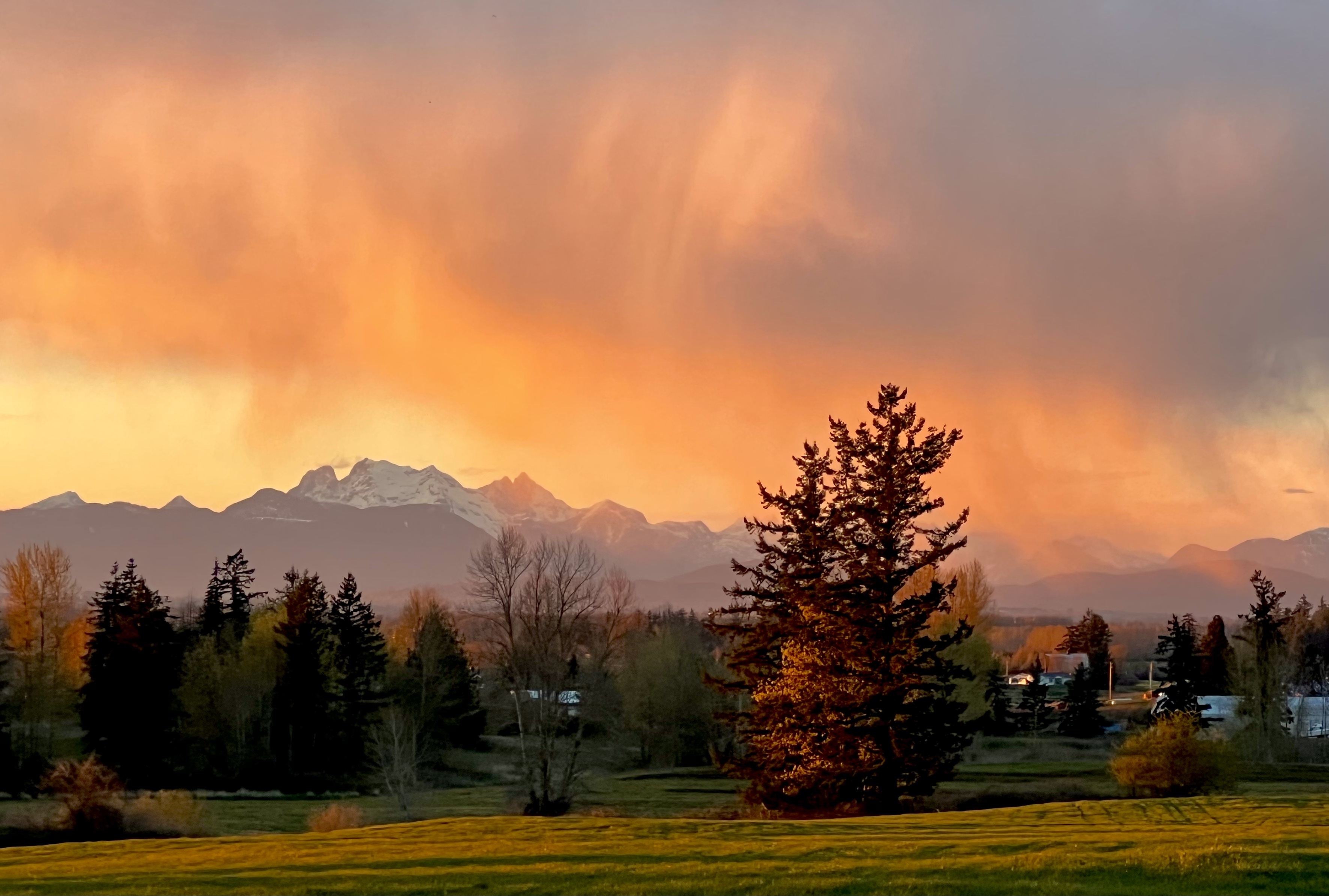
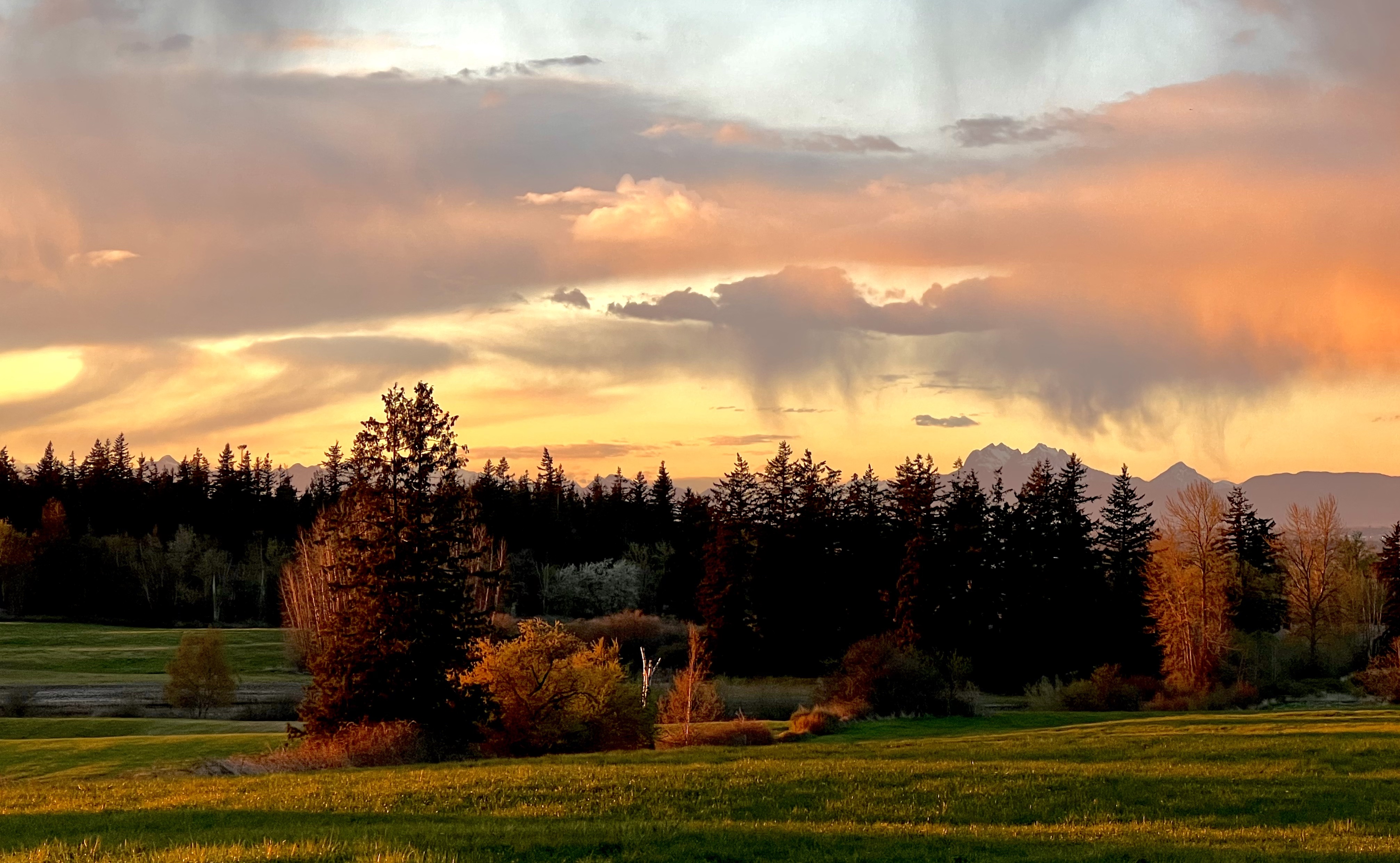
I watch the storm fronts roll in, threatening my outside and inside: heavy damaging winds, thunder and lightning, torrential unpredictable rains, mudslides, horrible forest fires destroying what is familiar and routine.
Inside my own head, the storm clouds of news headlines overpower day-to-day mundane concerns: devastating wars and violence, crime and protests, homelessness, rampant starvation and disease, man’s ongoing inhumanity to man.
I want to hide under a rock until the storms inside and outside blow over.
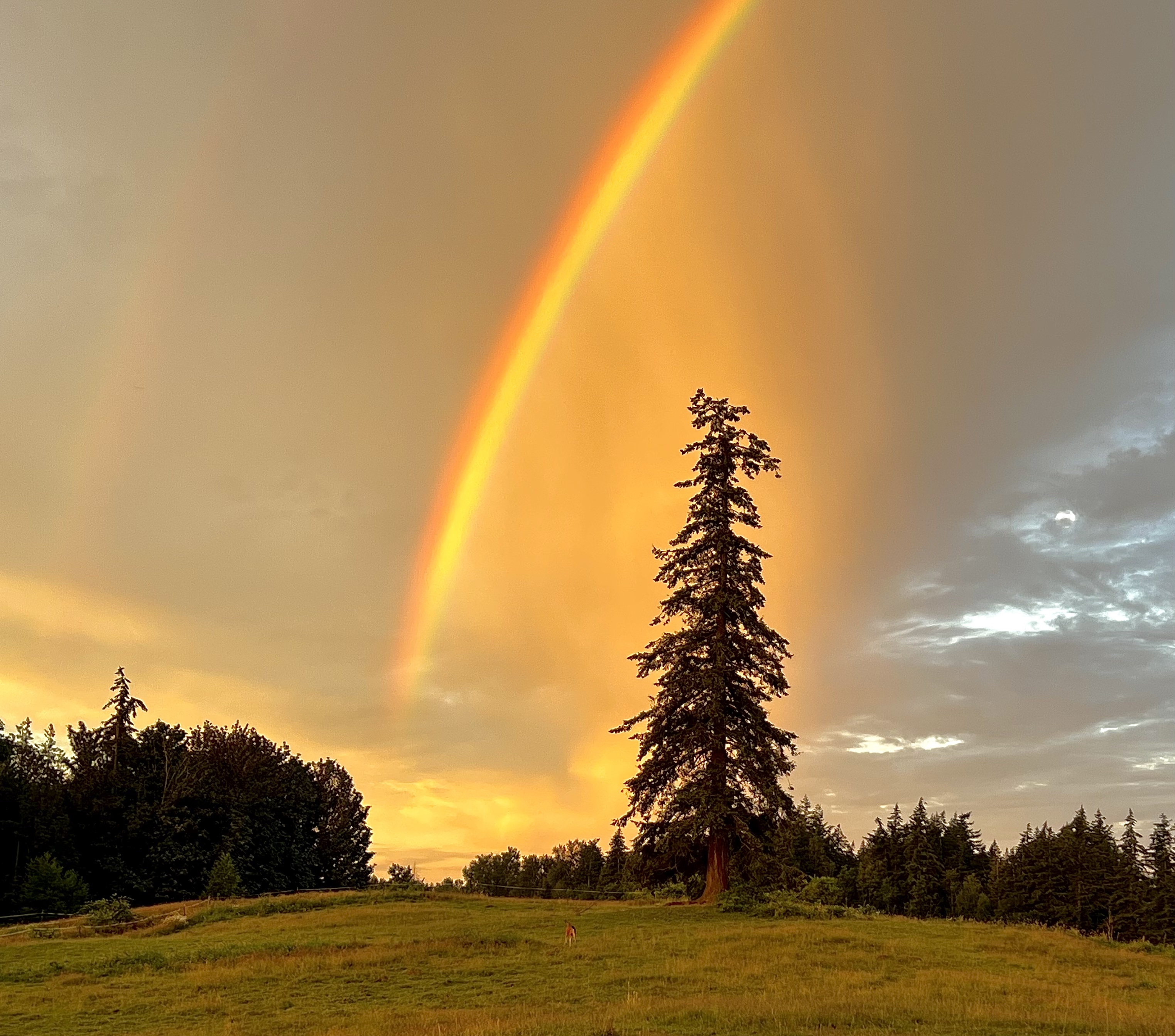
In the midst of the tempest — while wars rage on the planet, while a bitter election season is underway — a miracle may be wrought. Brilliant light exposes how heaven weeps from heavy clouds. A rainbow touches the earth in holy promise.
God assures His people: this storm too will pass, even the storms of our own making. Darkness is overcome by Light.
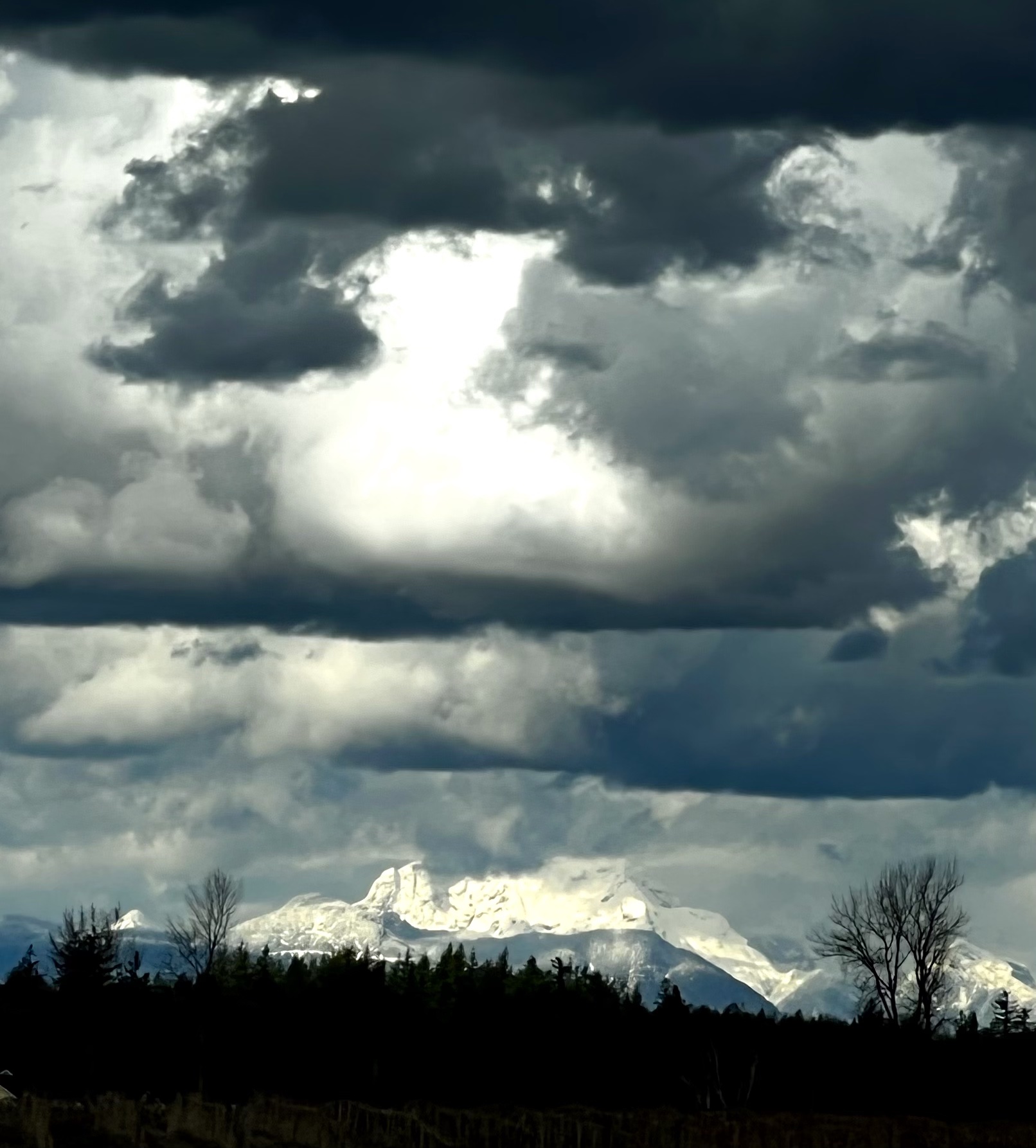
Painting of snowy Cascades by John Hoyte
He stilled the storm to a whisper; the waves of the sea were hushed. They were glad when it grew calm, and he guided them to their desired haven. Psalm 107:29-30
This Lenten season I reflect on the words of the 19th century southern spiritual hymn “What Wondrous Love is This”
One-Time
Monthly
Yearly
Make a one-time or recurring donation to support daily Barnstorming posts
The darksome burn, horseback brown, His rollrock highroad roaring down, In coop and in comb the fleece of his foam Flutes and low to the lake falls home.
A windpuff-bonnet of fáwn-fróth Turns and twindles over the broth Of a pool so pitchblack, féll-frówning, It rounds and rounds Despair to drowning. Degged with dew, dappled with dew, Are the groins of the braes that the brook treads through, Wiry heathpacks, flitches of fern, And the beadbonny ash that sits over the burn. What would the world be, once bereft Of wet and wildness? Let them be left, O let them be left, wildness and wet; Long live the weeds and the wilderness yet. ~Gerard Manley Hopkins “Inversnaid”
There is despair in untamed hearts lost in the wilderness. Wildness lies just beneath the surface; it spills over, swirls round and round, spins out of reach.
Our world feels that way right now.
How are we spared drowning in its pitch black pool? Can we thrill to beauty surrounding us without being tempted into darkness?
Christ came not to tame creation’s wildness, but to pull us gasping people from its unforgiving clutches before we sink ever deeper in despair.
We are mere weeds trying to survive this wild world, to grow, to flourish, to witness to those who are bereft. O Lord, let us be left to live long in your Light.
Let us be left.
Because of your great compassion you did not abandon them in the wilderness. By day the pillar of cloud did not fail to guide them on their path, nor the pillar of fire by night to shine on the way they were to take. You gave your good Spirit to instruct them. Nehemiah 9: 19-20
This Lenten season I reflect on the words of the 19th century southern spiritual hymn “What Wondrous Love is This”
One-Time
Monthly
Yearly
Make a one-time or recurring donation to support daily Barnstorming posts
Suddenly I knew, when we stood in a circle holding hands; suddenly I knew, that because of the circle, because of friendship, because of love— yes, and because of the brokenness, and the need— I have been in heaven all my life. ~Carol Bialock “I Used to Think Heaven was Future” from Coral Castles
The church, I think, is God’s way of saying, “What I have in the pot is yours, and what I have is a group of misfits whom you need more than you know and who need you more than they know.”
“Take, and eat,” he says, “and take, and eat, until the day, and it is coming, that you knock on my door. I will open it, and you will see me face to face.”
He is preparing a table. He will welcome us in. Jesus will be there, smiling and holy, holding out a green bean casserole. And at that moment, what we say, what we think, and what we believe will be the same: “I didn’t know how badly I needed this.” ~Jeremy Clive Huggins from “The Church Potluck”
…when I experienced the warm, unpretentious reception of those who have nothing to boast about, and experienced a loving embrace from people who didn’t ask any questions, I began to discover that a true spiritual homecoming means a return to the poor in spirit to whom the kingdom of heaven belongs. ~Henri Nouwen from The Return of the Prodigal Son
The journey begins when Christians leave their homes and beds. They leave, indeed, their life in this present and concrete world, and whether they have to drive 15 miles or walk a few blocks, a sacramental act is already taking place…
For they are now on their way to constitute the Church, or to be more exact, to be transformed into the Church of God. They have been individuals, some white, some black, some poor, some rich, they have been the ‘natural’ world and a natural community. And now they have been called to “come together in one place,” to bring their lives, their very world with them and to be more than what they were: a new community with a new life.
We are already far beyond the categories of common worship and prayer. The purpose of this ‘coming together’ is not simply to add a religious dimension to the natural community, to make it ‘better’ – more responsible, more Christian. The purpose is to fulfill the Church, and that means to make present the One in whom all things are at their end, and all things are at their beginning. ~ Father Alexander Schmemann from For the Life of the World
We’ve been through fire, we’ve been through pain We’ve been refined by the power of Your name We’ve fallen deeper in love with You You’ve burned the truth on our lips
Rise up church with broken wings Fill this place with songs again Of our God who reigns on high By his grace again we’ll fly ~Robin Mark from “Shout to the North and the South”
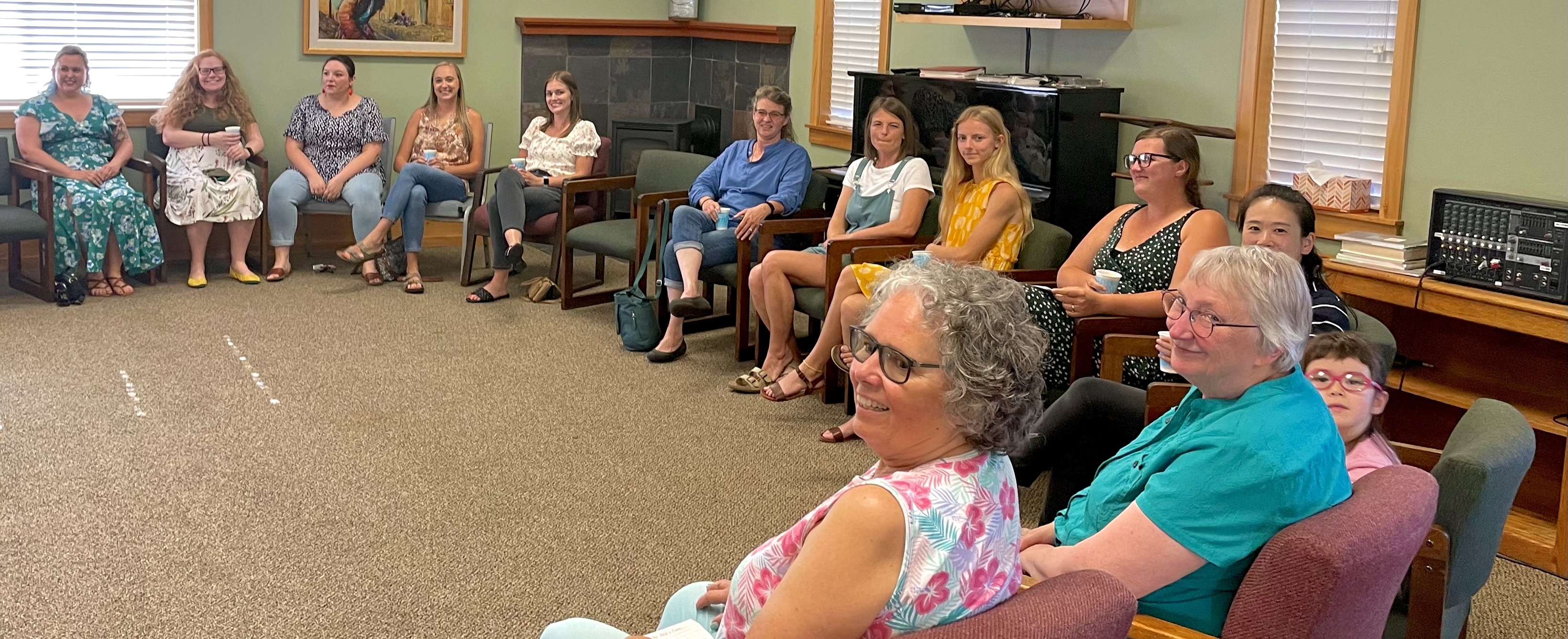
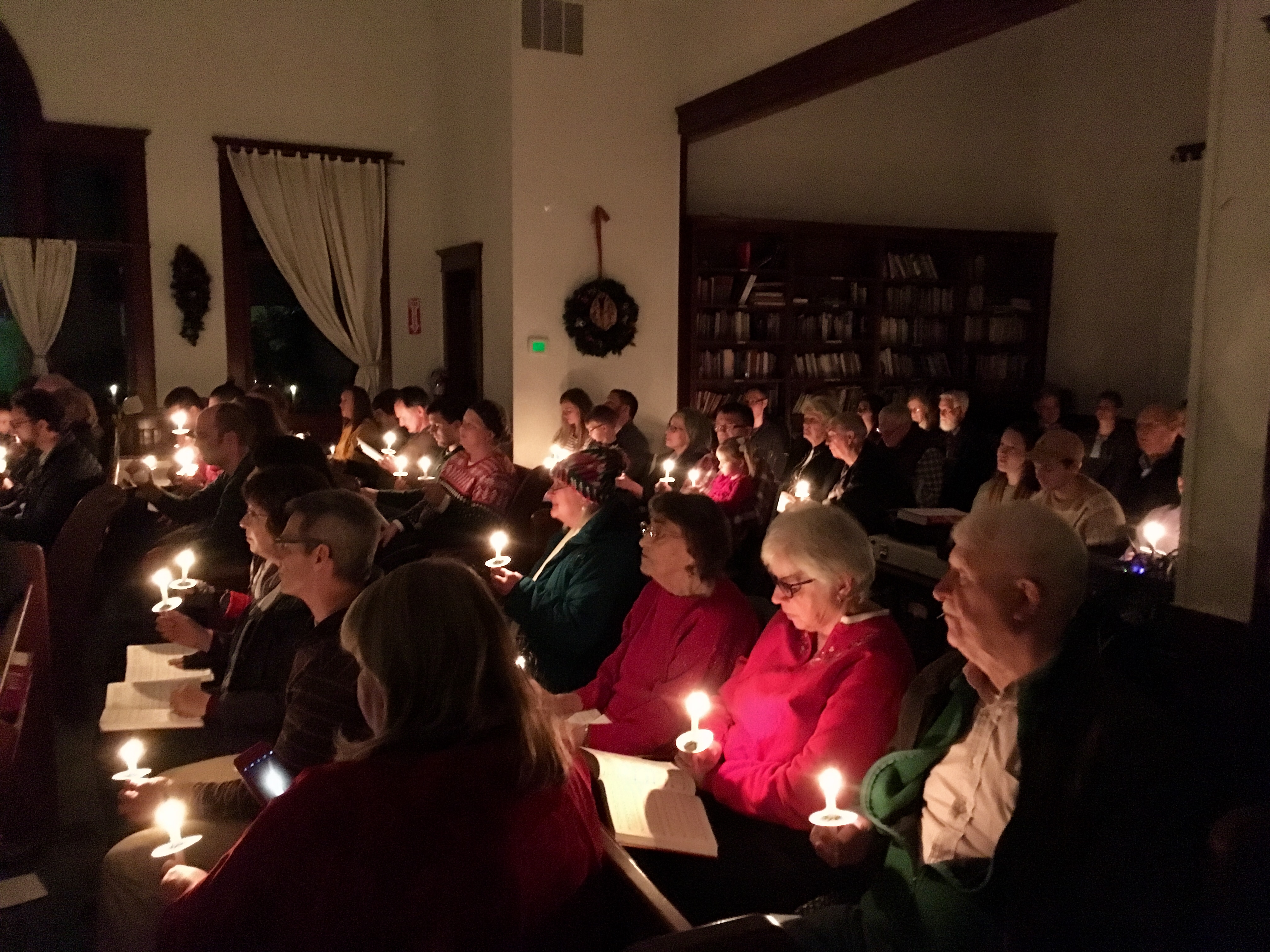
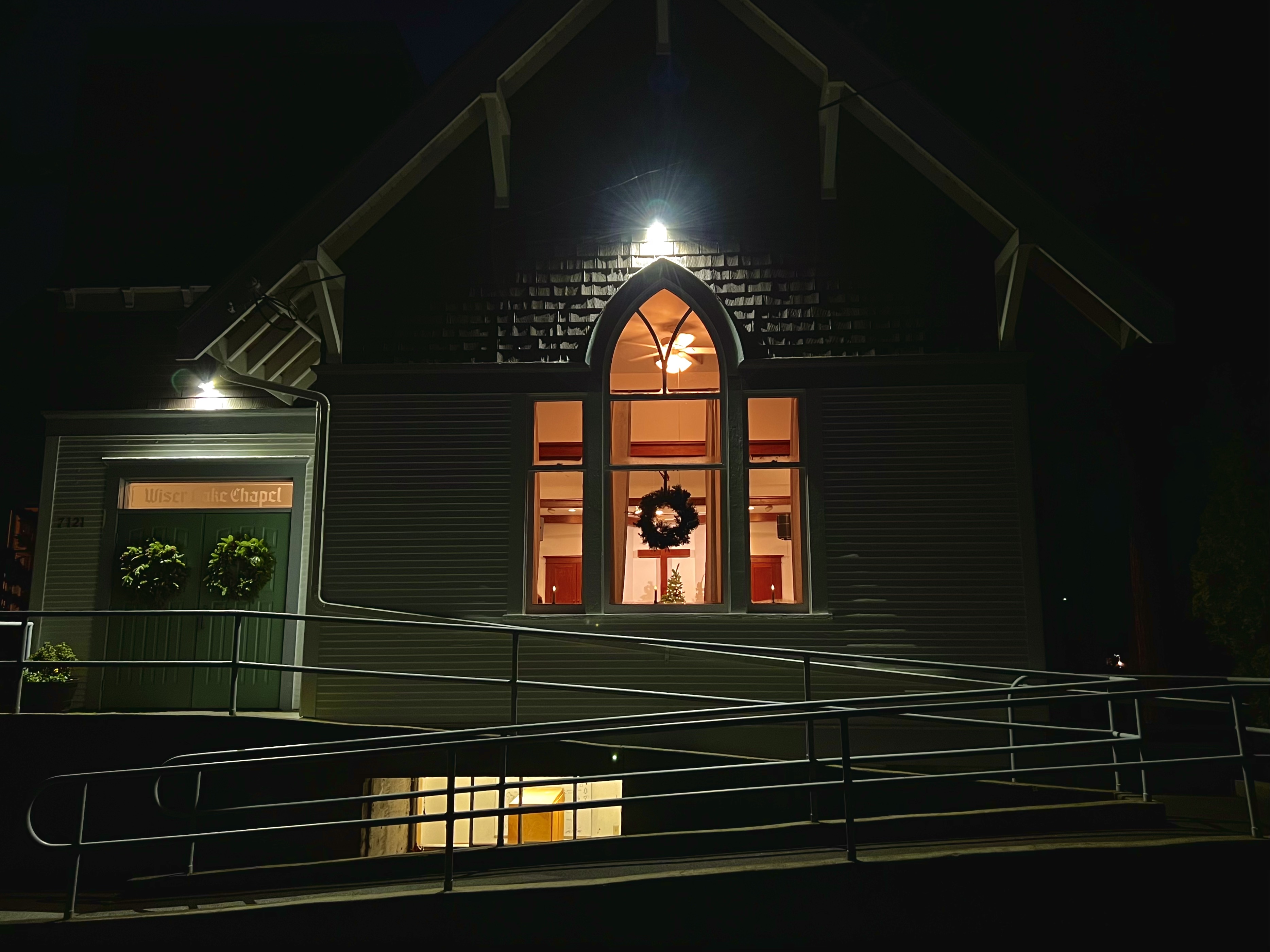
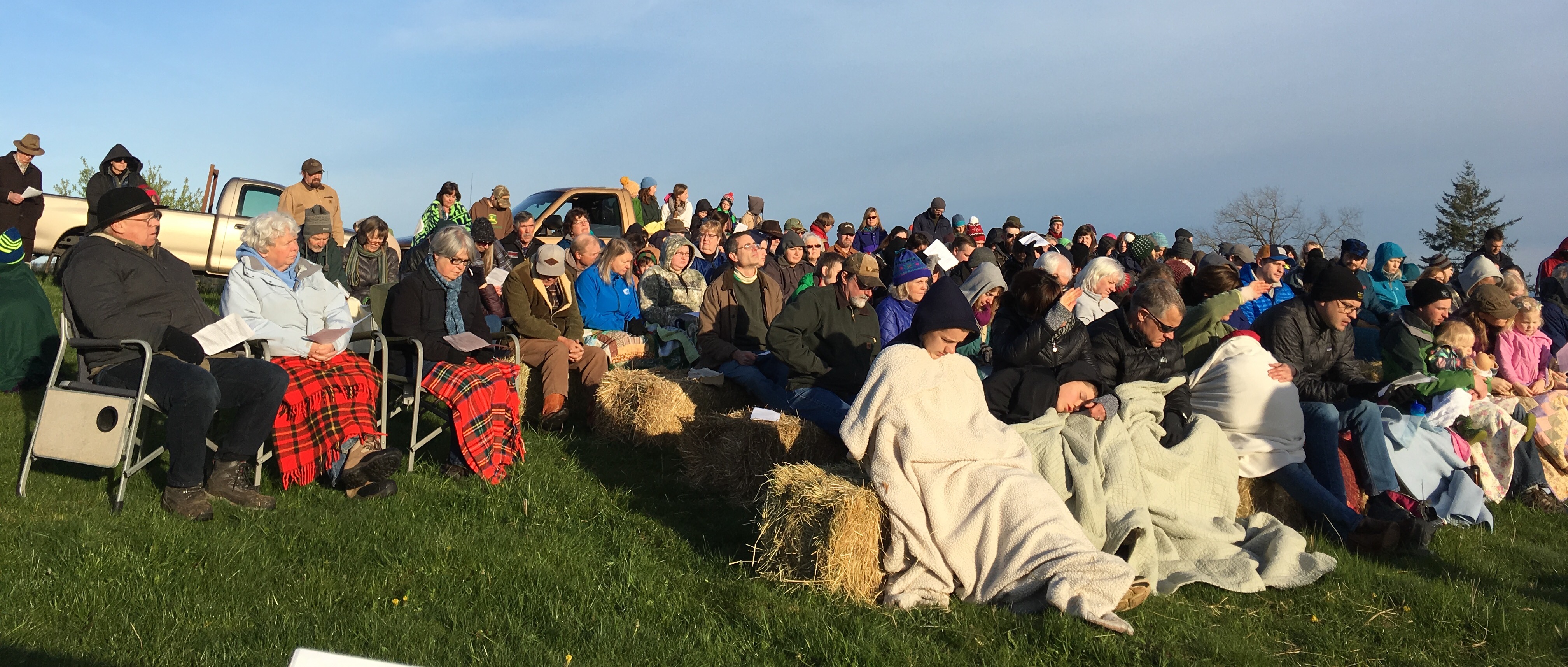
photo by Barb Hoelle
There is so much wrong with the modern church, comprised as it is of fallen people with broken wings determined to find flaws in each other in doctrine, tradition, beliefs.
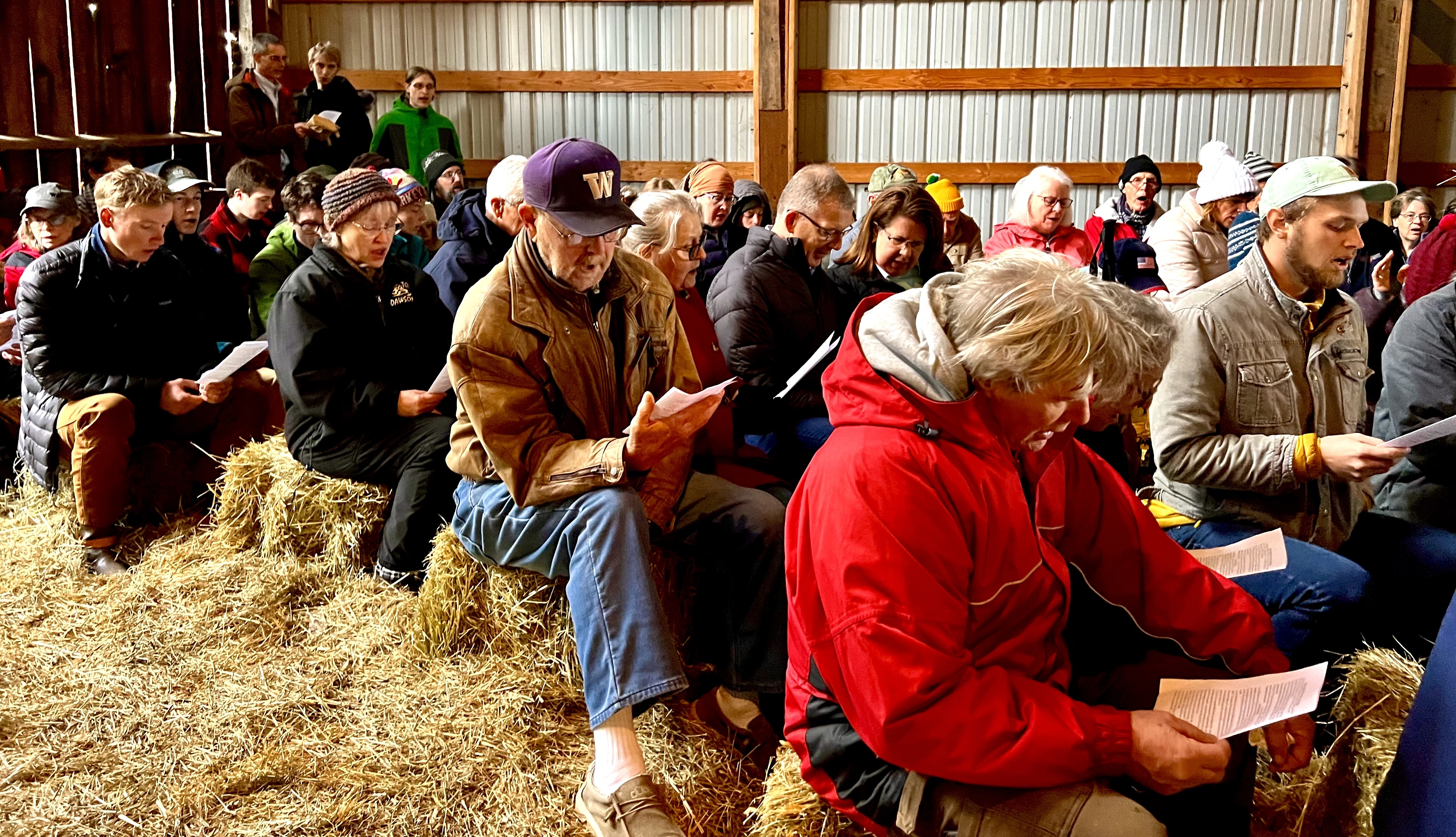
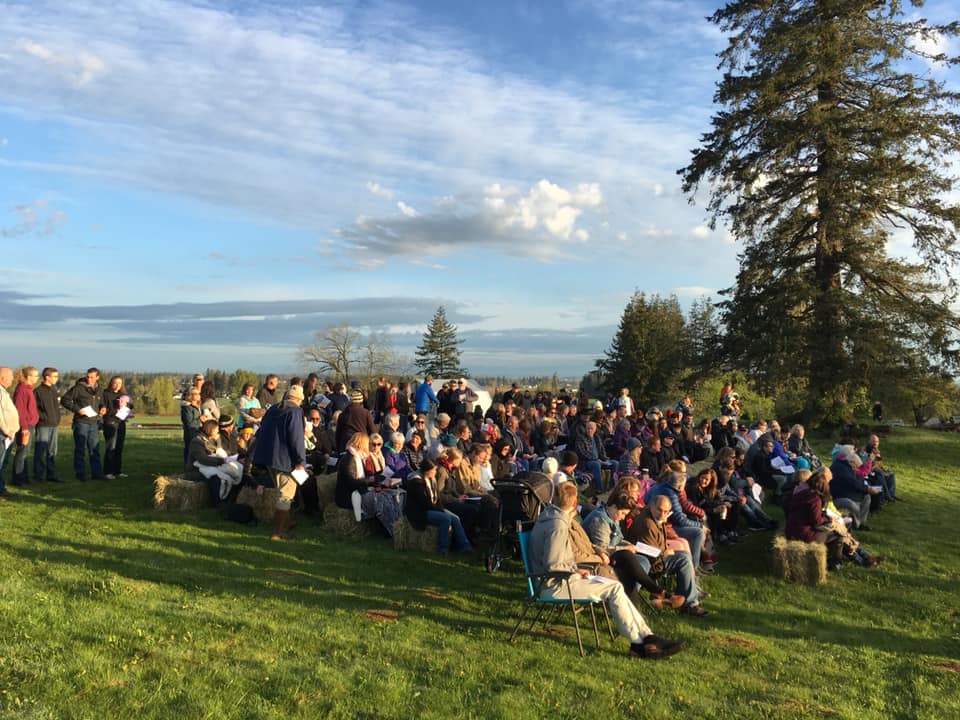
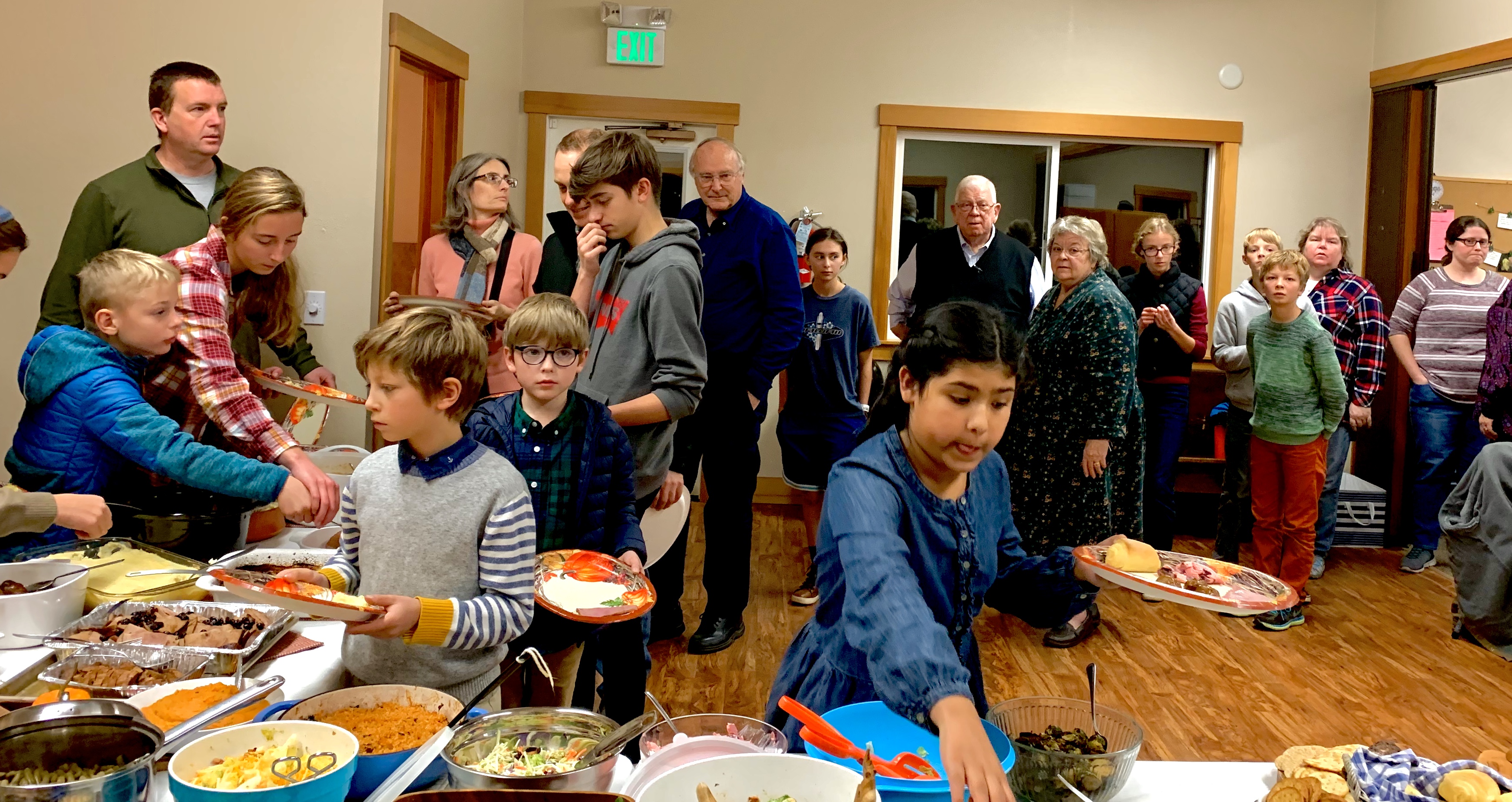
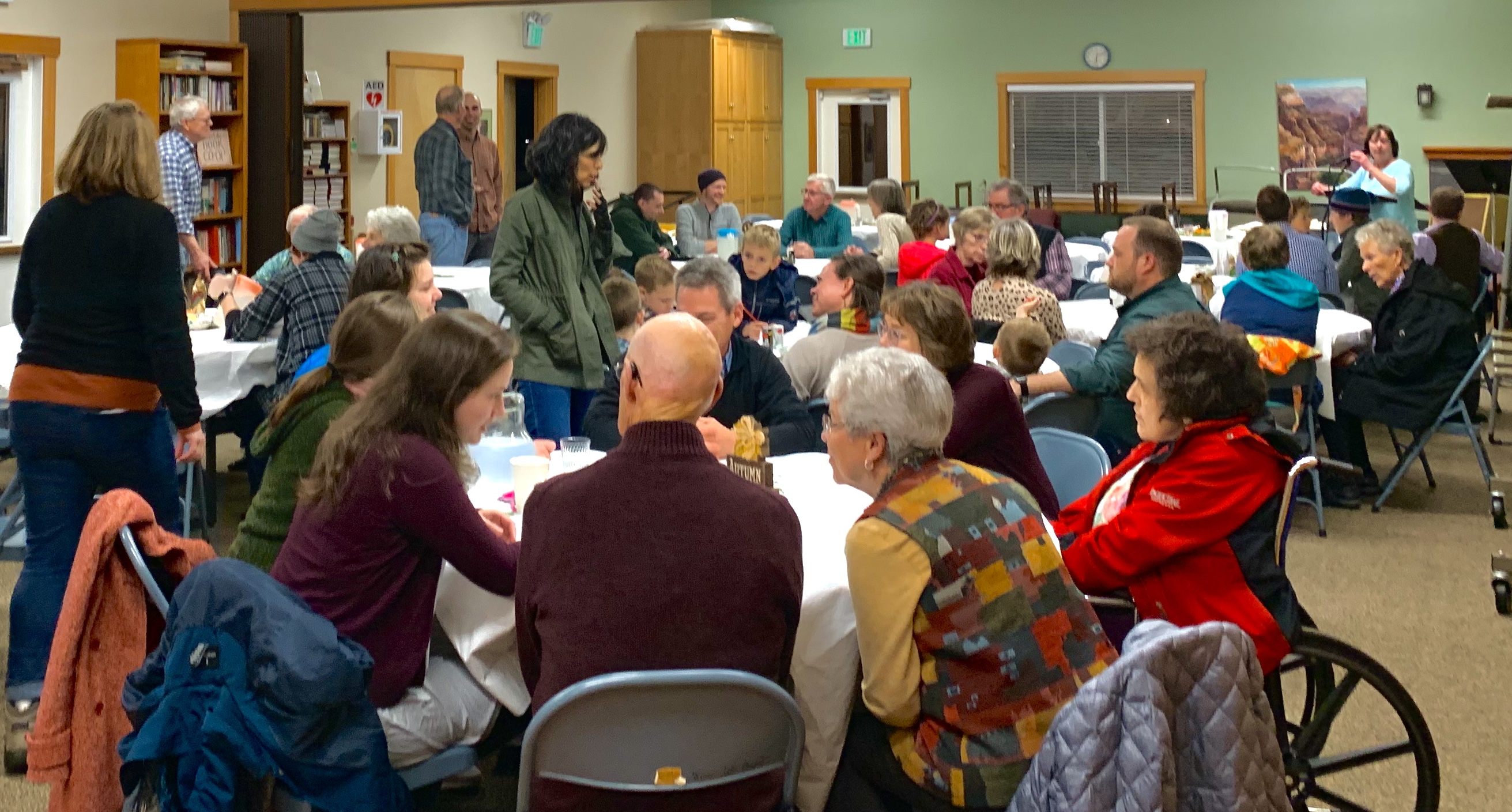
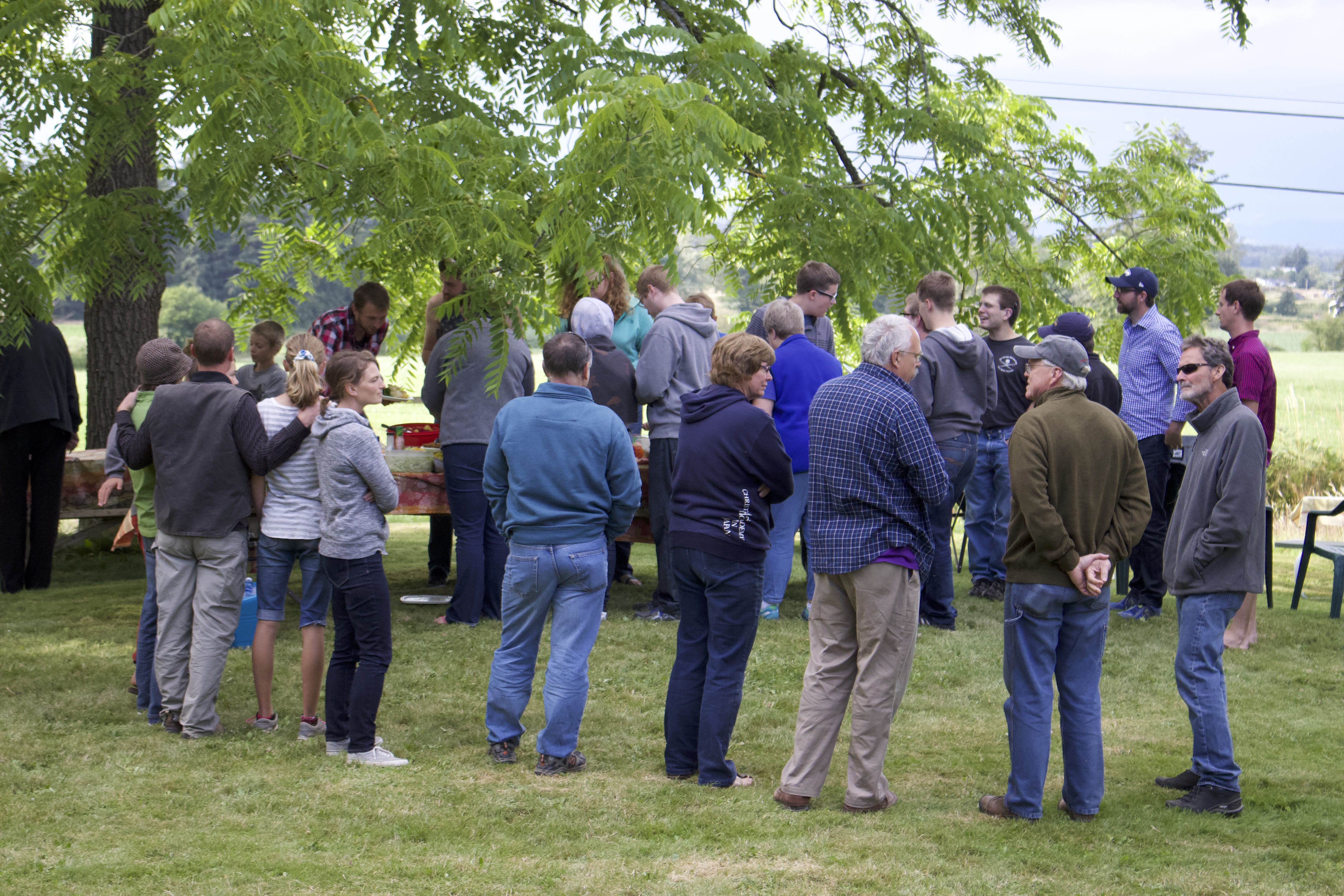
What is right with the church today, is when it offers a taste of heaven for hopeful people who come together in sanctuary, barn and field, eucharist table and potluck, to hold each other up in prayer and to sing in worship to the Three in One, who is why we sing, whose body we are part of and who, in our need, loves and forgives us despite our motley messiness: Our Lord of Heaven and Earth.
I appeal to you, brothers and sisters, in the name of our Lord Jesus Christ, that all of you agree with one another in what you say and that there be no divisions among you, but that you be perfectly united in mind and thought. 1 Corinthians 1:9-10
This Lenten season I reflect on the words of the 19th century southern spiritual hymn “What Wondrous Love is This”
One-Time
Monthly
Yearly
Make a one-time or recurring donation to support daily Barnstorming posts




































 Barnstorming