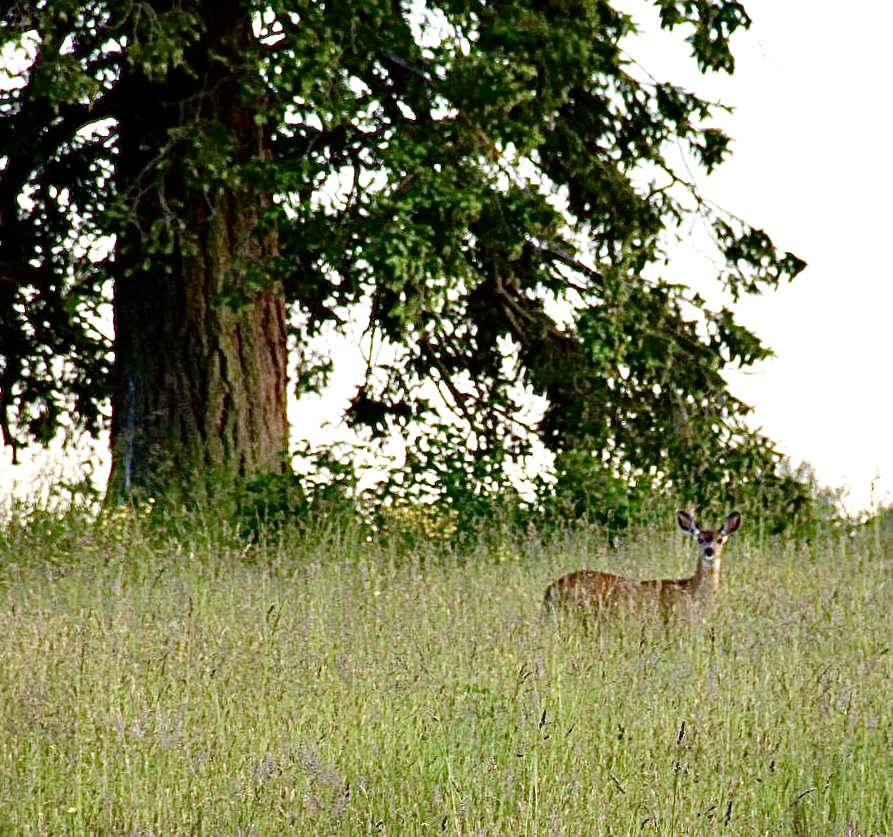
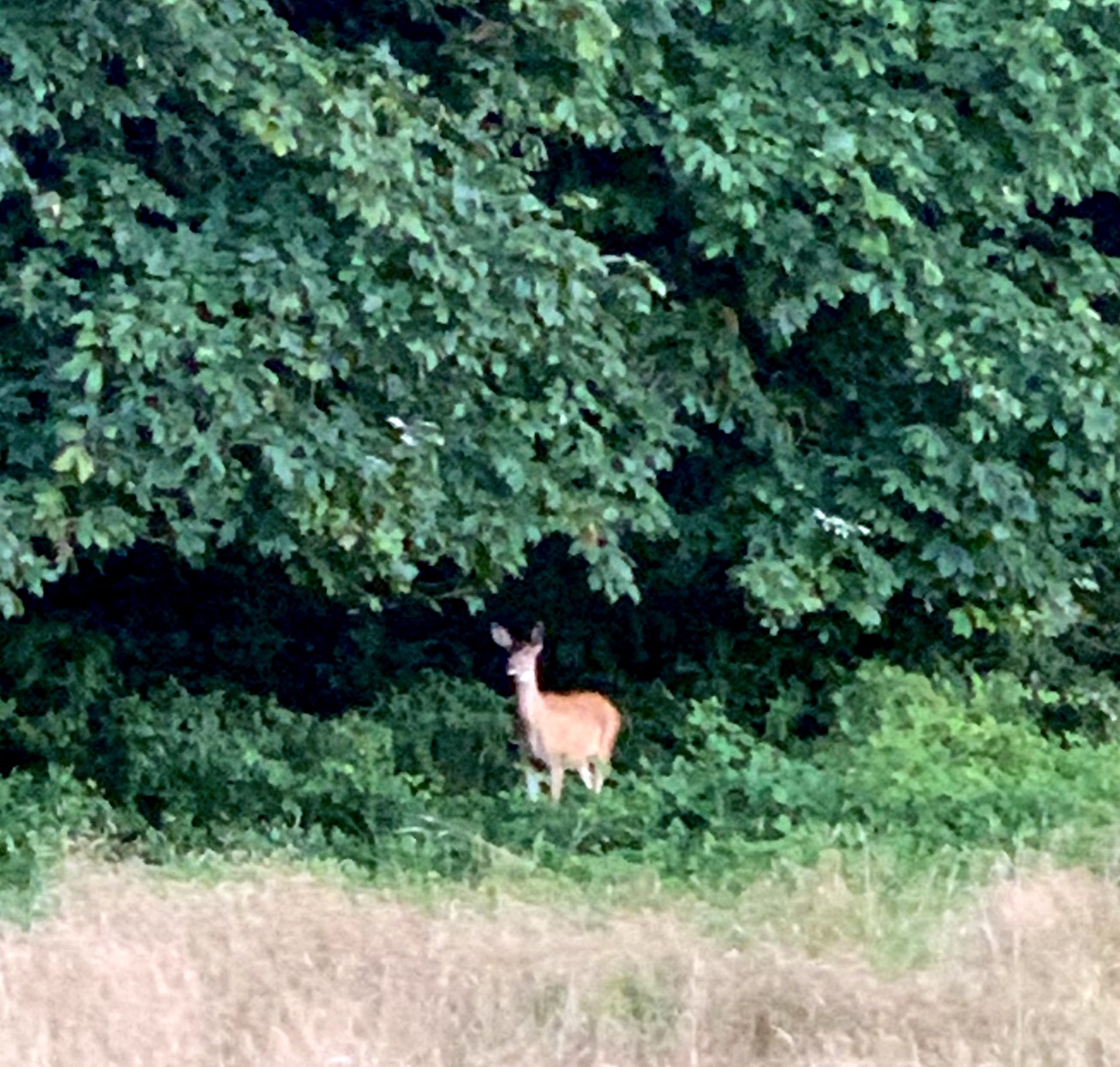
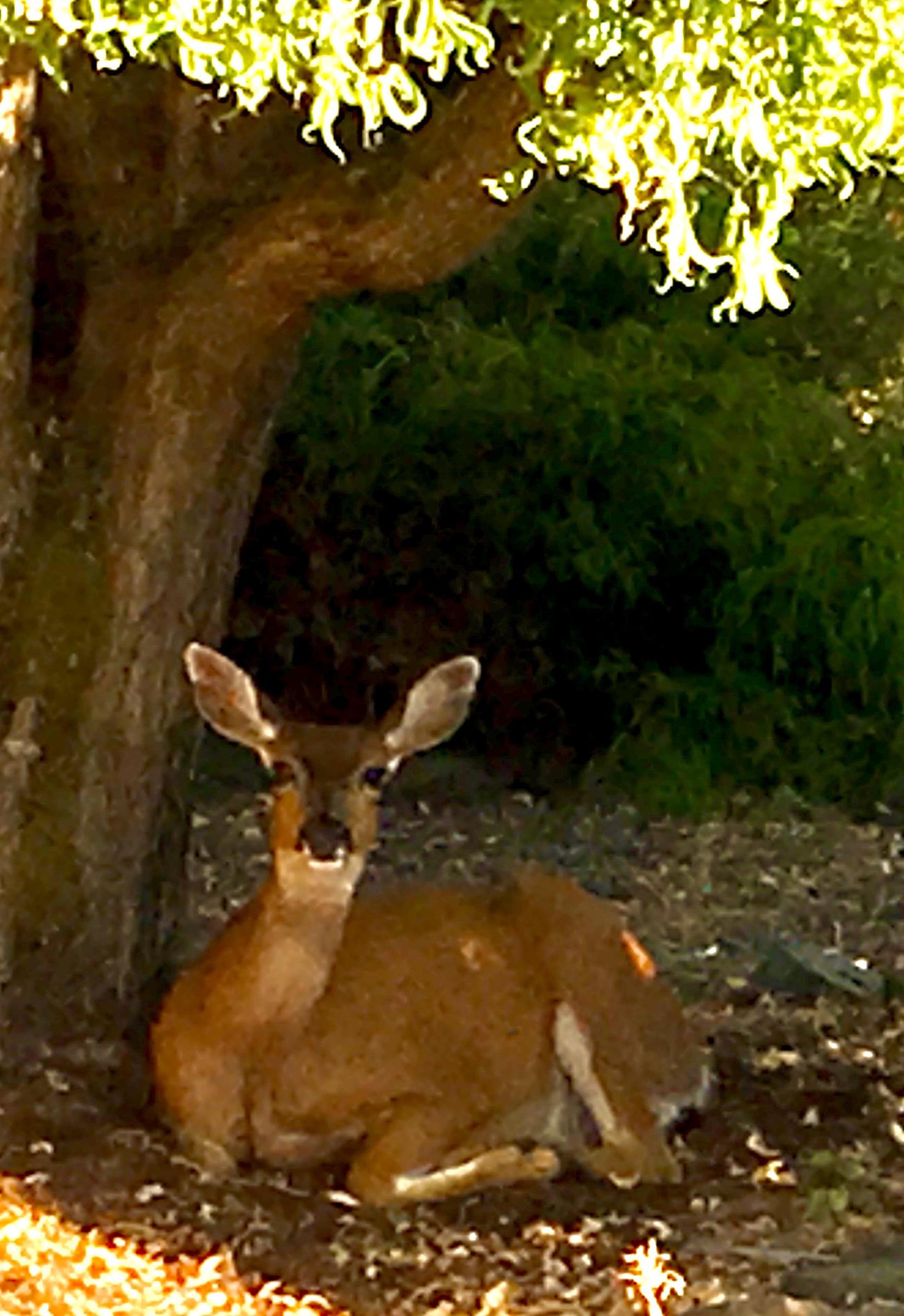
Perhaps she came down for the apples, or was flushed out by the saws powering the far woods, or was simply lost, or was crossing one open space for another.
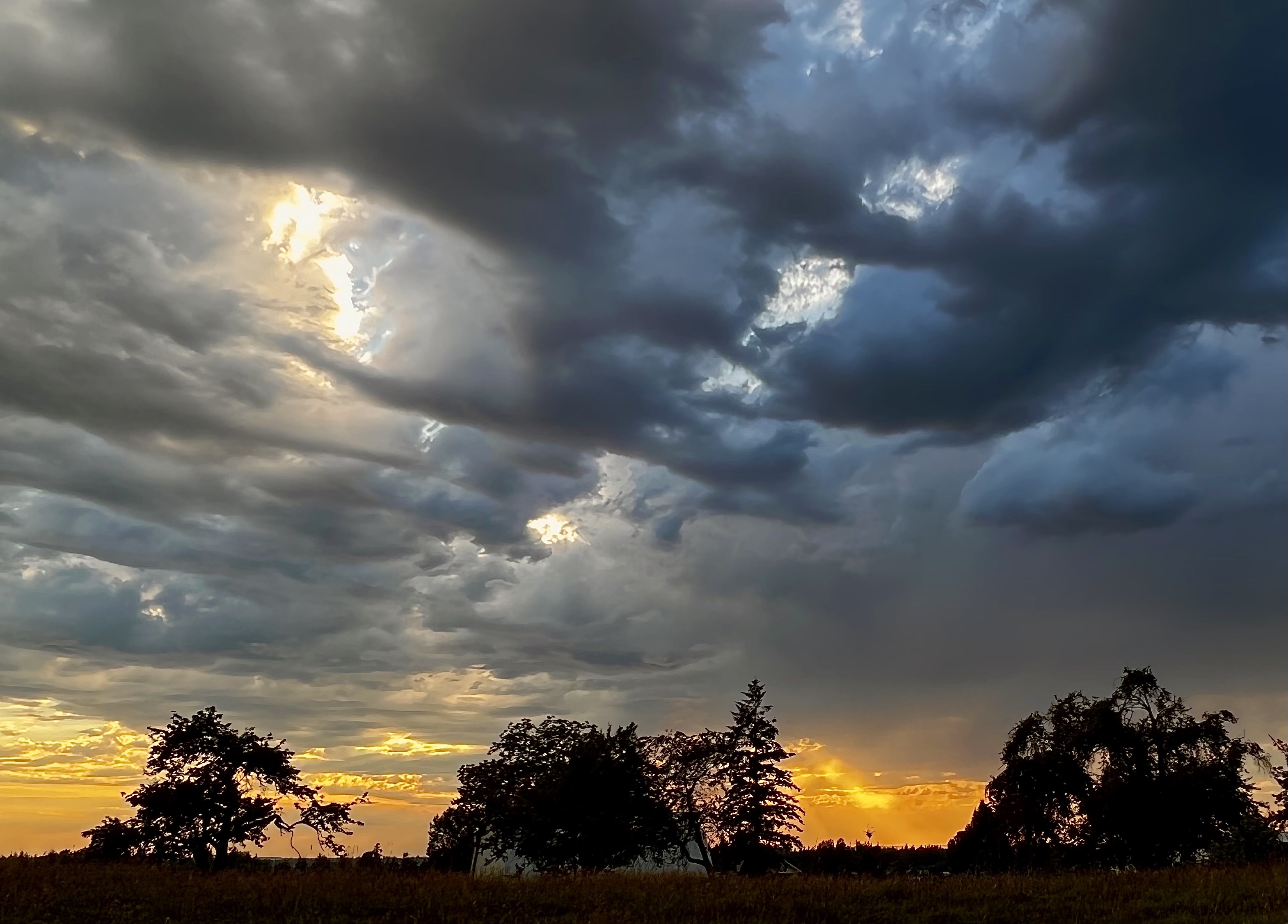
She was a figure approaching, a presence outside a kitchen window, framed by the leafless apple trees, the stiff blueberry bushes, the after-harvest corn, the just-before-rain sky,
a shape only narrow bones could hold, turning its full face upward, head tilted to one side, as if to speak.
Everything changing faster than we can respond: loss of jobs, research halting mid-study, inconsistency abounds, families shattered, uncertainty prevails.
What happened to of the people, by the people, for the people rather than dictated by just a few
We are so lost, how to find our way back to caring for the poor, the weak, the vulnerable with a spirit of commitment, compassion and sacrifice.
For God alone – no one else – remains our strength and shield. Lost and afraid, we want our lives back.
We need His Refuge where we may rest. We seek Sanctuary from this darkness, to once again awaken hopeful to a new morning.
AI image created for this post
One-Time
Monthly
Yearly
Make a one-time or recurring donation to support daily Barnstorming posts
Old friend now there is no one alive who remembers when you were young it was high summer when I first saw you in the blaze of day most of my life ago with the dry grass whispering in your shade and already you had lived through wars and echoes of wars around your silence through days of parting and seasons of absence with the house emptying as the years went their way until it was home to bats and swallows and still when spring climbed toward summer you opened once more the curled sleeping fingers of newborn leaves as though nothing had happened you and the seasons spoke the same language and all these years I have looked through your limbs to the river below and the roofs and the night and you were the way I saw the world ~W.S. Merwin “Elegy for a Walnut”from The Moon Before Morning
Today I stood under the kitchen archway and stepped into my new body. Pasta was on the stove, a cold Tupperware of string beans on the counter. But I knew. I knew I would never be the same— the way I’m certain the magnolia down the block has lost all its petals. I haven’t checked in days, but I’m convinced tomorrow when I take my son to the bus stop, I’ll see them splashed on the sidewalk. What I’m trying to say is sometimes your old skin falls breathlessly off your body in late April, as you slice a cucumber into half moons for your child, and you just stand there and let it. ~Wendy Wisner “Shedding” from The New Life: Poems
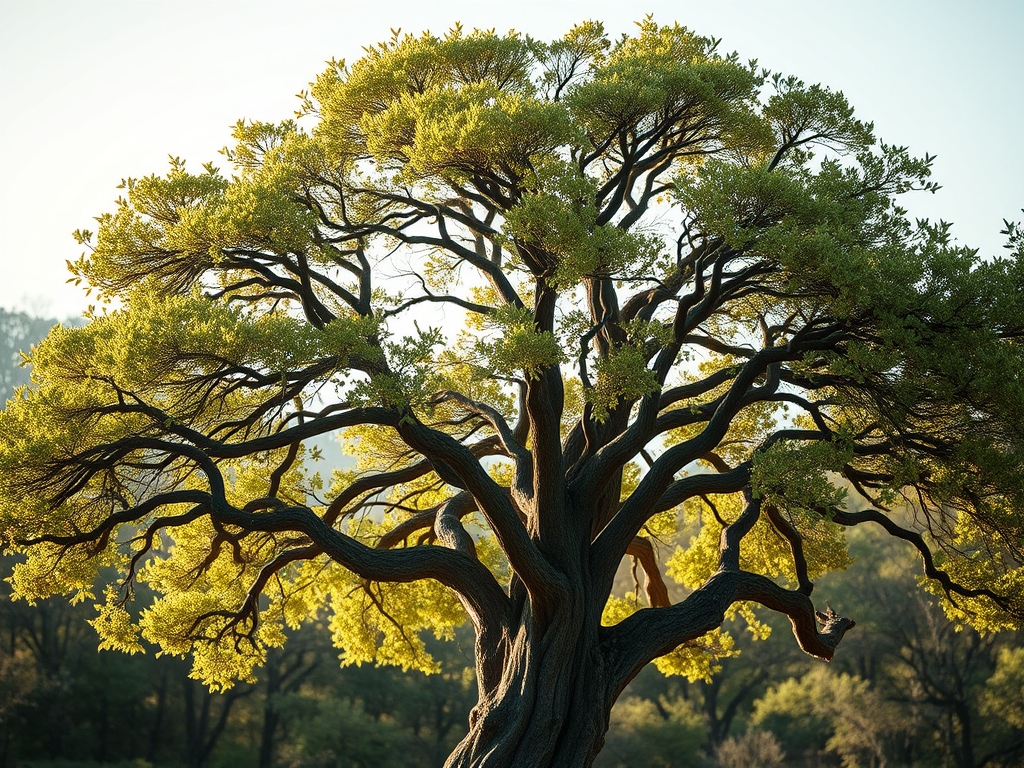
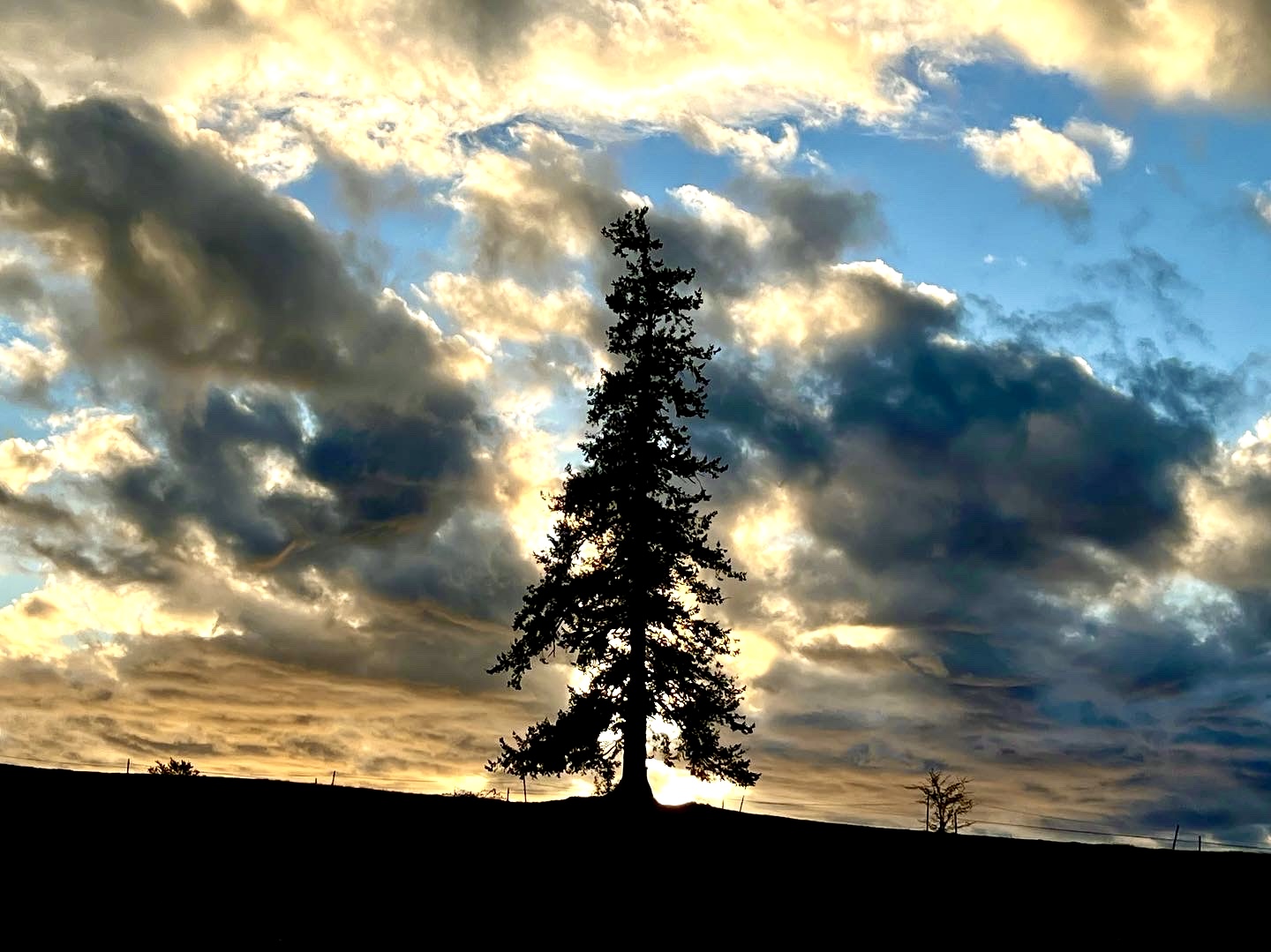
This grand old tree defines the seasons for me while it parallels my own aging.
This past winter’s storms took its branches down in the night with deafening cracks so loud I feared to see what remnant remained in the morning.
Yet it still stands, intrepid, ready for another round of seasons– though tired, sagging, broken at the edges, it’s always reaching to the sky.
AI image created for this post
One-Time
Monthly
Yearly
Make a one-time or recurring donation to support daily Barnstorming posts
Before the second summit party began the ascent of the princess of mountains, an ominous black cloud settled slowly around the summit block, persuading us to take a rest day, but morale was good. The next day at seven in the evening, my daughter Devi was on her last pitch, and it took her until midnight to haul up over the final lip. A long day.
Two days later, a blizzard kept us in our tents, but the next morning, Devi was stricken, saying calmly, “She is calling me. I am going to die,” before she fell into unconsciousness. I tried to revive her, mouth-to-mouth, but felt her lips grow cold against mine. We had lost her. My daughter was gone. I and the other climbers wept.
Her fiancé Andy and I bundled her in her sleeping bag and slipped her off the precipice of the North- East face. I said we had committed her to the deep. She had been the driving force behind this expedition, as she was inexorably drawn to her namesake. The Bliss-Giving Goddess had claimed her own. An excerpt from her last diary is inscribed on a stone placed in a high-altitude meadow of Patai:
“I stand on a windswept ridge at night with the stars bright above and I am no longer alone but I waver and merge with all the shadows that surround me. I am part of the whole and I am content.” ~Eleanor Swanson, Last Light on the West Face of Nanda Devifrom Non Finito
Nanda Devi peak, courtesy of Stanford Alpine Club
The ripple effect from Nanda Devi Unsoeld’s arrival as a new junior in Olympia High School in 1970 reached me within minutes, as I felt the impact of her presence on campus immediately. One of my friends elbowed me, pointing out a new girl being escorted down the hall by the assistant principal. Students stared at the wake she left behind: Devi had wildly flowing wavy long blonde hair, a friendly smile and bold curious eyes greeting everyone she met.
From the neck up, she fit right in with the standard appearance at the time: as the younger sisters of the 60’s generation of free thinking flower children, we tried to emulate them in our dress and style, going braless and choosing bright colors and usually skirts that were too short and tight. There was the pretense we didn’t really care how we looked, but of course we did care very much, with hours spent daily preparing the “casual carefree” look that would perfectly express our freedom from fashion trends amid our feminist longings.
Practicing careful nonconformity perfectly fit our peers’ expectations and aggravated our parents.
But Devi never looked like she cared what anyone else thought of her. The high school girls honestly weren’t sure what to make of her, speculating together whether she was “for real” and viewed her somewhat suspiciously, as if she was putting on an act.
The high school boys were mesmerized.
She preferred baggy torn khaki shorts or peasant skirts with uneven hems, loose fitting faded T shirts and ripped tennis shoes without shoelaces. Her bare legs were covered with long blonde hair, as were her armpits which she showed off while wearing tank tops. She pulled whole cucumbers from her backpack in class and ate them like cobs of corn, rind and all. She smelled like she had been camping without a shower for three days, but then riding her bike to school from her home 11 miles away in all kinds of weather accounted for that. One memorable day she arrived a bit late to school, pushing her bike through 6 inches of snow in soaking tennis shoes, wearing her usual broad smile of satisfaction.
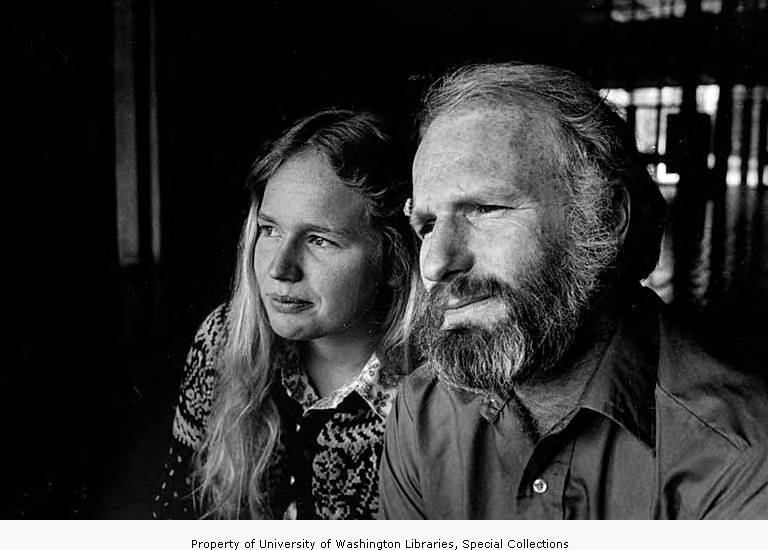
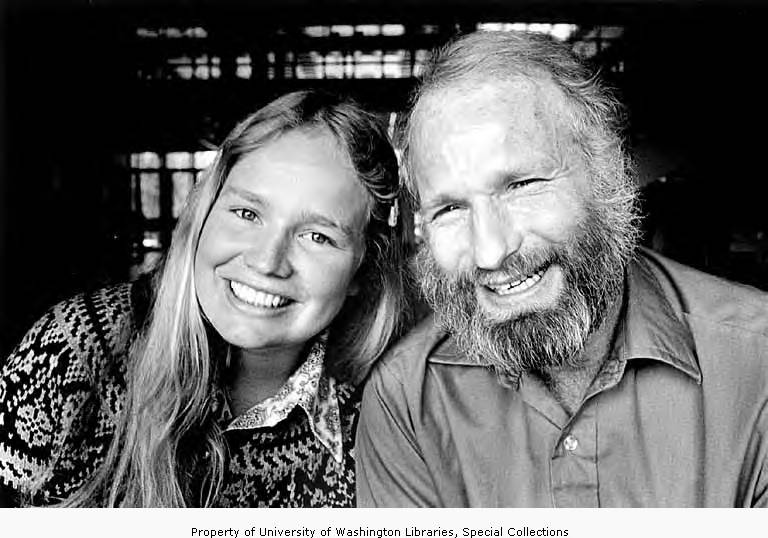
As a daughter of two Peace Corps workers who had just moved back to the U.S. after years of service in Nepal, Devi had lived very little of her life in the United States. Her father Willi Unsoeld, one of the first American climbers to reach the summit of Mt. Everest up the difficult west face, had recently accepted a professorship in comparative religion at new local Evergreen College. He moved his wife and family back to the northwest to be near his beloved snowy peaks, suddenly immersing four children in an affluent culture that seemed foreign and wasteful.
Devi recycled before there was a word for it simply by never buying anything new and never throwing anything useful away, involved herself in social justice issues before anyone had coined the phrase, and was an activist behind the scenes more often than a leader, facilitating and encouraging others to speak out at anti-war rallies, organizing sit-ins for world hunger and volunteering in the local soup kitchen. She mentored adolescent peers to get beyond their self-consciousness and self-absorption to explore the world beyond the security of high school walls.
Regretfully, few of us followed her lead. We preferred the relative security and camaraderie of hanging out at the local drive-in to taking a shift at the local 24-hour crisis line. We showed up for our graduation ceremony in caps and gowns while the rumor was that Devi stood at the top of Mt. Rainier with her father that day.
I never saw Devi after high school but heard of her plans in 1976 to climb with an expedition to the summit of Nanda Devi, the peak in India for which she was named. She never returned, dying in her father’s arms as she suffered severe abdominal pain and irreversible high altitude sickness just below the summit. She lies forever buried in the ice on that faraway peak in India.
Her father died in an avalanche only a few years later, as he led an expedition of Evergreen students on a climb on Mt. Rainier, only 60 miles from home. Her mother, Jolene, later served in Congress from our district in Washington state.
Had Devi lived these last 50 years, I have no doubt she would have led our generation with her combination of charismatic boldness and excitement about each day’s new adventure. She lived without pretense, without hiding behind a mask of fad and fashion and conformity and without any desire for wealth or comfort.
I wish I had learned what she had to teach me when she sat beside me in class, encouraging me by her example to become someone more than the dictates of societal expectations. I secretly admired the freedom she embodied in not being concerned in the least about fitting in. Instead, I still mourn her loss all these years later, having to be content with the legacy she has now left behind on a snowy mountain peak that called her by name.
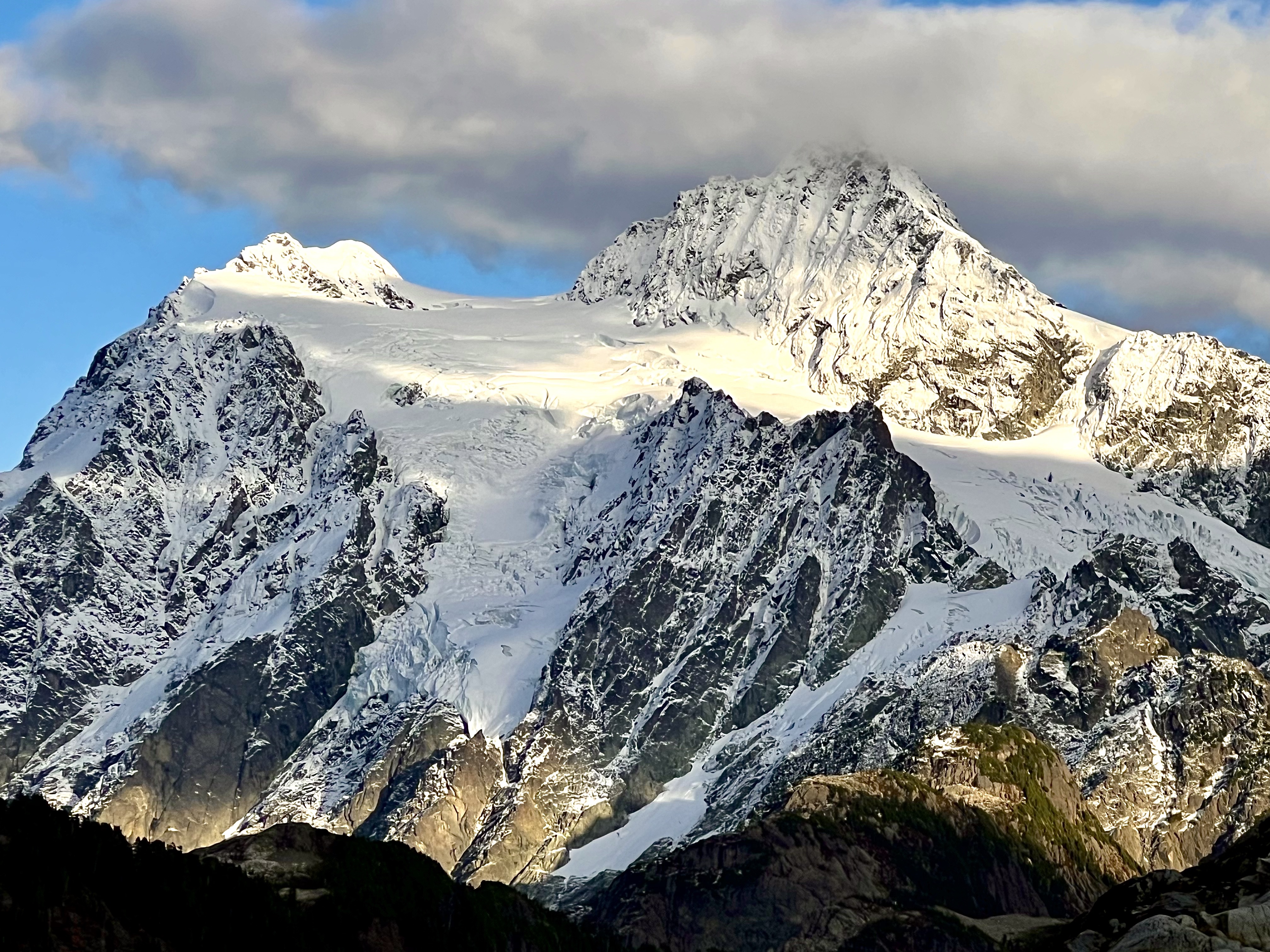
Mt. Shuksan, Washington state
One-Time
Monthly
Yearly
Make a one-time or recurring donation to support daily Barnstorming posts
The fields are snowbound no longer; There are little blue lakes and flags of tenderest green. The snow has been caught up into the sky— So many white clouds—and the blue of the sky is cold. Now the sun walks in the forest, He touches the boughs and stems with his golden fingers; They shiver, and wake from slumber. Over the barren branches he shakes his yellow curls. … Yet is the forest full of the sound of tears…. A wind dances over the fields. Shrill and clear the sound of her waking laughter, Yet the little blue lakes tremble And the flags of tenderest green bend and quiver. ~Katherine Mansfield “Very Early Spring”
You might say that clouds have no nationality Being flags of no country, flaunting their innocent neutrality Across frontiers, ignorant of boundaries; But these clouds are clearly foreign, such an exotic clutter Against the blue cloth of the sky I want to rummage among them, I want to turn them over With eager fingers, I want to bargain For this one or that one, I want to haggle and dicker Over the prices, and I want to see my clouds wrapped up In sheets of old newspapers, and give them away To young girls to pin in their hair Or tuck them, glossy as gardenias, behind an ear, Or stretch one out to the length of a lacy shawl And toss it over a shoulder, or around a waist. ~Constance Urdang “Clouds”
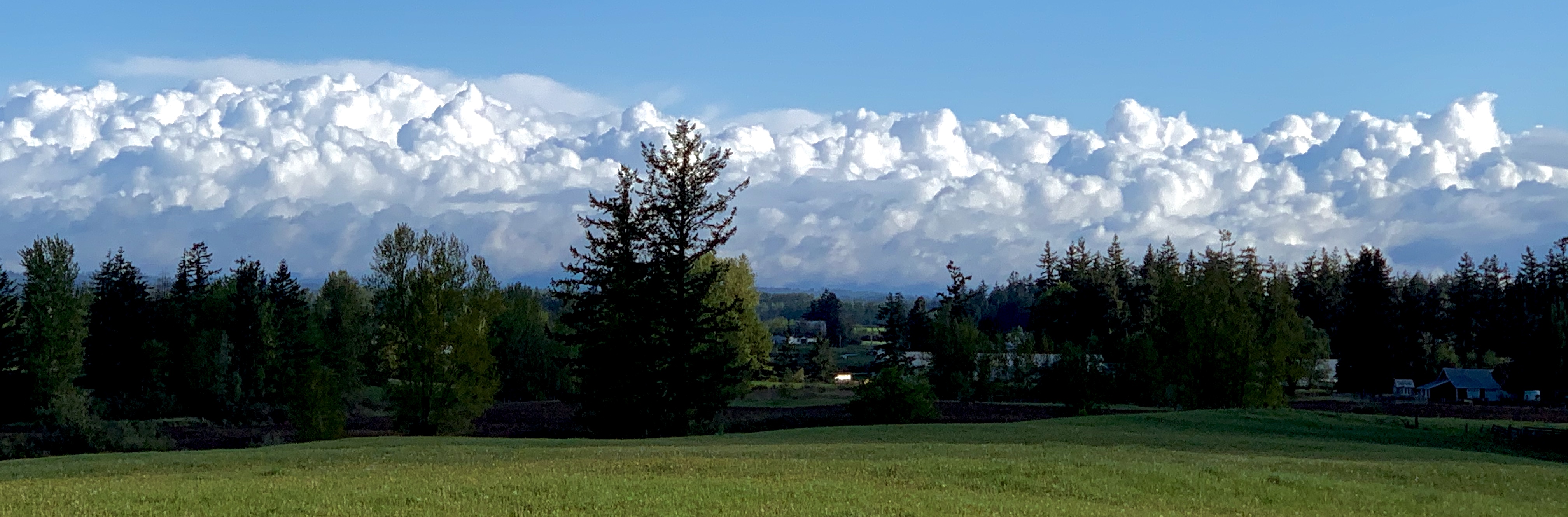
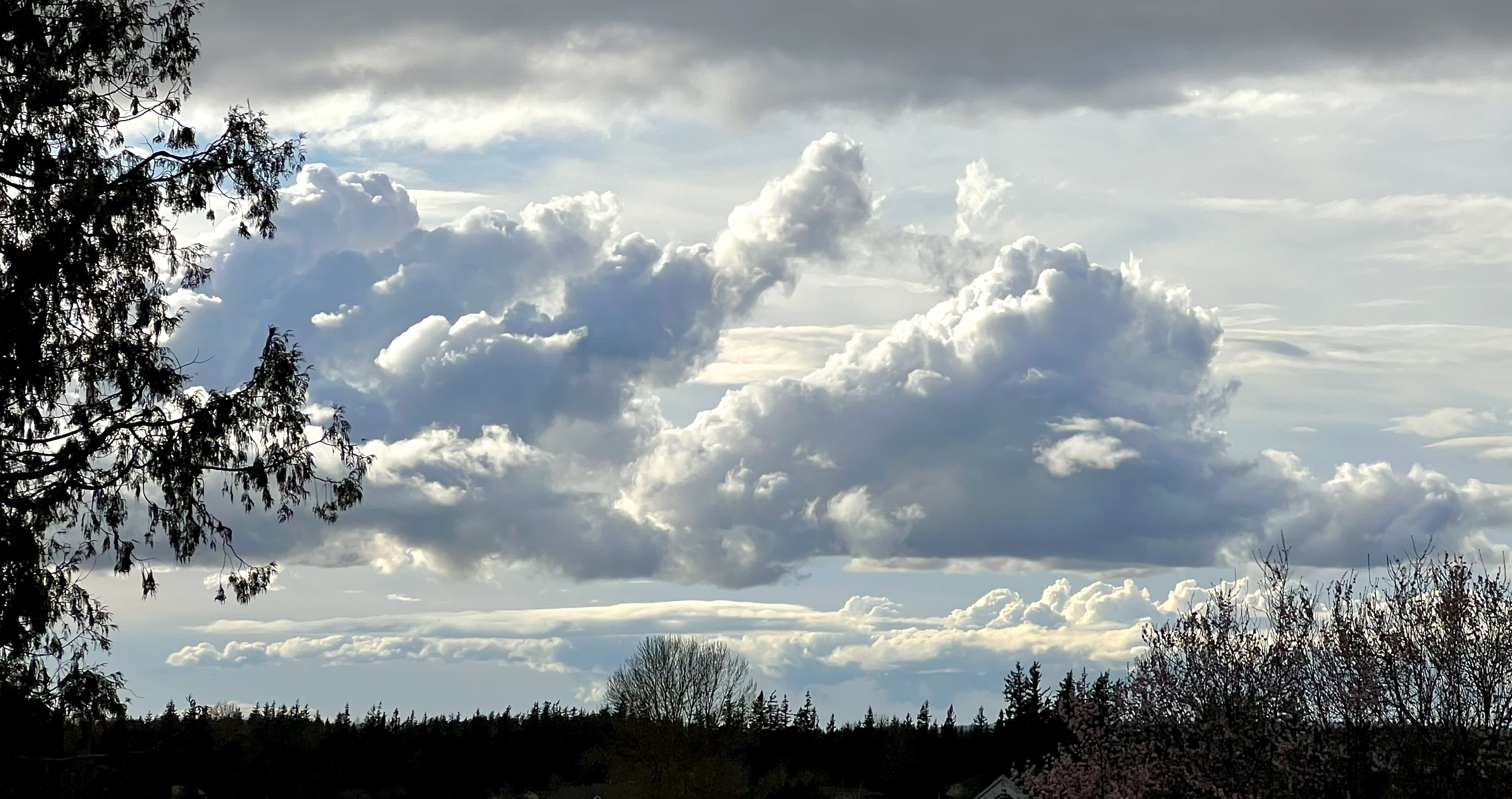
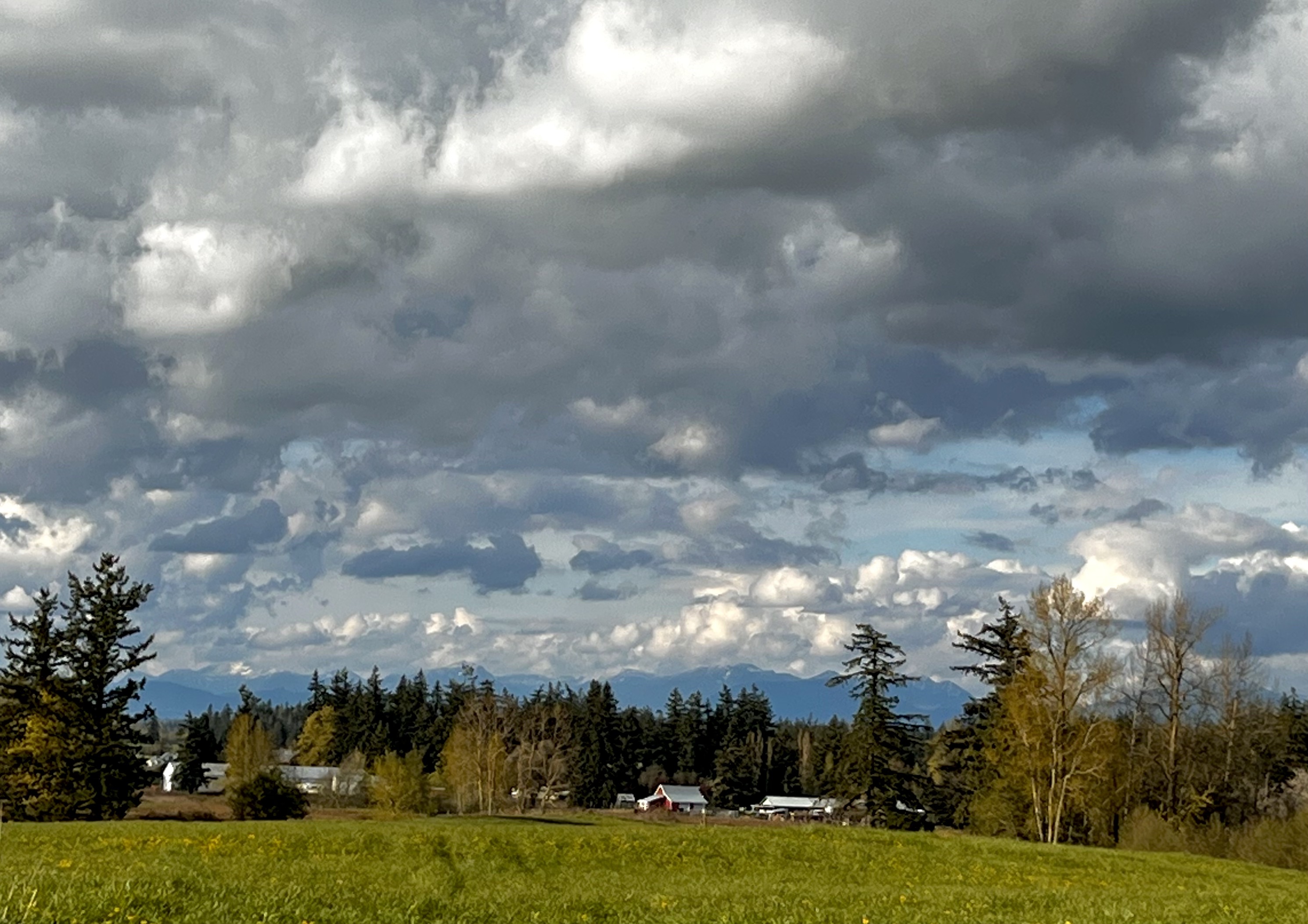
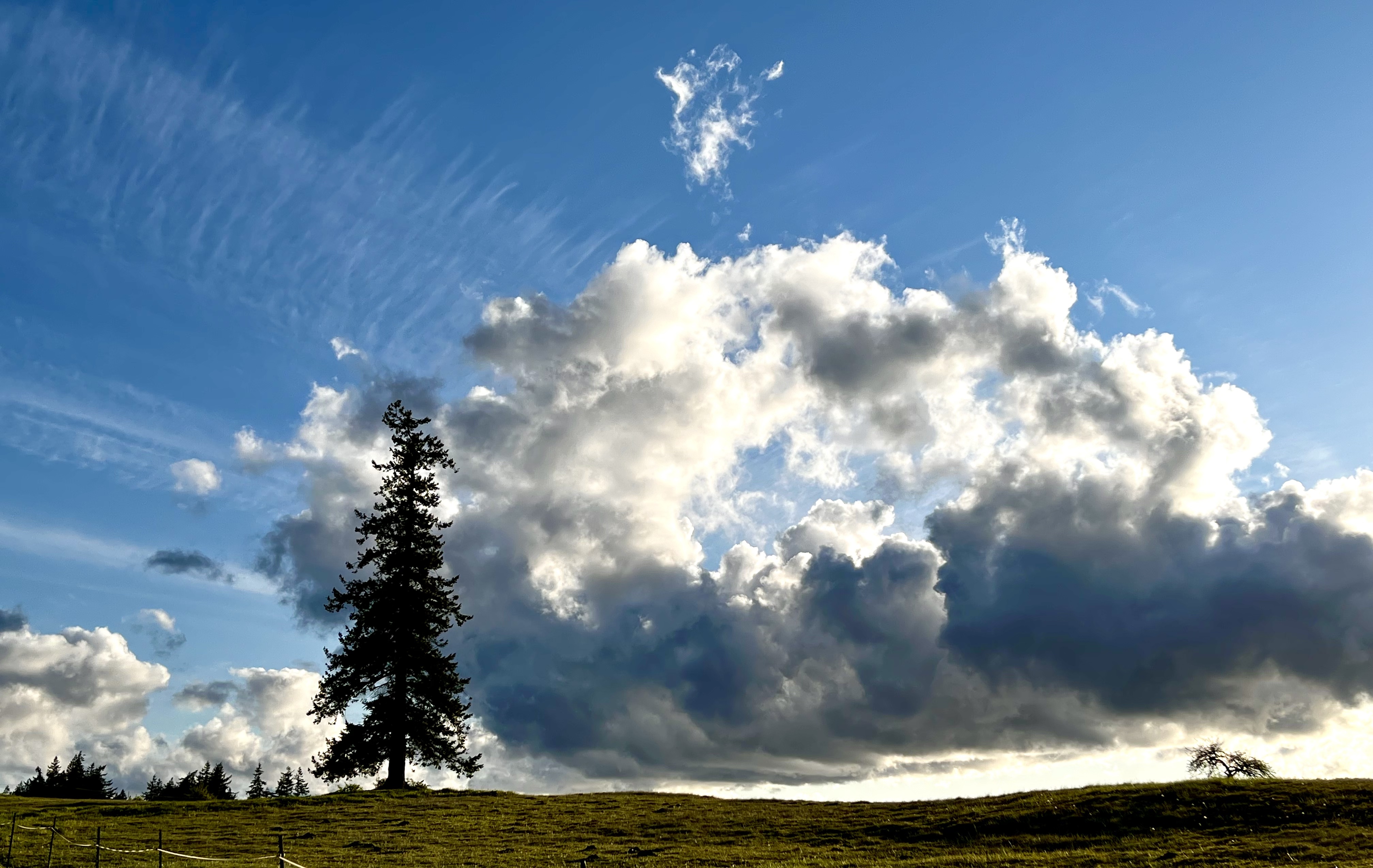
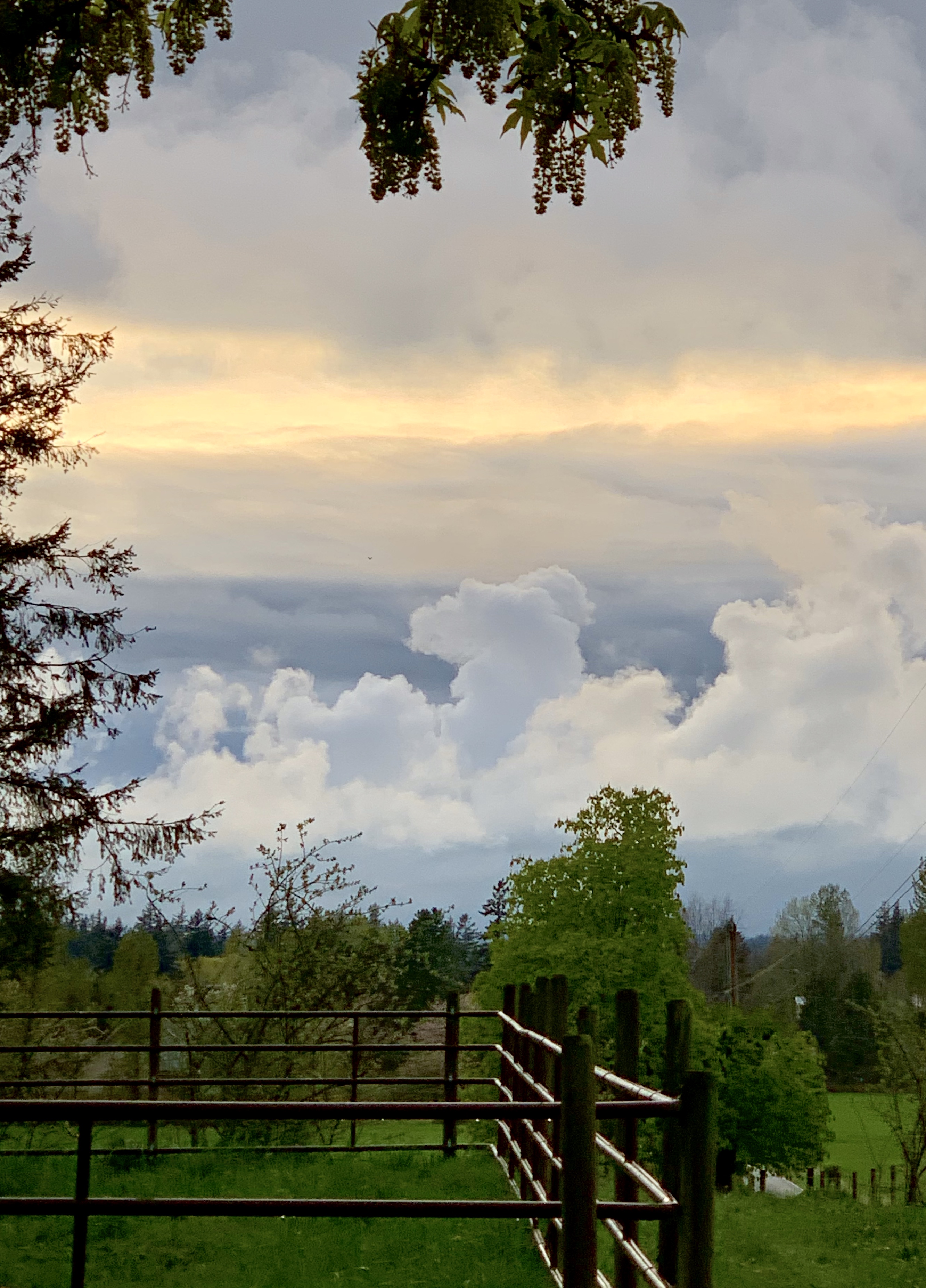
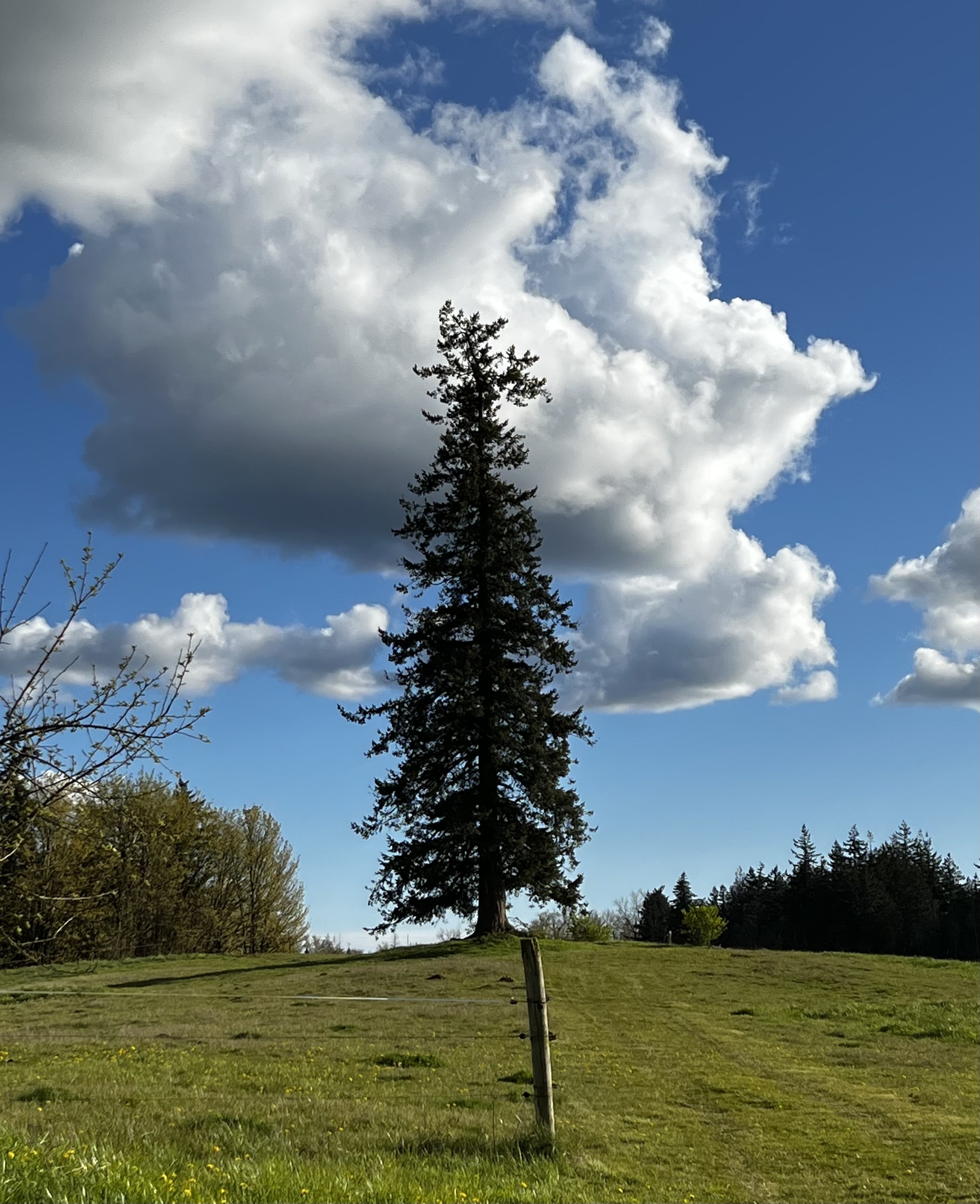
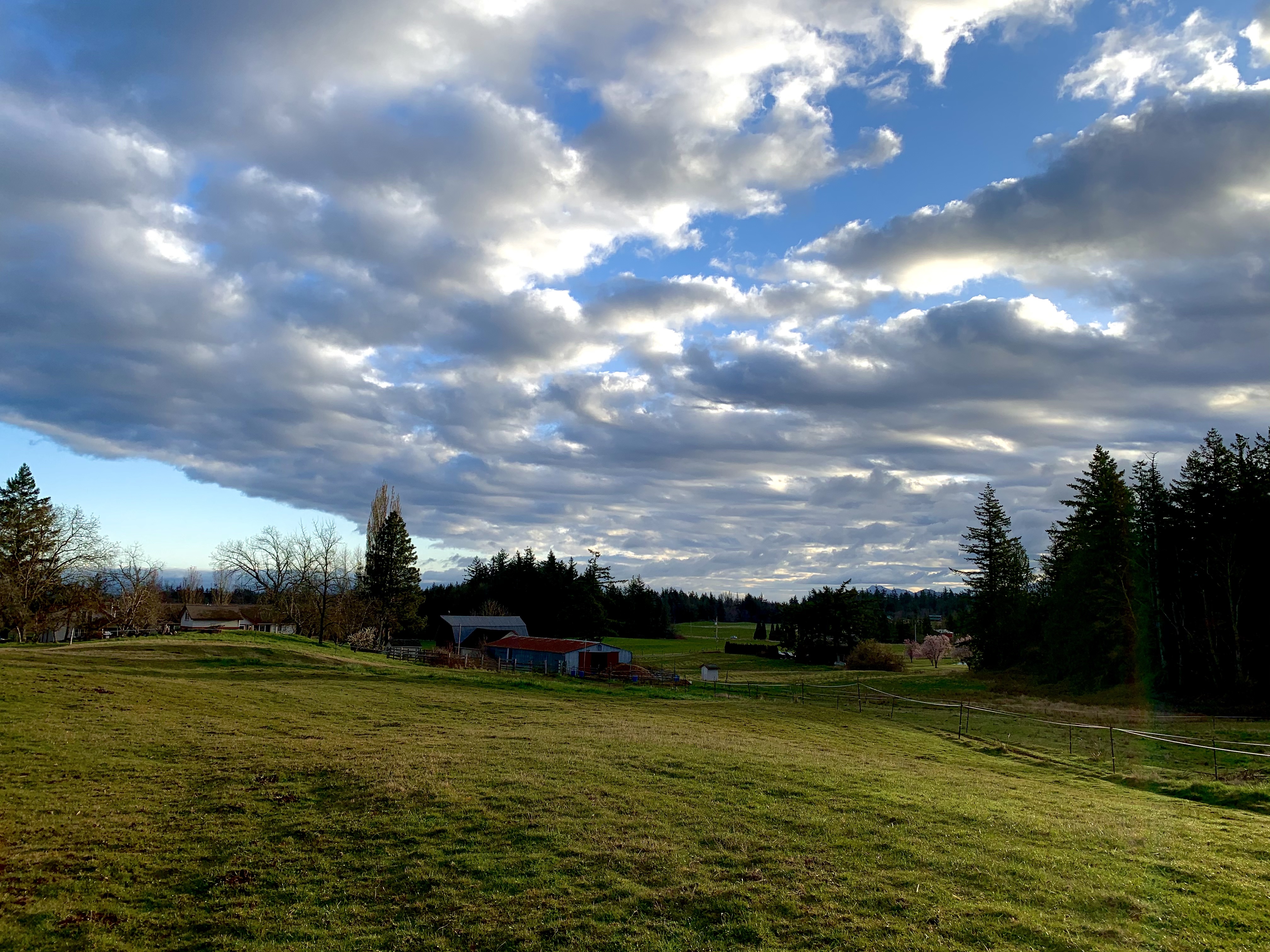
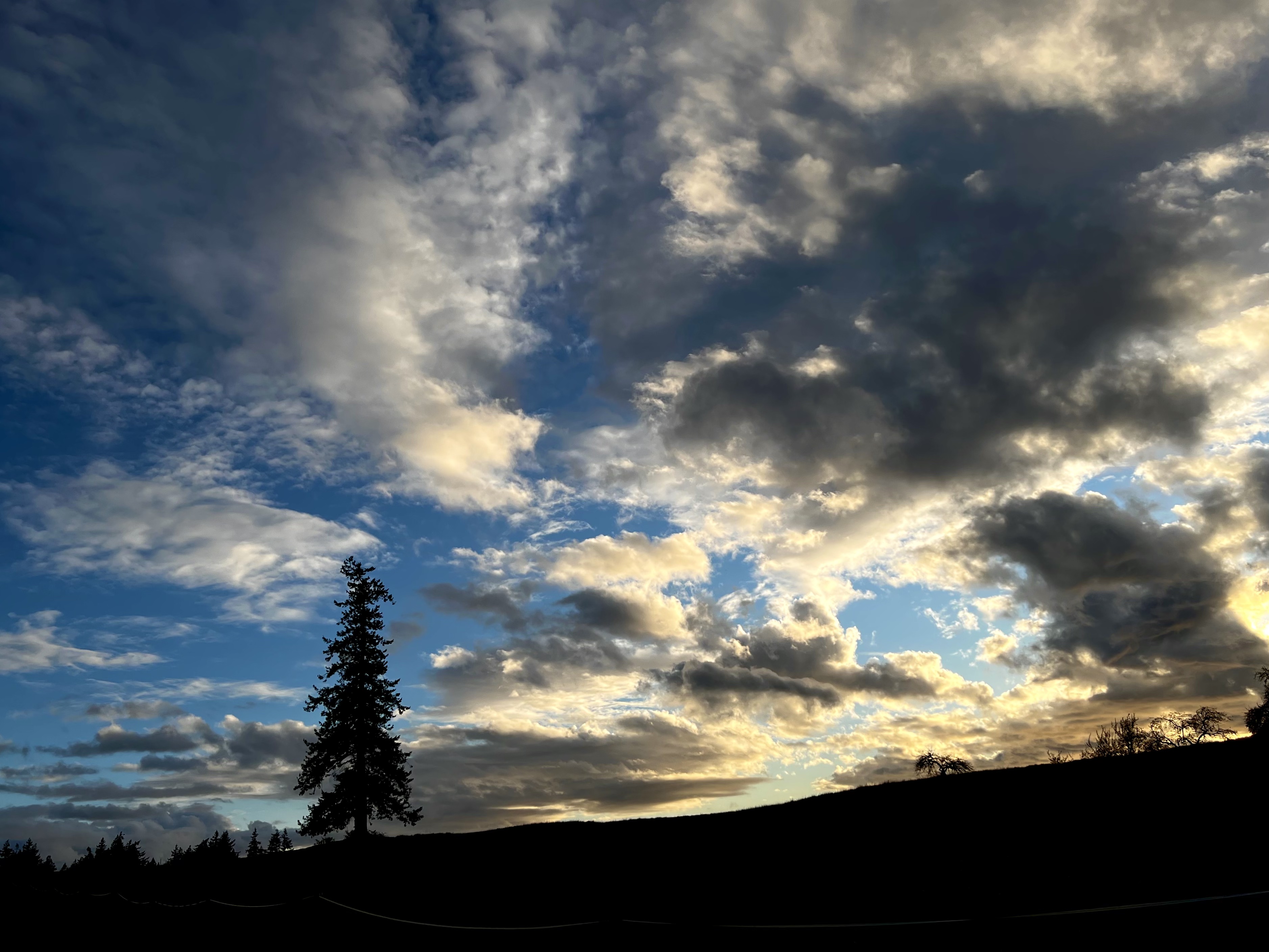
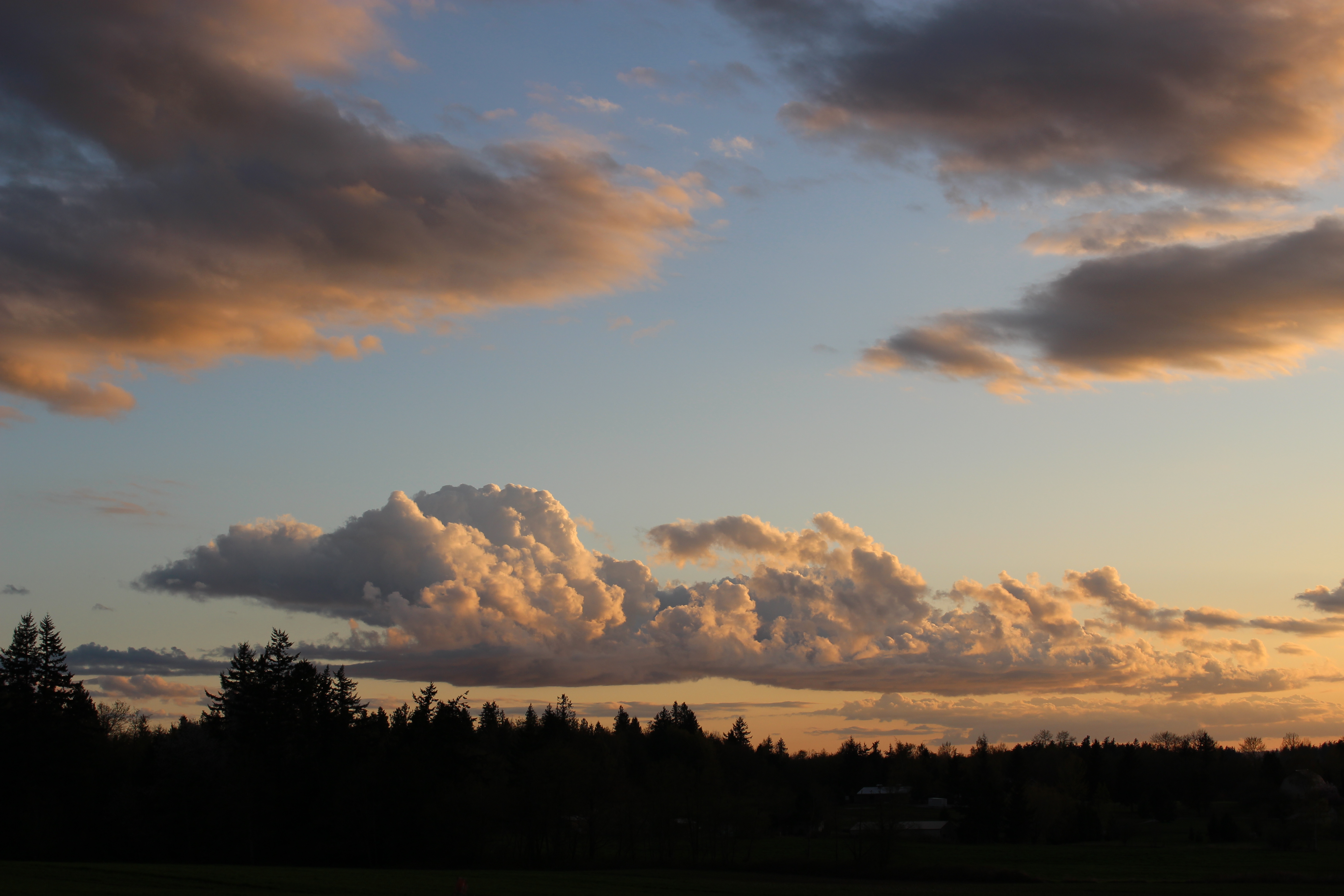
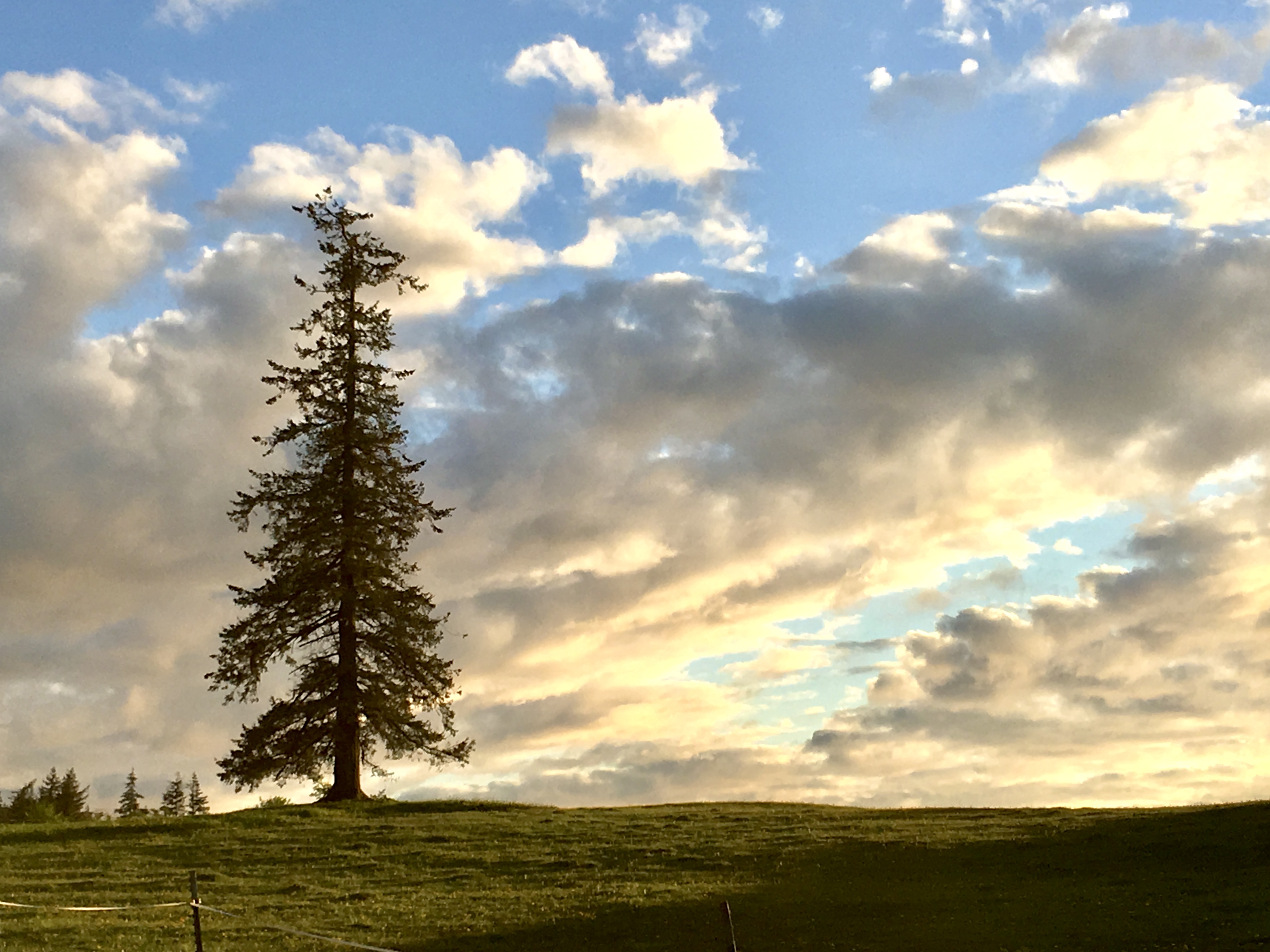
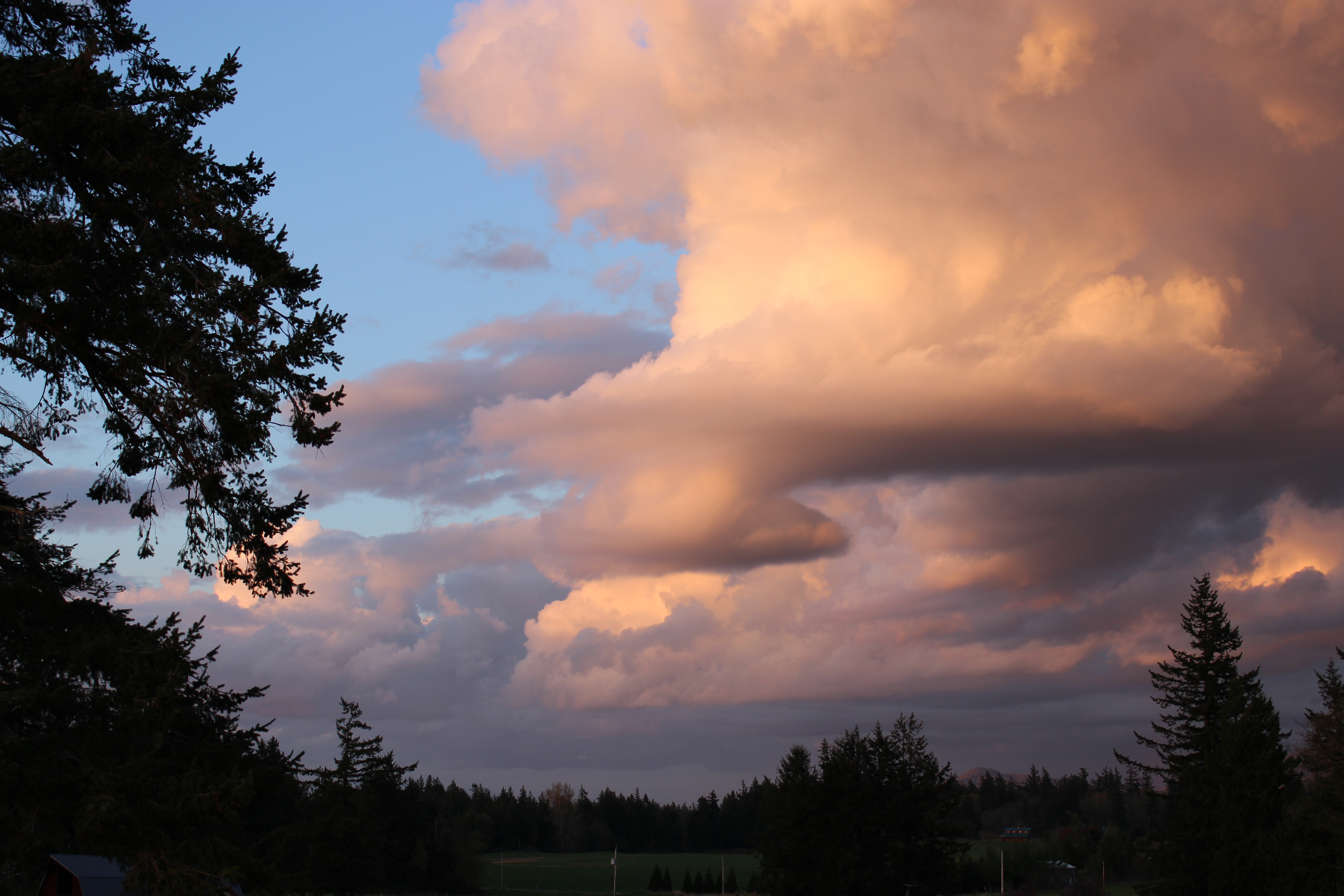
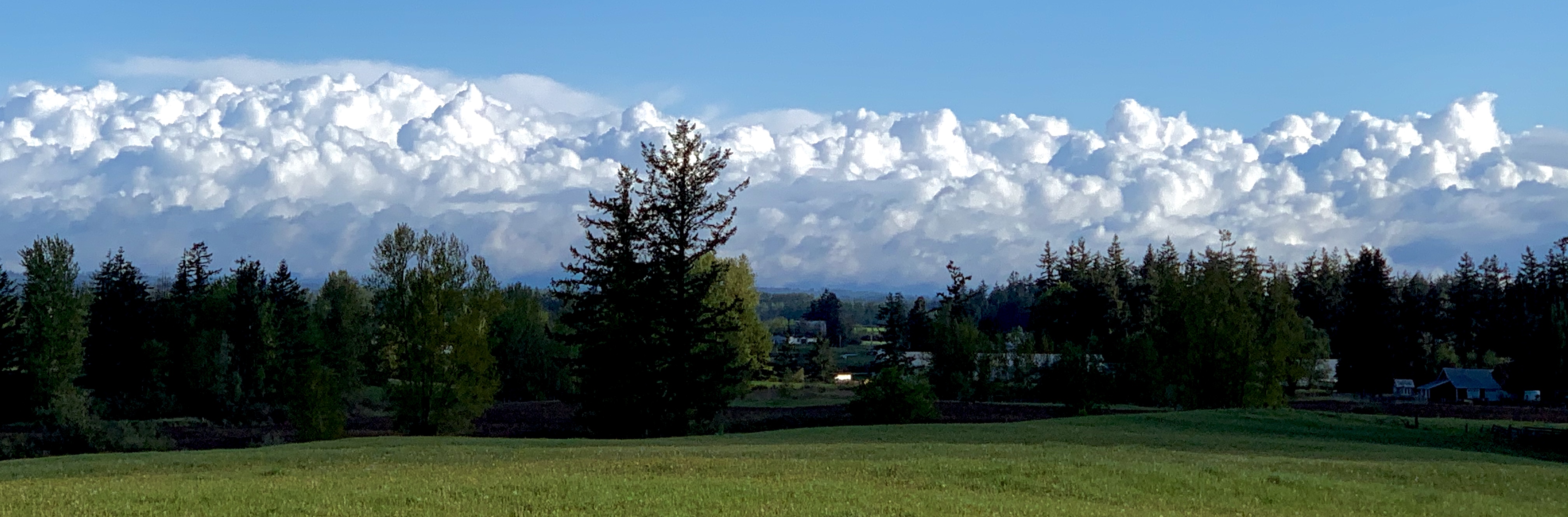
Our farm sits about 9 miles from an international border. The sky and clouds are oblivious to the line drawn by two governments, and don’t bother to stop at the border stations controlling access of humans across that line.
The clouds are free to go where they please, so they do, while we watch. They are both a foreign and domestic cloud of witnesses to our earthbound follies and foolishness.
No passports or IDs, no being pulled into “secondary” for more intensive searches and questioning, no being “turned back” not allowed across, no deportations.
They simply float and glide where the breezes take them, assuming whatever shape, identity or characteristics they wish.
What a beautiful day in the neighborhood if one happens to be a cloud or a cloud of witnesses…
AI image created for this post
One-Time
Monthly
Yearly
Make a one-time or recurring donation to support daily Barnstorming posts
Let Him easter in us, be a dayspring to the dimness of us, be a crimson-cresseted east. ~ Gerard Manley Hopkins from “The Wreck of the Deutschland”
There is a fragrance in the air, a certain passage of a song, an old photograph falling out from the pages of a book, the sound of somebody’s voice in the hall that makes your heart leap and fills your eyes with tears. Who can say when or how it will be that something easters up out of the dimness to remind us of a time before we were born and after we will die?
All changed, changed utterly: A terrible beauty is born. ~William Butler Yeats from “Easter, 1916”
So, friends, every day do something that won’t compute. Love the Lord. Love the world. Work for nothing. Take all that you have and be poor. Love someone who does not deserve it. Denounce the government and embrace the flag. Hope to live in that free republic for which it stands. Give your approval to all you cannot understand. Praise ignorance, for what man has not encountered he has not destroyed.
Go with your love to the fields. Lie down in the shade. Rest your head in her lap. Swear allegiance to what is nighest your thoughts. As soon as the generals and the politicos can predict the motions of your mind, lose it. Leave it as a sign to mark the false trail, the way you didn’t go. Be like the fox who makes more tracks than necessary, some in the wrong direction. Practice resurrection. ~Wendell Berry from Manifesto: The Mad Farmer Liberation Front
It had been a slow coming of spring this year, seeming in no hurry whatsoever. Snow has remained in the foothills and the greening of the fields only begun.
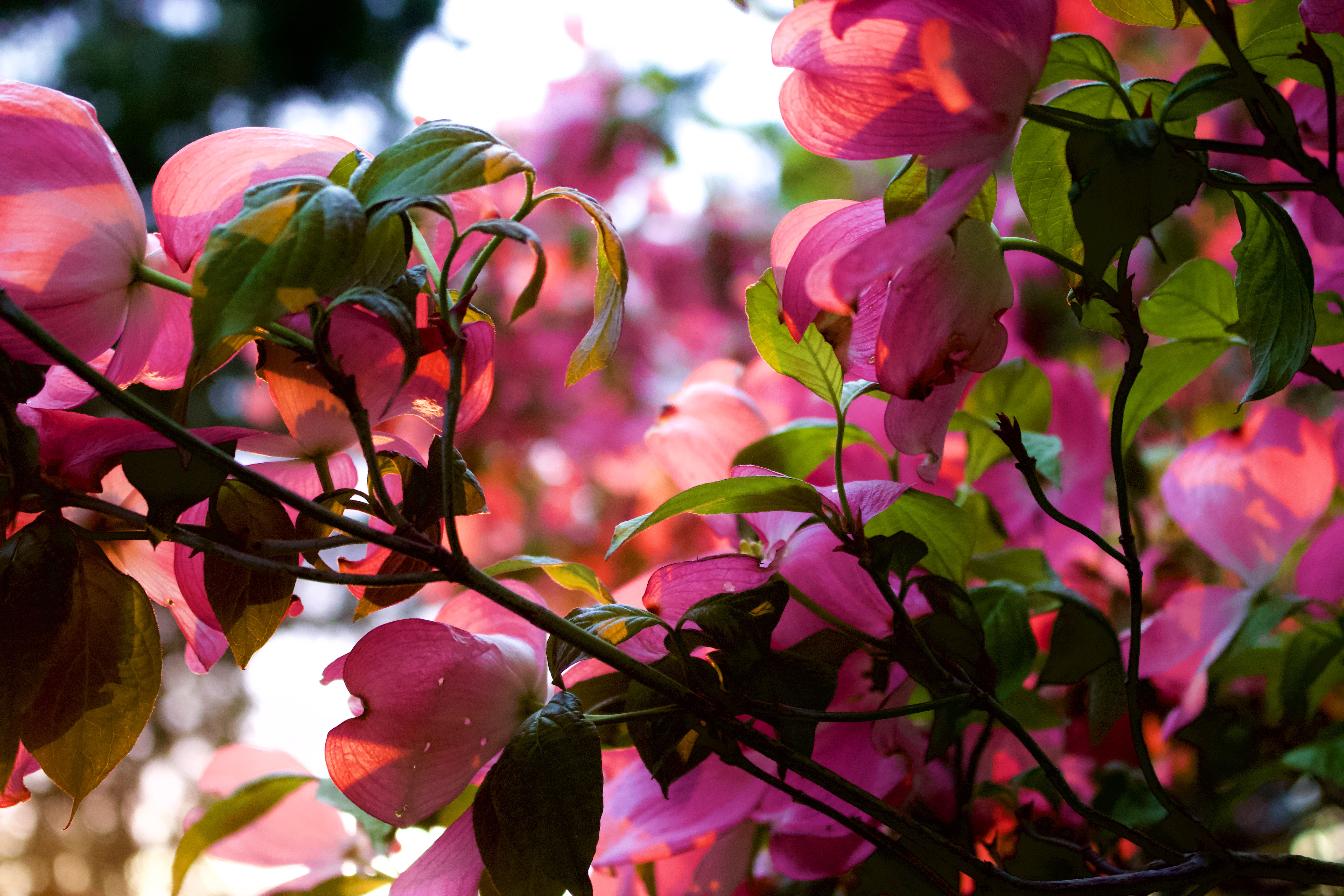
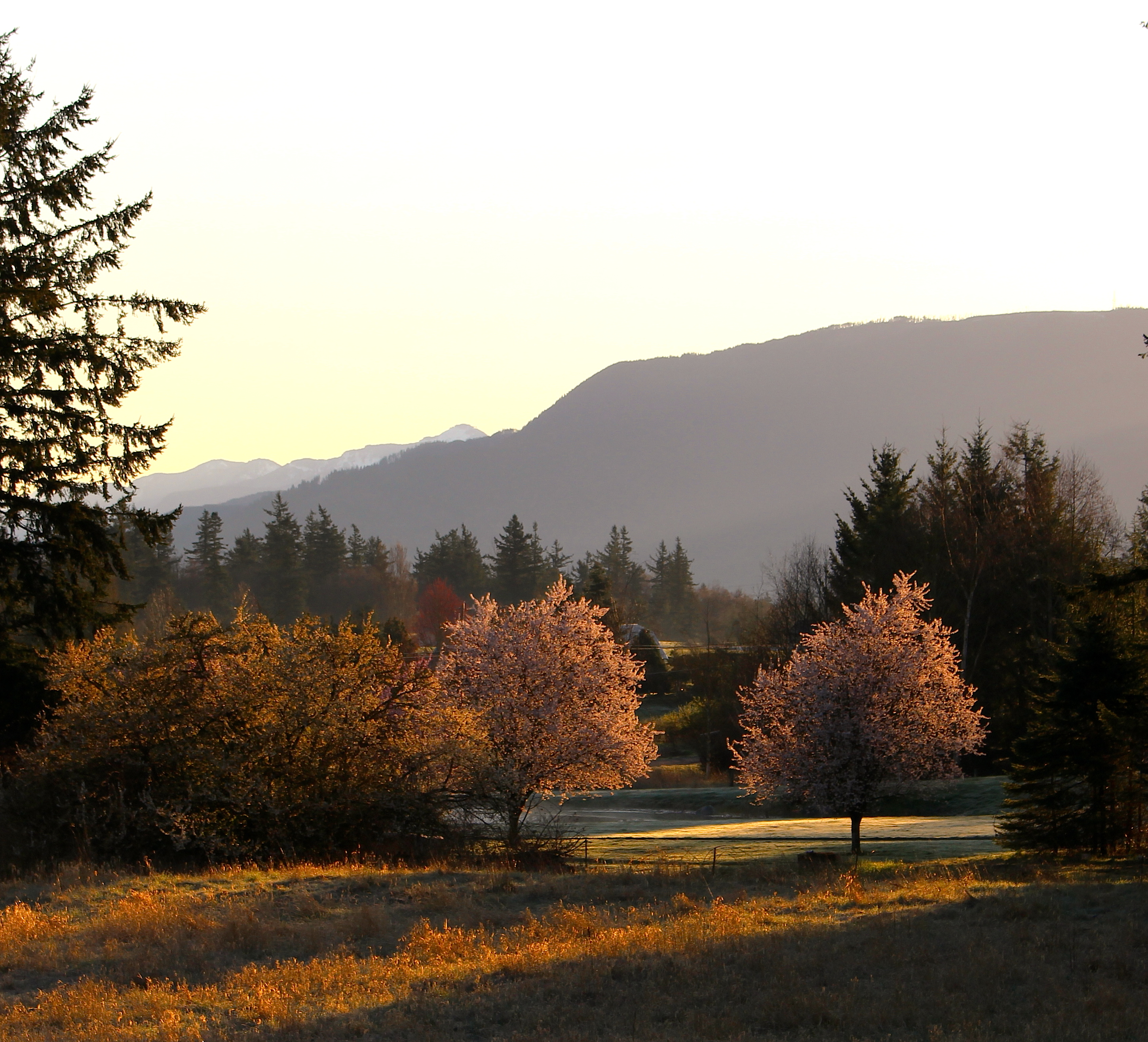
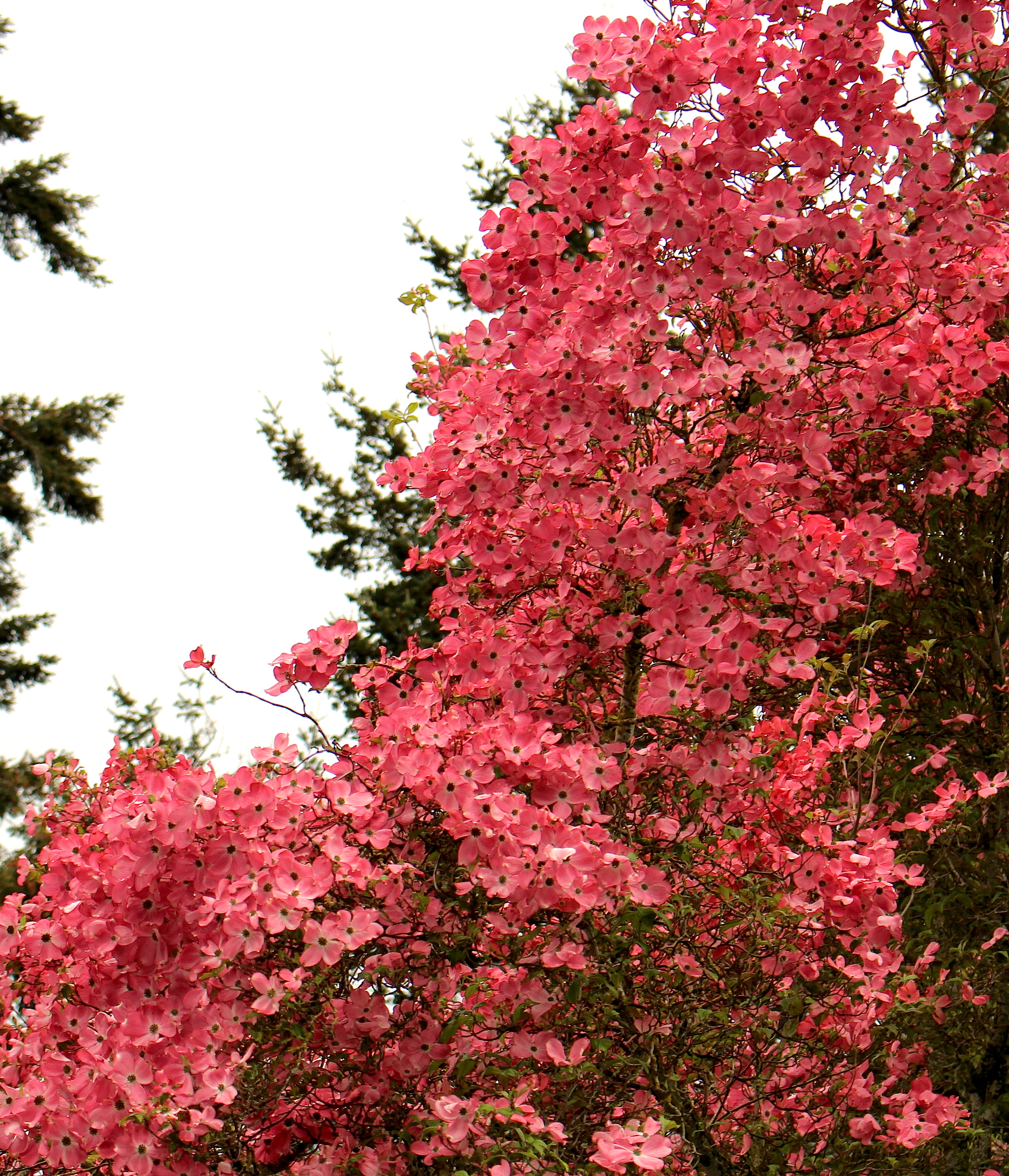
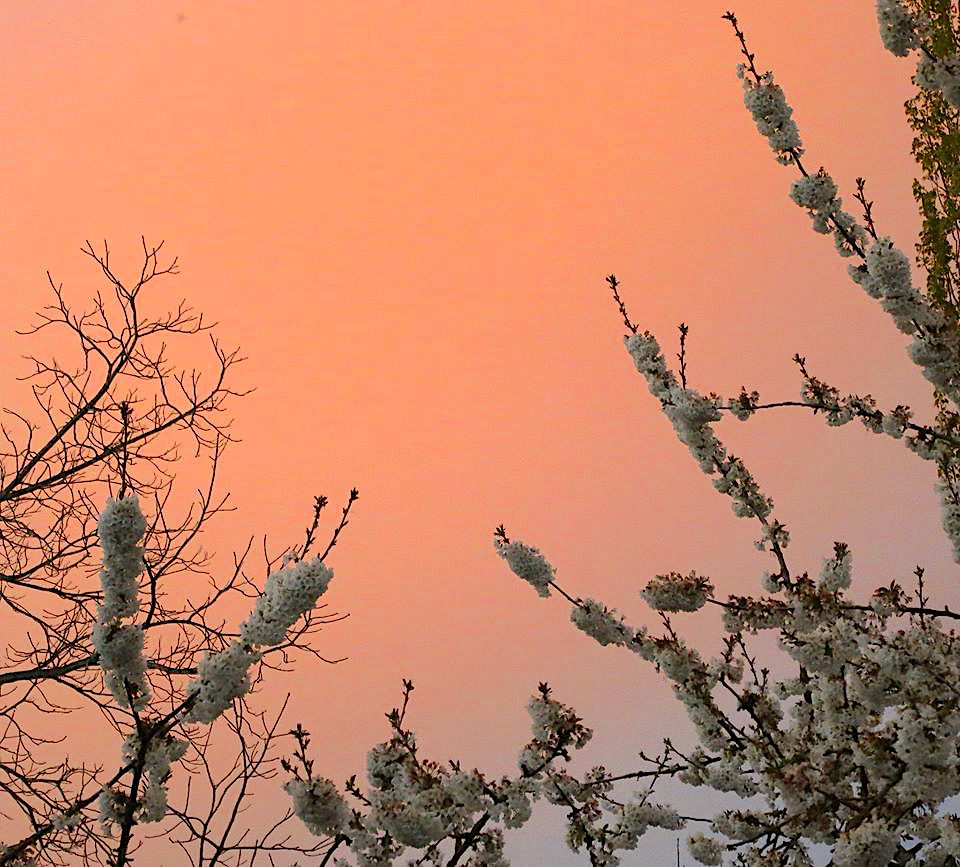
Bravely, flowering plum and cherry trees burst into bloom despite a continued chill, and the pink dogwood and apple blossoms are now emerging. The perfumed air of spring permeates the dawn.
Such variability is disorienting, much like standing blinded in a sudden spotlight in a darkened room, practicing resurrection.
Yet this is exactly what eastering is like. It is awakening out of a restless sleep, opening a door to let in fresh fragrant air, and the heavy stone locking us in the dark is rolled back.
Overnight all changed, and changed utterly.
He is not only risen. He is given indeed.
AI image created for this post
One-Time
Monthly
Yearly
Make a one-time or recurring donation to support daily Barnstorming posts
It’s so easy to look and see what we pass through in this world, but we don’t. If you’re like me, you see so little. You see what you expect to see rather than what’s there. ~Frederick Buechner from The Remarkable Ordinary
Jesus said to them, “Come and have breakfast.” None of the disciples dared ask him, “Who are you?” They knew it was the Lord. John 21:12
It is too easy, by the next day, to let go of Easter — to slide back into the Monday routine, managing our best to get through each day, our jaws set, our teeth gritted, as we have before.
We are blinded by our grief, shivering in misery, thinking Him only the Gardener as He passed by. We don’t pay attention to Who is right before us, Who is always tending us: the new Adam, caring for a world desperate for rescue.
God knows this about us. So He invites us to breakfast on Monday and every day thereafter.
He feeds us, a tangible and meaningful act of nourishing us in our most basic human needs though we’ve done nothing to deserve the gift. He cooks up fish on a beach at dawn and welcomes us to join Him, as if nothing extraordinary has just happened.
Just yesterday evening he reviewed His Word and broke bread in Emmaus, opening the eyes and hearts of those like us who failed to see Who this is walking beside them.
This is no ordinary Gardener.
When He offers up a meal of His Word, the gift is nothing less than Himself.
AI image created for this post
One-Time
Monthly
Yearly
Make a one-time or recurring donation to support daily Barnstorming posts
Make no mistake: if He rose at all it was as His body; if the cells’ dissolution did not reverse, the molecules reknit, the amino acids rekindle, the Church will fall…
It was not as the flowers, each soft Spring recurrent; it was not as His Spirit in the mouths and fuddled eyes of the eleven apostles; it was as His Flesh: ours. ~John Updike from “Seven Stanzas at Easter”
Our flesh is so weak, so temporary, as ephemeral as a dew drop on a petal yet with our earthly vision it is all we know of ourselves and it is what we trust knowing of Him.
He was born as our flesh, from our flesh. He walked and hungered and thirsted and slept as our flesh. He died, His flesh hanging in tatters, blood spilling freely breath fading to nought, speaking Words our ears can never forget.
And He rose again as His flesh like ours to walk and hunger and thirst alongside us and here on this hill we meet together, –flesh of His flesh– here among us He is risen –flesh of our flesh– married forever as the Church and its fragile, flawed and everlasting body.
“Why do you look for the living among the dead? He is not here; he has risen!” Luke 24: 5-6
Thank you for following along during this Lenten season. May you have a blessed Easter celebration to carry with you through the weeks, months and years ahead.
AI image created for this post
One-Time
Monthly
Yearly
Make a one-time or recurring donation to support daily Barnstorming posts
Here at the centre everything is still Before the stir and movement of our grief Which bears it’s pain with rhythm, ritual, Beautiful useless gestures of relief. So they anoint the skin that cannot feel Soothing his ruined flesh with tender care, Kissing the wounds they know they cannot heal, With incense scenting only empty air. He blesses every love that weeps and grieves And makes our grief the pangs of a new birth. The love that’s poured in silence at old graves Renewing flowers, tending the bare earth, Is never lost. In him all love is found And sown with him, a seed in the rich ground. ~Malcolm Guite “Station XIV of the Cross”
The Holy Saturday of our life must be the preparation for Easter, the persistent hope for the final glory of God. The virtue of our daily life is the hope which does what is possible and expects God to do the impossible. To express it somewhat paradoxically, but nevertheless seriously: the worst has actually already happened; we exist, and even death cannot deprive us of this. Now is the Holy Saturday of our ordinary life, but there will also be Easter, our true and eternal life. ~Karl Rahner “Holy Saturday” in The Great Church Year
I said to my mind, be still, and wait without hope For hope would be hope for the wrong thing; wait without love For love would be love of the wrong thing; yet there is faith But the faith and the hope and the love are all in the waiting. Wait without thought, for you are not ready for thought: So the darkness shall be light, and the stillness the dancing. ~T. S. Eliot, from “East Coker” The Four Quartets
The happy ending has never been easy to believe in. After the Crucifixion the defeated little band of disciples had no hope, no expectation of Resurrection. Everything they believed in had died on the cross with Jesus. The world was right, and they had been wrong. Even when the women told the disciples that Jesus had left the stone-sealed tomb, the disciples found it nearly impossible to believe that it was not all over. The truth was, it was just beginning. Madeleine L’Engle from “Waiting for Judas” in Plough Magazine
This in-between day after all had gone so wrong: the rejection, the denials, the trumped-up charges, the beatings, the burden, the jeering, the thorns, the nails, the thirst, the despair of being forsaken.
This in-between day before all will go so right: the forgiveness and compassion, the grace and sacrifice, the debt paid in full, the immovable stone rolled away, our name on His lips, our hearts burning to hear His words.
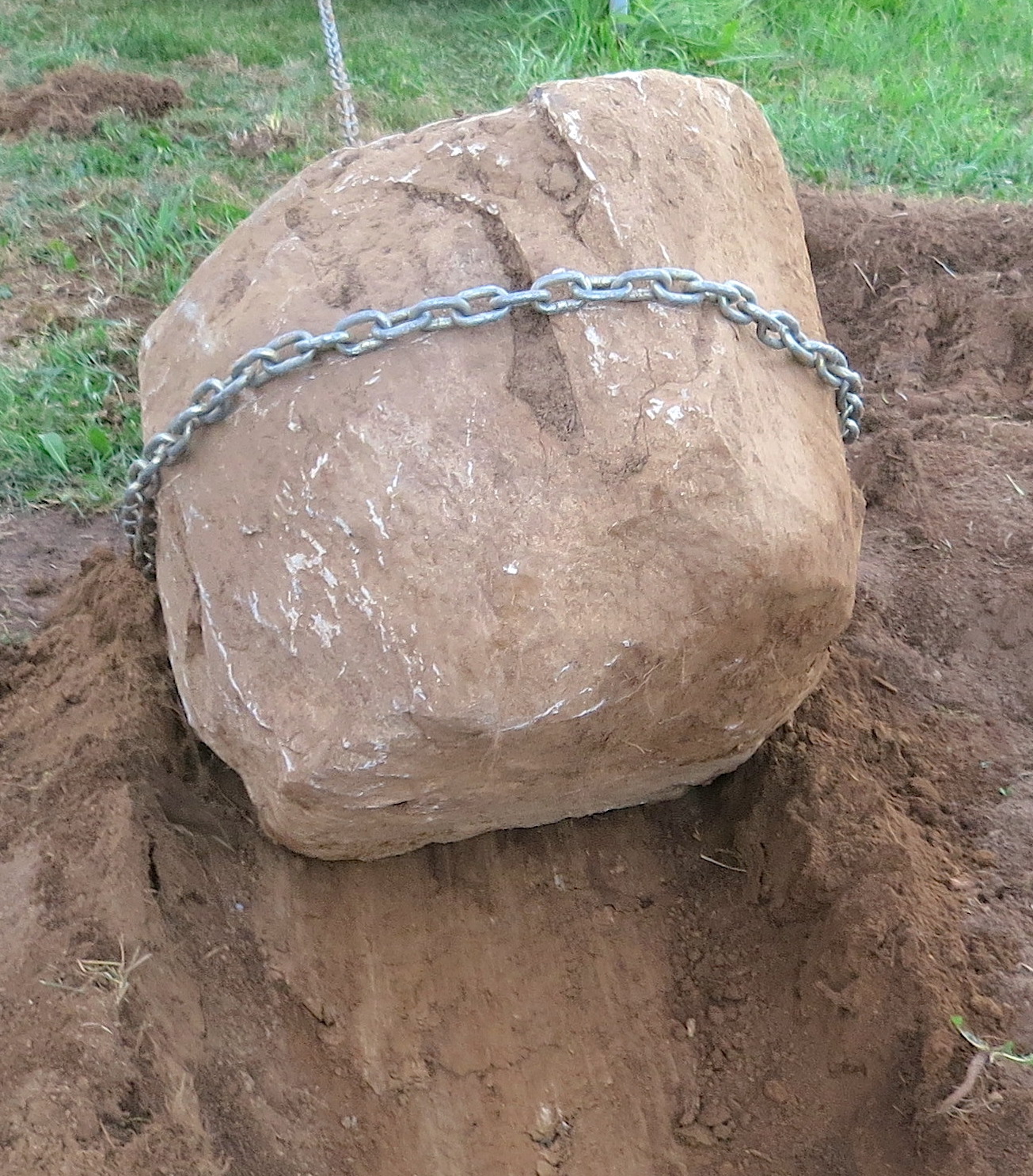
What does it take to move the stone? When it is an effort to till the untillable, creating a place where simple seed can drop, be covered and sprout and thrive, it takes muscle and sweat and blisters and tears.
What does it take to move the stone? When it is a day when no one will speak out of fear, the silent will be moved to cry out the truth, heard and known and never forgotten.
What does it take to move the stone? When it is a day when all had given up, gone behind locked doors in grief.
When two came to tend the dead, there would be no dead to tend.
Only a gaping hole left Only an empty tomb Only a weeping weary silence broken by Love calling our name and we turn to greet Him as if hearing it for the first time.
We cannot imagine what is to come in the dawn tomorrow as the stone lifted and rolled, giving way so our separation is bridged, darkness overwhelmed by light, the crushed and broken rising to dance, and inexplicably, from the waiting stillness He stirs and we, finding death emptied, greet Him with trembling and are forever moved, just like the stone.
This year’s Lenten theme:
…where you go I will go… Ruth 1:16
One-Time
Monthly
Yearly
Make a one-time or recurring donation to support daily Barnstorming posts
My God, my God, why have you forsaken me? Why are you so far from saving me, so far from my cries of anguish? 2 My God, I cry out by day, but you do not answer, by night, but I find no rest.
I am poured out like water, and all my bones are out of joint. My heart has turned to wax; it has melted within me. 15 My mouth is dried up like a potsherd, and my tongue sticks to the roof of my mouth; you lay me in the dust of death.
16 Dogs surround me, a pack of villains encircles me; they pierce my hands and my feet. 17 All my bones are on display; people stare and gloat over me. 18 They divide my clothes among them and cast lots for my garment.
19 But you, Lord, do not be far from me. You are my strength; come quickly to help me. ~Psalm 22: 1-2, 14-19
his appearance was so disfigured beyond that of any human being and his form marred beyond human likeness— so he will sprinkle many nations, and kings will shut their mouths because of him. For what they were not told, they will see, and what they have not heard, they will understand. Isaiah 52: 13-15
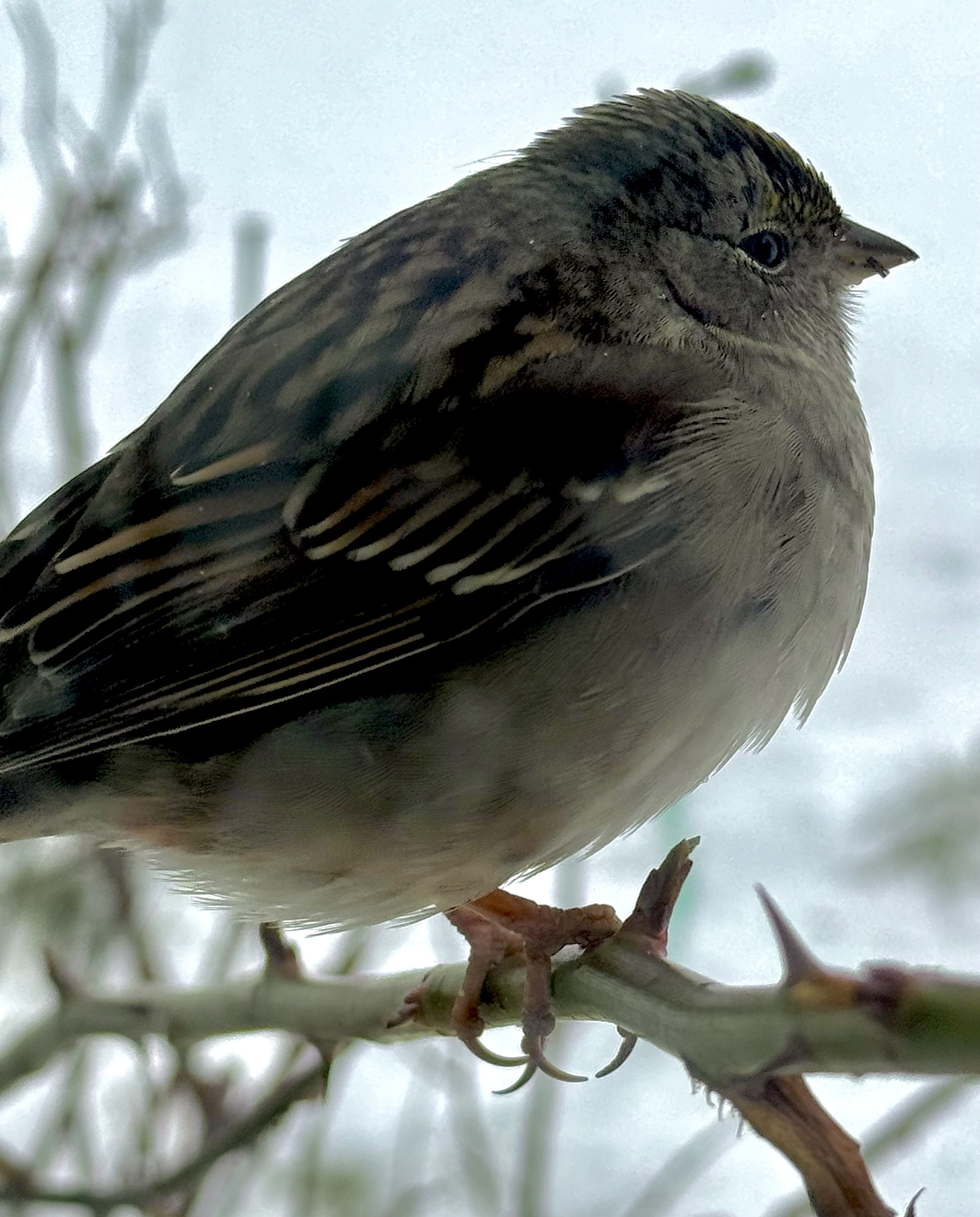
When I was wounded whether by God, the devil, or myself —I don’t know yet which— it was seeing the sparrows again and clumps of clover, after three days, that told me I hadn’t died. When I was young, all it took were those sparrows, those lush little leaves, for me to sing praises, dedicate operas to the Lord. But a dog who’s been beaten is slow to go back to barking and making a fuss over his owner —an animal, not a person like me who can ask: Why do you beat me? Which is why, despite the sparrows and the clover, a subtle shadow still hovers over my spirit. May whoever hurt me, forgive me. ~Adelia Prado “Divine Wrath” translated from BrazilianPortuguese by Ellen Doré Watson
*************************************
“My God, My God,” goes Psalm 22, “hear me, why have you forsaken me?”
This is the anguish all we of Godforsaken heart know well. But hear the revelation to which Christ directs us, further in the same psalm:
For He has not despised nor scorned the beggar’s supplication, Nor has He turned away His face from me; And when I cried out to Him, He heard me.
He hears us, and he knows, because he has suffered as one Godforsaken. Which means that you and I, even in our darkest hours, are not forsaken. Though we may hear nothing, feel nothing, believe nothing, we are not forsaken, and so we need not despair.
And that is everything.
That is Good Friday and it is hope, it is life in this darkened age, and it is the life of the world to come. ~Tony Woodlief from “We are Not Forsaken”
*******************************
Emmett Till’s mother speaking over the radio
She tells in a comforting voice what it was like to touch her dead boy’s face,
how she’d lingered and traced the broken jaw, the crushed eyes–
the face that badly beaten, disfigured— before confirming his identity.
And then she compares his face to the face of Jesus, dying on the cross.
This mother says no, she’d not recognize her Lord, for he was beaten far, far worse
than the son she loved with all her heart. For, she said, she could still discern her son’s curved earlobe,
but the face of Christ was beaten to death by the whole world. ~Richard Jones “The Face” fromBetween Midnight and Dawn
******************************
In a daring and beautiful creative reversal, God takes the worse we can do to Him and turns it into the very best He can do for us. ~Malcolm Guite from The Word in the Wilderness
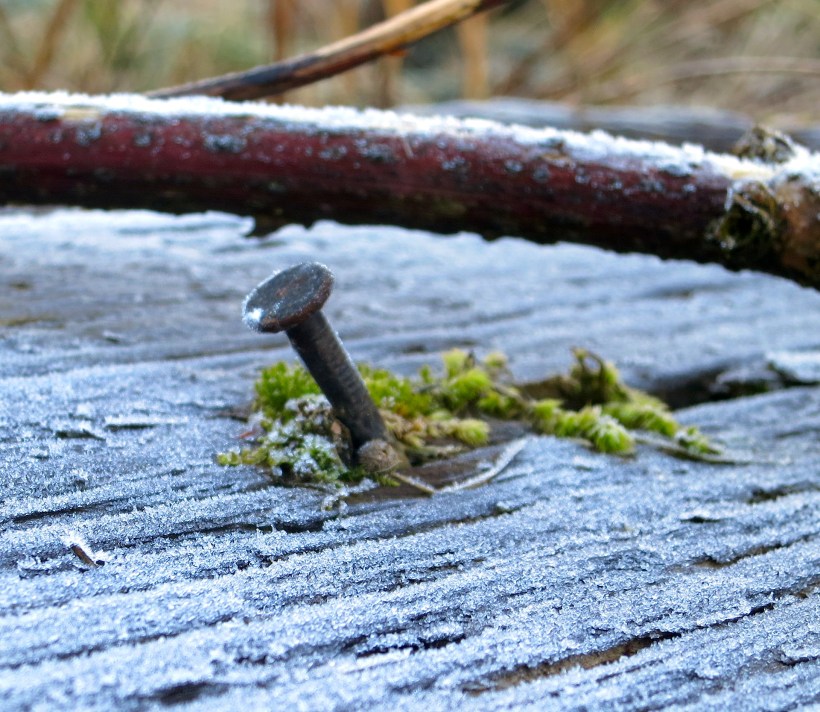
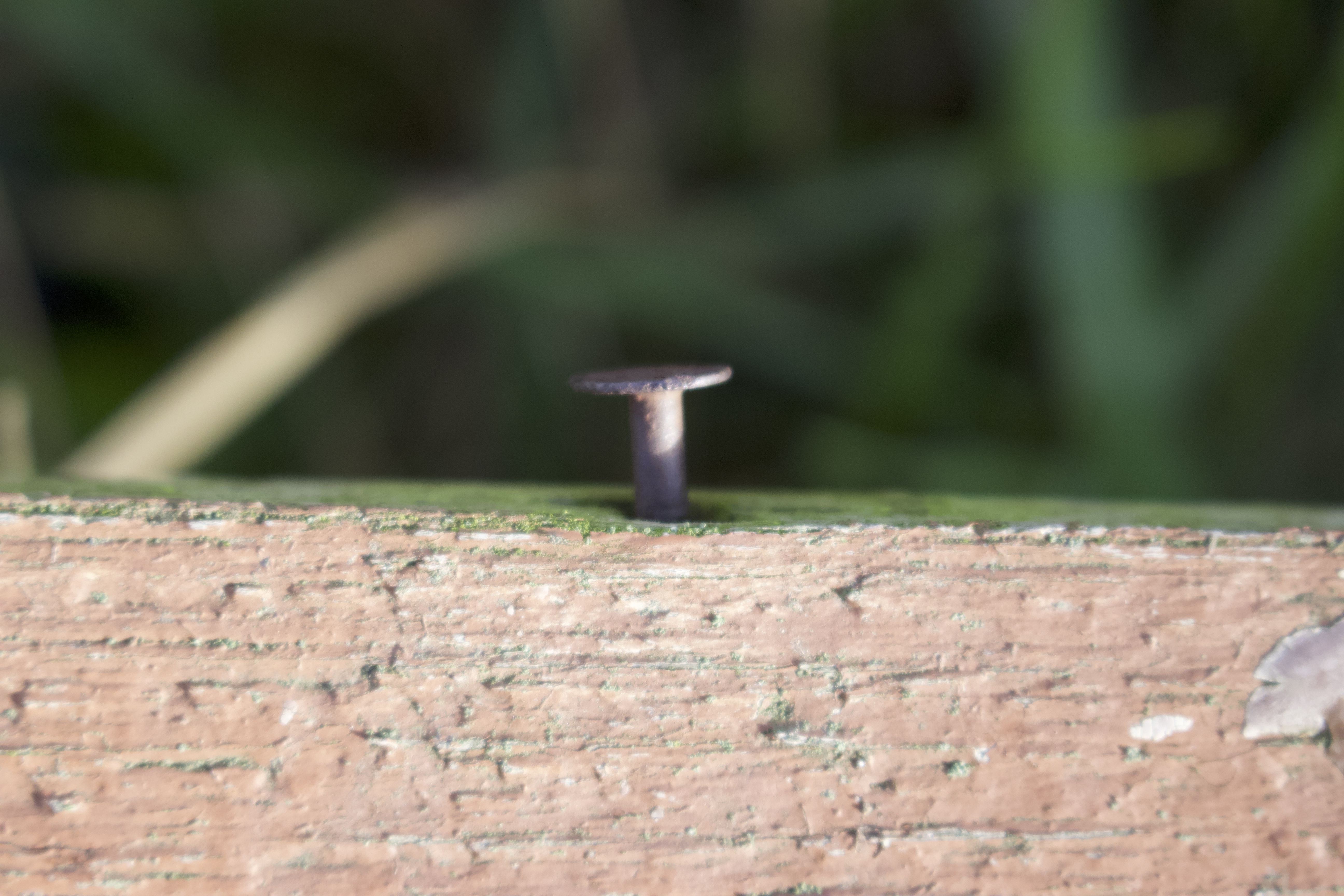
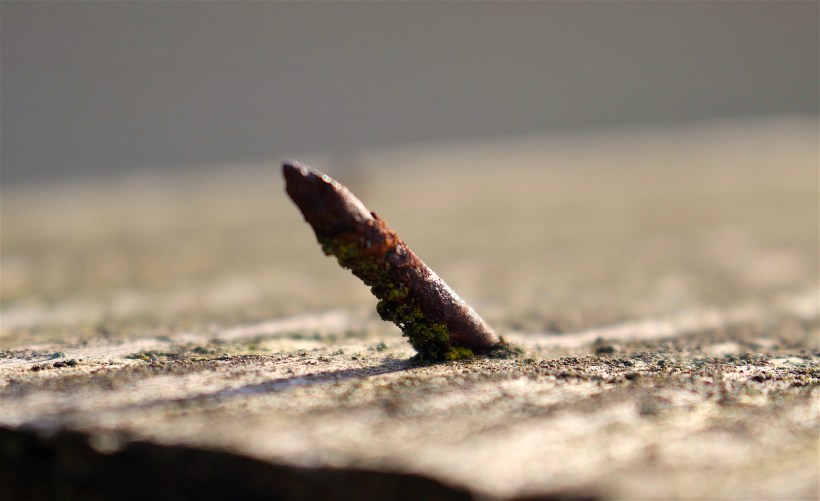
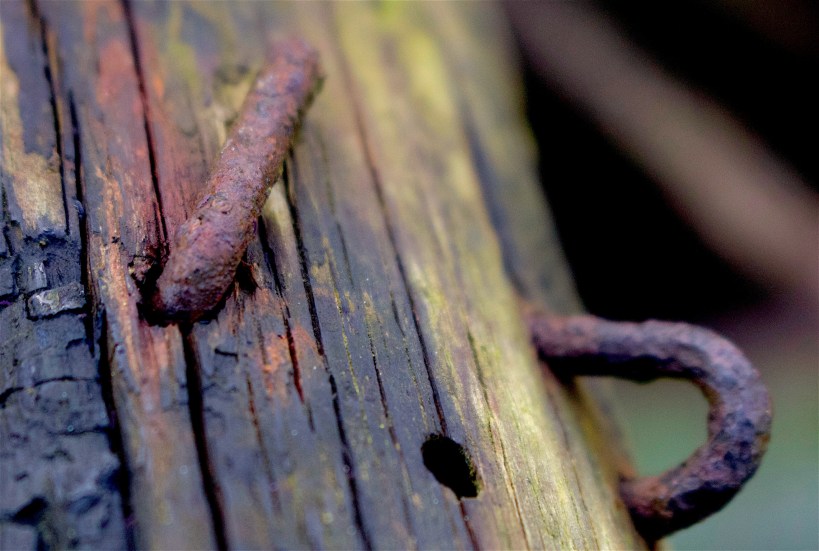
Strangely enough~ it is the nail, not the hammer, that fastens us together~ becoming the glue, the security, the permanence of solid foundation and strong supports, or protecting roof.
The hammer is only a tool to pound in the nail to where it binds so tightly; the nail can’t blend in or be forgotten, where the hole it leaves behind is a forever wounded reminder of what the hammer has done, yet, how thoroughly the hammer, and we, are forgiven.
This year’s Lenten theme:
…where you go I will go… Ruth 1:16
One-Time
Monthly
Yearly
Make a one-time or recurring donation to support daily Barnstorming posts
…having loved his own who were in the world, he now showed them the full extent of his love. John 13:1
What e’er the soul has felt or suffered long, Oh, heart! this one thing should not be forgot: Christ washed the feet of Judas. ~George Marion McClellan from “The Feet of Judas” in The Book of American Negro Poetry 1922
Here is the source of every sacrament, The all-transforming presence of the Lord, Replenishing our every element Remaking us in his creative Word.
For here the earth herself gives bread and wine, The air delights to bear his Spirit’s speech, The fire dances where the candles shine, The waters cleanse us with His gentle touch.
And here He shows the full extent of love To us whose love is always incomplete, In vain we search the heavens high above, The God of love is kneeling at our feet.
Though we betray Him, though it is the night. He meets us here and loves us into light. ~Malcolm Guite “Maundy Thursday”
May the power of your love, Lord Christ, fiery and sweet as honey, so absorb our hearts as to withdraw them from all that is under heaven. Grant that we may be ready to die for love of your love, as you died for love of our love. ~St. Francis of Assisi
On Maundy Thursday, this is how to love Jesus’s love:
No arguing over who is the greatest. No hiding dirty feet needing washing. No making promises we don’t keep. No holding back the most precious of gifts. No falling asleep when asked to keep watch. No selling out with a kiss. No drawing of swords. No turning and running away. No lying and denying. No covering up our face and identity. No looking back. No clinging to the comforts of the world.
But of course I fail again and again when I’m fearful. My heart resists leaving behind the familiar.
Plucked from the crowd, we must pick up and carry His load (which is, of course, our load) for Him. Now is our turn to hold on and not let go, as if life depends on it. Which it does — requiring no nails.
The fire of His love leaves our sin in ashes. The cleansing of His sacrifice washes us. The food of His body nurtures our souls.
From nurture and washing and ashes rises new life: Love of His love for our love.
This year’s Lenten theme:
…where you go I will go… Ruth 1:16
AI image created for this post
Lyrics: Angels where you soar up to God’s own light take my own lost bird on your hearts tonight and as grief once more mounts to heaven and sings let my love be heard
Lyrics: I, your Lord and Master, Now become your servant. I who made the moon and stars Will kneel to wash your feet. This is My commandment: To love as I have loved you.
Kneel to wash each other’s feet As I have done for you. All the world will know You are My disciples By the love that you offer, The kindness you show. You have heard the voice of God In the words that I have spoken. You beheld Heaven’s glory And have seen the face of God.
One-Time
Monthly
Yearly
Make a one-time or recurring donation to support daily Barnstorming posts





























 Barnstorming