The Long Road of Weariness and Want

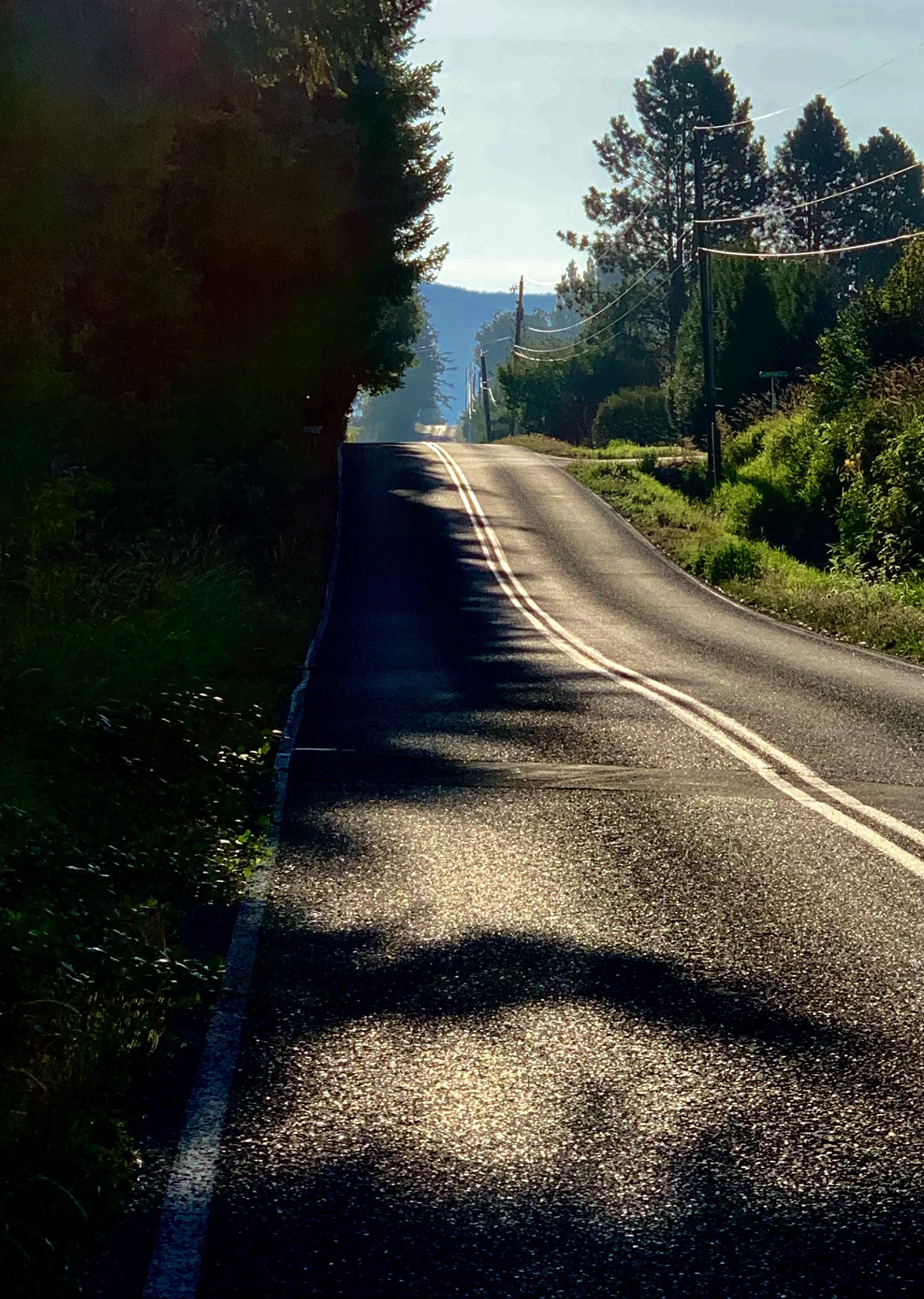
We think of him as safe beneath the steeple,
Or cosy in a crib beside the font,
But he is with a million displaced people
On the long road of weariness and want.
For even as we sing our final carol
His family is up and on that road,

Fleeing the wrath of someone else’s quarrel,
Glancing behind and shouldering their load.
Whilst Herod rages still from his dark tower
Christ clings to Mary, fingers tightly curled,
The lambs are slaughtered by the men of power,
And death squads spread their curse across the world.
But every Herod dies, and comes alone
To stand before the Lamb upon the throne.
~Malcolm Guite “Refugee”
…as you sit beneath your beautifully decorated tree, eat the rich food of celebration, and laugh with your loved ones, you must not let yourself forget the horror and violence at the beginning and end of the Christmas story. The story begins with the horrible slaughter of children and ends with the violent murder of the Son of God. The slaughter depicts how much the earth needs grace. The murder is the moment when that grace is given.

Look into that manger representing a new life and see the One who came to die. Hear the angels’ celebratory song and remember that sad death would be the only way that peace would be given. Look at your tree and remember another tree – one not decorated with shining ornaments, but stained with the blood of God.

As you celebrate, remember that the pathway to your celebration was the death of the One you celebrate, and be thankful.
~Paul Tripp

There can be no consolation;
only mourning and great weeping,
sobbing that wrings dry
every human cell,
leaving dust behind,
dust, only dust
which is beginning
and end.

He came to us
for times such as this,
born of
the dust of woman and
the breath of Spirit,
God who bent down to
lie in barn dust,
walk on roads of dust,
die and be laid to rest as dust
in order to conquer
such evil as this
that could terrify masses
and massacre innocents.

He became dust to be
like us
He began a mere speck in a womb
like us,
so easily washed away
as unexpected, unneeded, unwanted.

Lord, You are long expected.
You are needed
You are wanted.

Your heart beat
like ours
breathing each breath
like ours
until a fearful fallen world
took Your
and our breath
away.

You shine through
the shadows of death
to guide our stumbling uncertain feet.
Your tender mercies flow freely
when there is no consolation
when there is no comfort.

You hear our cries
as You cry too.
You know our tears
as You weep too.
You know our mourning
as You mourned too.
You know our dying
as You died too.

Only God can glue together
what evil has shattered.

We will know His peace
when He comes
to bring us home,
our tears finally dried,
our cells no longer
just dust,
as we are glued together
by the breath of God
forevermore.
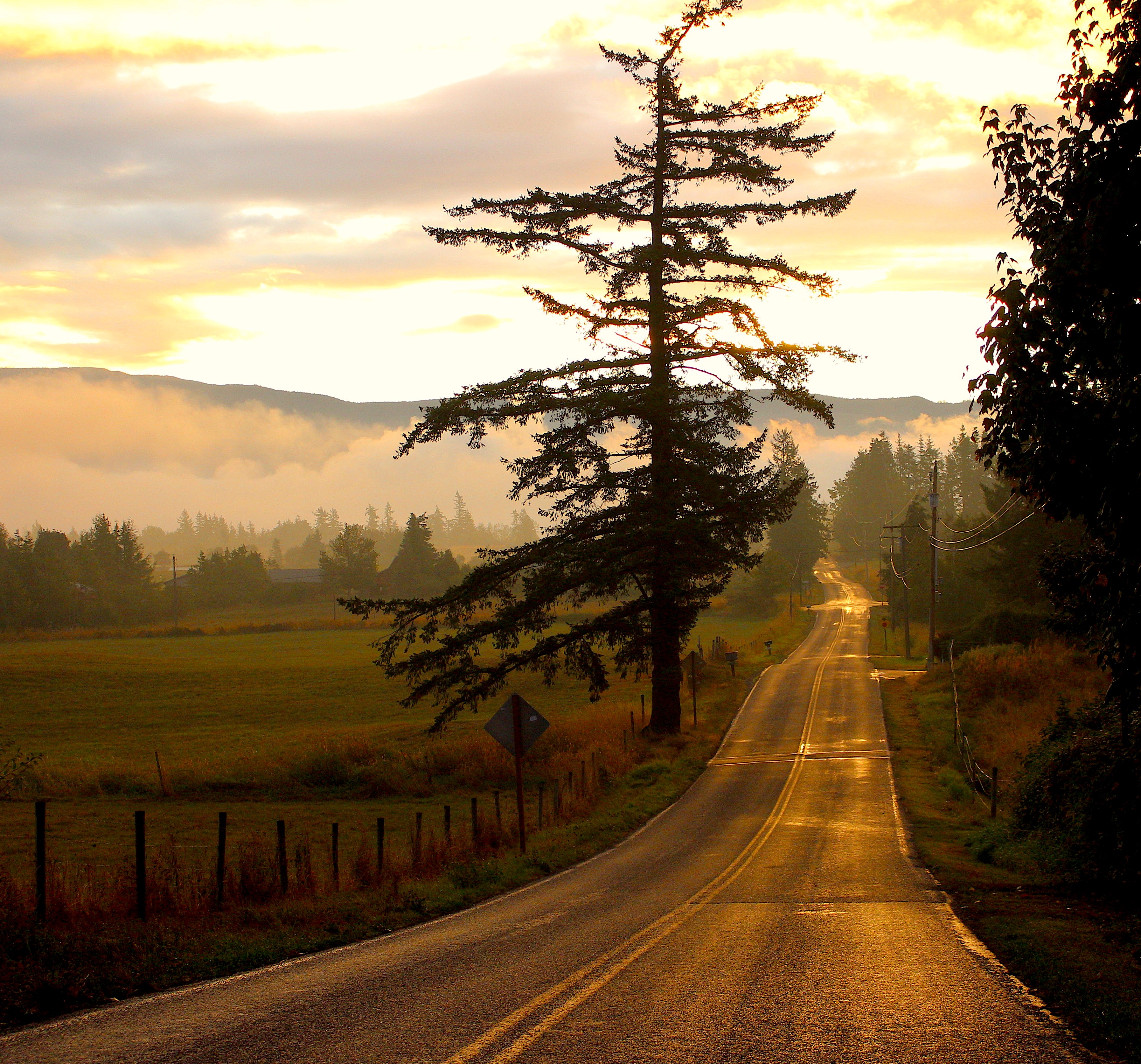
the tender mercy of our God,
    by which the rising sun will come to us from heaven
to shine on those living in darkness
    and in the shadow of death,
to guide our feet into the path of peace.
Luke 1: 78-79
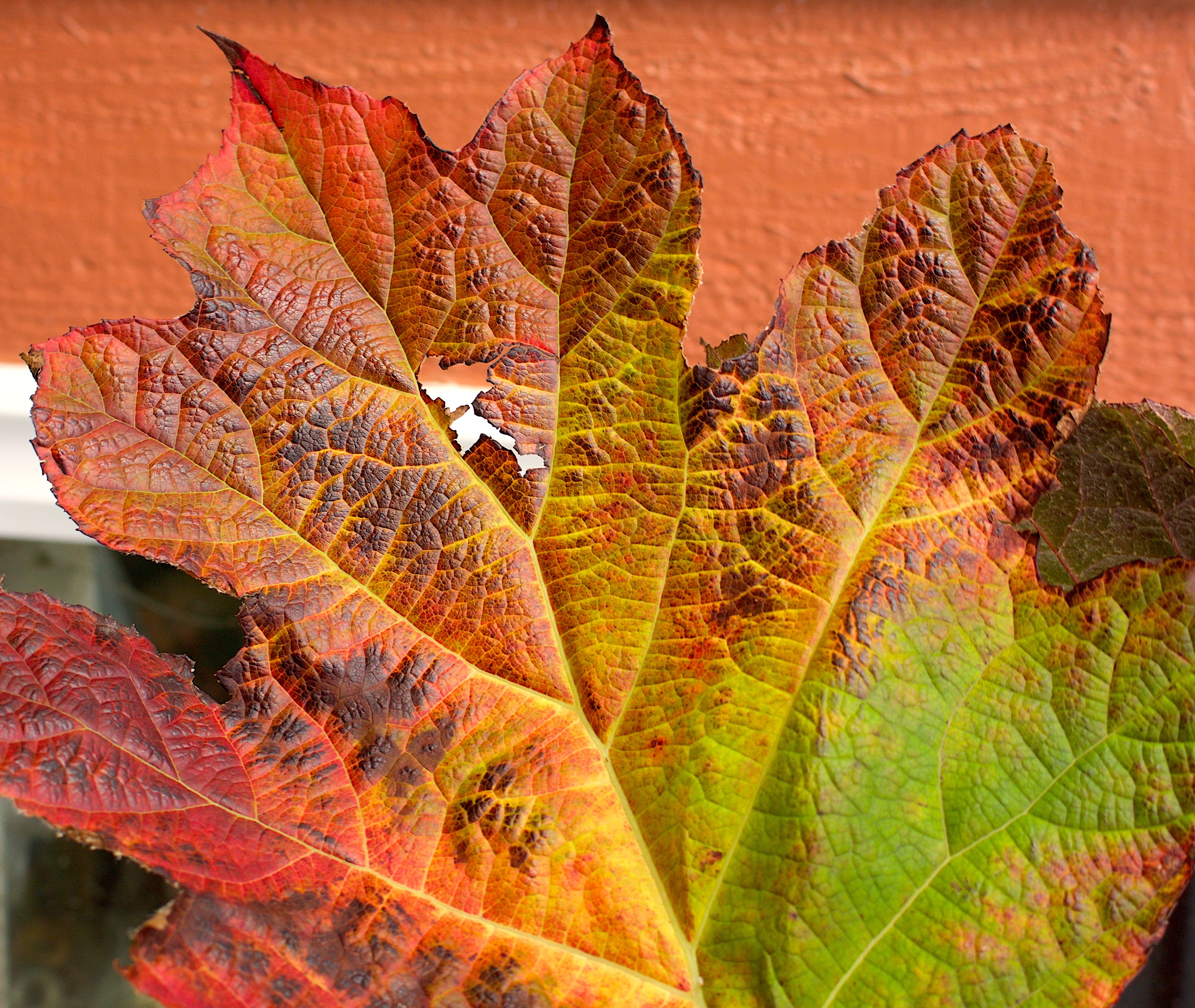
We Are No Longer Alone: Confronted by a Marvelous Truth

Marvelous Truth,
confront us at every turn
in every guise…

Thrust close your smile
that we know you, terrible joy.
~Denise Levertov from “Matins”

A child is born,
crowned in blood, and we lighten up.
Sure, we see it every day, and yet
this day, tradition says, is unlike any,
which is true. It has never happened,
and never will again, over and over
the will to be reborn, to gasp and cry
forgiveness, that is, like birth, difficult,
scared, insurgent, brave with the stranger,
the winter child, that blossoms through the wound.
~Bruce Bond from “Advent”

In sleep his infant mouth works in and out.
He is so new, his silk skin has not yet
been roughed by plane and wooden beam
nor, so far, has he had to deal with human doubt.

 He is in a dream of nipple found,
of blue-white milk, of curving skin
and, pulsing in his ear, the inner throb
of a warm heart’s repeated sound.

His only memories float from fluid space.
So new he has not pounded nails, hung a door,
broken bread, felt rebuff, bent to the lash,
wept for the sad heart of the human race.
~Luci Shaw “Kenosis”

To the end of the way of the wandering star,
To the things that cannot be and that are,
To the place where God was homeless
And all men are at home.
~G.K. Chesterton from “The House of Christmas” (1915)

To think that the original Breath stirring the dust of man led to this?

This mystery of God becoming man, growing within woman, fed from her breast, wounded and bleeding to save her who delivered him, emptied himself completely to then deliver all of us as newborns, sliding slippery into our new life.

And we gasp for breath, our nostrils no longer breathing dust, but filled by the fragrance of forgiveness and grace.

We blossom through his wounds, bursting into bloom.

To Let it Go

I let her garden go.
let it go, let it go
How can I watch the hummingbird
Hover to sip
With its beak’s tip
The purple bee balm — whirring as we heard
It years ago?

The weeds rise rank and thick
let it go, let it go
Where annuals grew and burdock grows,
Where standing she
At once could see
The peony, the lily, and the rose
Rise over brick

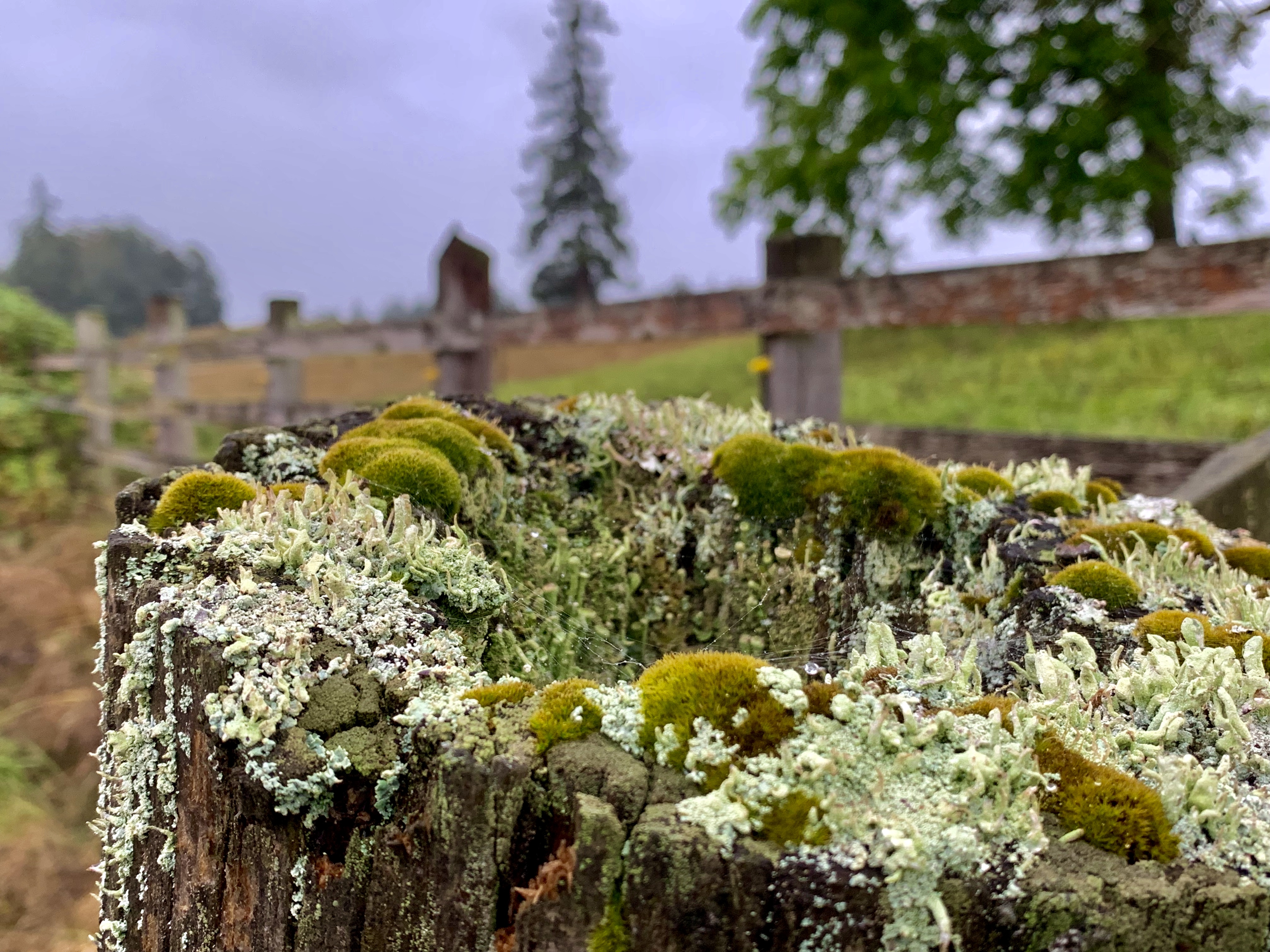
She’d laid in patterns. Moss
let it go, let it go
Turns the bricks green, softening them
By the gray rocks
Where hollyhocks
That lofted while she lived, stem by tall stem,
Blossom with loss.
~ Donald Hall from “Her Garden” about Jane Kenyon

Some gray mornings
heavy with clouds
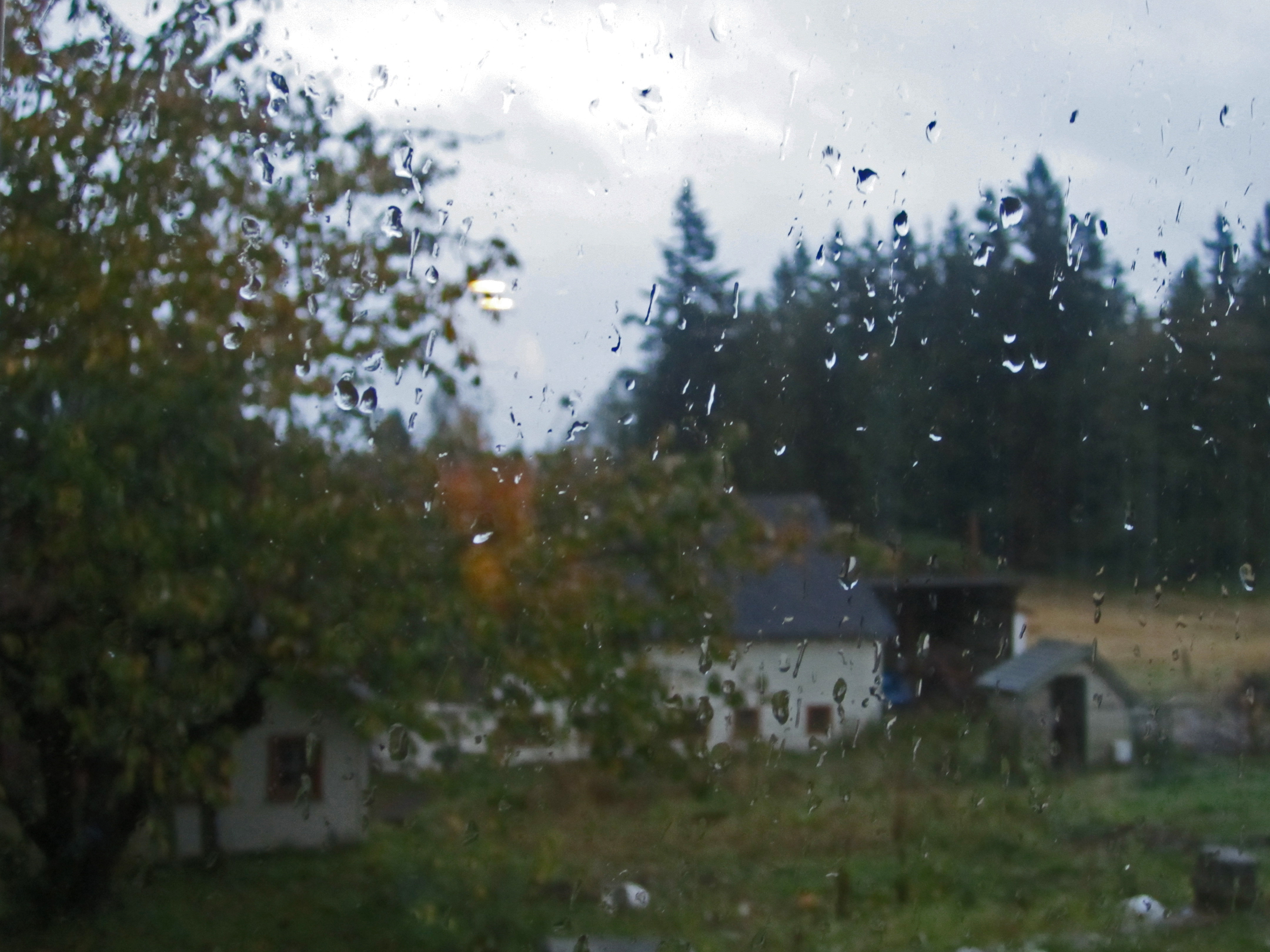
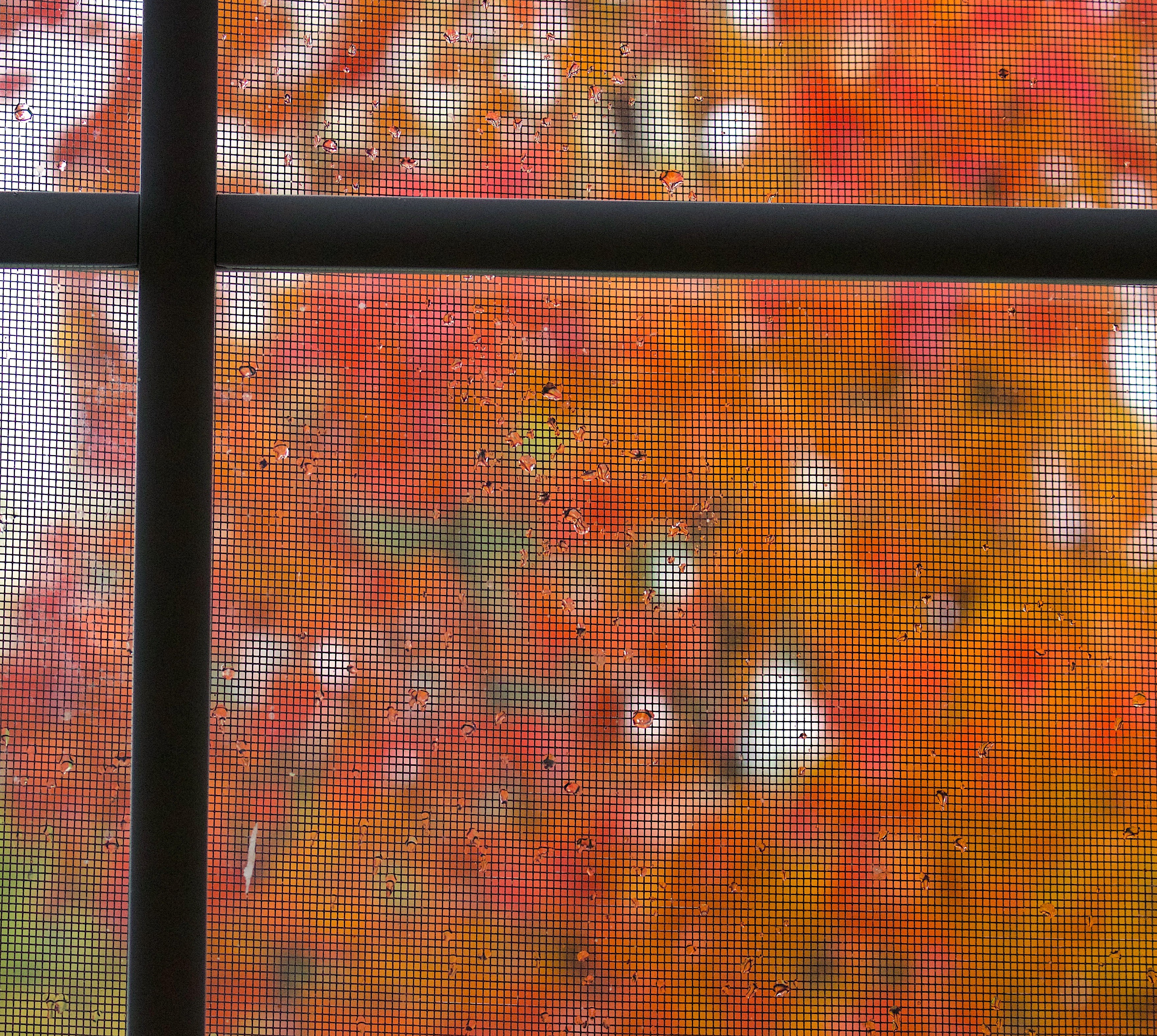
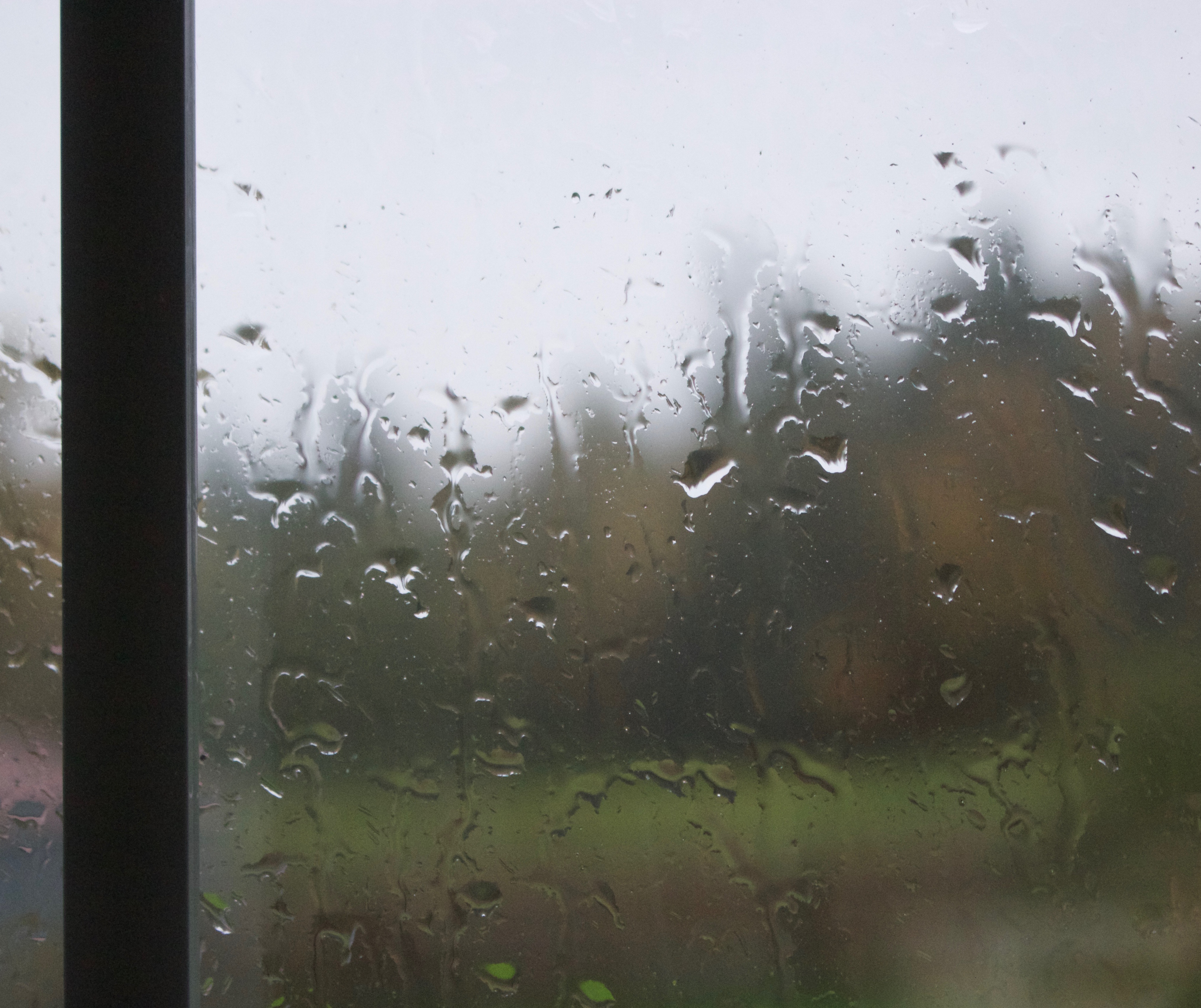
and tear-streaked windows
I pause melancholy
at the passage of time.

Whether to grieve over
another hour passed
another breath exhaled
another broken heart beat

Or to climb my way
out of deepless dolor
and start the work of
planting the next garden

It takes sweat
and dirty hands
and yes,
tears from heaven
to make it flourish
but even so
just maybe
my memories
so carefully planted
might blossom fully
in the soil of loss.


Melancholia

A fine rain was falling,
and the landscape was that of autumn. 
The sky was hung with various shades of gray,
and mists hovered about the distant mountains –
a melancholy nature. 
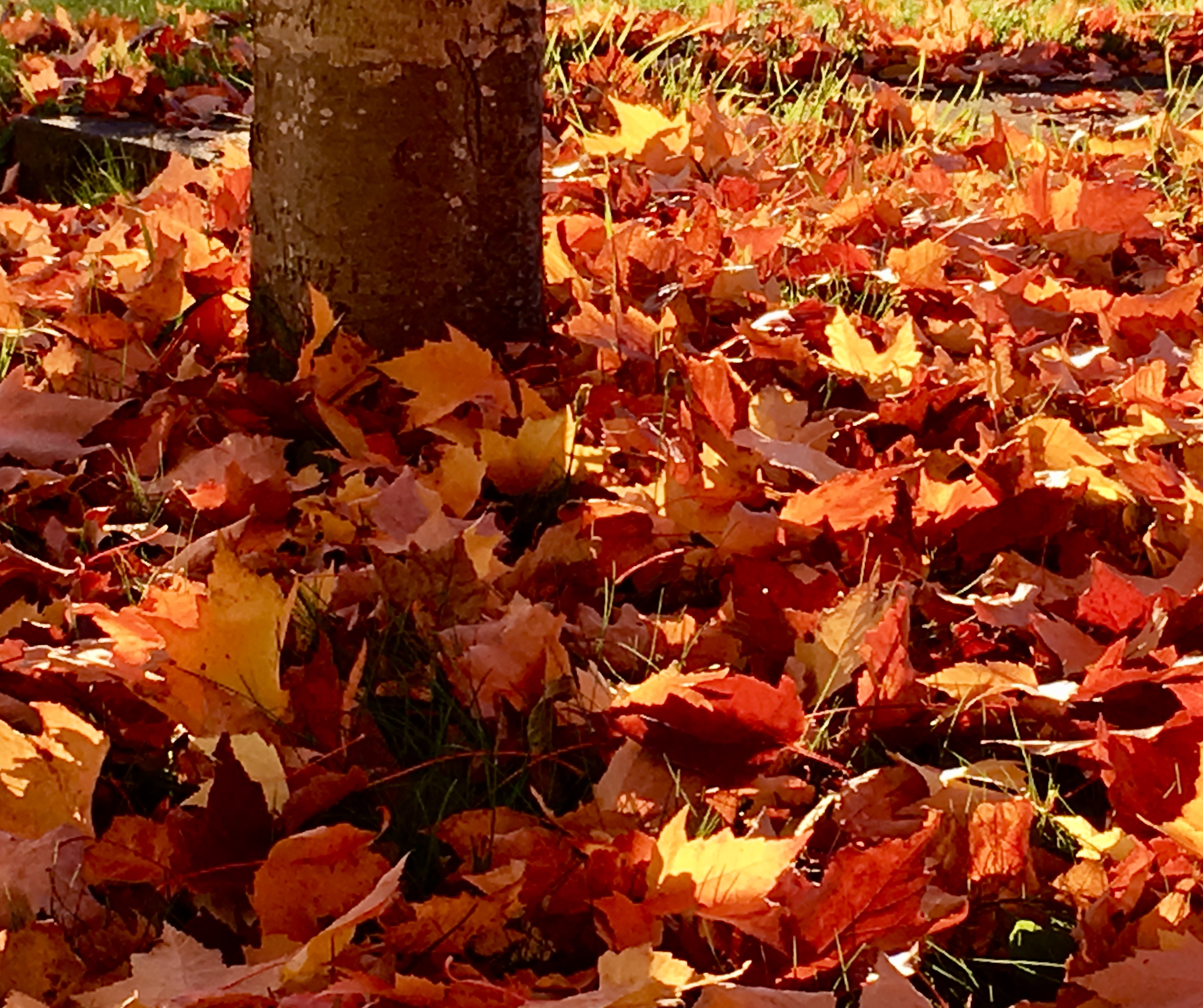
The leaves were falling on all sides
like the last illusions of youth
under the tears of irremediable grief. 
Every landscape is, as it were,
a state of the soul,
and whoever penetrates into both is astonished
to find how much likeness there is in each detail.”
~Henri Frederic Amiel from The Amiel Journal

What is melancholy
at first glance
glistens bejeweled
when studied up close.

It isn’t all sadness~
there is solace in knowing:
the landscape and my soul
share an inner world of tears.


If you appreciate reading Barnstorming daily, consider a contribution to keep it going ad-free.

Full of Promises and Tears

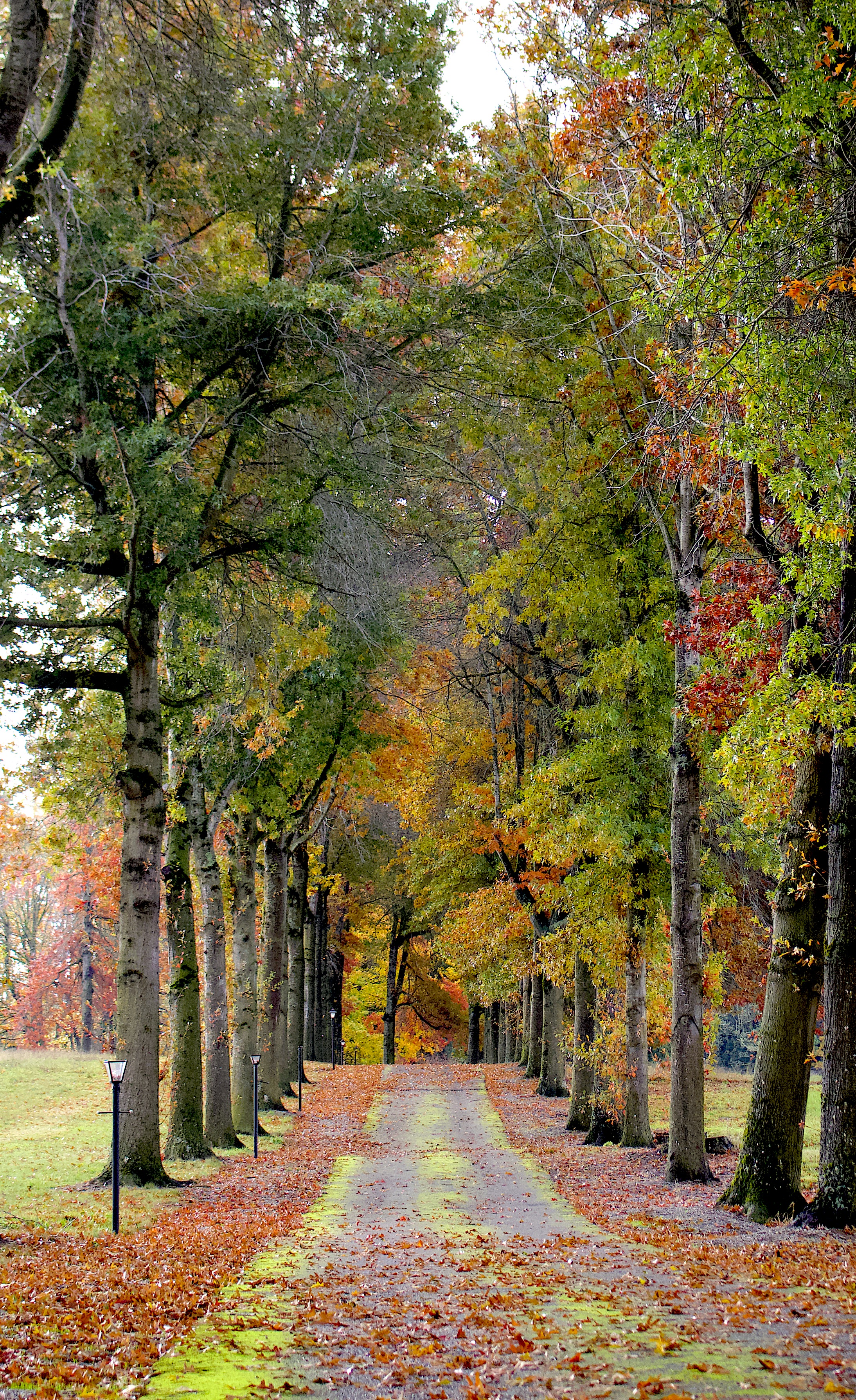
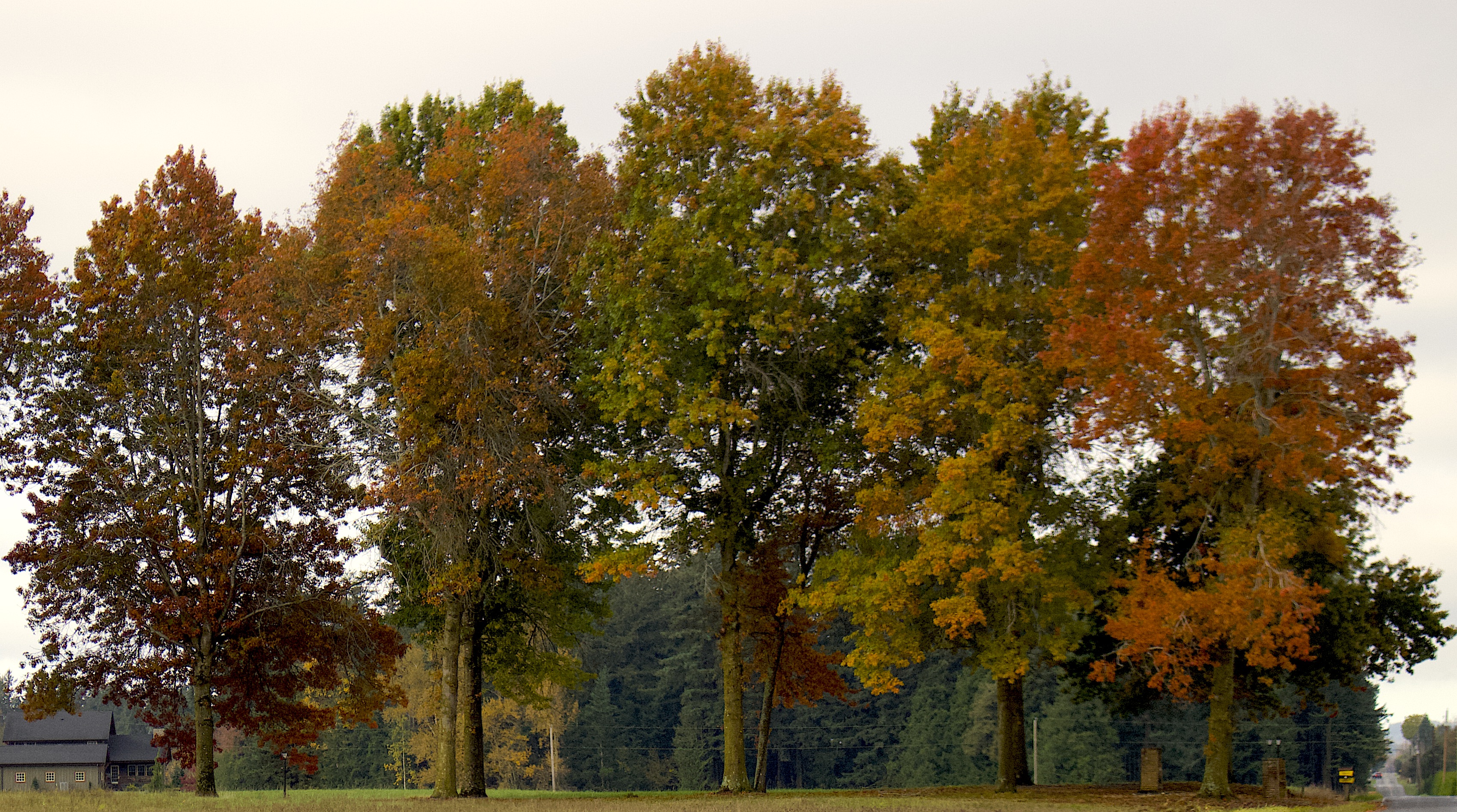
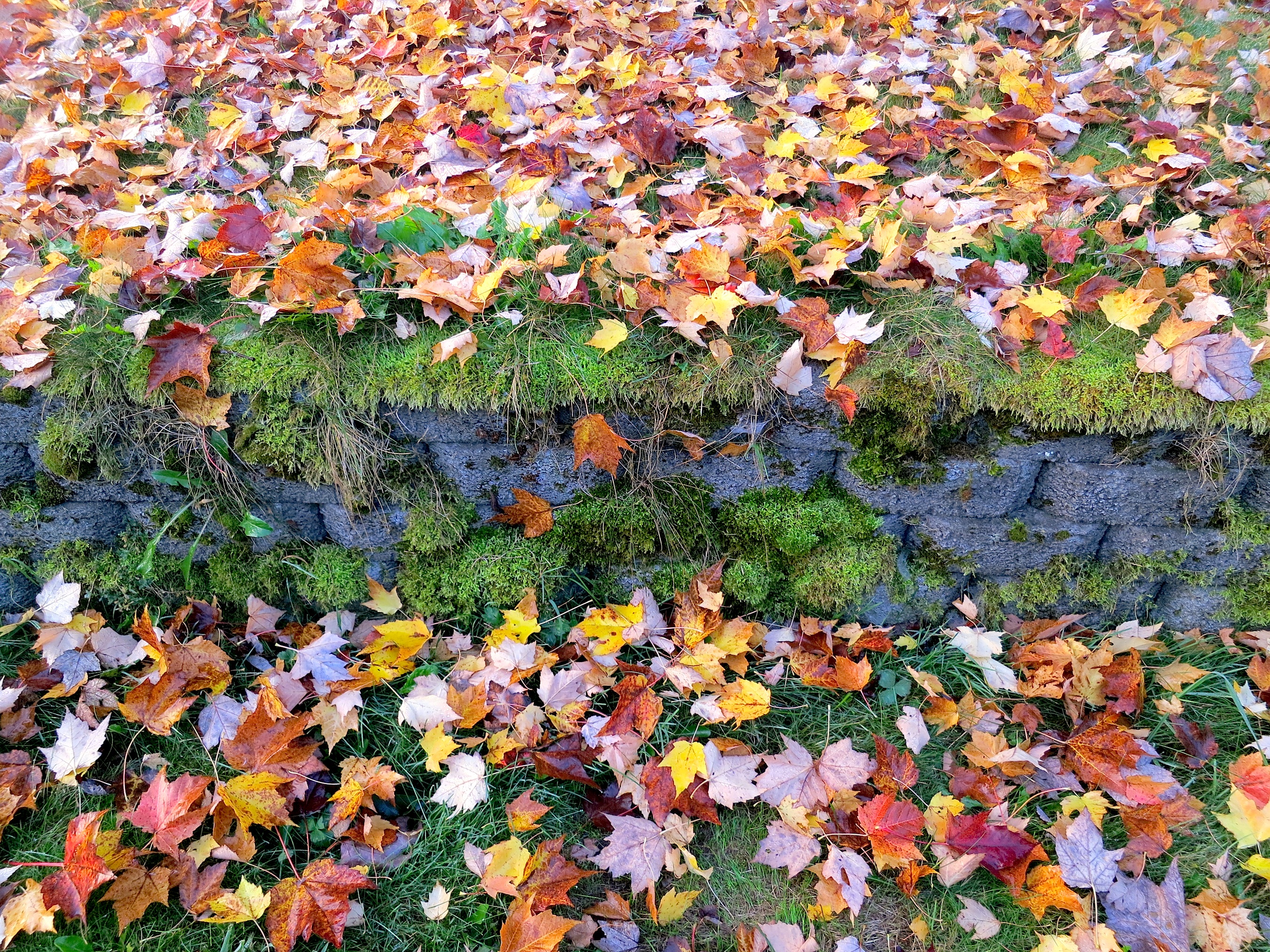
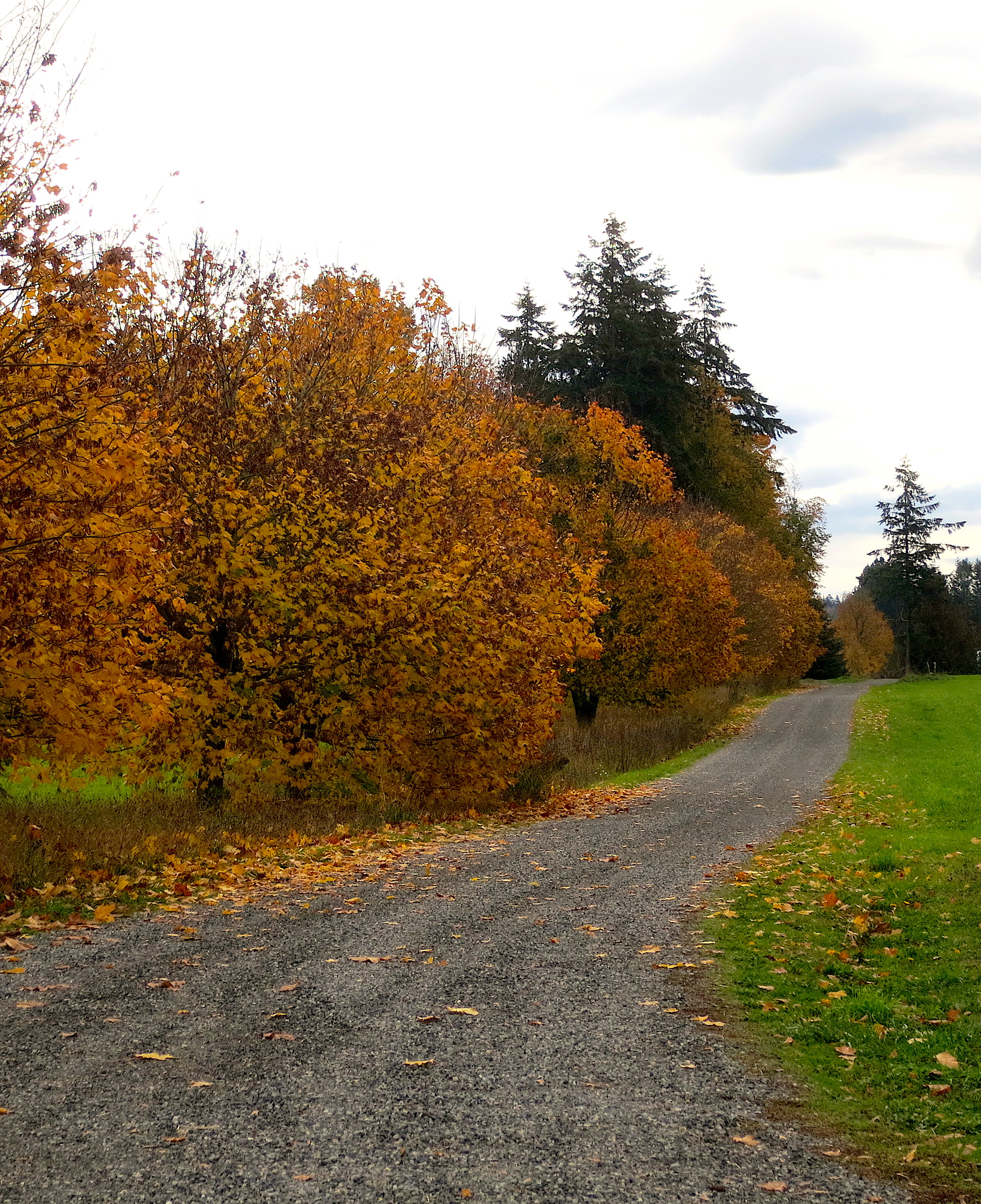
Autumn in my part of the world is a season of bounty and beauty. It’s also a season of steady decline—and, for some of us, a slow slide into melancholy. The days become shorter and colder, the trees shed their glory, and summer’s abundance starts to decay toward winter’s death.

I’m a professional melancholic, and for years my delight in the autumn color show quickly morphed into sadness as I watched the beauty die. Focused on the browning of summer’s green growth, I allowed the prospect of death to eclipse all that’s life-giving about fall and its sensuous delights.

Then I began to understand a simple fact: All the “falling” that’s going on out there is full of promise. Seeds are being planted and leaves are being composted as Earth prepares for yet another uprising of green.
~ Parker J. Palmer from On the Brink of Everything: Grace, Gravity, and Getting Old

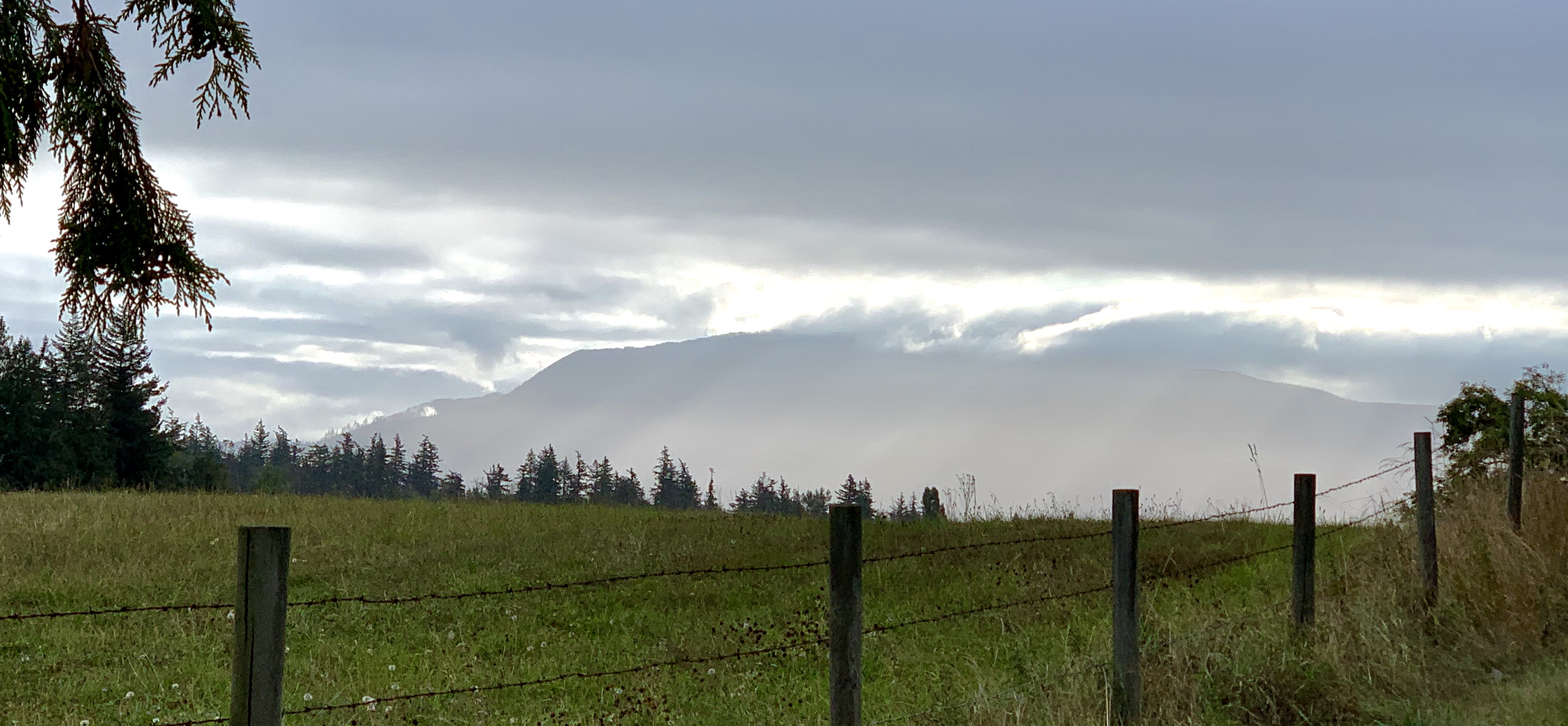
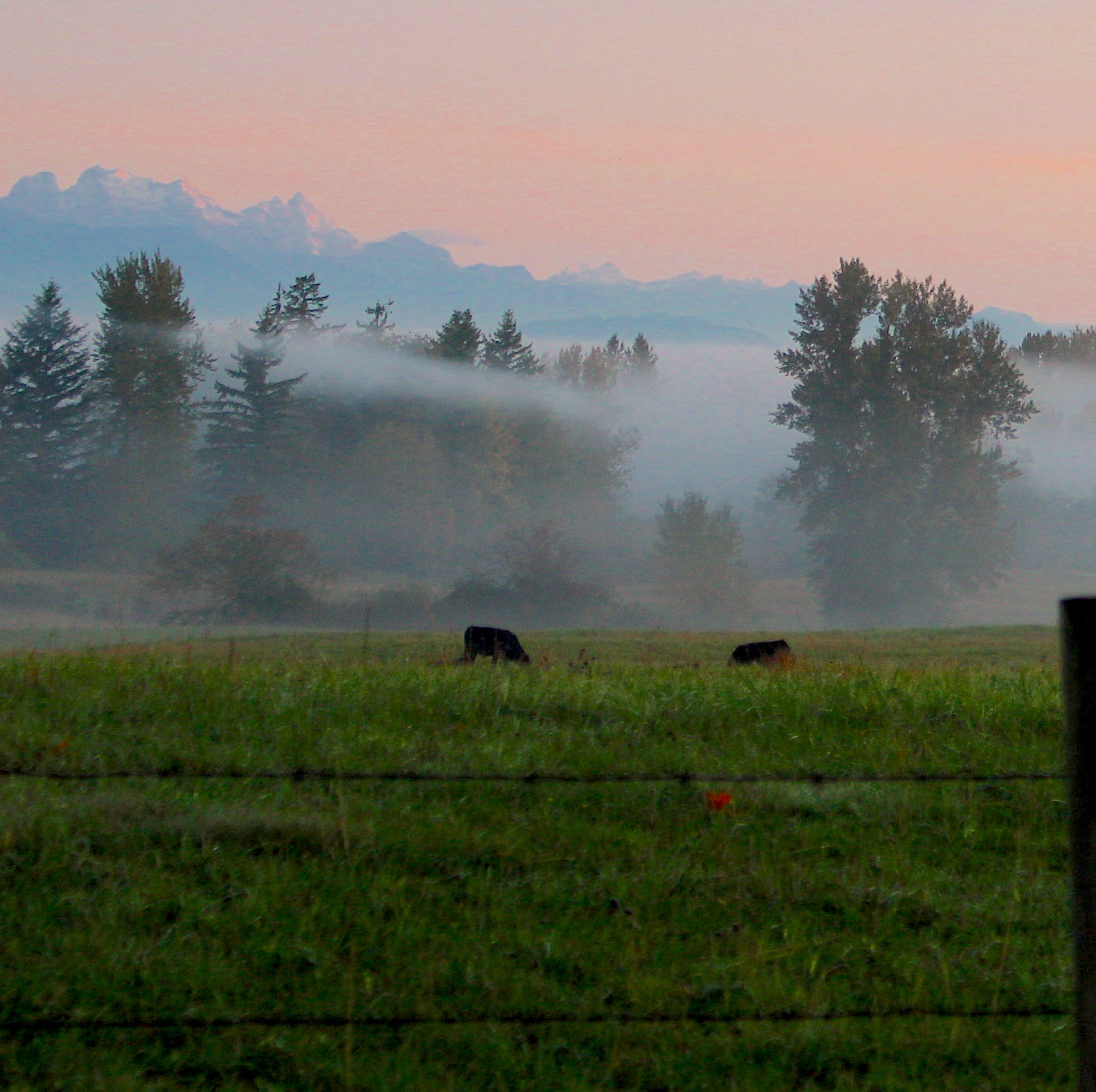
A fine rain was falling, and the landscape was that of autumn. 
The sky was hung with various shades of gray,
and mists hovered about the distant mountains
– a melancholy nature. 
Every landscape is,
as it were,
a state of the soul,
and whoever penetrates into both
is astonished to find how much likeness there is in each detail.
~Henri Frederic Amiel

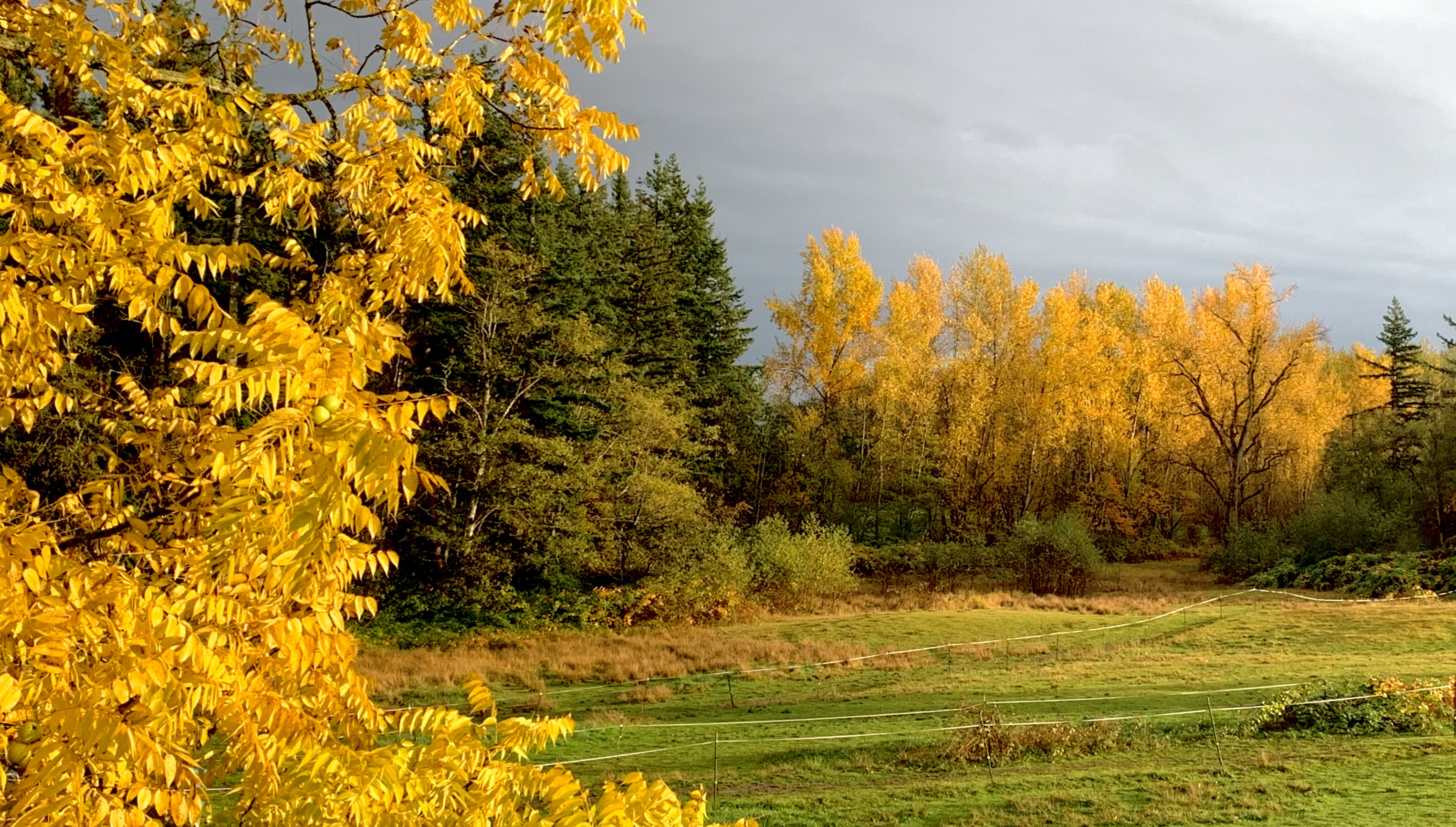
frontwalnutmist

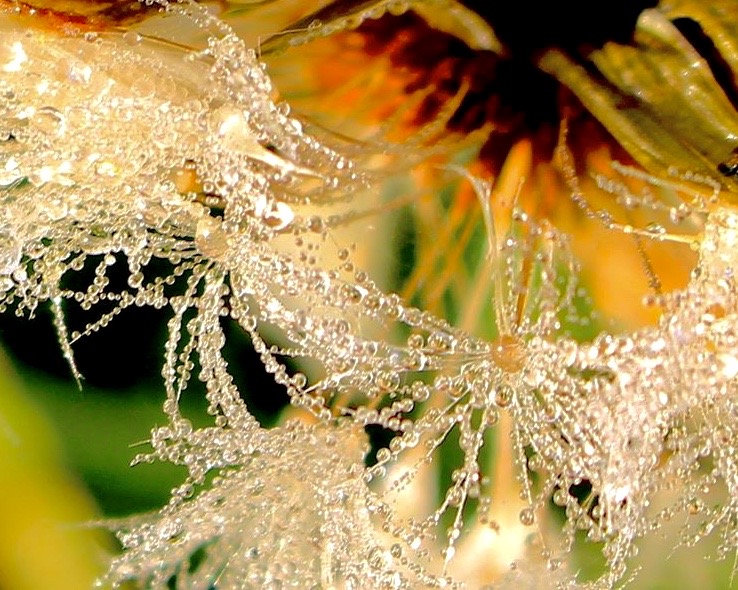
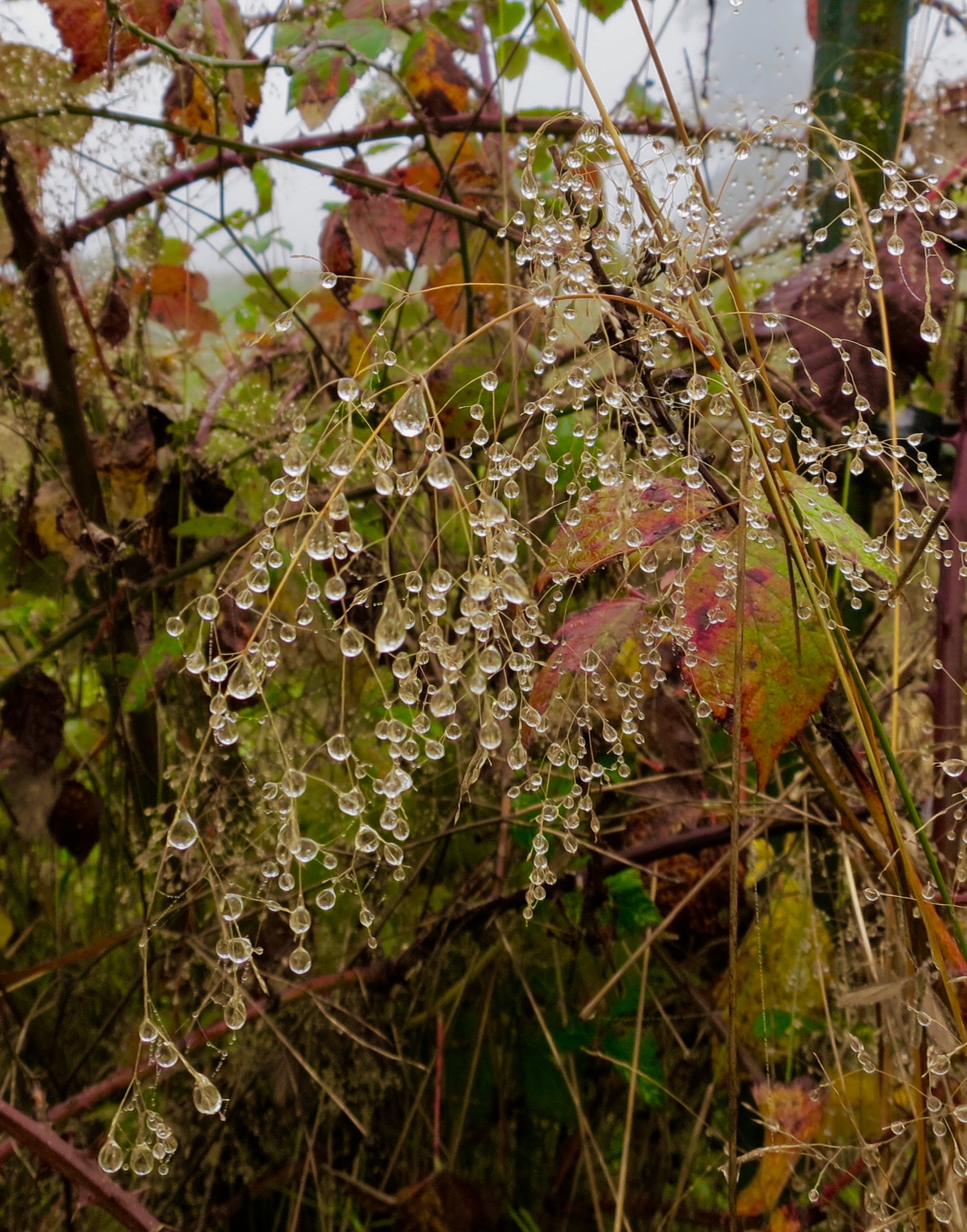
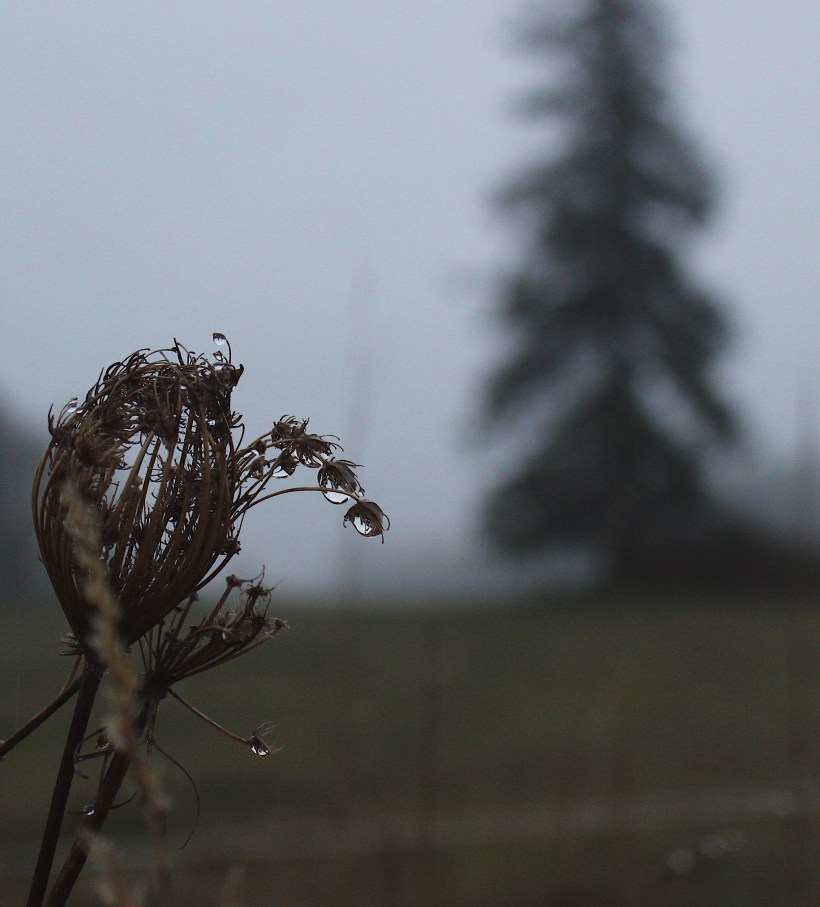
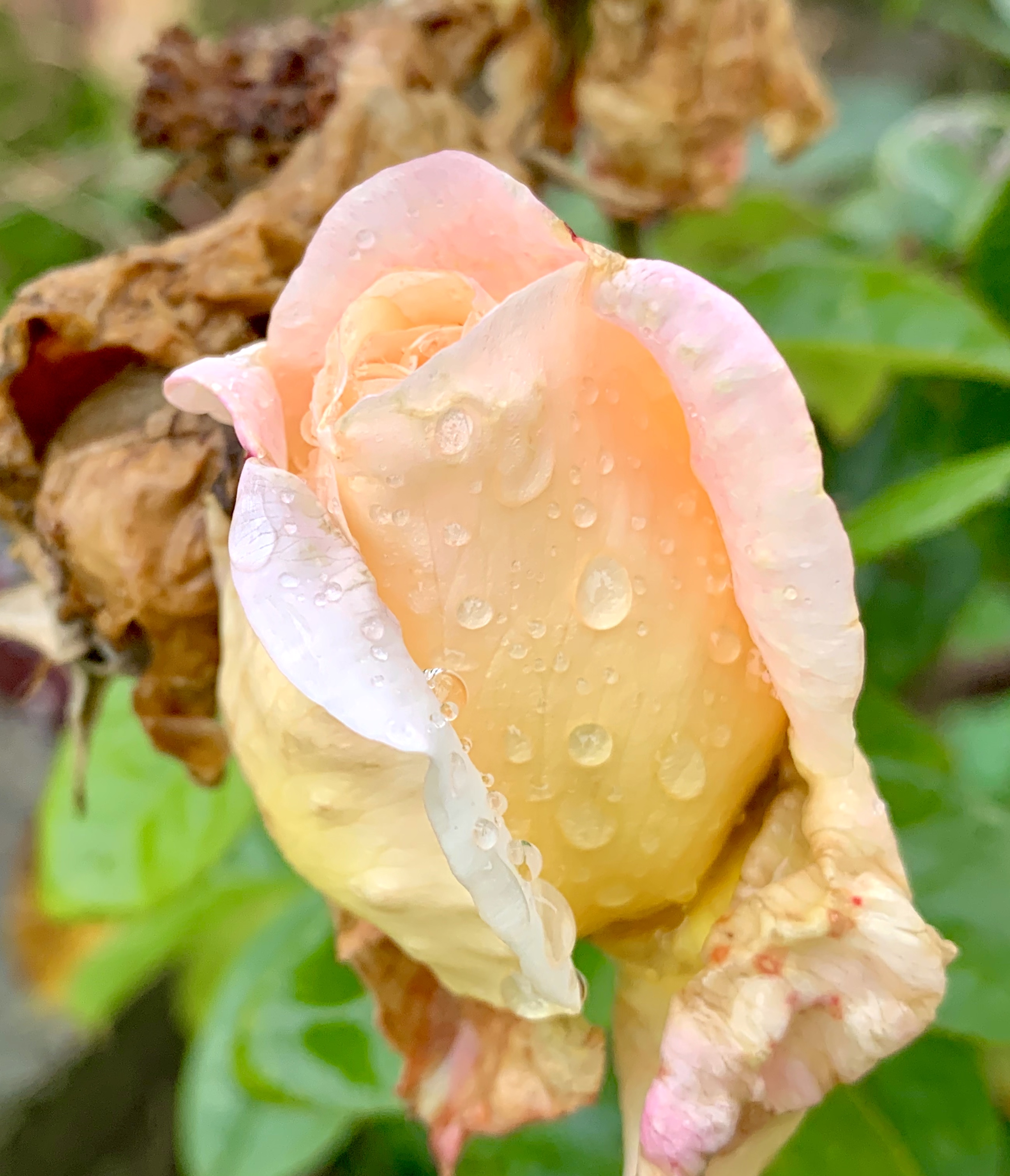
A melancholic first glance~
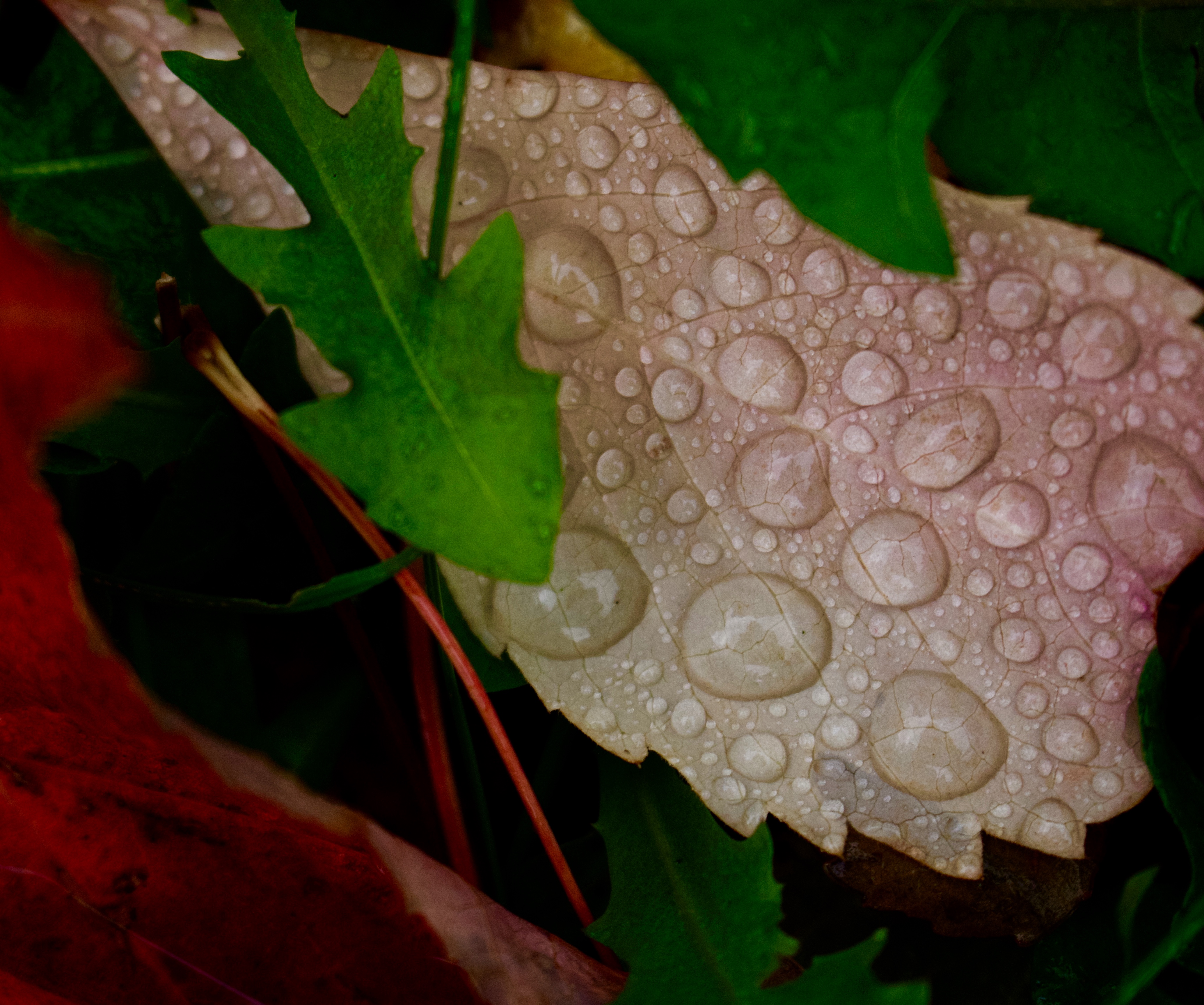
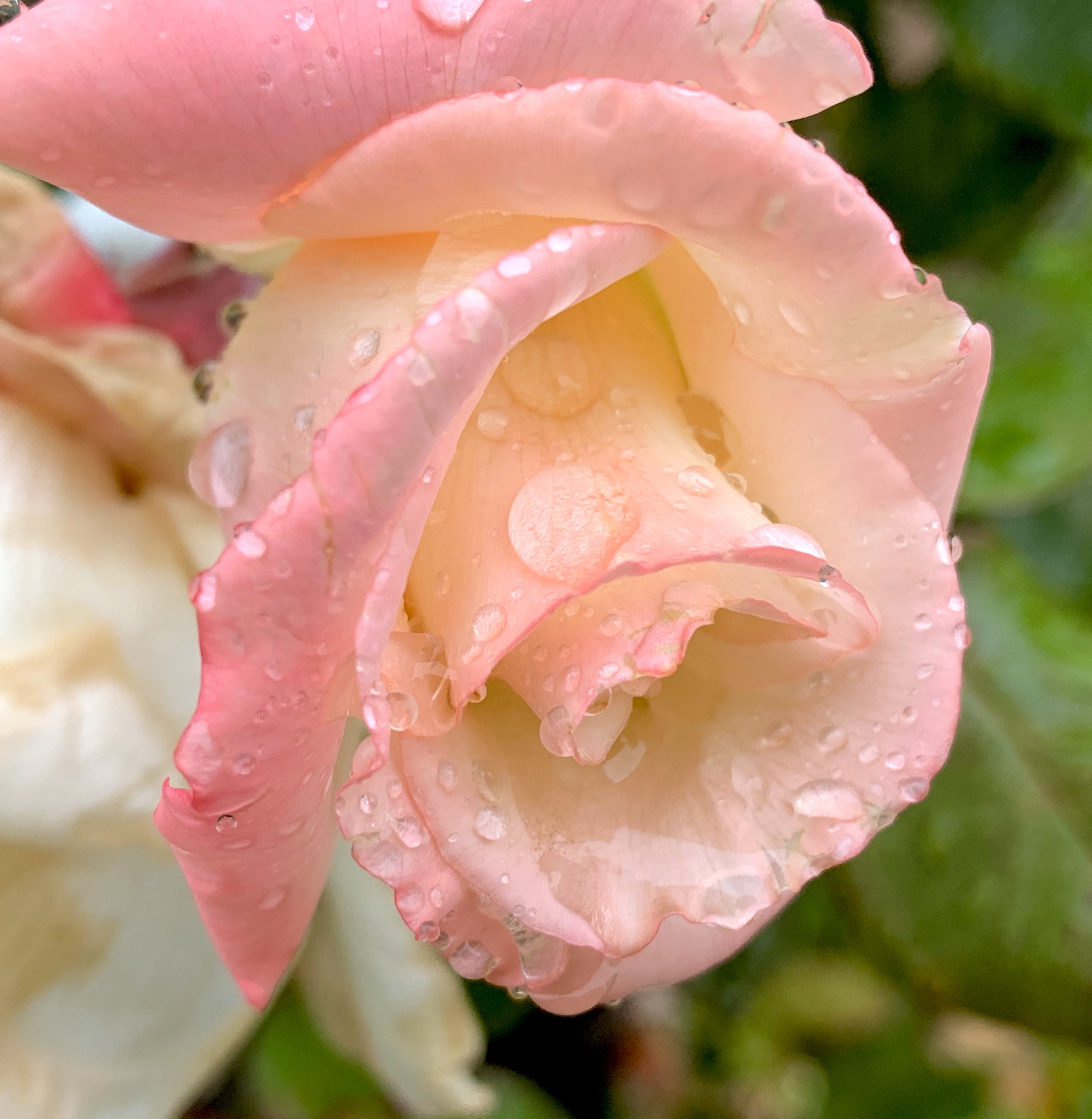
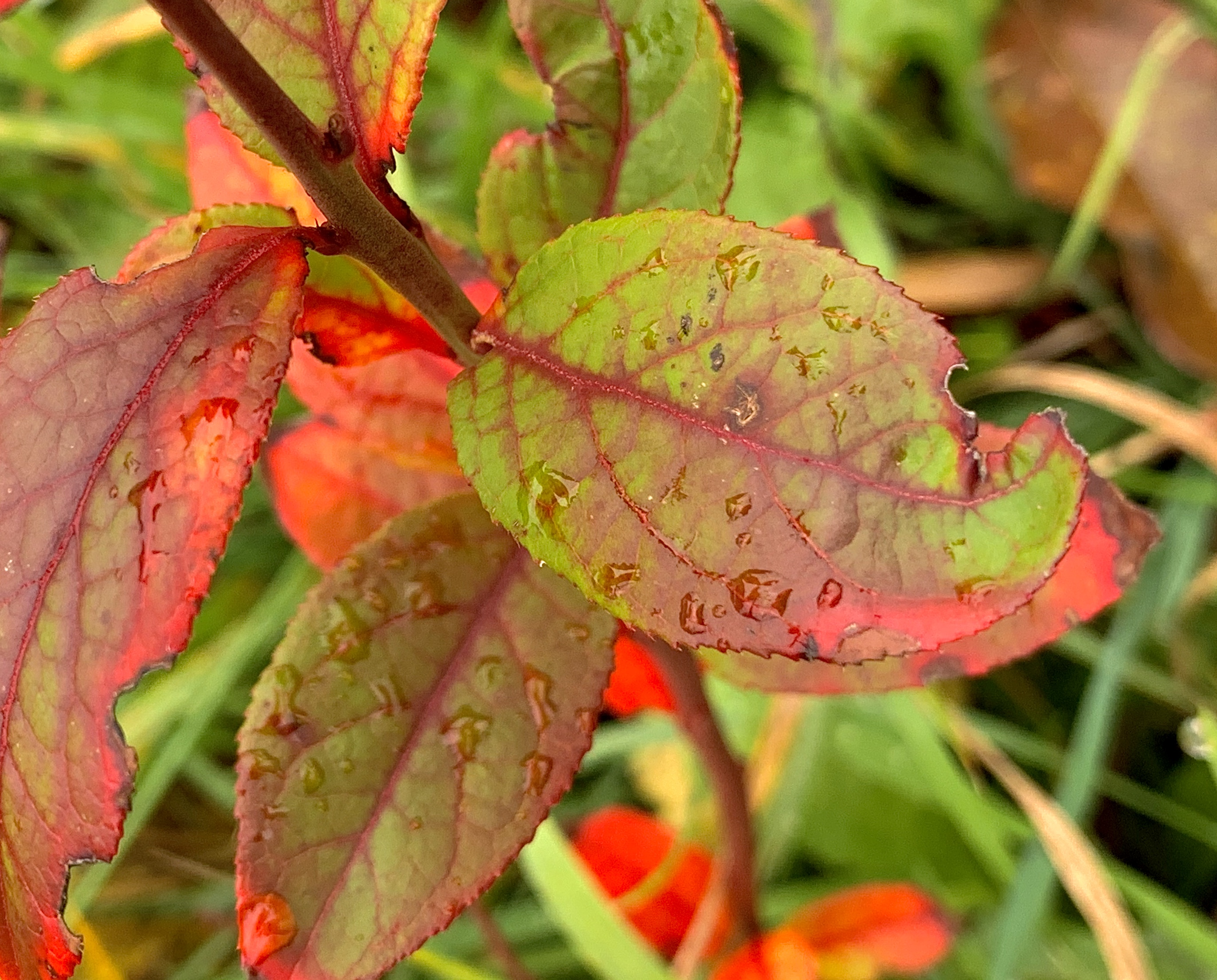
rain droplets glisten bejeweled
when studied up close.

It isn’t all sadness~
there is solace in knowing
the landscape and I share
an inner world of change:
both promises
and tears.

Too Full of Blossom

She skimmed the yellow water like a moth,
Trailing her feet across the shallow stream;
She saw the berries, paused and sampled them
Where a slight spider cleaned his narrow tooth.
Light in the air, she fluttered up the path,
So delicate to shun the leaves and damp,
Like some young wife, holding a slender lamp
To find her stray child, or the moon, or both.
Even before she reached the empty house,
She beat her wings ever so lightly, rose,
Followed a bee where apples blew like snow;
And then, forgetting what she wanted there,
Too full of blossom and green light to care,
She hurried to the ground, and slipped below.
~James Wright “My Grandmother’s Ghost from Above the River: The Complete Poems 

I saw my grandma’s ghost once.

She was my only grandparent I actually knew and who actually knew me — the others were lost before I was born or too young to realize what I had lost.

She had lived a hard life: losing her mother when she was 12, taking over the household duties for her father and younger brother while leaving school forever, too young marrying an abusive alcoholic, losing her first child to lymphoma at age 8, taking her three remaining children to safety away from their father for a year to live above a seedy restaurant where she cooked seven days a week to make ends meet.

But there was grace too. A marriage that somehow got patched together after Grandpa found God and sobriety, her faith that never wavered, their soil that yielded beautiful flowers she planted and nurtured and picked to sell, children and grandchildren who welcomed her many open armed visits and hugs.

She was busy planning her first trip of a lifetime at age 72 when we noticed her eyes looked yellow. Only two weeks later she was bed-bound in unrelenting pain due to pancreatic cancer, gazing heaven-ward instead of Europe-bound. Her dreams had been dashed so quickly, she barely realized her itinerary and destination had changed.

I was 16 at the time, too absorbed in my own teenage cares and concerns to really notice how quickly she was fading and failing like a wilted flower. Instead I was picking fights with my stressed parents, worrying over taking my driver’s license driving test, distracted by all the typical social pressures of high school life.

Her funeral was unbearable as I never really said goodbye – only one brief hospital visit when she was hardly recognizable in her anguish and jaundice. I didn’t even get to hold her hand.

Soon after she had been lowered into the ground next to her husband and young daughter, she came back to me in a dream.

I was asleep when my bedroom door opened into the dark, wakening me as the bright hallway light pushed its way via a shimmering beam to my bed. Grandma Kittie stood in my bedroom doorway, backlit by the light surrounding her silhouette. She silently stood there, just looking at me.

Startled, I sat up in my bed and said to her, “Grandma, why are you here? You died and we buried you!”

She nodded and smiled. And then she said to me:

“I wanted you to know I’m okay and always will be. You will be too.”

She gave a little wave, turned and left, closing the door behind her. I woke suddenly with a gasp in my darkened bedroom and knew I had just been visited.

She hadn’t come to say goodbye or to tell me she loved me — that I knew already.

She had come to shine with her light blossoming around her, mending my broken heart by planting it with peace.

As the Light is Just Right


The ripe, the golden month has come again…
Frost sharps the middle music of the seasons,
and all things living on the earth turn home again…
the fields are cut, the granaries are full,
the bins are loaded to the brim with fatness,
and from the cider-press the rich brown oozings of the York Imperials run.
The bee bores to the belly of the grape,
the fly gets old and fat and blue,
he buzzes loud, crawls slow,
creeps heavily to death on sill and ceiling,
the sun goes down in blood and pollen
across the bronzed and mown fields of the old October.
~Thomas Wolfe


Mid-October
dreary
cloud-covered
rain and wind.

An instant at dusk,
the sun broke through,
peeling away the grey,
infusing amber onto
fields and foliage,
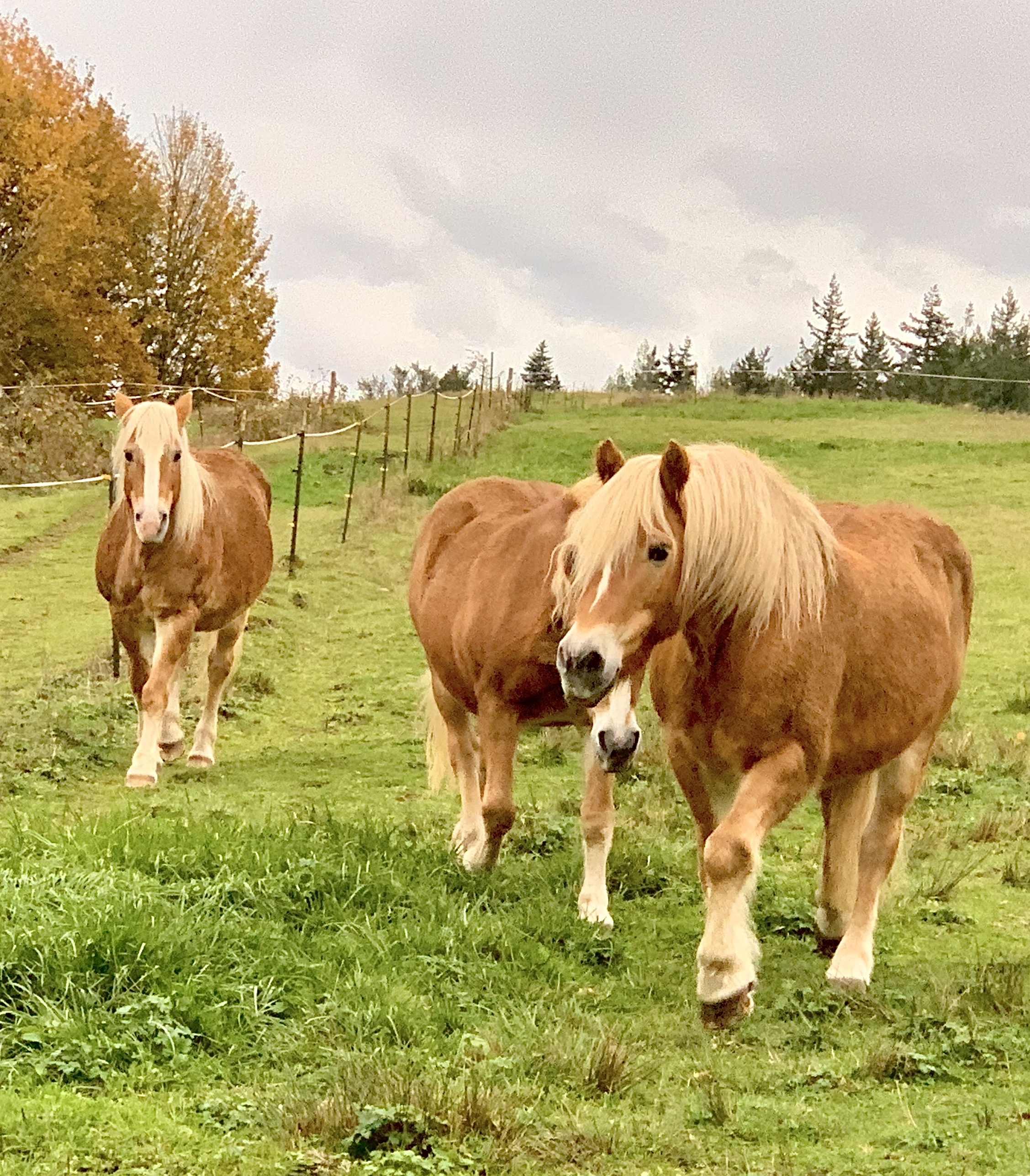
ponies and puddles.
The shower spun
raindrops threading
a gold tapestry
through the evening air,
casting sparkles,

casting sparkles,
a sunray sweep of
fairy godmother’s wand
across the landscape.

One more blink,
and the sun shrouded,
the color drained away
the glimmer mulled
into mere weeping
once more,
streaming over
our farm’s fallen face.

Now I know to gently
wipe the teardrops away,
having seen the
hidden magic within,
when the light is just so.

Savoring the tears
of gold that glisten
when the light
is just right.

The Knowing

We thought we were the perfect family—
loyal, stable, a brick wall you couldn’t topple
with a wrecking ball. Parents dependable
as the frozen Minute Maid juice
we squeezed from cardboard cans and drank
mornings, reconstituted.

We’d come to this place just to be together.
October in Ogunquit, record heat,
no need for the sweaters we’d packed.
Dad had died but Mom, in her 80s, sat
pouring green tea, our wicker chairs
on the small porch, six sets
of knees touching.

She didn’t mean to mention
Dad’s first wife.

To our collective what?
she sputtered lasted a year, before the war,
her name: Phyllis.
Remember that chest in the basement?
It was hers.

Some moments passed, then mutely
we agreed to let it go.
Radium glowed green in our brains
but didn’t burn. The knowing, a relief:
We didn’t have to be perfect.

The August-warm wind felt pleasant
and odd. We sat on that porch,
orange leaves pinwheeling down the street.
~Karen Paul Holmes “Rental Cottage, Maine” from No Such Thing as Distance

Surfacing to the street from a thirty two hour hospital shift usually means my eyes blink mole-like, adjusting to searing daylight after being too long in darkened windowless halls.  This particular day is different.   As the doors open, I am immersed in a subdued gray Seattle afternoon, with horizontal rain soaking my scrubs.

Finally remembering where I had parked my car in pre-dawn dark the day before, I start the ignition, putting the windshield wipers on full speed.  I merge onto the freeway, pinching myself to stay awake long enough to reach my apartment and my pillow.

The freeway is a flowing river current of head and tail lights.  Semitrucks toss up tsunami waves cleared briefly by my wipers frantically whacking back and forth.

Just ahead in the lane to my right, a car catches my eye — it looks just like my Dad’s new Buick.  I blink to clear my eyes and my mind, switching lanes to get behind.  The license plate confirms it is indeed my Dad, oddly 100 miles from home in the middle of the week.  I smiled, realizing he and Mom, the best parents ever, have probably planned to surprise me by taking me out for dinner.

I decide to surprise them first, switching lanes to their left and accelerating up alongside.  As our cars travel side by side in the downpour,  I glance over to my right to see if I can catch my Dad’s eye through streaming side windows.  He is looking away to the right at that moment, obviously in conversation.  It is then I realize something is amiss.  When my Dad looks back at the road, he is smiling in a way I have never seen before.  There are arms wrapped around his neck and shoulder, and a woman’s auburn head is snuggled into his chest.

My mother’s hair is gray.

My initial confusion turns instantly to fury.  Despite the rivers of rain obscuring their view, I desperately want them to see me.  I think about honking,  I think about pulling in front of them so my father would know I have seen and I know.  I think about ramming them with my car so that we’d perish, unrecognizable, in an explosive storm-soaked mangle.

At that moment, my father glances over at me and our eyes meet across the white line separating us.  His face is a mask of betrayal, bewilderment and then shock, and as he tenses, she straightens up and looks at me quizzically.

I can’t bear to look any longer.

I leave them behind, speeding beyond, splashing them with my wake.  Every breath burns my lungs and pierces my heart.  I can not distinguish whether the rivers obscuring my view are from my eyes or my windshield.

Somehow I made it home to my apartment, my heart still pounding in my ears.  The phone rings and remains unanswered.

I throw myself on my bed, bury my wet face in my pillow and pray —
for a sleep
without dreams,
without secrets,
without lies,
without the burden of knowing the truth
I alone now knew
and wished I didn’t.

Don’t Look Back

A Wounded Deer—leaps highest—
I’ve heard the Hunter tell—
‘Tis but the Ecstasy of death—
And then the Brake is still!
~Emily Dickinson from “165″

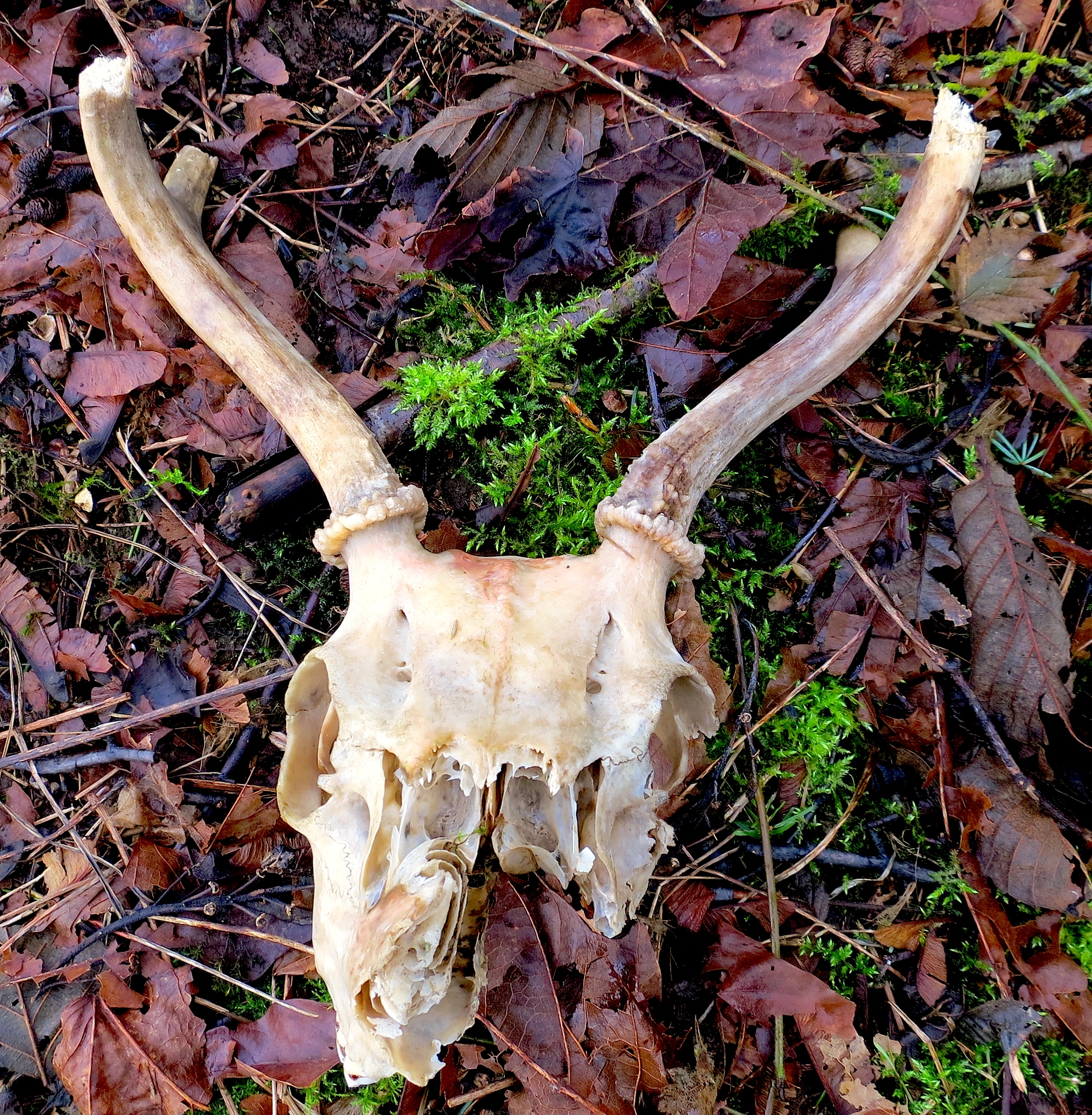
The deer in that beautiful place lay down their
bones: I must wear mine.
~Robinson Jeffers from “The Deer Lay Down Their Bones”

As the house of a person
in age sometimes grows cluttered
with what is
too loved or too heavy to part with,
the heart may grow cluttered.
And still the house will be emptied,
and still the heart.

Empty and filled,
like the curling half-light of morning,
in which everything is still possible and so why not.

Filled and empty,
like the curling half-light of evening,
in which everything now is finished and so why not.

Beloved, what can be, what was,
will be taken from us.
I have disappointed.
I am sorry. I knew no better.

A root seeks water.
Tenderness only breaks open the earth.
This morning, out the window,
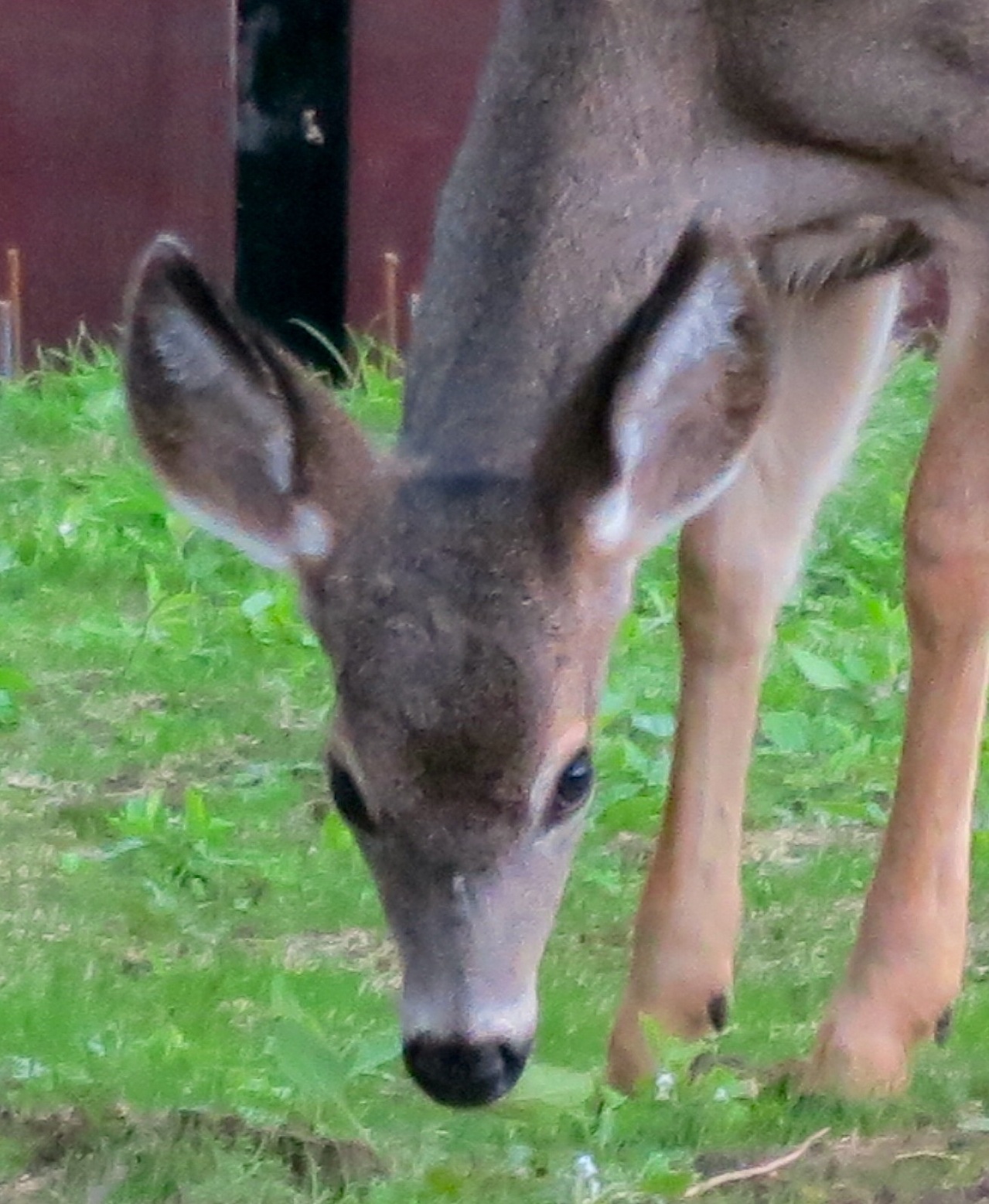
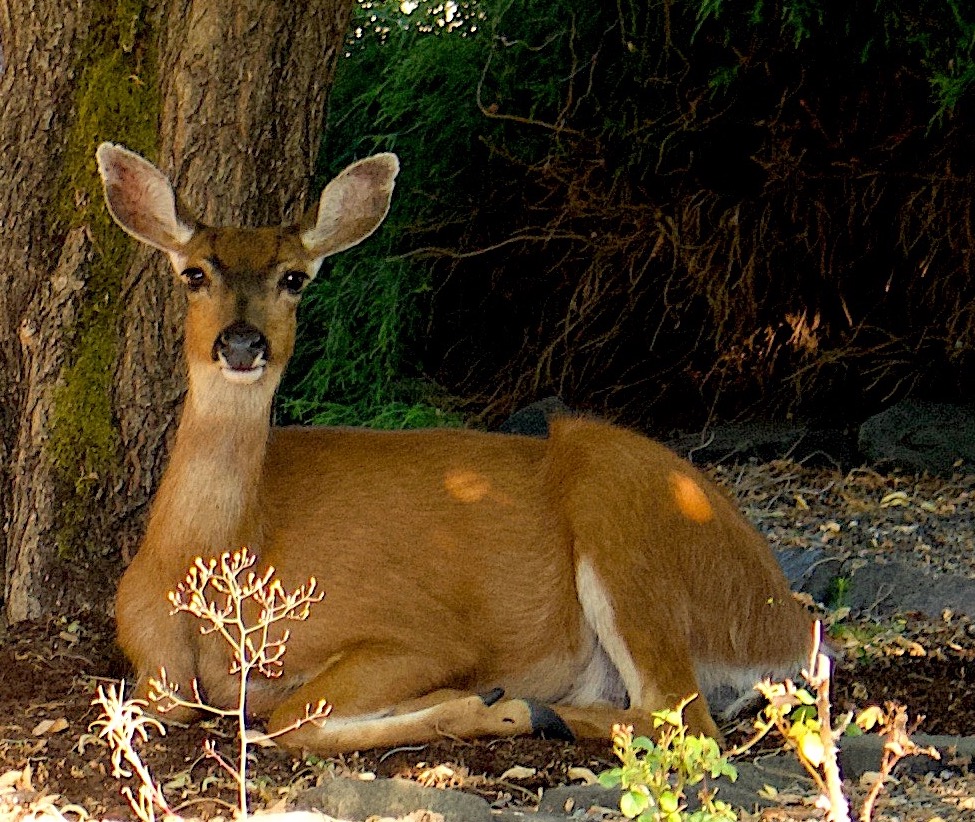
the deer stood like a blessing, then vanished.

~Jane Hirschfield from “The Standing Deer”

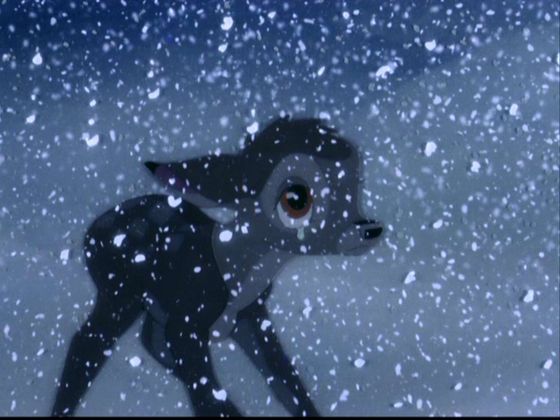
My first time ever
seated next to my mother
in a movie theater, just
a skinny four year old girl
practically folded up in half
by a large padded chair
whose seat won’t stay down,
bursting with anticipation
to see Disney’s Bambi.

Enthralled with so much color,
motion, music, songs and fun
characters, I am wholly lost
in a new world of animated
reality when suddenly
Bambi’s mother looks up,
alarmed,  from eating
a clump of grass
growing in the snow.

My heart leaps
with worry.
She tells him
to run
for the thicket,
to seek safety where
she has always
kept him warm
next to her.

She follows behind,
tells him to run faster,
not to look back,
don’t ever look back.

The gun shot
hits my belly too.

My stomach twists
as he cries out
for his mother,
pleading for her.
I know in my heart
she is lost forever,
sacrificed for him.

I sob as my mother
reaches out to me,
telling me not to look.
I bury my face
inside her hug,
knowing Bambi
is cold and alone
with no mother
at all.

She took me home
before the end.
I could not bear to watch
the rest of the movie for years.
His cries
still echo
in my ears.

Now, my children are grown
and have children of their own to protect.
My mother is gone from this earth,
my thicket emptying,
my heart full,
my stomach stronger,
I even keep the seat from folding
me up in a movie theater.

I now can look back
and weep inconsolably
once more.

It Doesn’t Matter a Hill of Beans

I spent this morning adjusting to this change in season by occupying myself with the familiar task of moving manure.  Cleaning barn is a comforting chore, allowing me to transform tangible benefit from something objectionable and just plain stinky to the nurturing fertilizer of the future. It feels like I’ve actually accomplished something.

As I scooped and pushed the wheelbarrow, I remembered another barn cleaning twenty years ago, when I was one of three or four friends left cleaning over ninety stalls after a Haflinger horse event that I had organized at our local fairgrounds. Some people had brought their horses from over 1000 miles away to participate for several days.  Whenever horse people gather, there were personality clashes and harsh words among some participants along with criticism directed at me that I had taken very personally.  As I struggled with the umpteenth wheelbarrow load of manure, tears stung my eyes and my heart.  I was miserable with regrets.   After going without sleep and making personal sacrifices over many months planning and preparing for the benefit of our group,  my work felt like it had not been acknowledged or appreciated.

My friend Jenny had stayed behind with her family to help clean up the large facility and she could see I was struggling to keep my composure.  Jenny put herself right in front of my wheelbarrow and looked me in the eye, insisting I stop for a moment and listen.

“You know,  none of these troubles and conflicts will amount to a hill of beans years from now.  People will remember a fun event in a beautiful part of the country,  a wonderful time with their horses, their friends and family, and they’ll be all nostalgic about it, not giving a thought to the infighting or the sour attitudes or who said what to whom.   So don’t make this about you and whether you did or didn’t make everyone happy.  You loved us all enough to make it possible to meet here and the rest was up to us.  So quit being upset about what you can’t change.  There’s too much you can still do for us.”

During tough times which still come often in my professional life,  Jenny’s advice replays, reminding me to stop seeking appreciation from others, or feeling hurt when harsh words come my way.   She was right about the balm found in the tincture of time and she was right about giving up the upset in order to die to self and self absorption, and keep focusing outward.

Jenny, I have remembered what you said even though sometimes I emotionally relapse and forget.

Jenny herself spent the next six years literally dying, while vigorously living her life every day, fighting a relentless cancer that was initially helpless in the face of her faith and intense drive to live.    She became a rusting leaf, fading imperceptibly over time, crumbling at the edges until she finally let go.   Her dying did not flash brilliance, nor draw attention at the end.  Her intense focus during the years of her illness had always been outward to others, to her family and friends, to the healers she spent so much time with in medical offices, to her belief in the plan God had written for her and others.

Despite her intense love for her husband and young children, she had to let go her hold on life here.   And we all had to let her go.  

Brilliance cloaks her as her focus is now on things eternal.

You were so right, Jenny.  No conflicts from twenty years ago amounted to a hill of beans; all is remembered fondly by those who were part of the gathering. I especially treasure the words you wisely spoke to me.

And I’m no longer upset that I can’t change the fact that you have left us. There is still so much you do for us, alive in our memories.

I know we’ll catch up later.

Jenny R –photo by Ginger Kathleen Coombs