Márgarét, áre you gríeving Over Goldengrove unleaving? Leáves like the things of man, you With your fresh thoughts care for, can you? Ah! ás the heart grows older It will come to such sights colder By and by, nor spare a sigh Though worlds of wanwood leafmeal lie; And yet you wíll weep and know why. Now no matter, child, the name: Sórrow’s spríngs áre the same. Nor mouth had, no nor mind, expressed What heart heard of, ghost guessed: It ís the blight man was born for, It is Margaret you mourn for. ~Gerard Manley Hopkins “Spring and Fall”
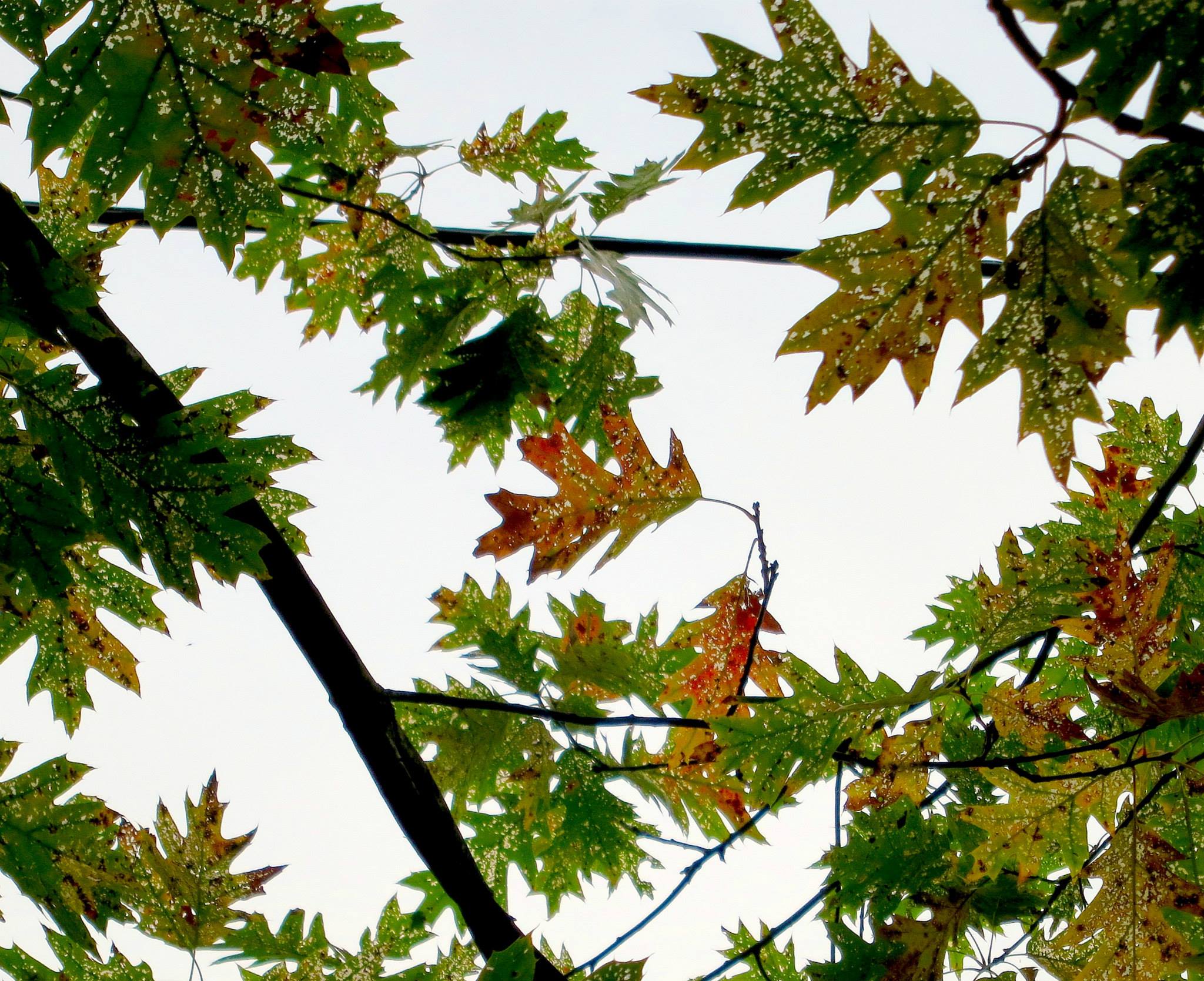
As the leaves tumble down, I think of Hopkins’ Márgarét and her vanishing goldengrove path, she who weeps for the loss of autumn leaves, not knowing or remembering they will return.
And I, now older, know spring comes again, even though wistful and sighing deeply at the loss of beauty and innocence each autumn, weeping for what was and may never be again.
In this blighted plight, I tend to forget the promise made: there is much more to come after the Fall.
My grief is not for nothing. Christ comforts those who weep, who mourn loss and wander lost.
I have hope and faith. I will see beauty again. I follow the goldengrove that leads to Him.
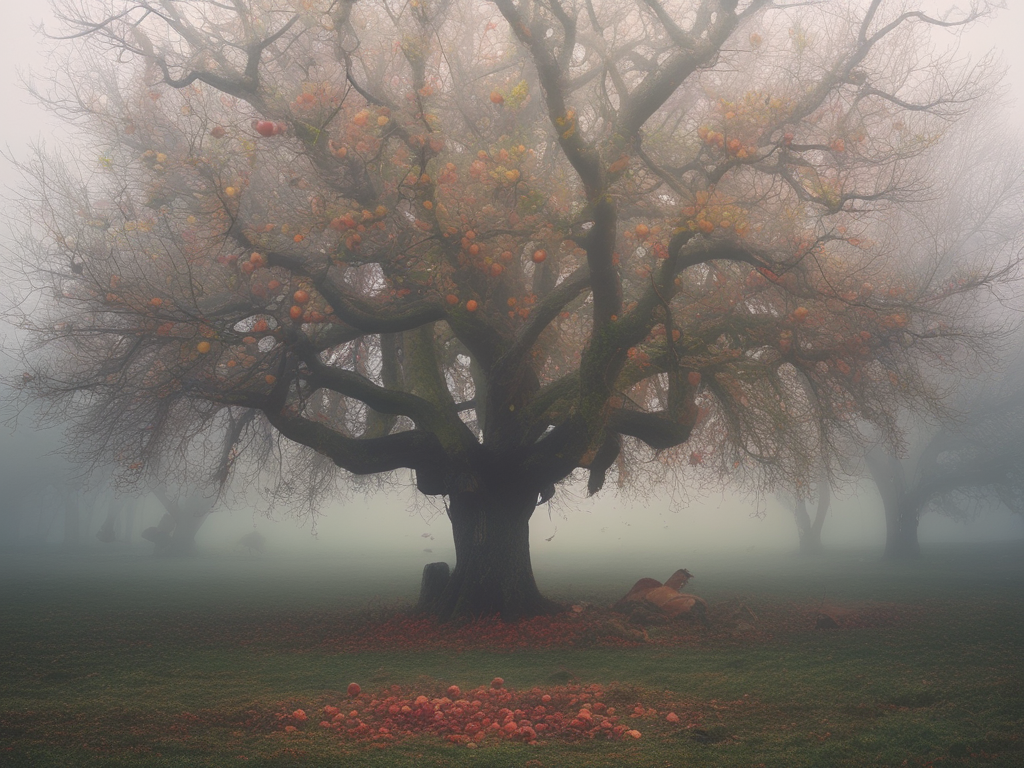
AI image created for this post
One-Time
Monthly
Yearly
Make a one-time or recurring donation to support daily Barnstorming posts
Fall, leaves, fall; die, flowers, away; Lengthen night and shorten day; Every leaf speaks bliss to me Fluttering from the autumn tree. I shall smile when wreaths of snow Blossom where the rose should grow; I shall sing when night’s decay Ushers in a drearier day. ~Emily Brontë “Fall, Leaves, Fall”
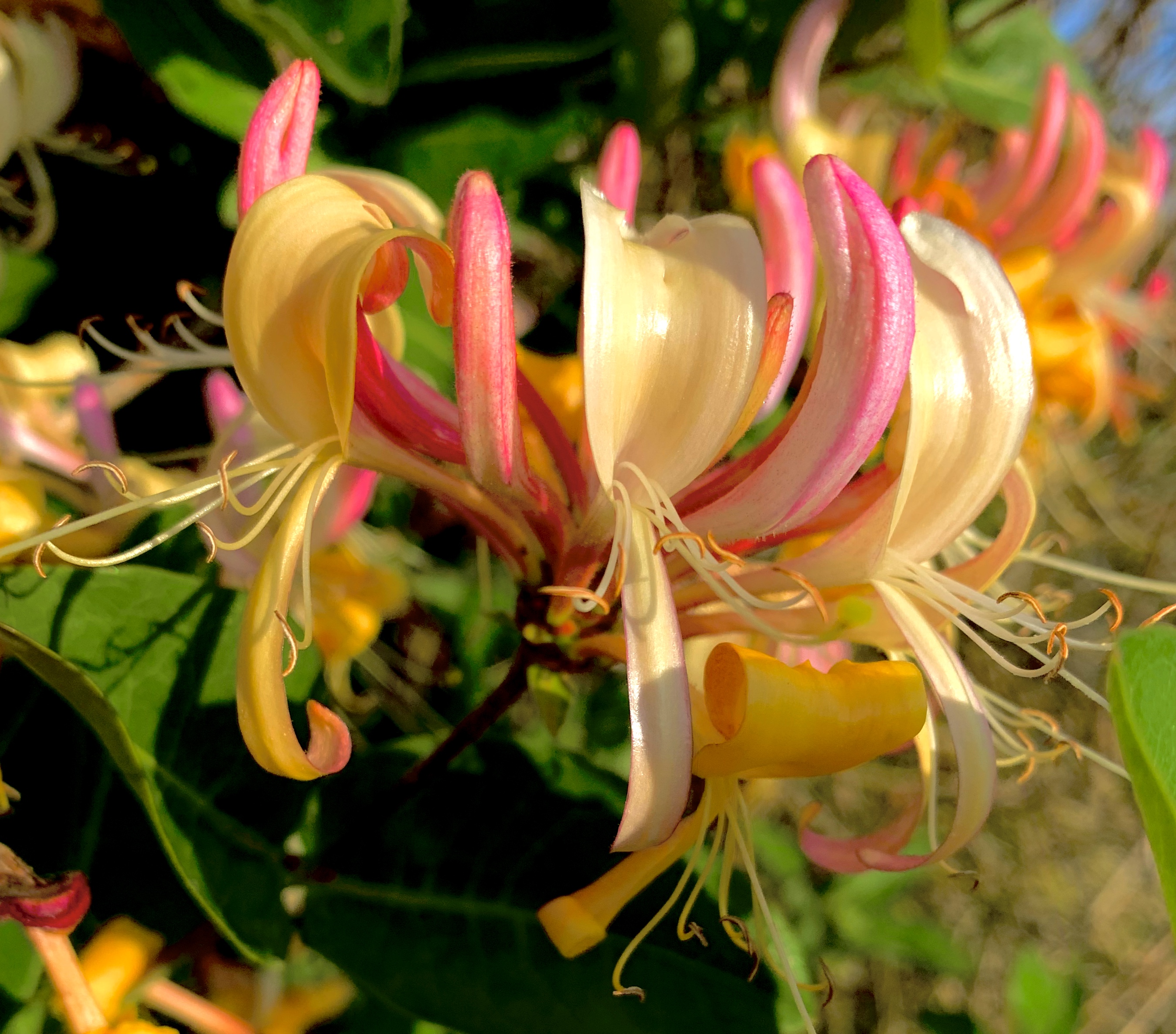
It was not the thorn bending to the honeysuckles, but the honeysuckles embracing the thorn. ~Emily Brontë from Wuthering Heights
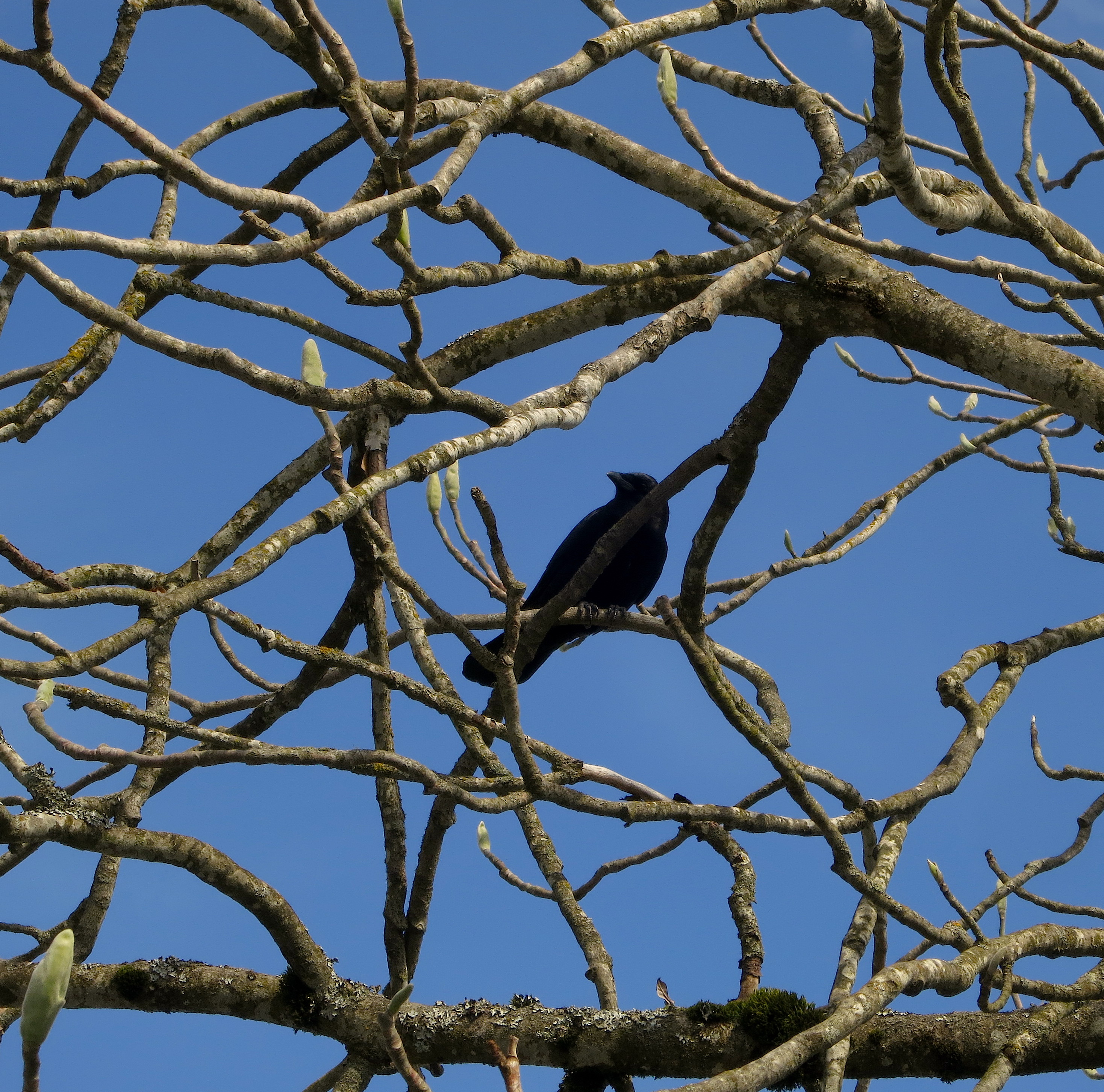
The loudest crows cawing over the tops of the oaks call me to autumn already, and though my back is to the window,
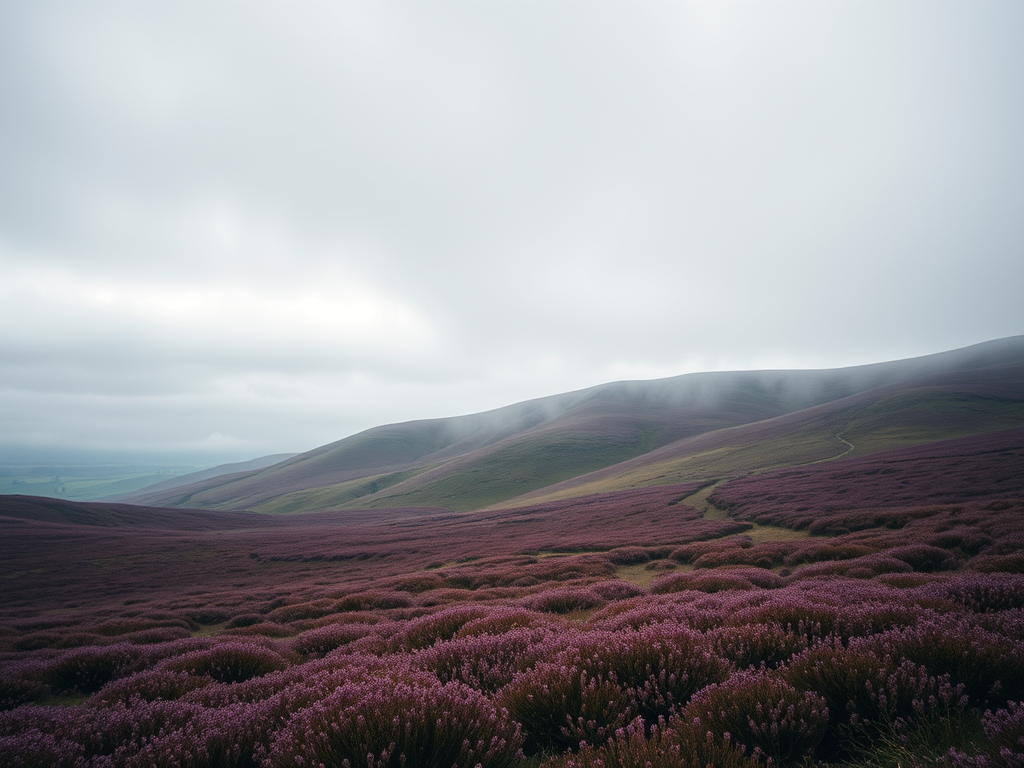
I know the sky must be a gray wuthering, and the curlews are crying. The wind must be moaning as it goes sweeping across heath and moors and the spikes of purple heather thousands of miles away from where my body sits; yet
I avoid watching sad movies and will close a book that is clearly heading for a weepy ending.
I don’t need to wrap myself around things that hurt when there is enough sadness and pain in the world already. Deep emotion sticks to me like velcro, even when I know the tragedy is not my own. I take it on as if it is.
As a result, the Brontë novel Wuthering Heights is not my cup of tea. I suffered through the book as well as the movie versions. It is grim with wild, destructive passions that only lead to more sorrow. I become immersed in those desperately gray “wuthering” scenes feeling the sharp thorns of the words I read that end up drawing blood from me.
But most suffering is not at all fictional. When I become aware of tragedy happening far away, when the hurricane leaves behind terrible devastation or bombs and bullets rip communities to shreds, even though there is little I can physically do to help, I can’t turn away and not look. I can’t close the book that makes me sad and uncomfortable.
I too must feel the hurt, embracing the thorns rather than avoiding them.
Jesus did just that, taking it all upon Himself. He never turned away and still, now, today, He is pierced, bloodied for our sake.
AI image created for this post
One-Time
Monthly
Yearly
Make a one-time or recurring donation to support daily Barnstorming posts
The grace of God means something like: Here is your life. You might never have been, but you are… Here is the world. Beautiful and terrible things will happen. Don’t be afraid. I am with you. ~Frederick Buechner in “Wishful Thinking and later” in Beyond Words
Twenty three years ago, a day started with bright sun above and ended in tears and bloodshed below.
This is a day for recollection; we live out remembrance of the torrential red that flowed that day;
Two decades later, far-away streets still course with the blood of innocents.
What have we learned from all this?
That terrible day’s edges were so sharp we all bled and still bear the scars.
So do not be afraid: we are able to still breathe and weep.
One-Time
Monthly
Yearly
Make a one-time or recurring donation to support daily Barnstorming posts
a trace of peace. ~Christian Wiman “Prayer” from Once in the West
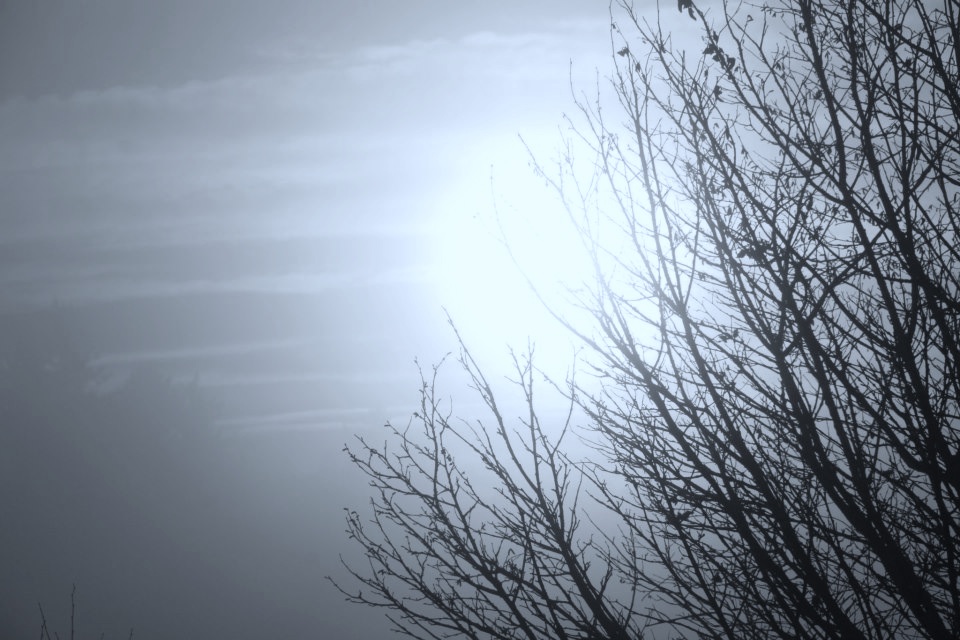
We all have times when nothing makes sense. The mind blurs with stress or fear or a sense of unreality – all focus is lost and the world becomes simultaneously fuzzy and prickly.
If that happens here in these pages, through these words and photos I share, it is because I need reminding: things often don’t make sense to me when tragedy, pain and suffering happen to people on the other side of the earth, or just down the road from here, or to those I love.
Or to me.
It still makes sense to God. He has clear vision I will never have.
He doesn’t make bad things happen; He grieves it too. He is the focus when all else is blurry.
God calls to us out of the haze that obscures. Only then peace begins.
AI image created for this post
One-Time
Monthly
Yearly
Make a one-time or recurring donation to support daily Barnstorming posts
All that summer the sun refused to open On the sky, and the river carried rain-spots Down and over the weir, and by the footbridge Swans’ eggs chilled in their nest. I saw them, rained on, Blue and dead as the moon the clouds were hiding Every night when I looked to find it. What could Live, neglected like that? The wind, cold and green With the smell of the hawthorn flowering, came Brooding over the fens, but what could it bring me, Who had chosen to view the world with sadness, Or had taken its sadness into myself, Gift and charism? One day, though, I saw them, Triple vee-wakes on dark tree-printed currents: One ahead of the others, big and whiter Than the cloud-pale sky. Two cygnets, gray, living, Broken free from the death I’d assumed for them.
Well, their ways are not my ways. The next summer, Walking that same towpath, heavy with a child Who had come to me after years of asking — Who was taking his time just then, head downward, Happy where he was — I saw them paddling Under the bridge, where it laid out its shadow, Current-rumpled. The same swans? Or three strangers Hummed down onto a river pricked with sunlight, Strange and new as the season? I can’t say now. I remember the baby’s head engaging, Heavy, ready, real, an impending pressure. I remember the wakes widening, the river Flowing down in the sun, and by the footbridge, Gray, empty, the mess of twigs, leaves, and feathers. ~Sally Thomas “Swans”
Decades ago, there were several years when I took sadness into myself, feeling empty and barren with no hope that could change.
Sorrow became the bridge I walked across, unaware what I would find on the other side, assuming only it would be more of the same.
If I had listened to my own tearful prayers, I might have understood –even the most comfortable nests are abandoned when it is time to break free from the sadness.
I gave up my timing and my plans to let things be according to His will.
And life happened. And sadness no longer found a place in me. The empty was filled, the sorrow overwhelmed with blessing. Babies born, grown, now flown away to a life and babies of their own.
All from the one nest, emptied, as ever it should be.
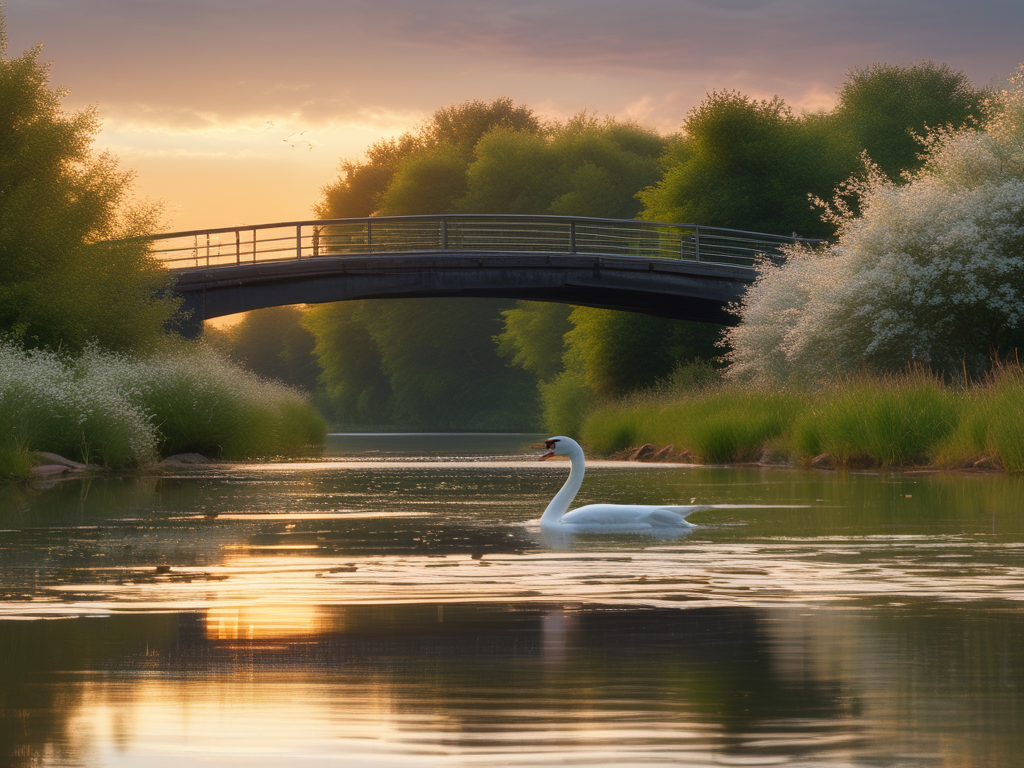
AI image created for this post
One-Time
Monthly
Yearly
Make a one-time or recurring donation to support daily Barnstorming posts
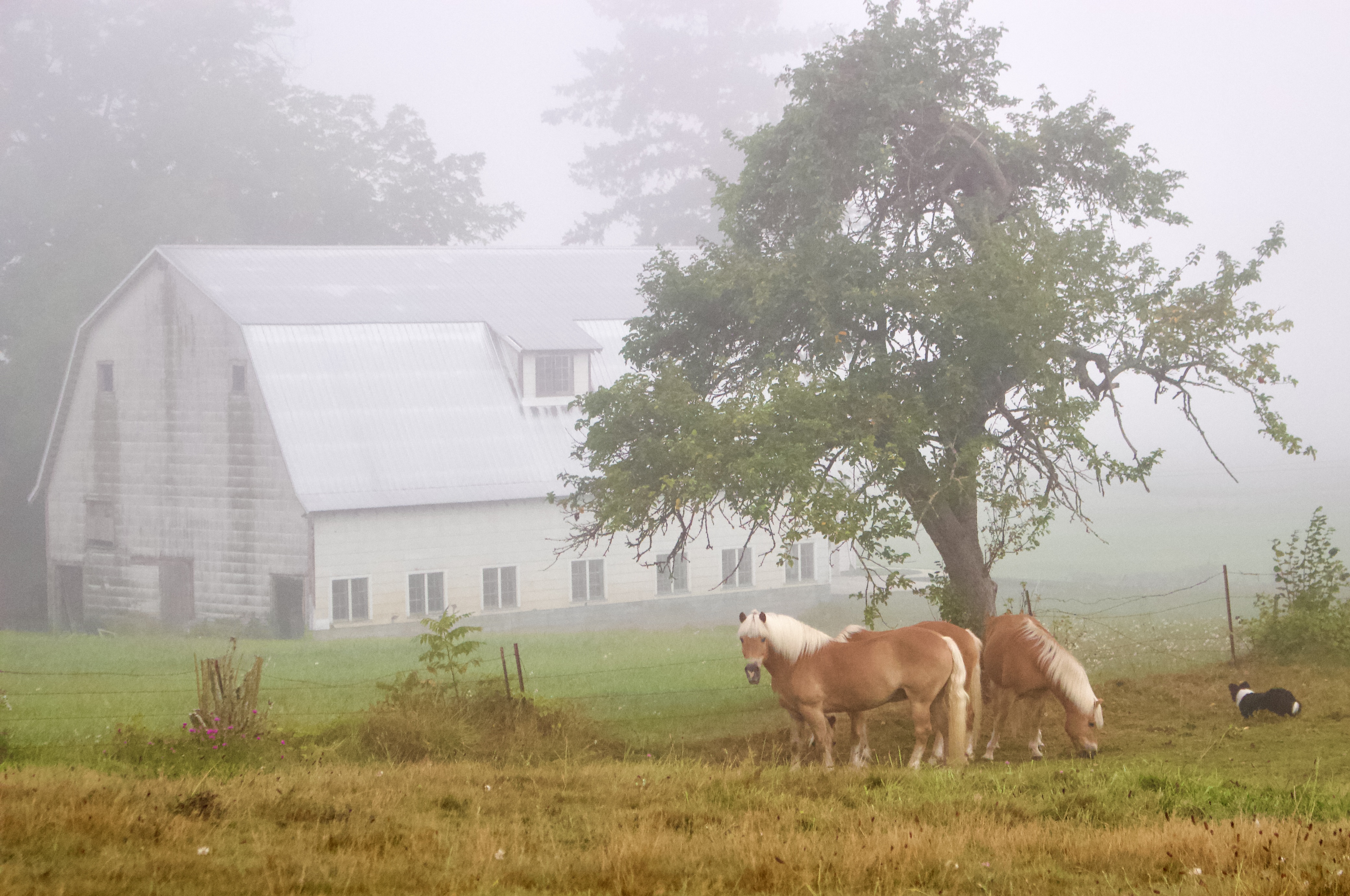
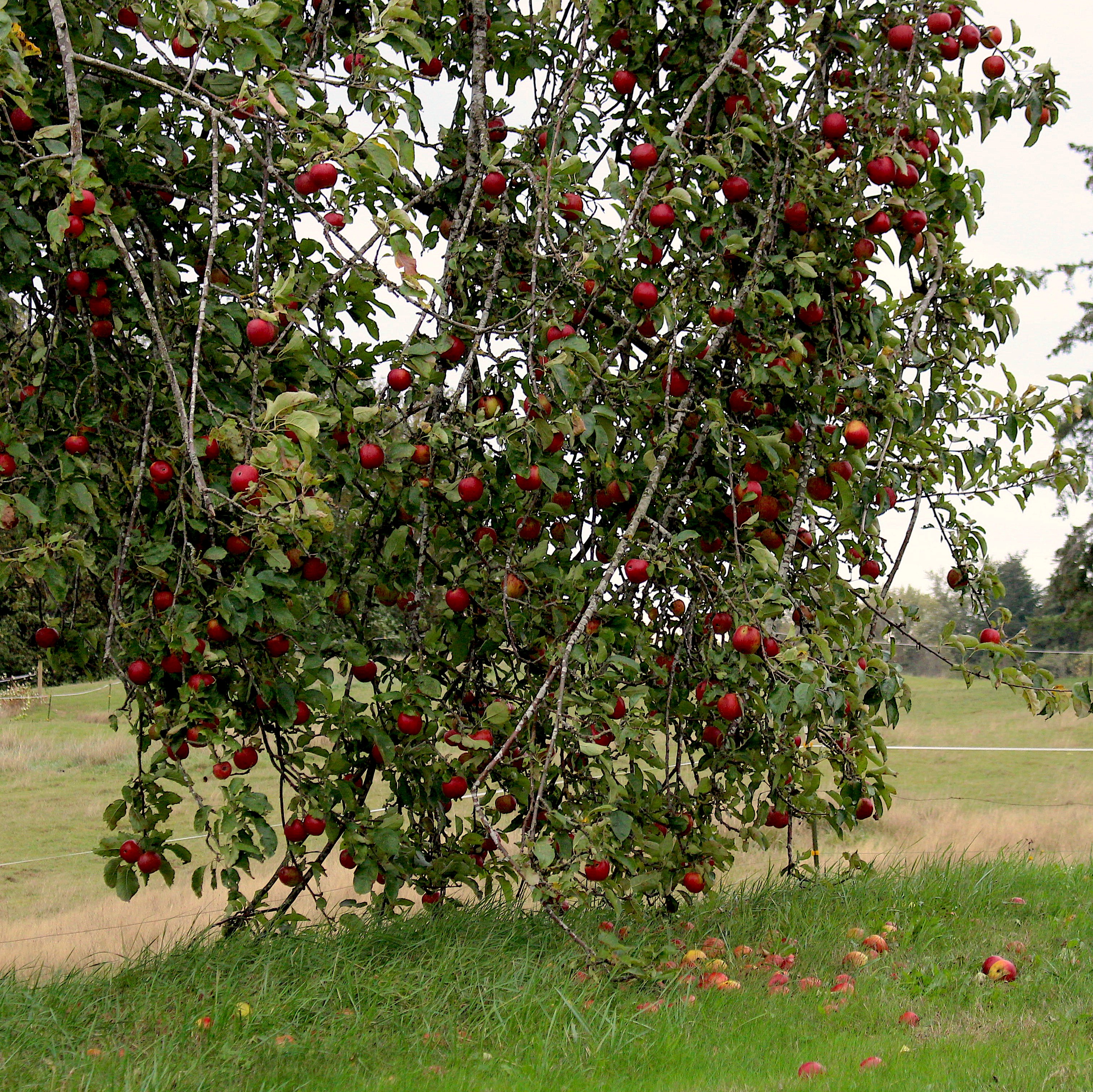
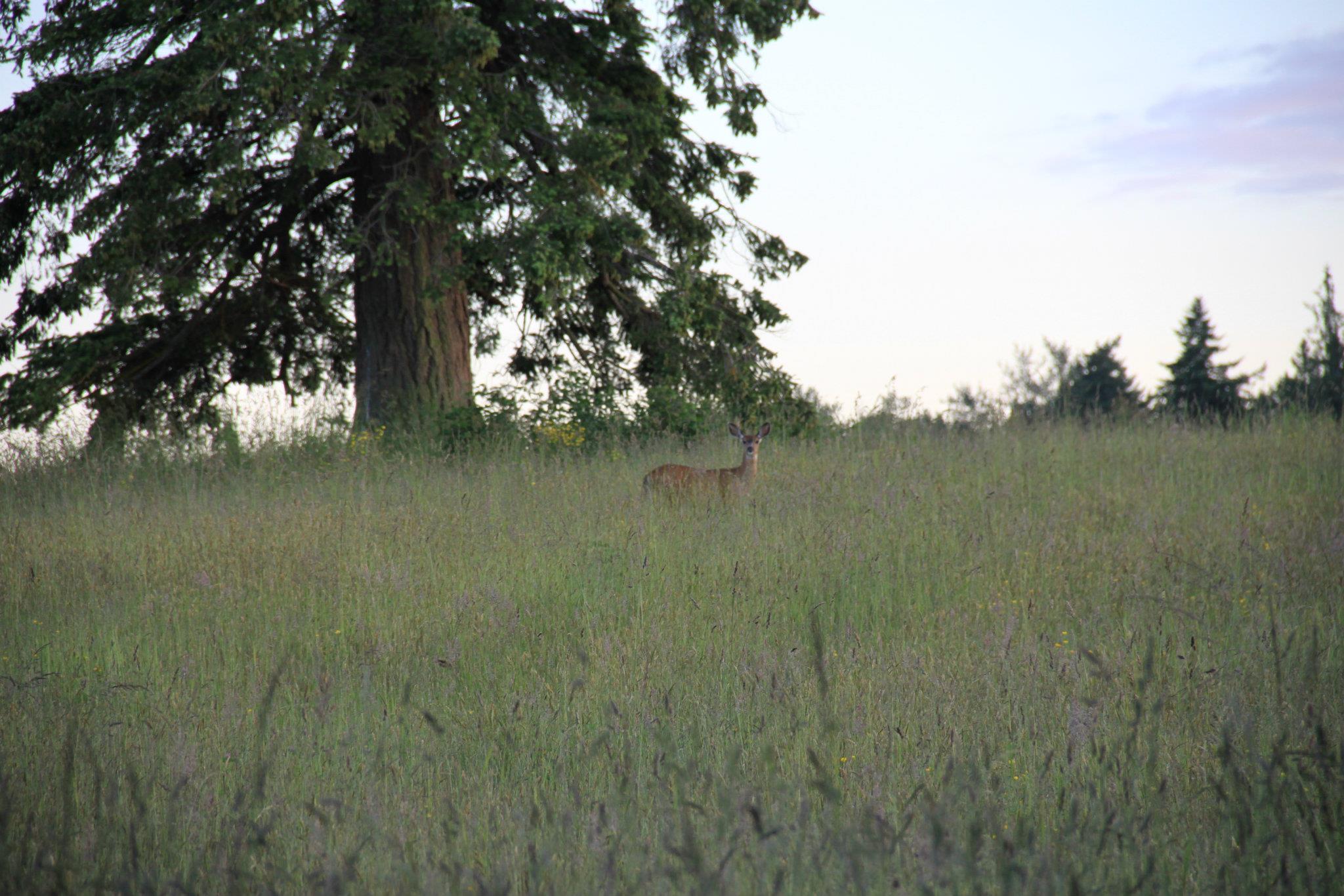
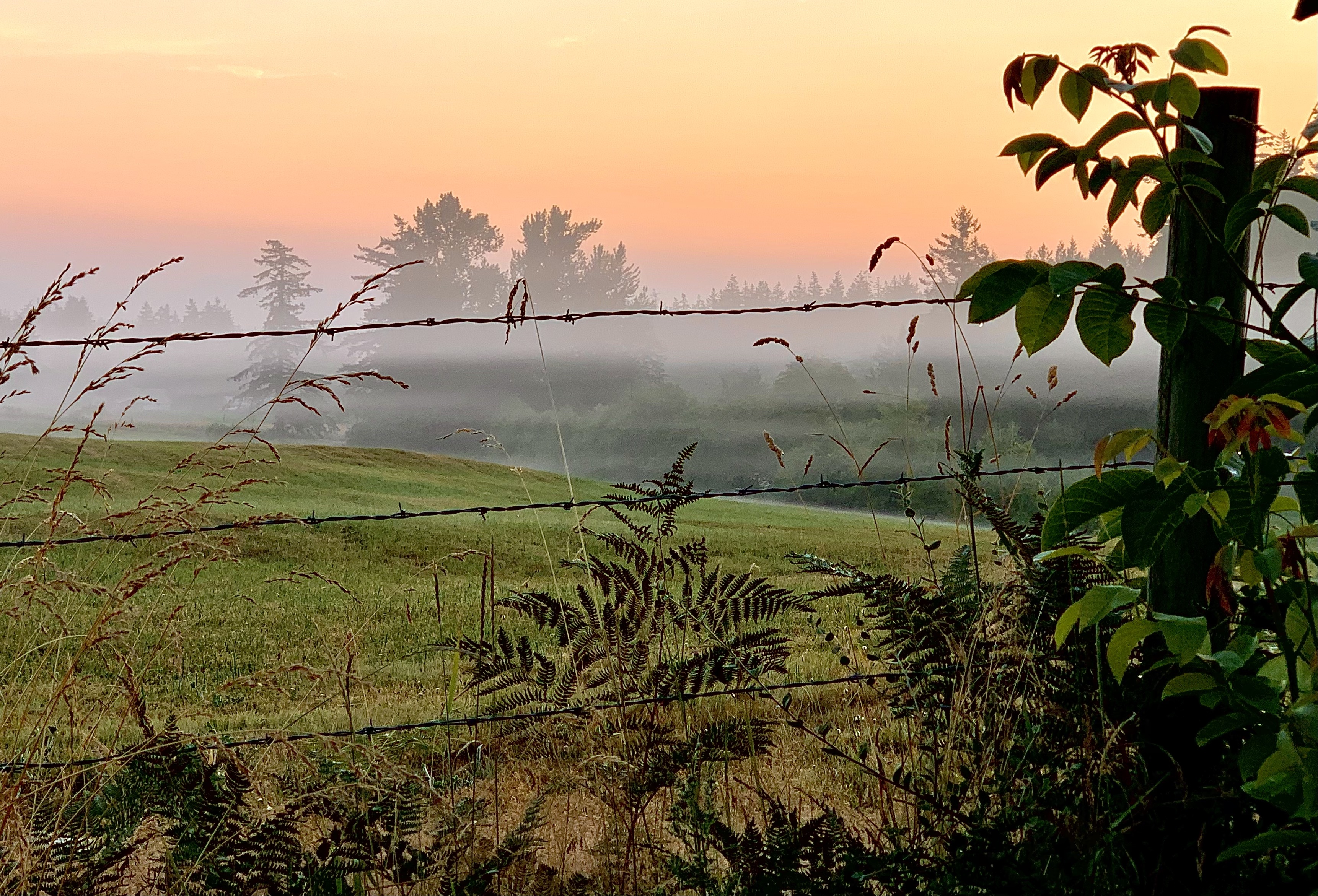
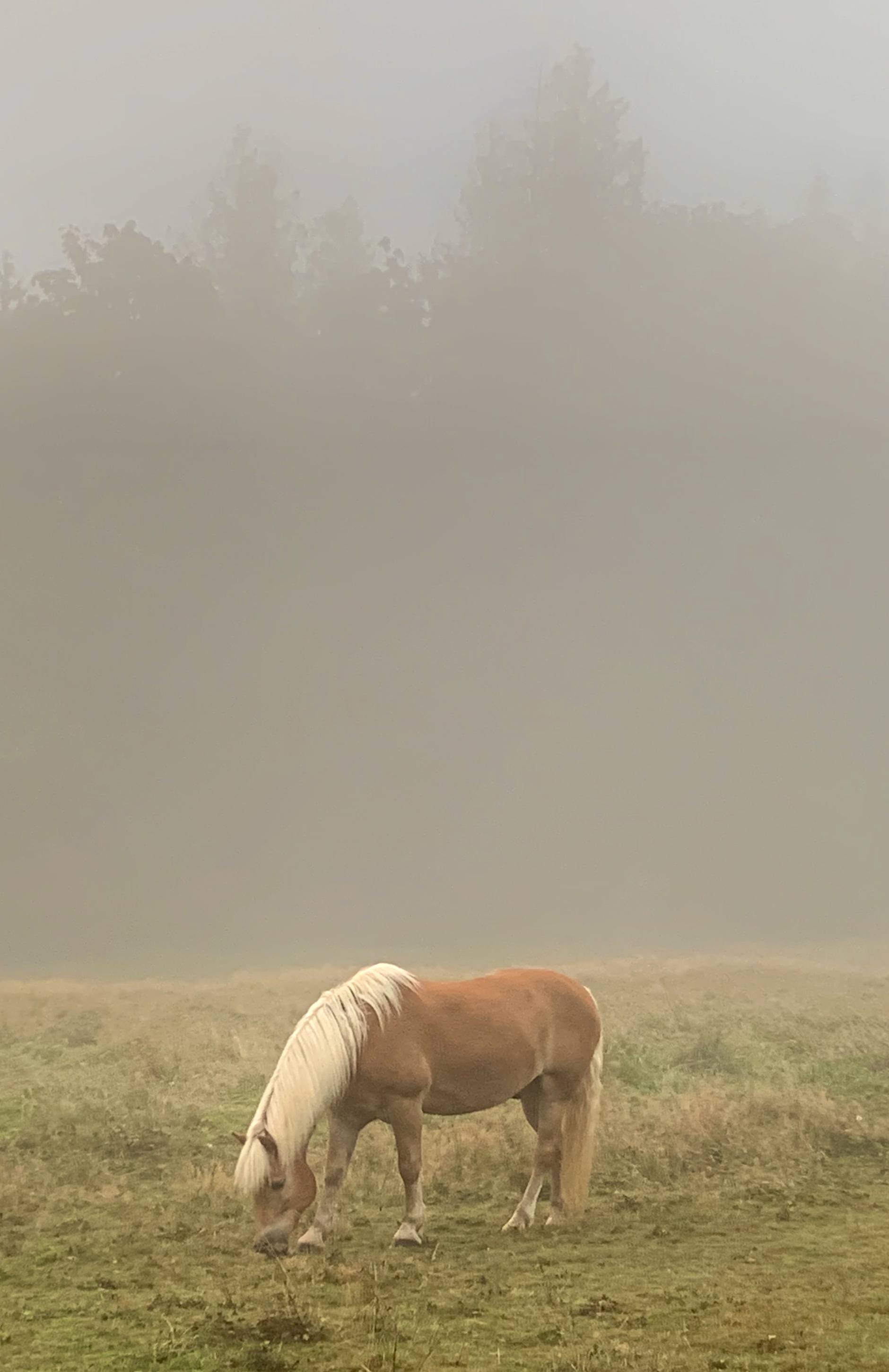
On the second day of fog, she goes to meet it sits on the broad root of a broken down apple tree, remembers being a child in such fog, searching for fairy houses. She hears movement in the grass, keeps very still while the veil of haze rises to treetops bronzed by the burn of the sun. Slowly horses and deer appear all around her, they graze close together, nosing fallen apples, until she forgets this is still a fallen world. ~Lonnie Hull DuPont, “On the Second Day of Fog” from She Calls the Moon by Its Name
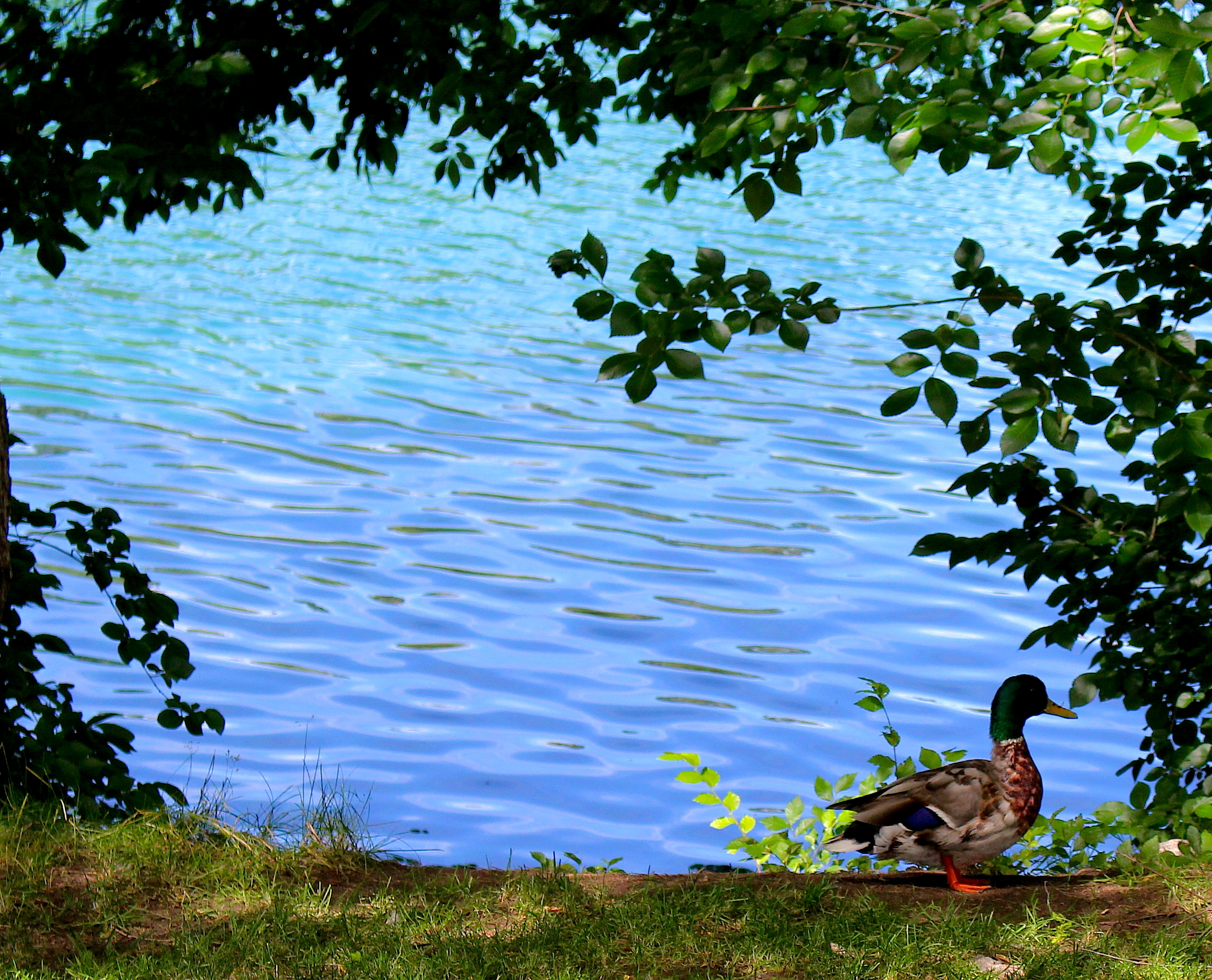
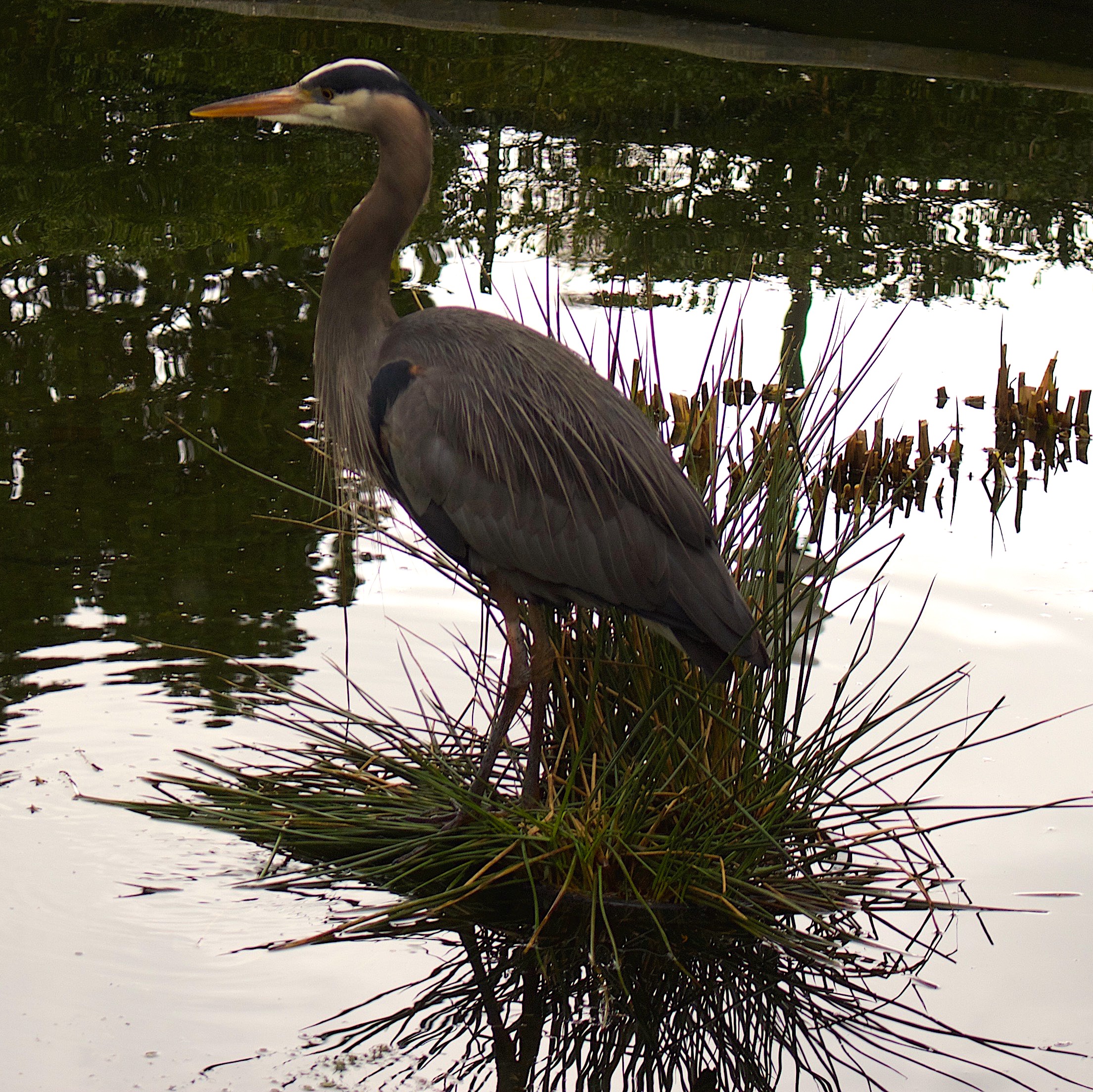
When despair for the world grows in me and I wake in the night at the least sound in fear of what my life and my children’s lives may be, I go and lie down where the wood drake rests in his beauty on the water, and the great heron feeds. I come into the peace of wild things who do not tax their lives with forethought of grief. I come into the presence of still water. And I feel above me the day-blind stars waiting with their light. For a time I rest in the grace of the world, and am free. ~Wendell Berry “The Peace of Wild Things“
When our grandchildren come to visit, I watch as yet another generation rediscovers the mystery of what we know about the joys and sorrows of this fallen but redeemed world.
I am reminded there is light beyond the fearsome darkness, there is peace amid the chaos, there is a smile behind the tears, there is stillness within the noisiness there is rest despite the restlessness, there is grace – ah, there is grace as inevitably the old gives way to the new.
One-Time
Monthly
Yearly
Make a one-time or recurring donation to support daily Barnstorming posts
Some things are very dear to me— Such things as flowers bathed by rain Or patterns traced upon the sea Or crocuses where snow has lain … the iridescence of a gem, The moon’s cool opalescent light, Azaleas and the scent of them, And honeysuckles in the night. And many sounds are also dear— Like winds that sing among the trees Or crickets calling from the weir Or Negroes humming melodies. But dearer far than all surmise Are sudden tear-drops in your eyes. ~Gwendolyn Brooks “Sonnet 2”
We human beings do real harm. History could make a stone weep. ~Marilynne Robinson from Gilead
I am an easy cryer. It takes very little to tip me over the edge: a hymn, a poem, simply witnessing a child’s joy. Suddenly my eyes fill up. I blame this on my paternal grandmother who was in tears much of her time when visiting our family, crying happy, crying sad, crying frustrated and angry tears.
Somehow after her visit, she was always smiling, so I think her weeping was cathartic emptying of her stress.
My greatest trigger to weep myself is watching someone else tear up. I think my grandmother left behind some powerful empathy genes.
I had to desensitize my response to tears to be effective as a physician/healer. Witnessing tears in the exam room is a normal part of the job: patients are anxious, ill, in pain or simply need to decompress in safety. I learned early on to be unobtrusive and not interrupt, letting the flow of tears be part of how the patient was trying to communicate. It was a struggle when my inclination was to cry right along with them. But I needed to be the rock in the room, solid and steady. I could understand their tears as yet another symptom of a clinical presentation, allowing me to observe without being clouded by my own emotional response.
Sometimes that worked. Sometimes not. At times overwhelmed, I wept at births, I wept at deaths, I wept at the sharing of bad news.
Now, liberated from the exam room, I freely weep at the state of the world, or when I read of disaster and tragedy, and especially when I witness intentional harm and meanness in others. I’m no longer a barely responsive stone, but more like an over-filled sponge being squeezed – everything builds up until I can hold it no more. Reading headlines in the news is sometimes more than I can bear.
I cry myself dry.
And that is okay. Once emptied out, I can be filled again by so much that is good and precious in this life.
That is worth weeping over.
AI image created for this post
Detail from “Descent from the Cross” by Rogier van der Weyden
One-Time
Monthly
Yearly
Make a one-time or recurring donation to support daily Barnstorming posts
I am not resigned to the shutting away Of loving hearts in the hard ground. So it is, and so it will be, for so it has been, time out of mind: Into the darkness they go, the wise and the lovely. Crowned With lilies and with laurel they go; but I am not resigned. Lovers and thinkers, into the earth with you. Be one with the dull, the indiscriminate dust. A fragment of what you felt, of what you knew, A formula, a phrase remains,—but the best is lost. The answers quick and keen, the honest look, the laughter, the love,— They are gone. They are gone to feed the roses. Elegant and curled Is the blossom. Fragrant is the blossom. I know. But I do not approve. More precious was the light in your eyes Than all the roses in the world. Down, down, down into the darkness of the grave Gently they go, the beautiful, the tender, the kind; Quietly they go, the intelligent, the witty, the brave. I know. But I do not approve. And I am not resigned. ~Edna St. Vincent Millay “Dirge Without Music”
These hearts were woven of human joys and cares, Washed marvelously with sorrow, swift to mirth. The years had given them kindness. Dawn was theirs, And sunset, and the colors of the earth.
These had seen movement, and heard music; known Slumber and waking; loved; gone proudly friended; Felt the quick stir of wonder; sat alone; Touched flowers and furs and cheeks. All this is ended.
There are waters blown by changing winds to laughter And lit by the rich skies, all day. And after, Frost with a gesture, stays the waves that dance And wandering loveliness. He leaves a white Unbroken glory, a gathered radiance, A width, a shining peace, under the night. ~Rupert Brooke “All This is Ended”
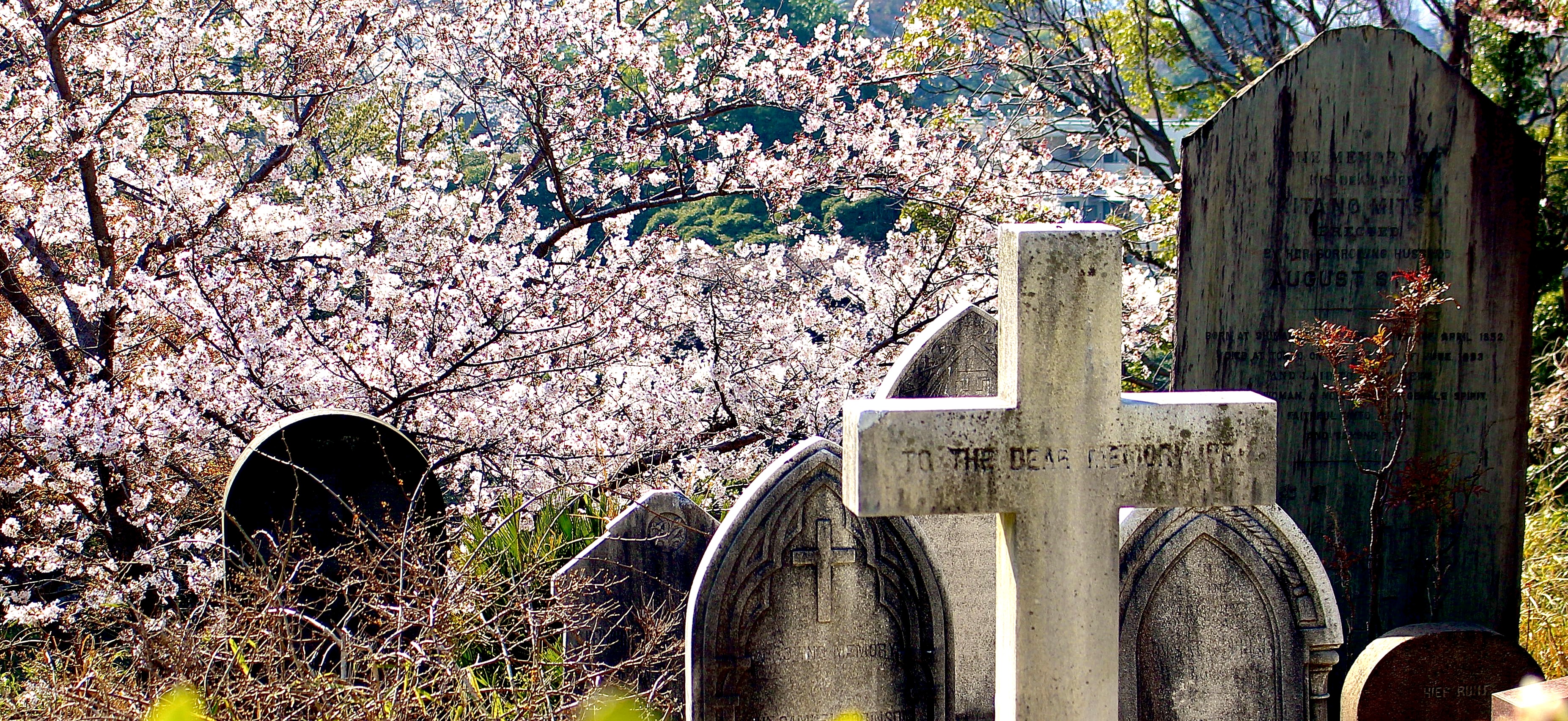
Each Memorial Day weekend without fail, we gather with family, have lunch, reminisce, and trek to a cemetery high above Puget Sound to catch up with our relatives who lie there still. Some for well over 100 years, some too recent, some we knew and loved and miss every day, others not so much, unknown to us except on genealogy charts, their names and dates and these stones all that is left of them:
the red-haired great-grandmother who died too young, the aunt who was eight with lymphoma, the Yukon river boat captain, the logger and stump farmer, the unmarried teacher who bequeathed an oil well to her church, the two in-laws who lie next to each other but could not co-exist in the same room while they lived and breathed.
Yet we know each of these (as we know ourselves and others) was tender and kind, though flawed and broken, was beautiful and strong, though wrinkled and frail, was hopeful and faithful, though too soon in the ground.
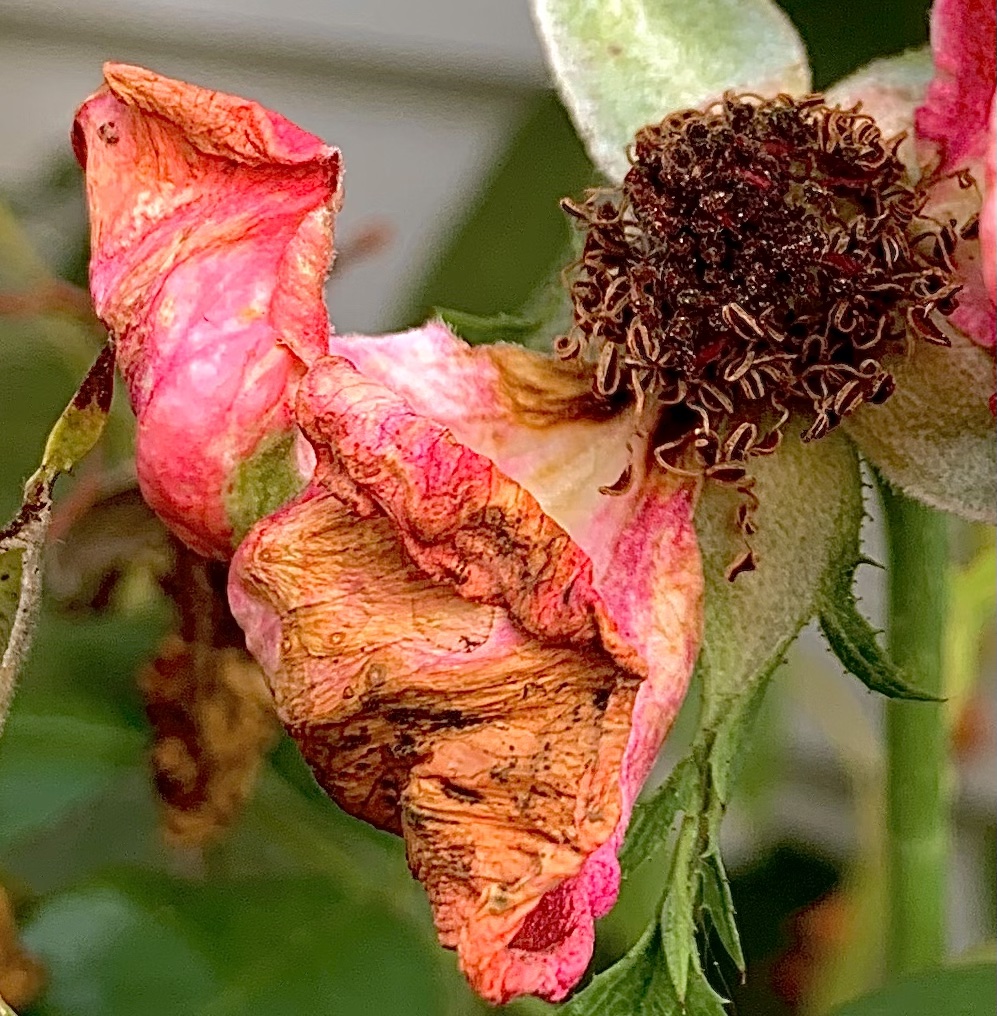
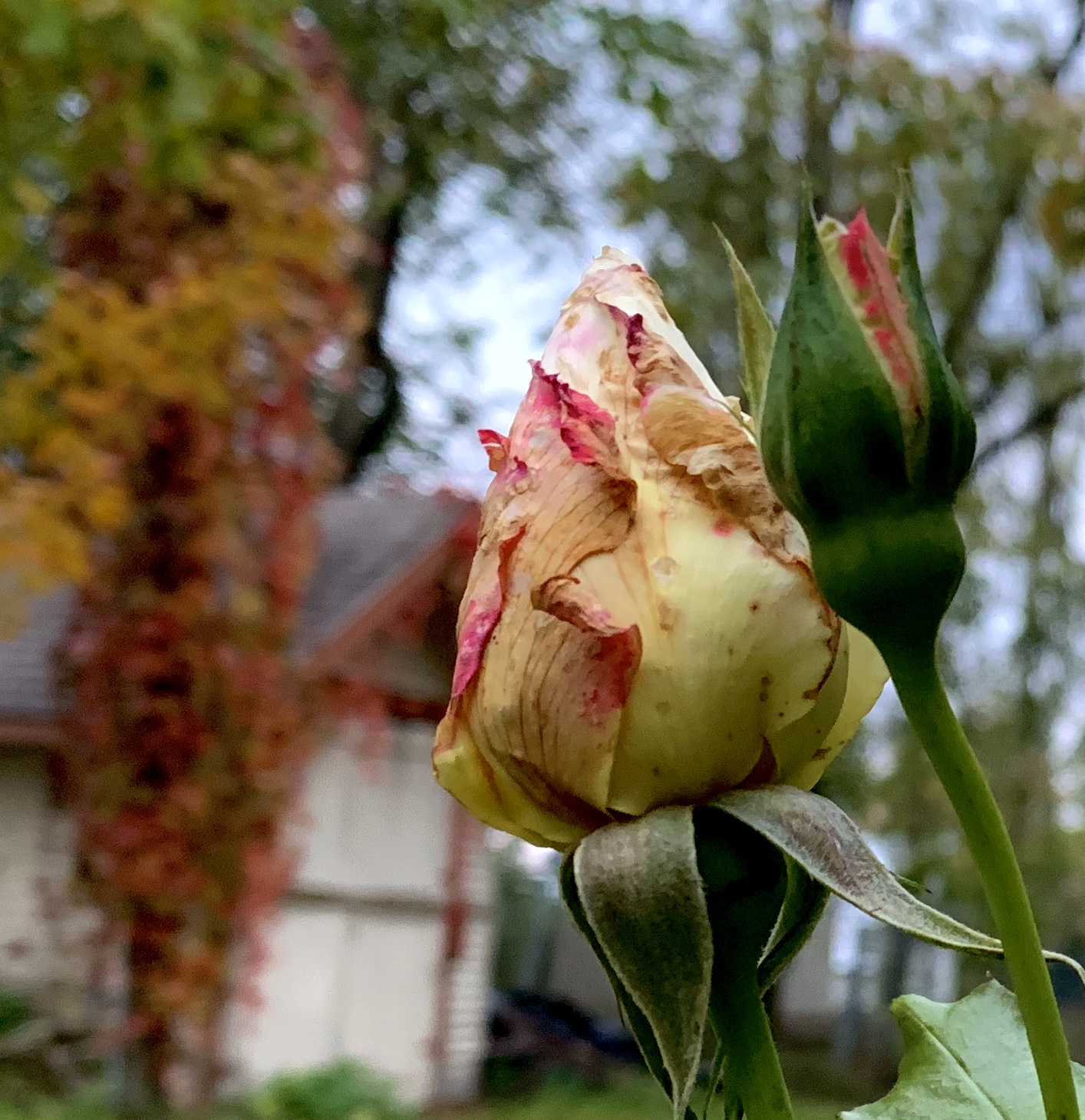
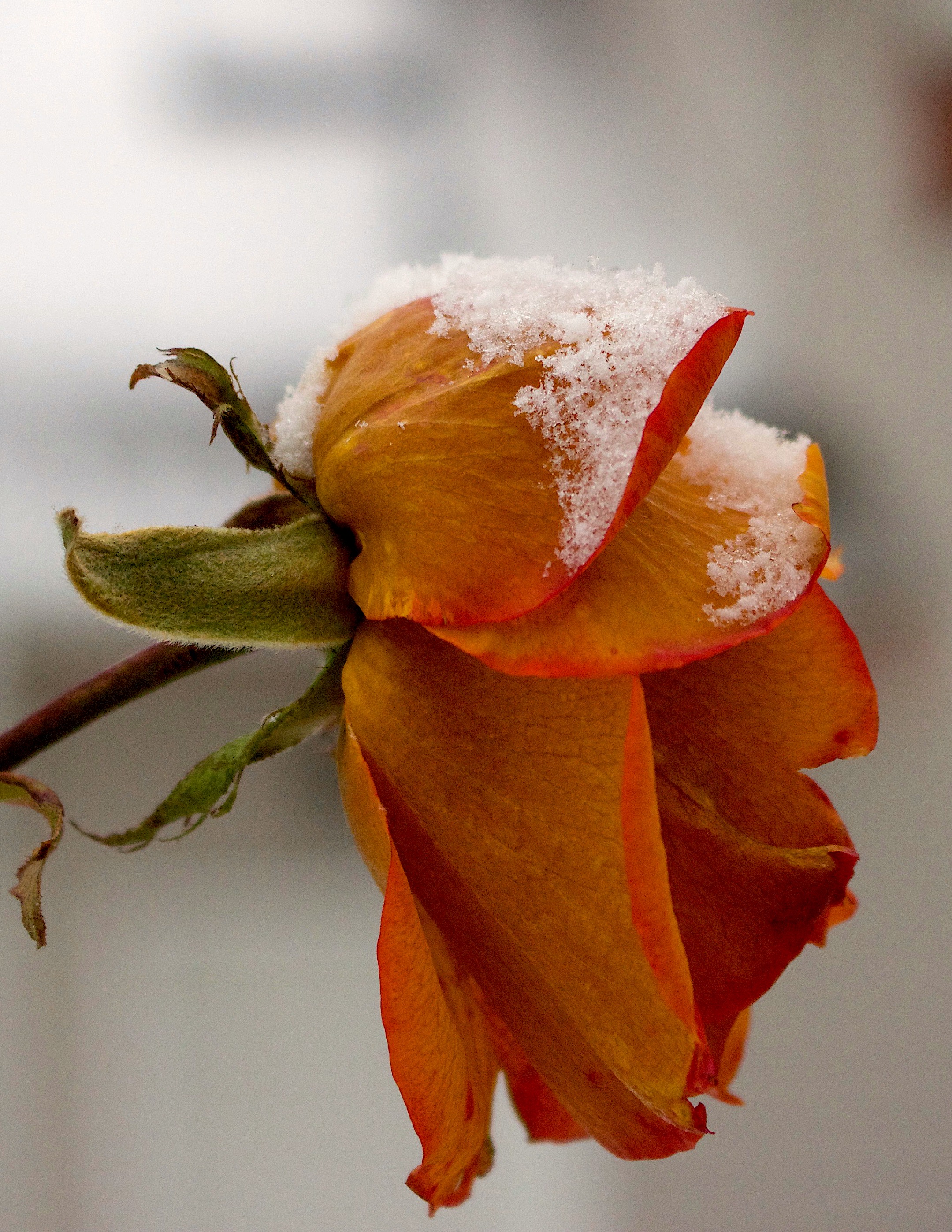
We know this about them as we know it about ourselves: someday we too will feed roses, the light in our eyes transformed into elegant swirls emitting the fragrant scent of heaven.
No one asks if we approve. Nor am I resigned to this but only know: So it is, so it has been, so it will be.
Not much to me is yonder lane Where I go every day; But when there’s been a shower of rain And hedge-birds whistle gay, I know my lad that’s out in France With fearsome things to see Would give his eyes for just one glance At our white hawthorn tree.
. . . .
Not much to me is yonder lane Where he so longs to tread: But when there’s been a shower of rain I think I’ll never weep again Until I’ve heard he’s dead. ~Siegfried Sassoon“The Hawthorn Tree”
I drove West in the season between seasons. I left behind suburban gardens. Lawnmowers. Small talk.
Under low skies, past splashes of coltsfoot, I assumed the hard shyness of Atlantic light and the superstitious aura of hawthorn.
All I wanted then was to fill my arms with sharp flowers, to seem from a distance, to be part of that ivory, downhill rush. But I knew,
I had always known, the custom was not to touch hawthorn. Not to bring it indoors for the sake of
the luck such constraint would forfeit– a child might die, perhaps, or an unexplained fever speckle heifers. So I left it
stirring on those hills with a fluency only water has. And, like water, able to redefine land. And free to seem to be–
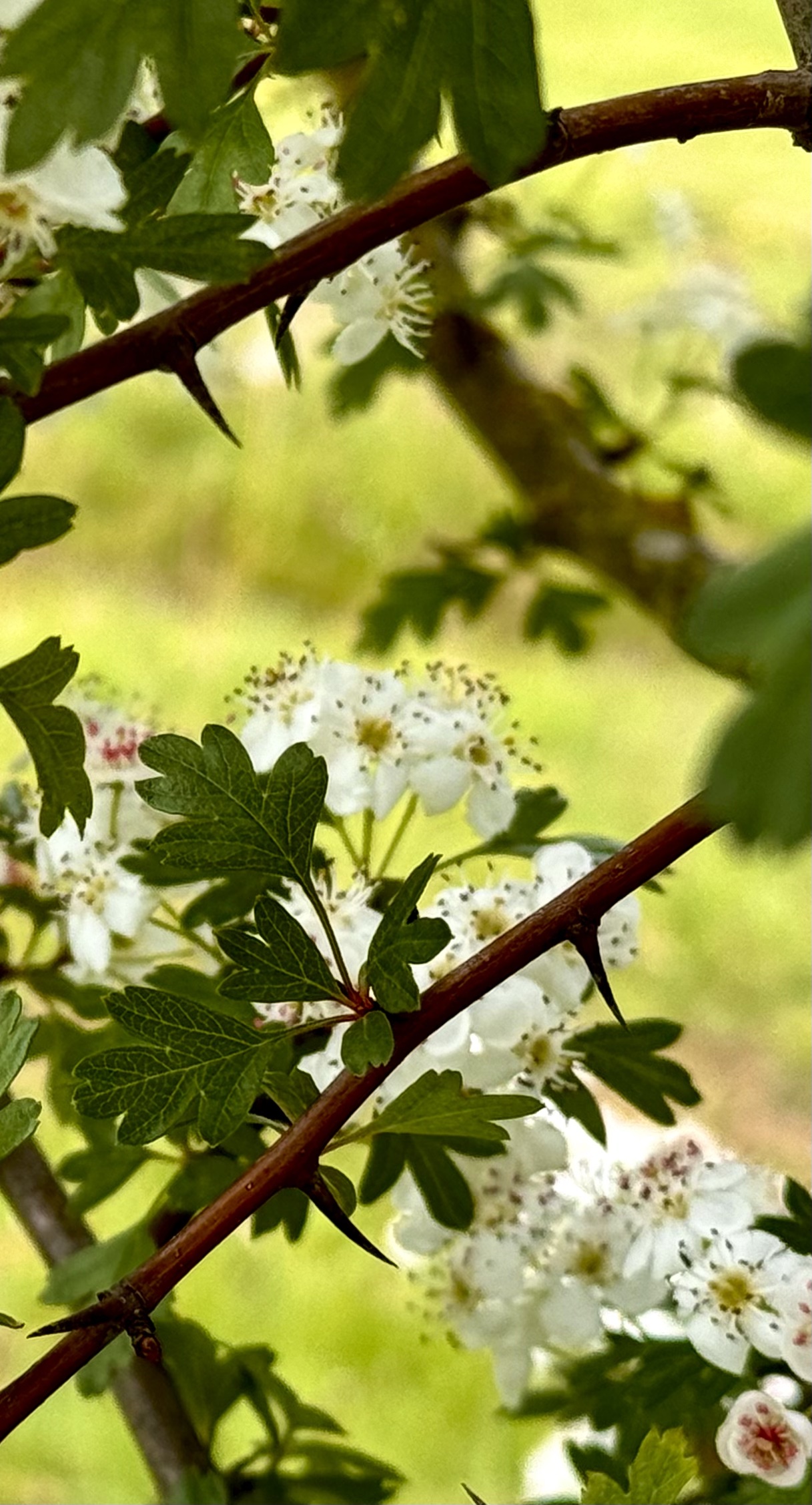
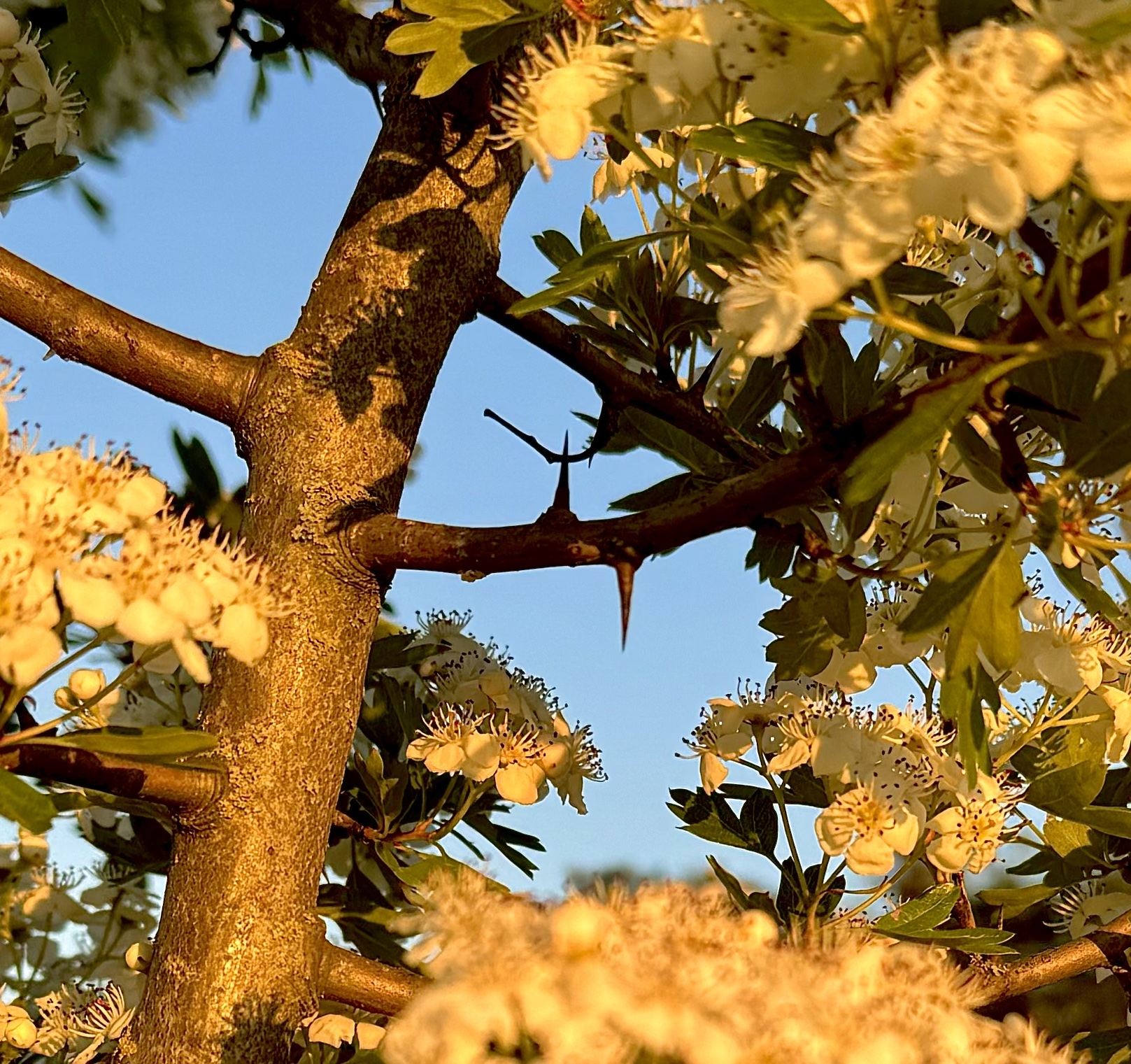
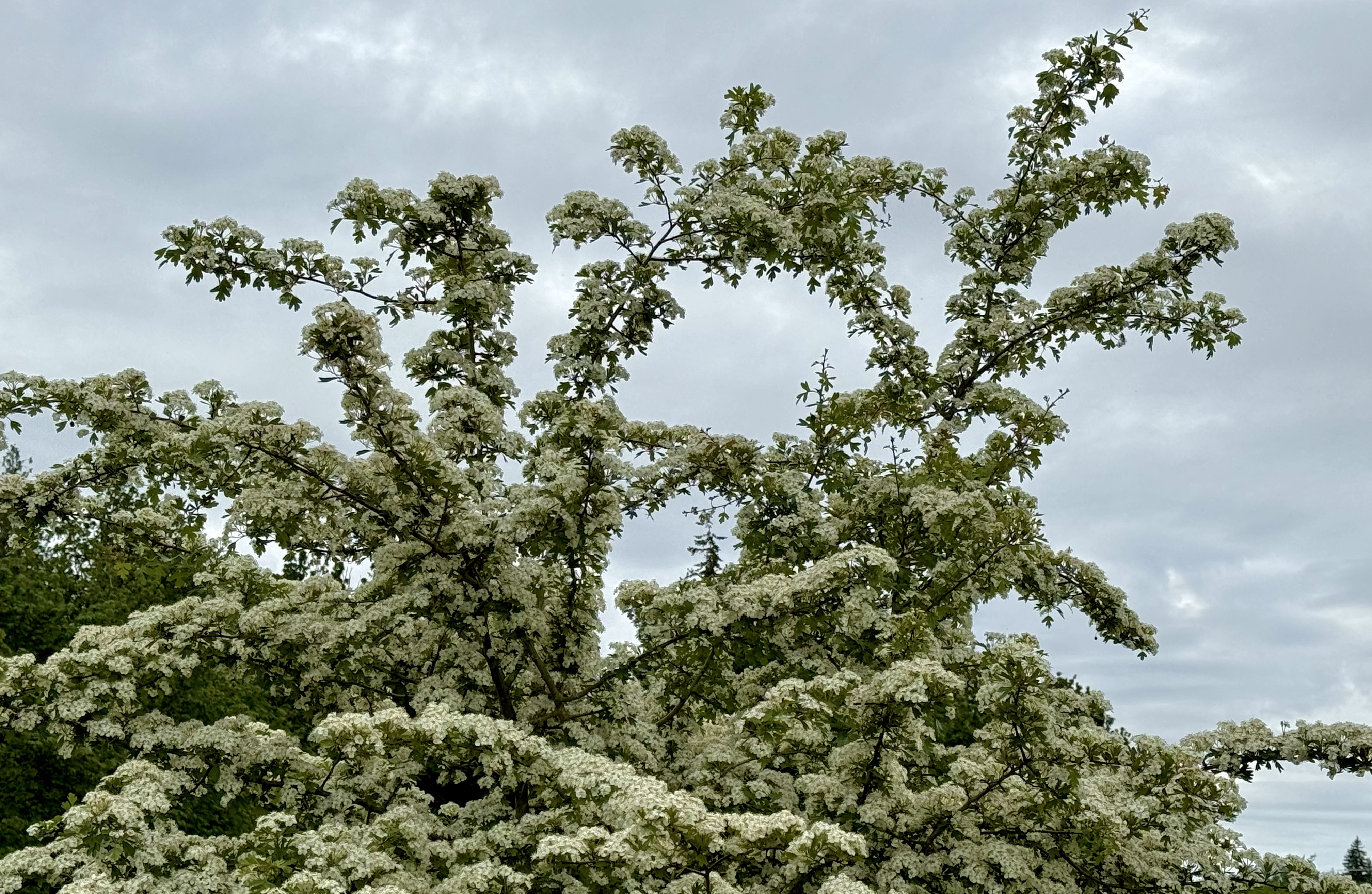
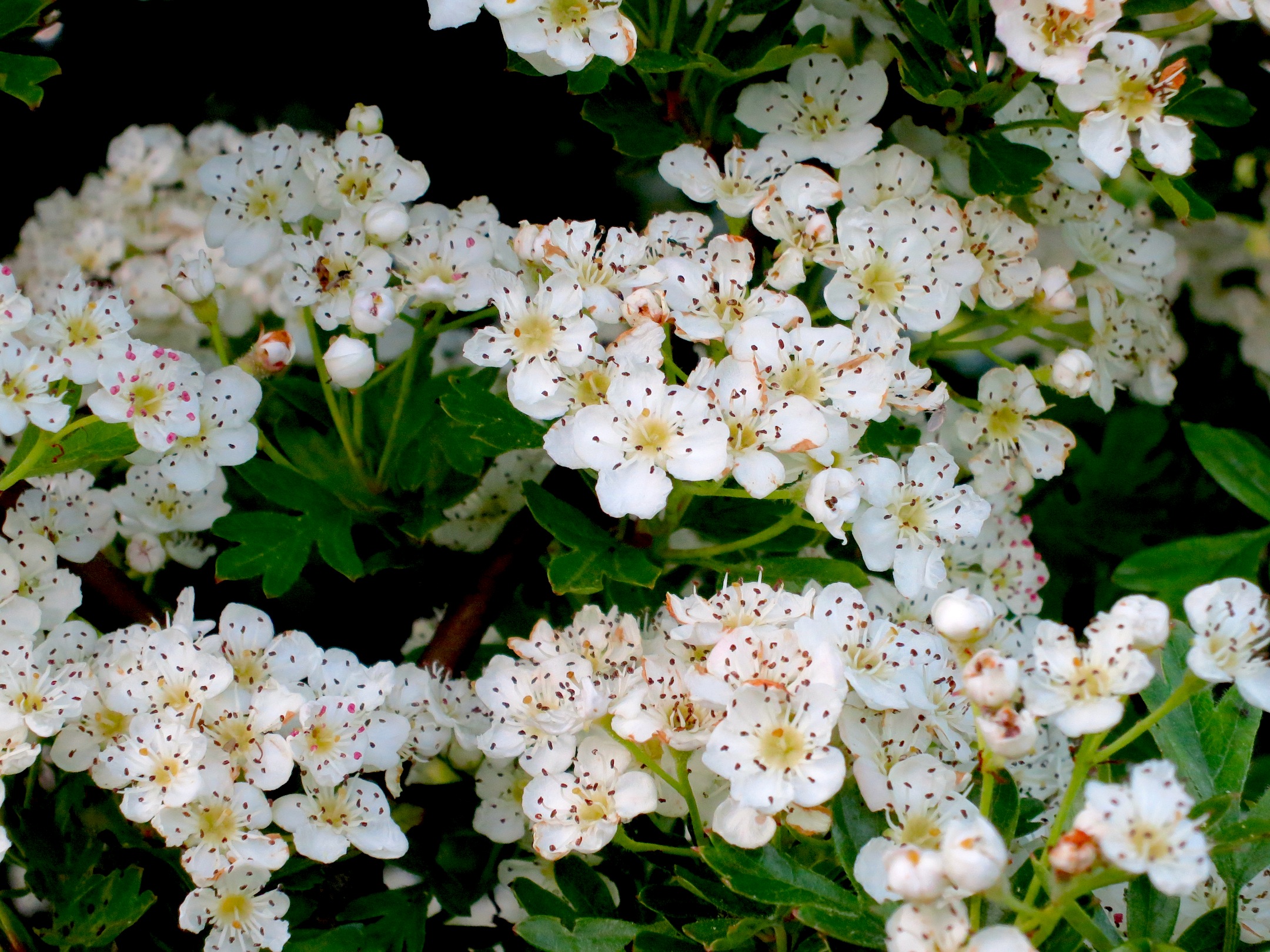
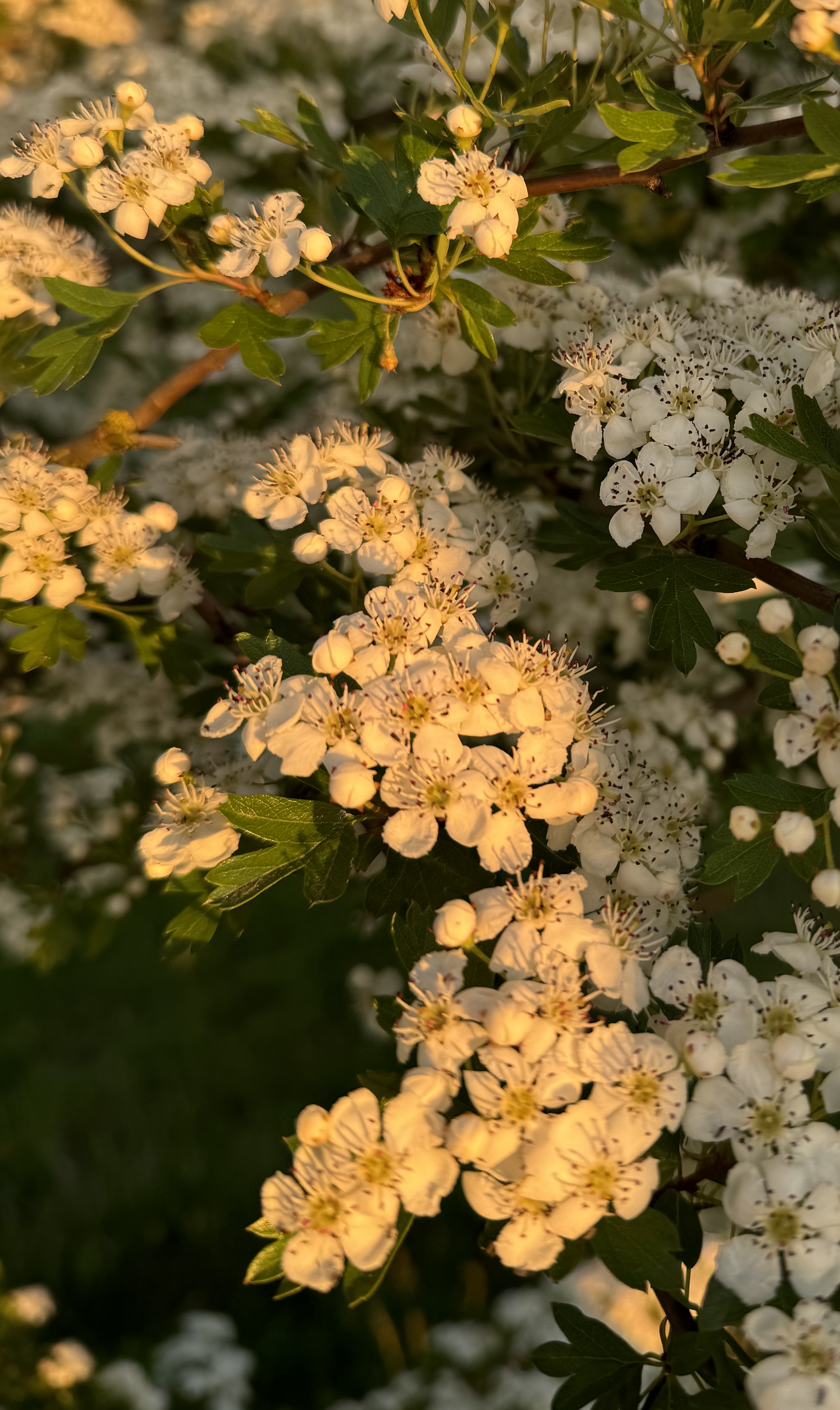
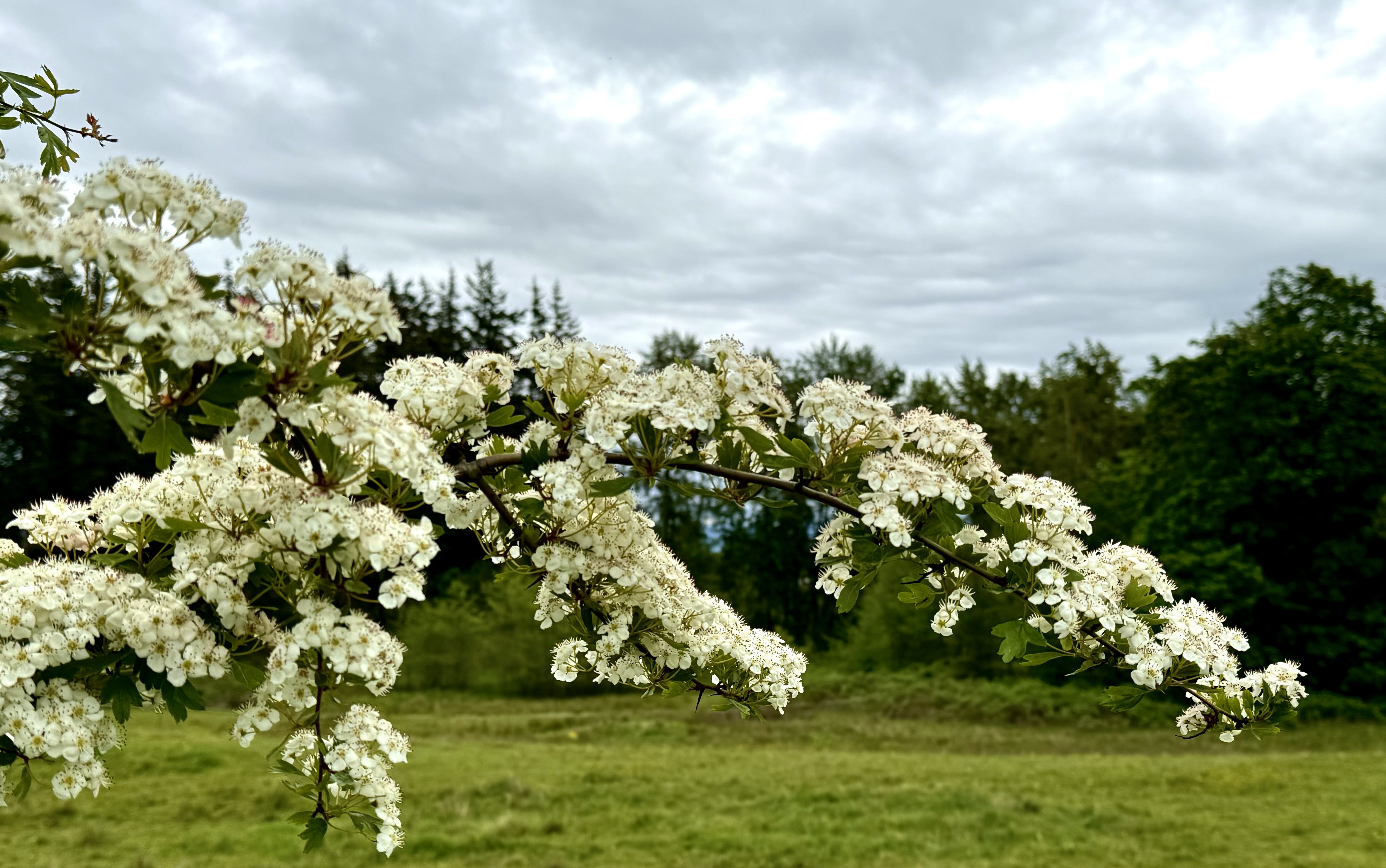
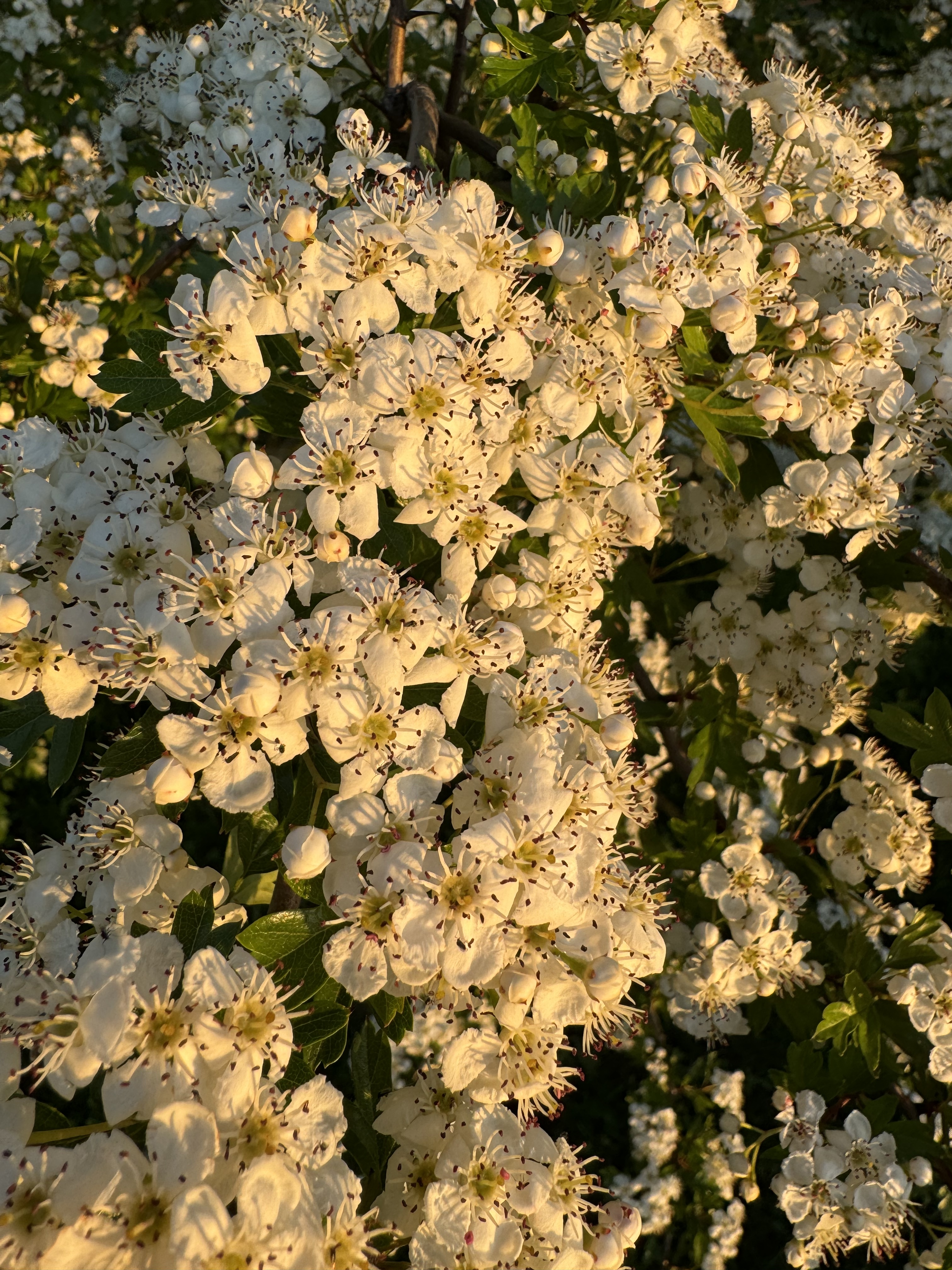
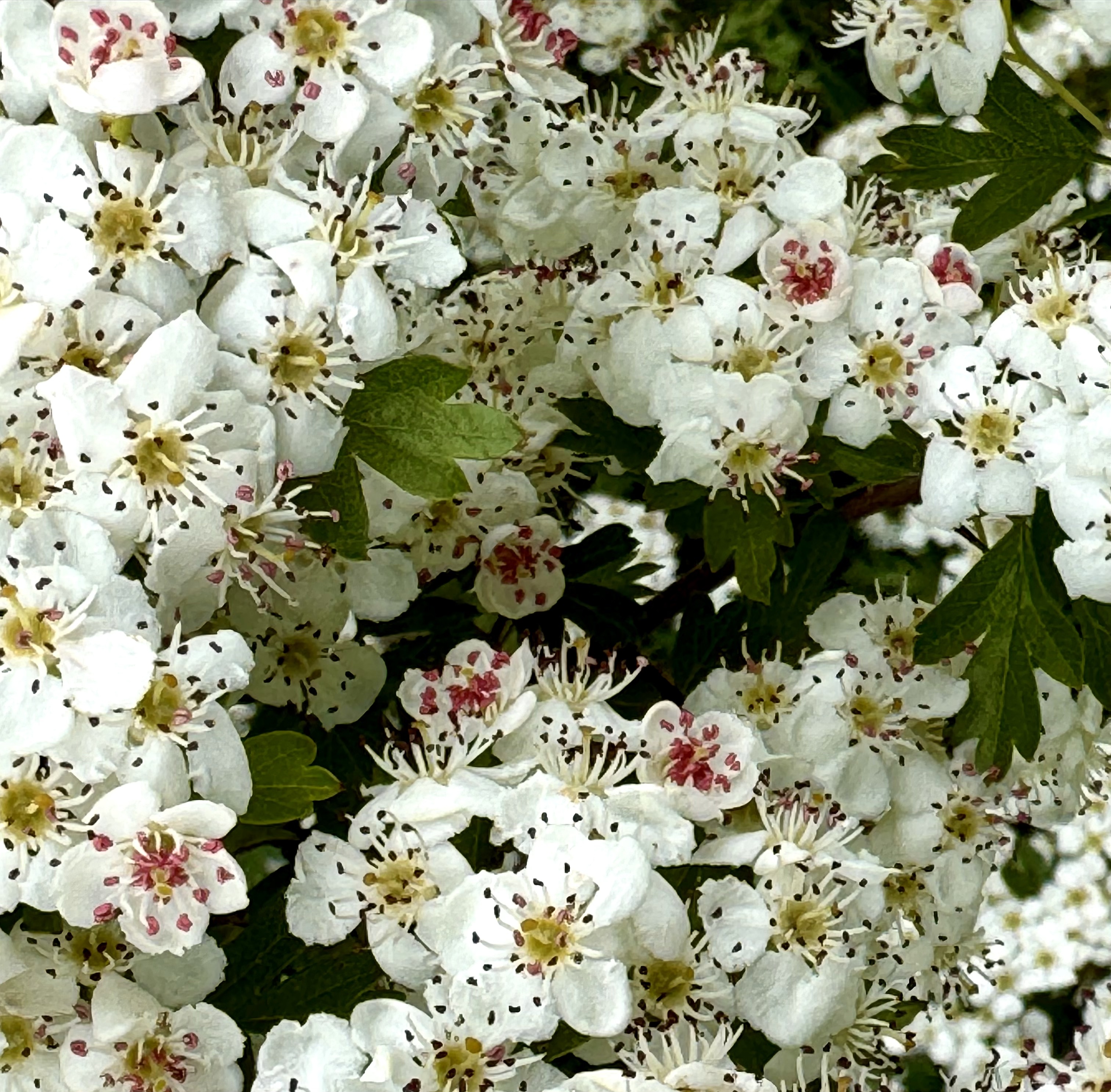
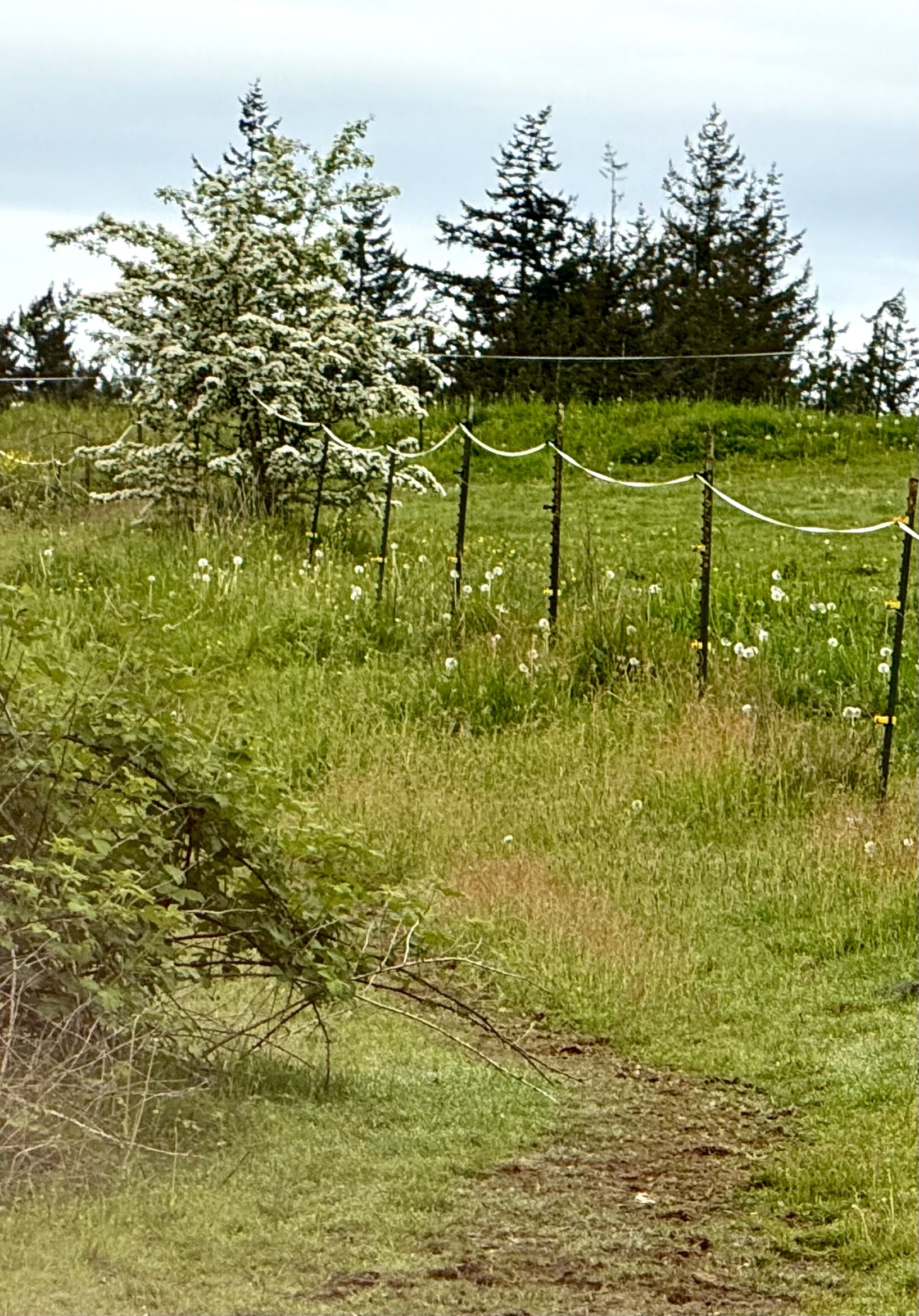
The bird-sowed hawthorn bush along the lane to our back field has suddenly become a blooming tree, staking out its place alongside the trail the horses follow to their pasture. This May, it is a white flame against the dark woods.
Though we didn’t intend for it to be there, we’ll leave it be. Hawthorns are great bird habitat and a haven for honeybees. They are found in most hedge rows in the United Kingdom, impenetrable due to their fierce thorns and criss-cross network of branches, a historic symbol of the toughness and persistence of the Celtic people. Though we don’t need a hedge row here, I appreciate the tree’s reminder it has a place in myth and lore.
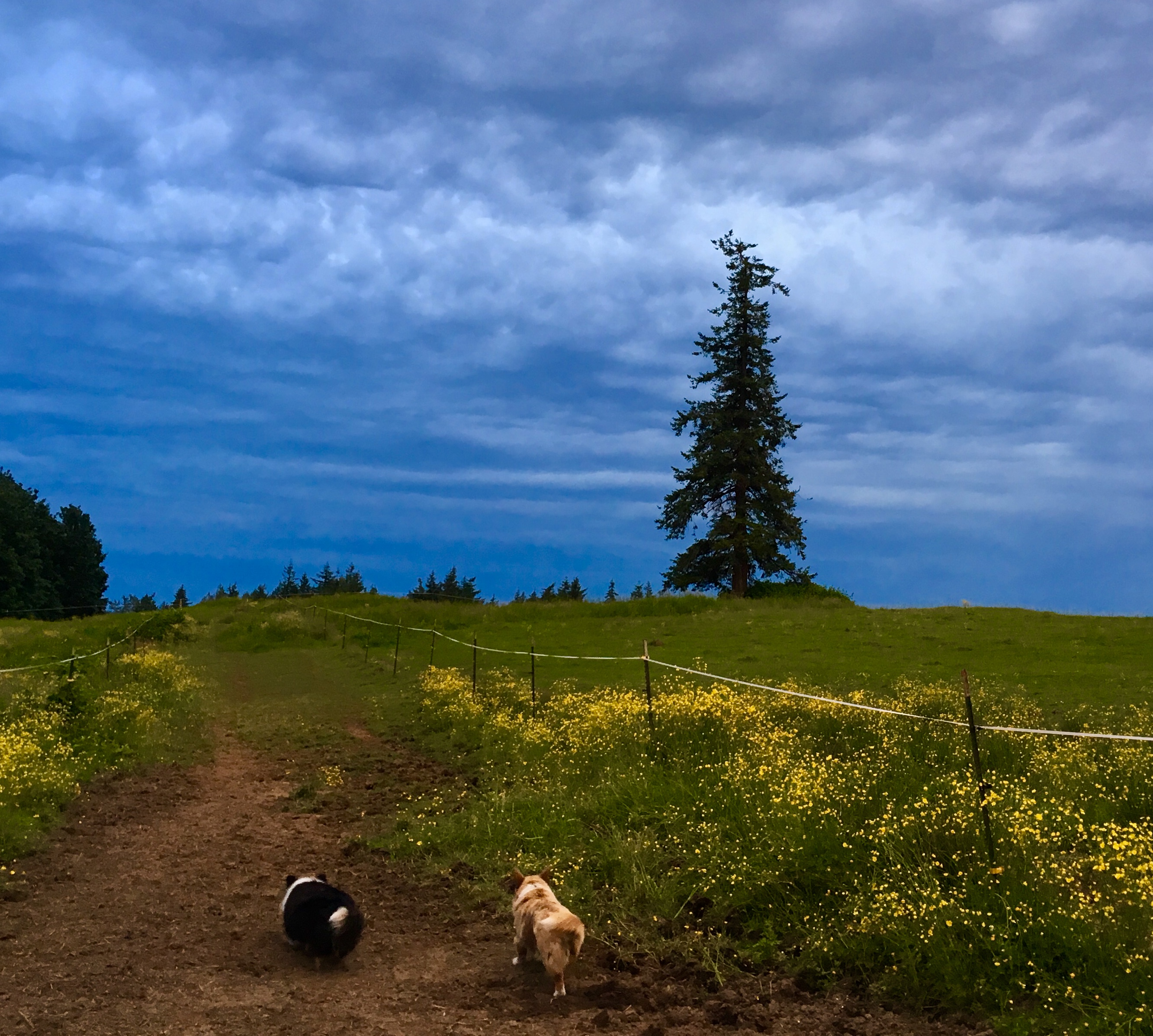
It will never be a hospitable tree like the lone fir tree that graces our hill, or the big leaf maple where children climb, or the black walnut whose branches support the treehouse. But it will be a white beacon every May, portending the summer to come, and if it bears fruit, it will feed the birds that nest in its interior.
And like the poem written by WWI soldier/poet Sassoon, it will be a bittersweet reminder of the familiar comfort of home, even though sharp thorns abound among the blossoms. Those thorns are nothing compared to the despair found in the fearsome trenches of warfare.
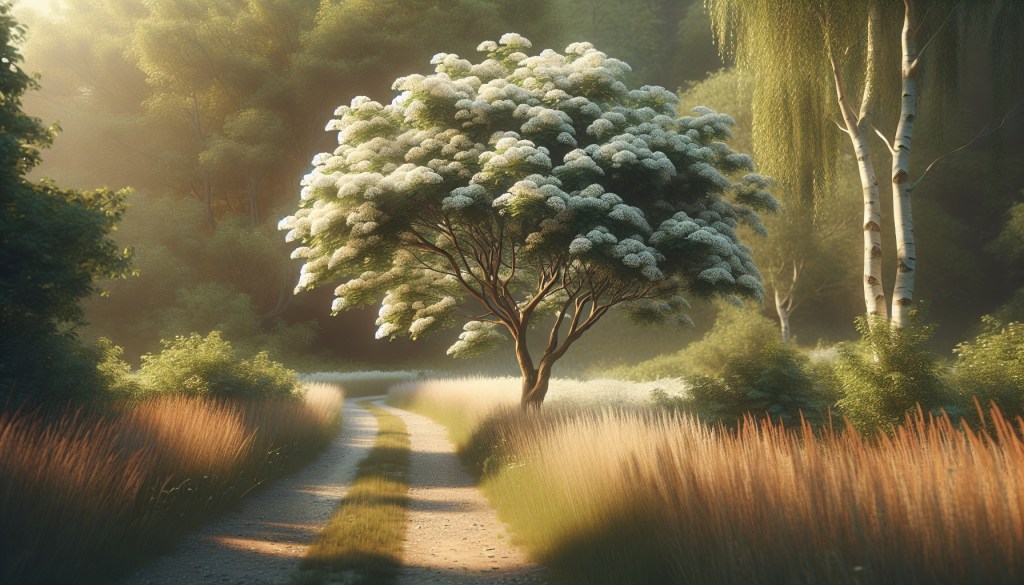
AI image created for this postSiegfried Sassoon’s handwritten poem
along fair Arran’s shores the swans sing soft of tale of yore, of a young love taken to sea
the two were hand in glove like sparrows bound in sacred love a tune that only they can sing
a tree of unity they planted by the green eyed sea the branch would hold their love through time
a sailor lad was he he said,”dont cry my lovely, mhari before the moon is full i’ll return”
I’ll wait for thee and she sang to him
the moon shone full and bright and home he sailed mid-summers night the tree so young and blossoming
they slept among the green the world was light and dreams serene the fires in their hearts burned bright
Where moss-grown boulders stand, he took her by the lily hand and there they wed at break of day
the seas know not of hearts and once again the two must part. “it wont be long, i swear to thee.
please wait for me.” and she sang to him
The hawthorn tree has grown, 10 years she walked shores alone, she hears his whisper in the leaves
Home is the sailor lad, home in the sea, forever plaid, Under the wide and starry sky
Yes, I will wait for thee, By mountain, sea and tree; And on the wind you’ll hear my love,
for at the fall of day Beneath the leaves where once we lay I’ll sit and sing i’ll wait for thee
come back to me…. music and lyrics by Fae Wiedenhoeft
One-Time
Monthly
Yearly
Make a one-time or recurring donation to support daily Barnstorming posts



























 Barnstorming