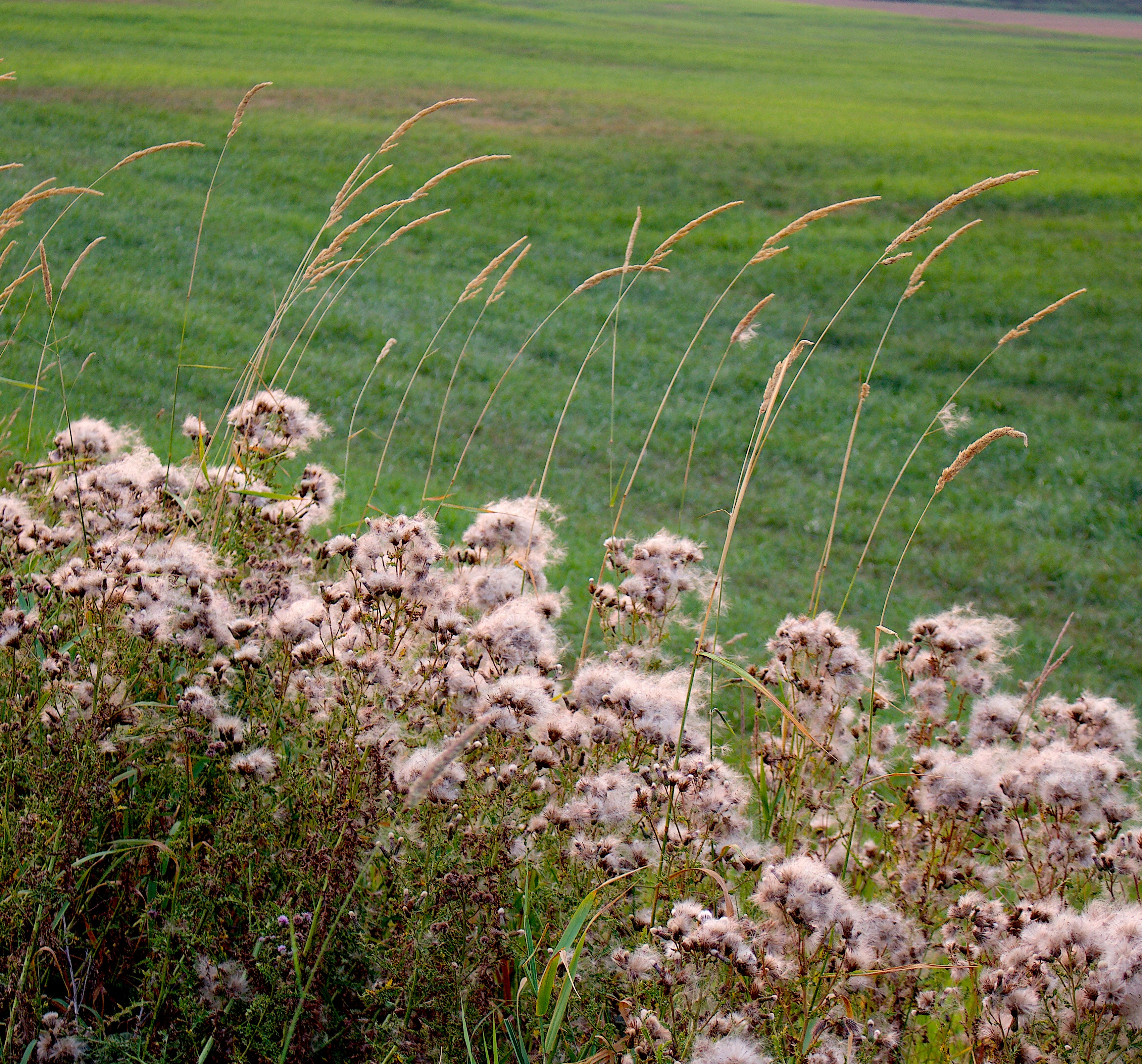
Light and wind are running over the headed grass as though the hill had melted and now flowed. ~Wendell Berry “June Wind” from New Collected Poems
Cut grass lies frail: Brief is the breath Mown stalks exhale. Long, long the death
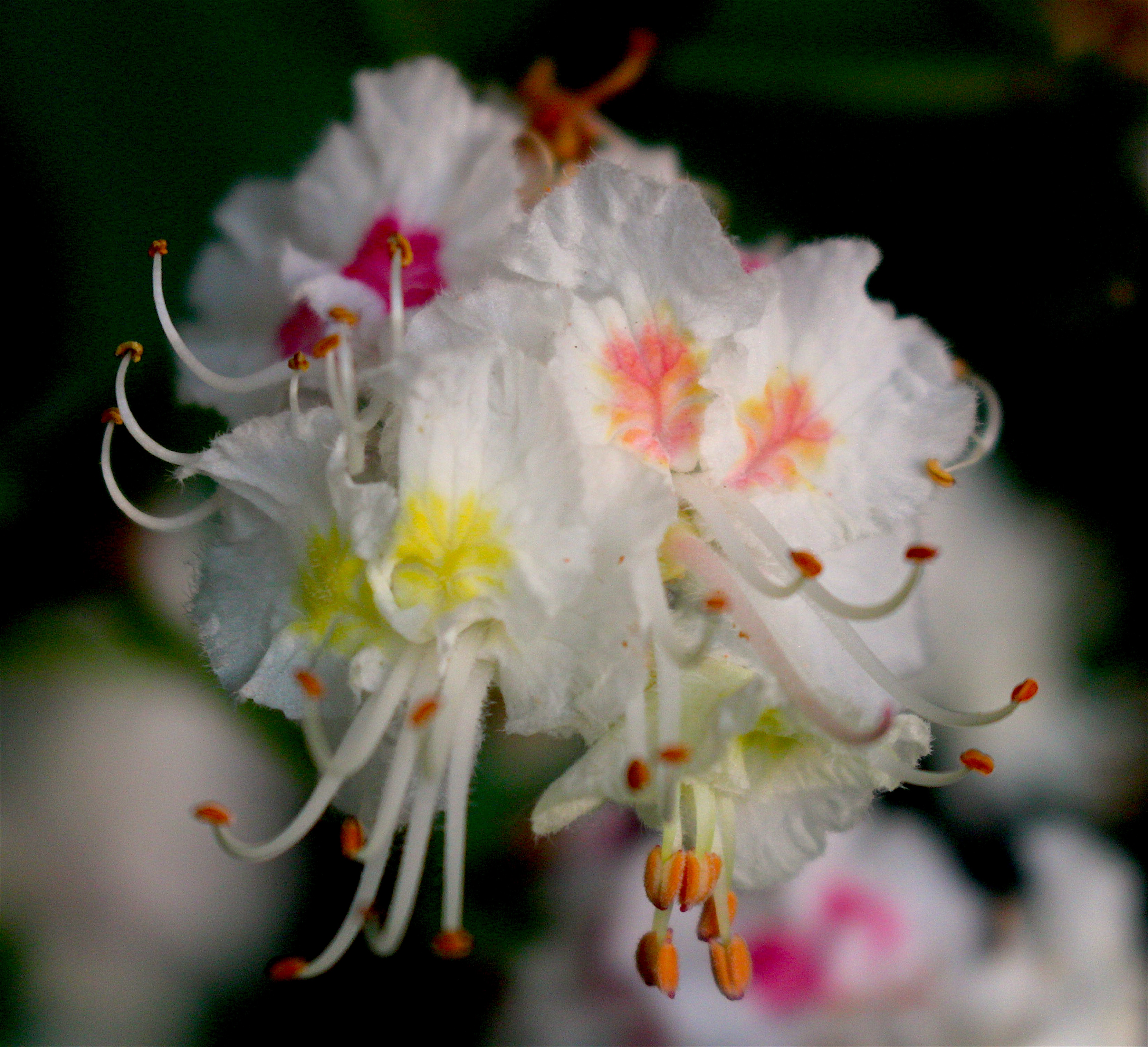
It dies in the white hours Of young-leafed June With chestnut flowers, With hedges snowlike strewn,
White lilac bowed, Lost lanes of Queen Anne’s lace, And that high-builded cloud Moving at summer’s pace. ~Philip Larkin “Cut Grass” from The Complete Poems
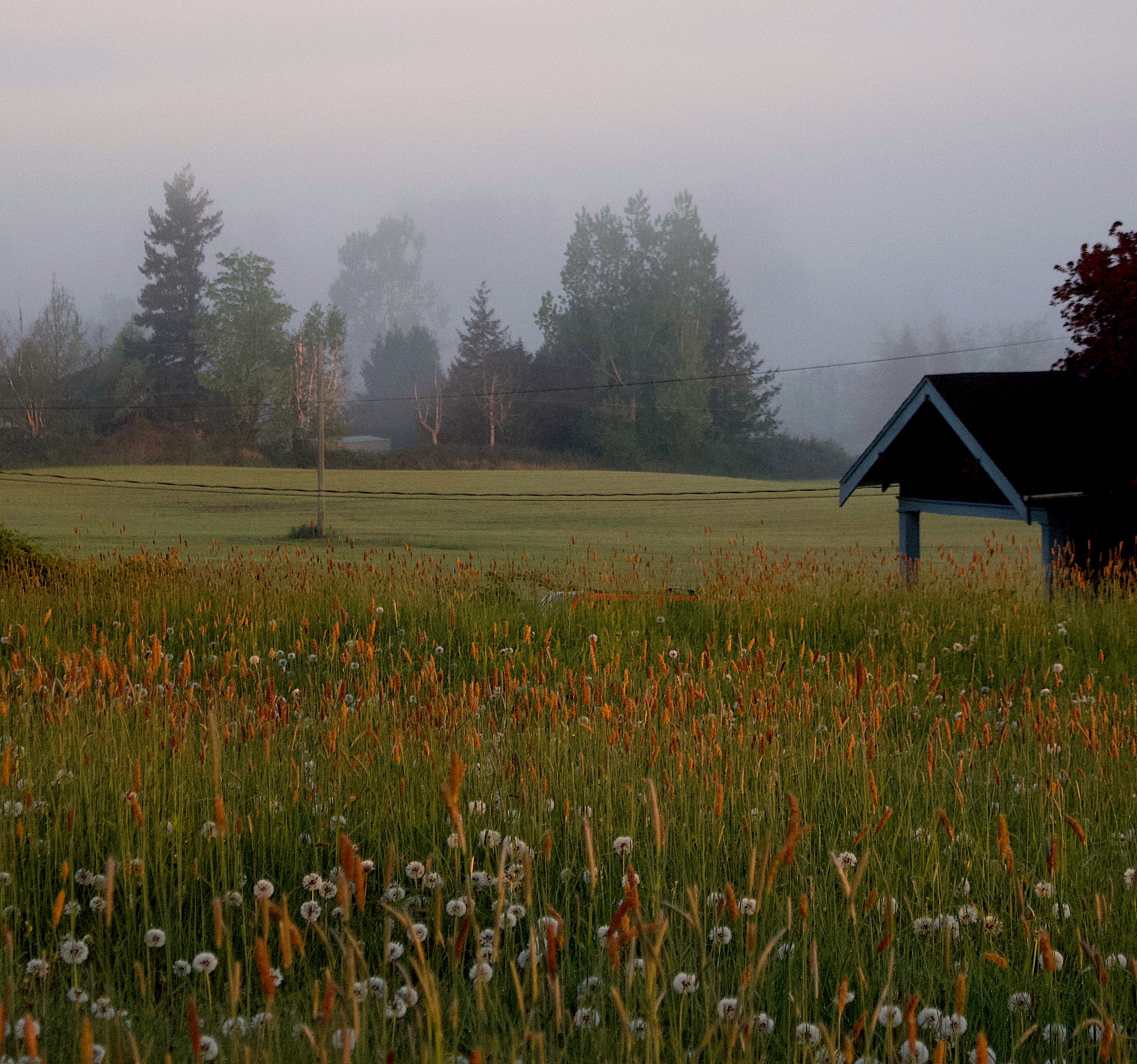
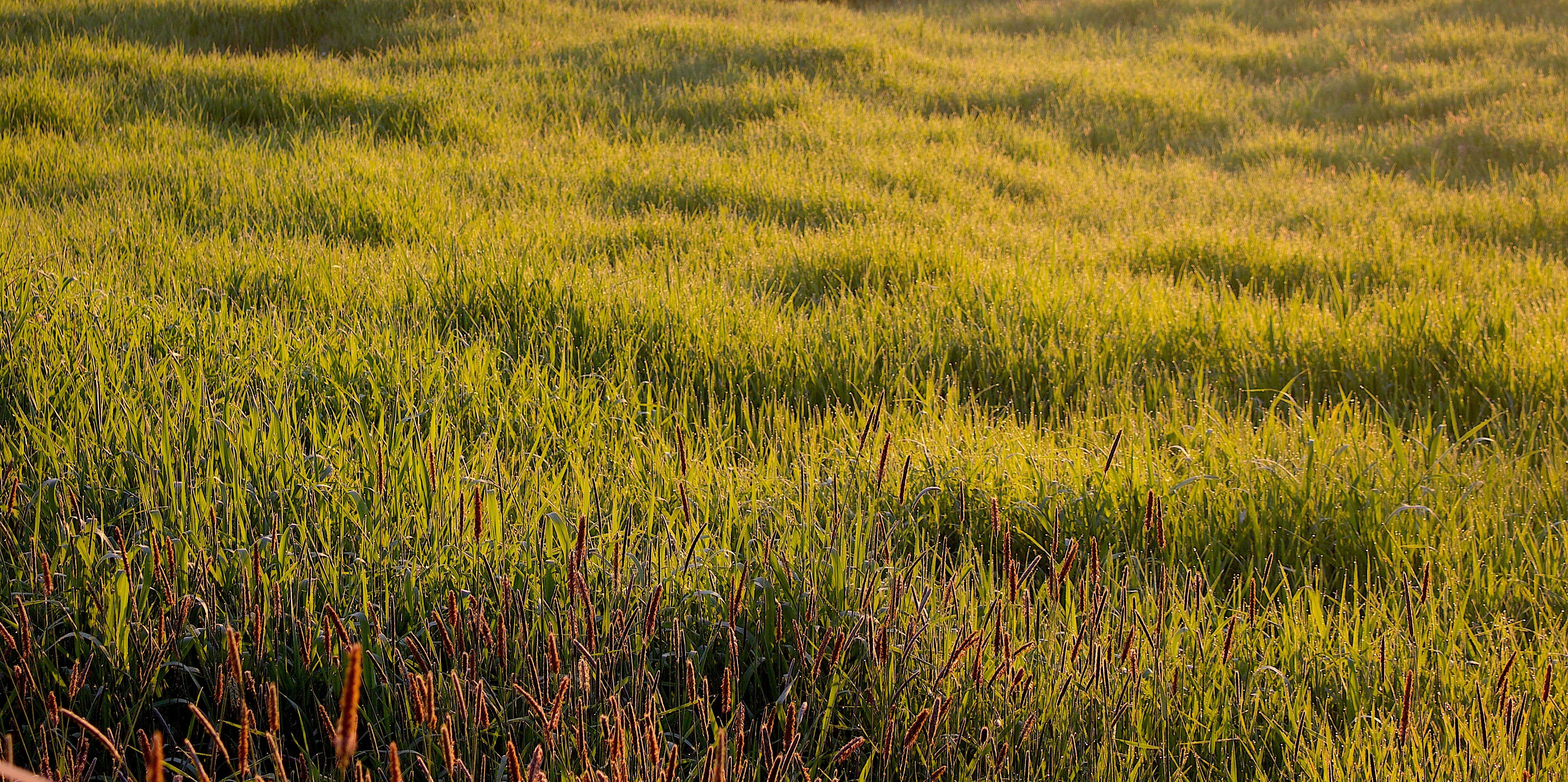
June is the month when grass grows abundantly.
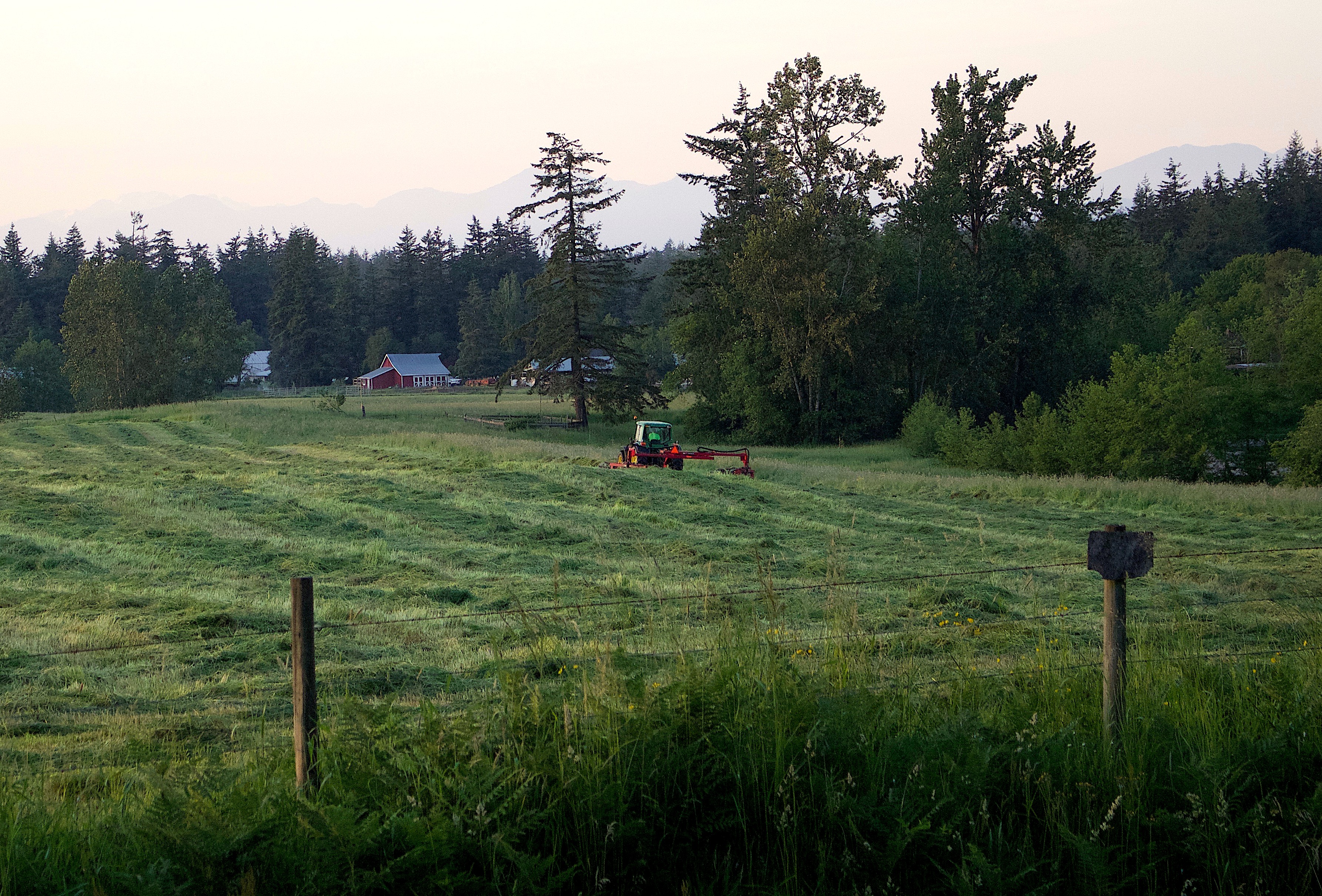
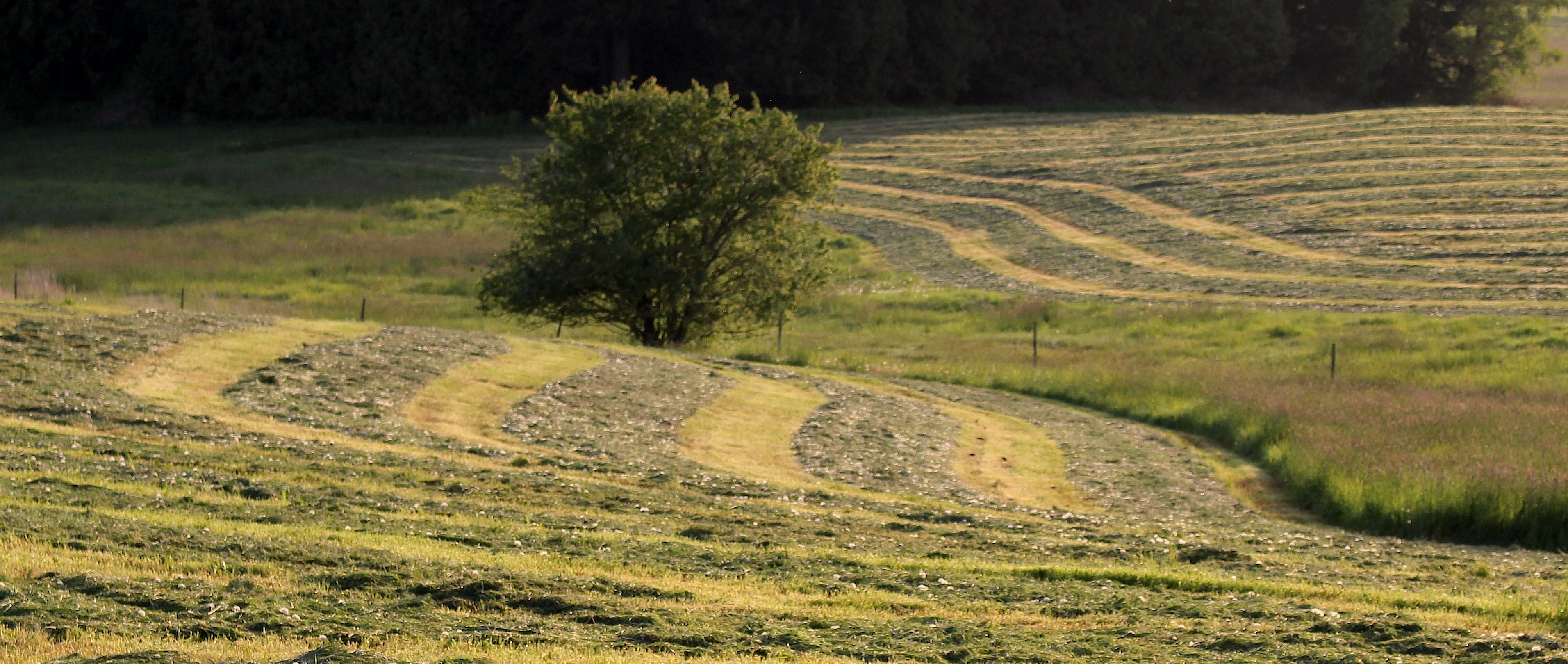
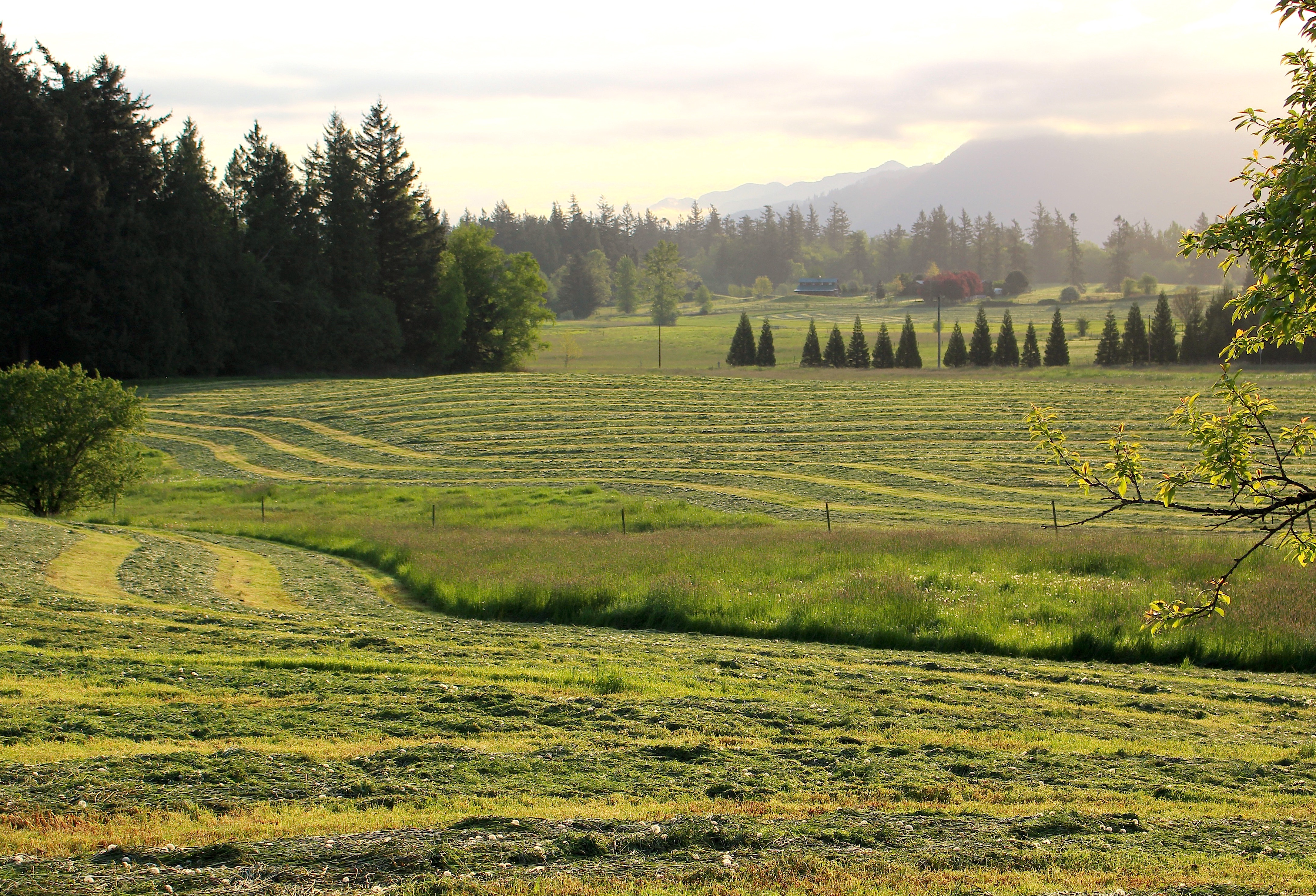
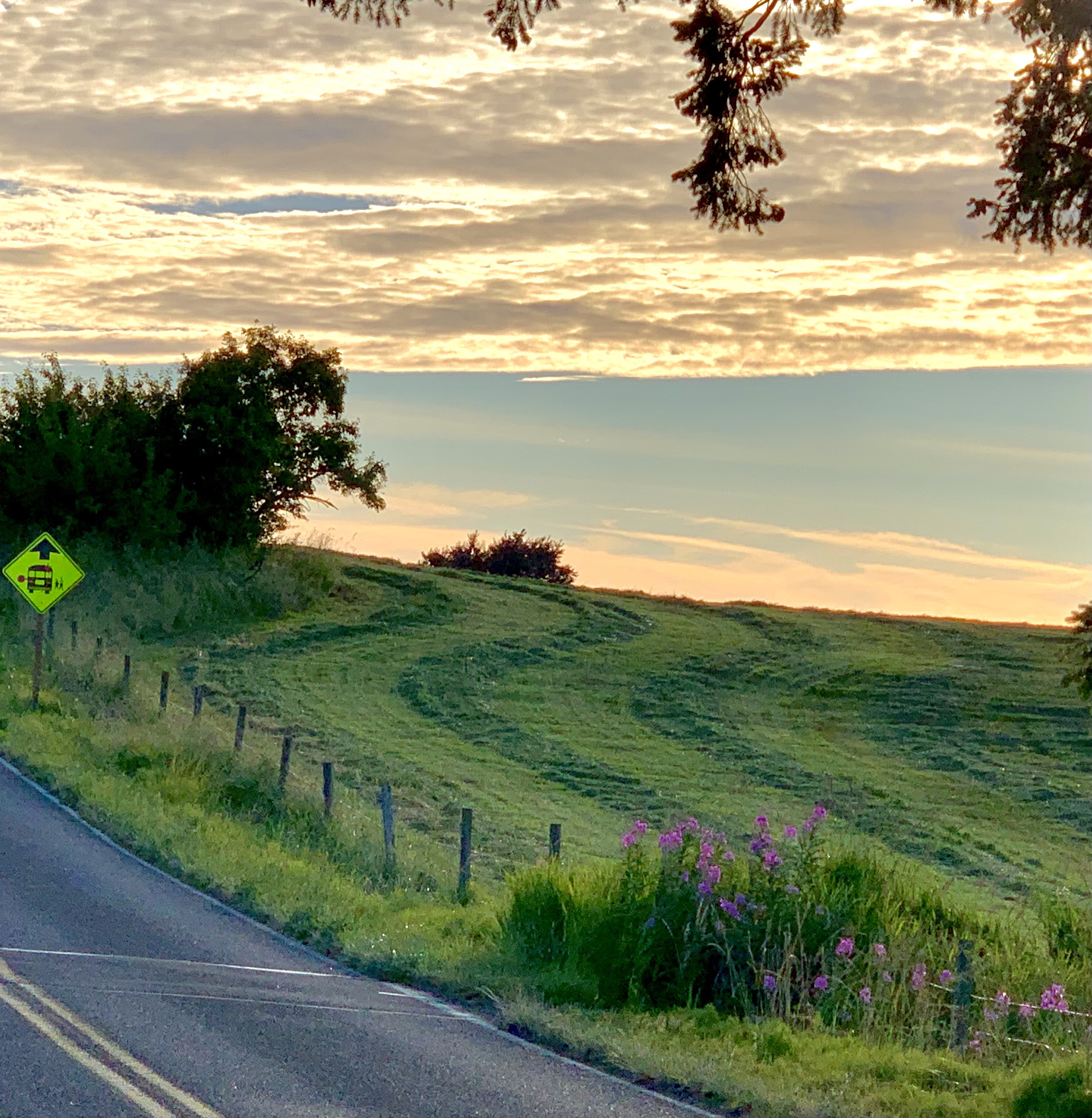
Light and wind work magic on a field of flowing tall grass. The blades of the mower lay it to the ground in green streams that course up and down the slopes. It lies orderly in stoneless cemetery rows.
Farmer’s fields are lined with rows of mown grass, a precious commodity to be harvested for the livestock to eat the rest of the year. Some of the green is bagged up like big marshmallows for easy storage and some put in silos for later in the winter.
The grass’ death is critical to the life of the animals we raise.
What was once waving and bowing to the wind is cut and crushed: no longer bending but bent, no longer flowing but flown, no longer growing but mown.
At summer’s pace, while the clouds saunter overhead, the grasses are stored as fodder for the beasts of the farm on those cold nights when the wind beats at the doors.
It will melt in their mouths. As we watch them chew, we’ll remember the overflowing abundance of summer in June.
AI image created by this post
One-Time
Monthly
Yearly
Make a one-time or recurring donation to support daily Barnstorming posts
To enrich the earth I have sowed clover and grass to grow and die. I have plowed in the seeds of winter grains and of various legumes, their growth to be plowed in to enrich the earth. I have stirred into the ground the offal and the decay of the growth of past seasons and so mended the earth and made its yield increase. All this serves the dark. I am slowly falling into the fund of things. And yet to serve the earth, not knowing what I serve, gives a wideness and a delight to the air, and my days do not wholly pass. It is the mind’s service, for when the will fails so do the hands and one lives at the expense of life. After death, willing or not, the body serves, entering the earth. And so what was heaviest and most mute is at last raised up into song. ~Wendell Berry “Enriching the Earth” from Collected Poems
It was the face of spring, it was the face of summer, it was the warmness of clover breath. Pomegranate glowed in her lips, and the noon sky in her eyes. And all of this, this breath-warmness and plum-tenderness was held forever… ~Ray Bradbury from Dandelion Wine
To make a prairie it takes a clover and one bee, One clover, and a bee, And revery. The revery alone will do, If bees are few. Emily Dickinson
Every autumn my father, an agriculture teacher by training, brought home gunny sacks of grass seed from the feed and seed store. He would start up his 1954 Farmall Cub tractor, proceed to disc and harrow an acre of bare ground in our field, and then fill the seeder, distributing seed on the soil for his annual agronomy cover crop over winter growing experiment. The little sprouts would wait to appear in the warming spring weather, an initial green haziness spread over the brown dirt, almost like damp green mold. Within days they would form a plush and inviting velveteen green cushion, substantial enough for a little wiggle of blades in the breezes. A few weeks later the cover would be a full fledged head of waving green hair, the wind blowing it wantonly, bending the stems to its will. It was botanical pasture magic, renewable and marvelous, only to be mowed and stubble turned over with the plow back into the soil as nutrition for the summer planting to come. It was the sacrificial nature of cover crops to be briefly beautiful on top of the ground, but the foundational nurture once underground.
One spring the expected grassy carpet growth didn’t look quite the same after germination–the sprouts were little round leaves, not sharp edged blades. Instead of identical uniform upright stems, the field was producing curly chaotic ovoid and spherical shapes and sizes. Clover didn’t abide by the same rules as grasses. It had a mind of its own with a burgeoning and bumpy napped surface that didn’t bend with breezes, all its effort invested instead in producing blossoms.
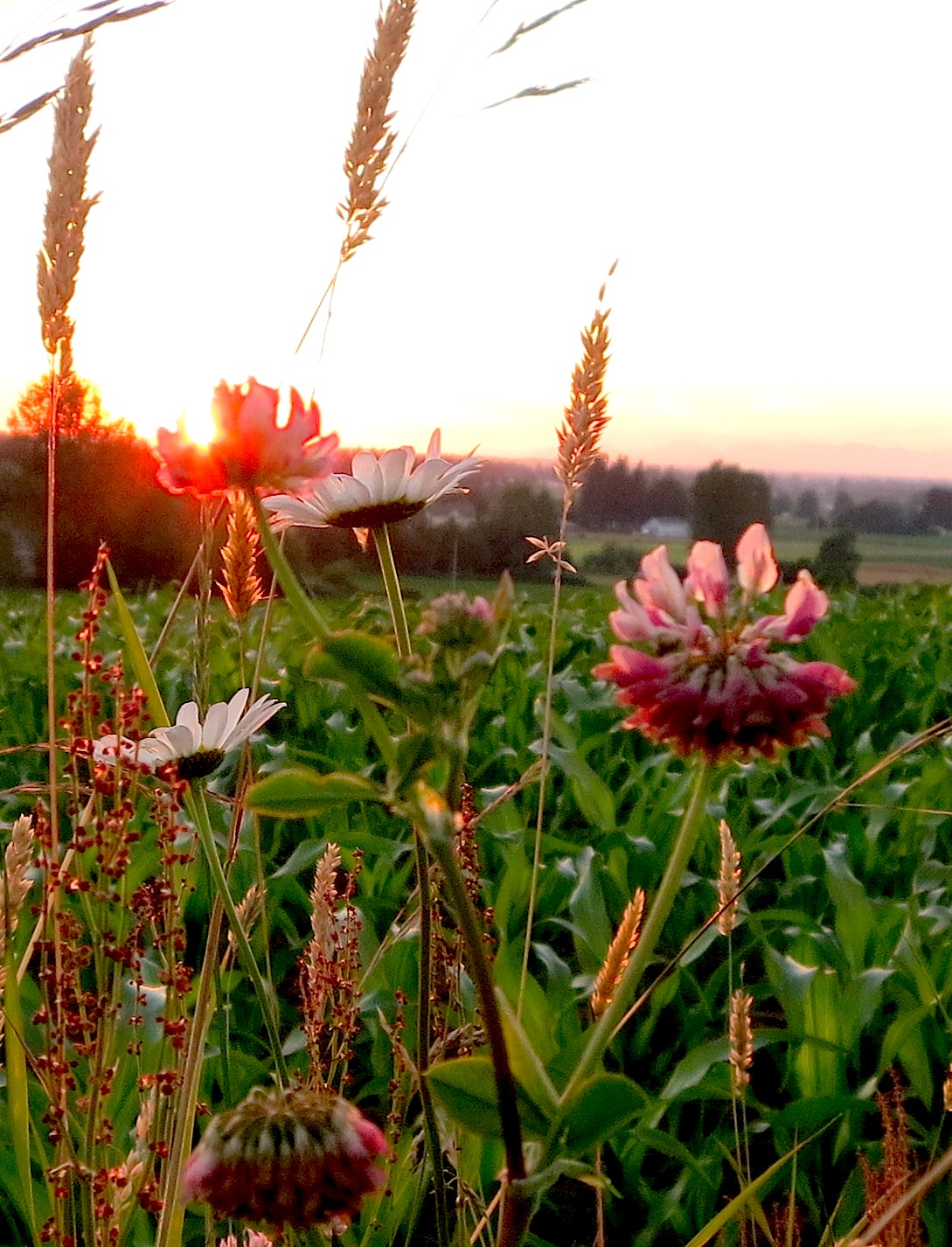
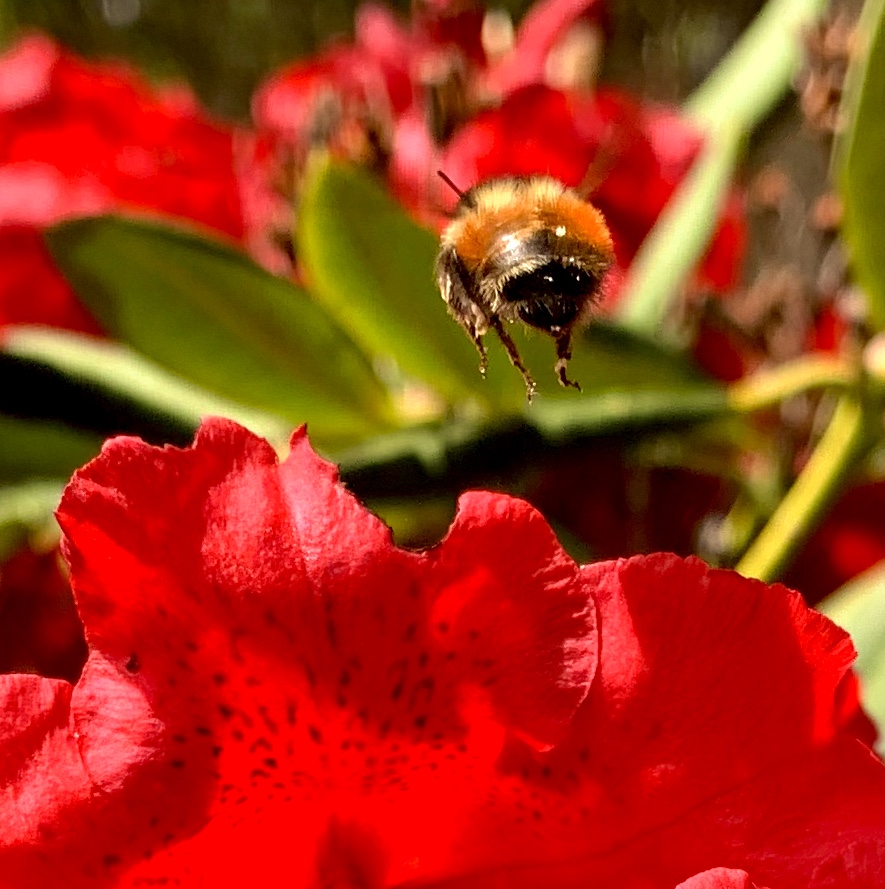
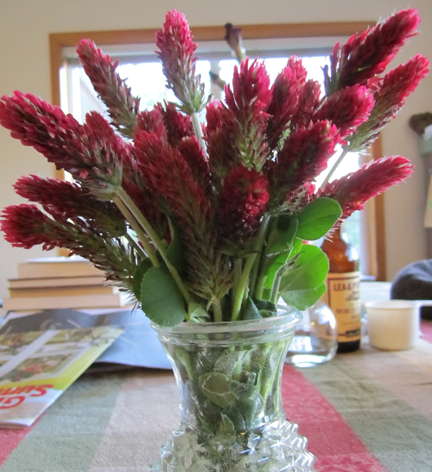
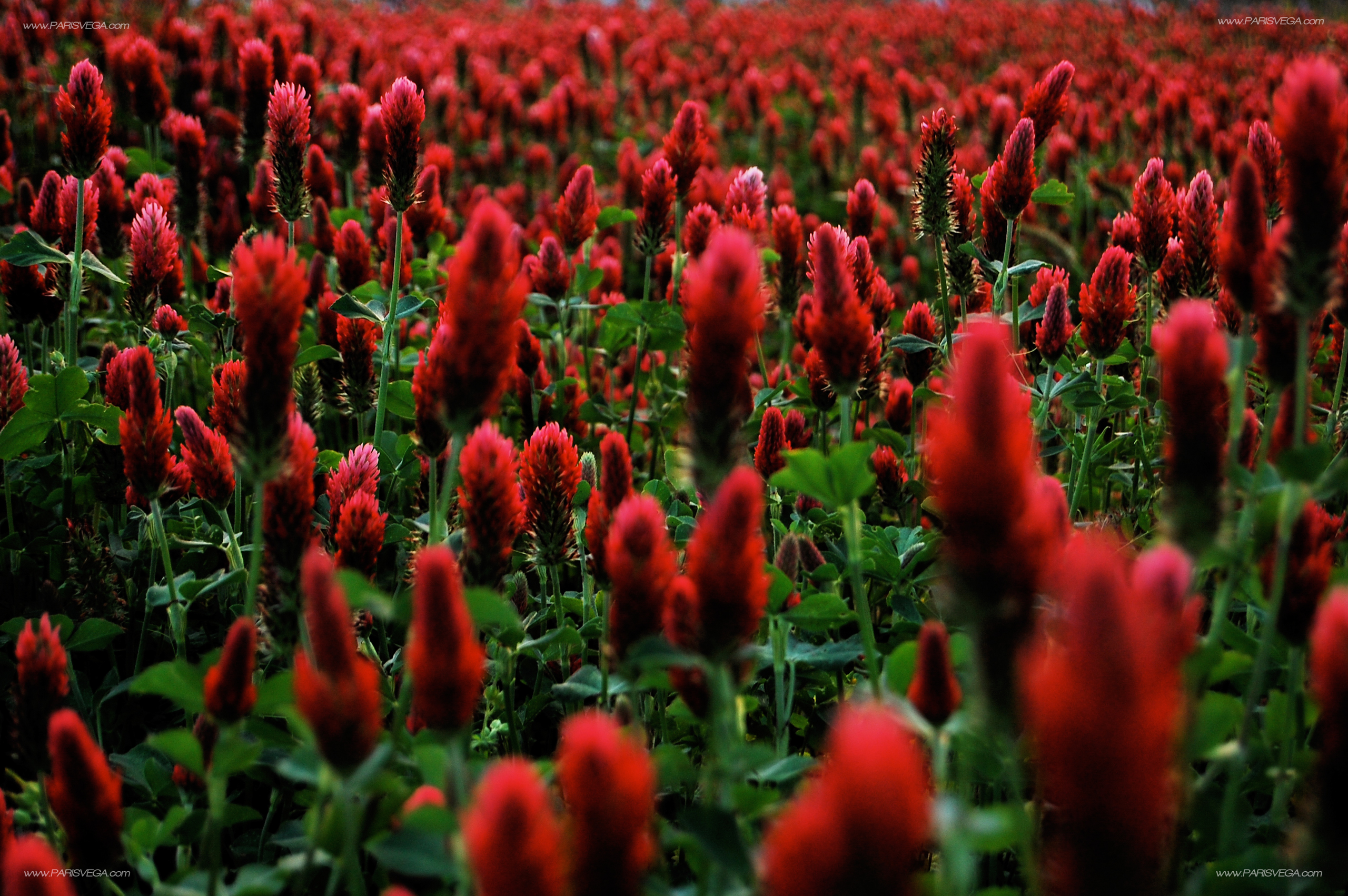
A hint of pink one morning was so subtle it was almost hallucinatory. Within a day it was unmistakeably reddening and real. Within a week the green sea flowed with bobbing crimson heads. We had never seen such vibrancy spring from our soil before. It exuded scented clover breath, the fragrance calling honey bees far and near. True reverie.
The field of crimson dreams and sated honey bees lasted several weeks before my father headed back out on the Farmall to turn it under with the plow, burying the fading blossoms into the ground. Their sacrifice bled red into the soil, their fragrant breath halted, their memory barely recognizable in the next summer crop germination. Yet the crimson heads were there, feeding the growth of the next generation, deepening the green as it reached to the sun.
Such a sweet thing, alive a thousand summers hence in the soil.
What a beautiful feeling.
Crimson and clover, over and over.
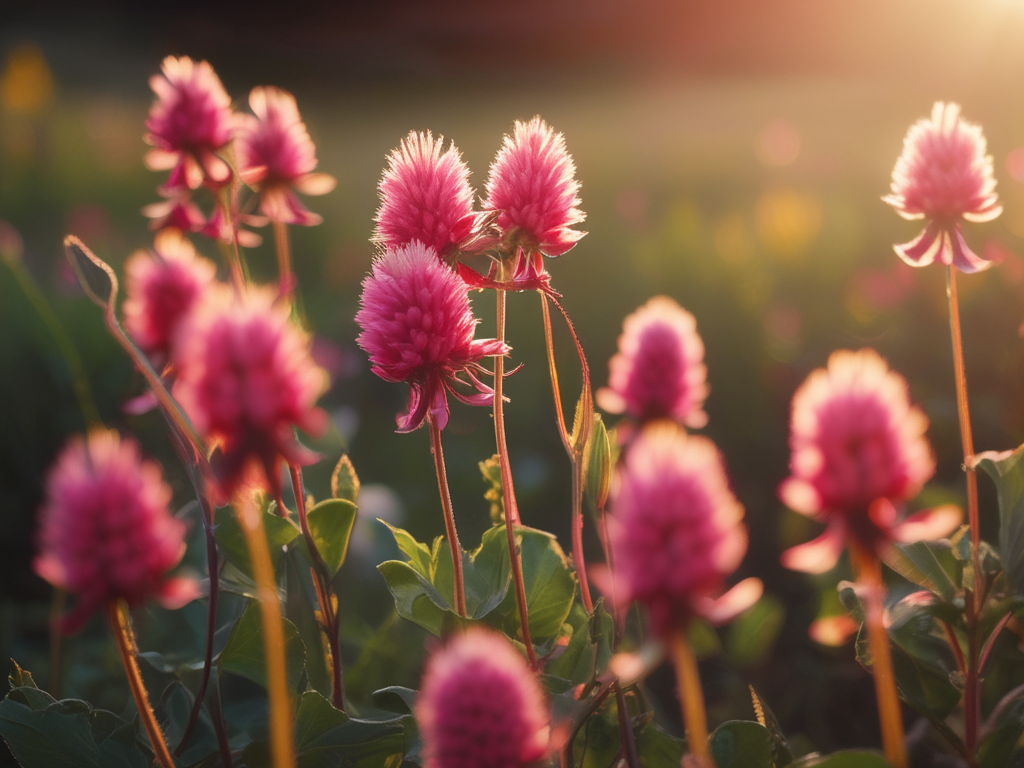
AI image created for this post
One-Time
Monthly
Yearly
Make a one-time or recurring donation to support daily Barnstorming posts
And God held in his hand A small globe. Look, he said. The son looked. Far off, As through water, he saw A scorched land of fierce Colour. The light burned There; crusted buildings Cast their shadows; a bright Serpent, a river Uncoiled itself, radiant With slime. On a bare Hill a bare tree saddened The sky. Many people Held out their thin arms To it, as though waiting For a vanished April To return to its crossed Boughs. The son watched Them. Let me go there, he said. ~R.S. Thomas “The Coming”
You have answered us with the image of yourself on a hewn tree, suffering injustice, pardoning it; pointing as though in either direction; horrifying us with the possibility of dislocation. Ah, love, with your arms out wide, tell us how much more they must still be stretched to embrace a universe drawing away from us at the speed of light. ~R.S.Thomas “Tell Us”
“Let me go there” And You did. Knowing what awaited You.
Your arms out wide to embrace us who try to grasp a heaven which eludes us.
This heaven, Your heaven You brought down to us, knowing our terrible need.
You wanted to come here, knowing all this.
Holding us firmly within your wounded grip, You the Son handed us back to heaven.
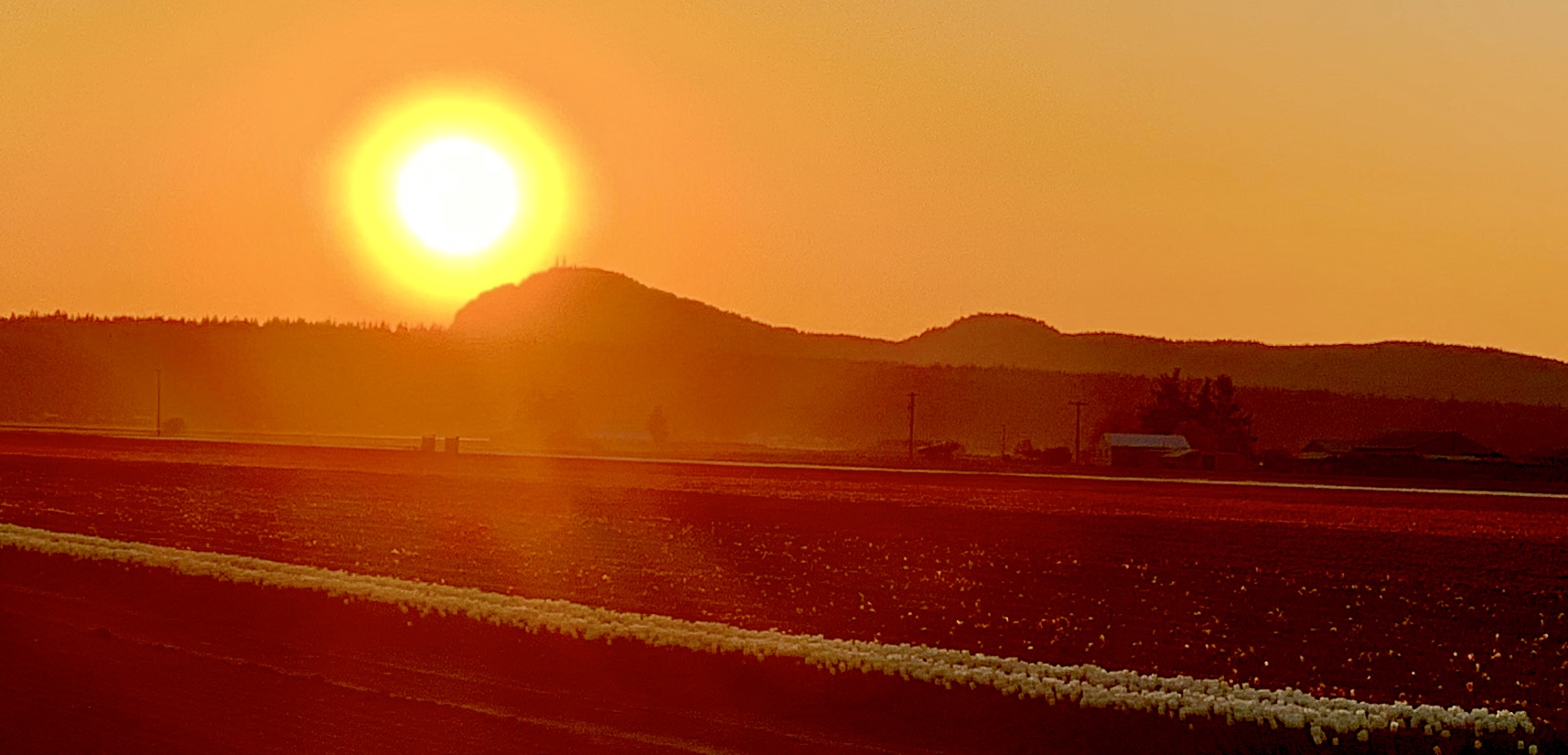
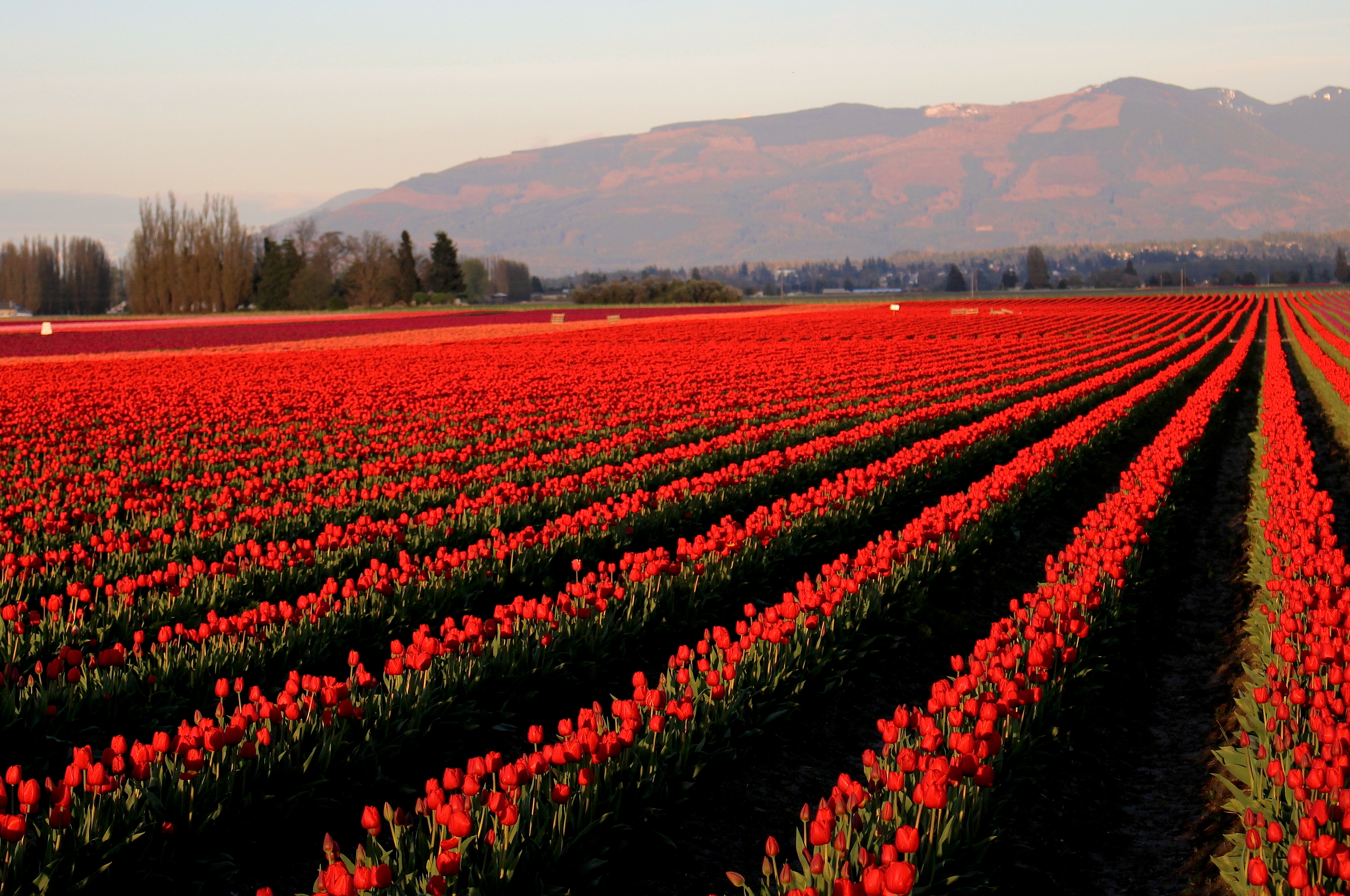
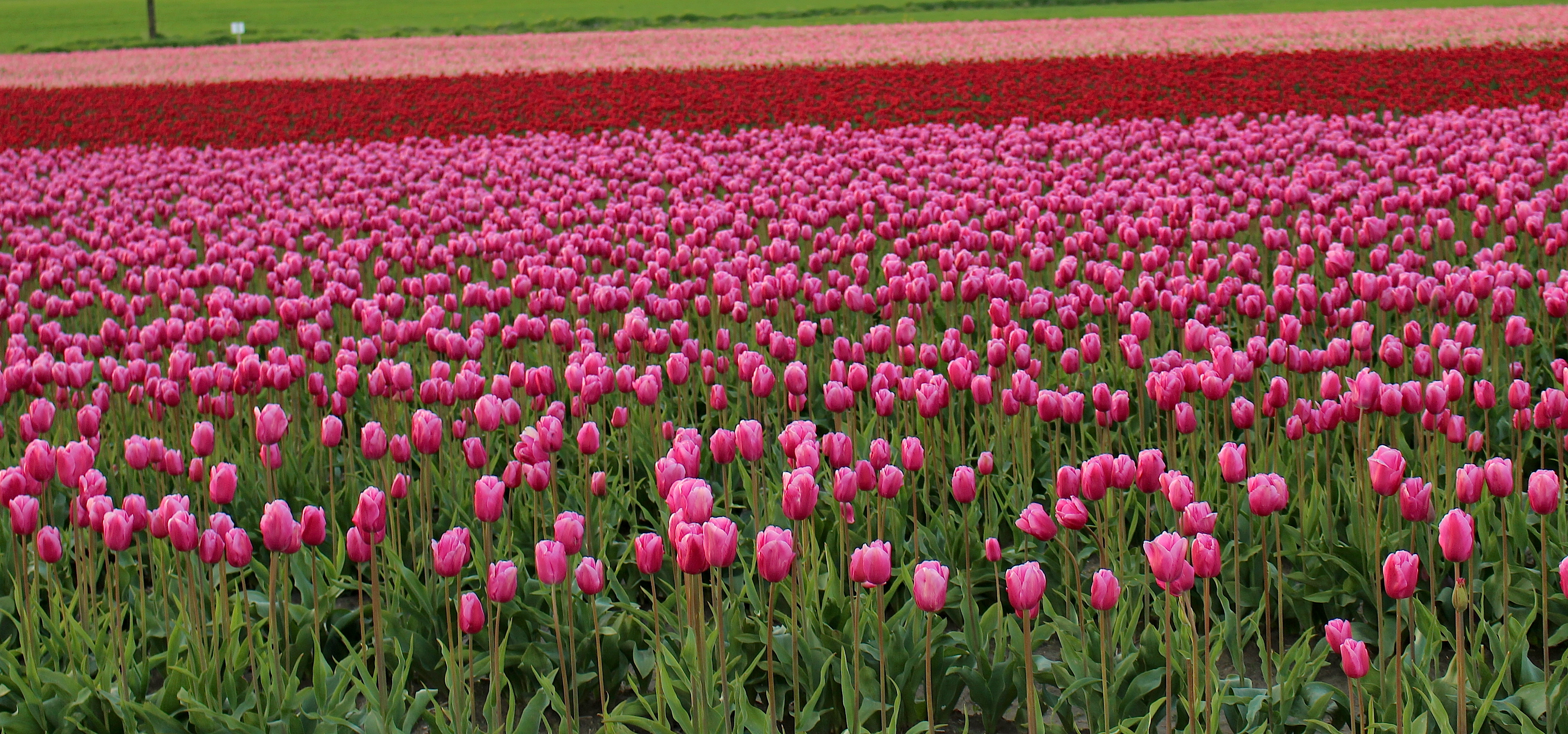
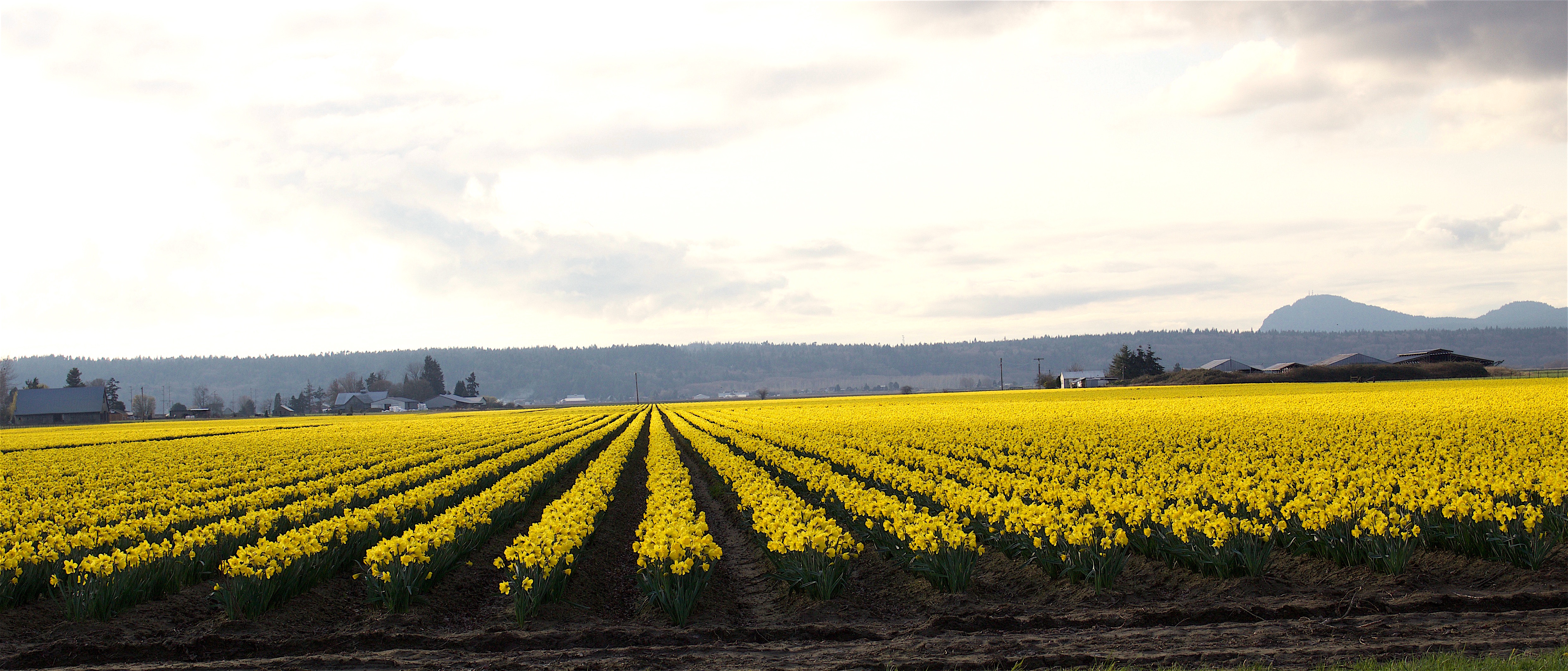
Mostly months of dirt rows Plain and unnoticed. Could be corn, could be beans Could be anything; Drive-by fly-over dull.
Yet April ignites an explosion: Dazzling retinal hues Singed and scorched, crying Grateful tears for such as this Grounded rainbow on Earth
Transient, incandescent Brilliance hoped for. Remembered in dreams, Promises realized, Housed in crystal before shattering.
One-Time
Monthly
Yearly
Make a one-time or recurring donation to support daily Barnstorming posts
On the outskirts of Jerusalem the donkey waited. Not especially brave, or filled with understanding, he stood and waited.
How horses, turned out into the meadow, leap with delight! How doves, released from their cages, clatter away, splashed with sunlight.
But the donkey, tied to a tree as usual, waited. Then he let himself be led away. Then he let the stranger mount.
Never had he seen such crowds! And I wonder if he at all imagined what was to happen. Still, he was what he had always been: small, dark, obedient.
I hope, finally, he felt brave. I hope, finally, he loved the man who rode so lightly upon him, as he lifted one dusty hoof and stepped, as he had to, forward. ~Mary Oliver “The Poet thinks about the donkey” from her book Thirst.
With monstrous head and sickening cry And ears like errant wings…
The tattered outlaw of the earth, Of ancient crooked will; Starve, scourge, deride me: I am dumb, I keep my secret still.
Fools! For I also had my hour; One far fierce hour and sweet: There was a shout about my ears, And palms before my feet. G. K. Chesterton from “The Donkey”
Palm Sunday is a day of dissonance and dichotomy in the church year, very much like the donkey who figured as a central character that day.
Sadly, a donkey gets no respect, then or now – for his plain and awkward hairy looks, for his loud and inharmonious voice, for his apparent lack of strength — yet he was the chosen mode of transportation for a King riding to His death.
There was a motley parade to Jerusalem: cloaks and palms laid at the feet of the donkey bearing the Son of God, disorderly shouts of adoration and blessings, the rebuke of the Pharisees to quiet the people, His response that “even the stones will cry out” knowing what is to come.
But the welcoming crowd waving palm branches, shouting sweet hosannas and laying down their cloaks did not understand the fierce transformation to come, did not know within days they would be a mob shouting words of derision and rejection and condemnation.
The donkey knew because he had been derided, rejected and condemned himself, yet still kept serving. Just as he was given voice and understanding centuries before to protect Balaam from going the wrong way, he could have opened his mouth to tell them, suffering beatings for his effort. Instead, just as he bore the unborn Jesus to Bethlehem and stood over Him sleeping in the manger, just as he bore a mother and child all the way to Egypt to hide from Herod, the donkey would keep his secret well.
Who, after all, would ever listen to a mere donkey?
We would do well to pay attention to this braying wisdom.
The donkey knows – he’s a believer.
He bears the burden we have shirked. He treads with heavy heart over the palms and cloaks we lay down as meaningless symbols of honor. He is the ultimate servant to the Servant who laid aside His crown.
A day of dichotomy — of honor and glory laid underfoot only to be stepped on, of blessings and praise turning to curses, of the beginning of the end becoming a new beginning for us all.
And so He wept, knowing all this. I suspect the donkey bearing Him wept as well, in his own simple, plain and honest way, and I’m quite sure he kept it as his special secret.
Rejoice greatly, Daughter Zion! Shout, Daughter Jerusalem! See, your king comes to you, righteous and victorious, lowly and riding on a donkey, on a colt, the foal of a donkey. Zechariah 9:9
This Lenten season I reflect on the words of the 19th century southern spiritual hymn “What Wondrous Love is This”
One-Time
Monthly
Yearly
Make a one-time or recurring donation to support daily Barnstorming posts
I have seen the sun break through to illuminate a small field for a while, and gone my way and forgotten it. But that was the pearl of great price, the one field that had treasure in it. I realize now that I must give all that I have to possess it. Life is not hurrying on to a receding future, nor hankering after an imagined past. It is the turning aside like Moses to the miracle of the lit bush, to a brightness that seemed as transitory as your youth once, but is the eternity that awaits you. ~R.S. Thomas “A Bright Field”
The secret of seeing is, then the pearl of great price. If I thought he could teach me to find it and keep it forever I would stagger barefoot across a hundred deserts after any lunatic at all. But although the pearl may be found, it may not be sought.
The literature of illumination reveals this above all: although it comes to those who wait for it, it is always, even to the most practiced and adept, a gift and a total surprise.
I return from one walk knowing where the killdeer nests in the field by the creek and the hour the laurel blooms. I return from the same walk a day later scarcely knowing my own name.
Litanies hum in my ears; my tongue flaps in my mouth. Ailinon, alleluia! ~Annie Dillard from Pilgrim at Tinker Creek
Dear God, I cannot love Thee the way I want to. You are the slim crescent of a moon that I see and my self is the earth’s shadow that keeps me from seeing all the moon. The crescent is very beautiful and perhaps that is all one like I am should or could see; but what I am afraid of, dear God, is that my self shadow will grow so large that it blocks the whole moon, and that I will judge myself by the shadow that is nothing.
I do not know You God because I am in the way. Please help me to push myself aside. ~Flannery O’Connor from A Prayer Journal
Earth’s crammed with heaven, And every common bush afire with God… ~Elizabeth Barrett Browning
I am learning to step aside so my own shadow stops obscuring God’s gift of illumination. I can be so blinded by discouragement, busyness and distraction that I lose sight of God Himself.
I stand in the way and need a push to let the Light shine forth.
Surprise me, dear Lord. Cram this common bush with heaven.
Though I regularly lament in the shadows, help me lift my voice in praise and gratitude for your gift: the pearl of great price you generously hold for me to find each day.
The kingdom of heaven is like treasure hidden in a field. When a man found it, he hid it again, and then in his joy went and sold all he had and bought that field. Matthew 13: 44
This Lenten season I reflect on the words of the 19th century southern spiritual hymn “What Wondrous Love is This”
One-Time
Monthly
Yearly
Make a one-time or recurring donation to support daily Barnstorming posts
Your cold mornings are filled with the heartache about the fact that although we are not at ease in this world, it is all we have, that it is ours but that it is full of strife, so that all we can call our own is strife; but even that is better than nothing at all, isn’t it?
…rejoice that your uncertainty is God’s will and His grace toward you and that that is beautiful, and part of a greater certainty…
…be comforted in the fact that the ache in your heart and the confusion in your soul means that you are still alive, still human, and still open to the beauty of the world, even though you have done nothing to deserve it. ~Paul Harding in Tinkers
I think there is no suffering greater than what is caused by the doubts of those who want to believe. I know what torment this is, but I can only see it, in myself anyway, as the process by which faith is deepened. What people don’t realize is how much religion costs. They think faith is a big electric blanket, when of course it is the cross. It is much harder to believe than not to believe. If you feel you can’t believe, you must at least do this: keep an open mind. Keep it open toward faith, keep wanting it, keep asking for it, and leave the rest to God. ~Flannery O’Connor from The Habit of Being: Letters of Flannery O’Connor
Nothing that comes from God, even the greatest miracle, can be proven like 2 x 2 = 4. It touches one; it is only seen and grasped when the heart is open and the spirit purged of self. Then it awakens faith. … the heart is not overcome by faith, there is no force or violence there, compelling belief by rigid certitudes. What comes from God touches gently, comes quietly; does not disturb freedom; leads to quiet, profound, peaceful resolve within the heart. ~Romano Guardini from The Living God
On my doubting days, days too frequent and tormenting, I recall how the risen Christ invited Thomas to place his hand in His wounds, gently guiding Thomas to His reality, so it became Thomas’s new reality. Thomas left it up to a God whose open wounds called out Thomas’s mind and heart. Christ’s flesh and blood awakened a hidden faith by a simple touch.
…he said to Thomas, “Put your finger here; see my hands. Reach out your hand and put it into my side. Stop doubting and believe.” Thomas said to him, “My Lord and my God!” John 20: 27-28
This Lenten season I reflect on the words of the 19th century southern spiritual hymn “What Wondrous Love is This”
One-Time
Monthly
Yearly
Make a one-time or recurring donation to support daily Barnstorming posts
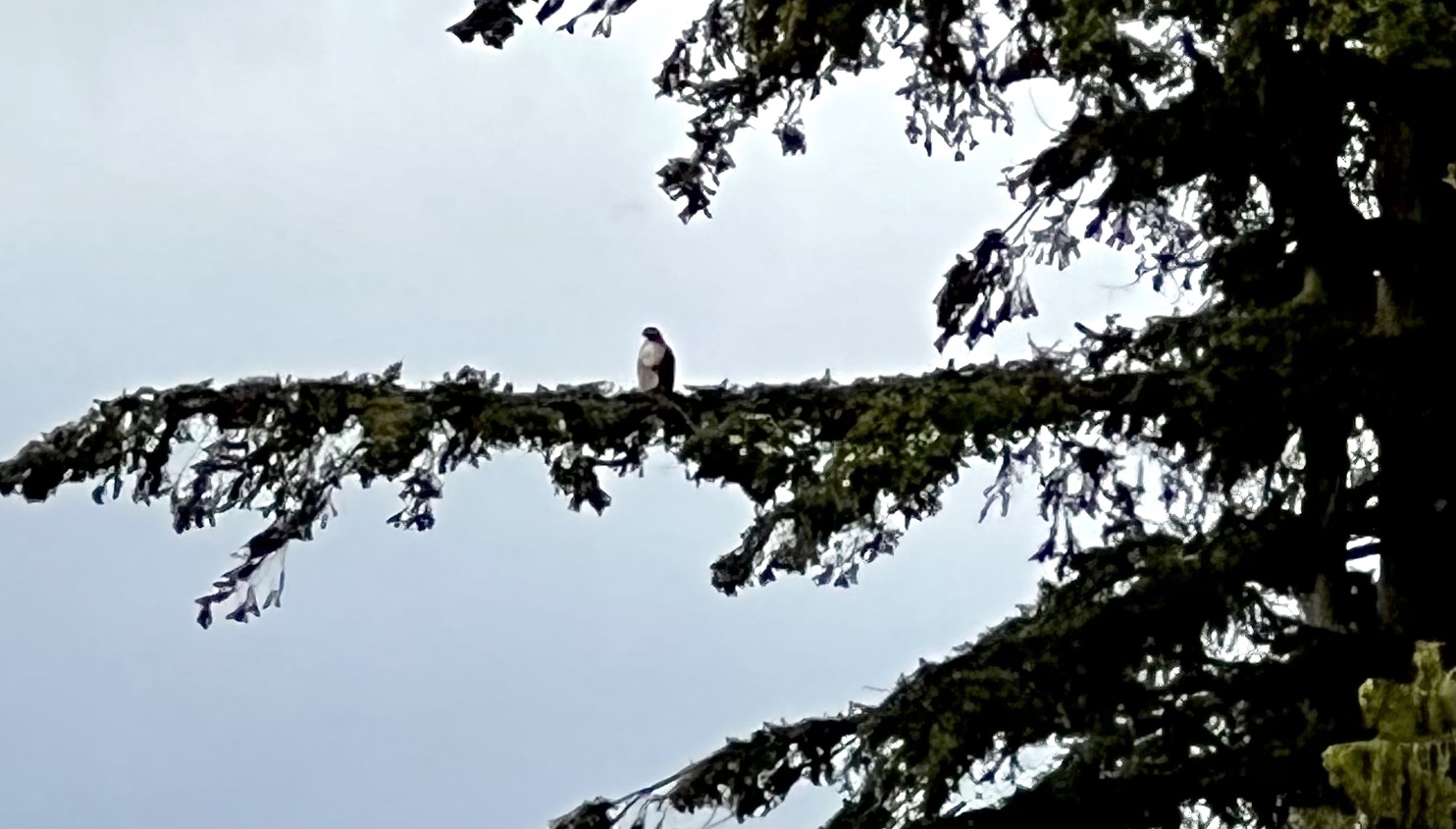
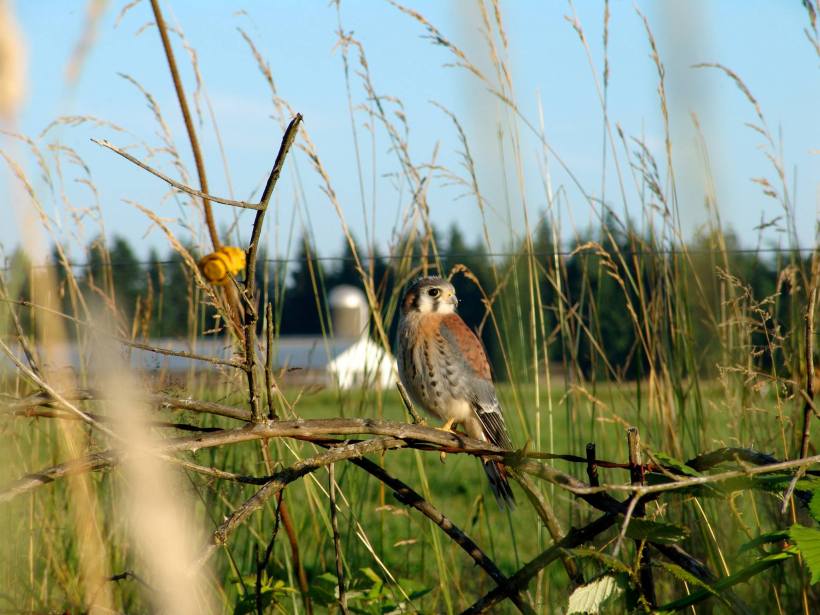
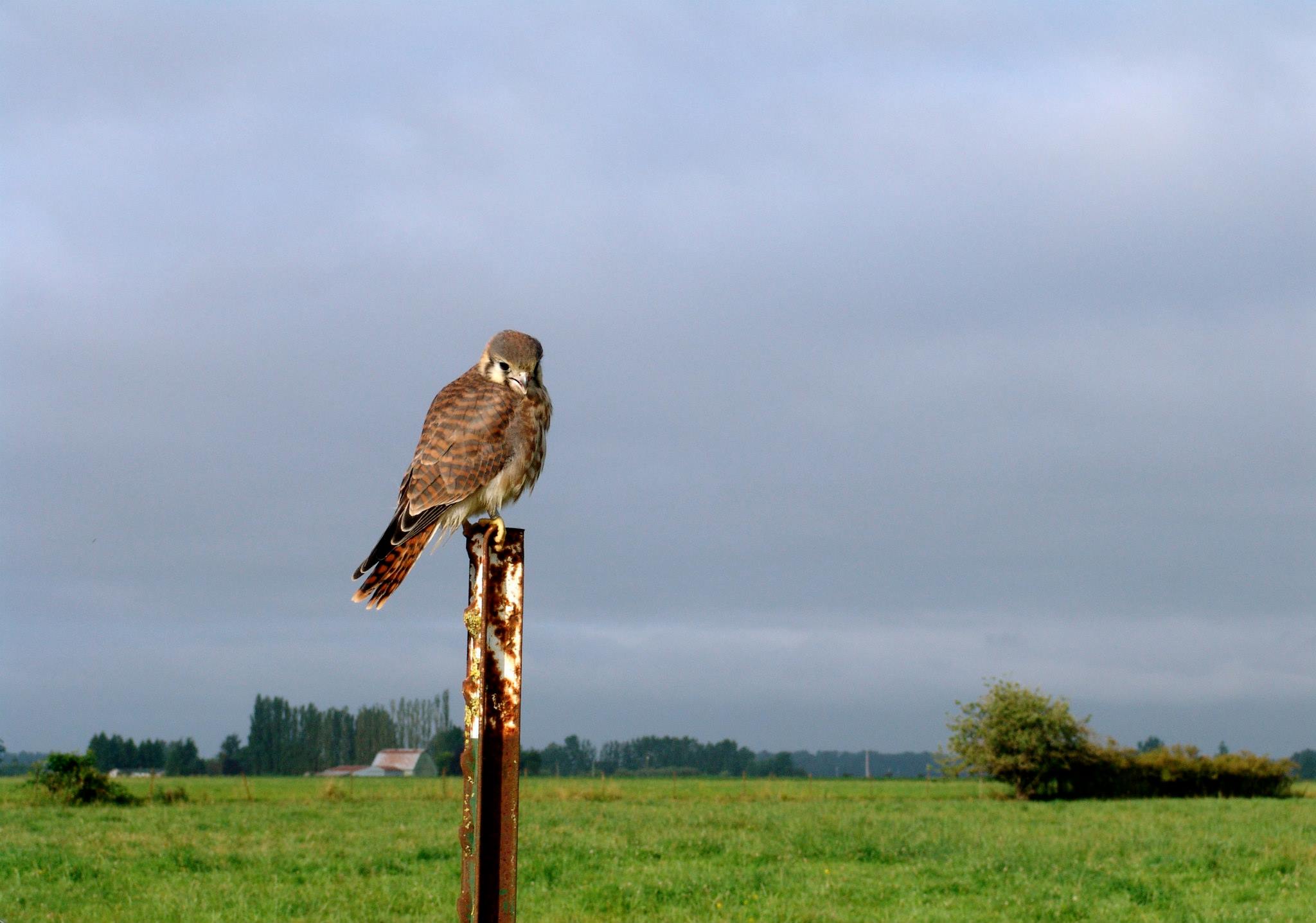
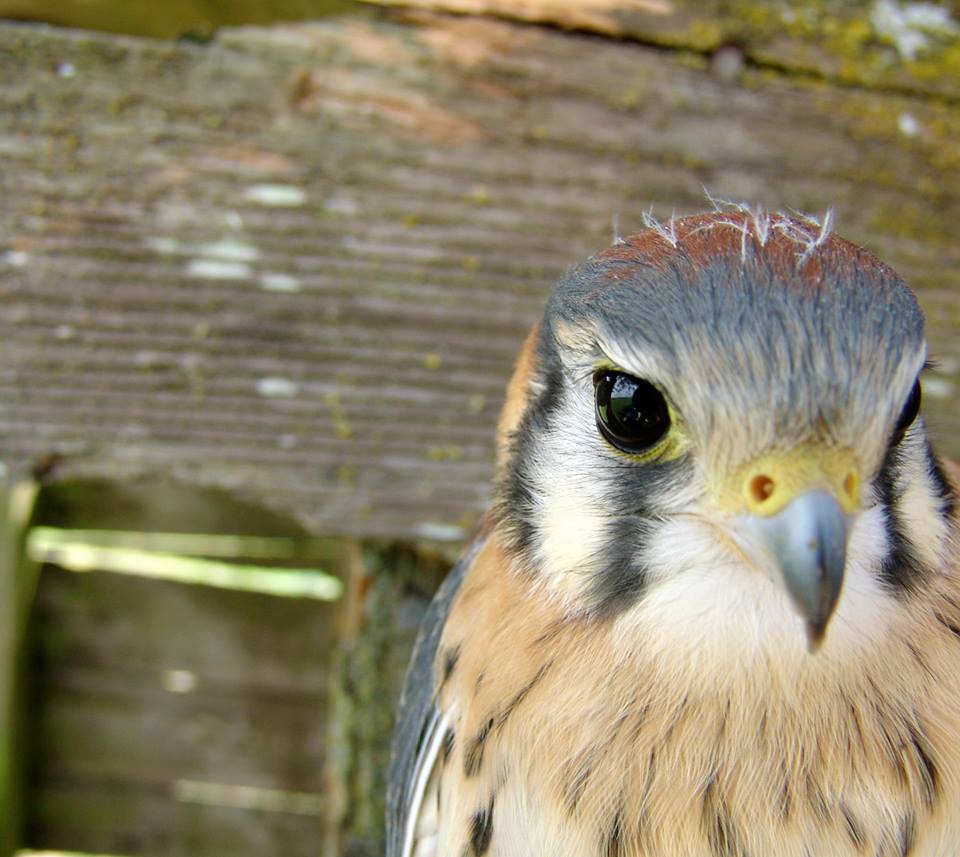
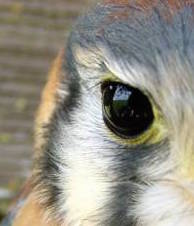
I caught this morning morning’s minion, king- dom of daylight’s dauphin, dapple-dawn-drawn Falcon, in his riding Of the rolling level underneath him steady air, and striding High there, how he rung upon the rein of a wimpling wing In his ecstasy! then off, off forth on swing, As a skate’s heel sweeps smooth on a bow-bend: the hurl and gliding Rebuffed the big wind. My heart in hiding Stirred for a bird, – the achieve of, the mastery of the thing.
Brute beauty and valour and act, oh, air, pride, plume, here Buckle! AND the fire that breaks from thee then, a billion Times told lovelier, more dangerous, O my chevalier!
No wonder of it: shéer plód makes plough down sillion Shine, and blue-bleak embers, ah my dear, Fall, gall themselves, and gash gold-vermilion. ~Gerard Manley Hopkins “The Windhover”
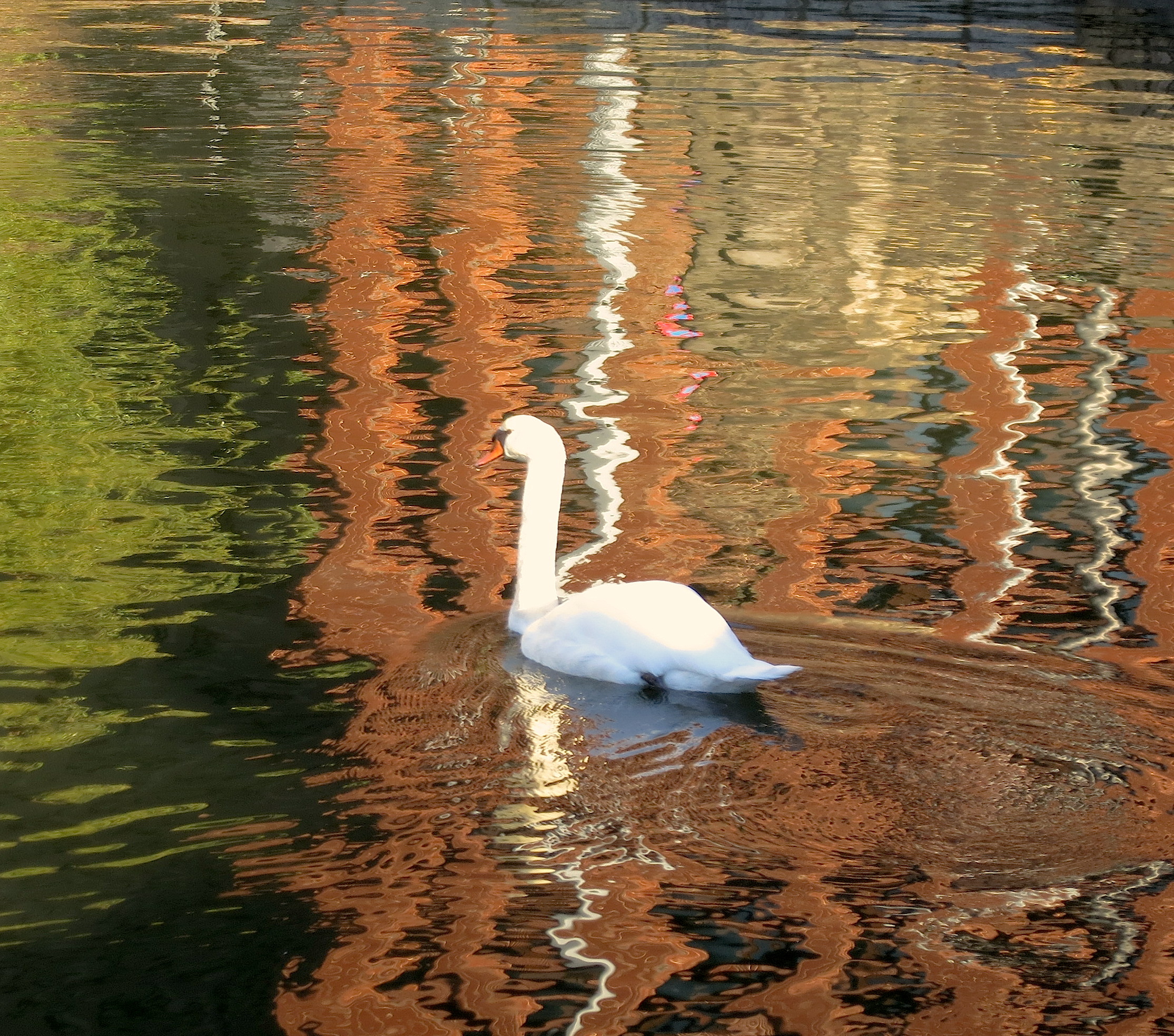
Did you too see it, drifting, all night, on the black river? Did you see it in the morning, rising into the silvery air – An armful of white blossoms, A perfect commotion of silk and linen as it leaned into the bondage of its wings; a snowbank, a bank of lilies, Biting the air with its black beak? Did you hear it, fluting and whistling A shrill dark music – like the rain pelting the trees – like a waterfall Knifing down the black ledges? And did you see it, finally, just under the clouds – A white cross Streaming across the sky, its feet Like black leaves, its wings Like the stretching light of the river?And did you feel it, in your heart, how it pertained to everything? And have you too finally figured out what beauty is for? And have you changed your life? ~Mary Oliver from “The Swan”
I hold my heart in hiding, trying to protect that tender core of who I am from being pierced and shredded by the slings and arrows of every day life. It can be a bruising and bumpy ride.
Yet to live fully, as I am created to live, I must fling myself into the open, wimpling wings spread, the wind holding me up, hovering and ready to soar.
To stay aloft, I must change as the wind changes around me.
I take my chances, knowing the fall will come. My wounds shall be healed, even as they bleed.
There is no lack of wonder. So stirred. So much beauty to behold. So much heart to take out of hiding and share freely, no matter the buffeting.
Ah… Ah, my dear.
One-Time
Monthly
Yearly
Make a one-time or recurring donation to support daily Barnstorming posts
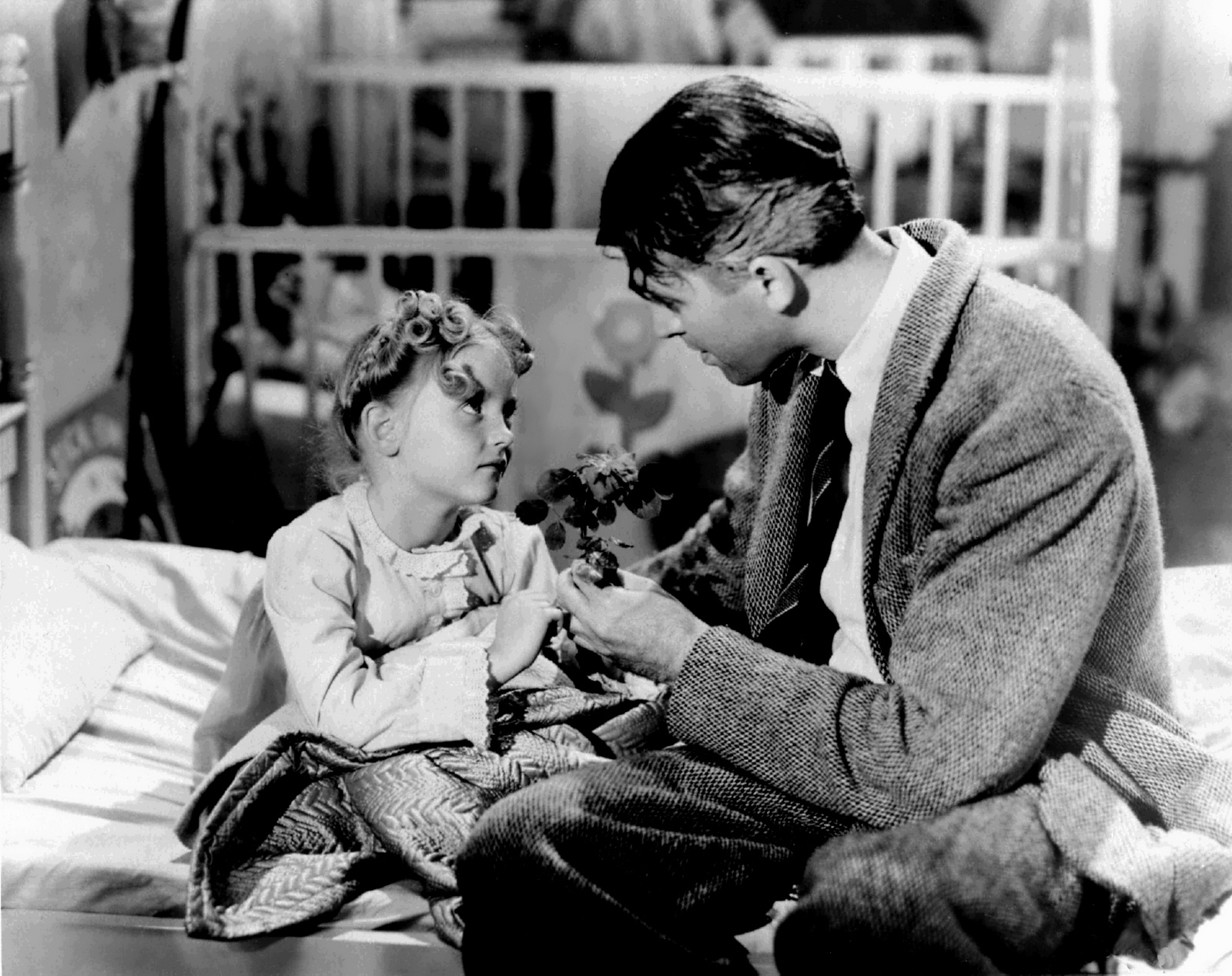
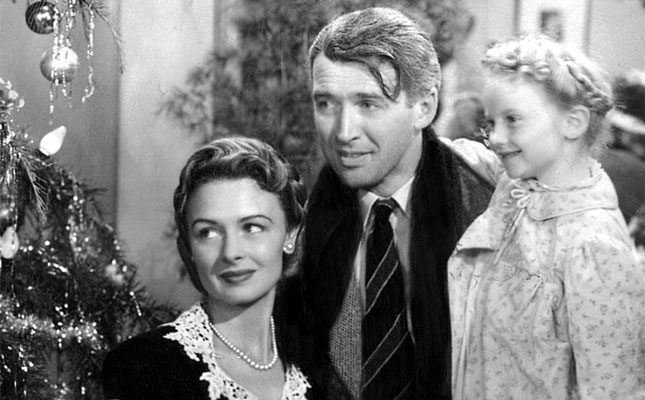
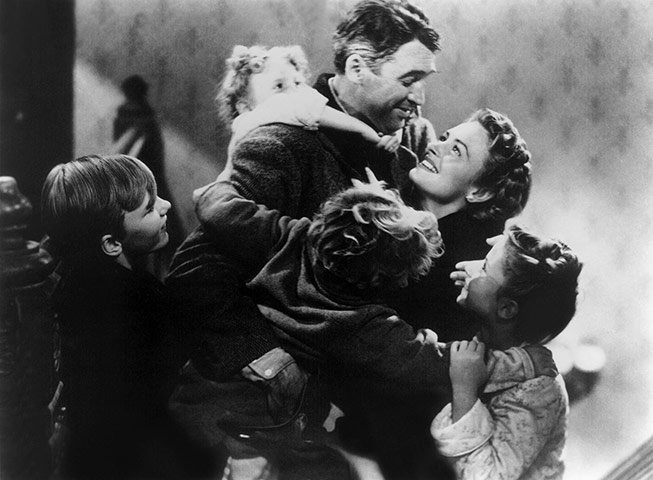
One life, George learns, touches so many other lives. Far from a failure, his life was the glue that held together his family, his business, and his community. In the end, George embraces life, and the people of Bedford Falls gather around him in love, donating the money to restore the Building and Loan that had helped them to achieve their own simple dreams of freedom, independence, and dignity.
George Bailey neither does that which feels good nor asserts his own narrow vision of himself and his role in society. He accepts the responsibility that is placed upon his shoulders and allows himself to be shaped and defined by the needs of others around him. Rather than change the world to suit his own self-centered desires, he changes himself to adapt to the true calling that is upon him.
George Bailey does more than delay gratification. He embraces his true and essential identity and purpose and is strengthened to perform the work for which he was created. ~Louis Markos “Christmas With Capra: Classic Films for Our Troubled Times”
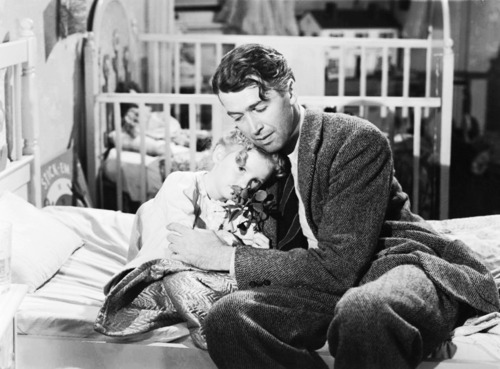
“ZuZu’s Petals” ~Lessons from “It’s a Wonderful Life”~
Our children had to be convinced Watching black and white holiday movies Was worthwhile~ This old tale and its characters Caught them up right away From steadfast George Bailey to evil Mr. Potter- They resonate in our hearts.
What surprised me most Was our sons’ response to Donna Reed’s Mary: ~how can we find one like her? (and they both did!) Her loyalty and love unequaled, Never wavering…
I want to be like her for you. When things go sour I won’t forget what brought us together In the first place. I’m warmth in the middle-of-the-night storm When you need shelter. I’m ZuZu’s petals in your pocket When you are trying to find your way back home.
One-Time
Monthly
Yearly
Make a one-time or recurring donation to support daily Barnstorming posts
And God held in his hand A small globe. Look he said. The son looked. Far off, As through water, he saw A scorched land of fierce Colour. The light burned There; crusted buildings Cast their shadows: a bright Serpent, A river Uncoiled itself, radiant With slime. On a bare Hill a bare tree saddened The sky. many People Held out their thin arms To it, as though waiting For a vanished April To return to its crossed Boughs. The son watched Them. Let me go there, he said. ~R.S. Thomas “The Coming”
You have answered us with the image of yourself on a hewn tree, suffering injustice, pardoning it; pointing as though in either direction; horrifying us with the possibility of dislocation. Ah, love, with your arms out wide, tell us how much more they must still be stretched to embrace a universe drawing away from us at the speed of light. ~R.S.Thomas “Tell Us”
Ah, this is Love~ You the Incarnate, stretched and fettered to a tree
arms out wide to embrace us who try to grasp a heaven which eludes us.
This heaven, Your heaven You brought down to us, knowing our pain and weakness.
You wanted to come here, knowing all this.
Holding us firmly within your wounded grip, You the Son handed us back to heaven.
Advent 2023 theme …because of the tender mercy of our God, whereby the sunrise shall visit us from on high to give light to those who sit in darkness and in the shadow of death, to guide our feet into the way of peace. Luke 1: 78-79 from Zechariah’s Song
O living Word Please come and dwell in us Lord wipe away these tears O ancient Son, so long foretold We’re desperate souls, draw near
And we will stand Securely in the strength of the Lord Every heart will surely come and adore The Great I Am
O our Shepherd King Please come and dwell with us To fields of grace Lead on
We need You now Break our chains by Your glory and power Make us captive to a holy desire Come to us O Lord Come to us O Lord
Prince of Peace, Emmanuel Lord draw us close, unto Thyself King of kings, God’s chosen One We need you now, to Thee we run
We need You now Break our chains by Your glory and power Make us captive to a holy desire Come to us O Lord Come to us O Lord Songwriter: Eric Marshall
One-Time
Monthly
Yearly
Make a one-time or recurring donation to support daily ad-free Barnstorming posts
When you go home tell them of us and say – “For your tomorrow we gave our today” ~John Maxwell Edmonds from “The Kohima Epitaph”
They shall grow not old, as we that are left grow old: Age shall not weary them, nor the years condemn. At the going down of the sun and in the morning We will remember them. ~Lawrence Binyon from “For the Fallen” (1914)
We are the Dead. Short days ago We lived, felt dawn, saw sunset glow, Loved and were loved, and now we lie In Flanders fields. ~LtCol (Dr.) John McCrae from “In Flanders Fields”
November pierces with its bleak remembrance Of all the bitterness and waste of war. Our silence tries but fails to make a semblance Of that lost peace they thought worth fighting for. Our silence seethes instead with wraiths and whispers, And all the restless rumour of new wars, The shells are falling all around our vespers, No moment is unscarred, there is no pause, In every instant bloodied innocence Falls to the weary earth ,and whilst we stand Quiescence ends again in acquiescence, And Abel’s blood still cries in every land One silence only might redeem that blood Only the silence of a dying God. ~Malcolm Guite “Silence: a Sonnet for Remembrance Day”
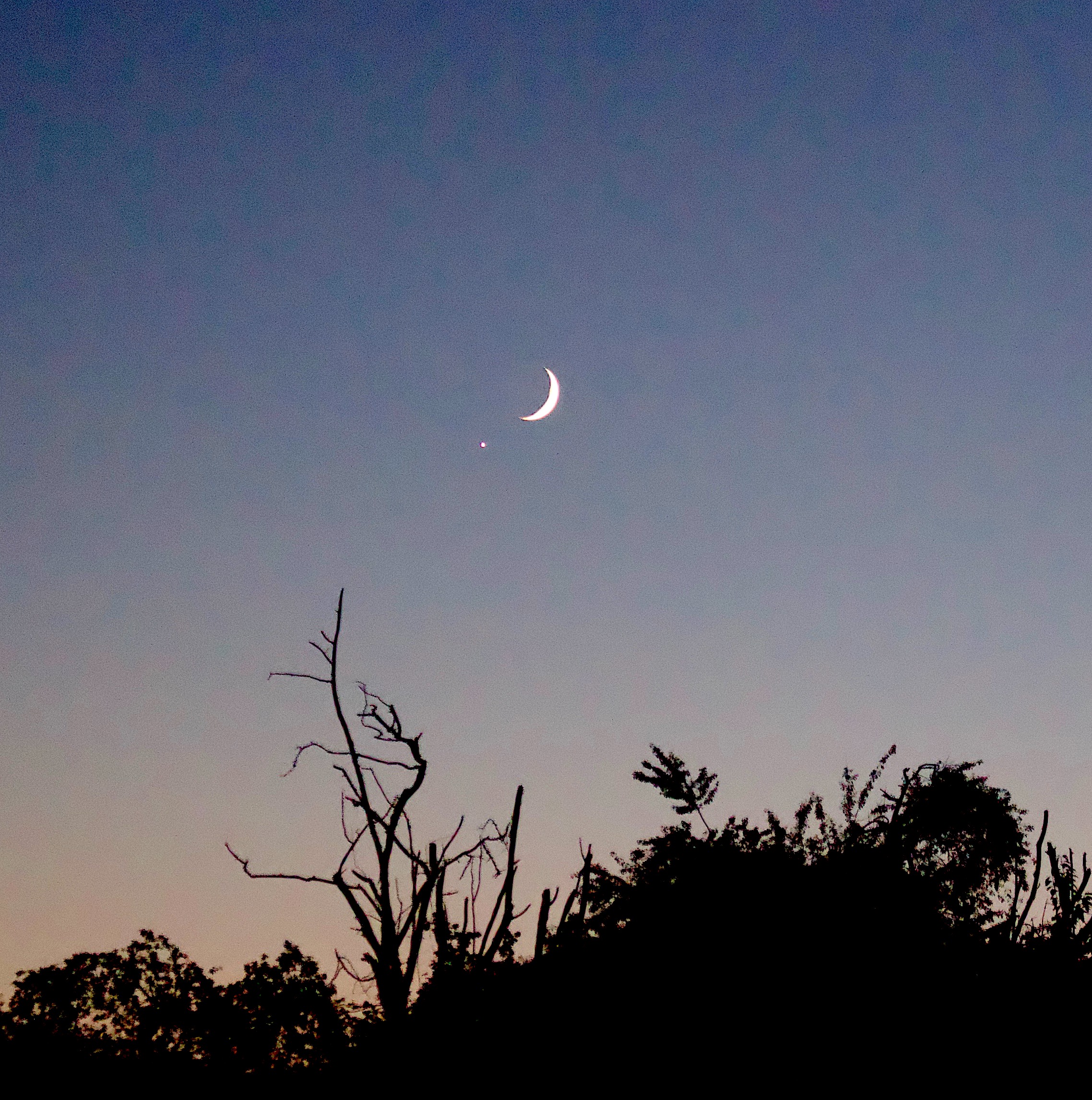
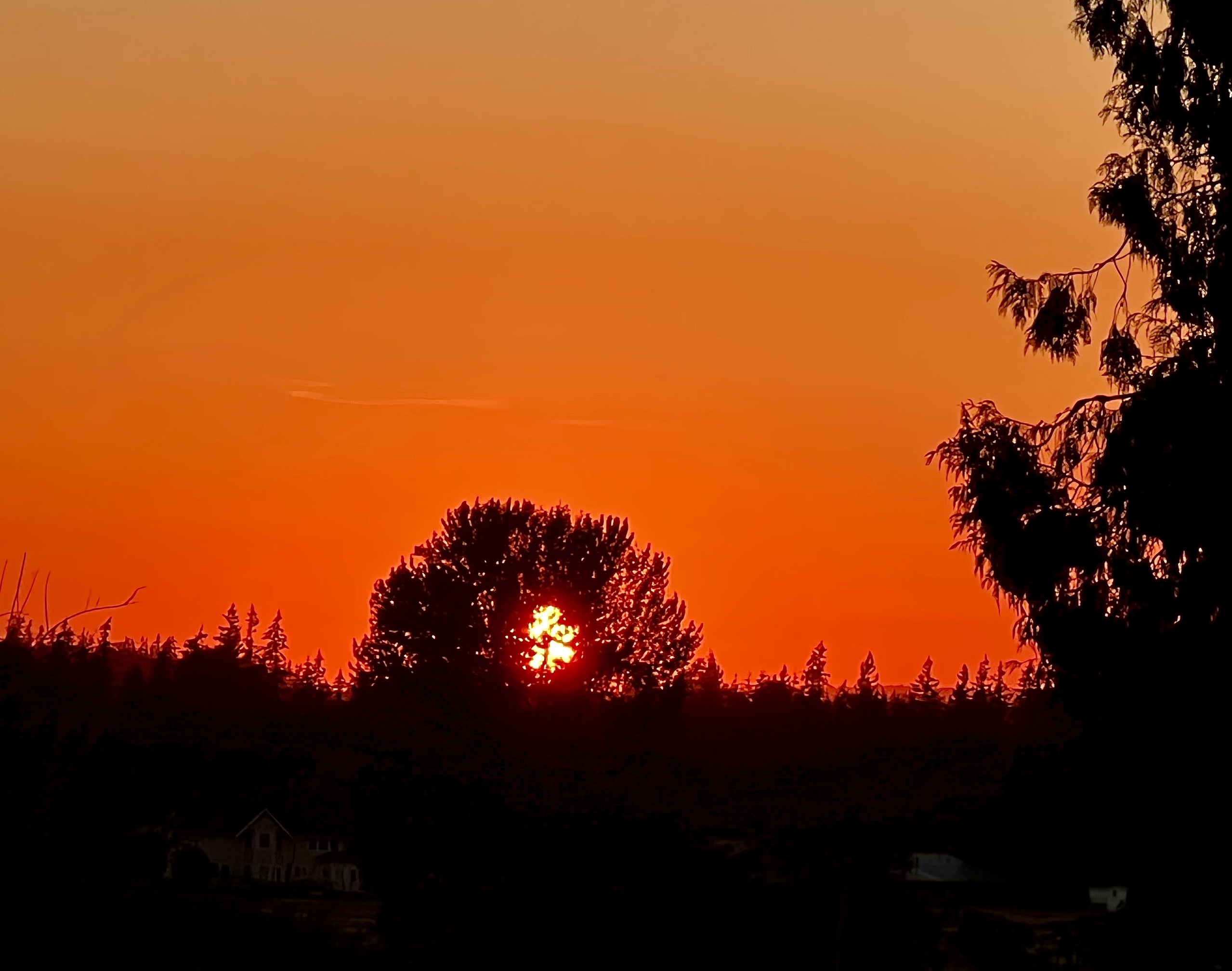
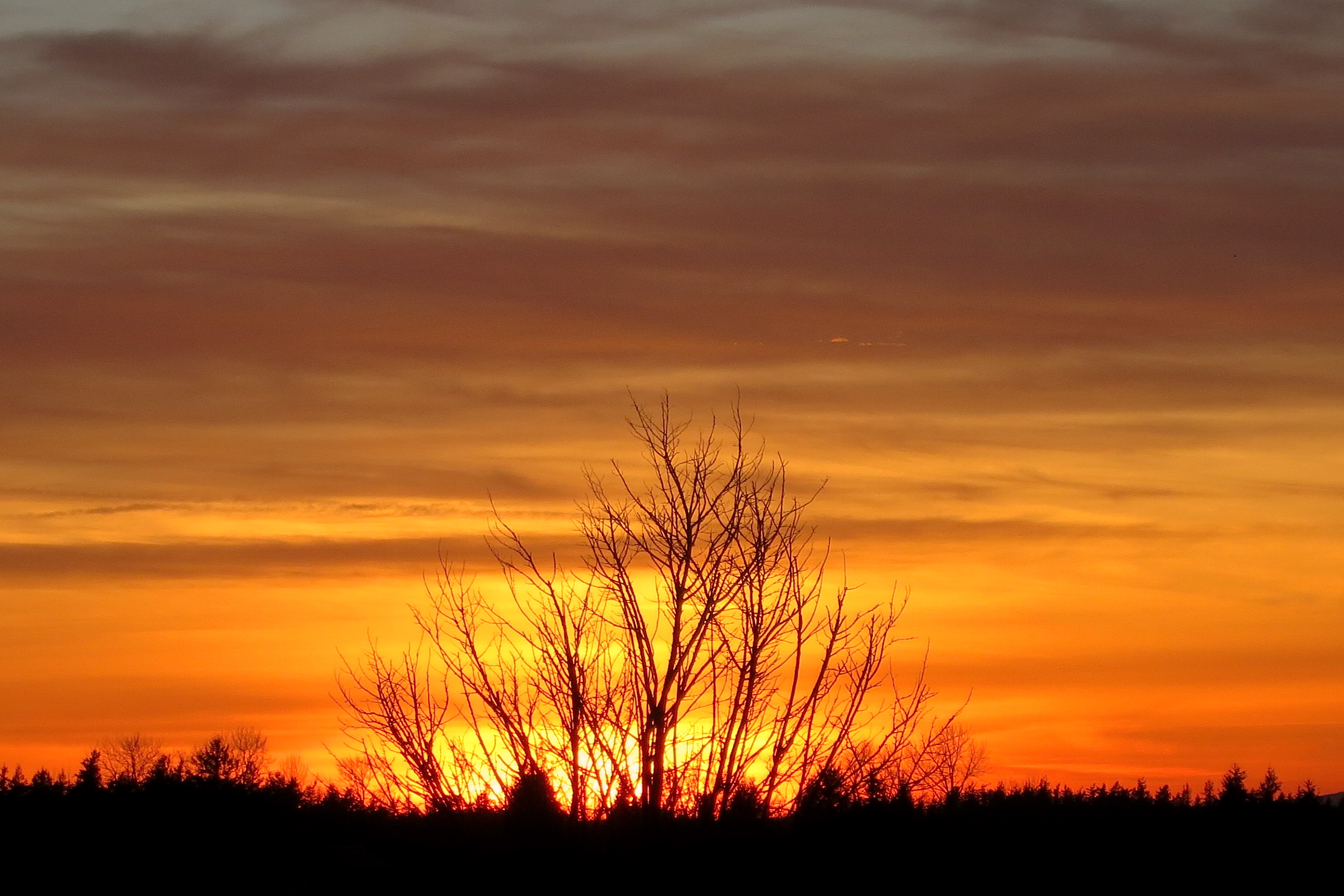
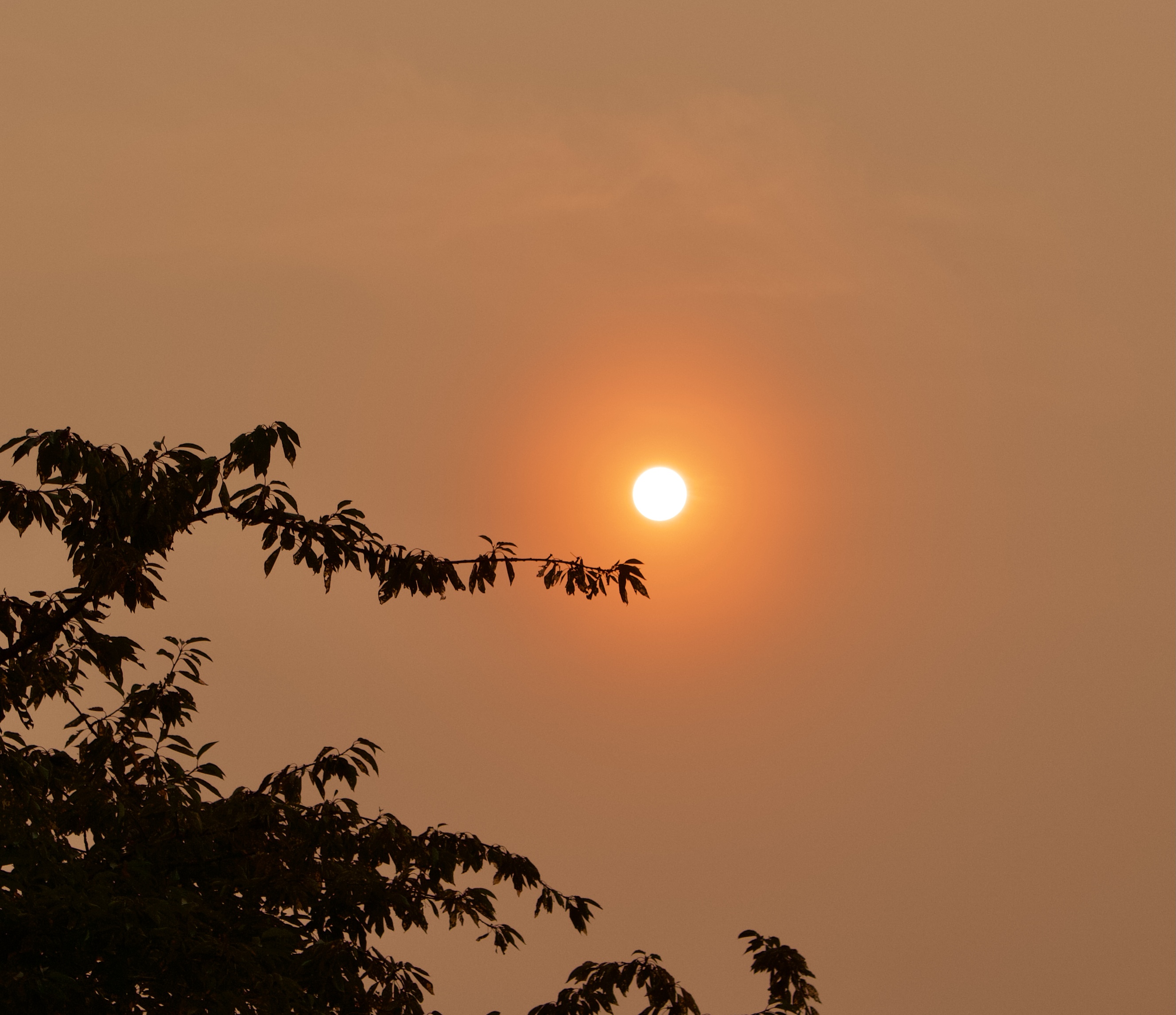
To our military veterans here and abroad – in deep appreciation and gratitude– for the freedoms you have defended on behalf of us all:
No one is left untouched and unscarred in the bitterness of war.
My father was one of the fortunate ones who came home, returning to a quiet farm life after three years serving in the Pacific with the Marines Corp from 1942 to 1945. Hundreds of thousands of his colleagues didn’t come home, dying on beaches and battlefields. Tens of thousands more came home forever marked, through physical or psychological injury, by the experience of war and witness of death and mayhem all around them.
No matter how one views wars our nation has fought and may be obligated to fight in the future, we must support and care for the men and women who have made, on our behalf, the commitment and sacrifice to be on the front line for freedom’s sake.
Even our God died so we could stop fighting each other (and Him). What a waste we have not stopped to listen and understand His sacrifice enough to finally lay down our weapons against one another forever.






















 Barnstorming