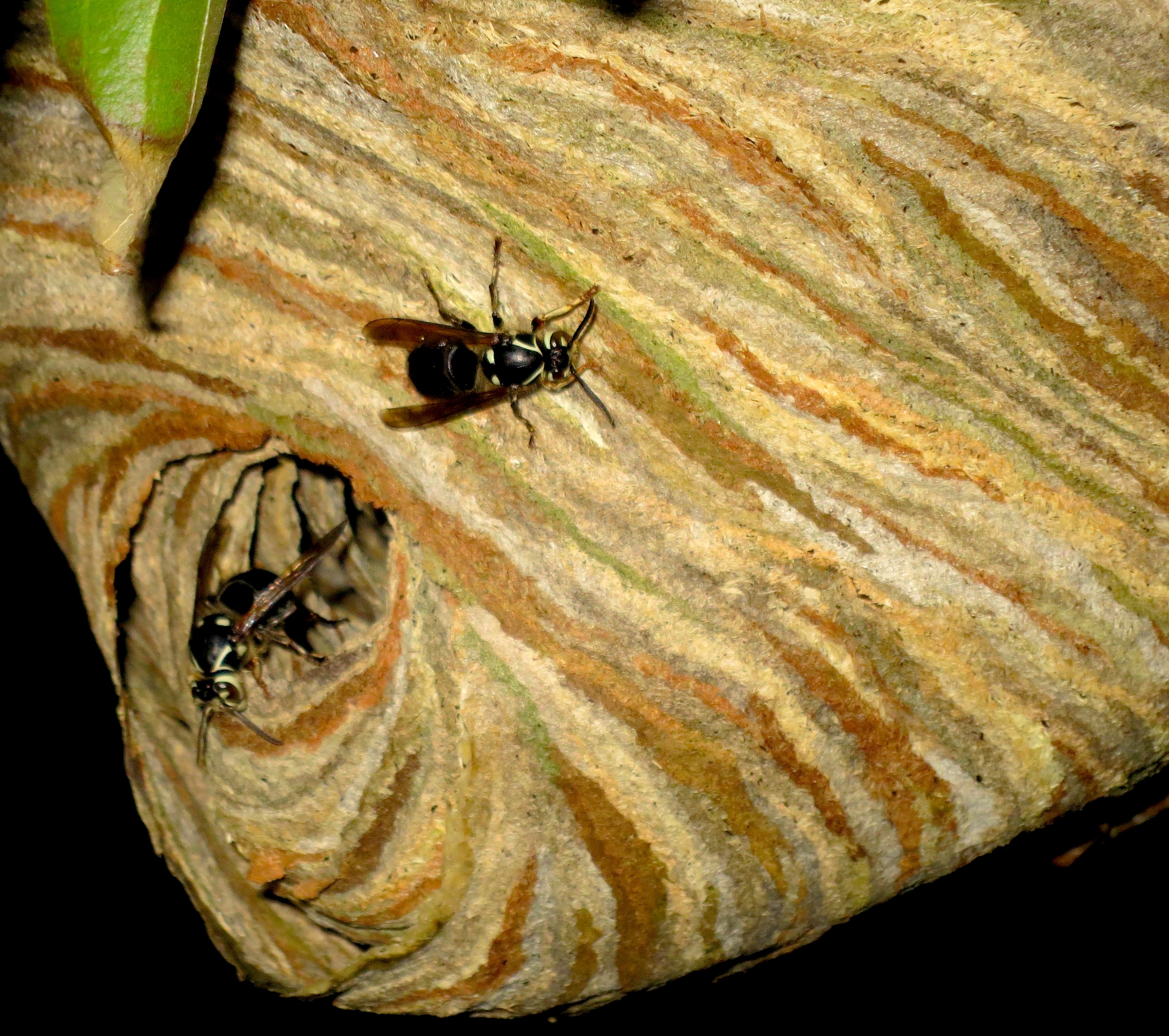
When the plowblade struck An old stump hiding under The soil like a beggar’s Rotten tooth, they swarmed up & Mister Jackson left the plow Wedged like a whaler’s harpoon. The horse was midnight Against dusk, tethered to somebody’s Pocketwatch. He shivered, but not The way women shook their heads Before mirrors at the five & dime—a deeper connection To the low field’s evening star. He stood there, in tracechains, Lathered in froth, just Stopped by a great, goofy Calmness. He whinnied Once, & then the whole Beautiful, blue-black sky Fell on his back. ~Yusuf Komunyakaa “Yellow Jackets” from Pleasure Dome
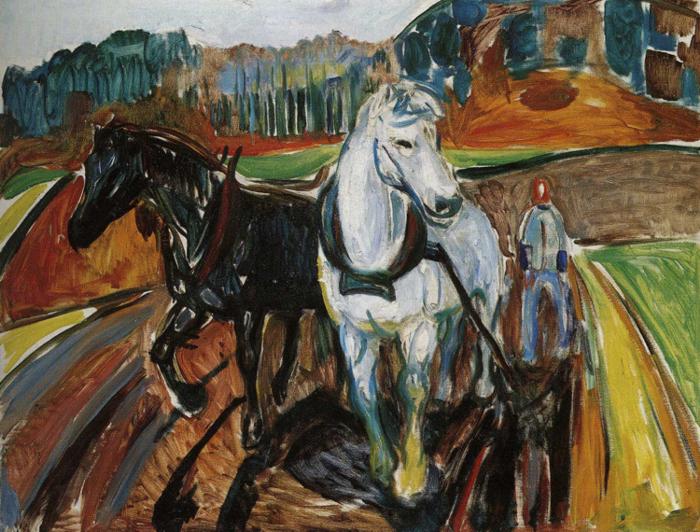
Horse Team by Edvard Munch
Death by a thousand stings.
This poem is twenty years old, yet shattering to read by the light of the events of this past week and this past year. Written by a Pulitzer Prize winning Black poet and Vietnam War veteran, it is a stark description of a teamster and plow horse going about their routine work when a hive of yellow jackets is disturbed.
The farmer saves himself.
The abandoned work horse remains harnessed and chained to the immobilized plow, eventually falling crushed beneath the swarm on his back.
How many times recently have we witnessed this stark reality of the power of the angry swarm – whether the target is someone set upon and killed by law enforcement gone rogue, or last week, a man in blue defending the U.S. Capitol, beaten and crushed by rioters who pummeled him senseless with the pole of the American flag?
A poetic metaphor about an enslaved worker dying in chains expands to include us all:
-we are the farmer who panics and runs for his life in the midst of crisis -we are the harnessed plowhorse obediently and calmly doing his job, becoming the sacrifice for the sake of the farmer -we are the angry swarm whose well being and security is threatened so all hell breaks loose -we are the poet whose words try to make sense of the senseless.
Ultimately, the Writer of the Word is our rescuer: rather than abandoning us to our fate, He saves us by becoming the sacrifice Himself.
He allowed the swarm to fall on His back rather than on us.
Deep midwinter, the dark center of the year, Wake, O earth, awake, Out of the hills a star appears, Here lies the way for pilgrim kings, Three magi on an ancient path, Black hours begin their journeyings.
Their star has risen in our hearts, Empty thrones, abandoning fears, Out on the hills their journey starts, In dazzling darkness God appears. ~Judith Bingham “Epiphany”
…the scent of frankincense and myrrh arrives on the wind, and I long to breathe deeply, to divine its trail. But I know their uses and cannot bring myself to breathe deeply enough to know whether what comes is the fragrant welcoming of birth or simply covers the stench of death. These hands coming toward me, is it swaddling they carry or shroud? ~Jan Richardson from Night Visions –searching the shadows of Advent and Christmas
Unclench your fists Hold out your hands. Take mine. Let us hold each other. Thus is his Glory Manifest. ~Madeleine L’Engle “Epiphany”
All this was a long time ago, I remember, And I would do it again, but set down This set down This: were we led all that way for Birth or Death? There was a Birth, certainly We had evidence and no doubt. I had seen birth and death, But had thought they were different; this Birth was Hard and bitter agony for us, like Death, our death.
Imagine the Lord, for the first time, from darkness, and stranded Immensely in distance, recognizing Himself in the Son Of Man: His homelessness plain to him now in a homeless one. ~Joseph Brodsky from “Nativity Poem” translated from Russian by Seamus Heaney
In the cold season, in a locality accustomed to heat more than to cold, to horizontality more than to a mountain, a child was born in a cave in order to save the world; it blew as only in deserts in winter it blows, athwart.
To Him, all things seemed enormous: His mother’s breast, the steam out of the ox’s nostrils, Caspar, Balthazar, Melchior—the team of Magi, their presents heaped by the door, ajar. He was but a dot, and a dot was the star.
Keenly, without blinking, through pallid, stray clouds, upon the child in the manger, from far away— from the depth of the universe, from its opposite end—the star was looking into the cave.
The Christmas season is now a wrap, the lights put away for another year. Yet our hearts are not so easily packed and stored.
Our troubles and concerns go on; the pandemic numbers soar, our frailty a daily reality. We can be distracted with holidays for a few weeks, but our time here slips away ever more quickly.
The Christmas story is not just about light and birth and joy to the world, magi following a star to discover they are reborn in Light themselves.
It is about how His swaddling clothes became a shroud that wrapped Him tight for only three days. There is not a birth without His death; even when we try to store Him away, neatly wrapped to pull out in another year.
Christ does not stay on the closet shelf.
God came to be with and among us; Delivered so He could deliver. Planted on and in the earth. Born so He could die in our place and leave the linen strips behind, neatly folded.
Advent: an interminable wait in the darkness Christmas: an unwrapping of the ultimate gift of life Epiphany: the Father watches us from afar to see how the Seed He sent takes root in our hearts, dazzling our darkness.
A voice is heard in Ramah, mourning and great weeping, Rachel weeping for her children and refusing to be comforted, because they are no more. Matthew 2:18 and Jeremiah 31:15
We think of him as safe beneath the steeple, Or cosy in a crib beside the font, But he is with a million displaced people| On the long road of weariness and want. For even as we sing our final carol His family is up and on that road, Fleeing the wrath of someone else’s quarrel, Glancing behind and shouldering their load.
Whilst Herod rages still from his dark tower Christ clings to Mary, fingers tightly curled,| The lambs are slaughtered by the men of power, And death squads spread their curse across the world. But every Herod dies, and comes alone To stand before the Lamb upon the throne. ~Malcolm Guite from Waiting on the Word
…as you sit beneath your beautifully decorated tree, eat the rich food of celebration, and laugh with your loved ones, you must not let yourself forget the horror and violence at the beginning and end of the Christmas story. The story begins with the horrible slaughter of children and ends with the violent murder of the Son of God. The slaughter depicts how much the earth needs grace. The murder is the moment when that grace is given.
Look into that manger representing a new life and see the One who came to die. Hear the angels’ celebratory song and remember that sad death would be the only way that peace would be given. Look at your tree and remember another tree – one not decorated with shining ornaments, but stained with the blood of God.
As you celebrate, remember that the pathway to your celebration was the death of the One you celebrate, and be thankful. ~Paul Tripp
There can be no consolation; only mourning and great weeping, sobbing that wrings dry every human cell, leaving dust behind– dust, only dust which is beginning and end.
He came to us for times such as this, born of the dust of woman and the breath of Spirit, God who bent down to lie in barn dust, walk on roads of dust, die and be laid to rest as dust in order to conquer such evil as this that could terrify masses and massacre innocents.
He became dust to be like us He began a mere speck in a womb like us, so easily washed away as unexpected, unneeded, unwanted.
Lord, You are long expected. You are needed You are wanted.
Your heart beat like ours breathing each breath like ours until a fearful fallen world took Your and our breath away.
You shine through the shadows of death to guide our stumbling uncertain feet. Your tender mercies flow freely when there is no consolation when there is no comfort.
You hear our cries as You cry too. You know our tears as You weep too. You know our mourning as You mourned too. You know our dying as You died too.
God weeps as tragedy happens. Evil comes not from God yet humankind embraces it. Sin is a choice we made from the beginning, a choice we continue to make.
Only God can glue together what evil has shattered. He just asks us to hand Him the pieces of our broken hearts.
We will know His peace when He comes to bring us home, our tears will finally be dried, our cells no longer just dust, never only dust as we are glued together by the breath of God forevermore.
the tender mercy of our God, by which the rising sun will come to us from heaven to shine on those living in darkness and in the shadow of death, to guide our feet into the path of peace. Luke 1: 78-79
The Word became flesh. Ultimate Mystery born with a skull you could crush one-handed. Incarnation. It is not tame. It is not beautiful. It is uninhabitable terror. It is unthinkable darkness riven with unbearable light. Agonized laboring led to it, vast upheavals of intergalactic space, time split apart, a wrenching and tearing of the very sinews of reality itself.
You can only cover your eyes and shudder before it, before this: “God of God, Light of Light, very God of very God… who for us and for our salvation,” as the Nicene Creed puts it, “came down from heaven.”
Came down.
Only then do we dare uncover our eyes and see what we can see. It is the Resurrection and the Life she holds in her arms. It is the bitterness of death he takes at her breast. ~Frederick Buechner from Whistling in the Dark: A Doubter’s Dictionary
Down he came from up, and in from out, and here from there. A long leap, an incandescent fall from magnificent to naked, frail, small, through space, between stars, into our chill night air, shrunk, in infant grace, to our damp, cramped earthy place among all the shivering sheep.
And now, after all, there he lies, fast asleep. ~Luci Shaw “Descent” from Accompanied By Angels
[The Incarnation is like] a wave of the sea which, rushing up on the flat beach, runs out, even thinner and more transparent, and does not return to its source but sinks into the sand and disappears. ~Hans Urs von Balthasar from Origen: Spirit and Fire
Perhaps it is the mystery of the thing that brings us back, again and again, to read the story of how God came down and disappeared into us.
How can this be? God appearing on earth first to animals, then the most humble of humans.
How can He be? Through the will of the Father and the breath of the Spirit, the Son was, and is and yet to be.
O great mystery beyond all understanding.
O magnum mysterium, et admirabile sacramentum. Ut animalia viderent Dominum natum, iacentem in praesepio: Beata Virgo, cujus viscera meruerunt portare Dominum Christum Alleluia
In the quiet misty morning When the moon has gone to bed, When the sparrows stop their singing And the sky is clear and red, When the summer’s ceased its gleaming When the corn is past its prime, When adventure’s lost its meaning – I’ll be homeward bound in time
Bind me not to the pasture Chain me not to the plow Set me free to find my calling And I’ll return to you somehow
If you find it’s me you’re missing If you’re hoping I’ll return, To your thoughts I’ll soon be listening, And in the road I’ll stop and turn Then the wind will set me racing As my journey nears its end And the path I’ll be retracing When I’m homeward bound again
Bind me not to the pasture Chain me not to the plow Set me free to find my calling And I’ll return to you somehow
In the quiet misty morning When the moon has gone to bed, When the sparrows stop their singing I’ll be homeward bound again. ~Marta Keen “Homeward Bound”
Seventy eight years ago, my parents married on Christmas Eve. It was not a conventional wedding day but a date of necessity, only because a justice of the peace was available to marry a score of war-time couples in Quantico, Virginia, shortly before the newly trained Marine officers were shipped out to the South Pacific to fight in WWII.
When I look at my parents’ young faces – ages 22 and just turned 21 — in their only wedding portrait, I see a hint of the impulsive decision that led to that wedding just a week before my father left for 30 months. They had known each other at college for over a year, had talked about a future together, but with my mother starting a teaching job in a rural Eastern Washington town, and the war potentially impacting all young men’s lives very directly, they had not set a date.
My father put his college education on hold to enlist, knowing that would give him some options he wouldn’t have if drafted, so they went their separate ways as he headed east to Virginia for his Marine officer training, and Mom started her high school teaching career as a speech and drama teacher. One day in early December of 1942, he called her and said, “If we’re going to get married, it’ll need to be before the end of the year. I’m shipping out the first week in January.” Mom went to her high school principal, asked for a two week leave of absence which was granted, told her astonished parents, bought a dress, and headed east on the train with a friend who had received a similar call from her boyfriend.
This was a completely uncharacteristic thing for my overly cautious mother to do, so… it must have been love.
They were married in a brief civil ceremony with another couple as the witnesses. They stayed in Virginia only a couple days and took the train back to San Diego, and my father was shipped out. Just like that. Mom returned to her teaching position and the first three years of their married life was composed of letter correspondence only, with gaps of up to a month during certain island battles when no mail could be delivered or posted.
As I sorted through my mother’s things following her death over a decade ago, I found their war-time letters to each other, stacked neatly and tied together in a box.
In my father’s nearly daily letters home to my mother during WWII, month after month after month, he would say, over and over, while apologizing for the repetition:
“I will come home to you, I will return, I will not let this change me, we will be joined again…”
This was his way of convincing himself even as he carried the dead and dying after island battles: men he knew well and the enemy he did not know. He knew they were never returning to the home they died protecting and to those who loved them.
He shared little of battle in his letters as each letter was reviewed and signed off by a censor before being sealed and sent. This story, however, made it through:
“You mentioned a story of Navy landing craft taking the Marines into Tarawa. It reminded me of something which impressed me a great deal and something I’m sure I’ll never forget.
So you’ll understand what I mean I’ll try to start with an explanation. In training – close order drill- etc. there is a command that is given always when the men form in the morning – various times during the day– after firing– and always before a formation is dismissed. The command is INSPECTION – ARMS. On the command of EXECUTION- ARMS each man opens the bolt of his rifle. It is supposed to be done in unison so you hear just one sound as the bolts are opened. Usually it is pretty good and sounds O.K.
Just to show you how the morale of the men going to the beach was – and how much it impressed me — we were on our way in – I was forward, watching the beach thru a little slit in the ramp – the men were crouched in the bottom of the boat, just waiting. You see- we enter the landing boats with unloaded rifles and wait till it’s advisable before loading. When we got about to the right distance in my estimation I turned around and said – LOAD and LOCK – I didn’t realize it, but every man had been crouching with his hand on the operating handle and when I said that — SLAM! — every bolt was open at once – I’ve never heard it done better – and those men meant business when they loaded those rifles.
A man couldn’t be afraid with men like that behind him.”
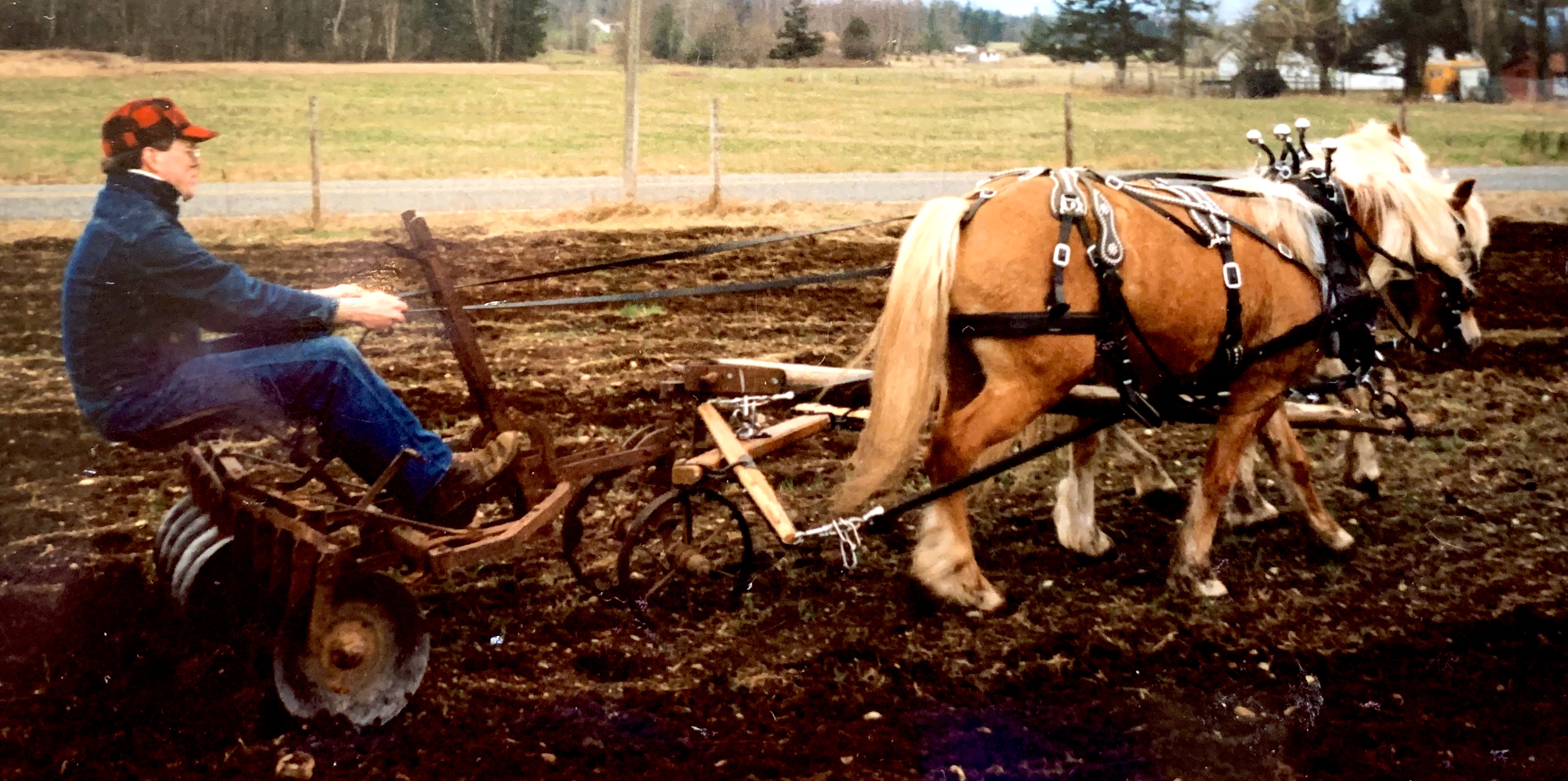
My father did return home to my mother after nearly three years of separation. He finished his college education to become an agriculture teacher to teach others how to farm the land while he himself became bound to the pasture and chained to the plow.
He never forgot those who died, making it possible for him to return home. I won’t forget either.
My mother and father could not have foretold the struggles that lay ahead for them. The War itself seemed struggle enough for the millions of couples who endured the separation, the losses and grieving, as well as the eventual injuries–both physical and psychological. It did not seem possible that beyond those harsh and horrible realities, things could go sour after reuniting.
The hope and expectation of happiness and bliss must have been overwhelming, and real life doesn’t often deliver. After raising three children, their 35 year marriage fell apart with traumatic finality. When my father returned home (again) over a decade later, asking for forgiveness, they remarried and had five more years together before my father died in 1995.
Christmas is a time of joy, a celebration of new beginnings and new life when God became man, humble, vulnerable and tender. But it also gives us a foretaste for the profound sacrifice made in giving up this earthly life, not always so gently.
As I peer at my father’s and mother’s faces in their wedding photo, I remember those eyes, then so trusting and unaware of what was to come. I find peace in knowing they returned home to behold the Light, the Salvation and the Glory~~the ultimate Christmas~~in His presence.
In the quiet misty morning When the moon has gone to bed, When the sparrows stop their singing And the sky is clear and red, When the summer’s ceased its gleaming When the corn is past its prime, When adventure’s lost its meaning – I’ll be homeward bound in time
Bind me not to the pasture Chain me not to the plow Set me free to find my calling And I’ll return to you somehow
If you find it’s me you’re missing If you’re hoping I’ll return, To your thoughts I’ll soon be listening, And in the road I’ll stop and turn Then the wind will set me racing As my journey nears its end And the path I’ll be retracing When I’m homeward bound again
Bind me not to the pasture Chain me not to the plow Set me free to find my calling And I’ll return to you somehow
In the quiet misty morning When the moon has gone to bed, When the sparrows stop their singing I’ll be homeward bound again. ~Marta Keen “Homeward Bound”
He will come like last leaf’s fall. One night when the November wind has flayed the trees to the bone, and earth wakes choking on the mould, the soft shroud’s folding.
He will come like frost. One morning when the shrinking earth opens on mist, to find itself arrested in the net of alien, sword-set beauty.
He will come like dark. One evening when the bursting red December sun draws up the sheet and penny-masks its eye to yield the star-snowed fields of sky. ~Dr. Rowan Williams “Advent Calendar”
He will come when we are at our loneliest and most discouraged, not expecting the flash of brilliance that accompanies this emergence of new life when all seems dead and dying.
He will come to comfort and console us with His Words and His reminder all is not lost all is not sadness. Even now, even now we have hope and we see beauty.
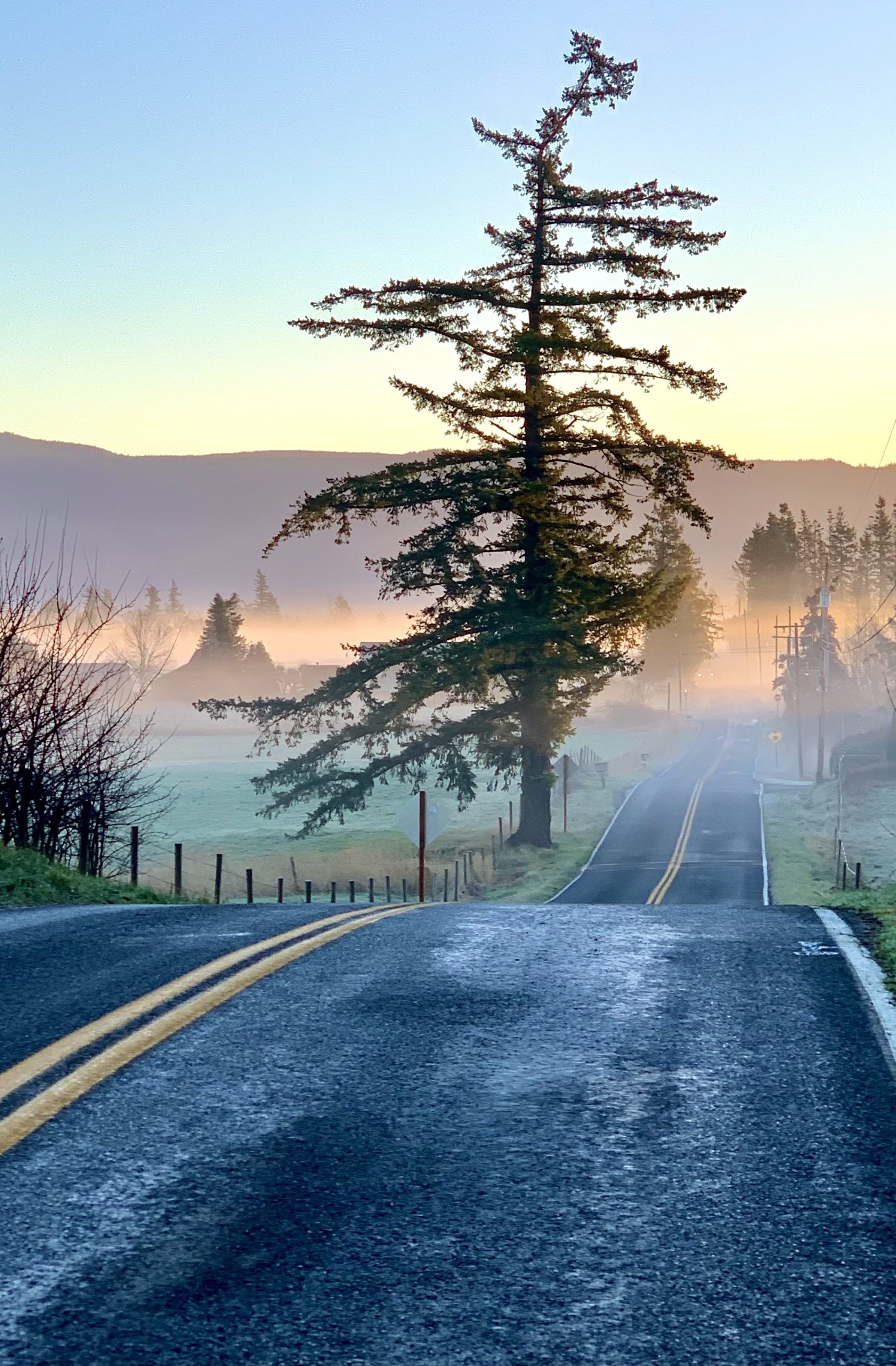
Around December first, the summer people All have gone. Some had stayed to see the fall And some for hunting season—all have gone.
We walk deserted roads. The first snows came But dried away to traces in the ditch And snowy patches on the forest floor.
In town the Christmas lights are blinking bright, The tourists few. The locals are subdued, At peace with what some still call Advent time.
It’s dark by four. We light a fireplace fire. We have a drink and share a meal and read Until it’s time to go to early bed.
Outdoors to fetch tomorrow’s wood, I stand Beneath the stars. It’s moonless, clear and cold. The constellations reach like outspread hands.
Star bright but not at all a silent night, There seems to be a constant trembling— Someone surely there, someone almost here. ~Steven Peterson “Advent”
During these quiet quarantined days when we no longer share meals meeting on screens rather than living rooms, there is a sense of trembling anticipation, waiting and watching for the world to feel safer again.
We wander, wondering, looking for Someone who is almost here but not quite yet. Born to die for poor ornery people like you and like I.
I wonder as I wander out under the sky How Jesus my Saviour did come for to die For poor on’ry people like you and like I I wonder as I wander out under the sky I wonder as I wander out under the sky That Jesus my Saviour did come for to die For poor on’ry people like you and like I I wonder as I wander out under the sky I wonder as I wander out under the sky
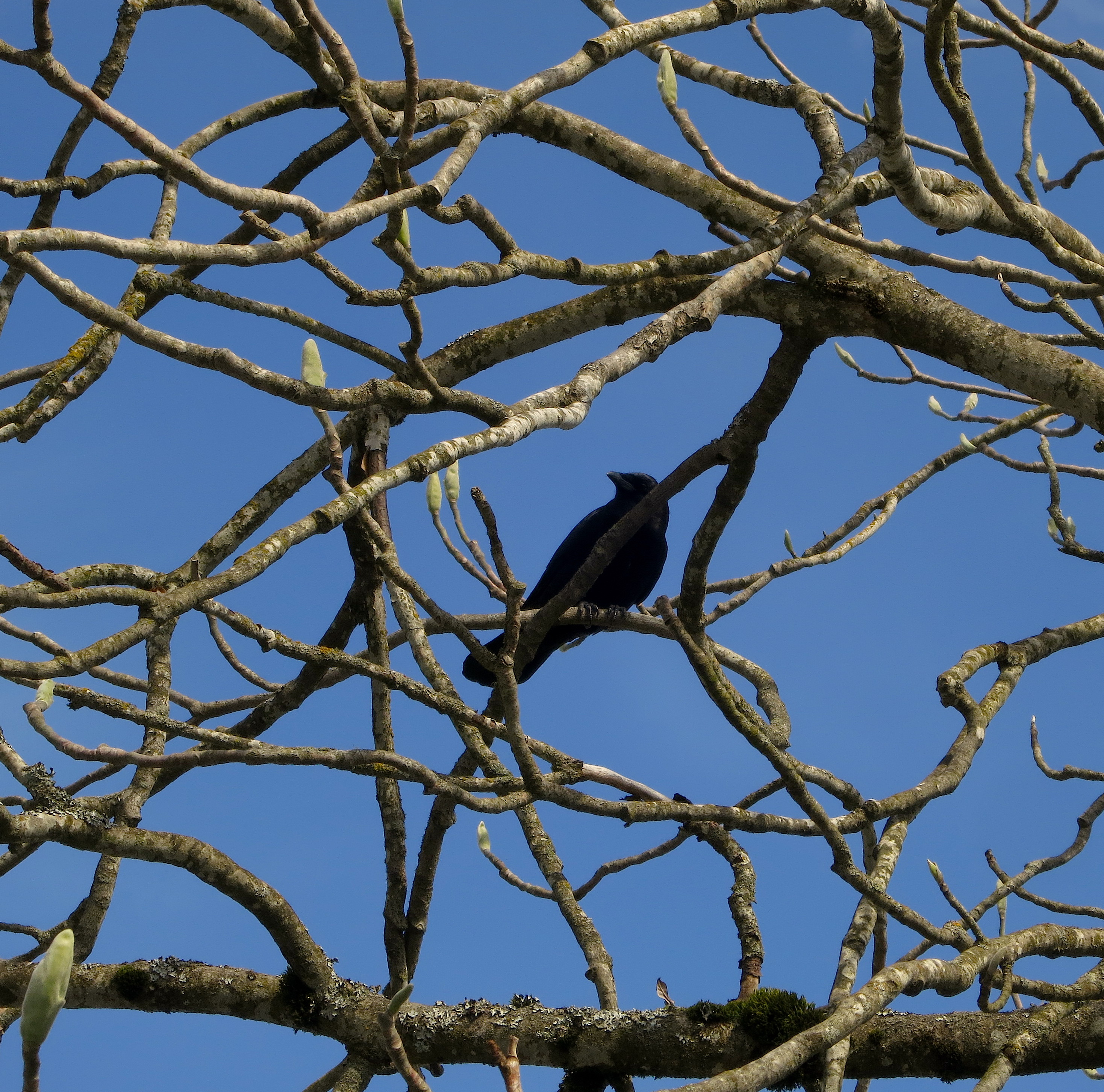
The way a crow Shook down on me The dust of snow From a hemlock tree
Has given my heart A change of mood And saved some part Of a day I had rued. ~Robert Frost “Dust of Snow”
All those with whom I speak these days wish things could be different~ nothing feels right, rights feel like nothing, everyone sadly angry and angrily sad.
Friends no longer speaking to friends, families divided, opinions expressed and dismissed.
This virus is doing more damage than it was ever designed to do. It simply wants to replicate itself, yet along with its RNA, we have allowed it to sow discord, distrust, discouragement into our cells as well.
There is no vaccine for the stubbornness of heart ailing us now; we resist protective measures, act as if all is normal when a quarter million are dead and more are dying.
This infection of the spirit will far outlast the virus by spreading through the generations, eroding relationships, splitting human bonds, and withering our love for one another.
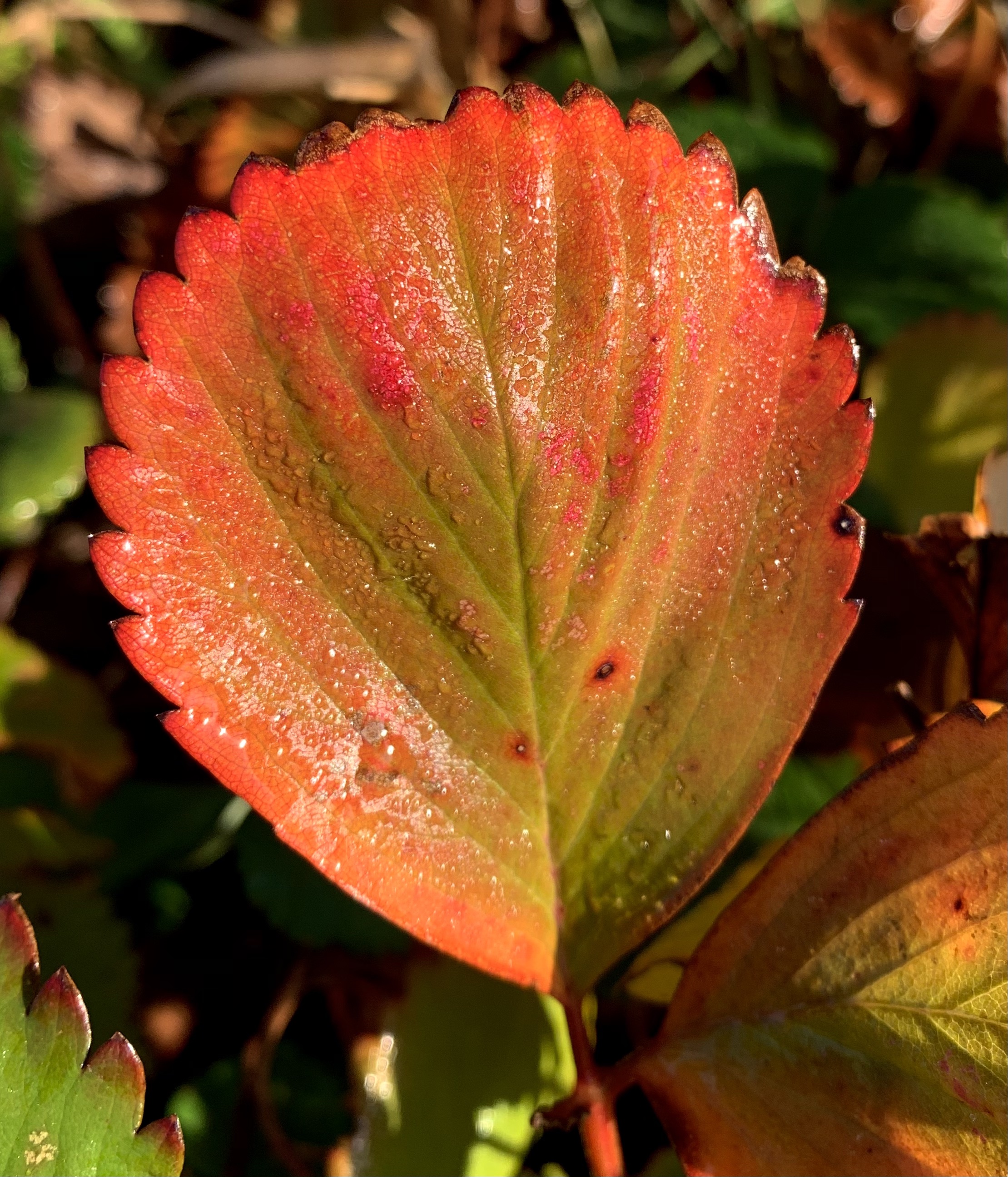
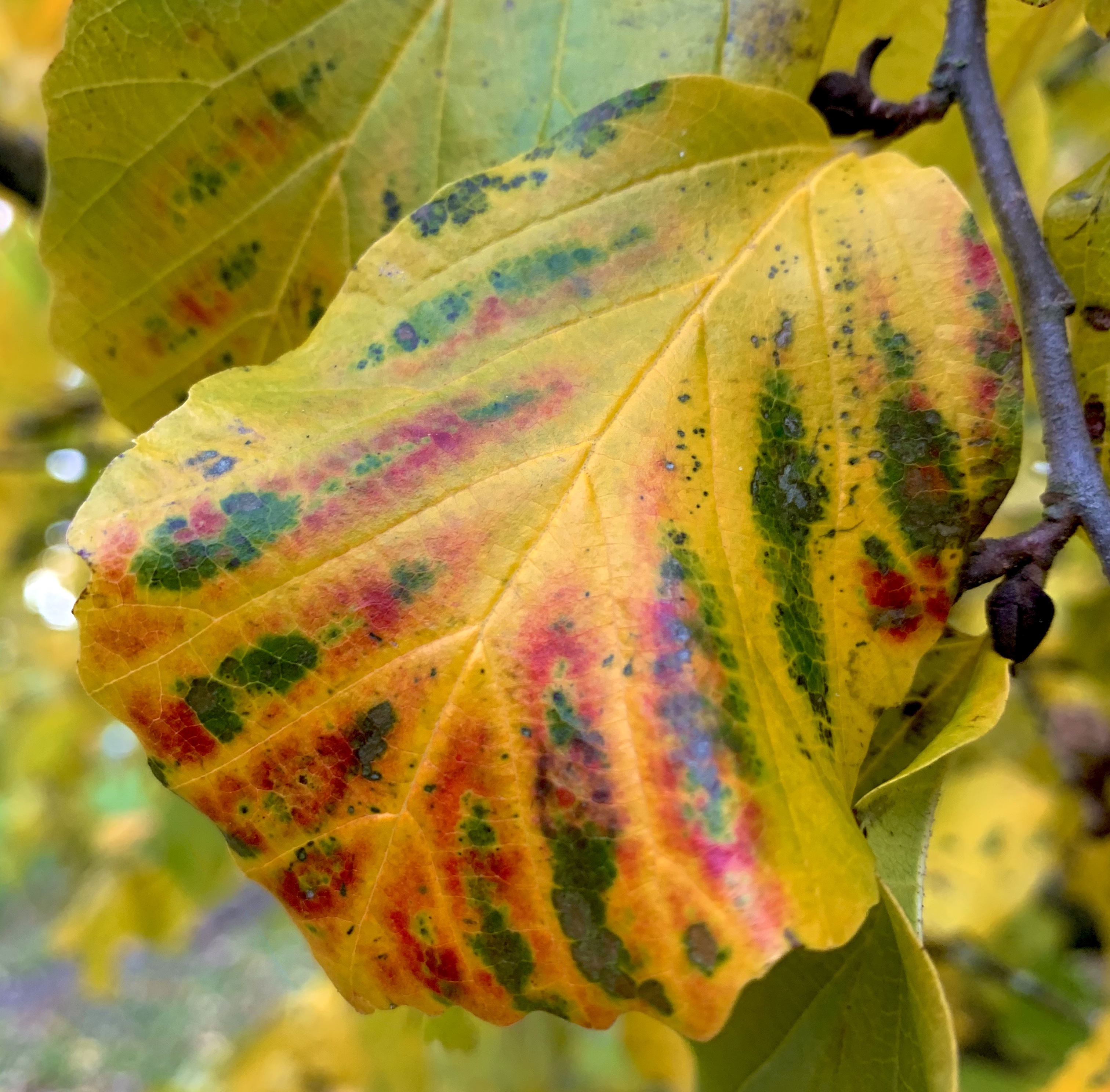
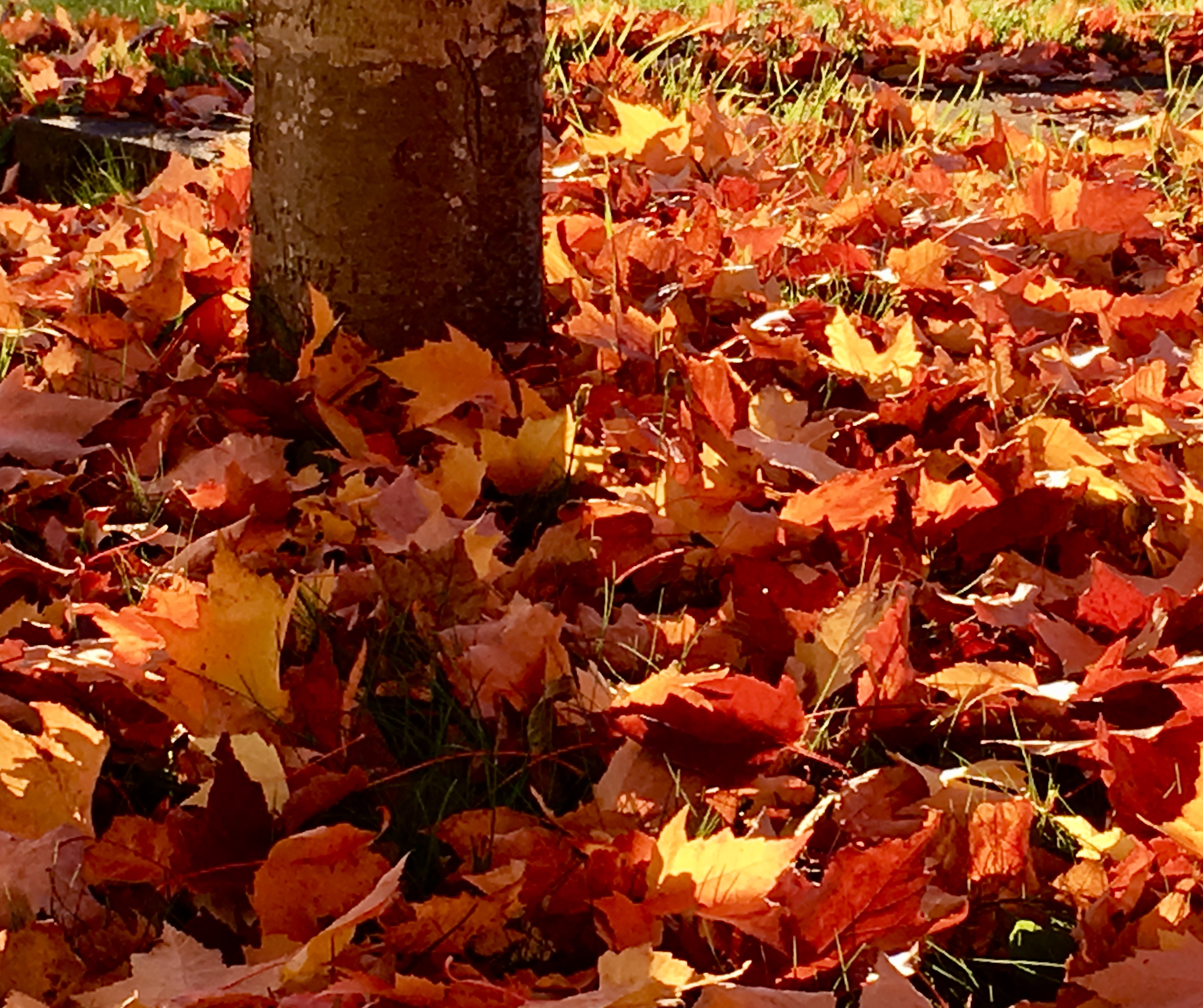
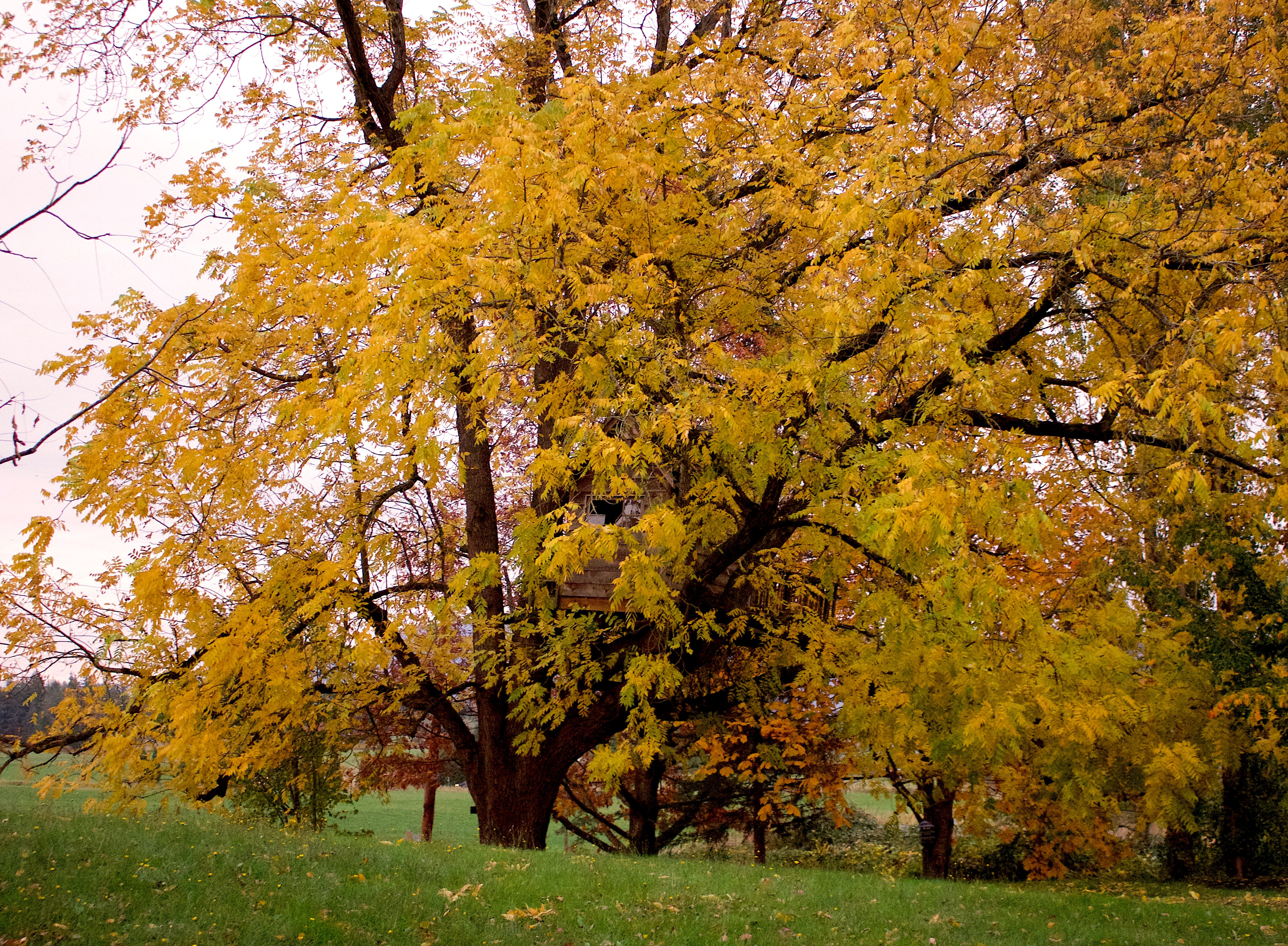
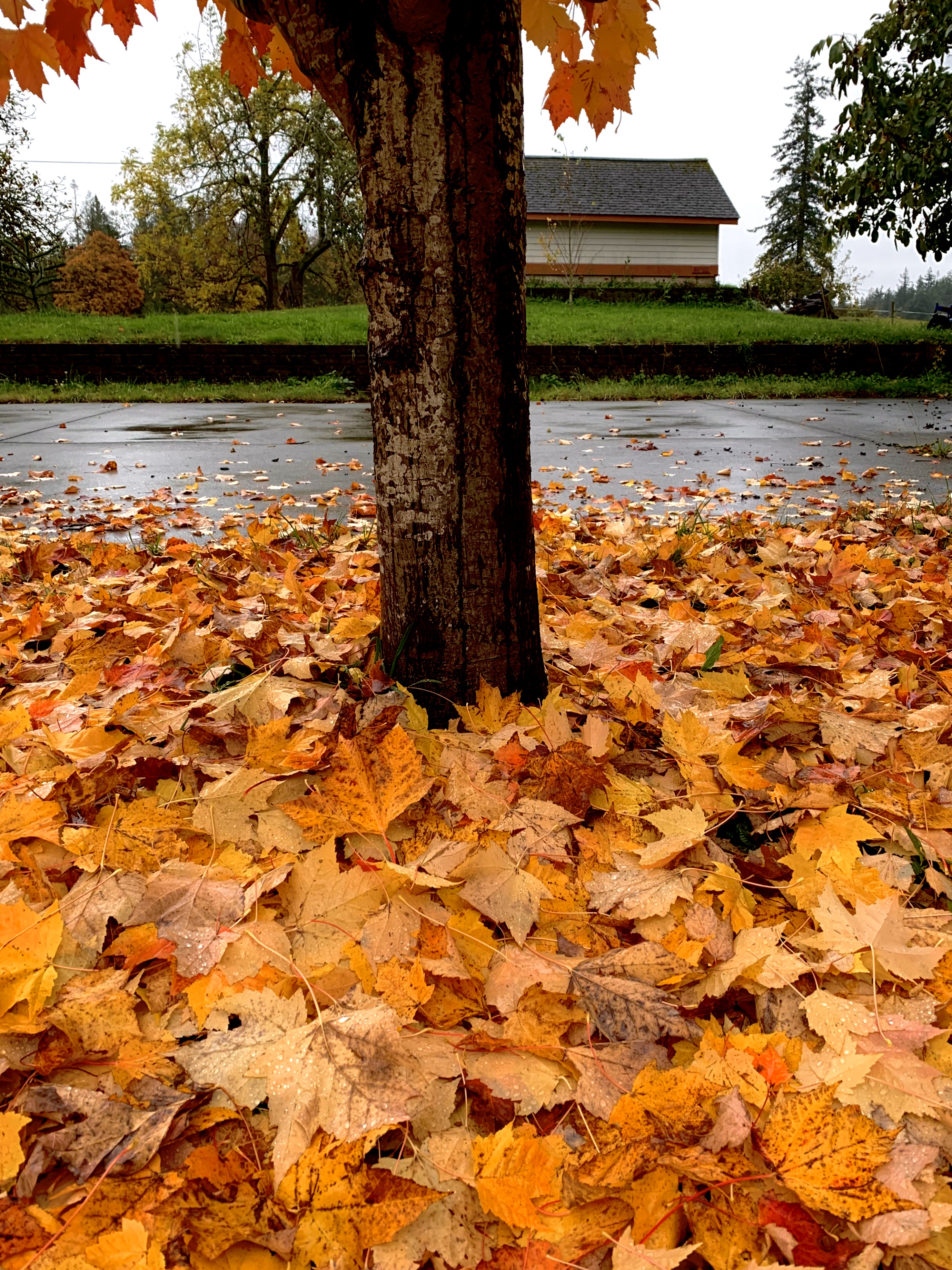
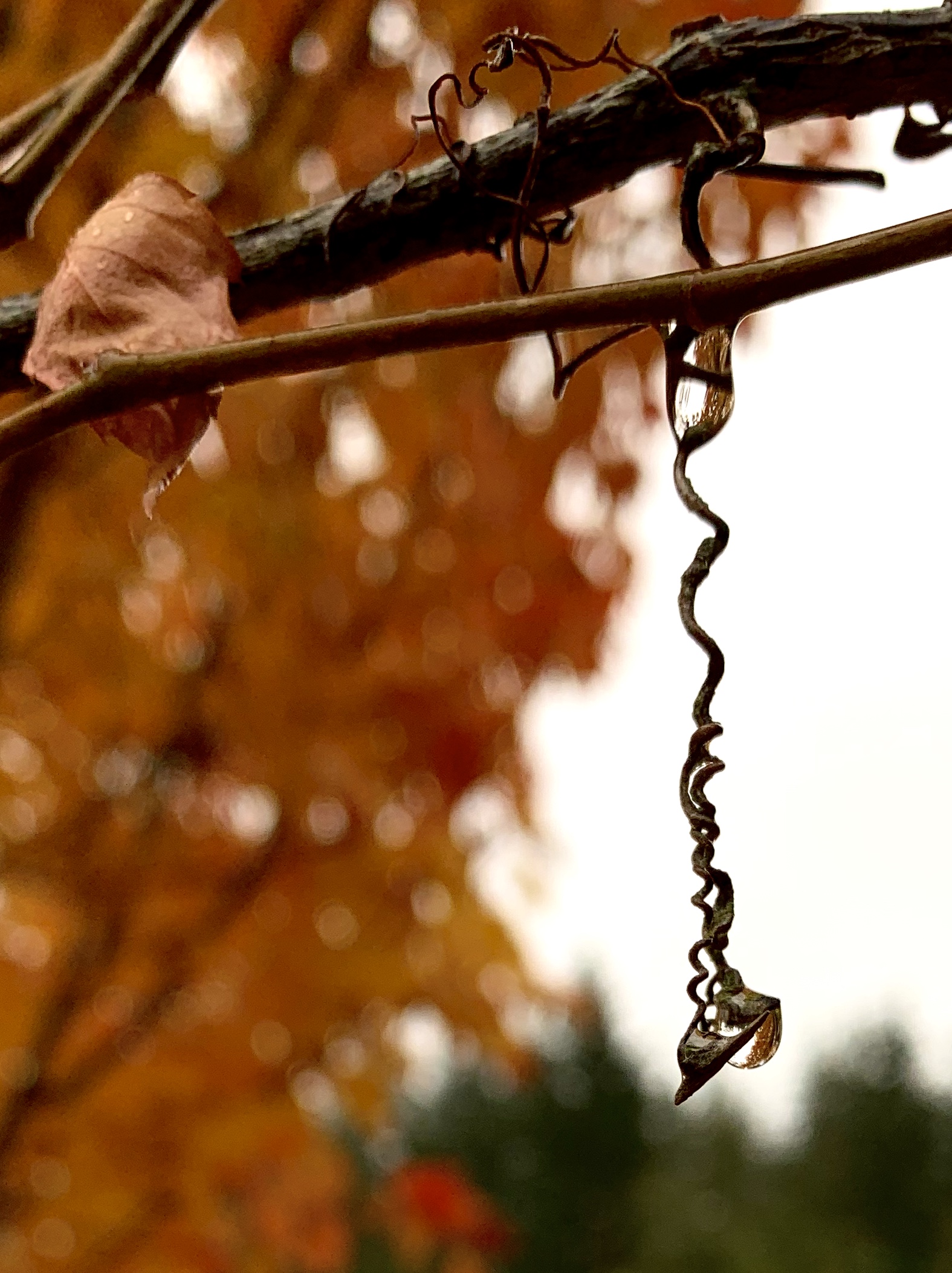
The melon shades of leaves will soon rust and fall gently to layers of rest and forgetting, like sunken poems, unusual love, and grave silence after the crows.
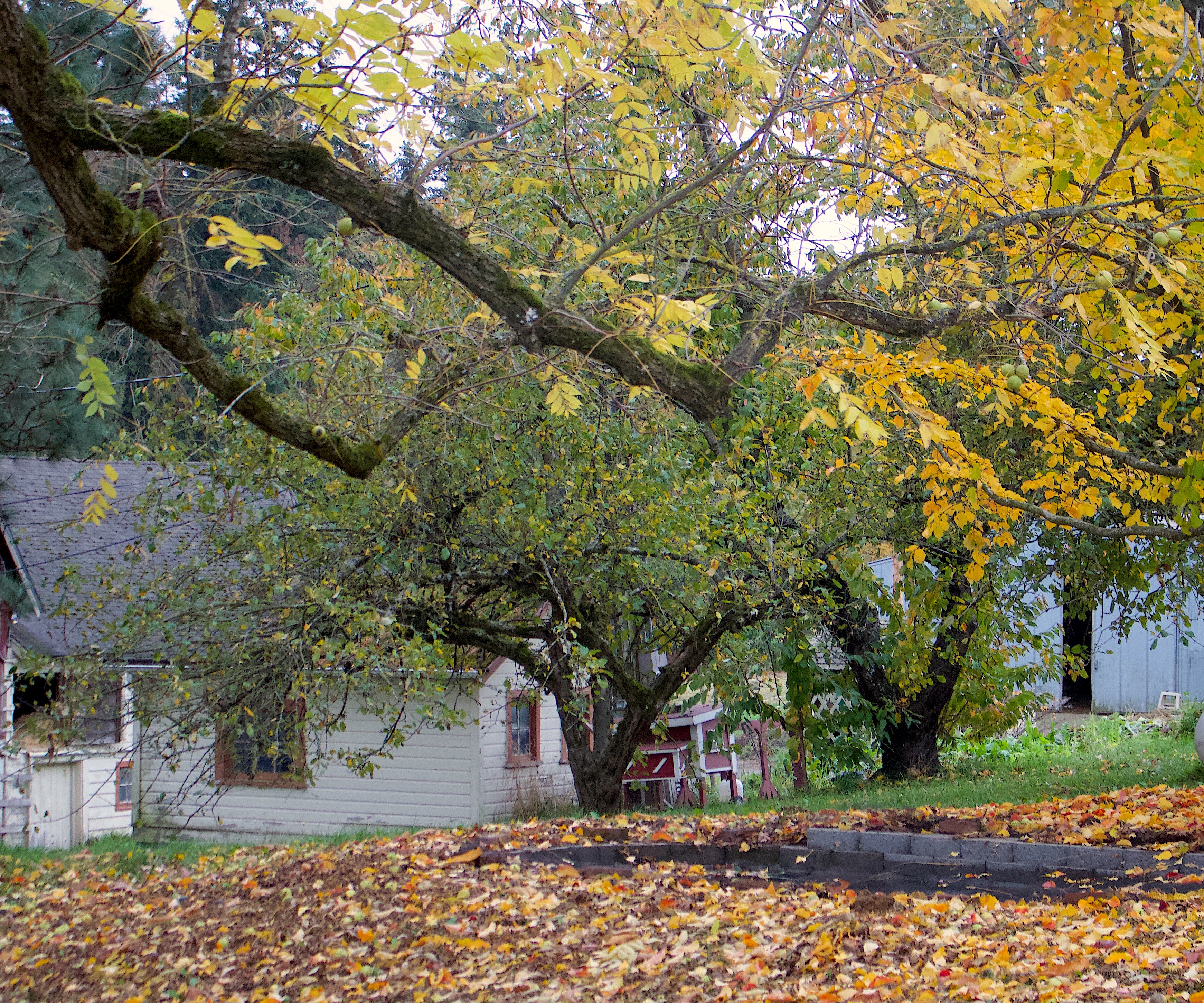
The black walnut tree trembles down its mysterious spheres to sleep darkly, to pulse with memory of heartwood.
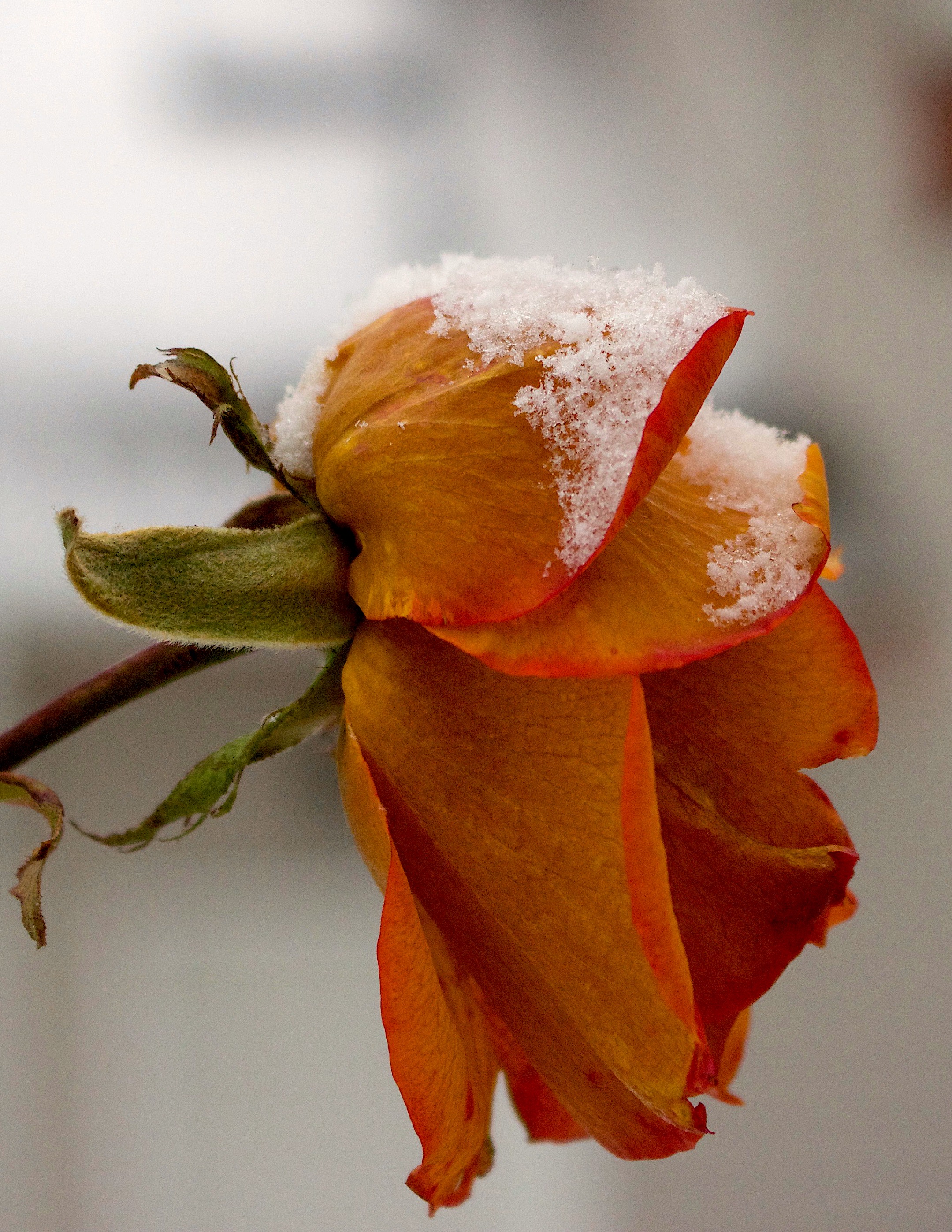
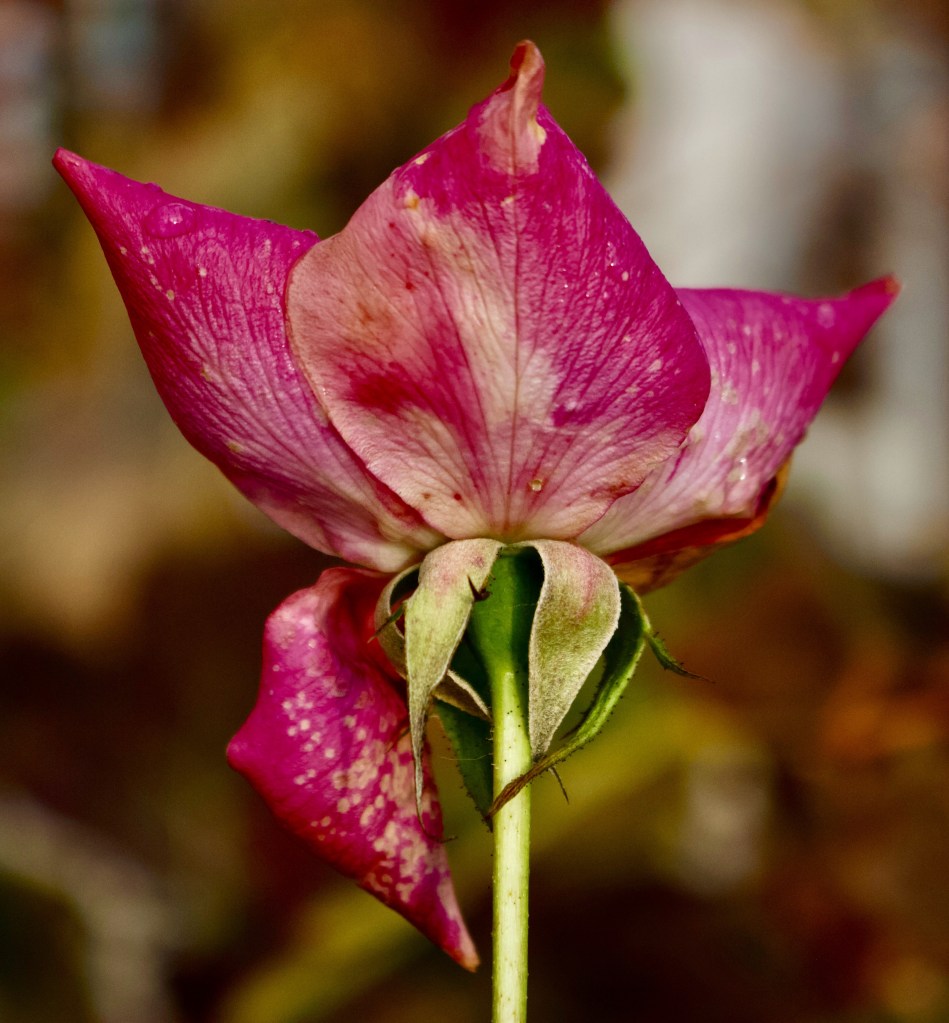
Old roses are paling with grace in this air of ruining tomorrows. Autumn again, and all the years twisting a garland of melancholy. ~Tim Buck, “Autumn” from VerseWrights Journal
The beauty around me is dying. It becomes harder to find vibrance and life in my surroundings in the volatility of deep autumn: a high wind warning is on the horizon in a few hours and we face a long winter as the uncontrolled pandemic continues unabated.
Those facts alone are enough to make me wander about the farm feeling melancholic. Even more than the loss of mere leaves and the fading of blooms is the reality of so many afflicted and infected people whose season for dying will come too soon.
Woe to us who are more concerned about our inconvenience and discomfort today than the months of ruined tomorrows for millions.
Lest it be forgotten in our bitterness – the promise of healing and renewal is also on the horizon.
May I listen for the pulse deep within the heartwood of each person with whom I have differences; my love for them must not fade nor wither but grow more graceful, more forgiving, more vibrant and beautiful by the day.
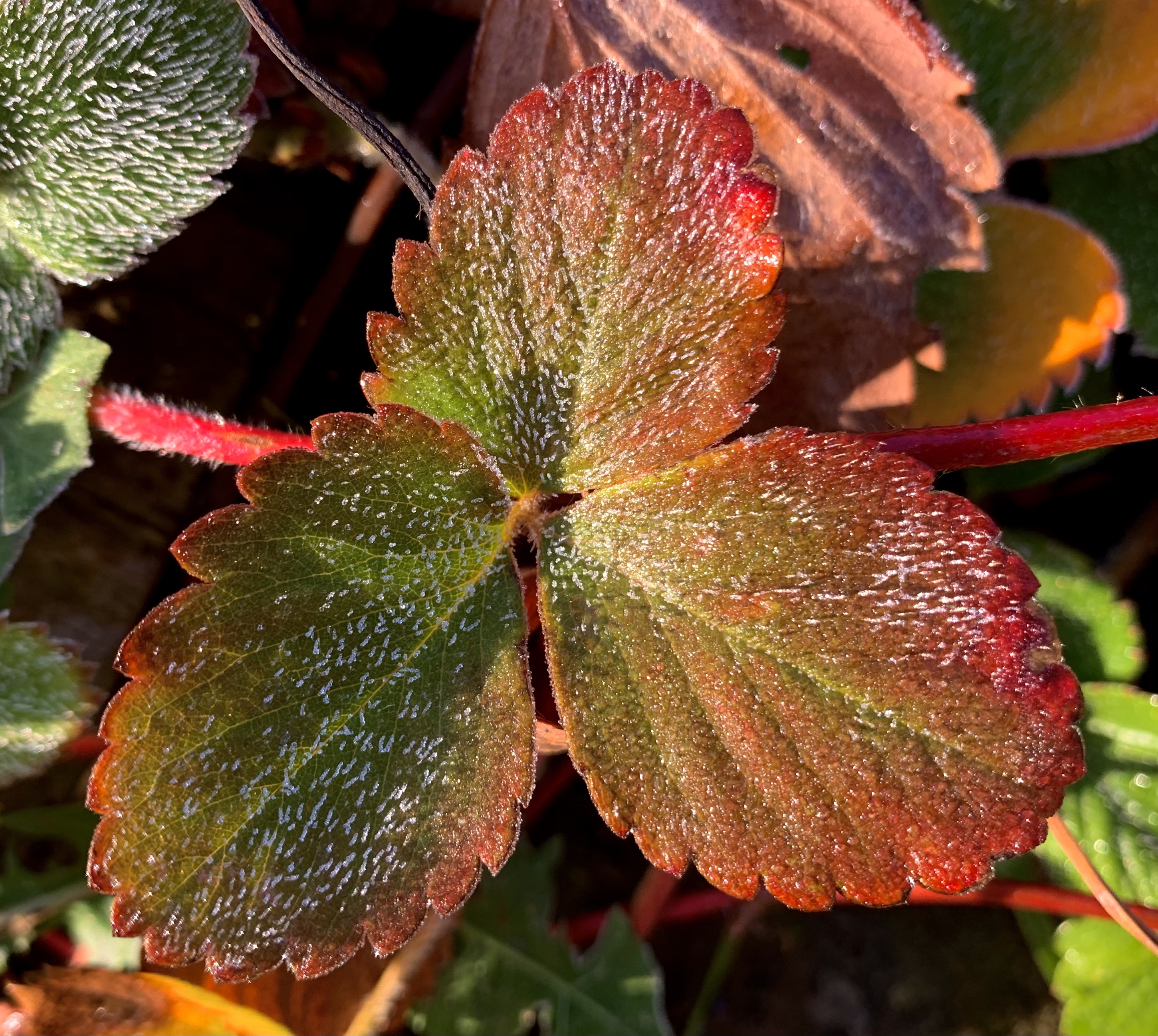
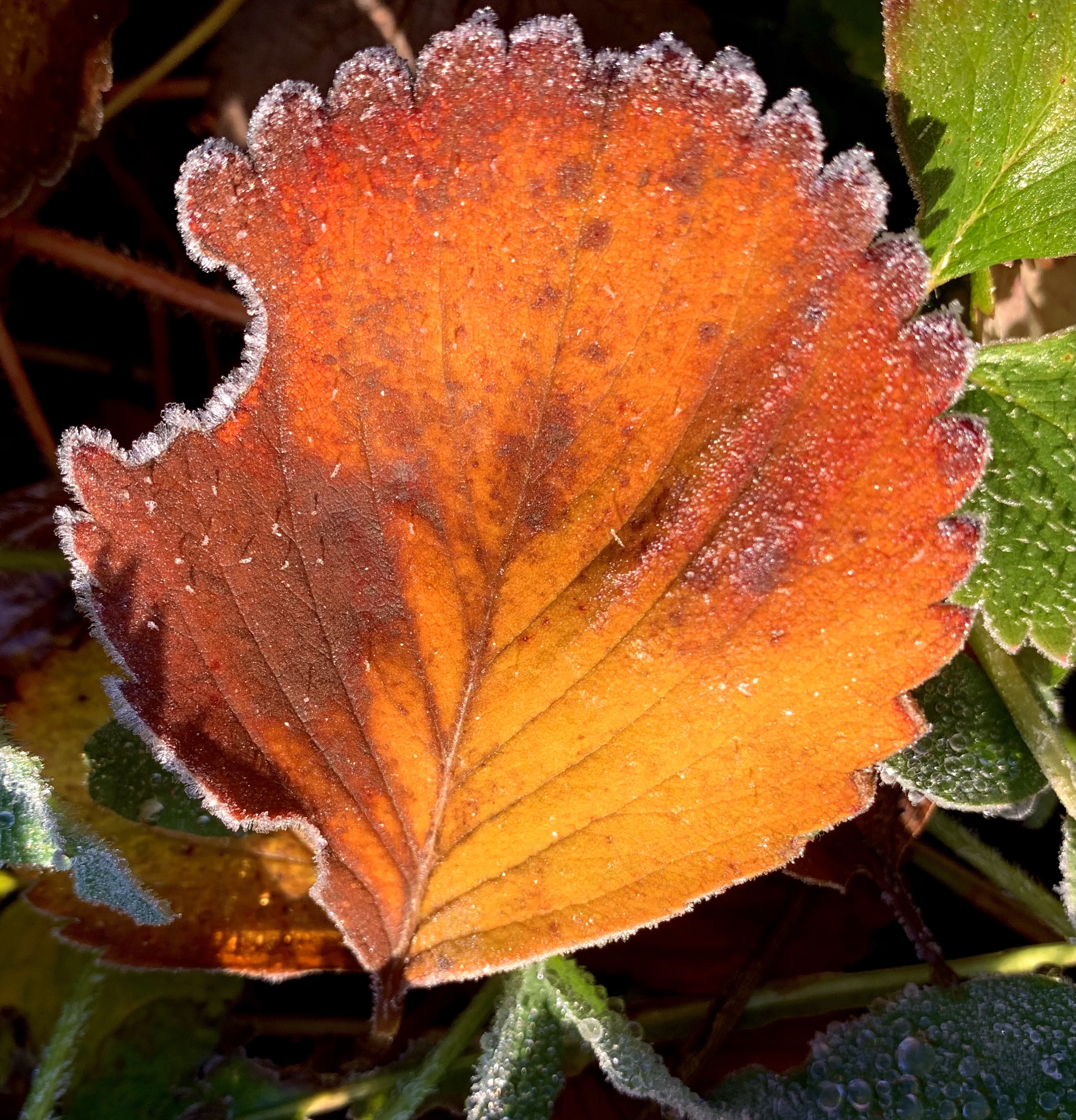
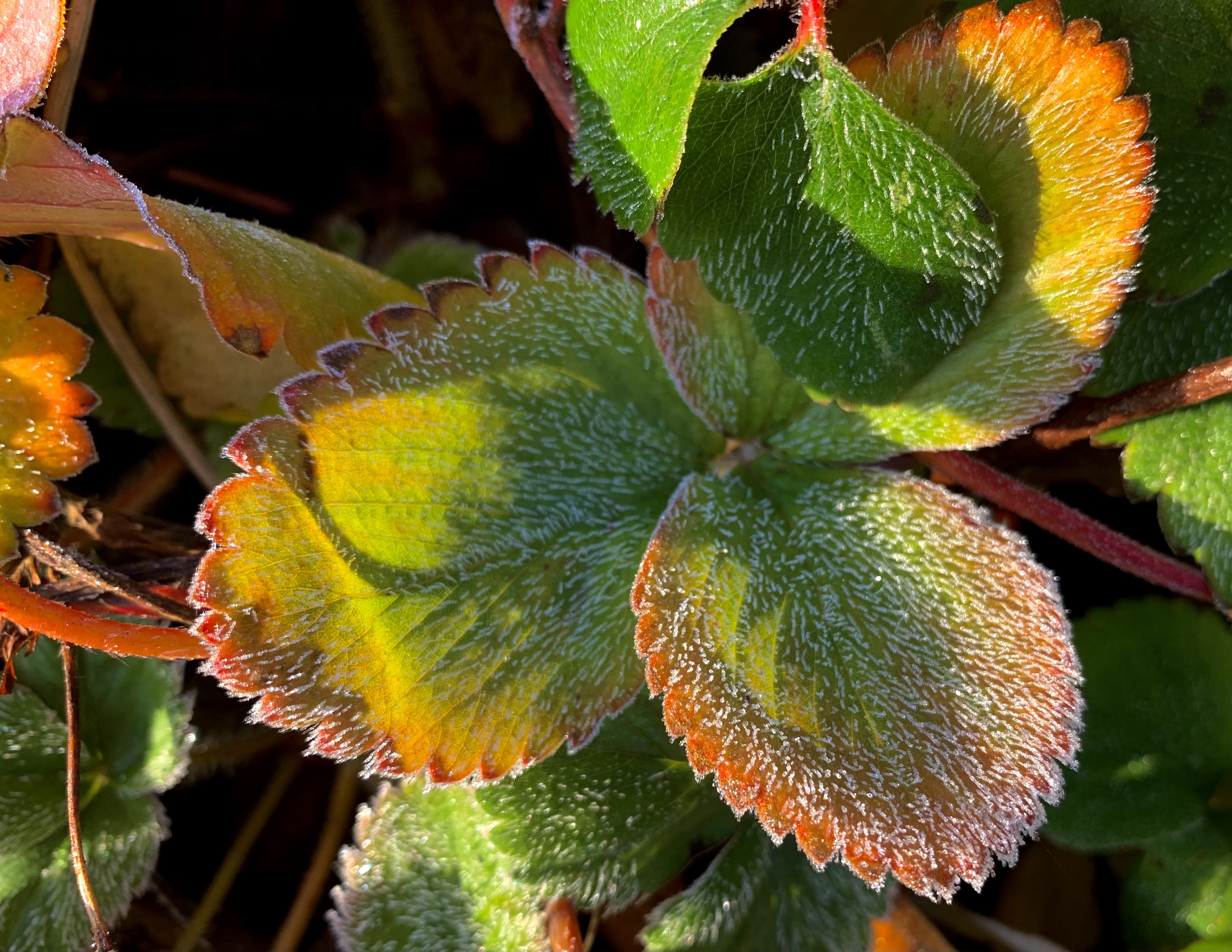
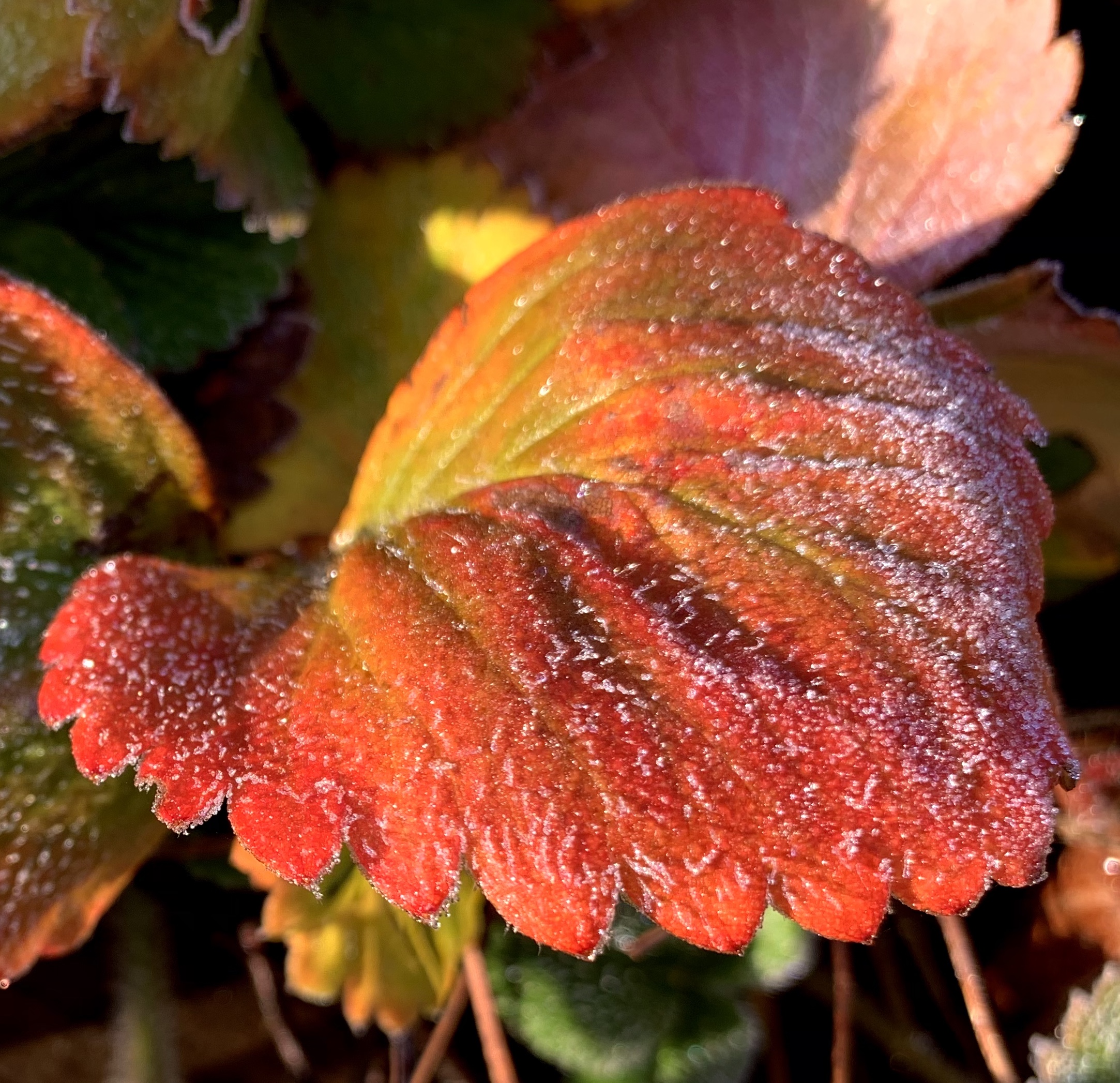
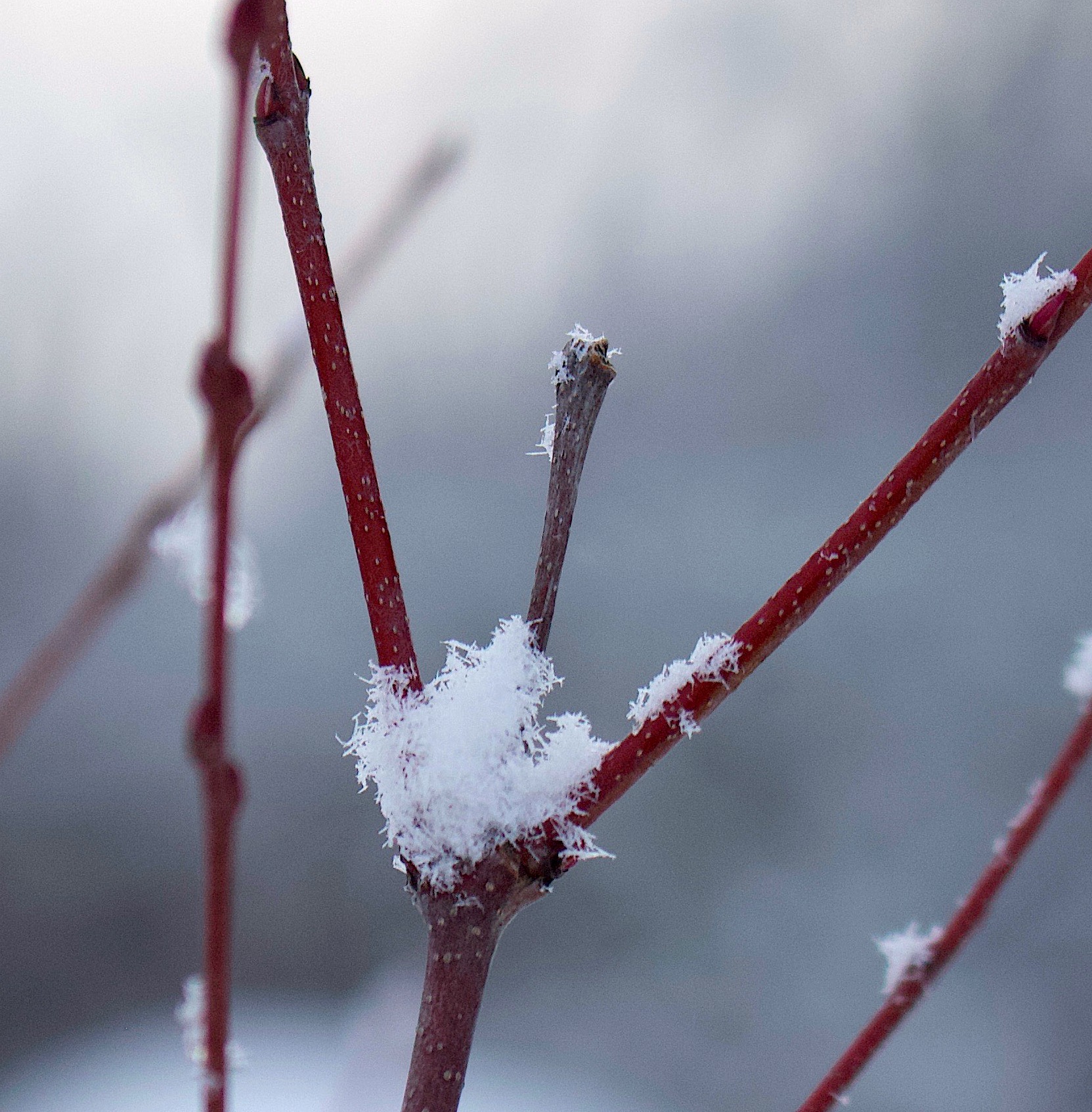
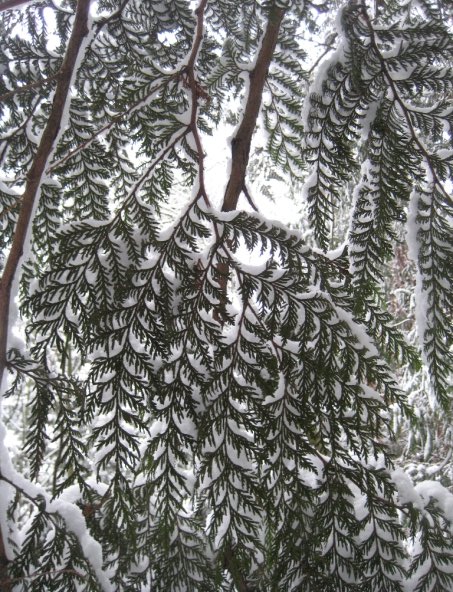
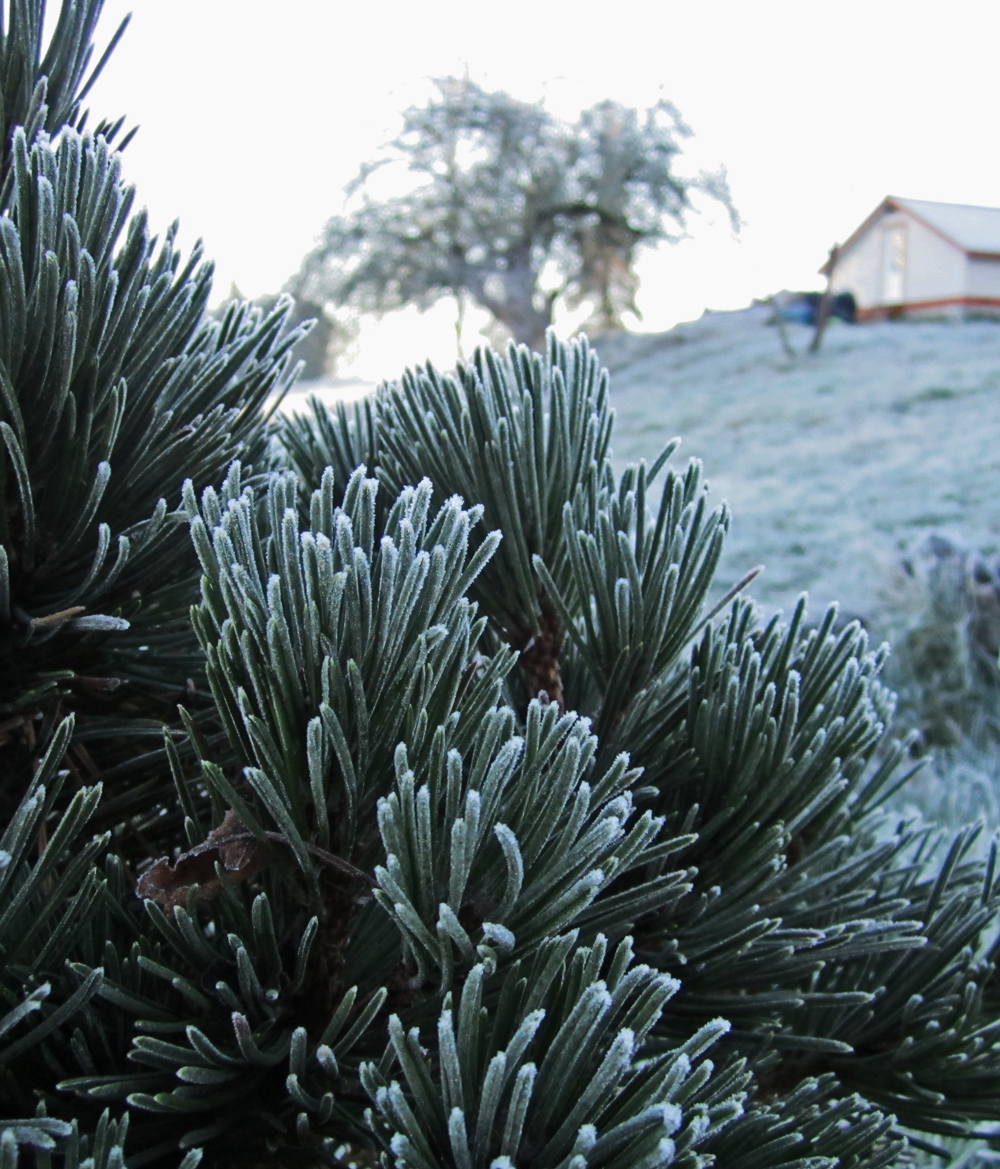
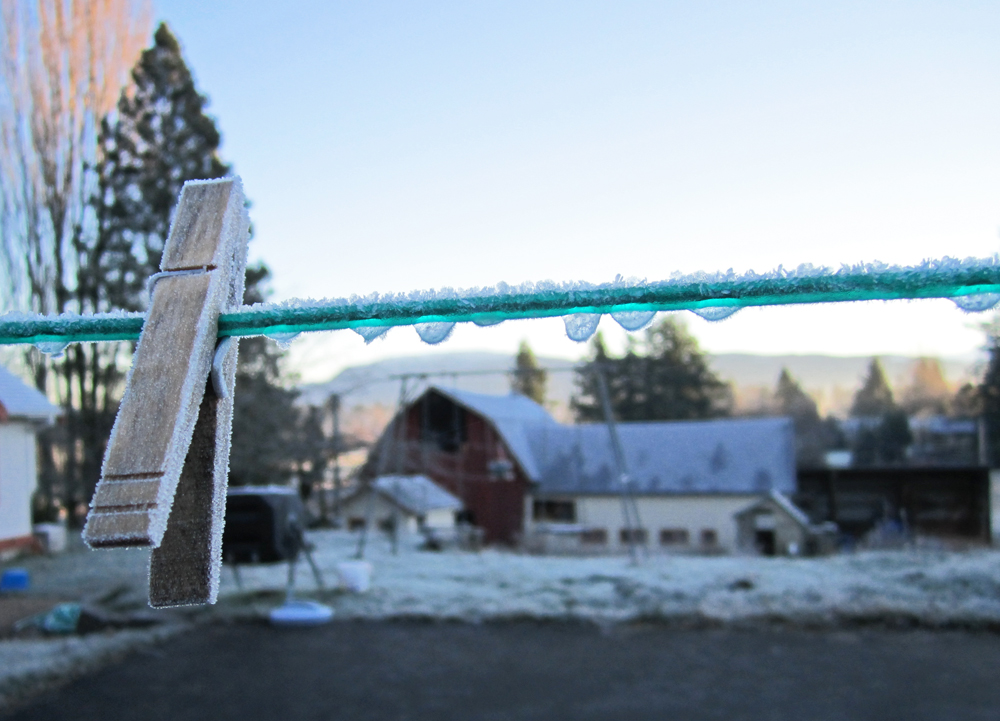
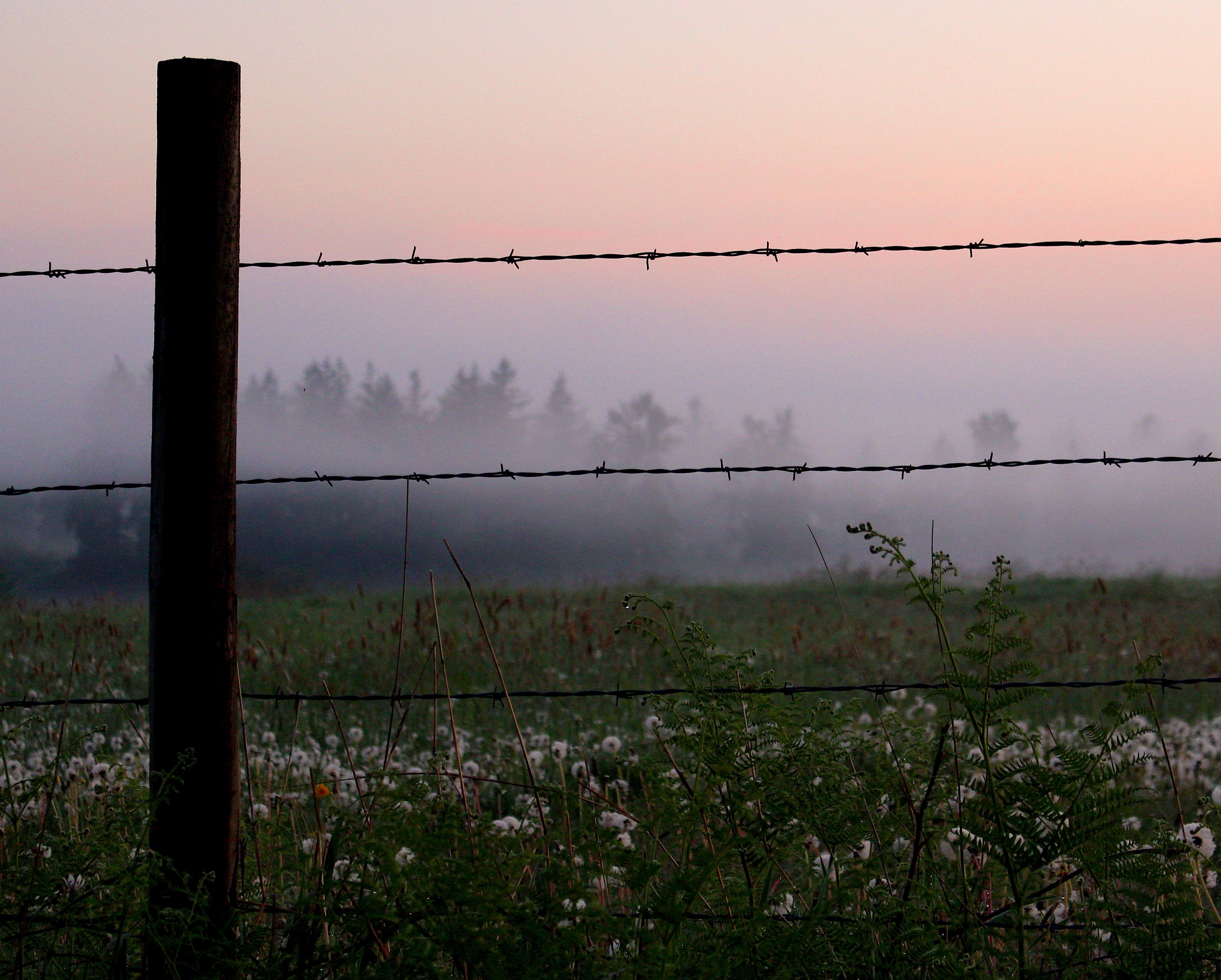
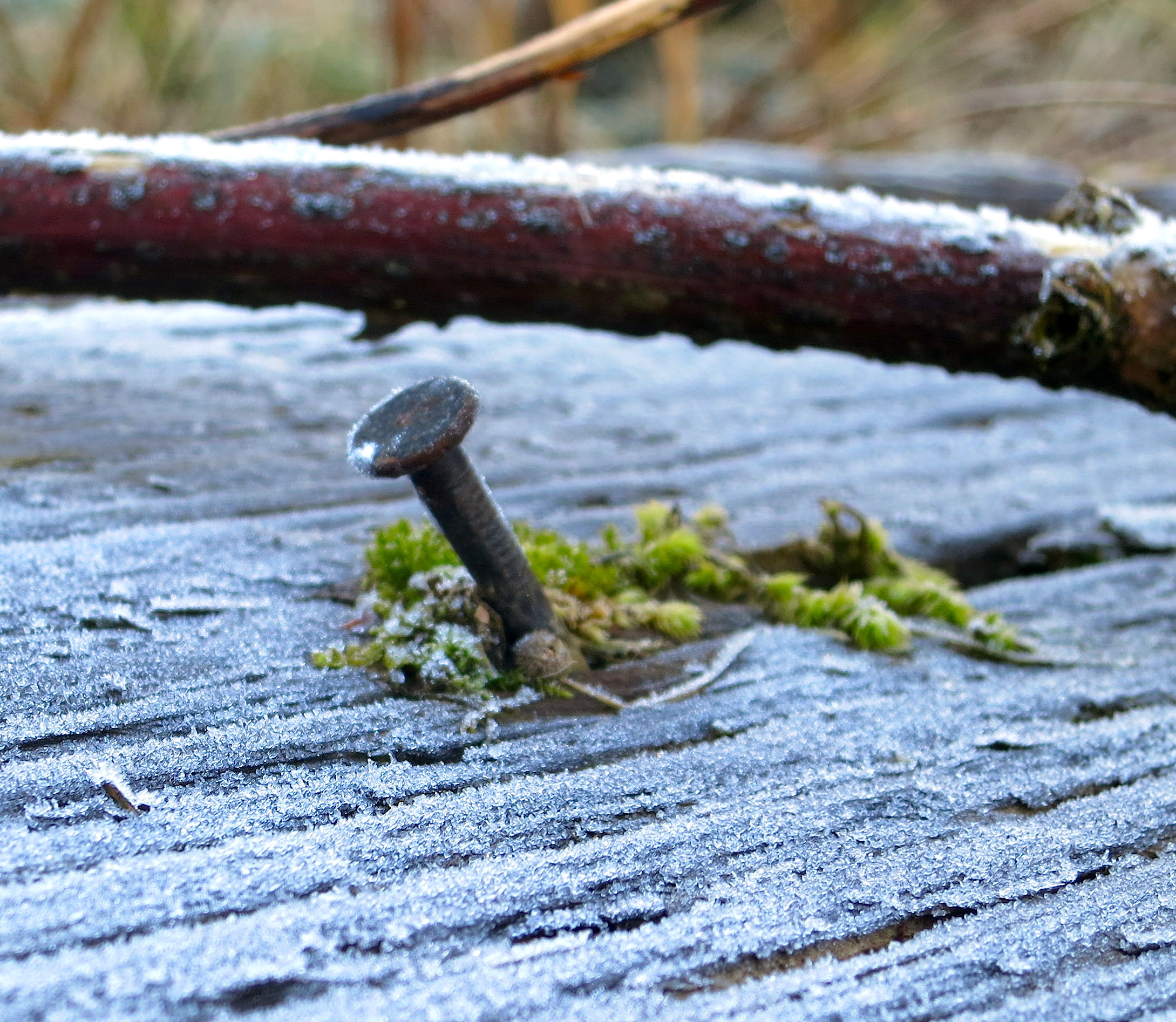
Two days of an icy prairie fog and every blade of grass, and twig, and branch, and every stretch of wire, barb, post and staple, is a knot or a threat in a lace of the purest white. To walk is like finding your way through a wedding dress, the sky inside it cold and satiny; no past, no future, just the now all breathless. Then a red bird, like a pinprick, changes everything. ~ Ted Kooser, “Hoarfrost” in Kindest Regards: New and Selected Poems
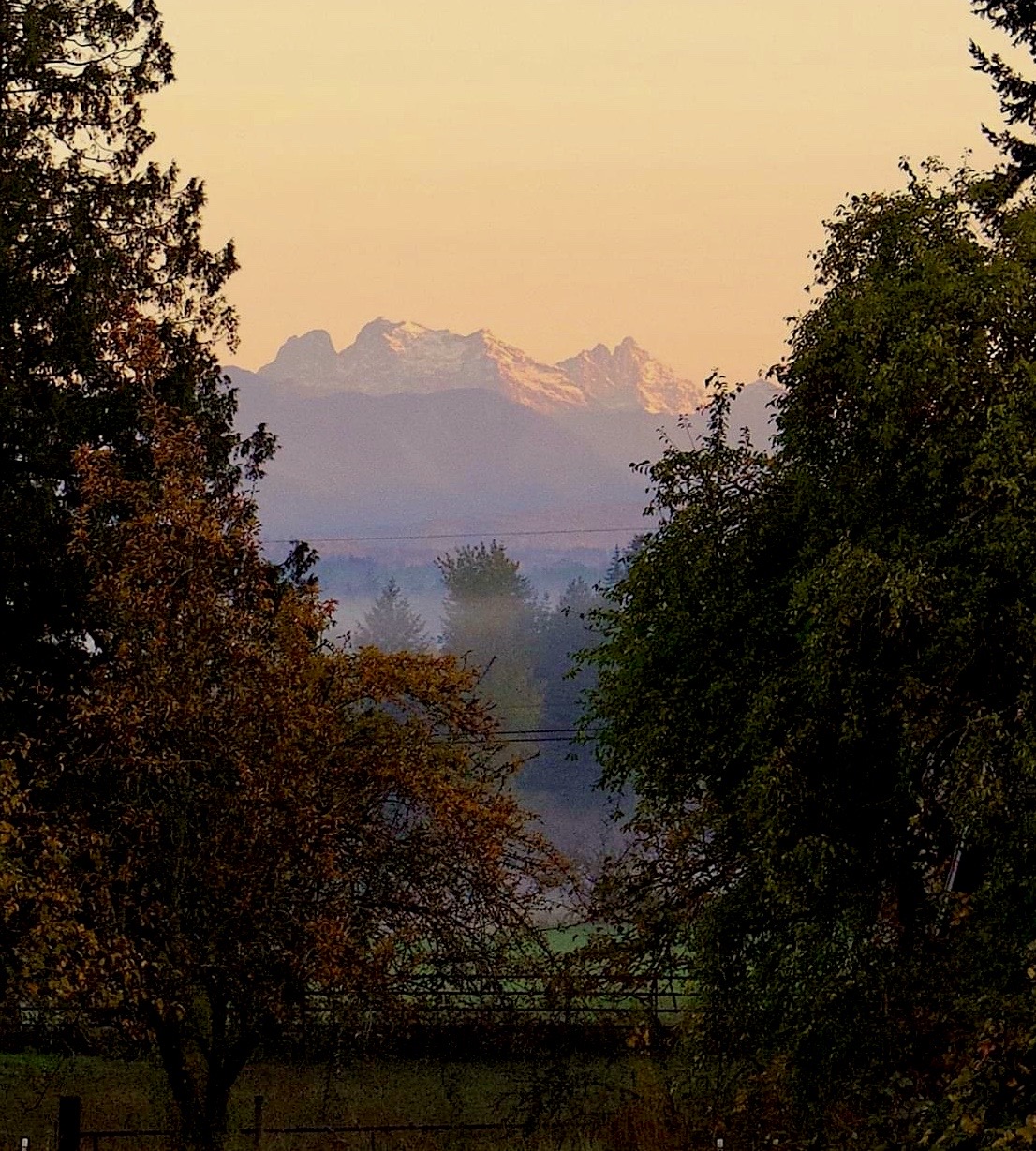
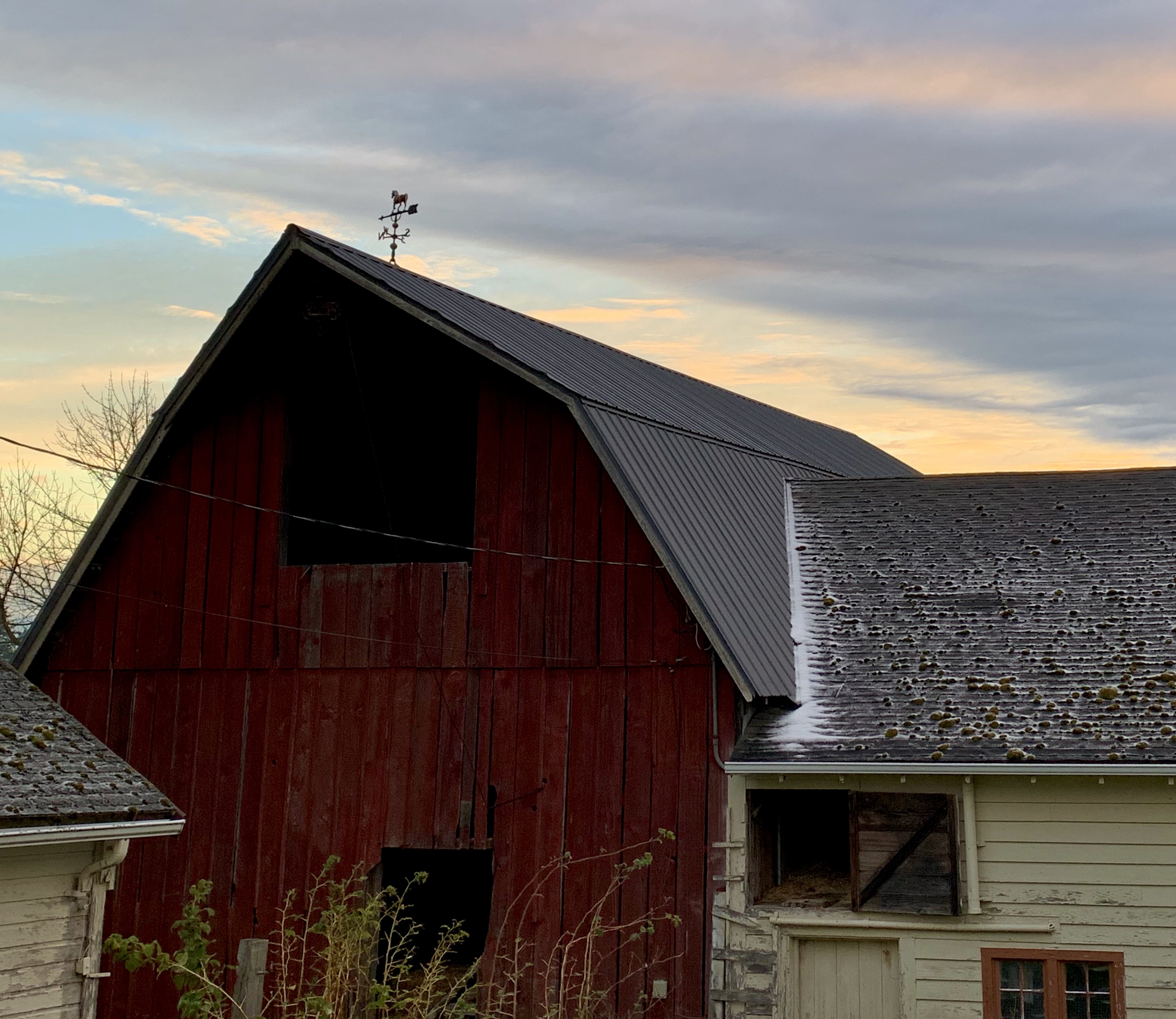
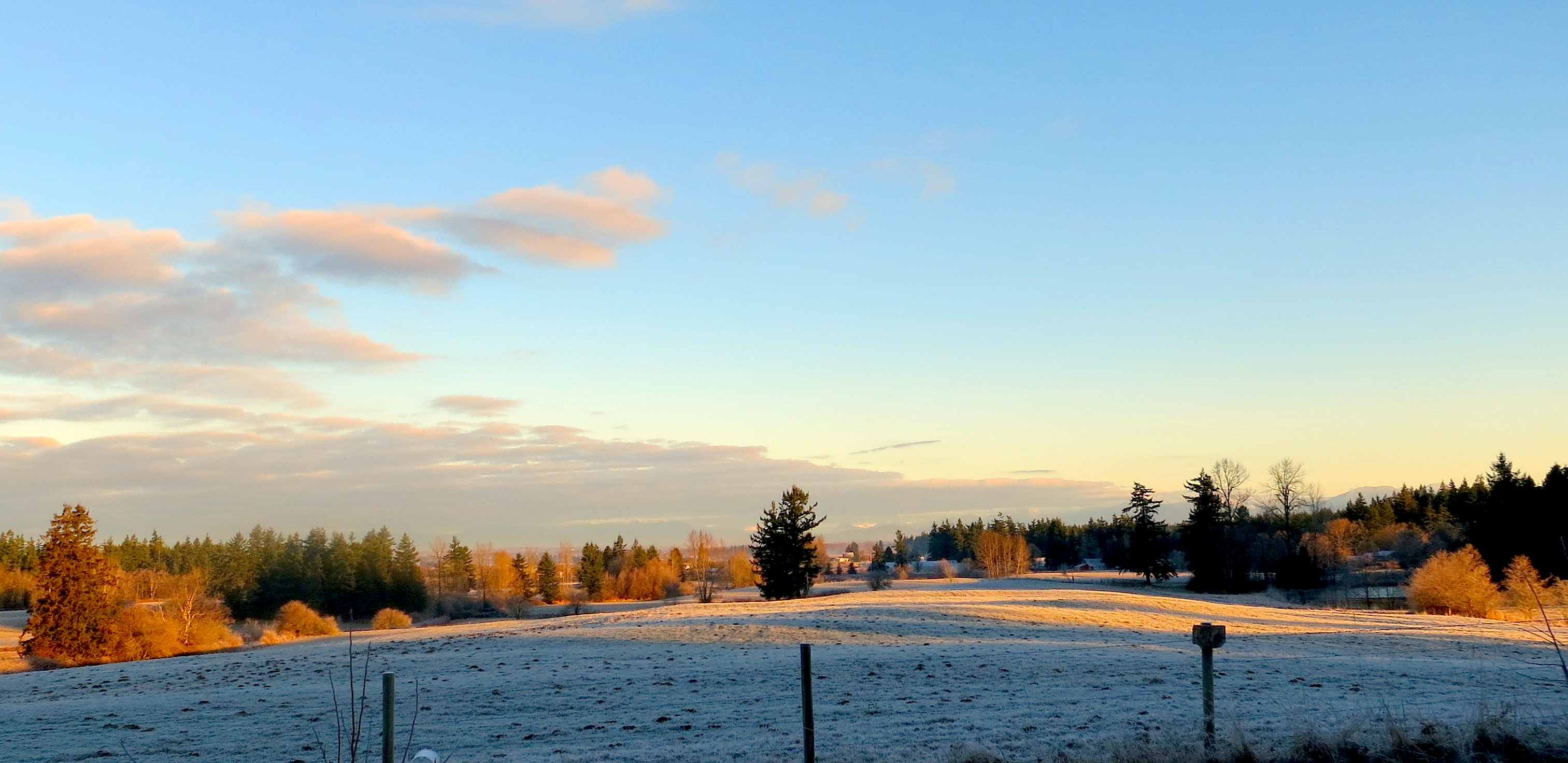
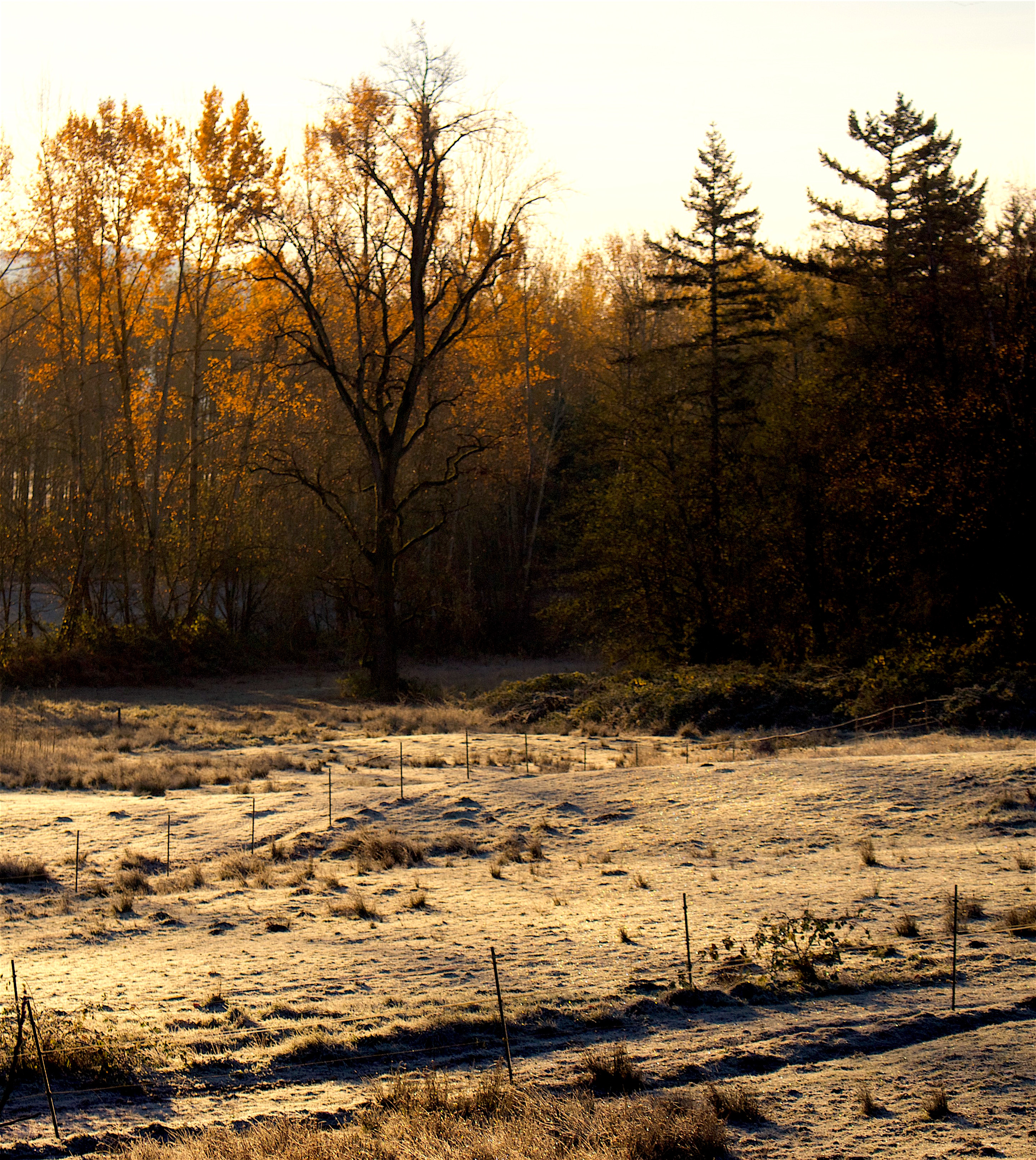
When the landscape emerges in the morning light frost-bitten, all iced up and white-crisp, I yearn for color, any color, to reappear with the day’s thawing out. My breath hangs like a cloud in the dry air as I crunch my way to the barn, living proof that I breathe for another day even though too many others right now can not.
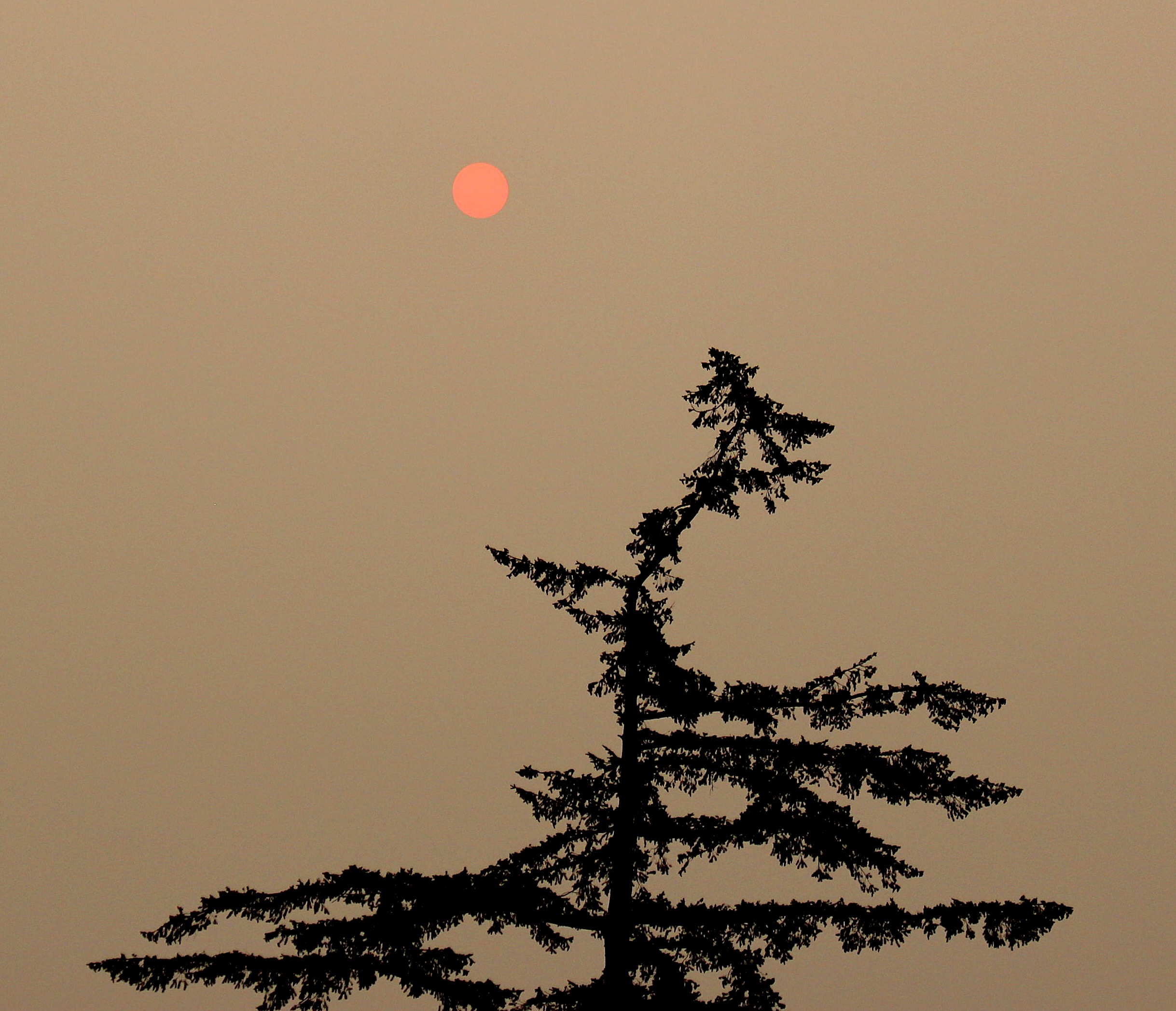
We are a breathless people, wondering what comes next, feeling frozen and suspended in a pandemic and smoke-filled burning world.
We are a breathless people, wondering who or what will choke our life from us.
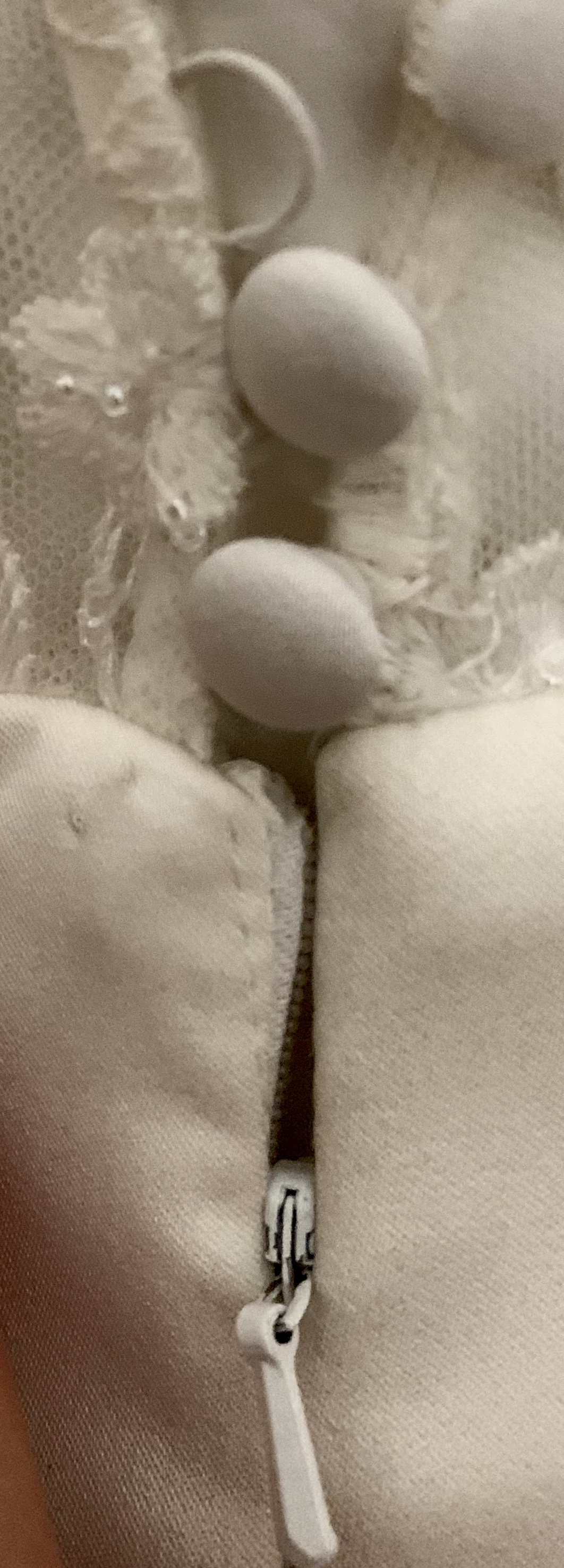
We are a breathless people, dressed as a bride in frosted satin, waiting at the altar for the Groom who bleeds red to save us from our fate.















 Barnstorming