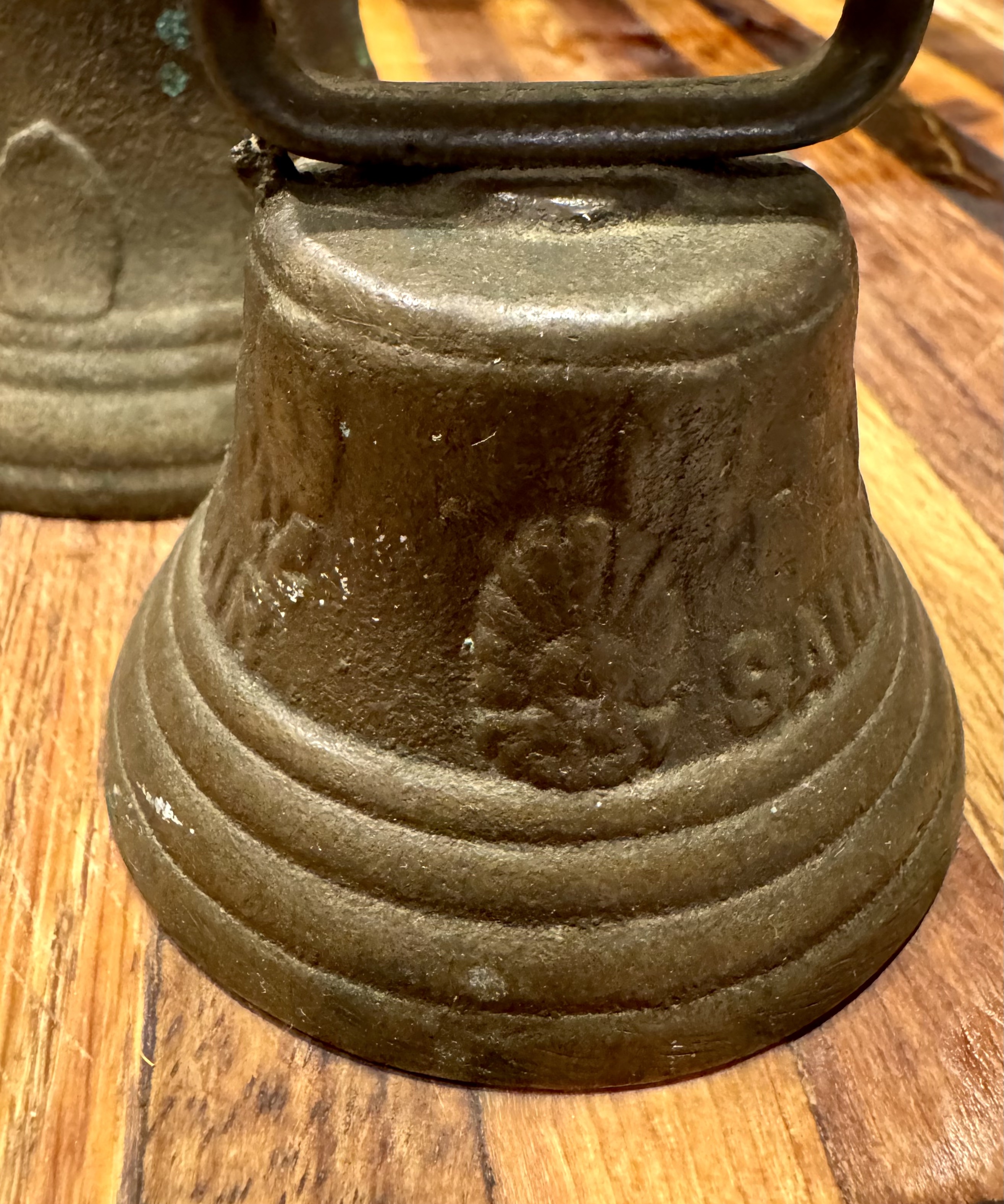
Faith is not the clinging to a shrine but an endless pilgrimage of the heart. Audacious longings, burning songs, daring thoughts, an impulse overwhelming the heart, usurping the mind- these are all a drive towards serving Him who rings our hearts like a bell. It is as if He were waiting to enter our empty, perishing lives. ~Rabbi Abraham Joshua Heschel from Man Is Not Alone: A Philosophy of Religion
In the end, coming to faith remains for all a sense of homecoming, of picking up the threads of a lost life, of responding to a bell that had long been ringing, of taking a place at a table that had long been vacant. ~Malcolm Muggeridge
I saw the tree with lights in it. I saw the backyard cedar where the mourning doves roost charged and transfigured, each cell buzzing with flame. I stood on the grass with the lights in it, grass that was wholly fire, utterly focused and utterly dreamed. It was less like seeing than like being for the first time seen, knocked breathless by a powerful glance.
I had been my whole life a bell, and never knew it until at that moment I was lifted and struck. ~Annie Dillardfrom Pilgrim at Tinker Creek
Too much of the time I fixate on what I think I can control in life~ what I see, hear, taste, feel
Instead I should consider how might I appear to my Maker as I begin each day? -my utter astonishment at waking up, -my pure gratitude for each breathless moment, -my pealing resonance as like a bell, I’m struck senseless by life.
One-Time
Monthly
Yearly
Make a one-time or recurring donation to support daily Barnstorming posts
This is another day, O Lord. I know not what it will bring forth, but make me ready, Lord, for whatever it may be. If I am to stand up, help me to stand bravely. If I am to sit still, help me to sit quietly. If I am to lie low, help me to do it patiently. And if I am to do nothing, let me do it gallantly. Make these words more than words, and give me the Spirit of Jesus. Amen. ~Book of Common Prayer
The world is overwhelmed with words coming from radio, TV, podcasts, books, magazines, social media or simply our own thoughts.
I feel barraged with what to think, how to think, who to believe, who not to believe, and why to risk thinking and believing at all.
I’m left desperate for a need for silence, just to quiet myself. All I need is to know what I am to do with this new day, how to best live this moment.
So I come to the Word, the only Word to think and believe. It explains. It responds. It restores. It refreshes. It consoles. It understands. It embodies the Spirit I need far more than I need silence.
The words I seek to hear are far more than Words. They are God Himself.
Amen and again Amen.
One-Time
Monthly
Yearly
Make a one-time or recurring donation to support daily Barnstorming posts
Who loves the rain And loves his home, And looks on life with quiet eyes, Him will I follow through the storm; And at his hearth-fire keep me warm; Nor hell nor heaven shall that soul surprise, Who loves the rain, And loves his home, And looks on life with quiet eyes. ~Frances Shaw, “Who loves the rain” from Look To the Rainbow of Grace
Now more than ever you can be generous toward each day that comes, young, to disappear forever, and yet remain unaging in the mind. Every day you have less reason not to give yourself away. ~Wendell Berry from “There is no going back”
What a wonder I was when I was young, as I learn by the stern privilege of being old: how regardlessly I stepped the rough pathways of the hillside woods, treaded hardly thinking the tumbled stairways of the steep streams, and worked unaching hard days thoughtful only of the work, the passing light, the heat, the cool water I gladly drank. ~Wendell Berry “VII” 2015 from Another Day
Love is a universe beyond The daylight spending zone: As one we more abound Than two alone. ~Wendell Berry “VIII” 2015 from Another Day
Thinking out loud on this day you were born, I thank God each day for bringing you to earth so we could meet, raise three amazing children, now six wonderful grandchildren, and walk this journey together with pulse and breath and dreams.
The boy you were became the man you are: so blessed by God, so needed by your family, church and community.
You give yourself away every day with such grace.
It was your quiet brown eyes I trusted first and just knew I’d follow you anywhere and I have.
In this journey together, we inhabit each other, however long may be the road we travel; you have become the air I breathe, refreshing, renewing, restoring~~ you are that necessary to me, and that beloved.
One-Time
Monthly
Yearly
Make a one-time or recurring donation to support daily Barnstorming posts
Little girl. Old girl. Old boy. Old boys and girls with high blood pressure and arthritis, and young boys and girls with tattoos and body piercing. You who believe, and you who sometimes believe and sometimes don’t believe much of anything, and you who would give almost anything to believe if only you could. You happy ones and you who can hardly remember what it was like once to be happy. You who know where you’re going and how to get there and you who much of the time aren’t sure you’re getting anywhere. “Get up,” he says, all of you – all of you! – and the power that is in him is the power to give life not just to the dead like the child, but to those who are only partly alive, which is to say to people like you and me who much of the time live with our lives closed to the wild beauty and miracle of things, including the wild beauty and miracle of every day we live and even of ourselves. ~Frederick Buechner -from Secrets in the Dark
He took her by the hand and said to her, “Talitha koum!” (which means “Little girl, I say to you, get up!”). Mark 5:41
I usually awake each morning before 5:30 without an alarm, just as I did in high school, through college and medical school, during my work years and having-babies years.
Now, in my retirement years, for no reason at all, I still wake up early.
I just can’t help it. I trained myself to be able to get up early, to do chores, make kids’ breakfasts and lunches for school, commute to work, be ready for what I needed to do and be that day.
Even now that I don’t have to, my body still gets up.
But my brain and my soul are slow to wake, and some days they prefer to stay under the covers, closed off to all that wild beauty within and beyond me.
I have no time to waste being only partly alive. I need to listen to the summons: “Get up!” And right now, I need to get up, – all of me – especially that full of miracle and wild beauty.
One-Time
Monthly
Yearly
Make a one-time or recurring donation to support daily Barnstorming posts
If ever we see those gardens again, The summer will be gone—at least our summer. Some other mockingbird will concertize Among the mulberries, and other vines Will climb the high brick wall to disappear.
How many footpaths crossed the old estate— The gracious acreage of a grander age— So many trees to kiss or argue under, And greenery enough for any mood. What pleasure to be sad in such surroundings.
At least in retrospect. For even sorrow Seems bearable when studied at a distance, And if we speak of private suffering, The pain becomes part of a well-turned tale Describing someone else who shares our name.
Still, thinking of you, I sometimes play a game. What if we had walked a different path one day, Would some small incident have nudged us elsewhere The way a pebble tossed into a brook Might change the course a hundred miles downstream?
The trick is making memory a blessing, To learn by loss the cool subtraction of desire, Of wanting nothing more than what has been, To know the past forever lost, yet seeing Behind the wall a garden still in blossom. ~Dana Gioia “The Lost Garden” from Interrogations at Noon.
At present we are on the outside of the world, the wrong side of the door. . . . We cannot mingle with the splendours we see. But all the leaves of the New Testament are rustling with the rumour that it will not always be so. Some day, God willing, we shall get in. C.S. Lewis from The Weight of Glory
Memory can play tricks, either smoothing over the many potholes in the road of life, or digging the holes so deep, I fall in and am lost.
Whenever I am feeling regret for the things I have done, or all that I have left undone, I remember I have walked on paths of beauty beyond imagining.
I wouldn’t change much about what has been, knowing there is much more beauty to come.
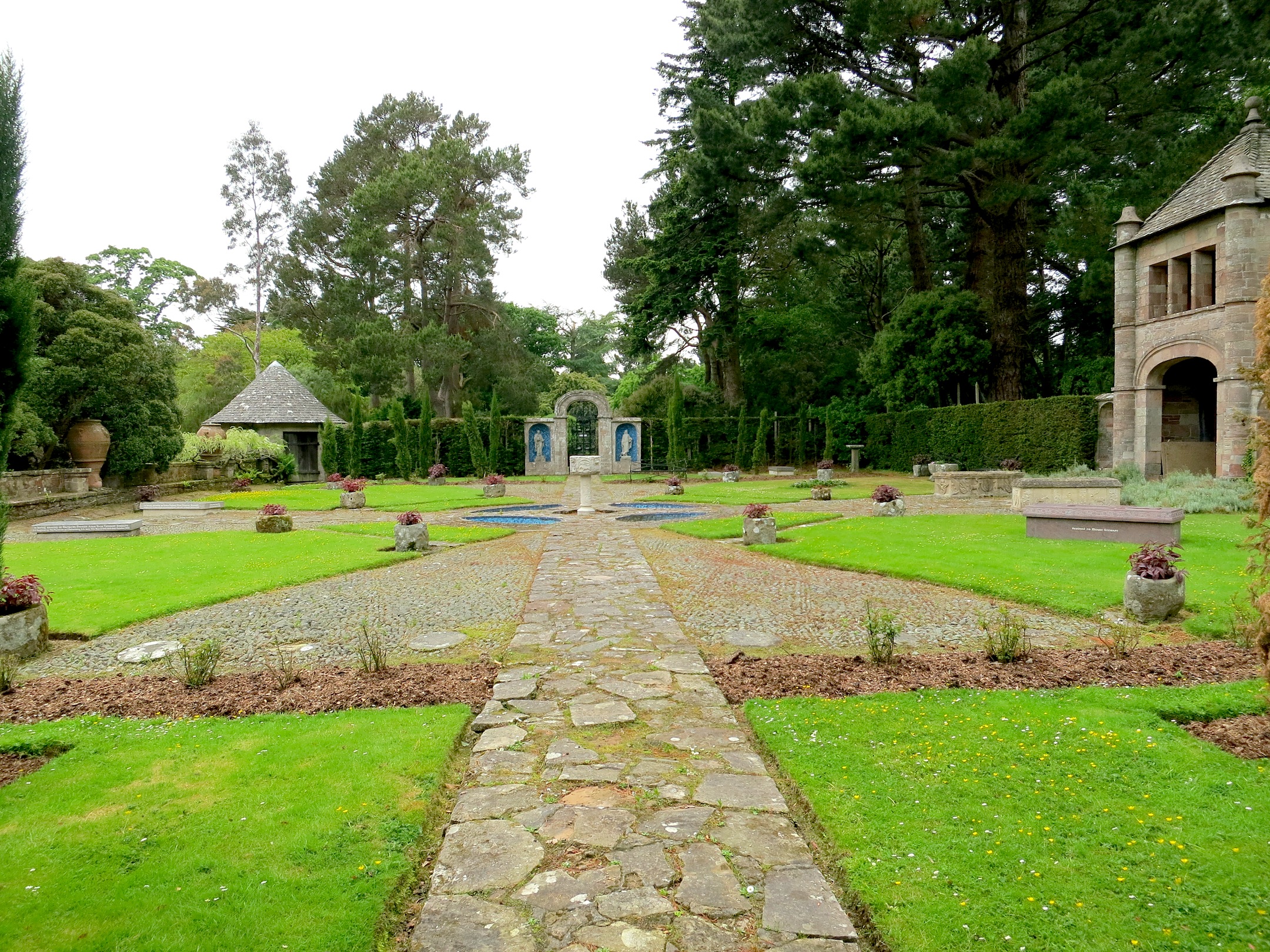
I remember gates and doors I could not open. Just a peek told me all I needed to know: there is a hidden, lost garden just waiting, still blooming, still inspiring, still brimming full of everything any of us could ever need.
AI image created for this post
One-Time
Monthly
Yearly
Make a one-time or recurring donation to support daily Barnstorming posts
Now a red, sleepy sun above the rim Of twilight stares along the quiet weald, And the kind, simple country shines revealed In solitudes of peace, no longer dim. The old horse lifts his face and thanks the light, Then stretches down his head to crop the green. All things that he has loved are in his sight; The places where his happiness has been Are in his eyes, his heart, and they are good. ~Siegfried Sassoon from “Break of Day”
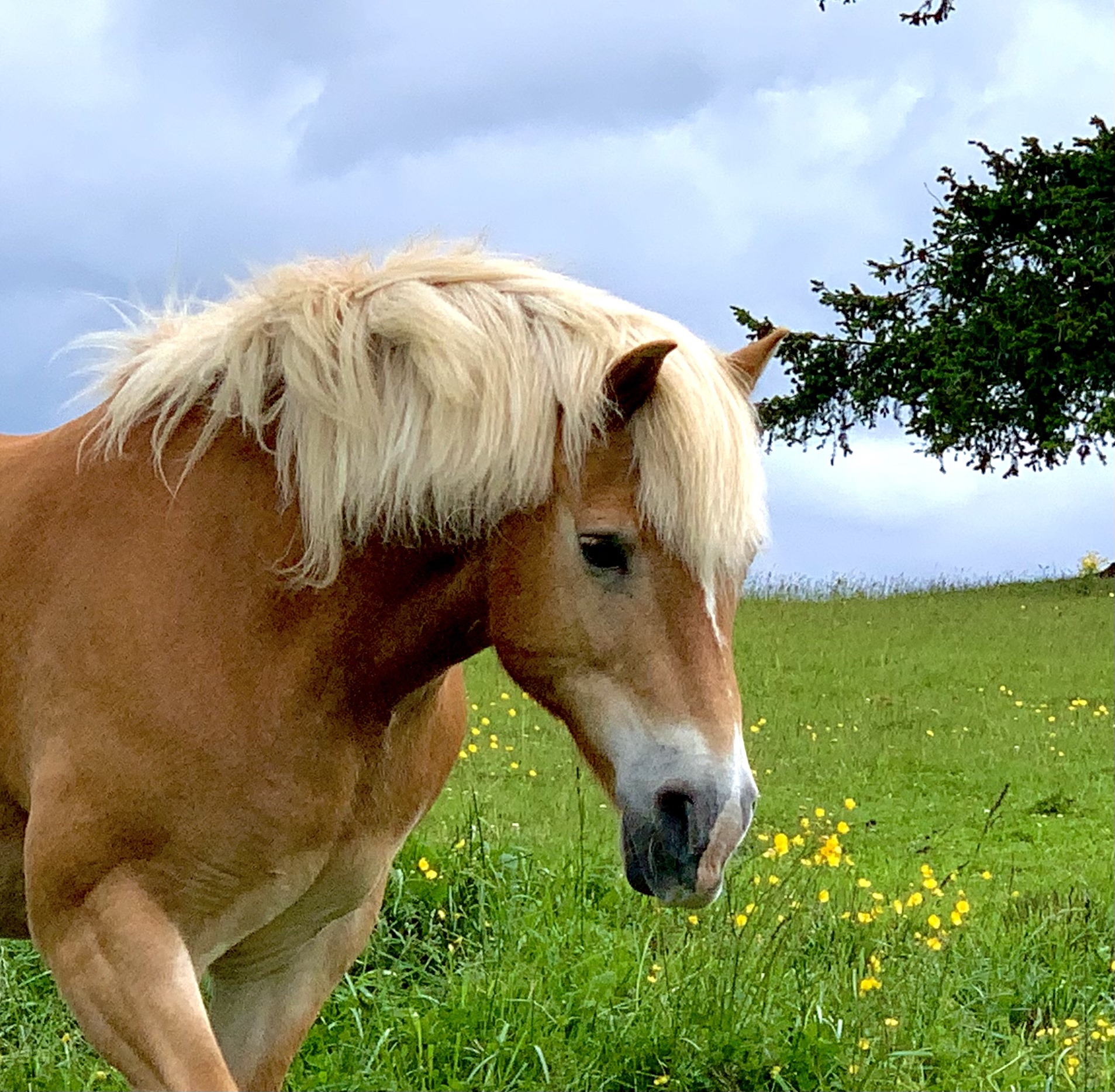
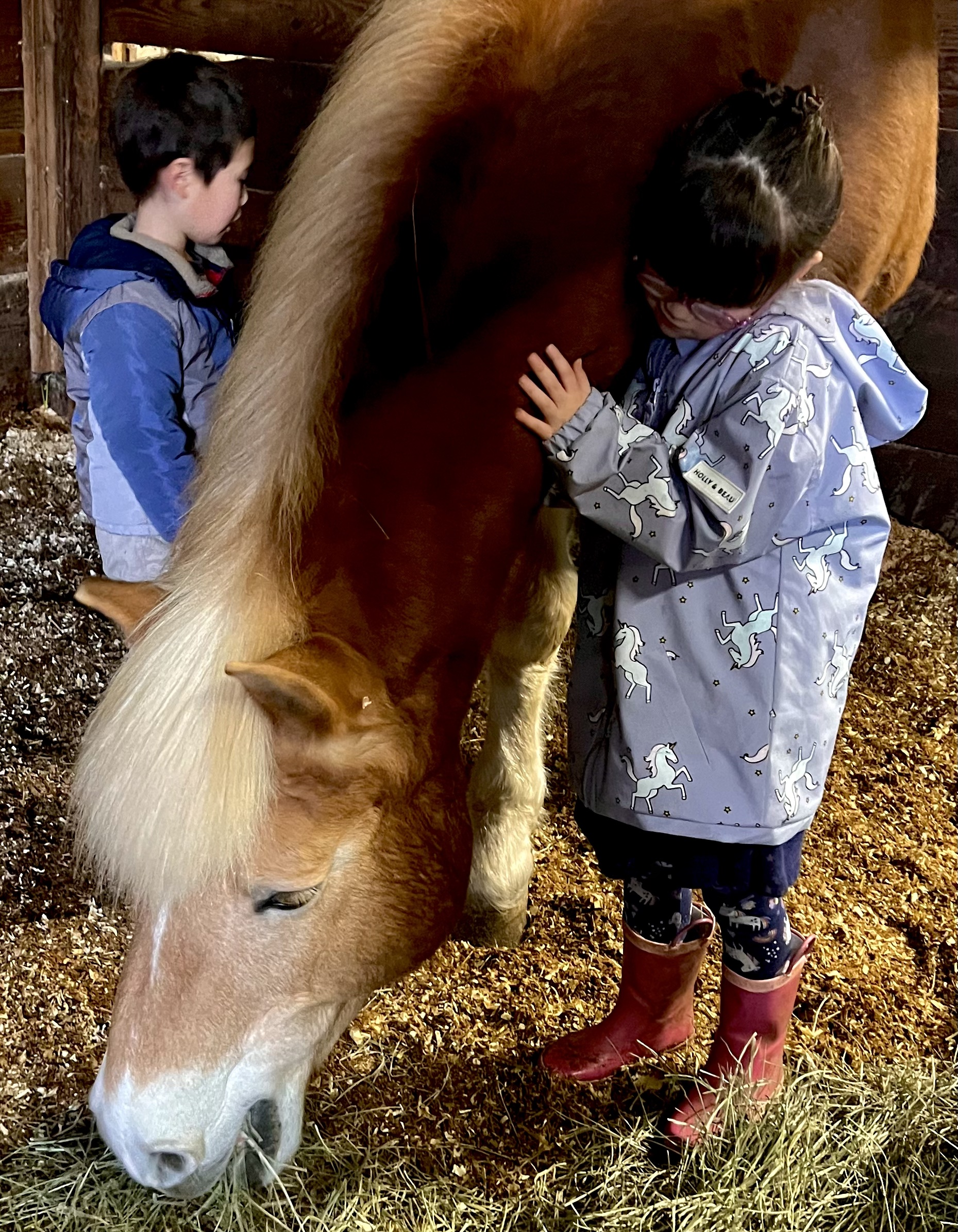
My husband and I grow old along with our horses – we are now past 70, just as a couple of our horses in “horse” years.
None of us, horses or humans, need to climb in the harness or put on the saddle to pull or carry the heavy loads of our former work lives.
It is a good life – each day treasured for its ordinariness.
Our retired horses feel the morning sun on their withers and the green blades under their feet, they scan the pasture for the sweetest tender patch to munch in the fields they know and love so well. They nap more now than in their younger years, taking breaks to let their heads hang relaxed and nodding, their tails slowly swishing at flies.
This morning was not so ordinary.
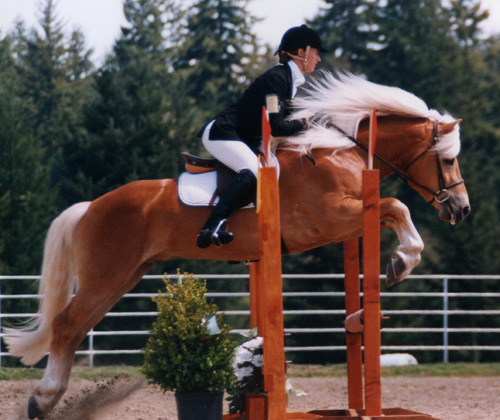
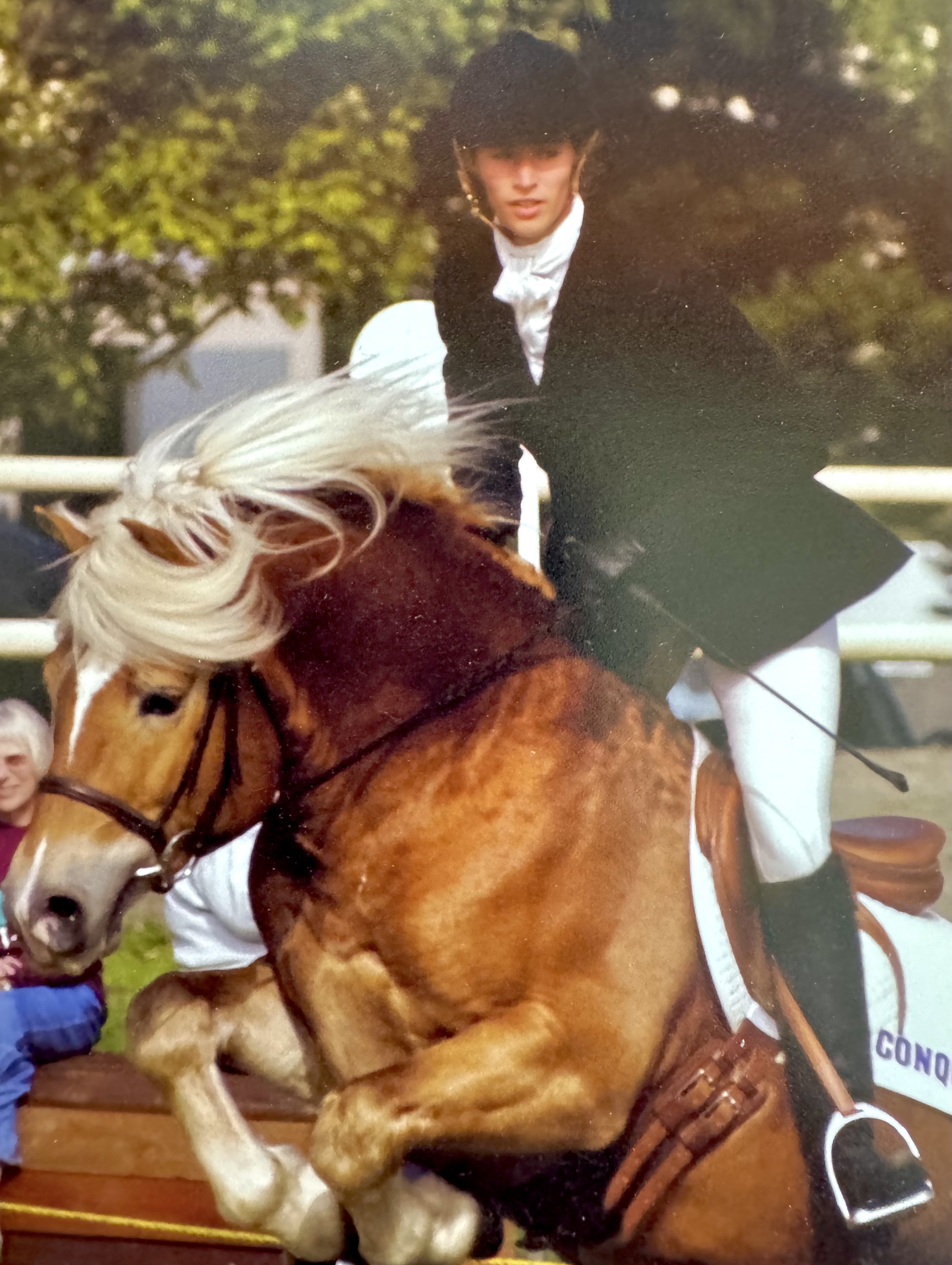
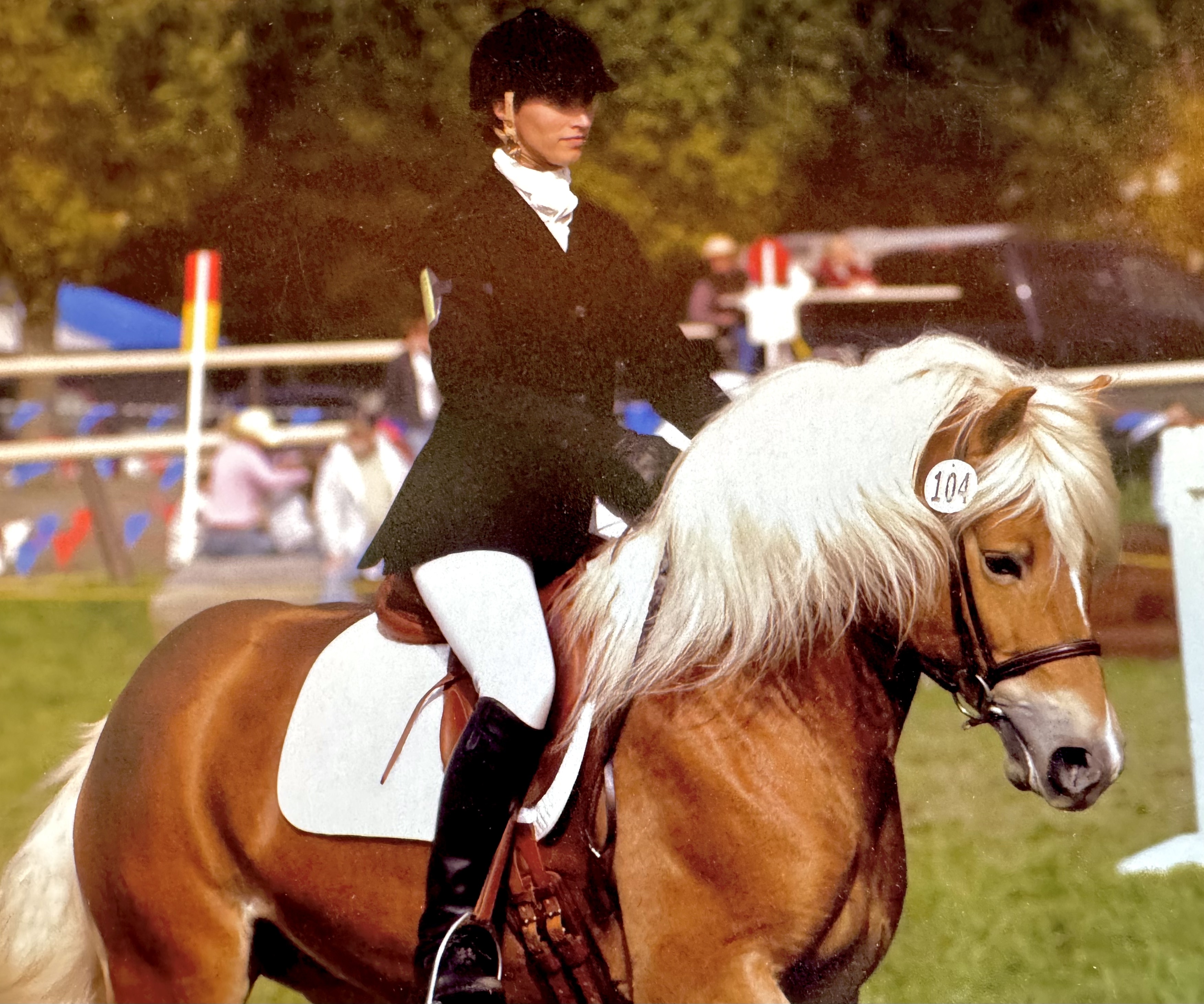
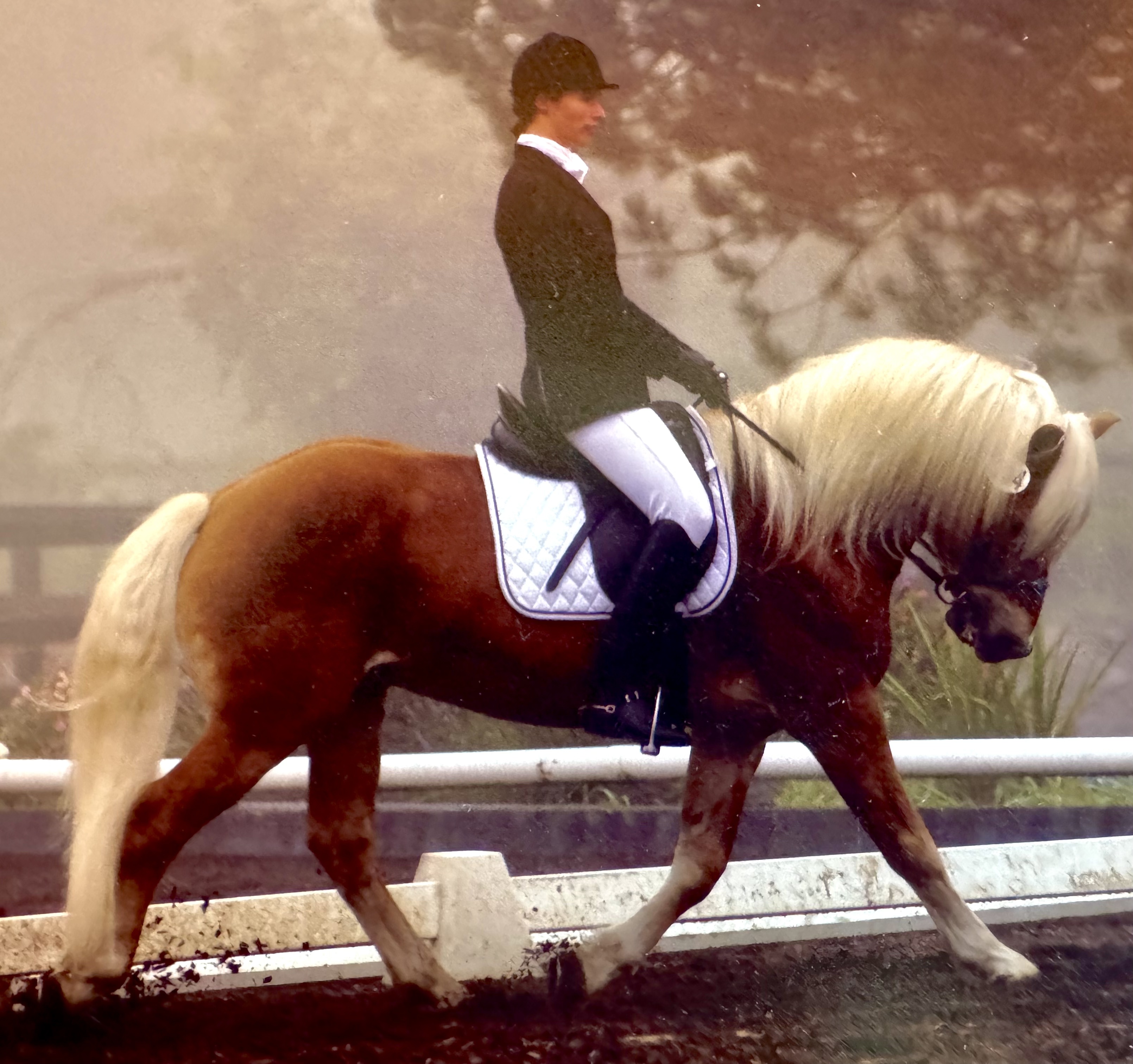
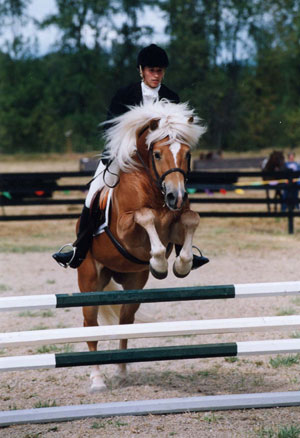
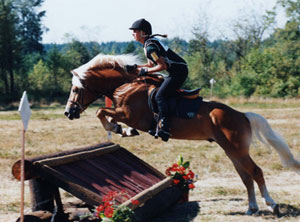
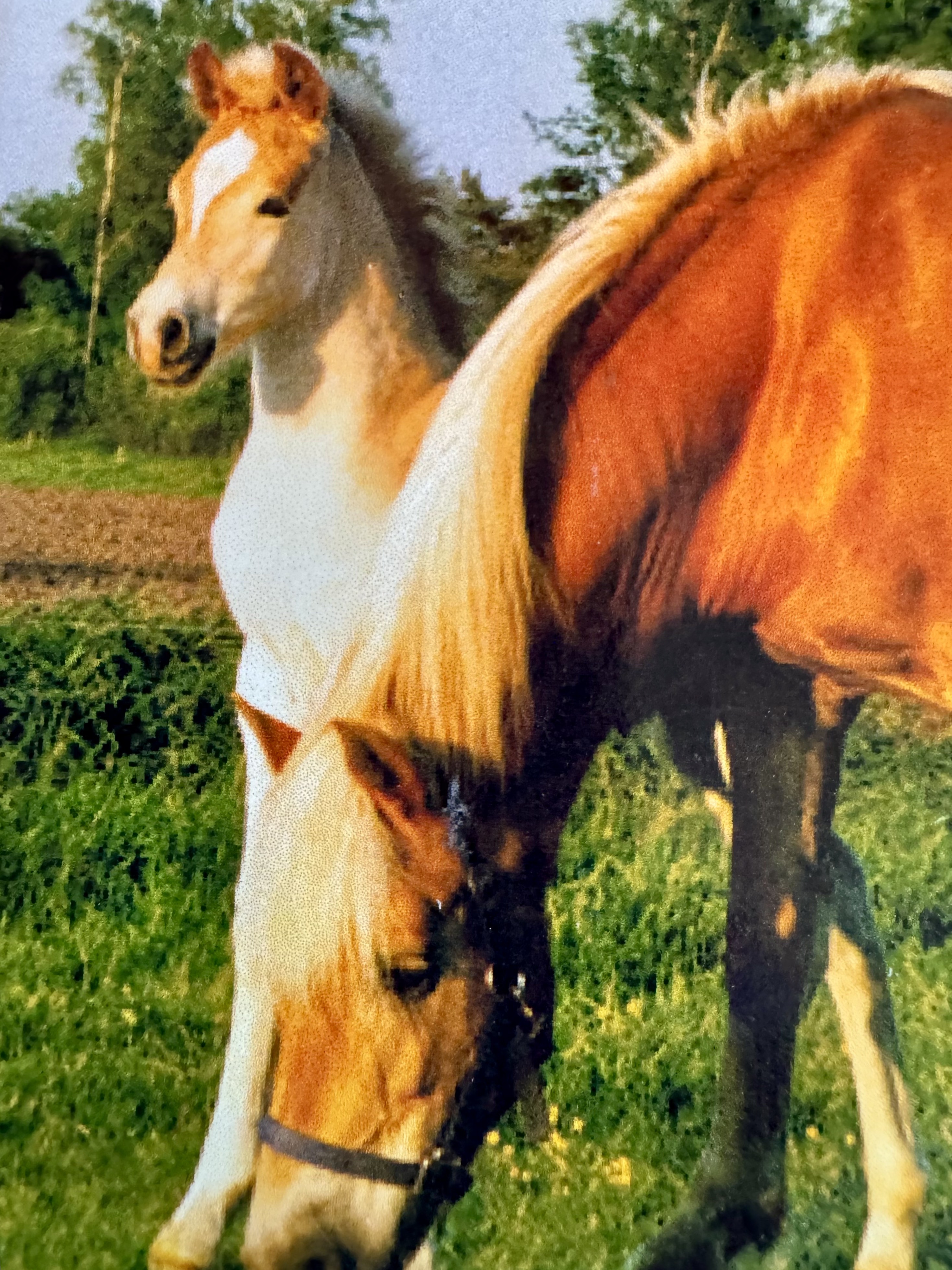
Waldheer van de Wortel (Wally), imported from Holland as a foal 27 years ago to be our herd stallion, let me know he wasn’t feeling well. He repeatedly pawed at the ground and the pasture gates, biting at his flank, trying to lie down and then get back up, not eating – clearly experiencing colicky belly pain that was getting worse.
I wondered if Wally’s time had come to bid him farewell. I had made a promise to my geriatric horses that I would not allow them to live in pain just because I didn’t want to let them go.
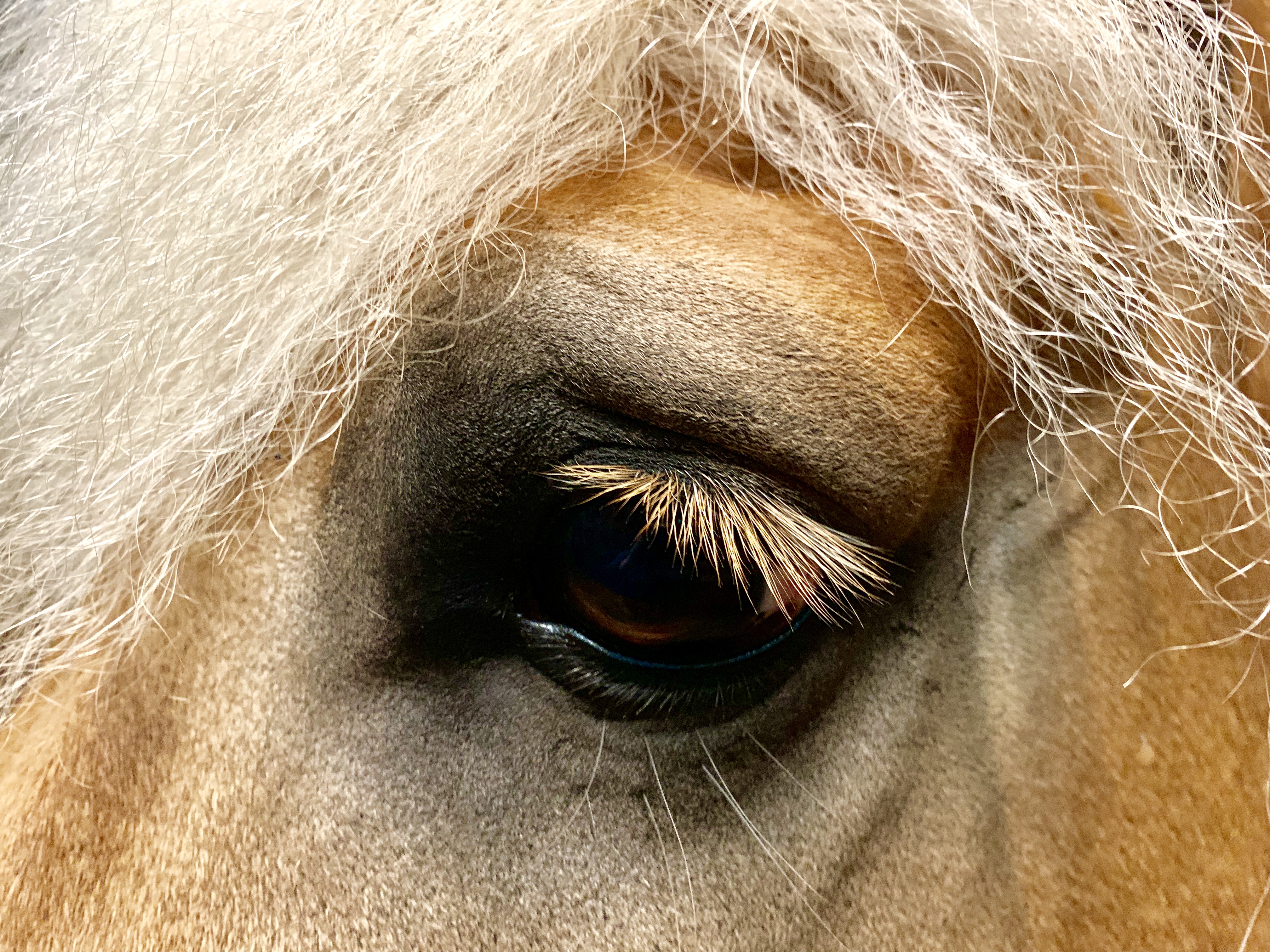
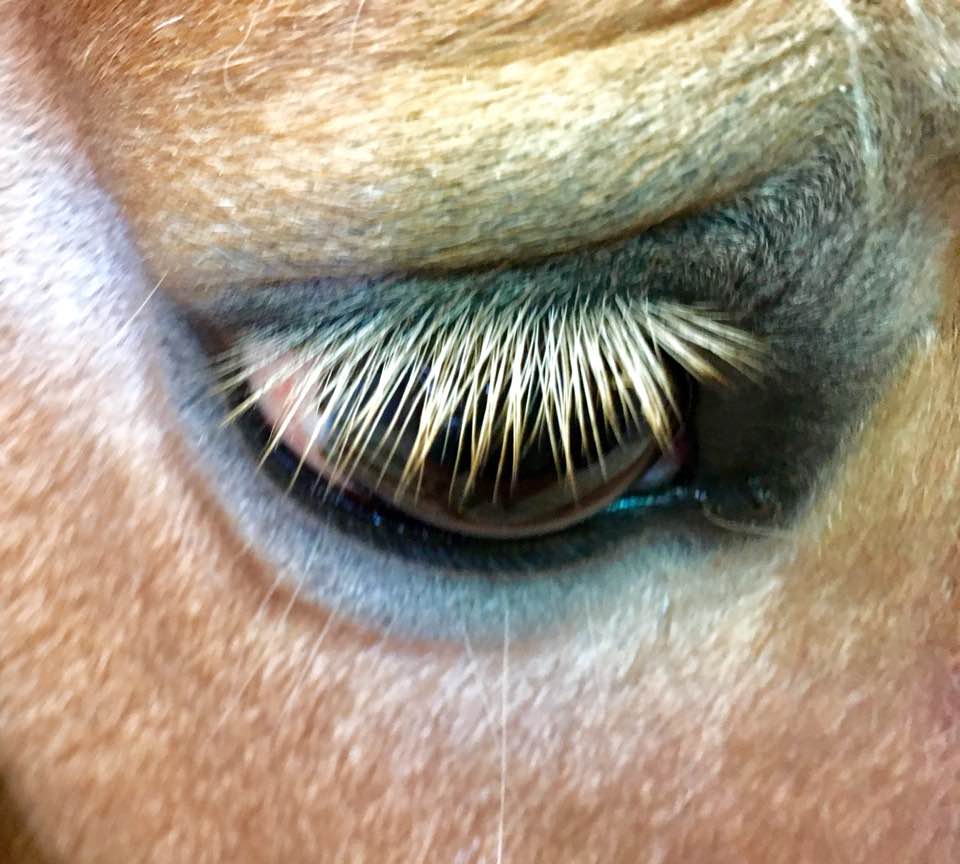
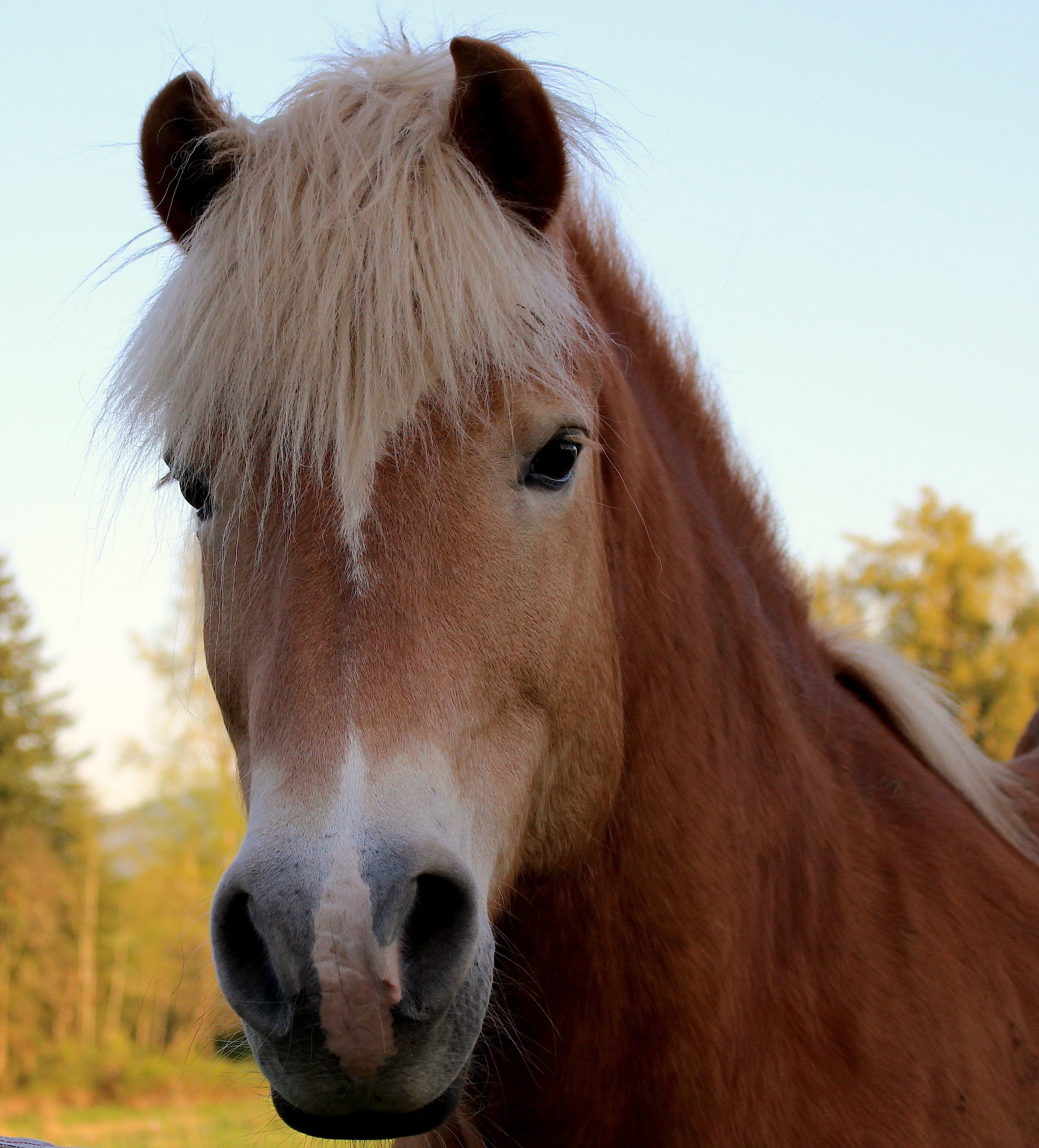
The vet came quickly and we talked about Wally’s options. She remarked about how he didn’t look his age, was holding weight well, his coat so sleek and shiny, his long-lashed eyes still bright and curious. But she said an older horse could often have repeated bouts of colic before the end, even if they temporarily improve with medical treatment.
I decided it was the right time to let him go to Haflinger heaven on a sunny summer morning, nibbling a mouthful of clover I offered him.
He was laid to sleep where he had lived nearly three decades.
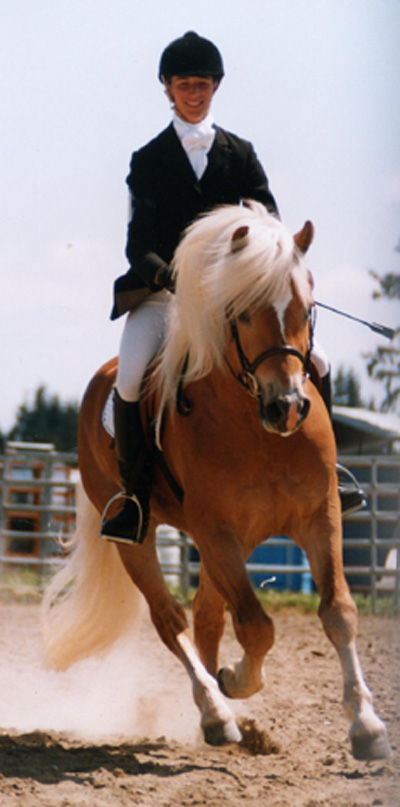
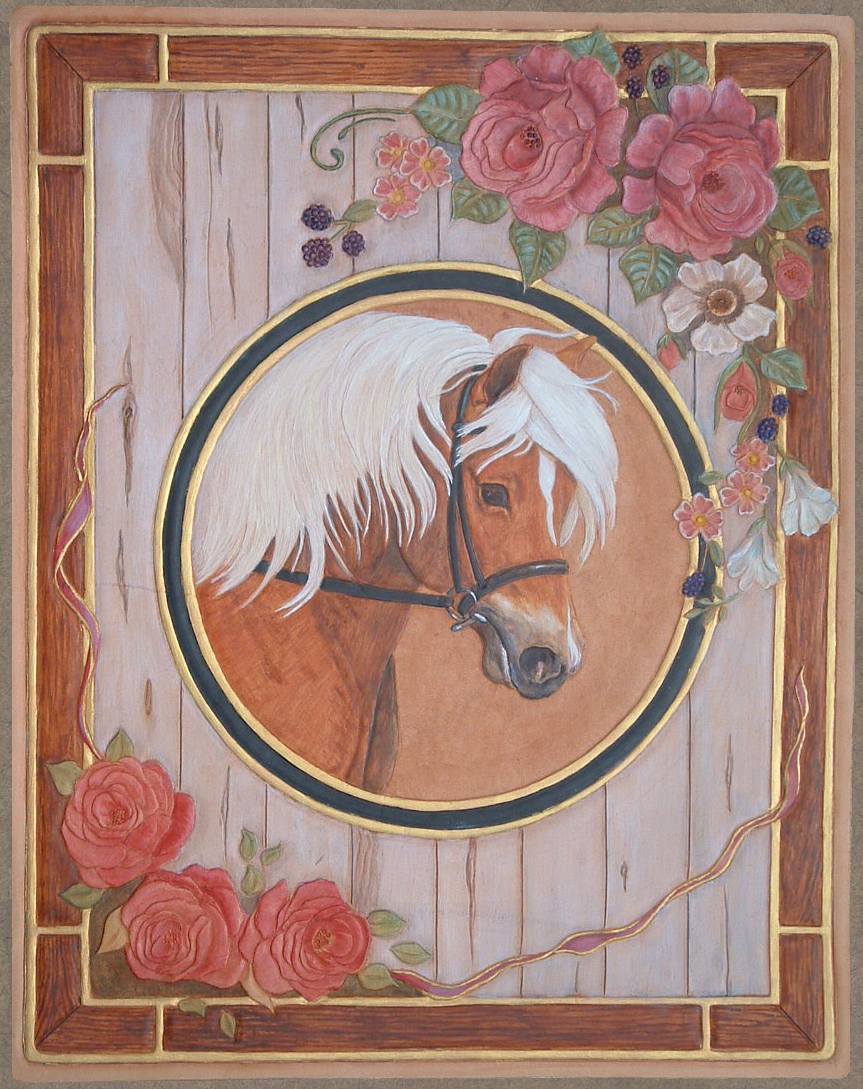
He leaves behind two sons who were his pasture buddies, a couple dozen offspring scattered around the country, and people who loved his ambassadorship for the Haflinger breed. In his younger days, he was an enthusiastic eventer in the northwest region, ridden by his trainer Jessica Heidemann. They both had an enthusiastic fan-following.
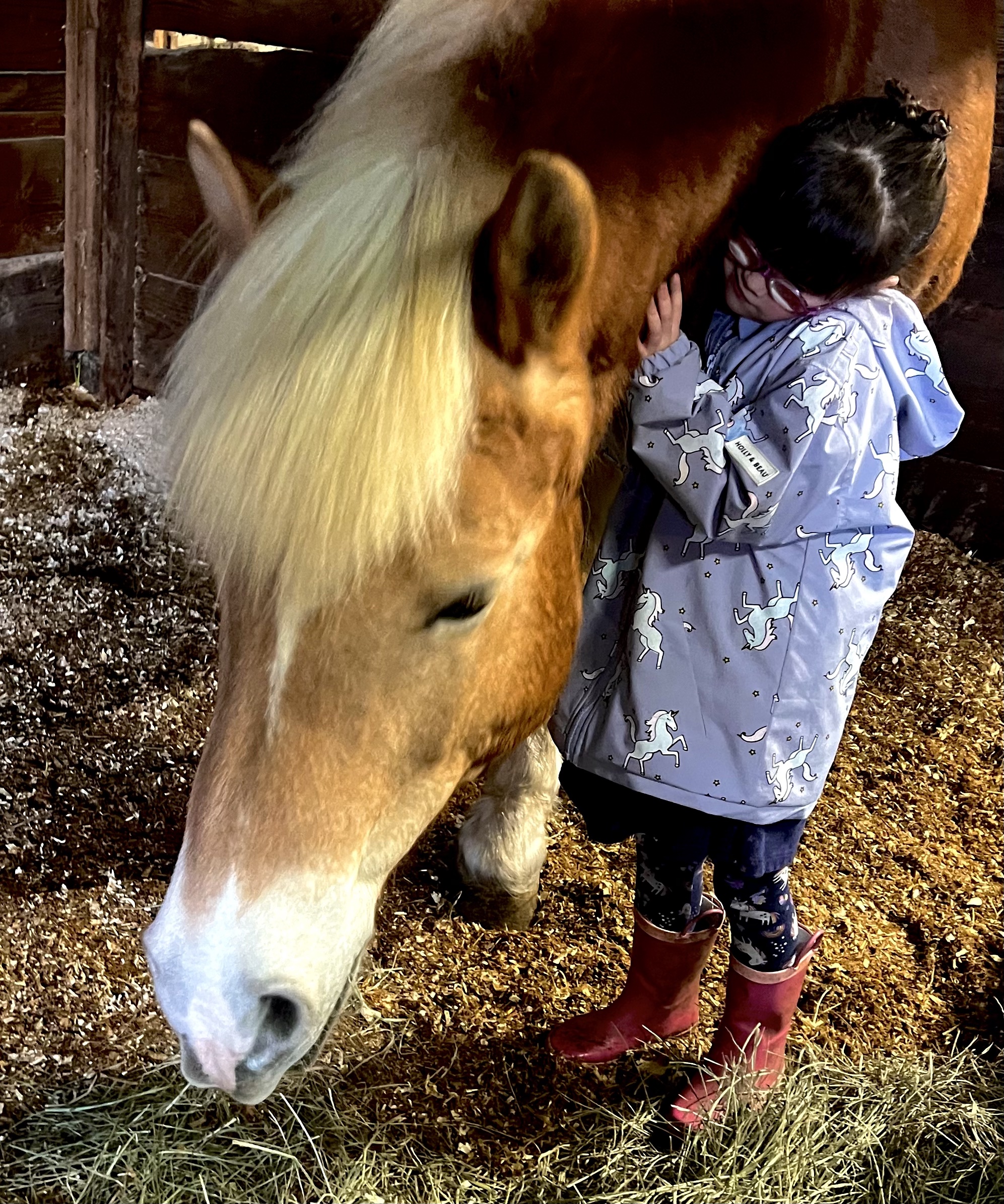
In his later years, Wally was patient and loving with our grandchildren and with us. He lived a good life in his place of happiness. I wanted him to die peacefully at home, without a worry.
It just doesn’t get much better than that.
Waldheer van de Wortel, 1998 foal in Holland27 year old WallyArt work made by a fan of Waldheer
One-Time
Monthly
Yearly
Make a one-time or recurring donation to support daily Barnstorming posts
Side by side, their faces blurred, The earl and countess lie in stone, Their proper habits vaguely shown As jointed armour, stiffened pleat, And that faint hint of the absurd— The little dogs under their feet.
Such plainness of the pre-baroque Hardly involves the eye, until It meets his left-hand gauntlet, still Clasped empty in the other; and One sees, with a sharp tender shock, His hand withdrawn, holding her hand.
They would not think to lie so long. Such faithfulness in effigy Was just a detail friends would see: A sculptor’s sweet commissioned grace Thrown off in helping to prolong The Latin names around the base.
They would not guess how early in Their supine stationary voyage The air would change to soundless damage, Turn the old tenantry away; How soon succeeding eyes begin To look, not read. Rigidly they
Persisted, linked, through lengths and breadths Of time. Snow fell, undated. Light Each summer thronged the glass. A bright Litter of birdcalls strewed the same Bone-riddled ground. And up the paths The endless altered people came,
Washing at their identity. Now, helpless in the hollow of An unarmorial age, a trough Of smoke in slow suspended skeins Above their scrap of history, Only an attitude remains:
Time has transfigured them into Untruth. The stone fidelity They hardly meant has come to be Their final blazon, and to prove Our almost-instinct almost true: What will survive of us is love. ~Philip Larkin “An Arundel Tomb”
You can’t tell when strange things with meaning will happen. I’m [still] here writing it down just the way it was.
“You don’t have to prove anything,” my mother said. “Just be ready for what God sends.” I listened and put my hand out in the sun again.
We wake each morning, not knowing what to expect of the day. So much sadness, the news of suffering, of unimaginable tragedies.
How do we ready ourselves for what is sent for us to endure?
This is how: right now, there is morning, there is noon, there is evening. And there will always be Love as we sleep and as we wake. God holds our hand to keep us from getting lost.
Lyrics by Arthur Sullivan: No star is o’er the lake, its pale watch keeping, The moon is half awake, through grey mist creeping. The last red leaves fall round the porch of roses, The clock has ceased to sound. The long day closes.
Sit by the silent hearth in calm endeavour, To count the sound of mirth, now dumb forever. Heed not how hope believes and fate disposes: Shadow is round the eaves. The long day closes.
The lighted windows dim are fading slowly. The fire that was so trim now quivers lowly. Go to the dreamless bed where grief reposes. Thy book of toil is read. The long day closes.
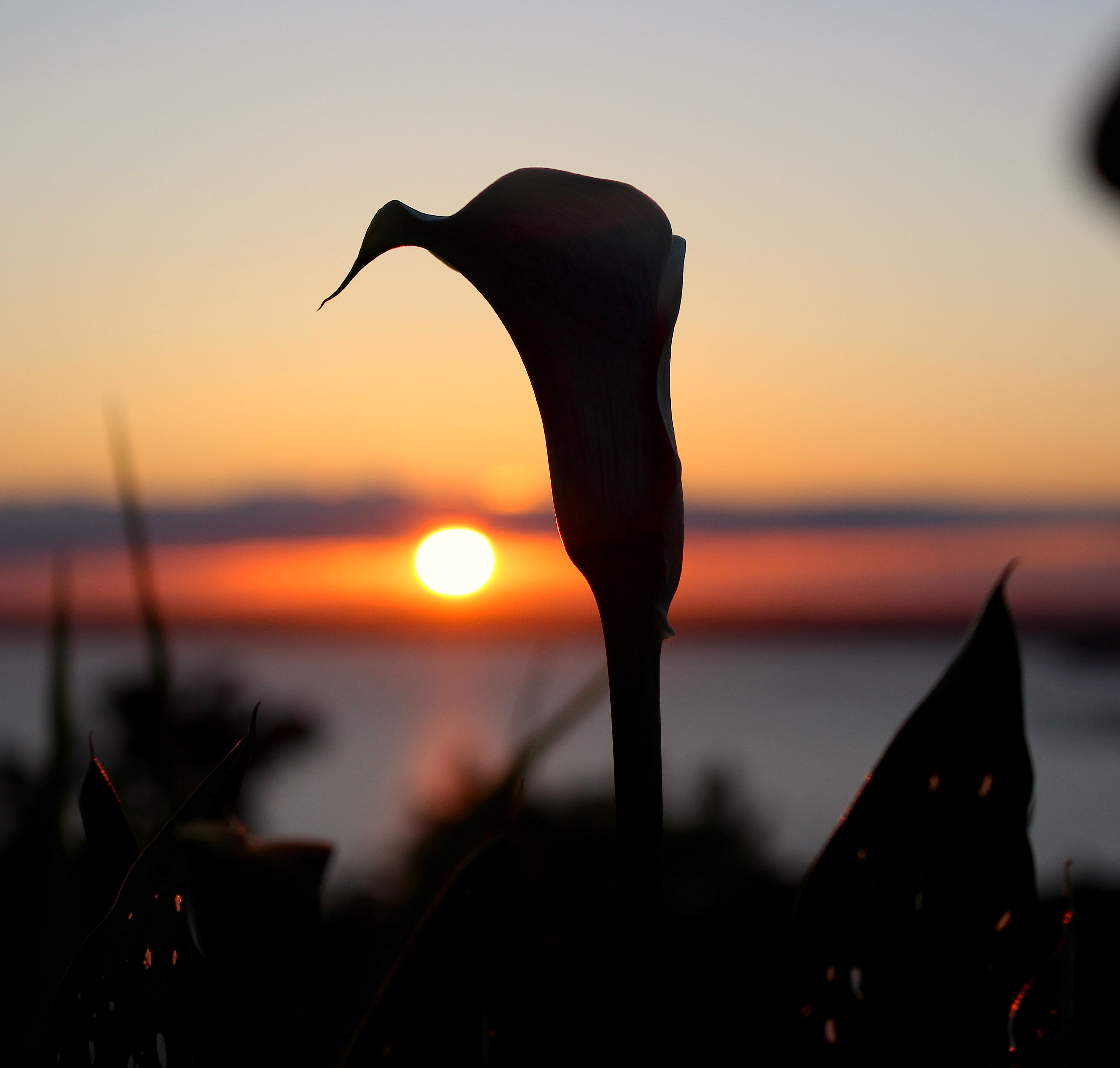
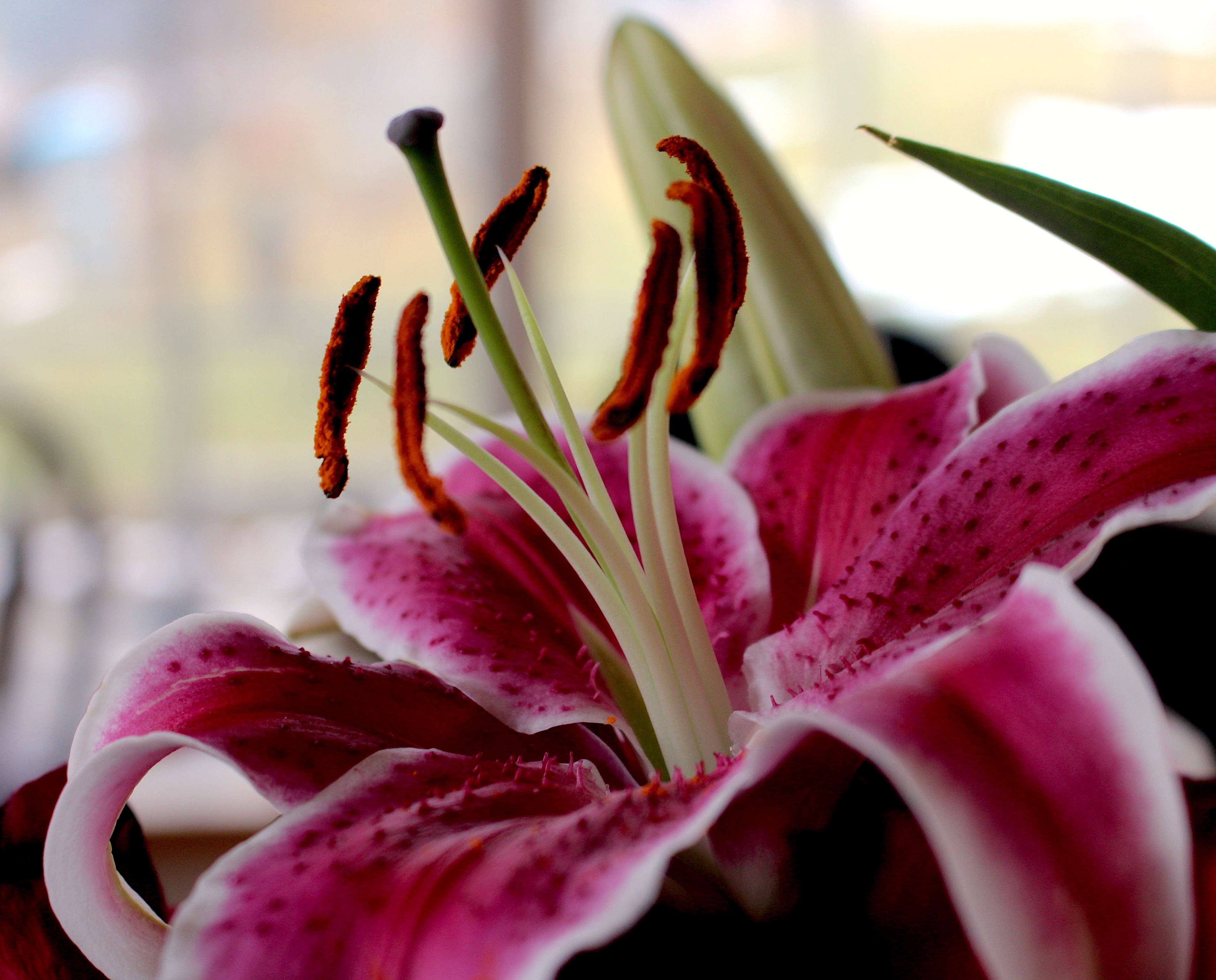
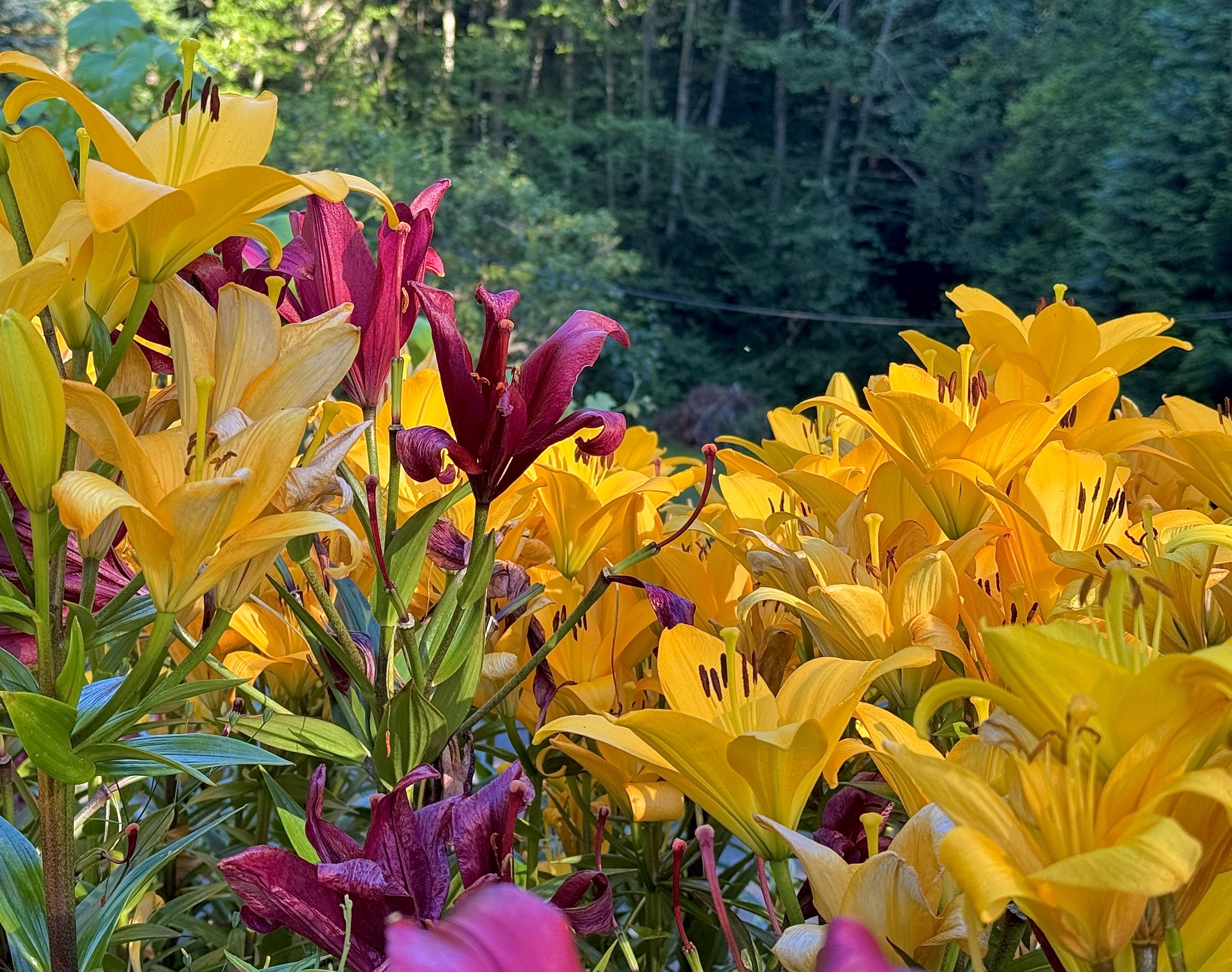
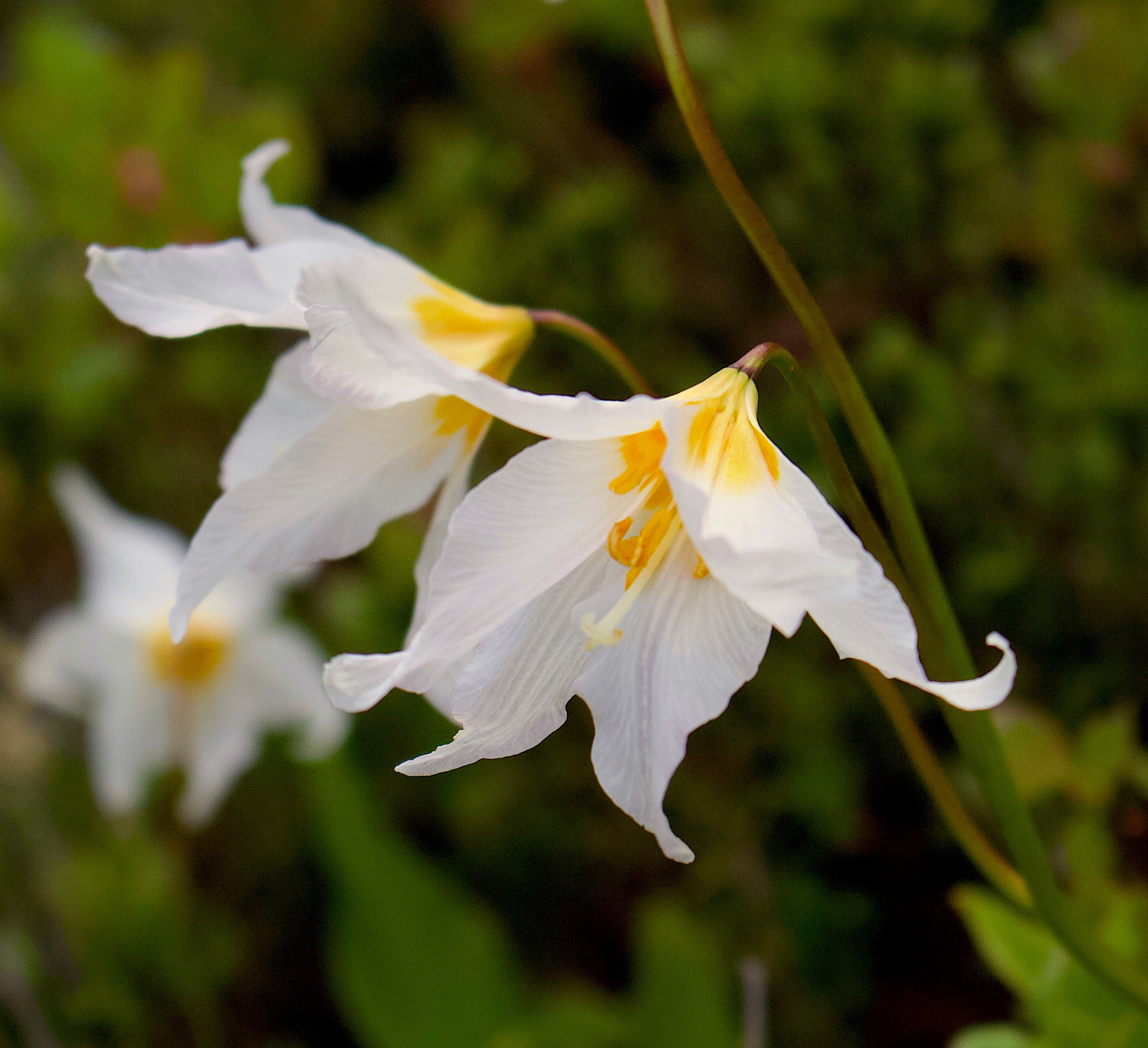
Night after night darkness enters the face of the lily which, lightly, closes its five walls around itself, and its purse of honey, and its fragrance, and is content to stand there in the garden, not quite sleeping, and, maybe, saying in lily language some small words we can’t hear even when there is no wind anywhere, its lips are so secret, its tongue is so hidden – or, maybe, it says nothing at all but just stands there with the patience of vegetables and saints until the whole earth has turned around and the silver moon becomes the golden sun – as the lily absolutely knew it would, which is itself, isn’t it, the perfect prayer? ~Mary Oliver “The Lily”
Consider the lilies of the field, how they grow; they neither toil nor spin;yet I tell you, even Solomon in all his glory was not arrayed like one of these. Matthew 6:28b-29
I have been thinking about living like the lilies that blow in the fields.
They rise and fall in the edge of the wind, and have no shelter from the tongues of the cattle,
and have no closets or cupboards, and have no legs. Still I would like to be as wonderful
as the old idea. But if I were a lily I think I would wait all day for the green face
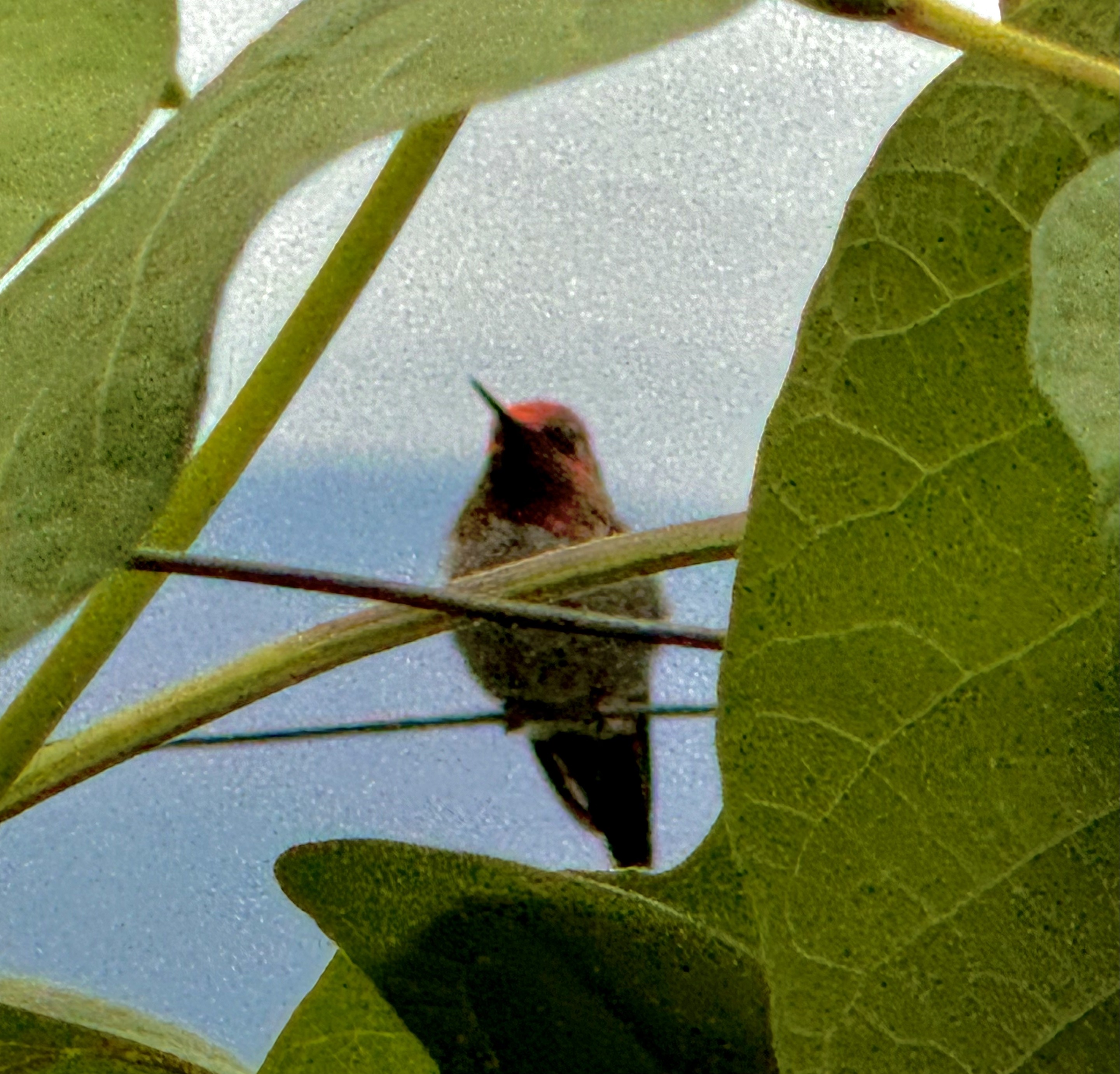
of the hummingbird to touch me. What I mean is, could I forget myself
even in those feathery fields? When Van Gogh preached to the poor of course he wanted to save someone–
most of all himself. He wasn’t a lily, and wandering through the bright fields only gave him more ideas
it would take his life to solve. I think I will always be lonely in this world, where the cattle graze like a black and white river–
where the vanishing lilies melt, without protest, on their tongues– where the hummingbird, whenever there is a fuss, just rises and floats away. ~Mary Oliver “Lilies”
From the simplest lyric to the most complex novel and densest drama, literature is asking us to pay attention… pay attention to the world and all that dwells therein and thereby learn at last to pay attention to yourself and all that dwells therein.
Literature, painting, music— the most basic lesson that all art teaches us is to stop, look, and listen to life on this planet, including our own lives, as a vastly richer, deeper, more mysterious business as we bumble along from day to day on automatic pilot. In a world that for the most part steers clear of the whole idea of holiness, art is one of the few places left where we can speak to each other of holy things.
Is it too much to say that Stop, Look, and Listen is also the most basic lesson that the Judeo-Christian tradition teaches us? Listen to history is the cry of the ancient prophets of Israel. Listen to social injustice, says Amos; to head-in-the-sand religiosity, says Jeremiah; to international treacheries and power-plays, says Isaiah; because it is precisely through them that God speaks his word of judgment and command.
In a letter to a friend Emily Dickinson wrote that “Consider the lilies of the field” was the only commandment she never broke. She could have done a lot worse. Consider the lilies. It is the sine qua non of art and religion both. ~Frederick Buechner from Whistling in the Dark
I have failed to “consider the lilies” way too many times.
In my daily life, I am considering my own worries and concerns as I walk past beauty and purpose and holiness. My mind turns inward, often blind and deaf to what is outside me.
It is necessary to be reminded every day that I need to pay attention beyond myself, to love my neighbor, to remember what history has to teach us, to search for the sacred in all things.
Stop, Look, Listen, Consider: all is grace, all is gift, all is holiness brought to life – so stunning, so amazing, so wondrous.
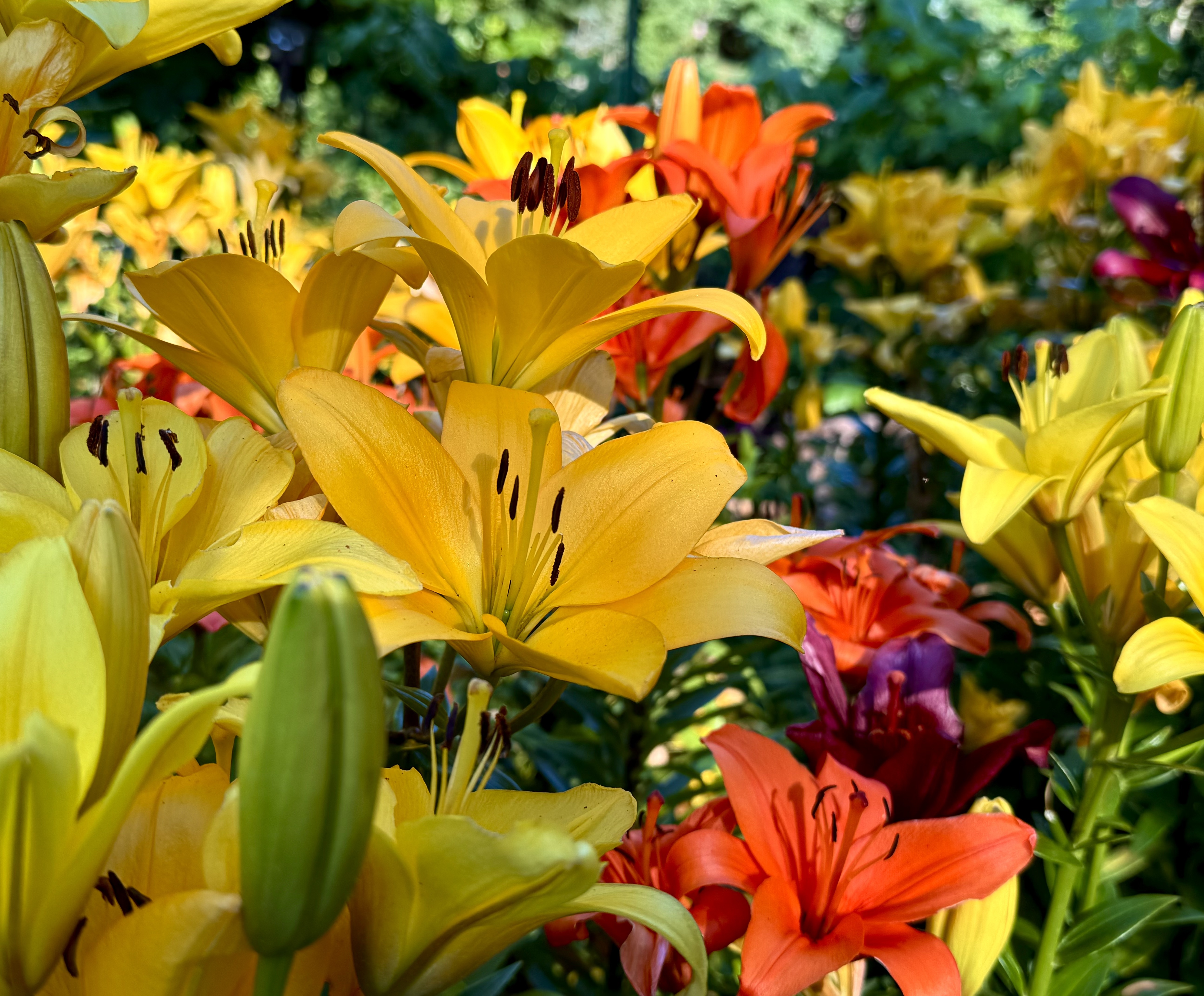
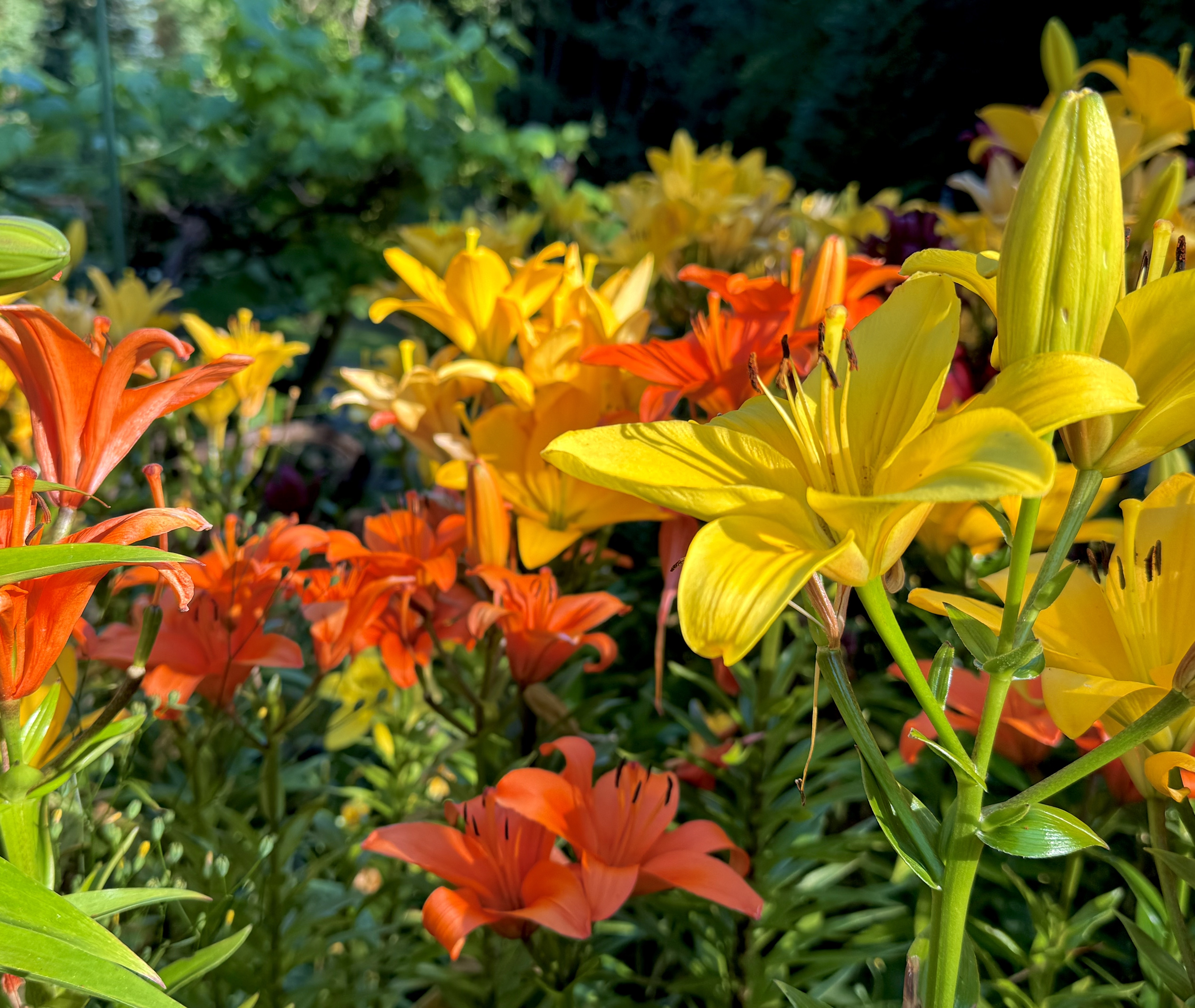
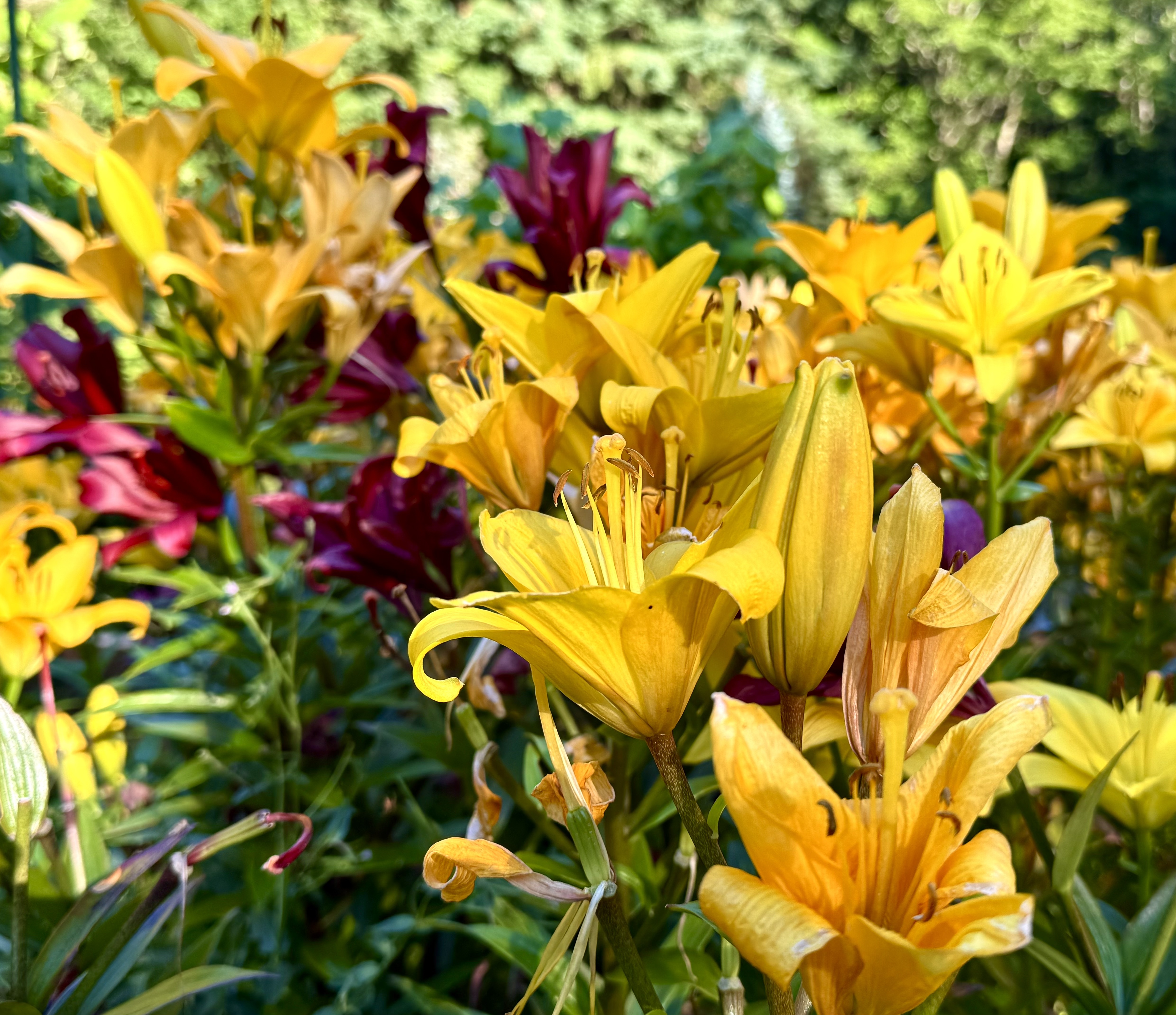
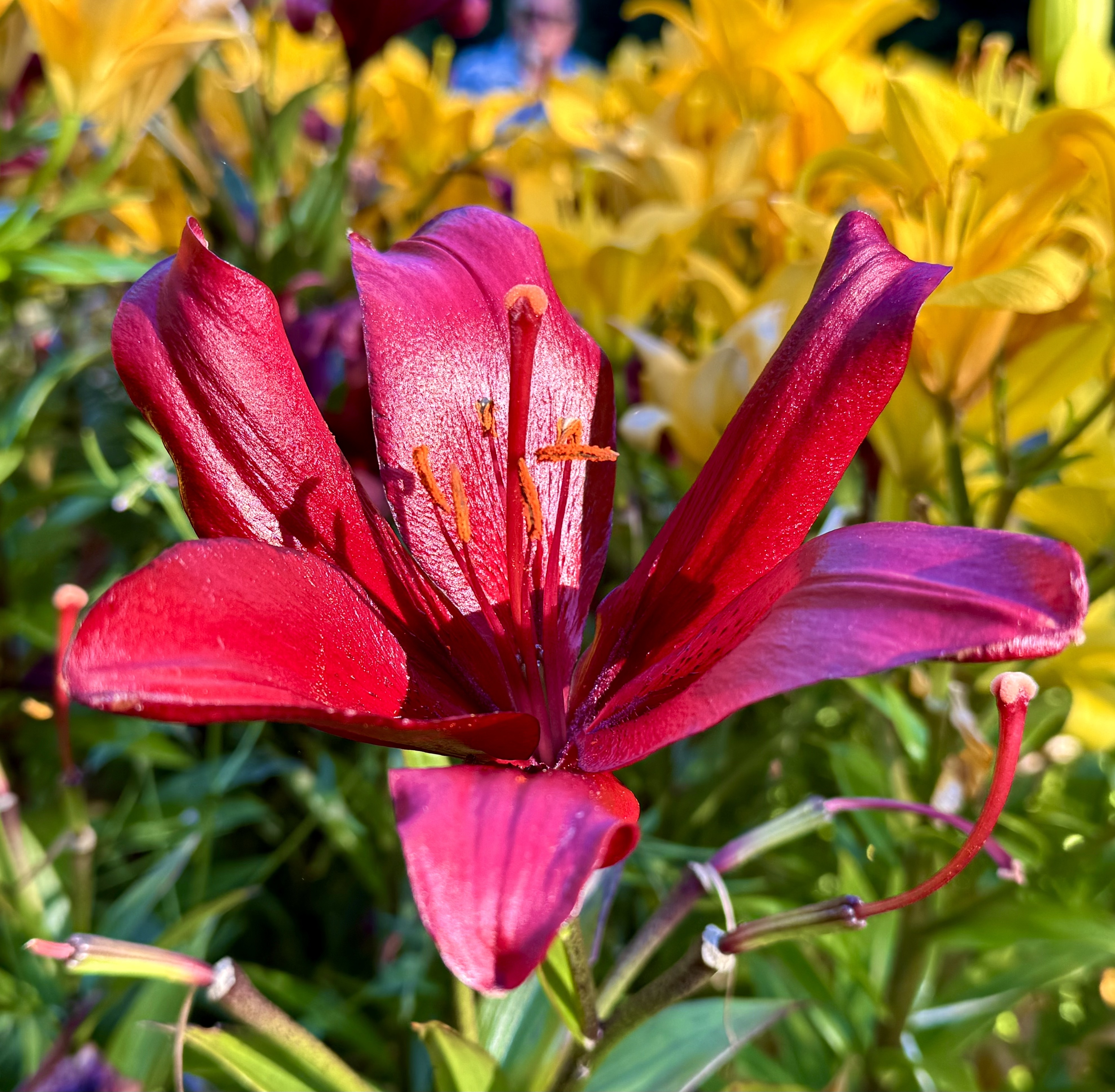
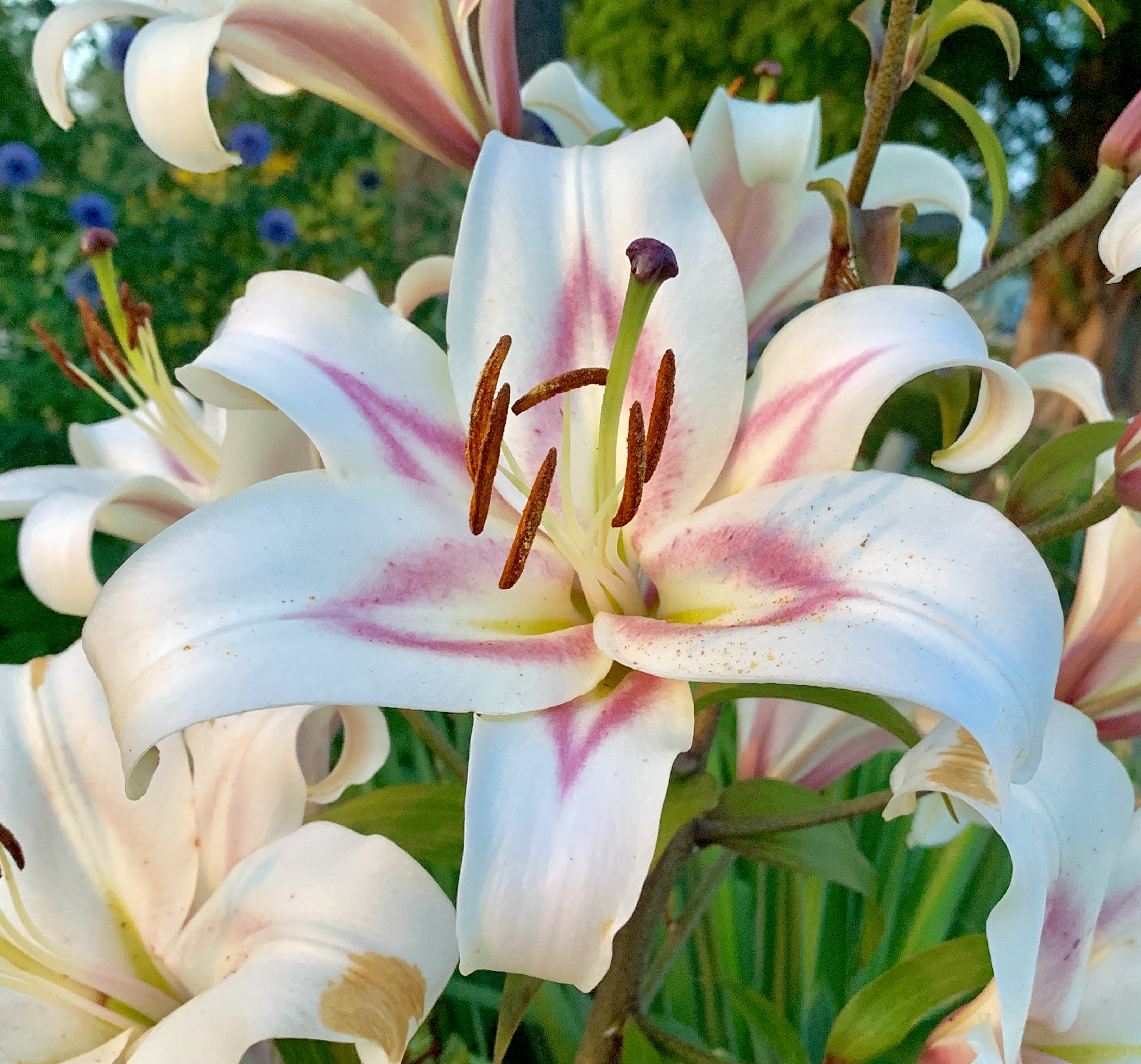
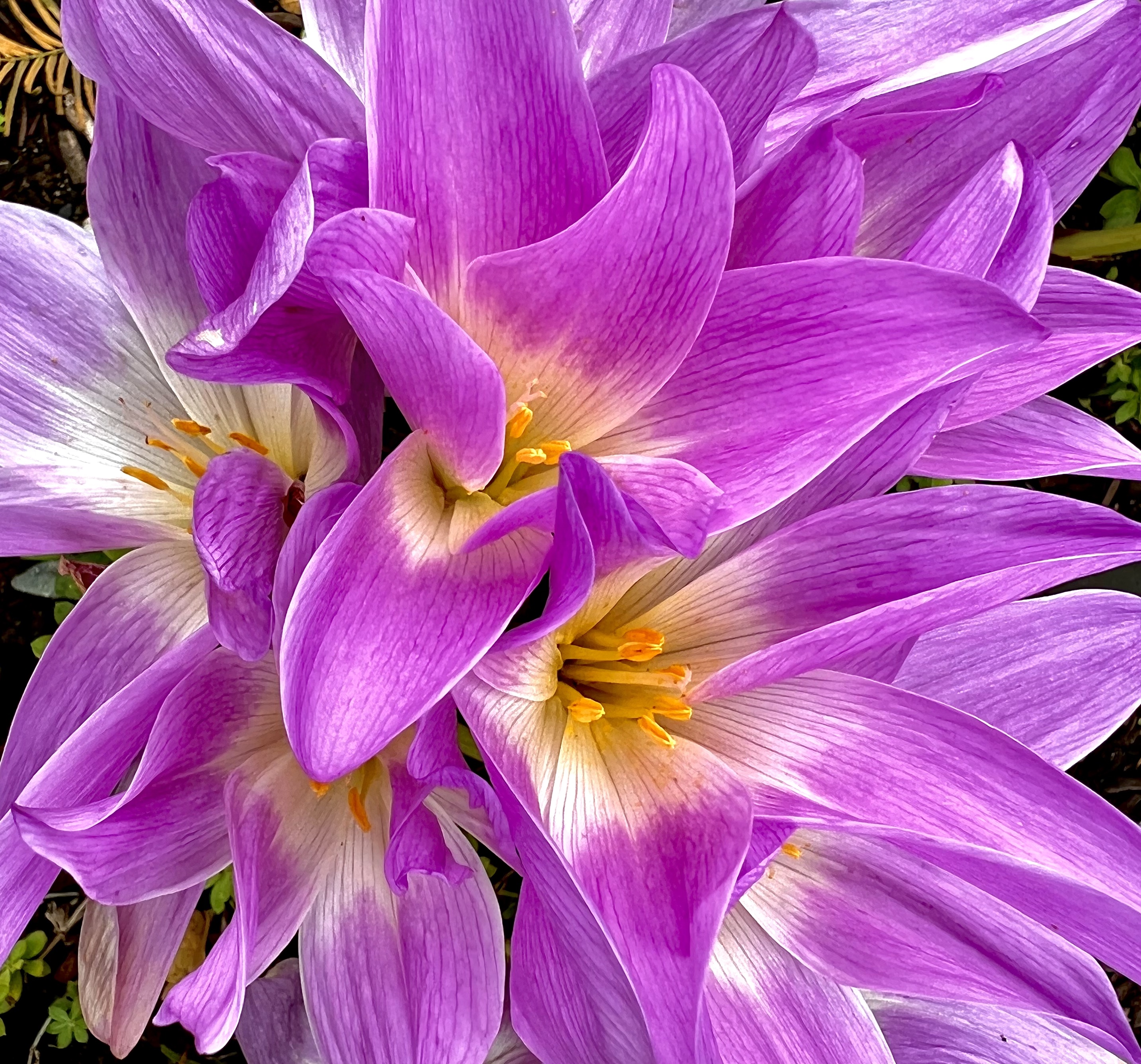
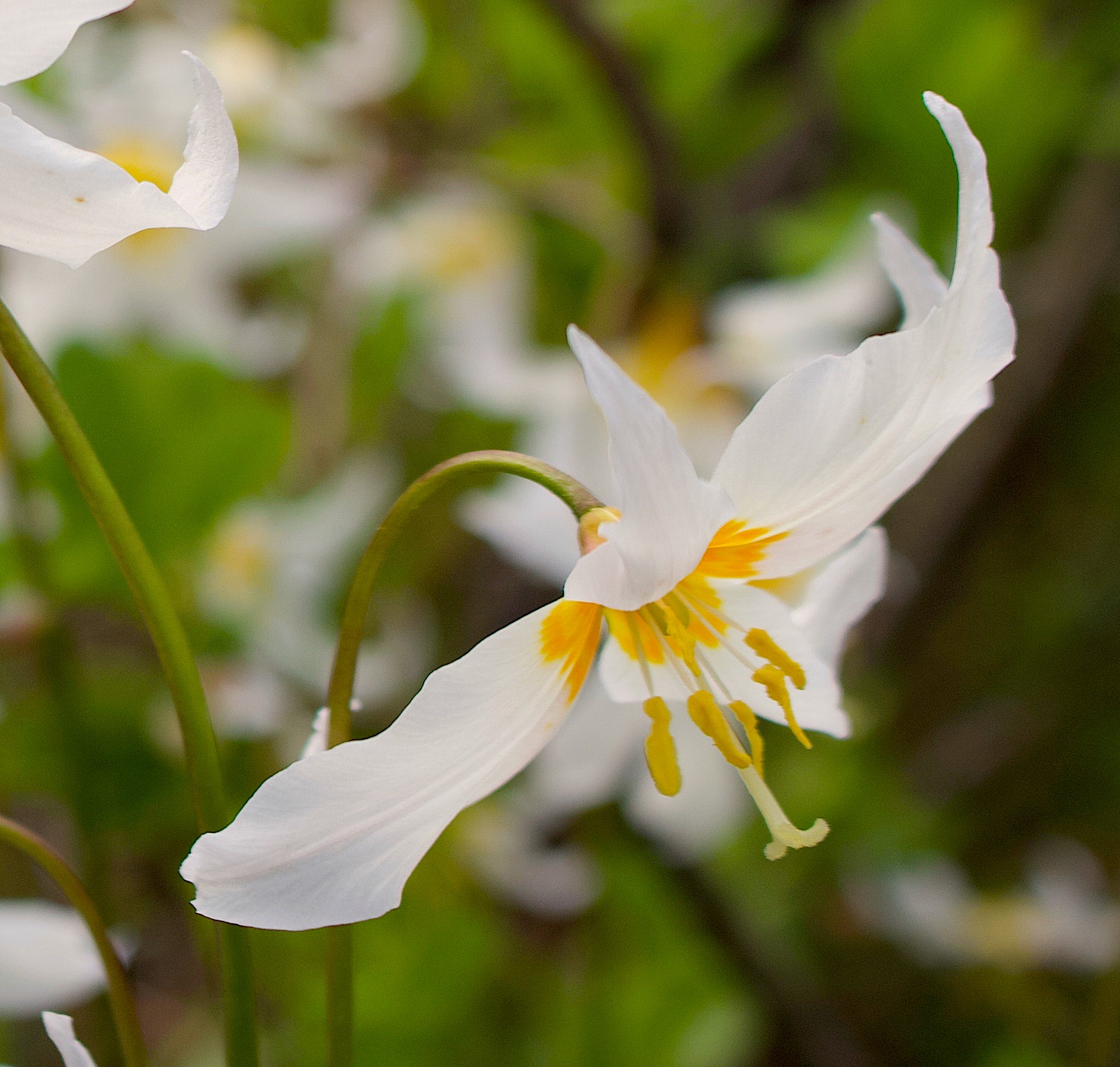
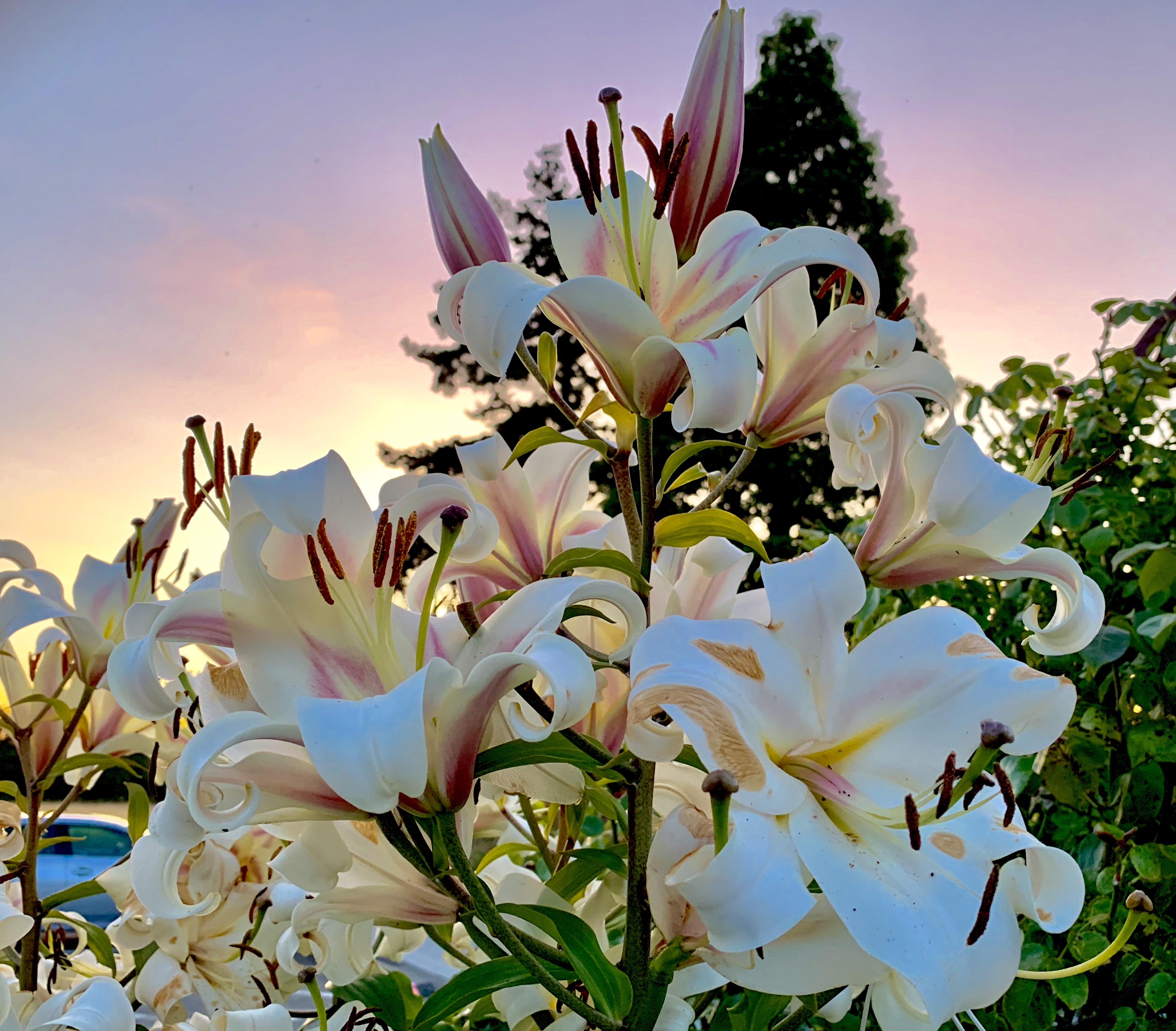
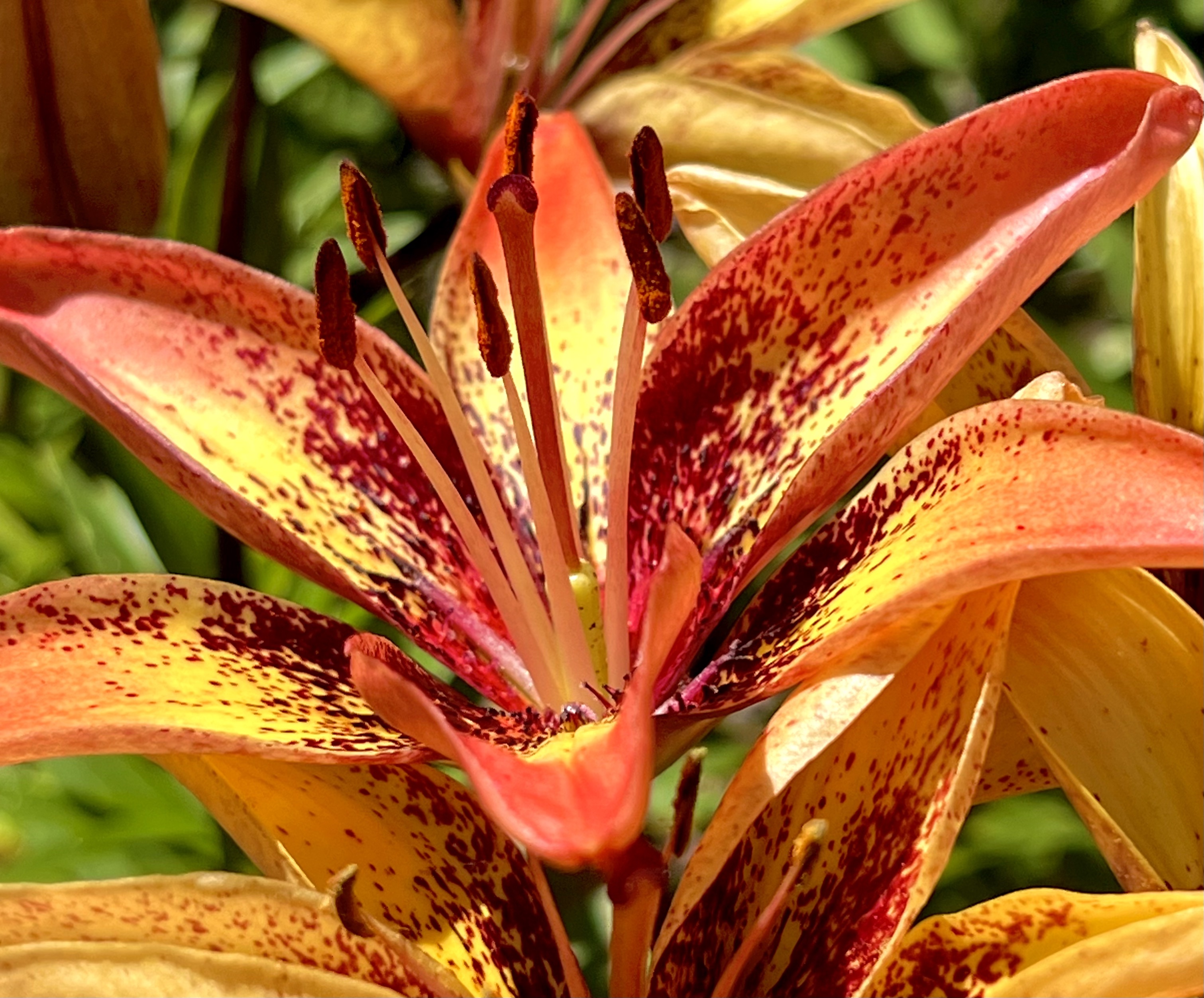
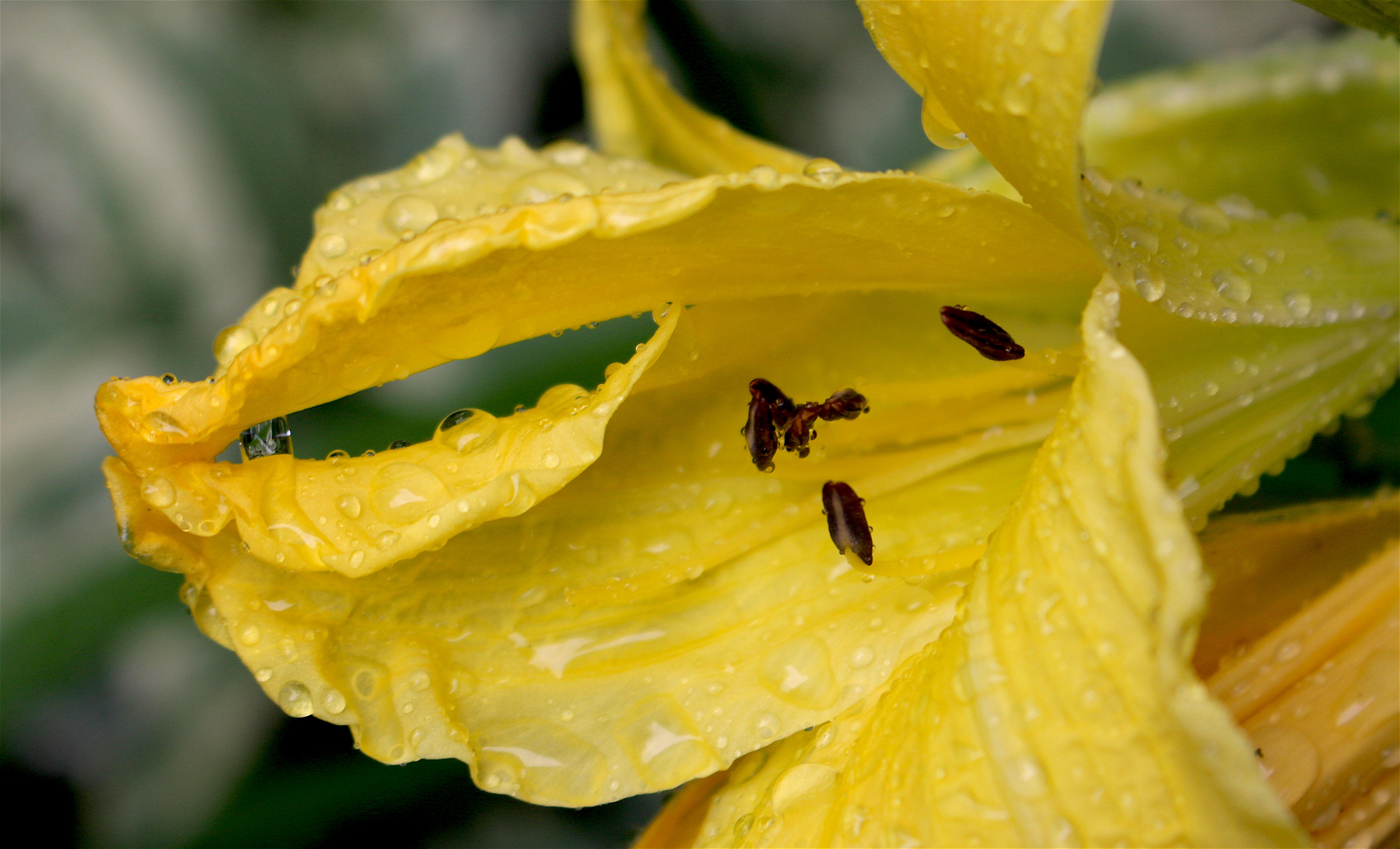
Thank you to David and Lynne Nelson, David Vos of VanderGiessen Nursery, Arlene Van Ry, Tennant Lake Park and Western Washington University for making their lovely lilies available to me to photograph.
One-Time
Monthly
Yearly
Make a one-time or recurring donation to support daily Barnstorming posts
I’m sorry I won’t be around a hundred years from now. I’d like to see how it all turns out. What language most of you are speaking. What country is swaggering across the globe. I’m curious to know if your medicines cure what ails us now. And how intelligent your children are as they parachute down through the womb. Have you invented new vegetables? Have you trained spiders to do your bidding? Have baseball and opera merged into one melodic sport? A hundred years…. My grandfather lived almost that long. The doctor who came to the farmhouse to deliver him arrived in a horse-drawn carriage. Do you still have horses? ~David Shumate “A Hundred Years from Now” from Kimonos in the Closet
When the local obituary notices lists someone who had lived nearly a century, I stop to think what societal changes have taken place over those 100 years.
Over the past century, our melting pot country has absorbed a panoply of languages and nationalities, in addition to being the source of plenty of political swagger.
There have been many new medical discoveries and public health measures resulting in longer life expectancy and lower child mortality rates, despite what our swaggering politicos currently say.
Although neither of my parents lived past 90 years of age, when they were born in the early 1920s, rural transportation was primarily horse and buggy, most babies were born at home, antibiotics had not been developed and only smallpox vaccination was routinely administered to children.
Everyone wrote postcards or letters to one another to stay in touch, and photographs were done by professionals.
The moon had not been visited, the web was something your face ran into on a foggy morning, and nuclear referred to a center of a cell.
Oh, and yes, we still have horses.
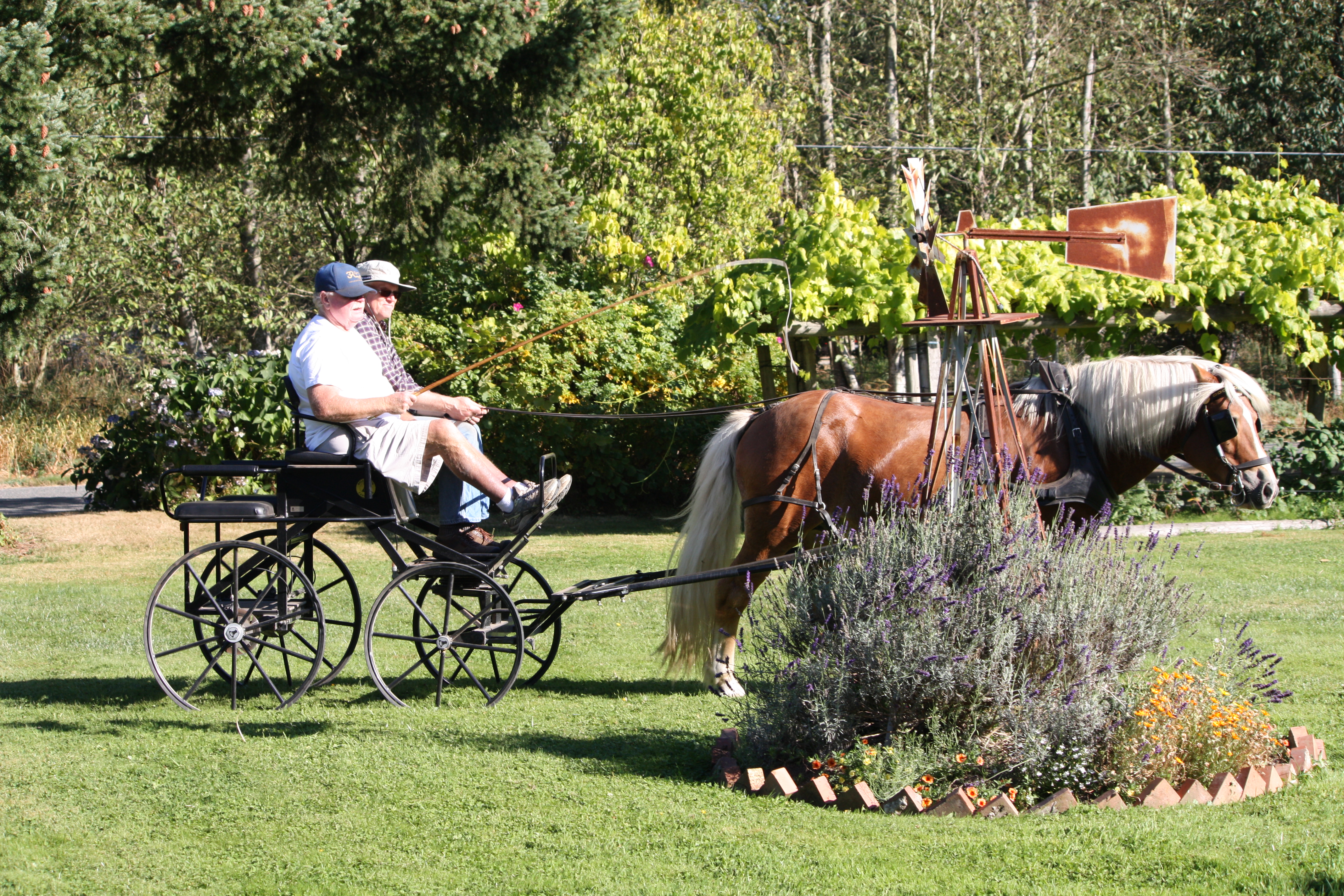
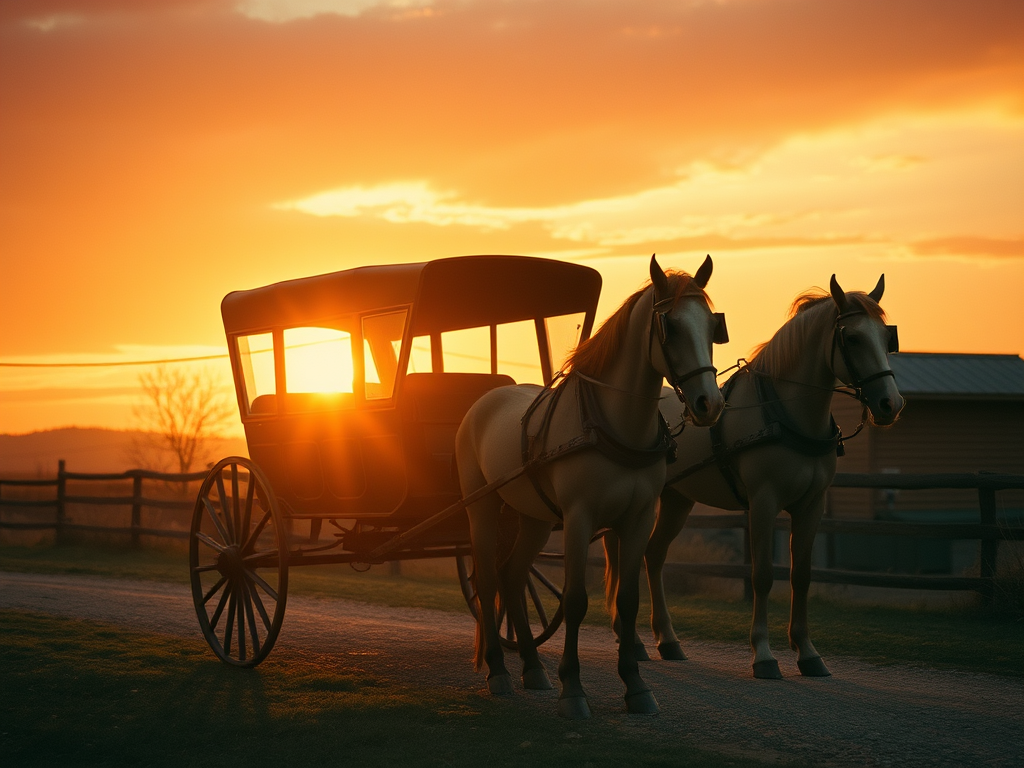
Not many horses still labor on behalf of humans as they did on a daily basis 100 years ago. Ours have a pretty sweet life here on our farm, living well into their thirties – a century in horse years.
Thinking ahead to a century from now? So much more will happen that we can’t begin to imagine.
But I hope there will always be horses…
Aunt Lois, nearly 100Aunt Betty, age 99
Great Grandma Elna, age 88
Great Grandpa Harry holding baby Emerson, photo by mama Abby MobleyGreat Grandma Emma, granddaughter Andrea, great-grandson Zealandmy paternal grandparents in the early 1910sAI image created for this post
One-Time
Monthly
Yearly
Make a one-time or recurring donation to support daily Barnstorming posts
What is this life if, full of care, We have no time to stand and stare.
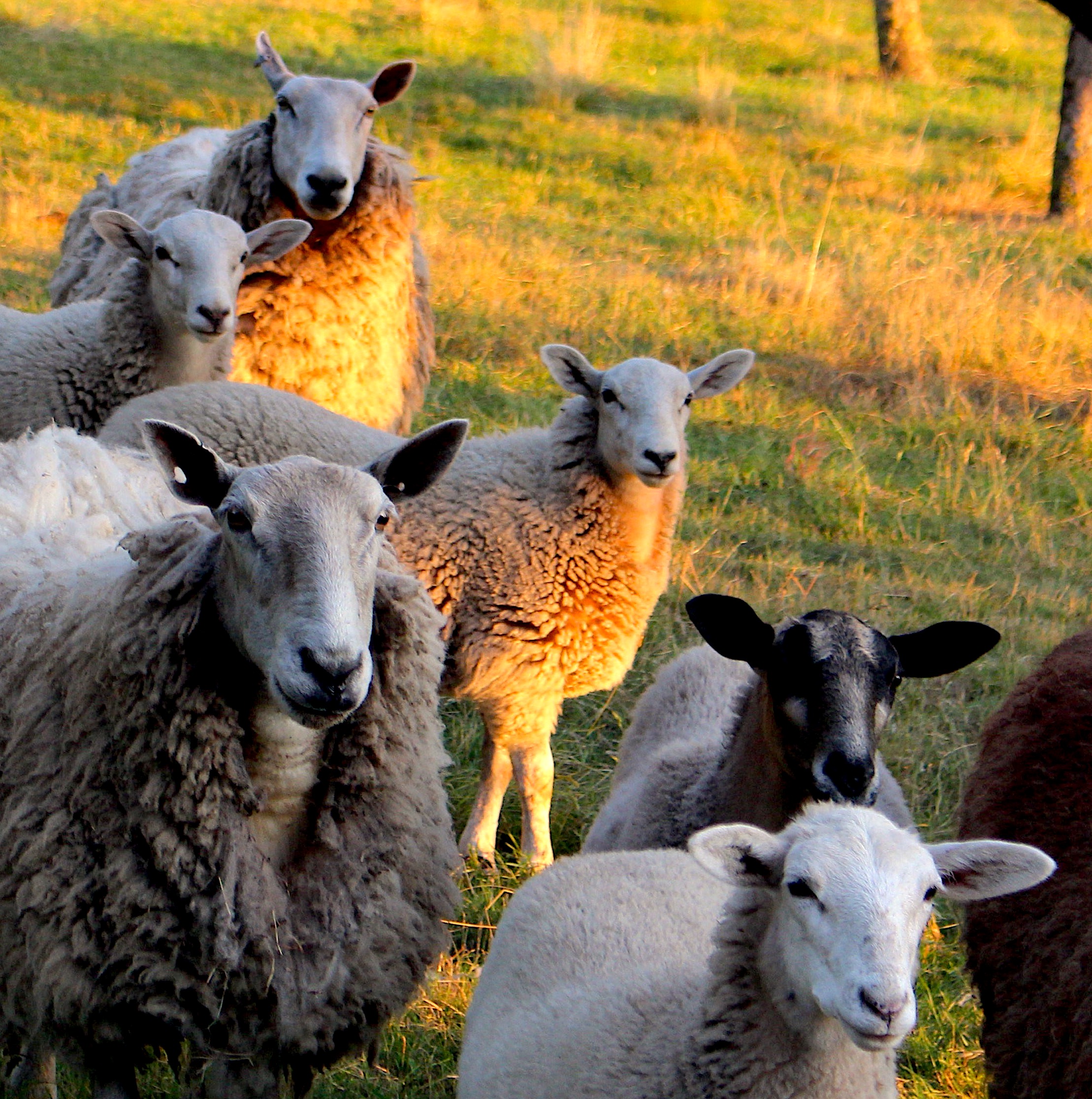
No time to stand beneath the boughs And stare as long as sheep or cows.
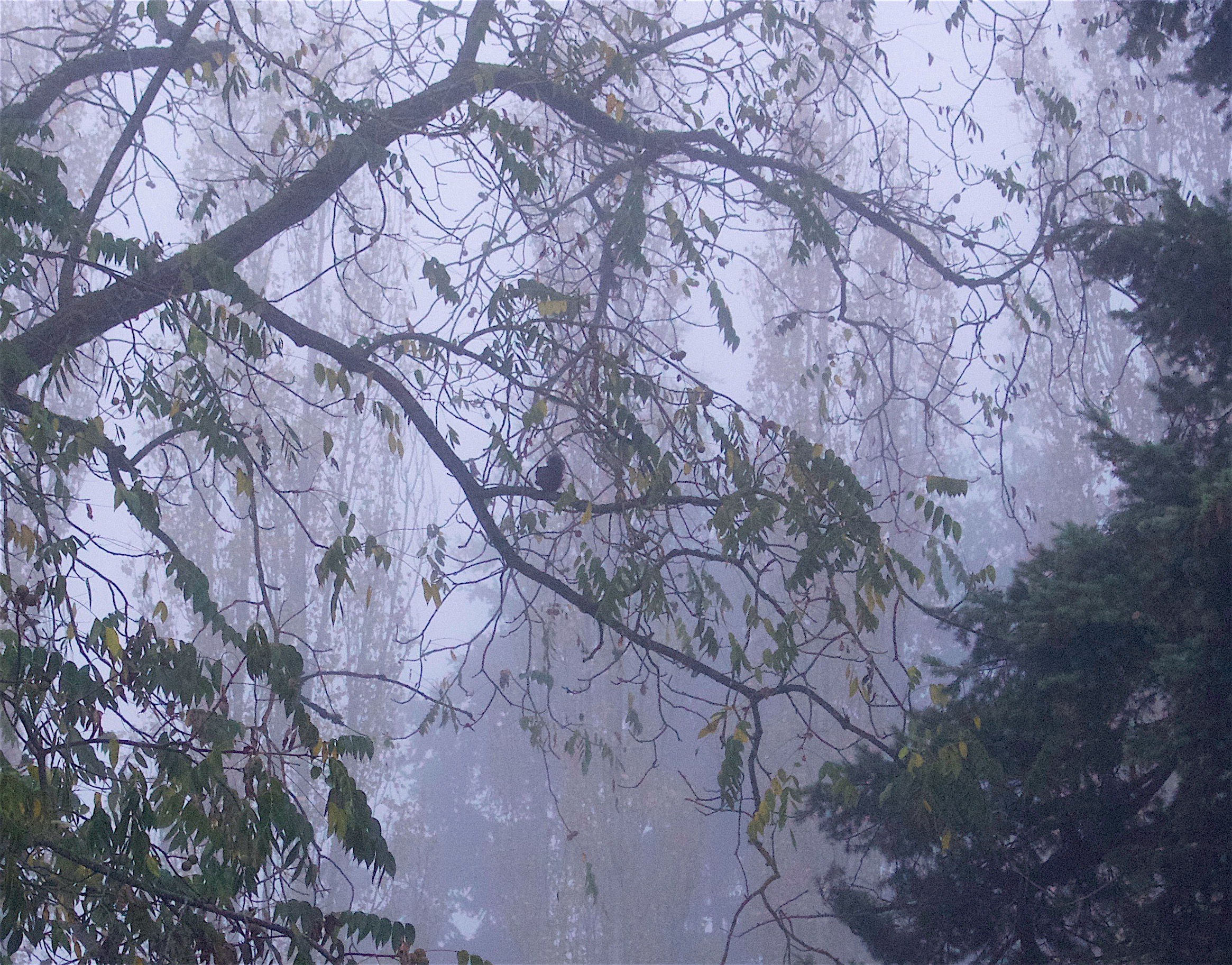
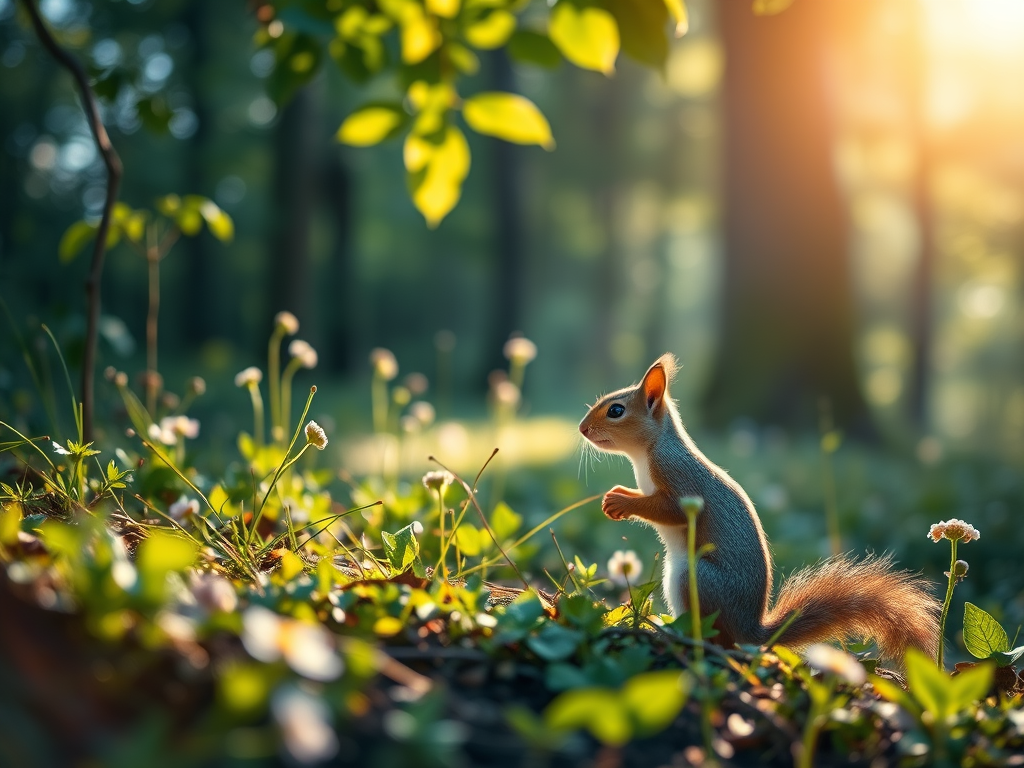
No time to see, when woods we pass, Where squirrels hide their nuts in grass.
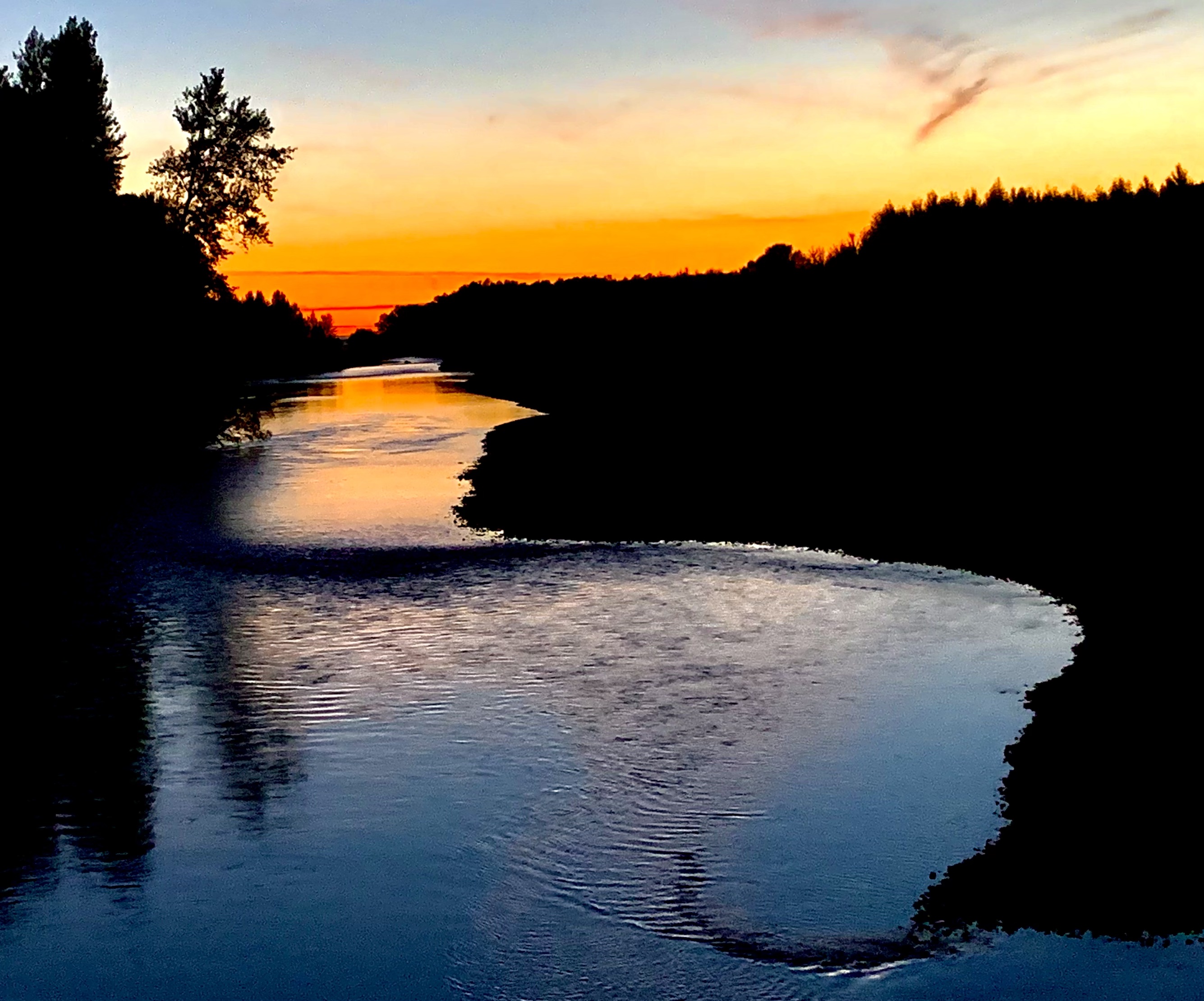
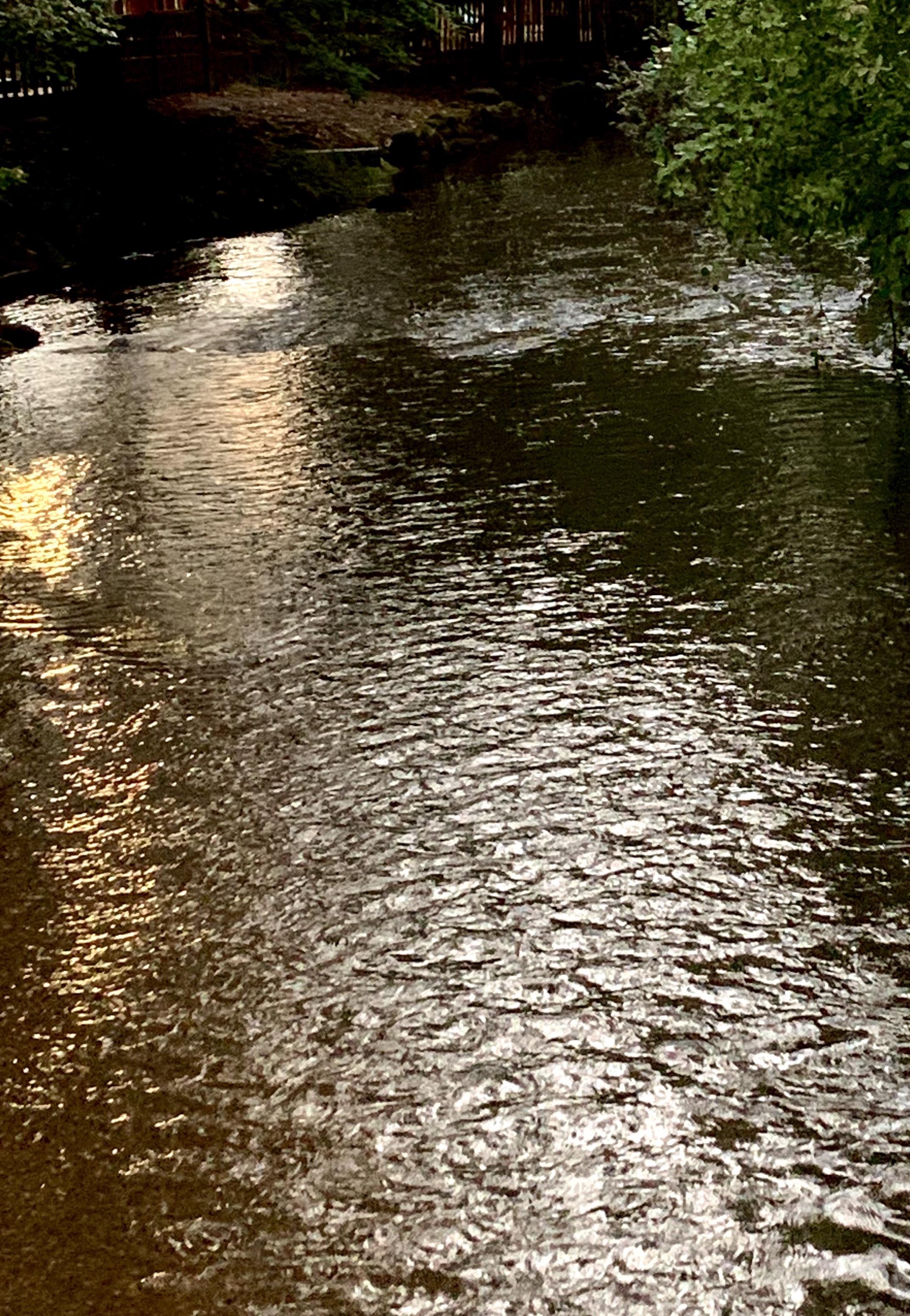
No time to see, in broad daylight, Streams full of stars, like skies at night.
No time to turn at Beauty’s glance, And watch her feet, how they can dance.
No time to wait till her mouth can Enrich that smile her eyes began.
A poor life this if, full of care, We have no time to stand and stare. ~W.H.Davies “Leisure”
…I believe there are certain habits that, if practiced, will stimulate the growth of humble roots in our lives. One of those is a habit of awe and wonder.
By awe and wonder, I mean the regular practice of paying careful attention to the world around us. Not merely seeing but observing. Perceiving. Considering. Asking thoughtful questions about what we see, smell, hear, touch, taste. In other words, attending with love and curiosity to what our senses sense. (How often do we eat without tasting? How often do we look without seeing? Hear without listening?) Admiring, imagining, receiving the beauty of the world around us in a regular, intentional way: this is the habit of a wonder-filled person. And it leads to humility.
A regular habit of awe and wonder de-centers us. It opens a window in our imaginations, beckoning us to climb out of our own opinions and experiences and to consider things greater and beyond our own lives. It strengthens our curiosity, which in turn lowers the volume on our anxieties and grows our ability to empathize. Over time, we become less self-focused and can admit without embarrassment what we don’t know. In short, we grow more humble. ~Kelly Givens from “Teaching Children to See” from Mere Orthodoxy
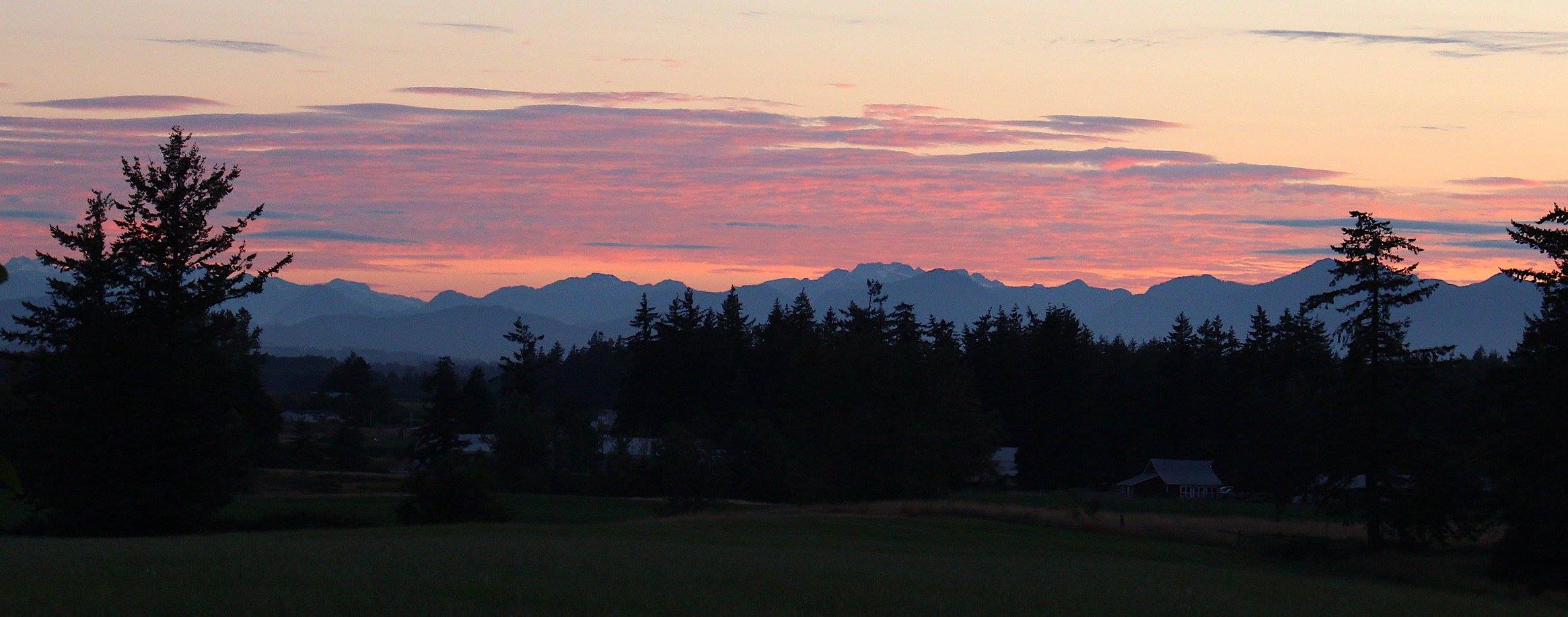
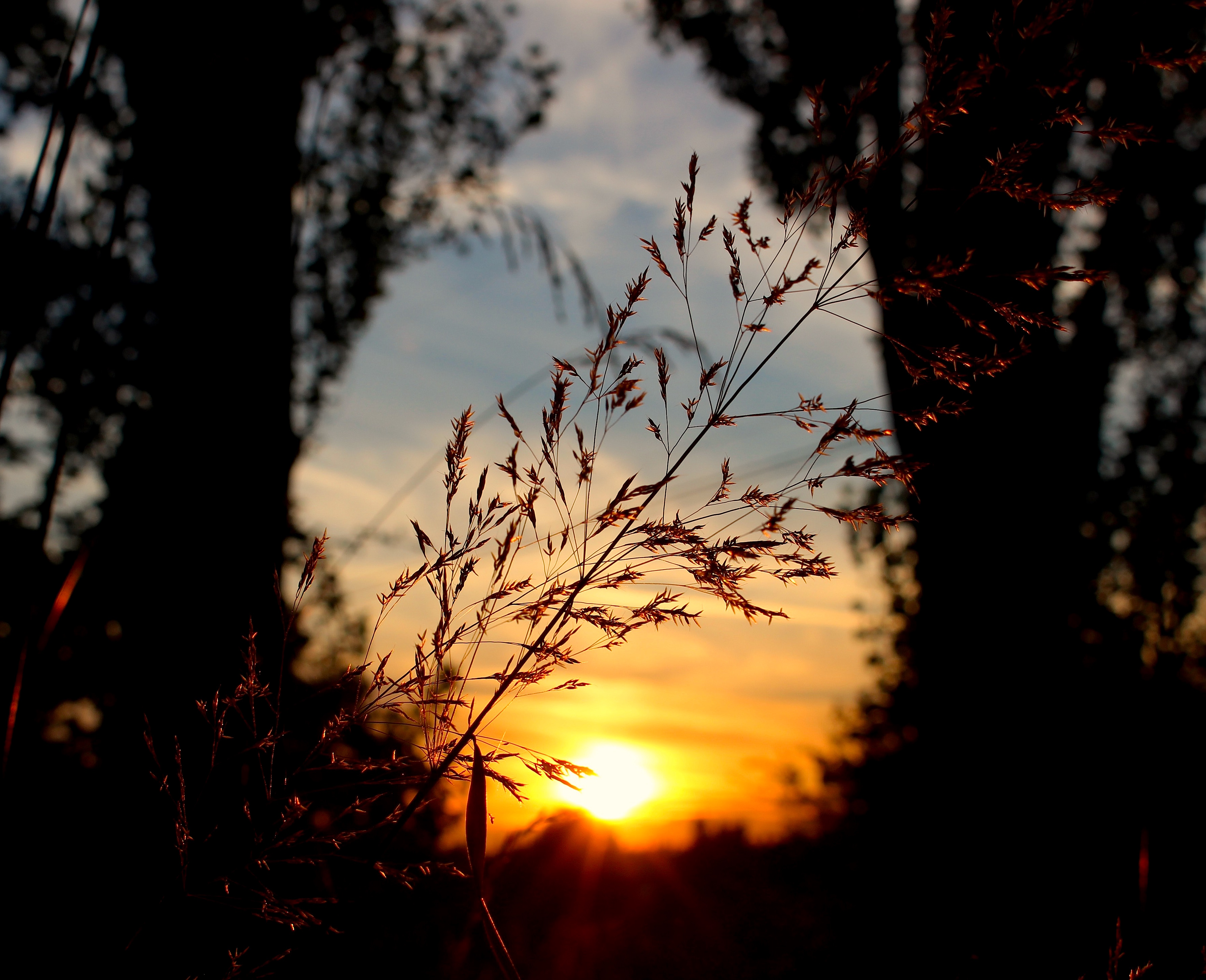
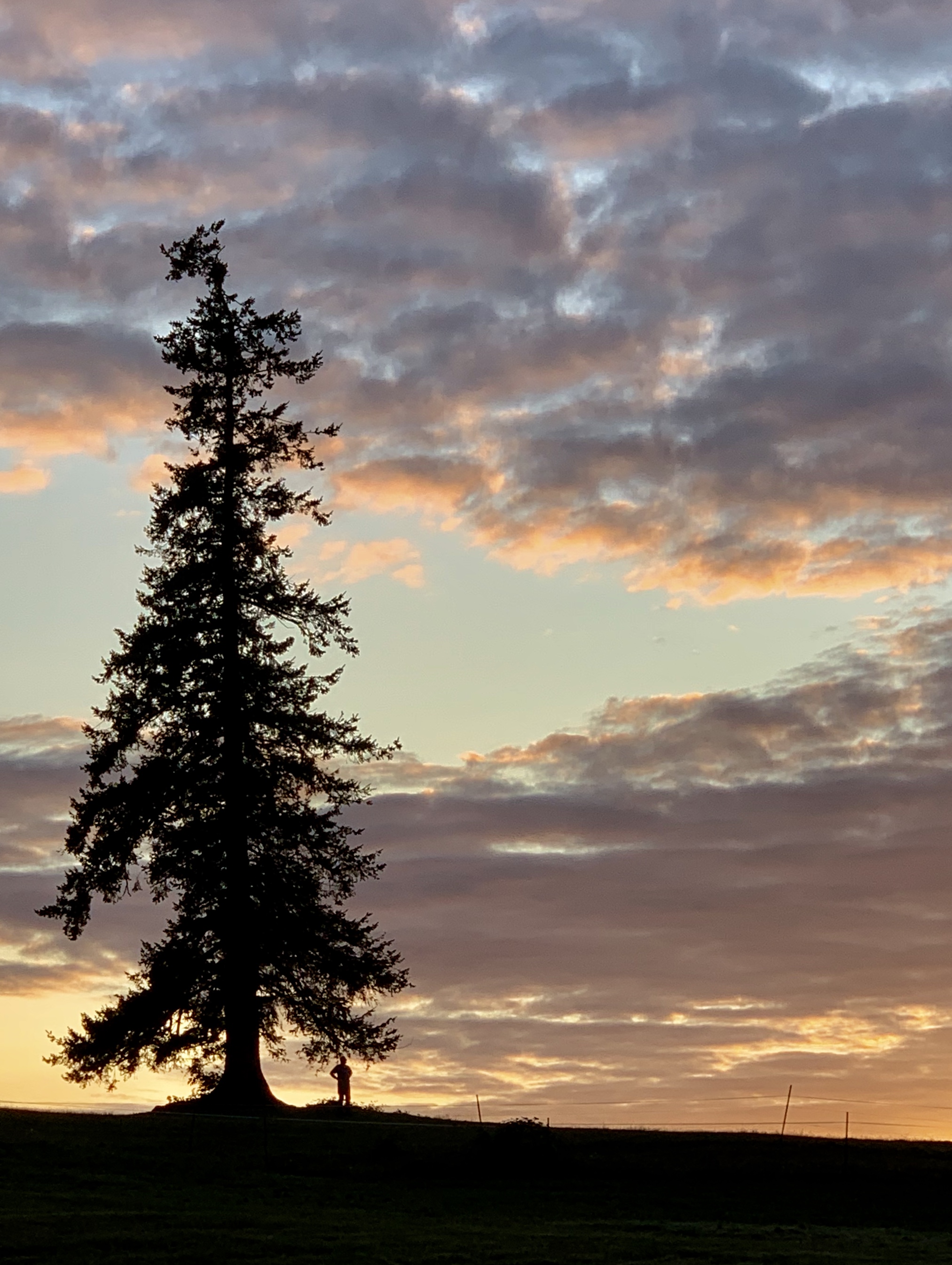
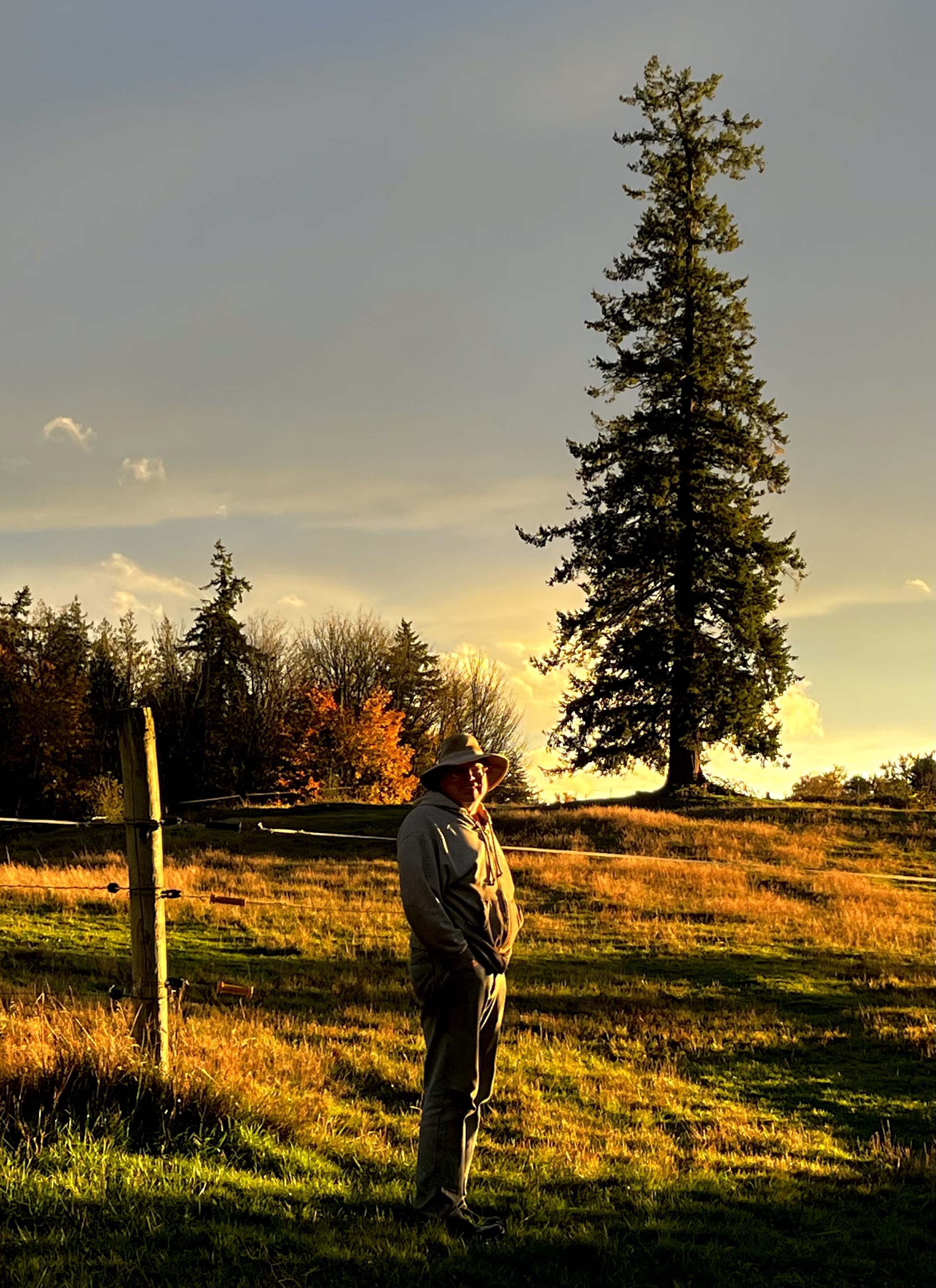
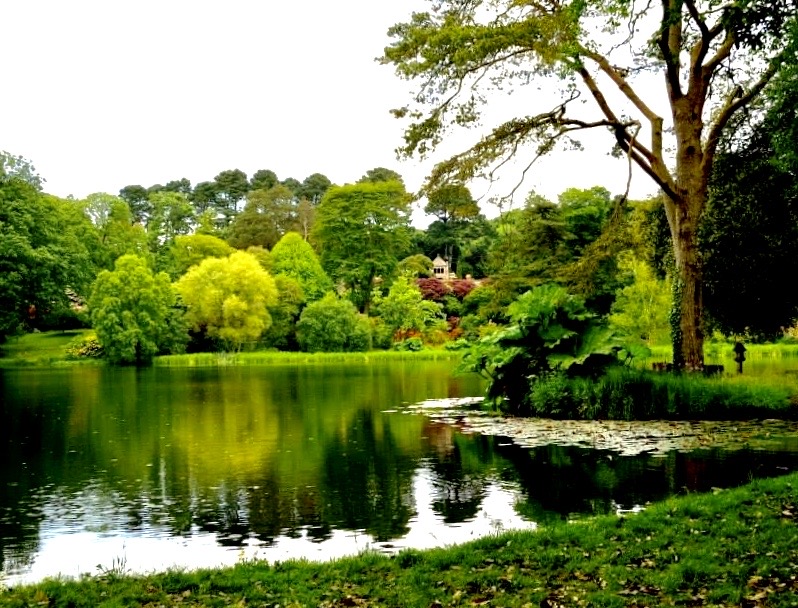
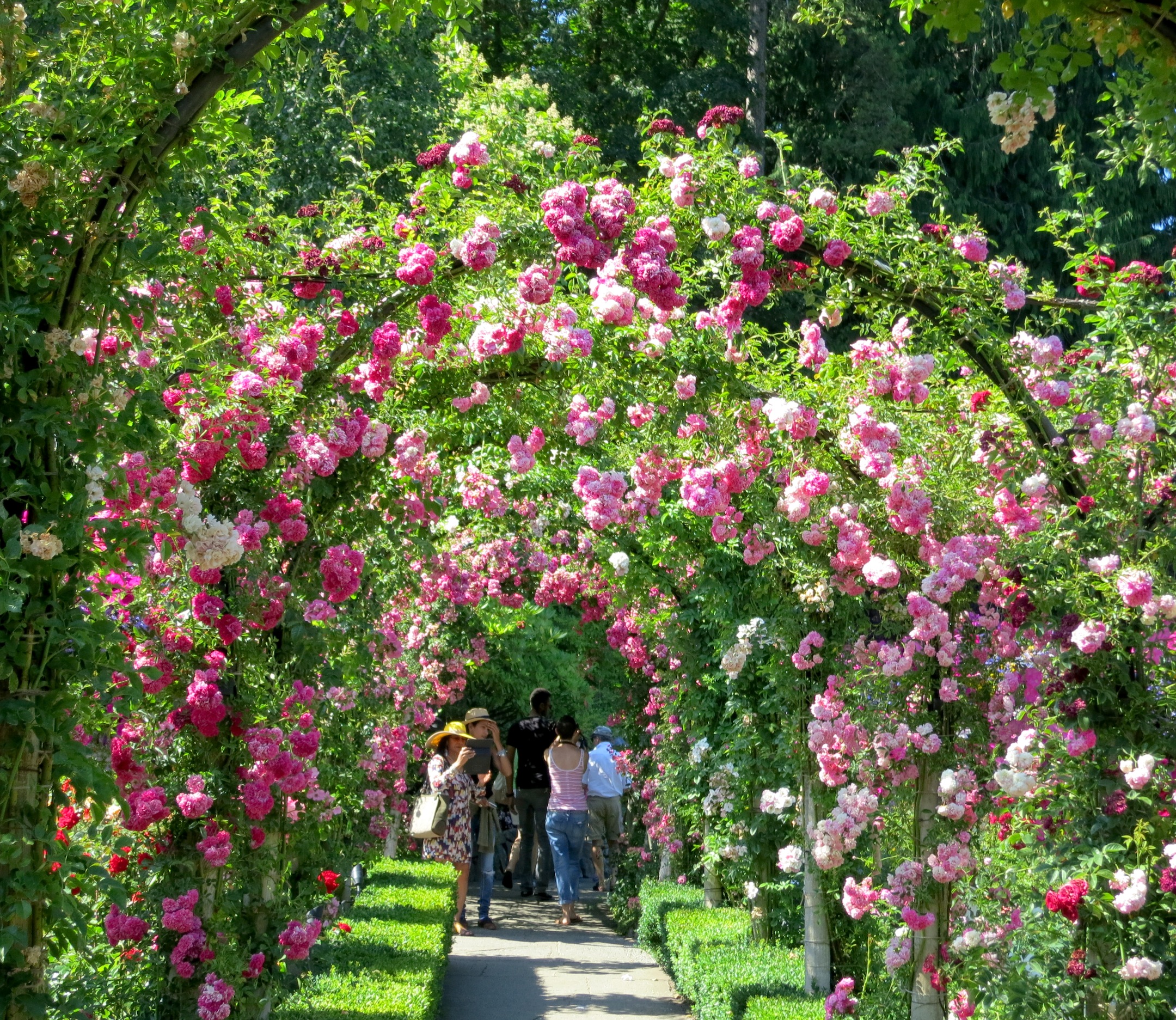
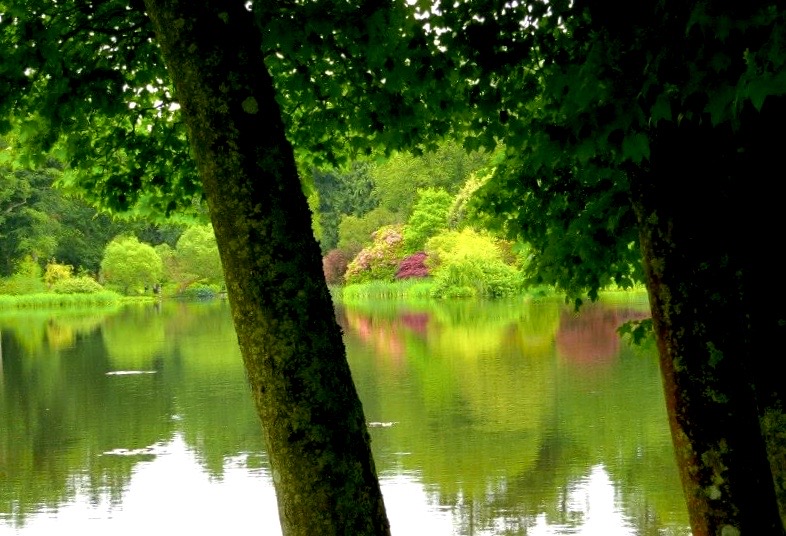
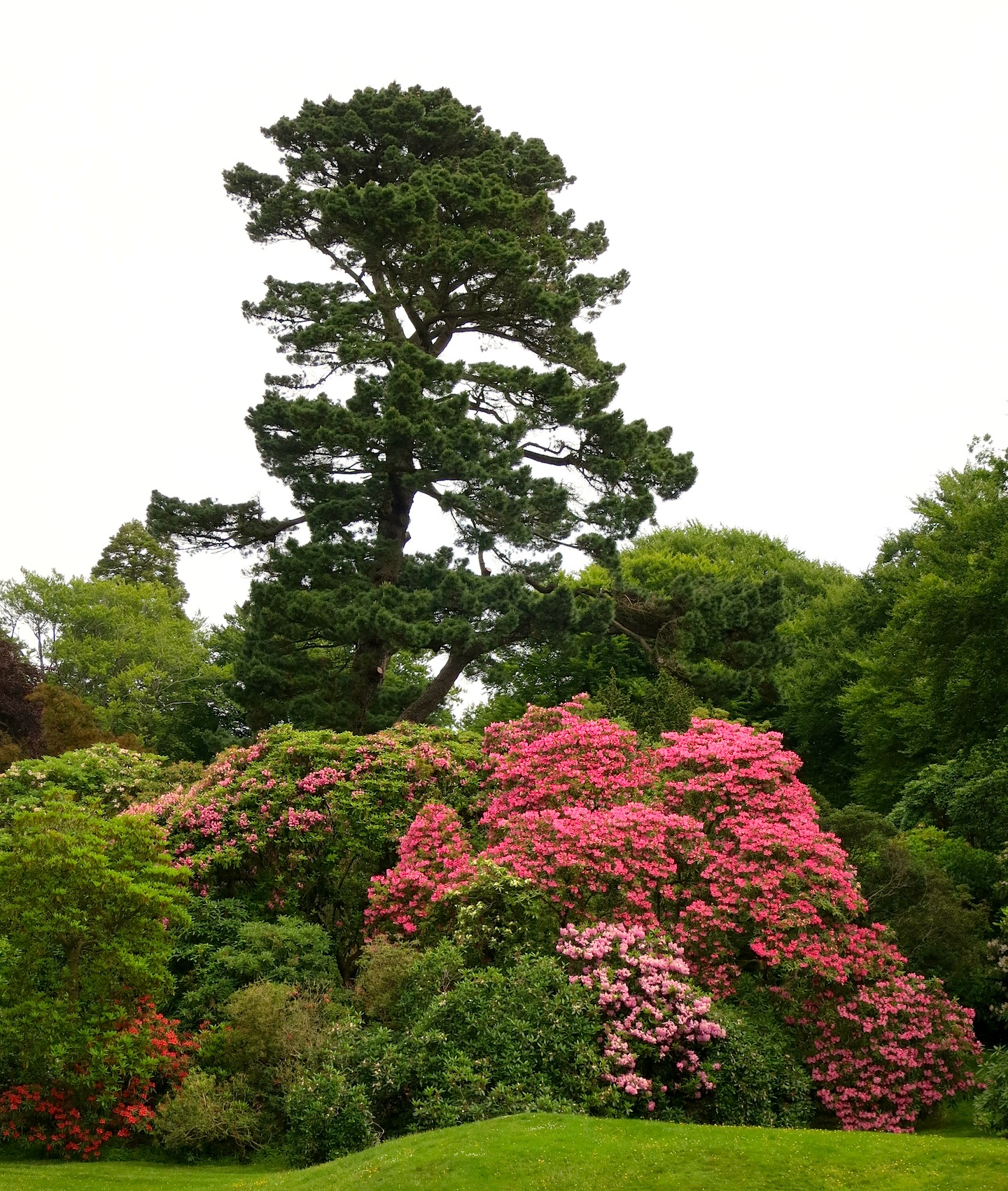
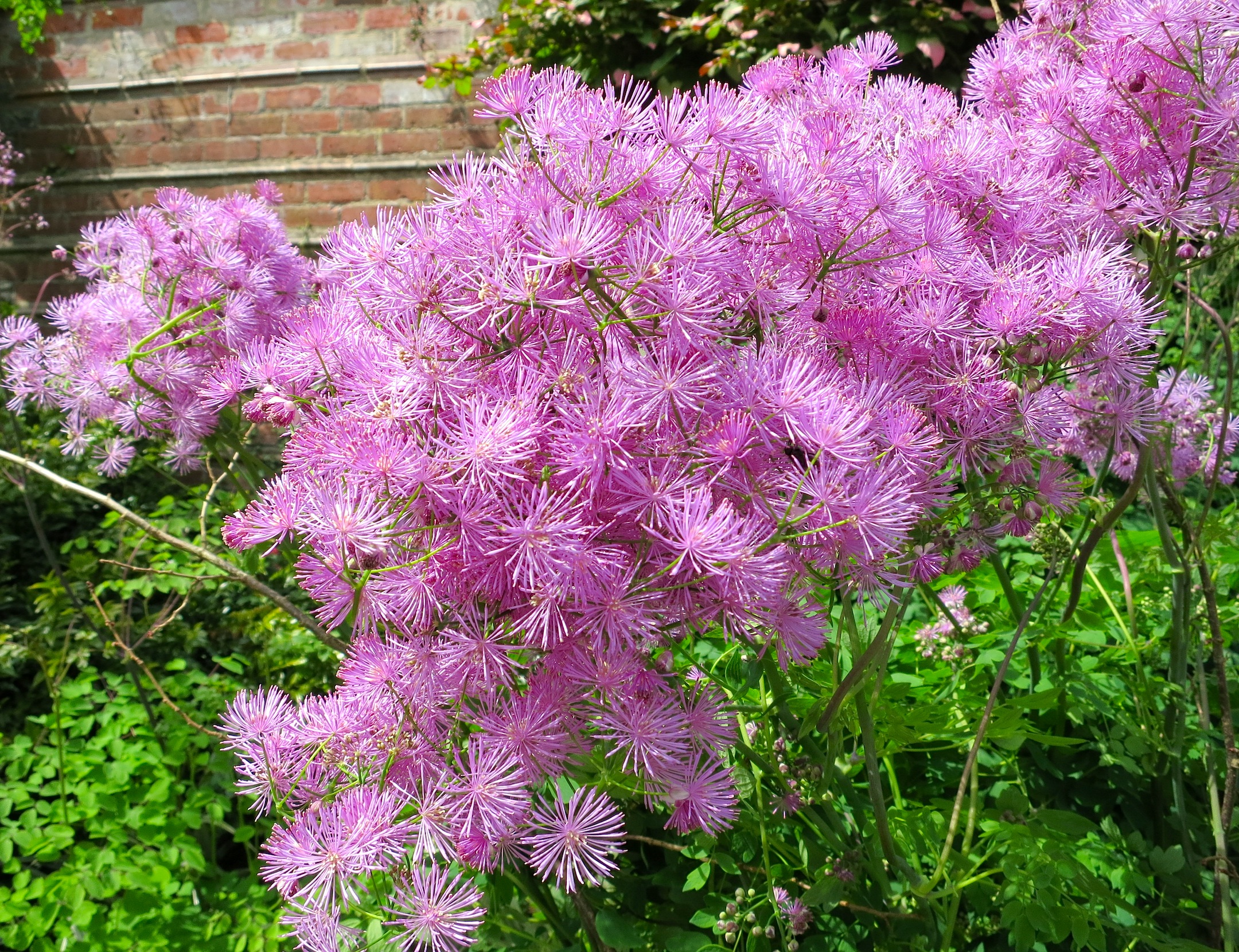
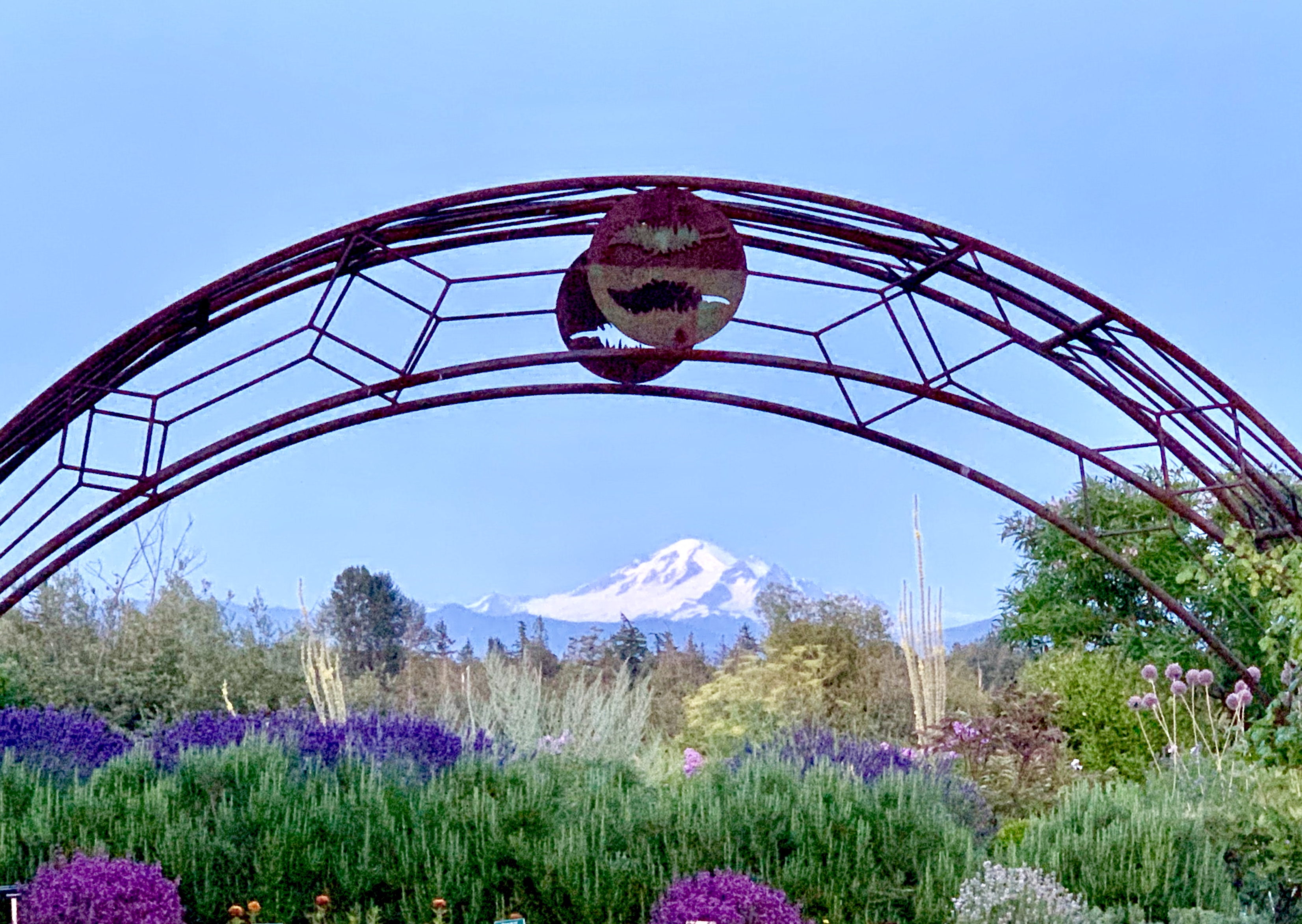
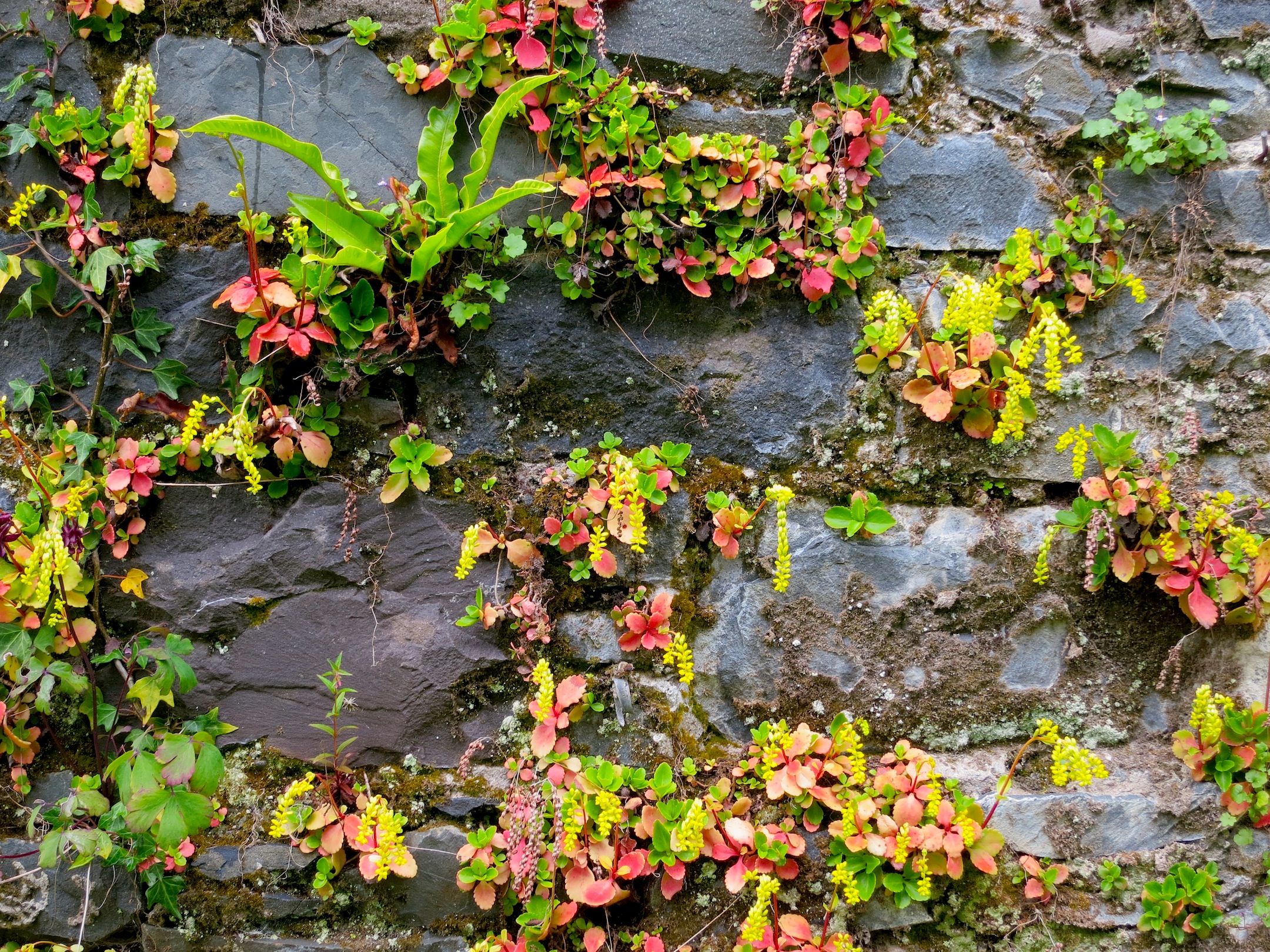
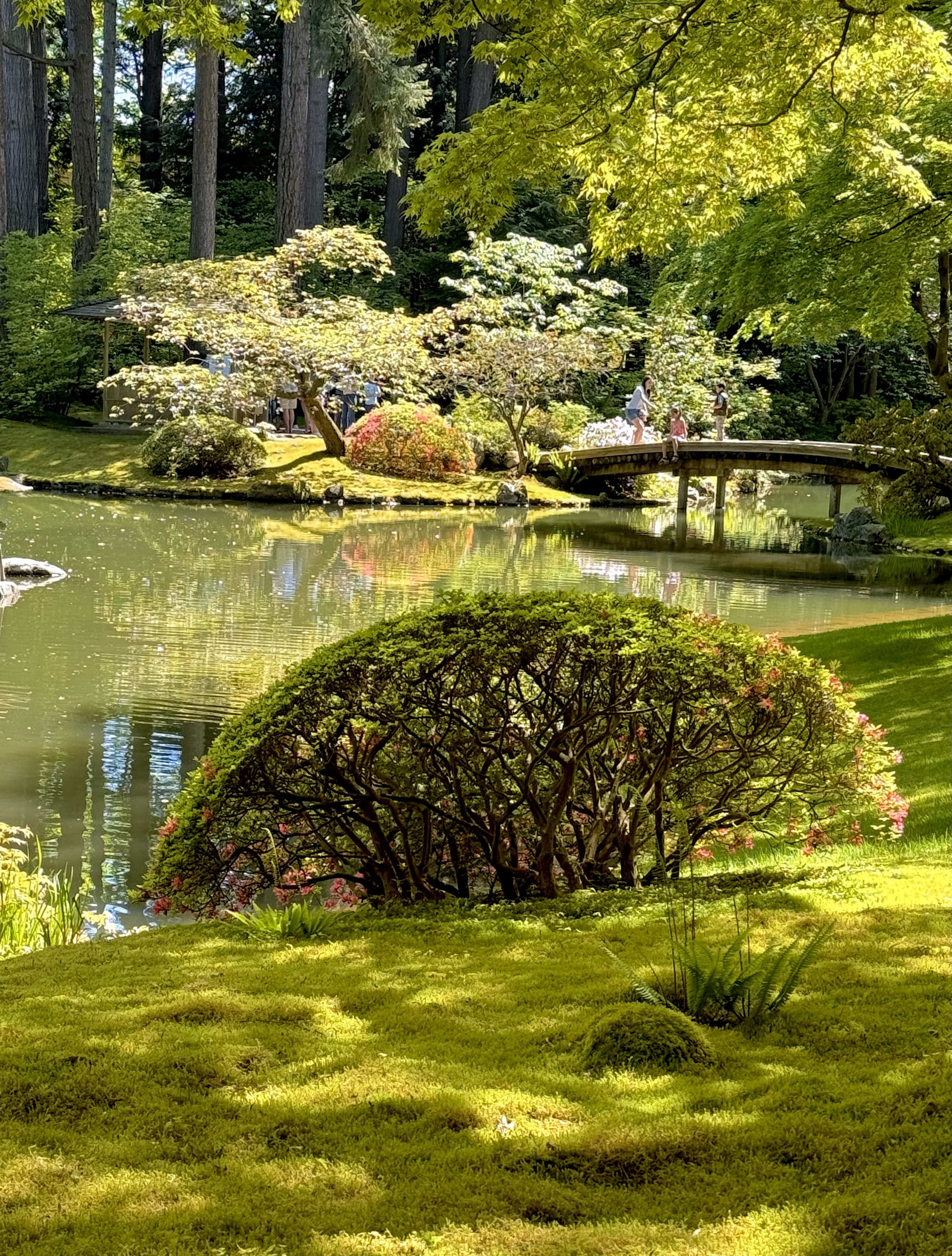
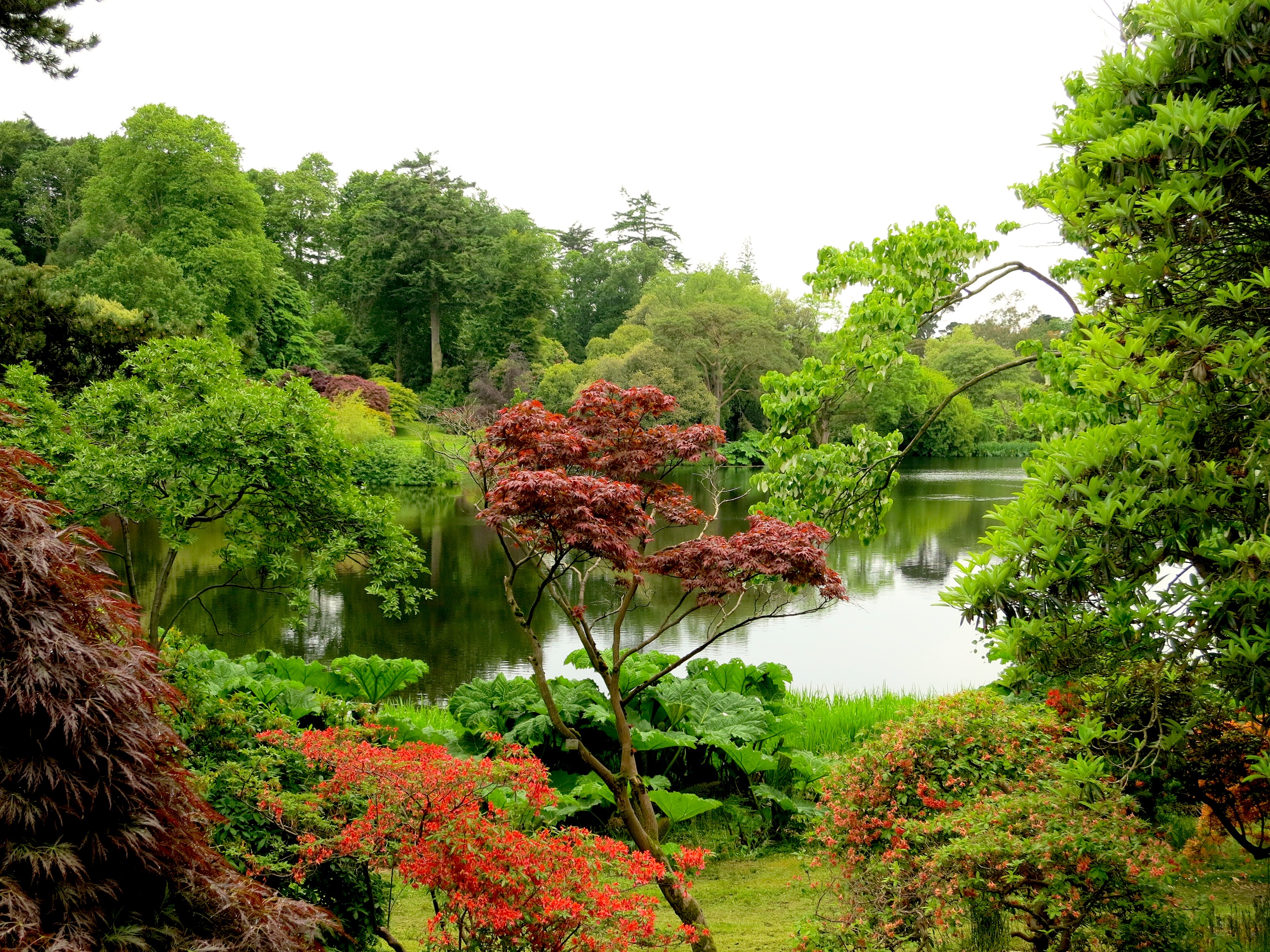
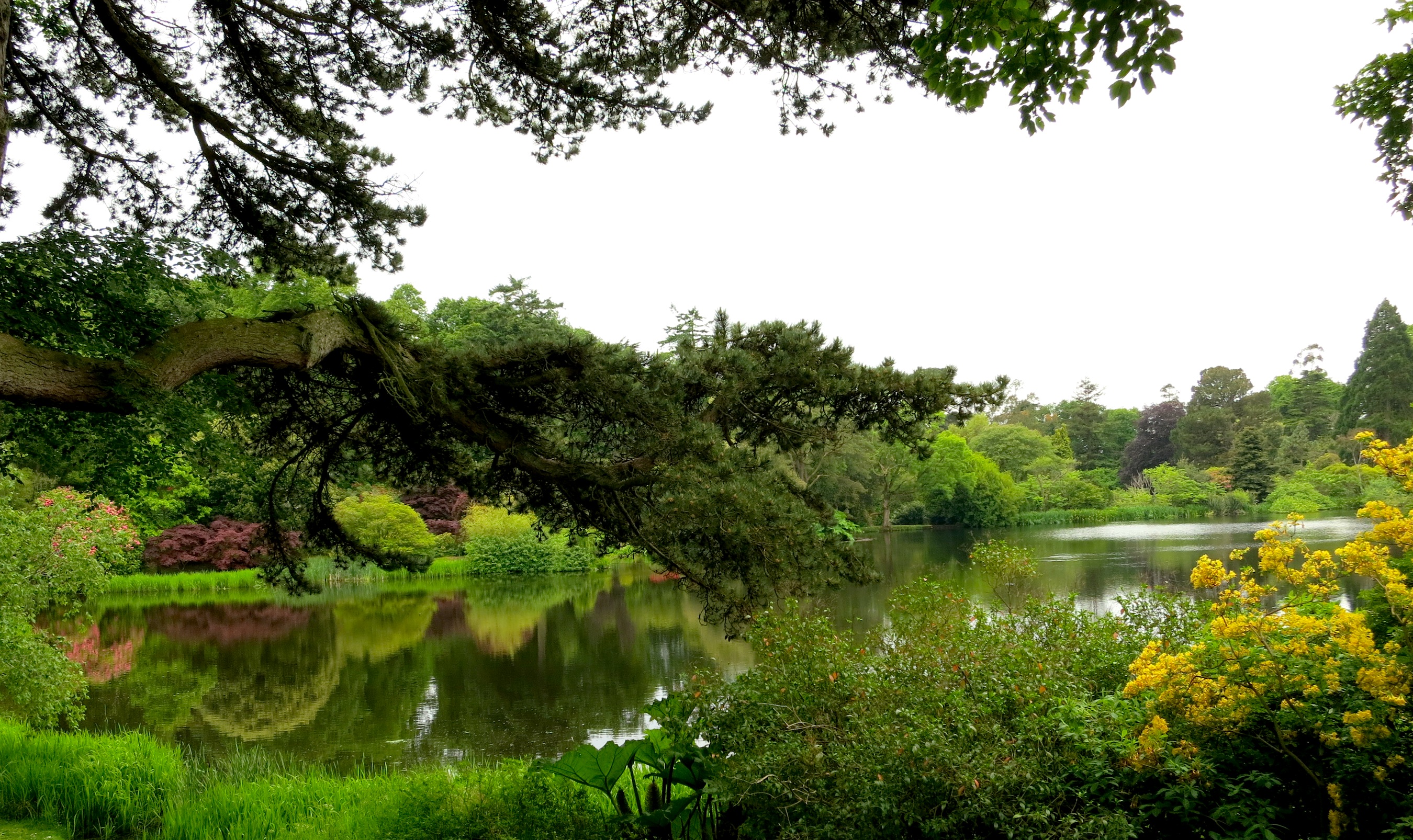
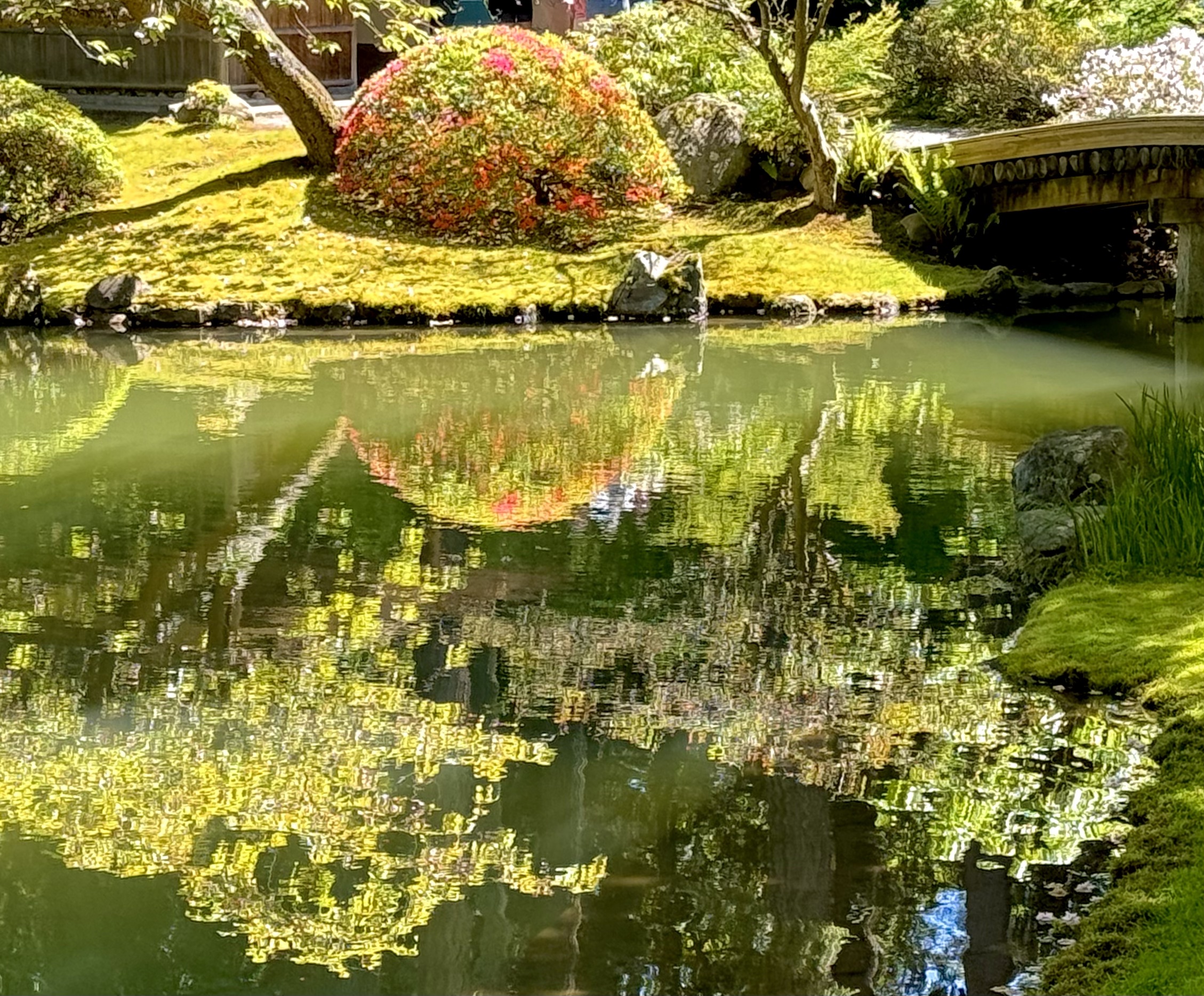
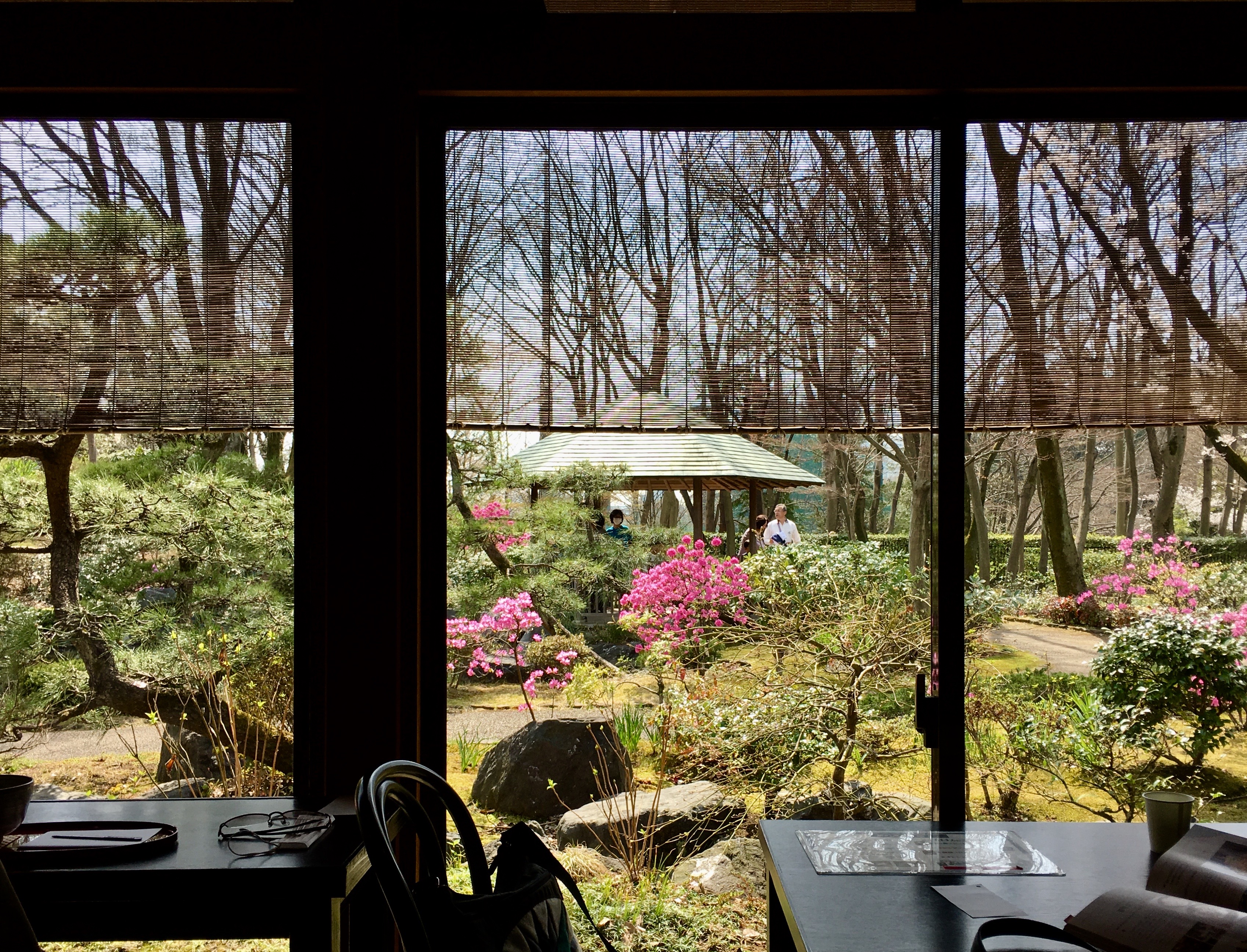
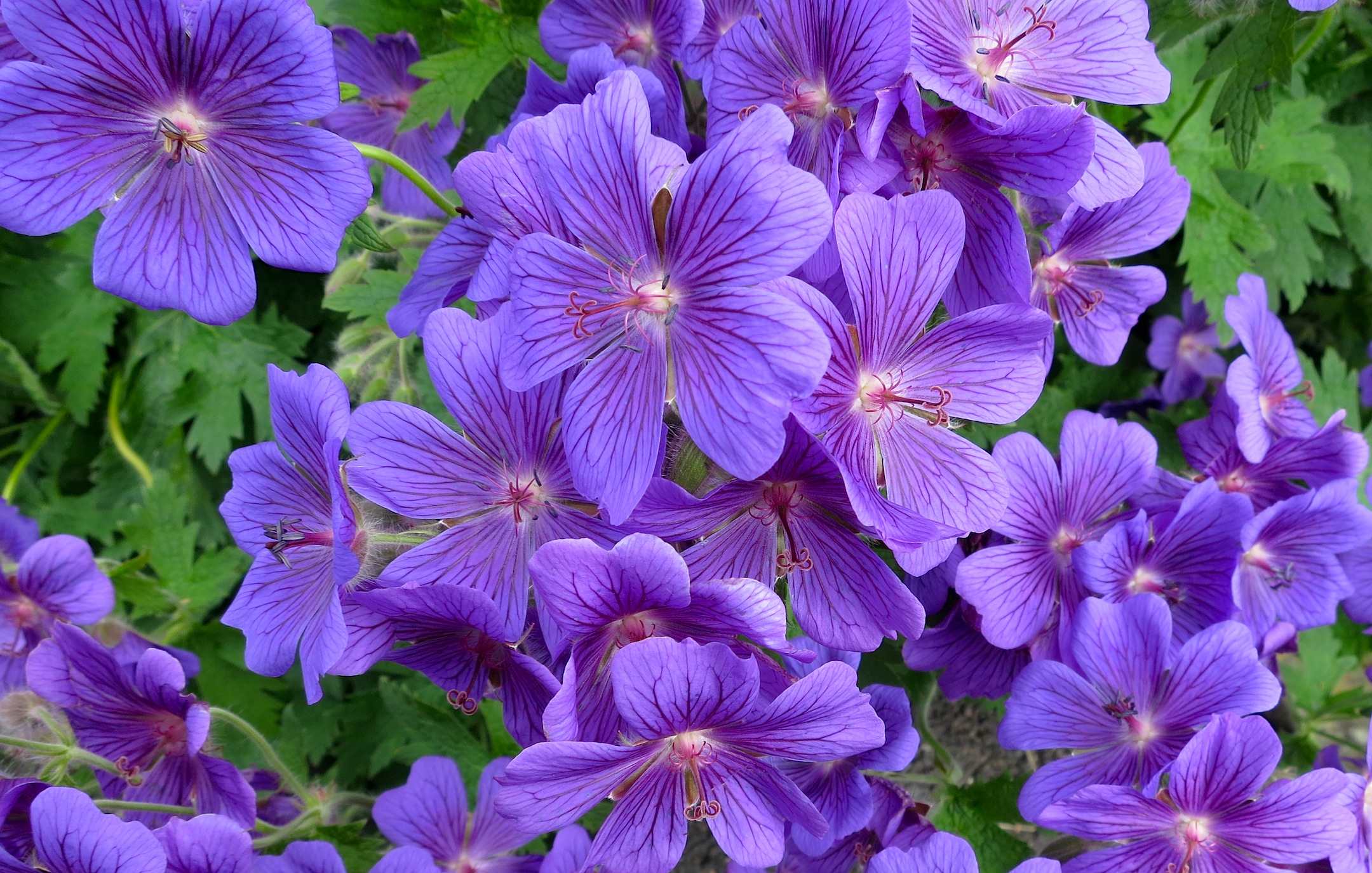
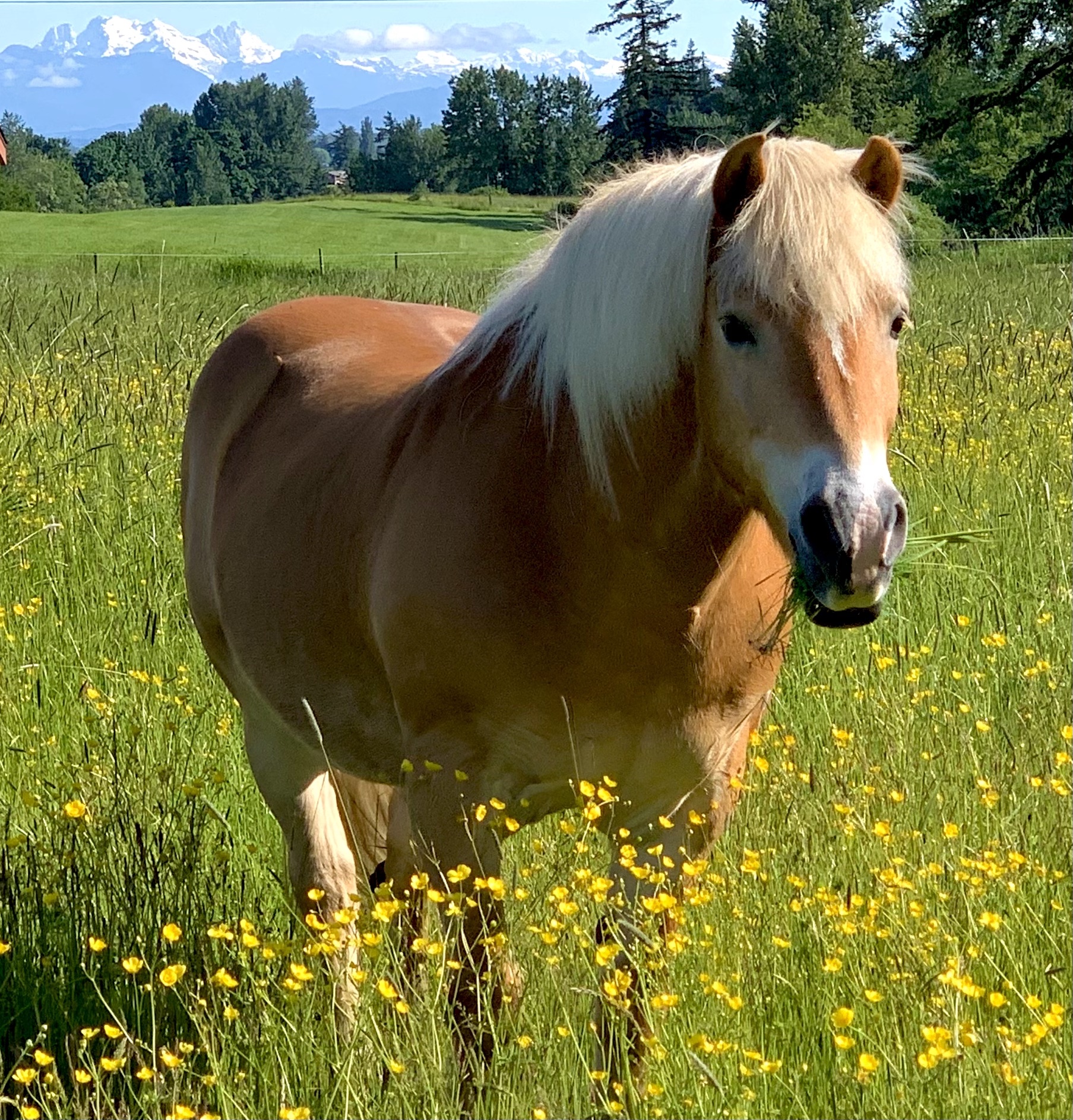
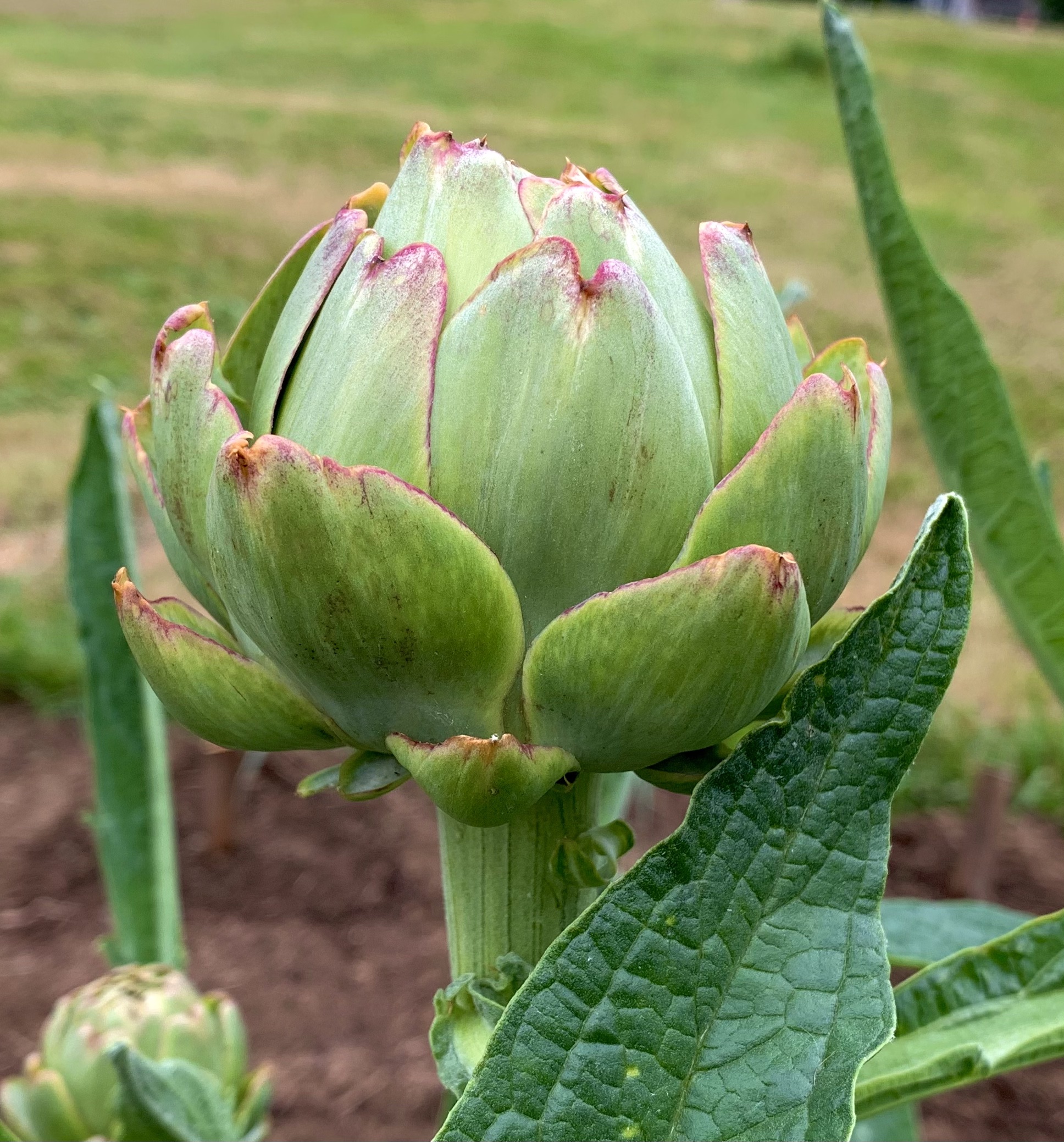
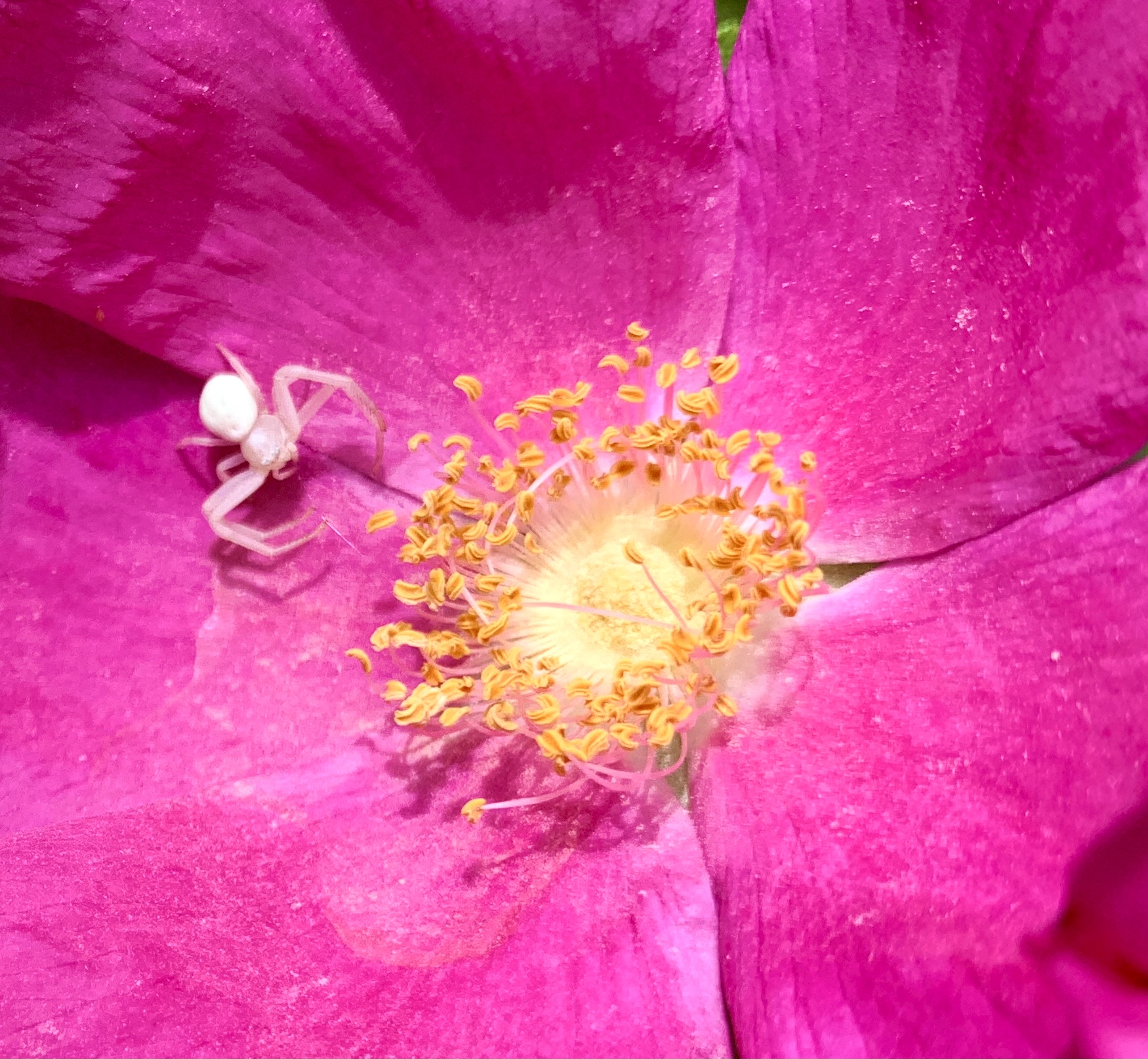
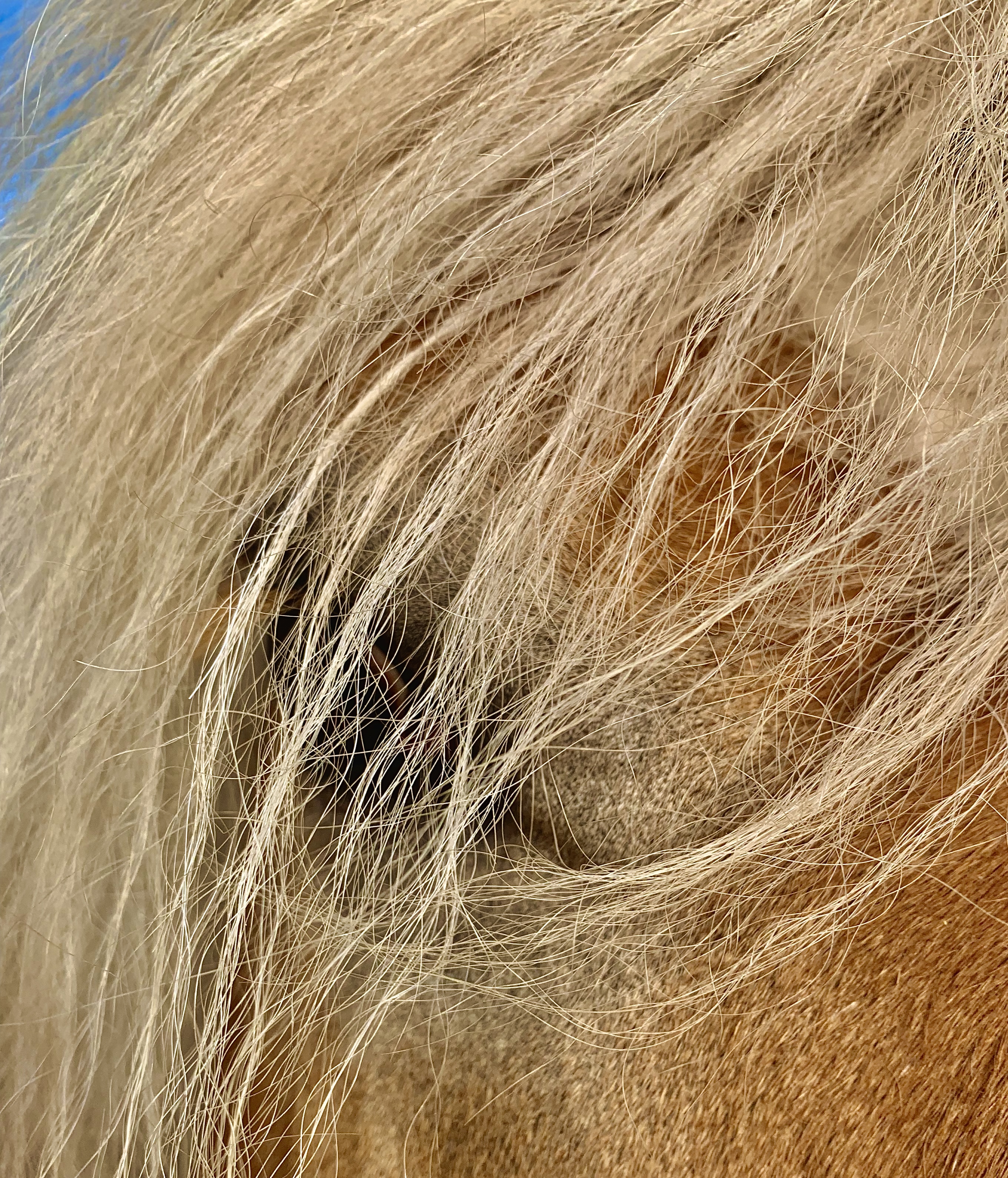
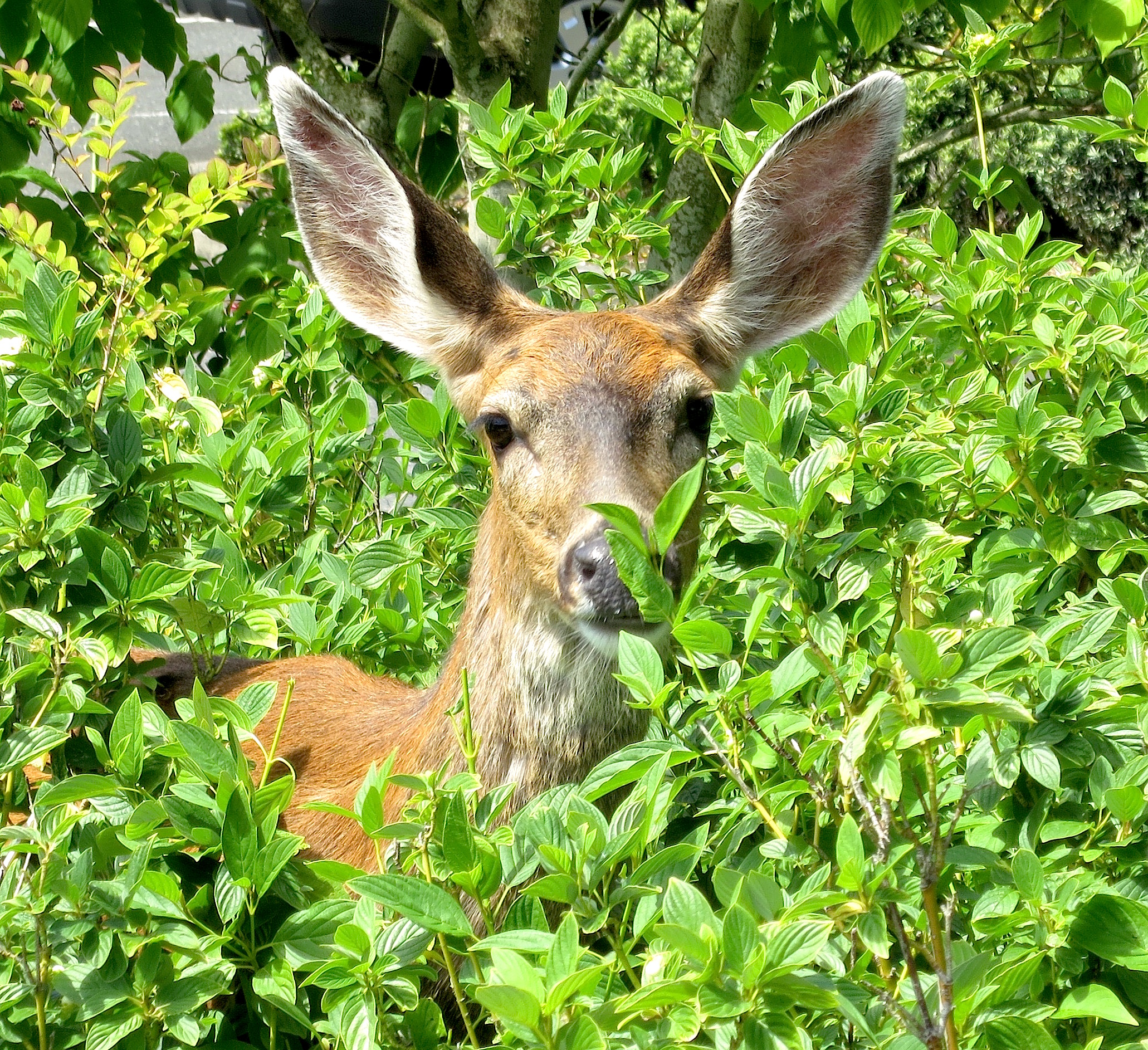
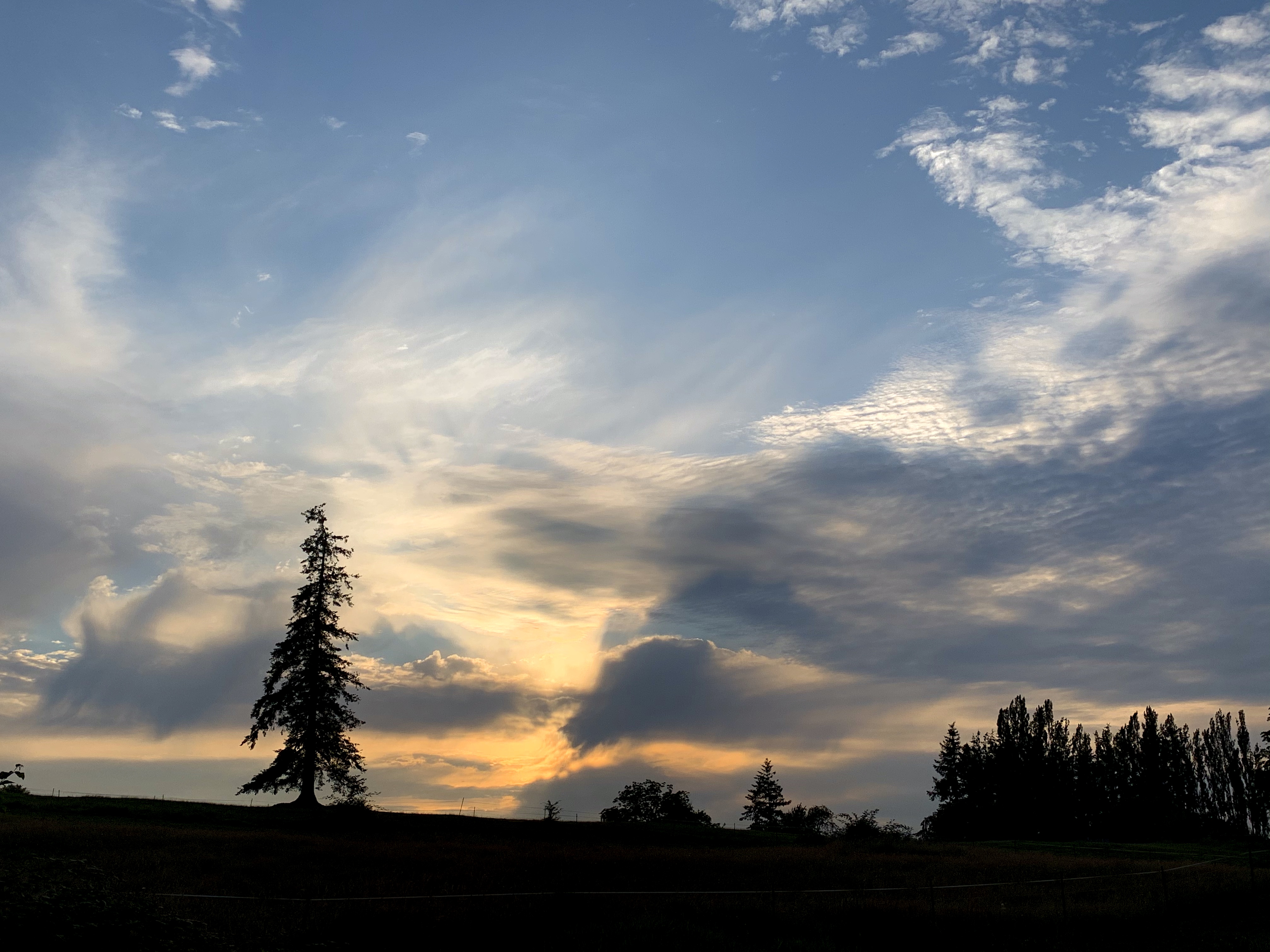
This would be a poor life indeed if I didn’t take time to stand and stare at all that is displayed before me.
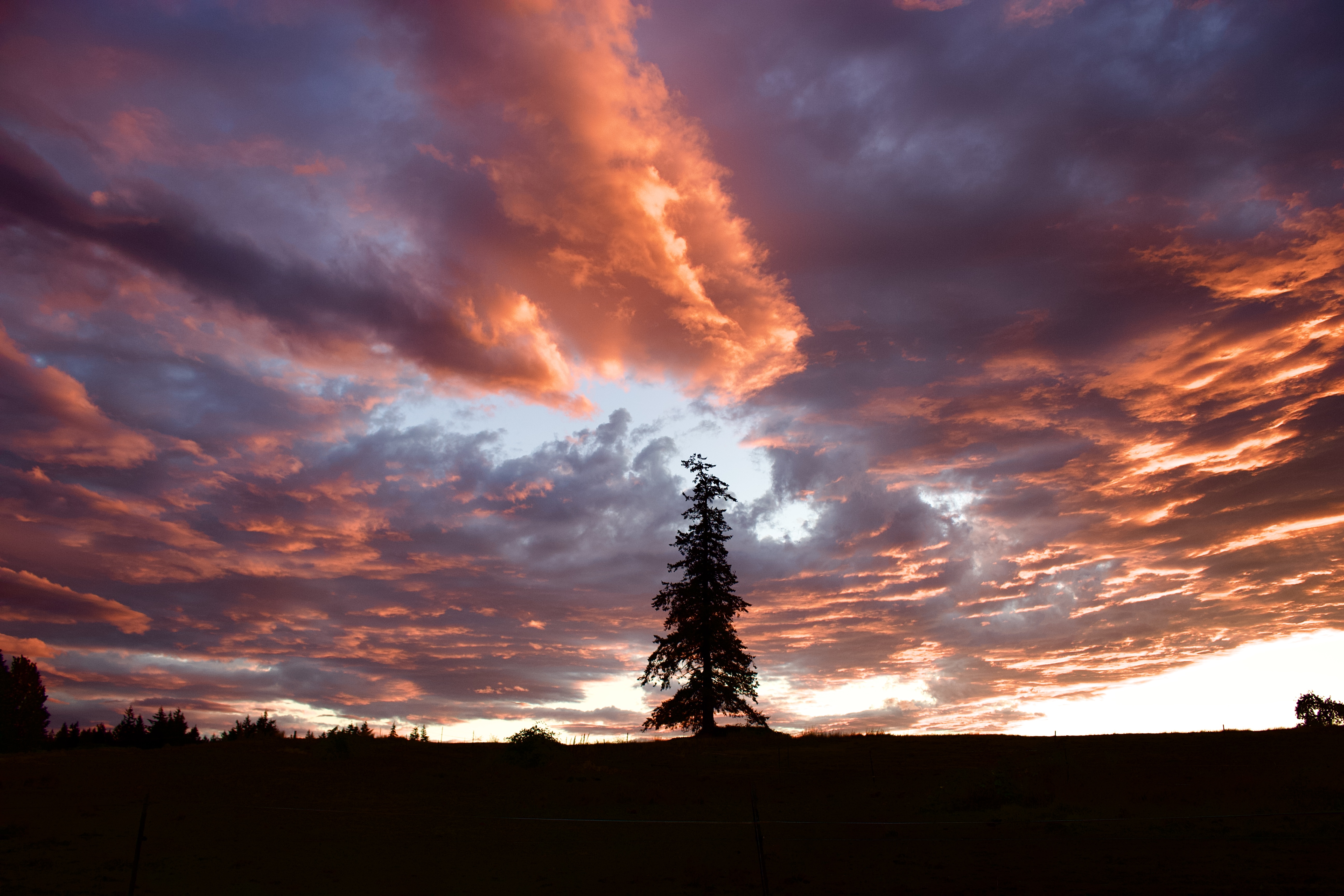
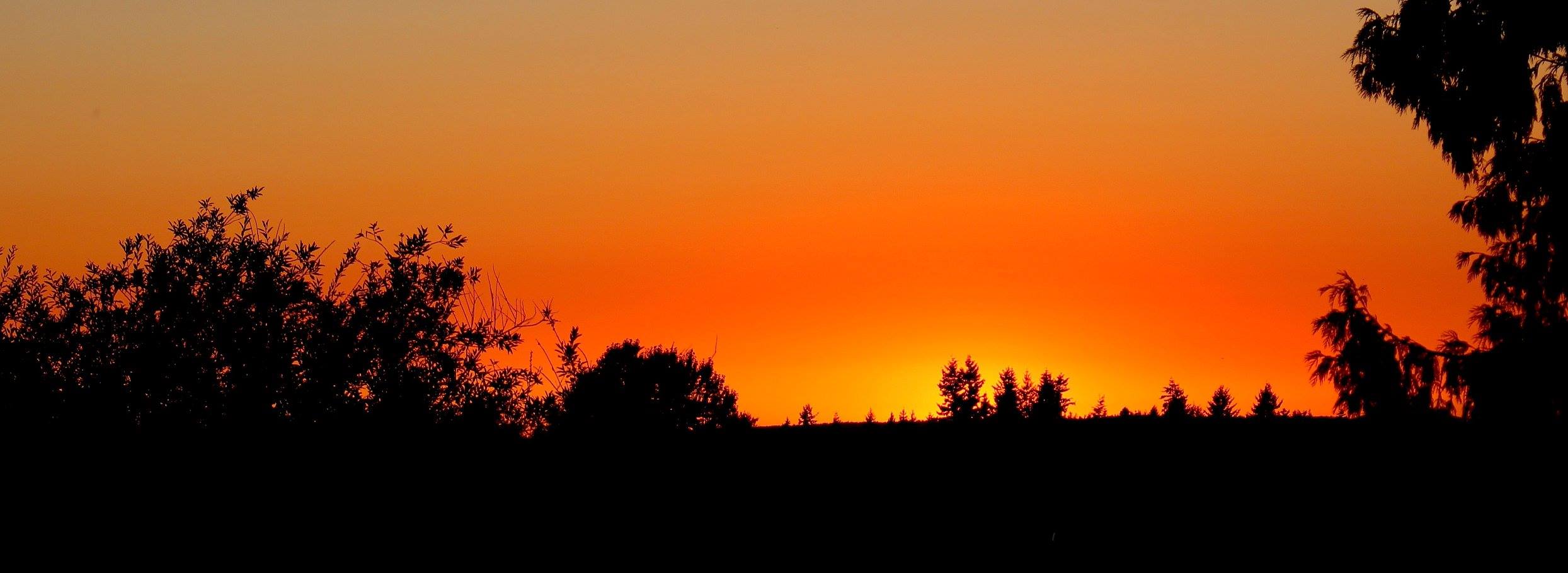
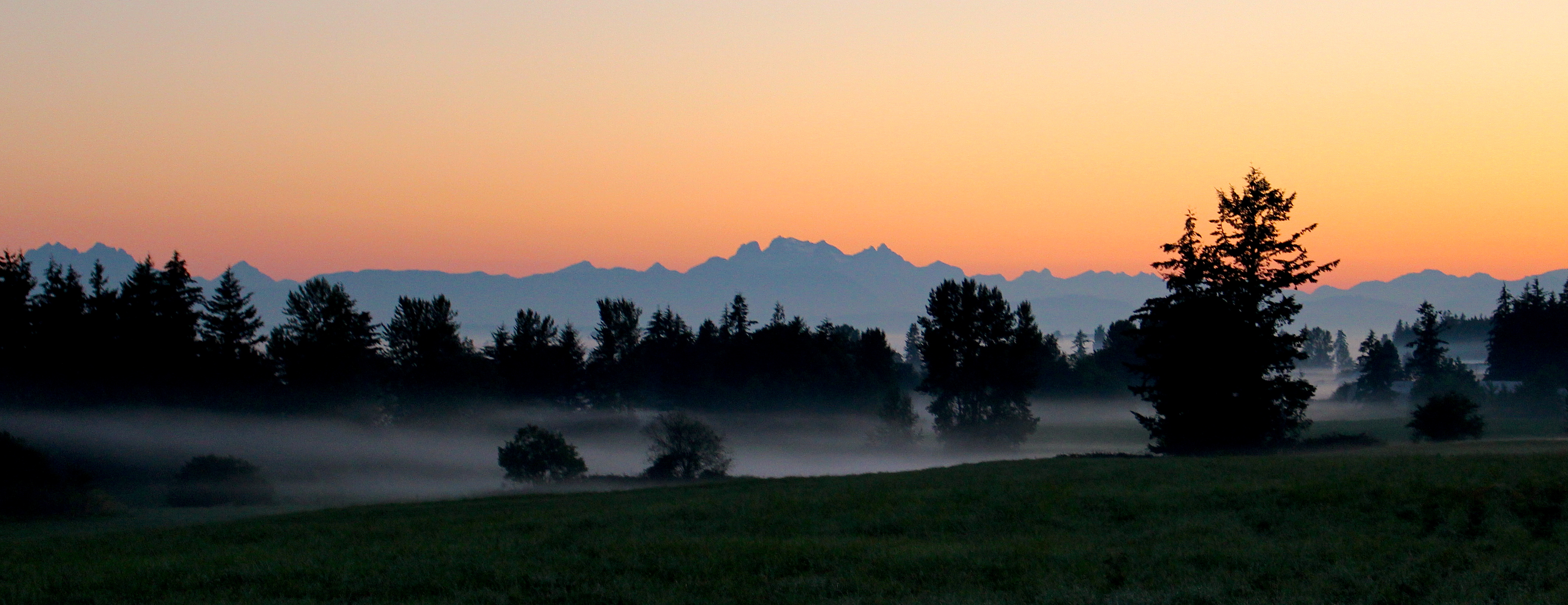
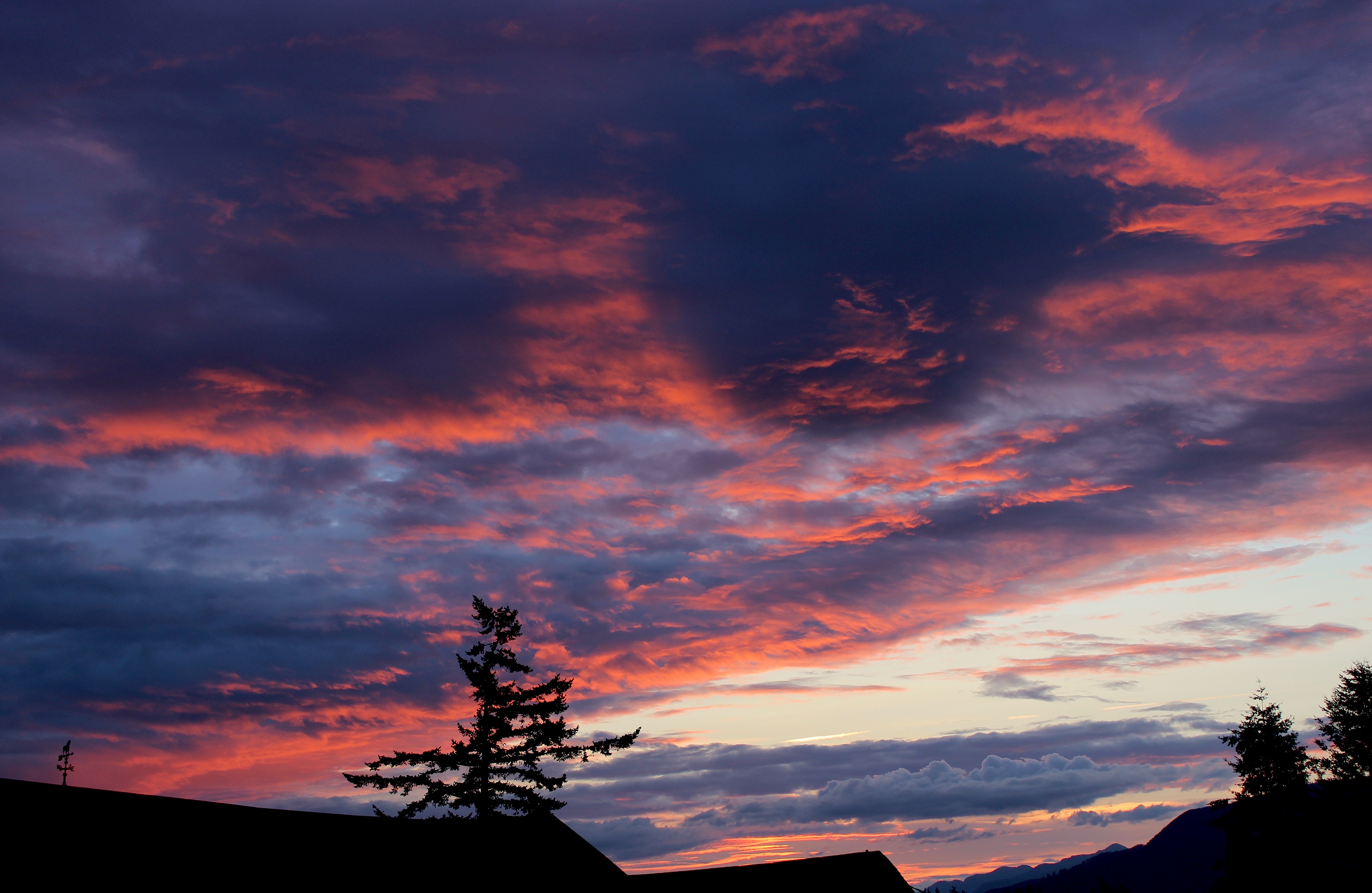
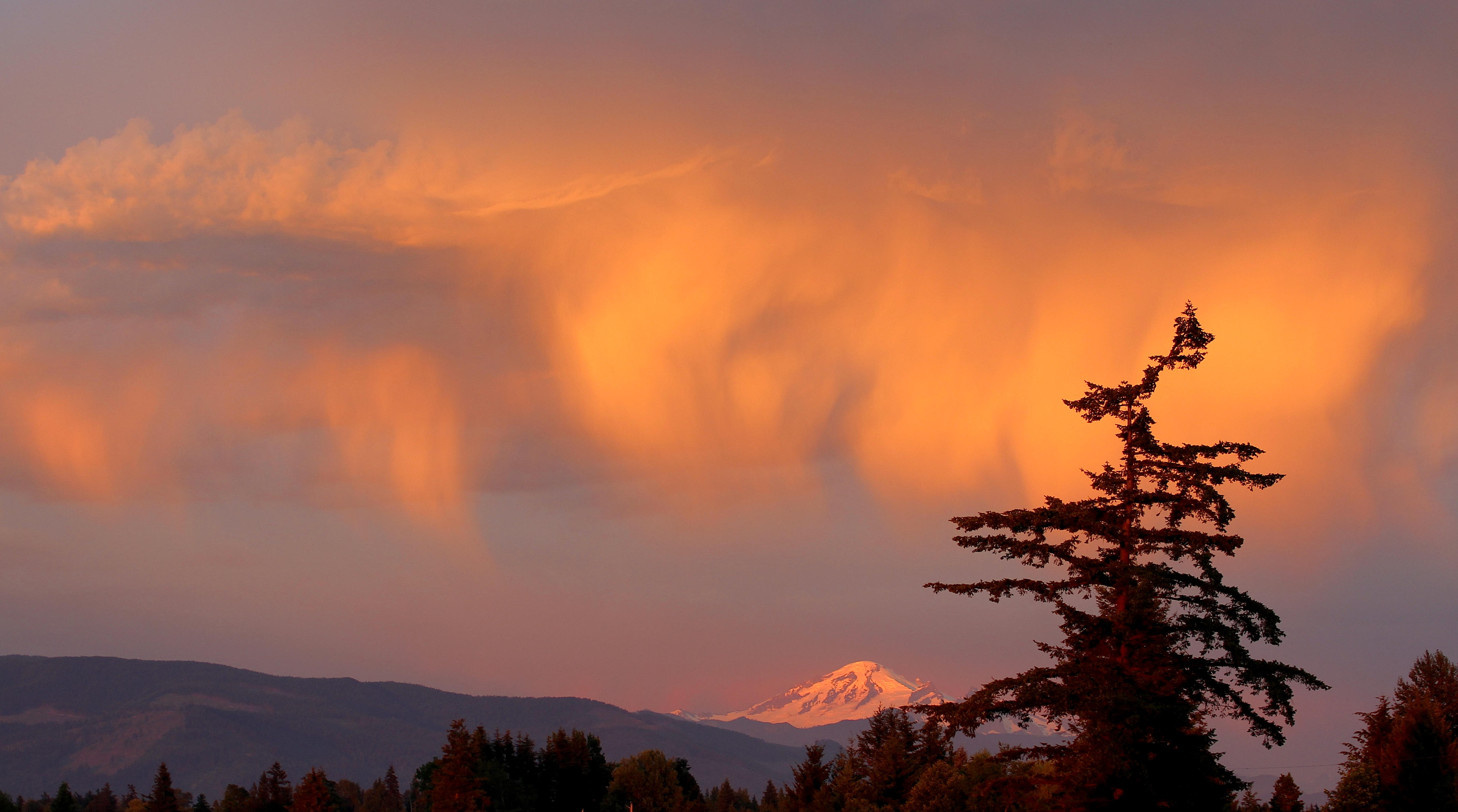
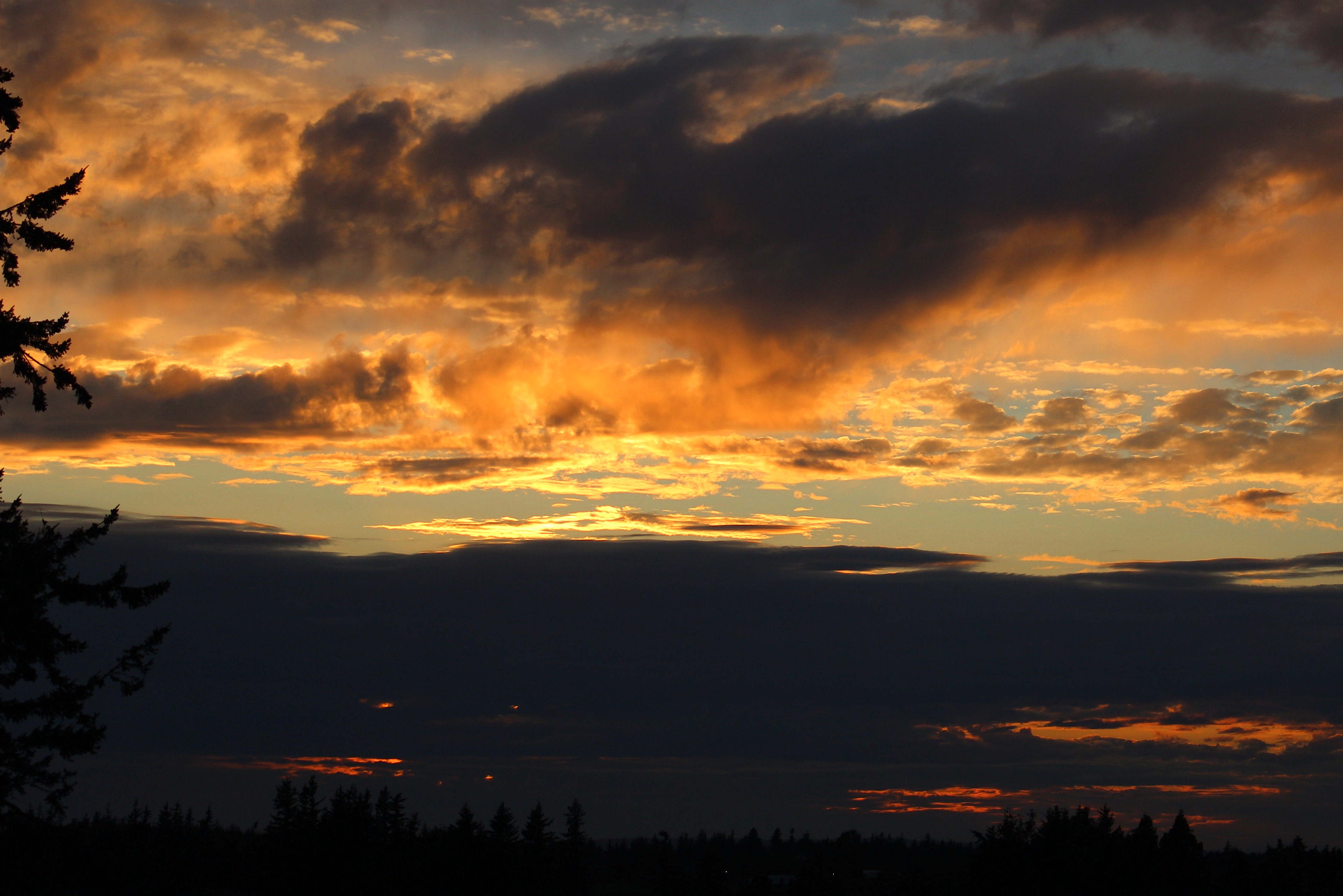
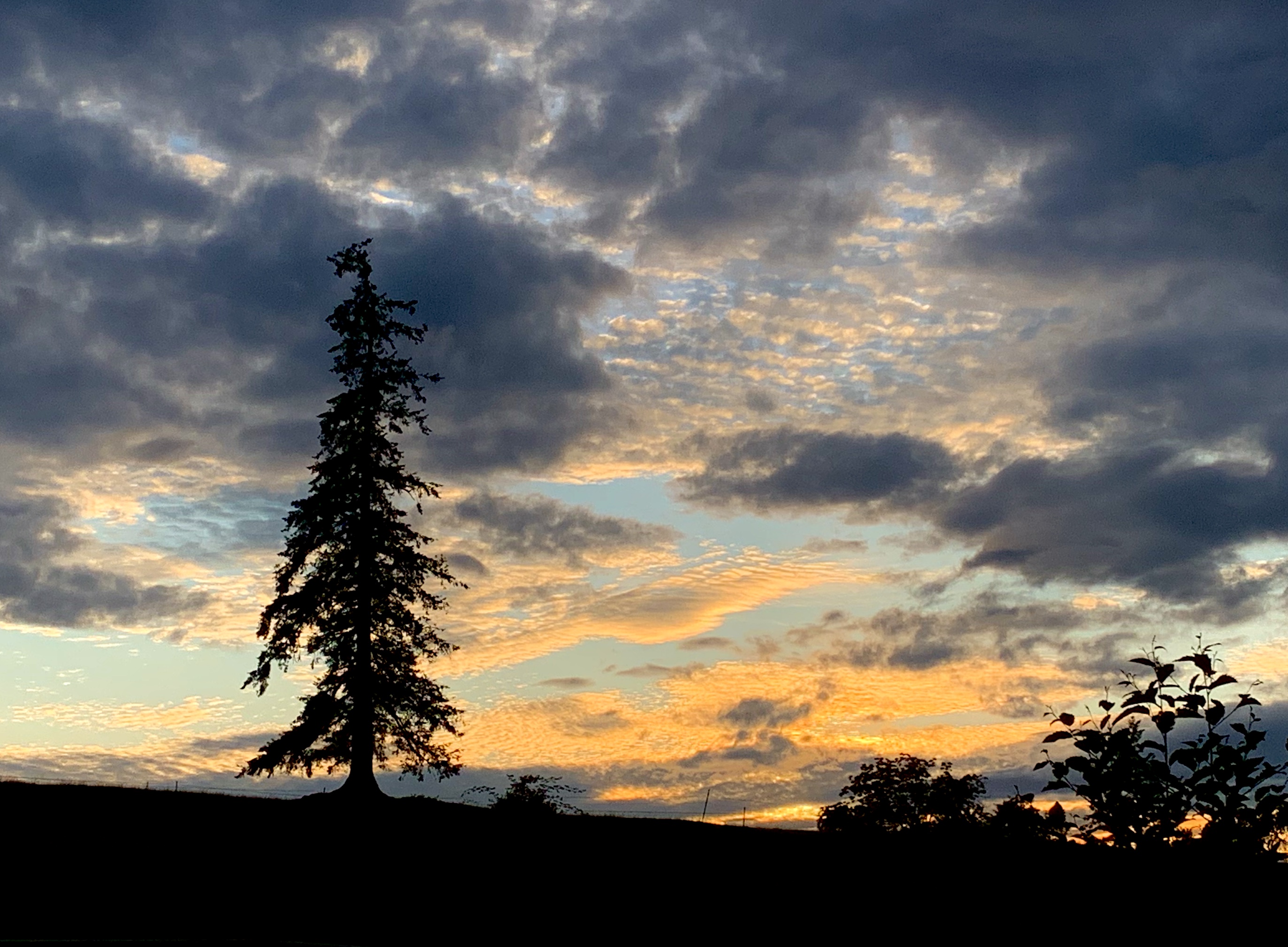
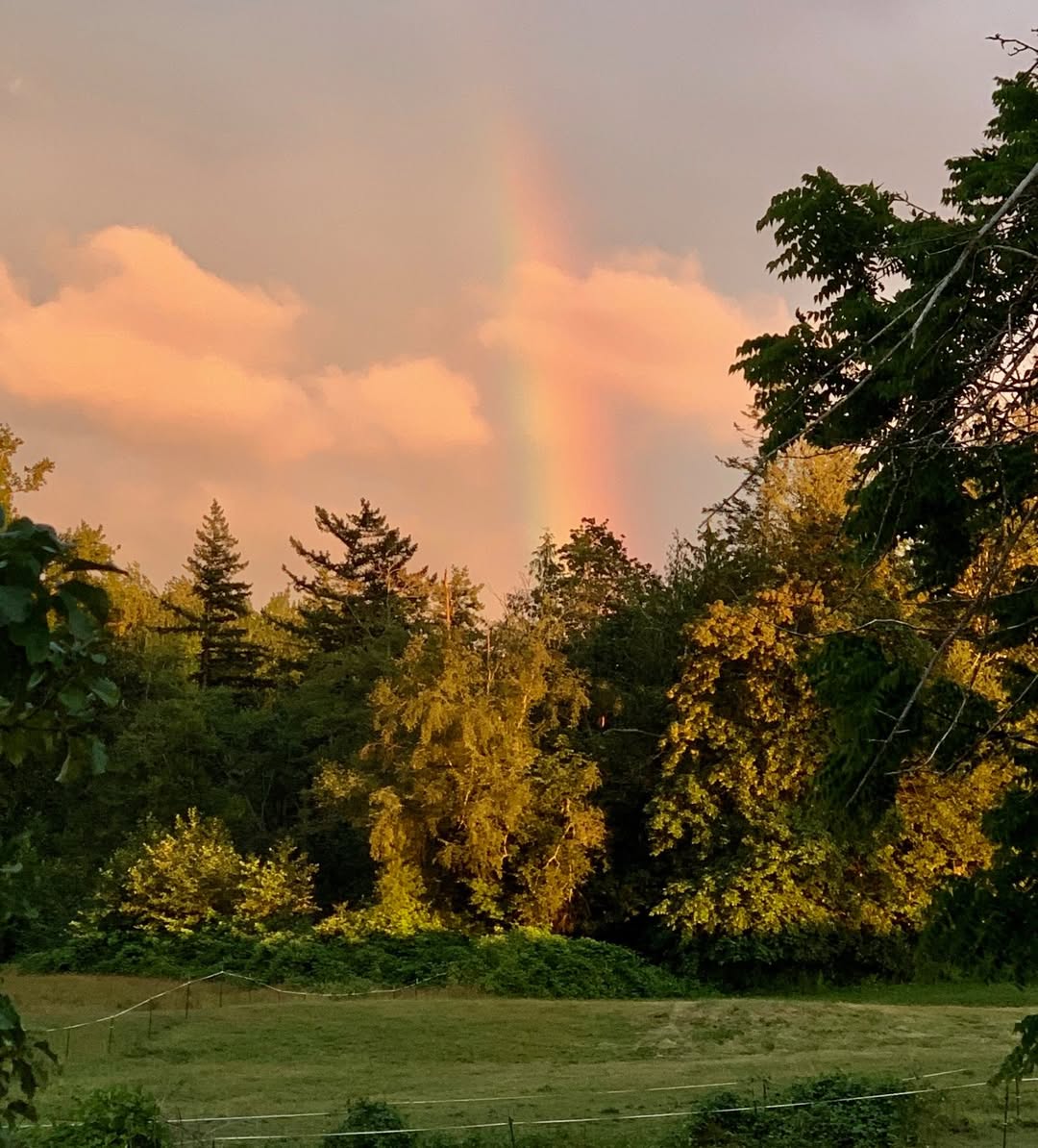
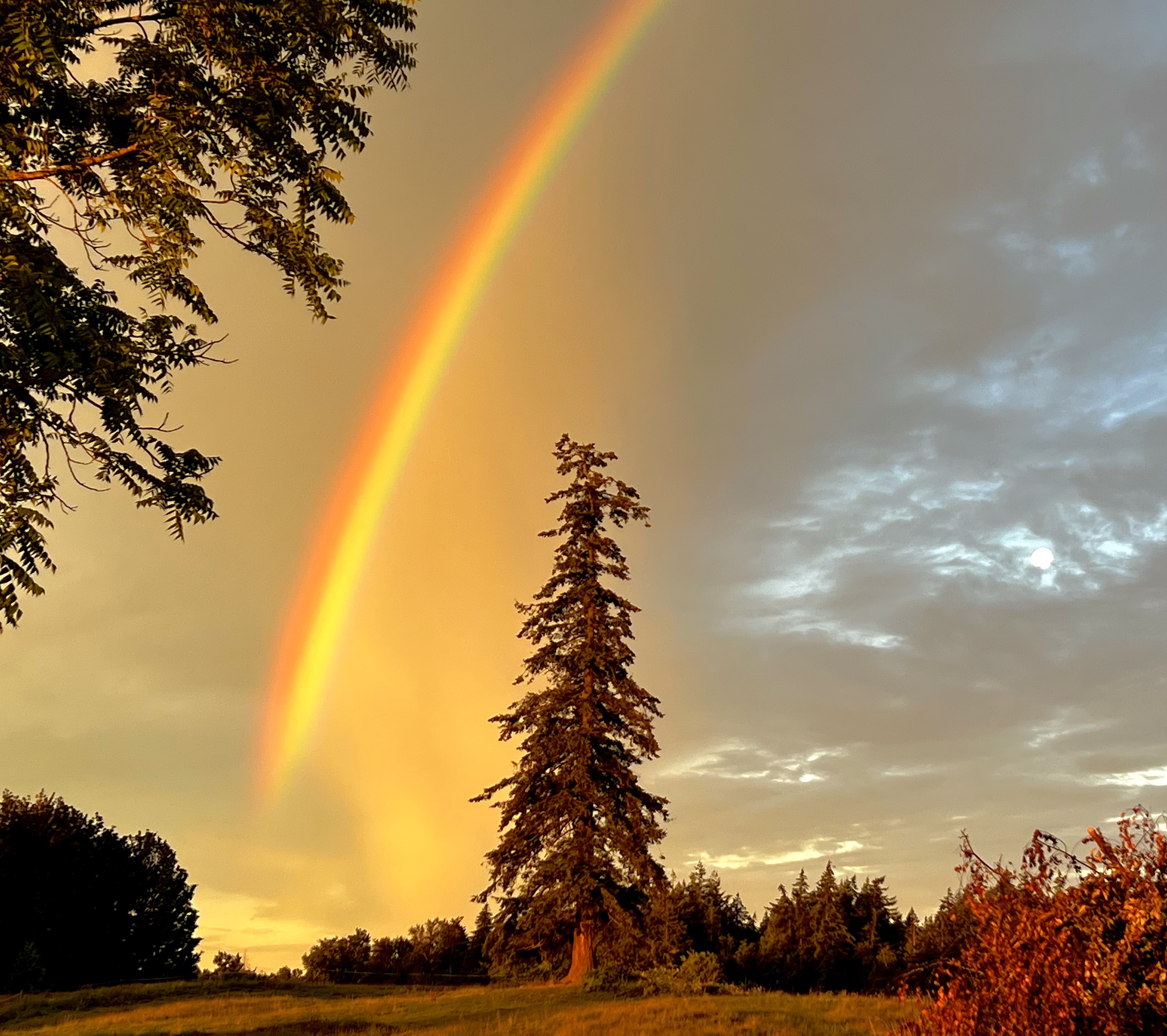
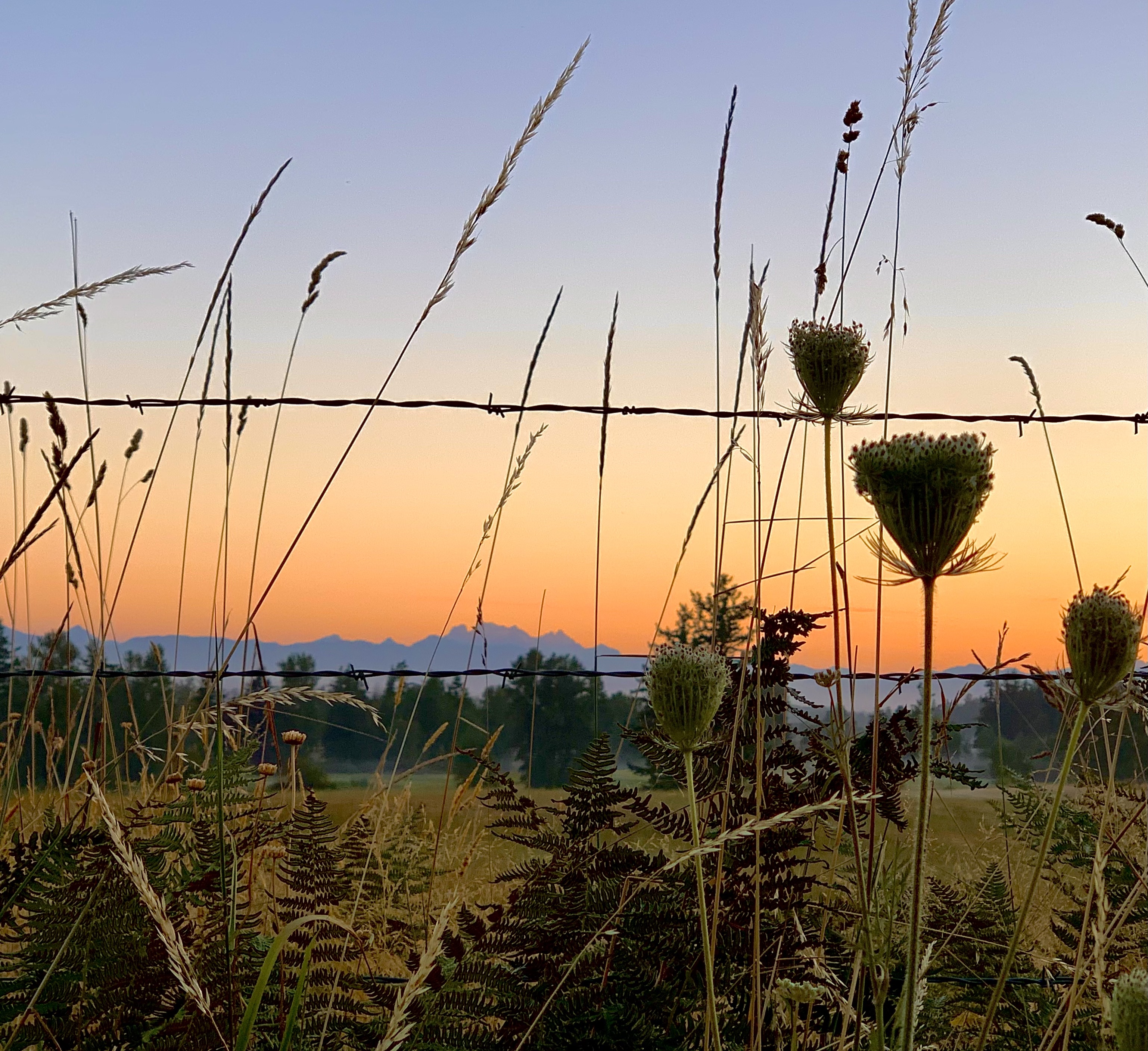
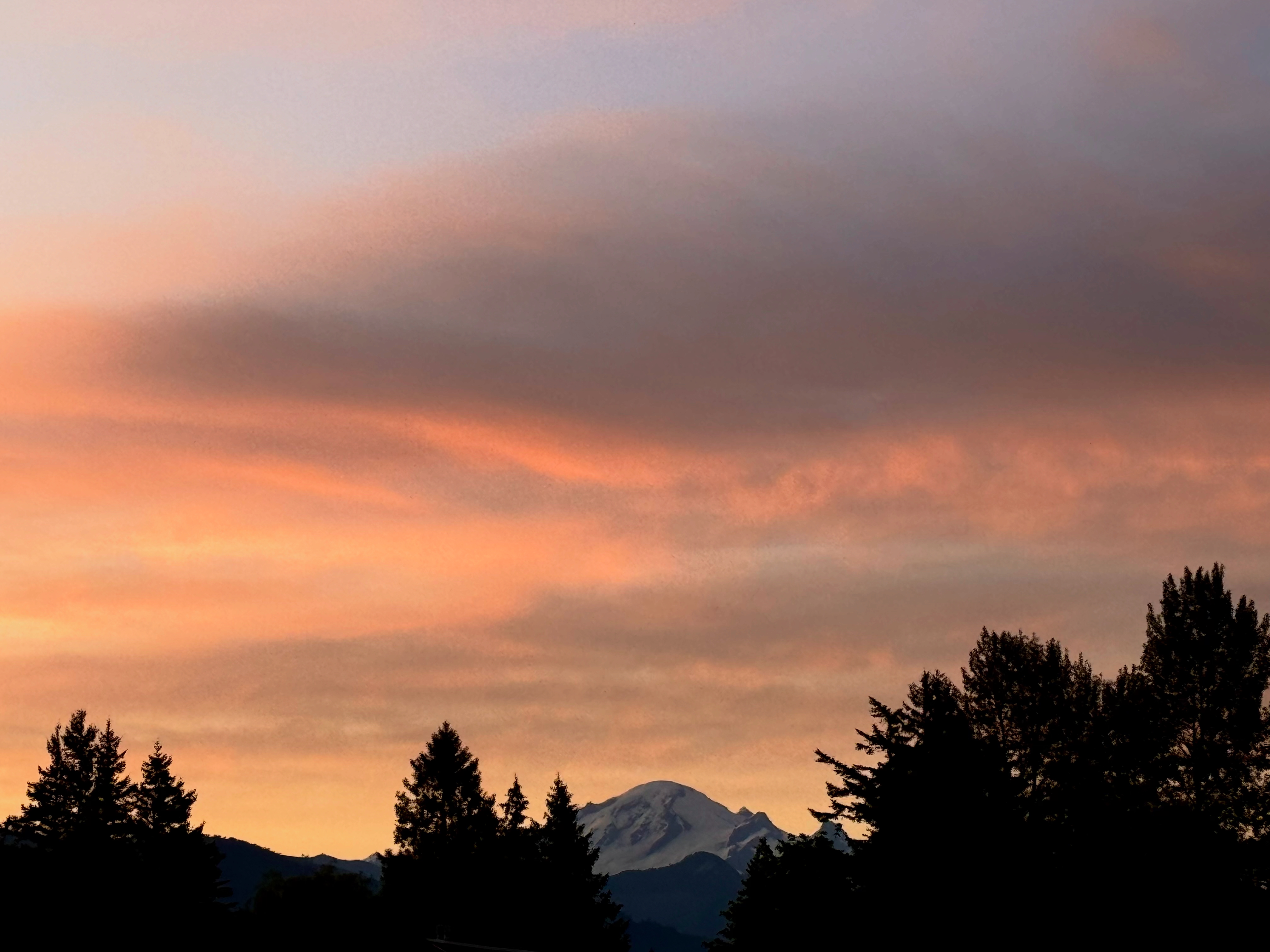
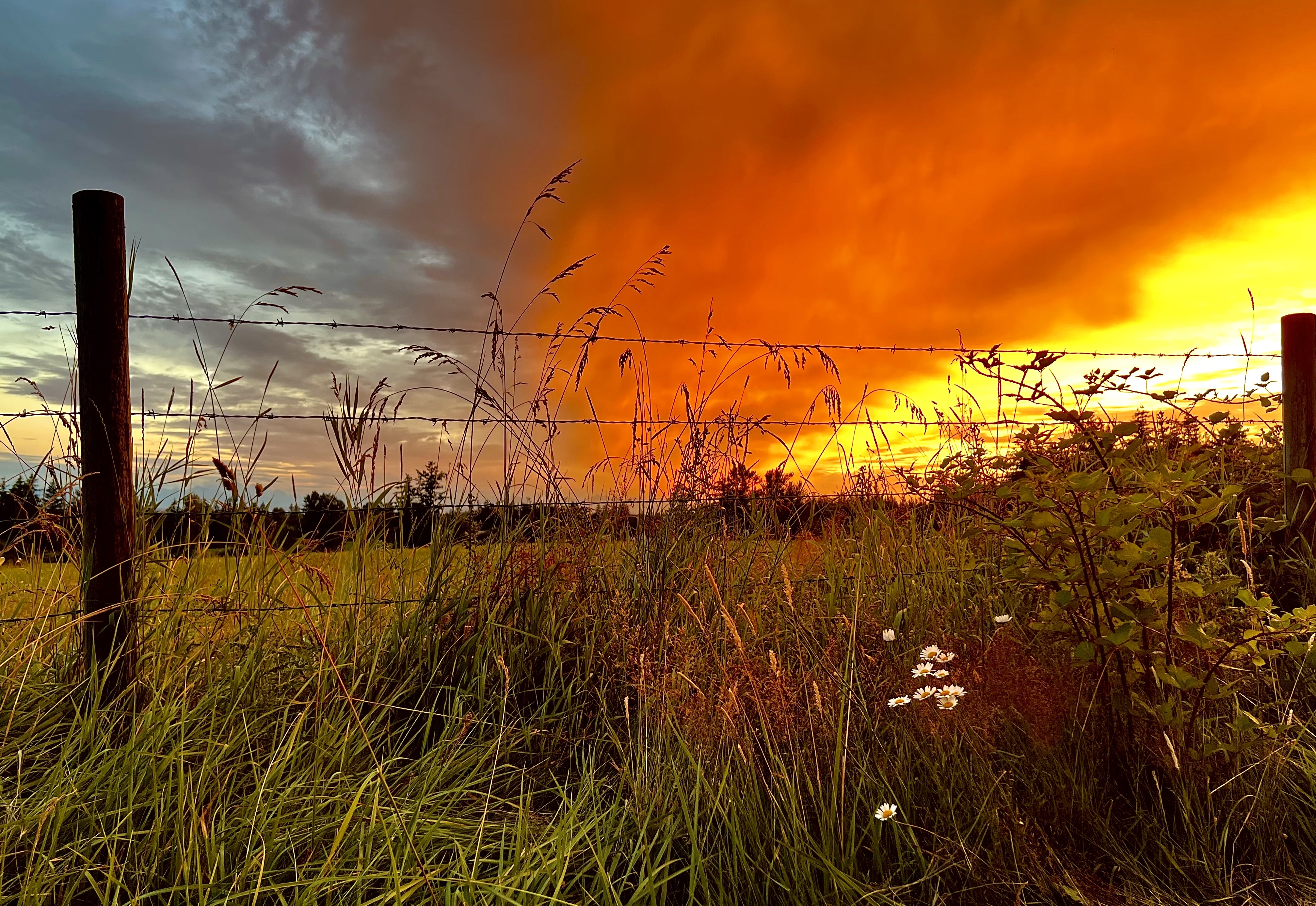
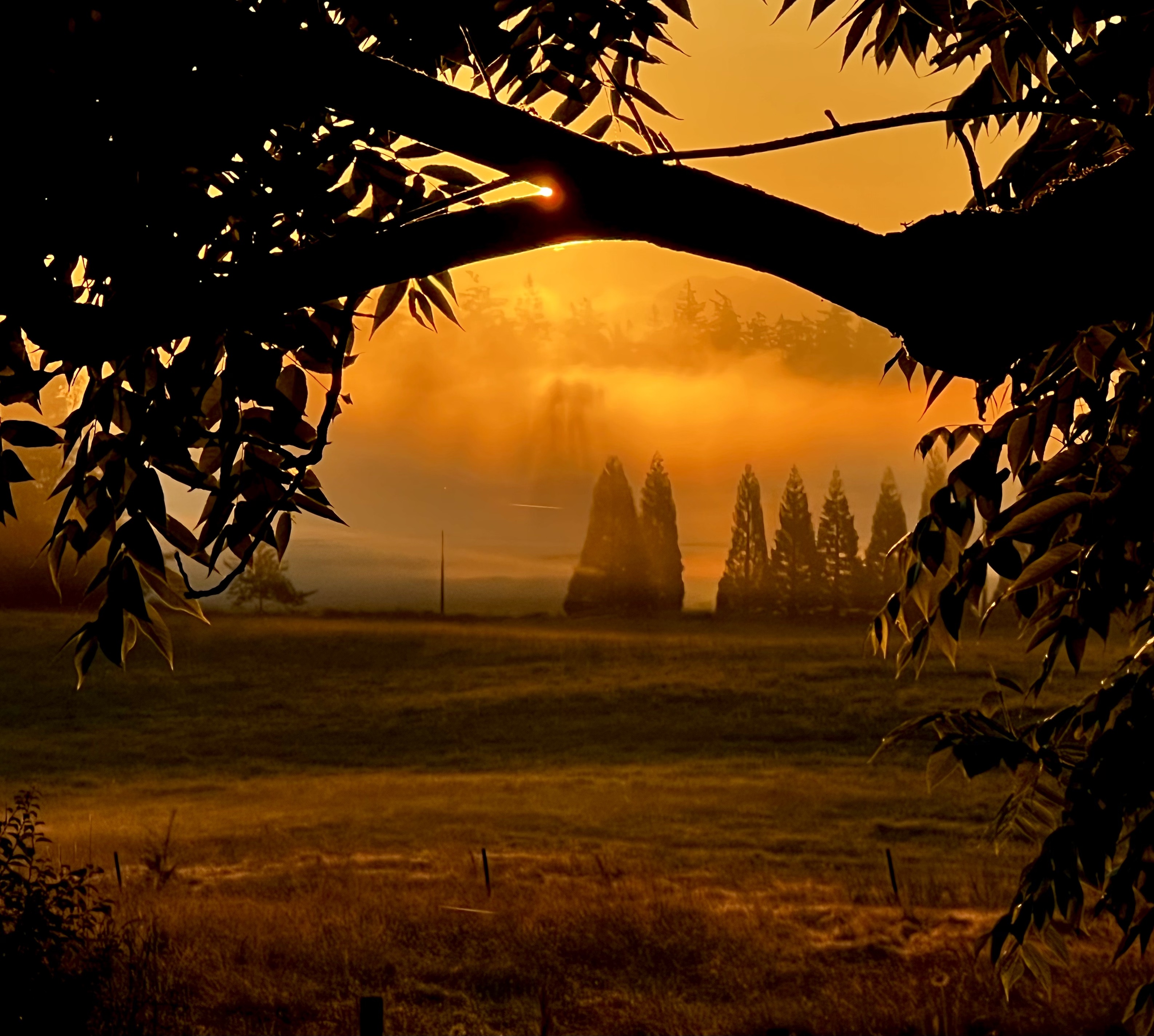
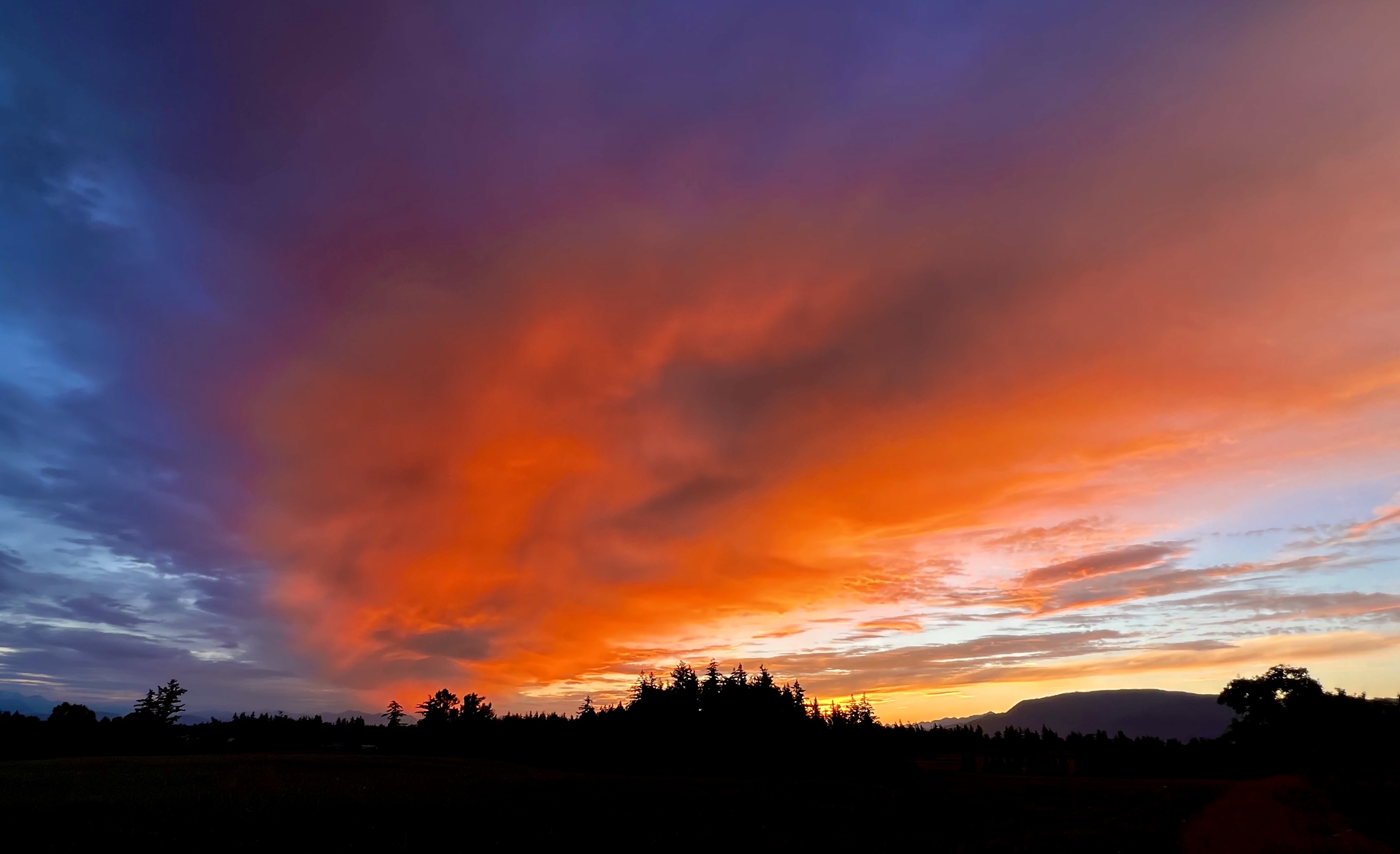
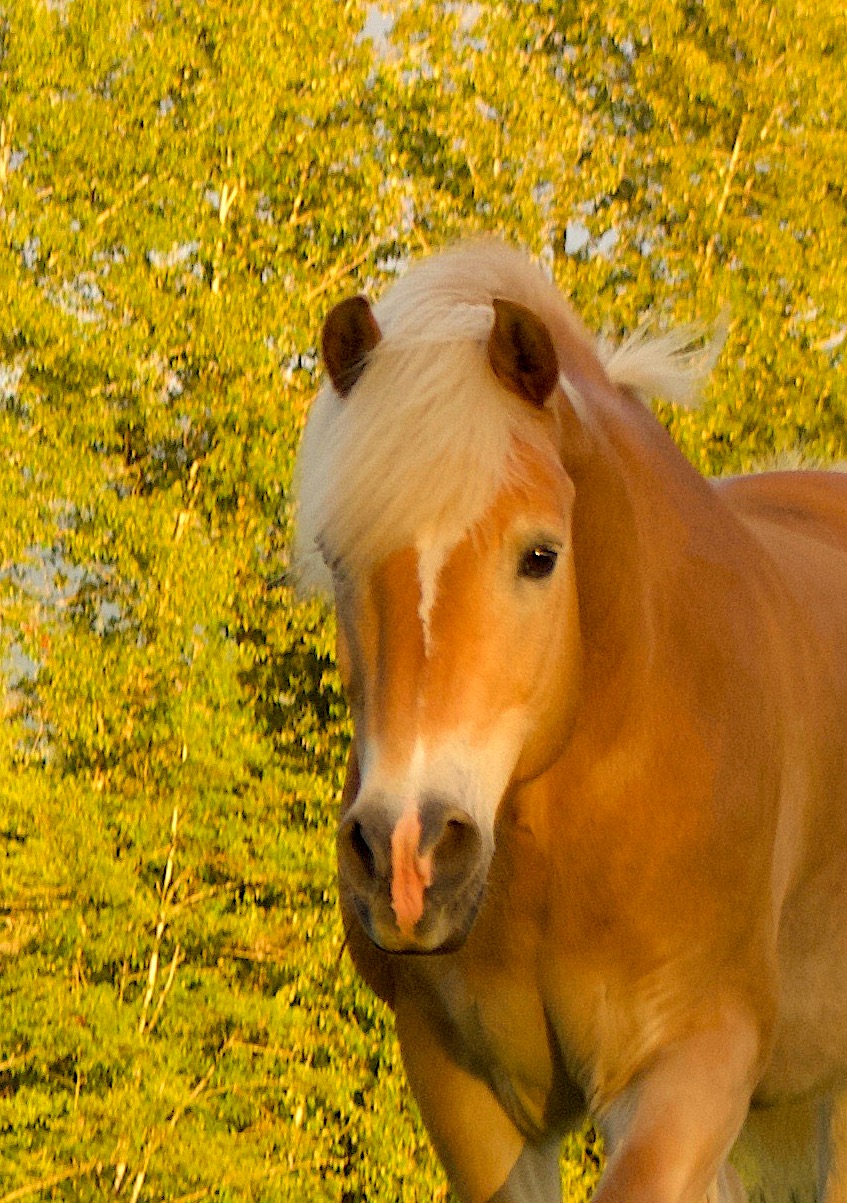
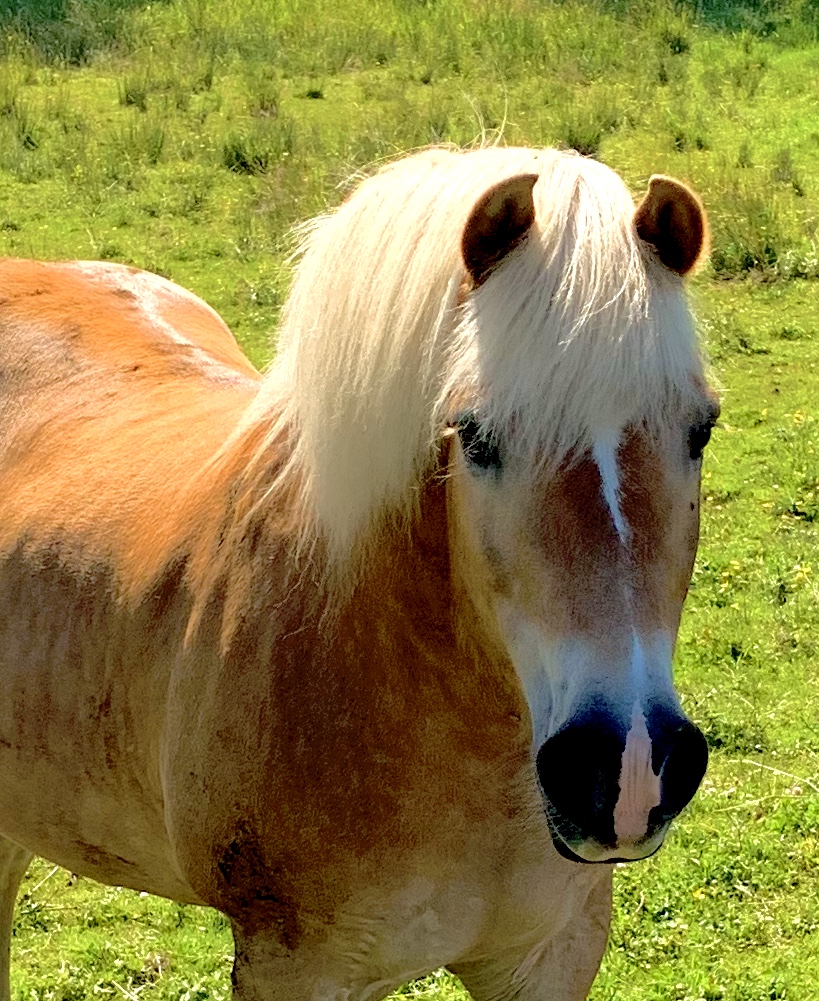
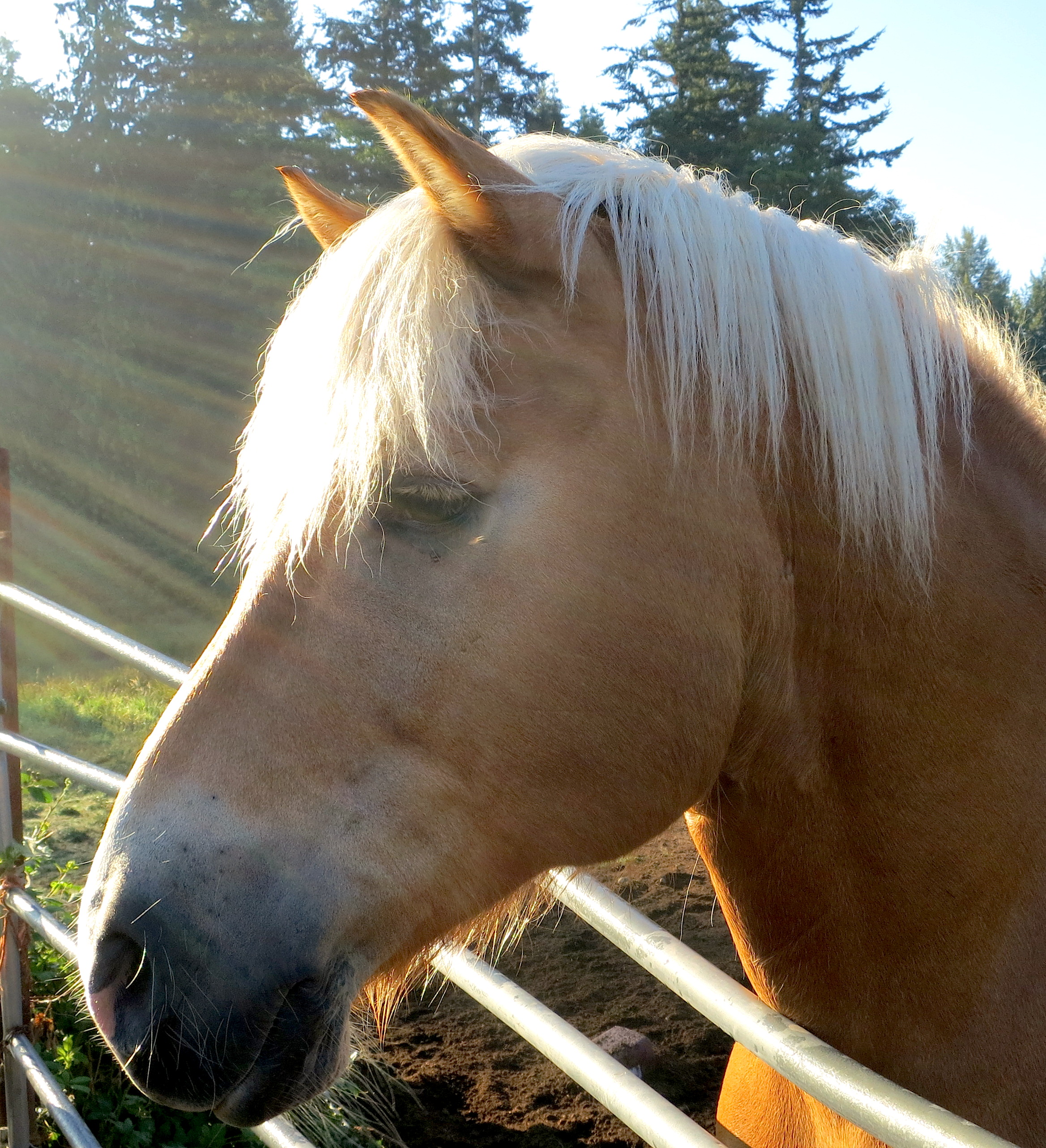
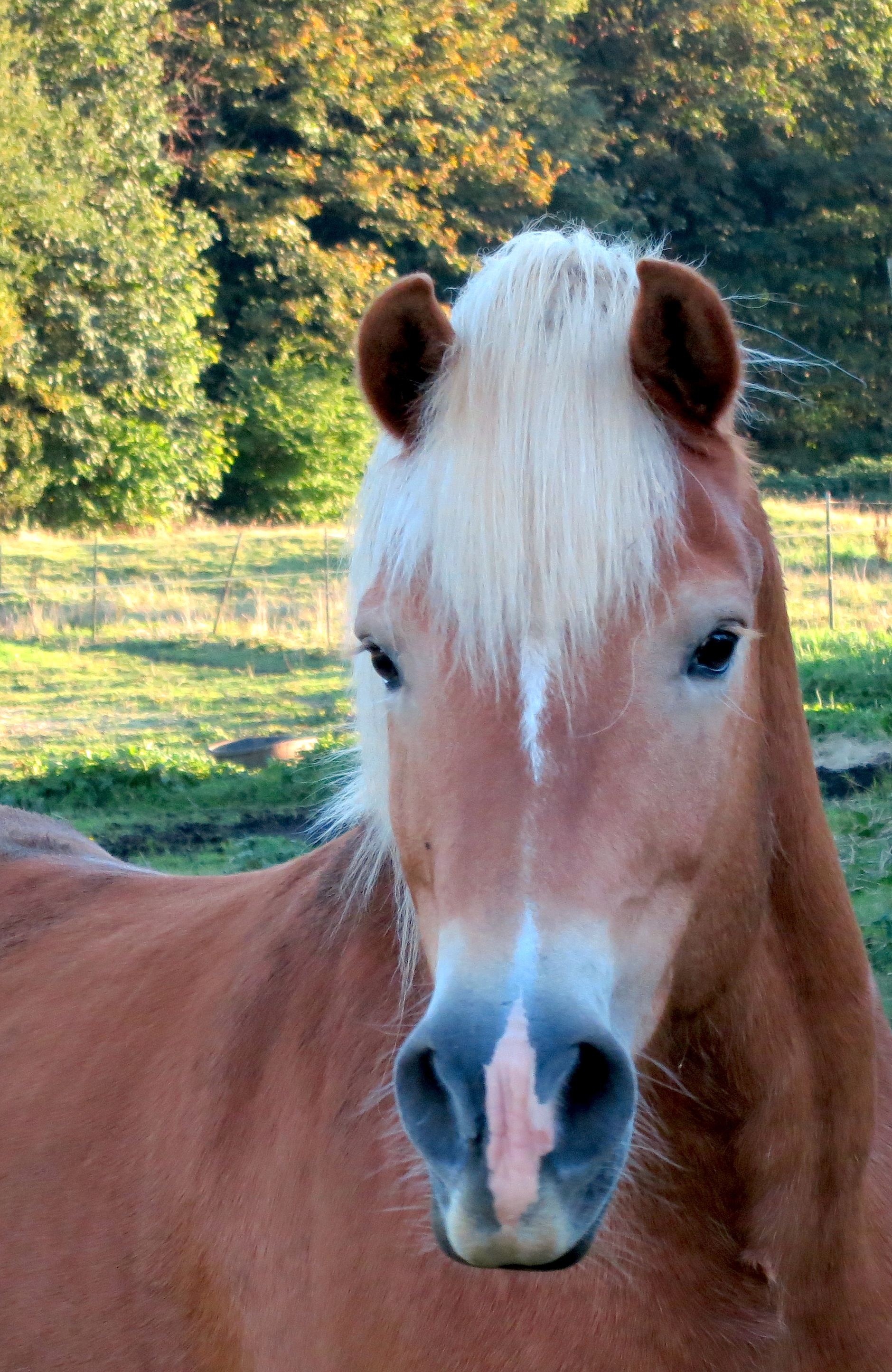
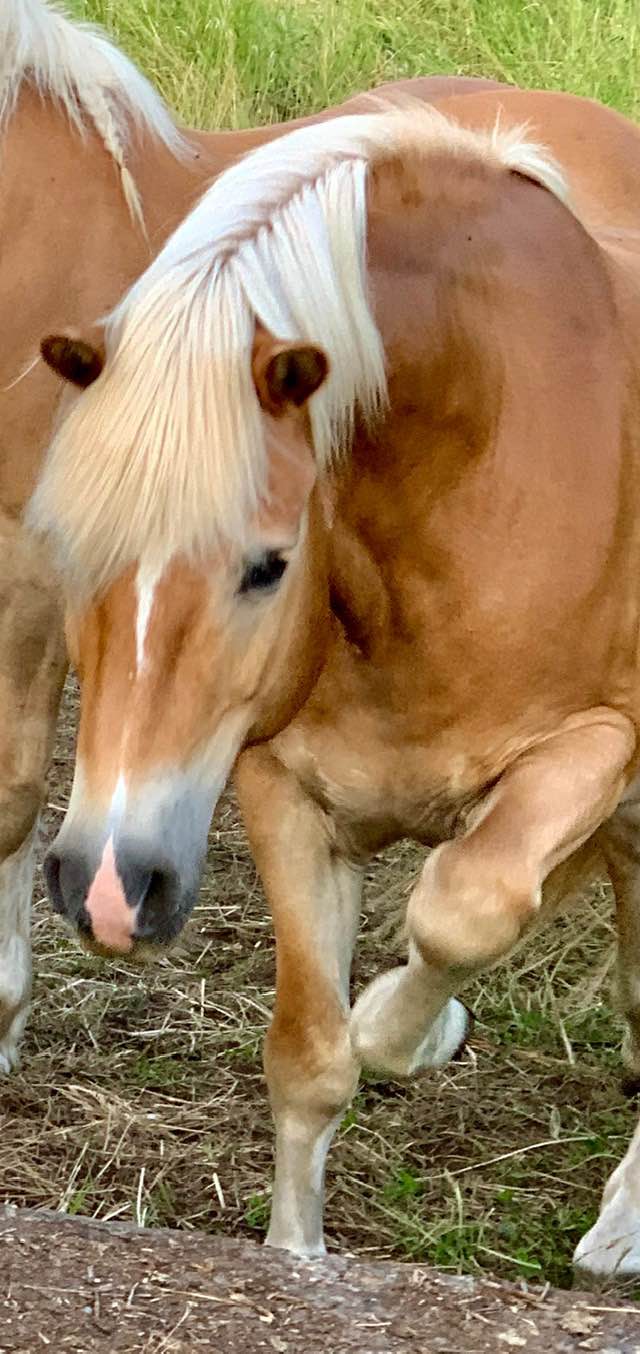
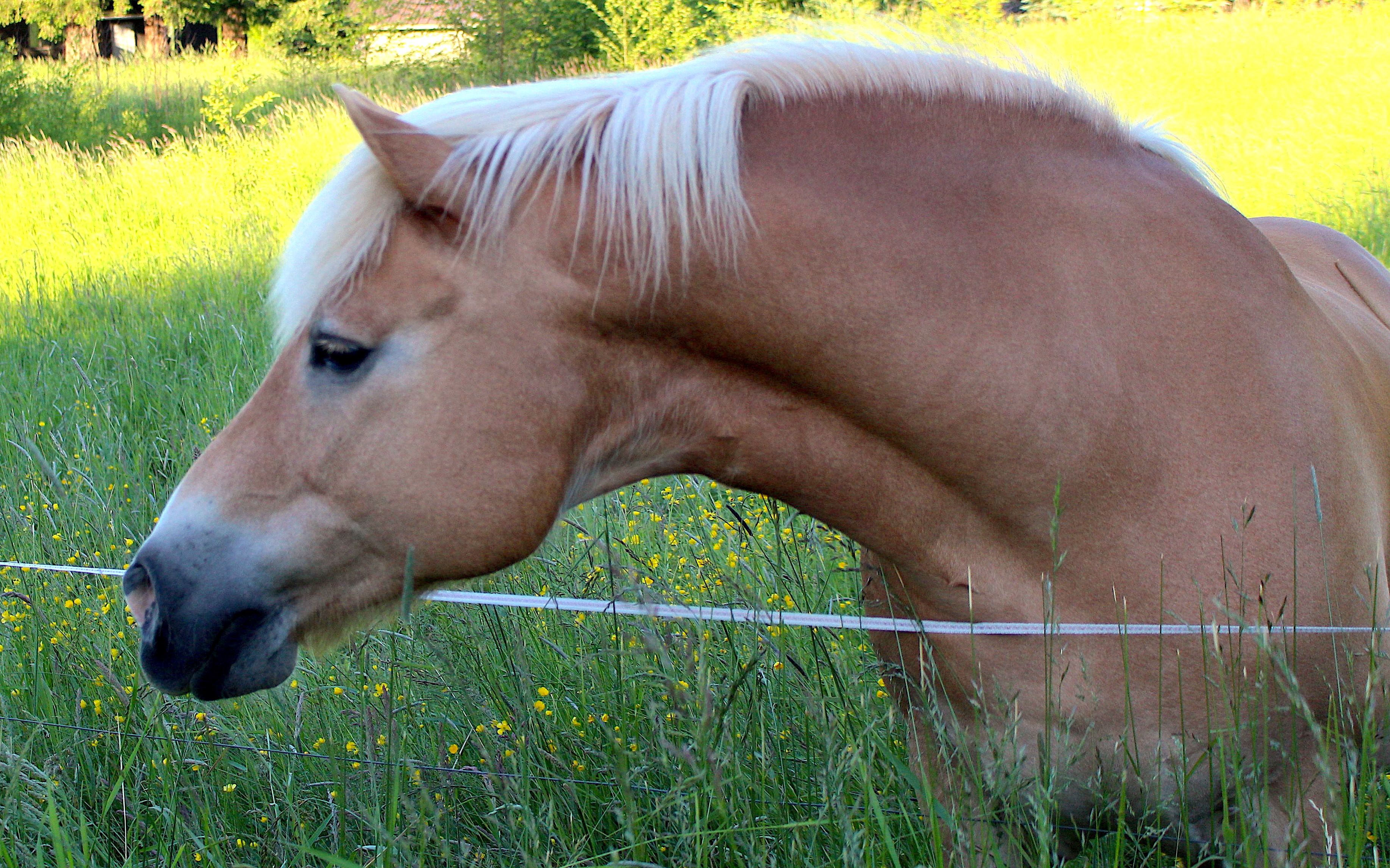
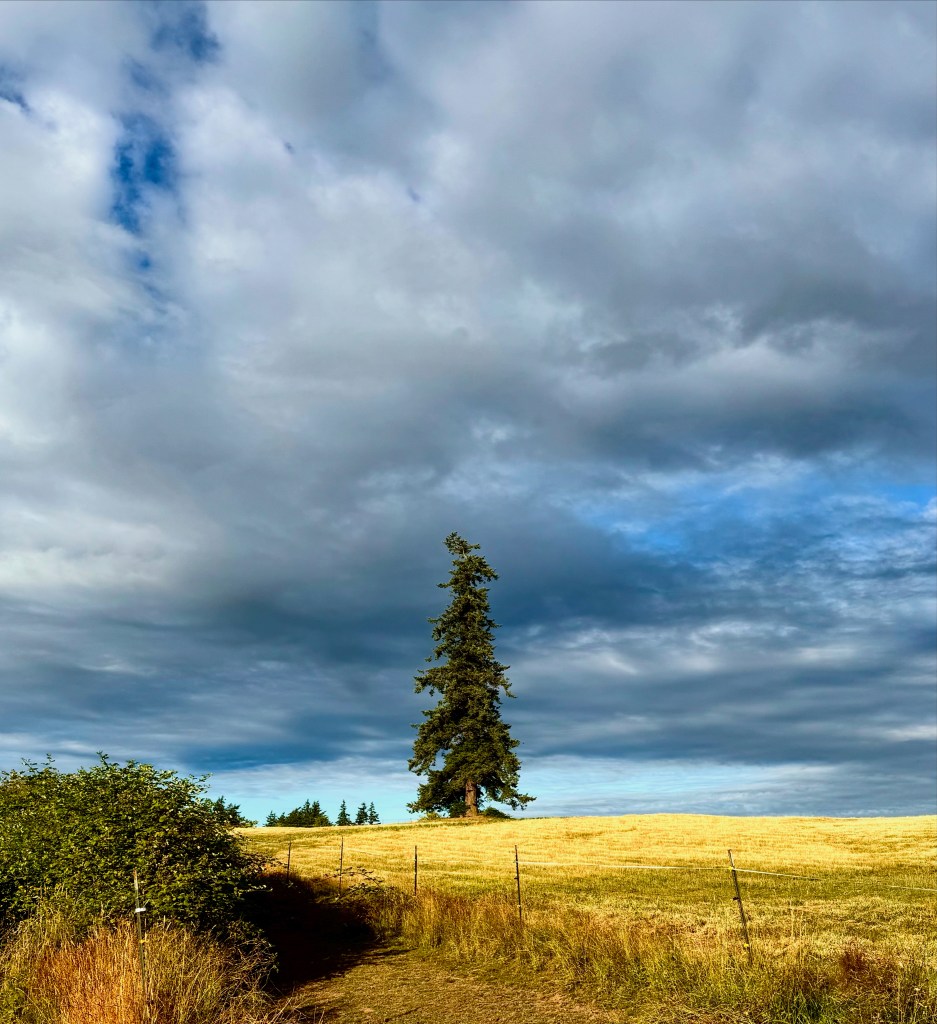
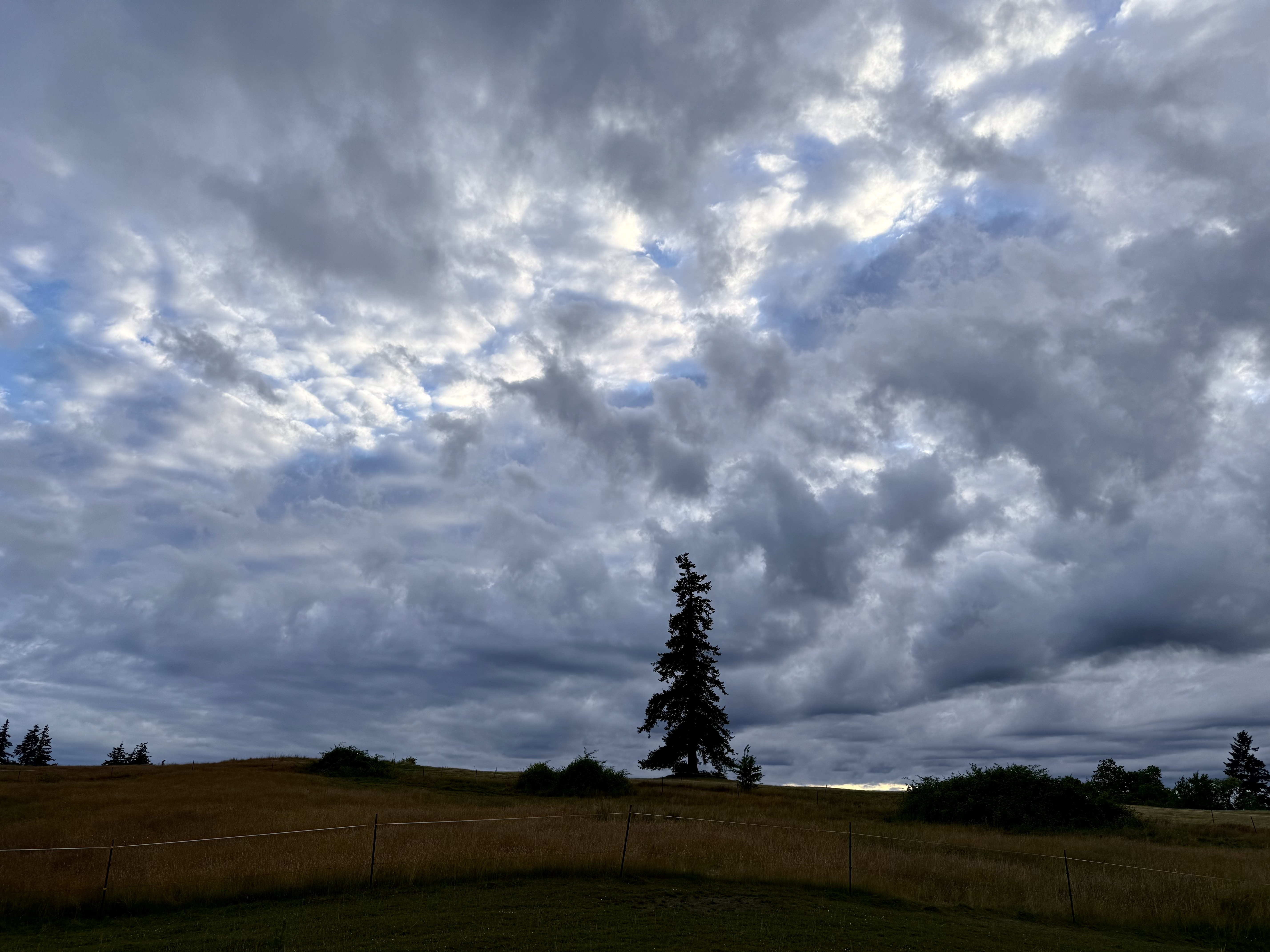
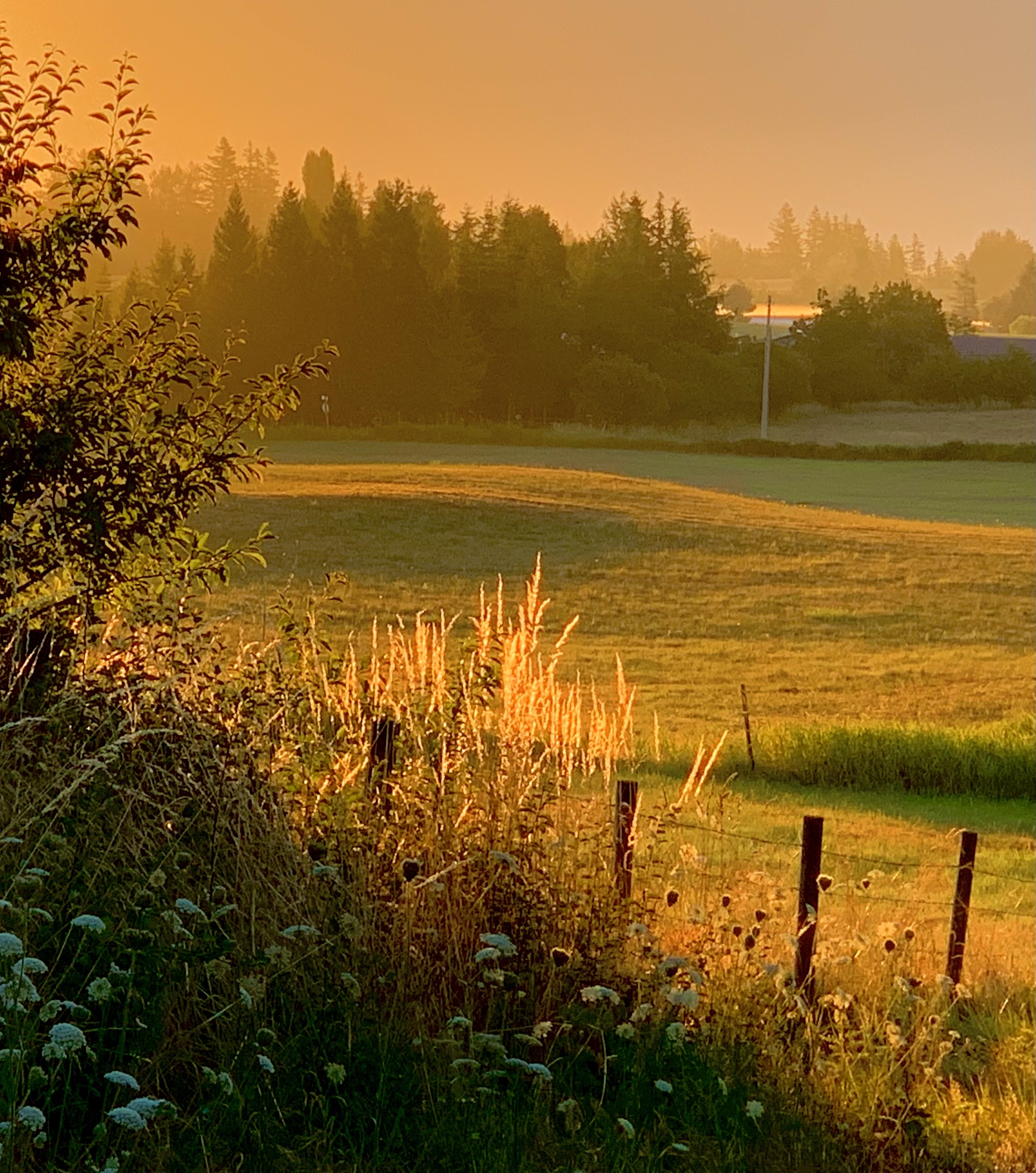
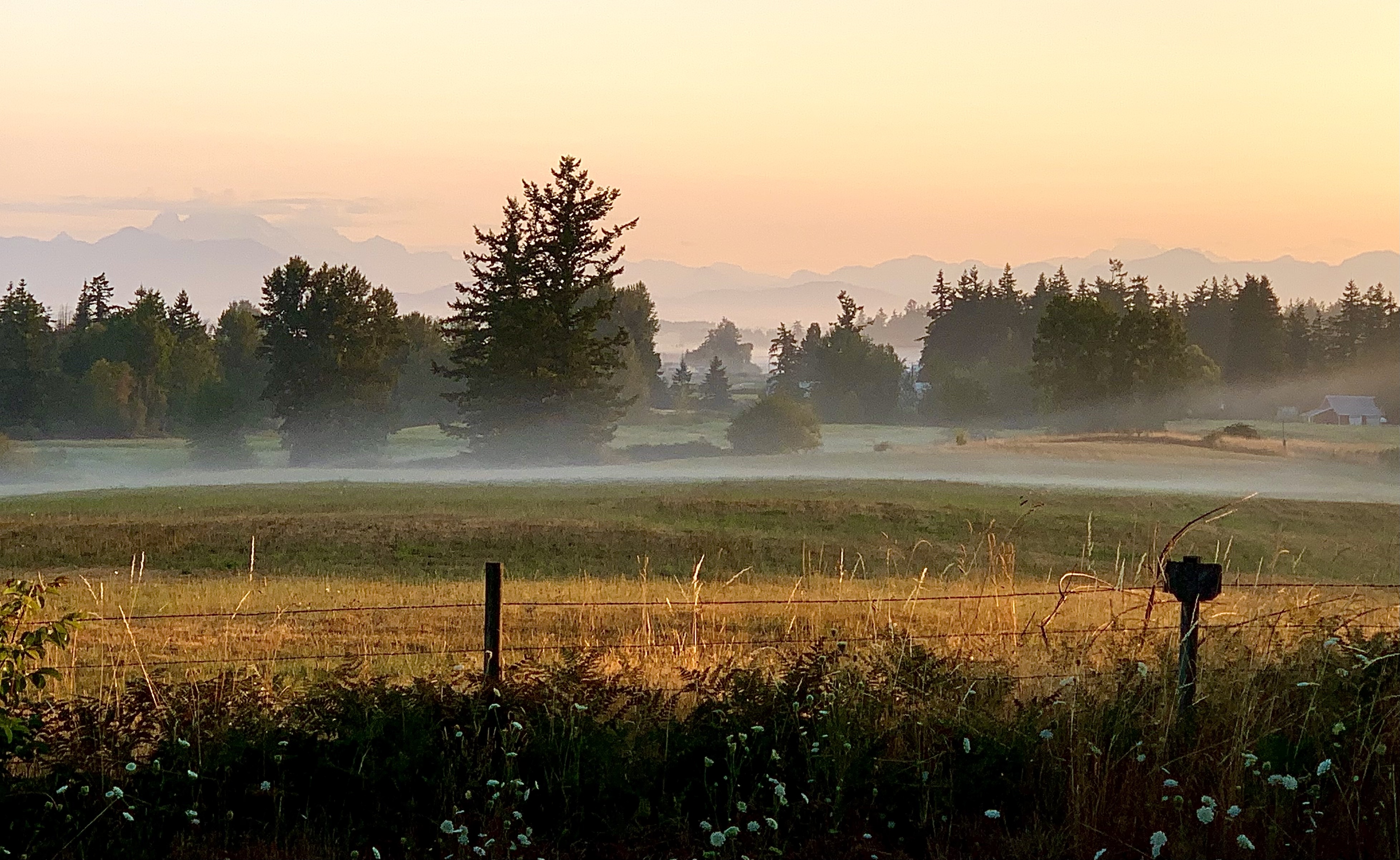
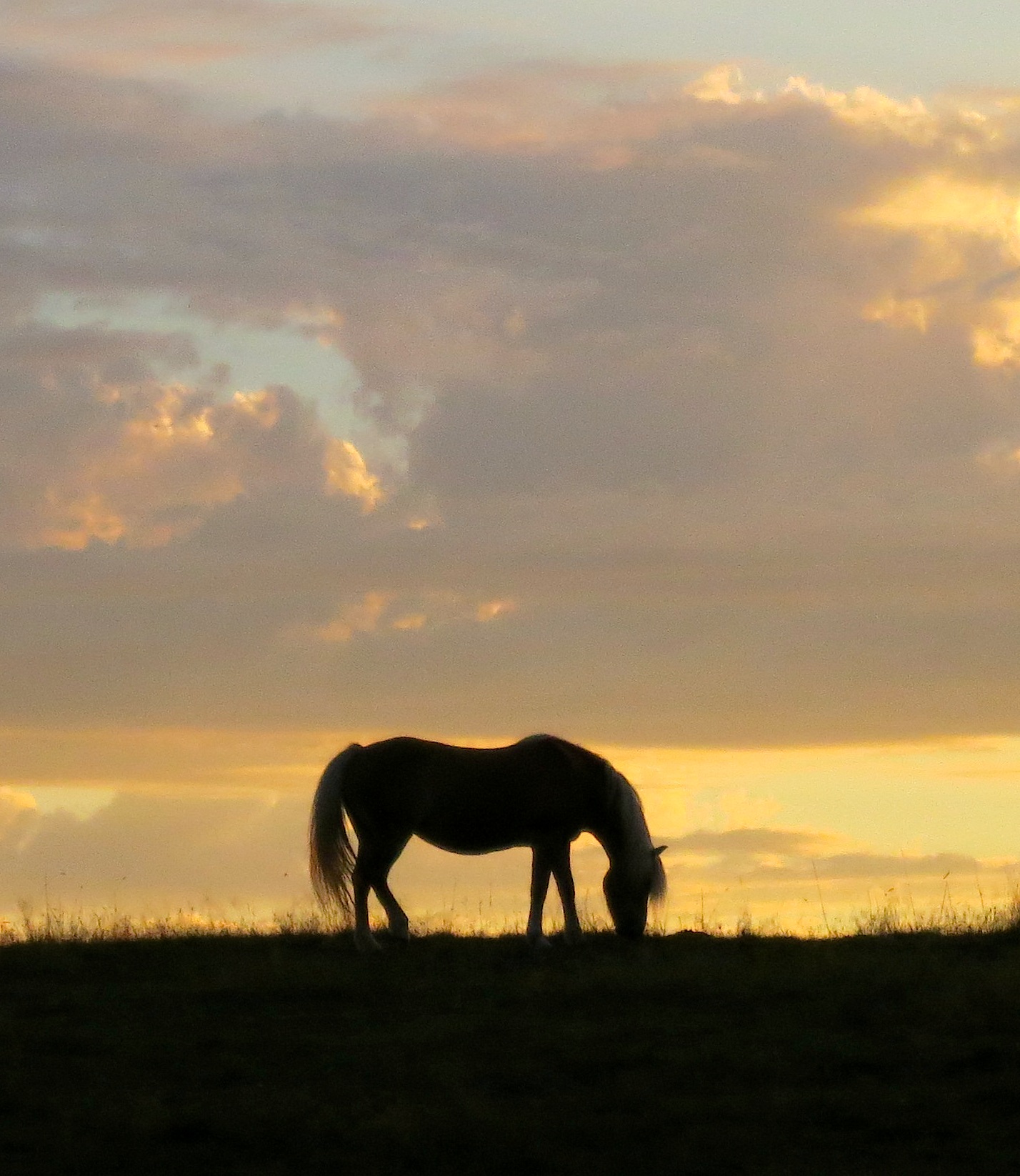
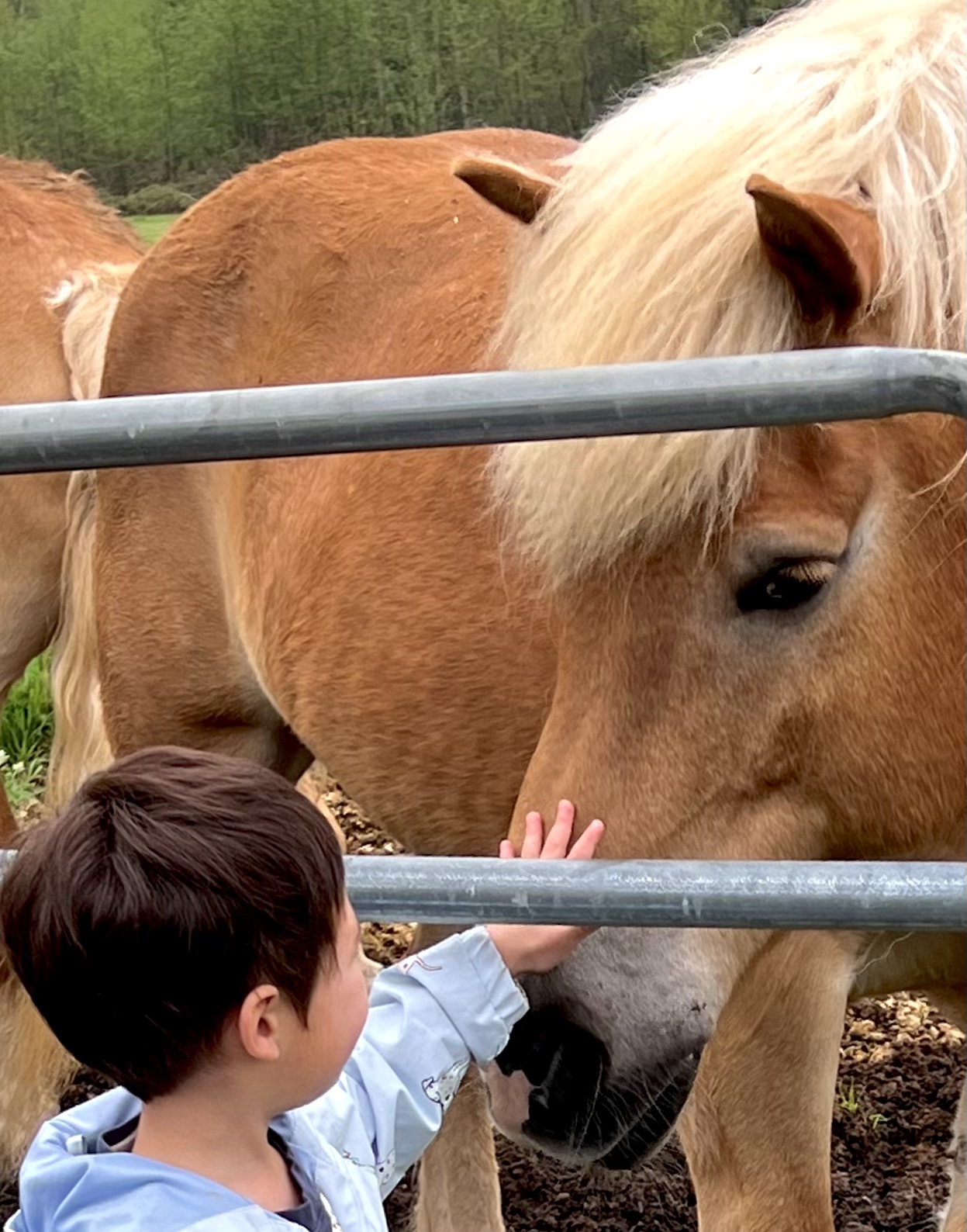
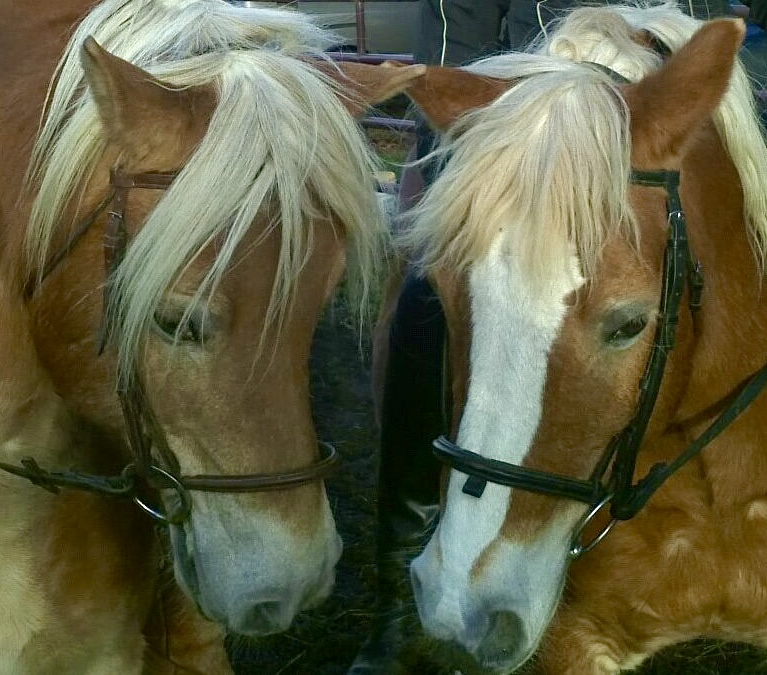
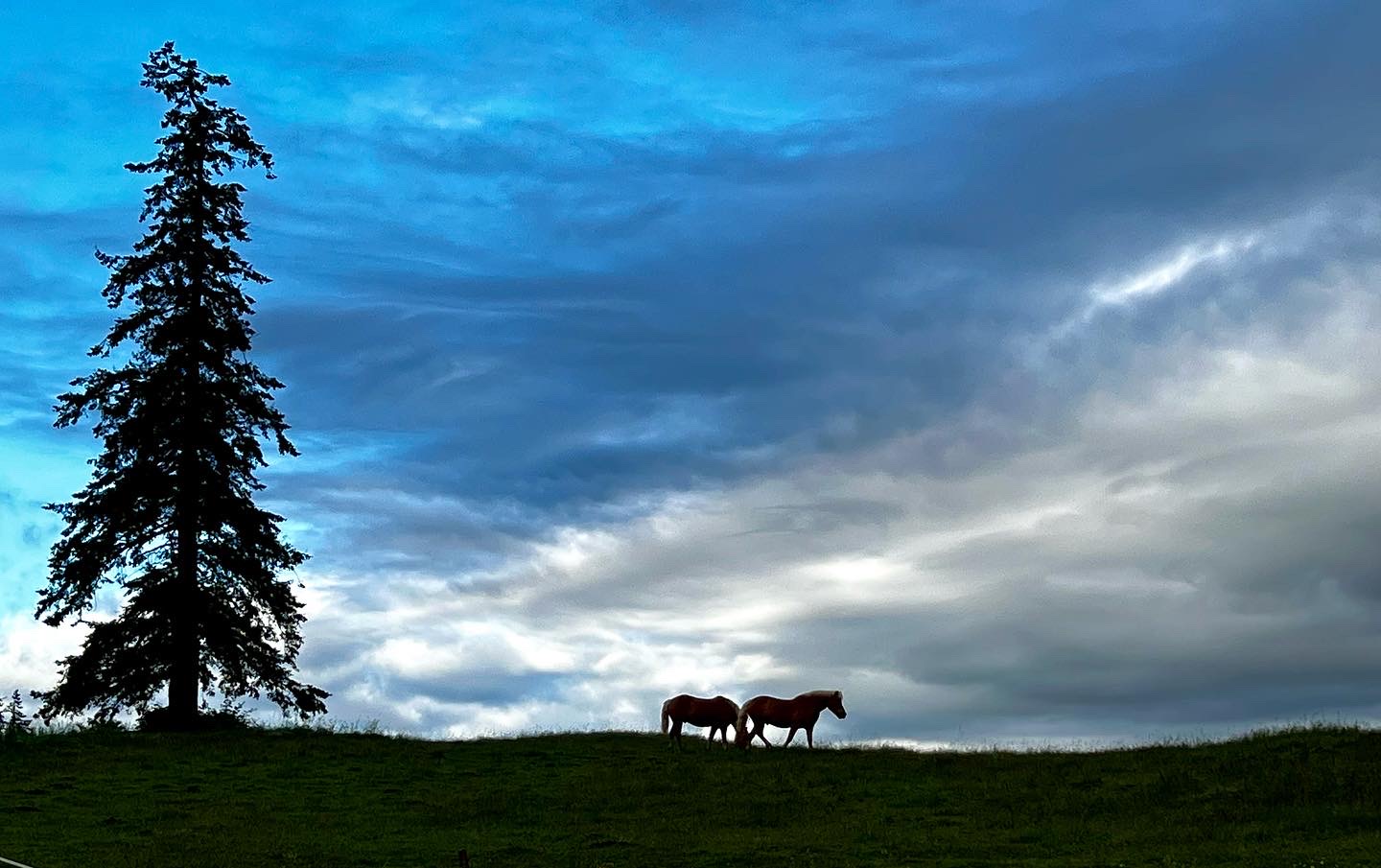
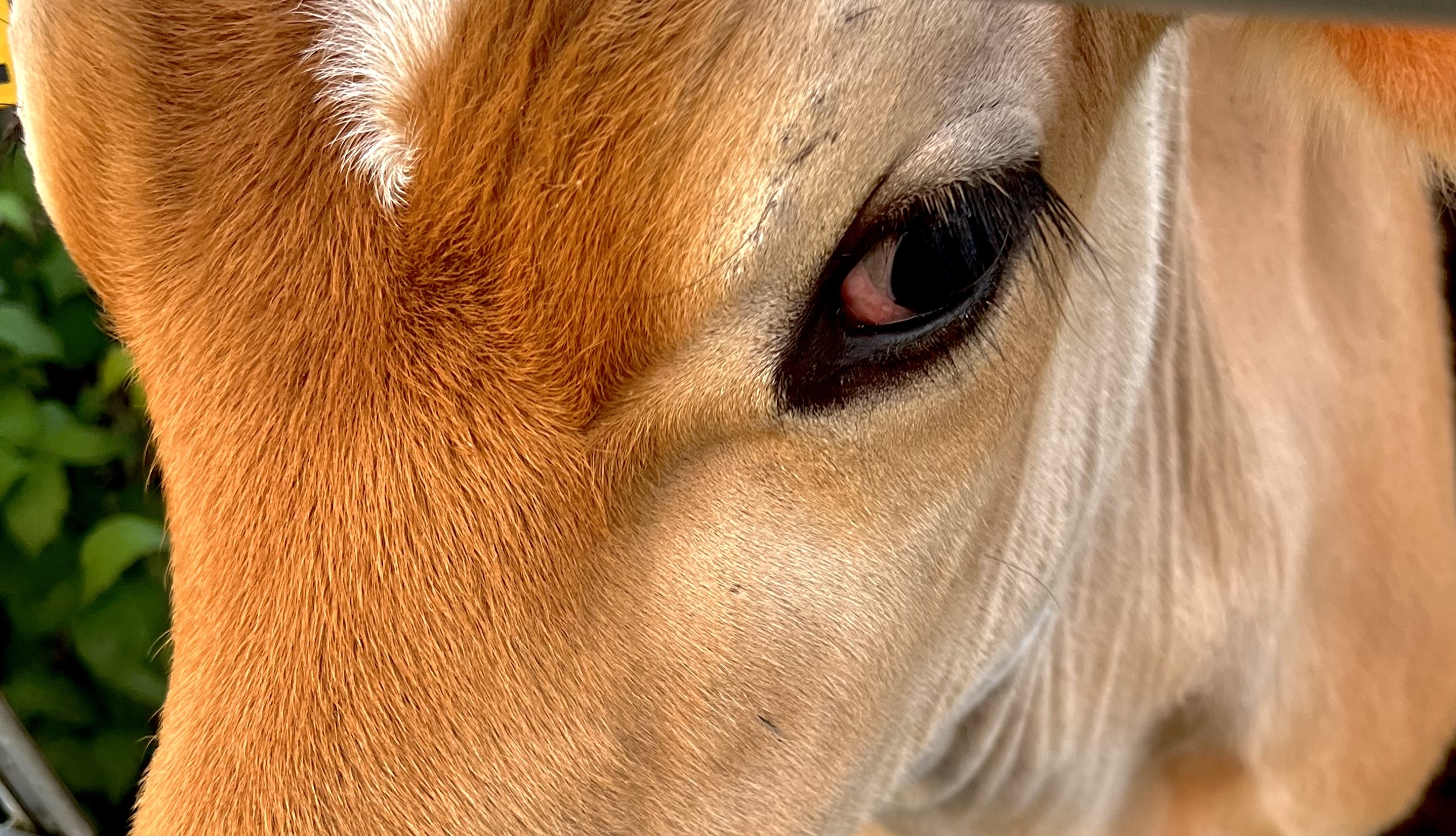
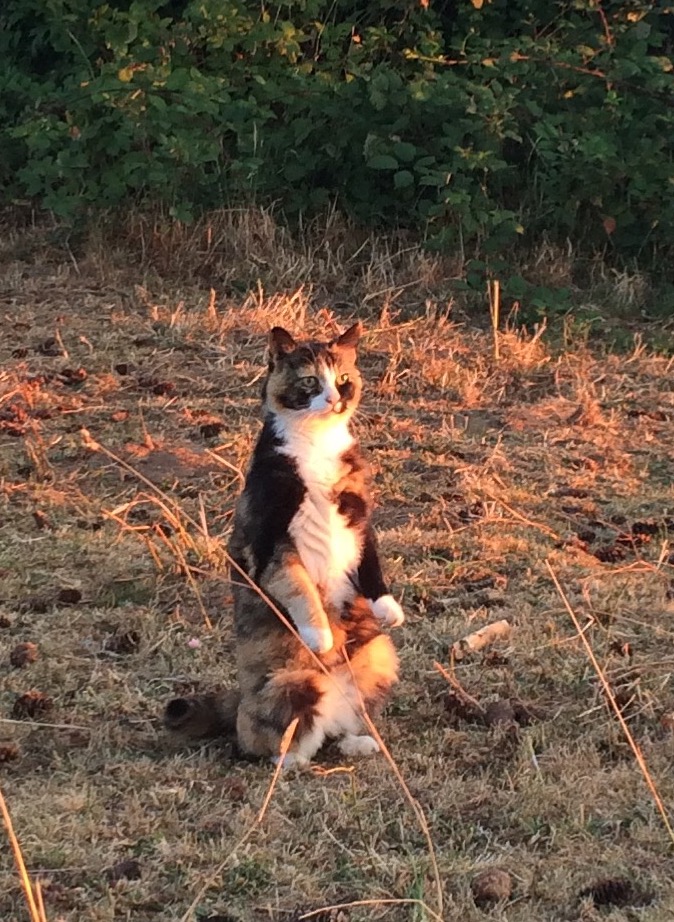
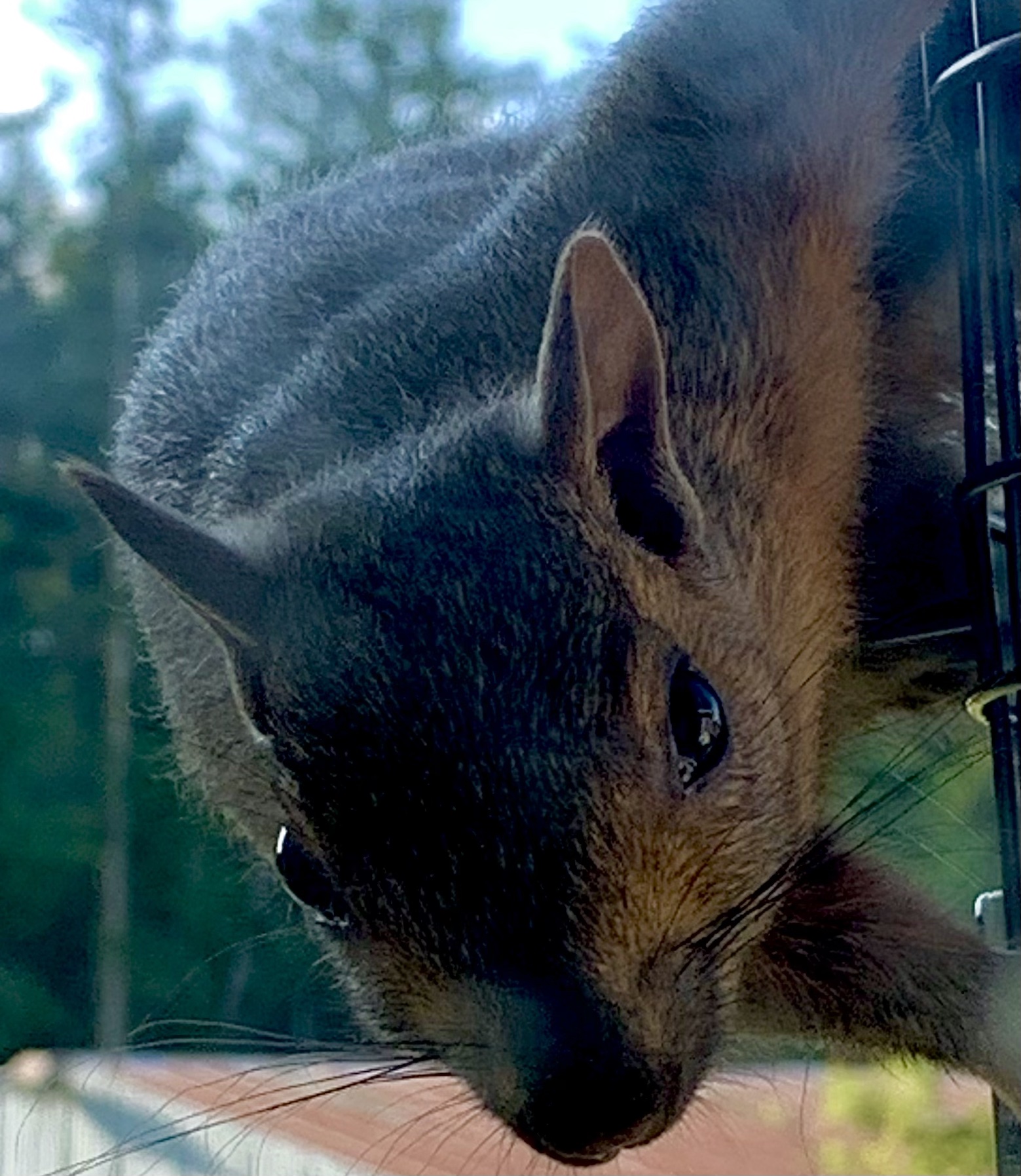
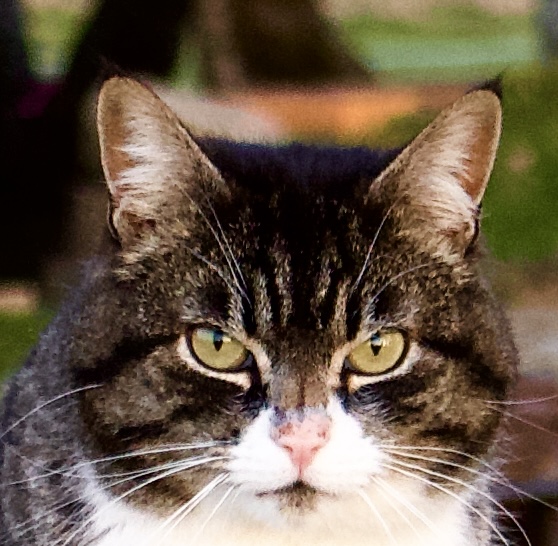
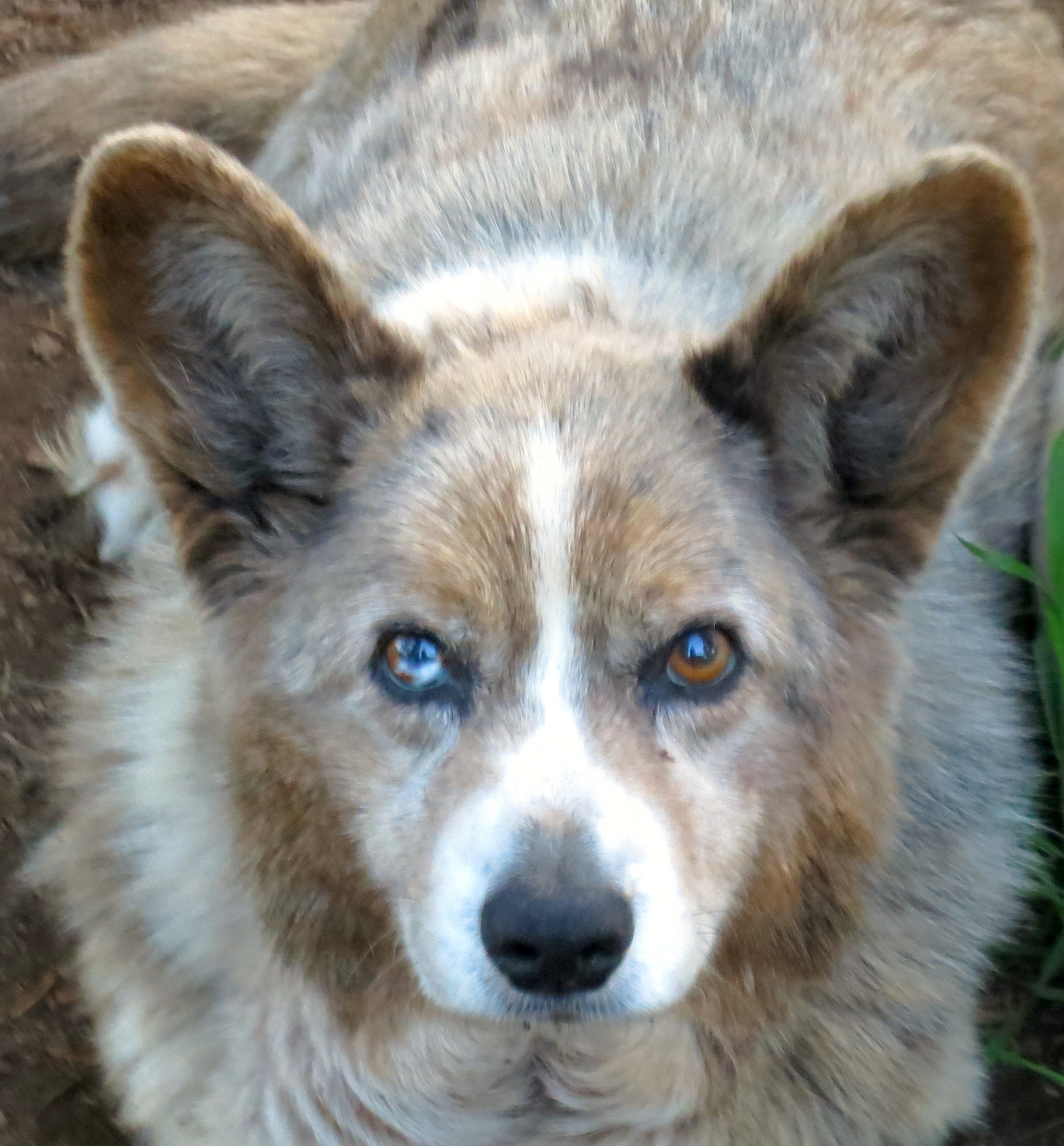
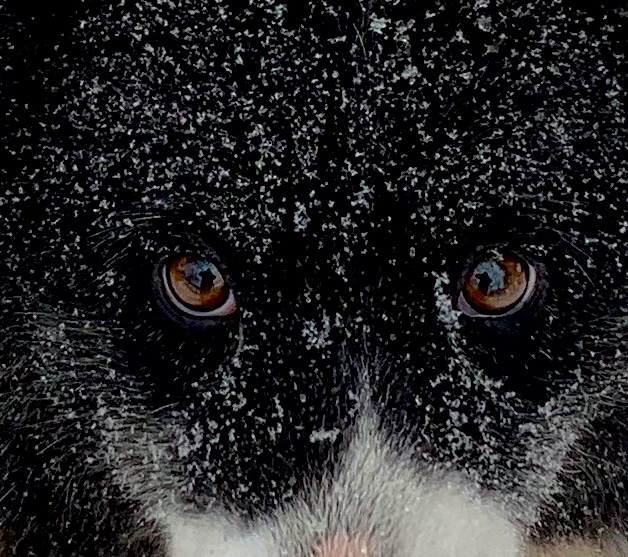
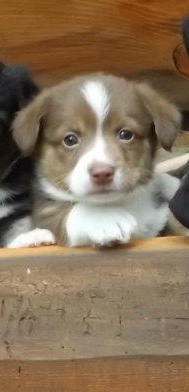
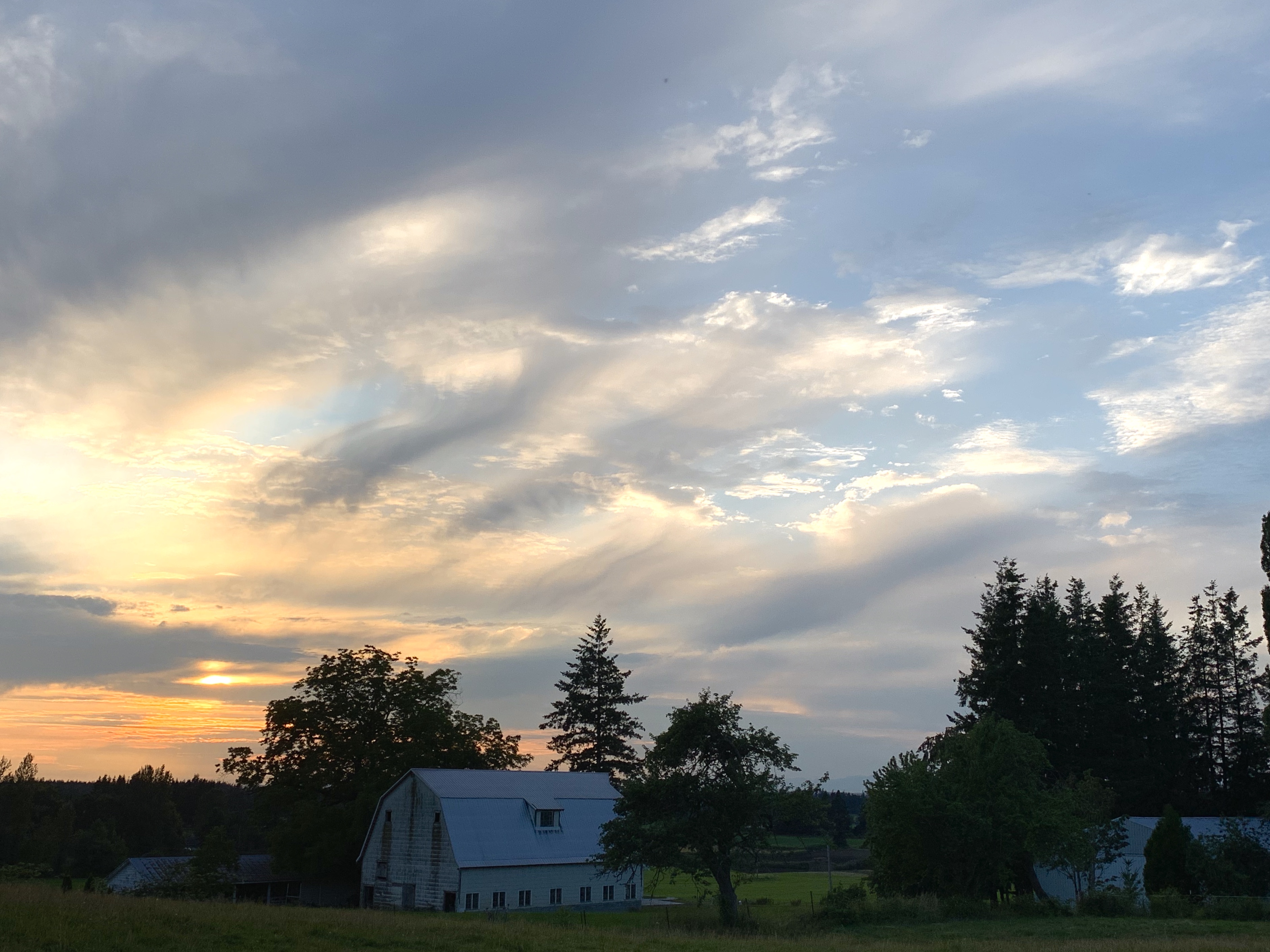
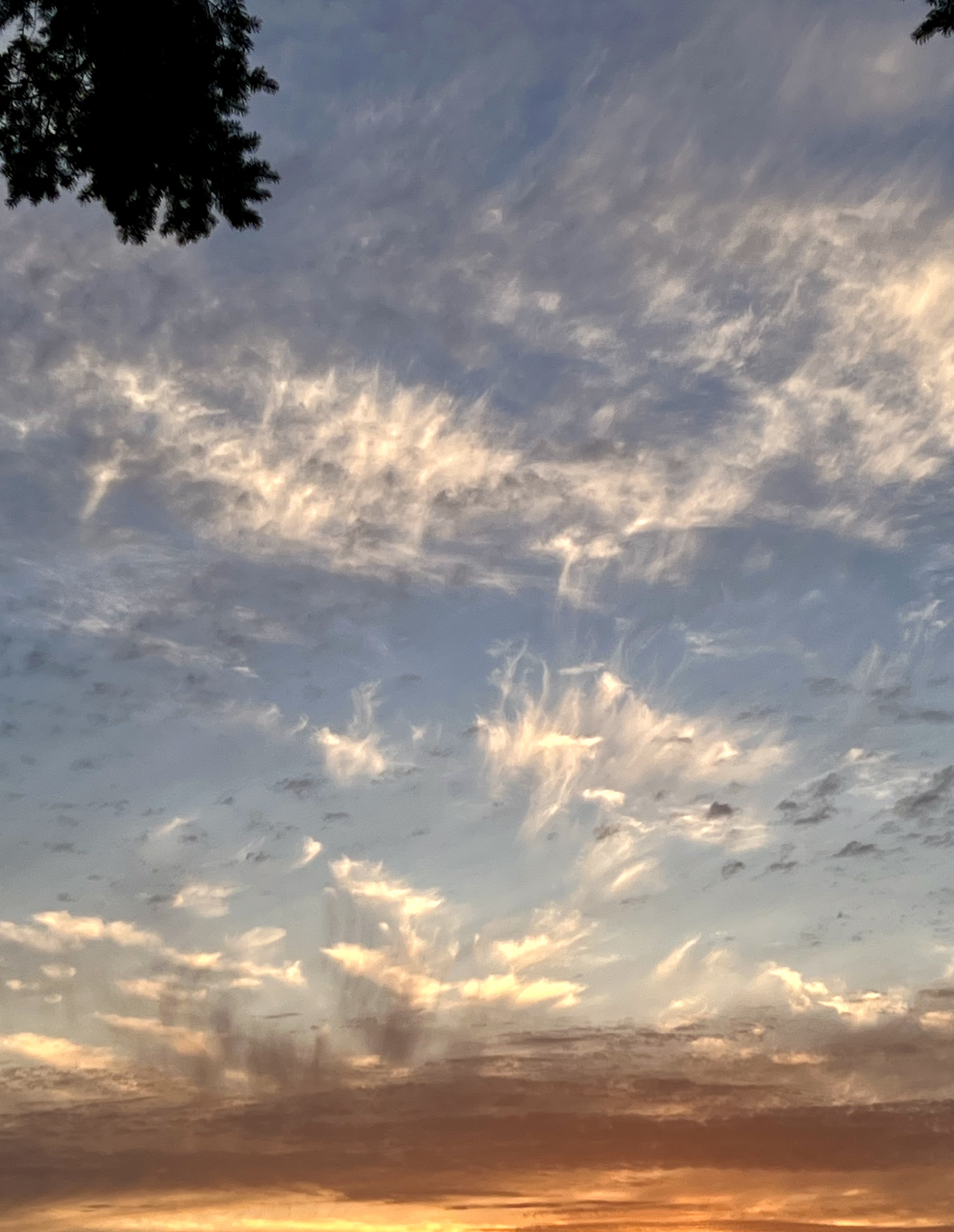
The golden cast at the beginning and endings of the days, the light dancing in streams like stars, simply staring at God’s creatures who stare back at me, each wondering what the other is thinking.
























 Barnstorming