It is possible, I suppose that sometime we will learn everything there is to learn: what the world is, for example, and what it means. I think this as I am crossing from one field to another…
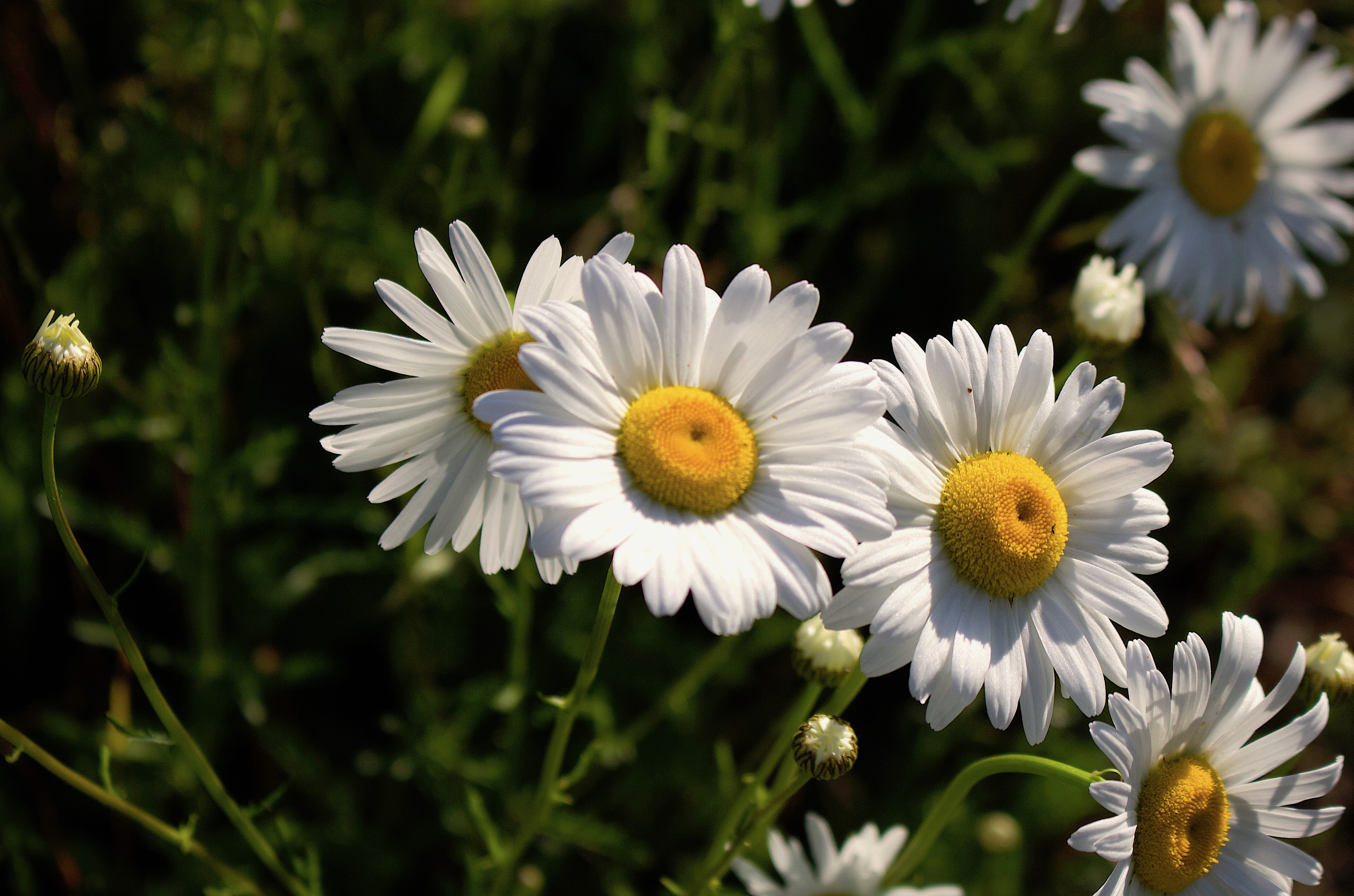
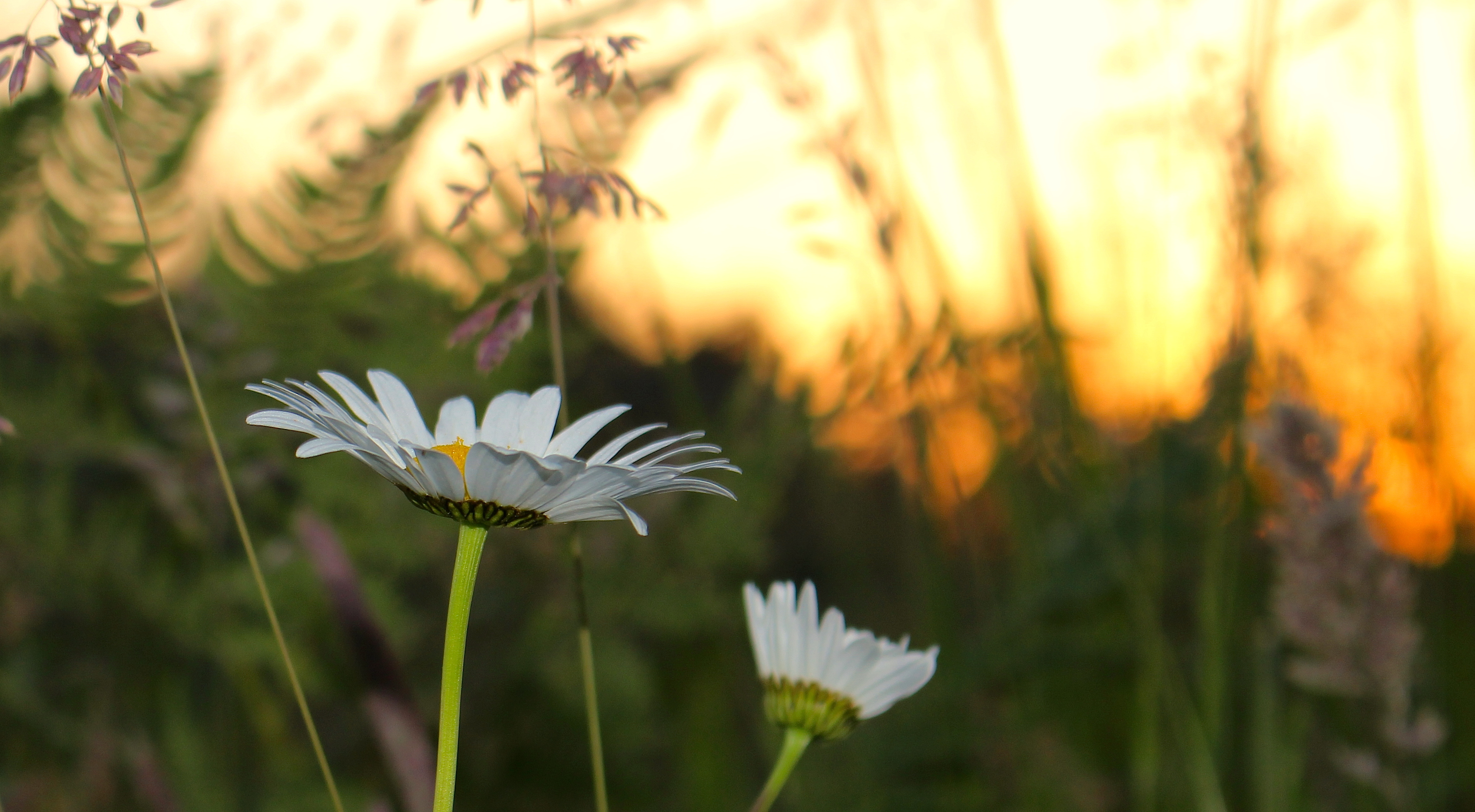
At my feet the white-petalled daisies display the small suns of their center piece, their – if you don’t mind my saying so – their hearts. Of course I could be wrong, perhaps their hearts are pale and narrow and hidden in the roots. What do I know? But this: it is heaven itself to take what is given, to see what is plain; what the sun lights up willingly; for example – I think this as I reach down, not to pick but merely to touch – the suitability of the field for the daisies, and the daisies for the field. ~Mary Oliver from “Daisies”
I am content realizing I won’t understand what this world means, (and why any of us matter when we are all made up of the same atoms as everything else in existence);
No, I will remain in the dark until I cross from this field to the next. I have to wait for heaven itself to see how the Sun illuminates what matters.
It is all mystery in the meantime, and sometimes a mean and joyless mystery – with pain and heartbreak and suffering, but just enough loving sacrifice to make it worthwhile.
How are our atoms different from that stone, or that tree or that daisy?
We are breathed on. As God’s breath surges within us, we laugh out loud, weep mightily and sing out His Words – struggling to be suitable for this field, so often trampled and broken, but with plans to flourish plentiful in the Sun of heaven.
Let America be America again. Let it be the dream it used to be. Let it be the pioneer on the plain Seeking a home where he himself is free.
(America never was America to me.)
Let America be the dream the dreamers dreamed— Let it be that great strong land of love Where never kings connive nor tyrants scheme That any man be crushed by one above.
(It never was America to me.)
O, let my land be a land where Liberty Is crowned with no false patriotic wreath, But opportunity is real, and life is free, Equality is in the air we breathe.
(There’s never been equality for me, Nor freedom in this “homeland of the free.”)
Say, who are you that mumbles in the dark? And who are you that draws your veil across the stars?
I am the poor white, fooled and pushed apart, I am the Negro bearing slavery’s scars. I am the red man driven from the land, I am the immigrant clutching the hope I seek— And finding only the same old stupid plan Of dog eat dog, of mighty crush the weak.
I am the farmer, bondsman to the soil. I am the worker sold to the machine. I am the Negro, servant to you all. I am the people, humble, hungry, mean— Hungry yet today despite the dream. Beaten yet today—O, Pioneers!
I am the man who never got ahead, The poorest worker bartered through the years. Yet I’m the one who dreamt our basic dream In the Old World while still a serf of kings, Who dreamt a dream so strong, so brave, so true, That even yet its mighty daring sings In every brick and stone, in every furrow turned That’s made America the land it has become.
O, I’m the man who sailed those early seas In search of what I meant to be my home— For I’m the one who left dark Ireland’s shore, And Poland’s plain, and England’s grassy lea, And torn from Black Africa’s strand I came To build a “homeland of the free.”
The free? Who said the free? Not me? Surely not me? The millions on relief today? The millions shot down when we strike? The millions who have nothing for our pay? For all the dreams we’ve dreamed And all the songs we’ve sung And all the hopes we’ve held And all the flags we’ve hung, The millions who have nothing for our pay— Except the dream that’s almost dead today.
O, let America be America again— The land that never has been yet— And yet must be—the land where every man is free. The land that’s mine—the poor man’s, Indian’s, Negro’s, ME— Who made America, Whose sweat and blood, whose faith and pain, Whose hand at the foundry, whose plow in the rain, Must bring back our mighty dream again.
America! O, yes, I say it plain, America never was America to me, And yet I swear this oath— America will be!
Out of the rack and ruin of our gangster death, The rape and rot of graft, and stealth, and lies, We, the people, must redeem The land, the mines, the plants, the rivers. The mountains and the endless plain— All, all the stretch of these great green states— And make America again! ~Langston Hughes from “Let America Be America Again”(1935)
When we remain silent in the face of injustice, we loudly slap the face of God. Because the person being abused is the face of God. ~Ann Voskamp
What has changed in America since Langston Hughes wrote “Let America Be America” in 1935? How many angry generations have passed since then and how many more are to come?
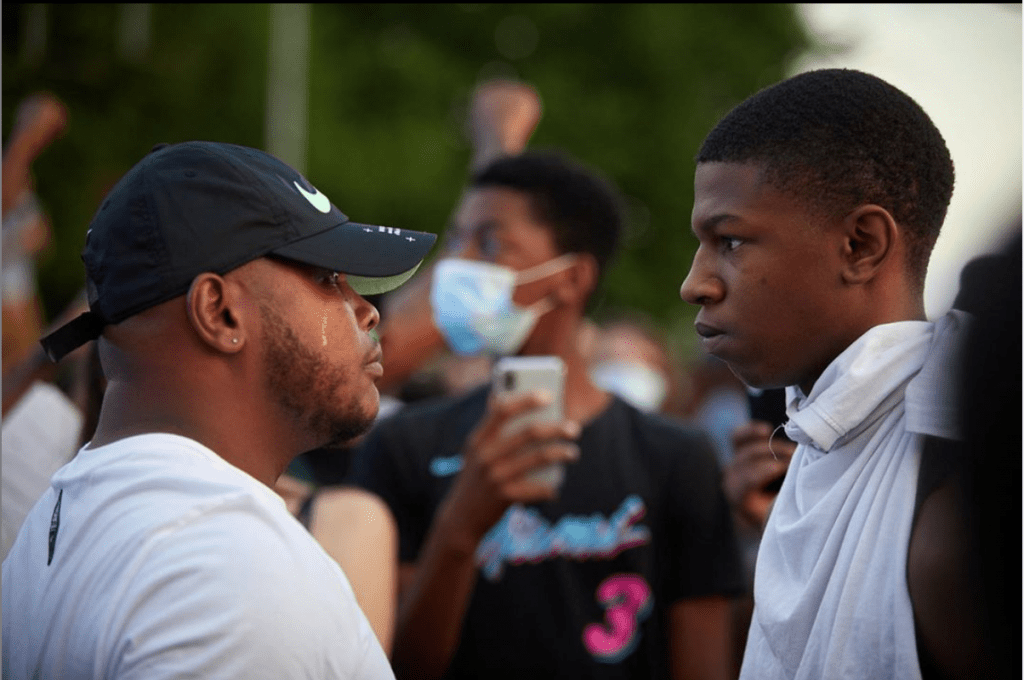
When three generations stand side by side, with angry words and tear-streaked faces, admitting that nothing has changed, then things have to change.
We are withering together in our anger and our tears.
Our children should not be faced with the choice of putting themselves in harm’s way because they are not allowed to breathe the same air of equality as everyone else. They deserve breath because God breathed them into existence, like everyone else. Instead, we are destroying their future as they are suffocated in the streets.
It has never been about “making America great again.”
It is about let America be America, once and for all.
To live coram Deo is to live one’s entire life in the presence of God, under the authority of God, to the glory of God. To live in the presence of God is to understand that whatever we are doing and wherever we are doing it, we are acting under the gaze of God.
There is no place so remote that we can escape His penetrating gaze. To live all of life coram Deo is to live a life of integrity. It is a life of wholeness that finds its unity and coherency in the majesty of God.
Our lives are to be living sacrifices, oblations offered in a spirit of adoration and gratitude.
A fragmented life is a life of disintegration. It is marked by inconsistency, disharmony, confusion, conflict, contradiction, and chaos. Coram Deo … before the face of God. …a life that is open before God. …a life in which all that is done is done as to the Lord. …a life lived by principle, not expediency; by humility before God, not defiance. ~R.C. Sproulfrom “What Does “coram Deo” mean?”
We cannot escape His gaze. Why is that?
We…all of us, all colors, shapes and sizes… are created in His image, imago dei, so He looks at us as His reflections in the mirror of the world.
And what would He see this week? Surely nothing that reflects the heart or face of God.
I cringe to think. I want to hide from His gaze. All I see around me and within me is: inconsistency, disharmony, confusion, conflict, contradiction, and chaos. And most of all: defiance.
Surely, surely I know best.
I’m not alone: so many others also each know best, calling hypocrisy on one another, holding fast to moral high ground when the reality is: we drown together in the mud of our mutual guilt and lack of humility.
It is past time for us to be on our knees pleading for mercy, certainly not on our knees leaning upon the neck of another imago dei, squeezing out their very life breath and right to exist.
We are miserable reflections, each and every one of us, surely not coram Deo.
All that we have done, we have done onto God Himself. Kind of takes one’s breath away.
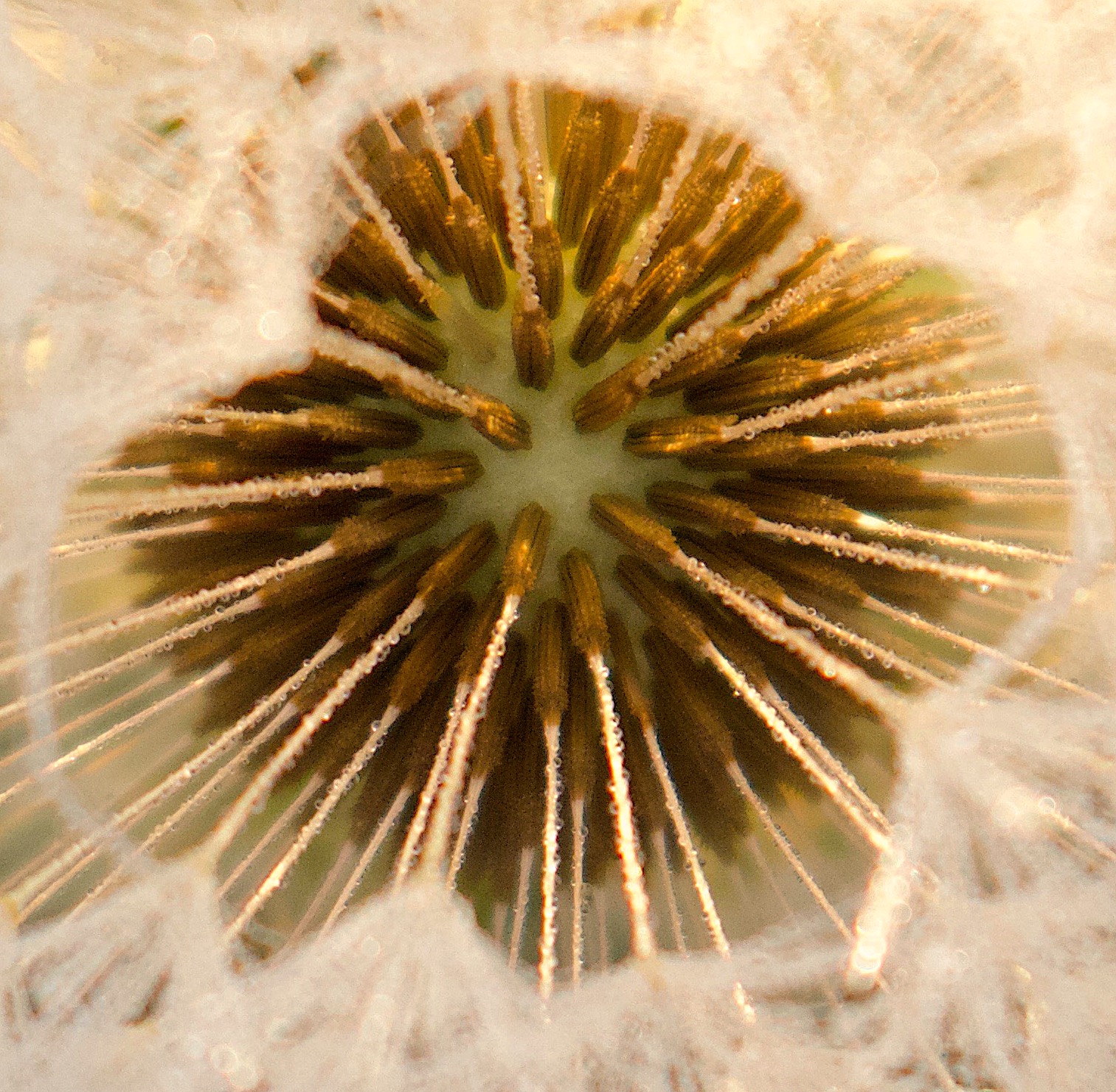
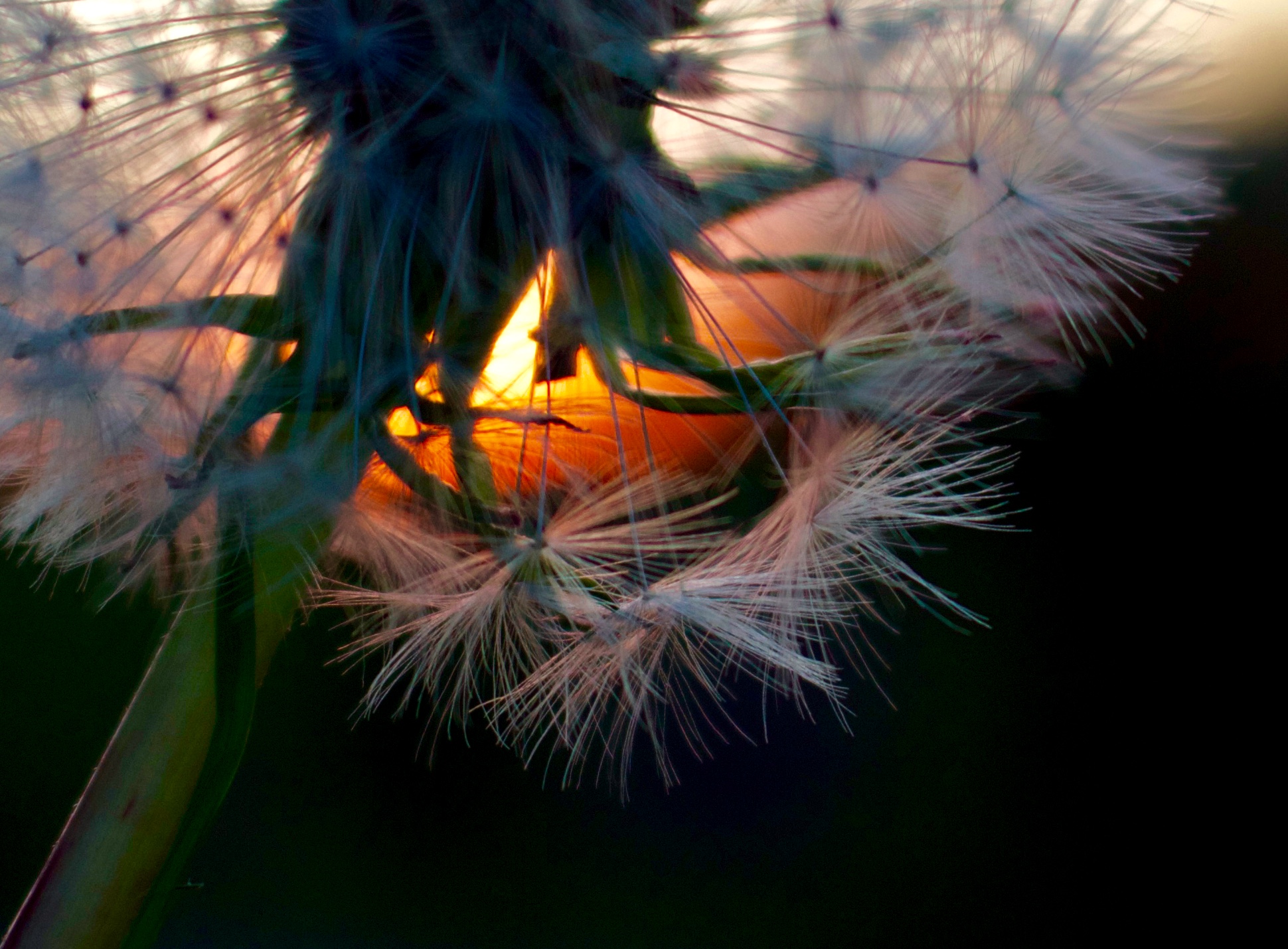
How I loved those spiky suns, rooted stubborn as childhood in the grass, tough as the farmer’s big-headed children—the mats of yellow hair, the bowl-cut fringe. How sturdy they were and how slowly they turned themselves into galaxies, domes of ghost stars barely visible by day, pale cerebrums clinging to life on tough green stems. Like you. Like you, in the end. If you were here, I’d pluck this trembling globe to show how beautiful a thing can be a breath will tear away. ~Jean Nordhaus “A Dandelion for My Mother”
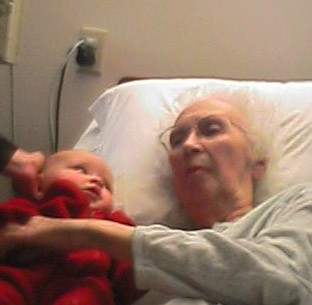
Vigil at my mother’s bedside (for Elna)
Lying still, your mouth gapes open as I wonder if you breathe your last. Your hair a white cloud Your skin baby soft No washing, digging, planting gardens Or raising children Anymore.
Where do your dreams take you? At times you wake in your childhood home of Rolling wheat fields, boundless days of freedom. Other naps take you to your student and teaching days Grammar and drama, speech and essays. Yesterday you were a young mother again Juggling babies, farm and your wistful dreams.
Today you looked about your empty nest Disguised as hospital bed, Wondering aloud about Children grown, flown. You still control through worry and tell me: Travel safely Get a good night’s sleep Take time to eat Call me when you get there
I dress you as you dressed me I clean you as you cleaned me I love you as you loved me You try my patience as I tried yours. I wonder if I have the strength to Mother my mother For as long as she needs.
When I tell you the truth Your brow furrows as it used to do When I disappointed you~ This cannot be A bed in a room in a sterile place Waiting for death Waiting for the next breath Waiting for heaven Waiting
And I tell you: Travel safely Eat, please eat Sleep well Call me when you get there.
I like to live in the sound of water, in the feel of mountain air. A sharp reminder hits me: this world still is alive; it stretches out there shivering toward its own creation, and I’m part of it. Even my breathing enters into the elaborate give-and-take, this bowing to sun and moon, day or night, winter, summer, storm, still—this tranquil chaos that seems to be going somewhere. This wilderness with a great peacefulness in it. This motionless turmoil, this everything dance. ~William Stafford, “Time for Serenity, Anyone?” from Even in Quiet Places
We are, as breathed on dust, called into the service and company of another, called to do work other than our own. This creature, formed of dust, is entrusted with the garden, with all the animals, and with all living things. Our creatureliness binds us to the role of steward, friend, and companion of all other creatures who share our fragility. ~Walter Brueggemann from “Remember You Are Dust”
As a physician, I am reminded daily of the fragility of our bodies and minds, this breathed-on dust of us, especially now as a mere novel virus has immobilizes the world’s population.
As a farmer, I dwell compatibly with the dust I’m entrusted to steward. I carry it around under my fingernails, on my boots, my skin smudged in unexpected ways and places as I go about my chores and tasks. The dust of the barnyard wilderness clings to me, not wanting to let go of one of its own as I return indoors. Sunbeams in our house swirl with released dust motes given new life through solar energy, each mote a source of fragile strength, tranquil beauty, complex simplicity. Such joyful dust dance makes me reluctant to get out the dust rags and cleaning solutions.
As a child of the Creator, I am well aware of the cleansing needed in this grimy, desperately soiled world. The dustiest parts of me lie far deeper than my shedding skin — the breathed-on dust that innervates, circulates and motivates me.
God sent His Son to be the dust rag I sorely need; I cling to Him as He comes to clean house.
“Everything is made to perish; the wonder of anything at all is that it has not already done so. No, he thought. The wonder of anything is that it was made in the first place. What persists beyond this cataclysm of making and unmaking?” ~Paul Hardingfrom Tinkers
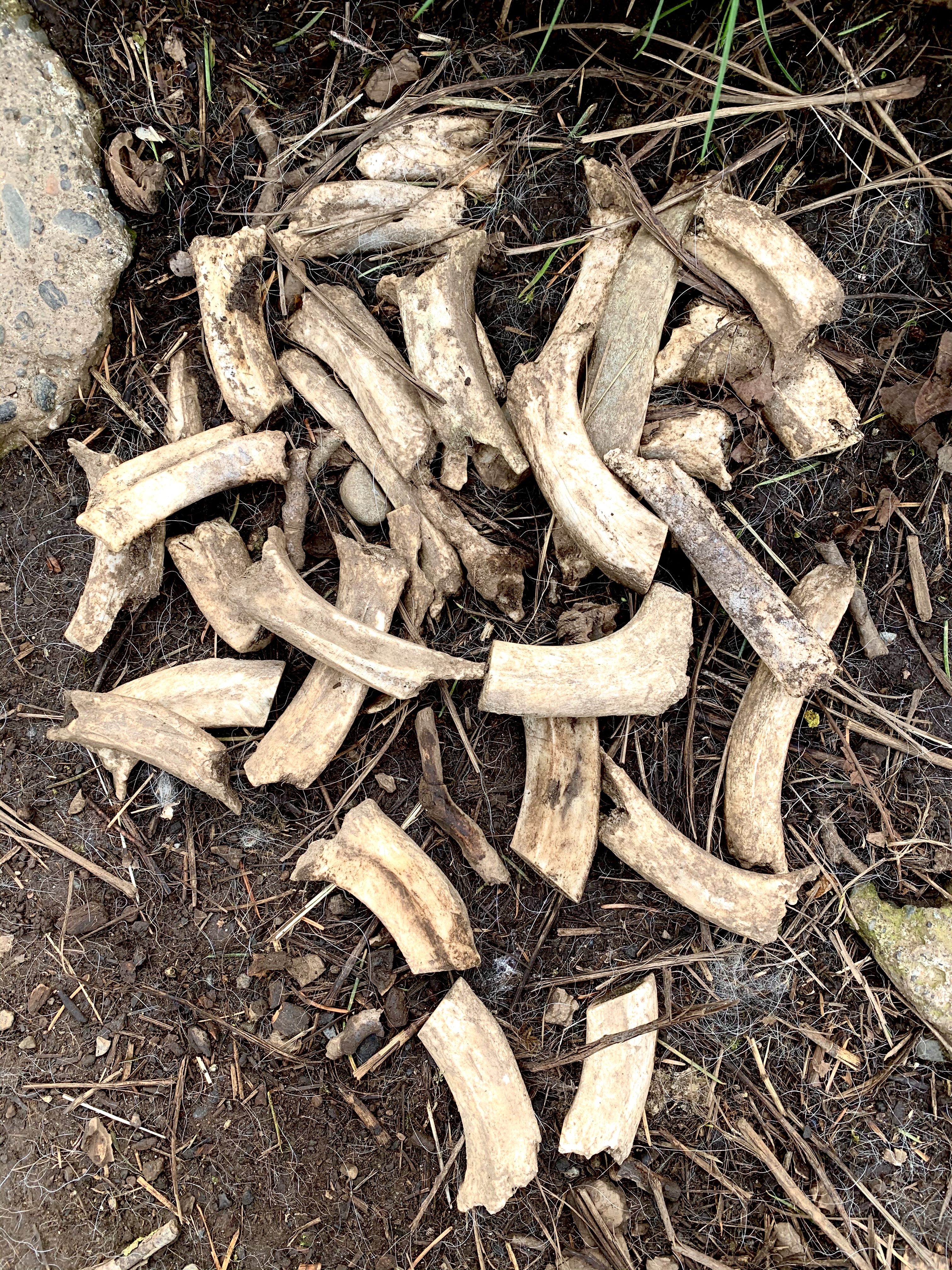
Then he said to me, “Prophesy to these bones and say to them, ‘Dry bones, hear the word of the Lord! 5 This is what the Sovereign Lord says to these bones: I will make breath enter you, and you will come to life. 6 I will attach tendons to you and make flesh come upon you and cover you with skin; I will put breath in you, and you will come to life. Then you will know that I am the Lord.’”
7 So I prophesied as I was commanded. And as I was prophesying, there was a noise, a rattling sound, and the bones came together, bone to bone. 8 I looked, and tendons and flesh appeared on them and skin covered them, but there was no breath in them.
9 Then he said to me, “Prophesy to the breath; prophesy, son of man, and say to it, ‘This is what the Sovereign Lord says: Come, breath, from the four winds and breathe into these slain, that they may live.’” 10 So I prophesied as he commanded me, and breath entered them; they came to life and stood up on their feet—a vast army.
11 Then he said to me: “Son of man, these bones are the people of Israel. They say, ‘Our bones are dried up and our hope is gone; we are cut off.’ 14 I will put my Spirit in you and you will live, and I will settle you in your own land. Then you will know that I the Lord have spoken, and I have done it, declares the Lord.’” Ezekiel 7: 1-11,14
And what persists?
There are times when all appears to perish, especially in a time of pandemic and earthquakes, wind storms and tsunamis, wild fires and flooding. The obituary pages predominate in the paper, bringing home the local stories of loss and grief.
All appears to be perish with no relief or hope.
But we are told in His word hopelessness is temporary and inevitably helpless; darkness can never overcome the light of all things made.
Life persists in the midst of perishing because of the cataclysm of a loving and bleeding God dying as sacrifice, breathing His Spirit into us so that we may build back muscle and sinew, reconnect ourselves bone to bone, person to person, thrive in the church rattling and singing. We are alive, living with Him forever.
Nothing, nothing can ever be the same; God does not leave us where we are now – dryest of bones.
“God goes where God has never gone before.” ~ Kathleen Mulhern in Dry Bones
This year’s Barnstorming theme for the season of Lent:
God sees us as we are, loves us as we are, and accepts us as we are. But by His grace, He does not leave us where we are. ~Tim Keller
I am a breath Of fresh air for you, a change By and by.
Black March I call him Because of his eyes Being like March raindrops On black twigs.
But this friend Whatever new names I give him Is an old friend. He says:
Whatever names you give me I am A breath of fresh air, A change for you. ~Stevie Smith from “Black March”
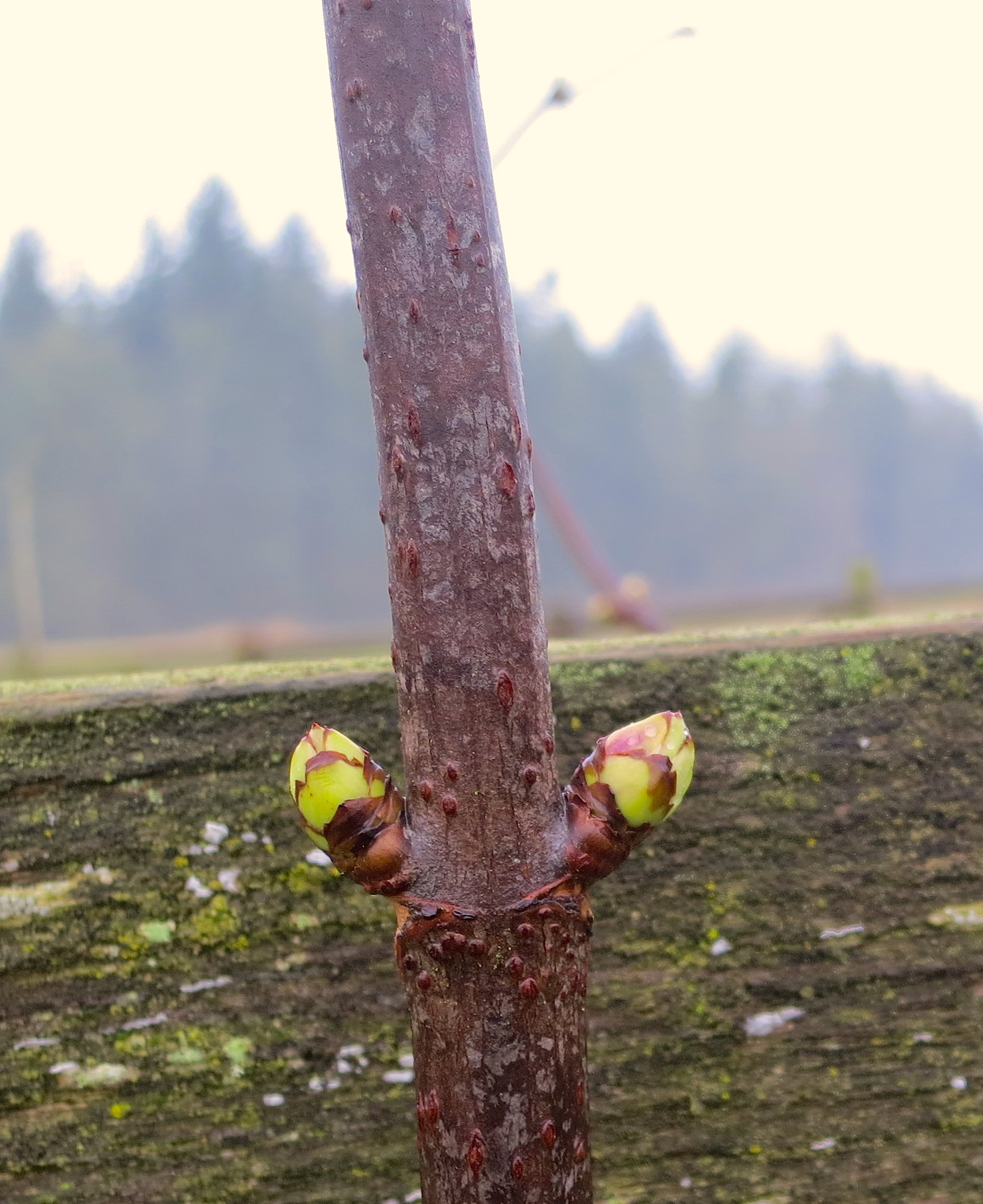
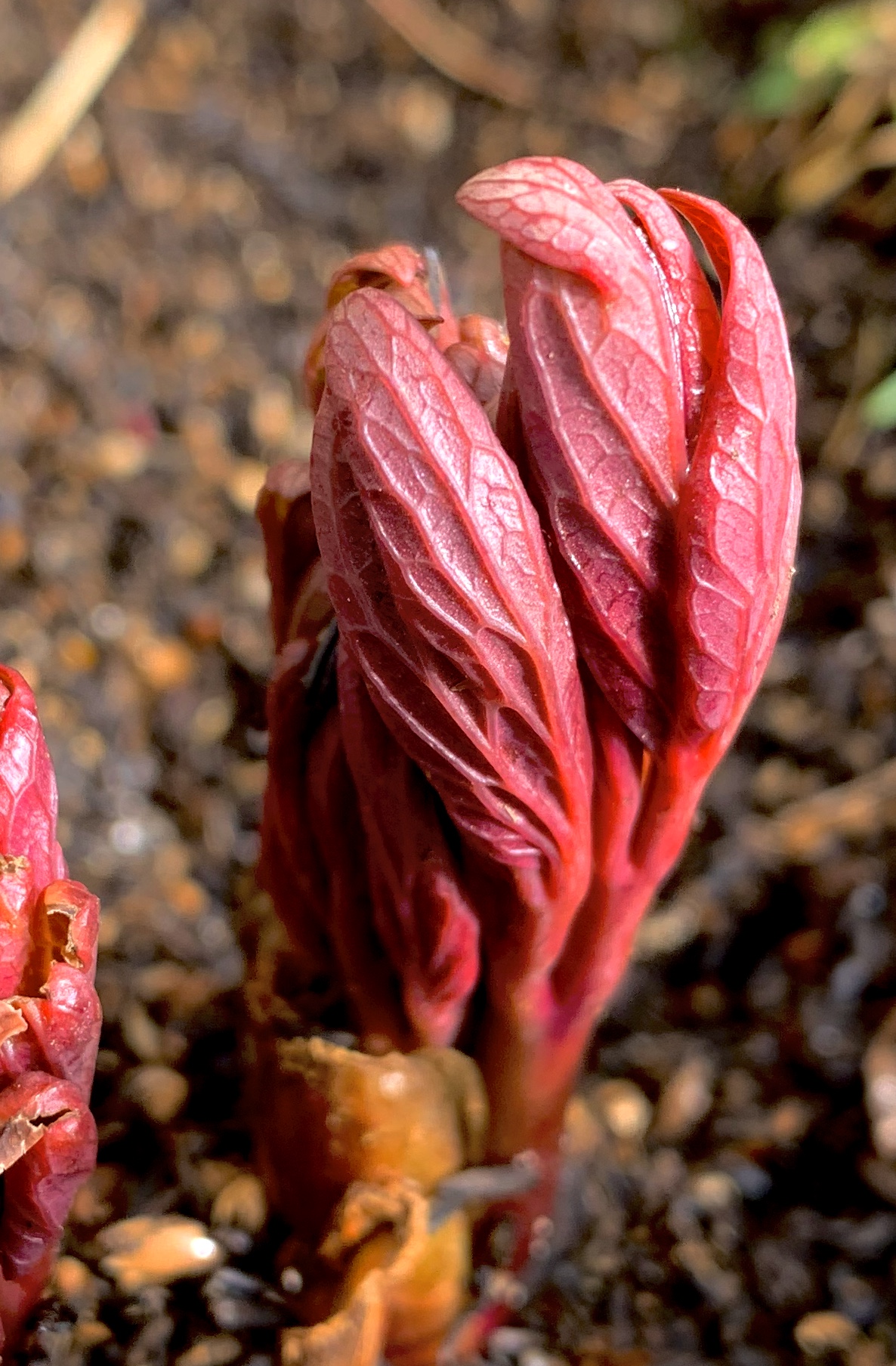
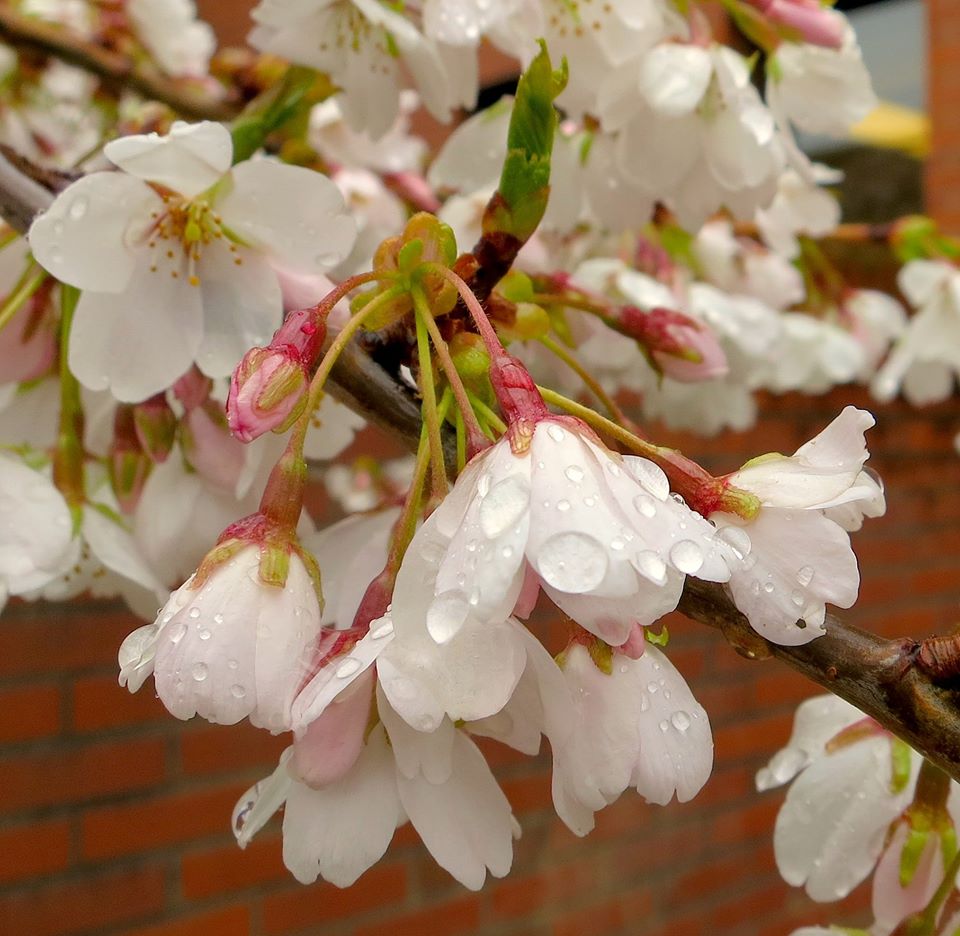
Suddenly, in the last week, buds are forming everywhere.
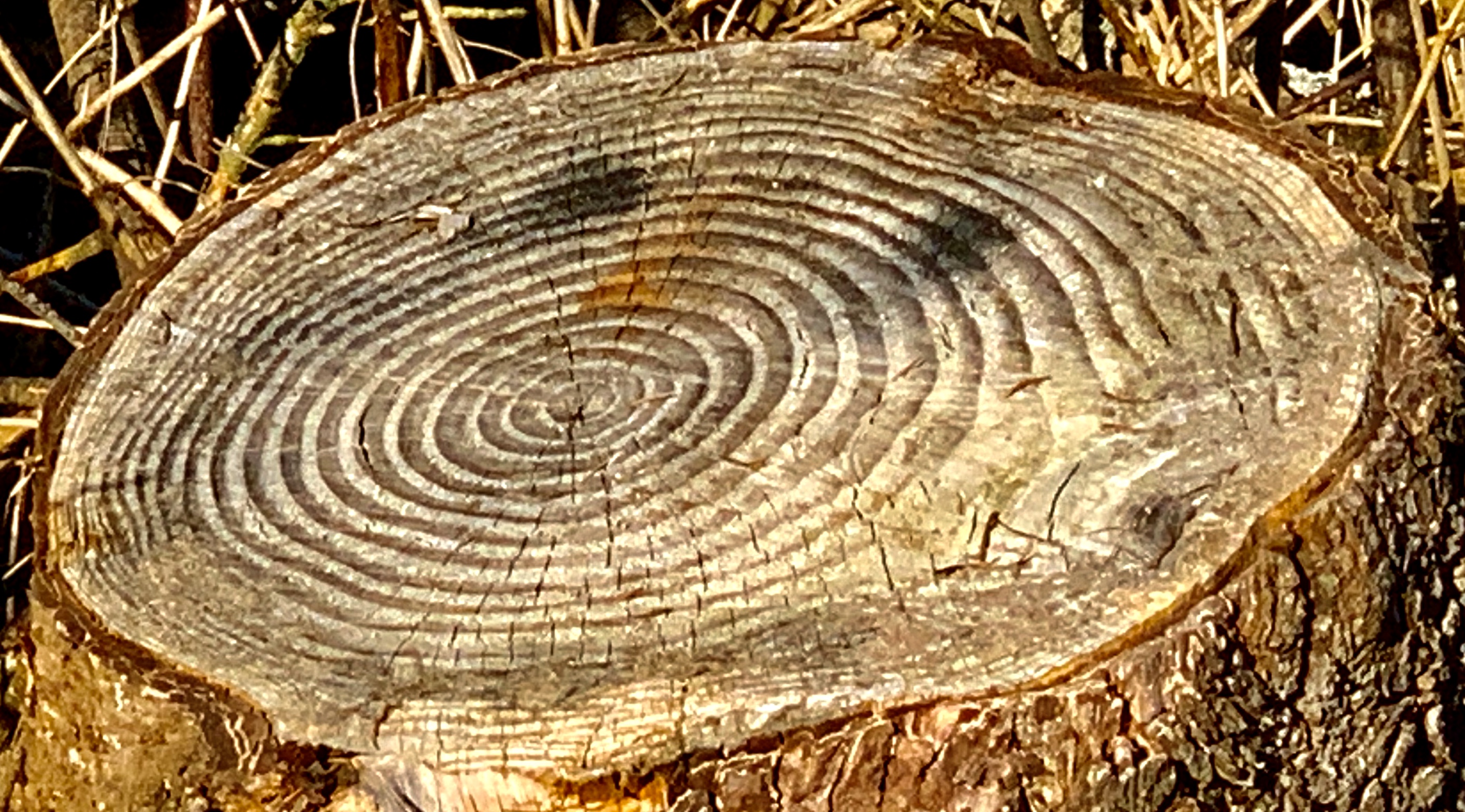
From seemingly dead wood that stands cold and dormant in late March, comes new life, returning like an old friend.
Transforming what seems lifeless, as if fresh air has been breathed into a corpse.
What could be more lifeless than a cross piece of timbers built specifically for execution?
Yet life sprung from that death tree, an unexpected and glorious bud, ready to burst into most fragrant blossom.
God sees us as we are, loves us as we are, and accepts us as we are. But by His grace, He does not leave us where we are. ~Tim Keller
O Deus, ego amo te, O God I love Thee for Thyself Nec amo te ut salves me, and not that I may heaven gain Nec quod qui te non diligent, nor yet that they who love Thee not Æterno igne pereunt. must suffer hell’s eternal pain.
Ex cruces lingo germinat, Out of the bud of the wood of the Cross Qui pectus amor occupant, wherefore hearts’ love embraces Ex pansis unde brachiis, whence out of extended arms Ad te amandum arripes. Amen. you lovingly take us. Amen. ~Prayer of St. Francis Xavier “O Deus Ego Amo Te” 18th Century Traditional
It was like a church to me. I entered it on soft foot, Breath held like a cap in the hand. It was quiet. What God there was made himself felt, Not listened to, in clean colours That brought a moistening of the eye, In a movement of the wind over grass.
There were no prayers said. But stillness Of the heart’s passions – that was praise Enough; and the mind’s cession Of its kingdom. I walked on, Simple and poor, while the air crumbled And broke on me generously as bread. ~R.S. Thomas “The Moor”
There are mornings surrounded by His stilling presence~ when God is felt, neither seen nor heard, overtaking me within each breath taken, following the path of each glistening tear, the air crumbling down around me, its rich manna becoming the ground reaching to meet my foot with each step I take.
God – the God who made the dust, who made the stars, who made the elements of which we are composed – that same God chooses from the beginning to make his dwelling among us, to live for all time like us, as a servant of the soil. I am the dust of the earth, but God declares that he is not too good, not too proud, for my dustiness. ~Daniel Stulac fromPlough Quarterly No. 4: Earth
What a piece of work is a man! …And yet, to me, what is this quintessence of dust?” ~ William Shakespeare in Hamlet’s monologue
This dust breathed upon to become man: earth, air, water and fire prove inadequate to quell the Spirit that rouses flesh and blood.
The dust of Christ, our transcendent hope, becomes the Garden restored, a seed planted in the soil of our hearts, sprouting from the plainest of ash.
I, plainest of the plain, breathe and pulse and weep and bleed~
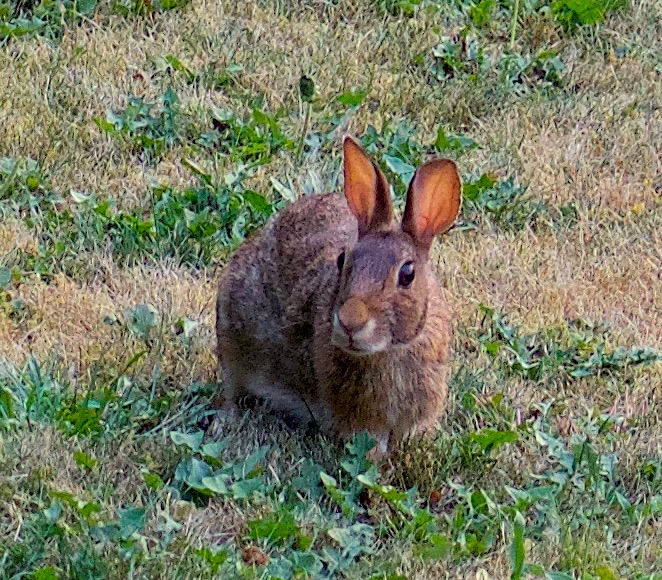
Eventually balance moves out of us into the world; it’s the pull of rabbits grazing on the lawn as we talk, the slow talk of where and when, determining what and who we will become as we age.
We admire the new plants and the rings of mulch you made, we praise the rabbits eating the weeds’ sweet yellow flowers.
Behind our words the days serve each other as mother, father, cook, builder, and fixer; these float like the clouds beyond the trees.
It is a simple life, now, children grown, our living made and saved, our years our own, husband and wife,
but in our daily stride, the one that rises with the sun, the chosen pride, we lean on our other selves, lest we fall into a consuming fire and lose it all. ~Richard Maxson, “Otherwise” from Searching for Arkansas
Our days are slower now, less rush, more reading and writing, walking and sitting, taking it all in and wondering what comes next.
I slowly adapt to not hurrying to work every other day, looking to you to see how I should parcel out each moment. Should I stay busy cleaning, sorting, giving away, simplifying our possessions so our children someday won’t have to? Or should I find some other kind of service off the farm to feel worthy of each new day, each new breath?
It is an unfamiliar phase, this facing a day with no agenda and no appointments. What comes next is uncertain, as it always has been but I didn’t pay attention before.
So I lean lest I fall. I breathe lest I forget how.



















 Barnstorming