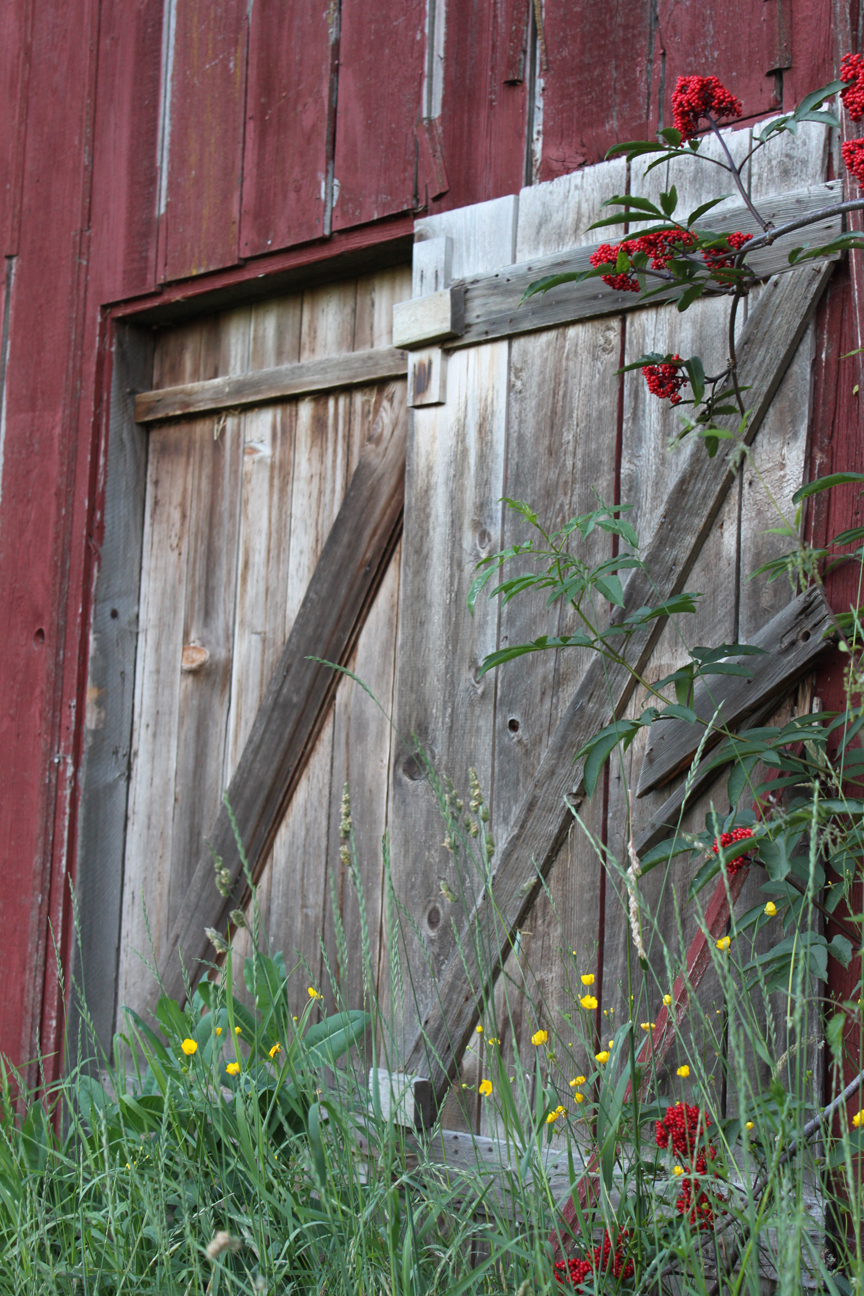
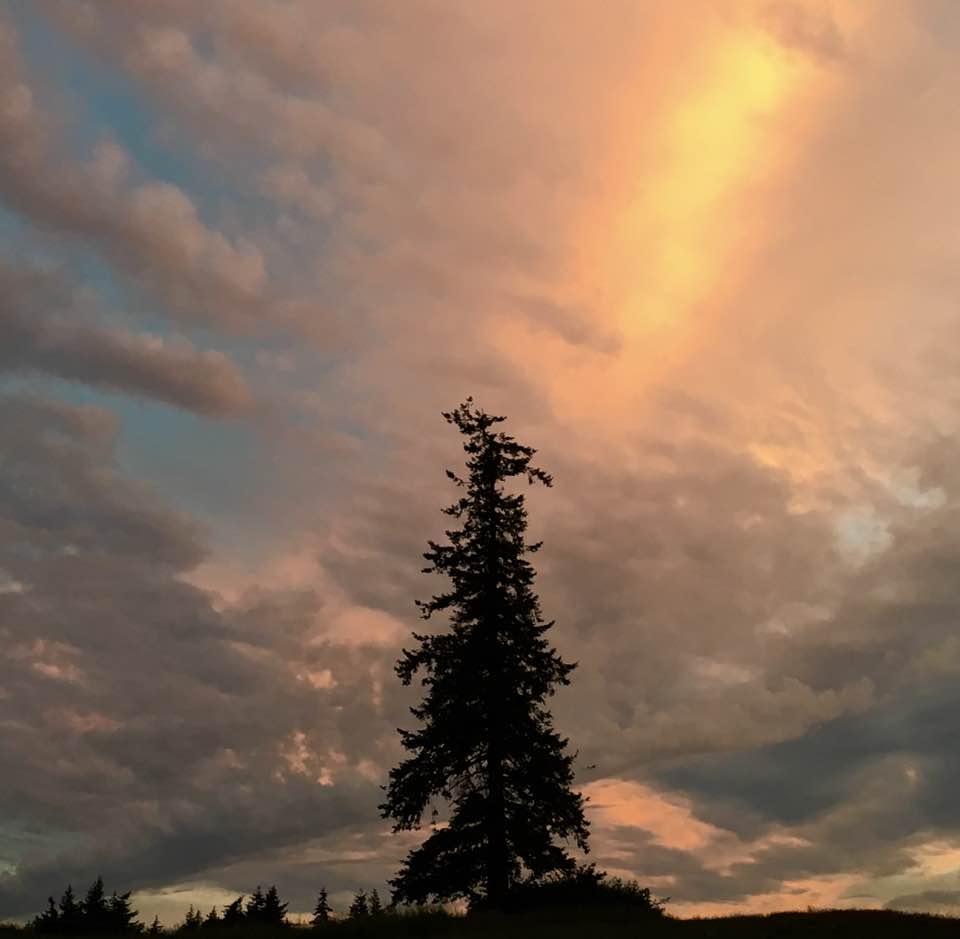
A sudden light transfigures a trivial thing, a weather-vane, a wind-mill, a winnowing flail, the dust in the barn door; a moment,- -and the thing has vanished, because it was pure effect; but it leaves a relish behind it, a longing that the accident may happen again. ~Walter Pater from his essay “The Renaissance”
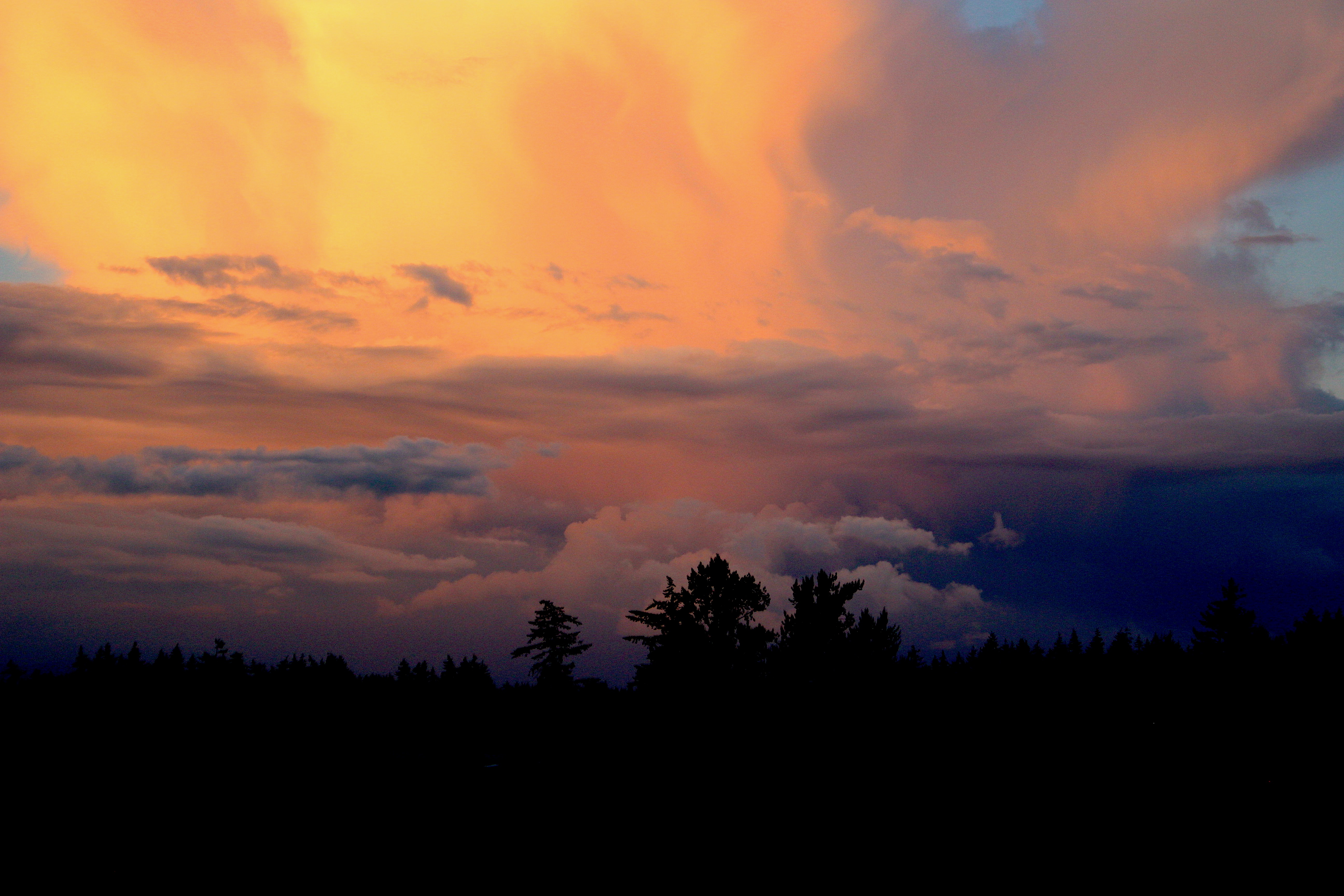
The accident of light does happen, again and again, but when I least expect it. If I’m not ready for it, in a blink, it can be gone.
Yet in that moment, everything is changed and transformed forever. The thing itself, trivial and transient becomes something other, merely because of how it is illuminated.
So am I, trivial and transient, lit from outside myself with a light that ignites me within. I’m transfigured by a love and sacrifice unexpected and undeserved.
Am I ready to be changed?
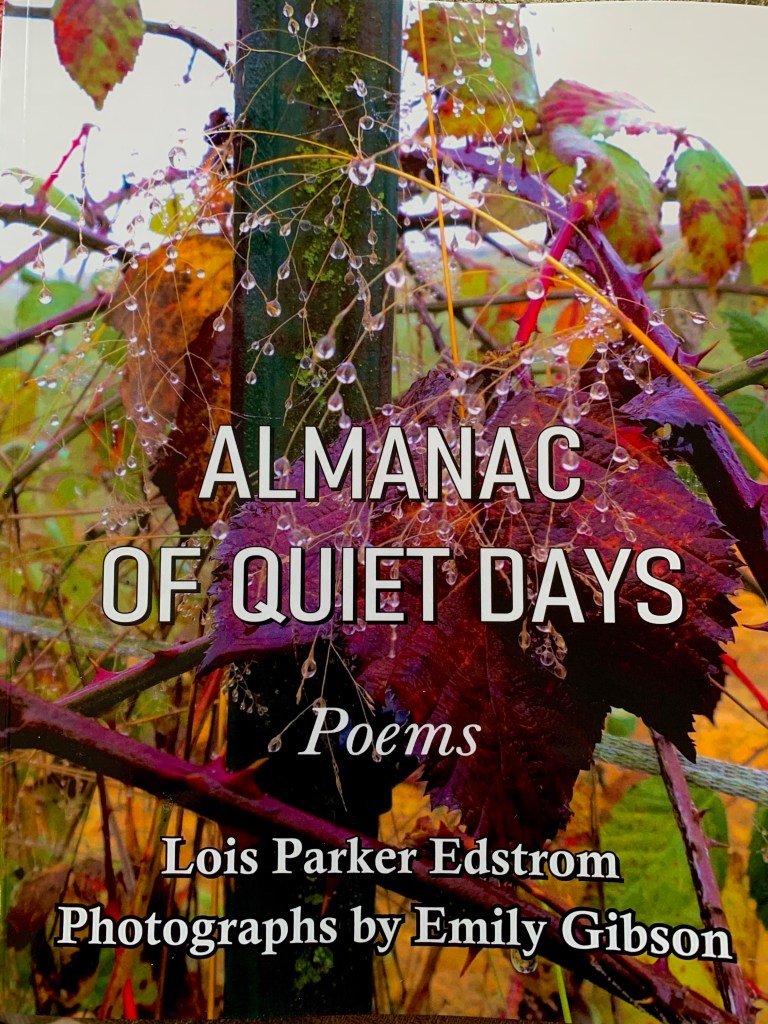
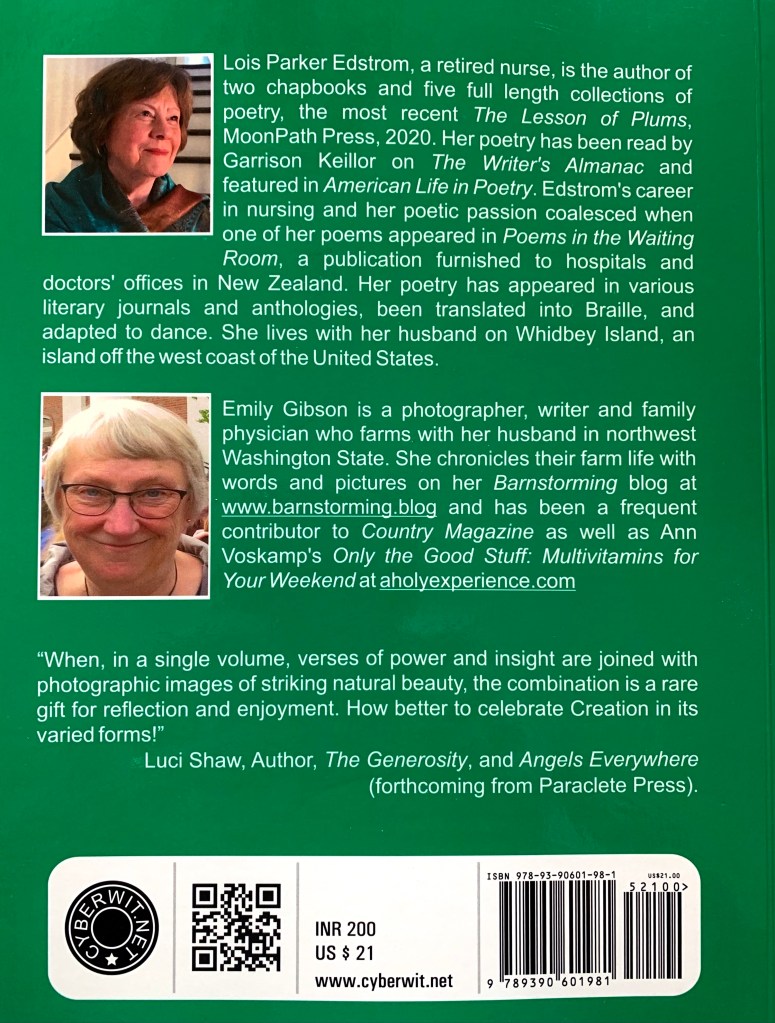
A book of beautiful words and photos, available for order here:
Behind the house in a field there’s a metal box I buried full of childhood treasure, a map of my secret place, a few lead pennies from 1943. The rest I’ve forgotten, forgotten even the exact spot I covered with moss and loam. Now I’m back and twenty years have made so little difference I suspect they never happened, this face in the mirror aged with pencil and putty. I suspect even the box has moved as a mole would move to a new place long ago. ~Dan Gerber “The Cache” from Particles
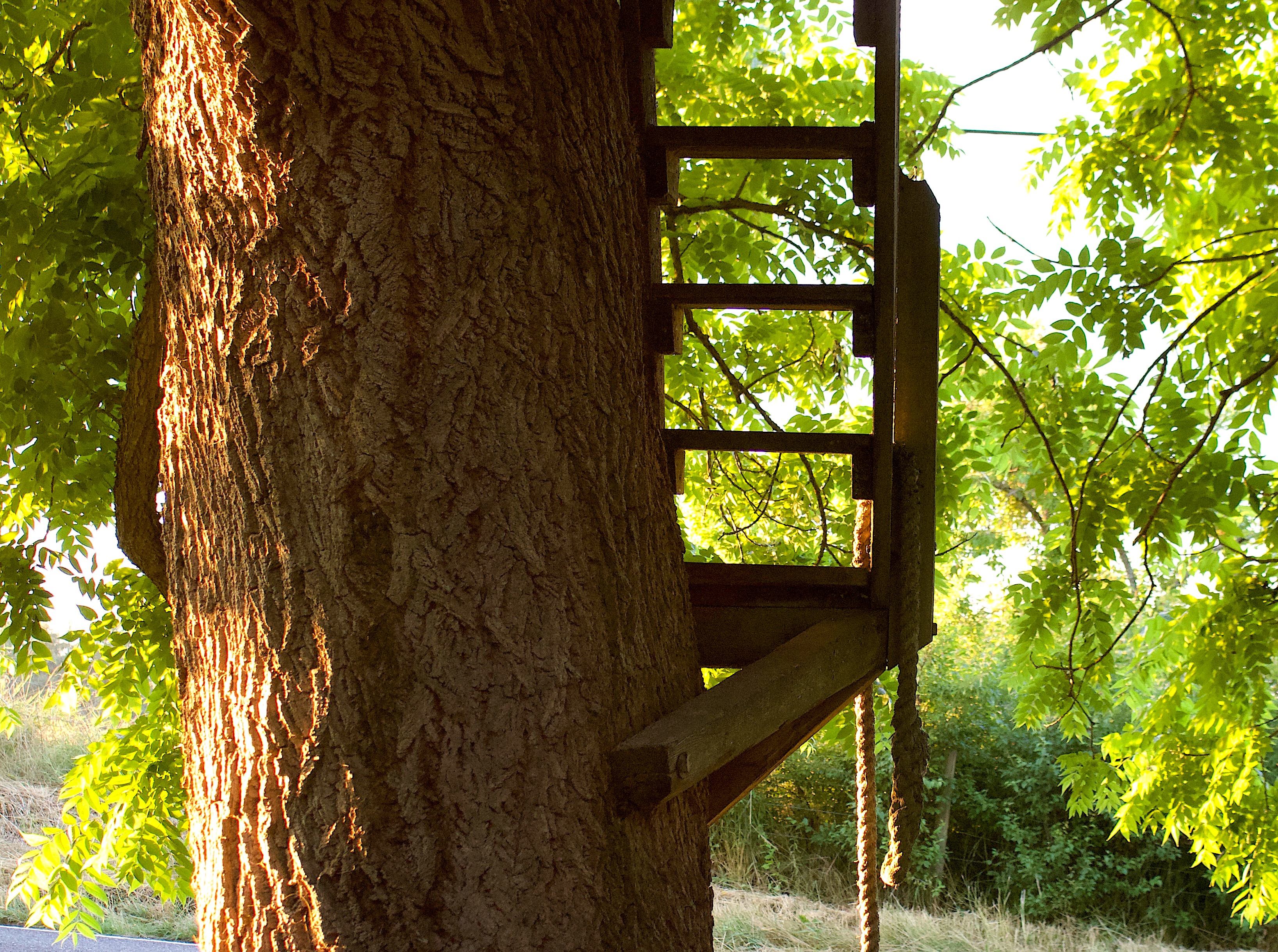
Icame upon an oak where once when I was twelve I had climbed up and screamed for Skip to get me down. It was a thousand miles to earth. I shut my eyes and yelled. My brother, richly compelled to mirth, gave shouts of laughter And scaled up to rescue me. “What were you doing there?” he said. I did not tell. Rather drop me dead. But I was there to place a note within a squirrel nest On which I’d written some old secret thing now long forgot.
{Now} I lay upon the limb a long while, thinking. I drank in all the leaves and clouds and weathers Going by as mindless As the days. What, what, what if? I thought. But no. Some forty years beyond!
I brought forth: The note.
I opened it. For now I had to know. I opened it, and wept. I clung then to the tree And let the tears flow out and down my chin. Dear boy, strange child, who must have known the years And reckoned time and smelled sweet death from flowers In the far churchyard. It was a message to the future, to myself. Knowing one day I must arrive, come, seek, return. From the young one to the old. From the me that was small And fresh to the me that was large and no longer new. What did it say that made me weep?
I remember you. I remember you. ~Ray Bradbury from “Remembrance”
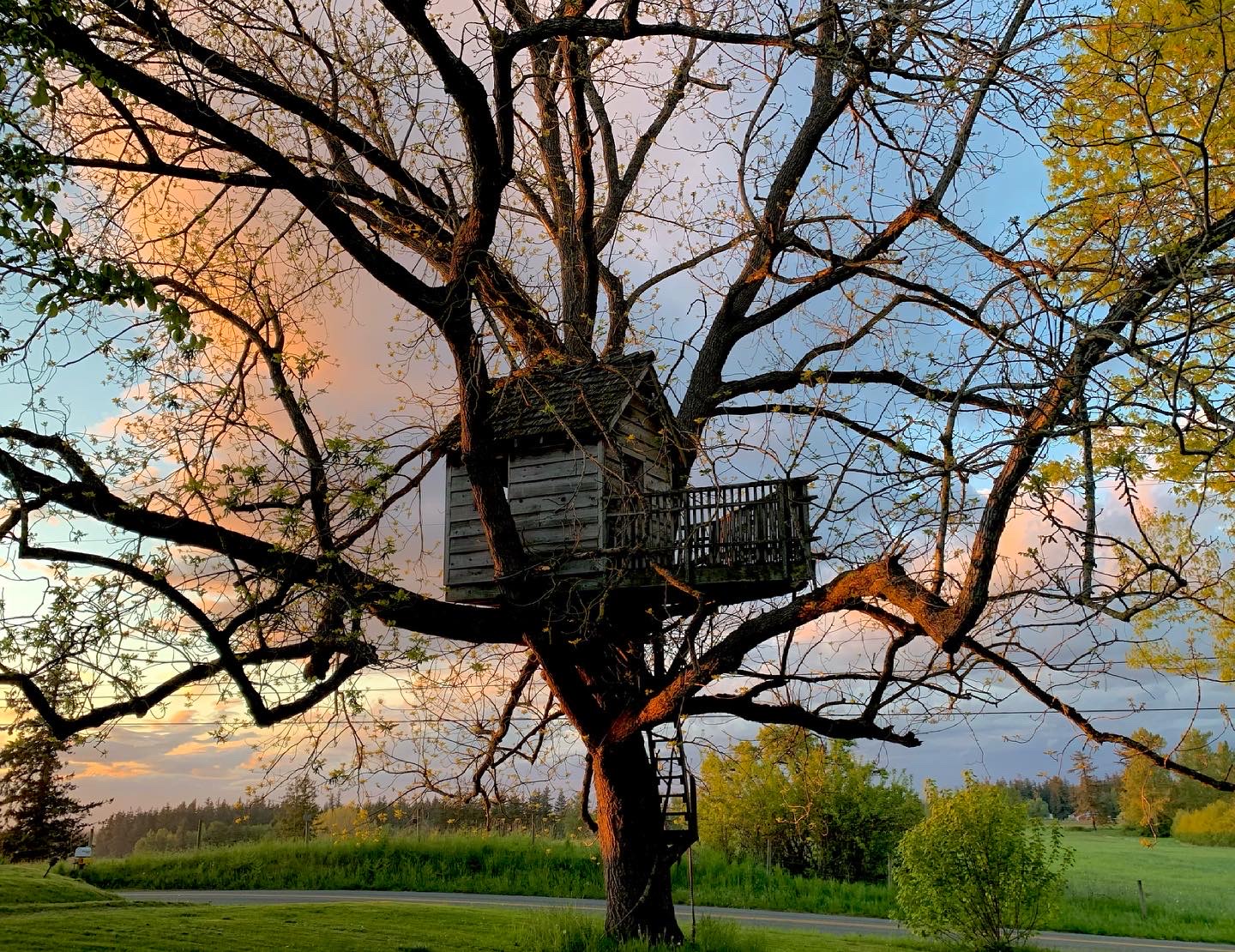
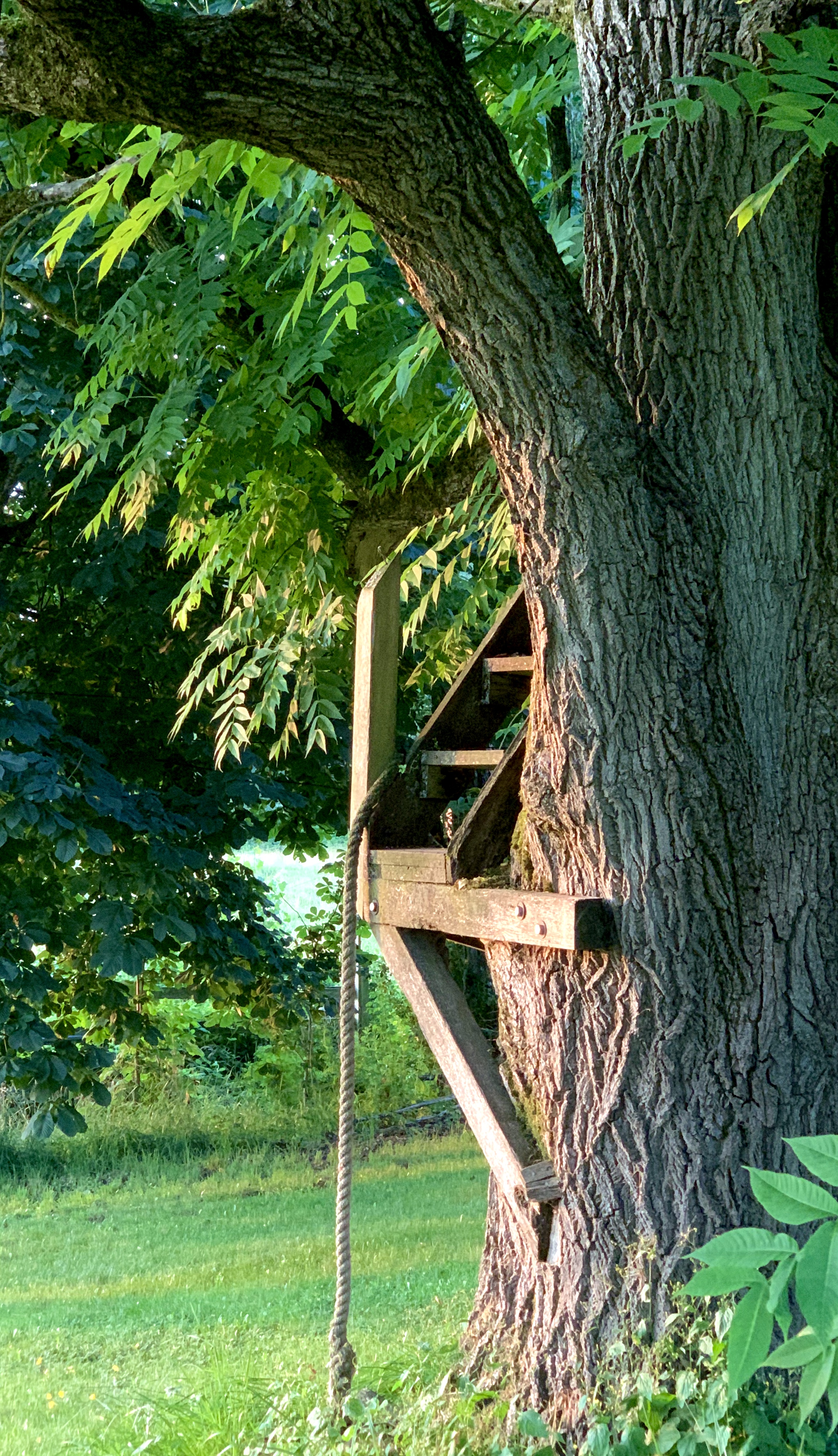
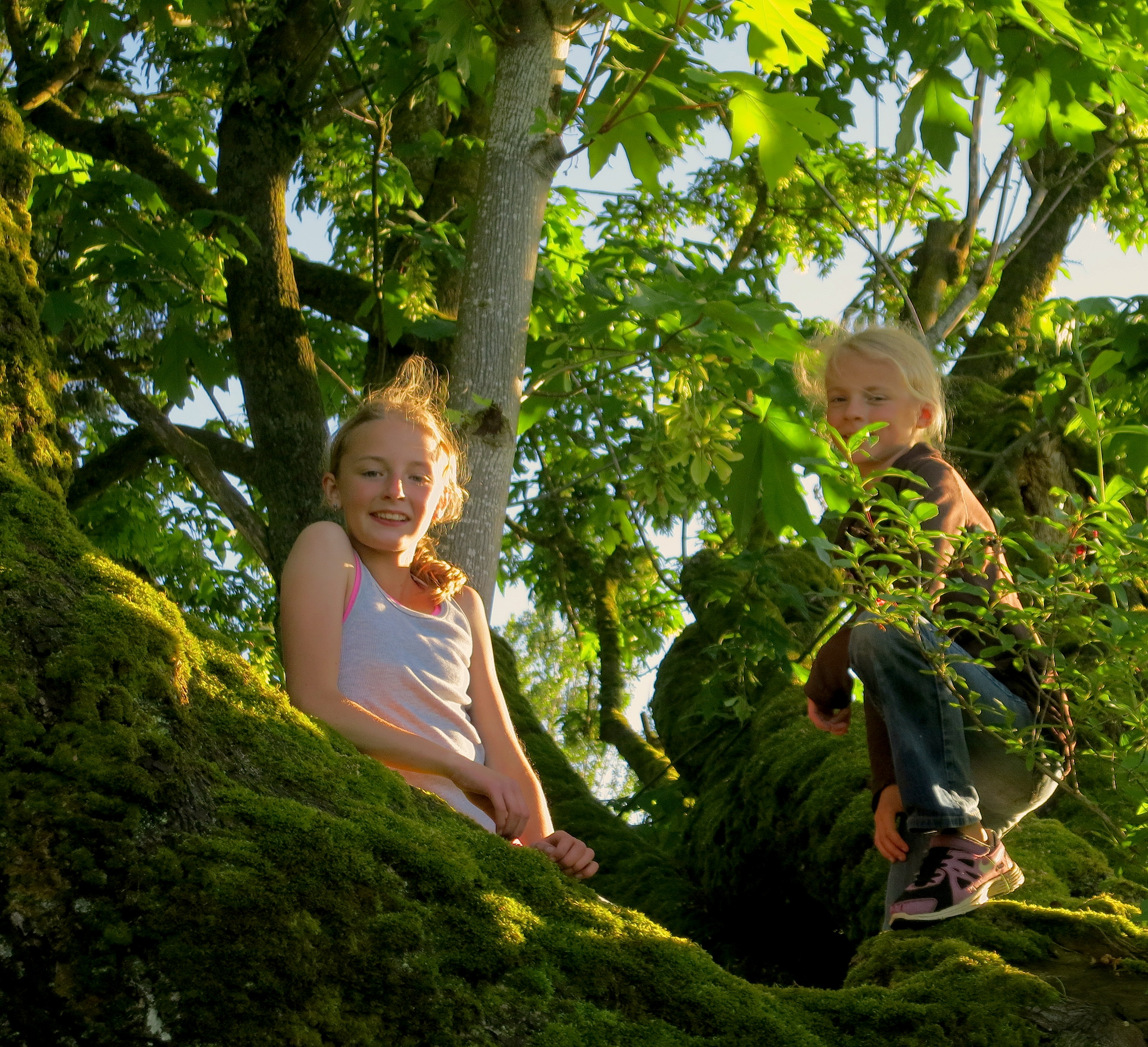
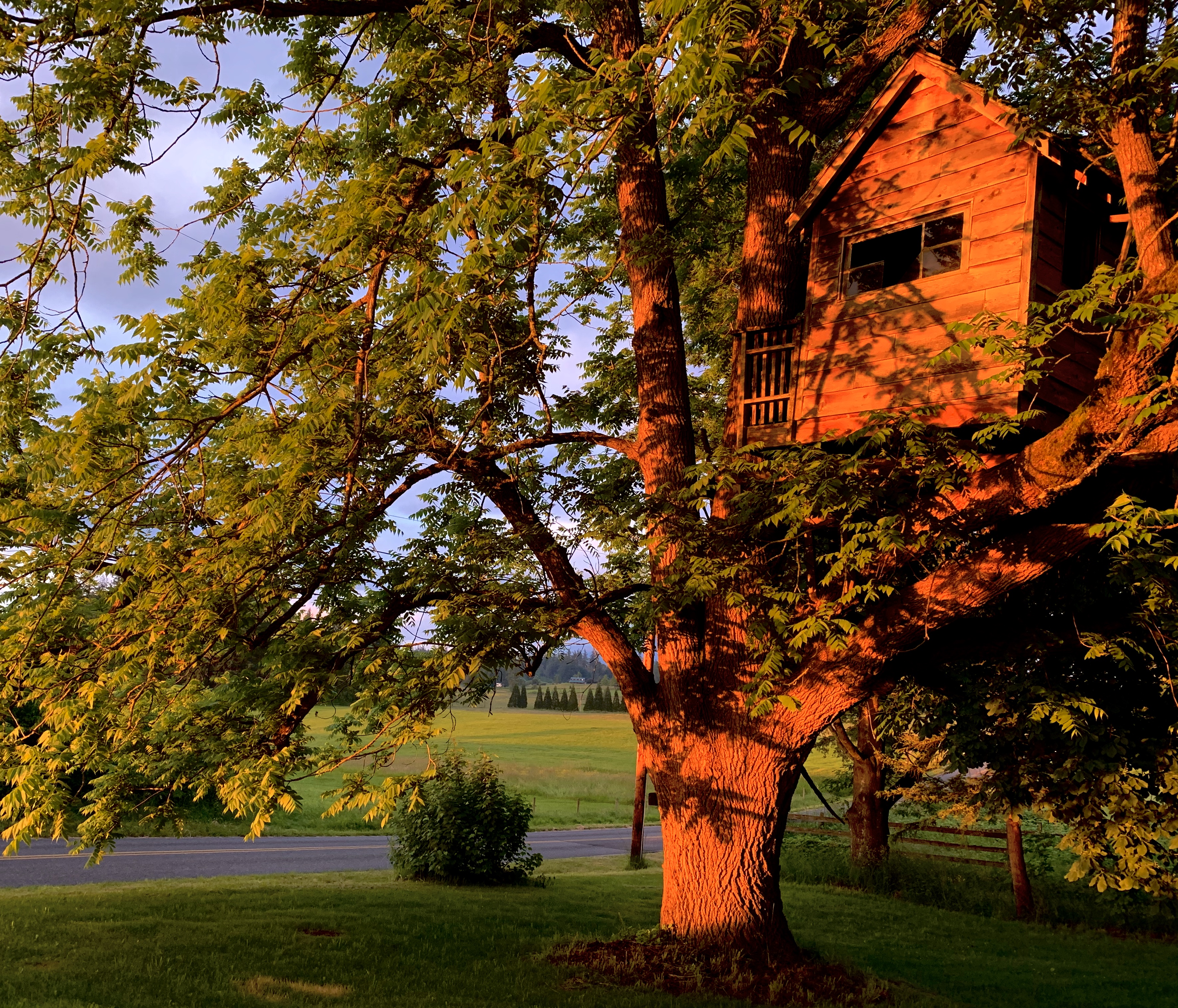
As a child, I left secret notes to my future self, in hidden crevices of old barns, and attic lofts up rickety stairs, and yes, even in trees, but never went back to retrieve them except in my rare dreams of growing up on Friendly Grove Road.
Back then my ten year old heart tried to imagine me sixty some years hence (counting out how old I would be in 2020 something) as I squirreled away in some secret place.
What fears and joys would pass through like pumping blood, what wounds would I bear and cause to bleed, what smiles and tears would trace my face?
I have not forgotten who I was then.
No, I have never forgotten that girl who kept secrets, who dreamed of a someday gray-haired grandma who now looks back to my secret places, and remembers being remembered.
A book of Barnstorming photos and poems by Lois Edstrom is available for order here:
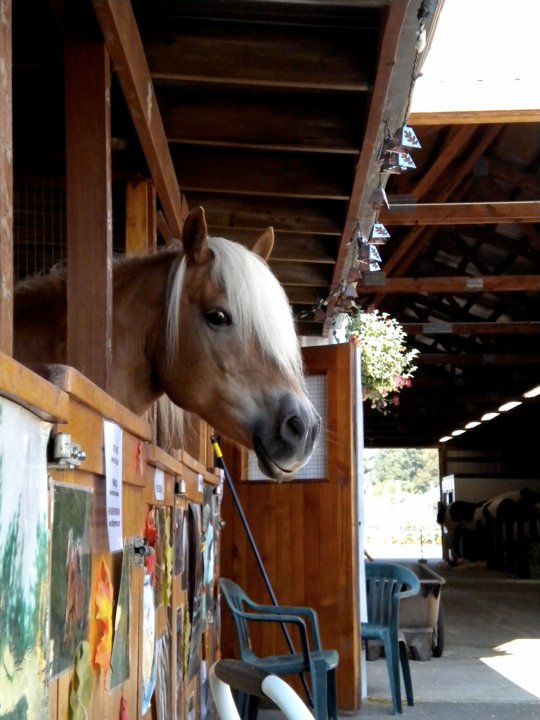
The Northwest Washington Fair in Lynden is underway this week and for the ninth year in a row, our Haflinger horses aren’t there on display. I feel wistful as I wake up too early on a foggy summer morning, remembering the twenty years where I would gather up our sleepy children and their friends and head into the fairgrounds to clean stalls, walk the ponies and prepare for the day. We are no long “doing” the fair as a farm, and I’m still a little bit sad about that.
Our farm, BriarCroft, had been a consistent presence at this fair for nearly two decades, promoting the Haflinger breed in a well-decorated outdoor display, providing 24 hour a day coverage for the horses for the 6 days of the fair. We petitioned the Fair Board for 5 years in the late 1980s to allow us to display at the fair, and they finally said “okay, here’s the space, build it yourself” and we did! We were not there for classes, competition, or ribbons. We were there because people enjoyed our Haflingers and we enjoyed the people.
But now that our children are all grown up and moved away, we lack their help to “man” the horse stalls. I miss spending that intense one week time with all of the several dozen “kid” helpers from over the years, most of them now with children of their own.
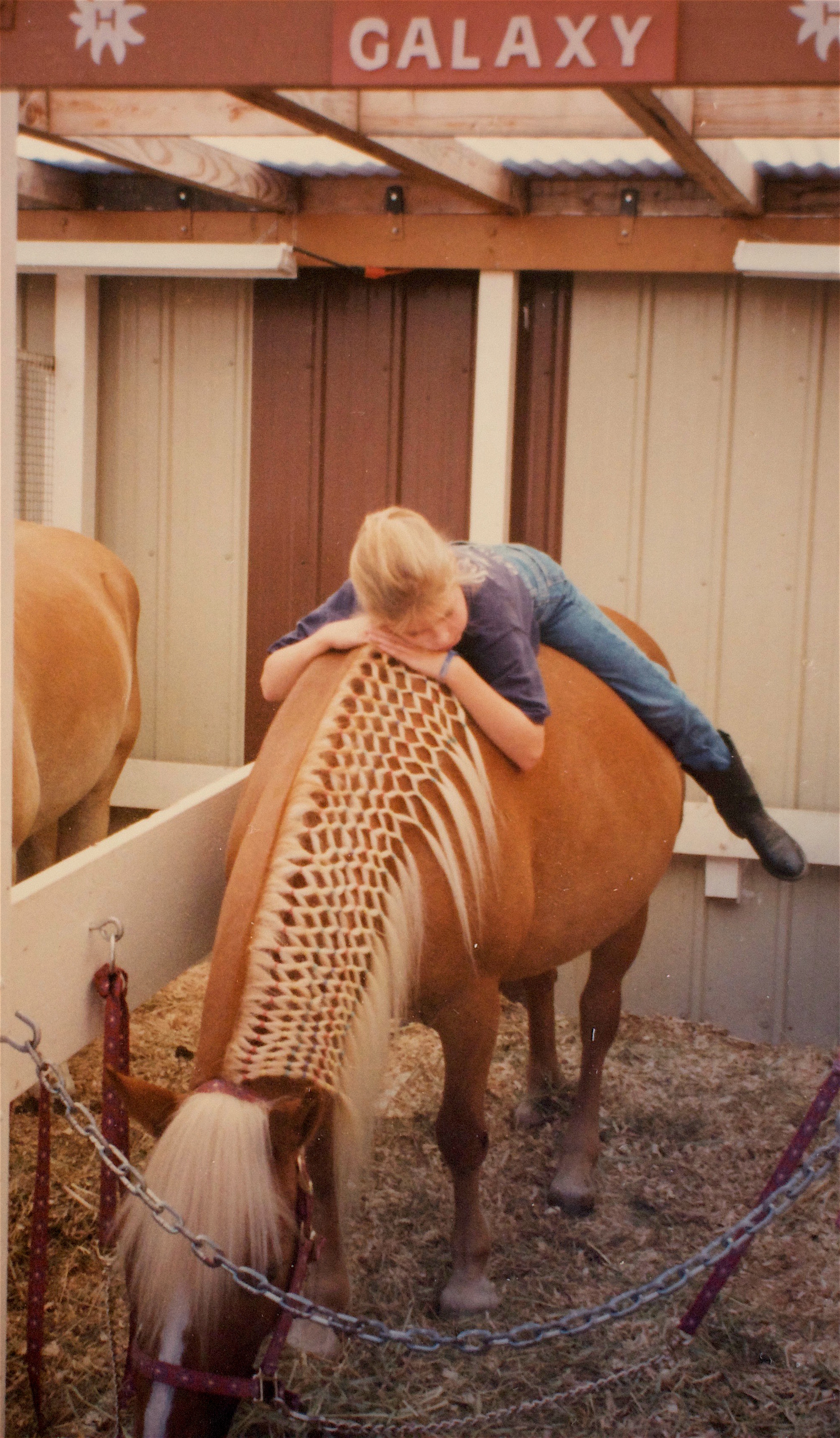
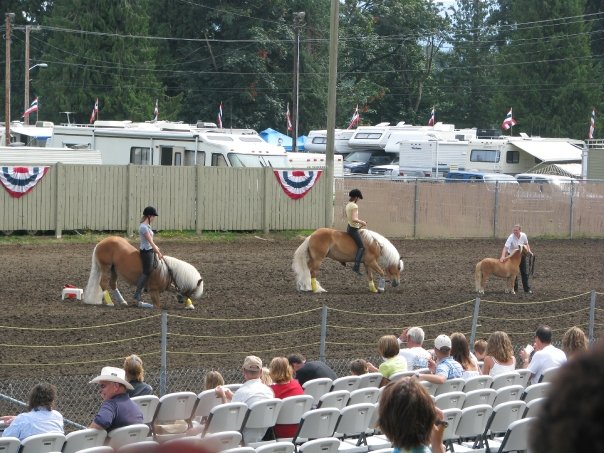
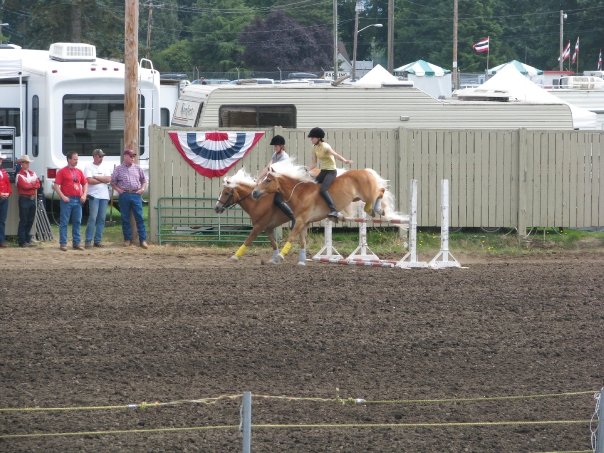
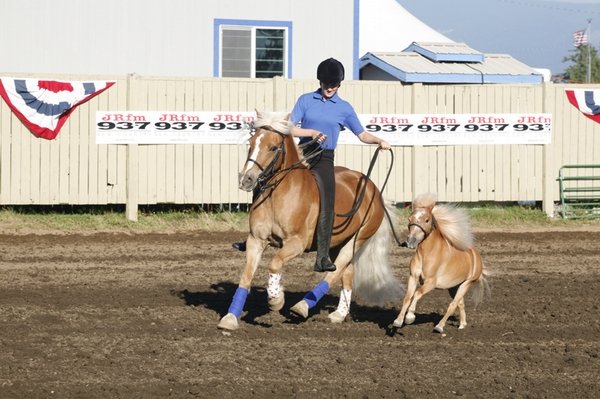
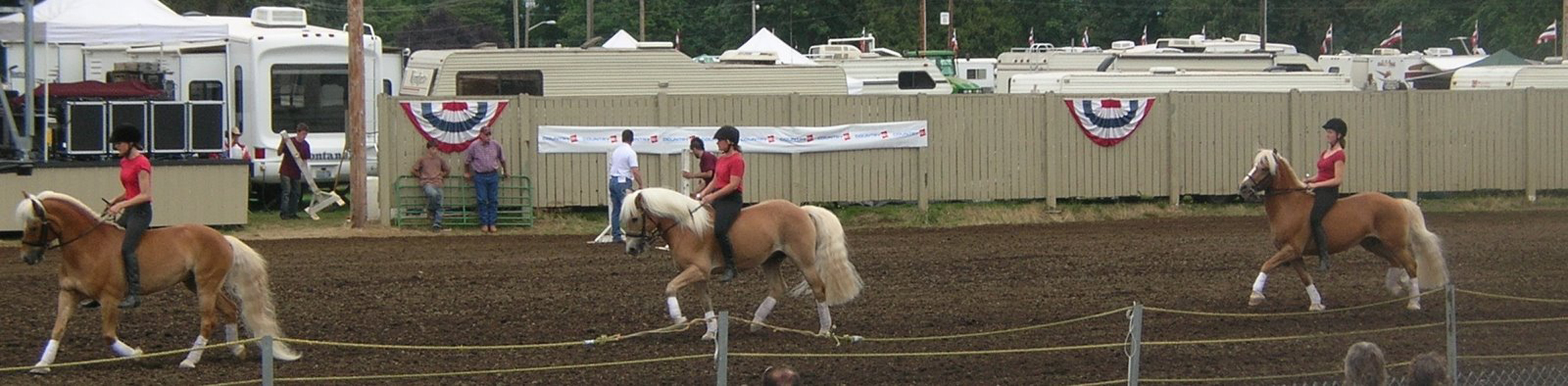
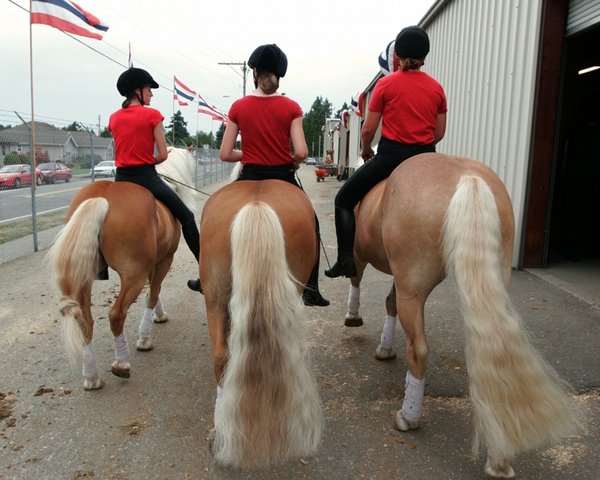
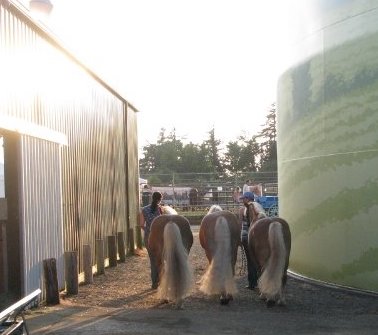
Every year between 1992 and 2012, we were there, sometimes sharing space and duties with other Haflinger farms (Rodenbergers and McKees), along with several brave young women (Kelsy Smith, Chesna Klimek and Emily Vander Haak) who did Haflinger “trick riding” as part of the daily Grandstand show. The older kids watched the younger kids, the in-between kids did most of the horse stall cleaning duty, and we adults sat and shot the breeze.
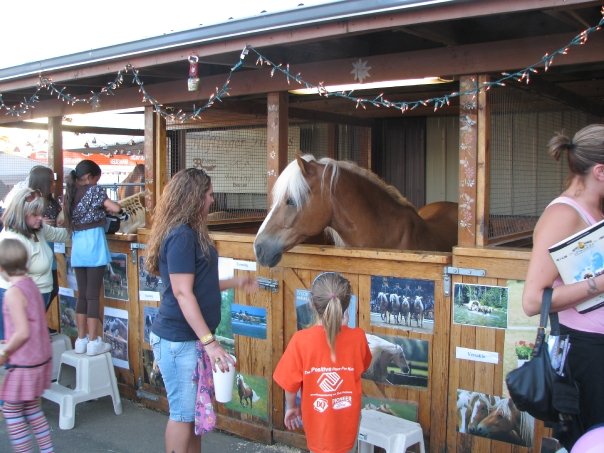
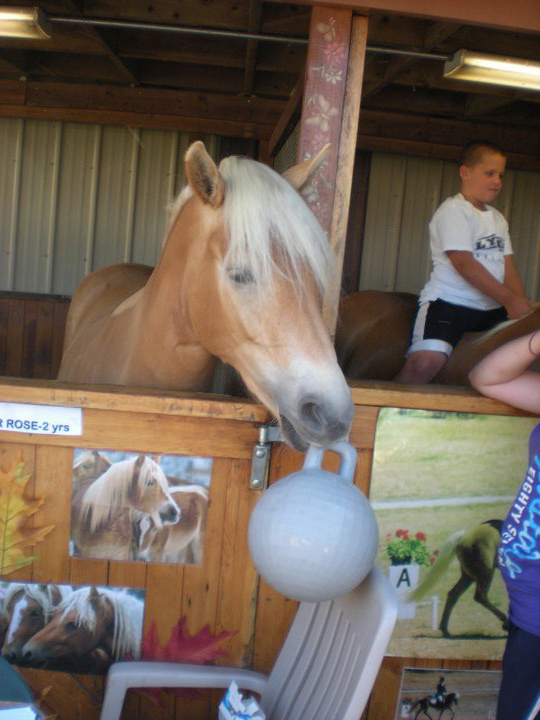
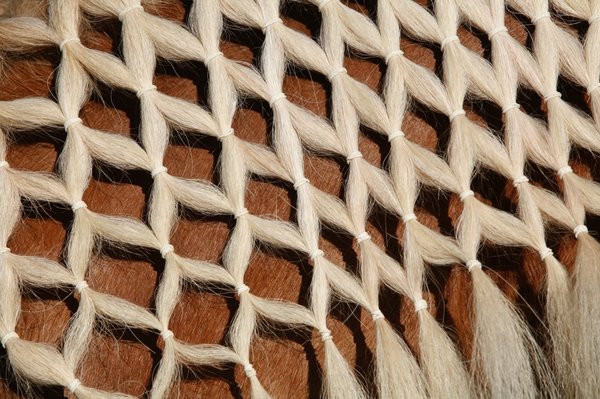
Our display created good will for the fair visitors who depended on us every year to be there with horses that they and their children could actually pet (and sit on) without fear, who enjoyed our braiding demonstrations, and our various Haflinger trivia contests with prizes. Our horses came to represent what dreams are made of.
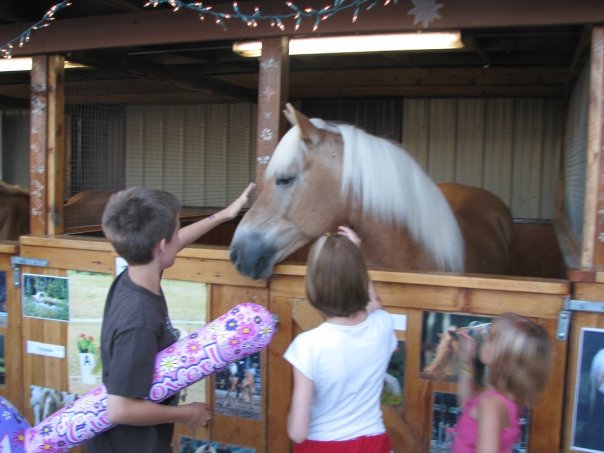
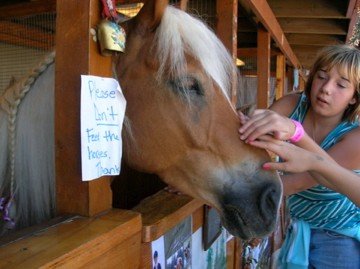
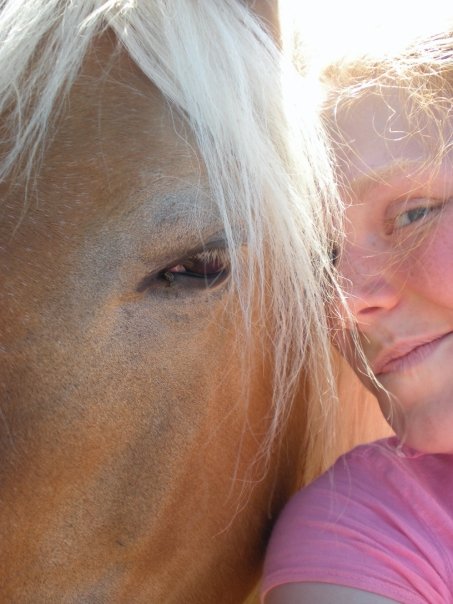
Countless times a day there would be a bright eyed child who approached our stalls, climbed up on the step stools and reached up to pet a Haflinger nose or neck and looked deep into those big brown Haflinger eyes, and lost their heart forever to the breed. They will not forget that moment when a horse they had never met before loved them back. Haflingers are magic with children and we saw that over and over again.
Our first year, in 1992, a mom and her 6 year old son came up to our stalls, as do some 10,000 people a day, and spent a long time petting the horses and talking to them, and enjoying them. They walked off, with the little boy looking over his shoulder at the Haflingers until they turned a corner and went out of sight. An hour later they were back and spent more time with the Haflingers. I offered the little boy a chance to sit on a Haflinger, and he agreed readily, and sat and sat and sat, playing with the mane and petting the shoulder and neck and was simply in heaven, quietly dreaming his own dreams on the back of a horse. His mom told me that they lived in a suburb near Seattle, but always spent this particular week in August at a local beach cabin, and the fair was one of their favorite activities each year. Her son Gary had never had an opportunity to sit on a horse before.
Next year, they were back, and Gary was a little taller, but still a quiet boy, and he kept dragging his mom back to the Haflingers, and she’d sit and visit as he’d sit on the Haflingers. He watched as we watered the horses, or fed them hay, or cleaned their stalls, and pretty soon he was asking if he could do the scooping, or dump the buckets or brush the horses. So he became, out of his own initiative, a helper.
By the time he was 8, he was spending several hours at a time with us at the stalls, taking his turn at the chores, and his mom, trusting that he was in good hands, and that he certainly wasn’t going to wander away from the Haflingers, would check back with him now and then to see if he wanted to go on rides, or see a performance, and his response was always “no, I can do that anytime, but I don’t get to see Haflingers very often!” He would talk a little about his hope someday to have a farm where he could raise Haflingers, and one year even said that his folks were looking at property to buy with acreage, but apparently a job for his dad didn’t materialize, so he remained a city kid in reality, even if he was a future farm kid in his heart.
Gary was one of our regular kid helpers every year until he was 12 when he started turning out for junior high football, and the football summer camp coincided with our fair week, so we’d only see him briefly on Saturdays as he got into his teens. He’d stop by to say hi, pet the horses, catch up on the Haflinger news, and because he only had a few hours to spend at the fair, he’d head off to other things. I really missed him and his happy smile around the stalls.
When he was 15, I missed seeing him because I was working when he stopped by. When he stopped by at age 16, he strolled up to me and I found I was looking up at this young man who I had to study to recognize. I’m a tall woman of 5’10”–he was at least 4 inches taller than me! He told me he wanted to come by because some of his best summer memories were of spending time with the Haflingers at the fair and he wanted me to know that. He thanked me for welcoming him and allowing him to “hang out” with the Haflingers. He told me his hope and dream someday was to live somewhere where he could raise Haflingers, and he was working hard in school so he could make that happen. He was a 4.0 student and the first string quarterback on his high school football team. I was as proud as if he was my own son.
This young man received a full scholarship to play football at a major university, and over four years waited his turn to be the starting quarterback. Once he had his chance, after only a few games of being the starter, he was tackled hard, sustaining a neck fracture which thankfully resulted in no permanent damage, but his college football career was suddenly over.
I have lost track of Gary over the years and I hope he is faring well. I hope his connection with our horses left him with a legacy of love for animals he’ll pass onto his children someday.
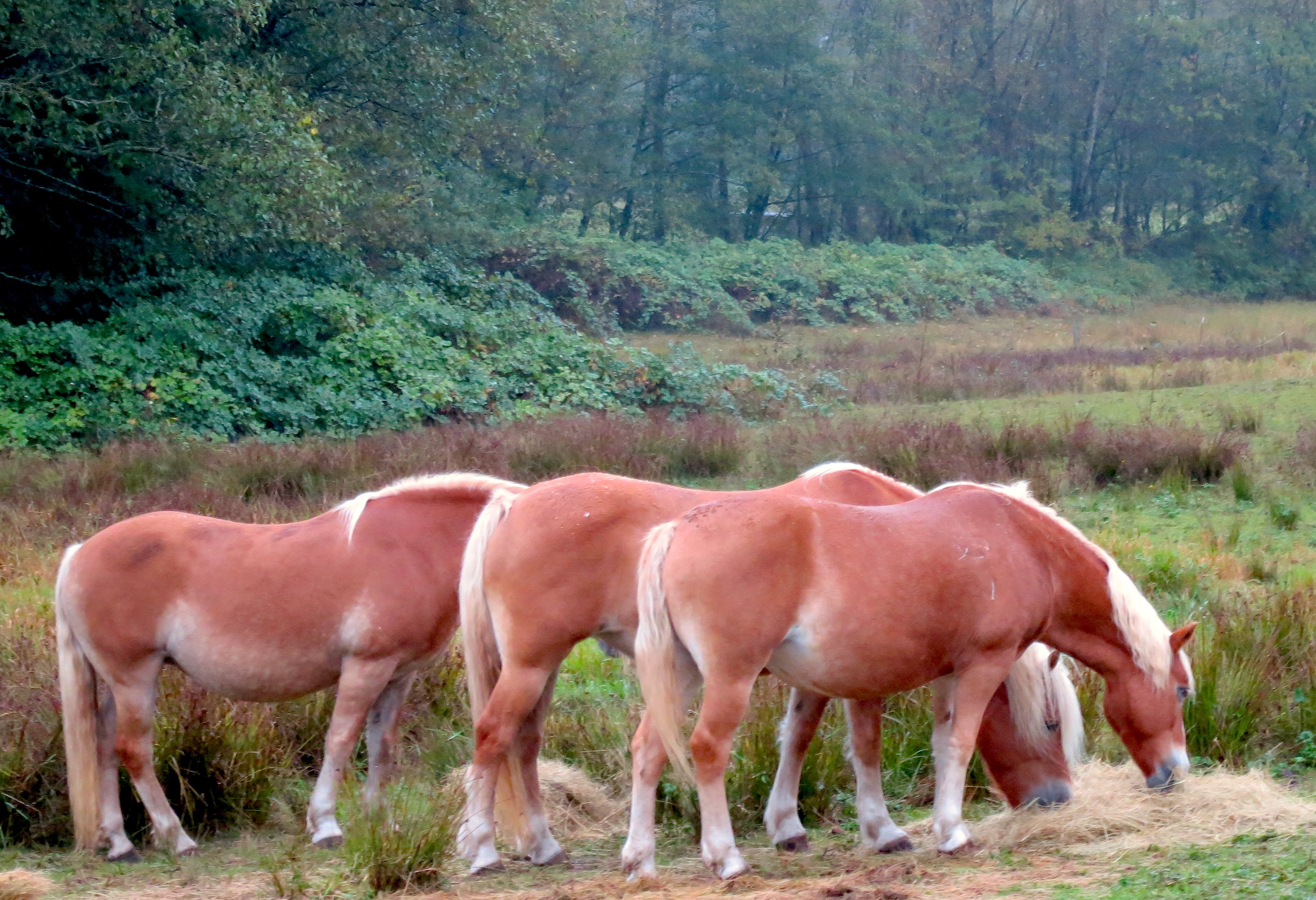
So on this misty late summer morning, instead of heading to the fairgrounds to clean stalls, I’m going to turn our dusty, unbathed Haflingers out in the field as usual. They don’t even know all the excitement they are missing.
I do hope the fair-goers still miss the friendly golden horses, with the big brown eyes, who helped make dreams come true.
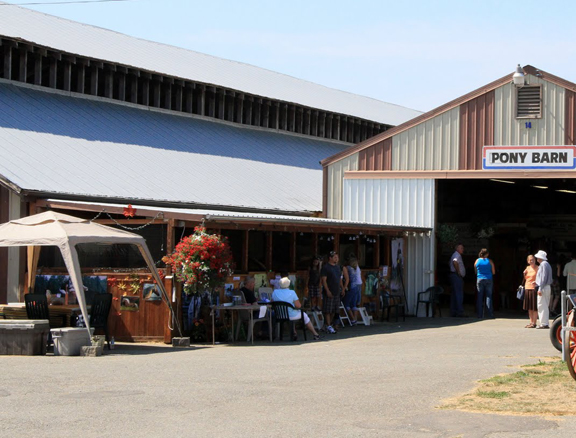
Our Haflinger display at the NW Washington Fair
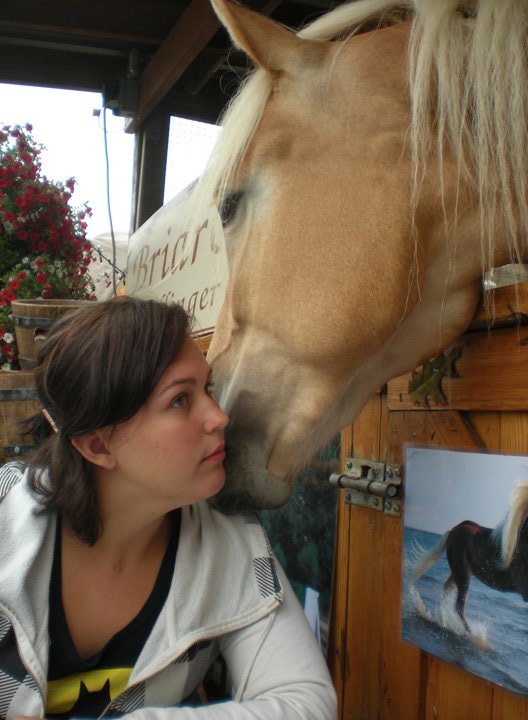
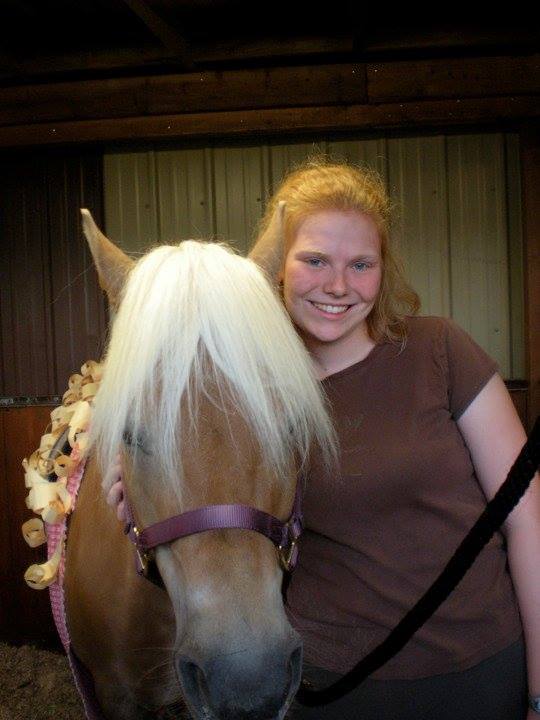
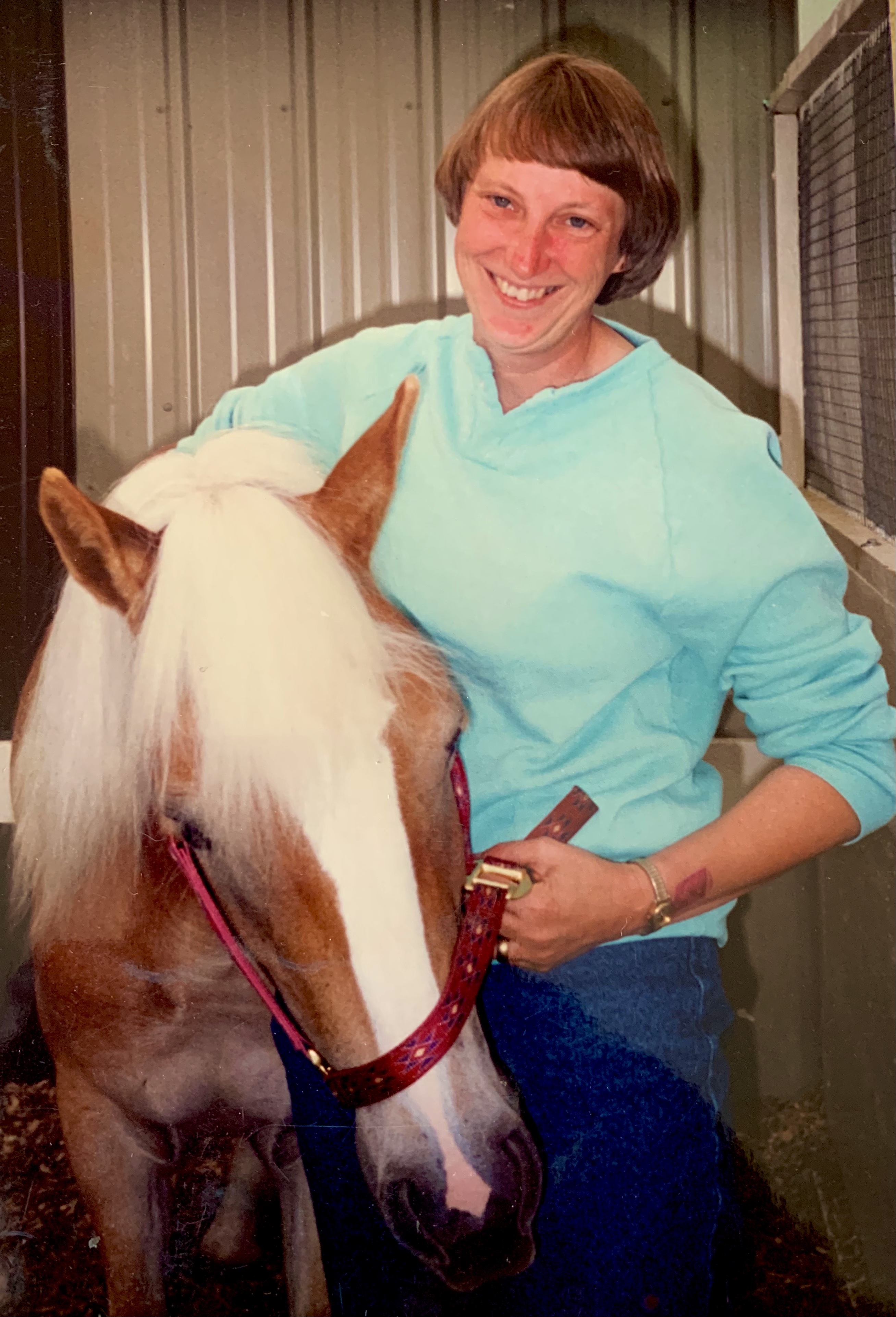
Trillium as a yearling with me at the fair 1993 – she is still part of our herd at age 29
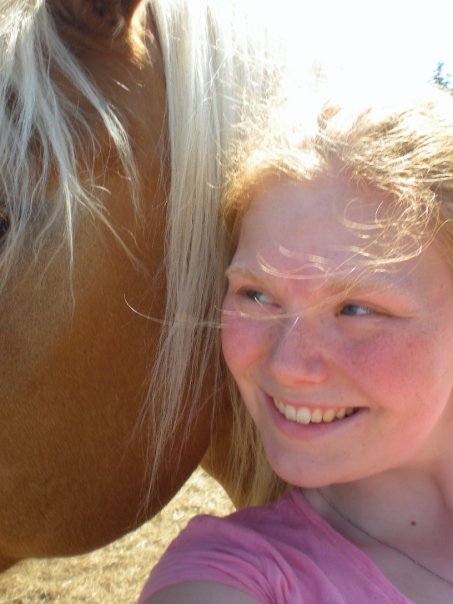
Thank you to Lea Gibson Lozano, Emily Vander Haak, Kelsy Smith, and Chesna Klimek for their photos in this collection.
A photo of our Haflingers and poems are found in this new book from Barnstorming, available to order here:
fond of heights, that he hated putting up the pipes
to fill the silo, that he did not enjoy climbing to the top
of the barn to fix the pulley on the hay-sling.
I have no desire to be in the air, he says.
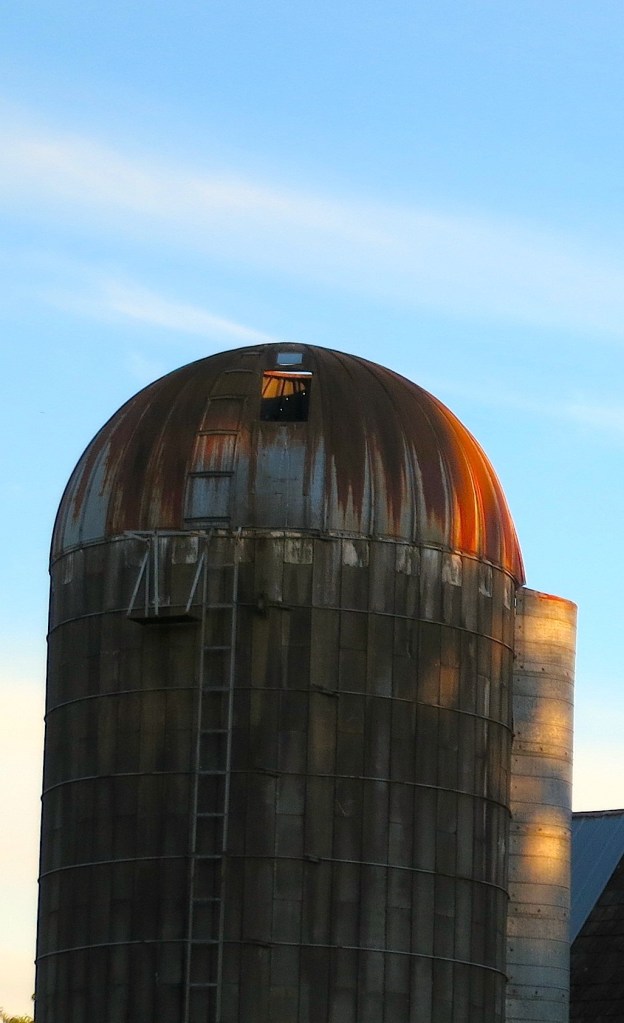
And I always thought he loved walking the rim of the silo,
waving his hat in circles overhead, shouting down to where we stood grounded and gazing up at him. ~Joyce Sutphen “Grounded” from First Words
As much as I loved it, riding on my father’s shoulders when I was small was more than high enough for me: he was a tall man and I felt I could reach the sky when I was up there. He would dip me down and swoop around and I felt I was flying with my tummy tickling the whole time. It was sheer delight but only because my dad was attached to the ground and I was held tightly by him. I was safe because he was.
When I was five, it took me months to be brave enough to climb the steps to go down the slide on my kindergarten playground – I lied to my parents that I had done it way before I actually did and they were so proud for me. This meant when I actually screwed up the courage and did it months later, there was no one I could brag to – I had ruined my own achievement with my previous deceptive bravado.
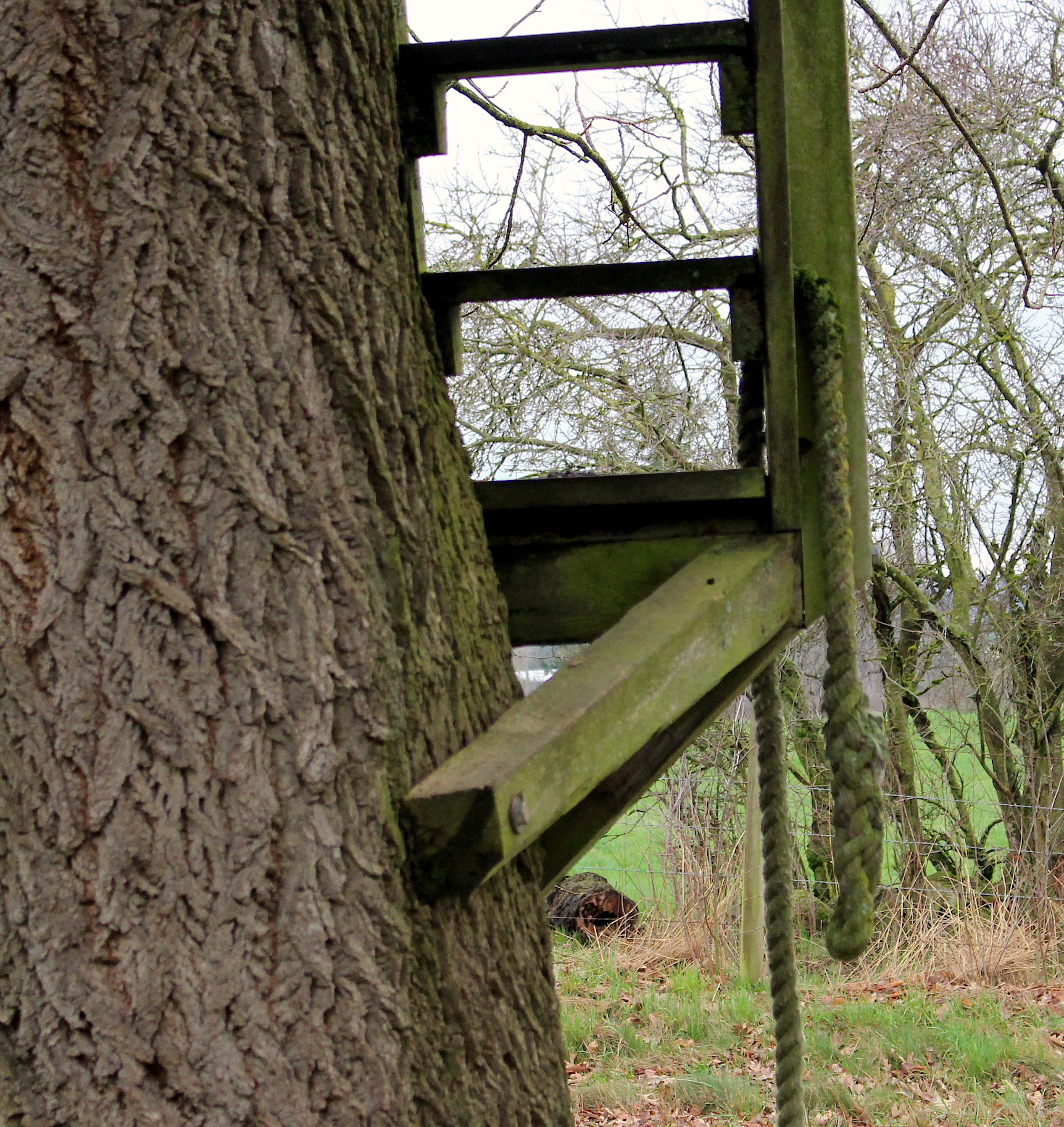
Climbing ladders into the hay loft to fetch hay bales still requires bravery that I sorely lack. Going up the steps doesn’t bother me nearly as much as the fact I must eventually come down…somehow… and it is the descent that seems far more terrifying.
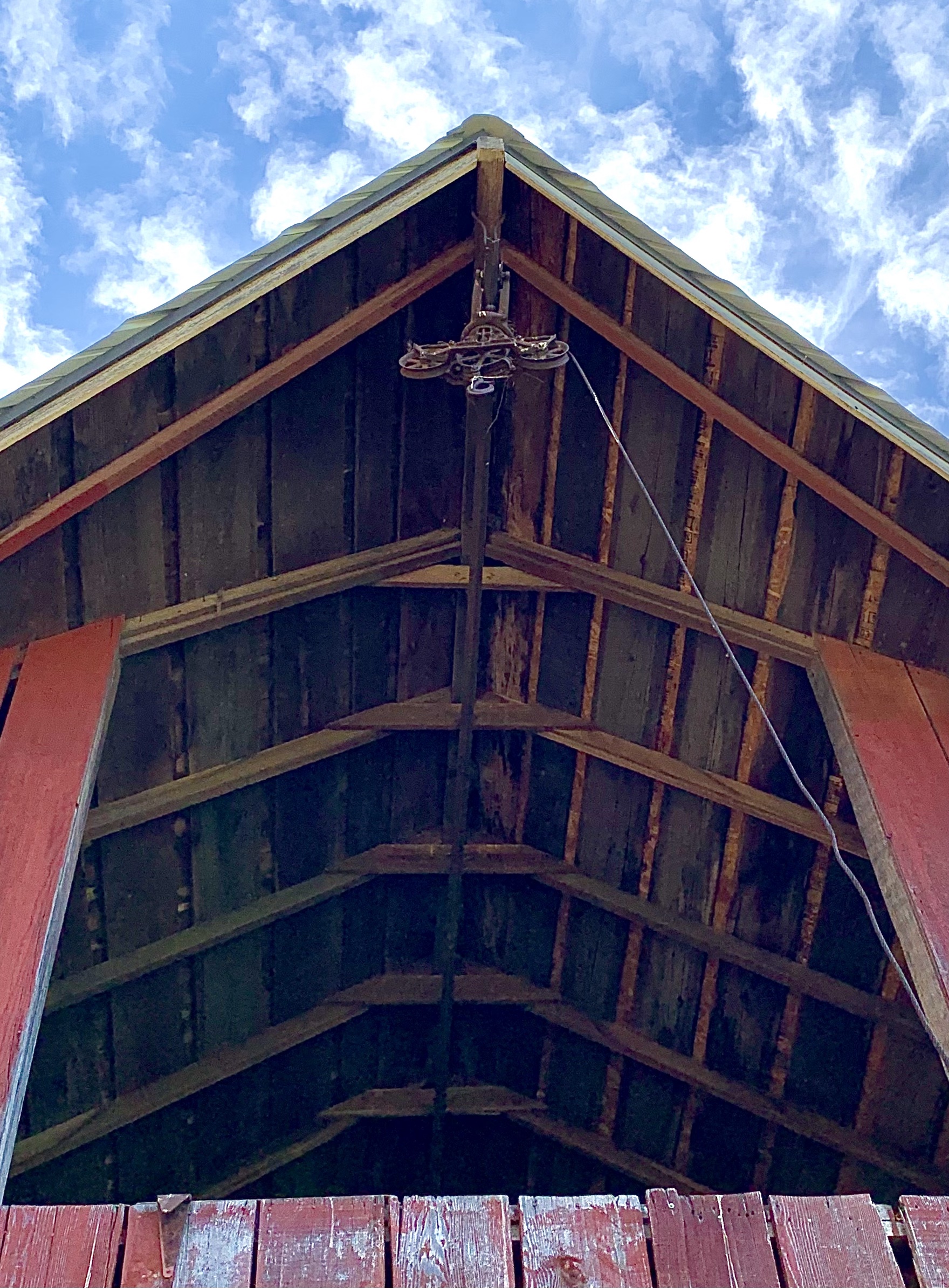
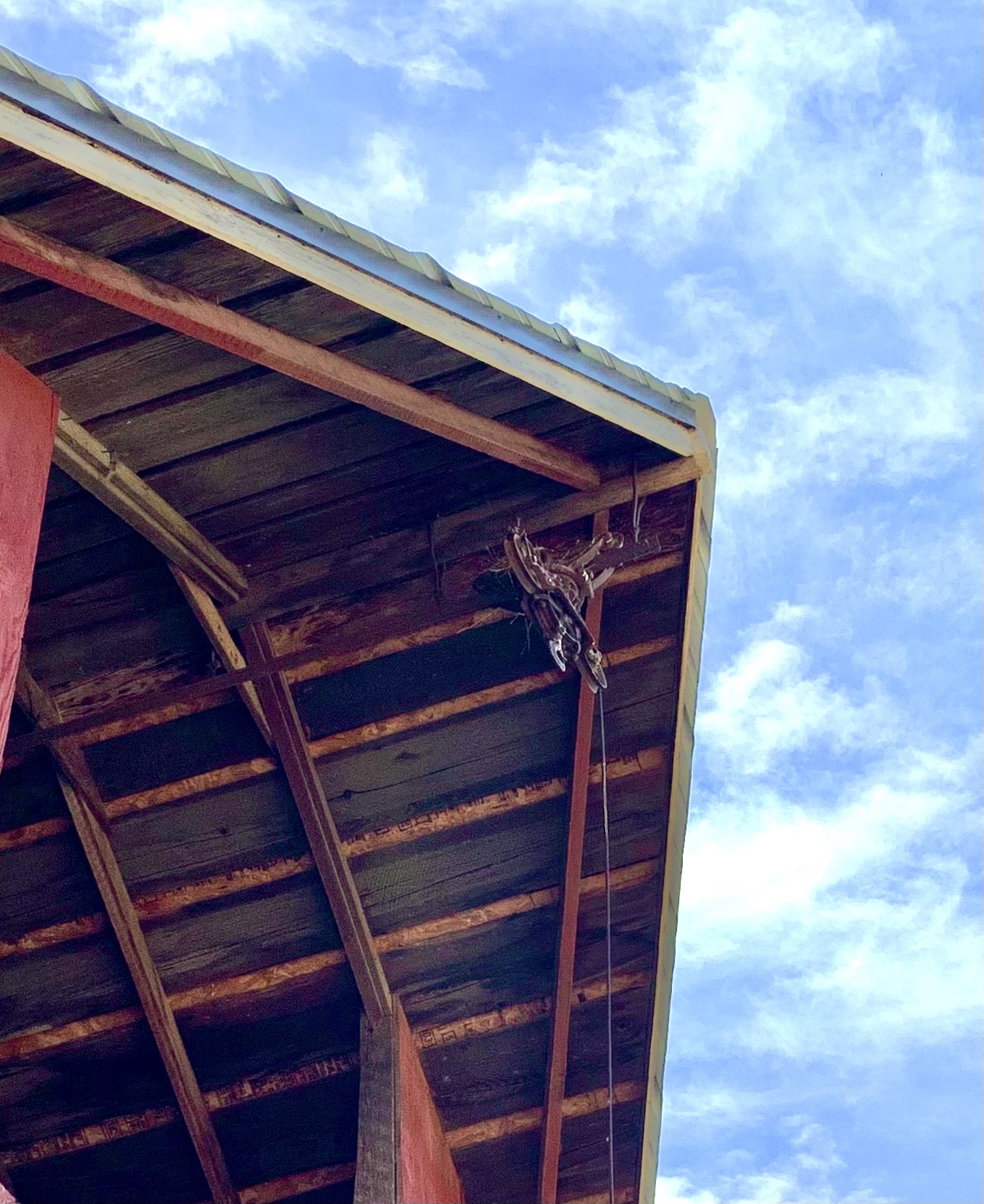
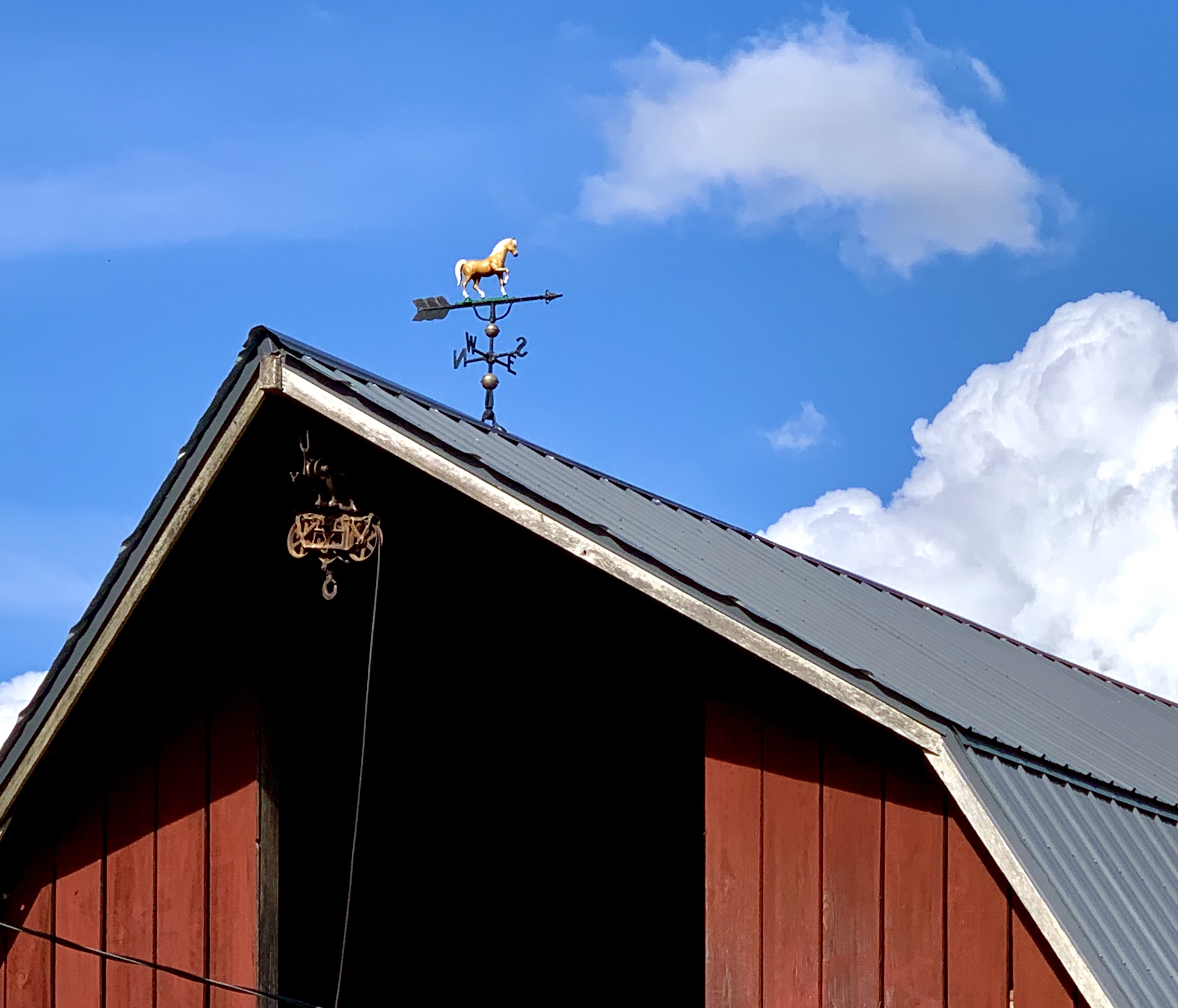
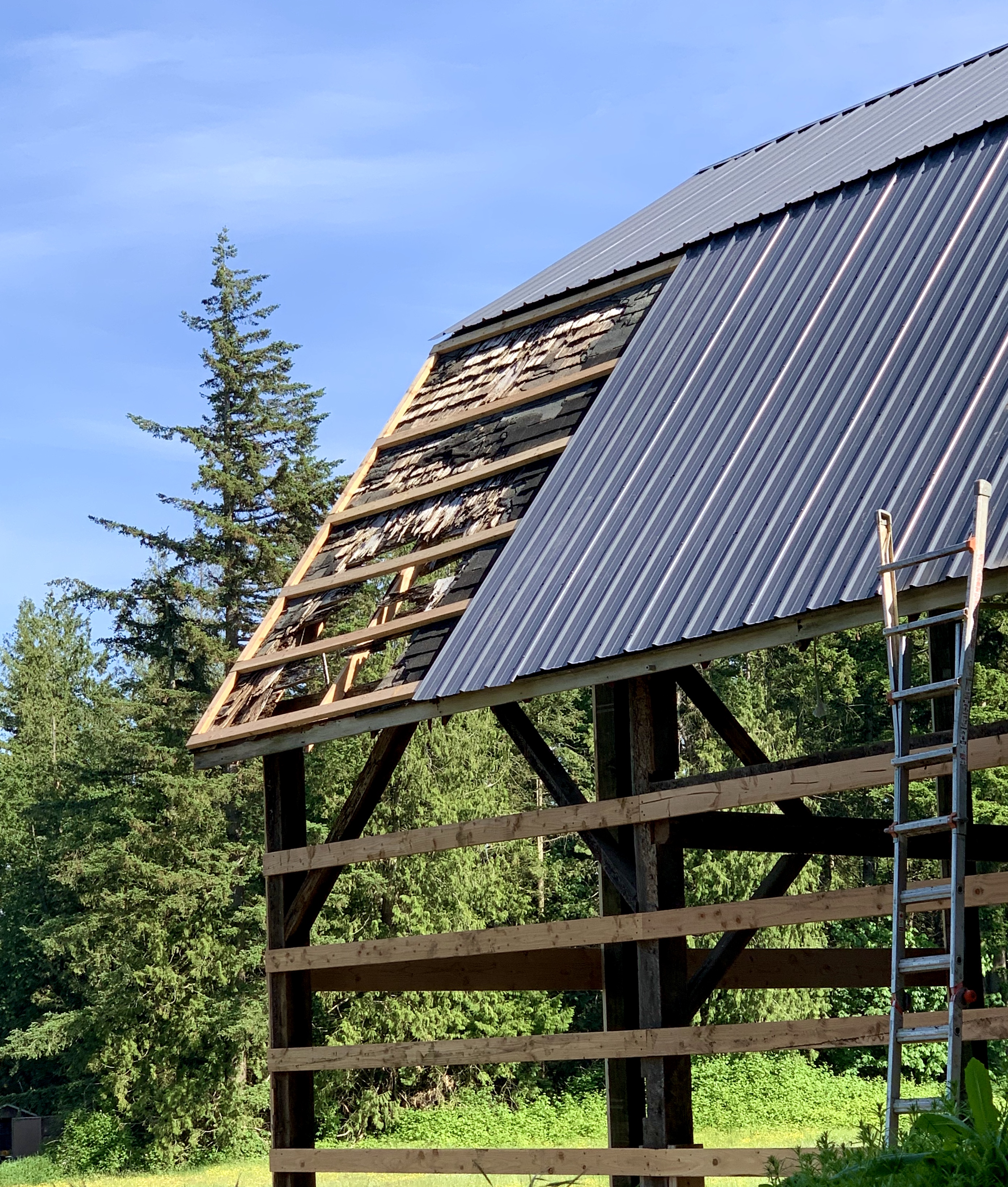
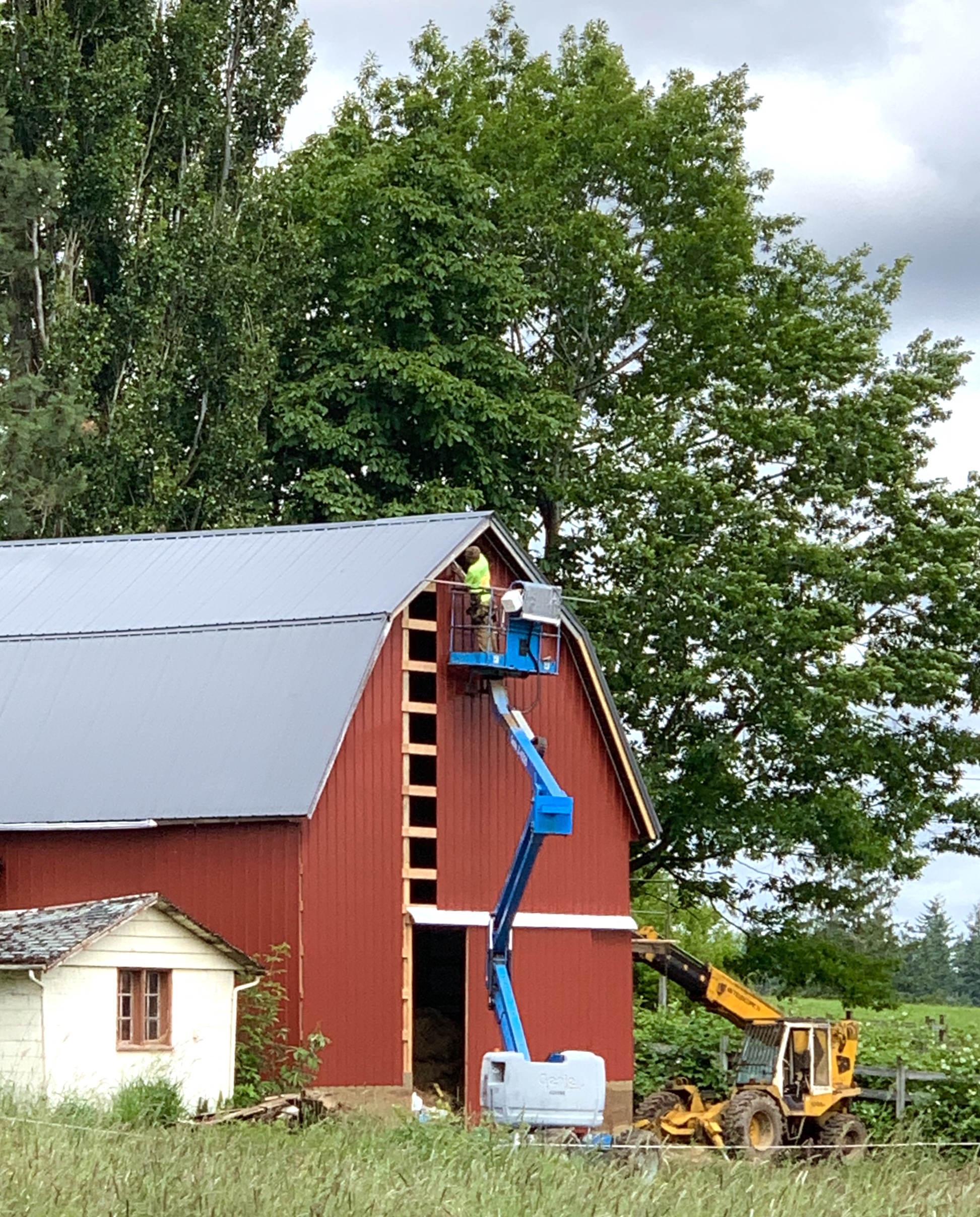
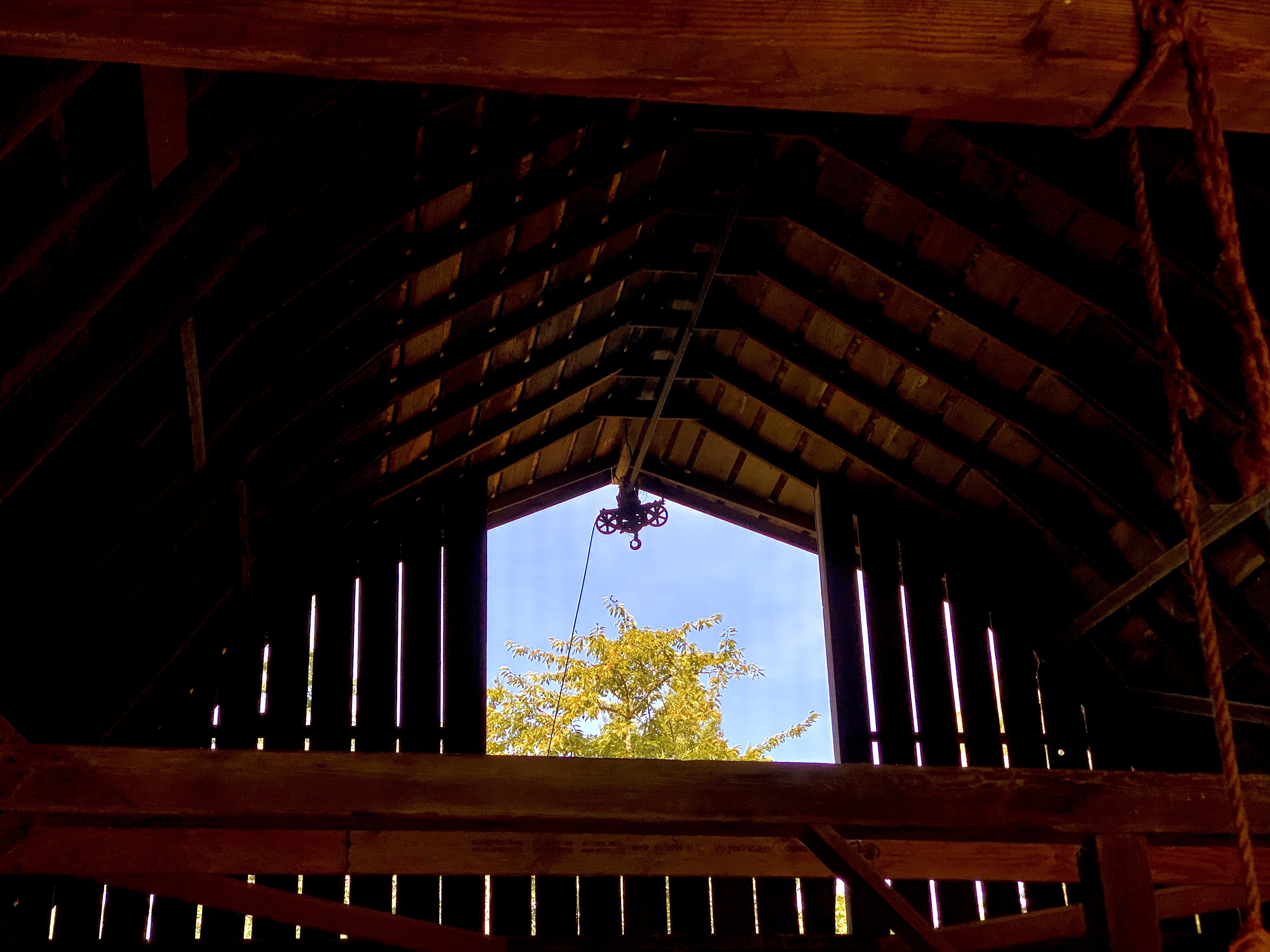
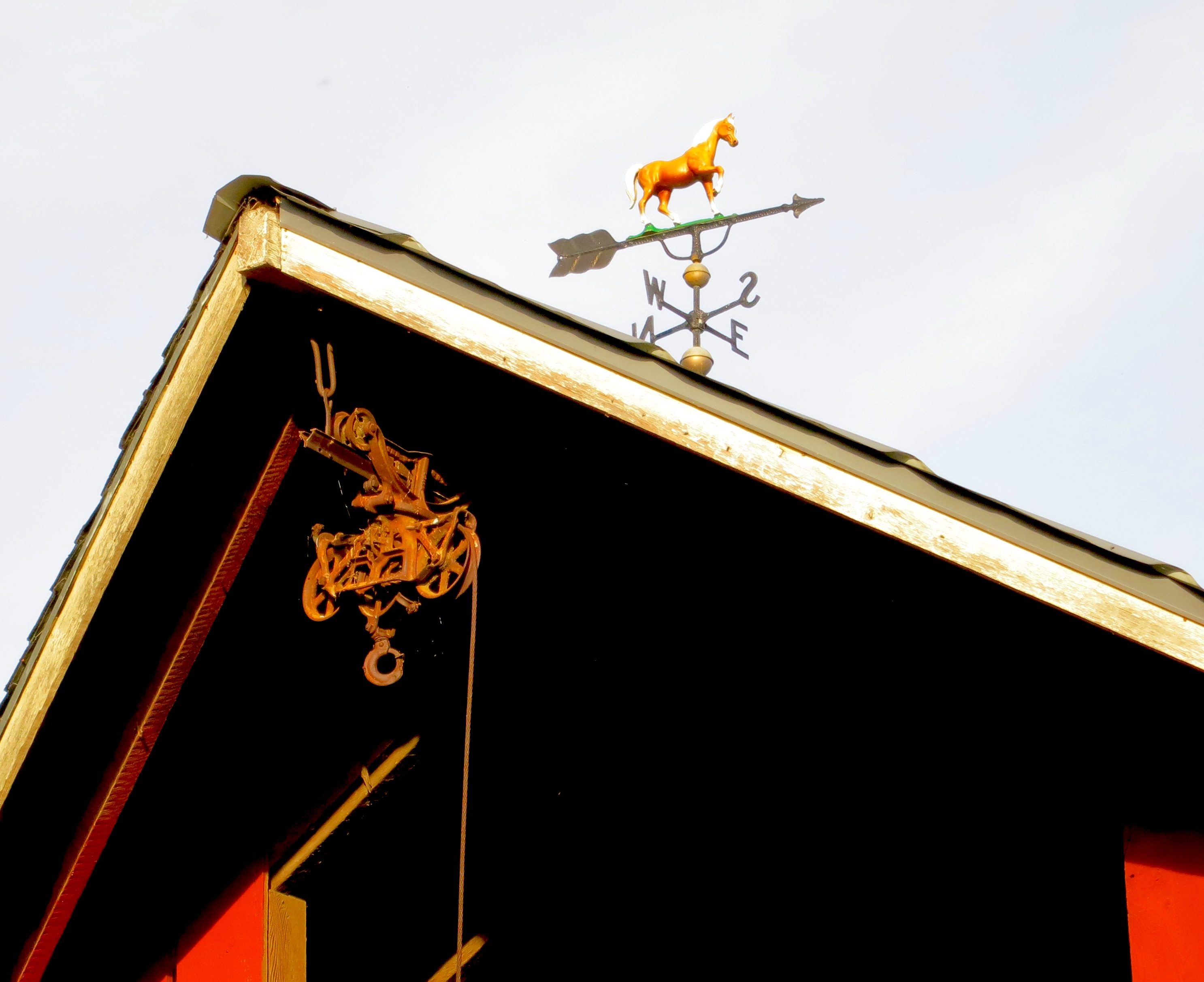
When our barn needed a major repair of new roof and walls, the workers used ladders but also a hydraulic lift – something the turn of the century carpenters didn’t have access to. When I look at the hay sling/hook pulley hanging high from the peak of the barn, I realize someone over 100 years ago had to climb up to put it up there, so there it remains even though its working days are long past.
As much as possible, I now stay grounded, firmly attached to the soil, convinced it is where I belong. I’ll look and act as if I’m brave when I dare to climb up high, but only because I know Whose shoulders bear me up when I’m going beyond my comfort zone.
I’m safe because He is and always will be.
If you prefer to keep your feet on the ground, you will enjoy this new book from Barnstorming, available to order here:
Each morning as I rise to let the horses out to graze for the day, I’m once again that teenage girl who awoke early to climb on horseback to greet the summer dawn, mist in my hair and dew on my boots, picking ripe blackberries and blueberries as we rode past.
The angled light always drew sharper shadow lines as the sun rose until I knew it was time to turn around, each hoof step taking us closer to home to clean barn, do chores, hang laundry, weed the garden until sunset.
It is sunlight that creates and then erases all in me that is shadow. Eventually, only the real me remains.
If you enjoy these posts from Barnstorming, consider our new book available to order here:
Holy as a day is spent Holy is the dish and drain The soap and sink, and the cup and plate And the warm wool socks, and the cold white tile Shower heads and good dry towels And frying eggs sound like psalms With bits of salt measured in my palm It’s all a part of a sacrament As holy as a day is spent
Holy is the busy street And cars that boom with passion’s beat And the check out girl, counting change And the hands that shook my hands today And hymns of geese fly overhead And spread their wings like their parents did Blessed be the dog that runs in her sleep To chase some wild and elusive thing
Holy is the familiar room And quiet moments in the afternoon And folding sheets like folding hands To pray as only laundry can I’m letting go of all my fear Like autumn leaves made of earth and air For the summer came and the summer went As holy as a day is spent Holy is the place I stand To give whatever small good I can And the empty page, and the open book Redemption everywhere I look Unknowingly we slow our pace In the shade of unexpected grace And with grateful smiles and sad lament As holy as a day is spent And morning light sings ‘providence’ As holy as a day is spent ~Carrie Newcomer “Holy as a Day is Spent”
We are in the middle of an unprecedented heat wave in the Pacific Northwest, predicted to hit 110 degrees F over the next two days. This part of the world is sorely unprepared for these temperatures – air conditioning is unusual in residences and some workplaces so we grit our teeth, mop our brows and search for the blessing of shade and relief.
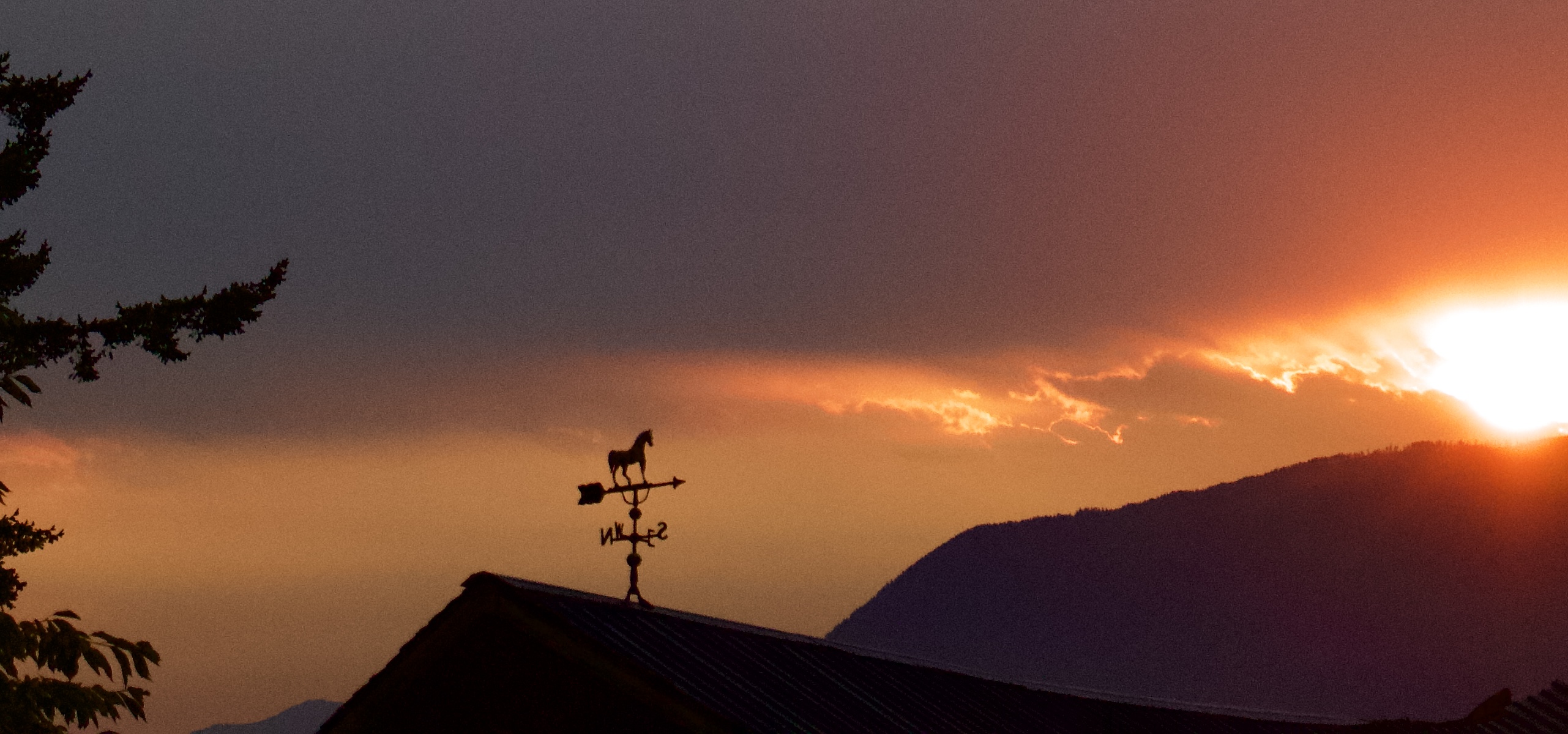
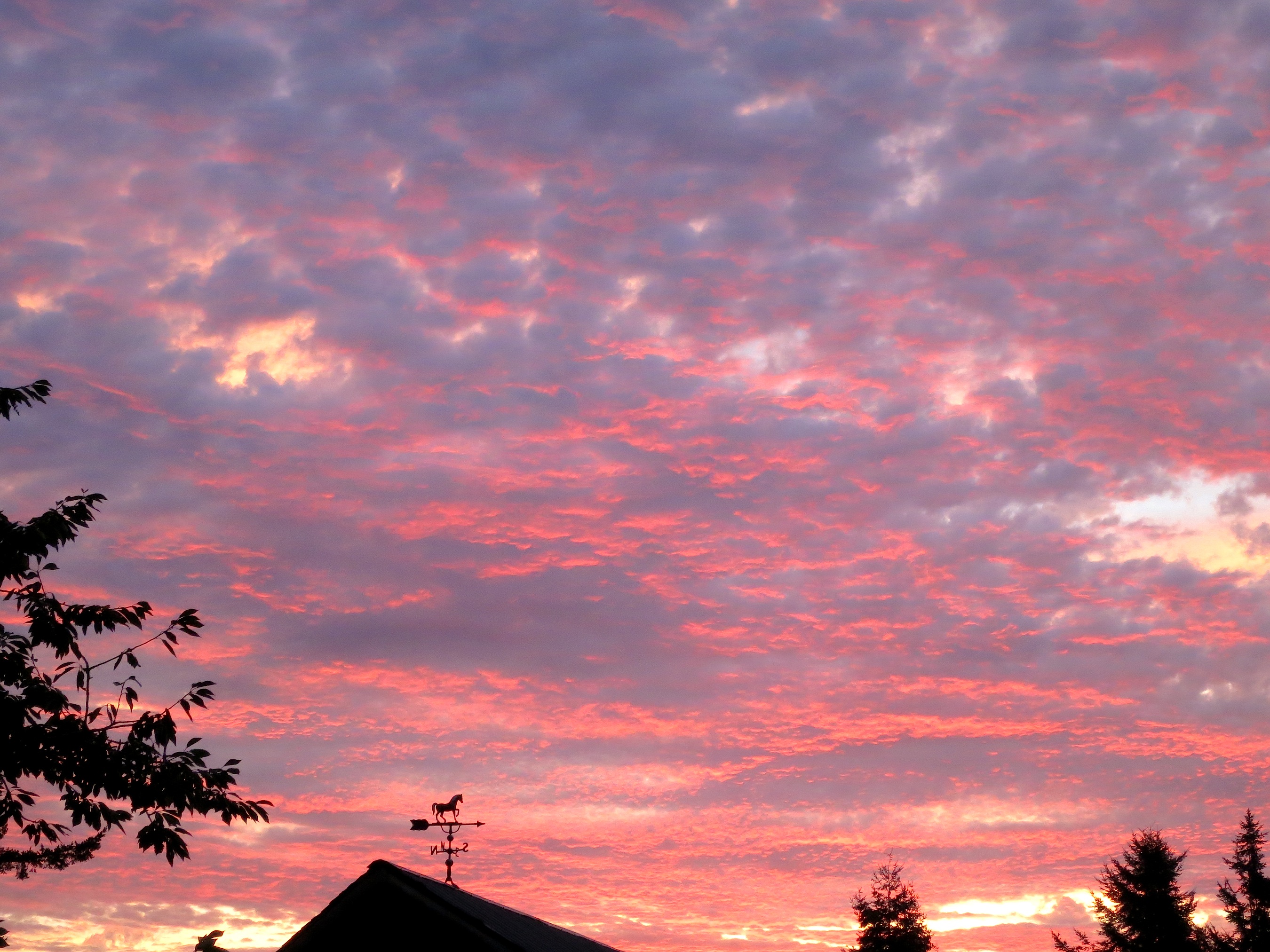
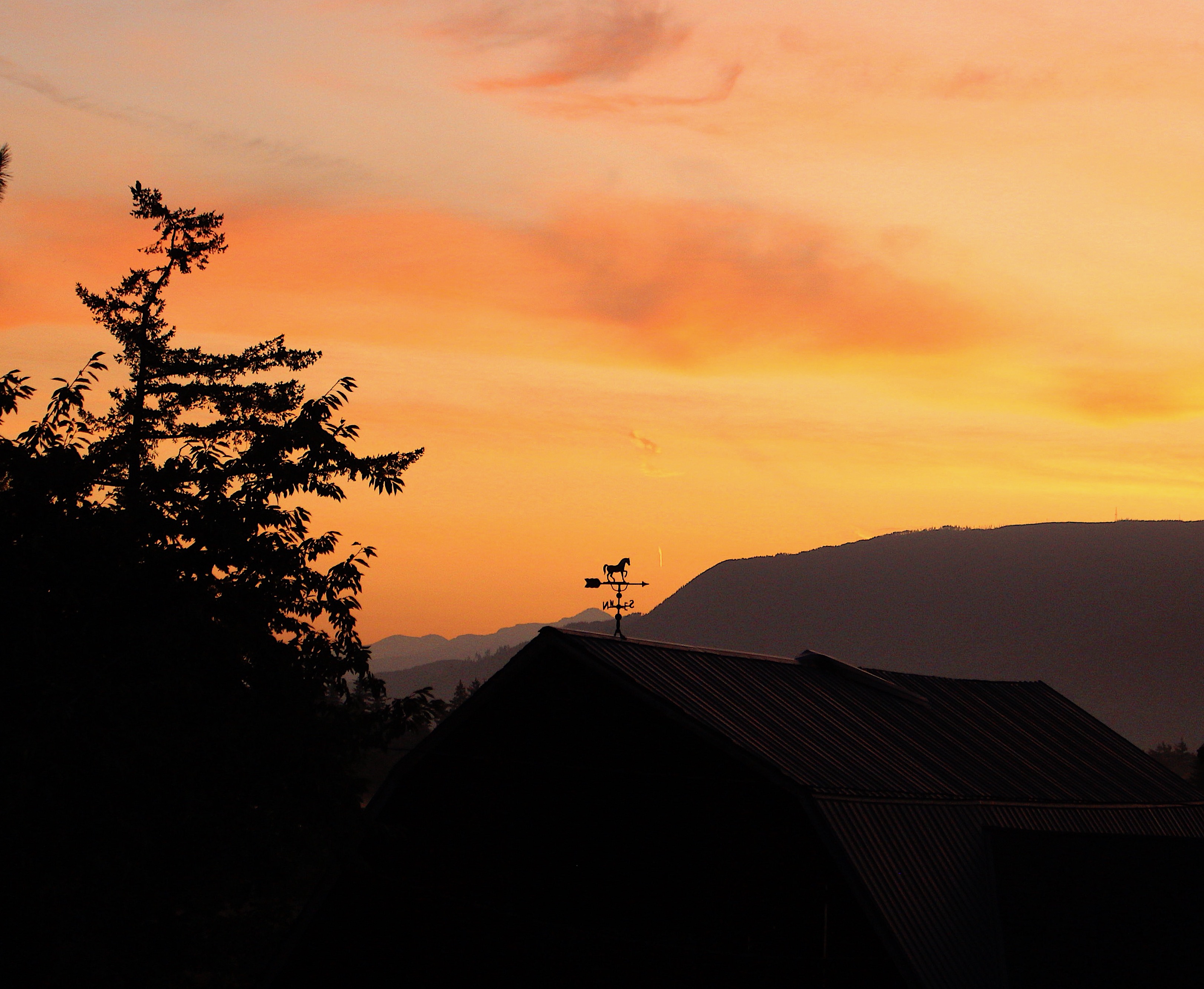
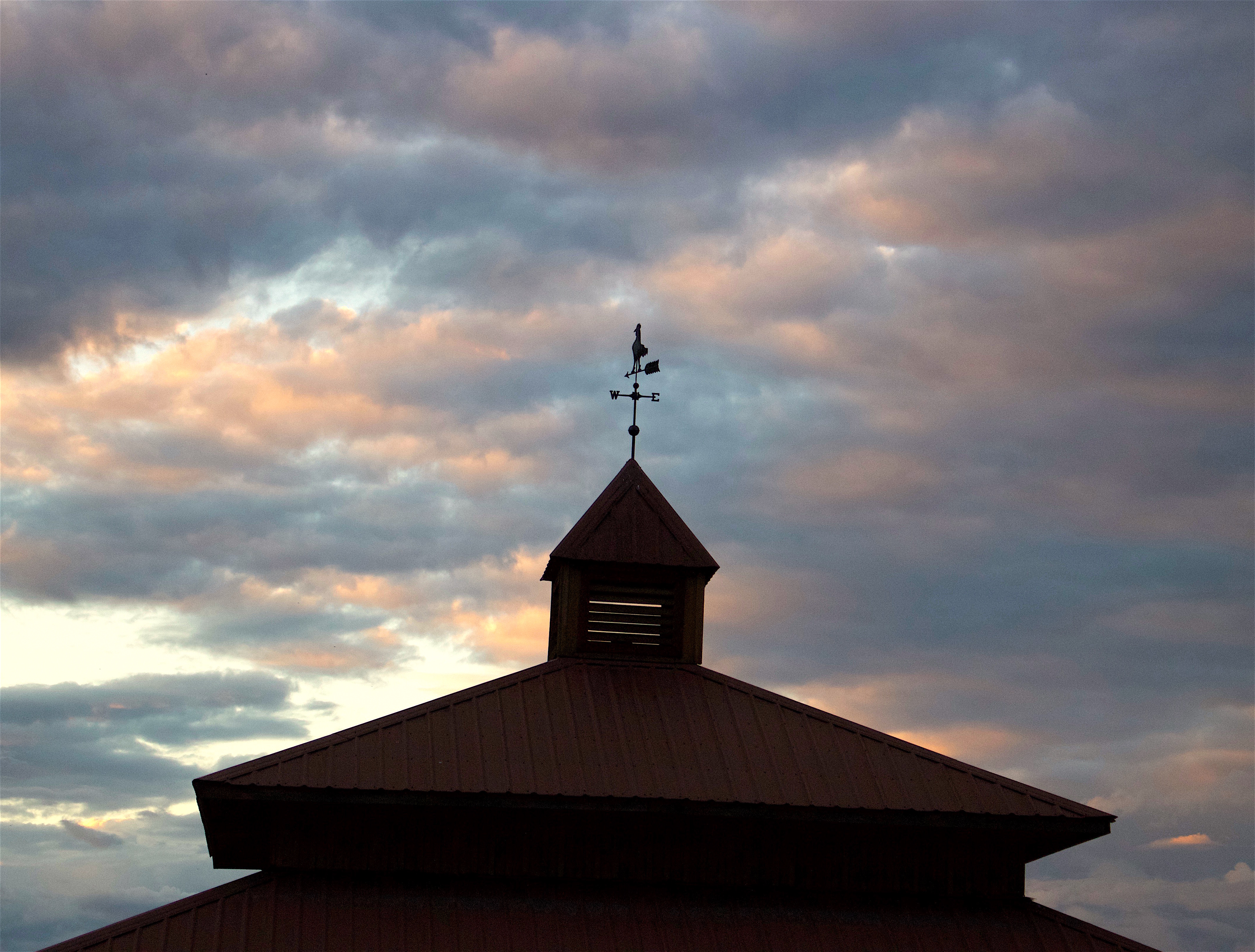
There is barely a breeze. The weathervanes are standing stock-still without a hint of swivel, cooking in the sun just as thoroughly as the rest of us. Our barn has a beautiful Haflinger horse weather vane – a precious gift from Amish country given to us by treasured friends over thirty years ago.
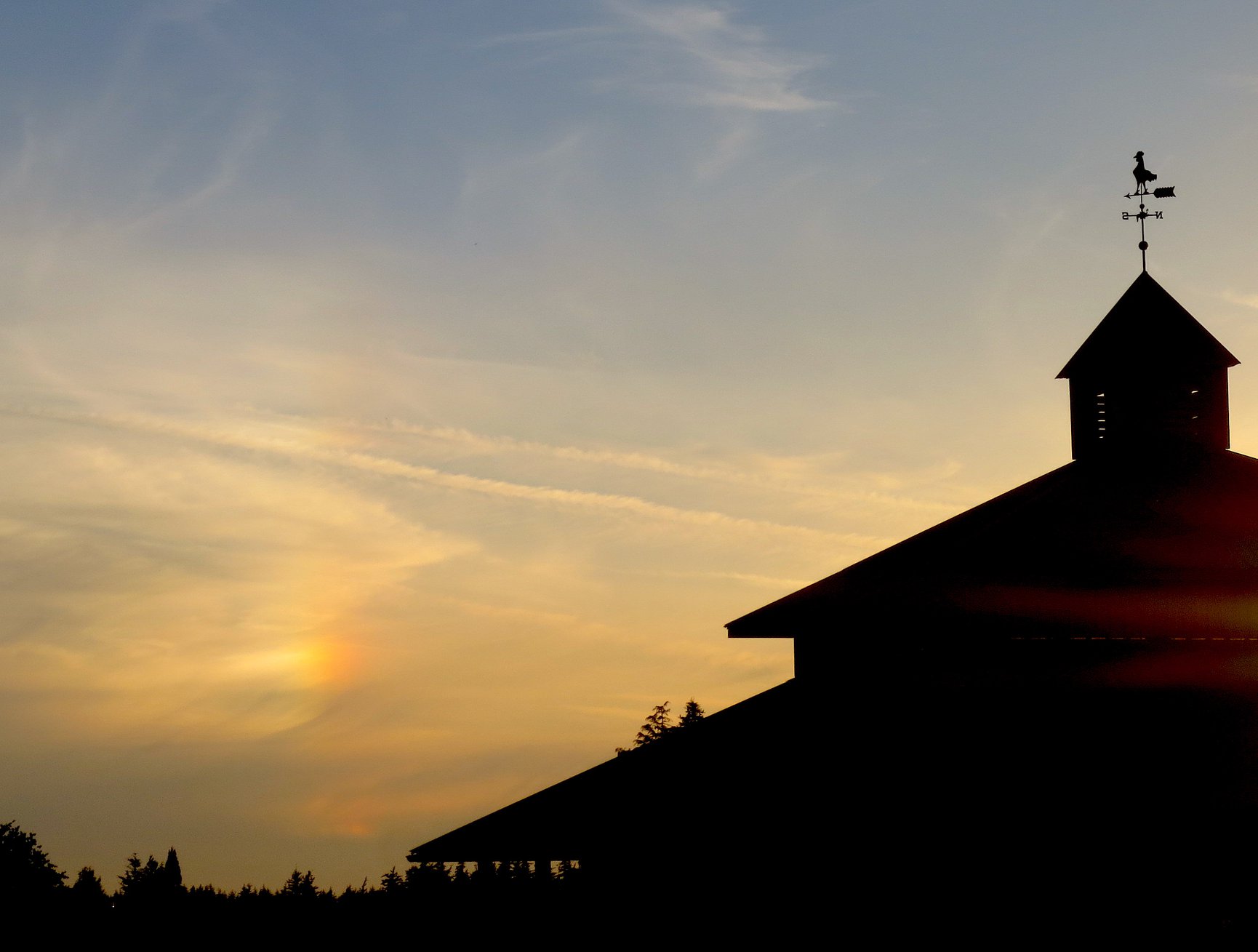
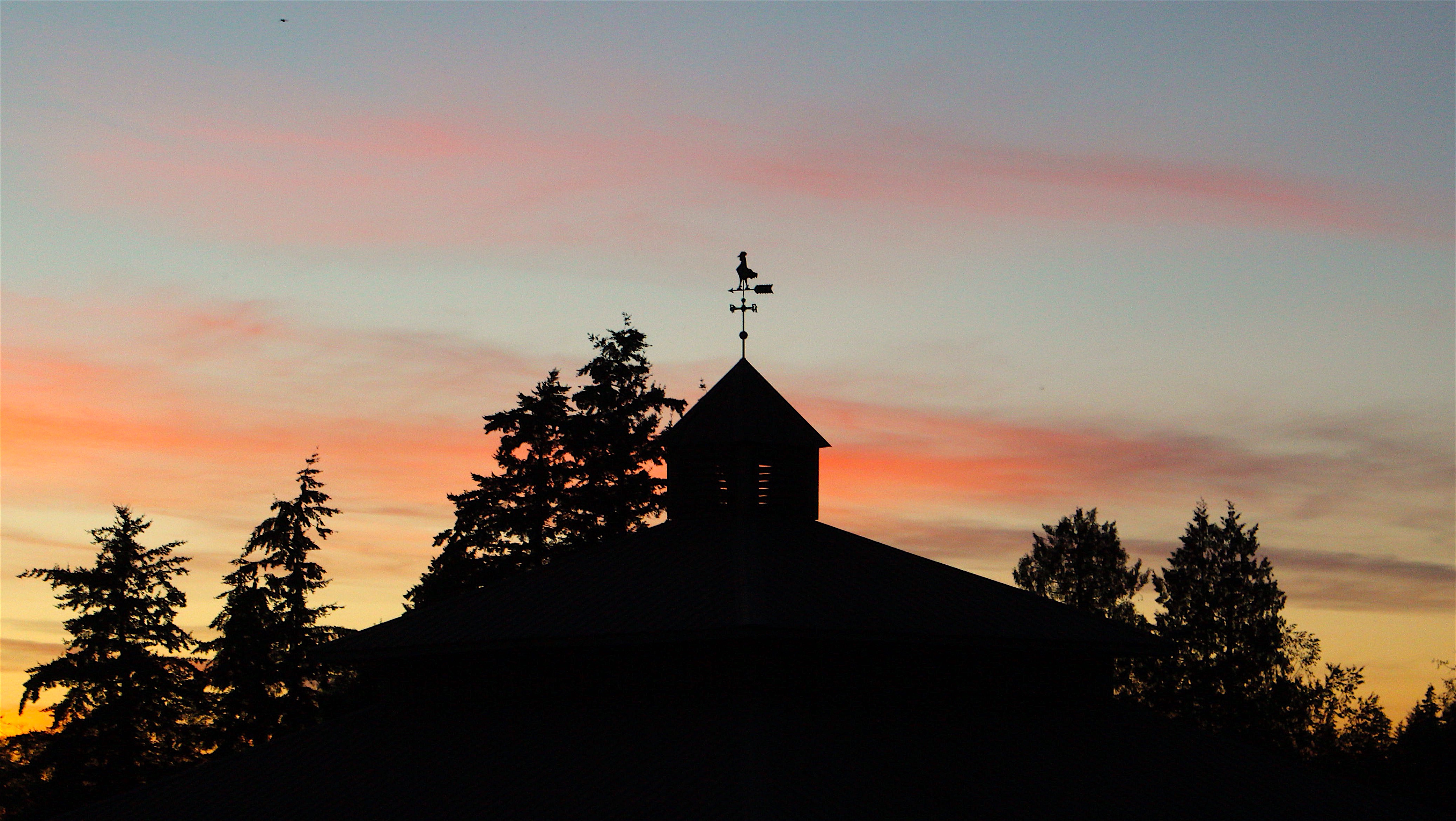
However, the standard weather vane is a rooster, found on a neighbor’s barn about a mile from our farm. The traditional rooster vane (“weathercock”) has a long history dating back to the ninth century when Pope Gregory declared all churches were to be crowned with a rooster as a suitable Christian emblem. This was to immortalize St. Peter’s three betrayals, predicted by Christ to take place before the rooster crows in the morning on the day of His crucifixion.
So roosters began to appear on the weathervanes of churches in Europe, blowing this way and that with the wind, just as Peter found himself carried by the wind of opinion on that fateful day. We are to be reminded of our own tendency to shift and swivel with the forces that push us around when we are uncertain or fearful, forgetting our foundational faith and beliefs.
Yet Christ forgave Peter, not once or twice, but three times for each betrayal. He delivers an unexpected grace and gift of redemption to a man who had turned away from Him. Christ’s instruction to Peter was to “feed my sheep.” Our response to the grace shown to us is to nurture and show grace to all we meet.
As our weathervanes remain unmoving in this heat, we stand firm in the shade of our Lord’s forgiveness of our betrayal of Him – all that is just and holy.
Amen and Amen.
A new book from Barnstorming is available for order here:
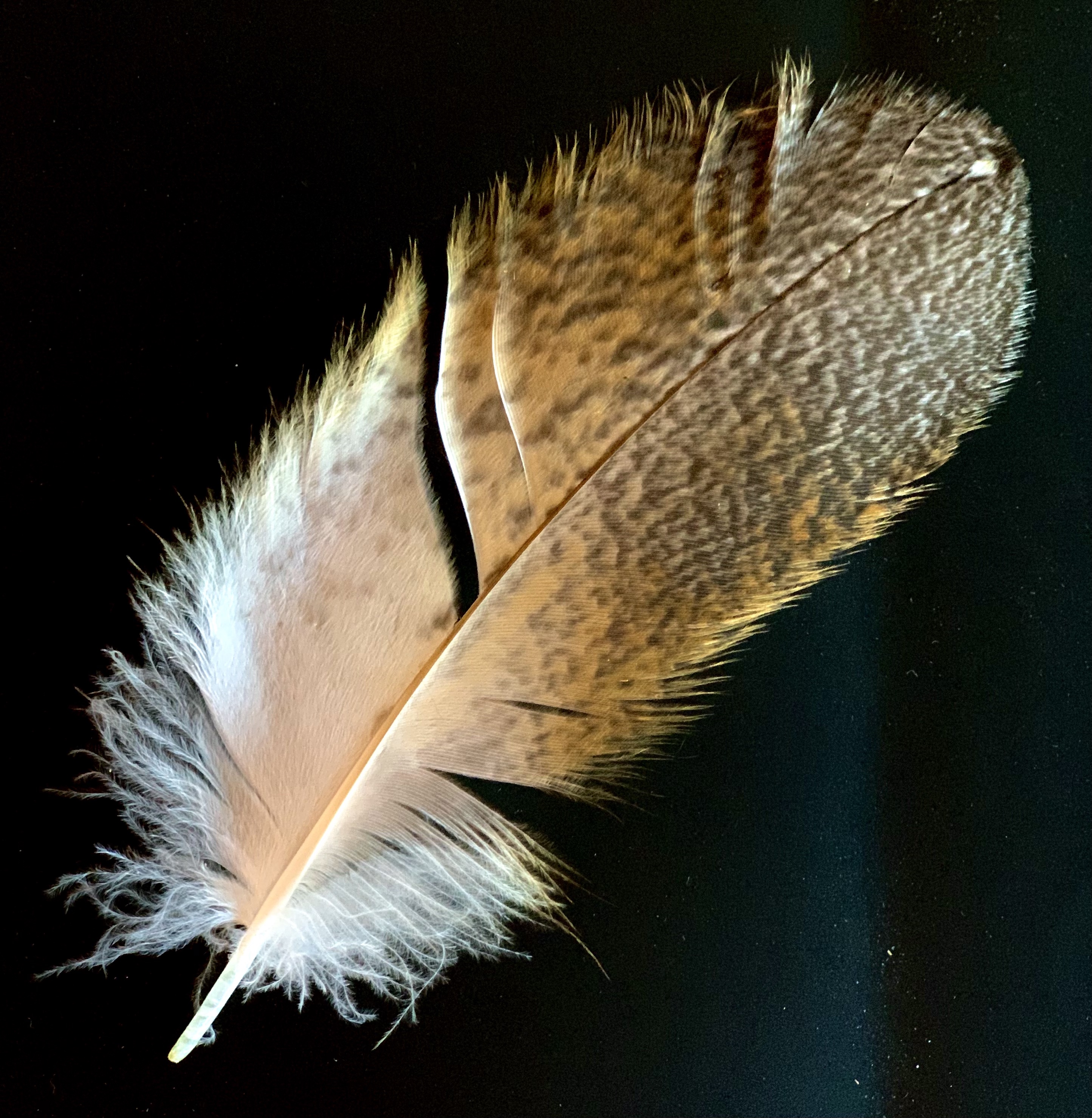
Once again a child asks me suddenly What is a poem?, And once again I find myself riffing freely and happily Without the slightest scholarly expertise or knowledge; But I am entranced by how poems can hint and suggest And point toward things deeper than words. A poem is An owl feather, I say. It’s not the owl—but it intimates Owlness, see what I mean? You imagine the owl, owls, Silent flight, razors for fingers, a wriggle of mouse tail Slurped up right quick like the last strand of angel hair, A startle of moonlight, a fox watching from the thicket, All that from a feather. It’s like an owl is in the feather. A poem is a small thing with all manner of bigger in it. Poor poems only have a writer in them, but better ones Have way more in them than the writer knew or knows About. This poem, for example, amazingly has owls in It—who knew we’d see a flurry of owls this afternoon? ~Brian Doyle, “A Flurry of Owls”
I ask them to take a poem and hold it up to the light like a color slide
or press an ear against its hive.
I say drop a mouse into a poem and watch him probe his way out,
or walk inside the poem’s room and feel the walls for a light switch.
I want them to waterski across the surface of a poem waving at the author’s name on the shore.
But all they want to do is tie the poem to a chair with rope and torture a confession out of it.
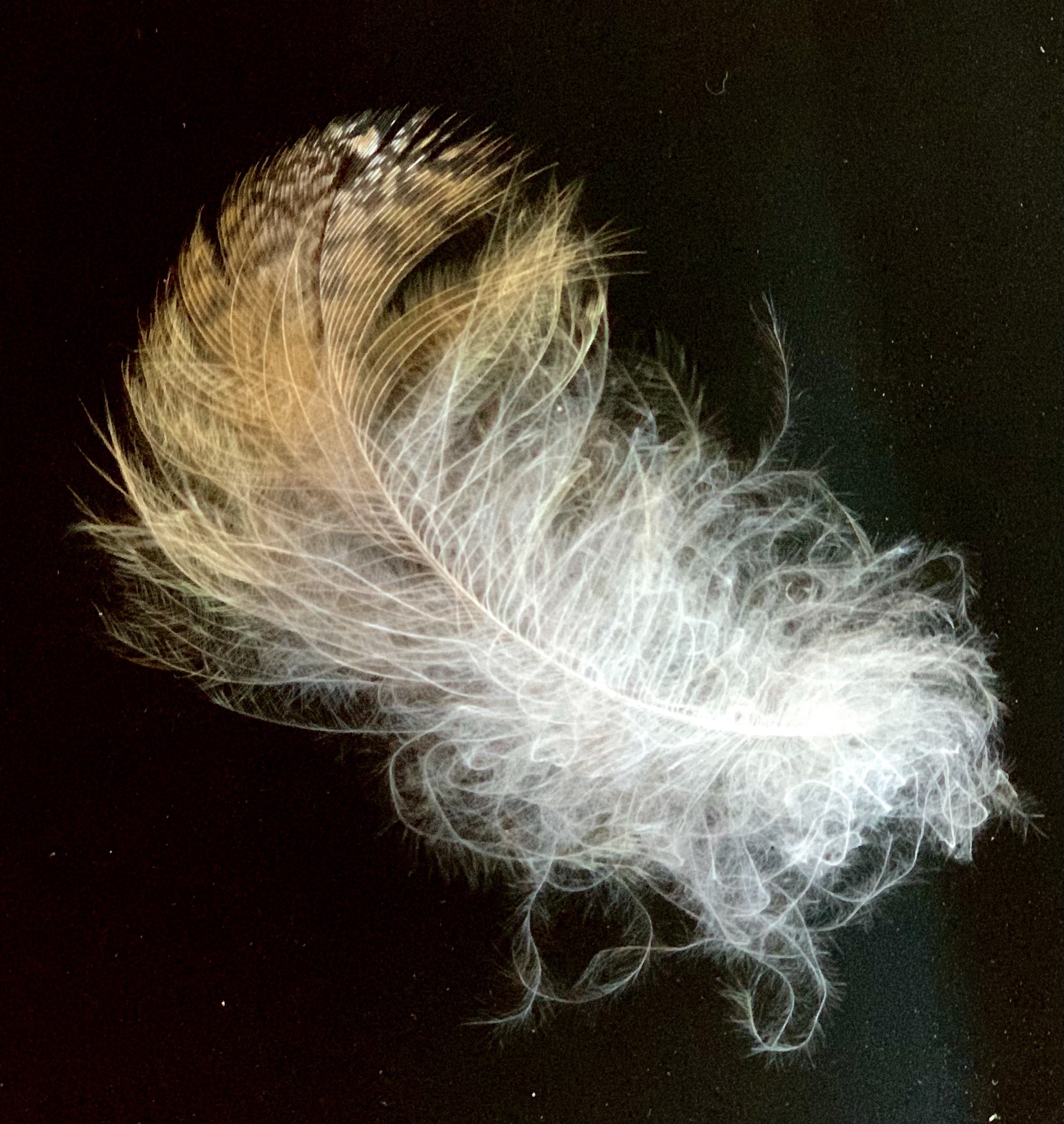
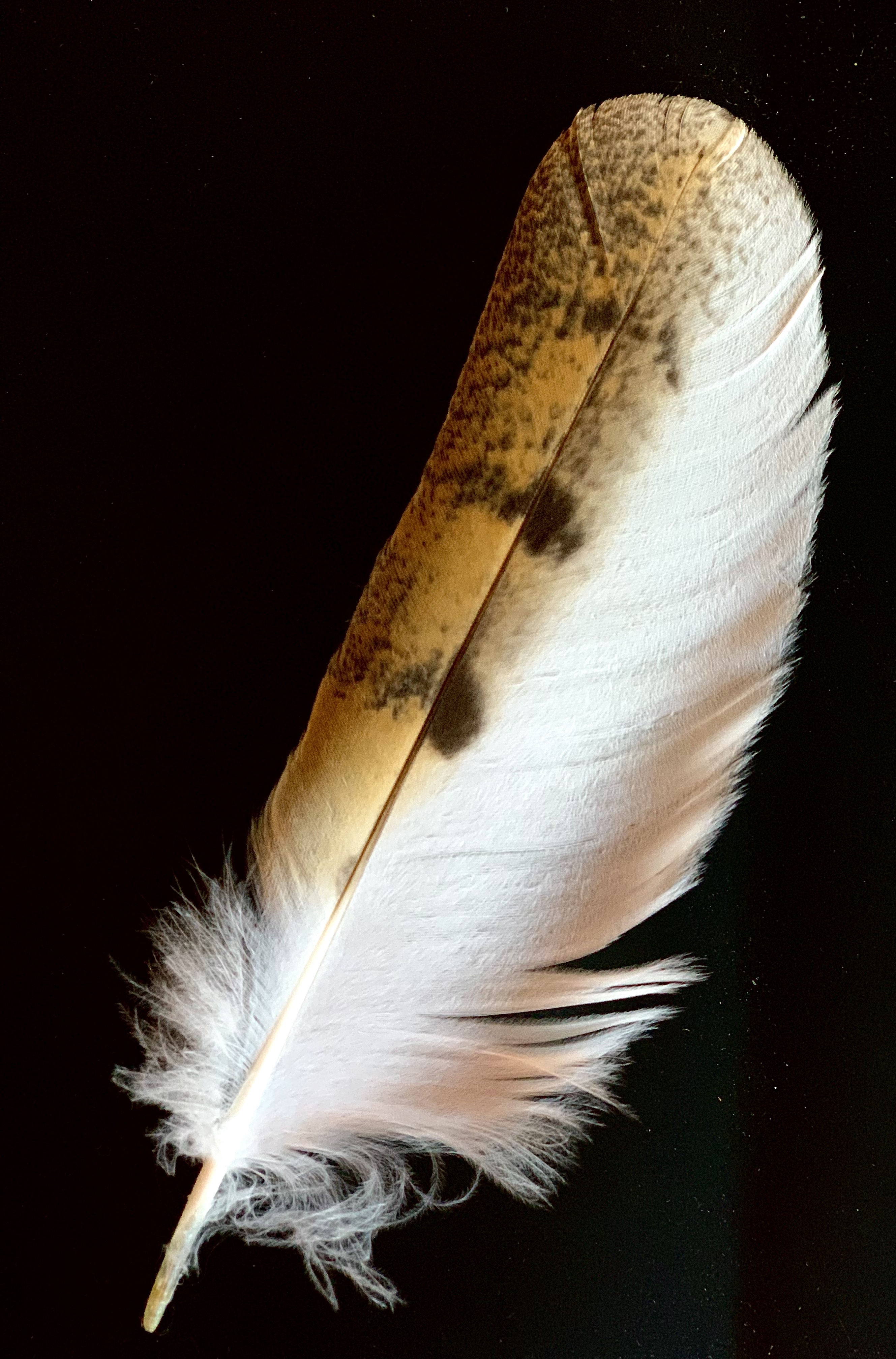
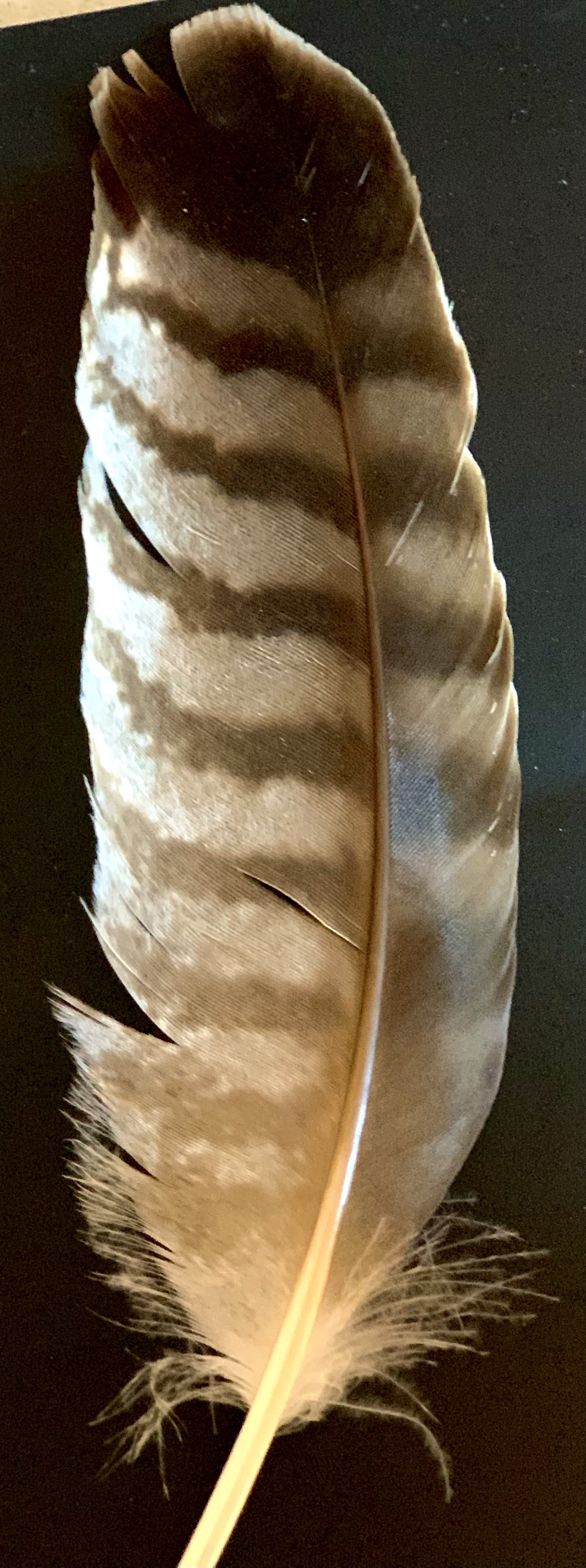
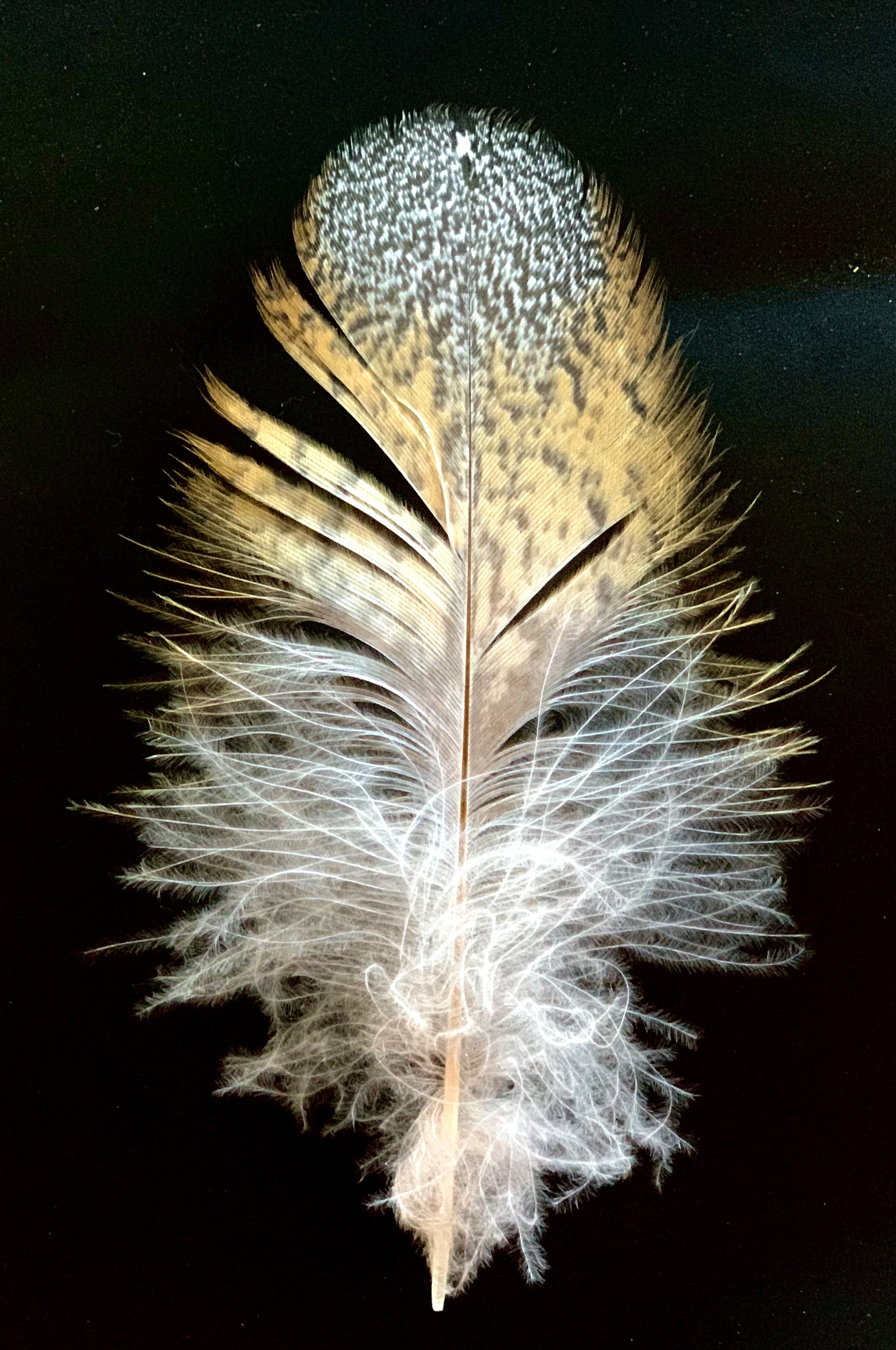
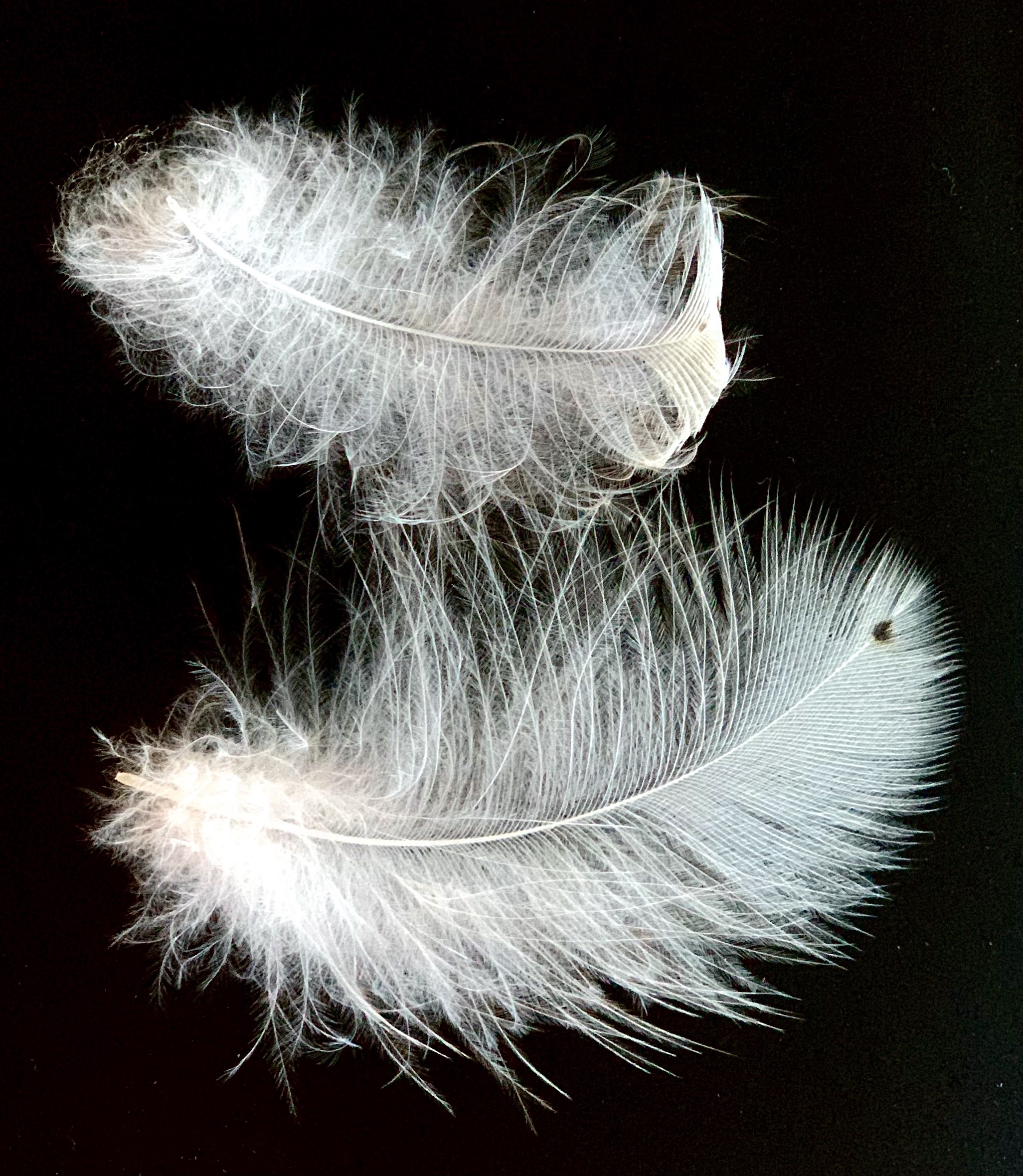
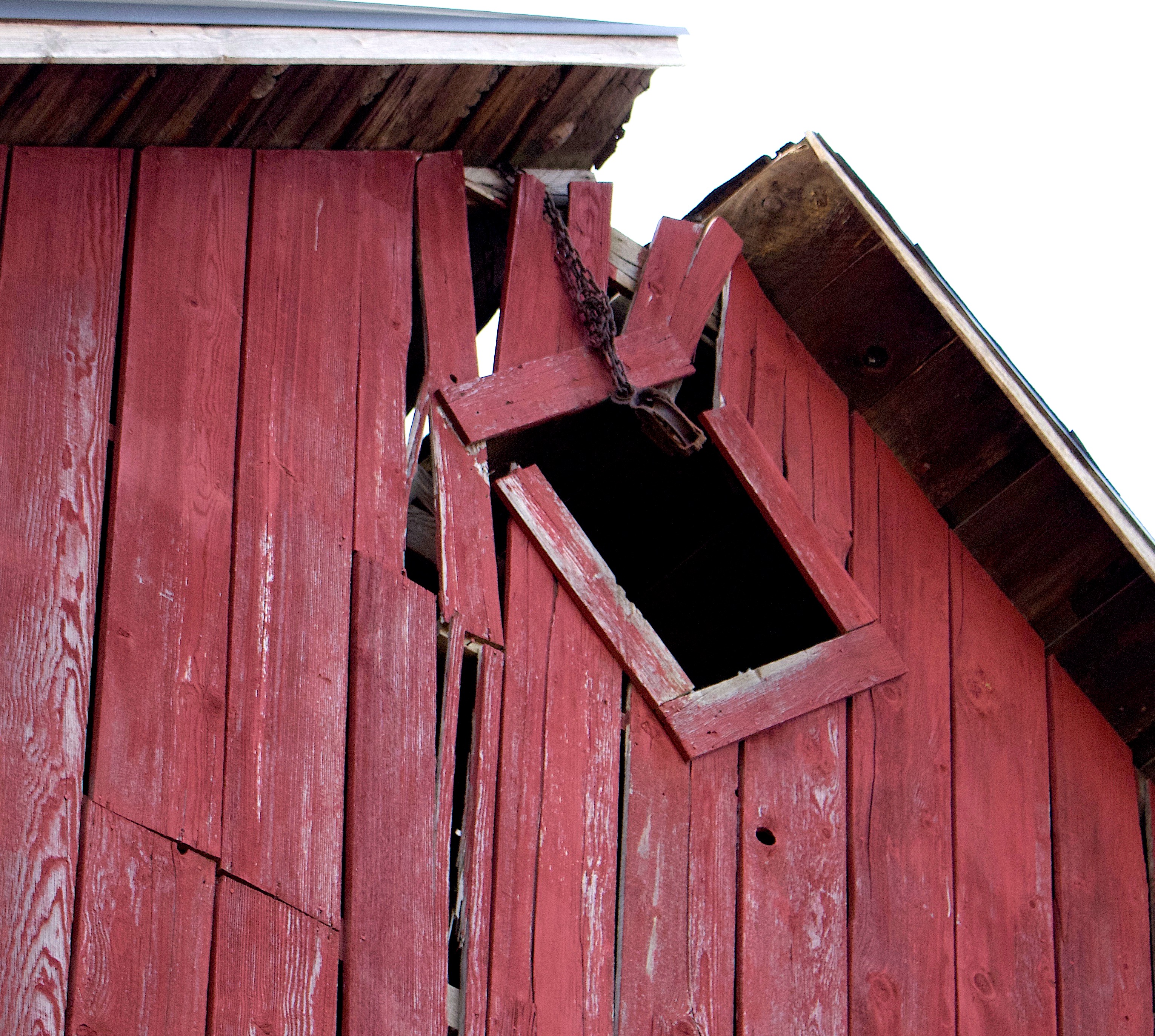
I walked into our big hay barn this week, finding scattered atop the few remaining bales from last summer these few owl feathers…
they were waiting for a poem to hide within, just as the barn owls are tucked invisibly in the rafters until the cool air of dusk and hunger lures them to the hunt, swooping outside to capture both moonlight and mice to be coughed up in pellets of fur and bones.
These feathers, dropped like so many random snowflakes, carry within them the glint and glow of the moon, a reminder what we leave behind matters, whether it be feather or fur or a wee dry skeleton, a shell of who we once were yet are no longer.
A new book from Barnstorming, available to order here:
The house had gone to bring again To the midnight sky a sunset glow. Now the chimney was all of the house that stood, Like a pistil after the petals go.
The barn opposed across the way, That would have joined the house in flame Had it been the will of the wind, was left To bear forsaken the place’s name.
No more it opened with all one end For teams that came by the stony road To drum on the floor with scurrying hoofs And brush the mow with the summer load.
The birds that came to it through the air At broken windows flew out and in, Their murmur more like the sigh we sigh From too much dwelling on what has been.
Yet for them the lilac renewed its leaf, And the aged elm, though touched with fire; And the dry pump flung up an awkward arm: And the fence post carried a strand of wire.
For them there was really nothing sad. But though they rejoiced in the nest they kept, One had to be versed in country things Not to believe the phoebes wept. ~Robert Frost “The Need of Being Versed in Country Things”
The field of my childhood farm (1954-59) with the red barn visible on the right. The house was destroyed by fire in the mid-60s but the barn was sparedphoto by Harry Rodenberger
My family sold our first farm in East Stanwood when my father took a job working for the state in Olympia, moving to supervising high school agriculture teachers rather than being a teacher himself. It was a difficult transition for us all: we moved to a smaller home and a few acres, leaving behind a large two story house, a huge hay barn and chicken coop as well as large fields and a woods where our dairy cows had grazed.
Only a few years later, the old farmhouse burned down but the rest of the buildings were spared. It passed through a few hands and when we had occasion to drive by, we were dismayed to see how nature was taking over the place. The barn still stood but unused it was weathering and withering. The windows were broken, birds flew in and out, the former flower garden had grown wild and unruly.
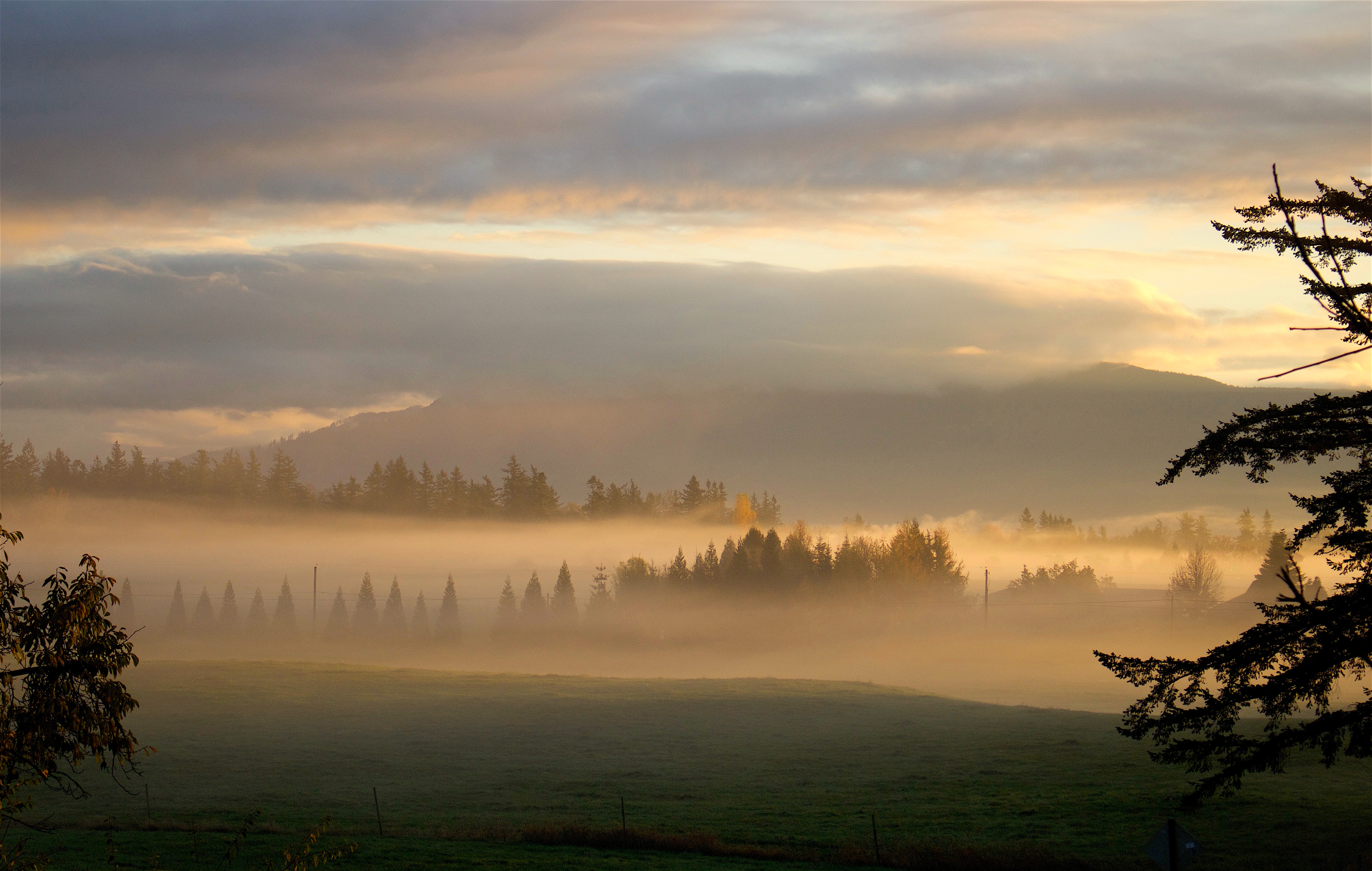
This was the place I was conceived and learned to walk and talk, where I developed my love for wandering in the fields and respecting the farm animals we depended upon. I remember as a child of four sitting at the kitchen table looking out the window at the sunrise coming rising over the woods and making the misty fields turn golden.
Yet now this land has returned to its essence before the ground was ever plowed or buildings were constructed. It no longer belongs to our family (as if it ever did) but it forever belongs to our memories.
I am overly prone to nostalgia, dwelling more on what has been than what is now or what I hope is to come. It is easy to weep over the losses when time and circumstances reap circumstances that become unrecognizable.
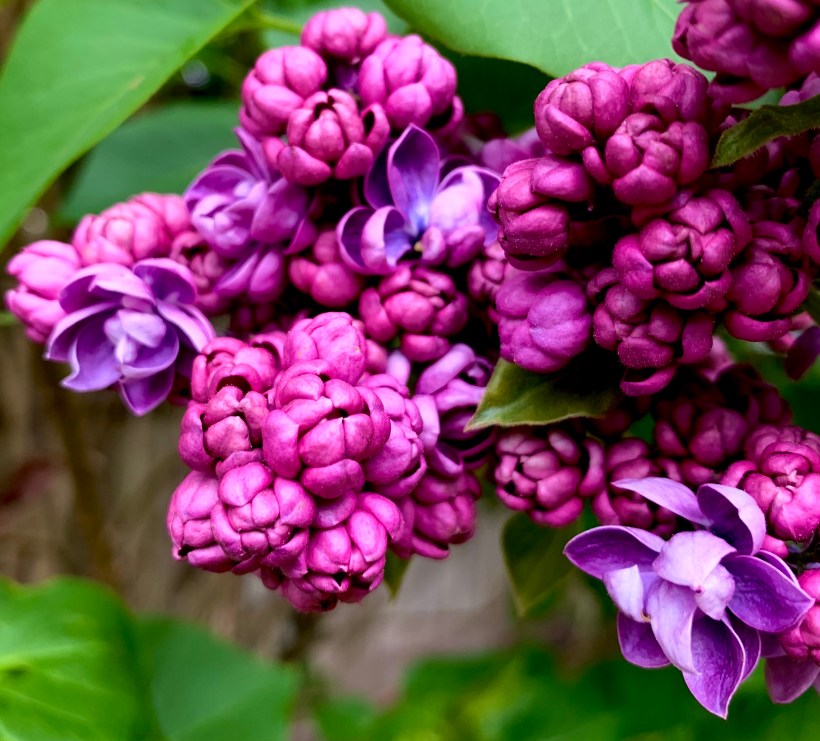
I may weep, but nature does not. The sun continues to rise over the fields, the birds continue to build nests, the lilacs grow taller with outrageous blooms, and each day ends with a promise of another to come.
So I must dwell on what lies ahead, not what perished in the ashes.
photo by Harry Rodenberger
A book available from Barnstorming — information about how to order here
The barn roof sags like an ancient mare’s back. The field, overgrown, parts of it a marsh where the pond spills over. No hay or sacks of grain are stacked for the cold. In the harsh winters of my youth, Mama, with an axe, trudged tirelessly each day through deep snow, balanced on the steep bank, swung down to crack the ice so horses could drink. With each blow I feared she would fall, but she never slipped. Now Mama’s bent and withered, vacant gray eyes fixed on something I can’t see. I dip my head when she calls me Mom. What’s to say? The time we have’s still too short to master love, and then, the hollow that comes after. ~Kitty Carpenter “Farm Sonnet”
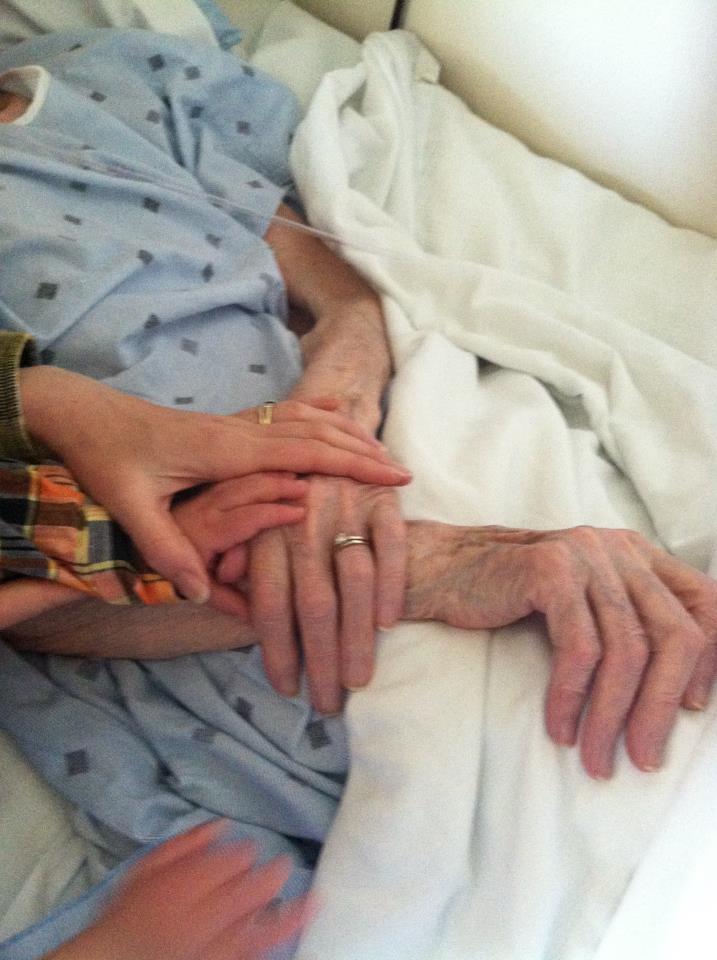
Vigil at my mother’s bedside
Lying still, your mouth gapes open as I wonder if you breathe your last. Your hair a white cloud Your skin baby soft No washing, digging, planting gardens Or raising children Anymore. Hollowed.
Where do your dreams take you? At times you wake in your childhood home of Rolling wheat fields, boundless days of freedom. Other naps take you to your student and teaching days Grammar and drama, speech and essays. Yesterday you were a young mother again Juggling babies, farm and your wistful dreams.
Today you looked about your empty nest Disguised as hospital bed, Wondering aloud about Children grown, flown. You still control through worry and tell me: Travel safely Get a good night’s sleep Take time to eat Call me when you get there
I dress you as you dressed me I clean you as you cleaned me I love you as you loved me You try my patience as I tried yours. I wonder if I have the strength to Mother my mother For as long as she needs.
When I tell you the truth Your brow furrows as it used to do When I disappointed you~ This cannot be A bed in a room in a sterile place Waiting for death Waiting for heaven Waiting
And I tell you: Travel safely Eat, please eat Sleep well Call me when you get there.
Behold, I stand at the door and knock; if anyone hears my voice and opens the door, I will come in to him and eat with him, and he with me. Revelation 3:20
…we are faced with the shocking reality: Jesus stands at the door and knocks, in complete reality. He asks you for help in the form of a beggar, in the form of a ruined human being in torn clothing. He confronts you in every person that you meet. Christ walks on the earth as your neighbor as long as there are people. He walks on the earth as the one through whom God calls you, speaks to you and makes his demands. That is the greatest seriousness and the greatest blessedness of <His> message. Christ stands at the door. Will you keep the door locked or open it to him? ~Dietrich Bonhoeffer from an Advent Sermon“The Coming of Jesus into our Midst”
photo by Nate Gibson
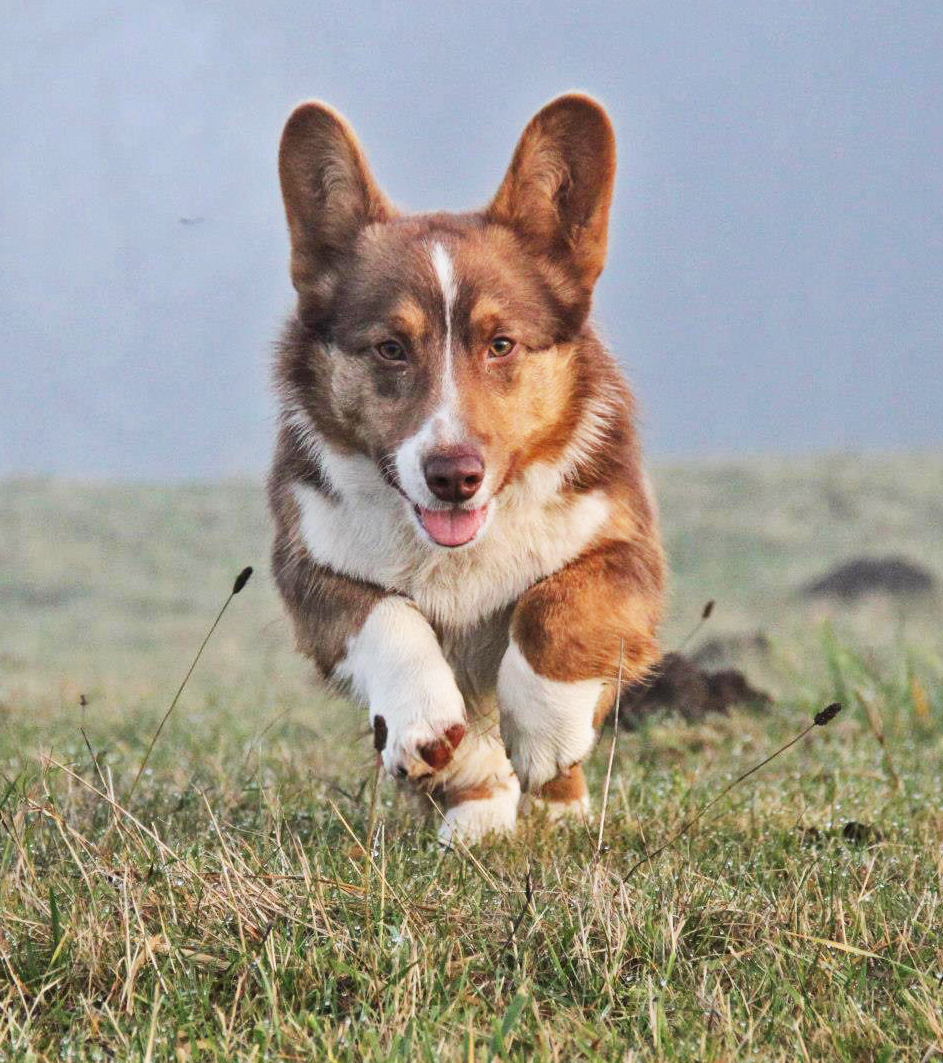
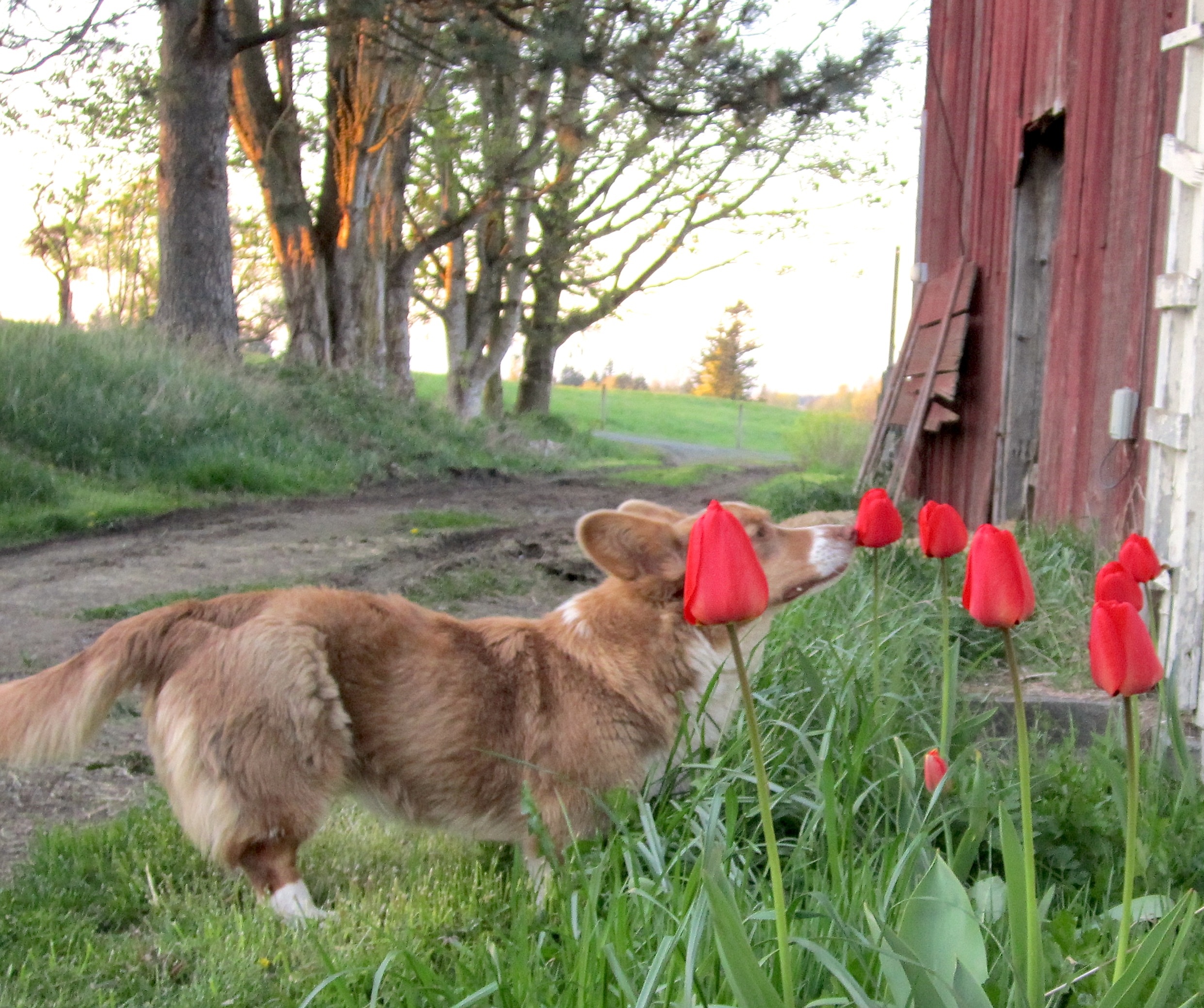
Sam does barn chores with me, always has. He runs up and down the aisles as I fill buckets, throw hay, and he’ll explore the manure pile out back and the compost pile and have stand offs with the barn cats (which he always loses). We have our routine. When I get done with chores, I whistle for him and we head to the house.
We head back home together.
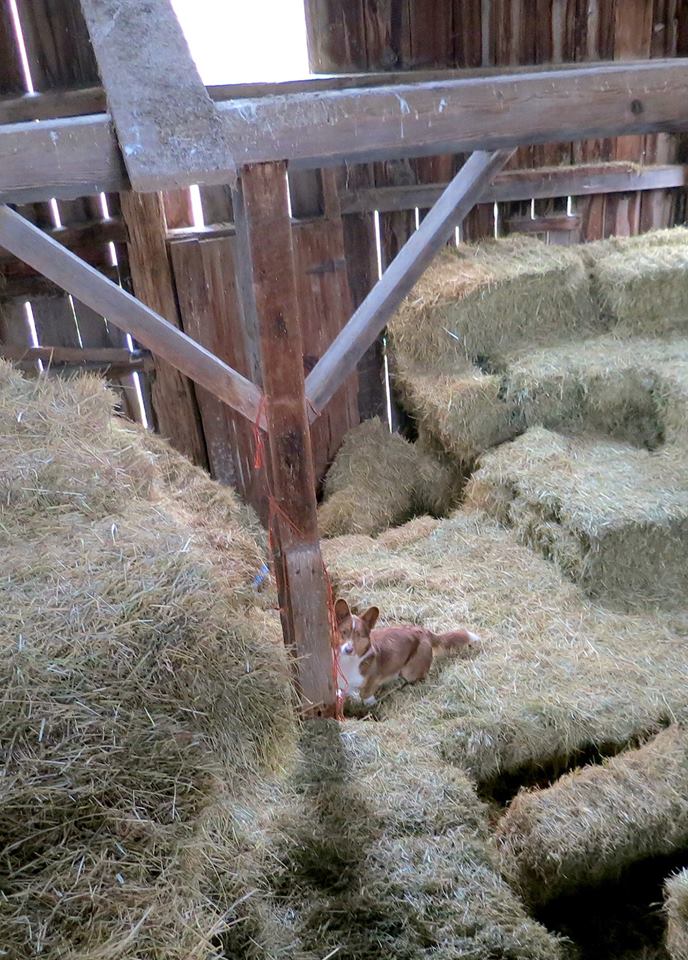
Except this morning. I whistled when I was done and his furry little fox face didn’t appear as usual. I walked back through both barns calling his name, whistling, no signs of Sam. I walked to the fields, I walked back to the dog yard, I walked the road (where he never ever goes), I scanned the pond (yikes), I went back to the barn and glanced inside every stall, I went in the hay barn where he likes to jump up and down on stacked bales, looking for a bale avalanche he might be trapped under, or a hole he couldn’t climb out of. Nothing.
Passing through the barn again, I heard a little faint scratching inside one Haflinger’s stall, which I had just glanced in 10 minutes before. The mare was peacefully eating hay. Sam was standing with his feet up against the door as if asking what took me so long. He must have scooted in when I filled up her water bucket, and I closed the door not knowing he was inside, and it was dark enough that I didn’t see him when I checked. He and his good horse friend kept it their secret.
He made not a whimper nor did he bark when I called out his name, passing that stall at least 10 times looking for him. He just patiently waited for me to finally open the door I had previously locked tight.
It wasn’t Sam who was lost. Sam lost me. He patiently waited until I realized he was waiting for me for me to come around and open the door.
He was ready to accompany me back home.
Though you are homeless Though you’re alone I will be your home Whatever’s the matter Whatever’s been done I will be your home I will be your home I will be your home In this fearful fallen place I will be your home When time reaches fullness When I move my hand I will bring you home Home to your own place In a beautiful land I will bring you home I will bring you home I will bring you home From this fearful fallen place I will bring you home I will bring you home ~Michael Card



















 Barnstorming