Seeking What Could No Longer Be Found

photo by Kate Steensma

Though I know well enough
To hunt the Lady’s Slipper now
Is playing blindman’s-buff,
For it was June She put it on
And grey with mist the spider’s lace
Swings in the autumn wind,
Yet through this hill-wood, high and low,
I peer in every place;
Seeking for what I cannot find
I do as I have often done
And shall do while I stay beneath the sun.
~Andrew Young “Lady’s Slipper Orchid”
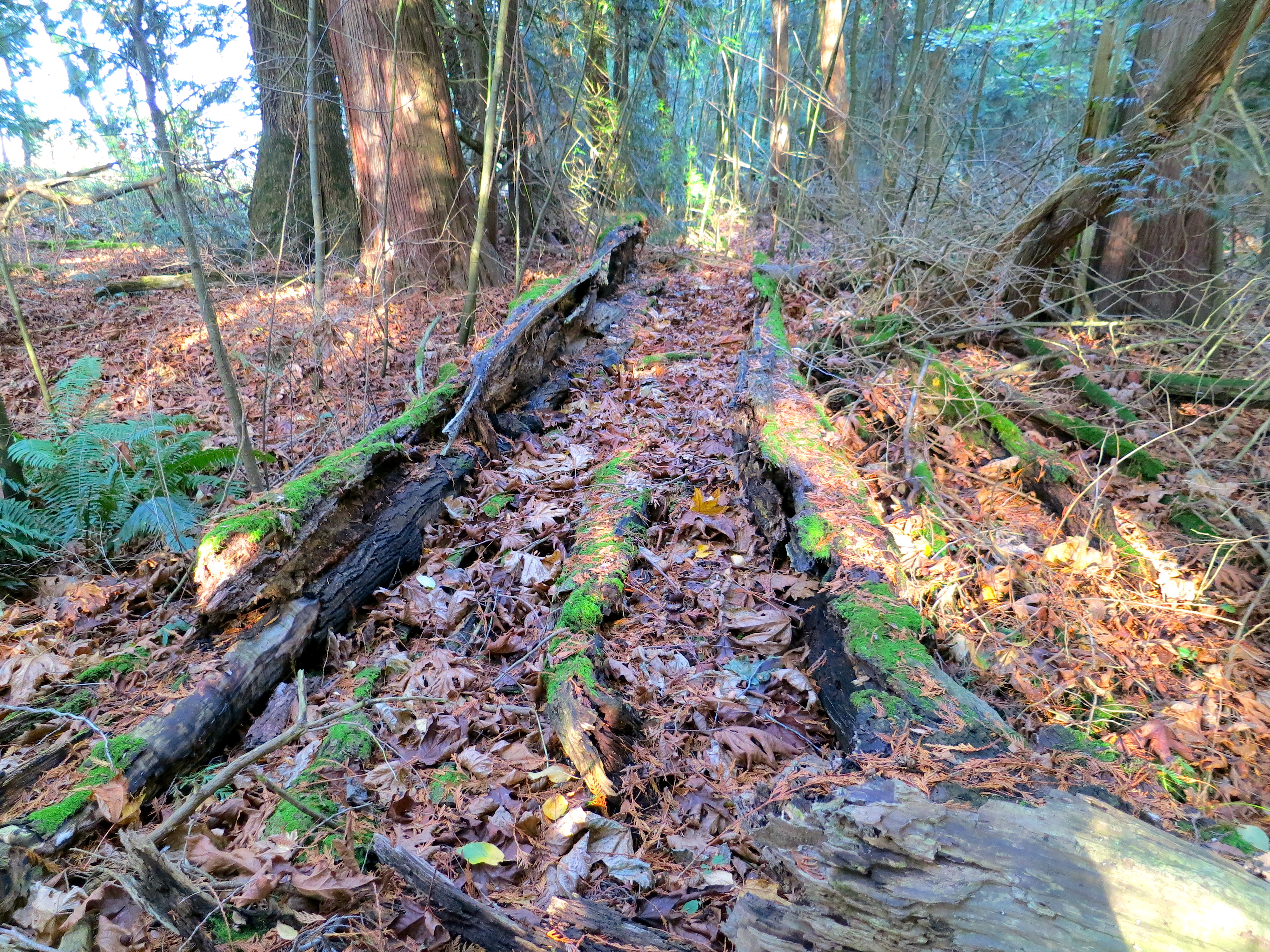
My grandmother’s house where my father was born had been torn down. She sold her property on Fidalgo Island near Anacortes, Washington to a lumber company – this was the house where all four of her babies were born, where she and my grandfather loved and fought and separated and finally loved again, and where we spent chaotic and memorable Thanksgiving and Christmas meals.  After Grandpa died, Grandma took on boarders, trying to afford to remain there on the homesteaded wooded acreage on Similk Bay, fronted by meadows where her Scottish Highland cattle grazed.   Her own health was suffering and she reached a point when it was no longer possible to make it work. A deal was struck with the lumber company and she moved to a small apartment for the few years left to her, remaining bruised by leaving her farm.

My father realized what her selling to a lumber company meant and it was a crushing thought. The old growth woods would soon be stumps on the rocky hill above the bay, opening a view to Mt. Baker to the east, to the San Juan Islands to the north, and presenting an opportunity for development into a subdivision. He woke my brother and me early one Saturday in May and told us we were driving the 120 miles to Anacortes.  He was on a mission.

As a boy growing up on that land, he had wandered the woods, explored the hill, and helped his dad farm the rocky soil.  There was only one thing he felt he needed from that farm and he had decided to take us with him, to trespass where he had been born and raised to bring home a most prized treasure–his beloved lady slippers from the woods.

These dainty flowers enjoy a spring display known for its brevity–a week or two at the most–and they tend to bloom in small little clusters in the leafy duff mulch of the deep woods, preferring only a little indirect sunlight part of the day.  They are not easy to find unless you know where to look. 

My father remembered exactly where to look.

We hauled buckets up the hill along with spades, looking as if we were about to dig for clams at the ocean.  Dad led us up a trail into the thickening foliage, until we had to bushwhack our way into the taller trees where the ground was less brush and more hospitable ground cover.  He would stop occasionally to get his bearings as things were overgrown.   We reached a small clearing and he knew we were near.  He went straight to a copse of fir trees standing guard over a garden of lady slippers.

There were almost thirty of them blooming, scattered about in an area the size of my small bedroom.  Each orchid-like pink and lavender blossom had a straight backed stem that held it with sturdy confidence.  To me, they looked like they could be little shoes for fairies who may have hung them up while they danced about barefoot.    To my father, they represented the last redeeming vestiges of his often traumatic childhood, and were about to be trammeled by bulldozers.  We set to work gently digging them out of their soft bedding, carefully keeping their bulb-like corms from losing a protective covering of soil and leafy mulch.  Carrying them in the buckets back to the car, we felt some vindication that even if the trees were to be lost to the saws, these precious flowers would survive.

When we got home, Dad set to work creating a spot where he felt they could thrive in our own woods.  He found a place with the ideal amount of shade and light, with the protection of towering trees and the right depth of undisturbed leaf mulch.  We carefully placed the lady slippers in their new home, scattered in a pattern similar to how we found them.  Then Dad built a four foot split rail fence in an octagon around them, as a protection from our cattle and a horse who wandered the woods, and as a way to demarcate that something special was contained inside.

The next spring only six lady slippers bloomed from the original thirty.  Dad was disappointed but hoped another year might bring a resurgence as the flowers established themselves in their new home.  The following year there were only three.  A decade later, my father himself had left farm and family, not looking back.

Sometime after the divorce, when my mother had to sell the farm, I visited our lady slipper sanctuary in the woods for the last time in the middle of May, seeking what I hoped might still be there, but I knew was no longer.  The split rail fence still stood, guarding nothing but old memories.  No lady slippers bloomed. There was not a trace they had ever been there.  They had simply given up and disappeared.

The new owners of the farm surely puzzled over the significance of the small fenced-in area in the middle of our woods.  They probably thought it surrounded a graveyard of some sort.

And they would be right – it did.
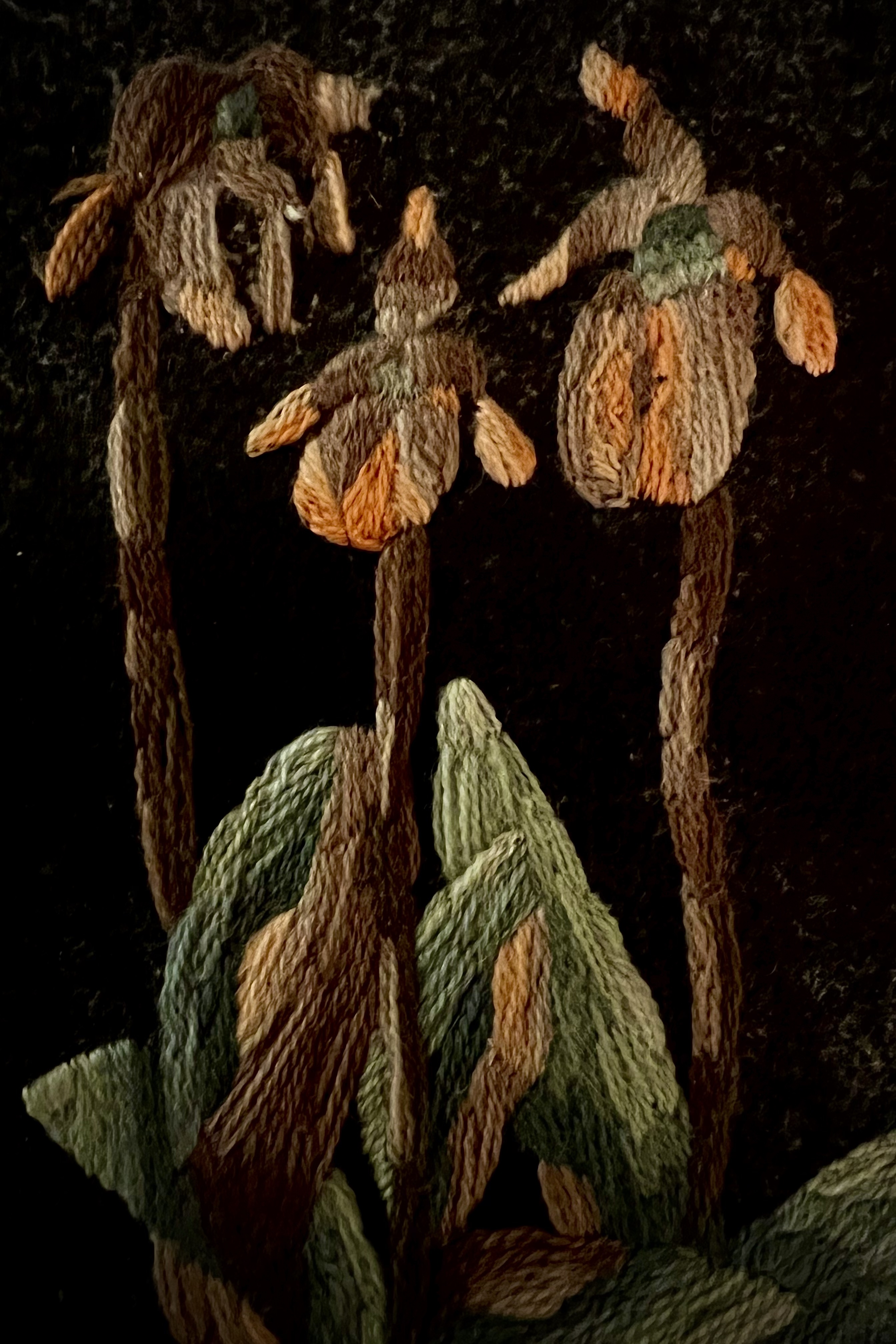
An embroidery I made for my father after he replanted the lady slippers — on the back I wrote “The miracle of creation recurs each spring in the delicate beauty of the lady slipper – may we ourselves be recreated as well…”

Once more, once more into the sunny fields
Oh, let me stray!
And drink the joy that young existence yields
On a bright, cloudless day.
Once more let me behold the summer sky,
With its blue eyes,
And join the wild wind’s voice of melody,
As far and free it flies.
Once more, once more, oh let me stand and hear
The gushing spring,
As its bright drops fall starlike, fast and clear,
And in the sunshine sing.
~Frances Kemble “A Farewell”

One-Time
Monthly
Yearly

Make a one-time or recurring donation to support Barnstorming

Make a monthly donation

Make a yearly donation

Choose an amount

¤5.00
¤10.00
¤20.00
¤5.00
¤15.00
¤100.00
¤5.00
¤15.00
¤100.00

Or enter a custom amount

¤

Your contribution is deeply appreciated.

Your contribution is appreciated.

Your contribution is appreciated.

DonateDonate monthlyDonate yearly
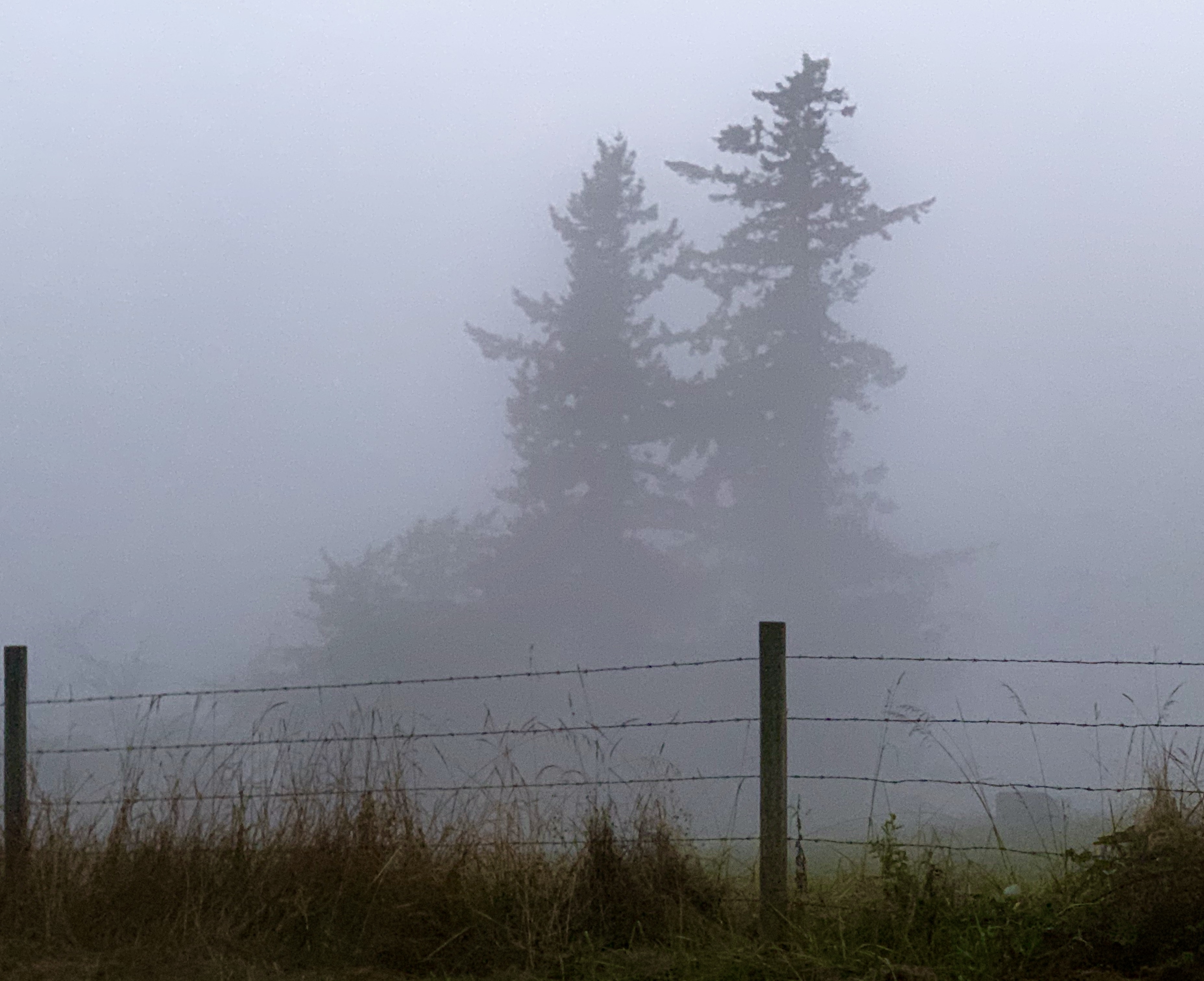
A Day for Grumbling

I like these cold, gray winter days.
Days like these let you savor a bad mood. 
~Bill Watterson (Creator of Calvin and Hobbes)

Sometimes the mist overhangs my path,
And blackening clouds about me cling;
But, oh, I have a magic way
To turn the gloom to cheerful day—
      I softly sing.

And if the way grows darker still,
Shadowed by Sorrow’s somber wing,
With glad defiance in my throat,
I pierce the darkness with a note,
       And sing, and sing.

I brood not over the broken past,
Nor dread whatever time may bring;
No nights are dark, no days are long,
While in my heart there swells a song,
       And I can sing.

~James Weldon Johnson “The Gift to Sing”

I can grumble and complain with the best of them. There is camaraderie in shared grumbling, as well as an exponential increase in dissatisfaction as everyone around me shares their own particular misery. Some relationships are based on just such collaborative complaining.

But I know better. I’ve seen where grousing leads and I feel the ache in my bones when I’m steeped in it. The sky gets grayer, the clouds become thicker, the night is darker–on and on to its overwhelming suffocating conclusion.

I have the privilege to turn away from being bleak and gloomy and choose joy. I can find the single ray of sun and stand steadfastly within it, to sing out that first note and pierce the darkness.

This is not me putting on a “happy face” — instead joy adopts and inhabits me, holds me close in the tough times and won’t abandon me. Though at times it may hide temporarily behind a cloud, I know it is there even when I can’t see it.

So I gently sing my way out of the gloom and clouds, for when I choose joy over grumbling, I find joy has chosen me.

So breaks the sun earth’s rugged chains,
      Wherein rude winter bound her veins;
So grows both stream and source of price,
      That lately fettered were with ice.
So naked trees get crisped heads,
      And colored coats the roughest meads,
And all get vigor, youth, and spright,
      That are but looked on by his light.
~Ben Jonson “So Breaks the Sun”

May we sing together, always.
May our voice be soft.
May our singing be music for others
and may it keep others aloft.
Sing gently, always.
Sing gently as one.
May we stand together, always.
May our voice be strong.
May we hear the singing and
May we always sing along.
Sing gently, always.
Sing gently as one.
~Eric Whitacre

One-Time
Monthly
Yearly

Make a one-time or recurring donation to support daily Barnstorming posts

Make a monthly donation

Make a yearly donation

Choose an amount

¤5.00
¤10.00
¤20.00
¤5.00
¤15.00
¤100.00
¤5.00
¤15.00
¤100.00

Or enter a custom amount

¤

Your contribution is deeply appreciated.

Your contribution is appreciated.

Your contribution is appreciated.

DonateDonate monthlyDonate yearly
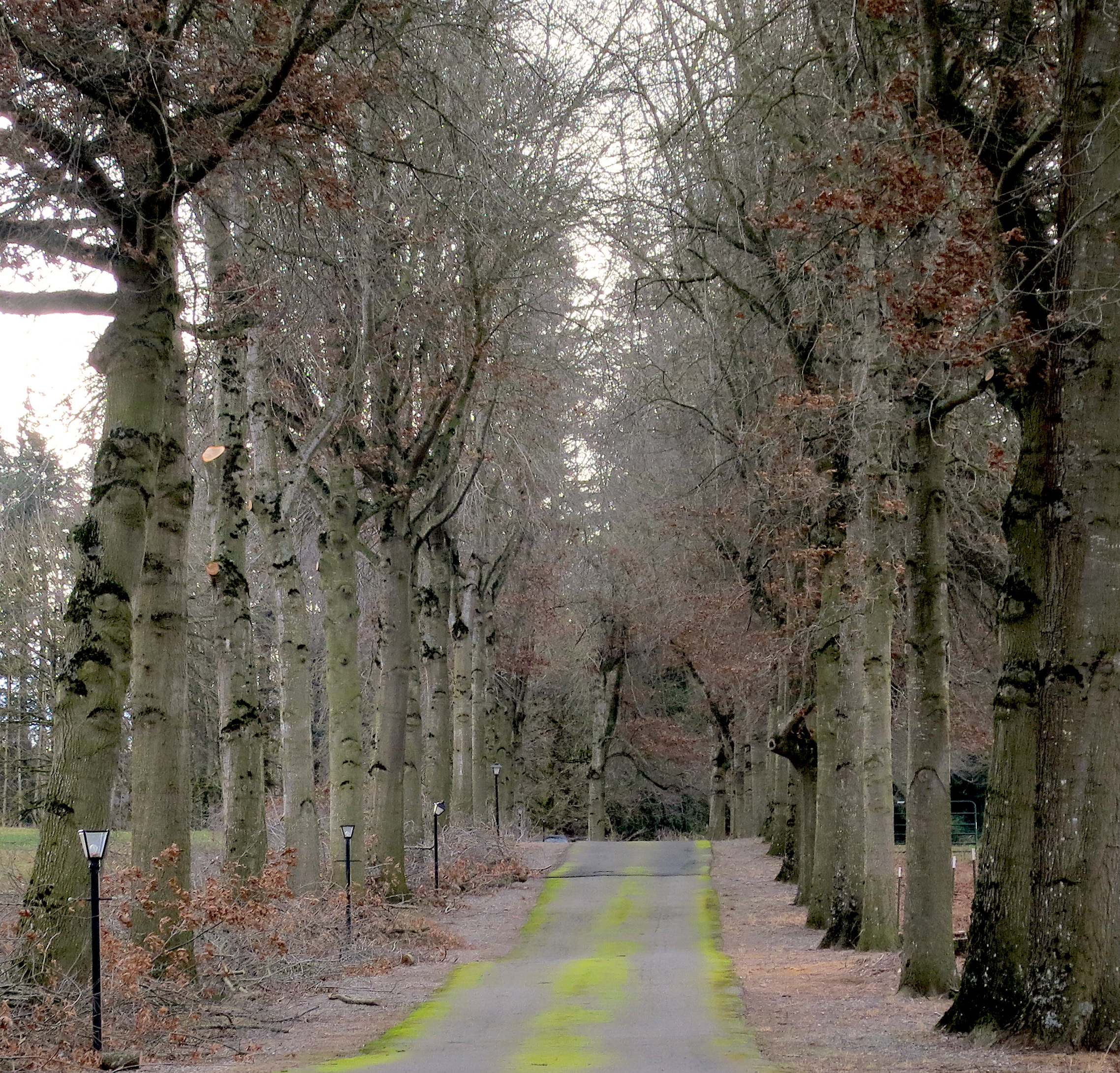
A Still Room to Remember

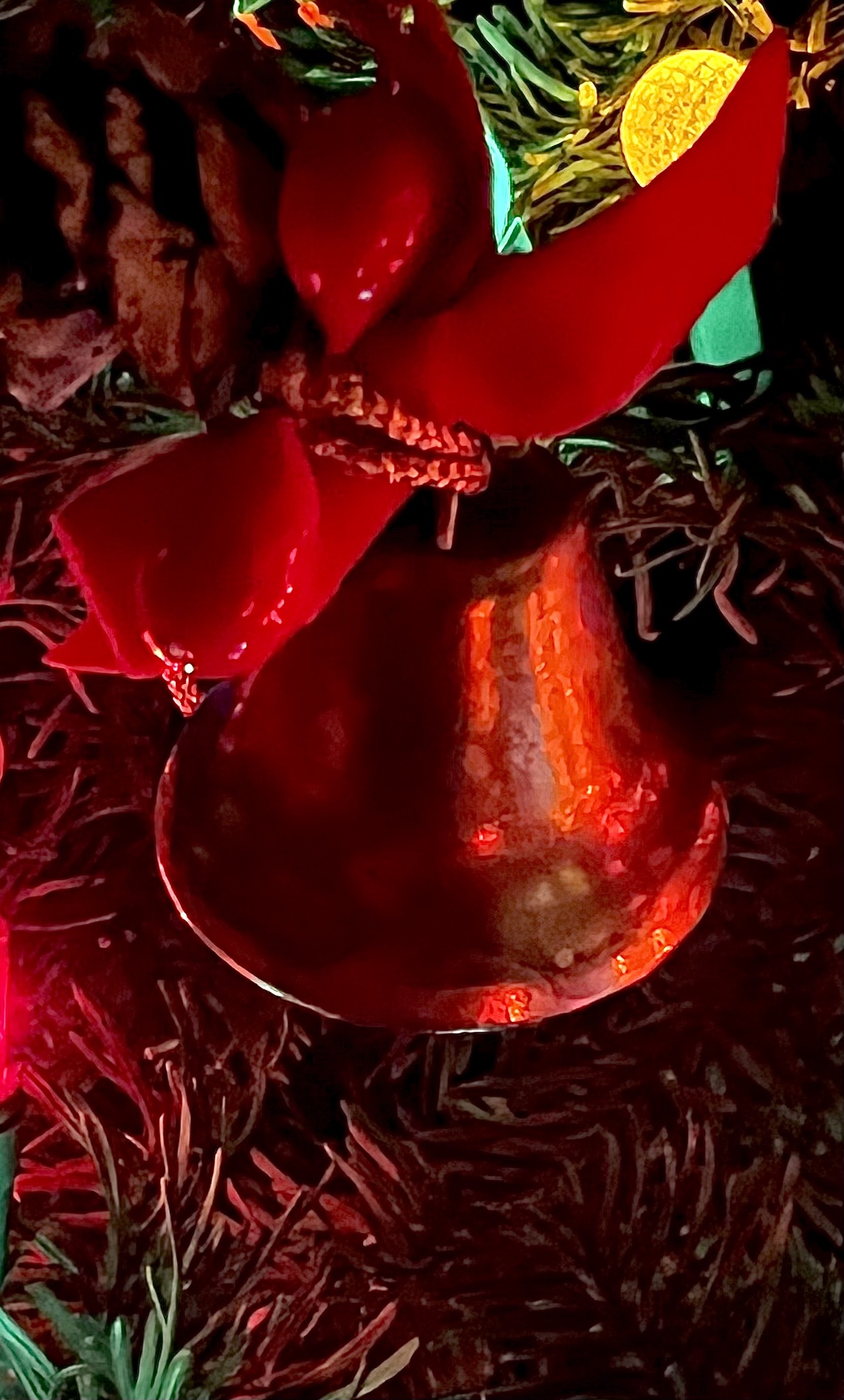
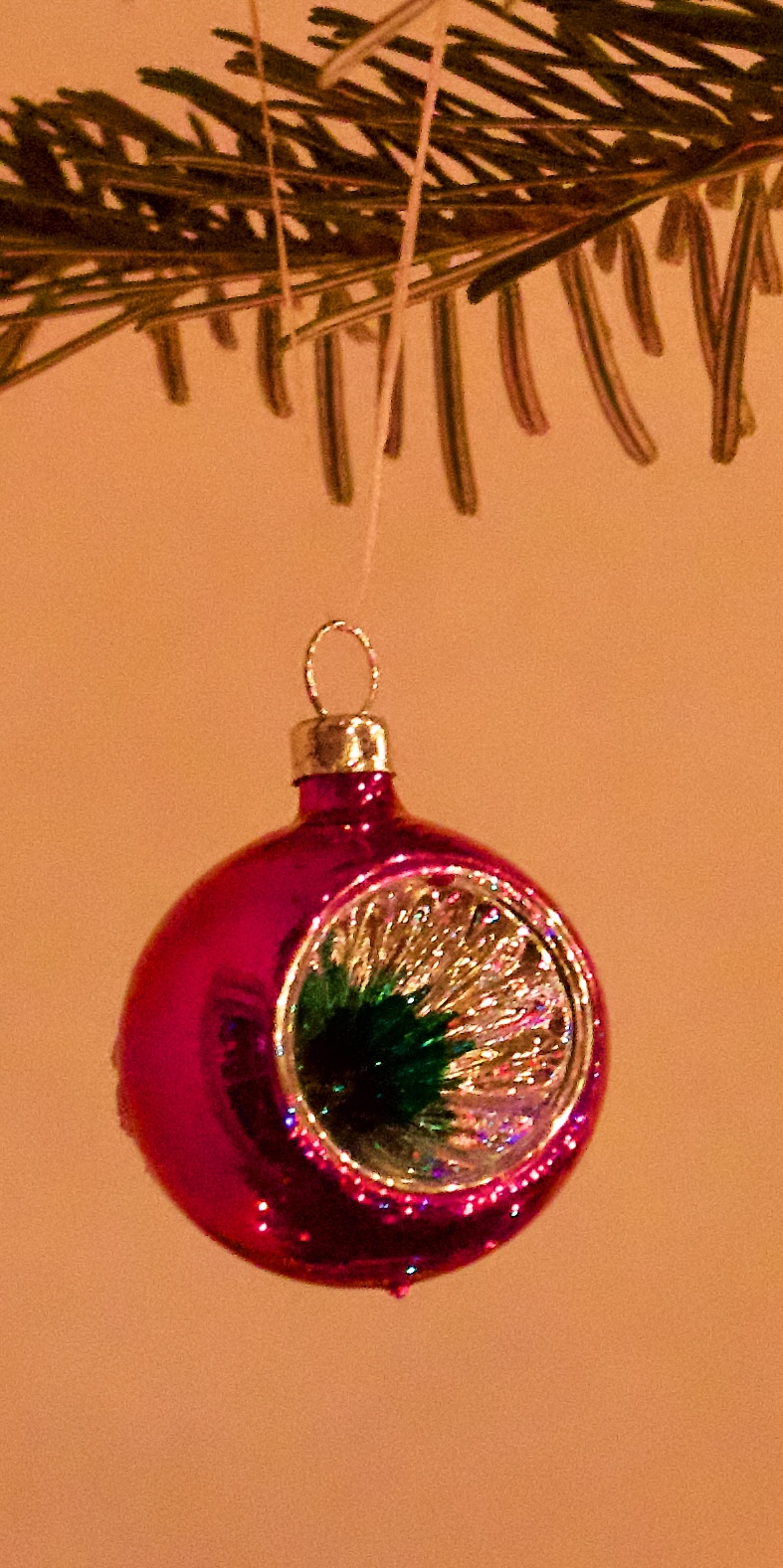
Here, the bells are silent, blown glass hung from
branches of pine whose fragrance fills the room.
It’s December, and the world’s run out of color.
Darkness at five seems absolute outside
the nine square panes of glass. But inside
hundreds of small white lights reflect off
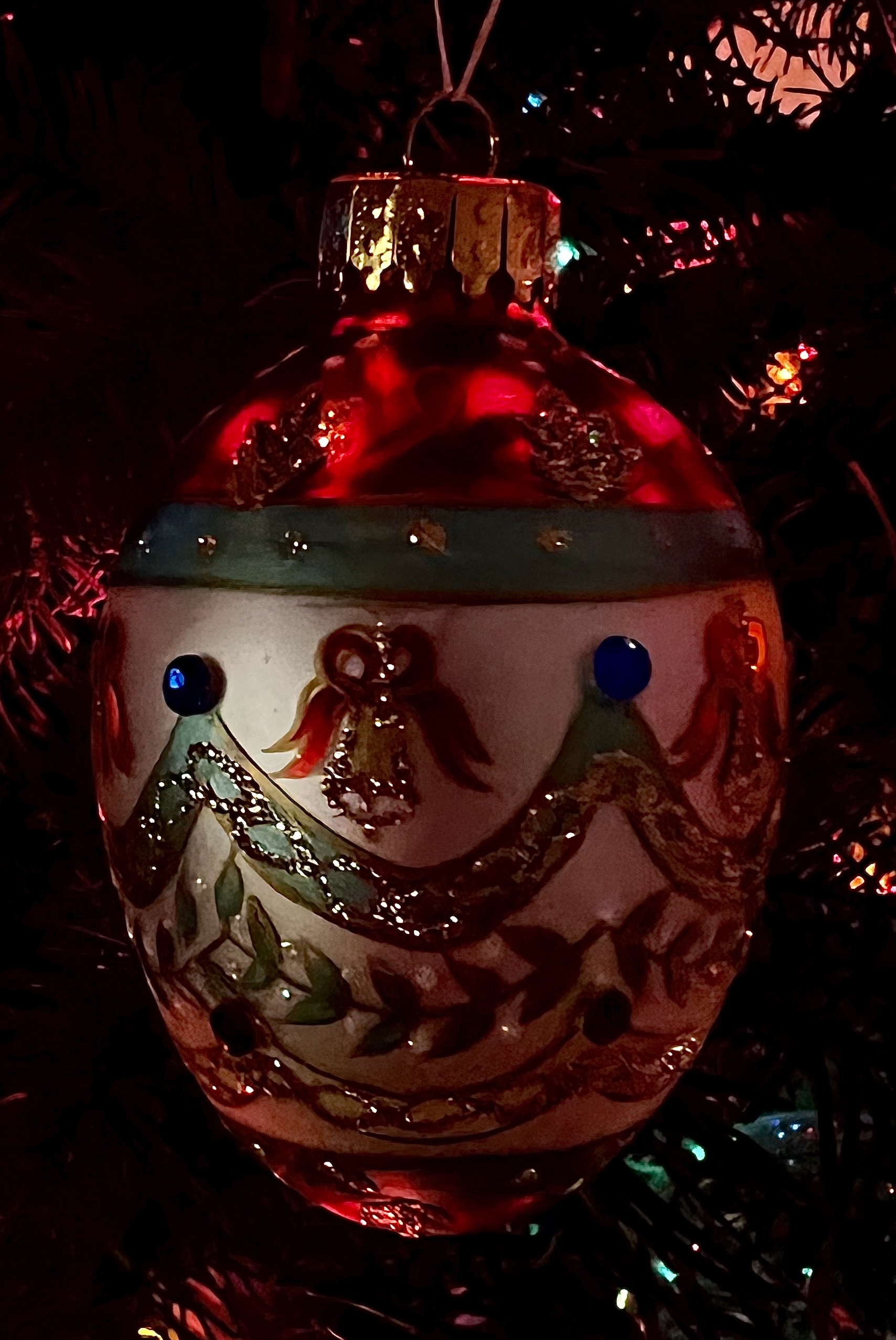
fragile ornaments handed down from before
the war. They’re all Shiny-Brite, some solid balls—
hot pink, lime green, turquoise, gold—some striped
and flocked. This night is hard obsidian, but these glints
pierce the gloom, along with their glittery echoes, the stars.
We inhale spruce, its resinous breath: the hope of spring,
the memory of summer. Every day, another peal
on the carillon of light.

~Barbara Crooker, “Bells” from Some Glad Morning

The time is ripe for looking back over the day, the week, the year,
and trying to figure out where we have come from
and where we are going to,
for sifting through the things we have done
and the things we have left undone

for a clue to who we are and who,
for better or worse, we are becoming.

We cling to the present out of wariness of the past.
But there is a deeper need yet, I think, and that is the need
—not all the time, surely, but from time to time—
to enter that still room within us all
where the past lives on as a part of the present,
where the dead are alive again,
where we are most alive ourselves to turnings
and to where our journeys have brought us.

The name of the room is Remember—
the room where with patience, with charity, with quietness of heart,
we remember consciously to remember the lives we have lived.
~Frederick Buechner
“A Room Called Remember”

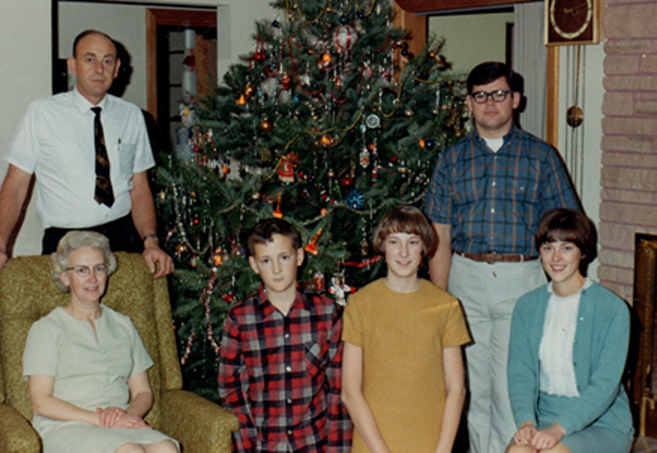
In 1959, when I was five years old, my father left his high school agriculture teaching position for a new supervisor position with the state. Our family moved from a large 3 story farm house in a rural community to a 1950’s newer rambler style home just outside the city limits of the state capitol.  It was a big adjustment to move to a much smaller house without a basement or upper story, no garage, and no large haybarn nor chicken coop.  It meant most things we owned didn’t make the move with us.

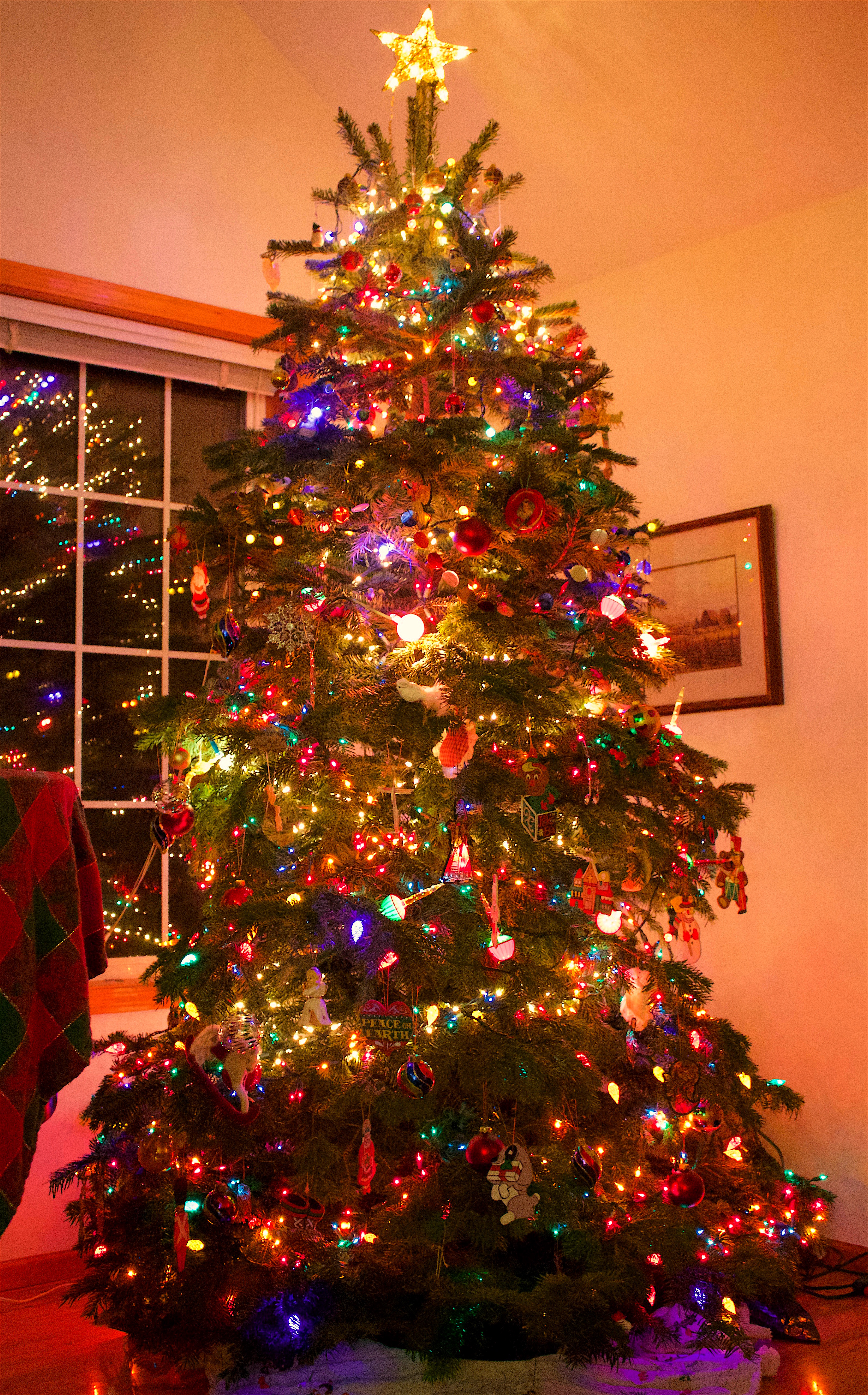
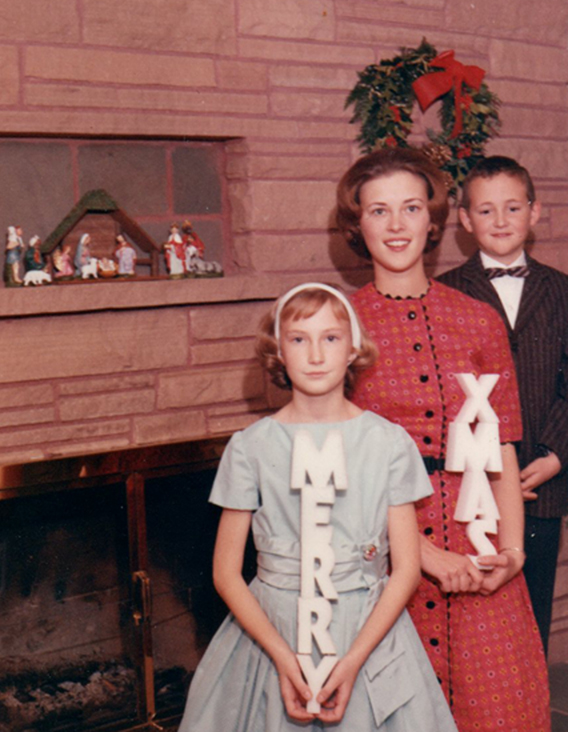
The rambler had two side by side mirror image rooms as the primary central living space between the kitchen on one side and the hallway to the bedrooms on the other.  The living room could only be entered through the front door and the family room was accessed through the back door with a shared sandstone hearth in the center, containing a fireplace in each room.  The only opening between the rooms had a folding door shut most of the year.  In December, the door was opened to accommodate a Christmas tree, so it sat partially in the living room and depending on its generous width, spilled over into the family room.  That way it was visible from both rooms, and didn’t take up too much floor space.

The living room, because it contained the only carpeting in the house, and our “best” furniture,  was strictly off-limits for us kids. In order to keep our two matching sectional knobby gray fabric sofas,  a green upholstered chair and gold crushed velvet covered love seat in pristine condition, the room was to be avoided unless we had company. The carpet was never to develop a traffic pattern, there would be no food, beverage, or pet ever allowed in that room, and the front door was not to be used unless a visitor arrived.  The hearth never saw a fire lit on that side because of the potential of messy ashes or smoke smell. This was not a room for laughter, arguments or games and certainly not for toys. The chiming clock next to the hearth, wound with weighted pine cones on the end of chains, called out the hours without an audience.

One week before Christmas, a tree was cut down to fit in the space where it could overflow into the family room.  I particularly enjoyed decorating the “family room” side of the tree, using all my favorite ornaments that were less likely to break if they fell on the linoleum floor on that side of the door.

It was as if the Christmas tree became divided, with a “formal” side in the living room and a “real life” face on the other side where the living (and all that goes along with that) was actually taking place.

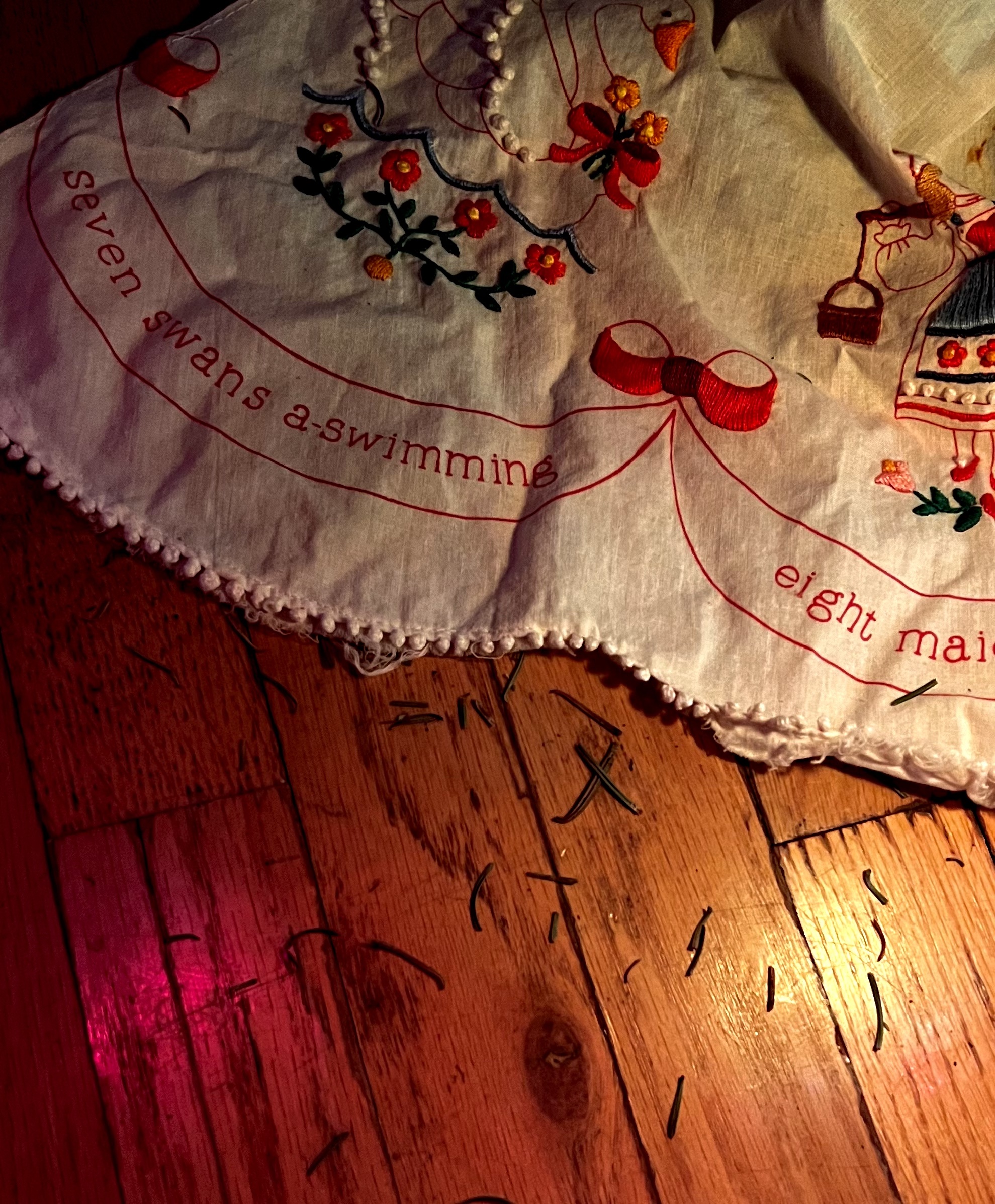
The tree straddled more than just two rooms.  Each year that tree’s branches reached out to shelter a family that was slowly, almost imperceptibly, falling apart like fir needles dropping to the floor, soon to be swept away.

Each year since, our Christmas tree, bearing those old ornaments from my childhood, reminds me of that still room of memories.  No longer am I wary of the past, and as I sweep up the fir needles that inevitably drop, I no longer weep.

One-Time
Monthly
Yearly

Make a one-time or recurring donation to support Barnstorming

Make a monthly donation

Make a yearly donation

Choose an amount

¤5.00
¤10.00
¤20.00
¤5.00
¤15.00
¤100.00
¤5.00
¤15.00
¤100.00

Or enter a custom amount

¤

Your contribution is deeply appreciated.

Your contribution is appreciated.

Your contribution is appreciated.

DonateDonate monthlyDonate yearly
Because They Are No More

The snow is melting
and the village is flooded
     with children.
~Kobayashi Issa (translated by Robert Haas)

A voice is heard in Ramah,
    mourning and great weeping,
Rachel weeping for her children
    and refusing to be comforted,
    because they are no more.
Matthew 2:18 and Jeremiah 31:15

…as you sit beneath your beautifully decorated tree, eat the rich food of celebration, and laugh with your loved ones, you must not let yourself forget the horror and violence at the beginning and end of the Christmas story. The story begins with the horrible slaughter of children and ends with the violent murder of the Son of God. The slaughter depicts how much the earth needs grace. The murder is the moment when that grace is given.

Look into that manger representing a new life and see the One who came to die. Hear the angels’ celebratory song and remember that sad death would be the only way that peace would be given. Look at your tree and remember another tree – one not decorated with shining ornaments, but stained with the blood of God.

As you celebrate, remember that the pathway to your celebration was the death of the One you celebrate, and be thankful.
~Paul Tripp

God could, had He pleased, have been incarnate in a man of iron nerves, the Stoic sort who lets no sigh escape him. Of His great humility He chose to be incarnate in a man of delicate sensibilities who wept at the grave of Lazarus and sweated blood in Gethsemane. Otherwise we should have missed the great lesson that it is by his will alone that a man is good or bad, and that feelings are not, in themselves, of any im­portance. We should also have missed the all-important help of knowing that He has faced all that the weakest of us face, has shared not only the strength of our nature but every weakness of it except sin. If He had been incarnate in a man of immense natural courage, that would have been for many of us almost the same as His not being incar­nate at all.
― C.S. Lewis, The Collected Letters of C.S. Lewis

There is no consolation for families
of those lost to death come too soon:
a rogue king’s slaughter of innocents,
and now so much needless death:
weather, war, accidents, random shootings, COVID.

Arms ache with the emptiness of grief,
beds and pillows lie cold and unused,
hugs never to come again.

There is no consolation;
only mourning and great weeping,
sobbing that wrings dry
every human cell,
leaving dust behind,
which is our beginning
and our end.

God came to us
for times such as this,
born of the dust of woman and
the breath of the Holy Spirit,
God bent down to
lie in manger dust,
walk on roads of dust,
die and be laid to rest as dust
to conquer such evil as this
that displaces masses and massacres innocents.

He became dust to be
like us
He began a mere speck in a womb
like us

His heart beat
like ours
breathing each breath
like ours
until a fearful fallen world
took His
and our breath
away.

He shines through
the shadows of death
to guide our stumbling uncertain feet.

He hears our cries
as He cried too.
He knows our tears
as He wept too.
He knows our mourning
as He mourned too.
He knows our dying
as He died too.

God weeps
as this happens.

Only God can glue together
what evil has shattered.
He asks us to hand Him
the pieces of our broken hearts.

We will know His peace
when He comes
to bring us home,
our tears finally dried,
our cells no longer
just dust,
as we are glued together
by the holy breath of our God
forevermore.

Lully, lullay, thou little tiny child,
Bye bye, lully, lullay.
Thou little tiny child,
Bye bye, lully, lullay.

O sisters too, how may we do
For to preserve this day
This poor youngling for whom we sing,
“Bye bye, lully, lullay?”

Herod the king, in his raging,
Chargèd he hath this day
His men of might in his own sight
All young children to slay.

That woe is me, poor child, for thee
And ever mourn and may
For thy parting neither say nor sing,
“Bye bye, lully, lullay.”

One-Time
Monthly
Yearly

Make a one-time or recurring donation to support Barnstorming

Make a monthly donation

Make a yearly donation

Choose an amount

¤5.00
¤10.00
¤20.00
¤5.00
¤15.00
¤100.00
¤5.00
¤15.00
¤100.00

Or enter a custom amount

¤

Your contribution is deeply appreciated.

Your contribution is appreciated.

Your contribution is appreciated.

DonateDonate monthlyDonate yearly

The Beginning Shall Remind Us of the End: Let Me Go There

photo from NASA

And God held in his hand
A small globe.  Look he said.
The son looked.  Far off,
As through water, he saw
A scorched land of fierce
Colour.  The light burned
There; crusted buildings
Cast their shadows: a bright
Serpent, A river
Uncoiled itself, radiant
With slime.
               On a bare
Hill a bare tree saddened
The sky.  many People
Held out their thin arms
To it, as though waiting
For a vanished April
To return to its crossed
Boughs.  The son watched
Them.  Let me go there, he said.
~R.S. Thomas “The Coming”

You have answered
us with the image of yourself
on a hewn tree, suffering
injustice, pardoning it;
pointing as though in either
direction; horrifying us
with the possibility of dislocation.
Ah, love, with your arms out
wide, tell us how much more
they must still be stretched
to embrace a universe drawing
away from us at the speed of light.
~R.S.Thomas “Tell Us”

Ah, Love~
You the Incarnate,
stretched and fettered to a tree

arms out wide
embracing us
who try to grasp
a heaven which eludes us.

This heaven, Your heaven
You brought down to us
knowing our pain and weakness.

You wanted to come here,
knowing all this.

Holding us firmly
within your wounded grip,
You the Son
handed us heaven.

This year’s Barnstorming Advent theme “… the Beginning shall remind us of the End” is taken from the final lines in T.S. Eliot’s poem “The Cultivation of Christmas Trees”

O living Word
Please come and dwell in us
Lord wipe away these tears
O ancient Son, so long foretold
We’re desperate souls, draw near

And we will stand
Securely in the strength of the Lord
Every heart will surely come and adore
The Great I Am

O our Shepherd King
Please come and dwell with us
To fields of grace
Lead on

We need You now
Break our chains by Your glory and power
Make us captive to a holy desire
Come to us O Lord
Come to us O Lord

Prince of Peace, Emmanuel
Lord draw us close, unto Thyself
King of kings, God’s chosen One
We need you now, to Thee we run

We need You now
Break our chains by Your glory and power
Make us captive to a holy desire
Come to us O Lord
Come to us O Lord
Songwriter: Eric Marshall

One-Time
Monthly
Yearly

Make a one-time donation supporting Barnstorming

Make a monthly donation

Make a yearly donation

Choose an amount

¤5.00
¤10.00
¤20.00
¤5.00
¤15.00
¤100.00
¤5.00
¤15.00
¤100.00

Or enter a custom amount

¤

Your contribution is deeply appreciated.

Your contribution is appreciated.

Your contribution is appreciated.

DonateDonate monthlyDonate yearly
We Were All Beautiful Once

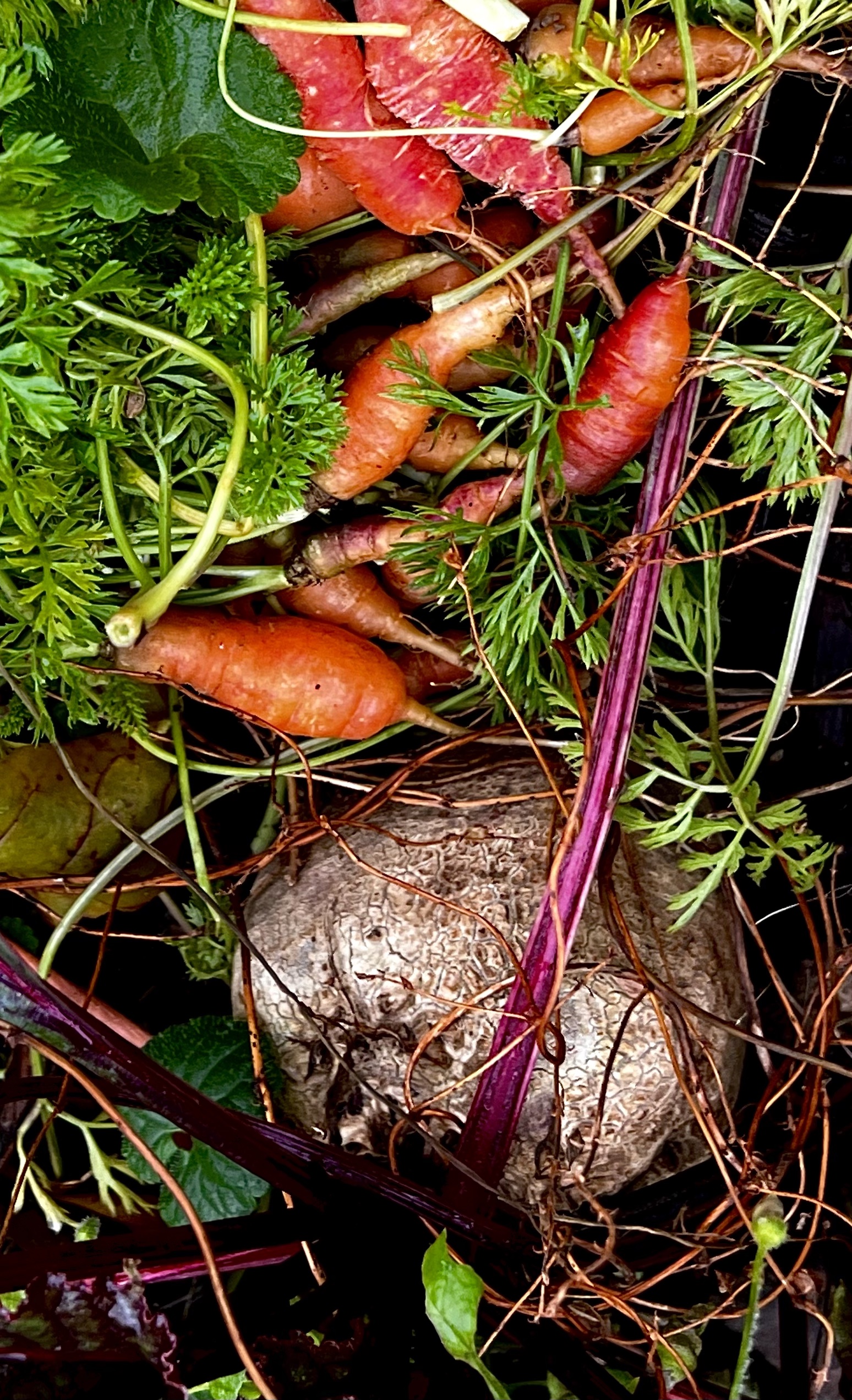
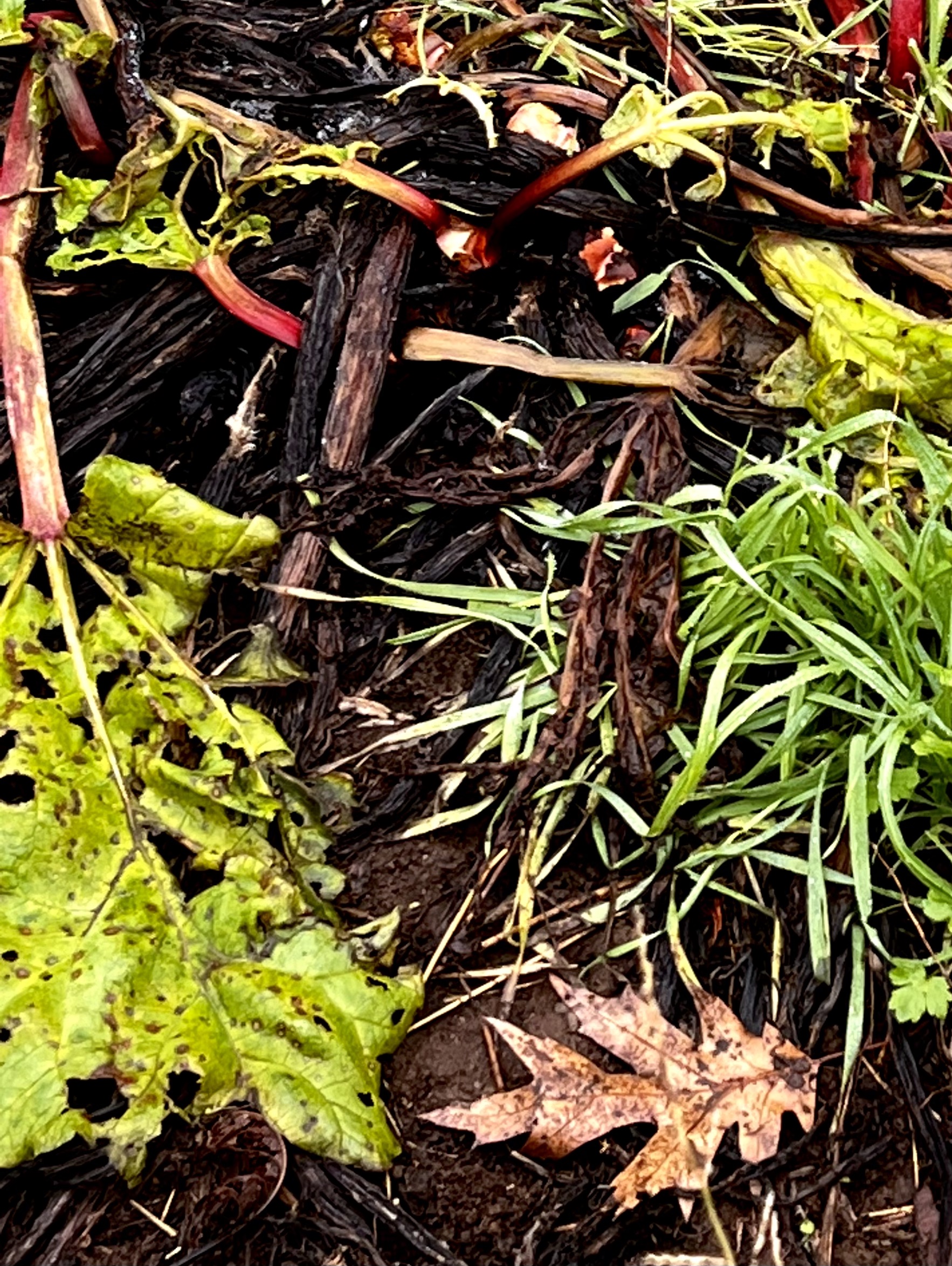
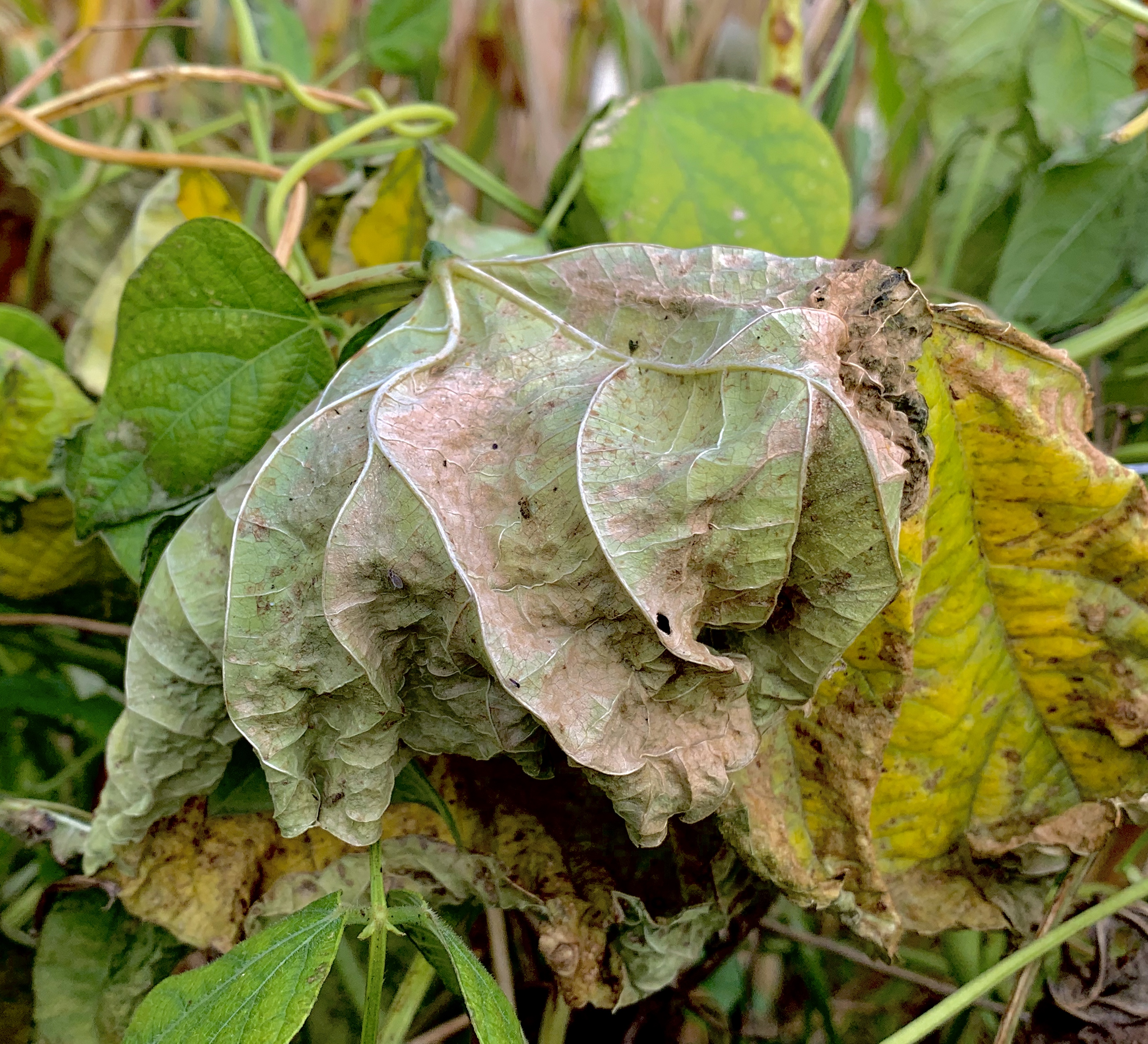
Everything in the garden is dead, killed by a sudden hard
freeze, the beans, the tomatoes, fruit still clinging to the
branches. It’s all heaped up ready to go to the compost
pile: rhubarb leaves, nasturtiums, pea vines, even the
geraniums. It’s too bad. The garden was so beautiful,
green and fresh, but then we were all beautiful once.
Everything dies, we understand. But the mind of the
observer, which cannot imagine not imagining, goes on.
The dynasties are cut down like the generations of grass,
the bodies blacken and turn into coal. The waters rise and
cover the earth and the mind broods on the face of the
deep, and learns nothing.
~Louis Jenkins, “Freeze” from Where Your House is Near: New and Selected Poems

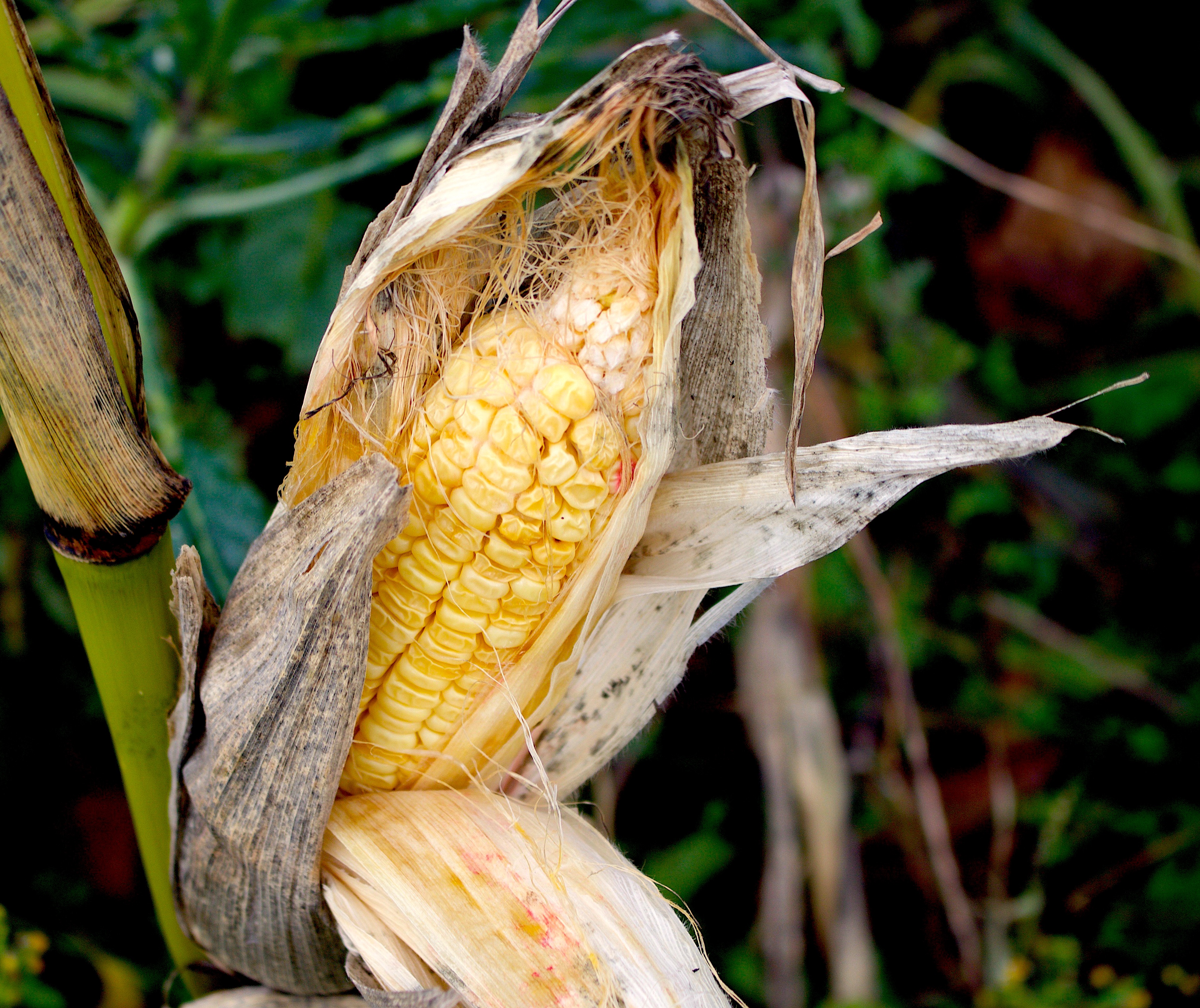
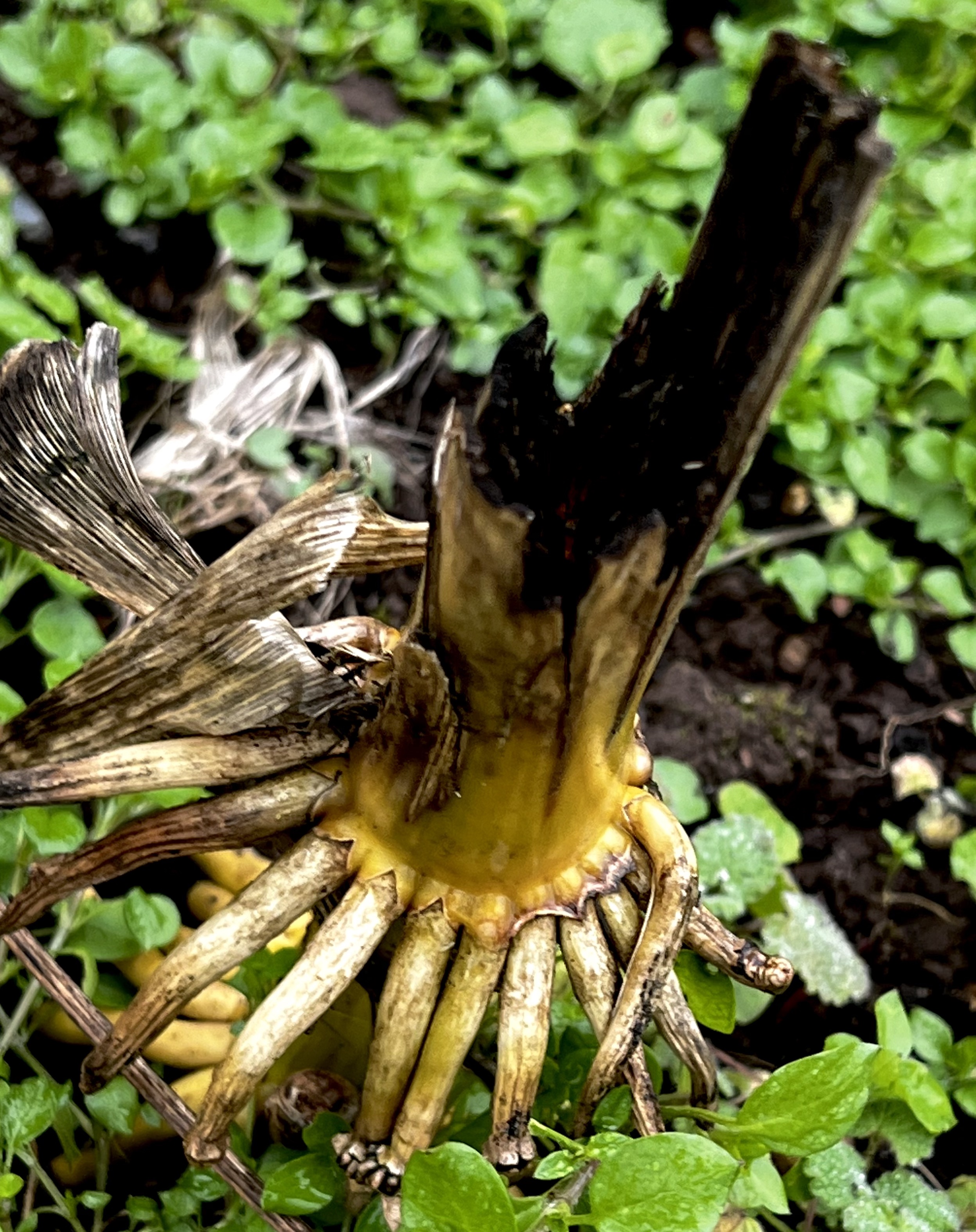
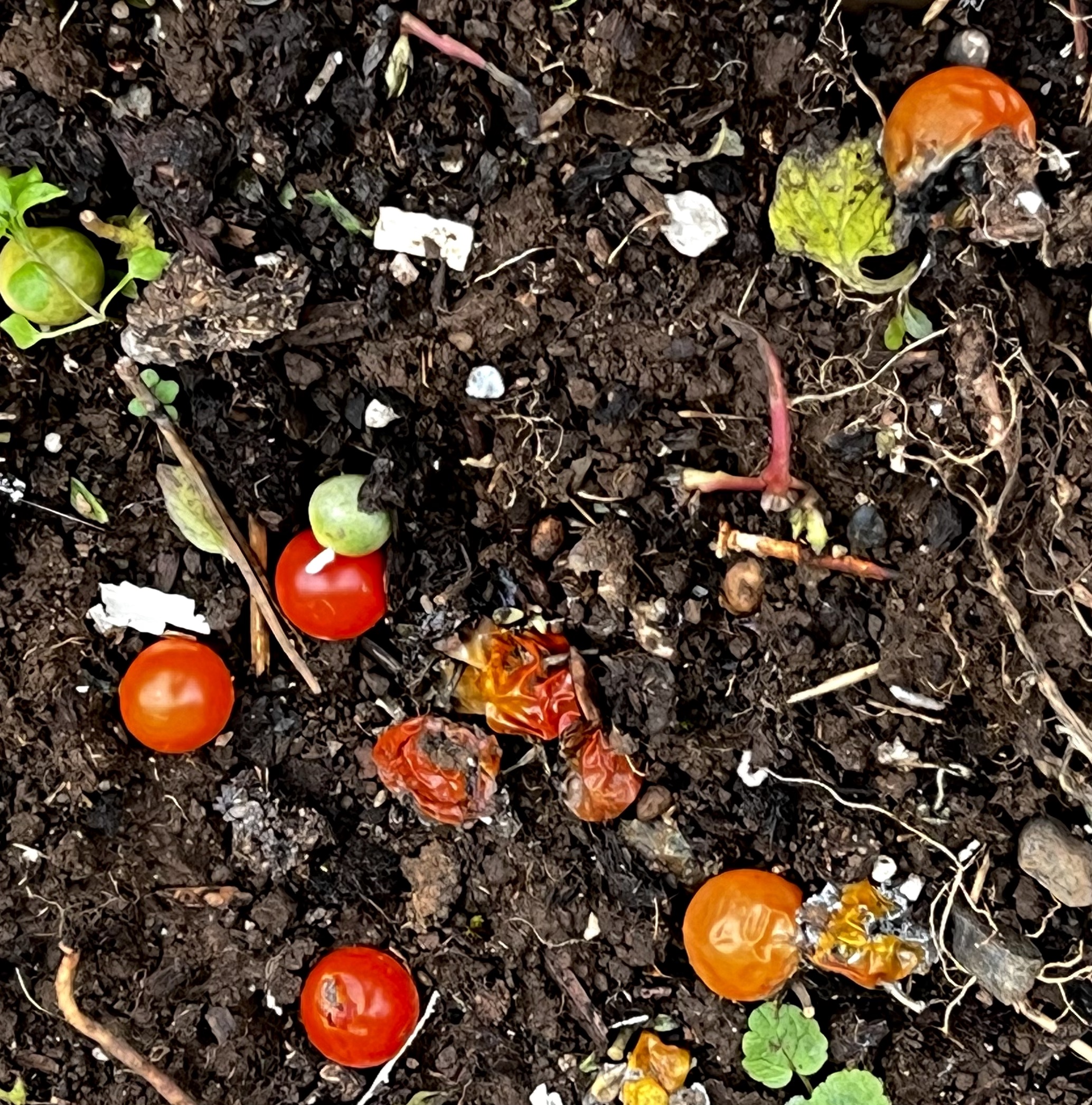
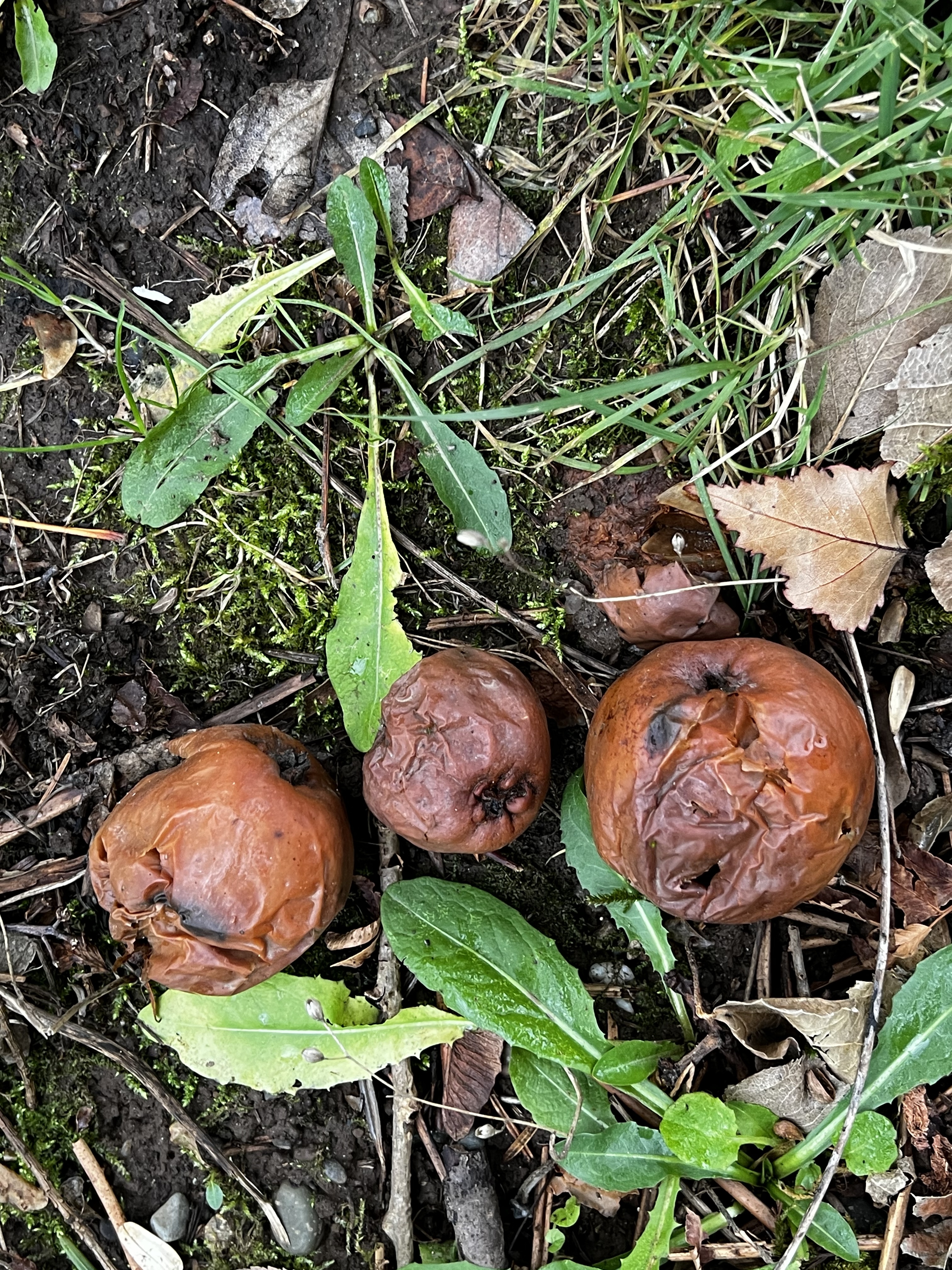
This week was our first hard freeze of autumn, following on the heels of the worst flooding in a half century in our county. The land and all that grows here experienced a one-two punch – when the waters pulled back into the streams and rivers, what was left behind looked frozen, soaked and miserable. The people whose homes were devastated are so much more than miserable; they are mudding out by removing everything down to the studs to try to begin again. With hundreds of volunteers and disaster teams helping, there are piles of kitchen appliances, dry wall, carpet and every household item along the main streets of nearby towns, waiting to be hauled off.

Surveying our dying garden is small potatoes in comparison to a flooded town only a few miles away. The memories of how beautiful our garden was a 2-3 months ago is nothing in contrast to the families who lost their stored heirlooms and cherished memories to the muck and mire of deep waters.

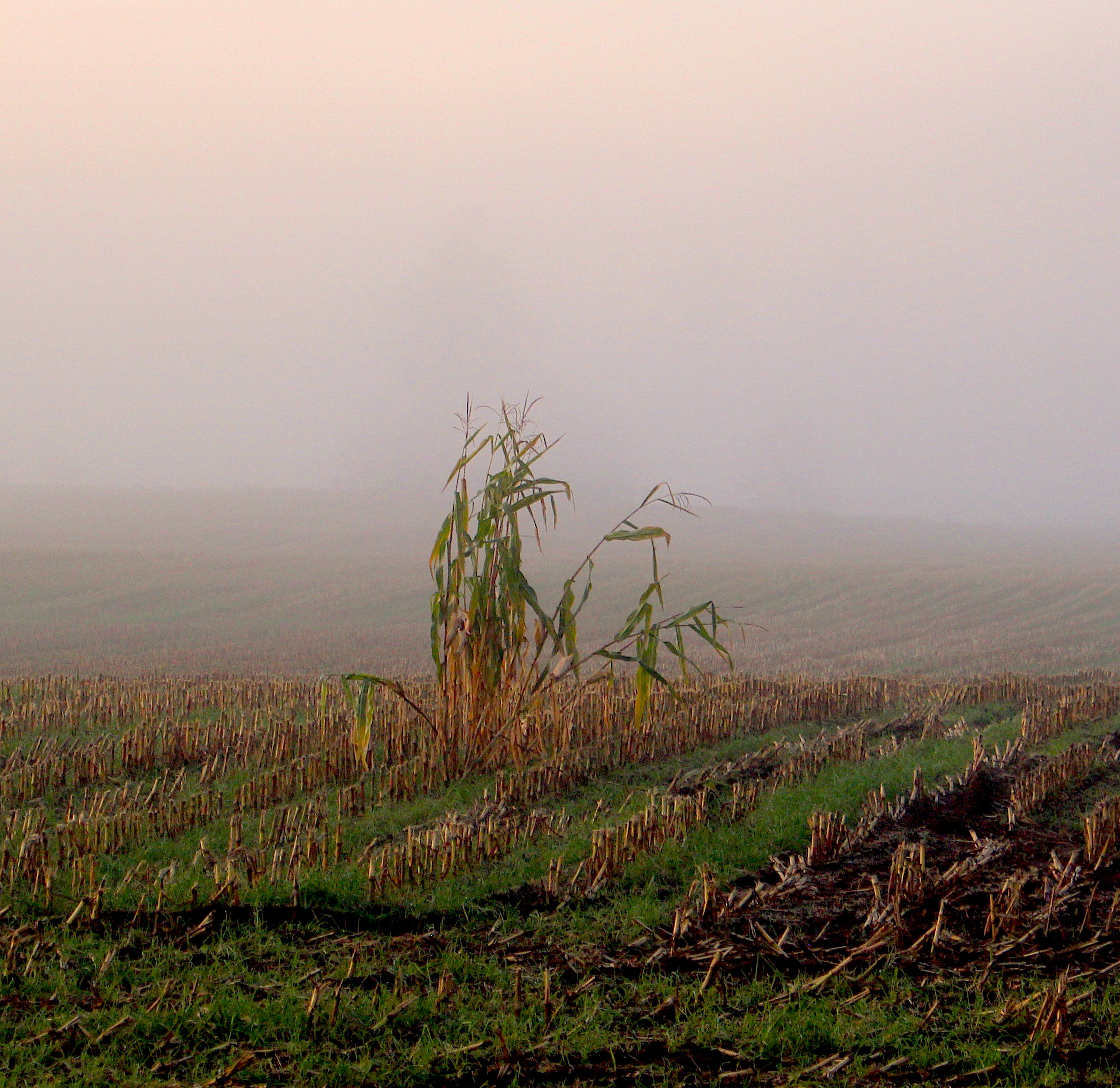
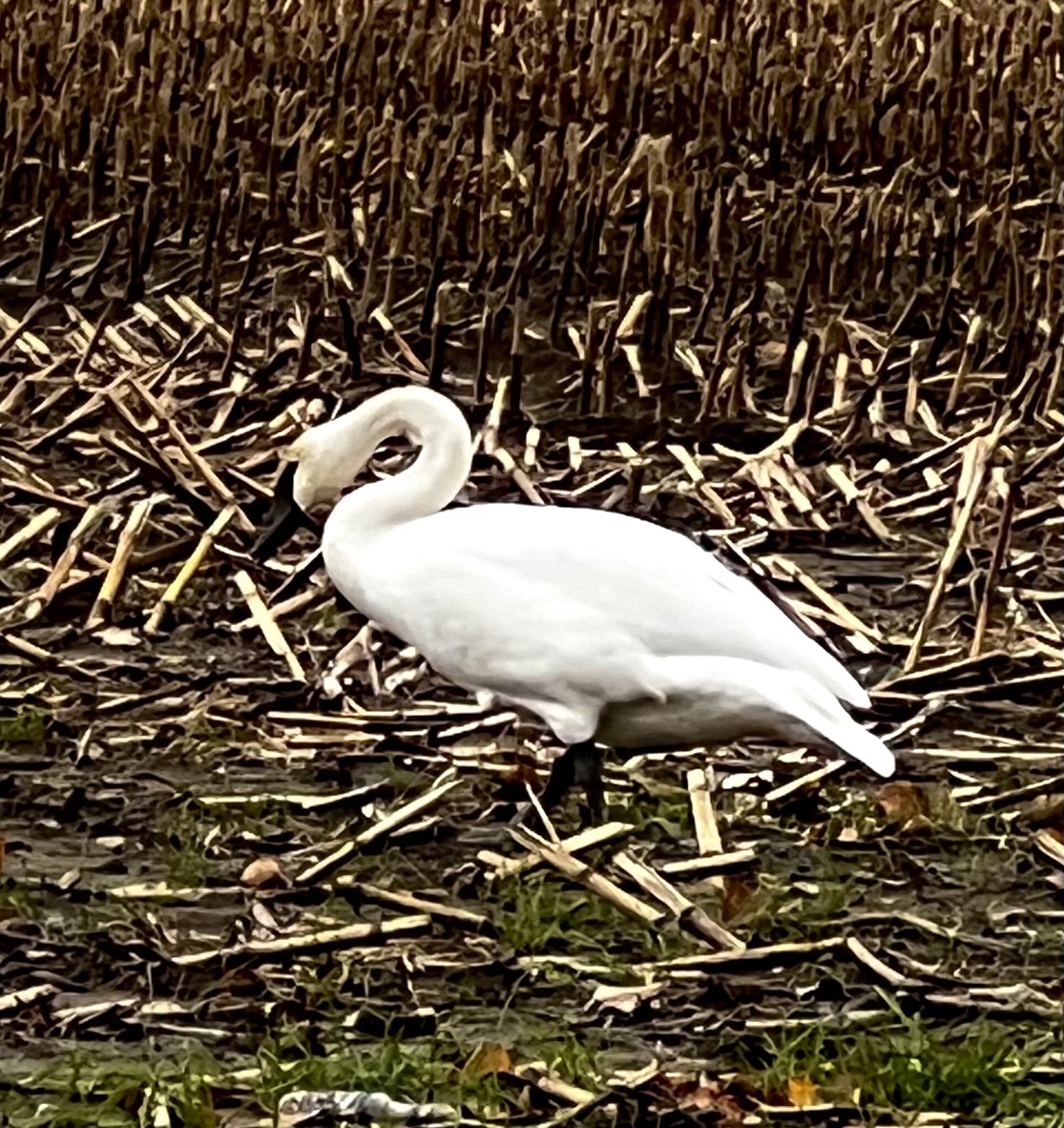
But we are a resilient community. We are people of persistence and creativity and there will eventually be beauty again here. Driving on a newly opened road beside the still-surging river where a few days ago several feet of water covered a cornfield, I spotted a trumpeter swan, standing in glorious spotless white, picking her way through the mud-stained cornstalks, hoping to find something of value left behind in the devastation.

There is still hope; it did not wash away. We only need to use our imagination to find it.

One-Time
Monthly
Yearly

Make a one-time donation to support Barnstorming

Make a monthly donation

Make a yearly donation

Choose an amount

¤5.00
¤10.00
¤20.00
¤5.00
¤15.00
¤100.00
¤5.00
¤15.00
¤100.00

Or enter a custom amount

¤

Your contribution is deeply appreciated.

Your contribution is appreciated.

Your contribution is appreciated.

DonateDonate monthlyDonate yearly
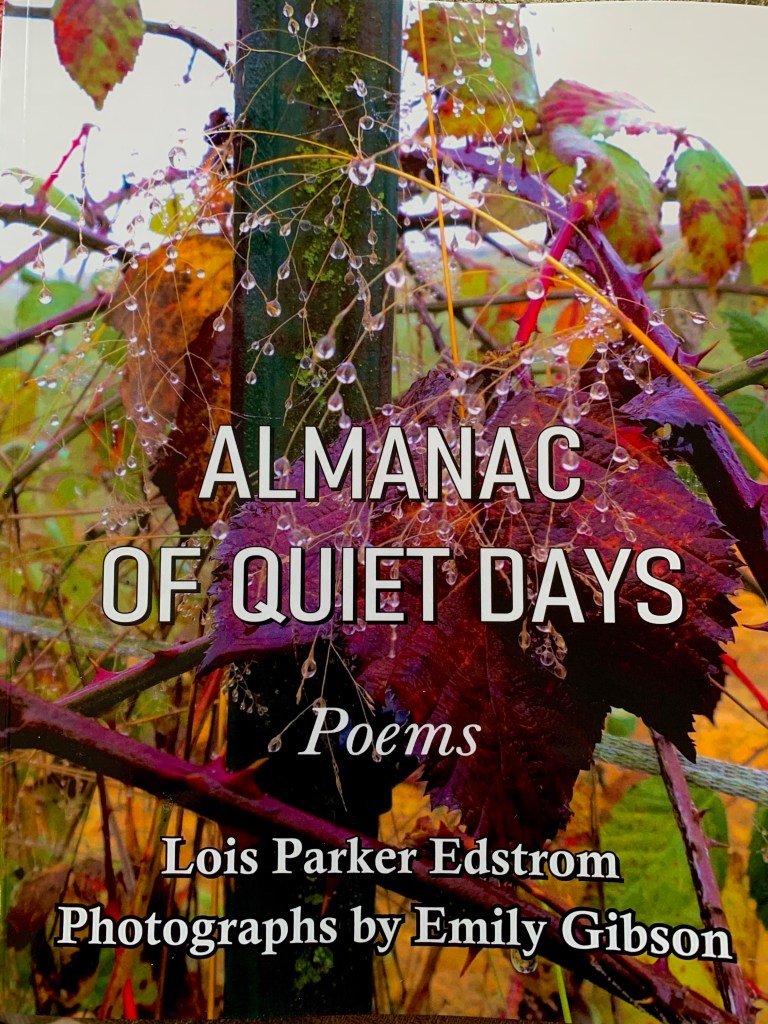
A book of beauty in words and photography, available to order here:

The Scar of Proud Flesh

There are names for what binds us:
strong forces, weak forces.
Look around, you can see them:
the skin that forms in a half-empty cup,
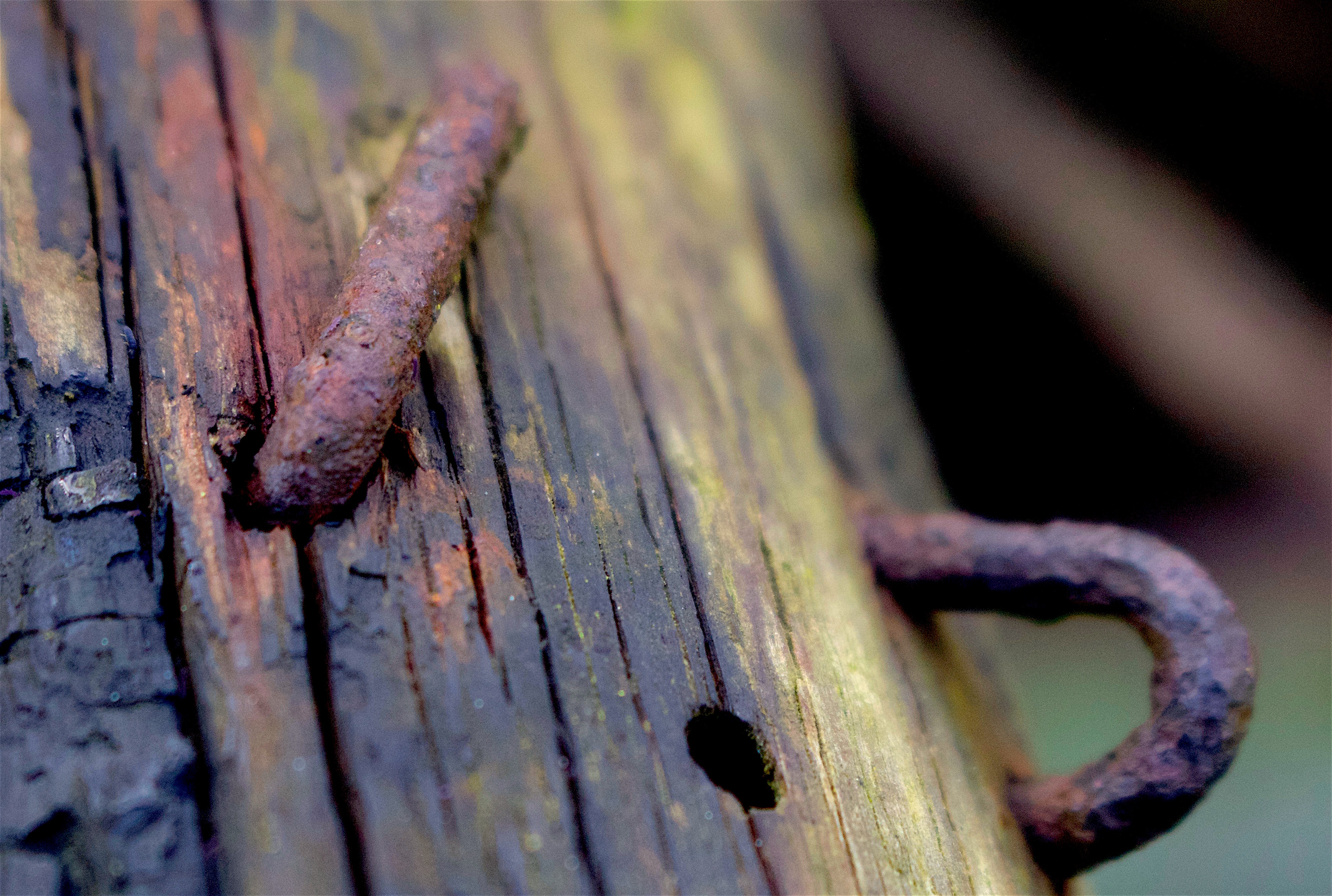
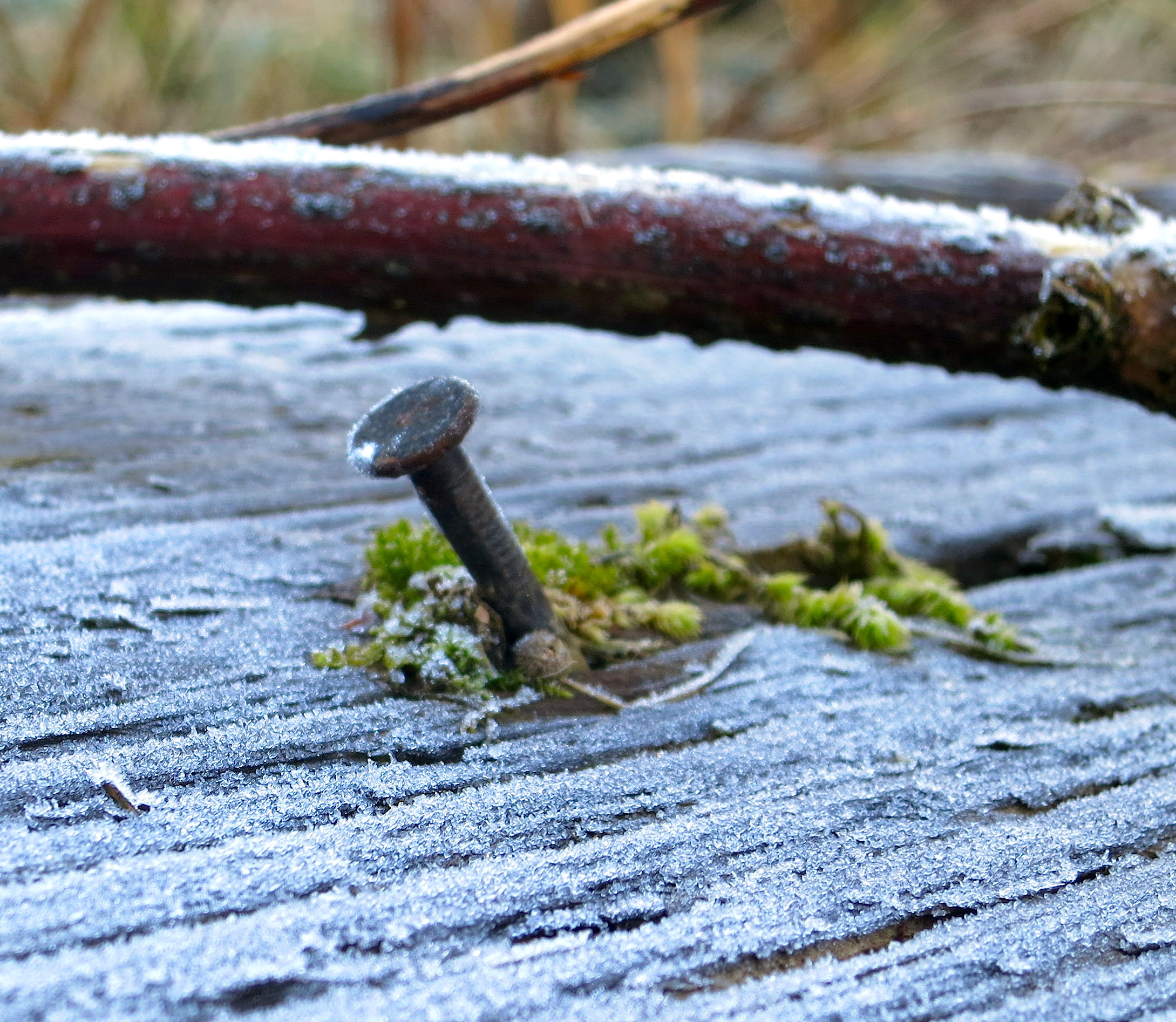
nails rusting into the places they join,
joints dovetailed on their own weight.

The way things stay so solidly whenever they’ve been set down –
and gravity, scientists say, is weak.

And see how the flesh grows back across a wound, with a great vehemence,
more strong than the simple, untested surface before.

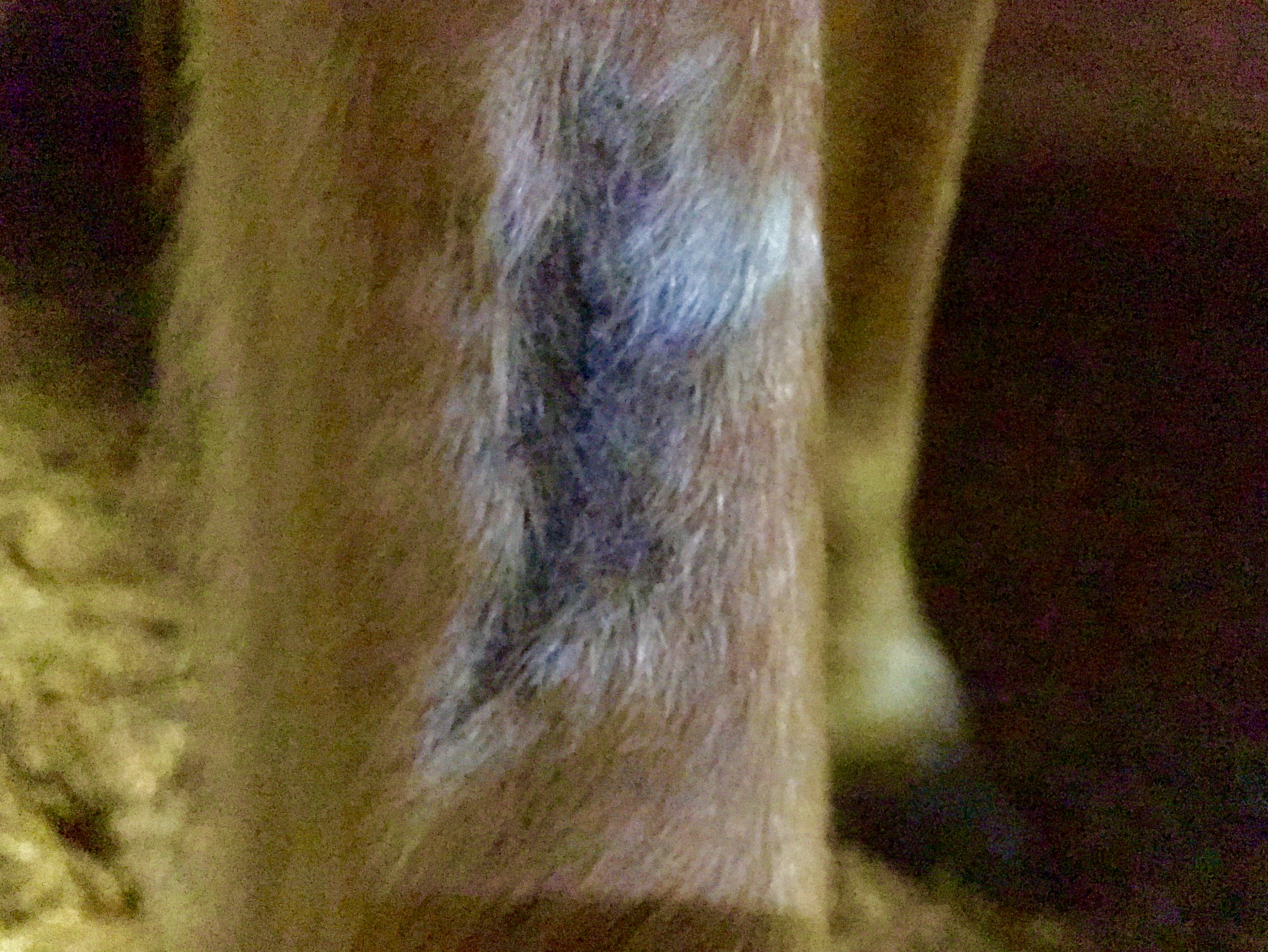
There’s a name for it on horses, when it comes back darker and raised:
proud flesh, as all flesh is proud of its wounds,
wears them as honors given out after battle,
small triumphs pinned to the chest –

And when two people have loved each other,
see how it is like a scar between their bodies,
stronger, darker, and proud;
how the black cord makes of them a single fabric
that nothing can tear or mend.
~Jane Hirshfield  “For What Binds Us”

Scars come in various sizes and shapes, some hidden, some quite obvious to all.  How they are inflicted also varies–some accidental, others therapeutic, and too many intentional. 

The most insidious are the ones so deep inside,  no one can see or know they are there.

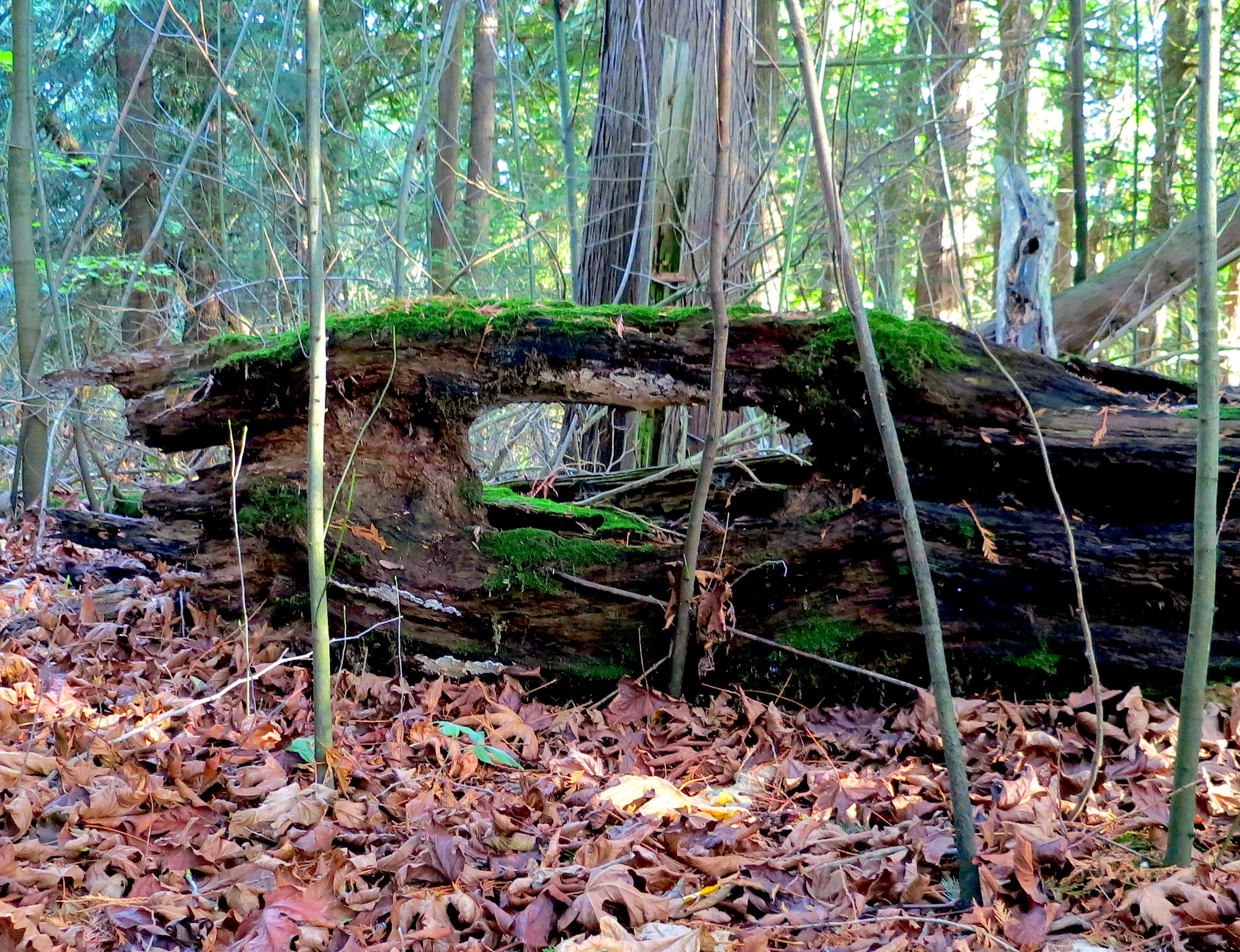
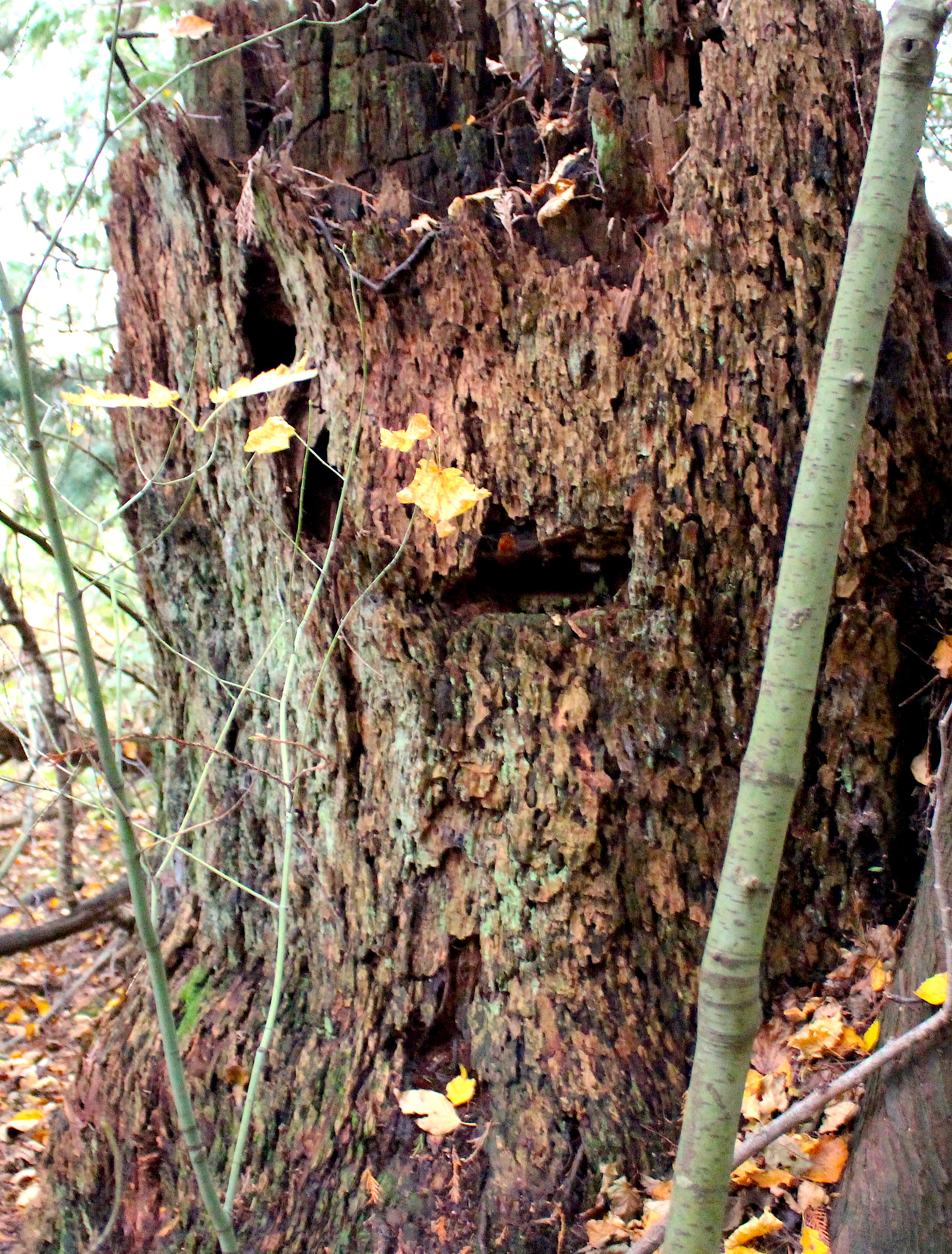
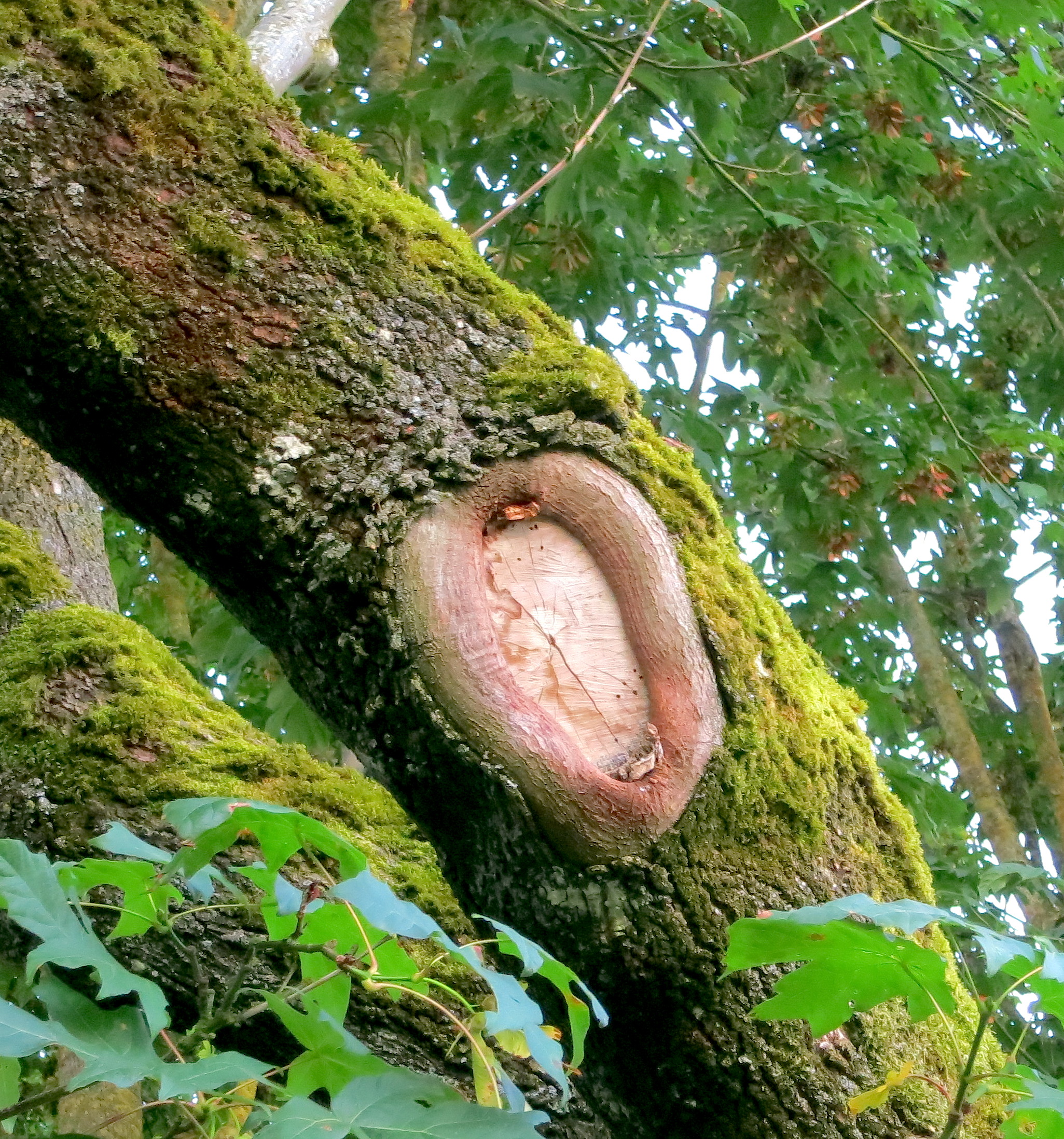
Back in our woodlot stands a sawed off stump of a cedar that was old growth in virgin forest over a hundred years ago.  One day clearcut loggers came through and took every tree they could to haul to the local sawmills to become beams and lumber for the growing homesteading population in the region.  This cedar once was grand and vast, covering an immense part of the forest floor, providing protection to trillium at its feet and finches’ nests and raptors hunting in its branches.   It nurtured its environment until other plans were made, and one day, axes fell on its sides to cut out the notches for the springboards where two loggers stood either side of the proud trunk to man the saw which brought the tree down. 

Where the wood went is anyone’s guess.  It could be one of the mighty beams supporting our old hay barn roof or it could have become the foundation flooring of a nearby one room school house.  It surely had a productive and meaningful life as part of a structure somewhere until rot or carpenter ants or fire brought it once again to its knees.

But this ghost of a stump remains, a tombstone of remembrance of a once grand tree, the notch scars embedded deep in its sides, nursing new seedlings from its center and moss, lichen and ferns from its sides.

I come from logger stock so I don’t begrudge these frontier settlers their hard scrabble living, nor minimize their dangerous work in order to feed themselves and their families.  It’s just I’m struck by those scars over one hundred years later — such a visible reminder of what once was a vital living organism toppled for someone’s need and convenience.

Trees are not unique.  It happens to people too.  Everyday scars are inflicted for reasons hard to justify.  Too often I see them self-inflicted in an effort to feel something other than despair.  Sometimes they are inflicted by others out of fear or need for control.

Sometimes they are simply the scars of living – on our horses they are a dark tough scar of leathery “proud flesh”. These are the wounds that accumulate on our journey through our numbered days.

None of them are as deep and wide as the scars that were accepted on our behalf, nor as wondrous as the Love that oozed from them, nor as amazing as the Grace that abounds to this day because of the promise they represent. 

These are scars from the Word made Flesh, a proud flesh that won’t give way, lasting forever.

As a result, that Tree lives, and so do we.

One-Time
Monthly
Yearly

Make a one-time donation to support Barnstorming

Make a monthly donation

Make a yearly donation

Choose an amount

¤5.00
¤10.00
¤20.00
¤5.00
¤15.00
¤100.00
¤5.00
¤15.00
¤100.00

Or enter a custom amount

¤

Your contribution is deeply appreciated.

Your contribution is appreciated.

Your contribution is appreciated.

DonateDonate monthlyDonate yearly

A book of beauty in words and photography, available to order here:

Born Broken

Man is born broken.
He lives by mending.
The grace of God is glue.
~Eugene O’Neill
from Act 4, Scene 1 – The Great God Brown

None of us can “mend” another person’s life, no matter how much the other may need it, no matter how much we may want to do it.

Mending is inner work that everyone must do for him or herself. When we fail to embrace that truth the result is heartbreak for all concerned.

What we can do is walk alongside the people we care about, offering simple companionship and compassion. And if we want to do that, we must save the only life we can save, our own.
~Parker Palmer writing about Mary Oliver’s poem “The Journey”
One day you finally knew
what you had to do, and began,
though the voices around you
kept shouting

their bad advice – – –
though the whole house
began to tremble
and you felt the old tug
at your ankles.
‘Mend my life!’
each voice cried.
But you didn’t stop.

You knew what you had to do,
though the wind pried
with its stiff fingers
at the very foundations – – –
though their melancholy
was terrible. It was already late
enough, and a wild night,
and the road full of fallen
branches and stones.

But little by little,
as you left their voices behind,
the stars began to burn
through the sheets of clouds,
and there was a new voice,
which you slowly
recognized as your own,
that kept you company
as you strode deeper and deeper
into the world,
determined to do
the only thing you could do – –

– determined to save
the only life you could save.
~Mary Oliver “The Journey”

We are born hollering and suddenly alone,
already aware of our emptiness
from the first breath,
each tiny air sac bursting
with the air of our fallen world~
air that is never enough.

The rest of our days are spent
filling up our empty spaces
whether alveoli
or stomach
or synapses starving for understanding,
still hollering in our loneliness
and heart
broken.

So we mend ourselves
through our walk with others
also broken,
we patch up our gaps
by knitting the scraggly fragments
of lives lived together.
We become the crucial glue
boiled from gifted Grace,
all our holes
somehow made holy.

A book of beauty in words and photography, available for order here:

The Safety of the Thicket

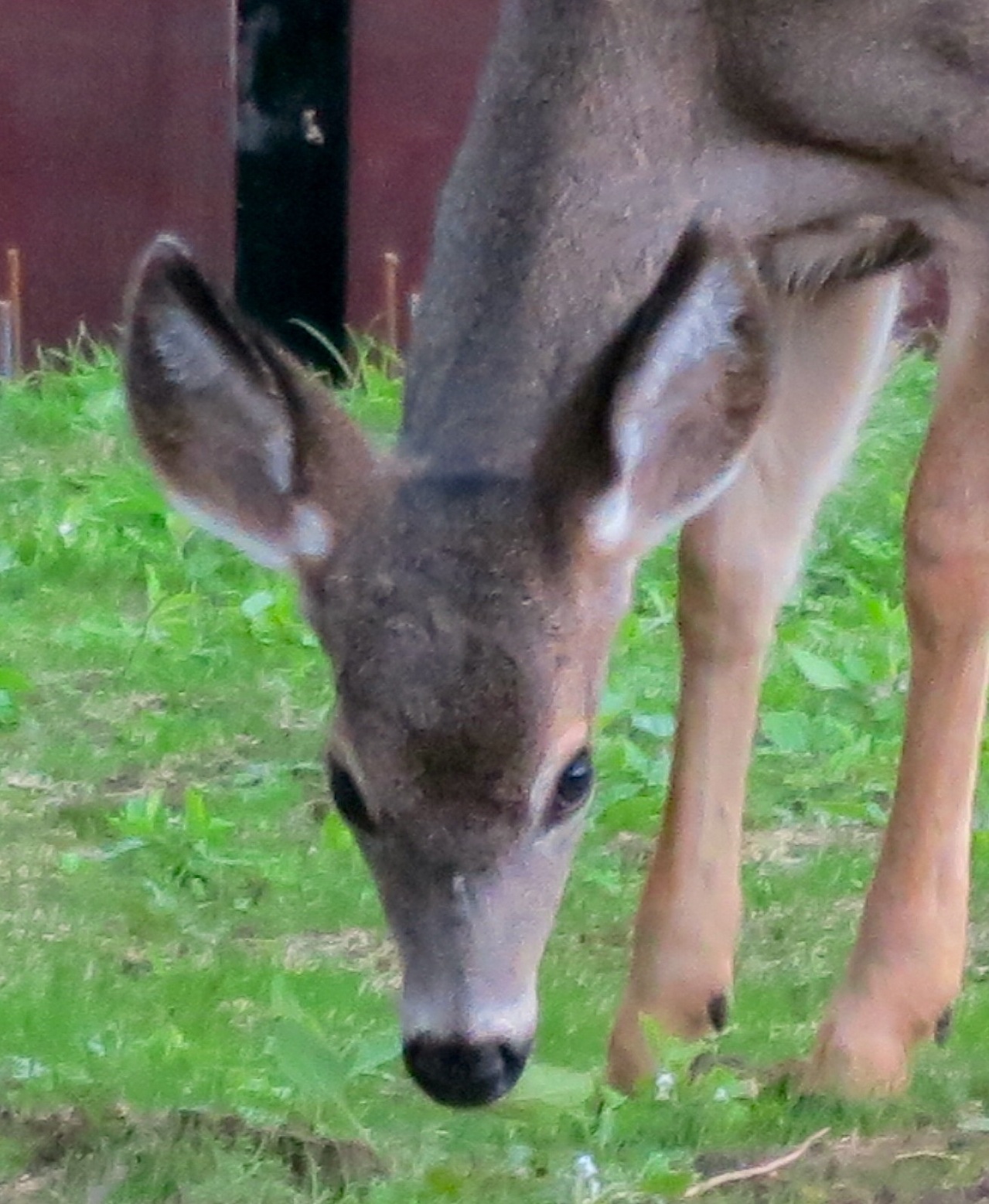
He loved to ask his mother questions. It was the pleasantest thing for him to ask a question and then to hear what answer his mother would give. Bambi was never surprised that question after question should come into his mind continually and without effort. 

Sometimes he felt very sure that his mother was not giving him a complete answer, was intentionally not telling him all she knew.  For then there would remain in him such a lively curiosity, such suspicion, mysteriously and joyously flashing through him, such anticipation, that he would become anxious and happy at the same time, and grow silent.
~Felix Salten from Bambi

A Wounded Deer—leaps highest—
I’ve heard the Hunter tell—
‘Tis but the Ecstasy of death—
And then the Brake is still!
~Emily Dickinson from “165″

My first time ever
seated next to my mother
in a movie theater, just
a skinny four year old girl
practically folded up in half
by a large padded chair
whose seat won’t stay down,
bursting with anticipation
to see Disney’s Bambi.

Enthralled with so much color,
motion,  music, songs and fun
characters, I am wholly lost
in a new world of animated
reality when suddenly
Bambi’s mother looks up,
alarmed,  from eating
a new clump of spring grass
growing in the snow.

My heart leaps
with worry.
She tells him
to run
for the thicket,
the safest place where
she has always
kept him warm
next to her.

She follows behind,
tells him to run faster,
not to look back,
don’t ever look back.

Then the gun shot
hits my belly too.

My stomach twists
as he cries out
for his mother,
pleading for her.
I know in my heart
she is lost forever,
sacrificed for his sake.

I sob as my mother
reaches out to me,
telling me not to look.
I bury my face
inside her hug,
knowing Bambi
is cold and alone
with no mother
at all.

My mama took me home
before the end.
I could not bear to watch
the rest of the movie 
for years.

Those cries
still echo
in my ears
every time someone hunts and shoots
to kill the innocent.

Now, my own children are grown,
they have babies of their own,
my mom is gone from this earth,
I can even keep the seat from folding
me up in a movie theater.

I am in my seventh decade, and
there are still places in this world where
mothers and fathers
sons and daughters
grandmothers and grandfathers
sisters and brothers
and babies are hunted down
despite the supposed safety of the thicket~
of the sanctuary, the school, the grocery store, the home,
where we believe we are shielded from violence.

There is innocence no longer,
if there ever was.

A book of beauty in words and photography, available to order here:

Yielding to Change

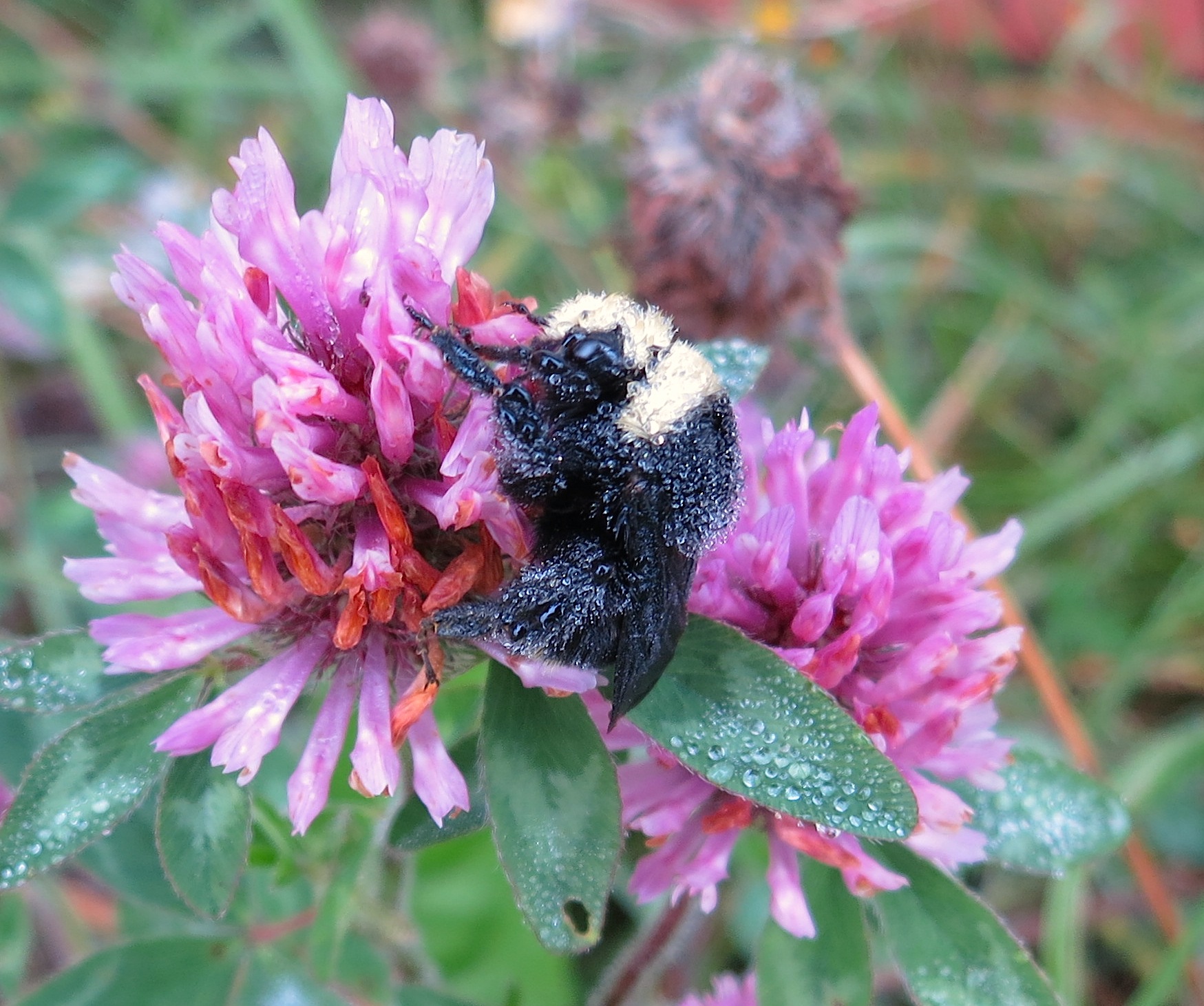
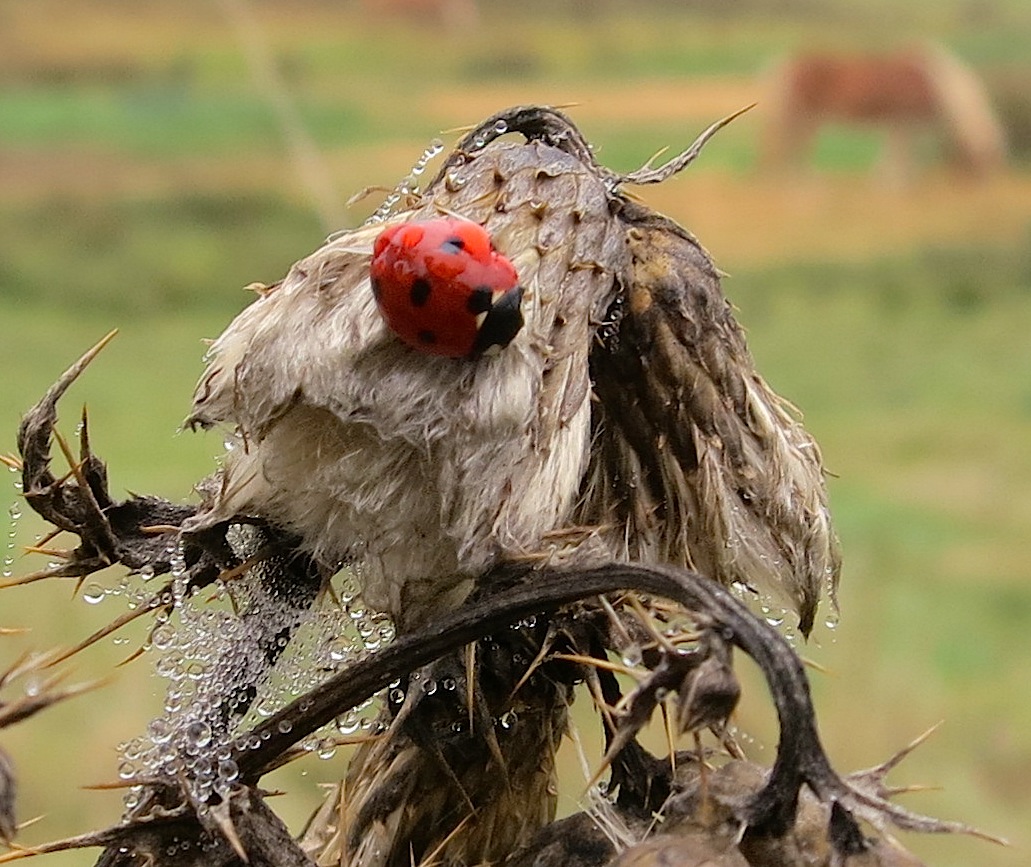
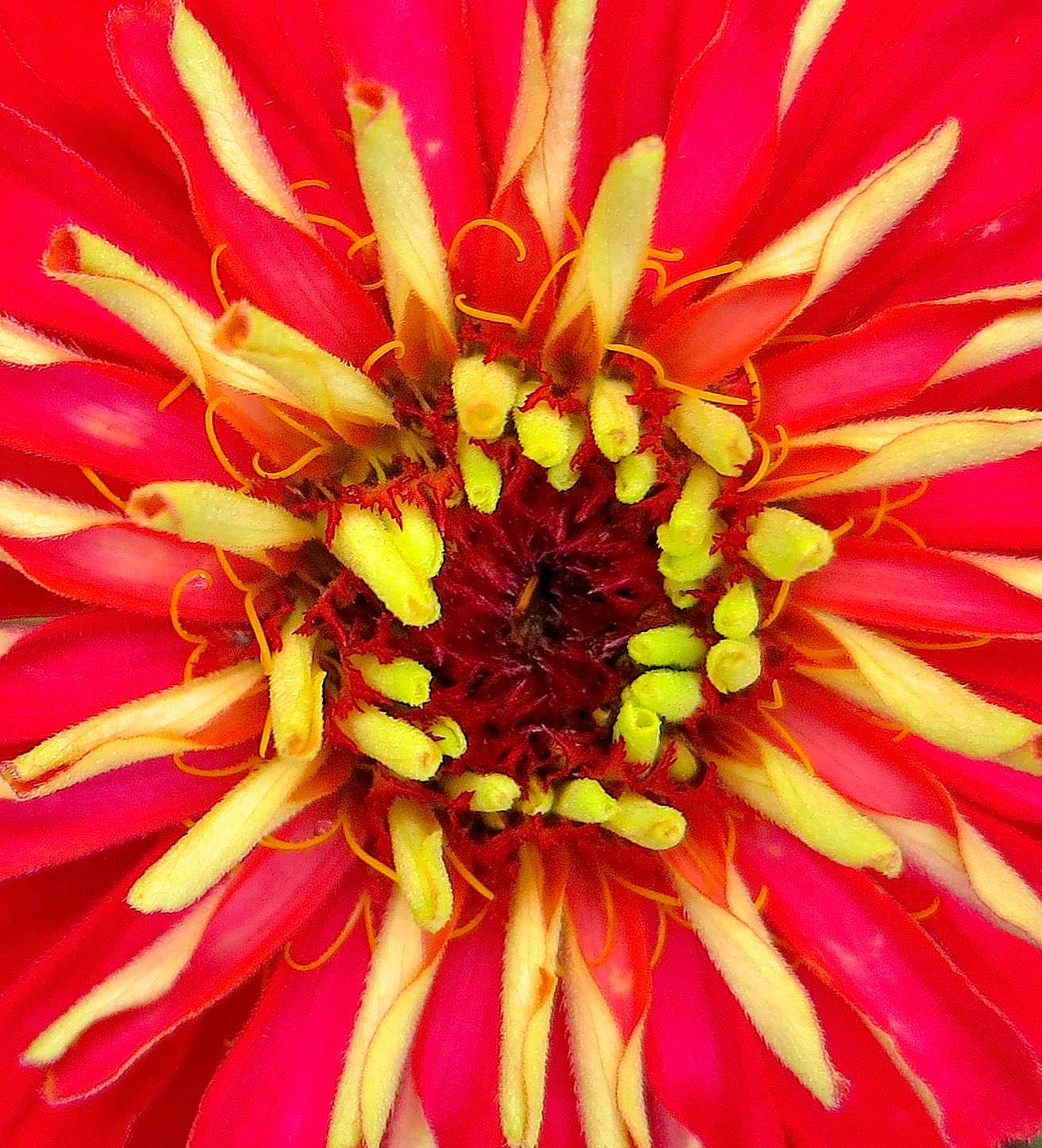
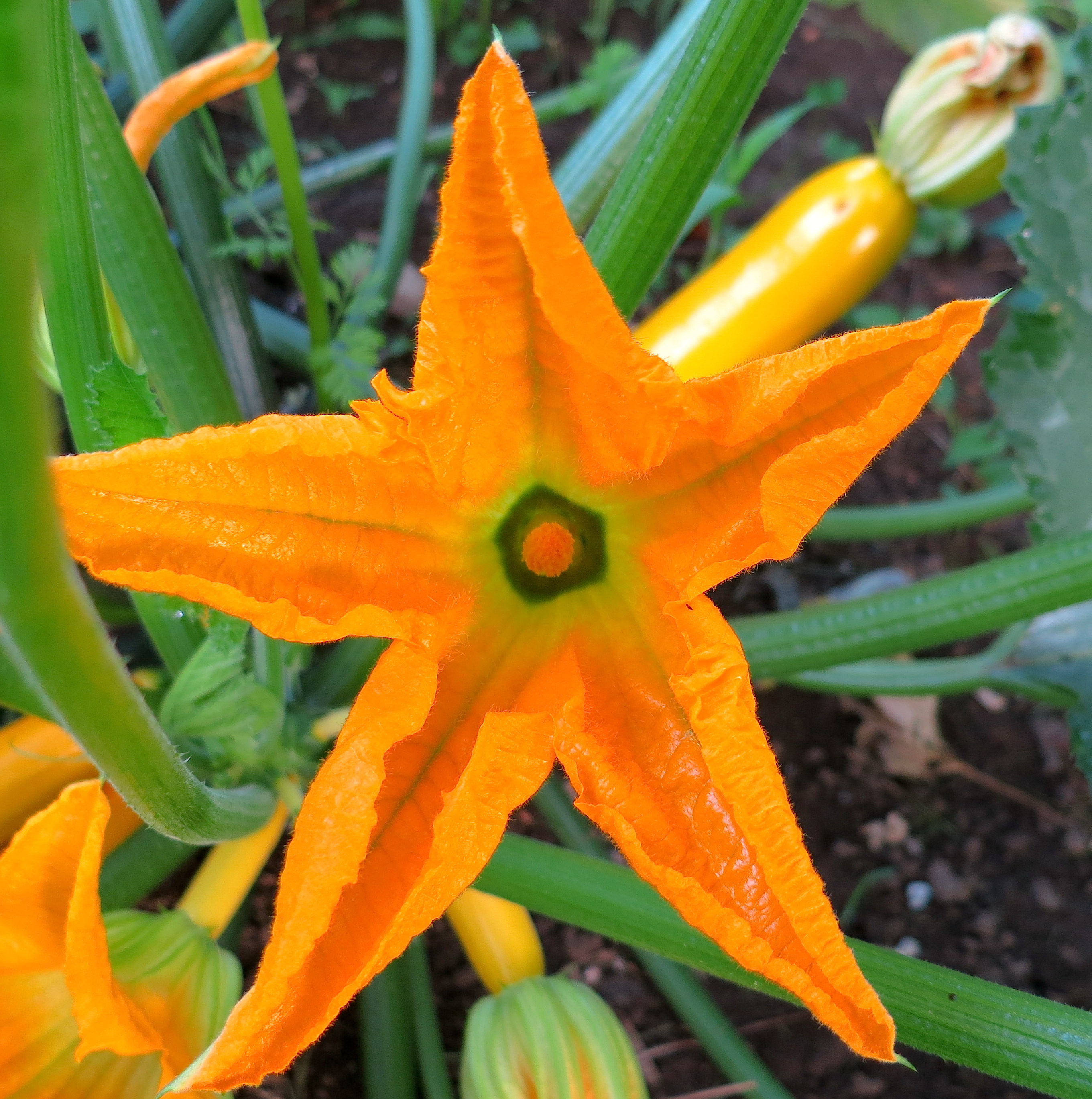
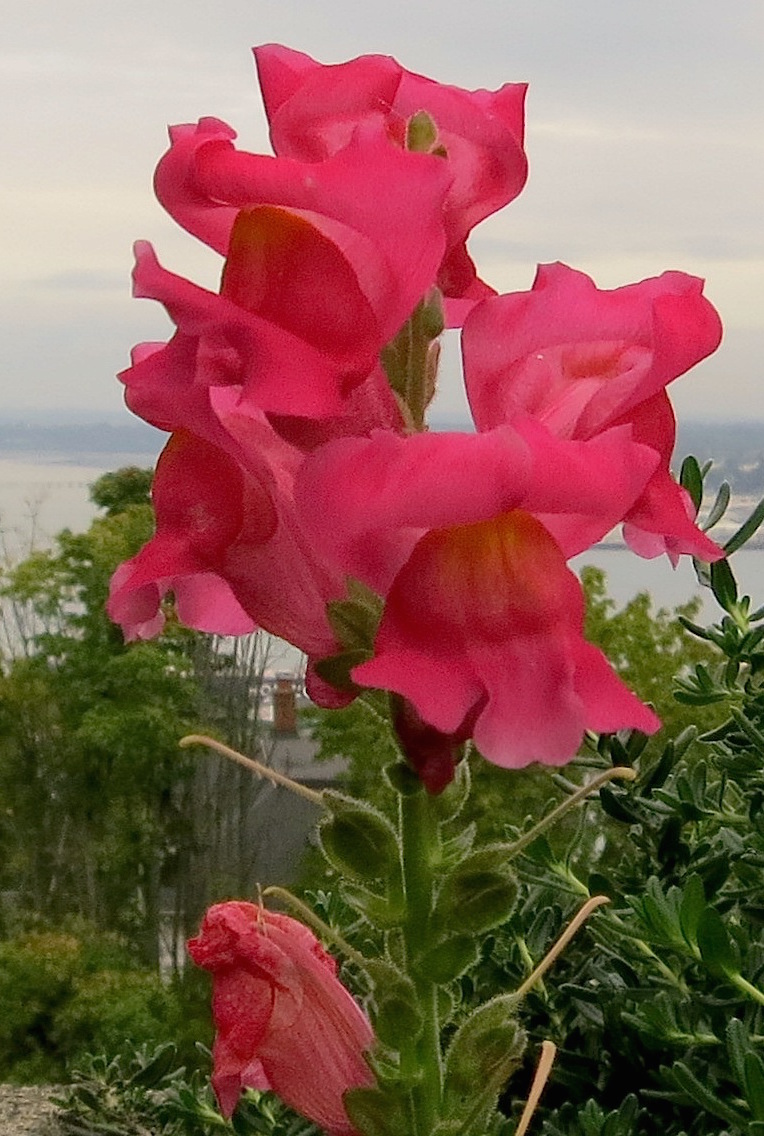
I went out to cut a last batch of zinnias this
morning from the back fencerow and got my shanks
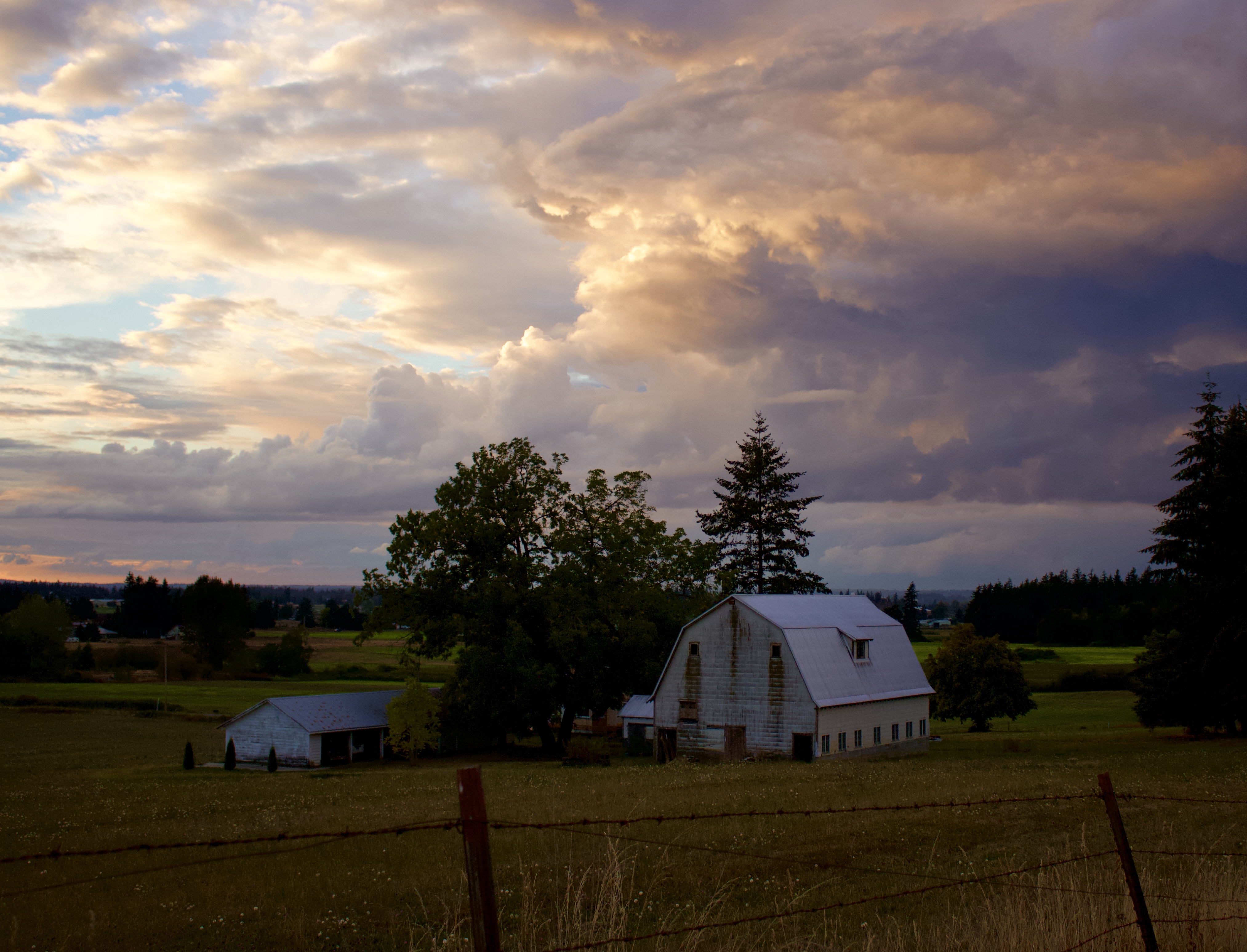
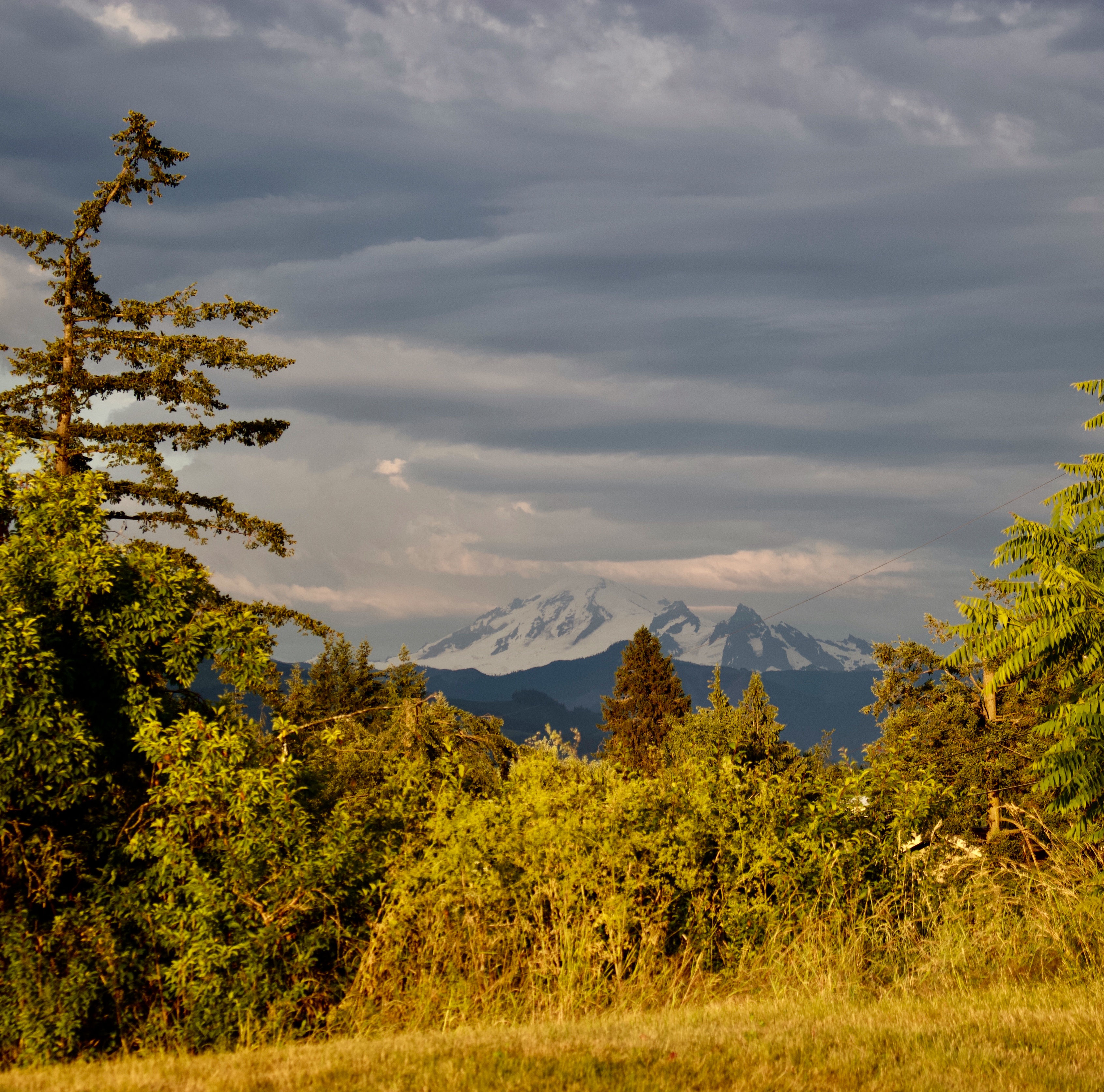
chilled for sure: furrowy dark gray clouds with
separating fringes of blue sky-grass: and the dew

beaded up heavier than the left-overs of the rain:
in the zinnias, in each of two, a bumblebee 
stirring in slow motion. Trying to unwind
the webbed drug of cold, buzzing occasionally but

with a dry rattle: bees die with the burnt honey 
at their mouths, at least: the fact’s established:
it is not summer now and the simmering buzz is out of 
heat: the zucchini blossoms falling show squash

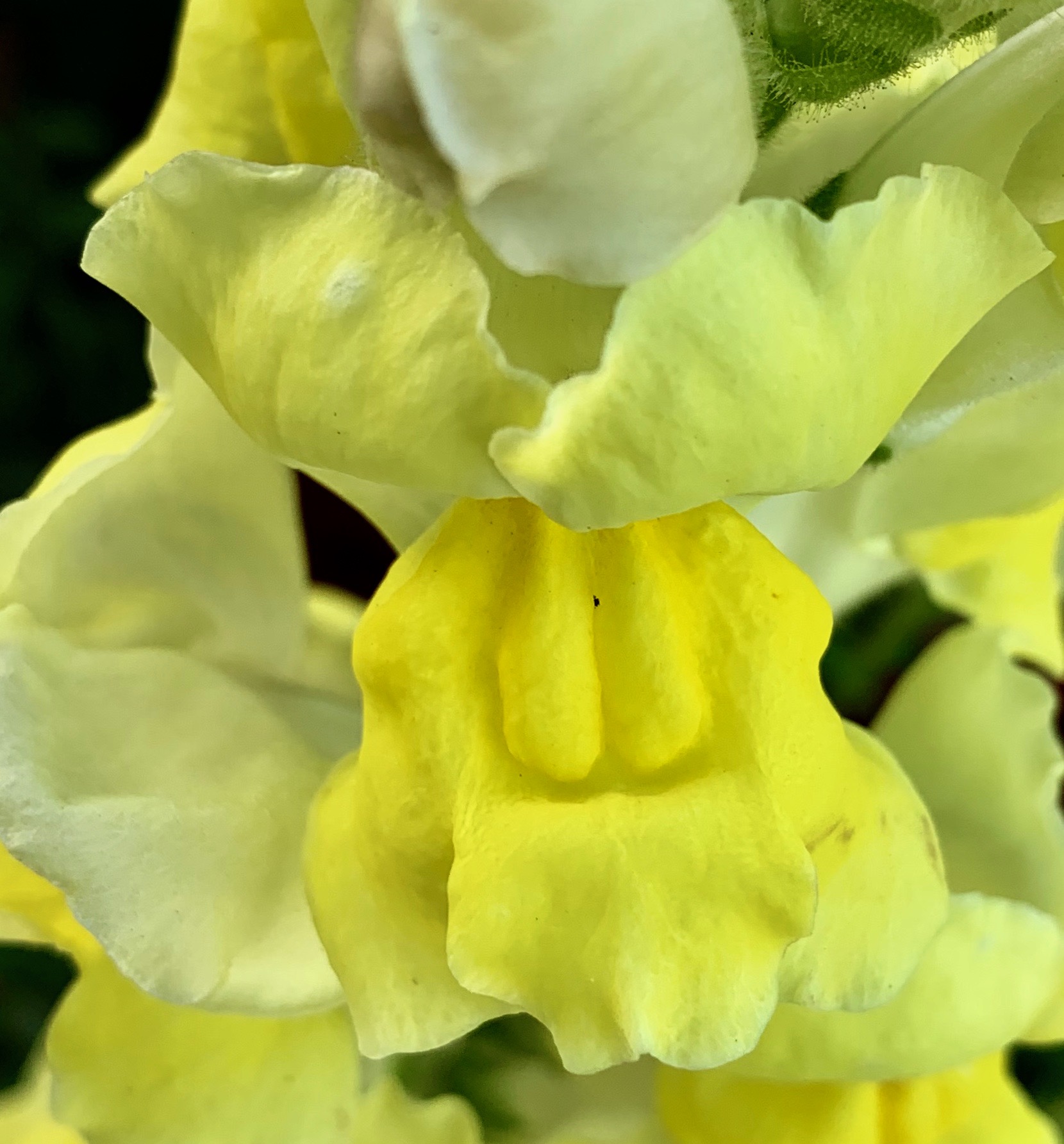
overgreen with stunted growth: the snapdragons have
suckered down into a blossom or so: we passed
into dark last week the even mark of day and night
and what we hoped would stay we yield to change.
~A.R. Ammons  “Equinox”

We yield now
to the heaviness of the change;
a slowing of our walk
and the darkening of our days.

It is time:
day and night compete,
and neither wins.

Order this book of beauty in words and photography