Pay Attention to the Lilies

From the simplest lyric to the most complex novel and densest drama, literature is asking us to pay attention… pay attention to the world and all that dwells therein and thereby learn at last to pay attention to yourself and all that dwells therein.

Literature, painting, music—the most basic lesson that all art teaches us is to stop, look, and listen to life on this planet, including our own lives, as a vastly richer, deeper, more mysterious business than most of the time it ever occurs to us to suspect as we bumble along from day to day on automatic pilot. In a world that for the most part steers clear of the whole idea of holiness, art is one of the few places left where we can speak to each other of holy things.

Is it too much to say that Stop, Look, and Listen is also the most basic lesson that the Judeo-Christian tradition teaches us? Listen to history is the cry of the ancient prophets of Israel. Listen to social injustice, says Amos; to head-in-the-sand religiosity, says Jeremiah; to international treacheries and power-plays, says Isaiah; because it is precisely through them that God speaks his word of judgment and command.

And when Jesus comes along saying that the greatest command of all is to love God and to love our neighbor, he too is asking us to pay attention. If we are to love God, we must first stop, look, and listen for him in what is happening around us and inside us. If we are to love our neighbors, before doing anything else we must see our neighbors. With our imagination as well as our eyes, that is to say like artists, we must see not just their faces but the life behind and within their faces. Here it is love that is the frame we see them in.

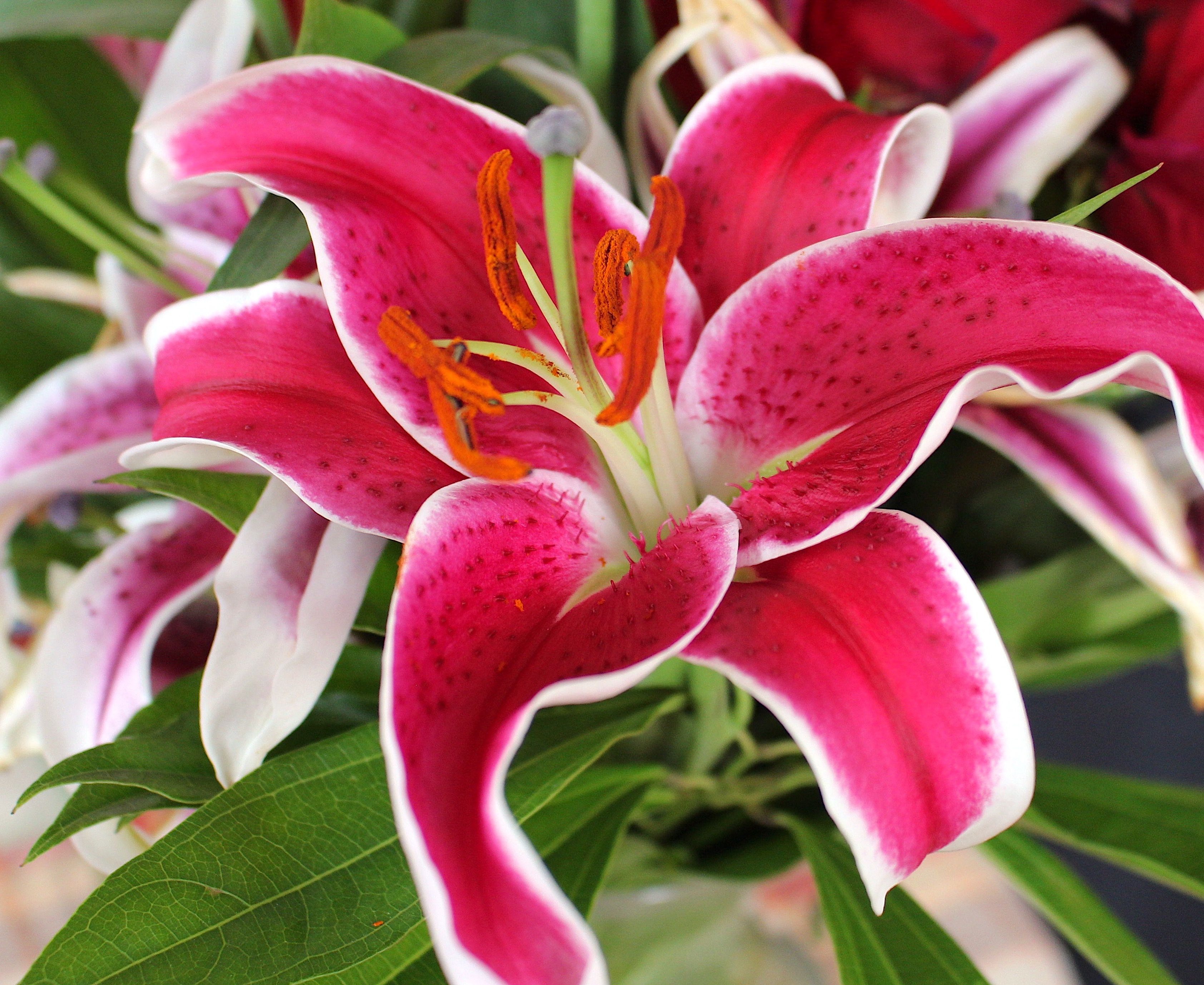
In a letter to a friend Emily Dickinson wrote that “Consider the lilies of the field” was the only commandment she never broke. She could have done a lot worse. Consider the lilies. It is the sine qua non of art and religion both.
~Frederick Buechner from Whistling in the Dark
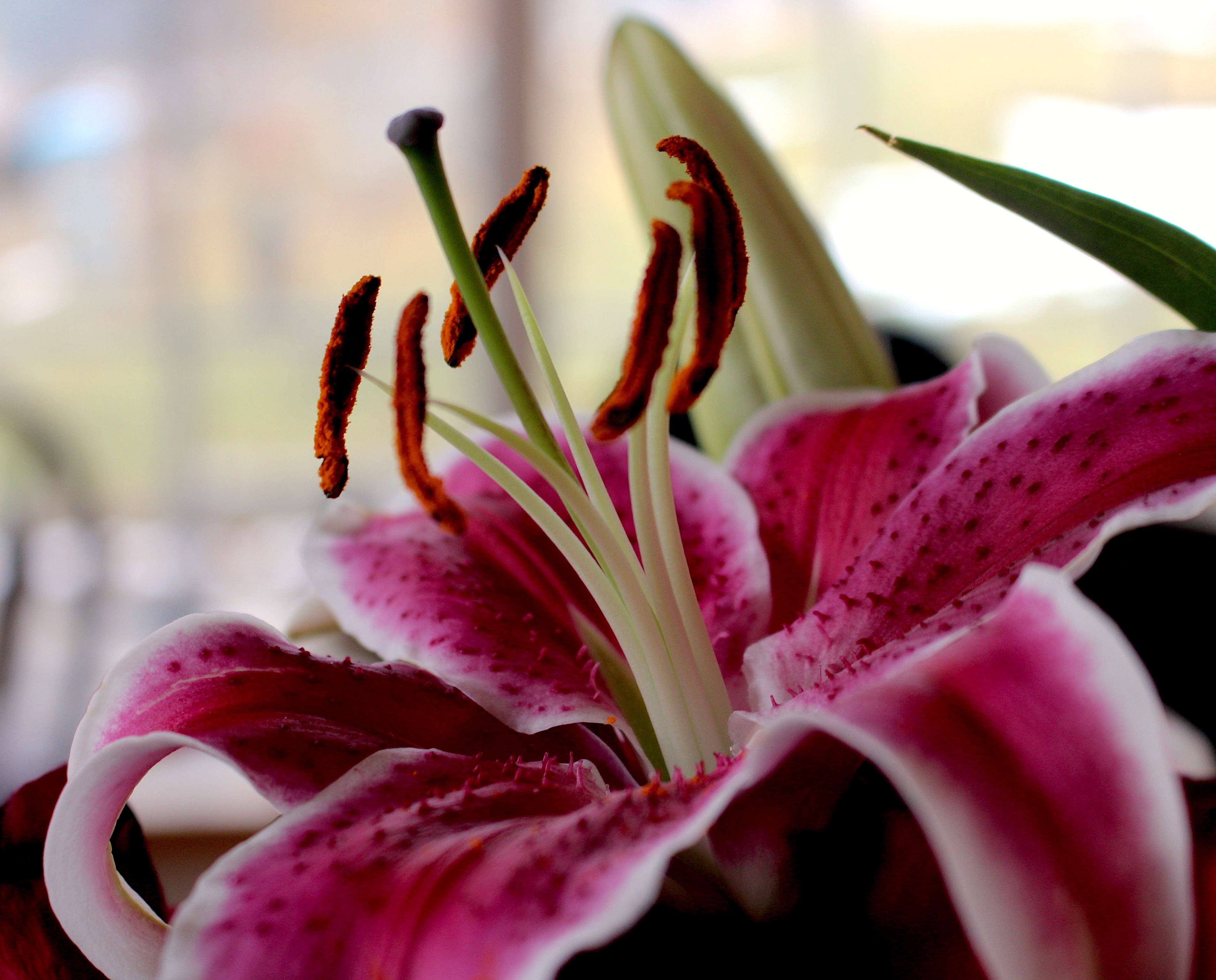
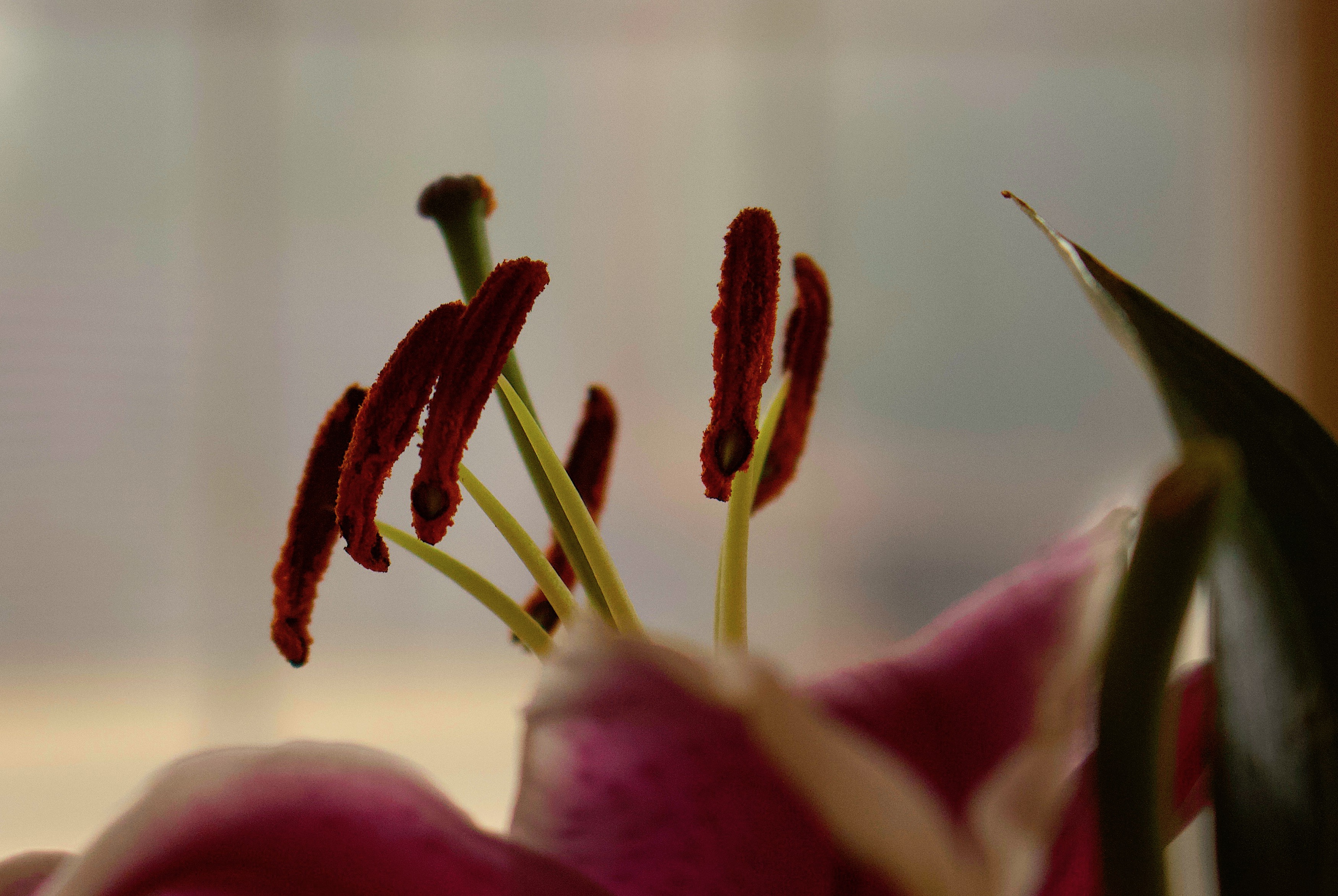
I have broken the commandment to “consider the lilies” way too many times. In my daily life I am considering almost anything else: my own worries and concerns as I walk past so much beauty and meaning and holiness. My mind dwells within, blind and deaf to what is outside.

It is necessary to be reminded every day that I need to pay attention beyond myself, to be reminded to love my neighbor, to remember what history has to teach us, to search for the sacred in all things.

Stop, Look, Listen, Consider:
all is grace,
all is gift,
all is holiness brought to life – stunning, amazing, wondrous.

Something Way Down Deep

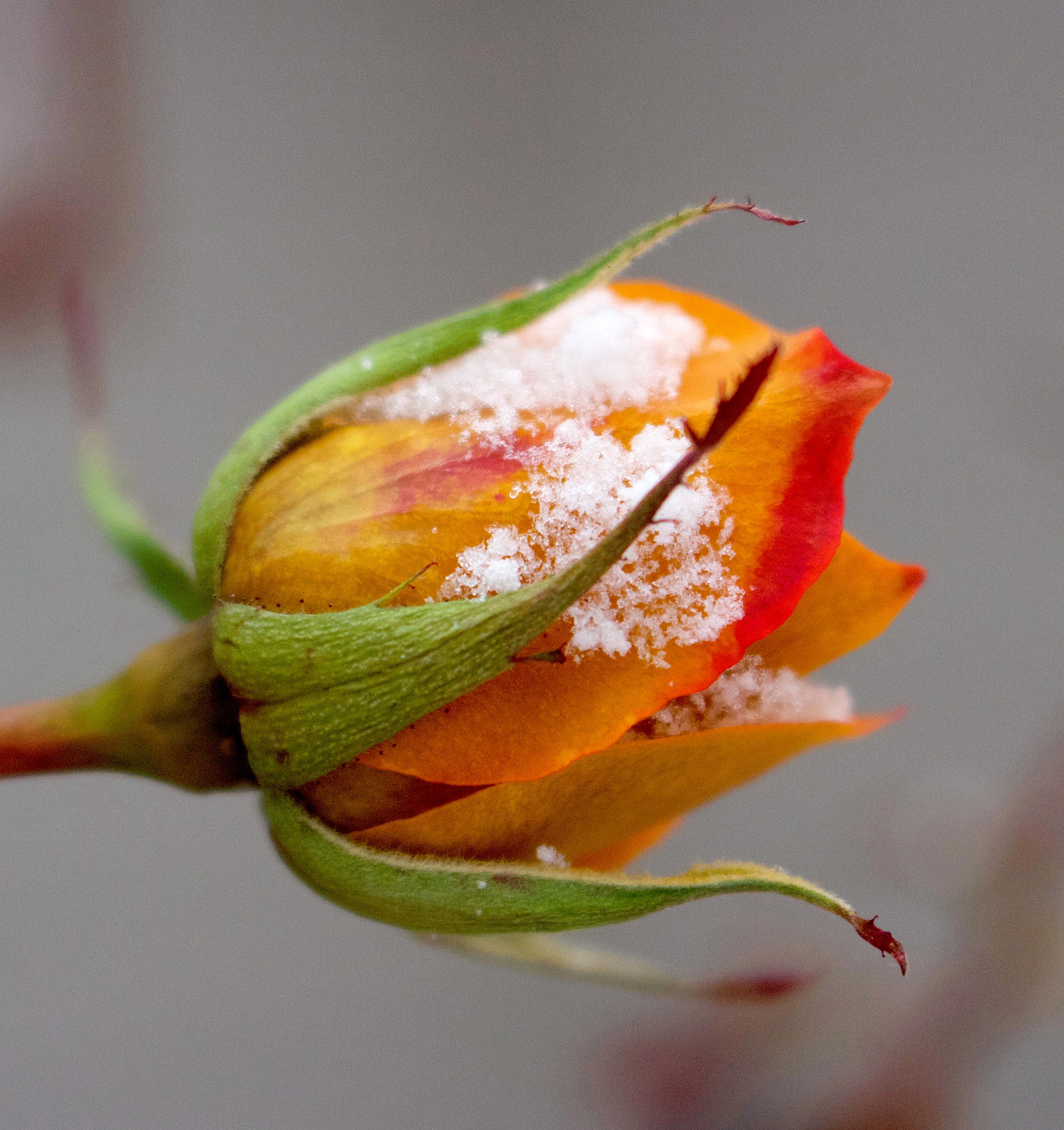
We all know that something is eternal. 
And it ain’t houses and it ain’t names, 
and it ain’t earth, and it ain’t even the stars 
. . . everybody knows in their bones that something is eternal, 
and that something has to do with human beings. 
All the greatest people ever lived have been telling us that 
for five thousand years and yet you’d be surprised 
how people are always losing hold of it. 
There’s something way down deep 
that’s eternal about every human being.
~Thornton Wilder, from “Our Town”

Write as if you were dying.
At the same time, assume you write for an audience consisting solely of terminal patients.
That is, after all, the case.
~Annie Dillard from “Write Till You Drop”

I began to write regularly after September 11, 2001 because more than on any previous day, it became obvious to me I was dying, though more slowly than the thousands who vanished that day in fire and ash, their voices obliterated with their bodies into eternity.  

Nearly each day since, while I still have voice and a new dawn to greet, I speak through my fingers to others dying with and around me.

We are, after all, terminal patients — some of us more prepared than others to move on — as if our readiness had anything to do with the timing.

Each day I get a little closer to the eternal, but I write in order to feel a little more ready.  Each day I want to detach just a little bit, leaving a trace of my voice behind.  Eventually, through unmerited grace, so much of me will be left on the page there won’t be anything or anyone left to do the typing.

There is no time or word to waste.

A Wedding of Lace

…Then how his muffled armies move in all night
And we wake and every road is blockaded
Every hill taken and every farm occupied
And the white glare of his tents is on the ceiling.
And all that dull blue day and on into the gloaming
We have to watch more coming.

Then everything in the rubbish-heaped world
Is a bridesmaid at her miracle.
Dunghills and crumbly dark old barns are bowed in the chapel of her sparkle.
The gruesome boggy cellars of the wood
Are a wedding of lace
Now taking place.
~Ted Hughes from “Snow and Snow”

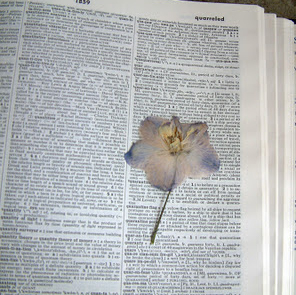
I wish one 
could press snowflakes 
in a book
like flowers.
~James Schuyler from “February 13, 1975”

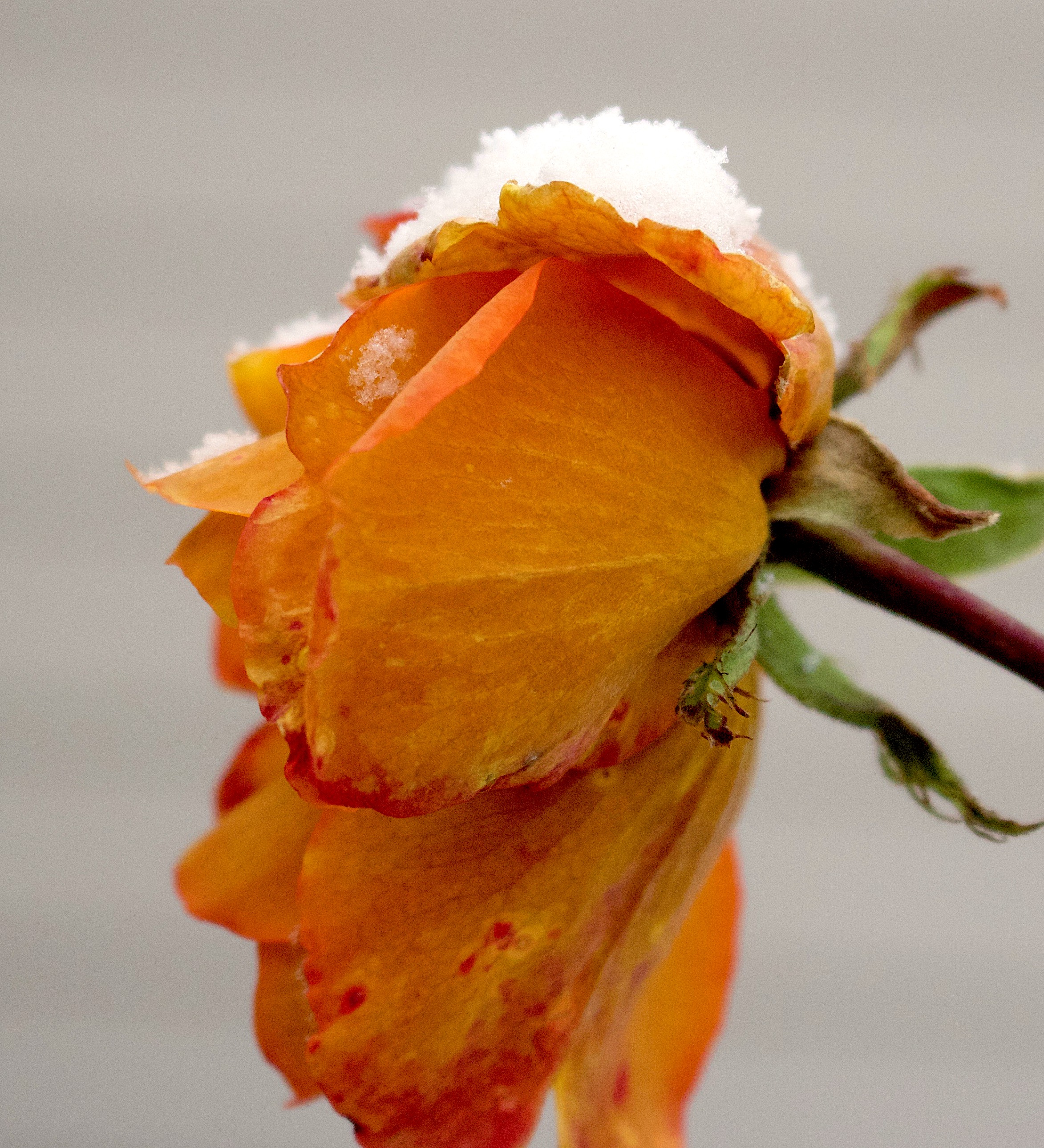
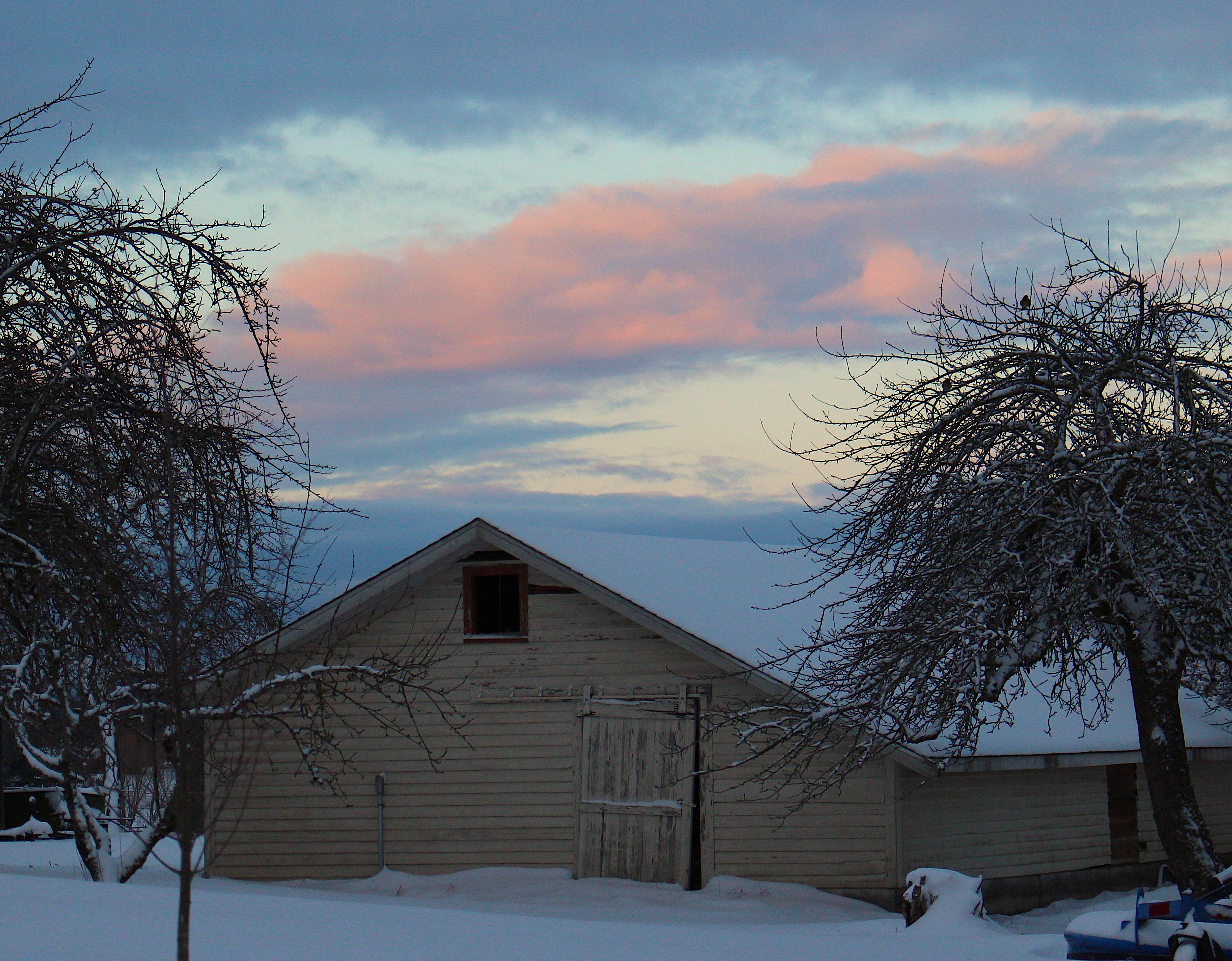
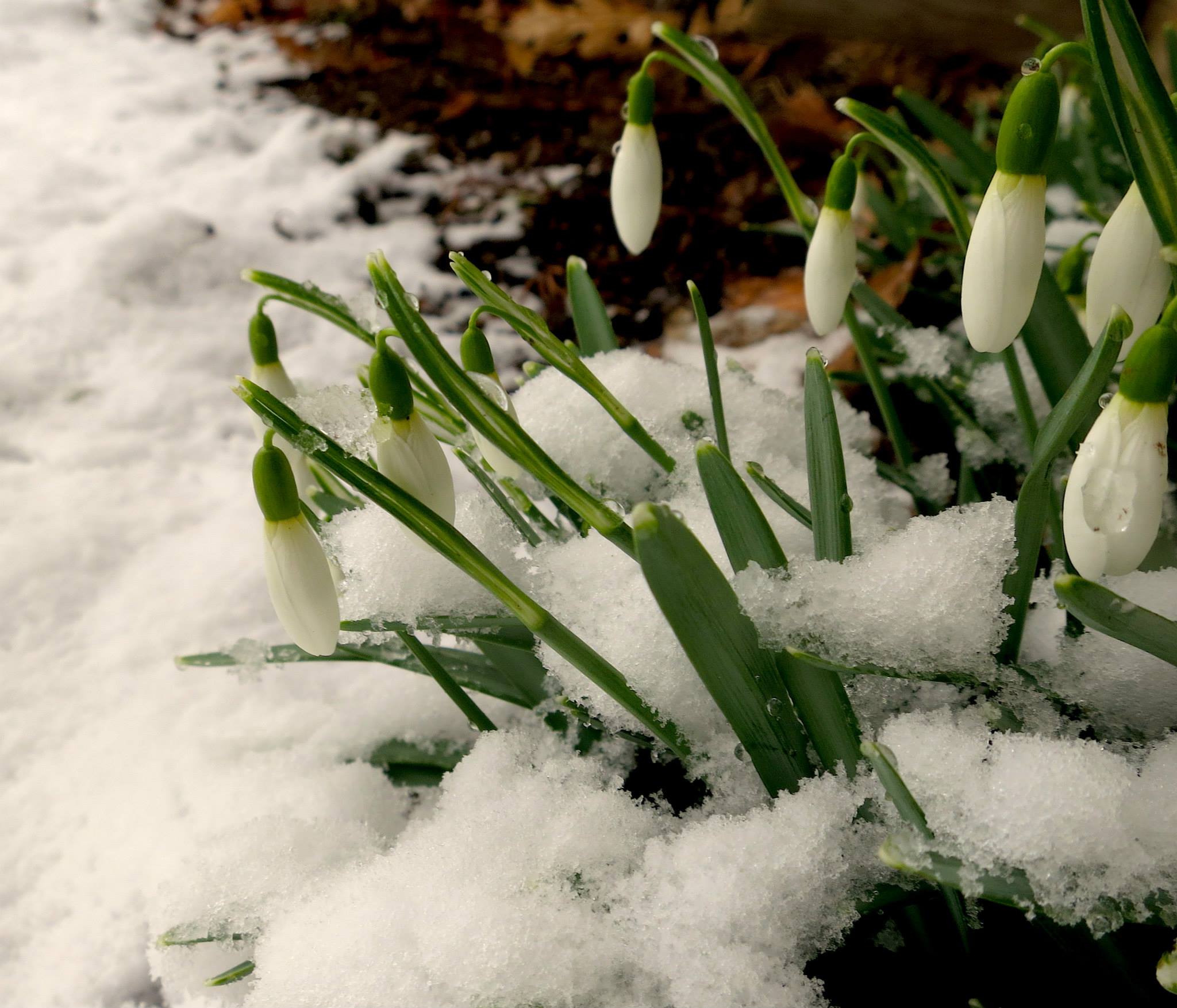
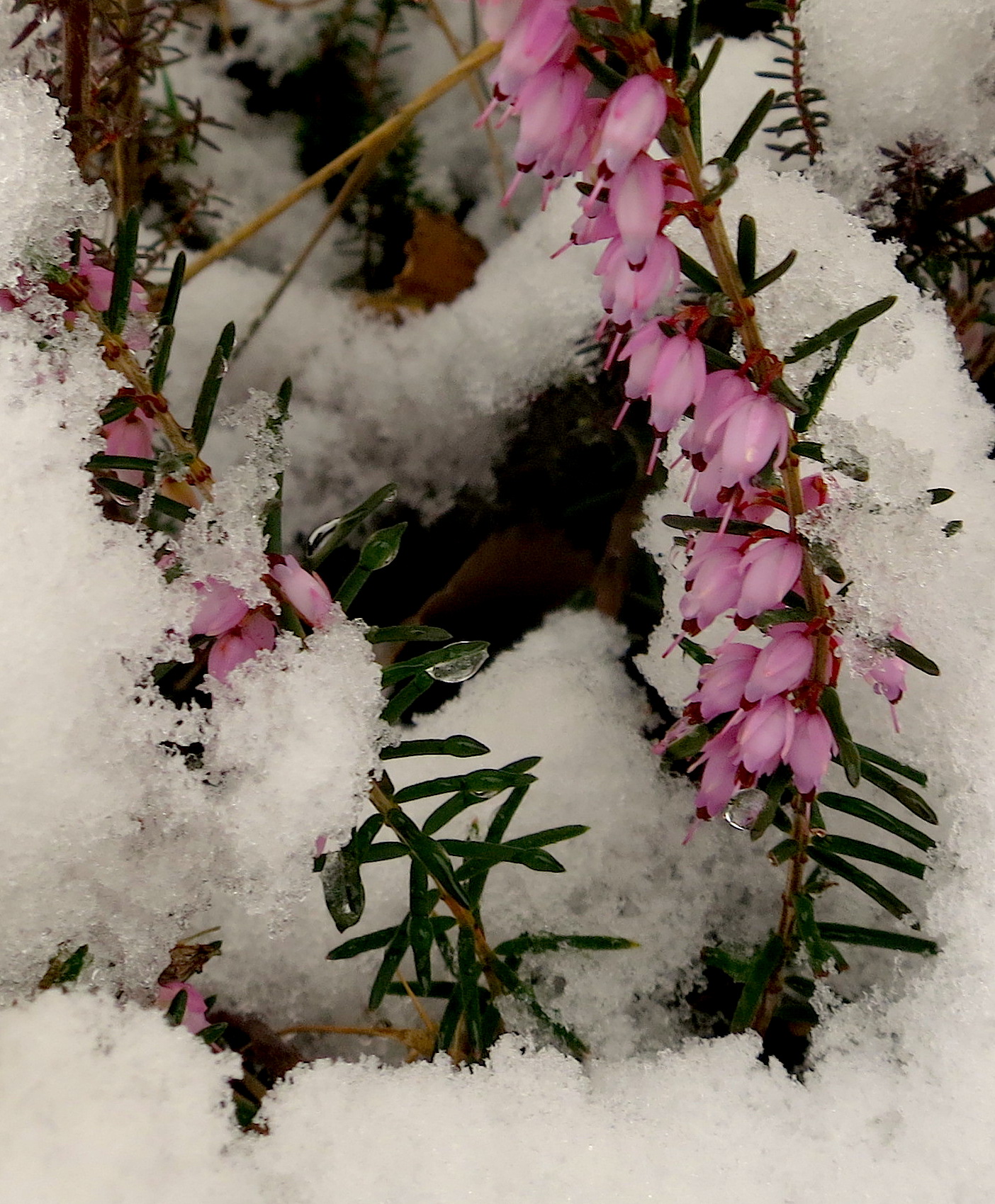
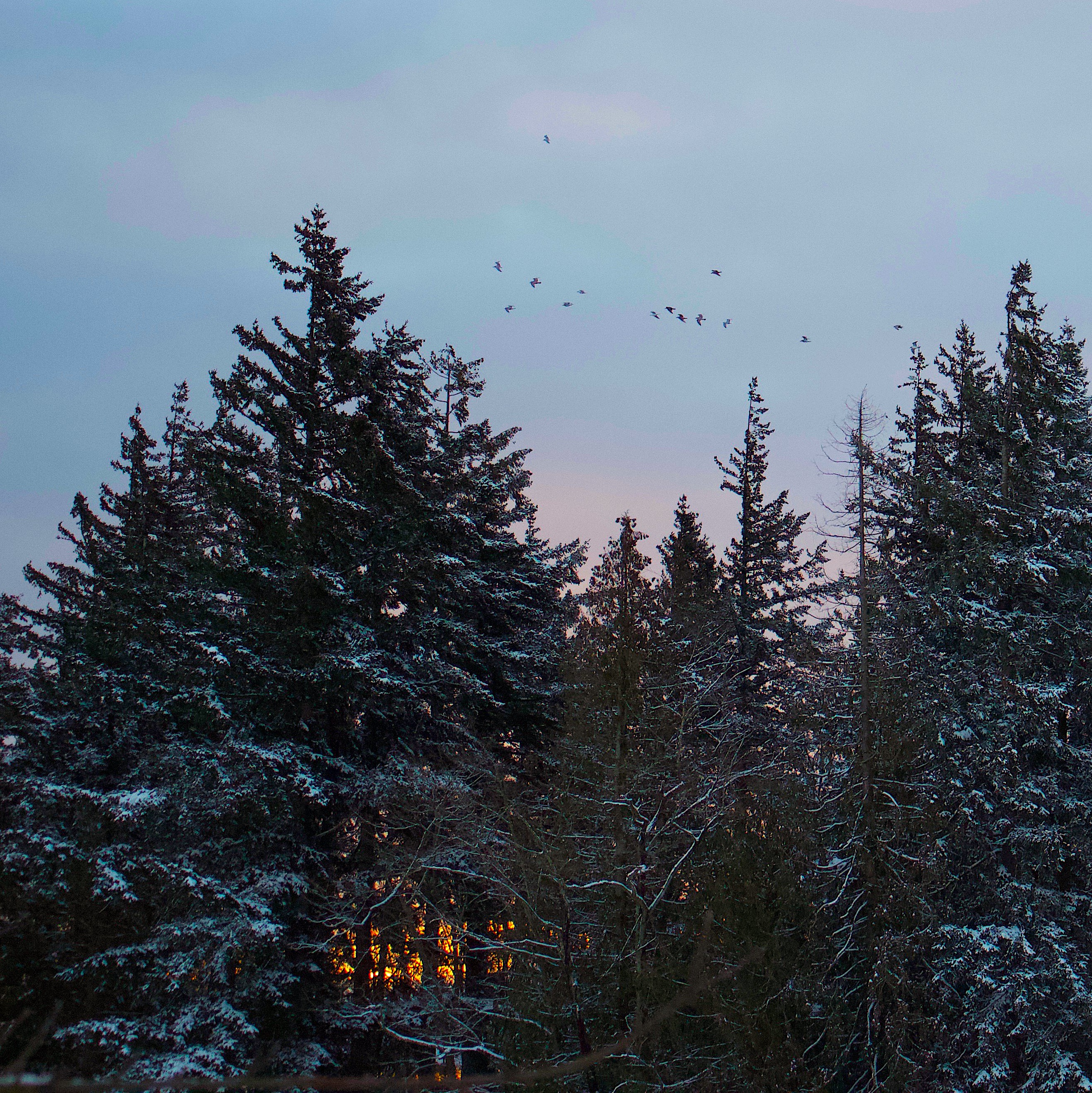
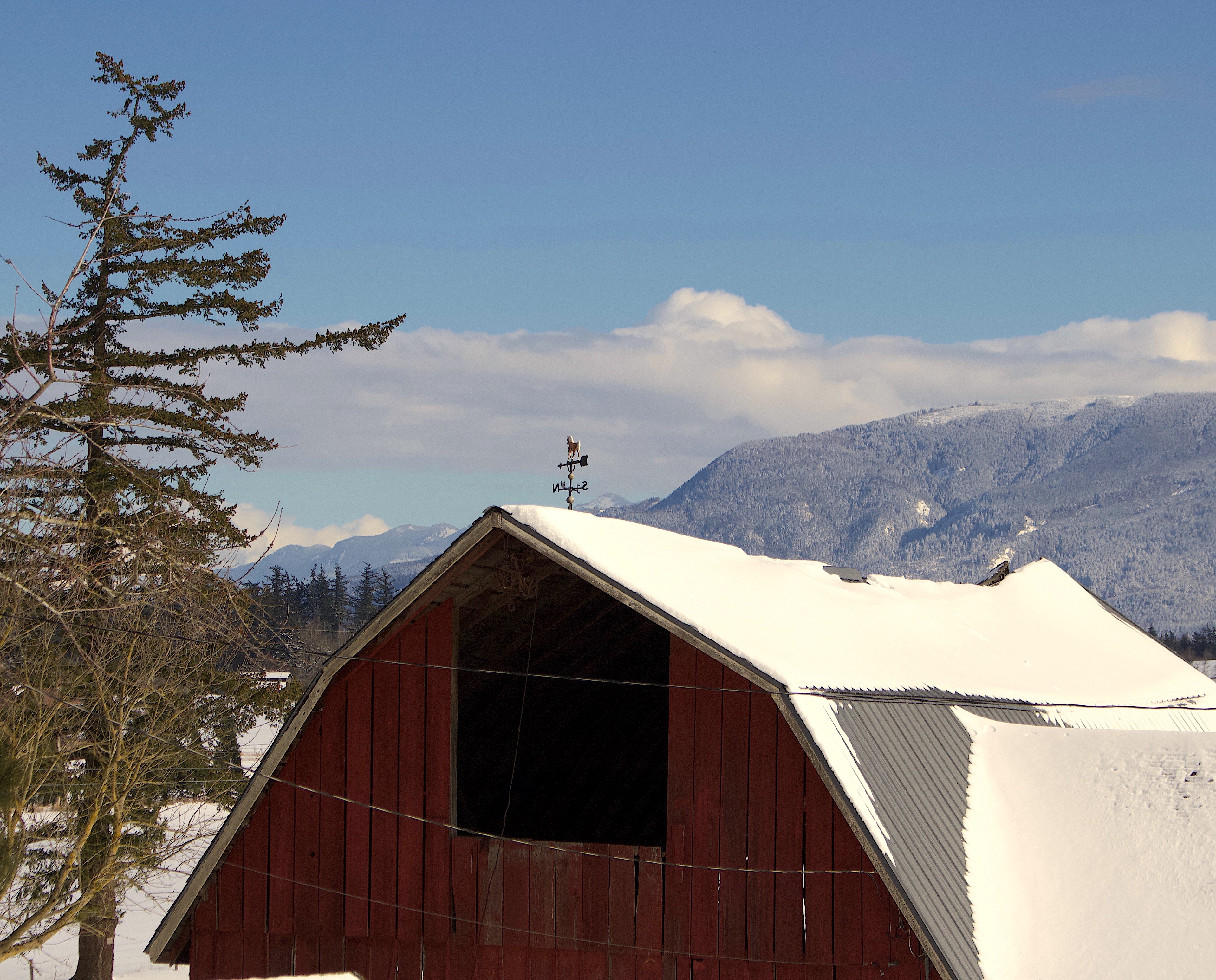
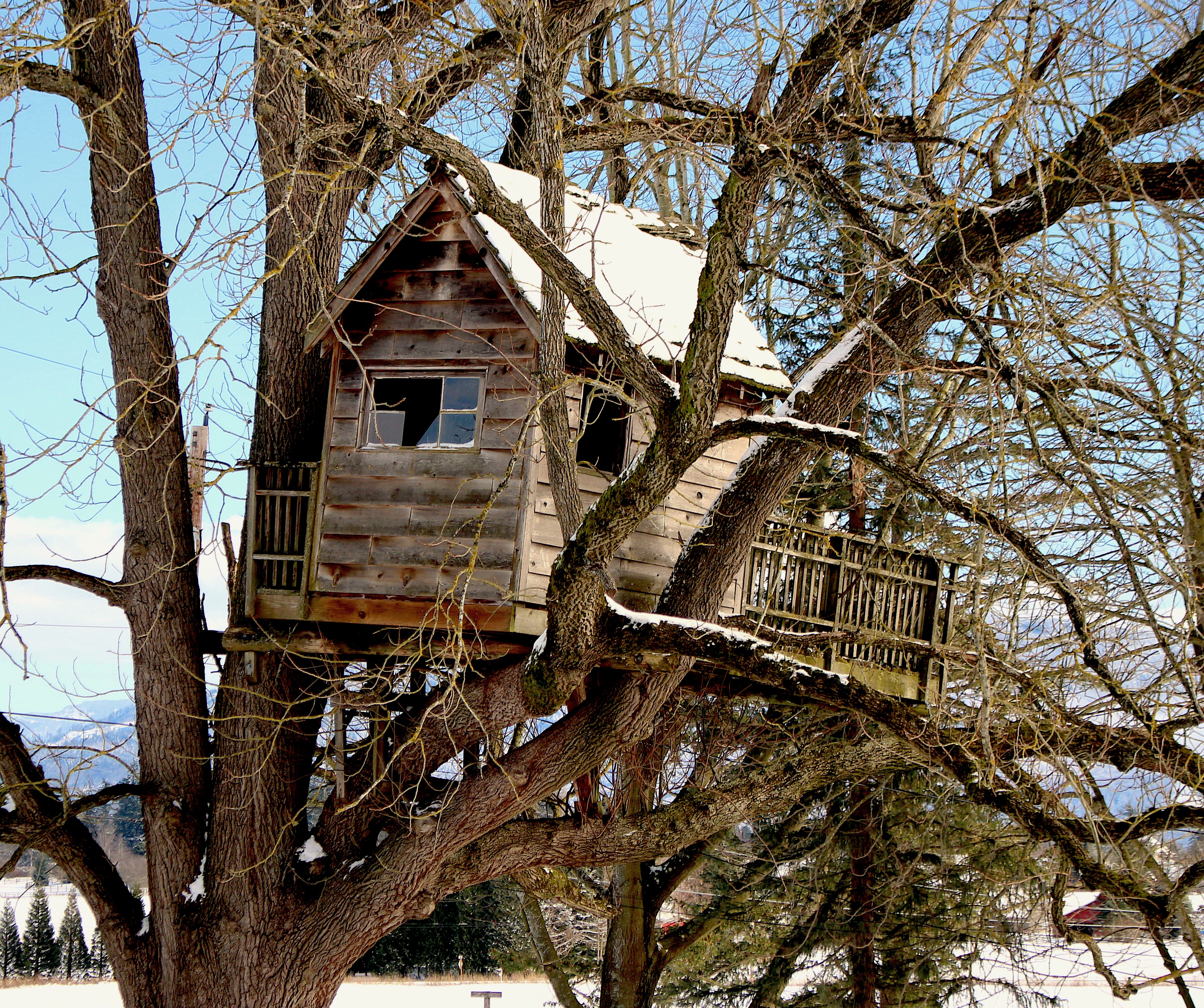
It’s true that three snow days in a row is unprecedented in our part of the world. Being snowbound by driveway-blocking drifts has its advantages until it isn’t fun any longer and means even more work to be done both on and off the farm, especially for a physician stranded from her closed clinic.

I’ve been doing my best taking care of our clinic’s patients via messaging, text and other media, but there is a limit to my virtual reach: I can’t palpate a tender belly, or feel swollen lymph nodes or listen to someone’s palpitations, though it is a little easier to discern despair, anticipate anxiety and work out someone’s worries from afar.

But I do have a view of the wedding lace of our woods and the sparkling chapels made of our tired old barns and buildings on the farm. I’m reminded that even I can be dressed up with a covering as white as snow. So lovely to look at, if only to be preserved for the long summer days that lie ahead — a wilting snowflake pressed into a book like a flower remembered, its fragrance still attached.

Fray into the Future

cherrydrops


These sudden ends of time must give us pause.
We fray into the future, rarely wrought
Save in the tapestries of afterthought.
More time, more time.
~Richard Wilbur from “Year’s End”


grassdrops


For some time I thought there was time
and that there would always be time
for what I had a mind to do
and what I could imagine
going back to and finding it
as I had found it the first time
but by this time I do not know
what I thought when I thought back then

there is no time yet it grows less
there is the sound of rain at night
arriving unknown in the leaves
once without before or after
then I hear the thrush waking
at daybreak singing the new song
~W.S.Merwin “The New Song”


fogdrops2


Time sweeps me along,
takes me where it wishes,
even gets the better of me
until I clutch it for a moment
to see and hear and hold it close
to never forget~~

the multi-faceted tapestry of the past
fraying into the future

forever restless, time escapes my grasp
and so it shall ever be.


foggydrops17

A Mosaic of Life


glassfumco


glassfumco2


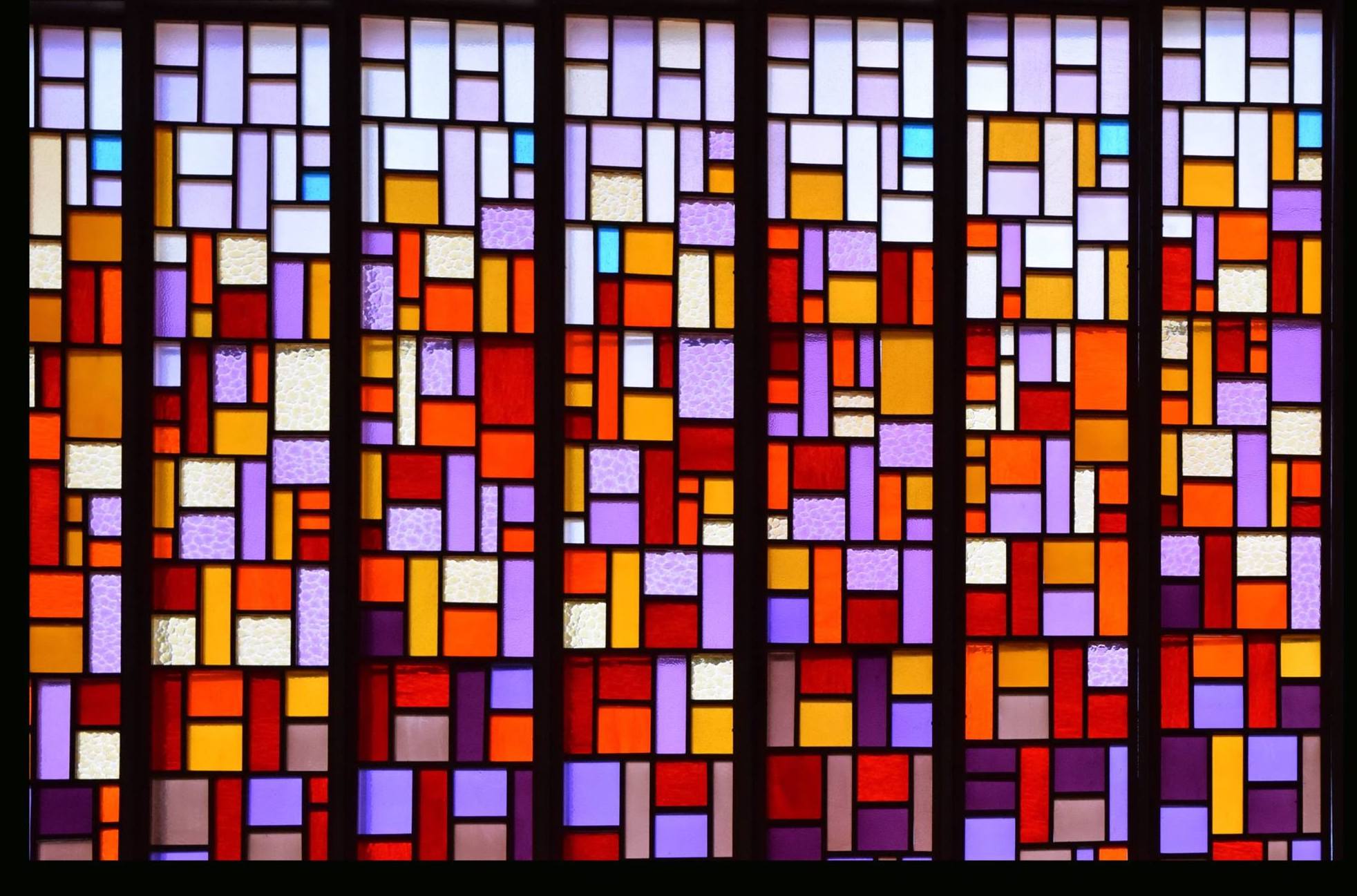
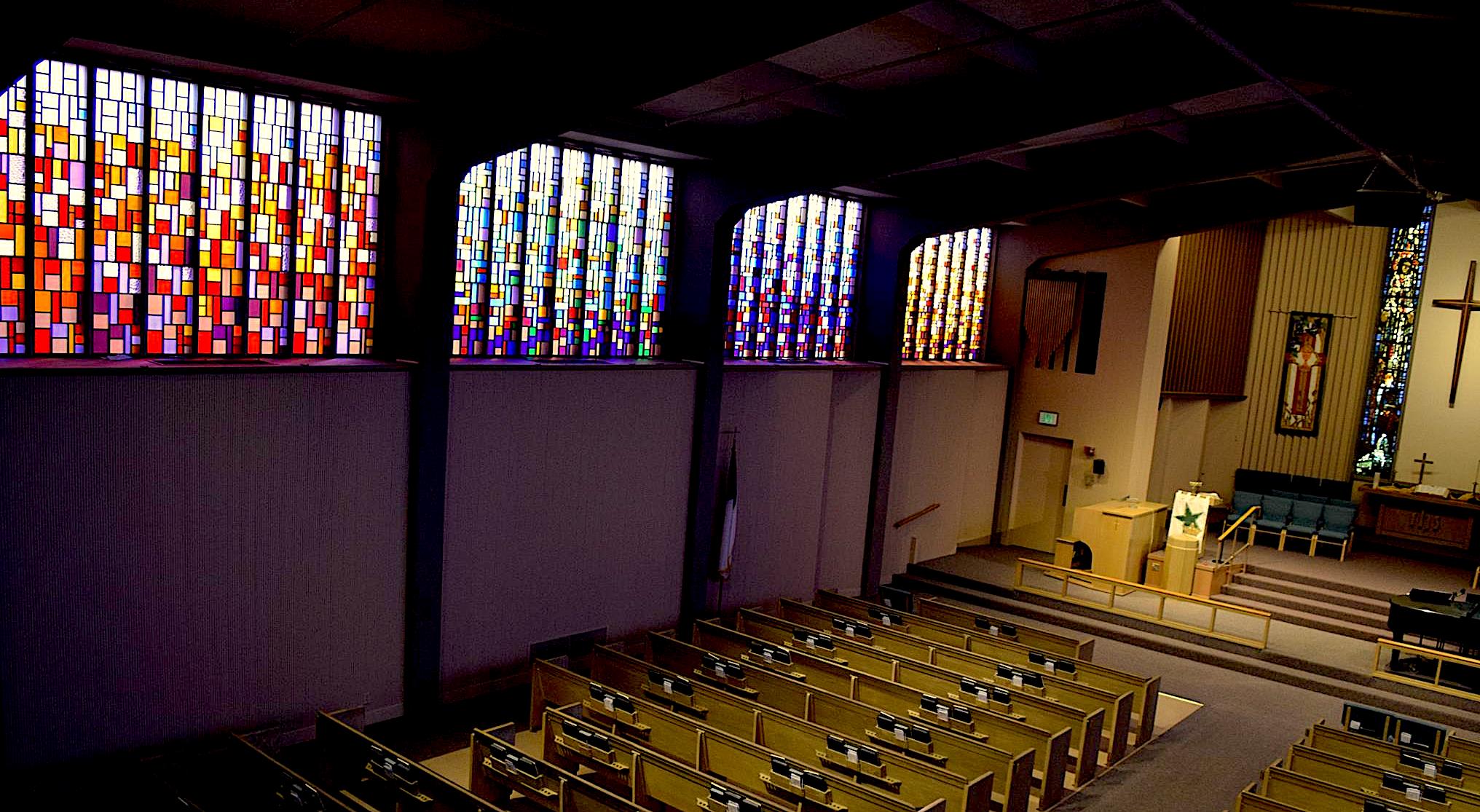
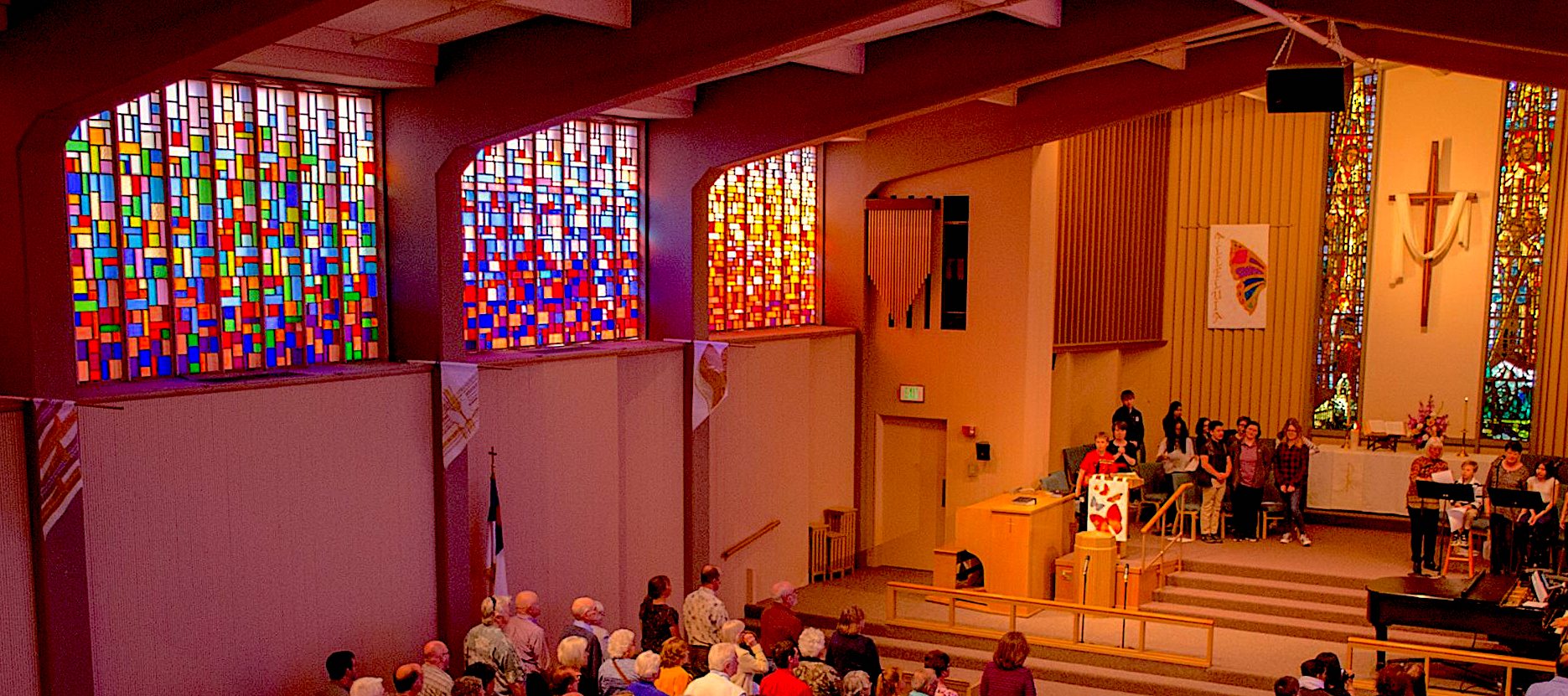
It started with a one hundred year old congregation moving into a new church building after an earthquake destroyed the old one.  These weren’t people of great wealth or prestige so the new building, by necessity, was a simple rectangular design, the sanctuary paneled in light birchwood, the high windows with clear textured glass allowing floods of muted natural light to stream in even on cloudy days.  It was a pleasant enough place to worship, well-lit and airy.

Then a new pastor arrived–a man well-traveled, well-read with a keen artist’s eye and a mind able to mix together a palette of history, colors and words.   He could see what others had not in the empty canvas of the huge space.  What he envisioned for the sanctuary was to enhance the worship experience through the illustration of Life’s passage, of people growing and changing in God’s glory.  Any worshipper entering the sanctuary would become part of the woven tapestry of color cast by a series of stained glass windows.

Six large symmetrical panels of divided narrow vertical windows lined both upper outer walls leading up to the altar.   In our pastor’s design, these were to become stained glass representations of the various stages of life from young to old.  Our pastor recruited would-be artisans from the congregation to be the primary stained glass workers, teaching them how to precisely cut and fit the glass pieces.  Each church member had an opportunity to choose and place a pane matching his or her stage of life, to become a permanent part of the portrait of this diverse church family.  The new windows were constructed from back to front over the course of a year, all by volunteer effort, until the transformation was complete from simple functional space of wood and light to an encompassing work of art, inclusive for all who entered.  Mosaics of colored sections represented the transition through life, moving from childhood in the windows at the entrance, on to adolescence,  then to young adulthood, moving to middle age, and then finally to the elder years nearest the altar.

Rainbows of color crisscrossed the pews and aisles, starting with pale and barely defined green and yellow at the outset, blending into a blossom of blue, then becoming a startling fervor of red,  fading into a tranquil purple past the center, and lastly immersed in the warmth of orange as one approached the brown of the wood paneled altar.  Depending on where one chose to sit, the light bearing a particular color combination was cast on open pages of scripture, or favorite hymns, or on the skin and clothing of the people,  reflecting the essence of that life phase.  Included in the design was the seemingly random but intentional scattering of all of the colors in each panel.  Gold and orange panes were sprinkled in the “youth” window predicting the wisdom to come, and a smattering of some greens, blues and reds were found throughout the “orange” window of old age,  just like the “spark”  of younger years so often seen in the eyes of the our eldest citizens.

The colored windows reflected the truth of God’s plan for our lives. There was the certainty of the unrelenting passage of time; there was no turning back or turning away from what was to come.  Although each stage shone with its own unique beauty,  none was as warm and welcoming as the orange glow of the autumn of life.  Those final windows focused their brilliance on the plain wood of the cross above the altar.

Beyond the stained glass, as life fades from the richest of colors to the brownest of dust, the light will continue to shine, glorious.
 

glassfumco3


photos thanks to  the Facebook page of First United Methodist Church – Olympia


A Message From a Long-Ago Child

noaanya


sunset817


Behind the house in a field
there’s a metal box I buried
full of childhood treasure, a map
of my secret place, a few lead pennies
from 1943.
The rest I’ve forgotten,
forgotten even the exact spot
I covered with moss and loam.
 
Now I’m back and twenty years
have made so little difference
I suspect they never happened,
this face in the mirror
aged with pencil and putty.
I suspect even
the box has moved as a mole would move
to a new place long ago.
~Dan Gerber “The Cache” from Particles


sunsettreehouse


octtreehouse


And this is where we went, I thought,
Now here, now there, upon the grass
Some forty years ago.

The days being short now, simply I had come
To gaze and look and stare upon
The thought of that once endless maze of afternoons.
But most of all I wished to find the places where I ran

What’s happened to our boys that they no longer race
And stand them still to contemplate Christ’s handiwork:
His clear blood bled in syrups from the lovely wounded trees?
Why only bees and blackbird winds and bending grass?
No matter. Walk. Walk, look, and sweet recall.

I came upon an oak where once when I was twelve
I had climbed up and screamed for Skip to get me down.
It was a thousand miles to earth. I shut my eyes and yelled.
My brother, richly compelled to mirth, gave shouts of laughter
And scaled up to rescue me.
“What were you doing there?” he said.
I did not tell. Rather drop me dead.
But I was there to place a note within a squirrel nest
On which I’d written some old secret thing now long forgot.

{Now} I lay upon the limb a long while, thinking.
I drank in all the leaves and clouds and weathers
Going by as mindless
As the days.
What, what, what if? I thought. But no. Some forty years beyond!

I brought forth:
The note.

I opened it. For now I had to know.
I opened it, and wept. I clung then to the tree
And let the tears flow out and down my chin.
Dear boy, strange child, who must have known the years
And reckoned time and smelled sweet death from flowers
In the far churchyard.
It was a message to the future, to myself.
Knowing one day I must arrive, come, seek, return.
From the young one to the old. From the me that was small
And fresh to the me that was large and no longer new.
What did it say that made me weep?

I remember you.
I remember you.
~Ray Bradbury from “Remembrance”


leadogtree


morning117181


I too left notes to my future self, in old barns, and lofts,
and yes, in trees,
but have never gone back to retrieve them.
My ten year old heart tried to imagine itself fifty some years hence,
what fears and joys would pass through like pumping blood,
what wounds would I bear and bleed,
what love and tears would trace my face?

I have not forgotten.
No, I have never forgotten
that I remember.


farmgirls


Today’s Edges So Sharp

outofplaceresting


redleaf2


The ghosts swarm.
They speak as one 
person. Each
loves you. Each
has left something undone.

Today’s edges
are so sharp

they might cut
anything that moved.
~Rae Armantrout from “Unbidden”


sunset910181


chardhighway


The grace of God means something like:
Here is your life.
You might never have been, but you are…
Here is the world.
Beautiful and terrible things will happen.
Don’t be afraid.
I am with you.
~Frederick Buechner
 in “Wishful Thinking and later” in Beyond Words


sunset910183


Seventeen years ago
a day started with bright sun above
and ended in tears and bloodshed below.

It is a day for recollection;
we live out remembrance
with weeping eyes open,
yet close our eyelids
to the red that flowed that day.

The day’s edges were so sharp
we all bled and still bear the scars.

We must not be afraid.


redleaf1


mosaicleaf


turningred


sunriserainbow

Lest We Forget

mosaicleaf
rainylemonbloom
raincherrytomatoes
Let me remember you, voices of little insects, 
Weeds in the moonlight, fields that are tangled with asters, 
Let me remember, soon will the winter be on us, 
Snow-hushed and heavy. 
Over my soul murmur your mute benediction, 
While I gaze, O fields that rest after harvest, 
As those who part look long in the eyes they lean to, 
Lest they forget them.
~Sara Teasdale from “September Midnight”
sunrise99186
If I were called upon to identify briefly the principal trait of the entire twentieth century, here too, I would be unable to find anything more precise and pithy than to repeat once again:
Men have forgotten God.
~Aleksandr Solzhenitzyn from his 1983 acceptance speech for the Templeton Prize
chardrain
rainapple1
Lest I forget…

I look long in the eyes I lean to

whether loved one, or mountains,  or garden, or flower

or the face of God Himself.

I cannot risk forgetting what must be remembered — encased in my heart
like a treasured photograph, like a precious gem, like a benediction that soothes me quiet when anxious.
It is His ultimate promise: He won’t forget me either –
looking long in my eyes that lean in to Him.
rainapple2
succulents9818
rainbowtree9918

Stitching Together the Edges of Life

quilt20188


quilt20181

“I make them warm to keep my family from freezing;
I make them beautiful to keep my heart from breaking.”
–From the journal of a prairie woman, 1870
To keep a husband and five children warm,
she quilts them covers thick as drifts against
the door. Through every fleshy square white threads
needle their almost invisible tracks; her hours
count each small suture that holds together
the raw-cut, uncolored edges of her life.
She pieces each one beautiful, and summer bright
to thaw her frozen soul. Under her fingers
the scraps grow to green birds and purple
improbable leaves; deeper than calico, her mid-winter
mind bursts into flowers. She watches them unfold
between the double stars, the wedding rings.
~Luci Shaw “Quiltmaker”
quilt20187
quilt20189
quilt20182
It could be the world was made this way:
piecemeal, the parts fitting together
as if made for one another~
disparate and separate,
all the edges
coming together in harmony.
The point of its creation
to be forever functional,
a blanket of warmth and security
but its result is so much more:
beauty arising from scraps,
the broken stitched to broken
to become holy and whole.
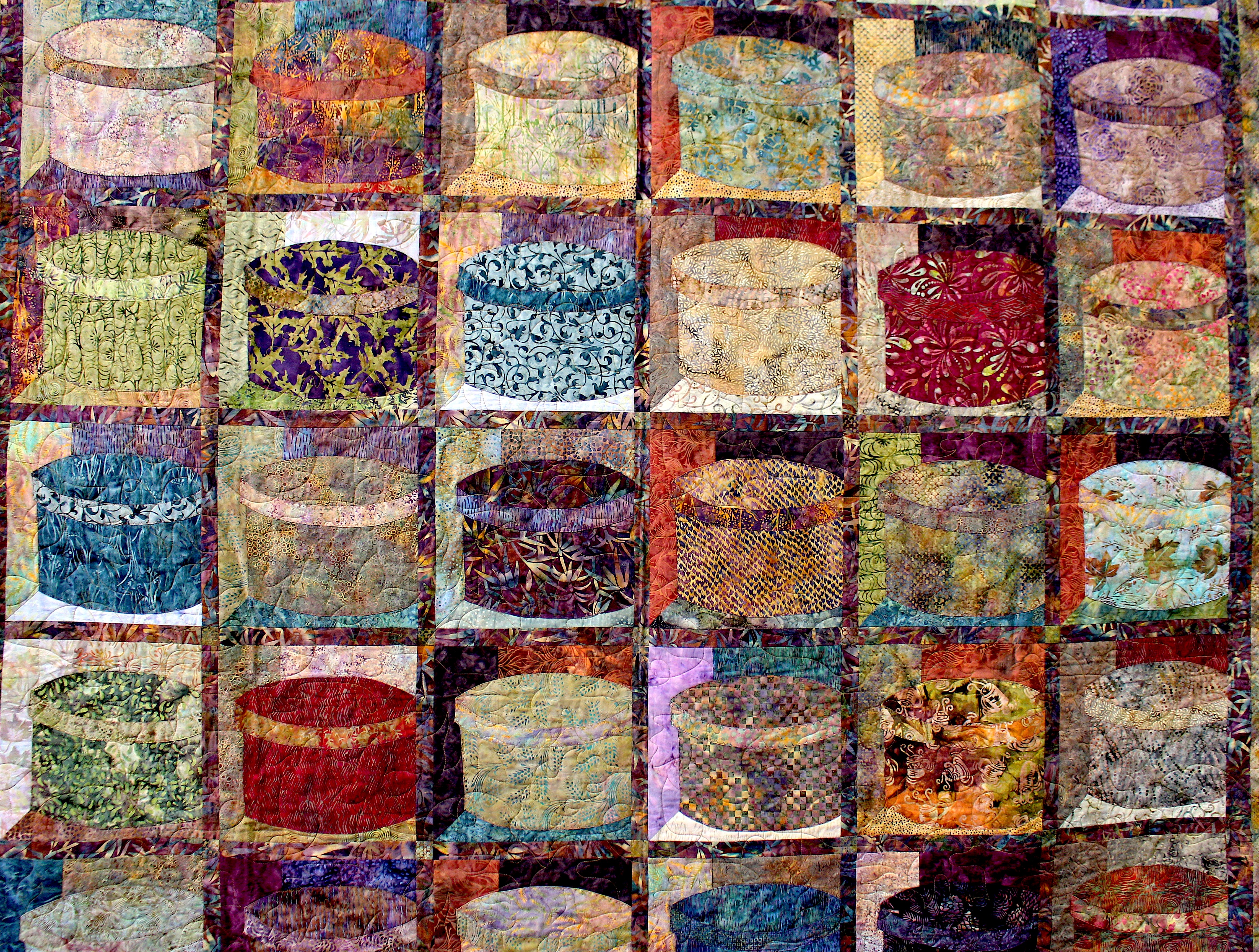
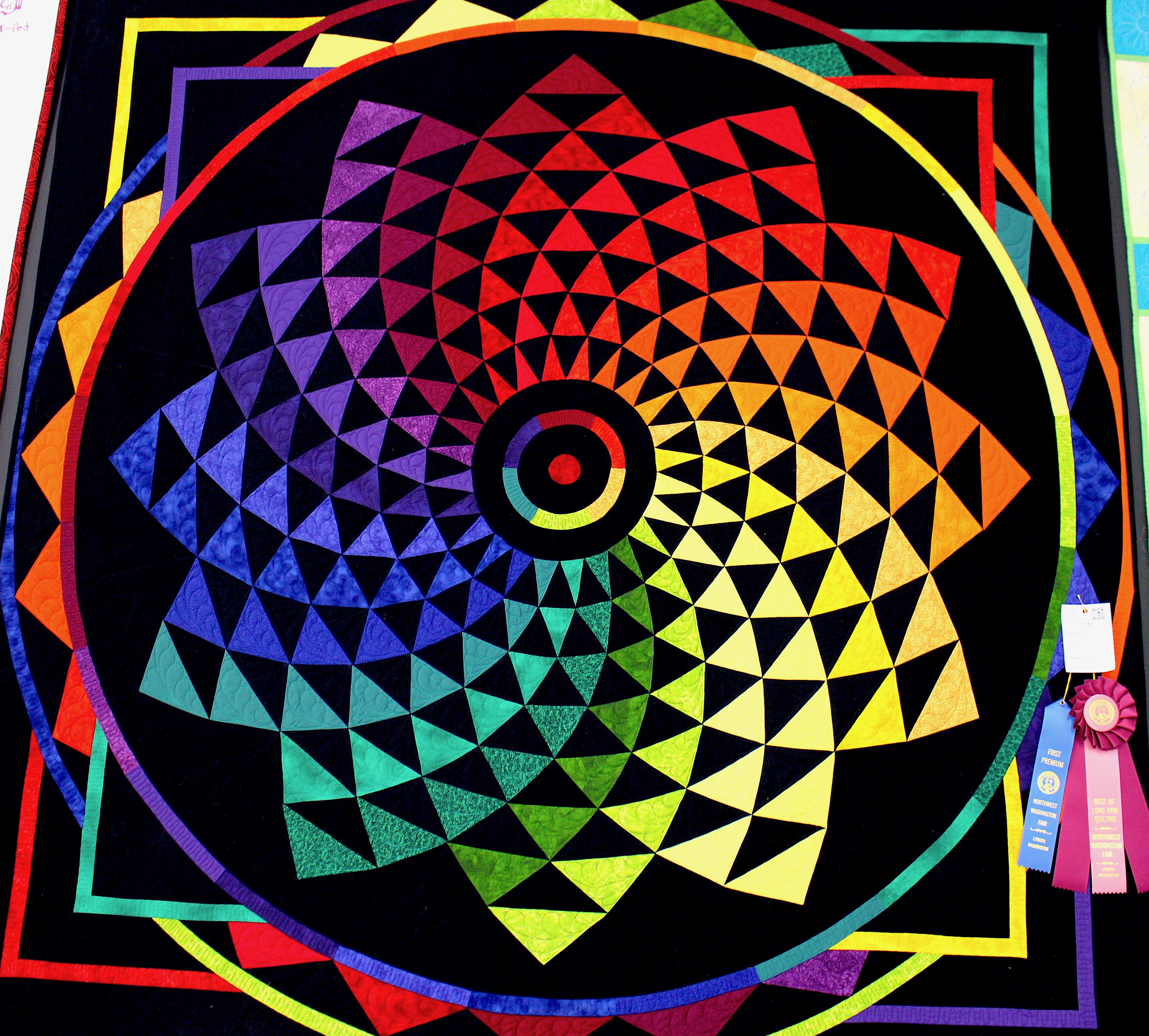
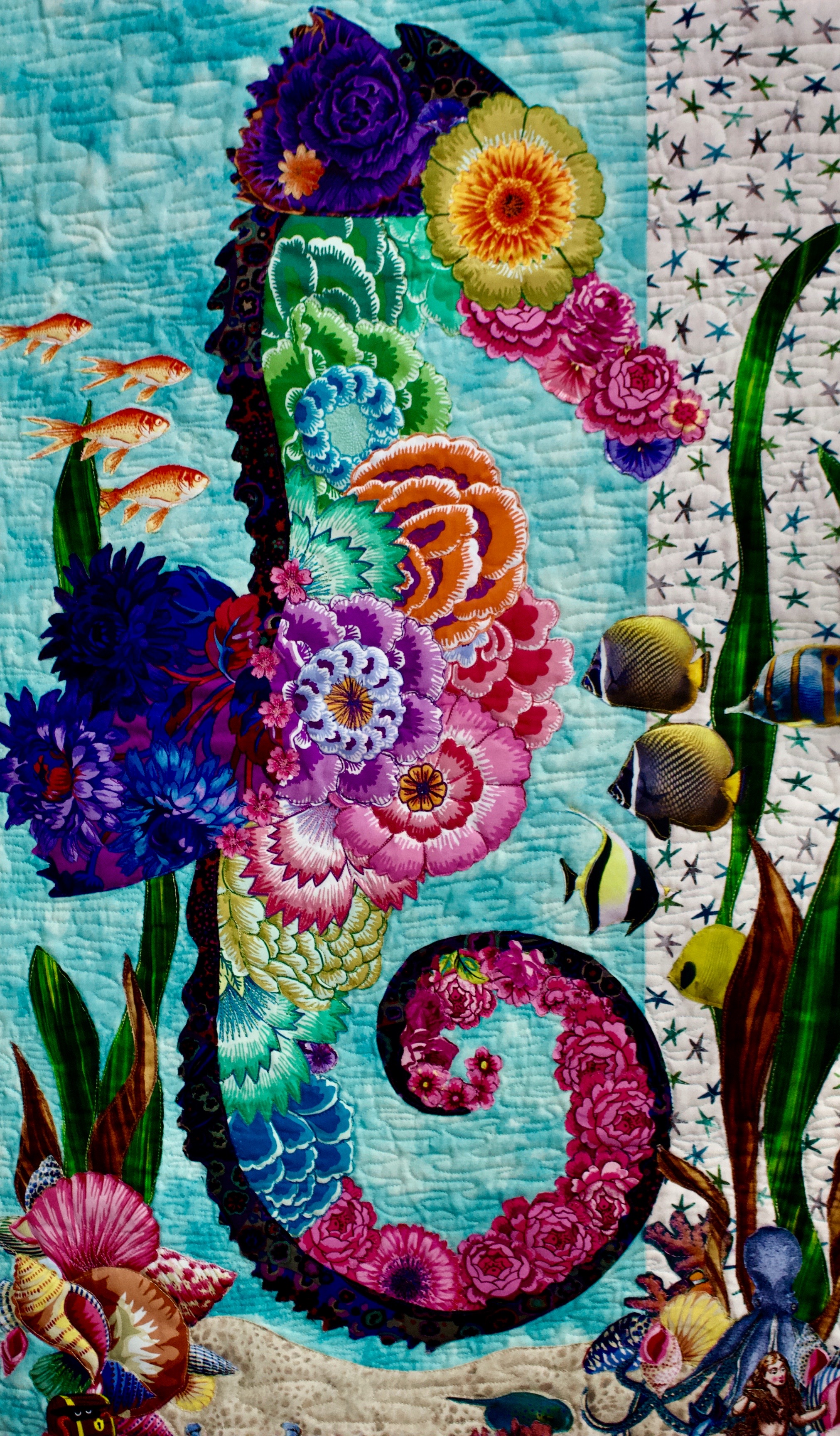
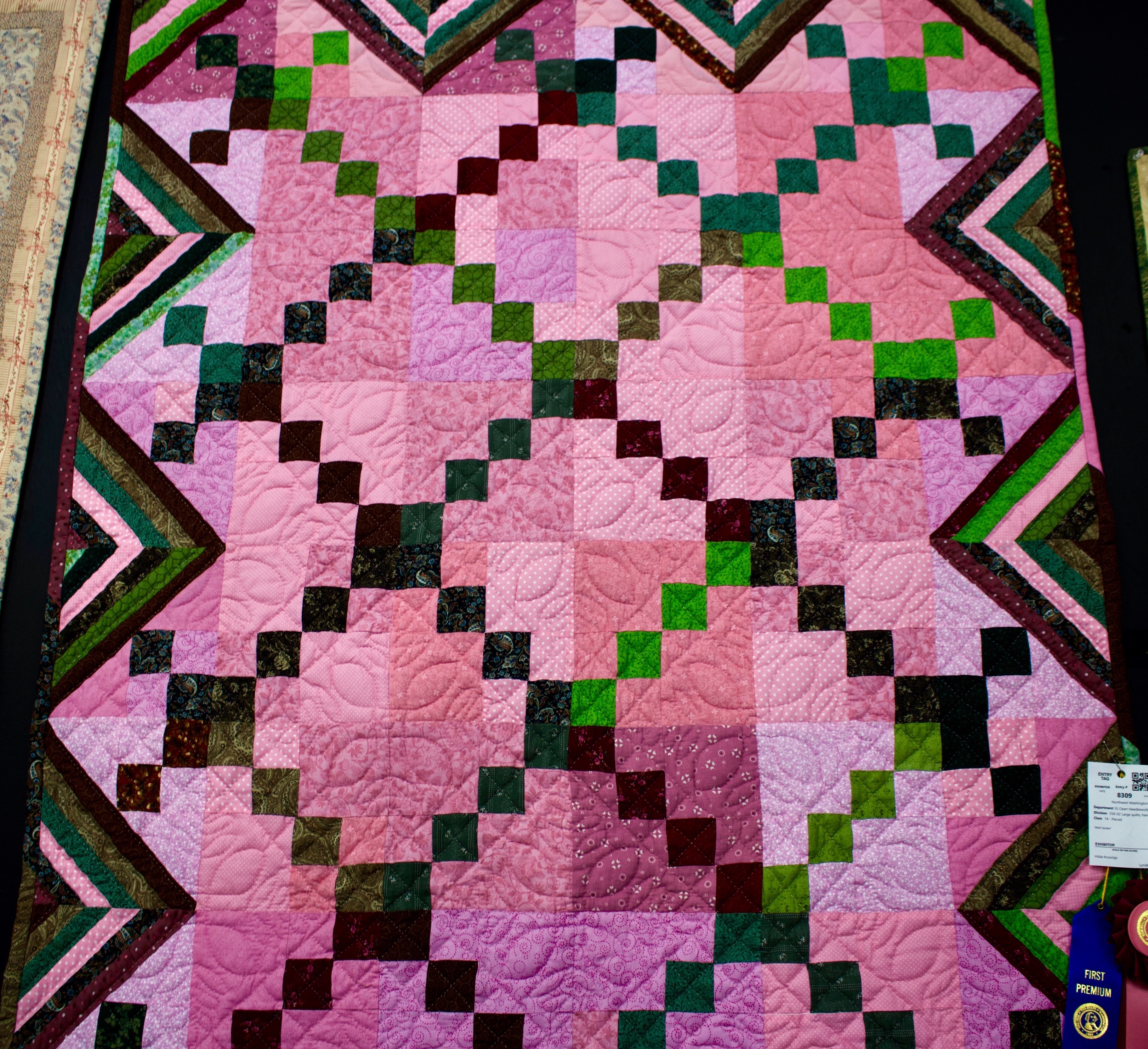
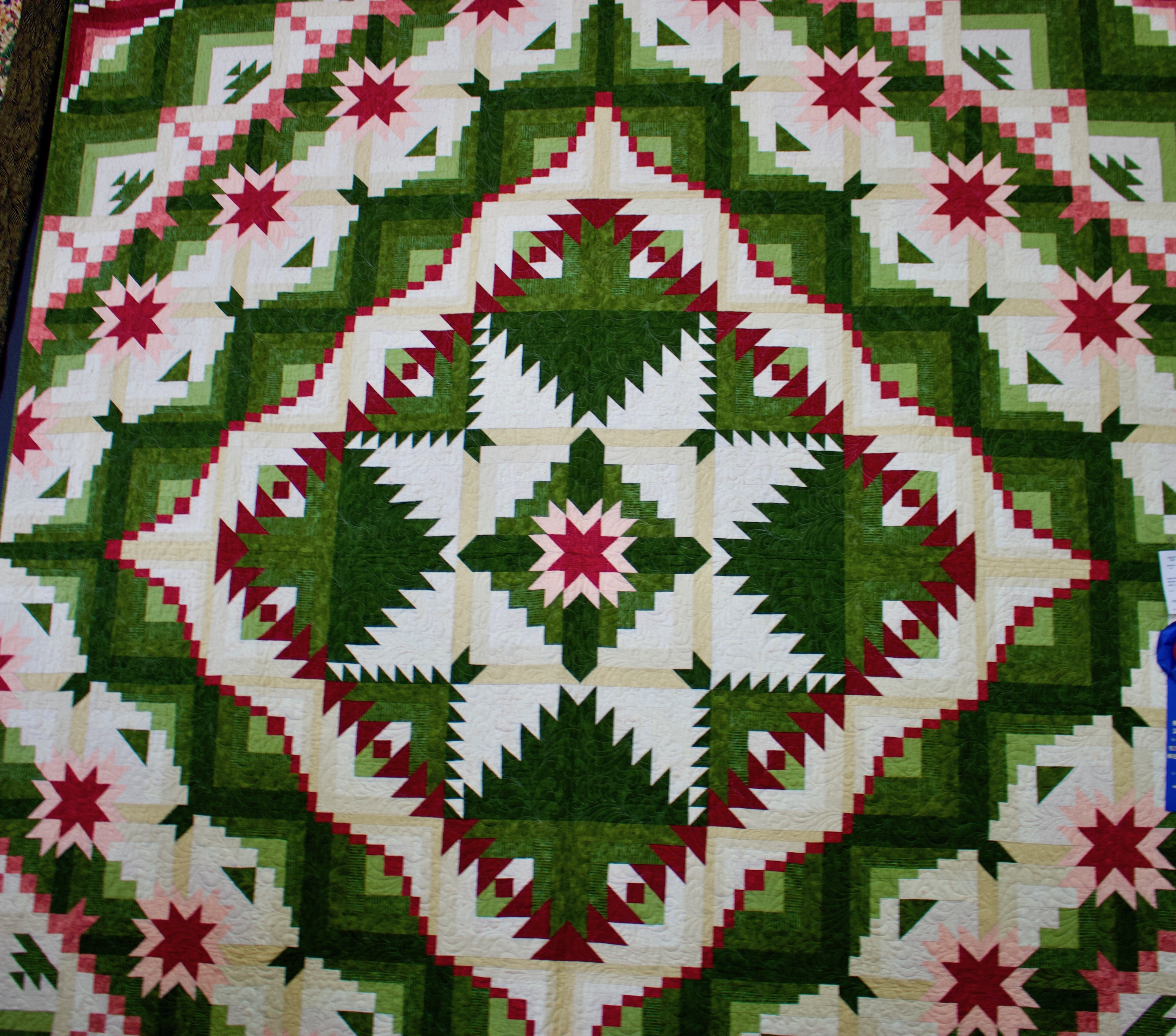
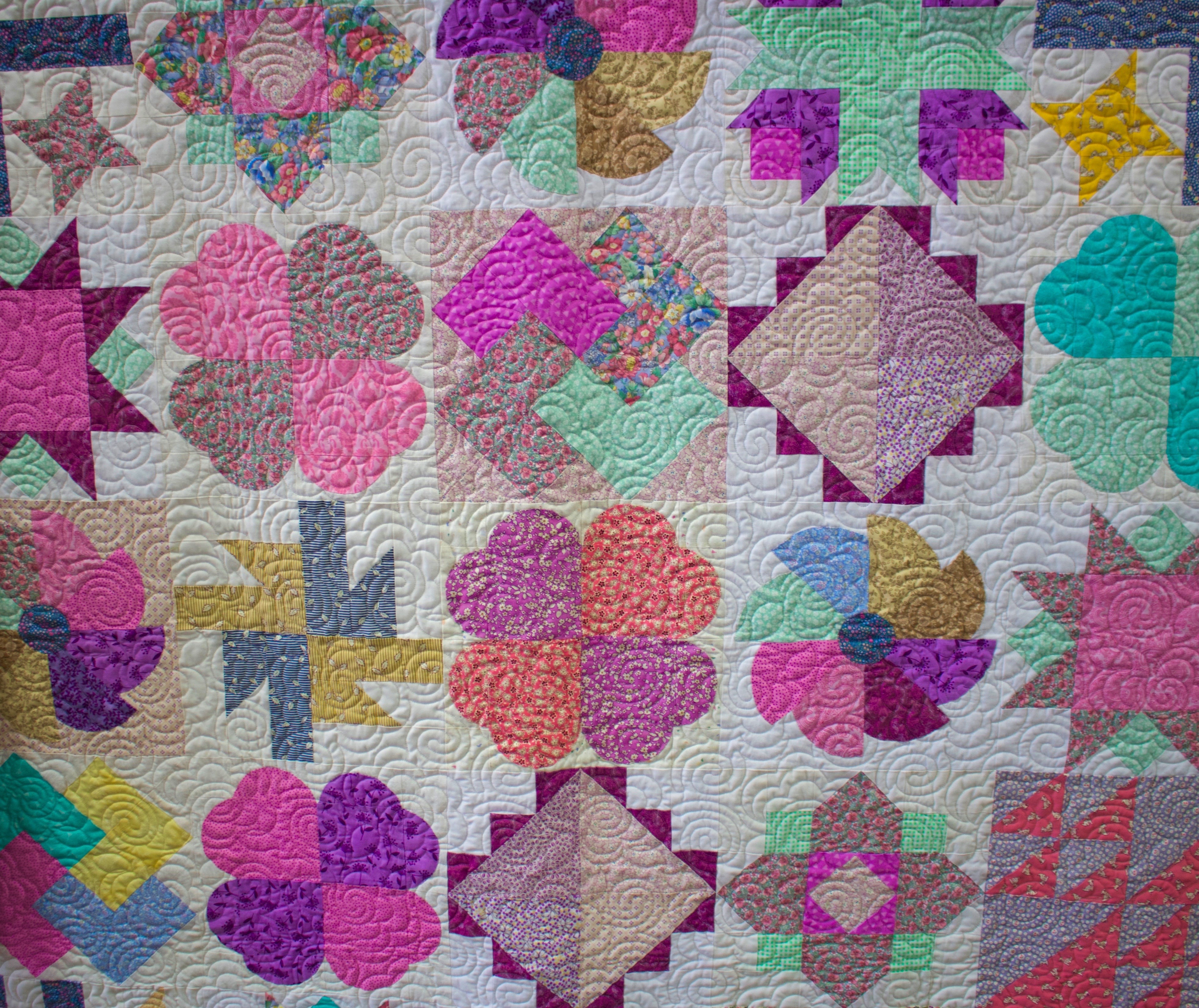
(all quilts here are on display this week at the Northwest Washington Fair in Lynden)
quilt20183
quilt201814
quilt20184
quilt201812

Freedom is Being Easy in Your Harness


33042195_2095635213799114_2657452778938433536_o
photo by Joel deWaard


11417788_1085735018122477_7794998916523379290_o
photo by Joel deWaard


I find my greatest freedom on the farm.
I can be a bad farmer or a lazy farmer and it’s my own business.
A definition of freedom:
It’s being easy in your harness.

~Robert Frost in 1954, at a news conference on the eve of his 80th birthday


33099789_2095635050465797_6215401015475175424_o
photo by Joel deWaard


The past was faded like a dream; 
There come the jingling of a team, 
A ploughman’s voice, a clink of chain, 
Slow hoofs, and harness under strain. 
Up the slow slope a team came bowing, 
Old Callow at his autumn ploughing, 
Old Callow, stooped above the hales, 
Ploughing the stubble into wales. 
His grave eyes looking straight ahead, 
Shearing a long straight furrow red; 
His plough-foot high to give it earth 
To bring new food for men to birth. 

O wet red swathe of earth laid bare,
O truth, O strength, O gleaming share,
O patient eyes that watch the goal,
O ploughman of the sinner’s soul.
O Jesus, drive the coulter deep
To plough my living man from sleep…

At top of rise the plough team stopped, 
The fore-horse bent his head and cropped. 
Then the chains chack, the brasses jingle, 
The lean reins gather through the cringle, 
The figures move against the sky, 
The clay wave breaks as they go by. 
I kneeled there in the muddy fallow, 
I knew that Christ was there with Callow, 
That Christ was standing there with me, 
That Christ had taught me what to be, 
That I should plough, and as I ploughed 
My Saviour Christ would sing aloud, 
And as I drove the clods apart 
Christ would be ploughing in my heart, 
Through rest-harrow and bitter roots, 
Through all my bad life’s rotten fruits.

Lo, all my heart’s field red and torn,
And Thou wilt bring the young green corn,
And when the field is fresh and fair
Thy blessed feet shall glitter there,
And we will walk the weeded field,
And tell the golden harvest’s yield,
The corn that makes the holy bread
By which the soul of man is fed,
The holy bread, the food unpriced,
Thy everlasting mercy, Christ.
~John Masefield from The Everlasting Mercy


26471_113888315307157_6088300_n
photo by Joel deWaard


We shoulder much burden in the pursuit of happiness and freedom,
worth every ounce of sweat,
every sore muscle,
every drop of blood,
every tear.

Our heart land is plowed,
yielding to the plowshare
digging deep with the pull of the harness.
The furrow should be straight and narrow.

We are tread upon
yet still bloom;
we are turned upside down
yet still produce bread.

The plowing under brings freshness to the surface,
a new face upturned to the cleansing dew,
knots of worms now making fertile simple dust.

Plow deep our hearts this day of celebrating freedom, dear Lord.
May we grow what is needed
to feed your vast and hungry children
everywhere.


11169800_1063275880368391_3136647902252647854_o
photo by Joel deWaard

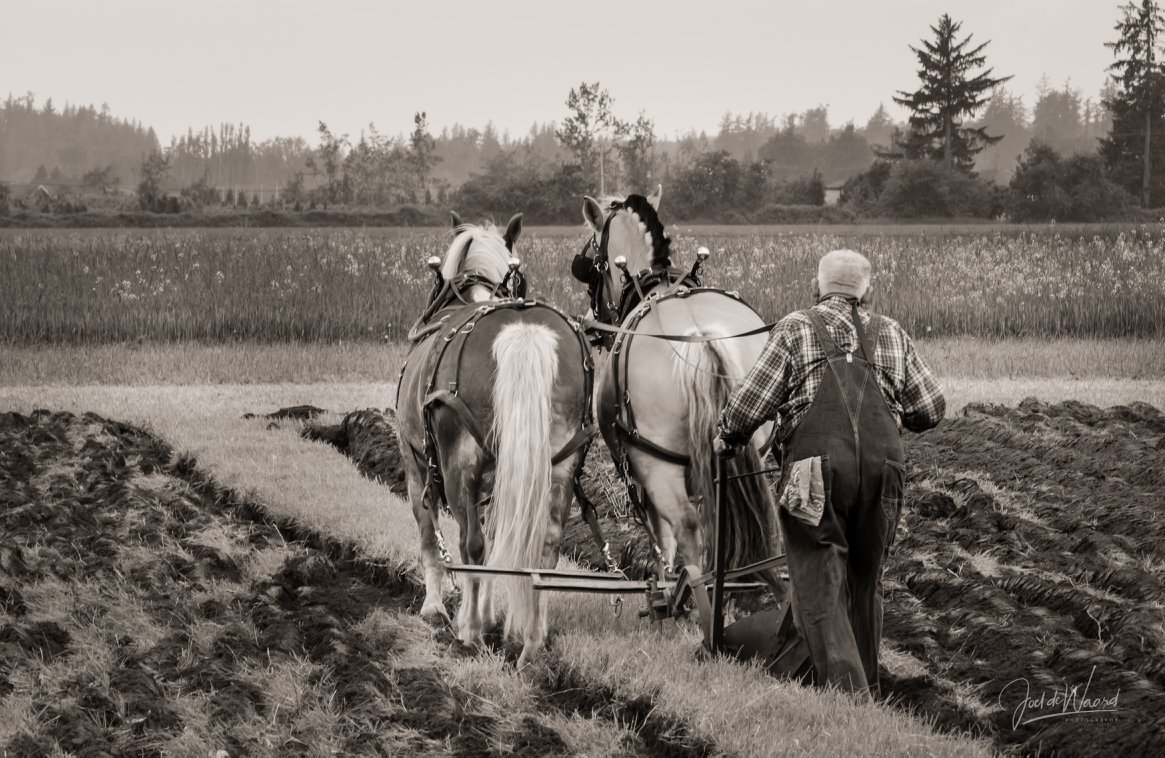
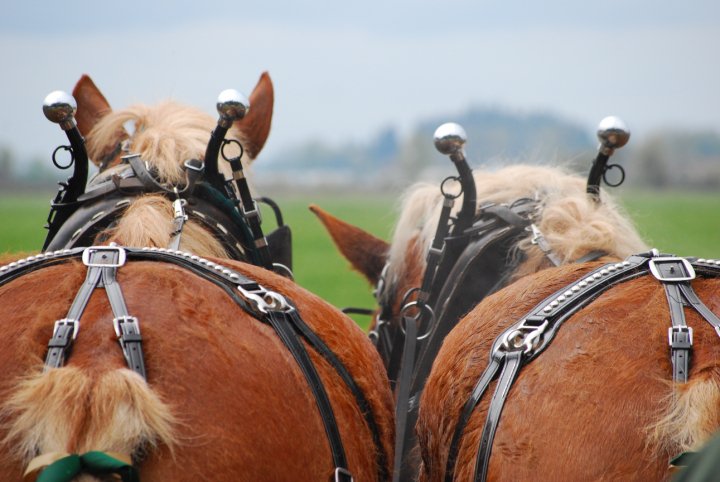
Thank you once again to Joel deWaard, local farmer and photographer, who graciously shares his photos of the Annual International Lynden (Washington) Plowing Match