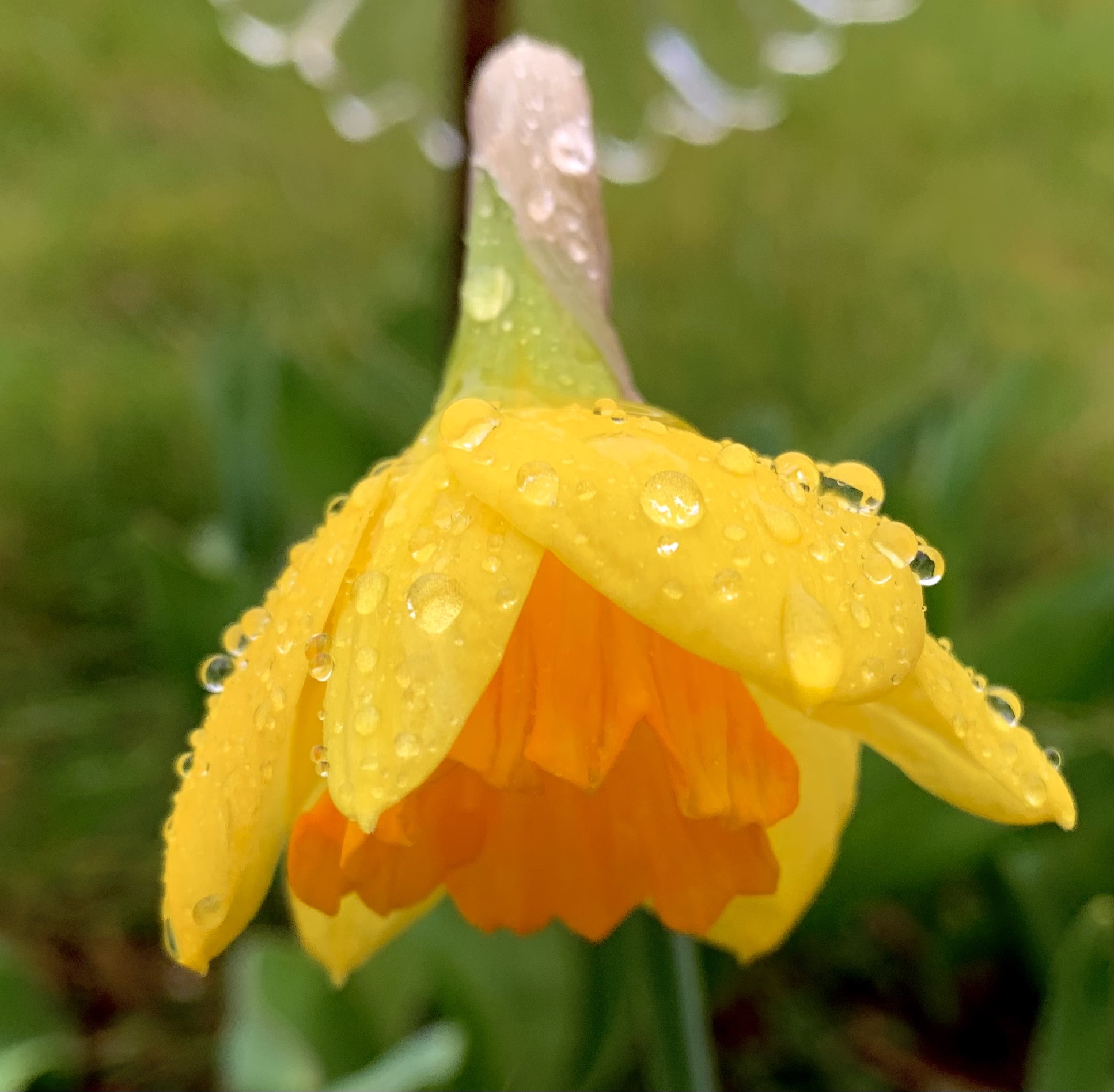
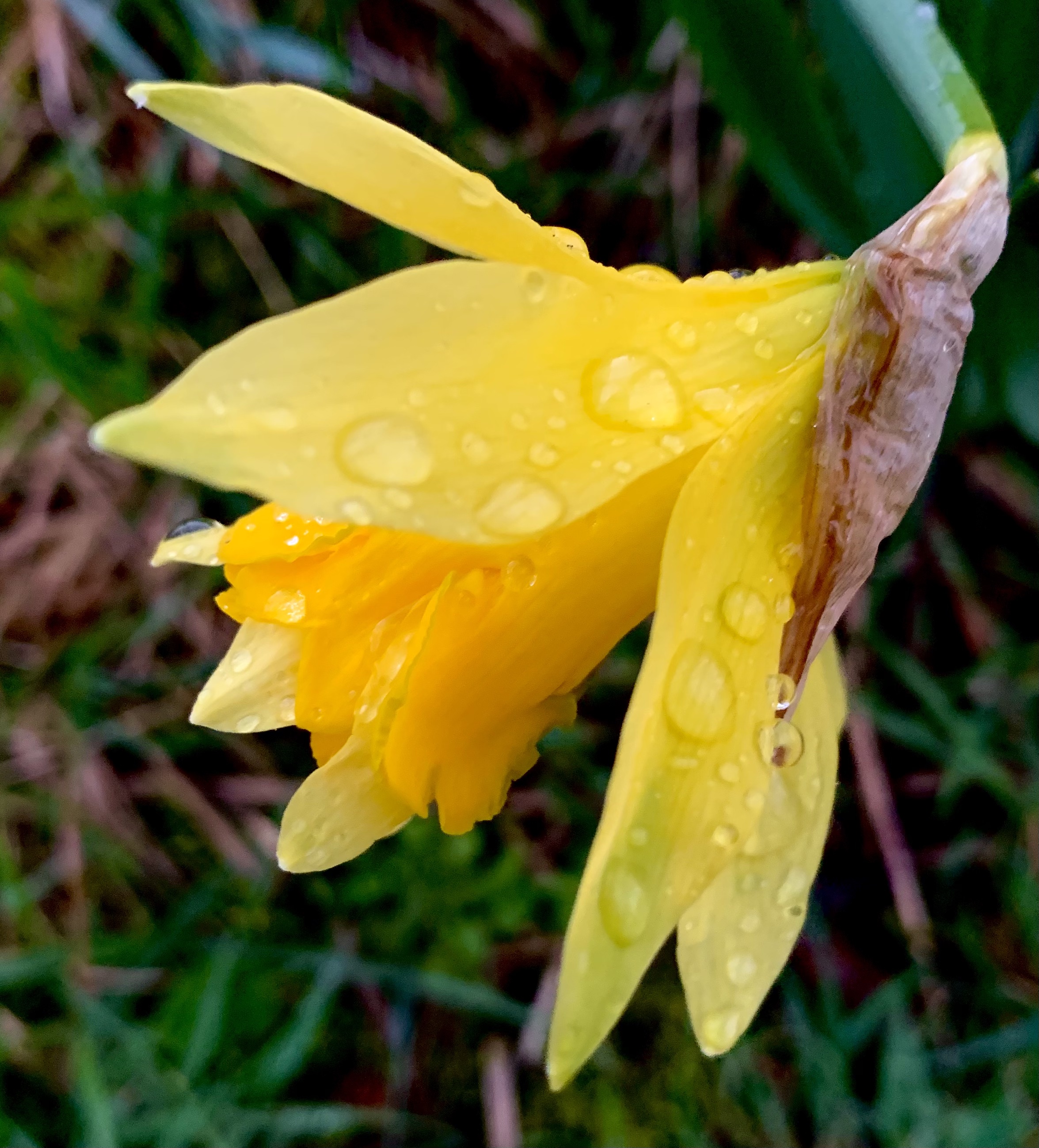
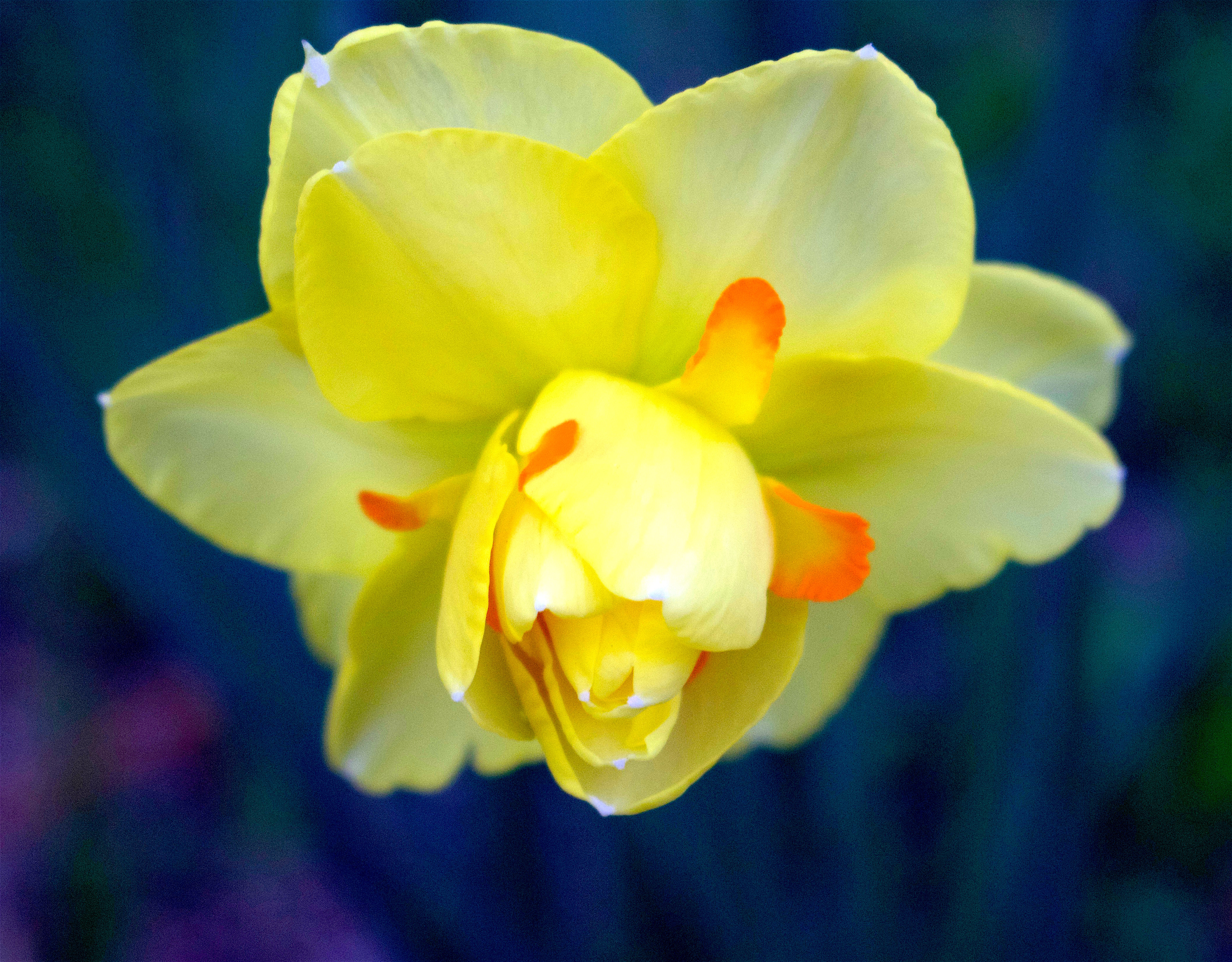
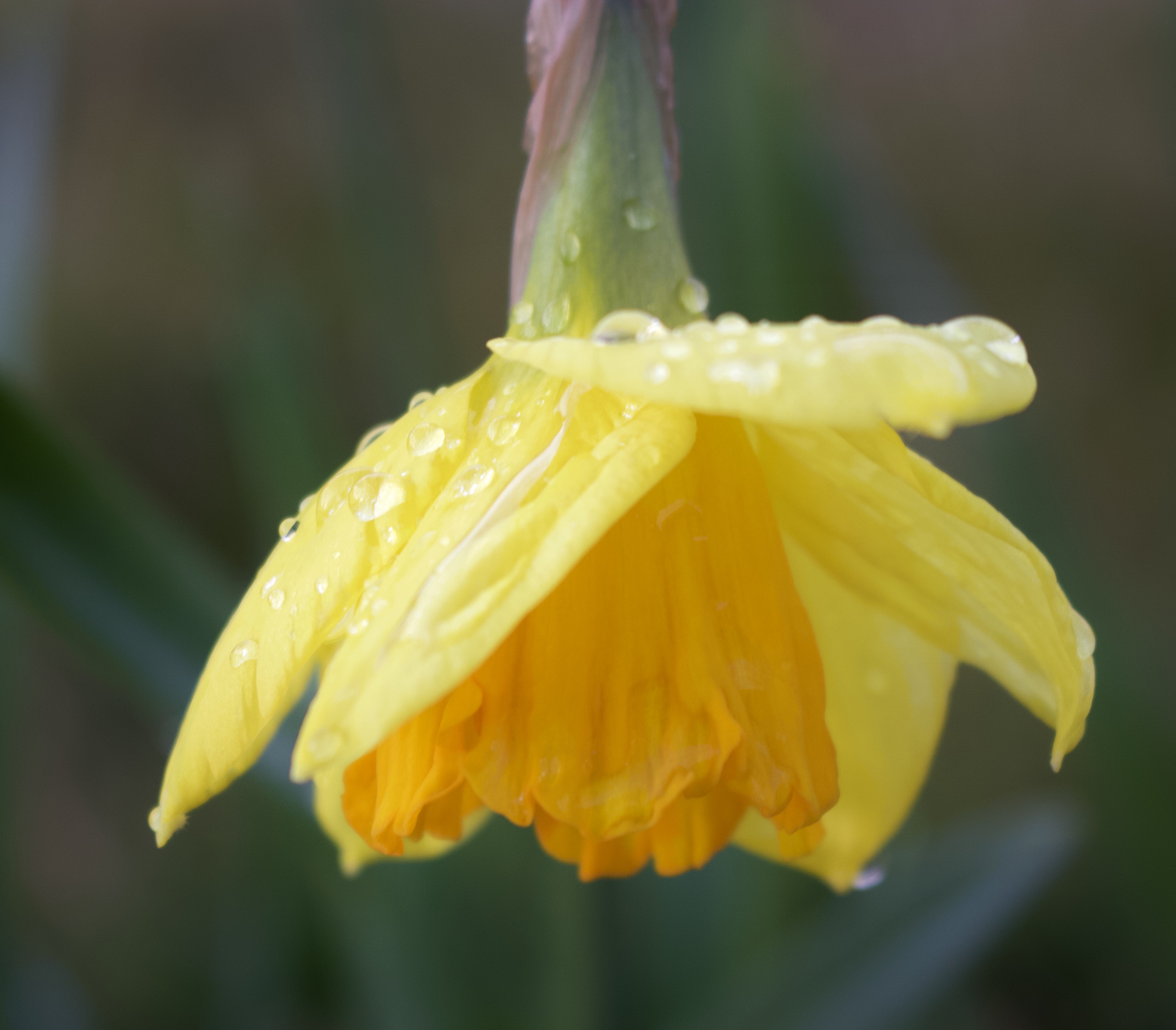
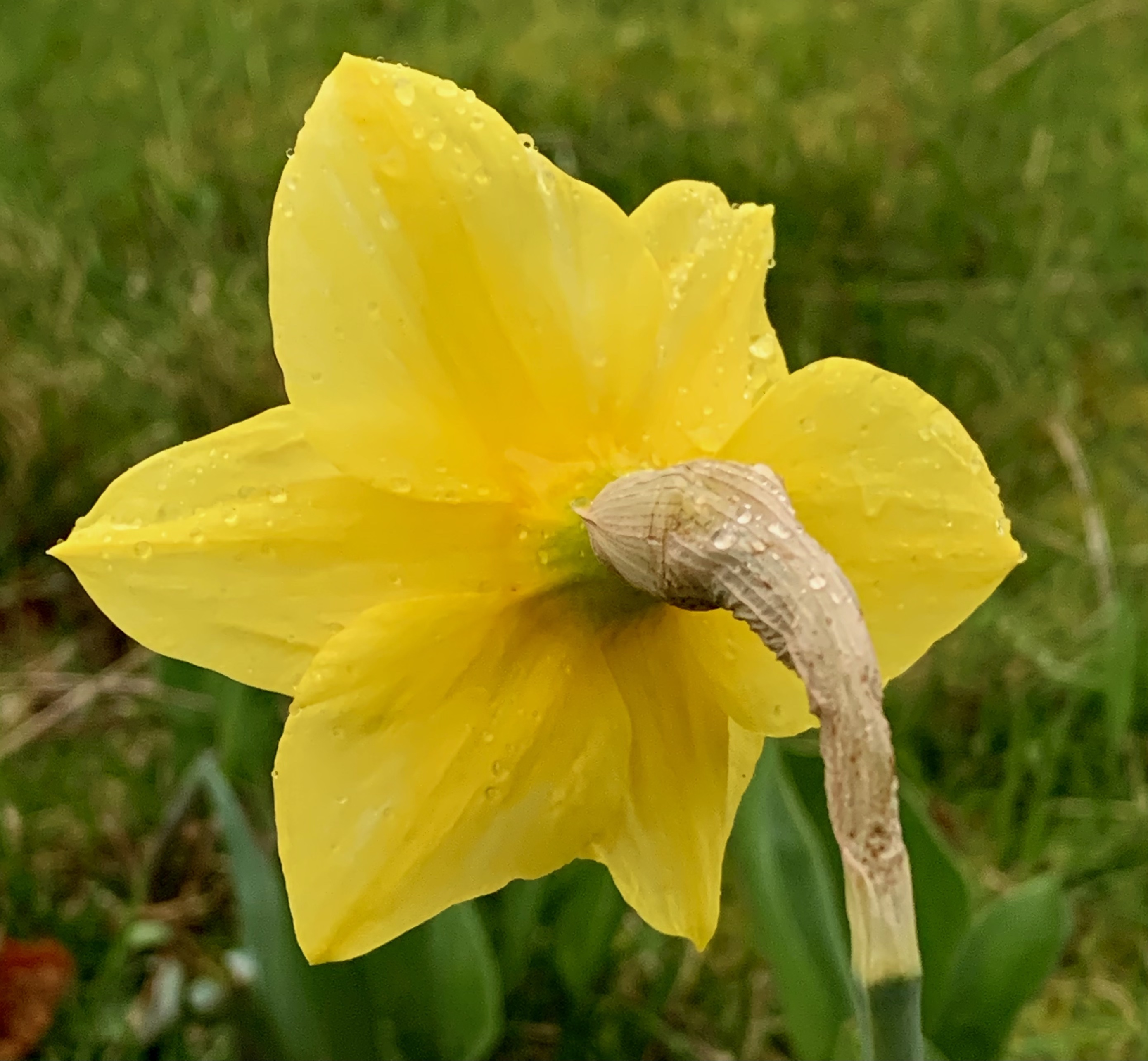
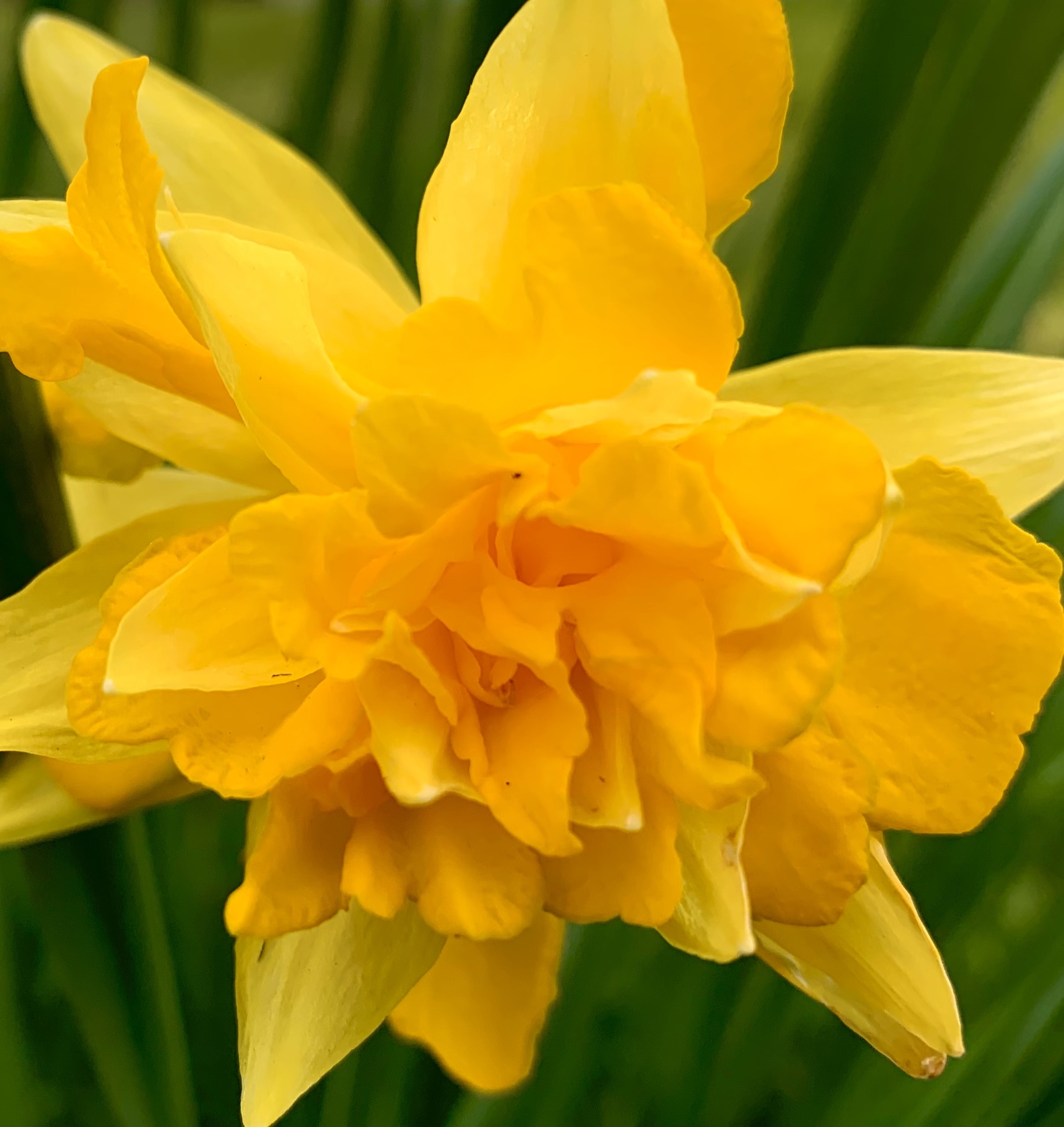
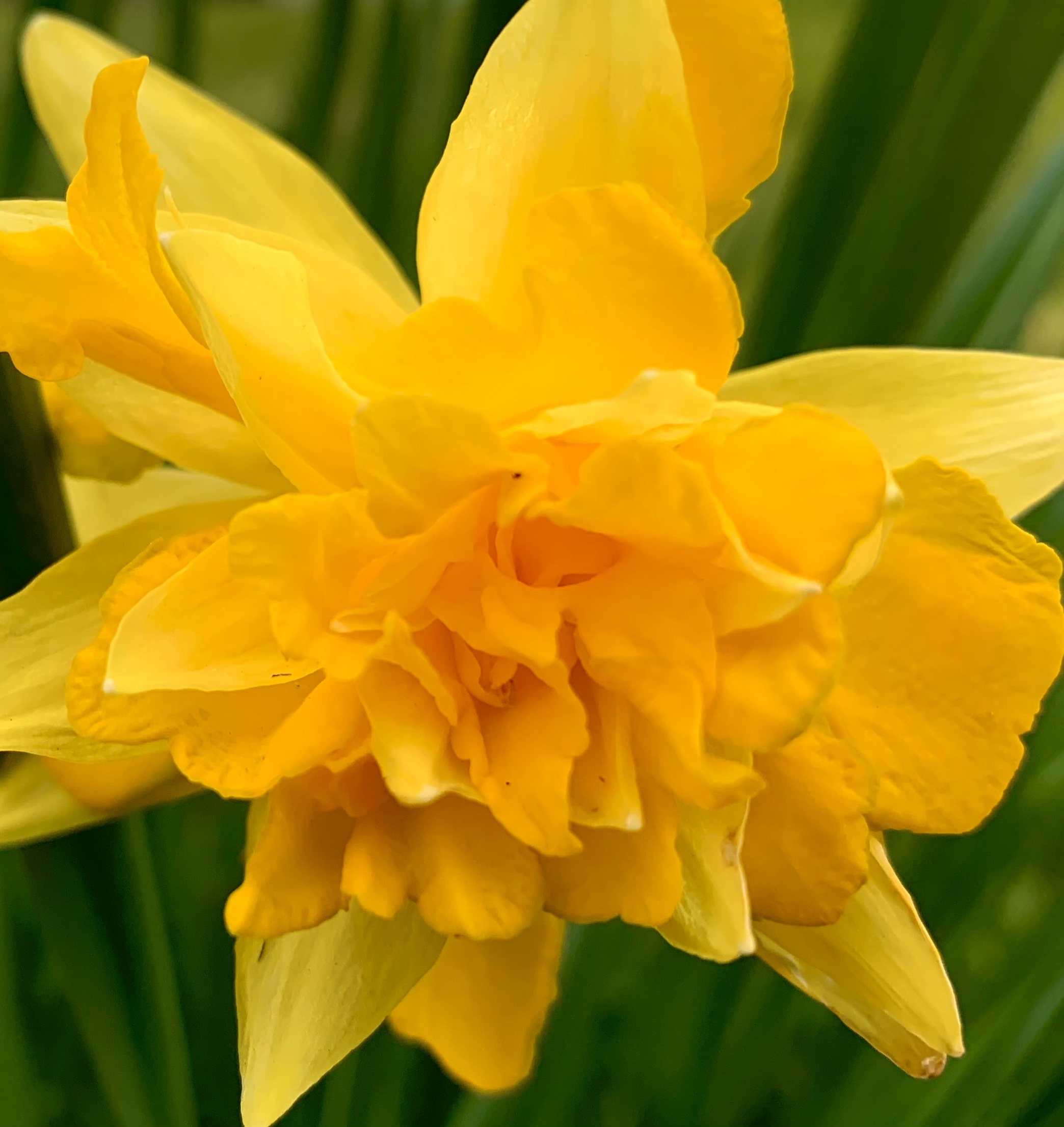
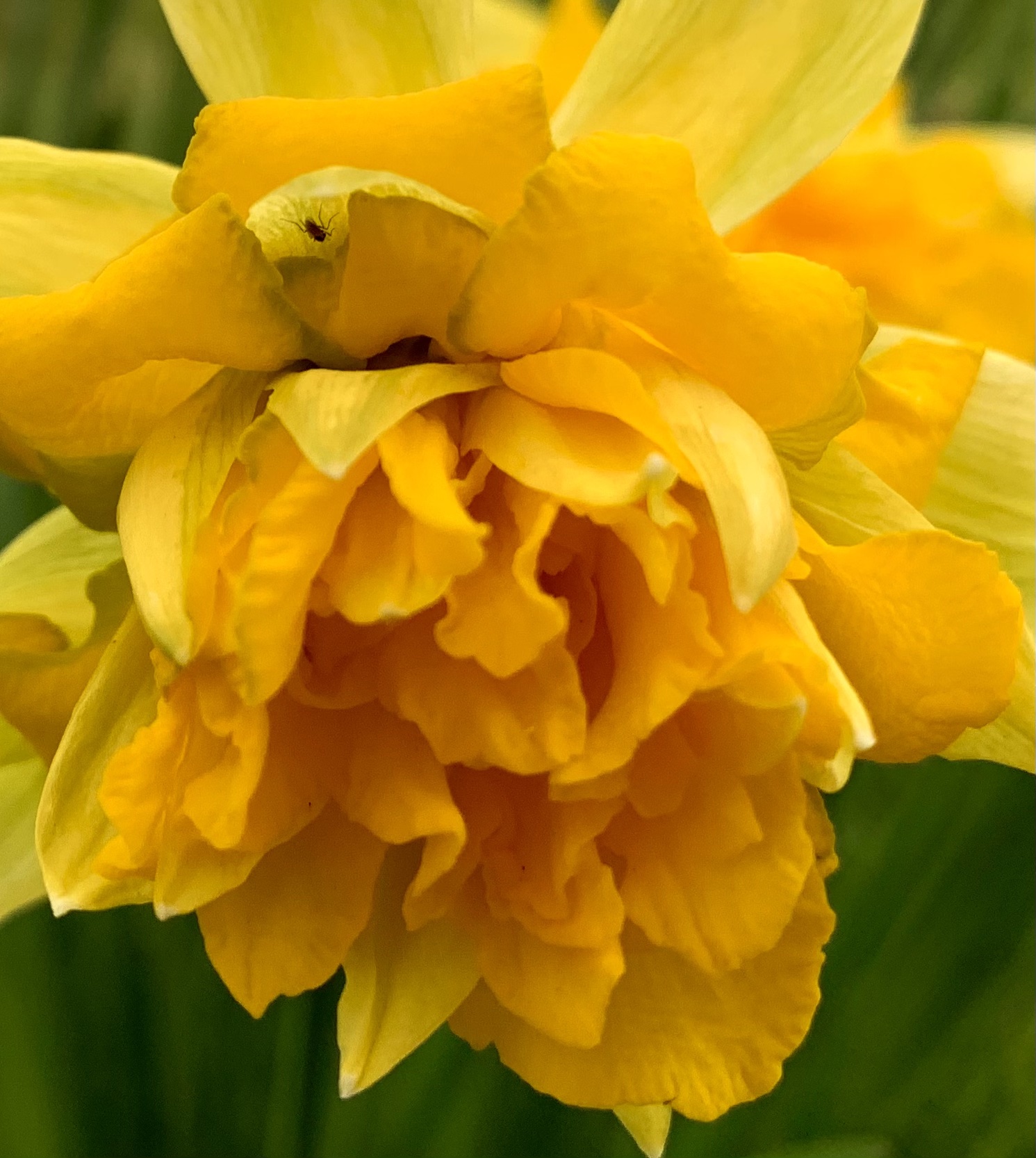
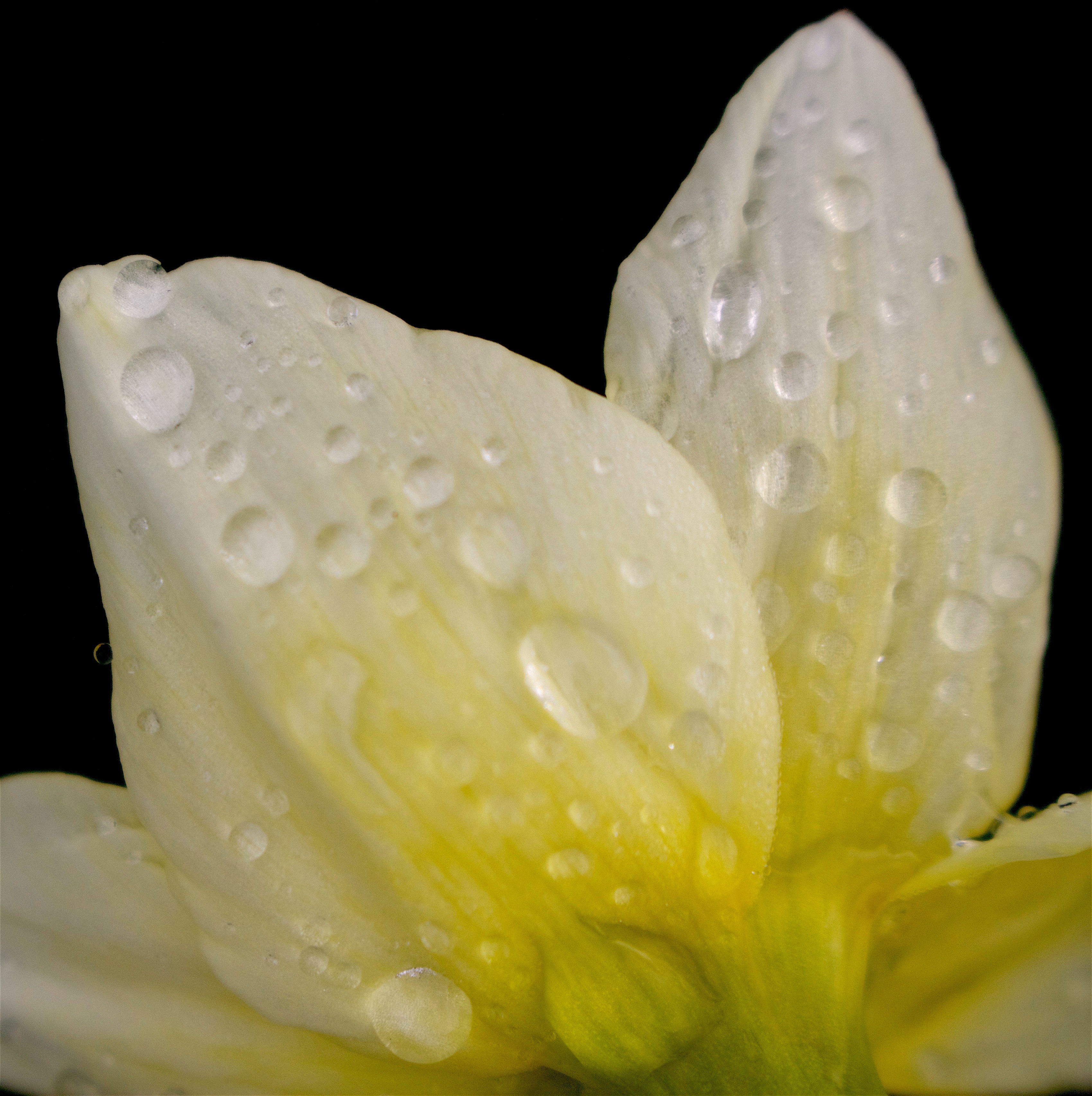
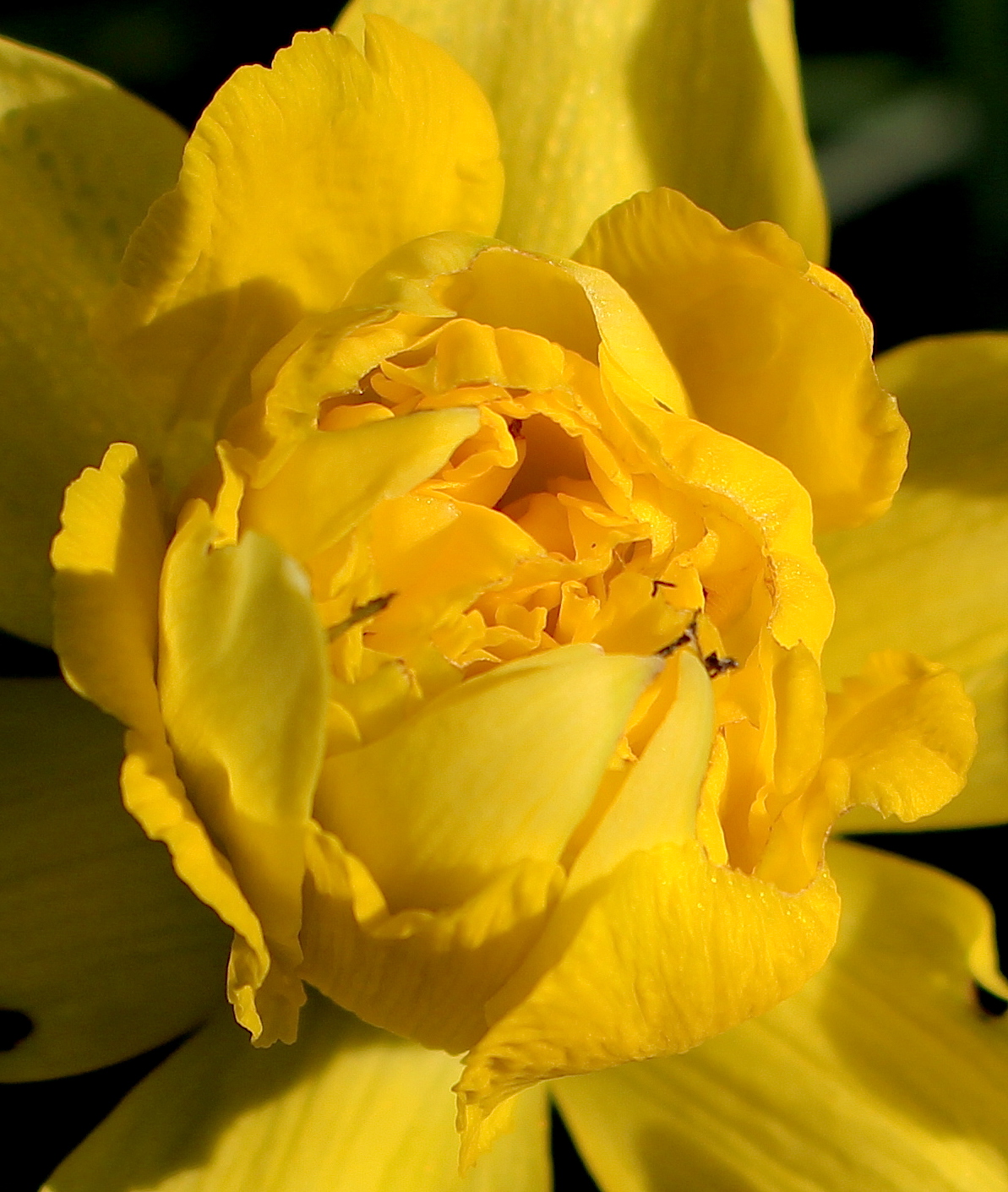
Thou yellow trumpeter of laggard Spring! Thou herald of rich Summer’s myriad flowers! The climbing sun with new recovered powers Does warm thee into being, through the ring Of rich, brown earth he woos thee, makes thee fling Thy green shoots up, inheriting the dowers Of bending sky and sudden, sweeping showers, Till ripe and blossoming thou art a thing To make all nature glad, thou art so gay; To fill the lonely with a joy untold; Nodding at every gust of wind to-day, To-morrow jewelled with raindrops. Always bold To stand erect, full in the dazzling play Of April’s sun, for thou hast caught his gold. ~Amy Lowell “To An Early Daffodil”
Fair Daffodils, we weep to see You haste away so soon; As yet the early-rising sun Has not attain’d his noon.
Stay, stay, Until the hasting day Has run But to the even-song; And, having pray’d together, we Will go with you along. We have short time to stay, as you, We have as short a spring; As quick a growth to meet decay, As you, or anything.
We die As your hours do, and dry Away, Like to the summer’s rain; Or as the pearls of morning’s dew, Ne’er to be found again. ~Robert Herrick “To Daffodils”
We are springing late, with chill winds and everlasting rain.
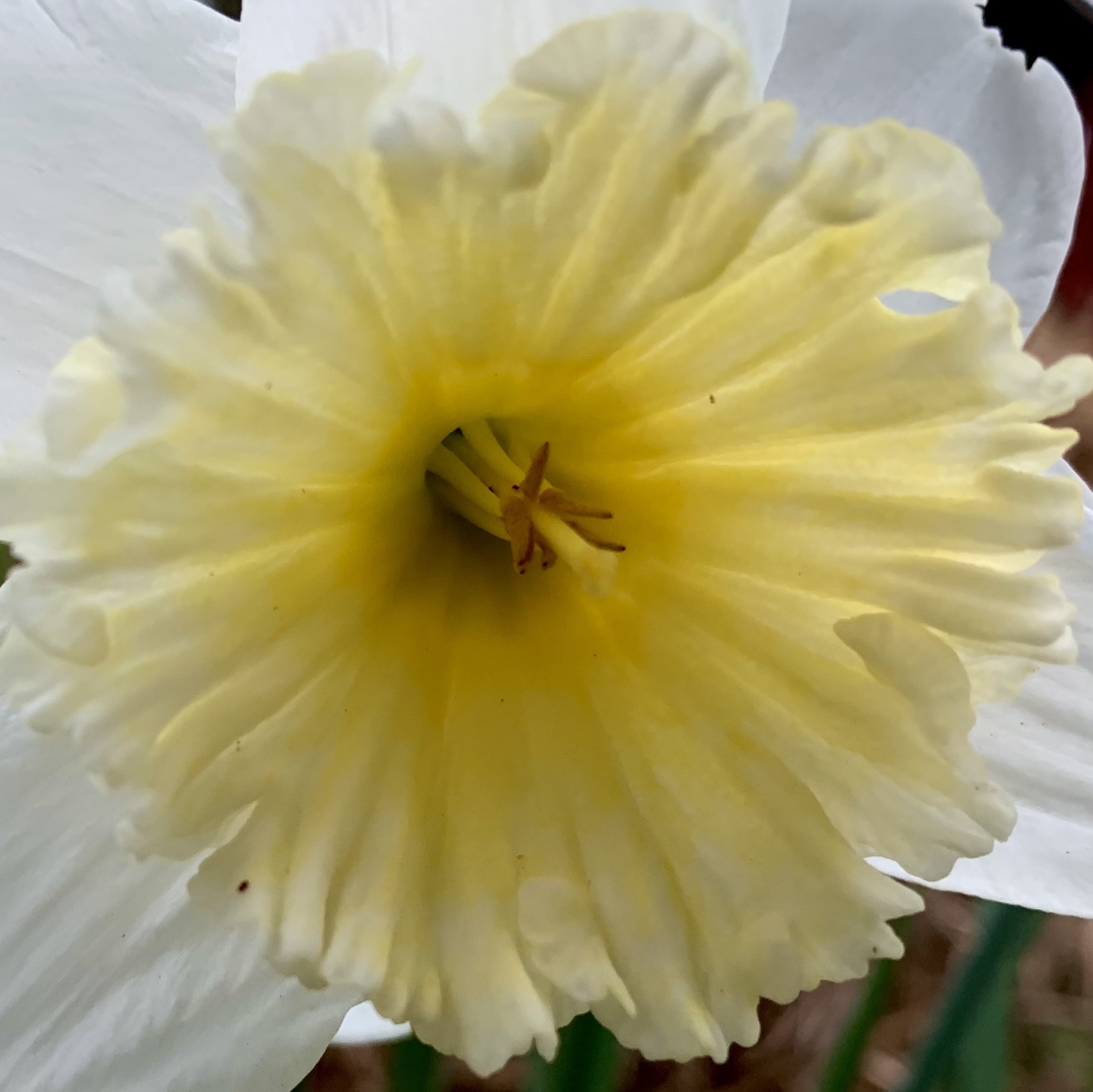
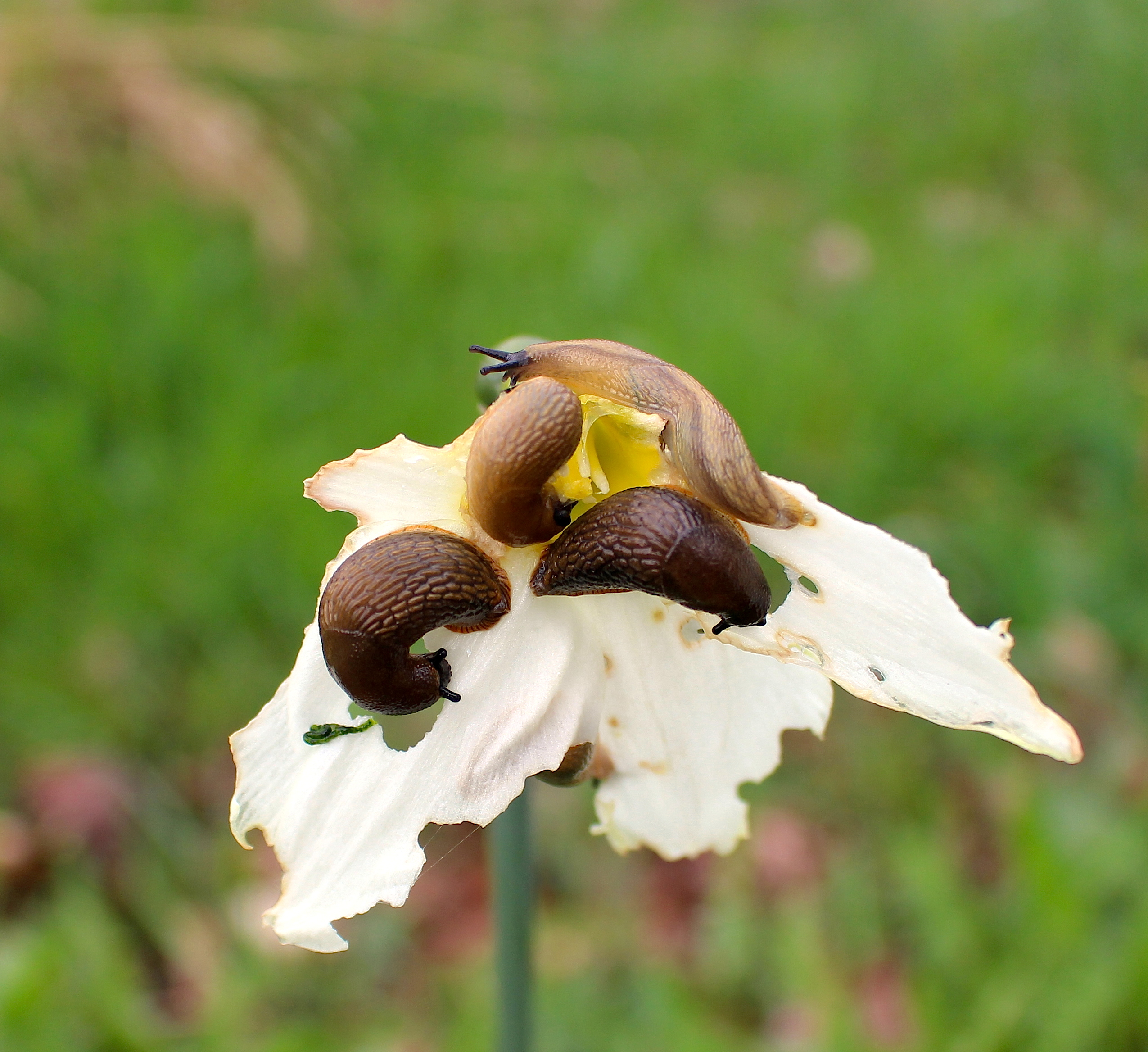
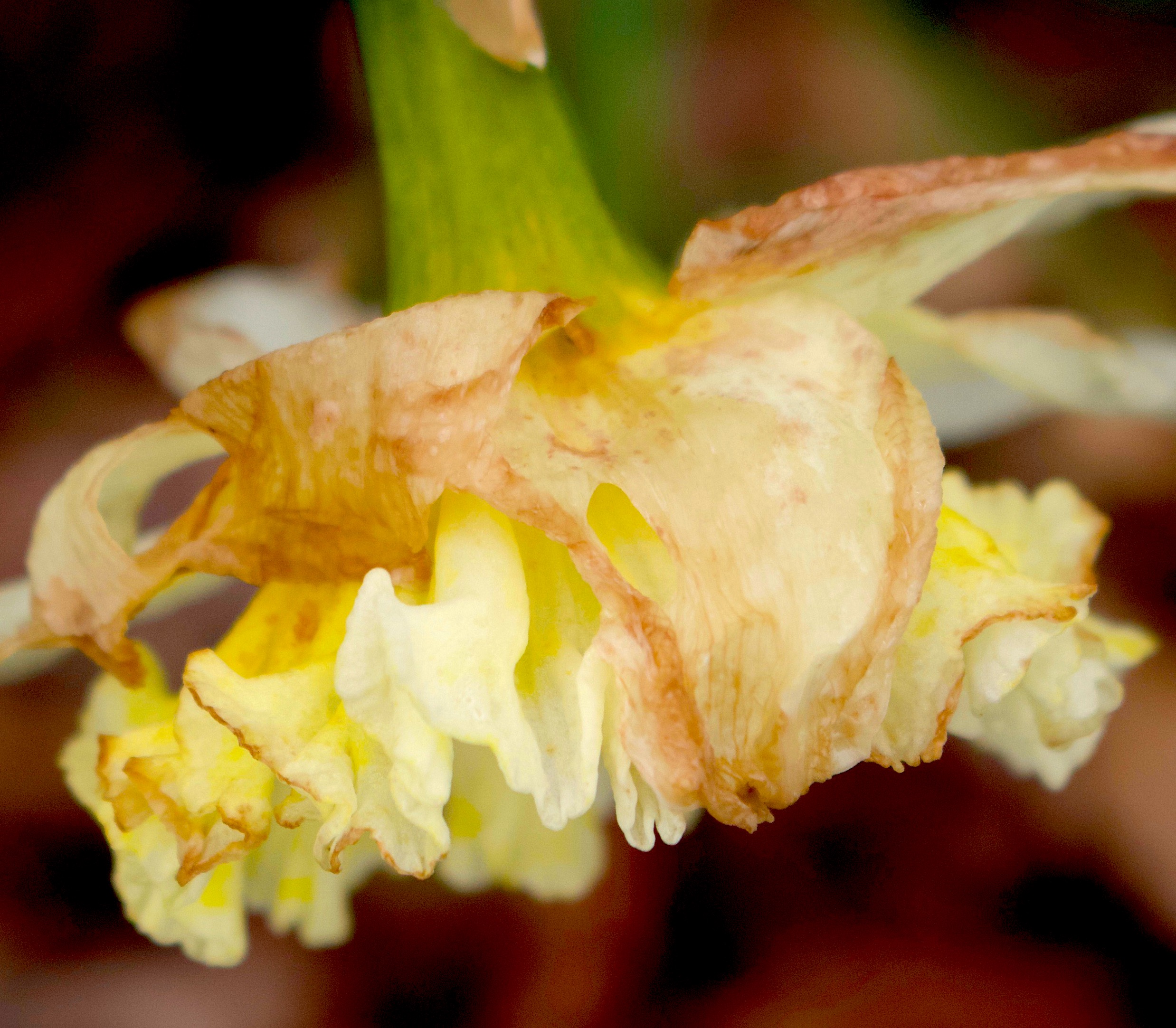
The daffodils melt on the stem unable to sustain the battering while hordes of bugs and slugs luxuriate with unending voracious appetites for their petals.
We ourselves aren’t much different than these tender blooms – though we hope not to be chewed to death, this past year reminds us that we are, after all, here today, gone tomorrow.
When our bud bursts to blossom, we flame hearty with such exuberant joy, then wither until we are no more, a mere bulb resting, waiting to be called from the ground next year.
We, for our brief days, trumpet our blooming relief: a reflection of the Sun itself, just as we were created to be.
There is no event so commonplace but that God is present within it, always hiddenly, always leaving you room to recognize Him or not…
Listen to your life. See it for the fathomless mystery that it is.
In the boredom and pain of it no less than in the excitement and gladness: touch, taste, smell your way to the holy and hidden art of it because in the last analysis all moments are key moments….. and Life itself is Grace. ~Frederick Buechner from Now and Then- Listening to Your Life
The locus of the human mystery is perception of this world. From it proceeds every thought, every art. I like Calvin’s metaphor—nature is a shining garment in which God is revealed and concealed. ~Marilynne Robinson from her “Reclaiming a Sense of the Sacred” essay
Perhaps it is the mystery of His life that brings us back, again and again, to read His story, familiar as it is, at first wrapped in the shining garment of swaddling clothes, then a plain robe to be gambled away beneath His nailed feet and finally a shroud left carefully folded and empty.
How can this mystery be? God appearing on earth, hidden in the commonplace, rendering it sacred and holy by His spilled blood.
How can it be? Through the will of the Father and the breath of the Spirit, this Son was born, died, then rose again and still is, and yet to be, forever and ever.
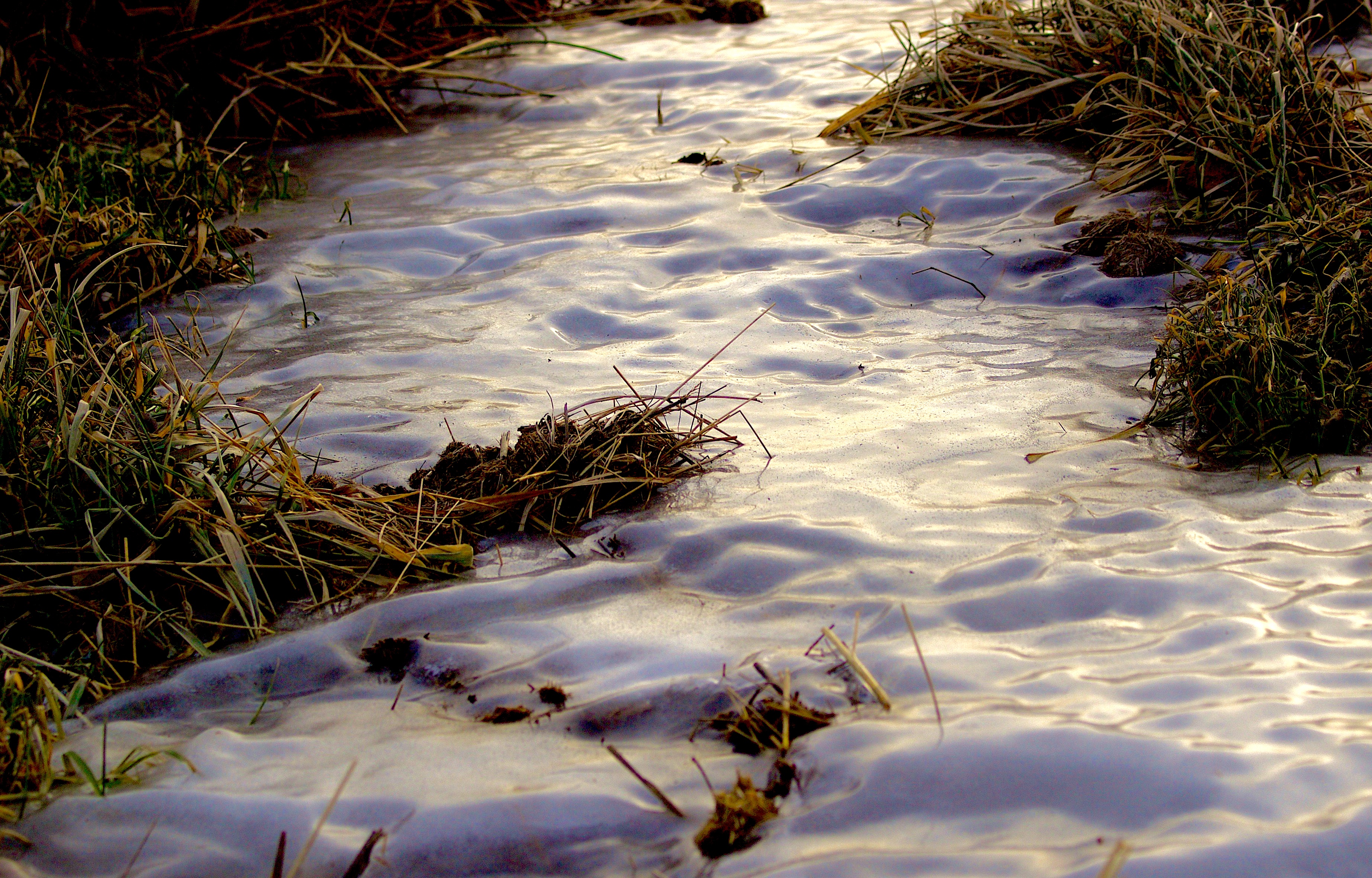
At the soft place in the snowbank Warmed to dripping by the sun There is the smell of water. On the western wind the hint of glacier. A cottonwood tree warmed by the same sun On the same day, My back against its rough bark Same west wind mild in my face. A piece of spring Pierced me with love for this empty place Where a prairie creek runs Under its cover of clear ice And the sound it makes, Mysterious as a heartbeat, New as a lamb. ~Tom Hennen, “In the Late Season” from Darkness Sticks to Everything: Collected and New Poems.
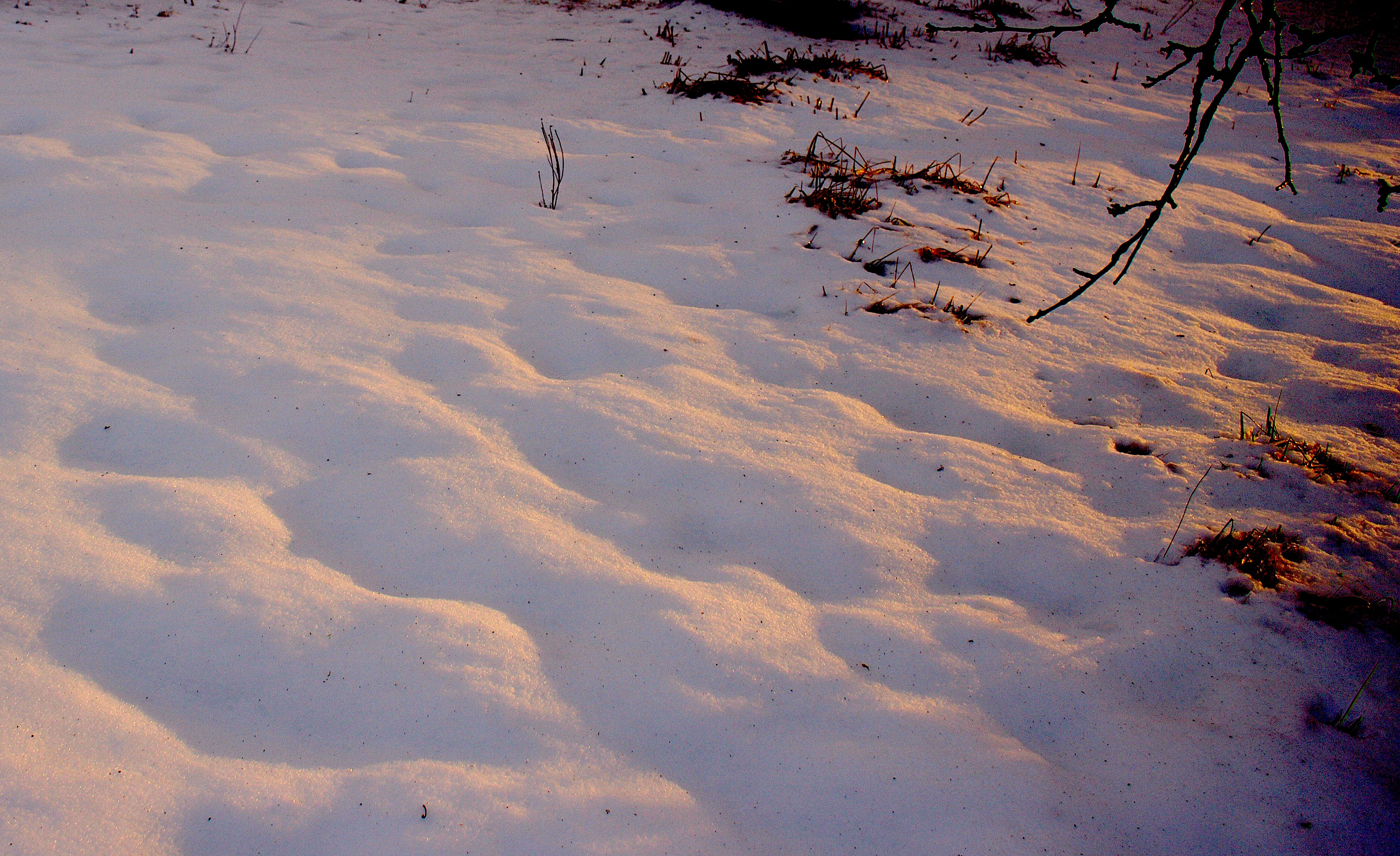
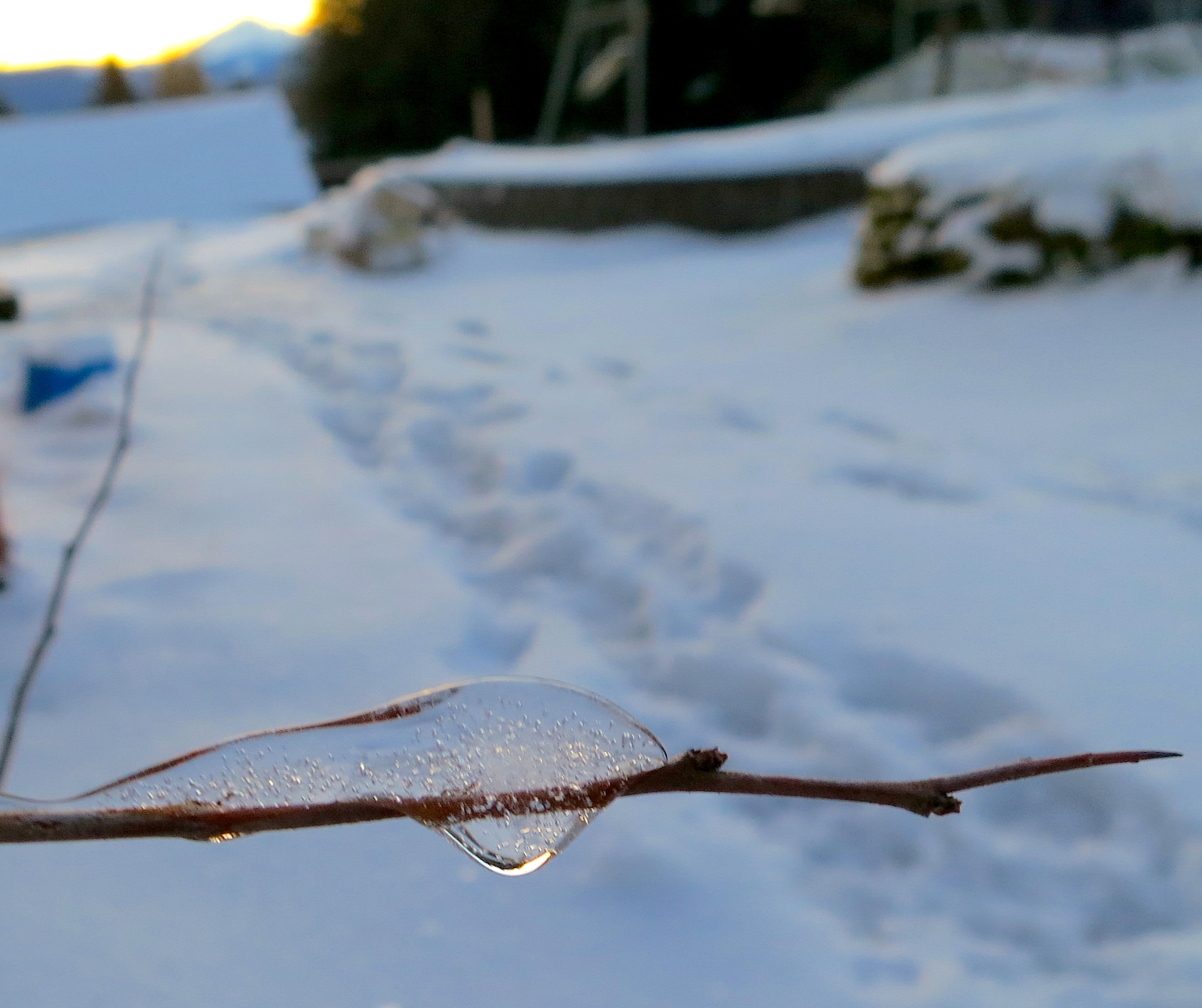
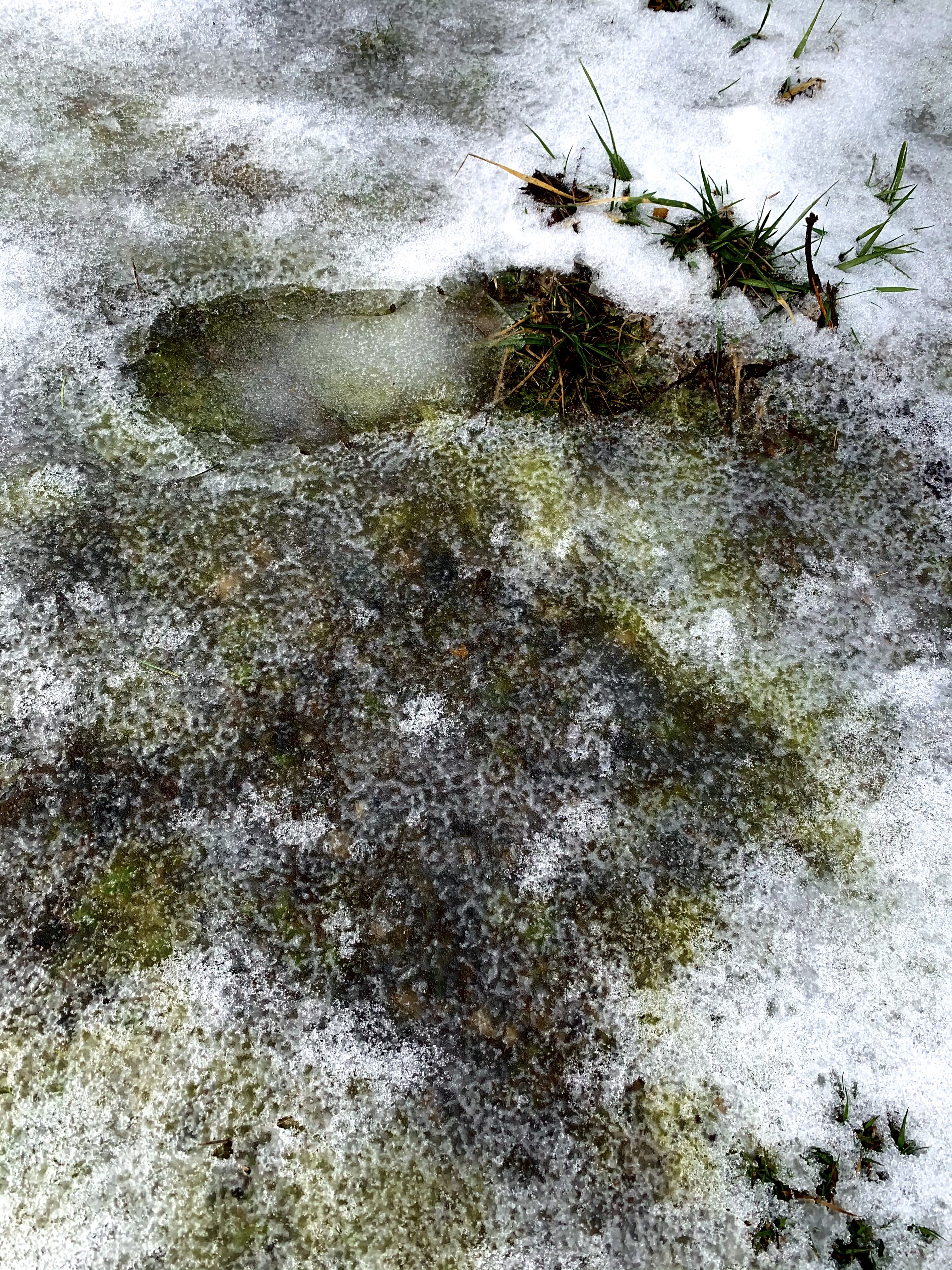
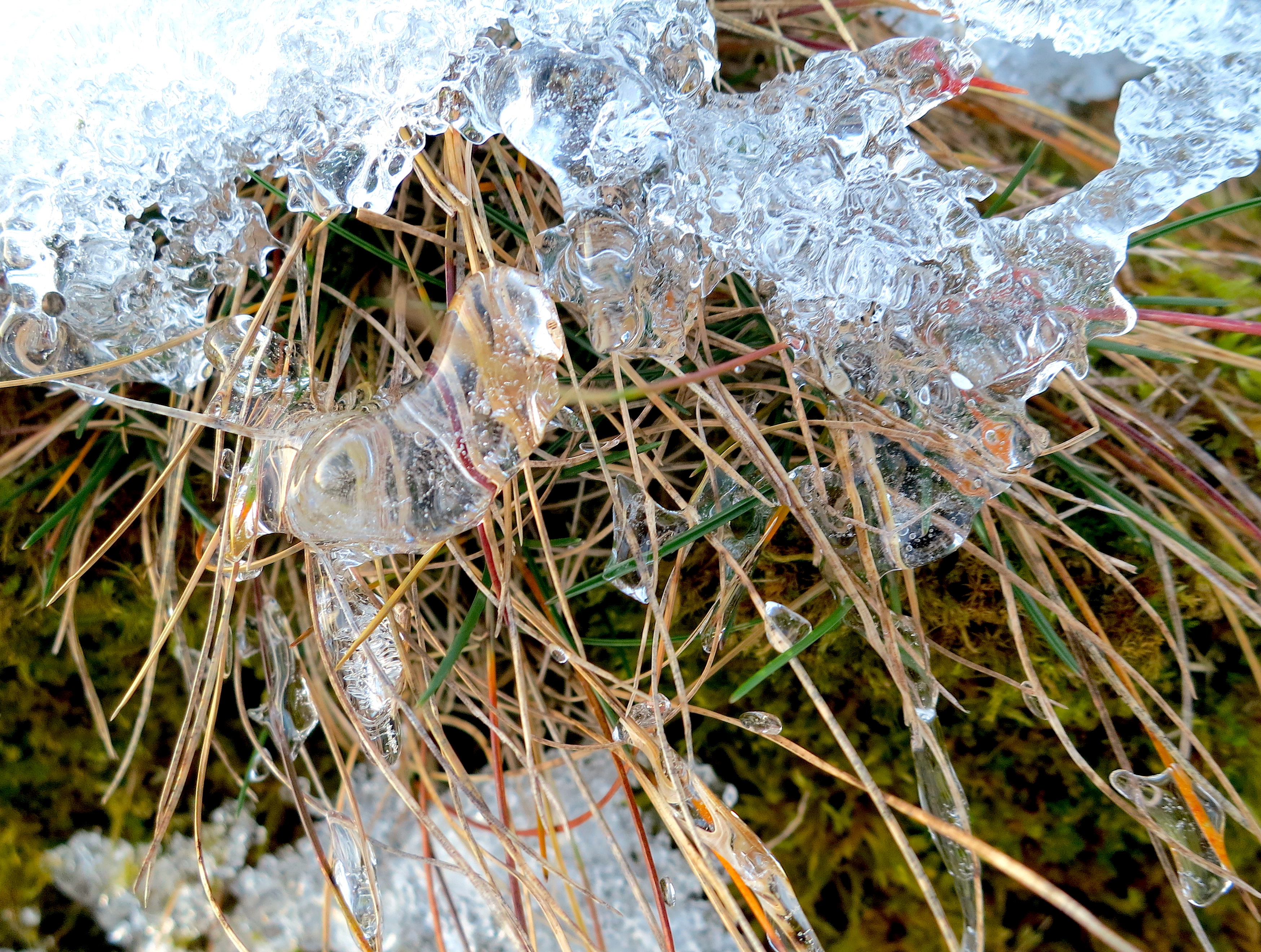
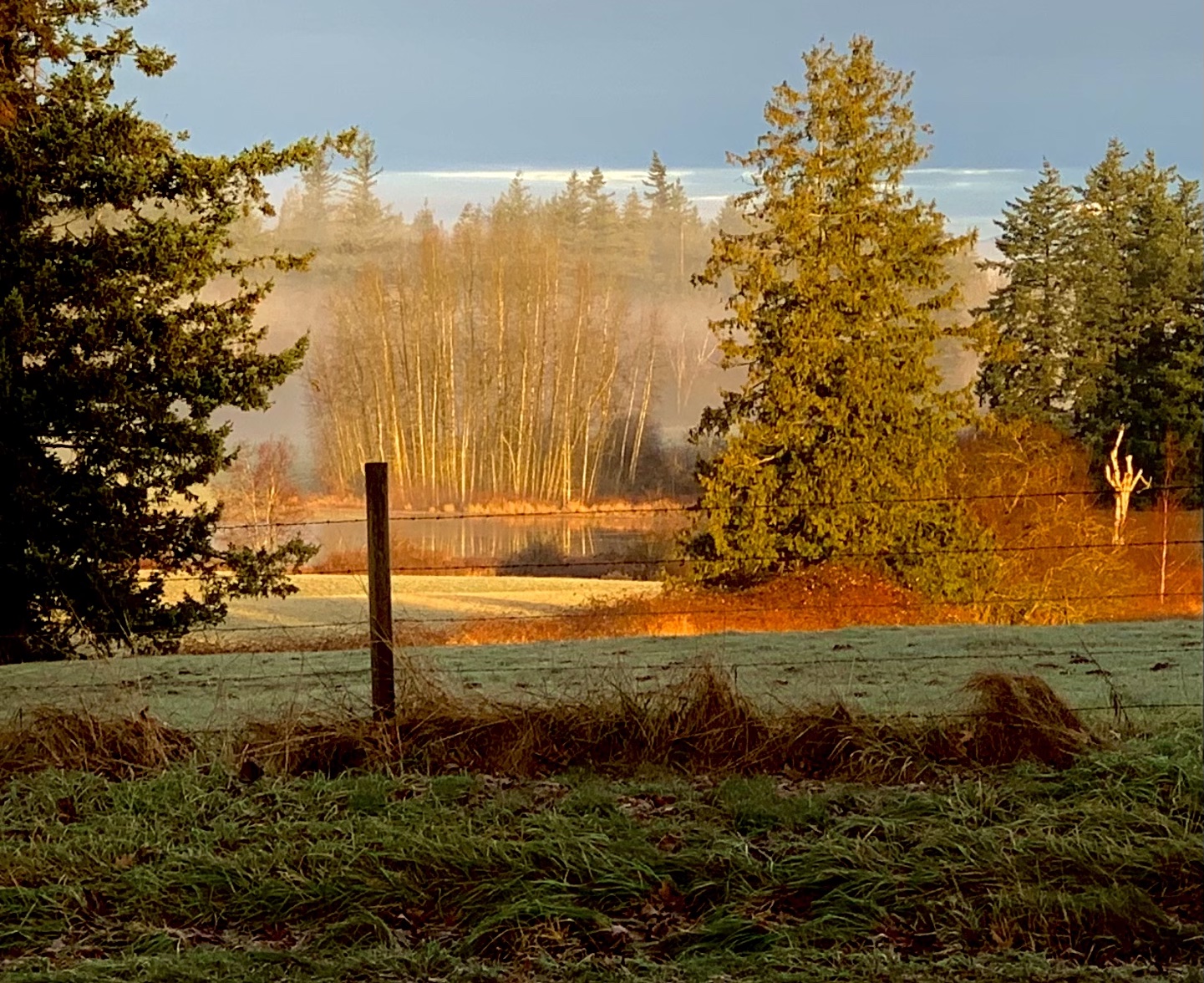
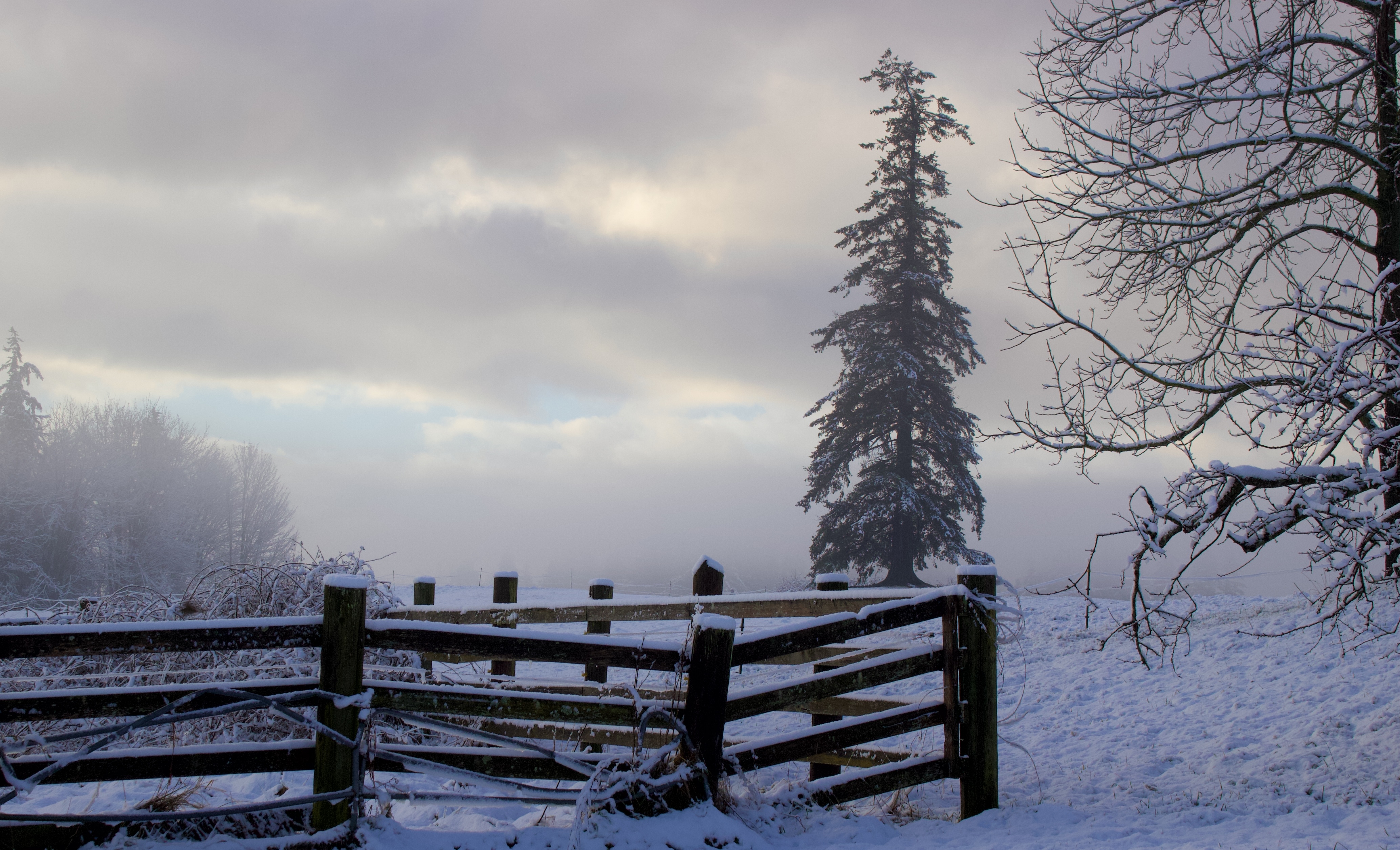
While walking the sloping hillside of our farm, if I listen carefully, I can hear trickling under the snow. I can’t see it but I can hear and feel and smell the water; as a hidden and mysterious melt happens. Thawing under my feet- as winter drains away, spring is on the move.
I witness that which I have no control over, this subtle softening of frozen ground- unseen, yet as evident as the steady beating of my heart as I too begin to thaw and melt through the miracle of flowing grace into whatever comes next.
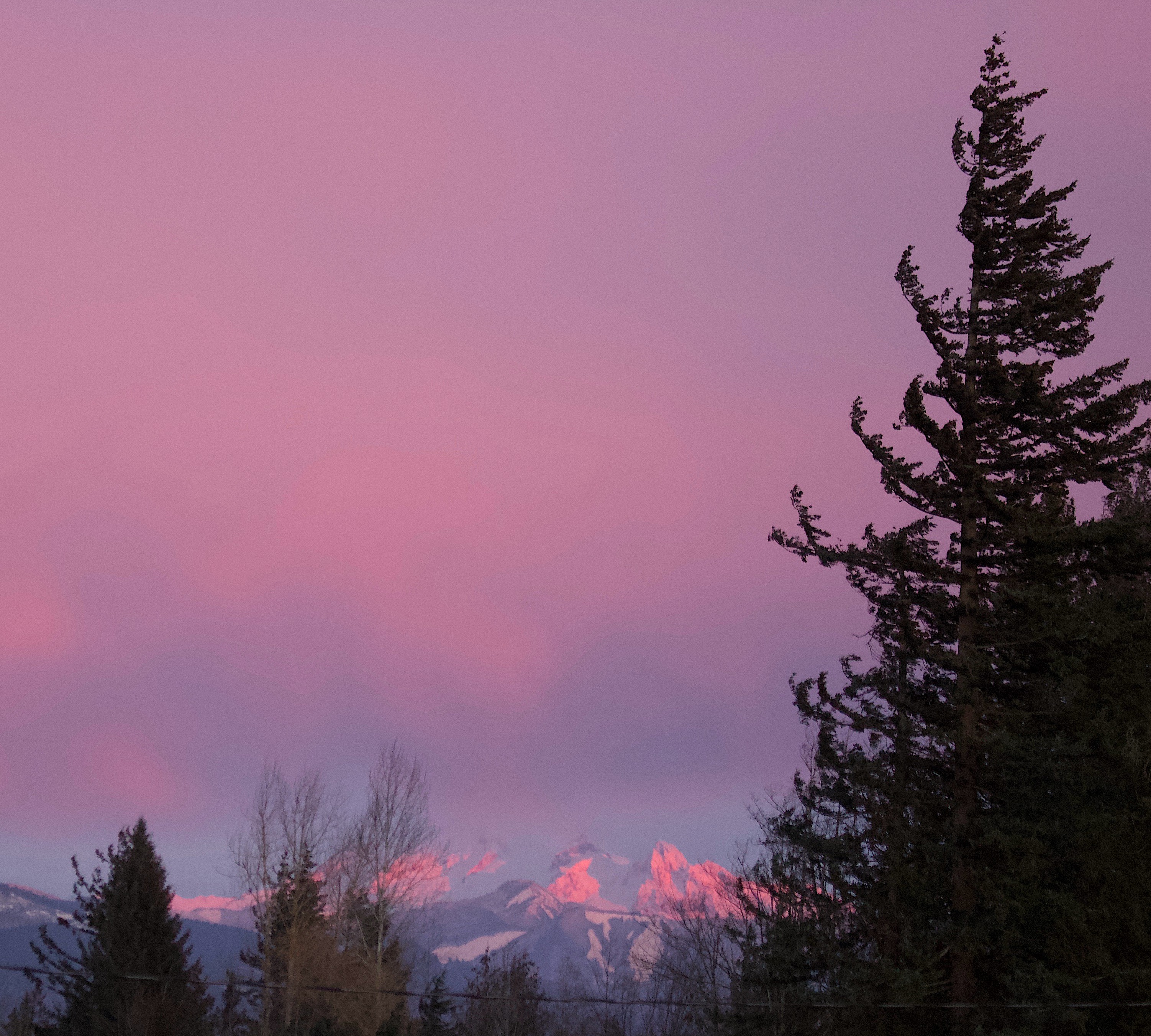
Tonight at sunset walking on the snowy road, my shoes crunching on the frozen gravel, first
through the woods, then out into the open fields past a couple of trailers and some pickup trucks, I stop
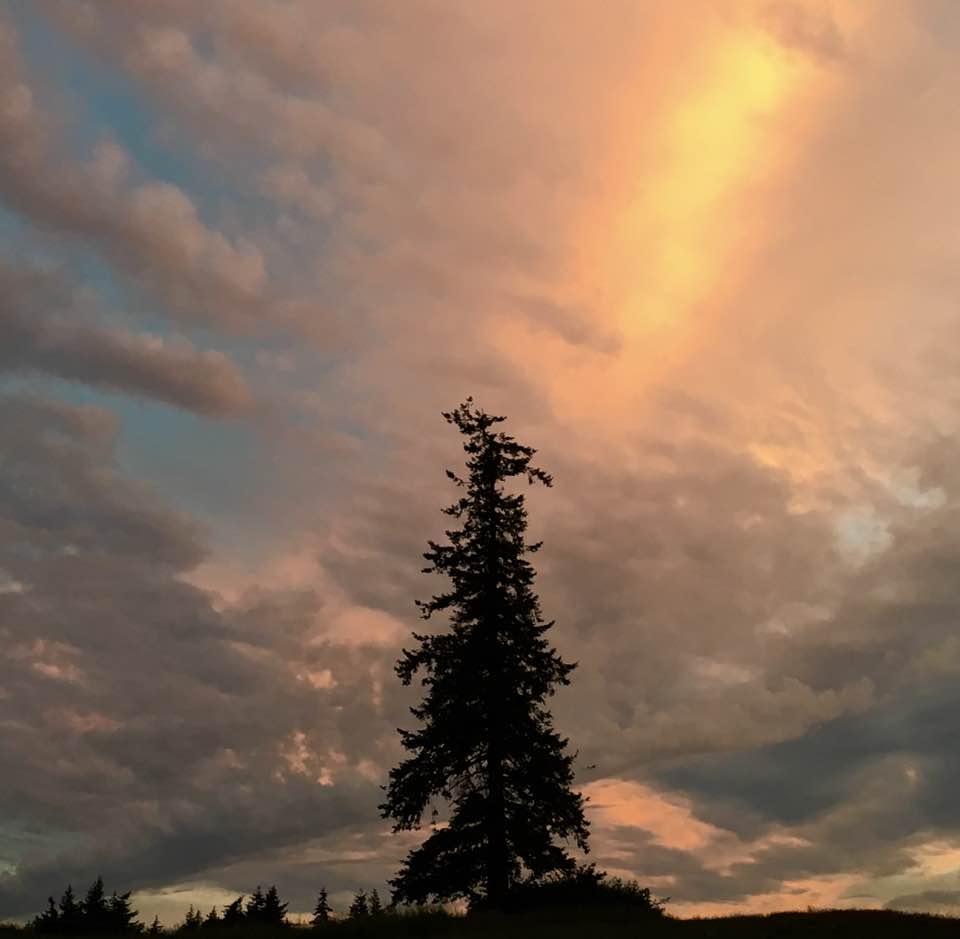
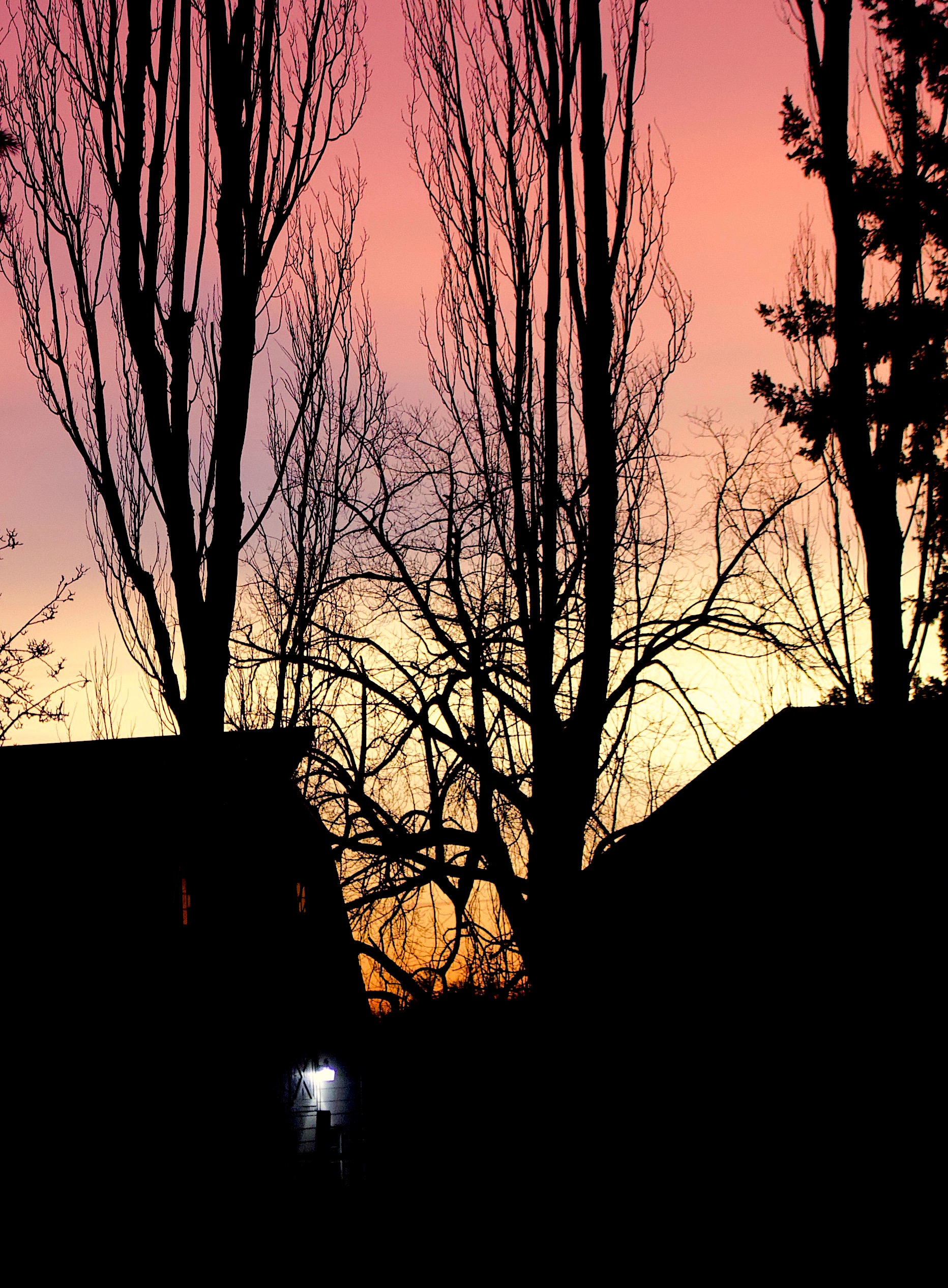
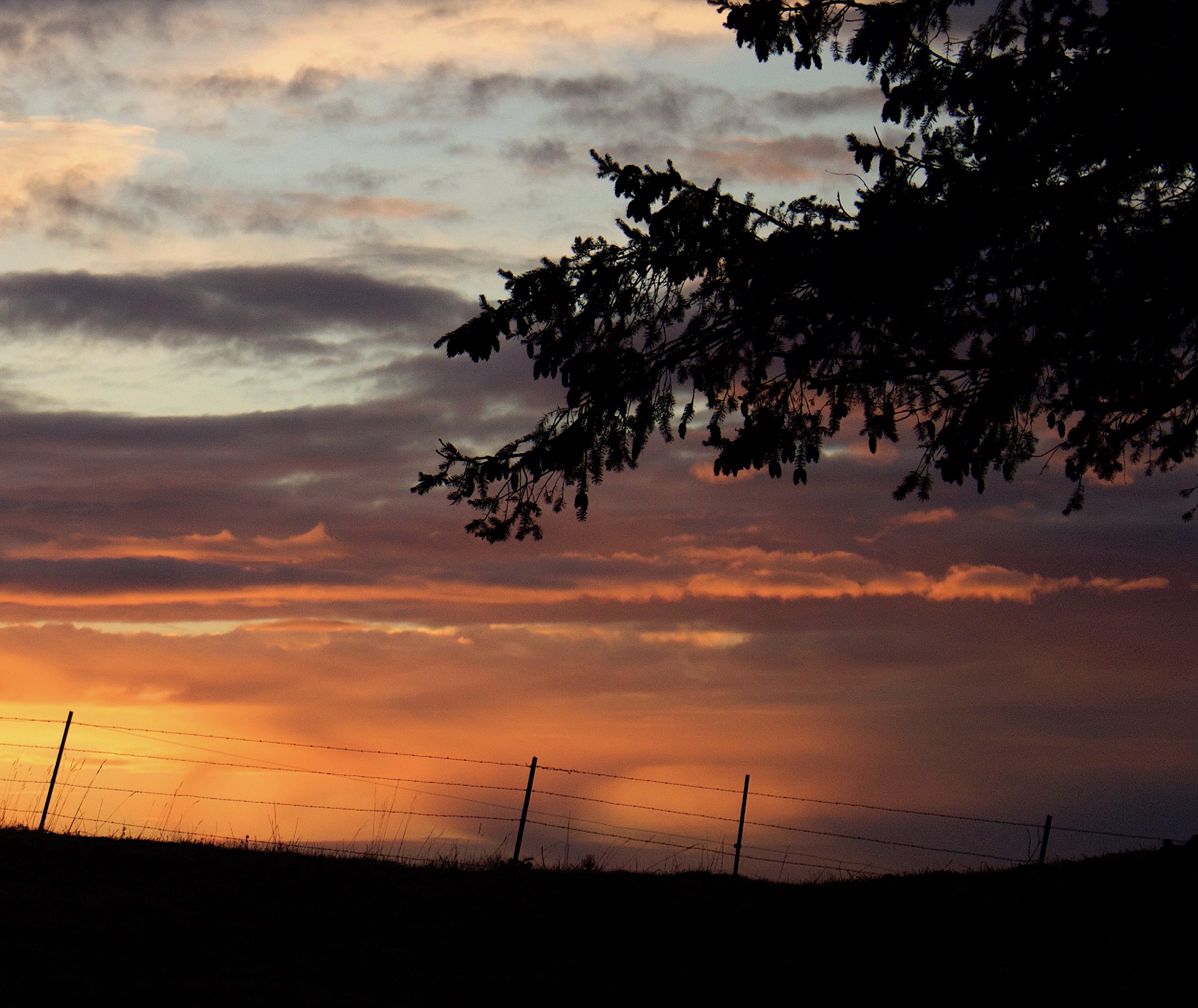
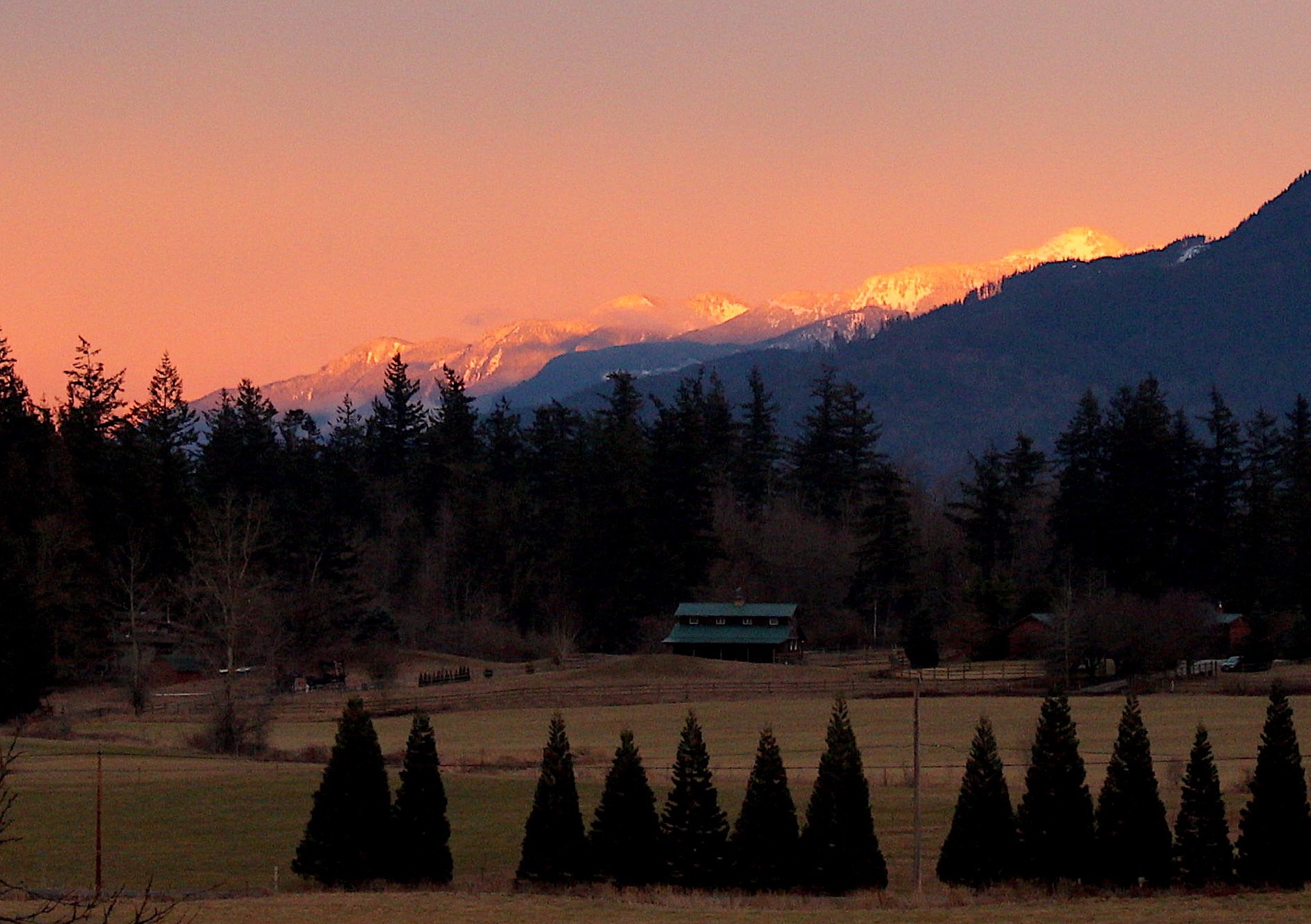
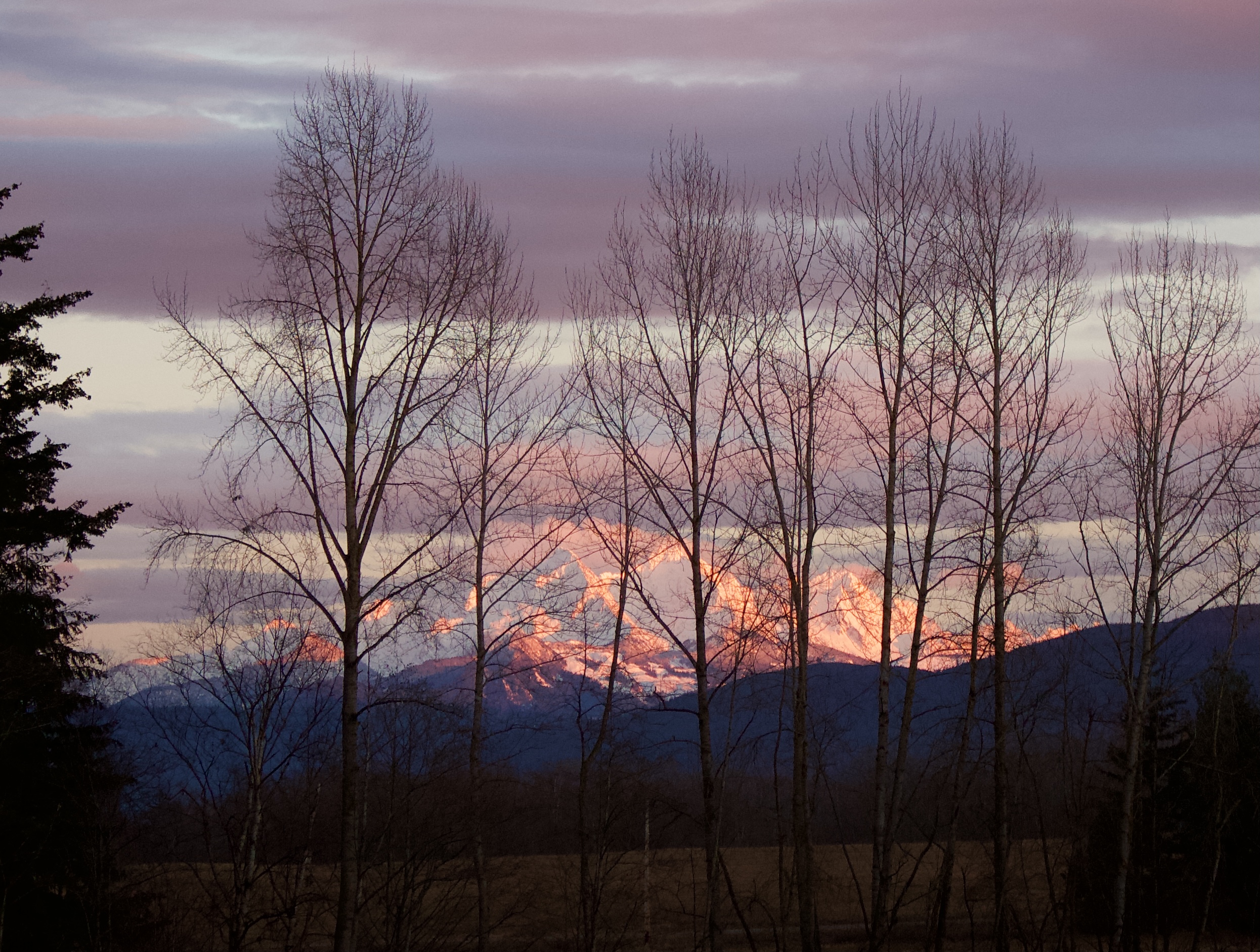
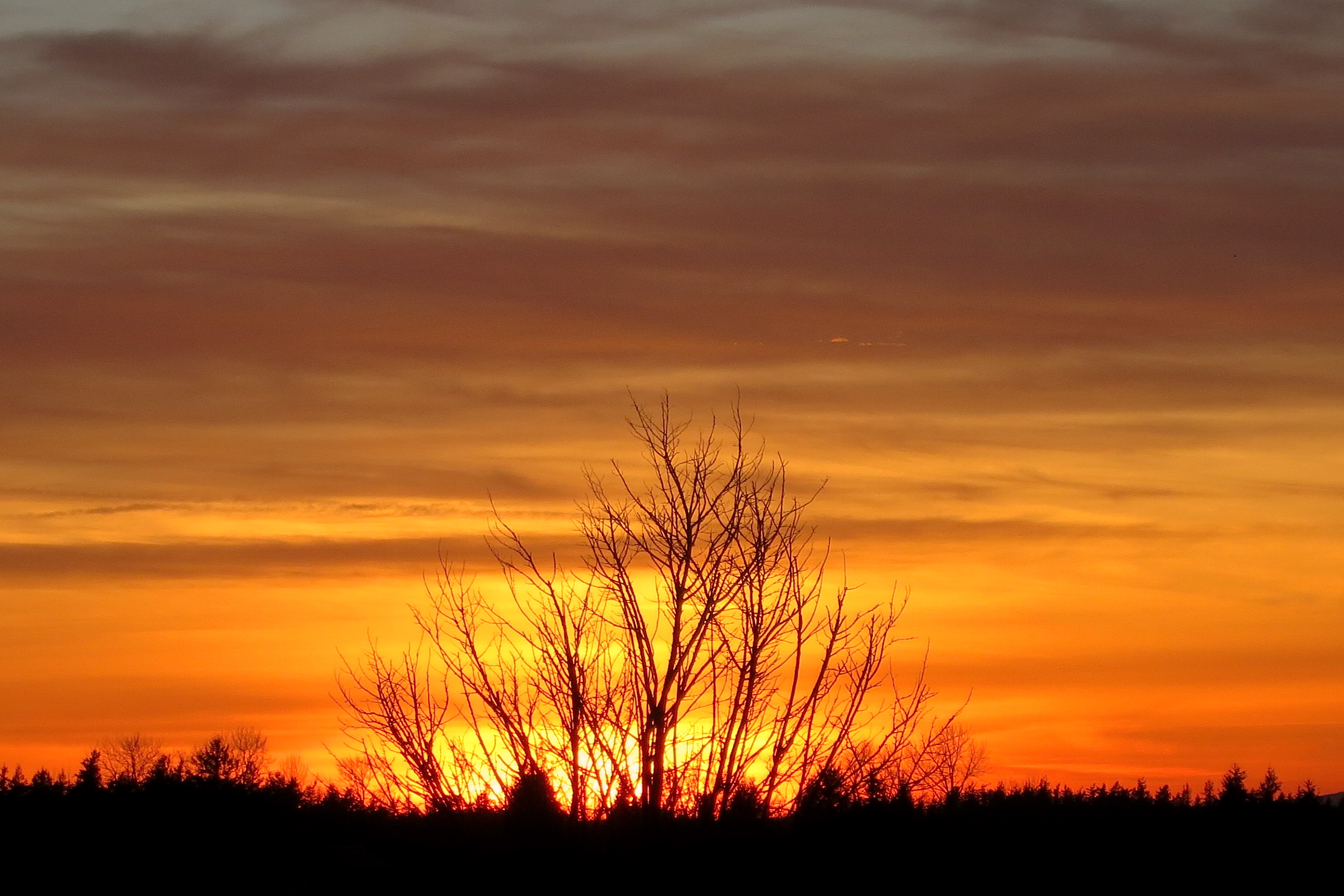
and look at the sky. Suddenly: orange, red, pink, blue, green, purple, yellow, gray, all at once and everywhere.
I pause in this moment at the beginning of my old age and I say a prayer of gratitude for getting to this evening
a prayer for being here, today, now, alive in this life, in this evening, under this sky. ~David Budbill “Winter: Tonight: Sunset”from While We’ve Still Got Feet
I strive to remember, each day, no matter how things feel, no matter how tired or distracted I am, no matter how worried, or fearful or heartsick over the state of the world or the state of my soul:
it is up to me to distill my gratitude down to this one moment of beauty that will never come again.
One breath, one blink, one pause, one whispered word: wow.
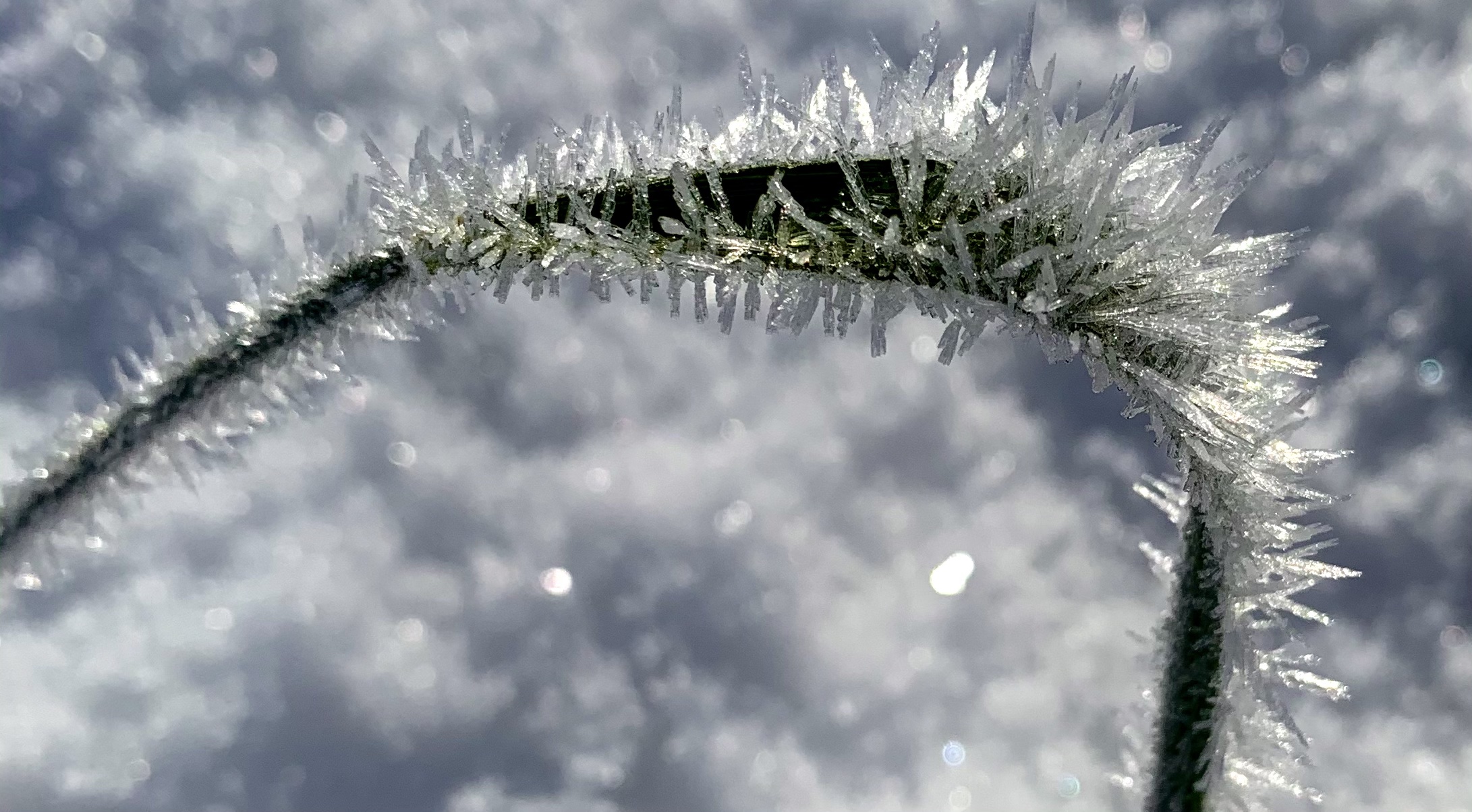
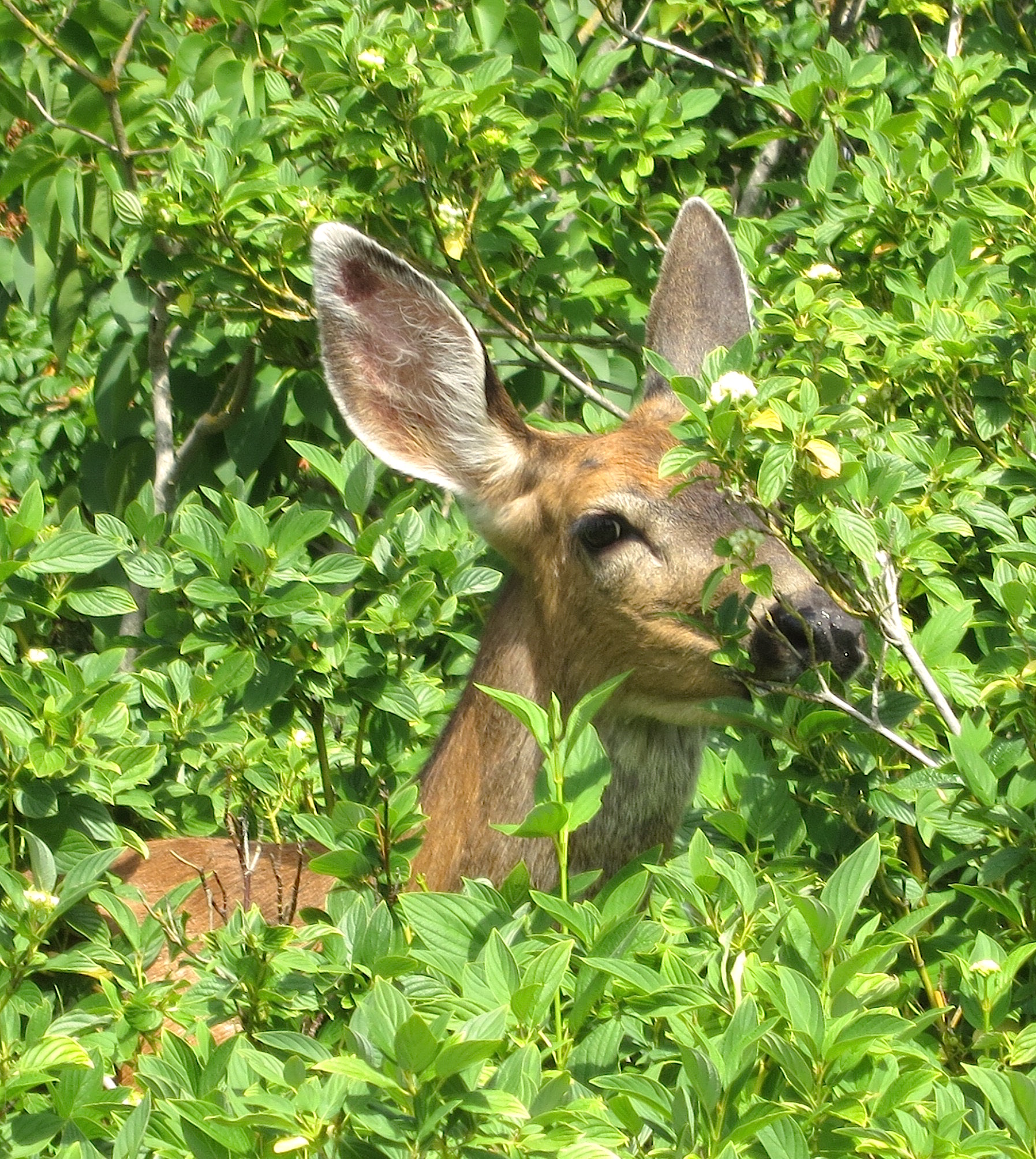
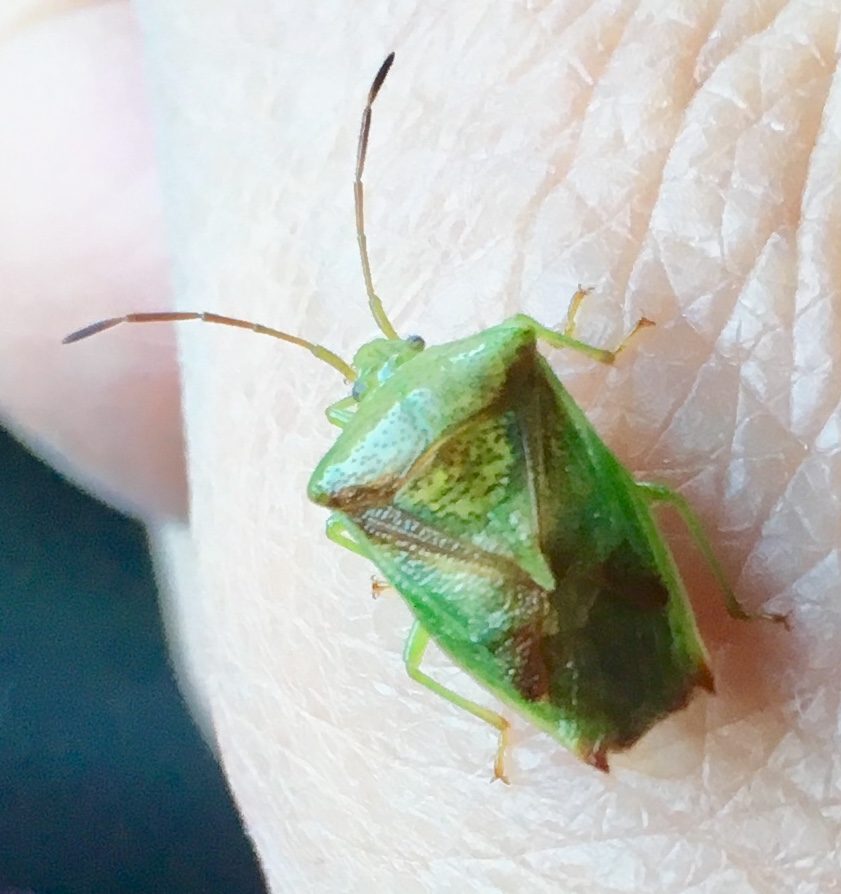
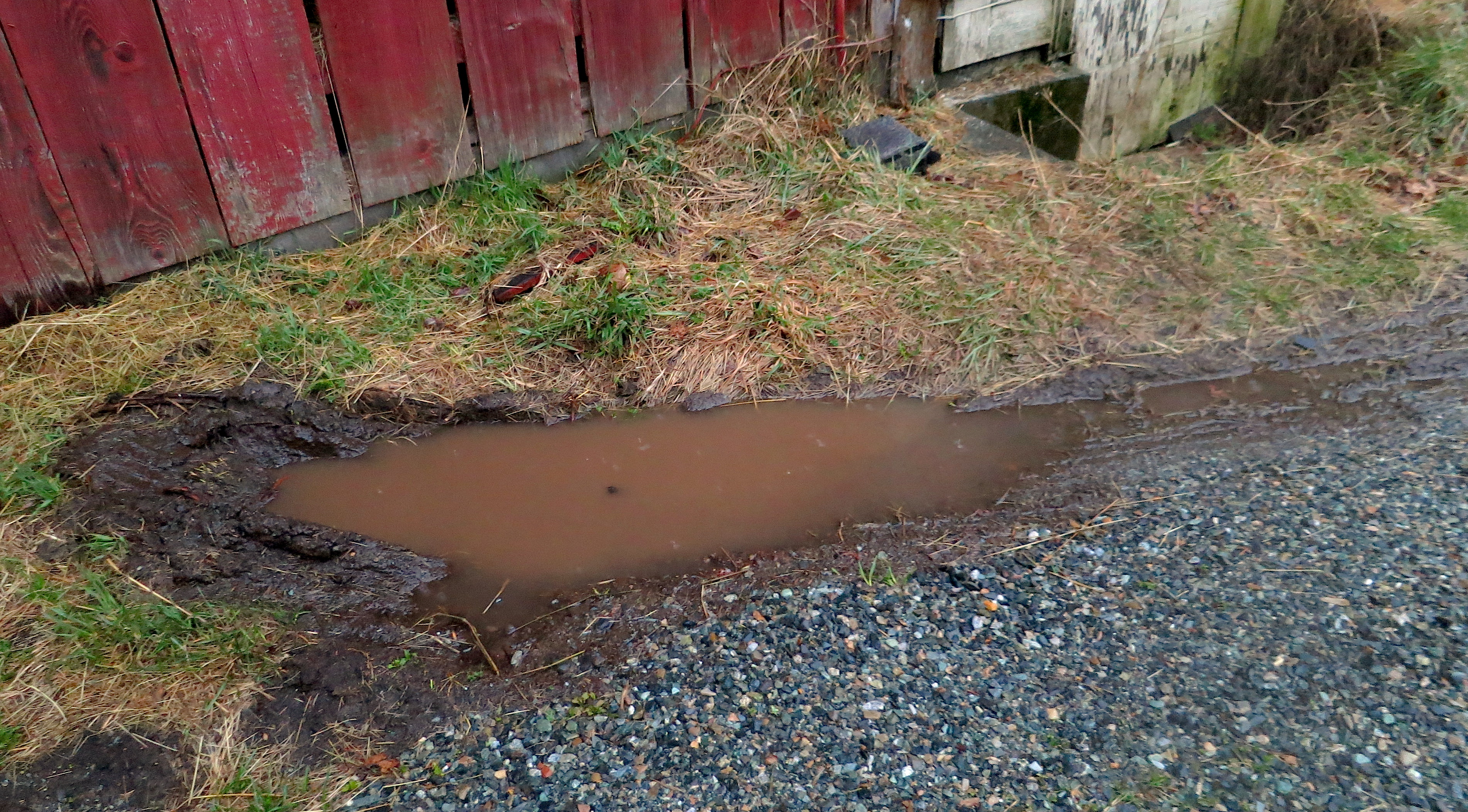
It’s easy to love a deer But try to care about bugs and scrawny trees Love the puddle of lukewarm water From last week’s rain. Leave the mountains alone for now. Also the clear lakes surrounded by pines. People are lined up to admire them. Get close to the things that slide away in the dark. Be grateful even for the boredom That sometimes seems to involve the whole world. Think of the frost That will crack our bones eventually. ~Tom Hennen “Love for Other Things” from Darkness Sticks To Everything: Collected and New Poems
Some people complain that this constricted life — due to pandemic COVID limitations and the restrictions placed upon us — is boring.
Nothing to do, no places to go, no people to see.
Yet I haven’t been bored – not even for a minute. There is so much to see and do right in my own backyard which I rarely had time to observe and appreciate previously. Rather than spending 6-8 hours a week in my car commuting, I’m gifted that time to work at my desk, do chores on the farm, walk with the dogs, and muse about how things have changed.
One person’s boredom is another person’s liberating freedom.
But we have it easy compared to those whose jobs can’t be done from home. We can grow our own food here, but that isn’t an option for those living in a high rise. We can isolate and still maintain our connections virtually with our friends and family. I know I am blessed with options.
This COVID-tide will end eventually and our stack of responsibilities will resume, but I’m wiser than I was before. I don’t need to live life at break-neck speed. I don’t need constant entertainment and novel experiences. No longer do I need to feel indispensable because it is so completely obvious that I’m not.
I didn’t need this virus to remind me of my mortality and my shortening days on earth, yet it has.
Our time here is too brief to waste even a minute. So I live each moment to the fullest, knowing it will never come again.
Chunky and noisy, but with stars in their black feathers, they spring from the telephone wire and instantly
they are acrobats in the freezing wind. And now, in the theater of air, they swing over buildings,
dipping and rising; they float like one stippled star that opens, becomes for a moment fragmented,
then closes again; and you watch and you try but you simply can’t imagine
how they do it with no articulated instruction, no pause, only the silent confirmation that they are this notable thing,
this wheel of many parts, that can rise and spin over and over again, full of gorgeous life.
Ah, world, what lessons you prepare for us, even in the leafless winter, even in the ashy city. I am thinking now of grief, and of getting past it;
I feel my boots trying to leave the ground, I feel my heart pumping hard. I want
to think again of dangerous and noble things. I want to be light and frolicsome. I want to be improbable beautiful and afraid of nothing, as though I had wings. ~Mary Oliver “Starlings in Winter” from Owls and Other Fantasies: Poems and Essays
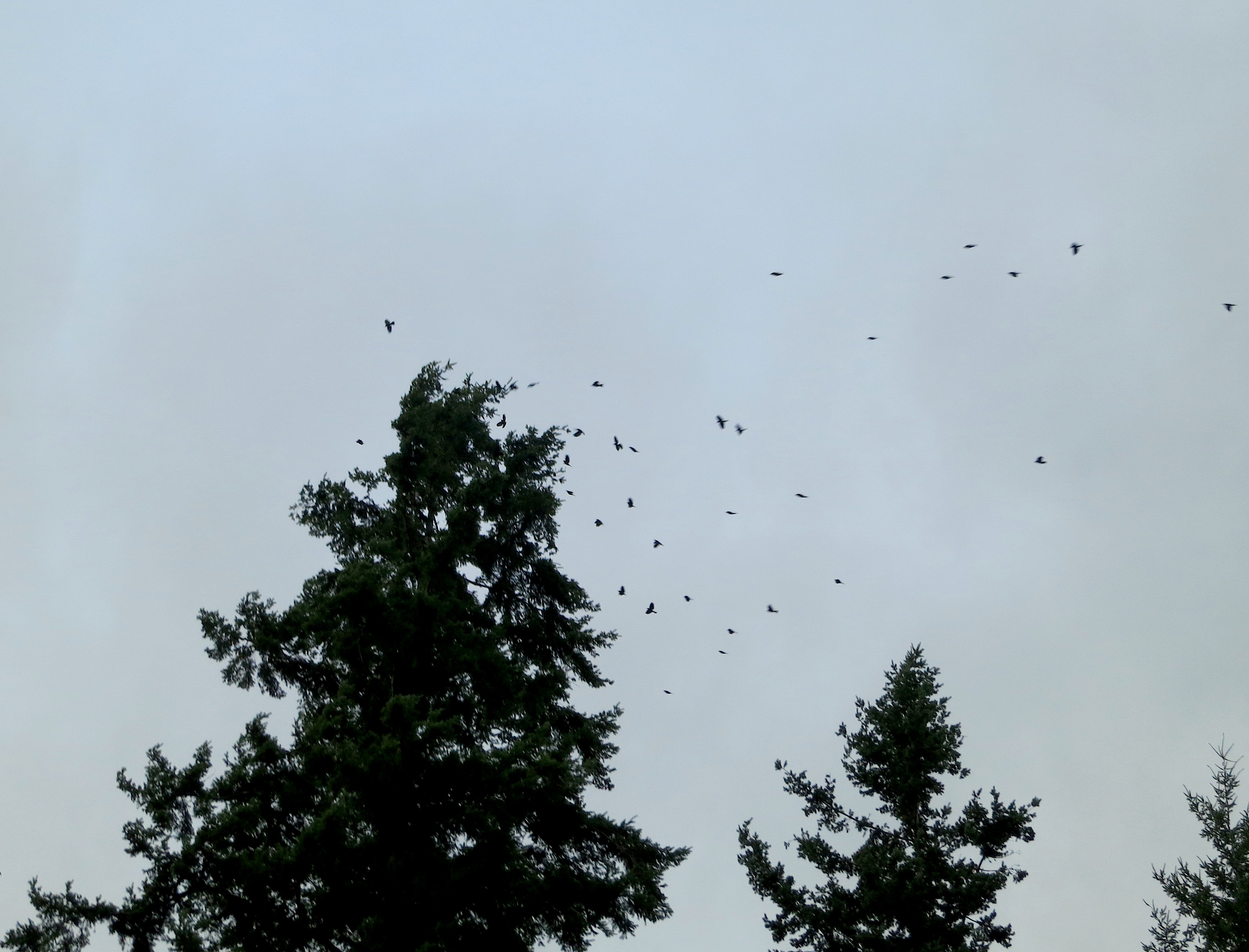
Out of the dimming sky a speck appeared, then another, and another. It was the starlings going to roost. They gathered deep in the distance, flock sifting into flock, and strayed towards me, transparent and whirling, like smoke. They seemed to unravel as they flew, lengthening in curves, like a loosened skein. I didn’t move;they flew directly over my head for half an hour.
Each individual bird bobbed and knitted up and down in the flight at apparent random, for no known reason except that that’s how starlings fly, yet all remained perfectly spaced. The flocks each tapered at either end from a rounded middle, like an eye. Overhead I heard a sound of beaten air, like a million shook rugs, a muffled whuff. Into the woods they sifted without shifting a twig, right through the crowns of trees, intricate and rushing, like wind.
Could tiny birds be sifting through me right now, birds winging through the gaps between my cells, touching nothing, but quickening in my tissues, fleet? ~Annie Dillard from Pilgrim at Tinker Creek
…yesterday I heard a new sound above my head a rustling, ruffling quietness in the spring air
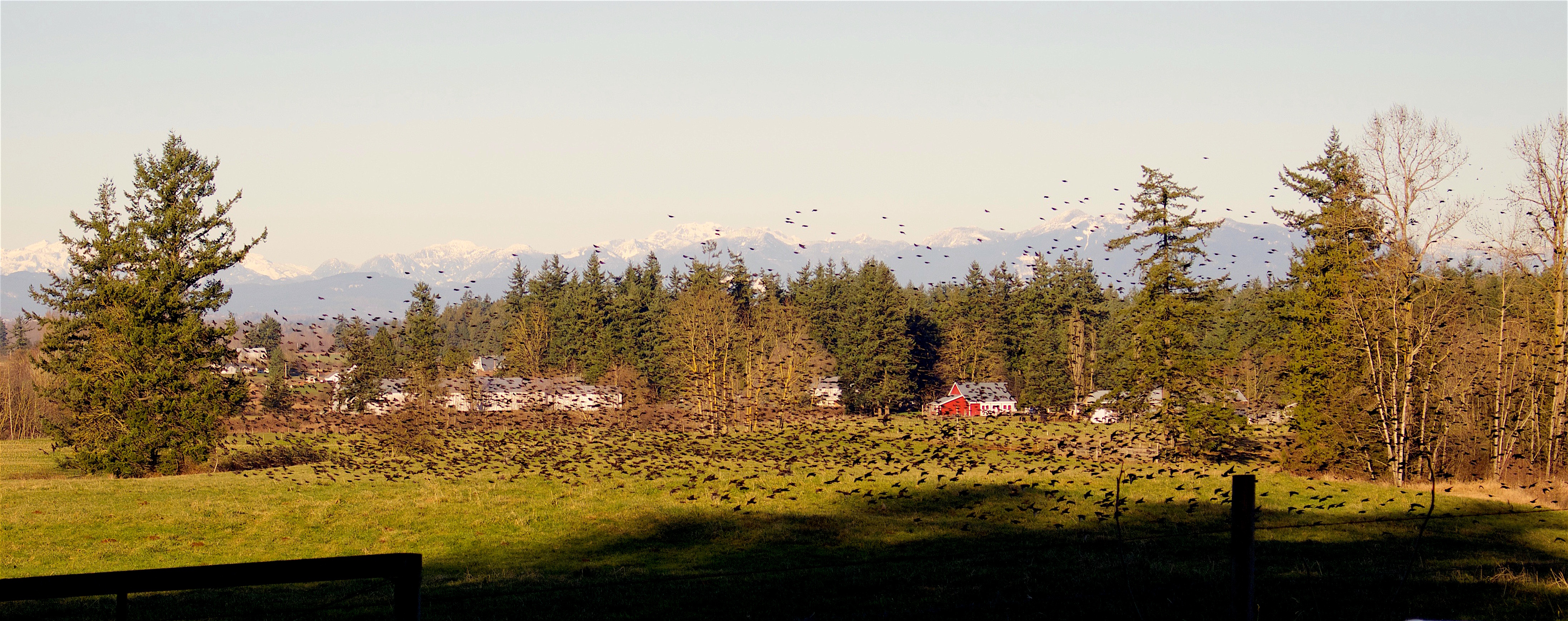
and when I turned my face upward I saw a flock of blackbirds rounding a curve I didn’t know was there and the sound was simply all those wings, all those feathers against air, against gravity and such a beautiful winning: the whole flock taking a long, wide turn as if of one body and one mind.
How do they do that?
If we lived only in human society what a puny existence that would be
but instead we live and move and have our being here, in this curving and soaring world that is not our own so when mercy and tenderness triumph in our lives and when, even more rarely, we unite and move together toward a common good,
we can think to ourselves:
ah yes, this is how it’s meant to be. ~Julie Cadwallader Staub from “Blackbirds” from Wing Over Wing
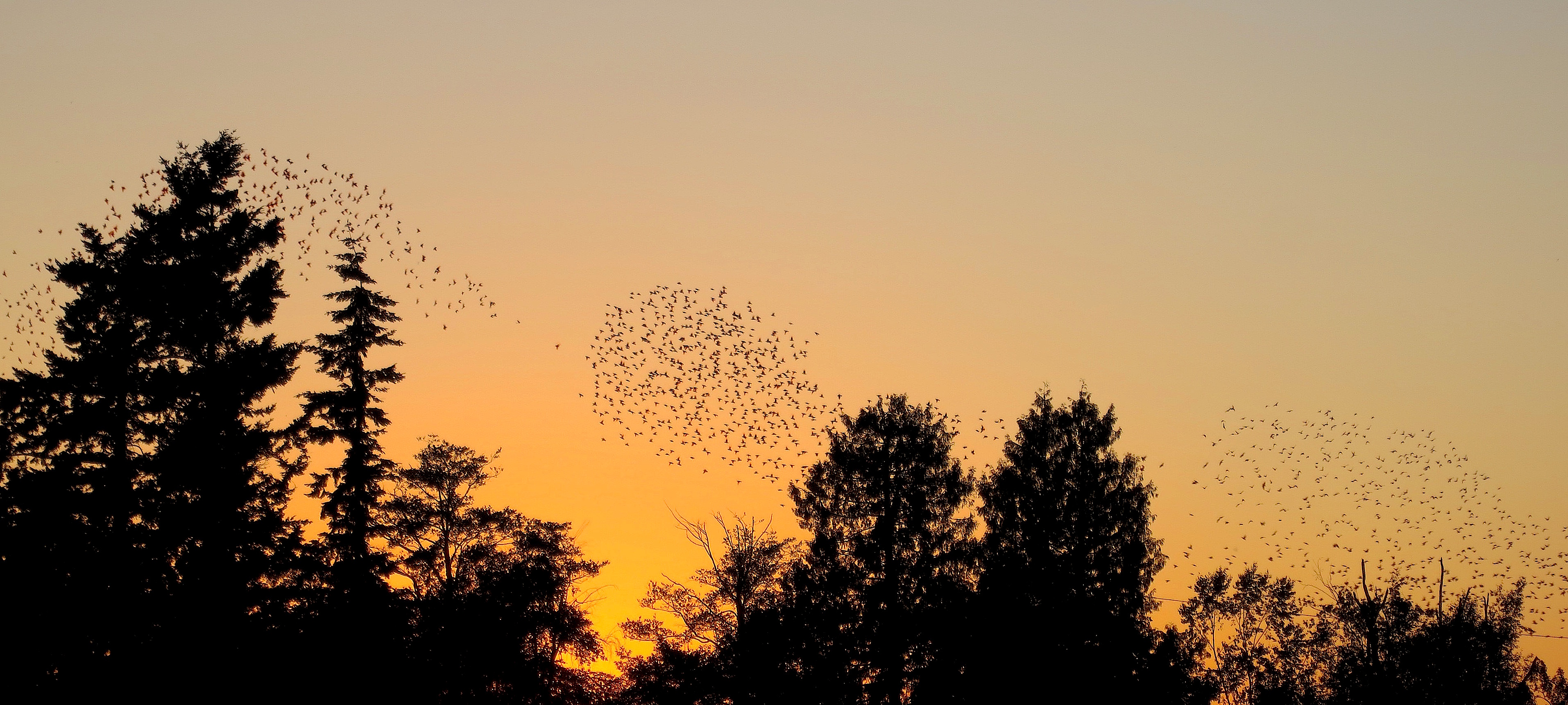
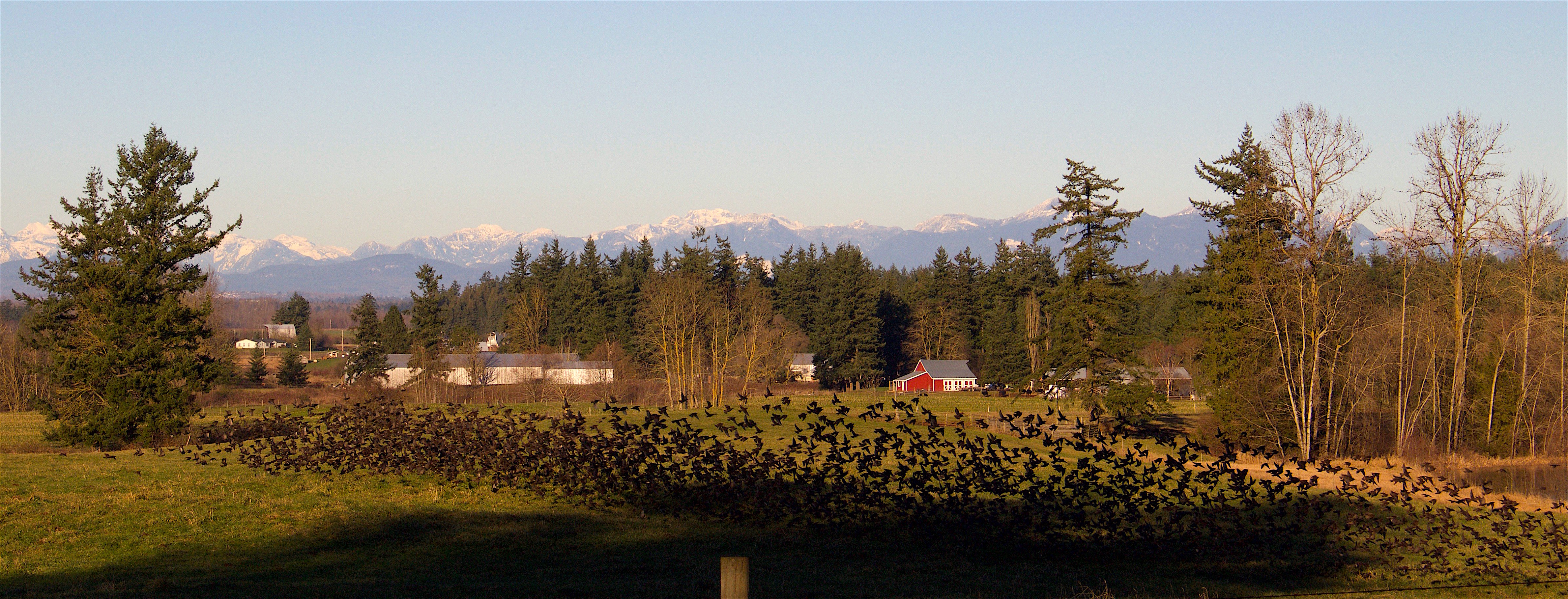
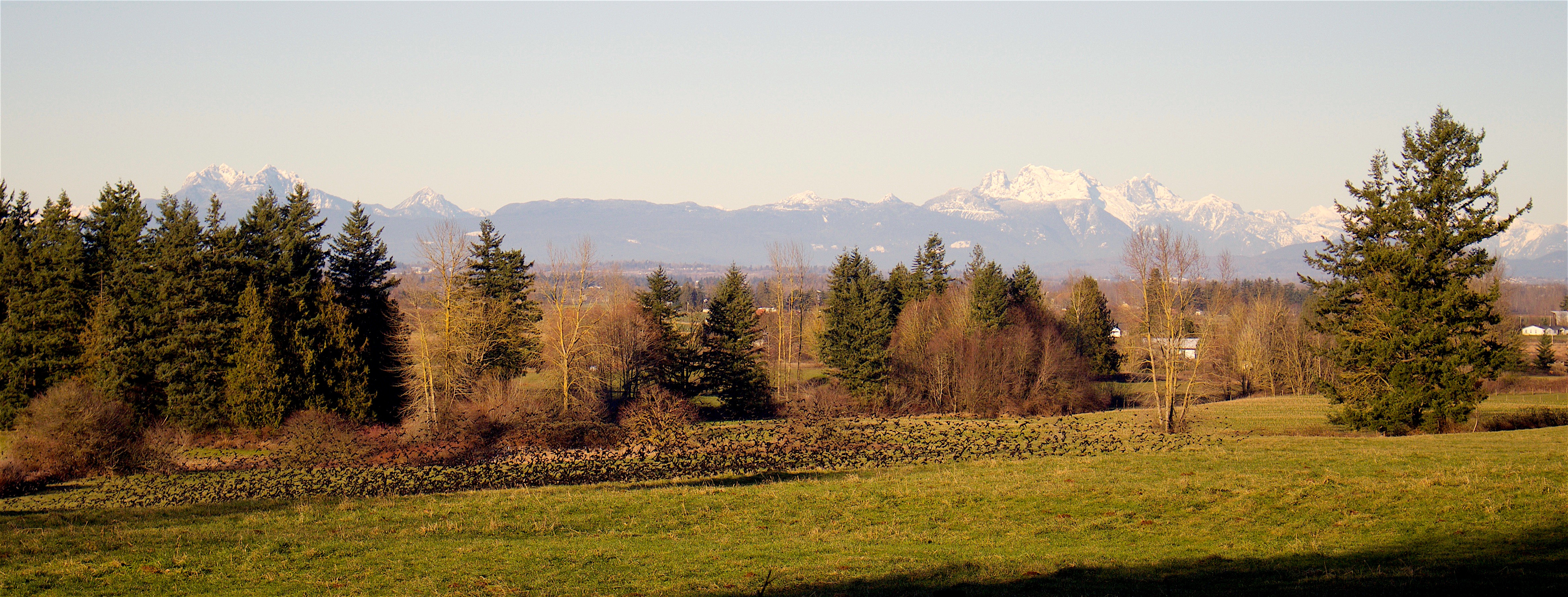
Watching a winter starlings’ murmuration is a visceral experience – my heart leaps to see it happen above me. I can get queasy following its looping amoebic folding and unfolding path.
Thousands of individual birds move in sync with one another to form one massive organism existing solely because each tiny component anticipates and cooperates to avoid mid-air collisions. It could explode into chaos but it doesn’t. It could result in massive casualties but it doesn’t. They could avoid each other altogether but they don’t – they come together with a purpose and reasoning beyond our imagining. Even the silence of their movement has a discernible sound.
We humans are made up of just such cooperating component parts, that which is deep in our tissues, programmed in our DNA. Yet we don’t exercise such unity from our designed and carefully constructed building blocks. We are frighteningly disparate and independent creatures, going our own way bumping and crashing without care, leaving so much body and spiritual wreckage behind.
To where has flown our mercy and tenderness? We have corporately lost our internal moral compass.
We figuratively and literally shoot each other in the back, trampling over and suffocating one another, in a reach for justice that seems right in our own eyes.
We even watch the daily death count rise in ever-increasing numbers, and still some resist doing what it takes to protect themselves and one another.
The sound of silence is muffled weeping.
There comes a time in every fall before the leaves begin to turn when blackbirds group and flock and gather choosing a tree, a branch, together to click and call and chorus and clamor announcing the season has come for travel.
Then comes a time when all those birds without a sound or backward glance pour from every branch and limb into the air, as if on a whim but it’s a dynamic, choreographed mass a swoop, a swerve, a mystery, a dance
and now the tree stands breathless, amazed at how it was chosen, how it was changed. ~Julie Cadwallader Staub “Turning” from Wing Over Wing
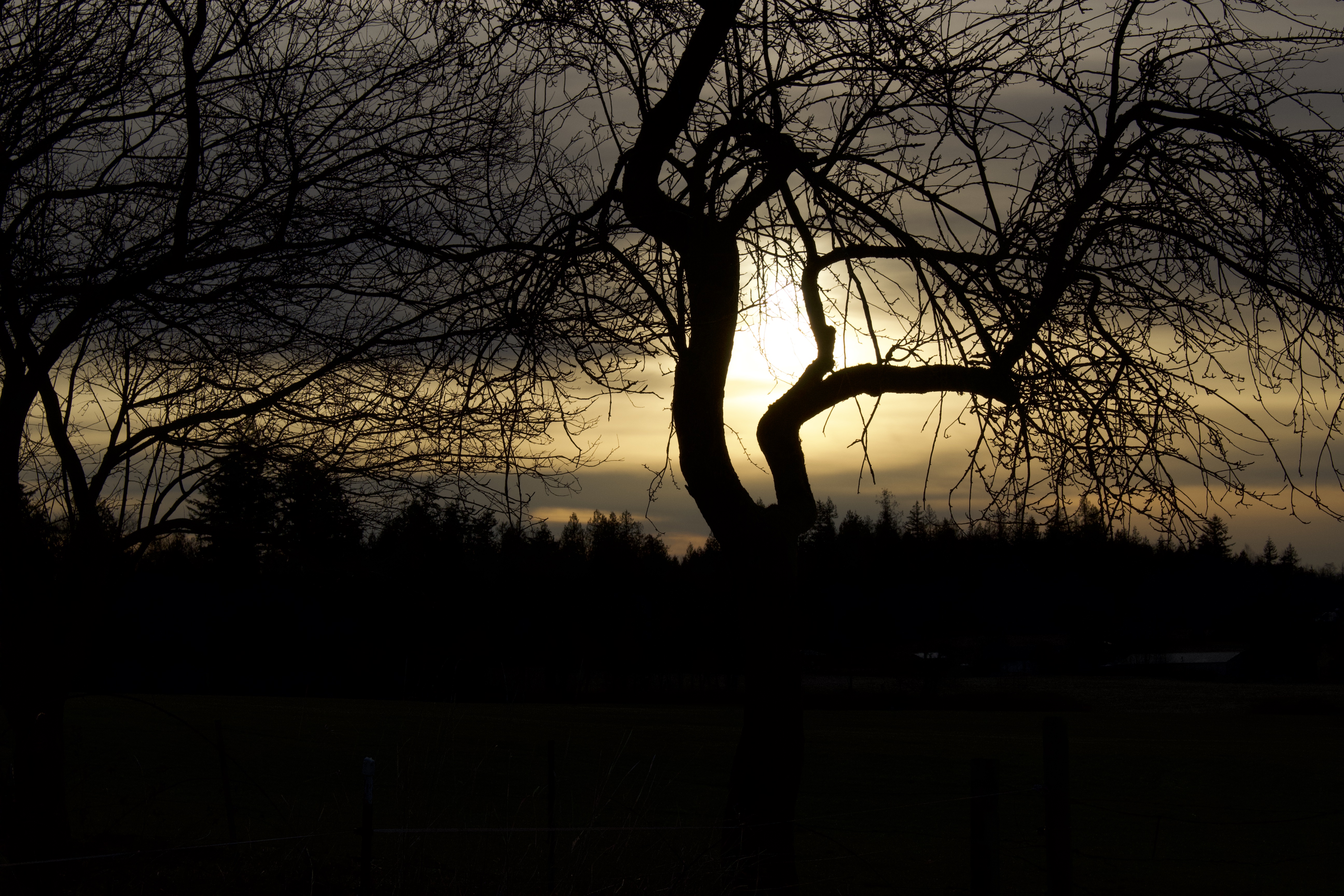
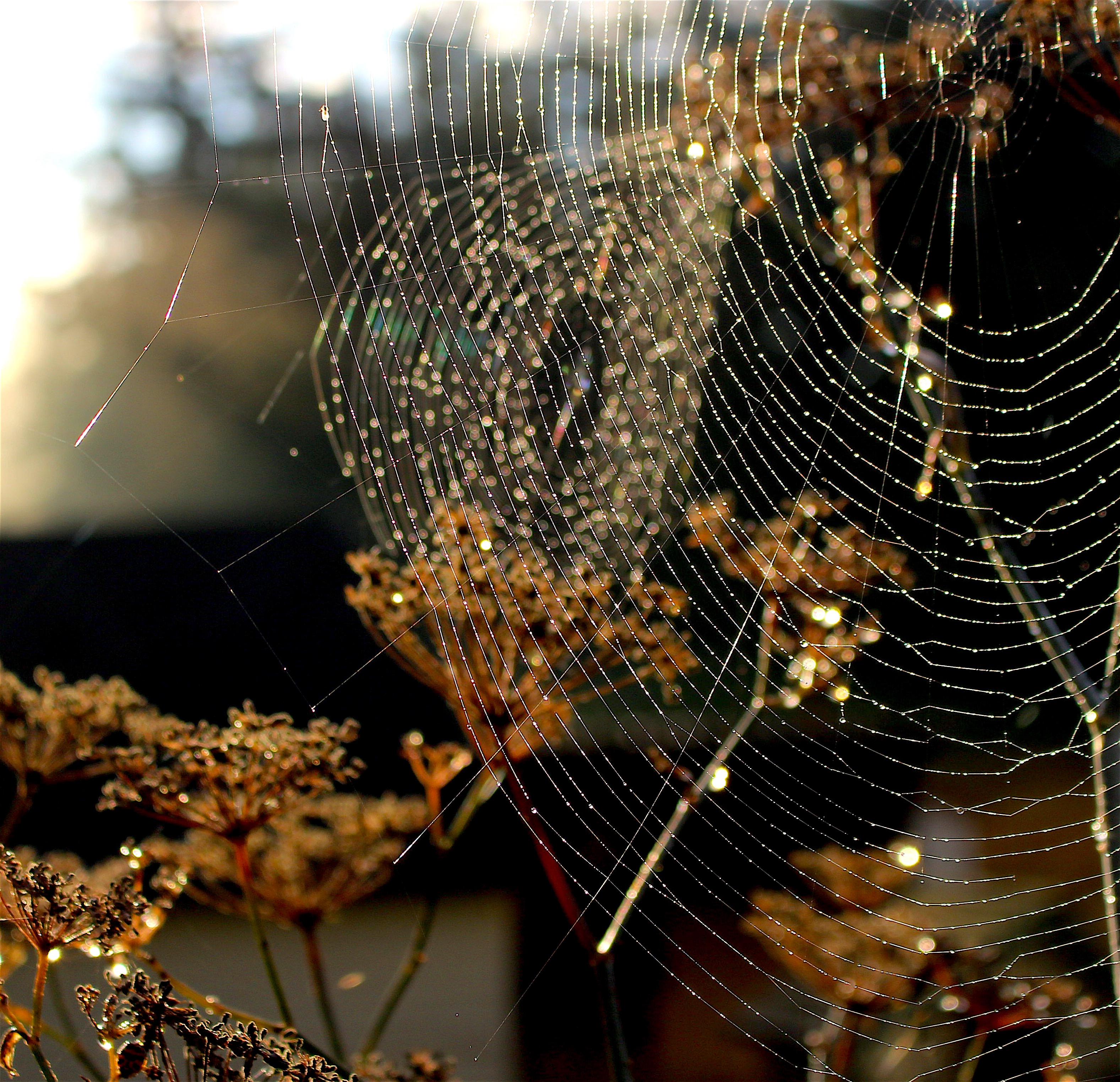
In the shallows of the river After one o’clock in the afternoon Ice still An eighth of an inch thick. Night never disappears completely But moves among the shadows On the bank Like a glimpse of fur. Meanwhile Trees Grass Flies and spiderwebs Appear alone in the flat air. The naked aspens stand like children Waiting to be baptized And the goldenrod too is stripped down To its bare stalk In the cold Even my thoughts Have lost their foliage. ~Tom Hennen“At the Beginning of Winter”, from Looking Into The Weather.
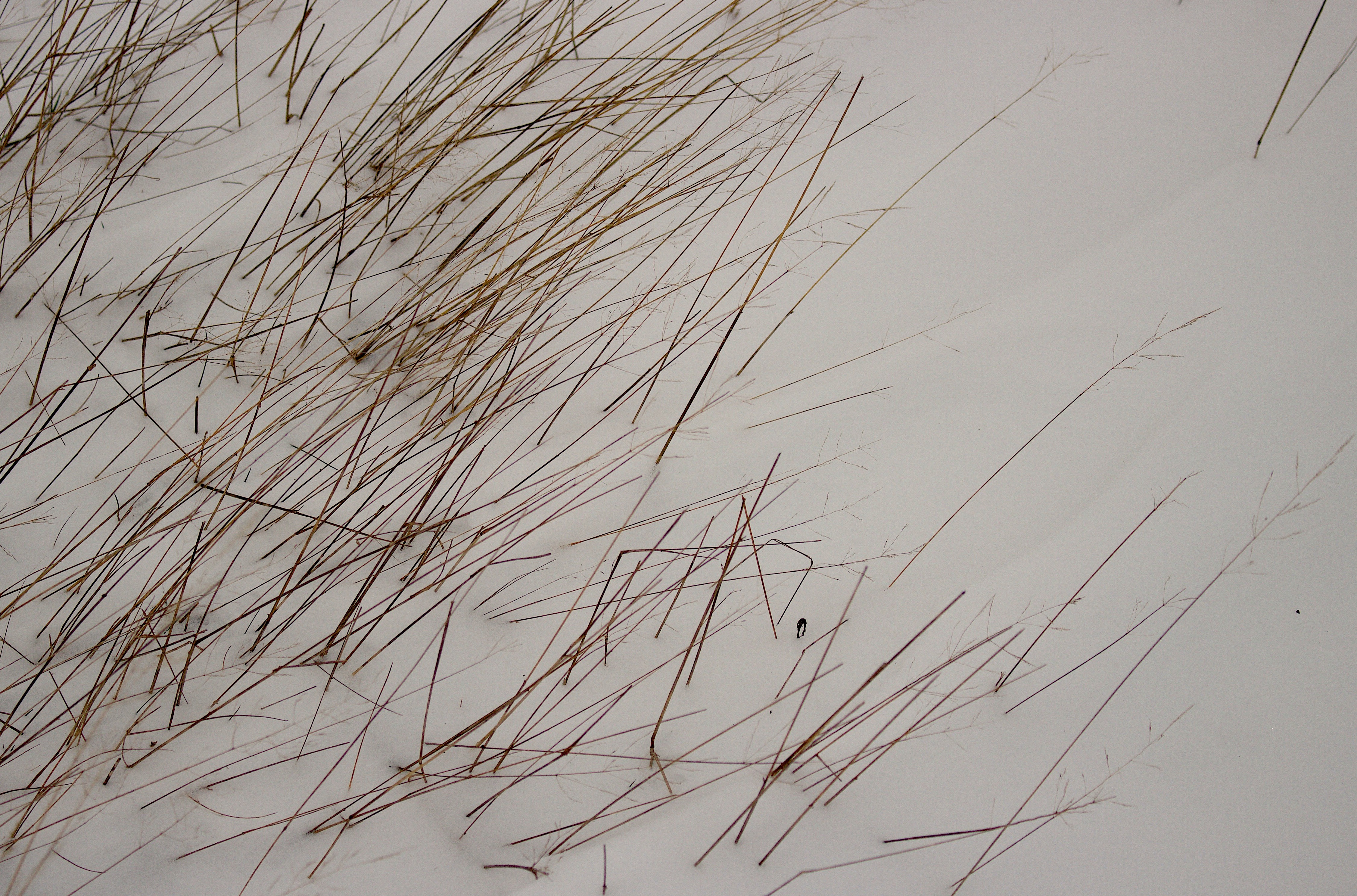
My thoughts are stripped bare these days, no flowers or flourishing foliage left behind- just stark rows of naked branches, waiting, orderly and plain.
It is the nature of winter to think only of the essentials when night is always creeping around the edges of midday.
There is silence outside and echoing in my head, while waiting for something, ~anything~ remarkable to bud out and bloom.
The flown, the fallen, the golden ones, the deciduous dead, all gone to ground, to dust, to sand, borne on the shoulders of the wind.
Listen! They are whispering…
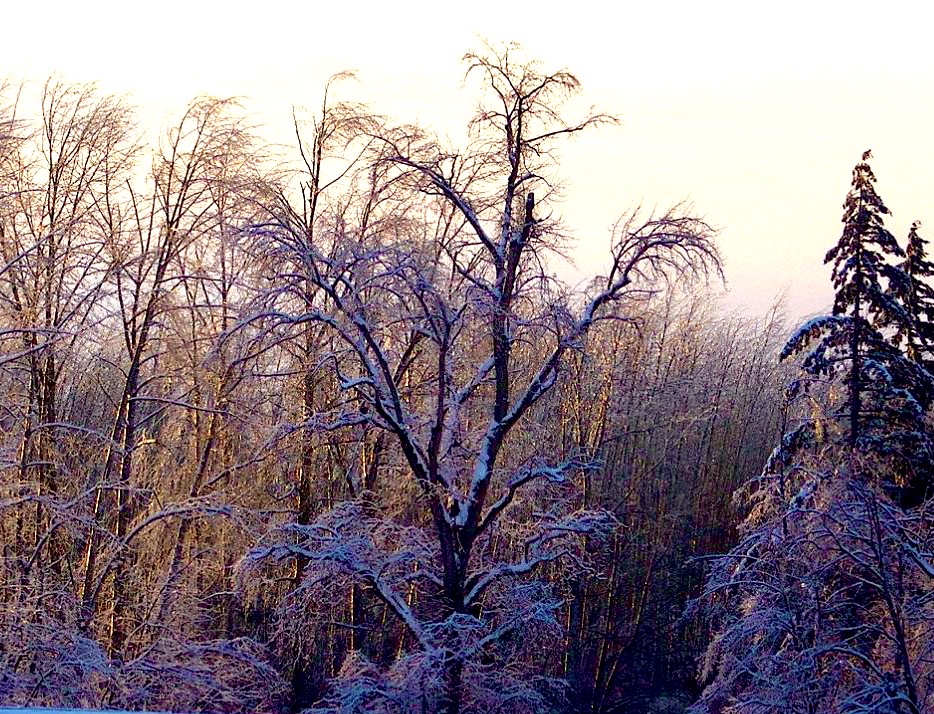
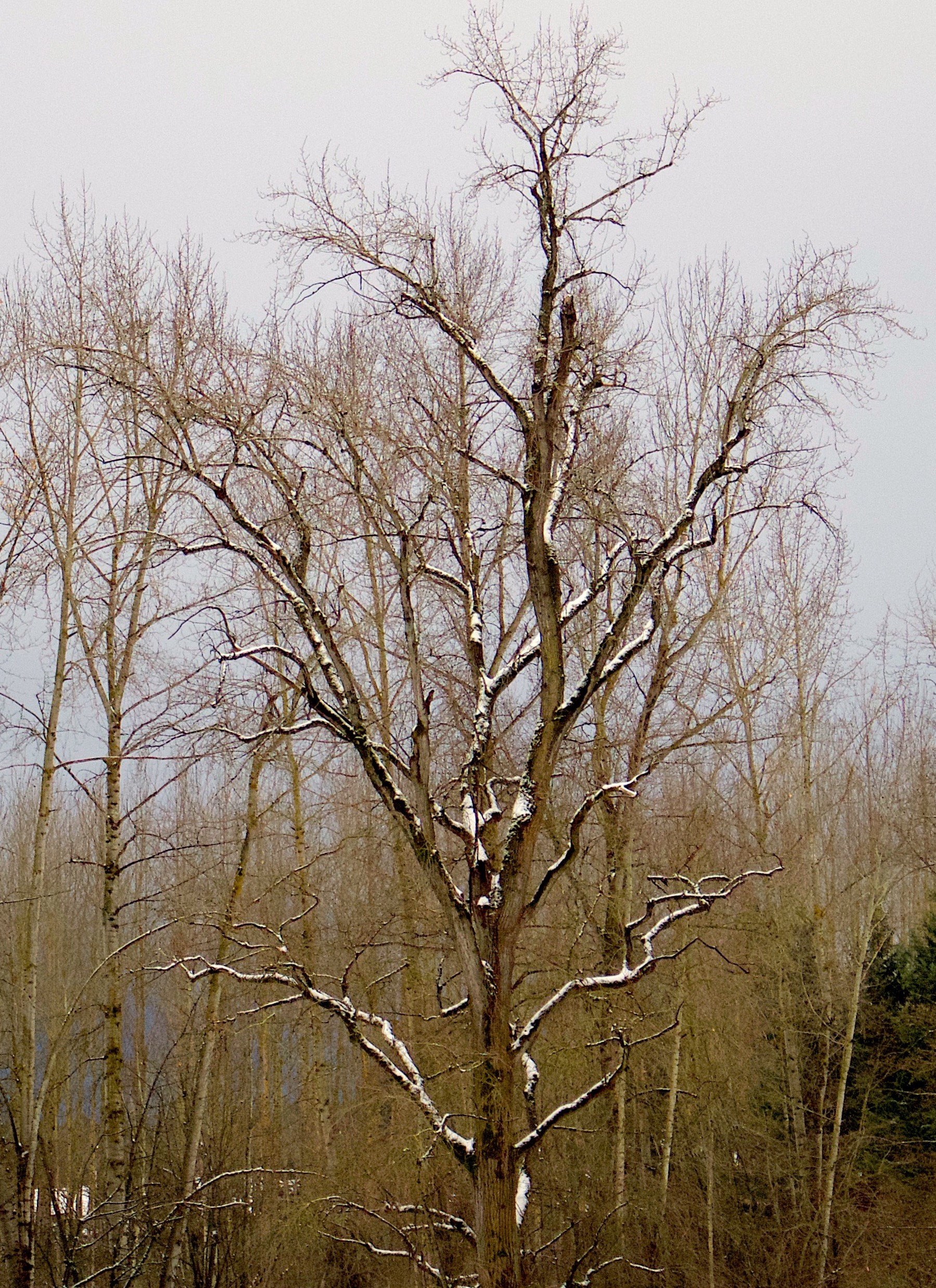
Look at the trees!
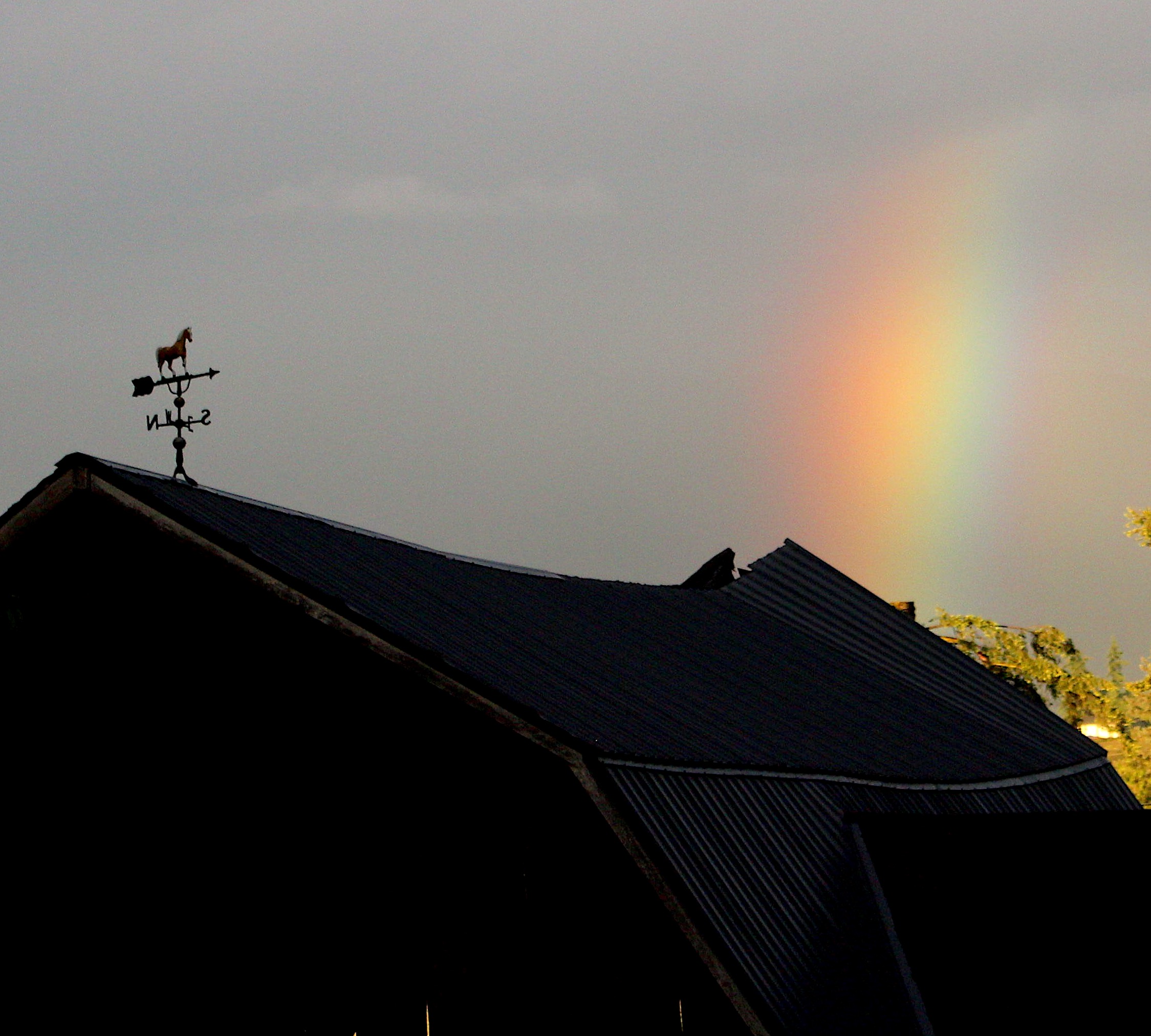
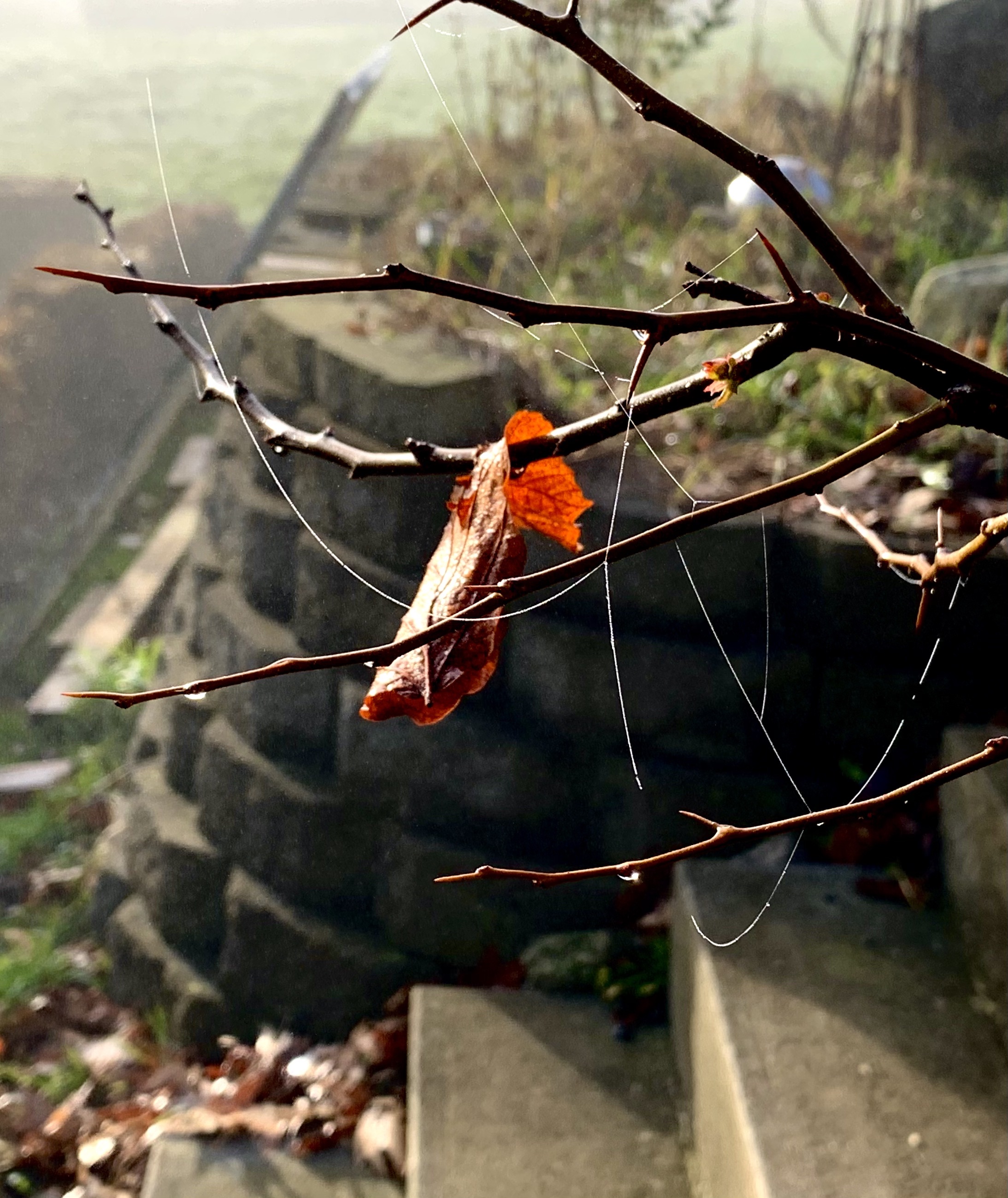
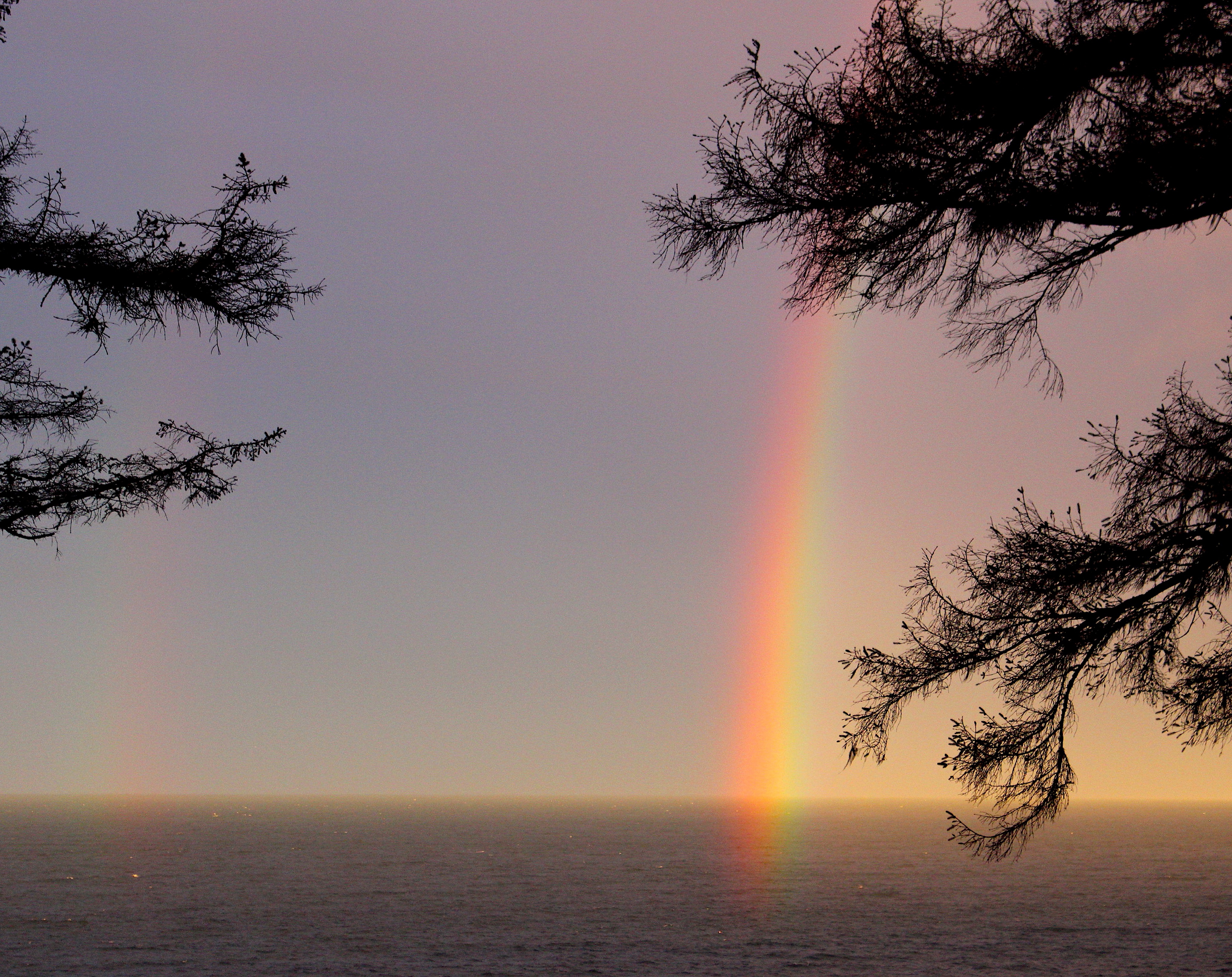
Every leaf-scar is a bud expecting a future. The earth speaks in parables. The burning bush. The rainbow. Promises. Promises. ~Gillian Clarke from “The Year’s Midnight” From Selected Poems
Having turned the ragged corner into a new year, I search for any signs of recovery from what was fallen and flown from last year. Instead there is rain upon rain and water levels rise.
I step cautiously upon the sponge of soaked leaves underfoot, recalling their crisp vibrancy when still attached to branches that are now picked clean to bare bones, all flesh devoured.
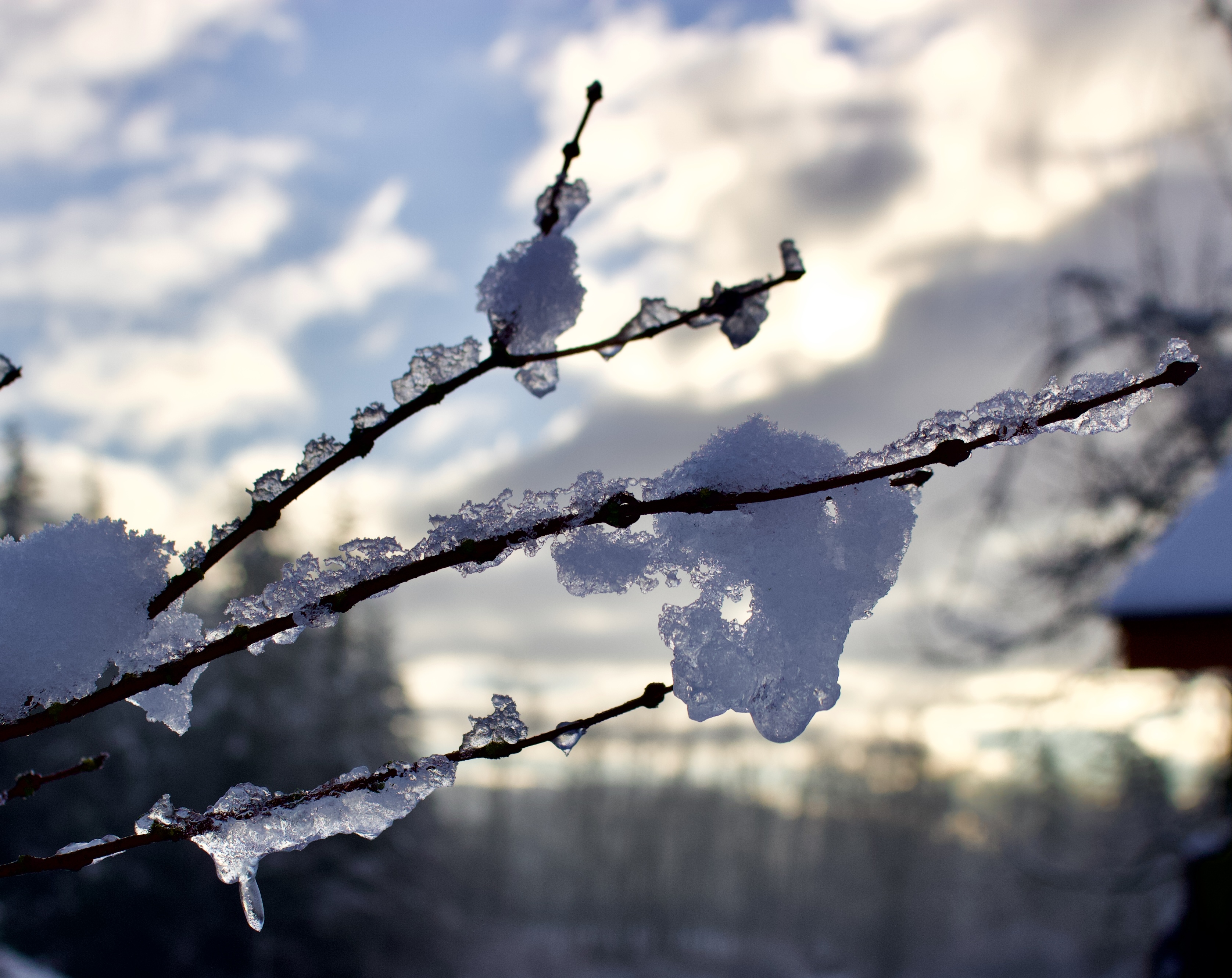
Yet, as I examine those skeletal remains, I see their scars swelling with potential, even now, even in early winter there is expectancy.
These bushes will not burn to ashes; this rain will cease to flood. This sky, these trees will light up once again with promises made and promises kept.
Your financial support helps to keep this blog an ad-free daily offering. Your contribution of any amount is encouragement to me and deeply appreciated. Thank you for helping!
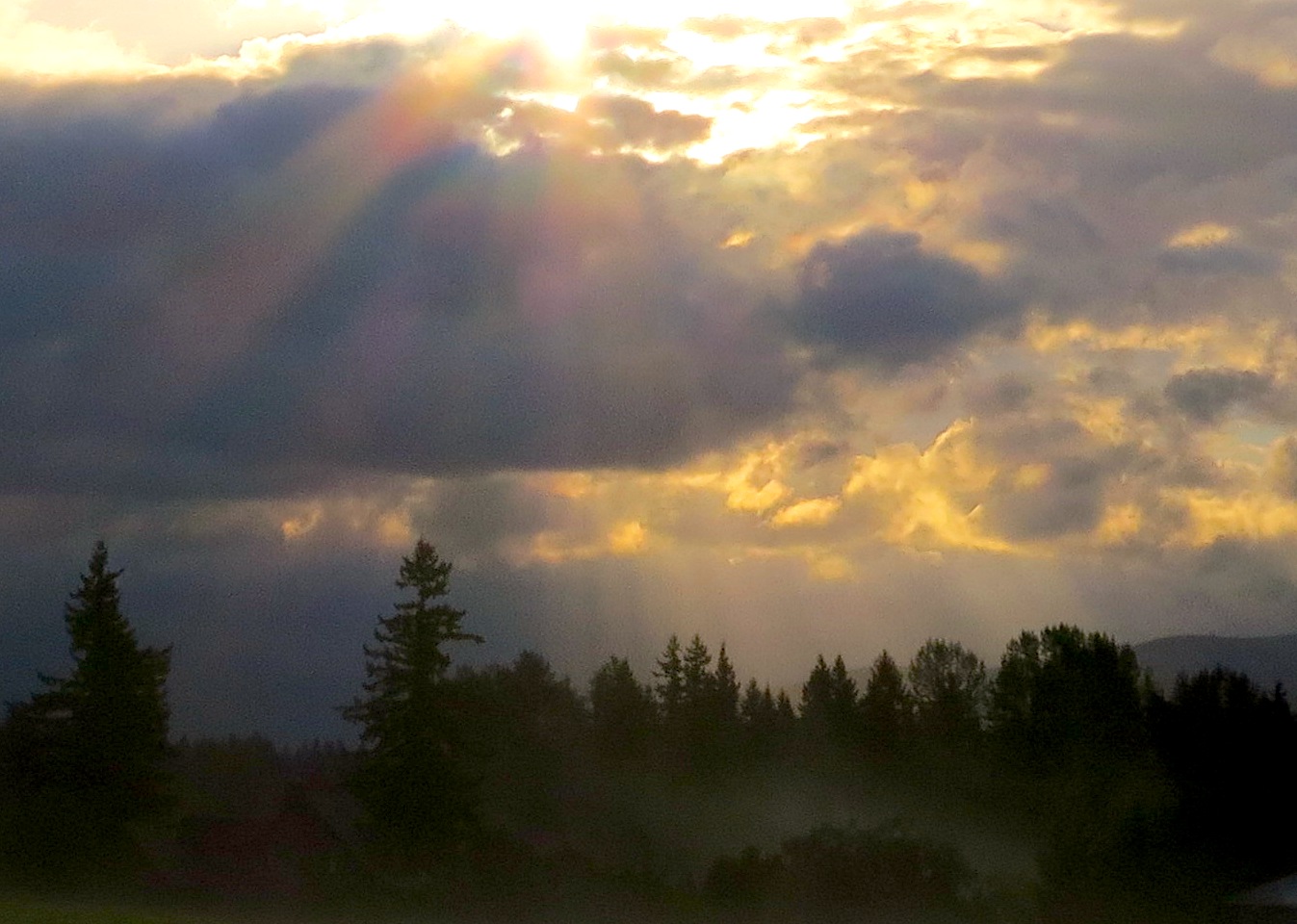
Let us step outside for a moment As the sun breaks through clouds And shines on wet new fallen snow, And breathe the new air. So much has died that had to die this year. We are dying away from things. It is a necessity—we have to do it Or we shall be buried under the magazines, The too many clothes, the too much food.
Let us step outside for a moment Among ocean, clouds, a white field, Islands floating in the distance. They have always been there. But we have not been there.
Already there are signs. Young people plant gardens. Fathers change their babies’ diapers And are learning to cook.
Let us step outside for a moment. It is all there Only we have been slow to arrive At a way of seeing it. Unless the gentle inherit the earth There will be no earth. ~May Sarton from “New Year Poem”
Whenever you find tears in your eyes, especially unexpected tears, it is well to pay the closest attention. They are not only telling you something about the secret of who you are, but more often than not God is speaking to you through them of the mystery of where you have come from and is summoning you to where, if your soul is to be saved, you should go next. ~Frederick Buechnerfrom Beyond Words
This year I have been paying close attention to what makes me weep. During 2020, I have had more than ample opportunity to find out — from my tears — the secret of who I am, where I have come from, and for the salvation of my soul, where I am to be next.
My pockets contain hand sanitizer and kleenex, stowed right next to my mask.
In previous years, my tears flowed while spending time with far-flung children and grandchildren for the holidays — reading books and doing puzzles together and reminiscing about what has been and what could be. It was about singing grace together before a meal and my voice breaking with precious words of gratitude. My tears certainly had to do with bidding farewell until we meet again — gathering them in for that final hug and then that difficult letting-go and waving goodbye as they round the corner and disappear.
This year, that had to happen on a screen or from behind masks. No hugs hello or goodbye. None of the usual ways we celebrate together. I feel bereft as have countless other families around the globe. Some never had opportunity to say their final goodbye – too much has died this year.
As our children grew up, we encouraged them to go where their hearts told them they were needed and called to go, even if thousands of miles away from their one-time home on this farm. And so they went.
I too was let go once and though I would try to look back, too often in tears, I learned to set my face toward the future, seeking how the sun might break through the clouds in my life. It led me to this marriage, this family, this farm, this work, this church, to more tears and heartbreak, to more letting go. And it will continue if I’m granted more years to weep again and again with gusto and grace.
This year my tears flow for what could not be. For too many families, their tears flow for who now is missing and will never return. My tears flow for the pain and sadness of disagreement and angry words.
Spreading faster than COVID is the viral expansion of toxic misinformation and conspiracy theories sowing doubt and distrust. Masks are useless to protect people exposed to a deficiency of simple common sense.
So this is where I must go next: to love so much and so deeply that my tears might make a small difference to those around me, like the sun breaking through the clouds.
A wise and precious friend once told me that “our tears are God’s tears; to be bereft is the only way to become one with God.“
So I’ll let my tears flow where they may. And maybe someday I can leave my mask in my pocket.











 Barnstorming