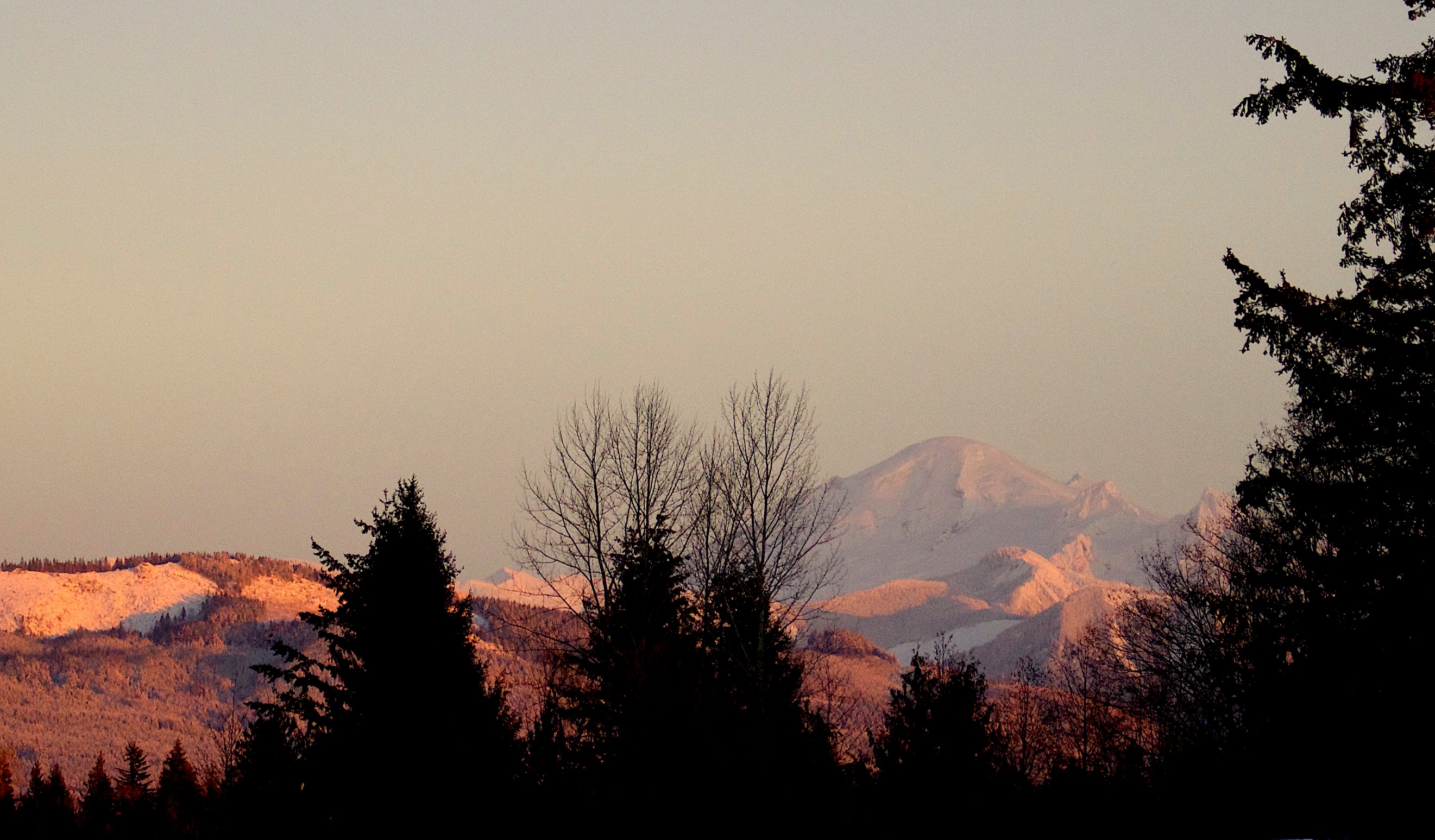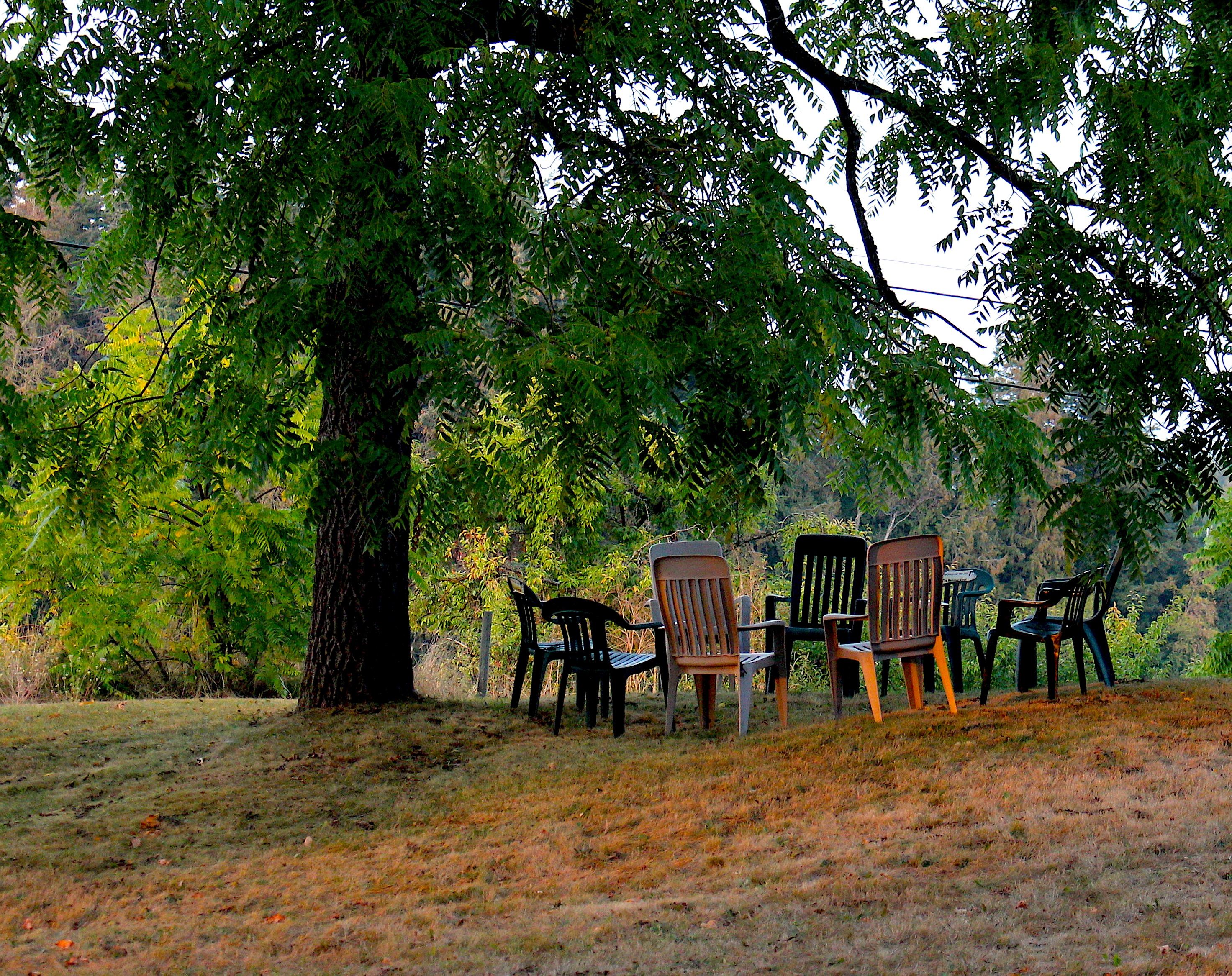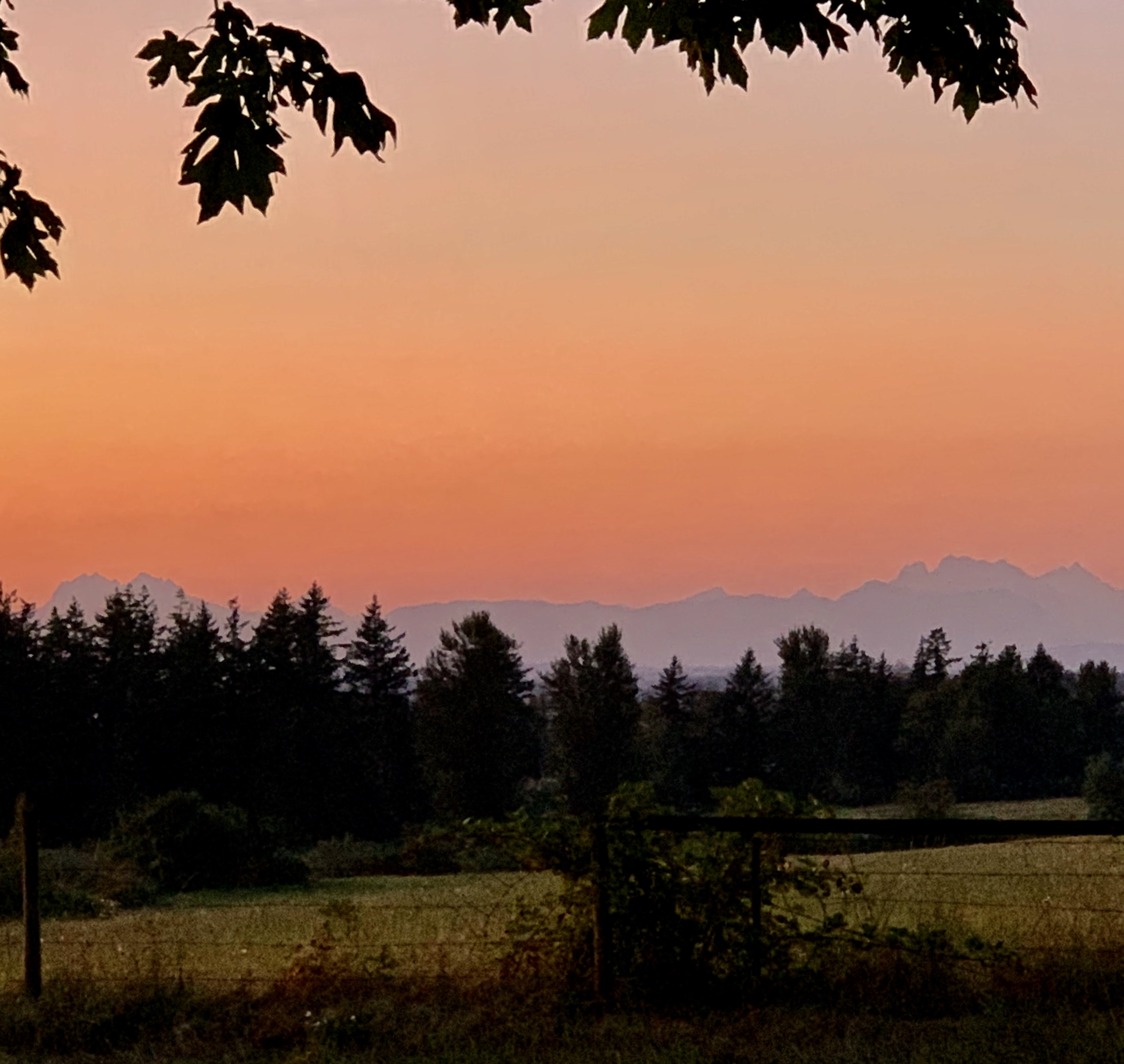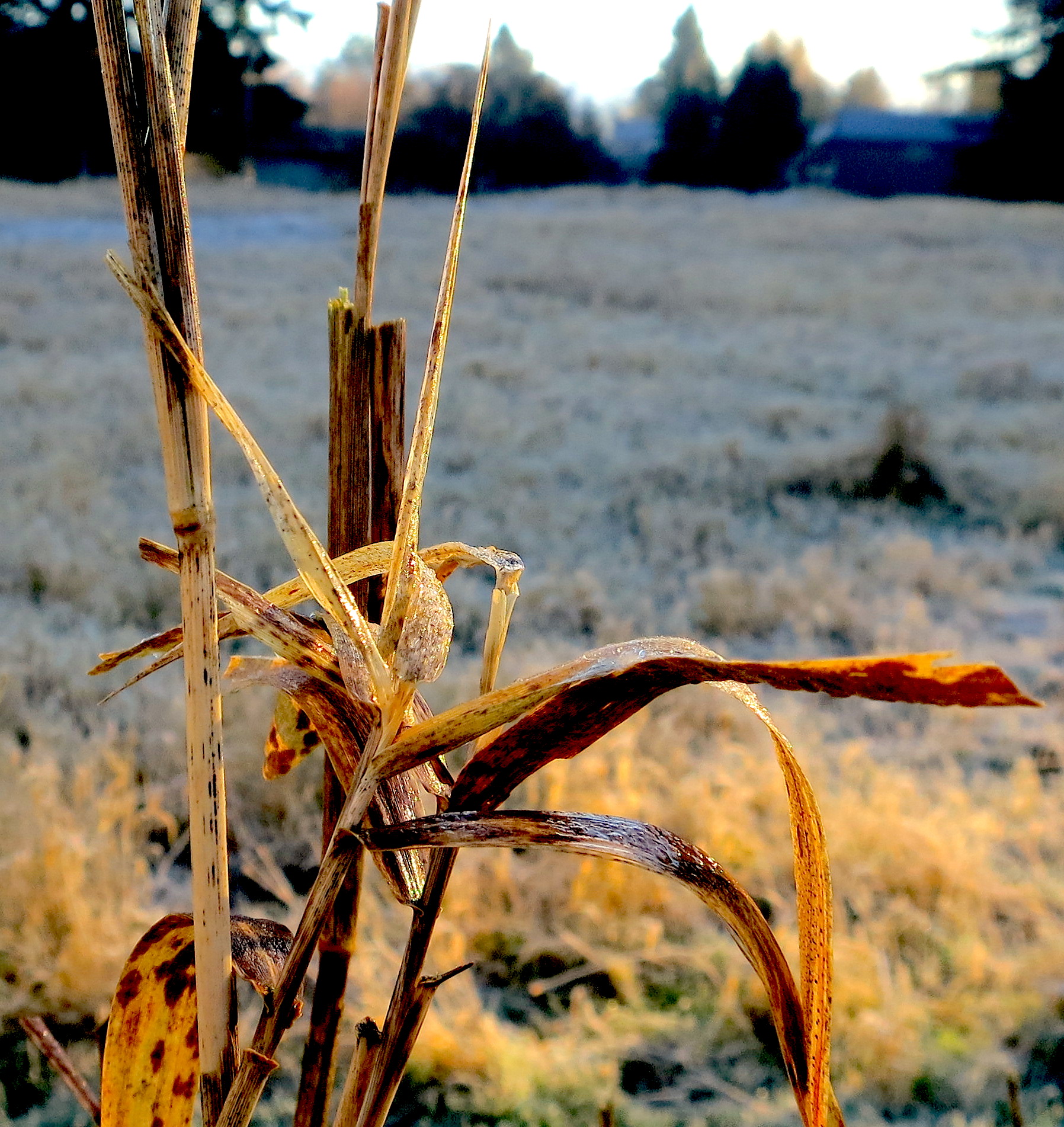
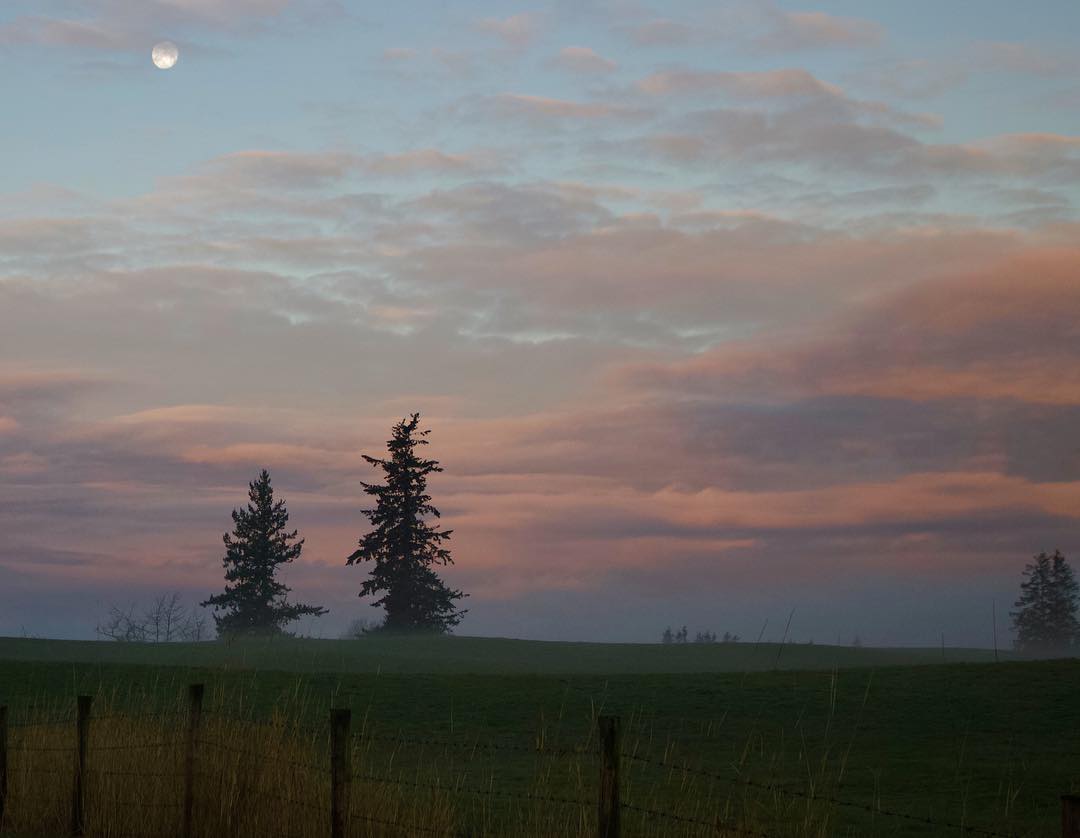
The Tenacity of Nature

By the road to the contagious hospital
under the surge of the blue
mottled clouds driven from the
northeast — a cold wind. Beyond, the
waste of broad, muddy fields
brown with dried weeds, standing and fallen

patches of standing water
the scattering of tall trees

All along the road the reddish
purplish, forked, upstanding, twiggy
stuff of bushes and small trees
with dead, brown leaves under them
leafless vines —

Lifeless in appearance, sluggish
dazed spring approaches —

They enter the new world naked,
cold, uncertain of all
save that they enter. All about them
the cold, familiar wind —

Now the grass, tomorrow
the stiff curl of wildcarrot leaf

One by one objects are defined —
It quickens: clarity, outline of leaf

But now the stark dignity of
entrance — Still, the profound change
has come upon them: rooted they
grip down and begin to awaken
~William Carlos Williams “Spring and All”
I ask your doctor
of infectious disease if she’s
read Williams   he cured
sick babies I tell her and
begin describing spring
and all   she’s looking at the wall
now the floor   now your chart
now the door   never
heard of him she says
but I can’t stop explaining
how important this is
I need to know your doctor
believes in the tenacity of nature
to endure   I’m past his heart
attack   his strokes   and now as if
etching the tombstone myself   I find
I can’t remember the date
he died or even
the year   of what now
are we the pure products   and what
does that even mean   pure   isn’t it
obvious   we are each our own culture
alive with the virus that’s waiting
to unmake us
~Brian Russell, “The Year of What Now”

It is the third January of a pandemic
of a virus far more tenacious than
we have proven to be,
it continues to unmake us,
able to mutate spike proteins seemingly overnight
while too many of us stubbornly
remain unchanged by this,
clinging to our “faith over fear”
and “my body, my choice”
and “lions, not sheep”
and “never comply” —
because self-determination must trump
compassion for the unfortunate fate of vulnerable millions.

We defend the freedom to choose
to be vectors of a contagion
that may not sicken us yet fills
clinics, hospitals and morgues.

William Carlos Williams, the early 20th century physician,
would be astonished at the clinical tools we have now
to fight this scourge.
William Carlos Williams, last centuries’ imagist poet,
would recognize our deadly erosion of cooperation
when faced with a worthy viral opponent.

So what happens now?

Starting with this third pandemic winter,
with our souls in another deep freeze,
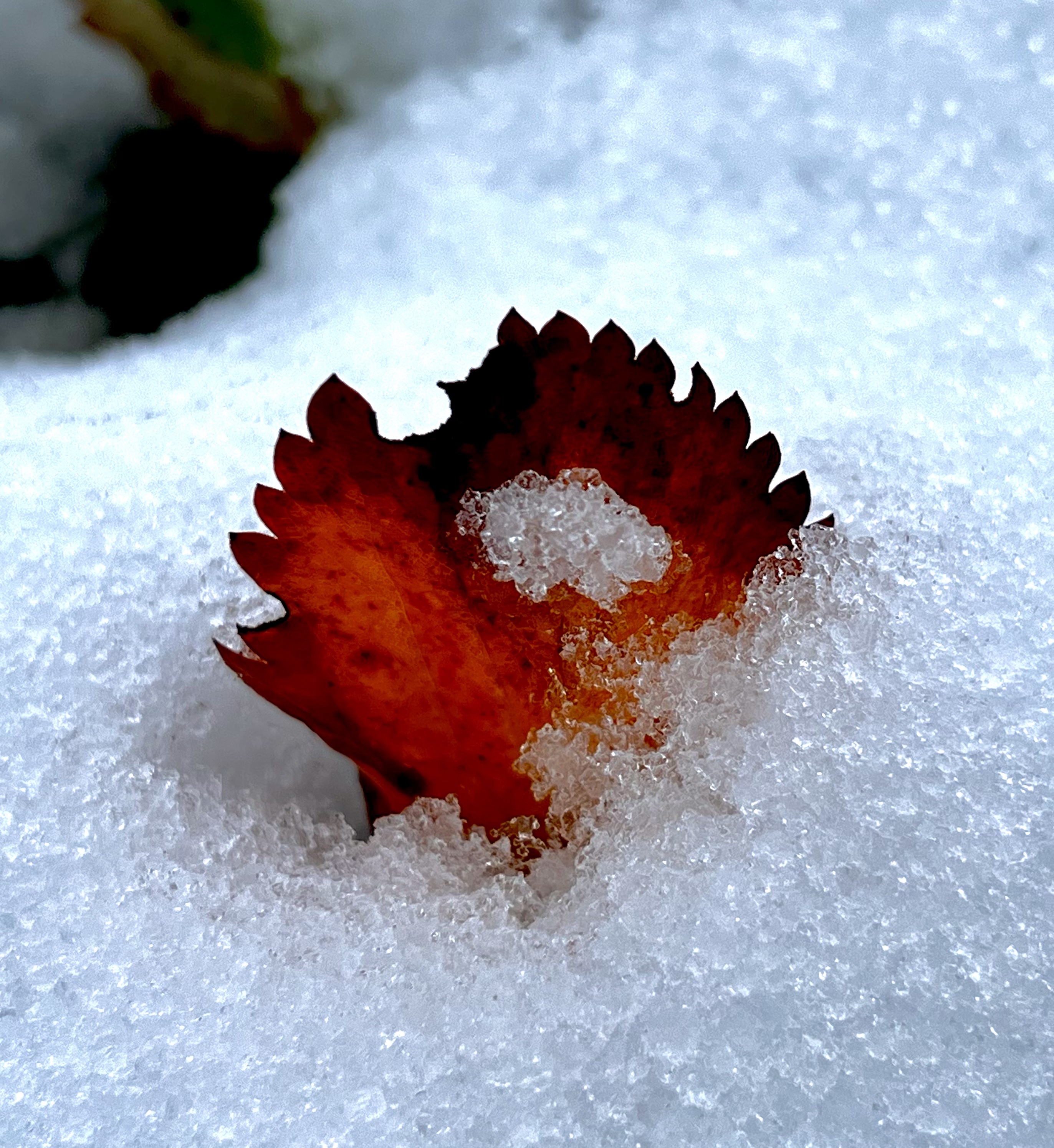
covered in snow and ice and bitter wind chill,
a tenuous hope of restoration could awaken –
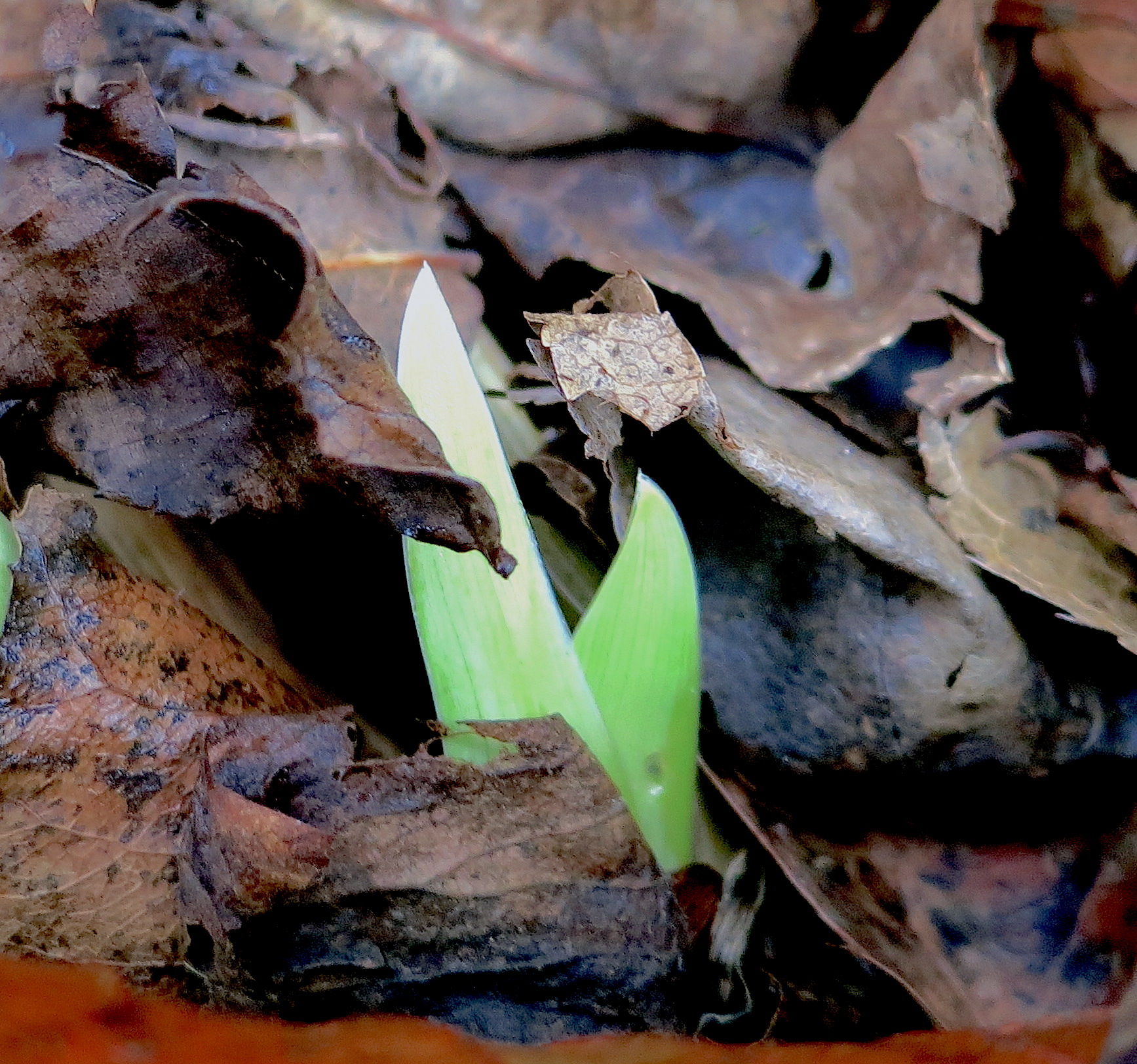
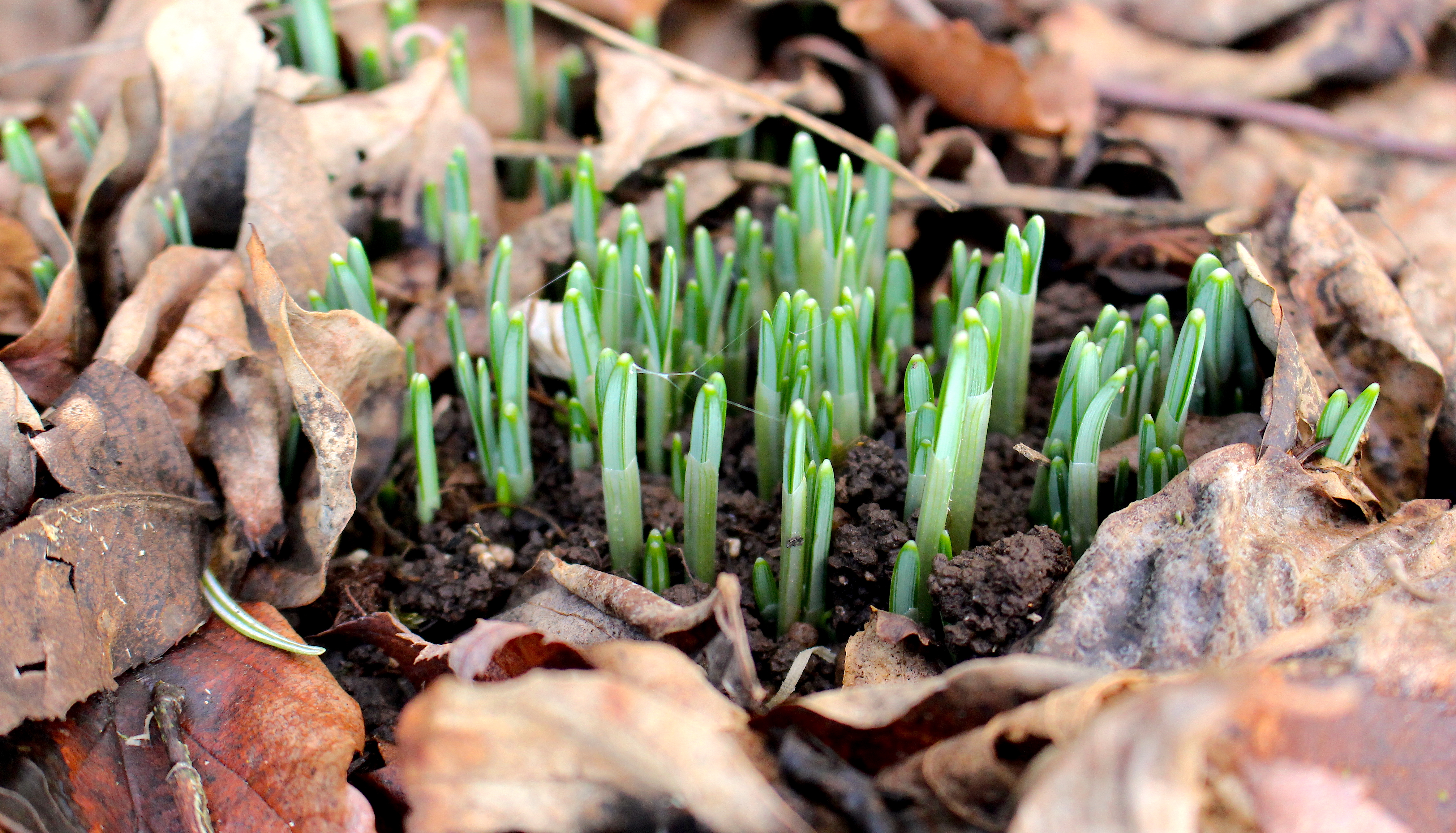
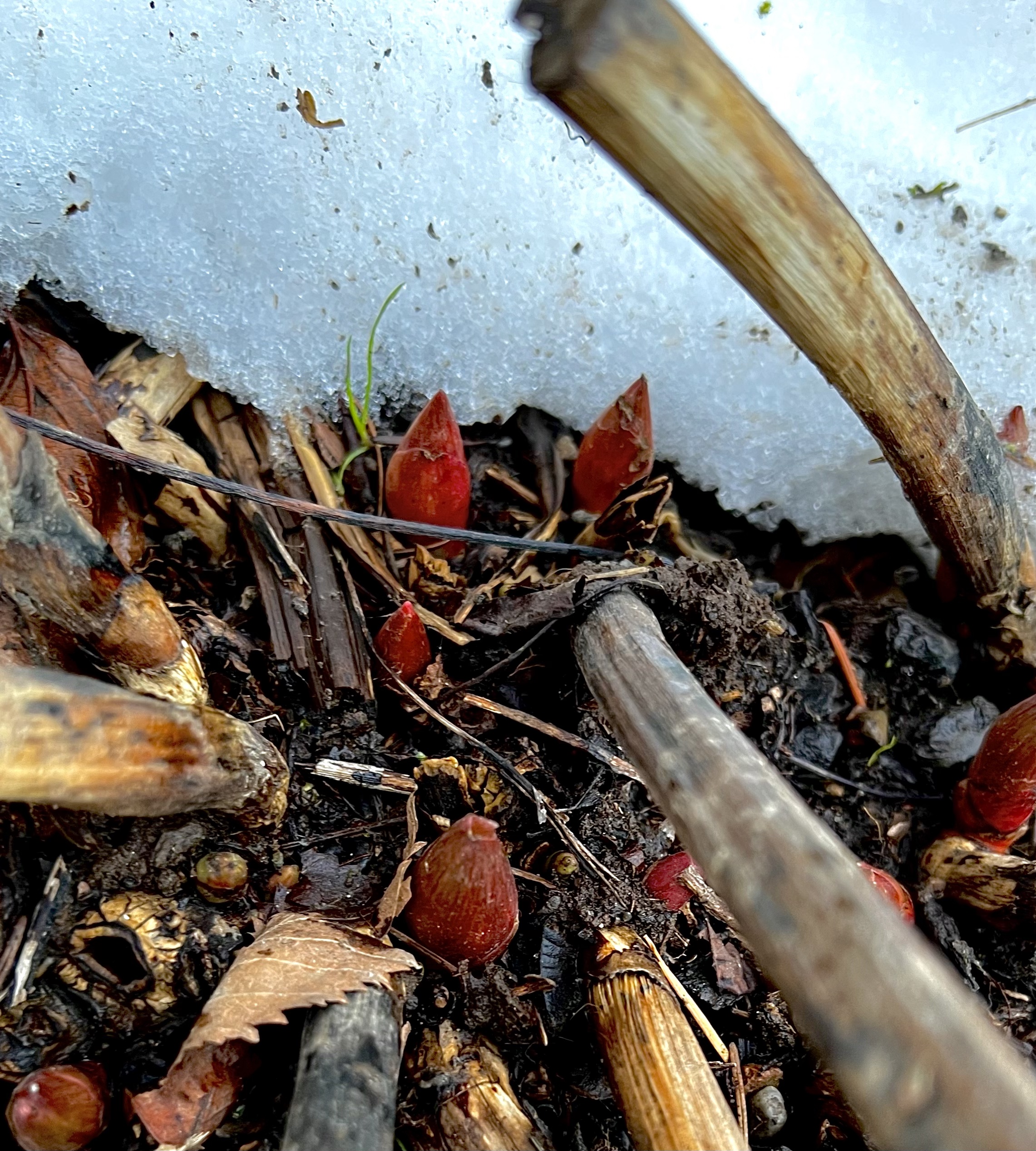
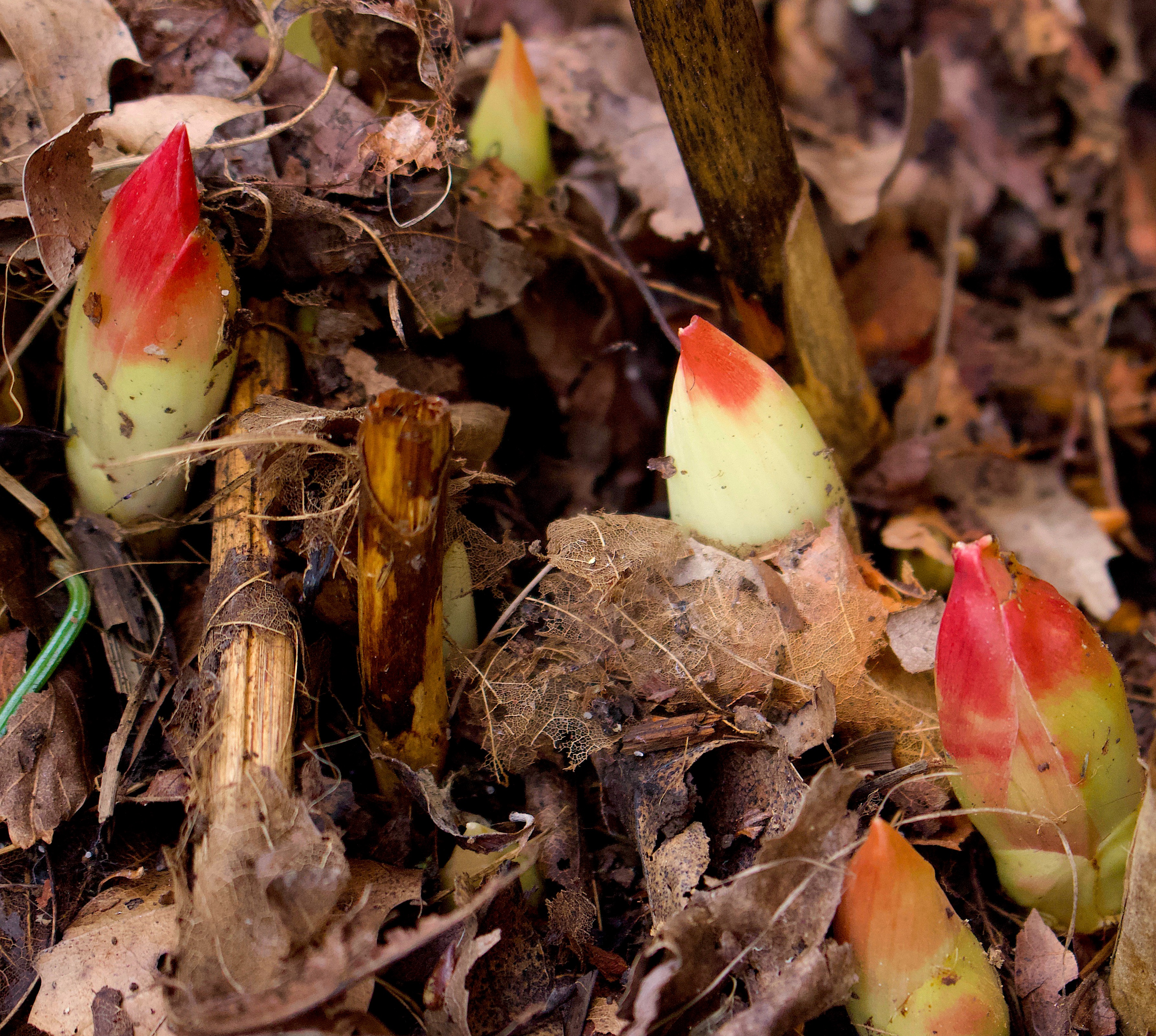
tender buds swelling,
bulbs breaking through soil,
being called forth from long burial
in a dark and cold and heartless earth.

Like a mother who holds
the mystery of her quickening belly,
knowing we nurture other lives with our own body,
we too can be hopeful and marveling
at who we are created to be.

She, and we, know soon and very soon
there will be spring.
One-Time
Monthly
Yearly

Make a one-time or recurring donation to support Barnstorming

Make a monthly donation

Make a yearly donation

Choose an amount

¤5.00
¤10.00
¤20.00
¤5.00
¤15.00
¤100.00
¤5.00
¤15.00
¤100.00

Or enter a custom amount

¤

Your contribution is deeply appreciated.

Your contribution is appreciated.

Your contribution is appreciated.

DonateDonate monthlyDonate yearly
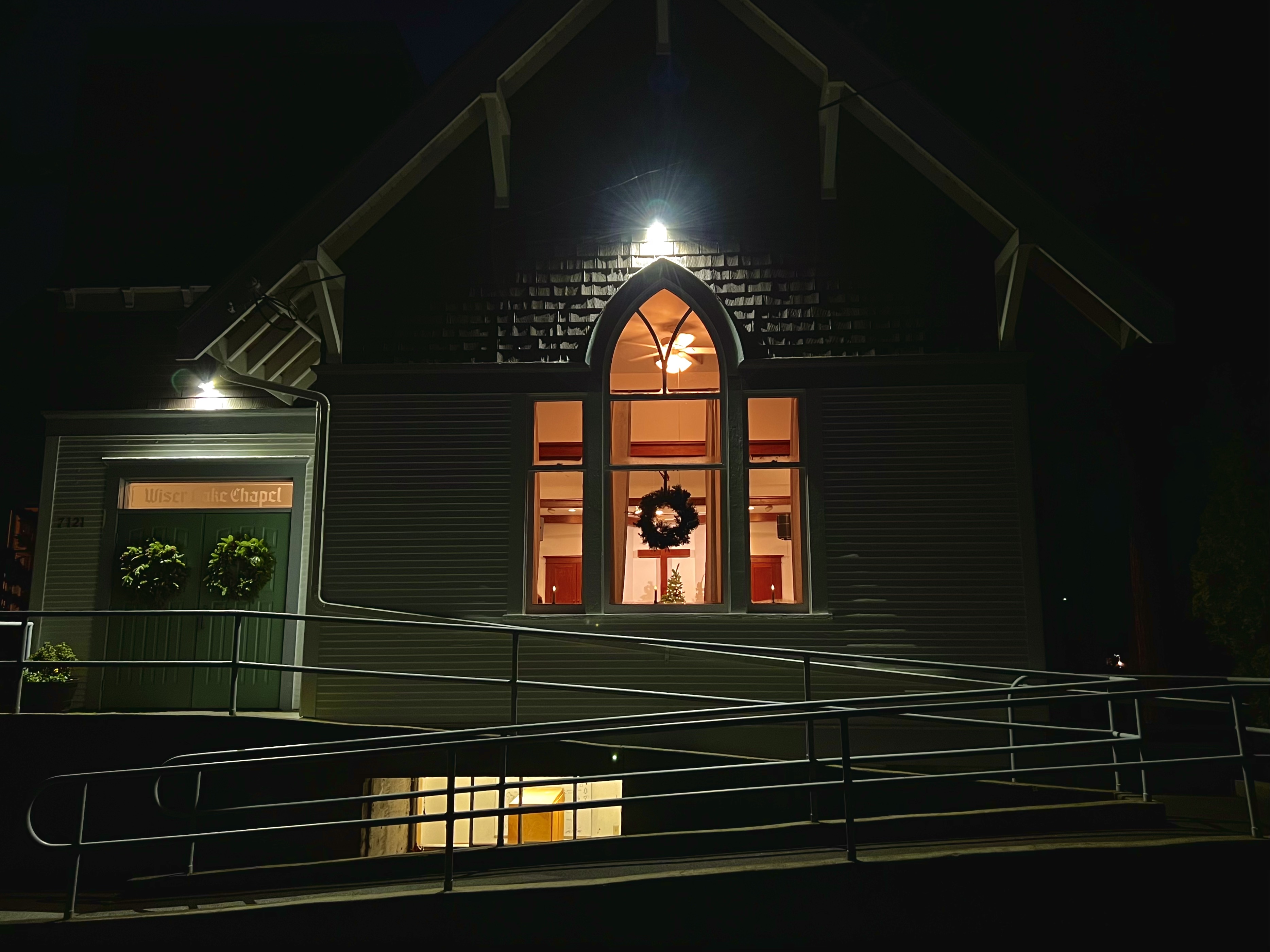
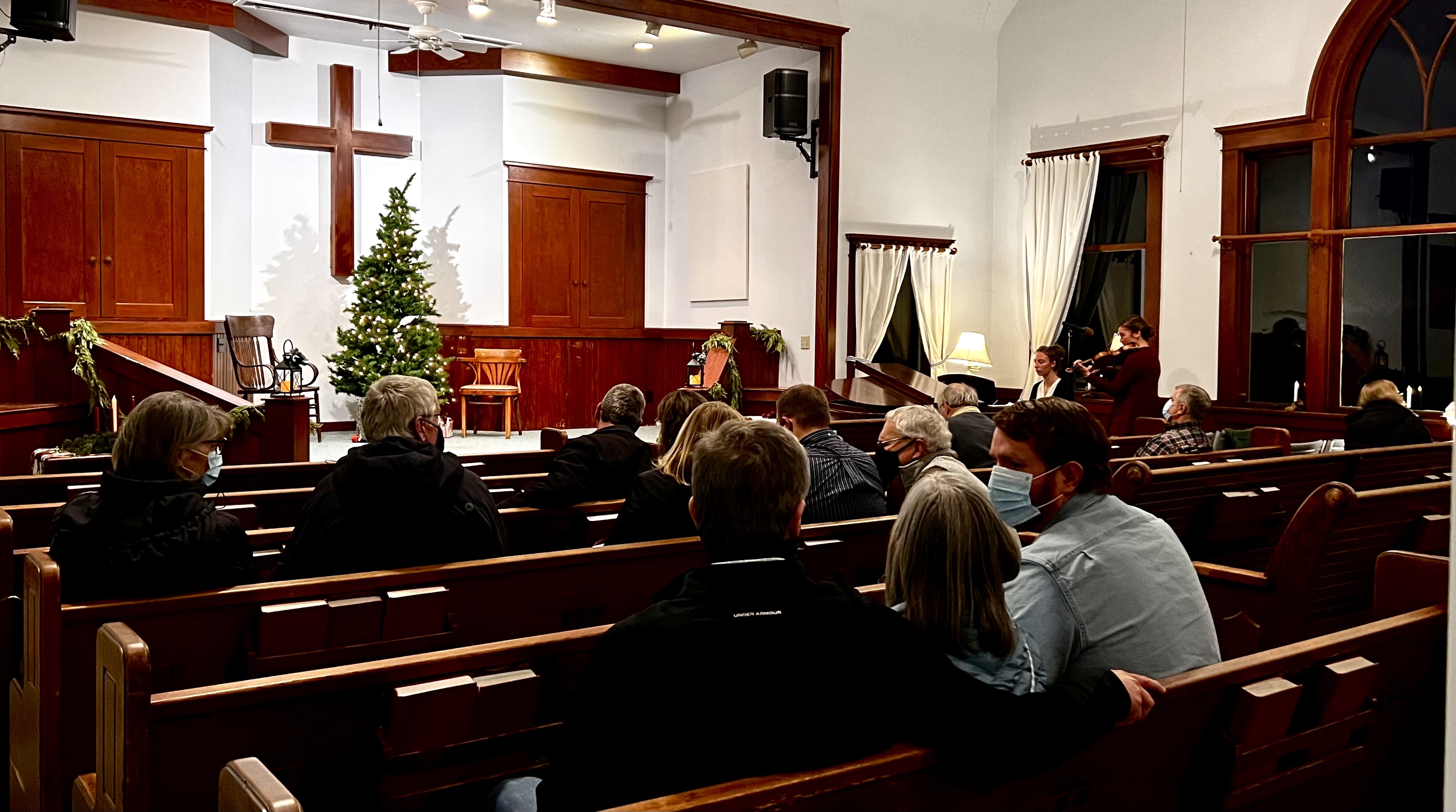
The Beginning Shall Remind Us of the End: Wake Us From Drowsy Worship

A little aside from the main road,
becalmed in a last-century greyness,
there is the chapel, ugly, without the appeal
to the tourist to stop his car
and visit it. The traffic goes by,
and the river goes by, and quick shadows
of clouds, too, and the chapel settles
a little deeper into the grass.

But here once on an evening like this,
in the darkness that was about
his hearers, a preacher caught fire
and burned steadily before them
with a strange light, so that they saw
the splendour of the barren mountains
about them and sang their amens
fiercely, narrow but saved
in a way that men are not now.
~R.S. Thomas “The Chapel”

The journey begins when Christians leave their homes and beds. They leave, indeed, their life in this present and concrete world, and whether they have to drive 15 miles or walk a few blocks, a sacramental act is already taking place…

For they are now on their way to constitute the Church, or to be more exact, to be transformed into the Church of God. They have been individuals, some white, some black, some poor, some rich, they have been the ‘natural’ world and a natural community. And now they have been called to “come together in one place,” to bring their lives, their very world with them and to be more than what they were: a new community with a new life.

We are already far beyond the categories of common worship and prayer. The purpose of this ‘coming together’ is not simply to add a religious dimension to the natural community, to make it ‘better’ – more responsible, more Christian. The purpose is to fulfill the Church, and that means to make present the One in whom all things are at their end, and all things are at their beginning.
~ Father Alexander Schmemann from For the Life of the World

Unexpected God,
your coming advent alarms us.
Wake us from drowsy worship,
from the sleep that neglects love,
and the sedative of misdirected frenzy.
Awaken us now to your coming,
and bend our angers into your peace.
Amen.
~Revised Common Lectionary

Sometimes the very walls of our churches
separate us from God
and each other.


In our various naves and sanctuaries
we are safely separated from those outside,
from other denominations, other religions,
separated from the poor, the ugly, the dying.…


The house of God is not a safe place.
It is a cross where time and eternity meet,
and where we are – or should be –
challenged to live more vulnerably,
more interdependently.
~Madeleine L’Engle, from  A Stone for a Pillow

Does anyone have the foggiest idea
of what sort of power we so blithely invoke?
Or, as I suspect, does no one believe a word of it?
The churches are
children playing
on the floor with their chemistry sets,
mixing up a batch of TNT to kill a Sunday morning.
It is madness to wear ladies’ straw hats and velvet hats to church;
we should all be wearing crash helmets.
Ushers should issue life preservers and signal flares;
they should lash us to our pews.

~Annie Dillard from Teaching a Stone to Talk

Being a Christian during a pandemic is nothing new in the history of the world. We’ve been through this again and again, on the frontlines caring for others during the Black Death, dying while serving unselfishly through plague after plague, and most recently during the killing influenza of the early 20th century.

Somehow the last two years of COVID-time feel different …

No one is happy that congregational singing takes place through masks. There are fewer handshakes and hugs and some of us feel safer worshiping while streaming a live feed on a screen. Some are flat out angry at having to worship with any restrictions and opt to stay away or move to churches with no such rules. Yet Christians are called to come together to raise our voices corporately in praise, prayer and thanksgiving despite potential health risks and physical inconvenience.

We are to love one another when we are most unloveable.

We tend to forget that walking into church on any Sabbath, not just during a pandemic, takes courage and commitment as we automatically become emotionally and spiritually vulnerable to one another. What one of us says and does can bless or hurt us all. This can be no drowsy worship: we are the poor, the ugly and the dying.

When I hear the secular folks in society scoff at attending church as a “crutch for the weak”, they underestimate what it means to admit a desperate need for salvation and grace that can only be found inside those doors. We who sit in a pew in the sanctuary cling to the life preserver found in the Word. We are lashed to our seats and must hang on.  It is only because of God’s grace that we survive the tempests of temptation, guilt and self-doubt in order to let go of our own anger at the state of the world and the state of our own souls.

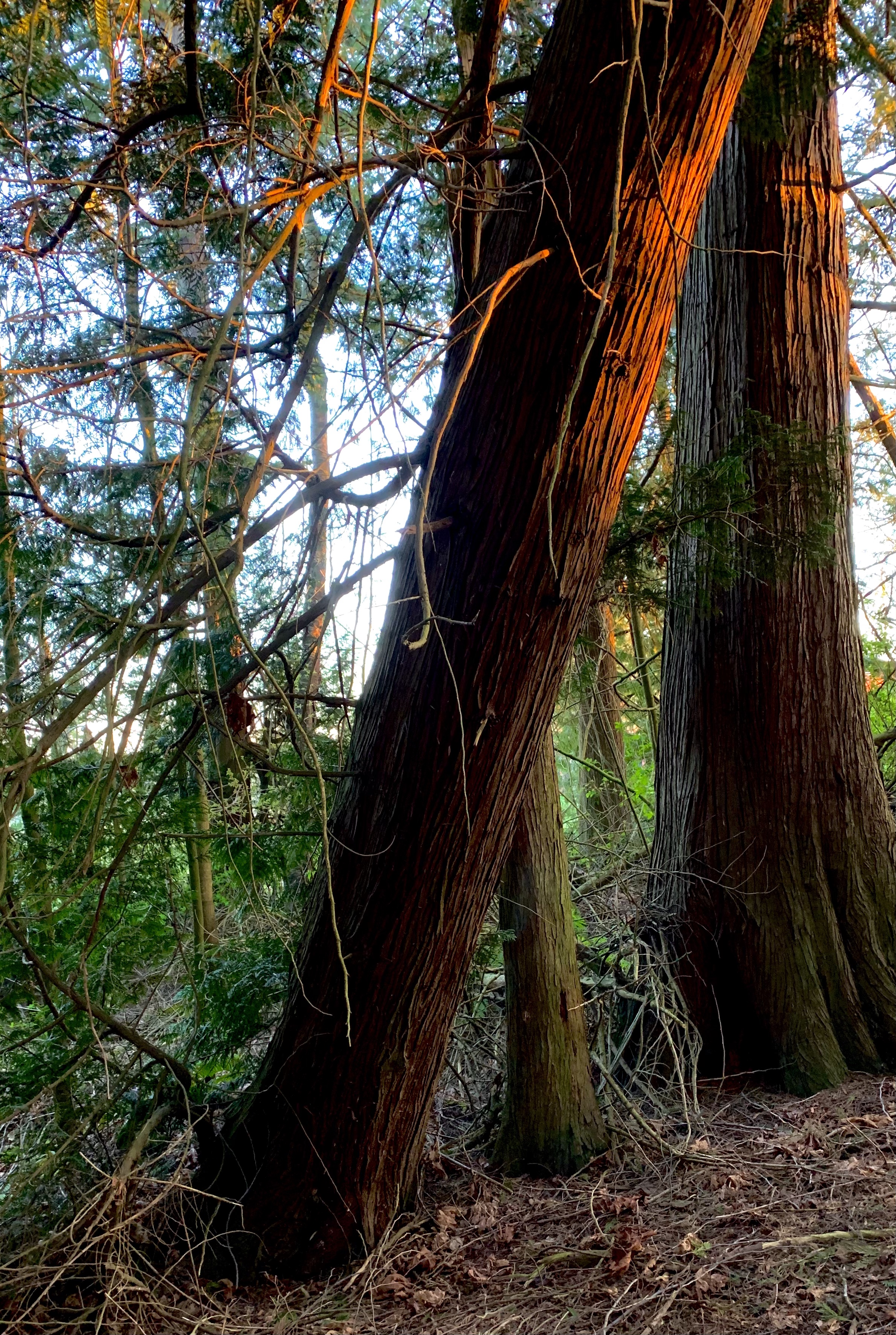
Exposing ourselves to the radical mystery and immense power of the living God is not for the faint of heart, yet all of us on the verge of heart failure need God’s deep roots to thrive and grow in our rocky soul soil.

So we must not forget our crash helmets… or our masks.

photo by Barb Hoelle

This year’s Barnstorming Advent theme “… the Beginning shall remind us of the End” is taken from the final lines in T.S. Eliot’s poem “The Cultivation of Christmas Trees”

One-Time
Monthly
Yearly

Make a one-time donation to support Barnstorming

Make a monthly donation

Make a yearly donation

Choose an amount

¤5.00
¤10.00
¤20.00
¤5.00
¤15.00
¤100.00
¤5.00
¤15.00
¤100.00

Or enter a custom amount

¤

Your contribution is deeply appreciated.

Your contribution is appreciated.

Your contribution is appreciated.

DonateDonate monthlyDonate yearly
Unanswerable Questions

Under the harvest moon,
When the soft silver
Drips shimmering over the garden nights,
Death, the gray mocker,
Comes and whispers to you
As a beautiful friend
Who remembers.

Under the summer roses
When the flagrant crimson
Lurks in the dusk
Of the wild red leaves,
Love, with little hands,
Comes and touches you
With a thousand memories,
And asks you
Beautiful, unanswerable questions.
~Carl Sandburg, “Under the Harvest Moon”

As we enter the season
of all that is lush and lovely
which starts to wither and decay before our eyes,
we know the flowers and trees aren’t alone.
Death, whispering within its gray night’s cloak,
has been stealing the young and old since time began,
but never as boldly as during a pandemic.
Millions of family members are left
with nothing but bittersweet memories
of their loved ones now buried deep.

The harvest moon – not nearly bright enough,
as a poor reflection of the sun –
mocks us who covet light
during a rampage of contagious illness and death.

As we endure the searing beauty of yet another dying season,
let us treasure those we protect through our care and concern.
Let us cherish the memories of those we’ve lost.
There can be only one answer to the unanswerable questions:
Love itself died to become Salvation,
an ever-sufficient Light that leads us home.

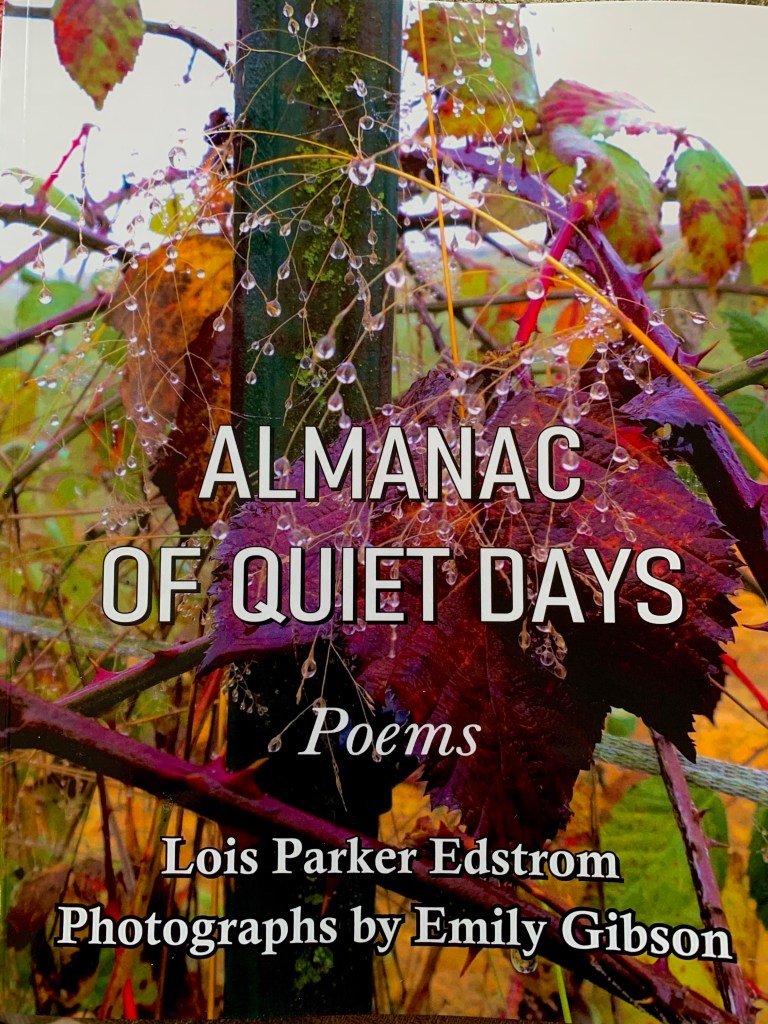
A book of beauty in words and photos is available to order here:


Summer, Go Not Yet Away

Fair Summer droops, droop men and beasts therefore:
So fair a summer look for never more.
All good things vanish less than in a day,
Peace, plenty, pleasure, suddenly decay.
Go not yet away, bright soul of the sad year;
The earth is hell when thou leavest to appear…. 

What, shall those flowers that decked thy garland erst,
Upon thy grave be wastefully dispersed?
O trees, consume your sap in sorrow’s course,
Streams, turn to tears your tributary course.
Go not yet hence, bright soul of the sad year;
The earth is hell when thou leav’st to appear.

Ah, who shall hide us from the winter’s face?
Cold doth increase, the sickness will not cease,
And here we lie, God knows, with little ease.
From winter, plague, & pestilence, good Lord, deliver us.

~Thomas Nashe from “Summer’s Last Will and Testament” (from a stage play performed in 1592)

Summer 2021 so far has been hell for much of the world and we still have nearly a month left of more Summer to endure: the fall of Afghanistan, another earthquake in Haiti, floods in Europe and central U.S., storms in the east with drought and fires in the west, and last but certainly not least, the explosion of the Delta COVID variant everywhere.
COVID has demonstrated that plague and pestilence clearly isn’t limited to cold weather and winter. This virus enjoys easy transmission among those who continue to live without any defenses – the unmasked and those who remain unvaccinated either by choice or lack of access to vaccine. We, through our behavior, have invited an opportunistic virus to spread among us through this “bright soul” of the year which ordinarily should be “plague-free.”
Will we continue to roll out the red carpet for COVID, welcoming it into ours and other’s homes, noses and lungs, even as summer itself dies away along with thousands of more pandemic victims?

Deliver us, O Lord, from our own reluctance to accept that viruses care not whom they infect, particularly those with little defense.

Deliver us, O Lord, from our preference for our own self-determination over a concern for the needs and vulnerability of others.

Deliver us, O Lord, from our continued blindness – doing what is right in our own eyes without seeing what is best for all.

Go not yet away, fair Summer, as here we lie, God knows, with little ease.

If you appreciate Barnstorming posts, you’ll enjoy this book, available for order here:

You Never Know…

Without realizing it, we fill
important places in each others’ lives.
It’s that way with the guy at the corner grocery,

the mechanic at the local garage,
the family doctor, teachers, neighbors, coworkers.


Good people who are always “there,”
who can be relied upon in small,
important ways. People who teach us,
bless us, encourage us, support us,
uplift us in the dailiness of life.

We never tell them.
I don’t know why, but we don’t.

And, of course, we fill that role ourselves.
There are those who depend on us, watch us,
learn from us, take from us. And we never know.

You may never have proof of your importance,
but you are more important than you think.
There are always those who couldn’t do without you.
The rub is that you don’t always know who.
~Robert Fulghum from All I Really Need to Know I Learned in Kindergarten

If there is one thing the pandemic taught me, it’s noticing the people in my life who may have not been as obvious to me before. I hadn’t realized how many folks truly are front-line serving others. It is not only the health care workers, grocery store clerks and school teachers but suddenly the list of “essential workers” has grown large, including law enforcement, plumbers and electricians, child care workers, water, sanitation and sewer maintenance, postal clerks, technicians who fix our cars and appliances and the farmers who tend the crops and livestock we need to live.

I realized how oblivious I had been before not taking the time to acknowledge the daily services I receive from so many varied people. In fact, it became even more urgent for me to tell my family members and friends – some thousands of miles away from me – how much they mean to me.

I’ve tried to remedy this: I try to tell others as simply and clearly as I can, whenever possible, that I appreciate what they have done and what they continue to do under difficult circumstances, how important they are to me and others and make life better for us all. I also need to continue to nurture those relationships with family and friends crucial to my well-being. I need them all.

It is so important for them to know.

Well over a thousand of you receive these daily Barnstorming emails and posts yet I only hear from a few of you – I treasure those messages, thank you! Let me know if I can do better at reaching out to each of you in a meaningful way – either by commenting on posts or emailing me privately at emilypgibson@gmail.com – we all need encouragement that we can make a difference in others’ lives.

This new book from Barnstorming is available to order here:

Supposing a Tree Fell

“Supposing a tree fell down, Pooh, when we were underneath it?”

“Supposing it didn’t,” said Pooh after careful thought.

Piglet was comforted by this.
~A.A. Milne from The Complete Tales of Winnie-the-Pooh

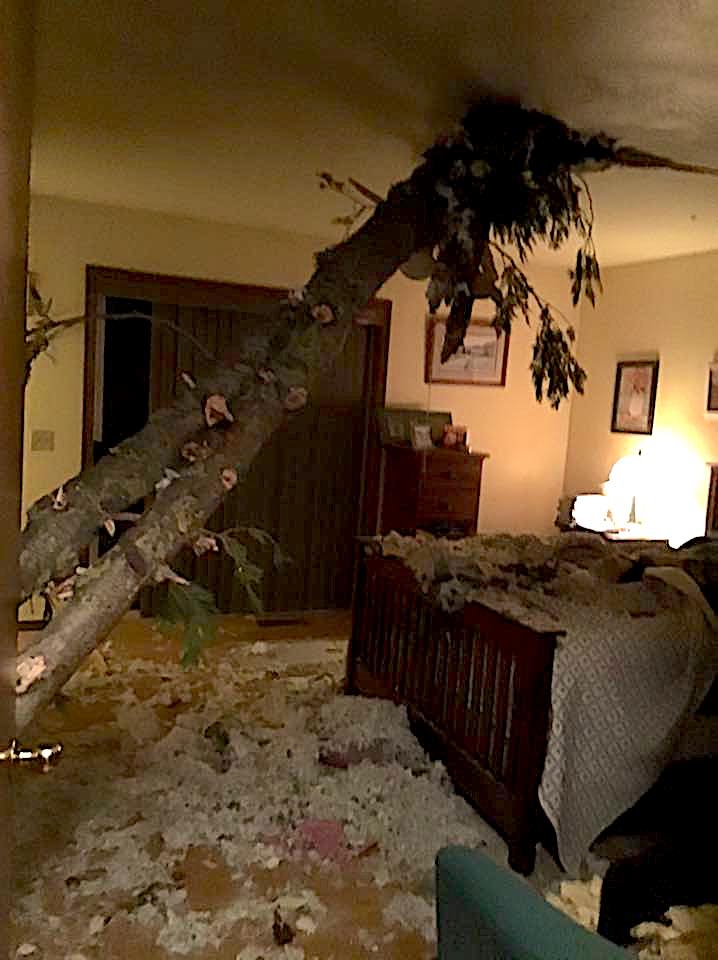
our friends’ bedroom after a tree fell through their roof in a windstorm – thankfully, no one was hurt

It has been a long 18 months of dwelling deeply
in all kinds of “supposes” and “what ifs”
because people were being crushed by a virus
right and left.

I understand this kind of thinking,
particularly when “in the moment” tragedies,
(like a Florida condo building collapsing in the middle of the night)
play out real-time in the palm of our hand
in front of our eyes
and we feel helpless to do anything
but watch it unfold.

Those who know me well
know I can fret and worry
better than most.
Medical training only makes this worse.
I’m taught to think catastrophically.
That is what I have done for a living –
to always be ready for the worse case scenario
and simply assume it will happen.

Sometimes it does happen
and no amount of wishing it away will work.

When I rise, too often sleepless,
to face a day of uncertainty
as we all do ~
after careful thought,
I reach for the certainty I am promised
over the uncertainty I can only imagine:

What is my only comfort in life and in death? 
That I am not my own, but belong
—body and soul, in life and in death—
to my faithful Savior, Jesus Christ.

“Supposing it didn’t” — says our Lord
(and we are comforted by this)
but even if it did … even if it did –
as awful things sometimes do –
we are never abandoned.

He is with us always.

Enjoying these Barnstorming posts? A new book from Barnstorming is available to order here:

Go Out and Help Your Dad


It was hard work, dying, harder
than anything he’d ever done.


Whatever brutal, bruising, back-
Breaking chore he’d forced himself


to endure—it was nothing
compared to this. And it took


so long. When would the job
be over? Who would call him


home for supper? And it was
hard for us (his children)—


all of our lives we’d heard
my mother telling us to go out,


help your father, but this
was work we could not do.


He was way out beyond us,
in a field we could not reach.

~Joyce Sutphen, “My Father, Dying” from Carrying Water to the Field: New and Selected Poems.

We will grieve not, rather find                     
Strength in what remains behind;                     
In the primal sympathy                     
Which having been must ever be;  
                   

Thanks to the human heart by which we live,
Thanks to its tenderness, its joys, and fears,
To me the meanest flower that blows can give
Thoughts that do often lie too deep for tears.
~William Wordsworth from “Ode: Intimations of Immortality from Recollections of Early Childhood”

Twenty-six years ago today
we watched at your bedside as you labored,
readying yourself to die and we could not help
except to be there while we watched you
move farther away from us.


This dying, the hardest work you had ever done:

harder than handling the plow behind a team of draft horses,
harder than confronting a broken, alcoholic and abusive father,
harder than slashing brambles and branches to clear the woods,
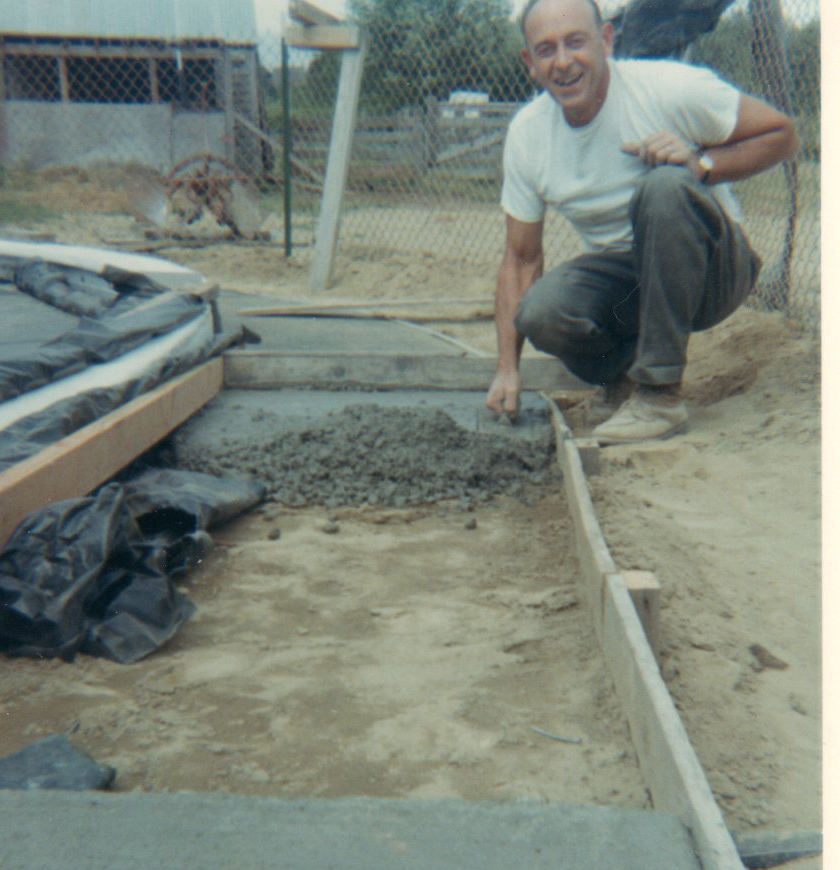
harder than digging out stumps, cementing foundations, building roofs,
harder than shipping out, leaving behind a new wife after a week of marriage,
harder than leading a battalion of men to battle on Saipan, Tinian and Tarawa,
harder than returning home so changed there were no words,
harder than returning to school, working long hours to support family,
harder than running a farm with only muscle and will power,
harder than coping with an ill wife, infertility, job conflict, discontent,
harder than building your own pool, your own garage, your own house,
harder than your marriage ending, a second wife dying,
and returning home forgiven.

Dying was the hardest of all
as no amount of muscle or smarts could stop it crushing you,
taking away the strength you relied on for 73 years.

So as you lay helpless, moaning, struggling to breathe,
we knew your hard work was complete
and what was yet undone was up to us
to finish for you.

A new book from Barnstorming is available for order here:


The Way It Ought To Be

After three weeks of hot weather and drought,
           we’ve had a week of cold and rain,
just the way it ought to be here in the north,
            in June, a fire going in the woodstove
all day long, so you can go outside in the cold
            and rain anytime and smell
the wood smoke in the air.
 
This is the way I love it. This is why
           I came here almost
fifty years ago. What is June anyway
          without cold and rain
and a fire going in the stove all day?
~David Budbill, “What Is June Anyway?” from Tumbling toward the End.

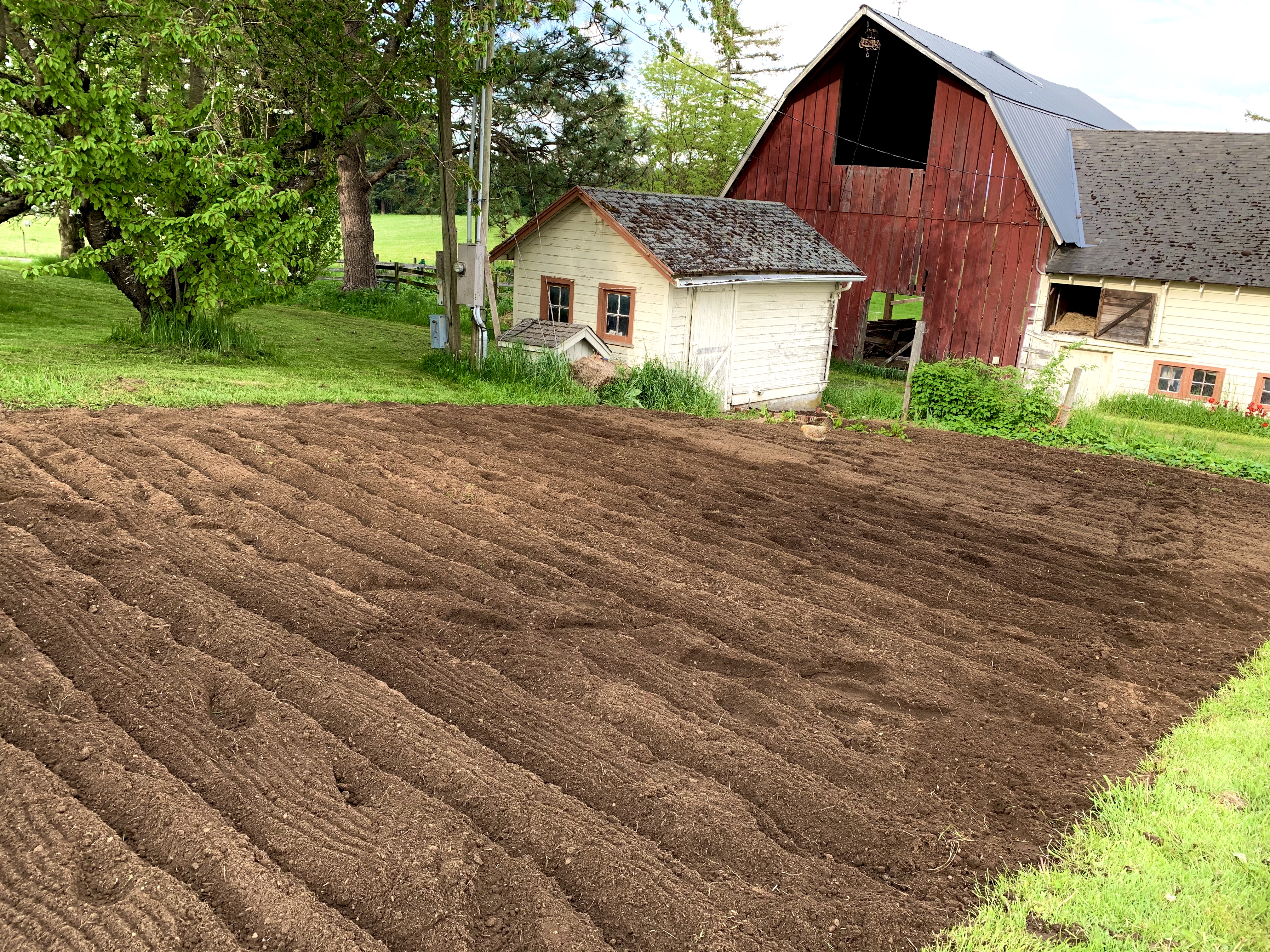
I spent seven hours yesterday at my daughter’s house
helping her expand their garden by at least ten times.
We dug up sod by the shovelful, shook off the dirt as
best we could; sod into the wheelbarrow and off to the
pile at the edge of the yard. Then all that over and over
again. Five hours total work-time, with time out for lunch
and supper. By the time I got home I knew all too well
that seventy-two is not thirty-five; I could barely move.

I got to quit earlier than Nadine. She told me I’d done
enough and that I should go get a beer and lie down on
the chaise lounge and cheer her on, which is what I did.

All this made me remember my father forty years ago
helping me with my garden. My father’s dead now, and
has been dead for many years, which is how I’ll be one
of these days too. And then Nadine will help her child,
who is not yet here, with her garden. Old Nadine, aching
and sore, will be in my empty shoes, cheering on her own.

So it goes. The wheel turns, generation after generation,
around and around. We ride for a little while, get off and
somebody else gets on. Over and over, again and again.
~David Budbill “Seventy-Two Is Not Thirty-Five” from Tumbling toward the End.

June is not supposed to be like this.

It is typically cool and rainy during these first few weeks of summer. June is an impossible month to hold outdoor weddings as we discovered a year ago. We celebrated our daughter and son-in-law’s wedding amid chilly breezes and sprinkles, avoiding a downpour.

Yet if it had been this year we would have all baked and sweated to a golden melting crust sitting in the full sun.

Yesterday we reached 106 F here in the normally temperate Pacific Northwest. I am scanning the weather forecast for any hint of rain (none) and am celebrating the prediction of mid-80s temperatures (hopefully soon). I once thought 85 to be intolerably hot.

It all is a matter of perspective when considering how things “ought” to be.

Wild temperature fluctuations and weather extremes are not new to this earth, but they certainly seem more frequent, causing more damage and suffering among all earth dwellers, whether plant or animal. We expect natural predictable cycles in the seasons and in the passing of one generation to another — a smooth replacement plan as older gives way to the younger.

This is how it ought to be. Yet it isn’t always so. Sometimes not even close.

We’ll remember 2020 and early 2021 as months of pandemic that sucked the life and joy from so many of us. Now the crazy heat index of June 2021 is effectively distracting us from a dwindling risk of COVID infection to consider instead the immediacy of how to avoid overheating ourselves, our animals and our gardens/crops.

It is always something in this life of peril and worry.

That is just how it is,
rather than how it ought to be.

A new book from Barnstorming is available to order here

The Fly in the Currant Cake

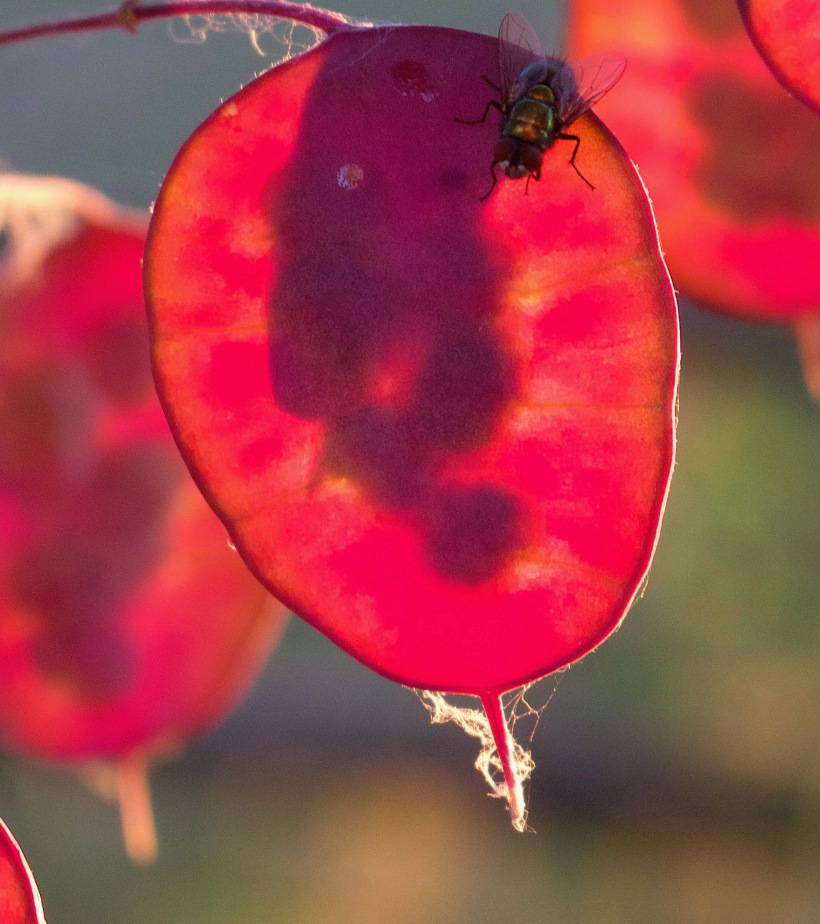
Nothing seems to please a fly so much as to be taken for a currant;
and if it can be baked in a cake and palmed off on the unwary, it dies happy.
~Mark Twain

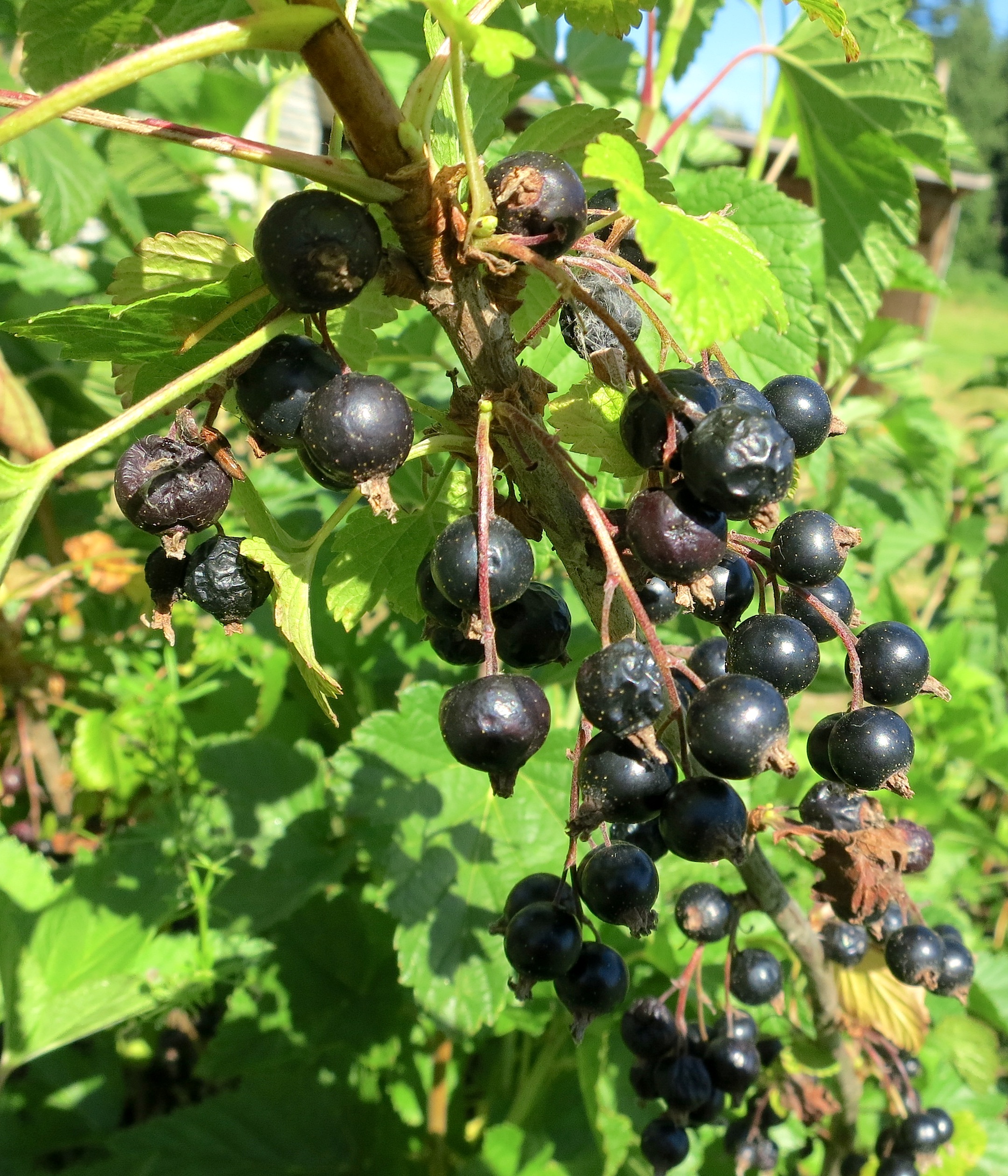
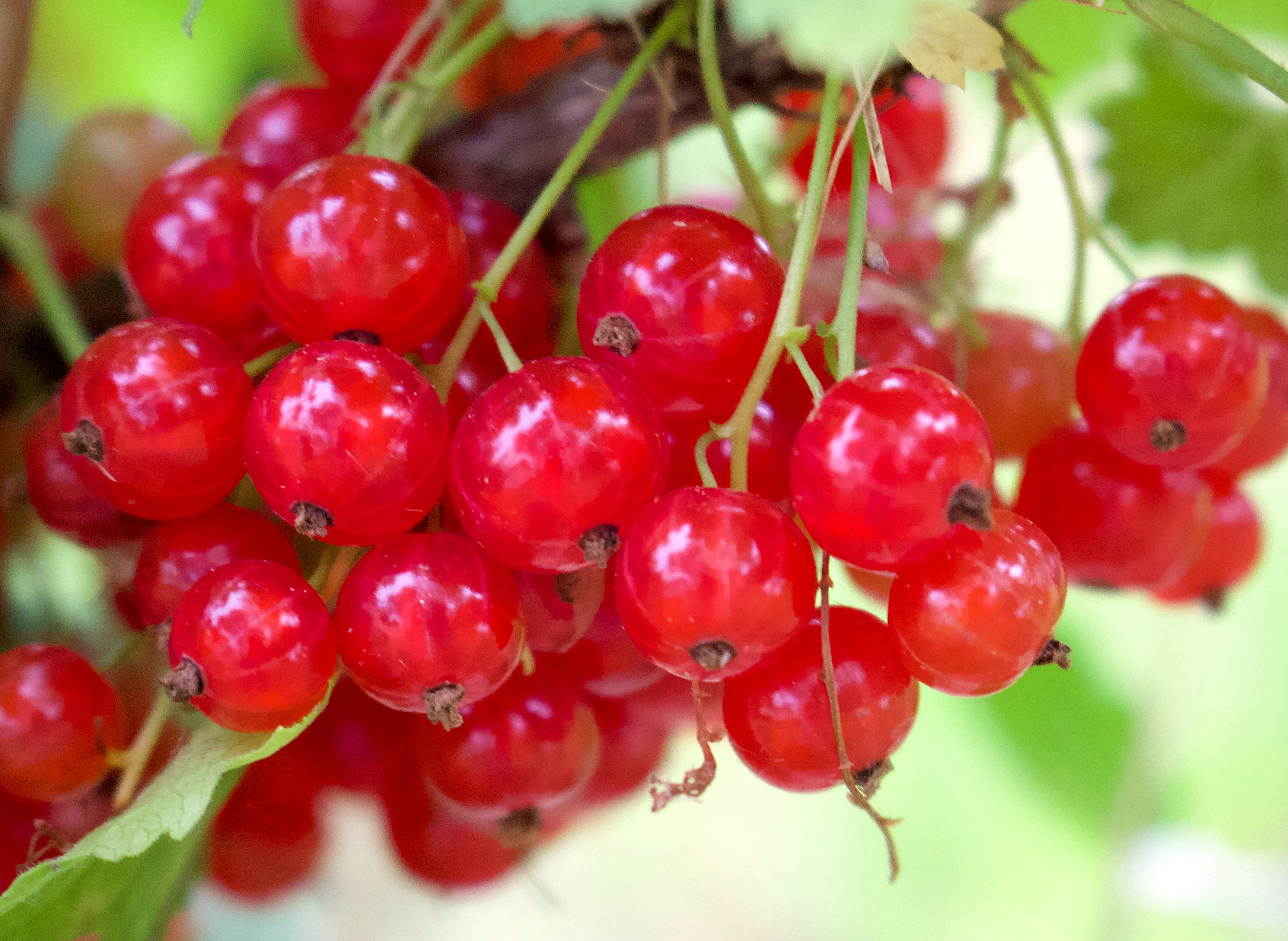
Today I will wrap up 45 years of uninterrupted training and doctoring. Most of that time, I have worried I’m like a fly hiding among the black currants hoping to eventually become part of the currant cake. 

Maybe no one has noticed. These days we call it the “impostor” syndrome. Mark Twain knew all about currant cake and how easy it was for a fly to blend into its batter.

Even while bearing three children and going through a few surgeries myself, I’ve not been away from patients for more than twenty consecutive days at any one time.  This is primarily out of my concern that, even after a few weeks, I would forget all that I’ve ever known. In fact, half of what I learned in medical school and residency over forty years ago has evolved, thanks to new discoveries and clarifying research. I worried if I were to actually to step away from doctoring for an extended time, then return to see patients again, I would be masquerading as a physician rather than be the real thing. A mere fly among the currants palmed off on the unwary.

If being truly honest, those who spend their professional lives providing medical care to others always share this concern: if a patient only knew how much we don’t know and will never know, despite everything we DO know, there would really be no trust left for us at all.

Of course, some say, didn’t the COVID pandemic prove our ignorance? Physicians started at Ground Zero with a novel virus with unclear transmissibility and immense potential to wreak havoc on the human body … or cause no symptoms whatsoever. We had no collected data to base prevention or treatment decisions: would masks just protect others or would they only protect ourselves, or maybe they protect both? Could a common inexpensive anti-inflammatory/antimalarial drug be beneficial or would a parasitic wormer medication be somehow effective to fight the devastation of the virus?

Effective treatments are still being sought all these months later; others have been debated, studied and discarded as worthless.

Or would this pandemic finally resolve thanks to effective yet controversial public health mandates while rapidly distributing highly effective vaccines developed from many prior years of carefully performed research?

During the past 16 months, your next door neighbor, or the loudest tweet on Twitter proclaimed more expertise than the average medical professional and definitely had a stronger opinion. At least we doctors knew how much we didn’t know and how much was simply guess work based on experience, good intentions and hopeful prayer. Gradually, while lives were lost, including too many of our own, real data began to trickle in so decisions could be made with some evidence backing them. But even that data continues to evolve, day by day, as authentic medical evidence always does.

That doesn’t stop all the “quack” flies out there from climbing into the batter pretending to be currants. With so much rapidly changing medical information at everyone’s fingertips, who needs a trained physician when there are so many other resources – sketchy and opportunistic though they may be – for seeking health care advice?

Even so, I am convinced most patients really do care that doctors share the best information they have available at any point in time. None of us who are doctoring wants to be the “fly” in the batter of health care.

As I meet with my last patient today, I know over forty years of clinical experience has given me an eye and an ear for the subtle signs and symptoms that no googled website or internet doc-in-the-box can discern.  The avoidance of eye contact, the tremble of the lip as they speak, the barely palpable rash, the hardly discernible extra heart sound, the fullness over an ovary, the slight squeak in a lung base.  These are things I am privileged to see and hear and about which I make decisions together with my patients.  What I’ve done over four decades has been no masquerade; out of my natural caution, I am not appearing to be someone I am not.  This is what I was trained to do and have done for thousands of days and many more thousands of patients during my professional life, while passing a comprehensive certification examination every few years to prove my continued study and changing fund of knowledge.

The hidden fly in the currant bush of health care may be disguised enough that an unwary patient might gobble it down to their ultimate detriment. I know I’ve not been that doctor. I’ve been the real thing all these years for my patients, even if I’ve seemed a bit on the tart side at times, yet offering up just enough tang to be exactly what was needed in the moment and in the long term.

And someday, hopefully not too soon, I will die happy having done this with my life.

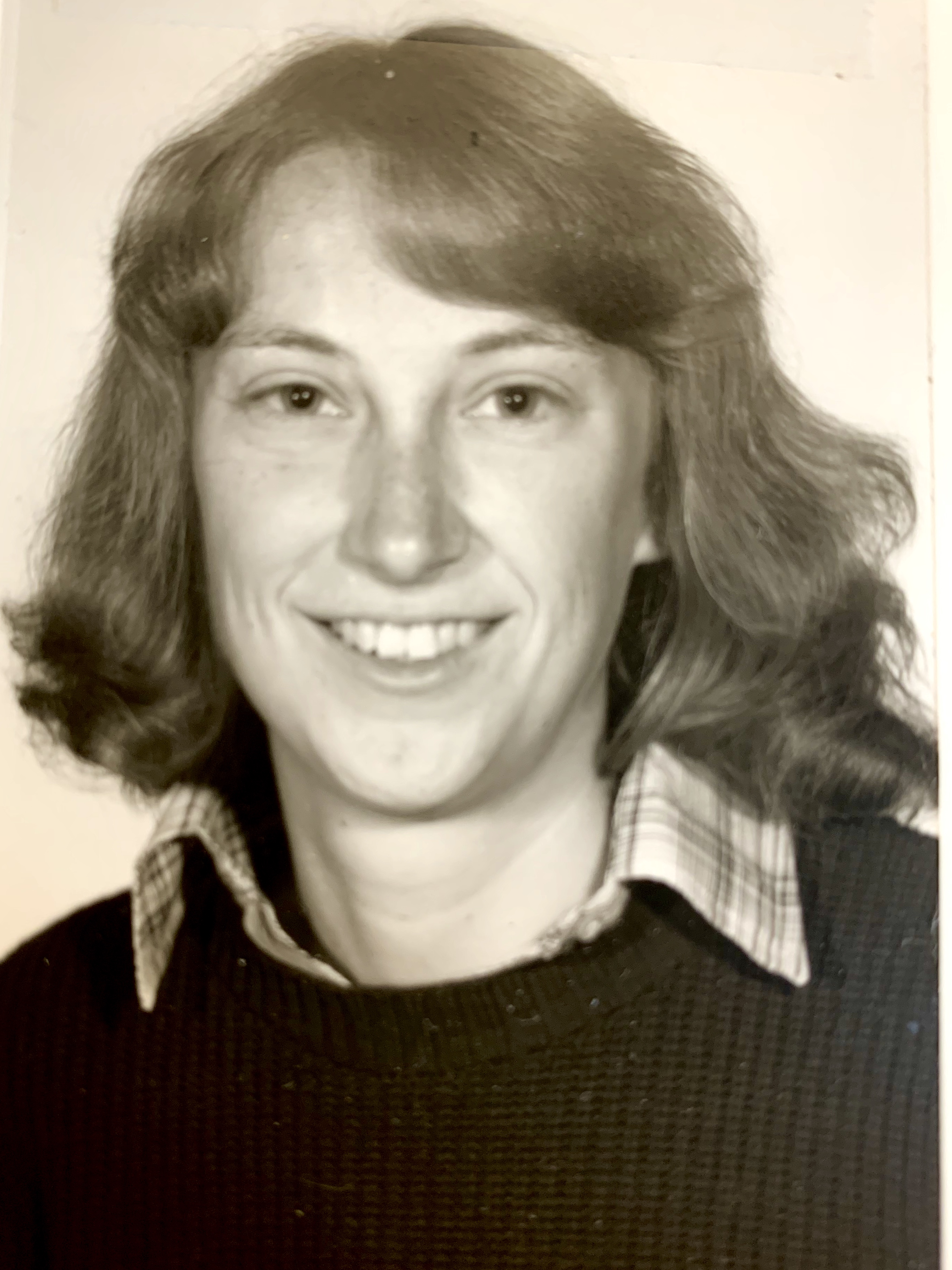
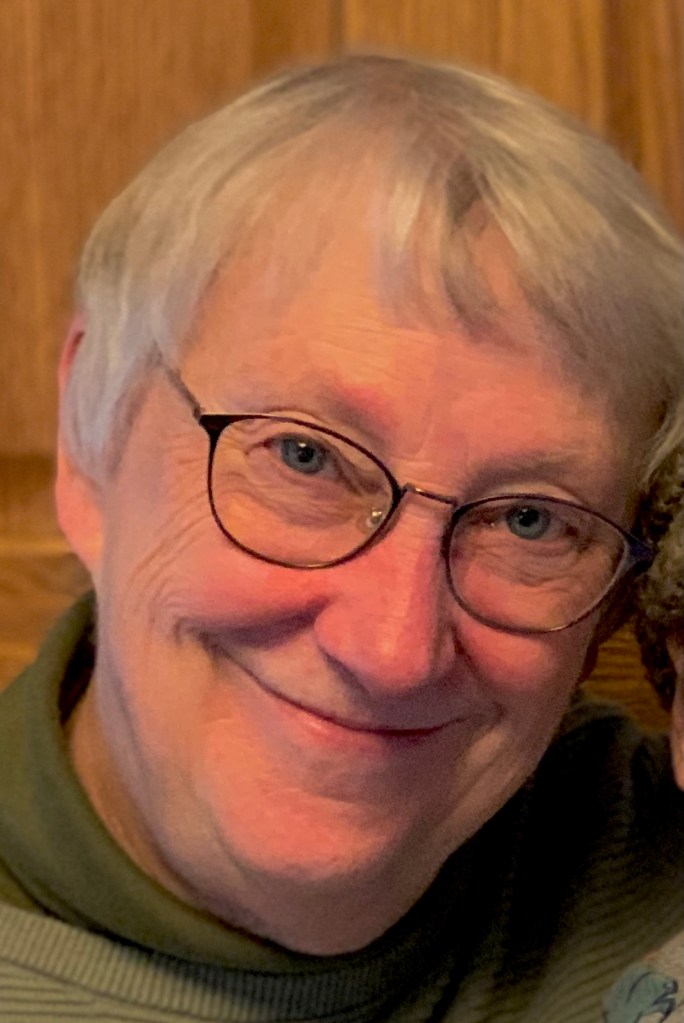
My ID photo from my first year of medical school 1976
45 years later…

A new book from Barnstorming is available to order here:

The Delicate Sadness of Dusk

The talkative guest has gone,
and we sit in the yard
saying nothing. The slender moon
comes over the peak of the barn.

The air is damp, and dense
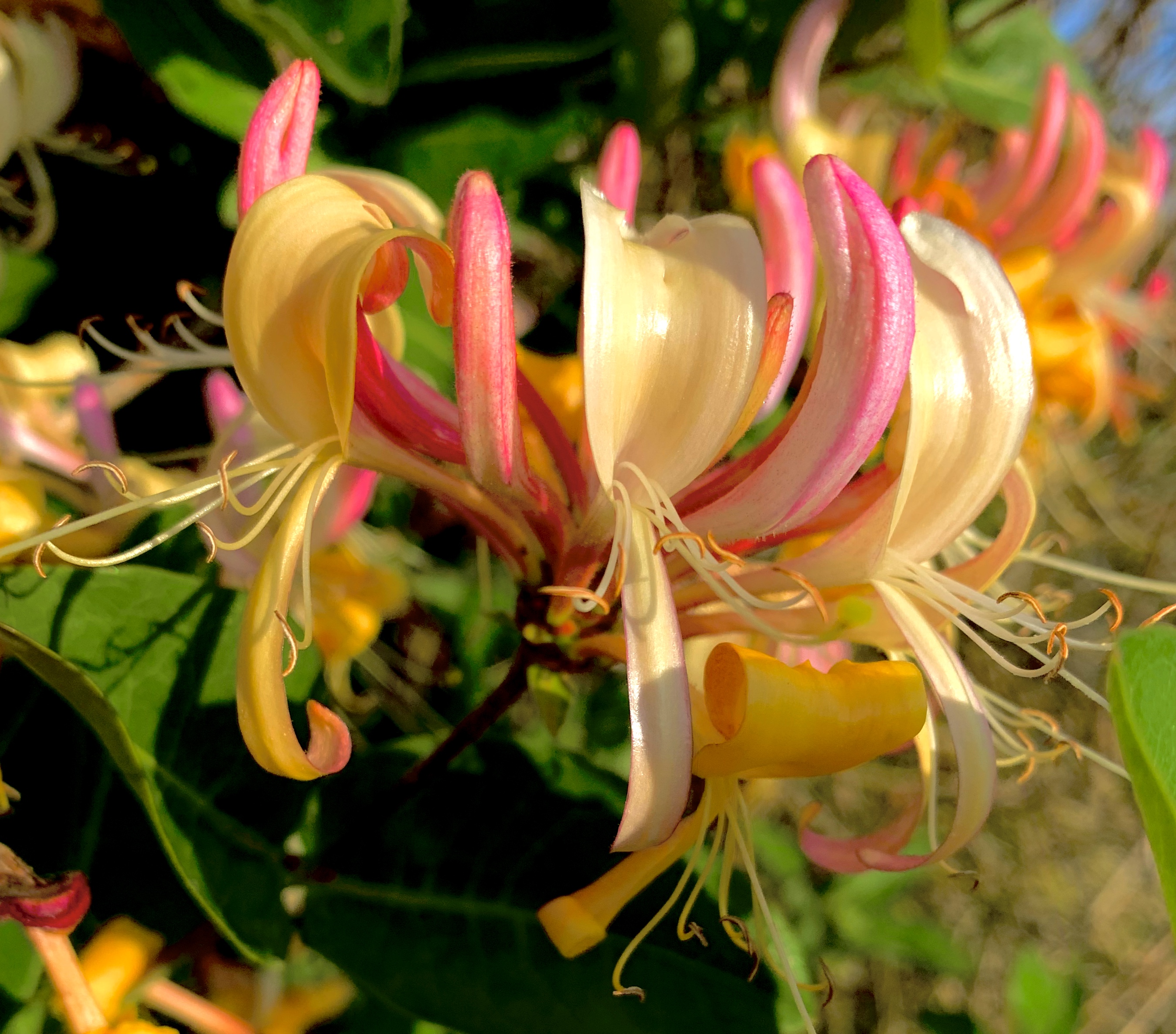
with the scent of honeysuckle. . . .
The last clever story has been told
and answered with laughter.

With my sleeping self I met
my obligations, but now I am aware
of the silence, and your affection,
and the delicate sadness of dusk.
~Jane Kenyon, “The Visit” from Collected Poems

As we slowly adapt to evenings spent with family and friends again, taking off our masks to actually witness the emotion on a familiar, now unveiled, face:

There are smiles and laughter again. We are trying to remember how to be ourselves outside the fearfulness that contagion wrought. More important: there are tears again. And wistfulness. And regret. And longing.

This delicate sadness happened – even to those of us who were never directly touched by sickness. We will never be the same, never so light of heart again, remembering what this past year has cost.

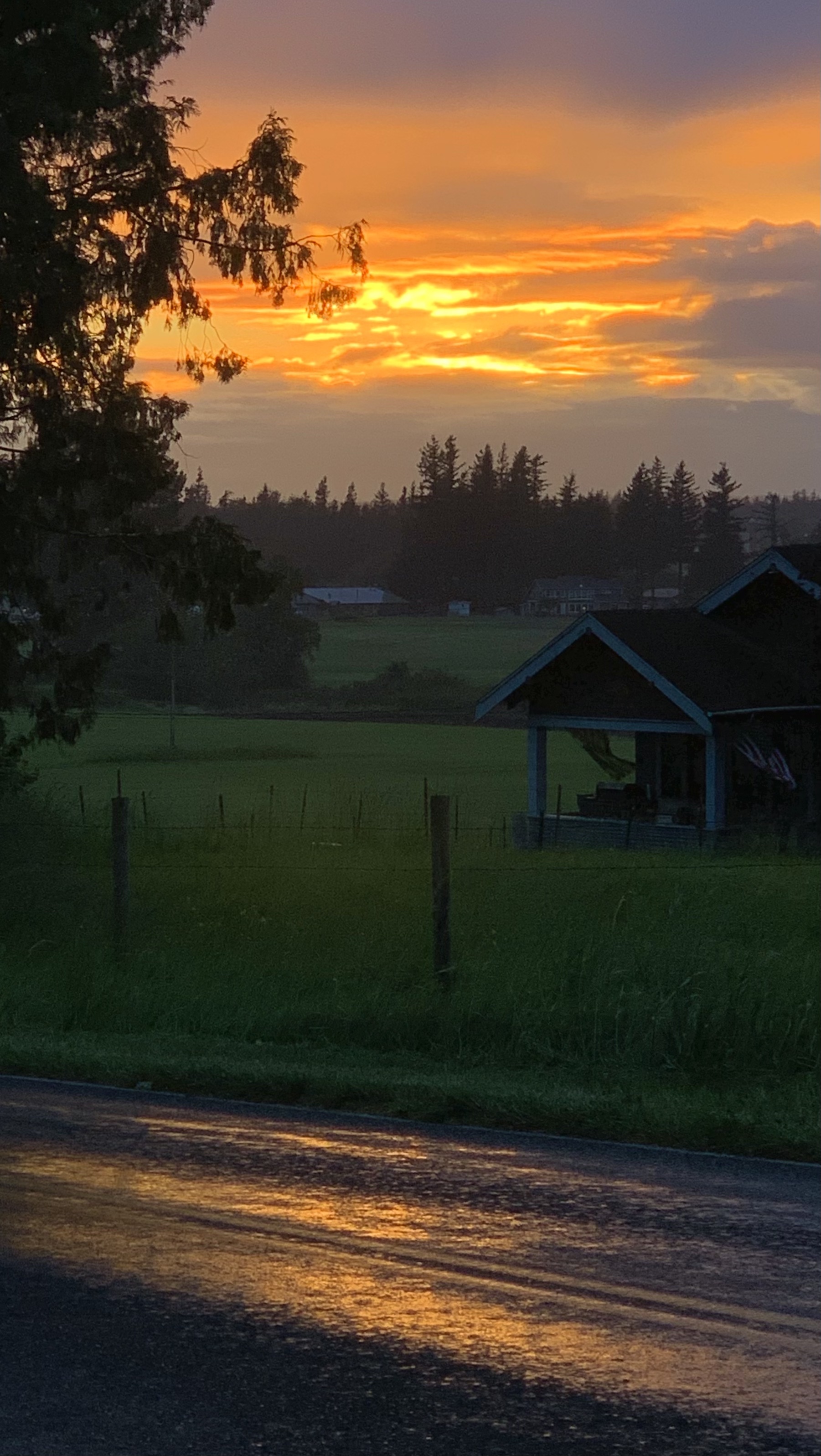
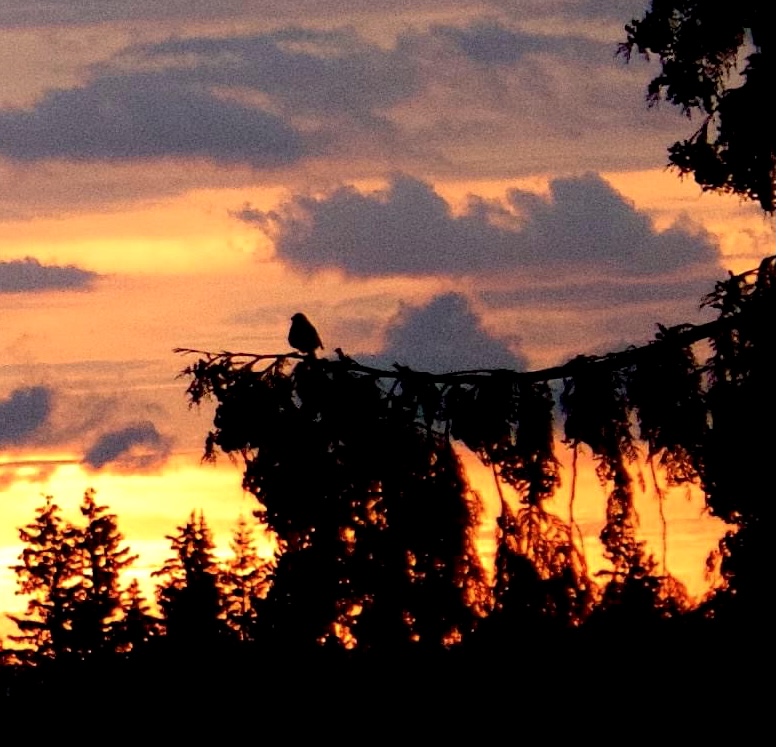
It is a slow transition to dusk. We sit together now and watch it come.