Returning Home

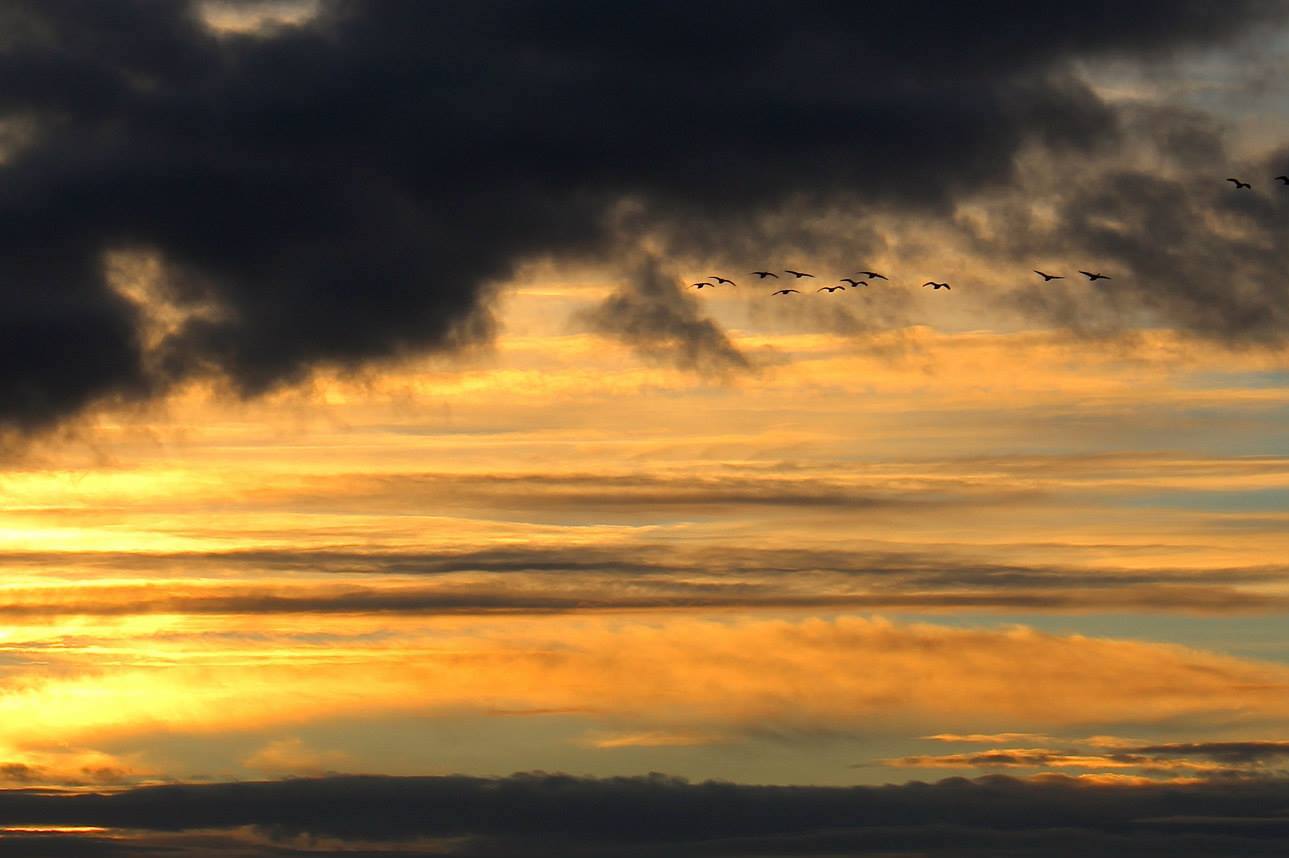
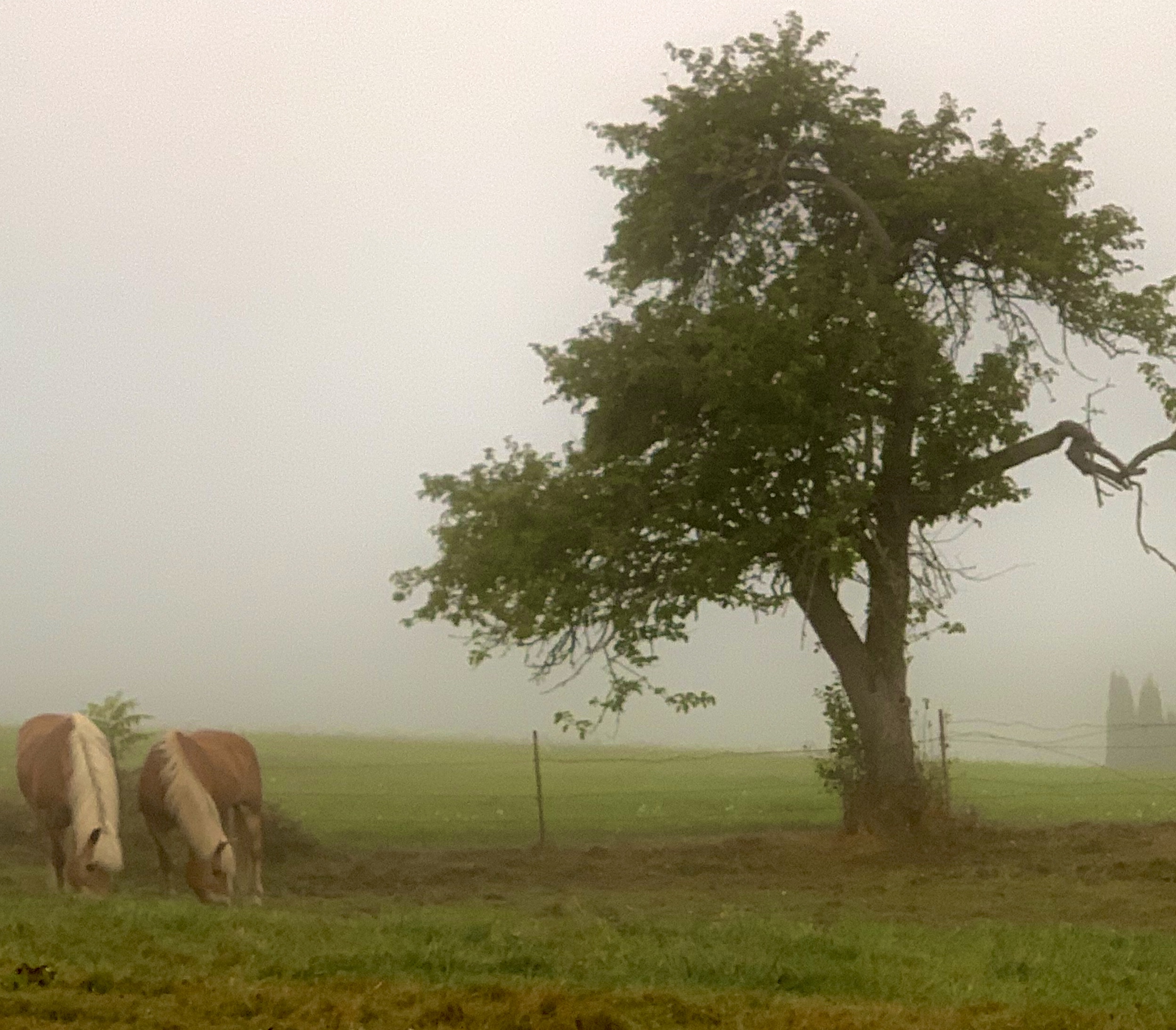
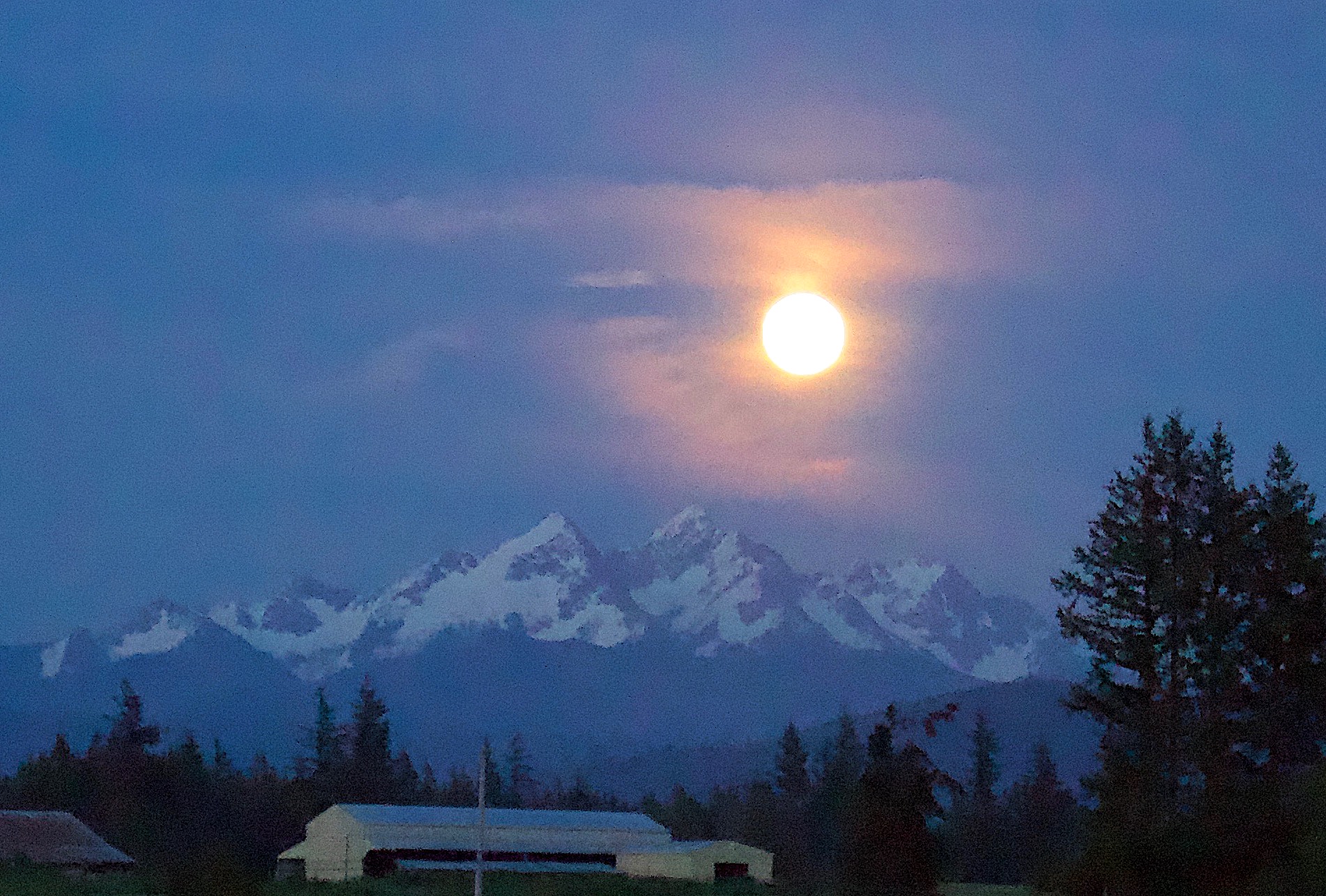
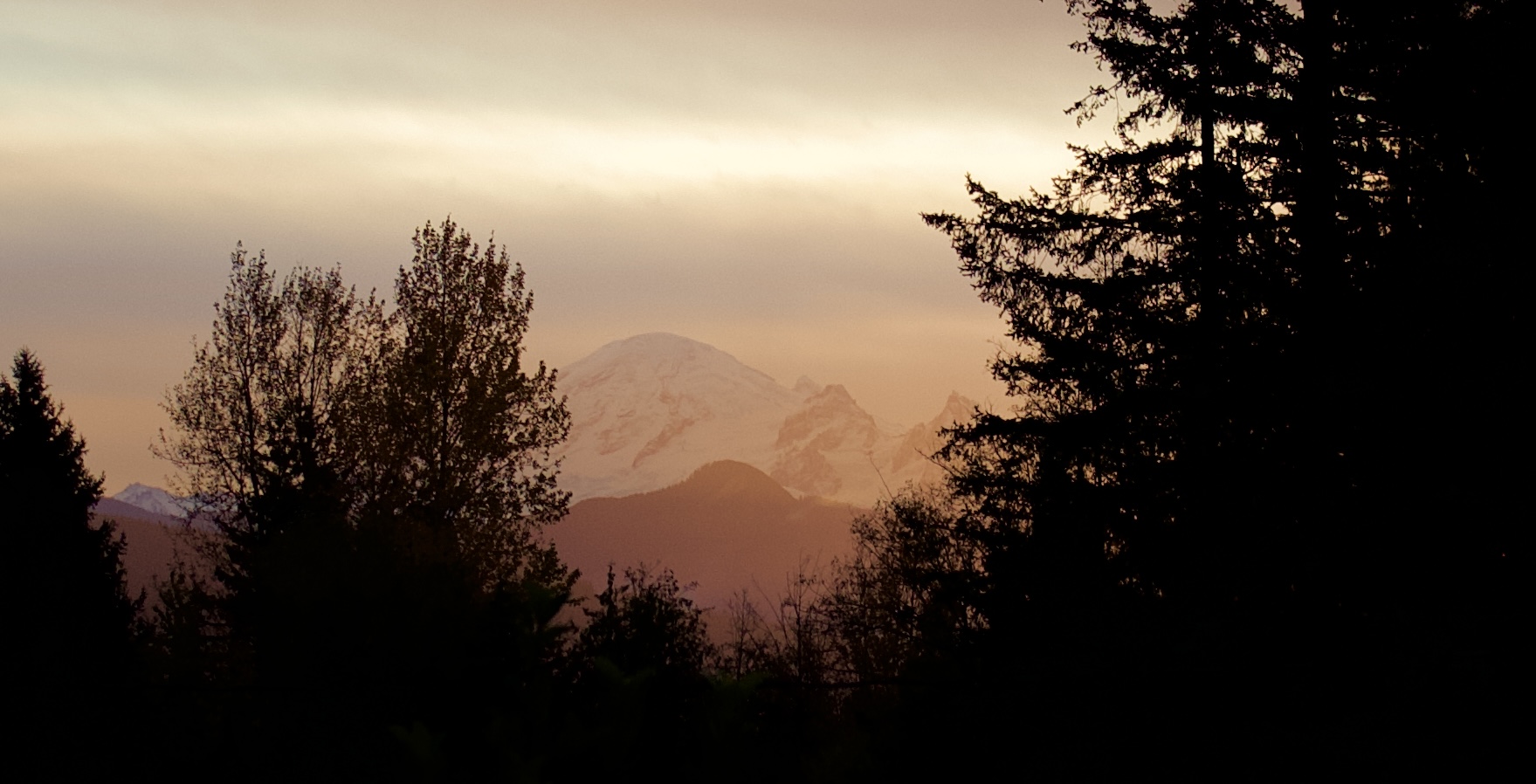
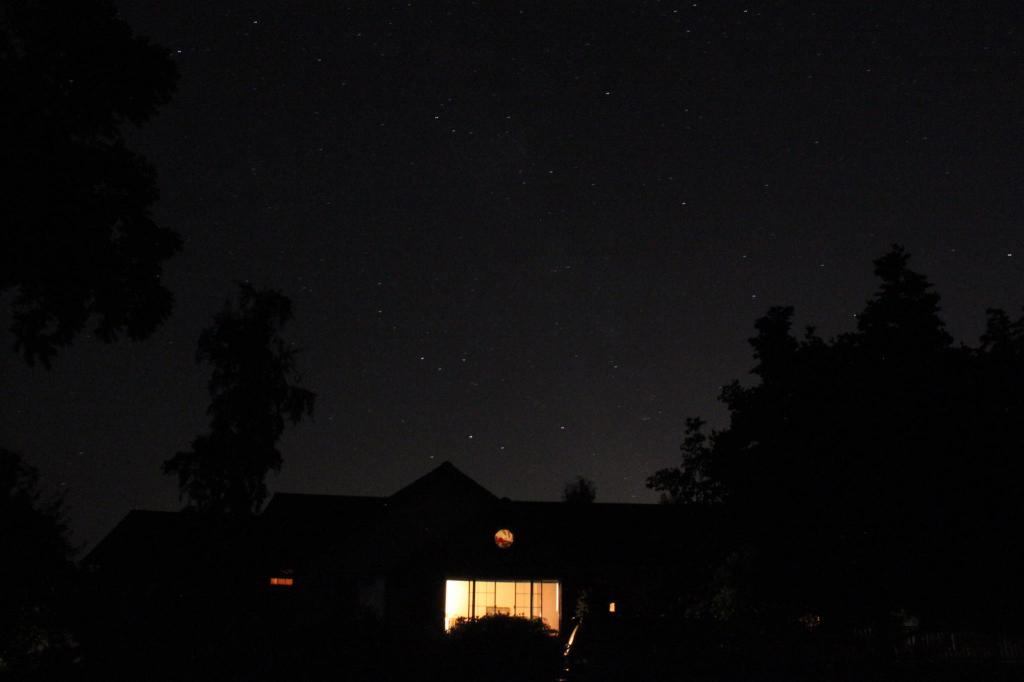
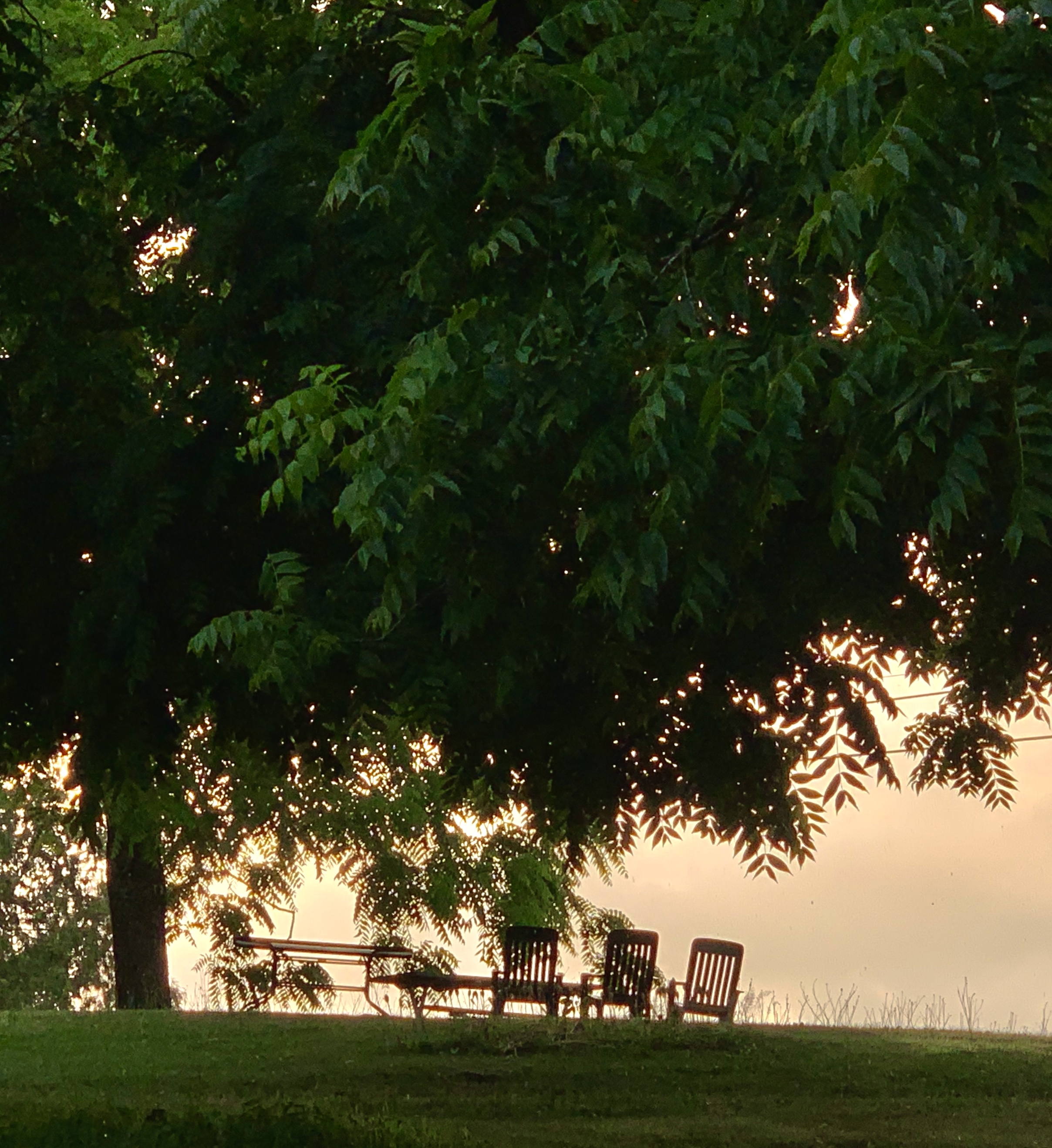
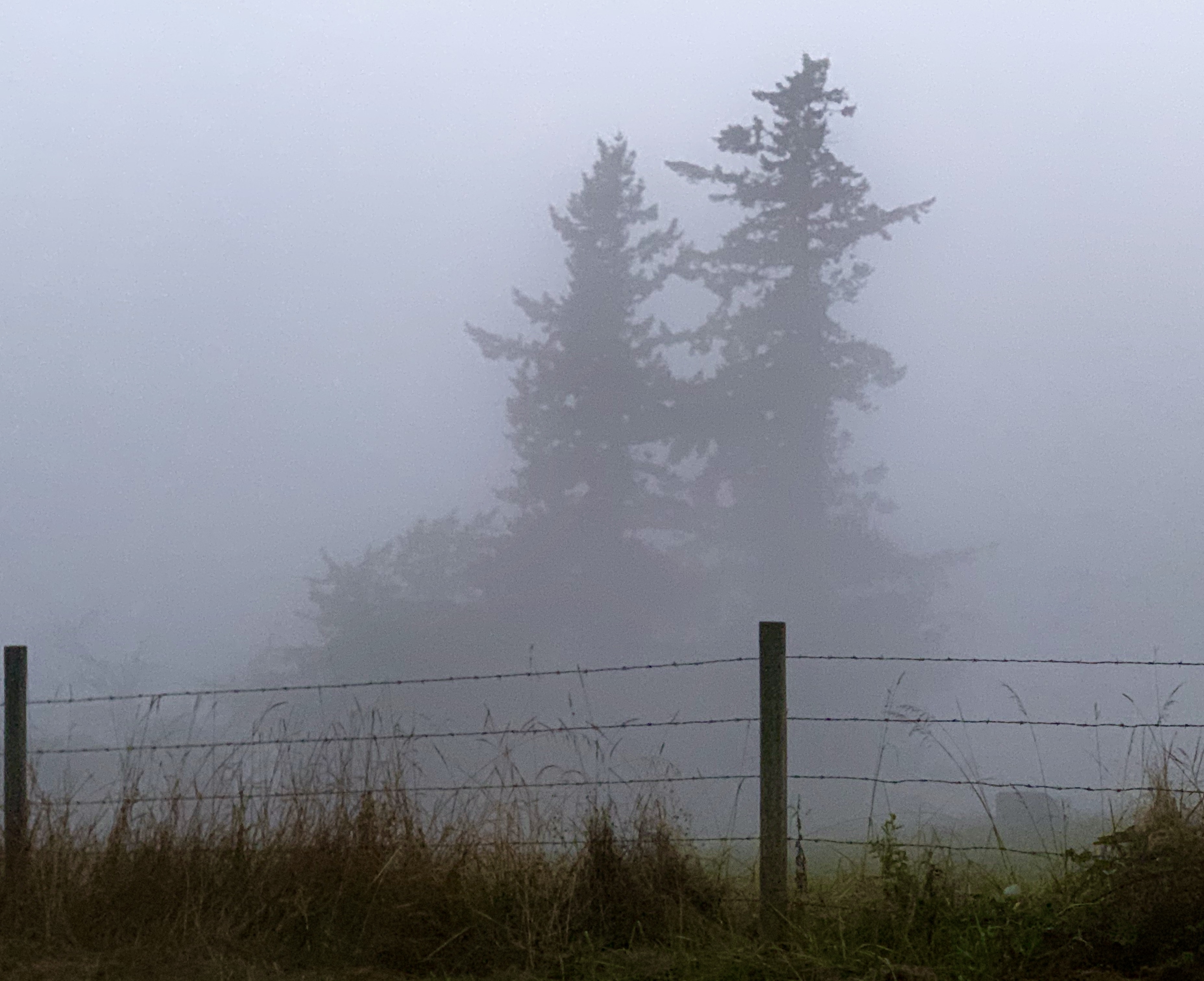
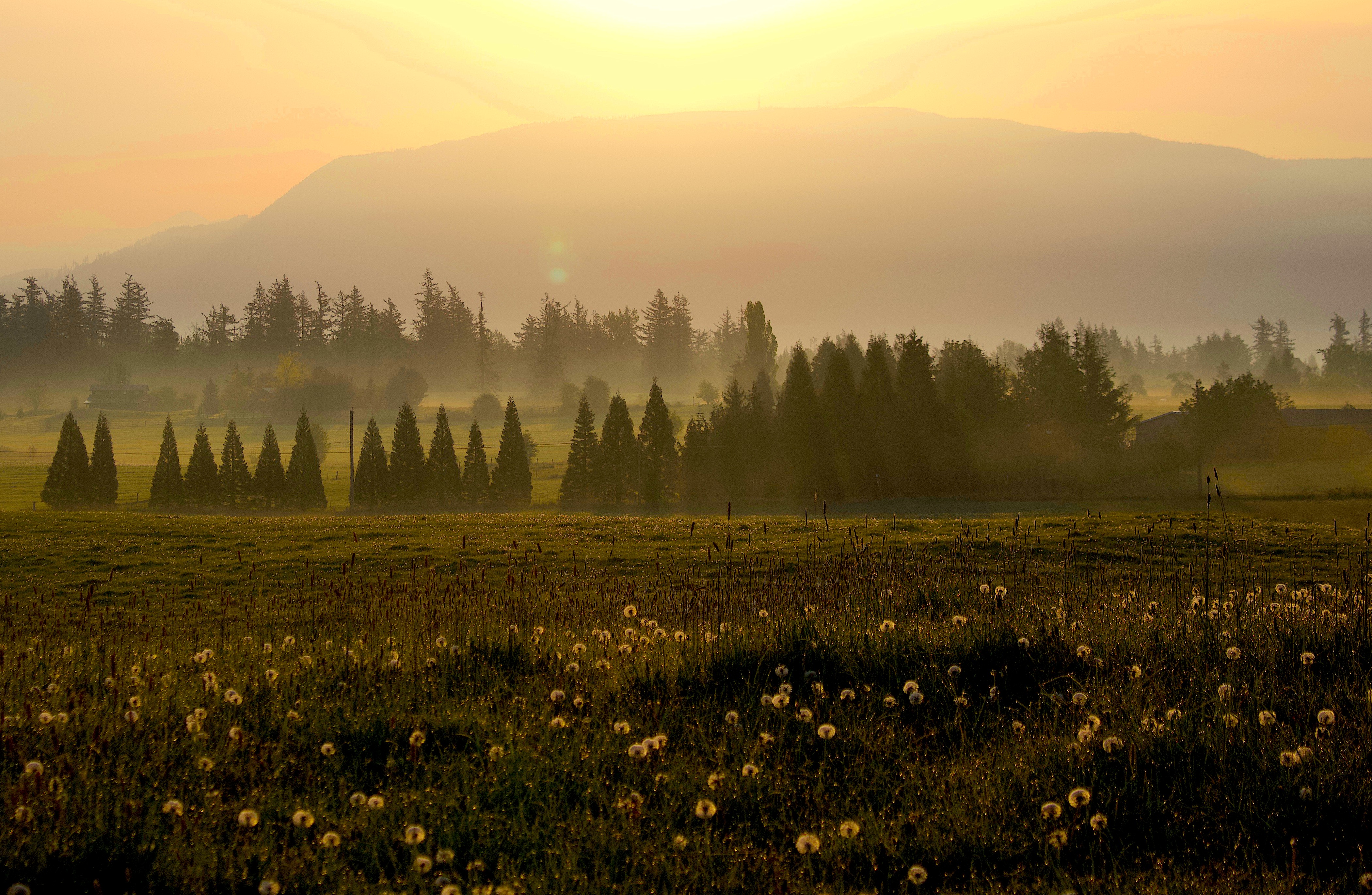
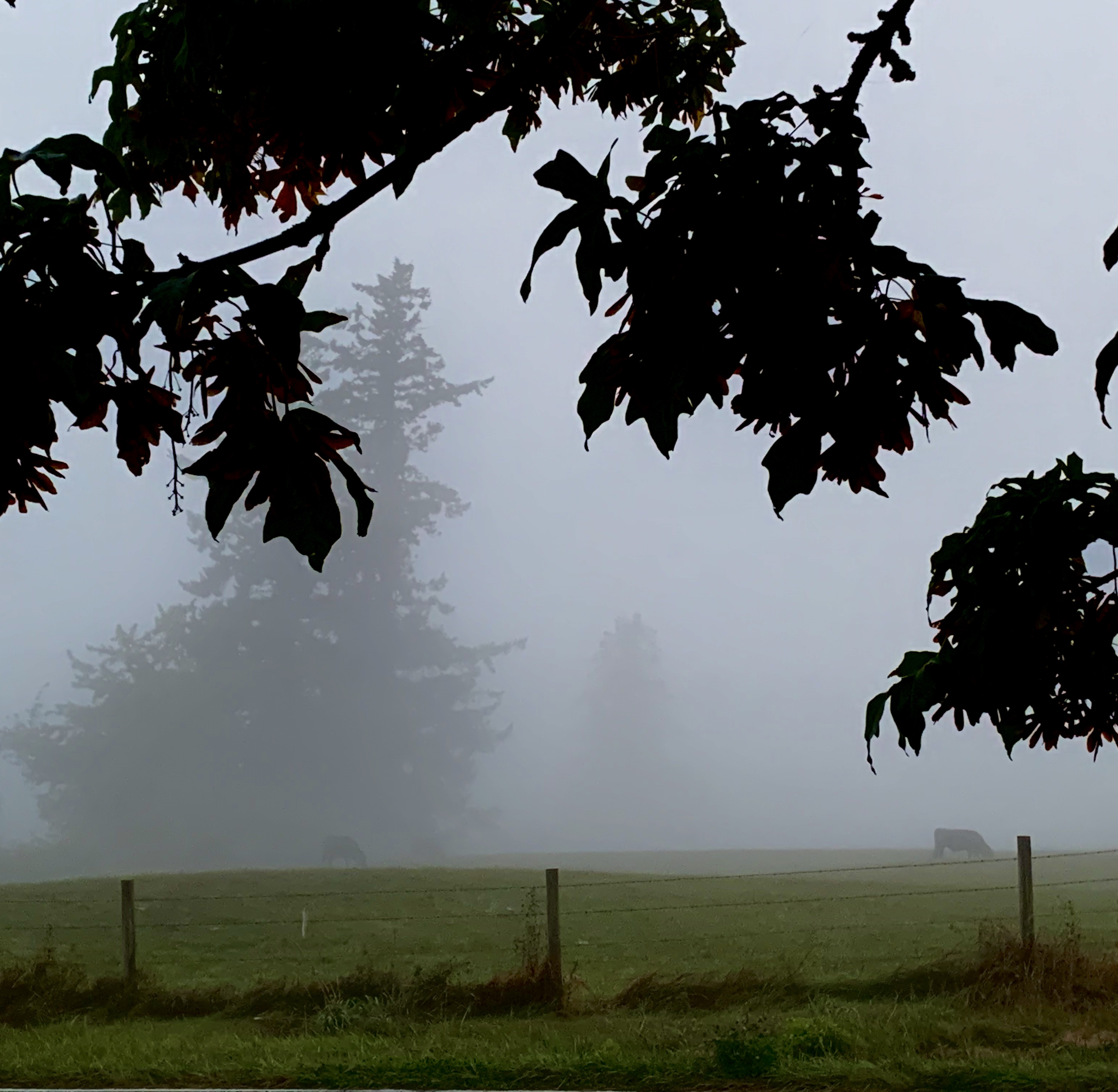
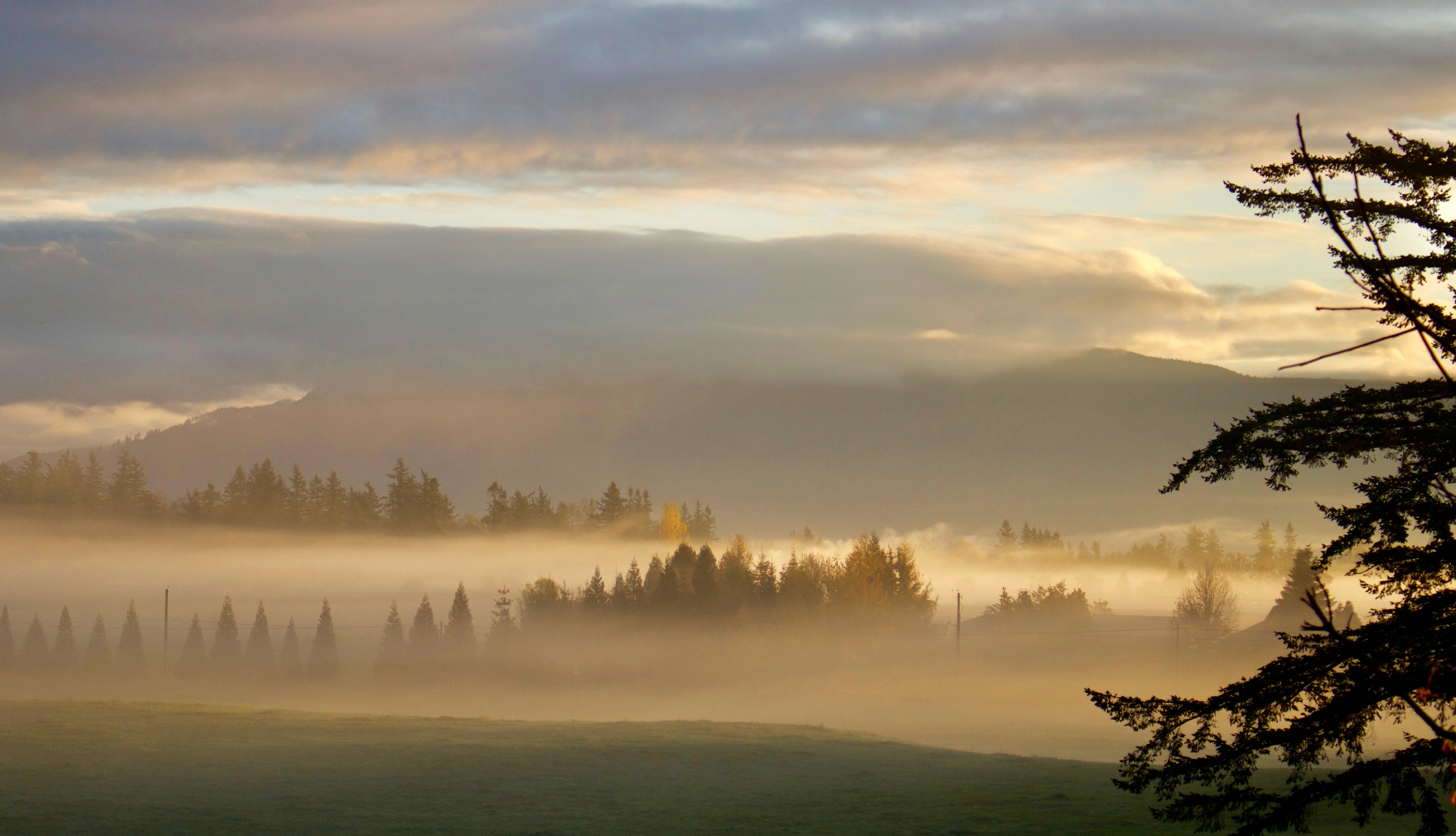
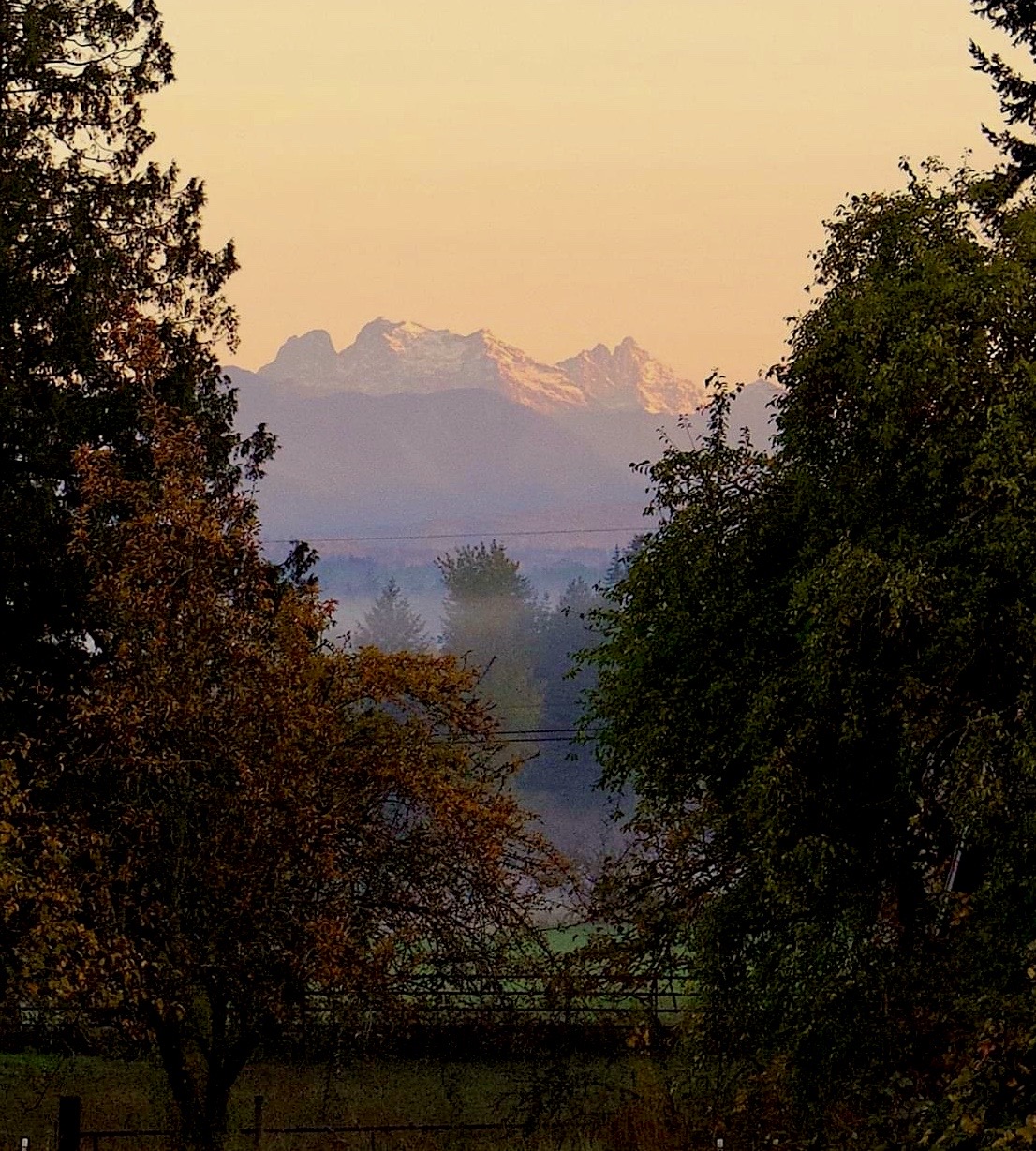
In the quiet misty morning
When the moon has gone to bed,
When the sparrows stop their singing
And the sky is clear and red,
When the summer’s ceased its gleaming
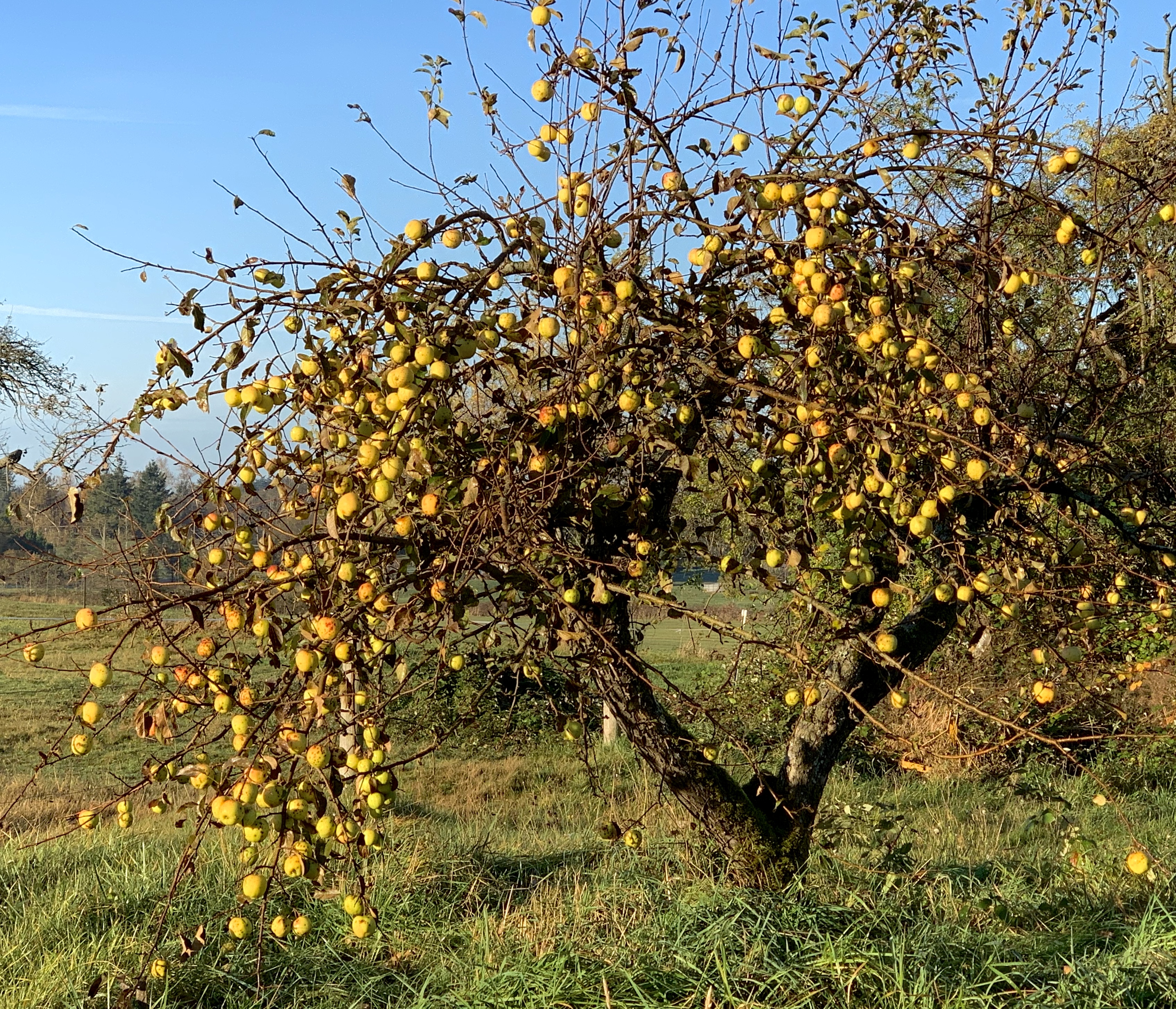
When the corn is past its prime,
When adventure’s lost its meaning –
I’ll be homeward bound in time

Bind me not to the pasture
Chain me not to the plow
Set me free to find my calling
And I’ll return to you somehow

If you find it’s me you’re missing
If you’re hoping I’ll return,
To your thoughts I’ll soon be listening,
And in the road I’ll stop and turn
Then the wind will set me racing
As my journey nears its end
And the path I’ll be retracing
When I’m homeward bound again

Bind me not to the pasture
Chain me not to the plow
Set me free to find my calling
And I’ll return to you somehow

In the quiet misty morning
When the moon has gone to bed,
When the sparrows stop their singing
I’ll be homeward bound again.

~Marta Keen “Homeward Bound”
Seventy eight years ago, my parents married on Christmas Eve. It was not a conventional wedding day but a date of necessity, only because a justice of the peace was available to marry a score of war-time couples in Quantico, Virginia, shortly before the newly trained Marine officers were shipped out to the South Pacific to fight in WWII.

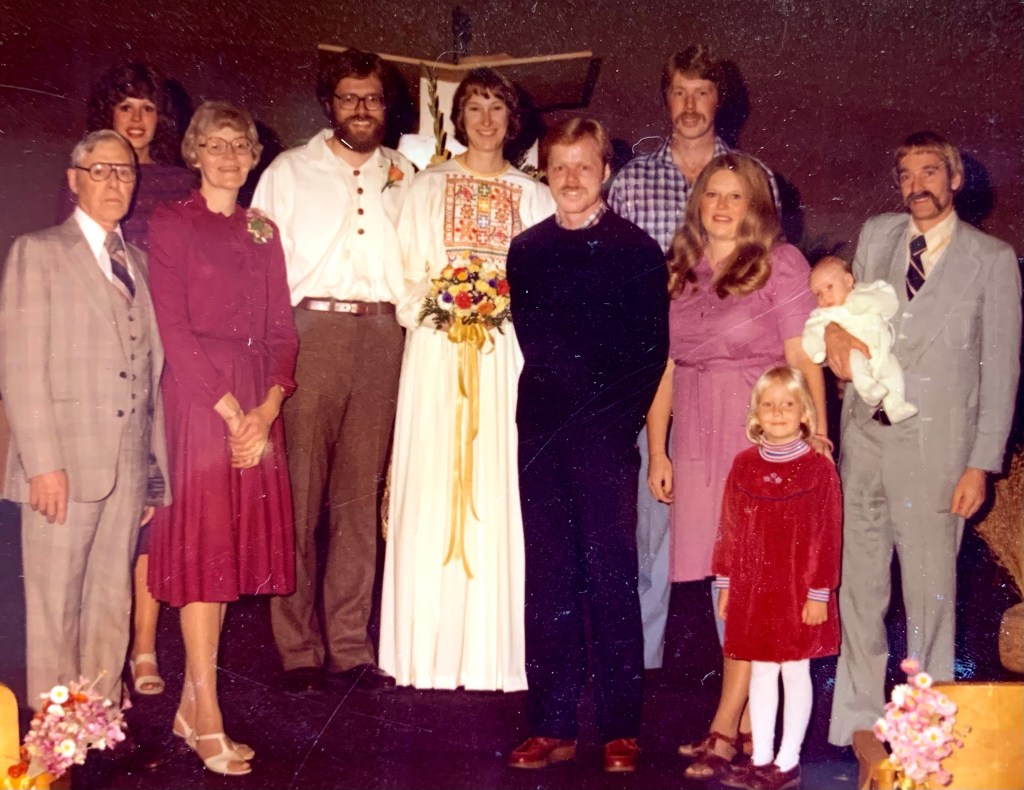
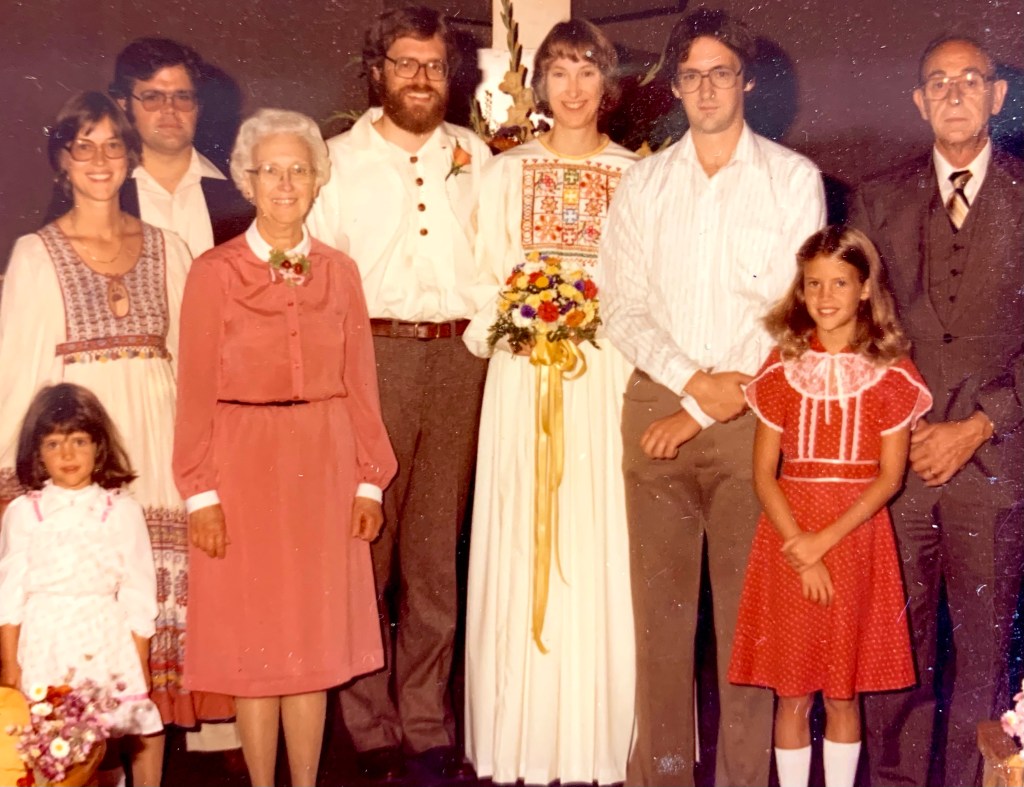
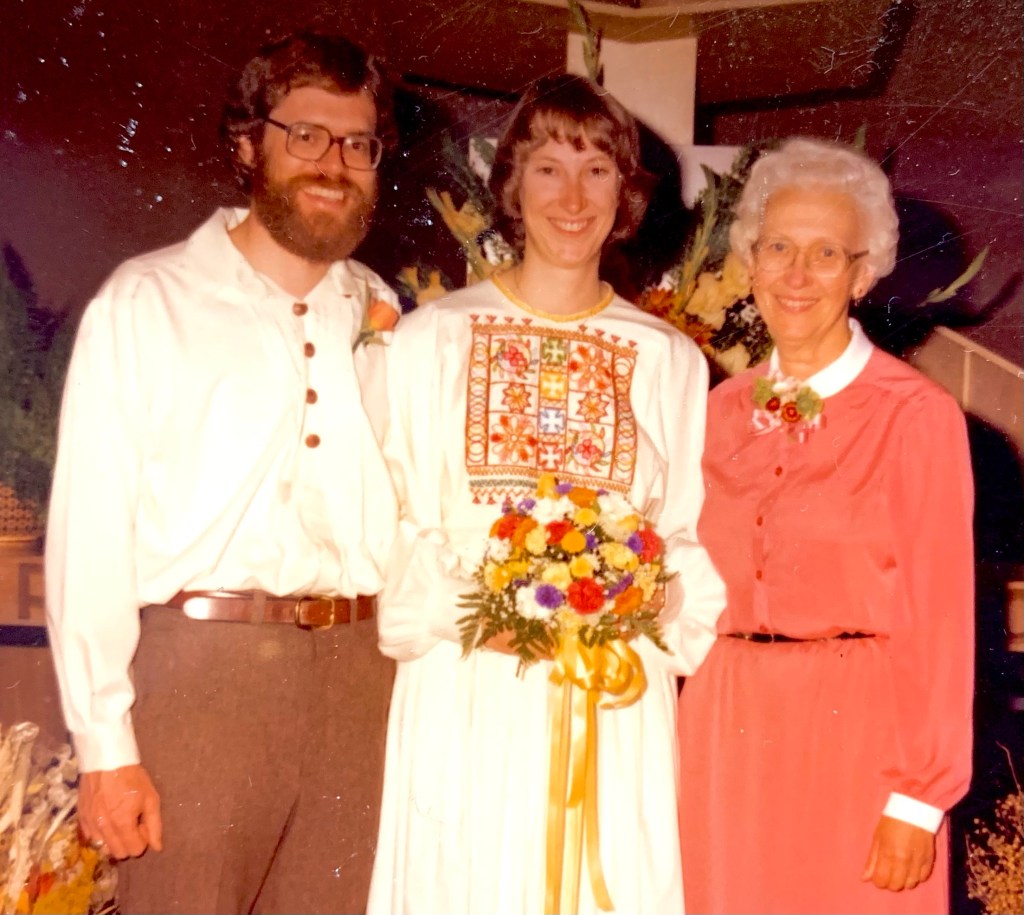
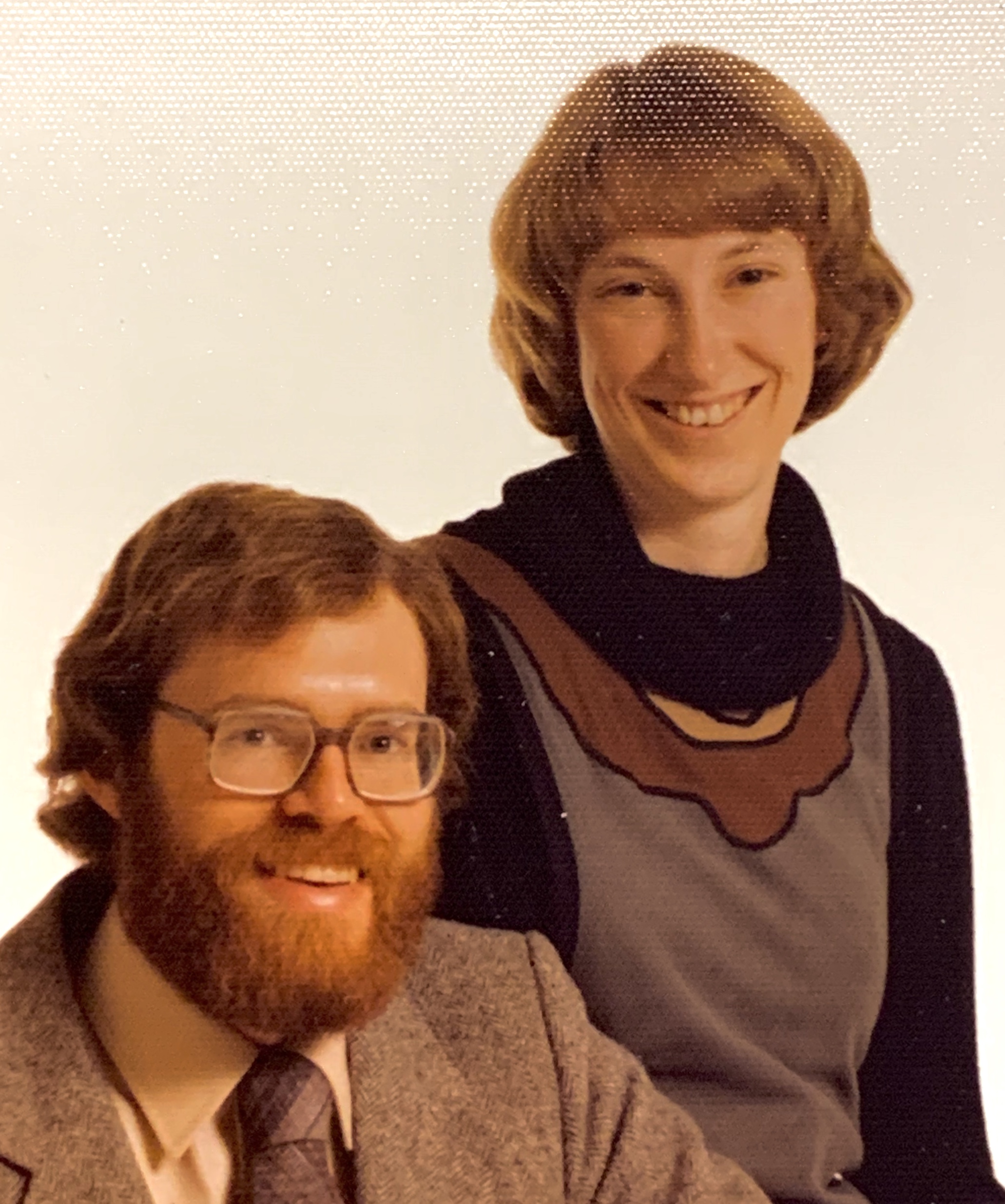
When I look at my parents’ young faces – ages 22 and just turned 21 — in their only wedding portrait, I see a hint of the impulsive decision that led to that wedding just a week before my father left for 30 months. They had known each other at college for over a year, had talked about a future together, but with my mother starting a teaching job in a rural Eastern Washington town, and the war potentially impacting all young men’s lives very directly, they had not set a date.

My father put his college education on hold to enlist, knowing that would give him some options he wouldn’t have if drafted, so they went their separate ways as he headed east to Virginia for his Marine officer training, and Mom started her high school teaching career as a speech and drama teacher. One day in early December of 1942, he called her and said, “If we’re going to get married, it’ll need to be before the end of the year. I’m shipping out the first week in January.” Mom went to her high school principal, asked for a two week leave of absence which was granted, told her astonished parents, bought a dress, and headed east on the train with a friend who had received a similar call from her boyfriend.

This was a completely uncharacteristic thing for my overly cautious mother to do, so… it must have been love.

They were married in a brief civil ceremony with another couple as the witnesses. They stayed in Virginia only a couple days and took the train back to San Diego, and my father was shipped out. Just like that. Mom returned to her teaching position and the first three years of their married life was composed of letter correspondence only, with gaps of up to a month during certain island battles when no mail could be delivered or posted.

As I sorted through my mother’s things following her death over a decade ago, I found their war-time letters to each other, stacked neatly and tied together in a box.

In my father’s nearly daily letters home to my mother during WWII, month after month after month, he would say, over and over, while apologizing for the repetition:

“I will come home to you, I will return, I will not let this change me, we will be joined again…”

This was his way of convincing himself even as he carried the dead and dying after island battles: men he knew well and the enemy he did not know. He knew they were never returning to the home they died protecting and to those who loved them.

He shared little of battle in his letters as each letter was reviewed and signed off by a censor before being sealed and sent. This story, however, made it through:

“You mentioned a story of Navy landing craft taking the Marines into Tarawa.  It reminded me of something which impressed me a great deal and something I’m sure I’ll never forget. 

So you’ll understand what I mean I’ll try to start with an explanation.  In training – close order drill- etc.  there is a command that is given always when the men form in the morning – various times during the day– after firing– and always before a formation is dismissed.  The command is INSPECTION – ARMS.  On the command of EXECUTION- ARMS each man opens the bolt of his rifle.  It is supposed to be done in unison so you hear just one sound as the bolts are opened.  Usually it is pretty good and sounds O.K.

Just to show you how the morale of the men going to the beach was – and how much it impressed me — we were on our way in – I was forward, watching the beach thru a little slit in the ramp – the men were crouched in the bottom of the boat, just waiting.  You see- we enter the landing boats with unloaded rifles and wait till it’s advisable before loading.  When we got about to the right distance in my estimation I turned around and said – LOAD and LOCK – I didn’t realize it, but every man had been crouching with his hand on the operating handle and when I said that — SLAM! — every bolt was open at once – I’ve never heard it done better – and those men meant business when they loaded those rifles. 

A man couldn’t be afraid with men like that behind him.”

My father did return home to my mother after nearly three years of separation. He finished his college education to become an agriculture teacher to teach others how to farm the land while he himself became bound to the pasture and chained to the plow.

He never forgot those who died, making it possible for him to return home. I won’t forget either.

My mother and father could not have foretold the struggles that lay ahead for them. The War itself seemed struggle enough for the millions of couples who endured the separation, the losses and grieving, as well as the eventual injuries–both physical and psychological.  It did not seem possible that beyond those harsh and horrible realities, things could go sour after reuniting.

The hope and expectation of happiness and bliss must have been overwhelming, and real life doesn’t often deliver.  After raising three children, their 35 year marriage fell apart with traumatic finality.  When my father returned home (again) over a decade later, asking for forgiveness, they remarried and had five more years together before my father died in 1995.

Christmas is a time of joy, a celebration of new beginnings and new life when God became man, humble, vulnerable and tender. But it also gives us a foretaste for the profound sacrifice made in giving up this earthly life, not always so gently.

As I peer at my father’s and mother’s faces in their wedding photo, I remember those eyes, then so trusting and unaware of what was to come.  I find peace in knowing they returned home to behold the Light, the Salvation and the Glory~~the ultimate Christmas~~in His presence.
In the quiet misty morning
When the moon has gone to bed,
When the sparrows stop their singing
And the sky is clear and red,
When the summer’s ceased its gleaming
When the corn is past its prime,
When adventure’s lost its meaning –
I’ll be homeward bound in time

Bind me not to the pasture
Chain me not to the plow
Set me free to find my calling
And I’ll return to you somehow

If you find it’s me you’re missing
If you’re hoping I’ll return,
To your thoughts I’ll soon be listening,
And in the road I’ll stop and turn
Then the wind will set me racing
As my journey nears its end
And the path I’ll be retracing
When I’m homeward bound again

Bind me not to the pasture
Chain me not to the plow
Set me free to find my calling
And I’ll return to you somehow

In the quiet misty morning
When the moon has gone to bed,
When the sparrows stop their singing
I’ll be homeward bound again.

~Marta Keen “Homeward Bound”
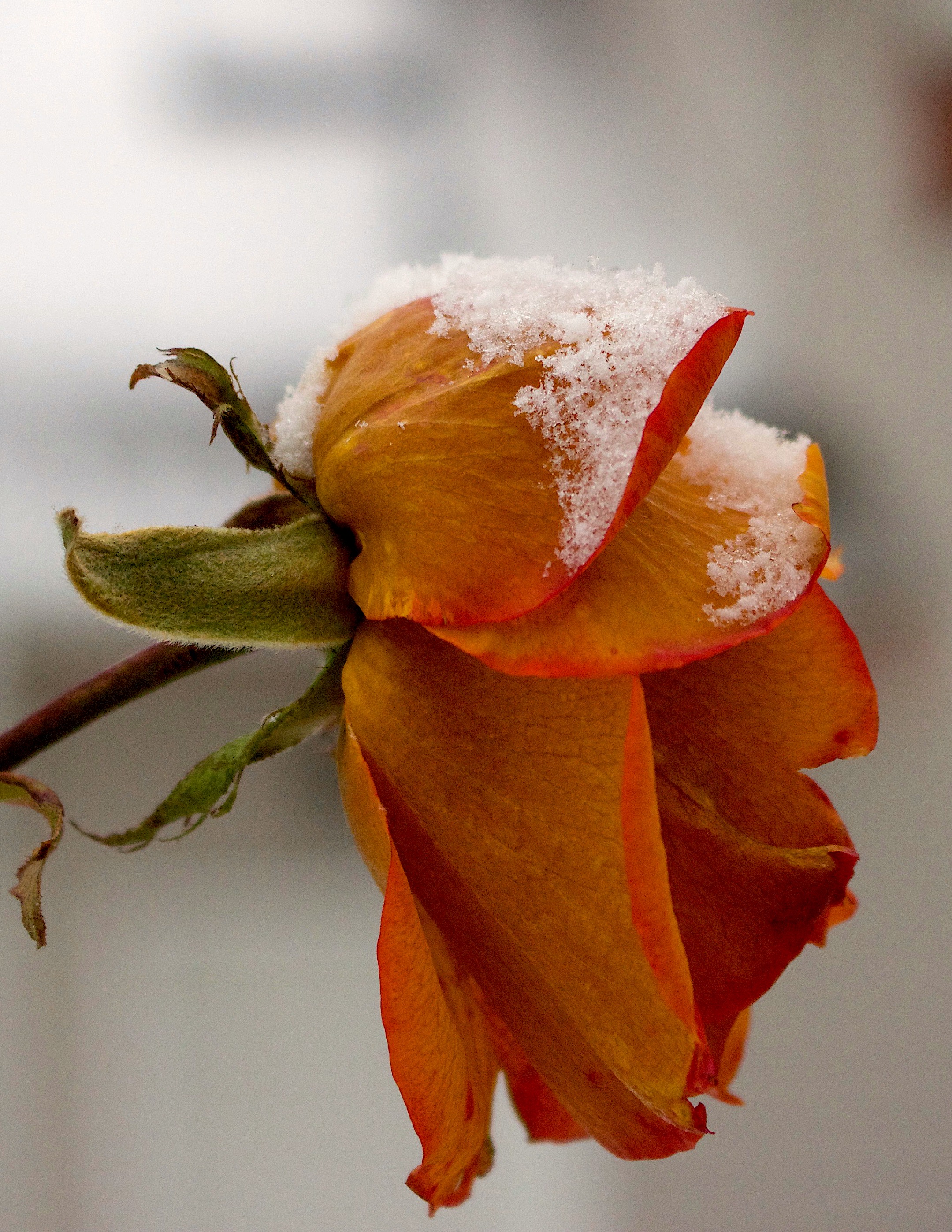
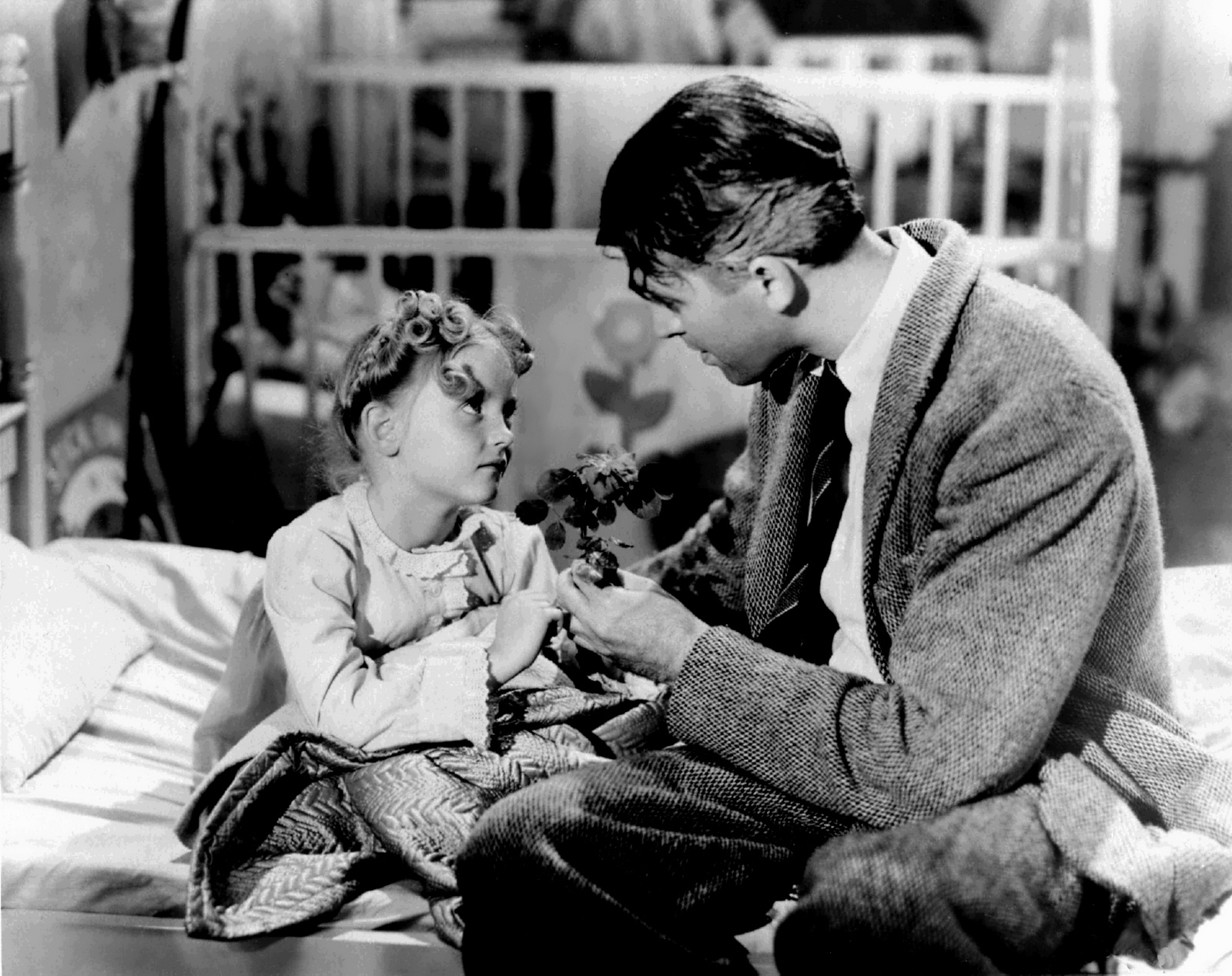
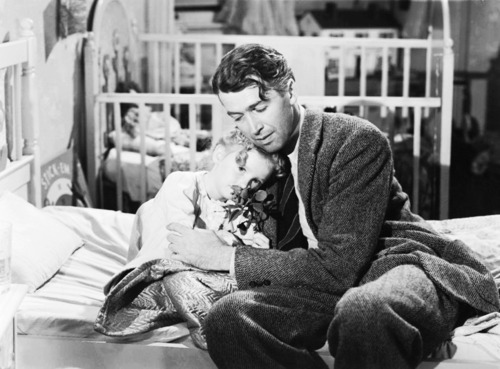
Zuzu’s Petals in your Pocket

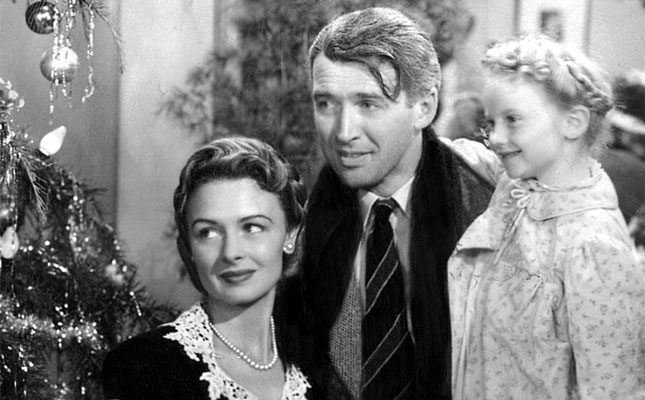
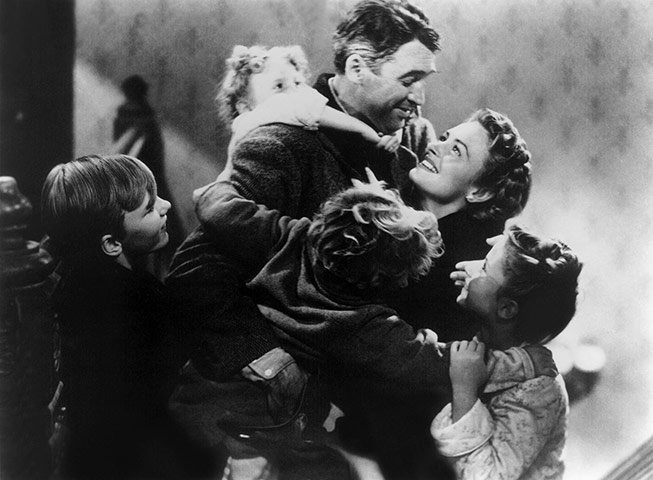
An annual rerun of this poem (and of course “It’s a Wonderful Life”)!

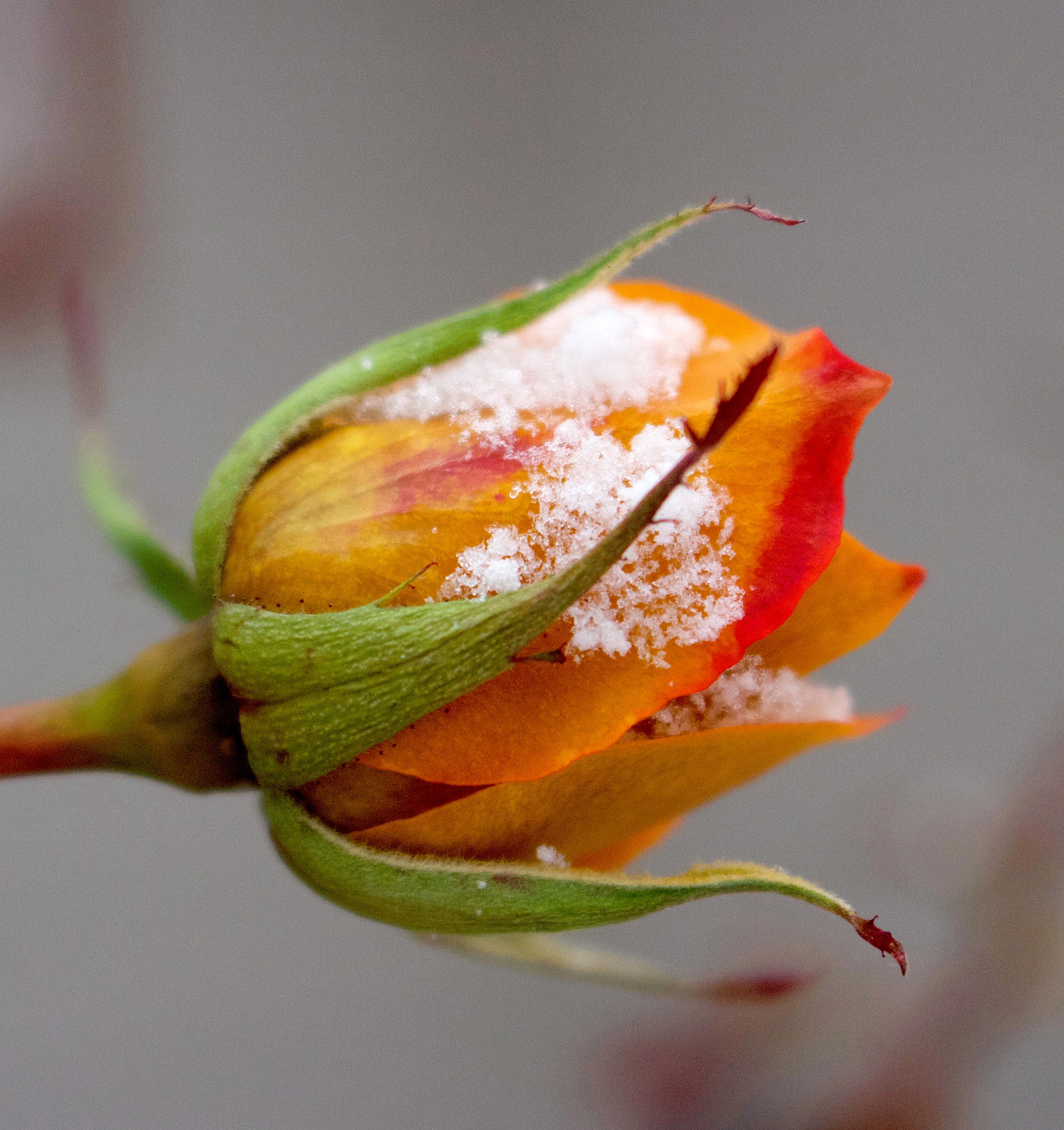
snowyrose2
its-a-wonderful-life-zuzu
its-a-wonderful-life-sequel

“ZuZu’s Petals”
~Lessons from “It’s a Wonderful Life”~

Our children had to be convinced
Watching black and white holiday movies
Was worthwhile~
This old tale and its characters
Caught them up right away
From steadfast George Bailey
to evil Mr. Potter-
They resonate in our hearts.

What surprised me most
Was our sons’ response to Donna Reed’s Mary:
~how can we find one like her? (and they both did!)
Her loyalty and love unequaled,
Never wavering…

I want to be like her for you.
When things go sour
I won’t forget what brought us together
In the first place.
I’m warmth in the middle-of-the-night storm
When you need shelter.
I’m ZuZu’s petals in your pocket
When you are trying to find your way back home.

it%27sawonderfullife2
its-a-wonderful-life-film-003
freezedriedrose

Missing the Missing

Dearly.
How was it used?
Dearly beloved.
Dearly beloved, we are gathered.
Dearly beloved, we are gathered here
in this forgotten photo album
I came upon recently.

Dearly beloved, gathered here together
in this closed drawer,
fading now, I miss you.
I miss the missing, those who left earlier.
I miss even those who are still here.
I miss you all dearly.
Dearly do I sorrow for you.


Sorrow: that’s another word
you don’t hear much anymore.
I sorrow dearly.
~Margaret Atwood from “Dearly”

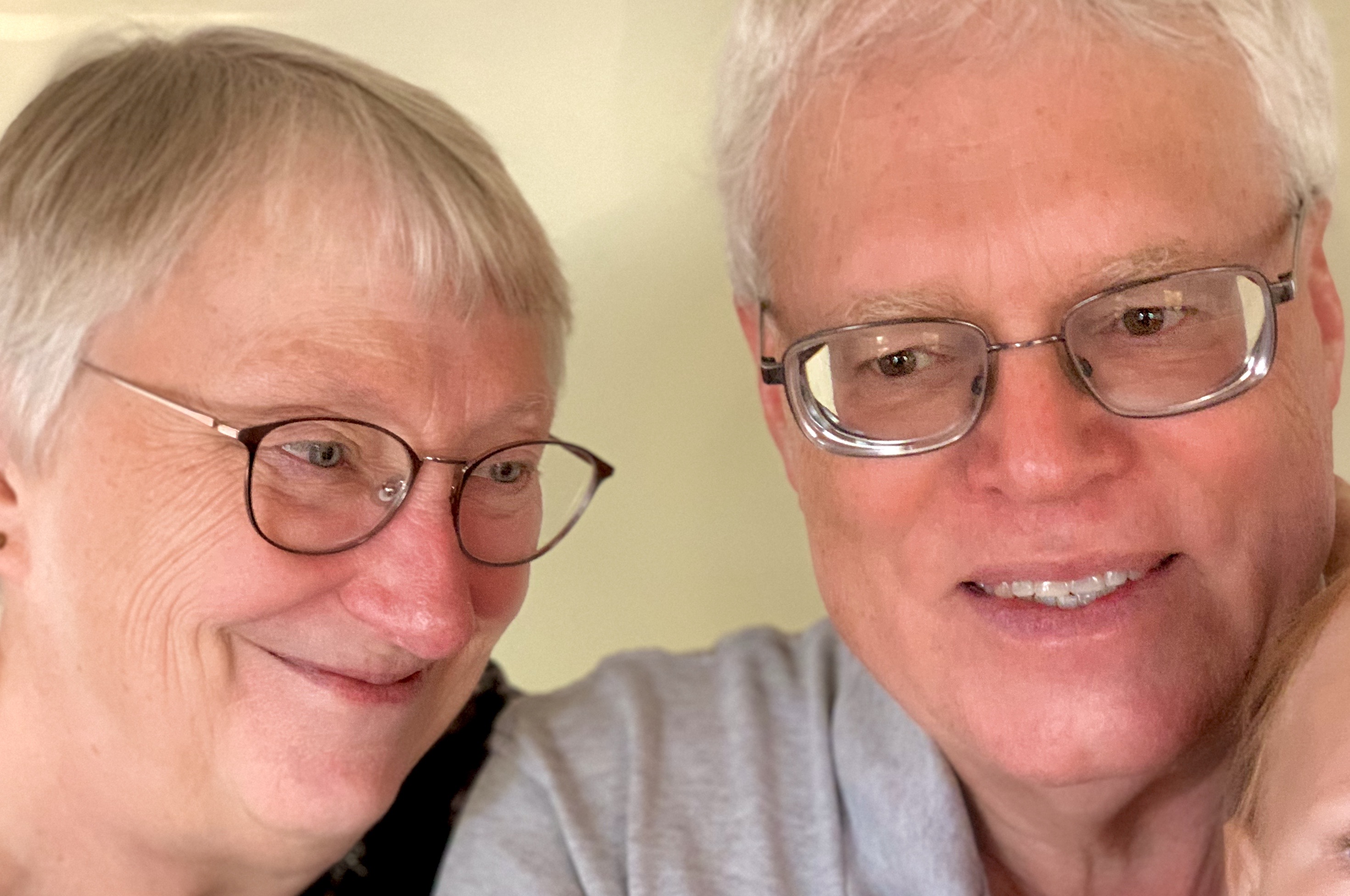
A holiday without family is a day of longing and memories.

I did sorrow for those who were missing as they left us long ago and missed those who are still here but far away.

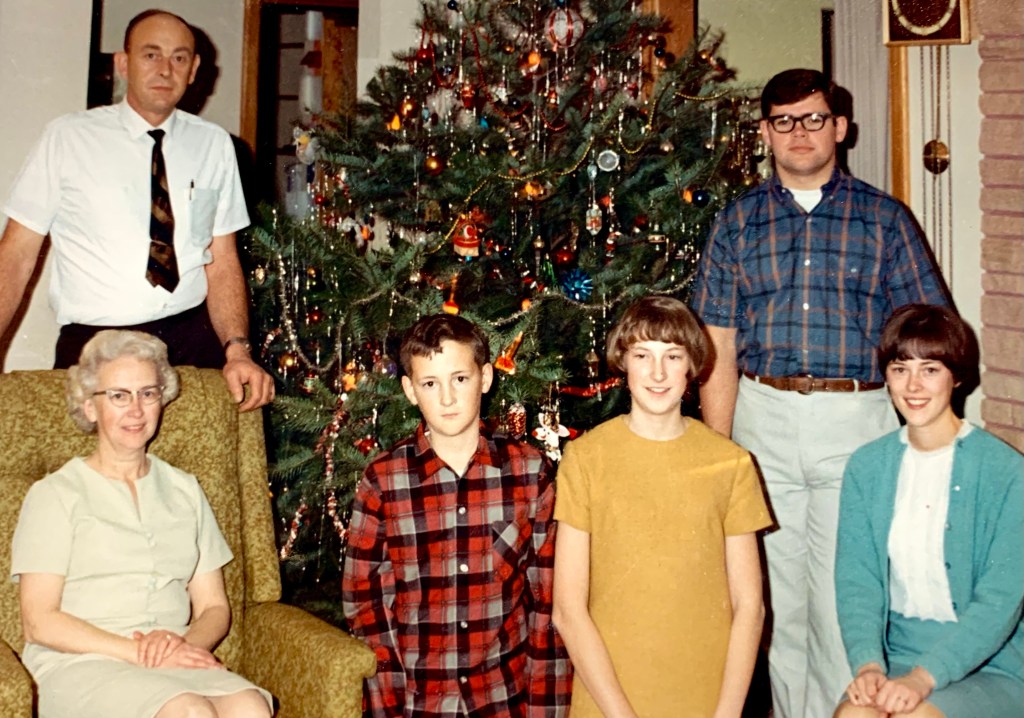
It is a bittersweet sorrow to be all together in a photo album, our color and youth fading along with our smiles.

Children who now have children of their own.
Newlyweds who have become grandparents,
trying to fit the shoes of those who came before.

And so, in our own leave-taking, we miss the missing.
We miss who was, who would have been here if they could,
and who will come to be the next in line that we may never meet.

Make Our Feast Ourselves

The adults we call our children will not be arriving
with their children in tow for Thanksgiving.
We must make our feast ourselves,

slice our half-ham, indulge, fill our plates,
potatoes and green beans
carried to our table near the window.

We are the feast, plenty of years,
arguments. I’m thinking the whole bundle of it
rolls out like a white tablecloth. We wanted

to be good company for one another.
Little did we know that first picnic
how this would go. Your hair was thick,

mine long and easy; we climbed a bluff
to look over a storybook plain. We chose
our spot as high as we could, to see

the river and the checkerboard fields.
What we didn’t see was this day, in
our pajamas if we want to,

wrinkled hands strong, wine
in juice glasses, toasting
whatever’s next,

the decades of side-by-side,
our great good luck.
~Marjorie Saiser “Thanksgiving for Two”

Even without family gathered around us this day,
we do have each other and that is a blessing in and of itself.
May we revel in our thanksgiving feast for two because,
through thick and thin and COVID,
we are still together.

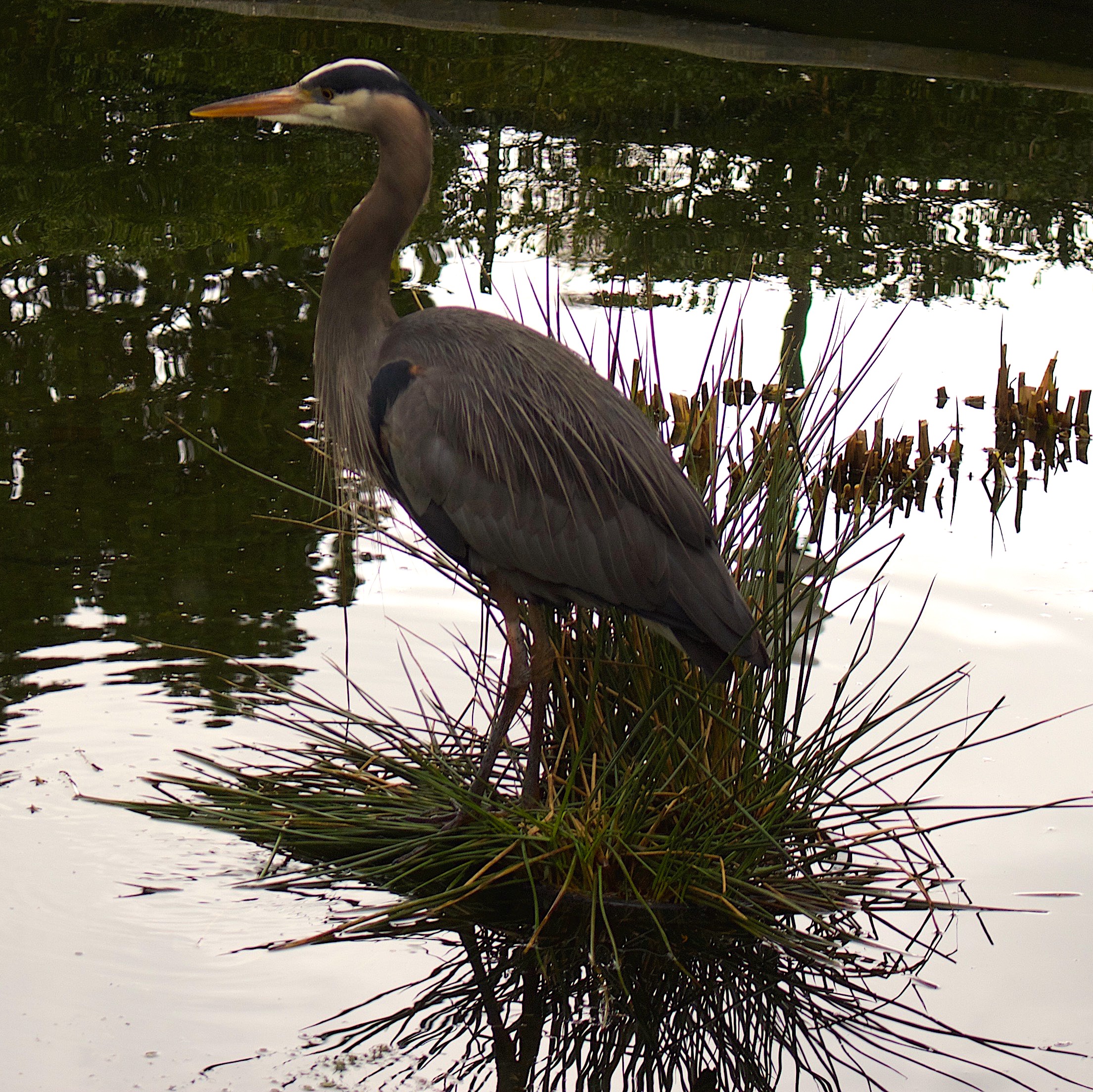
Some Missing One

All winter
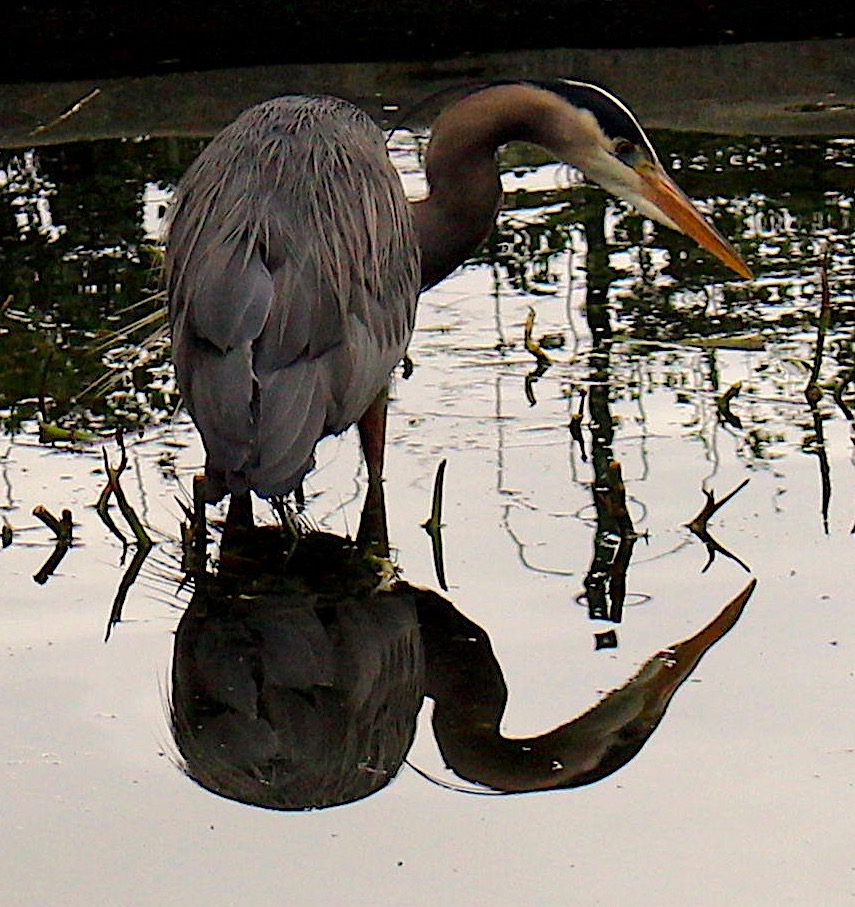
the blue heron
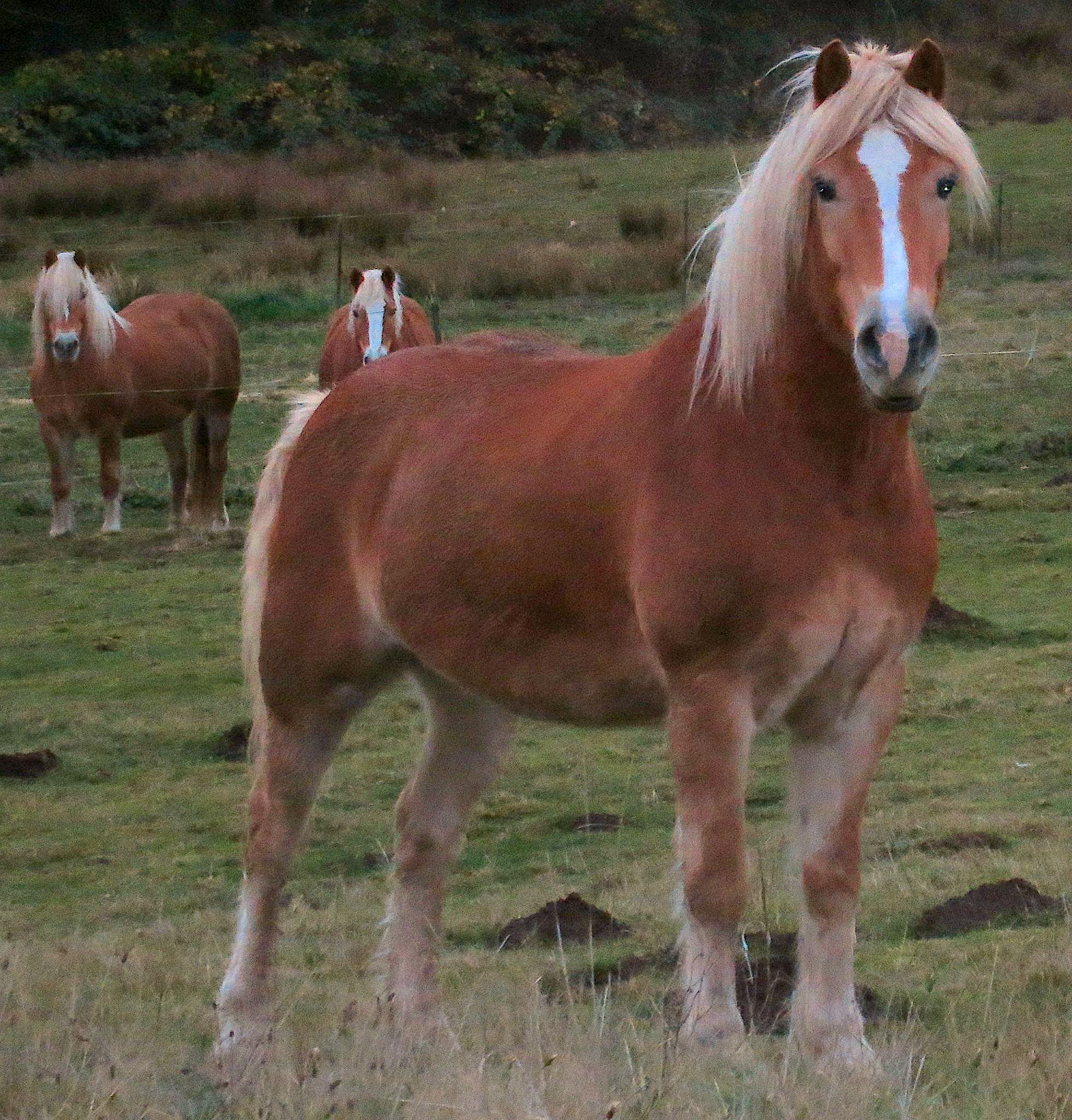
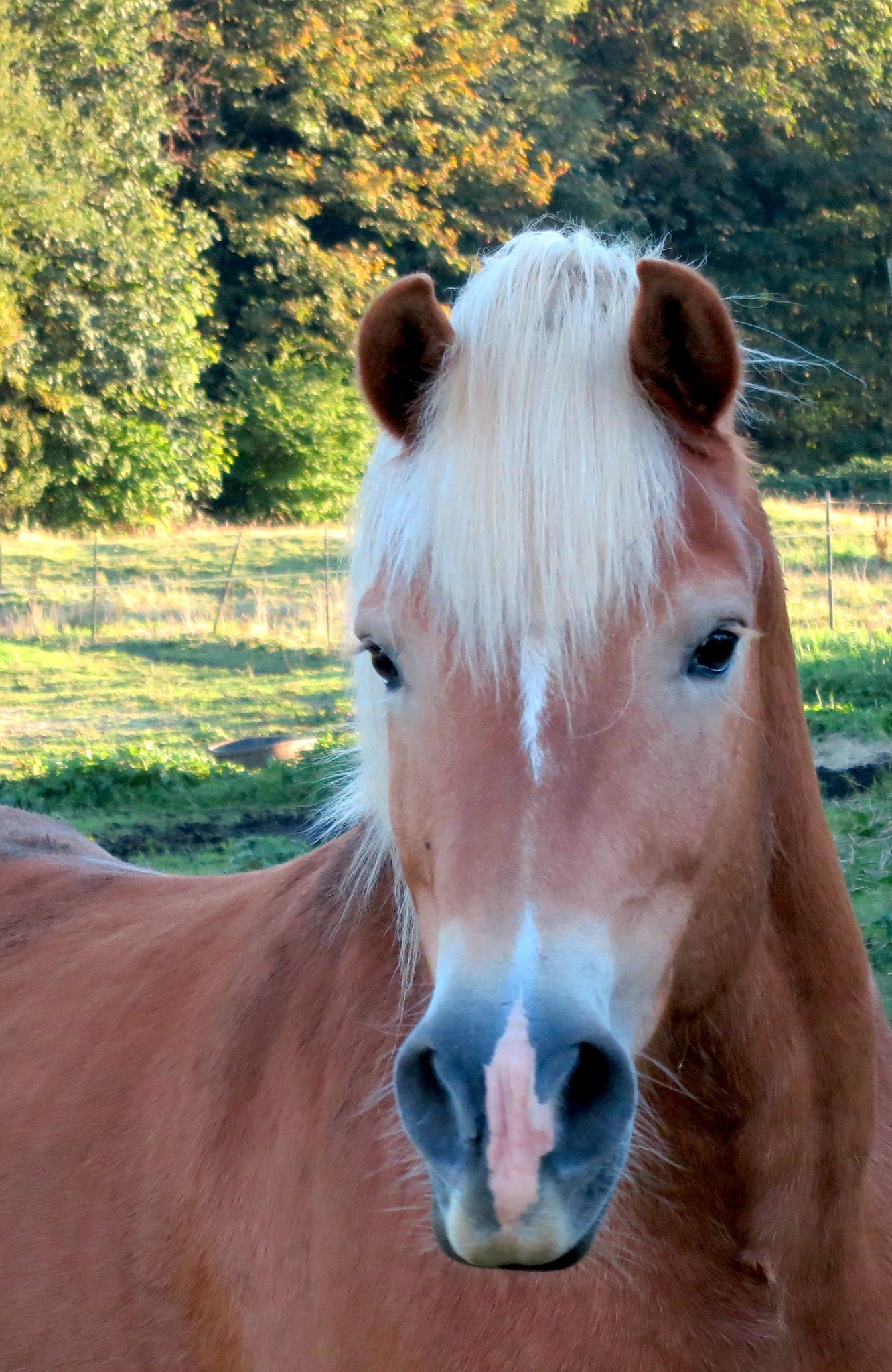
slept among the horses.
I do not know
the custom of herons,
do not know
if the solitary habit
is their way,
or if he listened for
some missing one—
not knowing even
that was what he did—
in the blowing
sounds in the dark,
I know that
hope is the hardest
love we carry.
He slept
with his long neck
folded, like a letter
put away.
~Jane Hirshfield “Hope and Love” from The Lives of the Heart

I know what it is like to feel out of step with those around me, an alien in my own land. At times I wonder if I belong at all as I watch the choices others make. I grew up this way, missing a connection that I could not find, never quite fitting in, a solitary kid becoming a solitary adult. The aloneness bothered me, but not in a “I’ve-got-to-become-like-them” kind of way.

I went my own way, never losing hope.

Somehow misfits find each other. Through the grace and acceptance of others, I found a soul mate and community. Even so, there are times when the old feeling of not-quite-belonging creeps in and I wonder whether I’ll be a misfit all the way to the cemetery, placed in the wrong plot in the wrong graveyard.

We disparate creatures are made for connection of some kind, with those who look and think and act like us, or with those who are something completely different. I’ll keep on the lookout for my fellow misfits, just in case there is another one out there looking for company along this journey.

Seize the Day Gently

Night and day
seize the day, also the night —
a handful of water to grasp.
The moon shines off the mountain
snow where grizzlies look for a place
for the winter’s sleep and birth.
I just ate the year’s last tomato
in the year’s fatal whirl.
This is mid-October, apple time.
I picked them for years.
One Mcintosh yielded sixty bushels.


Fifty years later we hold each other looking
out the windows at birds, making dinner,
a life to live day after day, a life of
dogs and children and the far wide country
out by rivers, rumpled by mountains.
So far the days keep coming.
Seize the day gently as if you loved her.

~Jim Harrison, from “Carpe Diem” from Dead Man’s Float.

Forty some years later, the days keep coming, a life to live day after day after day. I try not to take a single one for granted, each morning a gift to be seized gently and embraced with reverent gratitude.

Even knowing I am meant to cherish this gift, I squander it. I grumble, I grouse, I can be tough to live alongside. I know better than to give into an impulse toward discontent, yet still it happens. Something inside me whispers that things could be better than they are — more of this, less of that — I tend to dwell on whatever my heart yearns for rather than the riches right in front of me.

I’m not the first one to struggle with this nor will I be the last. It turned out rather badly when those before me gave into their discontent and took what was not theirs to have.

We are still living out the consequences of that fall from grace.

Yet, even in our state of disgrace, despite our grumbling and groaning, we have been seized – gently and without hesitation – and held closely by One who loves us at our most unloveable.

Though my troubles and yearnings may continue, I will be content in that embrace, knowing even if I loosen my grip, I will not be let go.

After the Family Broke

This was our pretty gray kitten,
hence her name; who was born
in our garage and stayed nearby
her whole life. There were allergies;
so she was, as they say,
an outside cat.
But she loved us. For years,
she was at our window.
Sometimes, a paw on the screen
as if to want in, as if
to be with us
the best she could.
She would be on the deck,
at the sliding door.
She would be on the small
sill of the window in the bathroom.
She would be at the kitchen
window above the sink.
We’d go to the living room;
anticipating that she’d be there, too,
hop up, look in.
She’d be on the roof,
she’d be in a nearby tree.
She’d be listening
through the wall to our family life.
She knew where we were,
and she knew where we were going
and would meet us there.
Little spark of consciousness,
calm kitty eyes staring
through the window.

After the family broke,
and when the house was about to sell,
I walked around it for a last look.
Under the eaves, on the ground,
there was a path worn in the dirt,
tight against the foundation —
small padded feet, year after year,
window to window.

When we moved, we left her
to be fed by the people next door.
Months after we were gone,
they found her in the bushes
and buried her by the fence.
So many years after,
I can’t get her out of my mind.

~Philip F. Deaver, “Gray” from How Men Pray

Our pets are witness to the routine of our lives. They know when the food bowl remains empty too long, or when no one comes to pick them up and stroke their fur. They sit silently waiting.

They know when things aren’t right at home.

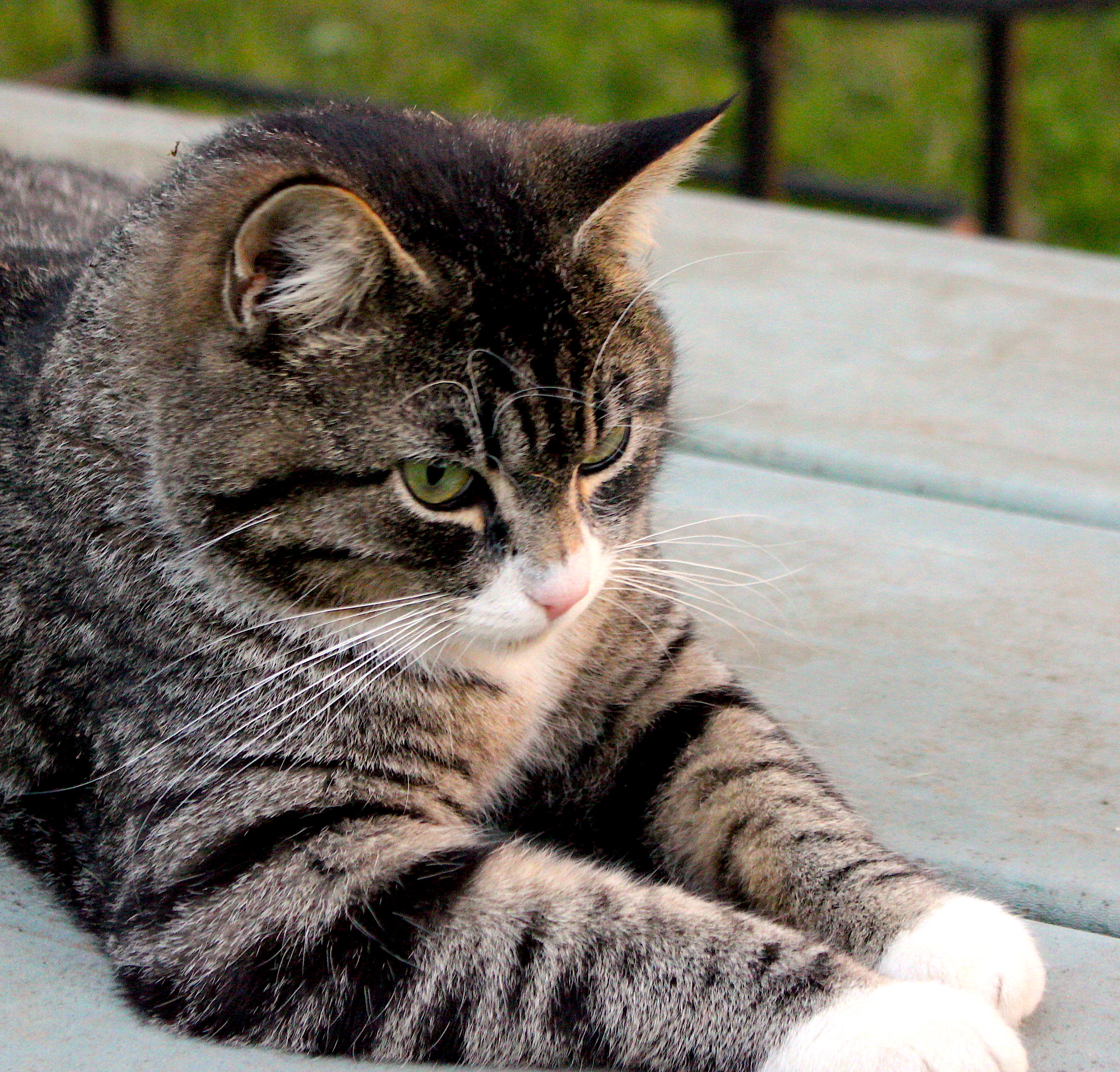
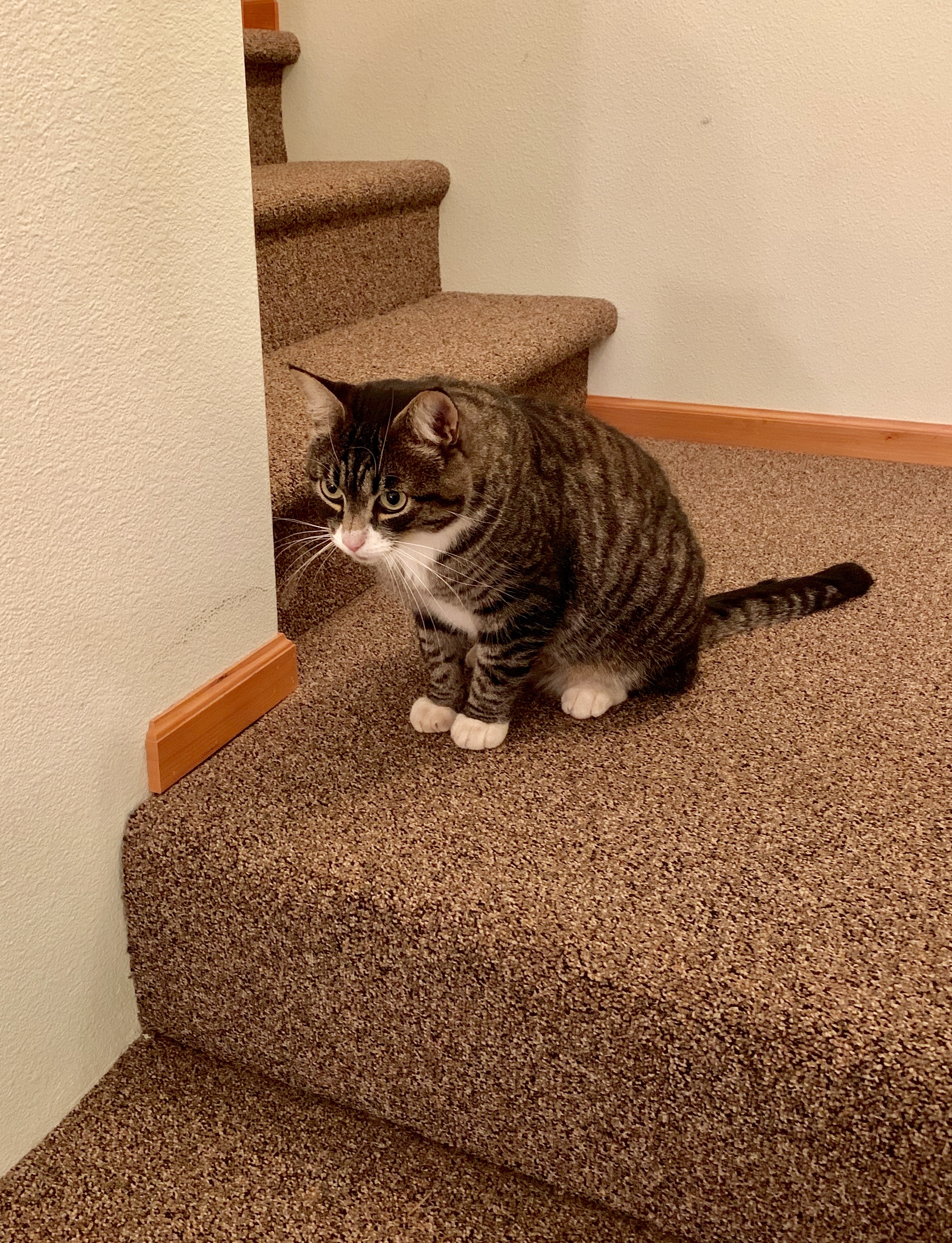
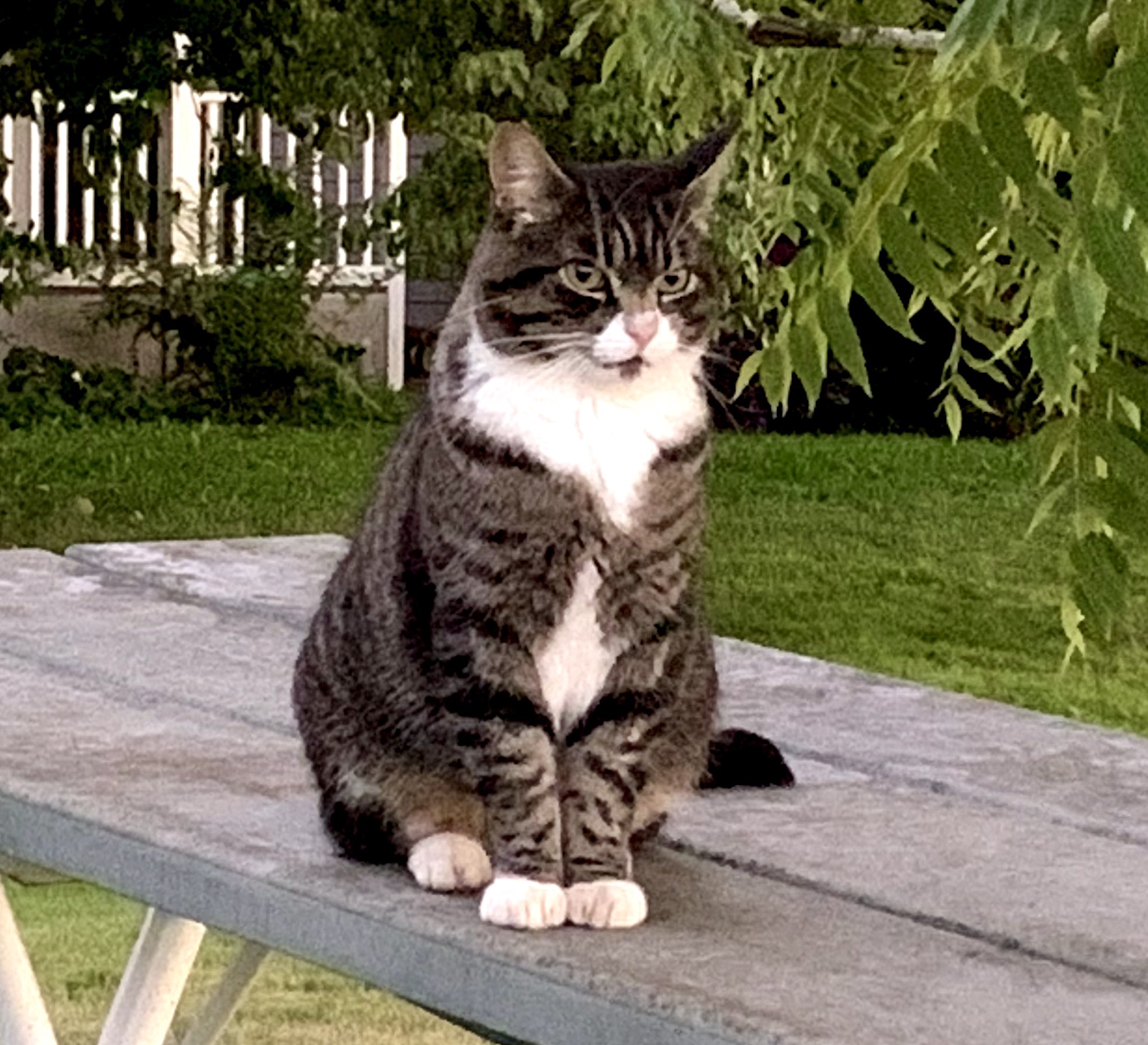
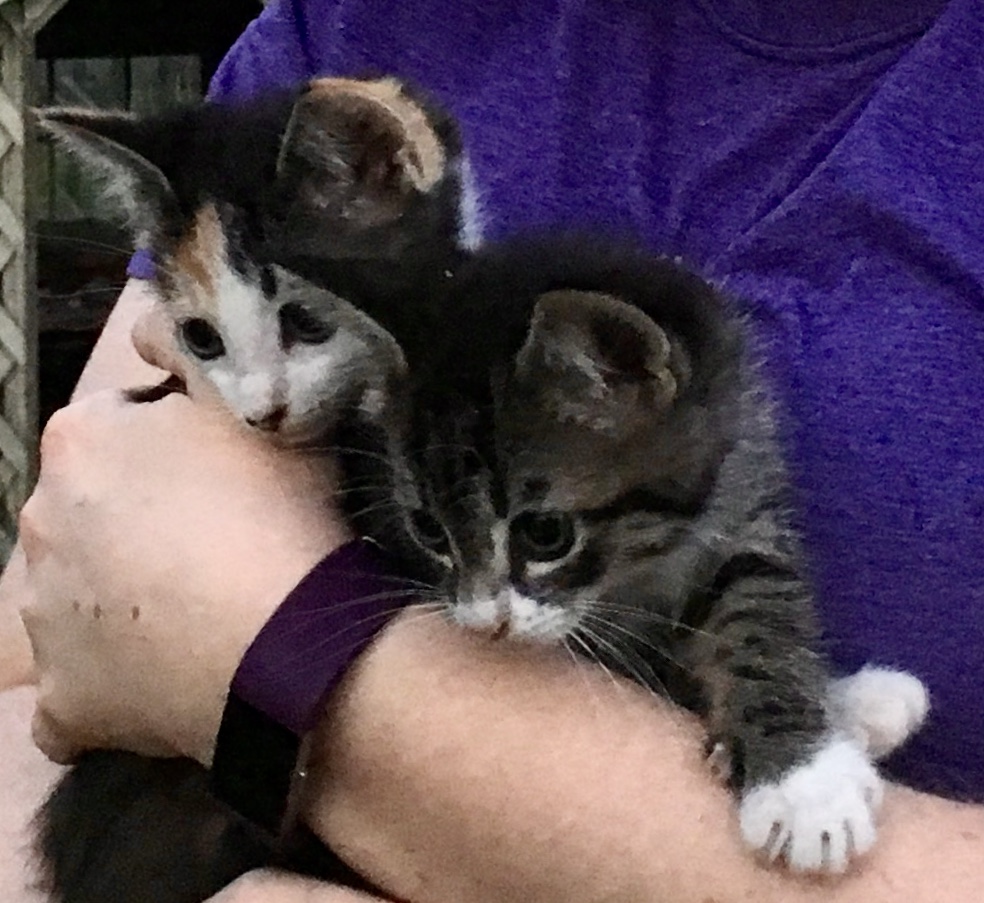
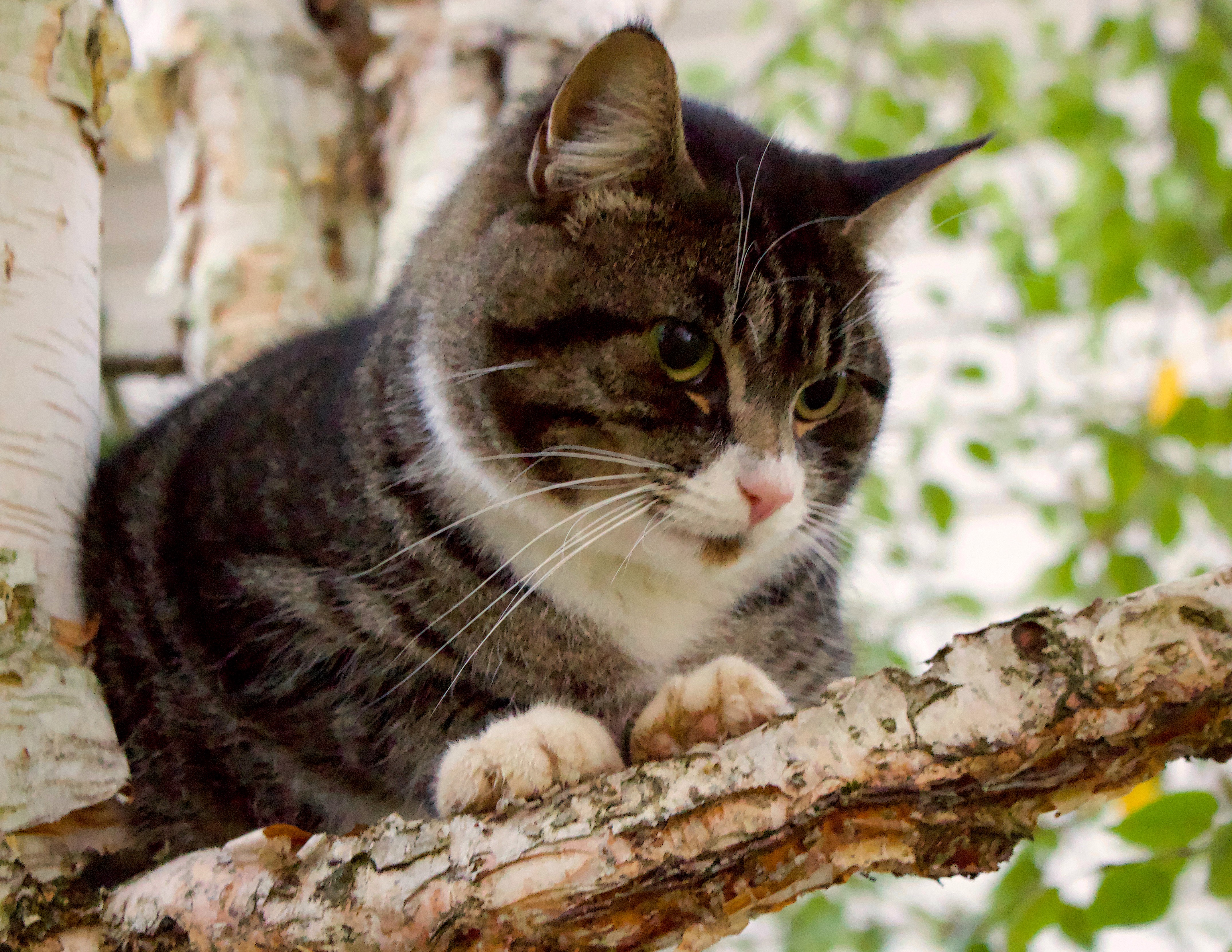
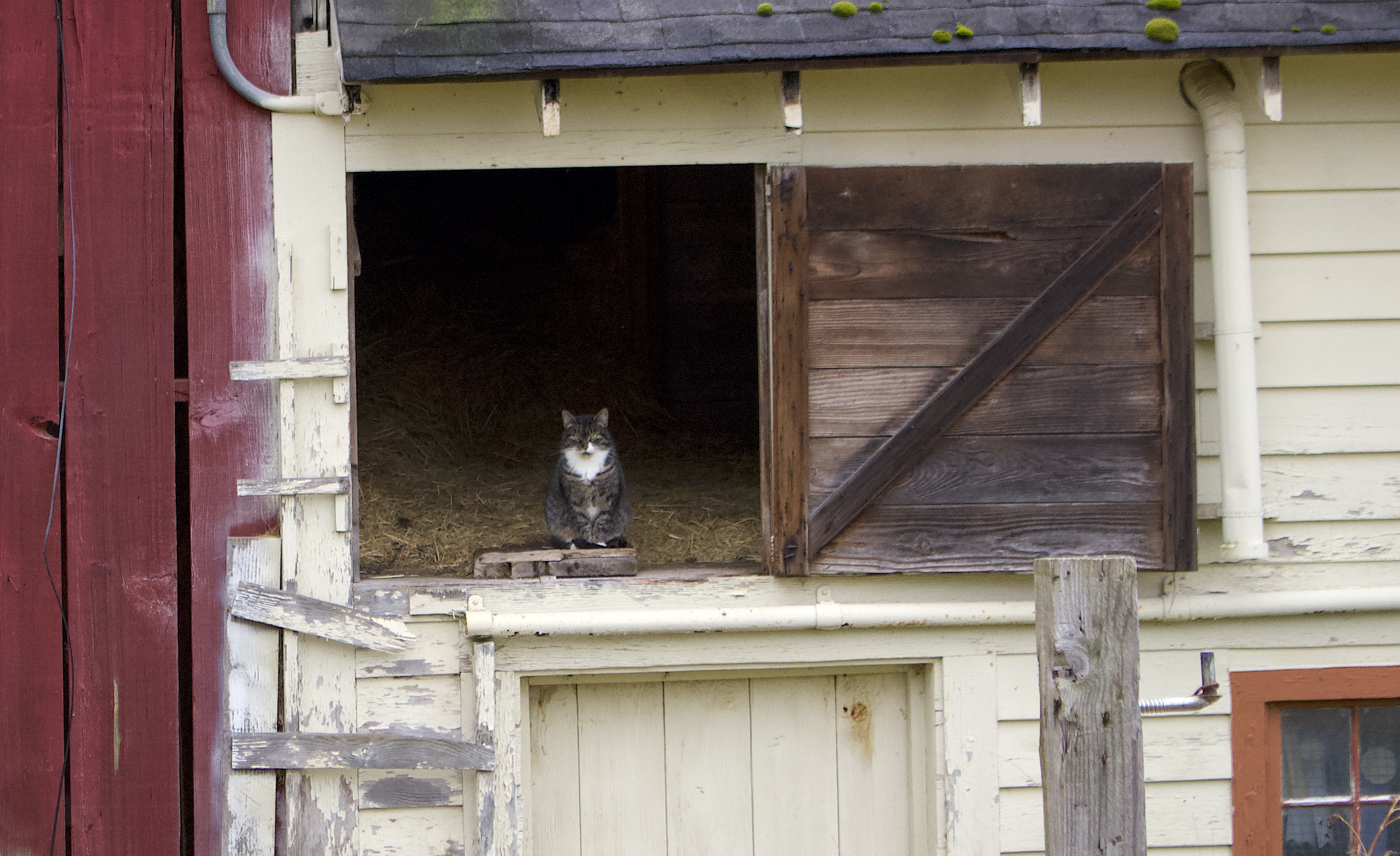
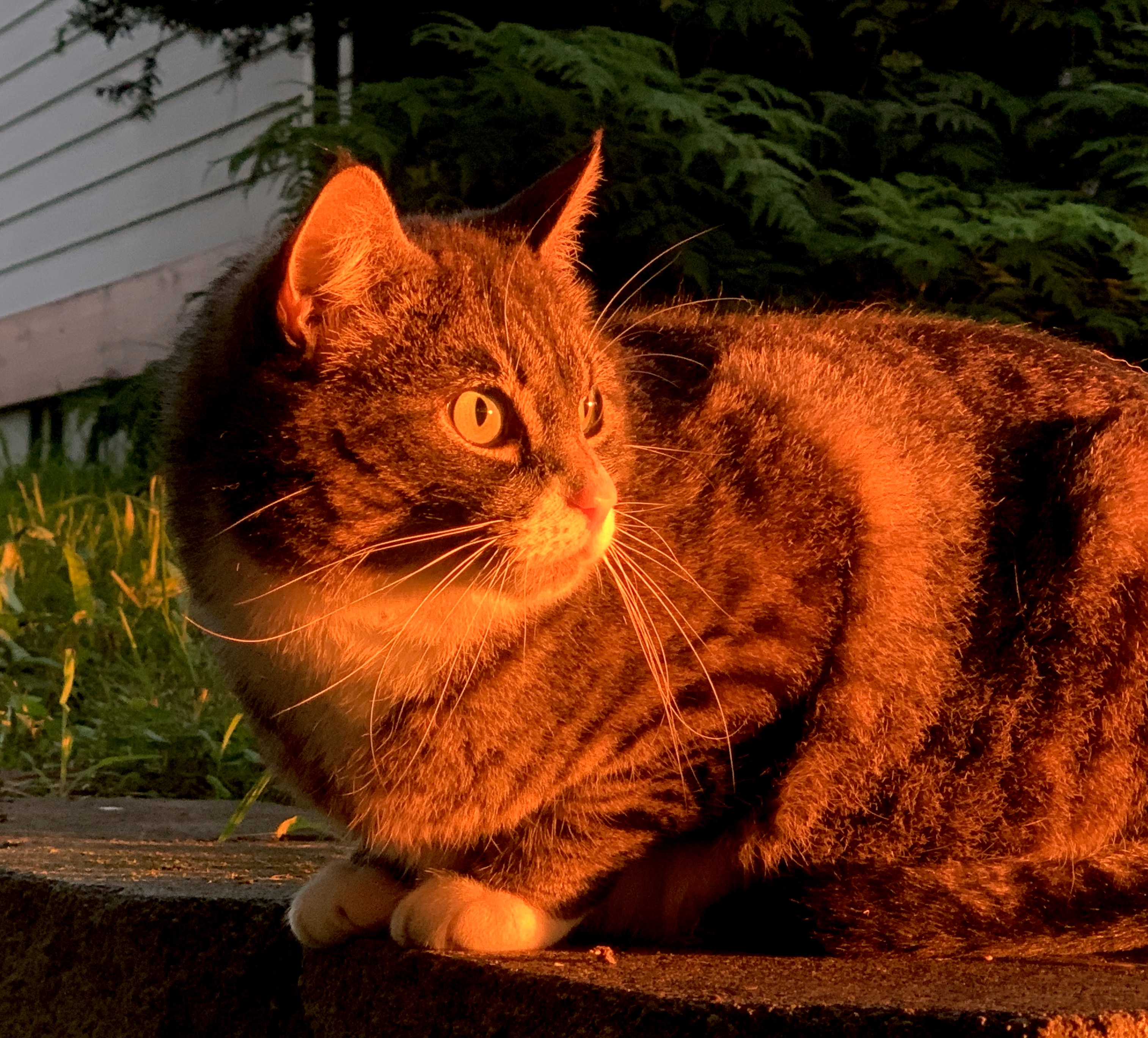
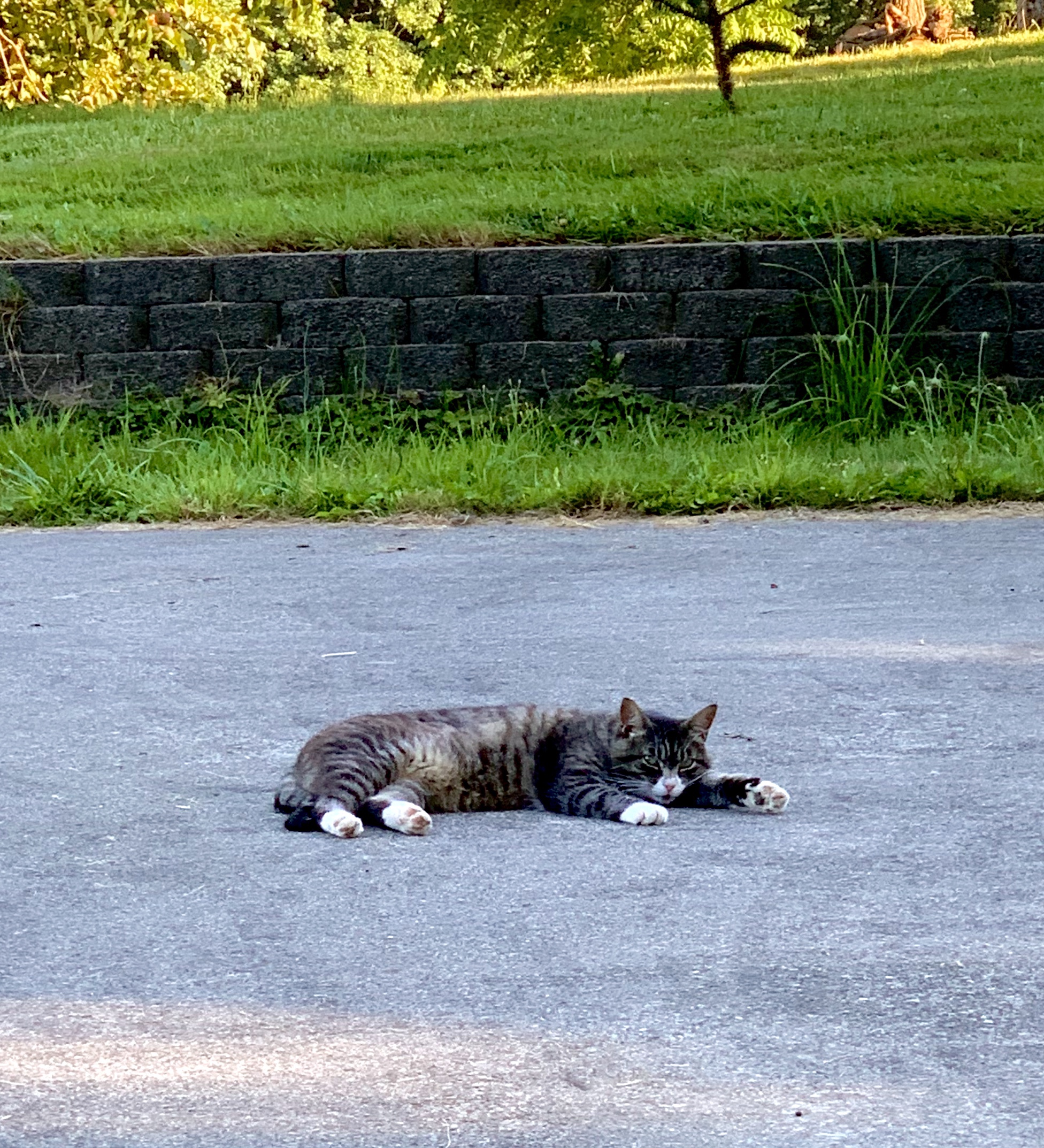
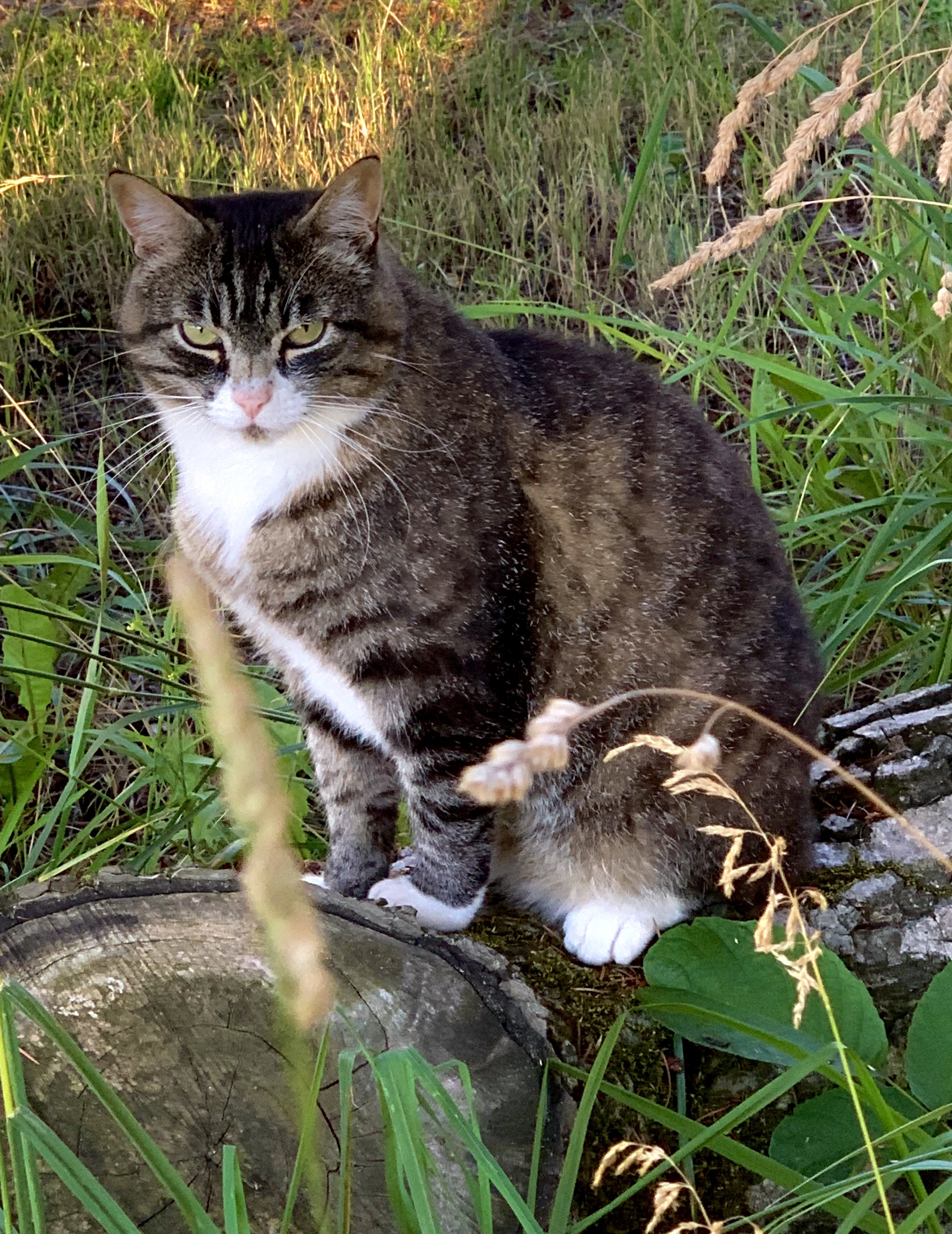
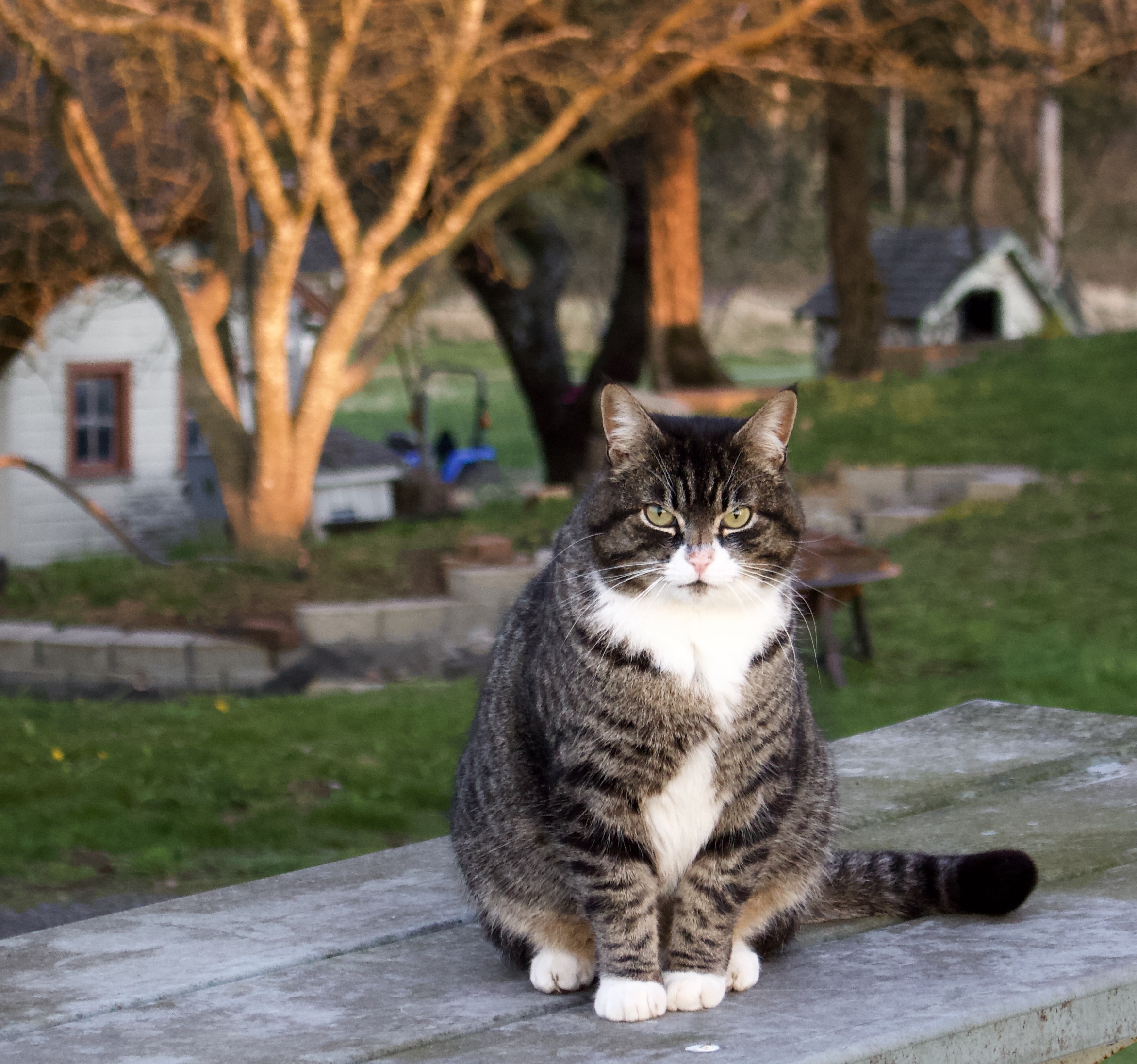
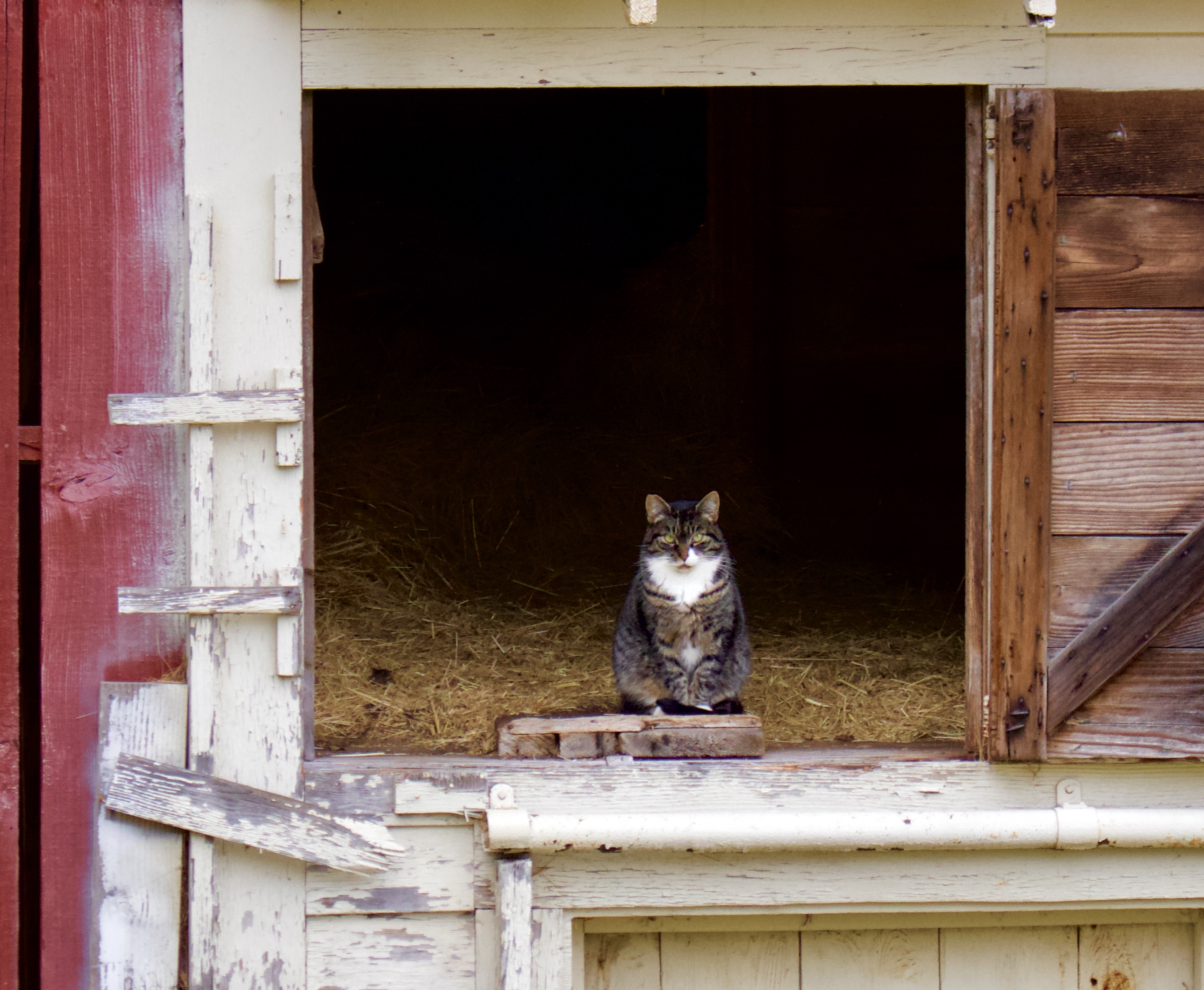
Sometimes a barn cat moves on, looking for a place with more consistency and better feeding grounds. Most often they stick close to what they know, even if it isn’t entirely a happy or welcoming place. After all, it’s home and that’s what they know and that’s where they stay.

When my family broke as my parents split, after the furniture was removed and the dust of over thirty five years of marriage swept up, I wondered if our cat and dog had seen it coming before we did. They had been peering through the window at our lives, measuring the amount of spilled love that was left over for them.

I can’t get them out of my mind – they, like me, became children of divorce. We knew when we left the only home we knew, we would never truly feel at home again.

Merely to Be There

That house was, as Bilbo had long ago reported, “a perfect house, whether you liked food or sleep or story-telling or singing, or just sitting and thinking best, or a pleasant mixture of them all.”
Merely to be there was a cure for weariness, fear, and sadness.
~J.R.R. Tolkien, The Fellowship of the Ring

I wish I was at home in my nice hole by the fire,
with the kettle just beginning to sing!
~J.R.R. Tolkien from The Hobbit

We sleep to time’s hurdy-gurdy; we wake, if ever we wake, to the silence of God. And then, when we wake to the deep shores of time uncreated, then when the dazzling dark breaks over the far slopes of time, then it’s time to toss things, like our reason, and our will;
then it’s time to break our necks for home.
~Annie Dillard from Holy the Firm

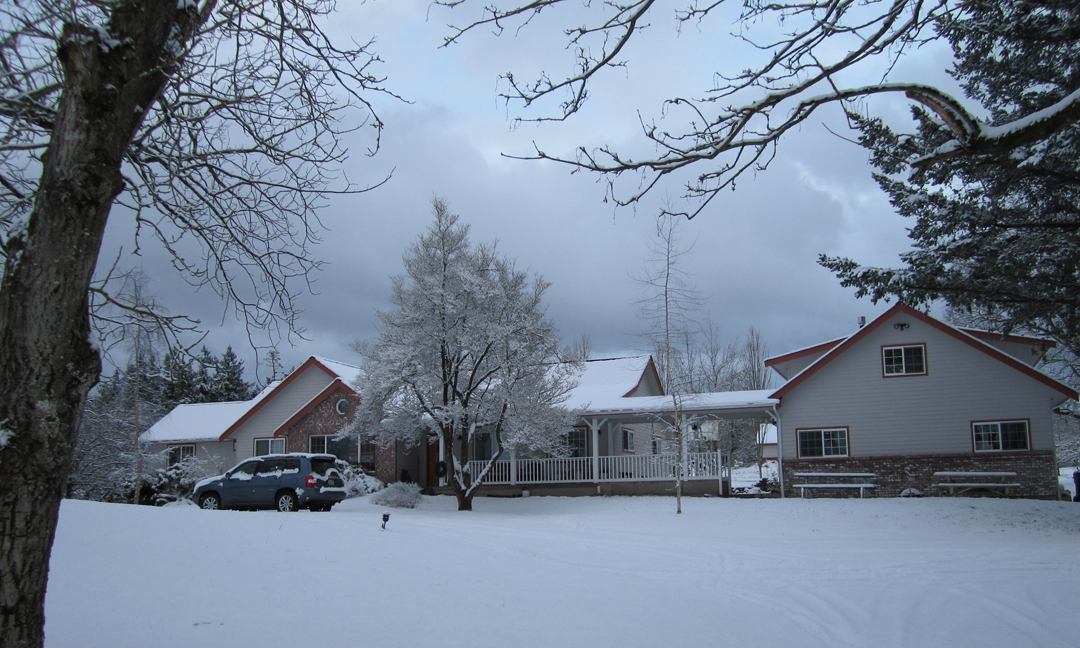
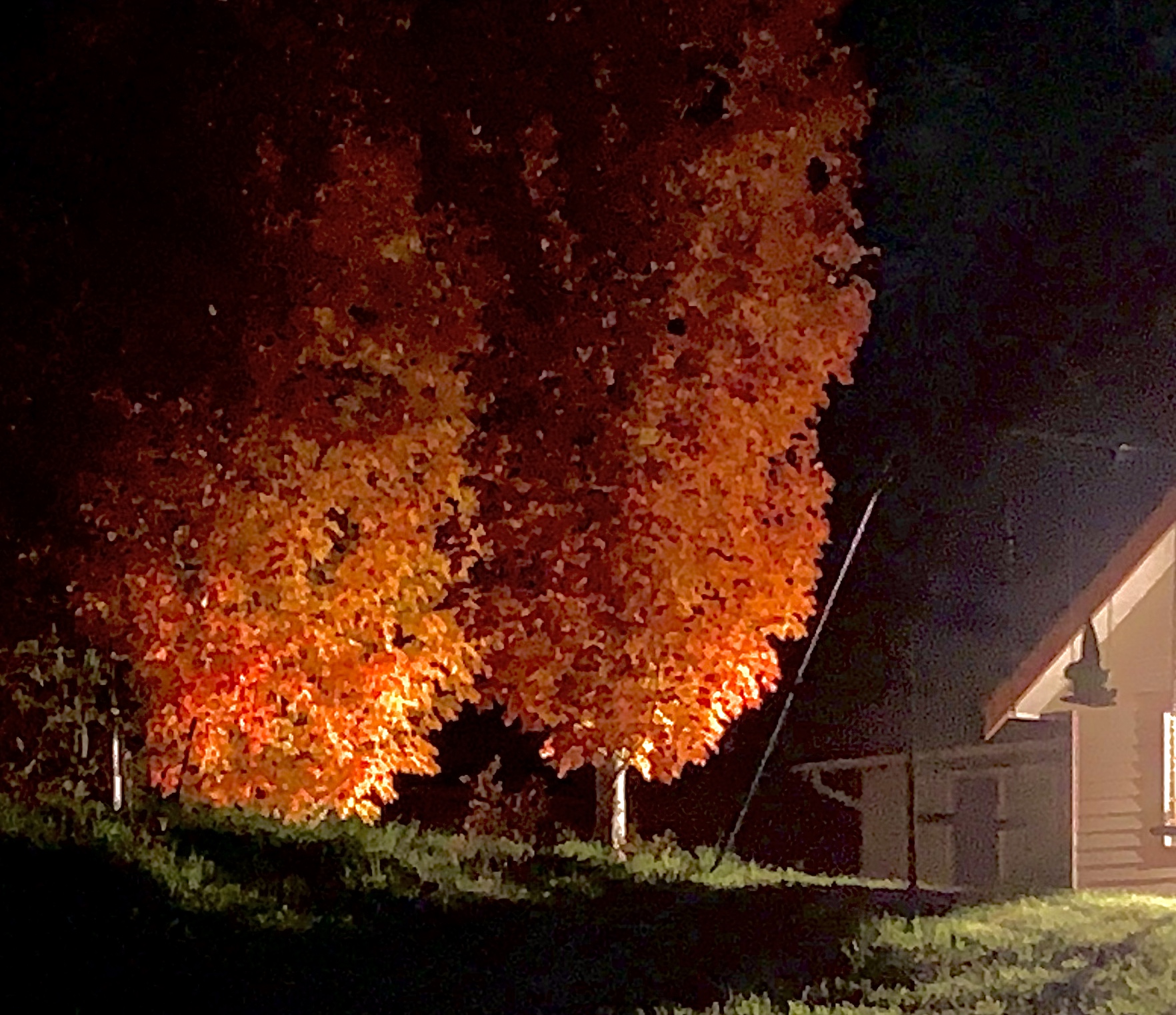
Every now and then, I forget to turn off the lights in the barn. I usually notice just before I go to bed, when the farm’s boundaries seem to have drawn in close. That light makes the barn seem farther away than it is — a distance I’m going to have to travel before I sleep. The weather makes no difference. Neither does the time of year.

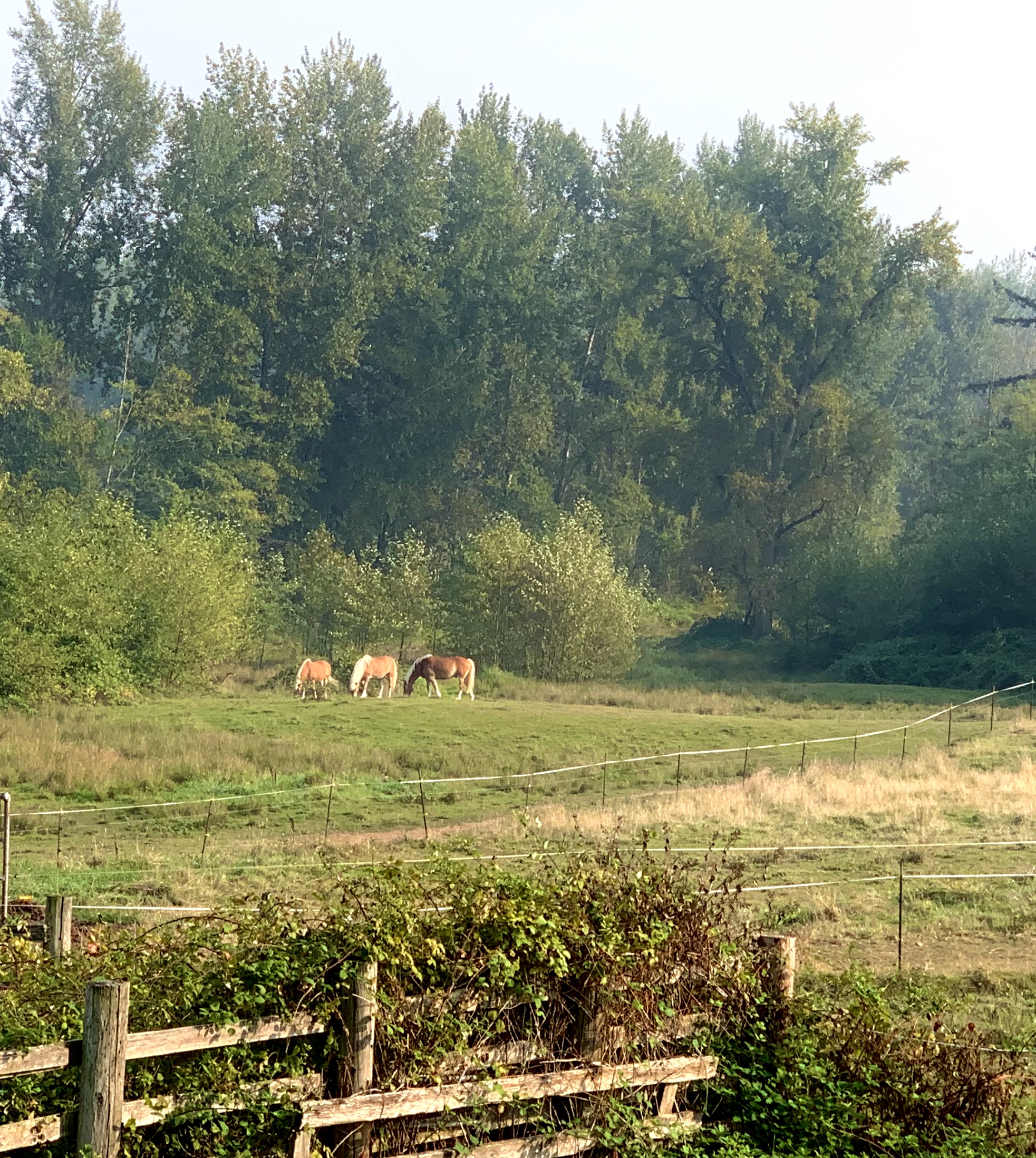
Usually, after turning out that forgotten barn light, I sit on the edge of the tractor bucket for a few minutes and let my eyes adjust to the night outside. City people always notice the darkness here, but it’s never very dark if you wait till your eyes owl out a little….I’m always glad to have to walk down to the barn in the night, and I always forget that it makes me glad. I heave on my coat, stomp into my barn boots and trudge down toward the barn light, muttering at myself. But then I sit in the dark, and I remember this gladness, and I walk back up to the gleaming house, listening for the horses.
~Verlyn Klinkenborg  from A Light in the Barn

I have always been, and always will be a home-body. As a child, I was hopelessly homesick and miserable whenever I visited overnight somewhere else: not my bed, not my window, not anything that was familiar and comfortable. Going away to college was an ordeal and I had to do two runs at it to finally feel at home somewhere else. I traveled plenty during those young adult years and adapted to new and exotic environs, but never easily.

I haven’t changed much in my older years. Even now, travel is fraught with anxiety for me, not anticipation. I secretly had hoped for a prolonged stay-cation for a change rather than rushing about at break-neck speed when we had a few days off from work. I must be careful for what I wish for, as it is now seven months of stay-and-work-at-home with only two brief sojourns to visit out of town children.

It has been blissful — yet I dare not say that out loud as so many people don’t do well staying at home and are kicking the traces to be set free.

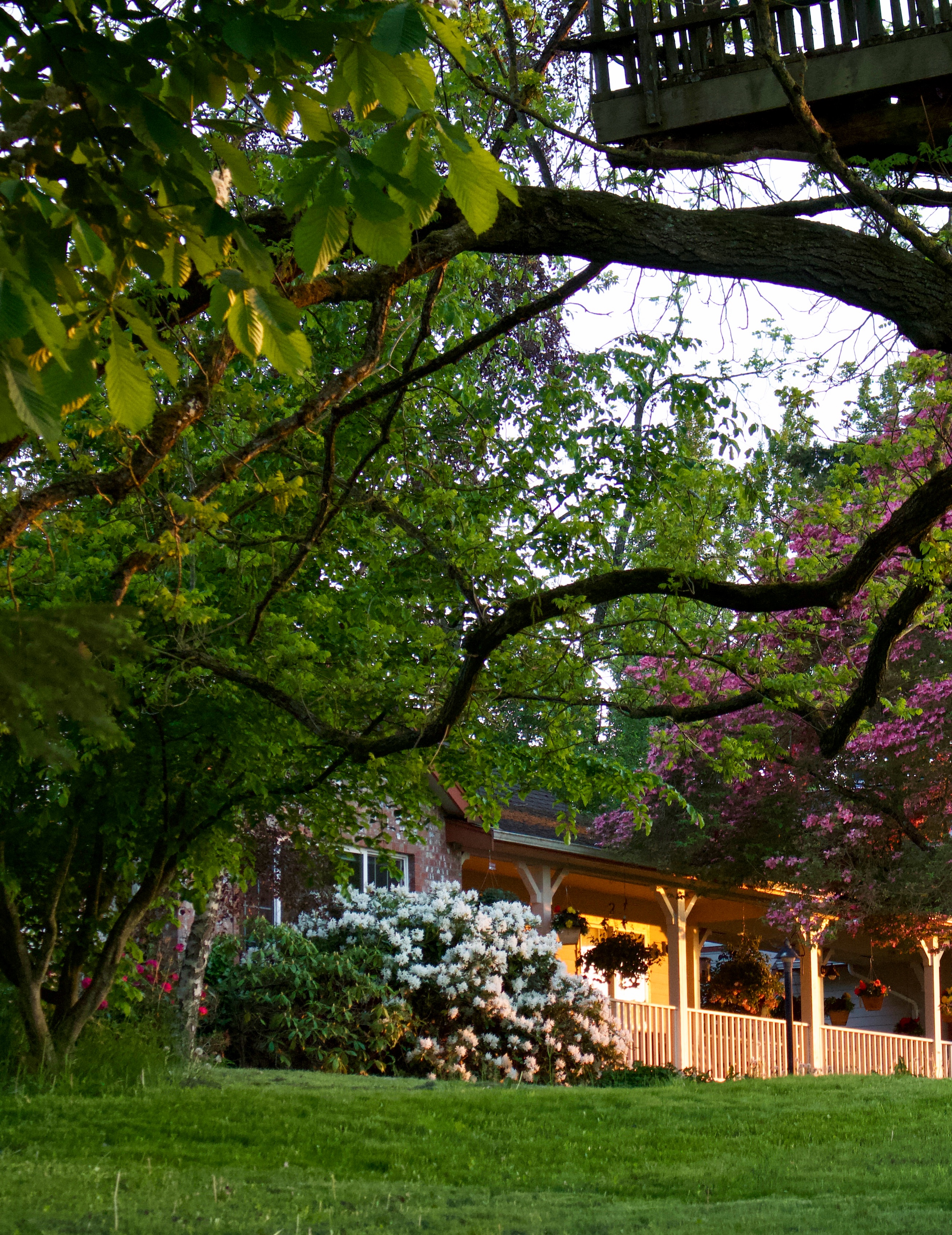
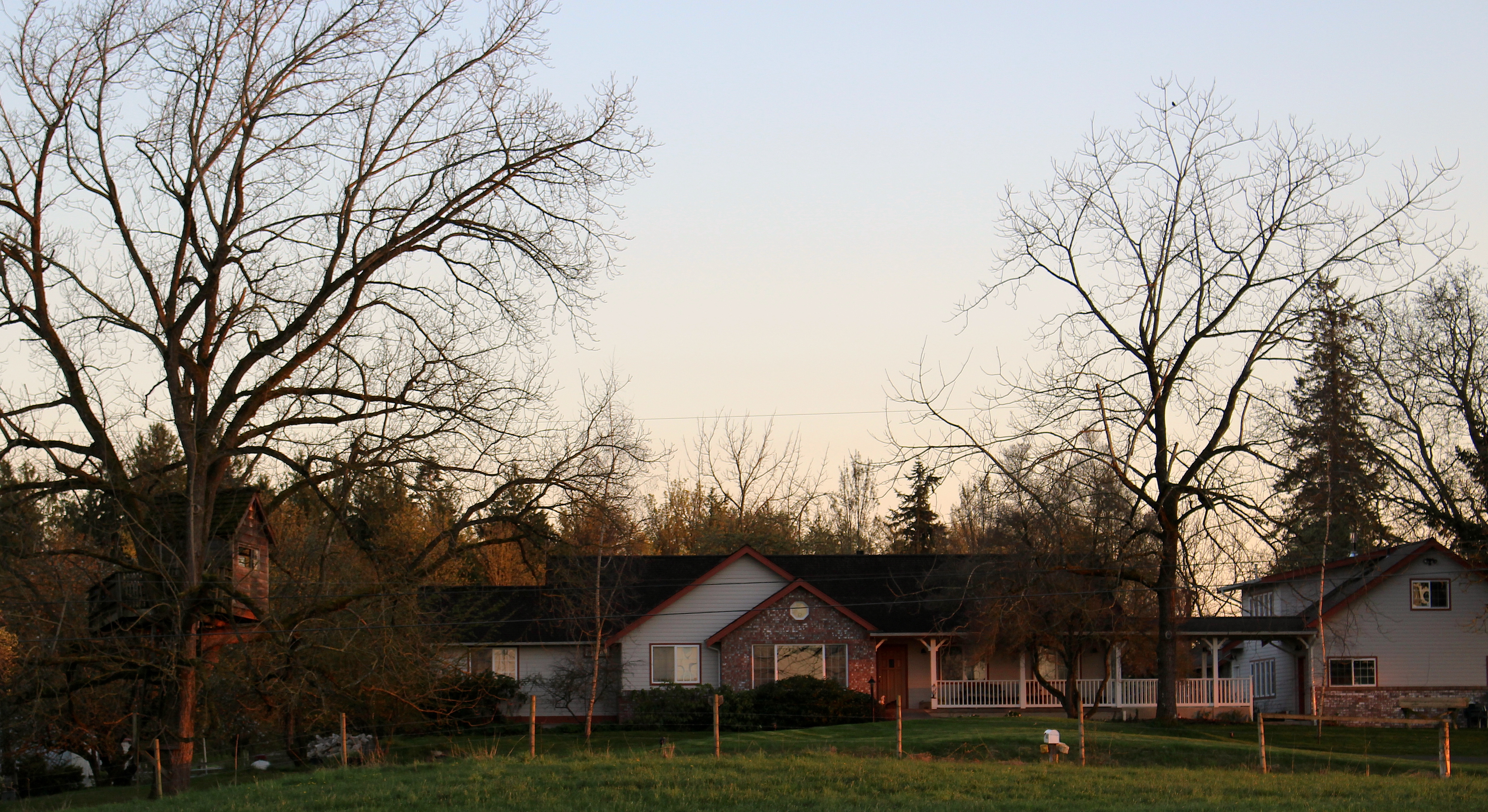
Not so me. I am content on our farm, appreciating our “perfect house, whether you liked food or sleep or story-telling or singing, or just sitting and thinking best, or a pleasant mixture of them all.”

Merely allowed to just be here is my ultimate answer to weariness, fear and sadness.

Not the Same Darkness

We walked at the edge of the sea, the dog,
still young then, running ahead of us.
 
Few people.  Gulls.  A flock of pelicans
circled beyond the swells, then closed
their wings and dropped head-long
into the dazzle of light and sea.  You clapped
your hands; the day grew brilliant.
 
Later we sat at a small table
with wine and food that tasted of the sea.
 
A perfect day, we said to one another,
so that even when the day ended
and the lights of houses among the hills
came on like a scattering of embers,
we watched it leave without regret.
 
That night, easing myself toward sleep,
I thought how blindly we stumble ahead
with such hope, a light flares briefly—Ah, Happiness!
then we turn and go on our way again.
 
But happiness, too, goes on its way,
and years from where we were, I lie awake
in the dark and suddenly it returns—
that day by the sea, that happiness,

 
though it is not the same happiness,
not the same darkness.

~Peter Everwine, “The Day,” from New Letters

The beach at Tohoku, Japan where the tsunami hit in March 2011

The traumas of the past may revisit me in the night as they linger in the fringes of my mind, ready to creep back into my consciousness in times of stress. When I feel vulnerable and weak, I remind myself that past darkness must not overpower my nights. I try to call up different memories to push the sadness or fear back to the periphery.

So I return to my visits to the sea.

During those halcyon days, I was surrounded by beauty, of peacefulness, of family come together in warmth and closeness. Those times we’ve spent on the coast are treasures to open when I need them — breathing deeply of the sea, hearing the rhythm of the waves and feeling the cool breezes once again on my skin.

The memories themselves become precious reservoirs of happiness – readily renewed and refreshed. The darkness is overwhelmed, no longer overwhelming. Instead, it retreats from the shore of my mind like a wave pulls back into the depths of an endless sea.


What Lasts and What Does Not

I save my love for what is close,
for the dog’s eyes, the depths of brown
when I take a wet cloth to them
to wash his face. I save my love
for the smell of coffee at The Mill,
the roasted near-burn of it, especially
the remnant that stays later
in the fibers of my coat. I save my love
for what stays. The white puff
my breath makes when I stand
at night on my doorstep.
That mist doesn’t last, evaporates
like your car turning the corner,
you at the wheel, waving.
Your hand a quick tremble in a
brief illumination. Palm and fingers.
Your face toward me. You had
turned on the over-head light so I would
see you for an instant, see you waving,
see you gone.
~Marjorie Saiser “I Save My Love,” from Learning to Swim

Mist is ephemeral~
evaporates as the light comes out,
unable to bear the heat.

Not so you.

I am grateful
you have been beside me
all these months of stay-at-home,
never wavering
nor wishing to be somewhere else.

So we now have confirmation:
love that lasts
stays close
when all else dissipates.