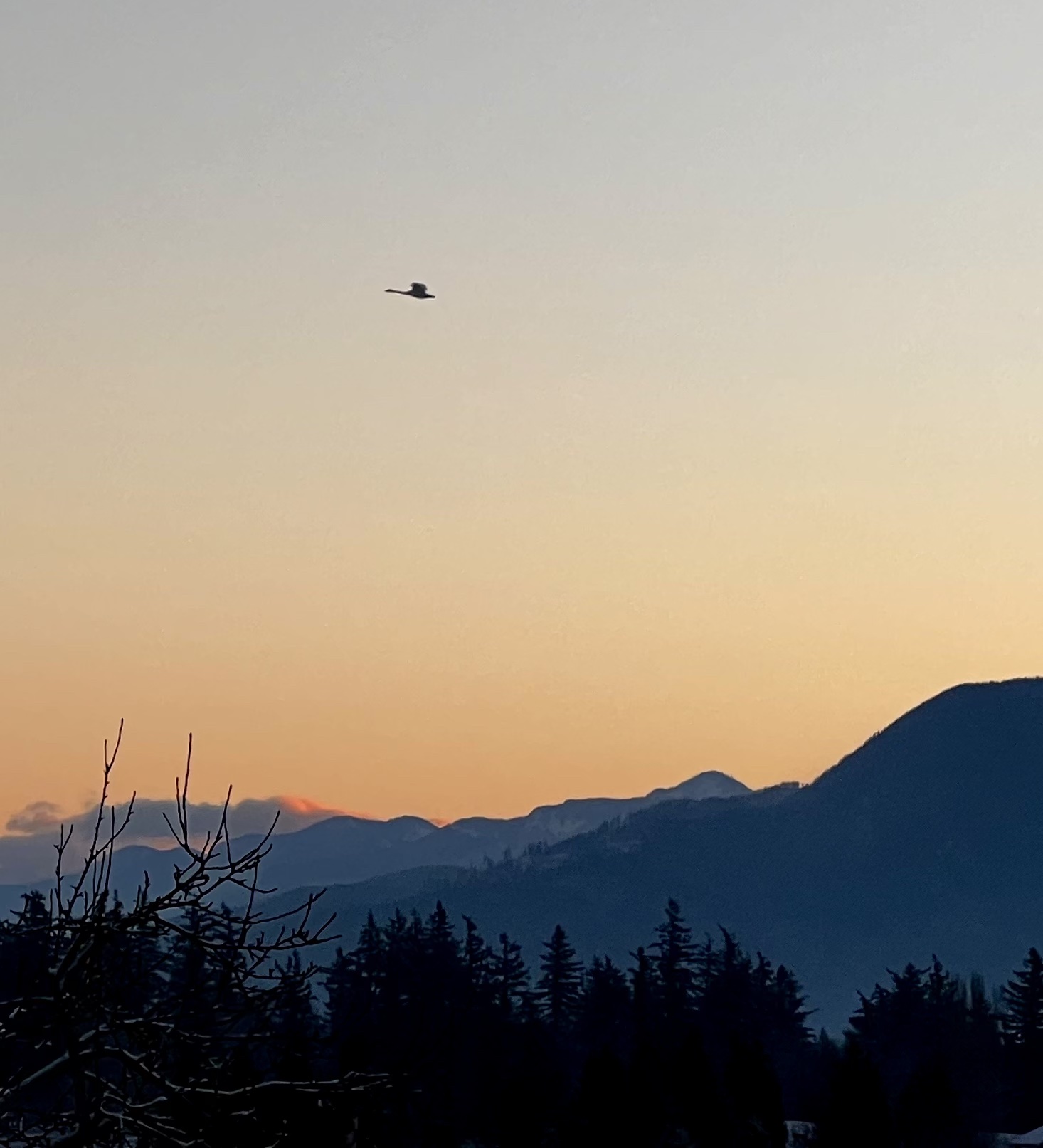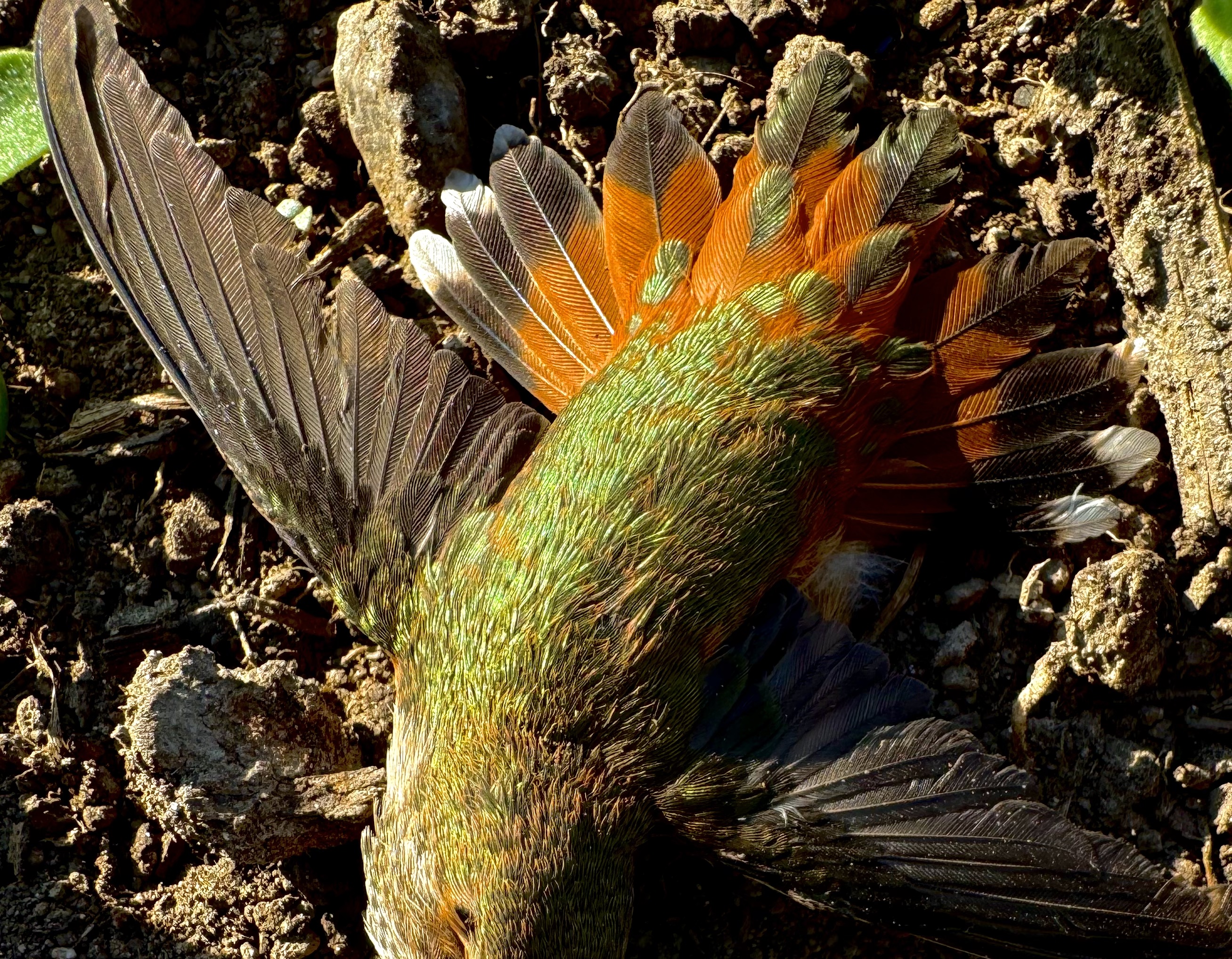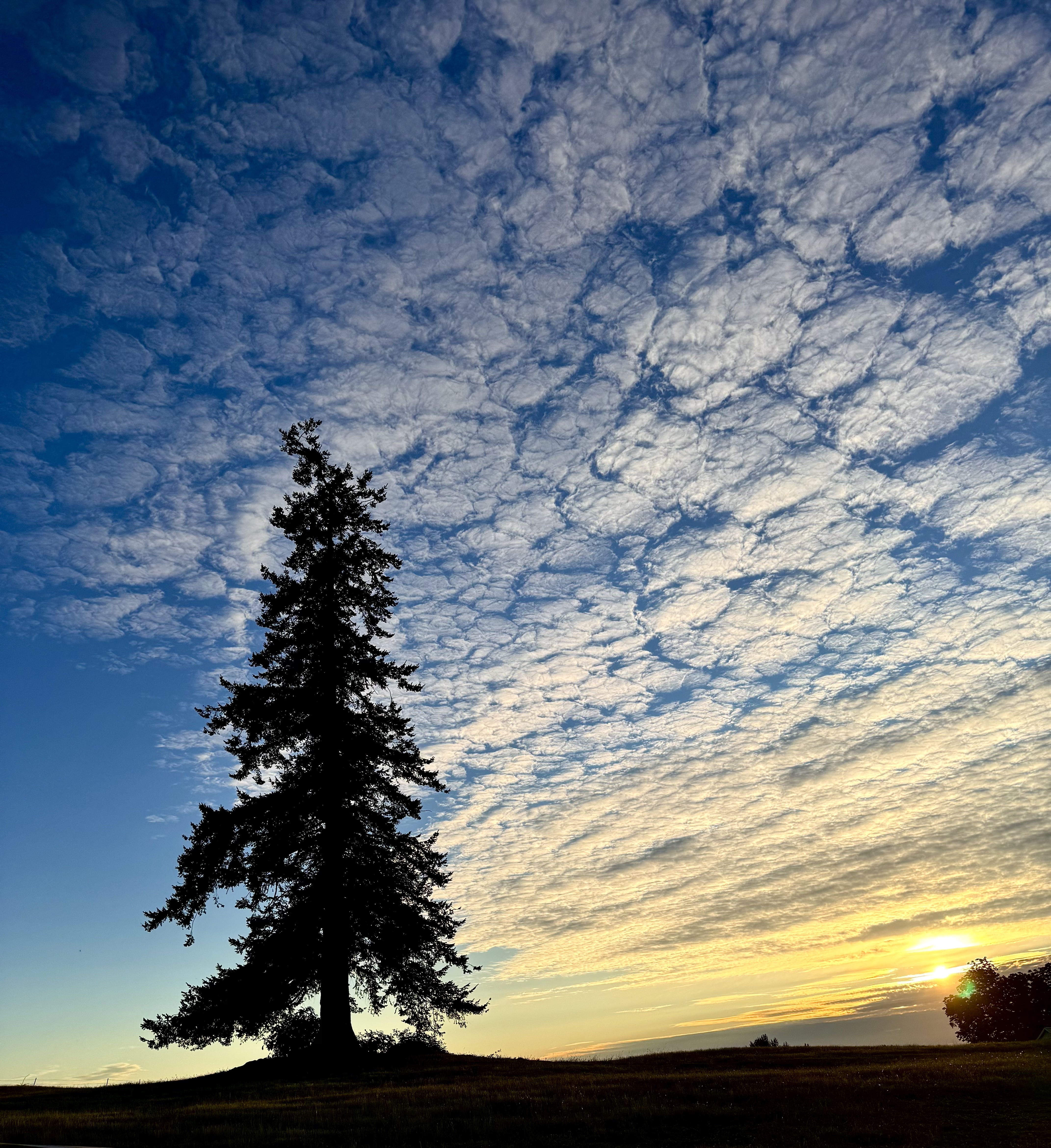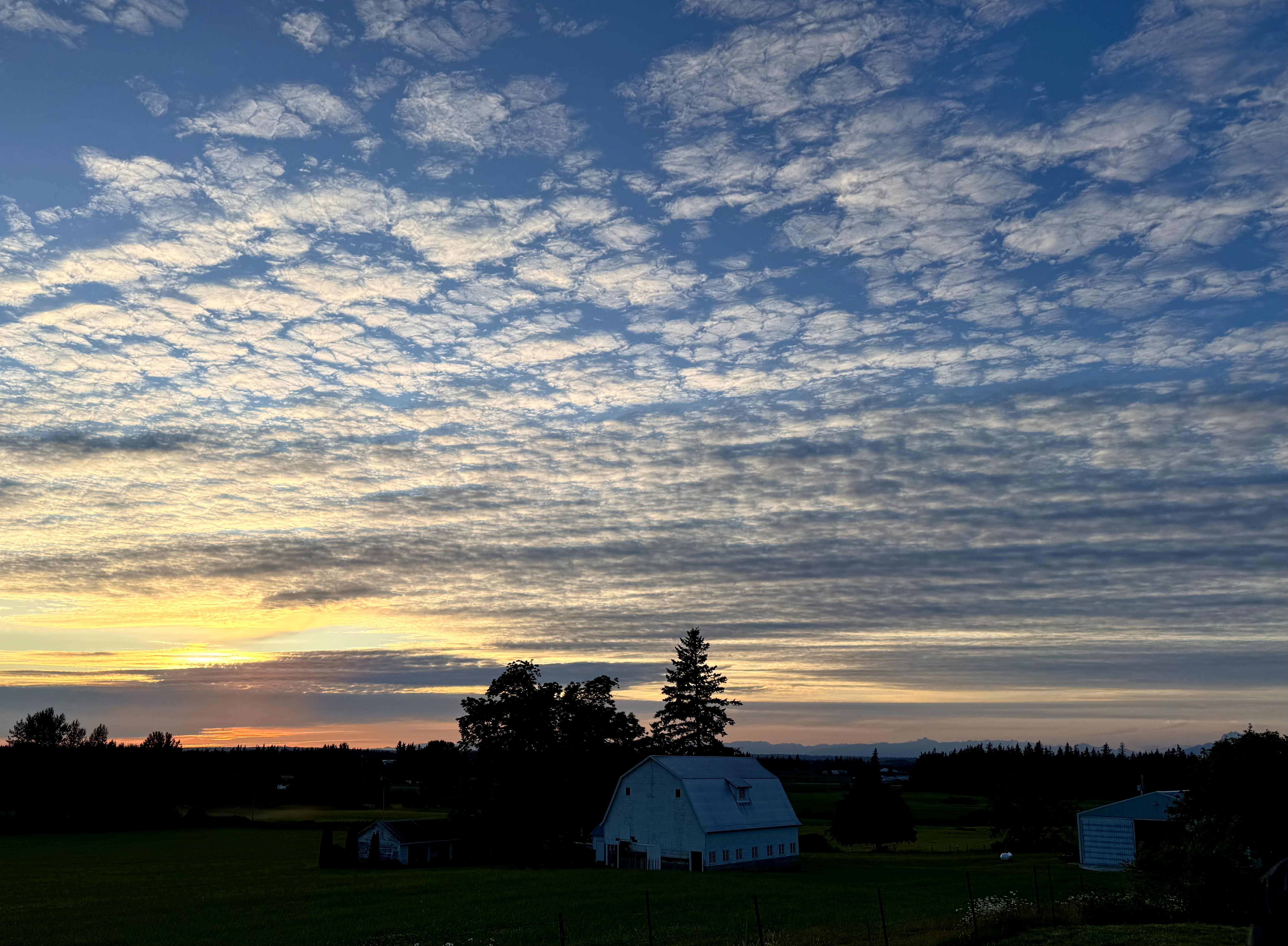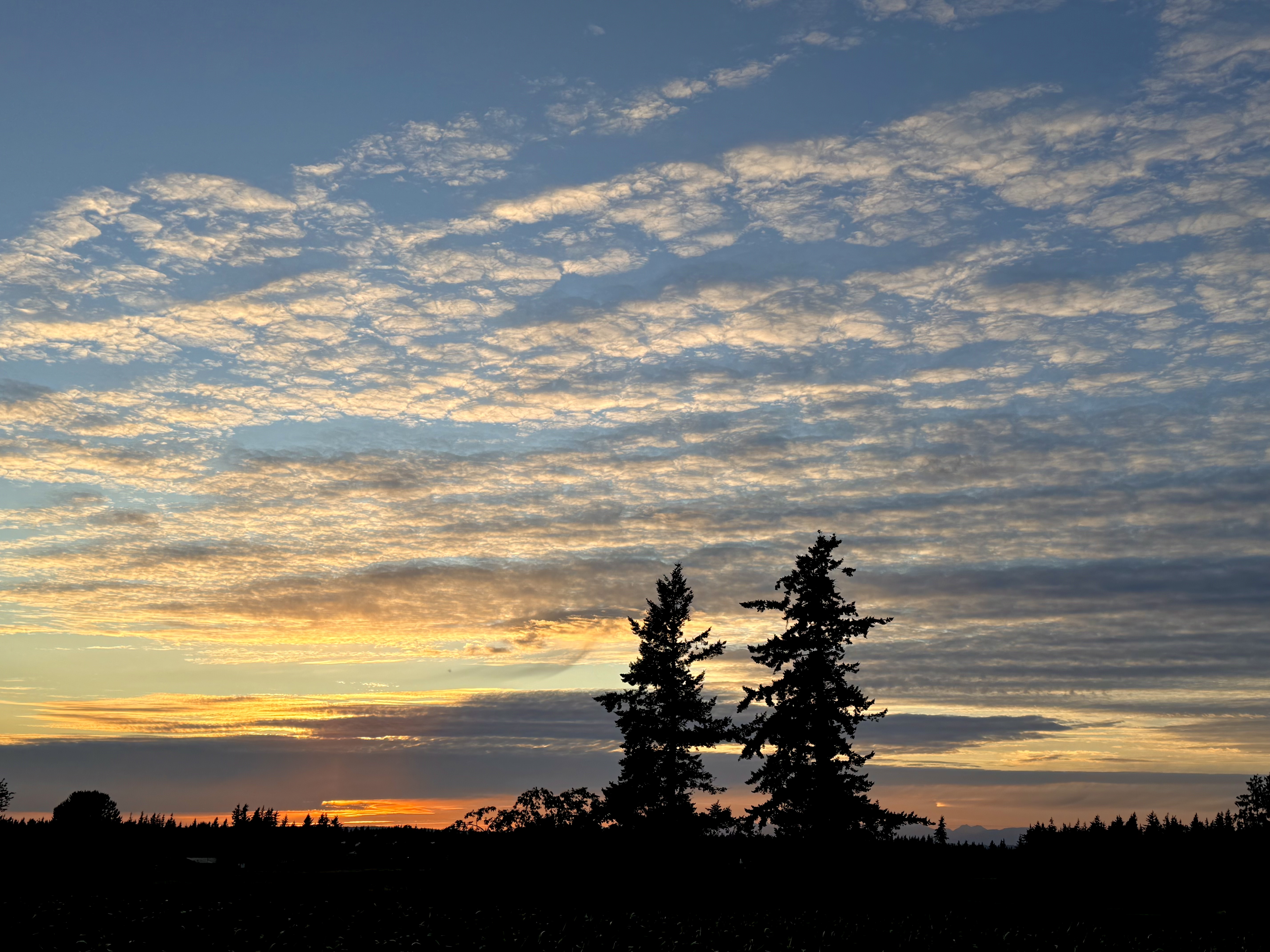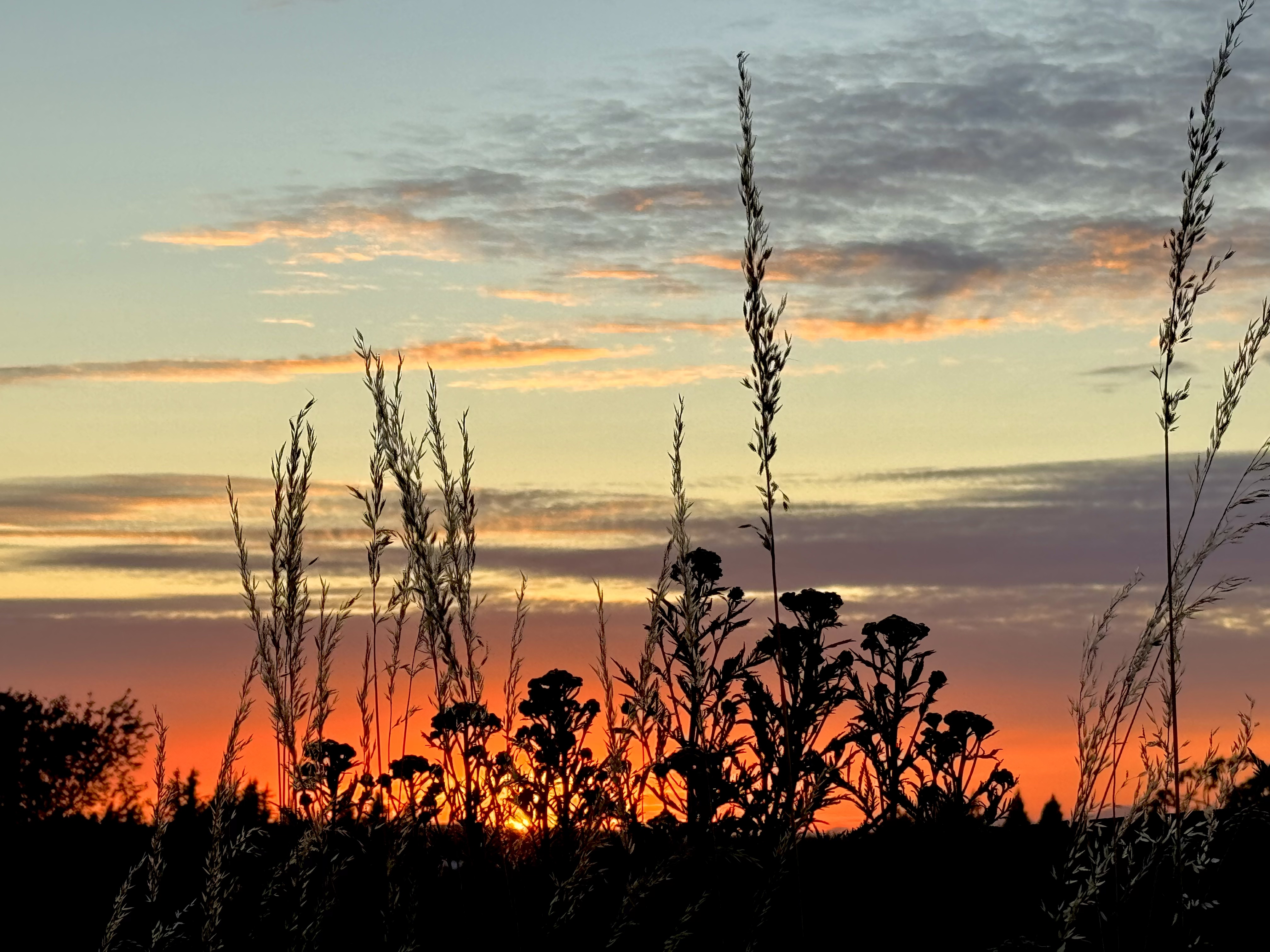
We all know that something is eternal. And it ain’t houses and it ain’t names, and it ain’t earth, and it ain’t even the stars . . . everybody knows in their bones that something is eternal, and that something has to do with human beings. All the greatest people ever lived have been telling us that for five thousand years and yet you’d be surprised how people are always losing hold of it. There’s something way down deep that’s eternal about every human being. We can only be said to be alive in those moments when our hearts are conscious of our treasures. Do any human beings ever realize life while they live it – every, every minute? ~Thornton Wilder, quotes from “Our Town”
The words from the stage play “Our Town”, written nearly 90 years ago still ring true: at that time our country was crushed under the Great Depression. Though now most people are more economically secure than the 1930’s, many of us are emotionally bankrupt.
Our country staggers under a Great Depression of the spirit~ despite greater connection electronically (often too much…), many of us are more isolated from community, family, and faith.
We need reminding to be conscious of our many treasures and abundance, never forgetting to care of others in greater need.
God, in His everlasting recognition of our eternal need of Him, cares for us, even as we turn our faces away from Him.
We all feel His Love, deep in our bones.
So I search the soil of this life, this farm, this faith to find what yearns to grow, to bloom, to fruit, to be harvested to share with others.
My deep gratitude goes to you who visit here and to those who let me know the small and the good I share with you makes a difference in your day. I am beyond thankful you are here, listening.
Many blessings in your own thanksgiving this week, Emily
One-Time
Monthly
Yearly
Make a one-time or recurring donation to support daily Barnstorming posts
Think of this – that the writer wrote alone, and the reader read alone, and they were alone with each other. ~A.S. Byatt from Possession
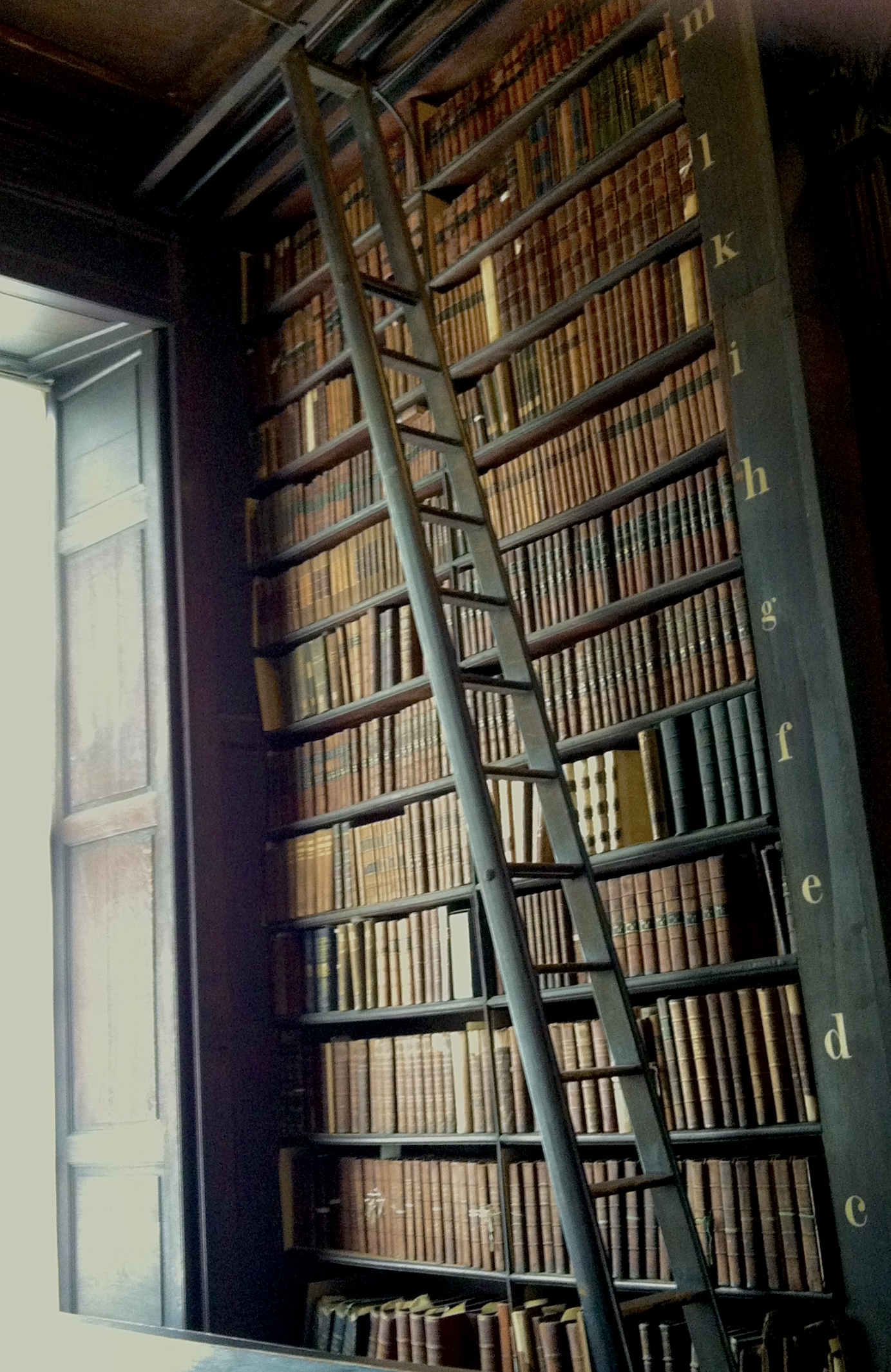
If librarians were honest, they would say, No one spends time here without being changed. Maybe you should go home. While you still can. ~Joseph Mills from “If Librarians Were Honest”
Why are we reading, if not in hope of beauty laid bare, life heightened and its deepest mystery probed?
Can the writer isolate and vivify all in experience that most deeply engages our intellects and our hearts?
Why are we reading, if not in hope that the writer will magnify and dramatize our days, will illuminate and inspire us with wisdom, courage and the hope of meaningfulness, and press upon our minds the deepest mysteries, so we may feel again their majesty and power? ~Annie Dillard from “Write Till You Drop”
…for people who love books and need To touch them, open them, browse for a while, And find some common good––that’s why we read. Readers and writers are two sides of the same gold coin. You write and I read and in that moment I find A union more perfect than any club I could join: The simple intimacy of being one mind. Here in a book-filled sun-lit room below the street, Strangers––some living, some dead––are hoping to meet. ~Garrison Keillor
The mere brute pleasure of reading–the sort of pleasure a cow has in grazing. ~G.K. Chesterton
Each day as I decide what to share here, I think of each of you who might open my email, or click on a link to see what I have to say.
We are alone together, you and I, for only a few minutes. I consider that precious time you are entrusting to me and want to make it worthwhile.
When you read this, you may be eating breakfast, or in the middle of your workday at the computer, or on your phone during a commute, or sitting in a waiting room wondering when your name will be called.
Or maybe you are sitting in the bathroom, or past ready to fall asleep in bed.
I am honored and humbled to hear from you after our alone time together each day.
I too spend reading time alone every day, grateful for what writers write while alone. I don’t tell them often enough how they change my day for the better.
Some are long gone from this world, so I’ll never have the chance.
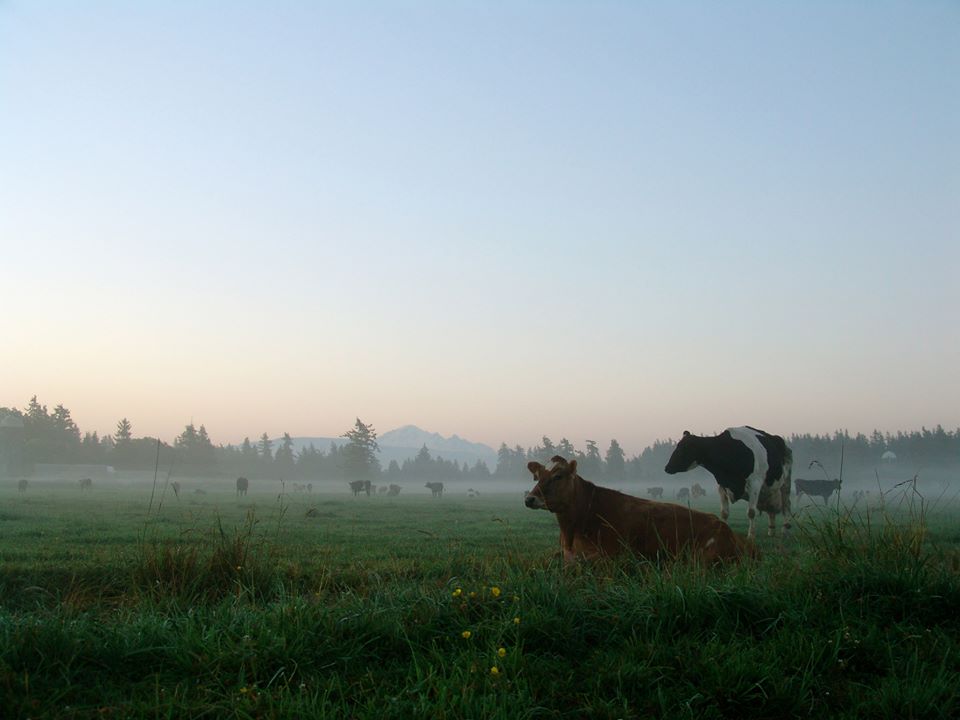
Like infinite blades of grass in a pasture, I find far too many words to read — so much to consume, so little time. I nibble away, blade by blade, page by page, word by word, but the greatest pleasure of all is to settle down into a good long cud-chewing session, redigesting and mulling over what all I’ve taken in.
It is brute pleasure to take in words that grow roots so deep they never go away, words that sustain and make me grow and keep me alive. Words to illuminate from without and within.
The thing is to love life, to love it even when you have no stomach for it and everything you’ve held dear crumbles like burnt paper in your hands, your throat filled with the silt of it. When grief sits with you, its tropical heat thickening the air, heavy as water more fit for gills than lungs; when grief weights you like your own flesh only more of it, an obesity of grief, you think, How can a body withstand this? Then you hold life like a face between your palms, a plain face, no charming smile, no violet eyes, and you say, yes, I will take you I will love you, again. ~Ellen Bass, “The Thing Is” from Mules of Love
...everything here seems to need us —Rainer Maria Rilke
It’s a hard time to be human. We know too much and too little. Does the breeze need us? If you’ve managed to do one good thing, the ocean doesn’t care. But when Newton’s apple fell toward the earth, the earth, ever so slightly, fell toward the apple. ~Ellen Bass from “The World Has Need of You” from Like a Beggar
Fallen leaves will climb back into trees. Shards of the shattered vase will rise and reassemble on the table. Plastic raincoats will refold into their flat envelopes. The egg, bald yolk and its transparent halo, slide back in the thin, calcium shell. Curses will pour back into mouths, letters un-write themselves, words siphoned up into the pen. My gray hair will darken and become the feathers of a black swan. Bullets will snap back into their chambers, the powder tamped tight in brass casings. Borders will disappear from maps. Rust revert to oxygen and time. The fire return to the log, the log to the tree, the white root curled up in the un-split seed. Birdsong will fly into the lark’s lungs, answers become questions again. When you return, sweaters will unravel and wool grow on the sheep. Rock will go home to mountain, gold to vein. Wine crushed into the grape, oil pressed into the olive. Silk reeled in to the spider’s belly. Night moths tucked close into cocoons, ink drained from the indigo tattoo. Diamonds will be returned to coal, coal to rotting ferns, rain to clouds, light to stars sucked back and back into one timeless point, the way it was before the world was born, that fresh, that whole, nothing broken, nothing torn apart. ~Ellen Bass “When You Return” from Like a Beggar
There is so much grief these days so much anger, so much loss of life, so much weeping.
How can we withstand this? How can we know, now, when we are barely able to breathe that we might know – at some point – we might have the stomach to love life again?
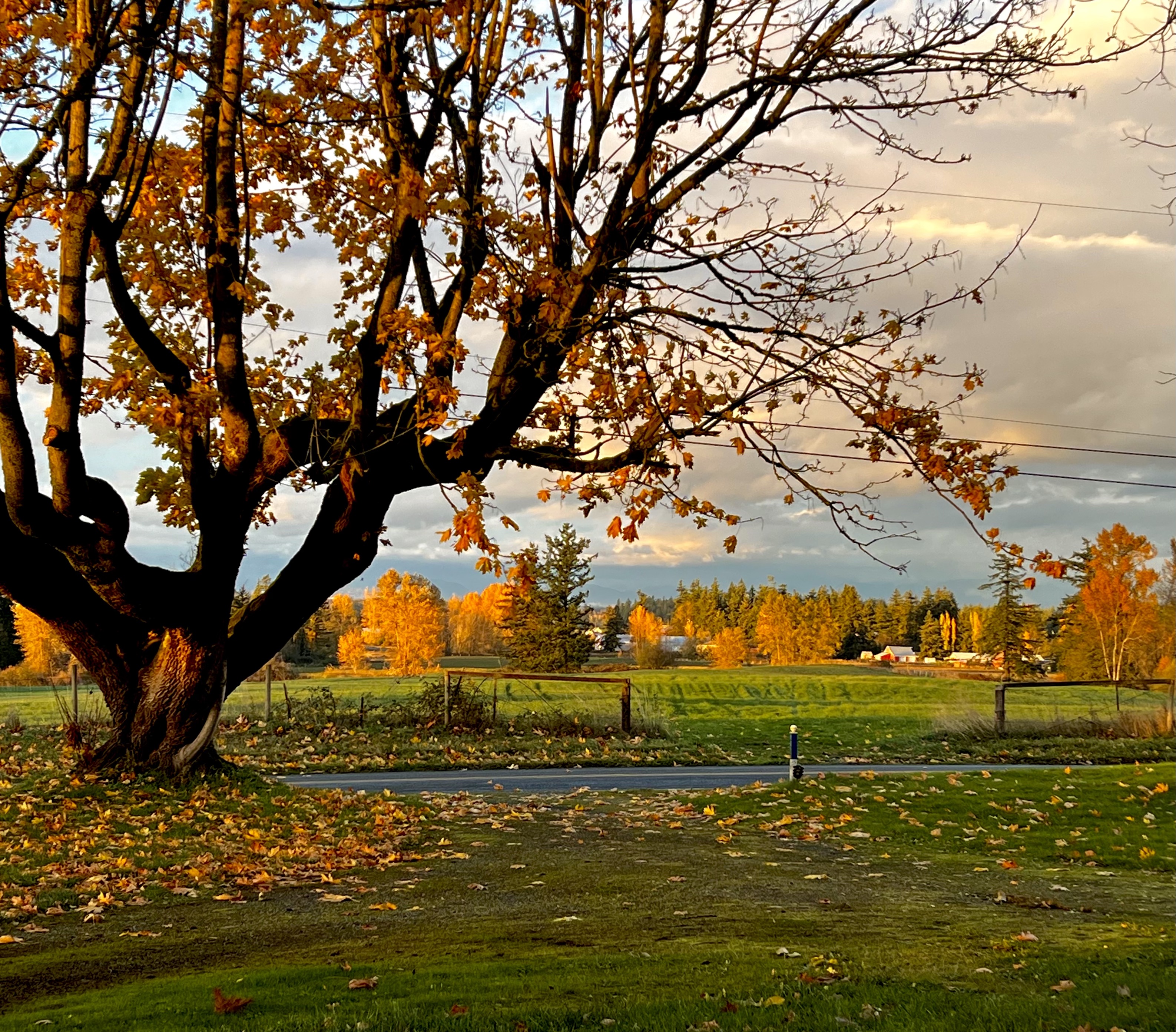
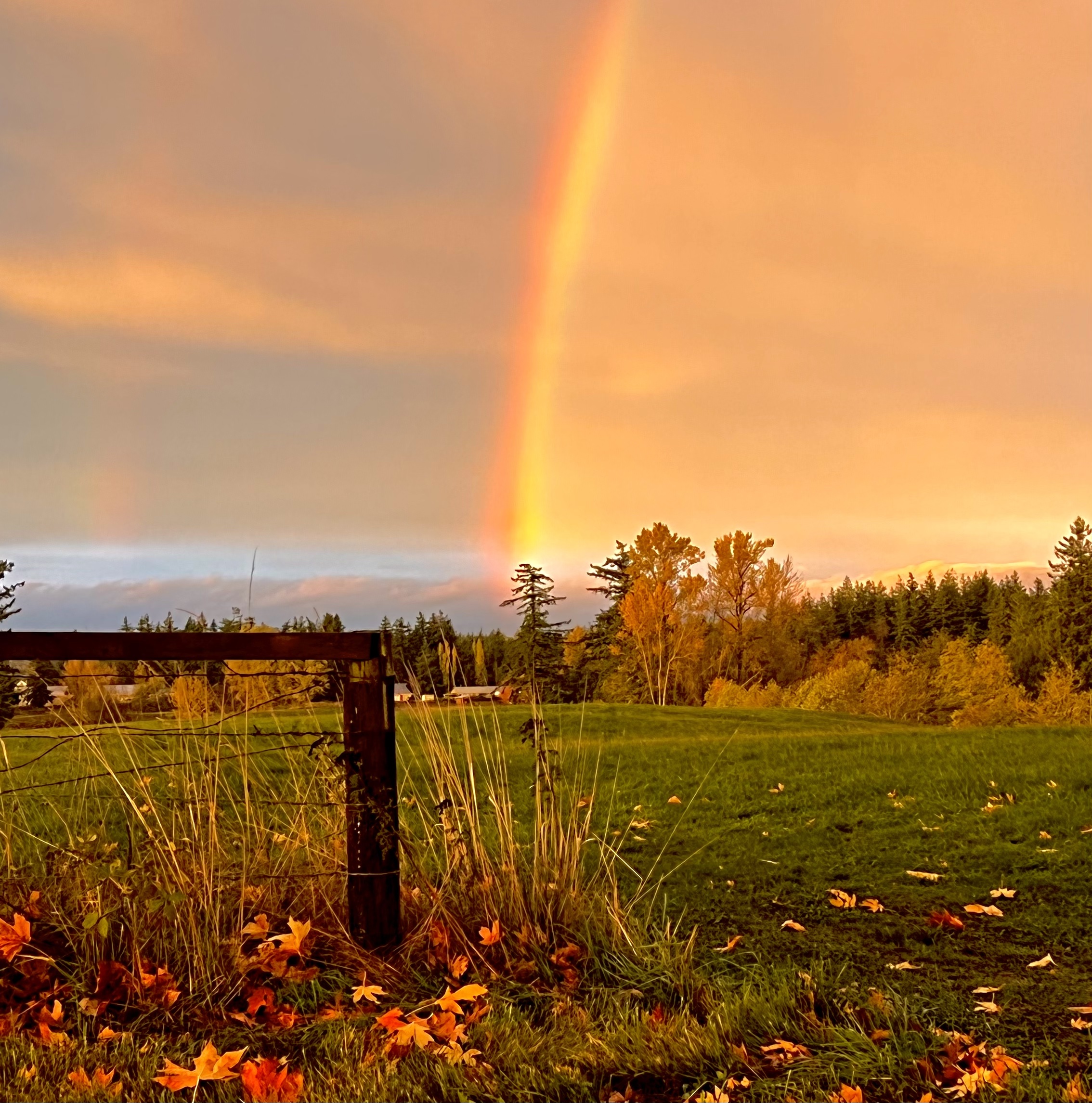
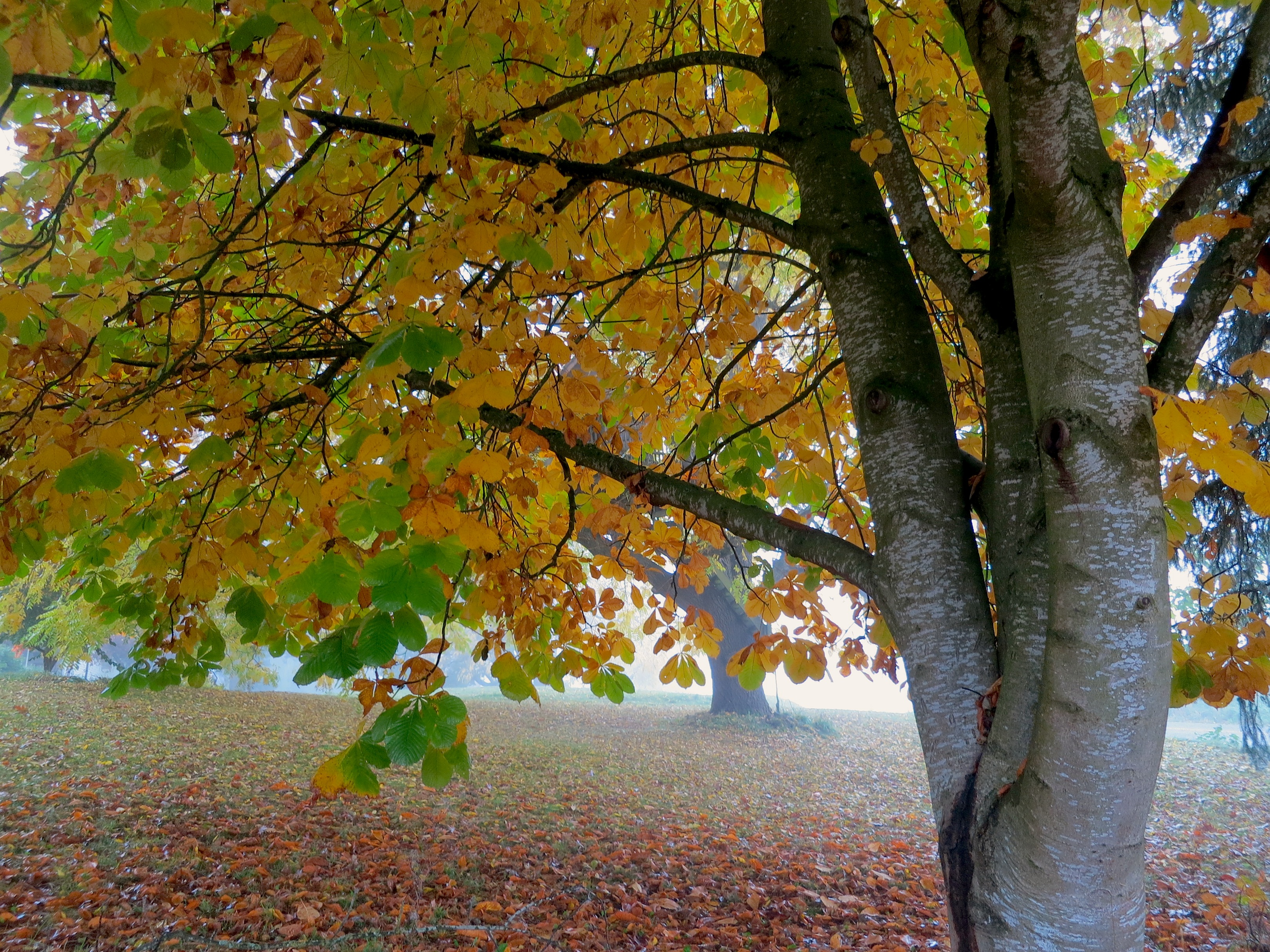
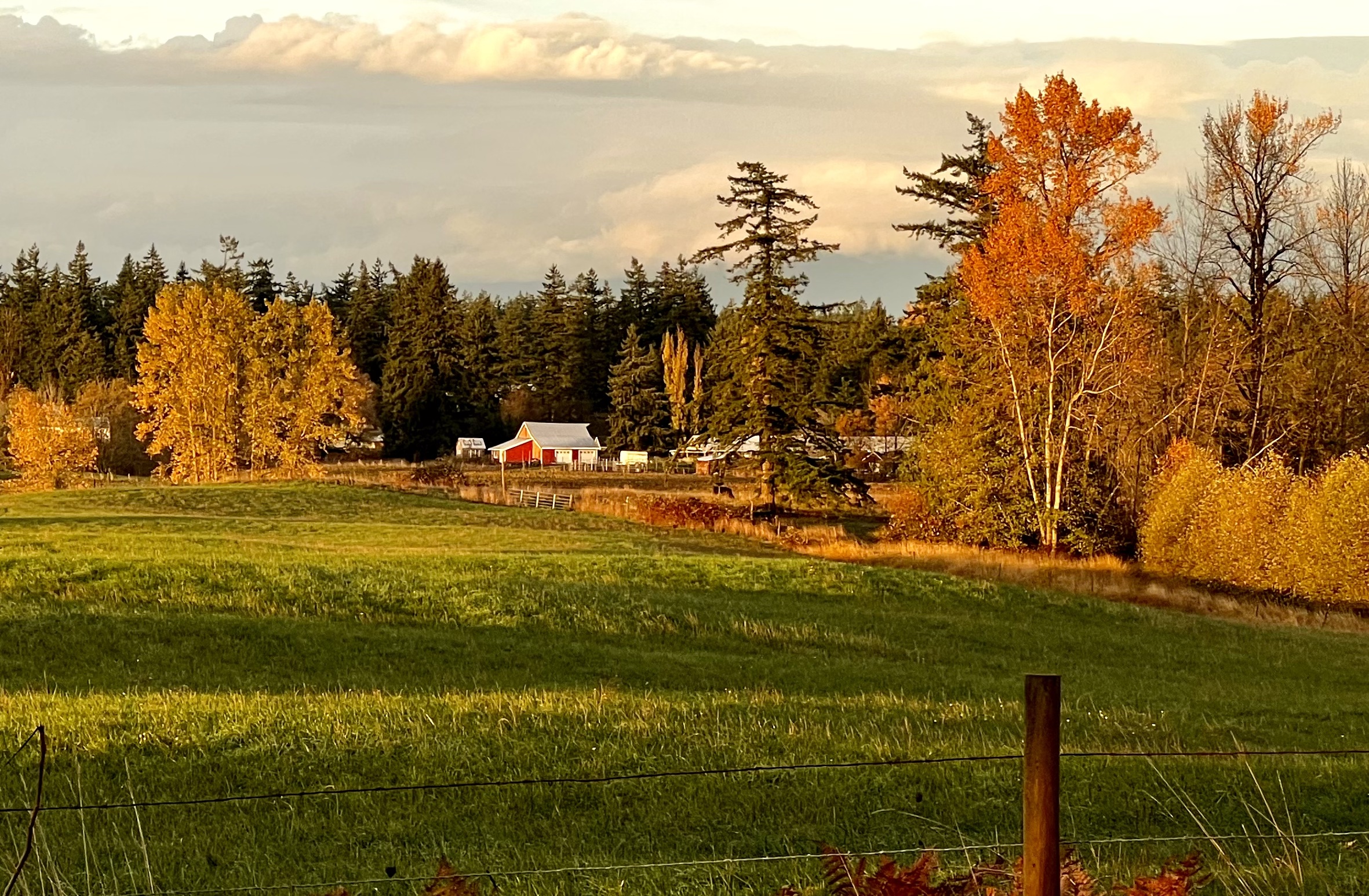
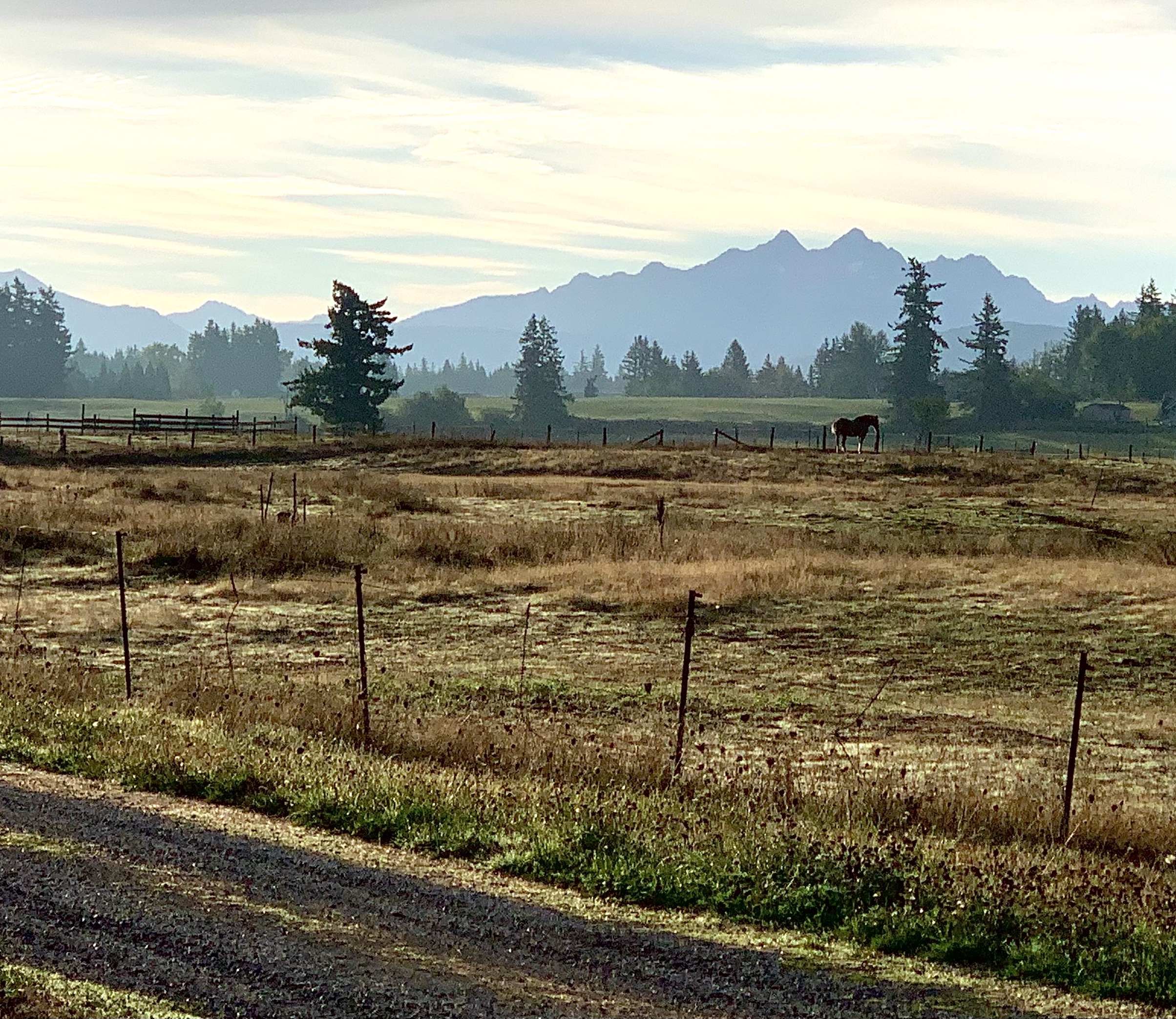
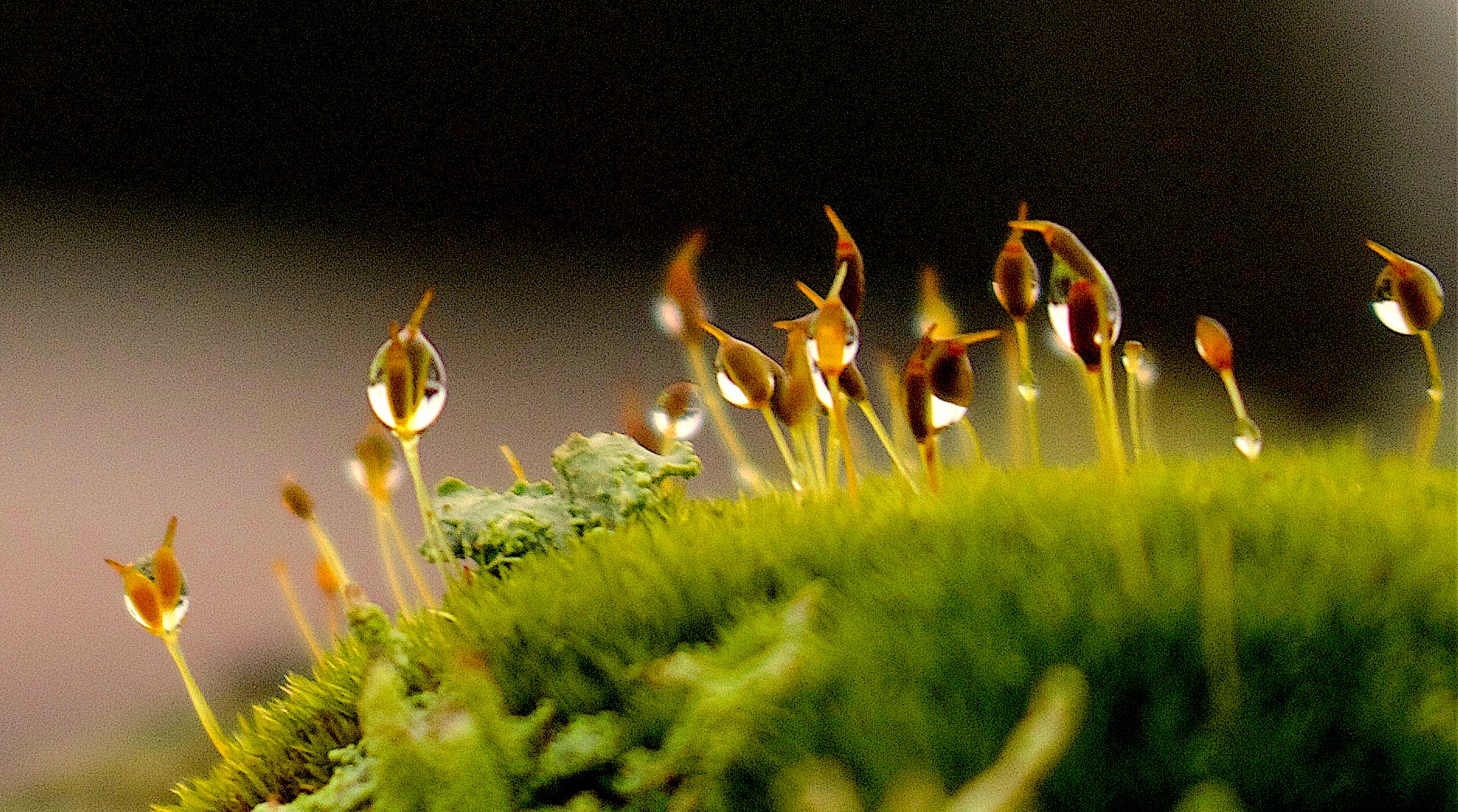
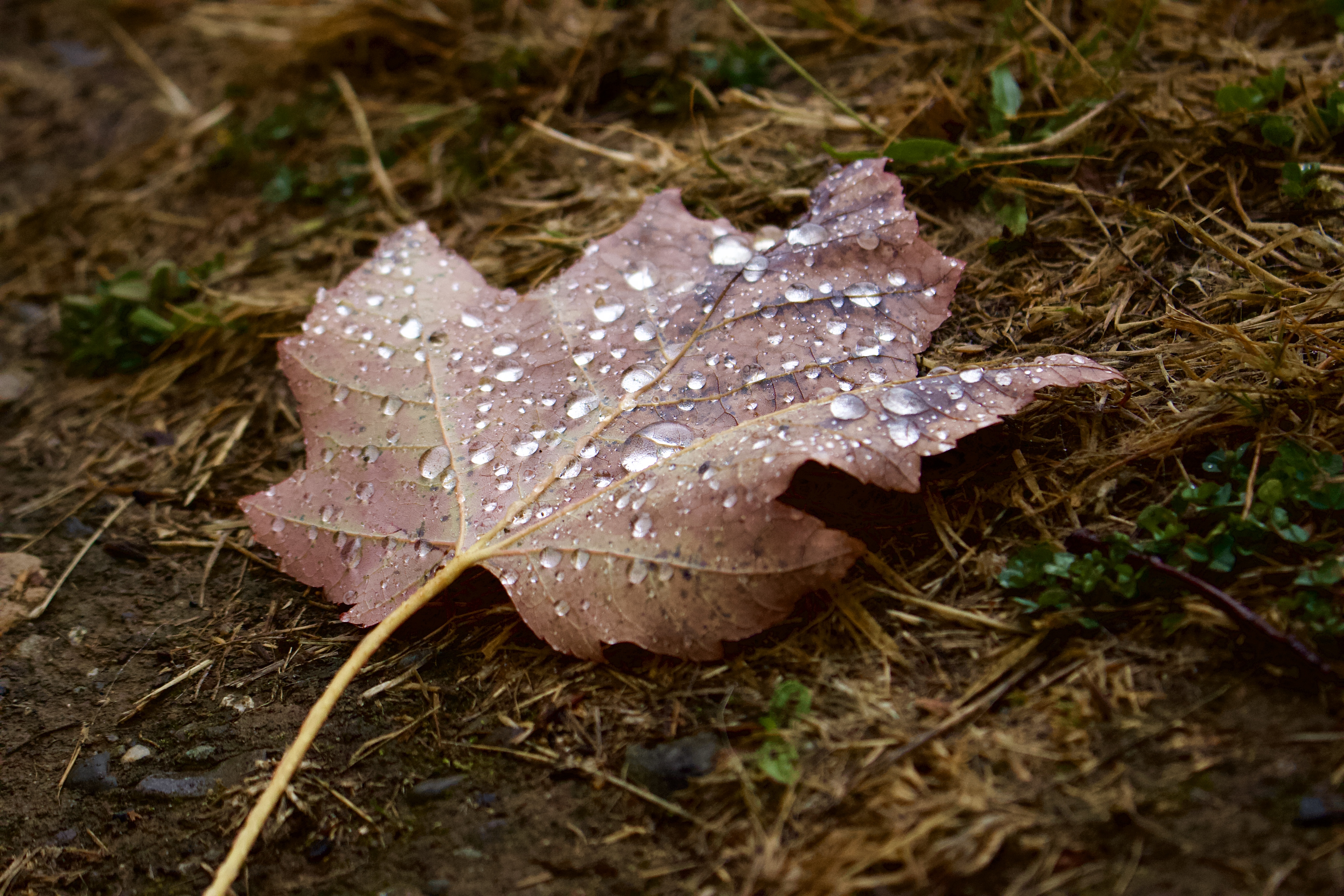
This time of year, no matter which way I turn, autumn’s kaleidoscope displays new patterns, new colors, new empty spaces as I watch the world die into itself once again.
Some dying is flashy, brilliant, blazing – a calling out for attention. Then there is the hidden dying that happens without anyone taking notice: just a plain, tired, rusting away letting go.
I spent this morning adjusting to the change in season by occupying myself with the familiar task of moving manure. Cleaning barn is a comforting chore, allowing me to transform tangible benefit from something objectionable and just plain stinky to the nurturing fertilizer of the future.
It feels like I’ve actually accomplished something.
As I scoop and push the wheelbarrow, I recalled another barn cleaning 24 years ago, just days before the world changed on 9/11/01.
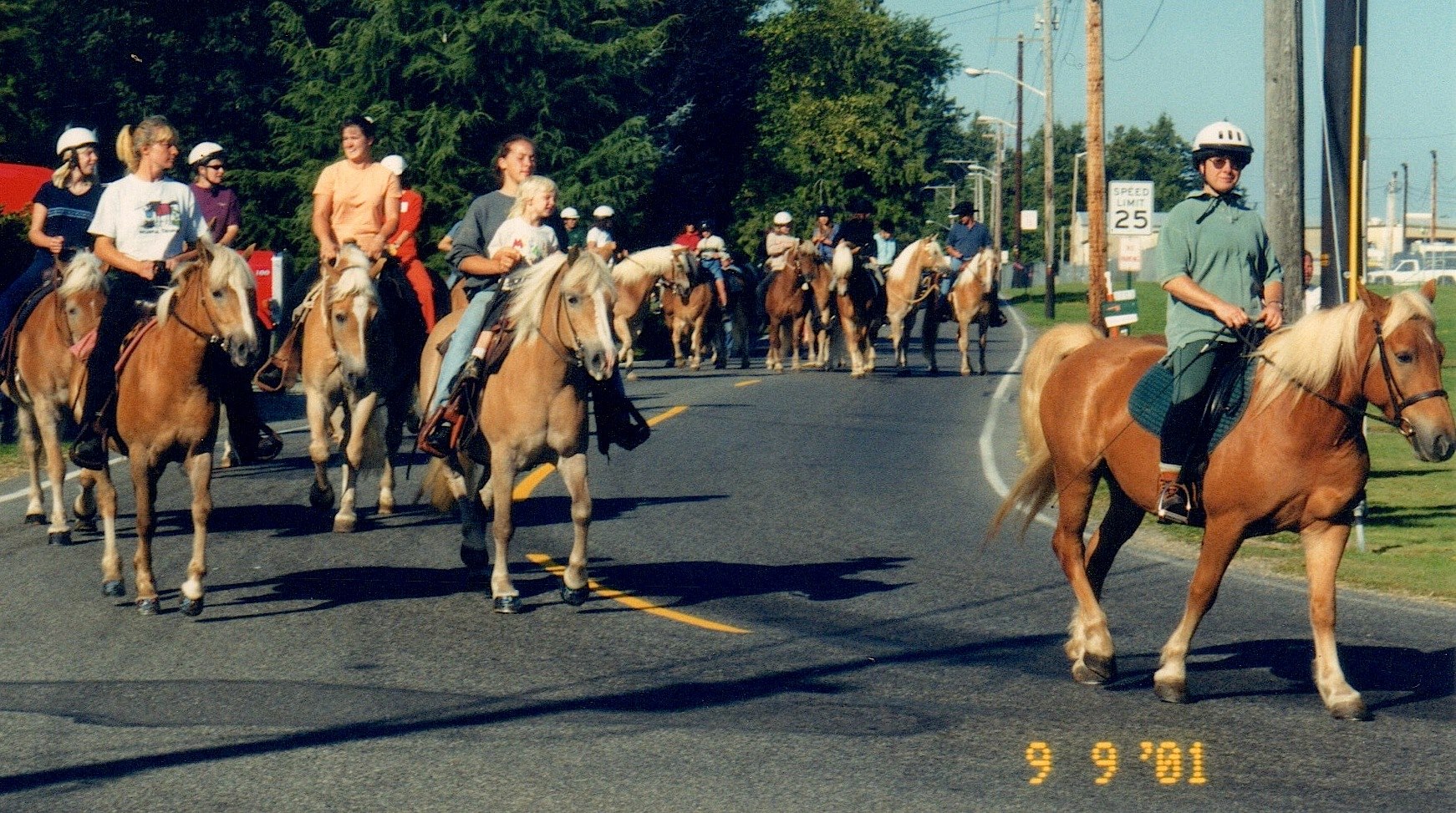
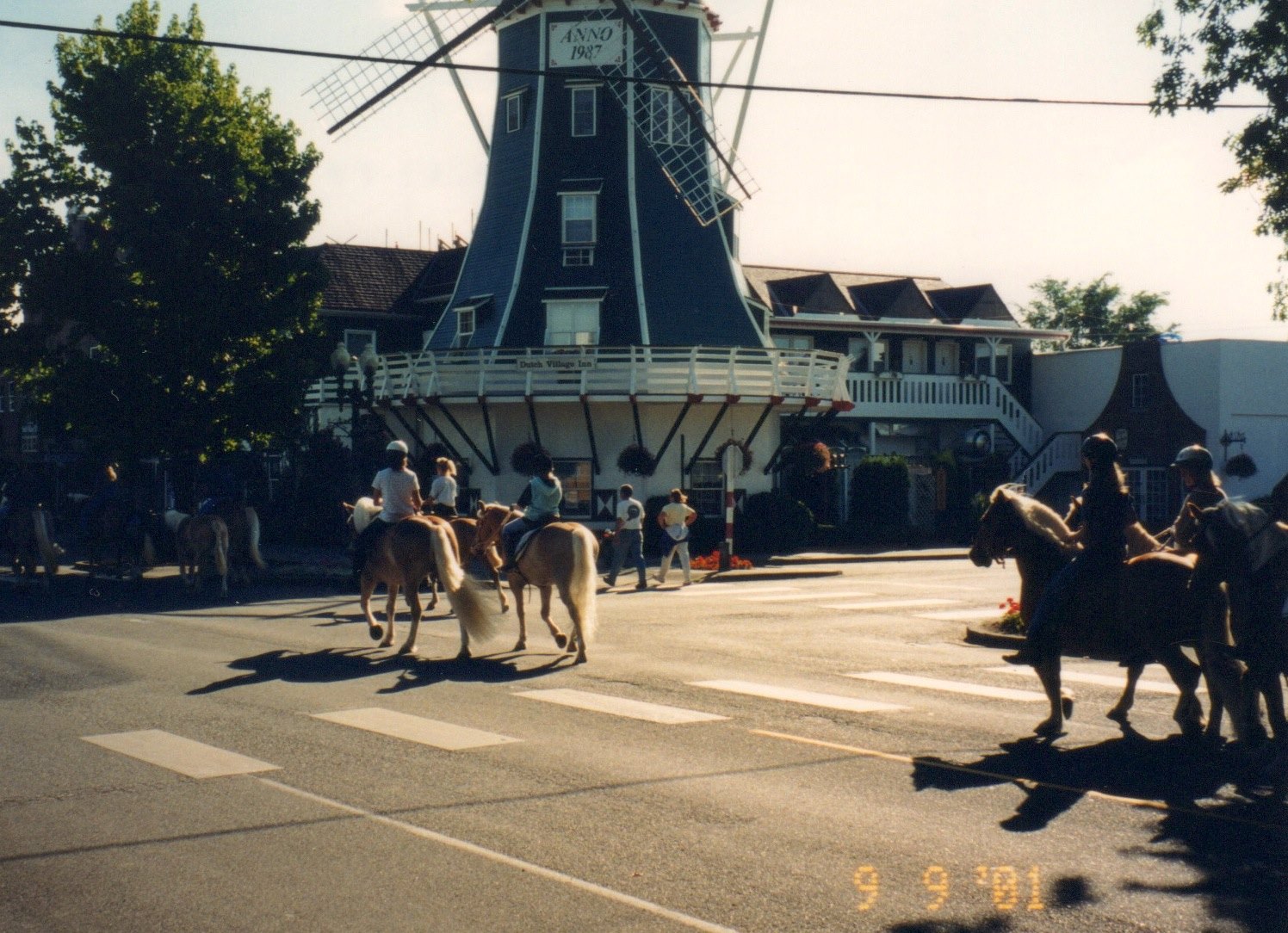
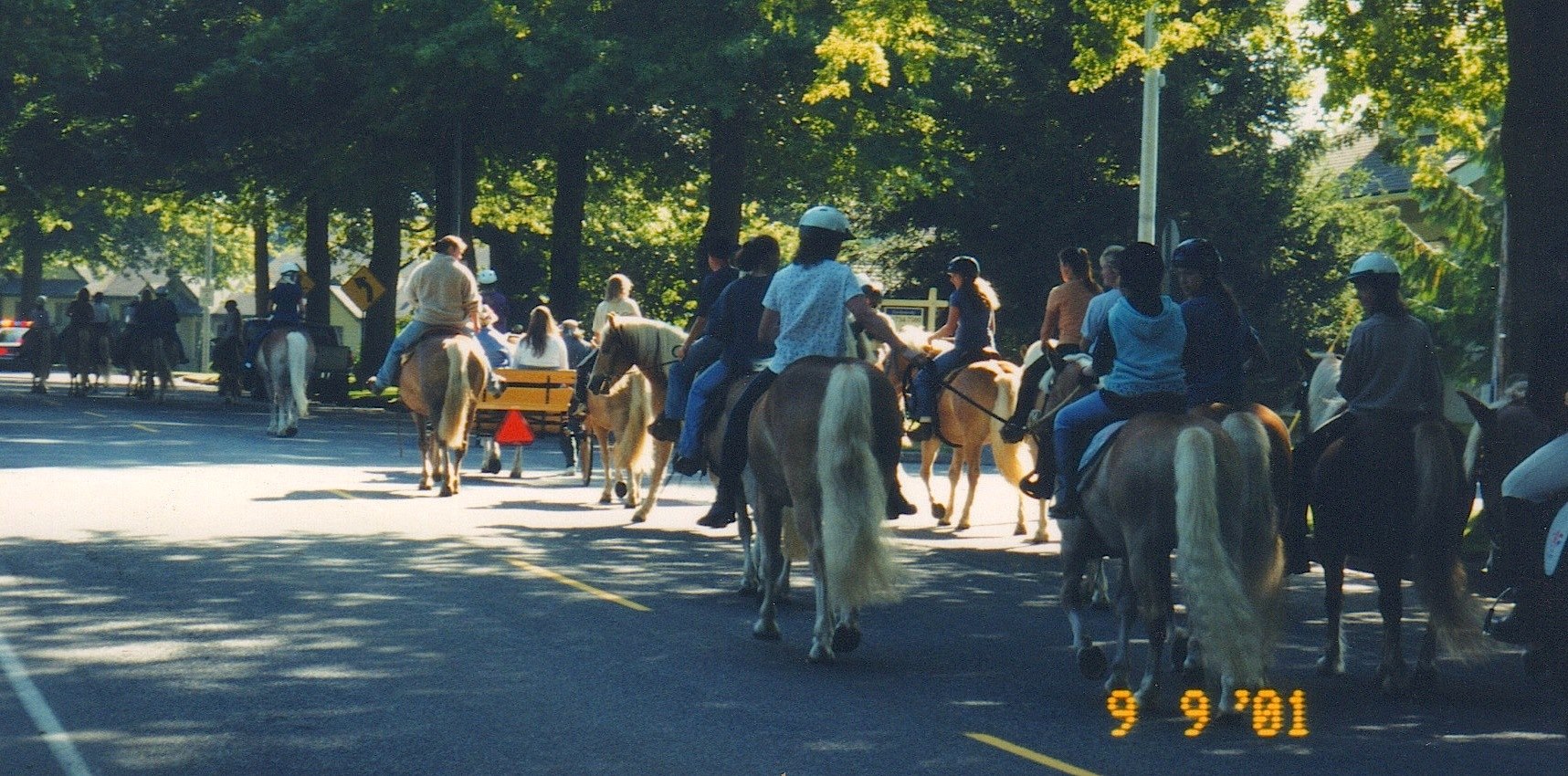
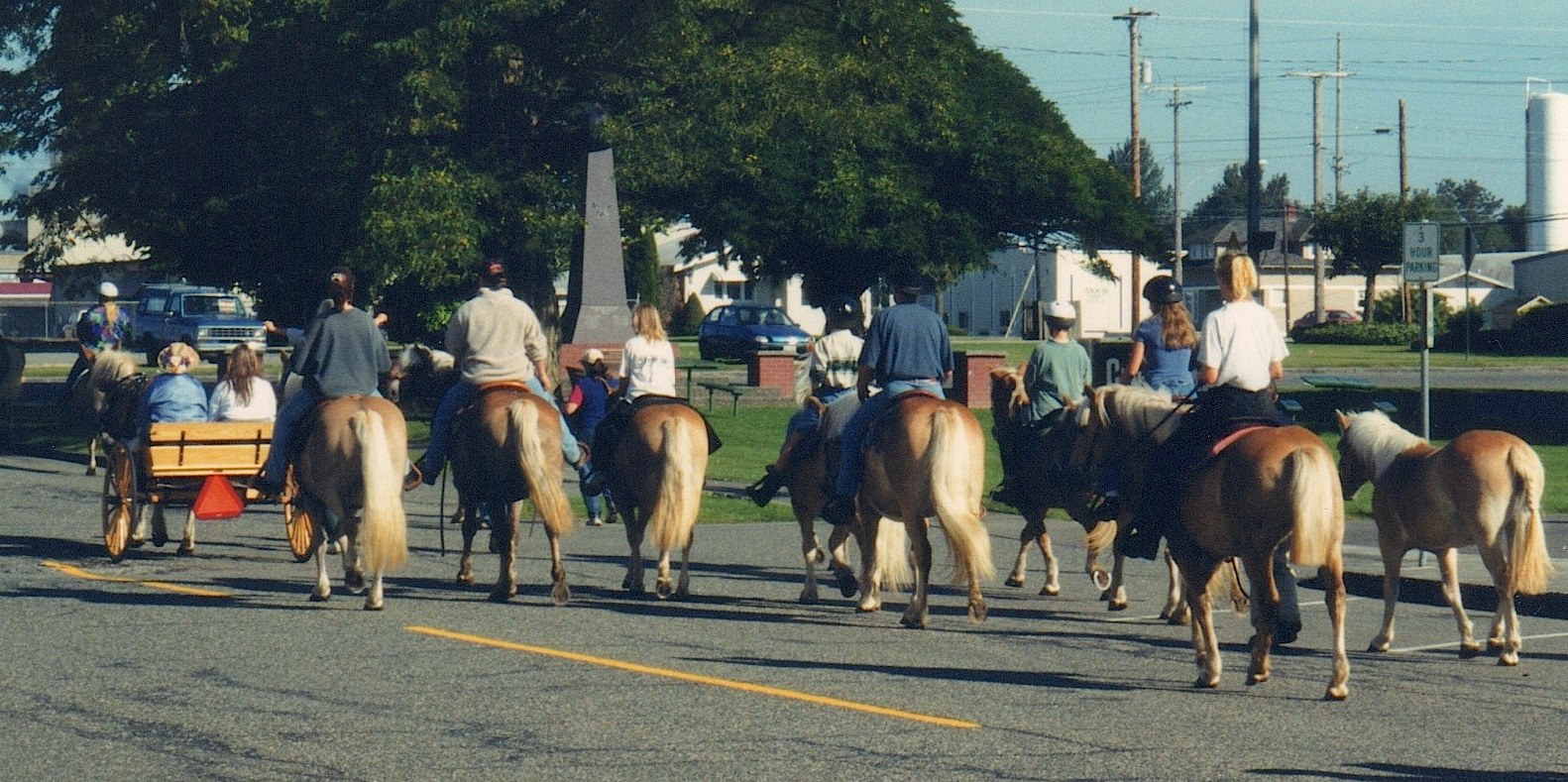
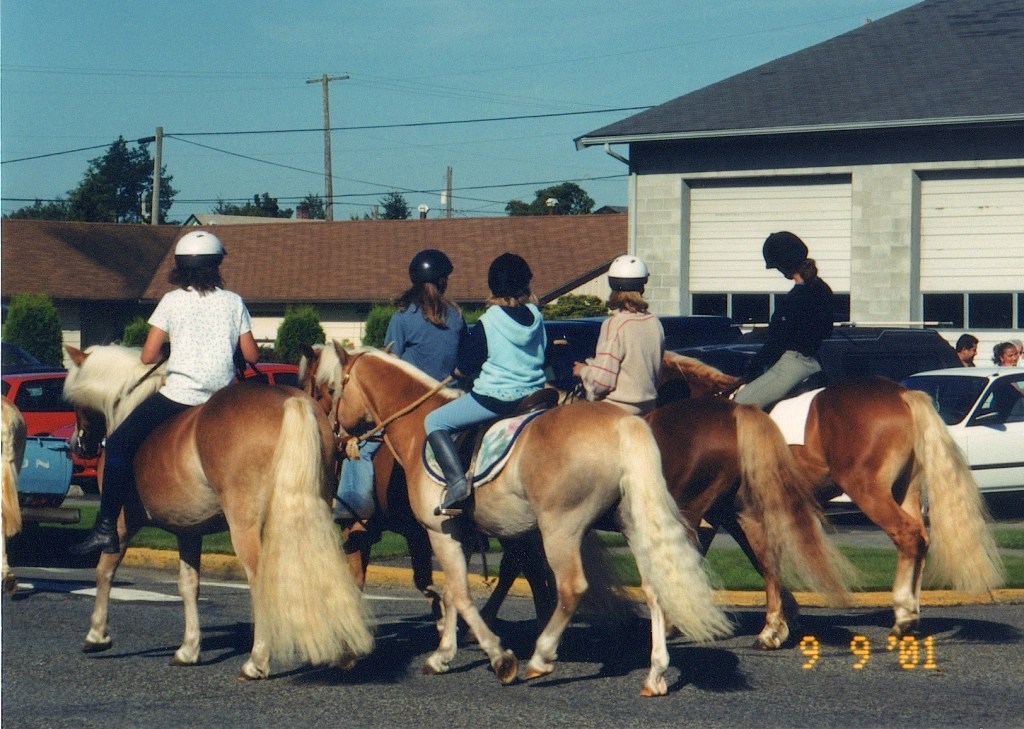
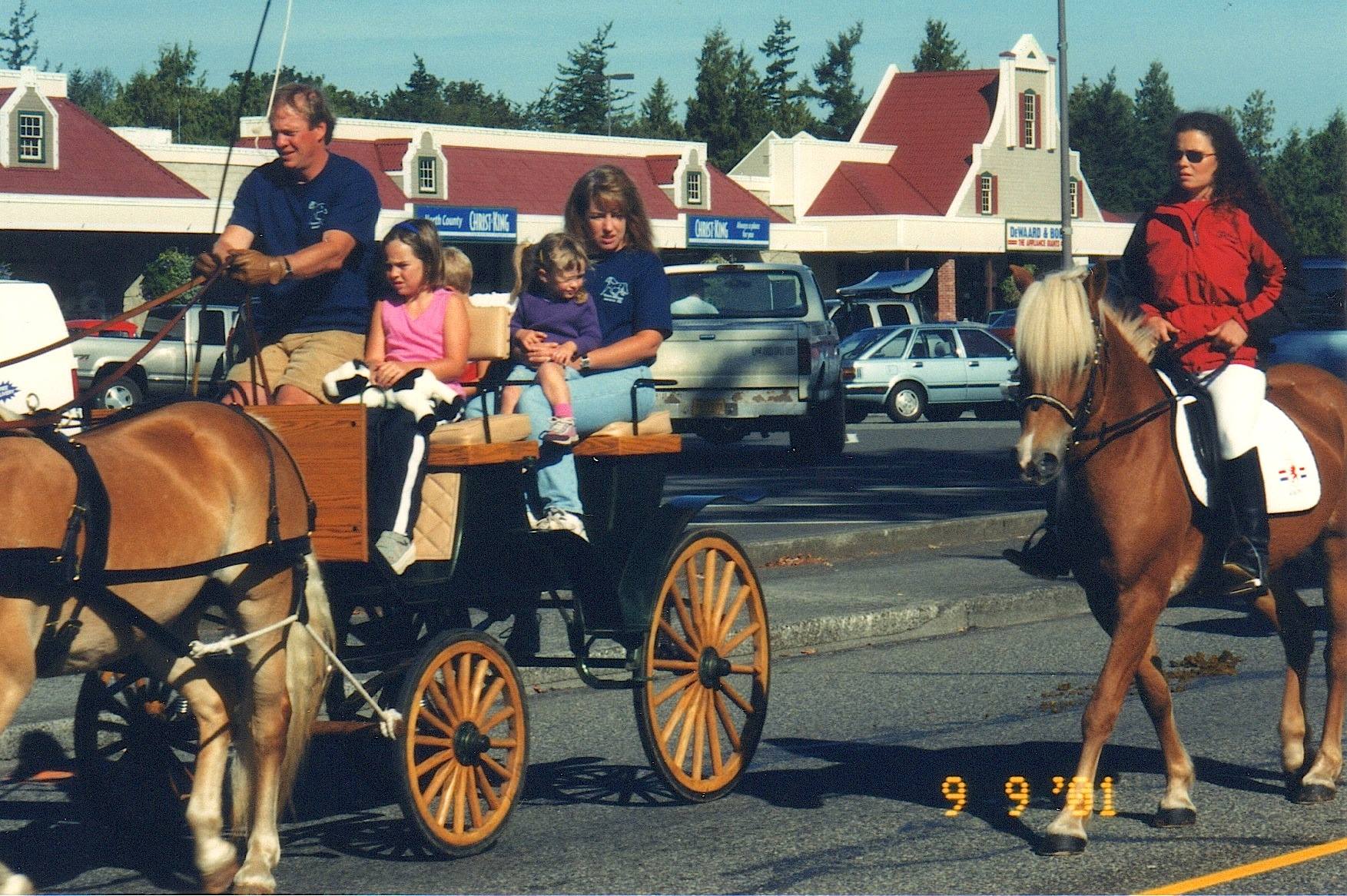
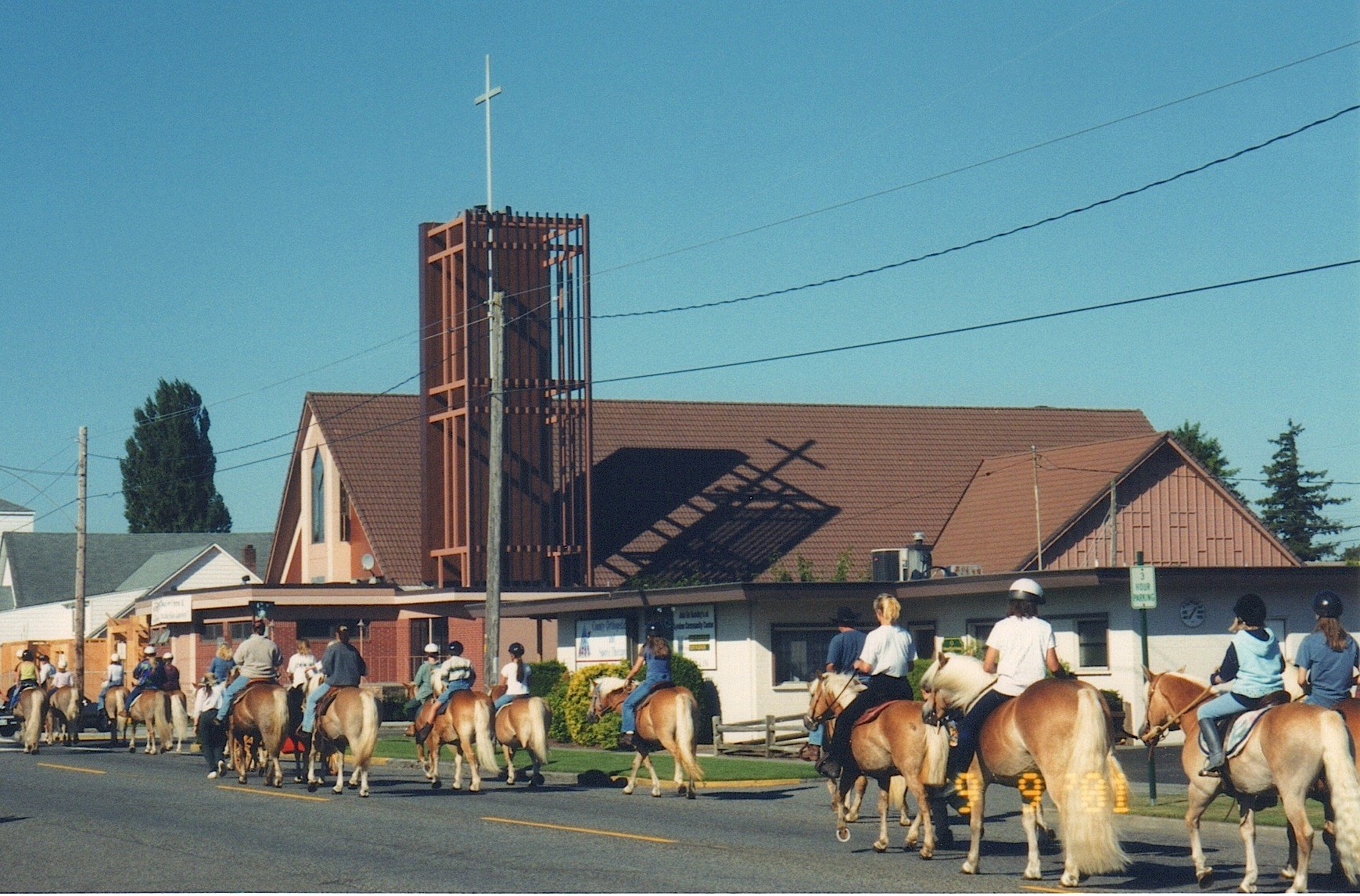
I was one of three or four friends left cleaning over ninety stalls after a Haflinger horse event that I had organized at our local fairgrounds. Some people had brought their horses from over 1000 miles away to participate for several days, including a Haflinger parade through our town on a quiet Sunday morning.
There had been personality clashes and harsh words among some participants along with criticism directed at me as the organizer that I had taken very personally. As I struggled with the umpteenth wheelbarrow load of manure, tears stung my eyes and my heart.
I was miserable with regret, feeling my work had been futile and unappreciated.
One friend had stayed behind with her young family to help clean up the large facility and she could see I was struggling to keep my composure. Jenny put herself right in front of my wheelbarrow and looked me in the eye, insisting I stop for a moment and listen:
“You know, none of these troubles and conflicts will amount to a hill of beans years from now. People will remember a fun event in a beautiful part of the country, a wonderful time with their Haflingers, their friends and family, and they’ll be all nostalgic about it, not giving a thought to the infighting or the sour attitudes or who said what to whom. So don’t make this about you and whether you did or didn’t make everyone happy. You loved us all enough to make it possible to meet here and the rest was up to us. So quit being upset about what you can’t change. There’s too much you can still do for us.”
Jenny had no idea how wise her words were, even two days later, on 9/11.
During tough times since (and there have been plenty), Jenny’s advice replays, reminding me to cease seeking appreciation from others or feeling hurt when harsh words come my way.
She was right about the balm found in the tincture of time. She was right about giving up the upset in order to die to self and self absorption, and instead to focus outward.
I have remembered.
Jenny herself did not know that day she would subsequently spend six years dying while still loving life every day, fighting a relentless cancer that was only slowed in the face of her faith and intense drive to live.
She became a rusting leaf gone holy, fading imperceptibly over time, crumbling at the edges until she finally had to let go. Her dying did not flash brilliance, nor draw attention at the end. Her intense focus during the years of her illness had always been outward to others, to her family and friends, to the healers she spent so much time with in medical offices, to her firm belief in the plan God had written for her and those who loved her.
So Jenny let go her hold on life here. And we reluctantly let her go. Brilliance cloaks her as her focus is now on things eternal.
You were so right, Jenny. The hard feelings from a quarter century ago don’t amount to a hill of beans now. The words you spoke to me that day taught me to love life even when I have no stomach for it.
All of us did have a great time together a few days before the world changed. And manure transforms over time to rich, nurturing compost.
I promise I am no longer upset that I can’t change what is past nor the fact that you and so many others have now left us.
But we’ll catch up later.
One-Time
Monthly
Yearly
Make a one-time or recurring donation to support daily Barnstorming posts
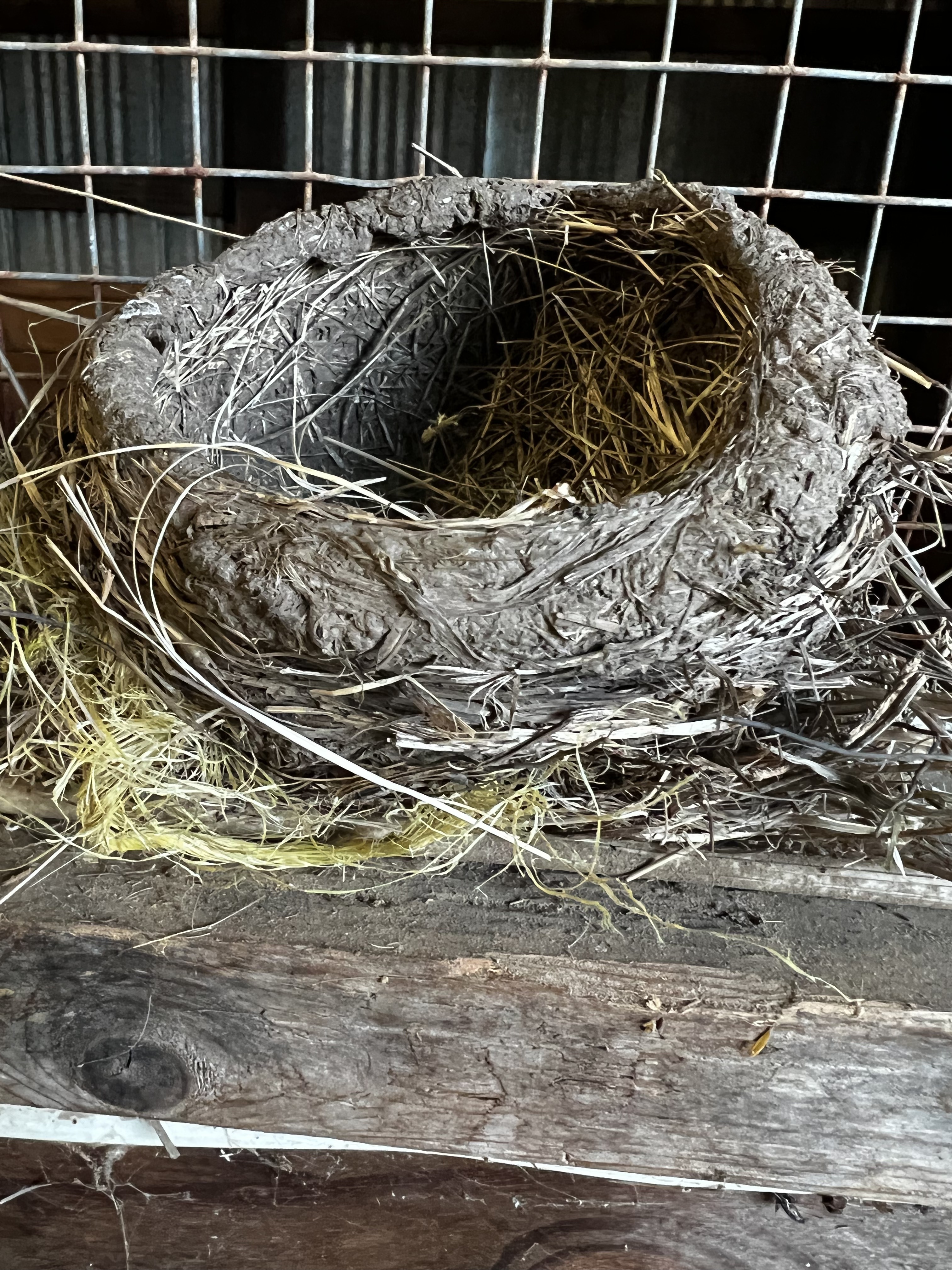
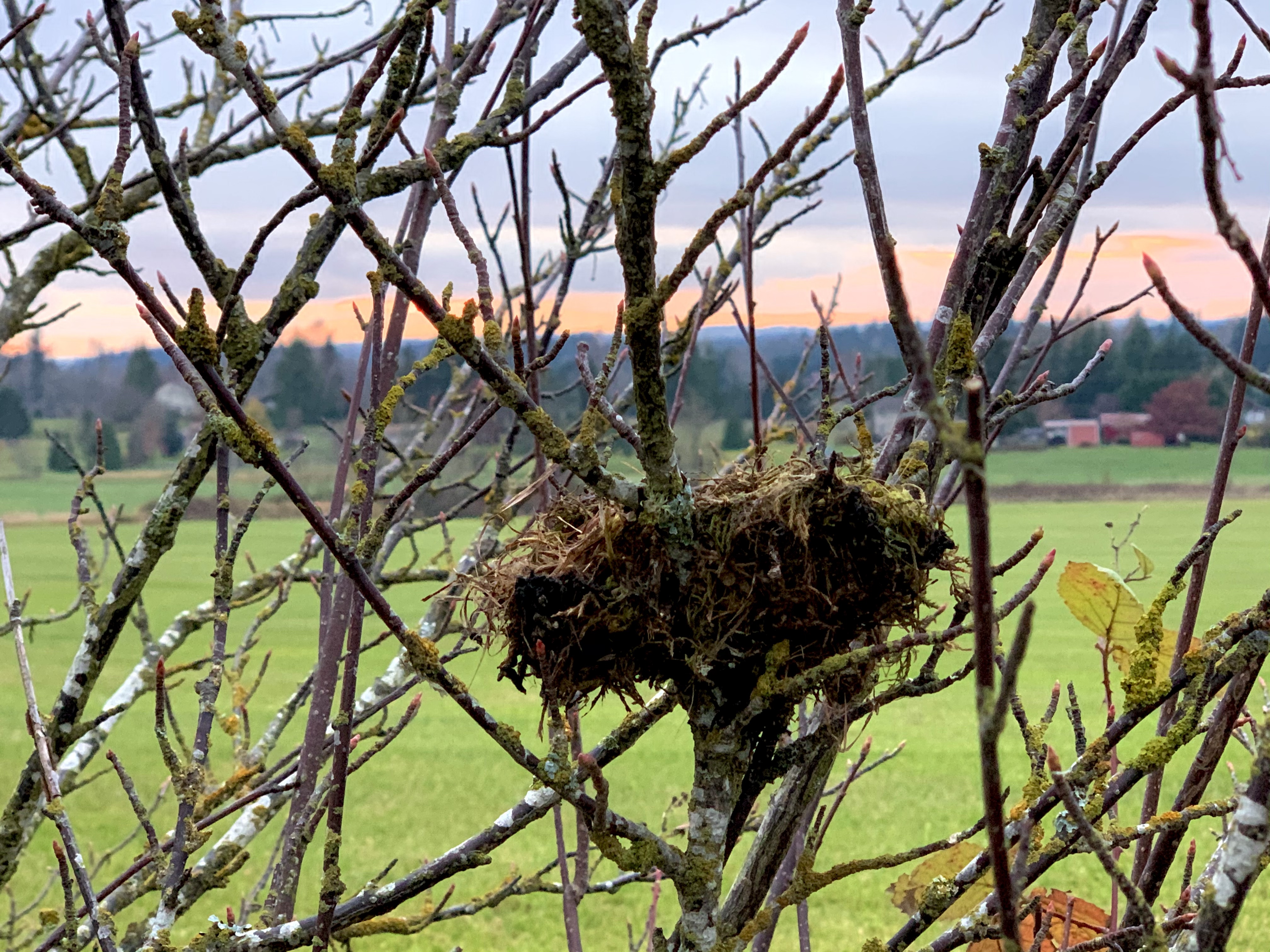
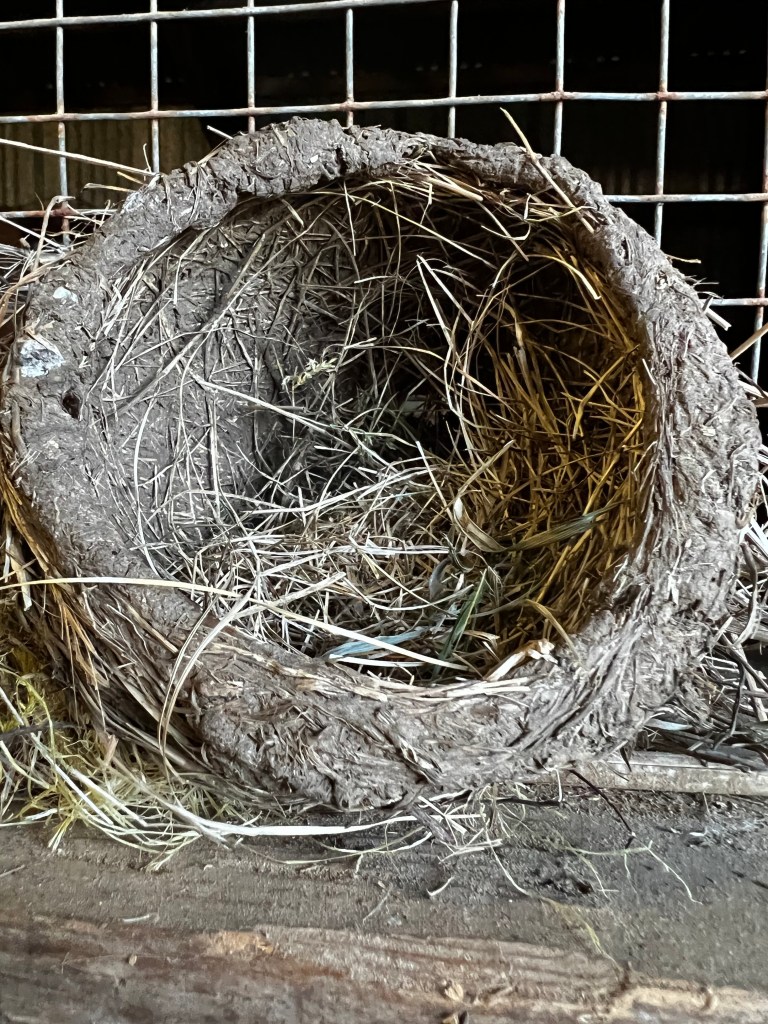
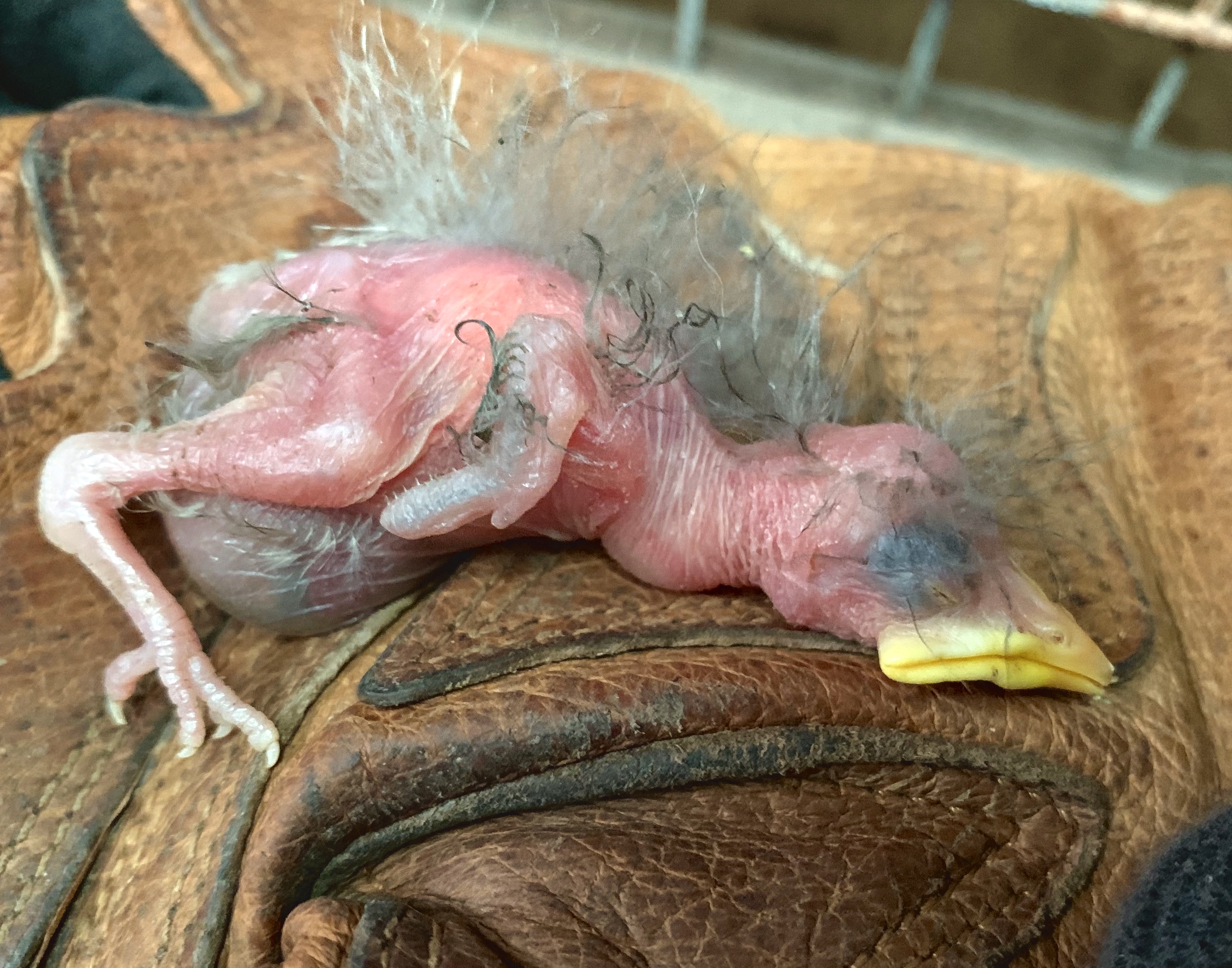
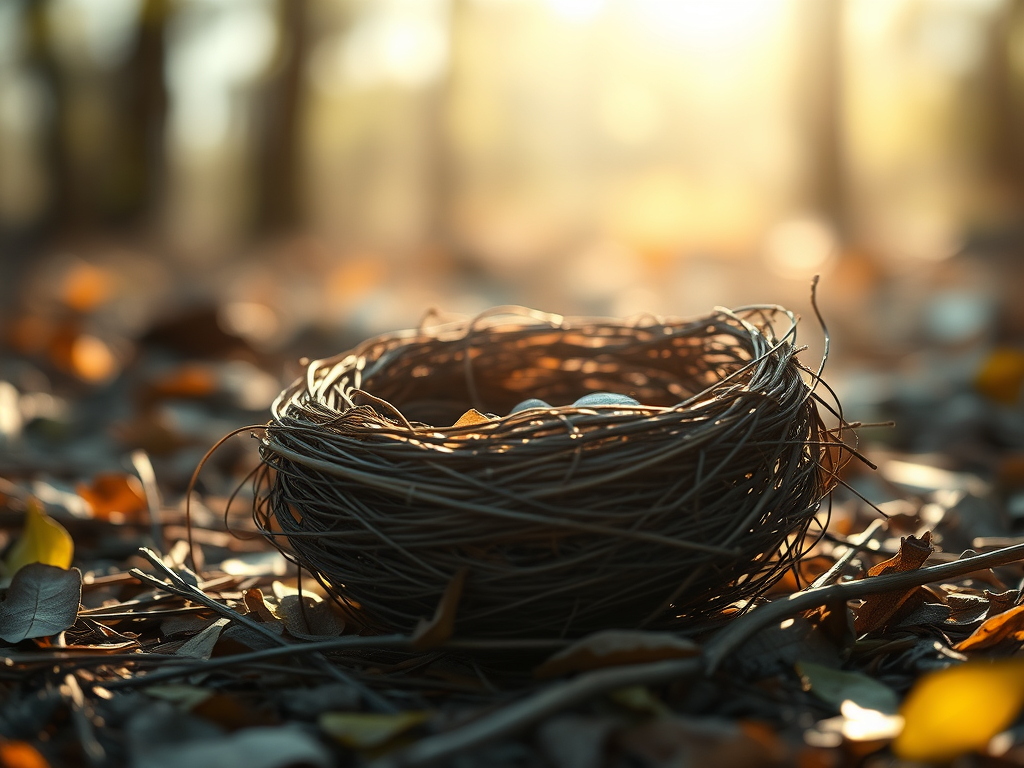
It’s not like losing a child where you just sit there and the child just sits there but you’re the only one doing the talking. It’s more like a placenta out of sticks and mud in the driveway, a former home where something was born and left, or maybe was born and never got to leave or was swept away by the wind that came through here last night, maybe more like having a house burn to the ground, no big deal if you have wings to take you somewhere else. ~Casey Killingsworth “A Nest Blew Down” from Freak Show
Every one of us knows loss. At times, lost things are replaceable; most are not.
When what we love is swept away, so are we. Who we were is no longer who we become in that instant of loss.
All things change; we become strangers in a new land, toppled over, empty, and gasping.
Wings won’t carry us away from ourselves. No matter where our wings take us, we depend on a God who refills our hollowed-out hearts.
AI image created for this post
One-Time
Monthly
Yearly
Make a one-time or recurring donation to support daily Barnstorming posts
But you can have the fig tree and its fat leaves like clown hands gloved with green. You can have the touch of a single eleven-year-old finger on your cheek, waking you at one a.m. to say the hamster is back. You can have the purr of the cat and the soulful look of the black dog, the look that says, If I could I would bite every sorrow until it fled, and when it is August, you can have August and abundantly so. You can have love, though often it will be mysterious, like the white foam that bubbles up at the top of the bean pot over the red kidneys until you realize foam’s twin is blood.
You can speak a foreign language, sometimes, and it can mean something. You can visit the marker on the grave where your father wept openly. You can’t bring back the dead, but you can have the words forgive and forget hold hands as if they meant to spend a lifetime together. You can have your grandfather sitting on the side of your bed, at least for a while, you can have clouds and letters, the leaping of distances, and Indian food with yellow sauce like sunrise. You can’t count on grace to pick you out of a crowd but here is your friend to teach you how to high jump, how to throw yourself over the bar, backwards, until you learn about love, about sweet surrender, and here are periwinkles, buses that kneel, farms in the mind as real as Africa.
And when adulthood fails you, you can still summon the memory of the black swan on the pond of your childhood, the rye bread with peanut butter and bananas your grandmother gave you while the rest of the family slept. There is the voice you can still summon at will, like your mother’s, it will always whisper, you can’t have it all, but there is this. ~Barbara Ras from “You Can’t Have It All” from Bite Every Sorrow
My pragmatic mother gave up her teaching career for marriage and family so would remind me regularly that I couldn’t have it all: there was no way a woman can have a husband and children and a farm and a garden and animals and a profession and write and travel and volunteer in the community and not make a mess of it all and herself.
My father would listen to her and say to me softly under his breath: “you do whatever you put your mind to…you know what you are here for.”
They were both right.
The alluring abundance of this life has invited me to want to touch and feel and taste it all, not unlike another woman who was placed with purpose in the Garden to be a side-by-side companion and co-worker. Yet she demonstrated what happens when you want more than you are given and yes, she indeed made a mess of things.
Yet there is this: despite wanting it all and working hard for it all and believing I could do it all, I missed the point altogether.
Life is all gift, never earned. Life is all grace, not deserved. It is all August abundance, it is right now, sustaining us through the year’s droughts and floods and storms and drab gray weather.
And there is this: I know what I am here for.
One-Time
Monthly
Yearly
Make a one-time or recurring donation to support daily Barnstorming posts
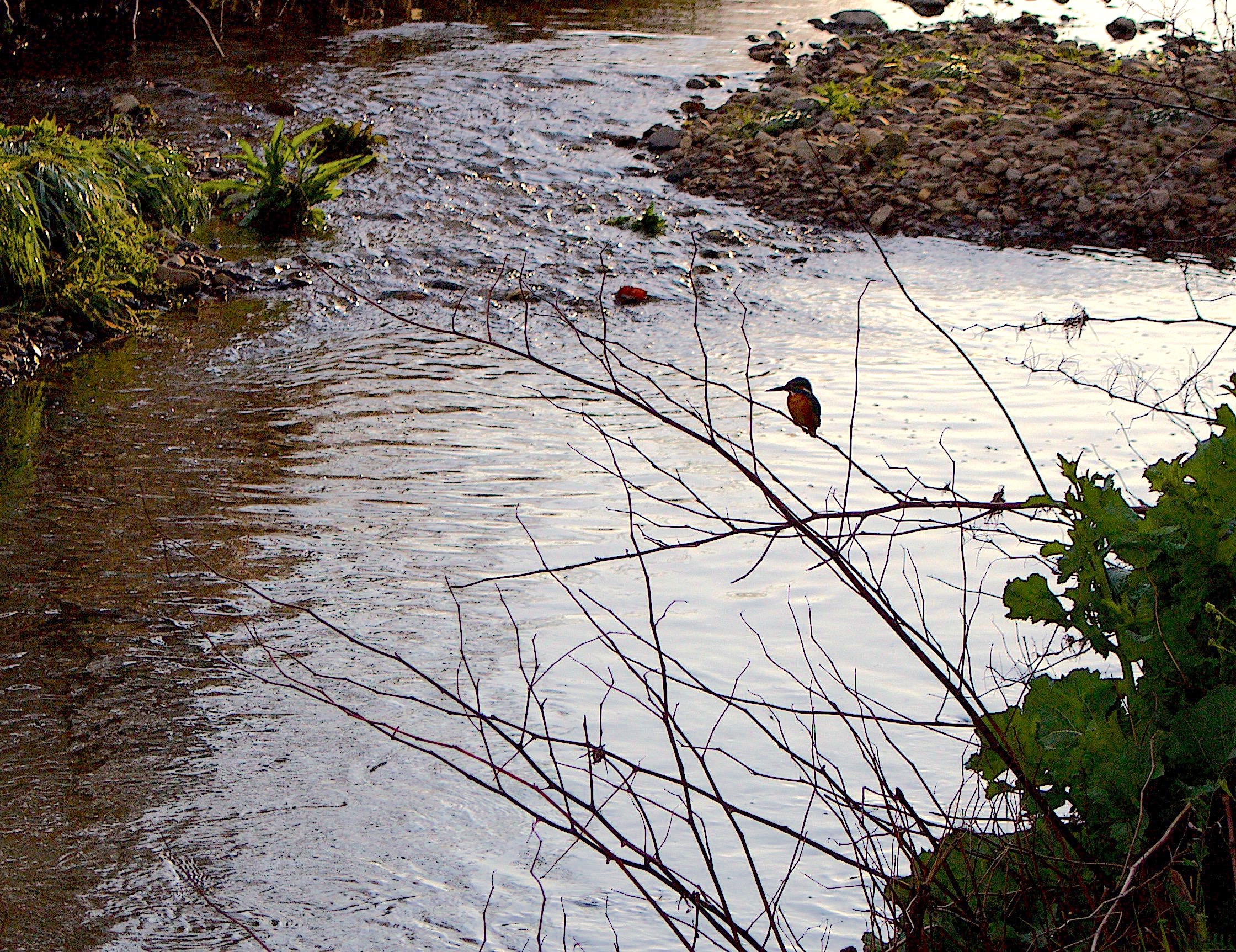
In the grey summer garden I shall find you With day-break and the morning hills behind you. There will be rain-wet roses; stir of wings; And down the wood a thrush that wakes and sings. Not from the past you’ll come, but from that deep Where beauty murmurs to the soul asleep: And I shall know the sense of life re-born From dreams into the mystery of morn Where gloom and brightness meet. And standing there Till that calm song is done, at last we’ll share The league-spread, quiring symphonies that are Joy in the world, and peace, and dawn’s one star. ~Siegfried Sassoon“Idyll”
Seventy-one years ago today was a difficult day for both my mother and me.
She remembered it was a particularly hot July 4 with the garden coming on gangbusters and she having quite a time keeping up with summer farm chores. With three weeks to go in her pregnancy, her puffy legs were aching and she wasn’t sleeping well.
She was almost done gestating, with the planned C-section scheduled a few days before my due date of August 1.
She and my dad and my sister had waited eight long years for this pregnancy, having given up hope, having already chosen an infant boy to adopt, the papers signed and waiting on the court for the final approval. They were ready to bring him home when she discovered she was pregnant and the adoption agency gave him to another family.
I’ve always wondered where that little boy ended up, his life trajectory suddenly changed by my unexpected conception. I feel responsible, hoping and praying his life was blessed in another adoptive home.
Every subsequent July 4, my mother would tell me about July 4, 1954 when I was curled upside down inside her impatiently kicking her ribs in my attempts to stretch, hiccuping when she tried to nap, and dozing as she cooked the picnic meal they took to eat while waiting for the local fireworks show to start.
As I grew up, she would remind me as I cringed and covered my ears as fireworks shells boomed overhead, that in 1954 I leapt, startled, inside her with each explosion. She wondered if I might jump right out of her, so she held onto her belly tight, trying to calm and reassure me. Perhaps I was justifiably fearful about what chaos was booming on the outside, as I remained securely inside until the doctor opened Mom up three weeks later.
Now I know I am meant for quieter things, greeting the mystery of each morning with as much calm as I can muster. I still cringe and jump at fireworks and recognize I was blessed to be born to a family who wanted me and waited for me, in a country that had just fought a terrible war. Each child born in those post-war years was a testament to the survival of the American spirit and hope for the future.
Our country now has lost its way in caring first and foremost for the poor, the ill, the hungry, the helpless, the homeless, not only within our borders, but as an outreach beyond our shores to those countries where our help has saved millions of lives.
Will there ever come a day when a baby born in this world will not be threatened with starvation, potentially fatal yet preventable pathogens, or the devastation of war?
Where gloom and brightness meet: defining the drawn lines and borders around and within our country right now…
partial lyrics: And I don’t know a soul who’s not been battered I don’t have a friend who feels at ease I don’t know a dream that’s not been shattered Or driven to its knees
But it’s alright, it’s alright For we lived so well so long Still, when I think of the Road we’re traveling on I wonder what’s gone wrong I can’t help it, I wonder what has gone wrong
Text: Where charity and love are, God is there.
One-Time
Monthly
Yearly
Make a one-time or recurring donation to support daily Barnstorming posts
It was like the moment when a bird decides not to eat from your hand, and flies, just before it flies, the moment the rivers seem to still and stop because a storm is coming, but there is no storm, as when a hundred starlings lift and bank together before they wheel and drop, very much like the moment, driving on bad ice, when it occurs to you your car could spin, just before it slowly begins to spin, like the moment just before you forgot what it was you were about to say, it was like that, and after that, it was still like that, only all the time. ~Marie Howe “Part of Eve’s Discussion” (2025 Pulitizer Prize-winning poet)
Sometimes my mind’s eye will perceive what is about to happen before it does. I can see it play out – yet sometimes it doesn’t happen.
Sometimes I teeter on the cusp of a new revelation that would change things completely — yet it stalls unformed and unspoken.
Sometimes I believe I can do whatever is right in my own eyes because it feels right, despite potential consequences.
I reach for the fruit because I want it and I’m hungry and it is hanging there waiting for someone, anyone – yet if I hesitate and consider the message of the worm hole before I take a bite, it just might spare me much sorrow and heartache.
We know how vulnerable we are to temptation and manipulation; we know our failings and weaknesses yet how quickly we go from knowing, to forgetting.
There is a stillness, a suspension of time, in that moment of knowing – there is constant internal debate about the choices we face and what to do with that knowledge.
How many of us, knowing well the consequences, still do what we ought not to do? How many of us, having been warned, having learned from past history, still make the wrong decision?
All of us, all the time, that’s how many, despite knowing what is right and best.
We forget, over and over. If we can’t get it right now, then when?
Thank God for His grace in the face of our poor memories and judgment.
Thank God He still feeds us wholly from His loving hands as long as we don’t fly away.
AI image created for this post
One-Time
Monthly
Yearly
Make a one-time or recurring donation to support daily Barnstorming posts
…having loved his own who were in the world, he now showed them the full extent of his love. John 13:1
What e’er the soul has felt or suffered long, Oh, heart! this one thing should not be forgot: Christ washed the feet of Judas. ~George Marion McClellan from “The Feet of Judas” in The Book of American Negro Poetry 1922
Here is the source of every sacrament, The all-transforming presence of the Lord, Replenishing our every element Remaking us in his creative Word.
For here the earth herself gives bread and wine, The air delights to bear his Spirit’s speech, The fire dances where the candles shine, The waters cleanse us with His gentle touch.
And here He shows the full extent of love To us whose love is always incomplete, In vain we search the heavens high above, The God of love is kneeling at our feet.
Though we betray Him, though it is the night. He meets us here and loves us into light. ~Malcolm Guite “Maundy Thursday”
May the power of your love, Lord Christ, fiery and sweet as honey, so absorb our hearts as to withdraw them from all that is under heaven. Grant that we may be ready to die for love of your love, as you died for love of our love. ~St. Francis of Assisi
On Maundy Thursday, this is how to love Jesus’s love:
No arguing over who is the greatest. No hiding dirty feet needing washing. No making promises we don’t keep. No holding back the most precious of gifts. No falling asleep when asked to keep watch. No selling out with a kiss. No drawing of swords. No turning and running away. No lying and denying. No covering up our face and identity. No looking back. No clinging to the comforts of the world.
But of course I fail again and again when I’m fearful. My heart resists leaving behind the familiar.
Plucked from the crowd, we must pick up and carry His load (which is, of course, our load) for Him. Now is our turn to hold on and not let go, as if life depends on it. Which it does — requiring no nails.
The fire of His love leaves our sin in ashes. The cleansing of His sacrifice washes us. The food of His body nurtures our souls.
From nurture and washing and ashes rises new life: Love of His love for our love.
This year’s Lenten theme:
…where you go I will go… Ruth 1:16
AI image created for this post
Lyrics: Angels where you soar up to God’s own light take my own lost bird on your hearts tonight and as grief once more mounts to heaven and sings let my love be heard
Lyrics: I, your Lord and Master, Now become your servant. I who made the moon and stars Will kneel to wash your feet. This is My commandment: To love as I have loved you.
Kneel to wash each other’s feet As I have done for you. All the world will know You are My disciples By the love that you offer, The kindness you show. You have heard the voice of God In the words that I have spoken. You beheld Heaven’s glory And have seen the face of God.
One-Time
Monthly
Yearly
Make a one-time or recurring donation to support daily Barnstorming posts
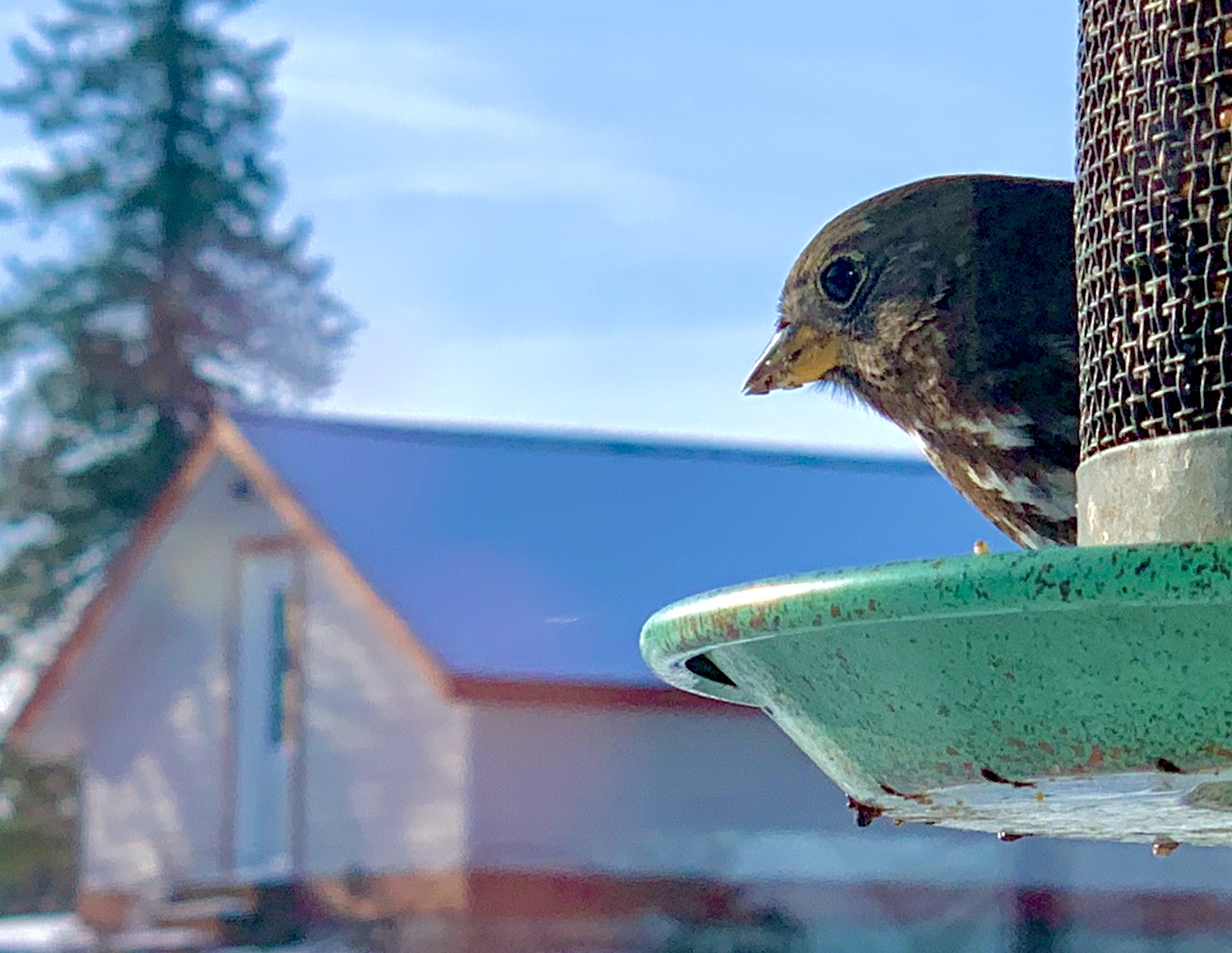
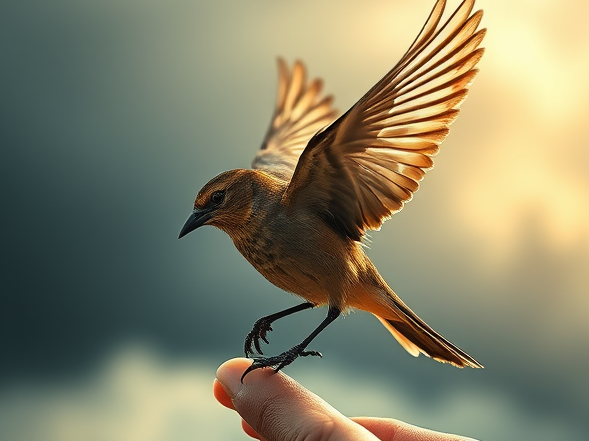
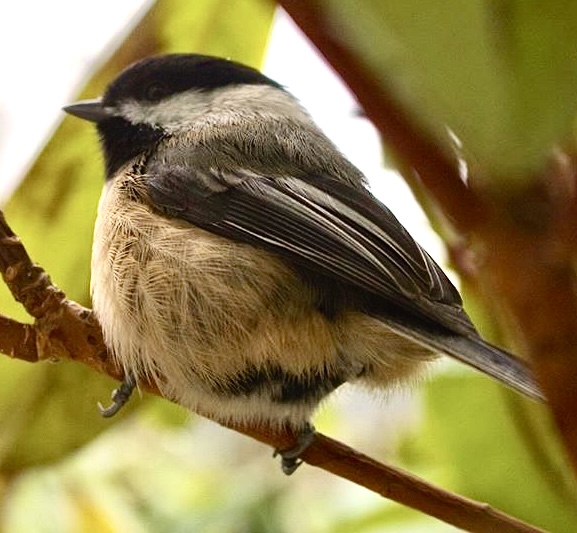
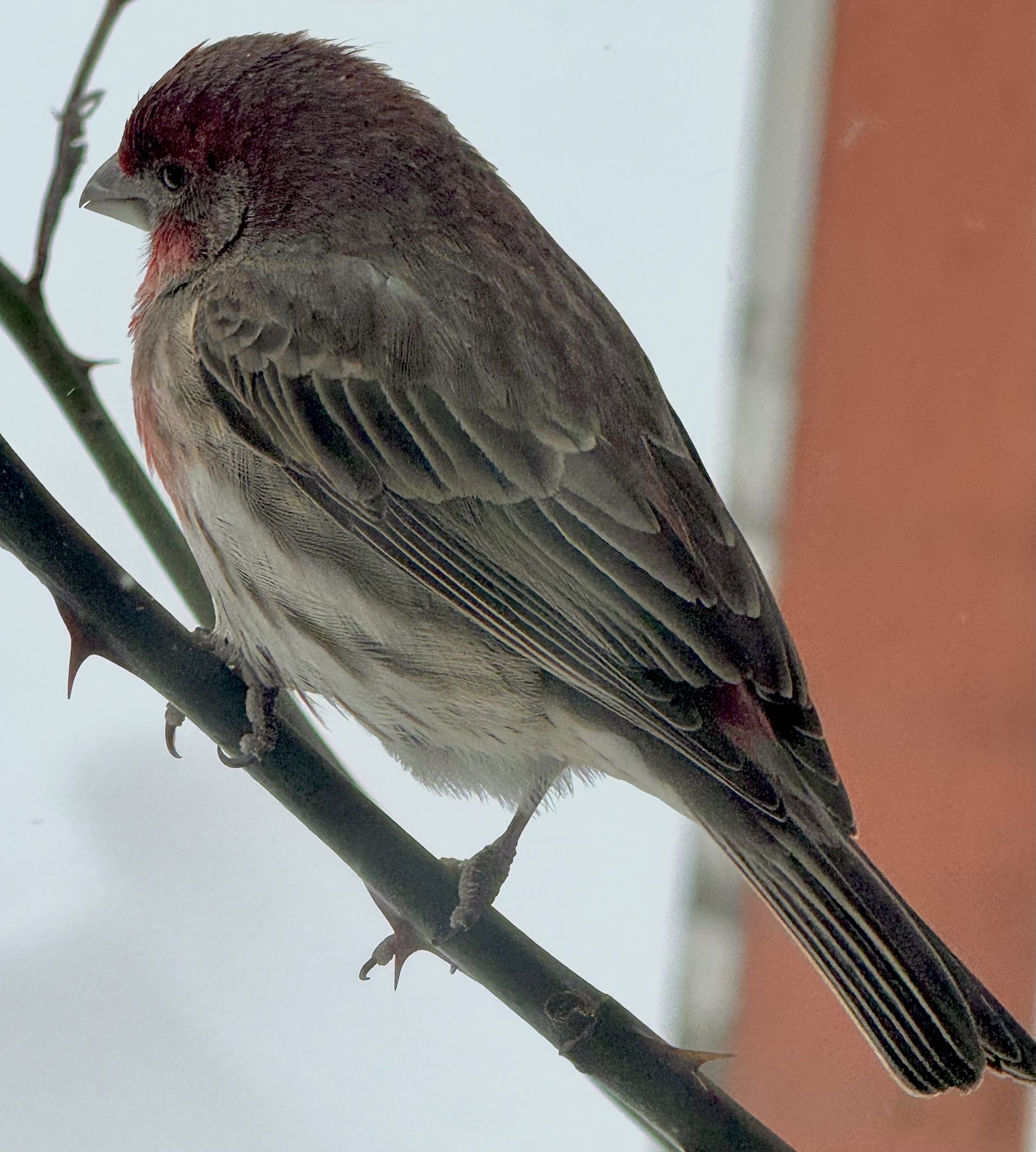
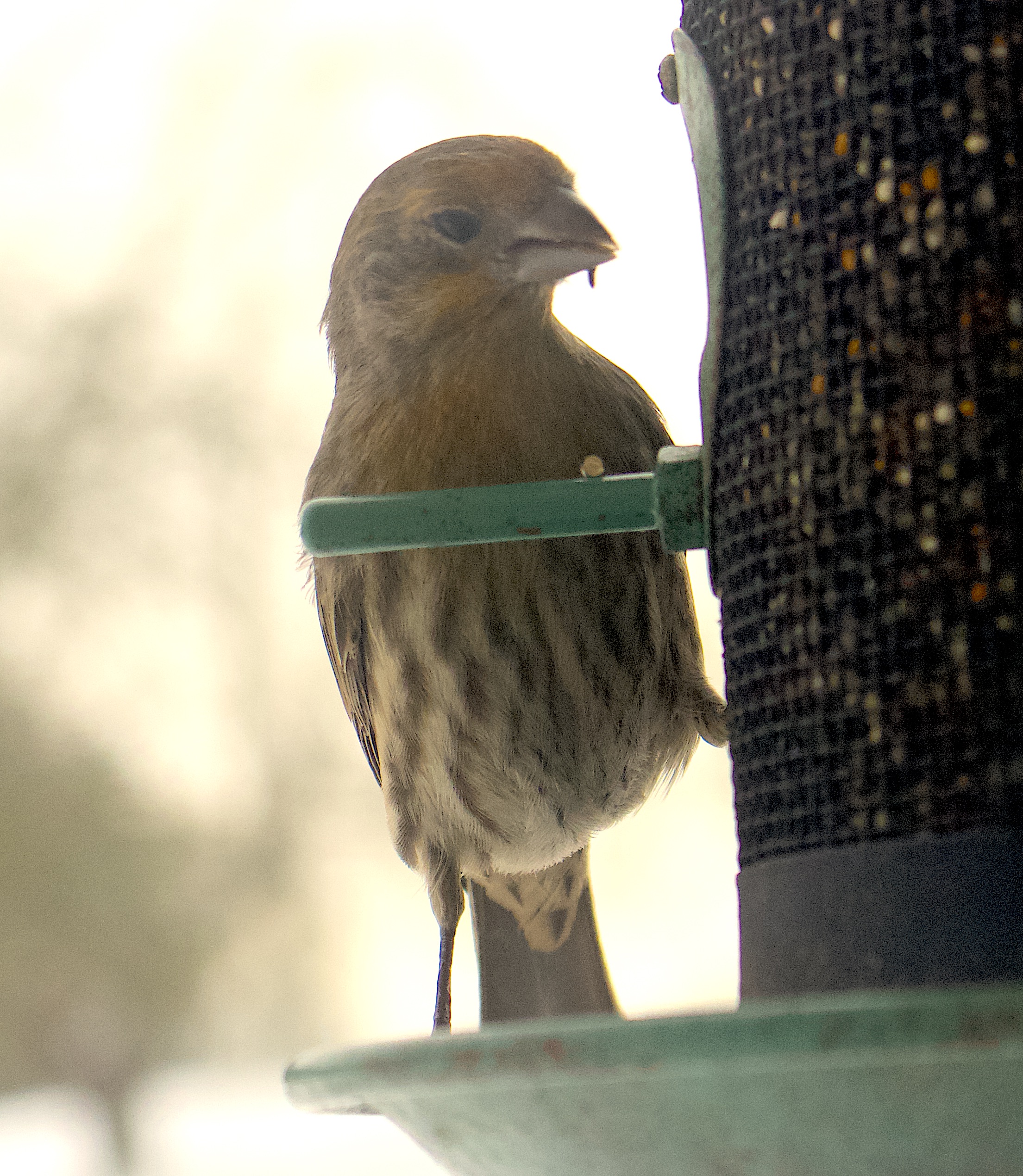
I wasn’t paying enough attention when my bird feeders ran out of suet and seed this week. My little feathered buddies fly up to the feeders by our kitchen window and poke around the empty trays, glance disparagingly in my direction, then fly away disheartened.
Although there is no free lunch today, knowing me as they do, they trust it will replenish. They will keep an eye out from a distance, will return to feast, especially the doves who have chosen to nest nearby, so are constantly cleaning up what the other birds leave behind.
I am no birder; I don’t go out looking for birds like the serious people of the birding community who keep a careful list of all they see or hear. I don’t even track every species visiting my humble offerings here on the farm nor do I recognize the frequent visitors as individuals. I just enjoy watching so many diverse sizes, colors and types coming together in one place to feast in relative peace and cooperation.
So unlike my own kind.
I’m happy to host such grateful creatures — even the innovative, voracious and athletic squirrel thieves.
This is my visual and tangible reminder that the good Lord provides, and I, in my own little way, can help.
This year’s Lenten theme:
…where you go I will go… Ruth 1:16
AI image created for this post
One-Time
Monthly
Yearly
Make a one-time or recurring donation to support daily Barnstorming posts