Living Under the Penetrating Gaze of God

To live coram Deo is to live one’s entire life in the presence of God, under the authority of God, to the glory of God. 

To live in the presence of God is to understand

that whatever we are doing and wherever we are doing it,
we are acting under the gaze of God.

There is no place so remote that we can escape His penetrating gaze.

To live all of life coram Deo is to live a life of integrity.
It is a life of wholeness that finds its unity and coherency

in the majesty of God.

Our lives are to be living sacrifices,
oblations offered in a spirit of adoration and gratitude.

A fragmented life is a life of disintegration.
It is marked by inconsistency, disharmony, confusion,
conflict, contradiction, and chaos.

Coram Deo … before the face of God.

…a life that is open before God.
…a life in which all that is done is done as to the Lord.
…a life lived by principle, not expediency; by humility before God,

not defiance.

~R.C. Sproul
from “What Does “coram Deo” mean?”

We cannot escape His gaze. Why is that?

We…all of us, all colors, shapes and sizes…
are created in His image, imago dei, so He looks at us as His reflections in the mirror of the world.

And what would He see this week?
Surely nothing that reflects the heart or face of God.

I cringe to think. I want to hide from His gaze.
All I see around me and within me is:
inconsistency, disharmony, confusion,
conflict, contradiction, and chaos.
And most of all:
defiance.

Surely, surely I know best.

I’m not alone: so many others also each know best, calling hypocrisy on one another, holding fast to moral high ground when the reality is:
we drown together in the mud of our mutual guilt and lack of humility.

It is past time for us to be on our knees pleading for mercy, certainly not on our knees leaning upon the neck of another imago dei, squeezing out their very life breath and right to exist.

We are miserable reflections, each and every one of us, surely not coram Deo.

All that we have done, we have done onto God Himself.
Kind of takes one’s breath away.


Things Unknown But Longed For

I know why the caged bird sings, ah me,
    When his wing is bruised and his bosom sore,—
When he beats his bars and he would be free;
It is not a carol of joy or glee,
    But a prayer that he sends from his heart’s deep core,   
But a plea, that upward to Heaven he flings—
I know why the caged bird sings!

~Paul Dunbar from “Sympathy”

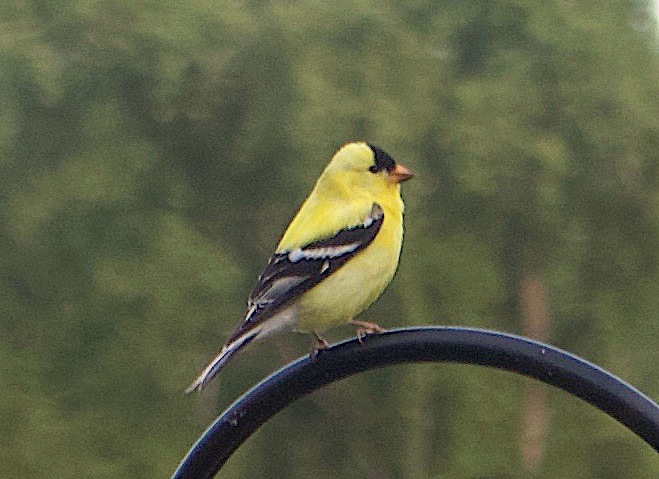
…the goldfinch comes, with a twitching chirrup
A suddenness, a startlement,at a branch end
Then sleek as a lizard, and alert and abrupt,
She enters the thickness,and a machine starts up
Of chitterings, and of tremor of wings, and trillings –
The whole tree trembles and thrills
It is the engine of her family.
She stokes it full, then flirts out to a branch-end
Showing her barred face identity mask

Then with eerie delicate whistle-chirrup whisperings
She launches away, towards the infinite

~Ted Hughes from “The Laburnum Top”

The free bird thinks of another breeze
and the trade winds soft through the sighing trees
and the fat worms waiting on a dawn-bright lawn
and he names the sky his own.

But a caged bird stands on the grave of dreams
his shadow shouts on a nightmare scream
his wings are clipped and his feet are tied
so he opens his throat to sing

The caged bird sings
with a fearful trill
of things unknown
but longed for still
and his tune is heard
on the distant hill
for the caged bird
sings of freedom.

~Maya Angelou from “Caged bird”

The 4 AM moment of this waning night
before the first bird awakes to sing –
a solemn silence holds its breath
till broken by chitters and tweets.

Like a full breast tingles
with readiness to flow until emptied –
this wave of quiet builds before toppling forward
in barely contained abundance, saturating our ears.

The Conductor’s baton rises to ready
the multi-voiced chorus –
awaking voices, pleading, spill from
a thousand thousand perches.

My anticipation rises for
for such a prayer uncaged and free –
cascading from overnight stillness
into an explosive unmistakeable dawn.

photo by Harry Rodenberger

Muddied But Whole

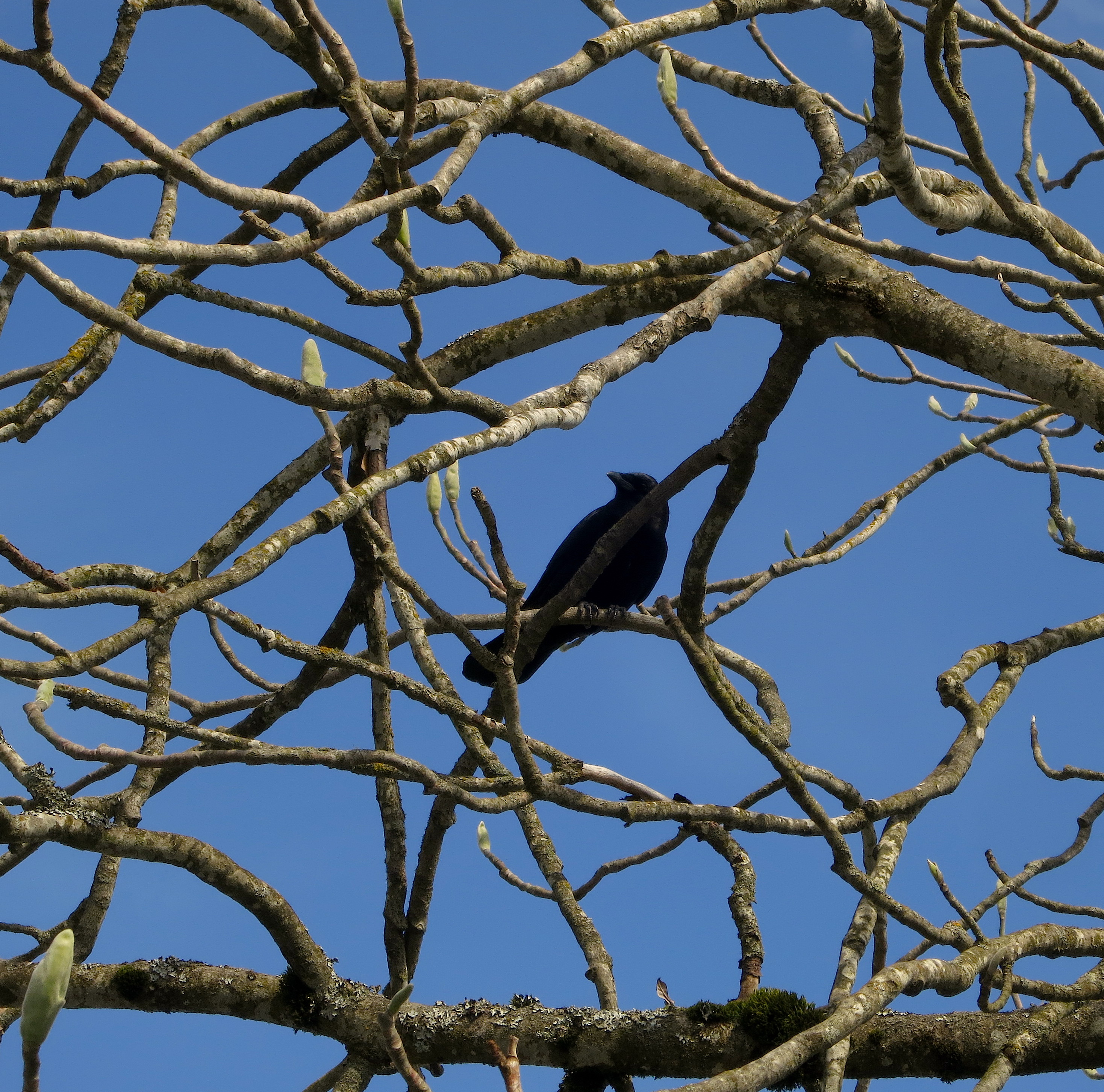
The crow’s voice filtered through the walls of the farmhouse
makes sounds of a rusty car engine turning over. Clouds on a
north wind that whistles softly and cold. Spruce trees planted
in a line on the south side of the house weave and scrape at the
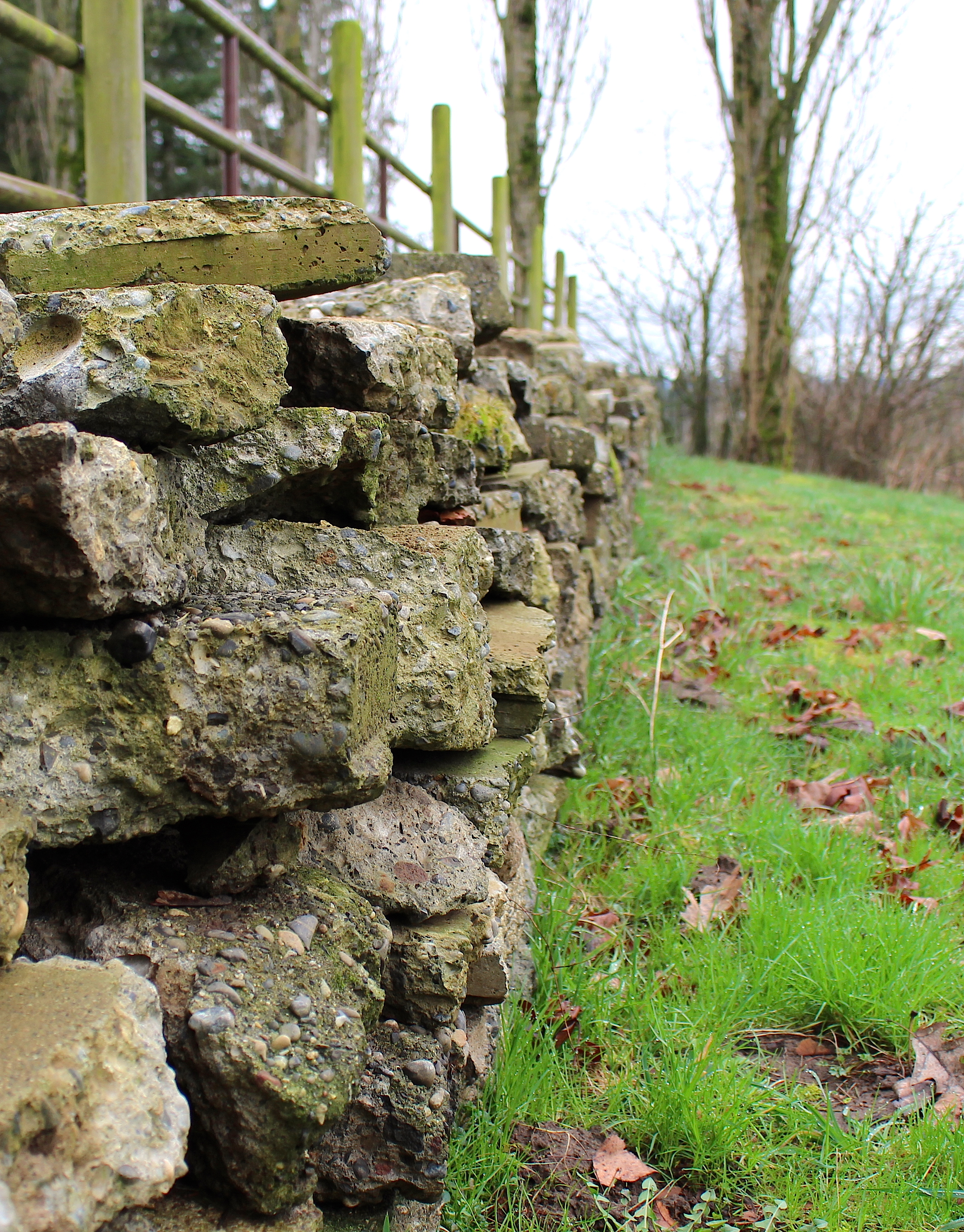
air. I’ve walked to a far field to a fence line of rocks where I am
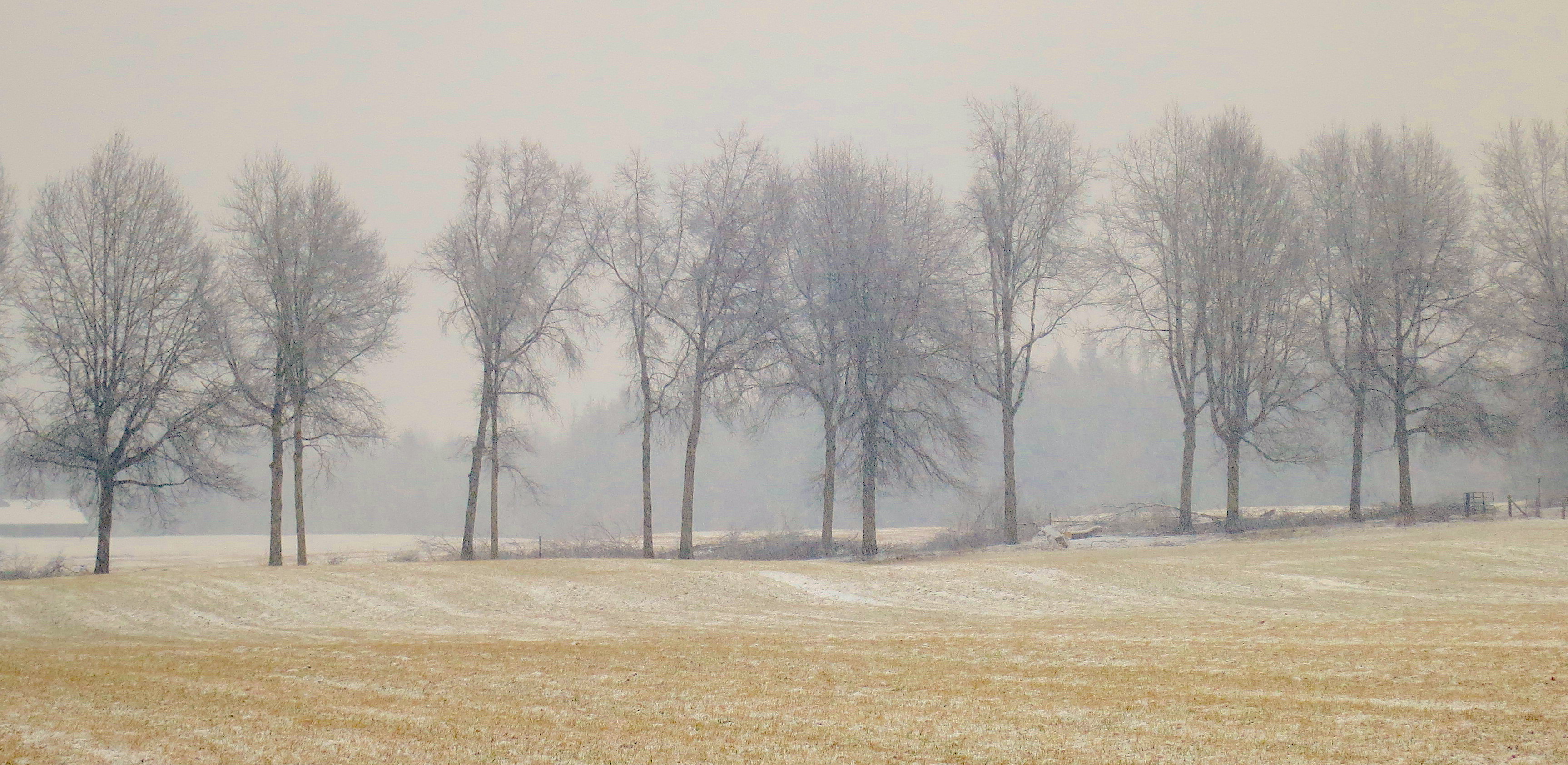
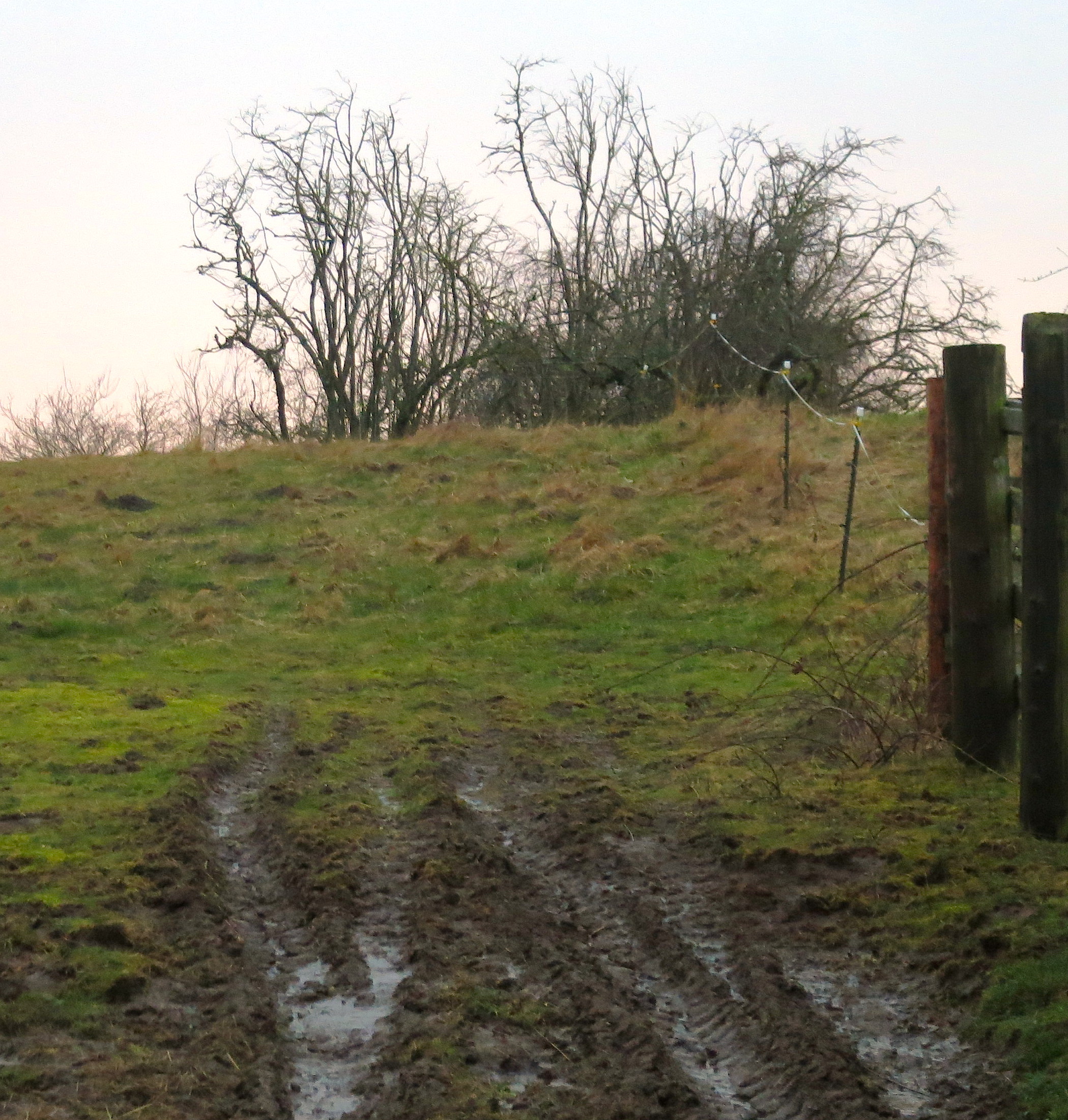
surprised to see soft mud this raw day. No new tracks in the
mud, only desiccated grass among the rocks, a bare grove of
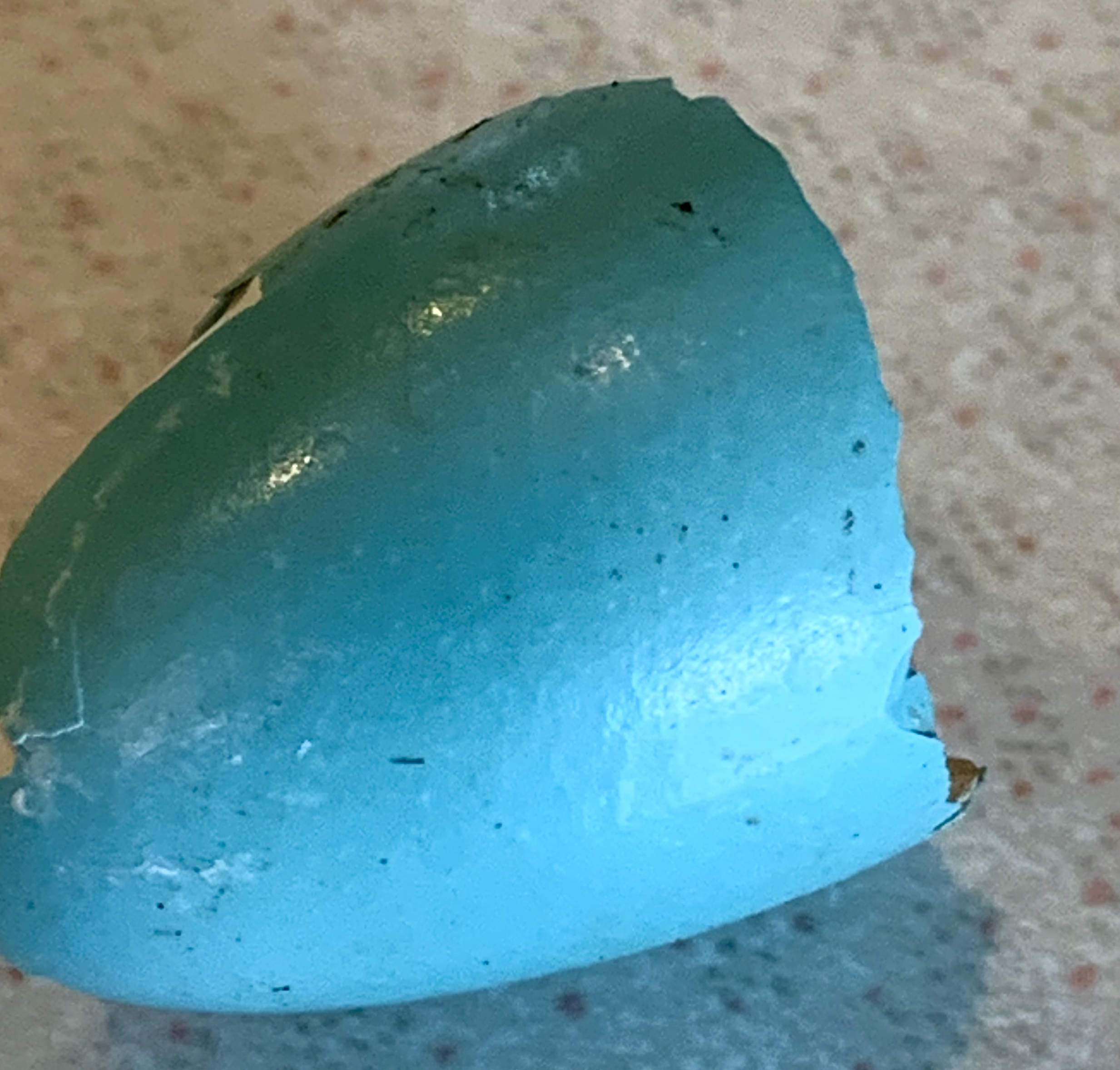
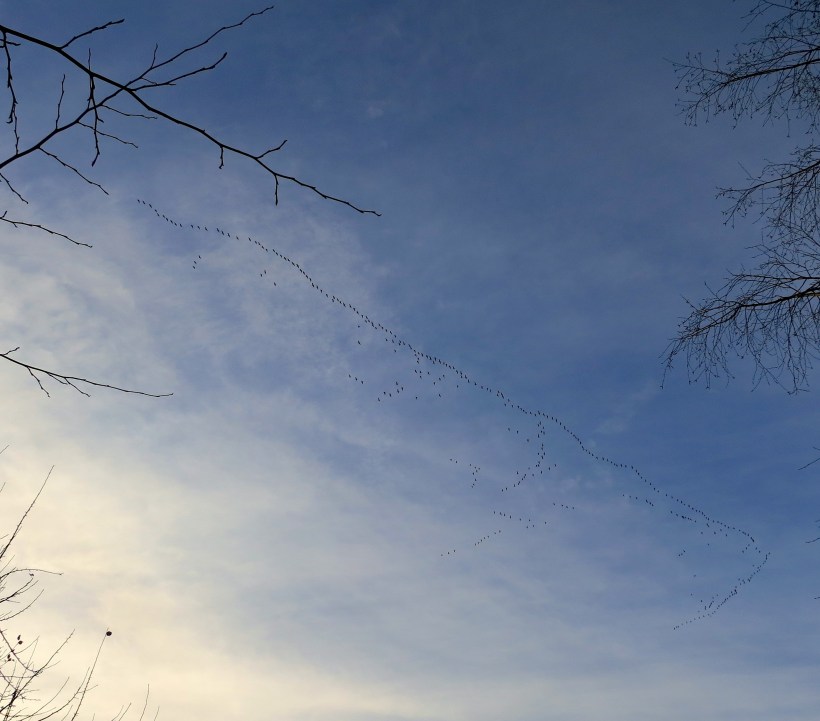
trees in the distance, a blue sky thin as an eggshell with a crack
of dark geese running through it, their voices faint and almost
troubled as they disappear in a wedge that has opened at last
the cold heart of winter.

~Tom Hennen, “Early Spring in the Field” from Darkness Sticks to Everything: Collected and New Poems

I shouldn’t be turning on the heat in the house on a late May morning but there is still an undeniable chill, even at this point in spring. The flowers outside are lush, but we’re still two or three weeks behind our usual bloom schedule.

We’re all impatient to be done with the coldness of a winter that has driven a wedge between people and politics, families and friends, well and ill.

We seek warmth and renewal and hugs and handshakes.

Instead we are asked for patience, to continue to practice the art of waiting for a safe reentry to spring and summer. No one wants to be tossed brutally back to the winter we just crawled away from.

May we emerge together, muddied but whole, ready to face whatever comes next.

Giving Life’s Best

In great deeds, something abides. 
On great fields, something stays. 
Forms change and pass; bodies disappear; 
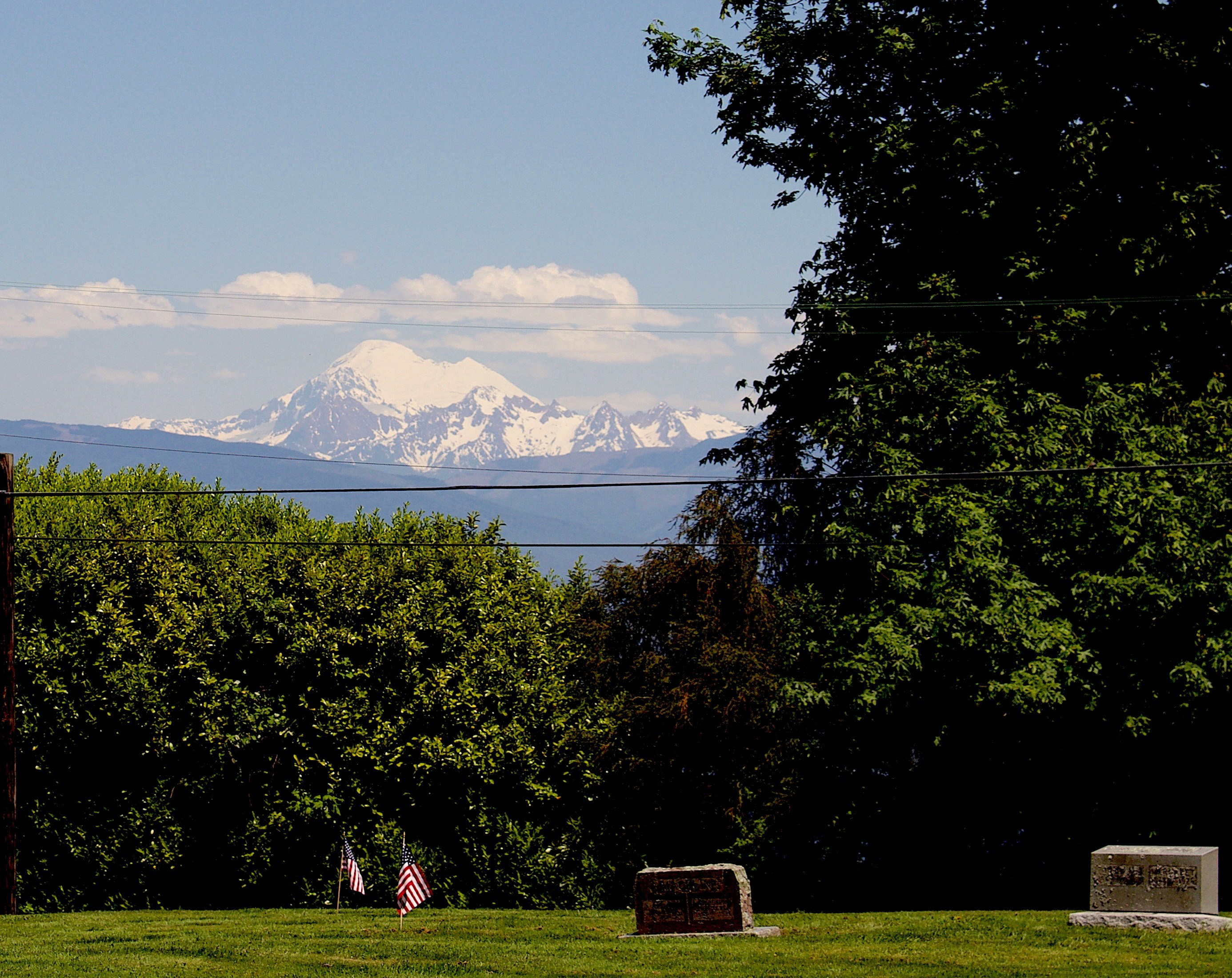
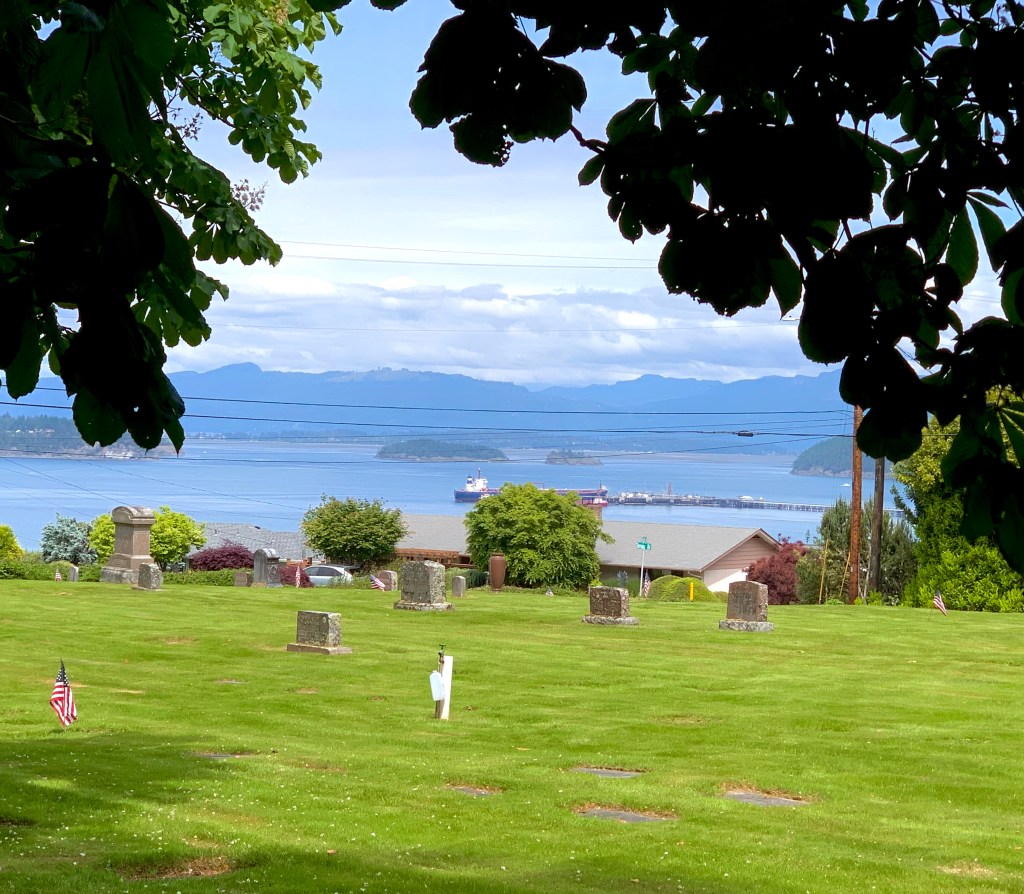
but spirits linger, to consecrate ground for the vision-place of souls. 
And reverent men and women from afar, 
and generations that know us not and that we know not of, 
heart-drawn to see where and by whom great things were suffered and done for them, shall come to this deathless field, 
to ponder and dream; and lo!

the shadow of a mighty presence shall wrap them in its bosom, 
and the power of the vision pass into their souls. 
This is the great reward of service. 
To live, far out and on, in the life of others;
this is the mystery of the Christ,

–to give life’s best for such high sake
that it shall be found again unto life eternal.

~Major-General Joshua Chamberlain, Gettysburg, Pennsylvania 1889

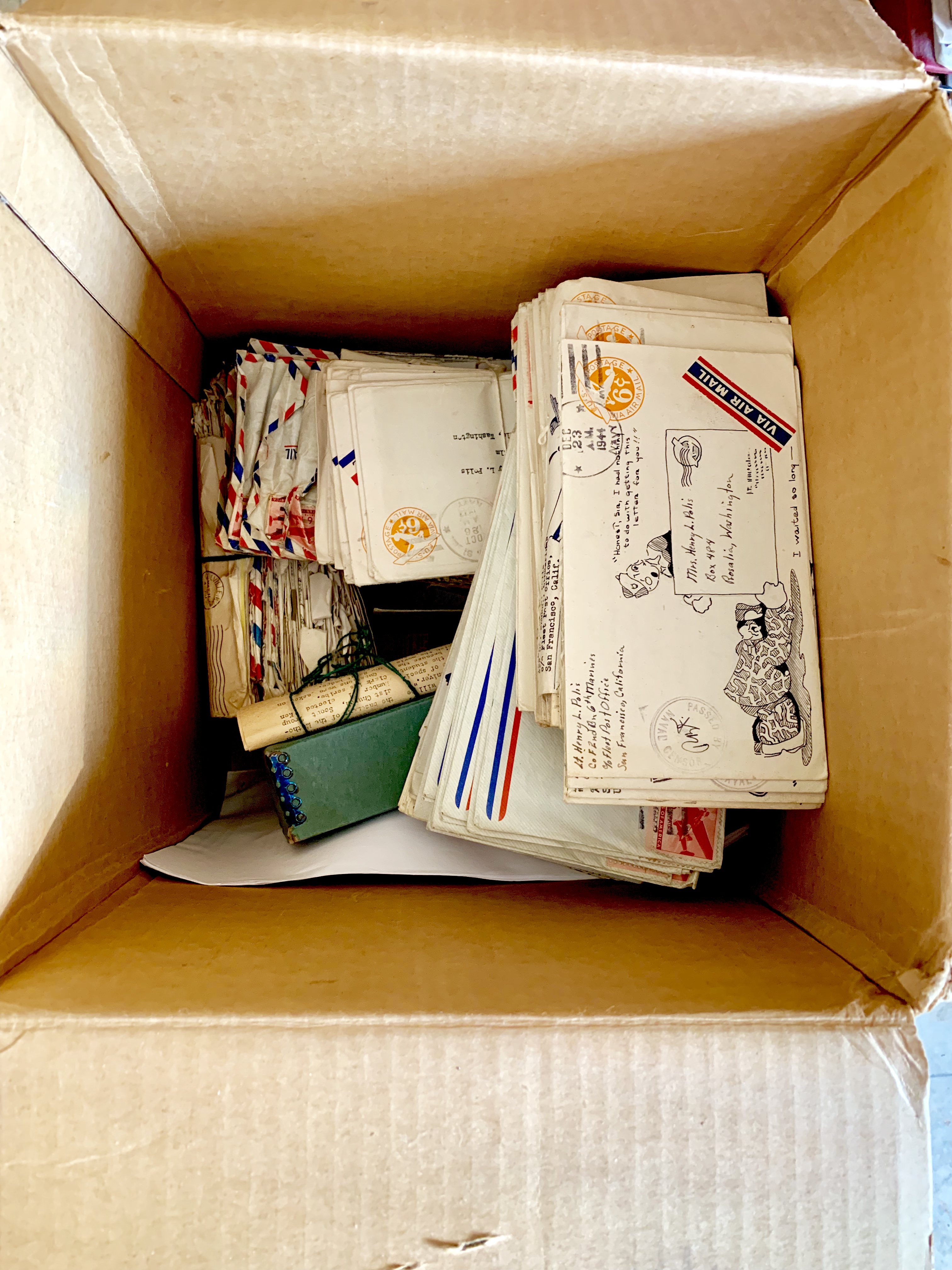
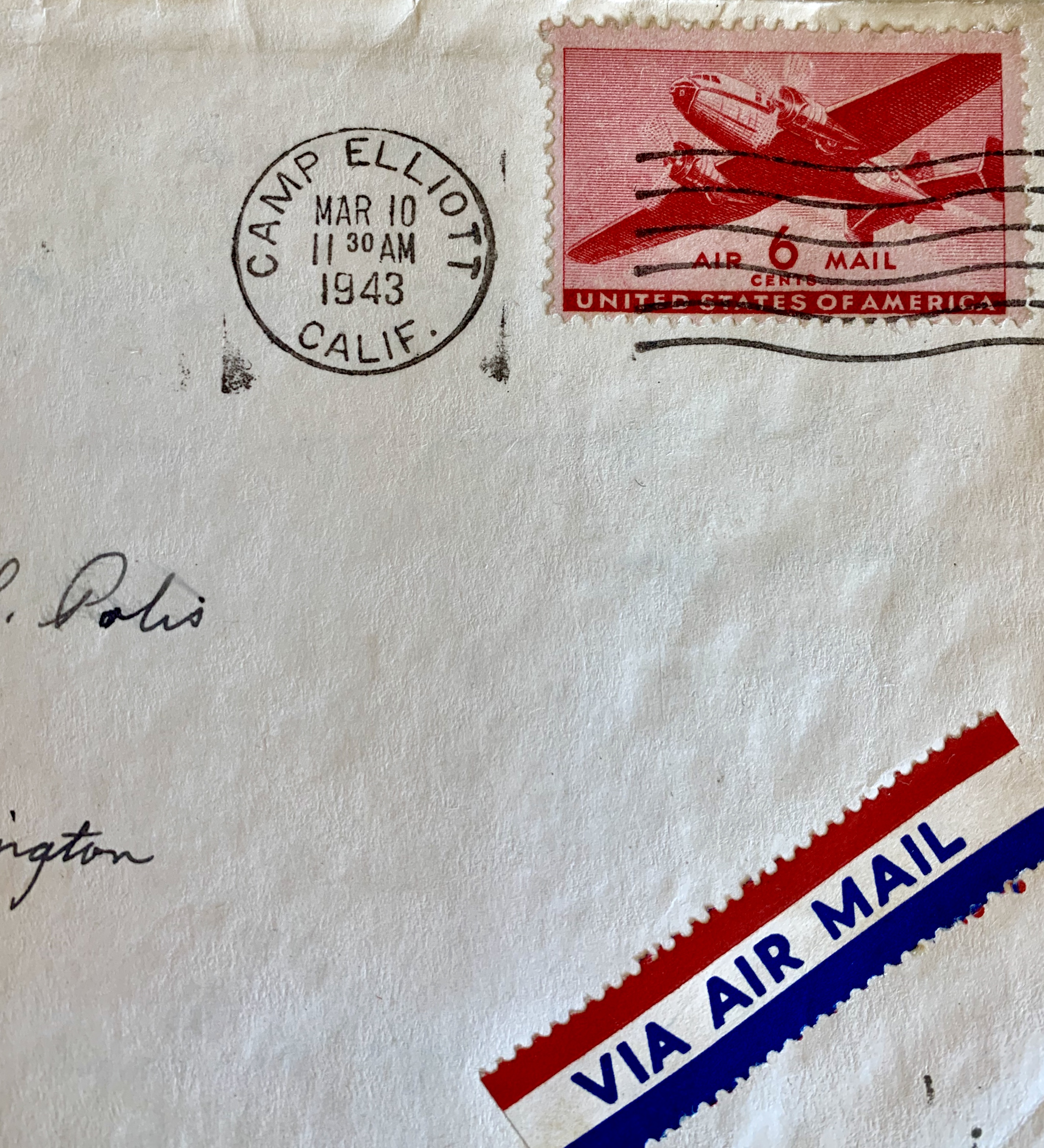
A box of over 700 letters, exchanged between my parents from late 1941 to mid-1945, sat unopened for decades until last year. I started reading.

My parents barely knew each other before marrying quickly on Christmas Eve 1942 – the haste due to the uncertain future for a newly trained Second Lieutenant in the Marine Corps. They only had a few weeks together before she returned home to her rural teaching position and he readied himself to be shipped out for the island battles to come.

They had no idea they would not see each other for another 30+ months or even see each other again at all. They had no idea their marriage would fall apart 35 years later and they would reunite a decade after the divorce for five more years together.

The letters do contain the long-gone but still-familiar voices of my parents, but they are the words and worries of youngsters of 20 and 21, barely prepared for the horrors to come from war and interminable waiting. When he was fighting battles on Tarawa, Saipan, and Tinian, no letters or news would be received for a month or more, otherwise they tried to write each other daily, though with minimal news to share due to military censorship. They speak mostly of their desire for a normal life together rather than a routine centered on mailbox, pen and paper and waiting, lots and lots of waiting.

I’m not sure what I hoped to find in these letters. Perhaps I hoped for flowery romantic whisperings and the poetry of longing and loneliness. Instead I am reading plain spoken words from two people who somehow made it through those awful years to make my sister and brother and myself possible.

Our inheritance is contained in this musty box of words bereft of poetry. But decades later my heart is moved by these letters – I carefully refold them back into their envelopes and replace them gently back in order. A six cent airmail stamp – in fact hundreds and hundreds of them – was a worthwhile investment in the future, not only for themselves and their family to come, but for generations of U.S. citizens who tend to take their freedom for granted.

Thank you, Dad and Mom, for what you gave up to make today possible.

I hear the mountain birds
The sound of rivers singing
A song I’ve often heard
It flows through me now
So clear and so loud
I stand where I am
And forever I’m dreaming of home
I feel so alone, I’m dreaming of home

It’s carried in the air
The breeze of early morning
I see the land so fair
My heart opens wide
There’s sadness inside
I stand where I am
And forever I’m dreaming of home
I feel so alone, I’m dreaming of home

This is no foreign sky
I see no foreign light
But far away am I
From some peaceful land
I’m longing to stand
A hand in my hand
…forever I’m dreaming of home
I feel so alone, I’m dreaming of home
~Lori Barth and Philippe Rombi “I’m Dreaming of Home”

Groaning Too Deep for Words

What stood will stand, though all be fallen,
The good return that time has stolen.
Though creatures groan in misery,
Their flesh prefigures liberty
To end travail and bring to birth
Their new perfection in new earth.
At word of that enlivening
Let the trees of the woods all sing
And every field rejoice, let praise
Rise up out of the ground like grass.
What stood, whole in every piecemeal
Thing that stood, will stand though all
Fall–field and woods and all in them
Rejoin the primal Sabbath’s hymn.
~Wendell Berry, from “Sabbaths” (North Point Press, 1987)
.

We live in a time where the groaning need and dividedness of humankind is especially to be felt and recognized…

Yet this terrific human need and burden of the times causes us to see how weak and powerless we are to change this. Then we must see that if we are to advocate change, we must start with ourselves. We must recognize that we as individuals are to blame for social injustice, oppression, and the downgrading of others, whether personal or on a broader plane. We must see that a revolution must take place against all that destroys life. This revolution must become a revolution different from any the world has ever seen. God must intervene and lead such a revolution with his Spirit and his justice and his truth.
~Dwight Blough from the introduction to When the Time was Fulfilled (1965)

22 For we know that the whole creation has been groaning together in the pains of childbirth until now. 23 And not only the creation, but we ourselves, who have the firstfruits of the Spirit, groan inwardly as we wait eagerly for adoption as sons, the redemption of our bodies. 24 For in this hope we were saved. Now hope that is seen is not hope. For who hopes for what he sees? 25 But if we hope for what we do not see, we wait for it with patience.

26 Likewise the Spirit helps us in our weakness. For we do not know what to pray for as we ought, but the Spirit himself intercedes for us with groanings too deep for words.
Romans 8: 22-26

We are groaning in anticipation of what might come next – so many ill, so many lost. What can we make of this, how can we make sense of it?

We could groan together in the hard labor of birthing a newly unified people all facing the same viral enemy. Instead we groan angry and bitter, irritable with one another, wanting to find someone else, anything to blame for our misery.

God willingly pulls our groanings onto Himself and out of us.
He understands even when we are too inarticulate to form the words we want Him to hear.

We must cling tenaciously to the mystery of God’s magnetism
for our weakness and suffering and allow His healing us to begin.

By His Spirit
we will be forever changed
and our groanings will be no more.

It’s All Right Now

How should I not be glad to contemplate
the clouds clearing beyond the dormer window
and a high tide reflected on the ceiling?
There will be dying, there will be dying,
but there is no need to go into that.
The poems flow from the hand unbidden
and the hidden source is the watchful heart.
The sun rises in spite of everything
and the far cities are beautiful and bright.
I lie here in a riot of sunlight
watching the day break and the clouds flying.
Everything is going to be all right.
~Derek Mahon,”Everything is Going to be All Right” from Selected Poems

It’s tough to find reassurance these days; in a mere five months, things have gone from “doing okay” to outright disastrous. There is no expert anywhere with a crystal ball who can tell us what things will be like in another five months. We simply have to live it out as best we can.

I regularly remind myself: history has a way of repeating itself, and yes, the world has been in this place before. We’ve fought back against global pandemics and economic depressions and devastating world conflicts and we somehow manage to come out the other side.

It takes time and patience and prayer and groaning and a fair amount of teeth gritting.

So the sun rises in spite of everything. The clouds still fly by above us. We still love one another even when it takes a little work. So let’s give ourselves a little break from the bad news and just love, oh Lord above, in the glory of now.

Everything is going to be all right. Let your heart be watchful and untroubled.

Truly.

The Clarity of Light

On the day when
The weight deadens
On your shoulders
And you stumble,
May the clay dance
To balance you.

And when your eyes
Freeze behind

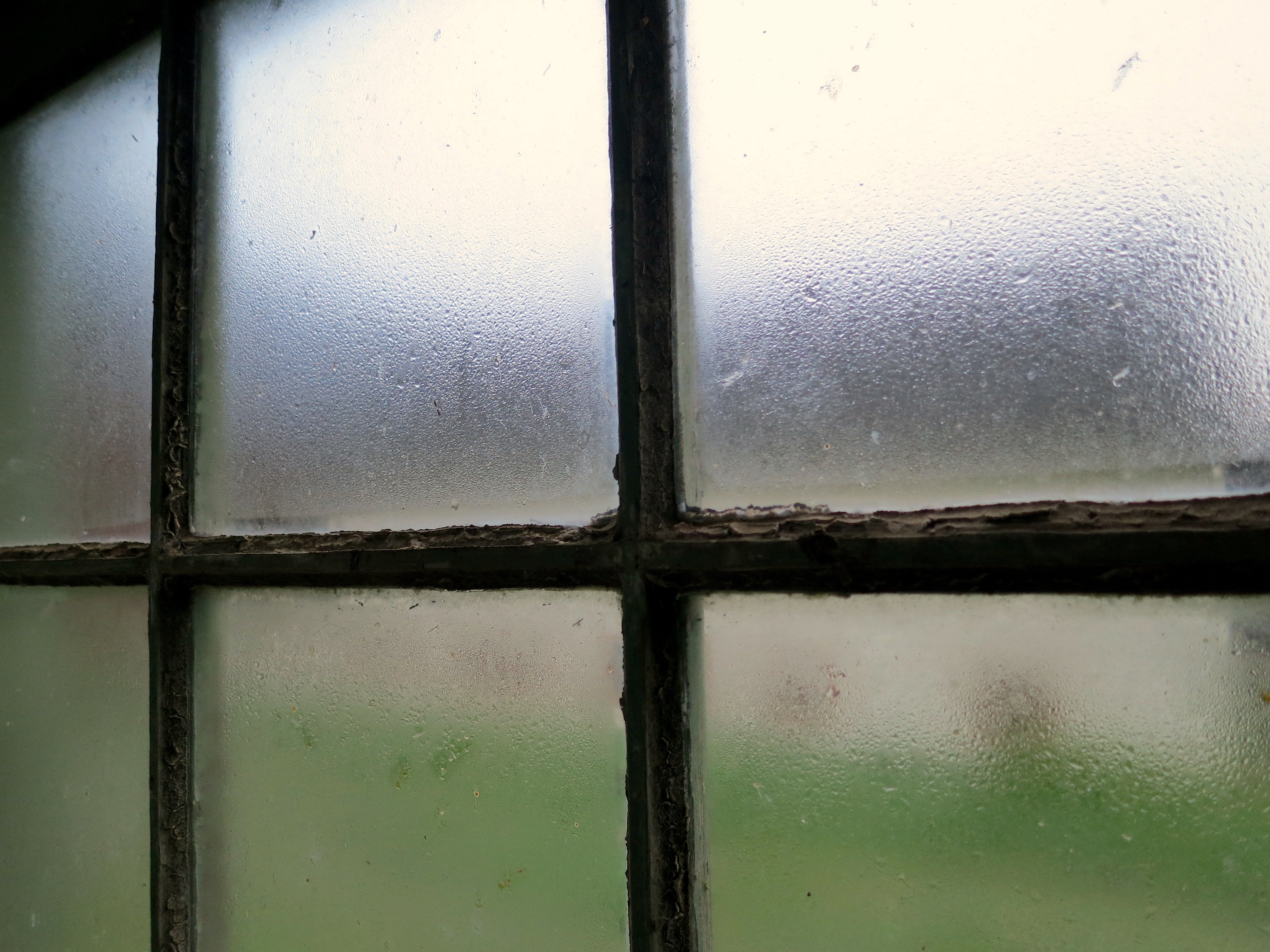
The gray window
And the ghost of loss
Gets in to you,
May a flock of colors,
Indigo, red, green
And azure blue,
Come to awaken in you
A meadow of delight.

When the canvas frays
in the currach of thought
and a stain of ocean
blackens beneath you,
may there come across the waters
a path of yellow moonlight
to bring you safely home.

May the nourishment of the earth be yours,
may the clarity of light be yours,
may the fluency of the ocean be yours,
may the protection of the ancestors be yours.

And so may a slow
wind work these words
of love around you,
an invisible cloak
to mind your life.

~John O’Donohue “Beannacht”

So many of us grieve the loss of the way things were
and the loss of the people we loved.

There seems no light at all in the world,
only heaviness of burden, of clouds and sickness.

May God bring back the lightness to our days,
the color back to the gray,
the clarity of purpose throughout generations.

May God be real to us now, cleansing us
from our doubts, our frustrations,
our anger and our impatience
with one another
and with Him.

May God love us
in the midst of our weeping,
cloaked in His Word and His arms.

Flat Affect

I used to think the land
had something to say to us,
back when wildflowers
would come right up to your hand
as if they were tame.

Sooner or later, I thought,
the wind would begin to make sense
if I listened hard
and took notes religiously.
That was spring.

Now I’m not so sure:
the cloudless sky has a flat affect
and the fields plowed down after harvest
seem so expressionless,
keeping their own counsel.

This afternoon, nut tree leaves
blow across them
as if autumn had written us a long letter,
changed its mind,
and tore it into little scraps.
~Don Thompson October

photo by Nate Gibson

We’re in a time of seasonal abundance but our emotions are spent from containment through lock-down, shelter-in, social distancing, zoom-in and zoom-out.

As I meet with my patients via a televisit, I try to read their faces and find that along with the flatness of our screens, our emotions are flat too. My usual gentle humor to lighten things up becomes pointless – it is hard to elicit smiles these days. On the other hand, there no longer is a need for abundant tissues for tearful conversations because no one will weep on screen. There may be a hint of emotion in a catch in a voice, but I have yet to see anyone actually cry in two months of telehealth conversations. That would be too vulnerable – somehow being on camera suggests we need to put the actor-mask on, be expression-less, strong and invulnerable. And somehow my patient knows I can’t reach out as I would in an exam room, literally and verbally, to reassure them I’m present and listening. I’m not really present on a screen even though I’m listening.

And while out in society, we must literally hide ourselves behind a mask that conceals our smiles as well as our grim-faced frowns.

So our social and clinical interactions are as flat as the screens they play out on.

We need some unchecked tears about now, as well as endless belly laughs. Perhaps there will be a reawakening to the range of emotions we have taken for granted before finding ourselves in this time of restraint and restriction.

As we reintegrate and reunite, slowly, carefully and compassionately, let us re-experience in 3-D what we have been missing in our virtual meetings: tears that accompany joyous reunion as well as the lament of all we’re lost during this time.

Please pass the tissues.

So Much Better

How much better it is
to carry wood to the fire
than to moan about your life.
How much better
to throw the garbage
onto the compost, or to pin the clean
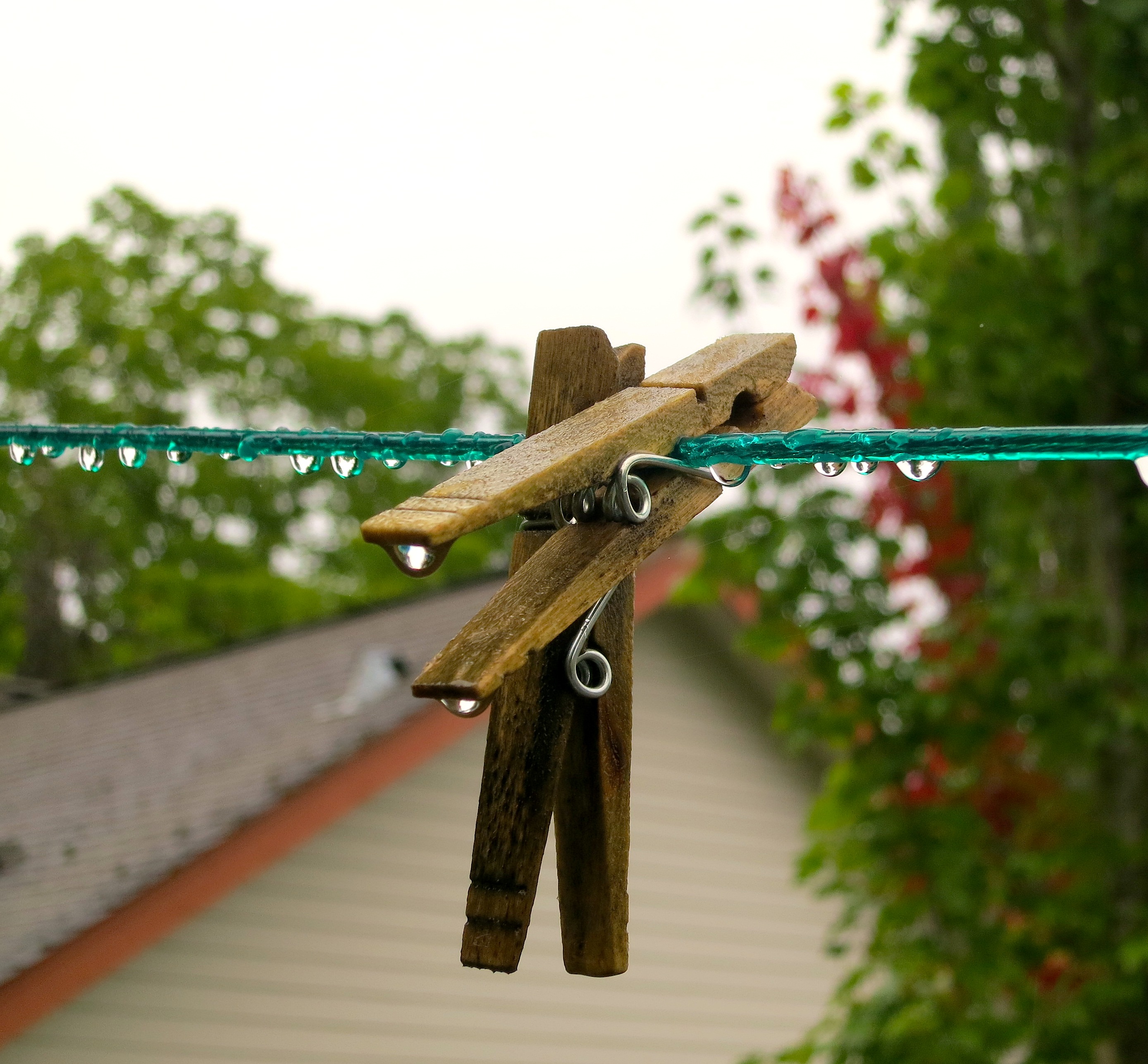
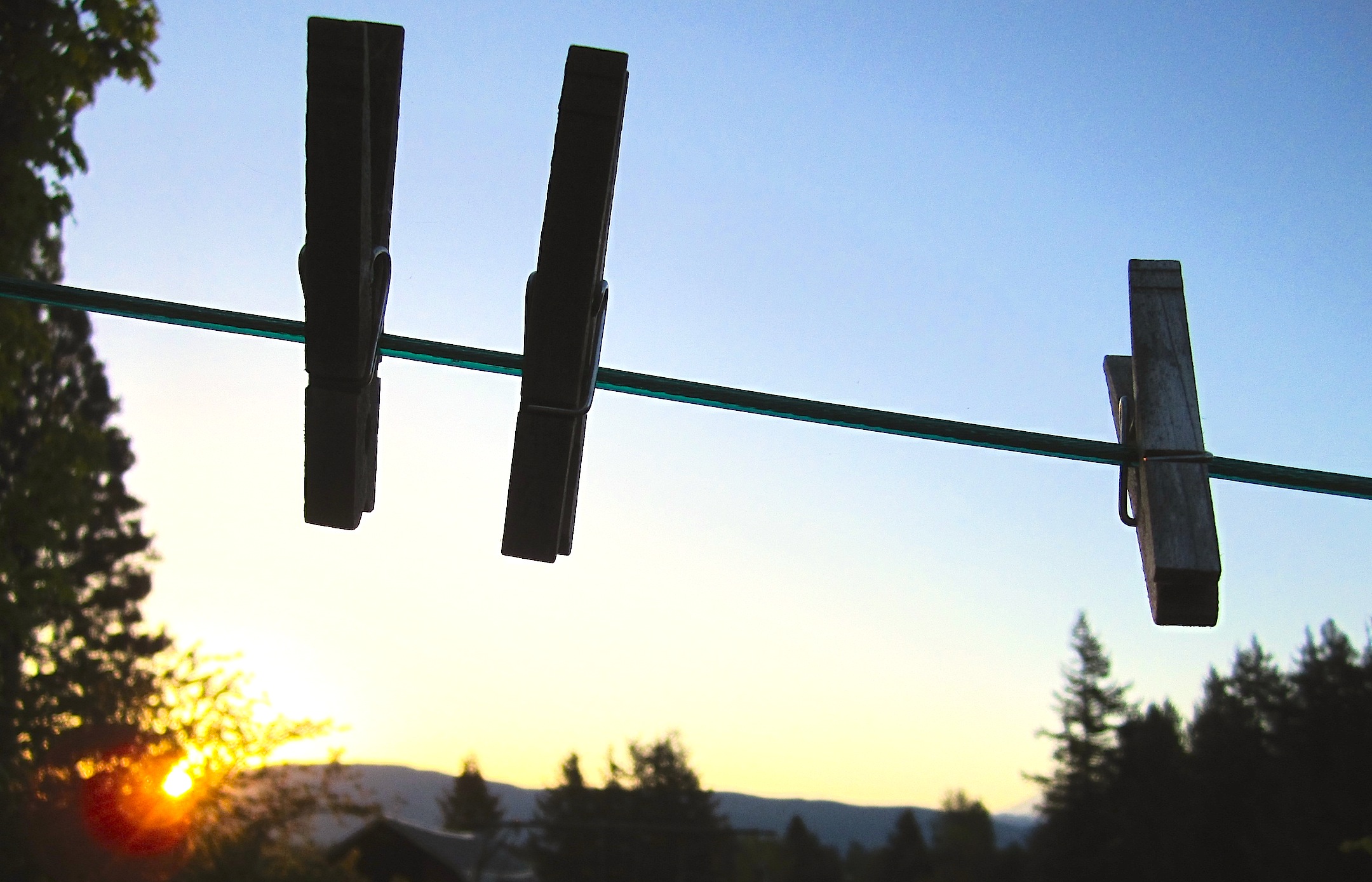
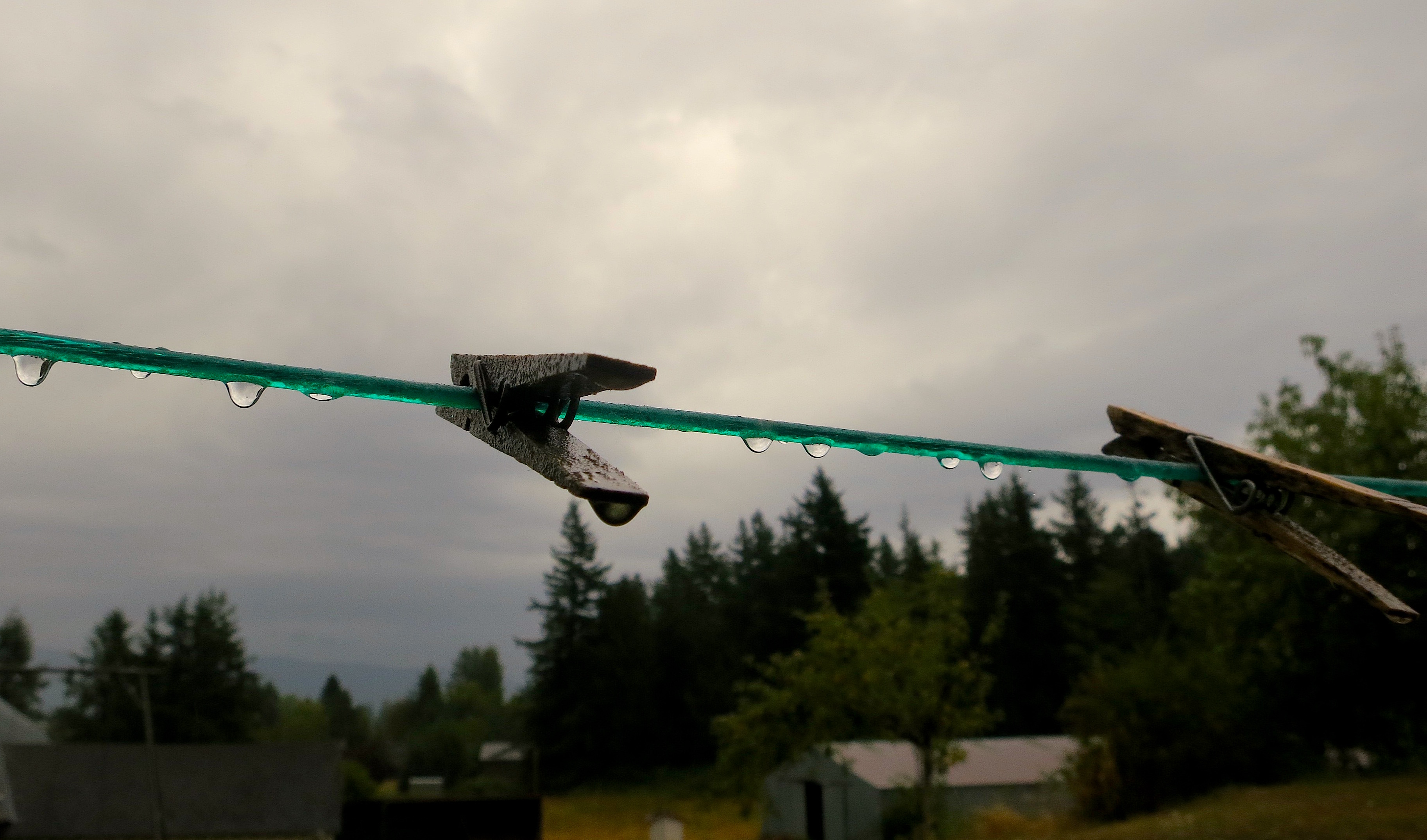
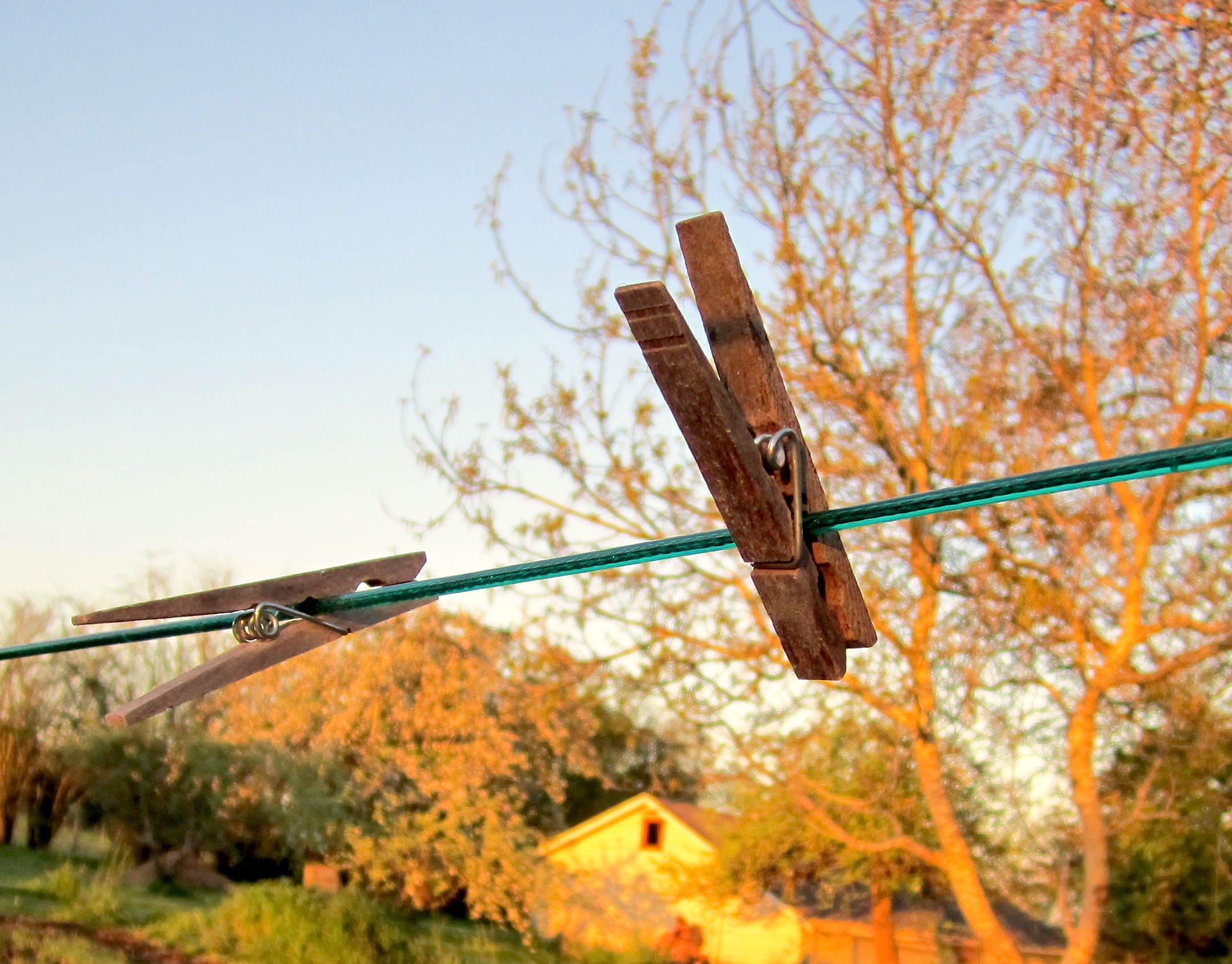
sheet on the line,
With a gray-brown wooden clothes pin.
~Jane Kenyon “The Clothespin”

I get easily overwhelmed with everything that needs to get done:
a full day of telehealth computer visits with patients from home but all the usual household and farm tasks waiting for me –grass to mow, flower beds to weed, garden to plant, fences to fix, manure to haul, animals to brush out — the list is endless and there are never enough hours in the day.  

So of course, I moan and whine and write about it.

Or I can set to work, tackling one thing at a time.  A simple task is accomplished, and then another, like hanging clothes on the line: this one is done, and now this one, pinned and hanging to freshen, renewed, in the spring breezes.

At the end of the day, I pull them down, bury my face in them and breathe deeply, knowing how much better I am than before I began.

So much better.

Blooming Impossibly

There are days we live
as if death were nowhere
in the background; from joy
to joy to joy, from wing to wing,
from blossom to blossom to
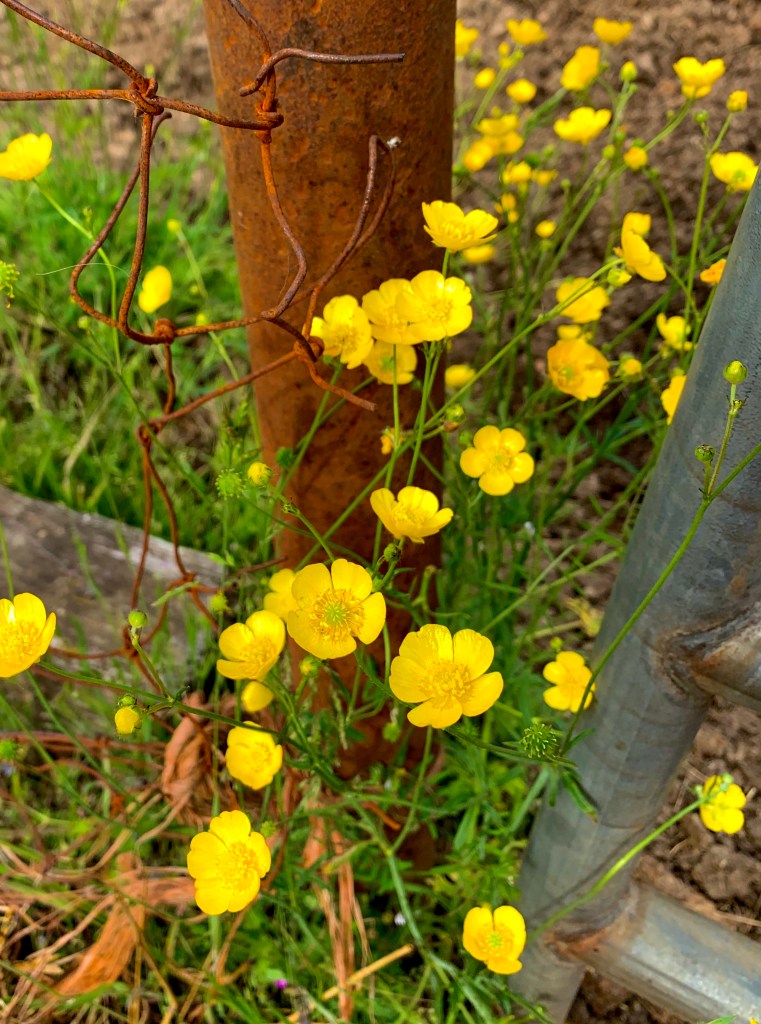
impossible blossom, to sweet impossible blossom.

~Li-Young Lee, last stanza of “From Blossoms” from Rose.

… it seemed as if the tiniest seed of belief had finally flowered in me, or, more accurately, as if I had happened upon some rare flower deep in the desert and had known, though I was just then discovering it, that it had been blooming impossibly year after parched year in me, surviving all the seasons of my unbelief.
~Christian Wiman from My Bright Abyss

To live as if
death were nowhere in the background:
that is impossible right now
when death is in every headline
and everyone knows someone
who has been lost to the virus.

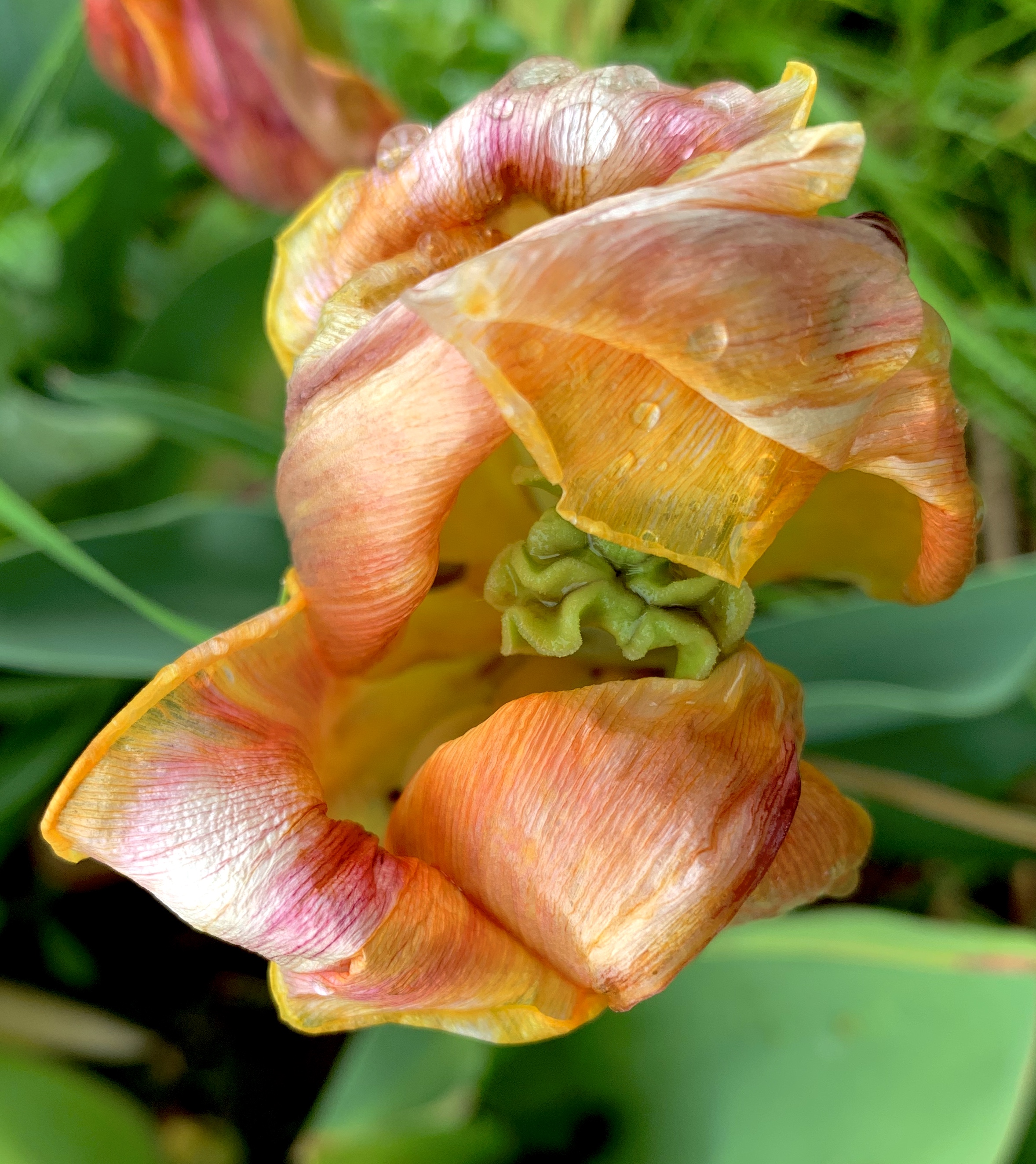
Yet, to still emerge and blossom,
despite the dryness and drought of pandemic~
this is Christ’s call to us.
 
We are not dying,
but alive in Him,
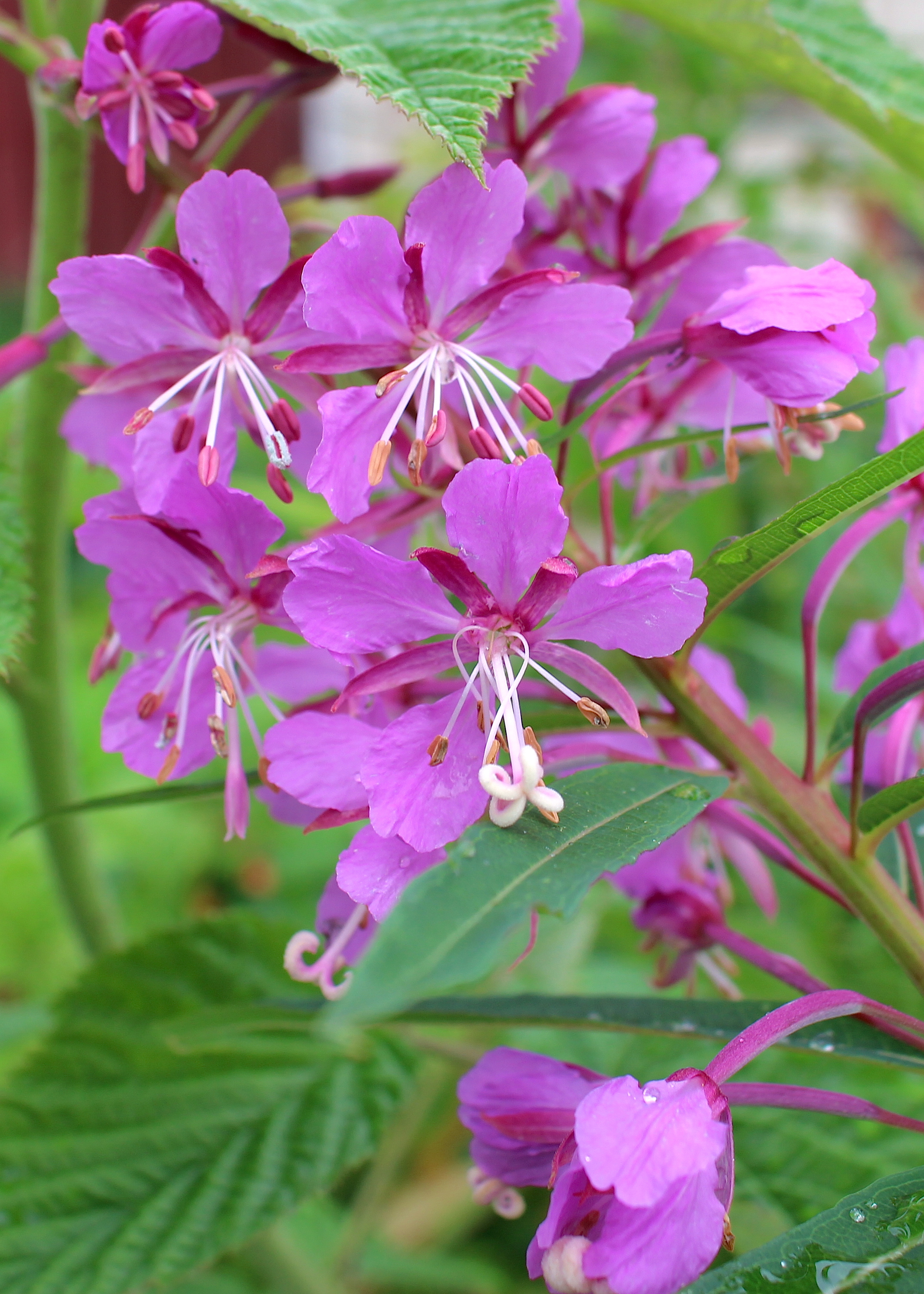
an amazing impossible flowering.

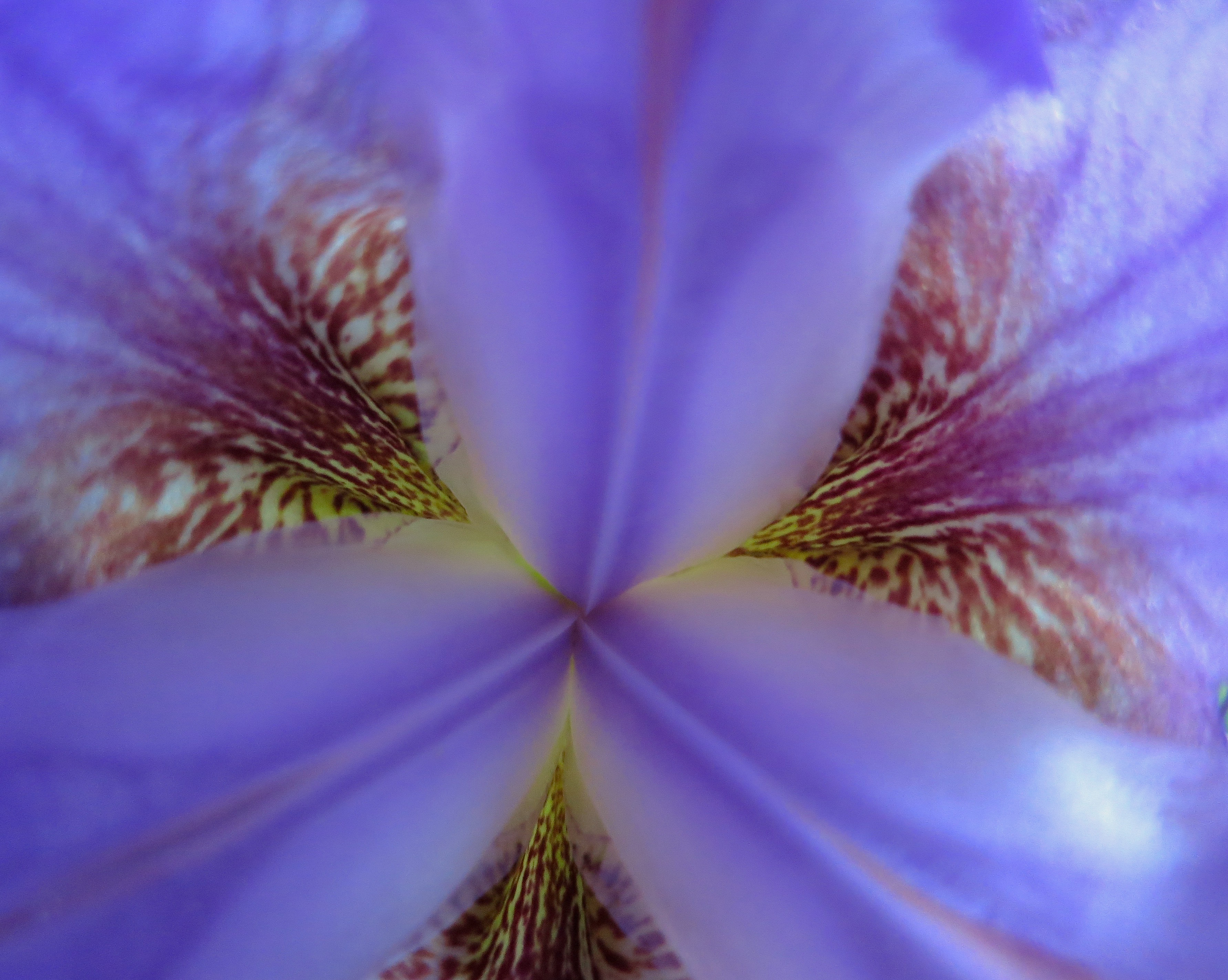
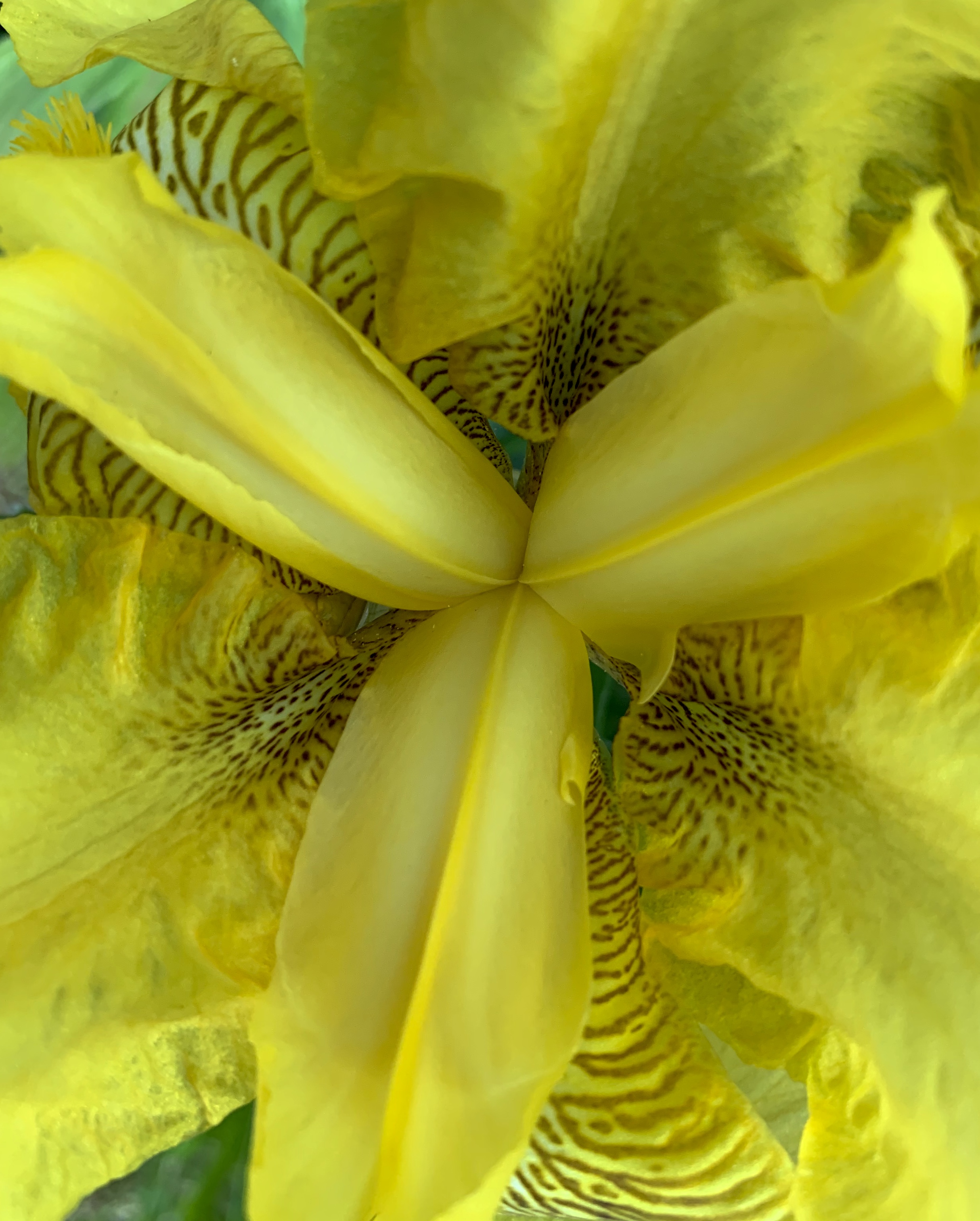
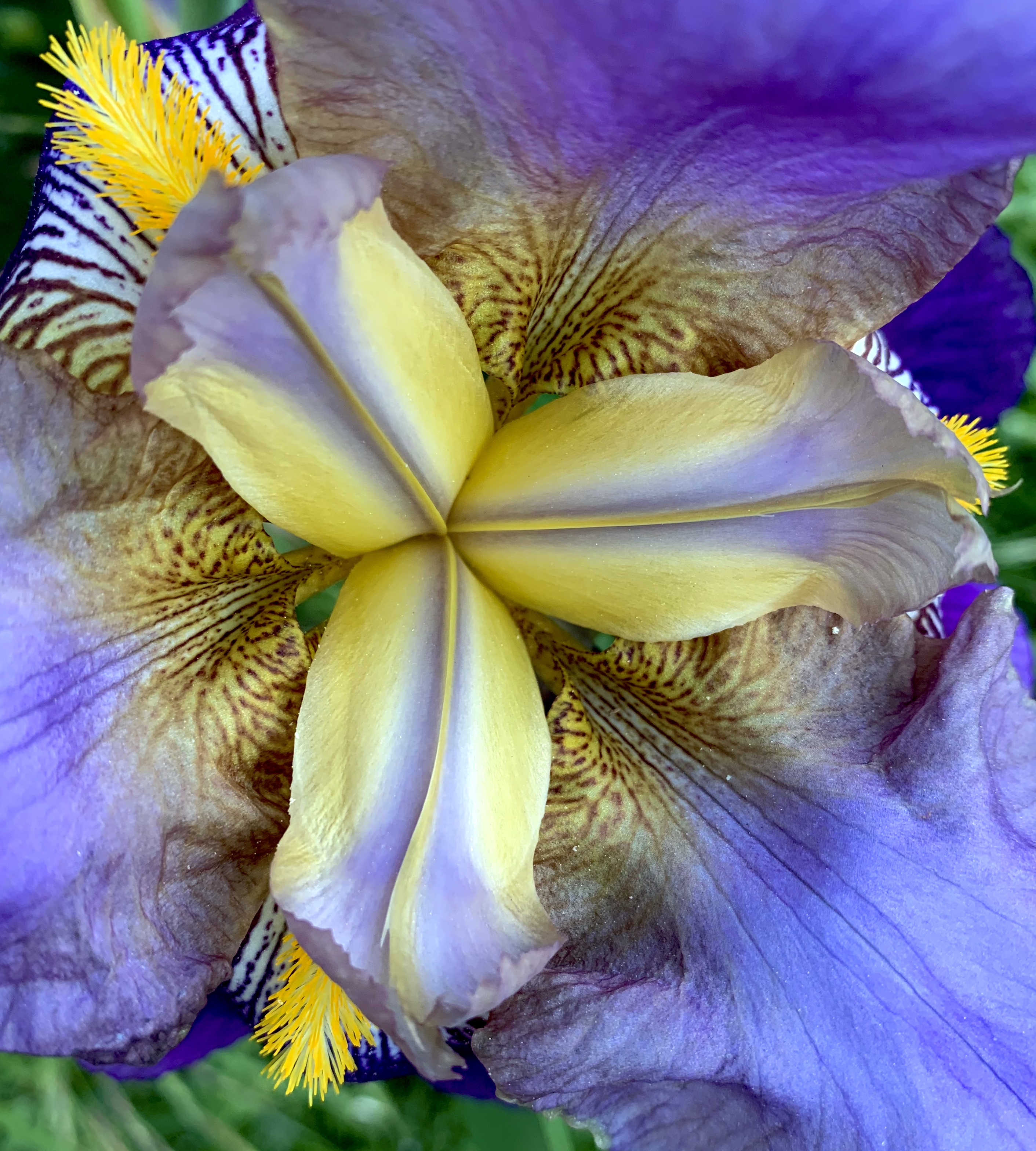
So I allow my eye to peer through
a dying time such as this,
needing a flotation device
and depth finder
as I’m likely to get lost,
sweeping and swooning
through the inner space
of life’s deep tunnels,
canyons and corners,
coming up for air and diving in again
to journey into exotic locales
draped in silken hues
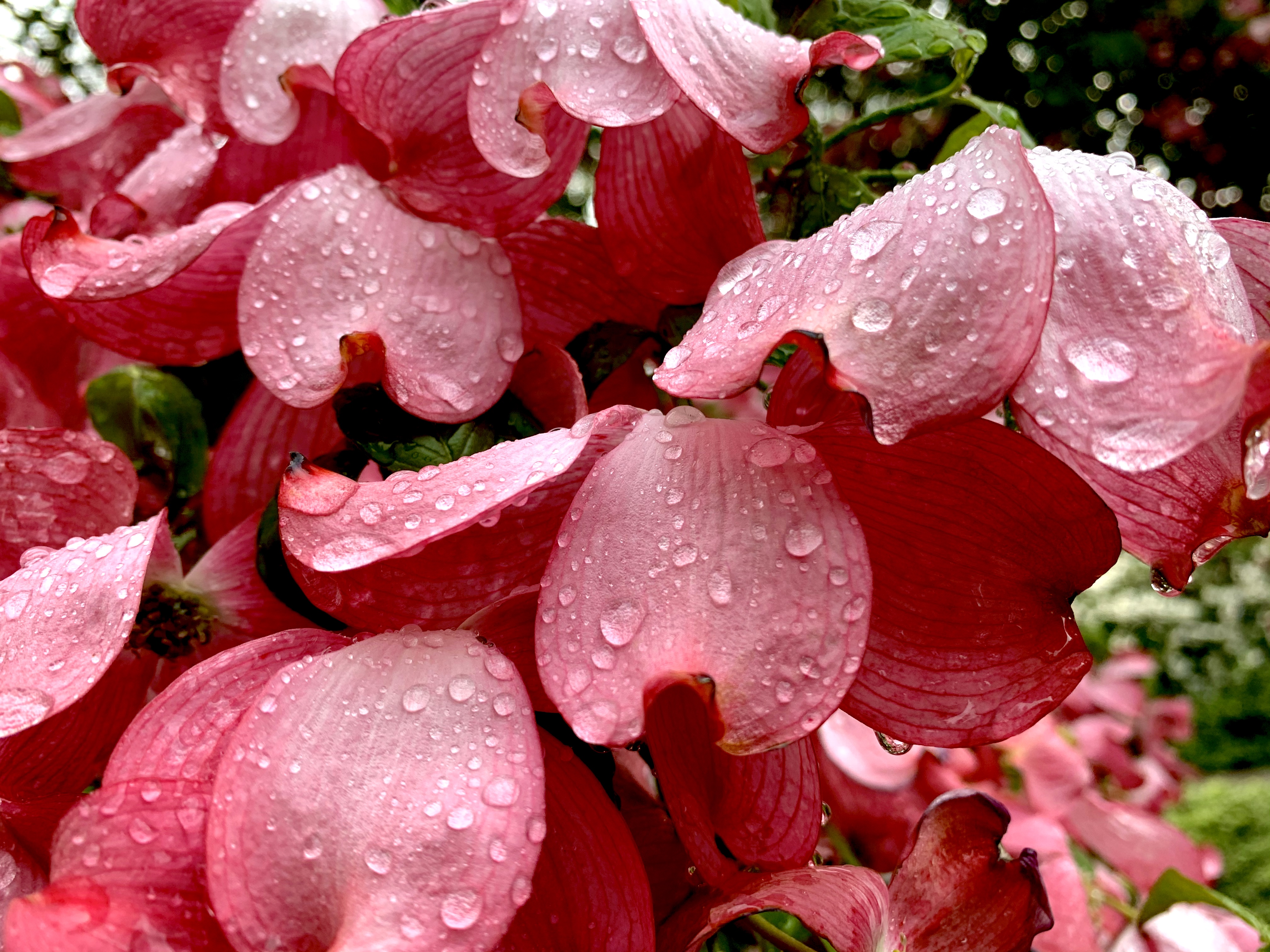
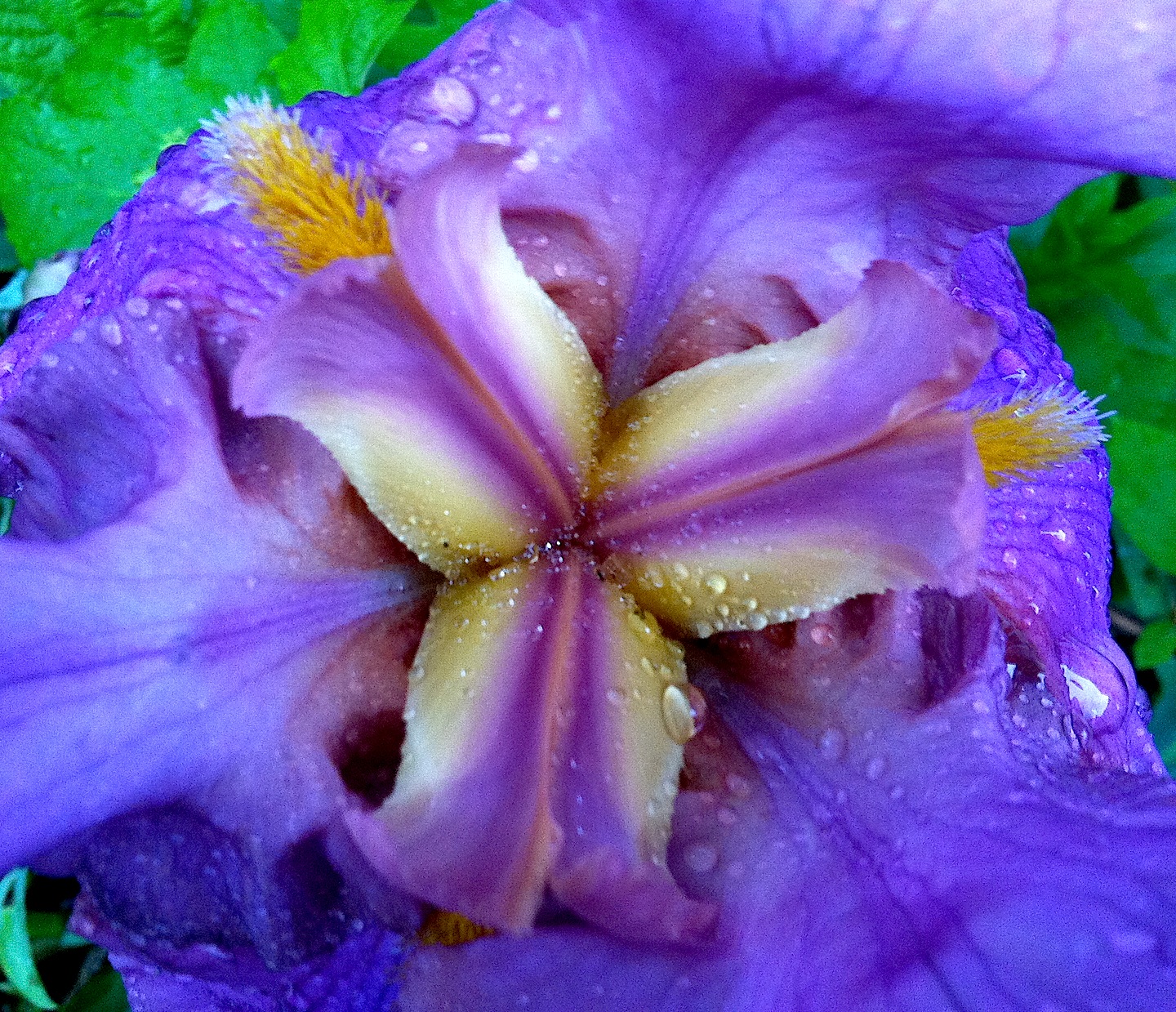
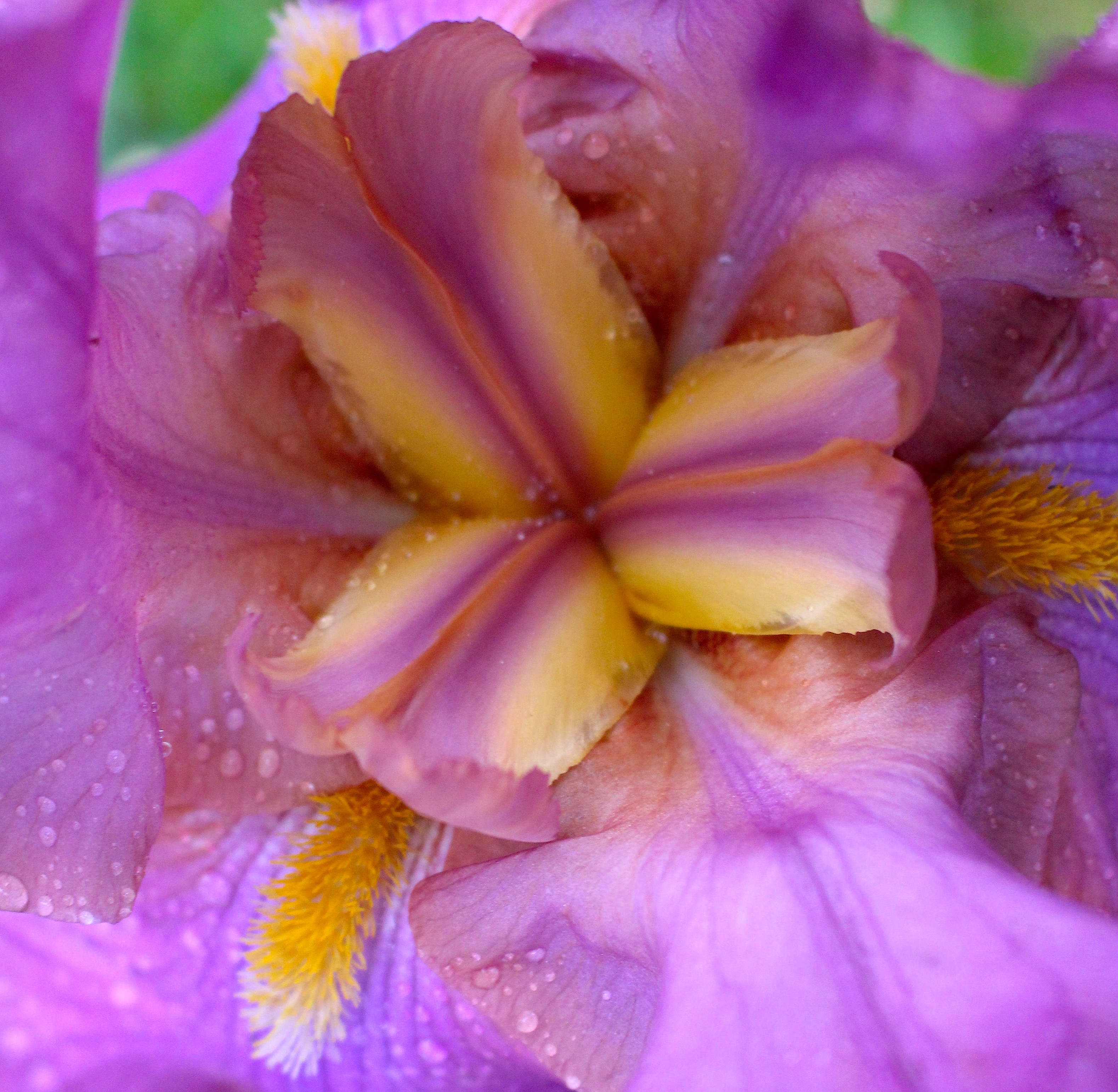
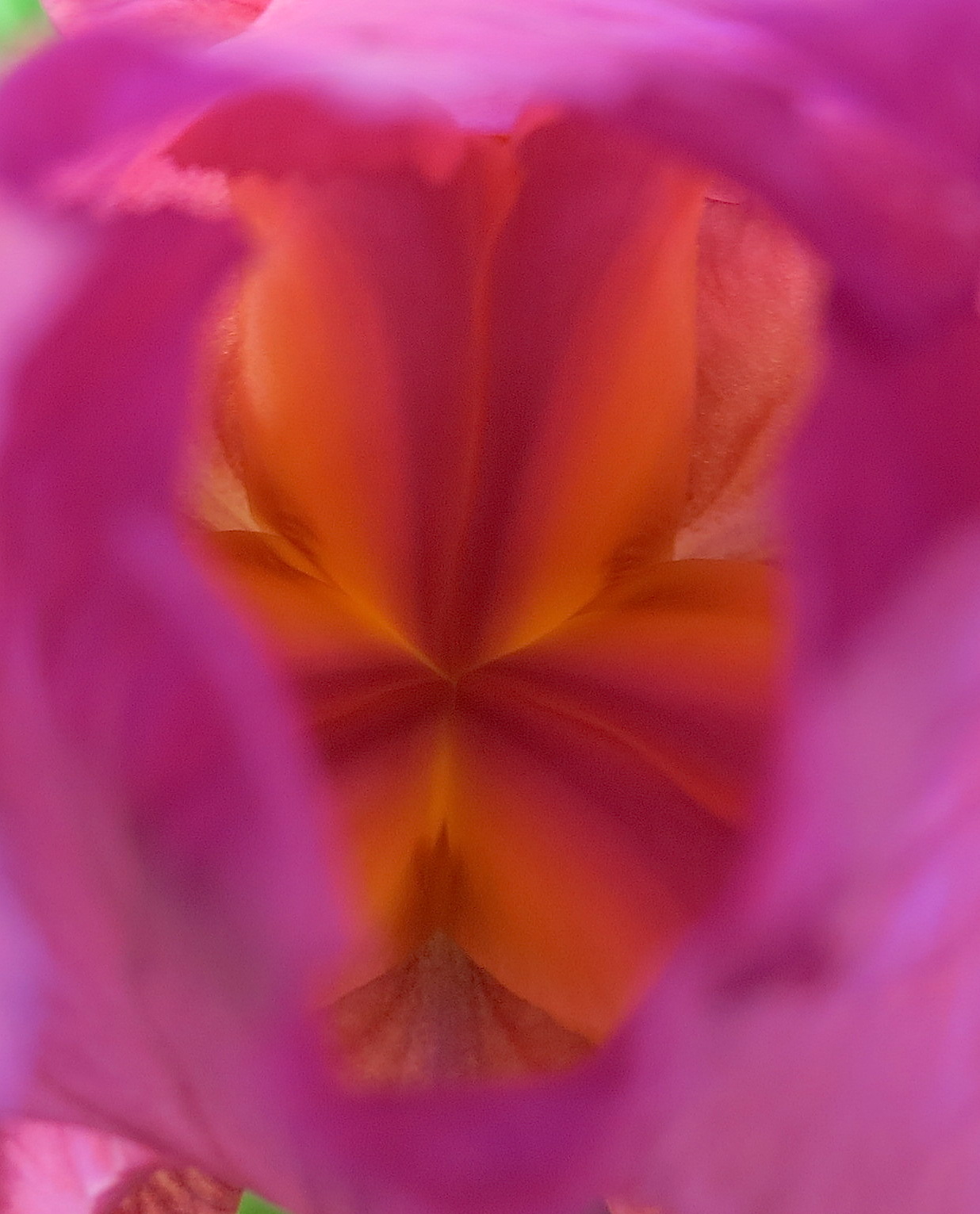
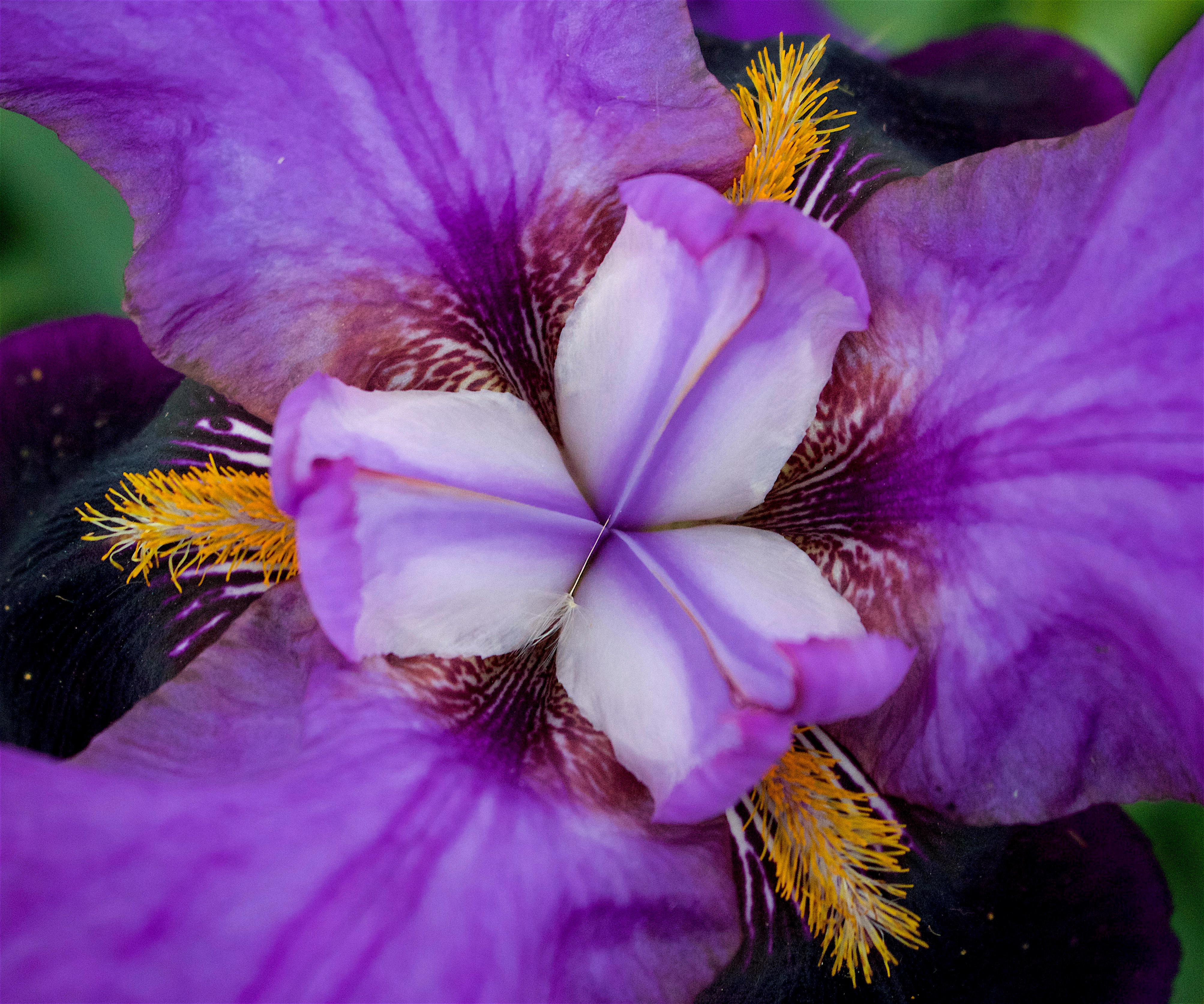
~this fairy land on a stem~
to immerse and emerge
in the possibilities
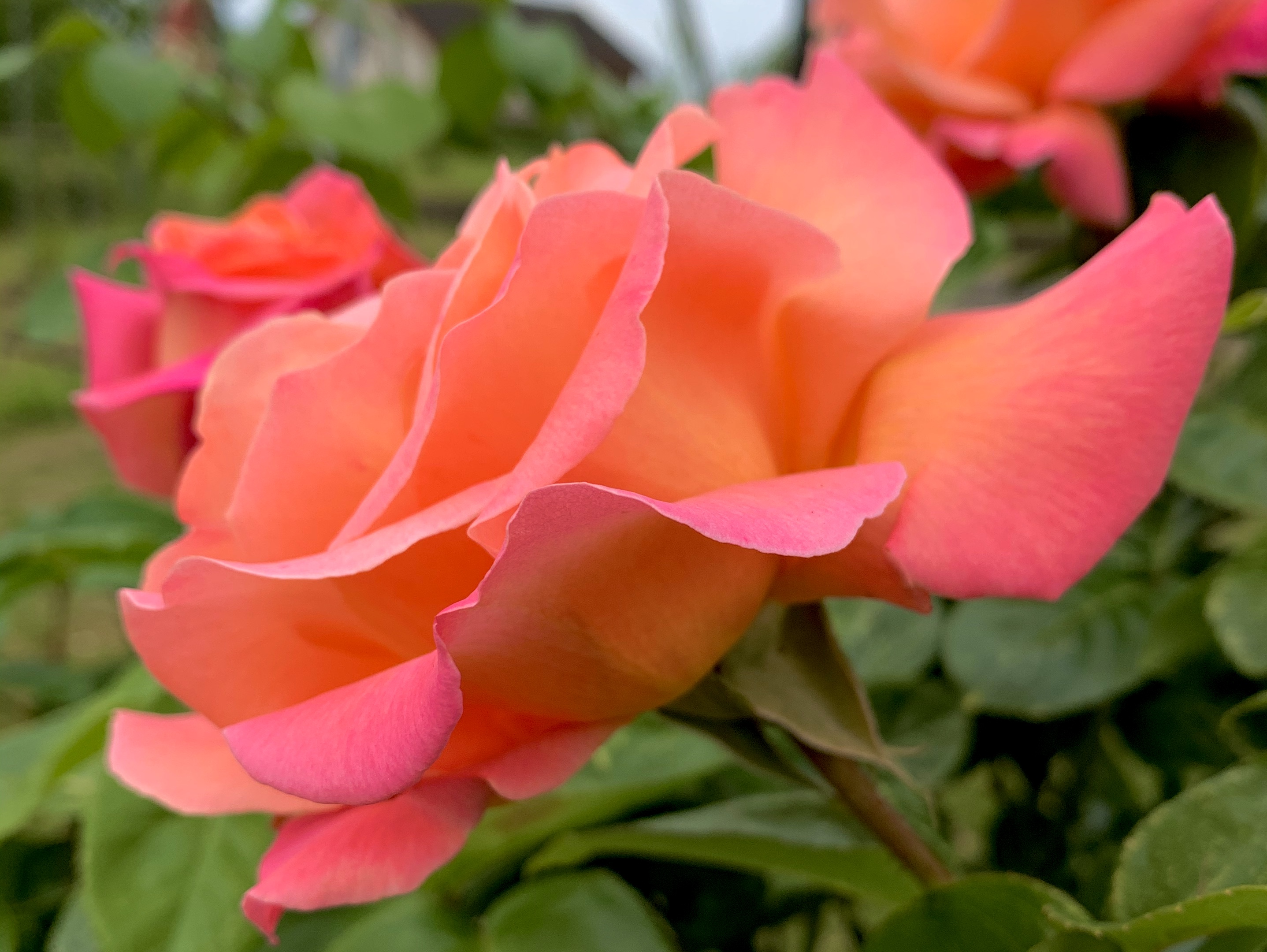
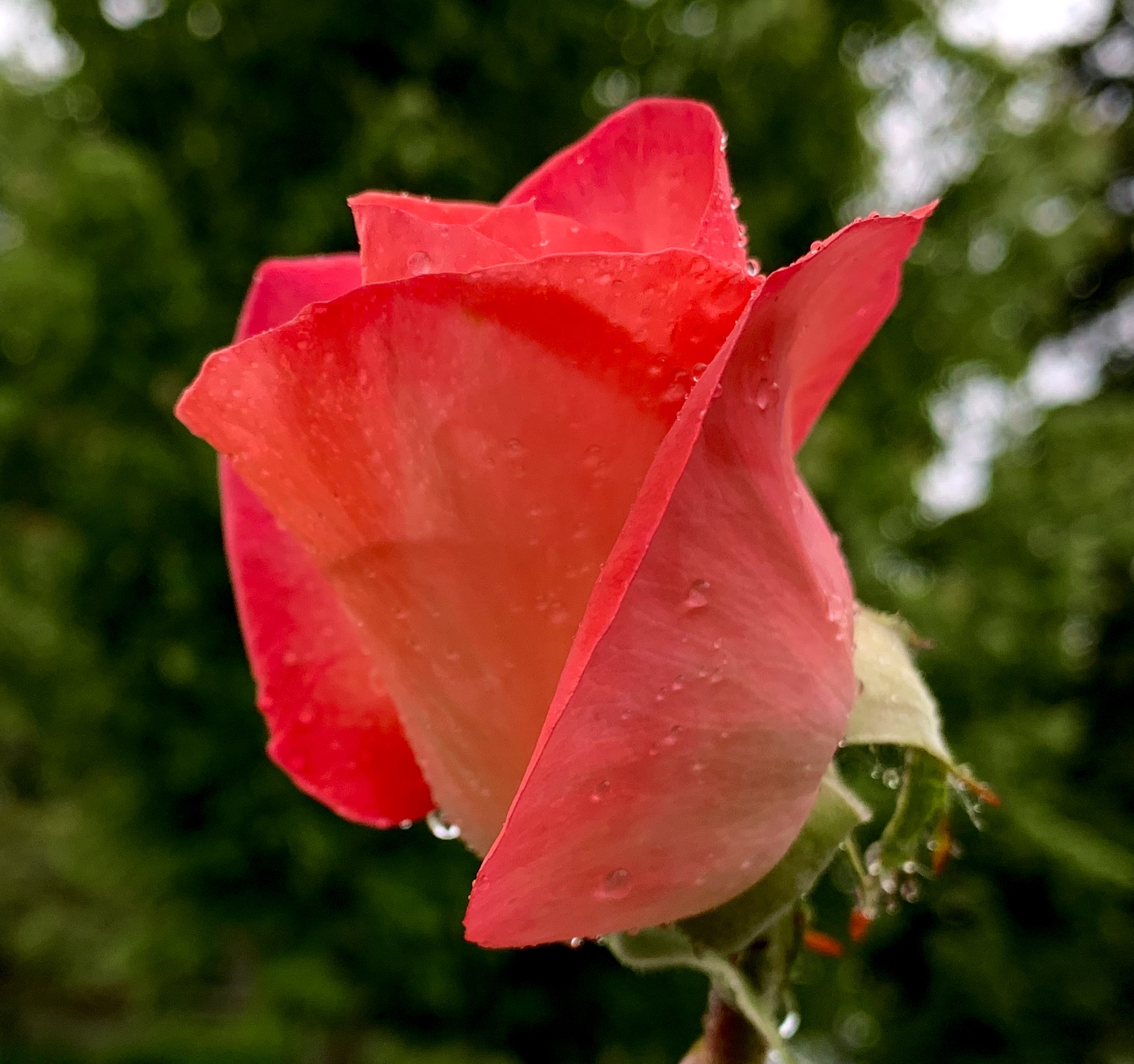
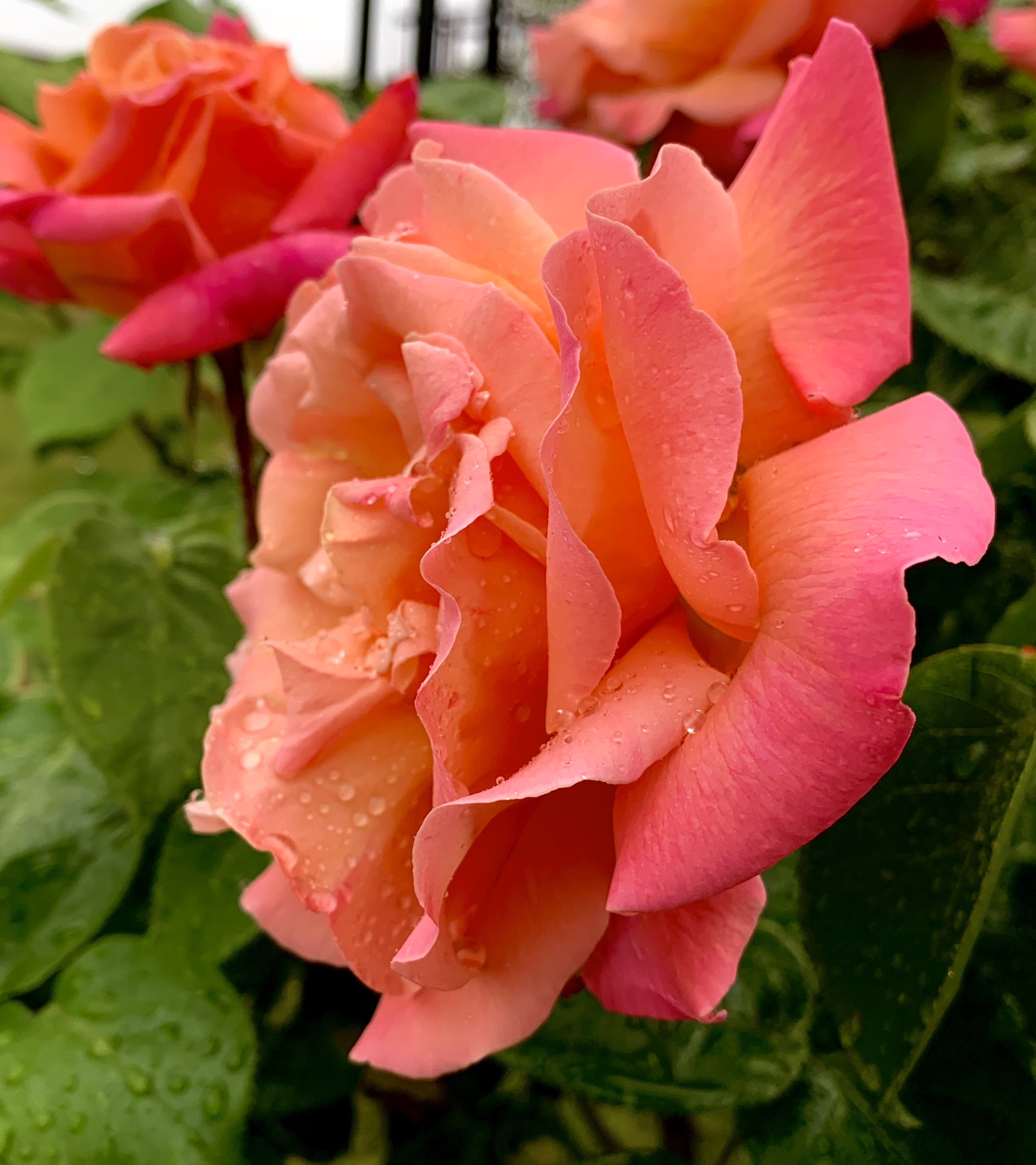
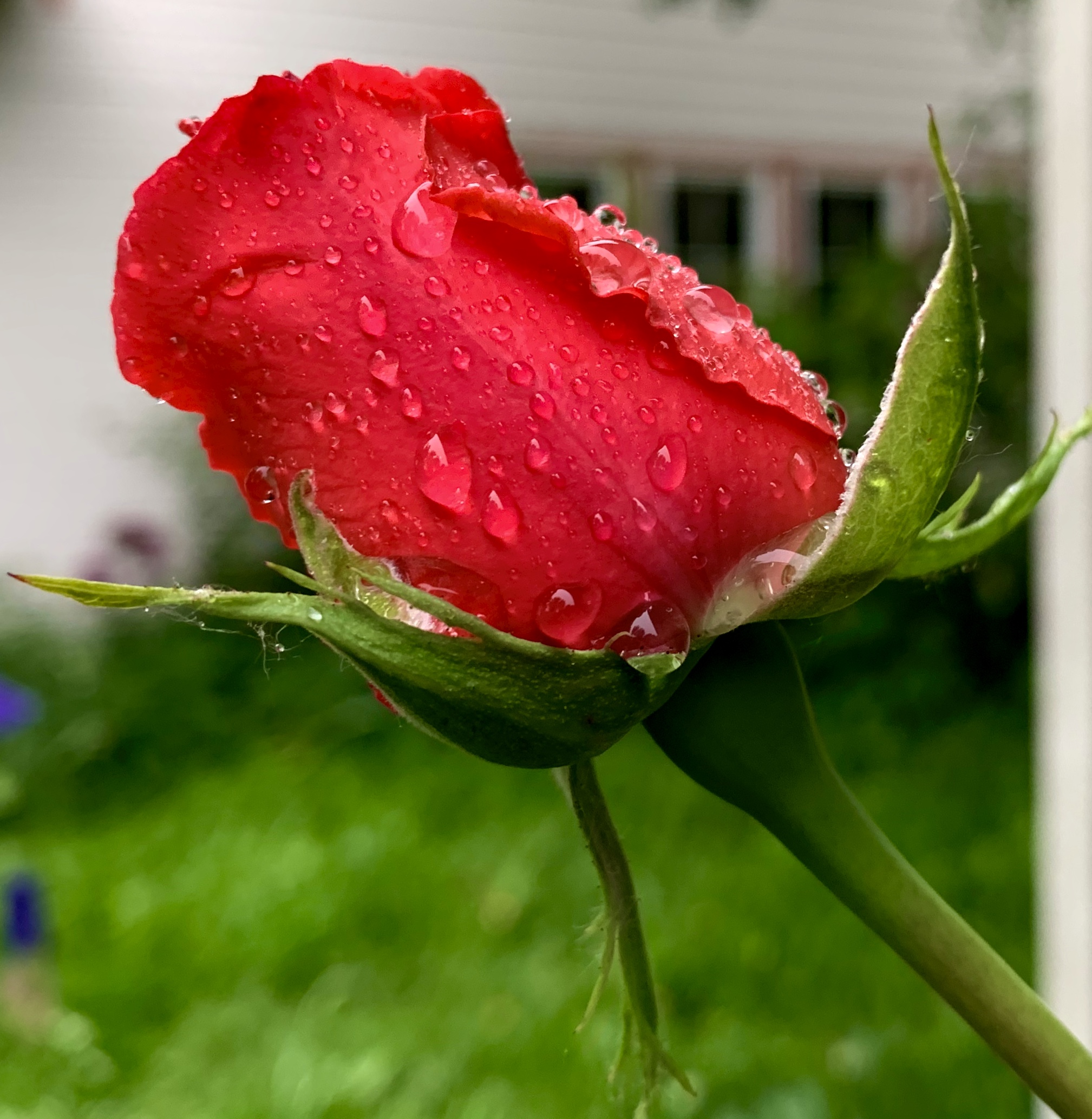
of such an impossible blossom.