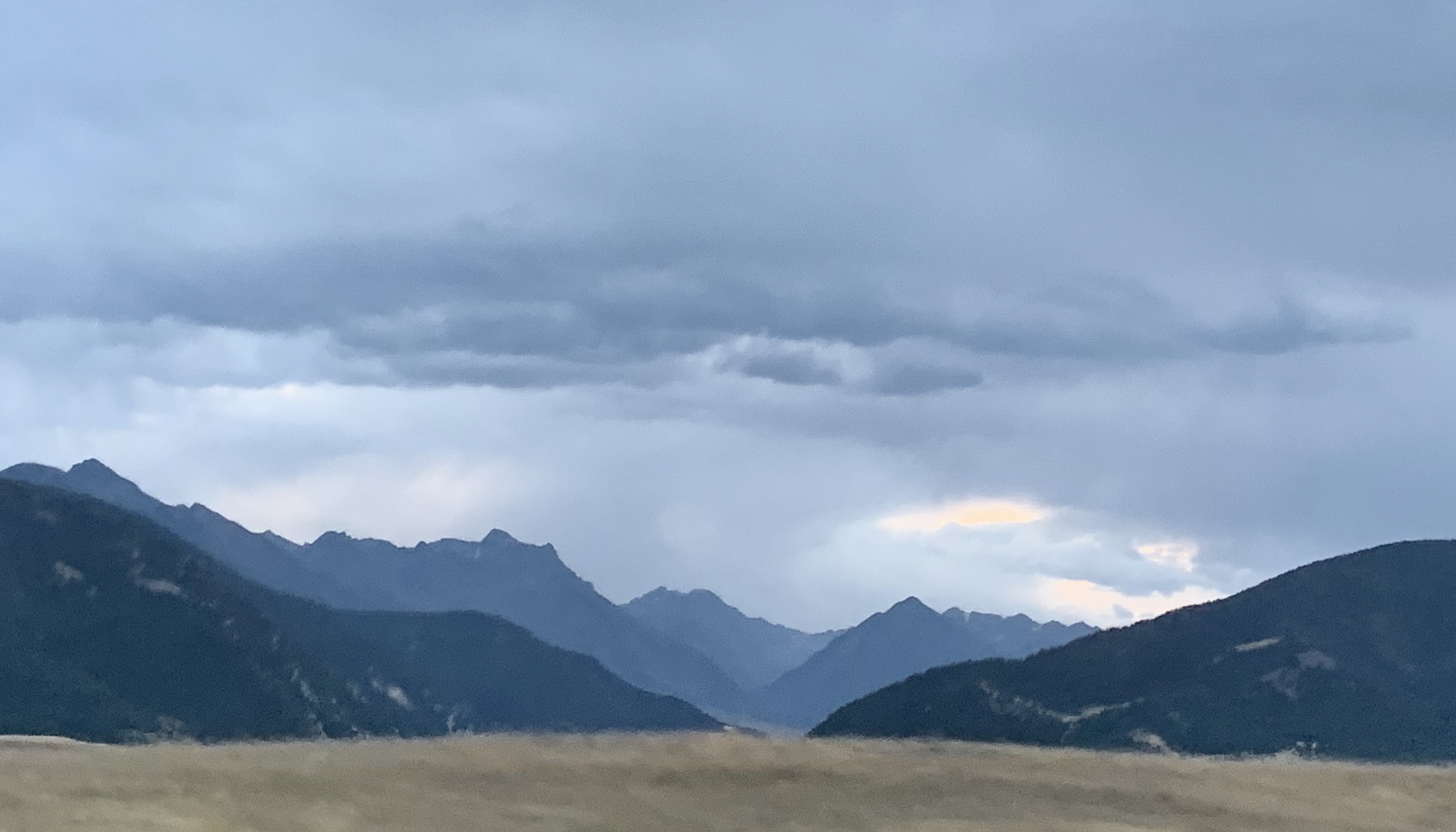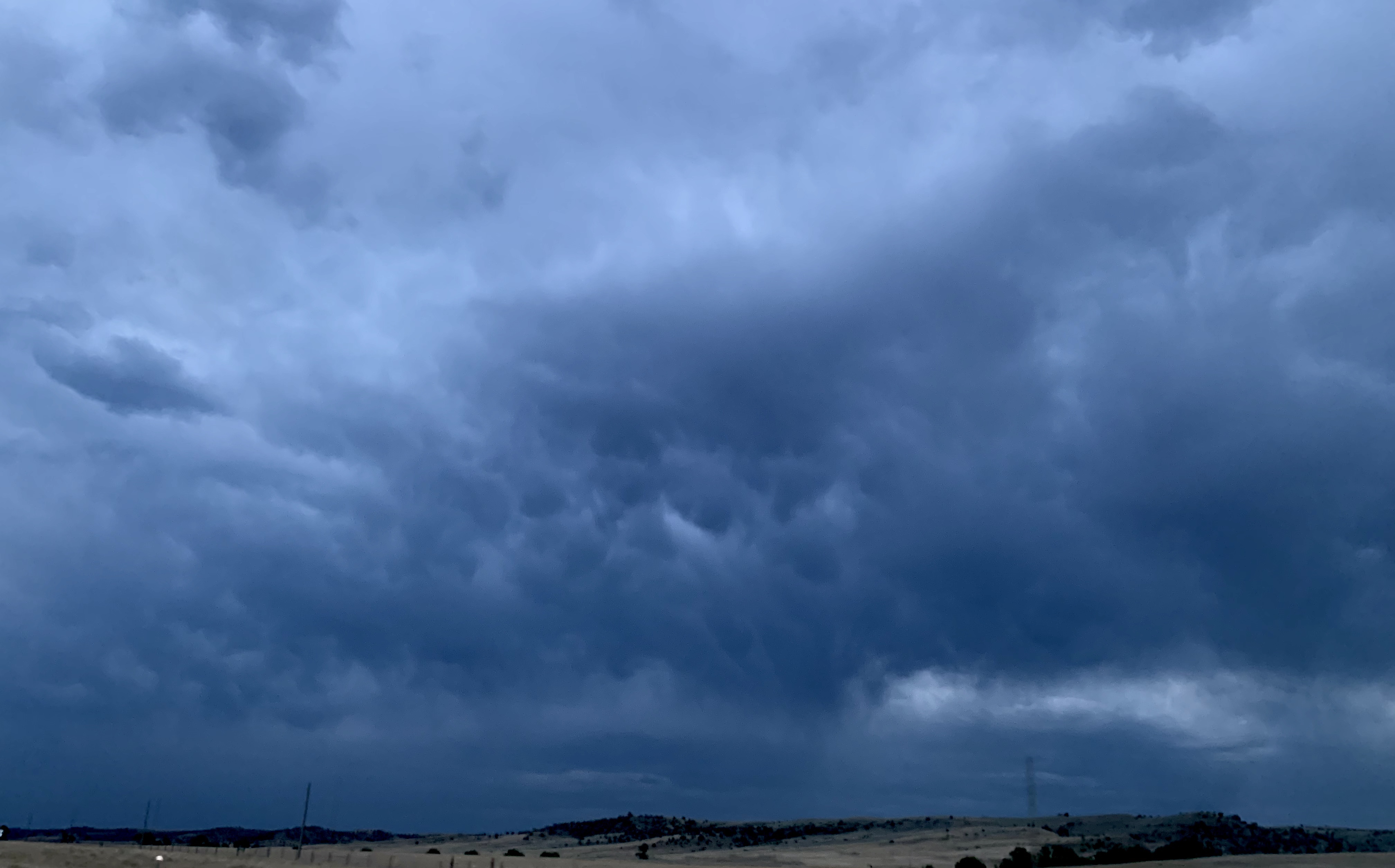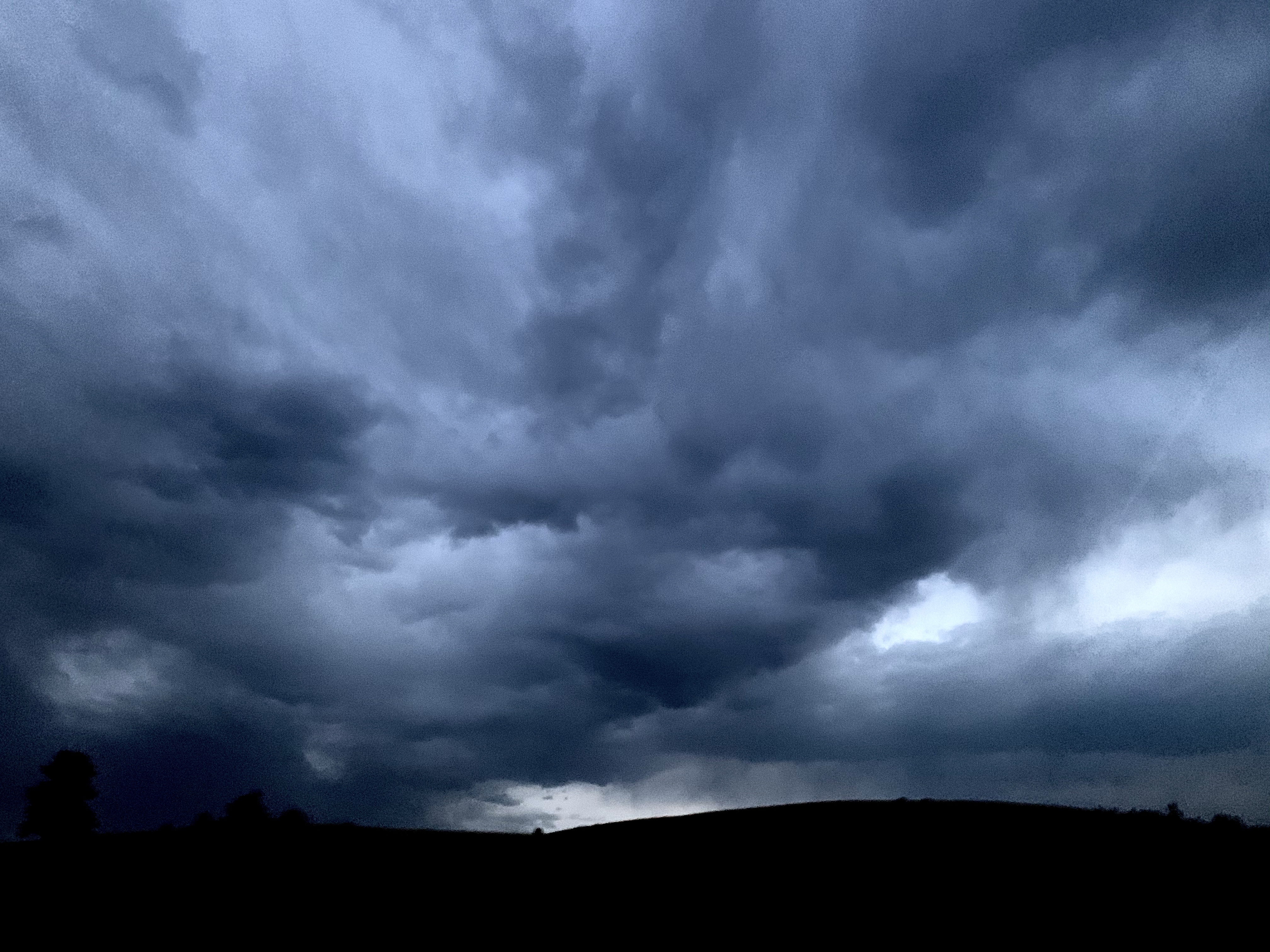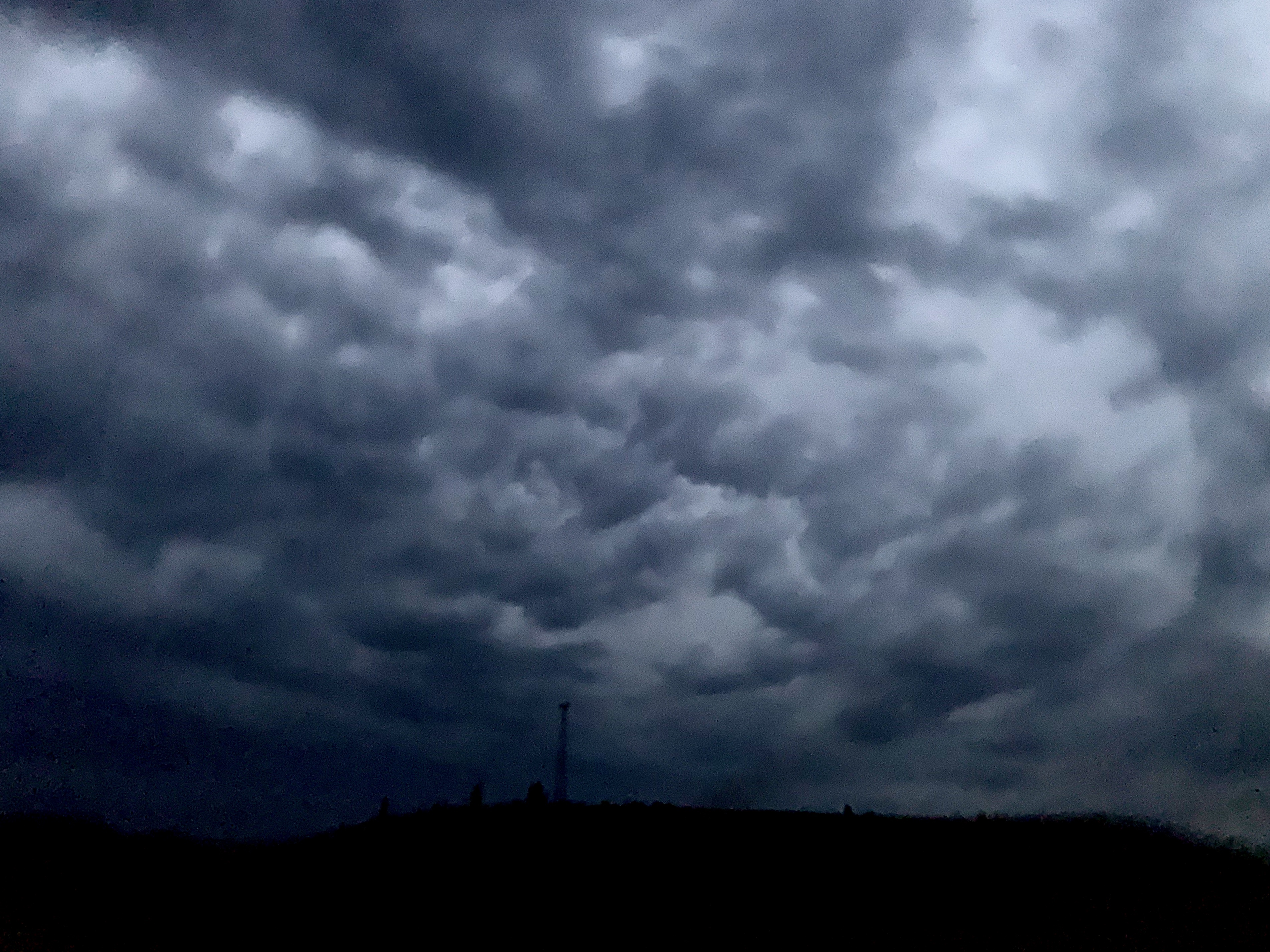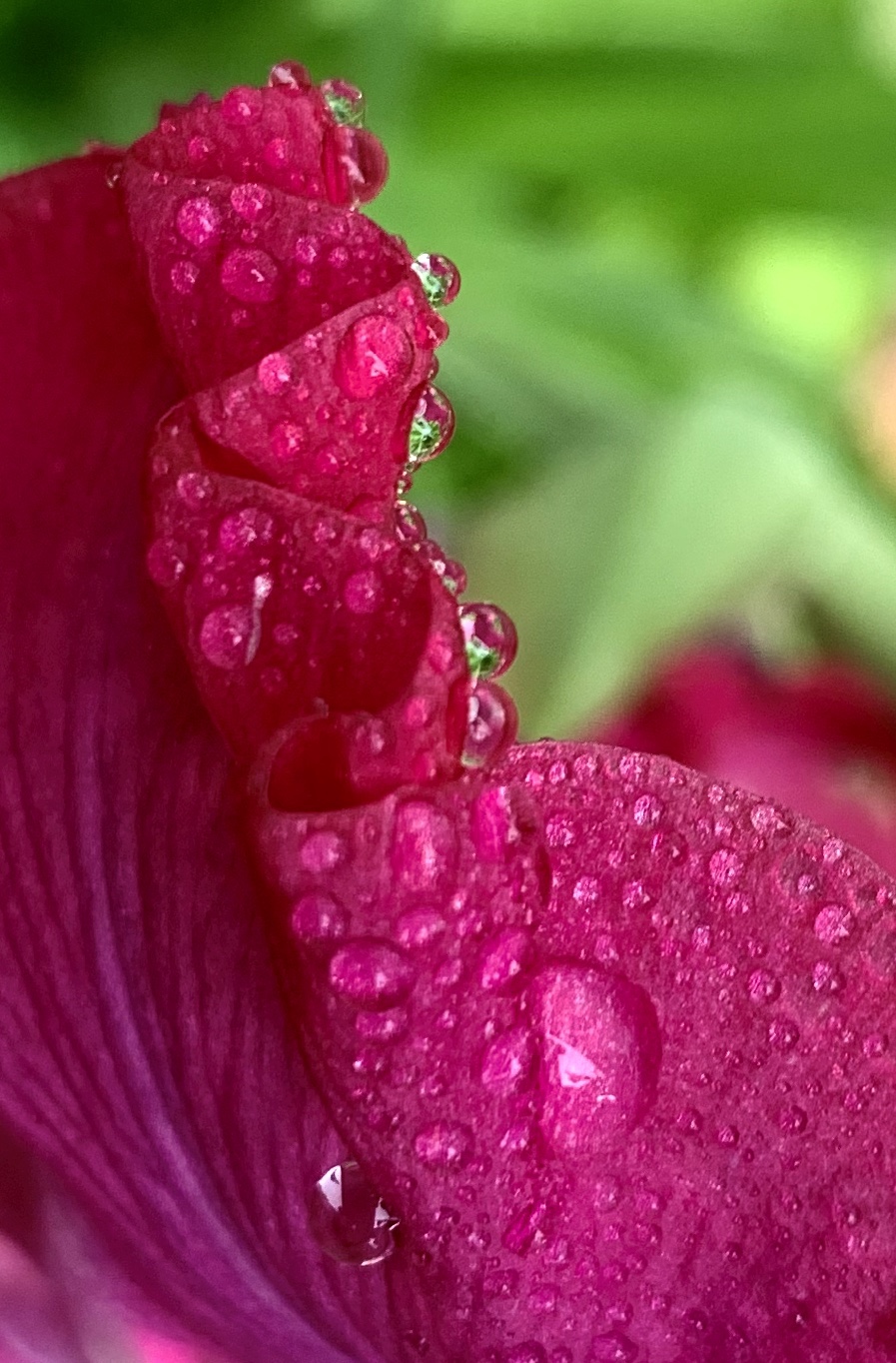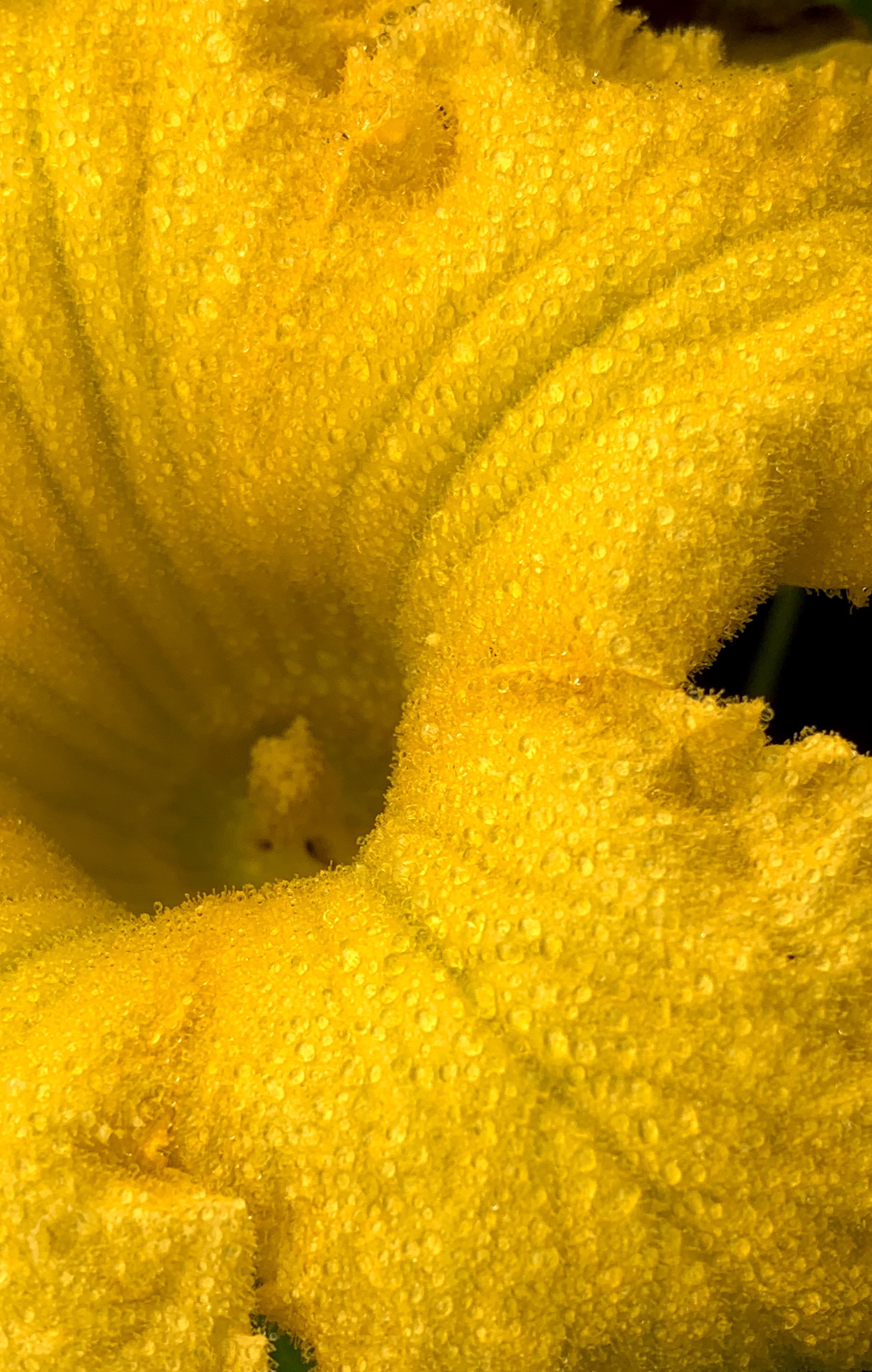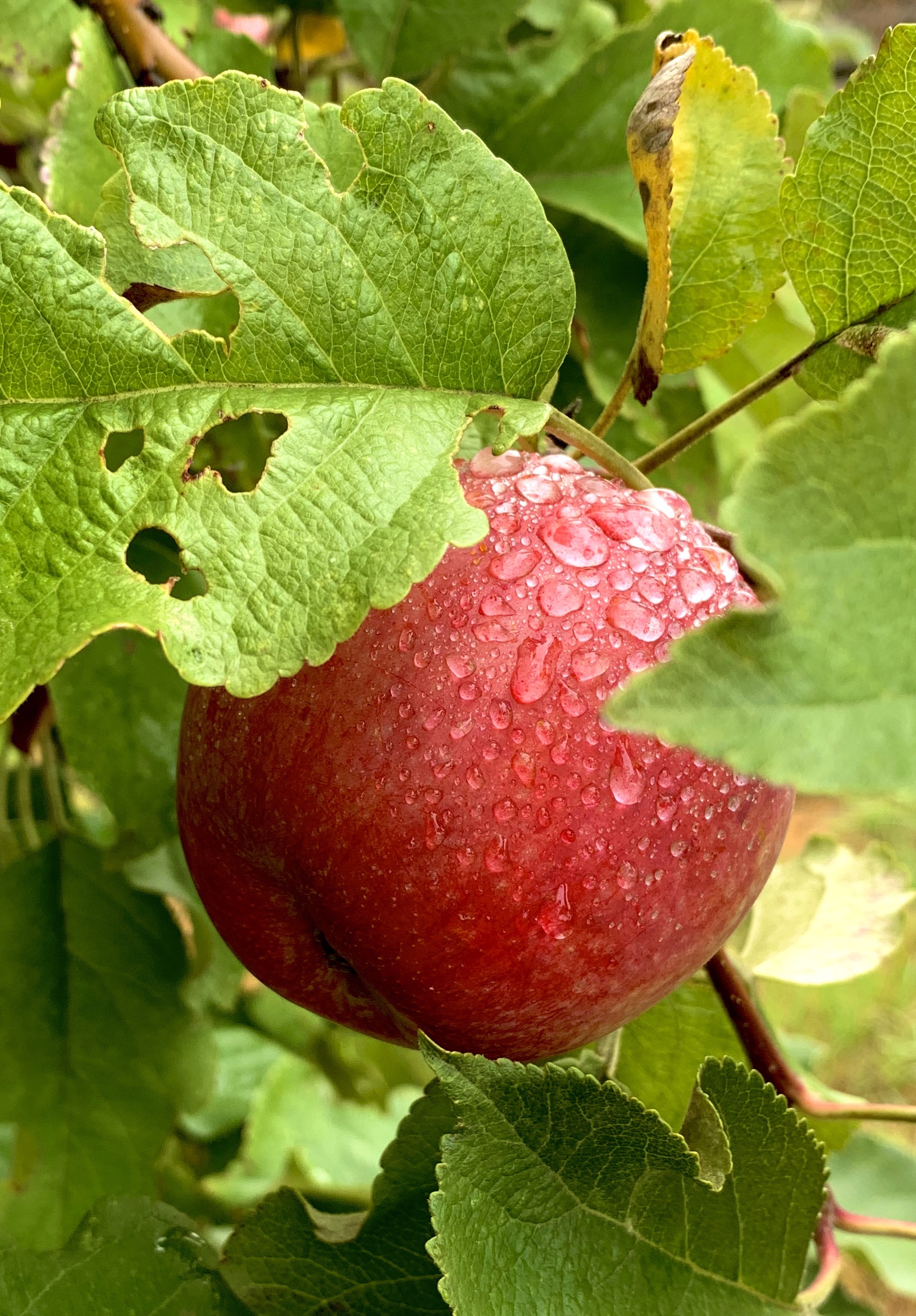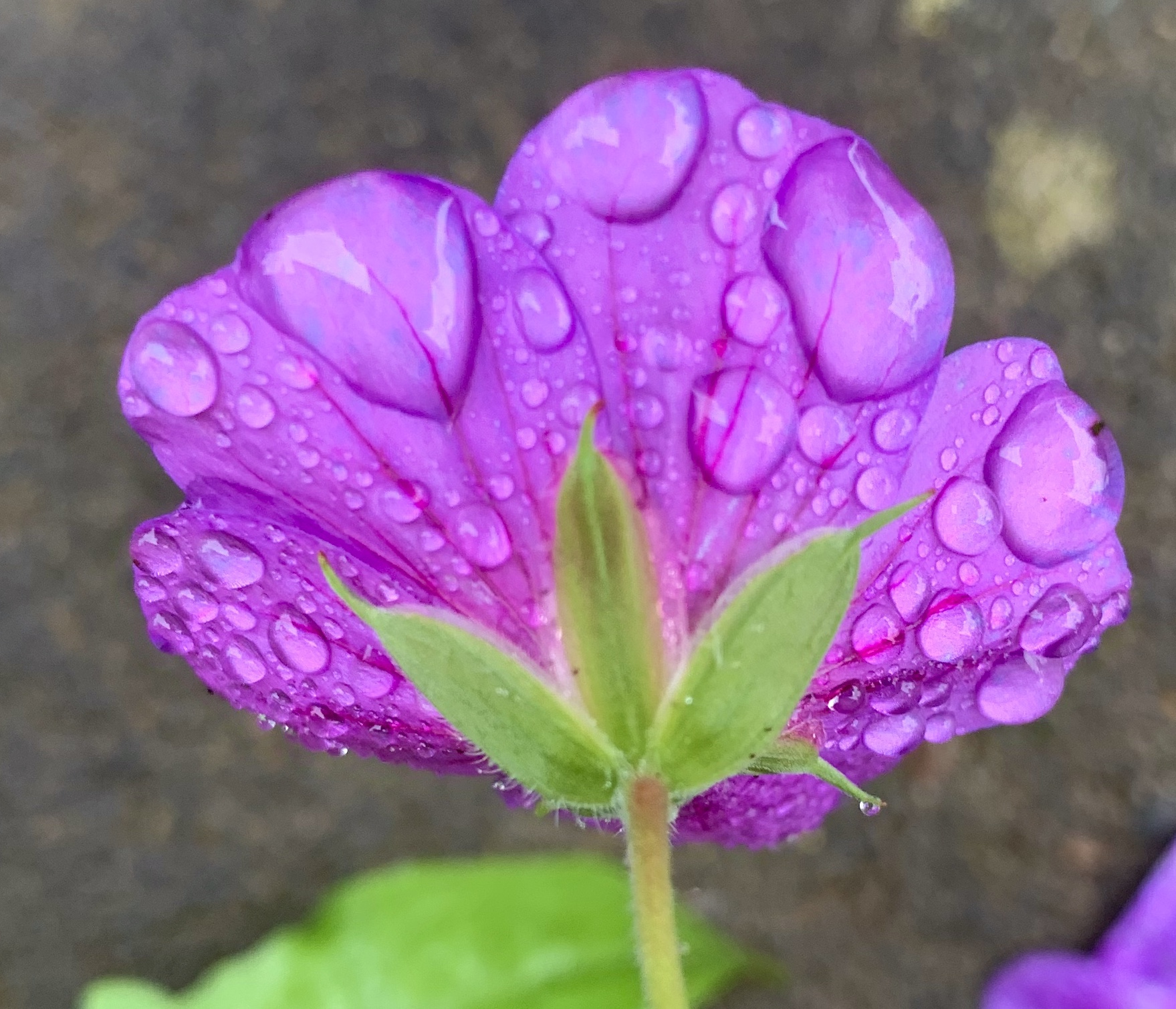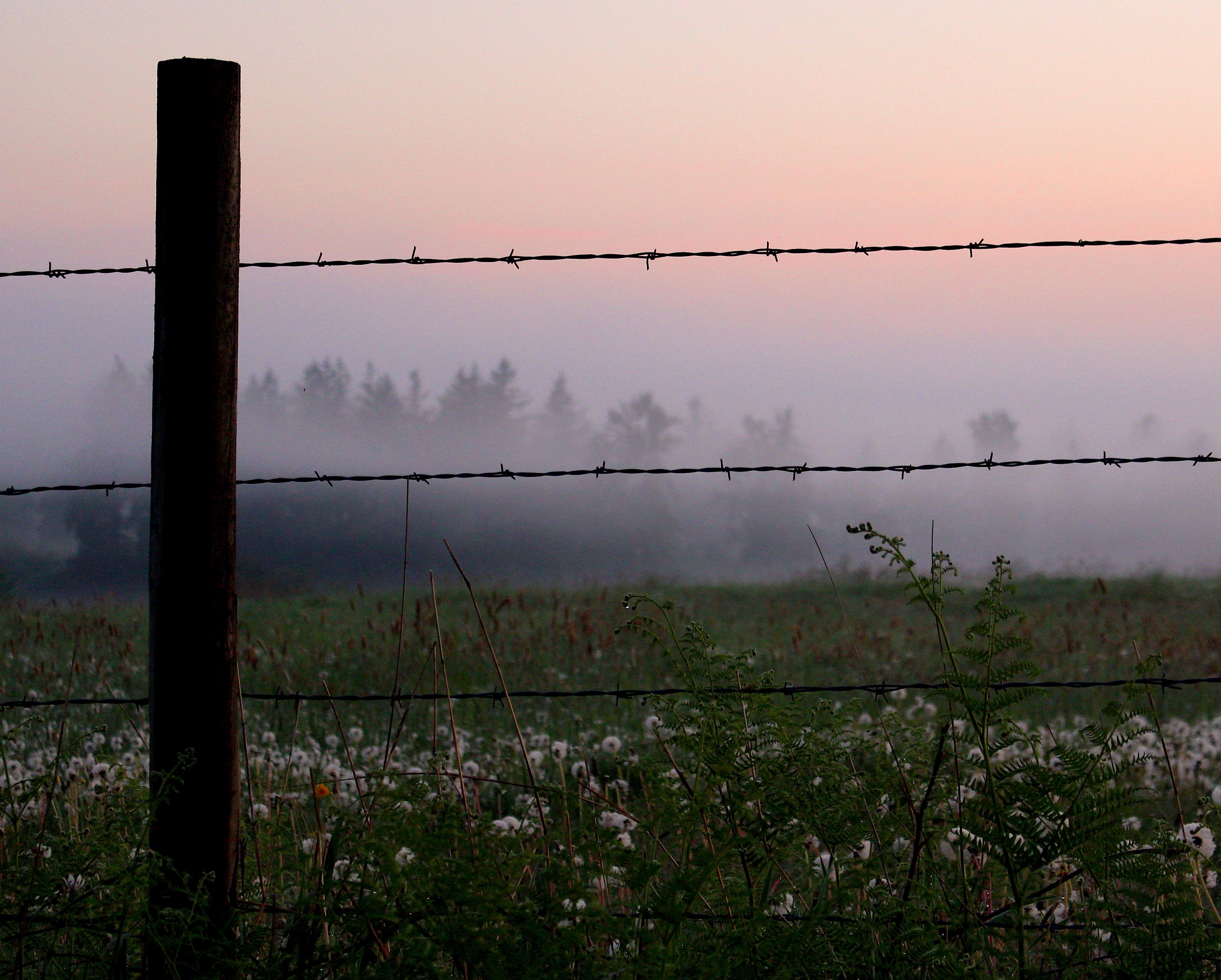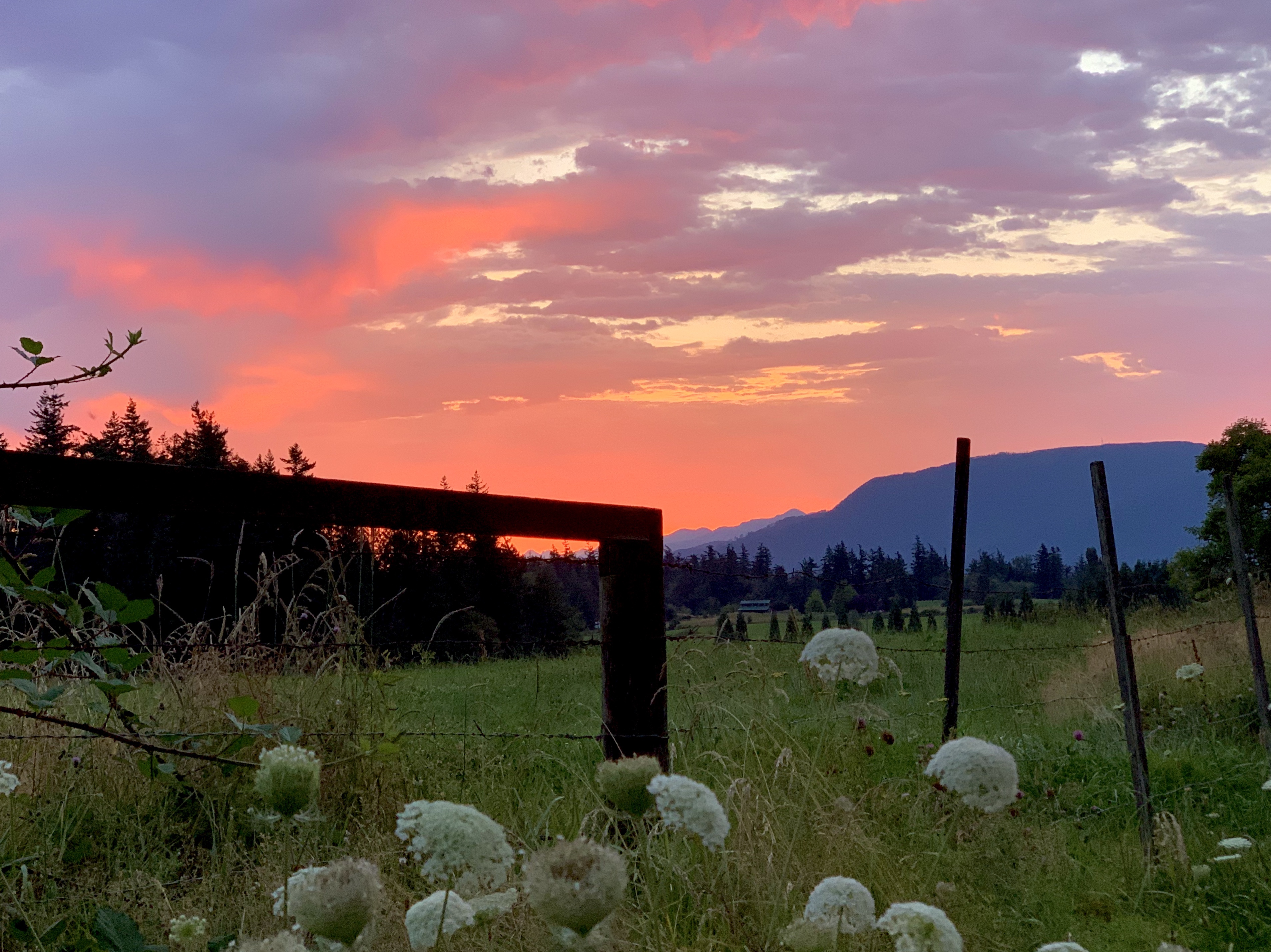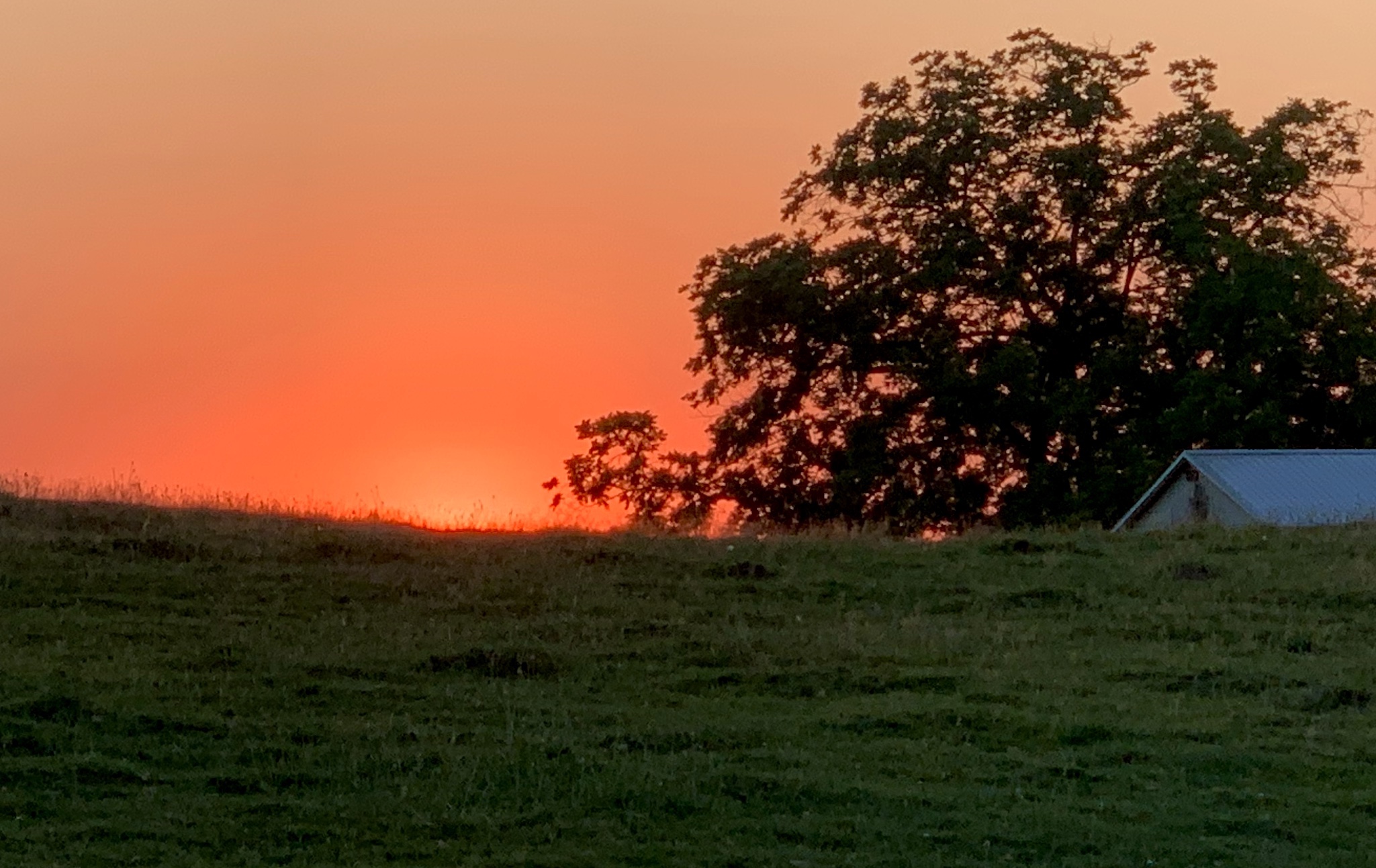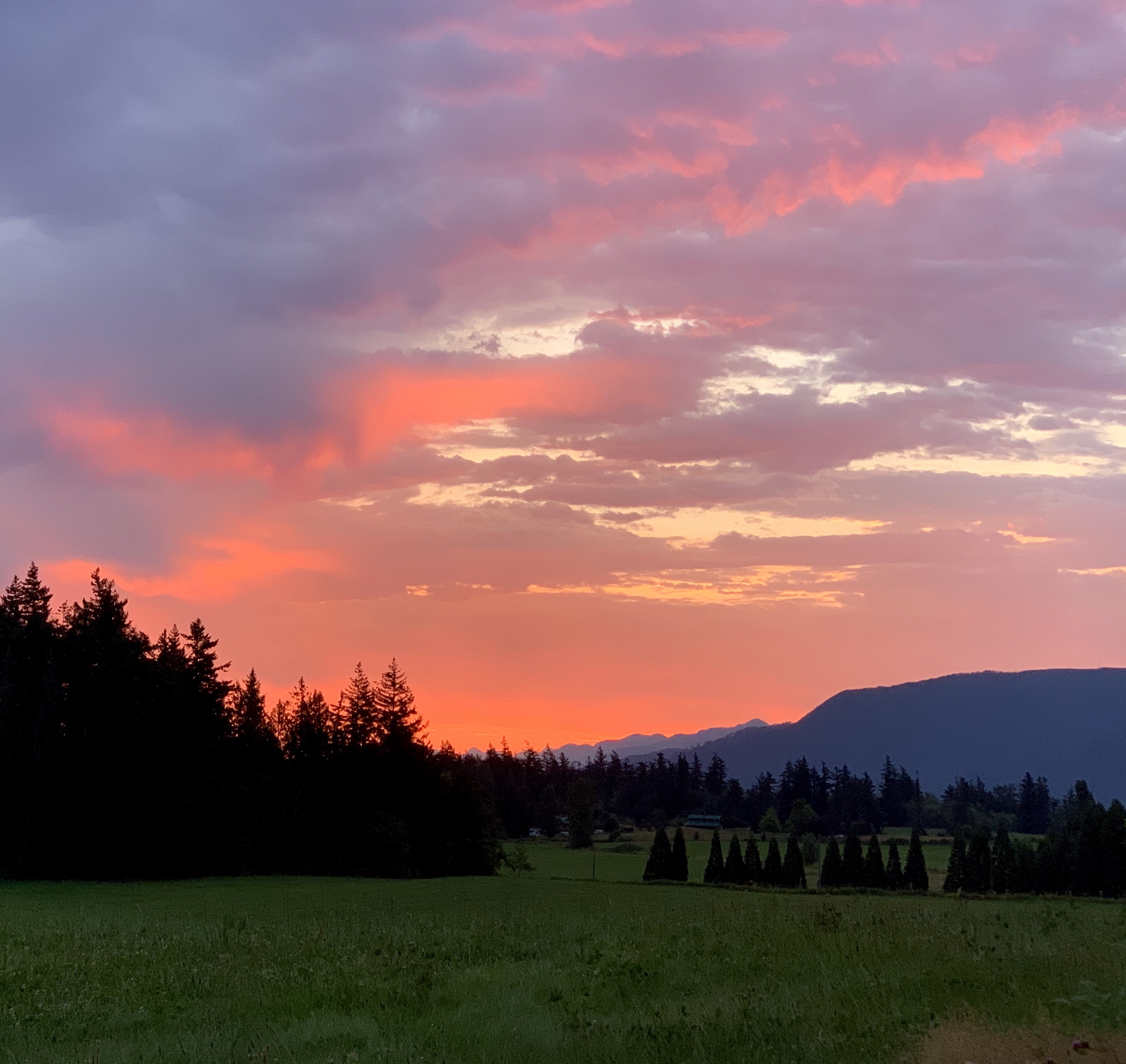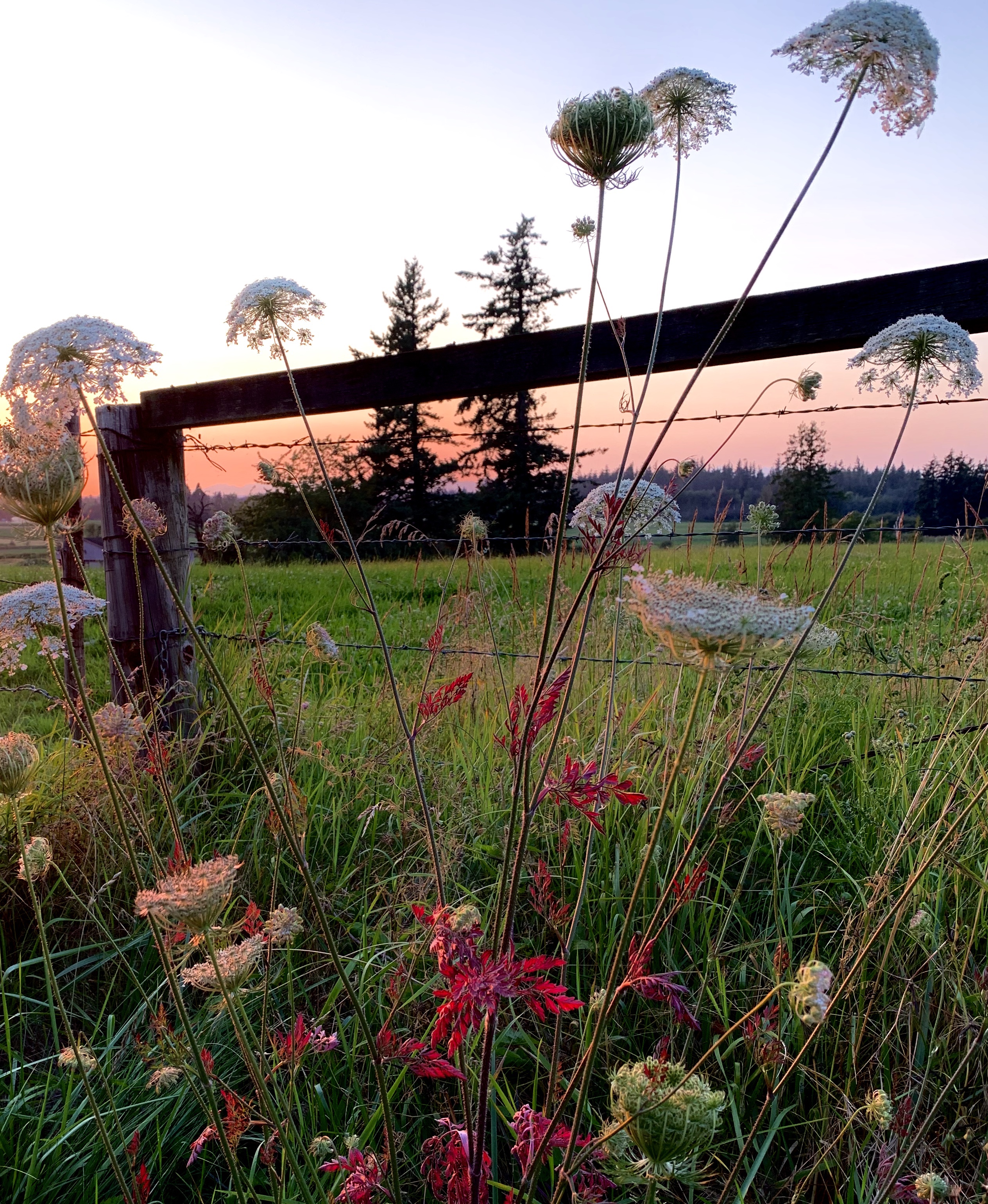
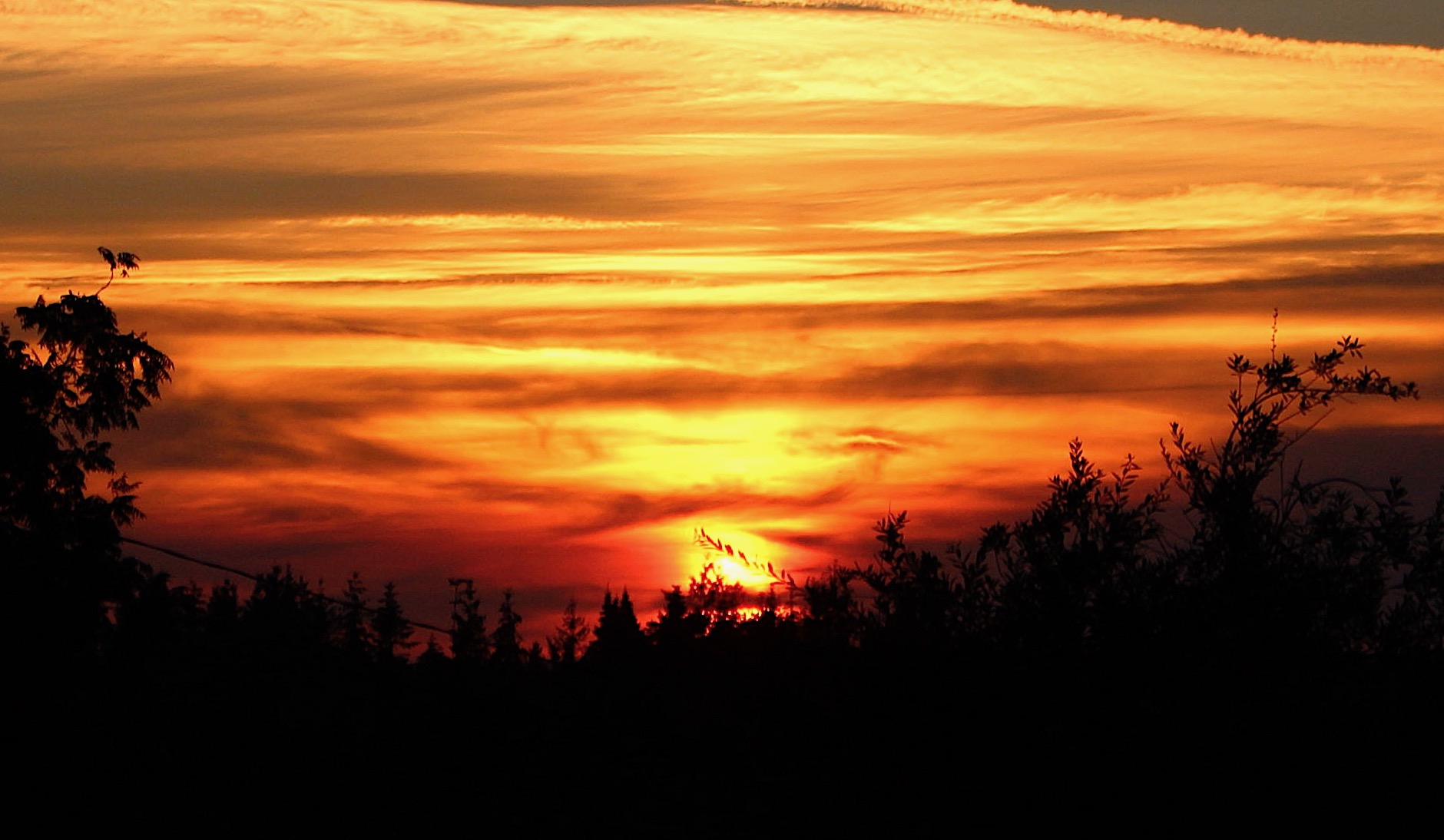
August Burns Low

morning820183

Further in Summer than the Birds
Pathetic from the Grass
A minor Nation celebrates
Its unobtrusive Mass.

No Ordinance be seen
So gradual the Grace
A pensive Custom it becomes
Enlarging Loneliness.

Antiquest felt at Noon
When August burning low
Arise this spectral Canticle
Repose to typify

Remit as yet no Grace
No Furrow on the Glow
Yet a Druidic Difference
Enhances Nature now 
~Emily Dickinson

“…one of the great poems of American literature. The statement of the poem is profound; it remarks the absolute separation between man and nature at a precise moment in time.  The poet looks as far as she can into the natural world, but what she sees at last is her isolation from that world.  She perceives, that is, the limits of her own perception. But that, we reason, is enough. This poem of just more than sixty words comprehends the human condition in relation to the universe:

So gradual the Grace
A pensive Custom it becomes
Enlarging Loneliness.

But this is a divine loneliness, the loneliness of a species evolved far beyond all others. The poem bespeaks a state of grace. In its precision, perception and eloquence it establishes the place of words within that state.  Words are indivisible with the highest realization of human being.”
~N. Scott Momaday from The Man Made of Words
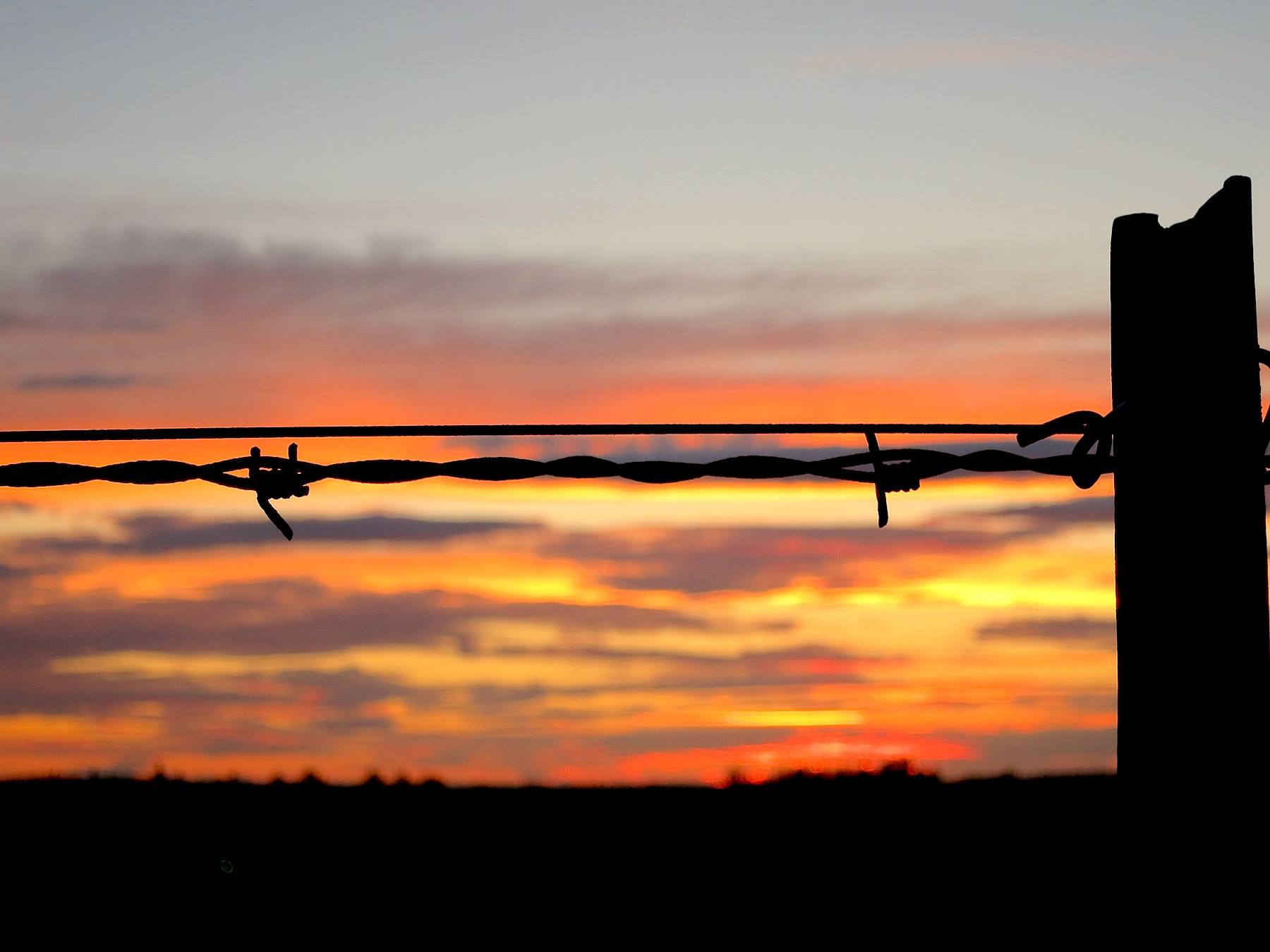
sunset818181
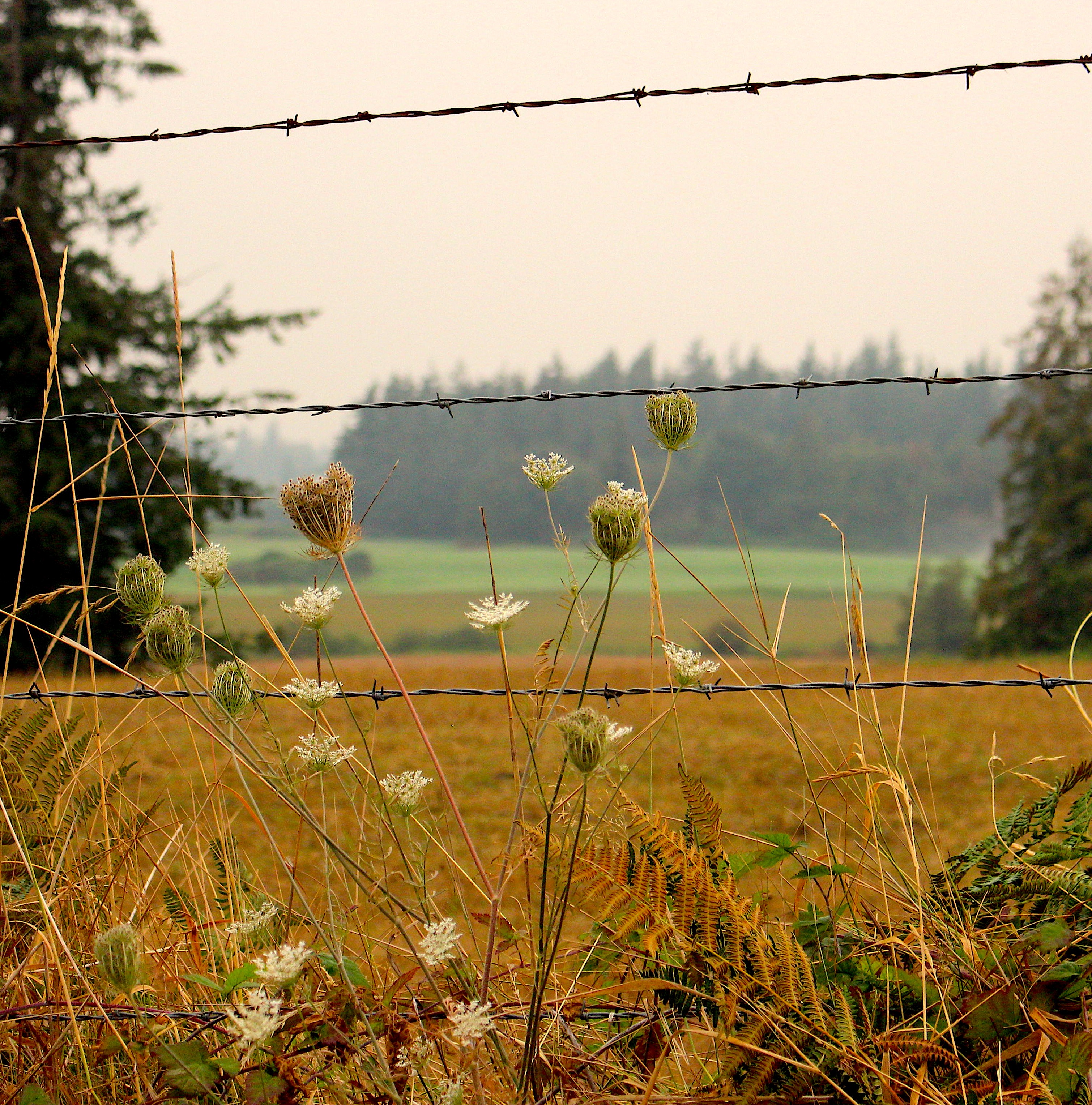
morning820182

On the first day I took his class on Native American Mythology and Lore in 1974 at Stanford, N.Scott Momaday strolled to the front, wrote the 60 words of this Dickinson poem on the blackboard.  He told us we would spend at least a week working out the meaning of what he considered the greatest poem written — this in a class devoted to Native American writing and oral tradition.  In his resonant bass, he read the poem to us many times, rolling the words around his mouth as if to extract their sweetness. This man of the plains, a member of the Kiowa tribe, loved this poem put together by a white New England recluse poet — someone as culturally distant from him and his people as possible.

But grace works to unite us, no matter our differences, and Scott knew this as he led us, mostly white students, through this poem.  What on the surface appears a paean to late summer cricket song doomed to extinction by oncoming winter, is a statement of the transcendence of man beyond our understanding of nature and the world in which we, its creatures, find ourselves.

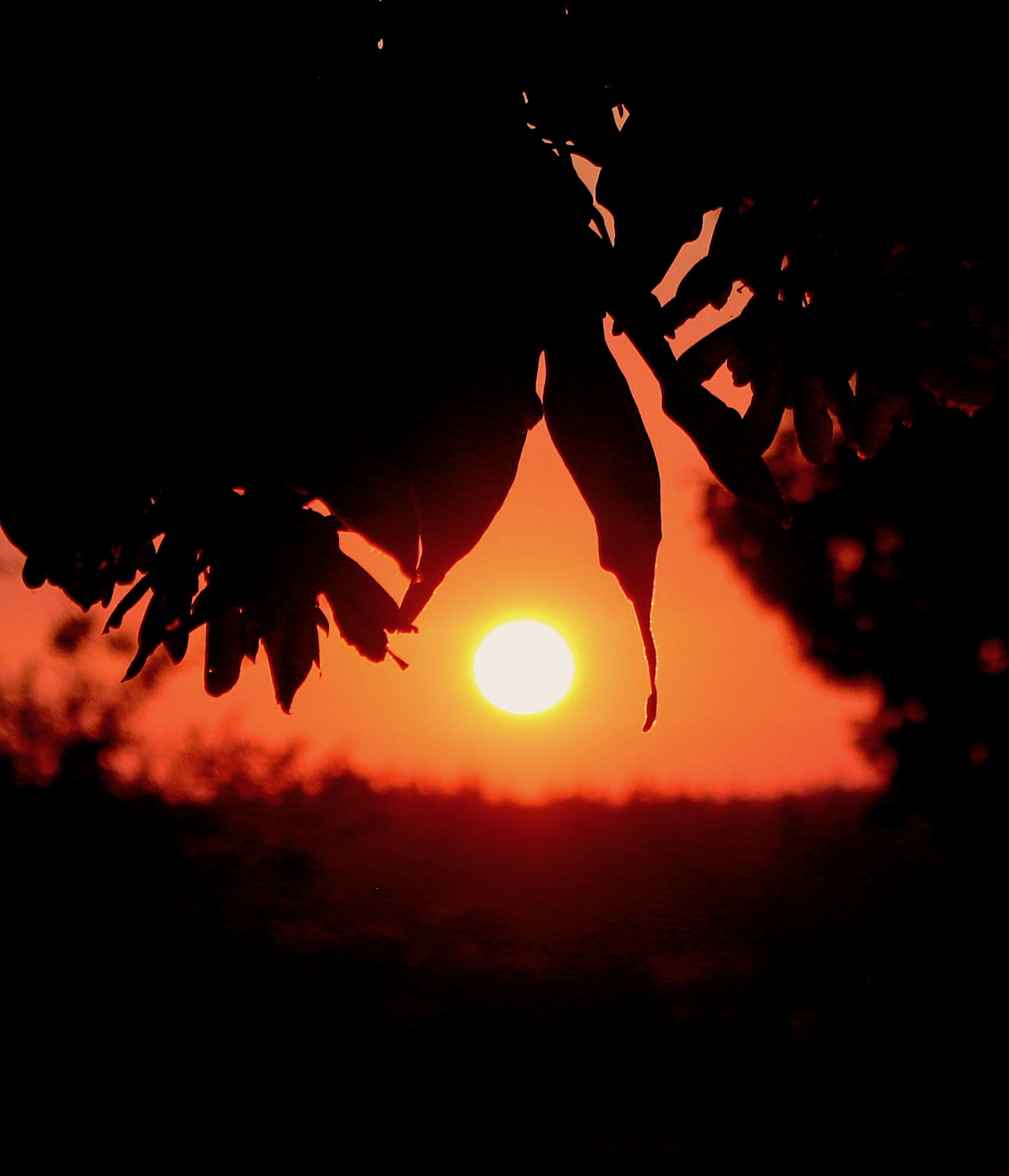
As summer begins its descent into the dark death of winter, we, unlike the crickets, become all too aware we too are descending. Not only are the skies are filled with smoke from uncontrolled wildfires, but the streets are filled with protesters and counter-protesters who loot and shoot rather than meet to ask questions, and our future is filled with the uncertain timeline of ongoing pandemic destruction as nature has the upper hand yet again. 

There is no one as lonely as an individual facing their mortality and no one as lonely as a poet facing the empty page, in search of words to describe the sacrament of sacrifice and perishing.

Yet the Word brings Grace unlike any other, even when the cricket song, pathetic and transient as it is, is gone.  The Word brings Grace, like no other, to pathetic and transient man who shall emerge transformed.

There is no furrow on the glow.  There is no need to plow and seed our salvaged souls, already lovingly planted and nurtured by our Creator God, yielding a fruited plain.
sunset88186
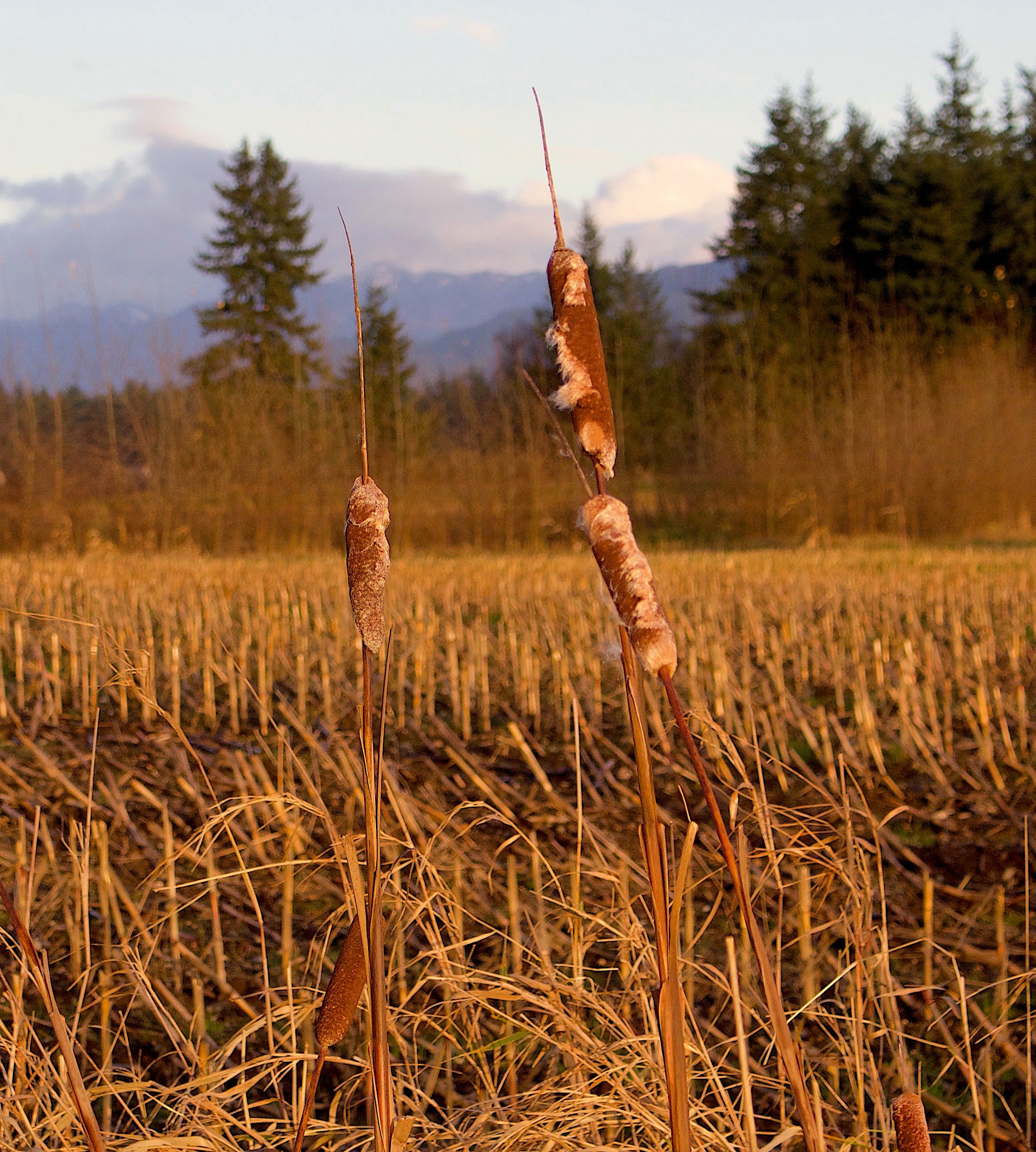
cattails2
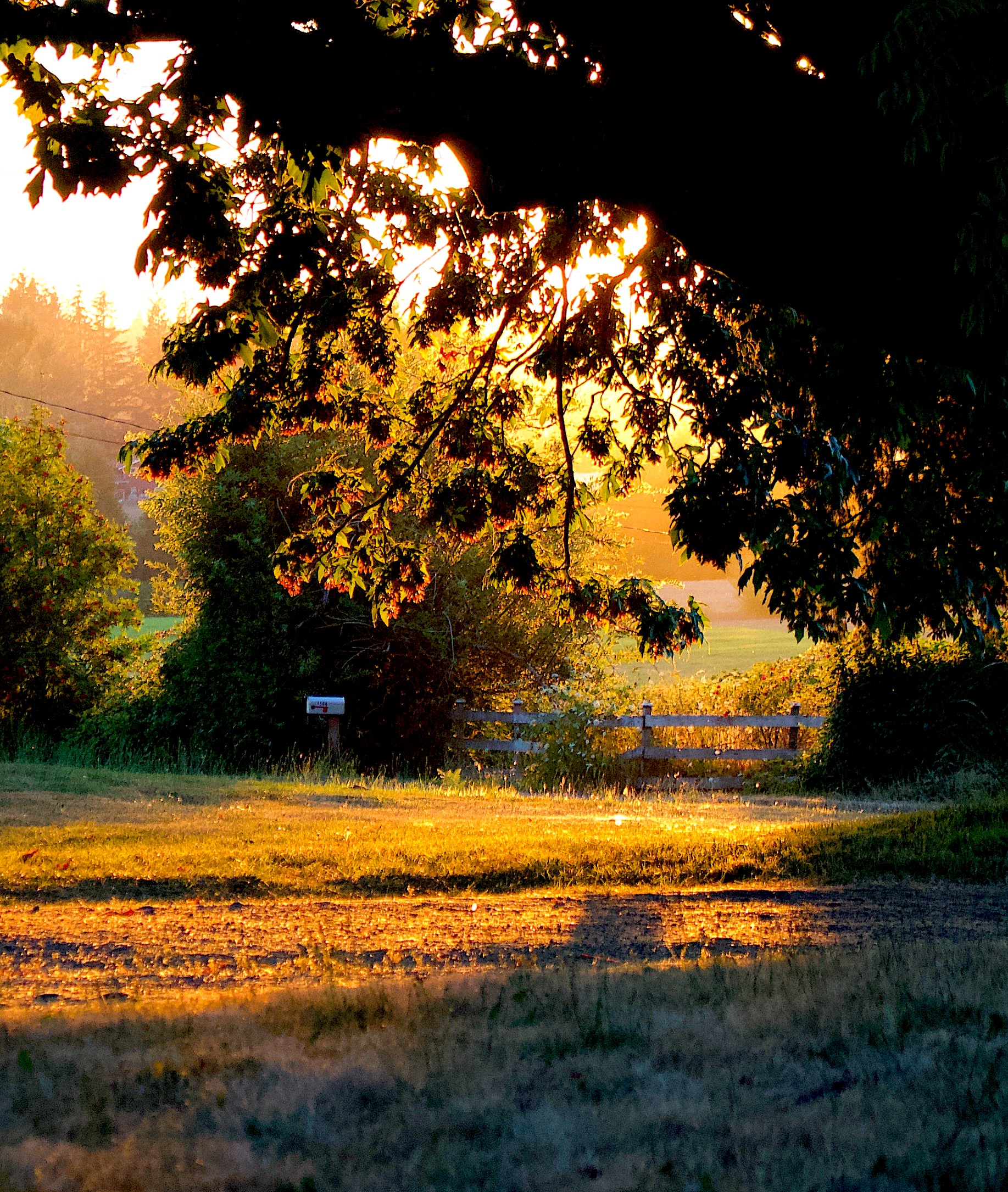
frontyardlight2

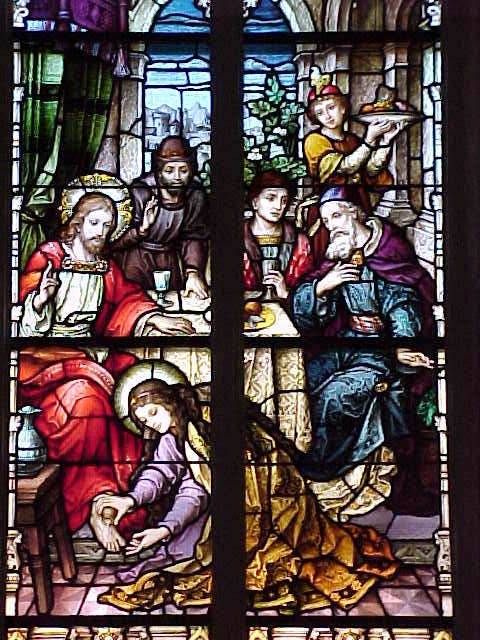
His True Beauty

People are like stained-glass windows. They sparkle and shine when the sun is out, but when the darkness sets in, their true beauty is revealed only if there is a light from within.
~ Elisabeth Kübler-Ross

stained glass from Meyers Studio, Munich 1899

A farmer died yesterday yet his harvest will live on.

Arnie and his wife Gretchen hadn’t farmed in a few years, if you consider farming only as the raising of dairy heifers and the milking of cows. But farming is so much more if you consider their other harvest work: sharing the produce from a beautiful garden, his volunteering in the community bringing Meals on Wheels to the home bound, transporting people to church who would never make it otherwise, and an unfailing smile and greeting at church when paying special attention to anyone he had never seen before. He wanted them to know how welcome they were.

When he wasn’t running a dairy farm, Arnie harvested people. He exchanged his tractor for an SUV which made it easy to fold up and stow a wheelchair whenever needed. He traded in his hoe for a handshake, his farmer’s cap for a promise to show up to do whatever no one else would do.

He looked for those who were struggling to keep going, who had run out of fuel and were discouraged, their hope being battered by the storms of life. Arnie searched for the light hidden within and became a reigniting fire himself, even when his own illness overwhelmed him. He helped push back darkness with a sparkle and shine reflected from the Light he kept illuminated deep within himself.

His walk with God was a thing of true beauty, like multi-colored windows of faith that reflect our Savior. Arnie became a sanctuary bathed in the glow of a powerful inner light.

A farmer has gone home, but his harvest left behind is bountiful beyond imagining. It sparkles and shines; we’ll miss that welcoming smile until that day he greets us once again at heaven’s gates.

The Storm Inside and Out

Beneath our clothes, our reputations, our pretensions,
beneath our religion or lack of it,
we are all vulnerable both to the storm without
and to the storm within.
~Frederick Buechner – from Telling the Truth

We are so complicit and compliant
in pleasant and peaceful appearance,
sitting in silence allowing
our inner storm to stay well hidden;
if called and compelled to face wrongs boldly,
the tempest can no longer be contained.
Silence in the face of evil
must itself be shattered,
even the rocks will cry out,
as our storm spills forth
speaking the truth.

Silence in the face of evil is itself evil:
God will not hold us guiltless.
Not to speak is to speak.
Not to act is to act.
~Dietrich Bonhoeffer

We all are feeling the unpredictability of the state of the climate all around us:

heavy damaging winds, devastating hale storms, thunder and lightening, sweaty sunny middays, torrential unpredictable showers, ankle-deep mud, horrible forest fires.

Protests, violence, conspiracy theories, people distrusting and disrespecting others, name-calling, and plenty of deafening silence.

And inside my own cranium:

words that fly out too quickly, anxiety mixed with a hint of anger, too easy tears, searing frustration, feeling immobilized by the daily muck and mire of the state of the world today.

I have no excuse for acting like moody March, October, December and August within a span of a few hours. I should not be so easily forgiven or unburdened. I end up lying awake at night with regrets, composing apologies, and wanting to hide under a rock until the storms inside and outside blow over.

But in the midst of all the extremes, while the pandemic, the climate change, the racial injustice storms keep raging, a miracle is wrought:
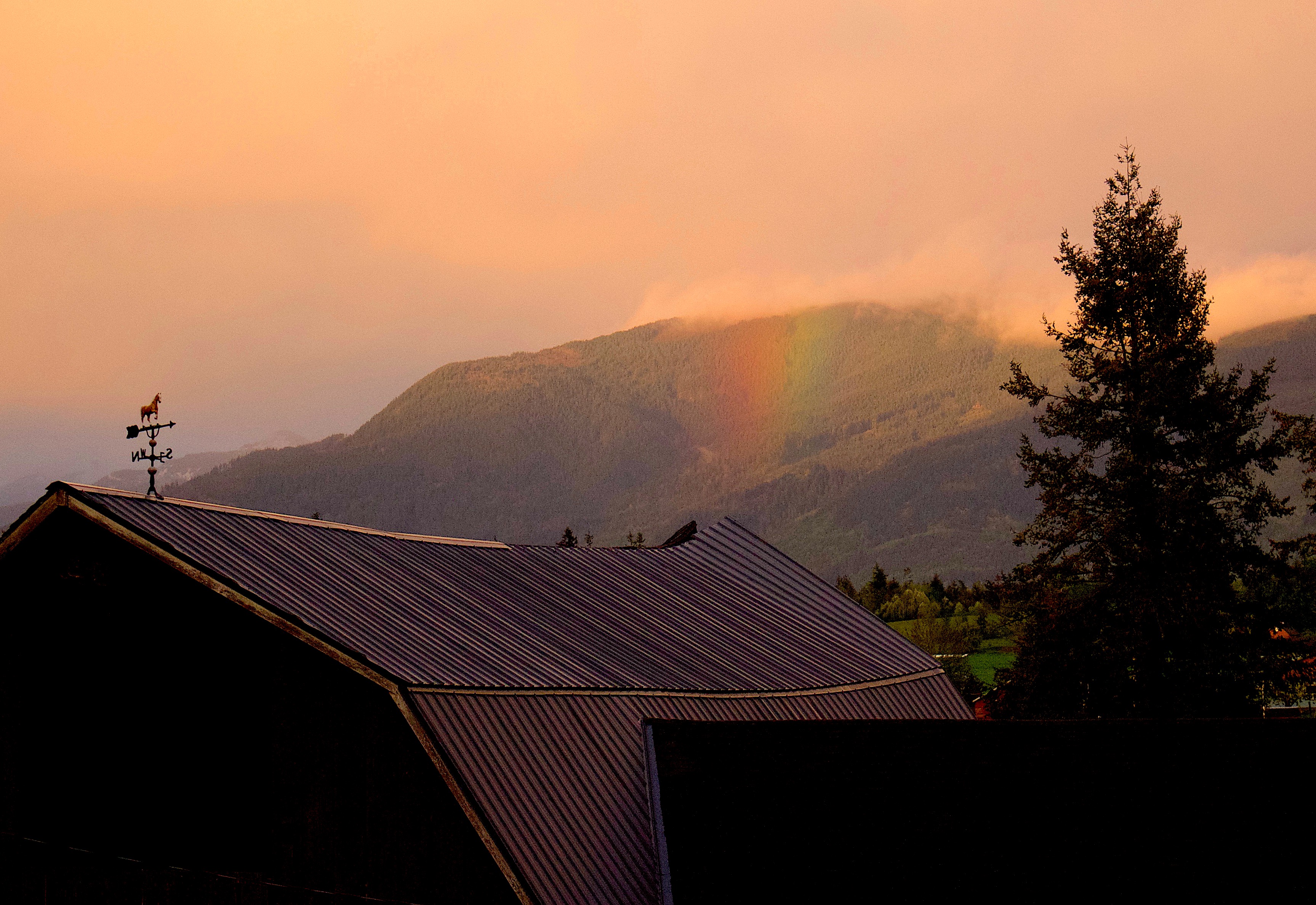
it can only happen when brilliant light exposes weeping from heavy laid clouds, like the rainbow that dropped from heaven last week to touch the earth right in our backyard, only a few feet from our barn.

God cries too. His wept tears light the sky in a promise of forgiveness while we tear each other apart.
He assures us: this storm too will pass.

He assures us because He knows all too well our desperate need for it.

Fighting a Harder Battle

Mostly, I want to be kind.
And nobody, of course, is kind,
or mean,
for a simple reason.

~Mary Oliver from “Dogfish”

Be kind, for everyone you meet is fighting a harder battle.
~Plato

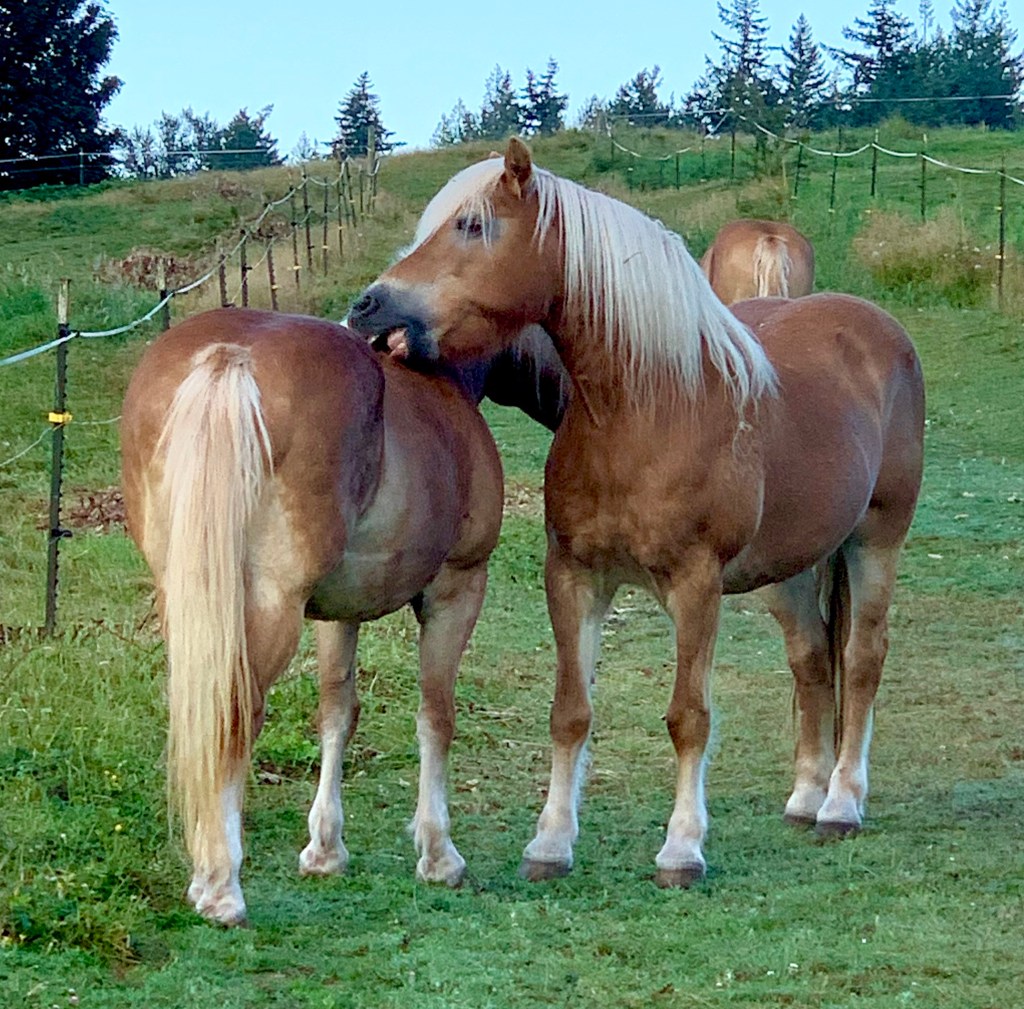
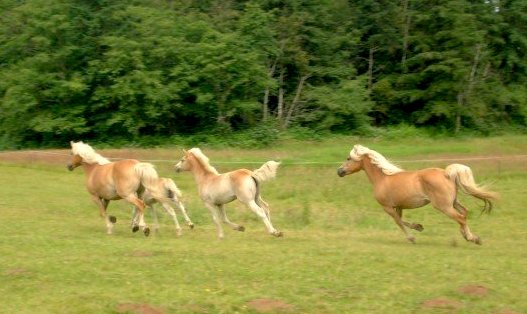
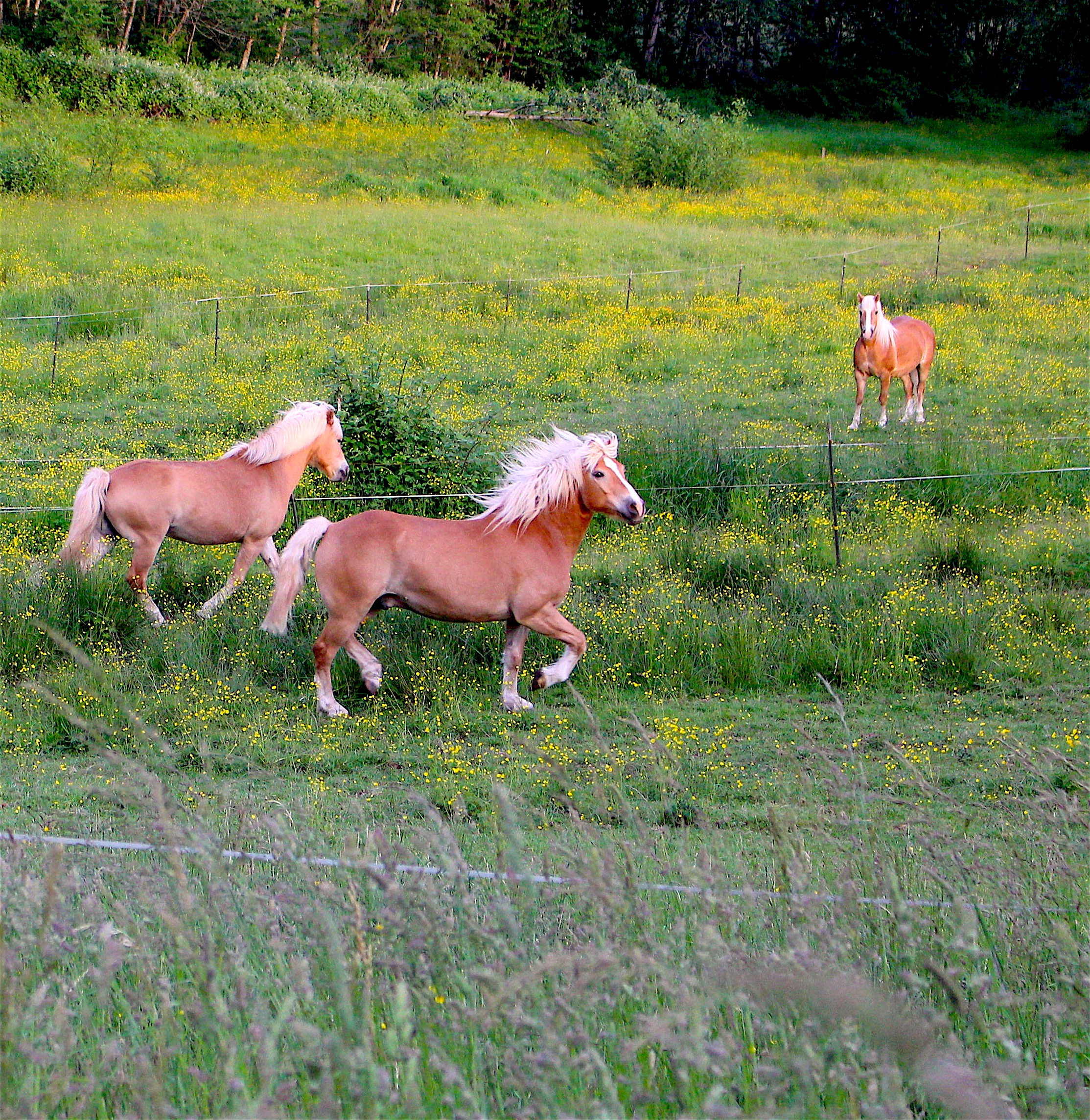
Our mare Belinda has a two decade history of fighting the hard battle of being consistently on the bottom of the mare hierarchy. She is unusually shy, very submissive and never one to stir up trouble in the herd. Most of the time she simply wants to disappear so the other mares can’t see her to bully her.

I’ve watched her over the years to learn how she copes day in and day out with her low status. She is clearly more clever than the higher-ranking mares who lord it over her, reminding her of their rank.

In the mornings when the mares are turned out to pasture from their individual stalls, I always open Belinda’s door first so she has the option to walk out to pasture ahead of the others if she chooses. Instead, she’ll stand waiting at the open door, watching the other mares leave their stalls and pass by, then follow behind them out to pasture keeping a safe distance between them and herself.

Once outside, she’ll stand at the water barrel just inside the pasture gate, and pretend to drink water for several minutes (I’m convinced she doesn’t actually drink a drop) while the other mares wander into the field to find their preferred grazing spot.

Once the others are clearly settled, she joins them at a safe distance. Then the worst bully will approach her, just as Belinda has started to eat, and will start to groom Belinda’s withers with her teeth. This is a clear invitation to be scratched back, so despite being hungry and clearly fearful, Belinda mutually chews/scratches for at least ten minutes with her mortal enemy. I’d like to think this is their brief truce in the battle for status every day; one clearly has a need and wants Belinda to comply. Belinda is more than willing to set aside her own needs if it means keeping peace in the herd.

At the end of the day, Belinda stays up in the field until the other mares have returned to the barn and are back in their stalls with the doors latched. I know she counts the number of doors she hears closing because she will refuse to come in from outside and return to her stall until she hears the last door closing, knowing it is then safe to some into the barn.

The first thing she does returning to her stall is to drop a pile of manure right inside her door. It is her claim of “mine” – no other horse here does that, since they would have to walk through manure to leave the stall, but for Belinda, it is a way of saying if for some reason the closed door isn’t enough to keep her secure, the pile of manure at least marks her territory.

She does not always have a peaceful night alone in her stall as I would expect. Her stall floor is churned and messy in the morning, as if she continues to be on the move even in the darkness, or perhaps she is a mare having nightmares.

I know her long life has been one of constant worry and vigilance despite always having access to plenty of food, a safe place to rest at night and always being part of a community, though not one that has supported her.

She reminds me that everyone, especially the lowest on the totem pole, deserves kindness because I cannot possibly understand the battles they are fighting, both day and night.

And they deserve respect: to simply survive, they are much smarter than I am.


Dragging Summer Away

August rushes by like desert rainfall,
A flood of frenzied upheaval,
Expected,
But still catching me unprepared.
Like a match flame
Bursting on the scene,
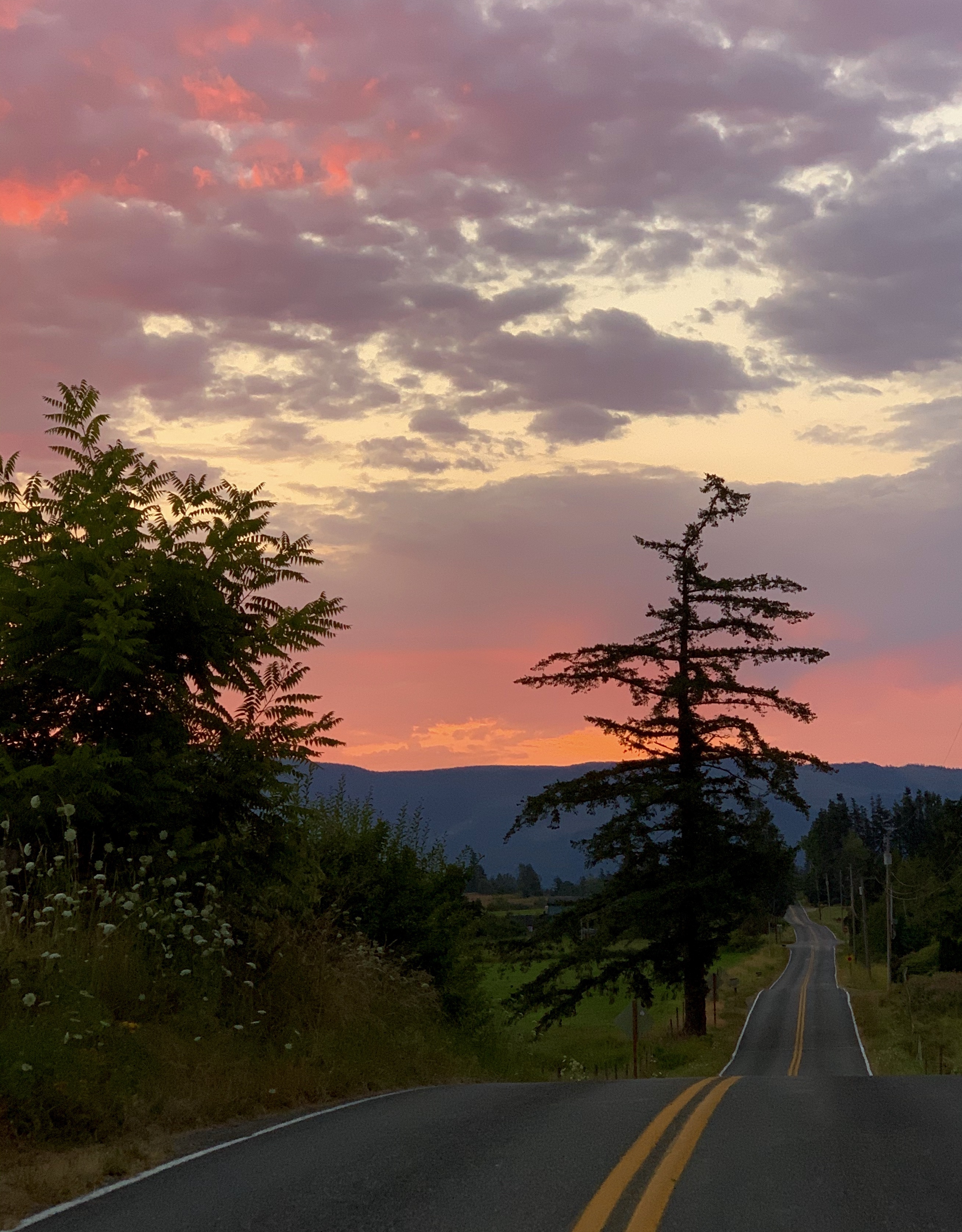
Heat and haze of crimson sunsets.
Like a dream
Of moon and dark barely recalled,
A moment,
Shadows caught in a blink.
Like a quick kiss;
One wishes for more
But it suddenly turns to leave,
Dragging summer away.
Elizabeth Maua Taylor
“August”

August is rushing by in its anxiousness
to be done with this summer of upheaval:
too many tears and too much tragedy.

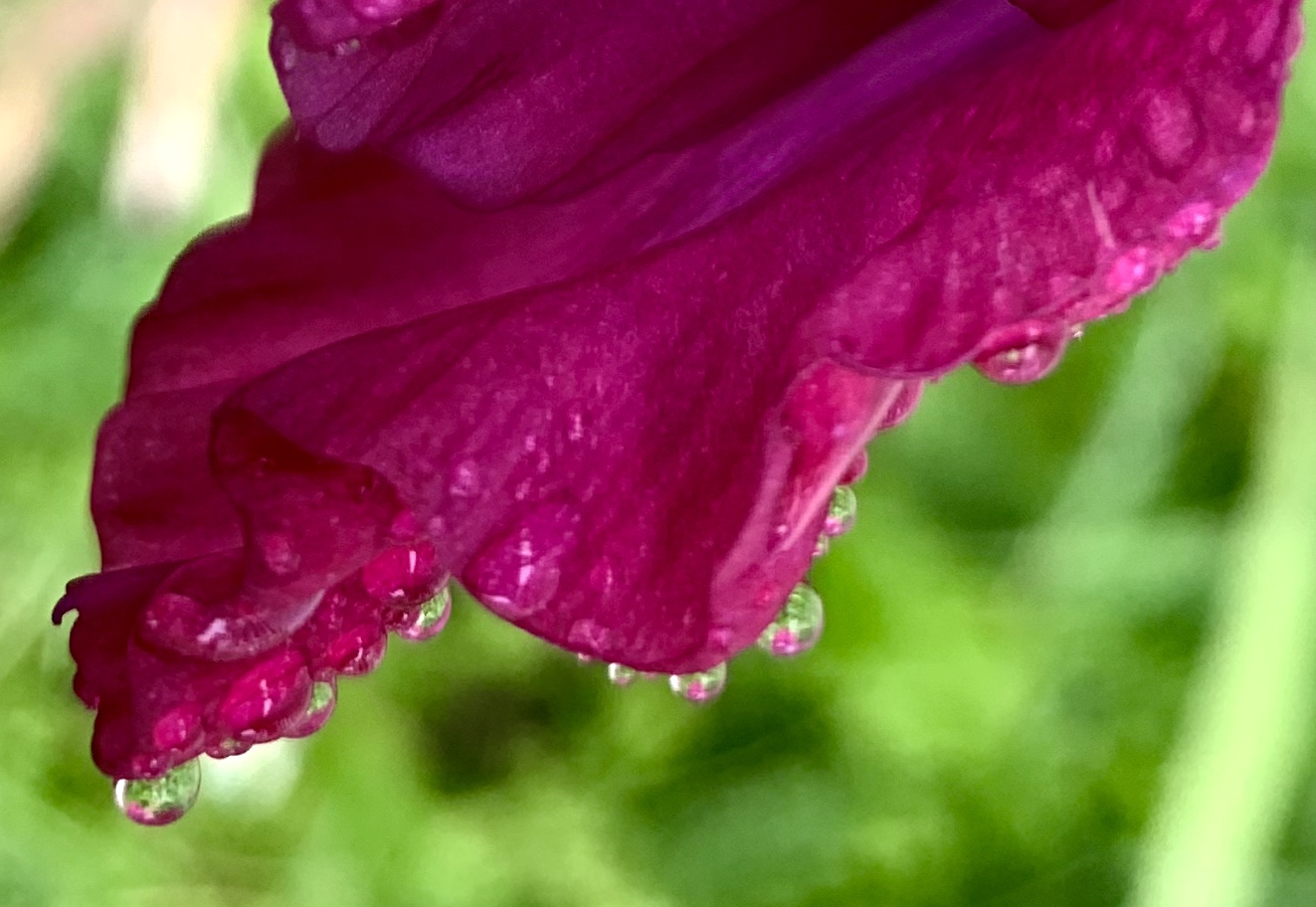
The sky in weeping empathy
leaves a quick moist kiss on our cheeks,
dripping bedazzled.

It won’t last;
we know these dangling drops will fade
in the heat of the moment.

This wilted, withered summer won’t leave easy
~dragged away still kicking~
we’ll wave it goodbye, blowing our kisses in the air.

A Listening Walk

I took the dog and went to walk
in the auditorium of the woods,
but not to get away from things.
It was our habit, that was all,
a thing we did on summer days,
and much there was to listen to.
A slight wind came and went
in three birches by the pond.
A crow uphill was going on
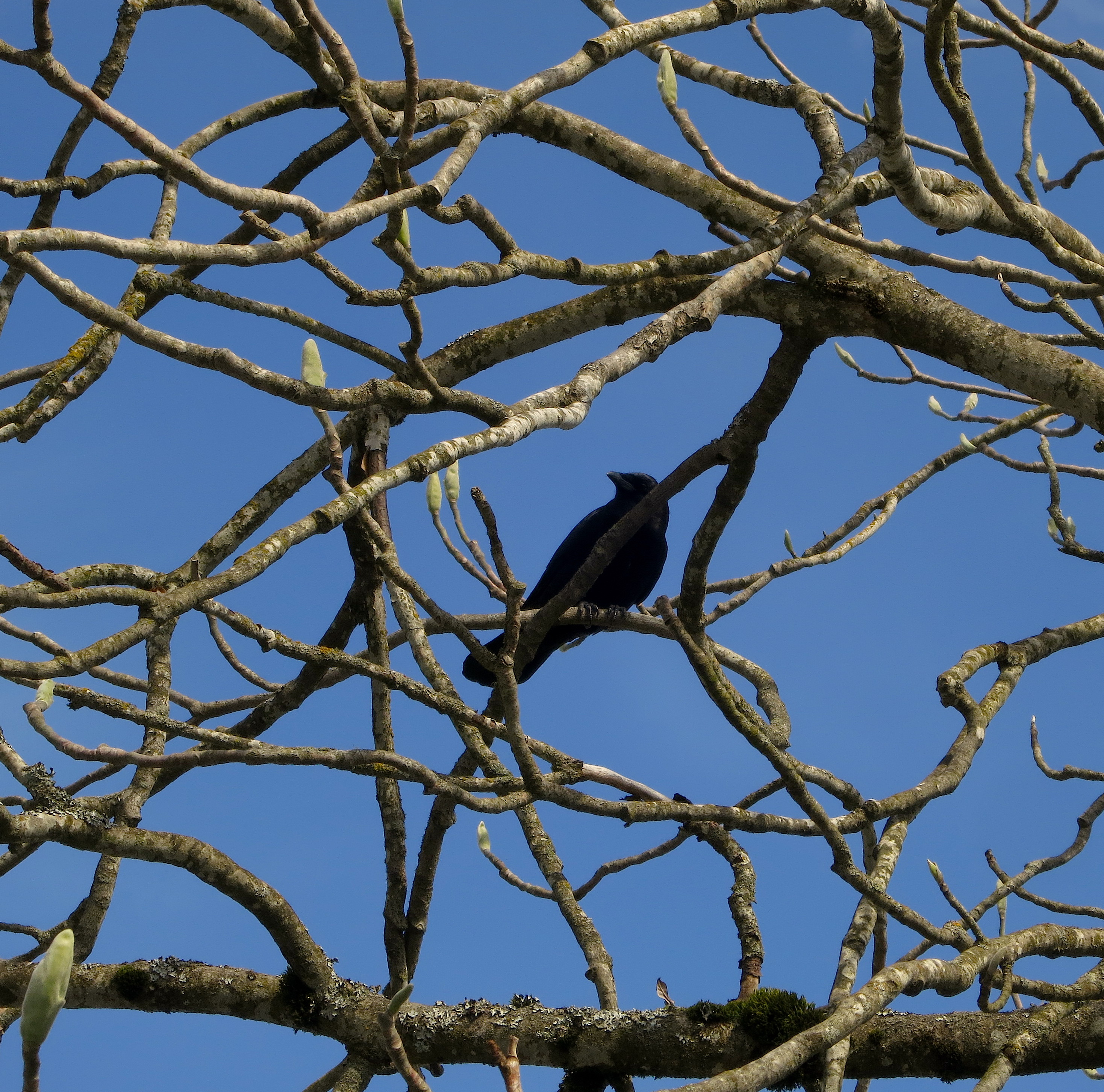
about the black life it led,
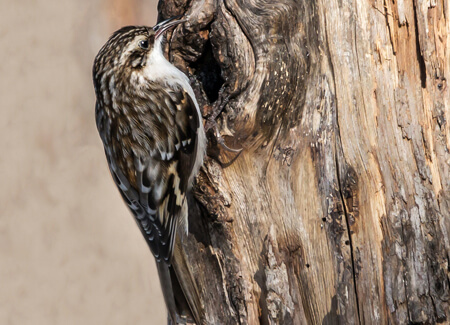
and a brown creeper went creeping up
a brown trunk methodically
with no record of ever having
been understood by anyone.
A woodpecker was working out
a deep hole from the sound of it
in a stand of dead trees up there.
And then a jay, much put upon,
complained about some treachery
it may or may not have endured,
though most are liars anyway.
The farther in, the quieter,
till only the snapping of a stick
broke the silence we were in.
The dog stood still and looked at me,
the woods by then already dark.
Much later, on the porch at night,
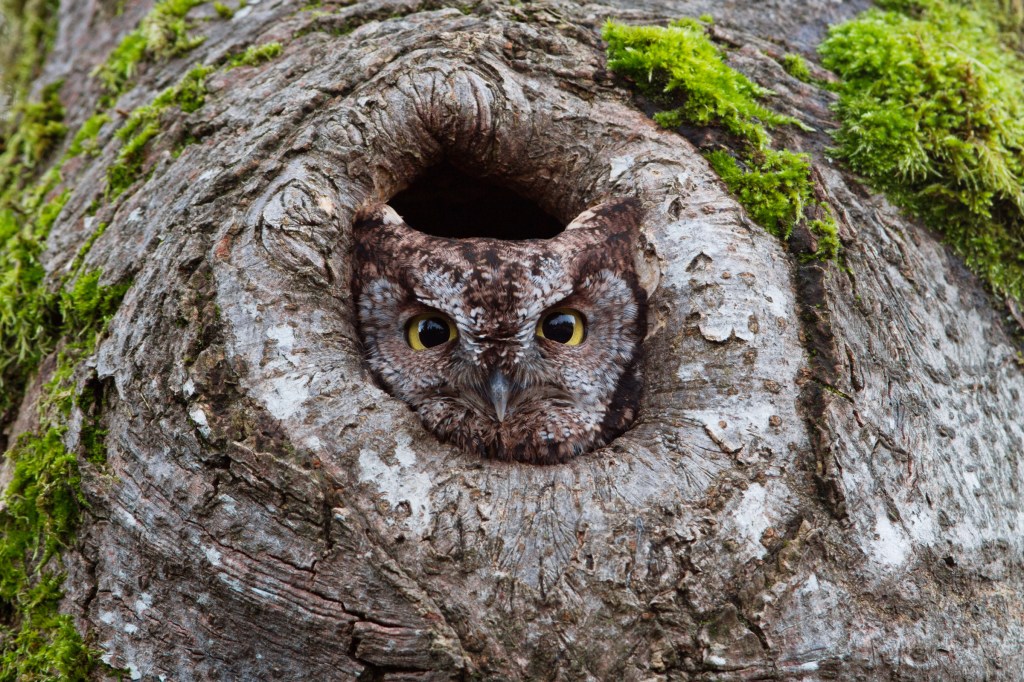
I heard the owl, an eldritch thing.
The dog, still with me, heard it too,
a call that came from where we’d been,
and where we would not be again.
~John Foy, “Woods,” from Night Vision

photo of brown creeper from American Bird Conservancy
photo of stellar jay from allaboutbirds.org
photo by Ken Schults for National Audubon Society

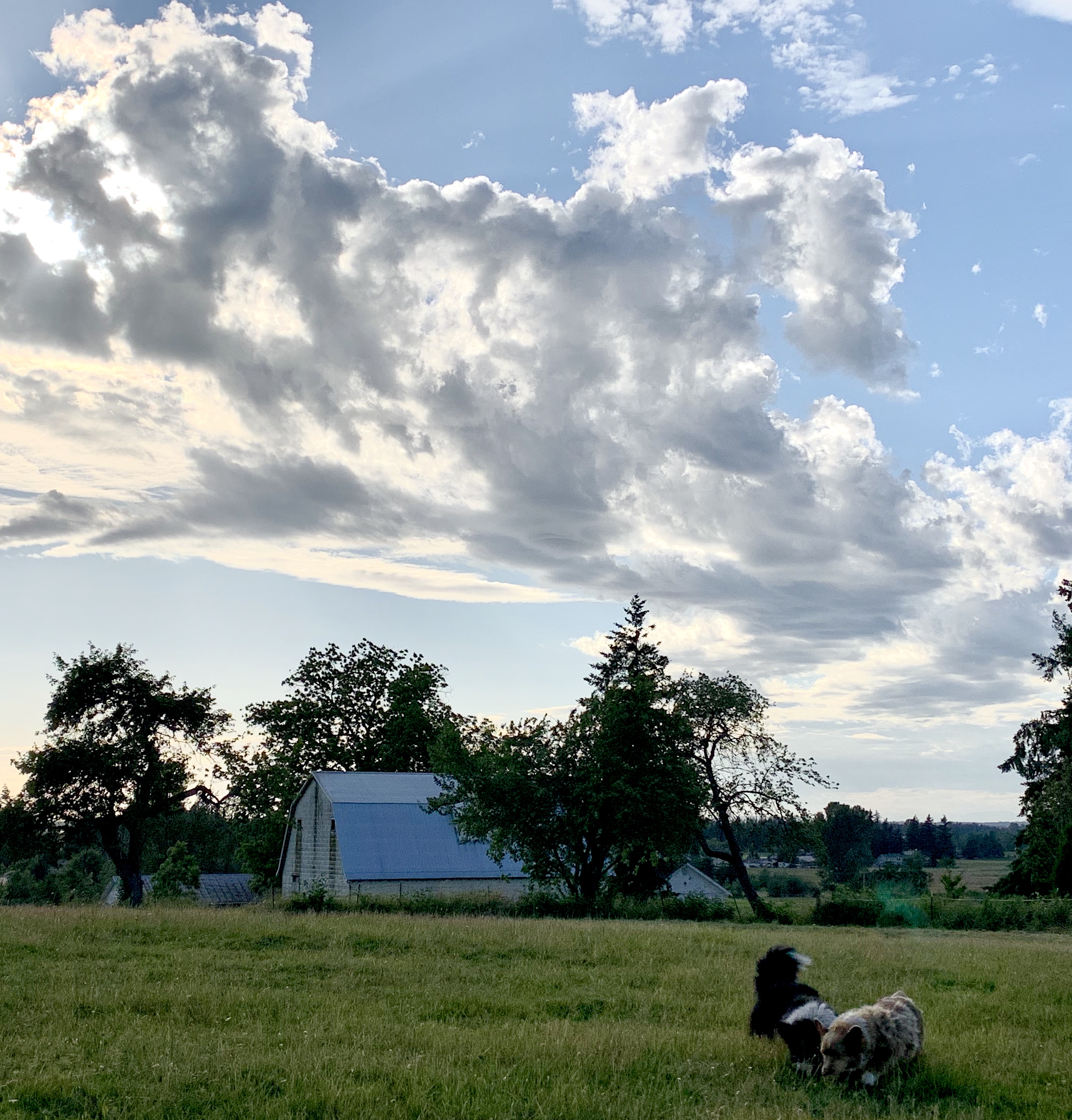
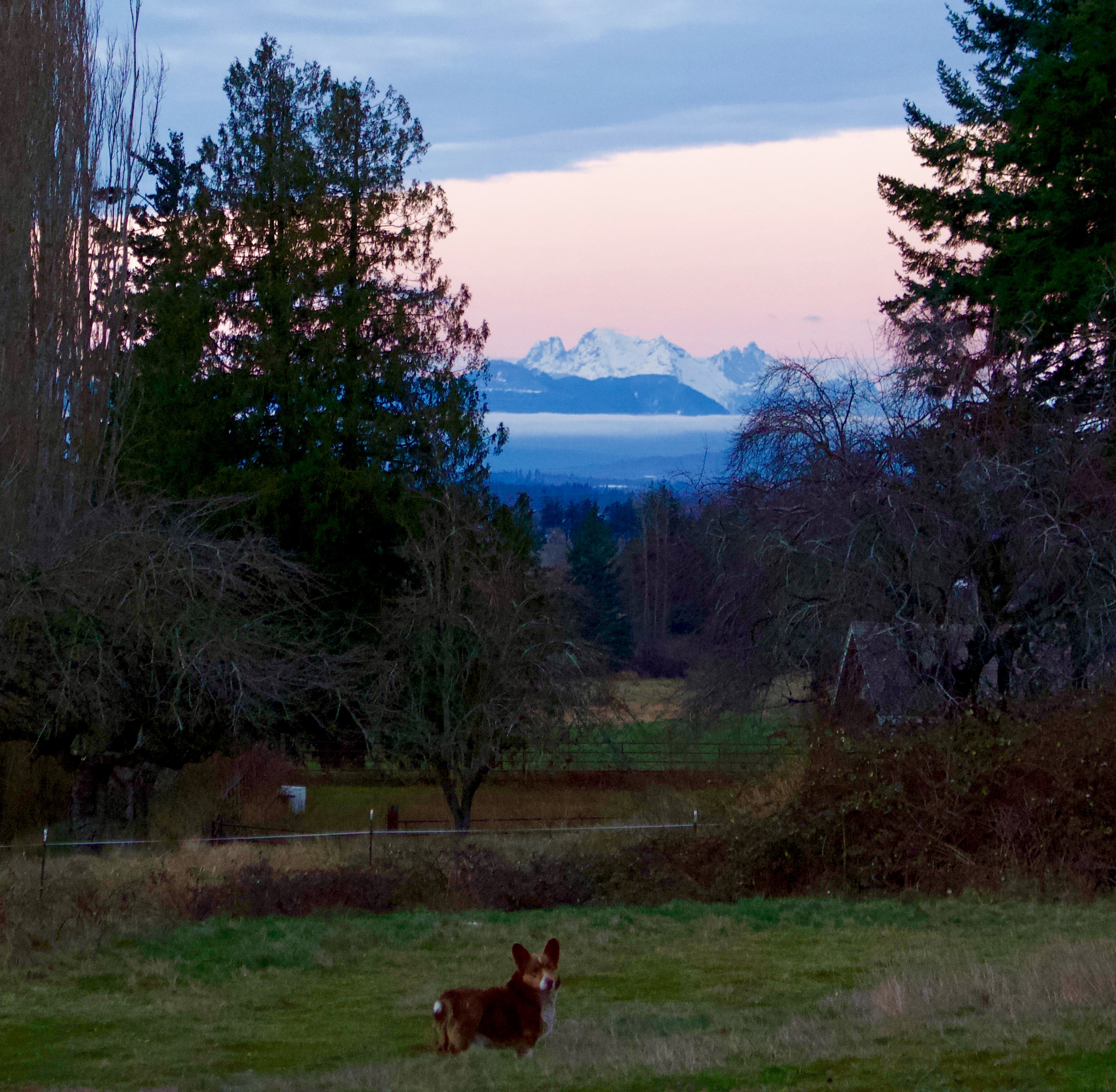
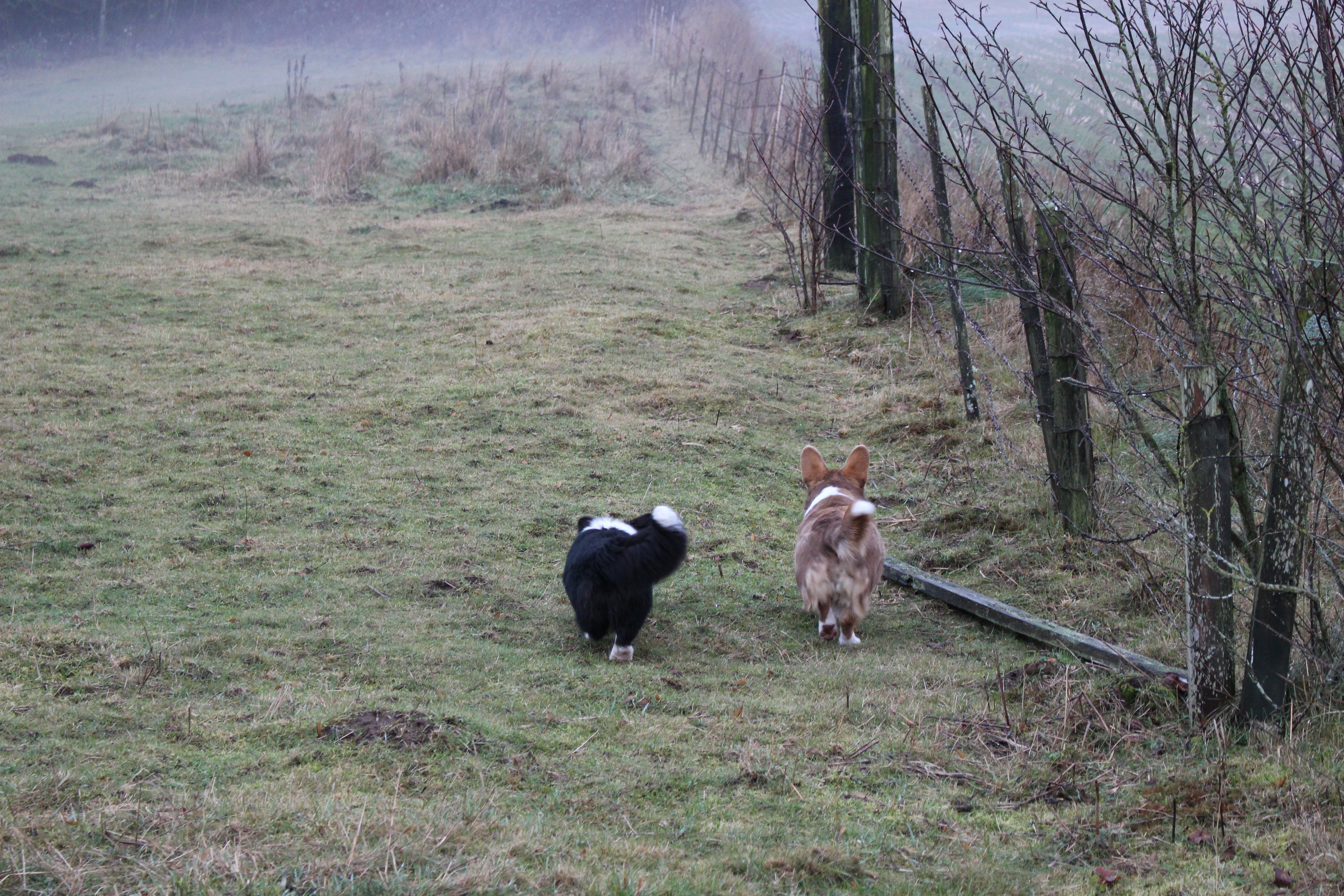
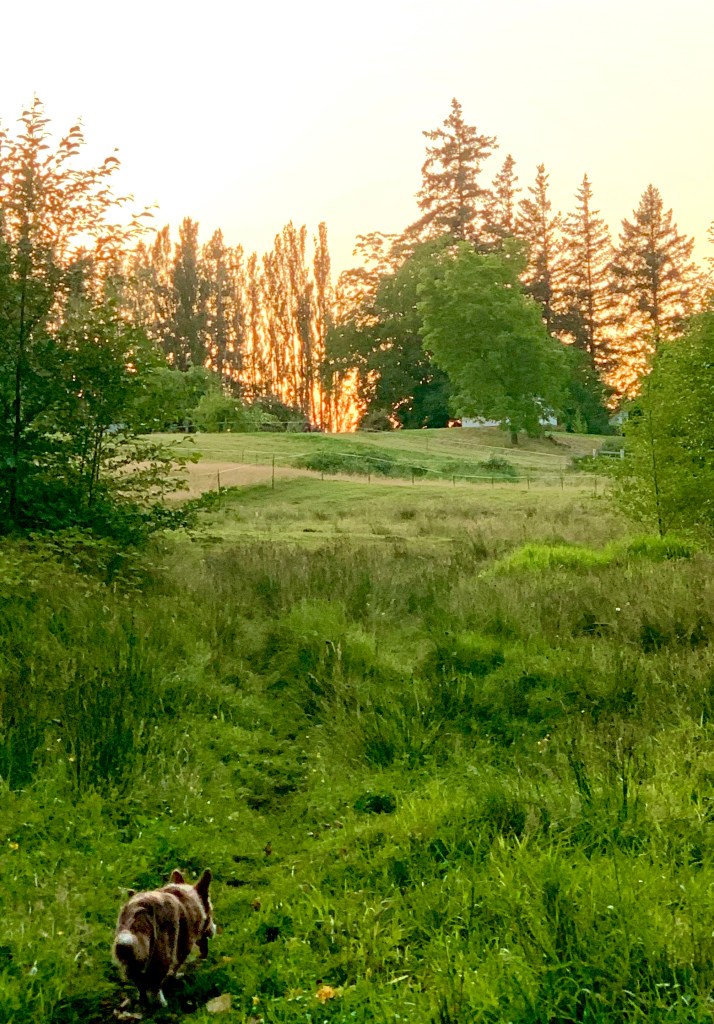
We live near fields and woods so the evening walks we take with the dogs are listening walks. There is always plenty to hear.

It is an immense relief to hear something other than the talking heads on TV or podcasts. The voices we hear in the woods are unconcerned about upcoming elections, pandemics or the state of the economy.

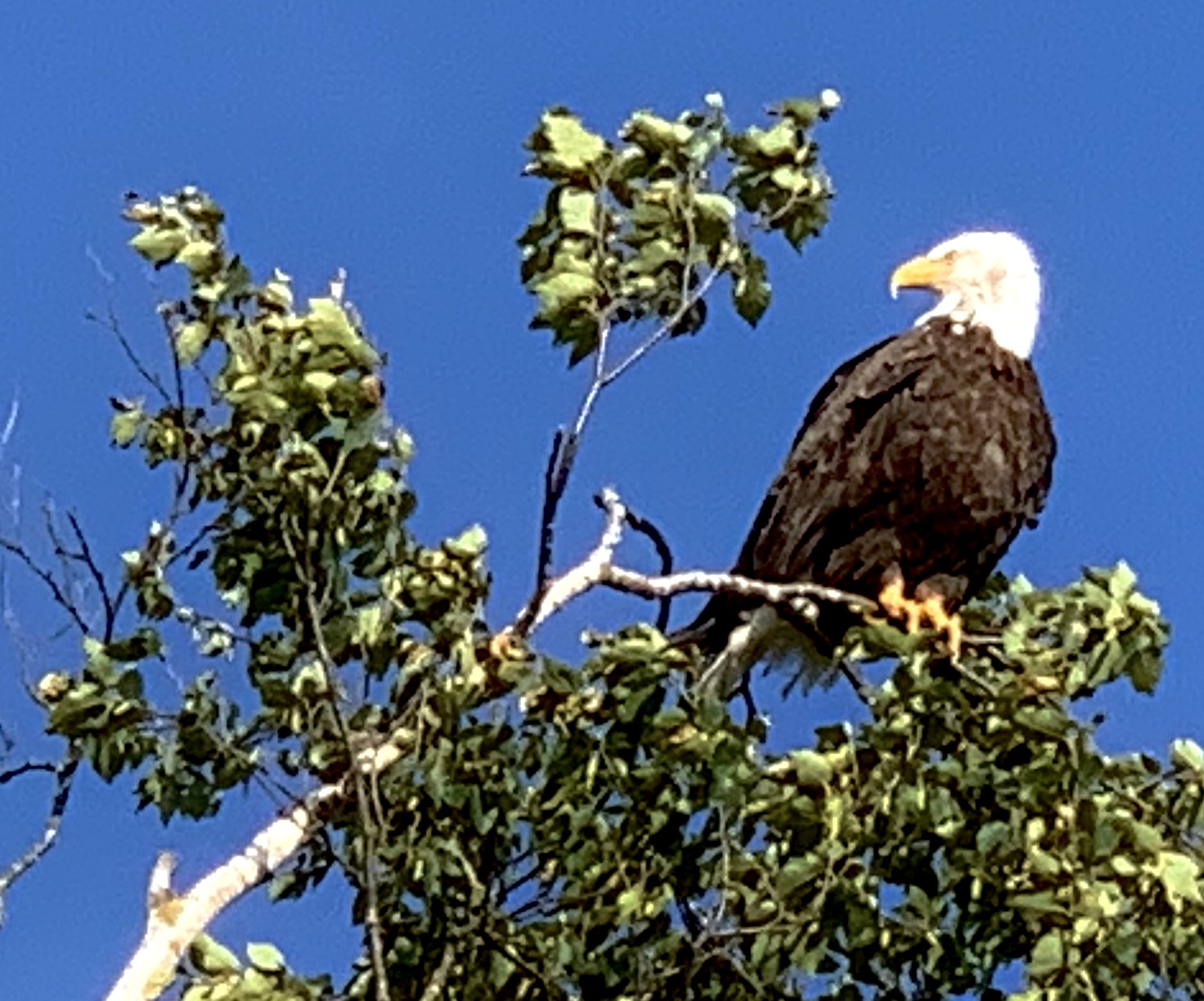
I listen for the sound of breezes rustling the tree branches, the crunch of sticks and dry leaves under my boots, and more often than not, the woodpeckers tapping away at tree trunks, eagles chittering from the treetops, and unseen owls visiting back and forth from their hidey-holes.
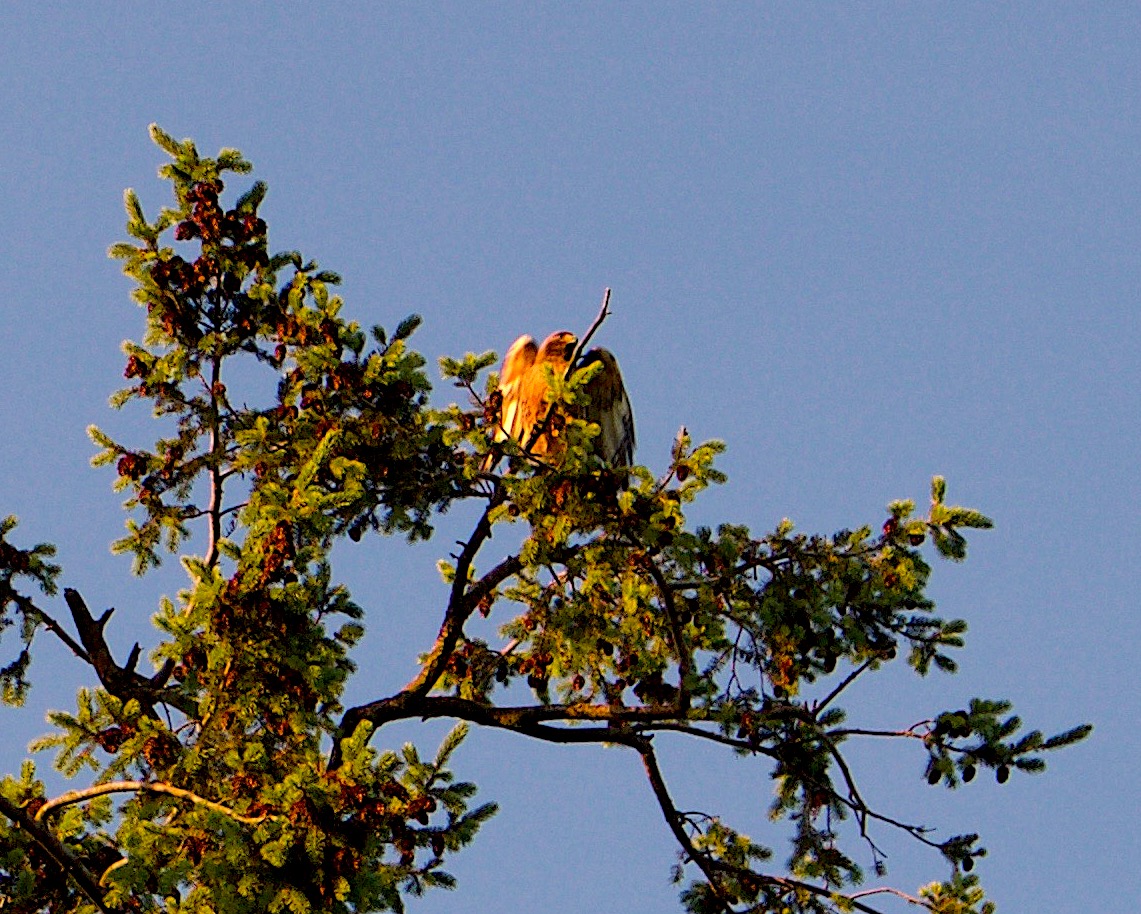
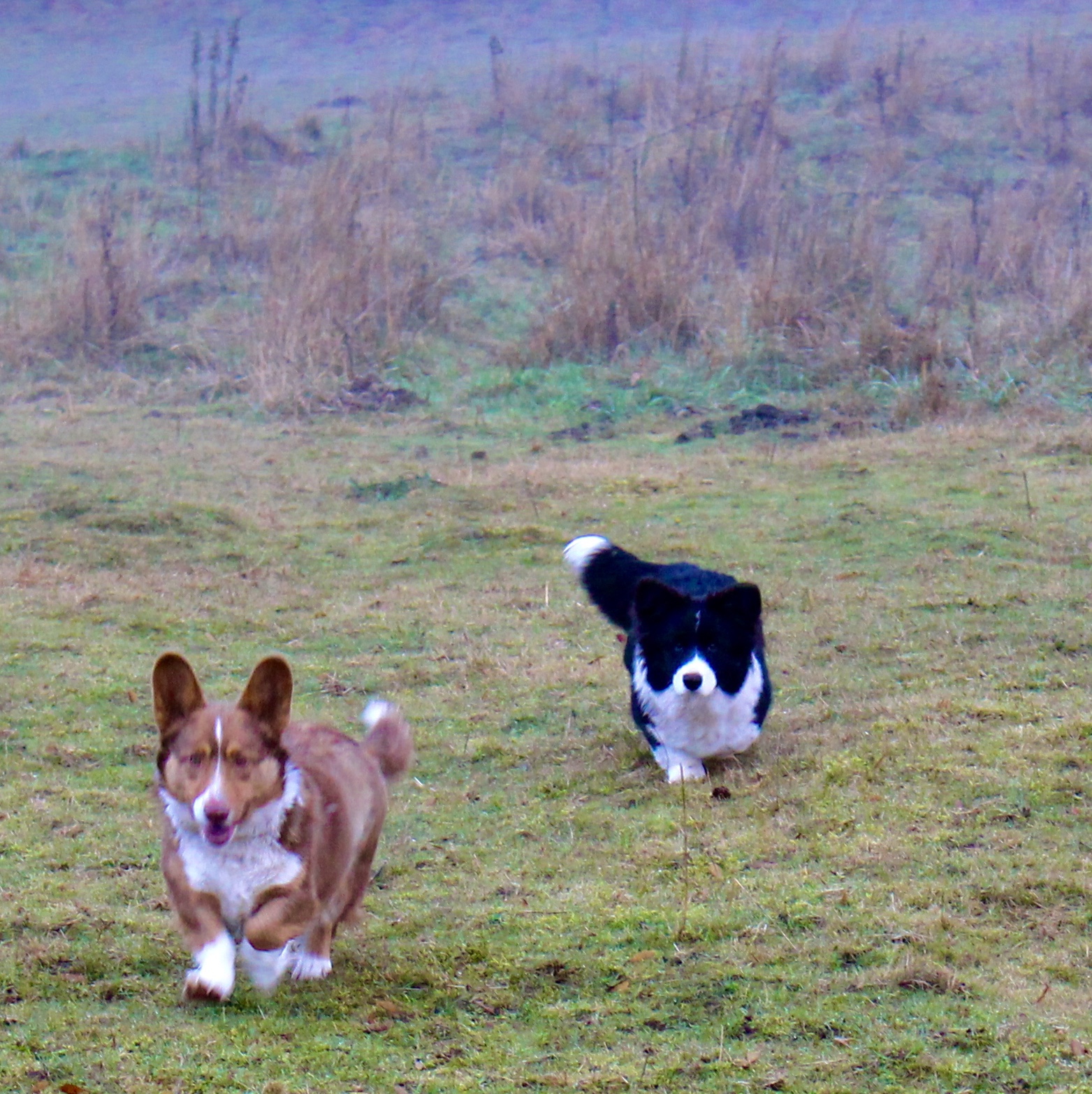
The red-tailed hawks scream out warnings as they float from tree top to tree top, particularly upset that we’ve brought along the corgis into their territory.

So, like the outside world, this woods has its own talking heads and drama, but I know who I will listen to and where I prefer to hang out if given a choice. I understand I’m only a visitor to their world and will be invited back only as long as we tread softly.

Until next time then, until next time.

Listening for Hoof Beats

Every night, no matter where I am
when I lie down, I turn
my back on half the world.

At home, it’s the east I ignore,
with its theatres and silverware,
as I face the adventurous west.

But when I’m on the road
in some hotel’s room 213 or 402
I could be pointed anywhere,

yet I hardly care as long as you
are there facing the other way
so we are defended in all degrees

and my left ear is pressing down
as if listening for hoof beats in the ground.

~Billy Collins “Sleeping on My Side” from Whale Day and Other Poems

It seems amazing we can actually sleep at all, knowing all the hazards out there beyond the bedroom walls

– whether it is pandemic viral particles floating in the air, or pollution from wildfires, or ozone layer depletion or “the-big-one-any-moment” earthquake, or an errant nuclear missile launch, or bands of roving bandits –

it is a wonder we can quiet our minds at all.

When I was about 8 years old, during the Cuban Missile Crisis, I didn’t sleep for several days, fearful if I slept, then the world would end and me with it, without even knowing the bomb had hit. Somehow, my staying awake saved the world from destruction and no one, not one single person, ever thanked me for it.

There is always so terribly much to fear if you really think about it. We are constantly lying with our ears to the ground, listening for the hoofbeats of the Four Horsemen of the Apocalypse, wondering how close they have come to our bedside.

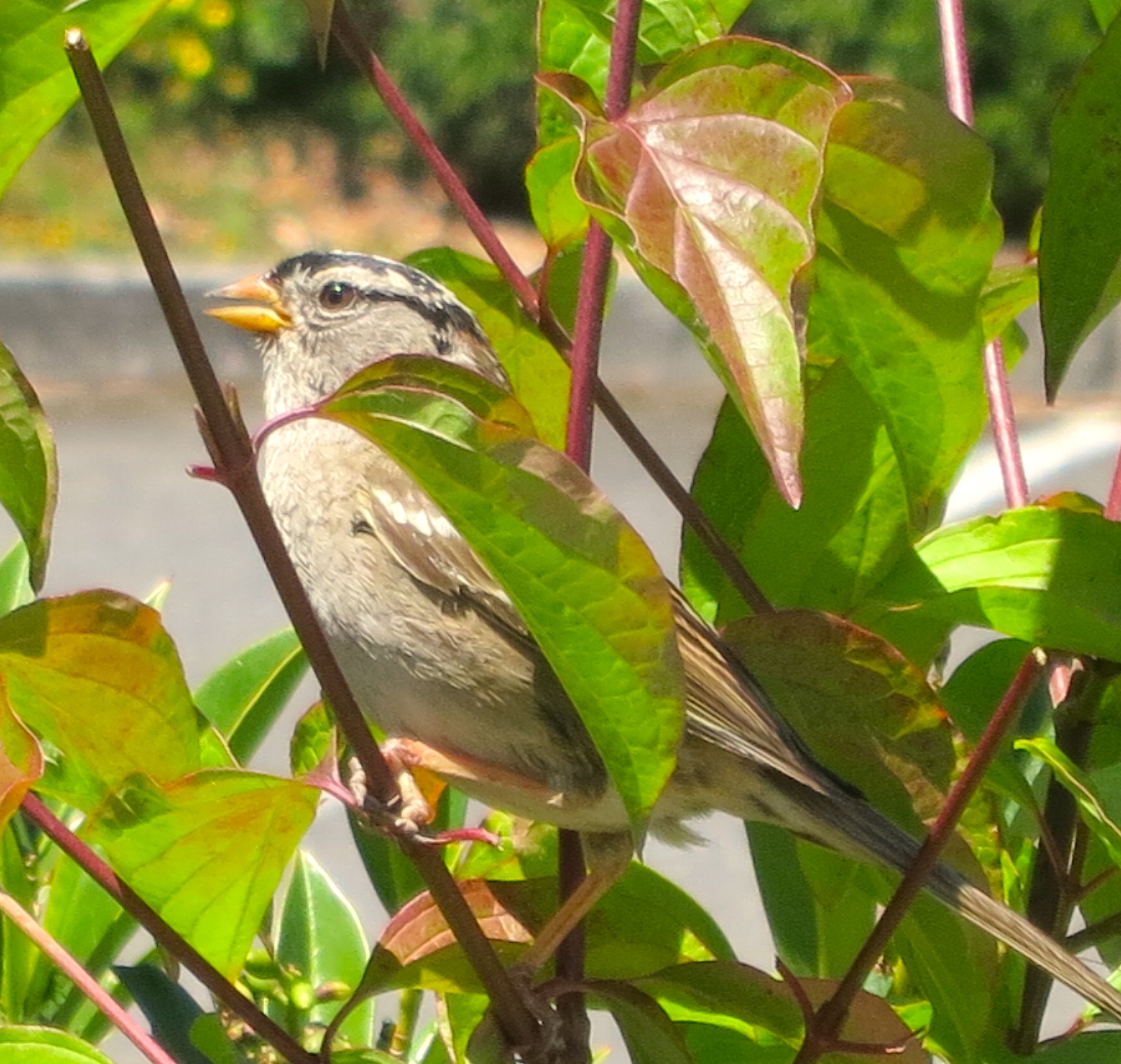
These days I take comfort in knowing I don’t always need to be on high alert. I know, in fact, His eye is on the sparrow and He watches over me.

So I can sleep.

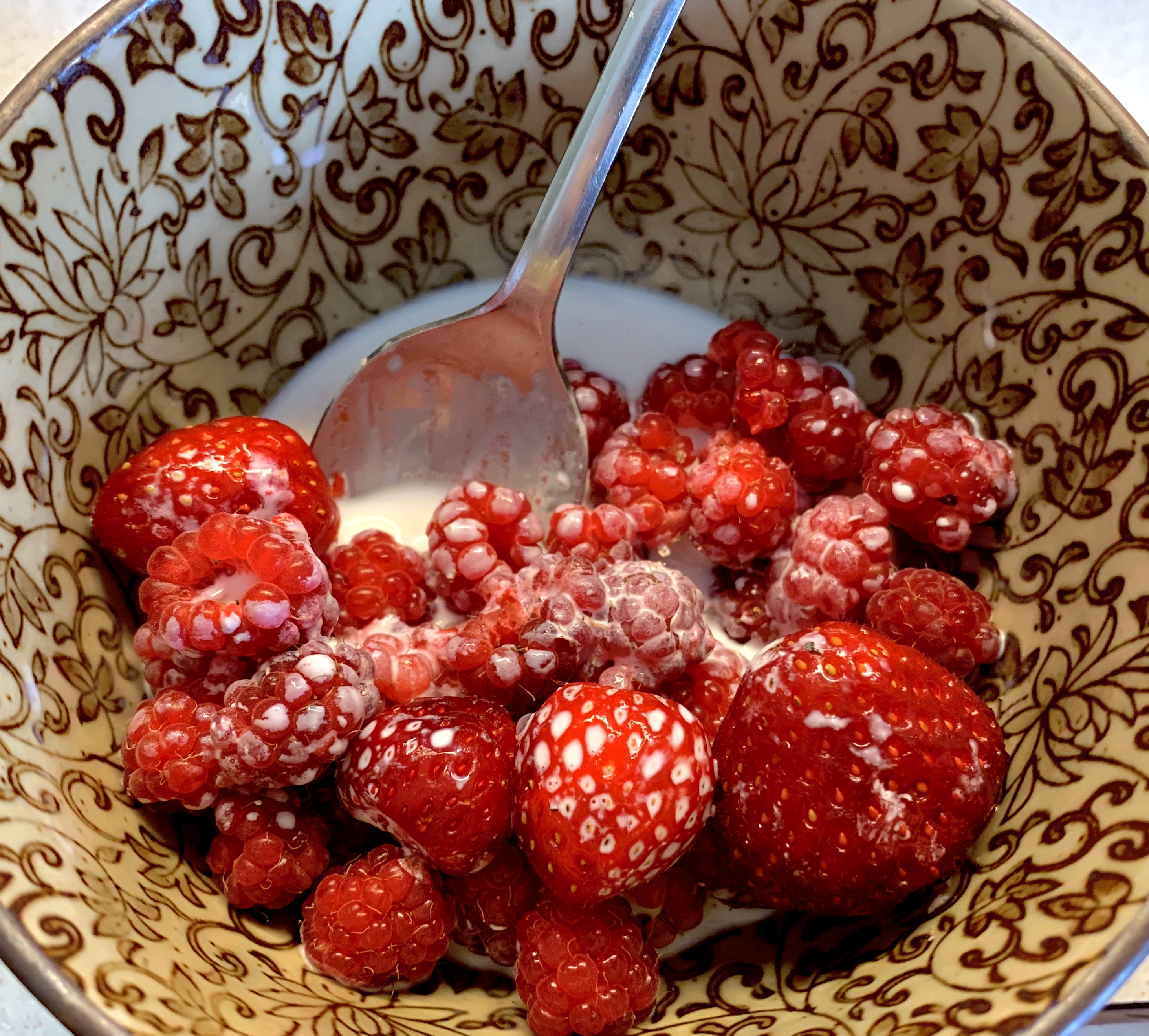
Bright Drupelets

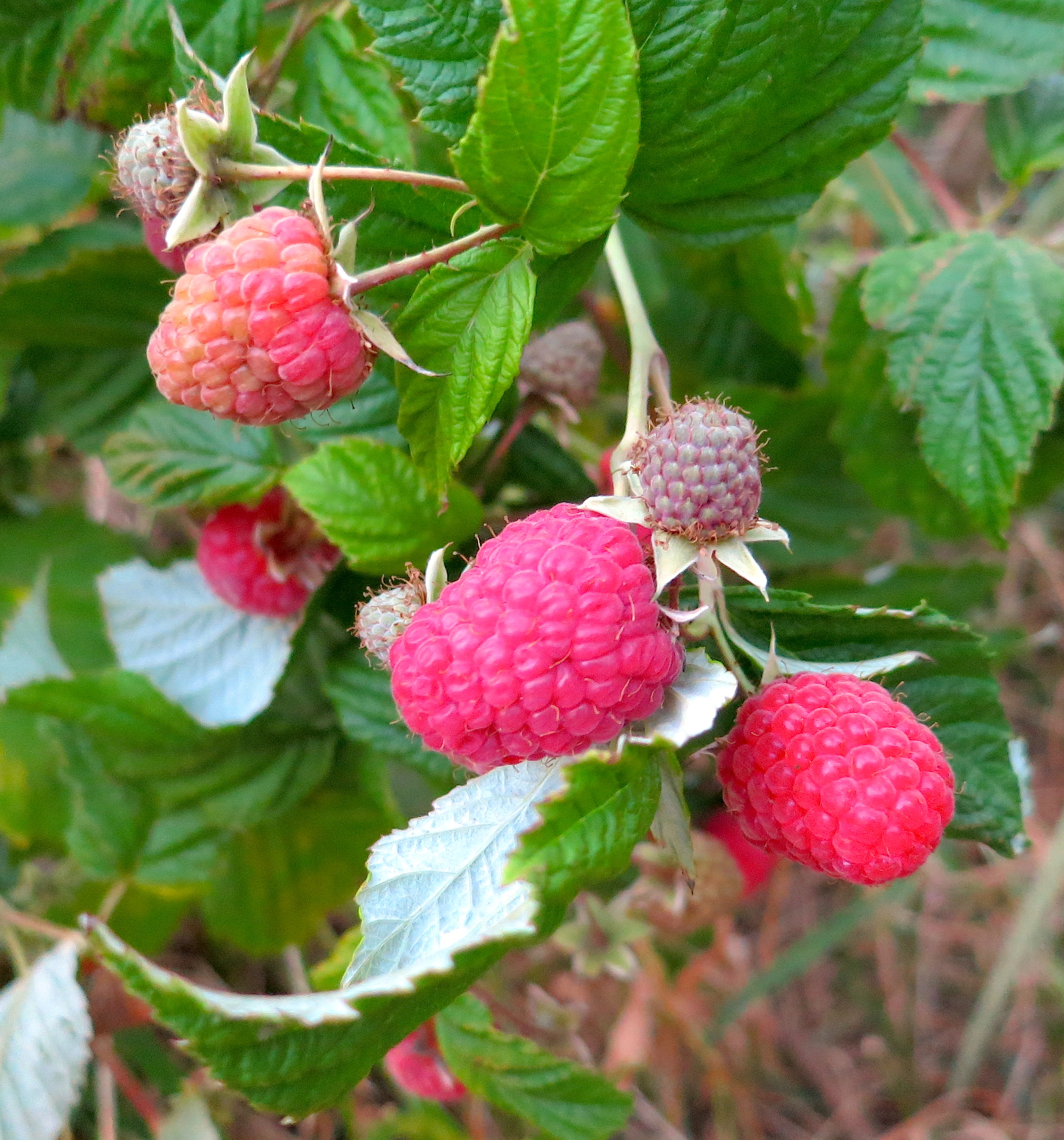
I eat these
wild red raspberries
still warm from the sun
and smelling faintly of jewelweed
in memory of my father

tucking the napkin
under his chin and bending
over an ironstone bowl
of the bright drupelets
awash in cream

my father
with the sigh of a man
who has seen all and been redeemed
said time after time
as he lifted his spoon

men kill for this.
~Maxine Kumin “Appetite” from Selected Poems: 1960-1990.

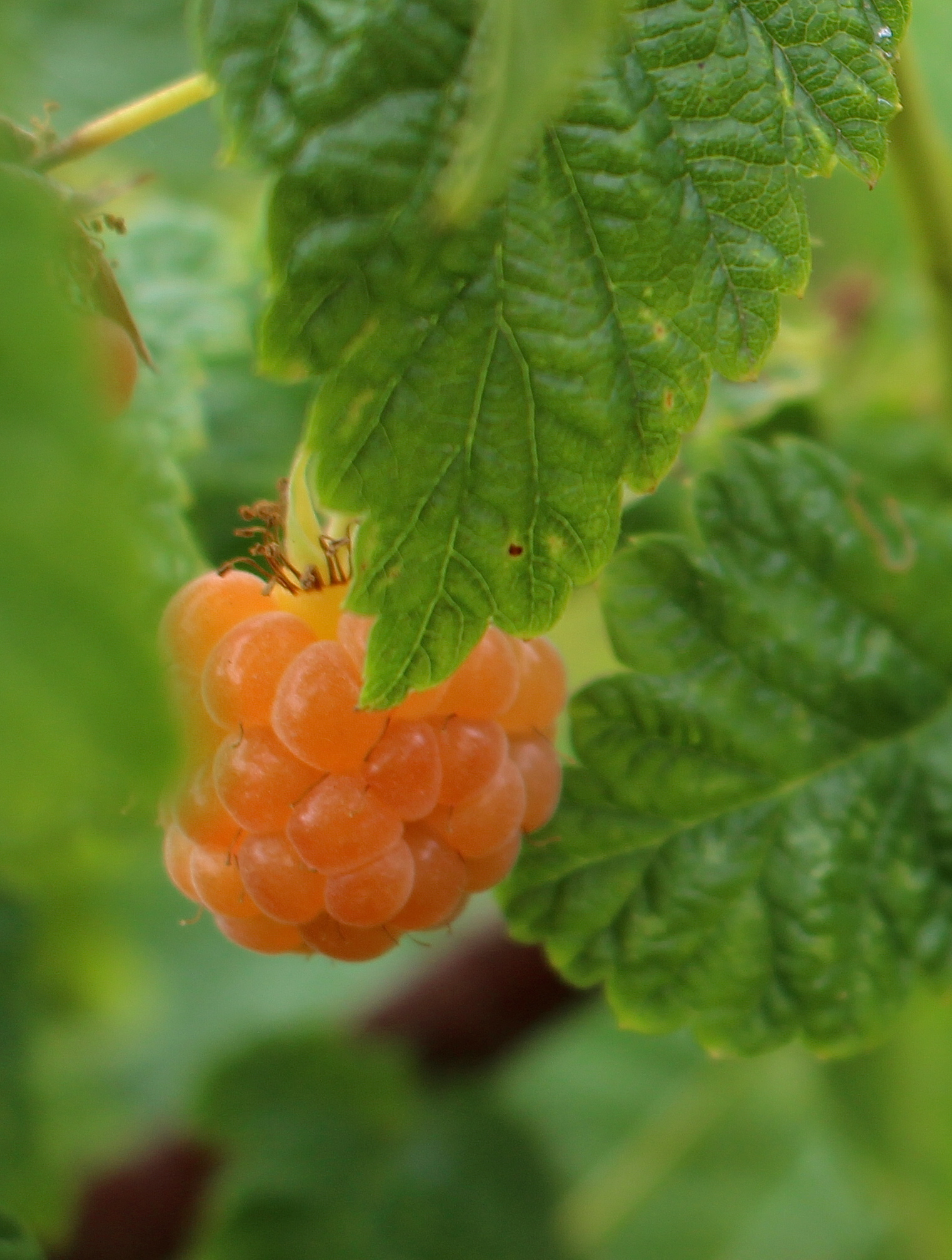
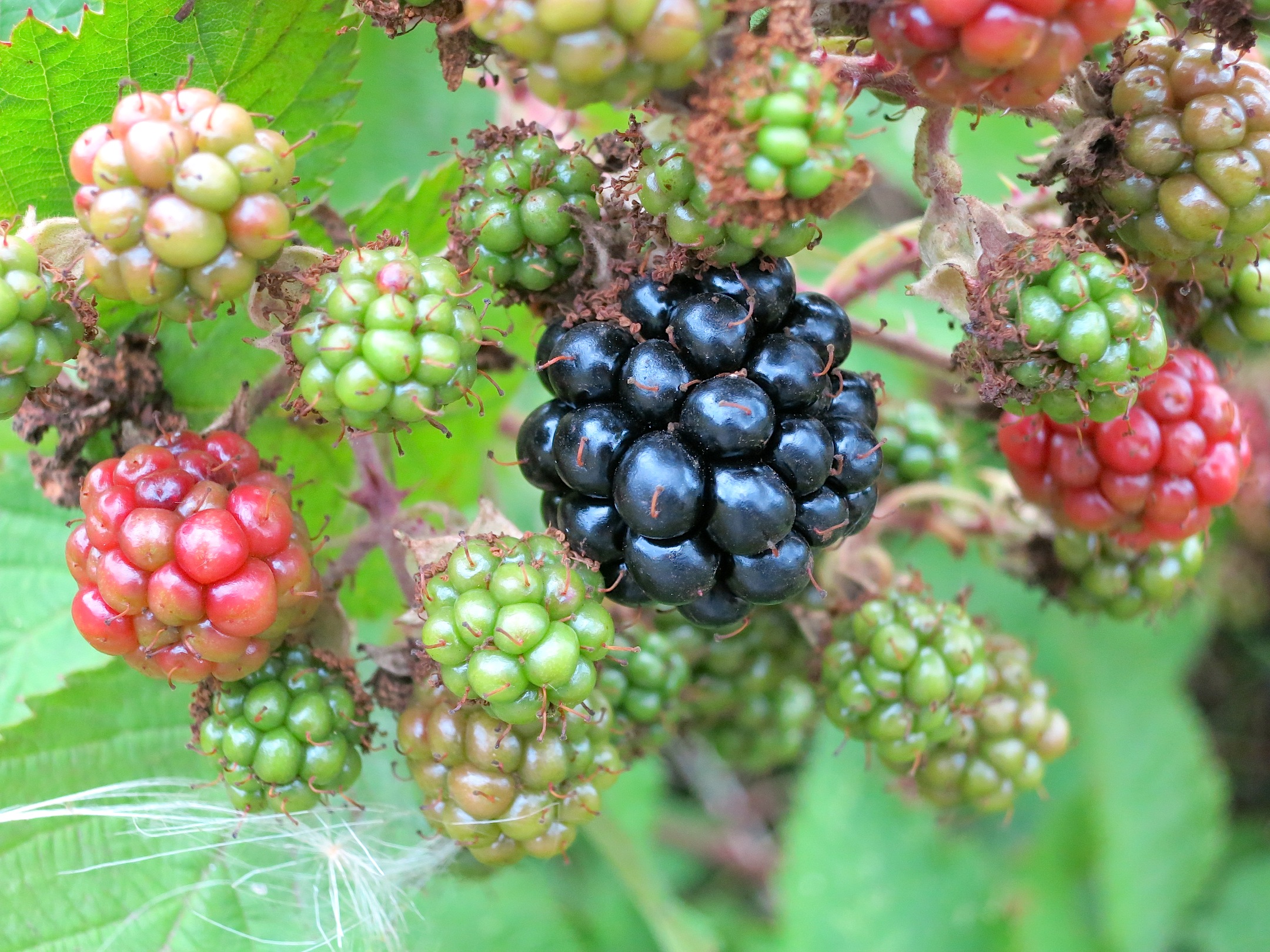
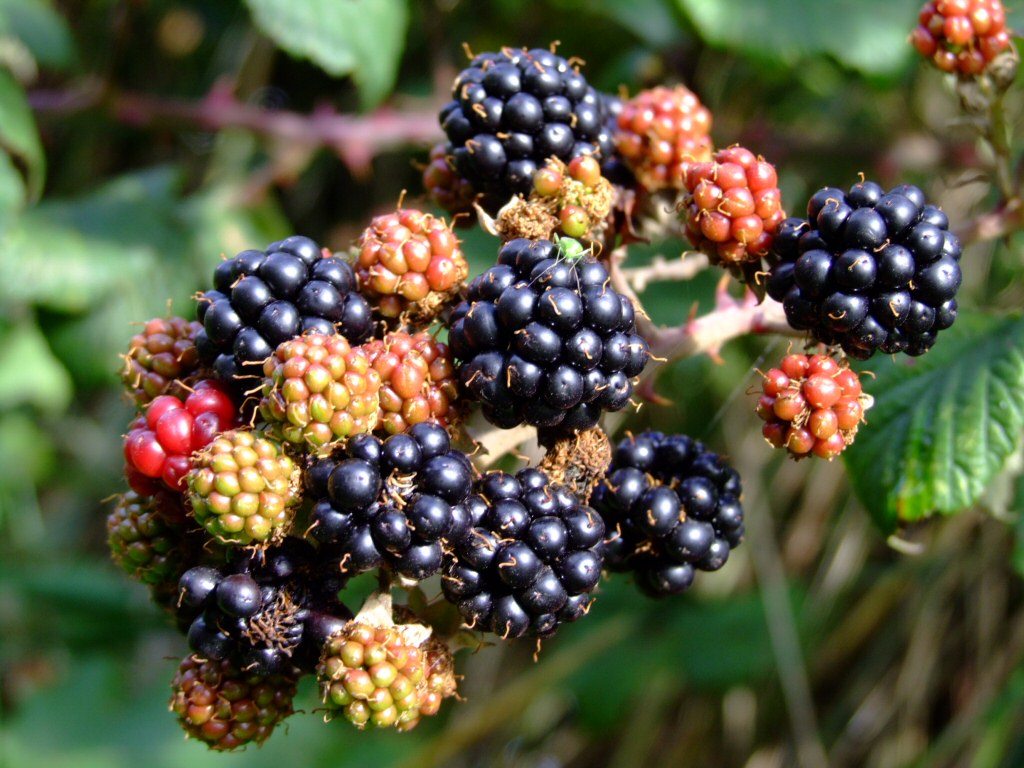
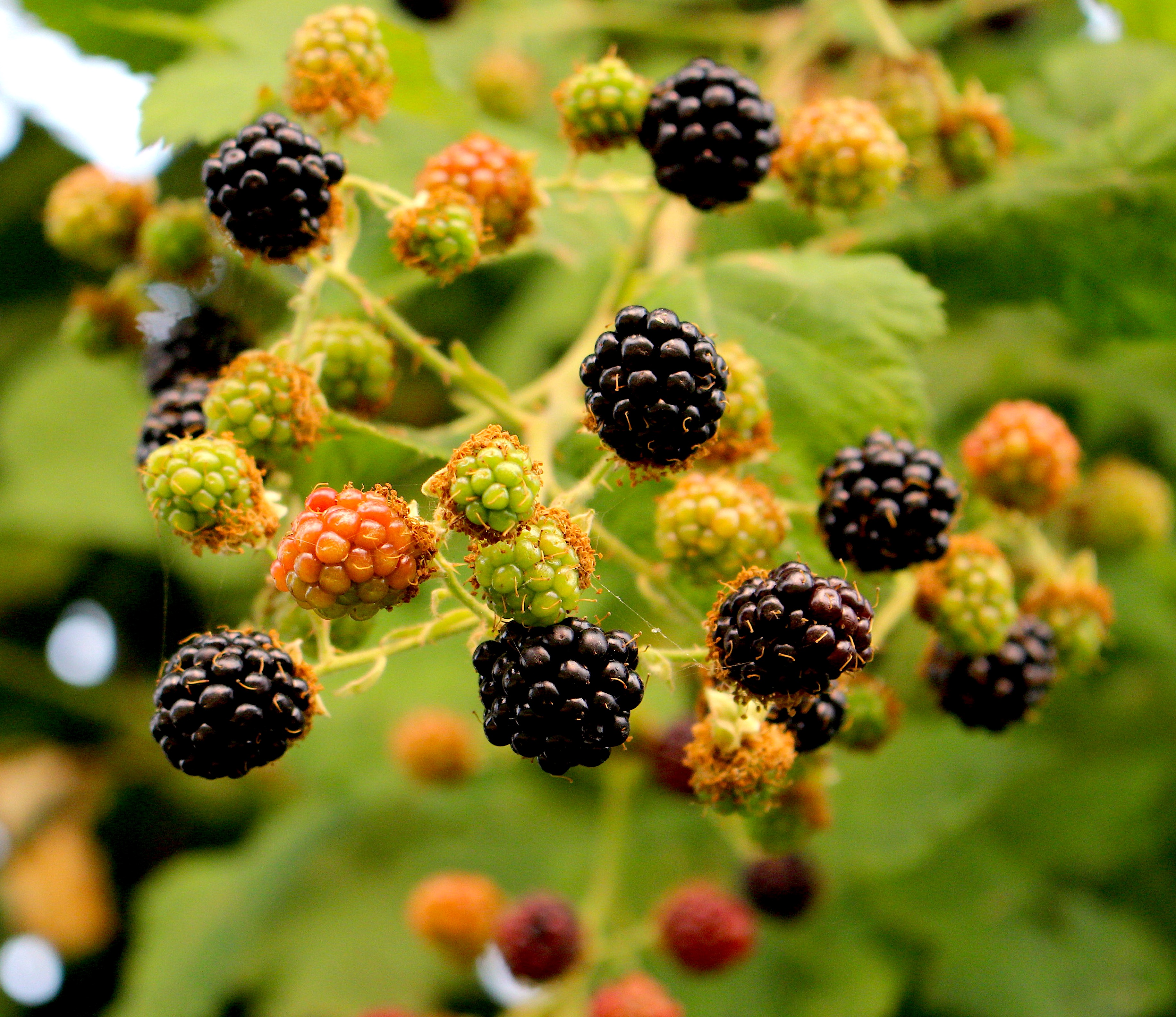
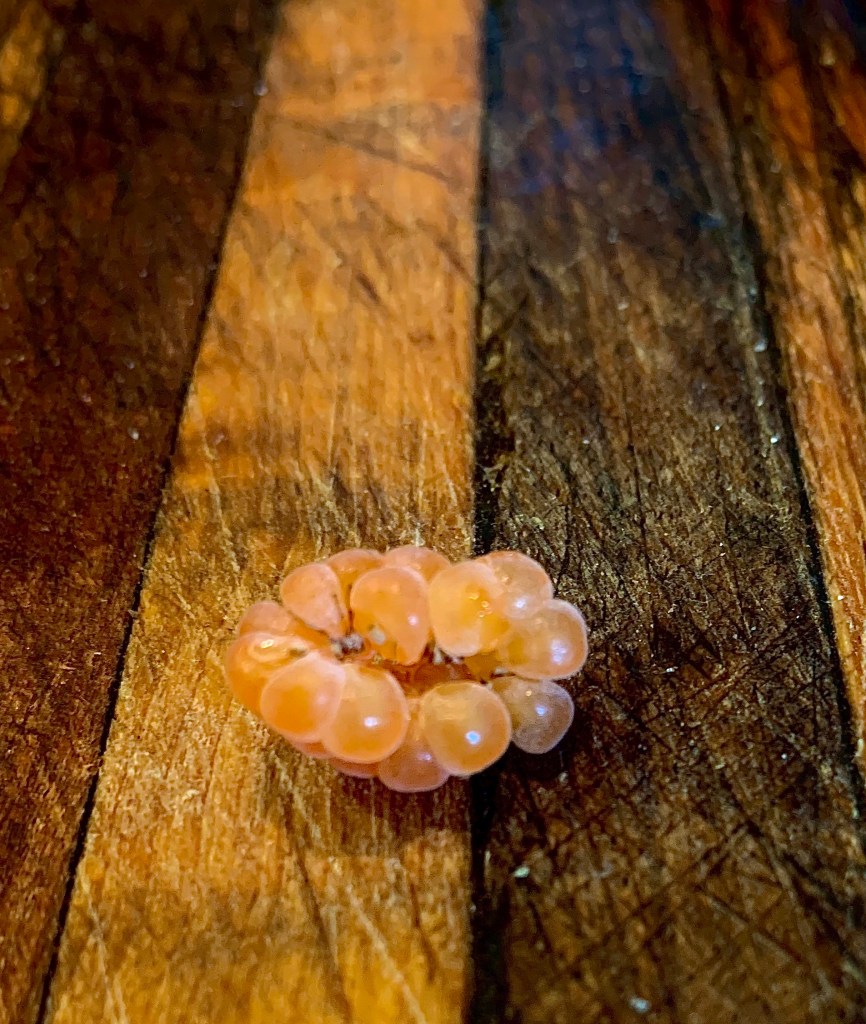
I’ve always wondered if there was a name for the small round globe that is part of the whole aggregate berry like a thimbleberry, raspberry or blackberry – they are so smooth and perfectly formed, each a uniquely homogenous part of the whole. Yet if separated and by itself, nearly invisible.

So I found out each individual is called a drupe, or more familiar and lovingly, a drupelet. Despite such a plain name, each little drupelet bears its own beauty, and a special flavor to be savored and unforgotten, only made sweeter by being part of the whole – – even sweeter when redeemed and consumed.

Kind of like us, willing to die for just such a taste of eternity.

Kind of like us.

photo by Nate Gibson

Light on the Path Ahead

May you see God’s light on the path ahead
when the road you walk is dark.
May you always hear even in your hour of sorrow
the gentle singing of the lark.
When times are hard
may hardness never turn your heart to stone.
May you always remember when the shadows fall–
You do not walk alone.

~Traditional Irish Blessing

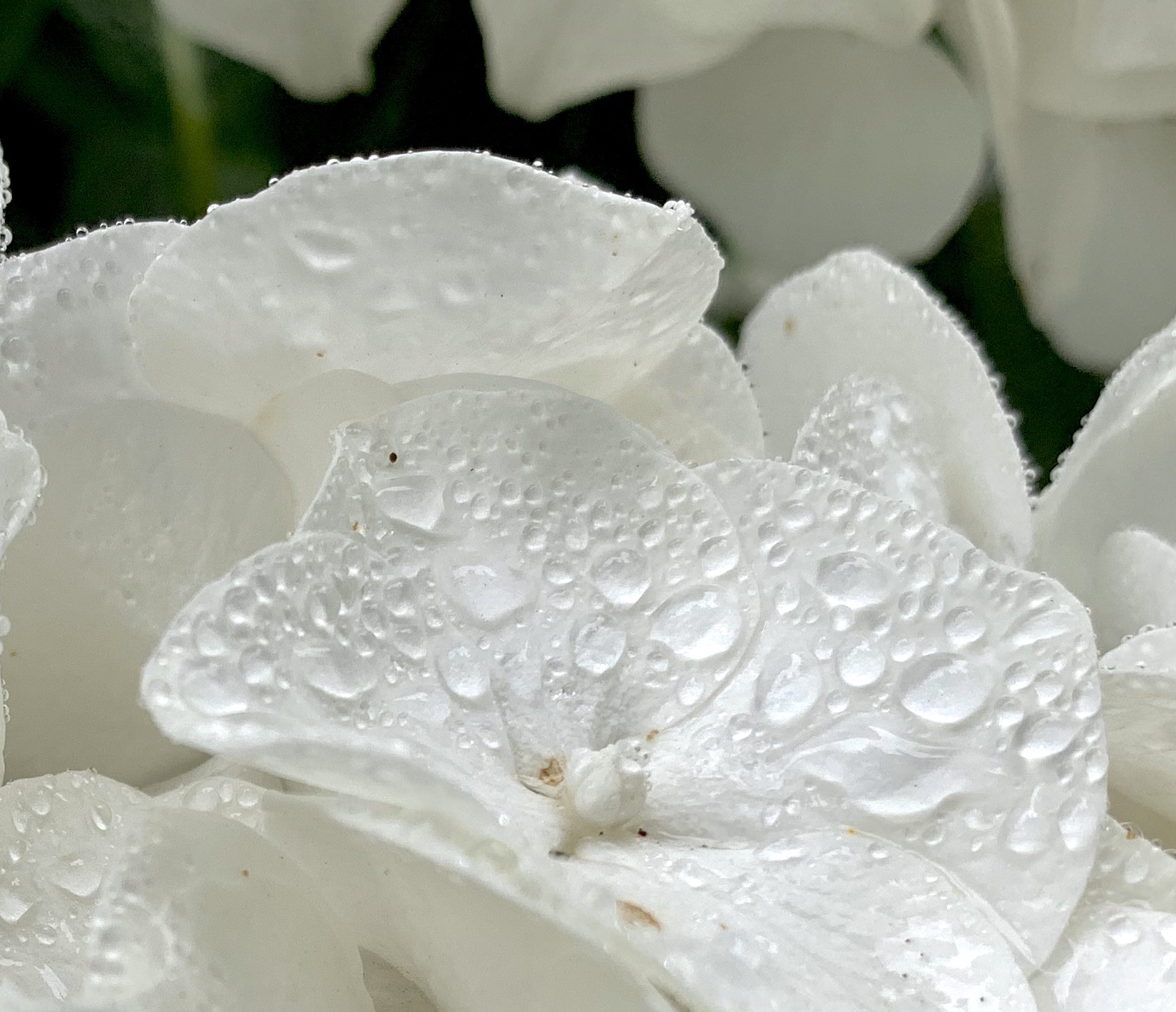
The day starts with the promise of beauty lit across the sky and concludes with the same light on the other side of the horizon. Yet everything in between can be darkness with no relief or stark brightness leaving no place to hide.
We can endure both if we endure it together. We can travel this long road if we have each other alongside in case we stumble. We can live out our days in gratitude even through our tears.

God does not leave us to journey alone.

A Poem About Cheese

The poets have been mysteriously silent on the subject of cheese.
~G.K.Chesterton

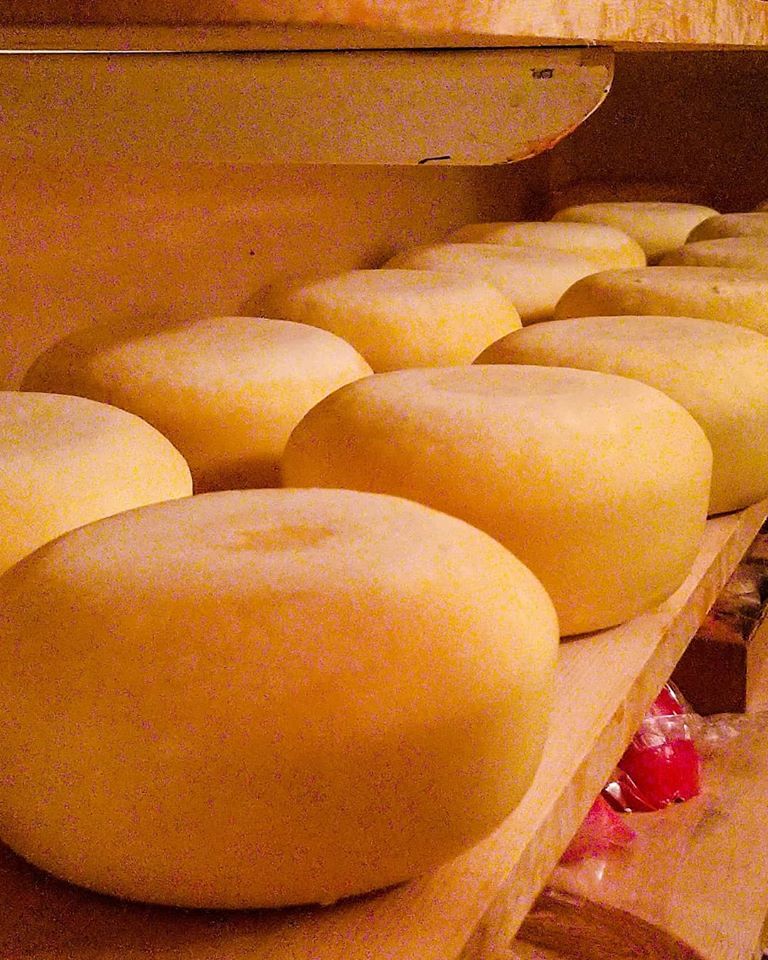
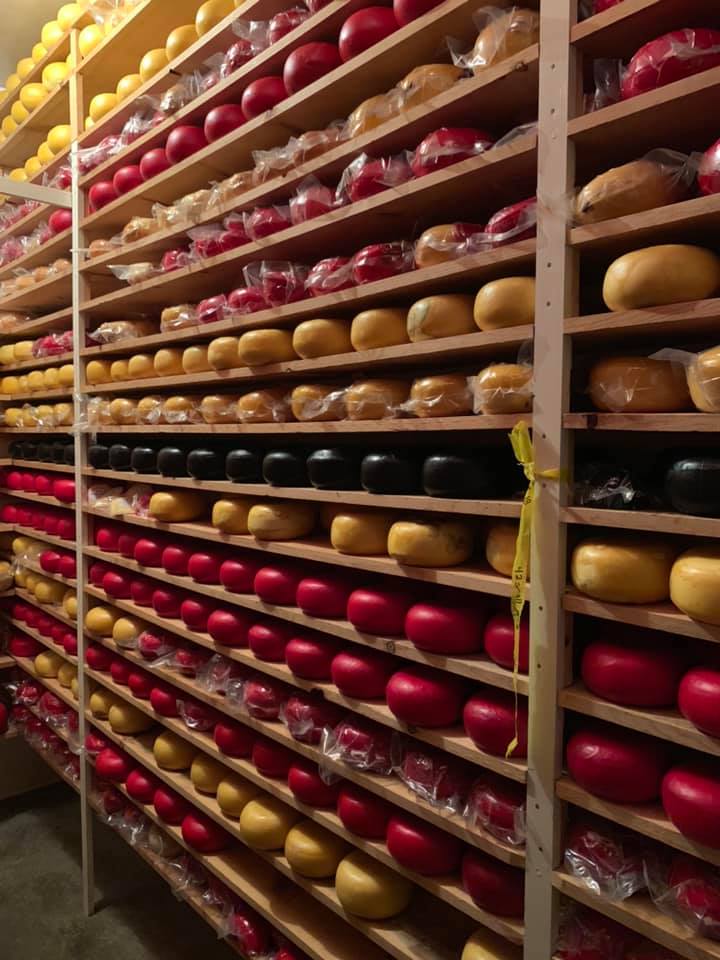
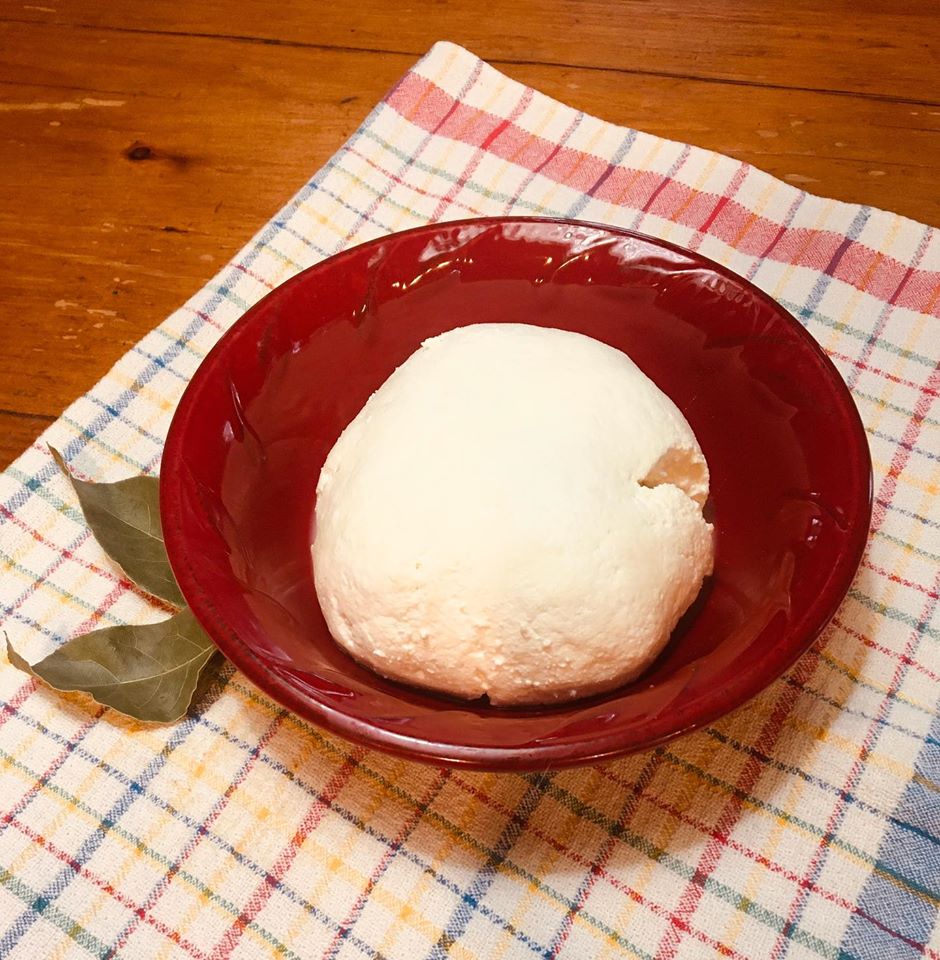
from Pleasant Valley Dairy

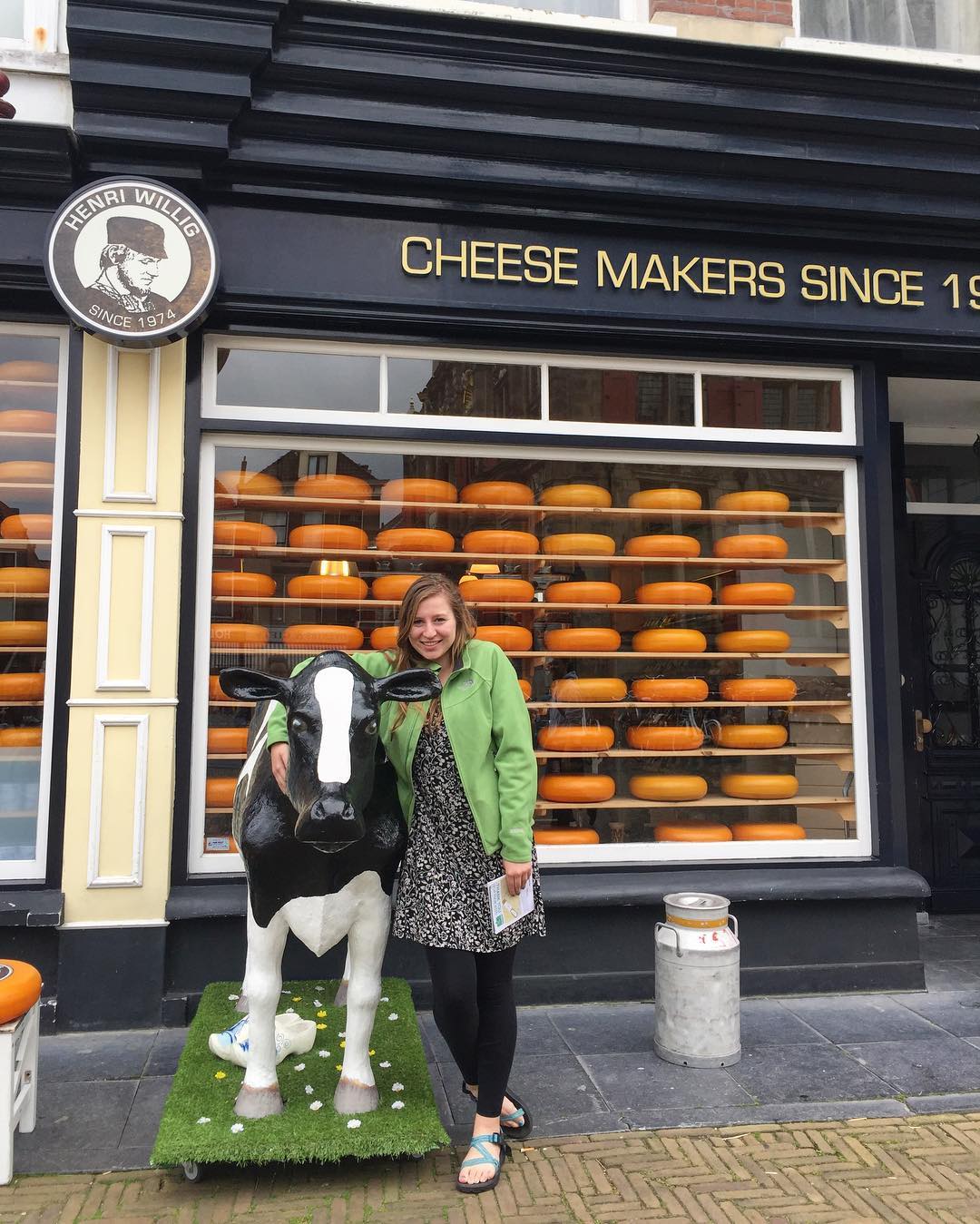
from Steensma Dairy on Ellie’s visit to Holland

Until now, that is…

It may be gouda for me to know
that cheddar is better – I’m totally nokkelost

Maasdam! It would take a swiss kick to the asiago
to dubliner my efforts to string the praises of gorgonzola

It could be a muenster of a havarti
to provolone the colby truth

Edam, what a mozzarella I’ve made for myself
ever since I got caught leyden and didn’t know jack

But it is all up to quark-y feta;  ask for parmesan
and it may gruyere on me, what a squeaker!

Ricotta go now
~a  farmer is waiting for me on the farmstead

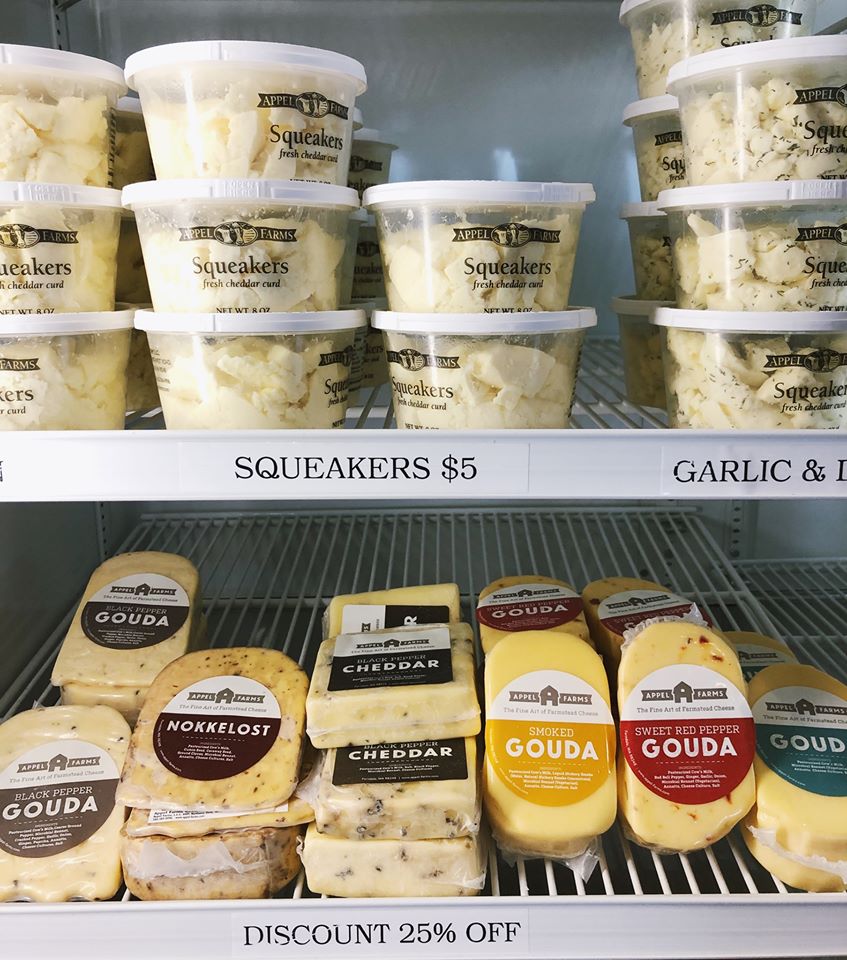
from Appel Farms
from Steensma Dairy

thank you to our local cheese producers for their photos of their cheeses – Appel Farms
Pleasant Valley Dairy
Steensma Dairy