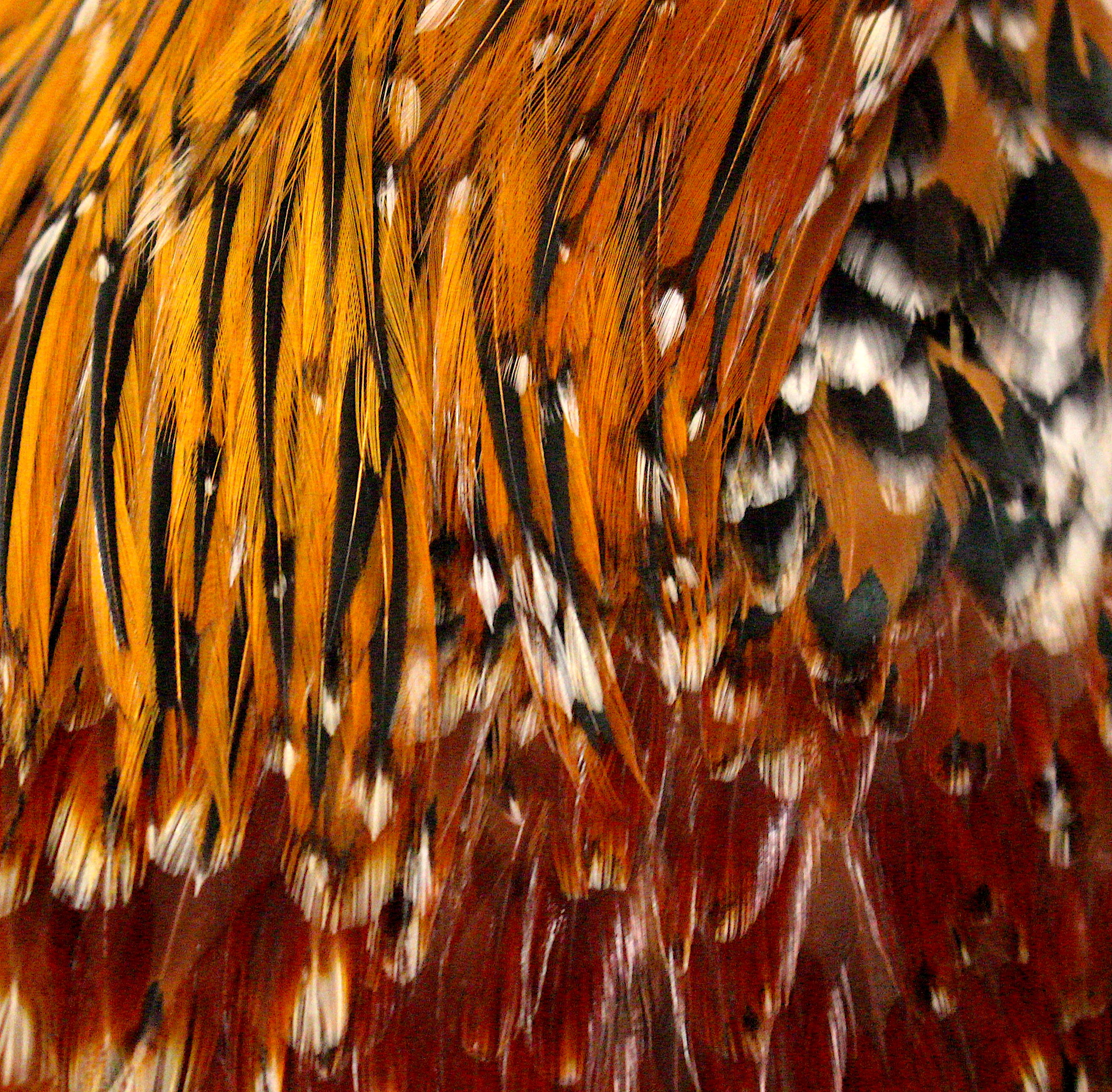
…I’m taking the day off. Quiet as a feather. I hardly move though really I’m traveling a terrific distance.
Stillness. One of the doors into the temple. ~Mary Oliver from “Today” from A Thousand Mornings
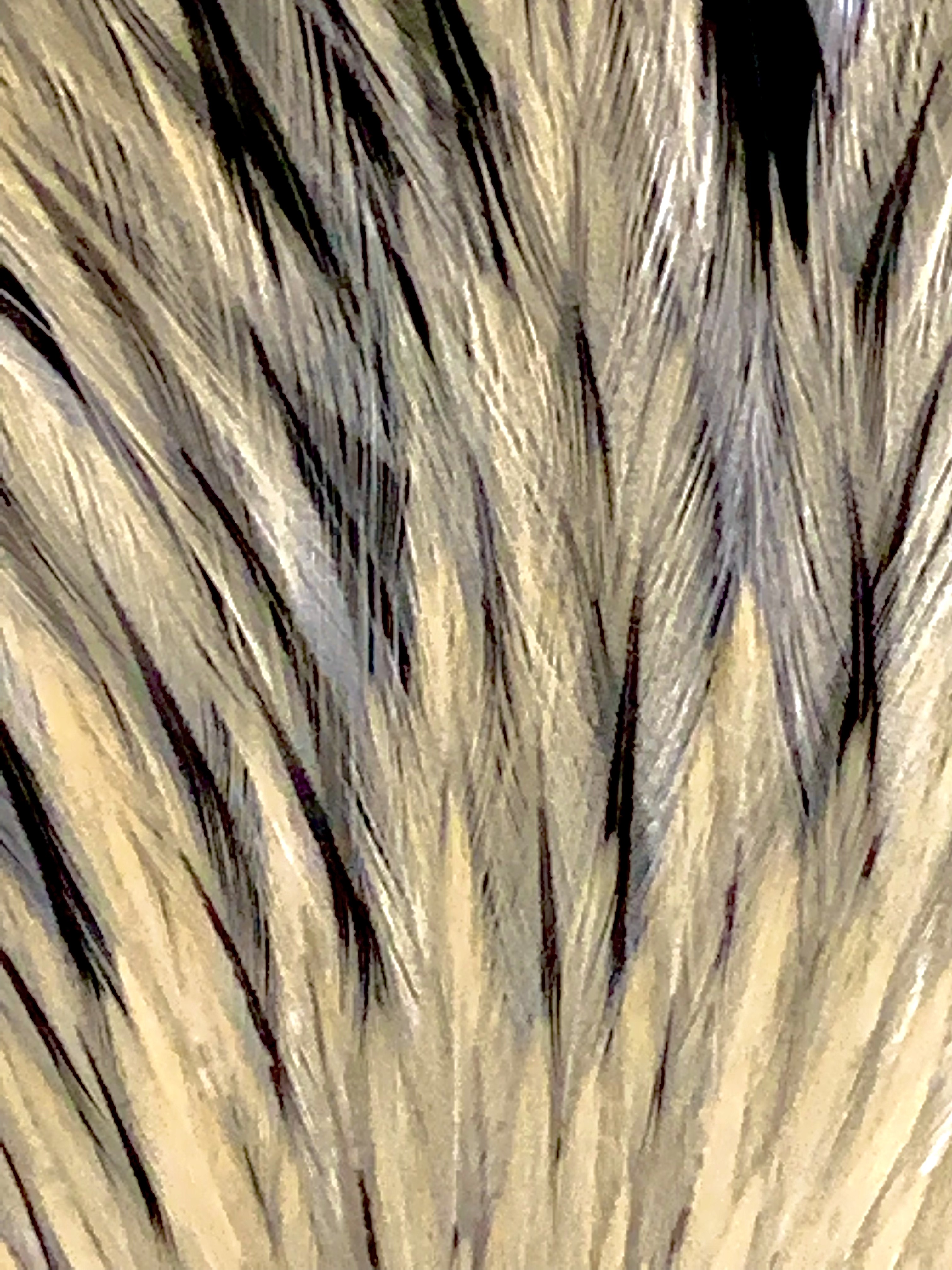
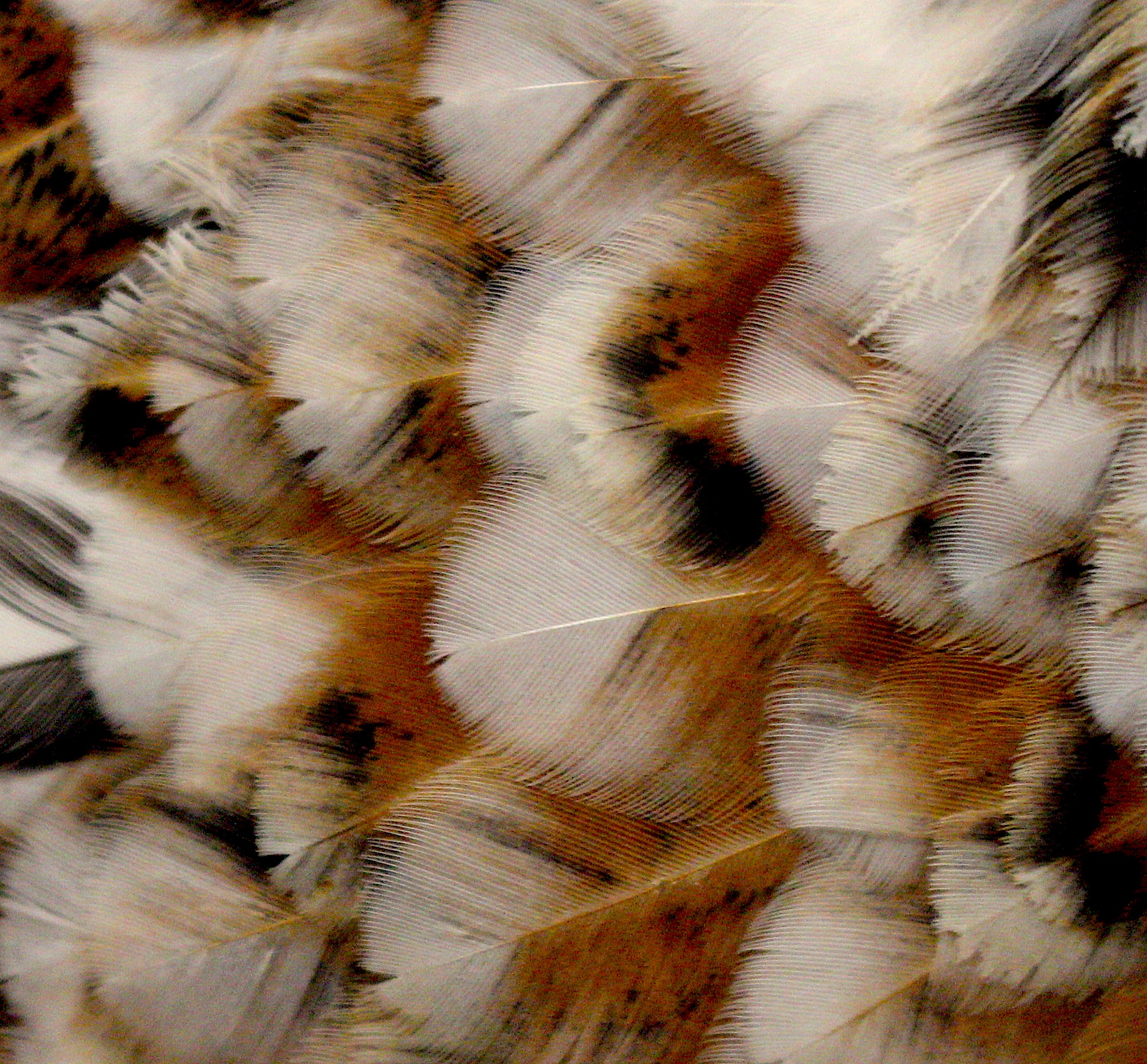
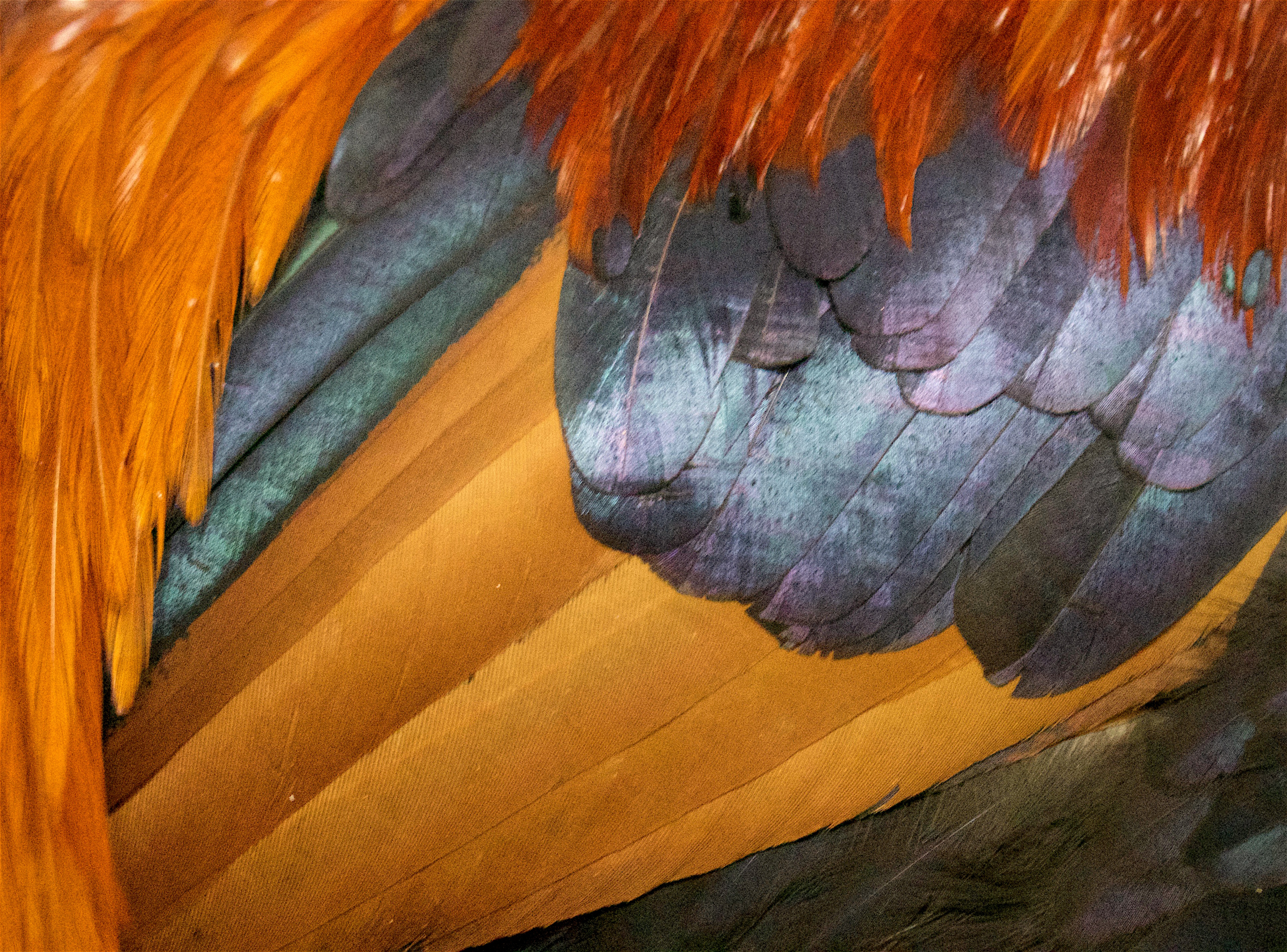
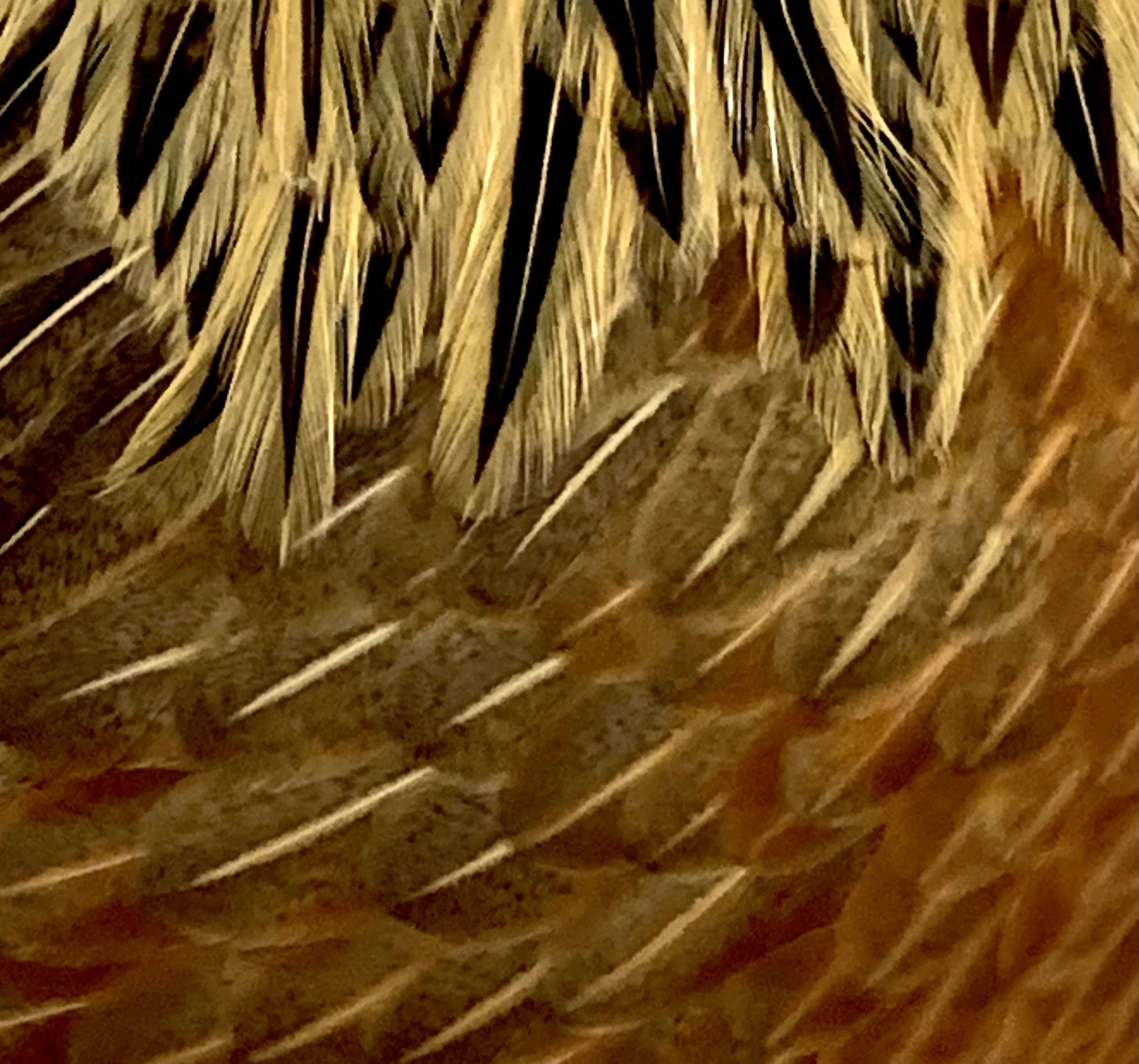
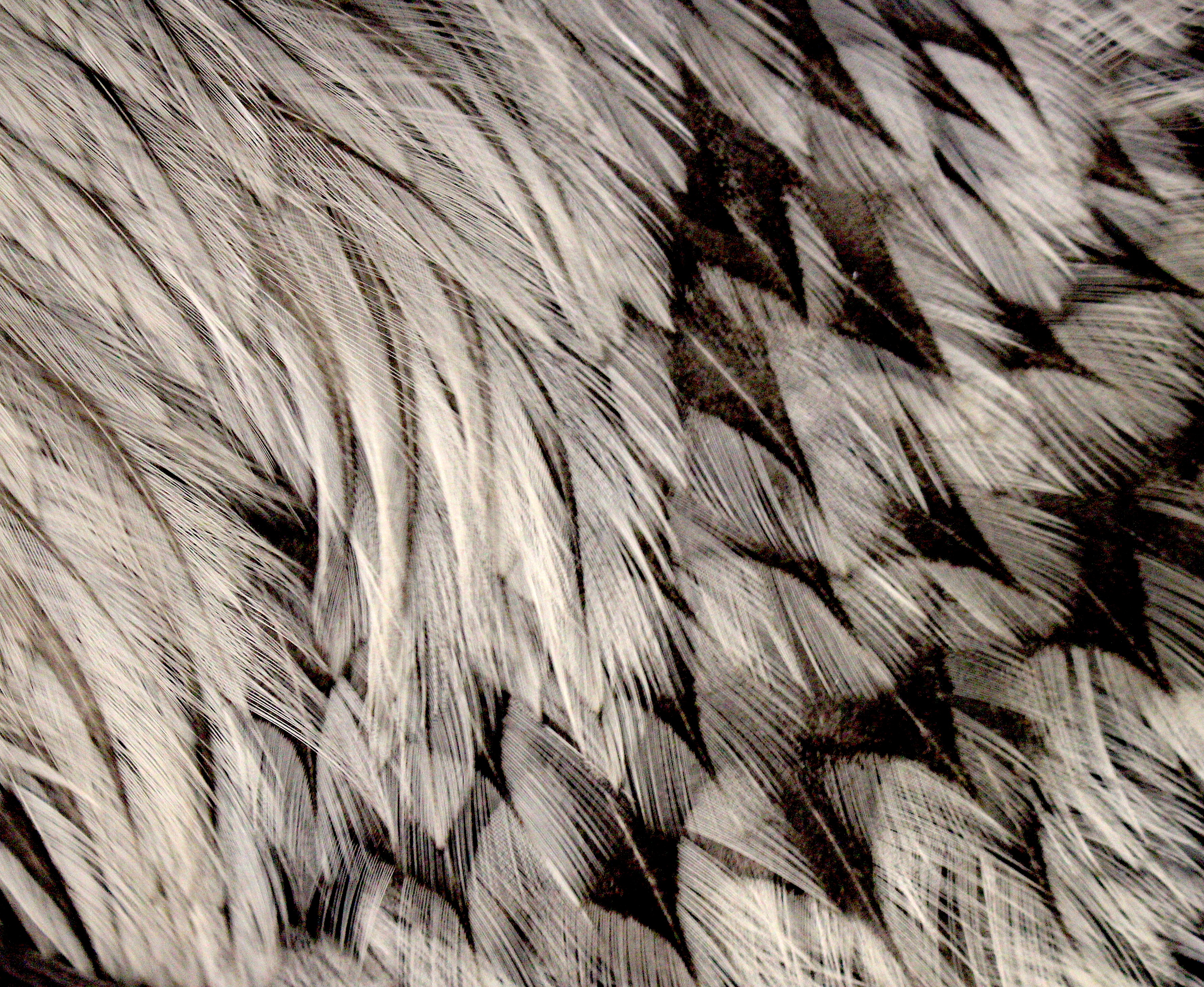
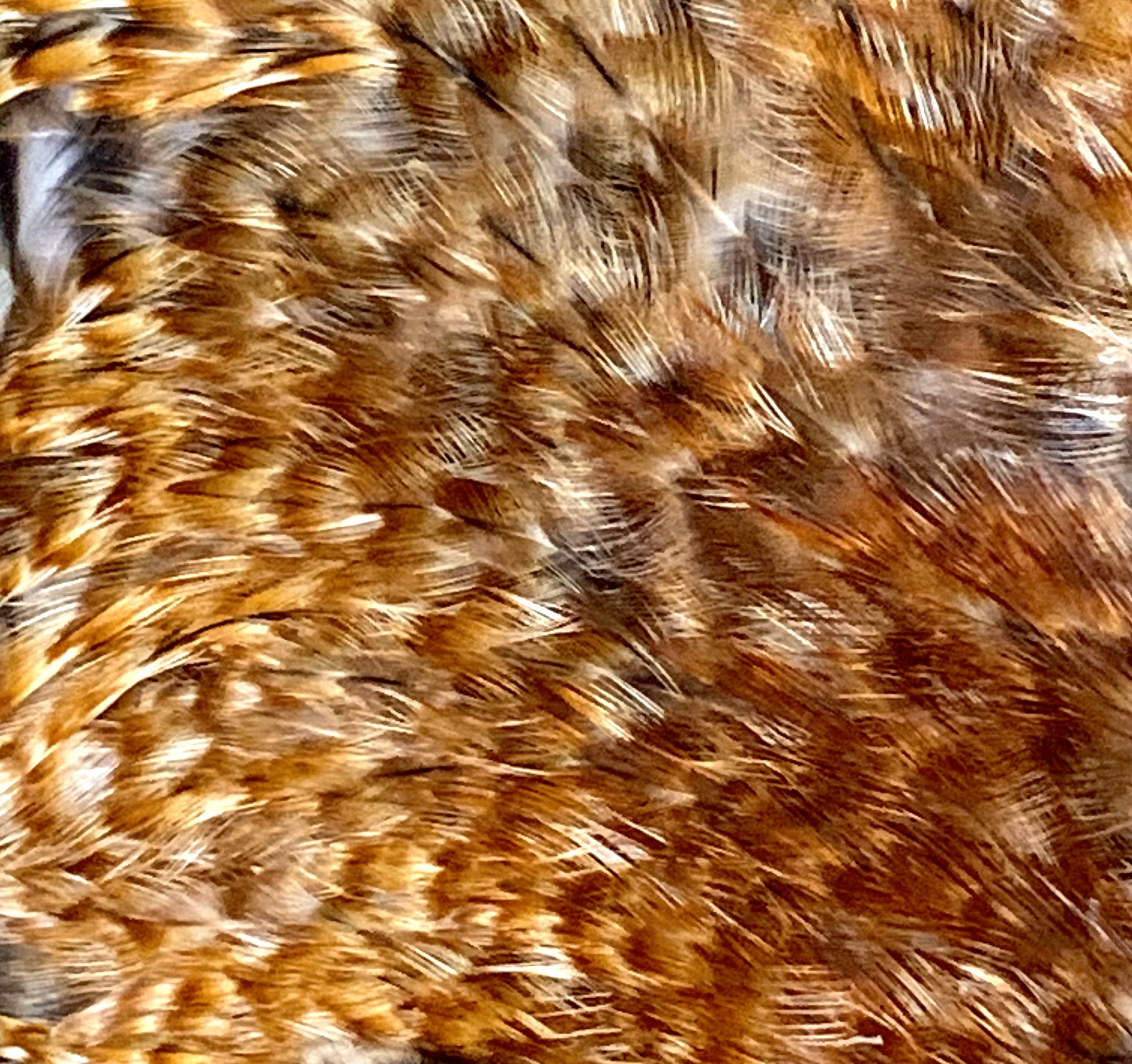
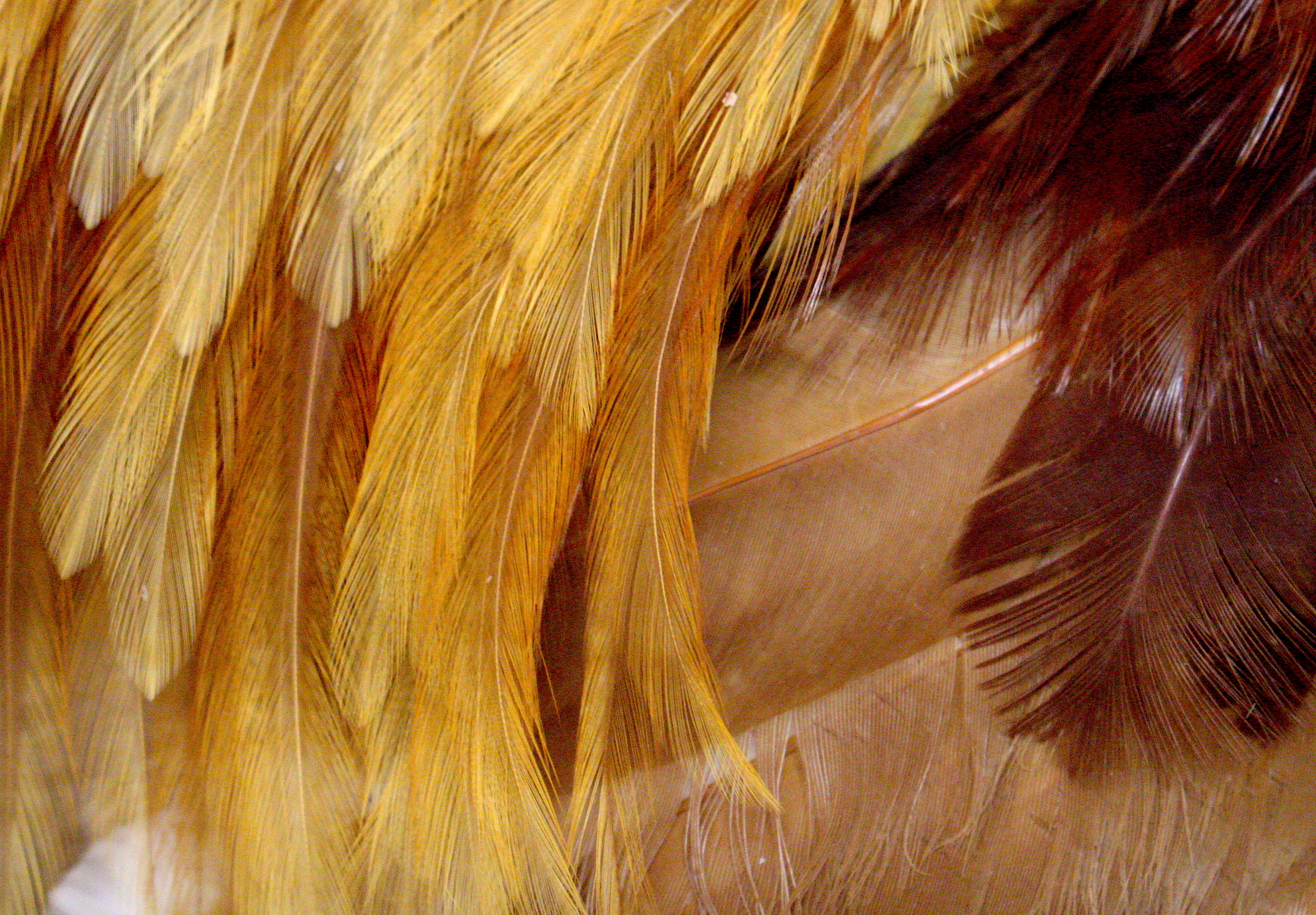
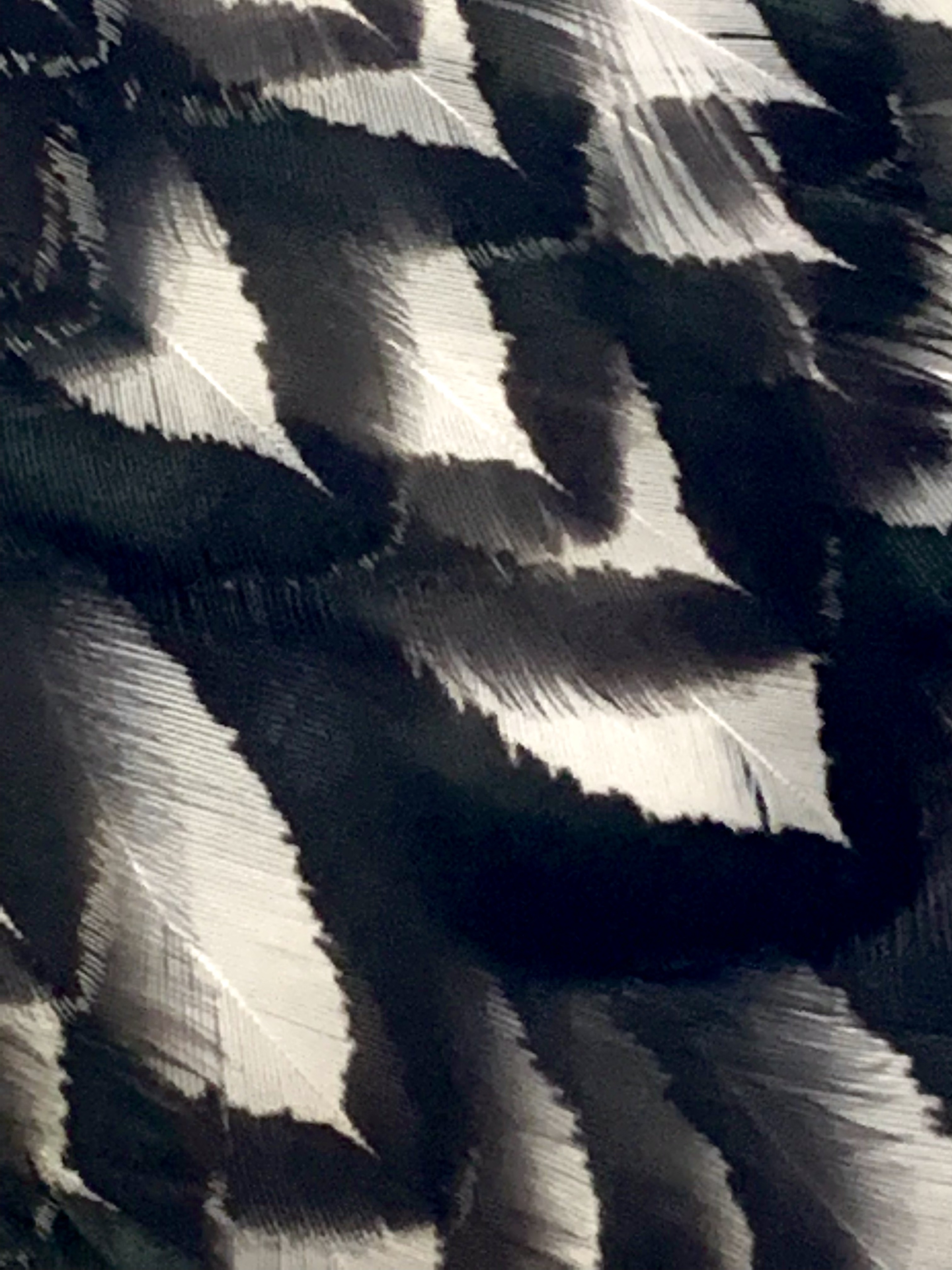
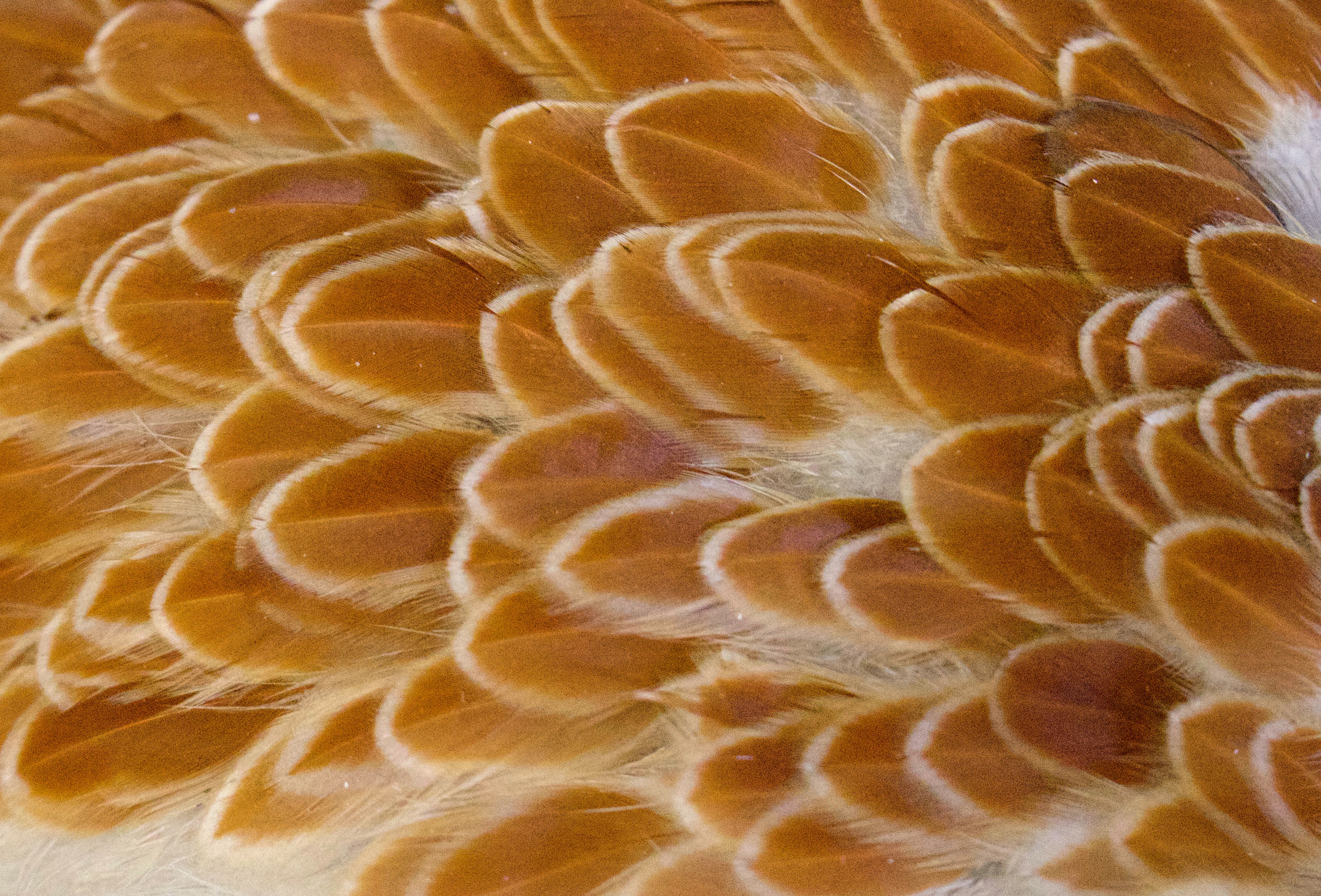
Some days warrant stillness. On this Sabbath day of rest, seek to be quiet as a feather, silently in place, listening.
Maybe, hear each other again. Surely, hear the Word of God.
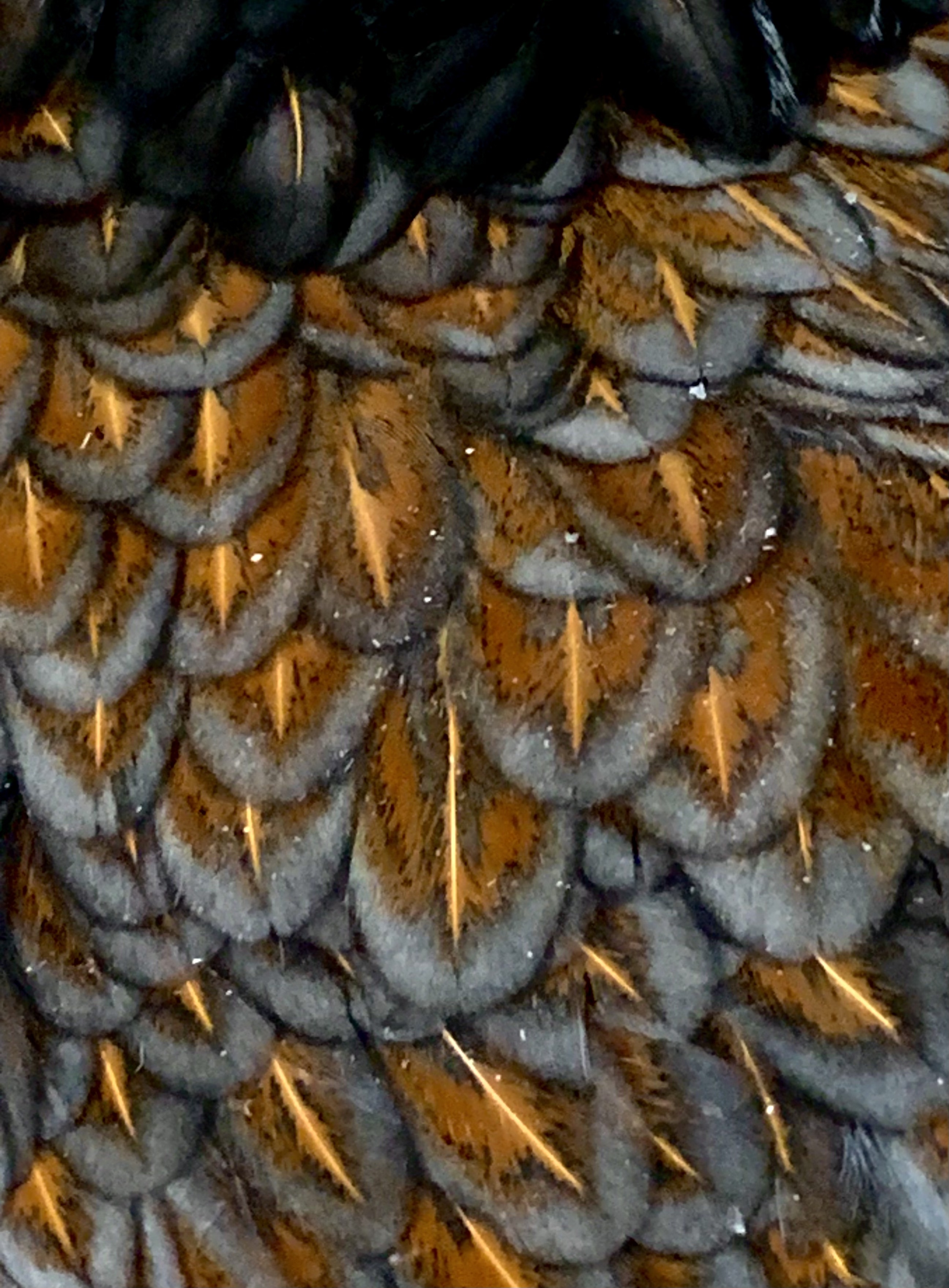
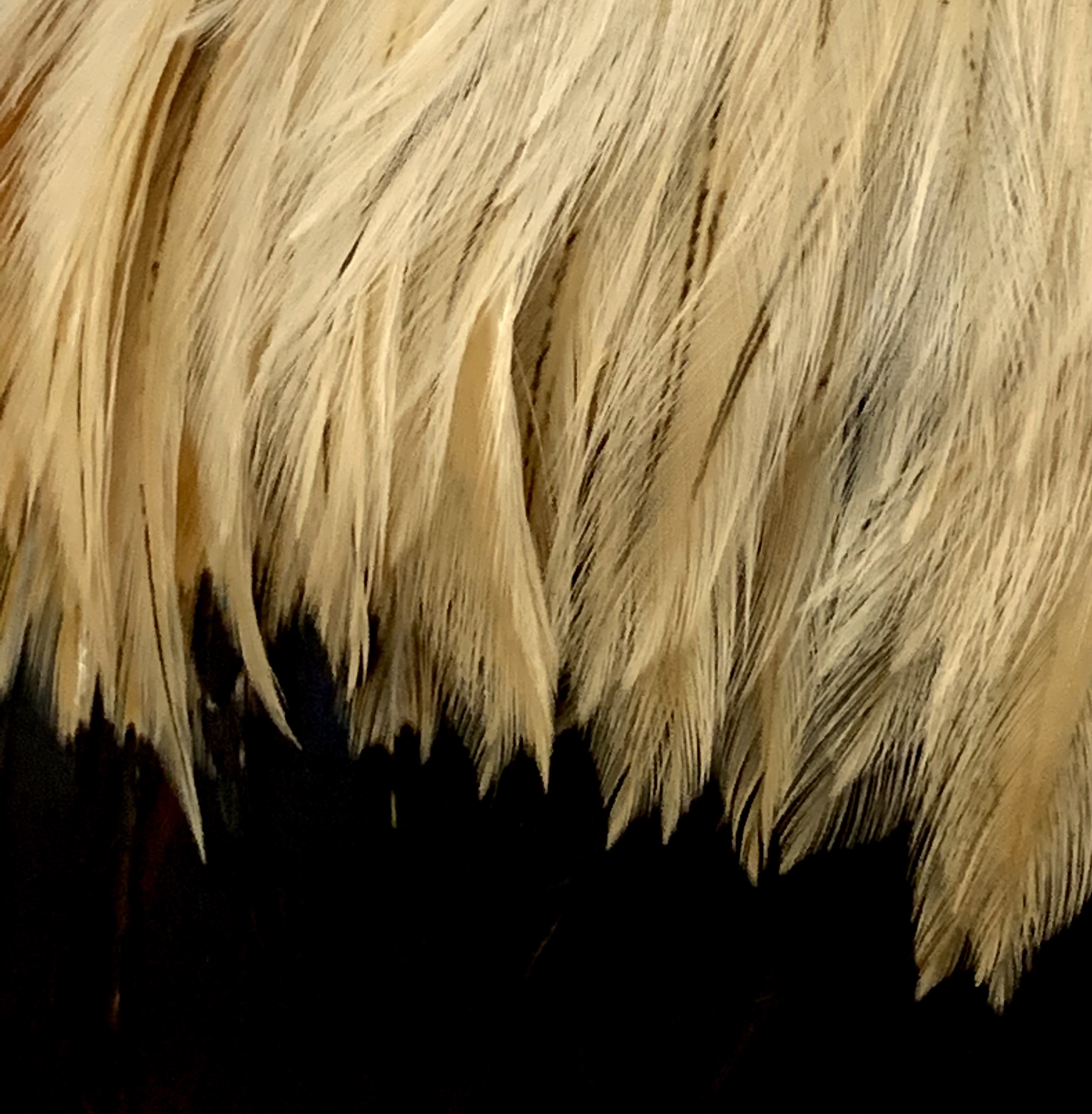
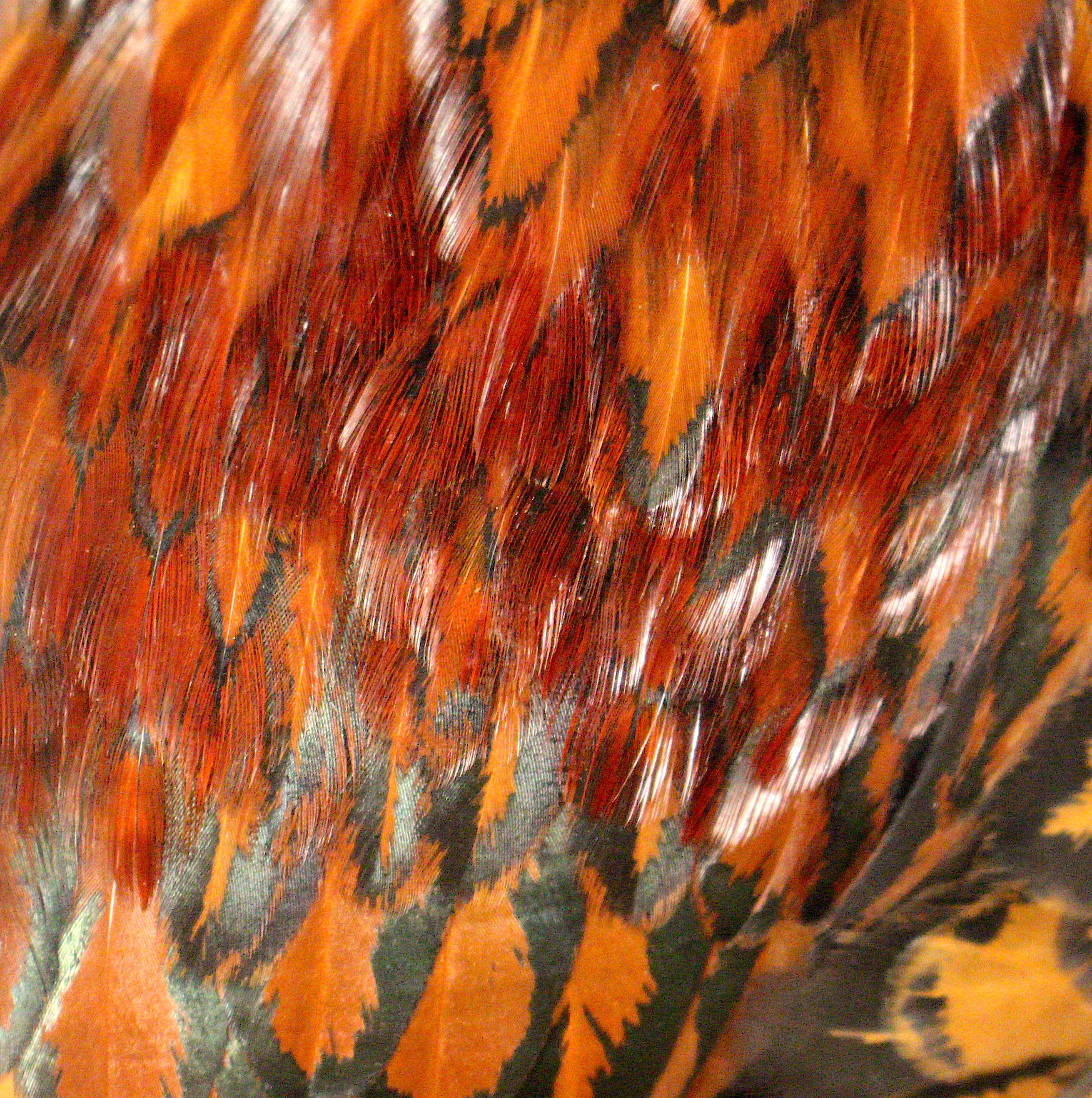
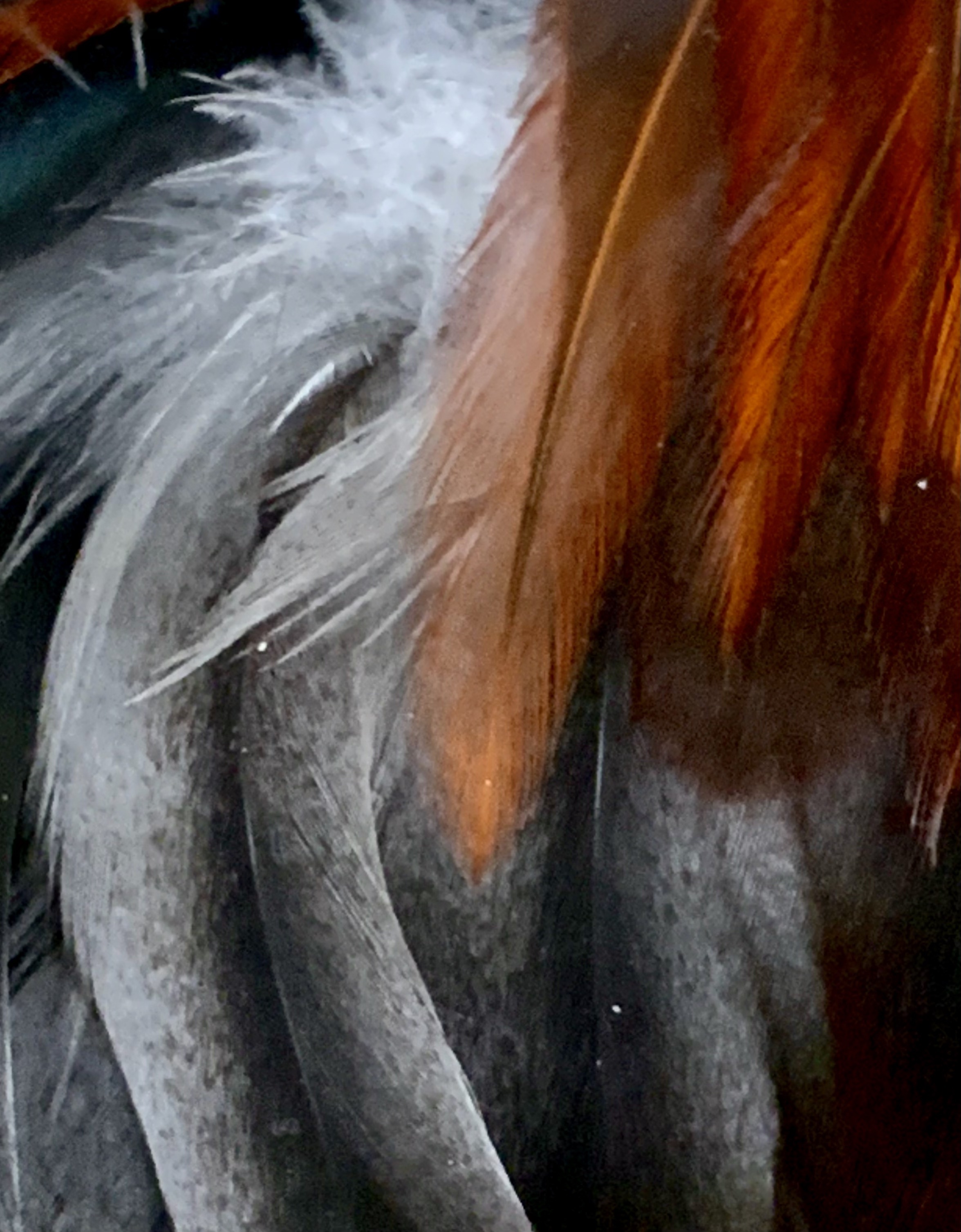
A funny thing about feathers: alone, each one is merely fluff and air. Together — feathers become lift and power, with strength and will to soar beyond the tether of gravity’s pull on our flawed humanity back to dust.
As quiet as a feather, joined and united, one overlapping another, rise above and fly as far as your life and breath can take you.
May peace be still.
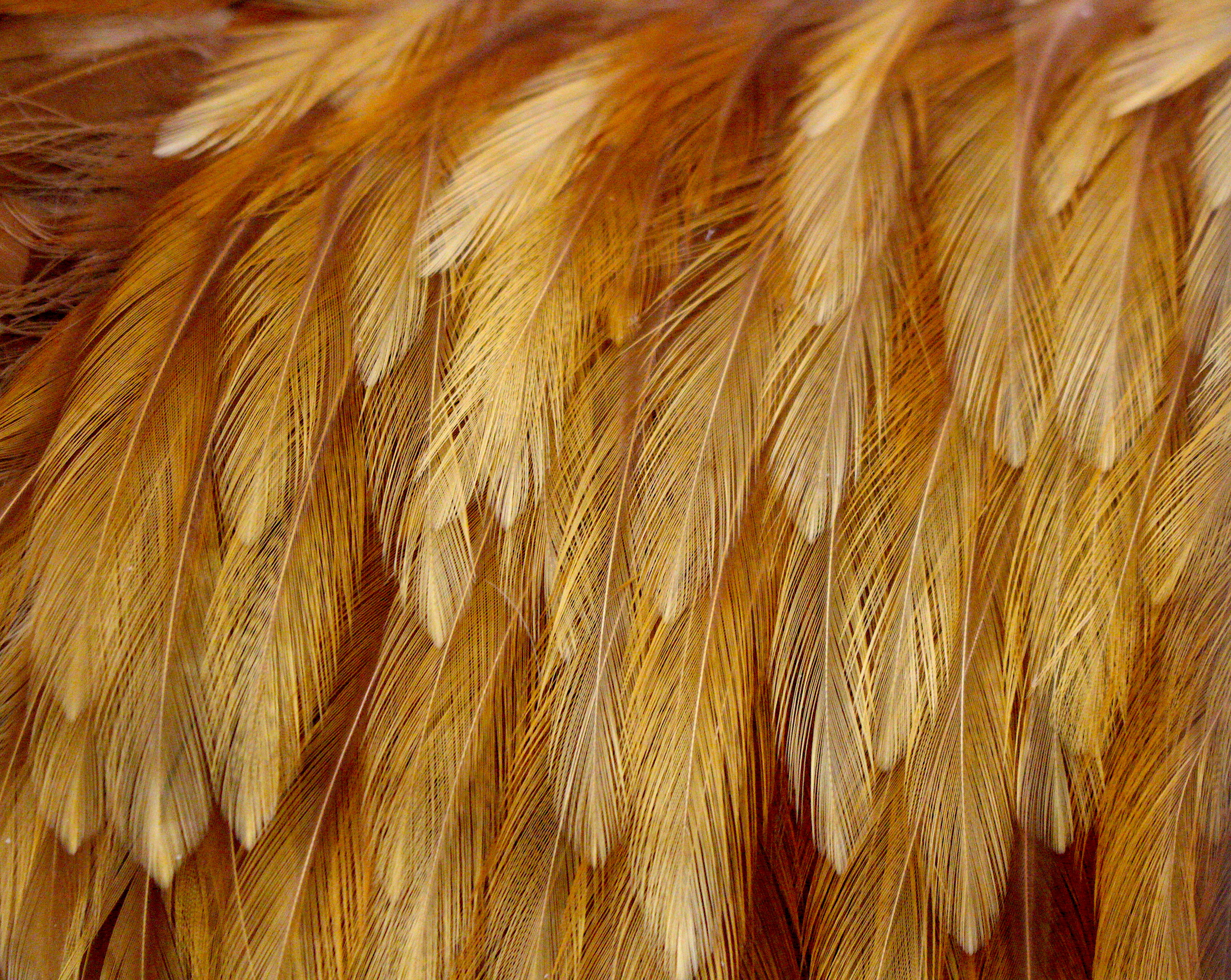
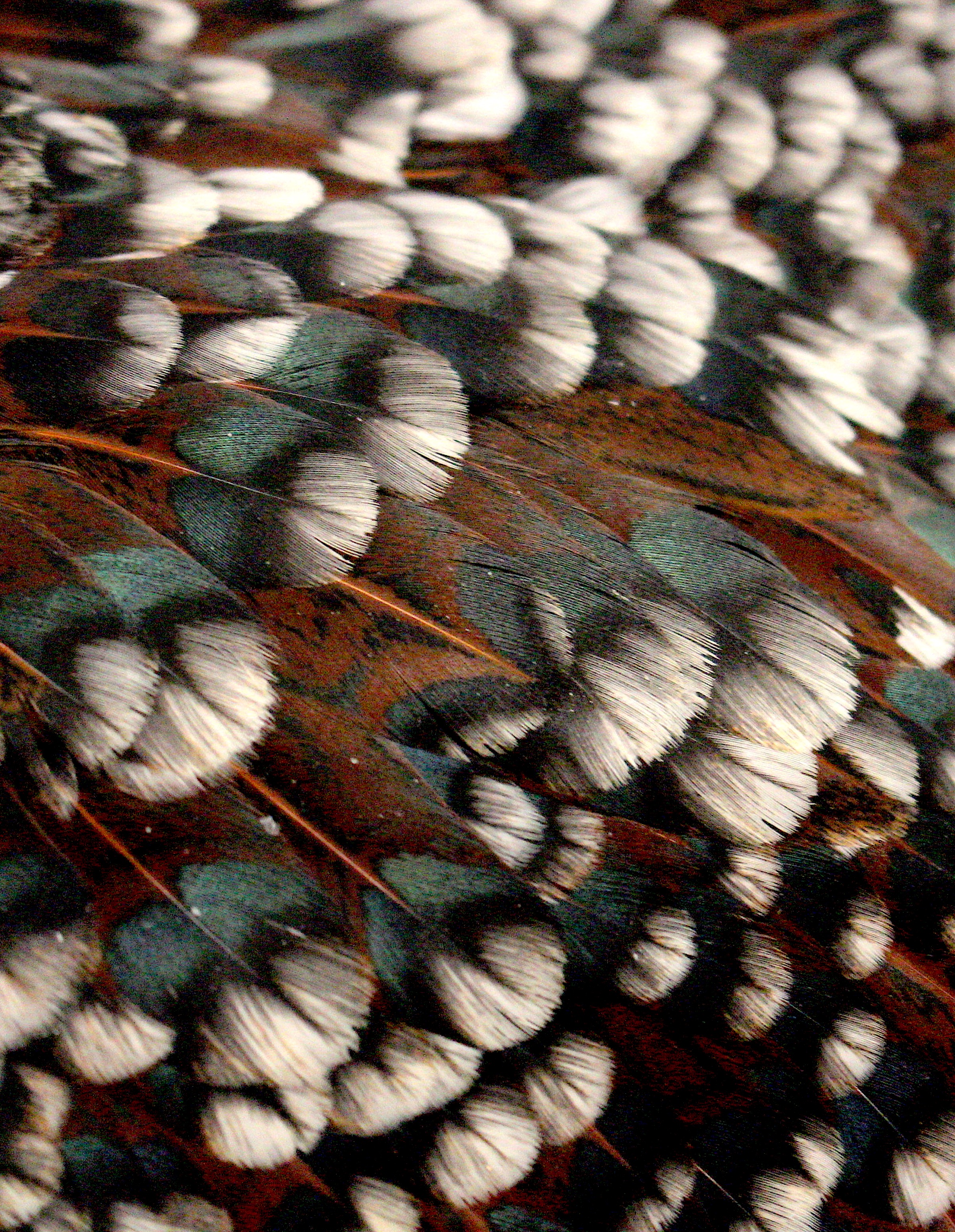
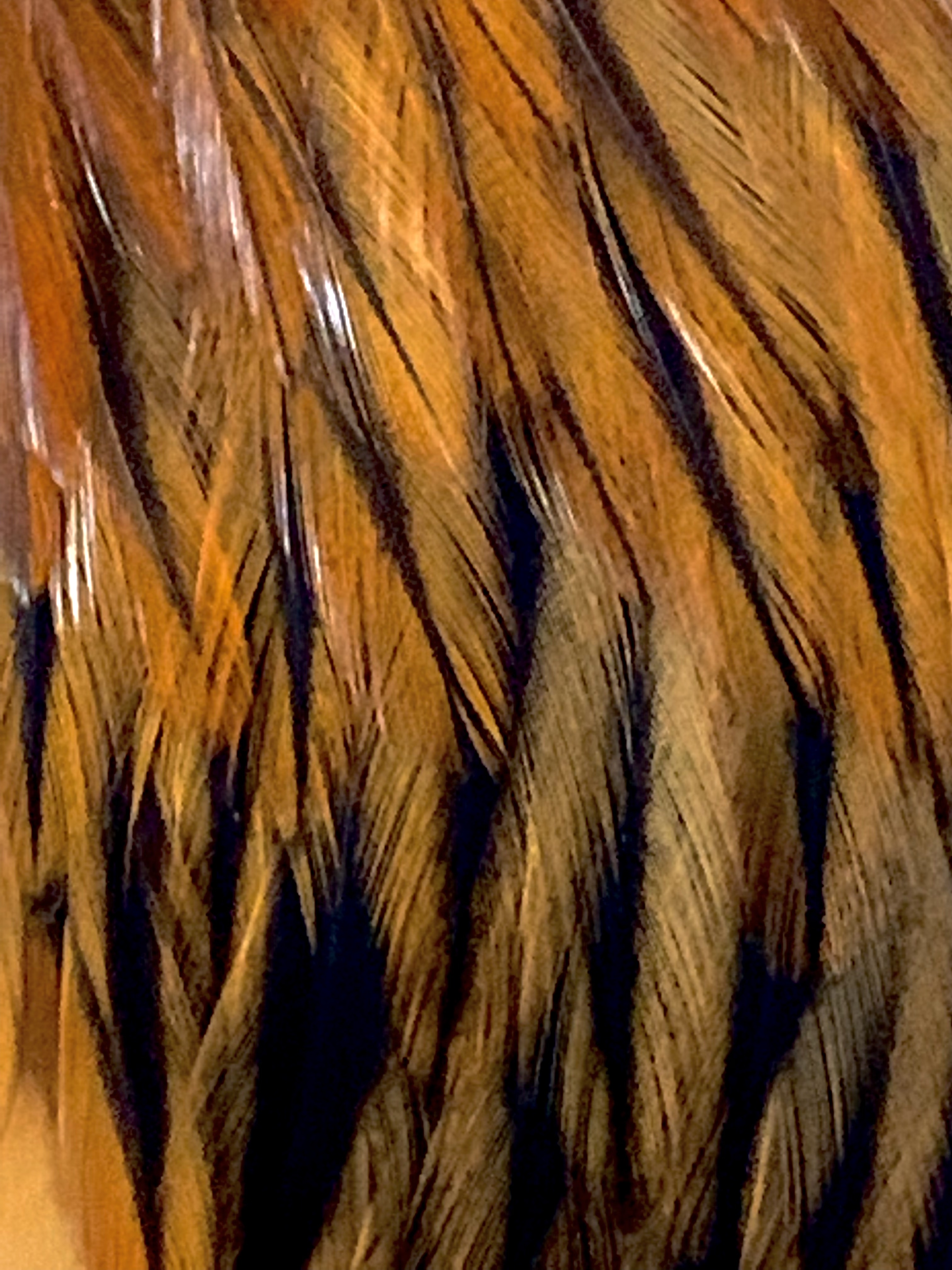
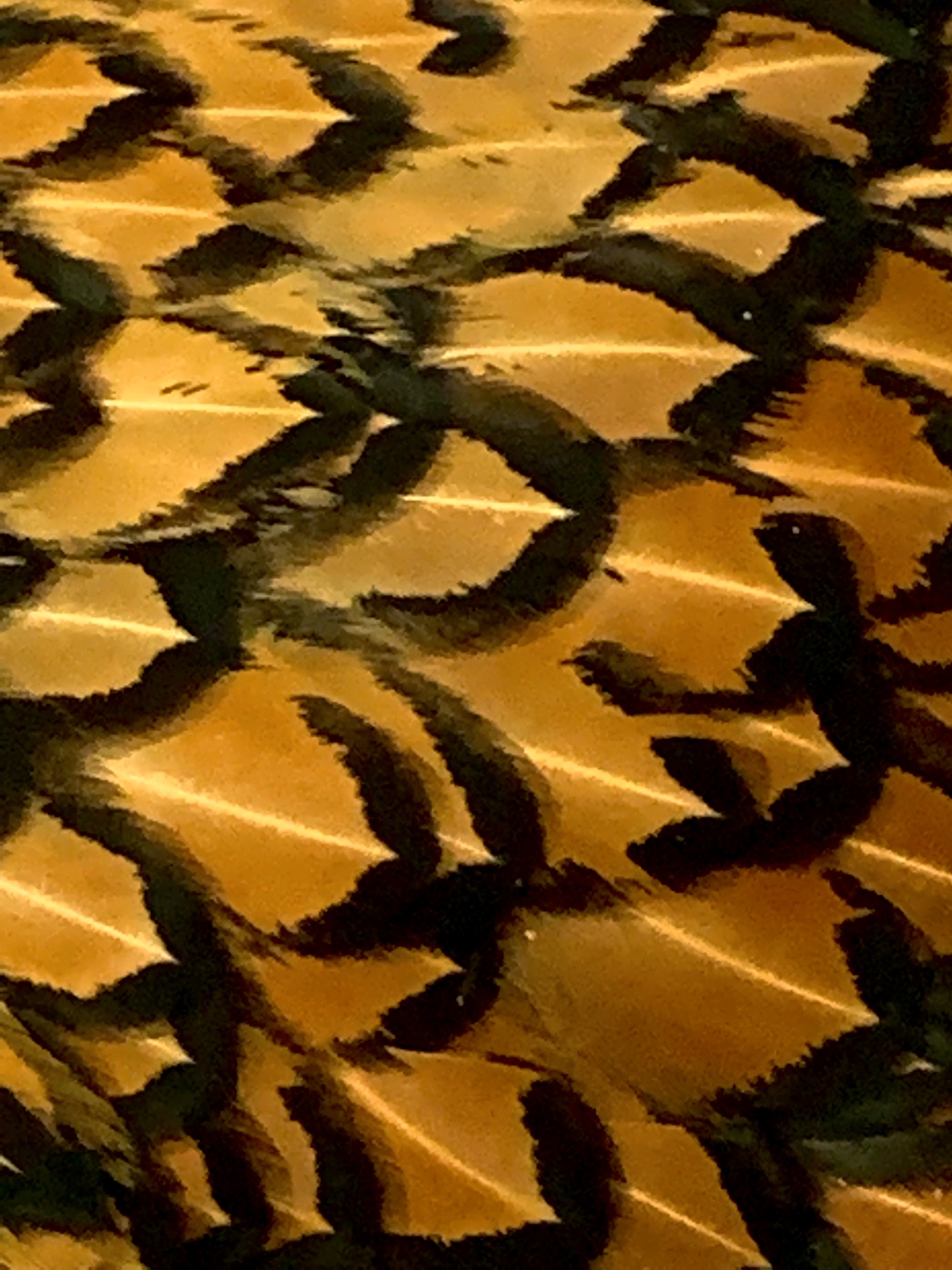
Thank you, once again, to the chickens displayed at the NW Washington Fair in Lynden last week, who struggled to be still in their cages for these close-up feather photos….
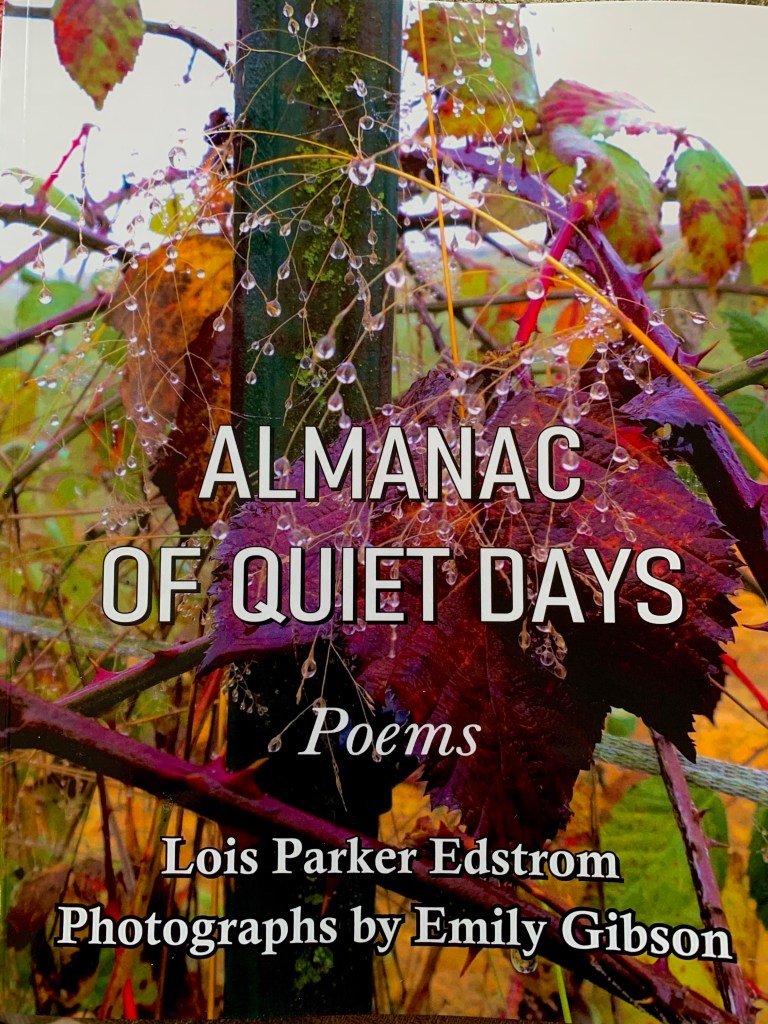
More Barnstorming photos and poems from Lois Edstrom are available in this book from Barnstorming. Order here:
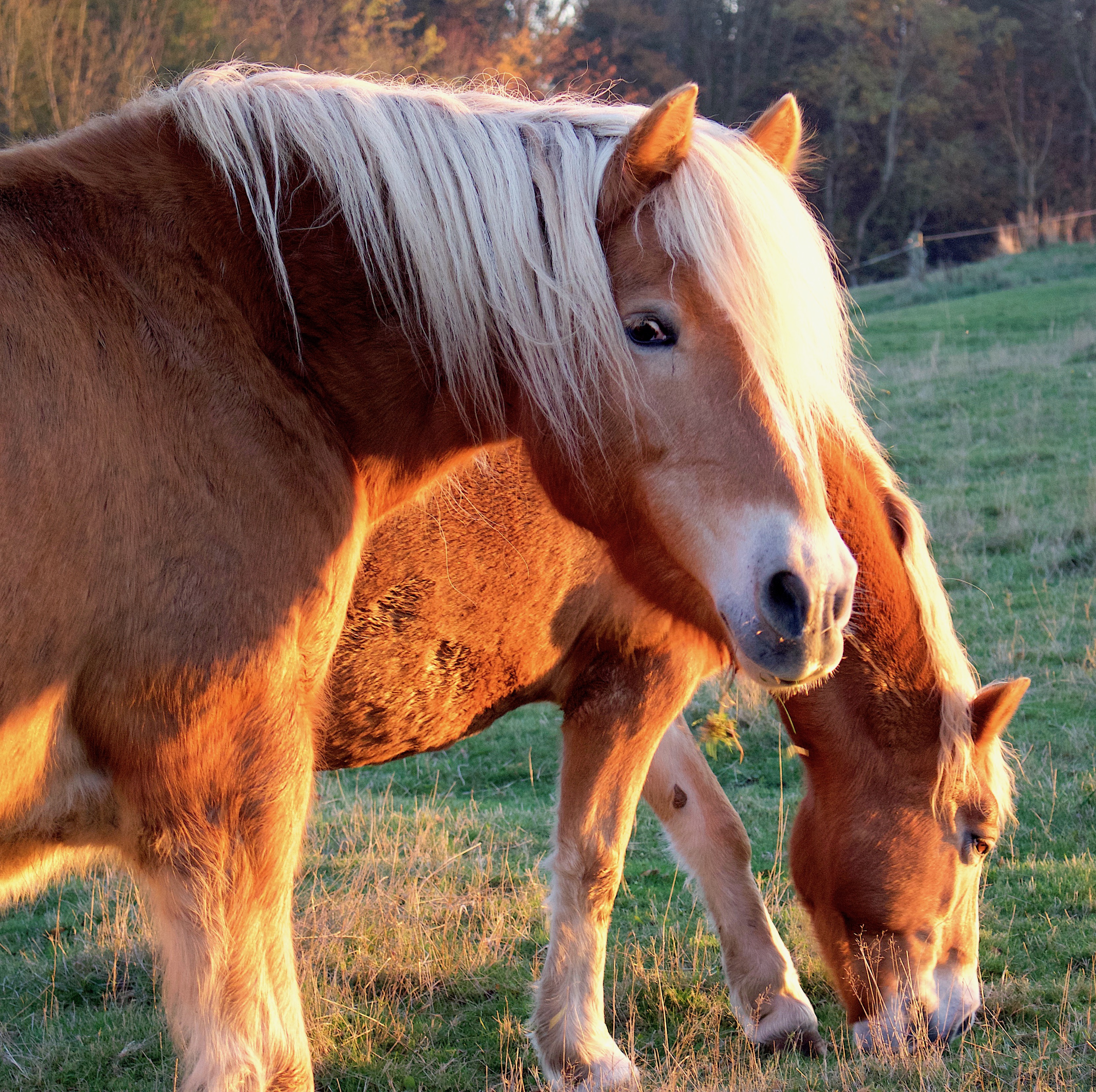
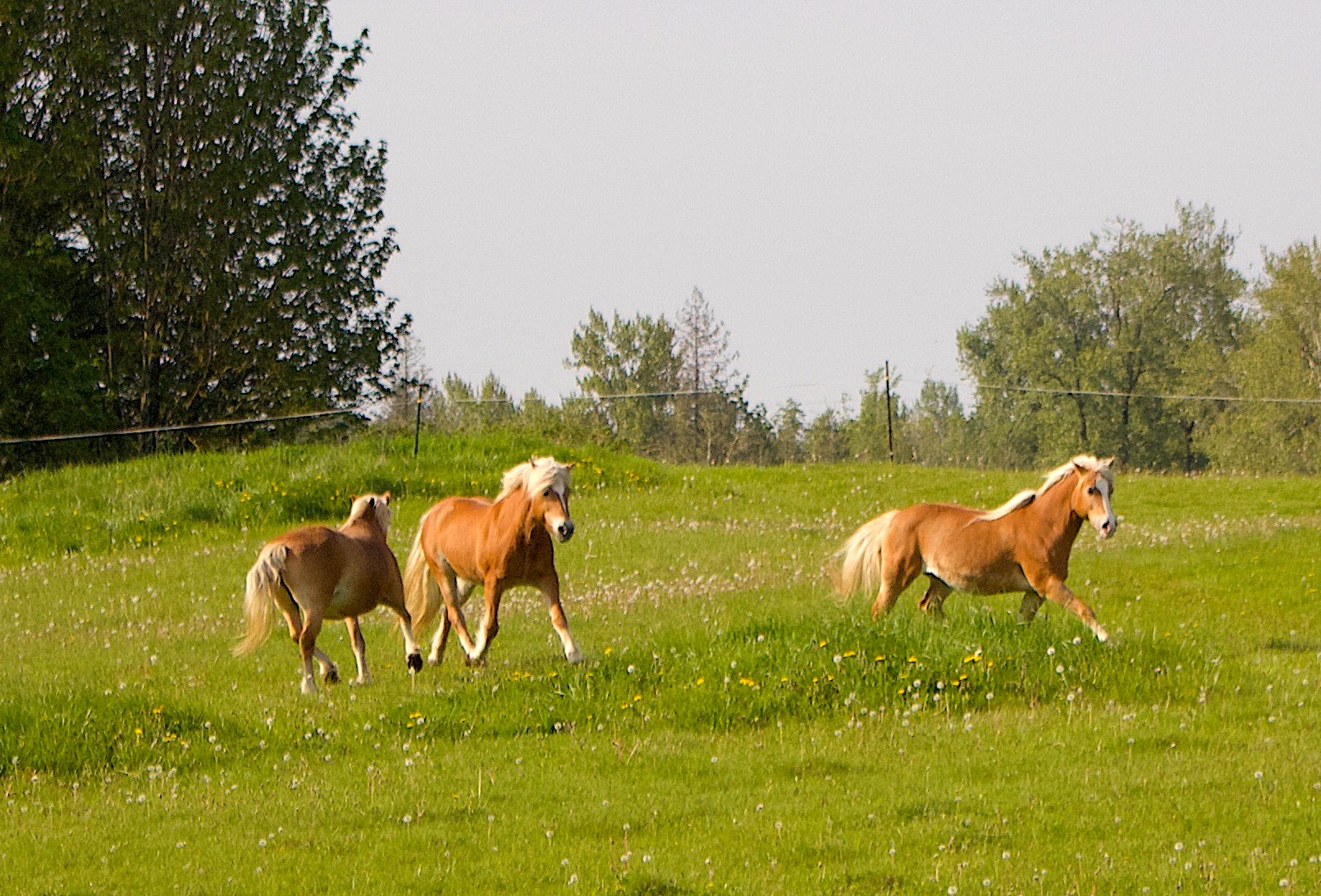
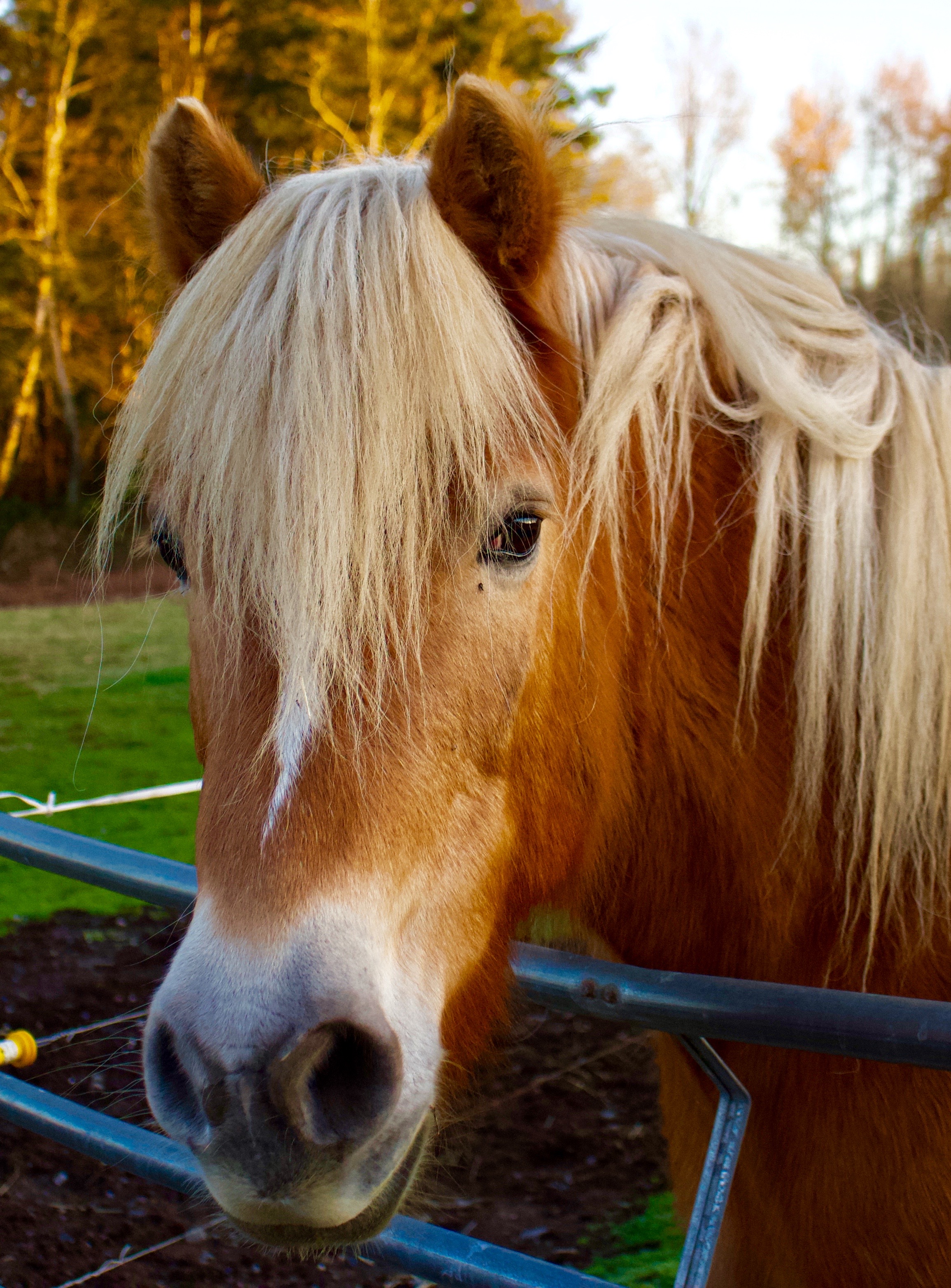
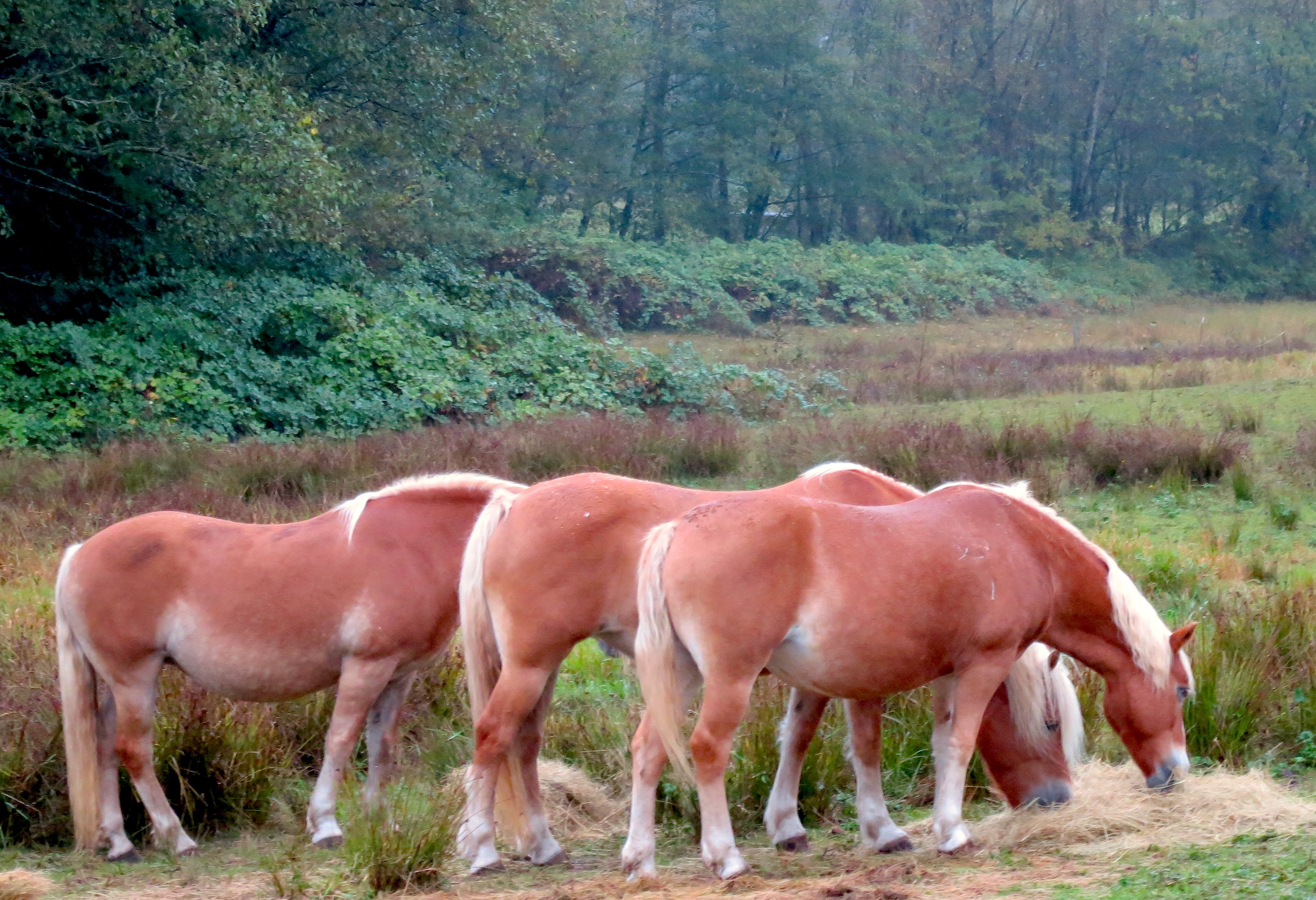
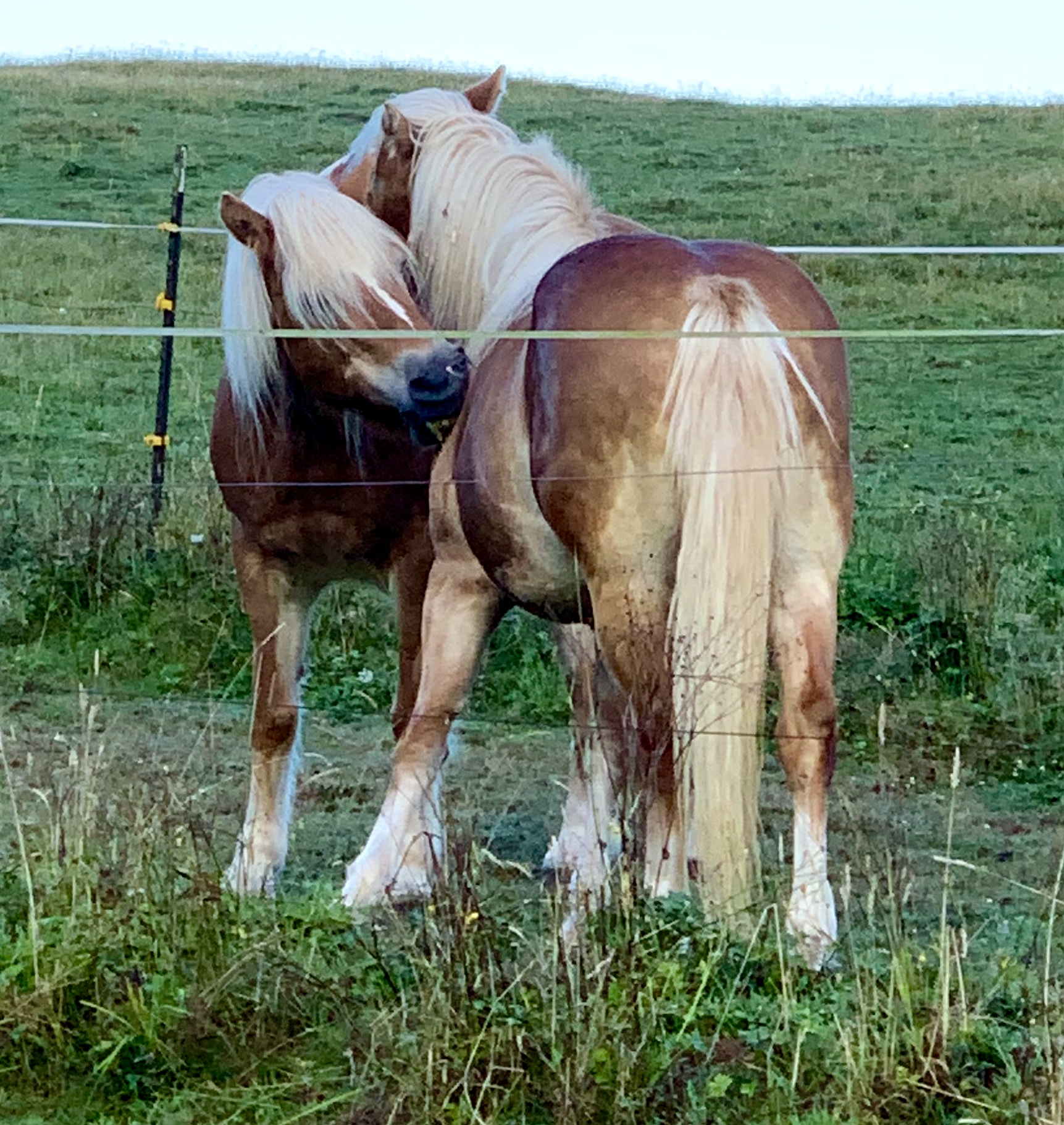
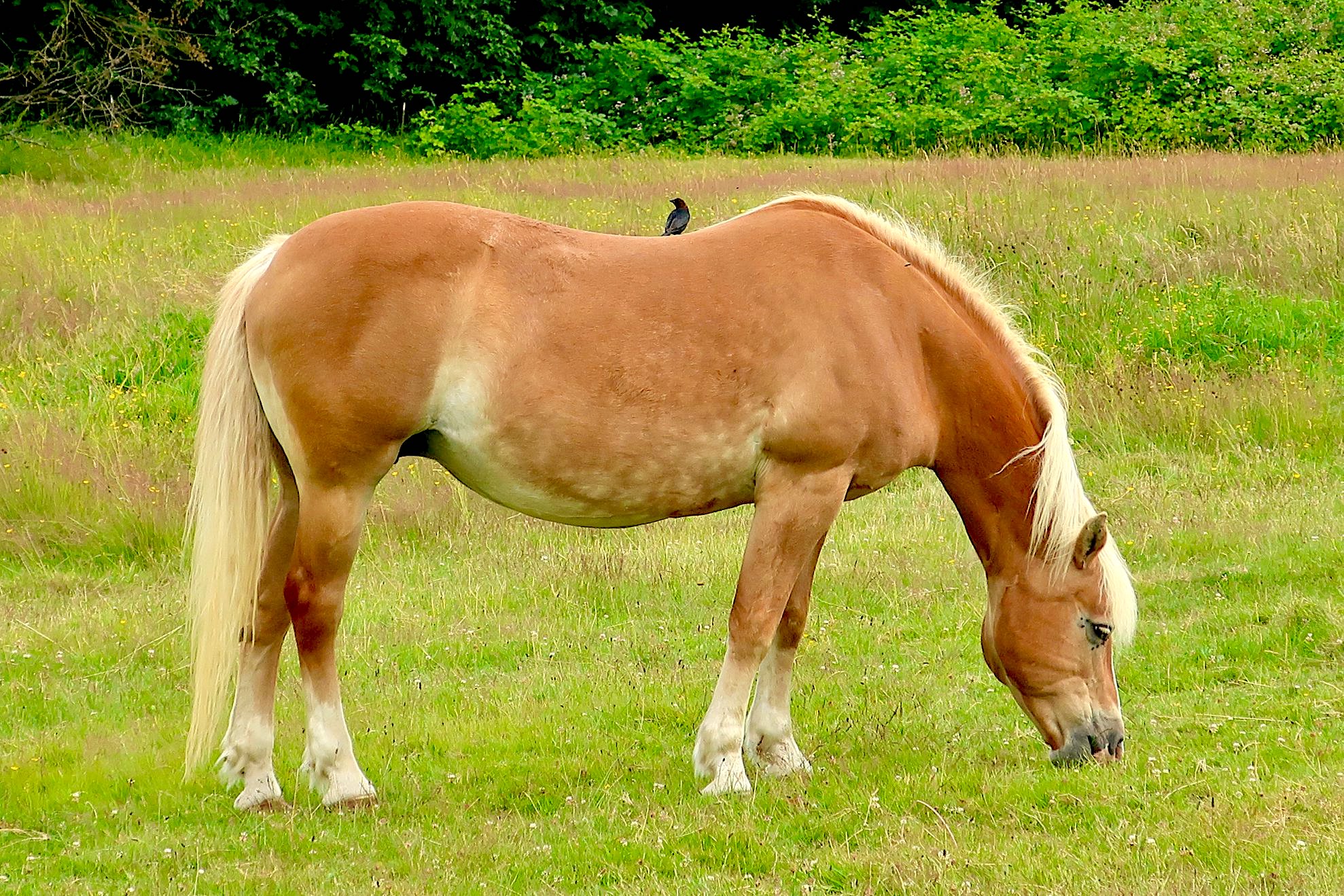
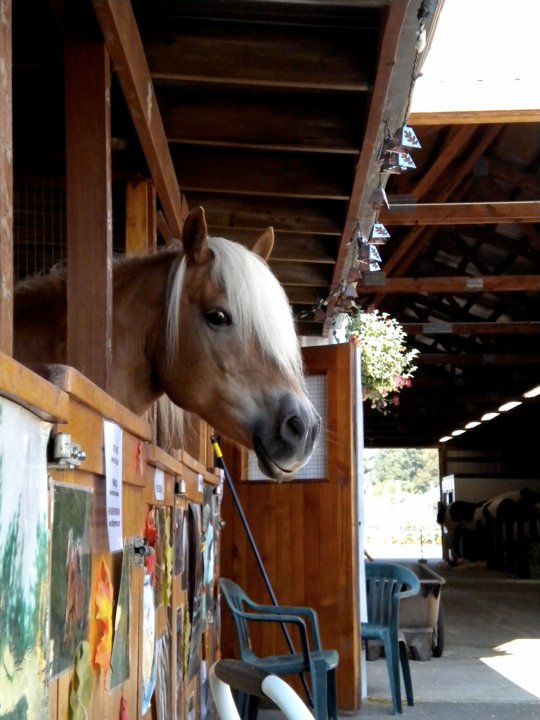
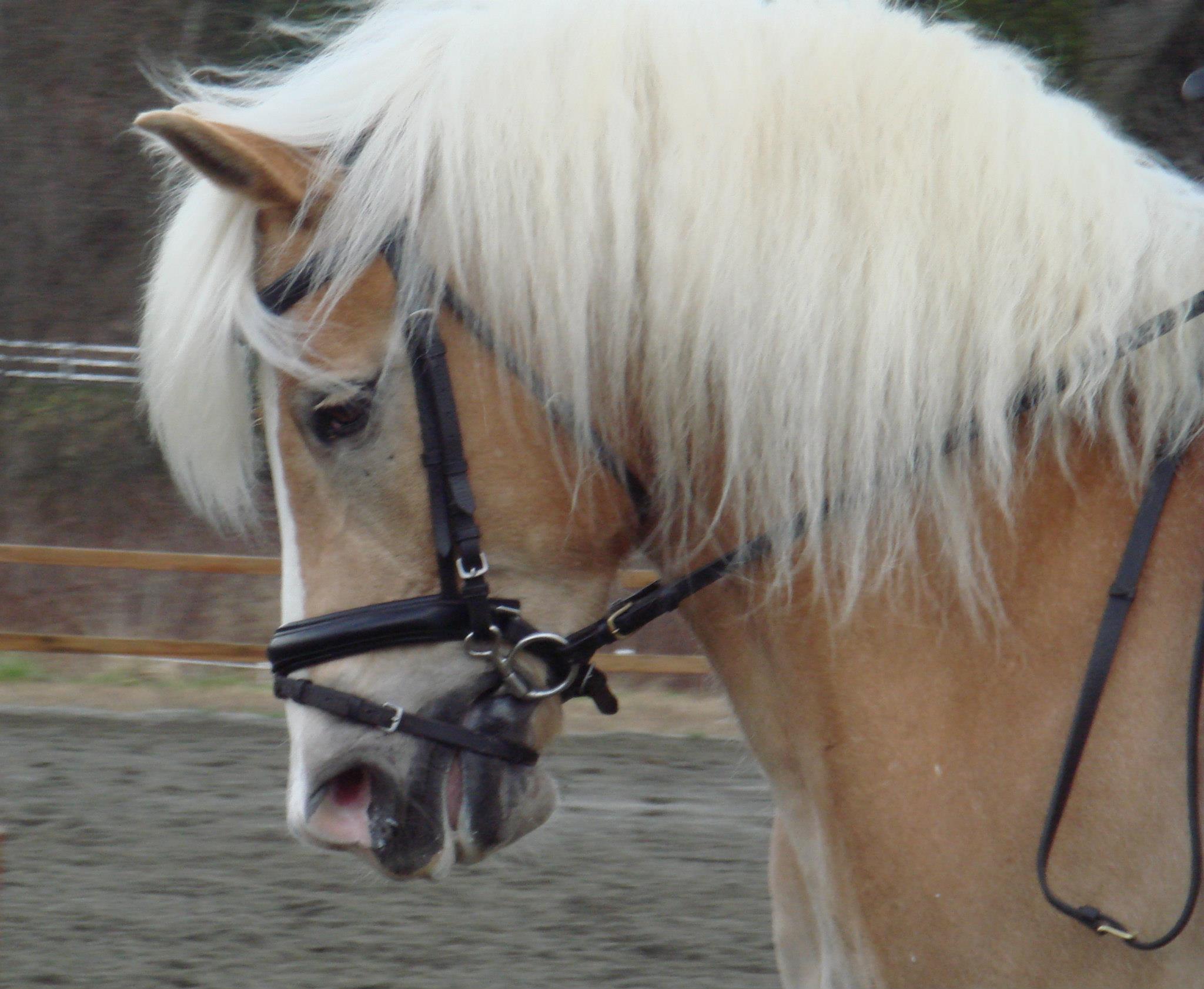
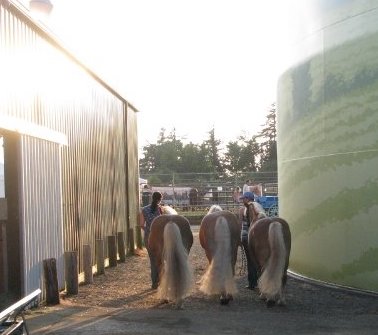
I’m deep into my sixties now and some days I’m reminded how deep more than others. Though I’m well past the hot flashes of my fifties, I now deal with the typical aches and pains of my seventh decade on earth. Every once in awhile, I compare notes with our aging Haflinger mares (now all well into their twenties) on our farm and watch how well they too are coping with their advancing years.
For instance:
These mares still have a lot of life left. They sometimes run like the wind when turned loose, their manes and tails flying in the wind. They can buck, kick and fart with the best of them. And then limp around for the rest of the day, regretting their momentary indiscretion.
These mares know who they are. There is no identity crisis here. They are mothers who have finished their mothering years, and are well into the grandmothering years. Even so, they still like to flirt – although they aren’t sure they remember why they want to attract attention from a certain fella in the neighboring field.
These mares aren’t thrilled about work anymore. They are a bit out of shape with a tendency toward the fluffy side of fitness, so require a moment to catch their breath once in awhile. Their muscles hurt the next day. They break out in sweat easily. They appreciate a break for a mid-day nap – or two – or three.
These mares are opinionated. There is no question they know their own minds, what they want and how they are going to get it and they keep no one around them guessing. They want to make sure everyone else knows how right they are even if they (so very rarely) are wrong.
These mares are stubborn. Once they’ve decided something, it takes more than soft sweet persuasion, like a whack on the behind, to change course. Once they’ve decided they don’t like another horse, the only way to change that opinion is for the other horse to adopt an attitude of complete servitude and submission, giving way whenever approached and grooming the boss mare whenever asked.
These mares are hungry. Always. See “fluffy” above although chewing isn’t as easy as it used to be. Grazing is now classified as “work.”
These mares don’t sleep all that much, but wish they could sleep more. Even though they might look like they are napping (see “mid-day naps” above), they are actually meditating, with their eyes closed, on the next plan of action.
These mares’ feet and joints hurt at times – sometimes dealing with broken and cracked nails, trouble walking over uneven surfaces, and being impatient and touchy about manicures.
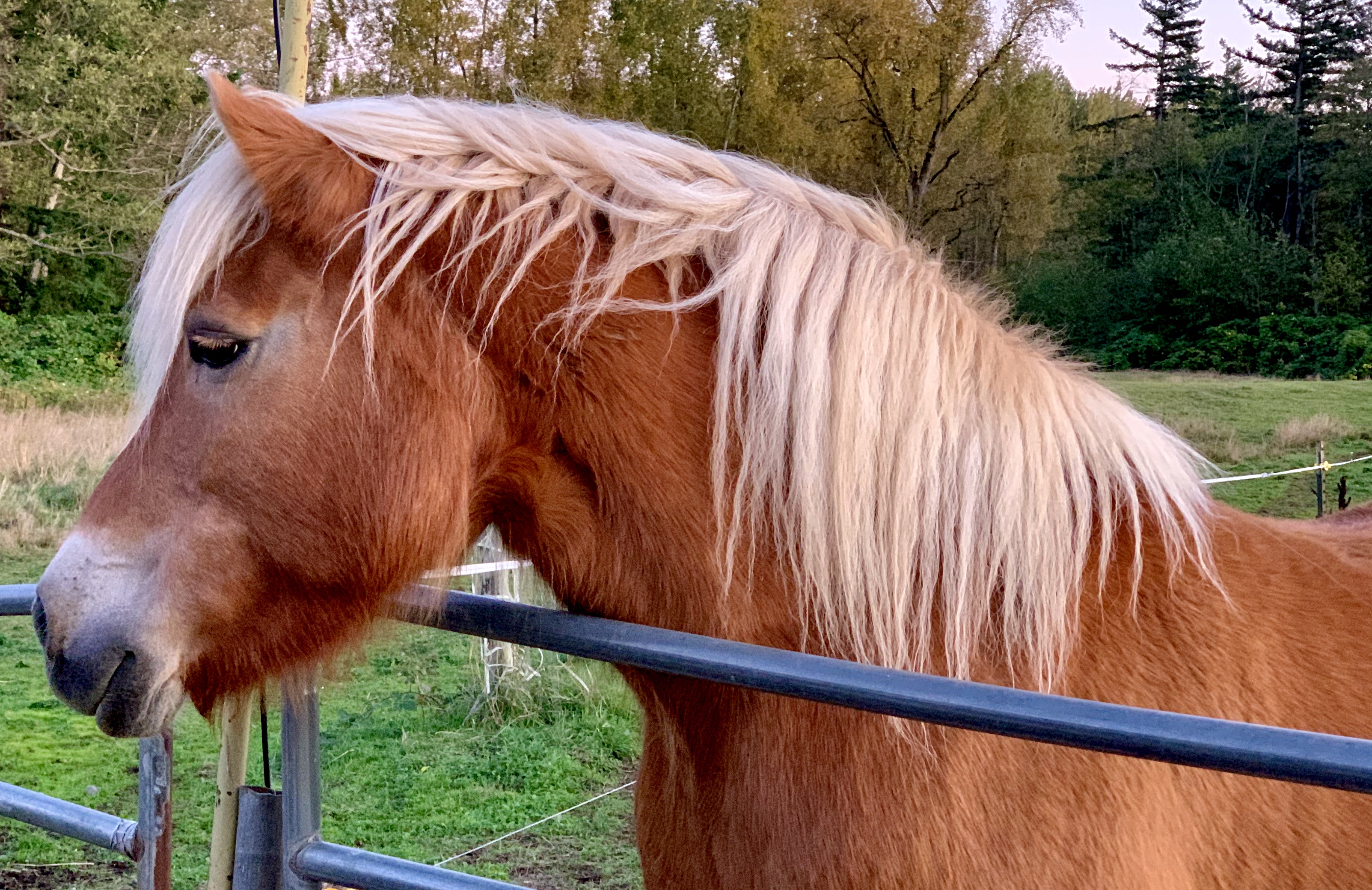
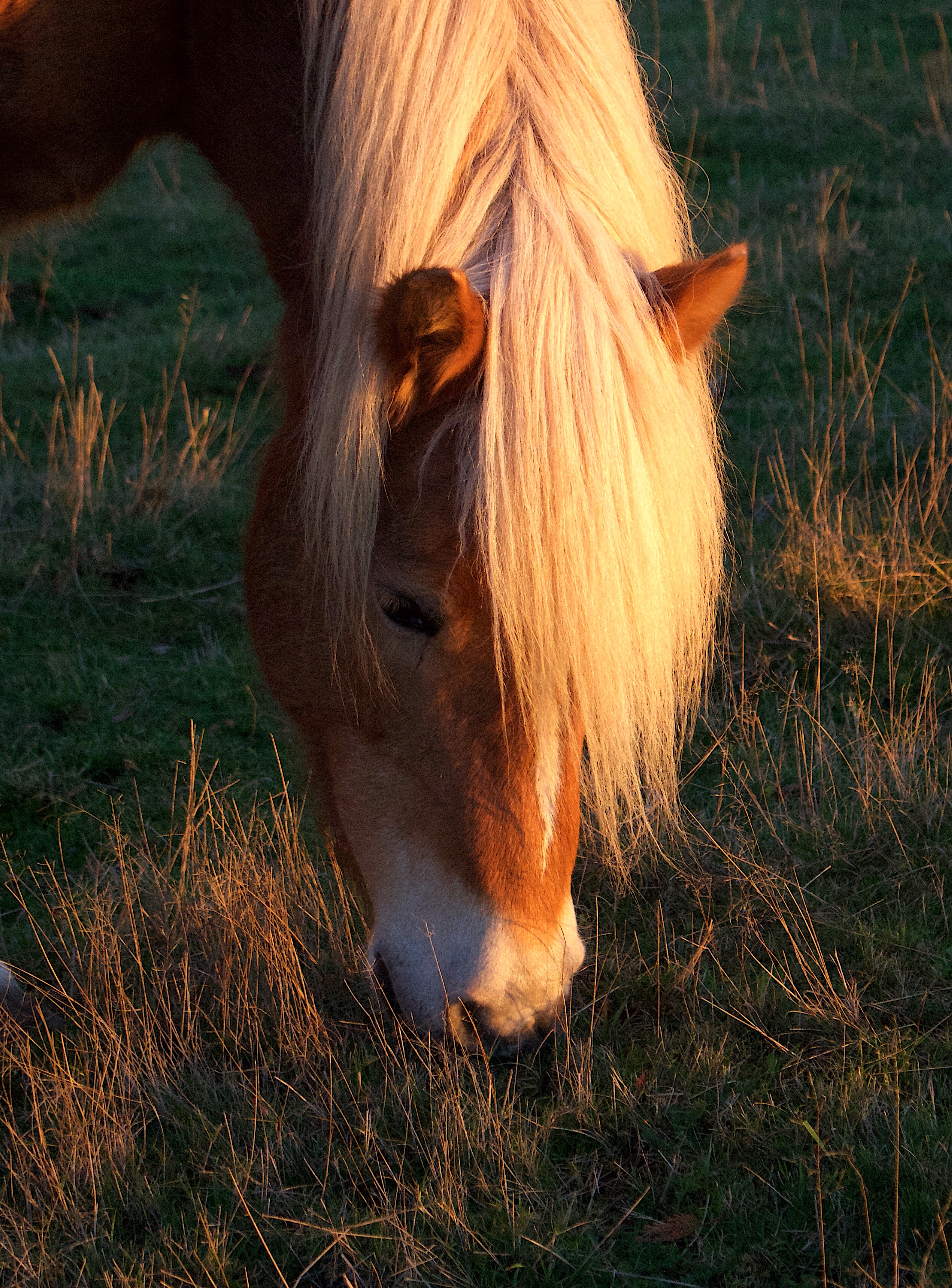
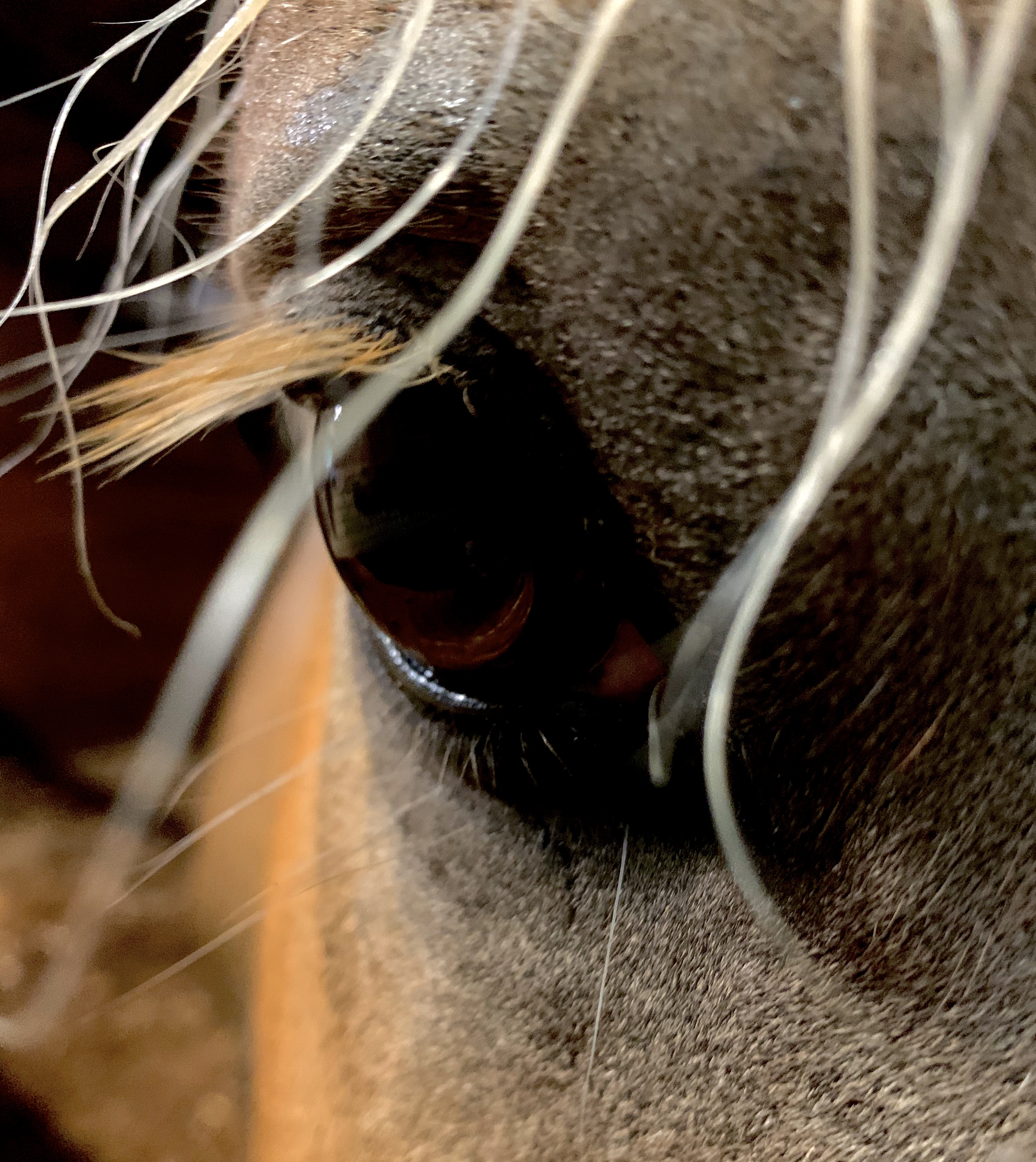
These mares are not as fussy about their appearance as they used to be. Their fur coats are no longer as sleek and smooth – their hair can stick out at weird angles, their beards grow long and their eyes aren’t quite as clear. Their four foot manes have been rubbed down to two foot manes and have a few more tangles in them. Their tails have stains (don’t ask why). They stride through mud puddles without a second thought, whereas when they were younger, there was no way one hoof was going to set foot in such mucky stuff.
These mares don’t keep as tidy a bedroom as they used to. Why bother? Life is too short for making neat piles in pristine surroundings.
These mares know how to be the best of friends. If their best forever friend is not turned out with them in the field, they will stand at the gate, and call nonstop for an hour asking where she is. And when they are reunited, they mutually groom for a long time, until their mouths are so full of hair they can’t stand each other – until tomorrow, that is.
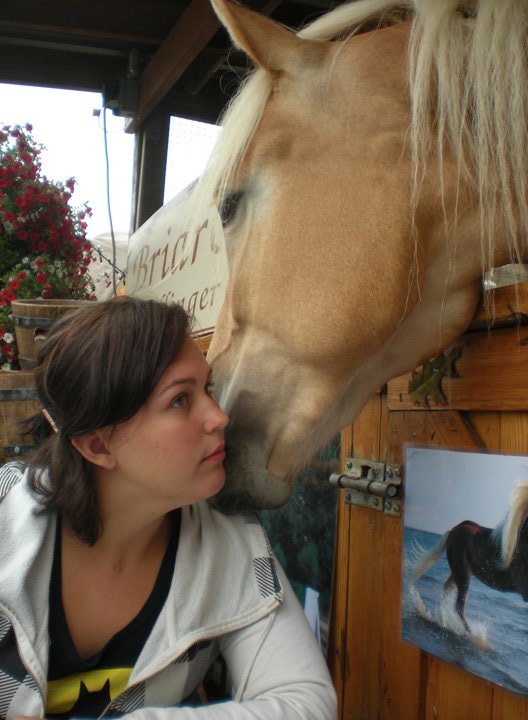
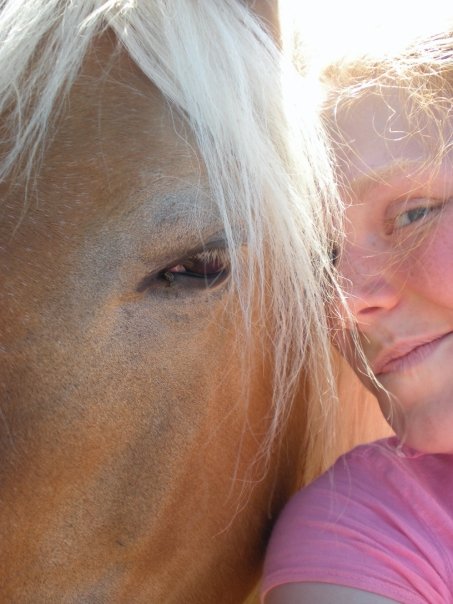
These mares know how to give great kisses and hugs. Especially if you are hiding a carrot on your person, you’ll be mugged.
Yes, we “deep-in-the-middle ages” gals, human and equine, do seem to have a lot in common.
I do appreciate knowing we can always stick together, through thick and …well, thick.
Enjoy this post from Barnstorming? You’ll enjoy this book available to order here:
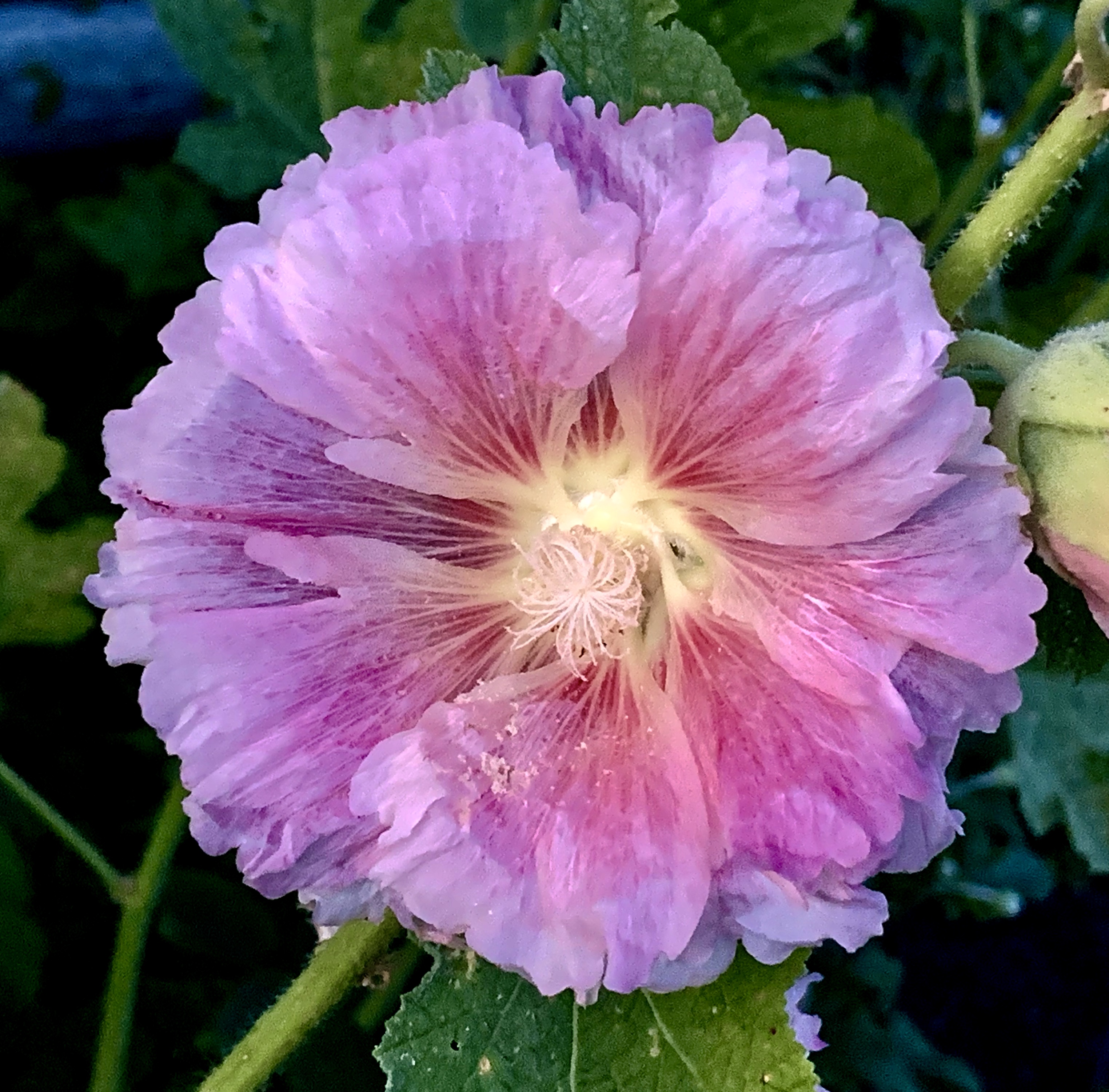
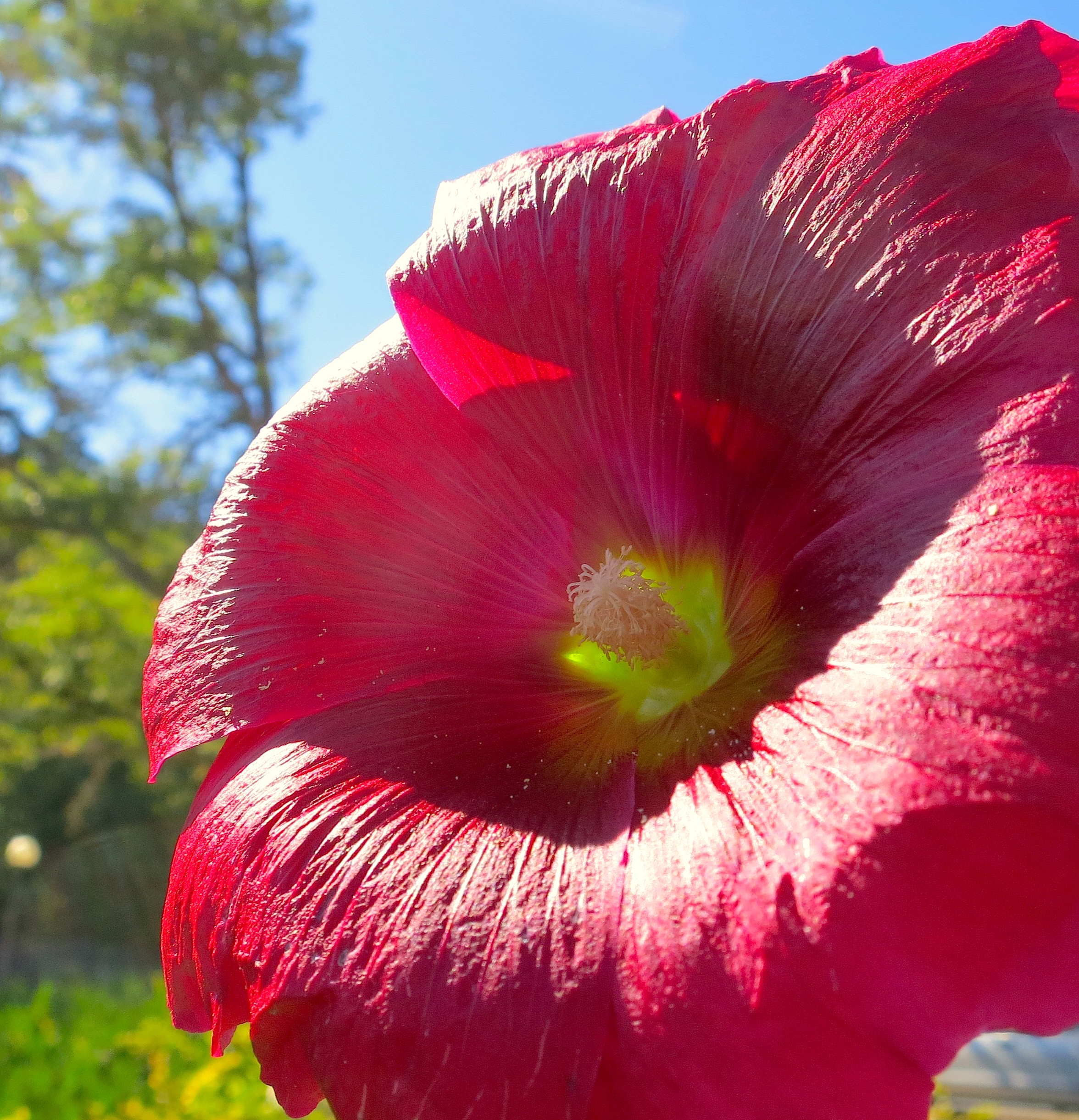
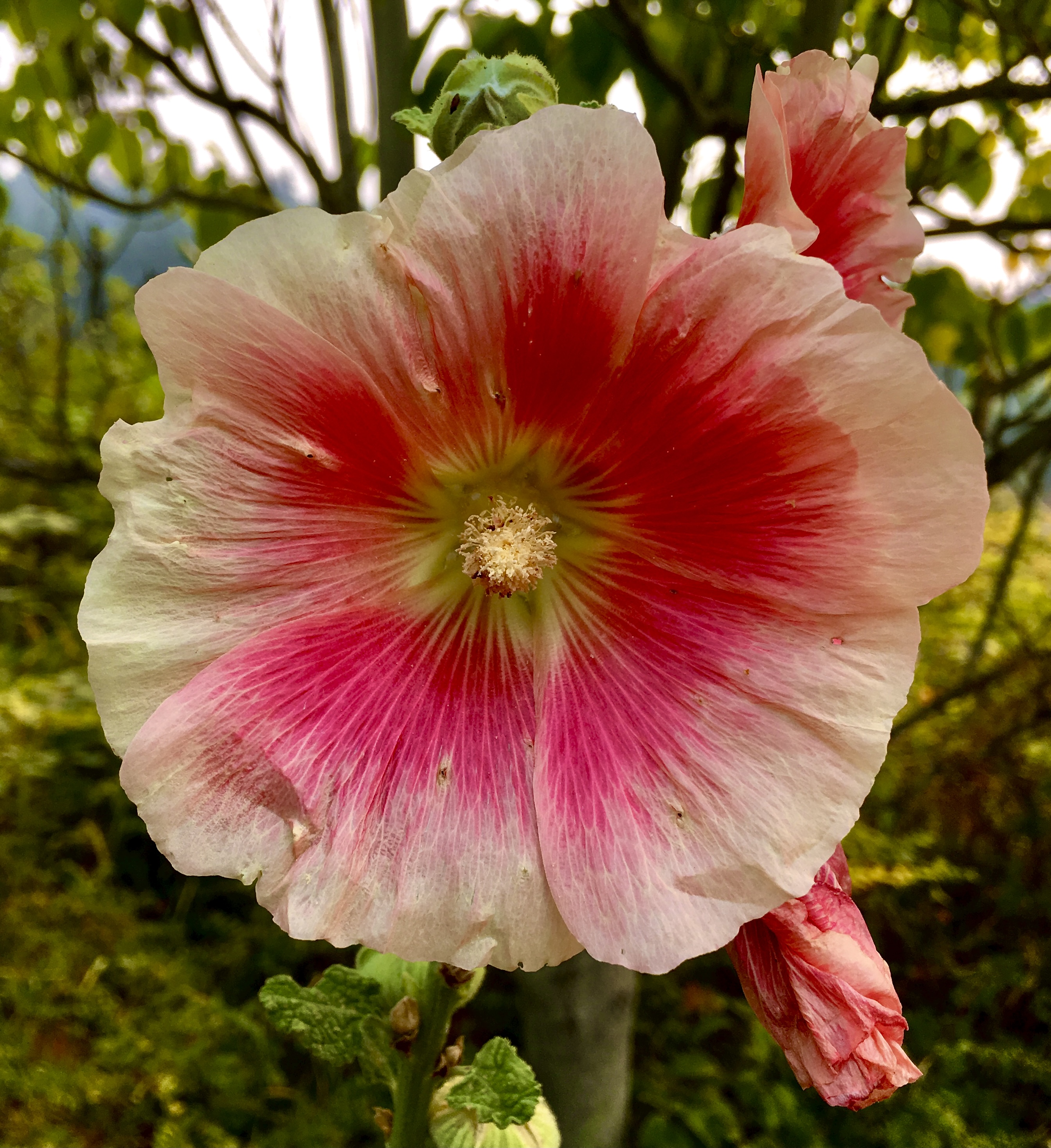
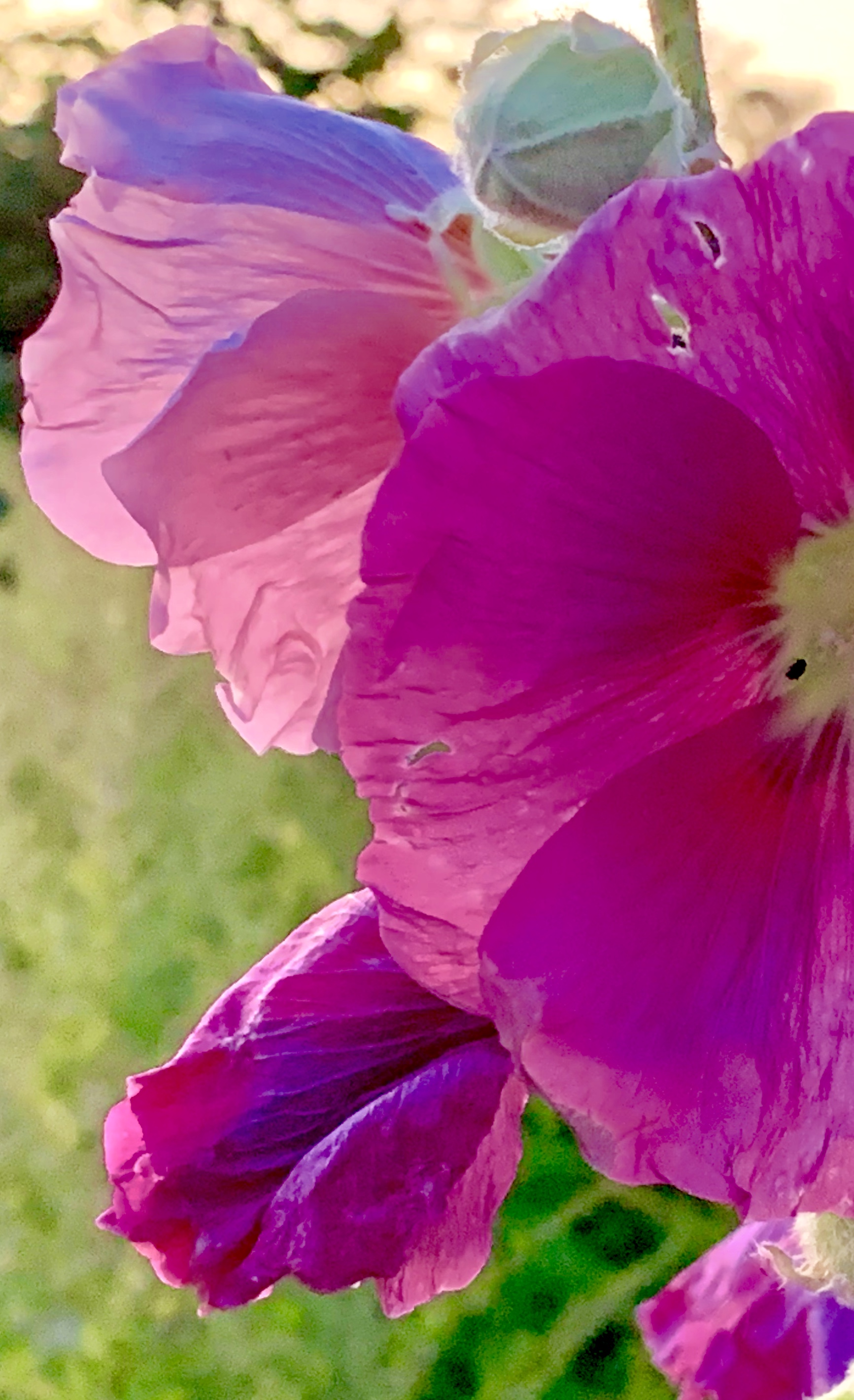
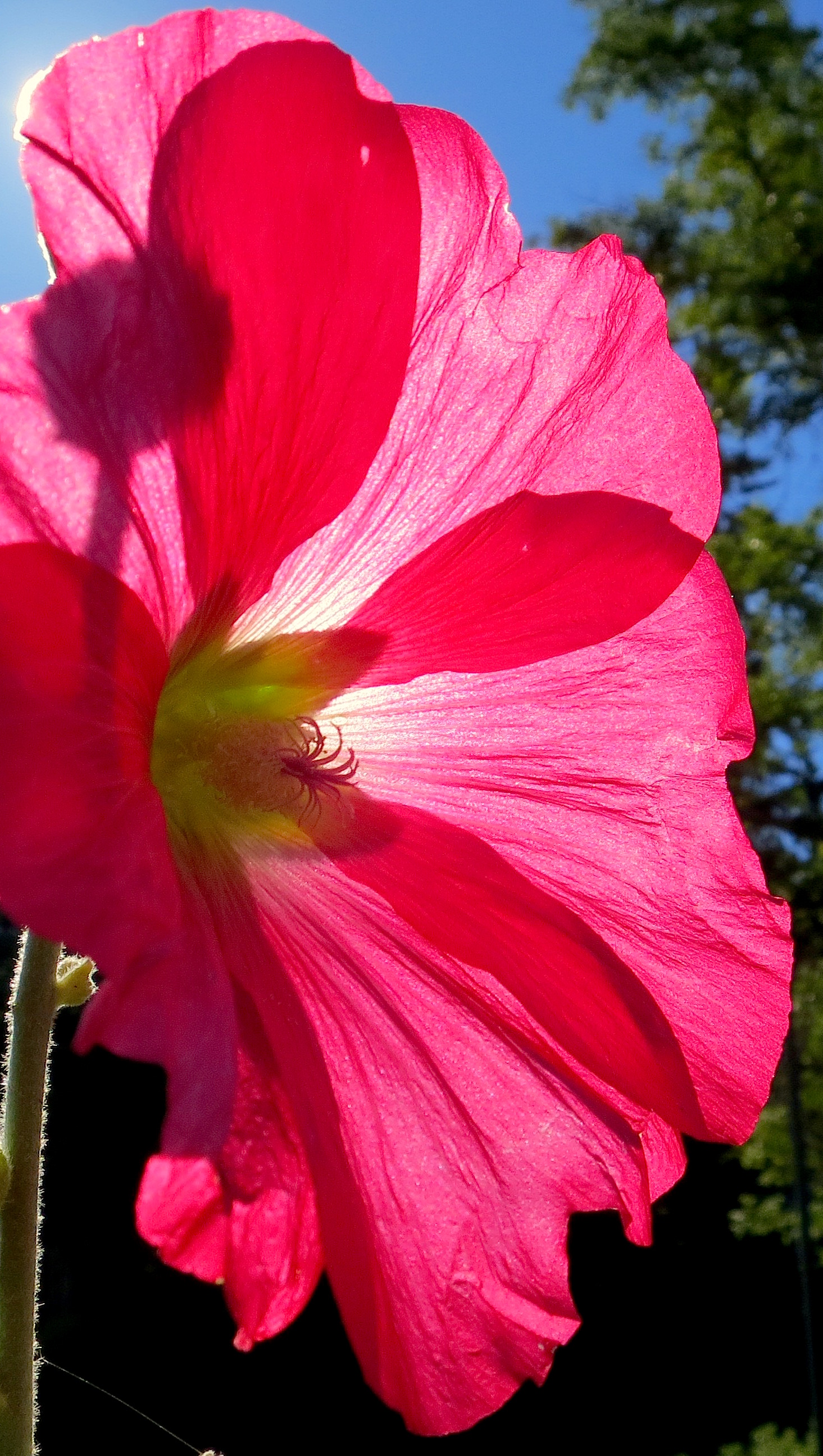
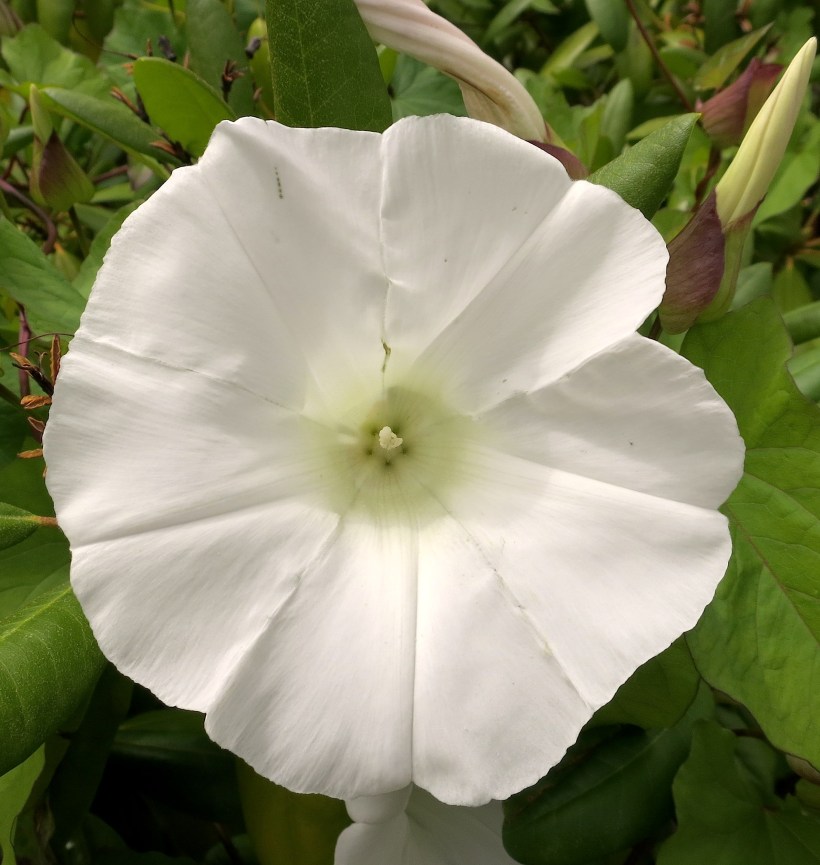
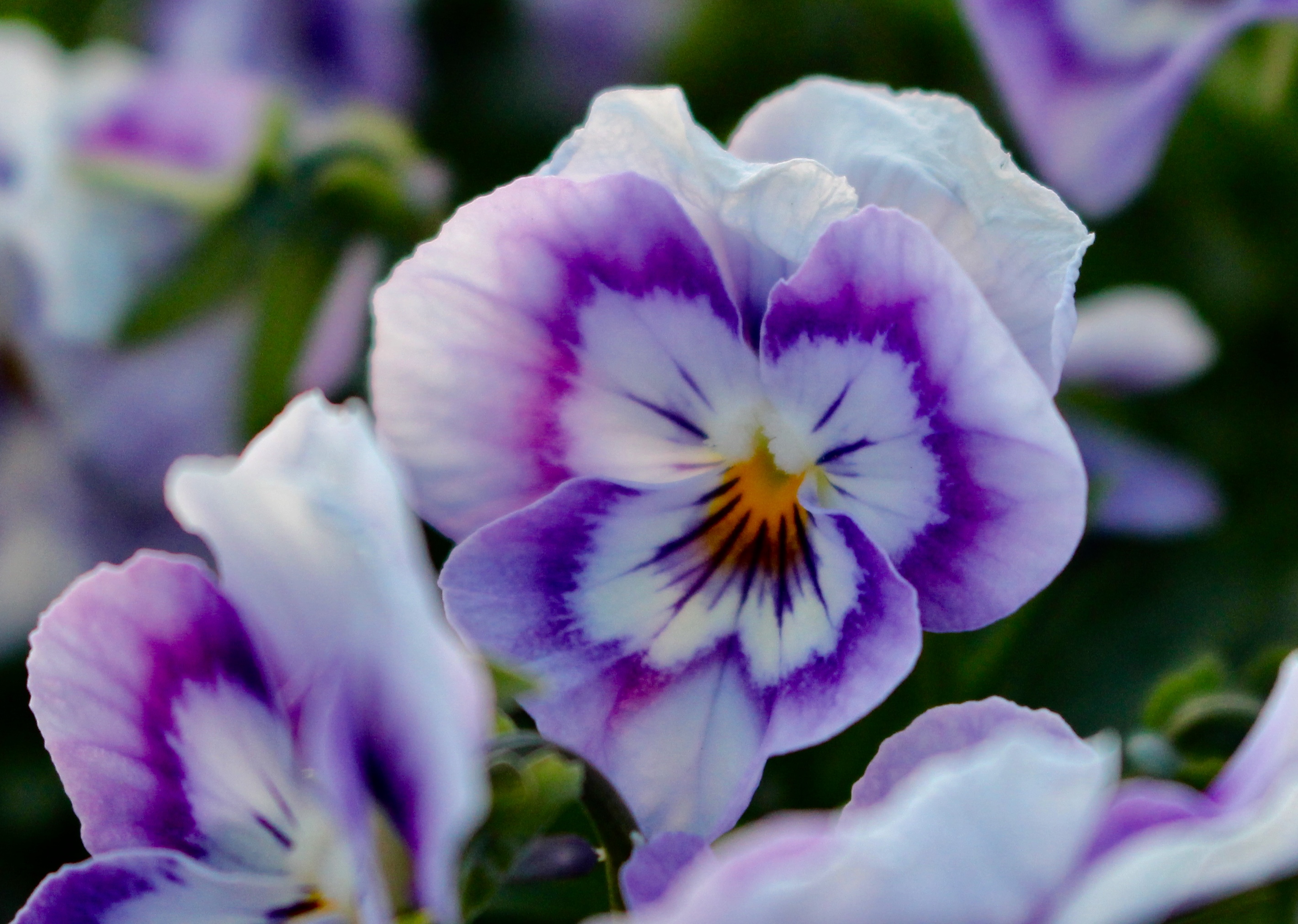
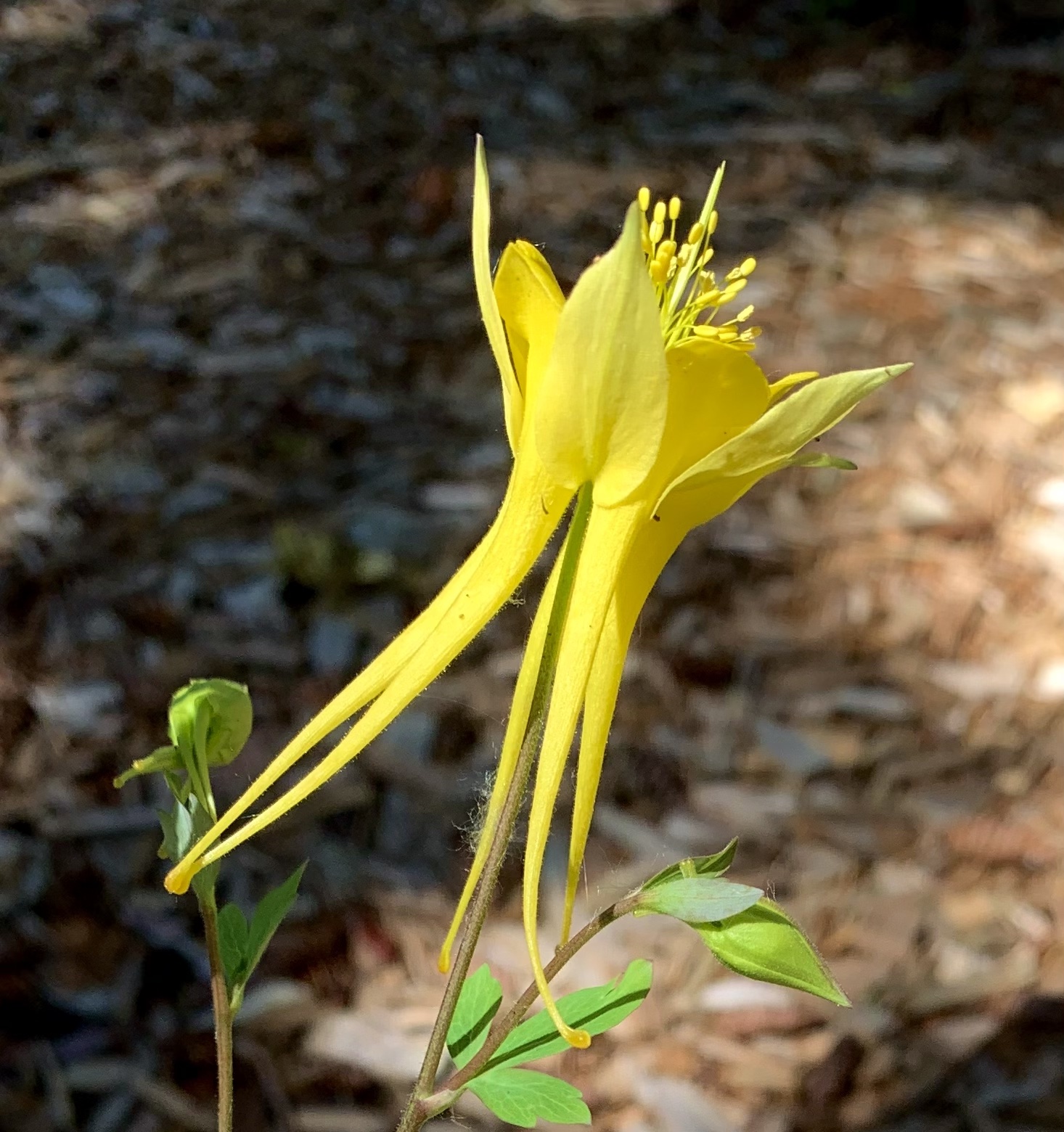
Old-fashioned flowers! I love them all: The morning-glories on the wall, The pansies in their patch of shade, The violets, stolen from a glade, The bleeding hearts and columbine, Have long been garden friends of mine; But memory every summer flocks About a clump of hollyhocks.
The mind’s bright chambers, life unlocks Each summer with the hollyhocks. ~Edgar Guest from “Hollyhocks”
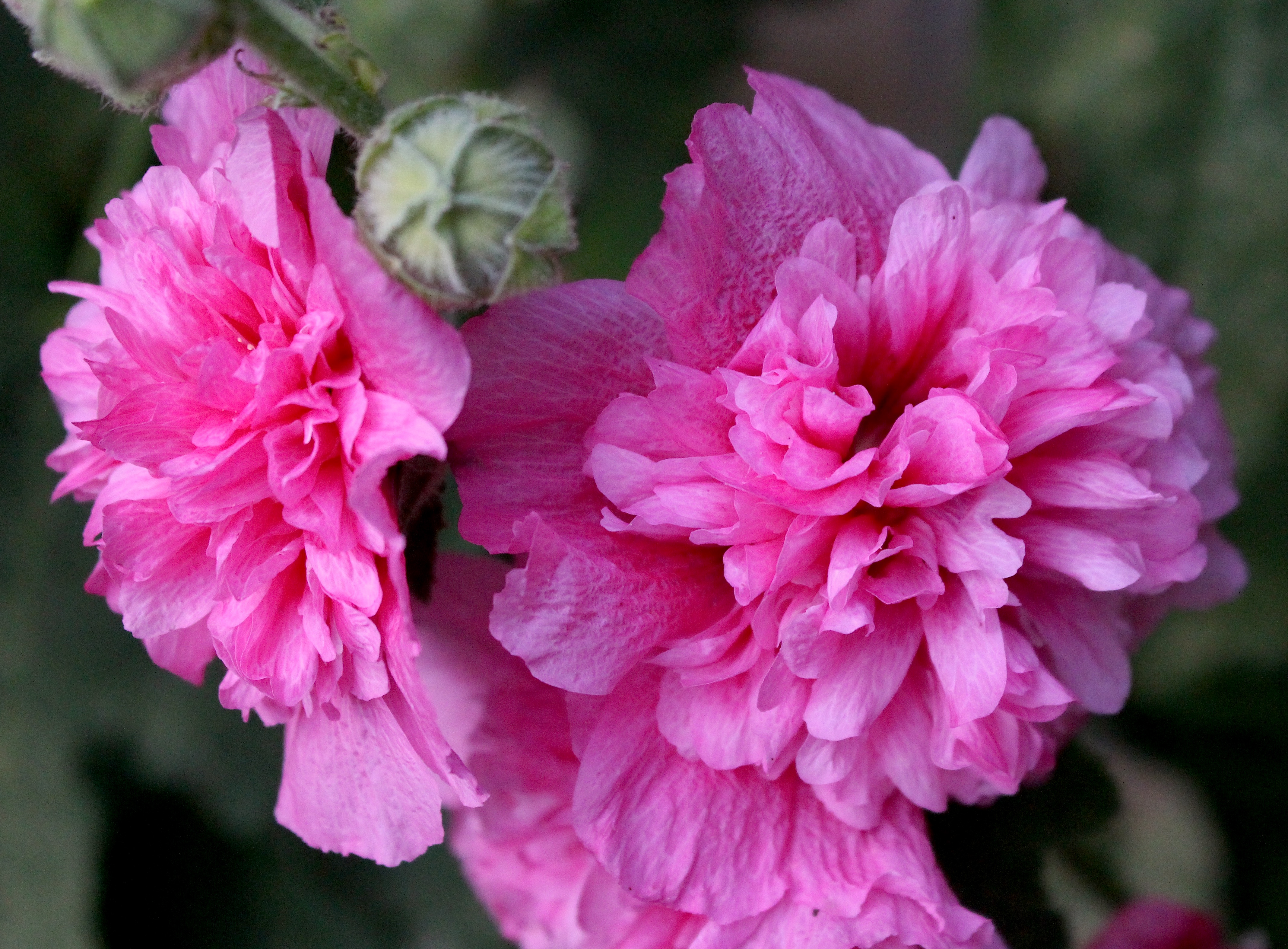
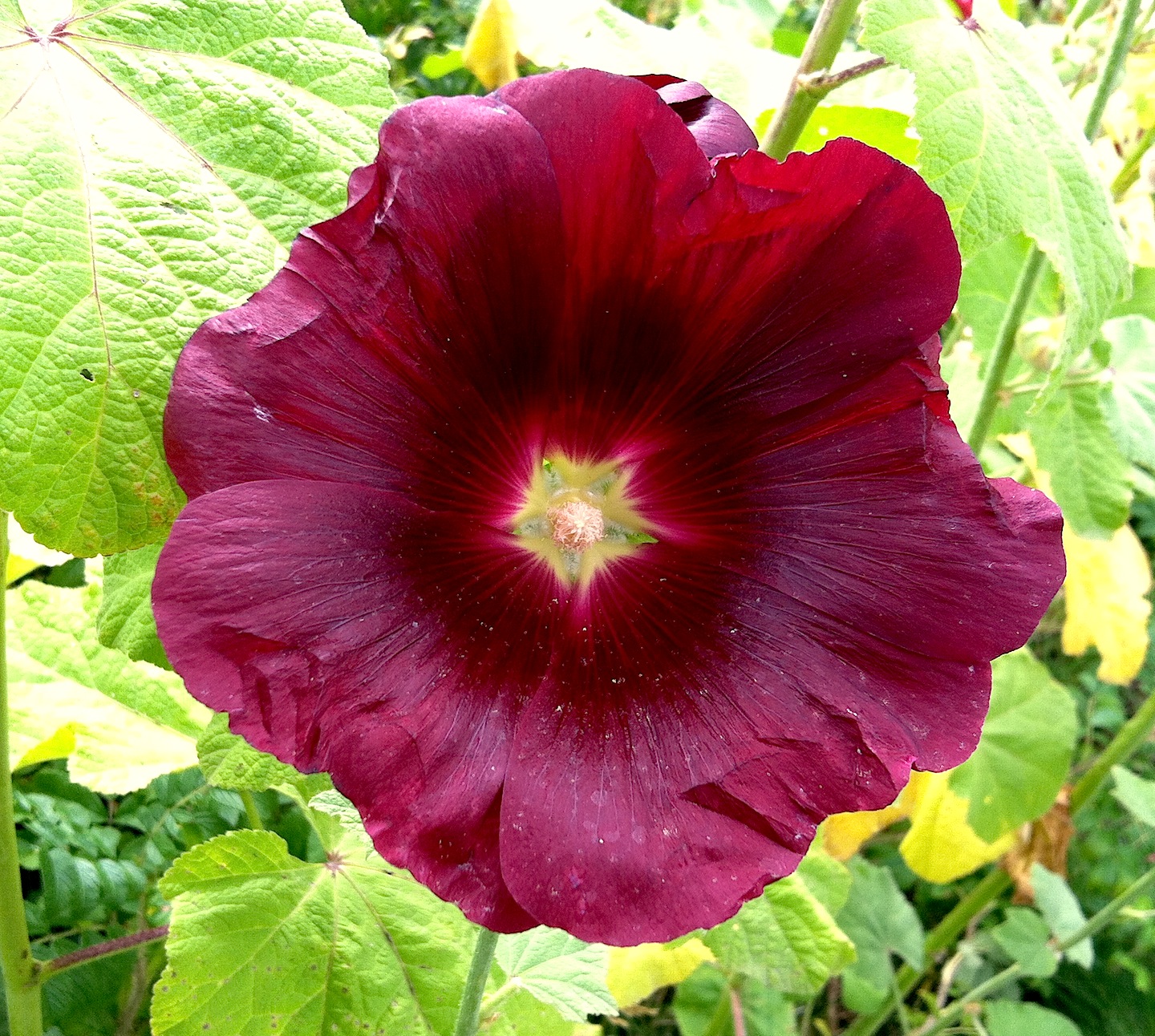
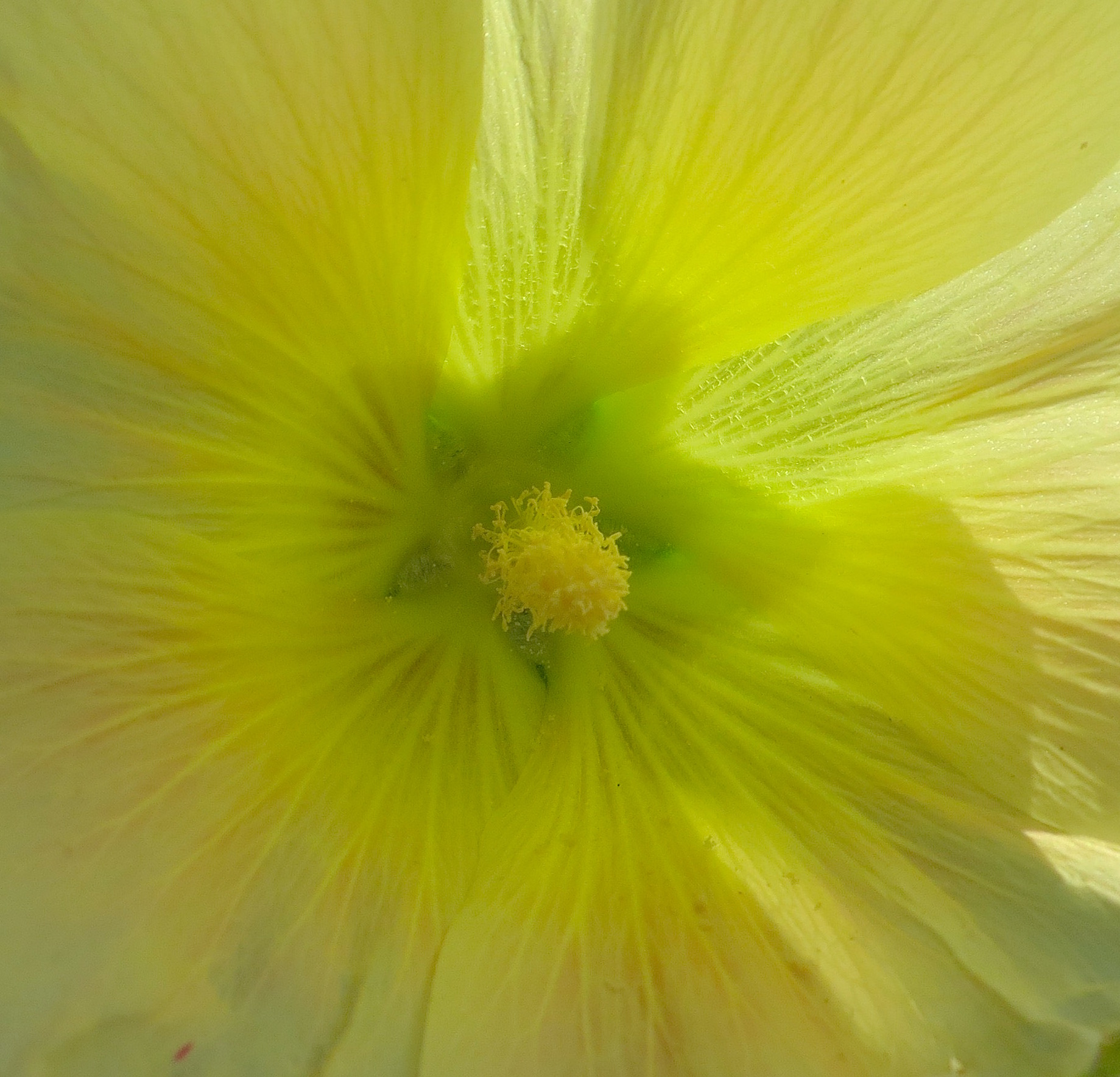
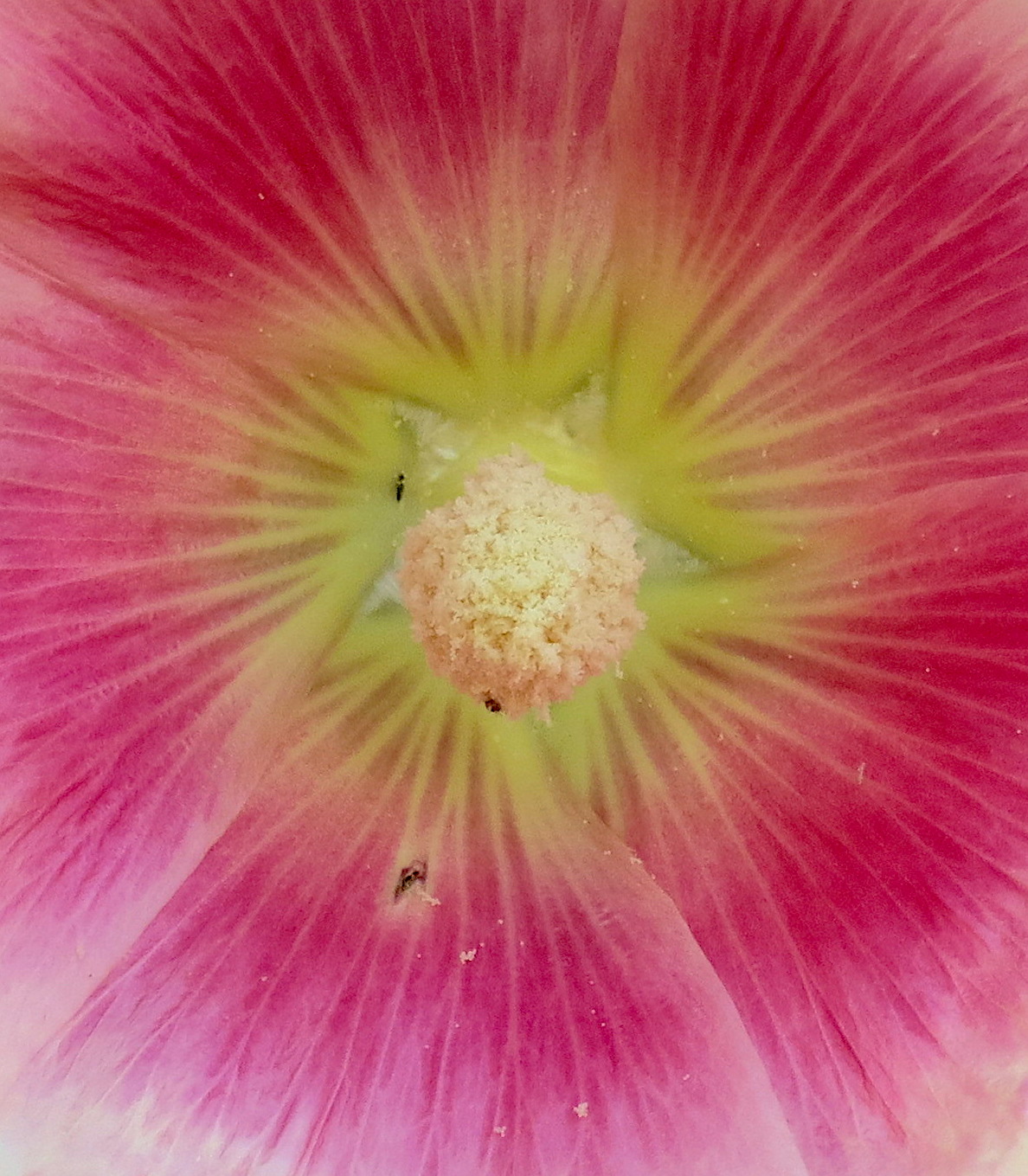
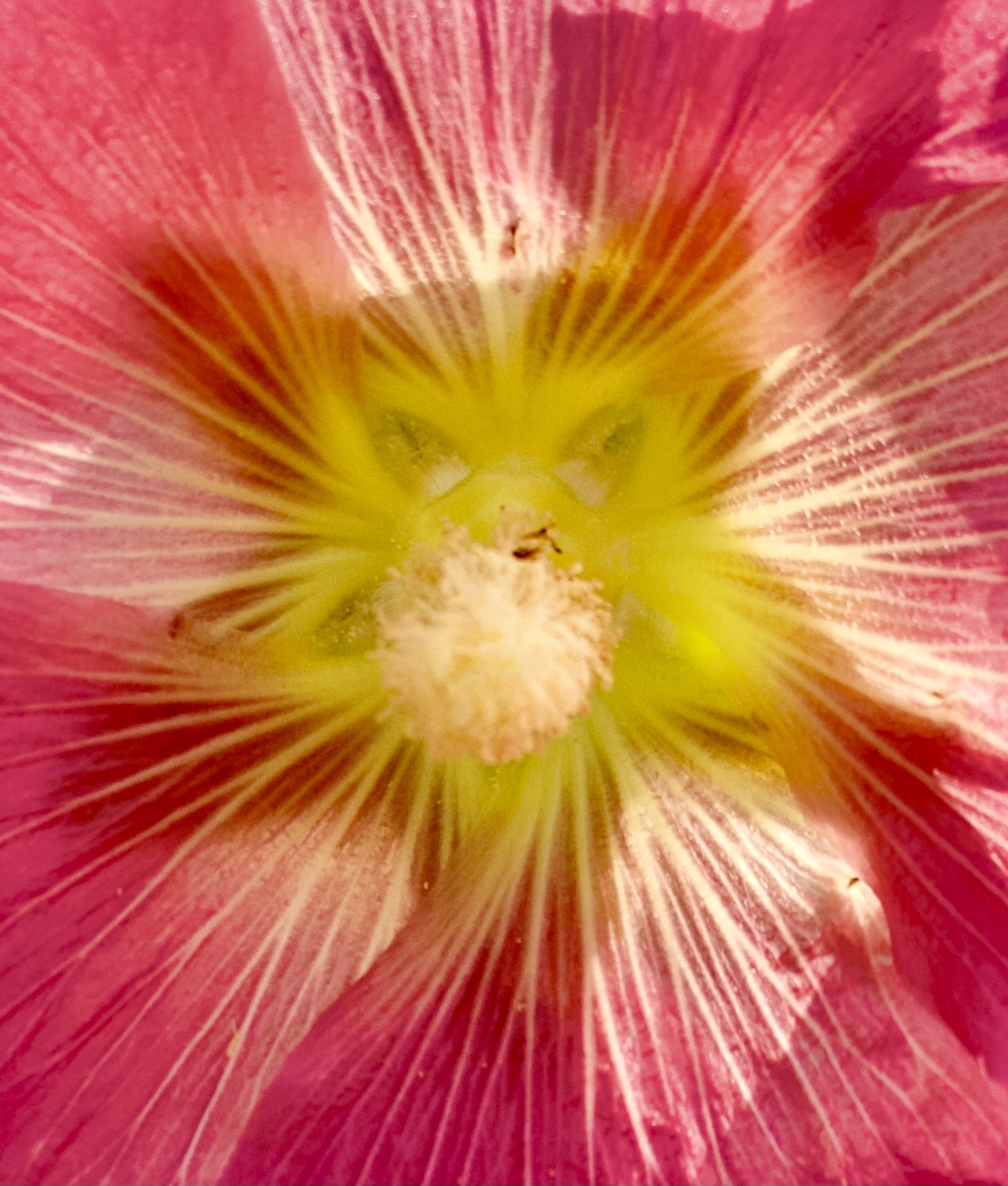
The endless well of summer lies deep in the heart of old-fashioned flowers, but no well is so deep as hollyhocks – the veins of their petals pumping color as they sway on long-nubbined stems, carefree in the breeze.
My mind is suddenly unlocked, opened by a hollyhock key.
hollyhock
Enjoy more photos and poems in this book from Barnstorming, available for order here:
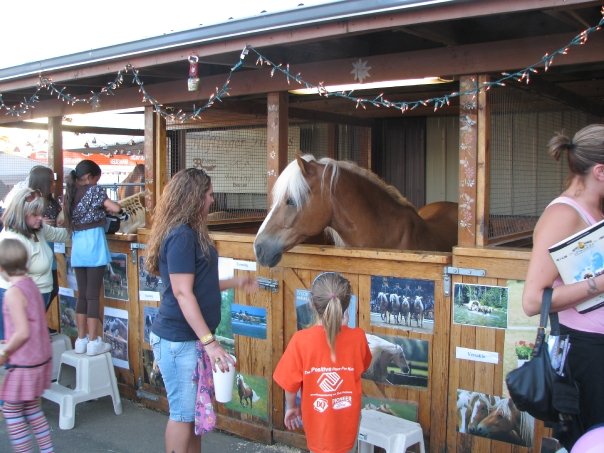
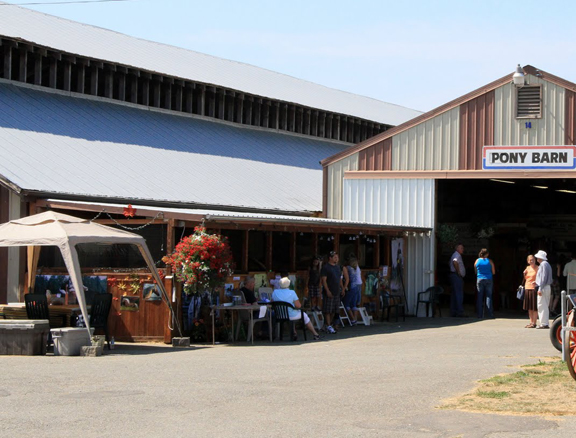
The Northwest Washington Fair in Lynden is underway this week and for the ninth year in a row, our Haflinger horses aren’t there on display. I feel wistful as I wake up too early on a foggy summer morning, remembering the twenty years where I would gather up our sleepy children and their friends and head into the fairgrounds to clean stalls, walk the ponies and prepare for the day. We are no long “doing” the fair as a farm, and I’m still a little bit sad about that.
Our farm, BriarCroft, had been a consistent presence at this fair for nearly two decades, promoting the Haflinger breed in a well-decorated outdoor display, providing 24 hour a day coverage for the horses for the 6 days of the fair. We petitioned the Fair Board for 5 years in the late 1980s to allow us to display at the fair, and they finally said “okay, here’s the space, build it yourself” and we did! We were not there for classes, competition, or ribbons. We were there because people enjoyed our Haflingers and we enjoyed the people.
But now that our children are all grown up and moved away, we lack their help to “man” the horse stalls. I miss spending that intense one week time with all of the several dozen “kid” helpers from over the years, most of them now with children of their own.
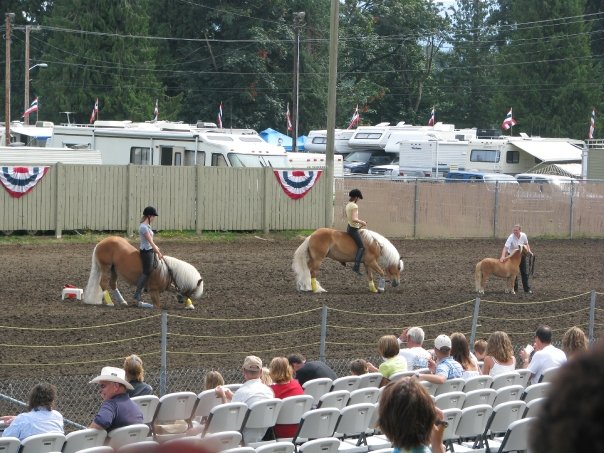
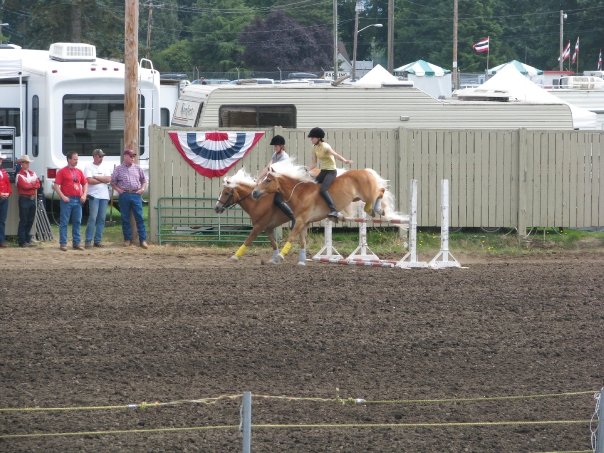
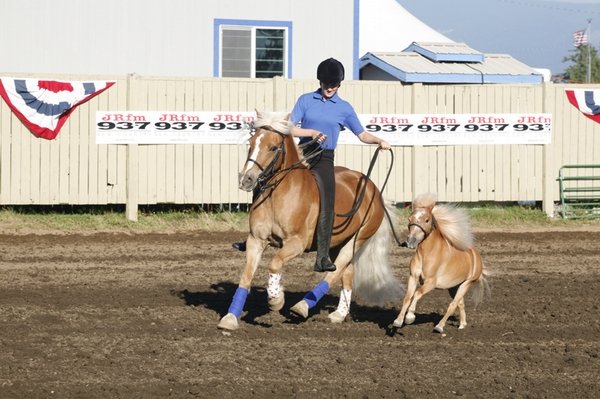
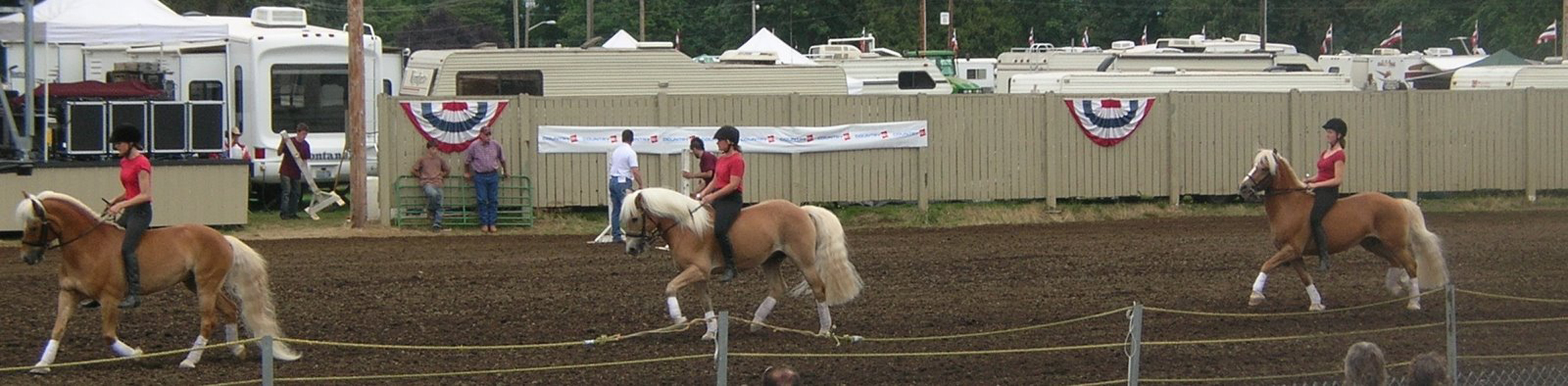
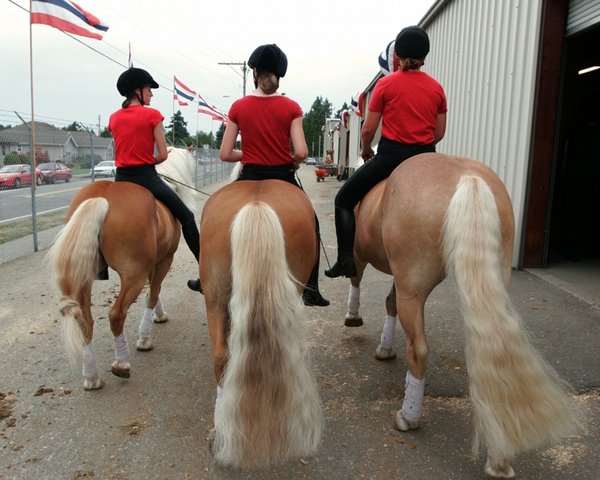
Every year between 1992 and 2012, we were there, sometimes sharing space and duties with other Haflinger farms (Rodenbergers and McKees), along with several brave young women (Kelsy Smith, Chesna Klimek and Emily Vander Haak) who did Haflinger “trick riding” as part of the daily Grandstand show. The older kids watched the younger kids, the in-between kids did most of the horse stall cleaning duty, and we adults sat and shot the breeze.
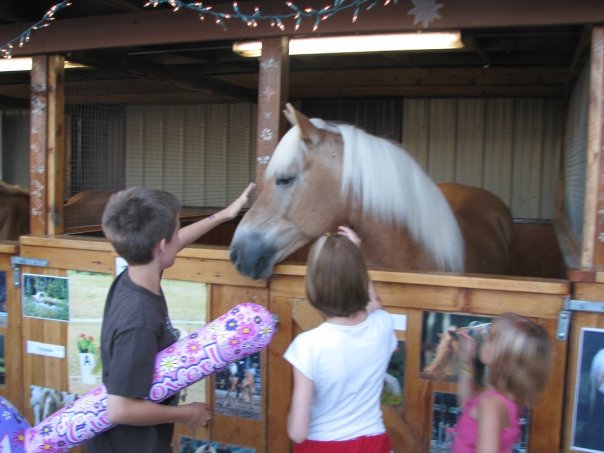
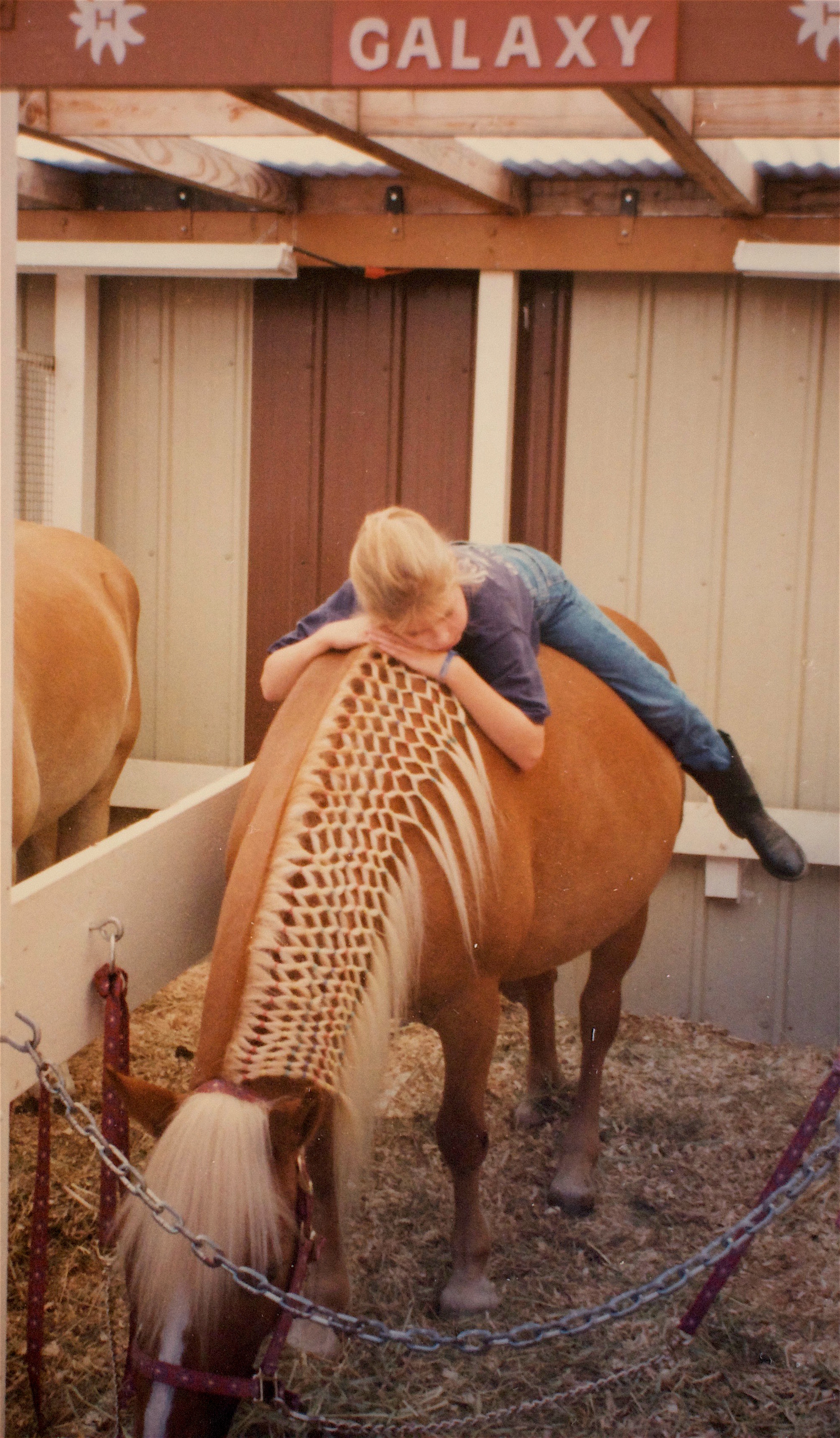
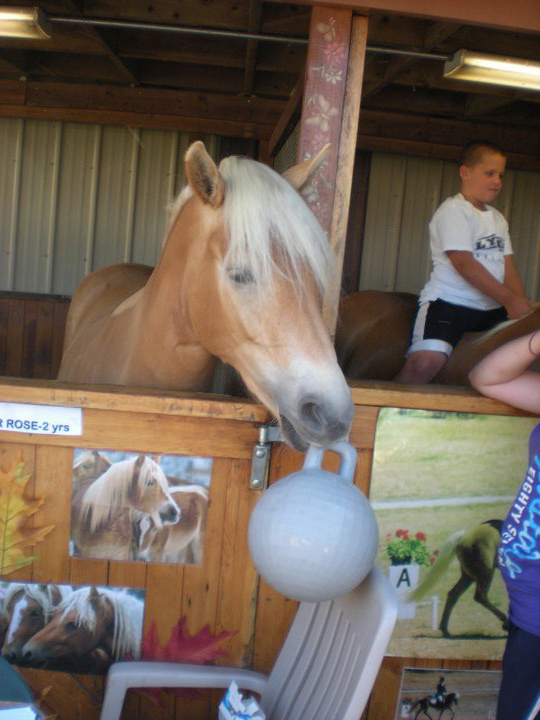
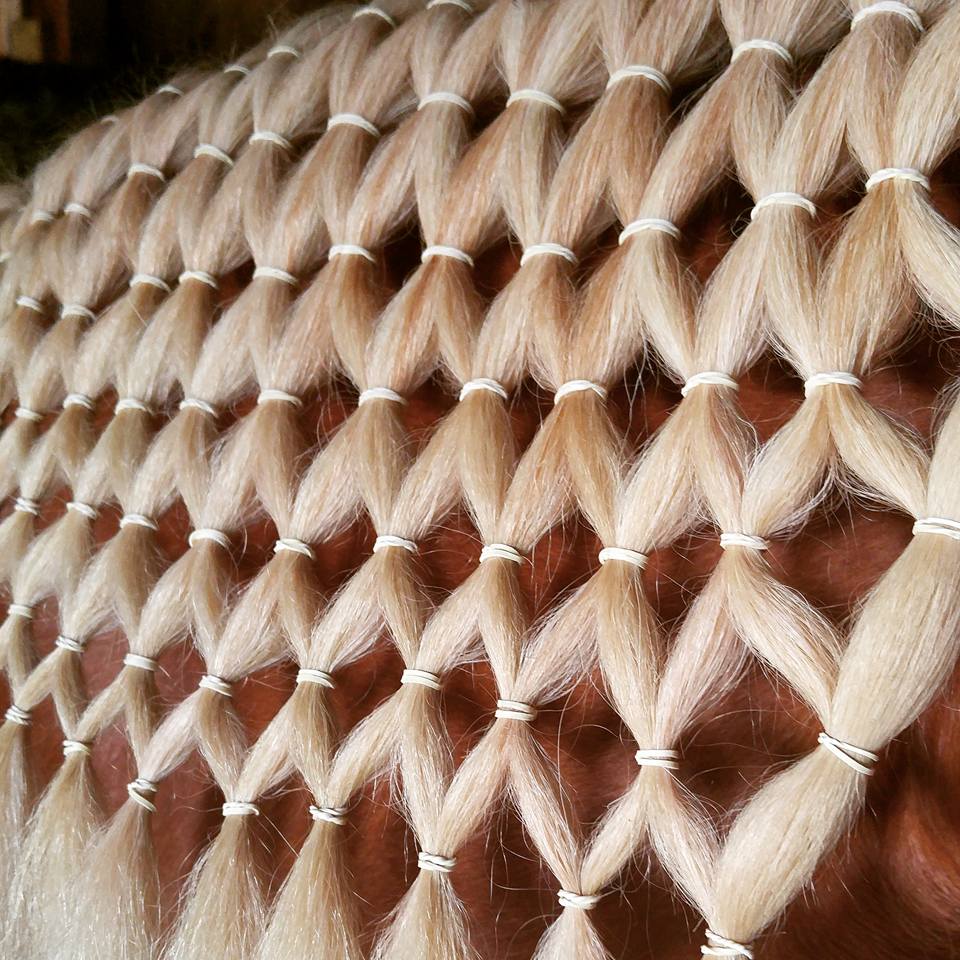
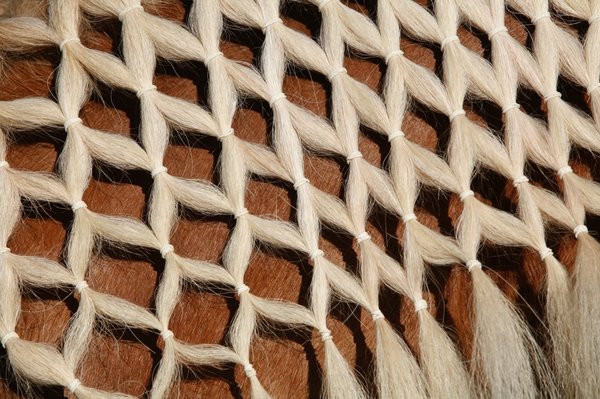
Our display created good will for the fair visitors who depended on us every year to be there with horses that they and their children could actually pet (and sit on) without fear, who enjoyed our braiding demonstrations, and our various Haflinger trivia contests with prizes. Our horses came to represent what dreams are made of.
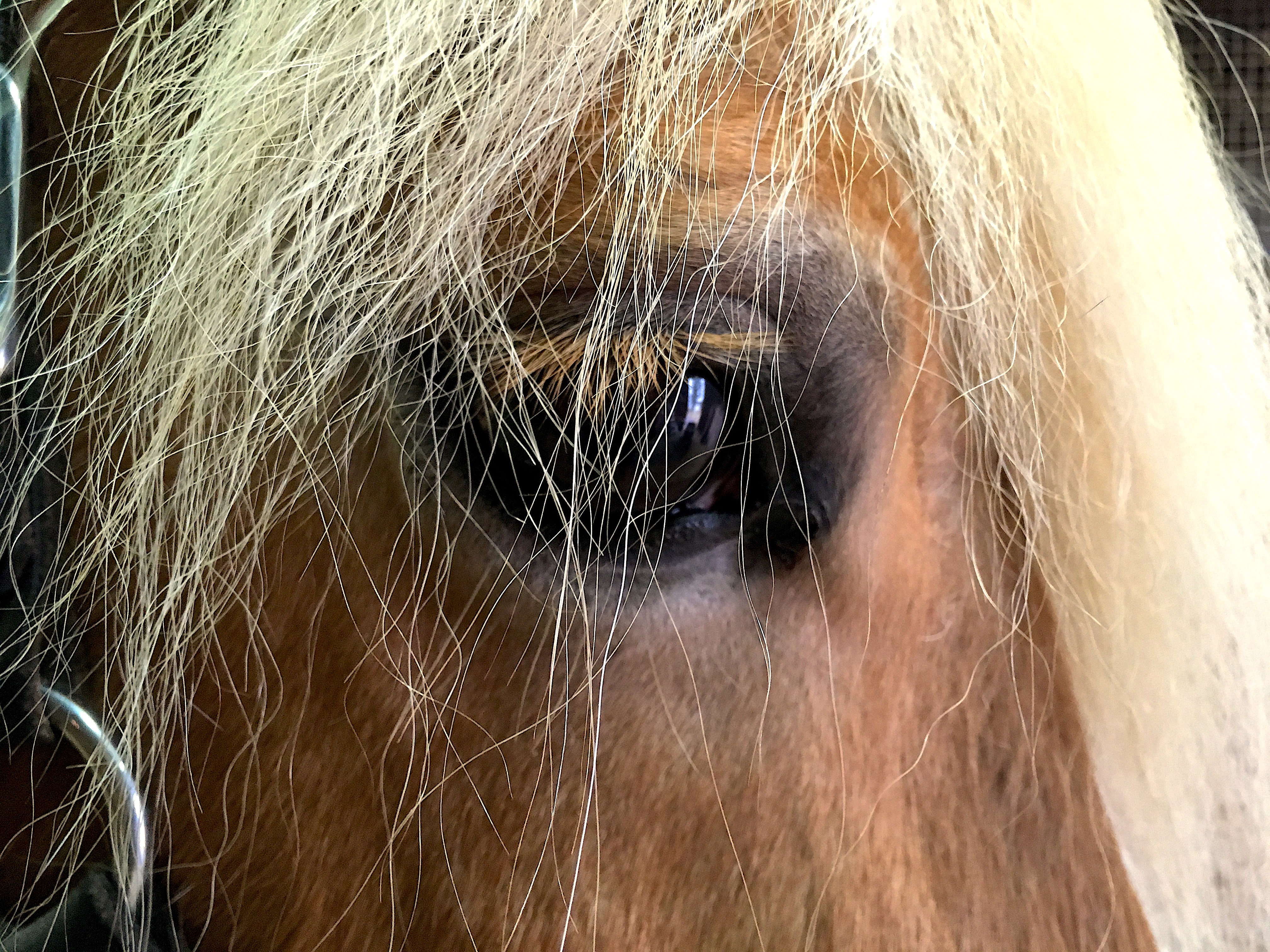
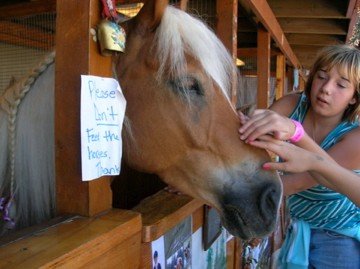
Countless times a day there would be a bright eyed child who approached our stalls, climbed up on the step stools and reached up to pet a Haflinger nose or neck and looked deep into those big brown Haflinger eyes, and lost their heart forever to the breed. They will not forget that moment when a horse they had never met before loved them back. Haflingers are magic with children and we saw that over and over again.
Our first year, in 1992, a mom and her 6 year old son came up to our stalls, as do some 10,000 people a day, and spent a long time petting the horses and talking to them, and enjoying them. They walked off, with the little boy looking over his shoulder at the Haflingers until they turned a corner and went out of sight. An hour later they were back and spent more time with the Haflingers. I offered the little boy a chance to sit on a Haflinger, and he agreed readily, and sat and sat and sat, playing with the mane and petting the shoulder and neck and was simply in heaven, quietly dreaming his own dreams on the back of a horse. His mom told me that they lived in a suburb near Seattle, but always spent this particular week in August at a local beach cabin, and the fair was one of their favorite activities each year. Her son Gary had never had an opportunity to sit on a horse before.
Next year, they were back, and Gary was a little taller, but still a quiet boy, and he kept dragging his mom back to the Haflingers, and she’d sit and visit as he’d sit on the Haflingers. He watched as we watered the horses, or fed them hay, or cleaned their stalls, and pretty soon he was asking if he could do the scooping, or dump the buckets or brush the horses. So he became, out of his own initiative, a helper.
By the time he was 8, he was spending several hours at a time with us at the stalls, taking his turn at the chores, and his mom, trusting that he was in good hands, and that he certainly wasn’t going to wander away from the Haflingers, would check back with him now and then to see if he wanted to go on rides, or see a performance, and his response was always “no, I can do that anytime, but I don’t get to see Haflingers very often!” He would talk a little about his hope someday to have a farm where he could raise Haflingers, and one year even said that his folks were looking at property to buy with acreage, but apparently a job for his dad didn’t materialize, so he remained a city kid in reality, even if he was a future farm kid in his heart.
Gary was one of our regular kid helpers every year until he was 12 when he started turning out for junior high football, and the football summer camp coincided with our fair week, so we’d only see him briefly on Saturdays as he got into his teens. He’d stop by to say hi, pet the horses, catch up on the Haflinger news, and because he only had a few hours to spend at the fair, he’d head off to other things. I really missed him and his happy smile around the stalls.
When he was 15, I missed seeing him because I was working when he stopped by. When he stopped by at age 16, he strolled up to me and I found I was looking up at this young man who I had to study to recognize. I’m a tall woman of 5’10”–he was at least 4 inches taller than me! He told me he wanted to come by because some of his best summer memories were of spending time with the Haflingers at the fair and he wanted me to know that. He thanked me for welcoming him and allowing him to “hang out” with the Haflingers. He told me his hope and dream someday was to live somewhere where he could raise Haflingers, and he was working hard in school so he could make that happen. He was a 4.0 student and the first string quarterback on his high school football team. I was as proud as if he was my own son.
This young man received a full scholarship to play football at a major university, and over four years waited his turn to be the starting quarterback. Once he had his chance, after only a few games of being the starter, he was tackled hard, sustaining a neck fracture which thankfully resulted in no permanent damage, but his college football career was suddenly over.
I have lost track of Gary over the years and I hope he is faring well. I hope his connection with our horses left him with a legacy of love for animals he’ll pass onto his children someday.
So on this misty late summer morning, instead of heading to the fairgrounds to clean stalls, I’m going to turn our dusty, unbathed Haflingers out in the field as usual. They don’t even know all the excitement they are missing.
I do hope the fair-goers still miss the friendly golden horses, with the big brown eyes, who helped make dreams come true.
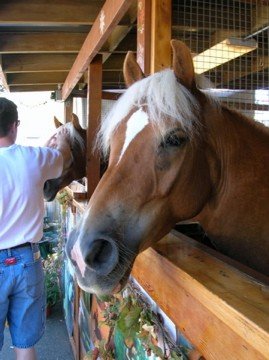
Our Haflinger display at the NW Washington Fair
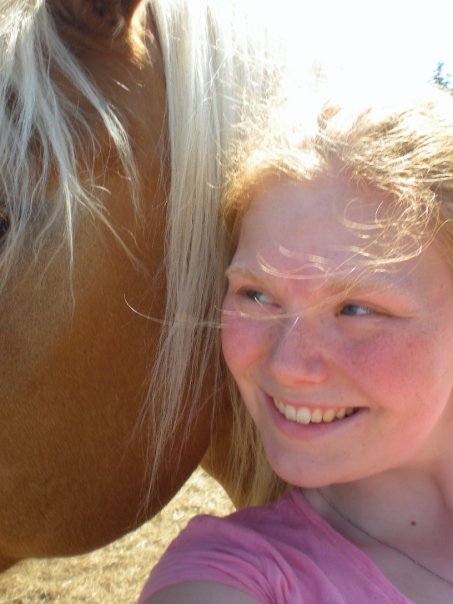
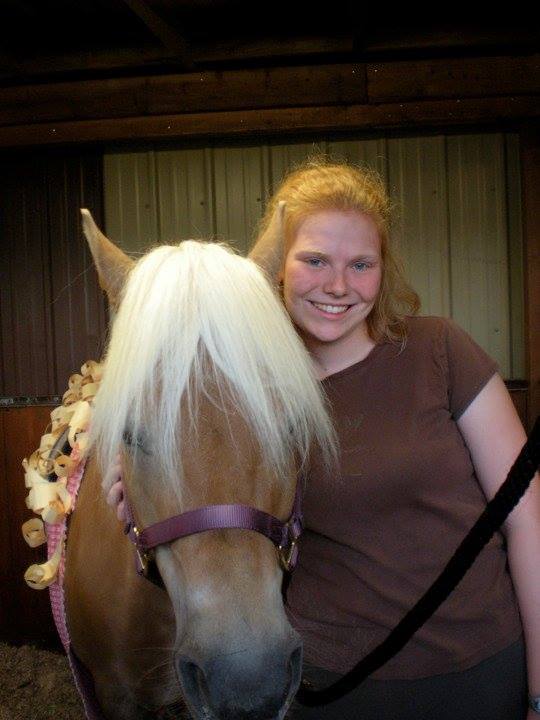
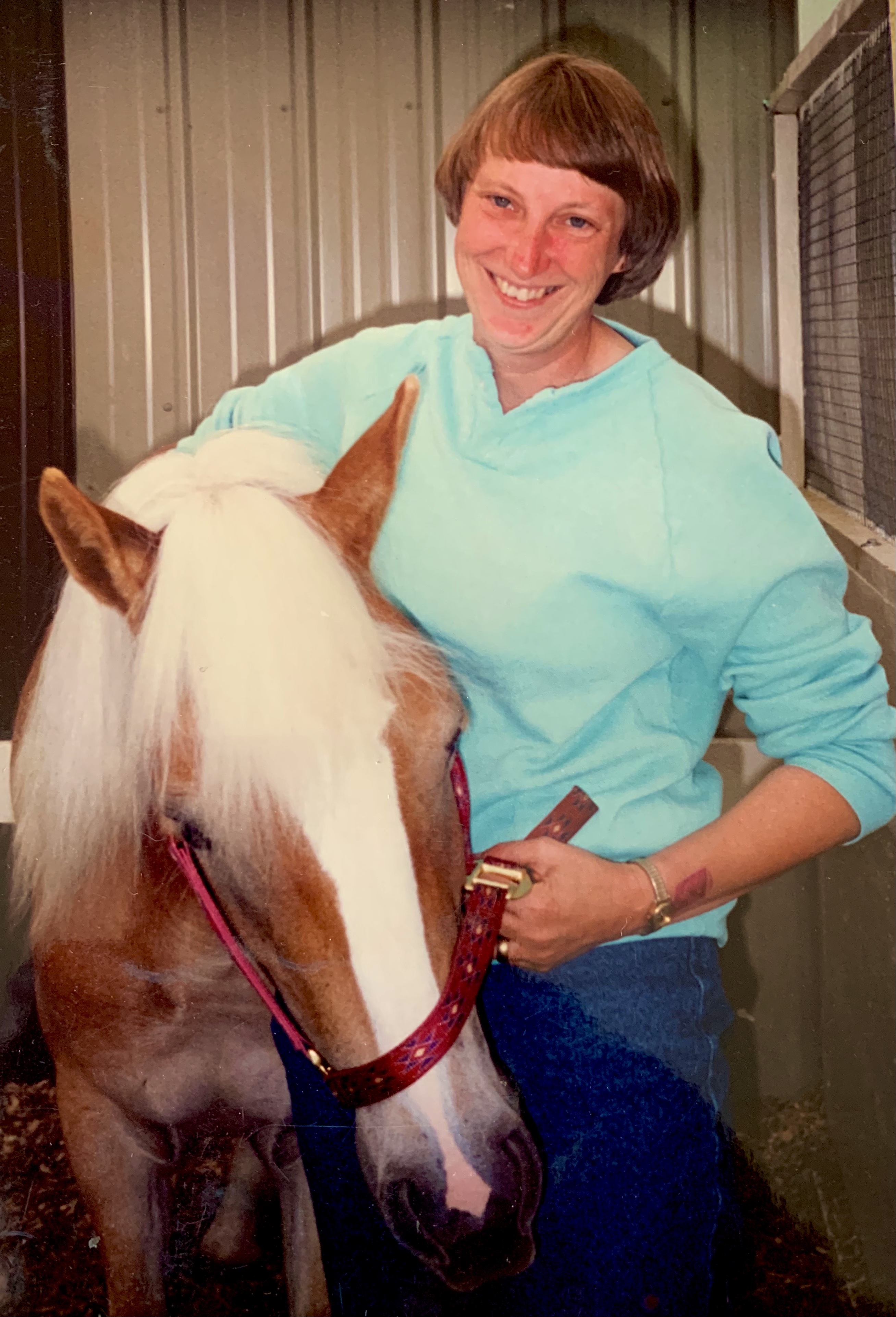
Trillium as a yearling with me at the fair 1993 – she is still part of our herd at age 29
Thank you to Lea Gibson Lozano, Emily Vander Haak, Kelsy Smith, and Chesna Klimek for their photos in this collection.
A photo of our Haflingers and poems are found in this new book from Barnstorming, available to order here:
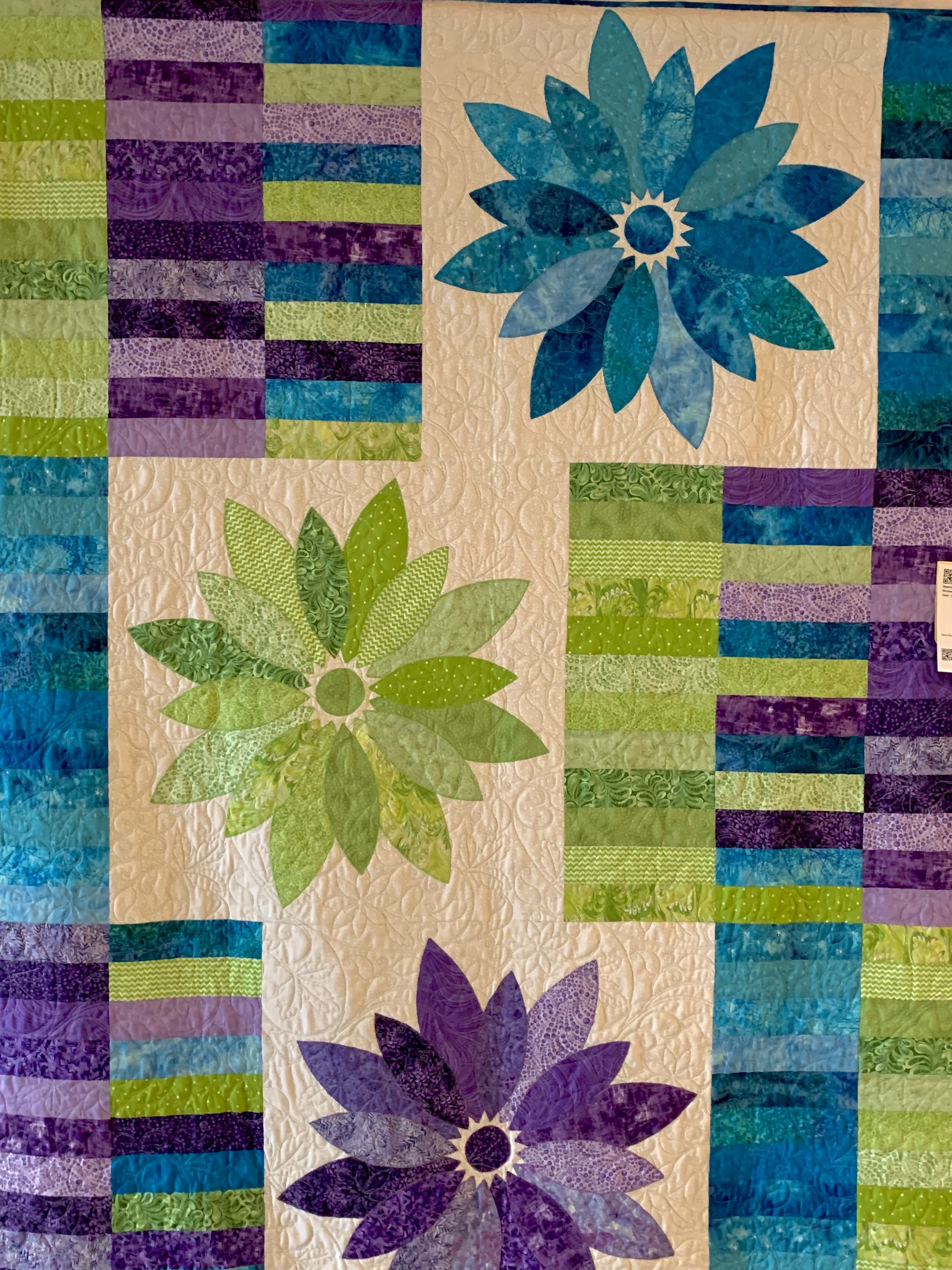
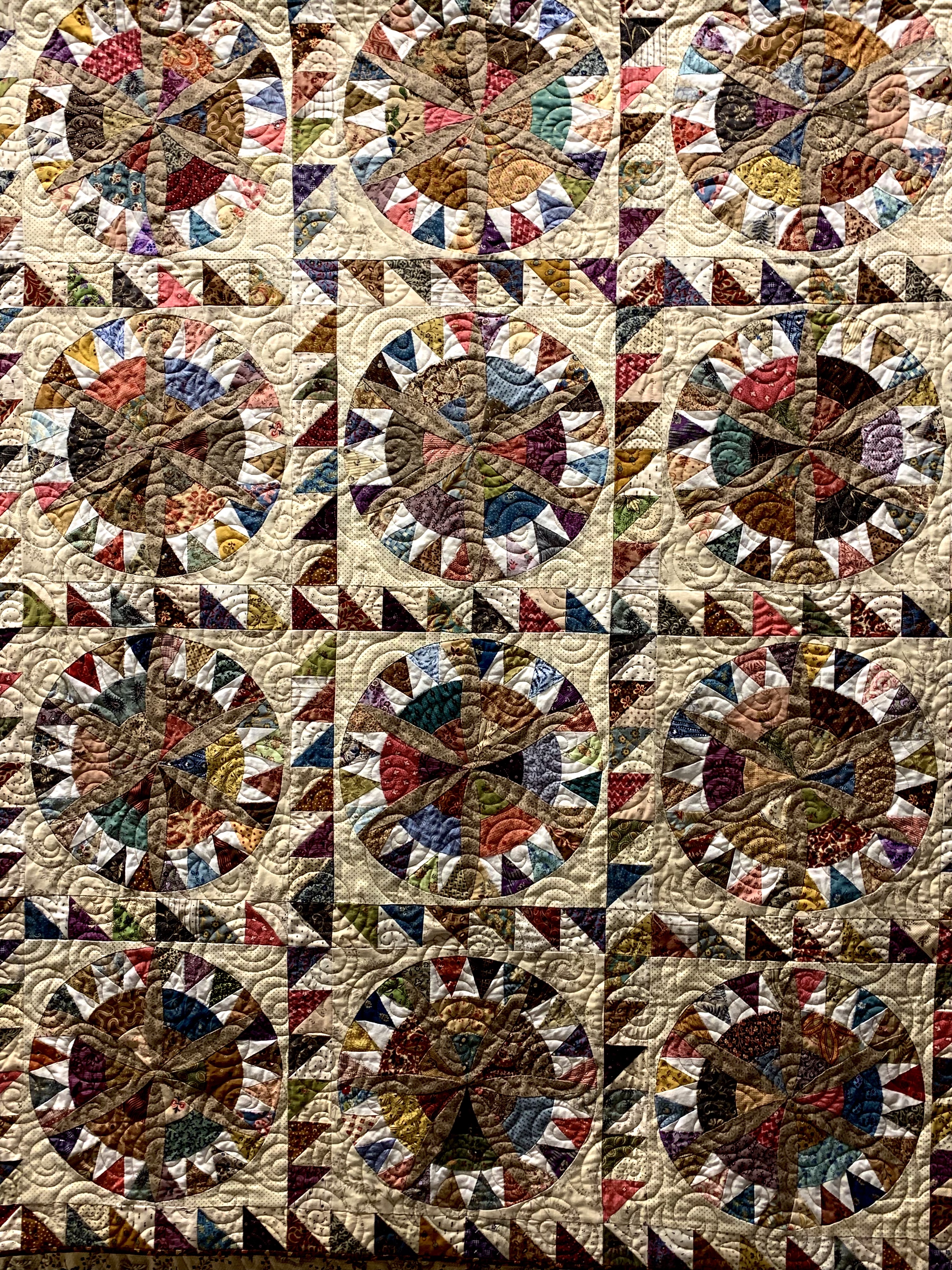
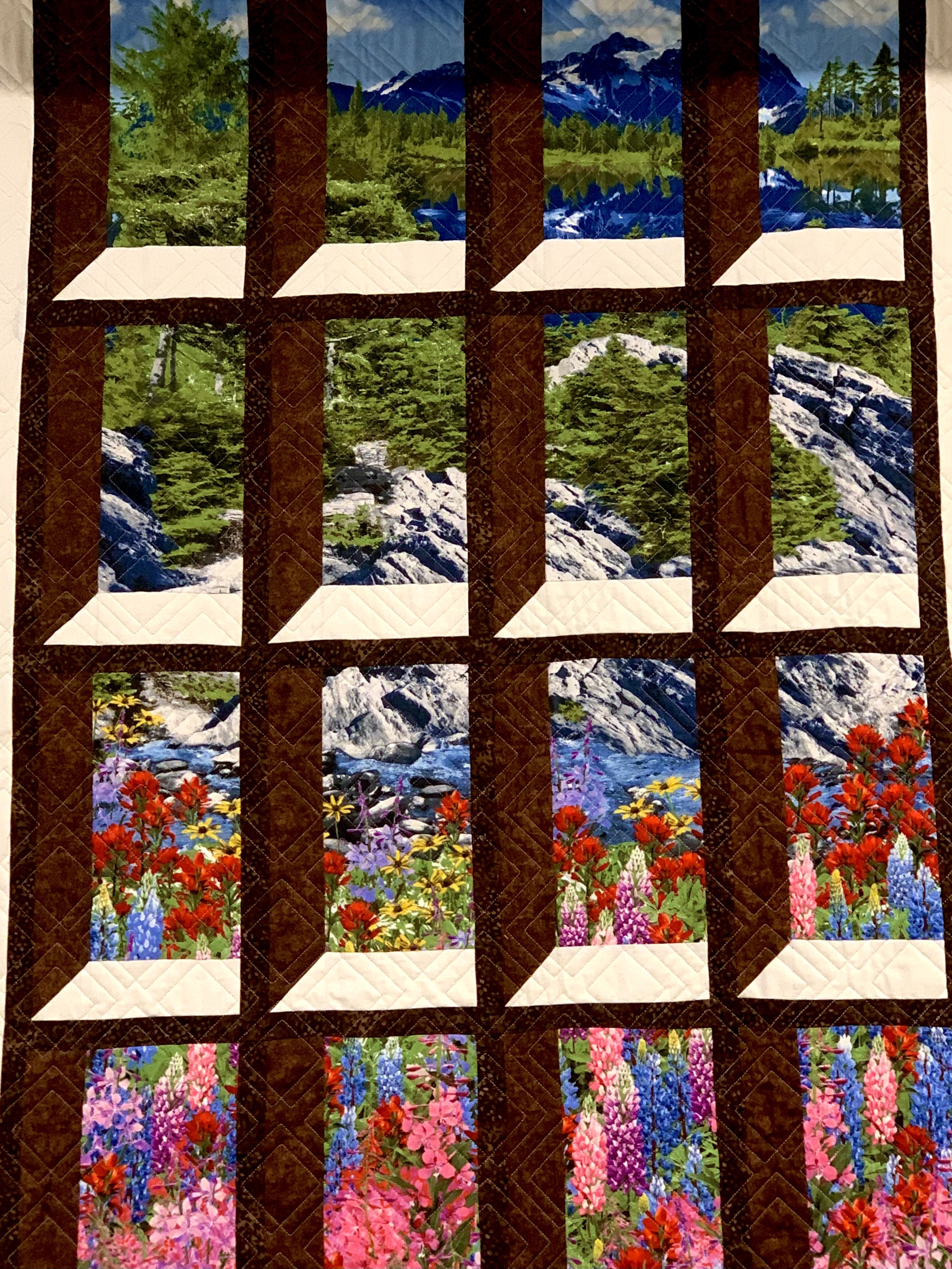
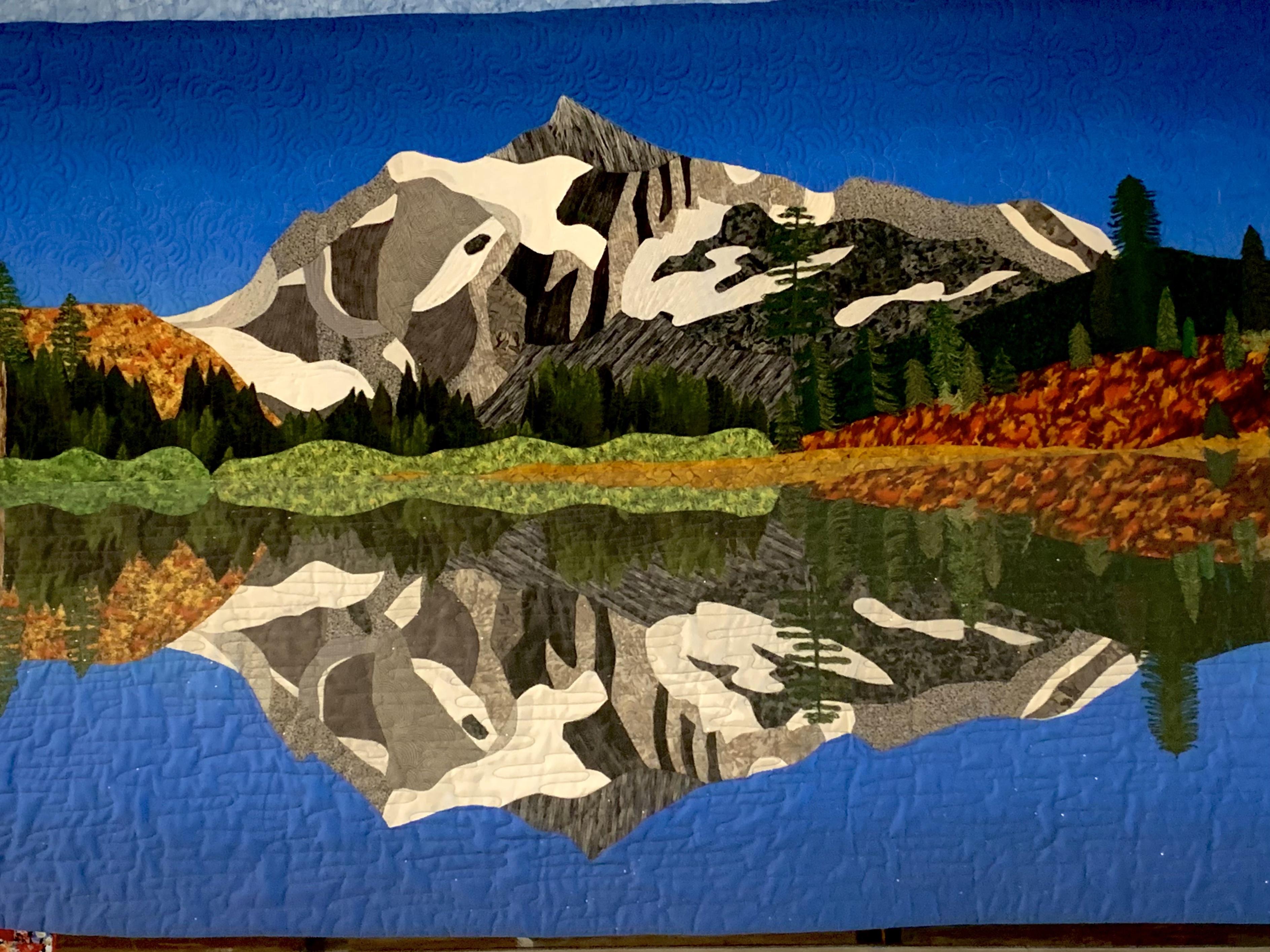
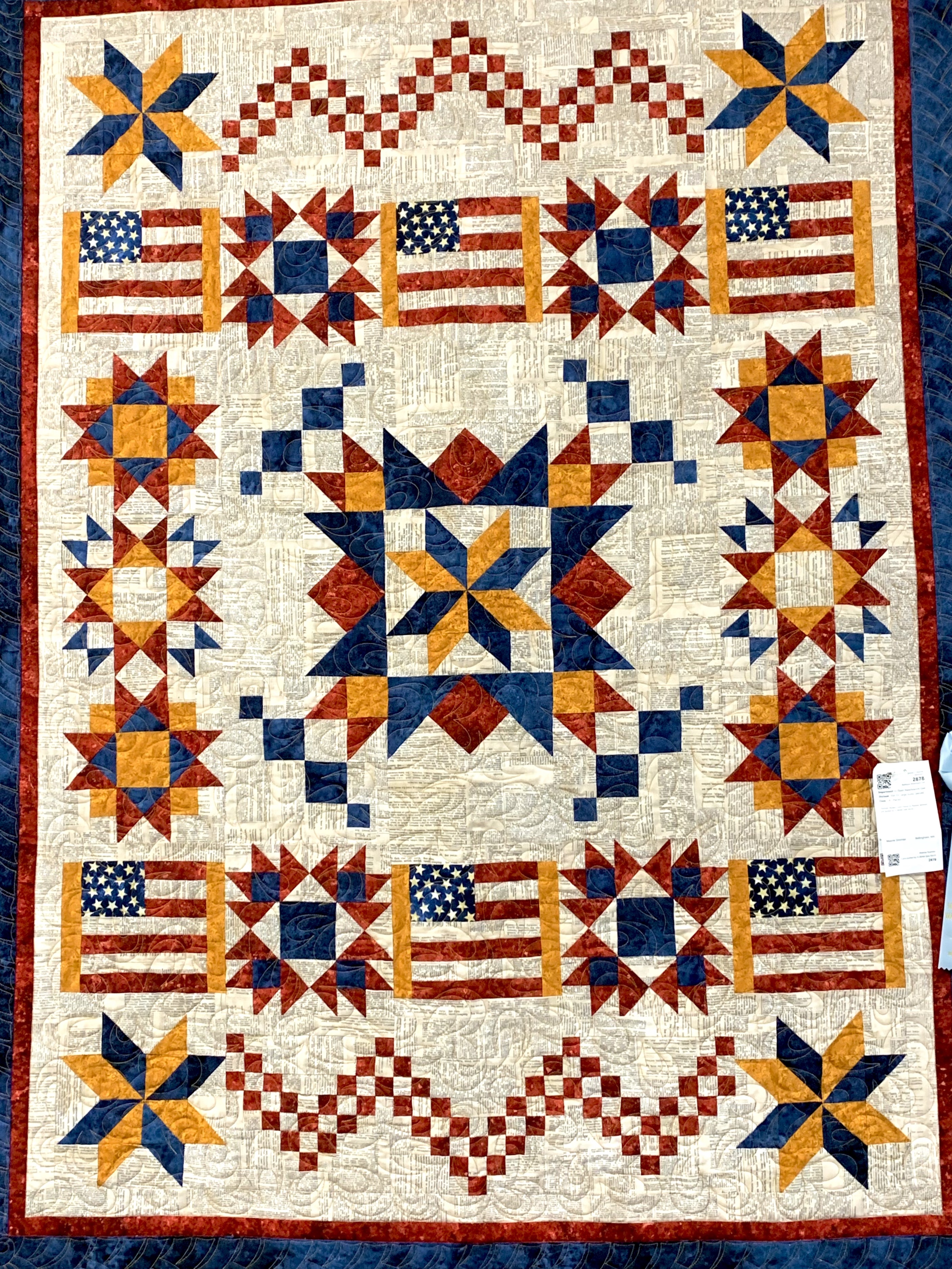
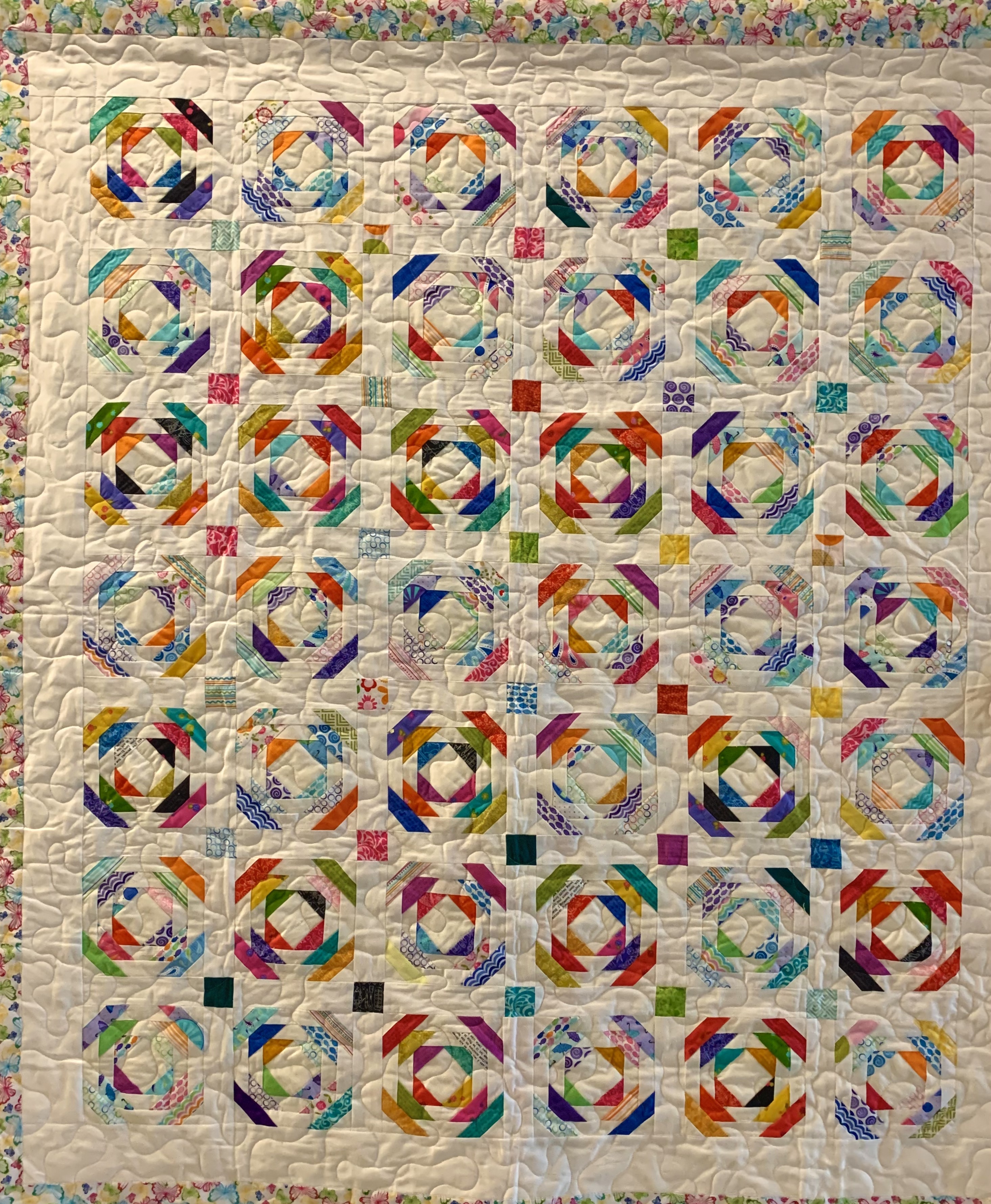
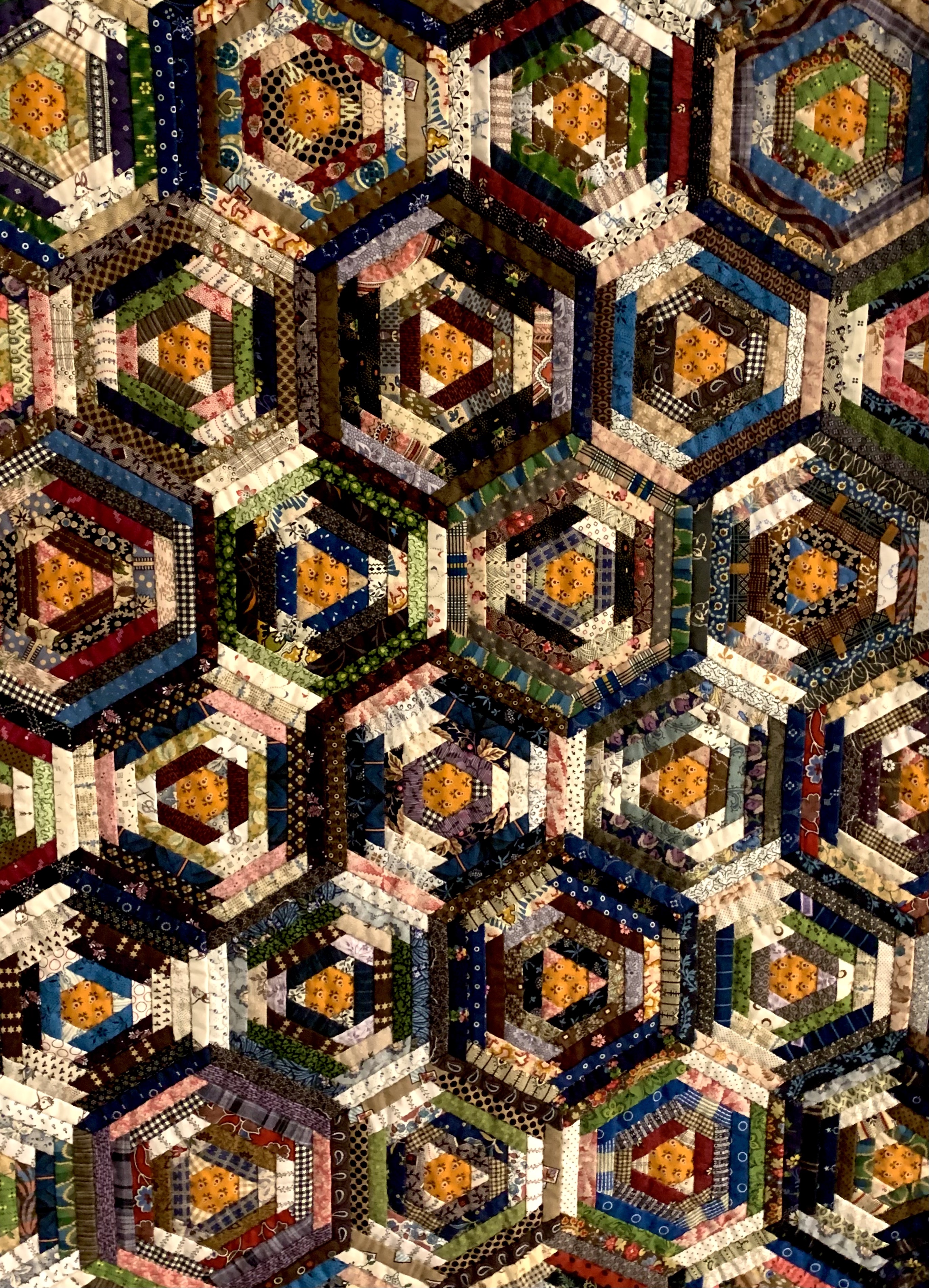
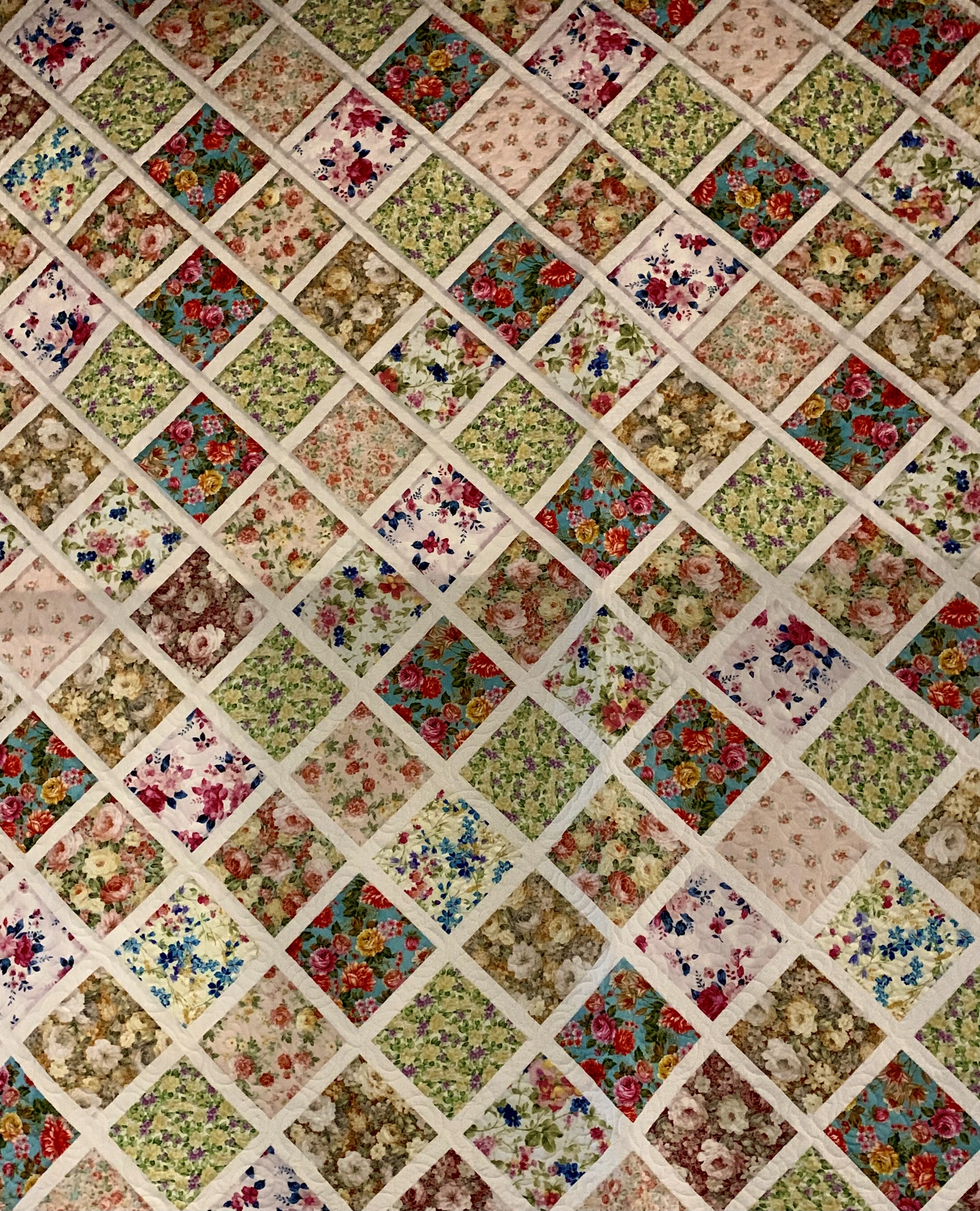
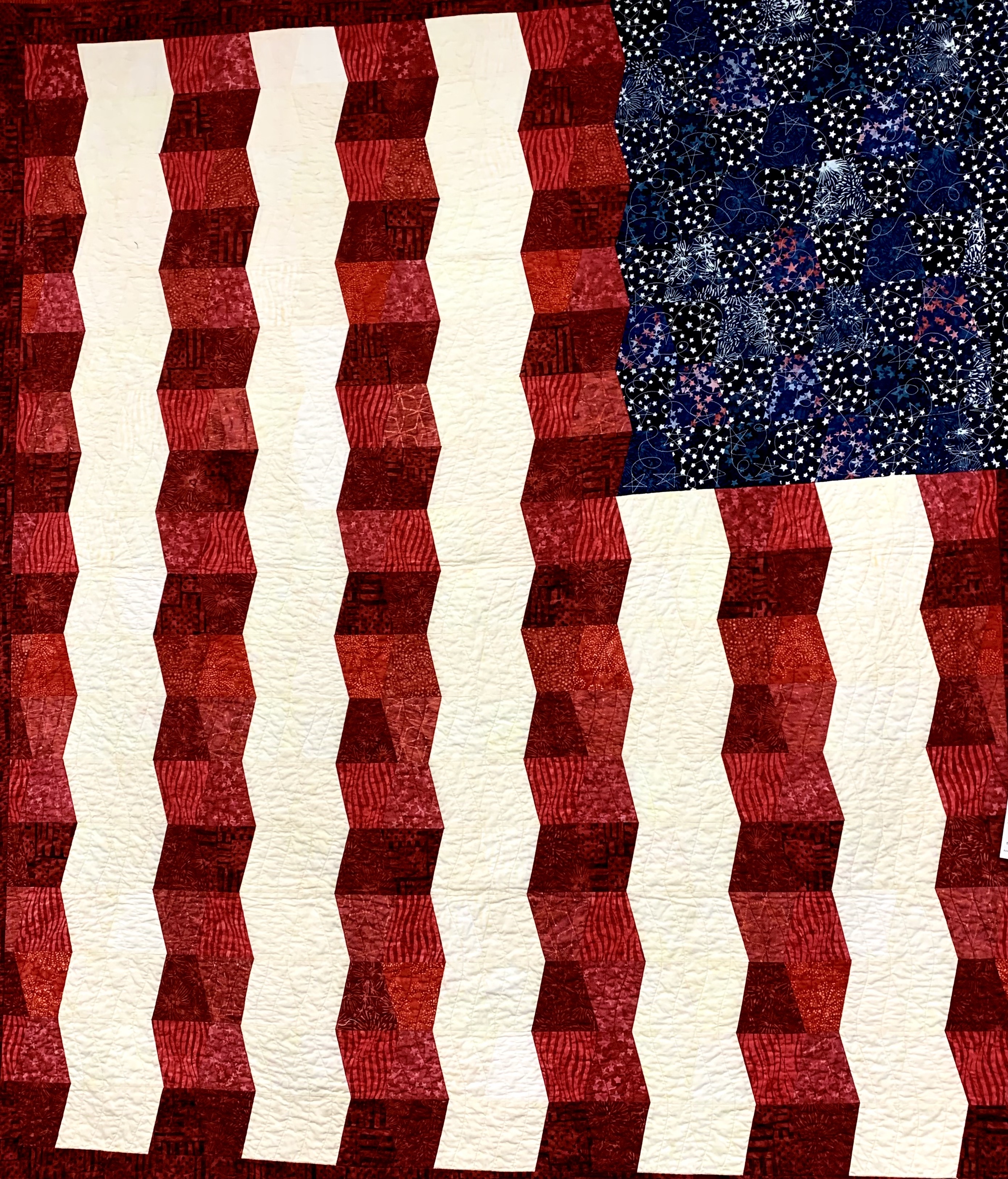
“I make them warm to keep my family from freezing; I make them beautiful to keep my heart from breaking.” –From the journal of a prairie woman, 1870
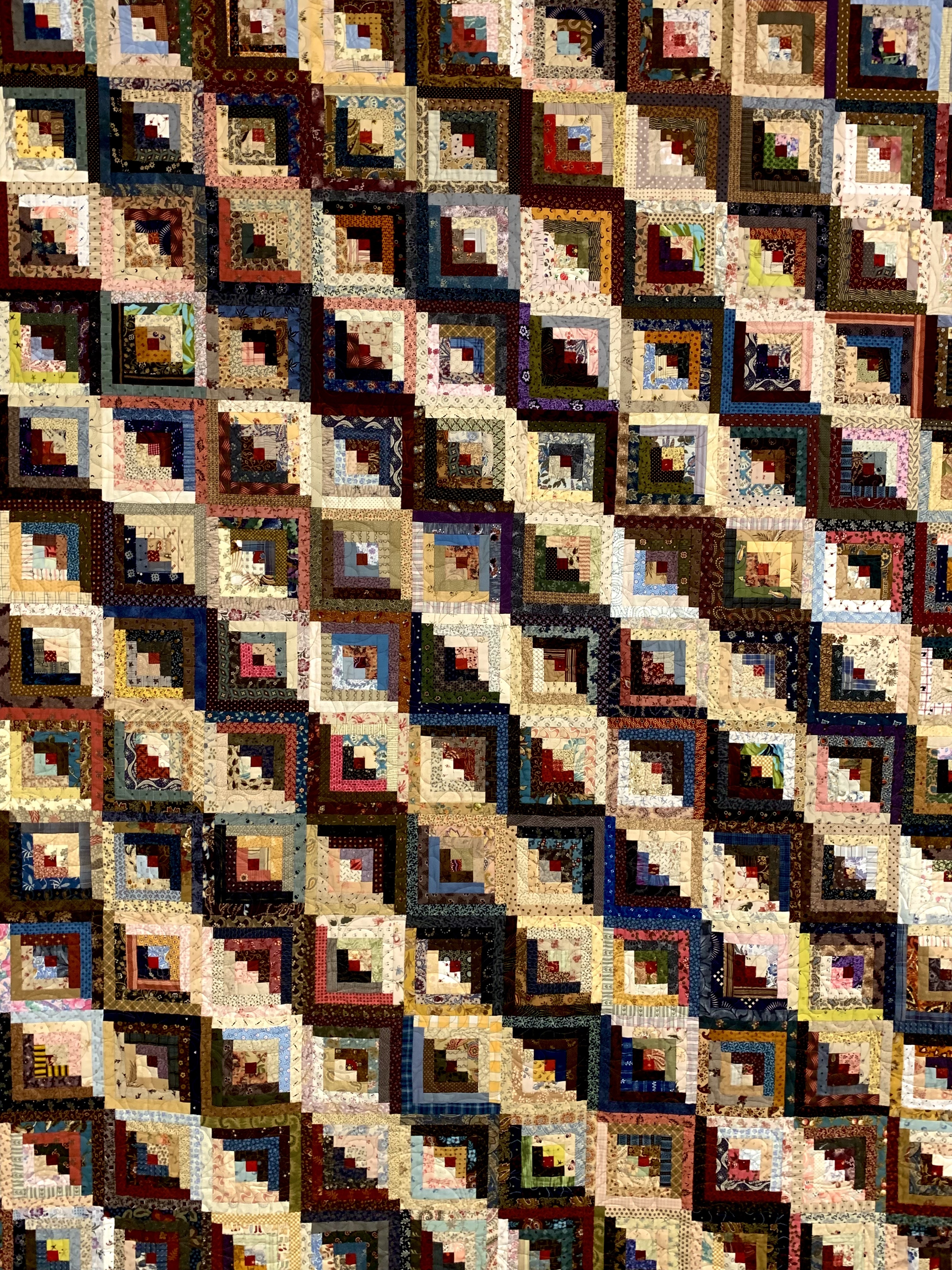
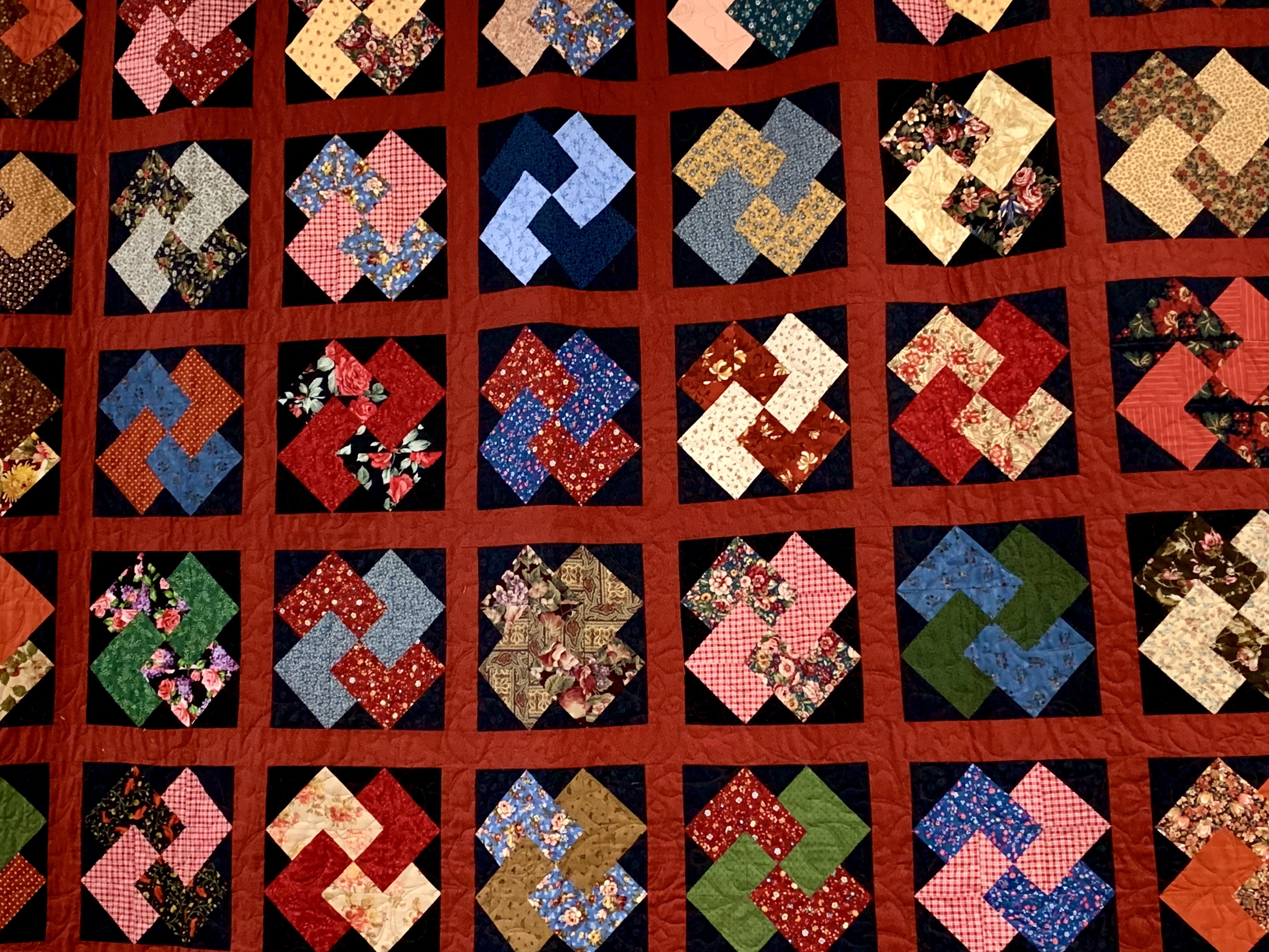
To keep a husband and five children warm, she quilts them covers thick as drifts against the door. Through every fleshy square white threads needle their almost invisible tracks; her hours count each small suture that holds together the raw-cut, uncolored edges of her life. She pieces each one beautiful, and summer bright to thaw her frozen soul. Under her fingers the scraps grow to green birds and purple improbable leaves; deeper than calico, her mid-winter mind bursts into flowers. She watches them unfold between the double stars, the wedding rings. ~Luci Shaw “Quiltmaker”
Perhaps the world was made this way: piecemeal, the parts fitting together exactly as if made for one another~ the unique, disparate and separate coming together in a glorious harmony.
The point of its creation is forever functional and full of love – a blanket of warmth and security for generations to come. Our legacy is to preserve this beauty arising from scraps, this broken stitched to broken in a tapestry holy and whole.
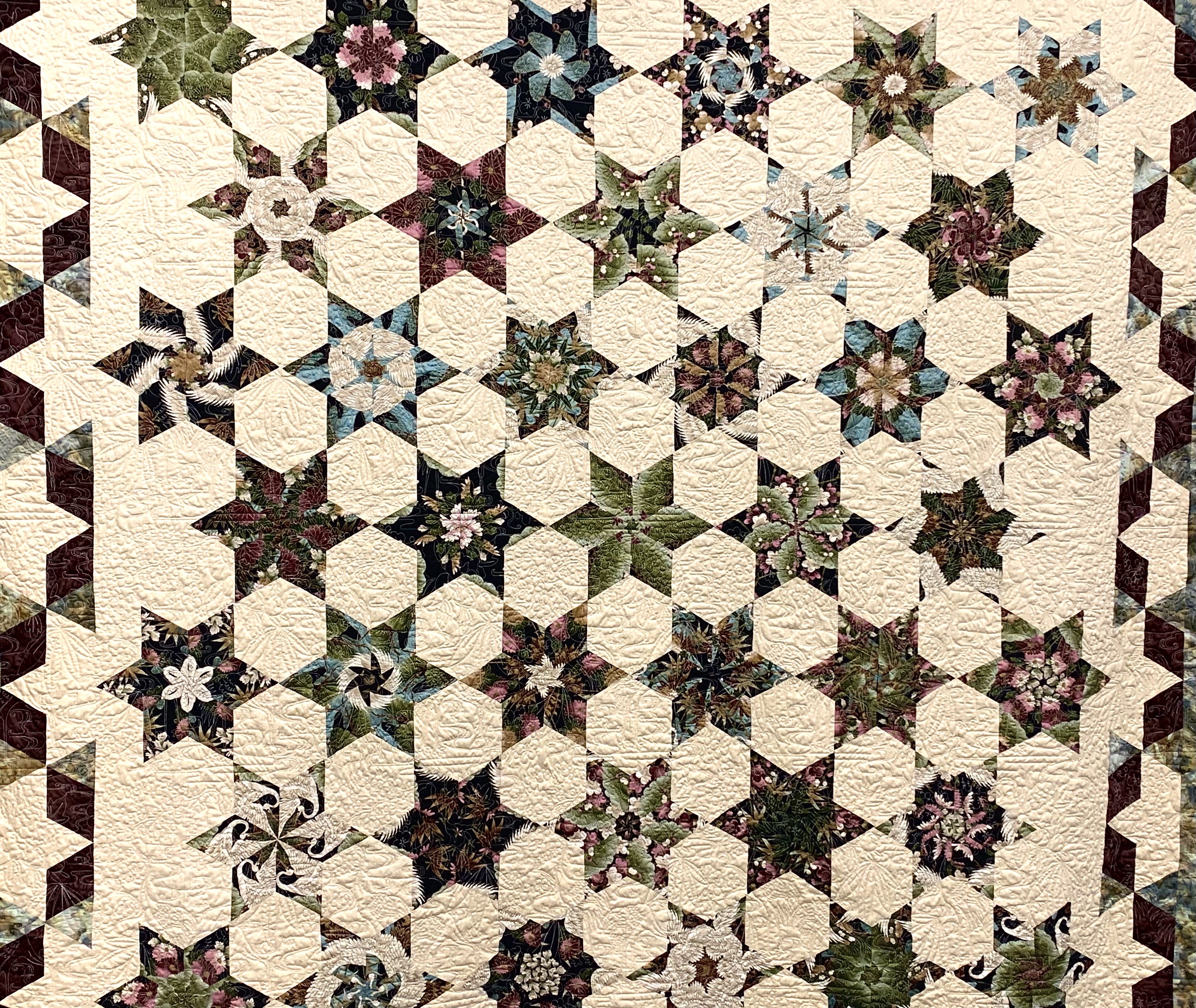
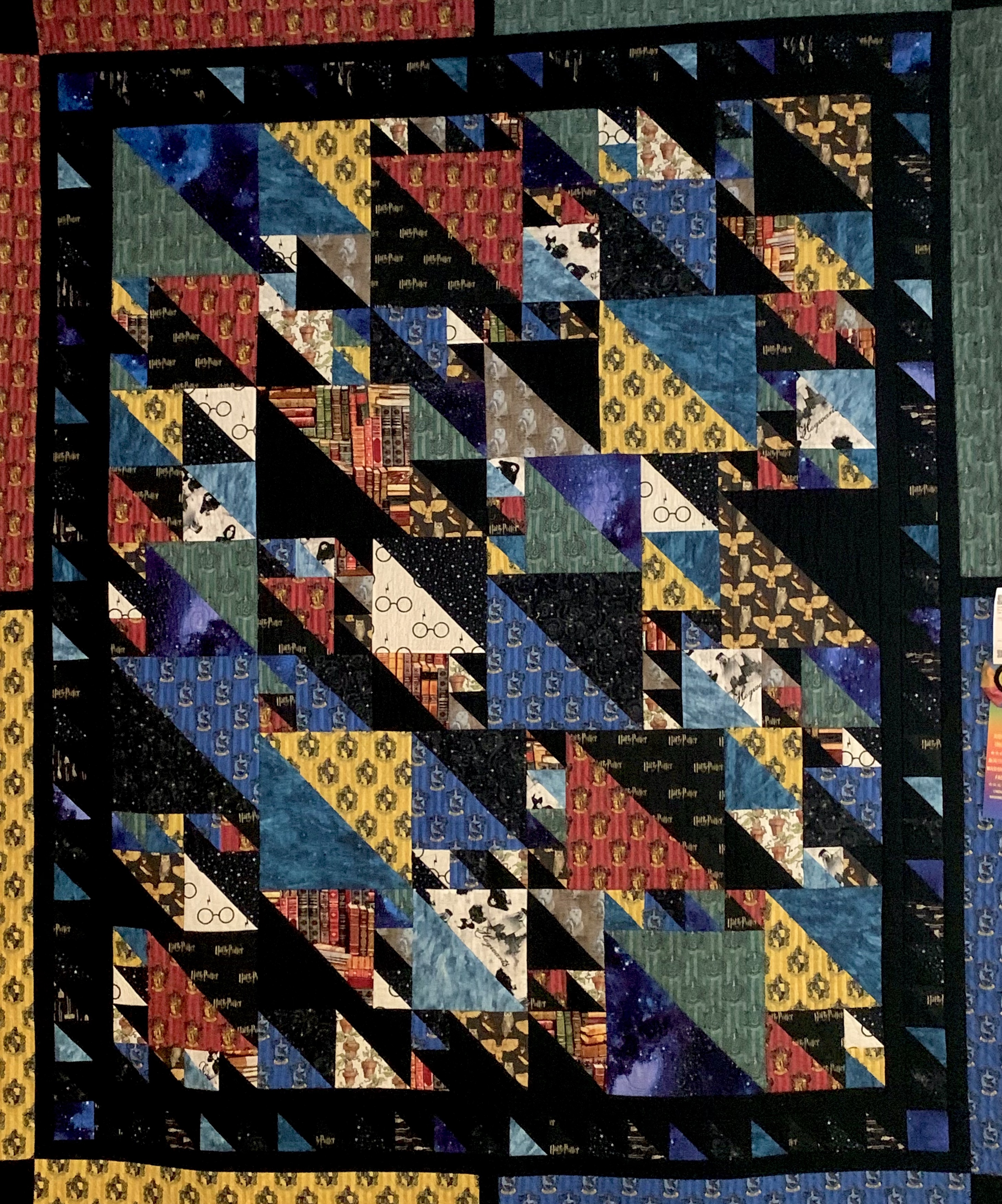
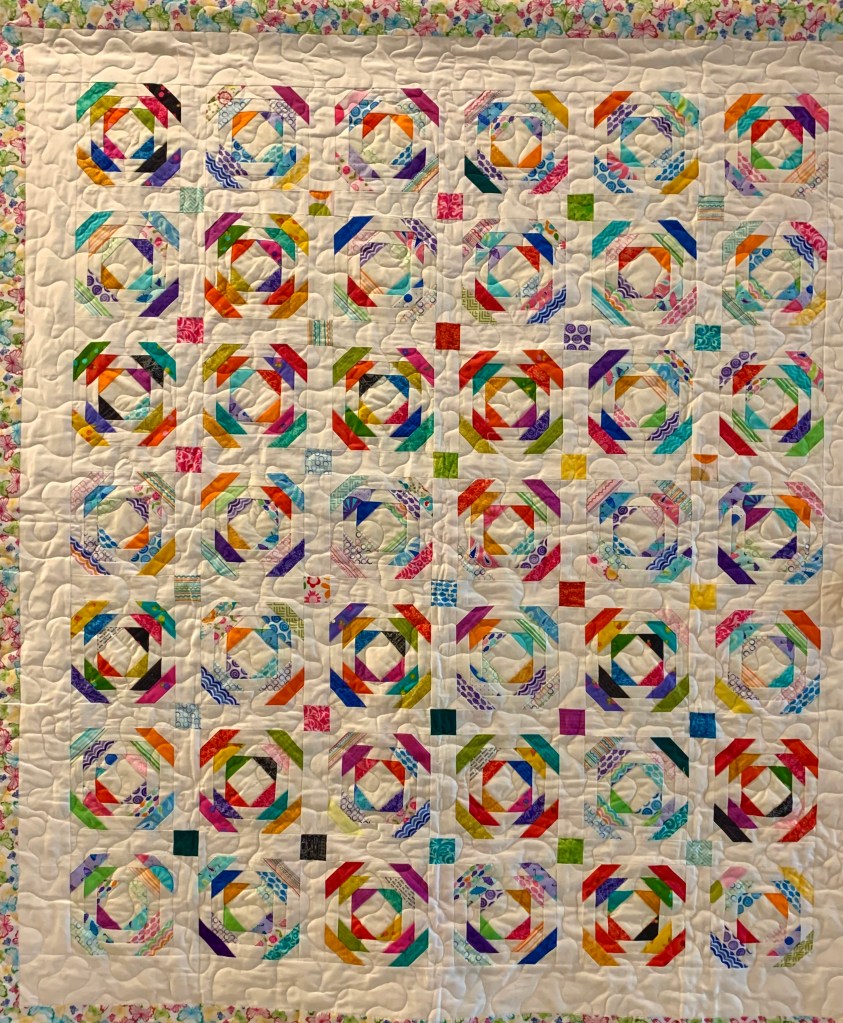
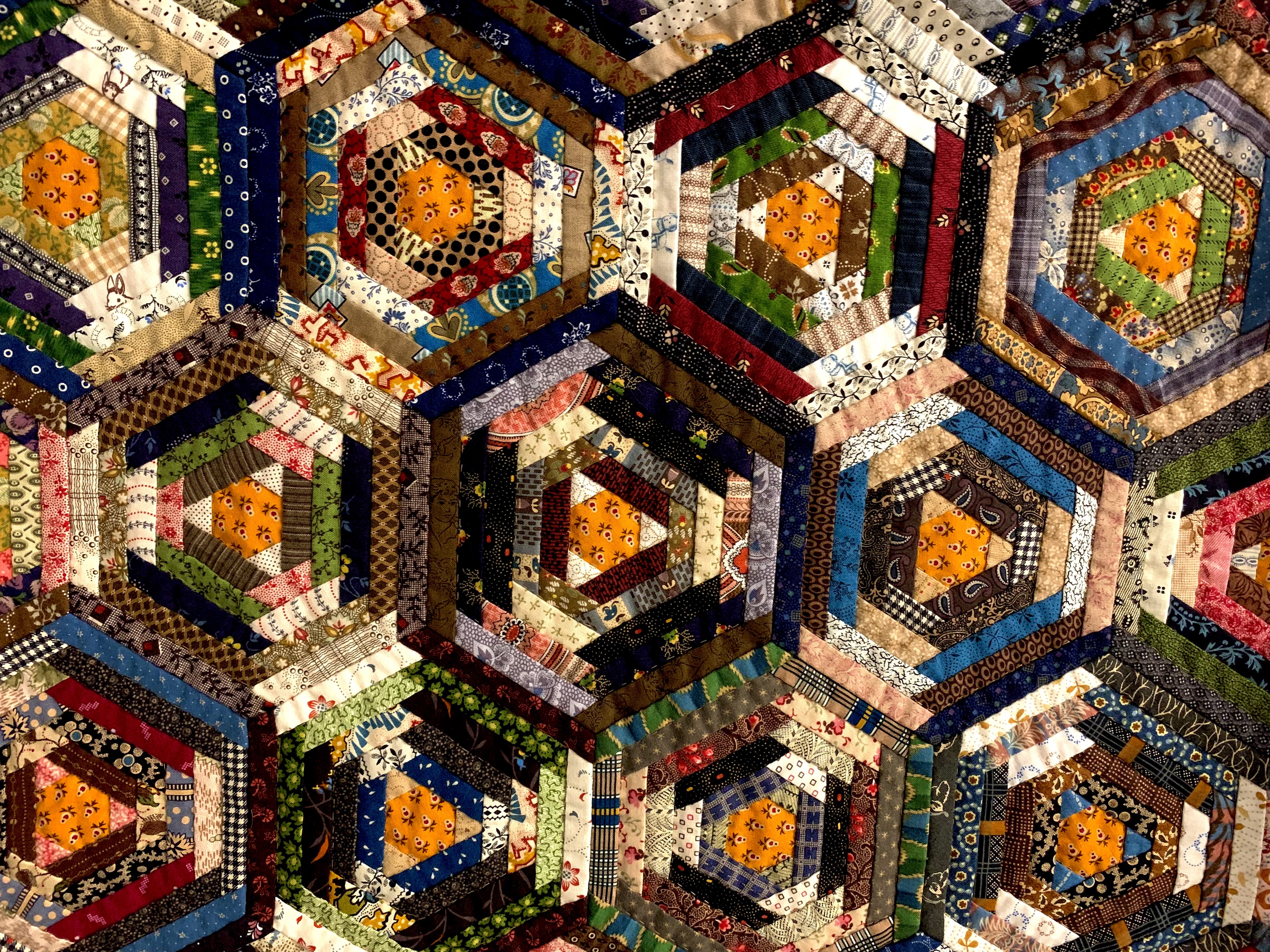
all quilts here are on display this week at the Northwest Washington Fair see previous year’s artwork here and here and here and here
This new Barnstorming book is like a quilt made of pieces of poetry and photographs – available for order here:
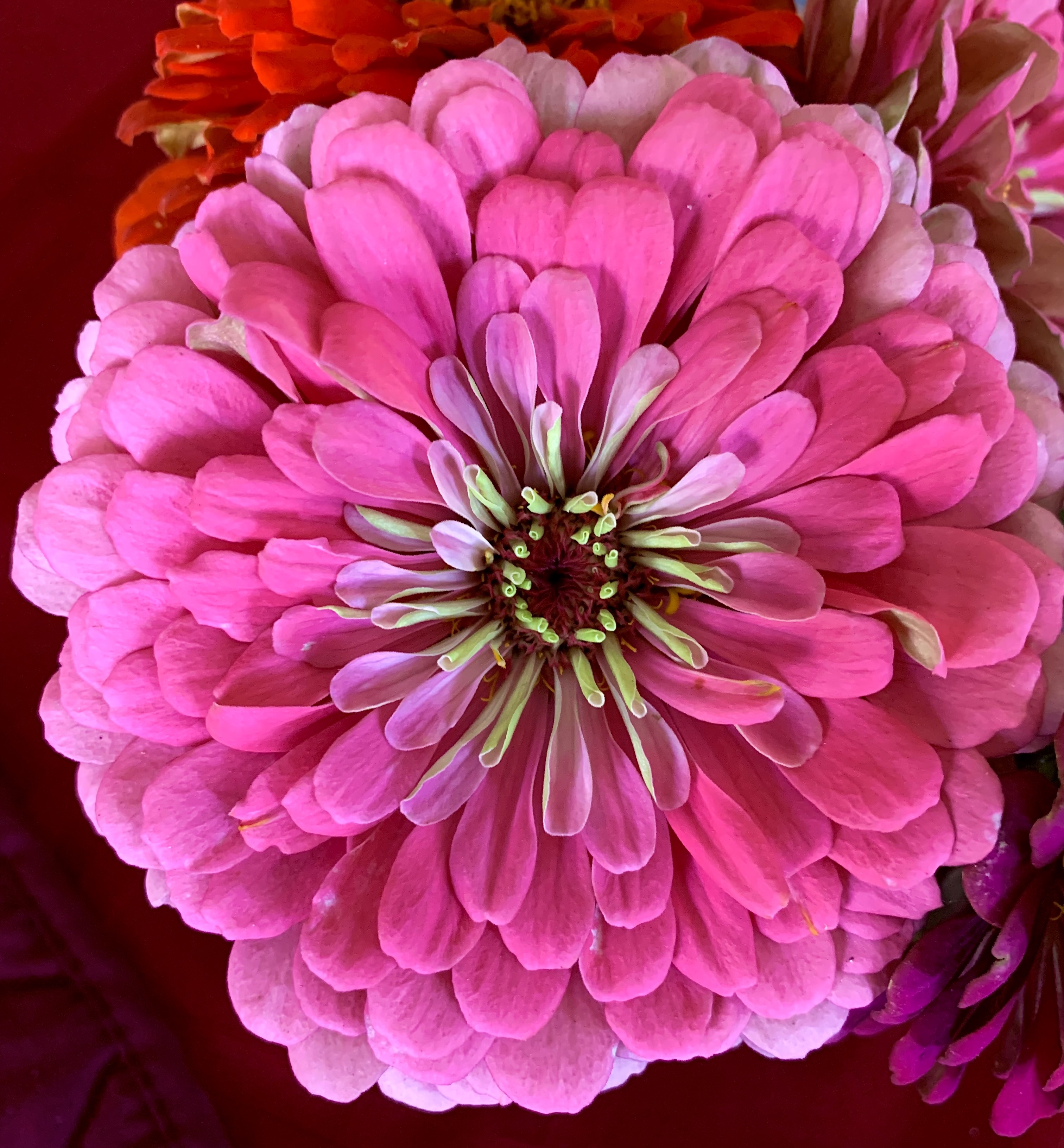
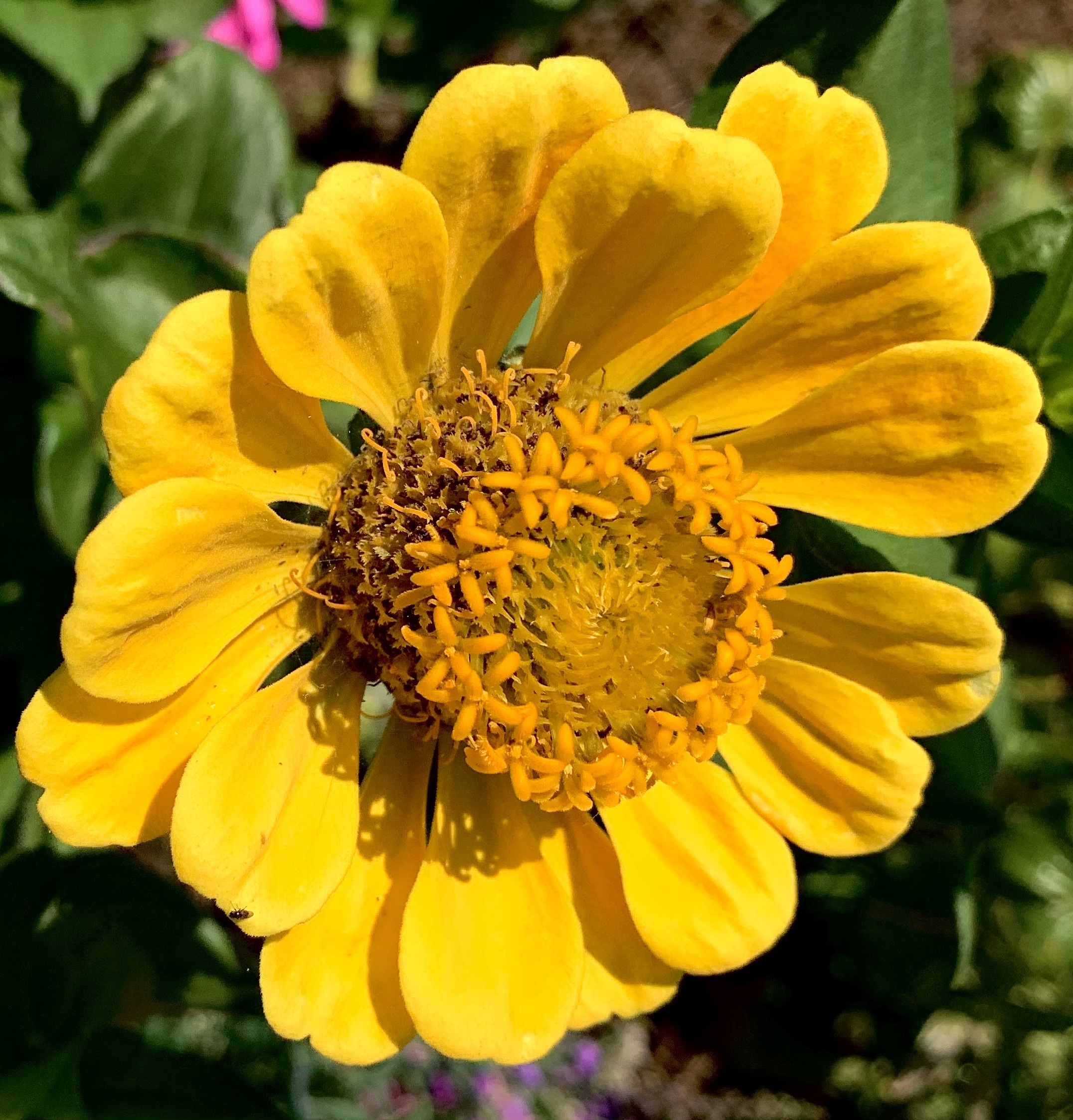
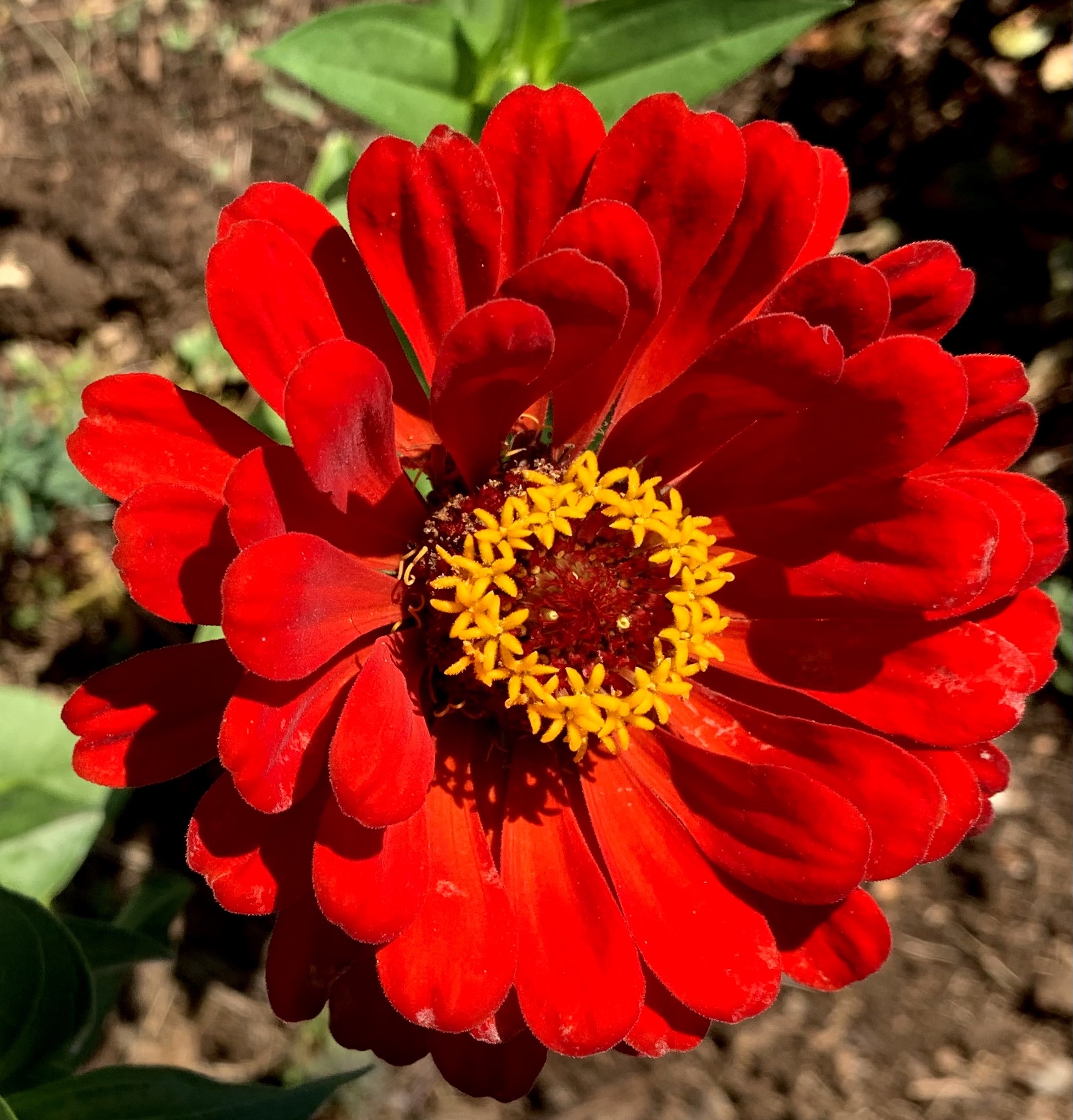
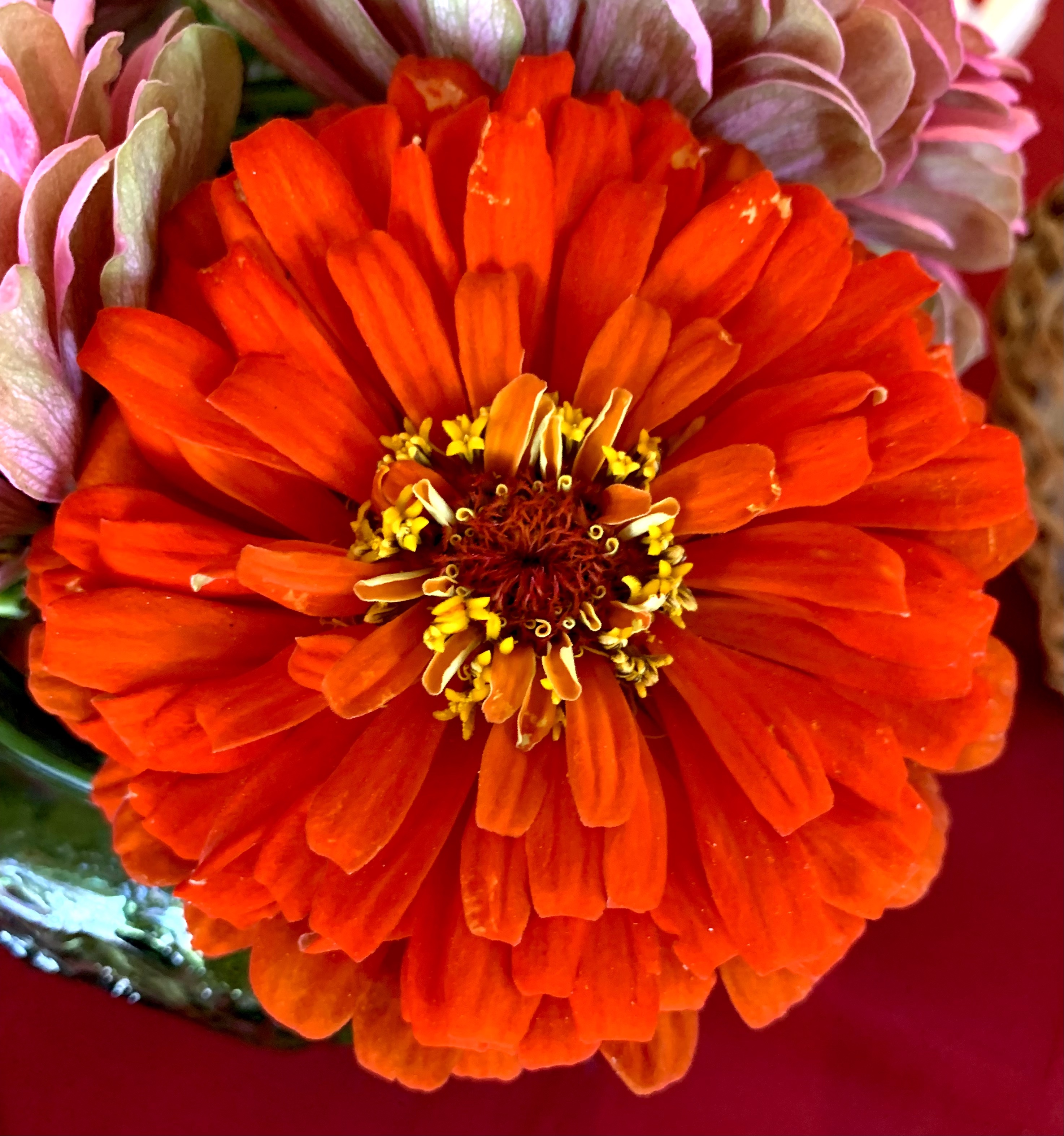
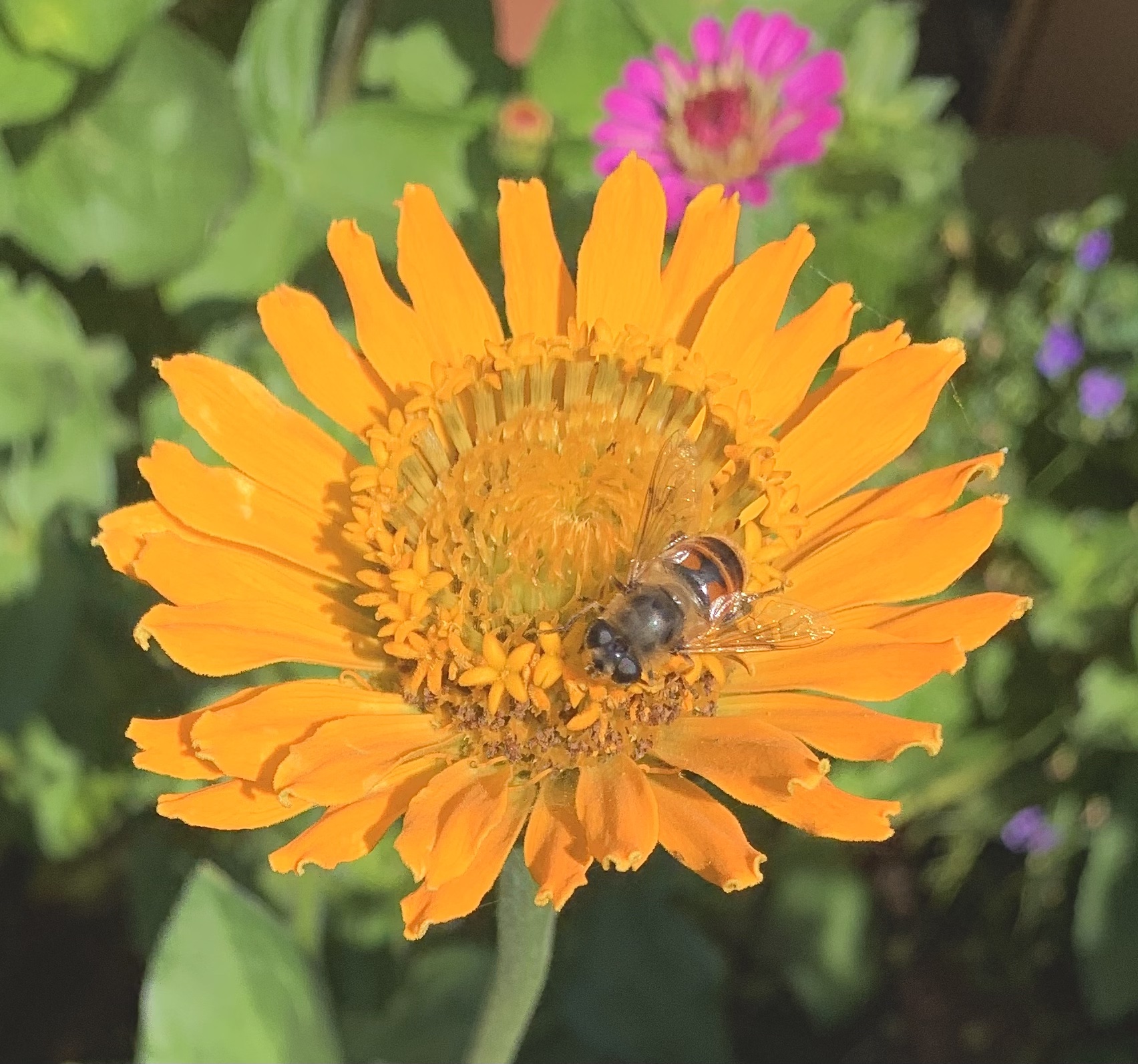
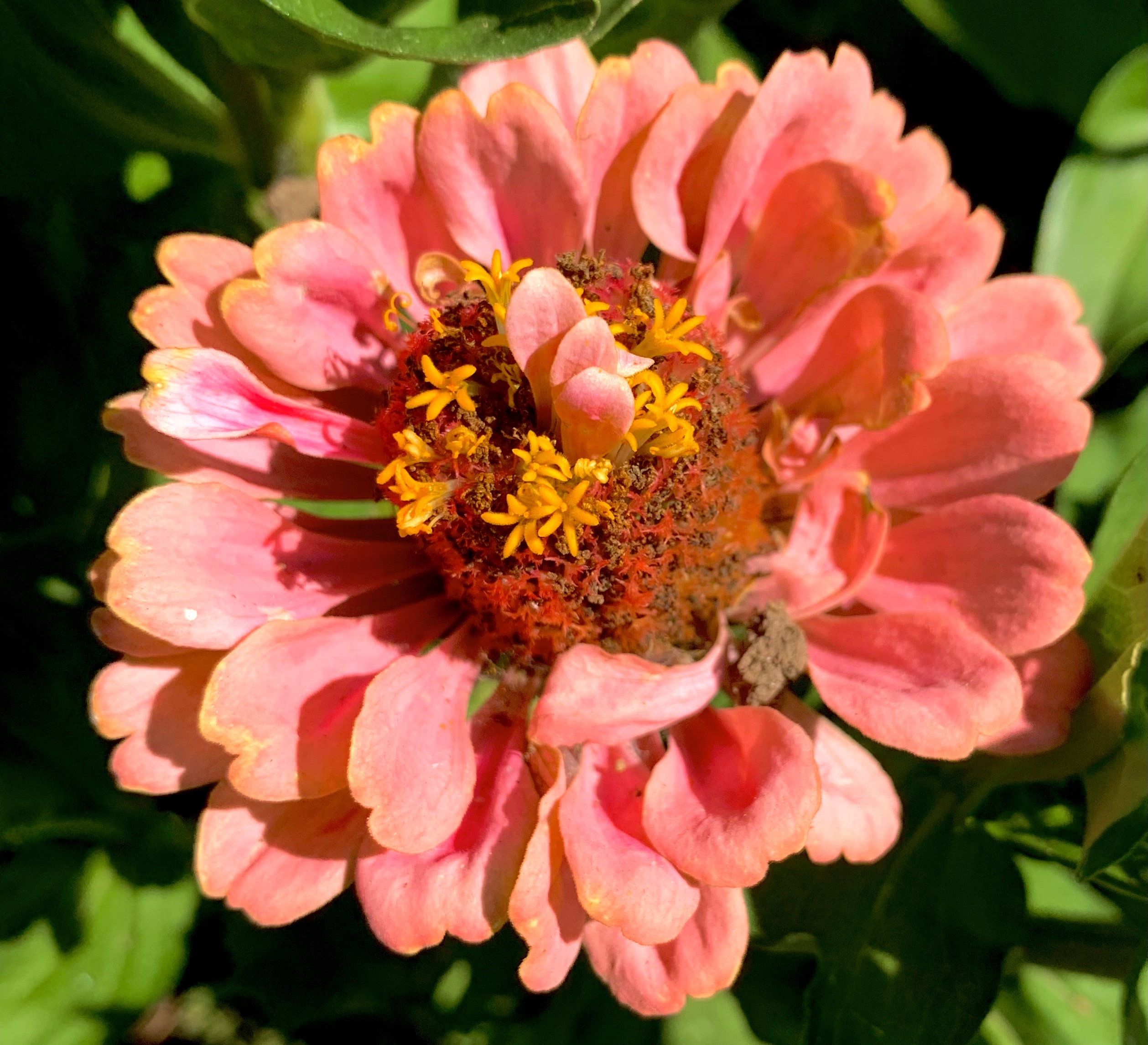
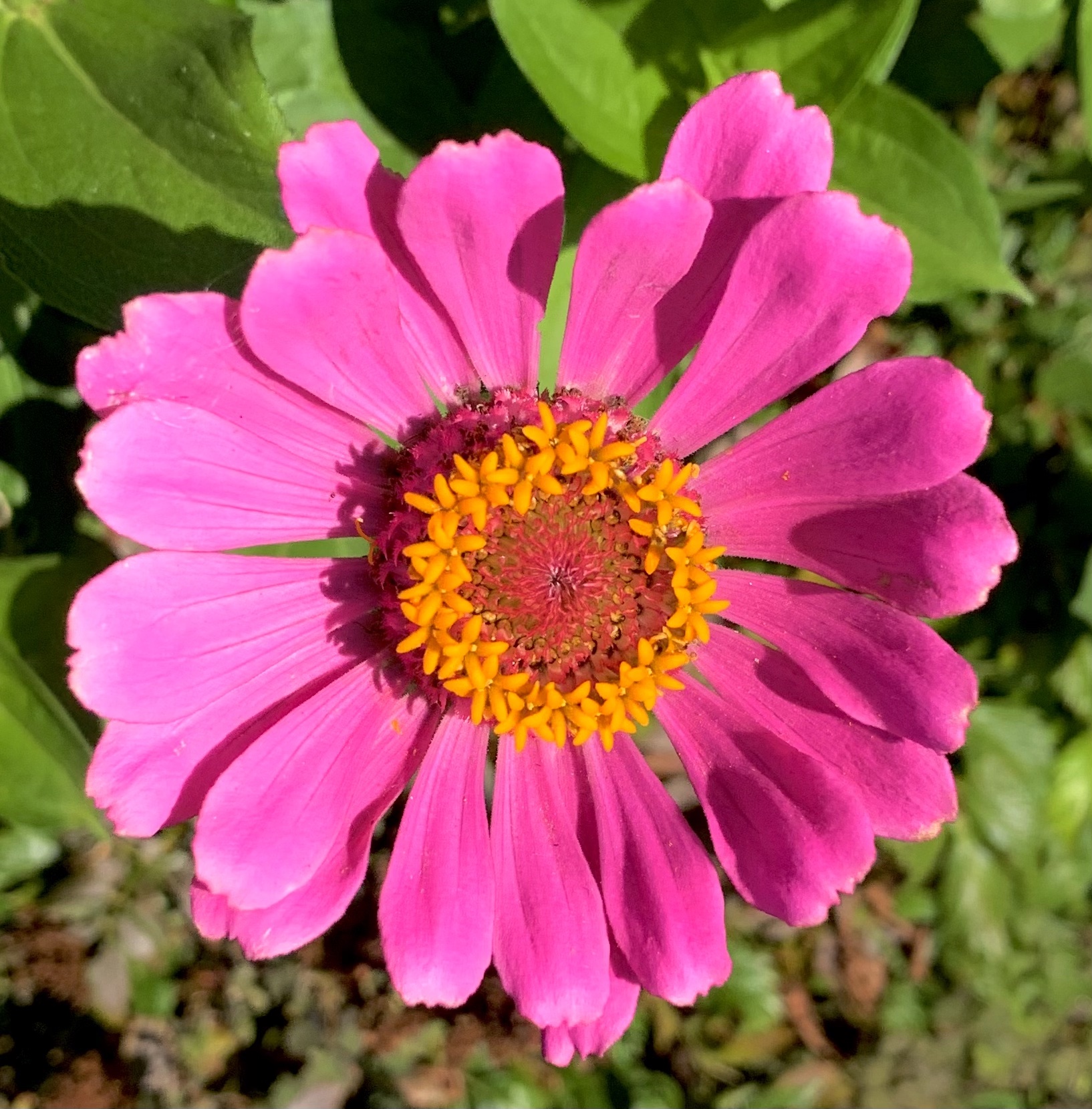
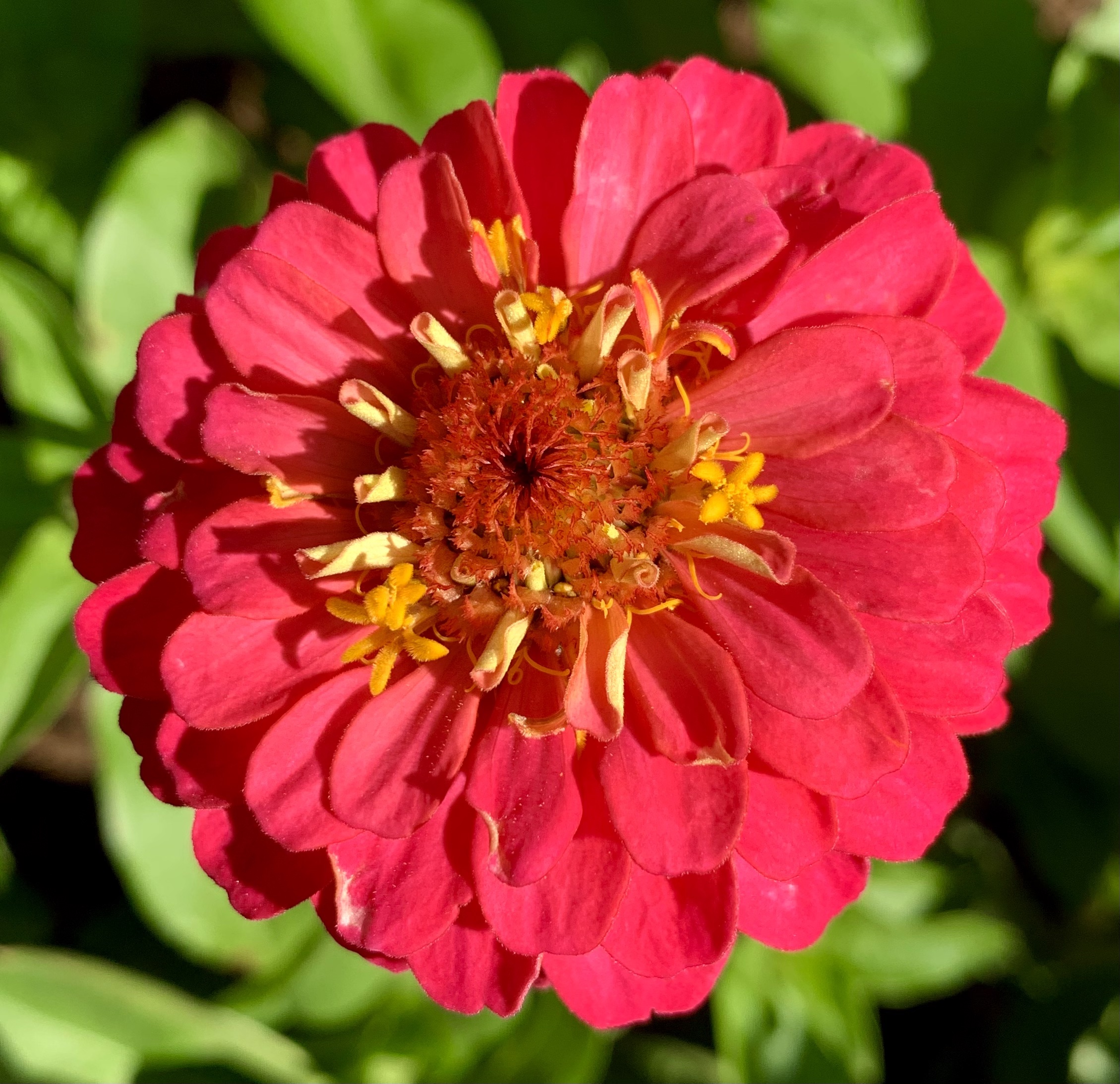
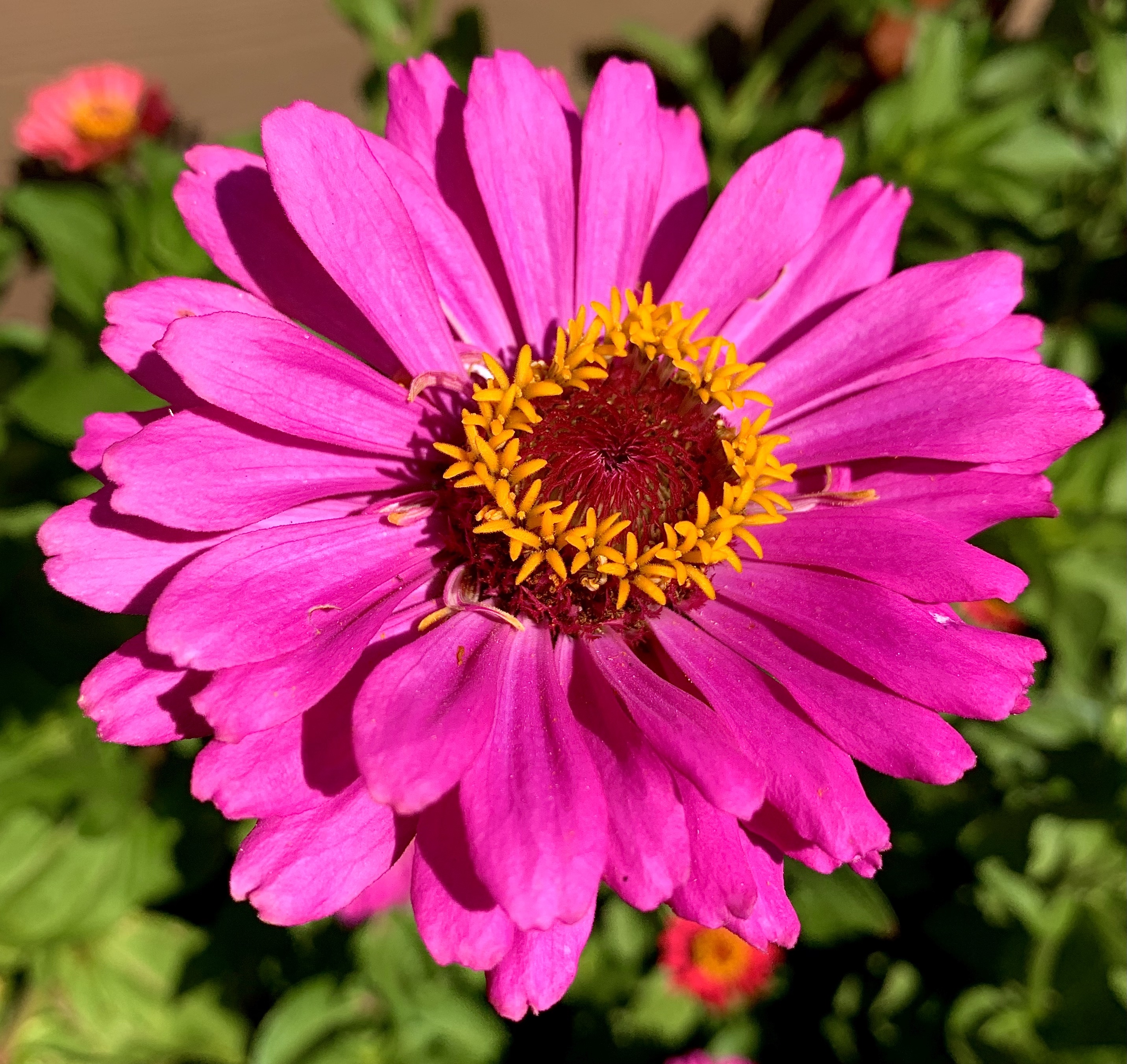
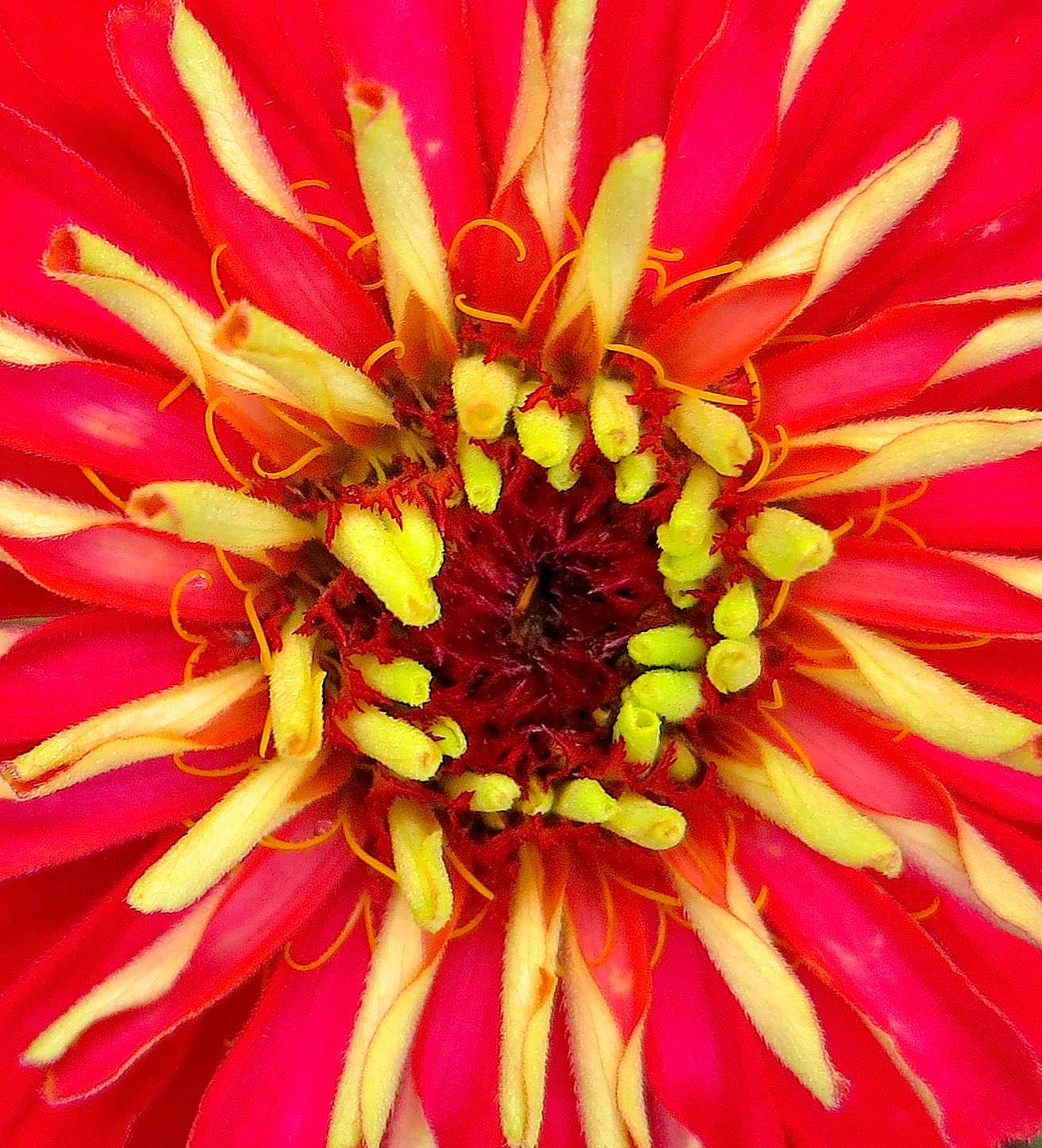
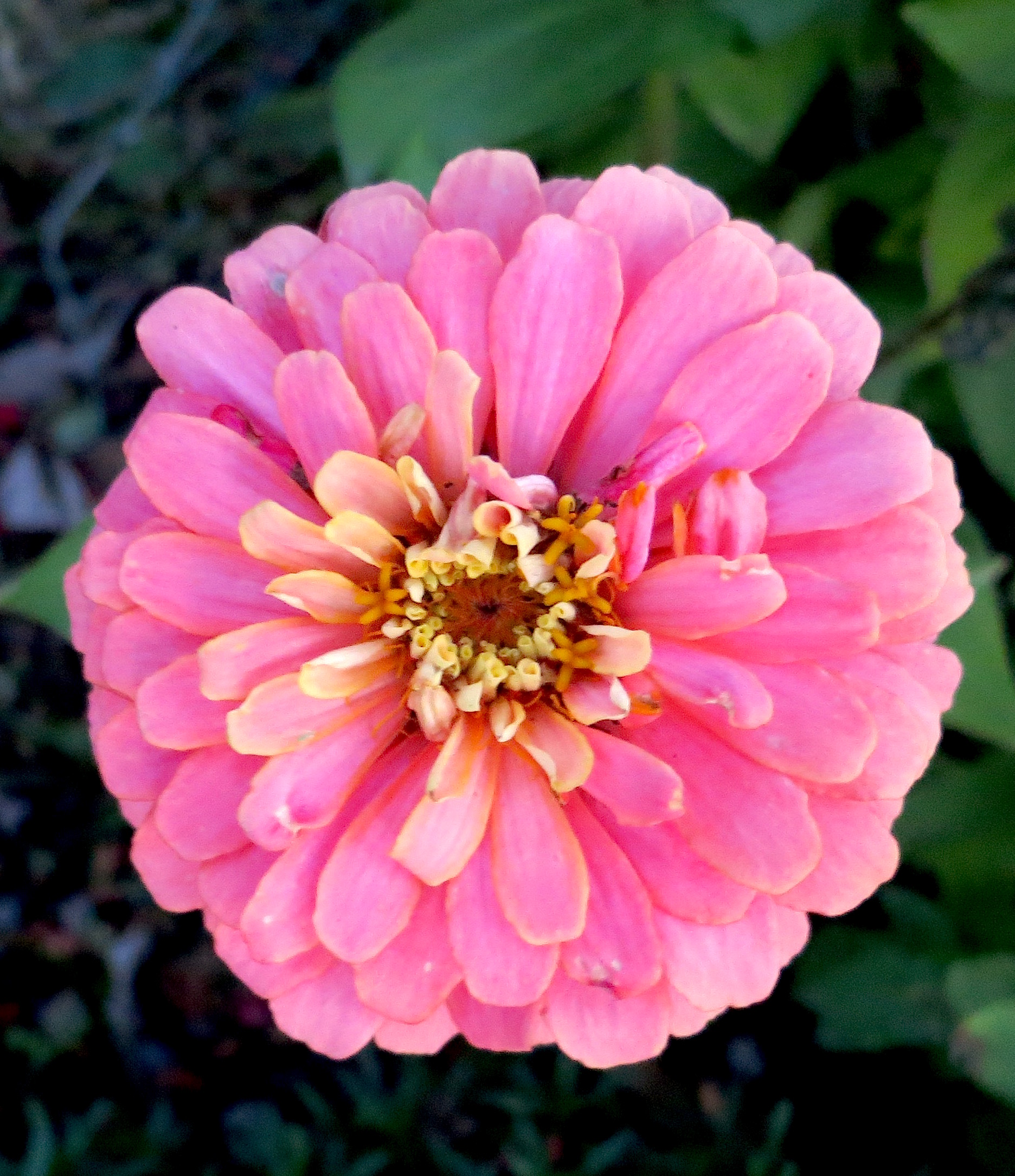
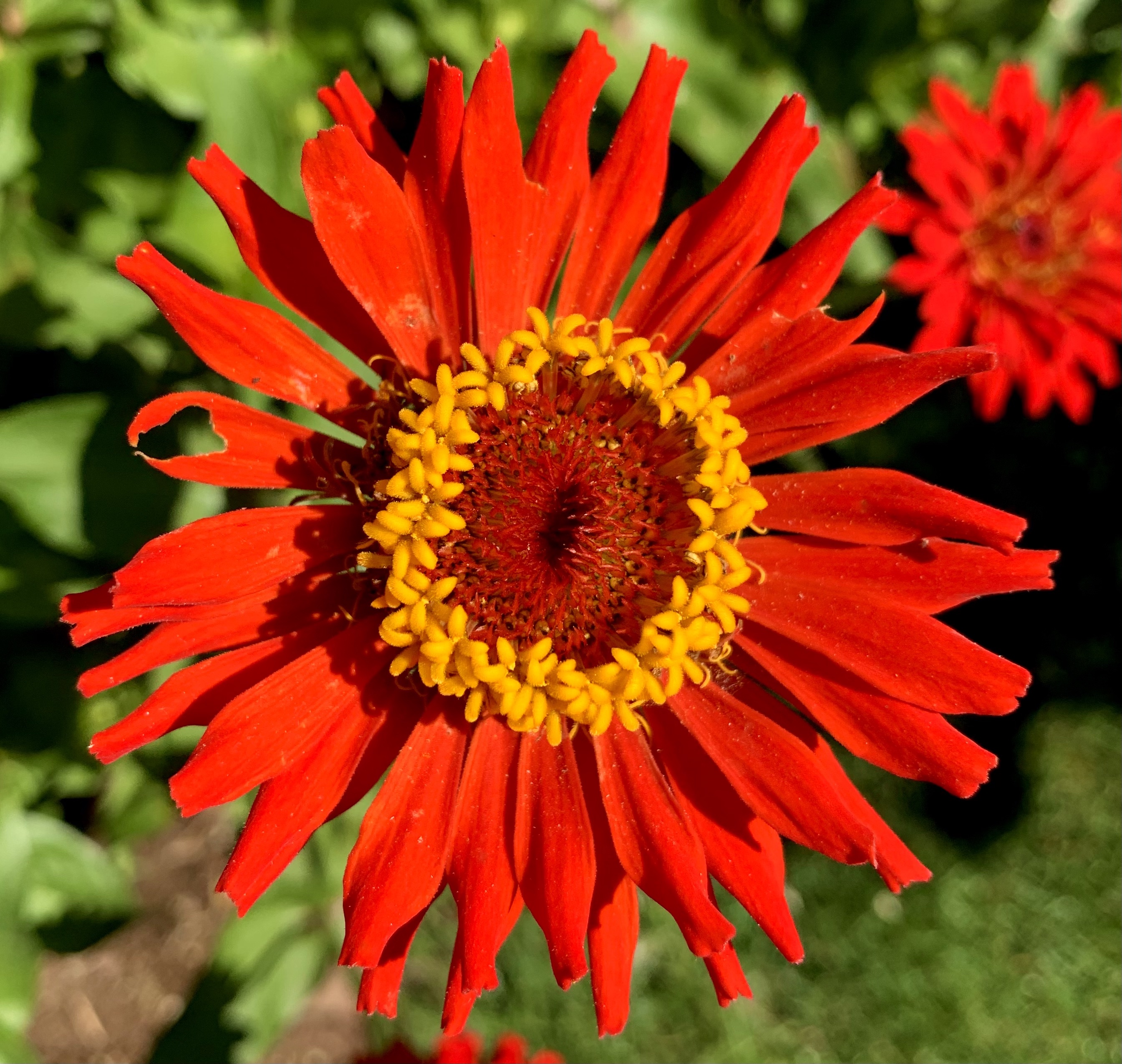
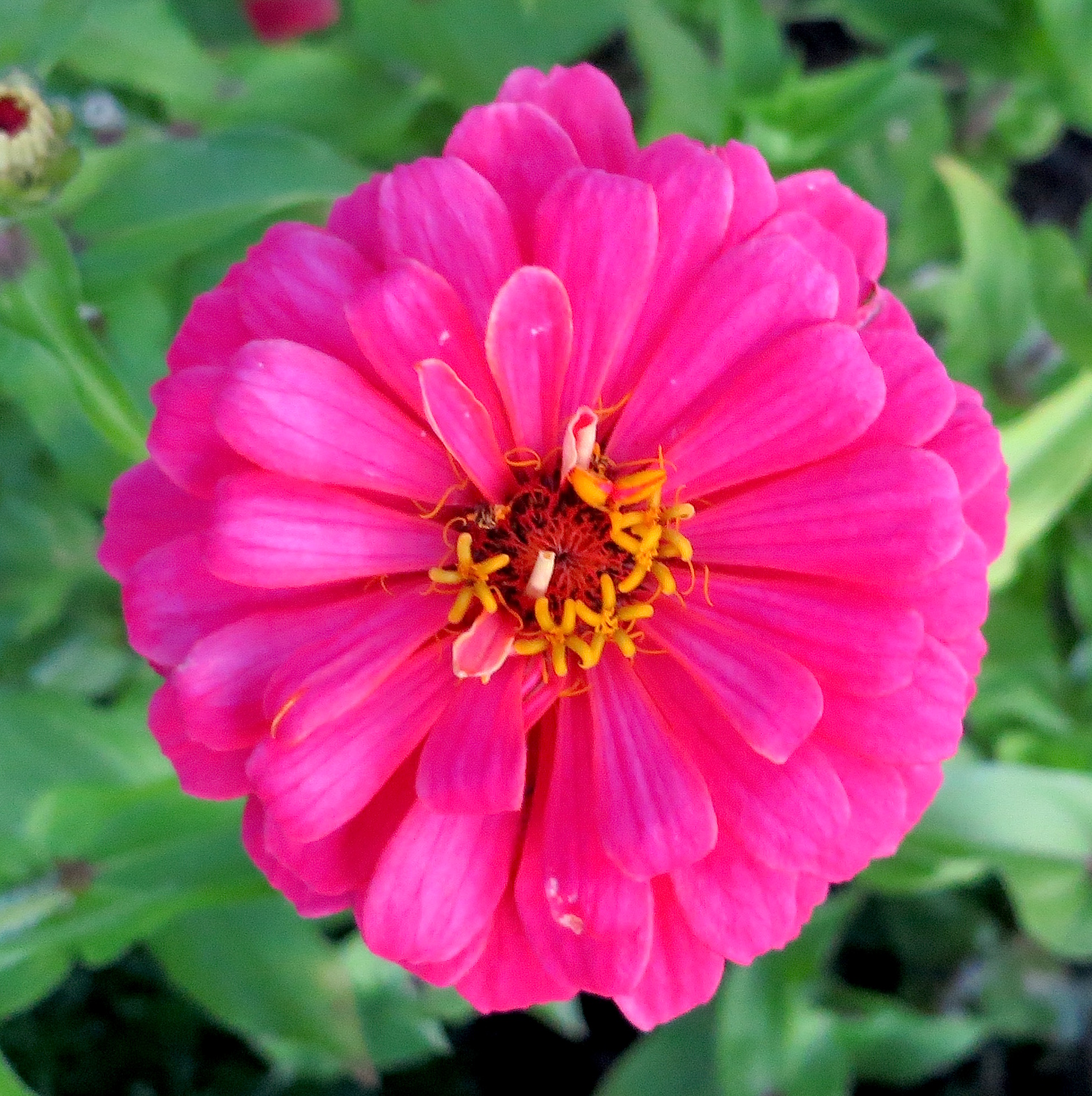
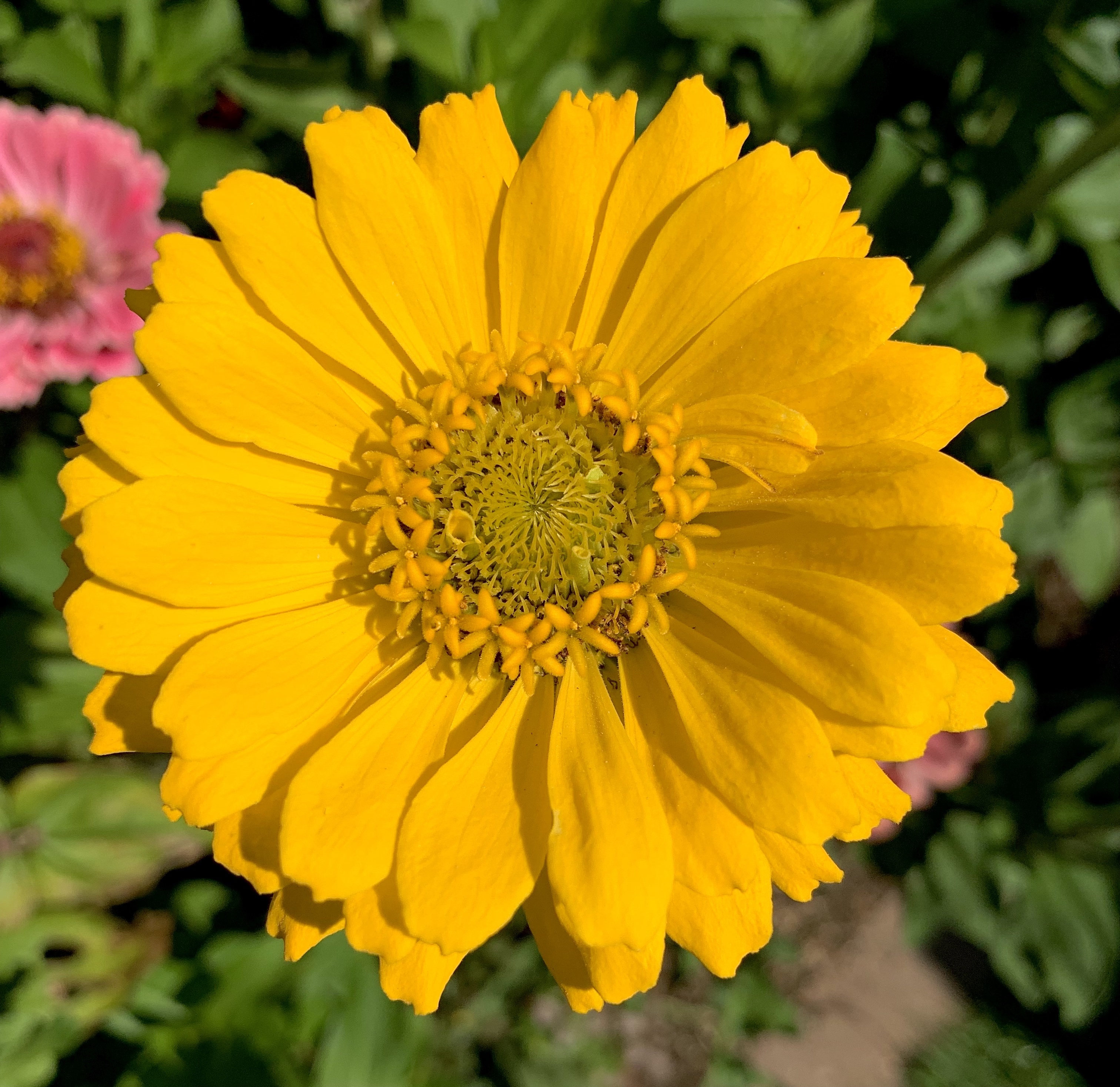
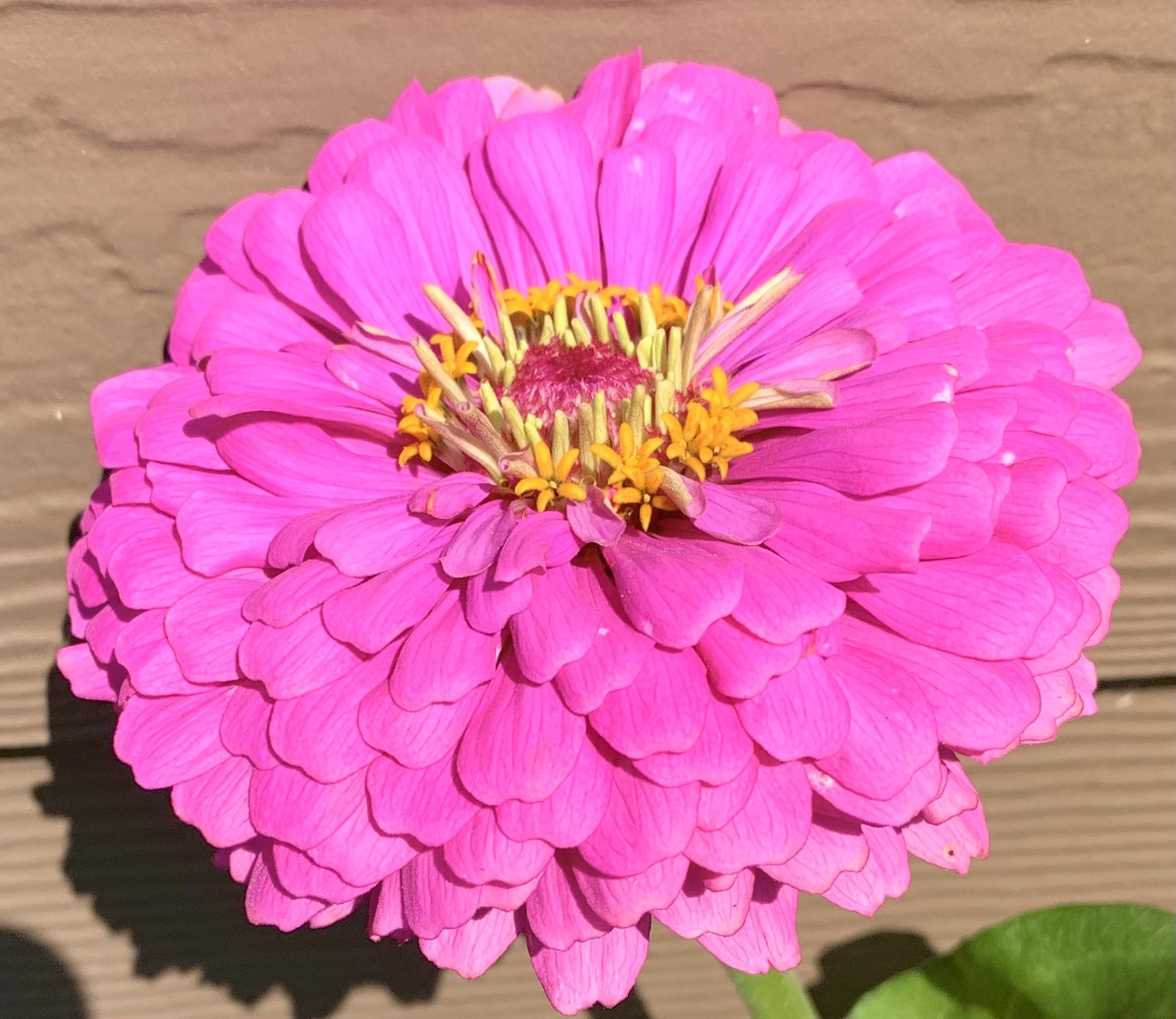
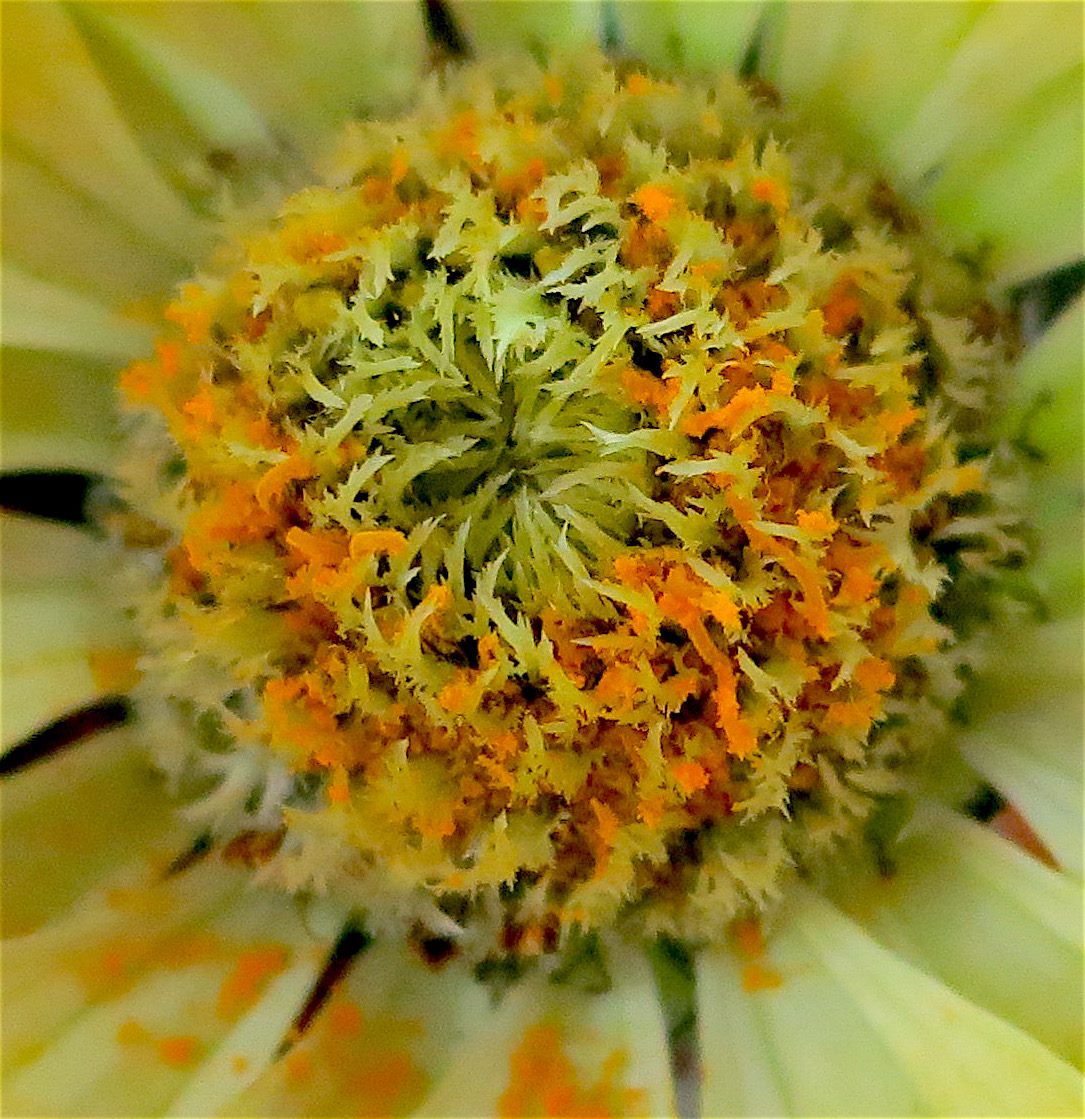
When I pray I go in, and close the door, But what, really, do we mean by prayer? Isn’t it anything done with full attention Whether sinking into silent depths, or Relishing a sun-ripe peach, or gazing At the zinnias freshly picked this early Morning, these multi-petaled shouts of joy, Lemon yellow, orange, reds, a carnival of Flame-filled light, the sweet green scent Summer flowers. ~Sarah Rossiter “Zinnias”
My father’s mother grew a garden of zinnias to divide the house from the woods:
pop art tops in every color—cream, peach, royal purple, and even envy
—the sunburst petals…
the heads little suns you watch die on the stem if you want the bloom back. ~Tyler Mills “Zinnias”
As an eight year old, I grew zinnias from a tiny package of seeds tucked inside a Christmas card by my third grade teacher whose rapt attention turned to her backyard garden when school doors closed in the summer.
She nurtured each of us students like one of her cream-colored zinnia buds arising boldly on a single sturdy stem, growing tall almost before her eyes, yet still undefined.
Watered and fed, her warm light shining on our bright faces, we opened expectantly under her steady gaze, each one a sunburst bloom smiling back at her, which kept her coming back, year after year, to sow a few more celebratory seeds with her sprinkling of wisdom.
Thank you to Chris and Jan Lovegren for sharing their zinnias!
Consider a gift of this new Barnstorming book to someone who loves beautiful pictures and words – available to order here:
You get down on your knees in the dark earth—alone for hours in hot sun, yanking weed roots, staking trellises, burning your shoulders, swatting gnats; you strain your muscled midwestern neck and back, callous your pianist’s hands.
You cut roses back so they won’t fruit, rip out and replace spent annuals. You fill your garden dense with roots and vines. And when a humble sprout climbs like a worm up out of death, you are there to bless it, in your green patch, all spring and summer long,
hose like a scepter, a reliquary vessel; you hum through the dreamy wilderness—no one to judge, absolve, or be absolved—purified by labor, confessed by its whisperings, connected to its innocence.
So when you heft a woody, brushy tangle, or stumble inside grimy, spent by earth, I see all the sacraments in place— and the redeemed world never smelled so sweet. ~Ken Weisner, “The Gardener” from Anything on Earth.
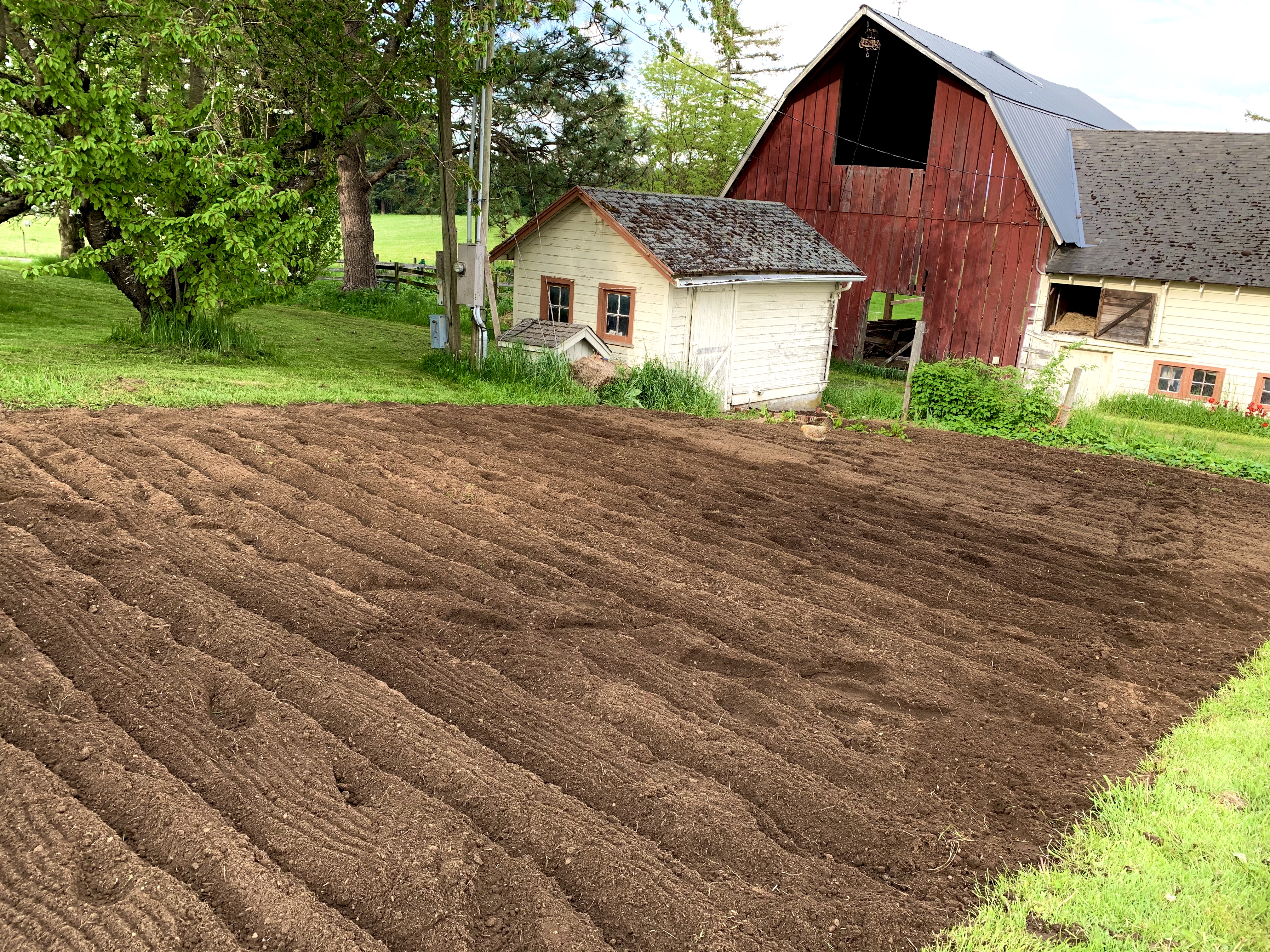
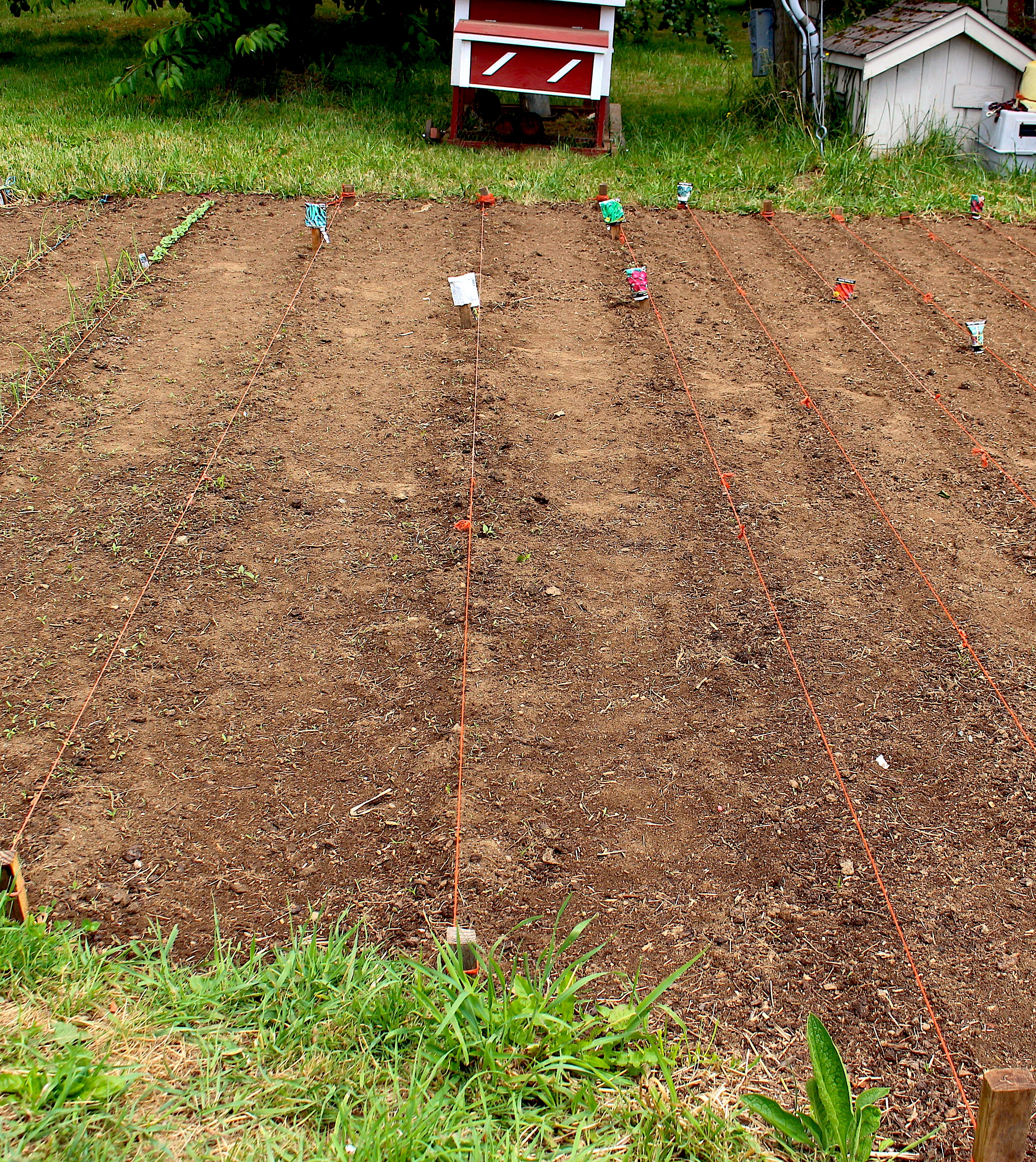
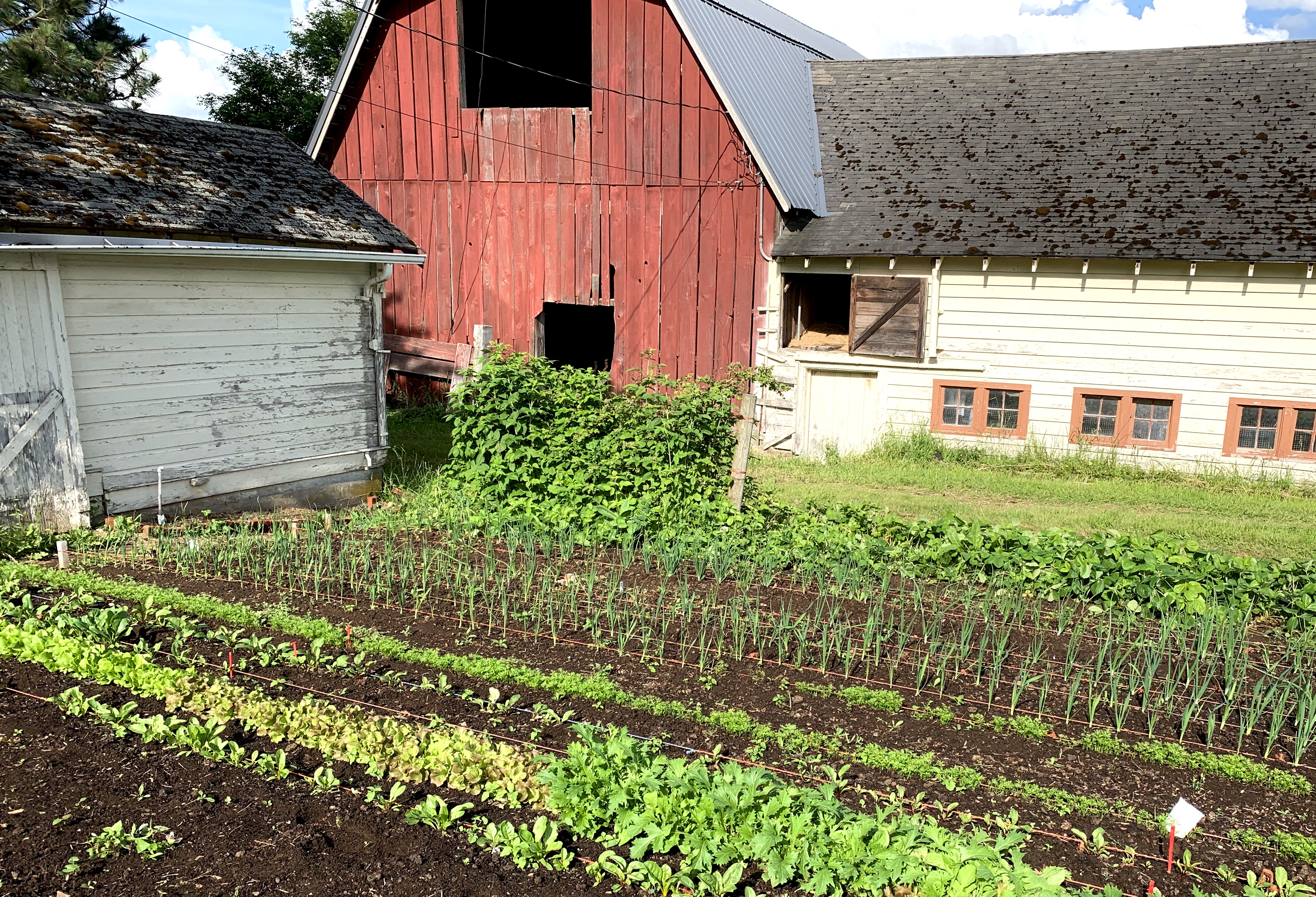
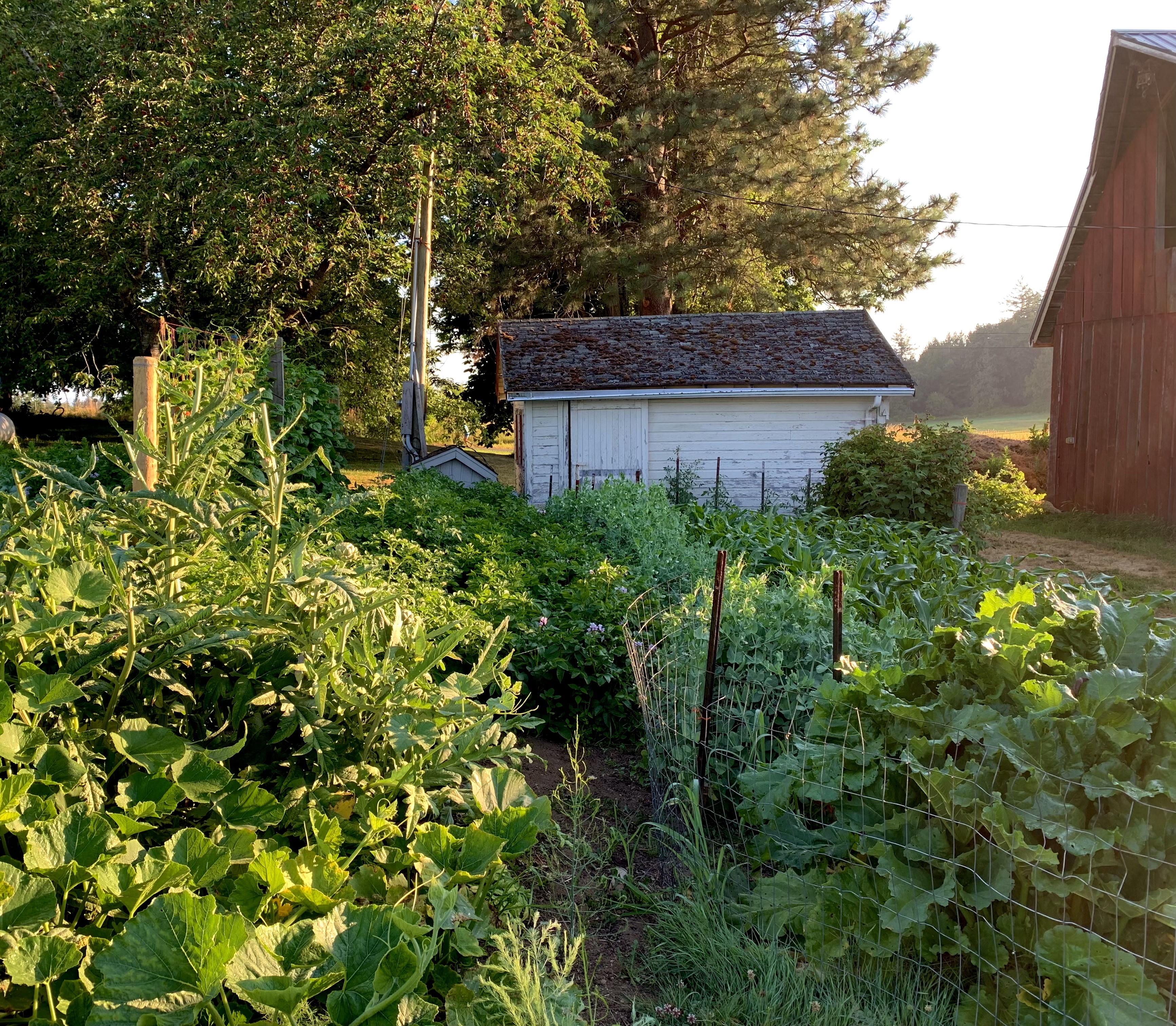
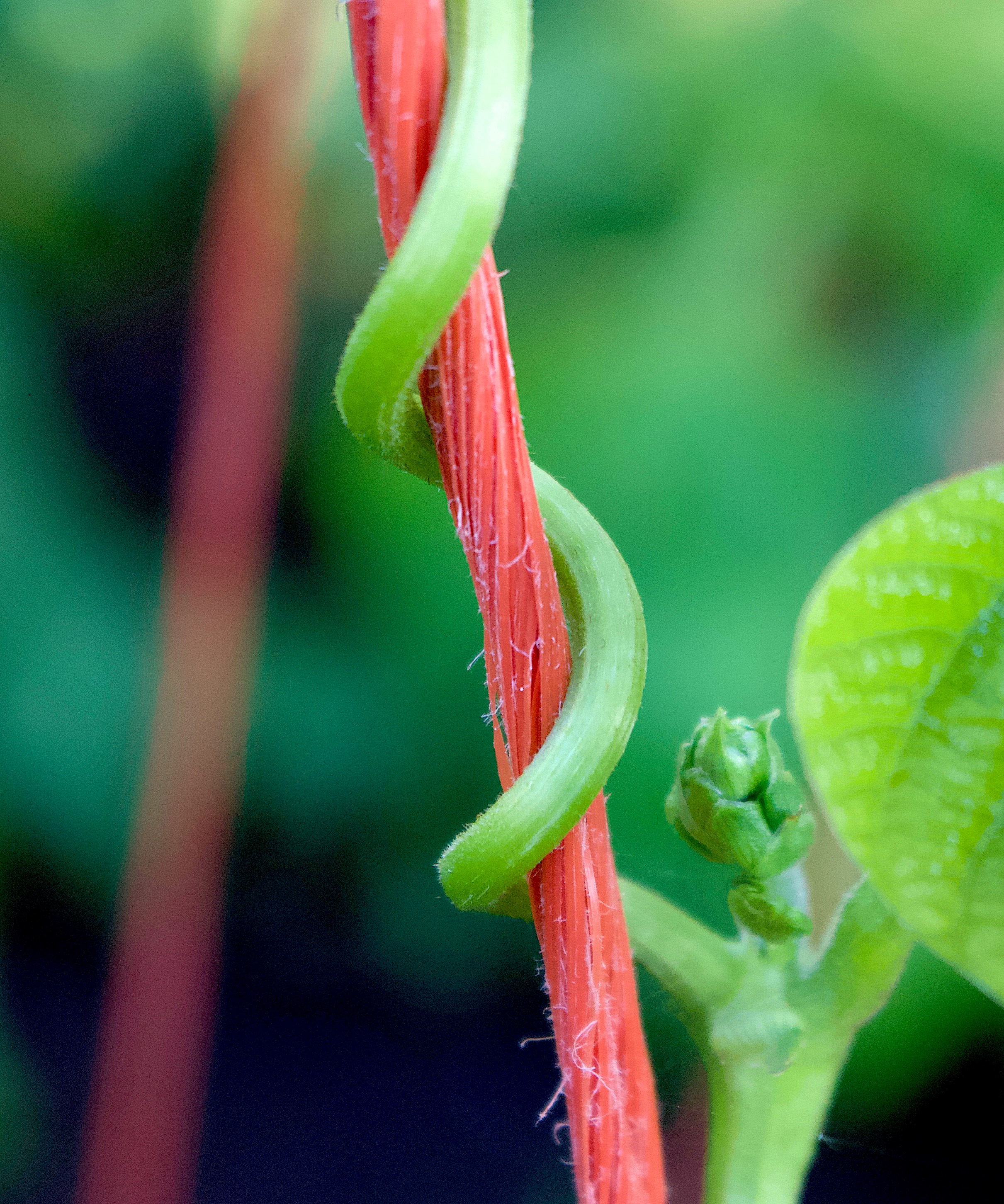
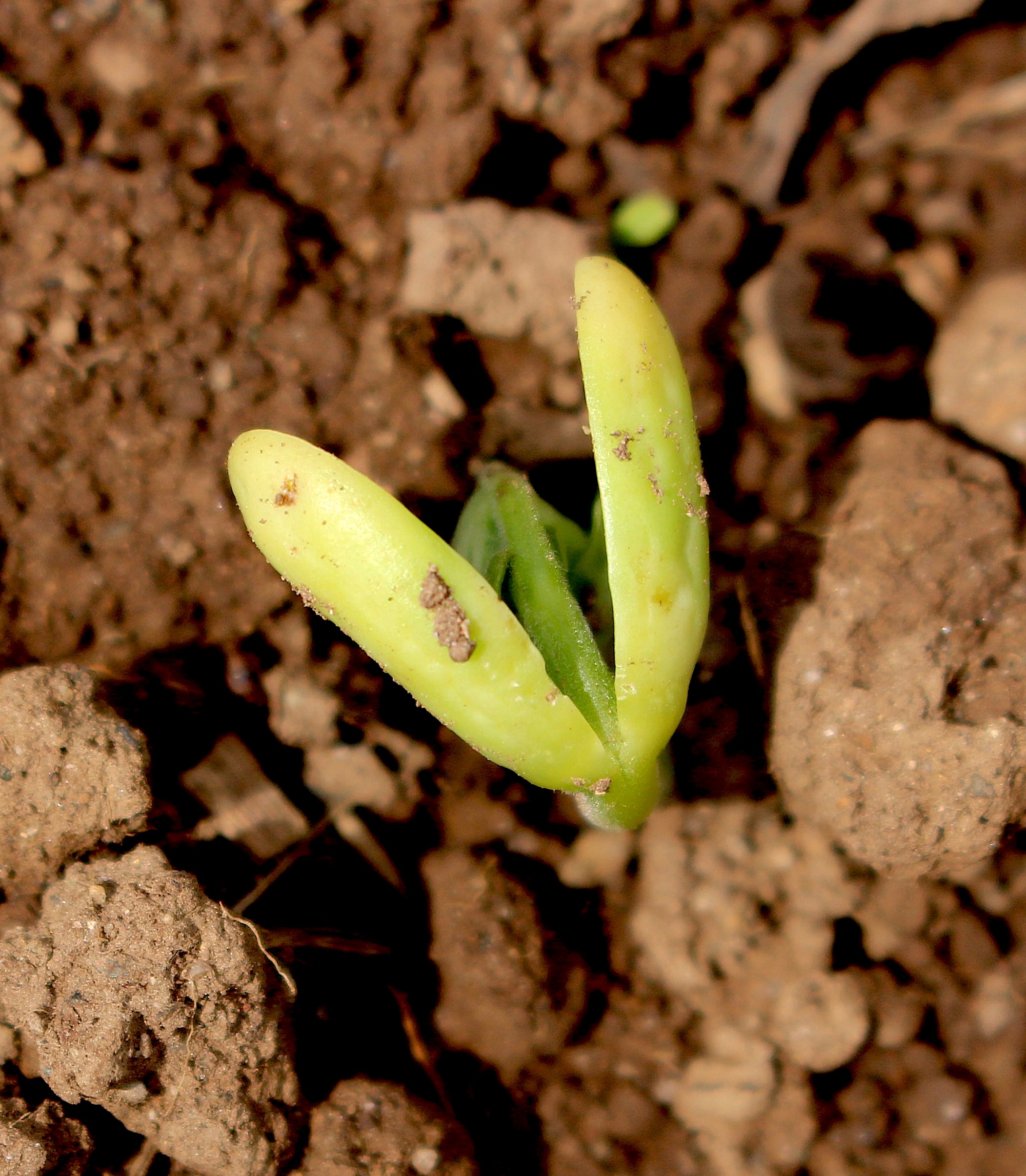
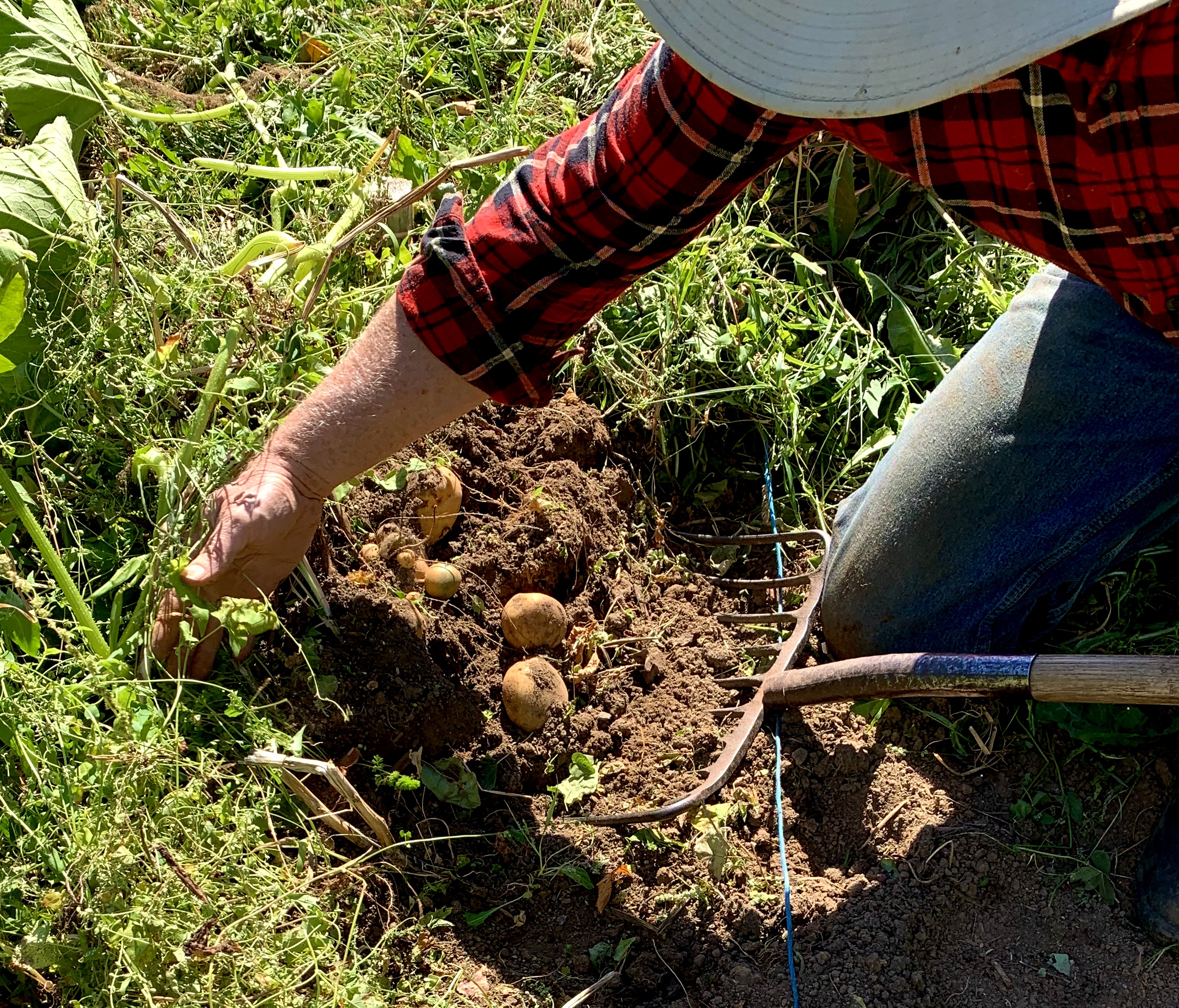
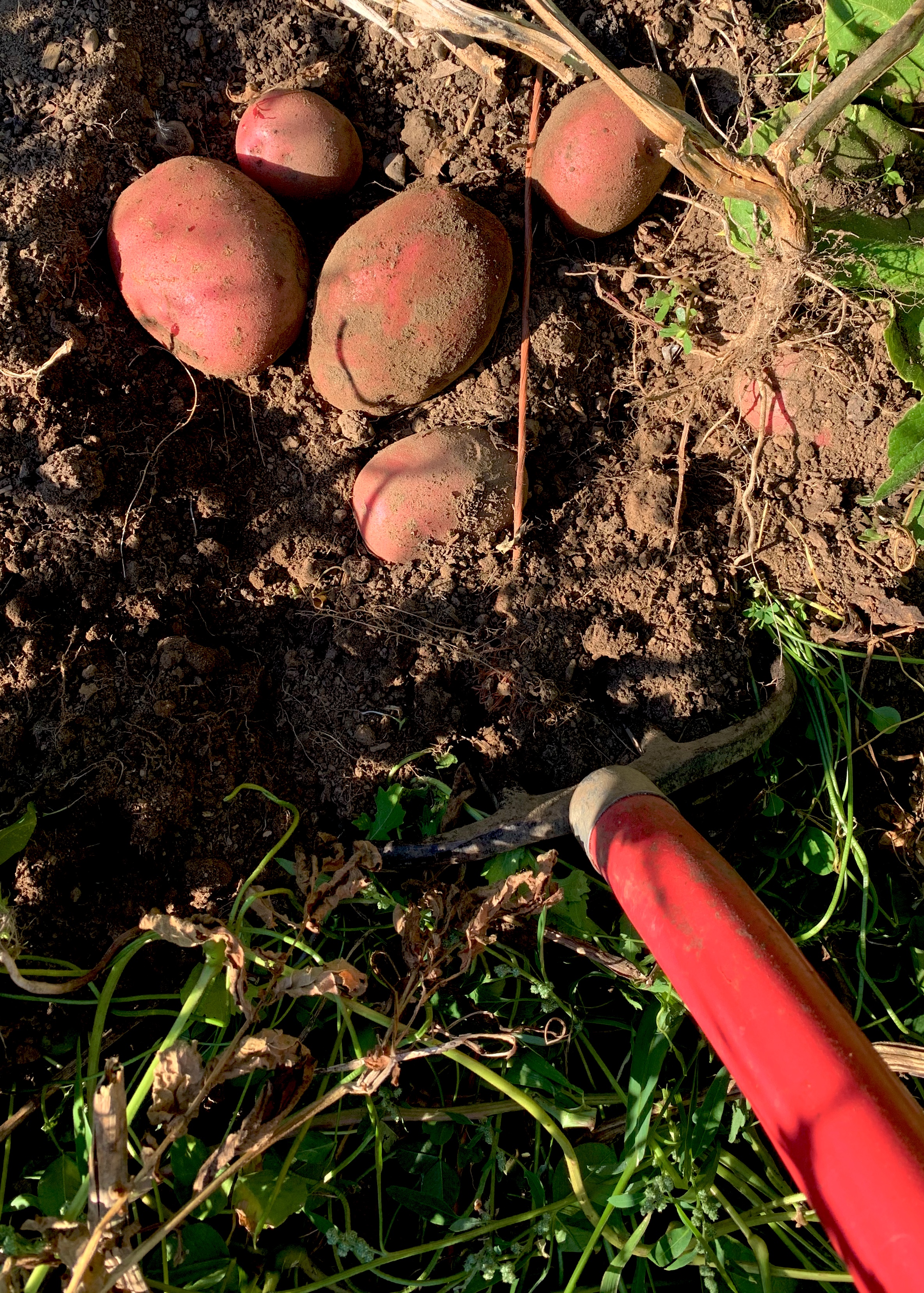
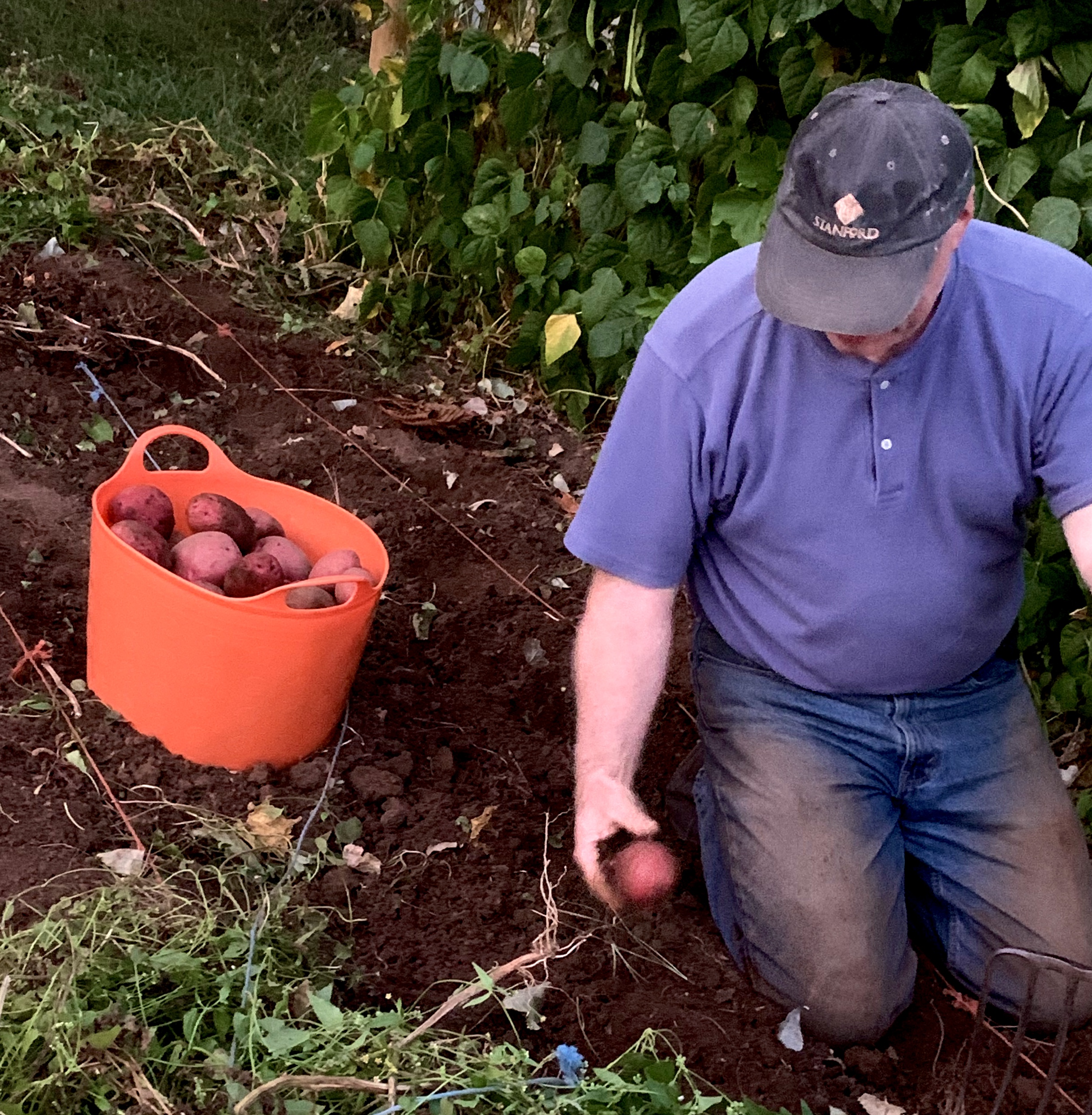
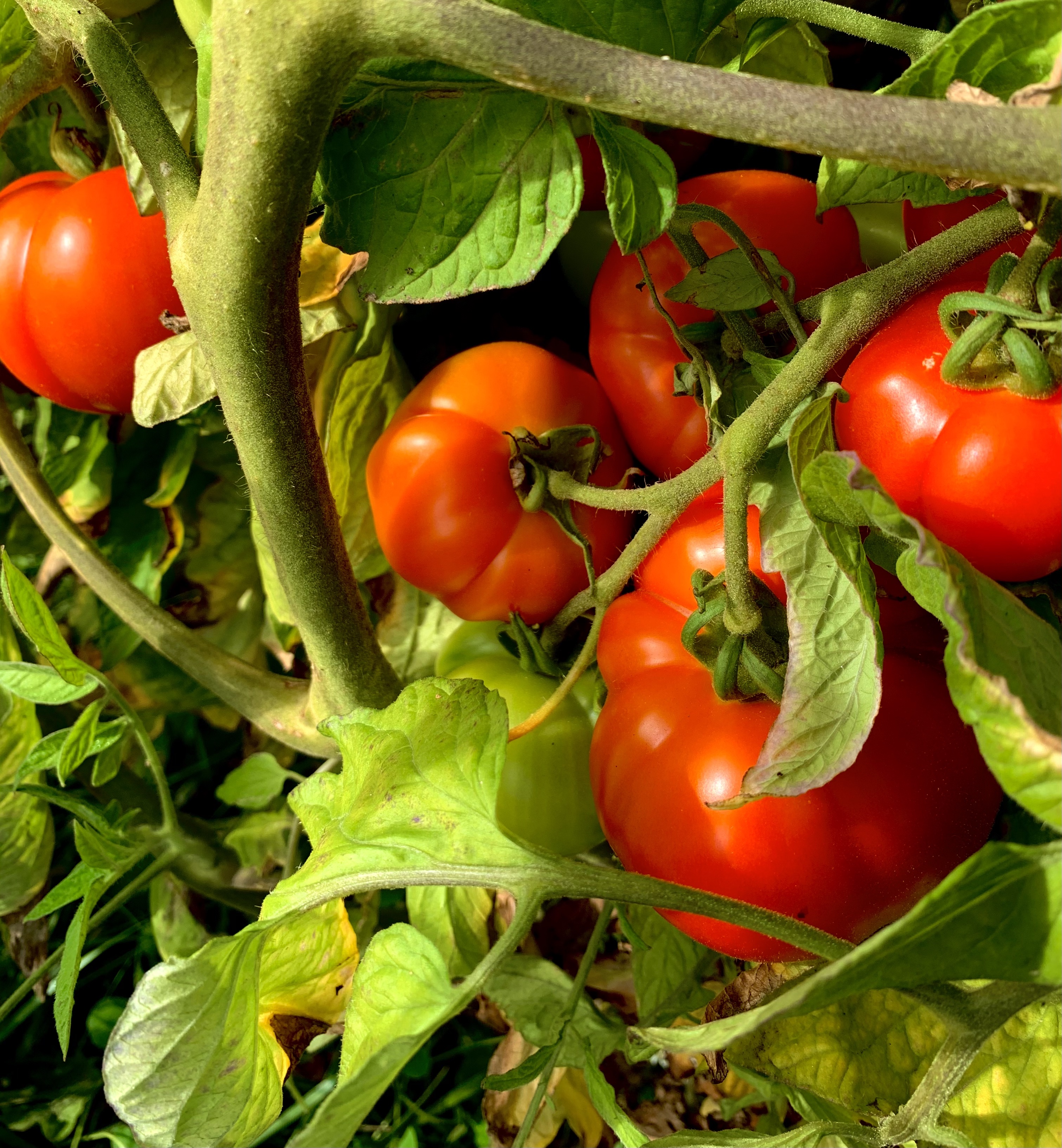
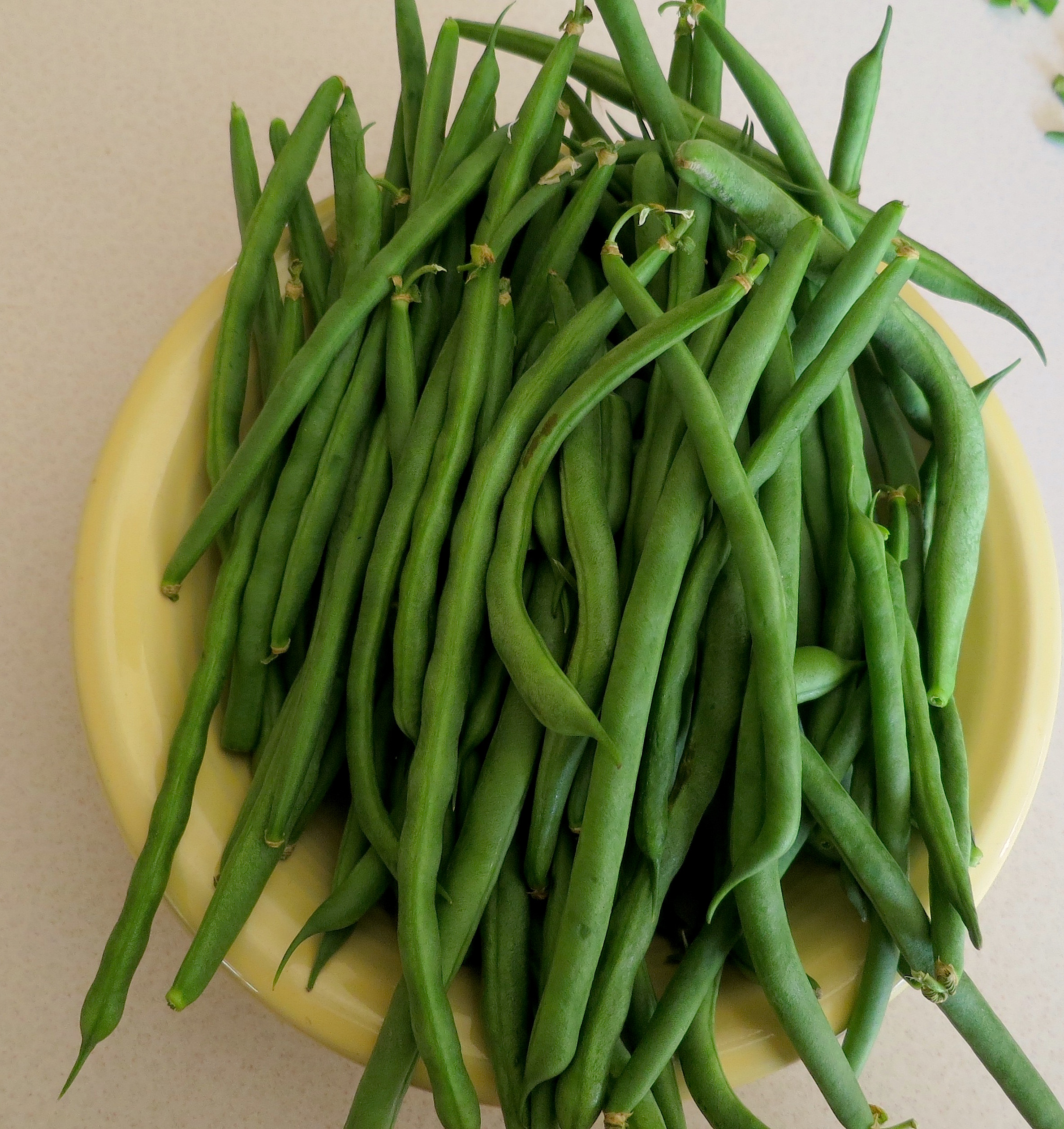
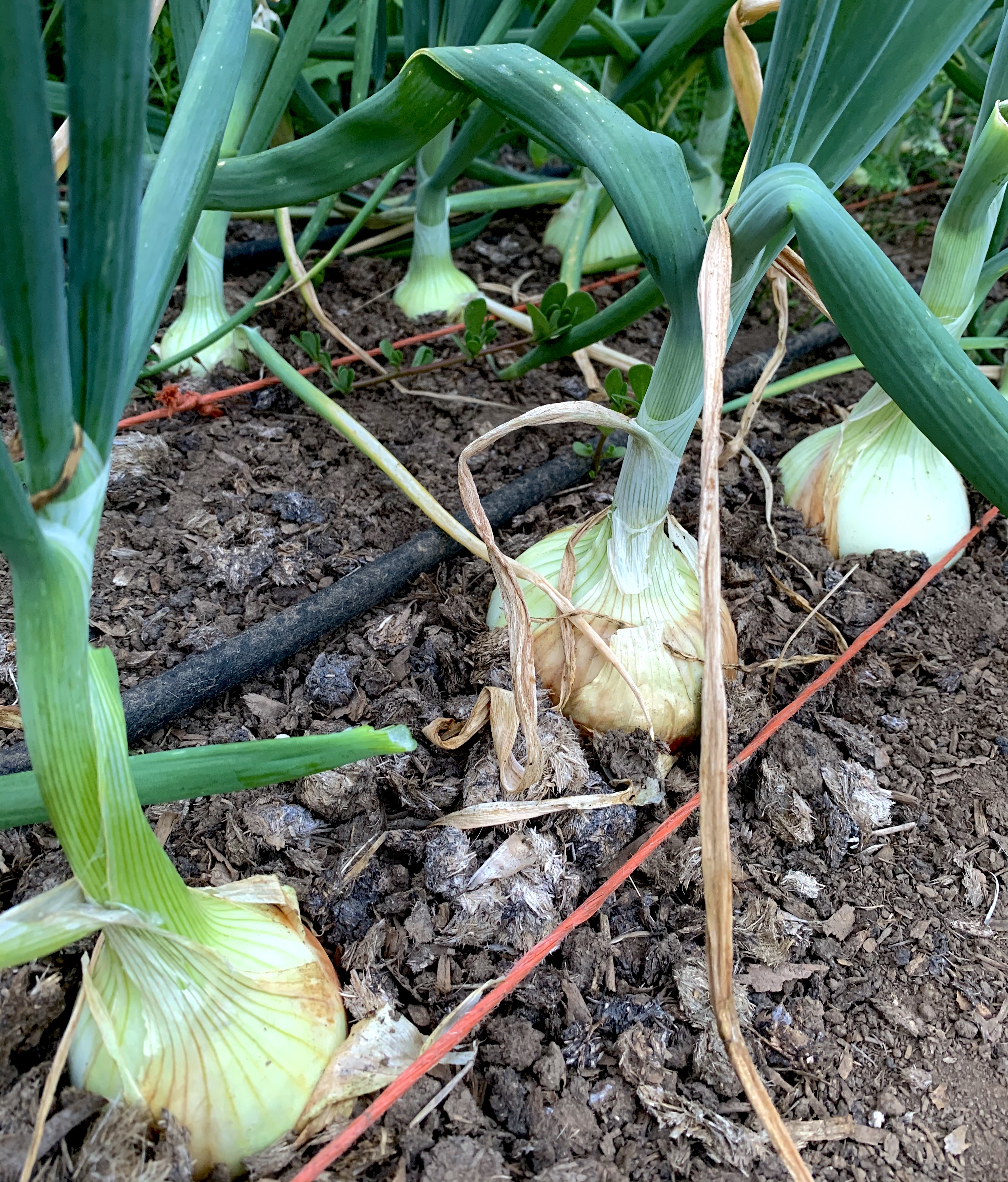
We are in full-garden produce preservation mode right now on the farm – these are the days when we pick the fruits of Dan’s labors – all the hours he spent this spring preparing the soil with rich compost, meticulously pulling out weeds by the roots, rototilling and cultivating, then staking/stringing/sowing the rows, then standing back to watch the sun and rain coax the seeds from the dark.
All this happens in a mere few weeks – we never tire of this illustration of redemption and renewal we’re shown year after year – how a mess of weeds and dirt can be cleared, refined and cleansed to once again become productive and fruitful, feeding those who hunger – both now and deep into winter and next spring.
It gives me hope; even when I myself am feeling full of weeds and despairingly dirty and overwhelmed, I can be renewed. It takes a persistent Gardener who is willing and eager to prune away what is useless, and sow anew what is needed for me to thrive and produce – His hands and knees are covered with my grime.
And the fruit that results! – so very sweet…
If you enjoy Barnstorming posts like this, you’ll enjoy this new book from Barnstorming, available to order here:
Things fall apart; the centre cannot hold; Mere anarchy is loosed upon the world, The blood-dimmed tide is loosed, and everywhere The ceremony of innocence is drowned; ~William Butler Yeats from “The Second Coming”
The city orbits around eight million centers of the universe and turns around the golden clock at the still point of this place. Lift up your eyes from the moving hive and you will see time circling under a vault of stars and know just when and where you are. ~Billy Collins “Grand Central”
At the still point of the turning world. Neither flesh nor fleshless; Neither from nor towards; at the still point, there the dance is, But neither arrest nor movement. And do not call it fixity, Where past and future are gathered. Neither movement from nor towards, Neither ascent nor decline.
Here is a place of disaffection Time before and time after In a dim light: neither daylight Investing form with lucid stillness Turning shadow into transient beauty With slow rotation suggesting permanence Nor darkness to purify the soul Emptying the sensual with deprivation Cleansing affection from the temporal. Neither plentitude nor vacancy. ~T.S. Eliot from “Burnt Norton” The Four Quartets
In those days there was no king in Israel. Everyone did what was right in his own eyes. Judges 21:25
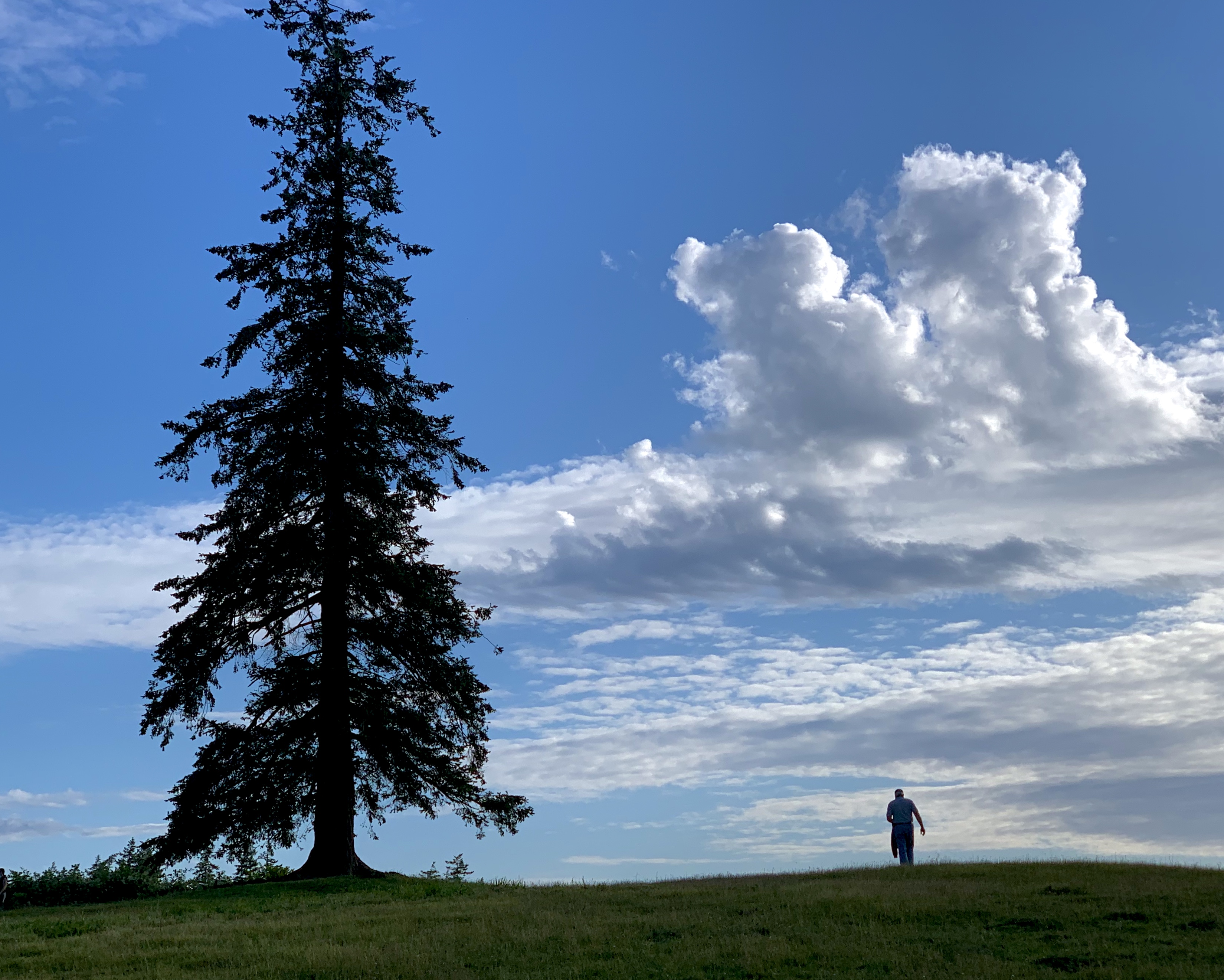
Which shall it be? Billions of people orbit the center – or – each of us strives to be our own center of the universe, but cannot hold on there.
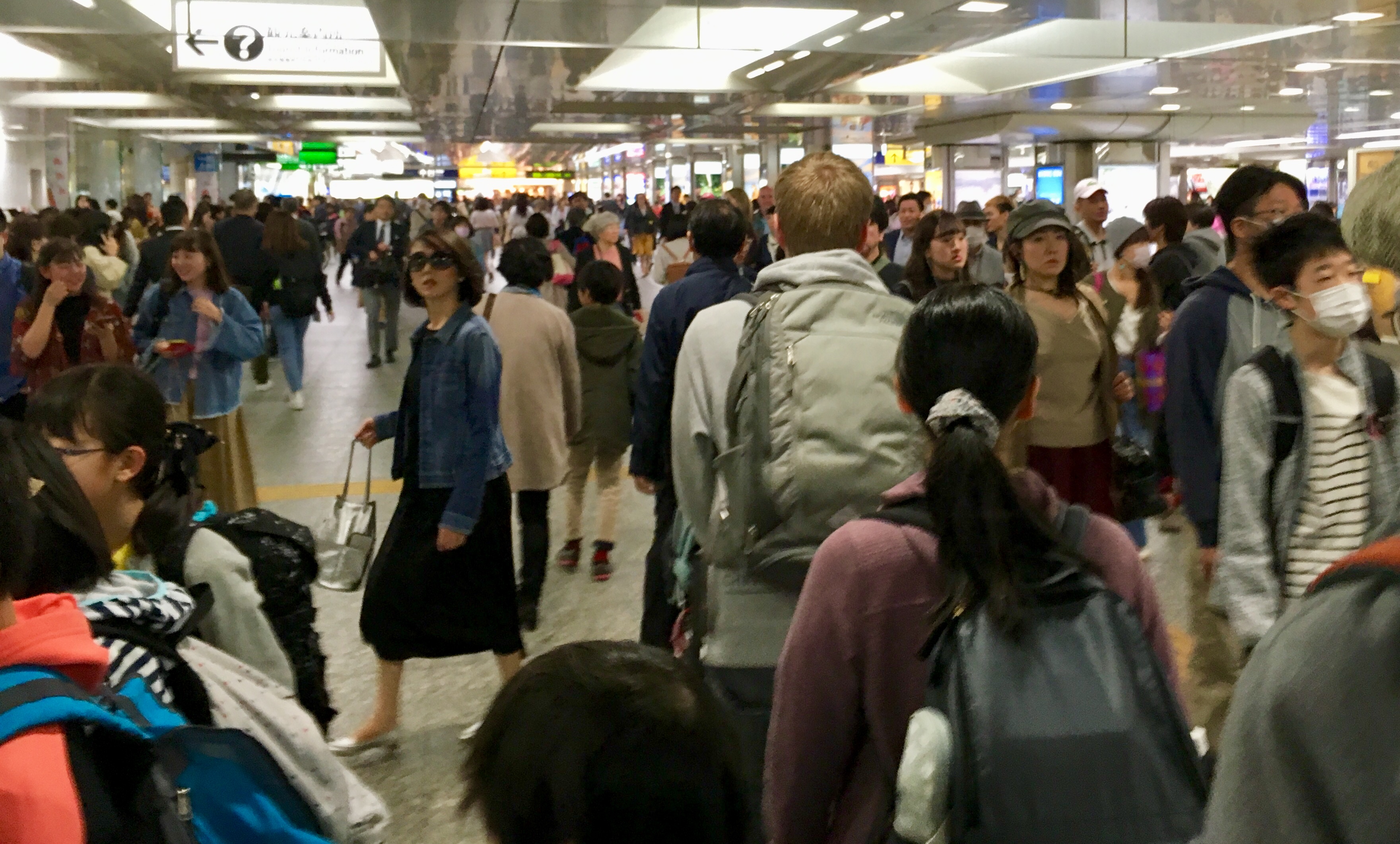
We’ve been to Grand Central Station, a relaxed rest stop compared to the moving hive we navigated at Shinjuku Station and Ikebukuro Station in Tokyo, a city four times the size of New York.
Try as I might to picture train stations constituting a “center” holding a great city together, such works of man – like political leaders – have only a tenuous hold on those who come and go. We each desire to do what is right in our own eyes.
As a result, there is no glue; things fall apart.
The Center only holds when it constitutes the Source itself- the origin, the beginning and the end and everything in between. Starting from there, no matter how far you may feel from the Center, you have no doubt about who and where and when you are. Then and only then, you know what is right to do.
More photos and words of encouragement are found in this new book from Barnstorming, available for order here:
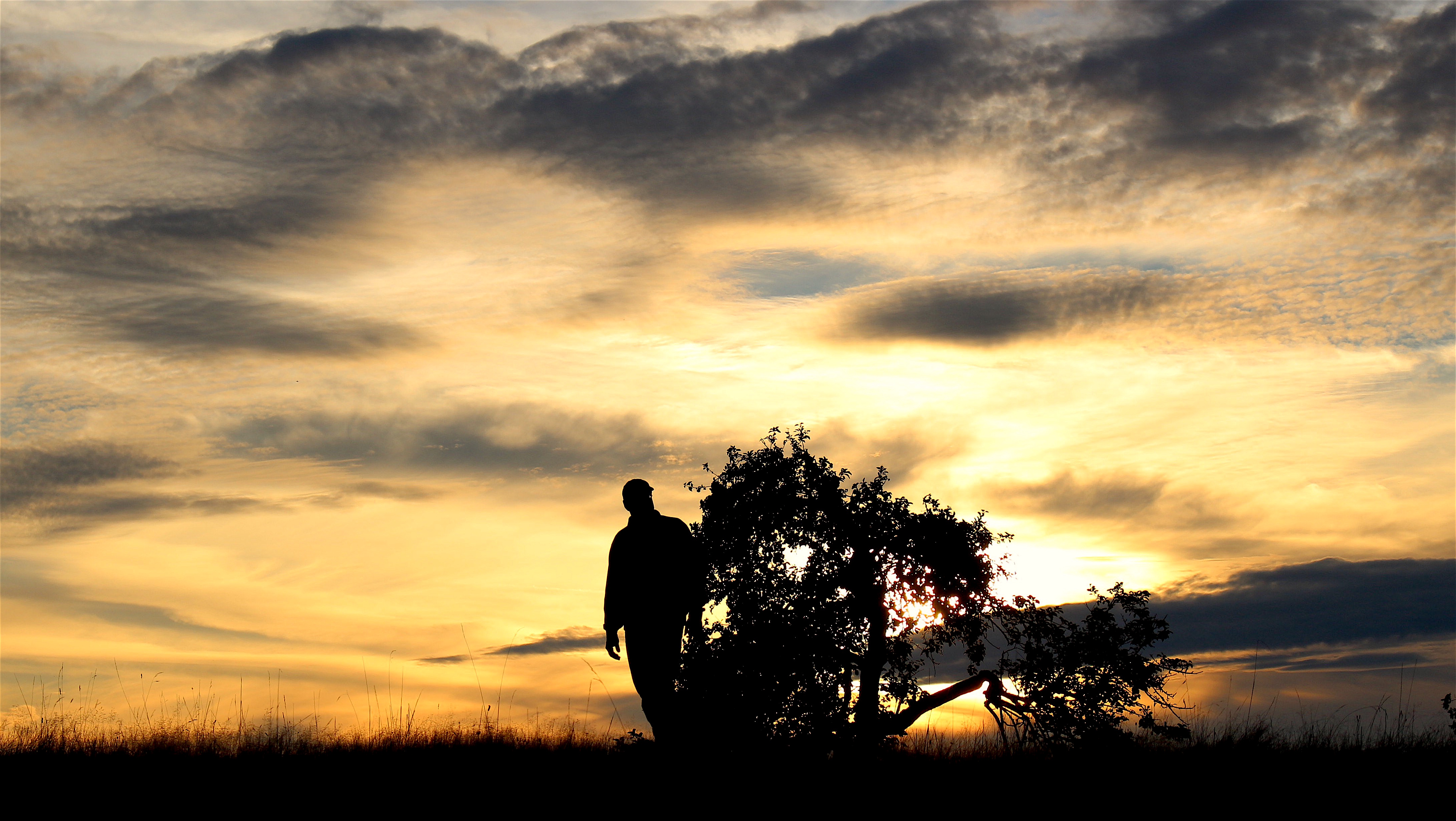
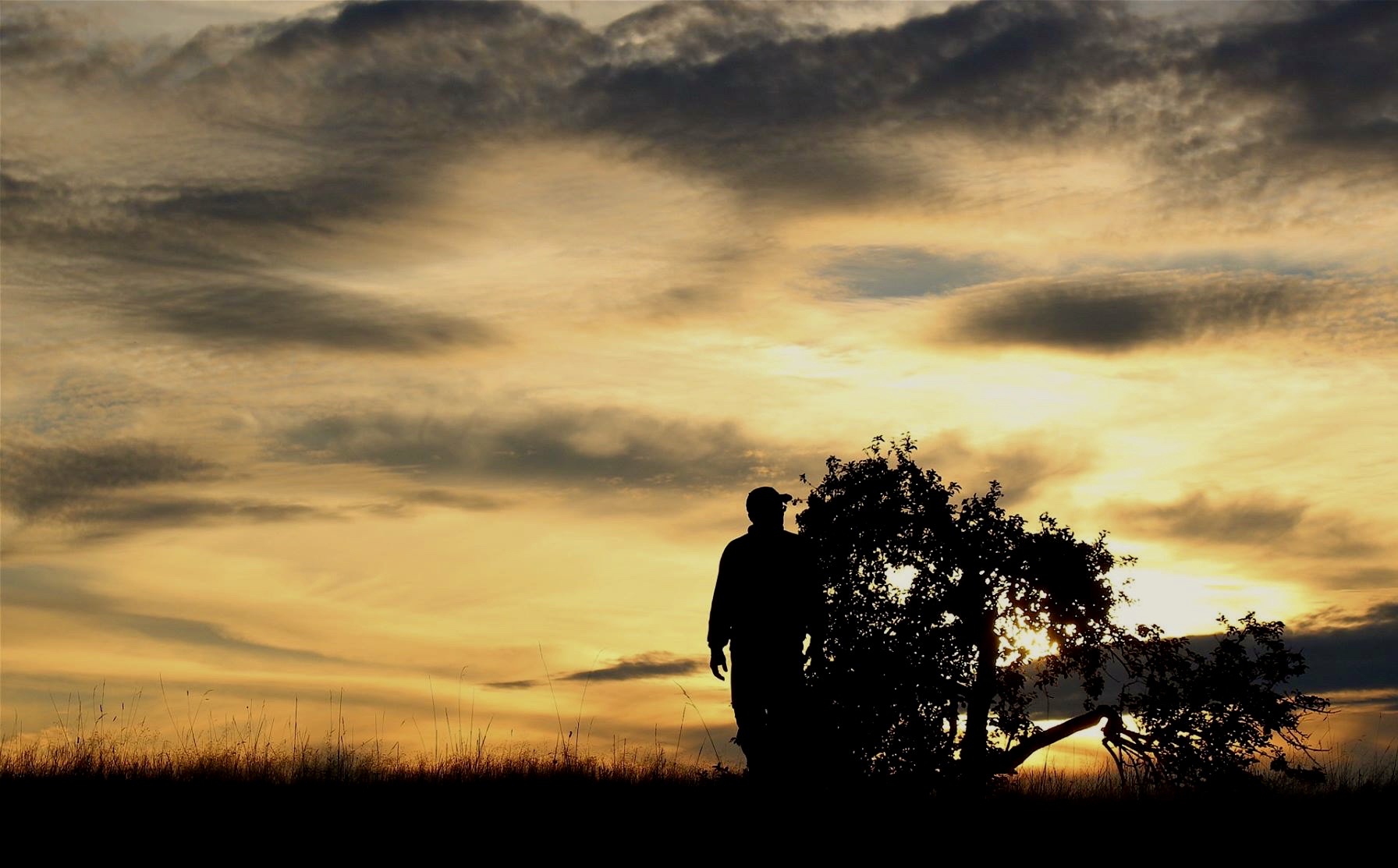
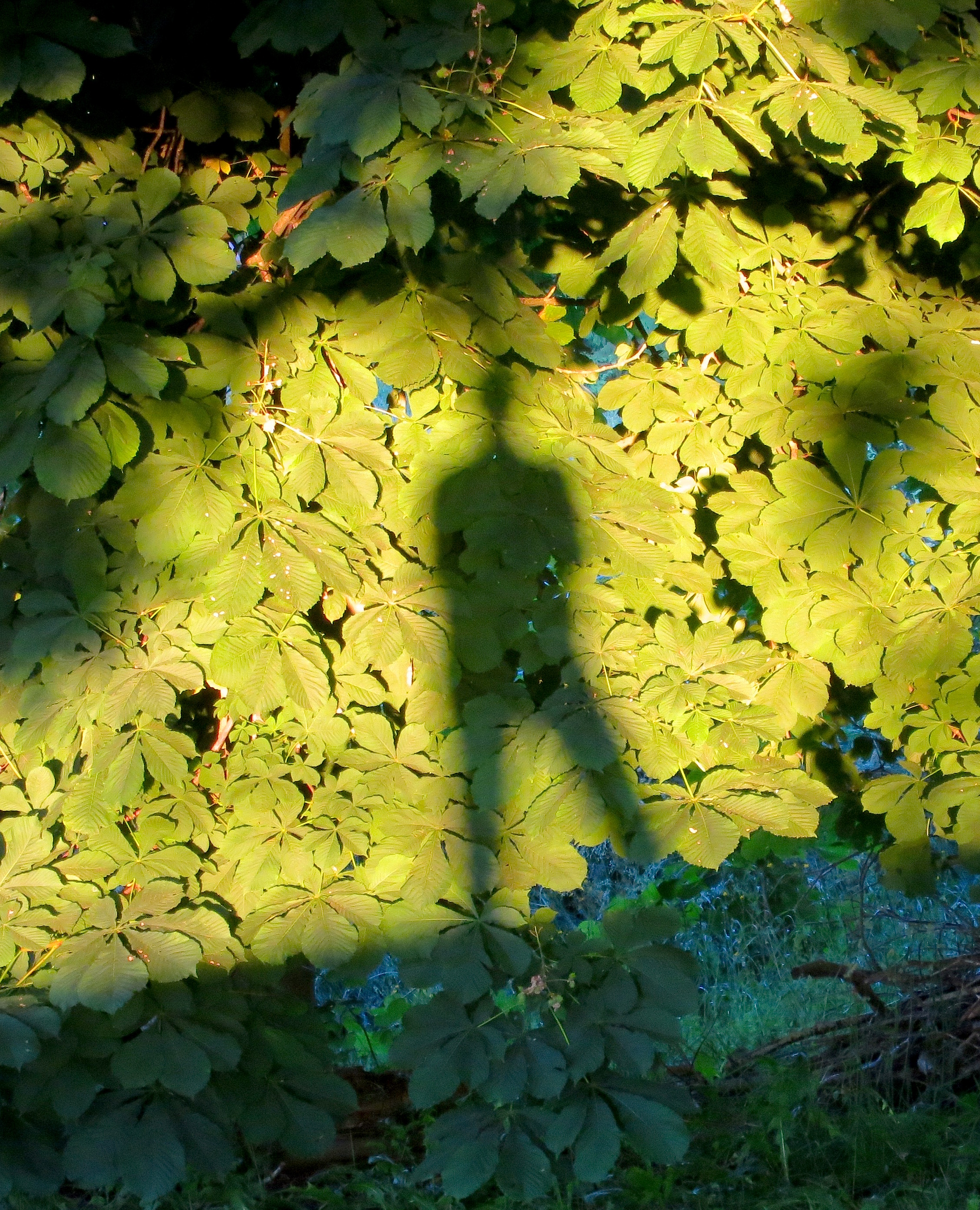
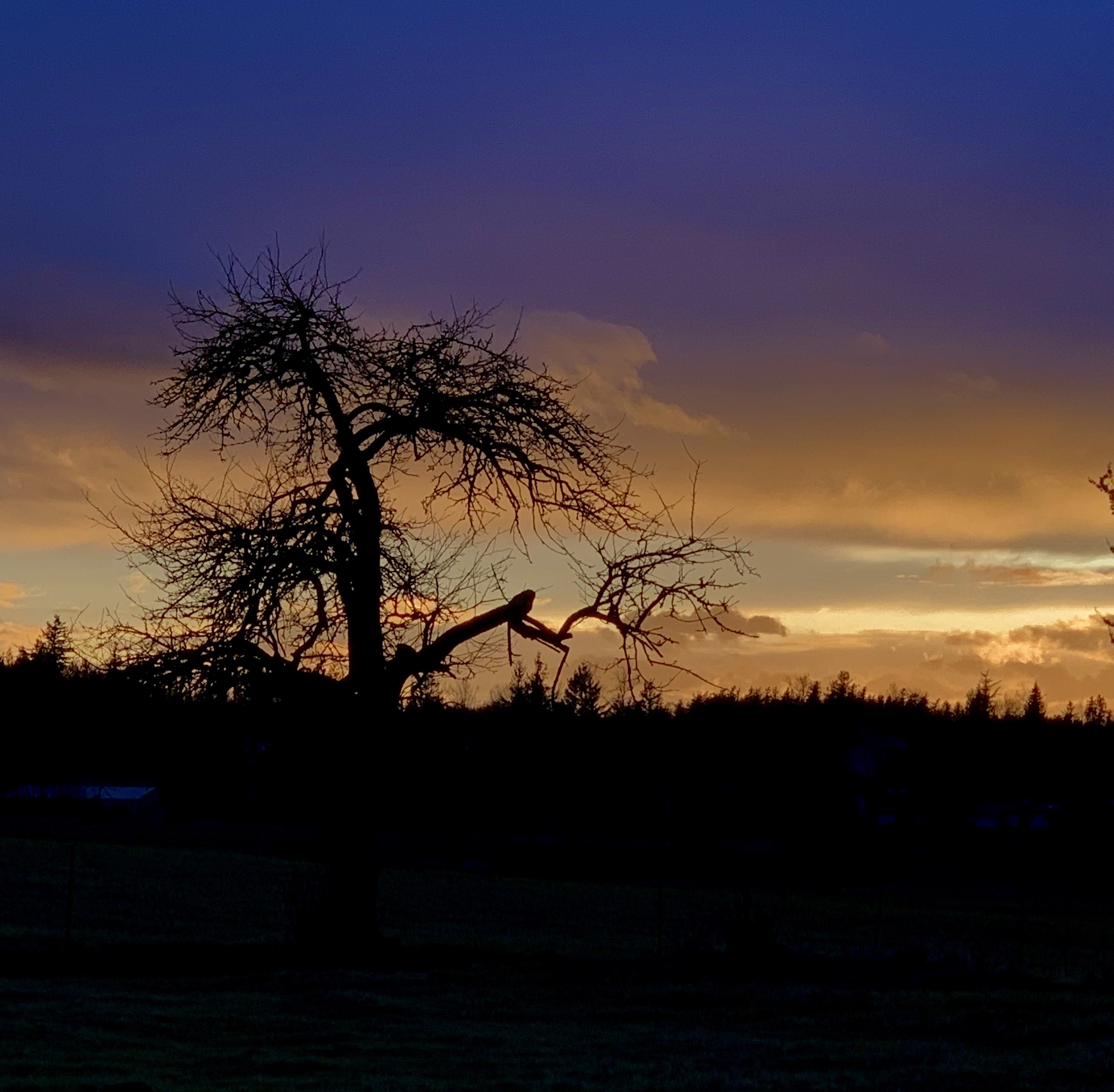
A lurking man in that half light, there where eye imagines sight, stops my heart until I see Lurking man is leaning tree.
What changed? The man? There was none. Tree? The tree was always there. Then me? I did not change. I came to see and what I saw, what was could be. ~Archibald MacLeish, from Collected Poems 1917 to 1982
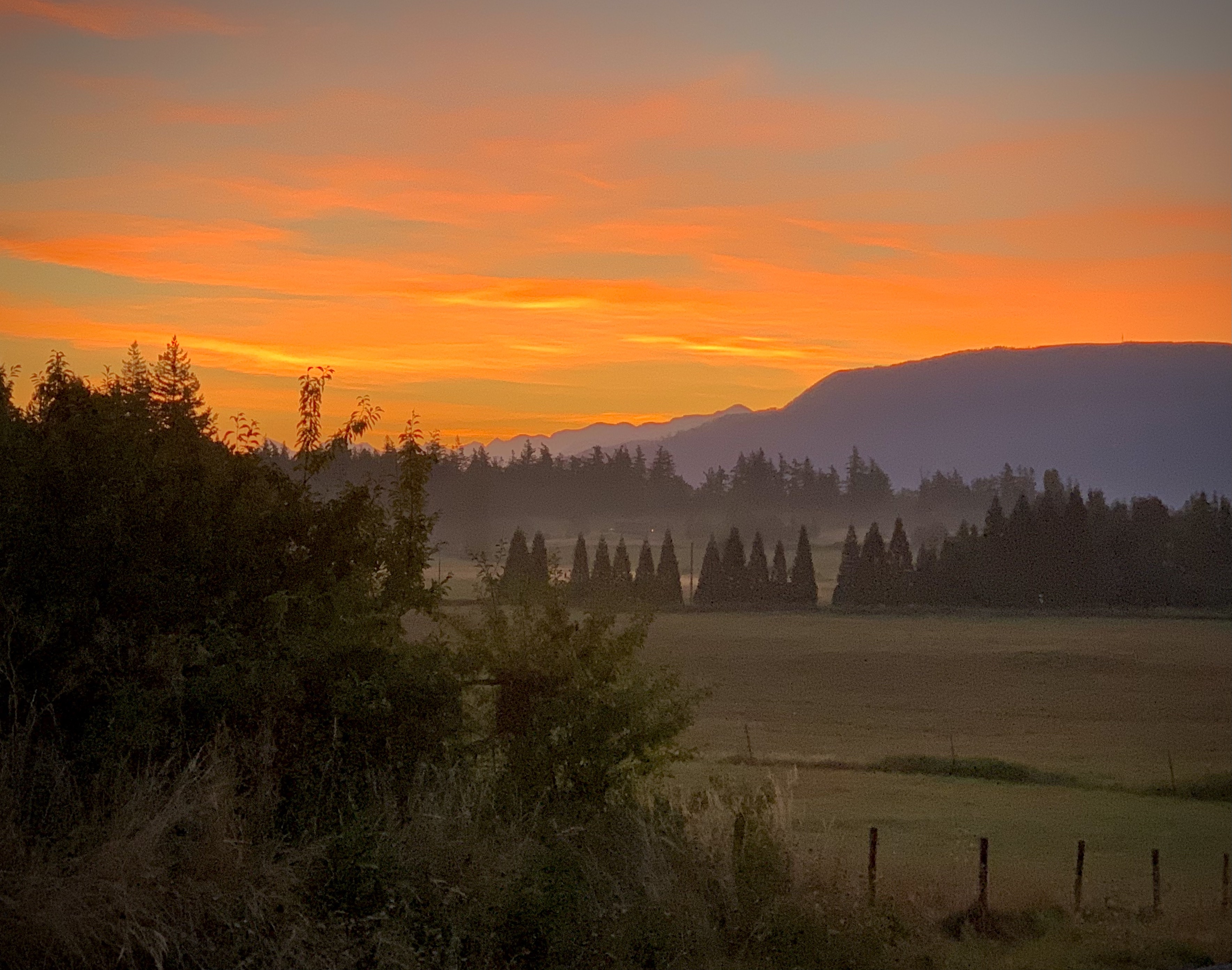
Every day I look for what is obvious on the farm – the trees, the flowers, the animals, the clouds, the lighting – all the daily and mundane things surrounding me. More often than not, what I see is straight-forward, needing no extra mental processing or interpretation.
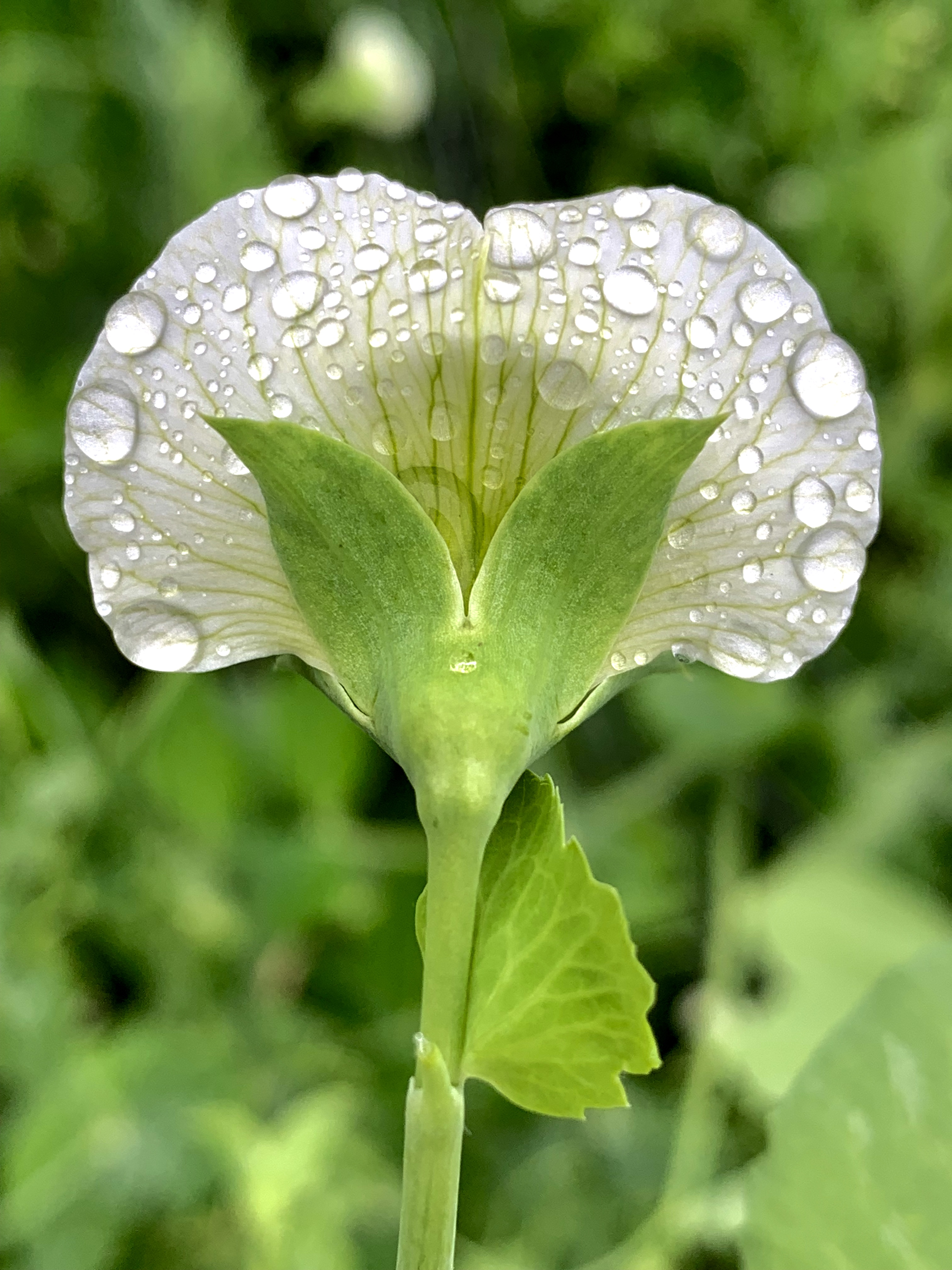
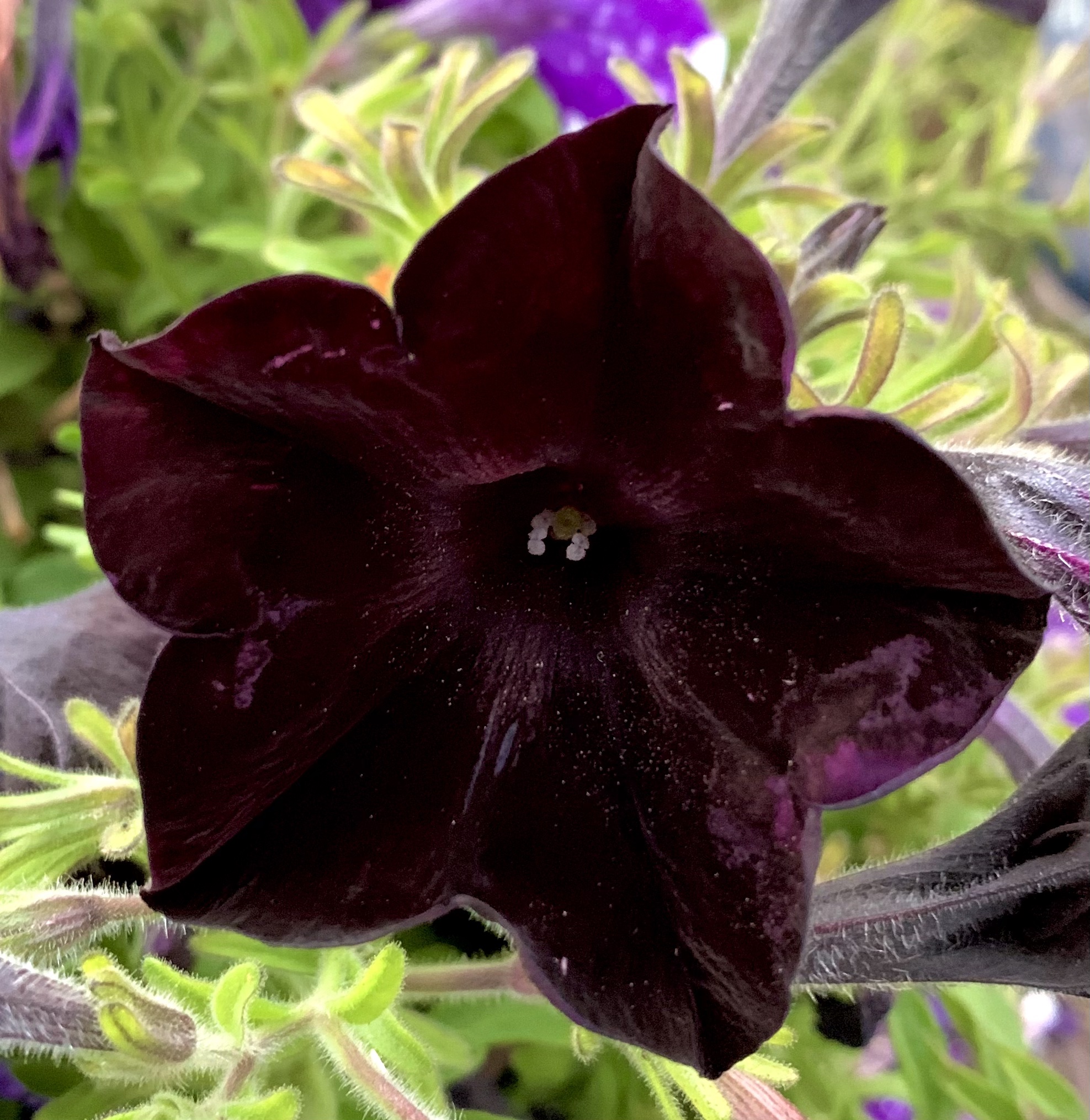
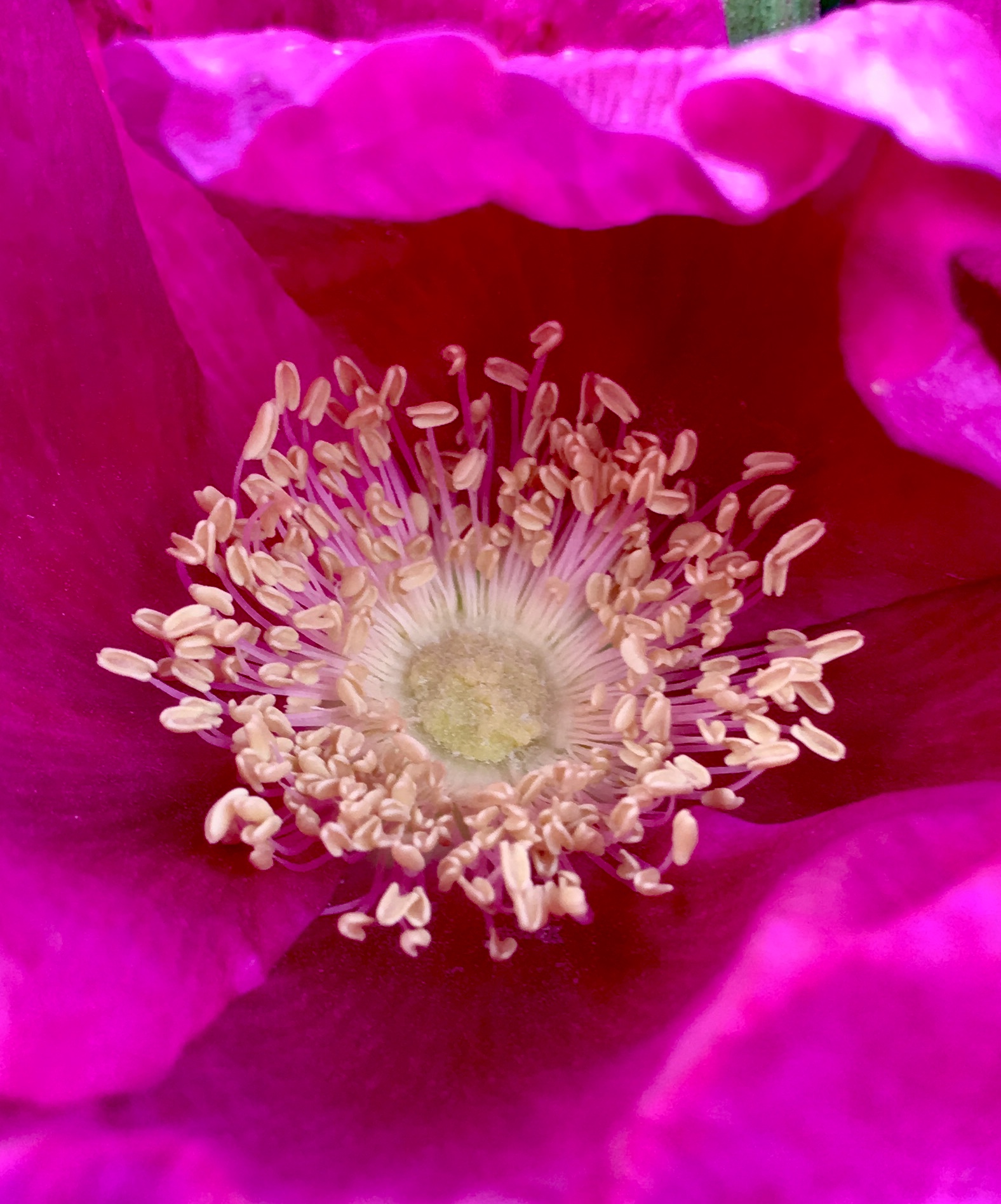
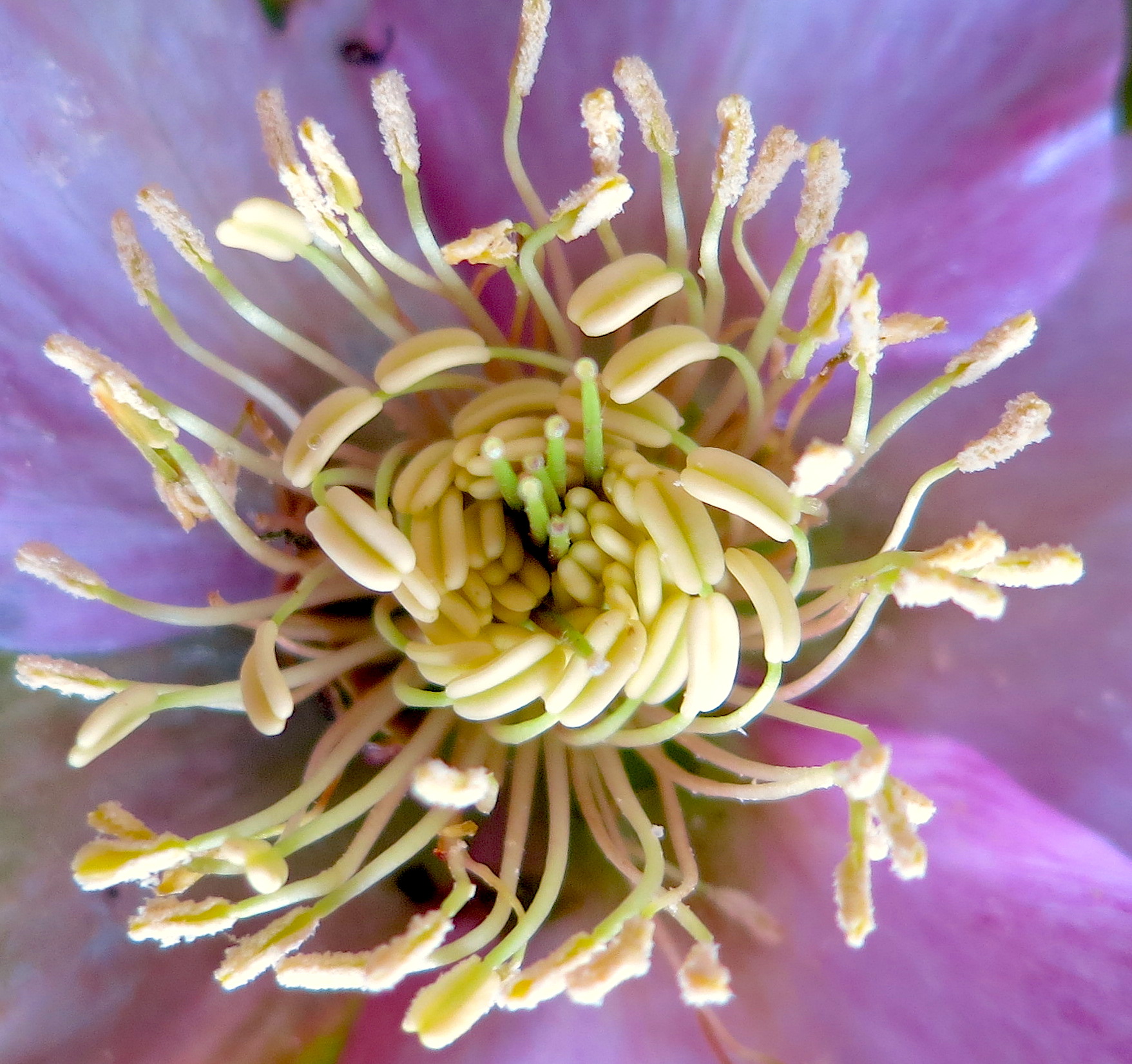
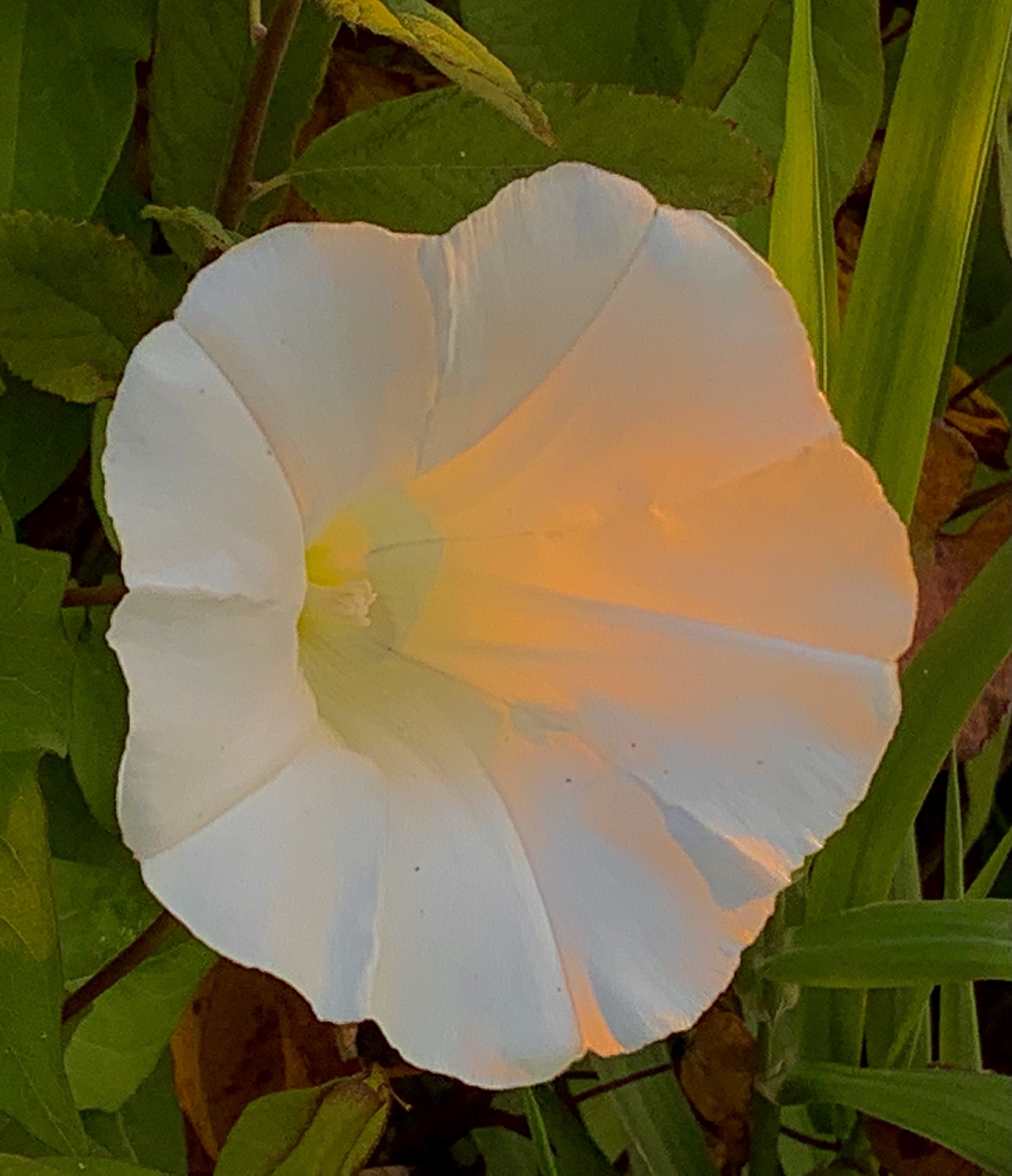
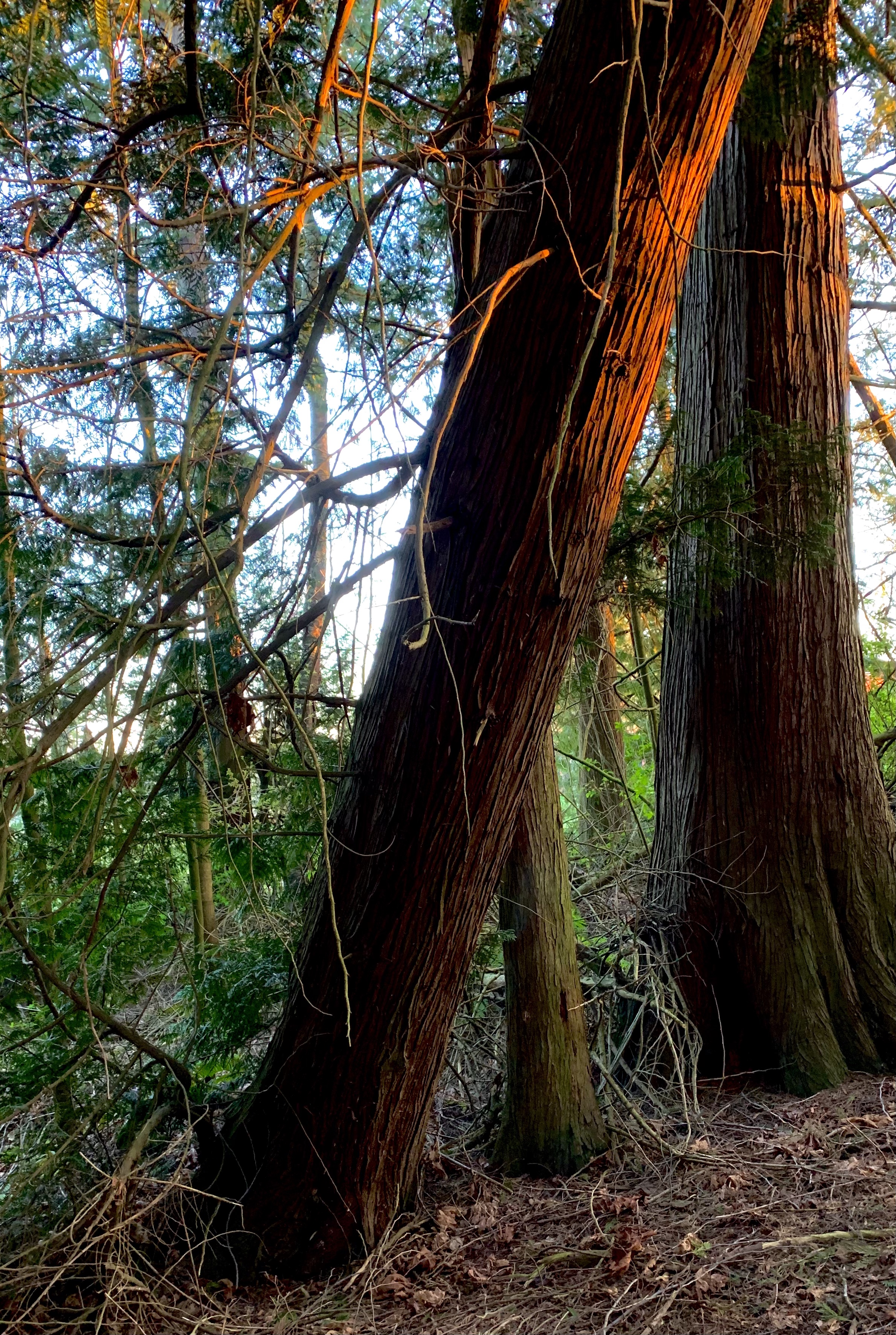
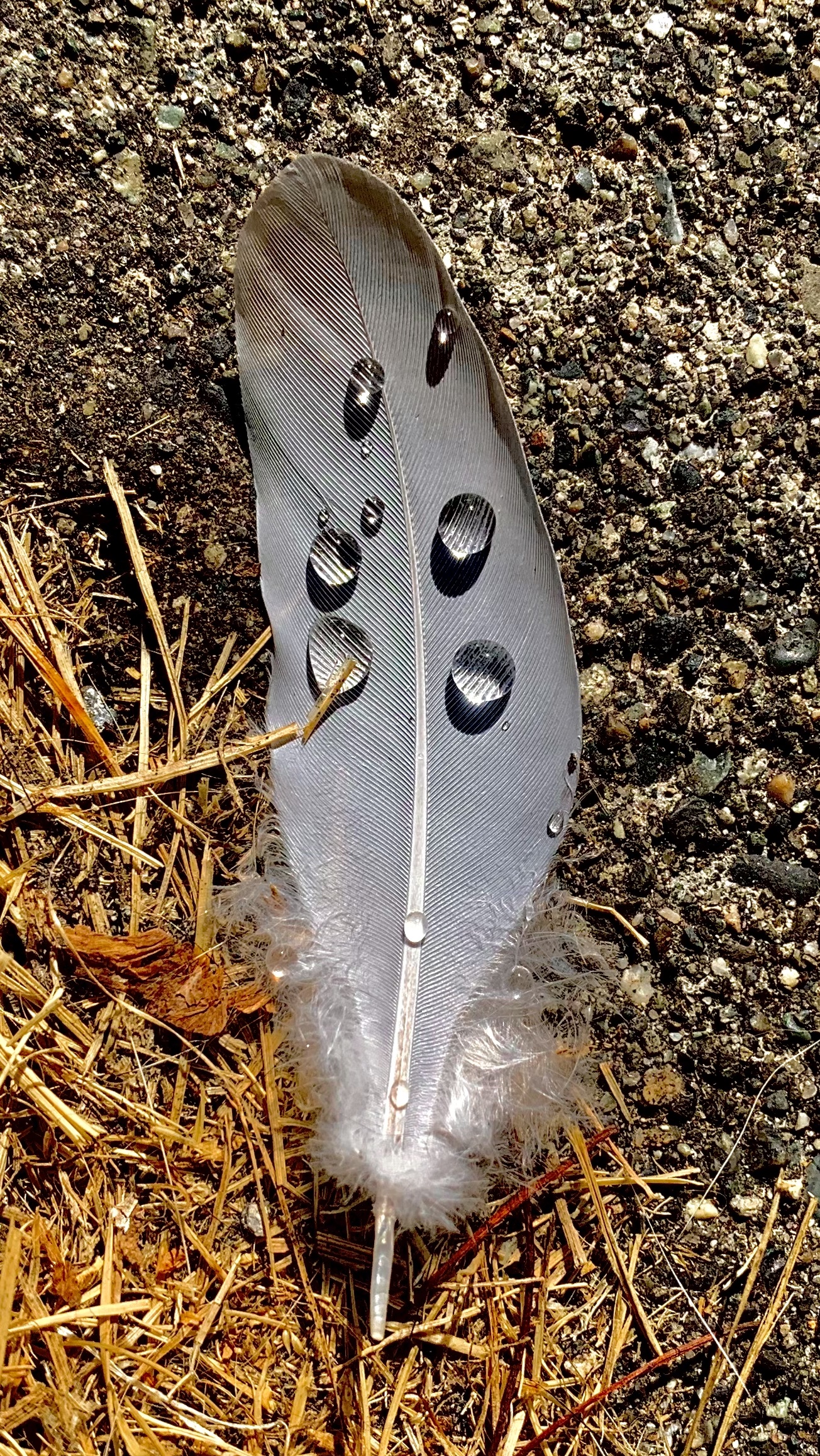
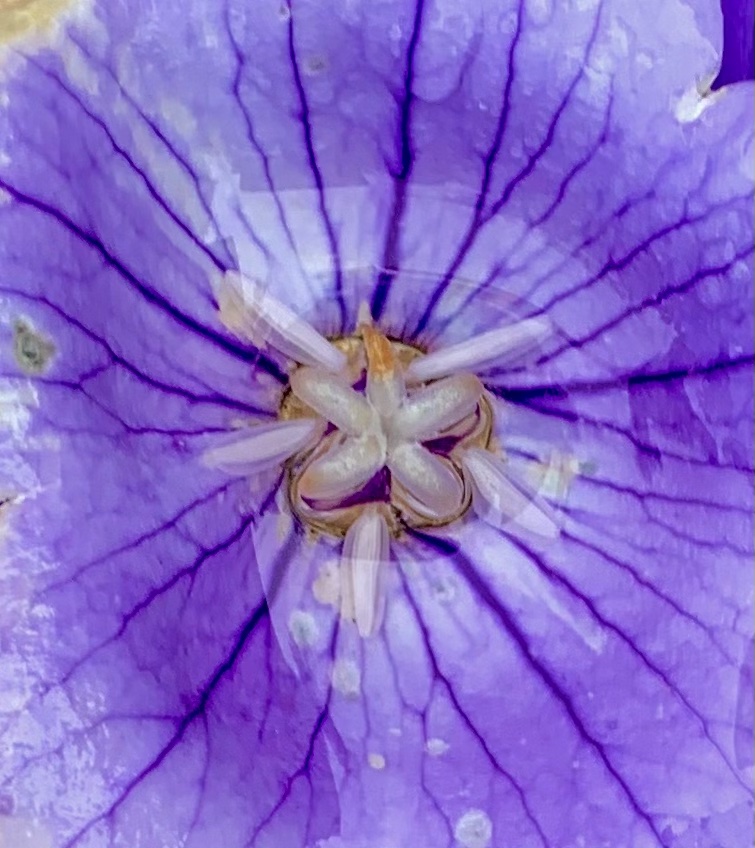
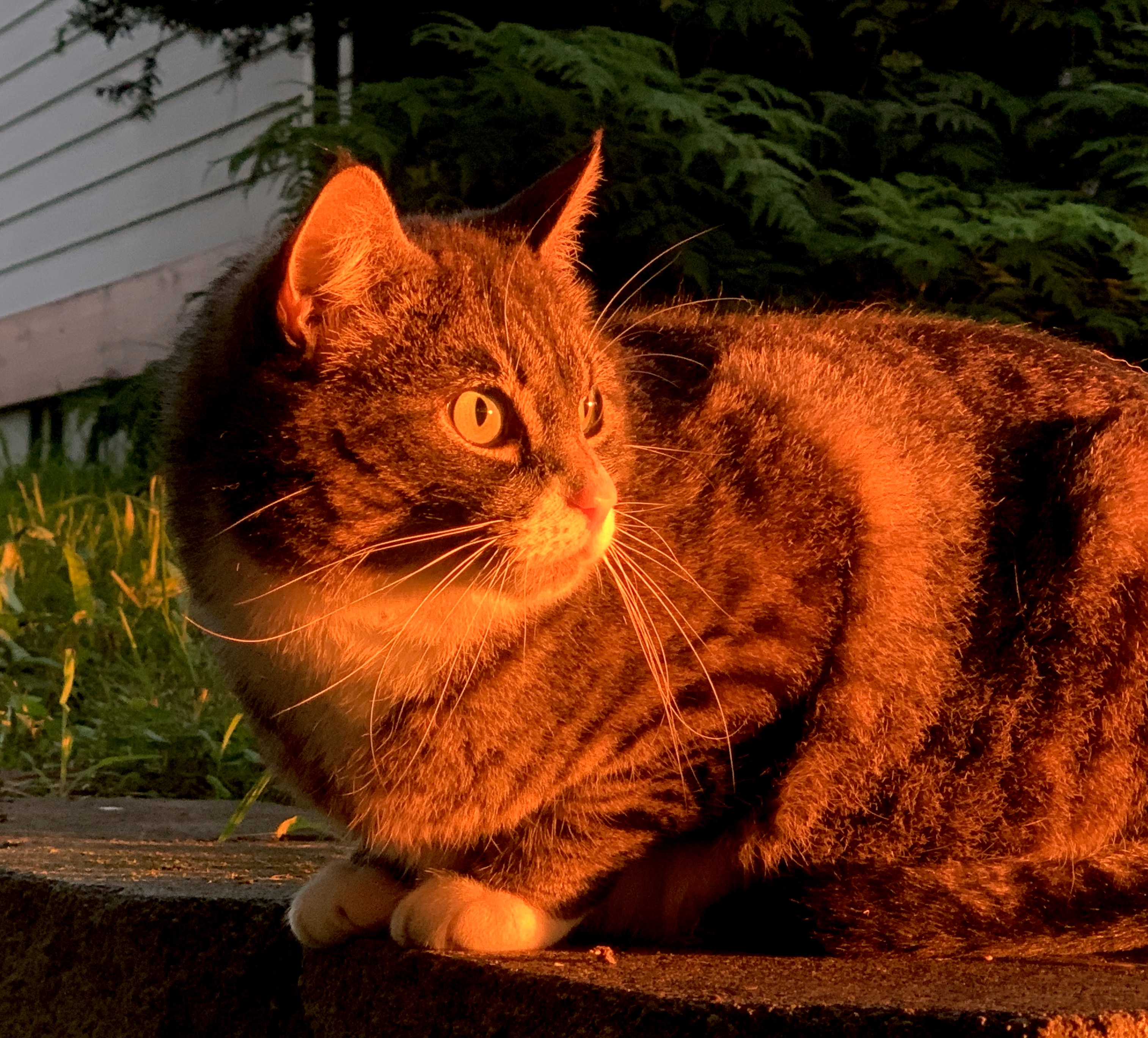
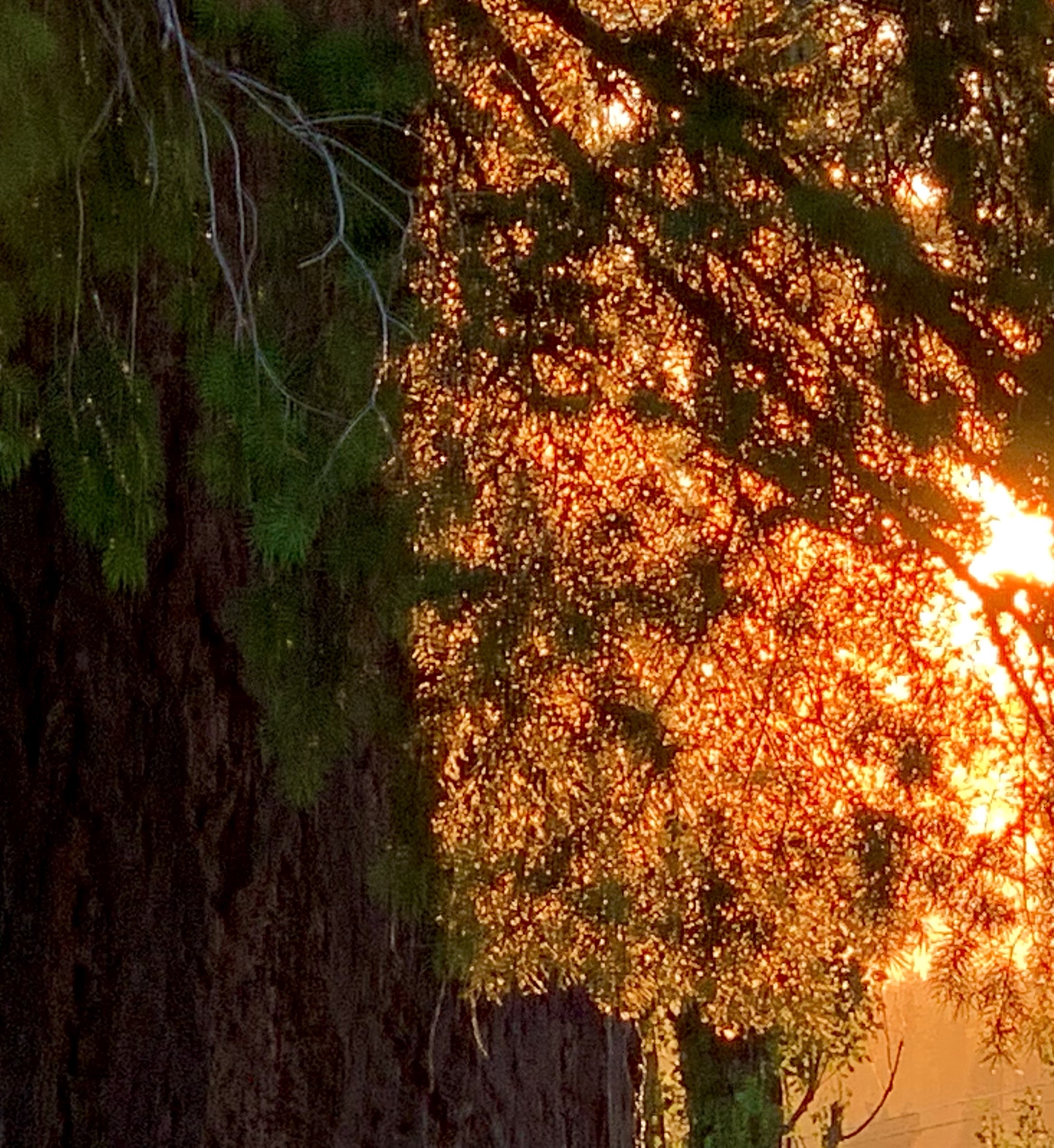
Occasionally, my mind’s eye sees more and I’m stopped in my tracks. What is it I’m seeing and how much am I simply imagining? I see what “could be” and that alone creates a new dimension to what, on the surface, is plain and simple. Suddenly what is plain becomes glorious – a flower is otherworldly, a cat transformed by light, a wet feather a thing of beauty, a tree moves and breathes as if it is on fire.
Because my mind’s eye wants to look deeper, I see more detail. Because I myself am complex, I seek out complexity. Because I need transformation and renewal, my mind seeks to transform and renew. Because nothing around me is quite as it seems on the surface, I am called upon to notice it, in its beauty and in its simplicity.
I am changed by imagining how glorious things could be.
Imagine what your mind’s eye can see in more Barnstorming photos in this book, available to order here:
It is a sultry day; the sun has drunk The dew that lay upon the morning grass; There is no rustling in the lofty elm That canopies my dwelling, and its shade Scarce cools me. All is silent, save the faint And interrupted murmur of the bee, Settling on the sick flowers, and then again Instantly on the wing. The plants around Feel the too potent fervors: the tall maize Rolls up its long green leaves; the clover droops Its tender foliage, and declines its blooms. But far in the fierce sunshine tower the hills, With all their growth of woods, silent and stern, As if the scorching heat and dazzling light Were but an element they loved.
…I woo the wind That still delays his coming. Why so slow, Gentle and voluble spirit of the air? Oh, come and breathe upon the fainting earth Coolness and life! Is it that in his caves He hears me? See, on yonder woody ridge, The pine is bending his proud top, and now Among the nearer groves, chestnut and oak Are tossing their green boughs about. He comes; Lo, where the grassy meadow runs in waves! The deep distressful silence of the scene Breaks up with mingling of unnumbered sounds And universal motion. He is come, Shaking a shower of blossoms from the shrubs, And bearing on their fragrance; and he brings Music of birds, and rustling of young boughs, And sound of swaying branches, and the voice Of distant waterfalls. All the green herbs Are stirring in his breath; a thousand flowers, By the road-side and the borders of the brook, Nod gayly to each other; glossy leaves Are twinkling in the sun, as if the dew Were on them yet, and silver waters break Into small waves and sparkle as he comes. ~William Cullen Bryant from “Summer Wind”
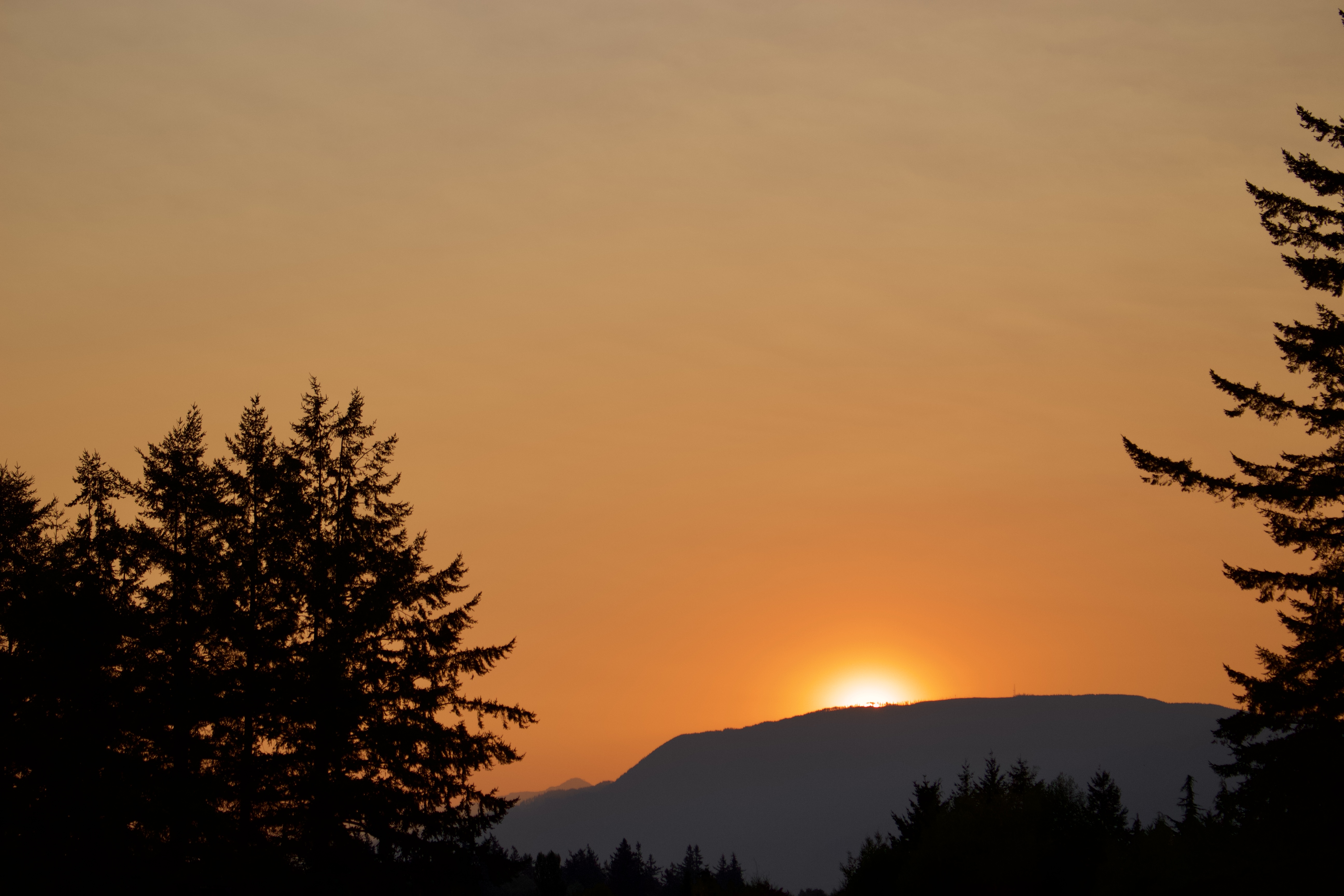
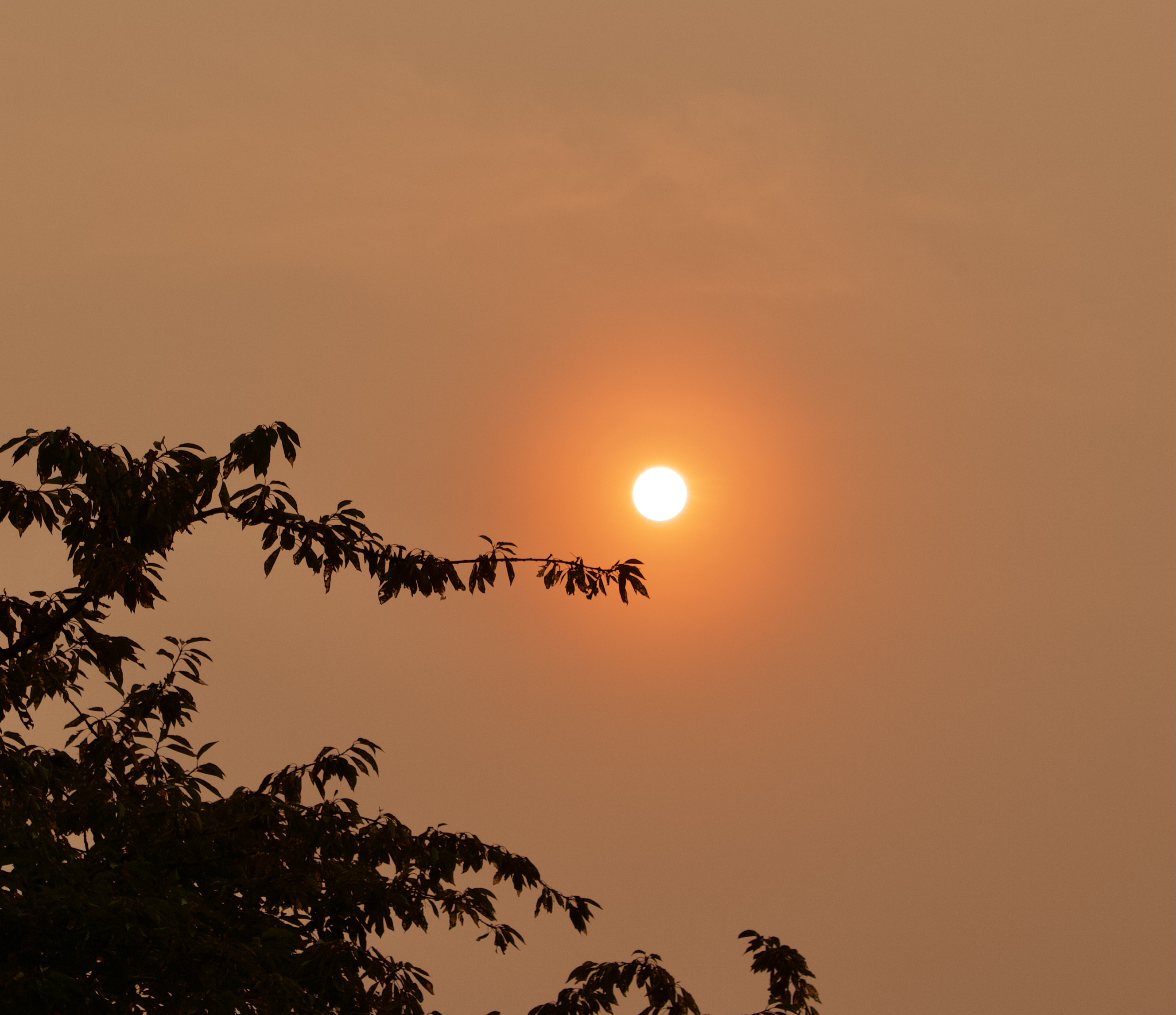
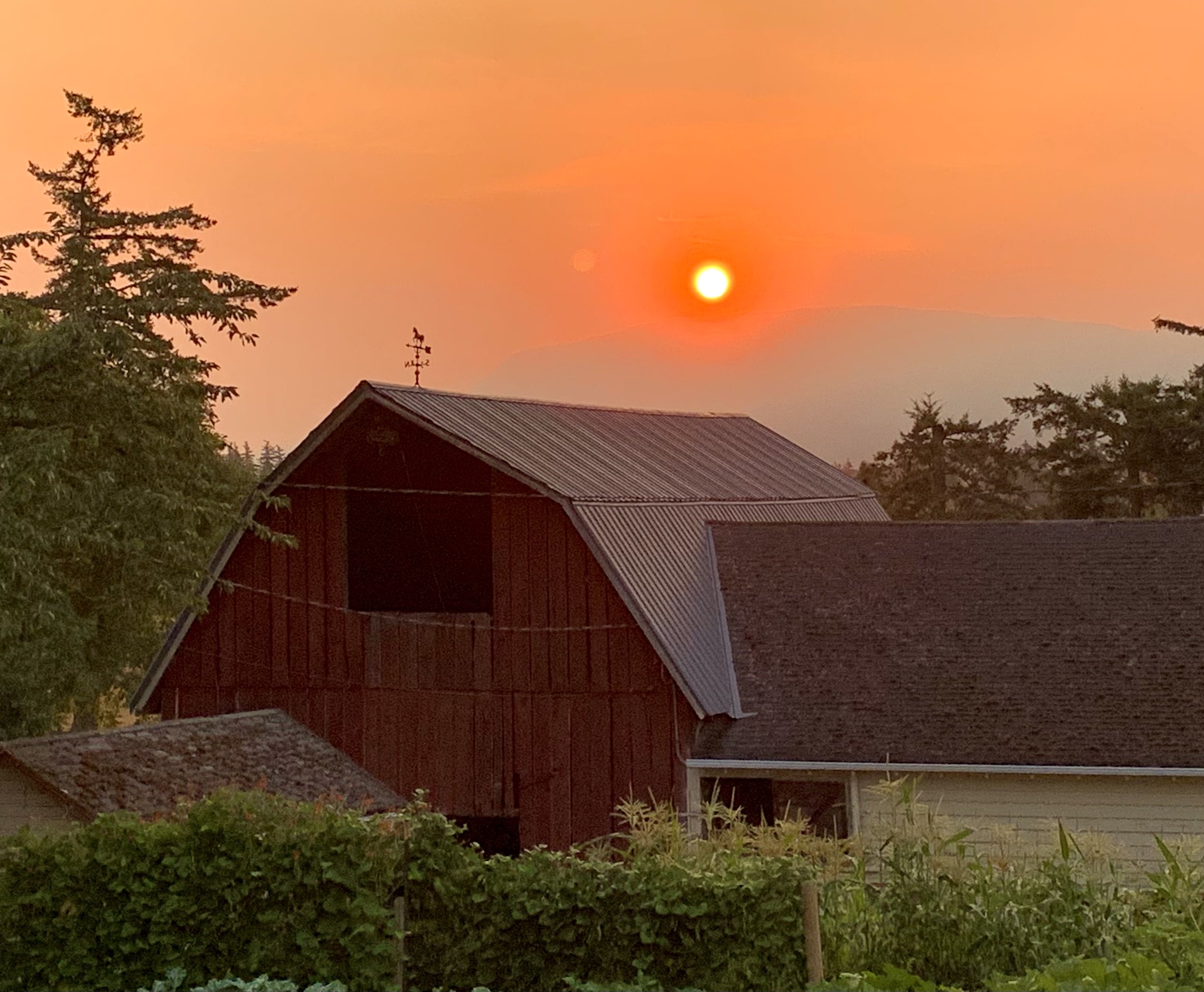
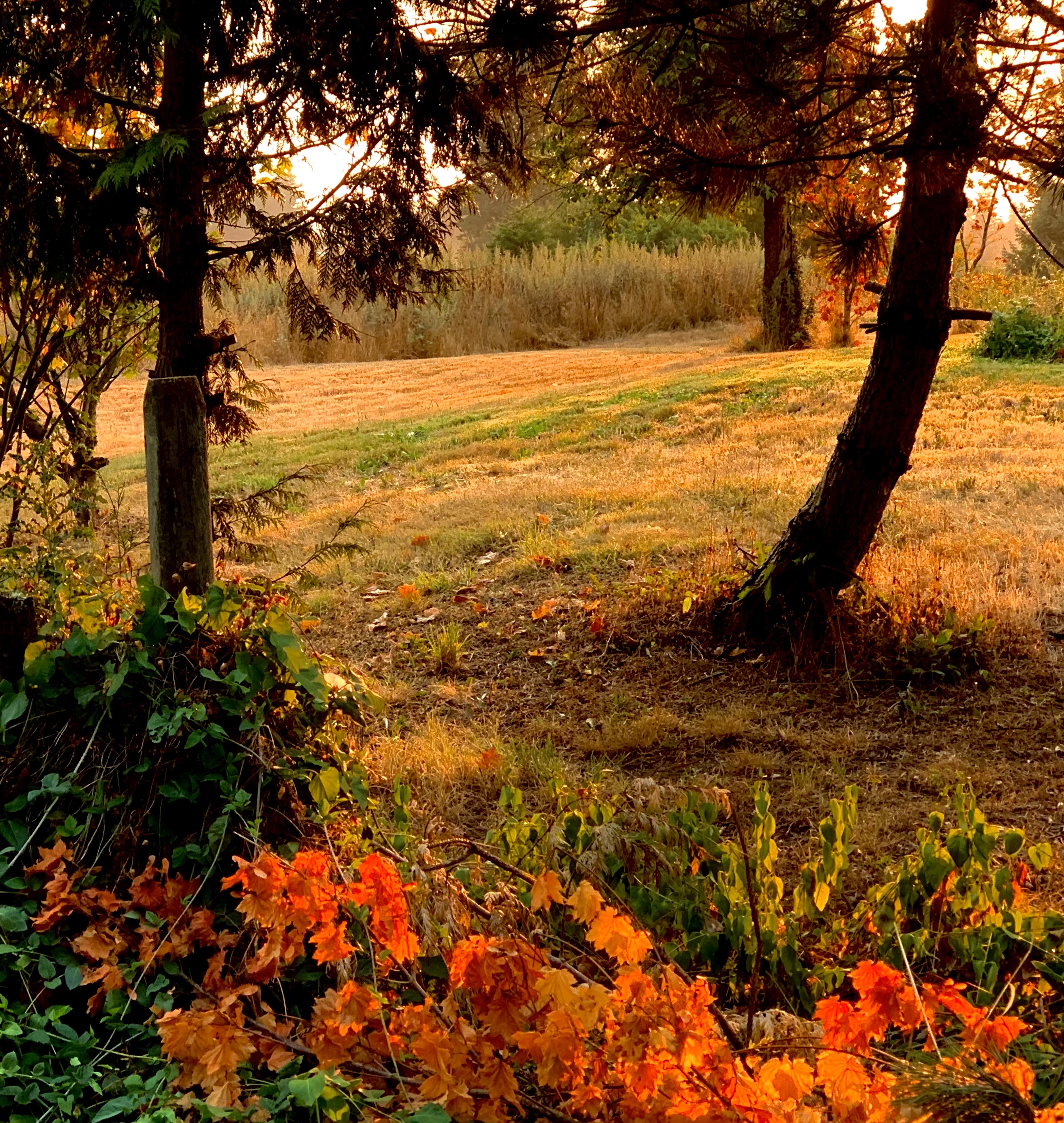
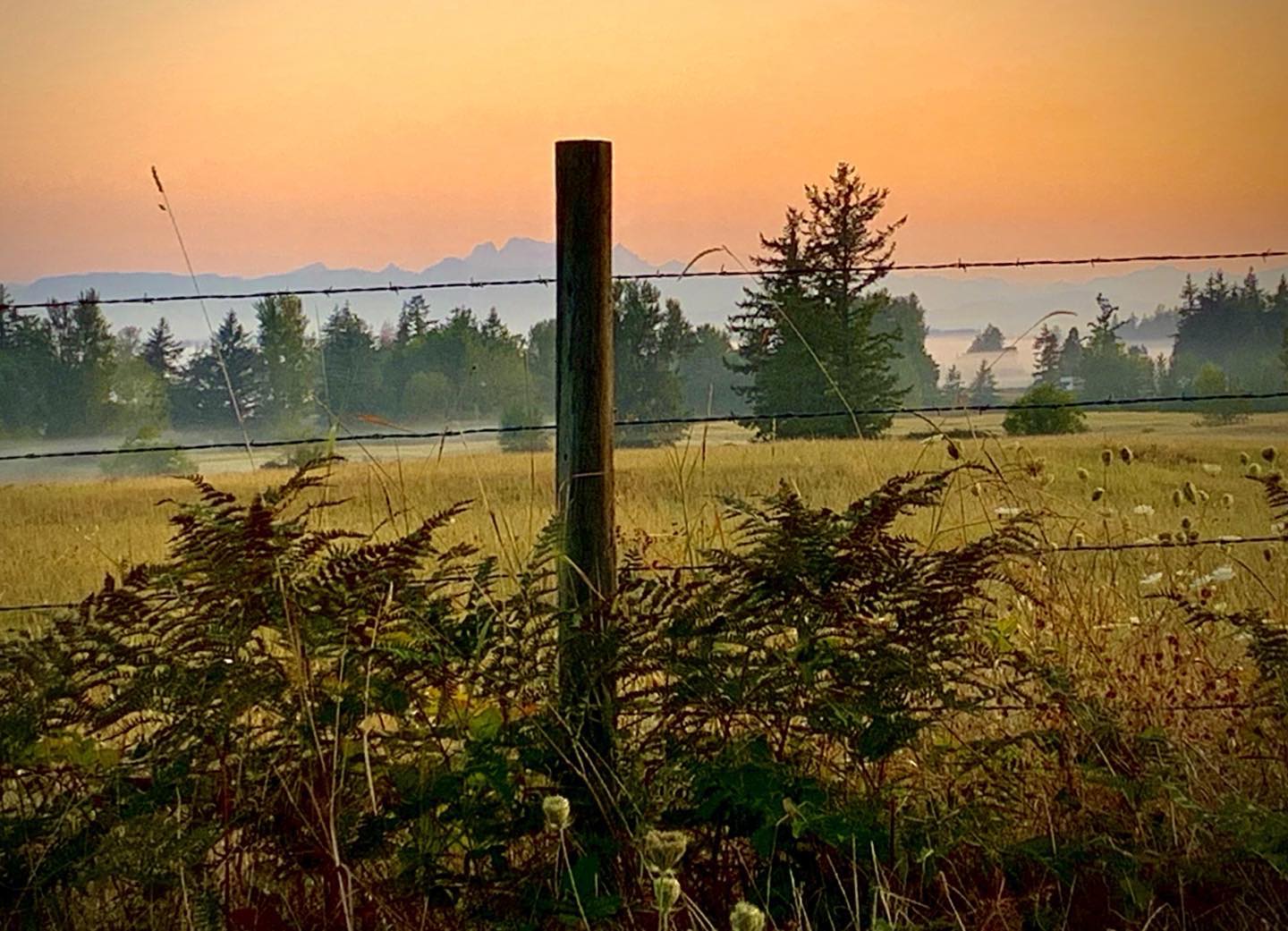
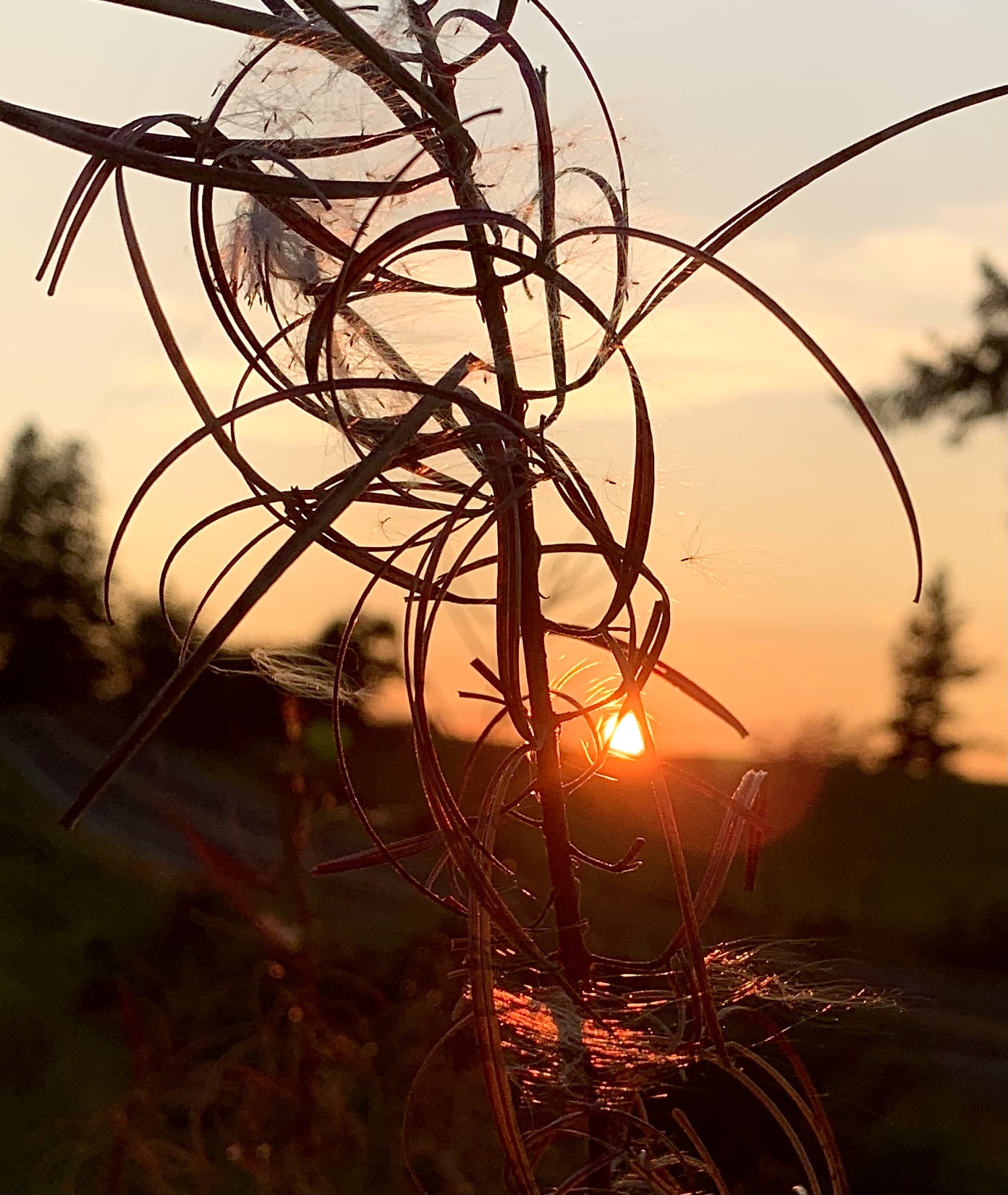
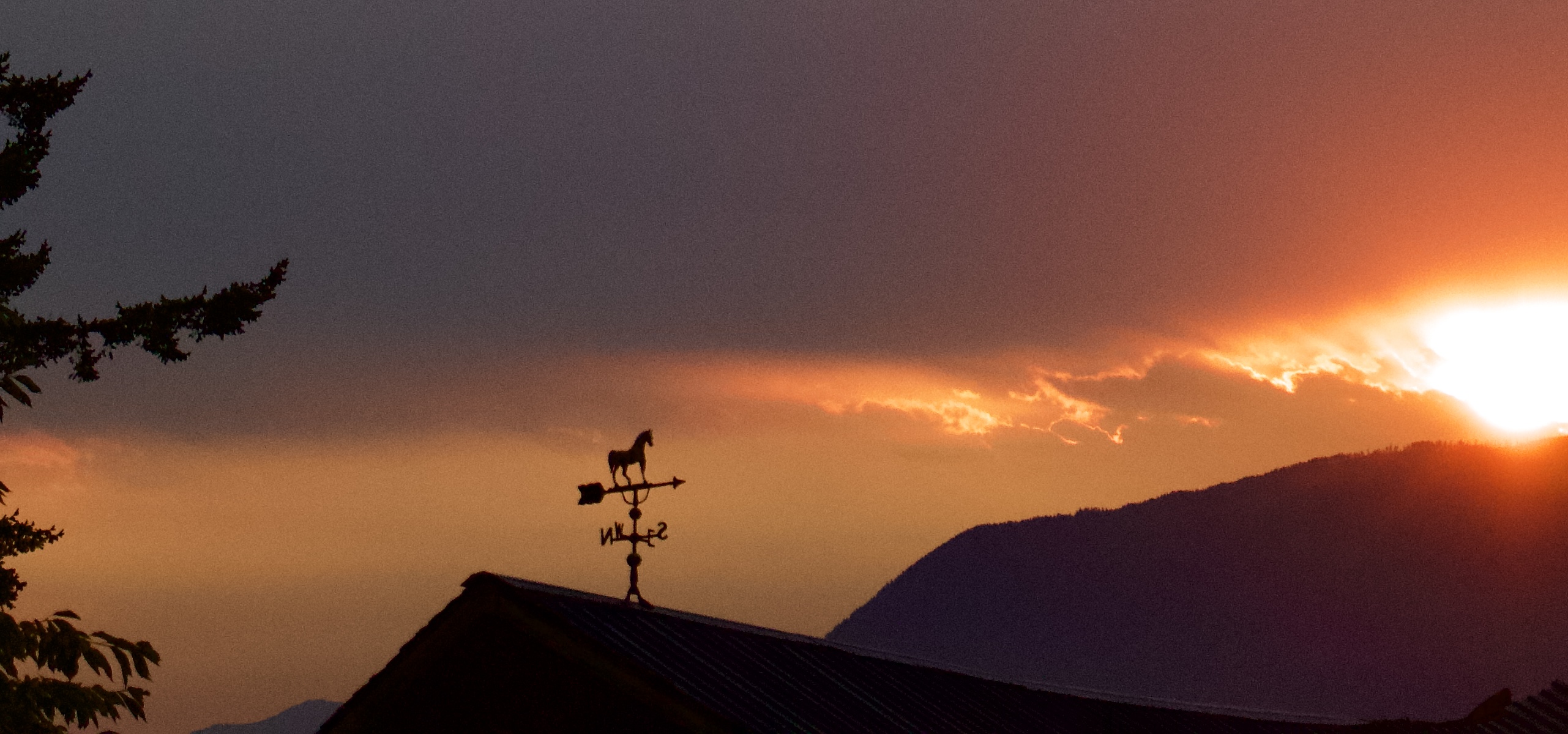
In the Pacific Northwest, we are going through another string of hot dry days with smoky landscapes and horizons. This is becoming all too familiar: the temperatures are rising each year, the forests are burning, our usual pristine air quality deteriorating.
Even the birds are silent in this weather. The bees, discouraged by the wilting blooms, don’t linger. Our animals covered with fur are listlessly seeking shade and anything green in the pasture.
So I pray for relief – any breeze to move this humid air – something, anything that can break this cycle of sweatiness.
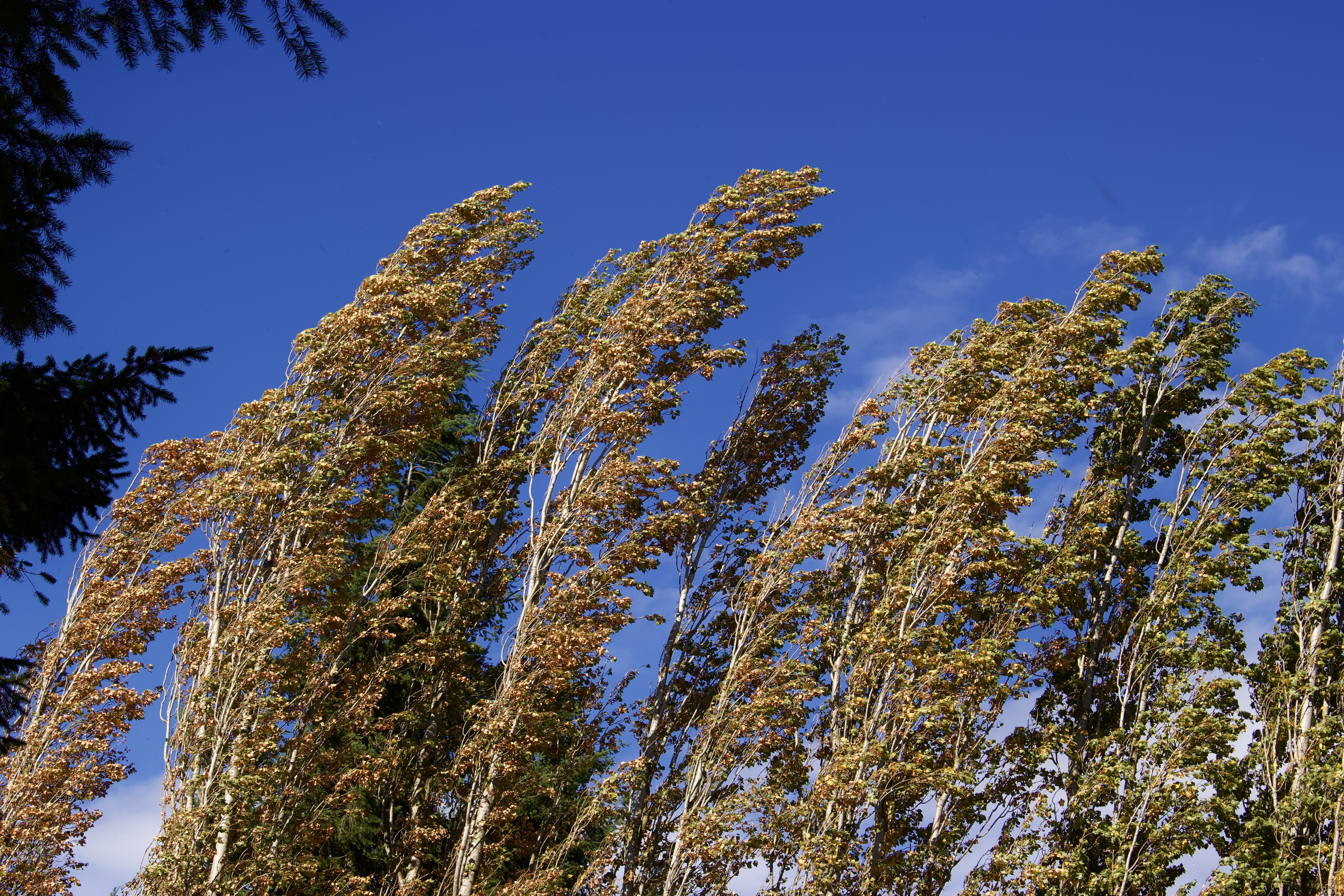
Yesterday, in the midst of 102 degree temperatures, out of nowhere came a northeast wind – as strong and determined as our northeast midwinter arctic blasts – but hot. It was so disorienting to be blown about by furnace heat. Branches and leaves fell from bewildered and already stressed trees. Plants withered as the moisture was sucked from leaves and blossoms. The garden sagged.
As suddenly as it came, it was gone again. And all around me – me included – wondered what had just hit us.
I am reminded to be careful what I pray for, knowing that my petition may well be heard and heeded. Perhaps the answer to prayer won’t be quite what I hoped for or expected, but it is nonetheless an answer.
I only need to listen…
If this post made you thirsty for more Barnstorming photos, this book is available for order here:















 Barnstorming