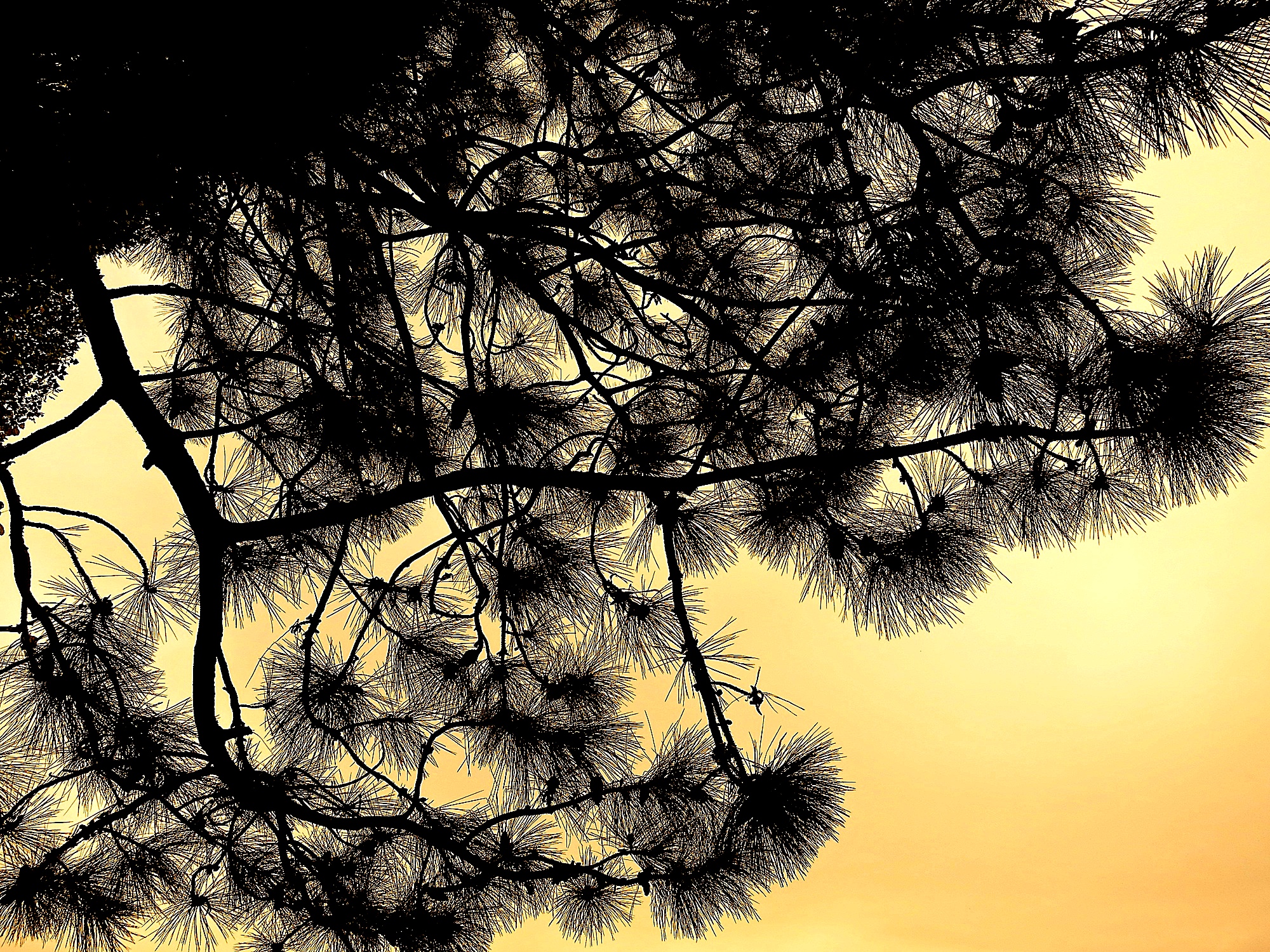
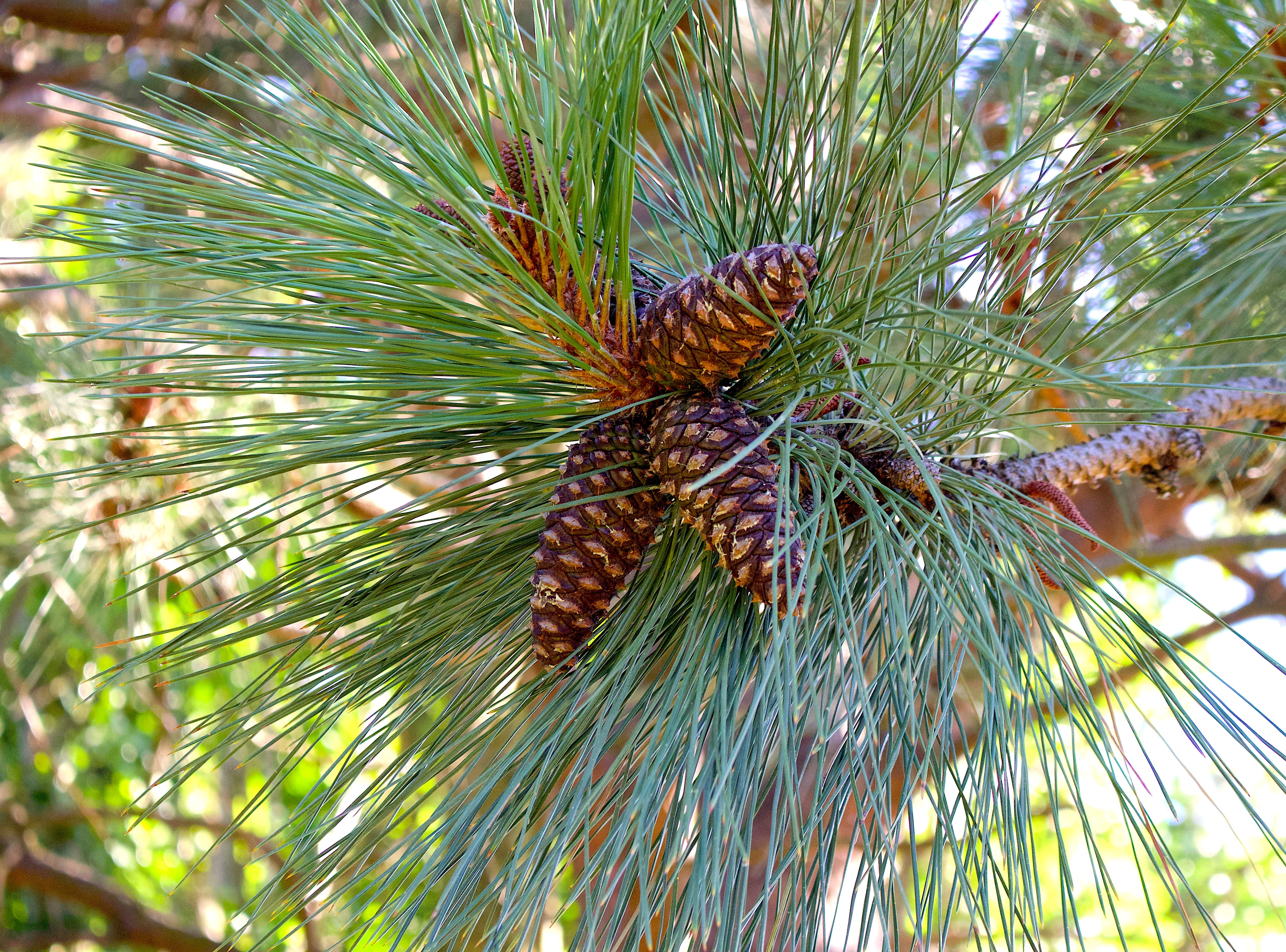
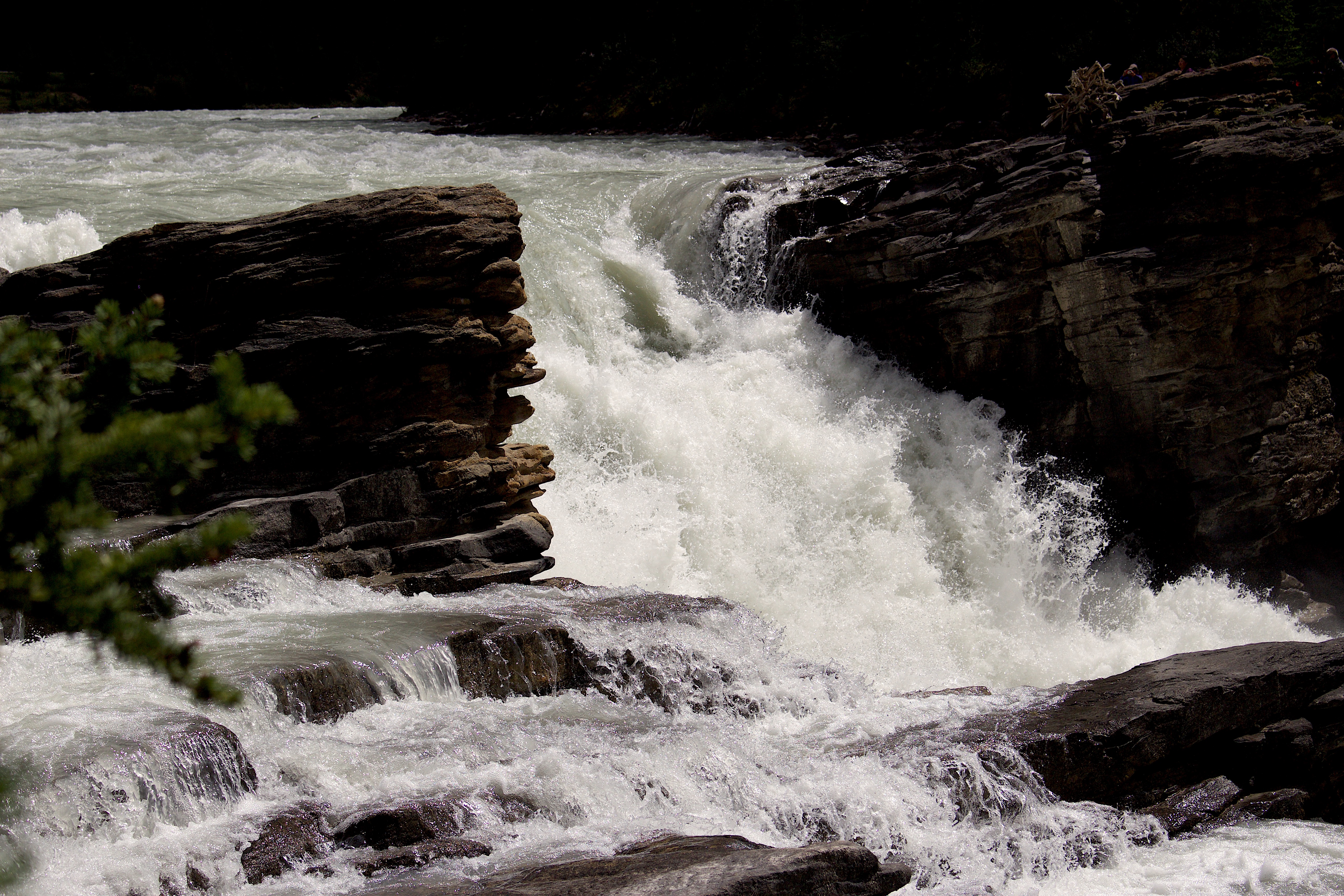
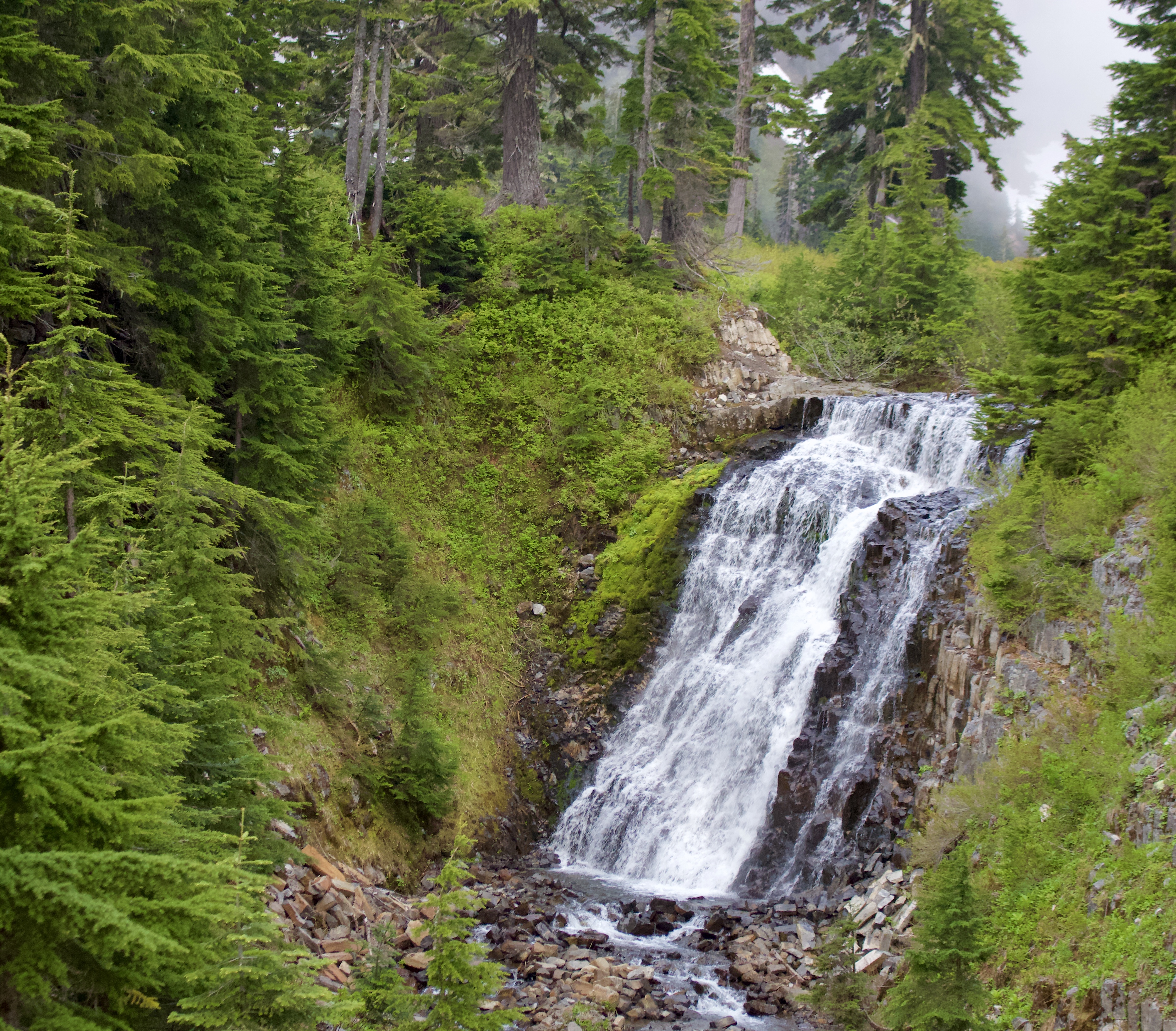
I miss the friendship with the pine tree and the birds that I had when I was ten. And it has been forever since I pushed my head under the wild silk skirt of the waterfall.
The big rock on the shore was the skull of a dead king whose name we could almost remember. Under the rooty bank you could dimly see the bunk beds of the turtles.
Nobody I know mentions these things anymore. It’s as if their memories have been seized, erased, and relocated among flowcharts and complex dinner-party calendars.
Now I want to turn and run back the other way, barefoot into the underbrush, getting raked by thorns, being slapped in the face by branches.
Down to the muddy bed of the little stream where my cupped hands make a house, and
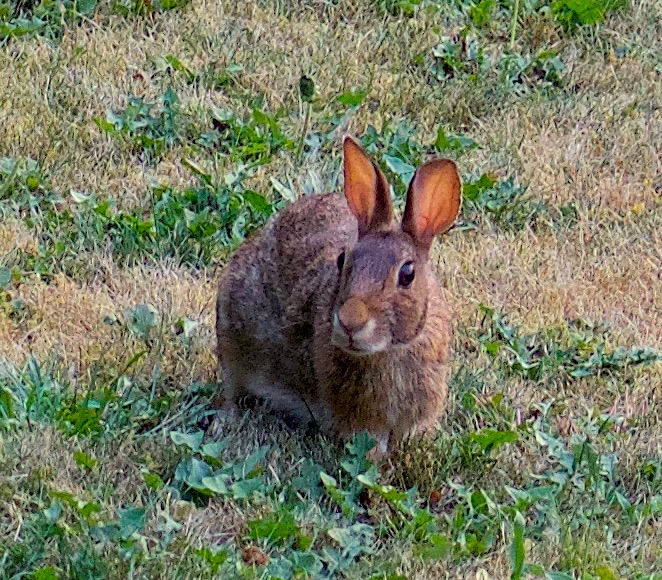
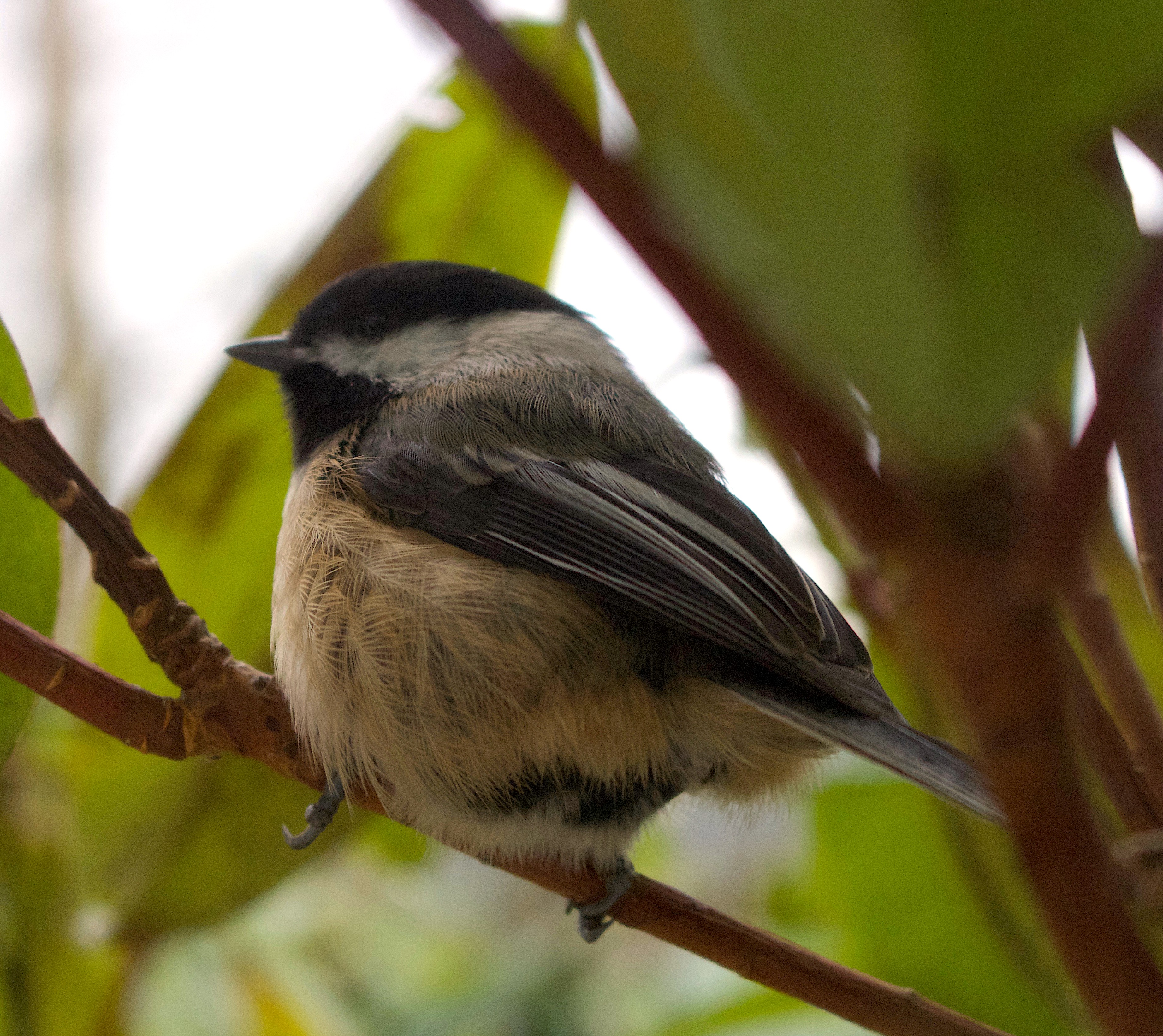
I grew up on a small farm with several acres of woodland. It was my retreat until I left for college; I walked among twittering birds, skittering wild bunnies, squirrels and chipmunks, busy ant hills and trails, blowing leaves, swimming tadpoles, falling nuts, waving wildflowers, large firs, pines, cottonwoods, maples and alder trees.
I had a favorite “secret” spot sitting perched on a stump where a large rock provided a favorite sunning spot for salamanders. They and I would make eye contact, pondering our common Creator.
At college I longed for a place as private, as serene, but nothing could match the woods and creatures of my childhood home. After living a decade in the city, I nearly forgot what a familiar woods felt like.
On this farm we’ve stewarded for nearly forty years, I’ve longed for a similar sanctuary, yet my distractions are so much greater than when I was a child. Filled with greater worries, I can’t empty my head and heart as completely to receive the varied gifts to be found around me.
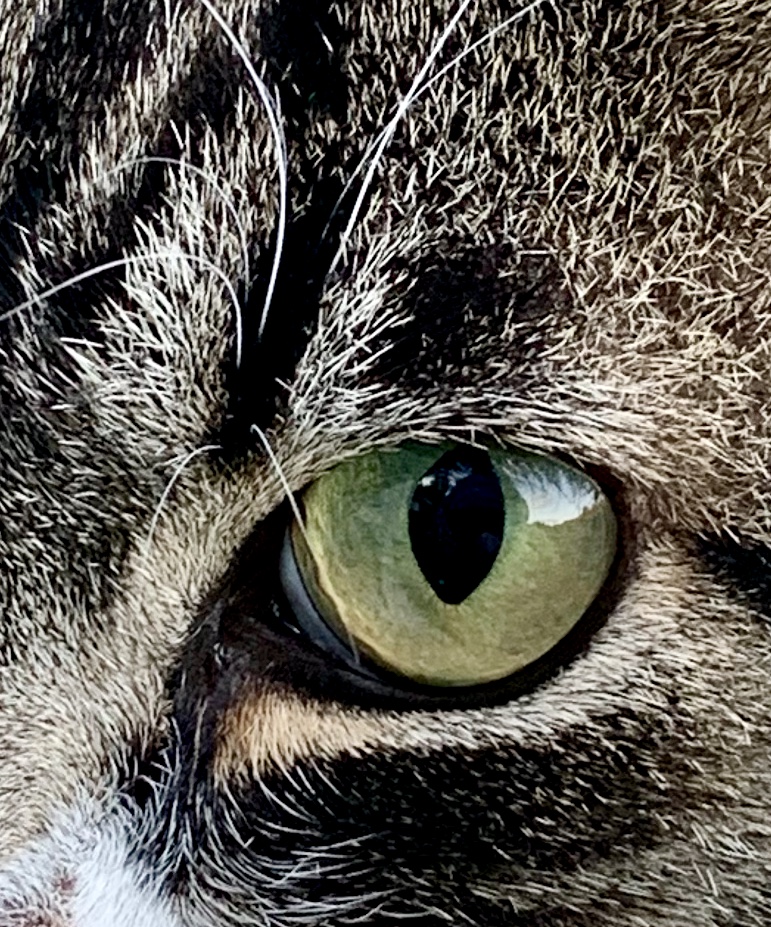
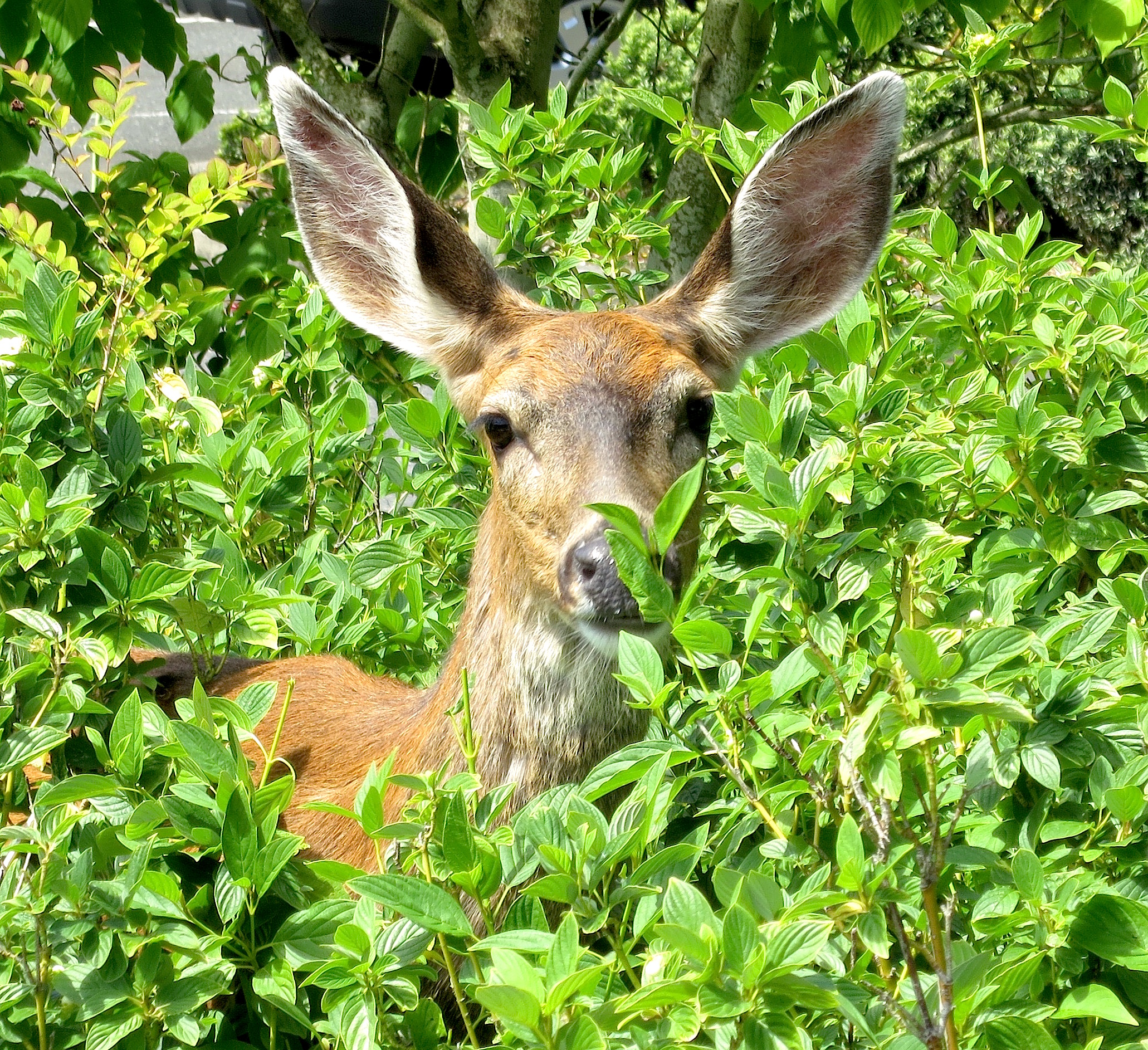
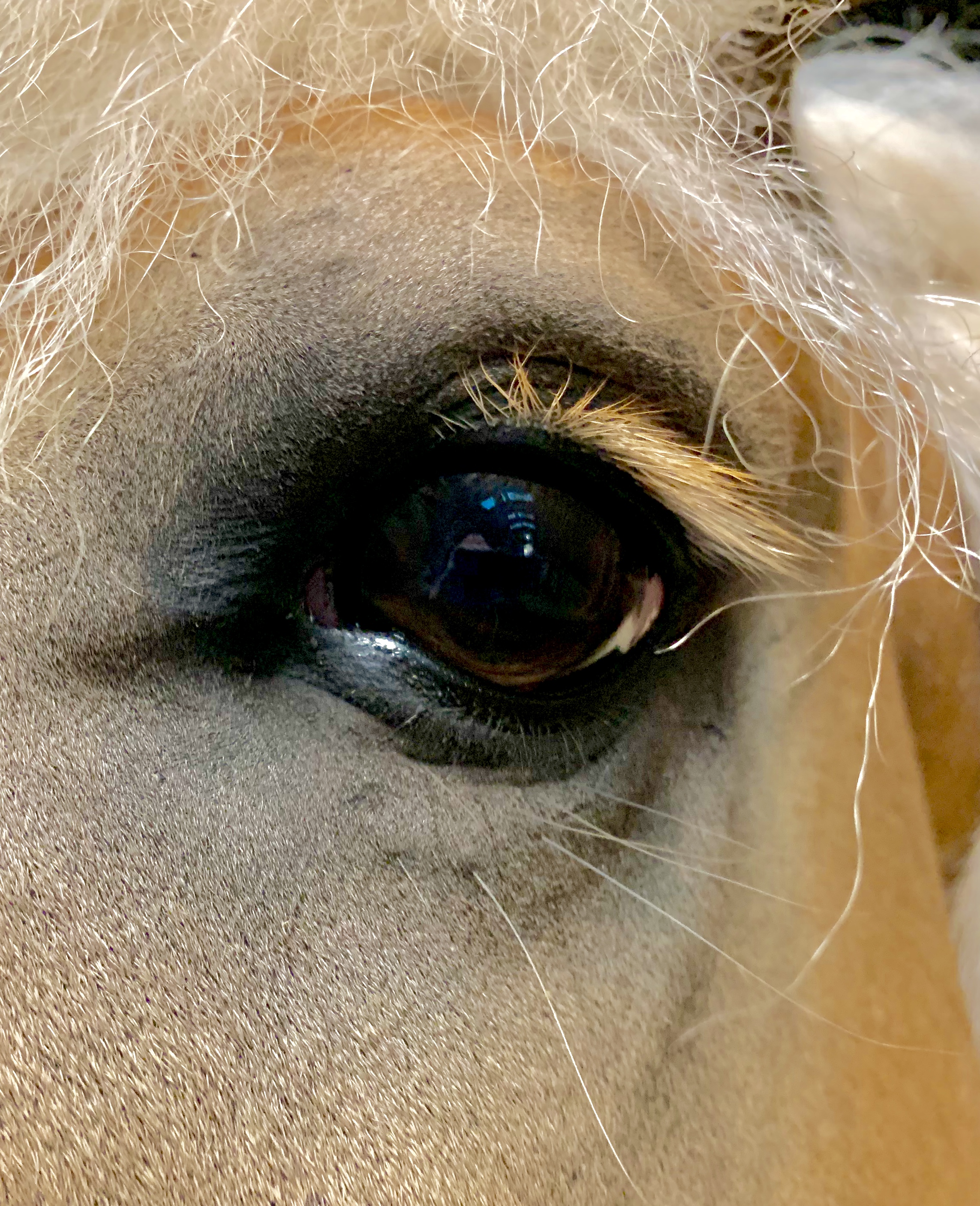
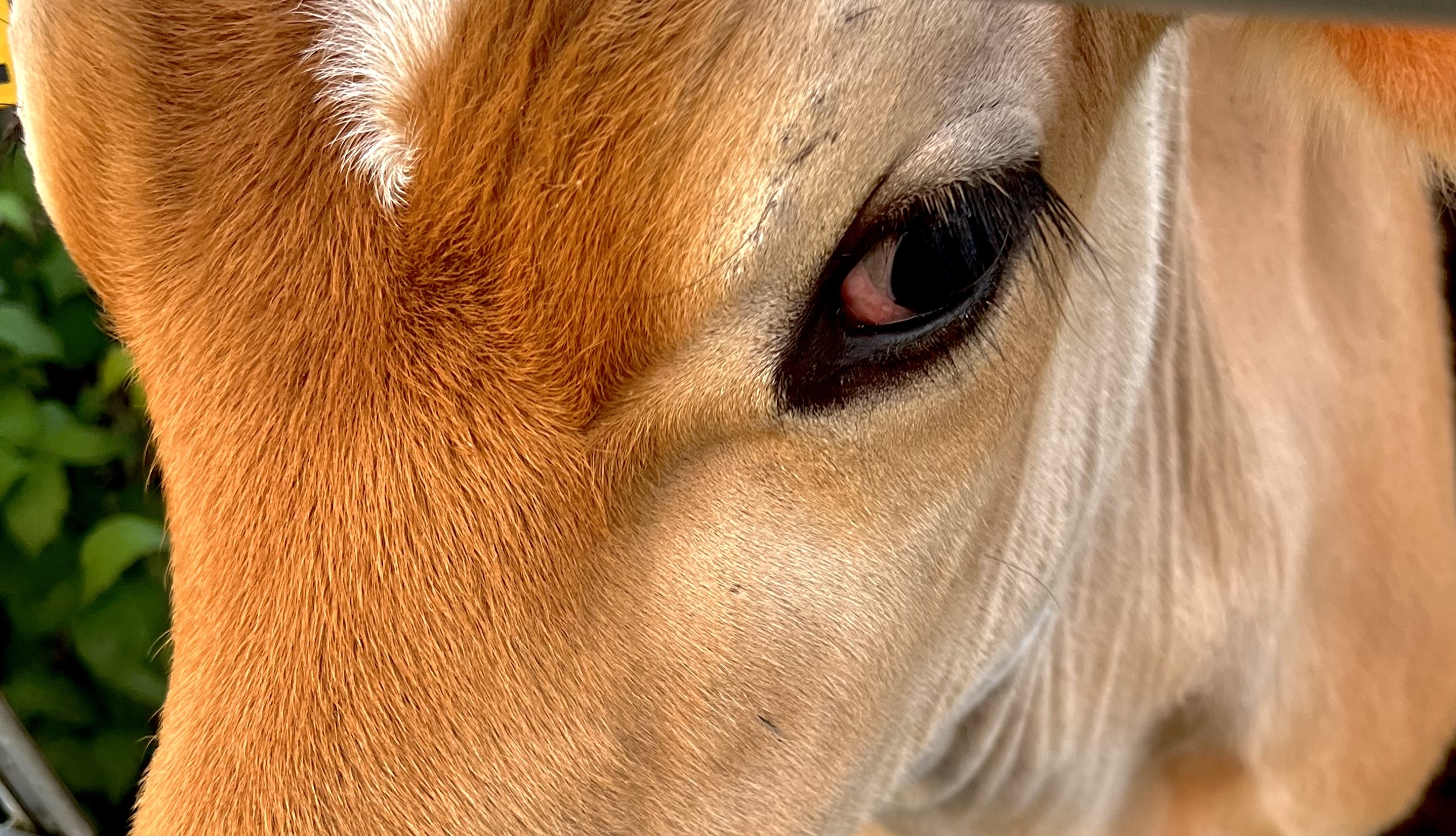
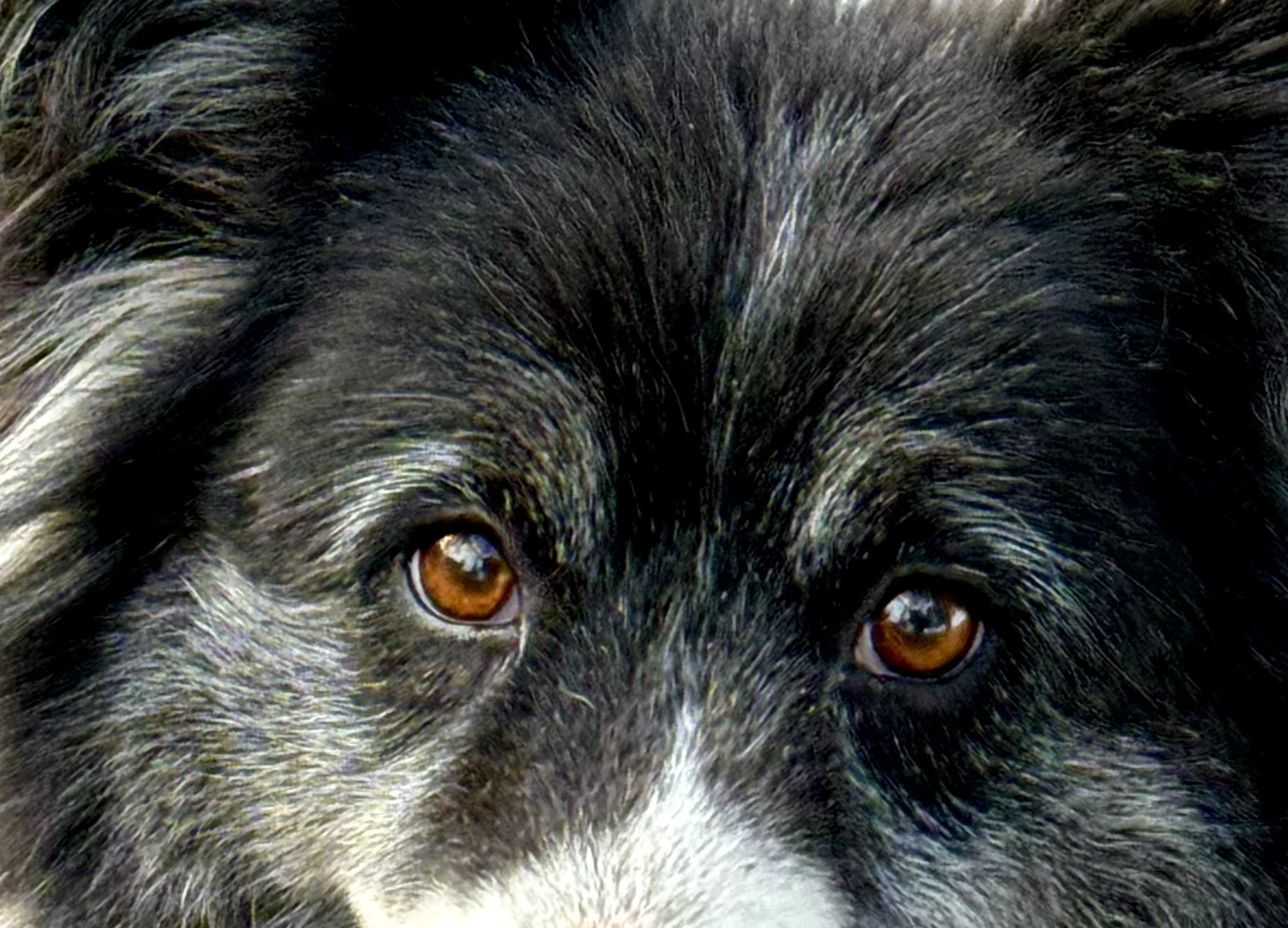
In my ever-shortening timeline to accomplish what I’ve been placed here to do, I need to study the faces of creation, knowing those eyes reflect the face of God.
One-Time
Monthly
Yearly
Make a one-time or recurring donation to support daily Barnstorming posts
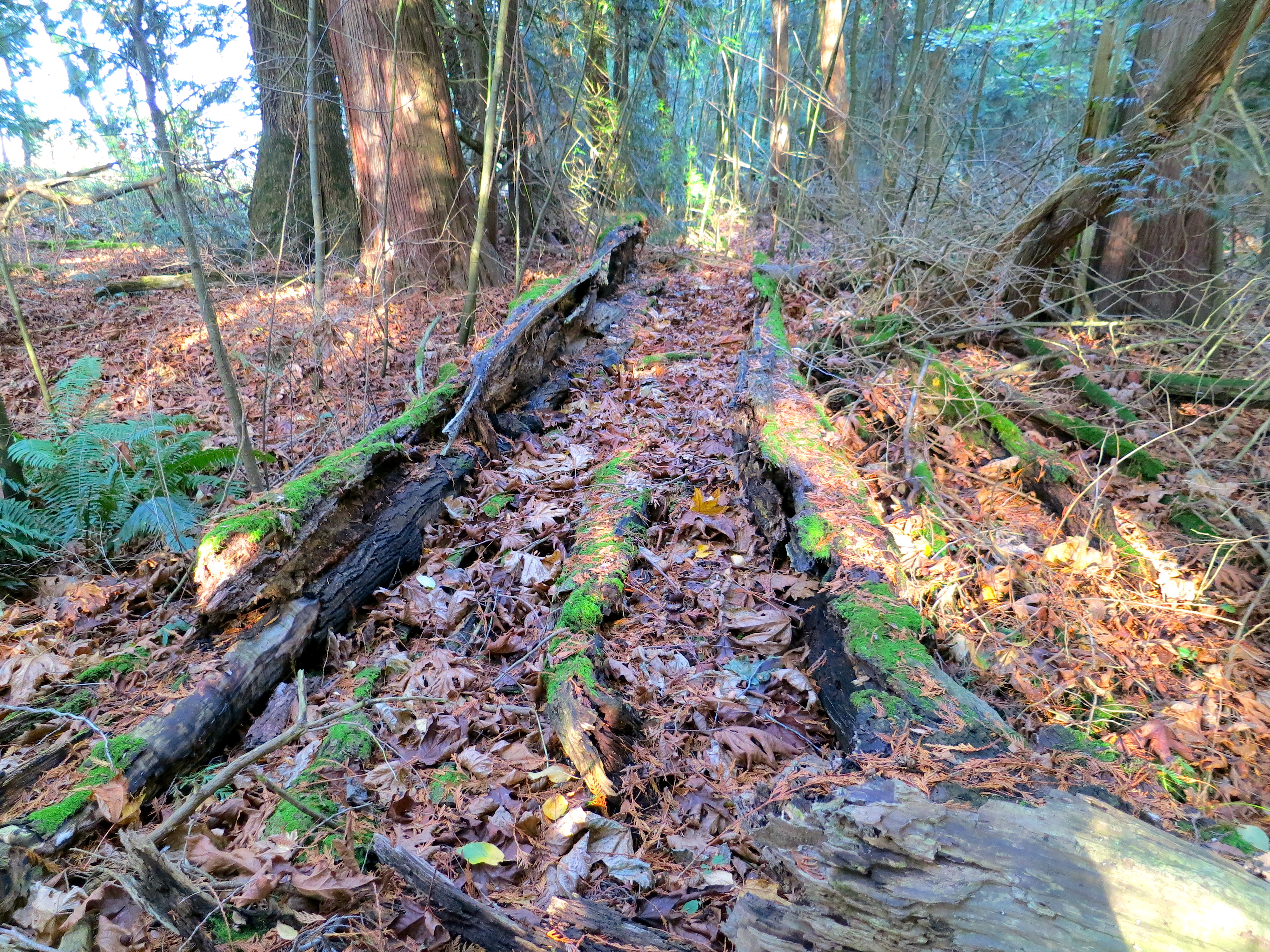
They shut the road through the woods Seventy years ago. Weather and rain have undone it again, And now you would never know There was once a road through the woods Before they planted the trees. It is underneath the coppice and heath, And the thin anemones. Only the keeper sees That, where the ring-dove broods, And the badgers roll at ease, There was once a road through the woods.
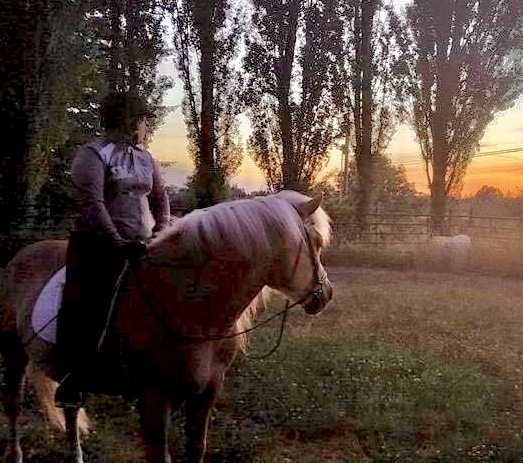
Yet, if you enter the woods Of a summer evening late, When the night-air cools on the trout-ringed pools Where the otter whistles his mate, (They fear not men in the woods, Because they see so few.) You will hear the beat of a horse’s feet, And the swish of a skirt in the dew, Steadily cantering through The misty solitudes, As though they perfectly knew The old lost road through the woods. But there is no road through the woods. ~Rudyard Kipling “The Way Through the Woods”
Nature has a way of covering our offending tracks, given time and left alone.
We think we’ve built a lasting impression, clearing the path for easy passage, forging ahead into the future.
Yet no invitation is needed for the overgrowth to reclaim the road some folks traveled, once upon a time.
Now the old lost road is overwhelmed by the mists and mosses of time; may it stay buried in the past as we pass through, unnoticed and oblivious.
photo by Emily VanderHaak
One-Time
Monthly
Yearly
Make a one-time or recurring donation to support daily Barnstorming posts
Ask the questions that have no answers. Invest in the millenium. Plant sequoias. Say that your main crop is the forest that you did not plant, that you will not live to harvest. Practice resurrection. ~Wendell Berry from “Manifesto: The Mad Farmer Liberation Front”
If I have to pick a side, let me side with the bees, with summer blossoms and winter snowdrifts. Let me side with the children I know and the ones I don’t, with the late-shift nurse and his aching back, with the grandmother digging in her garden. Let me side with the earth in all her sighing, the stars in all their singing, with stray dogs and street artists, with orphans and widows. Like Berry, let me say everything was for love of the forest I will never see, the harvest I will never reap. I pledge my allegiance to the world to come. ~Jen Rose Yokel “Choosing Sides”
photo by Danyale Tamminga photo by Nate Lovegren
We are each here in this life for such a short time…
What we leave behind is a shadow of the gifts we received at birth – given the chance, we can renew and rebuild this struggling earth. Listening to the sighs of a world in distress, I try to plant words and living things to last beyond my time here.
Every day we choose sides. Standing alone in our choices, we wonder how we will ever connect to one another.
I want to wrap my arms around anyone who needs a hug right now.
I know I do. Maybe you do too.
Starry Night – Van Gogh
photo by Sara LenssenAI image created for this post
One-Time
Monthly
Yearly
Make a one-time or recurring donation to support daily Barnstorming posts
At once whatever happened starts receding. —Philip Larkin
Last night I walked the woods lit by the final moon of the month.
Days don’t count here beneath the centuries-old pines
where my grandmother took her solace on hard farm days, passing up
the washboard or jam-making for the eternal whooshing
of the forest as much serenity as yearning. ~Dave Malone “Walk in the Woods” from Tornado Drill
Over my seventy years, I’ve had the opportunity to walk through woods in different parts of the world – from my childhood home near Puget Sound, to the Bay Area in California, from central Africa above Lake Tanganyika to the forests of Northern Ireland and the coastline of Vancouver Island.
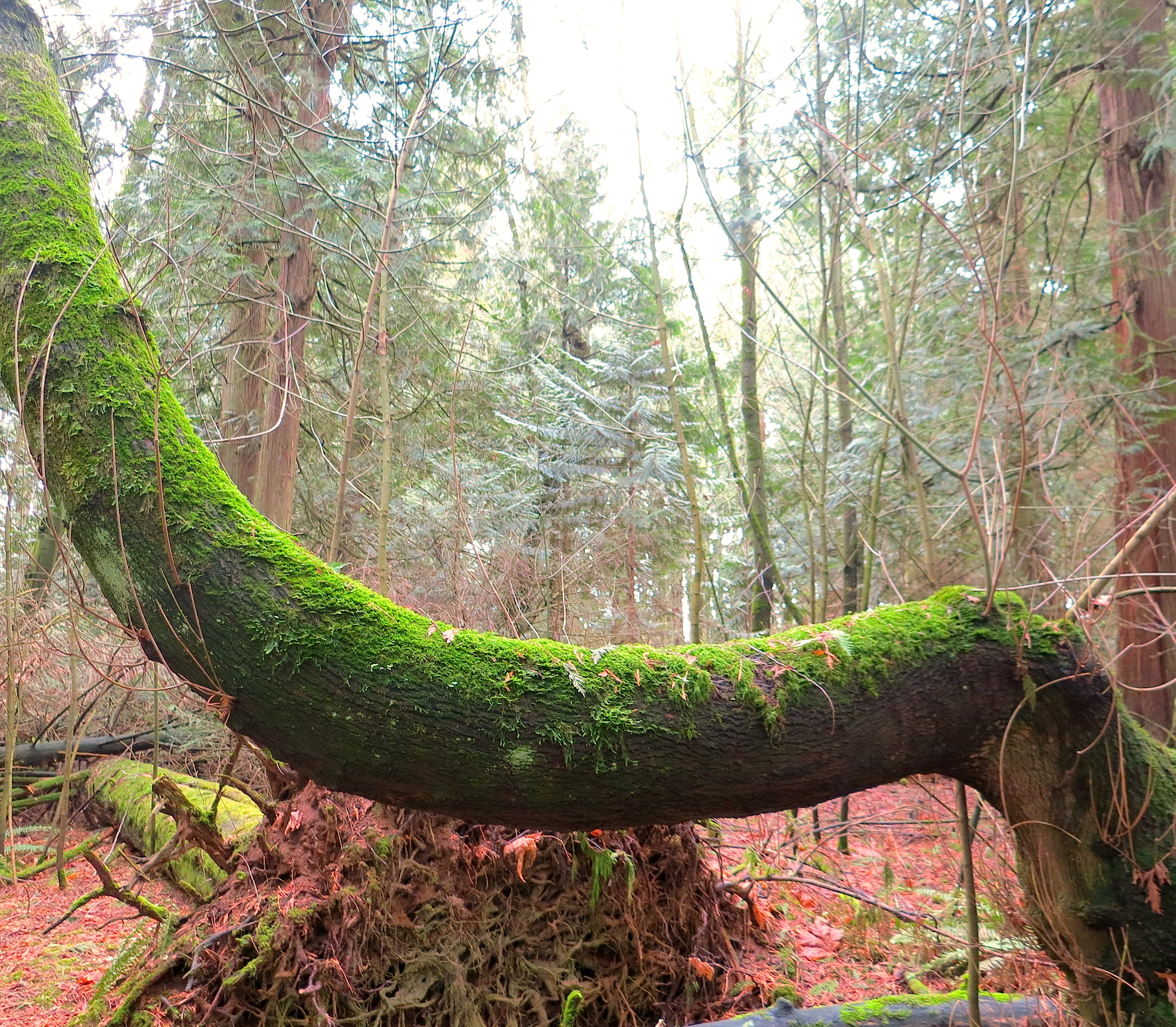
Here on the farm, we have some dense woods that our grandson has designated “the haunted forest” because of its many downed trees from windstorms. He is convinced BigFoot lives somewhere in the dense underbrush, and he may well be right.
During a walk in the woods, no matter where it may be, I find solace in a world where there is teeming life thriving under the ground, at eye level, and overhead. I feel a palpable vibrance with each step I take, while experiencing sounds and smells I find nowhere else.
So, I too leave behind the work of the day – the laundry, the cleaning and cooking – if only for an hour or so. And once again, I sync my own heartbeat to the pulse of the mysterious life I find, ongoing and eternal, in the woods.
AI image created for this post
One-Time
Monthly
Yearly
Make a one-time or recurring donation to support daily Barnstorming posts
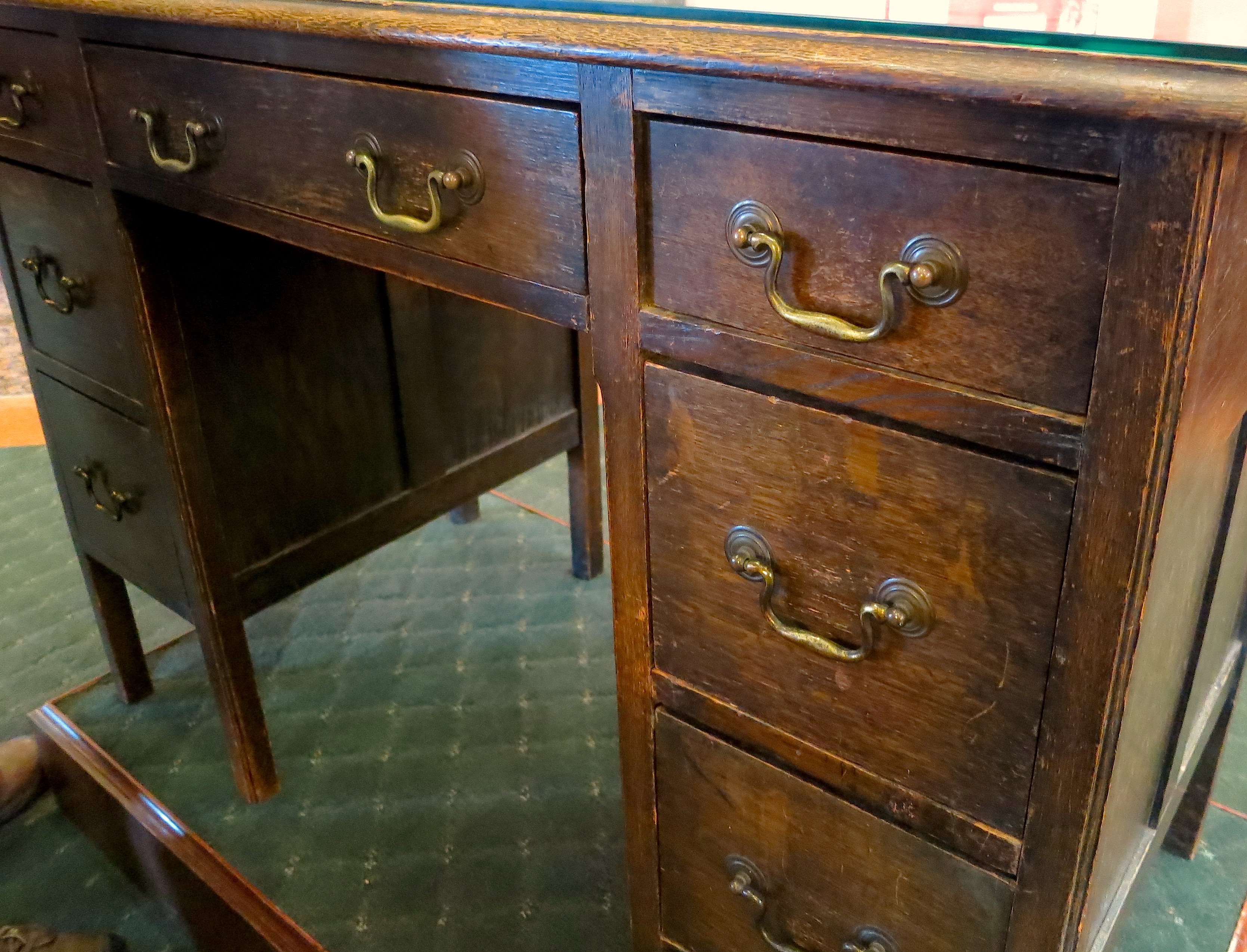
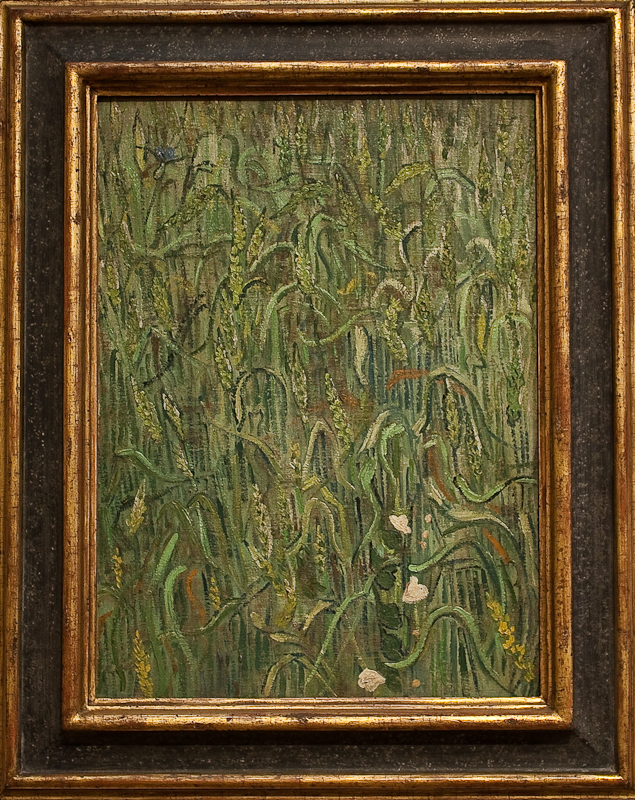
J.R.Tolkien’s writing desk at the Wade Center at Wheaton CollegeEars of Wheat – Van Gogh museum
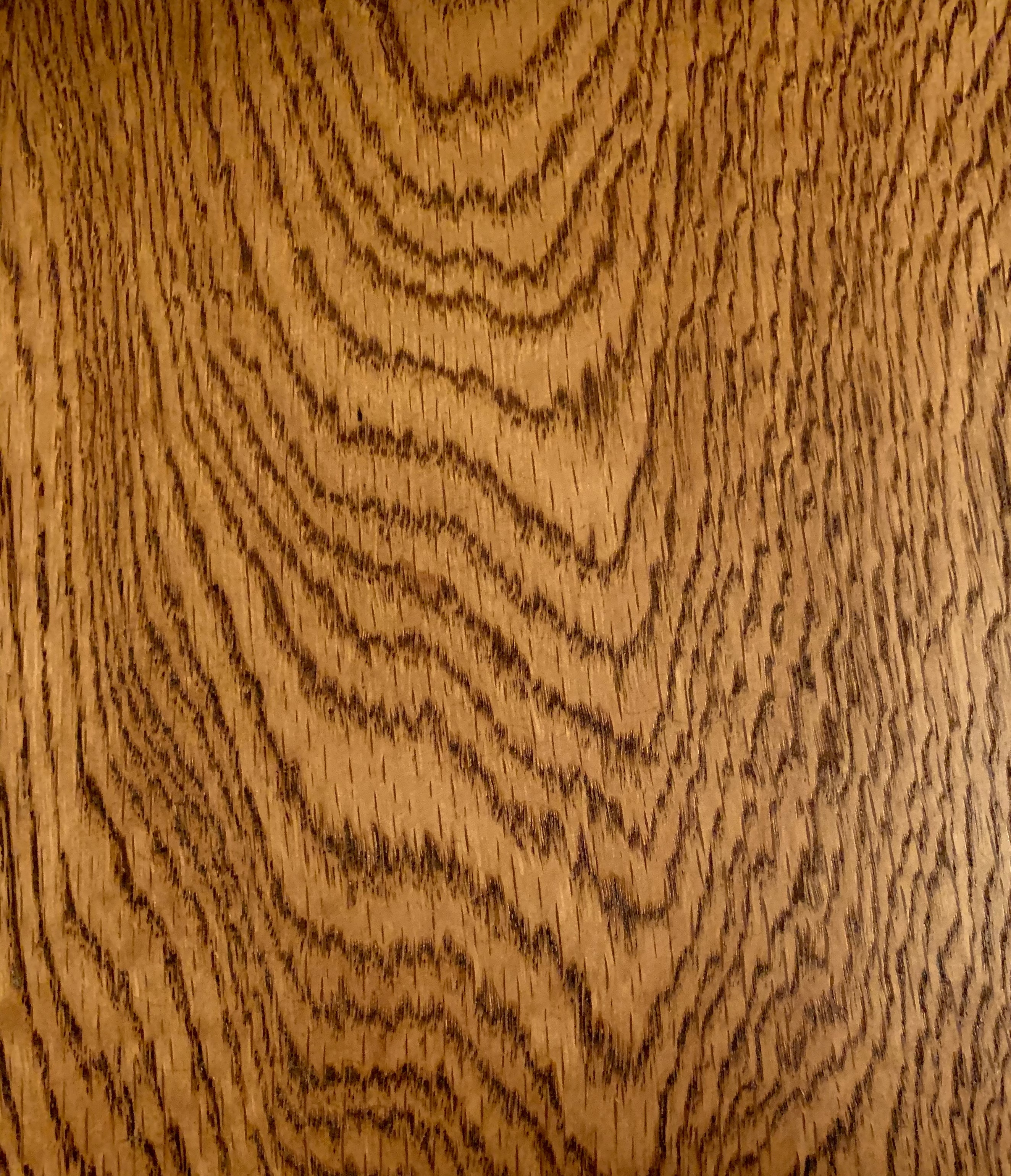
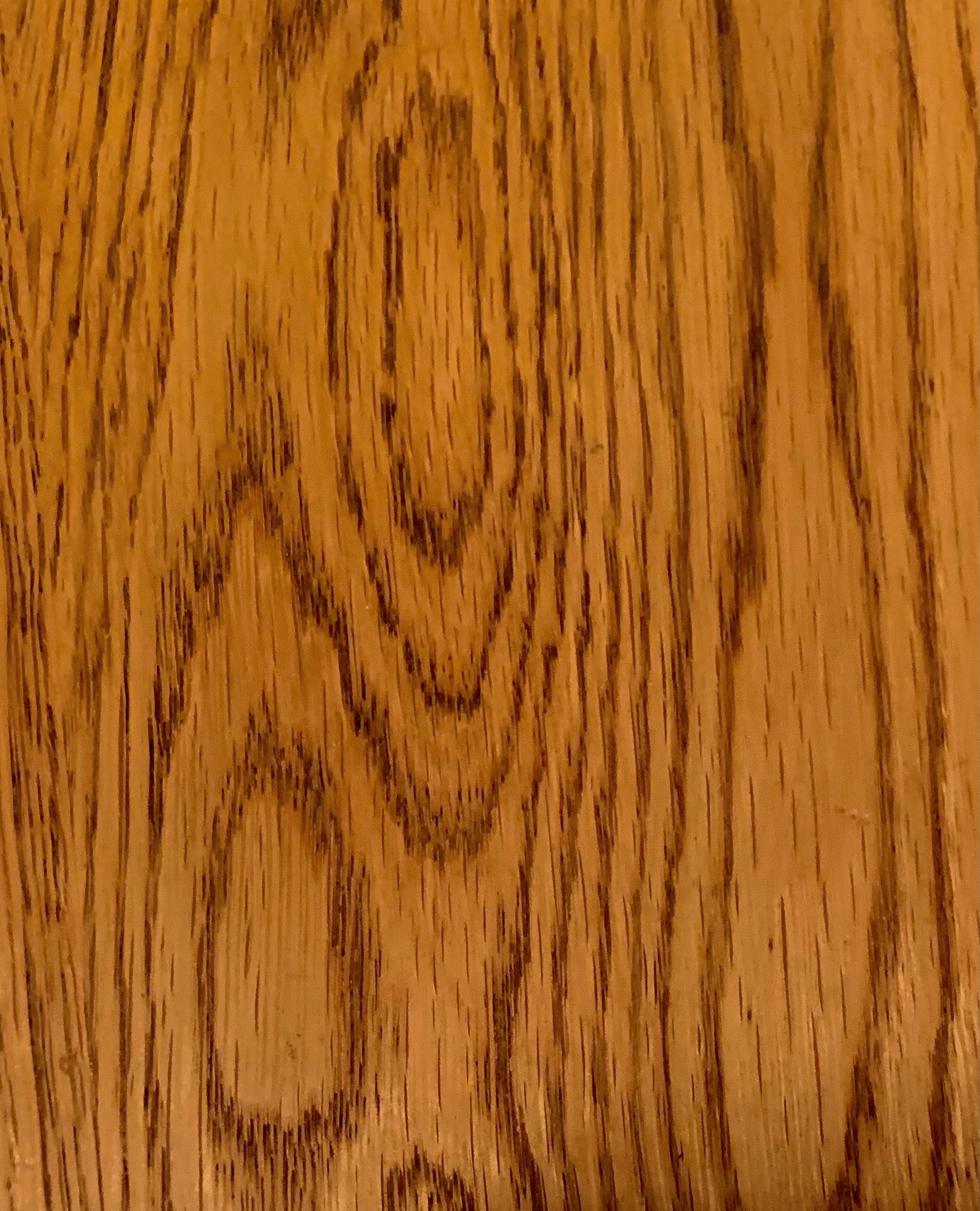
A writing desk is simply a repurposed tree; the smoothly sanded surface of swirling grain and knotholes nourish and produce words and stories rather than leaves and fruit.
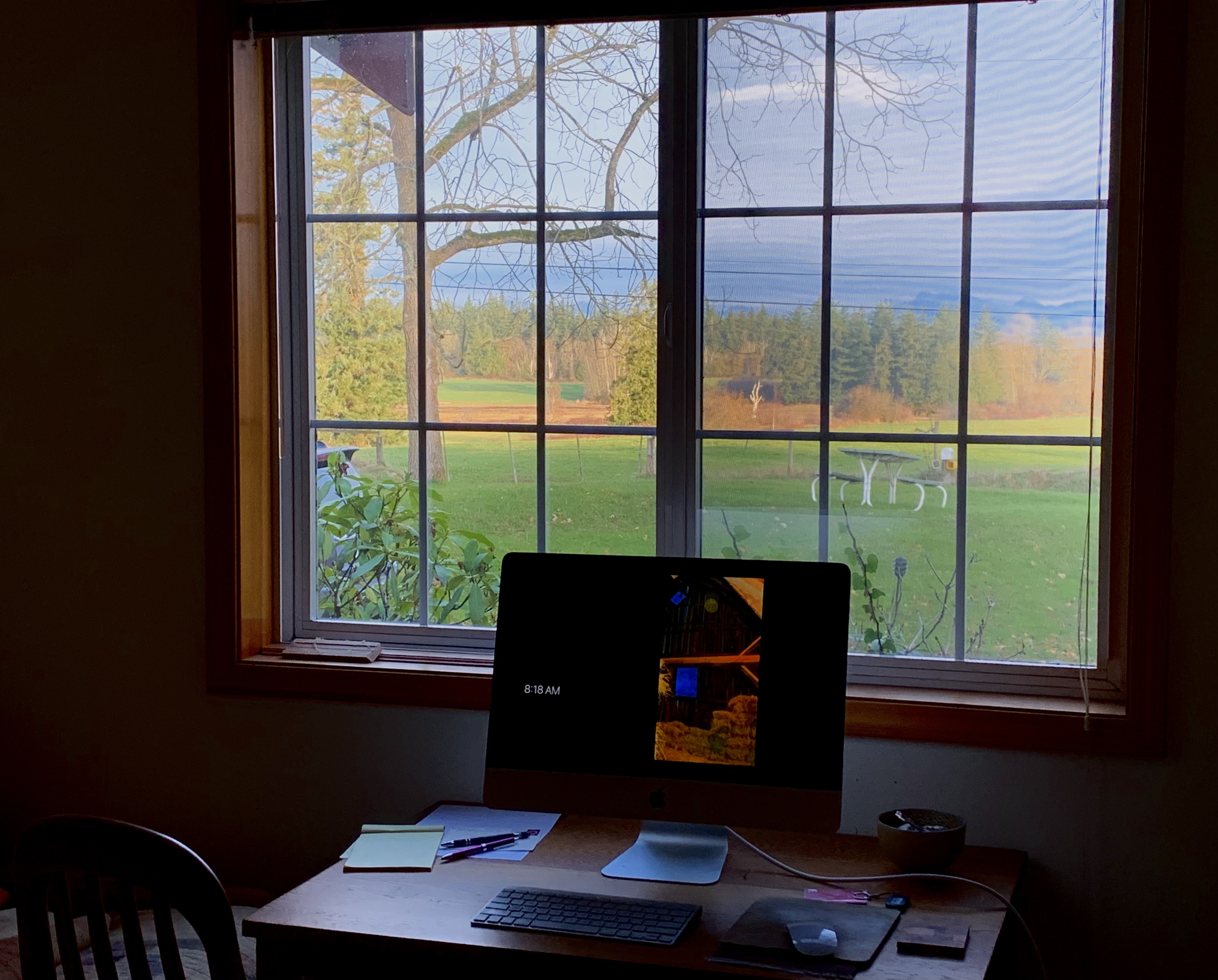
I can easily lose myself in the wood and wondering about its origins, whether it is as I sit at a window composing, or whether I’m outside walking among the trees which are merely potential writing desks in the raw.
Museums often feature the writing desks of the famous and I’ve seen a few over the years – it is thrilling to be able touch the wood they touched as they wrote – to gaze at the same grain patterns and knotholes they saw as the words gelled, and feel the worn spots where their elbows rested.
Though my little desk won’t ever become a museum piece, nor will my words be long-remembered, I am grateful for the tree that gave me this place to sit each morning, breathing deeply, praying that when I sit here, I might bear and share worthy fruit.
One-Time
Monthly
Yearly
Make a one-time or recurring donation to support daily Barnstorming posts
Though I know well enough To hunt the Lady’s Slipper now Is playing blindman’s-buff, For it was June She put it on And grey with mist the spider’s lace Swings in the autumn wind, Yet through this hill-wood, high and low, I peer in every place; Seeking for what I cannot find I do as I have often done And shall do while I stay beneath the sun. ~Andrew Young “Lady’s Slipper Orchid”
How strange to find you where I did along a path beside a road, your legs in graceful green dancing to music made by wind and woods.
Like ladies from a bygone age, you left your slippers there to air in dappled shade, while you, barefoot, relaxed your stays, let loose your hair.
The treasures of this world might be as simple as an orchid’s bloom; how sad that so much time is spent in filling coffers for the tomb.
If only life could be so fresh and free as you in serenade, we might learn we value most those things found lost in woodland shade. ~Mike Orlock “Lady Slipper Serenade (in 4/4 time)”
My grandmother’s house where my father was born had been torn down. She sold her property on Fidalgo Island near Anacortes, Washington to a lumber company – this was the house where all four of her babies were born, where she and my grandfather loved and fought and separated and finally loved again, and where we spent chaotic and memorable Thanksgiving and Christmas meals. After Grandpa died, Grandma took on boarders, trying to afford to remain there on the homesteaded wooded acreage on Similk Bay, fronted by meadows where her Scottish Highland cattle grazed. Her own health was suffering and she reached a point when it was no longer possible to make it work. A deal was struck with the lumber company and she moved to a small apartment for the few years left to her, remaining bruised by leaving her farm.
My father realized what her selling to a lumber company meant and it was a crushing thought. The old growth woods would soon be stumps on the rocky hill above the bay, opening a view to Mt. Baker to the east, to the San Juan Islands to the north, and presenting an opportunity for development into a subdivision. He woke my brother and me early one Saturday in May and told us we were driving the 120 miles to Anacortes. He was on a mission.
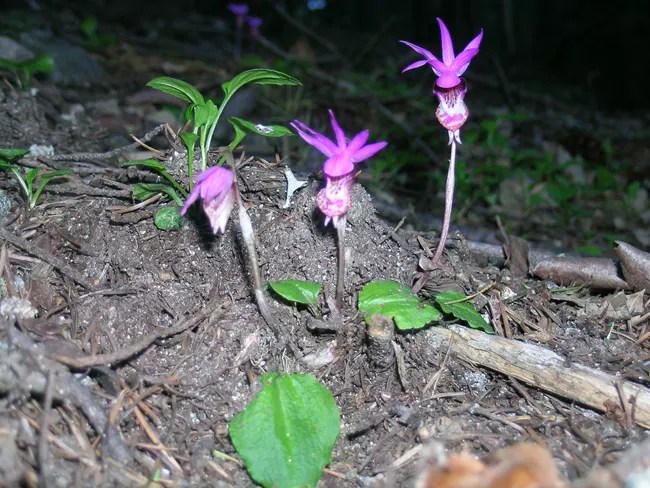
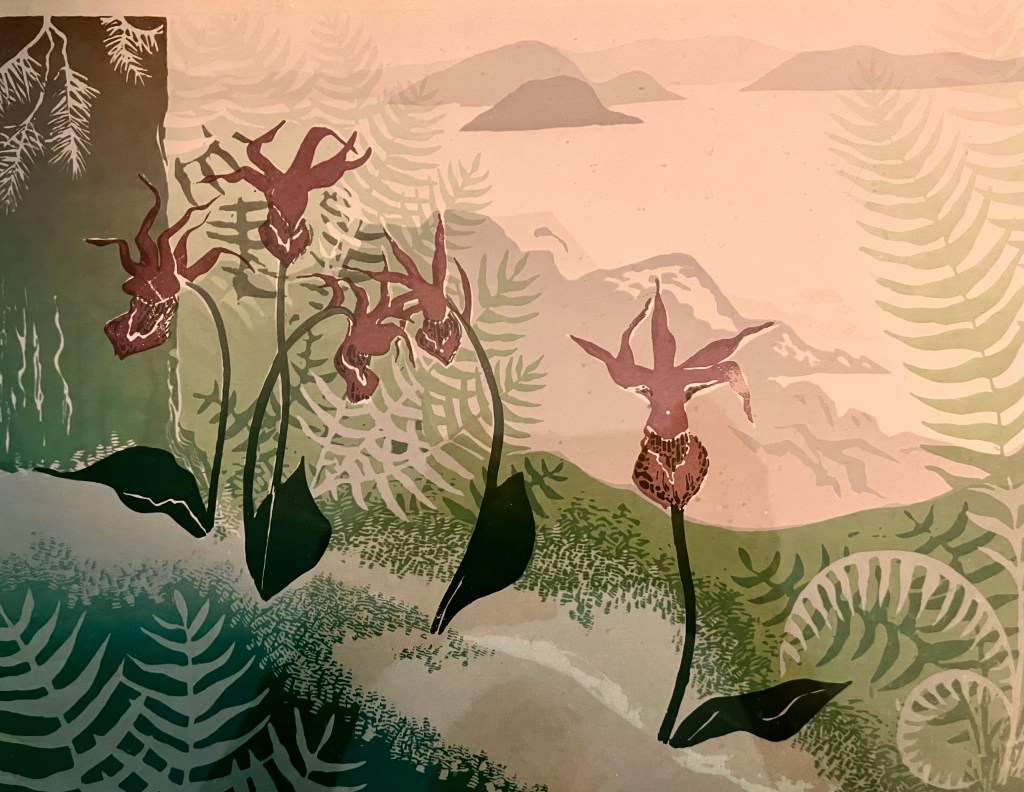
As a boy growing up on that land, he had wandered the woods, explored the hill, and helped his dad farm the rocky soil. There was only one thing he felt he needed from that farm and he had decided to take us with him, to trespass where he had been born and raised to bring home a most prized treasure–his beloved lady slippers (Calypso bulbosa) from the woods.
These dainty flowers enjoy a spring display known for its brevity–a week or two at the most–and they tend to bloom in small little clusters in the leafy duff mulch of the deep woods, preferring only a little indirect sunlight part of the day. They are not easy to find unless you know where to look.
My father remembered exactly where to look.
We hauled buckets up the hill along with spades, looking as if we were about to dig for clams at the ocean. Dad led us up a trail into the thickening foliage, until we had to bushwhack our way into the taller trees where the ground was less brush and more hospitable ground cover. He would stop occasionally to get his bearings as things were overgrown. We reached a small clearing and he knew we were near. He went straight to a copse of fir trees standing guard over a garden of lady slippers.
There were almost thirty of them blooming, scattered about in an area the size of my small bedroom. Each orchid-like pink and lavender blossom had a straight backed stem that held it with sturdy confidence. To me, they looked like they could be little shoes for fairies who may have hung them up while they danced about barefoot. To my father, they represented the last redeeming vestiges of his often traumatic childhood, and were about to be trammeled by bulldozers. We set to work gently digging them out of their soft bedding, carefully keeping their bulb-like corms from losing a protective covering of soil and leafy mulch. Carrying them in the buckets back to the car, we felt some vindication that even if the trees were to be lost to the saws, these precious flowers would survive.
When we got home, Dad set to work creating a spot where he felt they could thrive in our own woods. He found a place with the ideal amount of shade and light, with the protection of towering trees and the right depth of undisturbed leaf mulch. We carefully placed the lady slippers in their new home, scattered in a pattern similar to how we found them. Then Dad built a four foot split rail fence in an octagon around them, as a protection from our cattle and a horse who wandered the woods, and as a way to demarcate that something special was contained inside.
The next spring, only six lady slippers bloomed from the original thirty. Dad was disappointed but hoped another year might bring a resurgence as the flowers established themselves in their new home. The following year there were only three. A decade later, my father left our farm and family, not looking back.
Sometime after the divorce, when my mother had to sell the farm, I visited our lady slipper sanctuary in the woods for the last time in the middle of May, seeking what I hoped might still be there, but I knew was no longer. The split rail fence still stood, guarding nothing but old memories. No lady slippers bloomed. There was not a trace they had ever been there. They had given up and disappeared.
The new owners of the farm surely puzzled over the significance of the small fenced-in area in the middle of our woods. They probably thought it surrounded a graveyard of some sort.
And they would be right – it did.
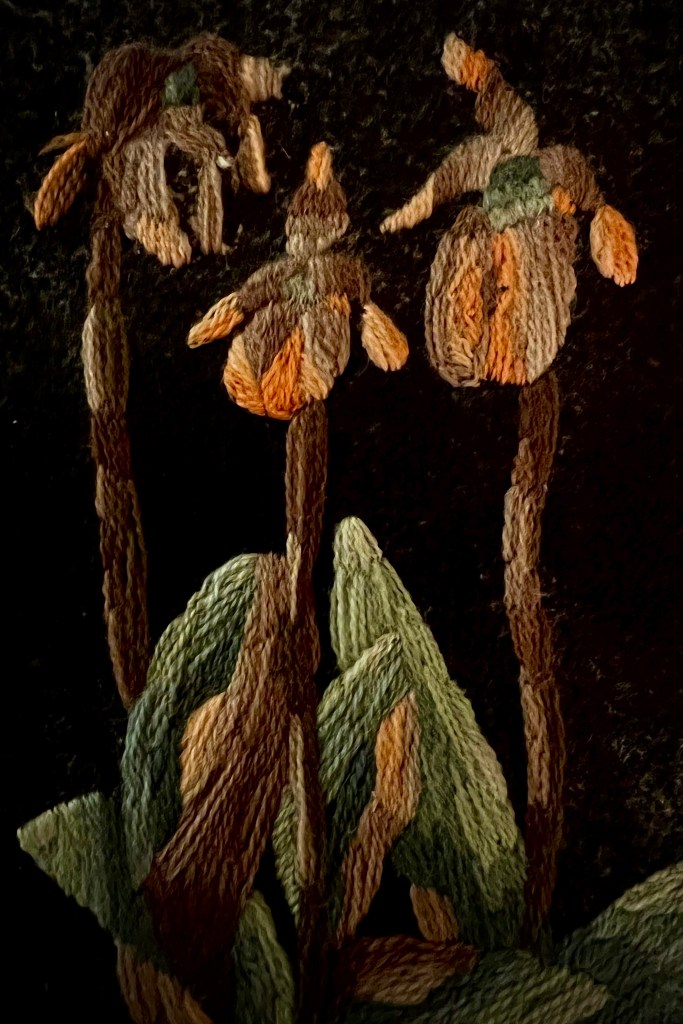
An embroidery I made for my father after he replanted the lady slippers — on the back I wrote “The miracle of creation recurs each spring in the delicate beauty of the lady slipper – may we ourselves be recreated as well…”
One-Time
Monthly
Yearly
Make a one-time or recurring donation to support daily Barnstorming posts
Though I know well enough To hunt the Lady’s Slipper now Is playing blindman’s-buff, For it was June She put it on And grey with mist the spider’s lace Swings in the autumn wind, Yet through this hill-wood, high and low, I peer in every place; Seeking for what I cannot find I do as I have often done And shall do while I stay beneath the sun. ~Andrew Young “Lady’s Slipper Orchid”
My grandmother’s house where my father was born had been torn down. She sold her property on Fidalgo Island near Anacortes, Washington to a lumber company – this was the house where all four of her babies were born, where she and my grandfather loved and fought and separated and finally loved again, and where we spent chaotic and memorable Thanksgiving and Christmas meals. After Grandpa died, Grandma took on boarders, trying to afford to remain there on the homesteaded wooded acreage on Similk Bay, fronted by meadows where her Scottish Highland cattle grazed. Her own health was suffering and she reached a point when it was no longer possible to make it work. A deal was struck with the lumber company and she moved to a small apartment for the few years left to her, remaining bruised by leaving her farm.
My father realized what her selling to a lumber company meant and it was a crushing thought. The old growth woods would soon be stumps on the rocky hill above the bay, opening a view to Mt. Baker to the east, to the San Juan Islands to the north, and presenting an opportunity for development into a subdivision. He woke my brother and me early one Saturday in May and told us we were driving the 120 miles to Anacortes. He was on a mission.
As a boy growing up on that land, he had wandered the woods, explored the hill, and helped his dad farm the rocky soil. There was only one thing he felt he needed from that farm and he had decided to take us with him, to trespass where he had been born and raised to bring home a most prized treasure–his beloved lady slippers from the woods.
These dainty flowers enjoy a spring display known for its brevity–a week or two at the most–and they tend to bloom in small little clusters in the leafy duff mulch of the deep woods, preferring only a little indirect sunlight part of the day. They are not easy to find unless you know where to look.
My father remembered exactly where to look.
We hauled buckets up the hill along with spades, looking as if we were about to dig for clams at the ocean. Dad led us up a trail into the thickening foliage, until we had to bushwhack our way into the taller trees where the ground was less brush and more hospitable ground cover. He would stop occasionally to get his bearings as things were overgrown. We reached a small clearing and he knew we were near. He went straight to a copse of fir trees standing guard over a garden of lady slippers.
There were almost thirty of them blooming, scattered about in an area the size of my small bedroom. Each orchid-like pink and lavender blossom had a straight backed stem that held it with sturdy confidence. To me, they looked like they could be little shoes for fairies who may have hung them up while they danced about barefoot. To my father, they represented the last redeeming vestiges of his often traumatic childhood, and were about to be trammeled by bulldozers. We set to work gently digging them out of their soft bedding, carefully keeping their bulb-like corms from losing a protective covering of soil and leafy mulch. Carrying them in the buckets back to the car, we felt some vindication that even if the trees were to be lost to the saws, these precious flowers would survive.
When we got home, Dad set to work creating a spot where he felt they could thrive in our own woods. He found a place with the ideal amount of shade and light, with the protection of towering trees and the right depth of undisturbed leaf mulch. We carefully placed the lady slippers in their new home, scattered in a pattern similar to how we found them. Then Dad built a four foot split rail fence in an octagon around them, as a protection from our cattle and a horse who wandered the woods, and as a way to demarcate that something special was contained inside.
The next spring only six lady slippers bloomed from the original thirty. Dad was disappointed but hoped another year might bring a resurgence as the flowers established themselves in their new home. The following year there were only three. A decade later, my father himself had left farm and family, not looking back.
Sometime after the divorce, when my mother had to sell the farm, I visited our lady slipper sanctuary in the woods for the last time in the middle of May, seeking what I hoped might still be there, but I knew was no longer. The split rail fence still stood, guarding nothing but old memories. No lady slippers bloomed. There was not a trace they had ever been there. They had simply given up and disappeared.
The new owners of the farm surely puzzled over the significance of the small fenced-in area in the middle of our woods. They probably thought it surrounded a graveyard of some sort.
And they would be right – it did.
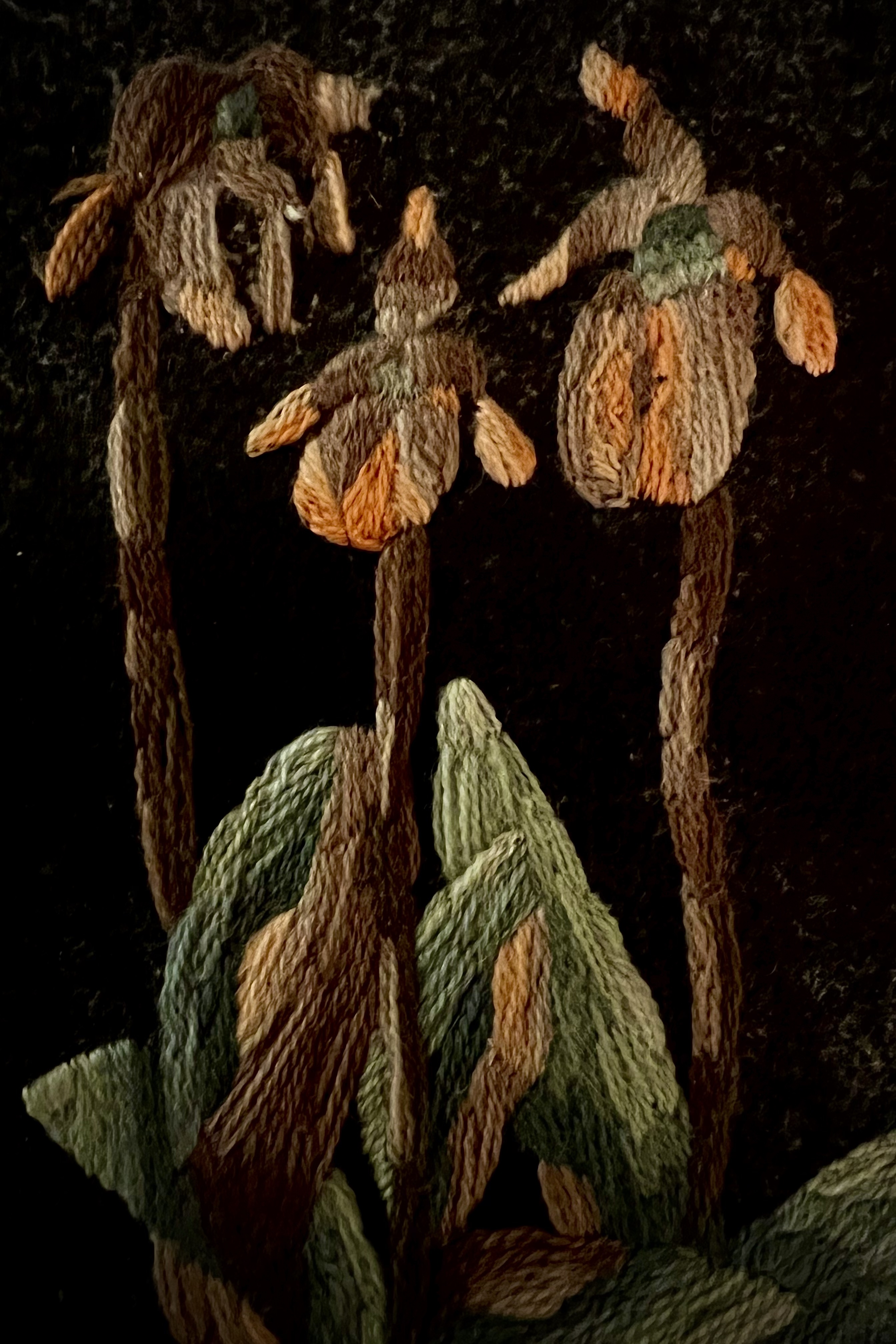
An embroidery I made for my father after he replanted the lady slippers — on the back I wrote “The miracle of creation recurs each spring in the delicate beauty of the lady slipper – may we ourselves be recreated as well…”
Once more, once more into the sunny fields Oh, let me stray! And drink the joy that young existence yields On a bright, cloudless day. Once more let me behold the summer sky, With its blue eyes, And join the wild wind’s voice of melody, As far and free it flies. Once more, once more, oh let me stand and hear The gushing spring, As its bright drops fall starlike, fast and clear, And in the sunshine sing. ~Frances Kemble“A Farewell”
One-Time
Monthly
Yearly
Make a one-time or recurring donation to support Barnstorming
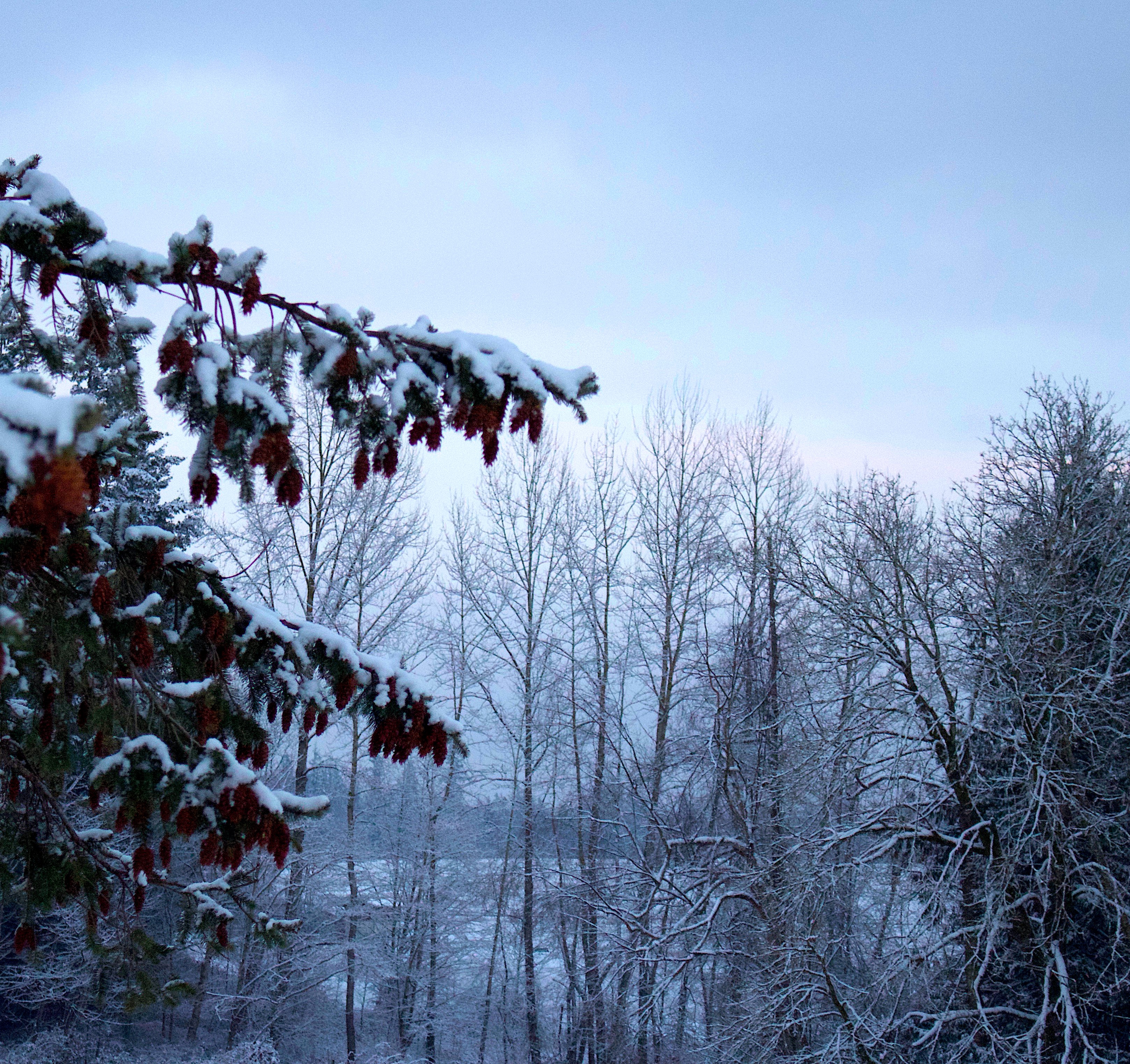
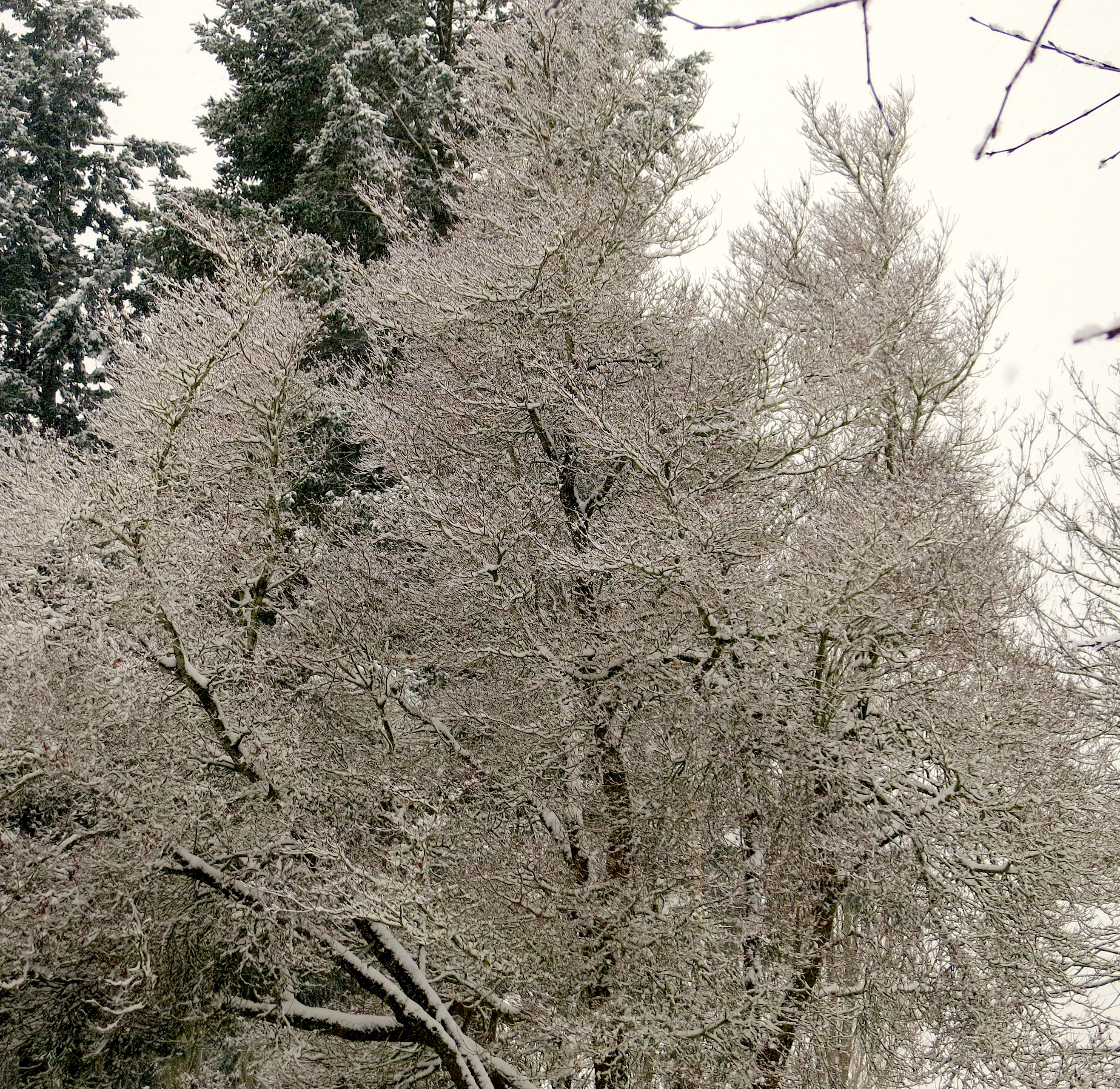
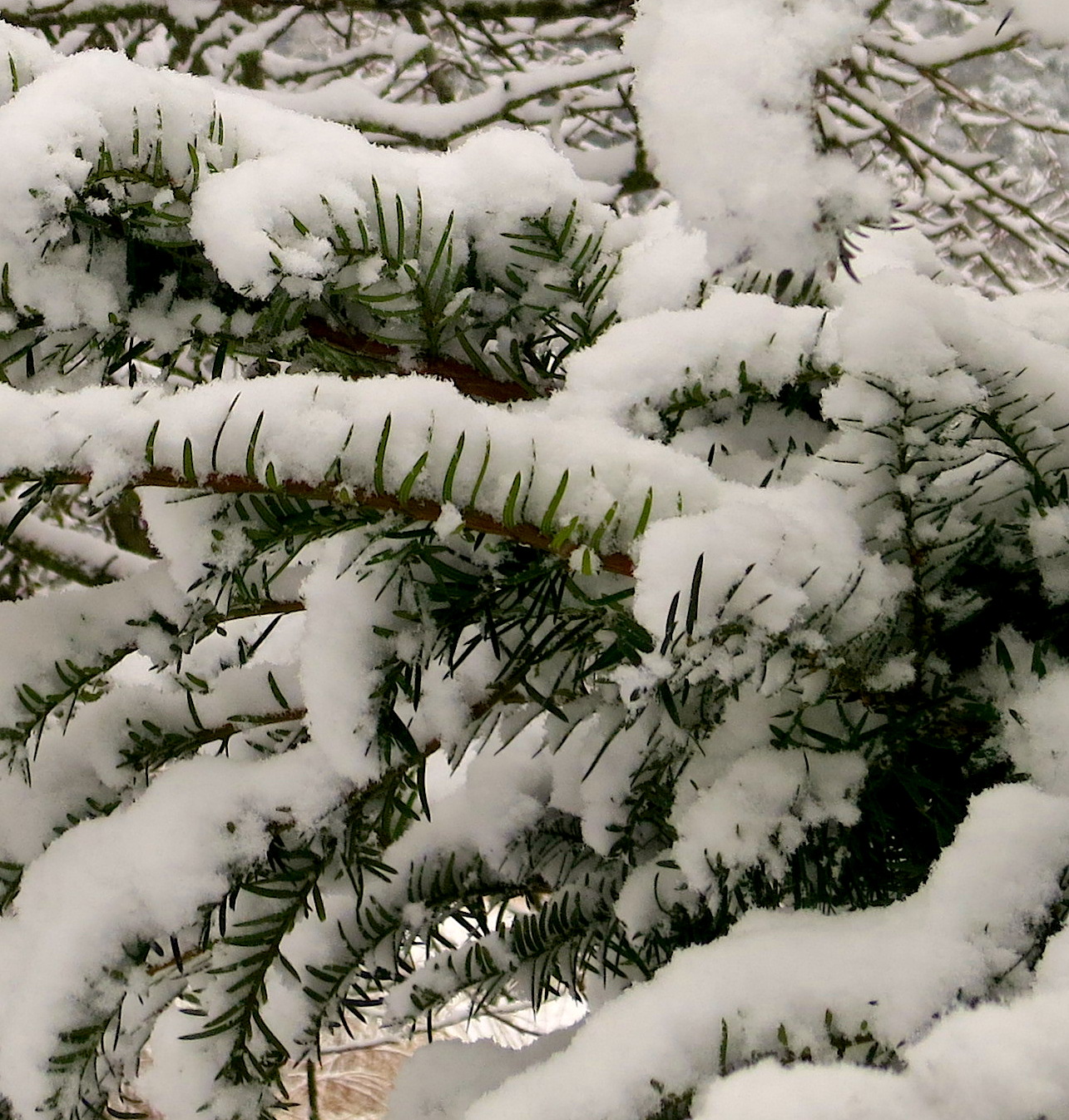
Whose woods these are I think I know. His house is in the village though; He will not see me stopping here To watch his woods fill up with snow.
My little horse must think it queer To stop without a farmhouse near Between the woods and frozen lake The darkest evening of the year.
He gives his harness bells a shake To ask if there is some mistake. The only other sound’s the sweep Of easy wind and downy flake.
The woods are lovely, dark and deep, But I have promises to keep, And miles to go before I sleep, And miles to go before I sleep. ~Robert Frost, “Stopping by Woods on a Snowy Evening” from The Poetry of Robert Frost
I wish one could press snowflakes in a book like flowers. ~James Schuyler from “February 13, 1975”
When a January night lingers long, beginning too early and lasting too late, I find myself in my own insistent winter, wanting to hide away from trouble deep in a peaceful snowy woods, knowing I choose to avoid doing what is needed when it is needed.
I look inward when I must focus outside myself. I muffle my ears to deafen voices crying in need. I turn away rather than meet a stranger’s gaze.
A wintry soul is a cold and empty place, not lovely, dark and deep.
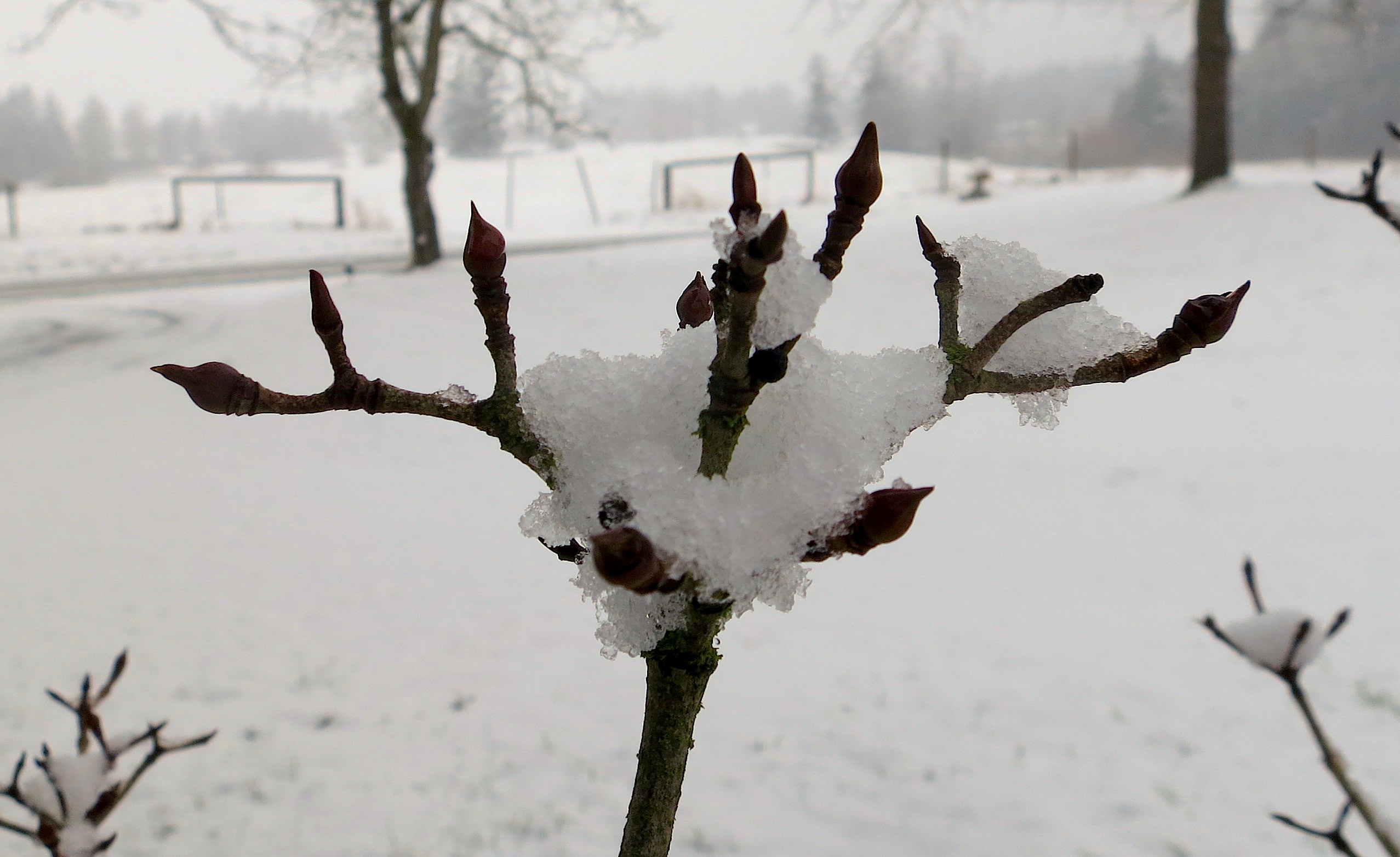
I appeal to my Creator who knows my darkness. He expects me to keep my promises because He keeps His promises. His buds of hope and warmth and color and fruit will arise from my bare branches.
He brings me out of the night to finish what He brought me here to do.
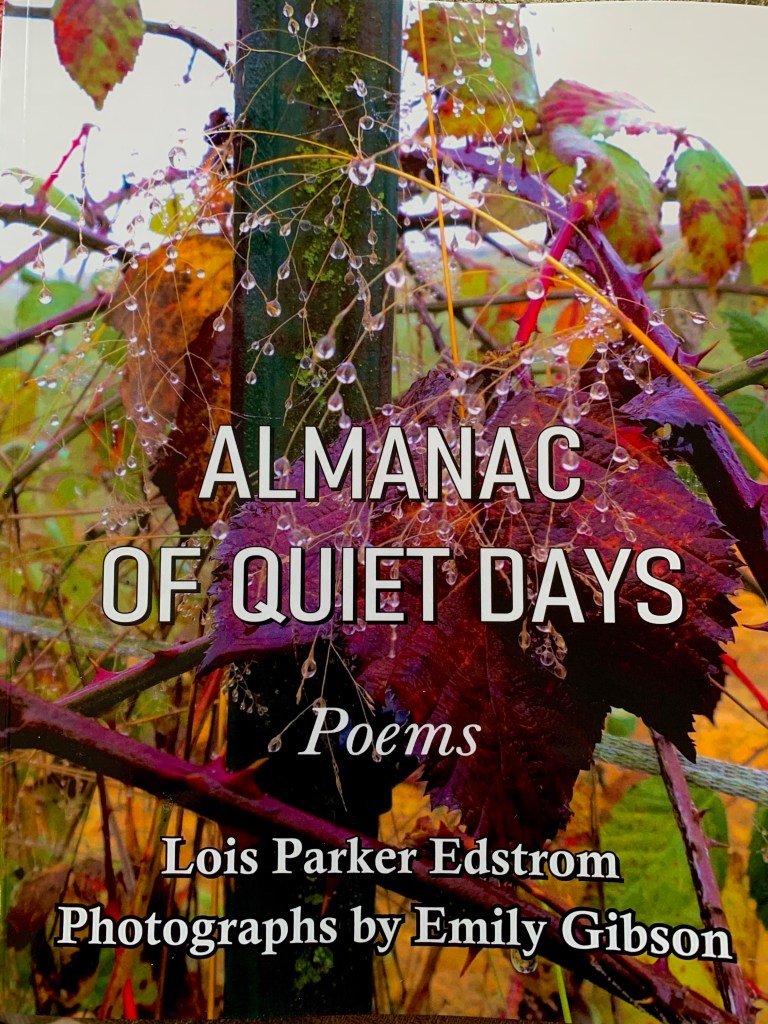
A book from Barnstorming combining the beauty of Lois Edstrom’s words and Barnstorming photography, available for order here:
One-Time
Monthly
Yearly
Make a one-time or recurring donation to support Barnstorming
Maybe night is about to come calling, but right now the sun is still high in the sky. It’s half-past October, the woods are on fire, blue skies stretch all the way to heaven. Of course, we know that winter is coming, its thin winding sheets and its hard narrow bed. But right now, the season’s fermented to fullness, so slip into something light, like your skeleton; while these old bones are still working, my darling, let’s dance. ~Barbara Crooker, “Reel” from The Book of Kells
I’ve never been much of a dancer; we were taught square dancing in grade school when we were kids so I could do-si-do with the best of them.
The non-descript dancing of the sixties and seventies never appealed to me – it was kind of like writhing in place, sometimes alone, sometimes in parallel with another body.
Our church used to hold once a year square dances in November along with a harvest dinner, gathered in a school gymnasium, so my husband and I learned to Virginia Reel up and back and be sore the next day. Those were the days…
But right now, we watch our trees dance this time of year, getting more naked with each passing day and breeze. They sway and bow and join limbs, their bare bones grasping one another in preparation for their cold and narrow winter bed, wrapped in the shroud that will give way, yet again to the green leaves of spring, only a few months away.
A book of beauty in words and photography, available to order here:
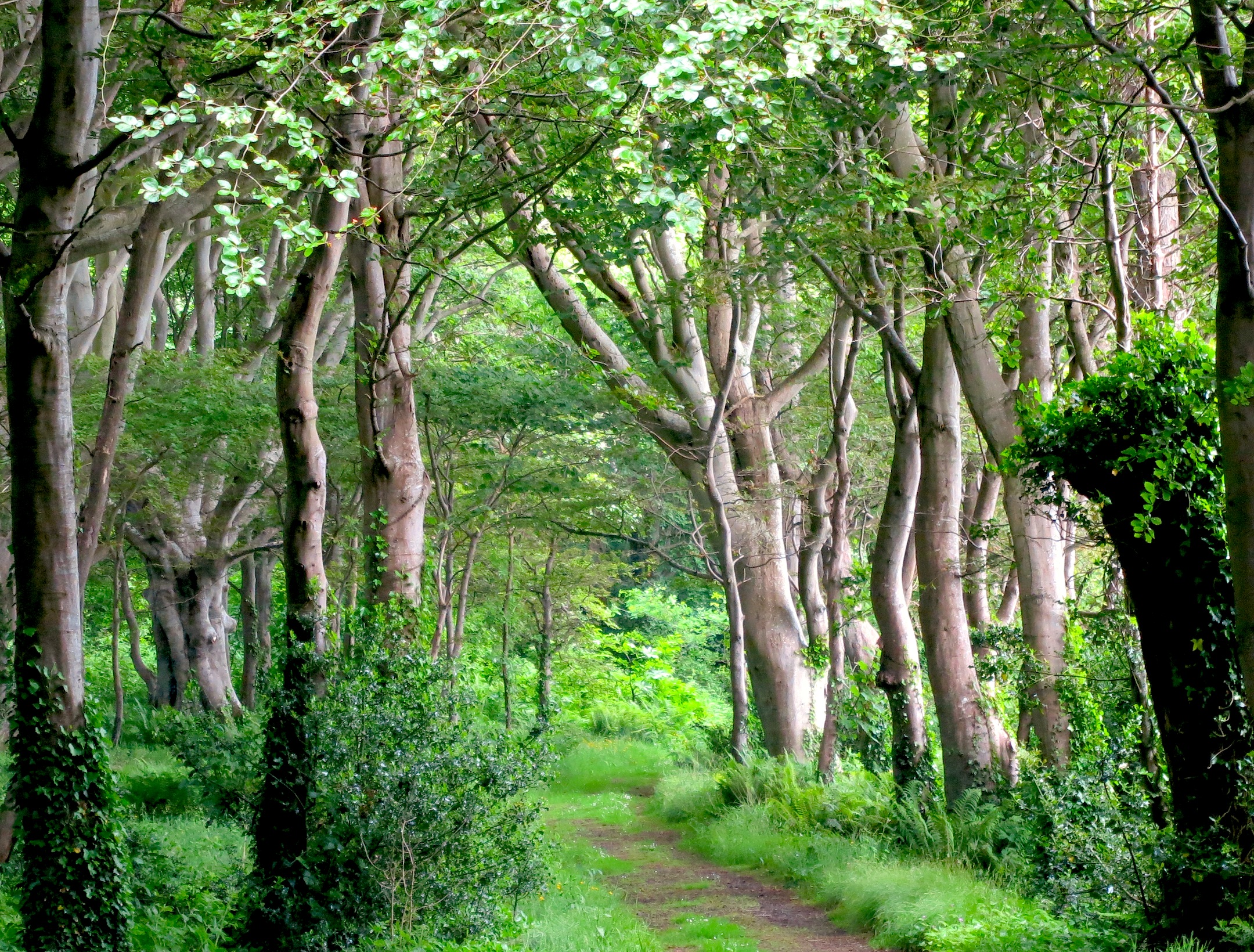
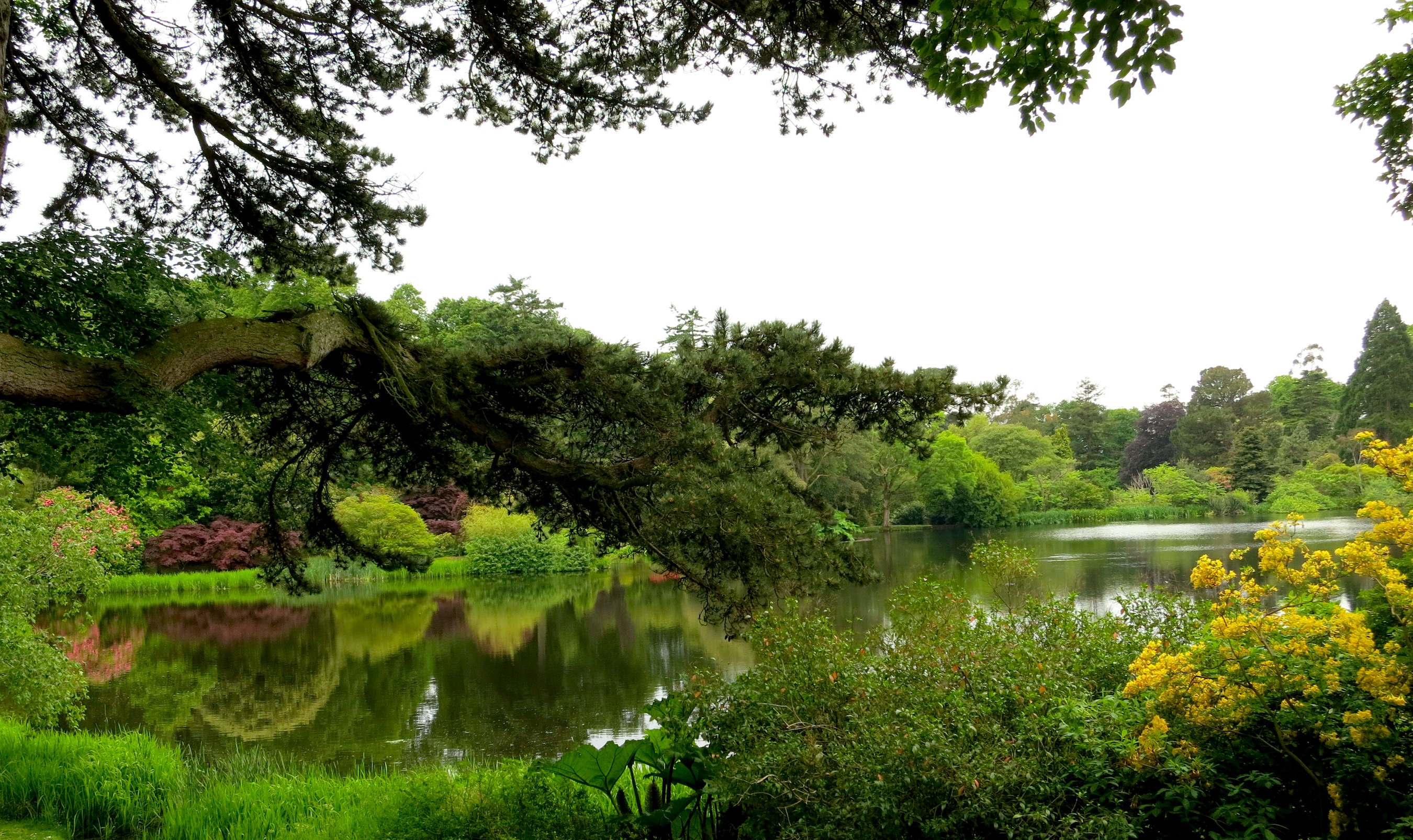
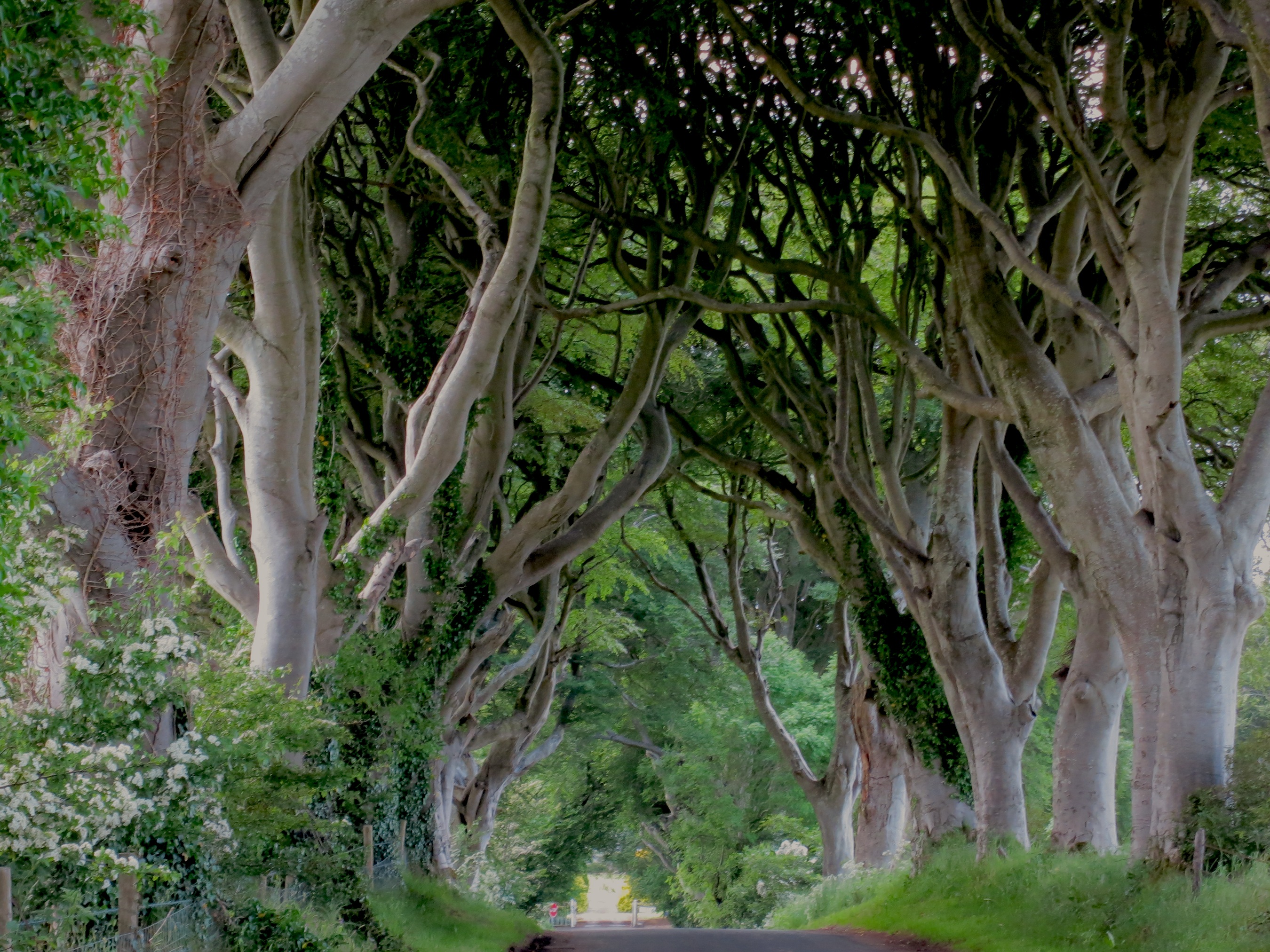
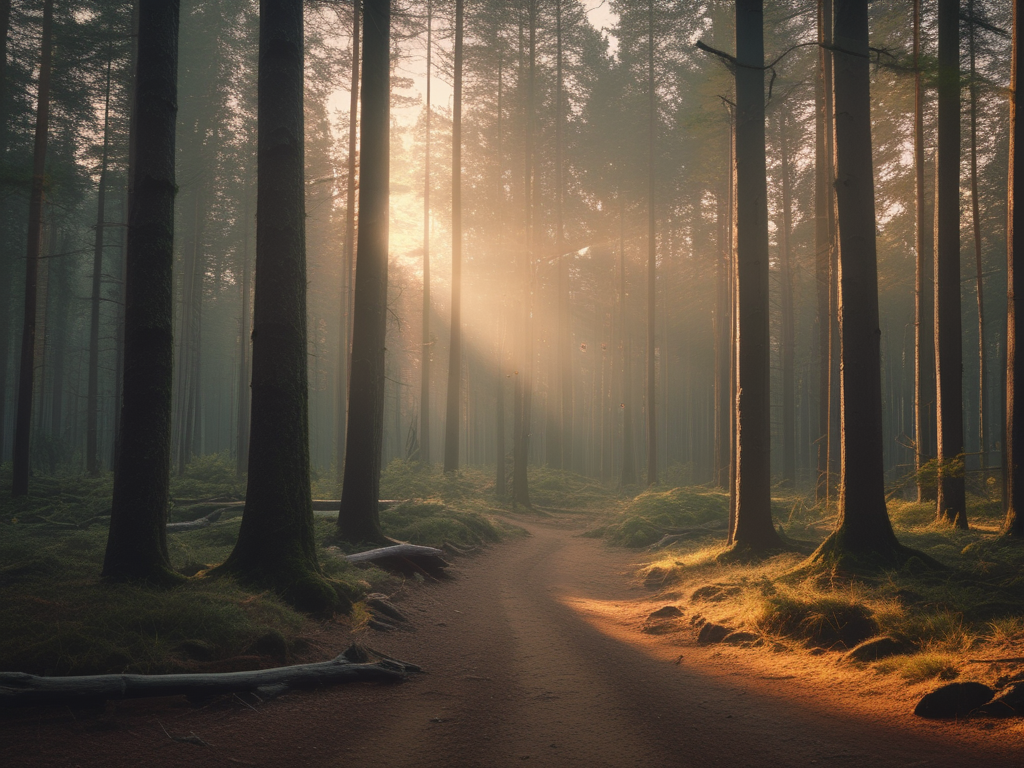
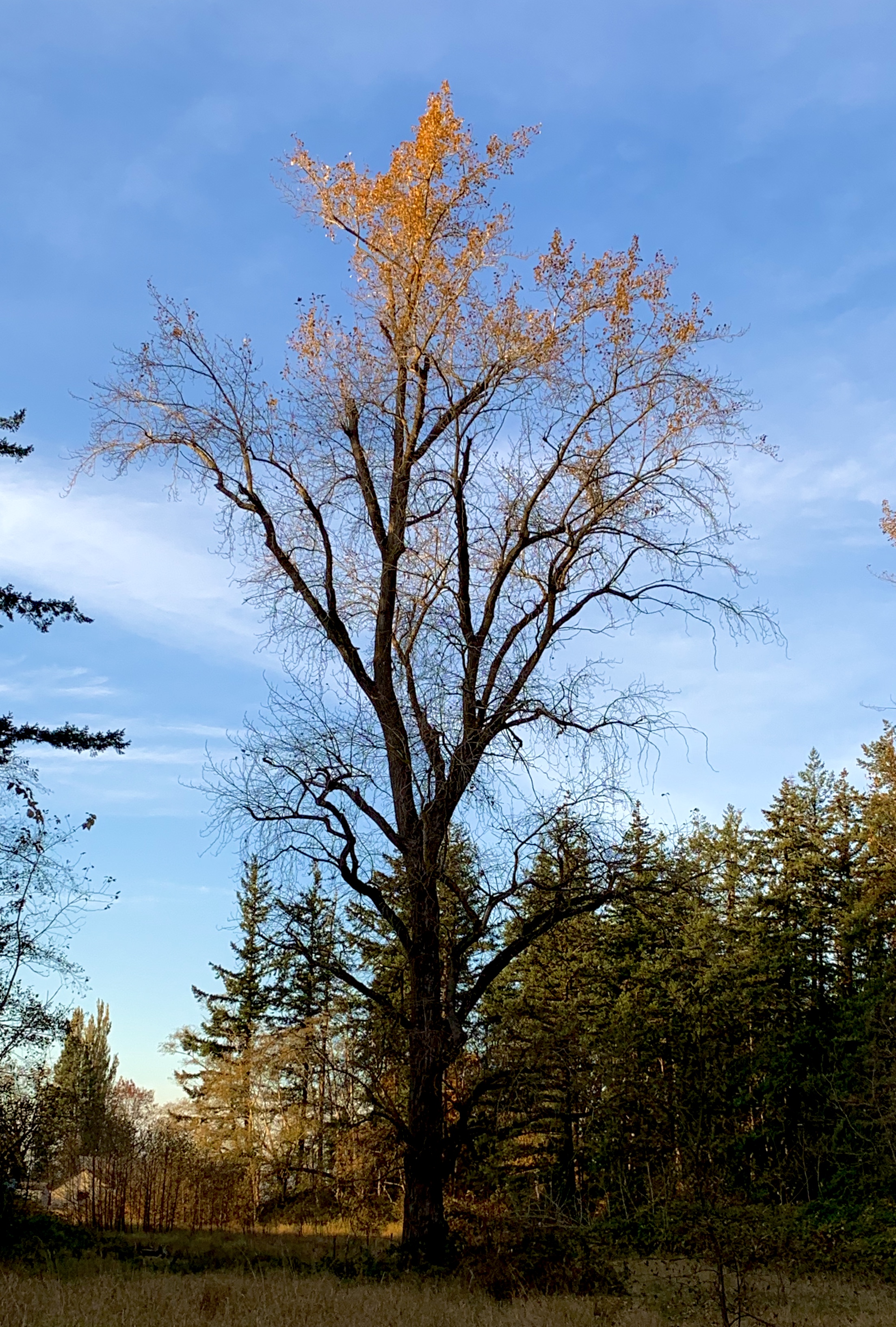
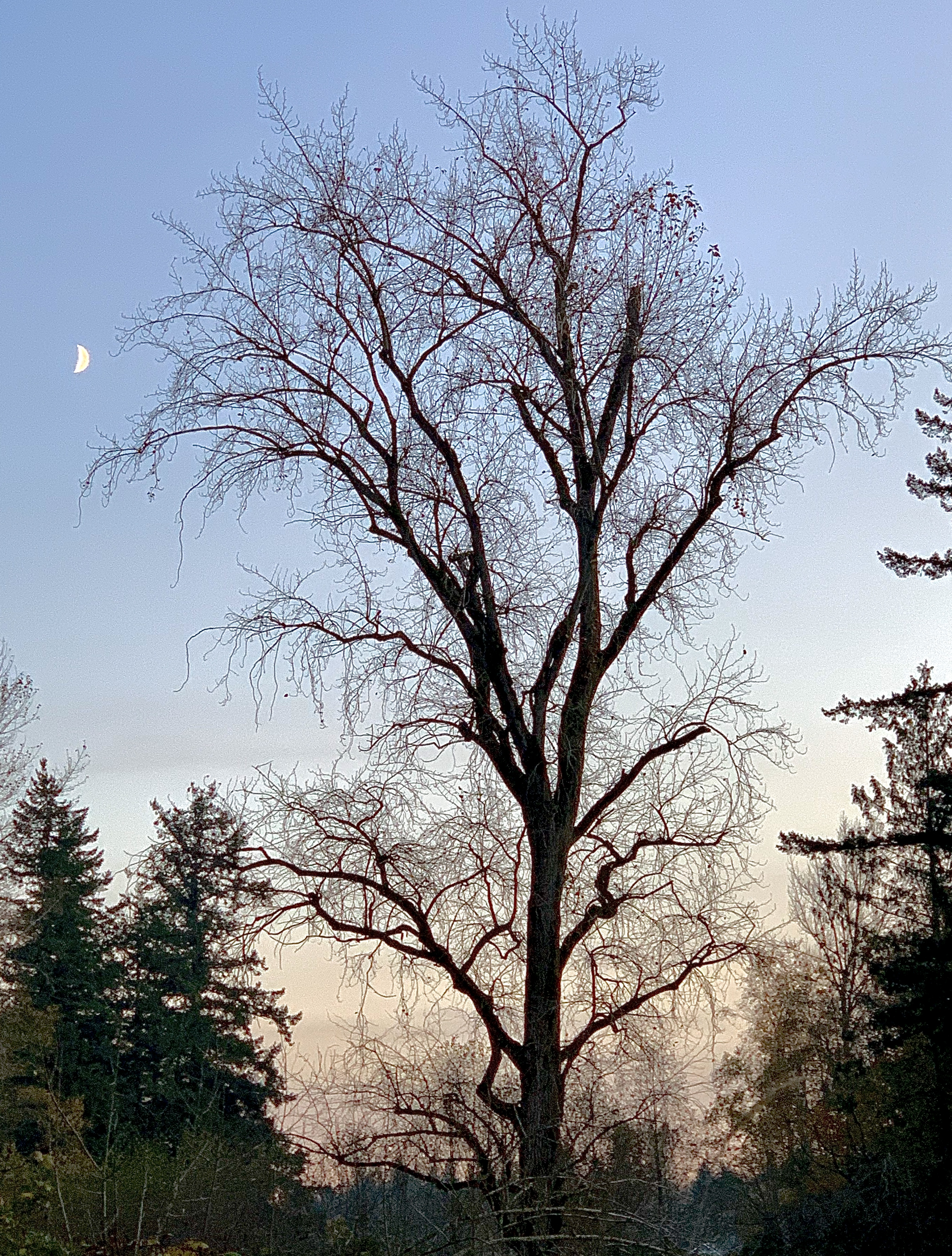
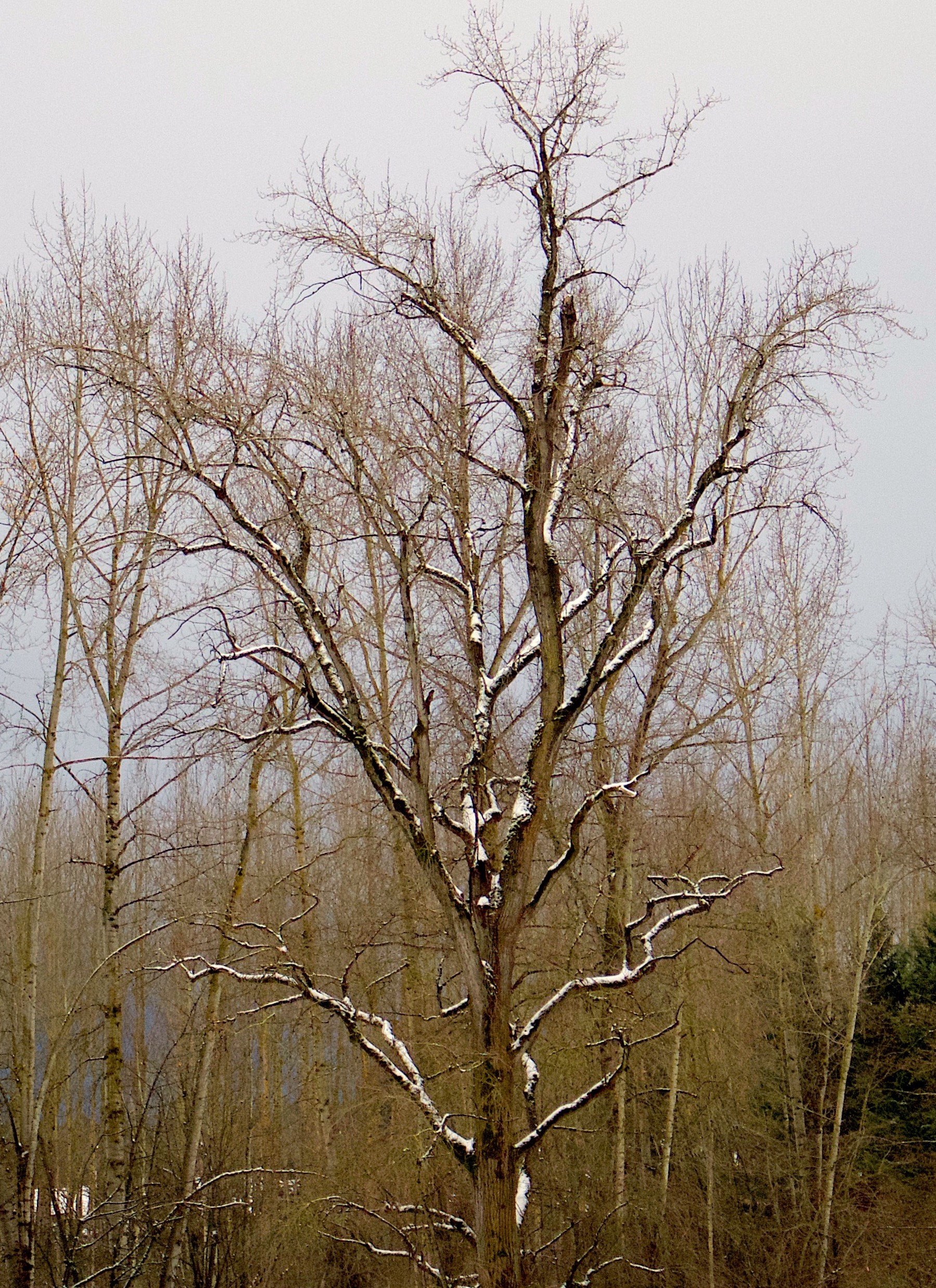
Go into the woods and tell your story to the trees. They are wise standing in their folds of silence among white crystals of rock and dying limbs. And they have time. Time for the swaying of leaves, the floating down, the dust. They have time for gathering and holding the earth about their feet. Do this. It is something I have learned. How they will bend down to you so softly. They will bend down to you and listen. ~Laura Foley, “The Quiet Listeners” from Syringa
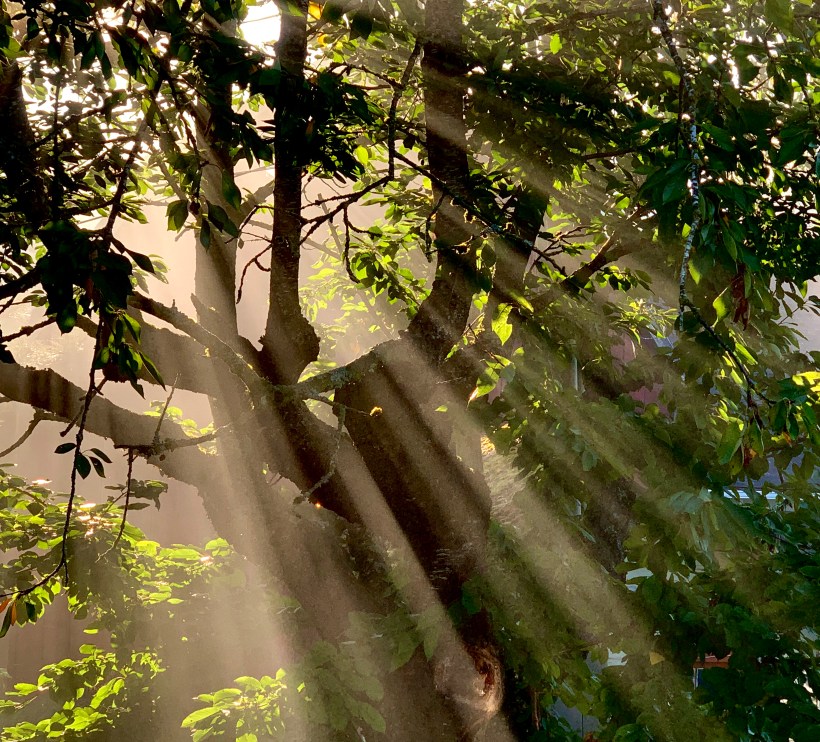
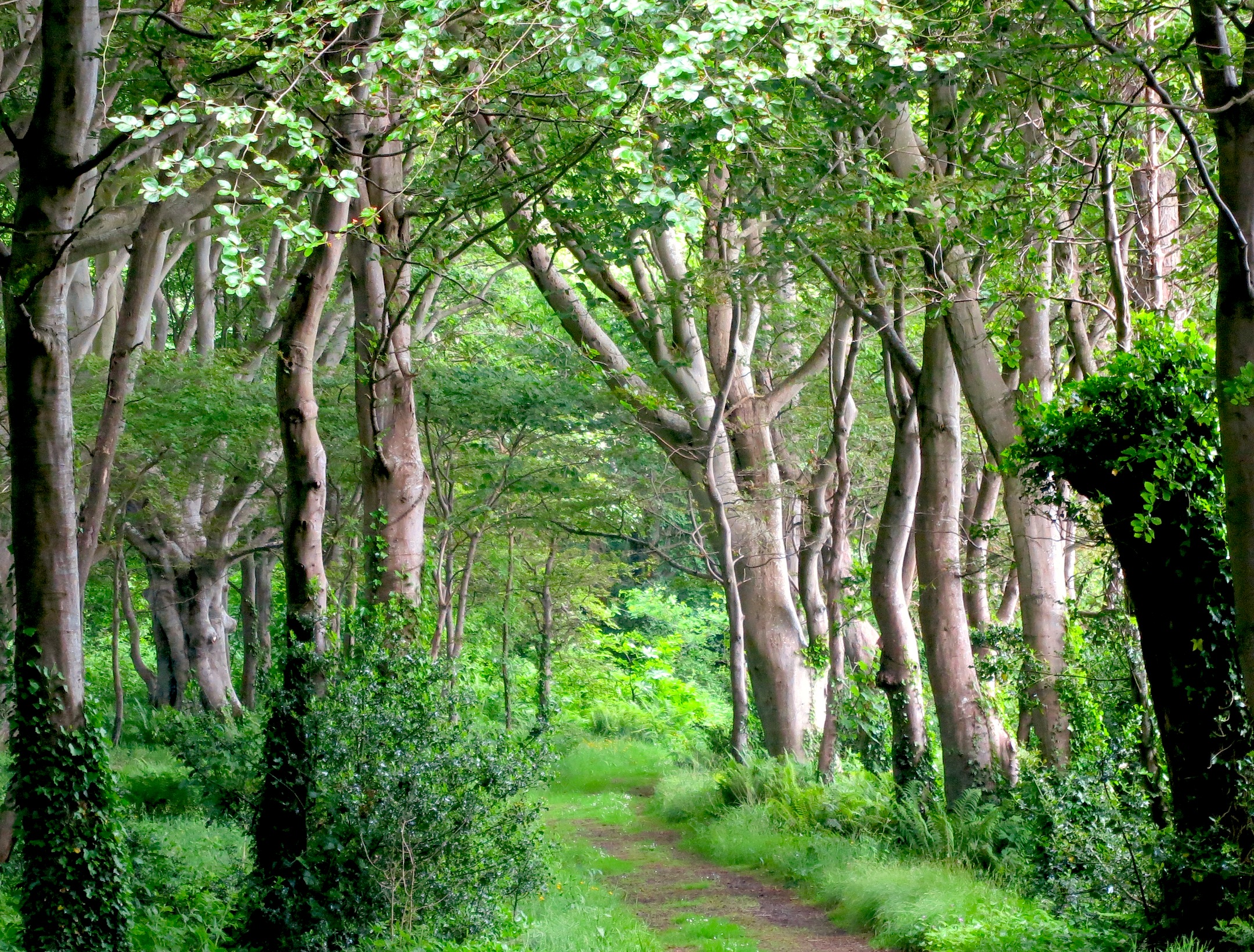
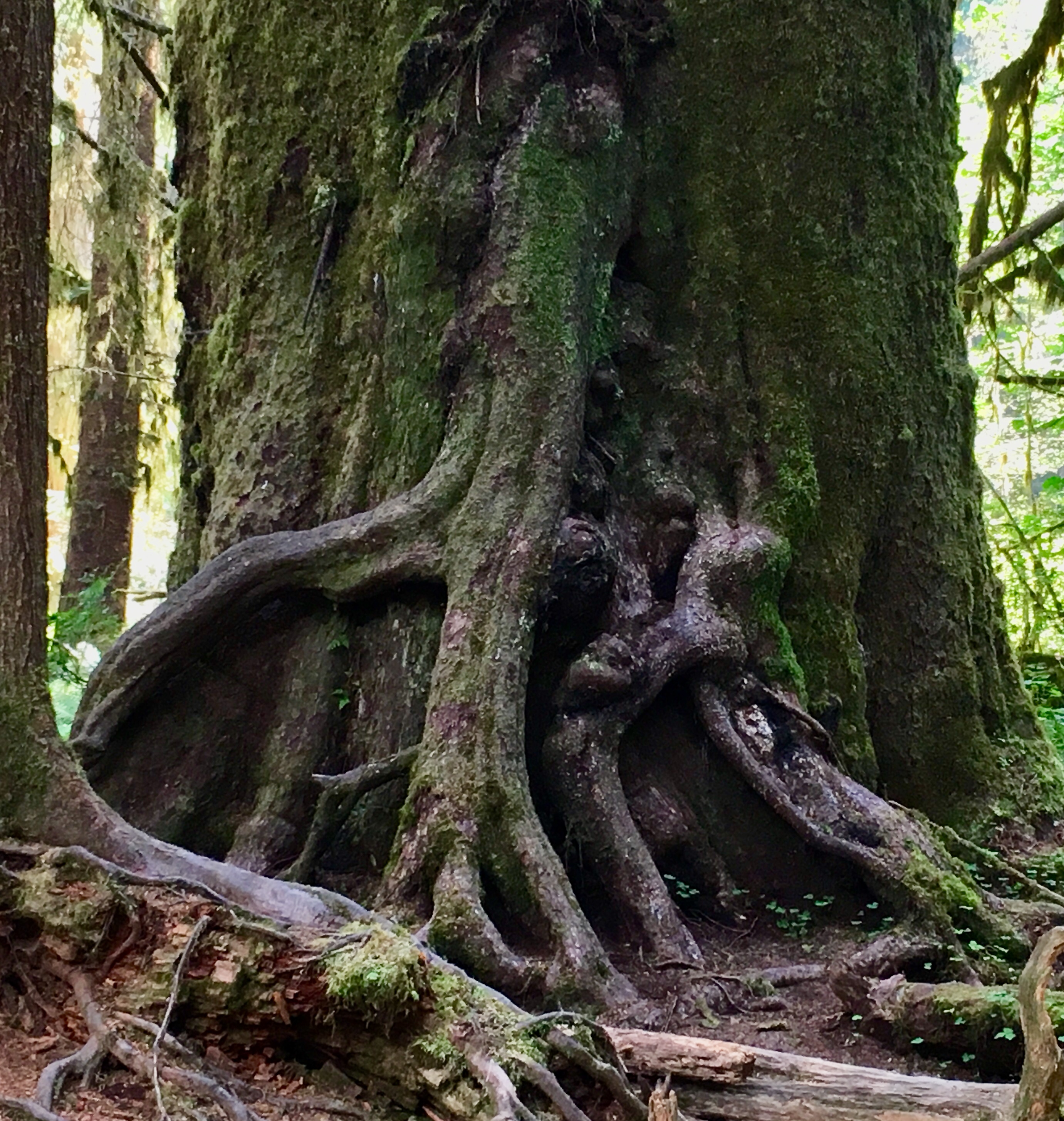
When I am among the trees, especially the willows and the honey locust, equally the beech, the oaks and the pines, they give off such hints of gladness. I would almost say that they save me, and daily. I am so distant from the hope of myself, in which I have goodness, and discernment, and never hurry through the world but walk slowly, and bow often. Around me the trees stir in their leaves and call out, “Stay awhile.” The light flows from their branches. And they call again, “It’s simple,” they say, “and you too have come into the world to do this, to go easy, to be filled with light, and to shine.” ~Mary Oliver “When I am Among the Trees”
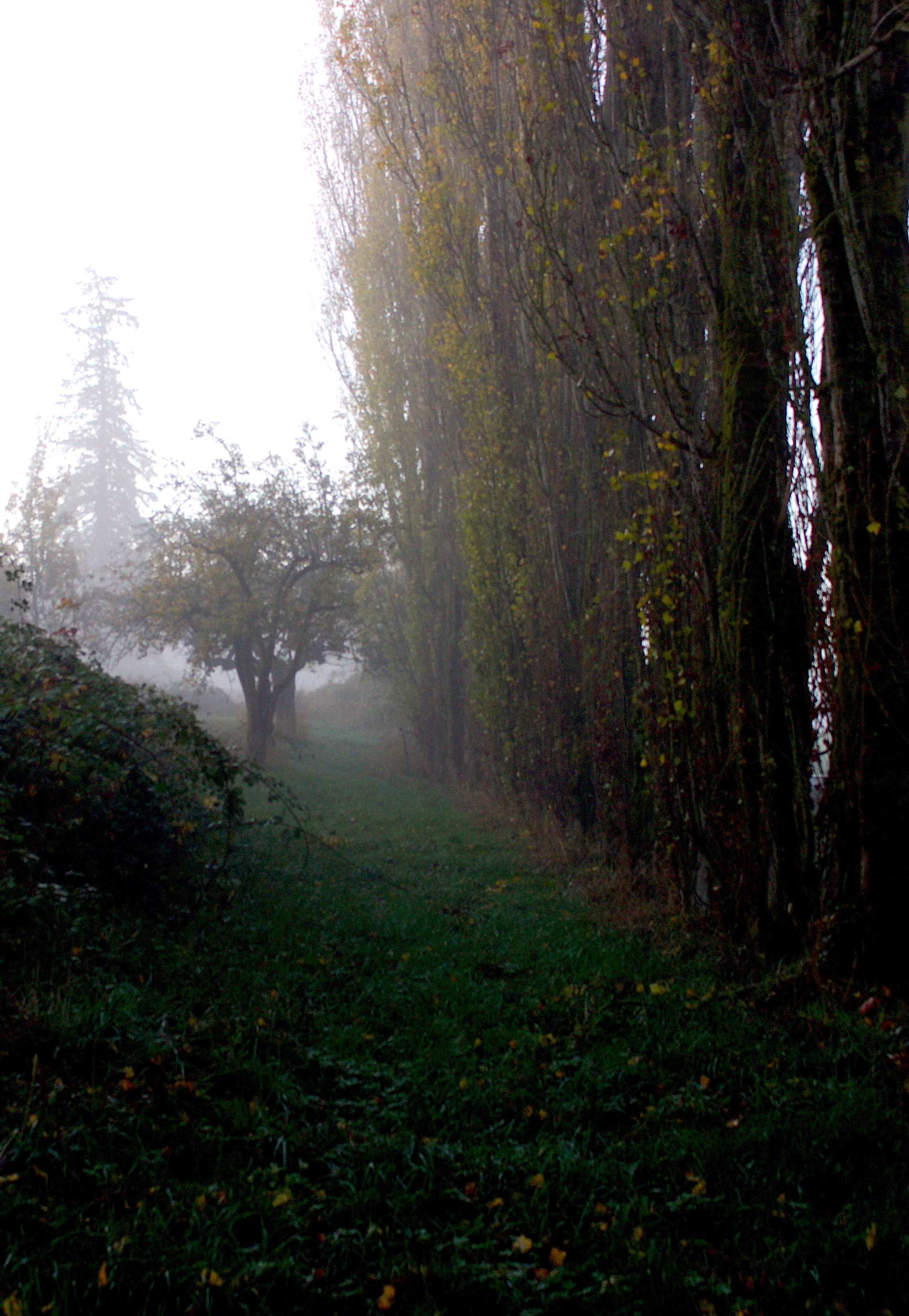
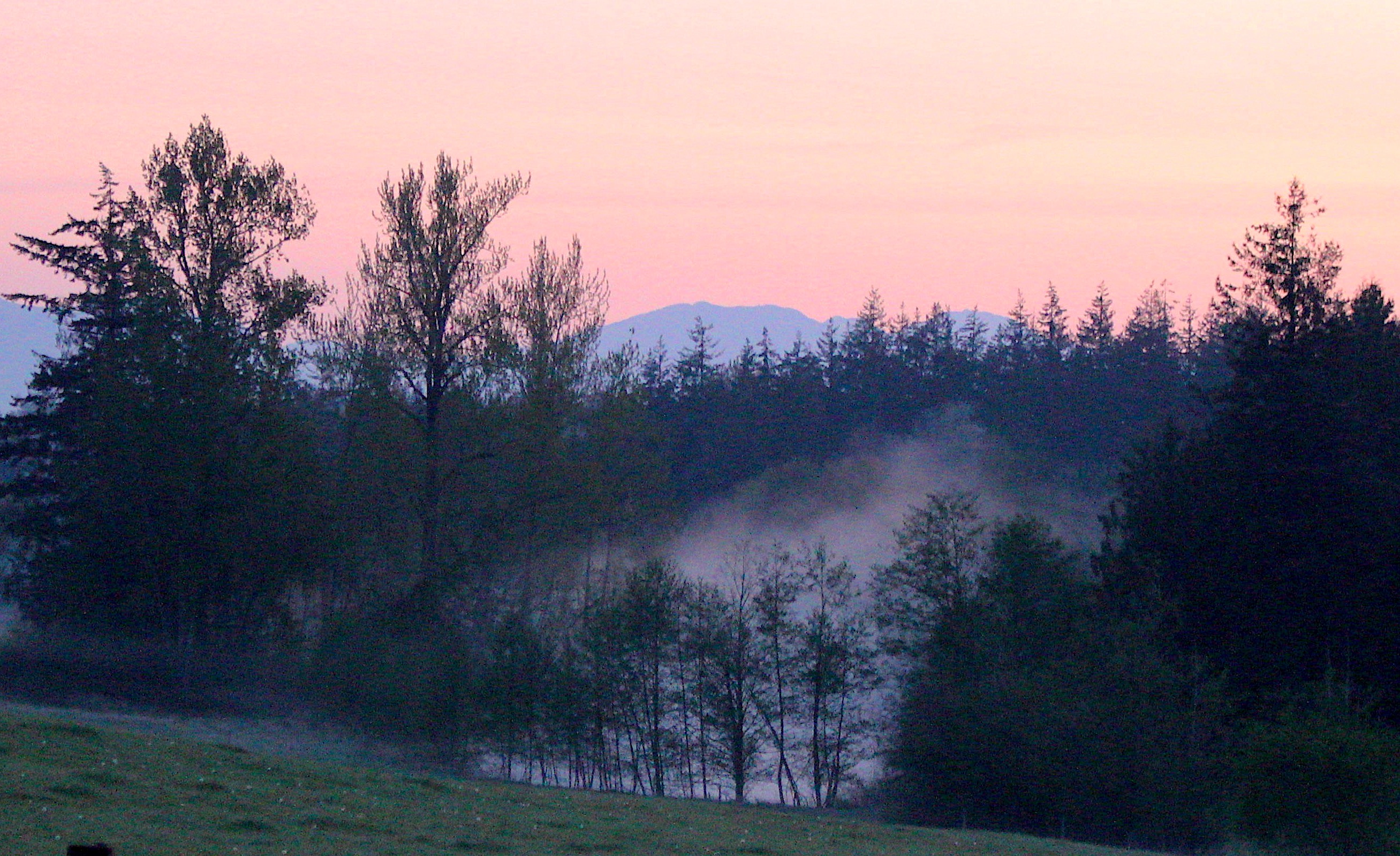
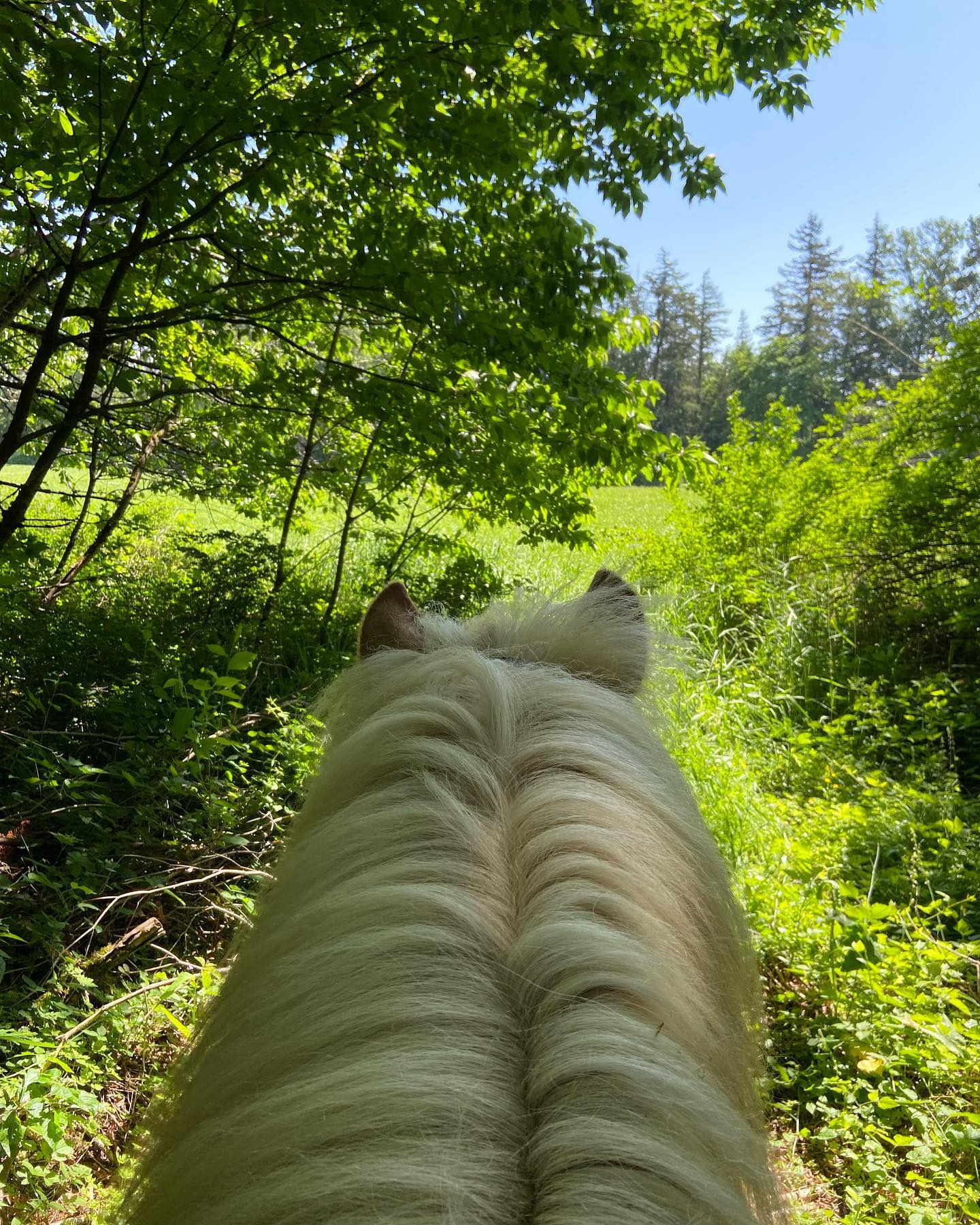
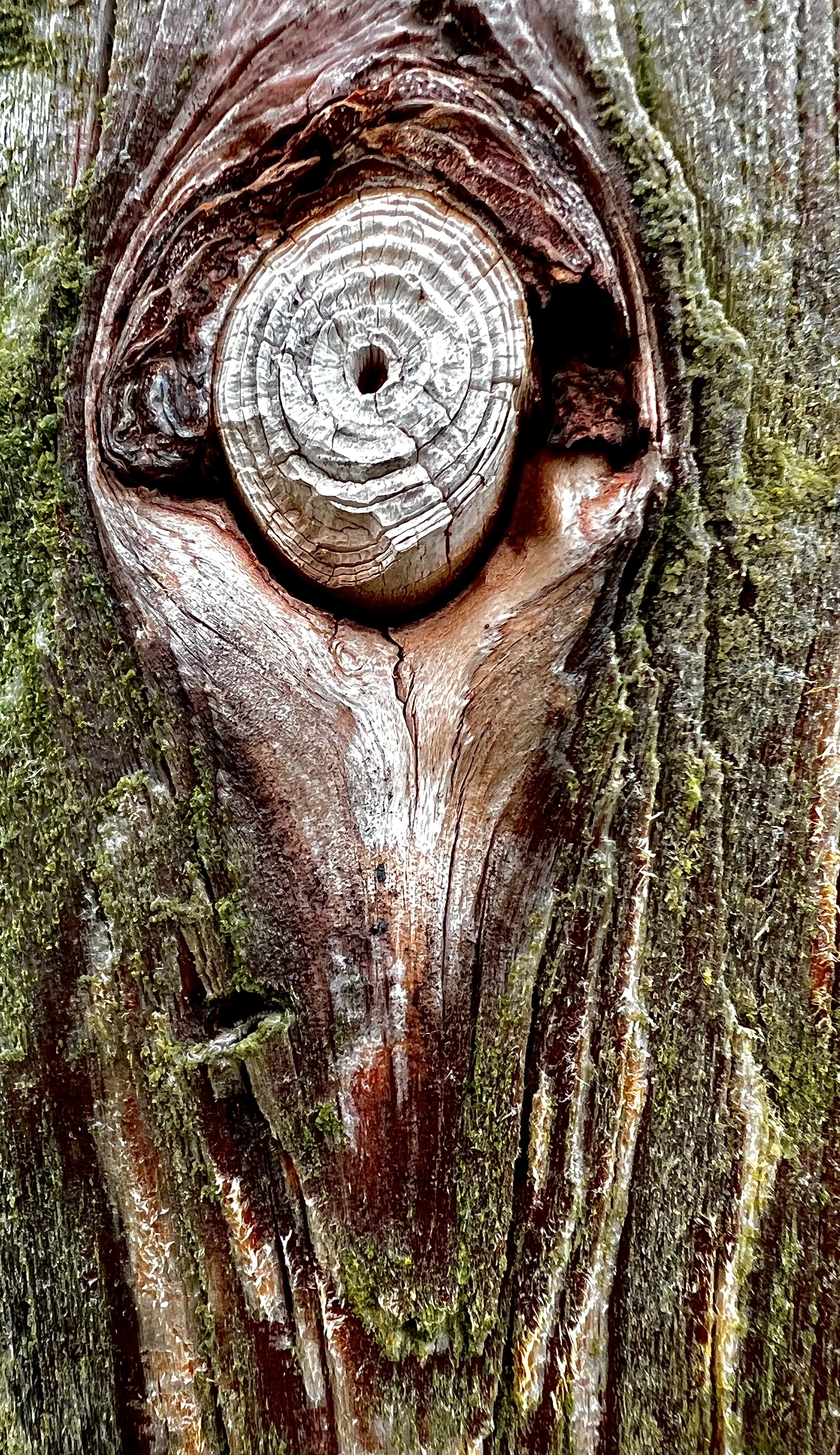
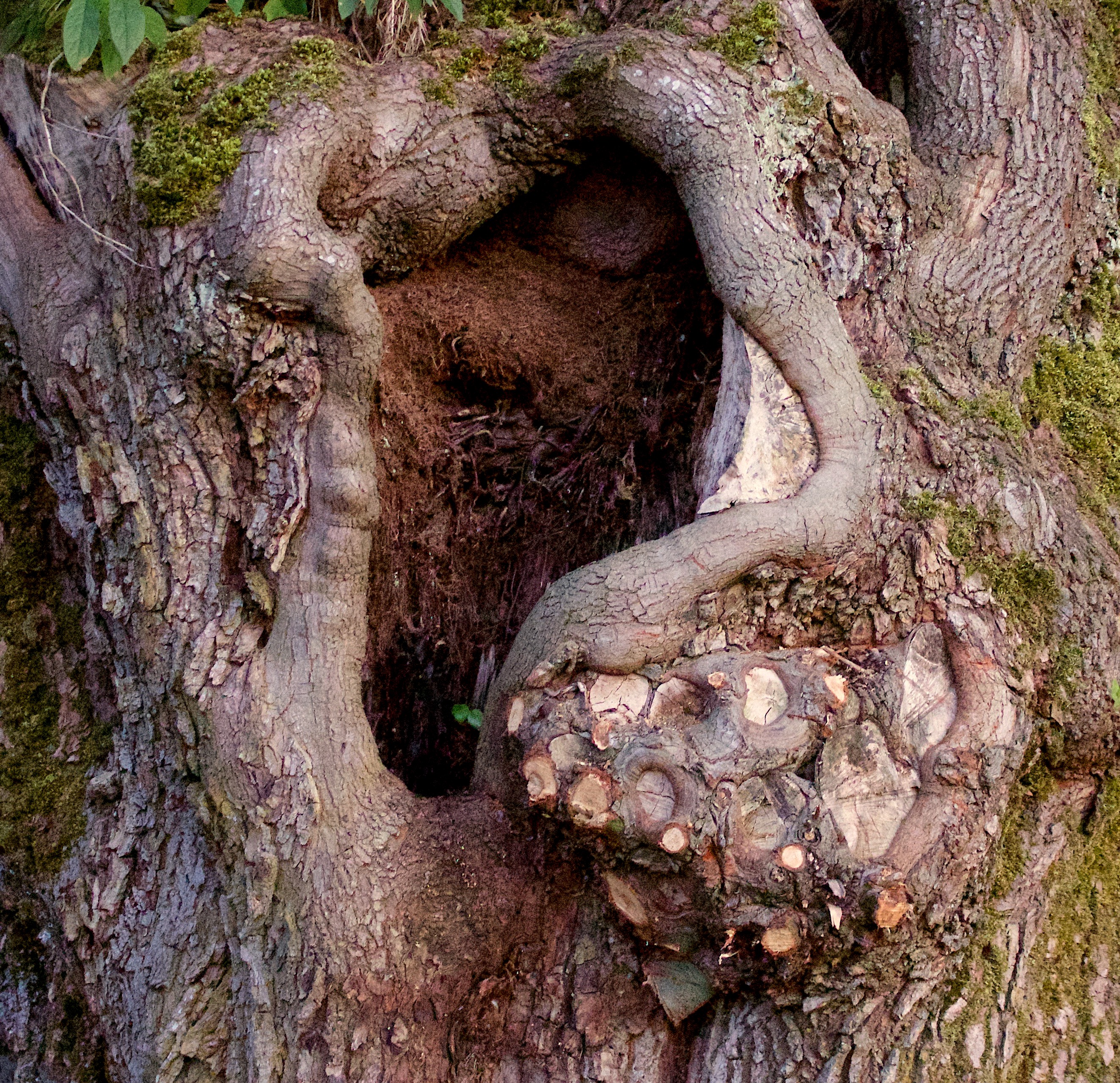
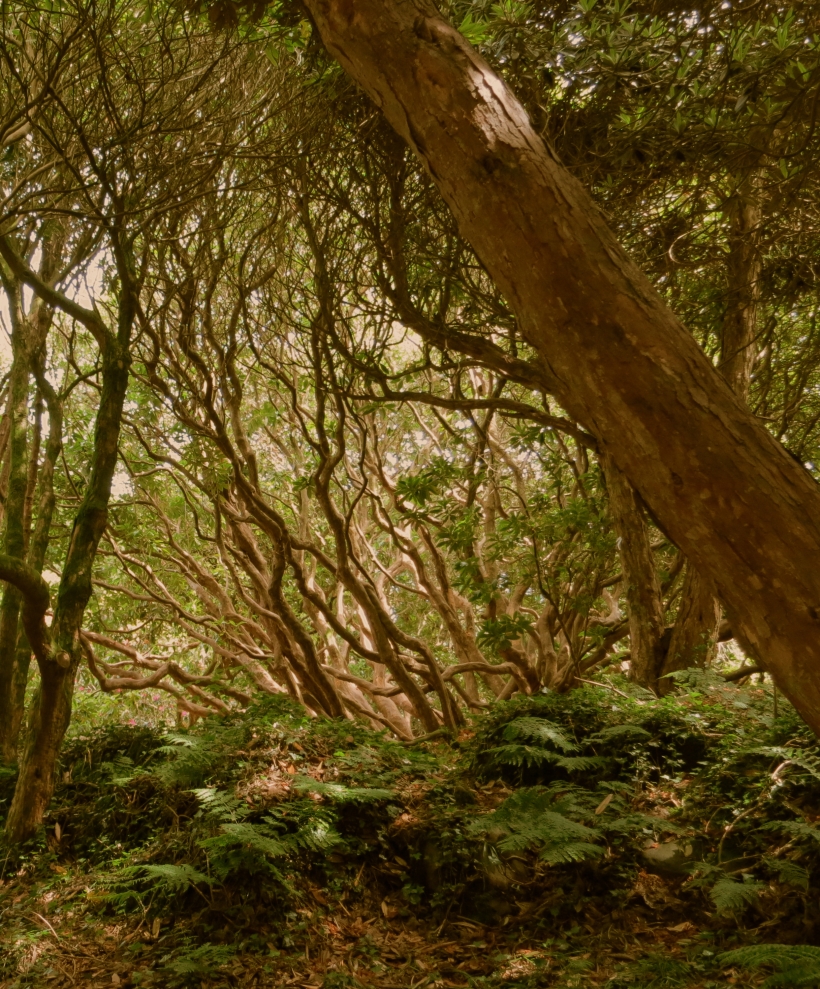
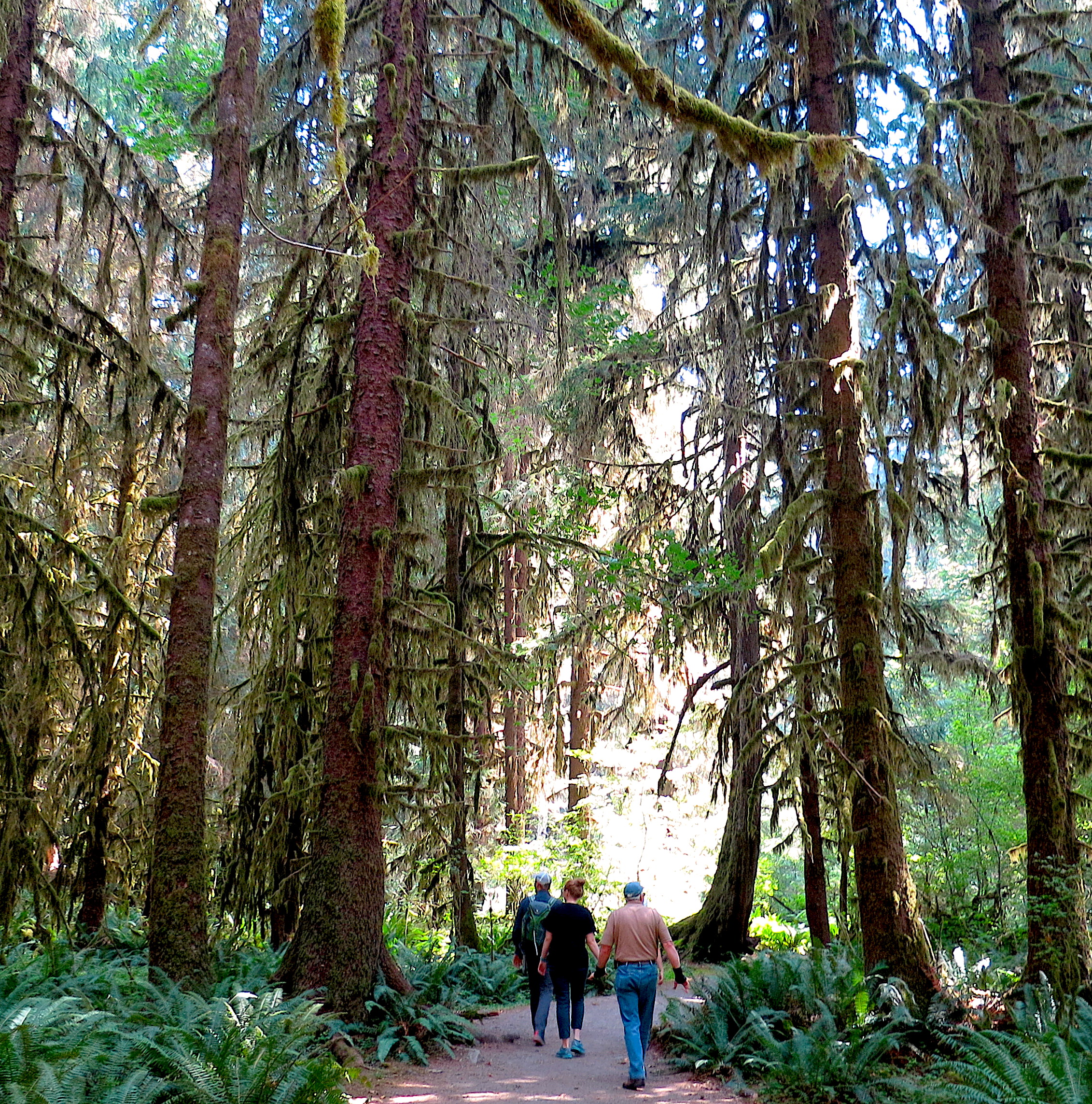
It seems I’m perpetually wandering in the figurative forest of my days on this earth, unsure where I’m heading, struggling to figure out where I’ve been. The trees want to hear my story and like few others, they listen.
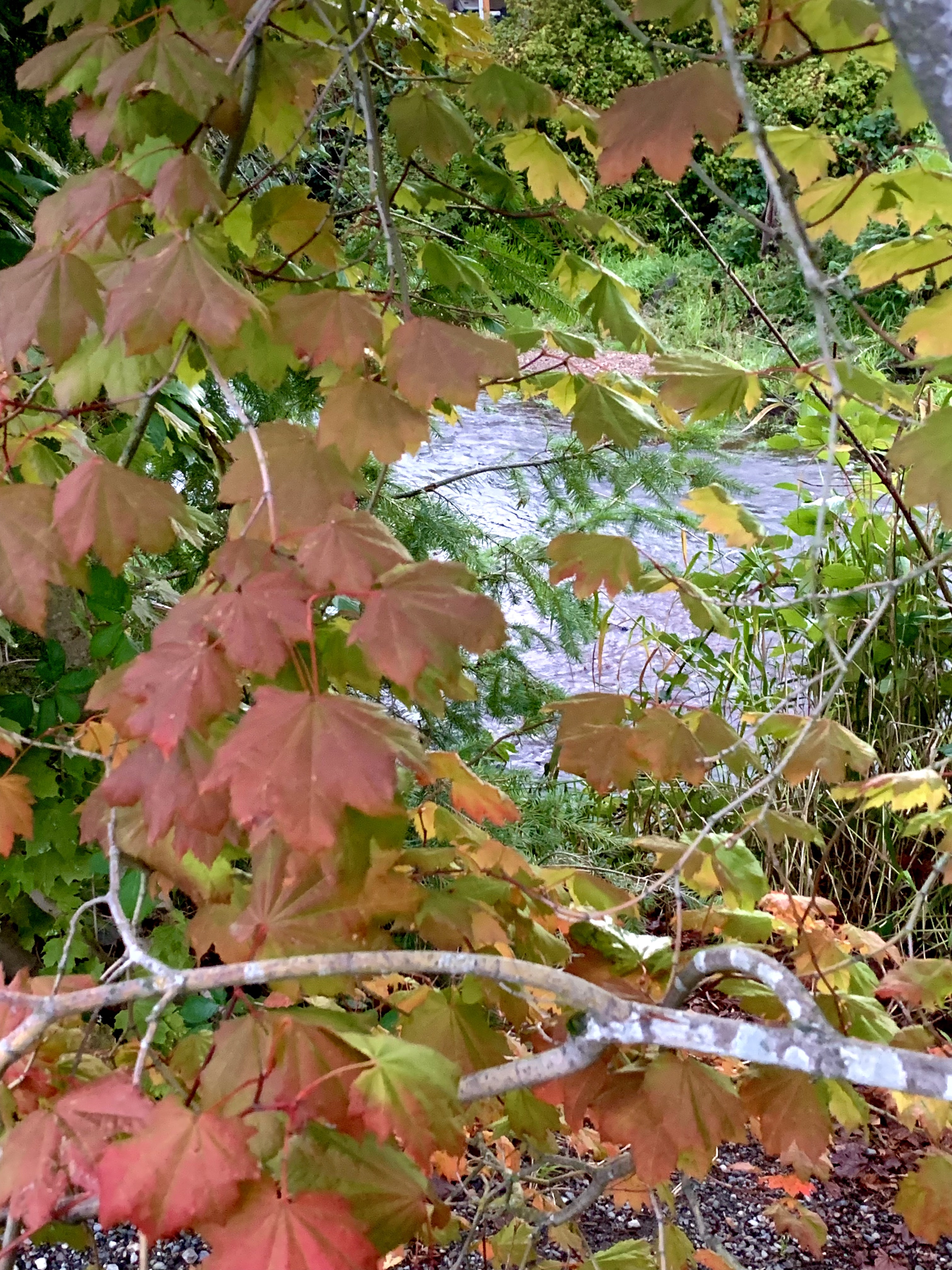
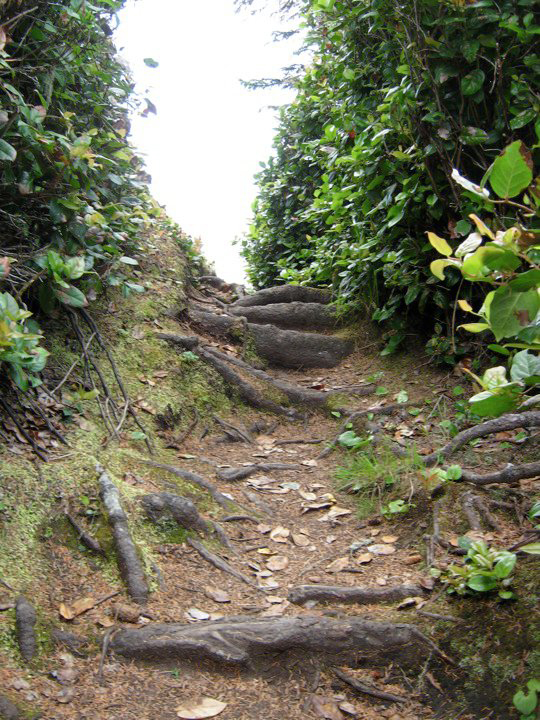
I follow a path laid out before me, keeping my head down to make sure I don’t trip over a root or stumble on a rock, when around and above me are the clues to who and where I am and where I’m going.
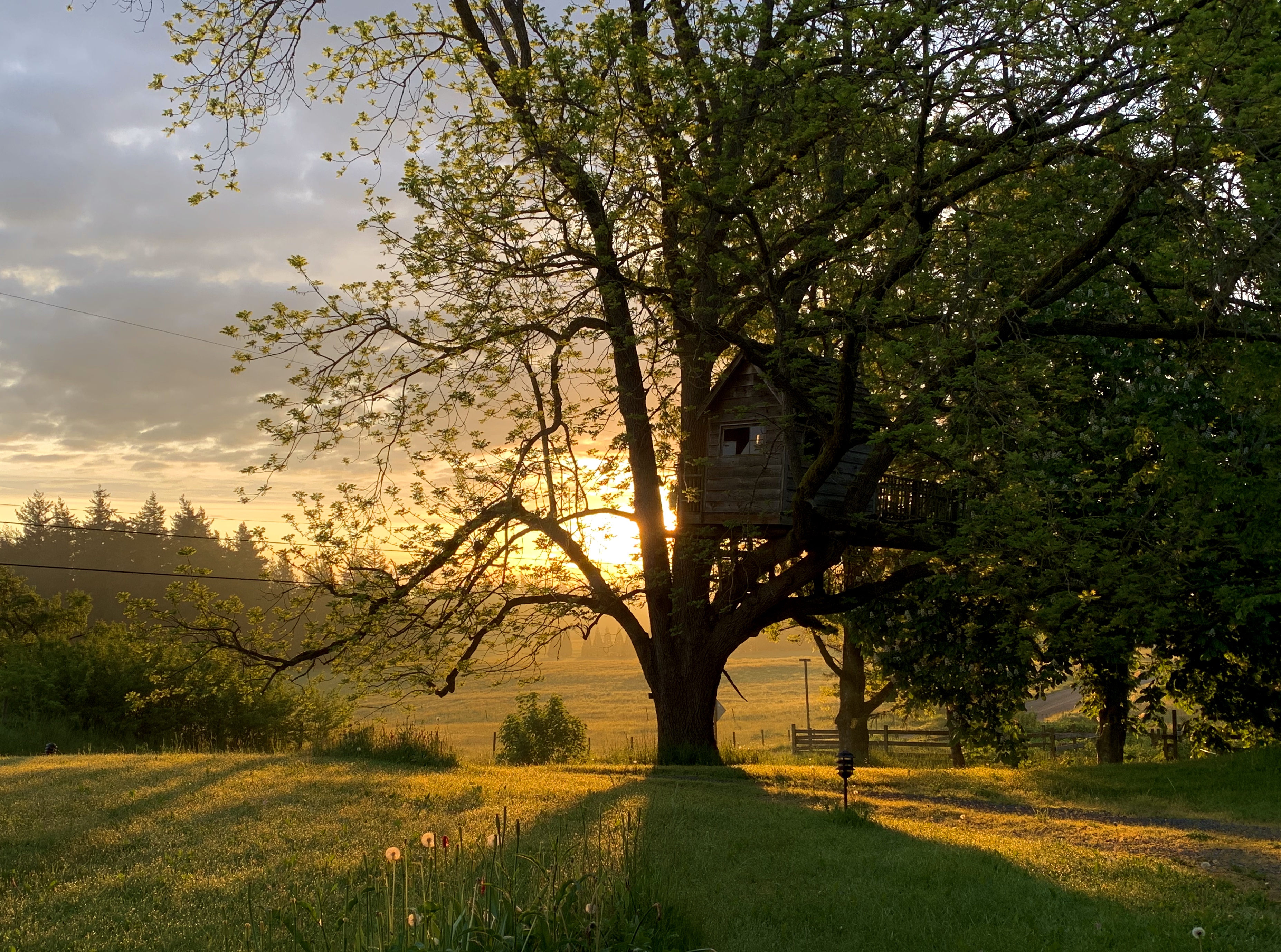
So I stop, stand still, breathe deeply of this life, looking up at these trees who urge me to shine no matter where I am.





























 Barnstorming