How is it they live for eons in such harmony – the billions of stars – when most men can barely go a minute without declaring war in their mind against someone they know. There are wars where no one marches with a flag, though that does not keep casualties from mounting.
Our hearts irrigate this earth. We are fields before each other. How can we live in harmony? First we need to know we are all madly in love with the same God.
O Lord my God, make me submissive without protest, poor without discouragement, chaste without regret, patient without complaint, humble without posturing, cheerful without frivolity, mature without gloom, and quick-witted without flippancy. Grant that I may know what You require me to do. Bestow upon me the power to accomplish Your will, as is necessary and fitting for the salvation of my soul. ~St. Thomas Aquinas
I look at headline news through my fingers, cringing.
Amid the centuries of posturing between governments and every imaginable tribe and faction, the names and faces change but the nature of hatred of the “other” doesn’t.
We’ve seen this all before, over and over through history. Over 150 years ago it was in the Gettysburg fields that blood of rival armies intermingled and irrigated U.S. soil. Though now we stand side by side with Germany and Japan, our bitter adversaries a mere eighty years ago, our world continually brews new enemies and ignites new conflicts.
We can barely go a minute without declaring war in our minds even against our neighbor, even those we consider friends and family. There is yelling from the streets in angry protest and screaming at school board meetings. Casualties mount in our bitterness toward one another.
And who am I to point fingers or squint through them at the news of the day? I am as prone to this as anyone.
Am I myself capable of submission without protest, remaining patient and uncomplaining even when I disagree? Can I embody humility without having a hidden agenda? Can I remain selfless when my true nature is wholly selfish?
How can there ever be harmony? How can I overcome my own rancorous heart?
As critical as it seems, It is not love for one another that comes first. I must first know, love and trust the only God who has loved the unloveable so much He became one with us, overpowering our tendency to hate one another by taking it all upon Himself.
Jesus found us dying in a world desperately drying up; His bleeding heart poured itself out onto our thirsting soil. We have been handed salvation.
It is, in fact, God who is madly in love with us and though we’ve done nothing to deserve it, it is our turn to show love to one another.
A book from Barnstorming is available for order here:
I remember the first day, how I looked down, hoping you wouldn’t see me, and when I glanced up, I saw your smile shining like a soft light from deep inside you.
“I’m listening,” you encourage us. “Come on! Join our conversation, let us hear your neon certainties, thorny doubts, tangled angers,” but for weeks I hid inside.
I read and reread your notes praising my writing, and you whispered, “We need you and your stories and questions that like a fresh path will take us to new vistas.”
Slowly, your faith grew into my courage and for you— instead of handing you a note or apple or flowers— I raised my hand.
I carry your smile and faith inside like I carry my dog’s face, my sister’s laugh, creamy melodies, the softness of sunrise, steady blessings of stars, autumn smell of gingerbread, the security of a sweater on a chilly day. ~Pat Mora, “Ode To Teachers” from Dizzy in Your Eyes.
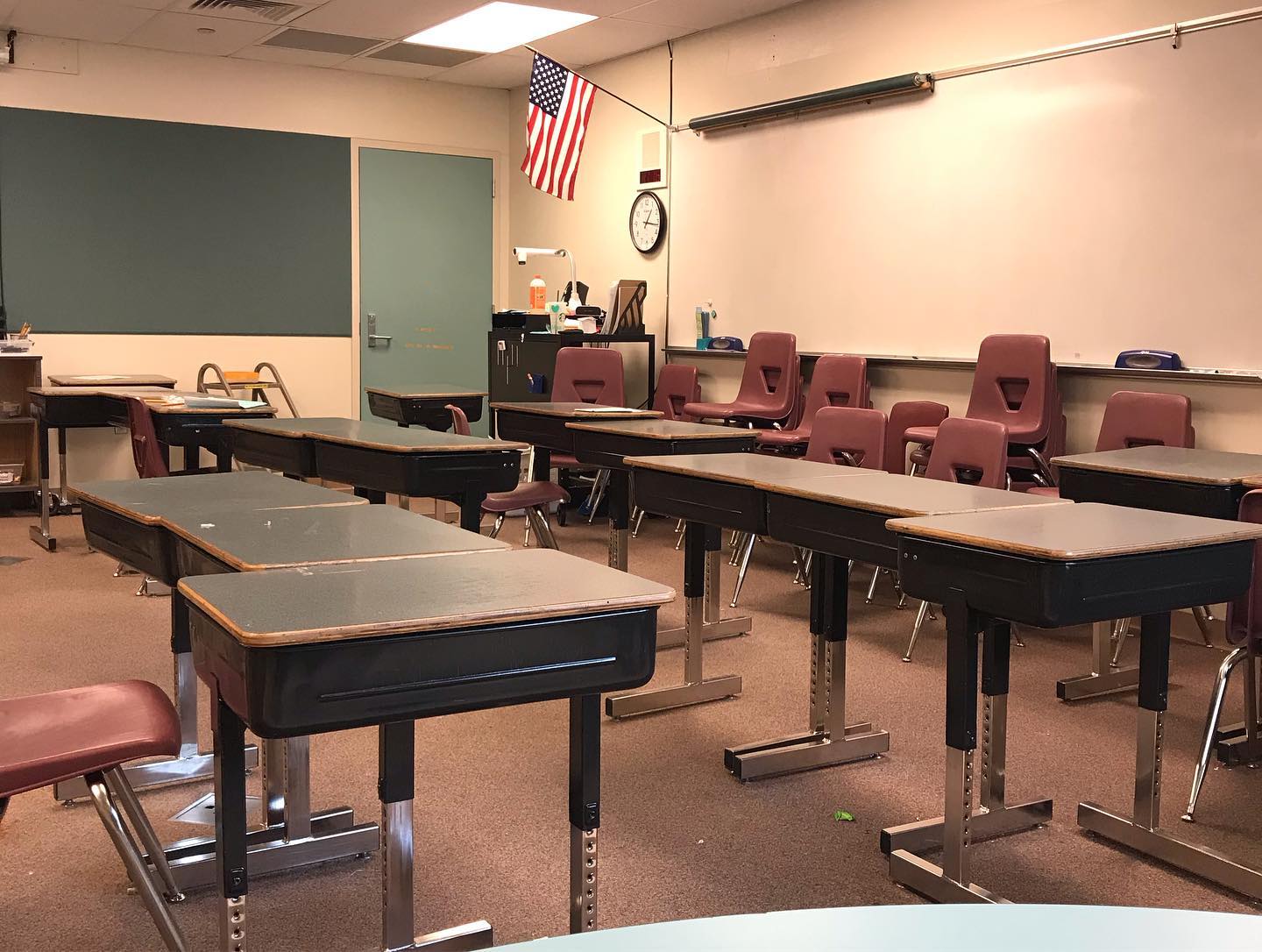
School is back in session for some and will be soon for others. We cross our fingers it can remain in person, masked face-to-masked face, rather than via screens.
Students and teachers will find their way back to one another – learning each other’s stories and how to transform one another through sharing those stories.
Two of our children are school teachers – one at elementary level and the other in high school, while the third spent two years teaching high school math on the Pine Ridge reservation in South Dakota. They were transformed by their own teachers, inspired to do what had made such a difference in their own lives. They have become the teachers who I wish would teach me.
Some of my own teachers helped transform me in those early years, encouraging me in my shyness to raise my hand despite my thorny doubts, tell my story despite my tangled angers, share something of myself when I felt I had nothing of value to give.
I think of you and thank you – Mrs. Neil, Mr. Duffy, Mrs. MacMurray – for helping me break out of my broken shell in my grade school years. You taught me to wholly trust to this day those who love enough to push me to become a better me.
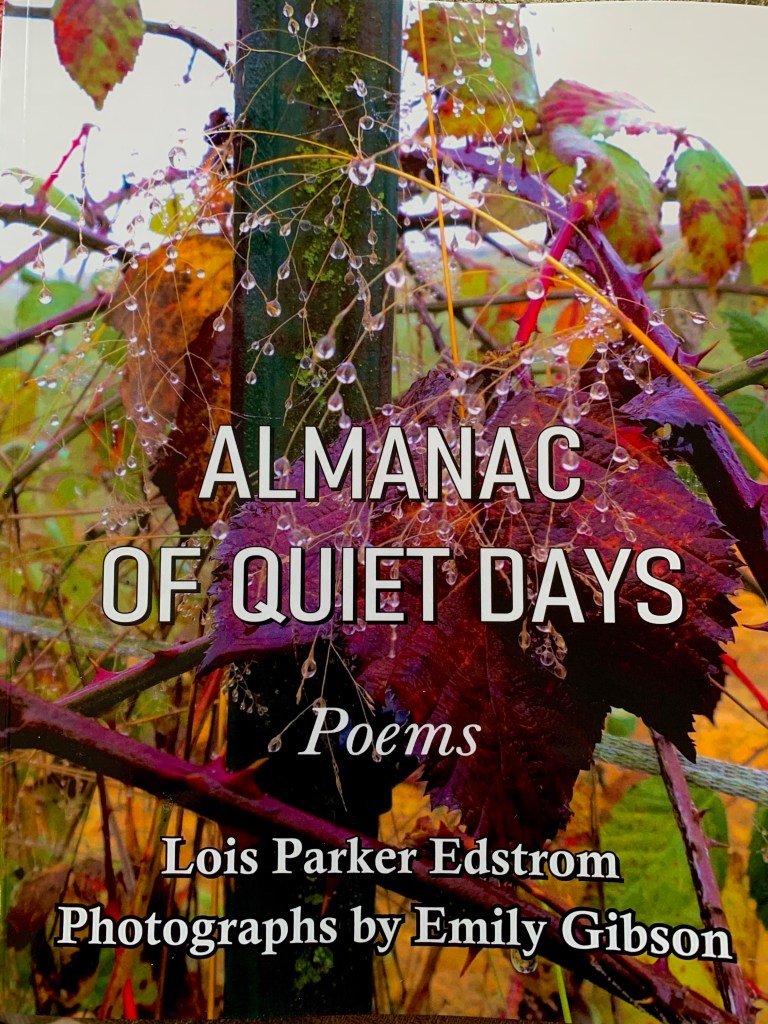
Looking for a book of beauty in photos and words? Consider this book available for order here:
To the shepherd herding his flock through the gorge below, it must appear as if I walk on the sky. I feel that too: so little between me
and The Fall. But this is how faith works its craft. One foot set in front of the other, while the wind rattles the cage of the living and the rocks down there
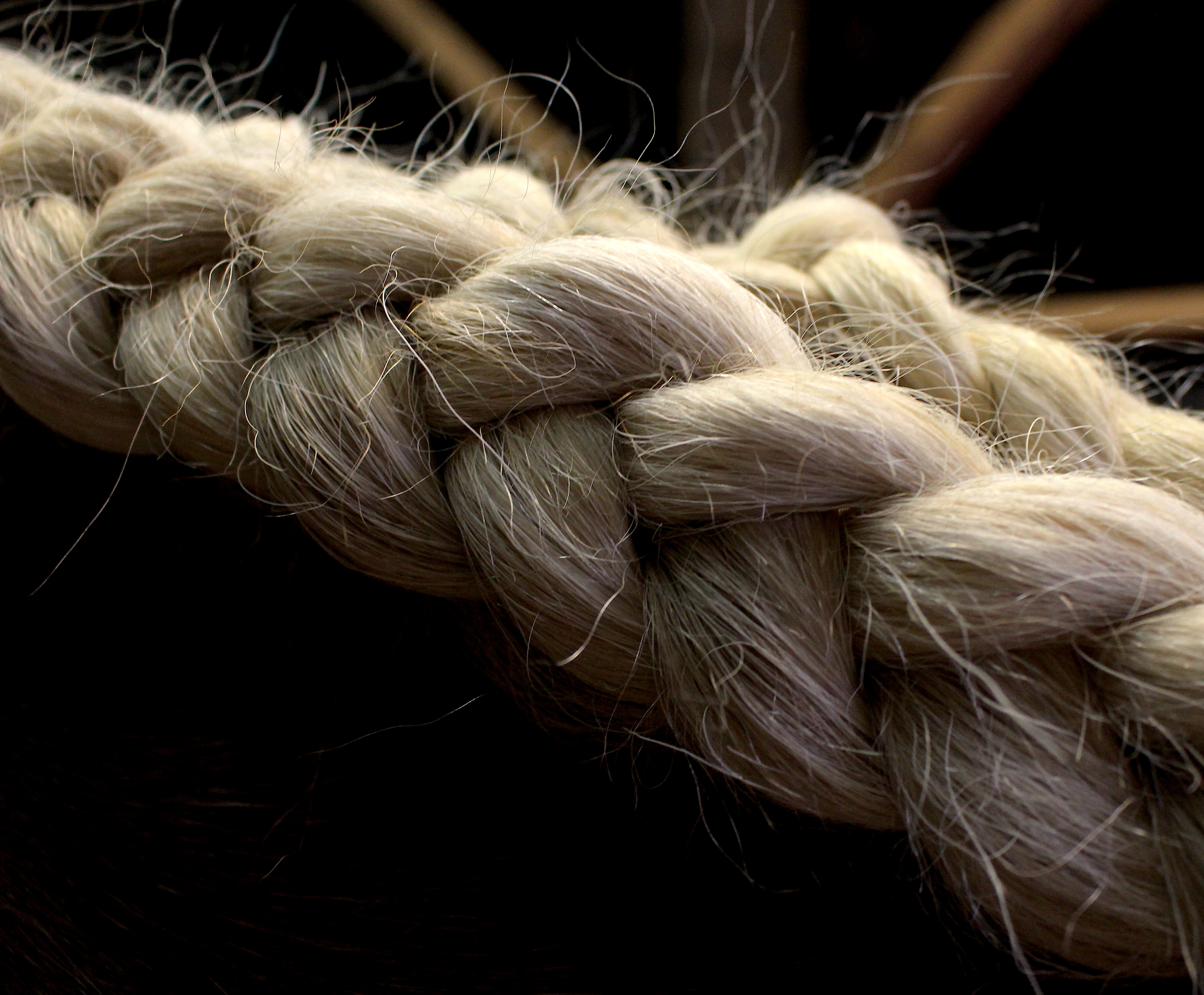
cheer every wobble, your threads keep this braided business almost intact saying: Don’t worry. I’ve been here a long time. You’ll make it across. ~Matthew Olzmann “Letter to a Bridge Made of Rope”
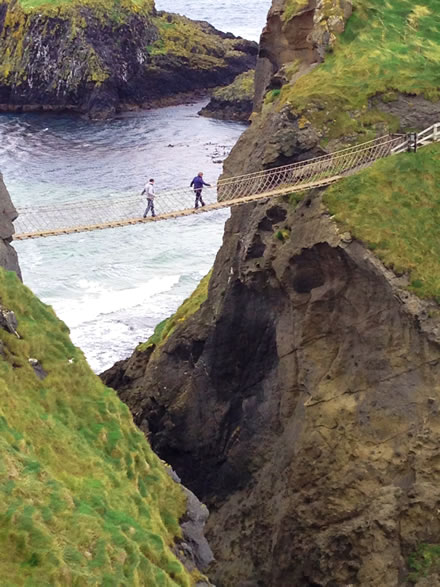
I have never walked a rope bridge though I’ve seen one from a distance in Northern Ireland. It swayed far above a rocky gorge, hanging almost miraculously in the air as walkers trekked blithely across.
Not for me, I said.
I feel disoriented and dizzy when the surface beneath my feet sways and moves with the wind and due to my own movement. I make my own wobbling worse with my fear. The rocks below seem menacing; I don’t trust my own ability to navigate over and through them.
Oh, me of little faith. So little between me and The Fall.
Simply crossing a narrow wooden bridge built over a fallen large old-growth tree trunk takes all my courage. I try to focus on my feet taking each step, testing the solid wood beneath me rather than looking down at the rushing water and sharp rocks below.
In the course of life, I have to take steps that feel uncertain and unsupported. I freeze in place, afraid to move forward, reluctant to leave the security of where I am to do what it takes to get safely to the other side.
Yet I need to trust what holds firm for others will hold firm for me.
Christ is the bridge for those like me who fear, who don’t trust their own feet, who can’t stop looking at the taunting and daunting rocks below. He has braided Himself around me to keep me safe, no matter what and no matter where. He’s been here a long time and will always be.
I can step out in that confidence.
If you enjoy these daily Barnstorming posts, you might consider this book of Barnstorming photos and poetry from Lois Edstrom here:
The children have gone to bed. We are so tired we could fold ourselves neatly behind our eyes and sleep mid-word, sleep standing warm among the creatures in the barn, lean together and sleep, forgetting each other completely in the velvet, the forgiveness of that sleep.
Then the one small cry: one strike of the match-head of sound: one child’s voice: and the hundred names of love are lit as we rise and walk down the hall.
One hundred nights we wake like this, wake out of our nowhere to kneel by small beds in darkness. One hundred flowers open in our hands, a name for love written in each one. ~Annie Lighthart “The Hundred Names of Love”
In the lull of evening, your son nested in your arms becomes heavier and with a sigh his body sloughs off its weight like an anchor into deep sleep, until his small breath is the only thing that exists.
And as you move the slow dance through the dim hall to his bedroom and bow down to deliver his sleeping form, arms parting, each muscle defining its arc and release— you remember the feeling of childhood,
traveling beneath a full moon, your mother’s unmistakable laugh, a field of wild grass, windows open and the night rushing in as headlights trace wands of light across your face—
there was a narrative you were braiding, meanings you wanted to pluck from the air, but the touch of a hand eased it from your brow and with each stroke you waded further
into the certainty of knowing your sleeping form would be ushered by good and true arms into the calm ocean that is your bed. — Alexandra Lytton Regalado, “The T’ai Chi of Putting a Sleeping Child to Bed” author of Matria
Each of those countless nights of a child wakening, each of the hundreds of hours of lulling them in the moonlit dark, leading them back to the soft forgiveness of sleep.
I remember the moves of that hypnotic dance, a head nestled snug into my neck, their chest pressed into mine, our hearts beating in synchrony as if they were still inside.
Even when our sleep was spare and our rest was sparse, those night times rocking in unison were worth every waking moment, trusting we’re in this together, no matter what, no matter how long.
We’re in this together.
A new book from Barnstorming is available to order here:
When I wake up earlier than you and you are turned to face me, face on the pillow and hair spread around, I take a chance and stare at you, amazed in love and afraid that you might open your eyes and have the daylights scared out of you. But maybe with the daylights gone you’d see how much my chest and head implode for you, their voices trapped inside like unborn children fearing they will never see the light of day. The opening in the wall now dimly glows its rainy blue and gray. I tie my shoes and go downstairs to put the coffee on. ~Ron Padgett, “Glow” from Collected Poems.
It is my morning routine to wake early and I take a moment to look at you still asleep, your slow even breaths and peaceful face- I’m thankful for every day I get to spend with you.
I know you know this~ we remind each other each day in many ways, to never forget.
What blessing comes from a love openly expressed and never hidden~ thriving in the dark of night, yet never shining brighter than in the delights and daylights of each new morning together.
In the quiet misty morning When the moon has gone to bed, When the sparrows stop their singing And the sky is clear and red, When the summer’s ceased its gleaming When the corn is past its prime, When adventure’s lost its meaning – I’ll be homeward bound in time
Bind me not to the pasture Chain me not to the plow Set me free to find my calling And I’ll return to you somehow
If you find it’s me you’re missing If you’re hoping I’ll return, To your thoughts I’ll soon be listening, And in the road I’ll stop and turn Then the wind will set me racing As my journey nears its end And the path I’ll be retracing When I’m homeward bound again
Bind me not to the pasture Chain me not to the plow Set me free to find my calling And I’ll return to you somehow
In the quiet misty morning When the moon has gone to bed, When the sparrows stop their singing I’ll be homeward bound again. ~Marta Keen “Homeward Bound”
Seventy eight years ago, my parents married on Christmas Eve. It was not a conventional wedding day but a date of necessity, only because a justice of the peace was available to marry a score of war-time couples in Quantico, Virginia, shortly before the newly trained Marine officers were shipped out to the South Pacific to fight in WWII.
When I look at my parents’ young faces – ages 22 and just turned 21 — in their only wedding portrait, I see a hint of the impulsive decision that led to that wedding just a week before my father left for 30 months. They had known each other at college for over a year, had talked about a future together, but with my mother starting a teaching job in a rural Eastern Washington town, and the war potentially impacting all young men’s lives very directly, they had not set a date.
My father put his college education on hold to enlist, knowing that would give him some options he wouldn’t have if drafted, so they went their separate ways as he headed east to Virginia for his Marine officer training, and Mom started her high school teaching career as a speech and drama teacher. One day in early December of 1942, he called her and said, “If we’re going to get married, it’ll need to be before the end of the year. I’m shipping out the first week in January.” Mom went to her high school principal, asked for a two week leave of absence which was granted, told her astonished parents, bought a dress, and headed east on the train with a friend who had received a similar call from her boyfriend.
This was a completely uncharacteristic thing for my overly cautious mother to do, so… it must have been love.
They were married in a brief civil ceremony with another couple as the witnesses. They stayed in Virginia only a couple days and took the train back to San Diego, and my father was shipped out. Just like that. Mom returned to her teaching position and the first three years of their married life was composed of letter correspondence only, with gaps of up to a month during certain island battles when no mail could be delivered or posted.
As I sorted through my mother’s things following her death over a decade ago, I found their war-time letters to each other, stacked neatly and tied together in a box.
In my father’s nearly daily letters home to my mother during WWII, month after month after month, he would say, over and over, while apologizing for the repetition:
“I will come home to you, I will return, I will not let this change me, we will be joined again…”
This was his way of convincing himself even as he carried the dead and dying after island battles: men he knew well and the enemy he did not know. He knew they were never returning to the home they died protecting and to those who loved them.
He shared little of battle in his letters as each letter was reviewed and signed off by a censor before being sealed and sent. This story, however, made it through:
“You mentioned a story of Navy landing craft taking the Marines into Tarawa. It reminded me of something which impressed me a great deal and something I’m sure I’ll never forget.
So you’ll understand what I mean I’ll try to start with an explanation. In training – close order drill- etc. there is a command that is given always when the men form in the morning – various times during the day– after firing– and always before a formation is dismissed. The command is INSPECTION – ARMS. On the command of EXECUTION- ARMS each man opens the bolt of his rifle. It is supposed to be done in unison so you hear just one sound as the bolts are opened. Usually it is pretty good and sounds O.K.
Just to show you how the morale of the men going to the beach was – and how much it impressed me — we were on our way in – I was forward, watching the beach thru a little slit in the ramp – the men were crouched in the bottom of the boat, just waiting. You see- we enter the landing boats with unloaded rifles and wait till it’s advisable before loading. When we got about to the right distance in my estimation I turned around and said – LOAD and LOCK – I didn’t realize it, but every man had been crouching with his hand on the operating handle and when I said that — SLAM! — every bolt was open at once – I’ve never heard it done better – and those men meant business when they loaded those rifles.
A man couldn’t be afraid with men like that behind him.”
My father did return home to my mother after nearly three years of separation. He finished his college education to become an agriculture teacher to teach others how to farm the land while he himself became bound to the pasture and chained to the plow.
He never forgot those who died, making it possible for him to return home. I won’t forget either.
My mother and father could not have foretold the struggles that lay ahead for them. The War itself seemed struggle enough for the millions of couples who endured the separation, the losses and grieving, as well as the eventual injuries–both physical and psychological. It did not seem possible that beyond those harsh and horrible realities, things could go sour after reuniting.
The hope and expectation of happiness and bliss must have been overwhelming, and real life doesn’t often deliver. After raising three children, their 35 year marriage fell apart with traumatic finality. When my father returned home (again) over a decade later, asking for forgiveness, they remarried and had five more years together before my father died in 1995.
Christmas is a time of joy, a celebration of new beginnings and new life when God became man, humble, vulnerable and tender. But it also gives us a foretaste for the profound sacrifice made in giving up this earthly life, not always so gently.
As I peer at my father’s and mother’s faces in their wedding photo, I remember those eyes, then so trusting and unaware of what was to come. I find peace in knowing they returned home to behold the Light, the Salvation and the Glory~~the ultimate Christmas~~in His presence.
In the quiet misty morning When the moon has gone to bed, When the sparrows stop their singing And the sky is clear and red, When the summer’s ceased its gleaming When the corn is past its prime, When adventure’s lost its meaning – I’ll be homeward bound in time
Bind me not to the pasture Chain me not to the plow Set me free to find my calling And I’ll return to you somehow
If you find it’s me you’re missing If you’re hoping I’ll return, To your thoughts I’ll soon be listening, And in the road I’ll stop and turn Then the wind will set me racing As my journey nears its end And the path I’ll be retracing When I’m homeward bound again
Bind me not to the pasture Chain me not to the plow Set me free to find my calling And I’ll return to you somehow
In the quiet misty morning When the moon has gone to bed, When the sparrows stop their singing I’ll be homeward bound again. ~Marta Keen “Homeward Bound”
“Like Mary, we have no way of knowing… We can ask for courage, however, and trust that God has not led us into this new land only to abandon us there.” ~Kathleen Norrisfrom God With Us
We know the scene: the room, variously furnished,
almost always a lectern, a book; always the tall lily. Arrived on solemn grandeur of great wings, the angelic ambassador, standing or hovering, whom she acknowledges, a guest.
But we are told of meek obedience. No one mentions courage. The engendering Spirit did not enter her without consent. God waited.
She was free to accept or to refuse, choice integral to humanness.
____________________________
Aren’t there annunciations of one sort or another in most lives? Some unwillingly undertake great destinies, enact them in sullen pride, uncomprehending. More often those moments when roads of light and storm open from darkness in a man or woman, are turned away from in dread, in a wave of weakness, in despair and with relief. Ordinary lives continue. God does not smite them. But the gates close, the pathway vanishes.
______________________________
She had been a child who played, ate, slept like any other child – but unlike others, wept only for pity, laughed in joy not triumph. Compassion and intelligence fused in her, indivisible.
Called to a destiny more momentous than any in all of Time, she did not quail, only asked a simple, ‘How can this be?’ and gravely, courteously, took to heart the angel’s reply, perceiving instantly the astounding ministry she was offered:
to bear in her womb Infinite weight and lightness; to carry in hidden, finite inwardness, nine months of Eternity; to contain in slender vase of being, the sum of power – in narrow flesh, the sum of light. Then bring to birth, push out into air, a Man-child needing, like any other, milk and love –
but who was God.
This was the moment no one speaks of, when she could still refuse.
A breath unbreathed, Spirit, suspended, waiting.
______________________________
She did not cry, ‘I cannot. I am not worthy,’ Nor, ‘I have not the strength.’ She did not submit with gritted teeth, raging, coerced. Bravest of all humans, consent illumined her. The room filled with its light, the lily glowed in it, and the iridescent wings. Consent, courage unparalleled, opened her utterly. ~Denise Levertov “The Annunciation”
Like most people living in 2020, I want things to be the way I want them: my plans, my timing, my hopes and dreams first and foremost.
And then the unexpected happens and suddenly nothing looks the way it was supposed to be. There is infinite weight within infinite emptiness.
Only then, as an emptied vessel, can I be filled.
In my forty years of clinical work, I’ve never before seen such an epidemic of hopelessness. Debts seem too great, reserves too limited, foundations too shaky, plans dashed, the future too uncertain.
In the annunciation of the angel approaching a young woman out of the blue, Mary’s response to this overwhelming event is a model for us all when we are hit by the unexpected.
She is prepared; she has studied and knows God’s Word and His promise to His people, even in the midst of trouble. She is able to articulate it beautifully in the song she sings as her response. She gives up her so-carefully-planned-out life to give life to God within her.
Her resilience reverberates through the ages and to each one of us in our own multi-faceted and overwhelming troubles: may it be to me as you say.
May it be. Your plans, Your purpose, Your promise – all embodied within me.
Let it be.
Even if it pierces my soul as with a sword so that I leak out to empty; you are there to plug the bleeding hole, filling me with your infinite light.
Everything inside me cries for order Everything inside me wants to hide Is this shadow an angel or a warrior? If God is pleased with me, why am I so terrified? Someone tell me I am only dreaming Somehow help me see with Heaven’s eyes And before my head agrees, My heart is on its knees Holy is He. Blessed am I.
Be born in me Be born in me Trembling heart, somehow I believe That You chose me I’ll hold you in the beginning You will hold me in the end Every moment in the middle, Make my heart your Bethlehem Be born in me
All this time we’ve waited for the promise All this time You’ve waited for my arms Did You wrap yourself inside the unexpected So we might know that Love would go that far?
Be born in me Be born in me Trembling heart, somehow I believe That You chose me I’ll hold you in the beginning You will hold me in the end Every moment in the middle, Make my heart your Bethlehem Be born in me
I am not brave I’ll never be The only thing my heart can offer is a vacancy I’m just a girl Nothing more But I am willing, I am Yours Be born in me Be born in me Trembling heart, somehow I believe That You chose me I’ll hold you in the beginning You will hold me in the end Every moment in the middle, Make my heart your Bethlehem Be born in me
I don’t know if you ever saw a doubt. In fact, I doubt you did. They’re shape shifting little shadows and they’re more than often hid.
You could hear them on the whirling winds, that whistled through the farm. You could feel them in your stomach or brush the goosebumps of your arm.
You’d hear them giggling in the corners, in the darkness of the night. They’re the wobble in the voice that claims that things will be all right.
And the little doubts got larger, until they no longer hid in holes. They now lived out amongst them and they slipped into their souls.
I know good times are coming back. I know the sun will rise. I know the hard earth soon will soften, and plants will bloom before our eyes.
There will be colour in the meadows and the river will unfreeze. But if we’re to move beyond this moment then these fiendish doubts must leave.
We need hopeful stories more than ever, we should tell them till we’re blue. We should tell them till we look outside and see that they’ve come true.
And the doubts that wreak such havoc, they were nowhere to be seen. And the fear they’d brought forth with them felt so much like a dream.
So remember, little sister, take courage with you when you sleep. For tomorrow we might all need it, for the little doubts that creep. ~Tomos Roberts from “Doubts that Creep”
These days doubt is more epidemic than the COVID virus.
No one trusts anyone to tell the truth any longer and truth itself is up for grabs. Experts are suspect, while government agencies and their spokespersons surely must be part of a larger conspiracy.
It’s an “every man for himself” attitude with everyone doing what is right in their own eyes.
You can see where doubts leave us: we end up in a wintry forsaken place that looks, feels and frankly, is hopeless.
The most recent weeks have been difficult as most students start school at home again rather than in classrooms and no one is happy about it. Churches have been meeting online or outside and will need to make a difficult transition to limited indoor worship services that won’t feel familiar. Businesses continue to suffer the effects of people having less income to spend, and unwillingness to spend on anything but essentials.
A pandemic virus wreaks havoc with society but stories sowing doubts and mistrust are far more damaging. Rather than working together for solutions, we as a society have become more divided and divisive than ever.
When I speak with those whose well-being I care deeply about, yet who don’t trust my opinion or any medical opinion for that matter, my voice wobbles with concern. If I, as a caring friend and physician for forty years can’t be trusted, then whom will they trust?
A virus doesn’t give a rip what our politics are – it is an equal-opportunity opportunist seeking which cell to invade next. “Going viral” is yet another real life lesson in exponential multiplication, whether a packet of RNA or a social media meme or youtube link sowing mistrust and discord as it is shared millions of times and spreads with our help and consent.
We can’t allow creeping doubts to metastasize into a hopelessness cancer that is terminal.
We need hopeful stories, now more than ever. We need to take courage with us when we lay ourselves down to sleep, and dream the dreams of a better day on the horizon. We need truth that is not up for grabs to the highest bidder but is steadfast, transparent and … true.
Until then, we all should keep our masks on to stop the spread and protect others. It surely can’t hurt.
Like the small soft unchanging flower The words in silence speak; Obedient to their ancient power The tear stands on my cheek.
Though our world burns, the small dim words Stand here in steadfast grace, And sing, like the indifferent birds, About a ruined place.
Though the tower fall, the day be done, The night be drawing near, Yet still the tearless tune pipes on, And still evokes the tear.
The tearless tune, wiser than we, As weak and strong as grass Or the wild bracken-fern we see Spring where the palace was. ~Ruth Pitter “On an Old Poem”from Poems 1926-1966
When I write a poem, sometimes, there is a kind of daze that lifts, and I can see what I couldn’t before, as if my mind was in a fog, a cloud, and only wanted
a poem to lift it out. I wanted the rhythm, just the right word, the crescendo from whisper to loud celebration, and found them in the days of trying poems. And I don’t mind telling you: poetry has brought complacency
to a (wanted) end, turned upside-down days aright, settled my unquiet mind, and allowed me to clearly see. ~Monica Sharmanfrom “What Poetry Can Do”
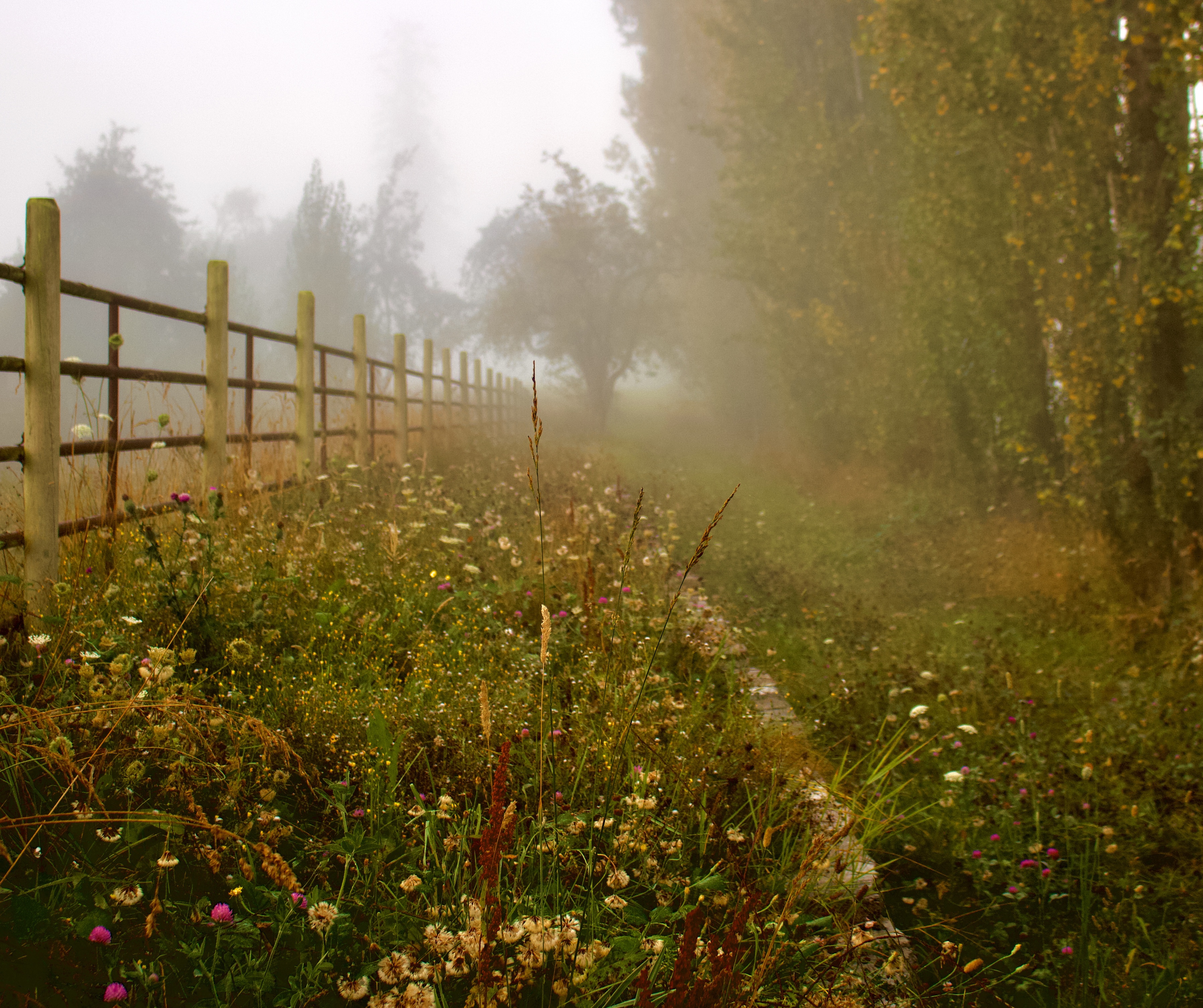
When the world is topsy-turvy and all seems immersed in fog and cobwebs, it helps to put down images and words to clarify and highlight.
Daily I need reminding to stay centered, daily I acknowledge what makes me weep and what is worth celebration.
It is a new day to illustrate with words and pictures what is unchanging in my life: thank God for a new day, everyday.
In every encounter we either give life or drain it. There is no neutral exchange. We enhance human dignity or we diminish it. The success or failure of a given day is measured by the quality of our interest and compassion toward those around us. ~Brennan Manningfrom Abba’s Child: The Cry of the Heart for Intimate Belonging
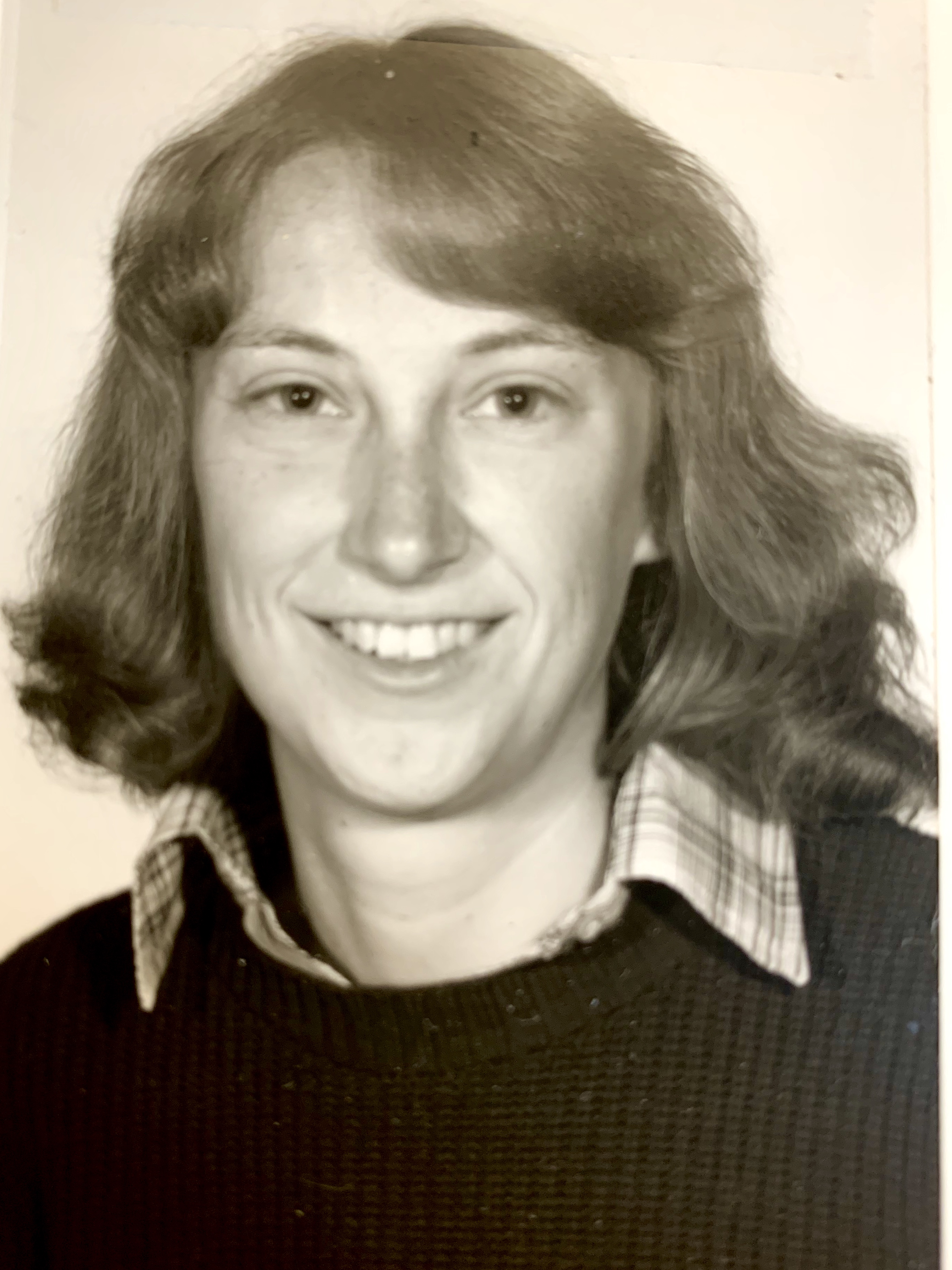
Forty years ago this week I graduated with an M.D. degree from the University of Washington and began a lifetime of trying to be life-giving rather than life-draining to others.
There have been times when I’ve failed miserably, my interest waning and my compassion fatigued.
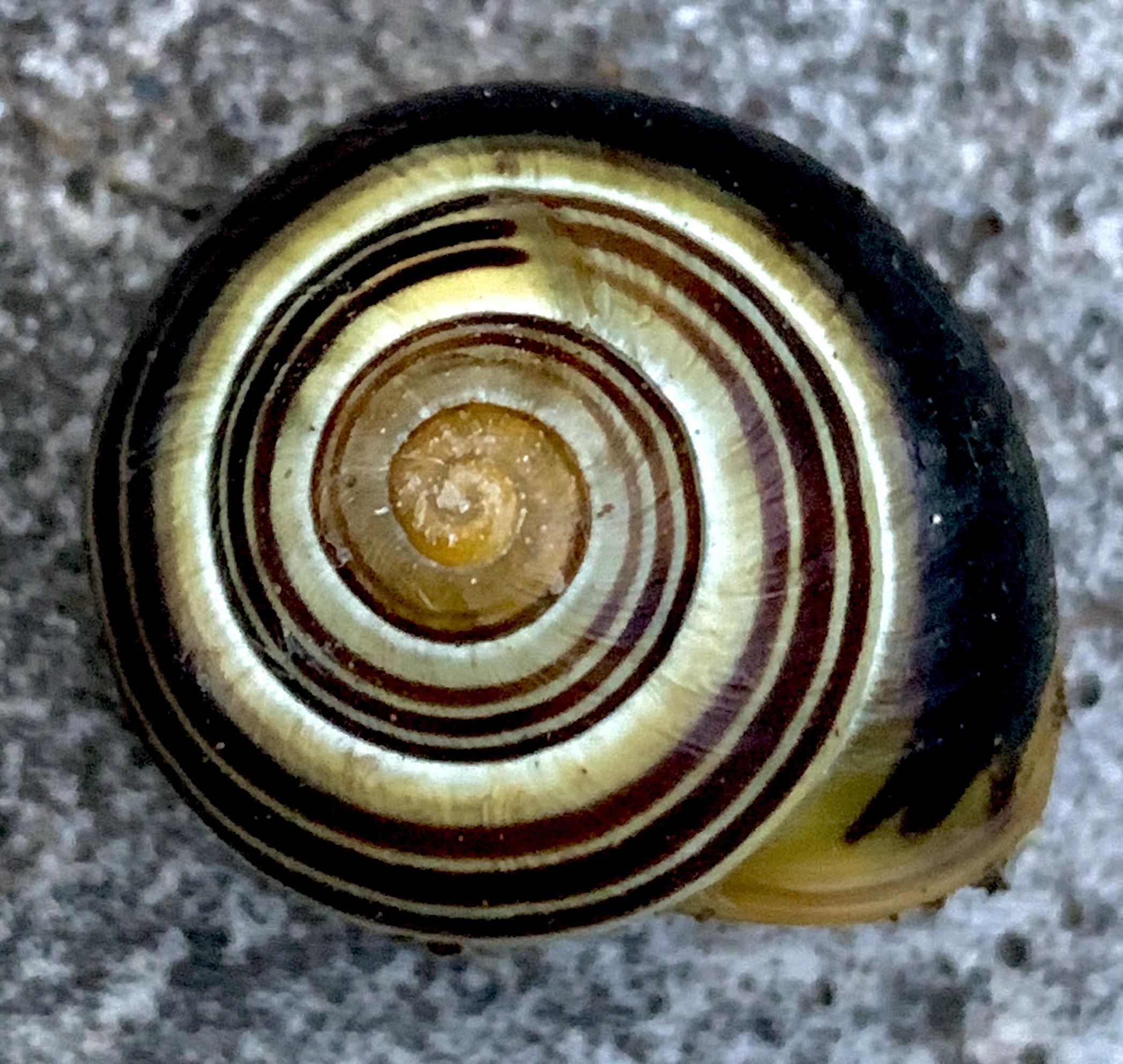
But like tracing the path of a spiral from inside to outside, I continue to try to reach farther and encompass more with each step I take in the time I have left, remembering the dignity of each person I meet and being worthy of their time and trust.
May this young woman who embarked so enthusiastically on the physician journey so many decades ago never forget, after so much seasoning, what it took to get there and what it means to continue to be worthy.


























 Barnstorming