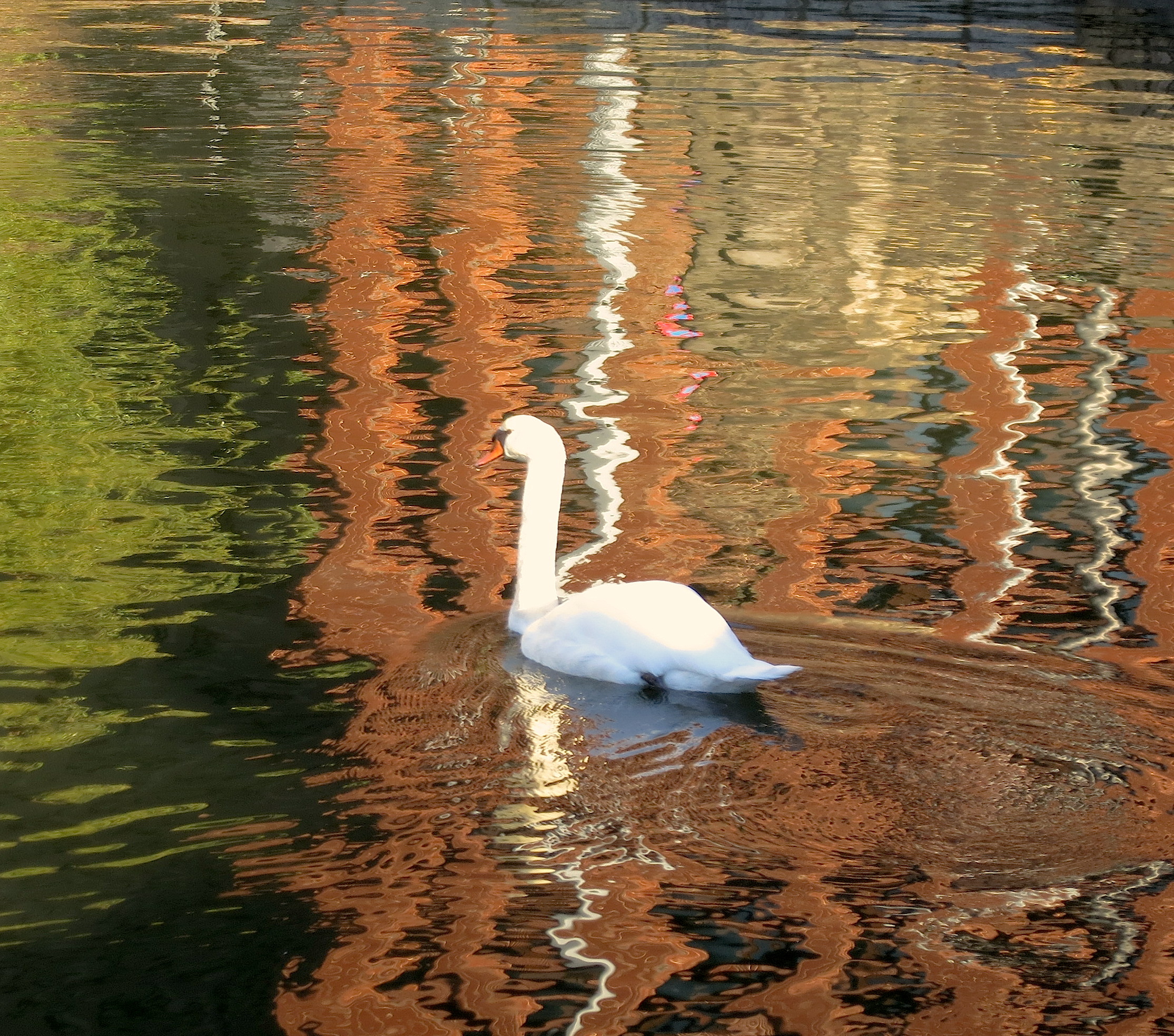
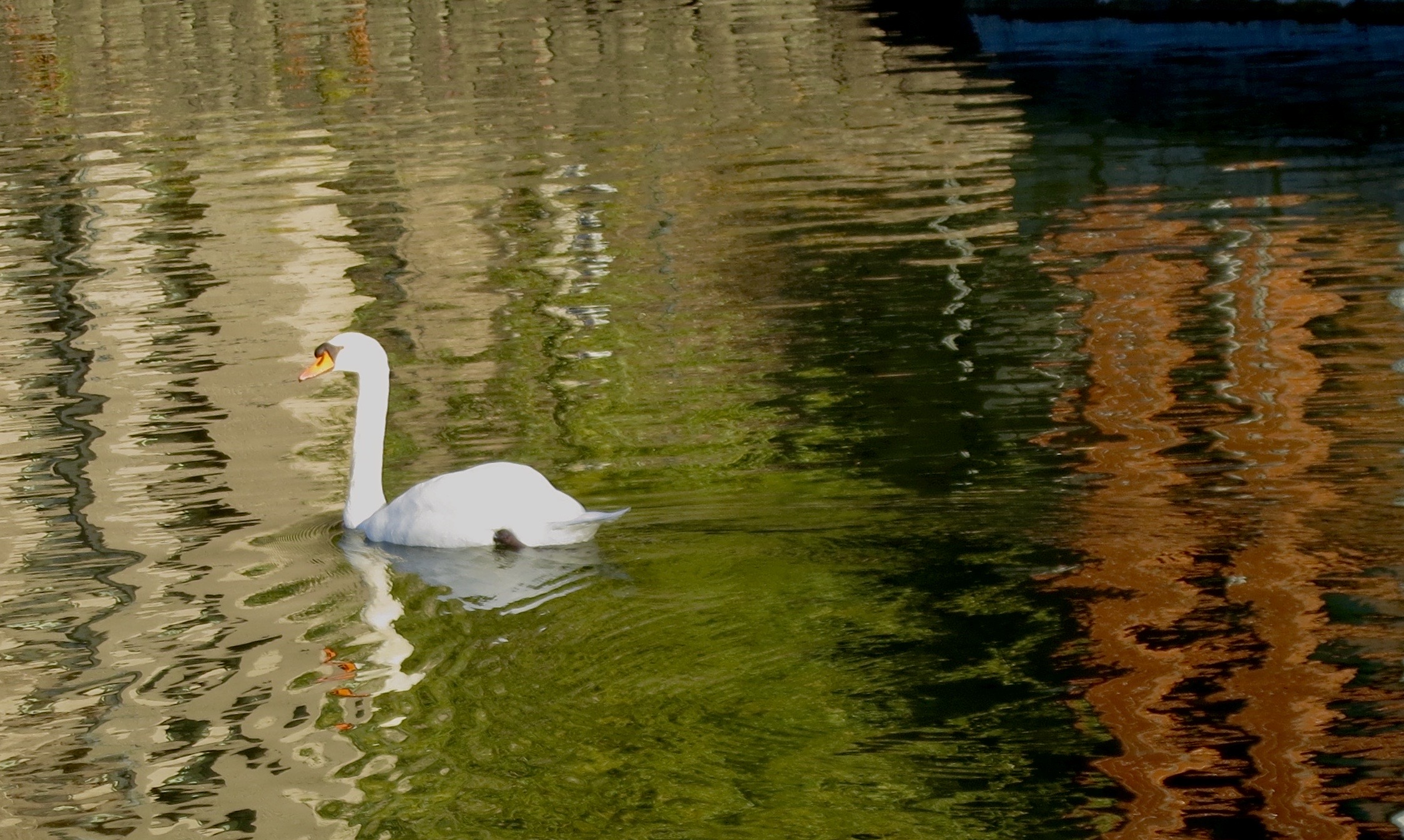
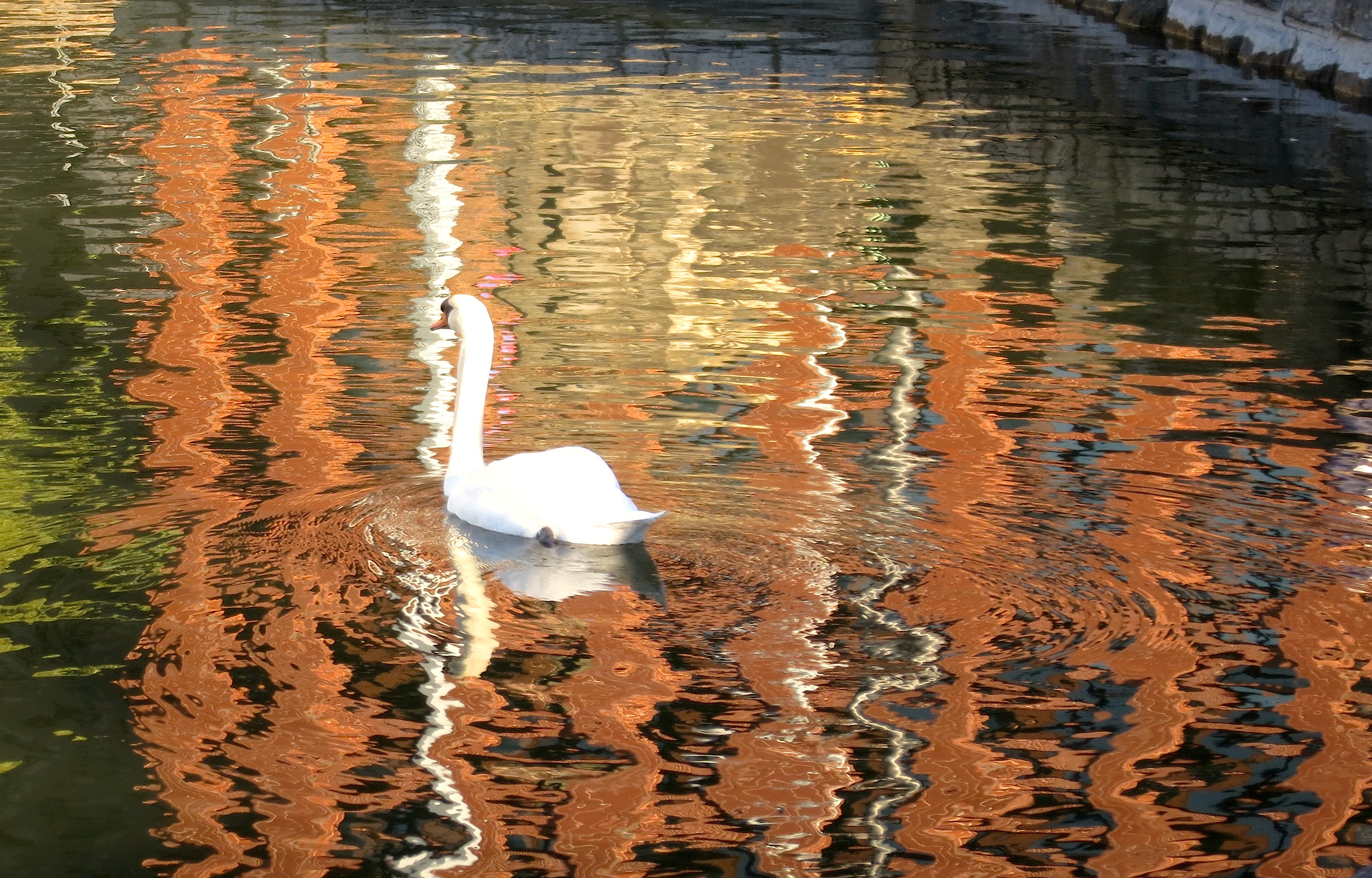
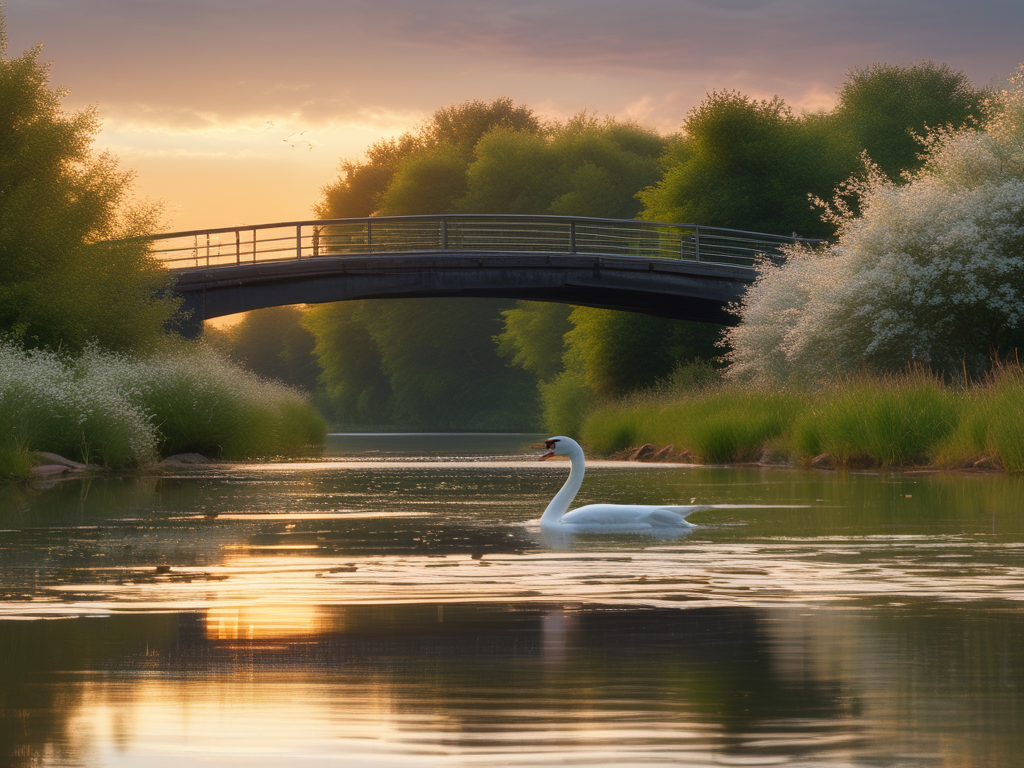
All that summer the sun refused to open On the sky, and the river carried rain-spots Down and over the weir, and by the footbridge Swans’ eggs chilled in their nest. I saw them, rained on, Blue and dead as the moon the clouds were hiding Every night when I looked to find it. What could Live, neglected like that? The wind, cold and green With the smell of the hawthorn flowering, came Brooding over the fens, but what could it bring me, Who had chosen to view the world with sadness, Or had taken its sadness into myself, Gift and charism? One day, though, I saw them, Triple vee-wakes on dark tree-printed currents: One ahead of the others, big and whiter Than the cloud-pale sky. Two cygnets, gray, living, Broken free from the death I’d assumed for them.
Well, their ways are not my ways. The next summer, Walking that same towpath, heavy with a child Who had come to me after years of asking — Who was taking his time just then, head downward, Happy where he was — I saw them paddling Under the bridge, where it laid out its shadow, Current-rumpled. The same swans? Or three strangers Hummed down onto a river pricked with sunlight, Strange and new as the season? I can’t say now. I remember the baby’s head engaging, Heavy, ready, real, an impending pressure. I remember the wakes widening, the river Flowing down in the sun, and by the footbridge, Gray, empty, the mess of twigs, leaves, and feathers. ~Sally Thomas “Swans”
Decades ago, there were several years when I took sadness into myself, feeling empty and barren with no hope that could change.
Sorrow became the bridge I walked across, unaware what I would find on the other side, assuming only it would be more of the same.
If I had listened to my own tearful prayers, I might have understood –even the most comfortable nests are abandoned when it is time to break free from the sadness.
I gave up my timing and my plans to let things be according to His will.
And life happened. And sadness no longer found a place in me. The empty was filled, the sorrow overwhelmed with blessing. Babies born, grown, now flown away to a life and babies of their own.
All from the one nest, emptied, as ever it should be.
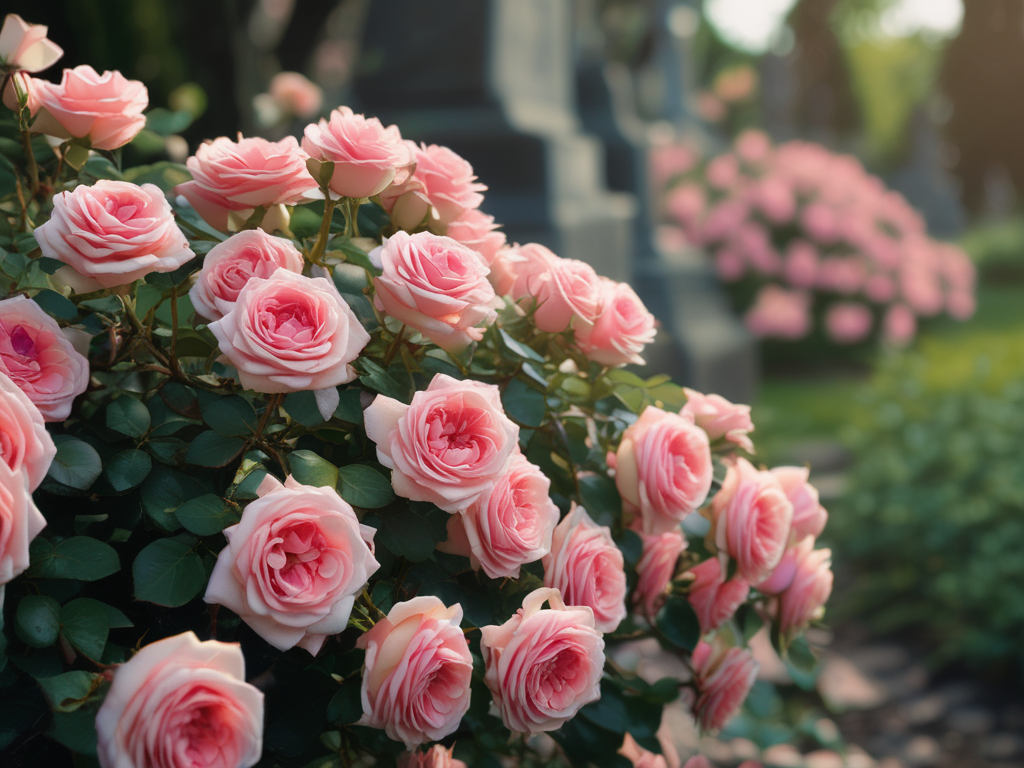
AI image created for this post
One-Time
Monthly
Yearly
Make a one-time or recurring donation to support daily Barnstorming posts
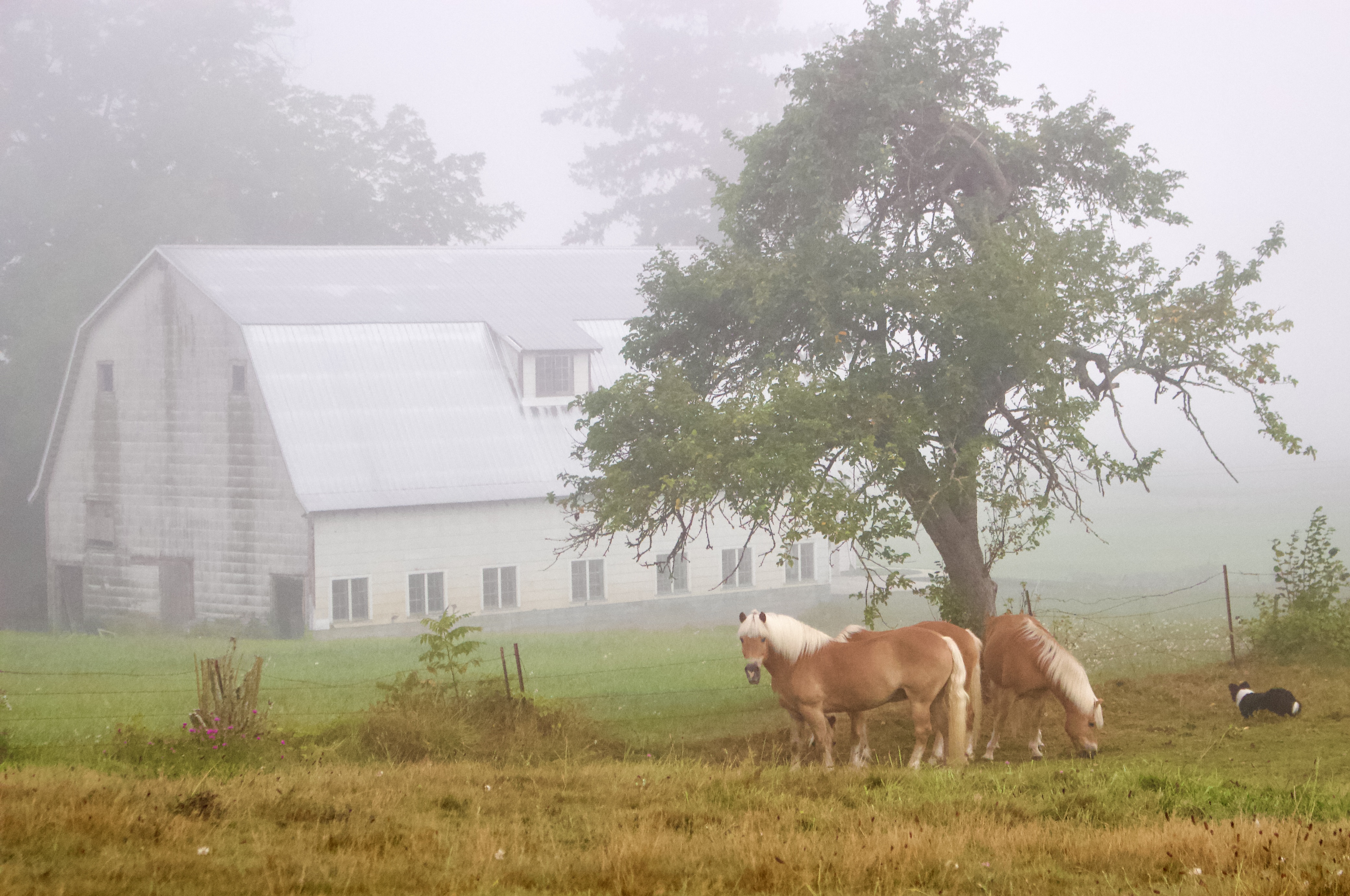
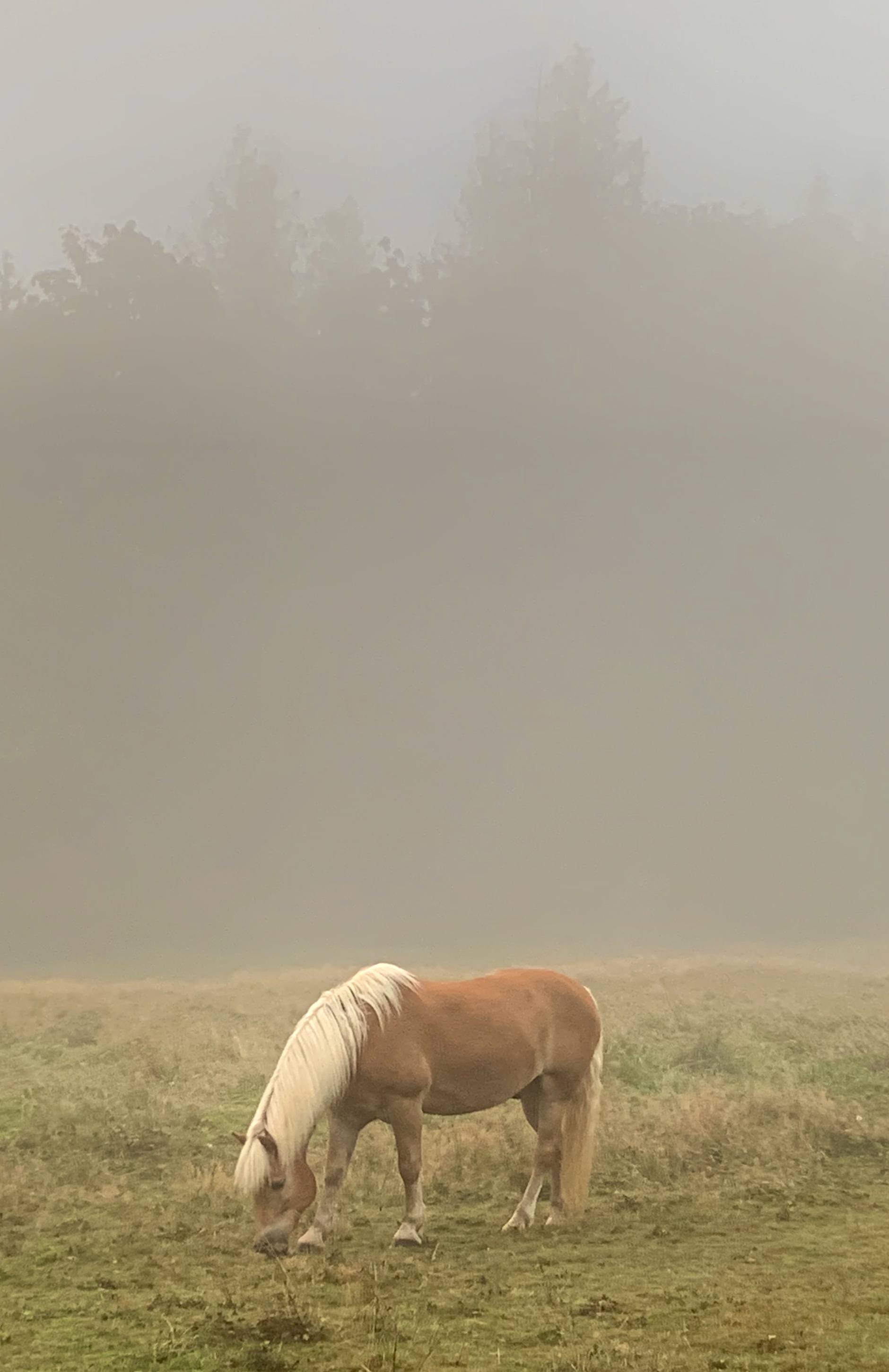
On the second day of fog, she goes to meet it sits on the broad root of a broken down apple tree, remembers being a child in such fog, searching for fairy houses. She hears movement in the grass, keeps very still while the veil of haze rises to treetops bronzed by the burn of the sun. Slowly horses and deer appear all around her, they graze close together, nosing fallen apples, until she forgets this is still a fallen world. ~Lonnie Hull DuPont, “On the Second Day of Fog” from She Calls the Moon by Its Name
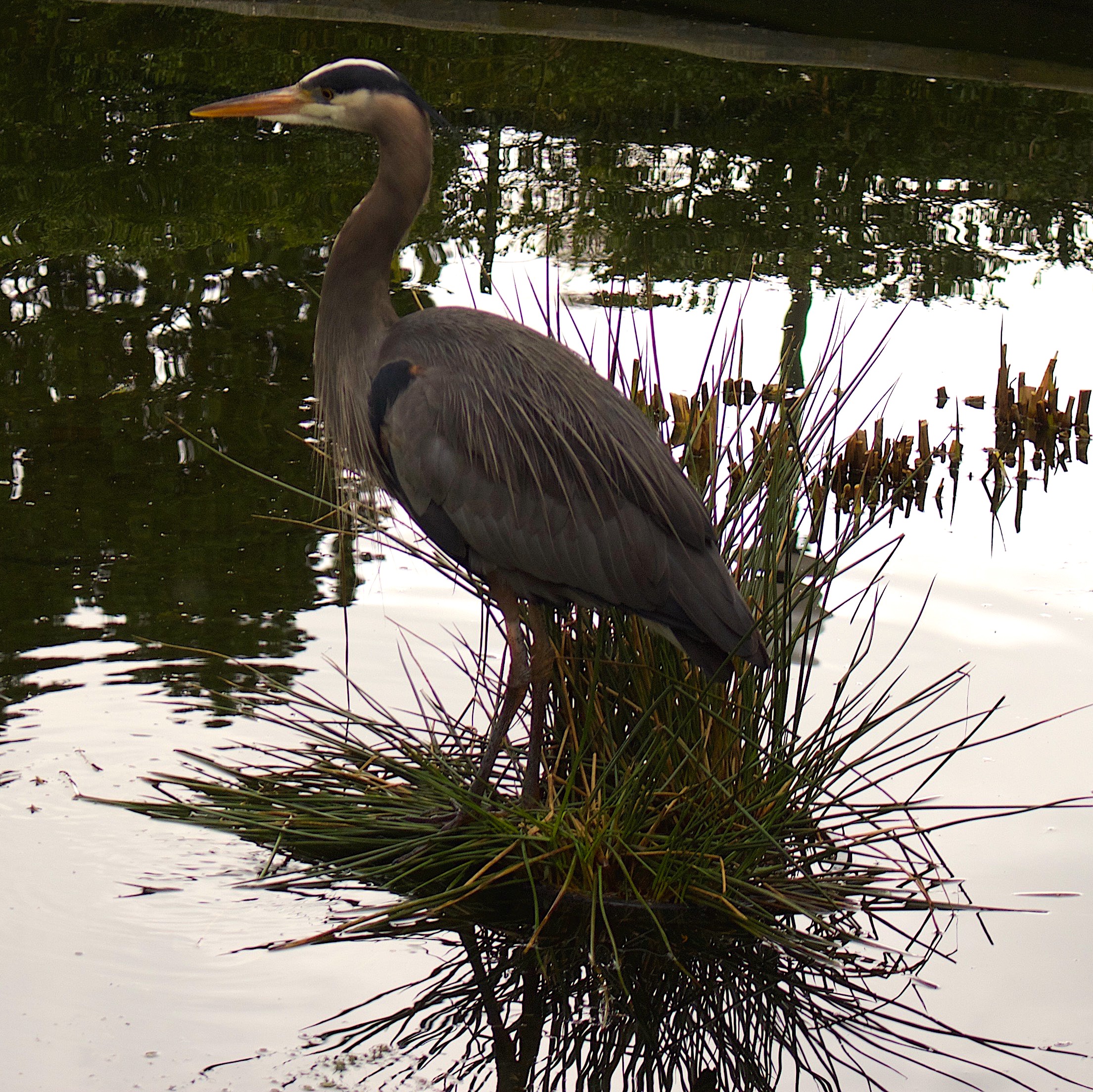
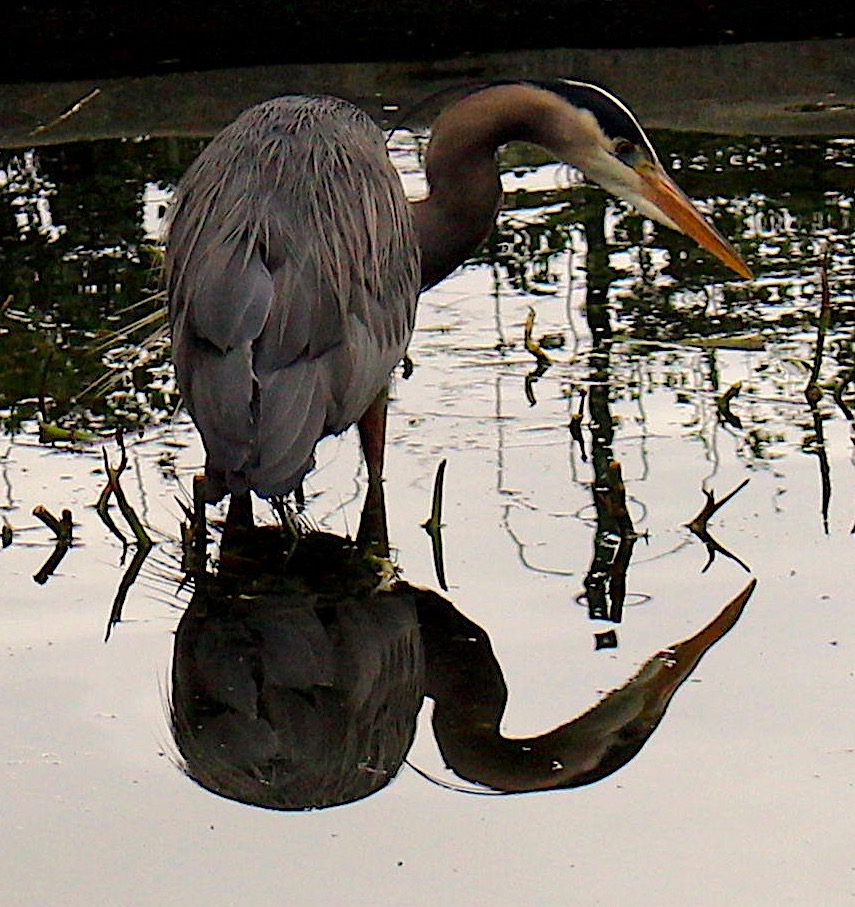
When despair for the world grows in me and I wake in the night at the least sound in fear of what my life and my children’s lives may be, I go and lie down where the wood drake rests in his beauty on the water, and the great heron feeds. I come into the peace of wild things who do not tax their lives with forethought of grief. I come into the presence of still water. And I feel above me the day-blind stars waiting with their light. For a time I rest in the grace of the world, and am free. ~Wendell Berry “The Peace of Wild Things“
When our grandchildren come to visit, I watch as yet another generation rediscovers the mystery of what we know about the joys and sorrows of this fallen but redeemed world.
I am reminded there is light beyond the fearsome darkness, there is peace amid the chaos, there is a smile behind the tears, there is stillness within the noisiness there is rest despite the restlessness, there is grace – ah, there is grace as inevitably the old gives way to the new.
One-Time
Monthly
Yearly
Make a one-time or recurring donation to support daily Barnstorming posts
On the green hill with the river beyond it long ago and my father there and my grandmother standing in her faded clothes wrinkled high-laced black shoes in the spring grass among the few gravestones inside their low fence by the small white wooden church the clear panes of its windows letting the scene through from the windows on the other side of the empty room and a view of the trees over there my grandmother hardly turned her head staring like a cloud at the empty air not looking at the green glass gravestone with the name on it of the man to whom she had been married and who had been my father’s father she went on saying nothing her eyes wandering above the trees that hid the river from where we were a place where she had stood with him one time when they were young and the bell kept ringing ~W. S. Merwin “Widnoon” from The Moon Before Morning
I remember my grandfather as a somber quiet man who used to slowly rock in a wooden chair that now happens to sit empty here in our home.
For most of his life, my Grandpa drank heavily but he wasn’t just any drunk. He was a mean drunk. Surly, cursing, prone to throwing things and people, especially at home.
Grandma used to say he learned to drink in the logging camps and I suspect that is true. He started working as a logger before he was fully grown, dropping out of school, leaving home around age sixteen and heading up to the hills where real money could be made. He learned more than how to cut down huge old growth Douglas Fir trees, skid them down the hills using a team of horses, and then roll them onto waiting wagons to be hauled to the mills. He learned how to live with a group of men who surfaced once or twice a month from the hills to take a bath, bootleg booze during prohibition and maybe go to church with their womenfolk.
Mostly the loggers taught him how to curse and drink.
He headed home to the farm with muscles and attitude a few years later, and started the process of felling trees, creating a “stump farm” that was a challenge to work because huge stumps dotted the fields and hills. He slowly worked at blasting them out of the ground so the land could be tilled. It proved more than he had strength and motivation to do, so his fields were never very fruitful, mostly growing hay for his own animals. He went to work in the local saw mill to make ends meet.
He cleaned up some when he met my grandmother, who at eighteen was seven years younger, and eager to escape her role as chief cook and bottle washer for her widowed father and younger brother. She was devout, lively and full of energy and talked constantly while he, especially when sober, preferred to let others do the talking. It was an unusual match but he liked her cooking and she was ready to escape the drudgery of her father’s household and be wooed.
They settled on the stump farm and began raising a family, trying to eke out what living they could from the land, from the sporadic work he found at the saw mill, and every Sunday, took the wagon a mile down the road to the Bible Church where they both sang with gusto.
He still drank when he had the money, blowing his pay in the local tavern, and stumbling in the back door roaring and burping, falling into bed with his shoes on. Grandma was a teetotaler and yelled into his ruddy face about the wrath of God anytime he drank, their four children hiding when the dishes started to fly, and when he would whip off his belt to hit anyone who looked sideways at him.
When their eldest daughter took sick and died of lymphoma at age eight despite the little doctoring that was available, Grandpa got sober for awhile. He saw it as punishment from God, or at least that is what Grandma told him through her sobs as she struggled to cope with her loss.
Over the years, he relapsed many times, losing fingers in his work at the mill, and losing the respect of his wife, his children and the people in the community. Grandma took the kids for several months to cook in a boarding house in a neighboring town, simply to be able to feed her family while Grandpa squandered what he had on drink. Reconciled over and over again, Grandma would come back to him, sending their only son to fetch him from the tavern for the night. My Dad would bicycle to that dark and smoky place, stand Grandpa up and guide him staggering out to their truck for the weaving drive home on country roads. On more than one occasion, Grandpa, belligerent as ever, would resist leaving and throw a punch at his boy, usually missing by a mile.
But once the boy grew taller and strong enough to fight back, managing to knock Grandpa to the ground in self-defense, the punching and resistance stopped. The boozing didn’t.
Grandpa sobered up for good while his boy fought in the war overseas in the forties, striking a bargain with God that his boy would come home safe to work the farm as long as Grandpa left alcohol alone. It stuck and he stayed sober. His boy came home. Grandpa saw it as a promise kept and became an elder in his Bible Church, taught Sunday School and gave his extra cash to the church rather than the tavern. He and Grandma donated a house on their property to the church for a parsonage.
Some twelve years later, sitting in a Christmas Sunday School program one Christmas Eve, Grandpa leaned toward Grandma and she saw his face broken out in sweat, his face ashen.
“It’s hot in here, I need air, “ he said and collapsed in her lap. He was gone, just like that. He left the rest of his family behind while he sat in church, sober as can be, on the day before Christmas.
There is no question in my mind he knew he was forgiven. He headed home one more time, not weaving or swerving but traveling straight and narrow.
AI image created for this postAI image created for this post
One-Time
Monthly
Yearly
Make a one-time or recurring donation to support daily Barnstorming posts
I tell you folks, all politics is applesauce. ~Will Rogers
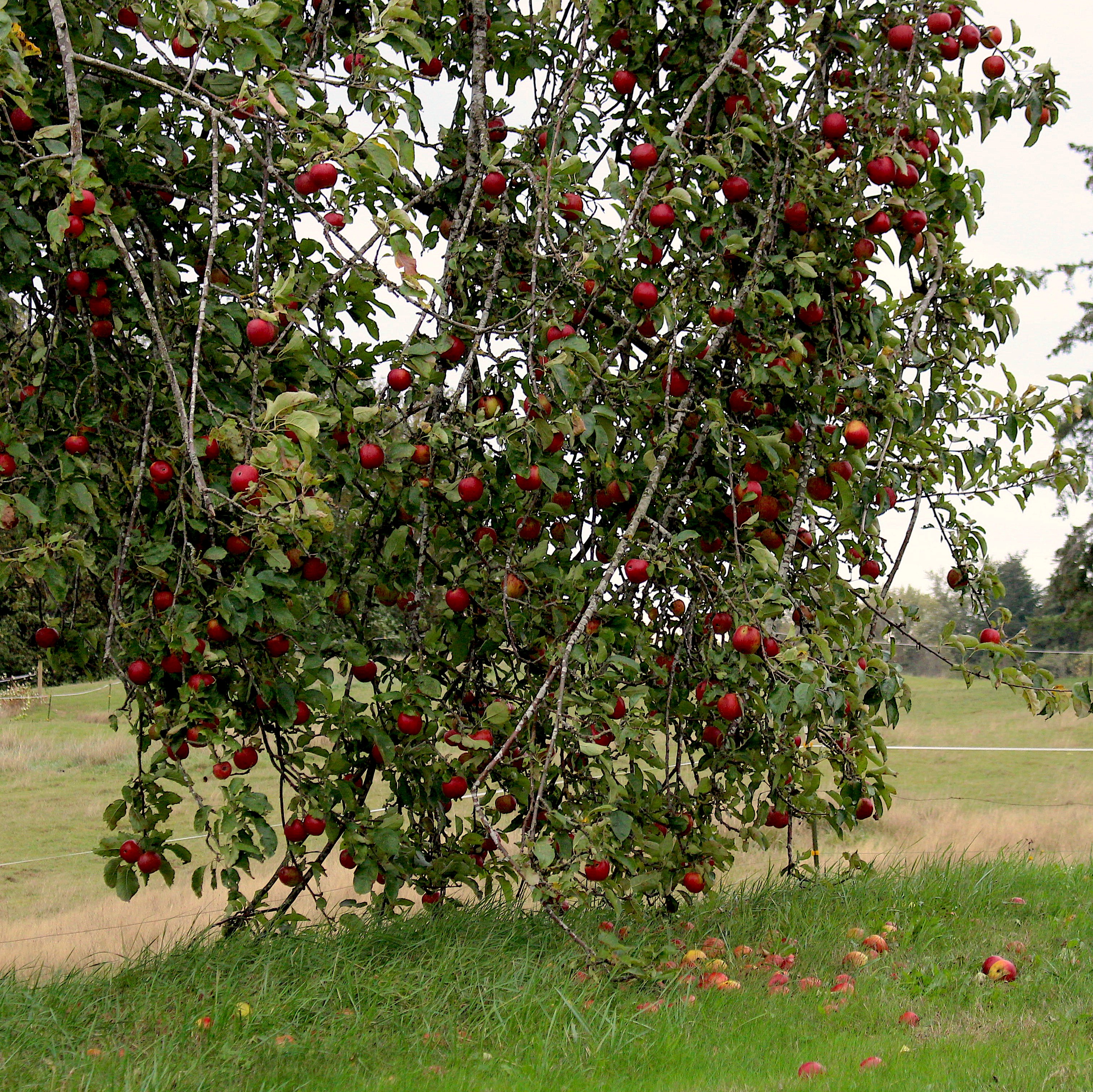
Applesauce-making is one of my more satisfying domestic activities. Peeling and coring apples can be tedious, as there are always plenty of bad spots to cut out. Though uncommon in our organic orchard, there is the occasional wiggling worm to find and dispose of before cooking.
Our late summer transparent apples make a creamy tart sauce smooth to the tongue. With all the careful preparation before cooking, all blemishes are removed, with any extra unwanted wormy protein deposited in the compost bucket along with mountains of peel, cores and seeds.
If only our two main political parties would pick and prepare their presumptive nominees with as much concern and care…
Would that we could similarly pare out, peel off, dispose in the compost all the political flyers flooding our mailbox, the robo-call telephone messages asking for donations, the radio, TV and internet ads that burden us all until we crack and break under the weight. Most of the election fruit ends up rotting on the tree, turning us all to mush in the process. I’m weary just thinking about the millions of dollars spent in advertising these two (as yet) unofficial presidential candidates that could be used for far greater good and benefit for the citizenry.
Now we have a televised debate where one candidate is clearly incapable of providing coherent answers and the other, a convicted felon who spouts lies that go unchallenged as a result. It is clear now the whole kettle of sauce is spoiled. We could cook it all day long and there still are worms waving in the air, rotten cores festering, scabby peels floating on top, with the bottom scalding with the heat of the cook stove.
Our political parties have profoundly failed the American people by propping up candidates unworthy of the office. I pray for a day when we can set our differences aside and raise up leaders who can do so as well. We must blend together our diverse flavors and characteristics for the good of all. Then, “applesauce” politics won’t simply be a mixture of nonsense and BS, as Will Rogers implies, but something actually nourishing for a flourishing future.
That’ll be the day…
There are men running governments who shouldn’t be allowed to play with matches. ~Will Rogers
One-Time
Monthly
Yearly
Make a one-time or recurring donation to support daily Barnstorming posts
“Hold on,” she said, “I’ll just run out and get him. The weather here’s so good, he took the chance To do a bit of weeding.”
So I saw him Down on his hands and knees beside the leek rig, Touching, inspecting, separating one Stalk from the other, gently pulling up Everything not tapered, frail and leafless, Pleased to feel each little weed-root break, But rueful also . . .
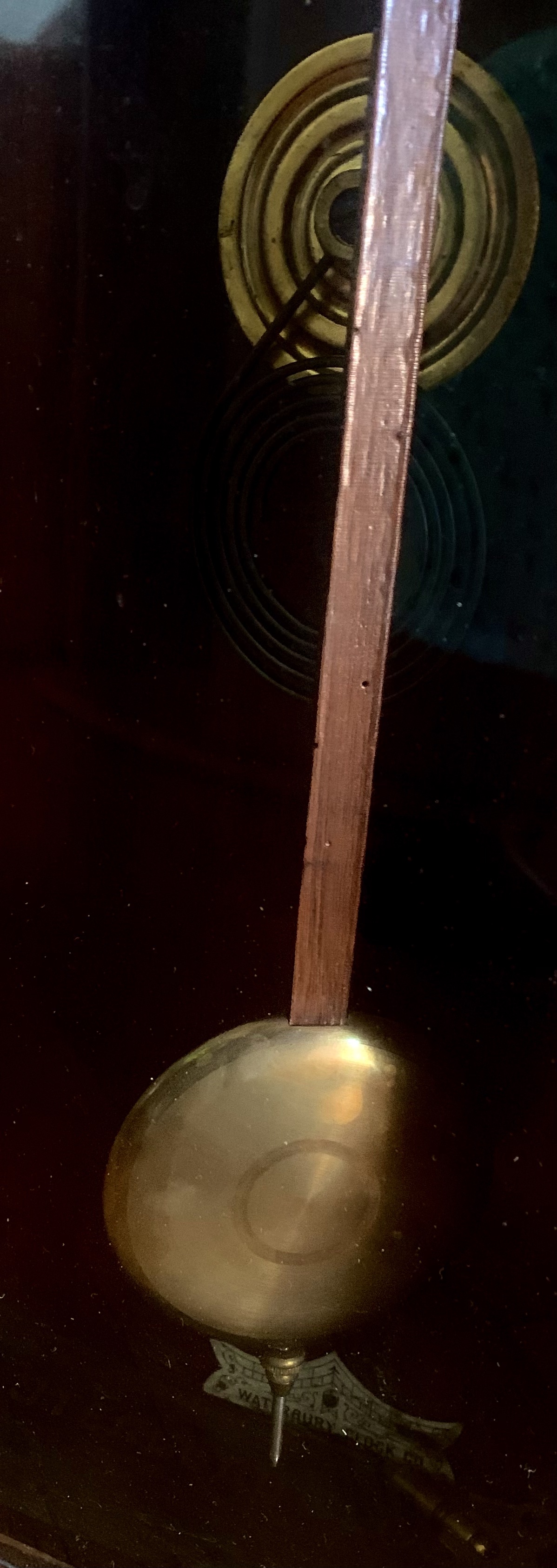
Then found myself listening to The amplified grave ticking of hall clocks Where the phone lay unattended in a calm Of mirror glass and sunstruck pendulums . . .
And found myself then thinking: if it were nowadays, This is how Death would summon Everyman.
My father was a complex man. I understand better now where my own complicated nature comes from.
As inscrutable as he could be, there were things I absolutely understood about him:
he was a man of action – he never just sat, never took a nap, never wasted a day of his life without accomplishing something tangible.
he was a man of the soil – he plowed and harrowed and sowed and fertilized and weeded and cut brush and harvested
he was a man of inventiveness – he figured out a better way, he transformed tools and buildings, he started from scratch and built the impossible
he didn’t explain himself – and never felt the need to.
Time keeps ticking on without him here, now 29 years since he took his last breath as the clock pendulum swung back and forth in his bedroom. He was taken too young for all the projects he still had in mind.
He handed off a few to me. Some I have done. Some still wait, I’m not sure why.
My regret is not understanding how much he needed to hear how loved he was. He seemed fine without it being said.
But he wasn’t fine. And neither was I.
I wish I had said it when I had the chance.
One-Time
Monthly
Yearly
Make a one-time or recurring donation to support daily Barnstorming posts
Some things are very dear to me— Such things as flowers bathed by rain Or patterns traced upon the sea Or crocuses where snow has lain … the iridescence of a gem, The moon’s cool opalescent light, Azaleas and the scent of them, And honeysuckles in the night. And many sounds are also dear— Like winds that sing among the trees Or crickets calling from the weir Or Negroes humming melodies. But dearer far than all surmise Are sudden tear-drops in your eyes. ~Gwendolyn Brooks “Sonnet 2”
We human beings do real harm. History could make a stone weep. ~Marilynne Robinson from Gilead
I am an easy cryer. It takes very little to tip me over the edge: a hymn, a poem, simply witnessing a child’s joy. Suddenly my eyes fill up. I blame this on my paternal grandmother who was in tears much of her time when visiting our family, crying happy, crying sad, crying frustrated and angry tears.
Somehow after her visit, she was always smiling, so I think her weeping was cathartic emptying of her stress.
My greatest trigger to weep myself is watching someone else tear up. I think my grandmother left behind some powerful empathy genes.
I had to desensitize my response to tears to be effective as a physician/healer. Witnessing tears in the exam room is a normal part of the job: patients are anxious, ill, in pain or simply need to decompress in safety. I learned early on to be unobtrusive and not interrupt, letting the flow of tears be part of how the patient was trying to communicate. It was a struggle when my inclination was to cry right along with them. But I needed to be the rock in the room, solid and steady. I could understand their tears as yet another symptom of a clinical presentation, allowing me to observe without being clouded by my own emotional response.
Sometimes that worked. Sometimes not. At times overwhelmed, I wept at births, I wept at deaths, I wept at the sharing of bad news.
Now, liberated from the exam room, I freely weep at the state of the world, or when I read of disaster and tragedy, and especially when I witness intentional harm and meanness in others. I’m no longer a barely responsive stone, but more like an over-filled sponge being squeezed – everything builds up until I can hold it no more. Reading headlines in the news is sometimes more than I can bear.
I cry myself dry.
And that is okay. Once emptied out, I can be filled again by so much that is good and precious in this life.
That is worth weeping over.
AI image created for this post
Detail from “Descent from the Cross” by Rogier van der Weyden
One-Time
Monthly
Yearly
Make a one-time or recurring donation to support daily Barnstorming posts
I am not resigned to the shutting away Of loving hearts in the hard ground. So it is, and so it will be, for so it has been, time out of mind: Into the darkness they go, the wise and the lovely. Crowned With lilies and with laurel they go; but I am not resigned. Lovers and thinkers, into the earth with you. Be one with the dull, the indiscriminate dust. A fragment of what you felt, of what you knew, A formula, a phrase remains,—but the best is lost. The answers quick and keen, the honest look, the laughter, the love,— They are gone. They are gone to feed the roses. Elegant and curled Is the blossom. Fragrant is the blossom. I know. But I do not approve. More precious was the light in your eyes Than all the roses in the world. Down, down, down into the darkness of the grave Gently they go, the beautiful, the tender, the kind; Quietly they go, the intelligent, the witty, the brave. I know. But I do not approve. And I am not resigned. ~Edna St. Vincent Millay “Dirge Without Music”
These hearts were woven of human joys and cares, Washed marvelously with sorrow, swift to mirth. The years had given them kindness. Dawn was theirs, And sunset, and the colors of the earth.
These had seen movement, and heard music; known Slumber and waking; loved; gone proudly friended; Felt the quick stir of wonder; sat alone; Touched flowers and furs and cheeks. All this is ended.
There are waters blown by changing winds to laughter And lit by the rich skies, all day. And after, Frost with a gesture, stays the waves that dance And wandering loveliness. He leaves a white Unbroken glory, a gathered radiance, A width, a shining peace, under the night. ~Rupert Brooke “All This is Ended”
Each Memorial Day weekend without fail, we gather with family, have lunch, reminisce, and trek to a cemetery high above Puget Sound to catch up with our relatives who lie there still. Some for well over 100 years, some too recent, some we knew and loved and miss every day, others not so much, unknown to us except on genealogy charts, their names and dates and these stones all that is left of them:
the red-haired great-grandmother who died too young, the aunt who was eight with lymphoma, the Yukon river boat captain, the logger and stump farmer, the unmarried teacher who bequeathed an oil well to her church, the two in-laws who lie next to each other but could not co-exist in the same room while they lived and breathed.
Yet we know each of these (as we know ourselves and others) was tender and kind, though flawed and broken, was beautiful and strong, though wrinkled and frail, was hopeful and faithful, though too soon in the ground.
We know this about them as we know it about ourselves: someday we too will feed roses, the light in our eyes transformed into elegant swirls emitting the fragrant scent of heaven.
No one asks if we approve. Nor am I resigned to this but only know: So it is, so it has been, so it will be.
What words or harder gift does the light require of me carving from the dark this difficult tree?
What place or farther peace do I almost see emerging from the night and heart of me?
The sky whitens, goes on and on. Fields wrinkle into rows of cotton, go on and on. Night like a fling of crows disperses and is gone.
What song, what home, what calm or one clarity can I not quite come to, never quite see: this field, this sky, this tree. ~Christian Wiman, “Hard Night”
Some days, although we cannot pray, a prayer utters itself. So, a woman will lift her head from the sieve of her hands and stare at the minims sung by a tree, a sudden gift.
Some nights, although we are faithless, the truth enters our hearts, that small familiar pain; then a man will stand stock-still, hearing his youth in the distant Latin chanting of a train.
Pray for us now. Grade 1 piano scales console the lodger looking out across a Midlands town. Then dusk, and someone calls a child’s name as though they named their loss.
Darkness outside. Inside, the radio’s prayer — Rockall. Malin. Dogger. Finisterre. ~Carol Ann Duffy “Prayer”
photo by Bob Tjoelker
As a child falling asleep, I prayed to God with moans and groans echoing in my ears.
Growing up on a small farm located about two miles from a bay in Puget Sound, I found myself praying for safety on foggy nights as fog horns moaned in the distance. Scattered throughout the inlet, the horns called out mournful groans of warning to passing freighter ships. The resonant lowing of the horns carried miles over the surrounding landscape due to countless water particles in the fog transmitting sound waves so effectively. The louder the foghorn moan heard on our farm, the thicker and more hazardous the mist in the air. Those horns would make me unspeakably sad for reasons I could only articulate to God. Thus I prayed for the ships, and I prayed for my own shaky navigation through life.
Navigating blind in a fog necessitates taking unpredictable risks. The future can seem a murky mess. I cannot see what lies ahead: I navigate by my wits, by my best guess, but particularly by listening for the low-throated warnings coming from the rocky shores and shallows of those who have gone ahead of me.
I am easily lost in the fog of my fears – disconnected, afloat and circling aimlessly, searching for a touch point of purpose and direction. The isolation I sometimes feel may simply be my own self-absorbed state of mind, sucking me in deep until I’m soaked, dripping and shivering from the smothering gray. If only I trust the fog horn warnings and reassurances from the Word of God, I could charge into the future undaunted.
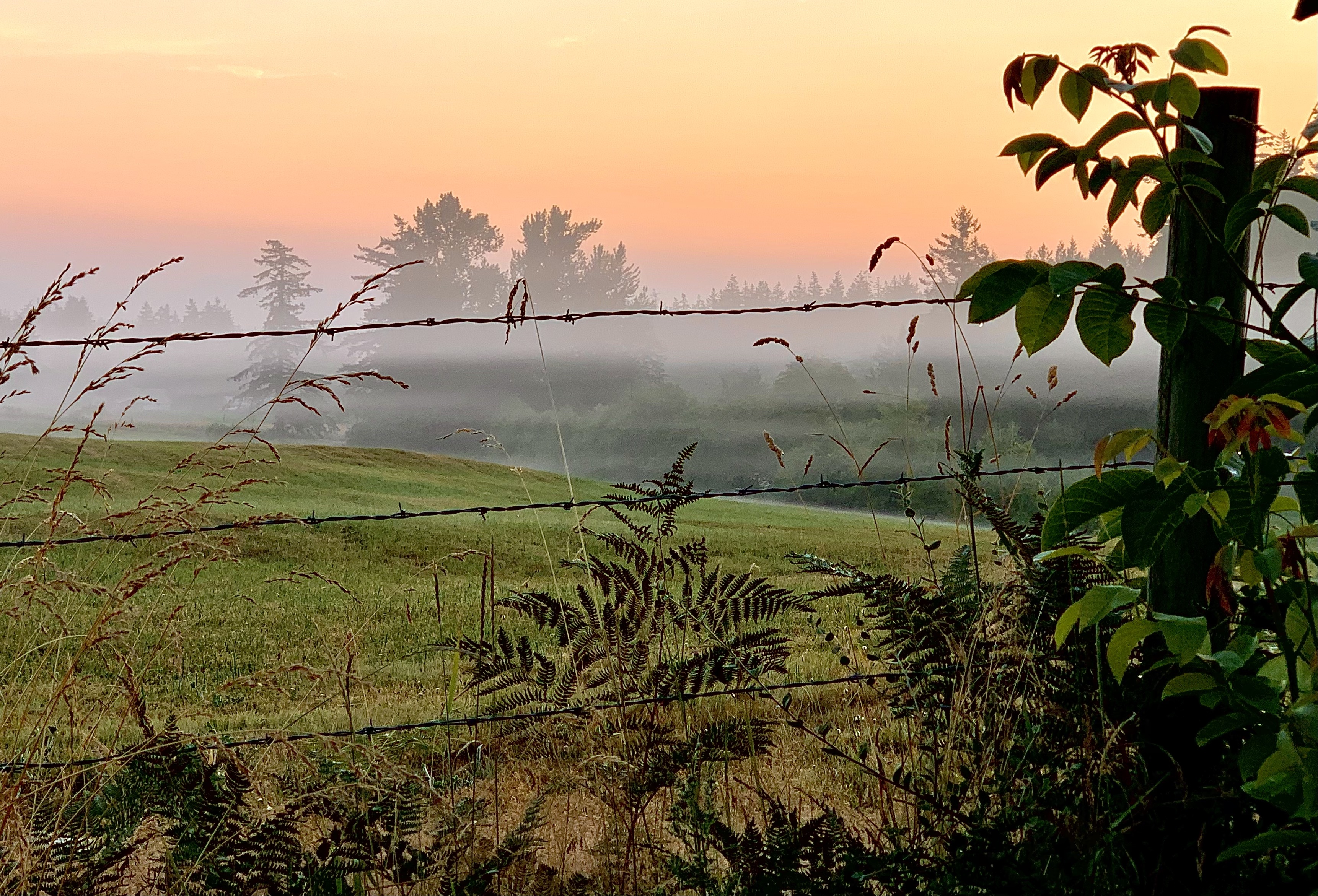
He is in the pea soup alongside me, awaiting the Sun’s dissipation of the fog. Now I know, nearly seventy years into this voyage, the fog eventually clears. The journey continues on beyond these shores.
Even so, I will keep praying with the resonant voices of wisdom and caution from shore, like the nightly tradition of the BBC radio shipping forecasts that calm so many to sleep to this day. Even a Finisterre (the end of the land) prayer holds us in safety as we find our way home.
Instead of echoing the anxious moans and groans of my childhood prayers, may my voice be heard singing an anthem of hope and promise.
One-Time
Monthly
Yearly
Make a one-time or recurring donation to support daily Barnstorming posts
God goes, belonging to every riven thing he’s made sing his being simply by being the thing it is: stone and tree and sky, man who sees and sings and wonders why
God goes. Belonging, to every riven thing he’s made, means a storm of peace. Think of the atoms inside the stone. Think of the man who sits alone trying to will himself into a stillness where
God goes belonging. To every riven thing he’s made there is given one shade shaped exactly to the thing itself: under the tree a darker tree; under the man the only man to see
God goes belonging to every riven thing. He’s made the things that bring him near, made the mind that makes him go. A part of what man knows, apart from what man knows,
God goes belonging to every riven thing he’s made. ~Christian Wiman “Every Riven Thing”
The Holy Saturday of our life must be the preparation for Easter, the persistent hope for the final glory of God. The virtue of our daily life is the hope which does what is possible and expects God to do the impossible. To express it somewhat paradoxically, but nevertheless seriously: the worst has actually already happened; we exist, and even death cannot deprive us of this. Now is the Holy Saturday of our ordinary life, but there will also be Easter, our true and eternal life. ~Karl Rahner “Holy Saturday” in The Great Church Year
This is the day in between when nothing makes sense: we are lost, hopeless, grieving,riven beyond recognition.
We are brought to our senses by this one Death, this premeditated killing, this senseless act that darkened the skies, shook the earth and tore down the curtained barriers to the Living Eternal God.
The worst has already happened, despite how horrific are the constant tragic events filling our headlines.
Today, this Holy Saturday we are in between, stumbling in the darkness but aware of hints of light, of buds, of life, of promised fruit to come.
The best has already happened; it happened even as we remained oblivious to its impossibility.
We move through this Saturday, doing what is possible even when it feels senseless, even as we feel split apart, torn and sundered.
Tomorrow it will all make sense: our hope brings us face to face with our God who is and was and does the impossible.
So Joseph bought some linen cloth, took down the body, wrapped it in the linen, and placed it in a tomb cut out of rock. Then he rolled a stone against the entrance of the tomb.Mary Magdalene and Mary the mother of Joseph saw where he was laid. Mark 15:46-47
Wait for the Lord; be strong and take heart and wait for the Lord. Psalm 27:14
This Lenten season I reflect on the words of the 19th century southern spiritual hymn “What Wondrous Love is This”
I see his blood upon the rose And in the stars the glory of his eyes, His body gleams amid eternal snows, His tears fall from the skies.
I see his face in every flower; The thunder and the singing of the birds Are but his voice-and carven by his power Rocks are his written words.
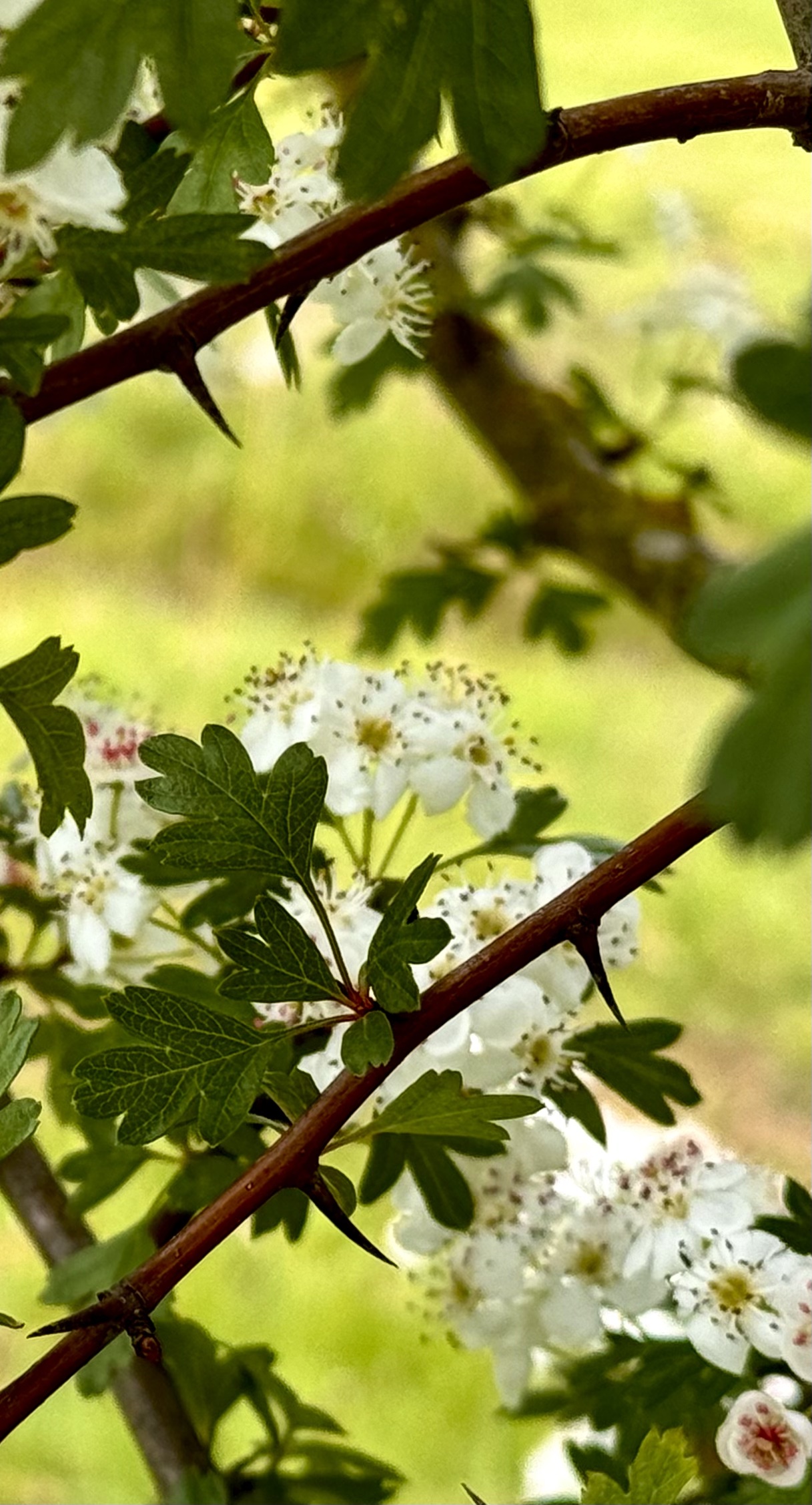
All pathways by his feet are worn, His strong heart stirs the ever-beating sea, His crown of thorns is twined with every thorn, His cross is every tree. ~Joseph Plunkett “I See His Blood Upon the Rose”
One-Time
Monthly
Yearly
Make a one-time or recurring donation to support daily Barnstorming posts
Jesus comes near and he beholds the city And looks on us with tears in his eyes, And wells of mercy, streams of love and pity Flow from the fountain whence all things arise. He loved us into life and longs to gather And meet with his beloved face to face How often has he called, a careful mother, And wept for our refusals of his grace, Wept for a world that, weary with its weeping, Benumbed and stumbling, turns the other way, Fatigued compassion is already sleeping Whilst her worst nightmares stalk the light of day. But we might waken yet, and face those fears, If we could see ourselves through Jesus’ tears. ~Malcolm Guite “Jesus Weeps”
On this Holy Monday, facing ahead to a week of knowing our world is in disarray~ a week of facing our own shame and mortality, a week where thorns and tears overwhelm the blossoms~~
To remember what He did this week long ago, to conquer the shroud and the stone, to defy death, makes all the difference to me.
Indeed Jesus wept and groaned for us.
To be known for who we are by a God who weeps for our sin and despair and groans with pain we caused: we can know no greater love.
This week ends our living for self, only to die, and begins our dying to self, in order to live.
And when he drew near and saw the city, he wept over it, saying, “Would that you, even you, had known on this day the things that make for peace! But now they are hidden from your eyes. Luke 19:41
This Lenten season I reflect on the words of the 19th century southern spiritual hymn “What Wondrous Love is This”
Seems the sorrow untold, as you look down the road At the clamoring crowd drawing near Feel the heat of the day, as you look down the way Hear the shouts of Hosanna the King
Chorus Oh, daughter of Zion your time’s drawing near Don’t forsake Him, oh don’t pass it by On the foal of a donkey as the prophets had said Passing by you, He rides on to die
Come now little foal, though you’re not very old Come and bear your first burden bravely Walk so softly upon all the coats and the palms Bare the One on your back oh so gently
Midst the shouting so loud and the joy of the crowd There is One who is riding in silence For He knows the ones here will be fleeing in fear When their shepherd is taken away
Soon the thorn cursed ground will bring forth a crown And this Jesus will seem to be beaten But He’ll conquer alone both the shroud and the stone And the prophesies will be completed On the foal of a donkey as the prophets had said Passing by you He rides on to die ~Michael Card


























 Barnstorming