I let her garden go. let it go, let it go How can I watch the hummingbird Hover to sip With its beak’s tip The purple bee balm — whirring as we heard It years ago?
The weeds rise rank and thick let it go, let it go Where annuals grew and burdock grows, Where standing she At once could see The peony, the lily, and the rose Rise over brick
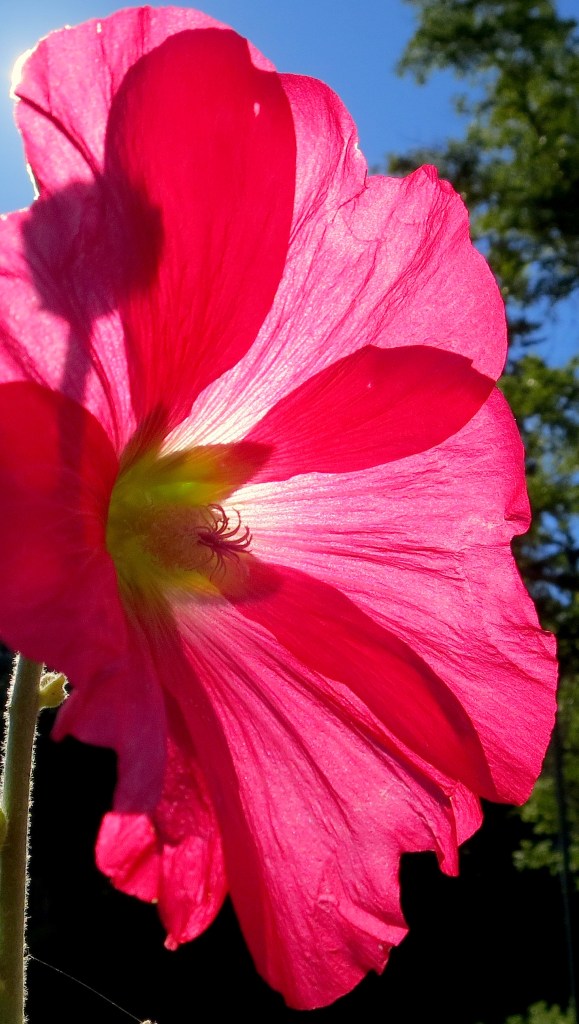
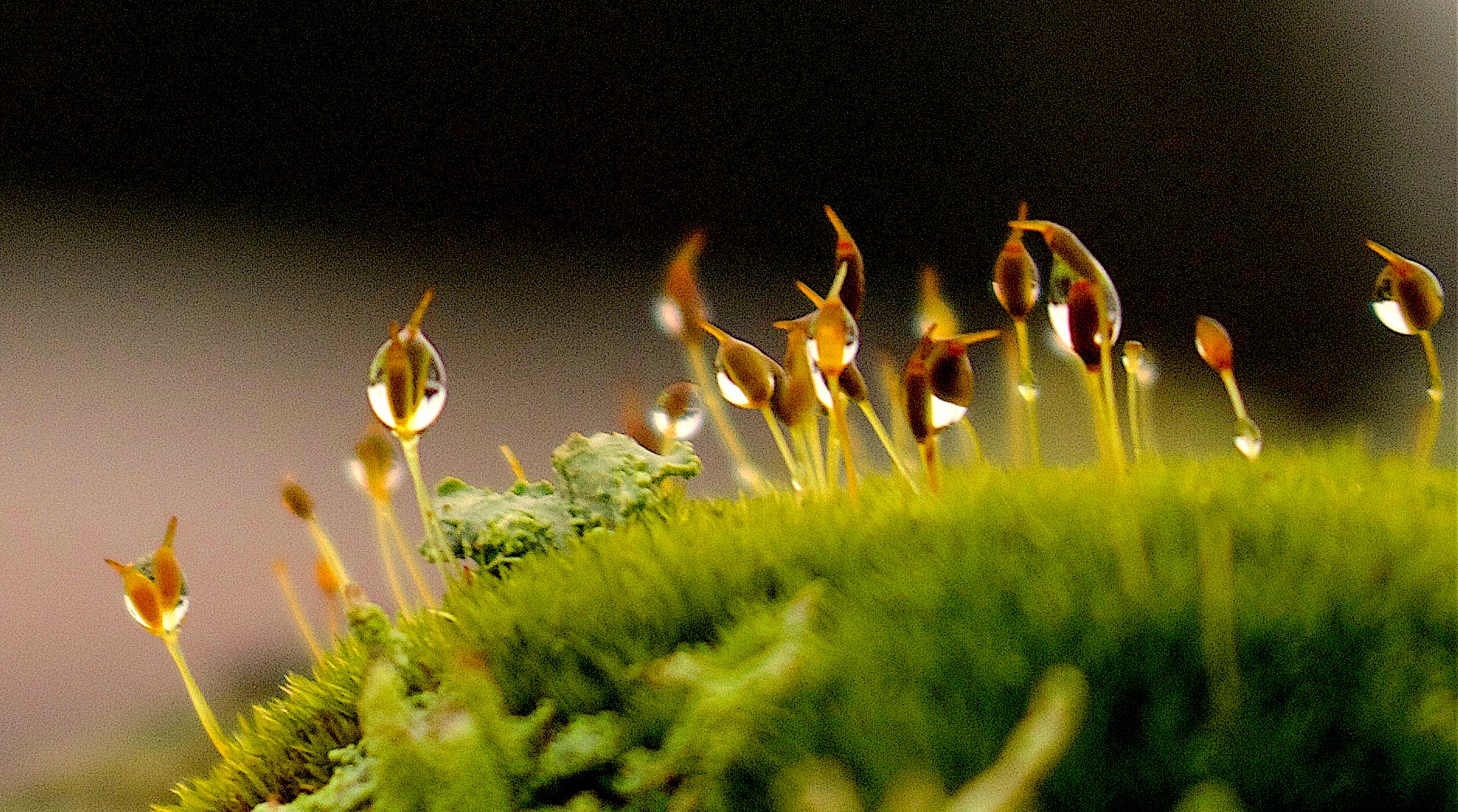
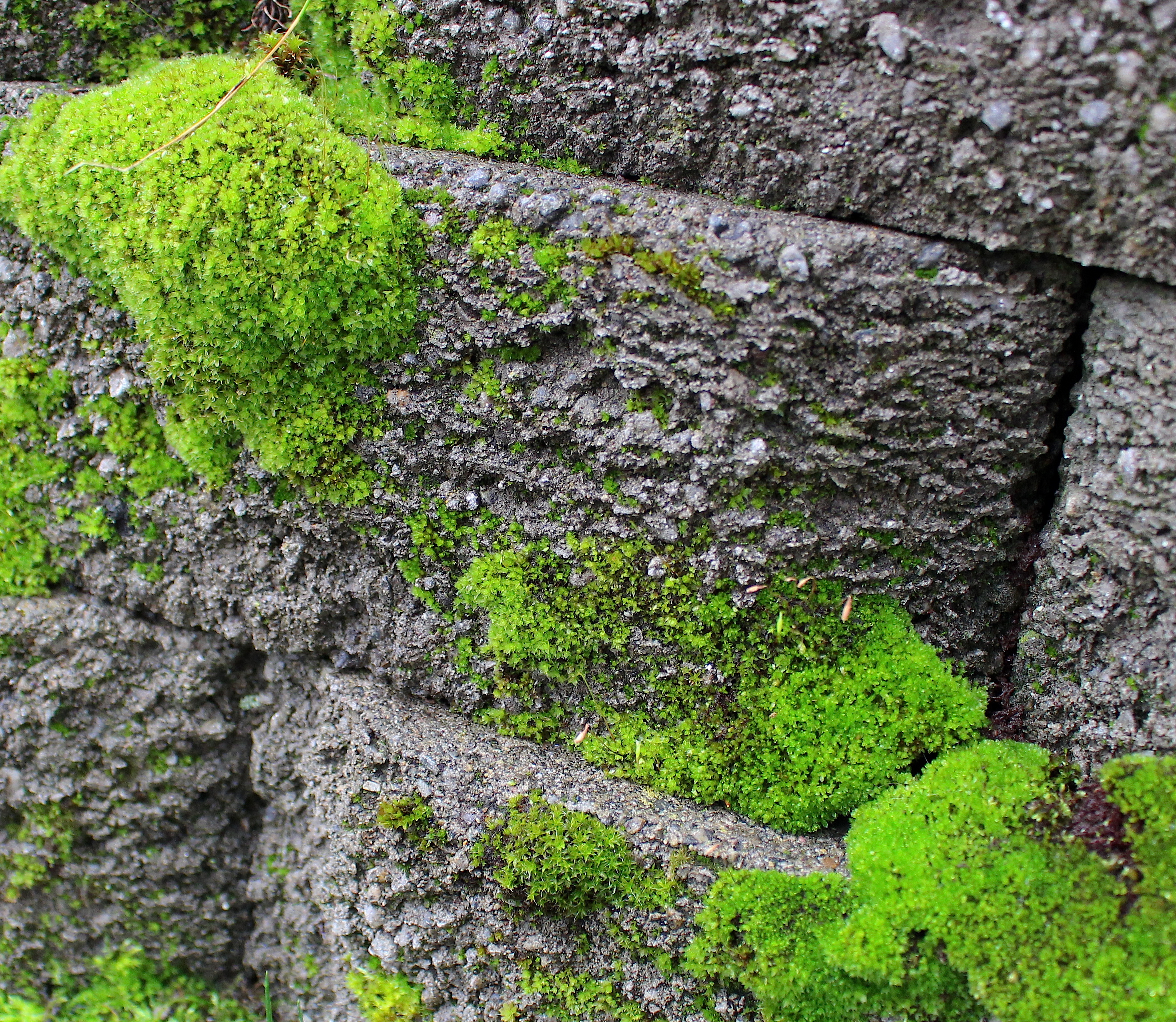
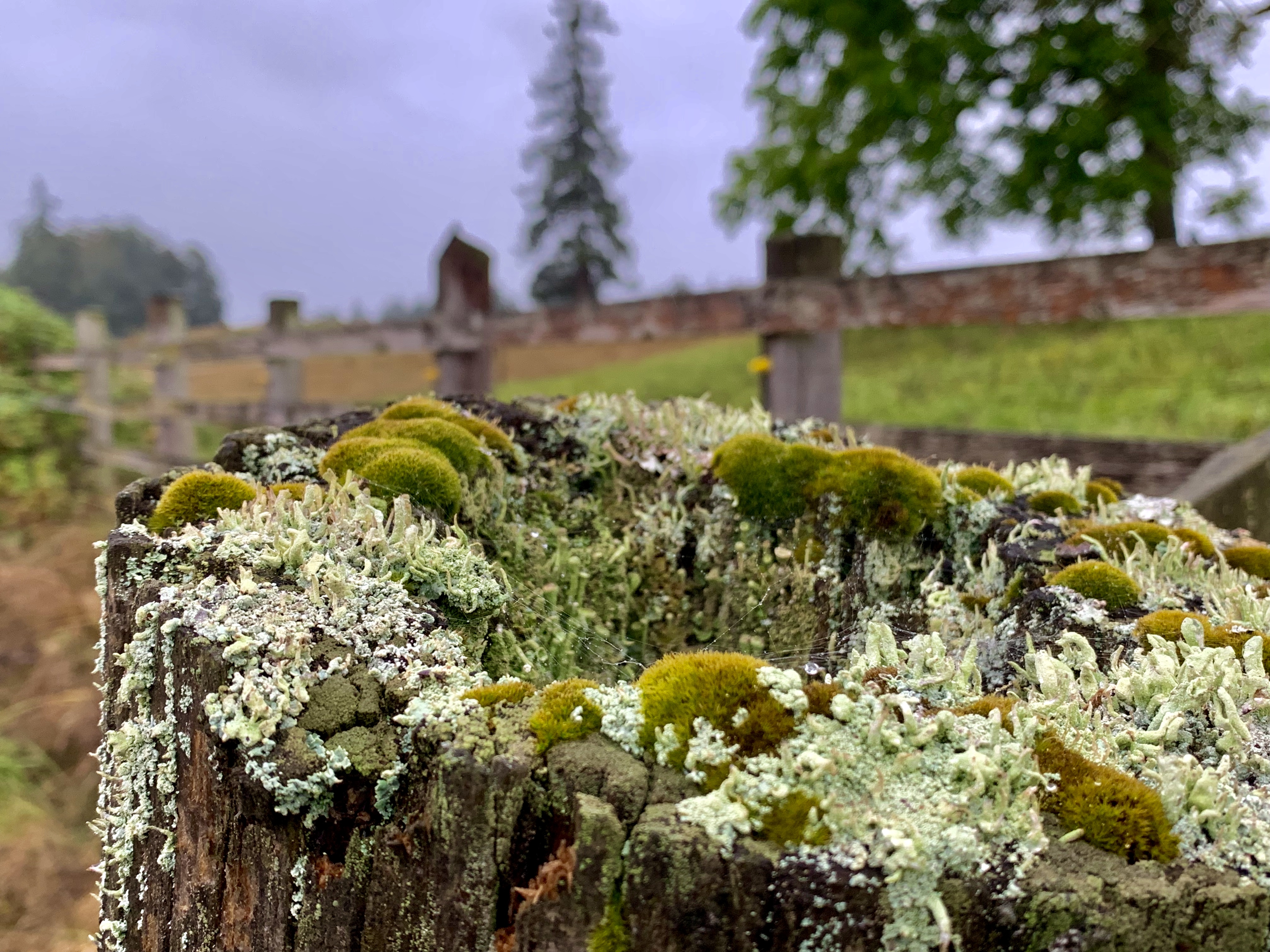
She’d laid in patterns. Moss let it go, let it go Turns the bricks green, softening them By the gray rocks Where hollyhocks That lofted while she lived, stem by tall stem, Blossom with loss. ~ Donald Hall from “Her Garden” about Jane Kenyon
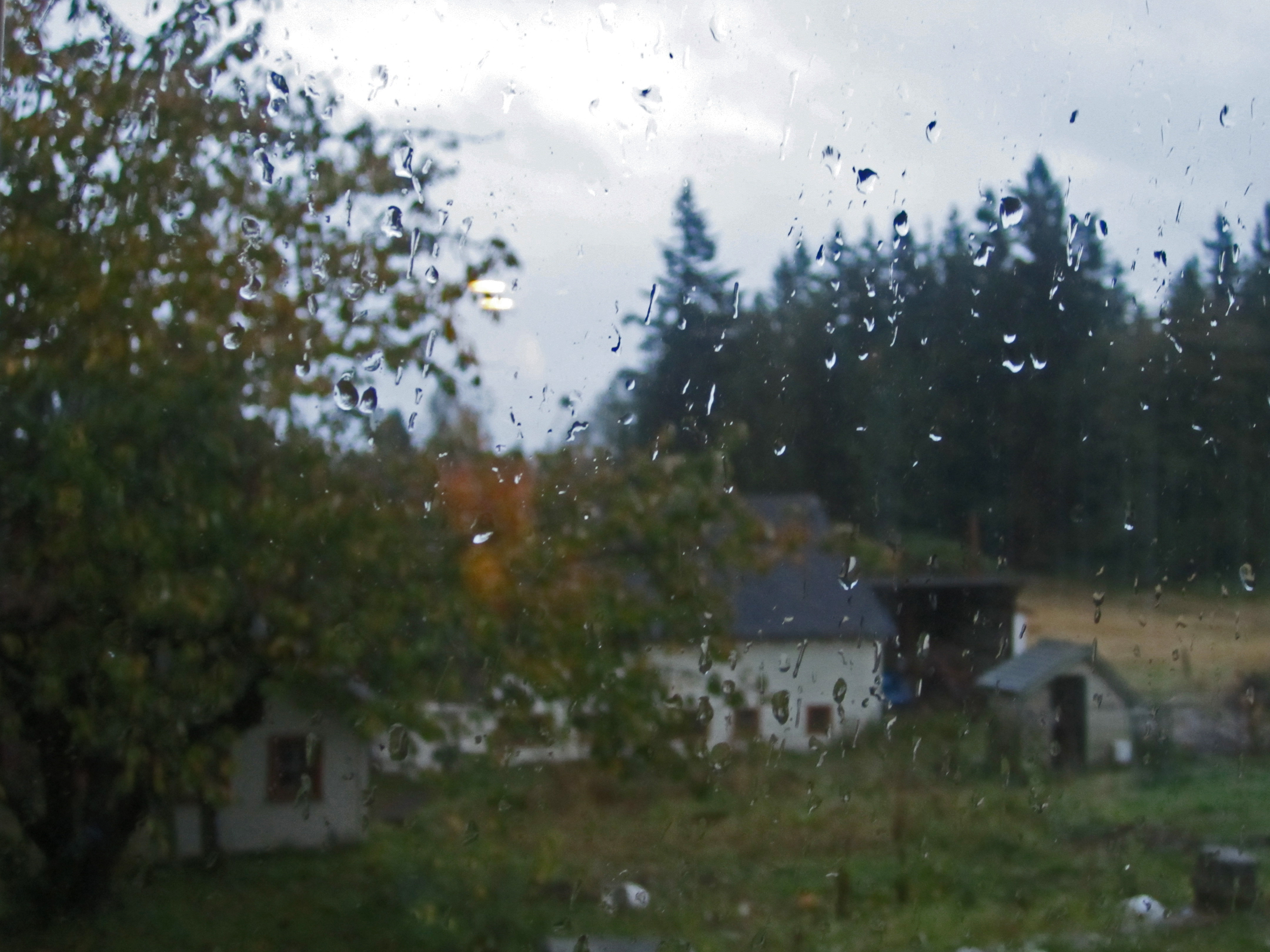
Some gray mornings heavy with clouds and tear-streaked windows I pause melancholy at the passage of time.
Whether to grieve over another hour passed another breath exhaled another broken heart beat
Or to climb my way out of deepless dolor and start the work of planting the next garden
It takes sweat and dirty hands and yes, tears from heaven to make it flourish but even so just maybe my memories so carefully planted might blossom fully in the soil of loss.
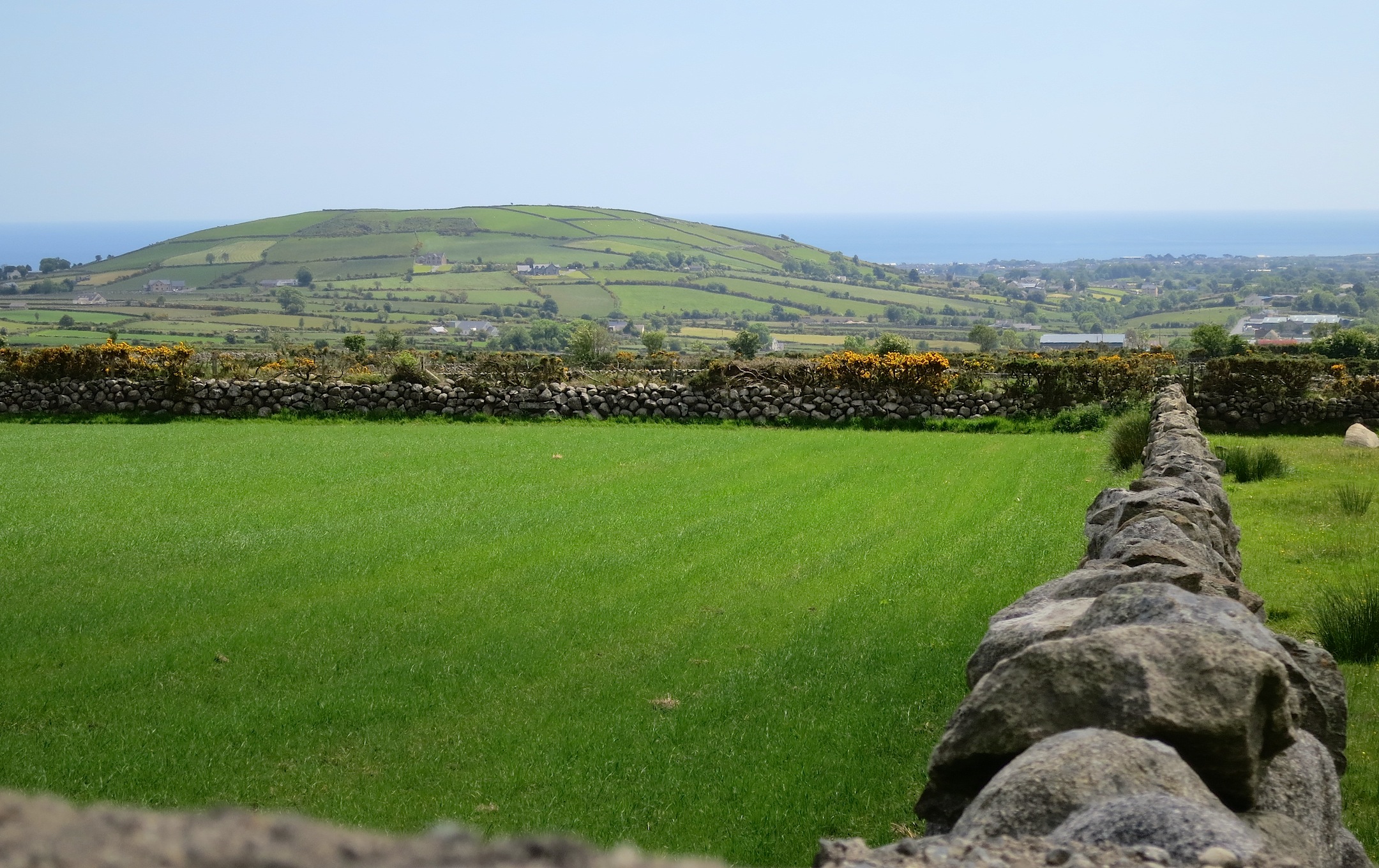
When a friend calls to me from the road And slows his horse to a meaning walk, I don’t stand still and look around On all the hills I haven’t hoed, And shout from where I am, What is it? No, not as there is a time to talk. I thrust my hoe in the mellow ground, Blade-end up and five feet tall, And plod: I go up to the stone wall For a friendly visit. ~Robert Frost, “A Time to Talk” from The Poetry of Robert Frost: The Collected Poems
We don’t take the time to visit anymore. Human connection is too often via VPN and pixels, chat groups and texts, GIFs and tweets. We’ve lost the fine art of conversation and intently listening, and no one remembers how to write a letter long-hand, fold it into an envelope, put a stamp on it and drop it into a mailbox.
No wonder our grandchildren are unsure how to cultivate a relationship like they might a garden: working the soil of another’s life, turning it over and over, fluffing it up, pulling out the unwanted weeds that smother growth, nurturing it with the best fertilizer, planting the seeds most likely to germinate, drenching with the warmth of light and energy, keeping the roots from getting thirsty.
We need to listen; we need to talk; we need to take time; we need to lean on the walls between us and bridge our gaps as best we can.
Just call out to me. I’ll stop what I’m doing, drop my hoe and plod over for a good chin wag. It’s what every good gardener needs to do.
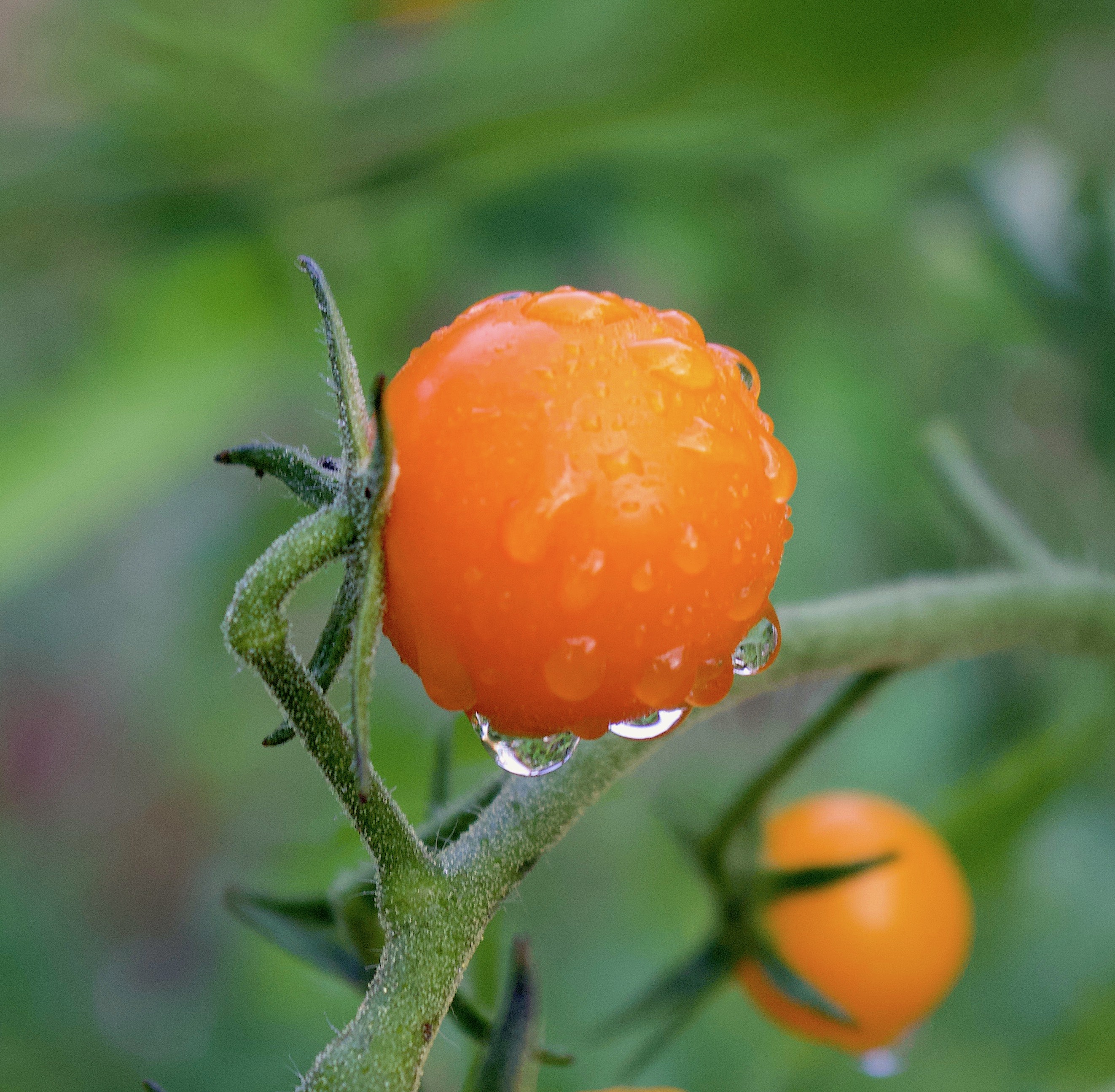
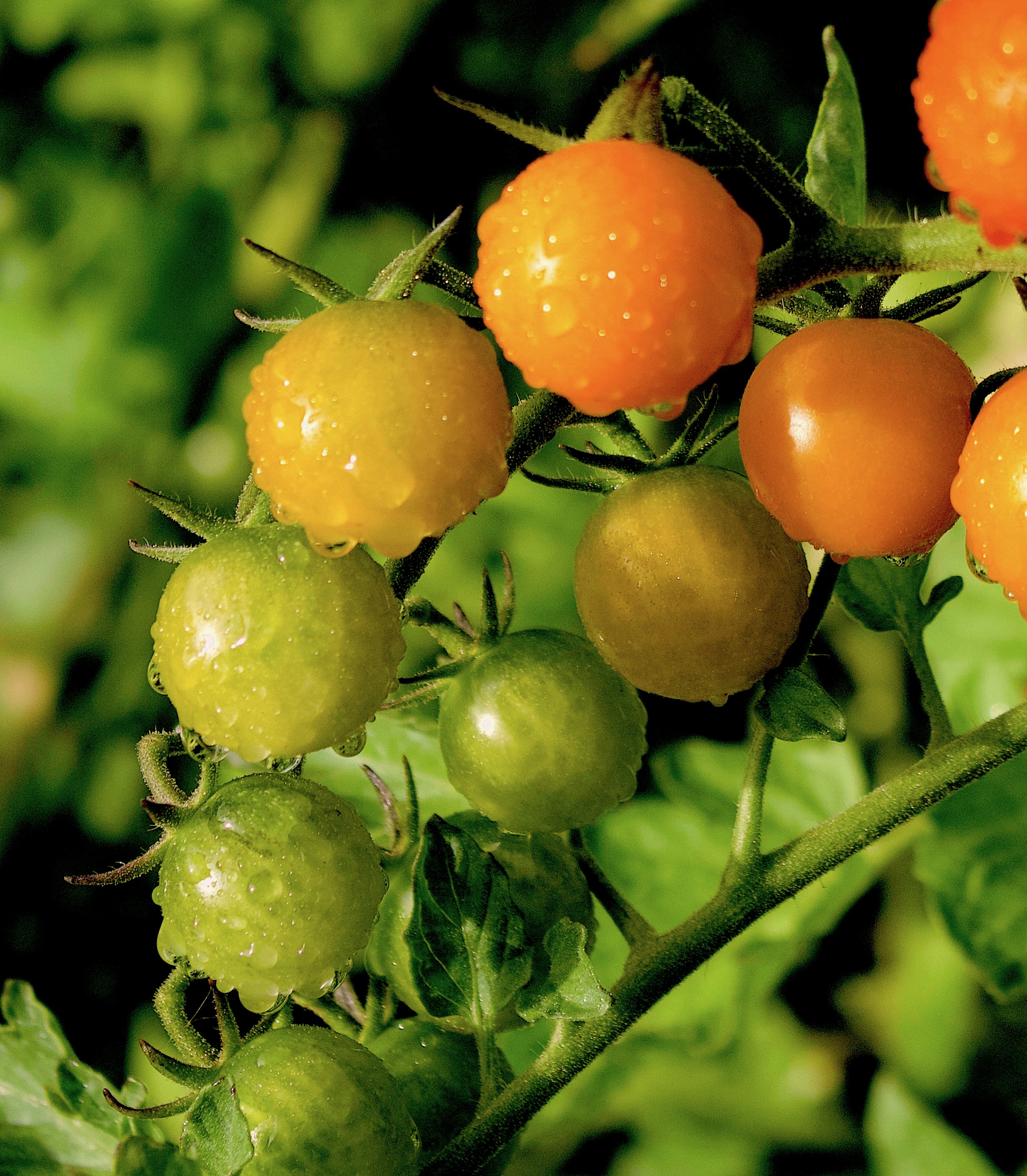
Night and day seize the day, also the night — a handful of water to grasp. The moon shines off the mountain snow where grizzlies look for a place for the winter’s sleep and birth. I just ate the year’s last tomato in the year’s fatal whirl. This is mid-October, apple time. I picked them for years. One Mcintosh yielded sixty bushels. It was the birth of love that year. Sometimes we live without noticing it. Overtrying makes it harder. I fell down through the tree grabbing branches to slow the fall, got the afternoon off. We drove her aqua Ford convertible into the country with a sack of red apples. It was a perfect day with her sun-brown legs and we threw ourselves into the future together seizing the day. Fifty years later we hold each other looking out the windows at birds, making dinner, a life to live day after day, a life of dogs and children and the far wide country out by rivers, rumpled by mountains. So far the days keep coming. Seize the day gently as if you loved her. ~Jim Harrison “Carpe Diem” from Dead Man’s Float
There is so much to cling to, as if this were the only day, the only night, knowing it can never come again.
There is so much that has passed, like a blink, and I wonder where time disappears to, where it hides after it disappears over the horizon.
There is so much to remember and never forget. There is so much yet to come that is unknowable.
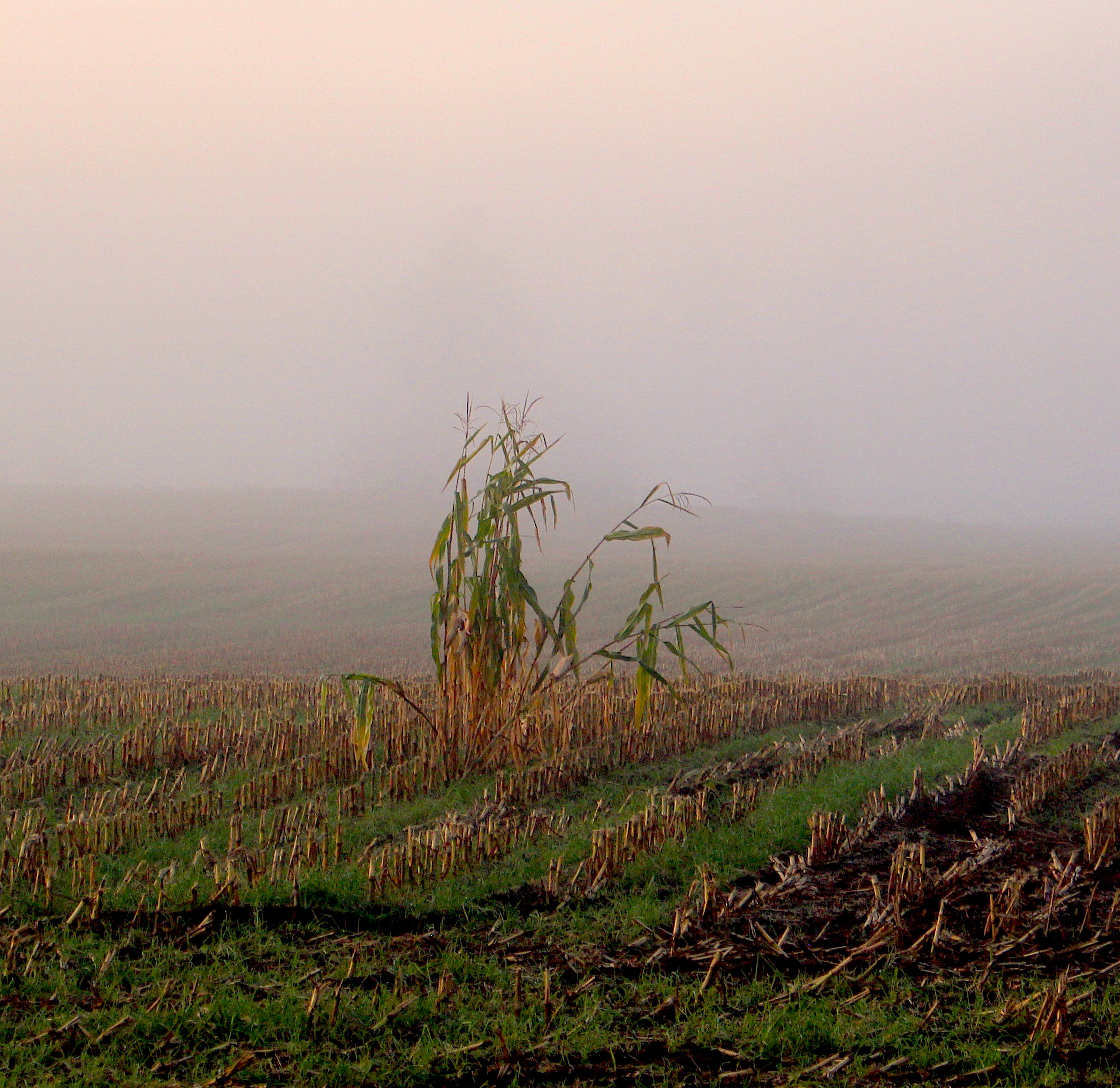
A dim veil hangs over the landscape and flood, And the hills are all mellowed in haze, While Fall, creeping on like a monk ‘neath his hood, Plucks the thick-rustling wealth of the maize.
And long for this manna that springs from the sod Shall we gratefully give Him the praise, The source of all bounty, our Father and God, Who sent us from heaven the maize! ~William Fosdick “The Maize”
The autumn garden can feel like a treasure hunt as we pull out and sort through the dead and dying vines and stalks: the giant zucchini growing undetected under leaves, the cucumber hanging from a cornstalk, the fat hollowed beans ready to burst with seed.
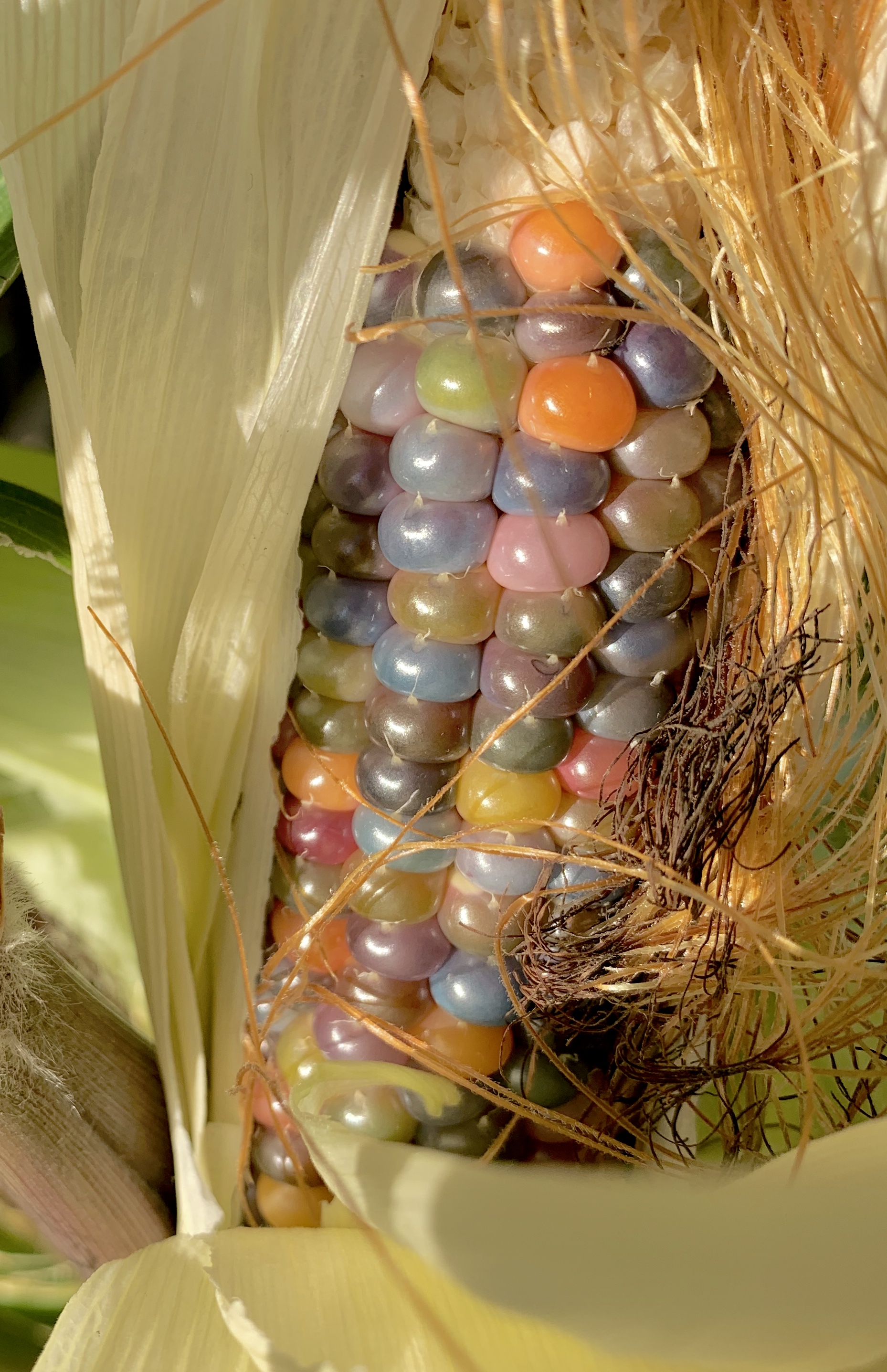
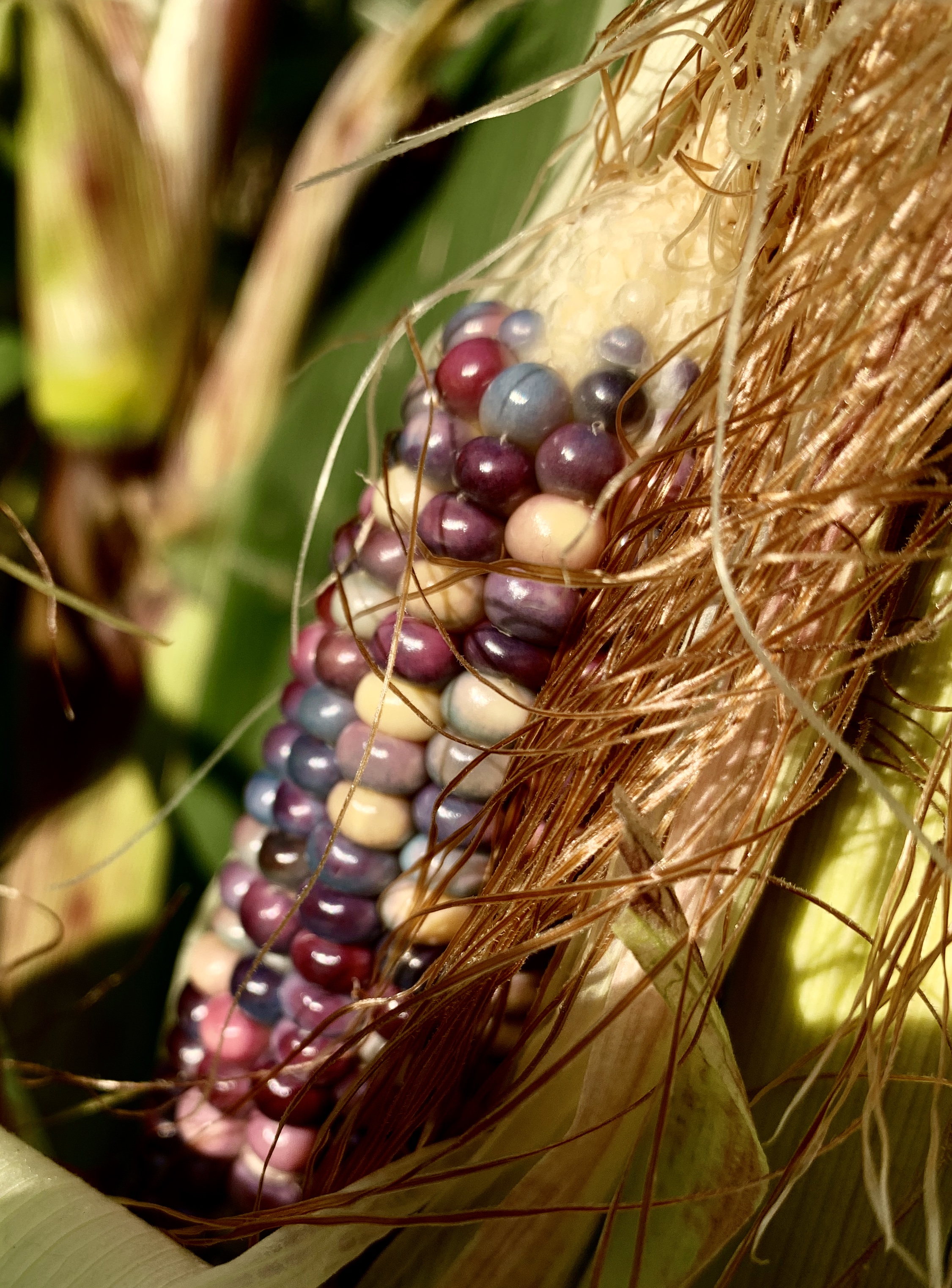
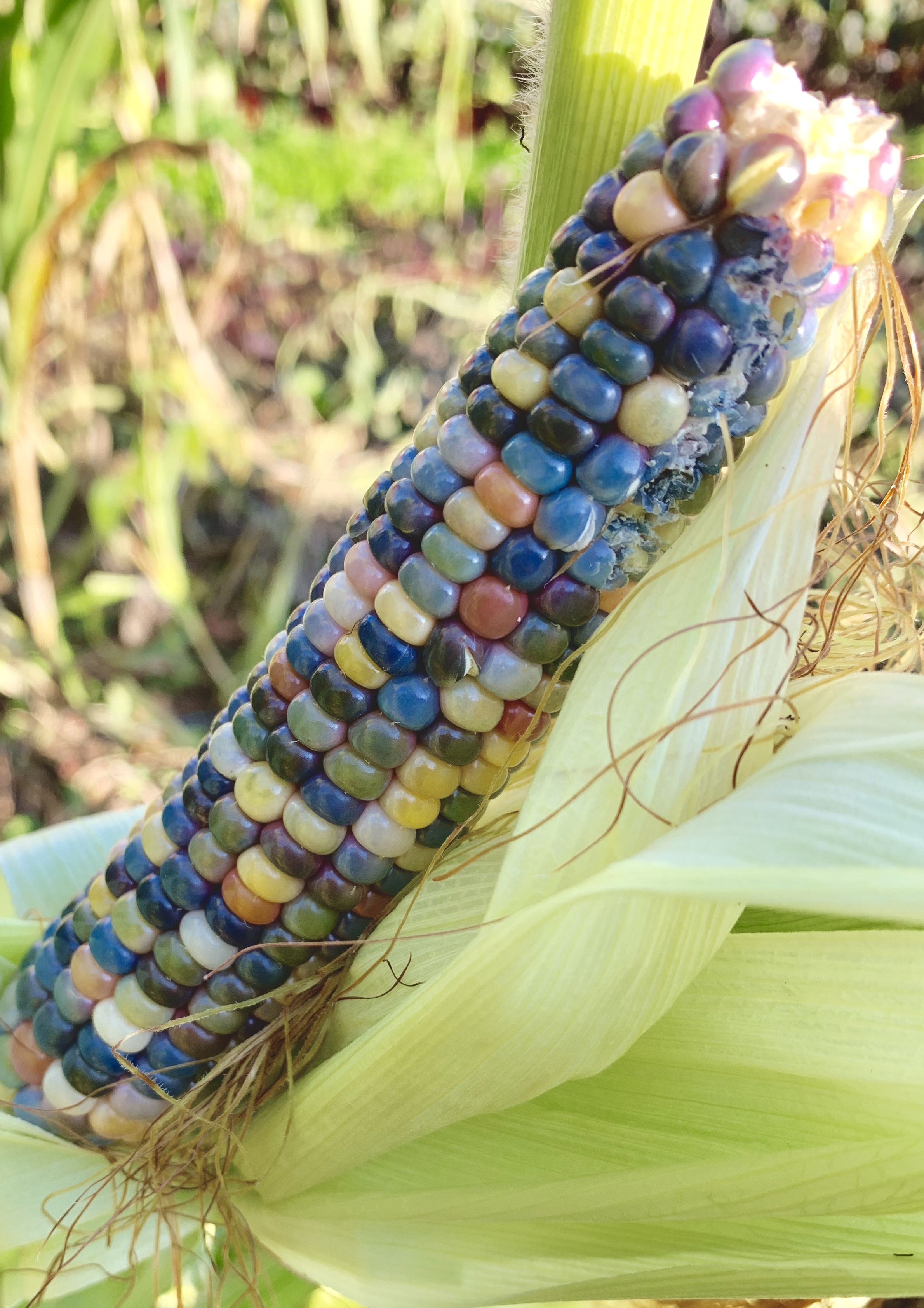
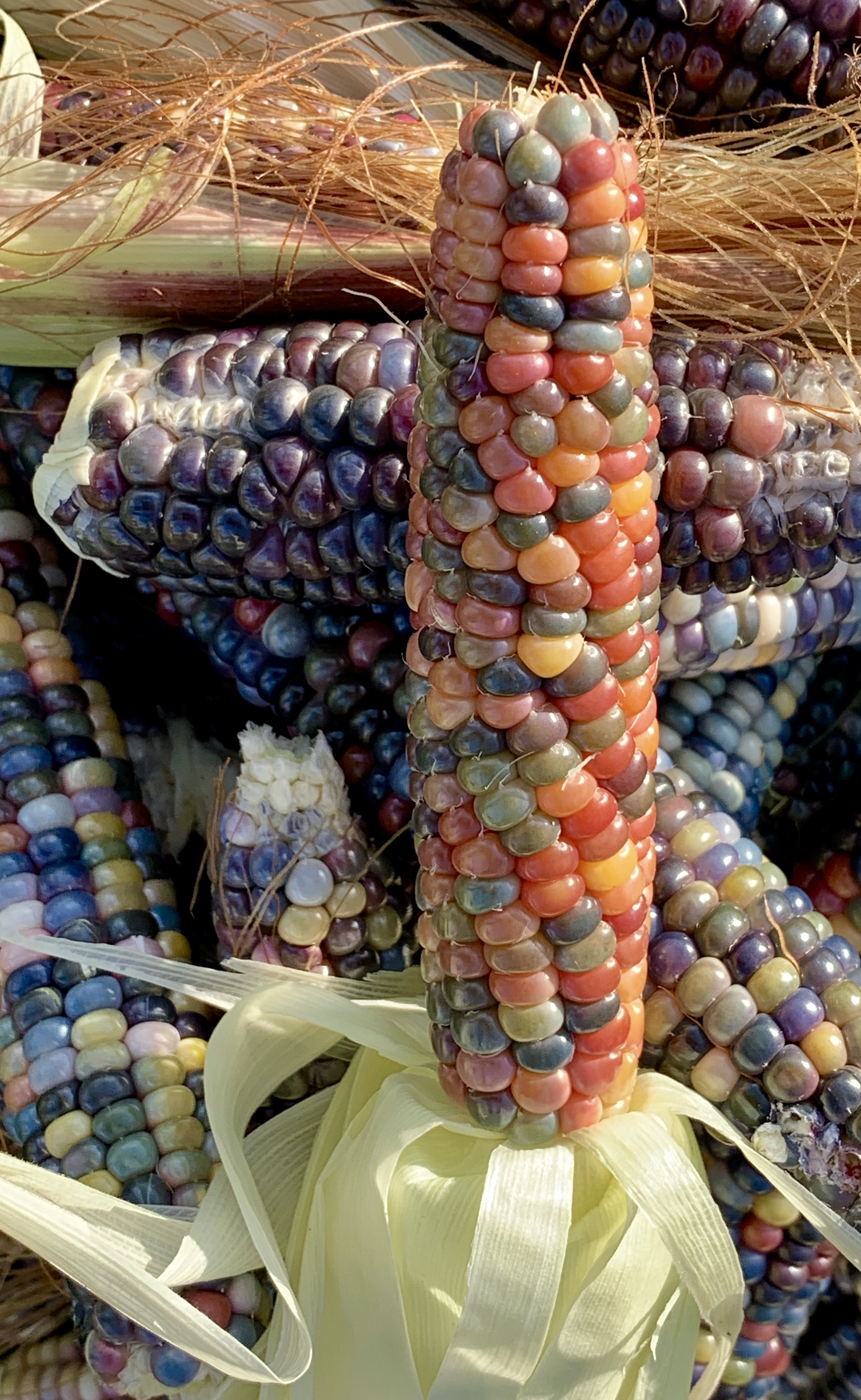
Yet the greatest Easter Egg of all hidden away in husk and cornsilk is this glass gem corn, a maize variety Dan planted in the spring. We’ve never experimented with it before and it grew listlessly, almost half-hearted, with stunted stalks and few apparent ears, pitiful next to our robust sweet corn crop.
It fooled us; this corn is pure gold in a kaleidoscope display. The ears are meager but glowing like stained glass, colorful quilt patches on a stalk. We gathered it up for “Show and Tell” at church last night, showing our Chapel friends what God can do with His unending palette of heaven-sent color and imagination. People come in all colors too, thanks to His artistry, but not nearly so varied as this kernels of colored glass.
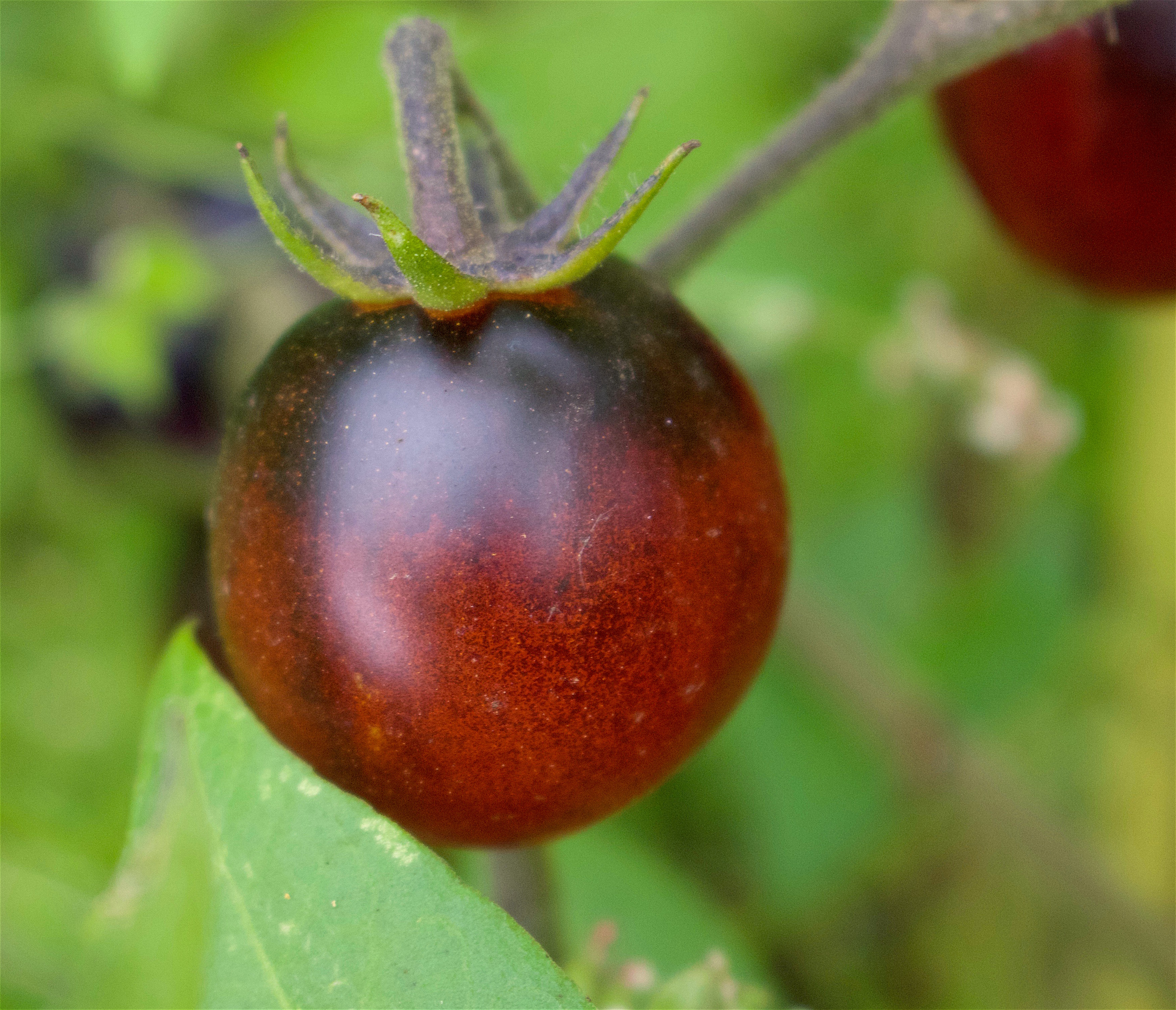
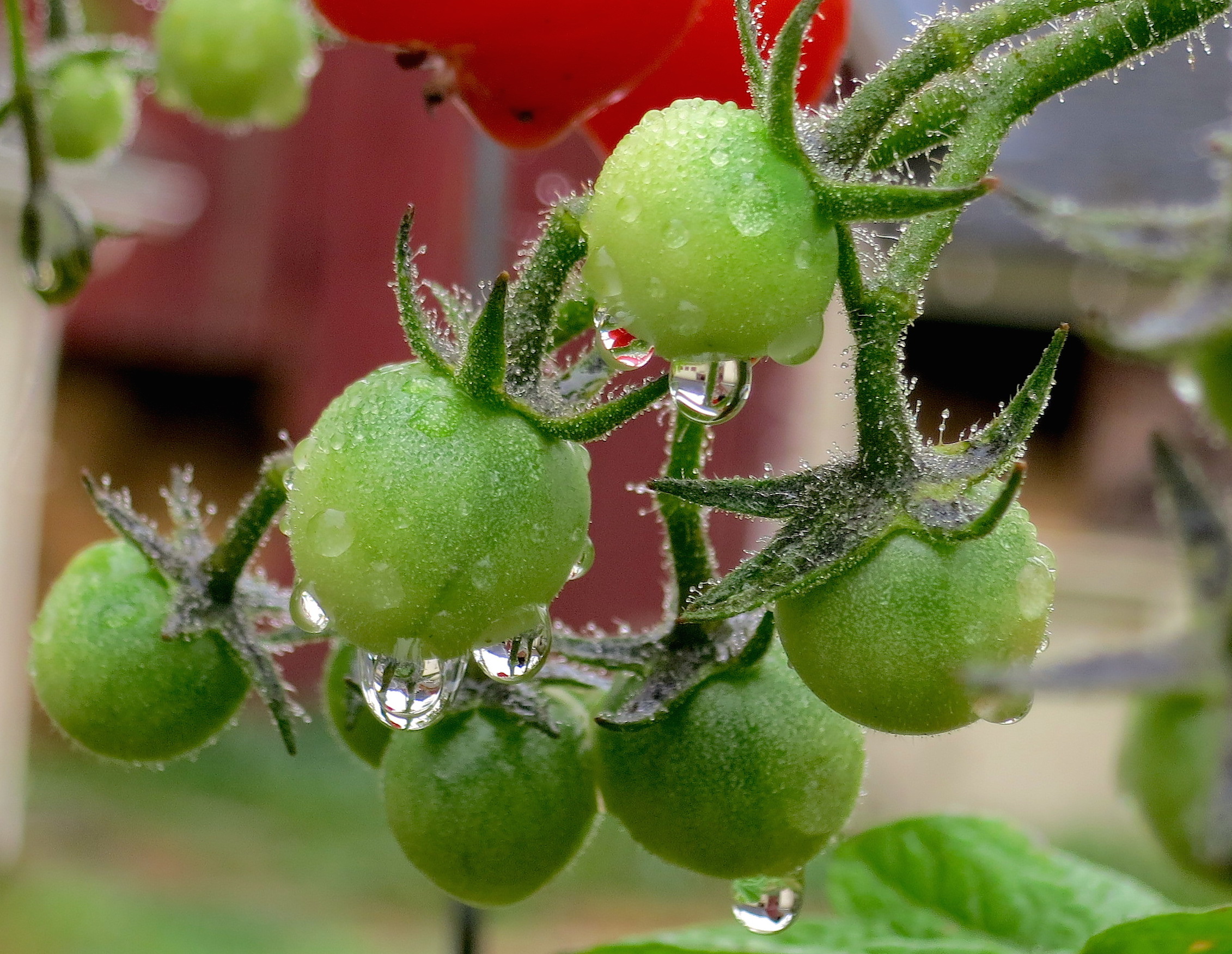
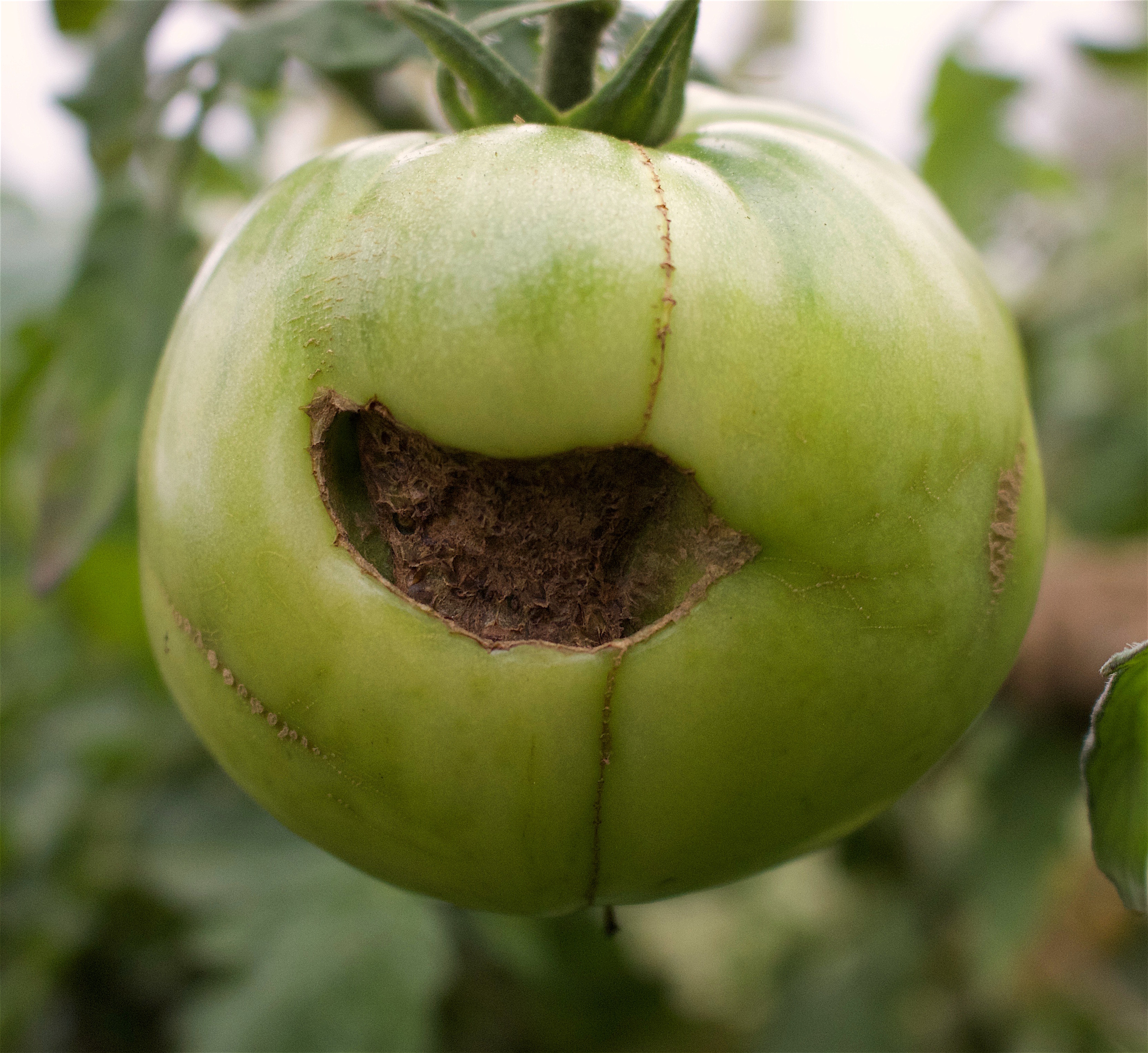
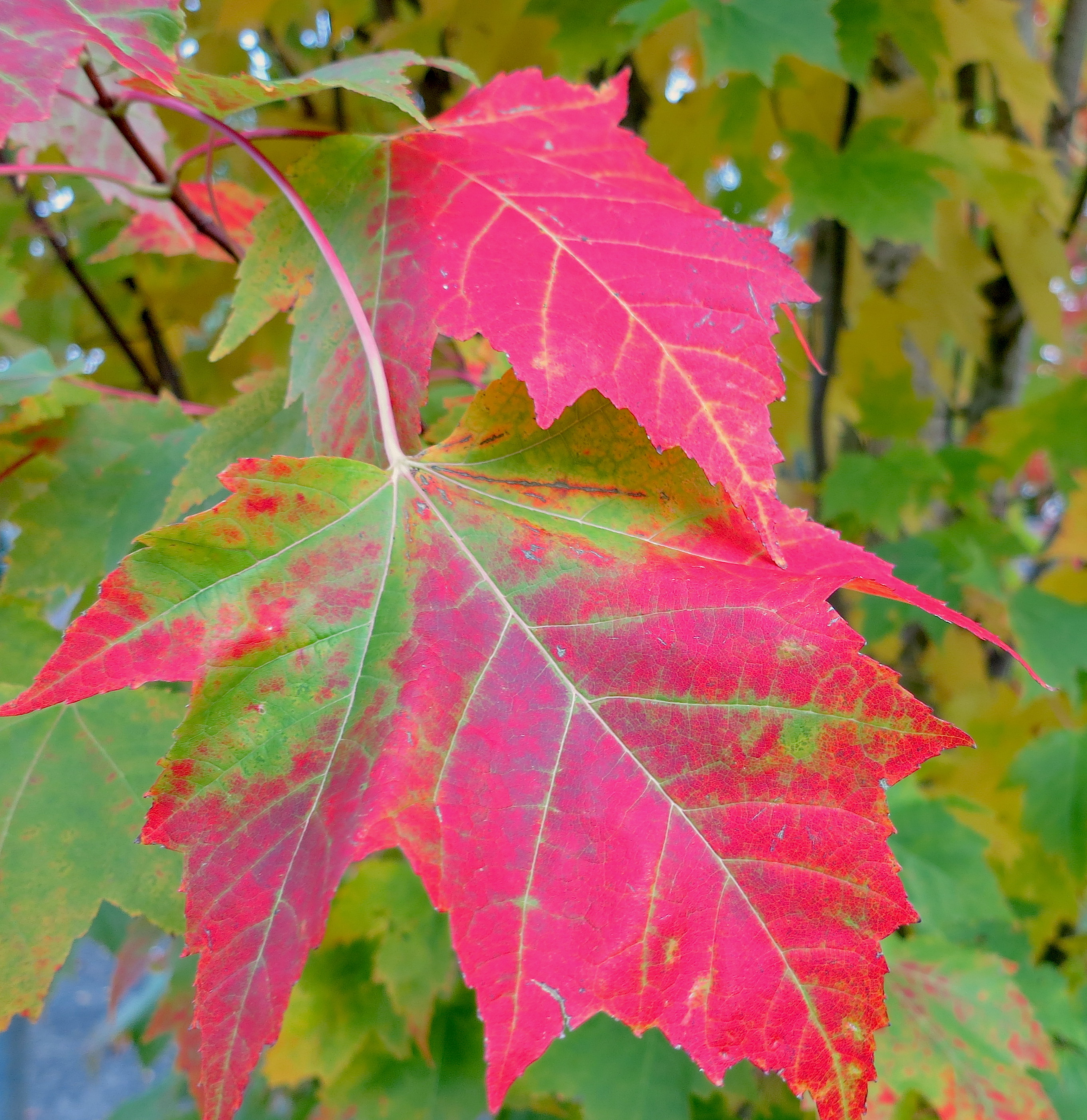
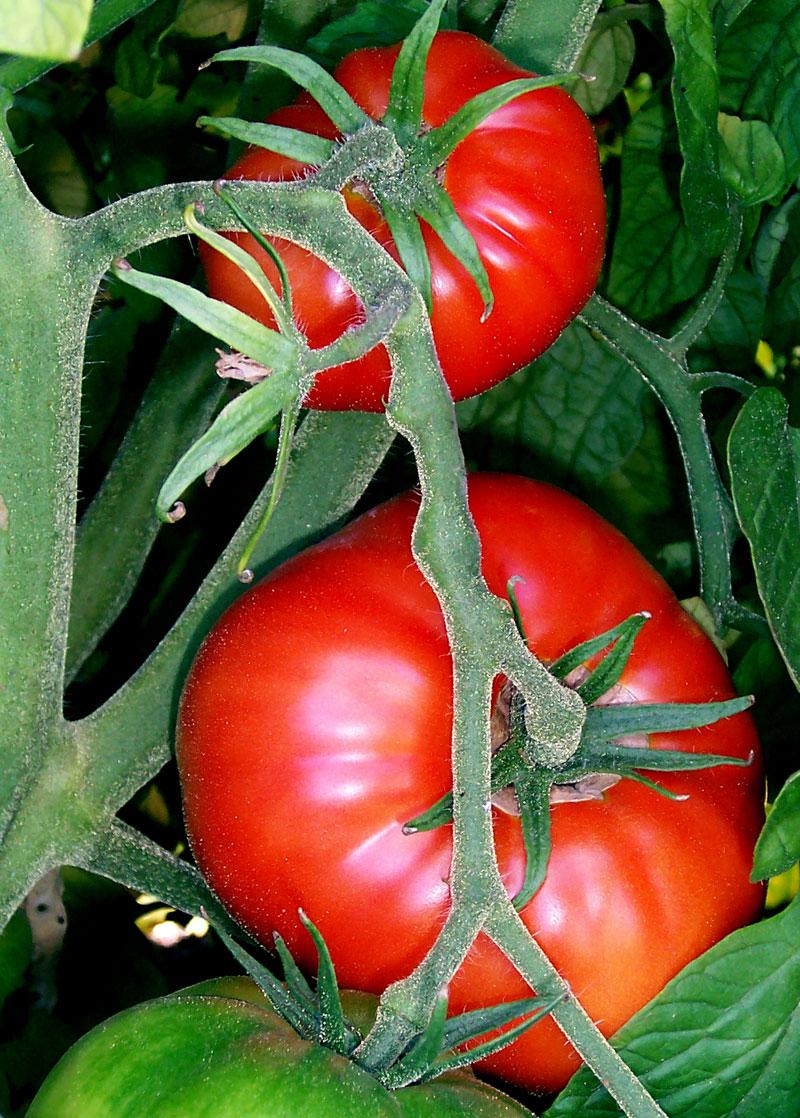
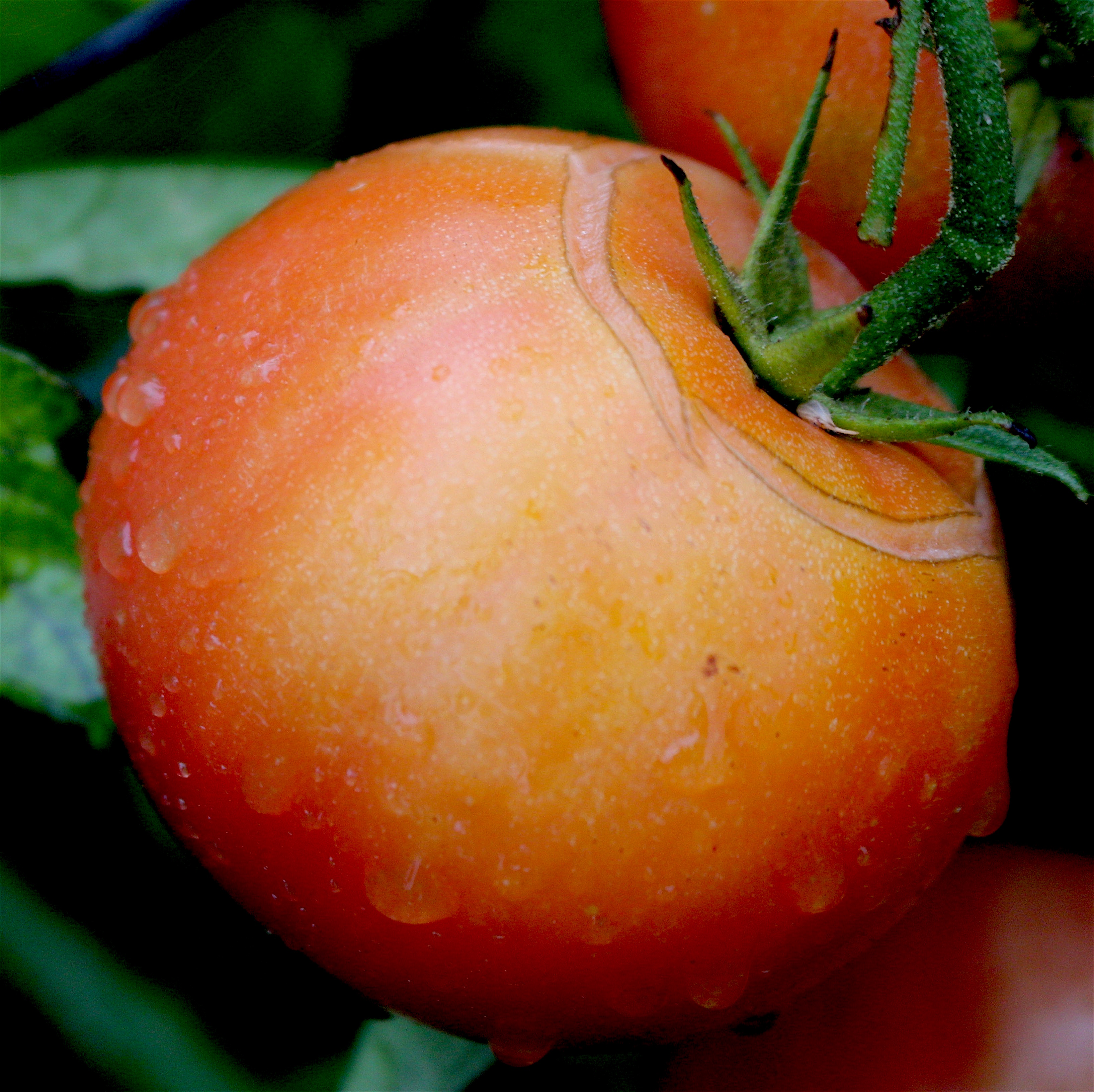
In your extended absence, you permit me use of earth, anticipating some return on investment. I must report failure in my assignment, principally regarding the tomato plants. I think I should not be encouraged to grow tomatoes. Or, if I am, you should withhold the heavy rains, the cold nights that come so often here, while other regions get twelve weeks of summer. All this belongs to you: on the other hand, I planted the seeds, I watched the first shoots like wings tearing the soil, and it was my heart broken by the blight, the black spot so quickly multiplying in the rows. I doubt you have a heart, in our understanding of that term. You who do not discriminate between the dead and the living, who are, in consequence, immune to foreshadowing, you may not know how much terror we bear, the spotted leaf, the red leaves of the maple falling even in August, in early darkness: I am responsible for these vines. ~Louise Glück “Vespers”
As the calendar turns to September and August fades away, I know all too well what this means. I have spent a lifetime loving the season of autumn best of all, but that is because I wasn’t living it, and it seems now I am.
More and more the blight feels personal, the color change is in the mirror looking back at me, the leaves falling from my own scalp, the threat of rot setting in quite real. There is nothing “pumpkin spice” and “harvest gold” about growing older.
Even so, the fruit I try to bear is still edible even if not as presentable; the vine still bears useful life. A first frost forces ripening and prepares what remains because time is short and there is so much yet to get done.
I feel the responsibility of making all this effort count for something. I am here because I was intentionally planted, weeded, nurtured, watered and warmed. When it is my turn, the rot is cut away and thankfully forgotten.
I will still be sweet to the taste, just as I am meant to be.
My grandparents owned the land, worked the land, bound to the earth by seasons of planting and harvest.
They watched the sky, the habits of birds, hues of sunset, the moods of moon and clouds, the disposition of air. They inhaled the coming season, let it brighten their blood for the work ahead.
My husband and I met in the late 70’s while we were both in graduate school in Seattle, living over 100 miles away from our grandparents’ farms farther north in Washington. We lived farther still from my grandparents’ wheat farm in Eastern Washington and his grandparents’ hog farm in Minnesota. One of our first conversations together, the one that told me I needed to get to know this man better, was about wanting to move back to work on the land. We were both descended from peasant immigrants from the British Isles, Holland and Germany – farming was in our DNA, the land remained under our fingernails even as we sat for endless hours studying in law school and medical school classes.
When we married and moved north after buying a small farm, we continued to work full time at desks in town. We’ve never had to depend on this farm for our livelihood, but we have fed our family from the land, bred and raised livestock, and harvested and preserved from a large garden and orchard. It has been a good balance thanks to career opportunities made possible by our education, something our grandparents would have marveled was even possible.
Like our grandparents, we watch in wonder at what the Creator brings to the rhythm of the land each day – the light of the dawn over the fields, the activity of the wild birds and animals in the woods, the life cycles of the farm critters we care for, the glow of the evening sun as night enfolds us. We are blessed by the land’s generosity when it is well cared for.
Now forty years after that first conversation together about returning to farming, my husband and I hope to never leave the land. It brought us together, fed our family, remains imbedded under our fingernails and in our DNA. Each in our own time, we will settle even deeper.
Thank you to retired RN and poet Lois Parker Edstrom for this exquisite poem about living and dying on the land. It has been my privilege to meet her and her husband and welcome them to our farm. Your words have brought me many blessings!
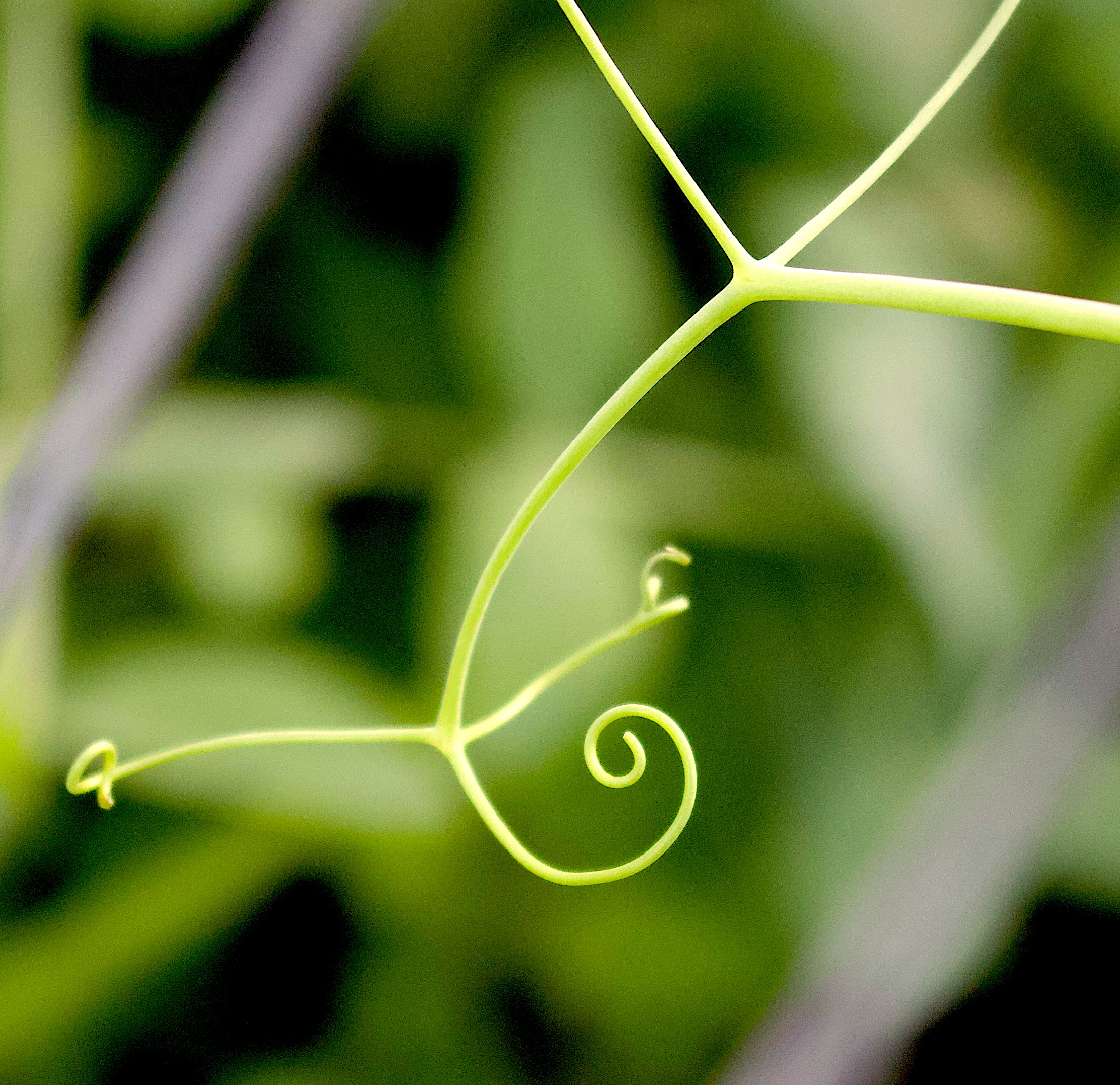
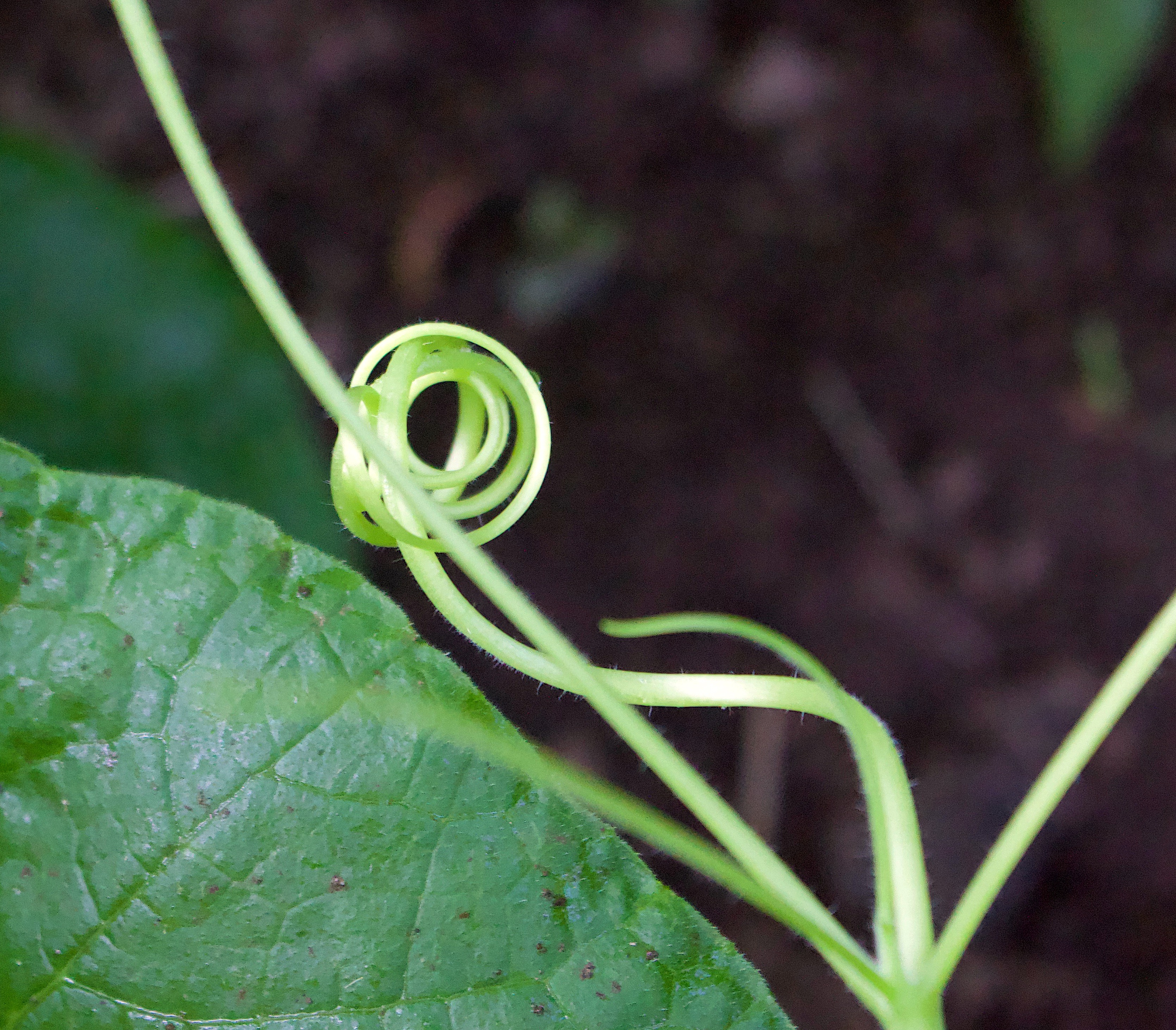
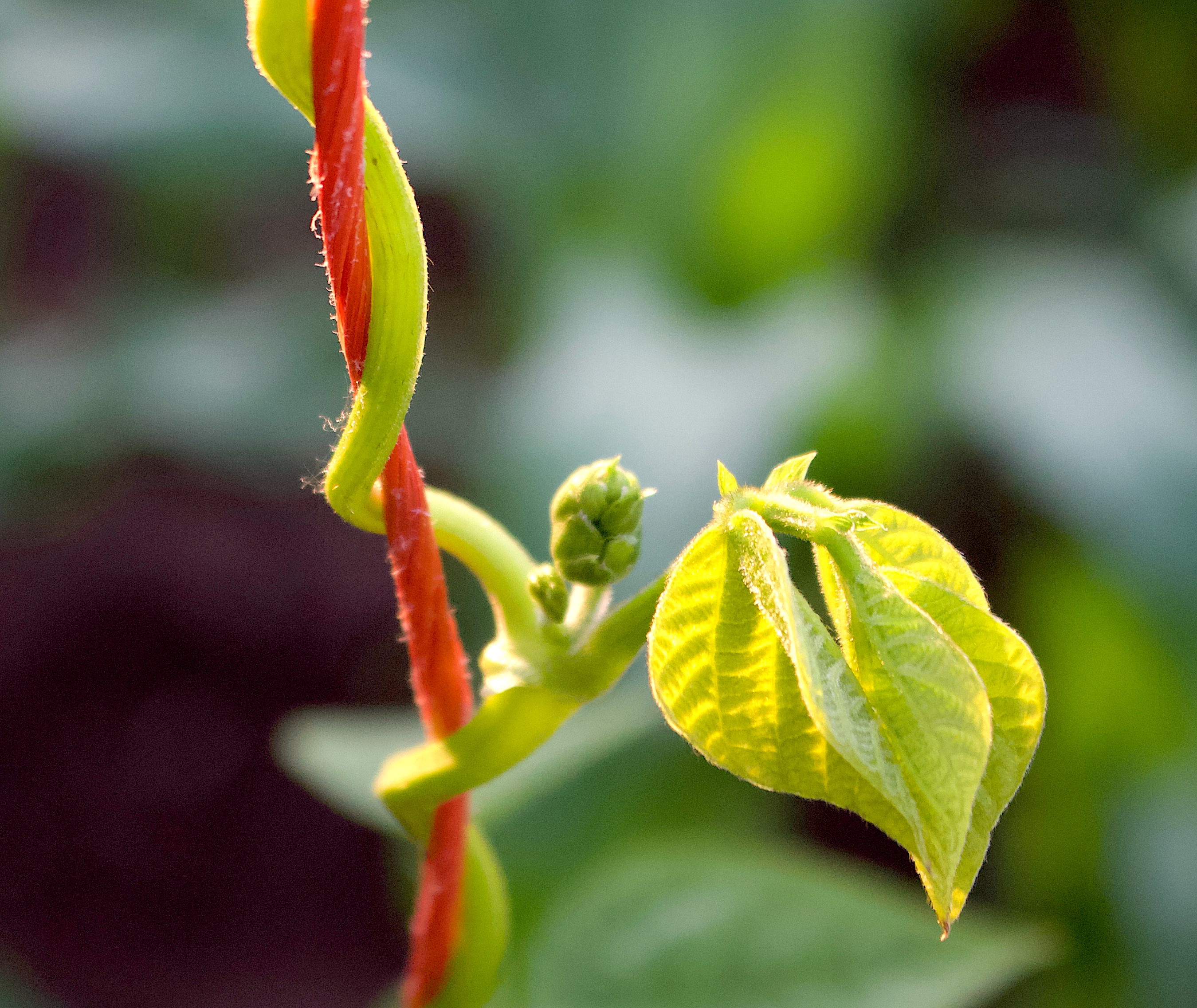
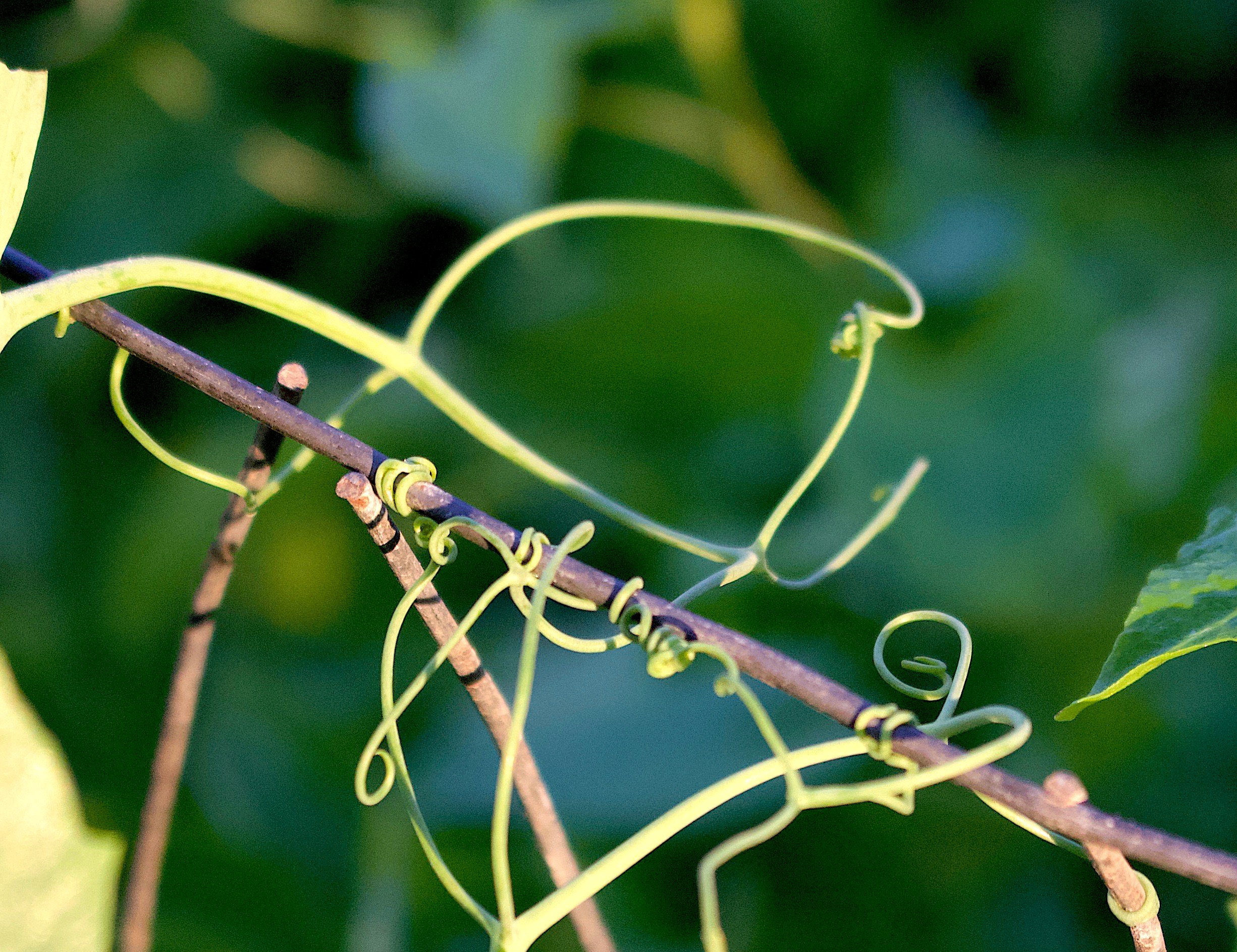
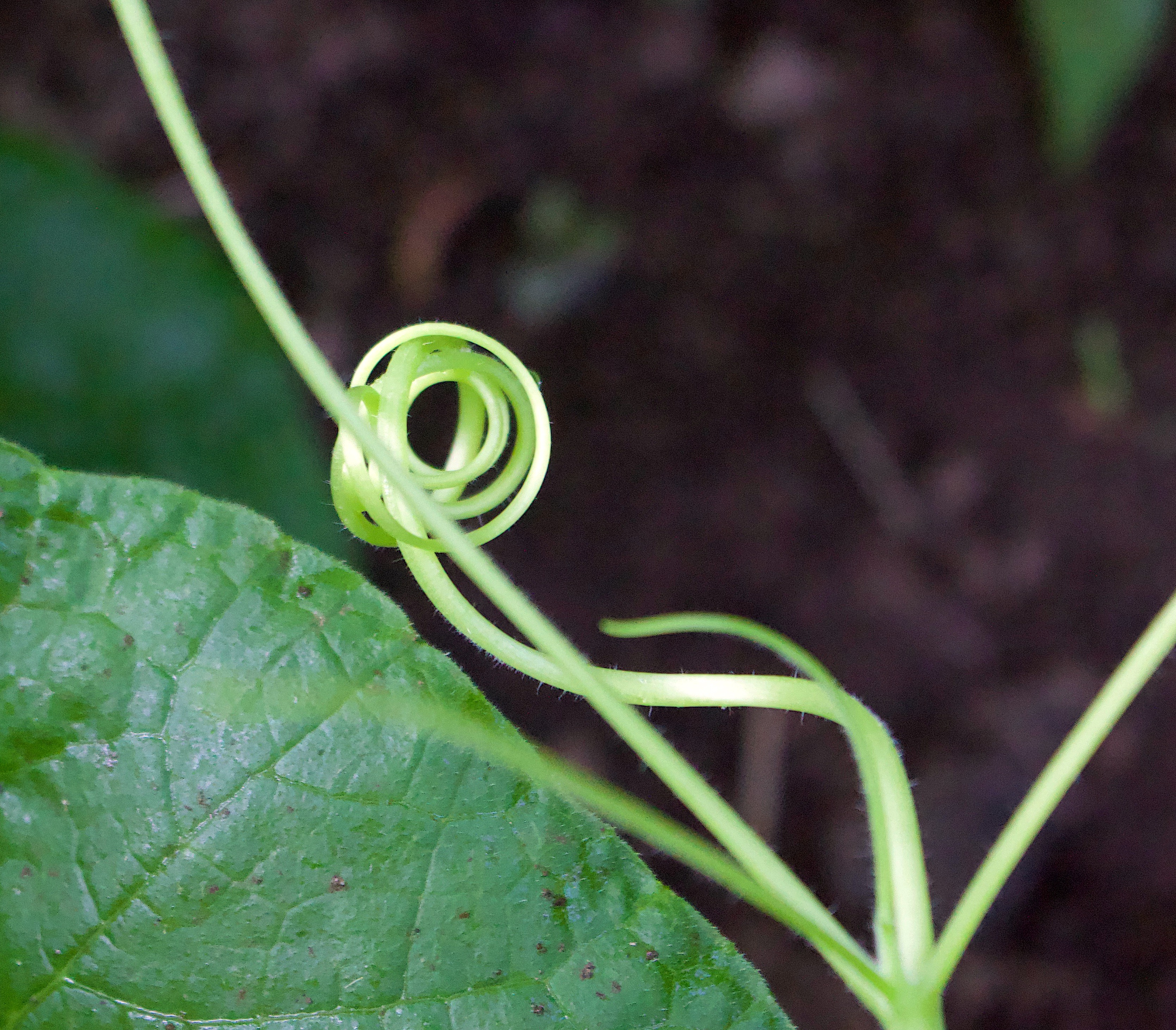
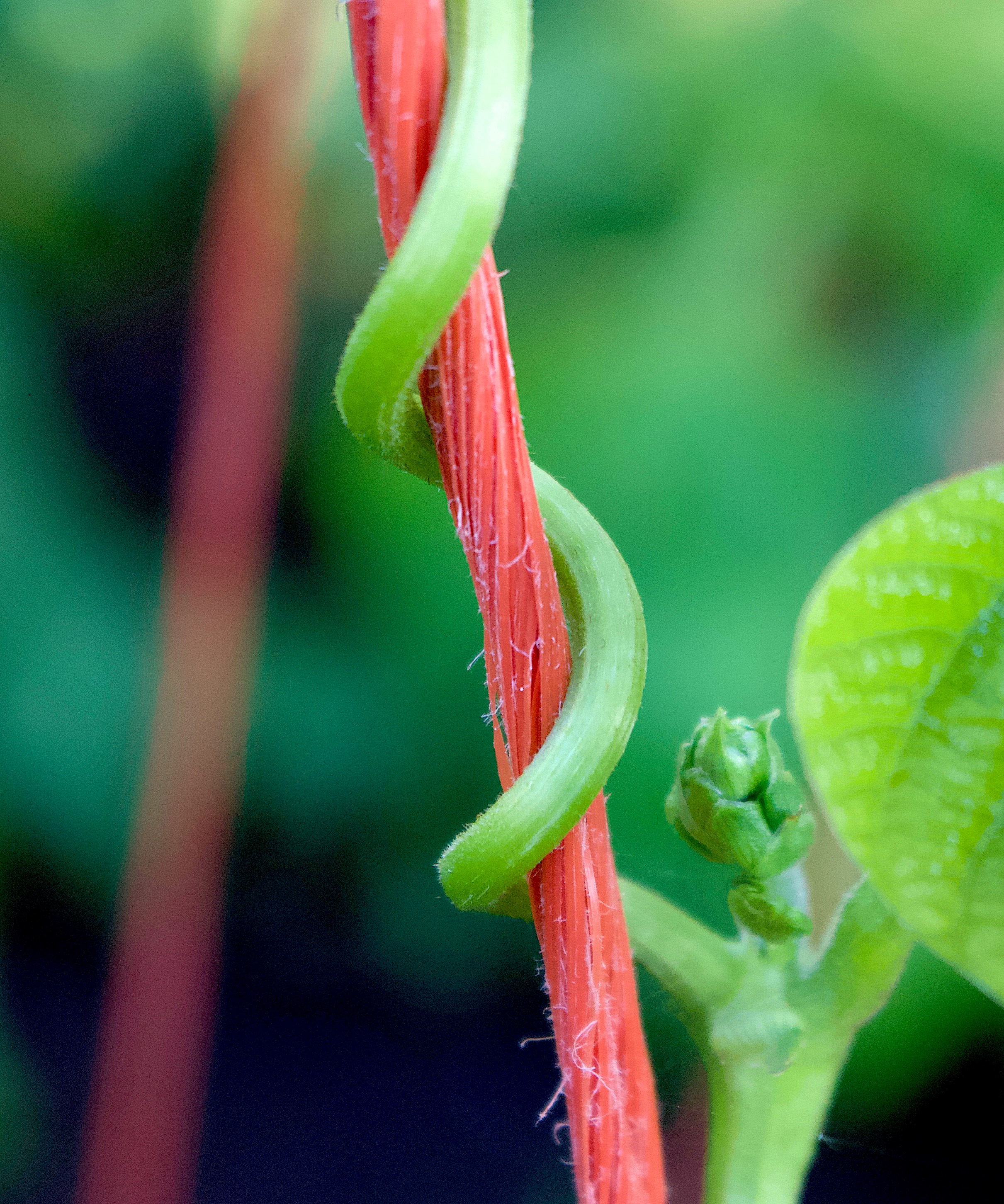
A certain kind of Eden holds us thrall. Even the one vine that tendrils out alone in time turns on its own impulse, twisting back down its upward course a strong and then a stronger rope, the greenest saddest strongest kind of hope. ~Kay Ryan from “A Certain Kind of Eden”from Flamingo Watching
This is the season for entwining enchantment.
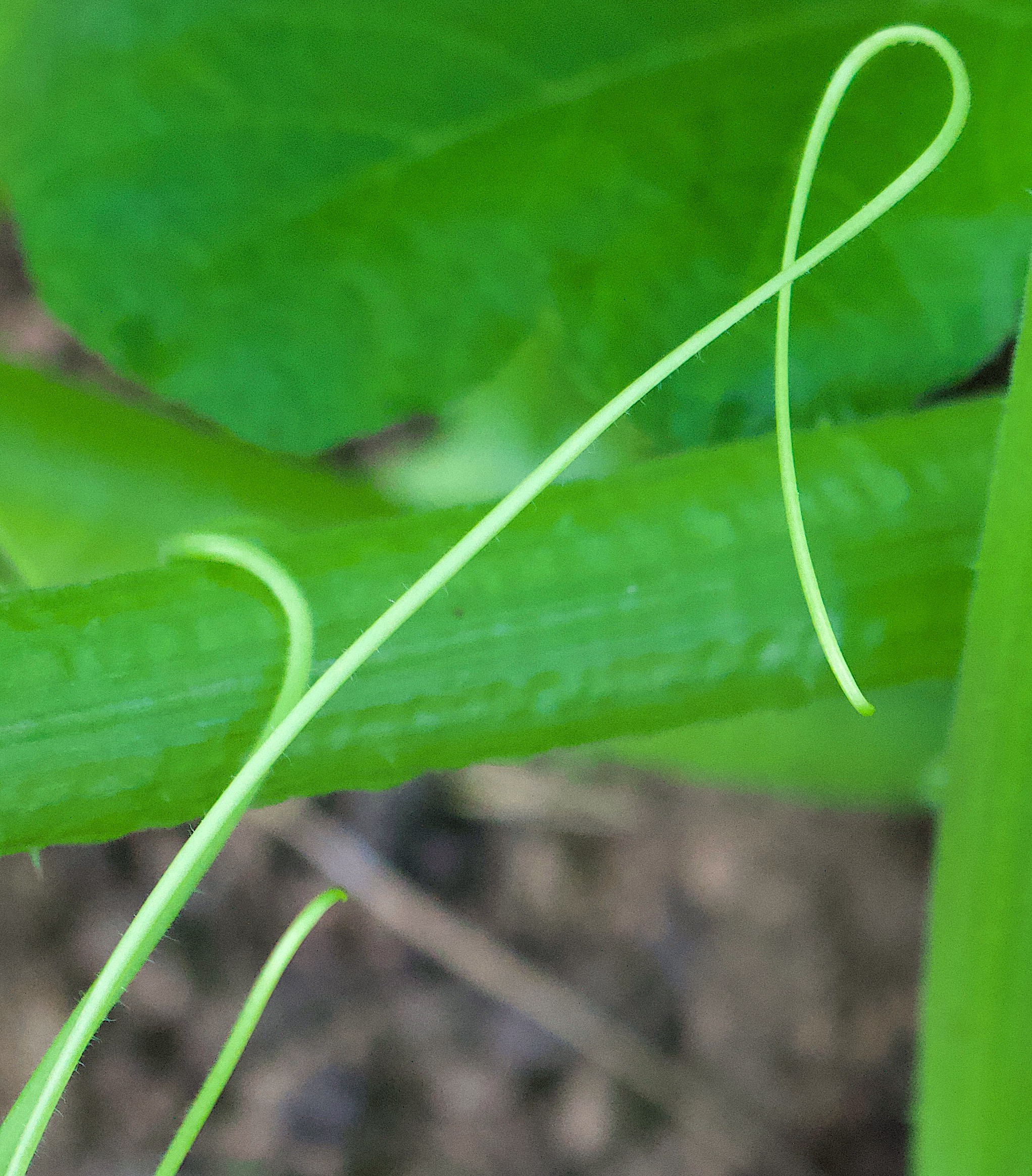
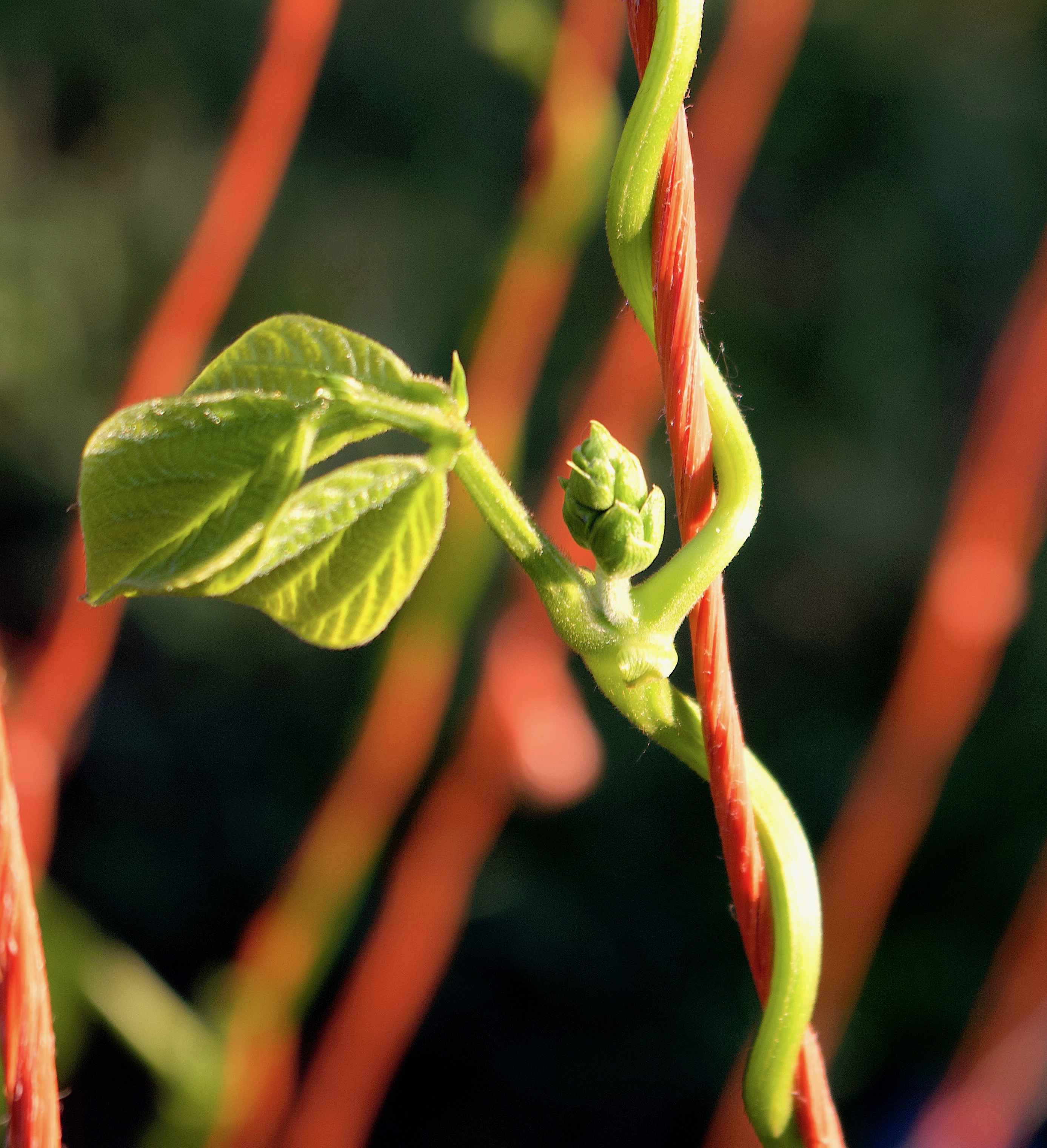
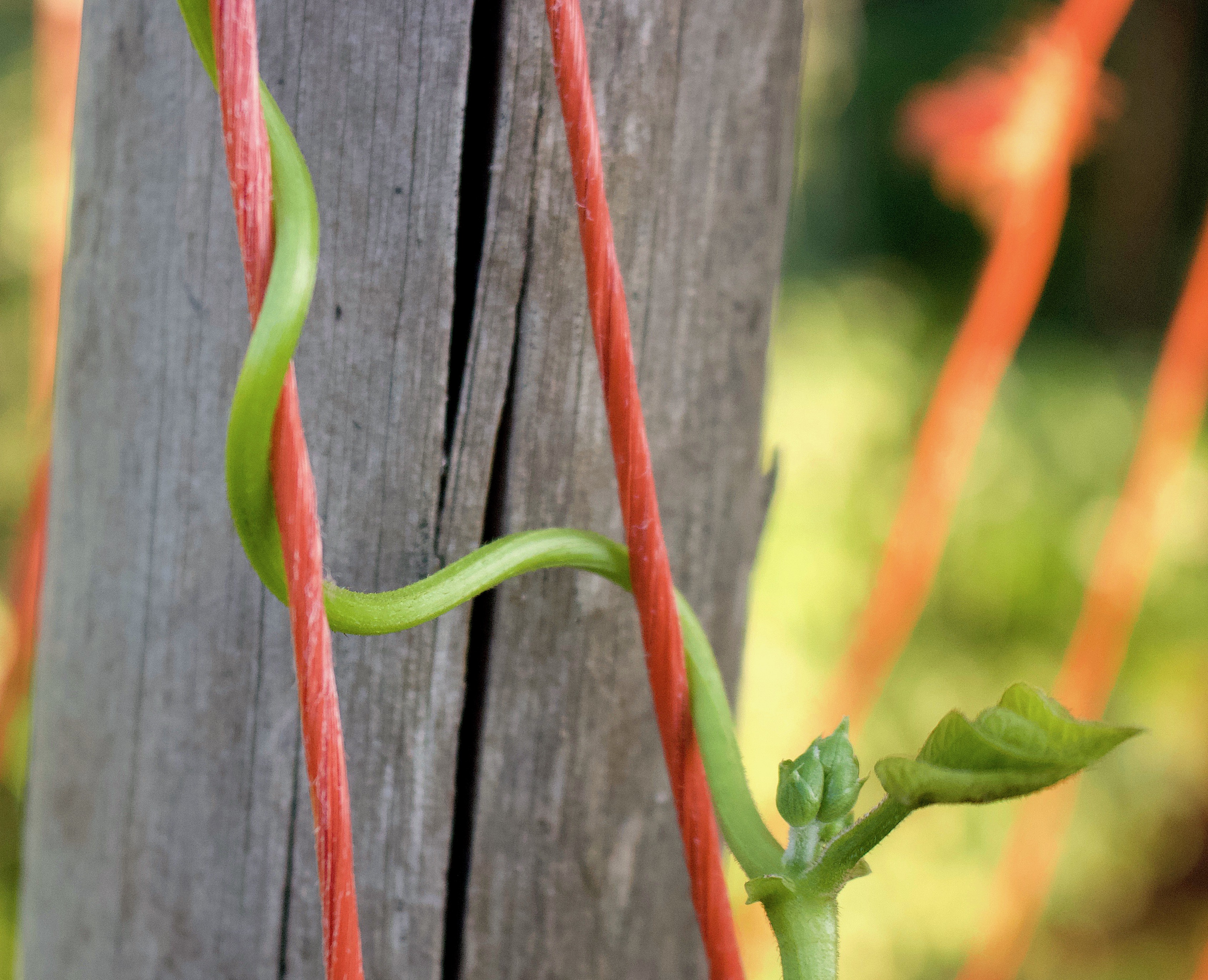
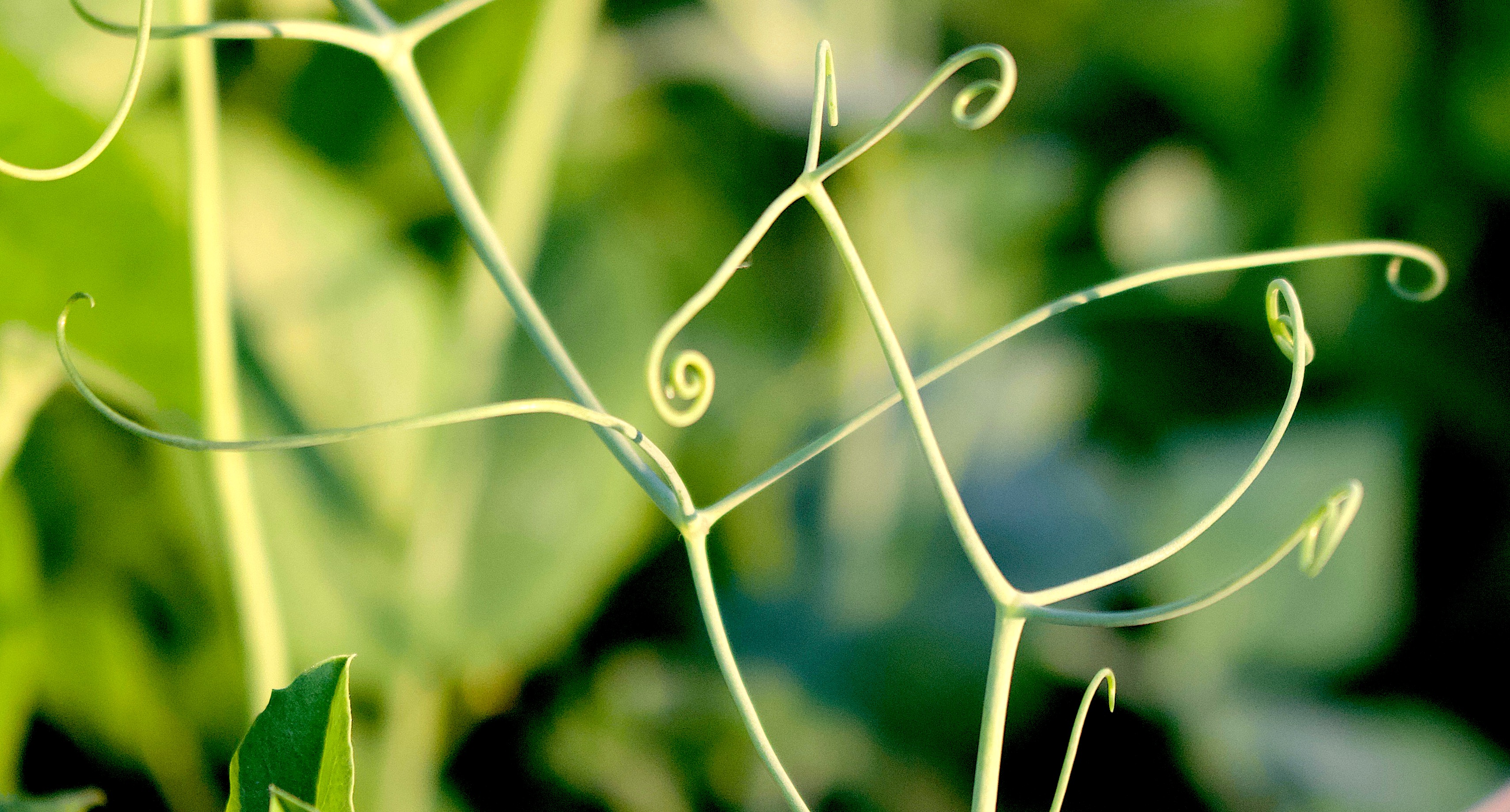
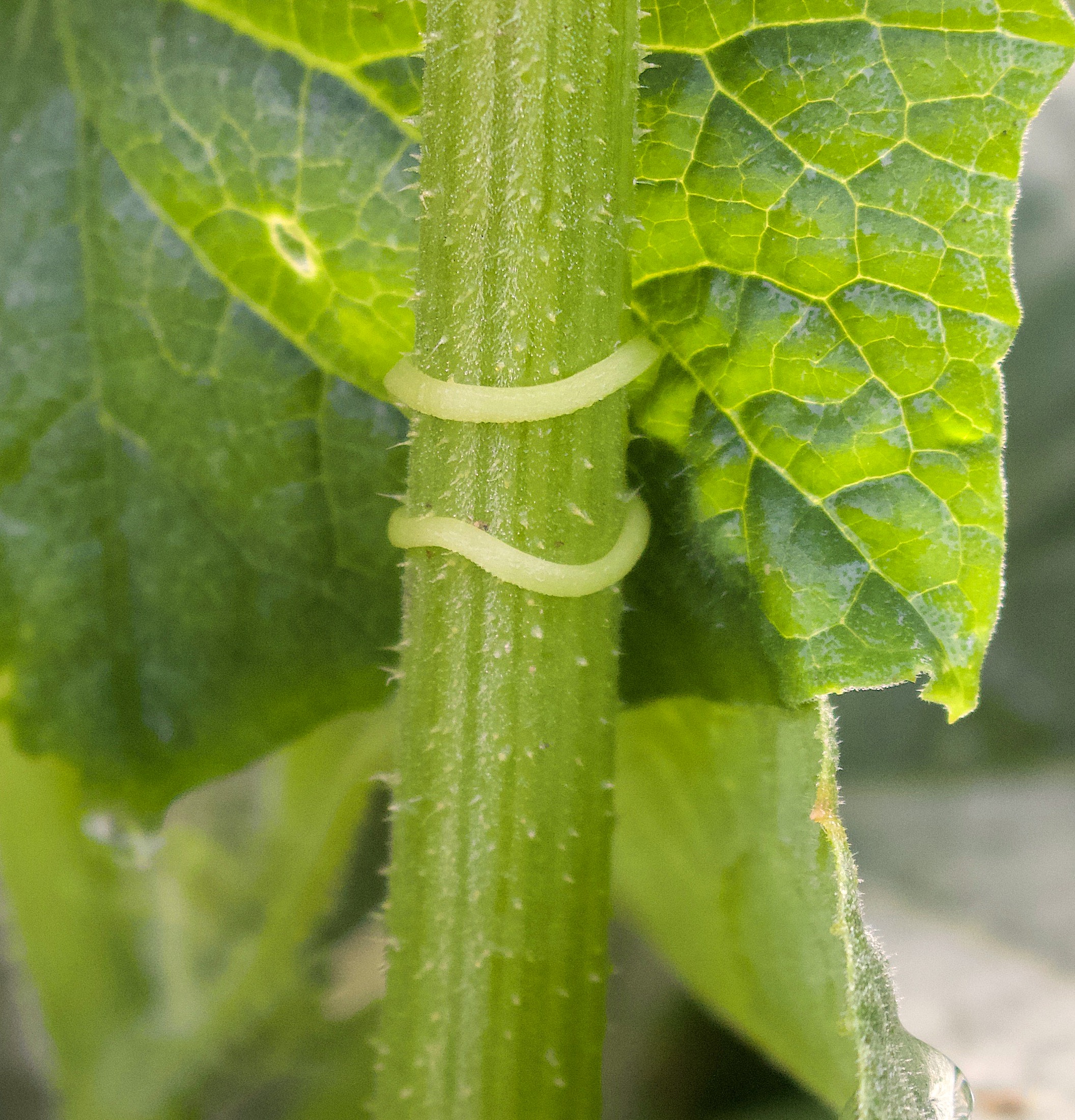
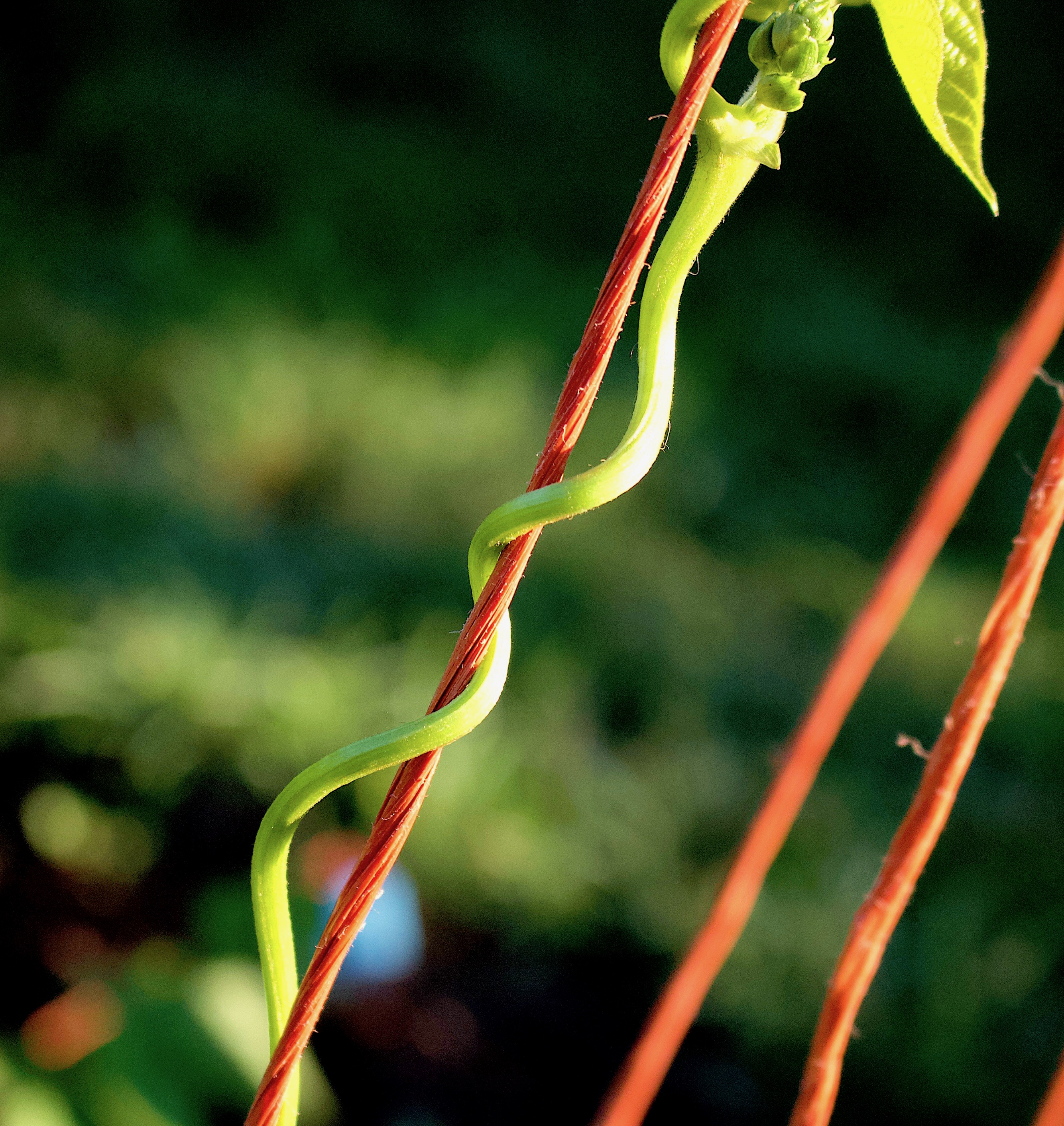
Simply walking out in the garden in the morning, the tendrils are reaching out and grabbing onto my shirt and my jeans. If I stood still for an hour, they would be wrapping up my legs and clinging to my arms. There I would be, held hostage by these insistent vines for the duration of the season.
There are worse fates: a verdant Garden is exactly where we were placed to begin with.
The vines that don’t find a grab-hold, end up bending back onto themselves, curling back down the ladder they just created, sometimes knotting themselves into a nest. They wind up and down in nothingness and sadly cannot hold fast enough to be fruitful except creeping along the ground itself.
May there always be Someone Solid to cling to, to wrap around, to hold fast. May we once again know the glories of His Garden.
Deep in the grip of the midwinter cold The stars glitter and sparkle. All are asleep on this lonely farm, Deep in the winter night. The pale white moon is a wanderer, snow gleams white on pine and fir, snow gleams white on the roofs. Only tomten is awake.
Rubs his hand through his beard and hair, Shakes his head and his cap. Turns at his own command, Turns to the task at hand. He must appreciate what life he’s got By finding ways to tie time’s knot.
The ponies dream on in the cold moon’s light, Summer dreams in each stall. And free of harness and whip and rein, Tomten starts to twist and twirl each mane While the manger they drowse over Brims with fragrant clover.
Still is the forest and all the land, Locked in this wintry year. Only the distant waterfall Whispers and sighs in his ear. The tomten listens and, half in dream, Thinks that he hears Time’s endless stream, And wonders, how can its knots be bound? Where will its eternal source to be found? ~adapted from “Tomten” by Viktor Rydberg
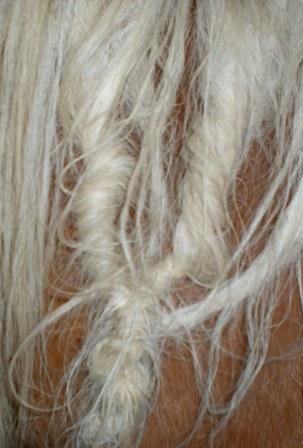
It is hard to say exactly when the first one moved in. This farm was distinctly gnome-less when we bought it, largely due to twenty-seven hungry barn cats residing here at the time, in various stages of pregnancy, growth, development and aging. It took awhile for the feline numbers to whittle down to an equilibrium that matched the rodent population. In the mean time, our horse numbers increased from three to seven to over fifteen with a resultant exponential increase in barn chores. One winter twenty years ago, I was surprised to walk in the barn one morning to find numerous complex knots tied in the Haflingers’ manes. Puzzling as I took precious time to undo them, (literally adding hours to my chores), I knew I needed to find the cause or culprit.
It took some research to determine the probable origin of these tight tangles. Based on everything I read, they appeared to be the work of Gernumbli faenilesi, a usually transient species of gnome called “tomtens” preferring to live in barns and haylofts in close proximity to heavy maned ponies. In this case, as the tangles persisted for months, they clearly had moved in, lock, stock and barrel. The complicated knots were their signature pride and joy, their artistic way of showing their devotion to a happy farm and trying to slow down time so they can stay in residence eternally.
All well and good, but the extra work was killing my fingers and thinning my horses’ hair. I plotted ways to get them to cease and desist.
I set live traps of cheese and peanut butter cracker sandwiches, hoping to lure them into cages for a “catch and release”. Hoping to drive them away, I played polka music on the radio in the barn at night. Hoping to be preemptive, I braided the manes up to be less tempting but even those got twisted and jumbled. Just as I was becoming ever more desperate and about to bring in more feral cats, the tangling stopped.
It appeared the tomtens had moved on to a more hospitable habitat. I had succeeded in my gnome eradication plan. Or so I thought.
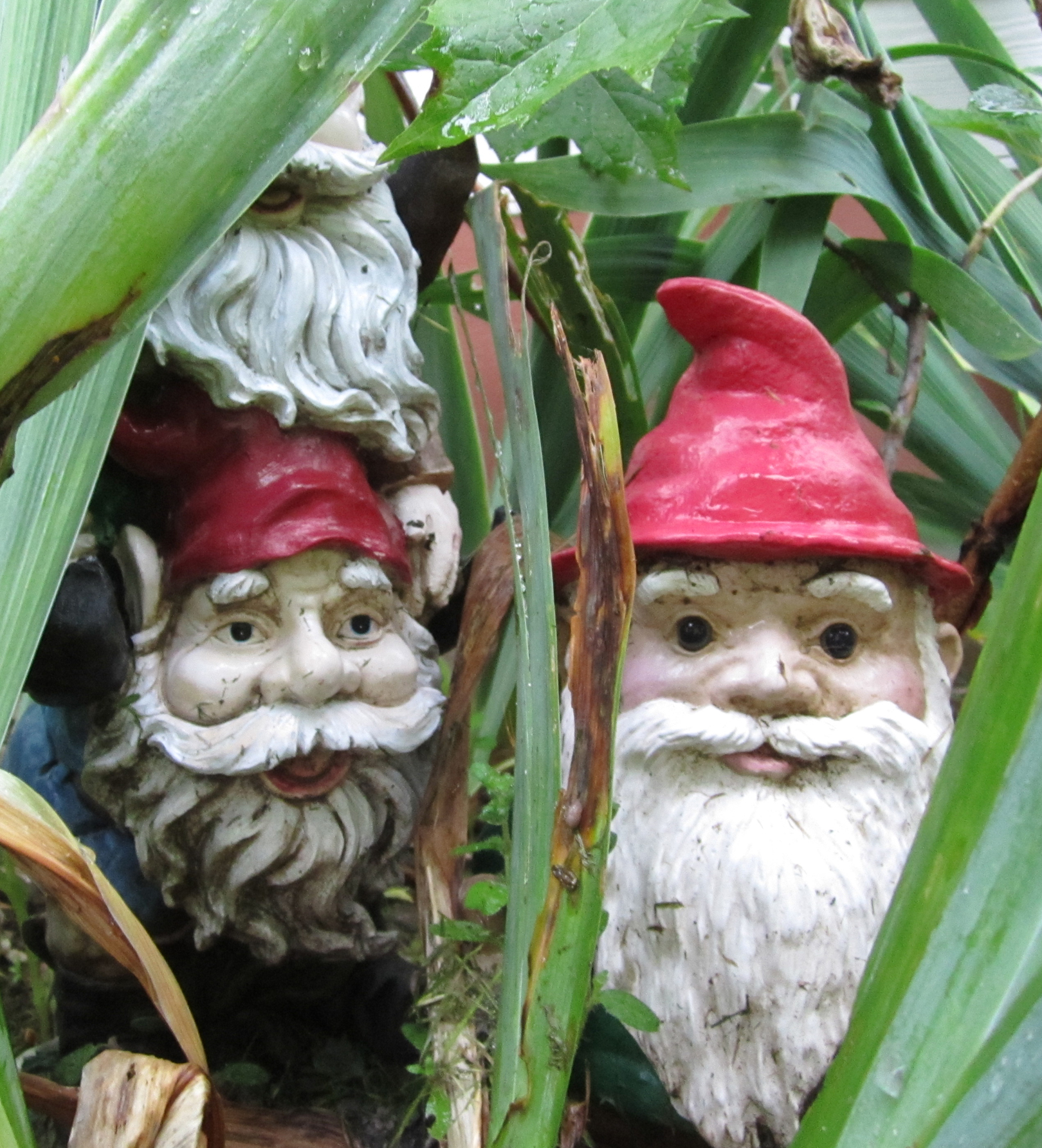
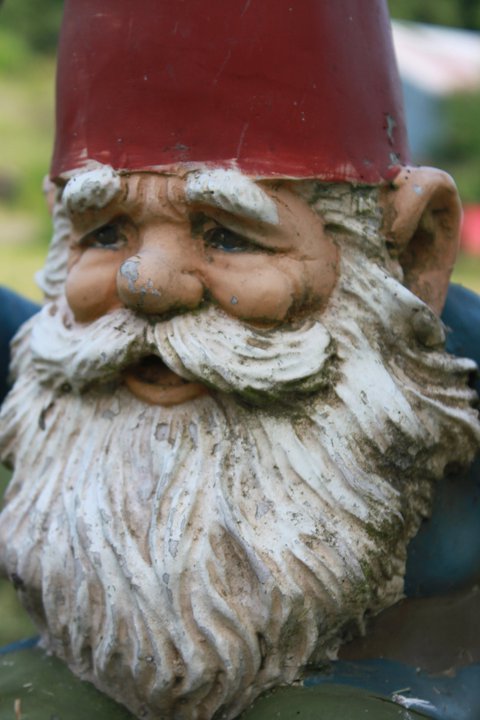
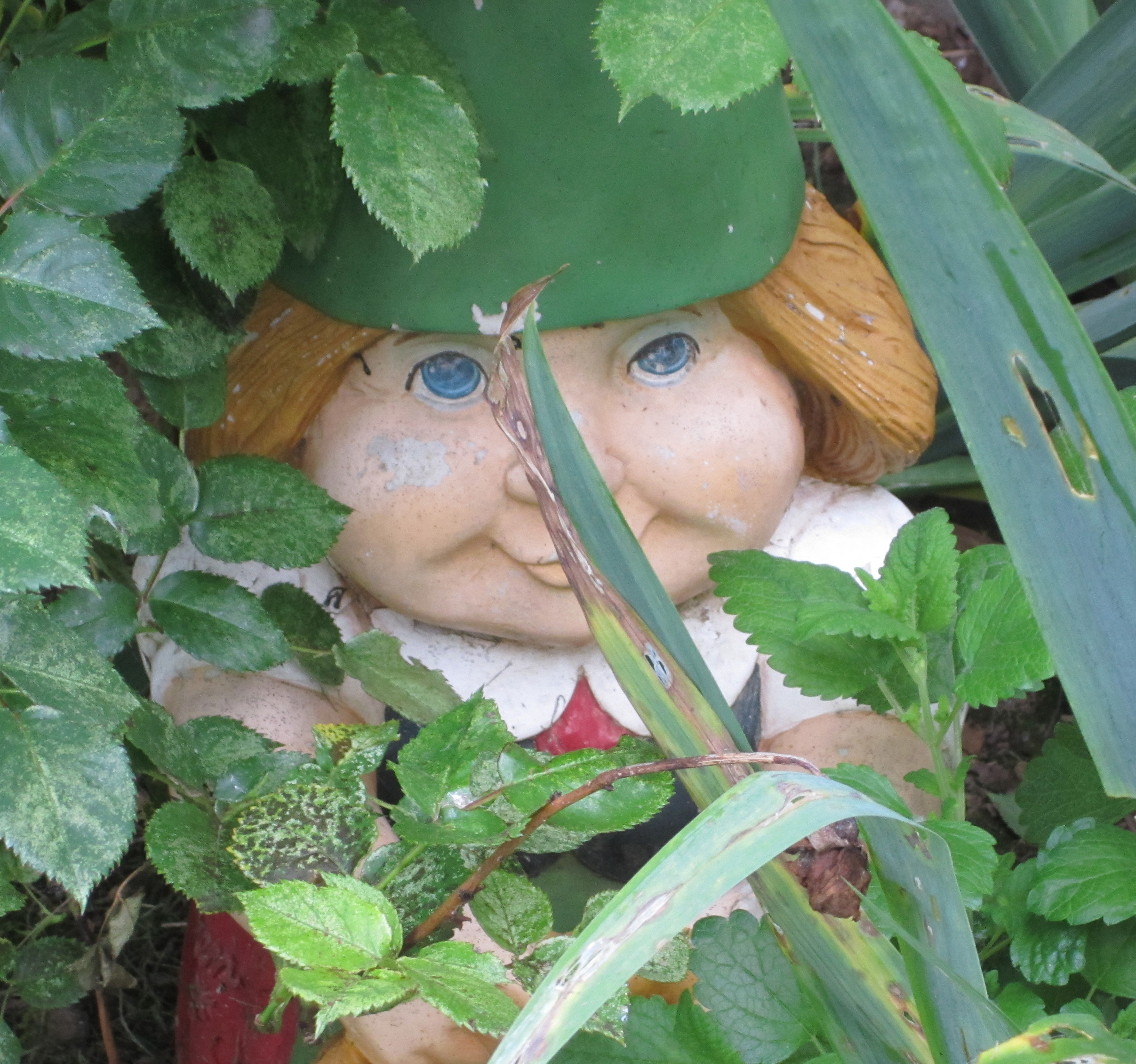
Not long after, I had the distinct feeling of being watched as I walked past some rose bushes in the yard. I stopped to take a look, expecting to spy the shining eyes of one of the pesky raccoons that frequents our yard to steal from the cats’ food dish. Instead, beneath the thorny foliage, I saw two round blue eyes peering at me serenely. This little gal was not at all intimidated by me, and made no move to escape. She was an ideal example of Gernumbli gardensi, a garden gnome known for their ability to keep varmints and vermin away from plants and flowers. They also happen to actively feud with Gernumbli Faenilesi so that explained the sudden disappearance of my little knot-tying pests in the barn.
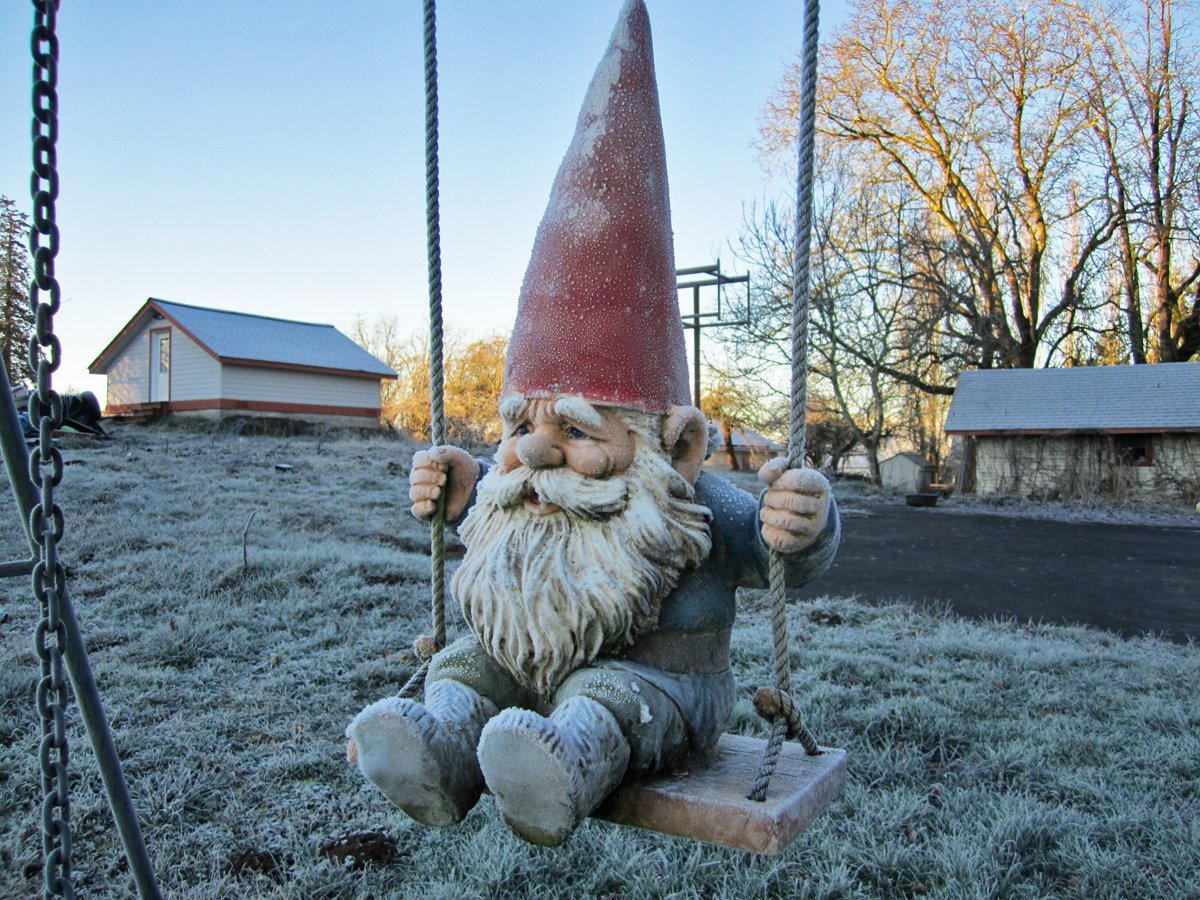
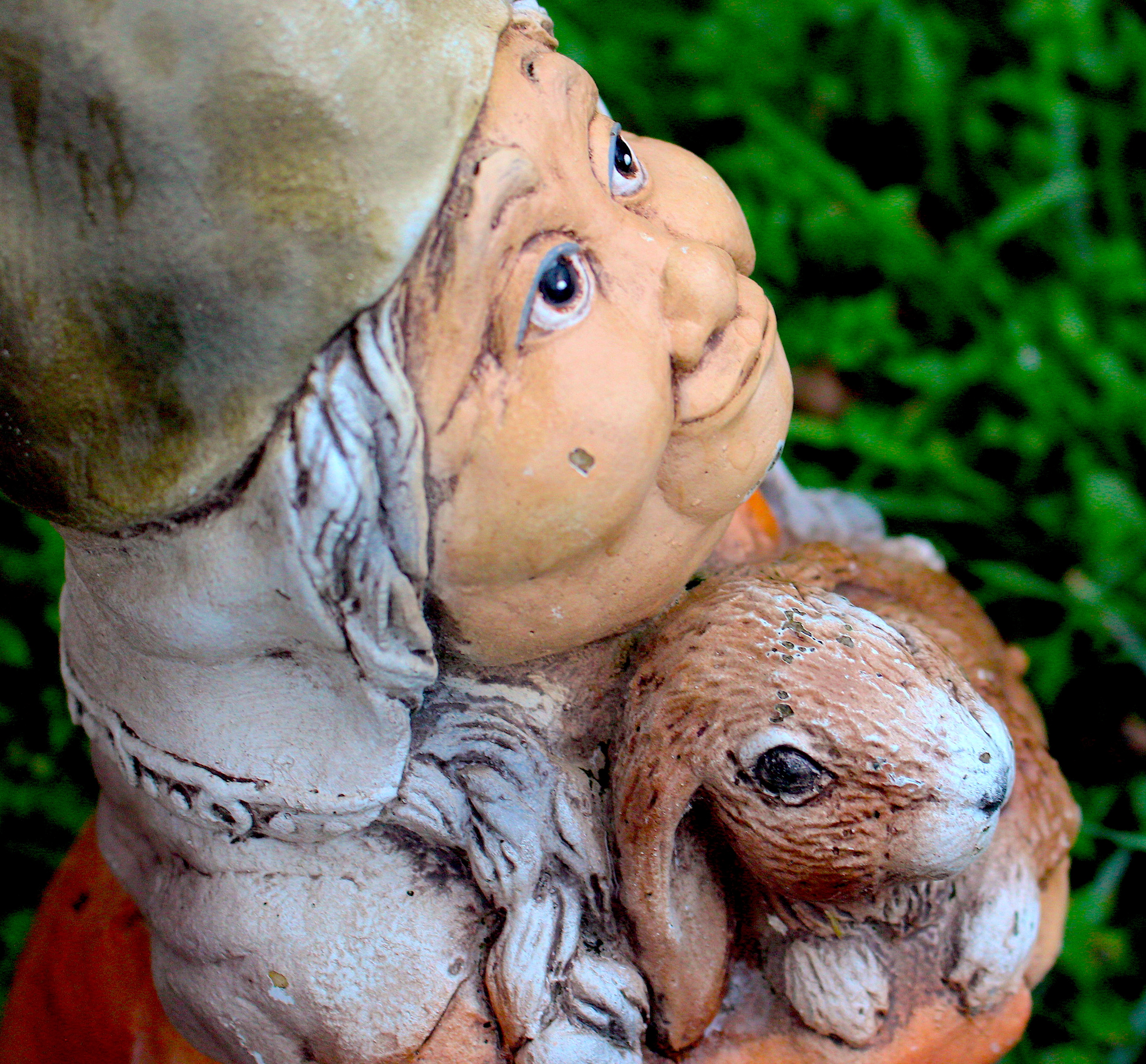
It wasn’t long before more Gardensi moved in, a gnomey infestation. They tended to arrive in pairs and bunches, liked to play music, smoked pipes, played on a teeter totter, worked with garden tools, took naps on sun-warmed rocks and one even preferred a swing. They are a bit of a rowdy bunch but I enjoy their happy presence and jovial demeanor.
As long as they continue to coexist peaceably with us and each other, keep the varmints and their knot tying cousins away, and avoid bad habits and swear words, I’m quite happy they are here. Actually, I’ve given them the run of the place. I’ve been told to be cautious as there are now news reports of an even more invasive species of gnome, Gernumbli kitschsi, that could move in and take over if I’m not careful.
I shudder to think. One has to consider the neighborhood.
She lingered in that charming little garden to say hello to the gnomes, such a glorious infestation! How few wizards realize just how much we can learn from the wise little gnomes-or, to give them their correct names, the Gernumbli gardensi. ‘Ours do know a lot of excellent swear words,’ said Ron… ~J.K. Rowling in Harry Potter and the Deathly Hallows
I have a small grain of hope–
one small crystal that gleams
clear colors out of transparency.
I need more.
I break off a fragment to send you.
Please take this grain of a grain of hope so that mine won’t shrink.
Please share your fragment so that yours will grow.
Only so, by division, will hope increase,
like a clump of irises, which will cease to flower
unless you distribute
the clustered roots, unlikely source–
clumsy and earth-covered–
of grace.
~Denise Levertov “For the New Year, 1981”
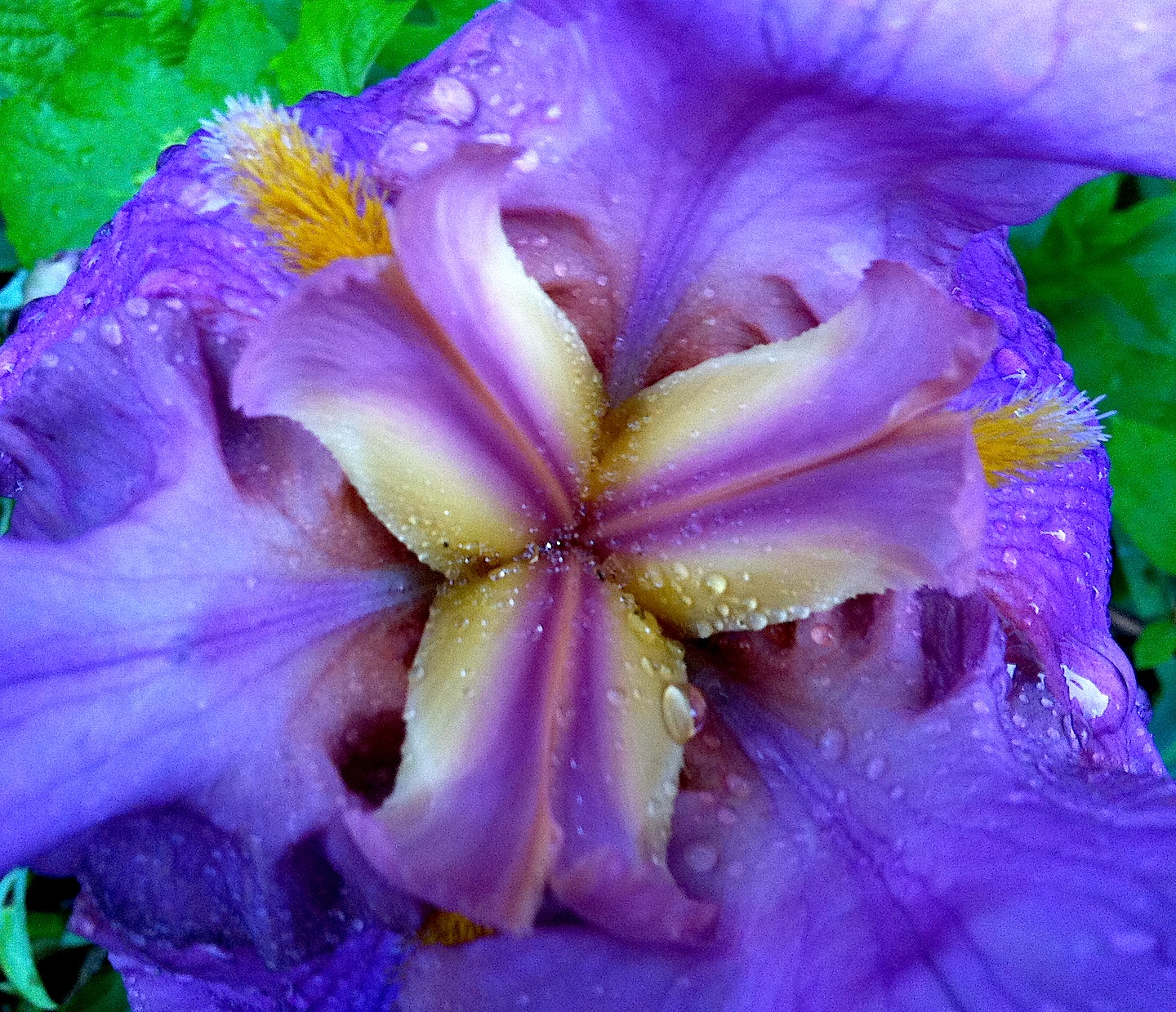
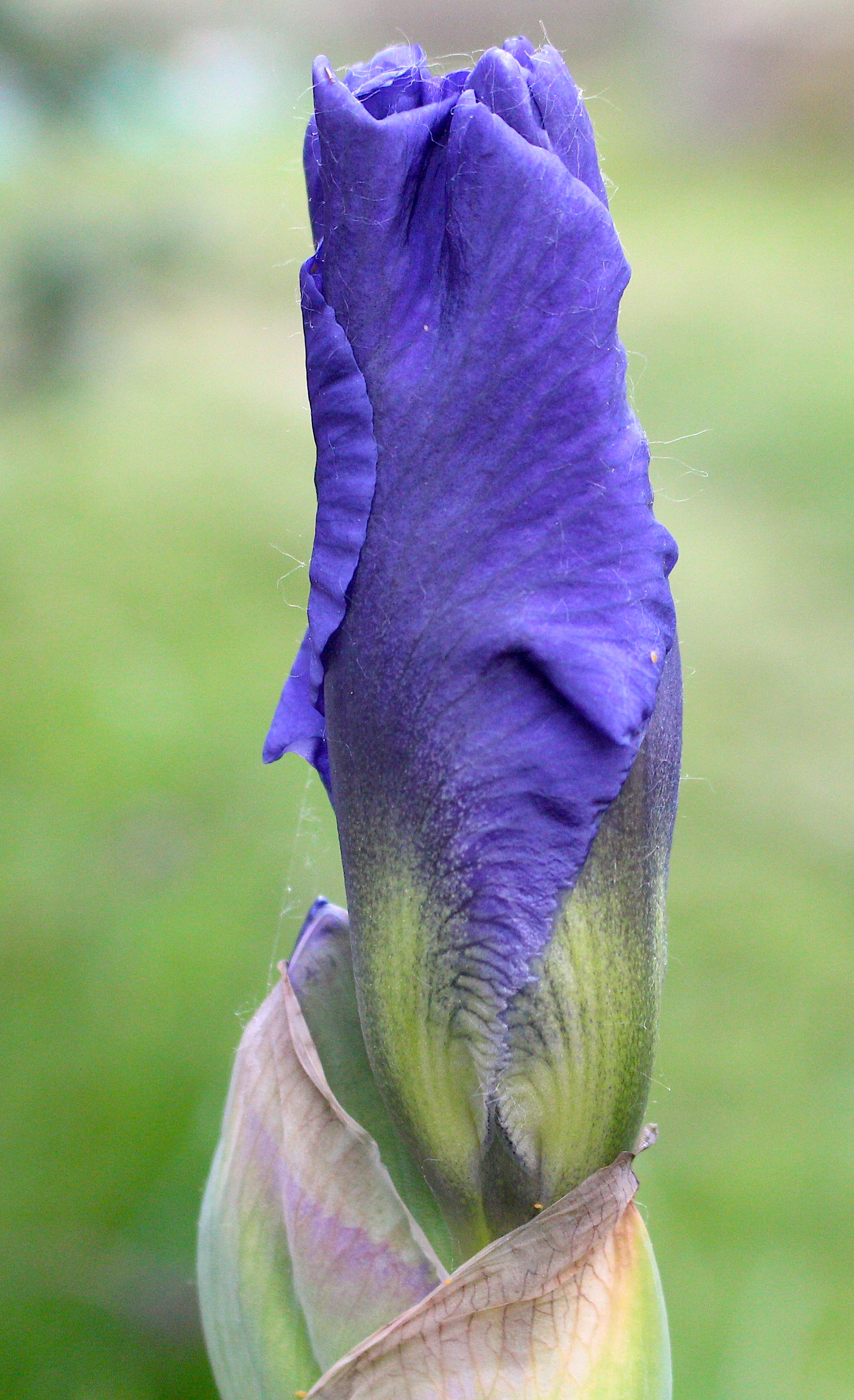
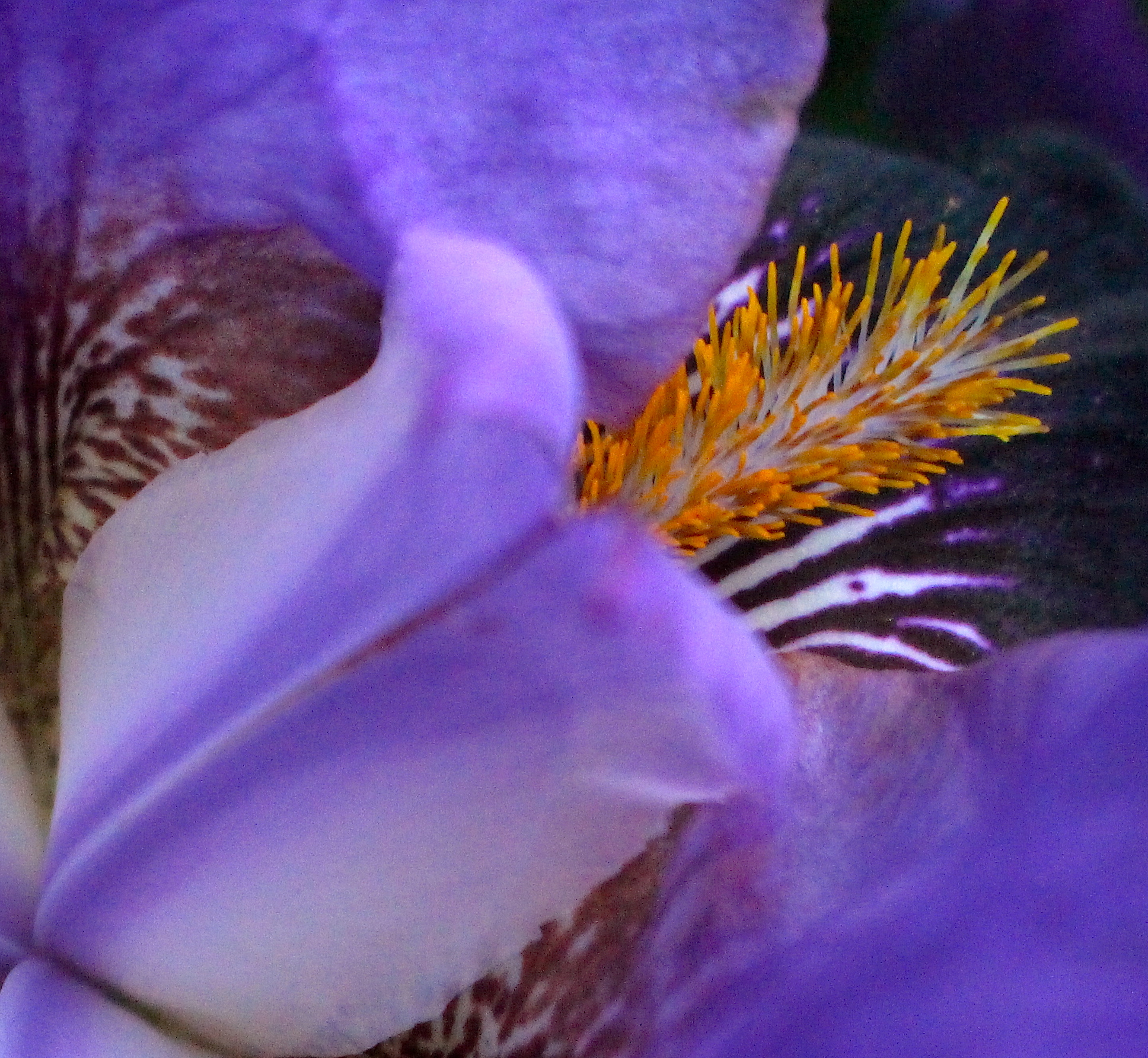
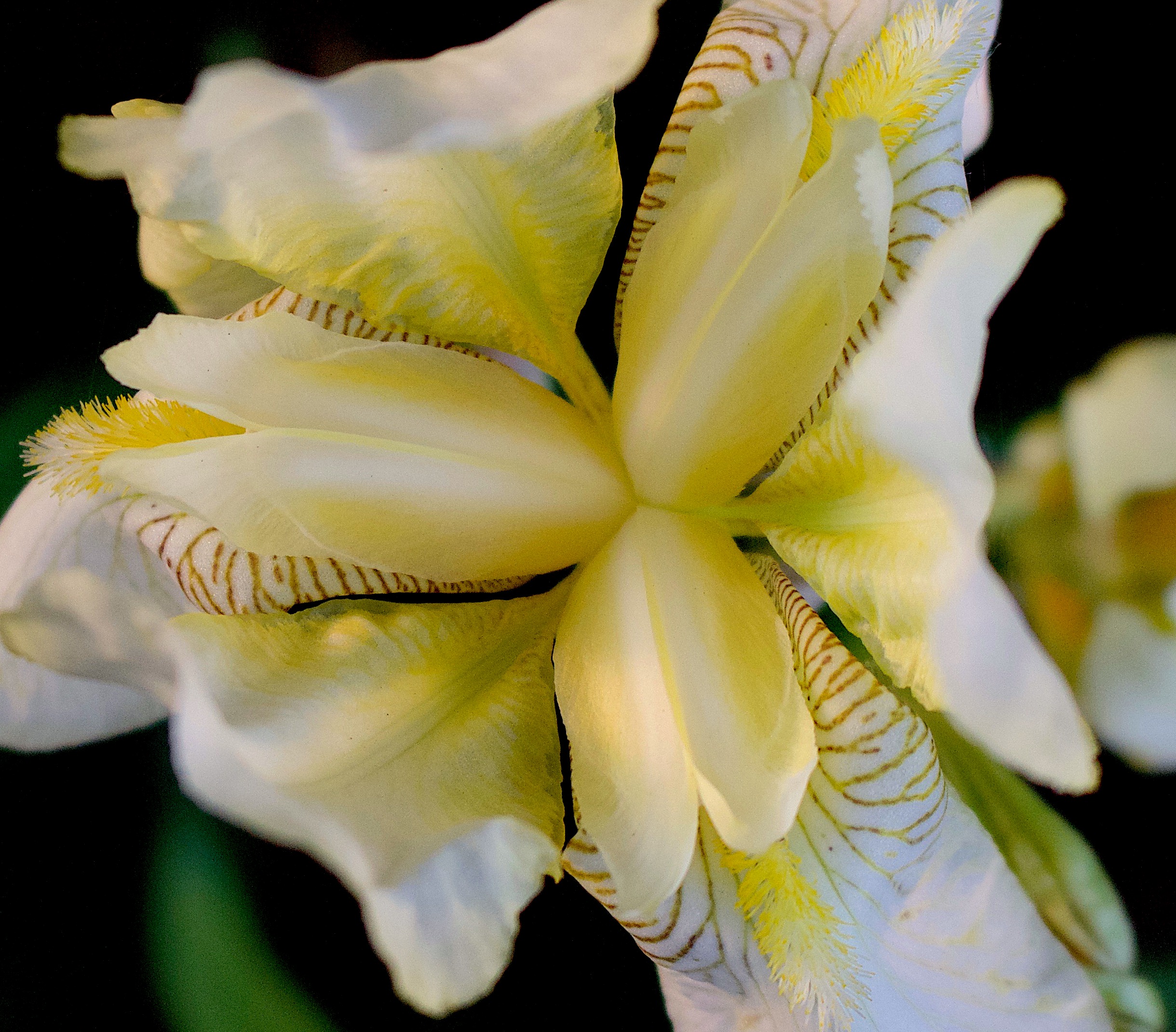
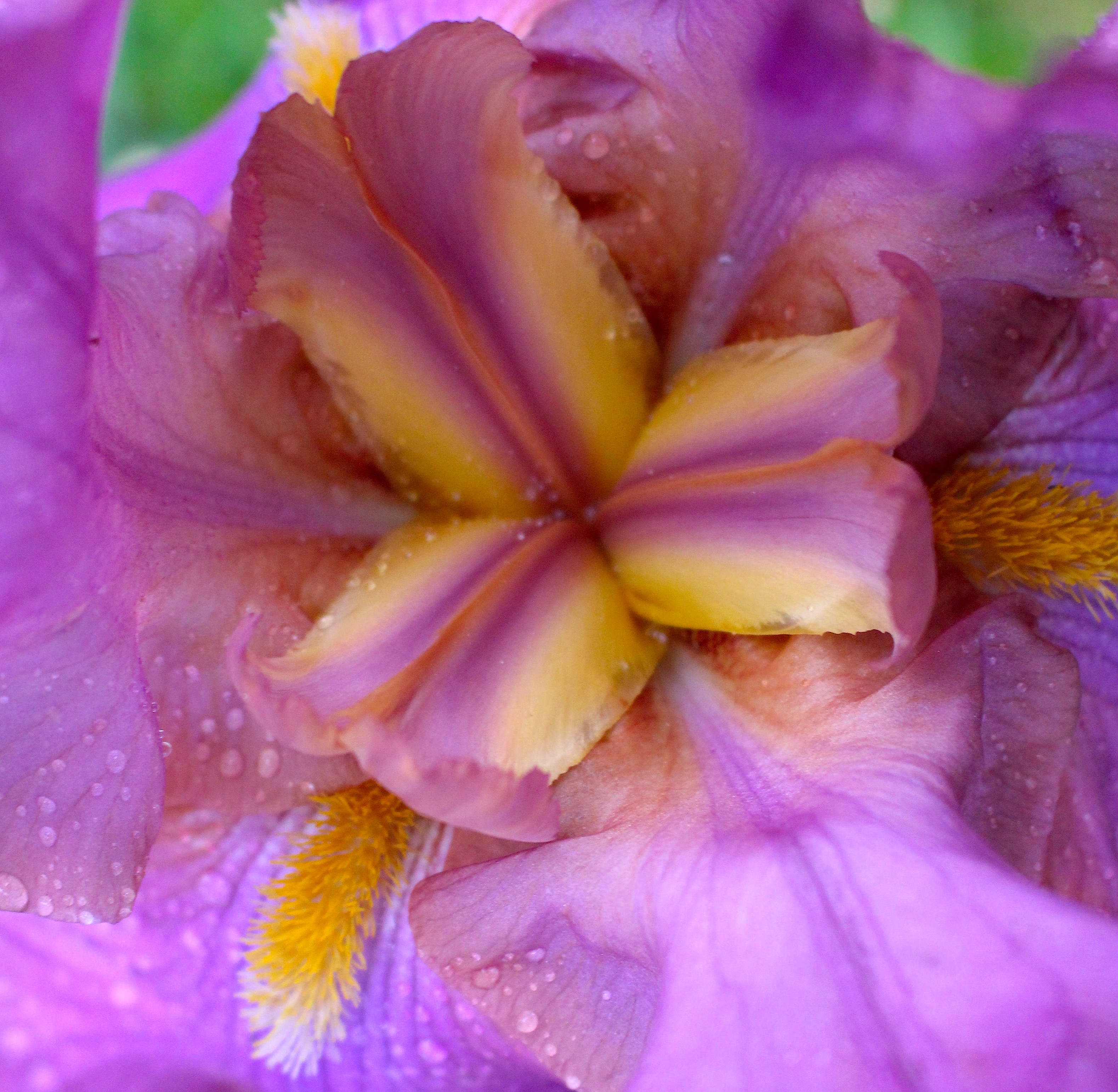
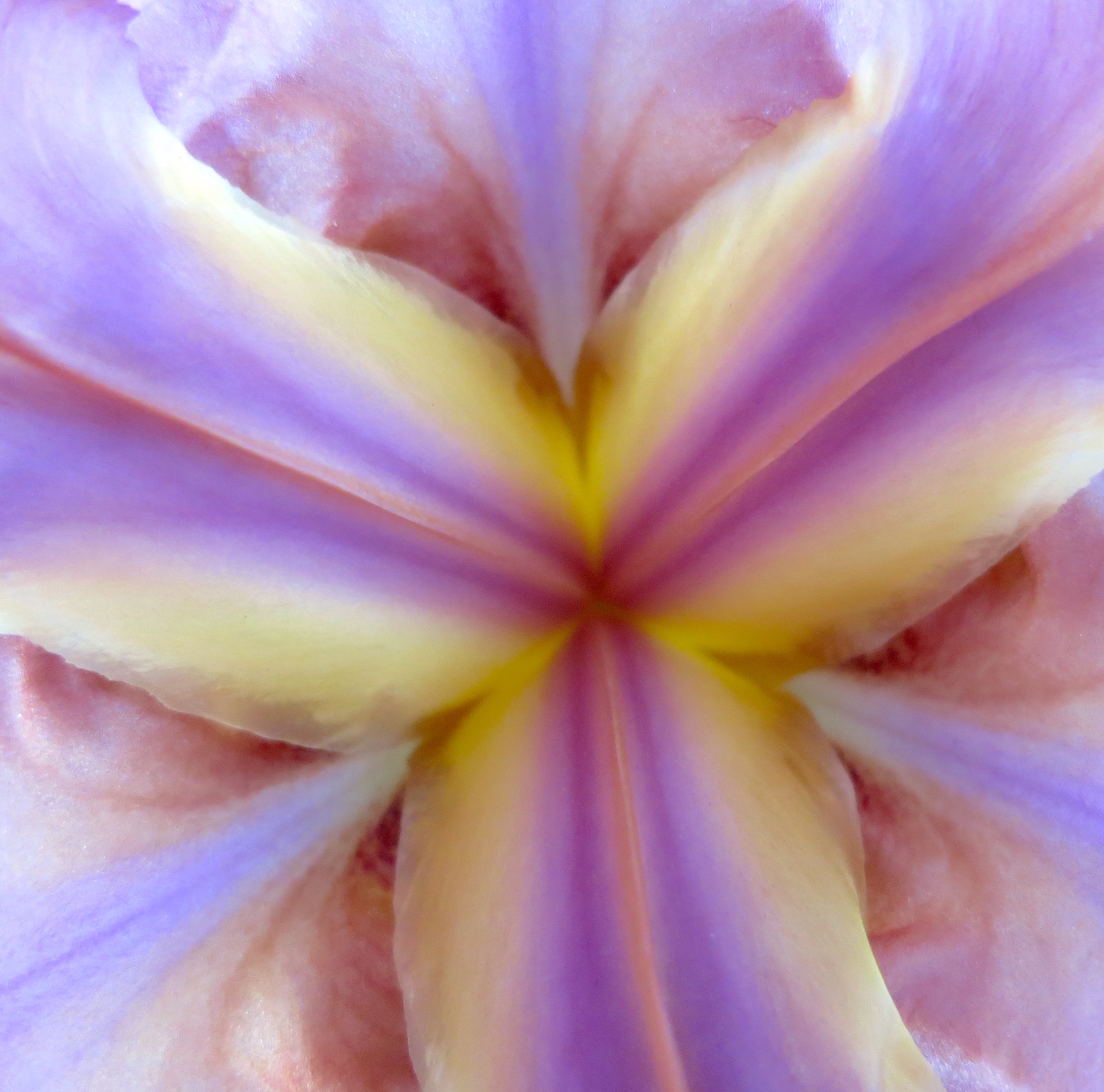
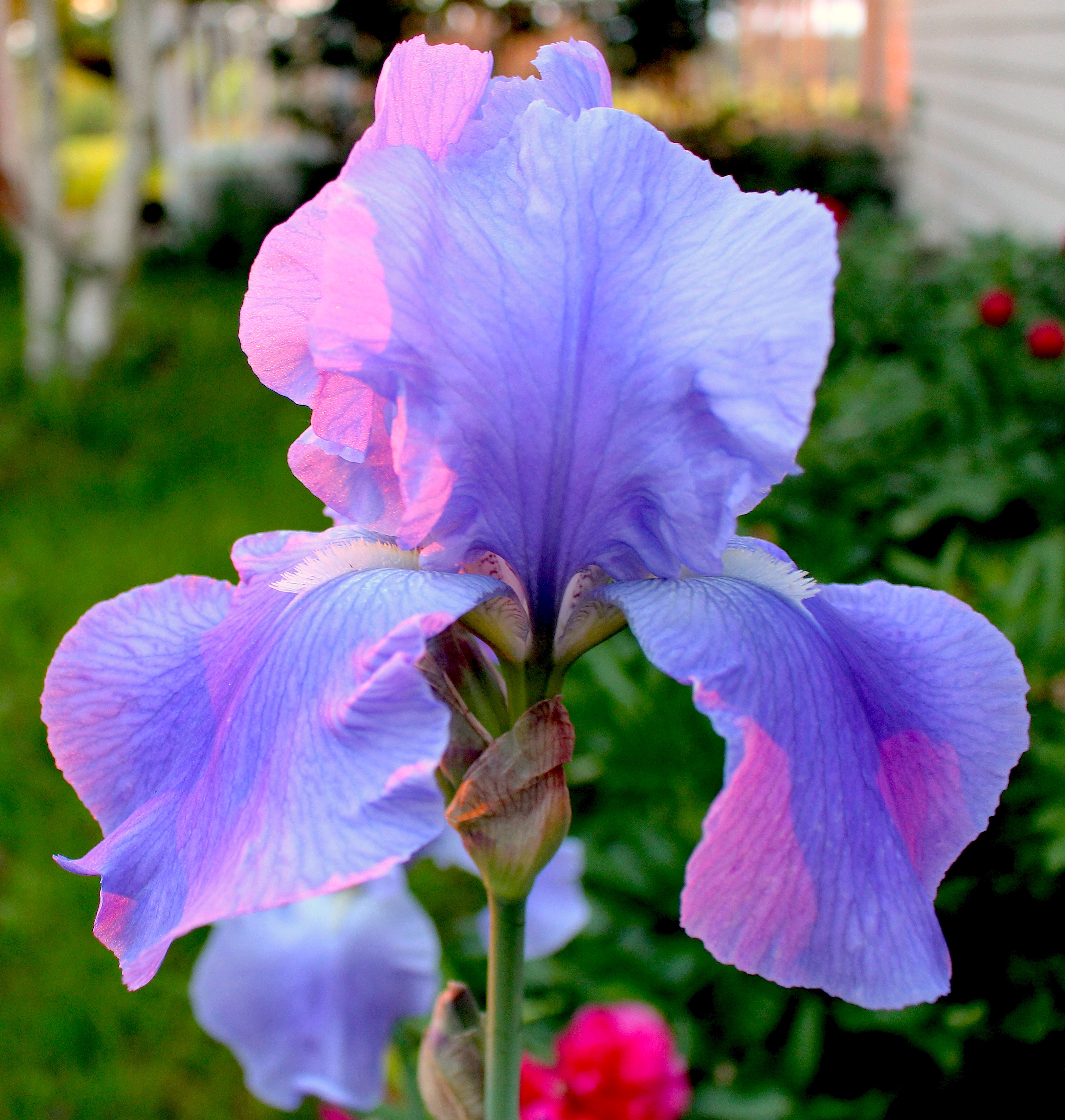
One autumn years ago, my sister-in-law brought several paper bags full of iris roots resting solemnly in earth-covered clumps: dirt–dry misshaped feet and fingers crippled with potential. Her garden had become overcrowded and for her iris to continue to thrive, she needed to divide and share the roots.
We were late getting them into the ground but their clustered grace rose up forgiving us our clumsiness. They took hold and transformed our little courtyard into a Van Gogh landscape.
These iris will continue to gladden our hearts until we too must divide them to pass on their gift of beauty to another garden. This act– “by division, will hope increase”–feels radical yet that is exactly what God did in sending His Son to become earth-covered.
A part of God was broken off to put down roots, grow, thrive and be divided, over and over and over again to increase the beauty and grace for those of us limited to this soil.
Each spring our garden blooms so all can see and know: hope lives here —
even in the last few hours of an old and tired year
passing haltingly, hesitantly
into something brand new.
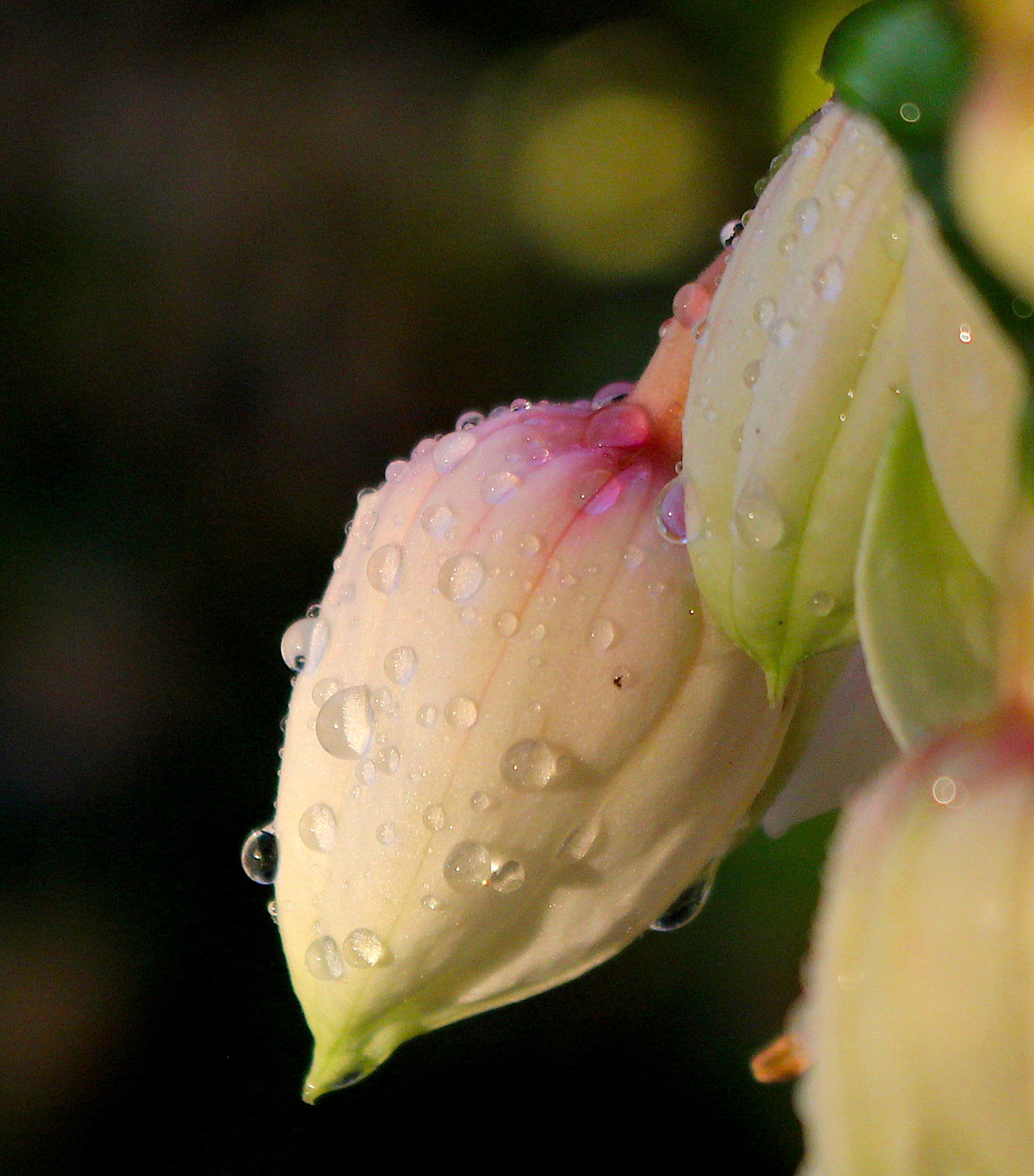
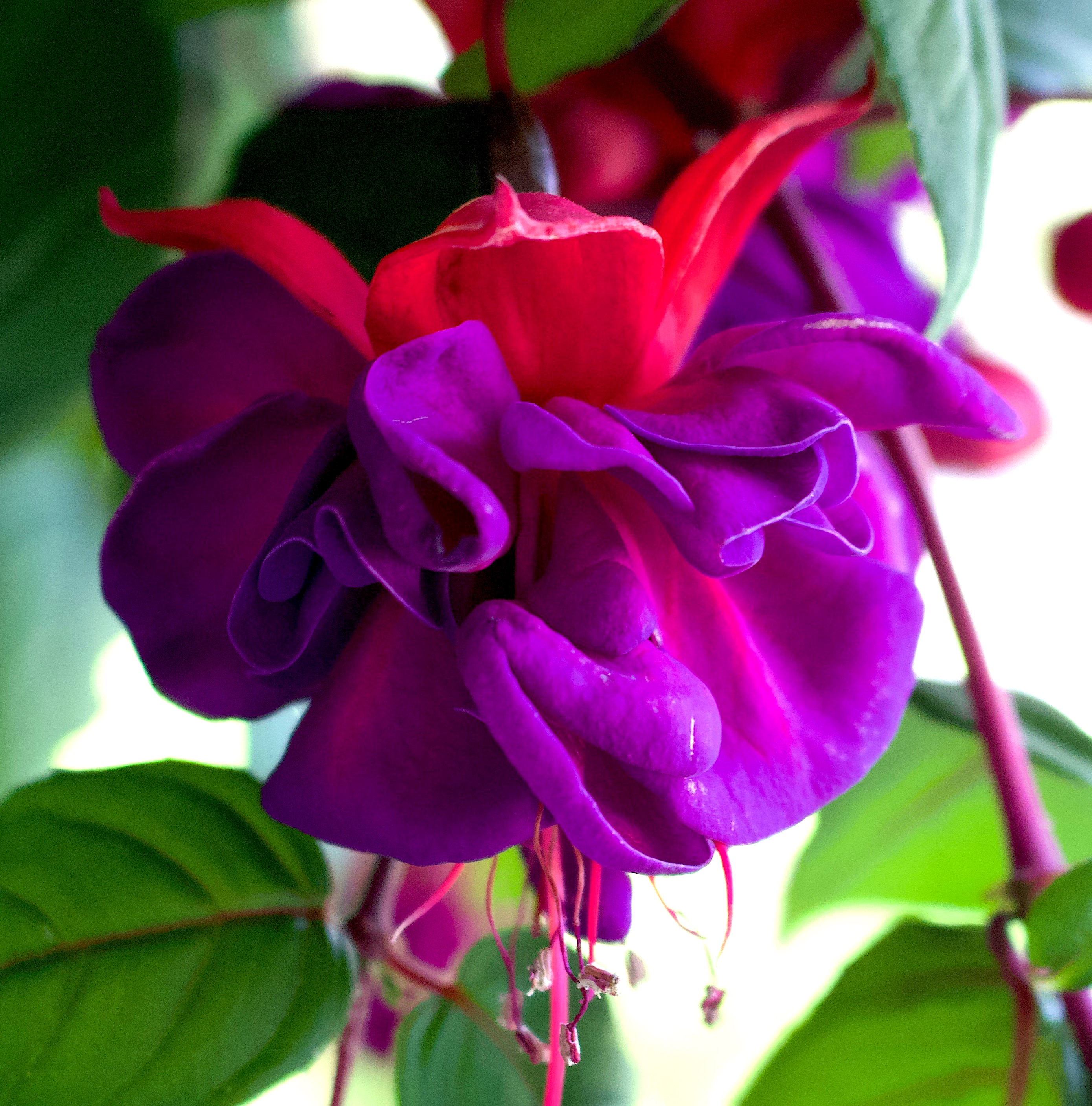
Grandma Kittie grew flowers–lots of them. Her garden stretched along both sides of the sidewalk to her old two story farm house, in window boxes and beds around the perimeter, in little islands scattered about the yard anchored by a tree, or a piece of driftwood, a gold fish pond or a large rock. Wisteria hung like a thick curtain of purple braids from the roof of her chicken coop, and her greenhouse, far bigger than her home, smelled moist and mossy with hanging fuschia baskets. For her it was full time joy disguised as a job: she sold seedlings, and ready-to-display baskets, and fresh flower arrangements. She often said she was sure heaven would be full of flowers needing tending, and she was just practicing for the day when she could make herself useful as a gardener for God.
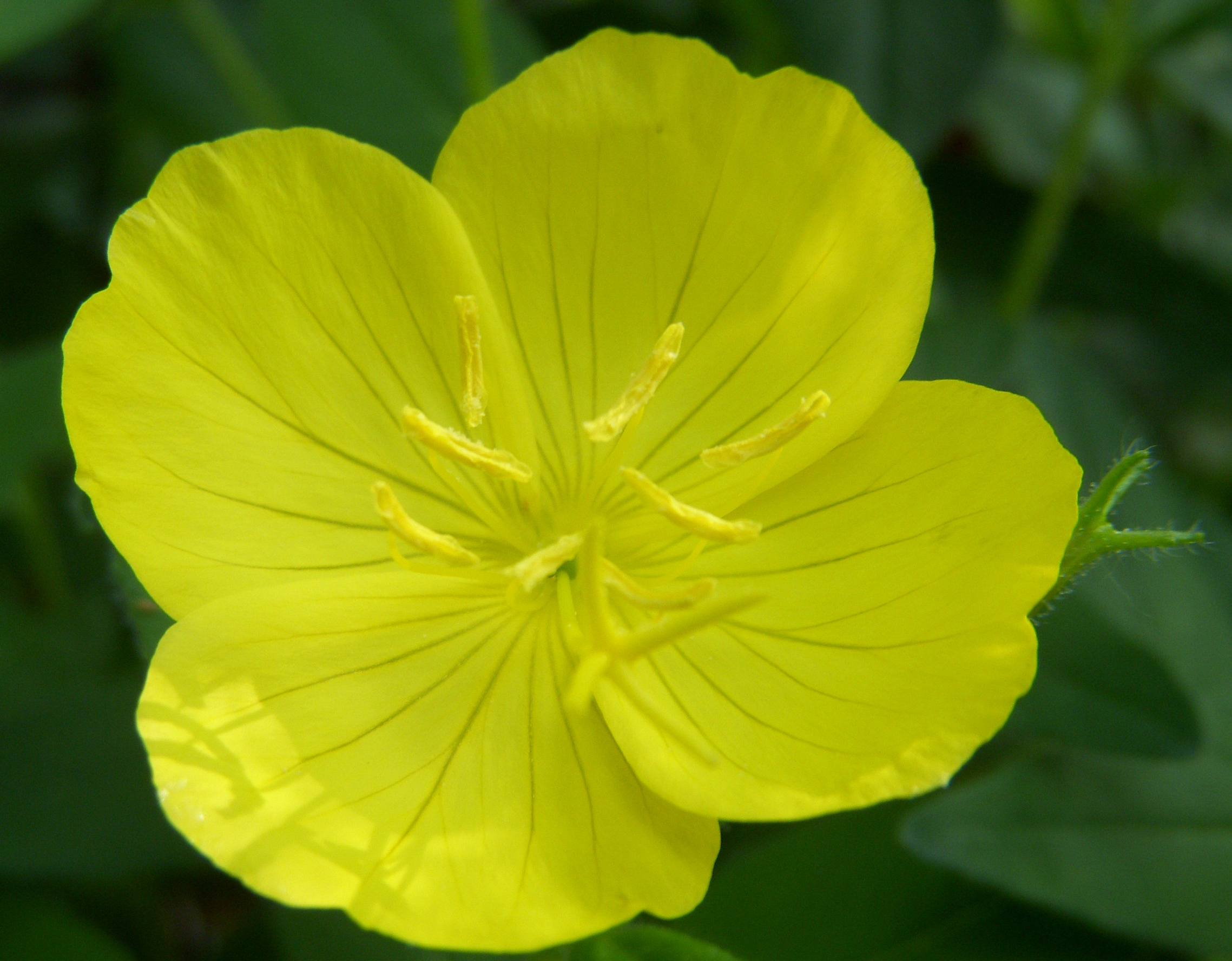
Visiting Grandma was often an overnight stay, and summer evenings in her yard were heavy with wafting flower perfume. One of her favorite flowers–indeed it was so hardy and independent it really could be considered a weed–was the evening primrose. It was one of a few night blooming plants meant to attract pollinating moths. Its tall stems were adorned by lance shaped leaves, with multiple buds and blooms per stem. Each evening, and it was possible to set one’s watch by its punctuality, only one green wrapped bud per stem would open, revealing a bright yellow blossom with four delicate veined petals, a rosette of stamens and a cross-shaped stigma in the center, rising far above the blossom. The yellow was so vivid and lively, it seemed almost like a drop of sun had been left on earth to light the night. By morning, the bloom would begin to wither and wilt under the real sunlight, somehow overcome with the brightness, and would blush a pinkish orange as it folded upon itself, ready to die and drop from the plant in only a day or two, leaving a bulging seed pod behind.
I would settle down on the damp lawn at twilight, usually right before dusk fell, to watch the choreography of opening of blossoms on stem after stem of evening primrose. Whatever the trigger was for the process of unfolding, there would be a sudden loosening of the protective green calyces, in an almost audible release. Then over the course of about a minute, the overlapping yellow petals would unfurl, slowly, gently, purposefully, revealing their pollen treasure trove inside. It was like watching time lapse cinematography, only this was an accelerated, real time flourish of beauty, happening right before my eyes. I always felt privileged to witness each unveiling as Grandma liked to remind me that few flowers ever allowed us to behold their birthing process. The evening primrose was not at all shy about sharing itself and it would enhance the show with a sweet lingering fragrance.
Grandma knew how much I enjoyed the evening primrose display, so she saved seeds from the seed pods for me, and helped me plant them at our house during one of her spring time visits. I remember scattering the seeds with her in a specially chosen spot, in anticipation of the “drops of sun” that would grace our yard come summertime. However, Grandma was more tired than usual on this particular visit, taking naps and not as eager to go for walks or eat the special meals cooked in honor of her visit. Her usually resonant laughing brown eyes appeared dull, almost muddy.
The day she was to return home she came into the kitchen at breakfast time, wearily setting down her packed bags. She gave me a hug and I looked at her, suddenly understanding what I had feared to believe. Something was dreadfully wrong. Grandma’s eyes were turning yellow.
Instead of returning home that day, she went to the hospital. Within a day, she had surgery and within two days, was told she had terminal pancreatic cancer. She did not last long, her skin becoming more jaundiced by the day, her eyes more icteric and far away. She soon left her earthly gardens to cultivate those in heaven.
I’ve kept evening primrose in my garden ever since. Grandma is inside each bloom as it unfolds precipitously in the evening, she wafts across the yard in its perfume. Her spirit is a drop of sun coming to rest, luminous, for a brief stay upon the earth, only to die before we’re ready to let it go. But as the wilted bloom lets go, the seeds have already begun to form.














 Barnstorming