All Things Glad and Flourishing

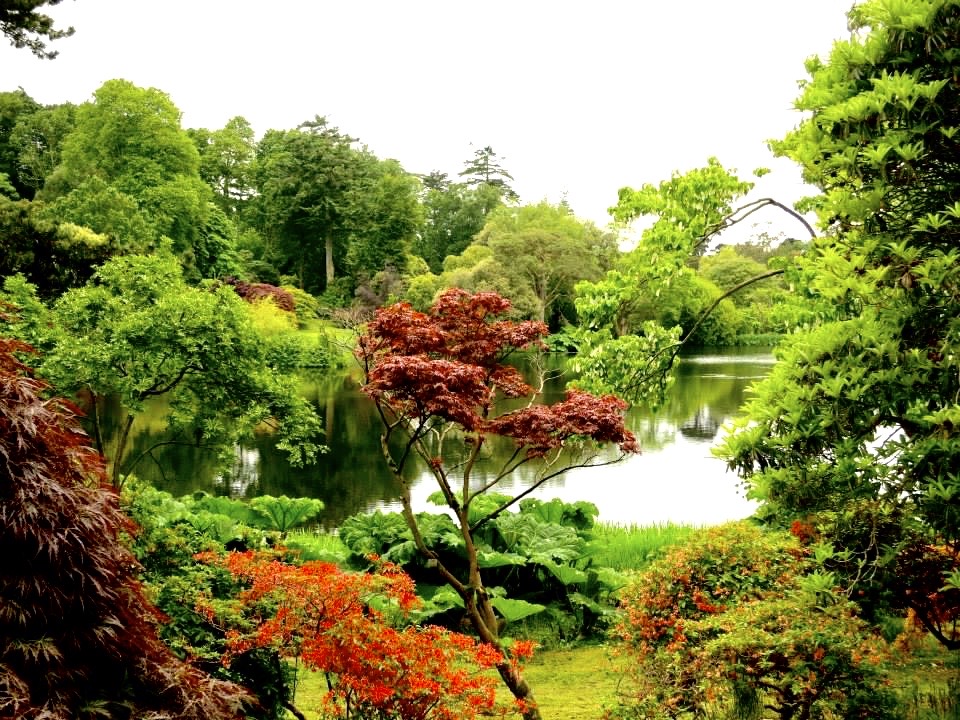
Spring flew swiftly by, and summer came;
and if the village had been beautiful at first,
it was now in the full glow and luxuriance of its richness.
The great trees, which had looked shrunken and bare in the earlier months, had now burst into strong life and health;
and stretching forth their green arms over the thirsty ground,
converted open and naked spots into choice nooks,
where was a deep and pleasant shade
from which to look upon the wide prospect,
steeped in sunshine, which lay stretched out beyond.
The earth had donned her mantle of brightest green;
and shed her richest perfumes abroad.
It was the prime and vigour of the year;
all things were glad and flourishing.”
~ Charles Dickens from Oliver Twist 

Despite a pandemic,
despite economic hardship,
despite racial tensions and in-the-street protests,
despite political maneuvering and posturing:

life is green and flourishing and vigorous
even when we feel gray and withered and weakened.

May we not forget why we are here.
May we never forget our calling and purpose
to steward the earth and care for one another.

Thorns Have Roses

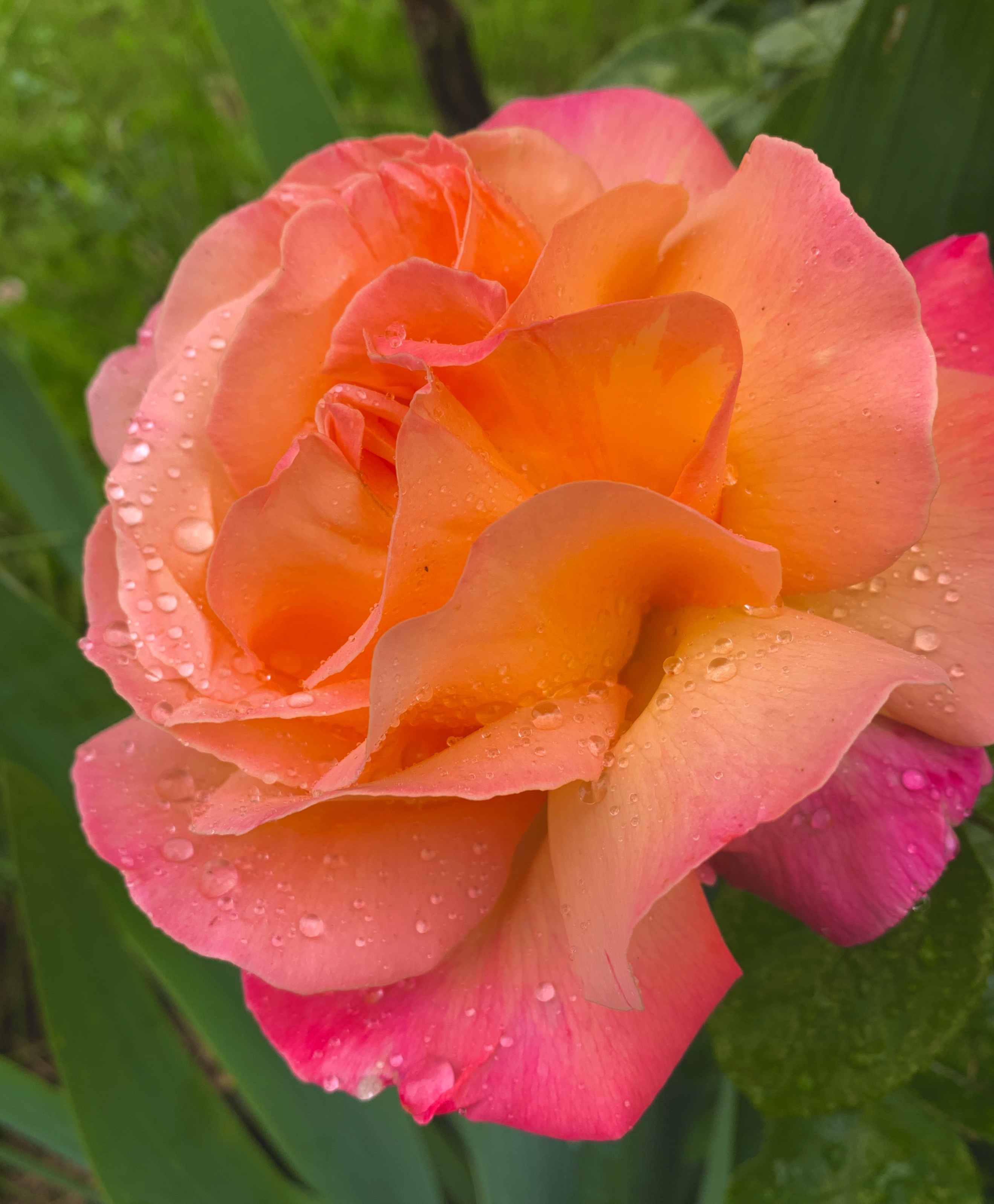
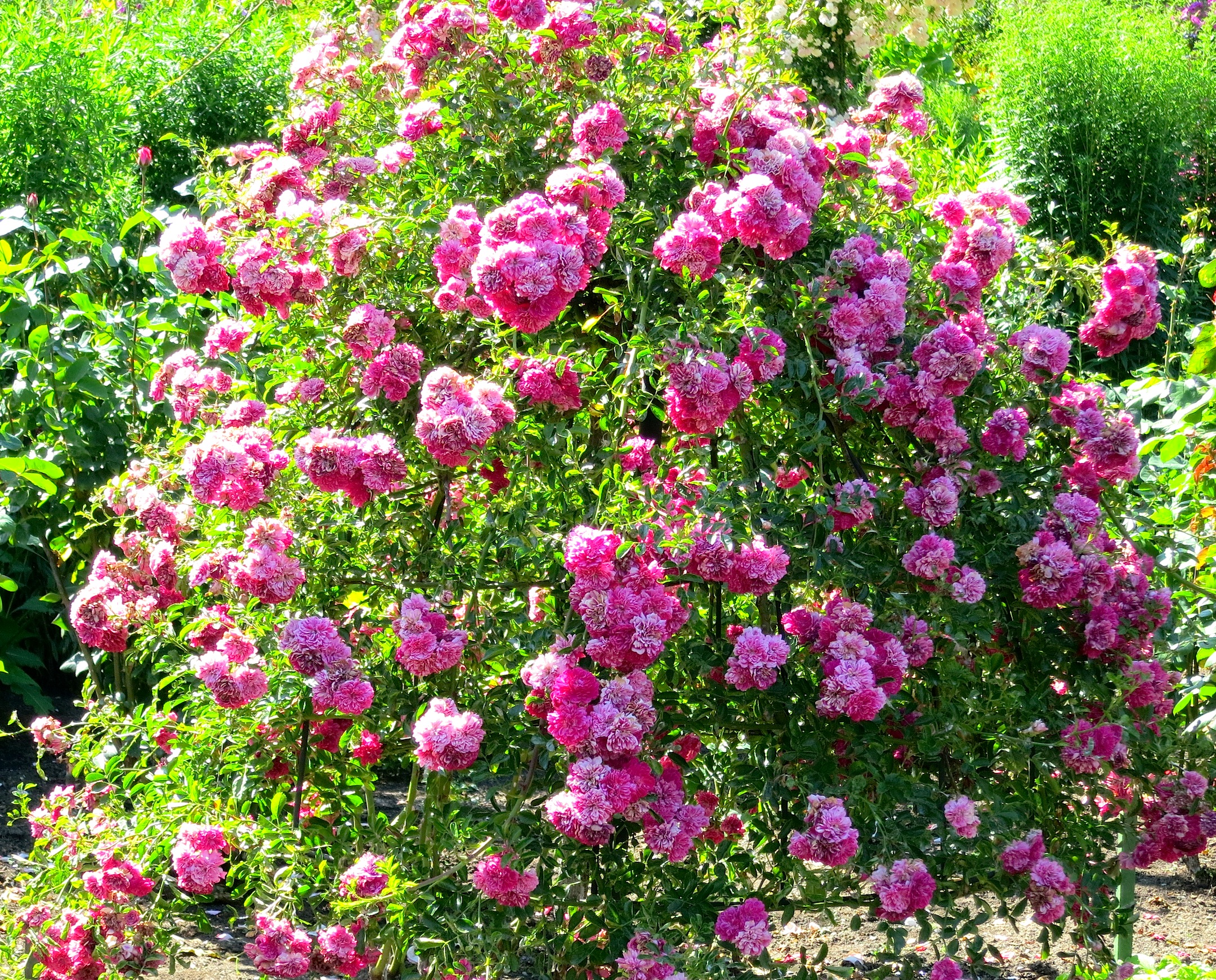
You love the roses – so do I. I wish
The sky would rain down roses, as they rain
From off the shaken bush. Why will it not?
Then all the valley would be pink and white
And soft to tread on. They would fall as light
As feathers, smelling sweet; and it would be
Like sleeping and like waking, all at once!
~George Eliot
from “The Spanish Gypsy”

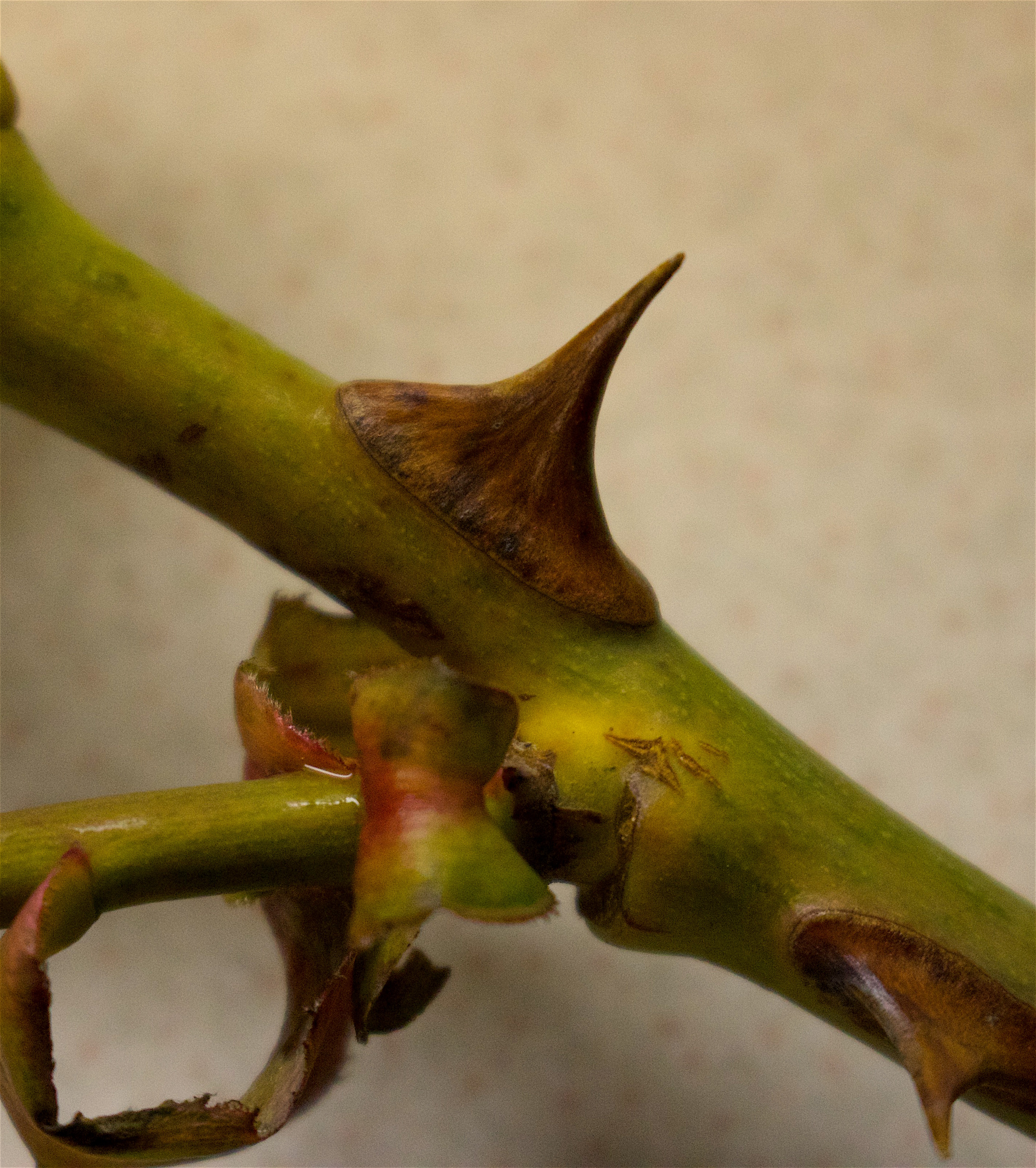
It was gardener/author Alphonse Karr in the mid-19th century who wrote that even though most people grumble about roses having thorns,  he was grateful that thorns have roses.

There was a time when thorns were not part of our world, when we knew nothing of suffering and death. Yet in pursuing and desiring more than we were already generously given, we received more than we bargained for. We are still paying for that decision; we continue to reel under the thorns our choices produce — every day there is more bloodletting.

So a Rose was sent to adorn the thorns.

And what did we do? We chose thorns to make Him bleed and still do to this day.

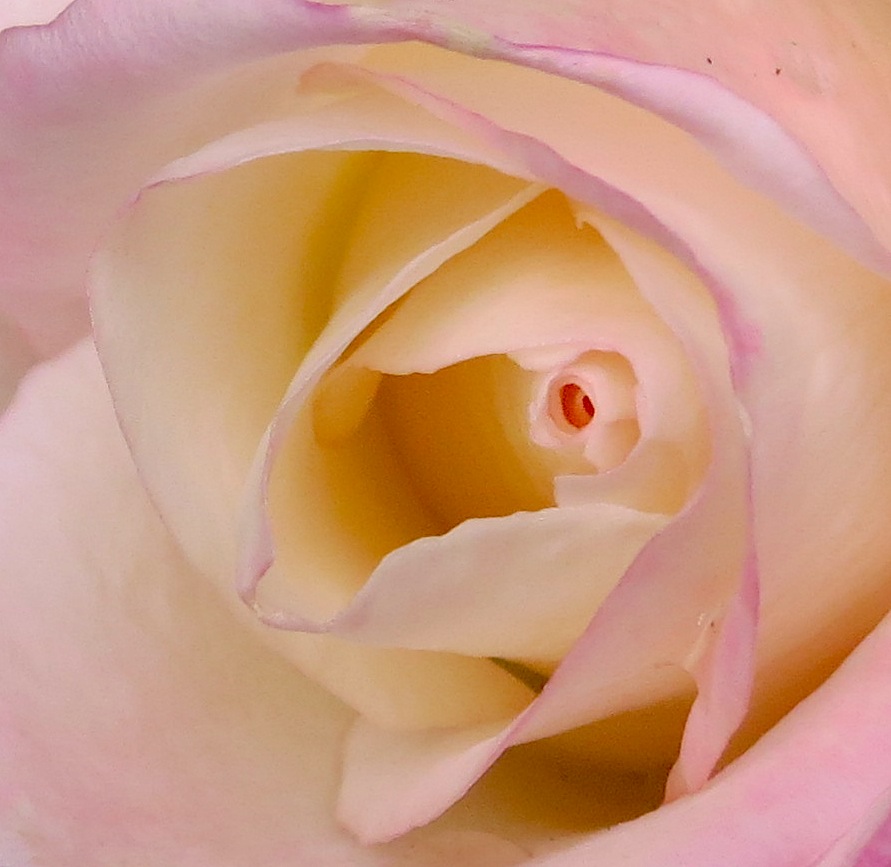
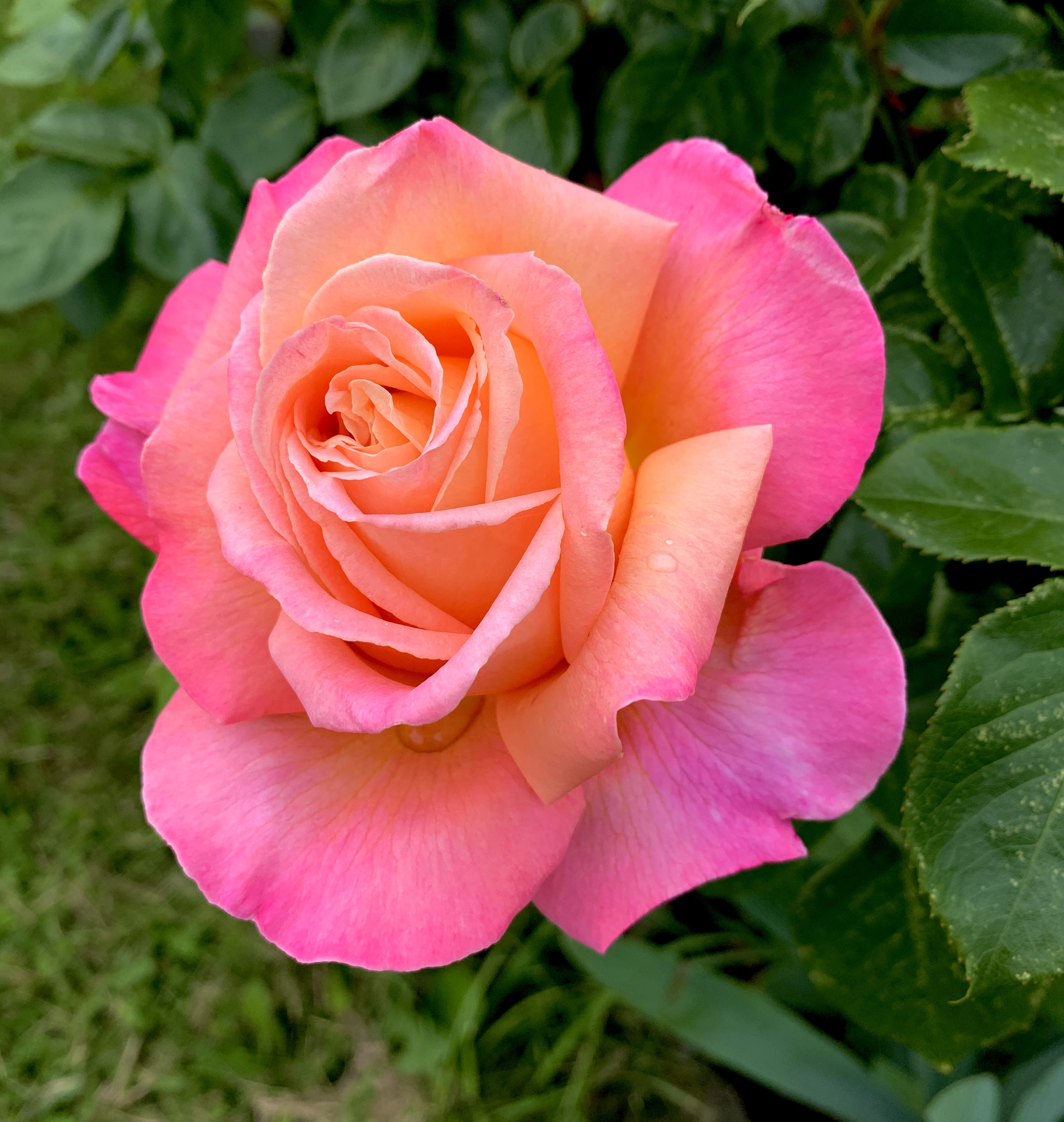
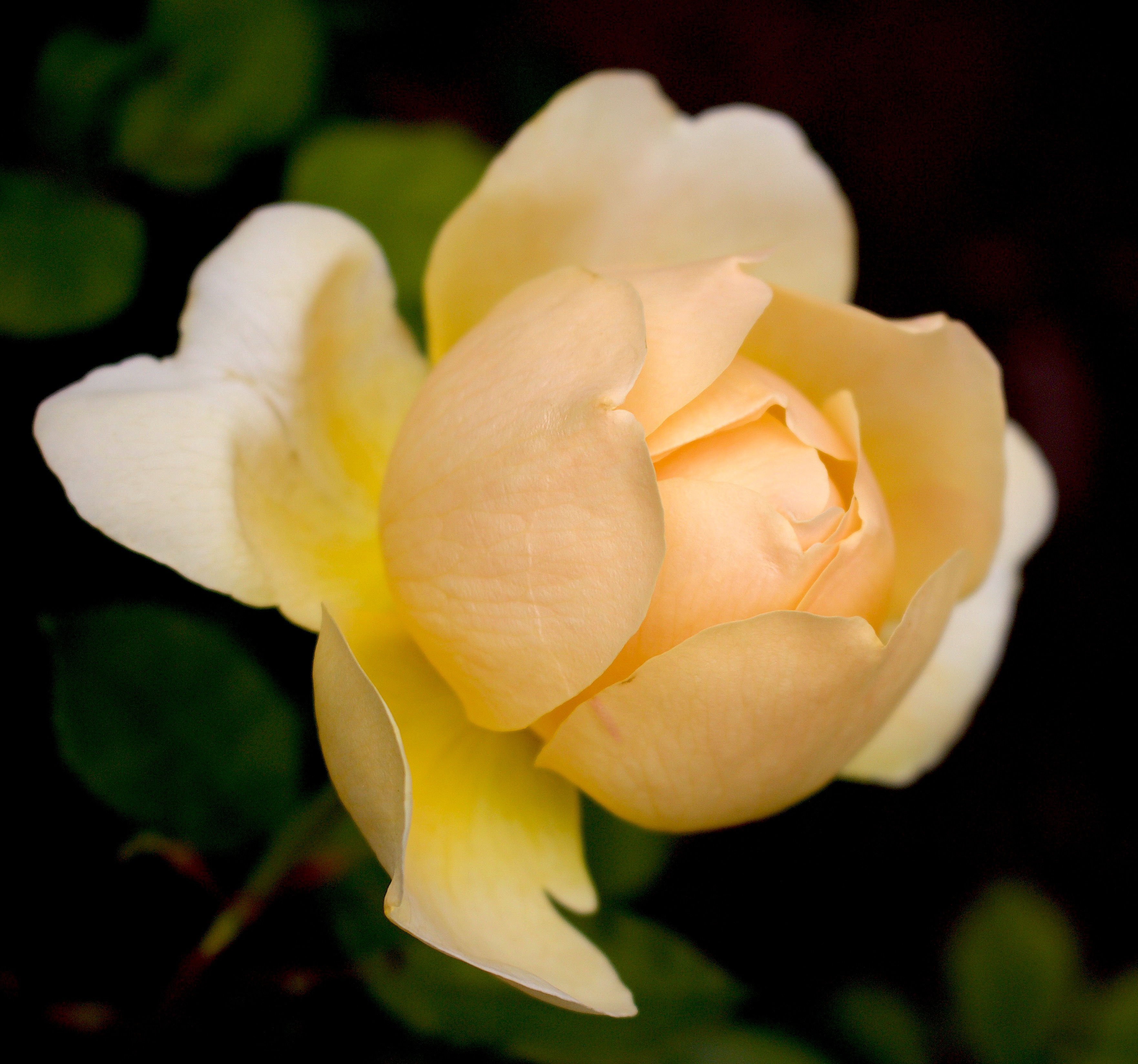
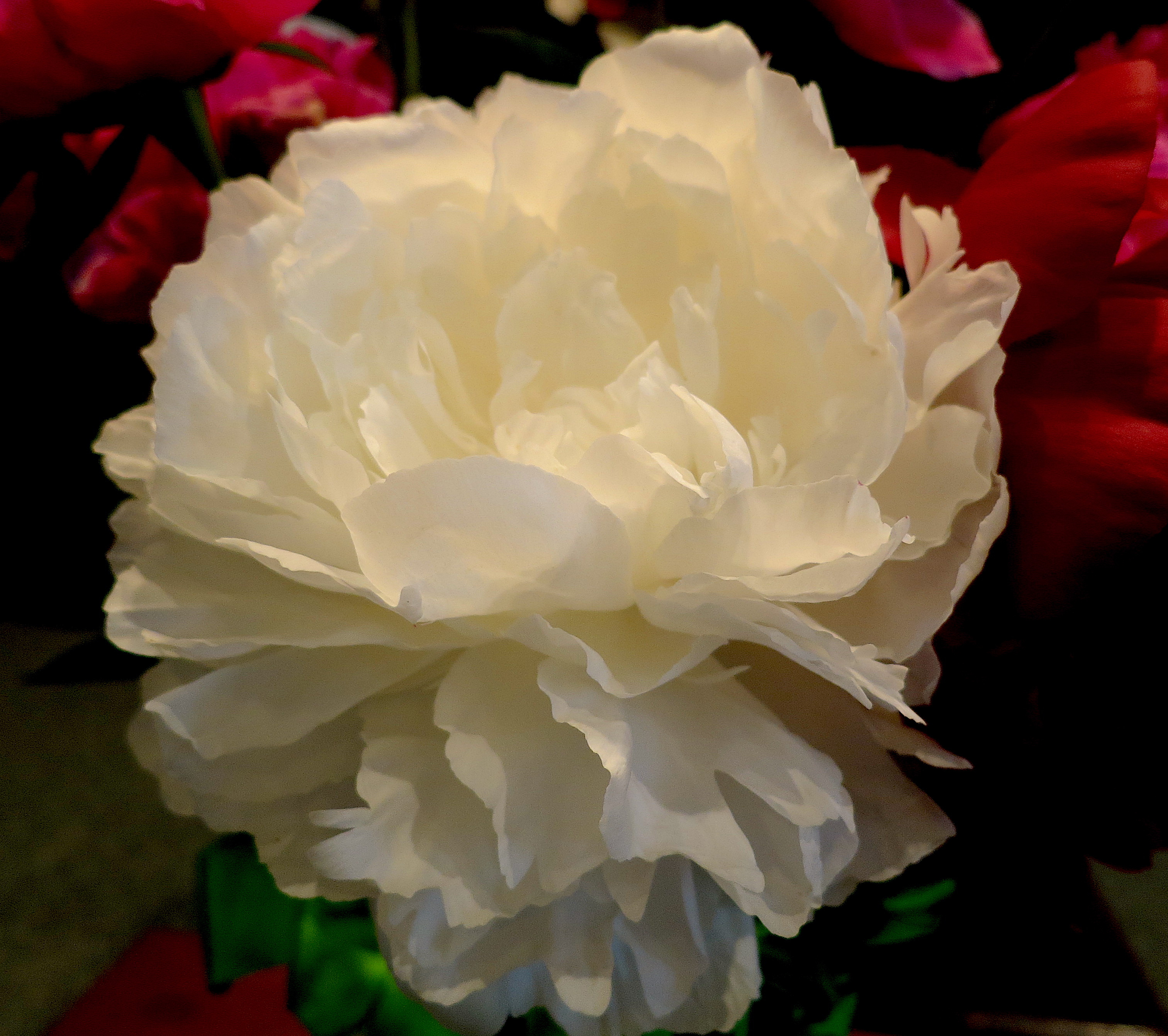
A fragrant rose blooms beautiful,
bleeding amid the thorns,
raining down as we sleep and wake,
and will to the endless day.

Abandon entouré d’abandon, tendresse touchant aux tendresses…
C’est ton intérieur qui sans cesse se caresse, dirait-on;
se caresse en soi-même, par son propre reflet éclairé.
Ainsi tu inventes le thème du Narcisse exaucé.
~Rainer Maria Rilke “Dirait-on” from his French Poetry collection ‘Les chansons de la rose’

(Literal translation of “So They Say” from “The Song of the Rose”)
Abandon enveloping abandon, Tenderness brushing tendernesses,
Who you are sustains you eternally, so they say;
Your very being is nourished by its own enlightened reflection;
So you compose the theme of Narcissus redeemed.

http://www.classicalchops.org/videos/morten-lauridsen-how-he-wrote-dirait-on

The Way We Love

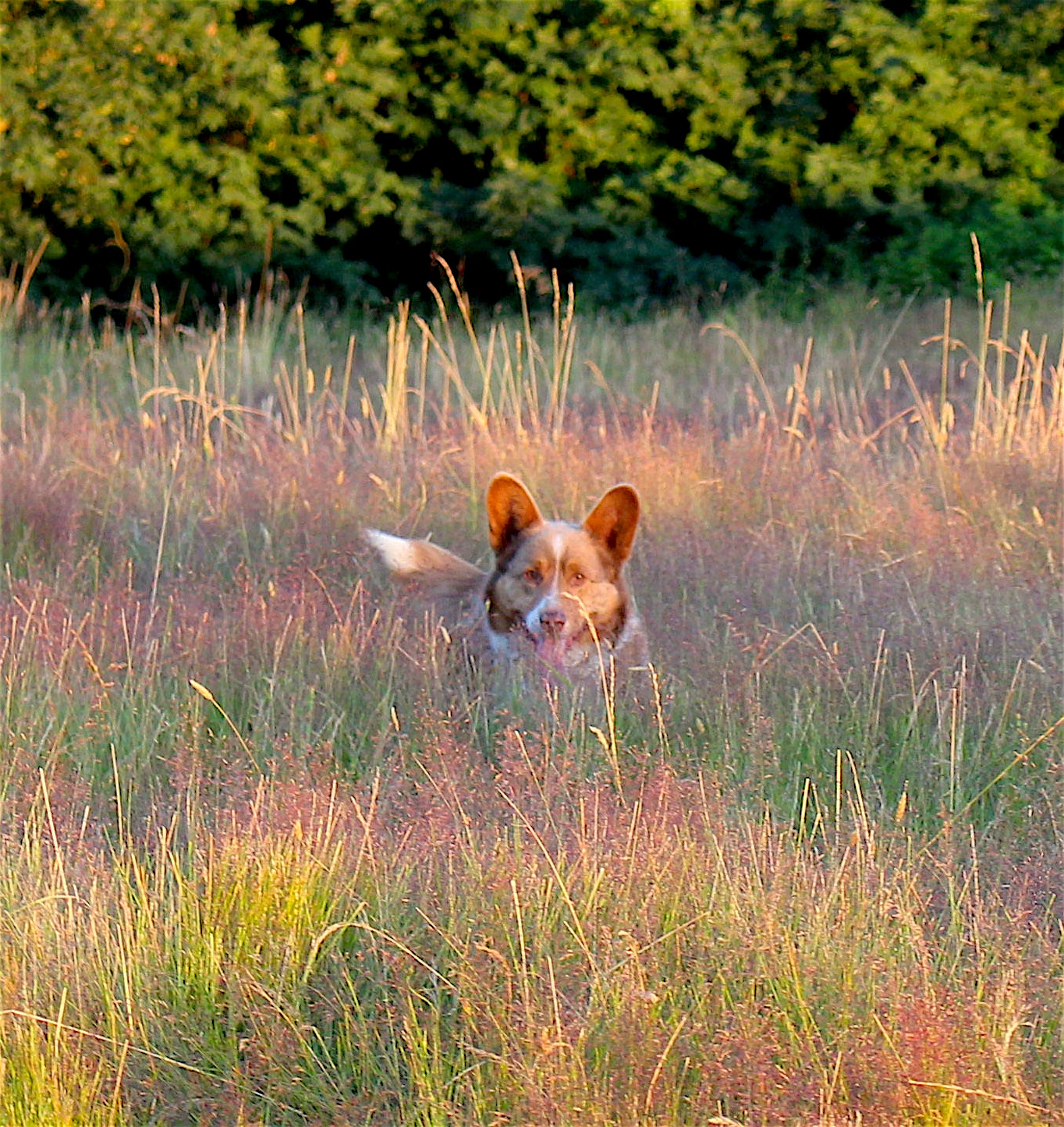
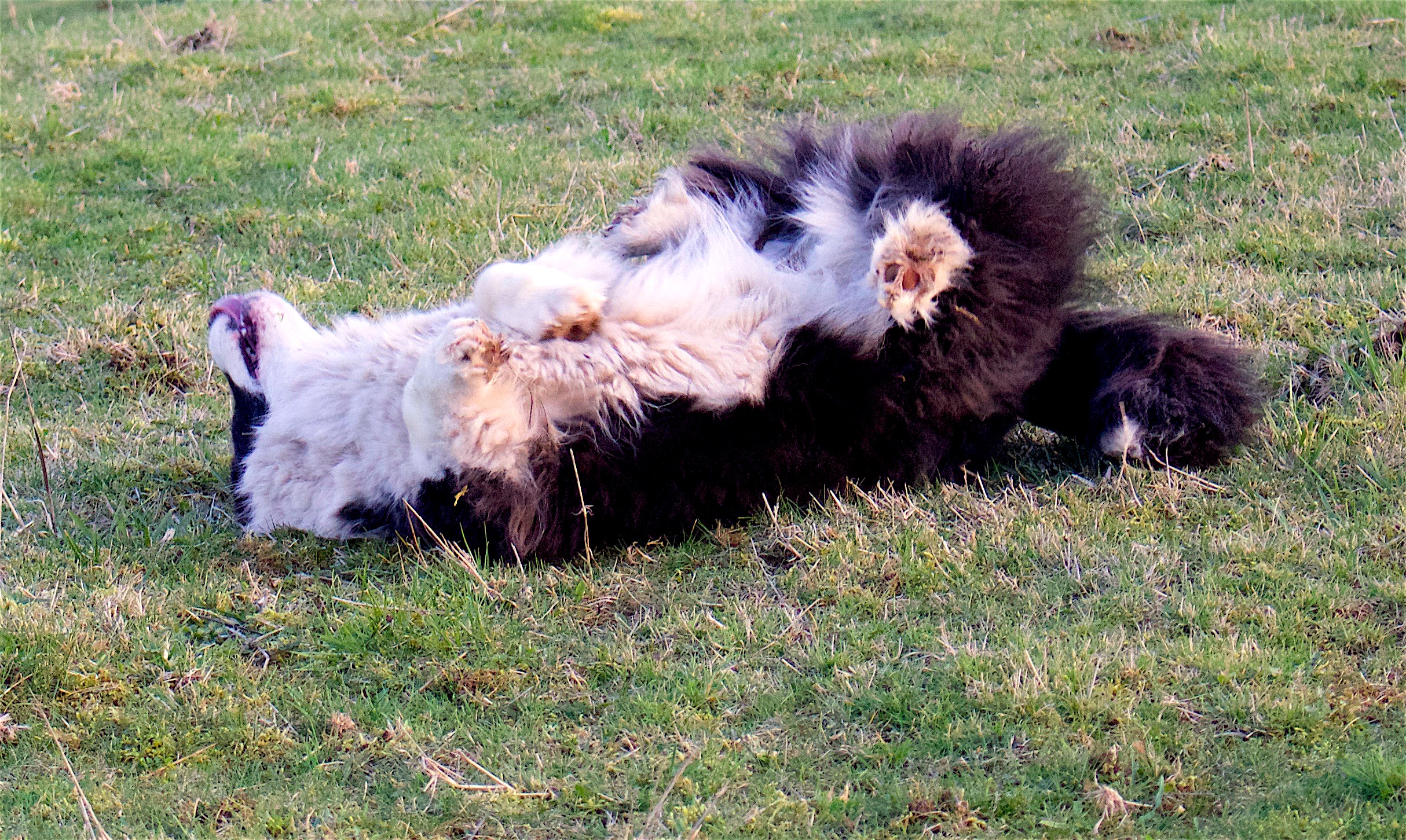
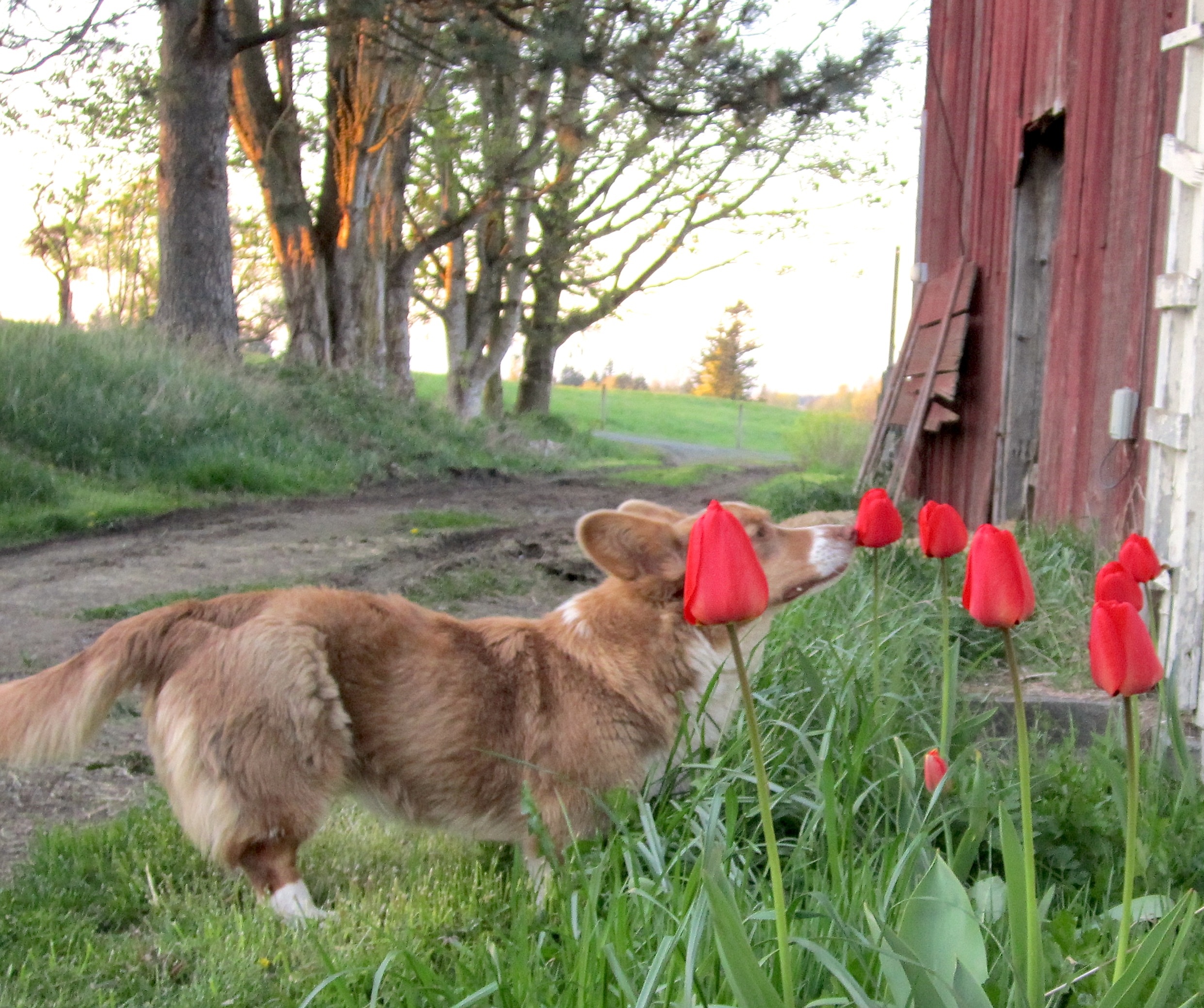
I had a dog
  who loved flowers.
    Briskly she went
        through the fields,

yet paused
  for the honeysuckle
    or the rose,
        her dark head

and her wet nose
  touching
    the face
         of every one

with its petals
  of silk,
    with its fragrance
         rising

into the air
  where the bees,
    their bodies
        heavy with pollen,

hovered—
  and easily
     she adored
        every blossom,

not in the serious,
  careful way
    that we choose
        this blossom or that blossom—

the way we praise or don’t praise—
  the way we love
     or don’t love—
        but the way

we long to be—
  that happy
    in the heaven of earth—
        that wild, that loving.

~Mary Oliver “Luke” from Dog Songs

Why do we not feel the joie de vivre,
the ebullience and fullness of every moment? 
What makes us hide our nakedness rather than join in the walk
in the garden in the cool of the day?
What makes us choose this blossom or that, this tree or that,
this fruit or that, judging for ourselves what is good, better and best? 

What has happened to wild loving appreciation of the heaven of earth?

We gave it up for one taste; we lost heaven and regretted it immediately.

Even so,  joie de vivre awaits,
beyond this, above this. 
We are invited, all expenses paid,
yet unearned,
to go back to the way we long to be:

The incredible grace of loving wildly what we’re given.

Blooming Impossibly

There are days we live
as if death were nowhere
in the background; from joy
to joy to joy, from wing to wing,
from blossom to blossom to
impossible blossom, to sweet impossible blossom.

~Li-Young Lee, last stanza of “From Blossoms” from Rose.

… it seemed as if the tiniest seed of belief had finally flowered in me, or, more accurately, as if I had happened upon some rare flower deep in the desert and had known, though I was just then discovering it, that it had been blooming impossibly year after parched year in me, surviving all the seasons of my unbelief.
~Christian Wiman from My Bright Abyss

To live as if
death were nowhere in the background:
that is impossible right now
when death is in every headline
and everyone knows someone
who has been lost to the virus.

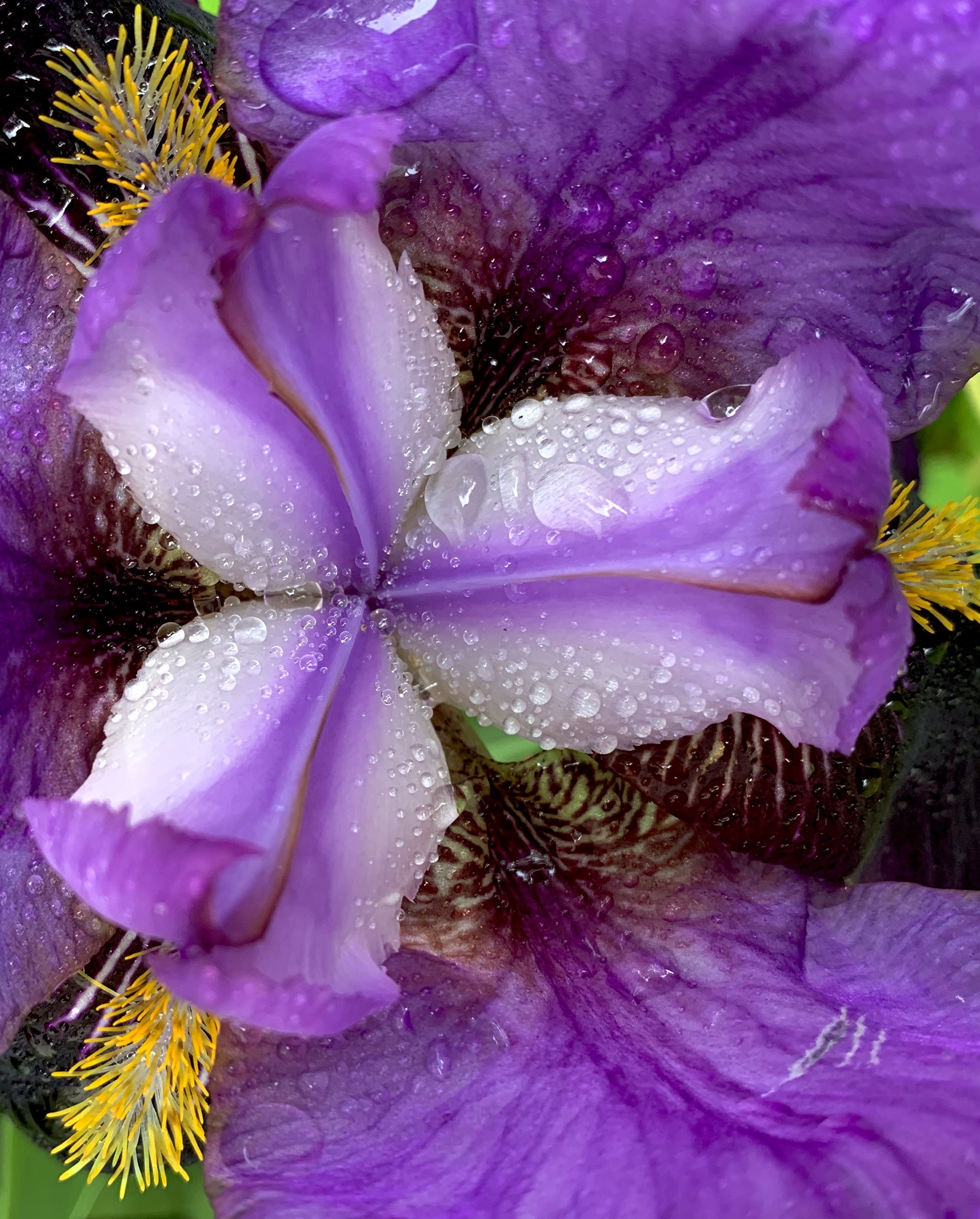
Yet, to still emerge and blossom,
despite the dryness and drought of pandemic~
this is Christ’s call to us.
 
We are not dying,
but alive in Him,
an amazing impossible flowering.

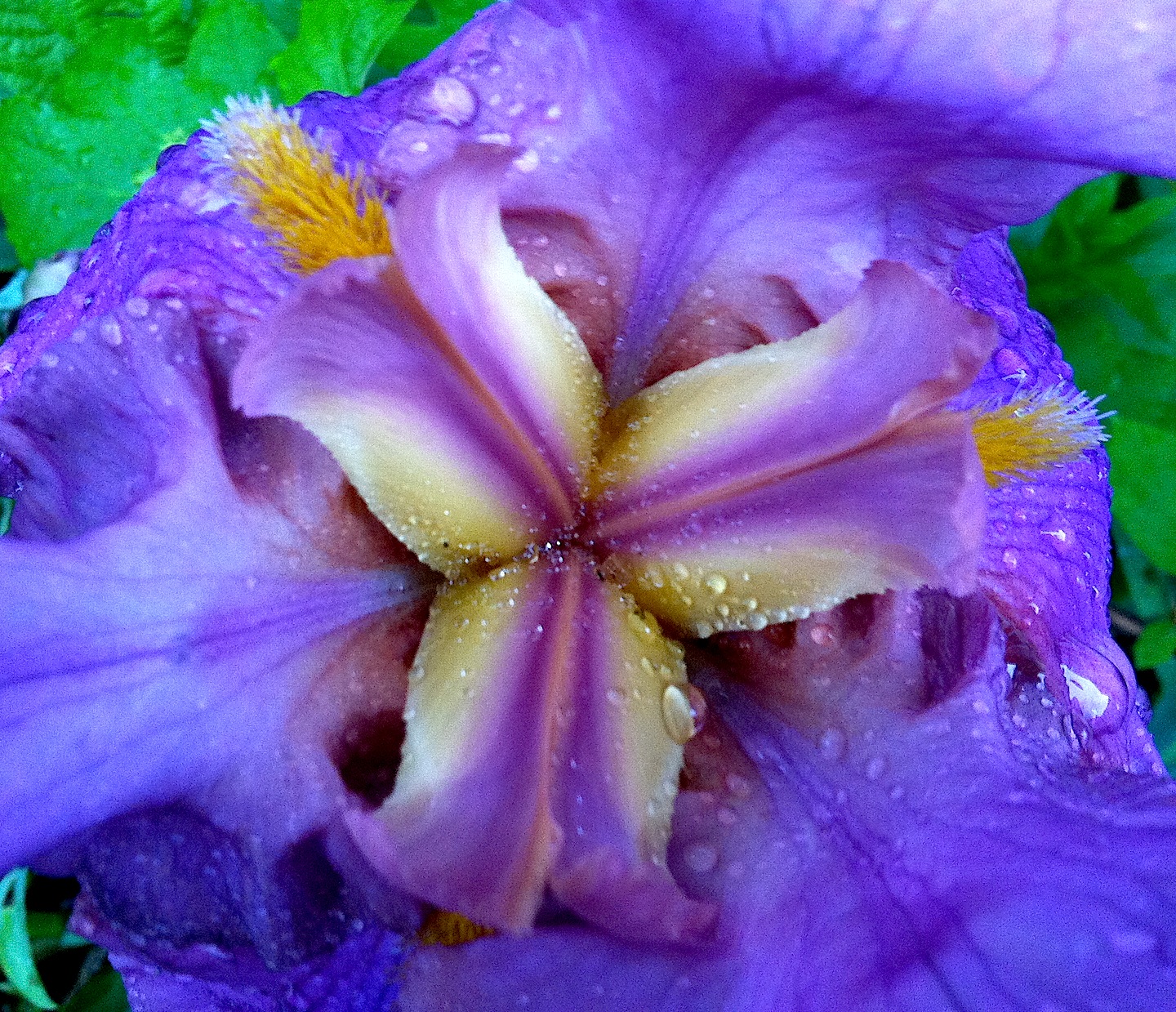
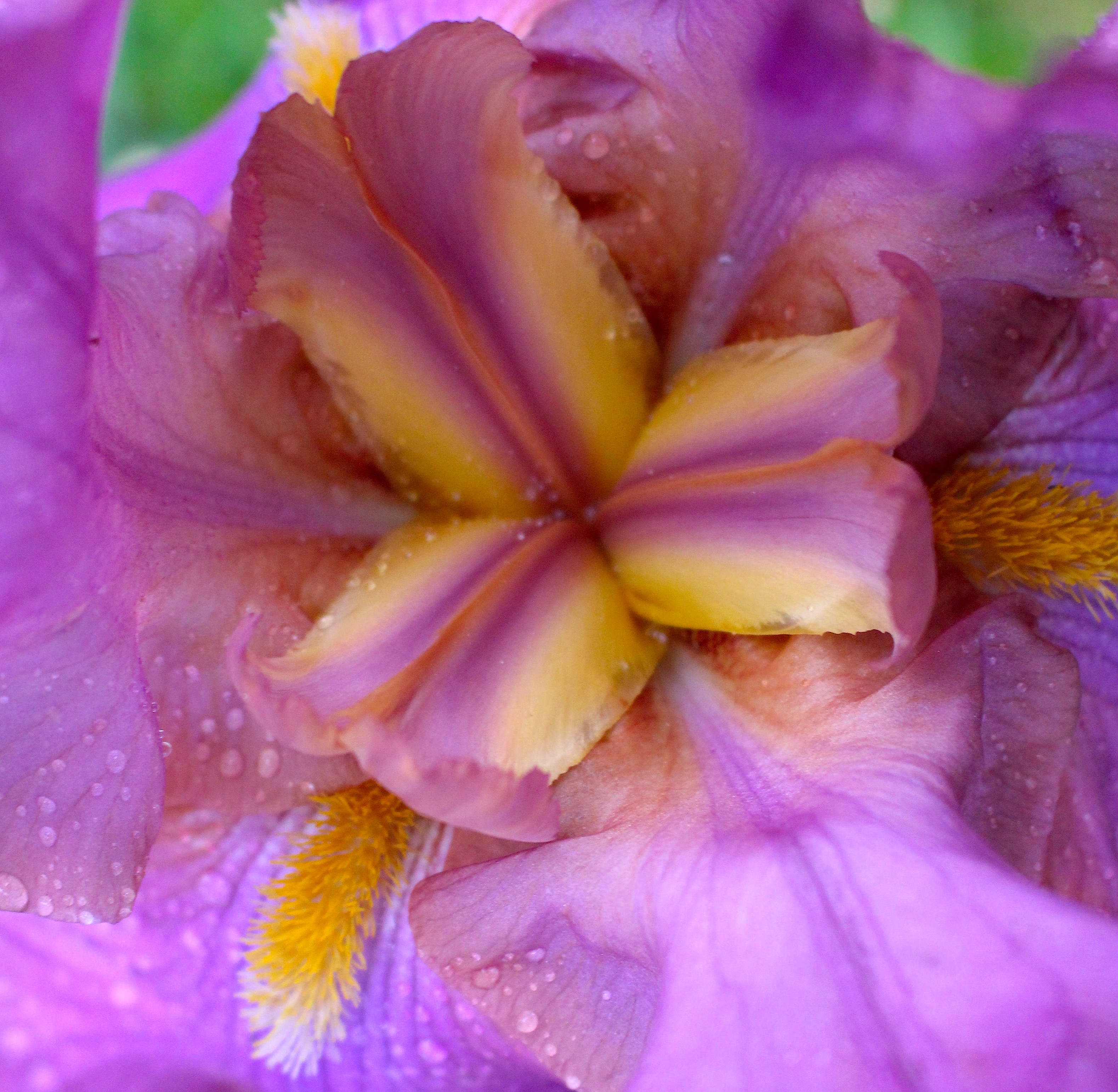
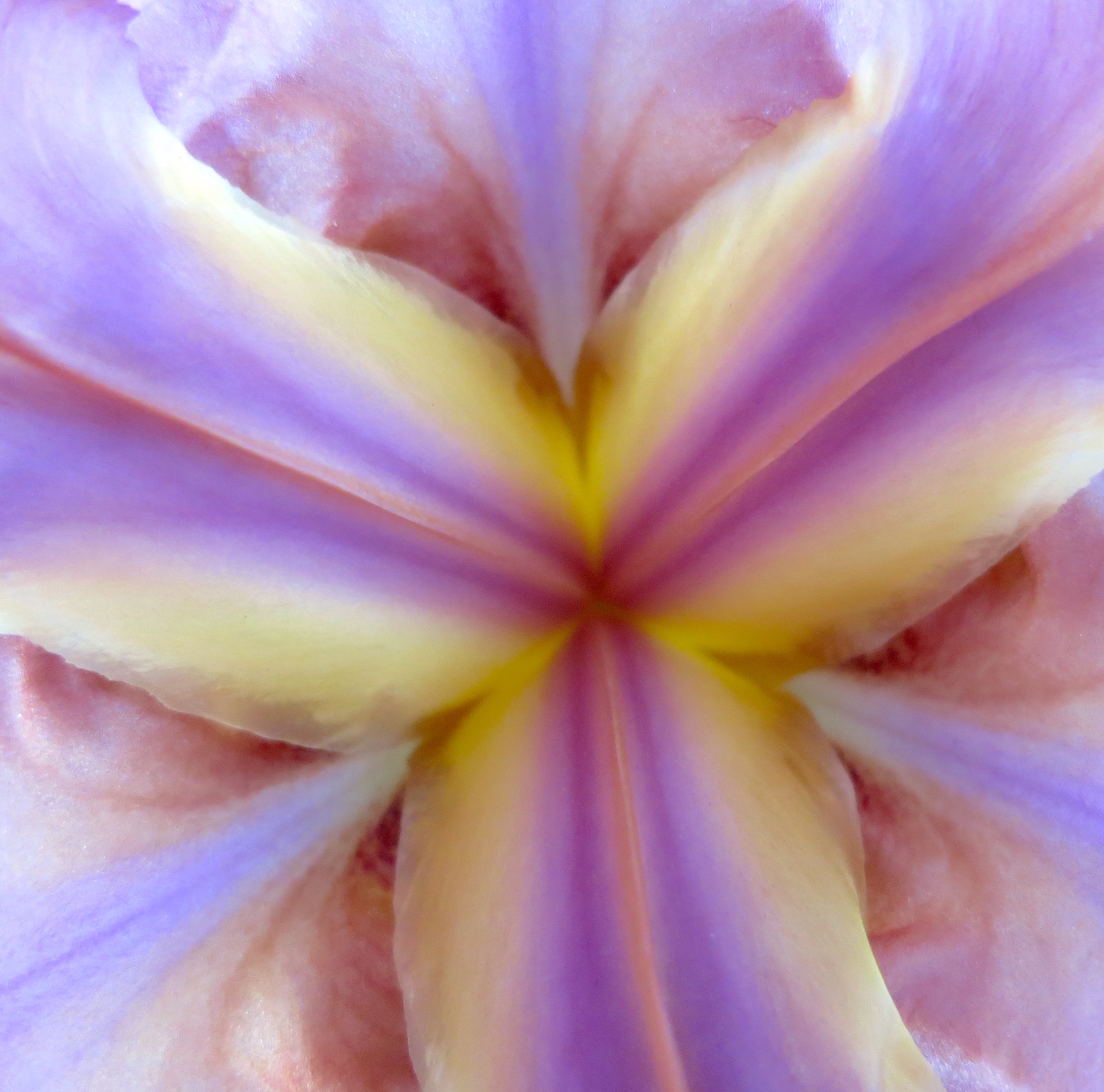
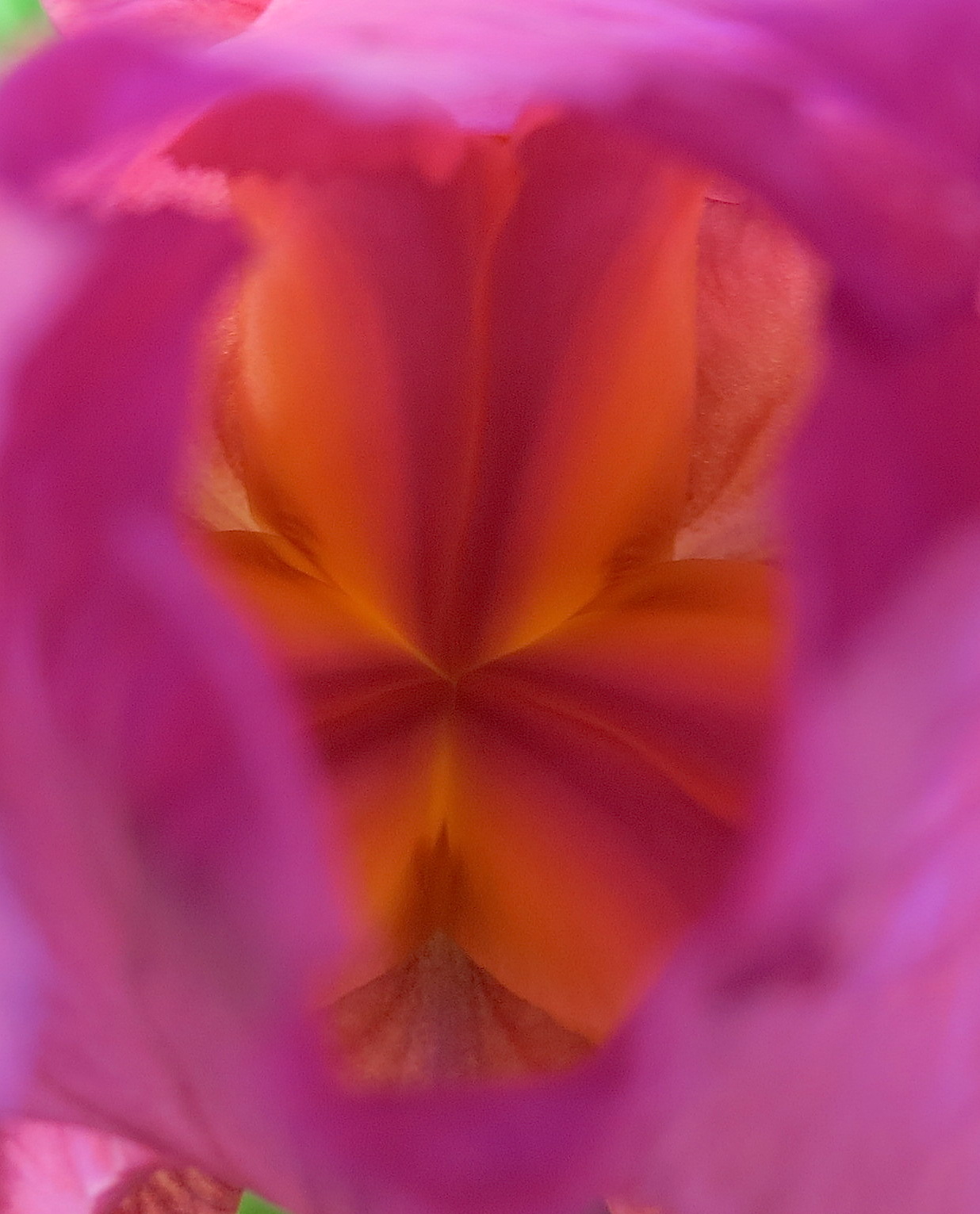
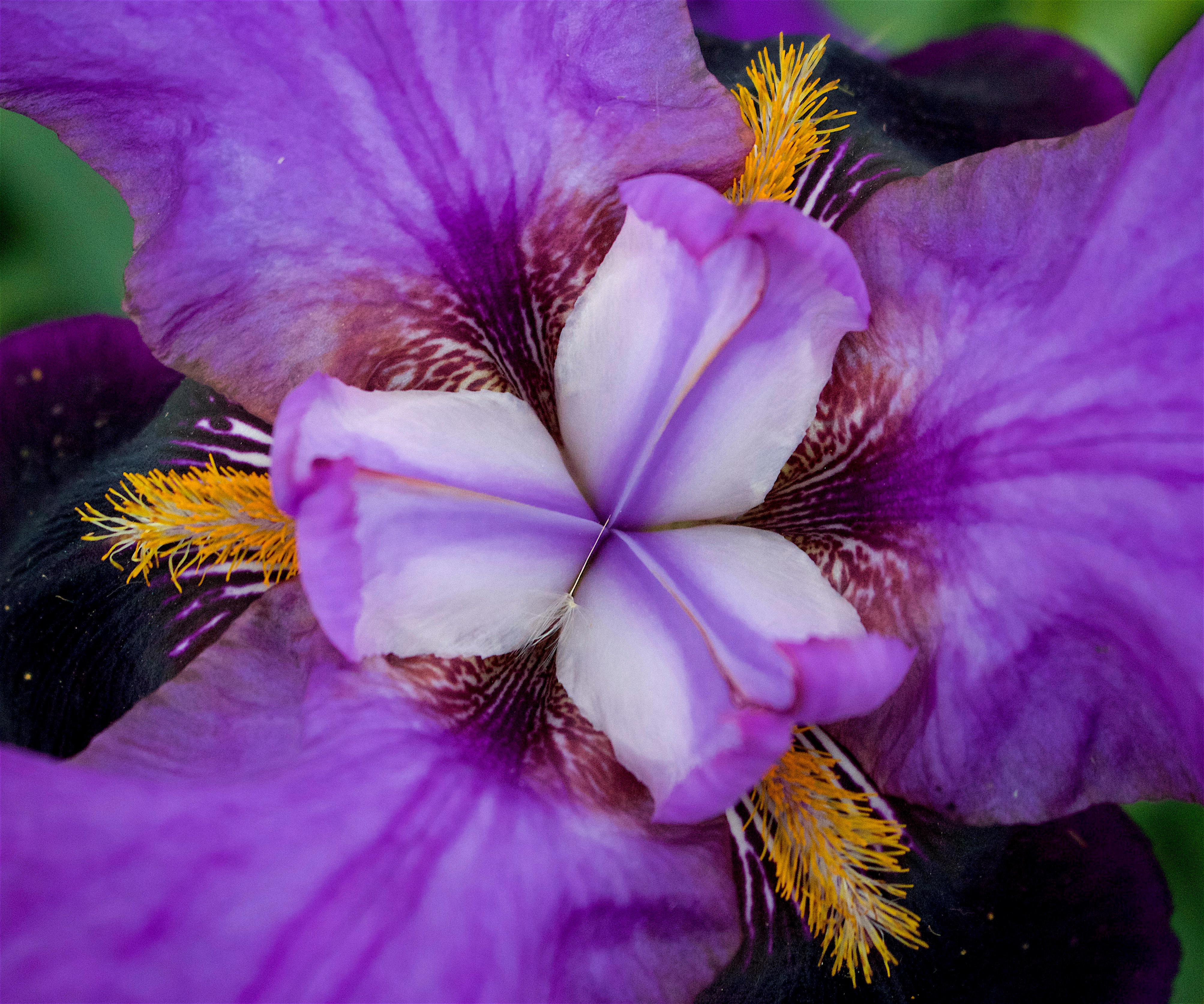
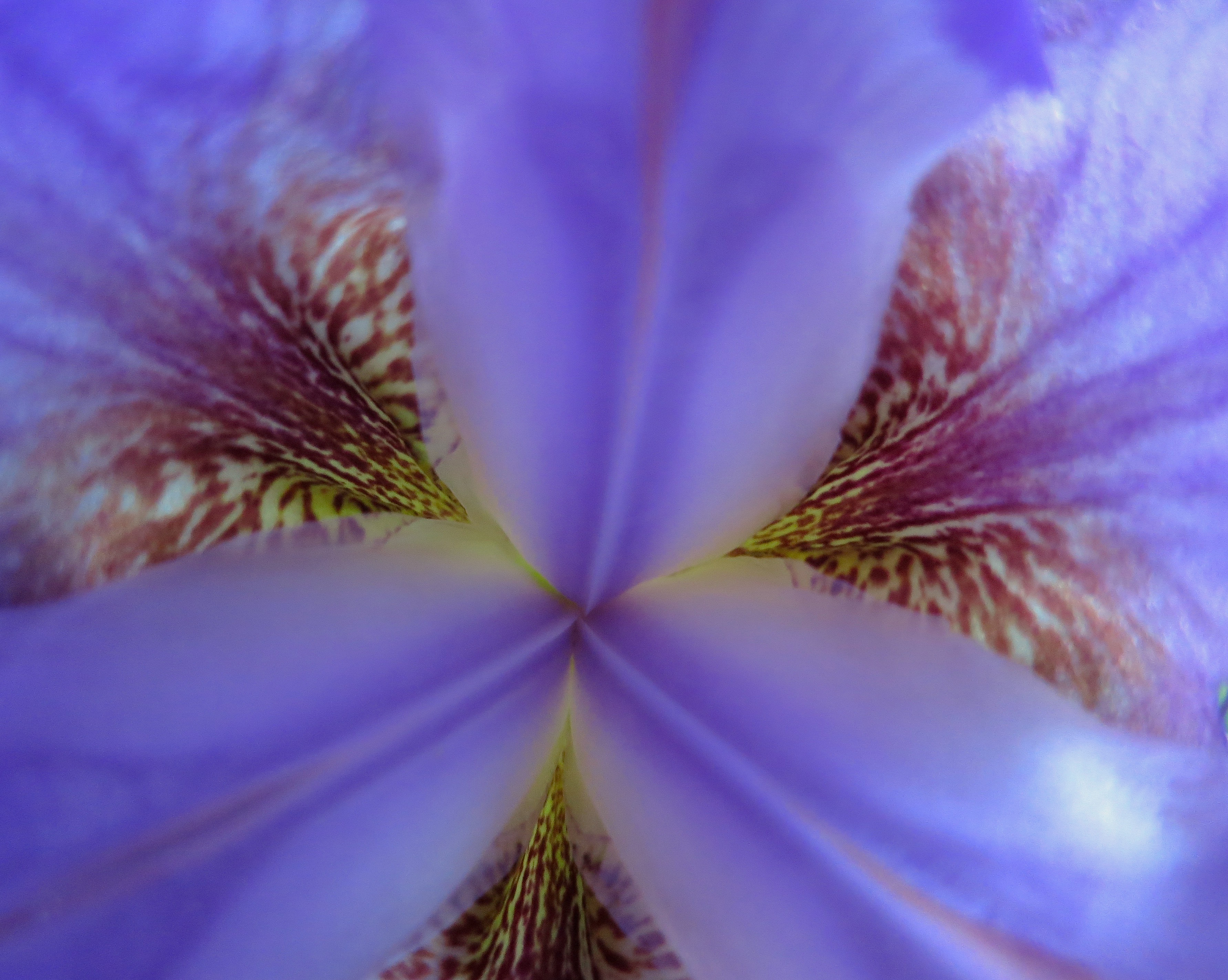
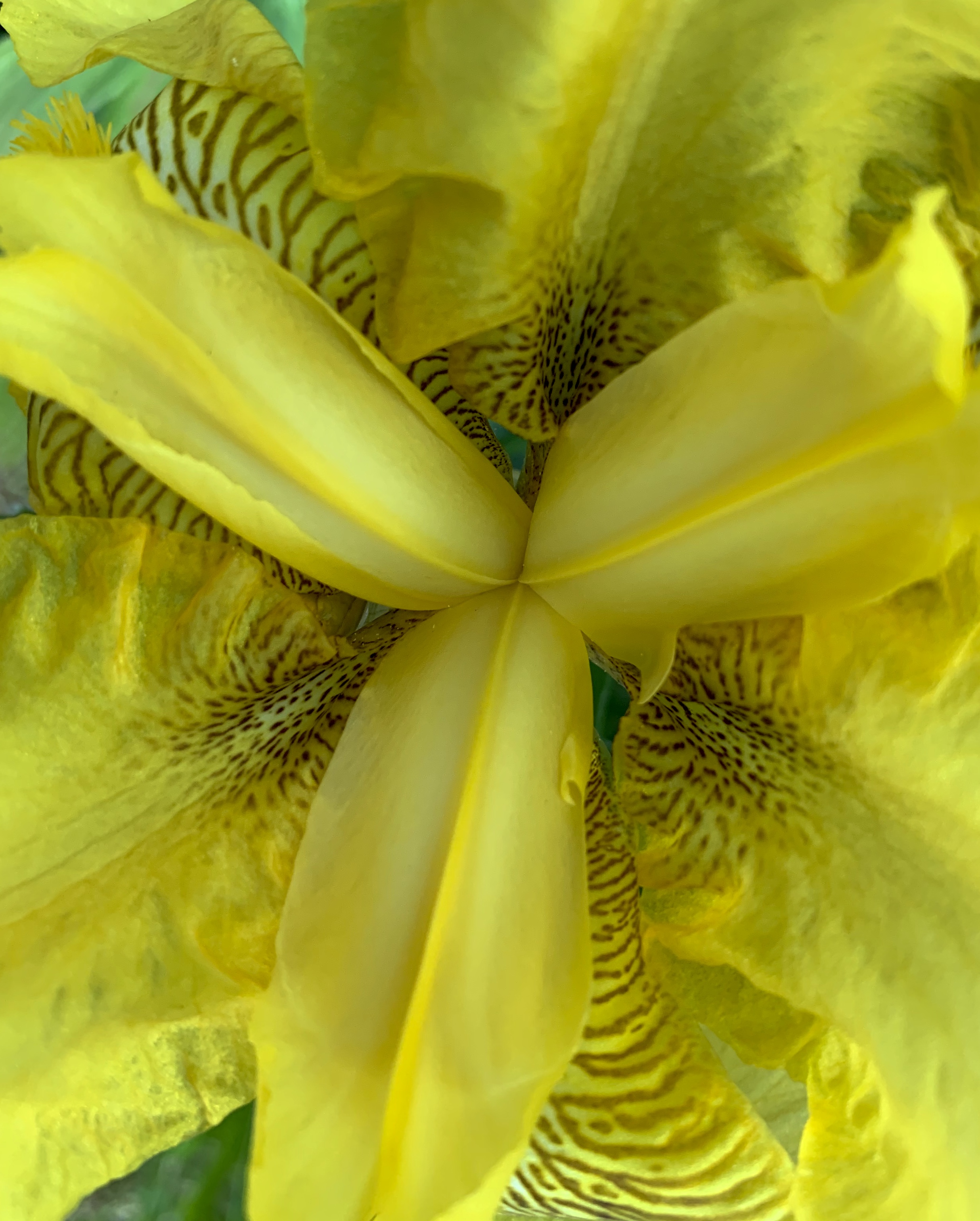
So I allow my eye to peer through
a dying time such as this,
needing a flotation device
and depth finder
as I’m likely to get lost,
sweeping and swooning
through the inner space
of life’s deep tunnels,
canyons and corners,
coming up for air and diving in again
to journey into exotic locales
draped in silken hues
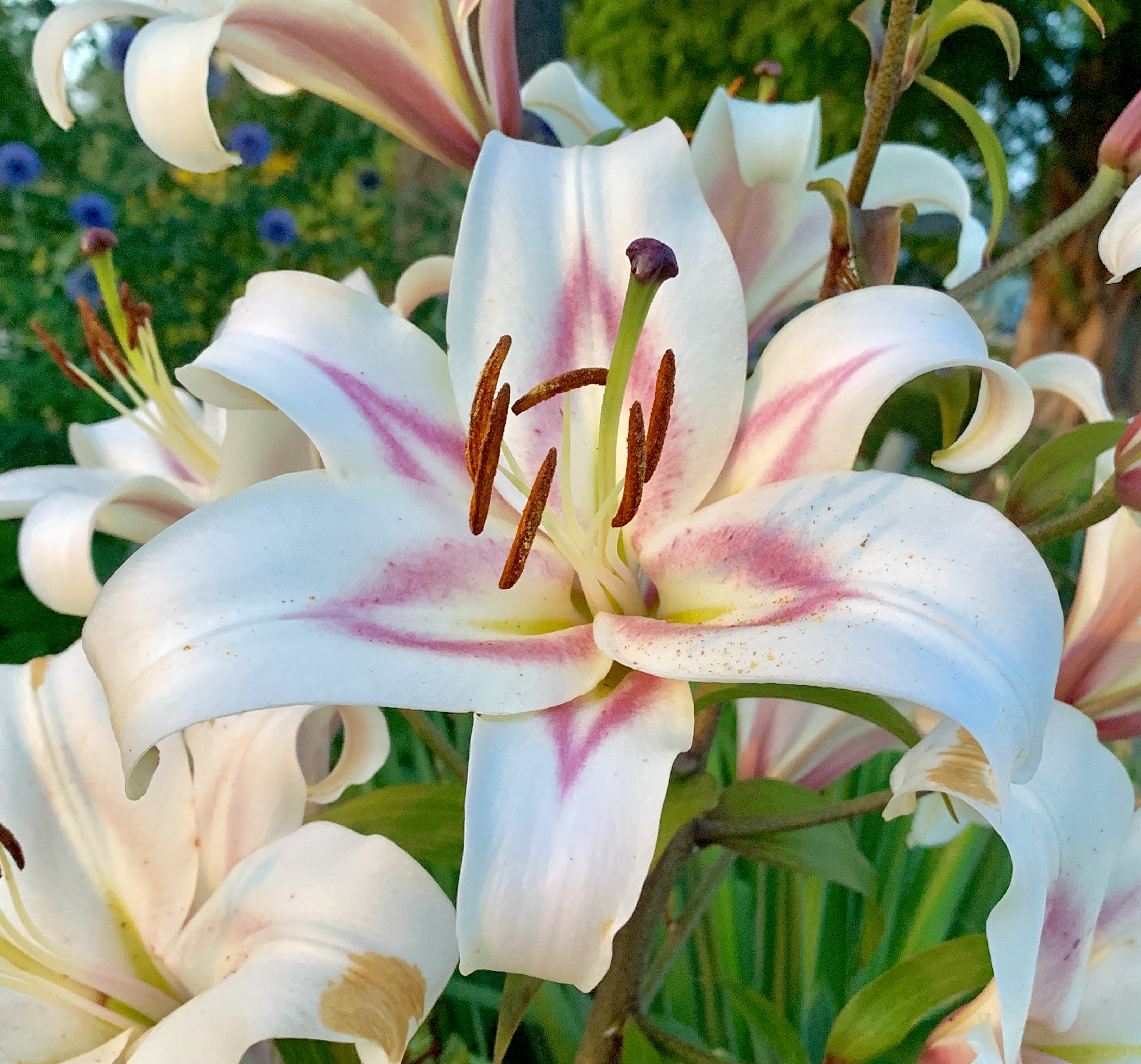
~this fairy land on a stem~
to immerse and emerge
in the possibilities
of such an impossible blossom.

Springtime Passion

You come to fetch me from my work to-night 
When supper’s on the table, and we’ll see 
If I can leave off burying the white 
Soft petals fallen from the apple tree. 
(Soft petals, yes, but not so barren quite, 
Mingled with these, smooth bean and wrinkled pea);
And go along with you ere you lose sight 
Of what you came for and become like me, 
Slave to a springtime passion for the earth. 
How Love burns through the Putting in the Seed 
On through the watching for that early birth 
When, just as the soil tarnishes with weed, 
The sturdy seedling with arched body comes 
Shouldering its way and shedding the earth crumbs.
~Robert Frost “Putting in the Seed”

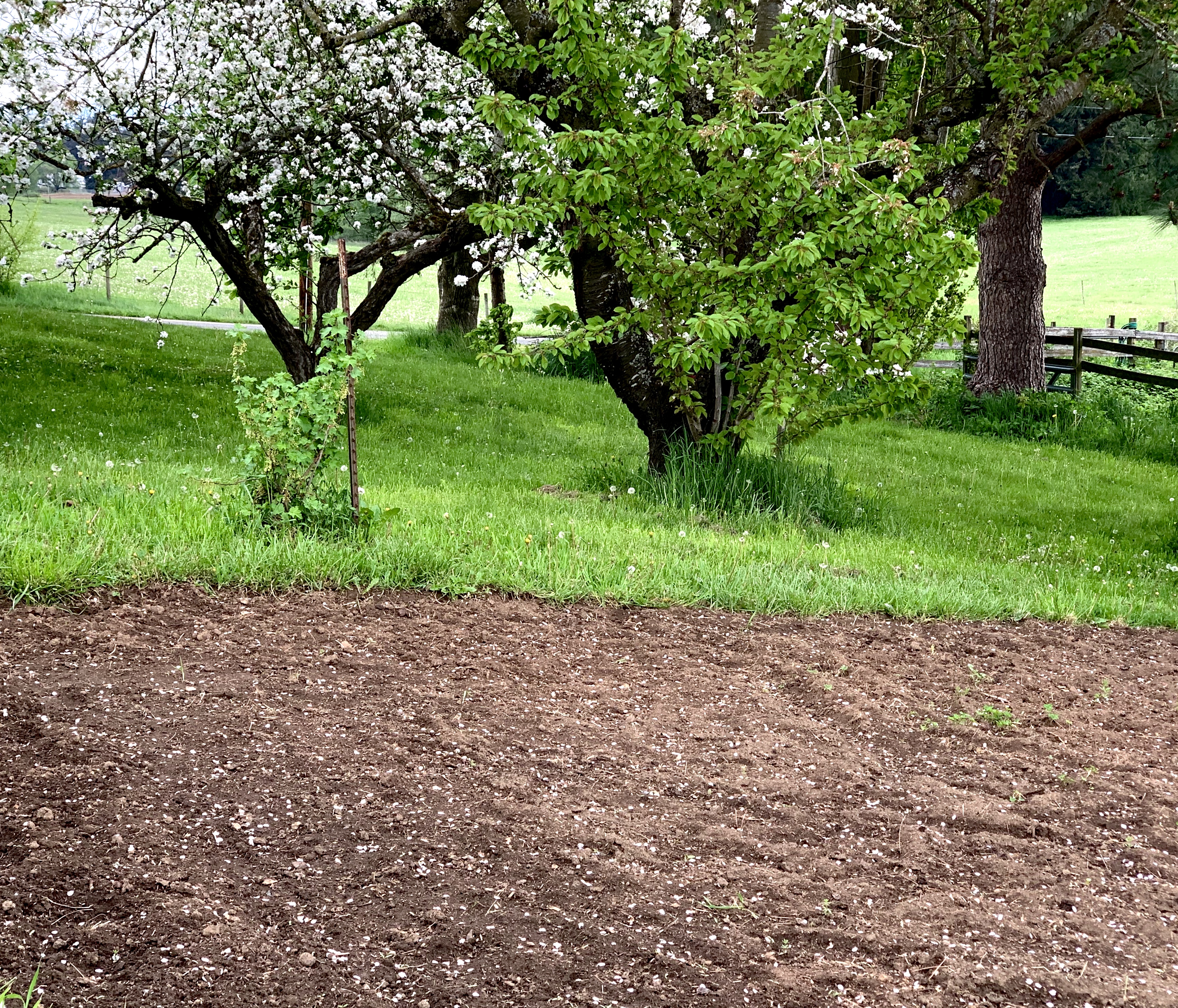
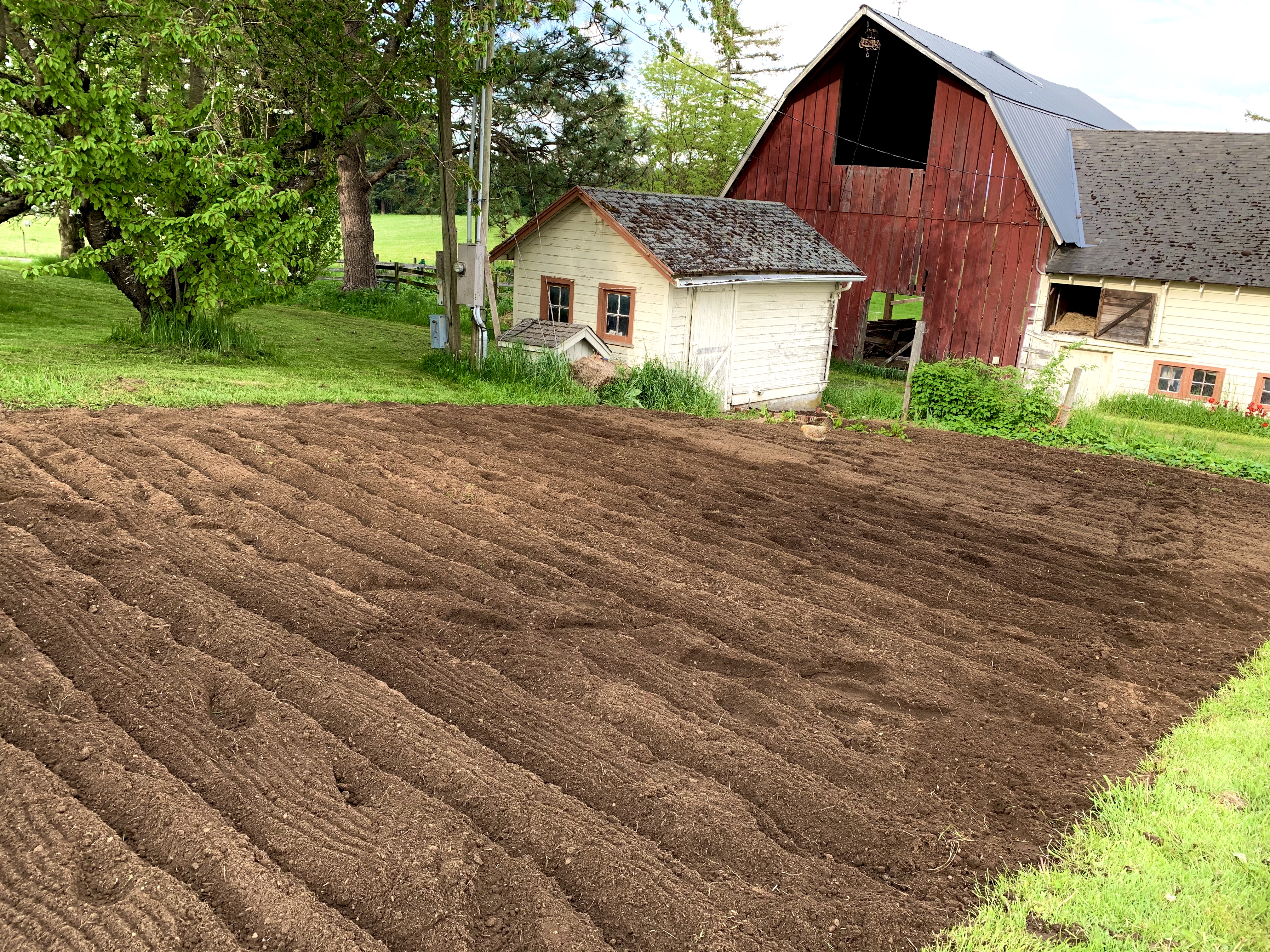
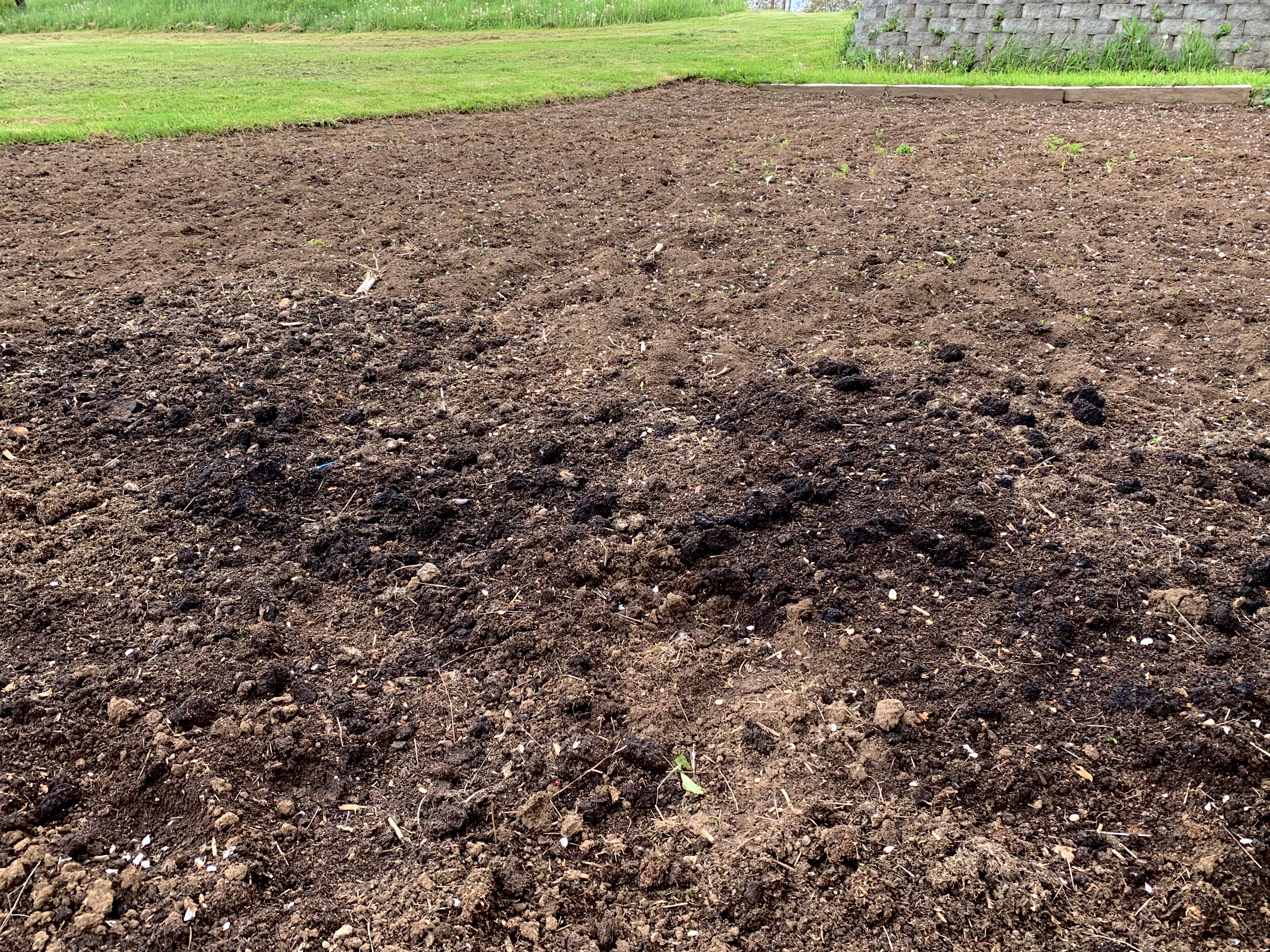
The garden is ready;
the soil turned over,
the compost mixed in,
rototilled to a fine crown.
Next will come the laying out of strings,
the trench hoed straight,
the seed laid one by one in the furrow
and covered gently with a light touch.

Then the sun warms
and showers moisten,
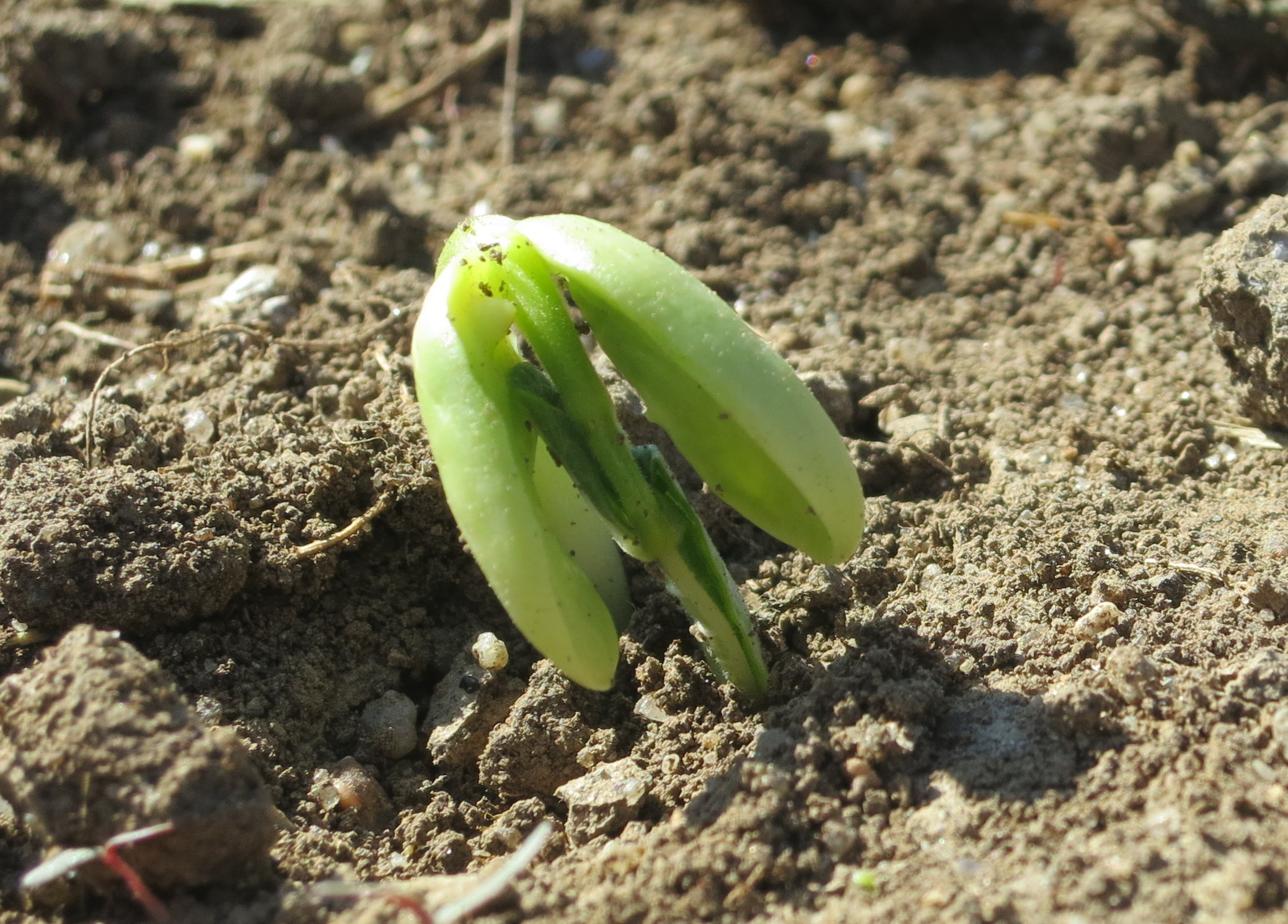
the seeds awaken to push upward,
bold and abrupt,
wanting to know the touch of sky and air
to leaf and leap
and bloom and bear.

Oh, how Love burns
in the Putting in the Seed.

The Worm Forgives the Plough

Field with Plowing Farmers by Vincent Van Gogh

O wet red swathe of earth laid bare,
O truth, O strength, O gleaming share,
O patient eyes that watch the goal,
O ploughman of the sinner’s soul.
O Jesus, drive the coulter deep
To plough my living man from sleep…


Lo, all my heart’s field red and torn,
And Thou wilt bring the young green corn,
And when the field is fresh and fair
Thy blessed feet shall glitter there,
And we will walk the weeded field,
And tell the golden harvest’s yield,
The corn that makes the holy bread
By which the soul of man is fed,
The holy bread, the food unpriced,
Thy everlasting mercy, Christ.
~John Masefield from The Everlasting Mercy

Painting “Plowing the Field” by Joyce Lapp

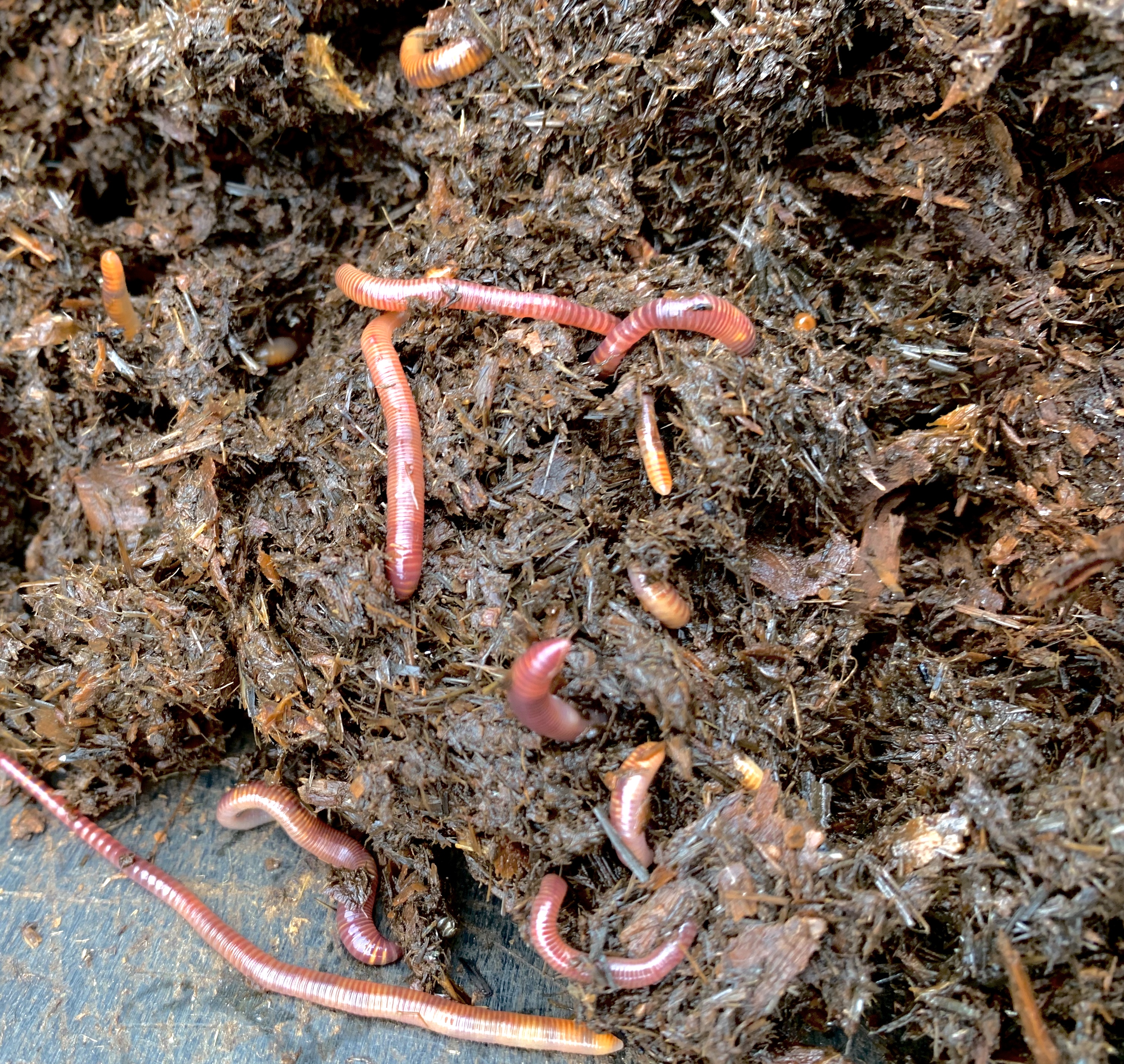
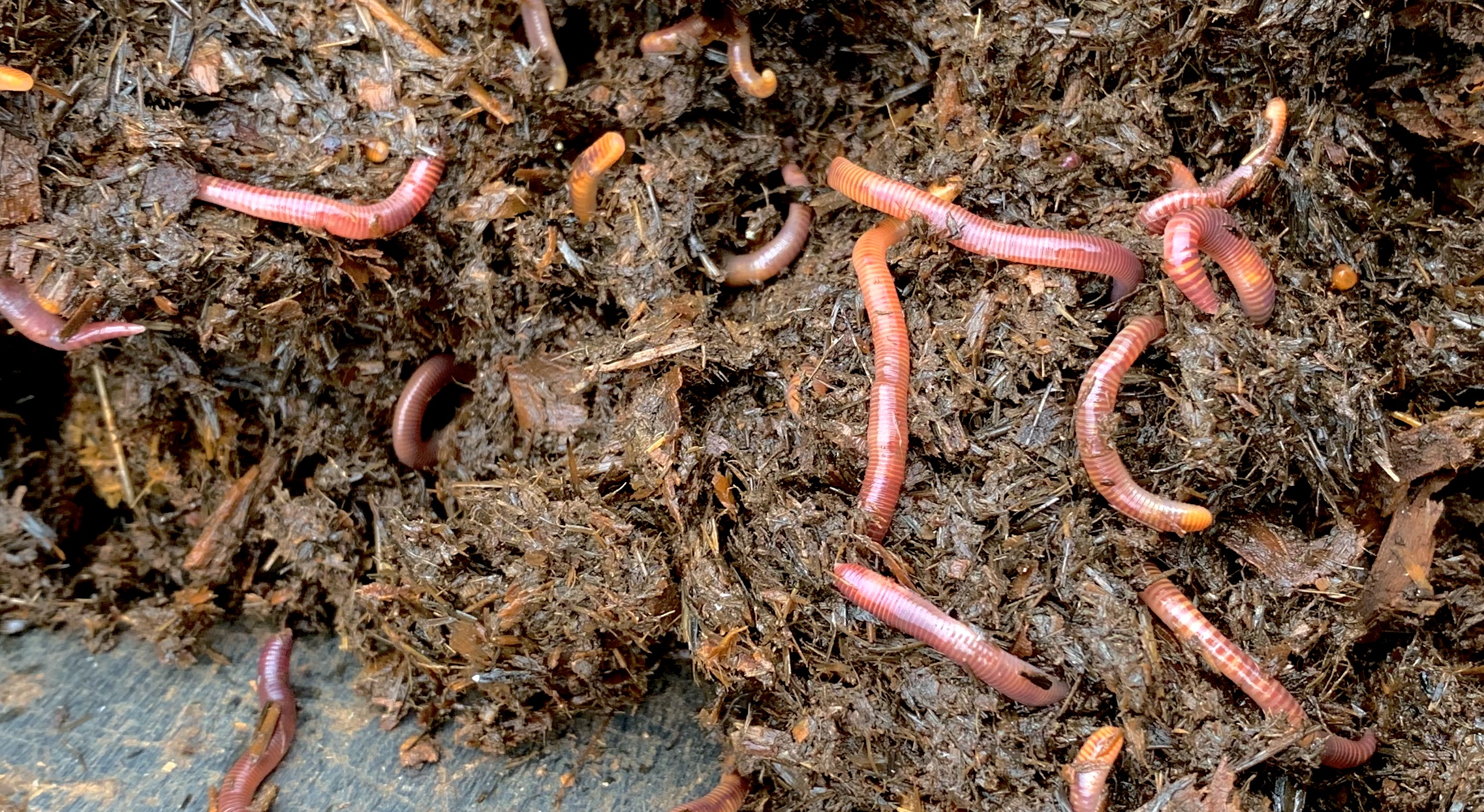
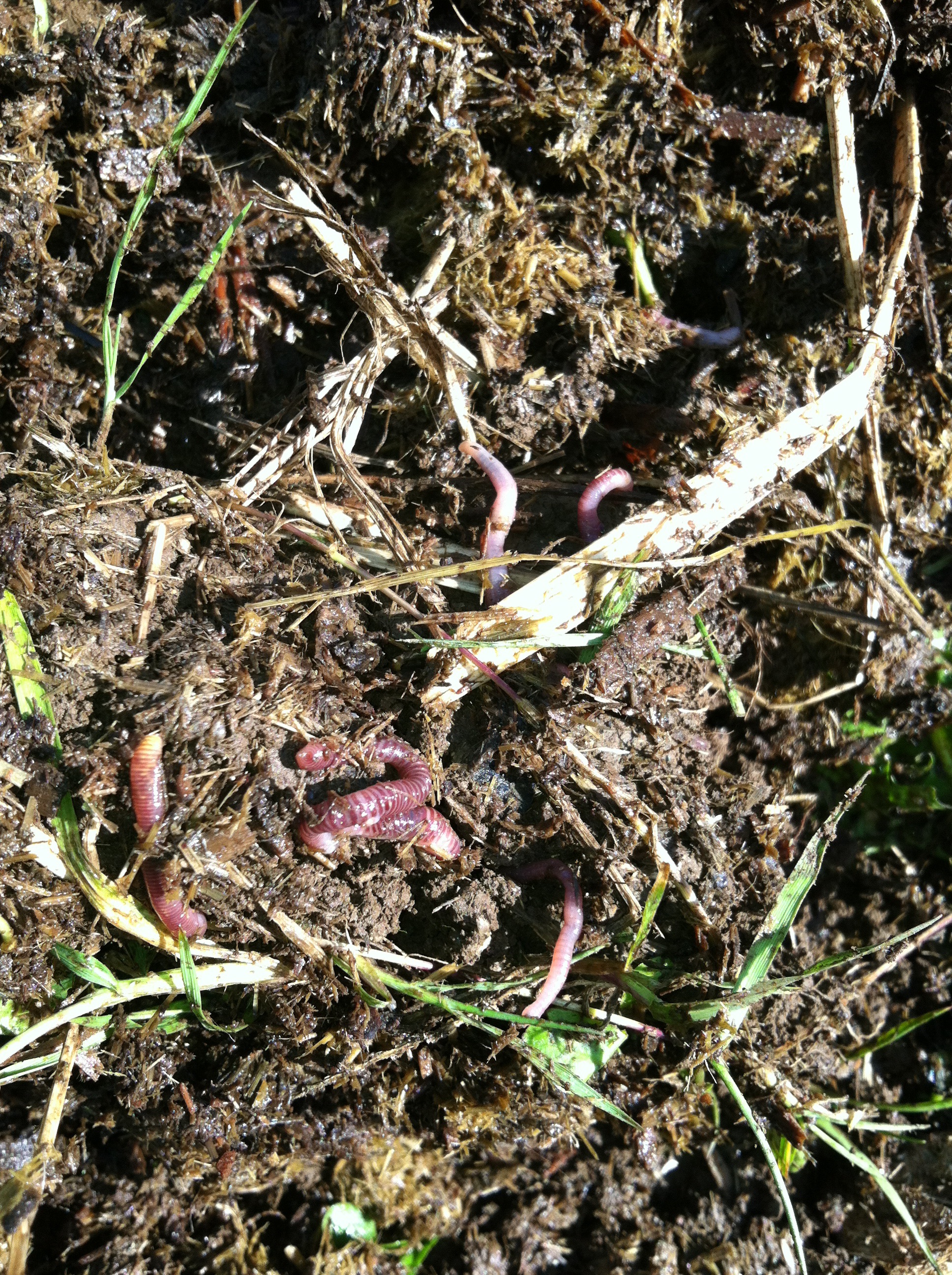
As my farmer husband applies our rich composted manure pile to the spring garden, turning over the soil, thousands of newly exposed red wiggler worms immediately dive for cover. Within seconds, the naked little creatures …worm their way back into the security of warm dirt, having been rudely interrupted from their routine. Gracious to a fault, they tolerate being rolled and raked and lifted and turned upside down, waving their little bodies expectantly in the cool air before slipping back down into the dark. There they will continue their work of digesting and aerating the tired soil of the garden, reproducing in their unique hermaphroditic way, leaving voluminous castings behind to further feed the seedlings to be planted.

Worms are unjustly denigrated by humans primarily because we don’t like to be surprised by them. We don’t like to see one in our food, (especially only part of one) and are particularly distressed to see them after we’ve digested our food. Once we get past that bit of squeamishness, we can greatly appreciate their role as the ultimate recyclers, leaving the earth a lot better off once they are finished with their work.
We humans actually suffer by comparison — to be called “a worm” is really not so bad but the worm might not think a comparison to humans is a great compliment.

My heart land is plowed,
yielding to the plowshare
digging deep with the pull of the harness,
the steady teamster centers the coulter.  

The furrow should be straight and narrow. 
I am tread upon yet still will bloom; 
I forgive the One who turns my world upside down.

The plowing under brings freshness to the surface,
a new face upturns to the cleansing dew,
as knots of worms stay busy making fertile
our simple dust. 

Plow deep my heart, dear Lord. 

the cut worm forgives the plow...
~William Blake from “Proverbs of Hell”


Stumbling into February

“Why, what’s the matter, 
That you have such a February face, 
So full of frost, of storm and cloudiness?” 
–  William Shakespeare,  Much Ado About Nothing

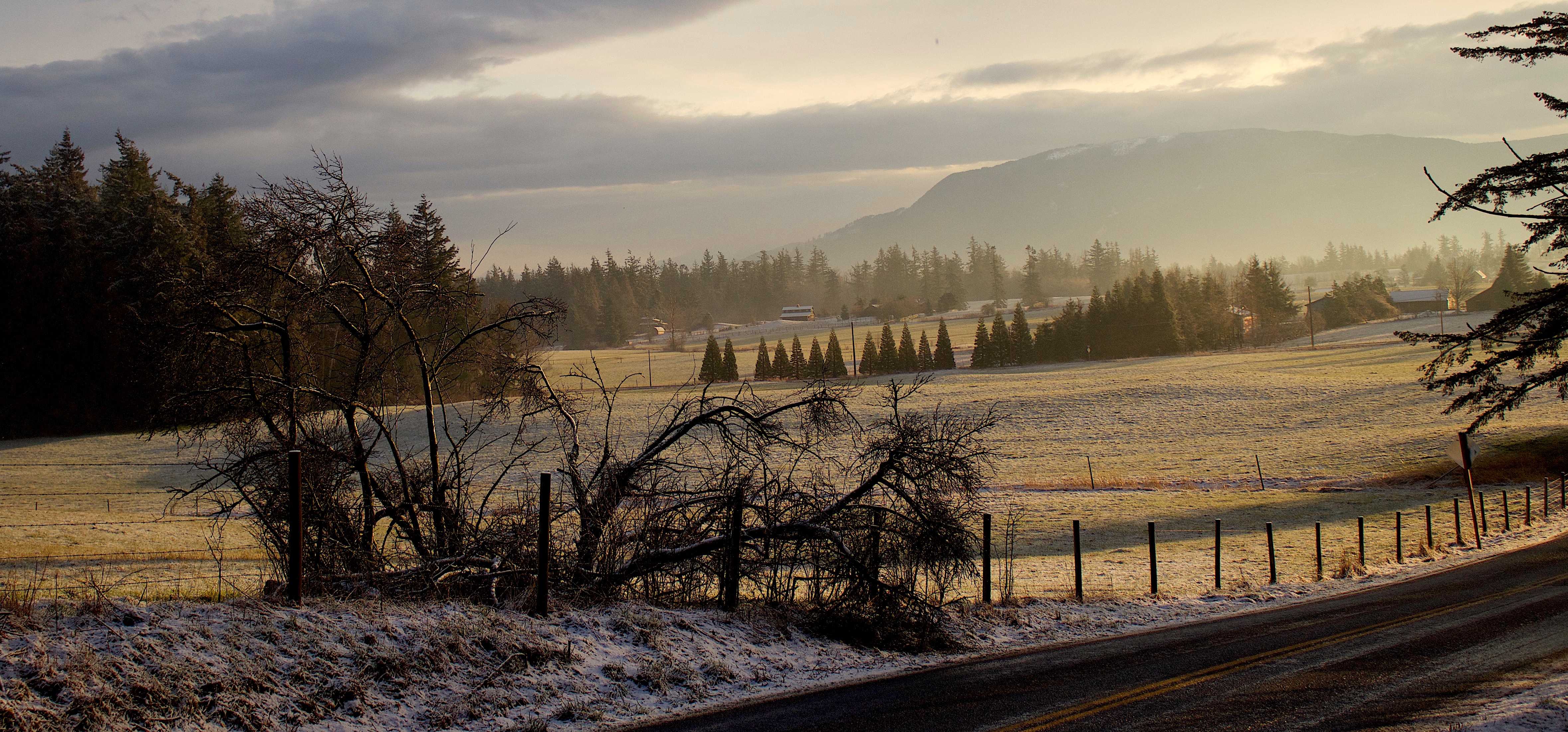
January was particularly dark and dank, especially last night as the month wrapped up with a deluge, flooding numerous roads in our rural county.  The beginning of February often feels like this: the conviction winter will never be finished messing with us. Our doldrums are deep; brief respite of sun and warmth too rare.

I feel it in the barn as I go about my daily routine.   The Haflingers are impatient and yearn for freedom, over-eager when handled, sometimes banging on the stall doors in their frustration at being shut in,  not understanding that the alternative is to stand outside all day in cold rain and wind.  To compensate for their confinement, I do some grooming of their thick winter coats, urging their hair to loosen and curry off in sheets over parts of their bodies, yet otherwise still clinging tight.  The horses are a motley crew right now, much like a worn ’60s shag carpet, uneven and in dire need of updating.  I prefer that no one see them like this and discourage visitors to the farm, begging people to wait a few more weeks until they (and I) are more presentable. Eventually I know the shag on my horses will come off, revealing the sheen of new short hair beneath, but when I look at myself, I’m unconvinced there is such transformation in store for me. Cranky, I  put one foot ahead of the other, get done what needs to be done, oblivious to the subtle renewal around me, refusing to believe even in the possibility.
It happened today.  Dawn broke bright and blinding and I heard the fields calling, so I heeded, climbing the hill and turning my face to the eastern light, soaking up all I could.  It was almost too much to keep my eyes open, as they are so accustomed to gray darkness. And then I stumbled across something extraordinary.

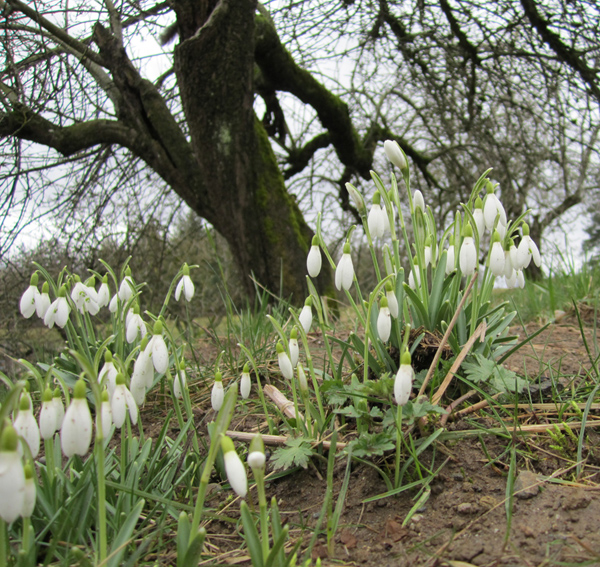
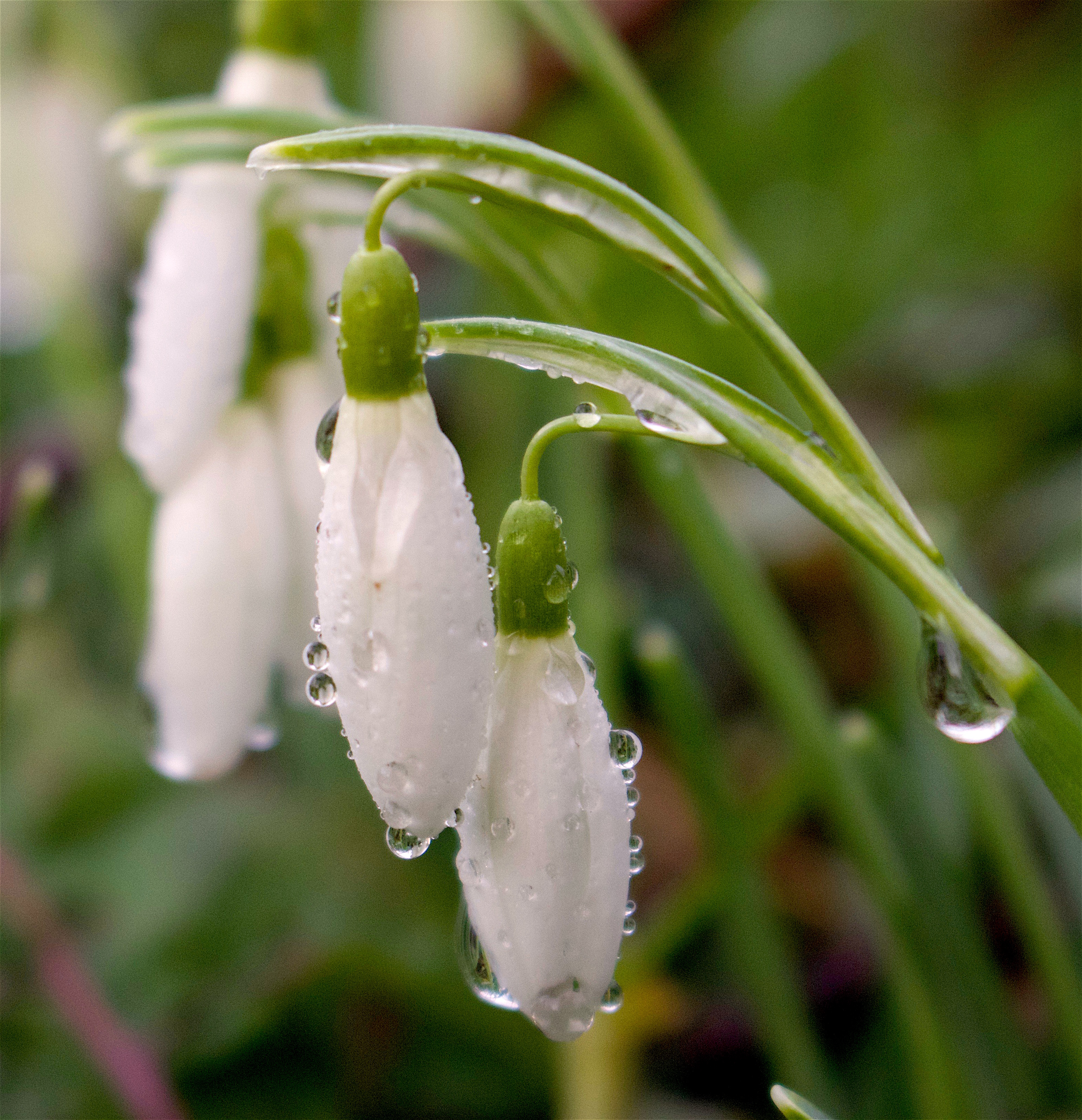
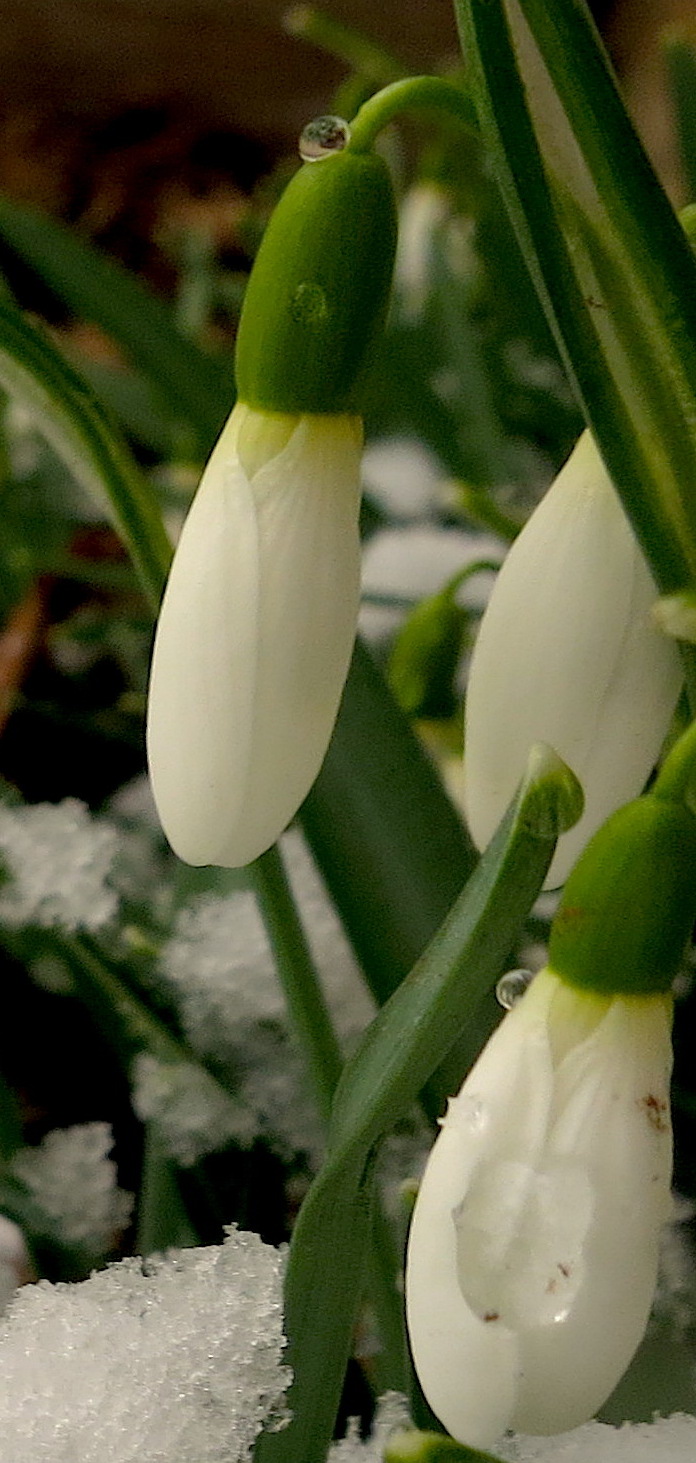
A patch of snowdrops sat blooming in an open space on our acreage, visible now only because of the brush clearing that was done last fall. Many of these little white upside down flowers were planted long ago around our house and yard, but  I had no idea they were also such a distance away, hiding underground. Yet there they’ve been, year after year, harbingers of the long-awaited spring to come in a few short weeks, though covered by the overgrowth of decades of neglect and invisible to me in my self-absorbed blindness.  I was astonished that someone, many many years ago, had carried these bulbs this far out to a place not easy to find, and planted them, hoping they might bless another soul sometime somehow.  Perhaps the spot marks a grave of a beloved pet, or perhaps it was simply a retreat of sorts, but there the blossoms had sprung from their sleep beneath the covering of years of fallen leaves and blackberry vines.

It was if I’d been physically hugged by this someone long dead,  now flesh and blood beside me, with work-rough hands, and dirty fingernails, and broad brimmed hat, and a satisfied smile.  I’m certain the secret gardener is no long living, and I reach back across those years in gratitude, to show my deep appreciation for the time and effort it took to place a foretaste of spring in an unexpected and hidden place.

I am thus compelled to look for ways to leave such a gift for someone to find 50 years hence as they likewise stumble blindly through too many gray days full of human frailty and flaw. Though I will be long gone,  I can reach across the years to grab them, hug them in their doldrums, lift them up and give them hope for what is to come.  What an astonishing thought that it was done for me and in reaffirming that promise of renewal,  I can do it for another.

All We Know of God

It hovers in dark corners 
before the lights are turned on,   
it shakes sleep from its eyes   
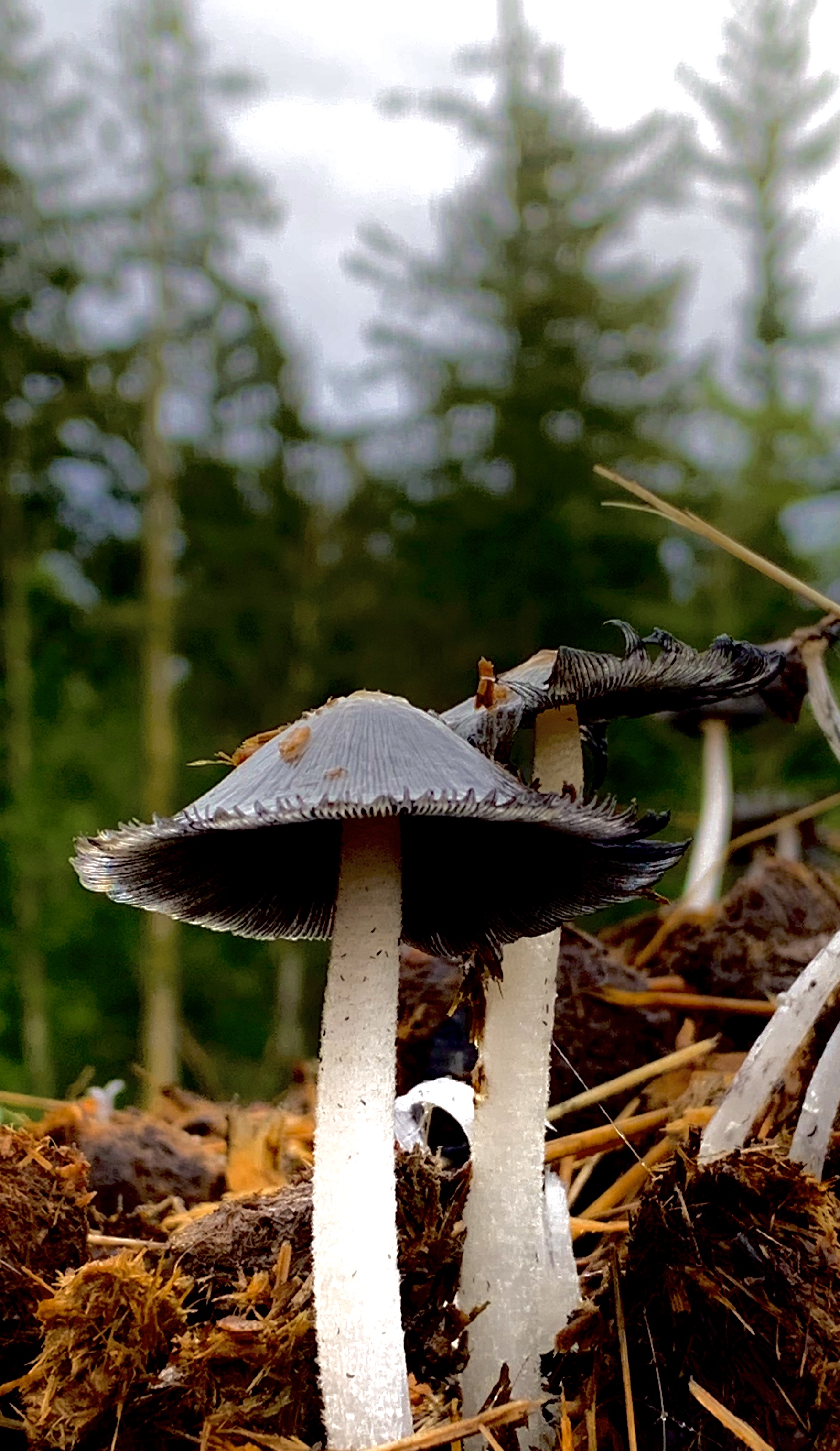
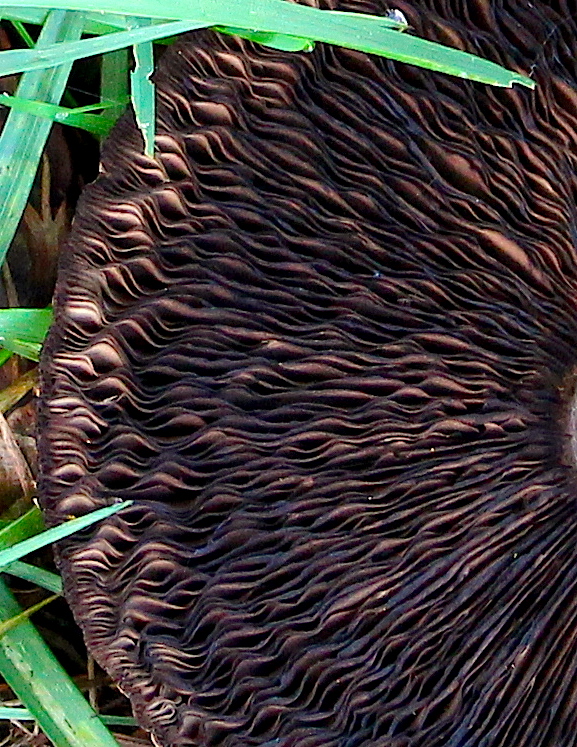
and drops from mushroom gills,   
it explodes in the starry heads   
of dandelions turned sages,   
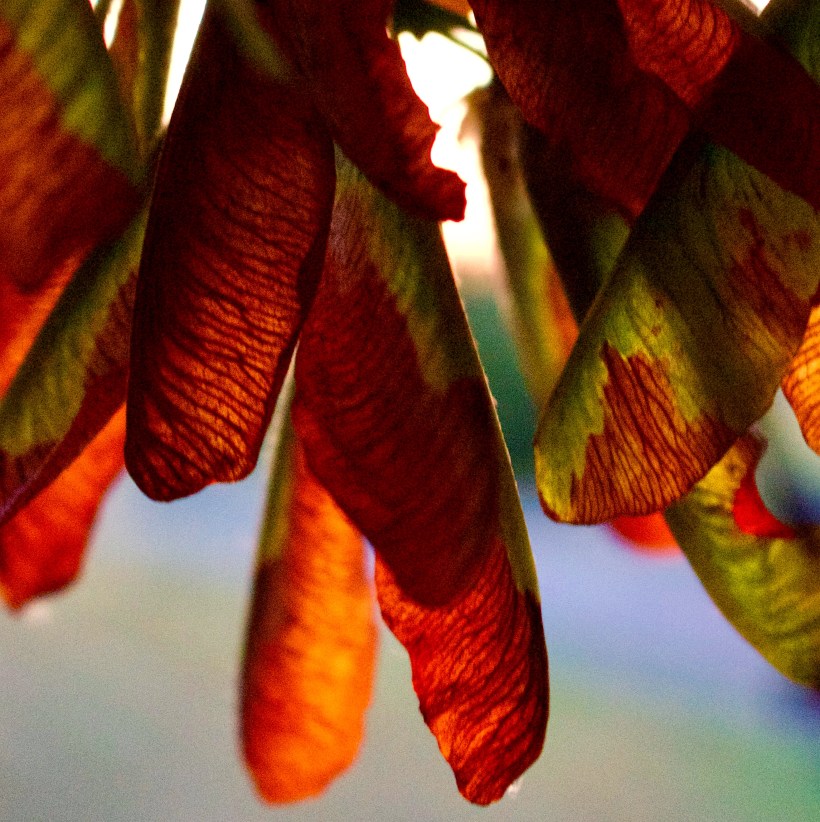
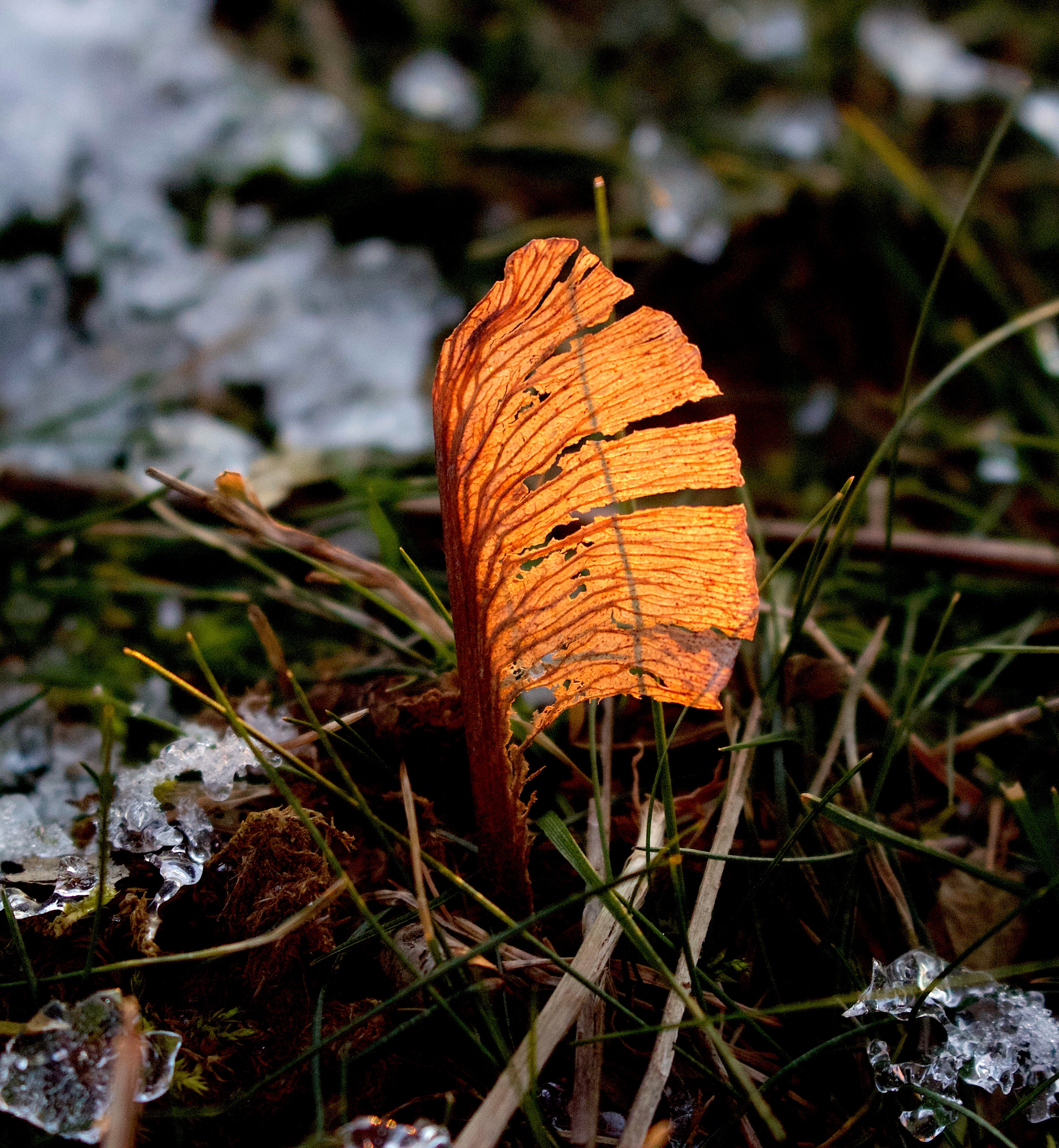
it sticks to the wings of green angels   
that sail from the tops of maples.     
It sprouts in each occluded eye   
of the many-eyed potato,   
it lives in each earthworm segment   
surviving cruelty,   
it is the motion that runs the tail of a dog,   
it is the mouth that inflates the lungs   
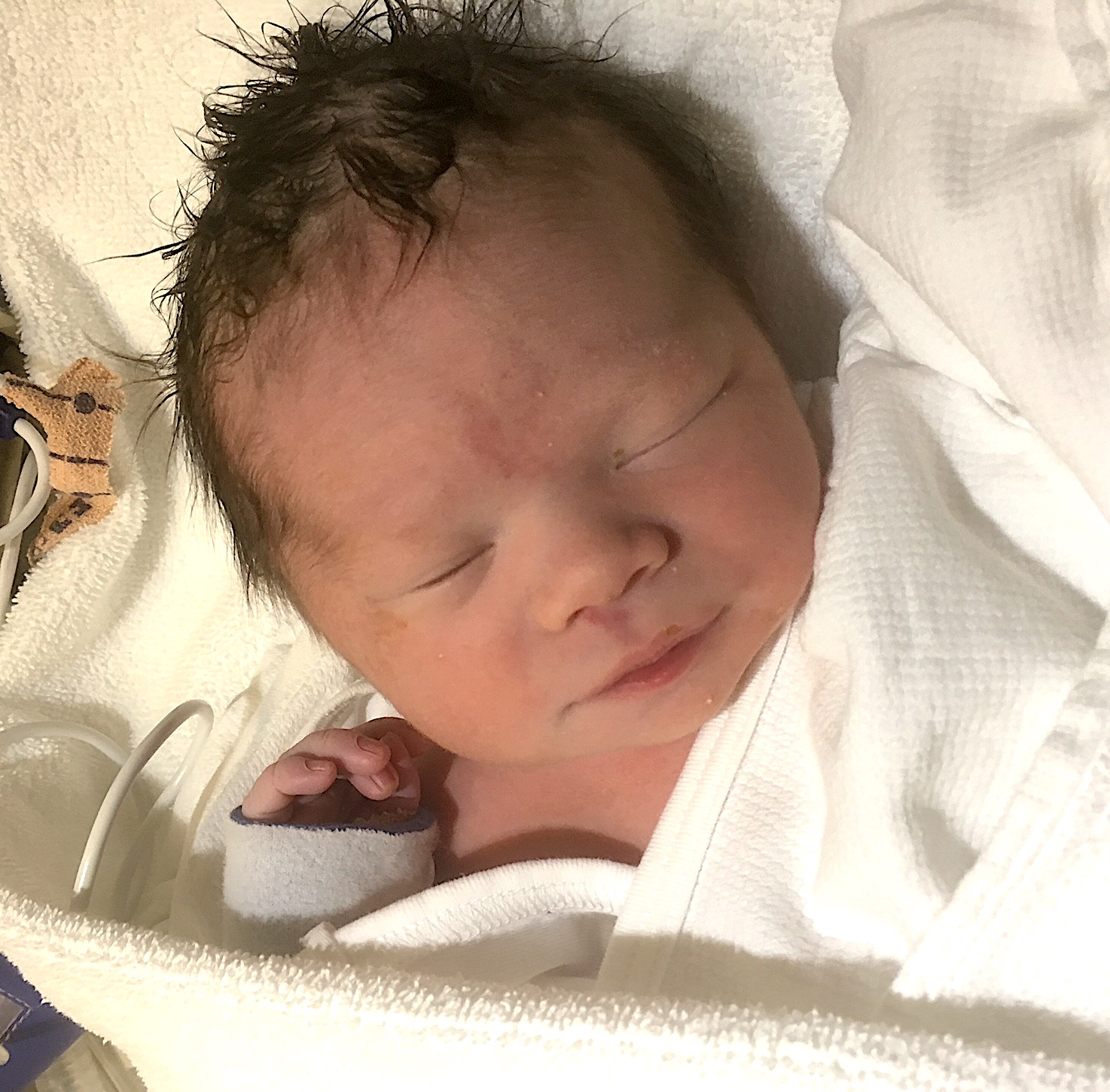
of the child that has just been born.     
It is the singular gift   
we cannot destroy in ourselves,   
the argument that refutes death,   
the genius that invents the future,   
all we know of God.     
It is the serum which makes us swear   
not to betray one another;   
it is in this poem, trying to speak
~ Lisel Mueller “Hope” from Alive Together

As long as there is one upright man, as long as there is one compassionate woman, the contagion may spread and the scene is not desolate. Hope is the thing that is left to us, in a bad time. I shall get up Sunday morning and wind the clock, as a contribution to order and steadfastness.

Sailors have an expression about the weather: they say, the weather is a great bluffer. I guess the same is true of our human society — things can look dark, then a break shows in the clouds, and all is changed, sometimes rather suddenly. It is quite obvious that the human race has made a queer mess of life on this planet. But as a people we probably harbor seeds of goodness that have lain for a long time waiting to sprout when the conditions are right. Man’s curiosity, his relentlessness, his inventiveness, his ingenuity have led him into deep trouble. We can only hope that these same traits will enable him to claw his way out.

Hang on to your hat. Hang on to your hope. And wind the clock, for tomorrow is another day.

Sincerely,
E. B. White ~from Letters of Note: Correspondence Deserving of a Wider Audience 

We can’t claw our way out of
the mess we’ve made of things;
it takes Someone
to dig us out of the hole,
brush us off,
clean us up,
and breathe fresh breath into our nostrils.
We can only hope
hope will be more contagious
than any pandemic virus.
We can only hope
and grab hold and put down roots
when His hand reaches down
to plant us firmly the dirt.

The Moment You Forgot

It was like the moment when a bird decides not to eat
from your hand,
and flies, just before it flies, the moment the rivers seem
to still
and stop because a storm is coming, but there is no
storm, as when
a hundred starlings lift and bank together before they
wheel and drop,
very much like the moment, driving on bad ice, when it
occurs to you
your car could spin, just before it slowly begins to spin,
like
the moment just before you forgot what it was you were
about to say,
it was like that, and after that, it was still like that, only
all the time.

~Marie Howe “Part of Eve’s Discussion”

We all know how vulnerable we are to temptation; we know our failings and weaknesses yet how quickly we can go from knowing to forgetting.

There is a stillness, a suspension of time, in that moment of knowing – there is constant internal debate about the choices we face and what to do with that knowledge.

How many of us, knowing well the consequences, still do what we ought not to do? How many of us, having been previously told, having learned from history, having already experienced our own banishment, still make the wrong decision?

All of us, all the time, that’s how many. We are helpless despite our knowledge of good and evil. We forget, over and over.

Thank God for His grace in the face of our poor memories. Thank God He still feeds us wholly from His loving hands.

To Let it Go

I let her garden go.
let it go, let it go
How can I watch the hummingbird
Hover to sip
With its beak’s tip
The purple bee balm — whirring as we heard
It years ago?

The weeds rise rank and thick
let it go, let it go
Where annuals grew and burdock grows,
Where standing she
At once could see
The peony, the lily, and the rose
Rise over brick

She’d laid in patterns. Moss
let it go, let it go
Turns the bricks green, softening them
By the gray rocks
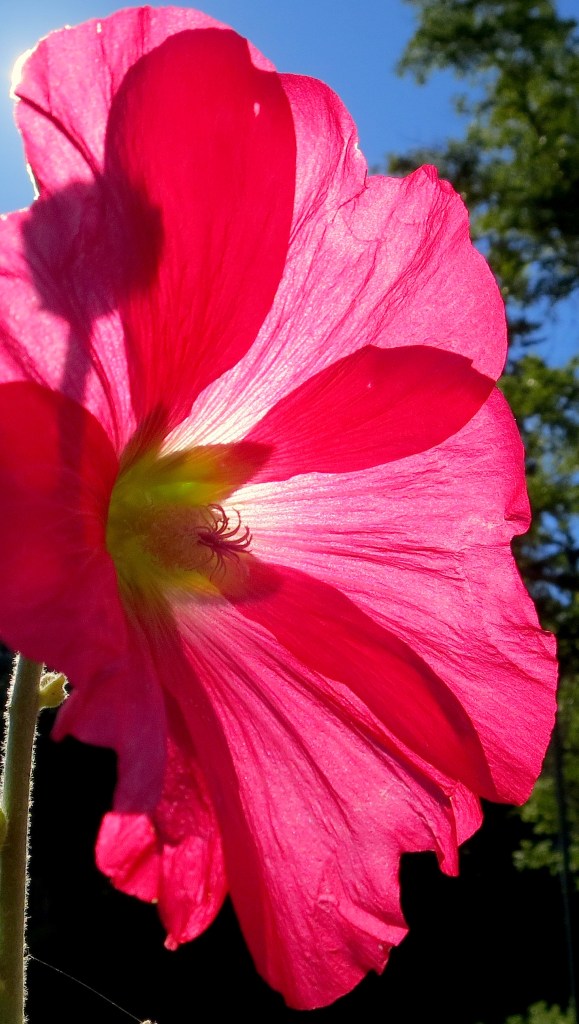
Where hollyhocks
That lofted while she lived, stem by tall stem,
Blossom with loss.
~ Donald Hall from “Her Garden” about Jane Kenyon

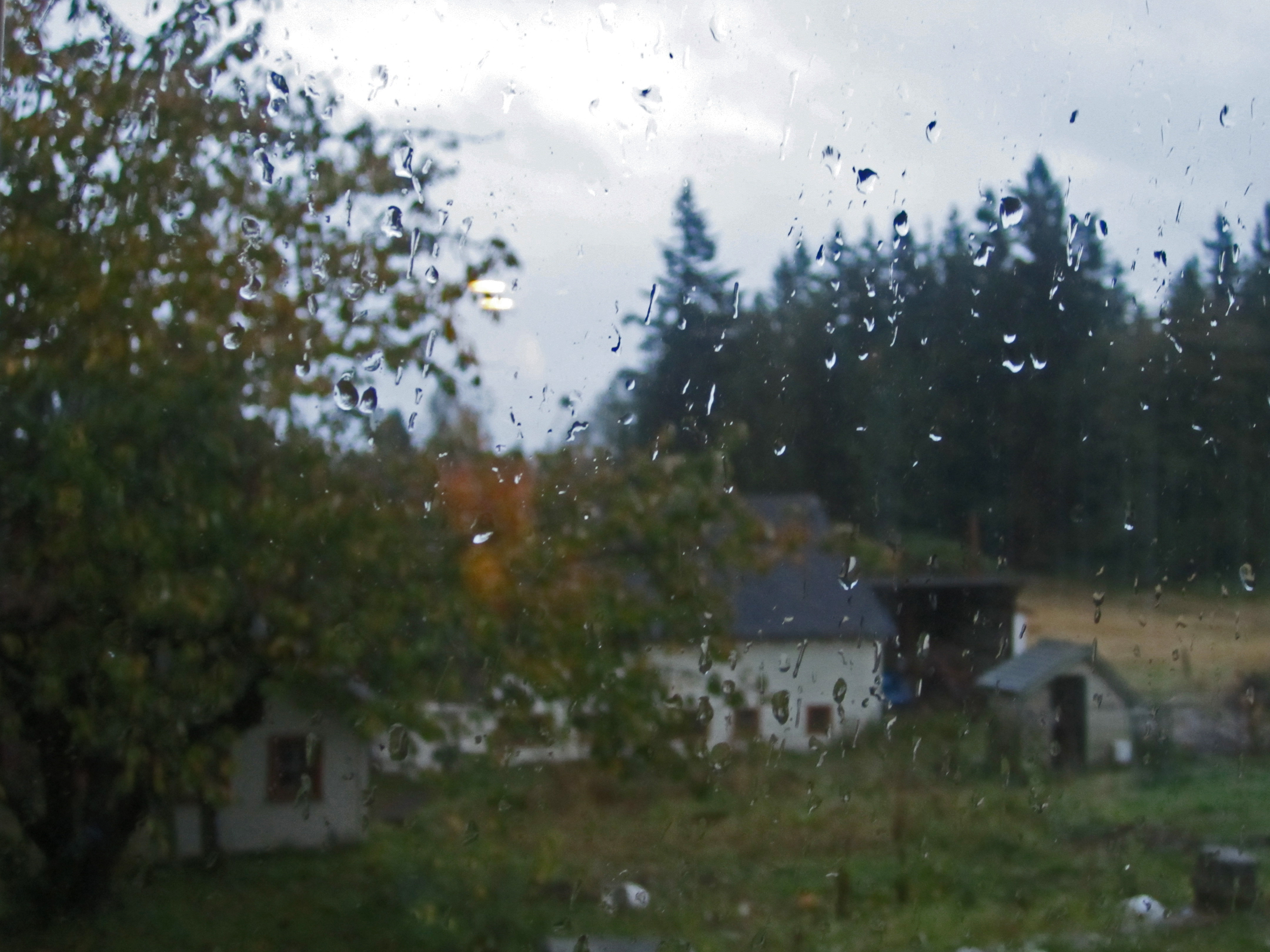
Some gray mornings
heavy with clouds
and tear-streaked windows
I pause melancholy
at the passage of time.

Whether to grieve over
another hour passed
another breath exhaled
another broken heart beat

Or to climb my way
out of deepless dolor
and start the work of
planting the next garden

It takes sweat
and dirty hands
and yes,
tears from heaven
to make it flourish
but even so
just maybe
my memories
so carefully planted
might blossom fully
in the soil of loss.