Fragrance of the Promises

O gather up the brokenness
And bring it to me now
The fragrance of those promises
You never dared to vow

The splinters that you carry
The cross you left behind
Come healing of the body
Come healing of the mind

And let the heavens hear it
The penitential hymn
Come healing of the spirit
Come healing of the limb

Behold the gates of mercy
In arbitrary space
And none of us deserving
The cruelty or the grace

O solitude of longing
Where love has been confined
Come healing of the body
Come healing of the mind

O see the darkness yielding
That tore the light apart
Come healing of the reason
Come healing of the heart

O troubled dust concealing
An undivided love
The heart beneath is teaching
To the broken heart above

Let the heavens falter
Let the earth proclaim
Come healing of the altar
Come healing of the name

O longing of the branches
To lift the little bud
O longing of the arteries
To purify the blood

And let the heavens hear it
The penitential hymn
Come healing of the spirit
Come healing of the limb
~Leonard Cohen “Come healing”
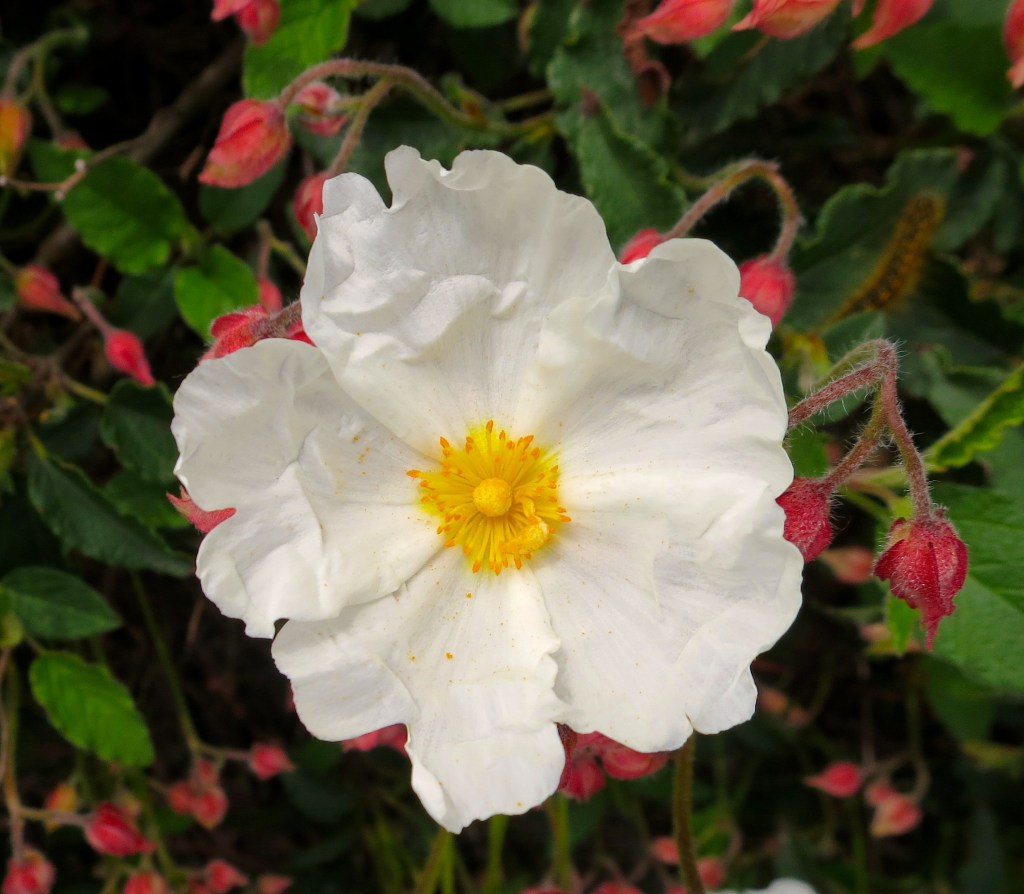
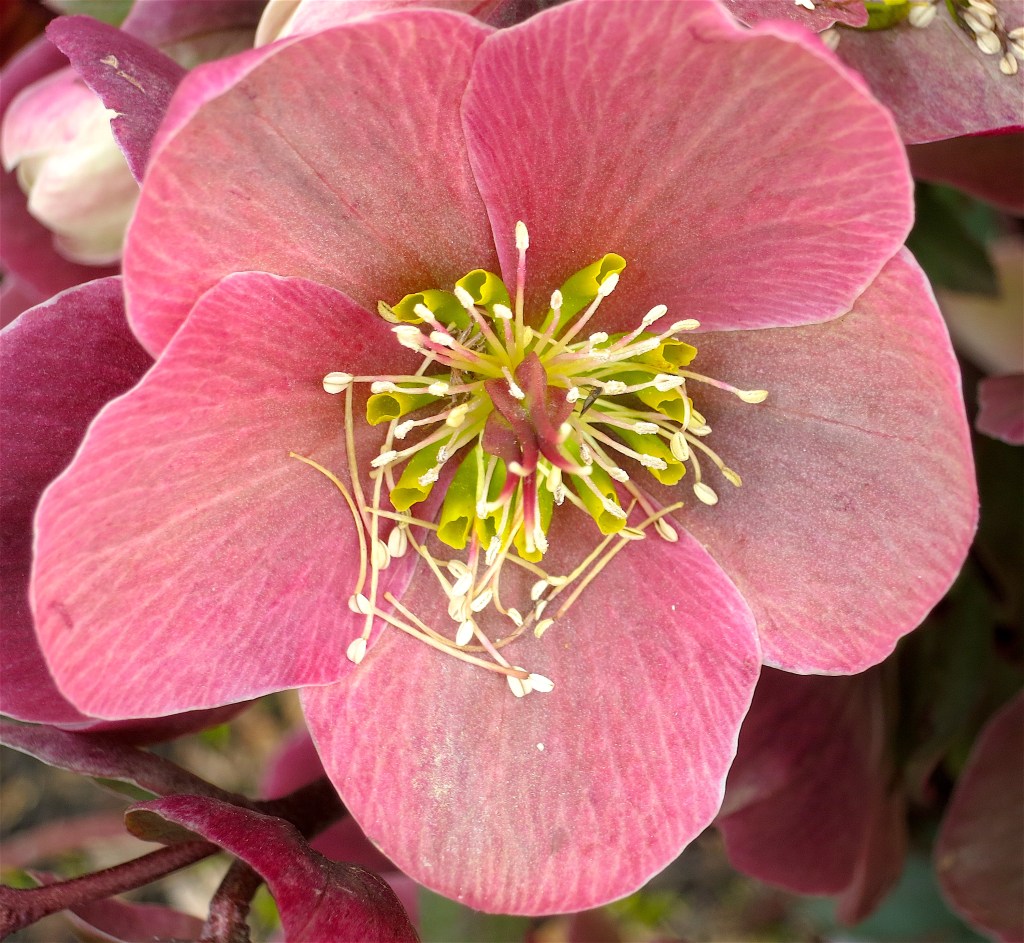
We are all in need of healing, none more so than those who have been affected by the pandemic, either dealing themselves with the illness and its long-lasting effects, or grieving the untimely loss of family and friends.

There is need for healing in relationships, either because of too much proximity or not nearly enough due to quarantine.

There is need for a sense of purpose without a schedule of regular employment or schooling to occupy our days.

There is need for healing for the wrongs we do, intentionally or unintentionally.

Our hardships are meager compared to the plagues of the past but they are nevertheless real and undeserved, so we pray for relief, we pray for grace and mercy, we pray for healing of mind, body and spirit.

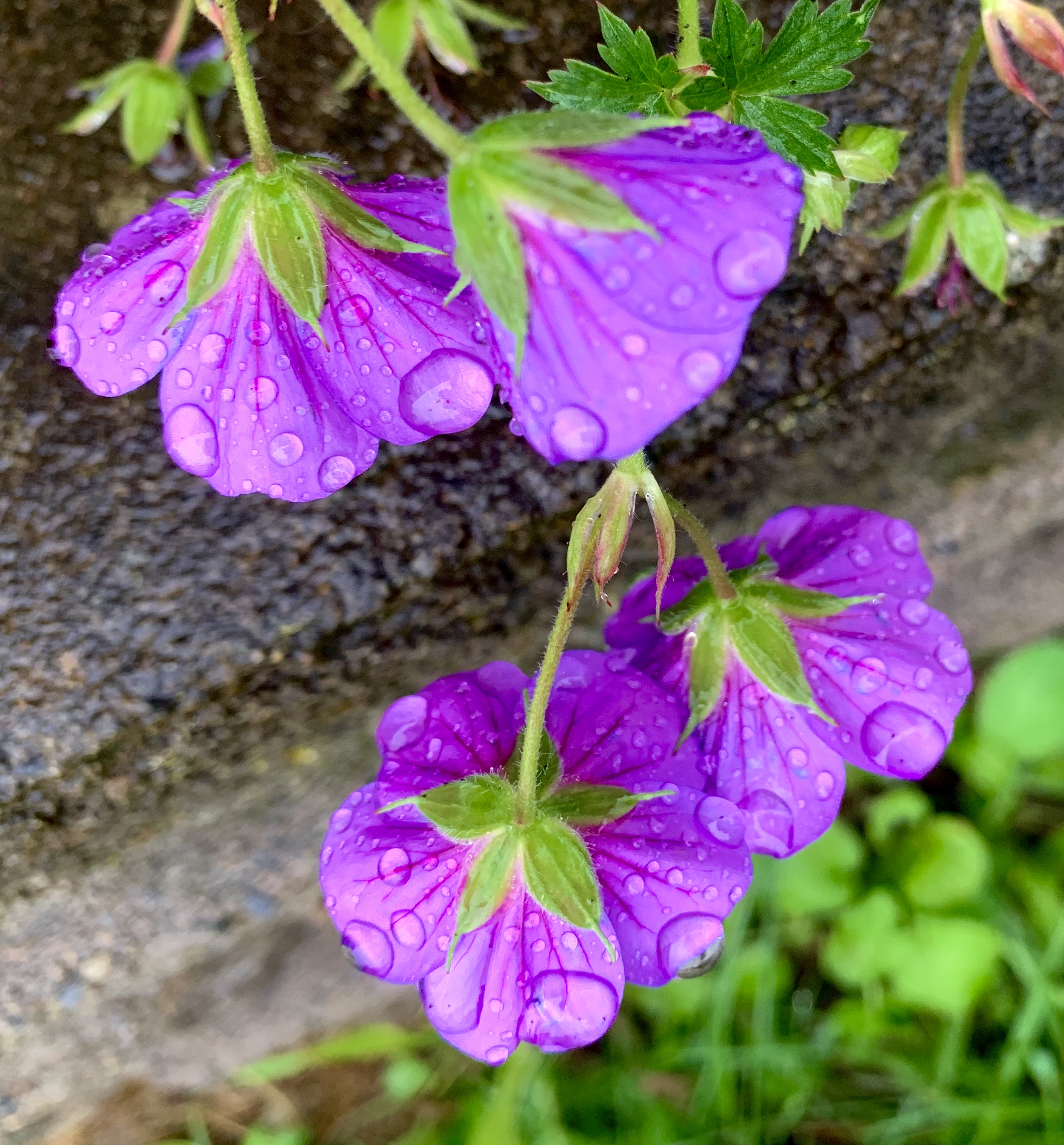
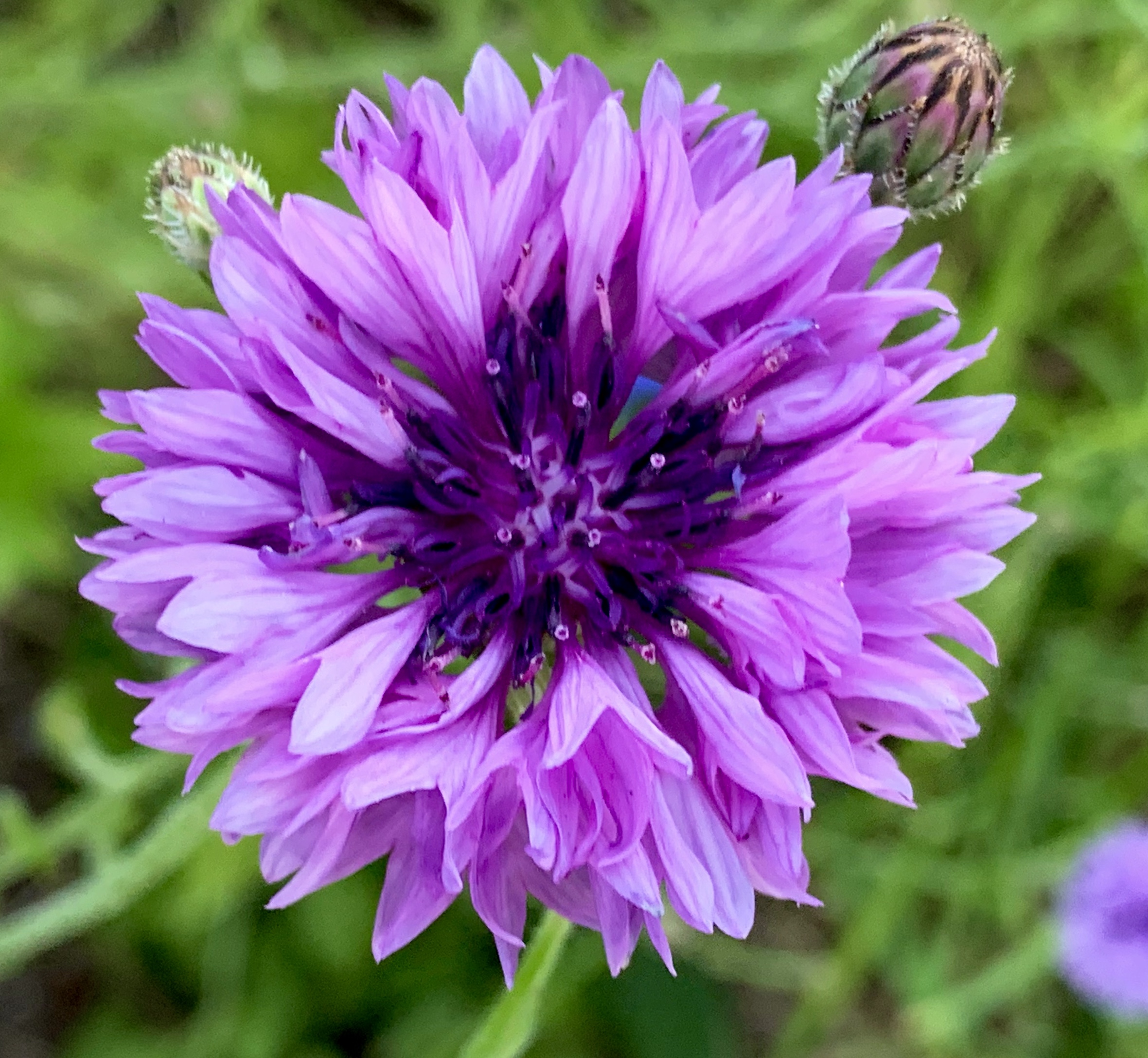
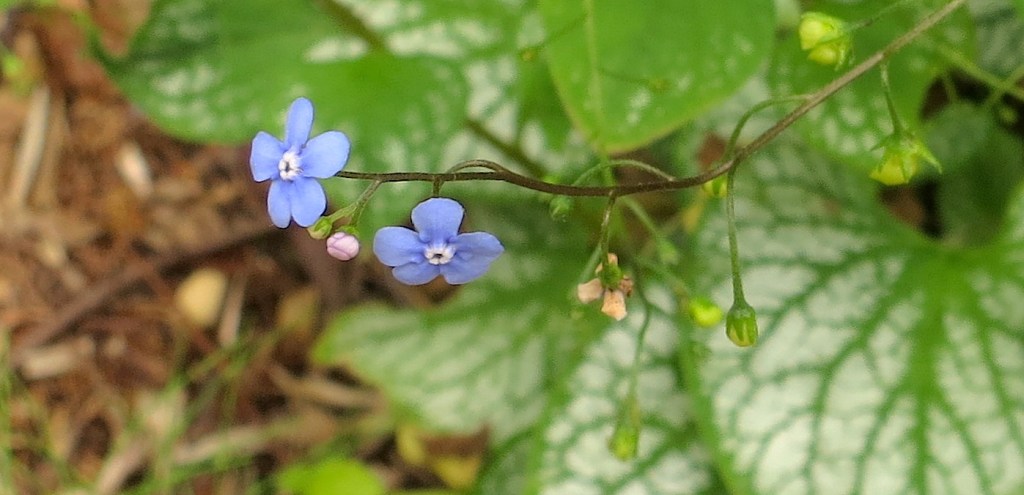
Even a tiny blue forget-me-not blossom reminds us: we need to seek the fragrance of promises made and harvest the fruit of promises kept.

God does not make promises to please us, like a politician in an election year. He keeps promises because He knows we need to believe they will happen according to His plan— He forgets-us-not because we are the troubled dust upon which He has blown sweet and fragrant breath.
August and Abundantly So

But you can have the fig tree and its fat leaves like clown hands
gloved with green.
You can have the touch of a single eleven-year-old finger
on your cheek, waking you at one a.m. to say the hamster is back.
You can have the purr of the cat and the soulful look
of the black dog, the look that says, If I could I would bite
every sorrow until it fled, and when it is August,
you can have it August and abundantly so. You can have love,
though often it will be mysterious, like the white foam
that bubbles up at the top of the bean pot over the red kidneys
until you realize foam’s twin is blood.


You can speak a foreign language, sometimes,
and it can mean something. You can visit the marker on the grave
where your father wept openly. You can’t bring back the dead,
but you can have the words forgive and forget hold hands
as if they meant to spend a lifetime together.


You can have your grandfather sitting on the side of your bed,
at least for a while, you can have clouds and letters, the leaping
of distances, and Indian food with yellow sauce like sunrise.


You can’t count on grace to pick you out of a crowd
but here is your friend to teach you how to high jump,
how to throw yourself over the bar, backwards,
until you learn about love, about sweet surrender,
and here are periwinkles, buses that kneel, farms in the mind
as real as Africa. And when adulthood fails you,


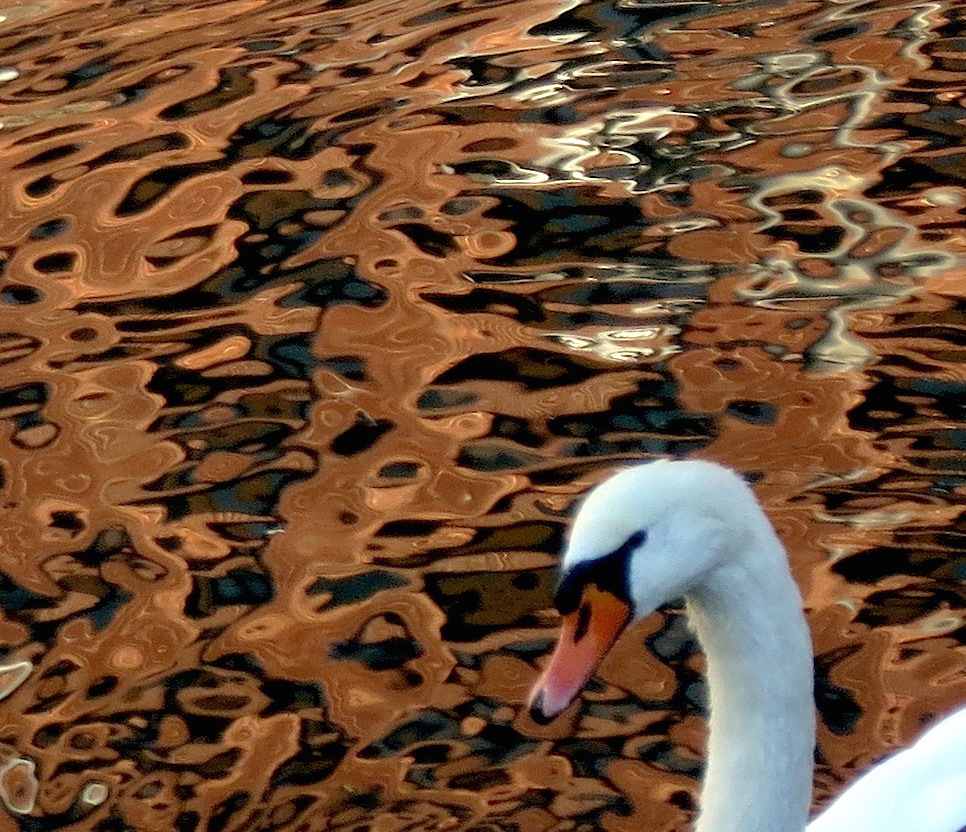
you can still summon the memory of the black swan on the pond
of your childhood, the rye bread with peanut butter and bananas
your grandmother gave you while the rest of the family slept.
There is the voice you can still summon at will, like your mother’s,
it will always whisper, you can’t have it all,
but there is this.
~Barbara Ras from “You Can’t Have It All
from Bite Every Sorrow

My pragmatic mother who gave up her teaching career for marriage and family reminded me regularly that I couldn’t have it all: there was no way a woman can have a husband and children and a farm and a garden and animals and a profession and travel and volunteer in the community and not make a mess of it all and herself.

My father would listen to her and say softly under his breath: “you do whatever you put your mind to…you know what you are here for.”

They were both right. The alluring abundance of this life has invited me to want to touch and feel and taste it all, not unlike another woman who was placed with purpose in the Garden to be side-by-side companion and co-worker. Yet she demonstrated what happens when you want more than you are given and yes, she made a mess of it.

Yet there is this: despite wanting it all and working hard for it all and believing I could do it all, I indeed missed the point altogether.
It’s forgive and forget walking hand in hand for a lifetime.
It’s all gift, not earned.
It’s all grace, not deserved.
It’s all August abundance, all year long, to sustain us through the drought and drab of winter.

There is this: I know what I am here for.

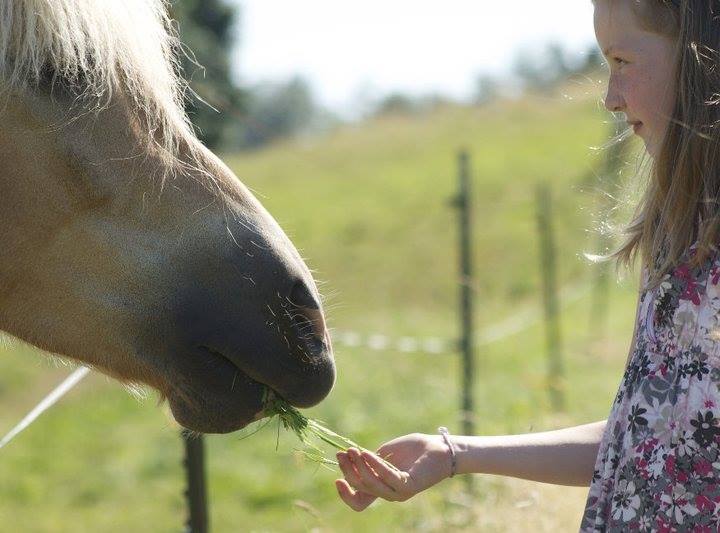
photo by Breanna Siebring Randall

Smelled Like Roses

I found a box of old hours at the back of the fridge.
I don’t even know how long it had been there.
Summer hours.
Smelled like roses.
~Duchess Goldblatt on Twitter

We all have things we’ve forgotten tucked away in the back of the fridge. A good cleaning now and then will surface some things that are barely identifiable and, frankly, a little scary. But those of us who are nostalgic creatures, like the delightfully fictional Duchess Goldblatt who dispenses desperately needed ascerbic wisdom on Twitter (of all places), also store away a few things that just might come in handy on a depressing day

I like the idea of taking these long summer days, the countless hours of daylight and slowed-downness, putting them in a box and pushing them to the back of fridge for safe-keeping. I might even label it “open in case of emergency” or “don’t open until December 25” or “fragile – handle with care.” In the darkest hours of winter, when I need a booster shot of light, I would bend down to look as far back on the fridge shelf as possible, pushing aside the jam jars and the left-over pea soup and the blocks of cheese, and reach for my rescue inhaler.

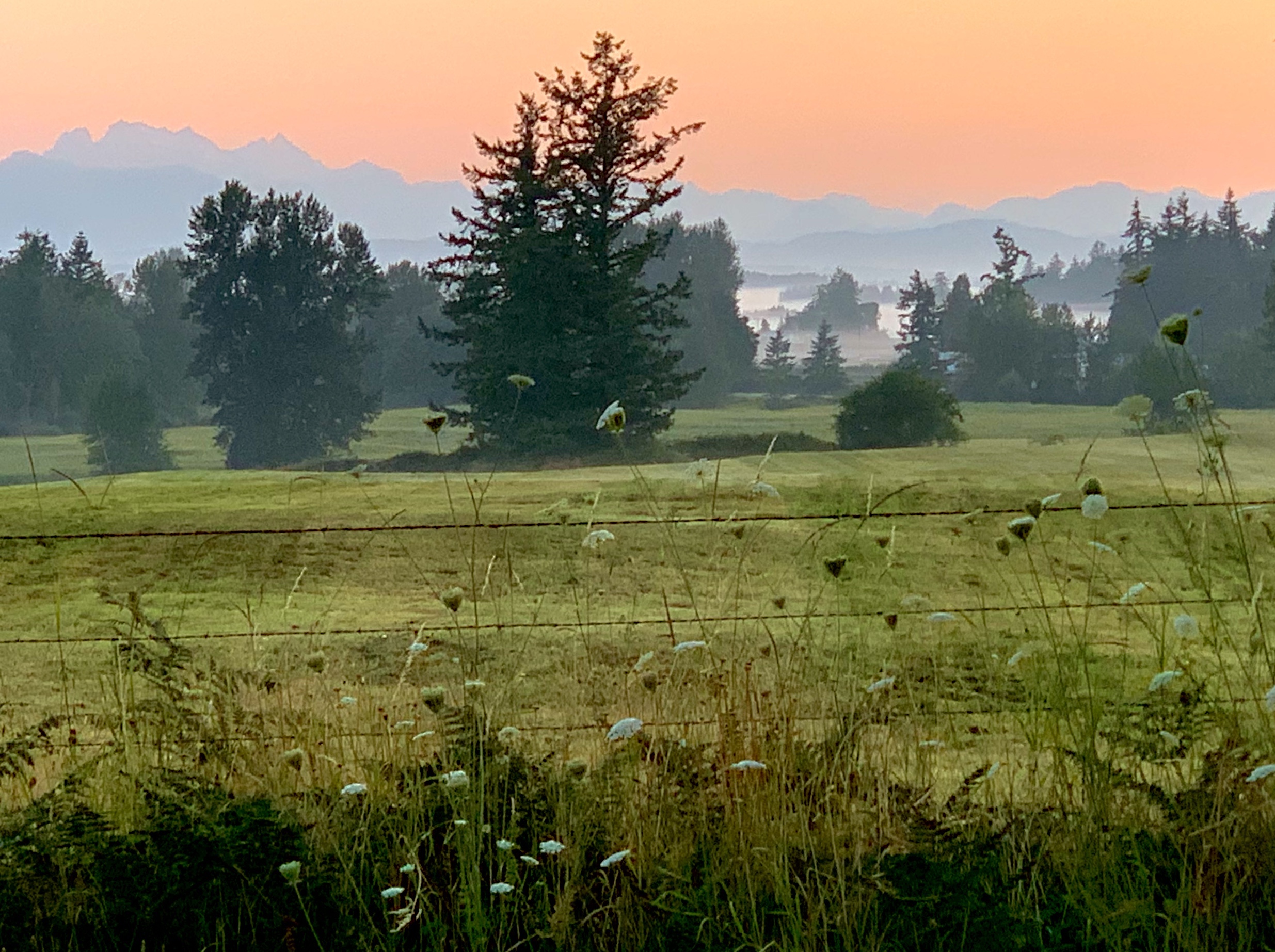
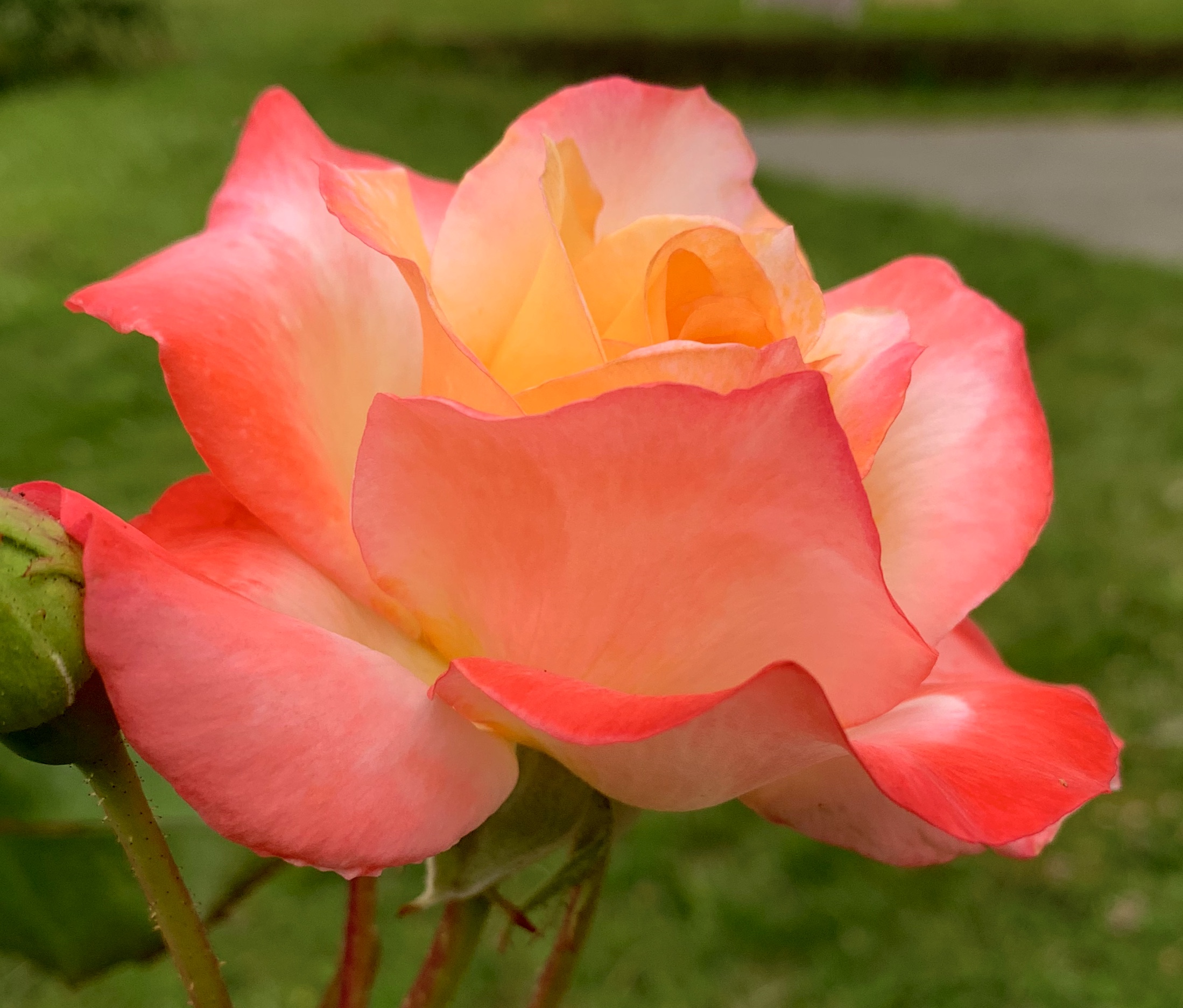
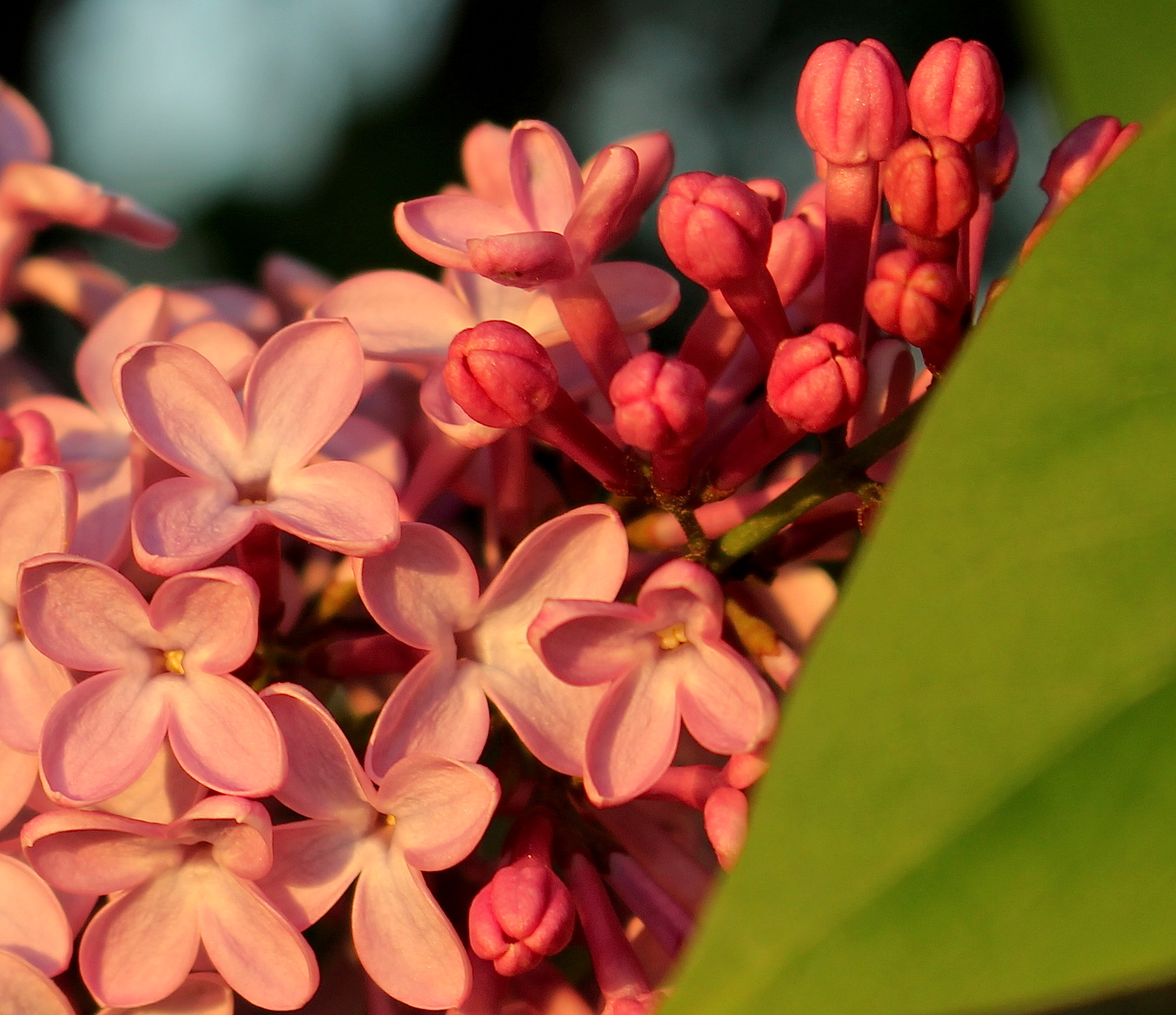
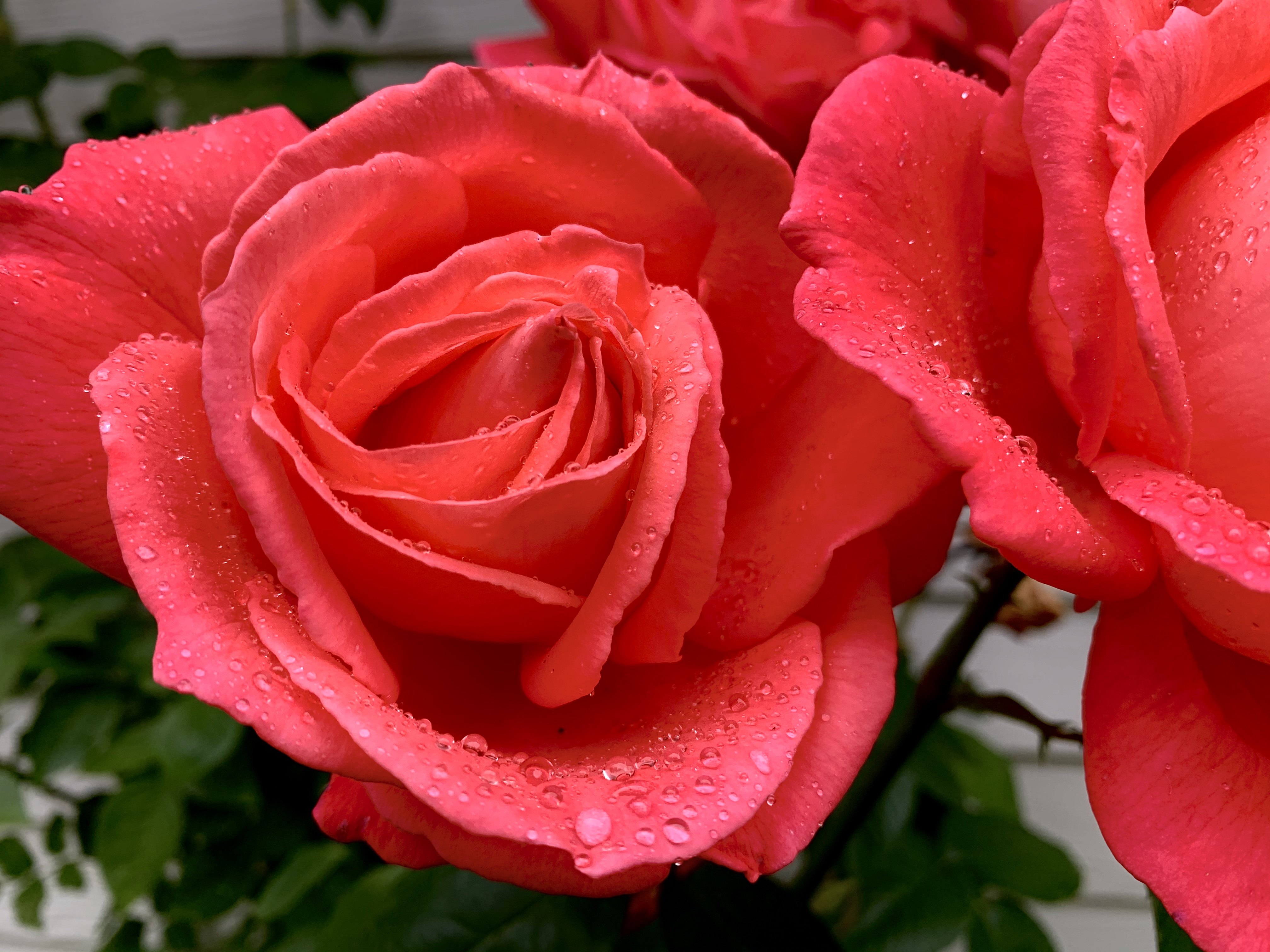
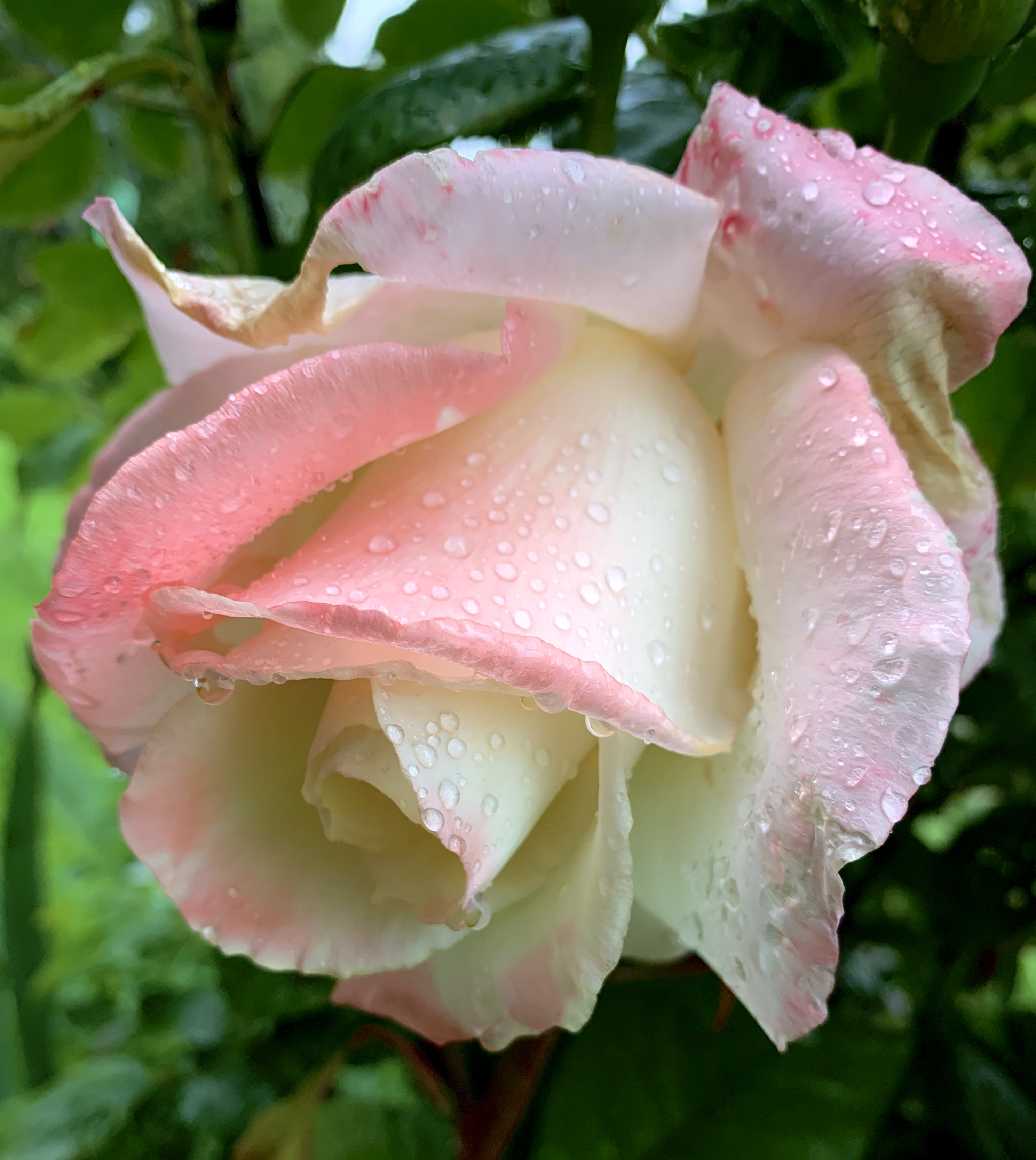
I would lift the lid on the box of summer hours and take in a deep breath to remind myself of dewy mornings with a bit of fog, a scent of mown grass, a hint of campfire smoke. But mostly, I would open the box to smell the roses of summer, as no winter florist rose ever exudes that fragrance. It has to be tucked away in the summer hours box in the back of the fridge. Just knowing it’s there would make me glad.

Searching a Blossom as a Loved One’s Face

Outrageous flowers as big as human
heads! They’re staggered
by their own luxuriance: I had
to prop them up with stakes and twine.


In the darkening June evening
I draw a blossom near, and bending close
search it as a woman searches
a loved one’s face.
~Jane Kenyon from “Peonies at Dusk”

There’s not a pair of legs so thin, there’s not a head so thick,
There’s not a hand so weak and white, nor yet a heart so sick
But it can find some needful job that’s crying to be done,
For the Glory of the Garden glorifieth every one.

Then seek your job with thankfulness and work till further orders,
If it’s only netting strawberries or killing slugs on borders;
And when your back stops aching and your hands begin to harden,
You will find yourself a partner In the Glory of the Garden.

Oh, Adam was a gardener, and God who made him sees
That half a proper gardener’s work is done upon his knees,
So when your work is finished, you can wash your hands and pray
For the Glory of the Garden that it may not pass away!
And the Glory of the Garden it shall never pass away !

~Rudyard Kipling from “The Glory of the Garden”

There is no better place to be than in a garden down on my knees. Humans were created for this: the naming, the turning over of the soil, the planting and nurturing, the weeding and thinning, the harvest and gratitude, and then a time of lying fallow to rest.

The garden is a place for prayer and praise.

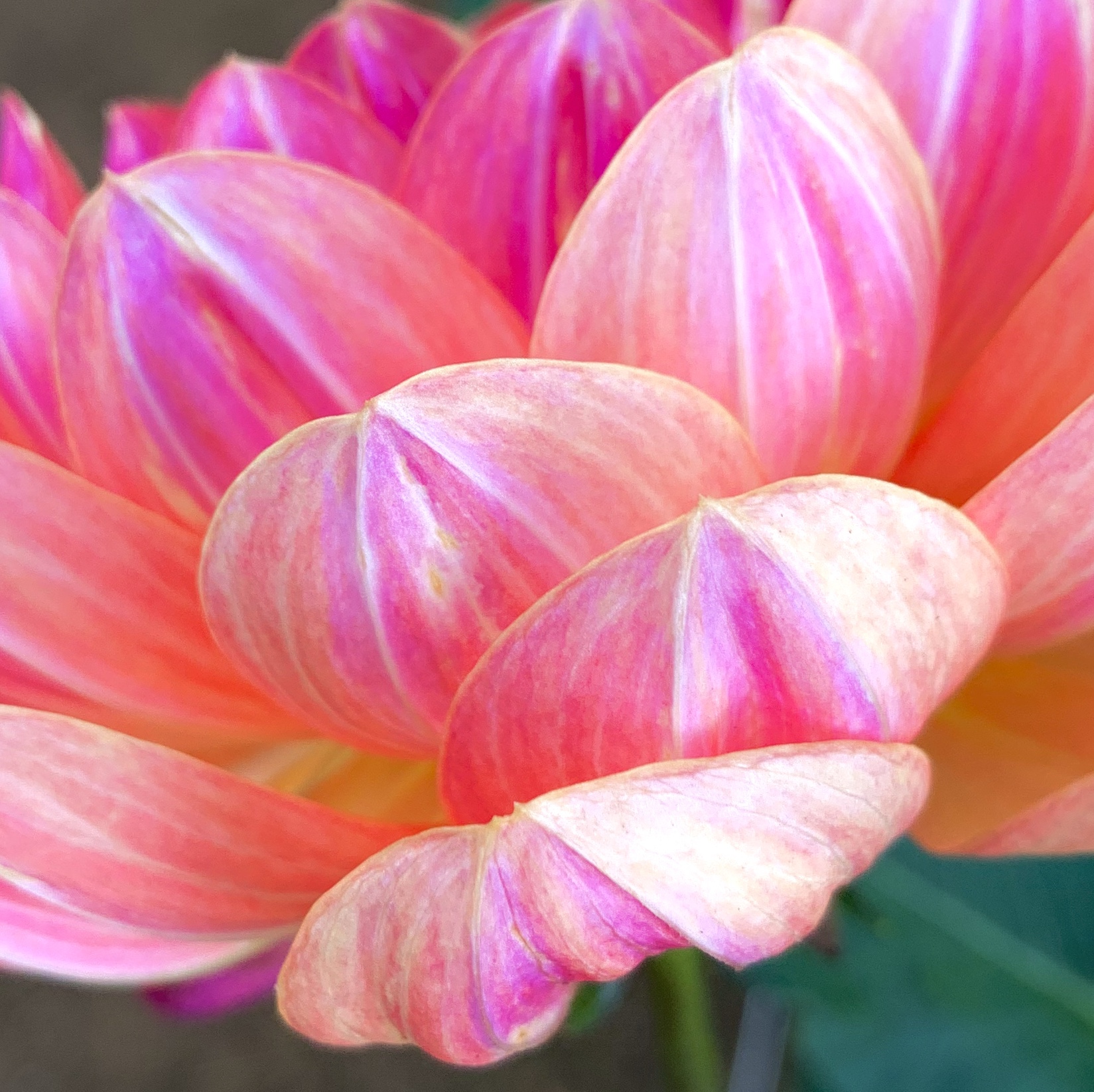
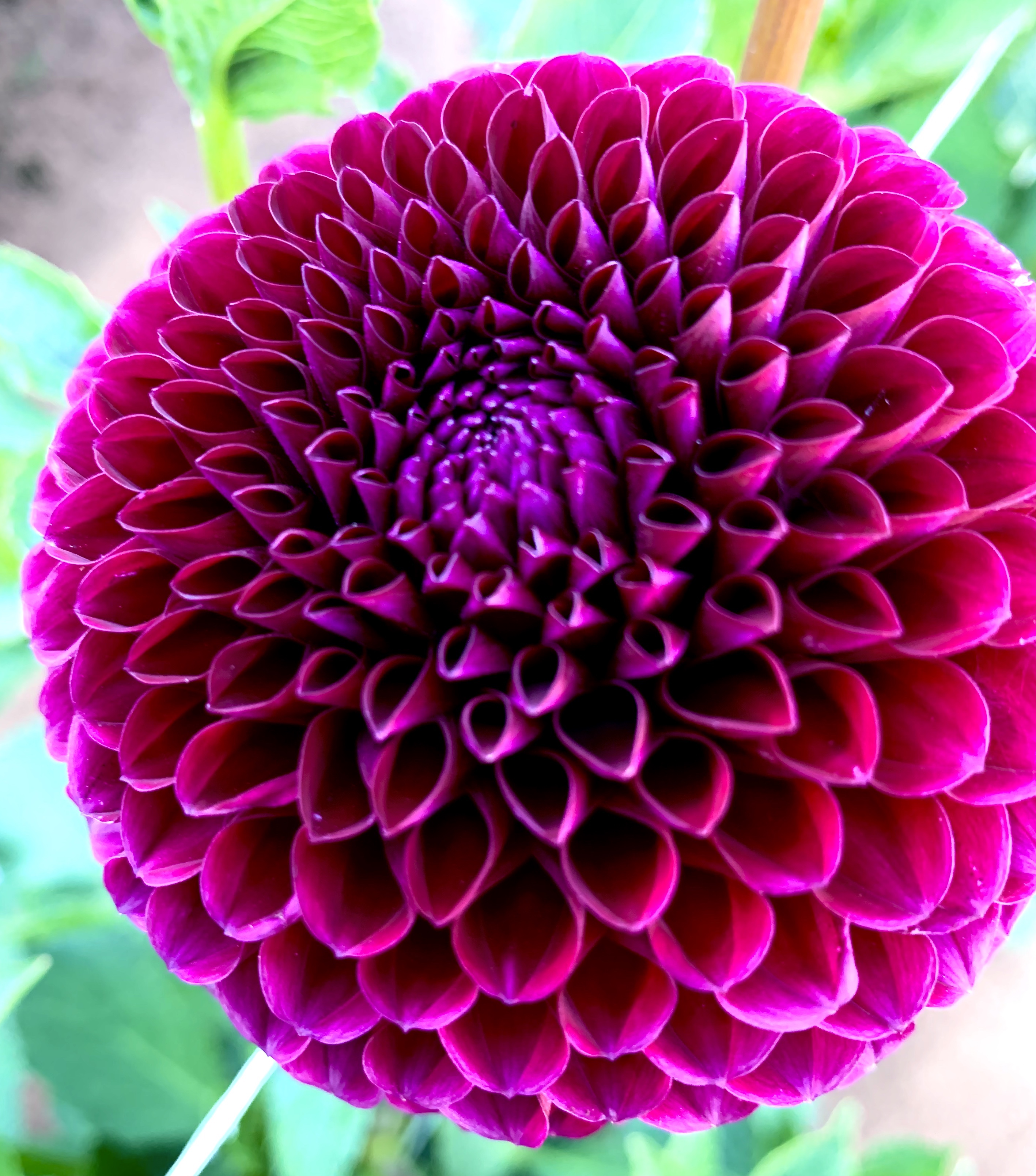
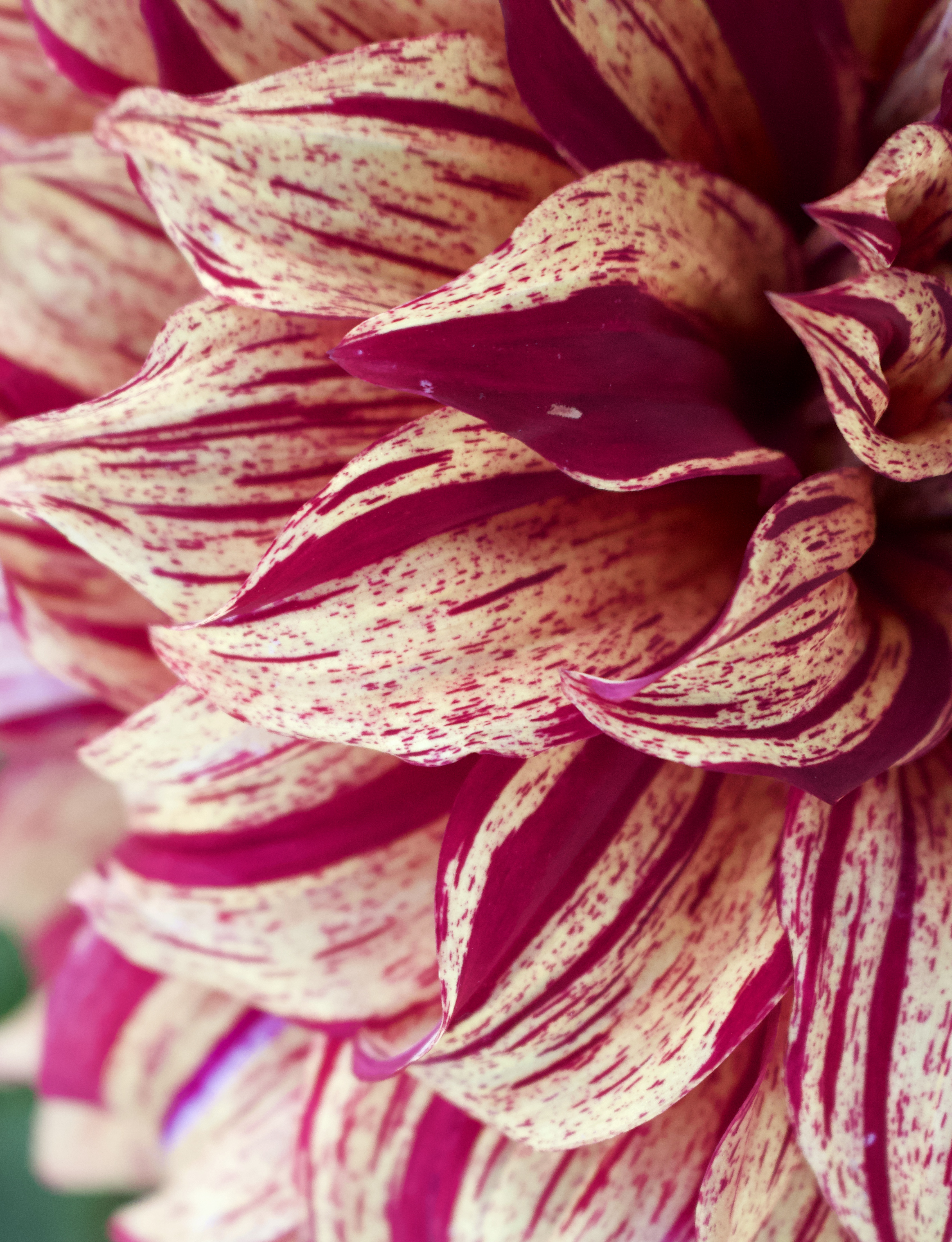
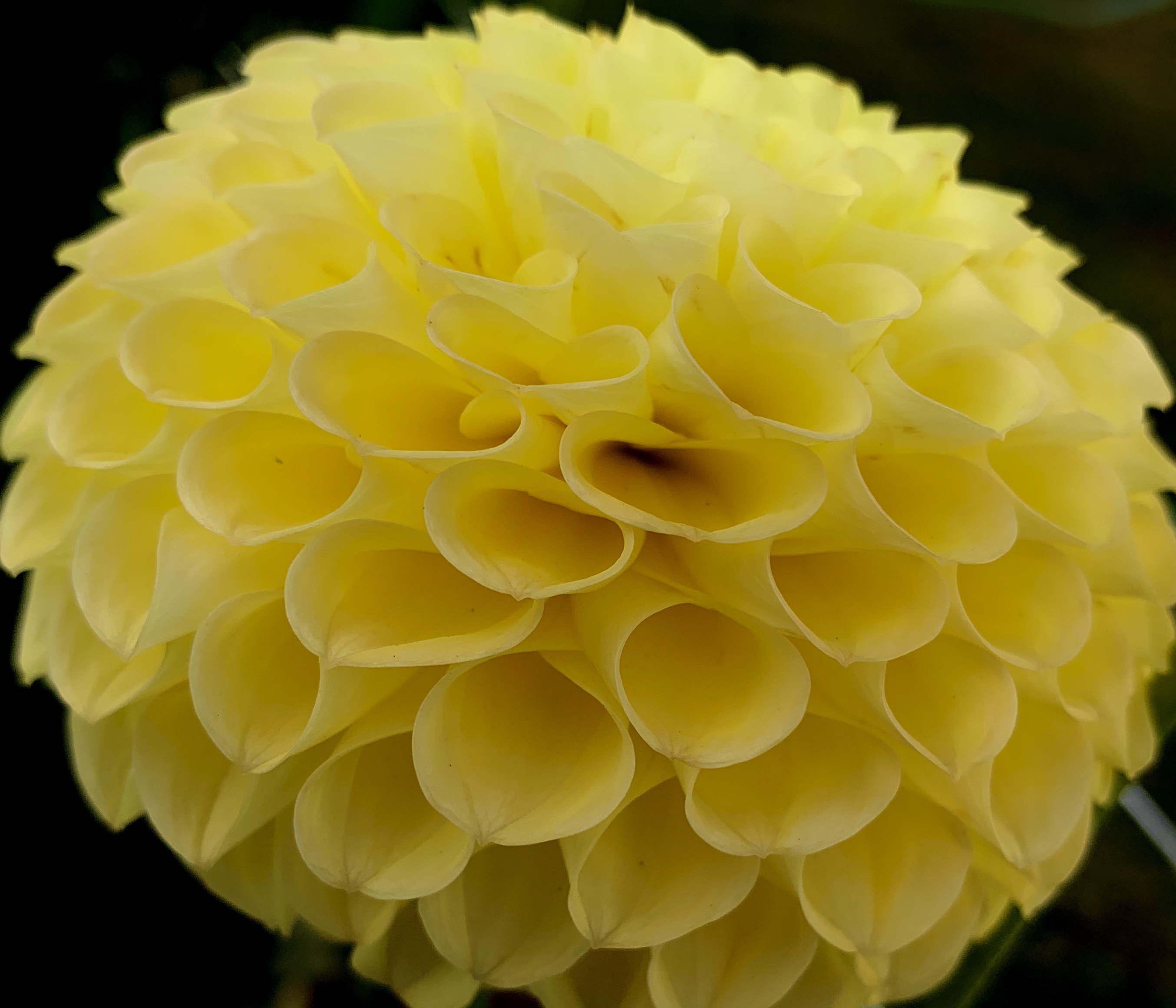
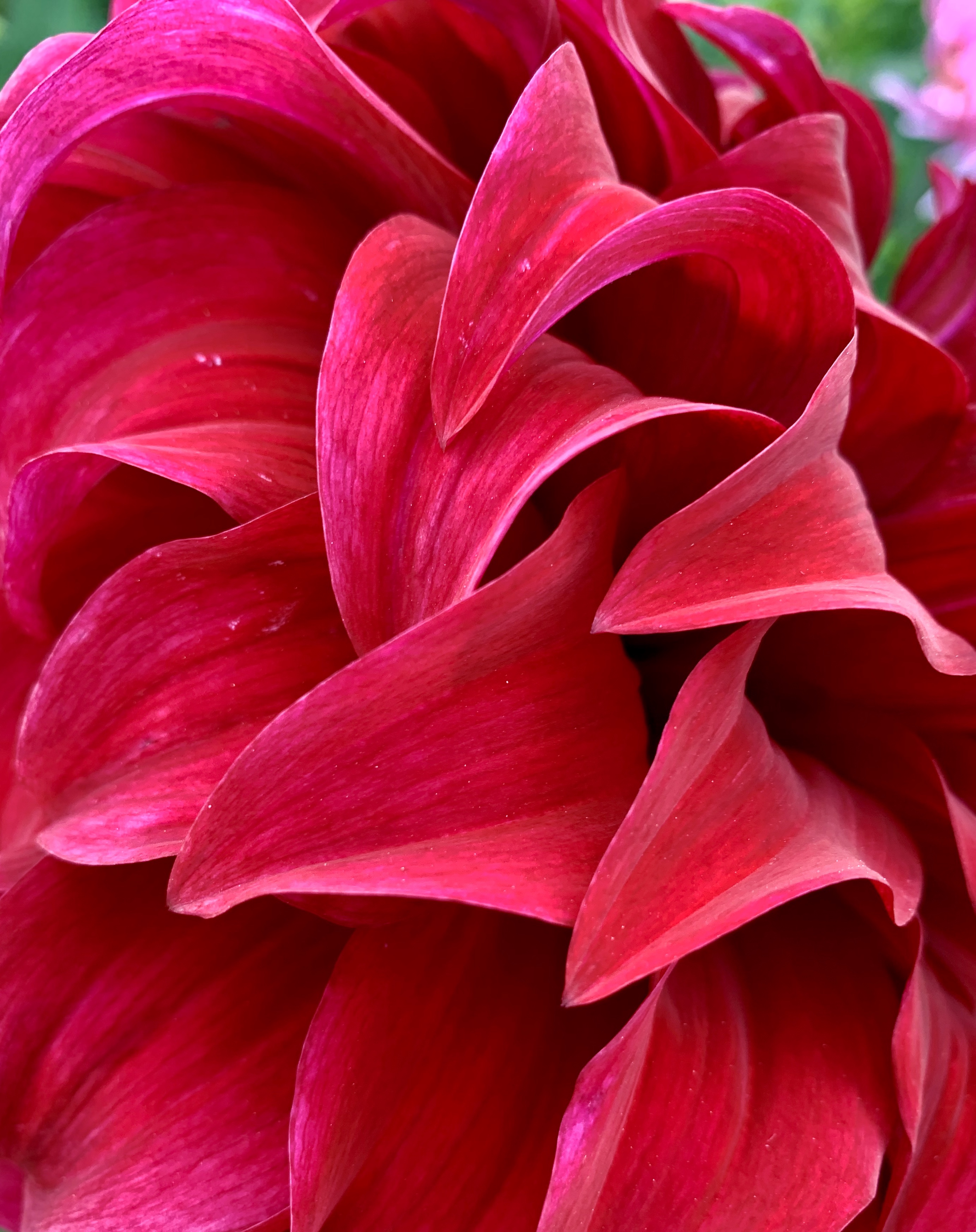
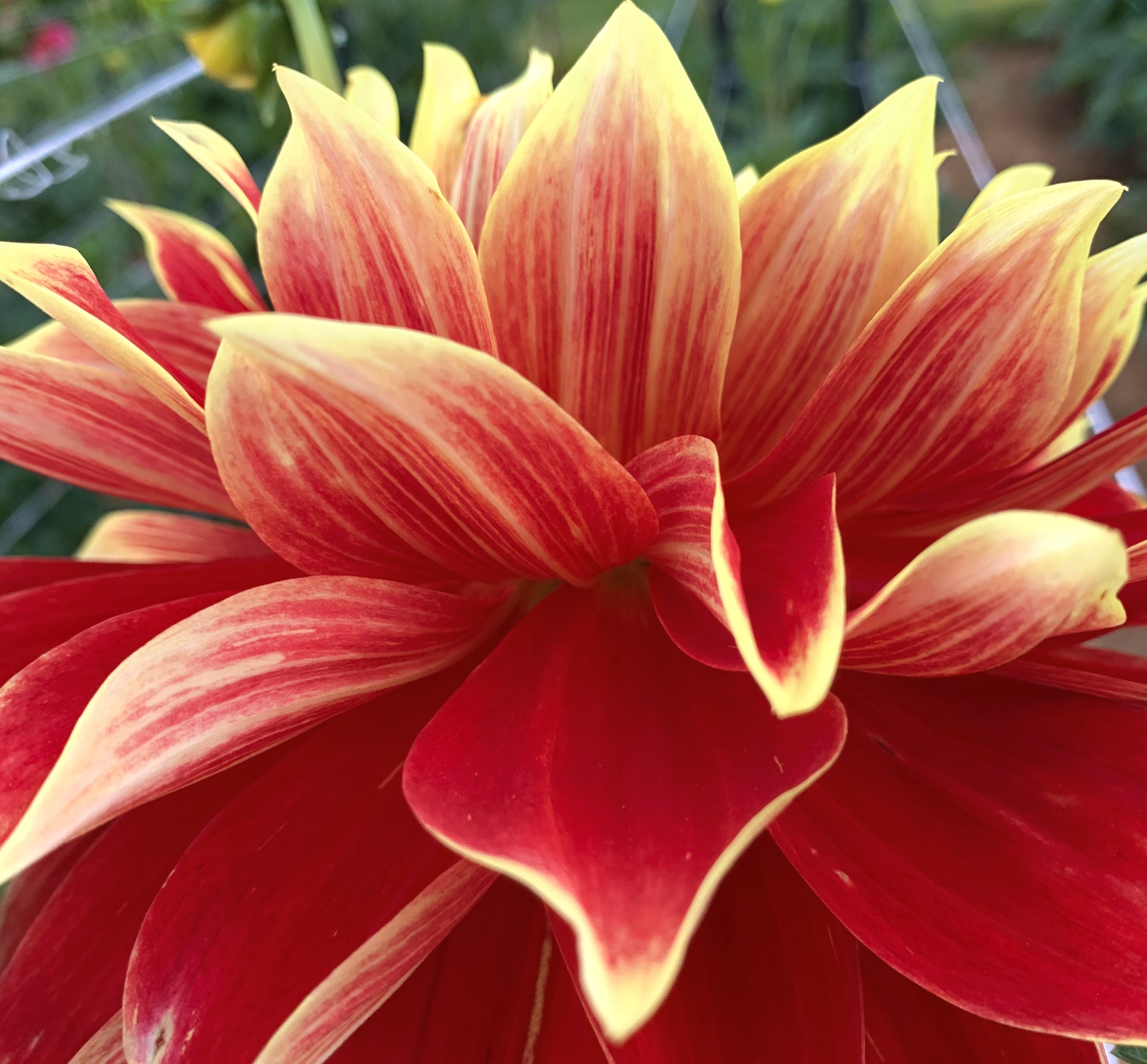
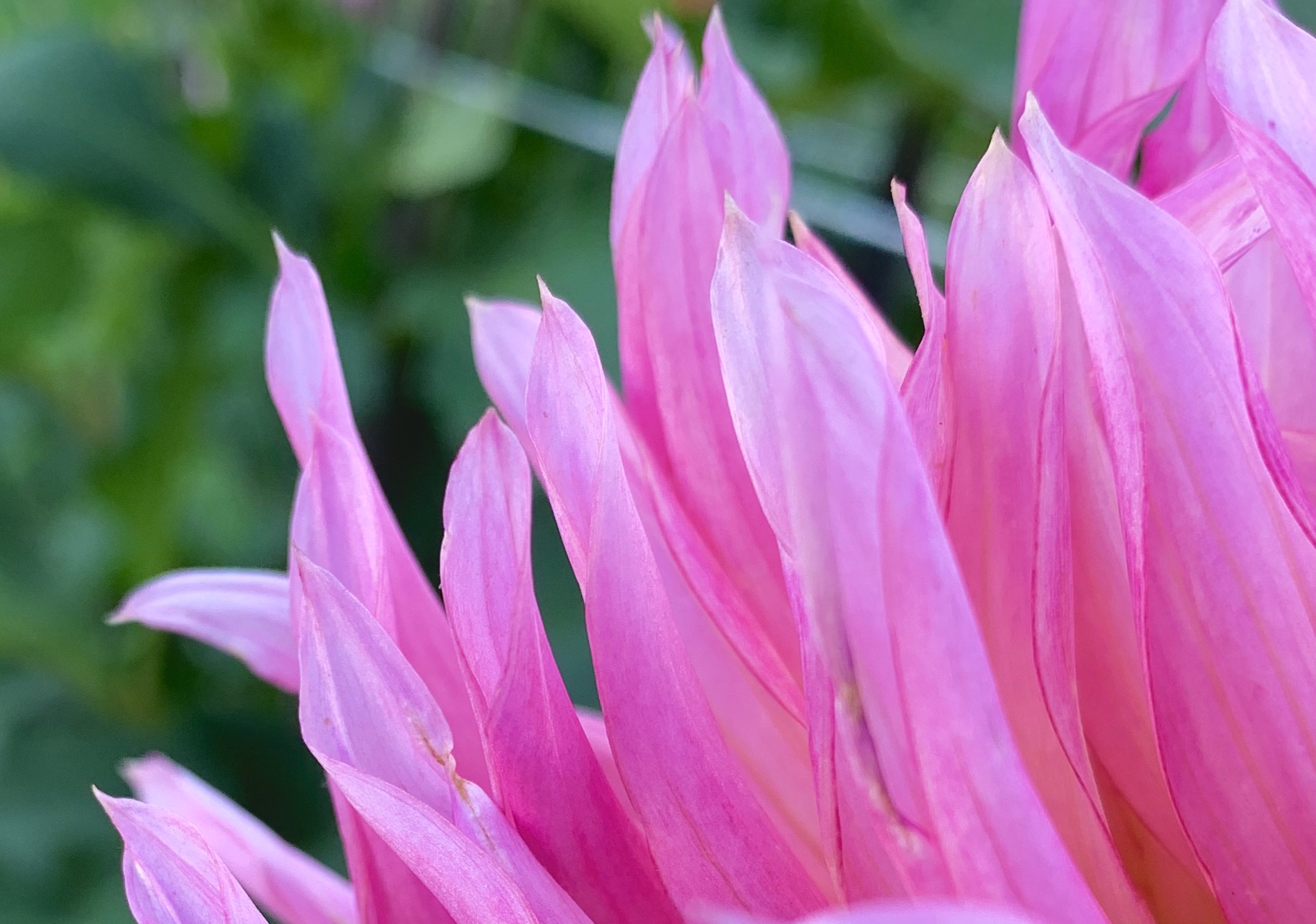
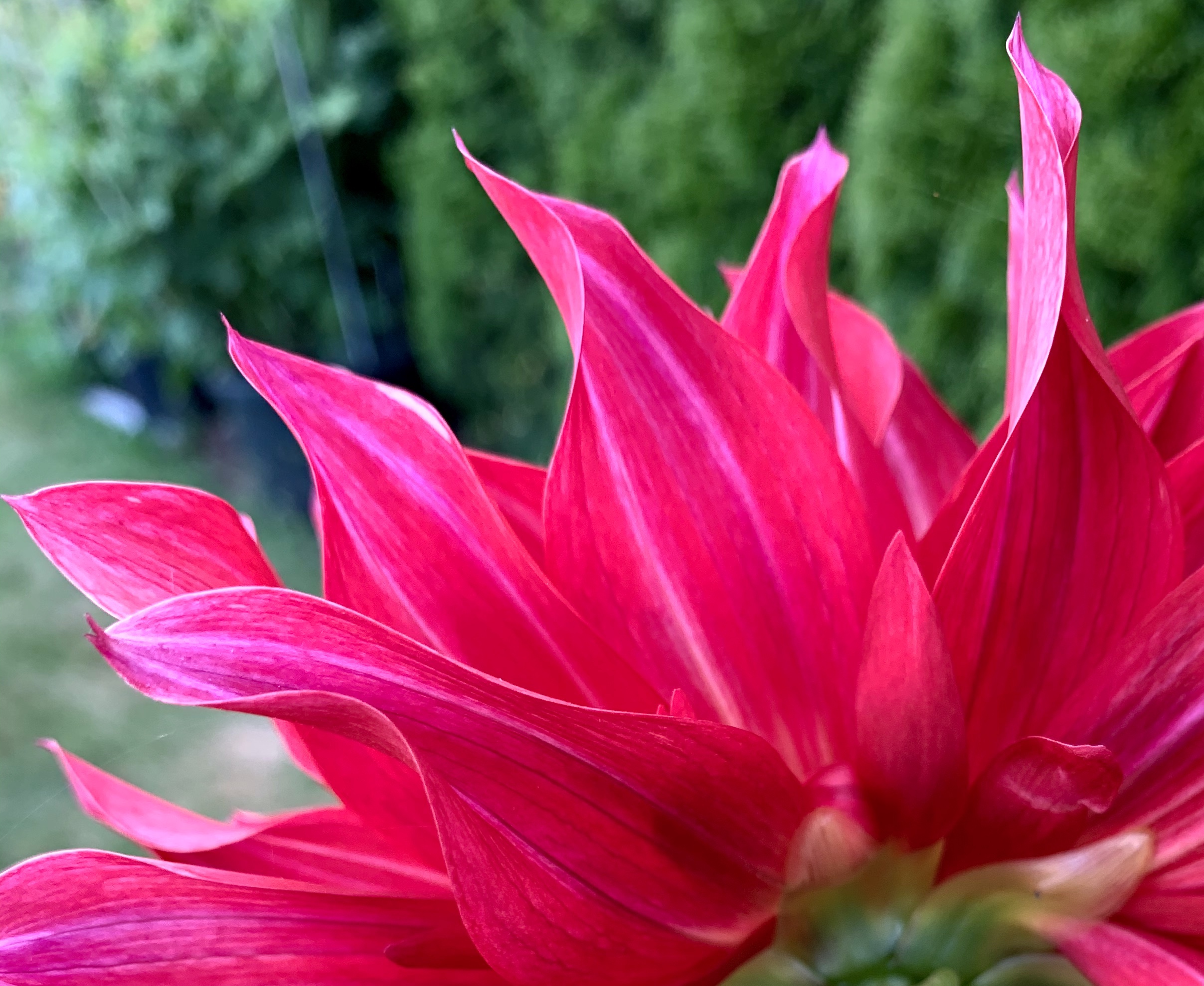
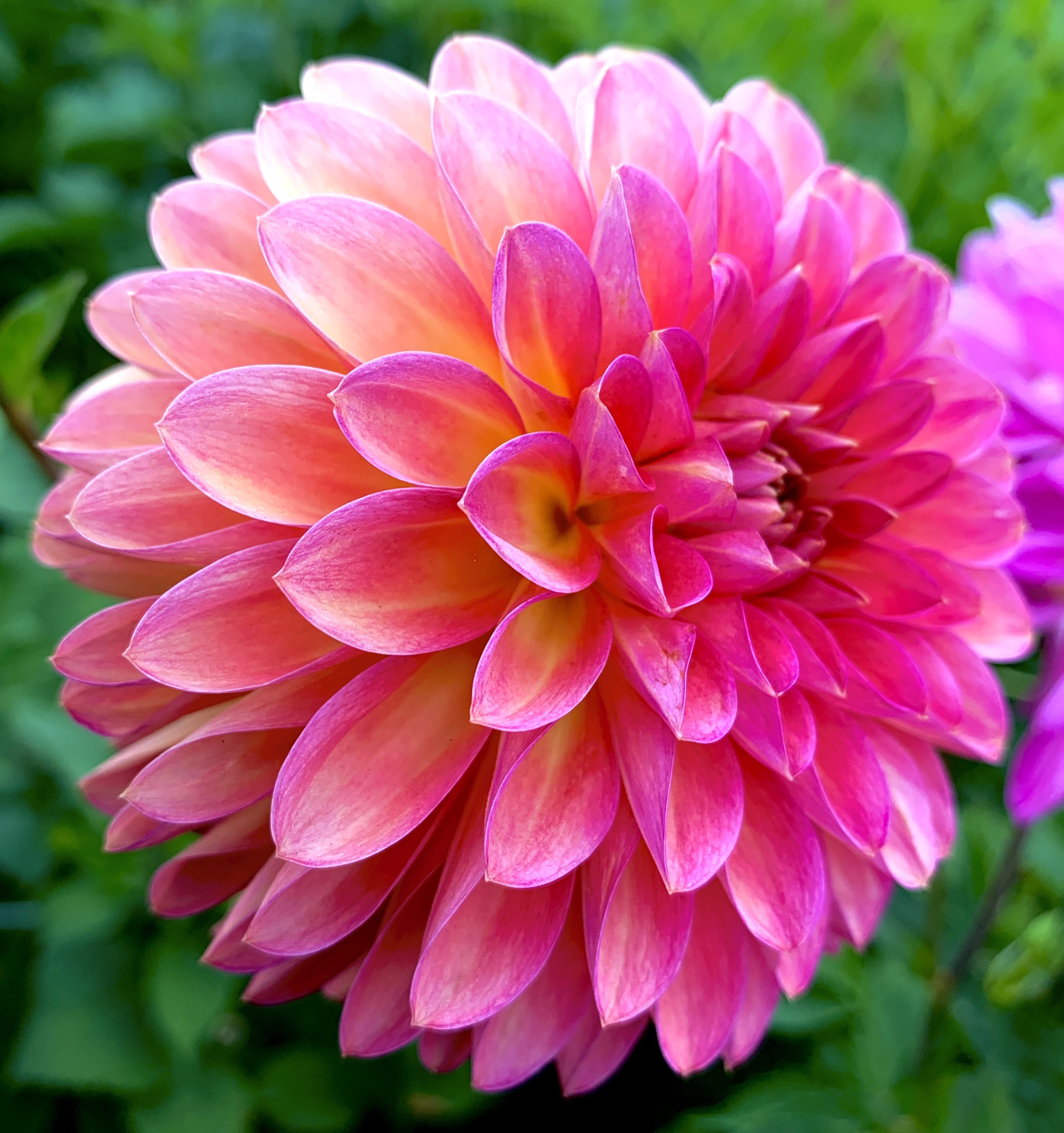
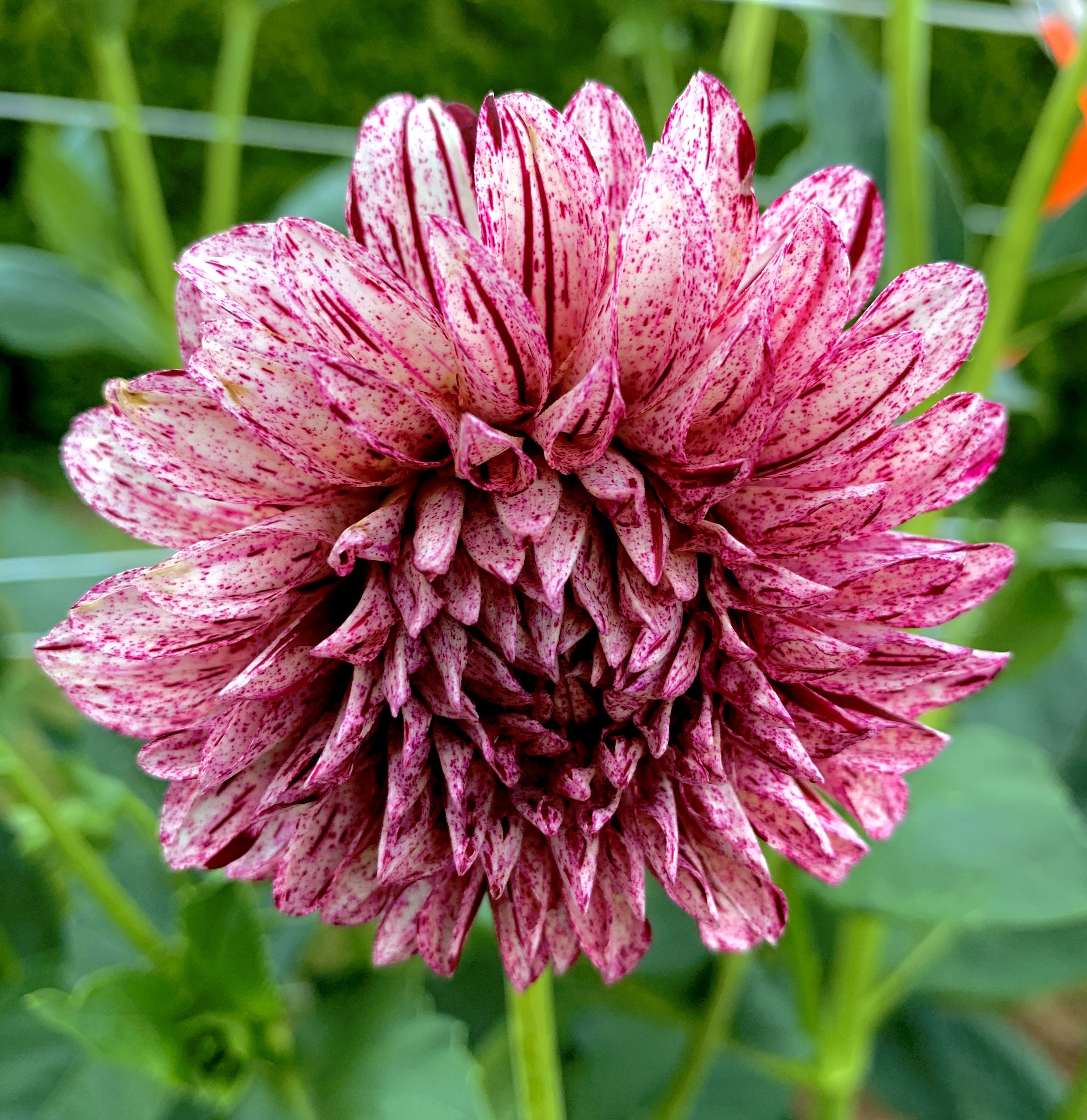
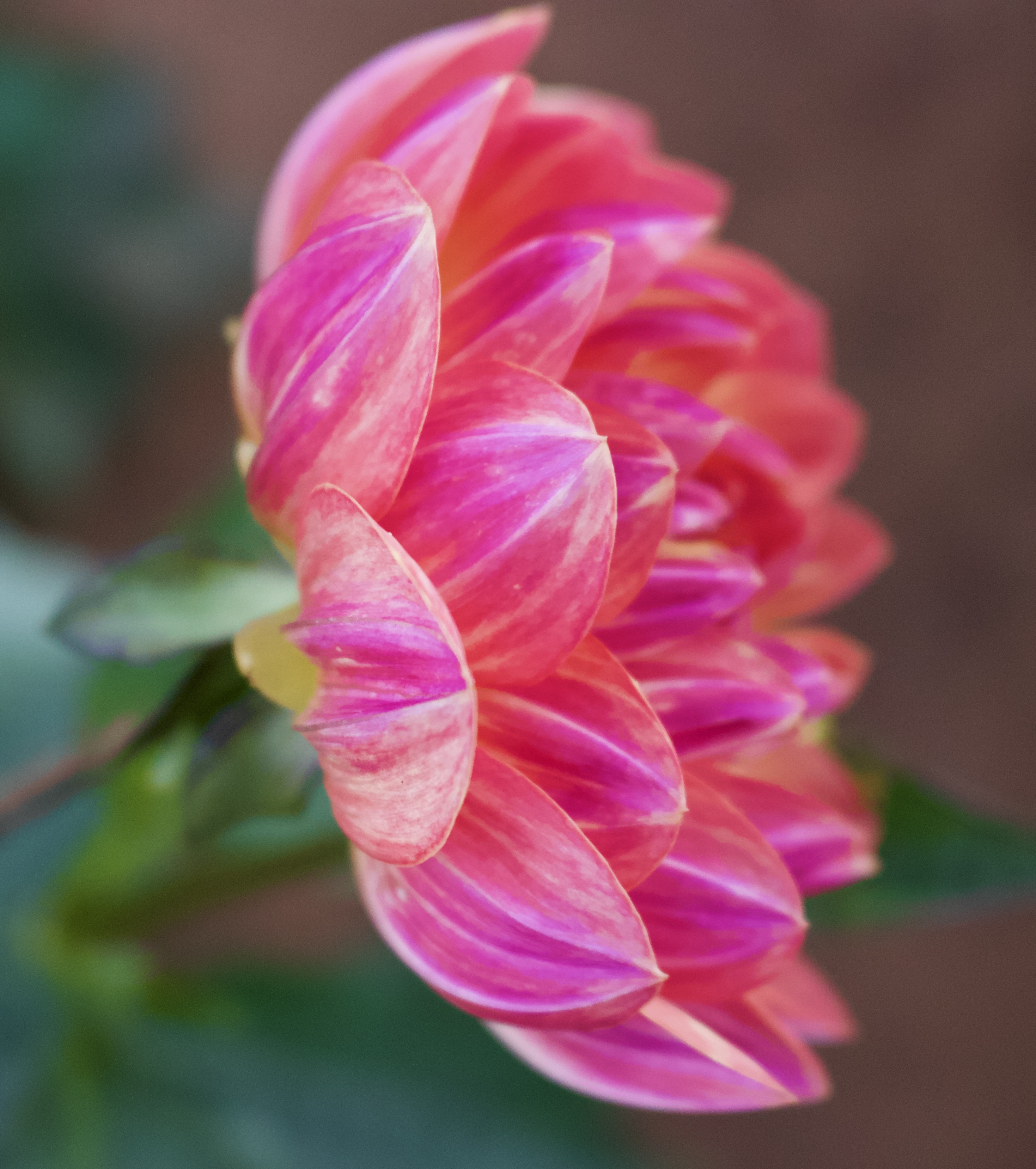
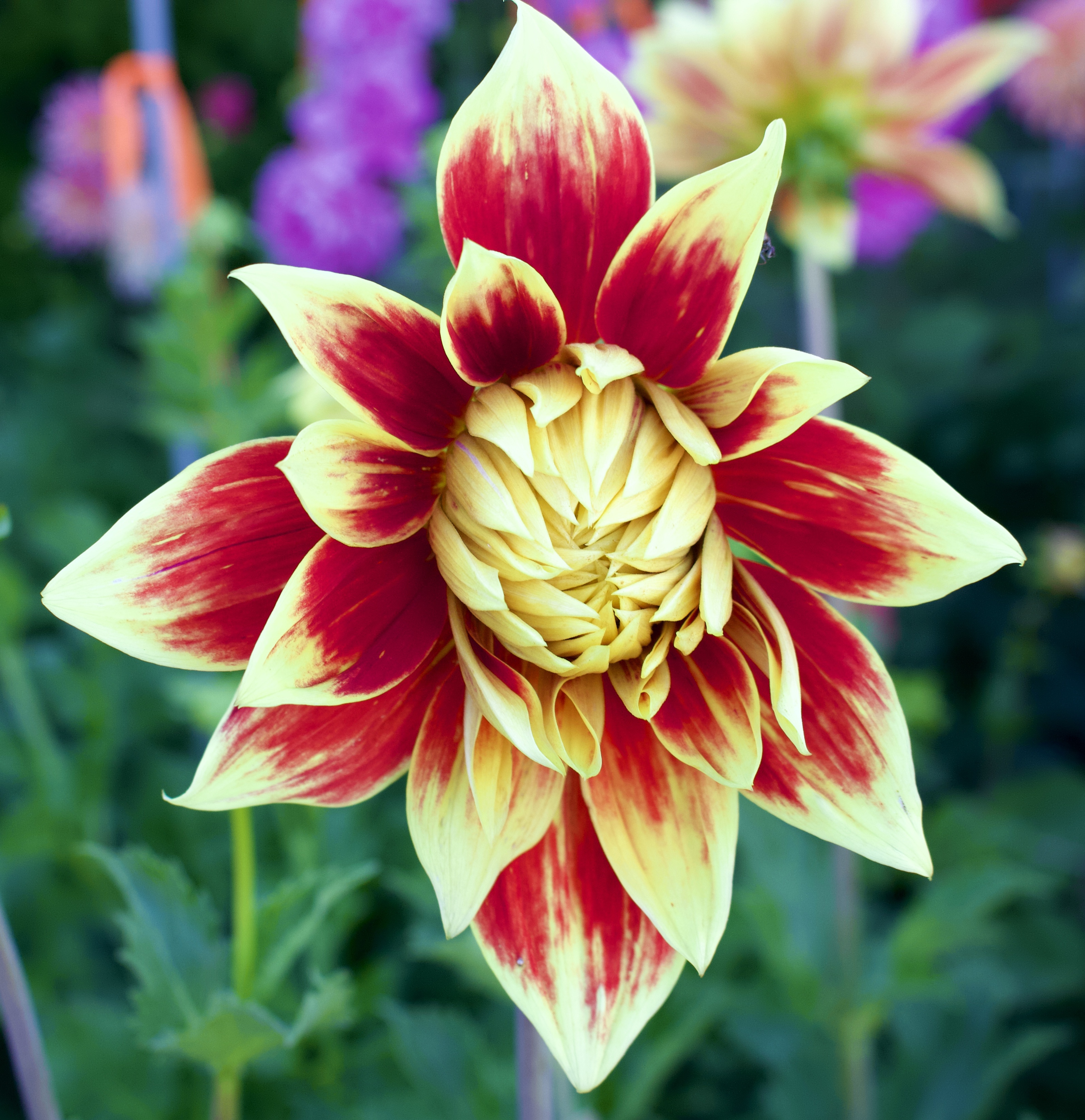
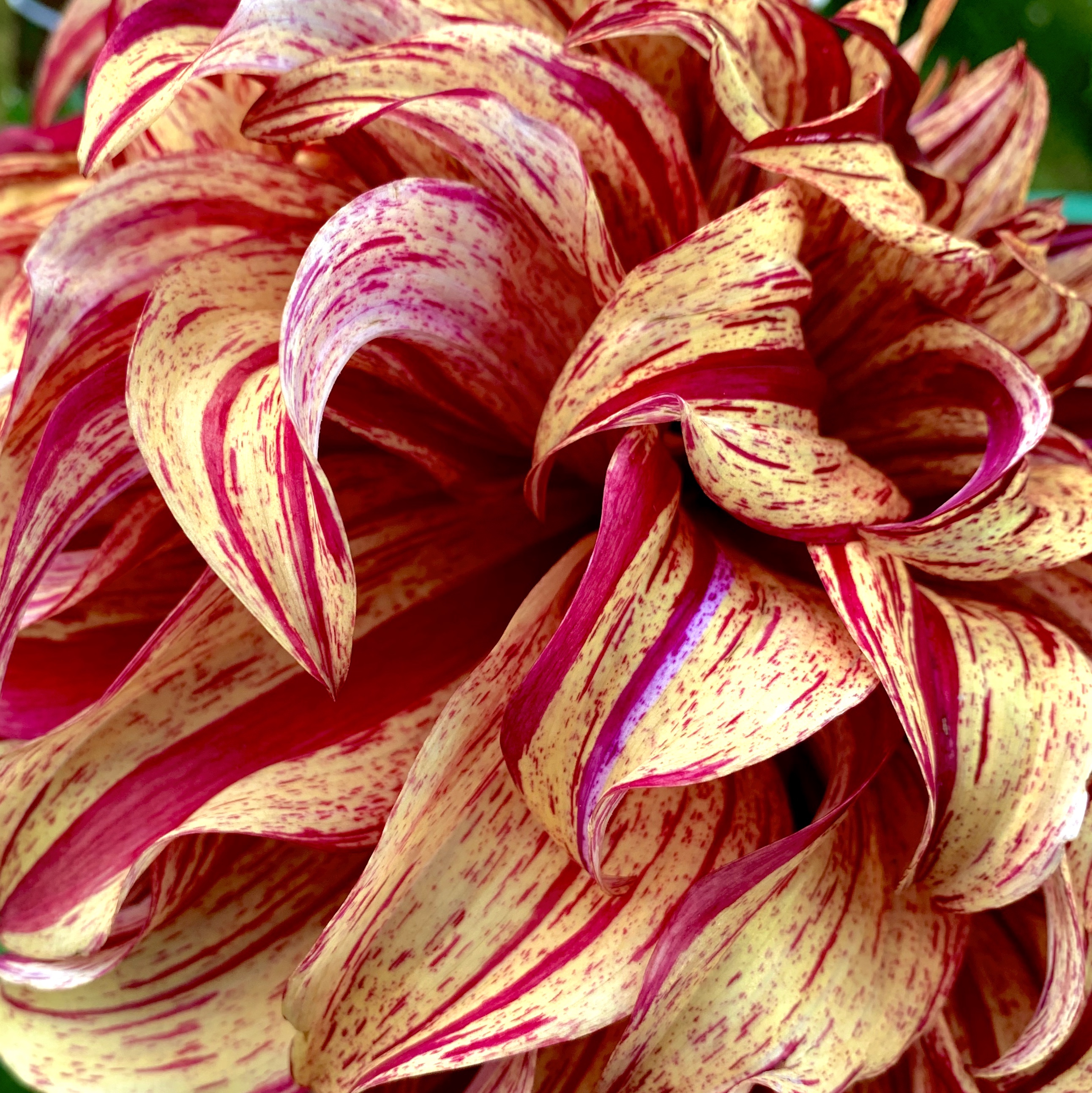
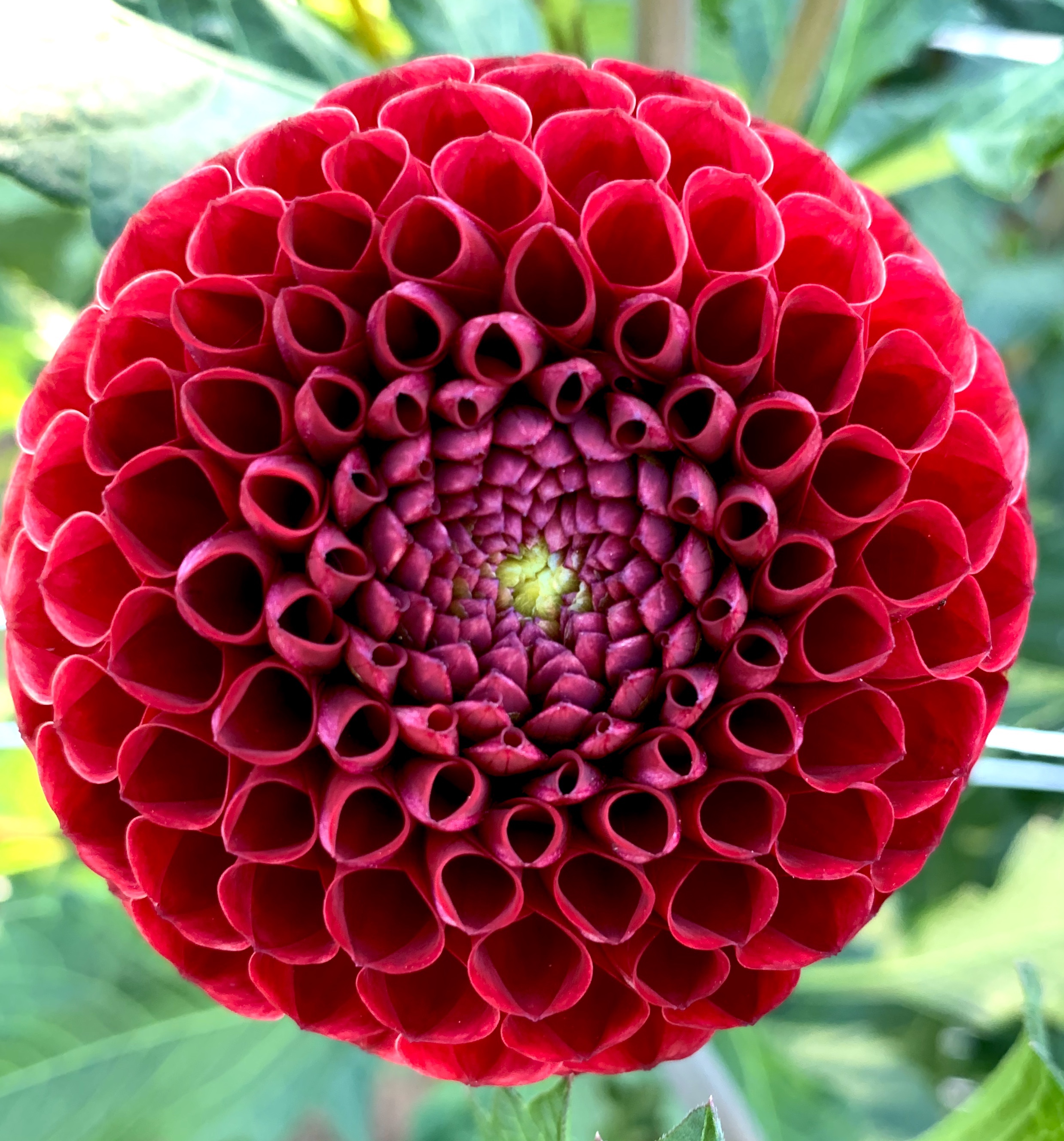
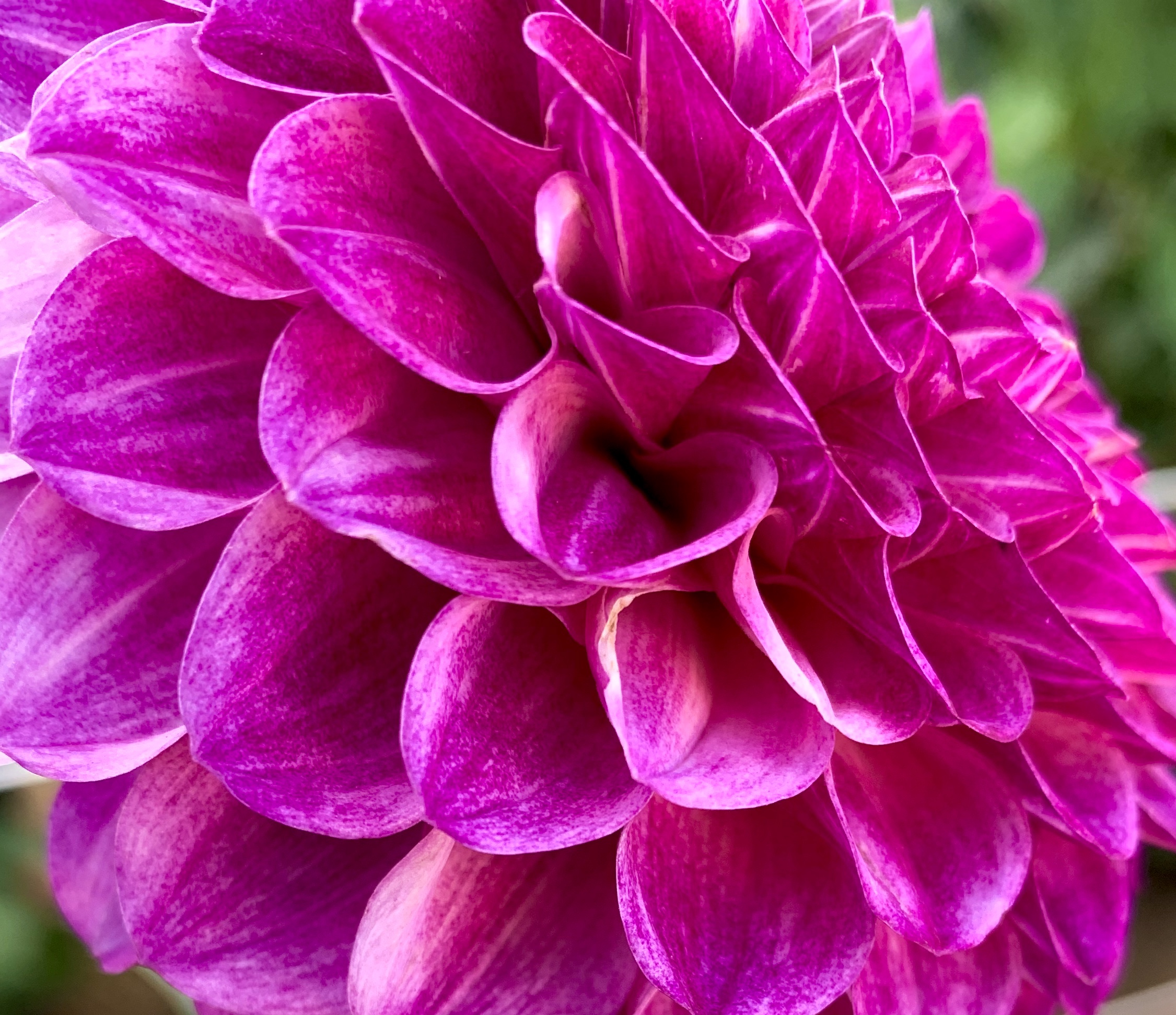
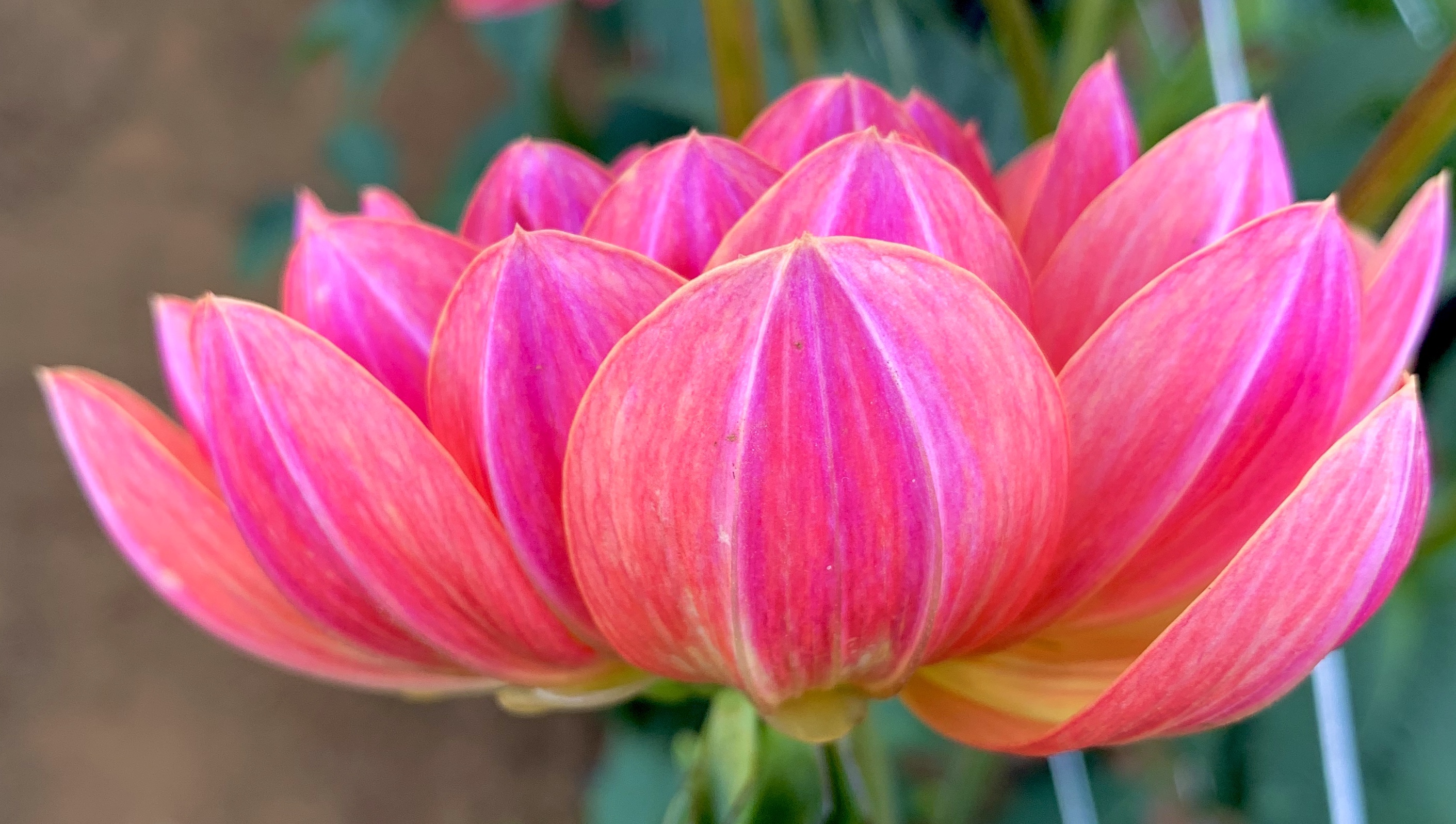
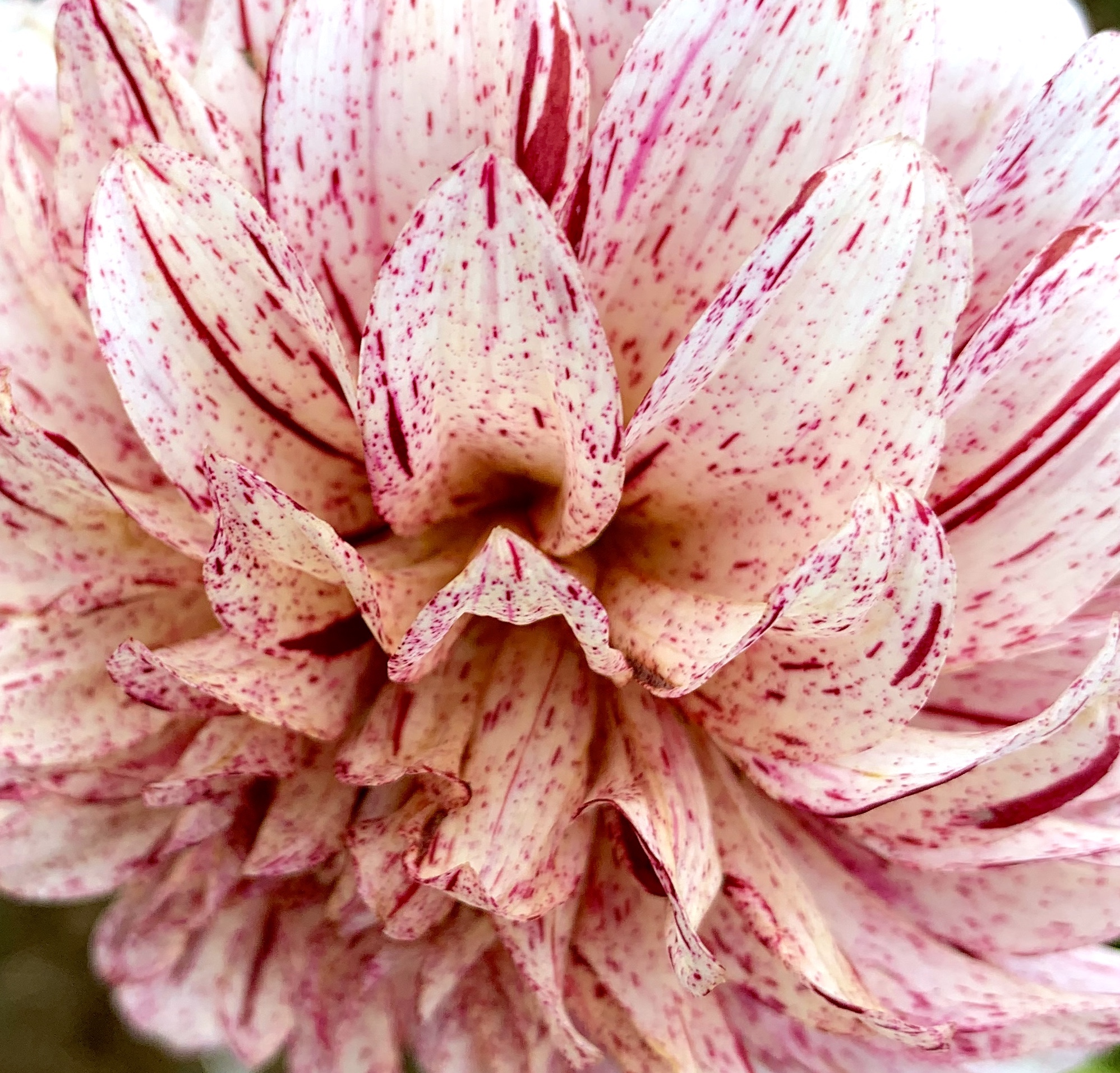
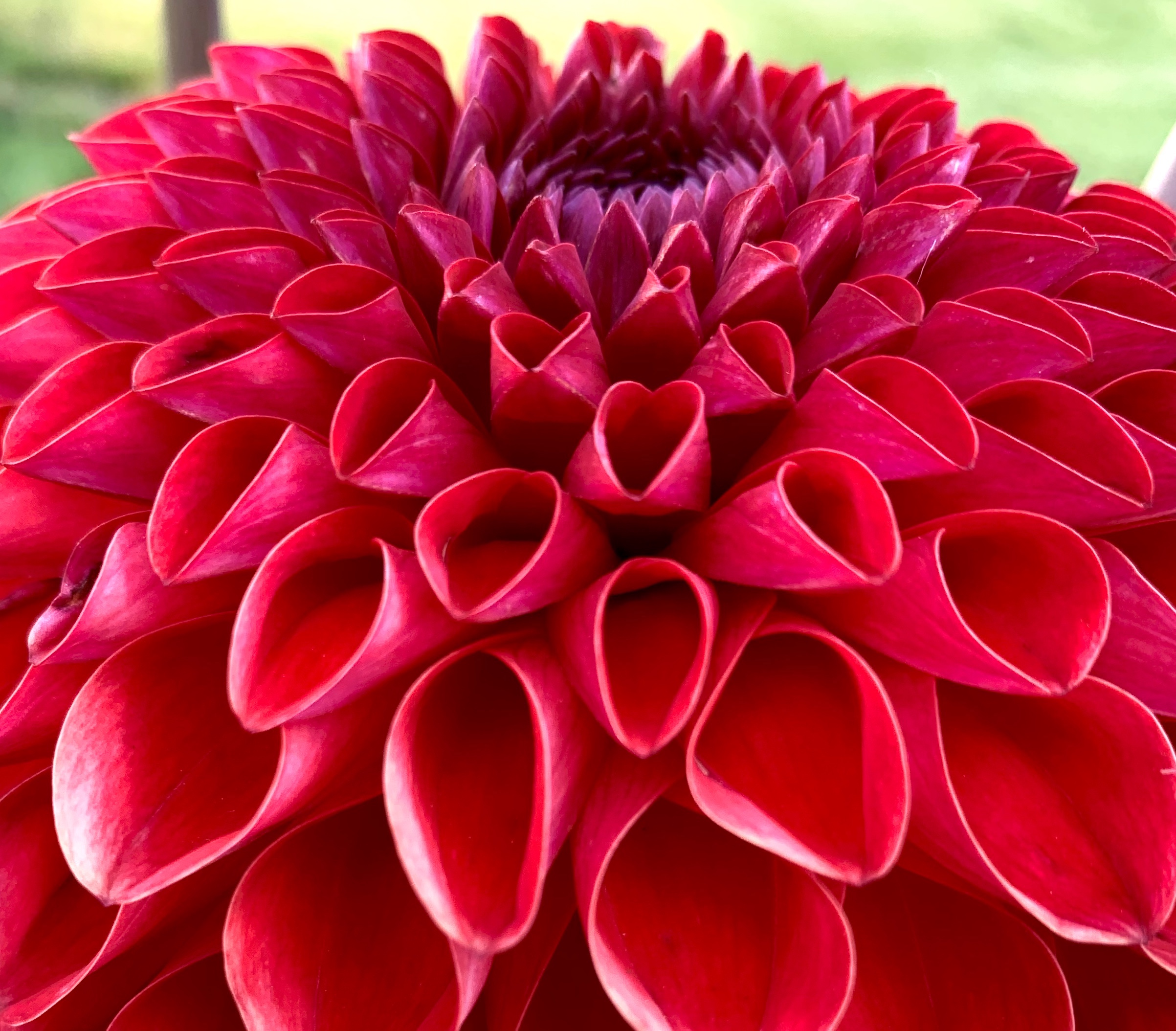
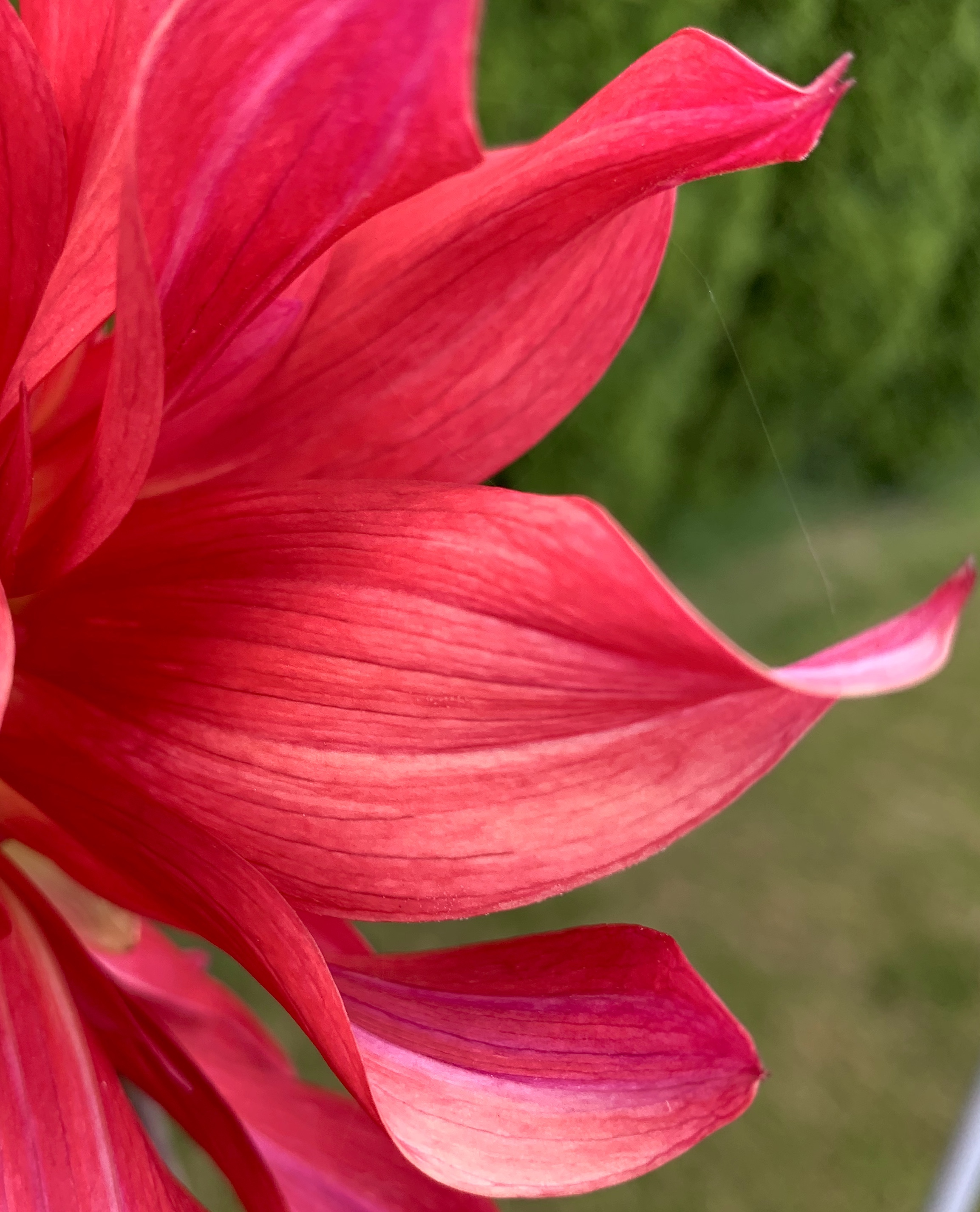
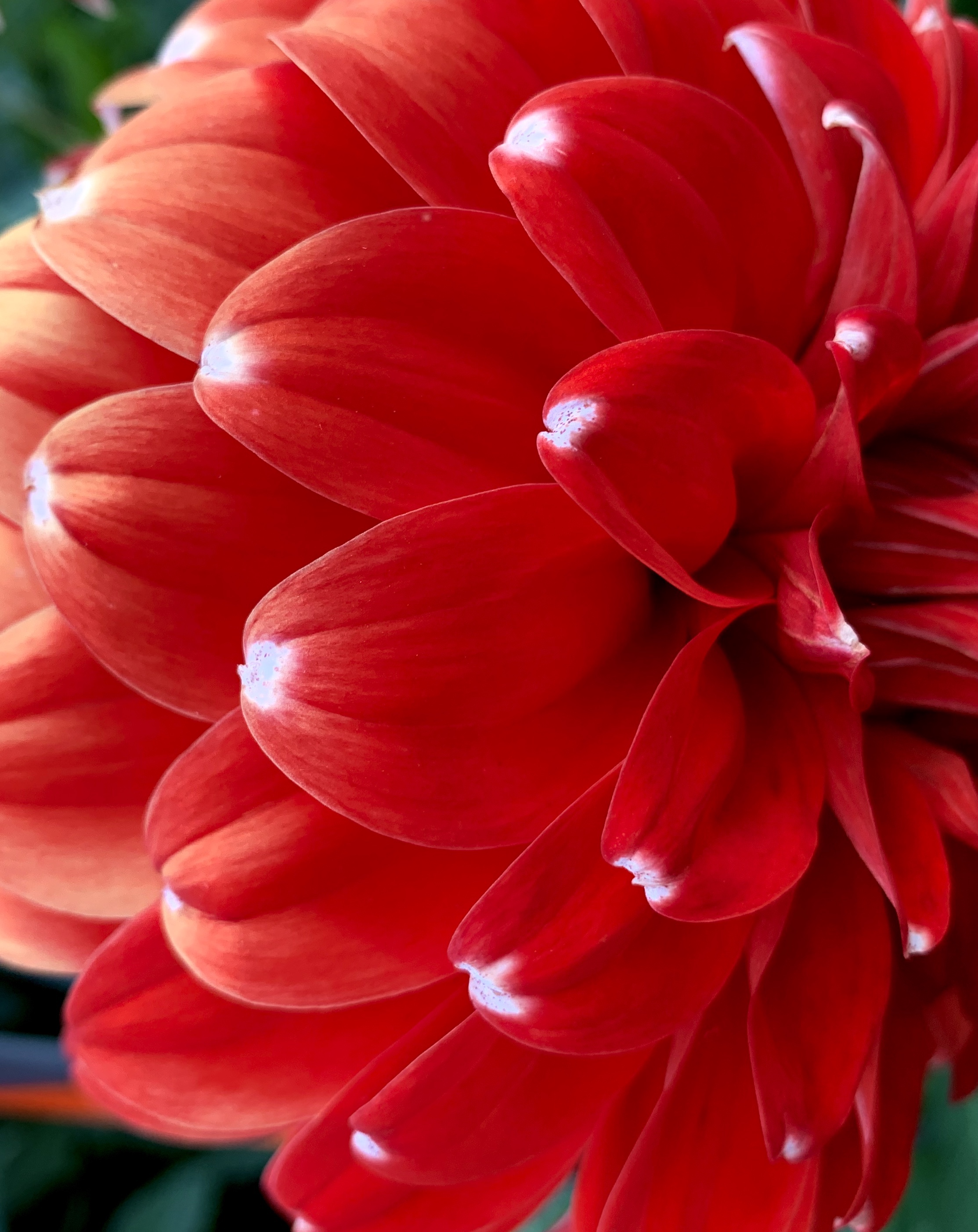
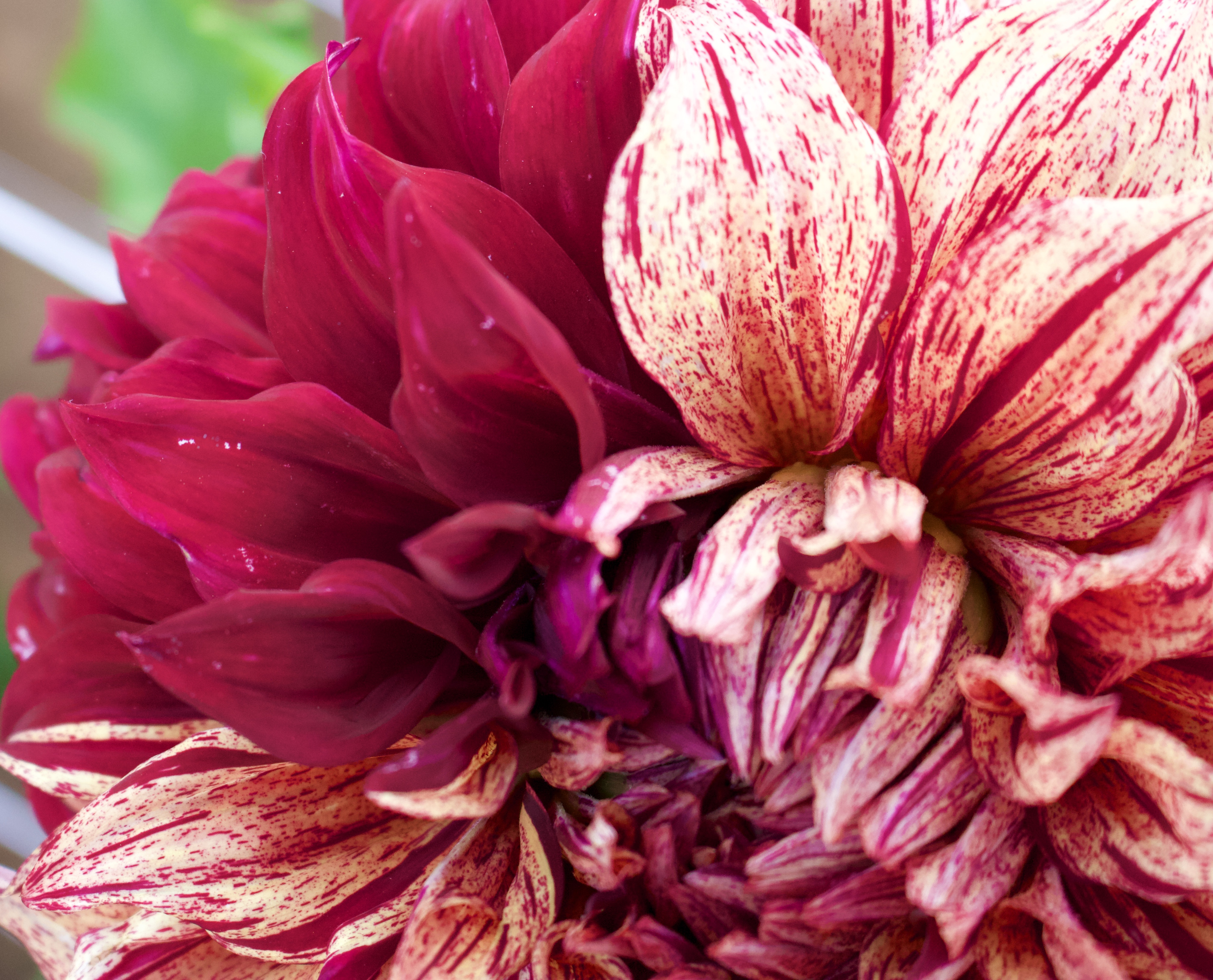
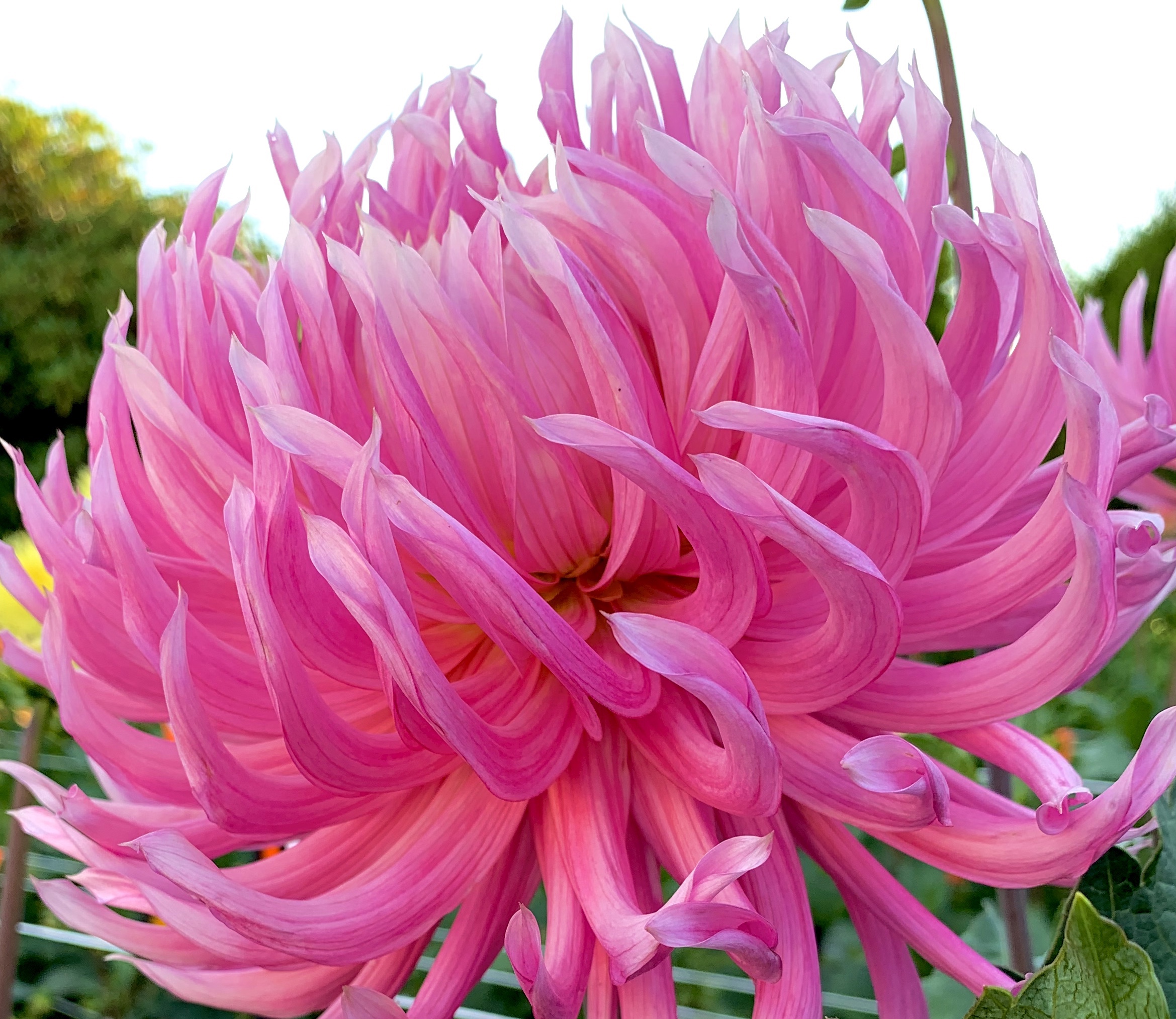
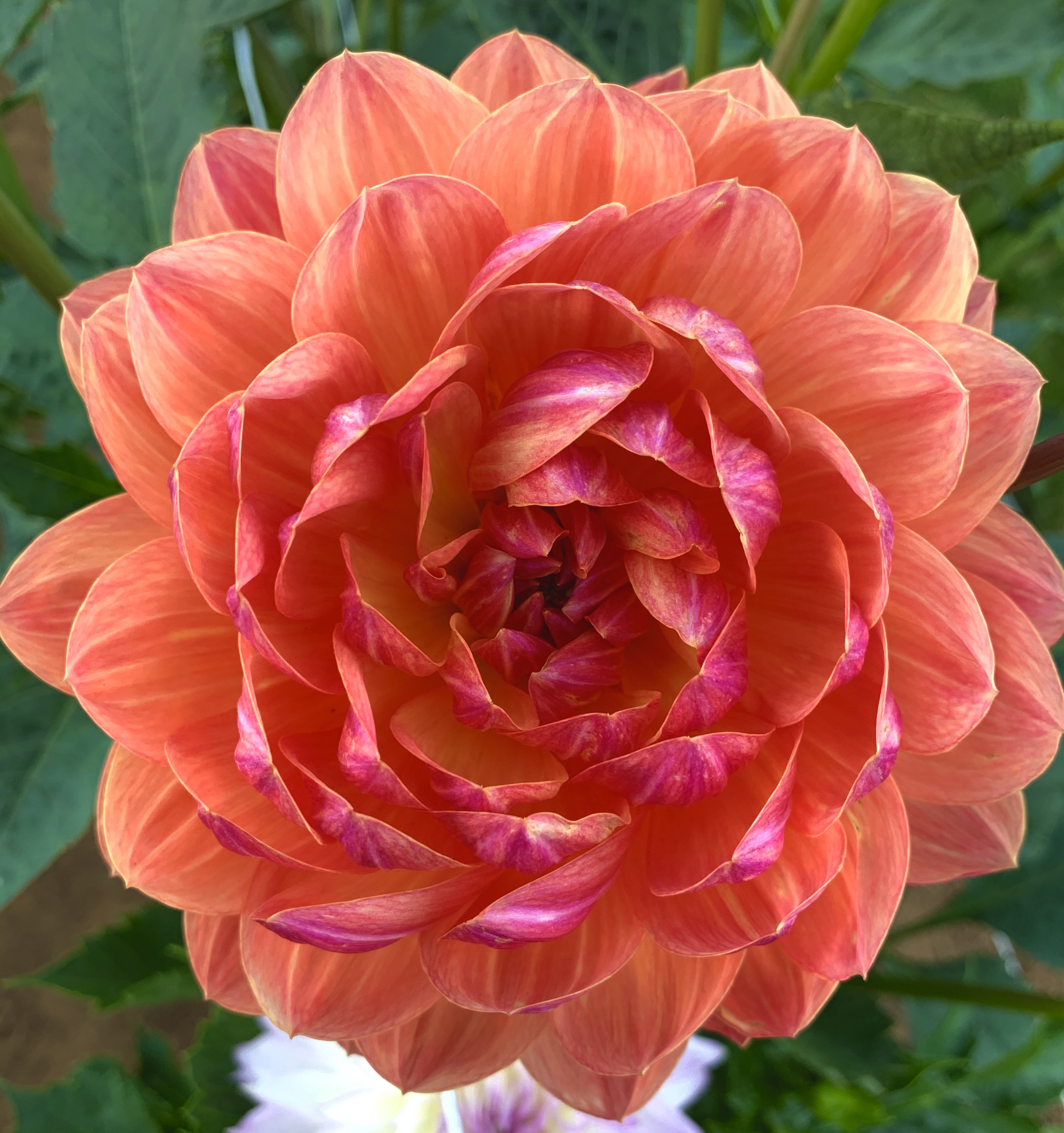
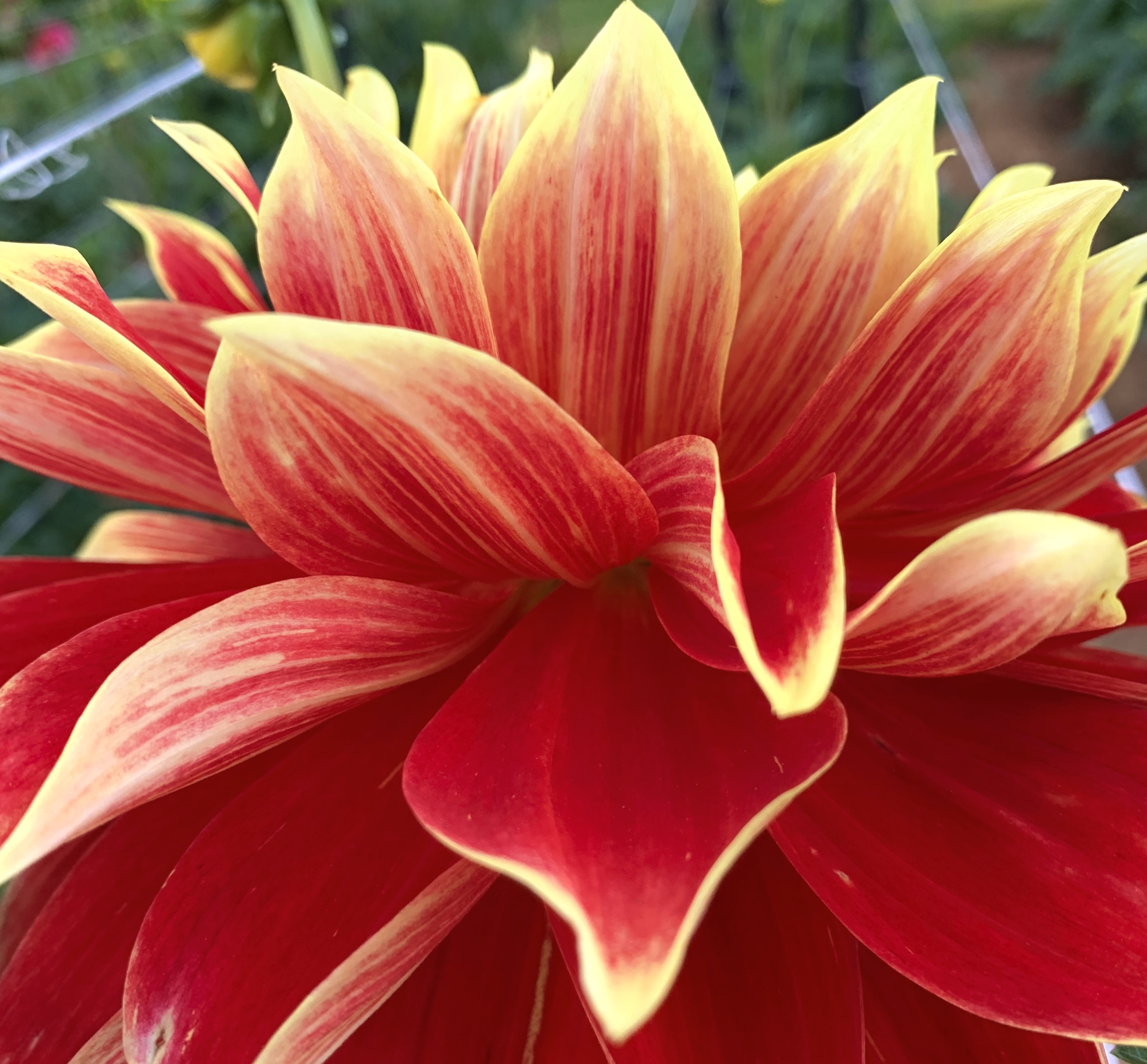
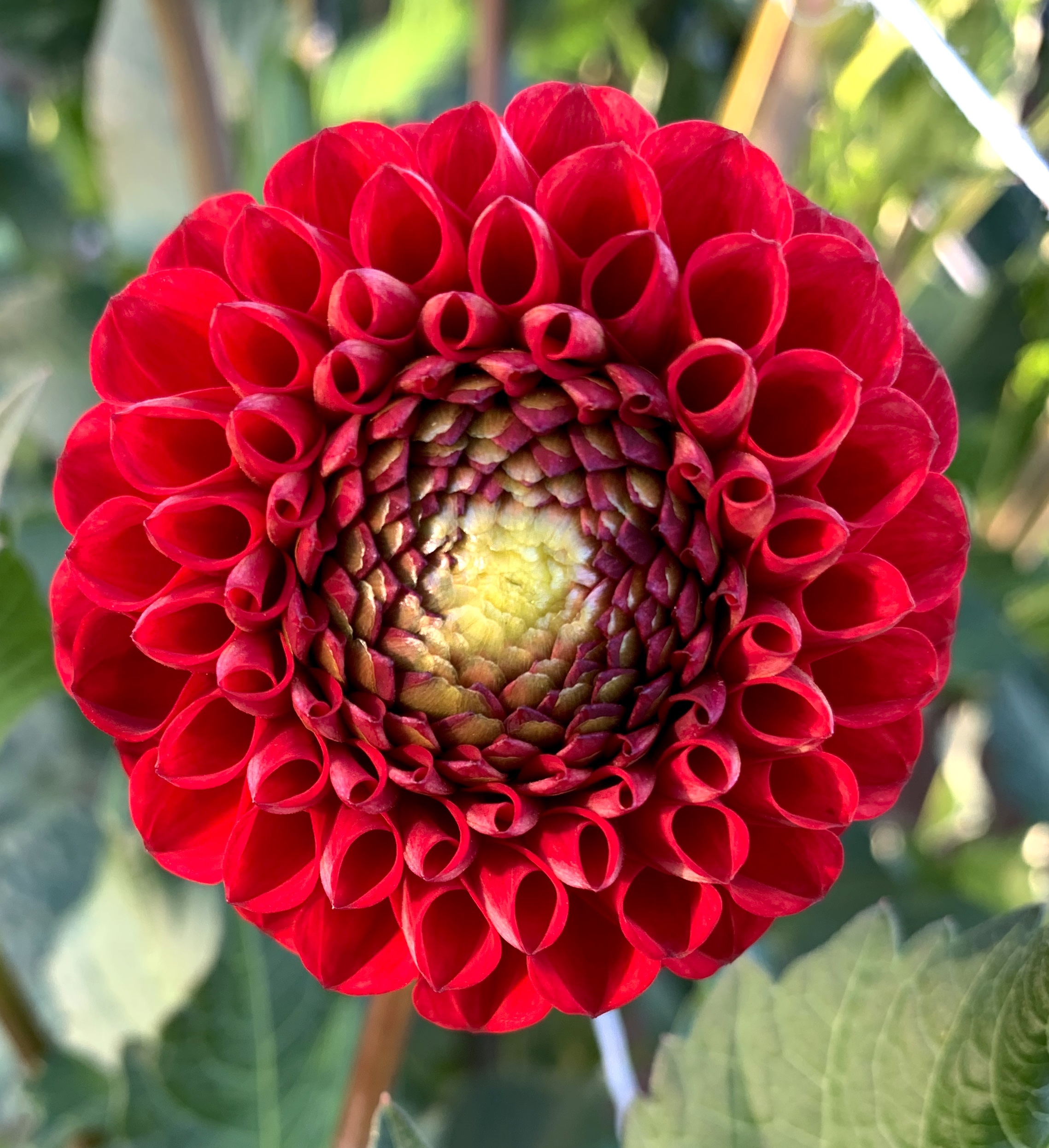
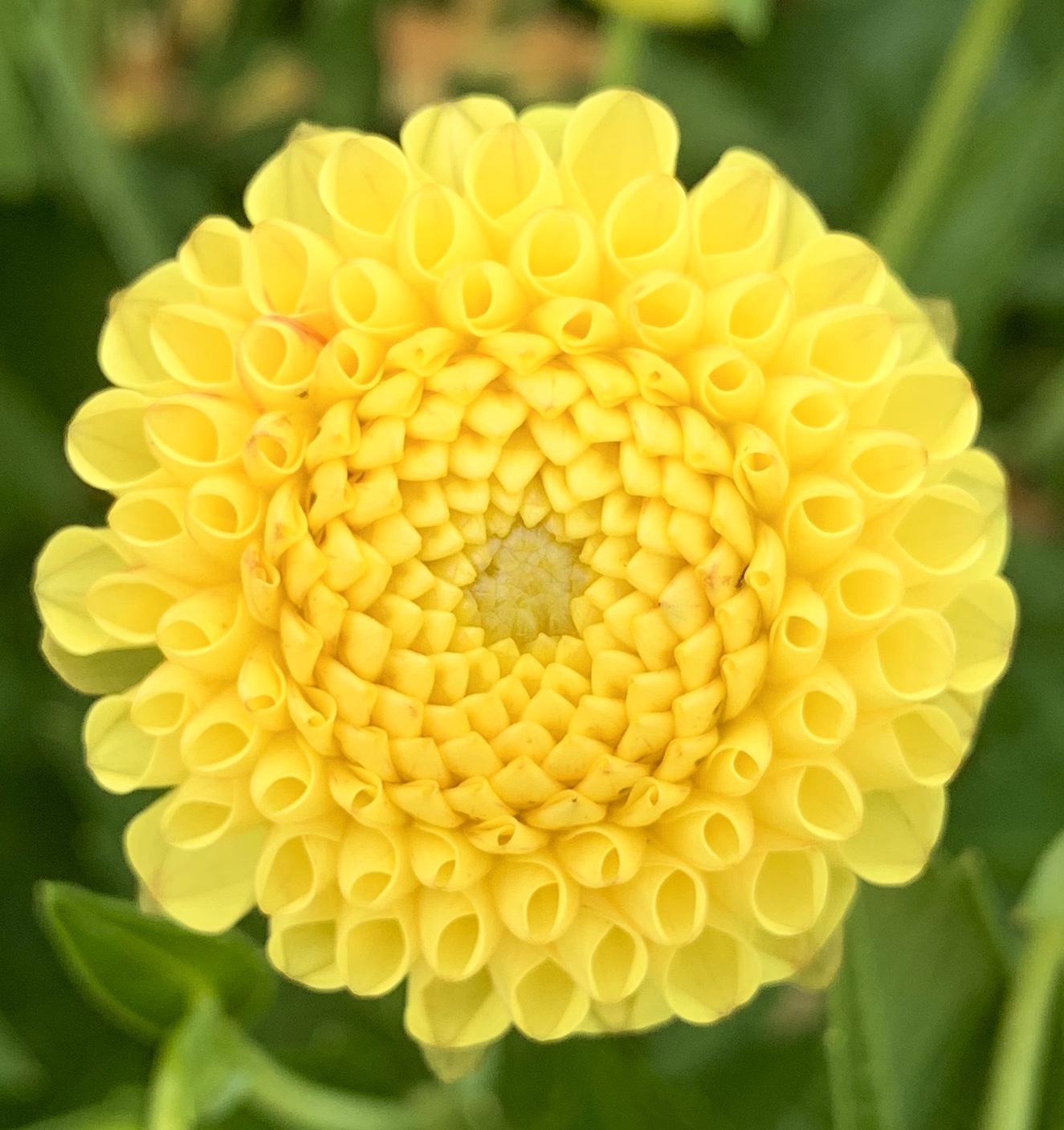
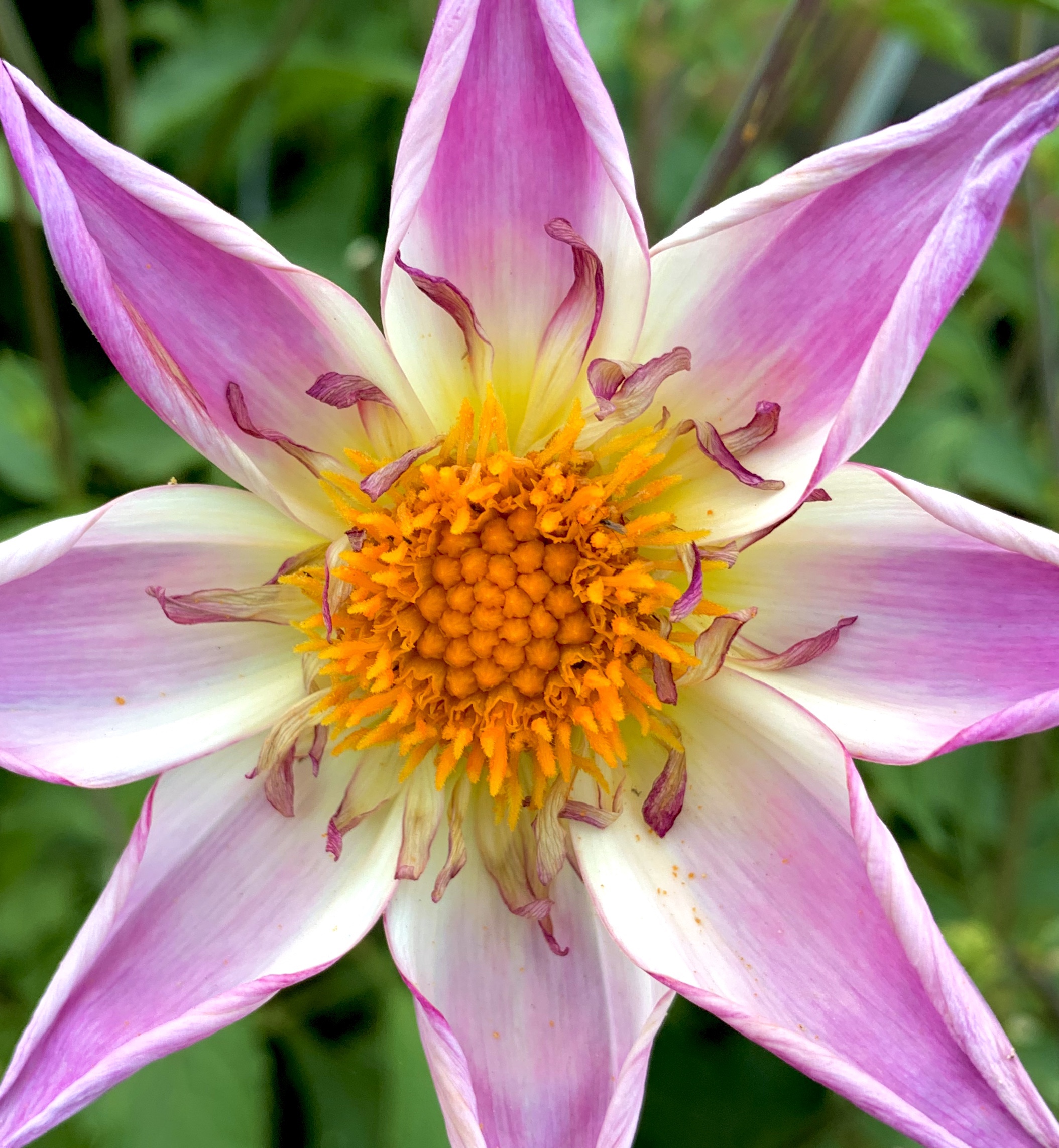
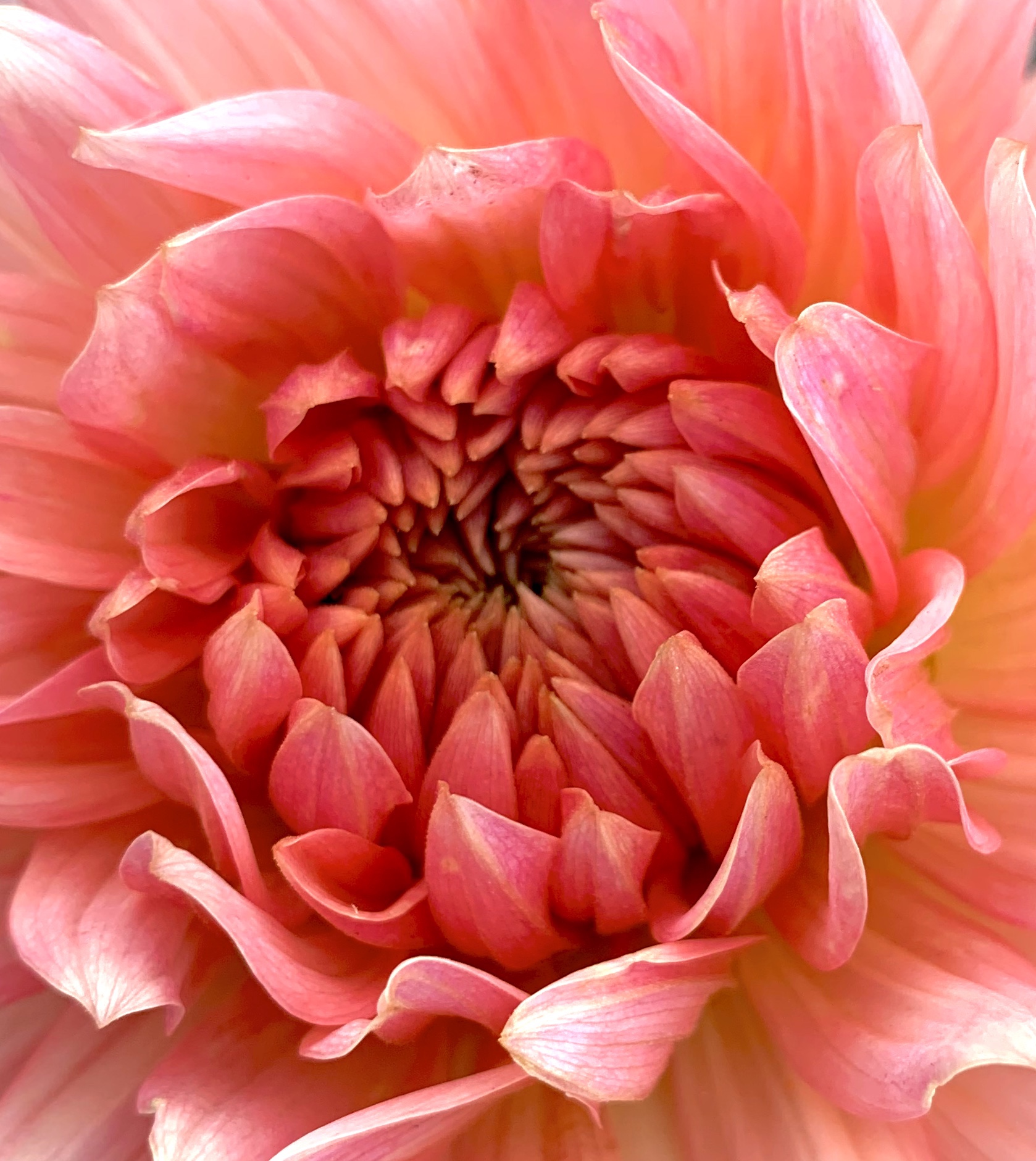
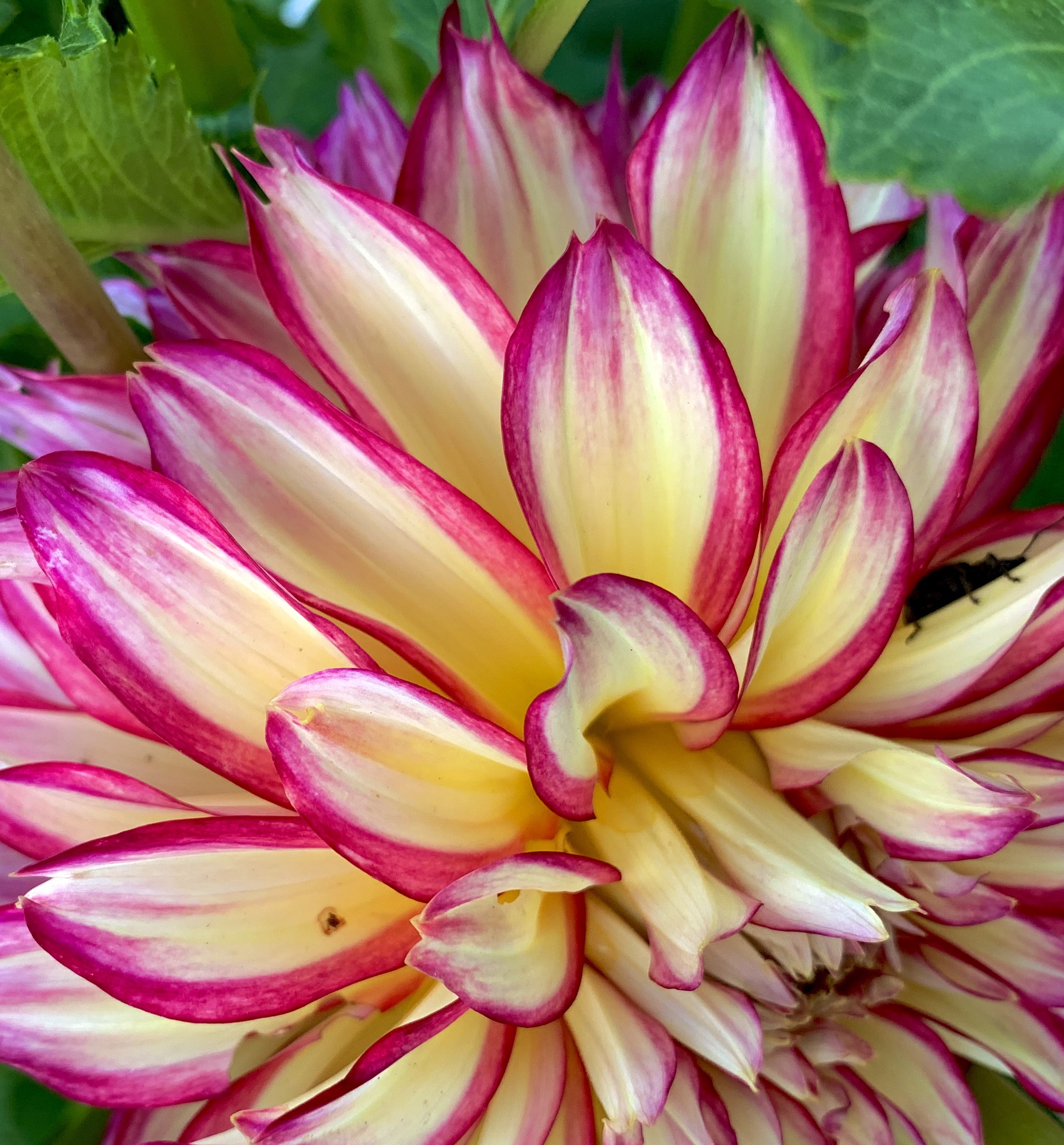
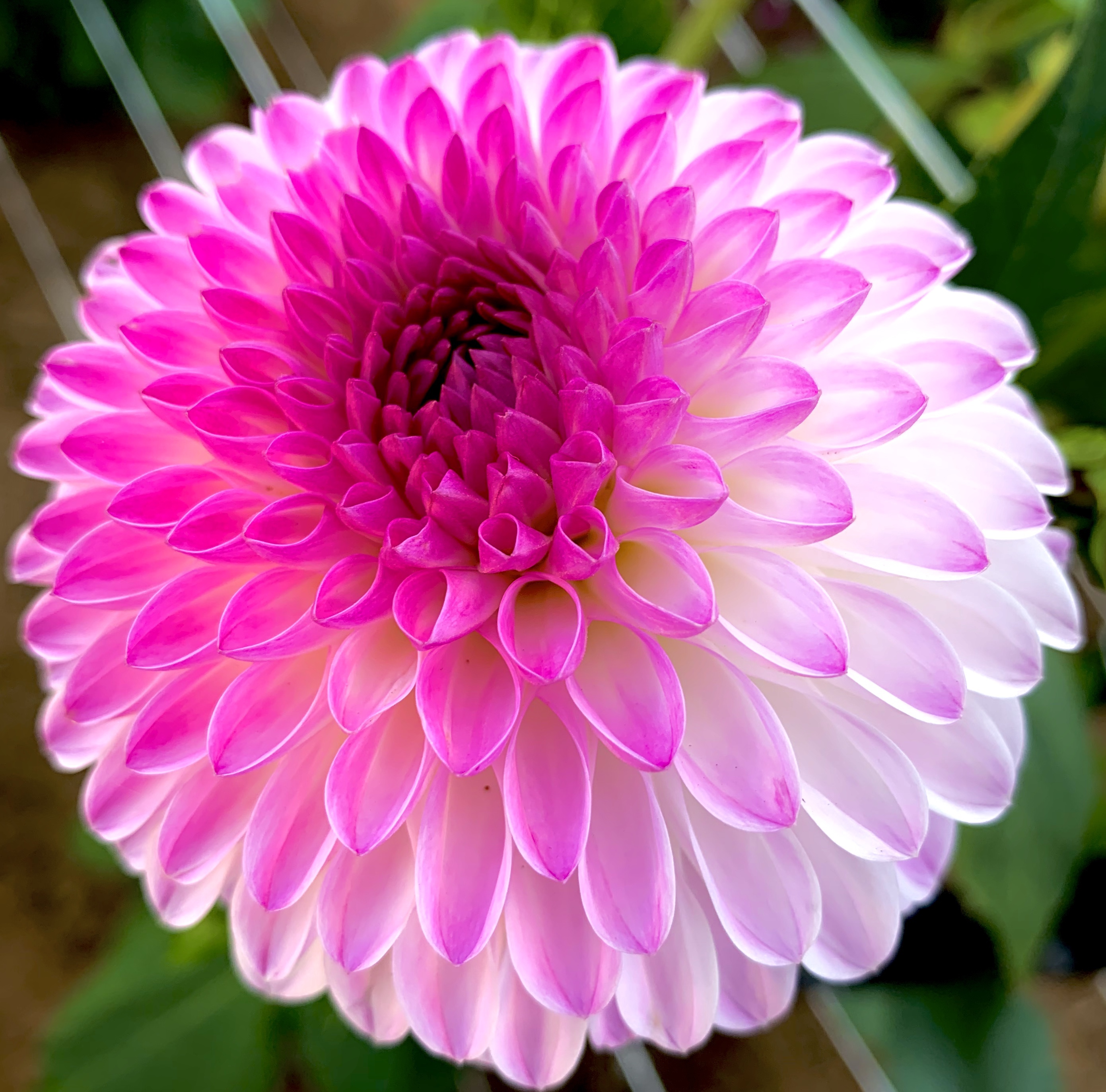
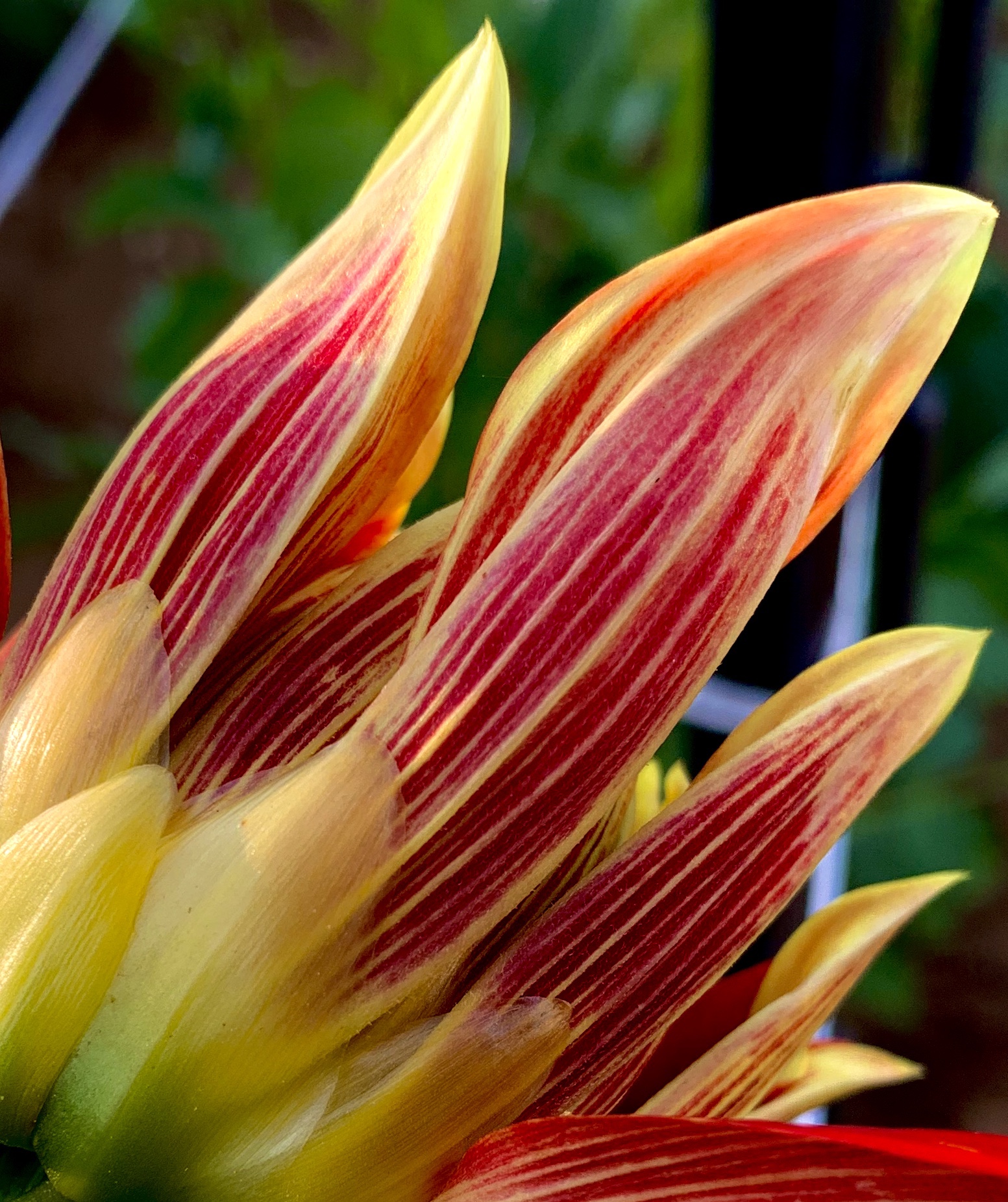
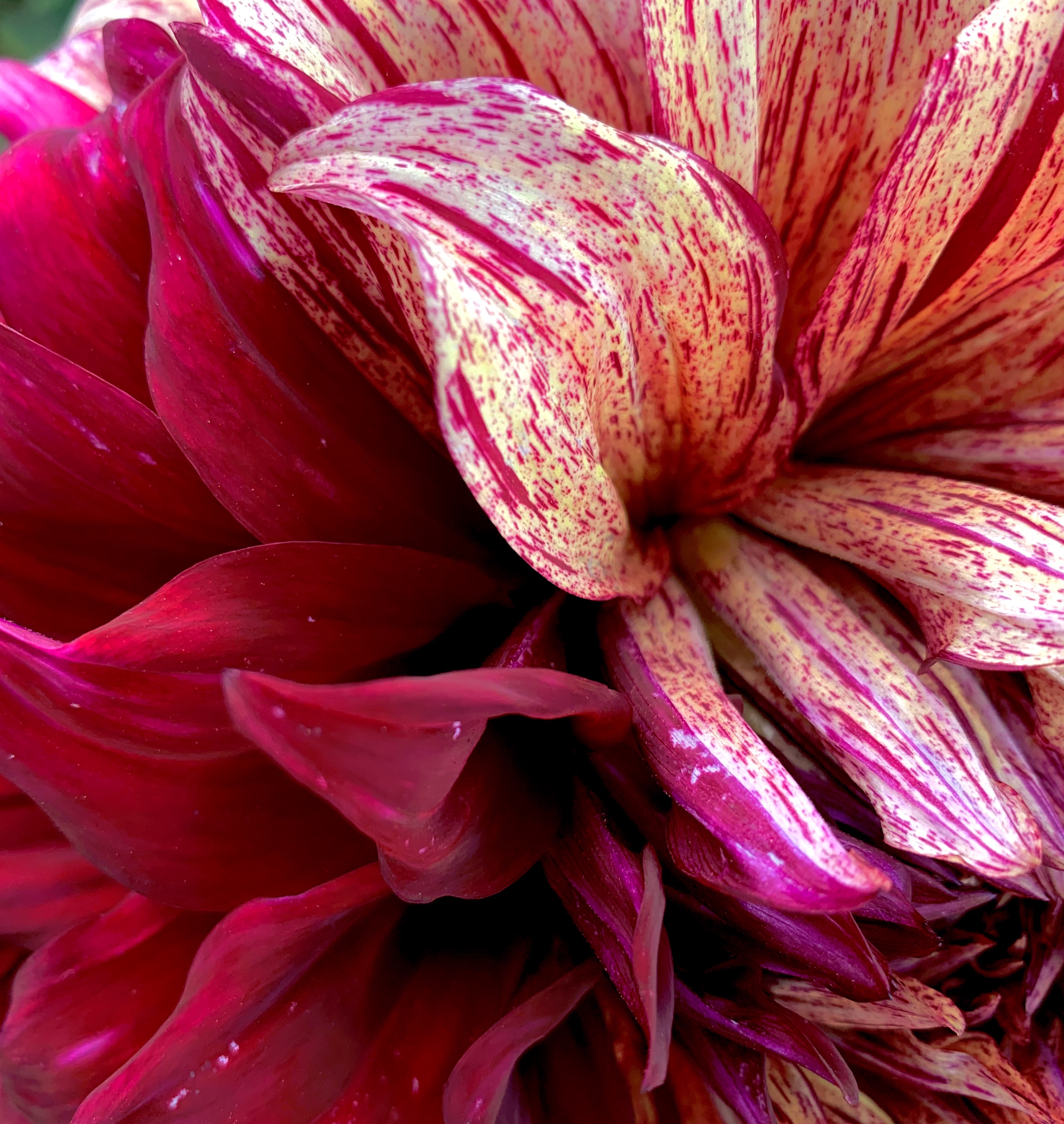
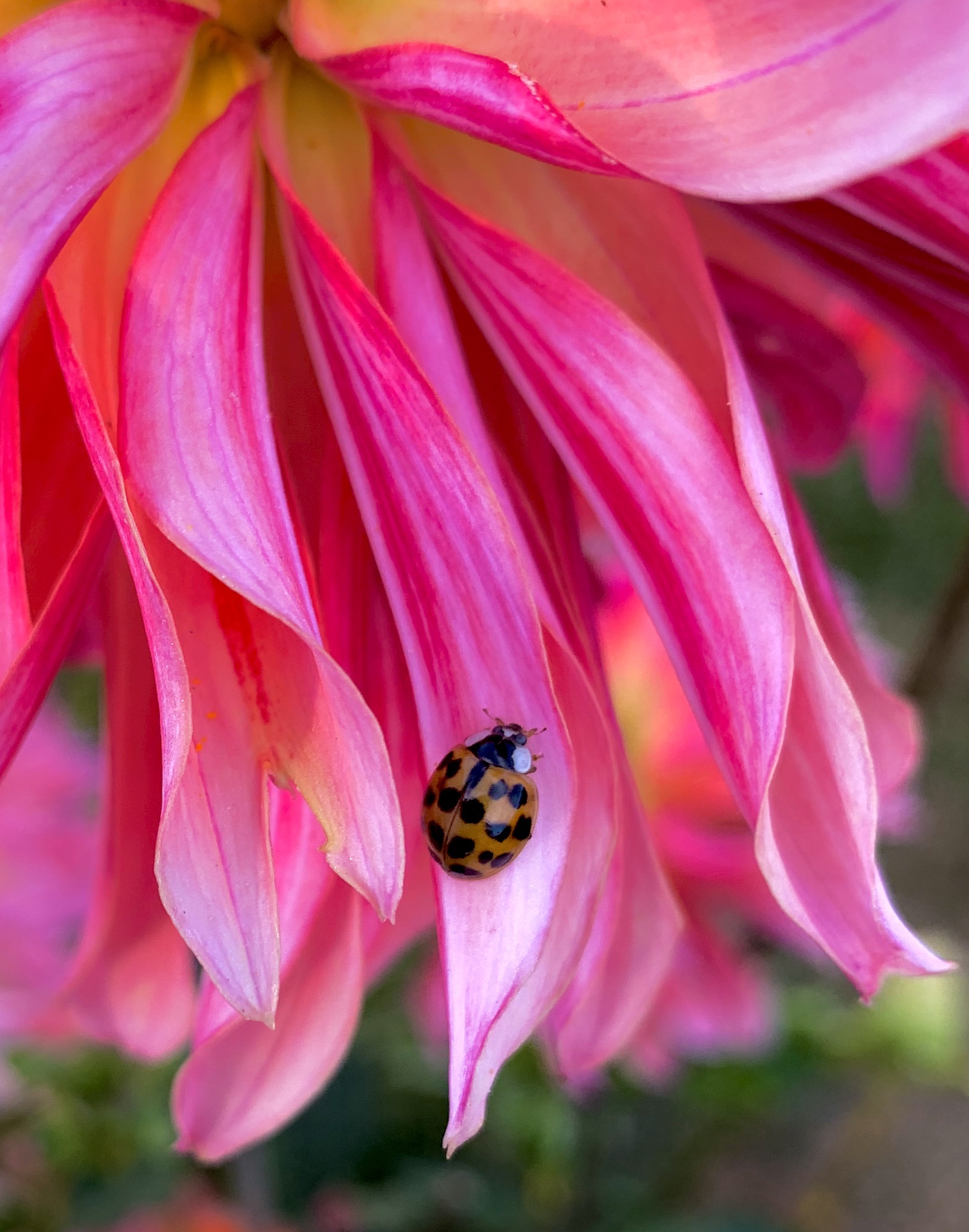
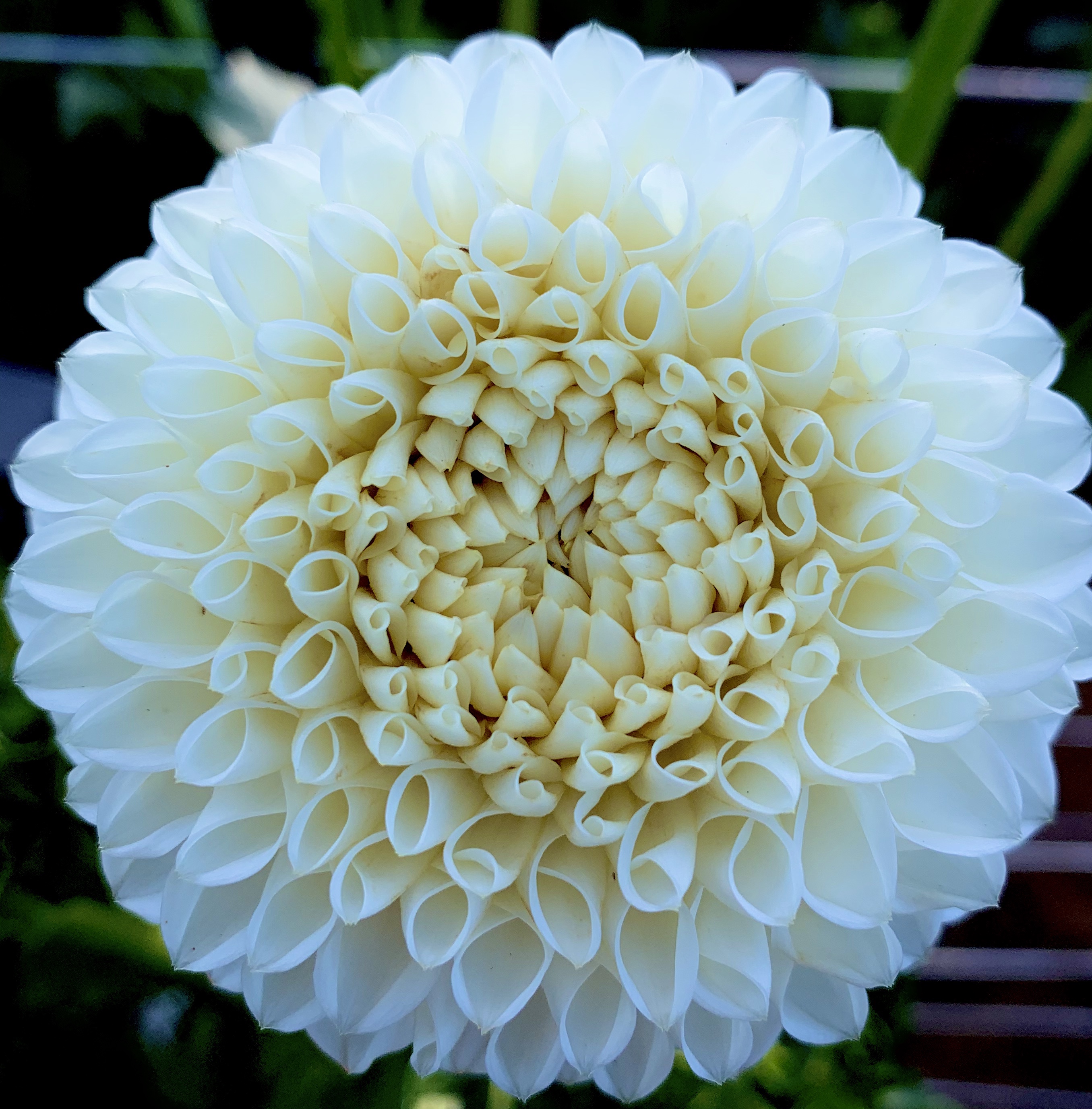
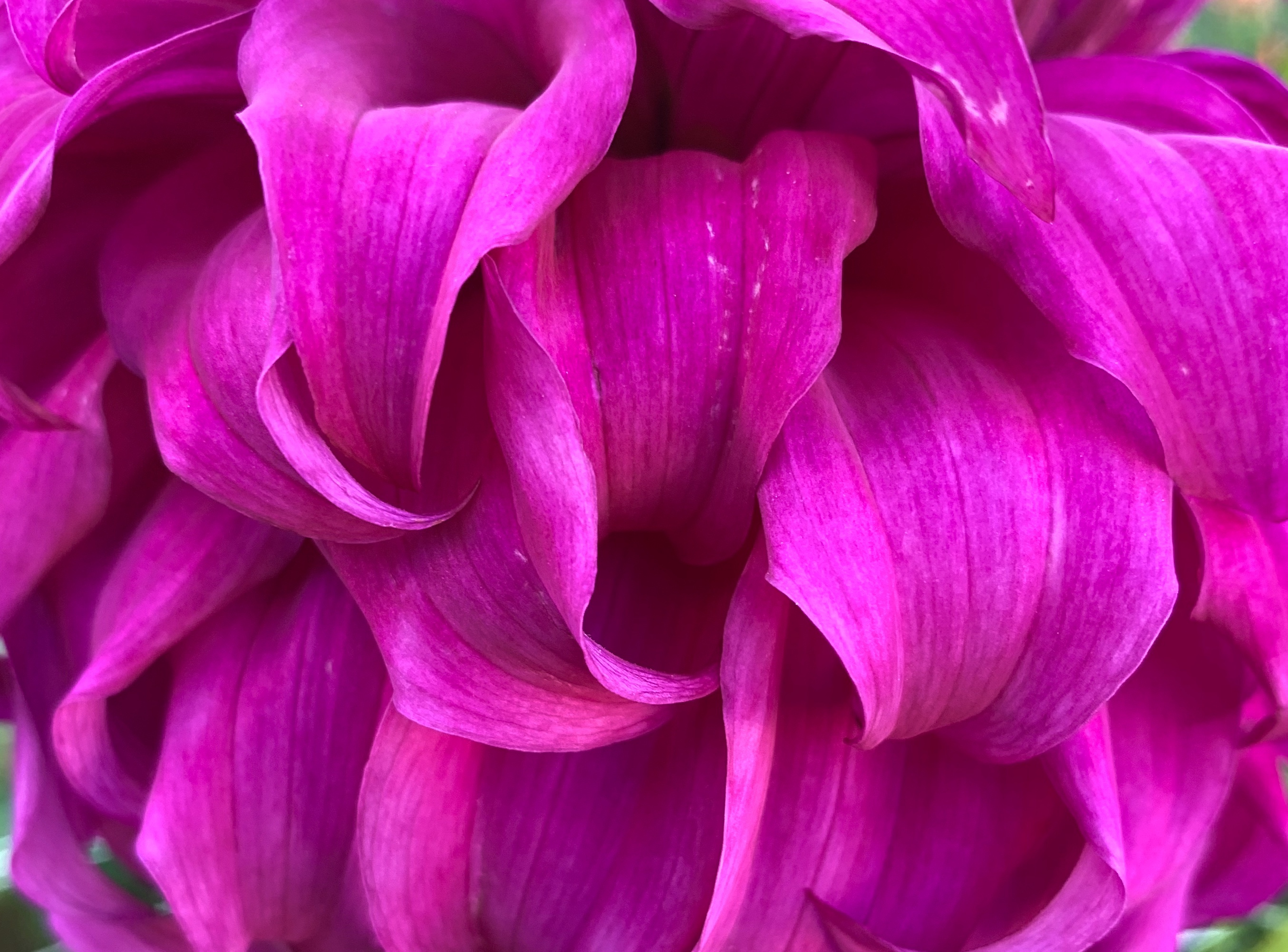
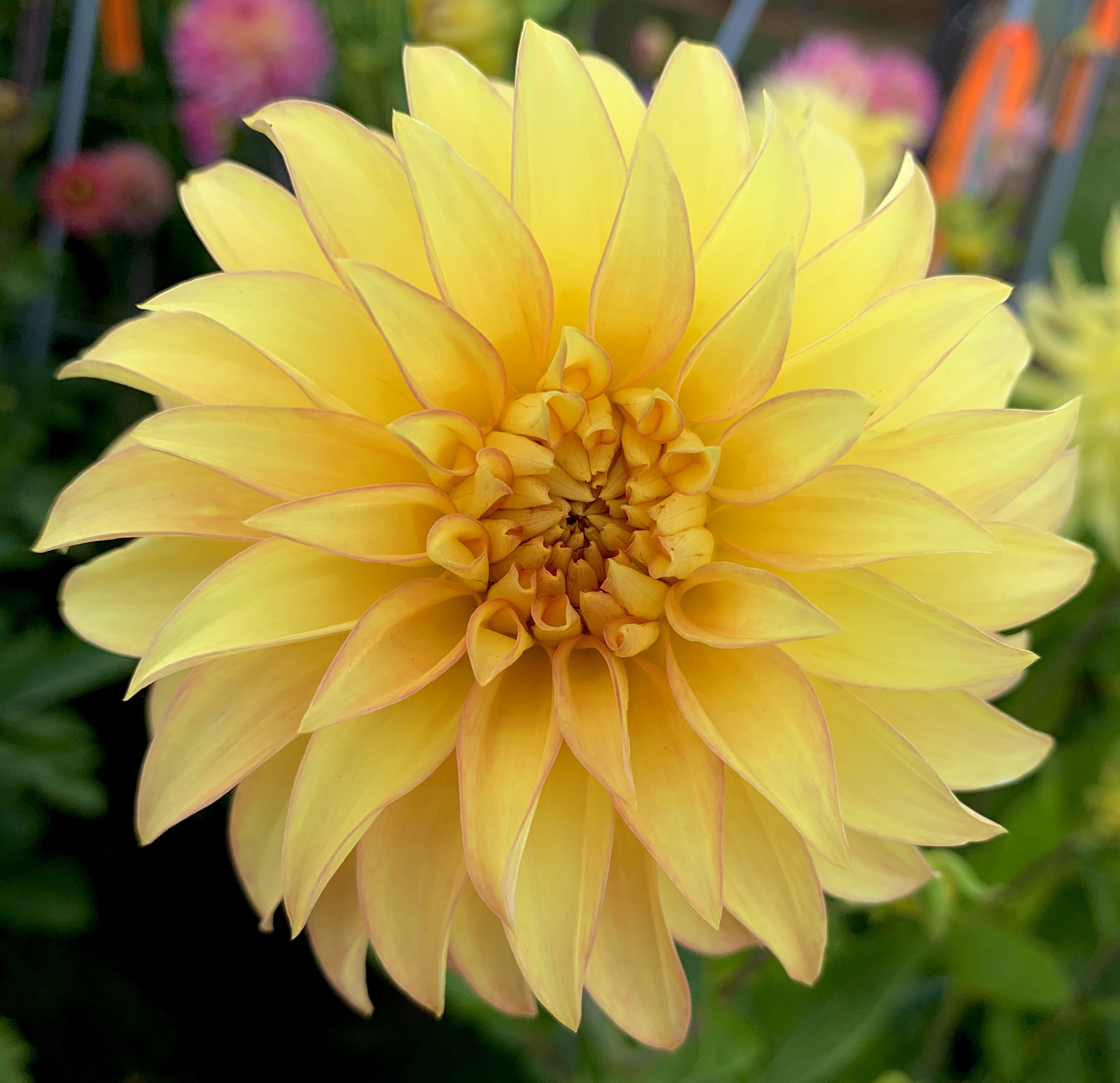
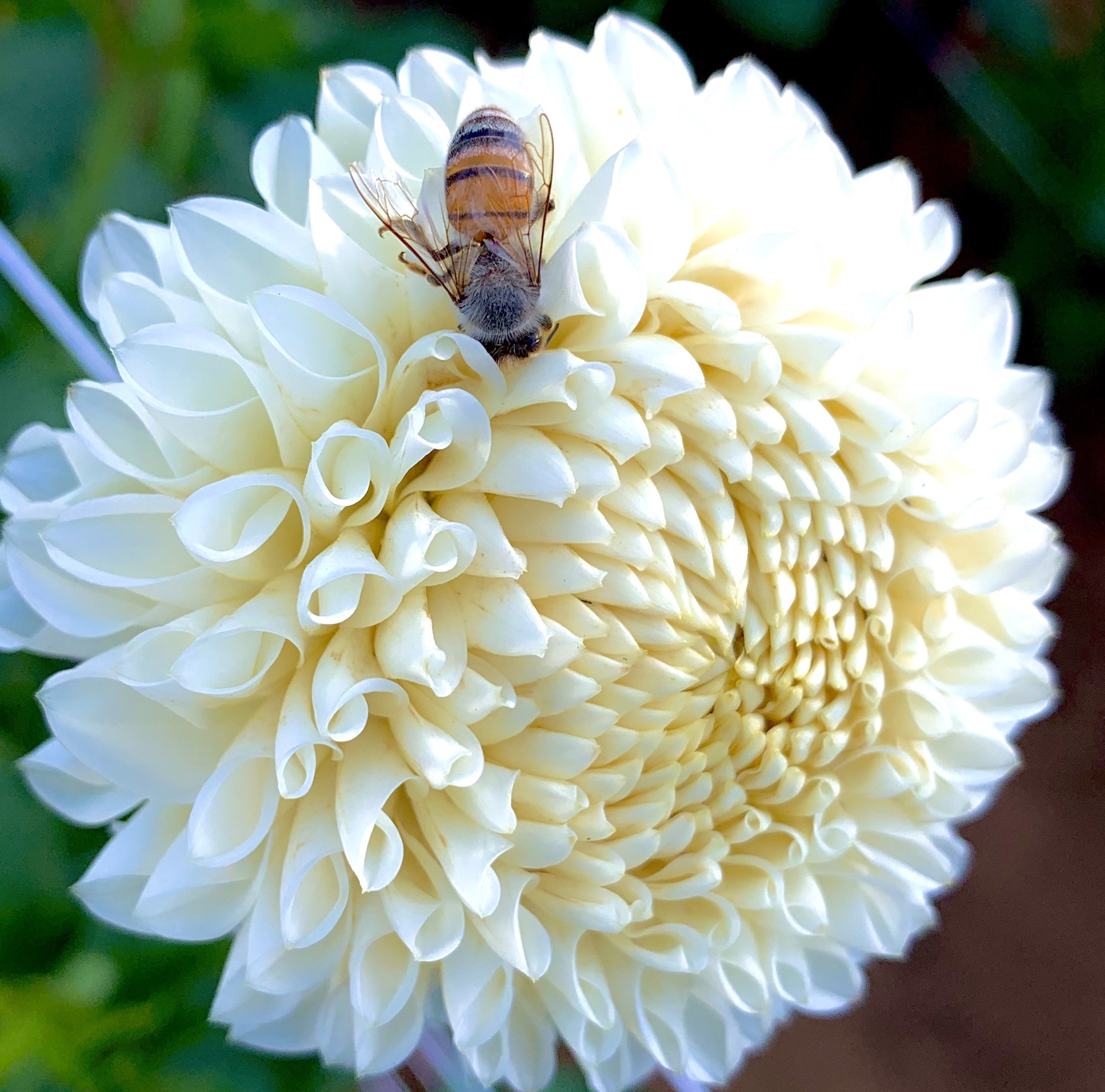
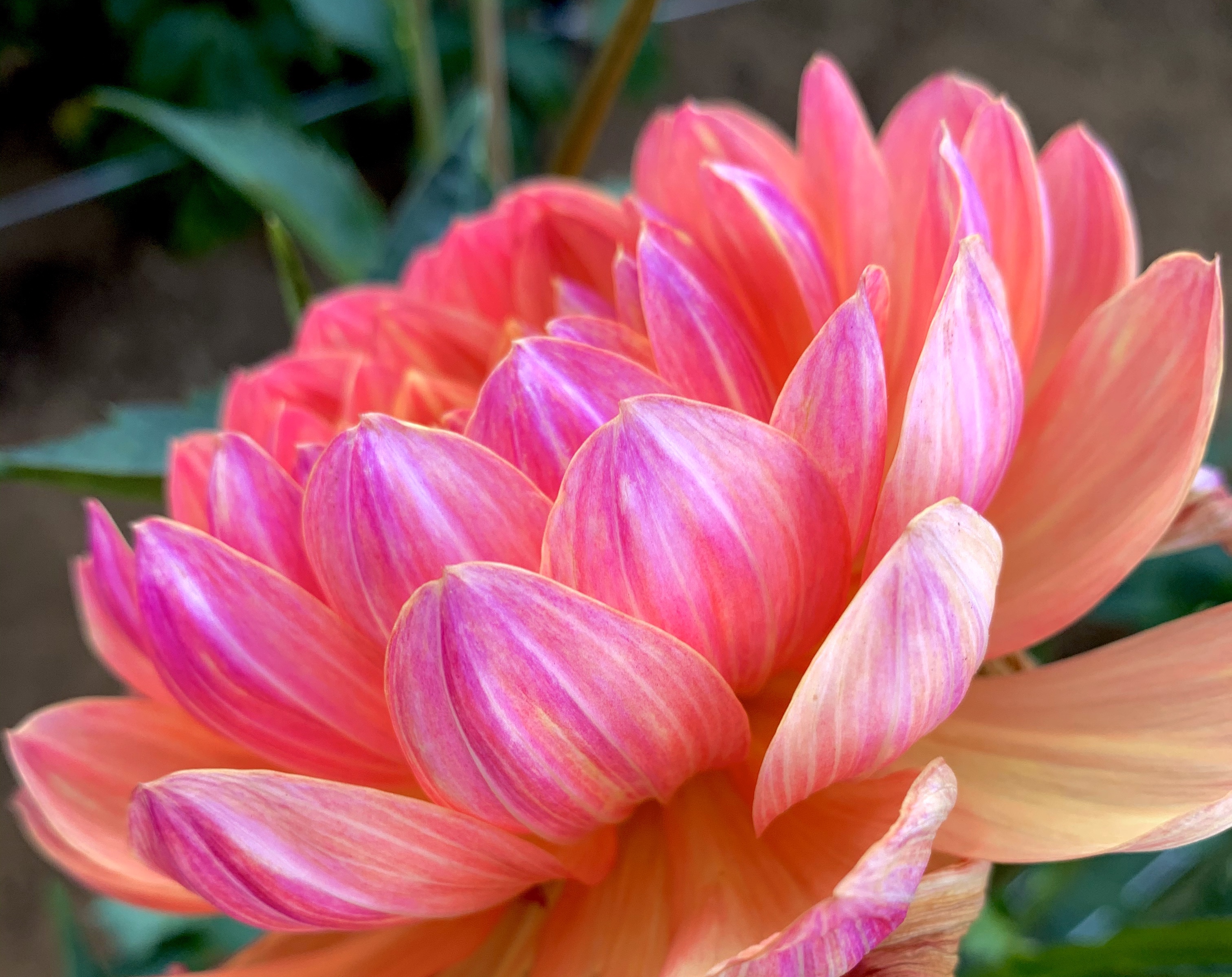
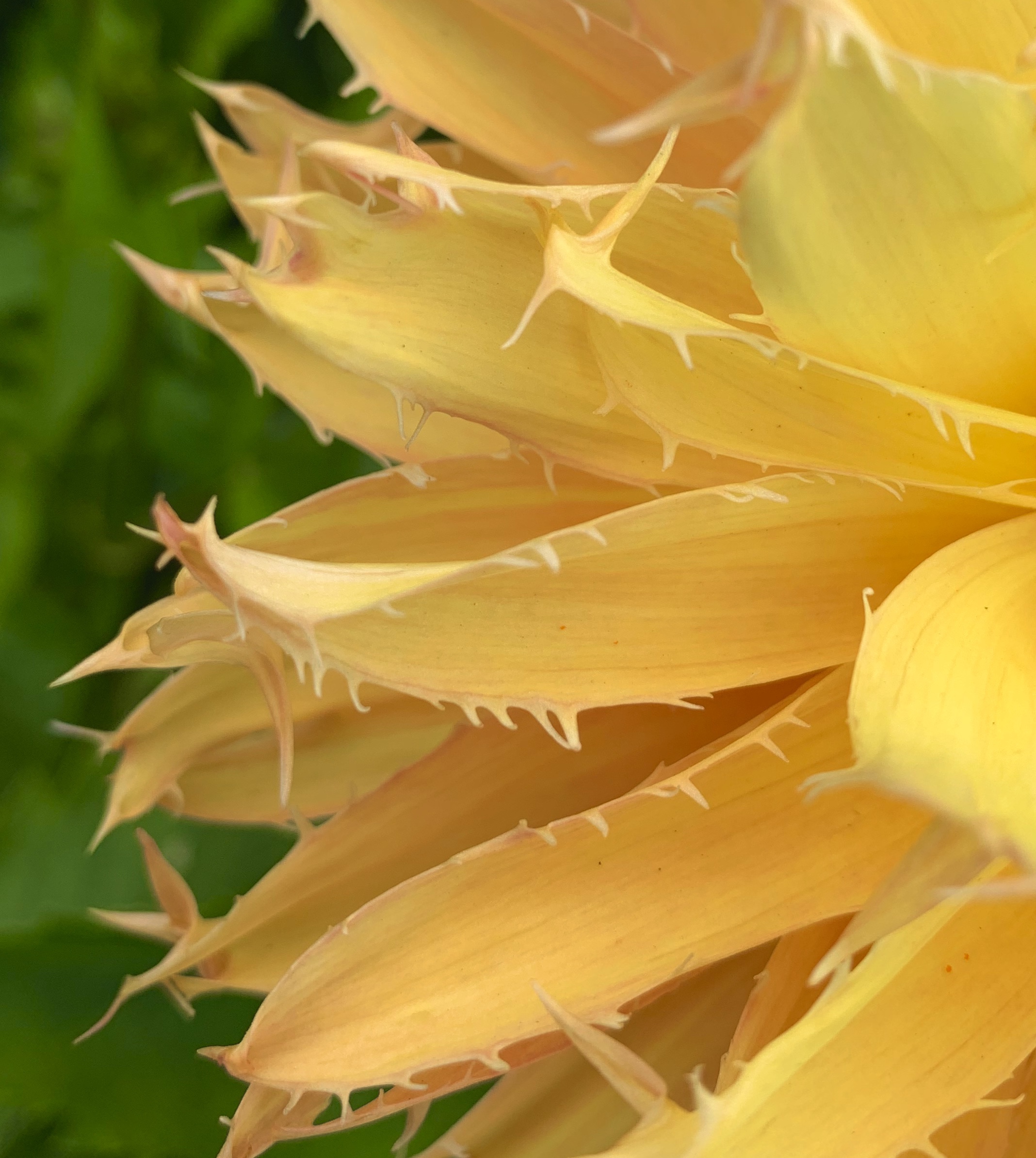
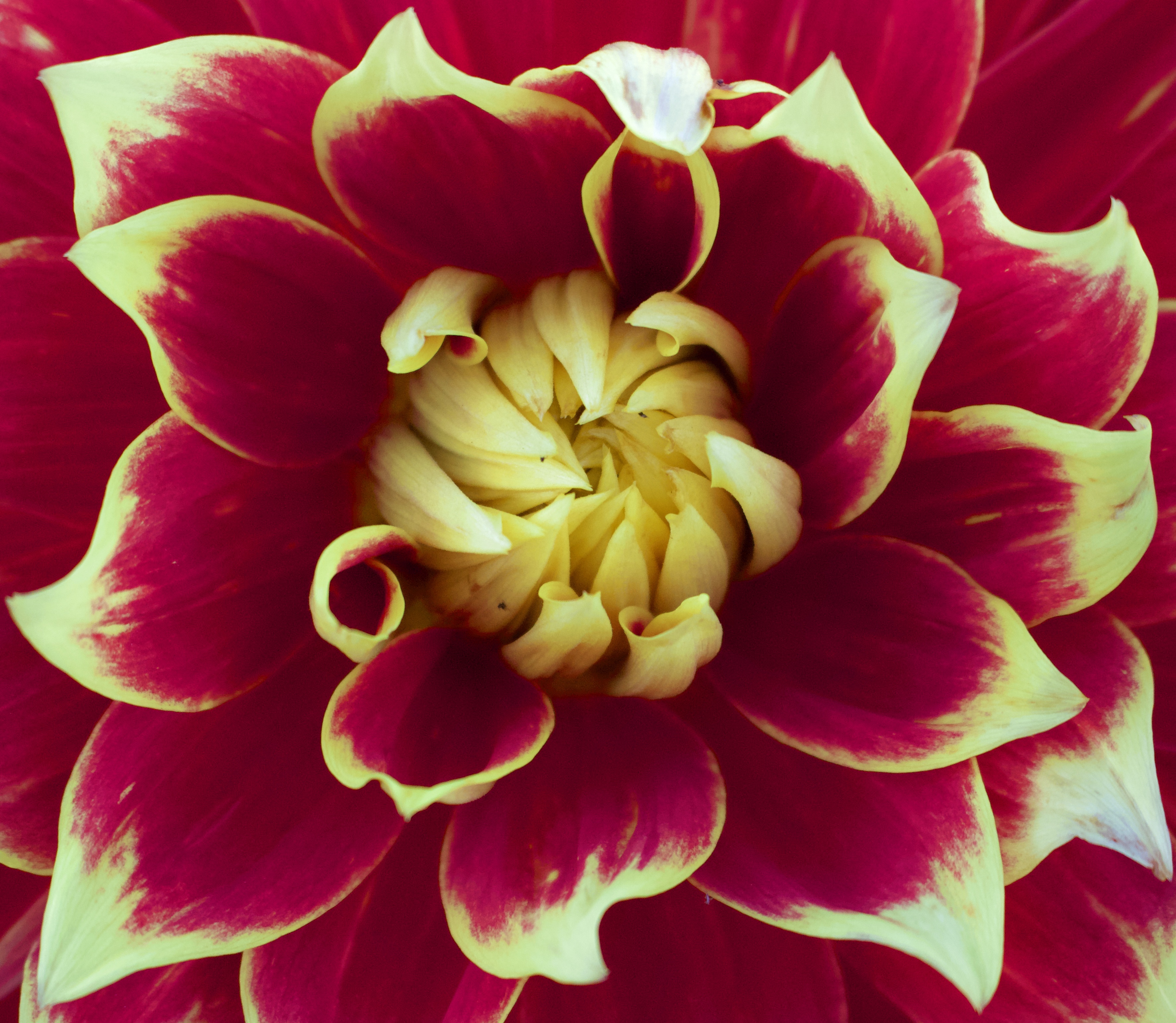
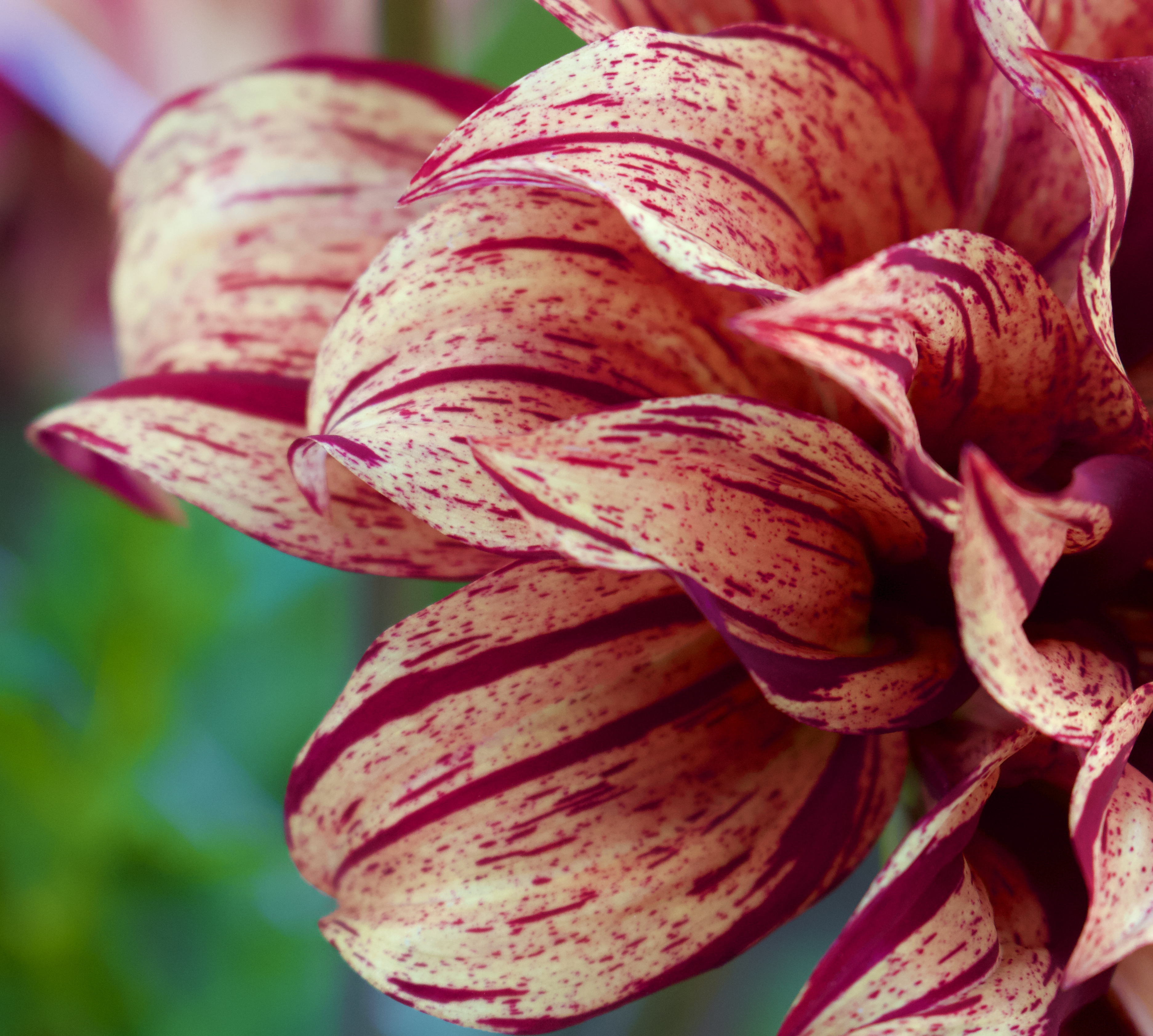
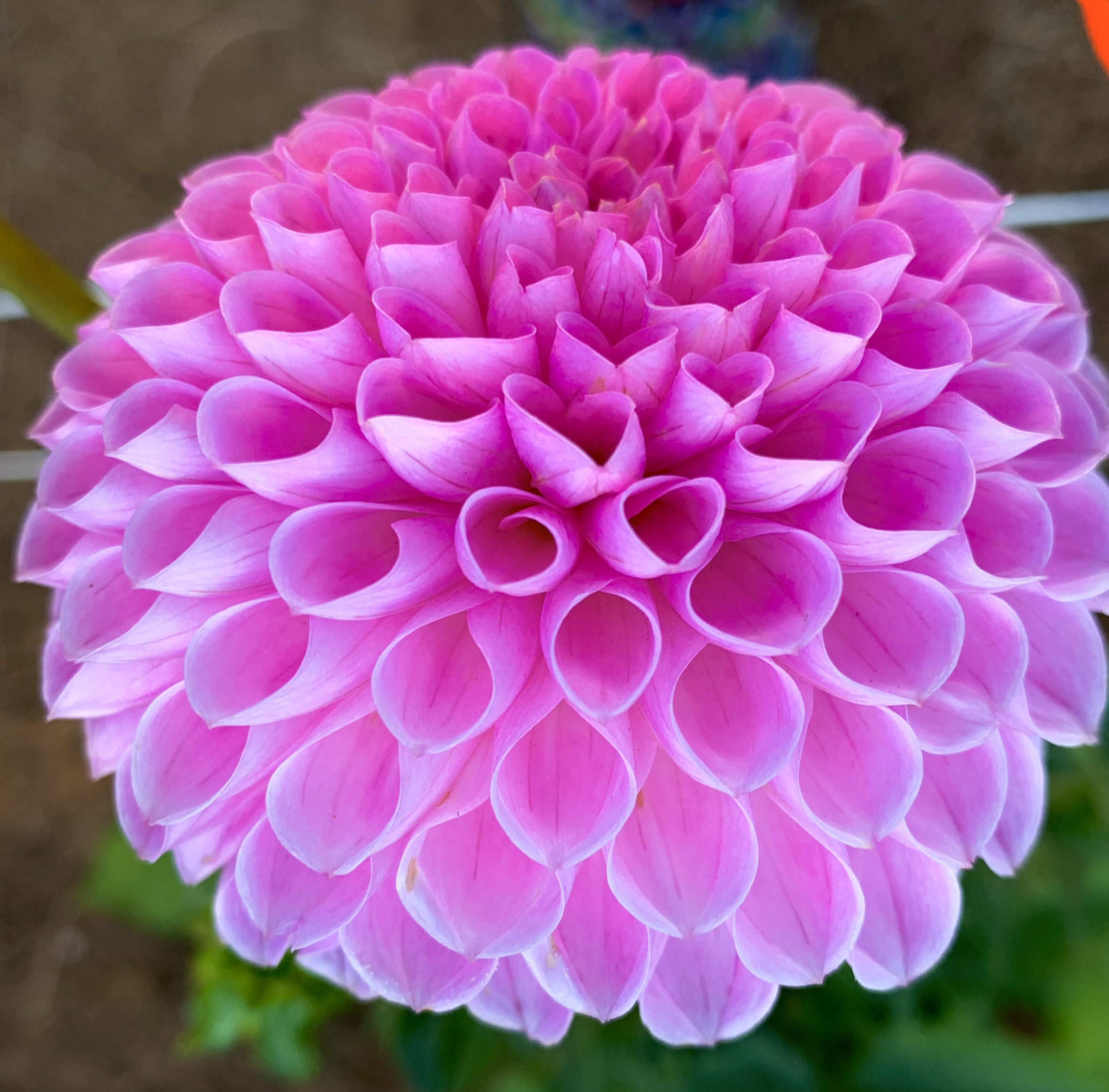
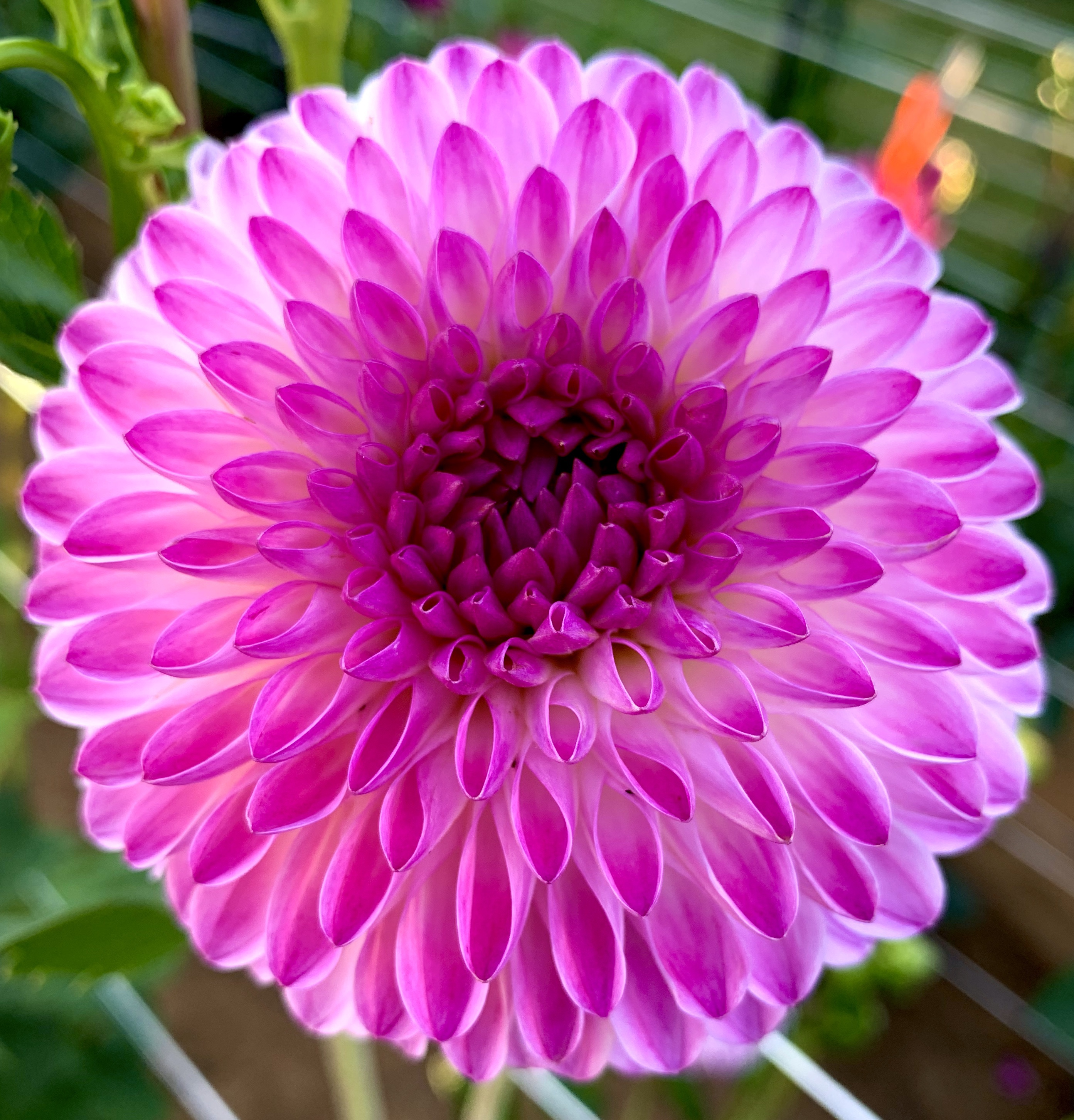
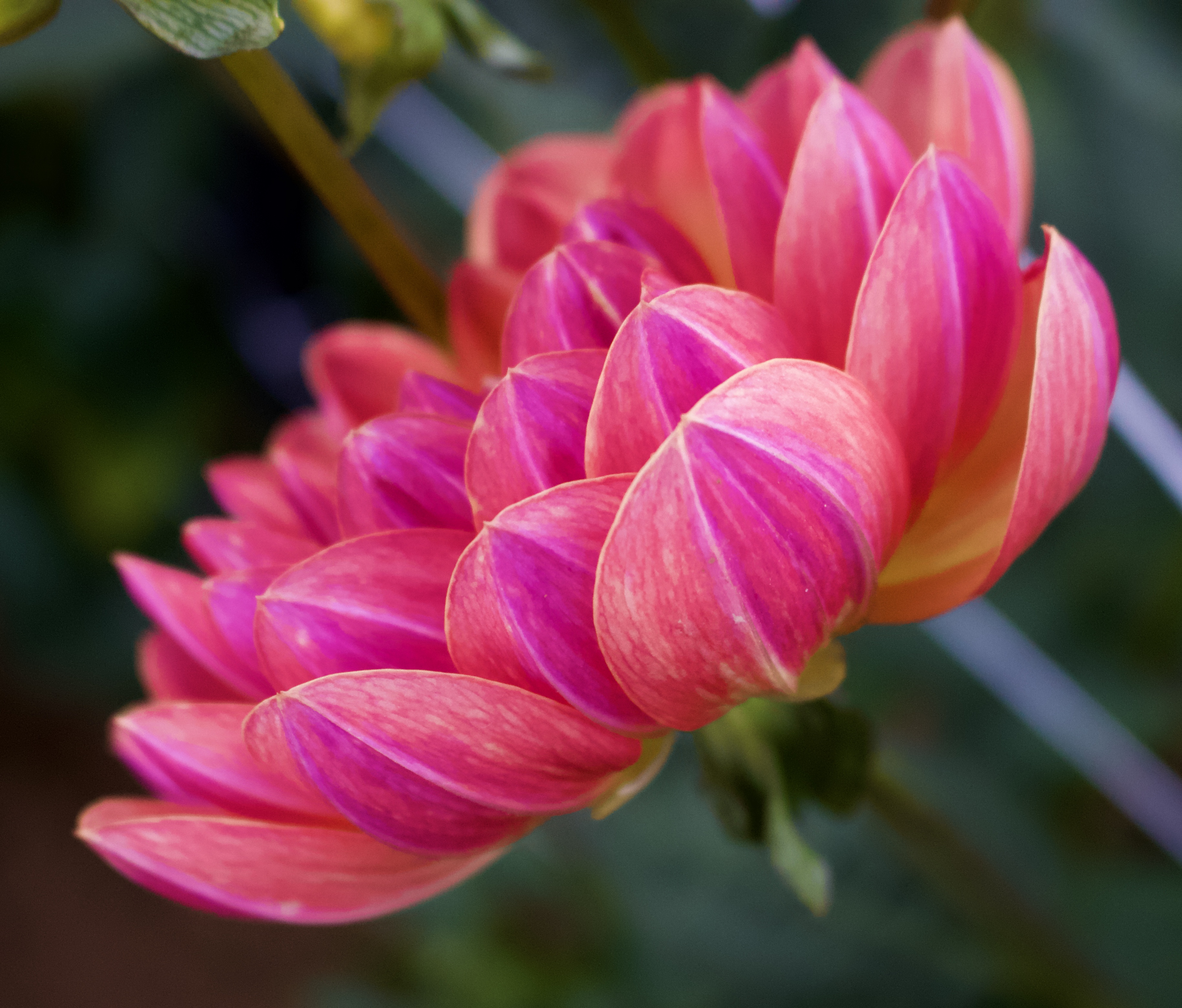
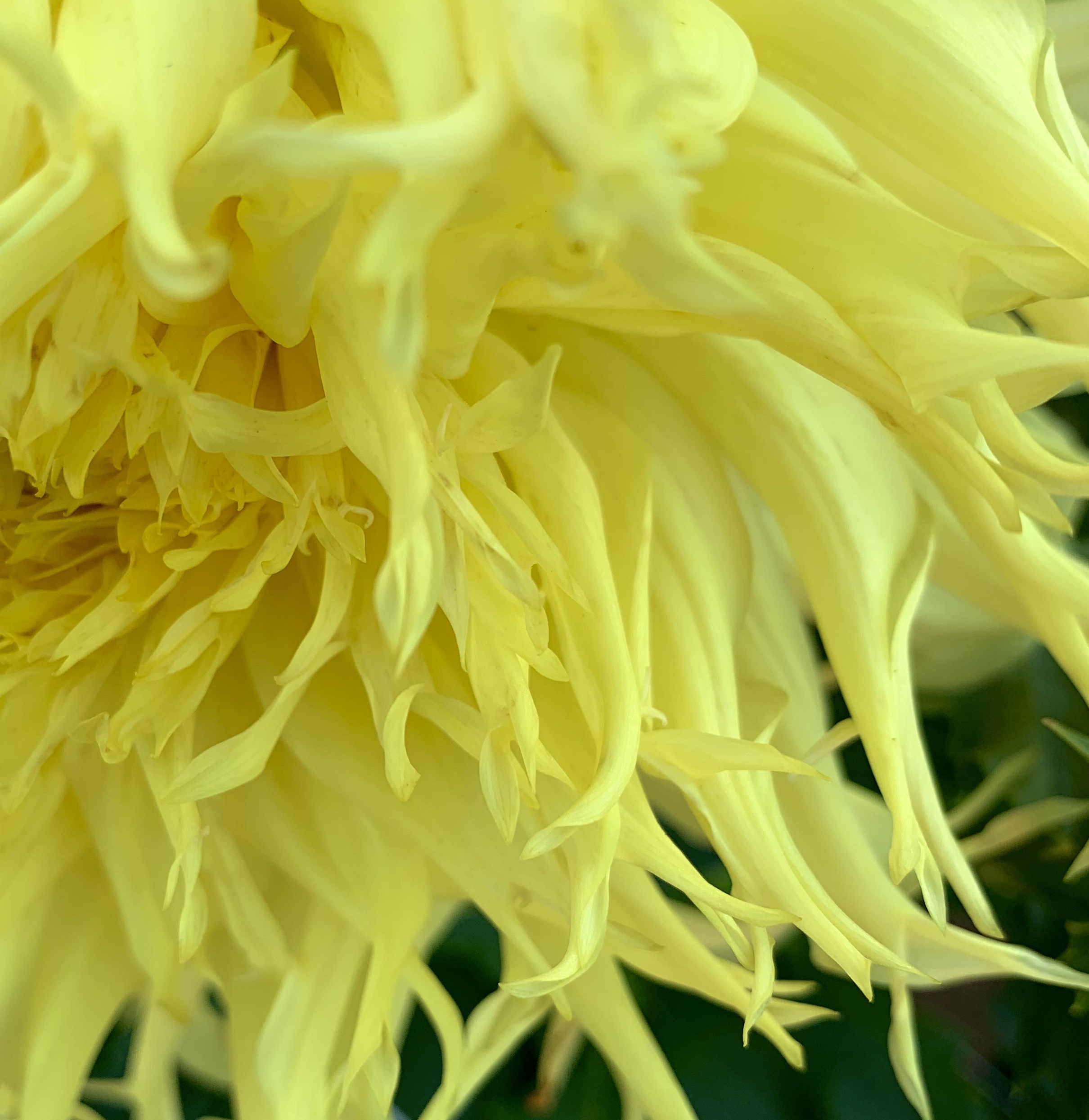
When I meet a truly great gardener, like my friend Jean who has grown and hybridized dahlias for decades, what I see growing in the soil is a tapestry of artwork made from petals, leaves and roots. She has passionately cared for these plants and they reflect that love in every spiral and swirl, hue and gradient of color, showing stark symmetry and delightful variegation.

Arising from the plainest of homely and knobby look-alike tubers grow these luxurious beauties of infinite variety. I kneel stunned before each one, captivated, realizing that same Creator makes sure I too bloom from mere dust and then set me to work in His garden.

So Starved for Hope

I know what you planned, what you meant to do, teaching me
to love the world, making it impossible
to turn away completely, to shut it out completely over again–
it is everywhere; when I close my eyes,
birdsong, scent of lilac in early spring, scent of summer roses:
you mean to take it away, each flower, each connection with earth–
why would you wound me, why would you want me
desolate in the end, unless you wanted me so starved for hope
I would refuse to see that finally
nothing was left to me, and would believe instead
that you were left to me.
~Louise Glück “Vespers”
from The Wild Iris

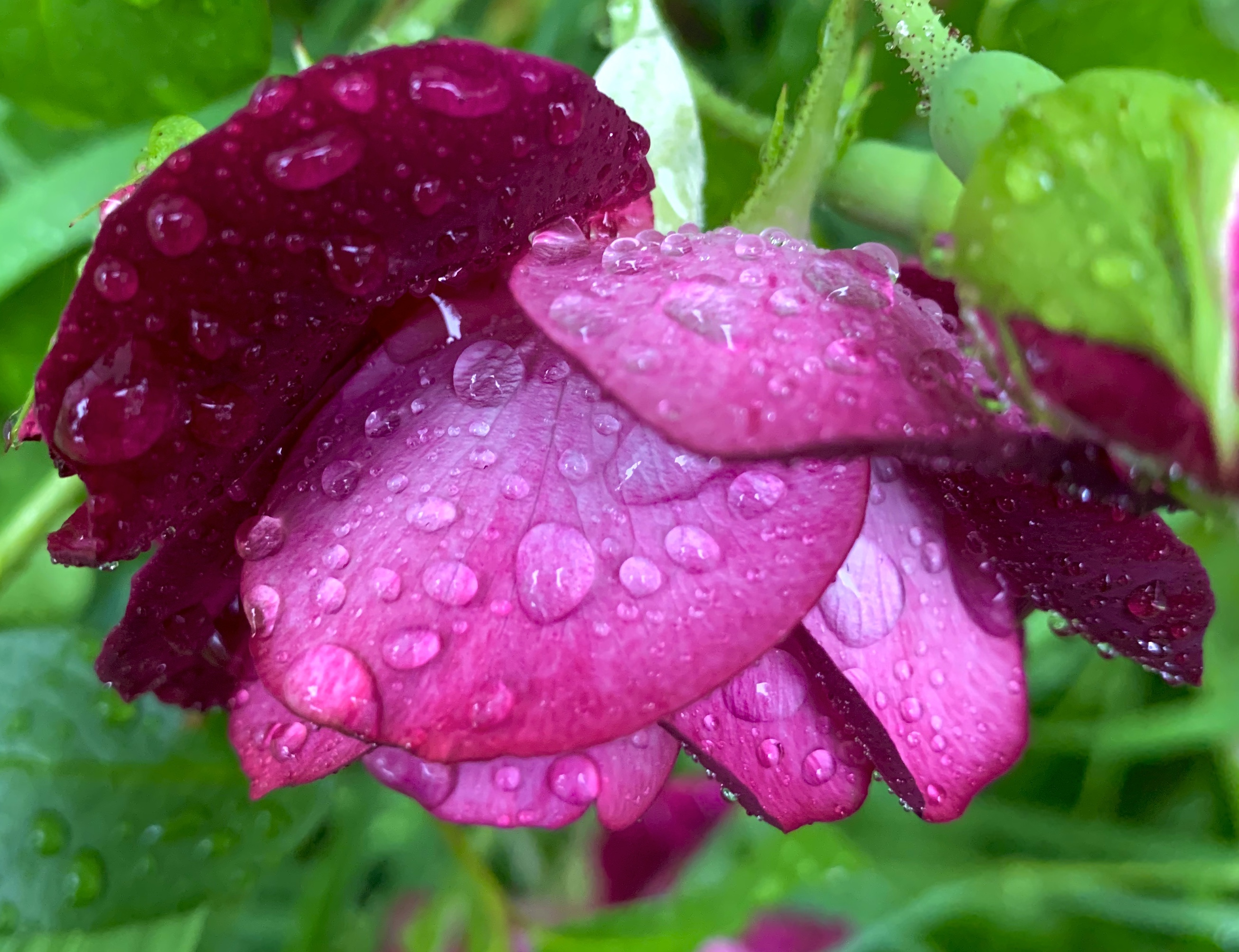
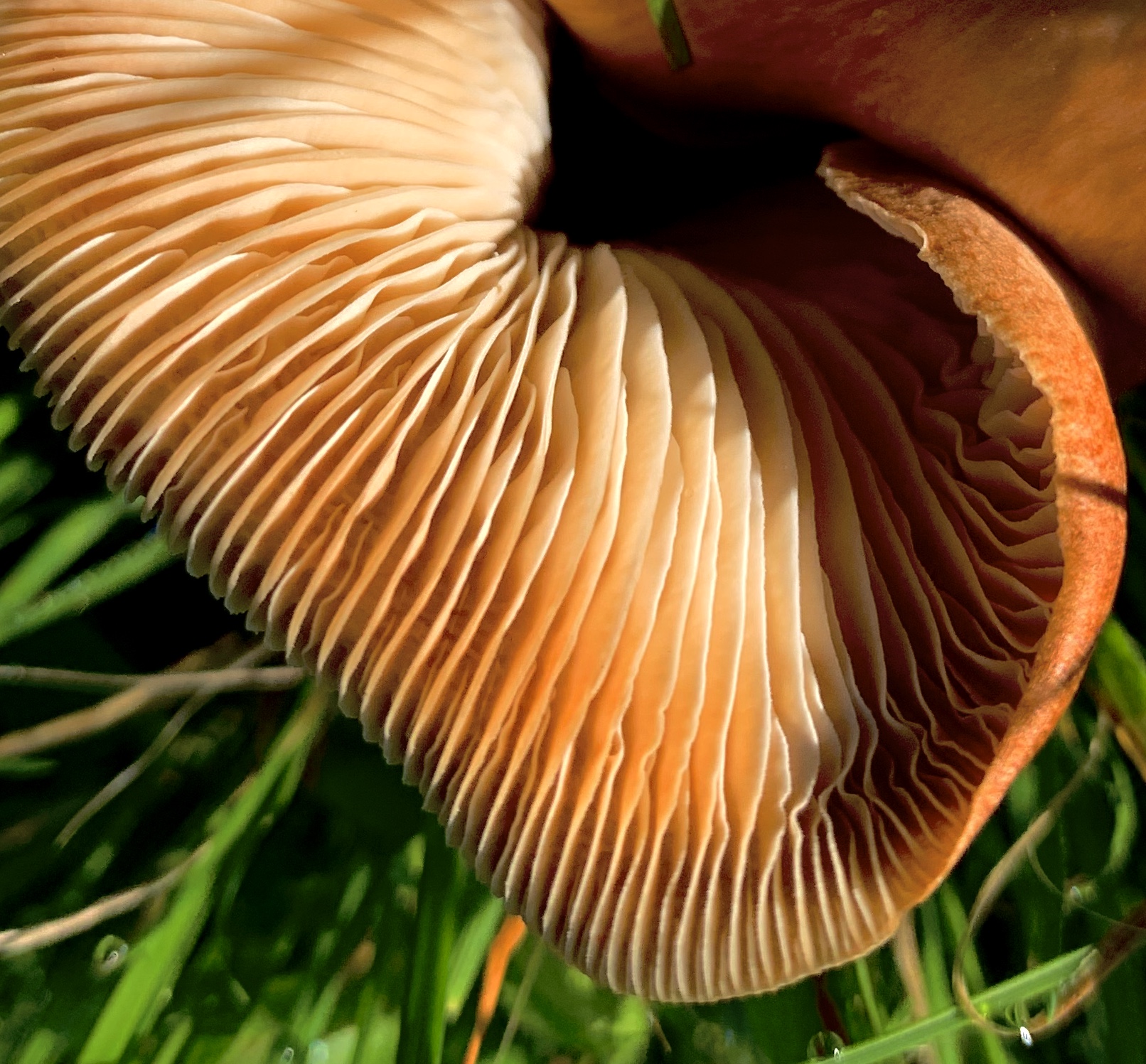
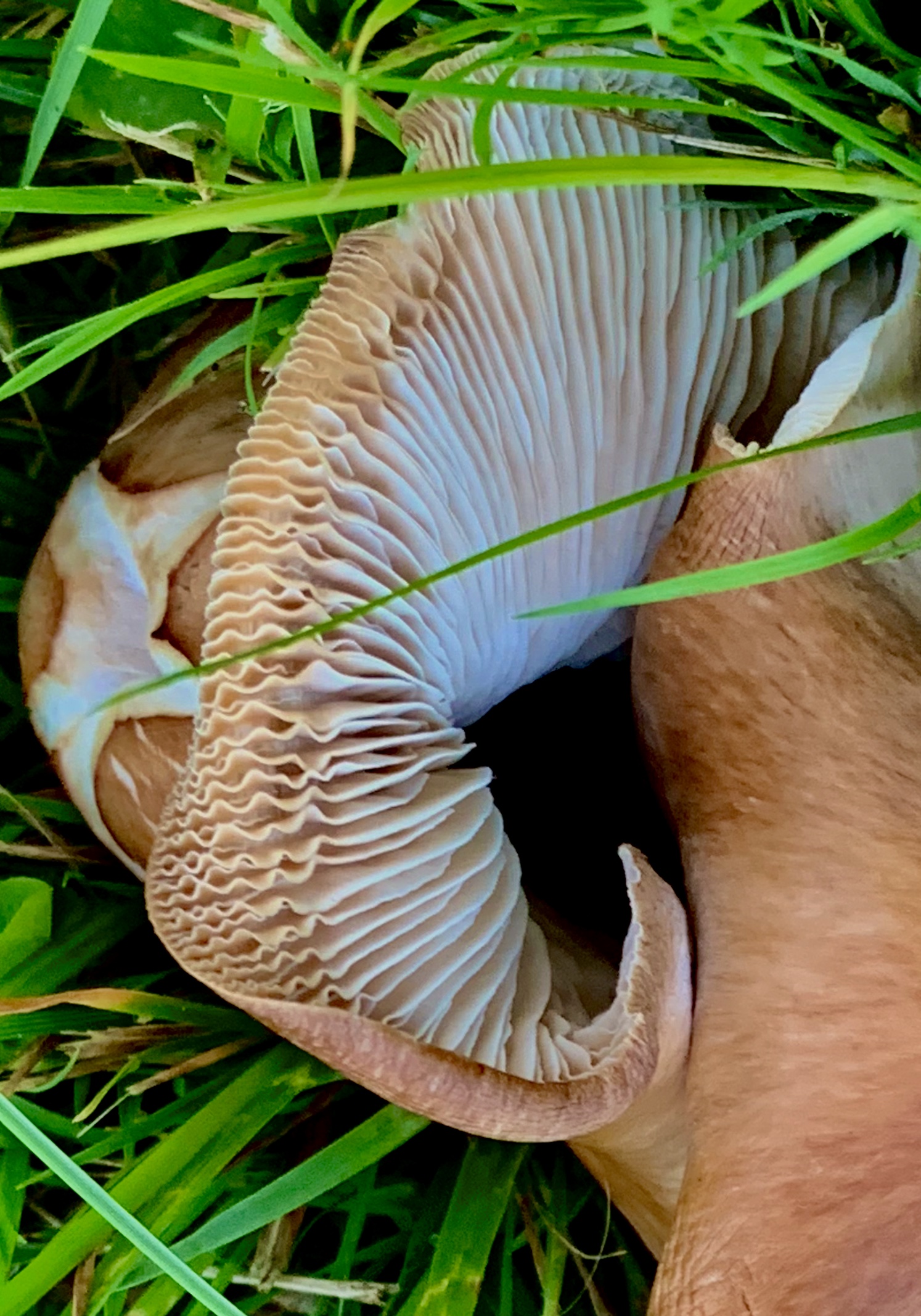
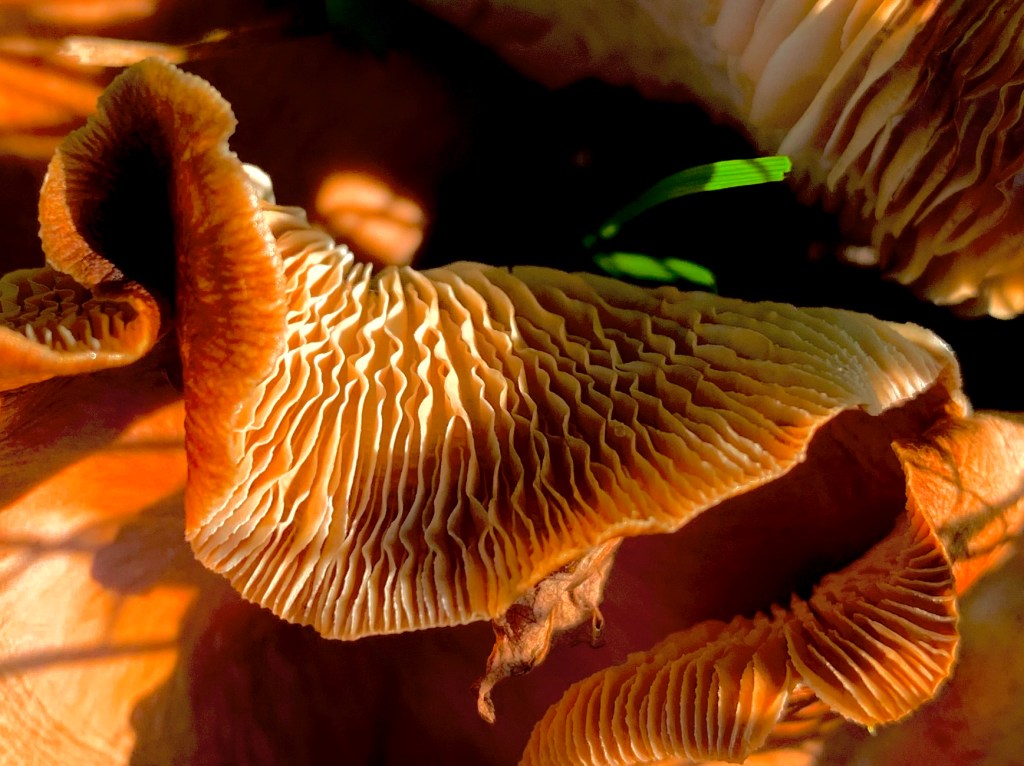
Summer days like this: bright, so promising with potential, birdsong constantly in the air, scent of roses and a flush of color everywhere, miracles growing gilled under my feet –

how can I not love the world so much I never want to leave it?

Yet it is but a tiny show of the glories to come, of what You have waiting for us next.

We are wounded with the realization that we must eventually let this go.

We hold onto the hope that won’t be found in all this beauty and lushness, the fulfilling hope that can only be found in our relationship with You as our Father and Creator.

You provide only a taste here so that we know what we starve for, starved with hope for what You have in store for us next.

Amen and Amen.

Forever is Composed of Nows

Forever – is composed of Nows –
‘Tis not a different time –
Except for Infiniteness –
And Latitude of Home –

 
From this – experienced Here –
Remove the Dates – to These –
Let Months dissolve in further Months –
And Years – exhale in Years –

 
Without Debate – or Pause –
Or Celebrated Days –

No different Our Years would be
From Anno Dominies –
 ~Emily Dickinson, from The Complete Poems of Emily Dickinson

Whenever I feel overwhelmed with the news of the day, so much of which is depressingly dismal, I remind myself that there is still an infiniteness to life beyond this challenging year. Time passes like an ever-flowing stream: months dissolve into months, years exhale into years.

I flow right along with it, carried by the current though sometimes futilely fighting against it, trying to keep my nose above water.

No matter what may happen, no matter my frustration or sadness at the state of the world, things are beautiful in the moment now.

Forever is made up of nows — lots and lots and lots of nows. May the Year of our Lord be now and evermore into the infinite.

Better Than Any Argument

However just and anxious I have been
I will stop and step back
from the crowd of those who may agree
with what I say, and be apart.
There is no earthly promise of life or peace
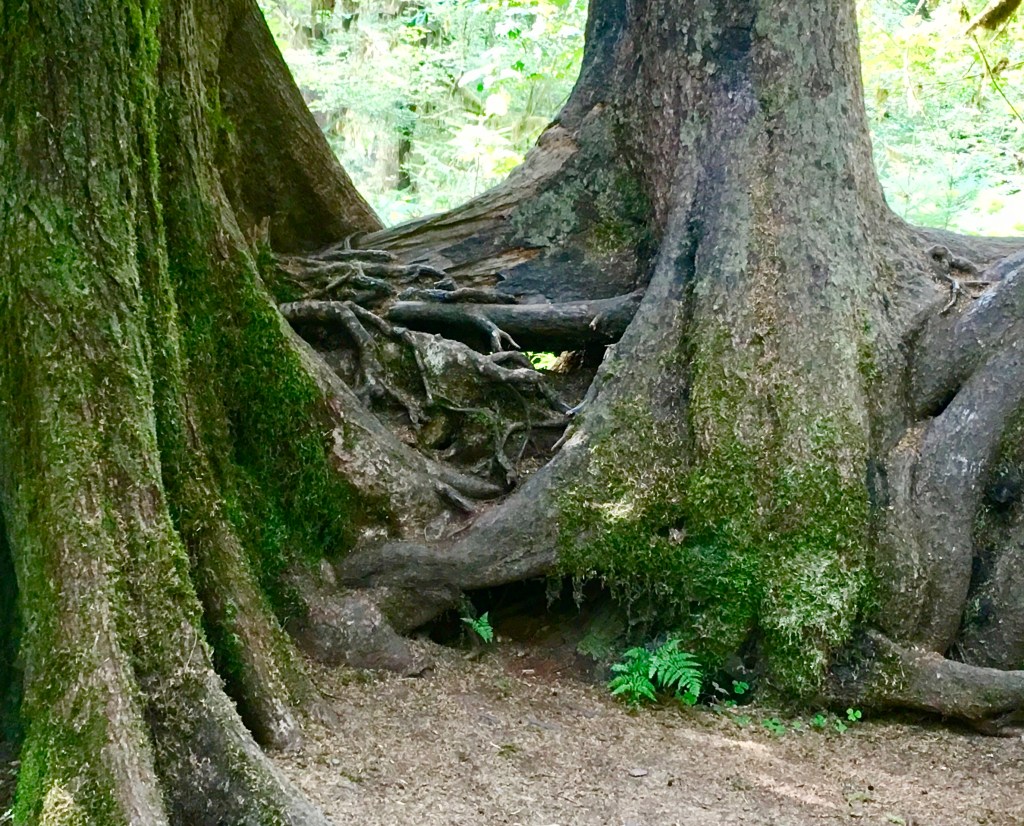
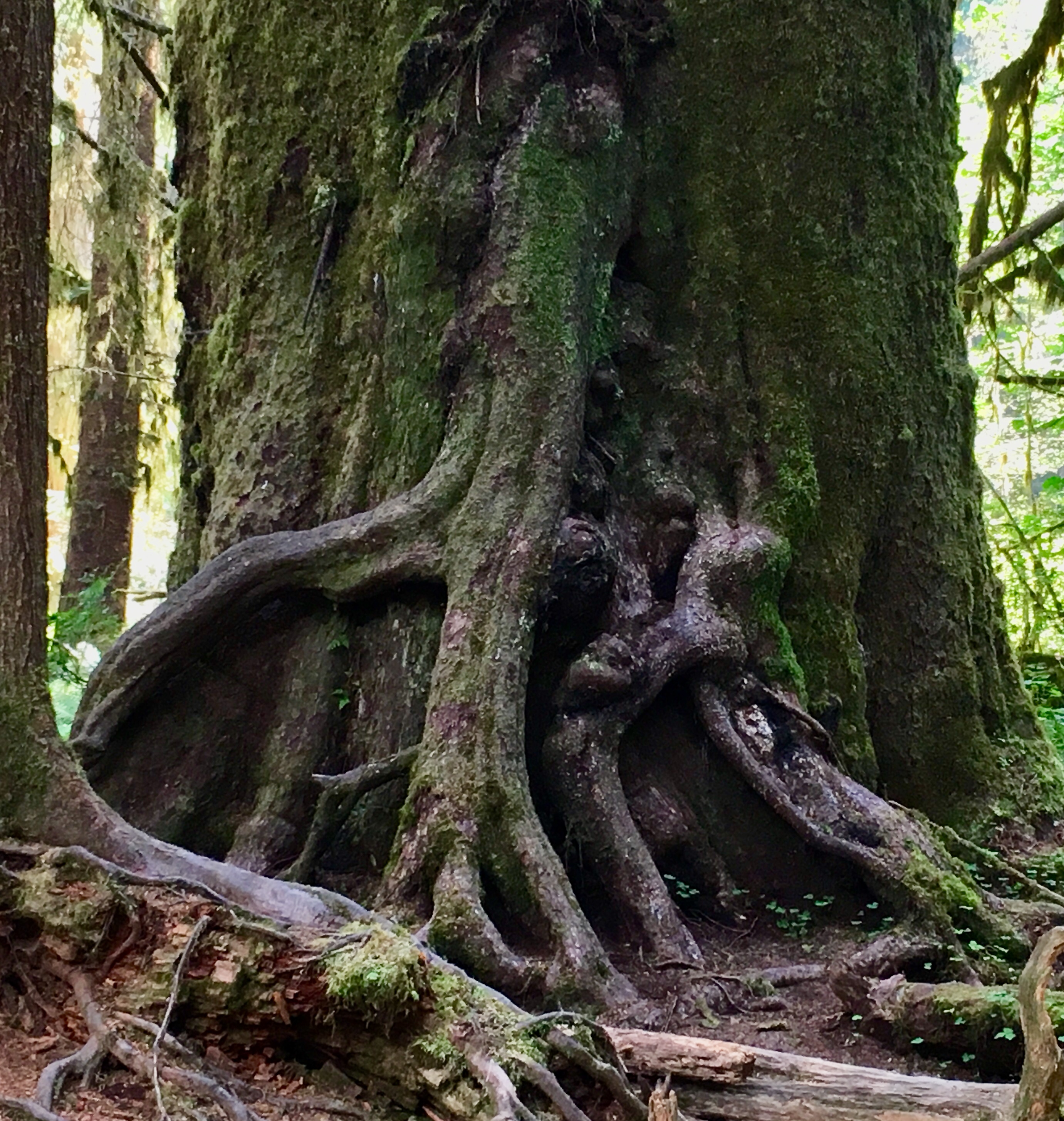
but where the roots branch and weave
their patient silent passages in the dark;
uprooted, I have been furious without an aim.
I am not bound for any public place,
but for ground of my own
where I have planted vines and orchard trees,
and in the heat of the day climbed up
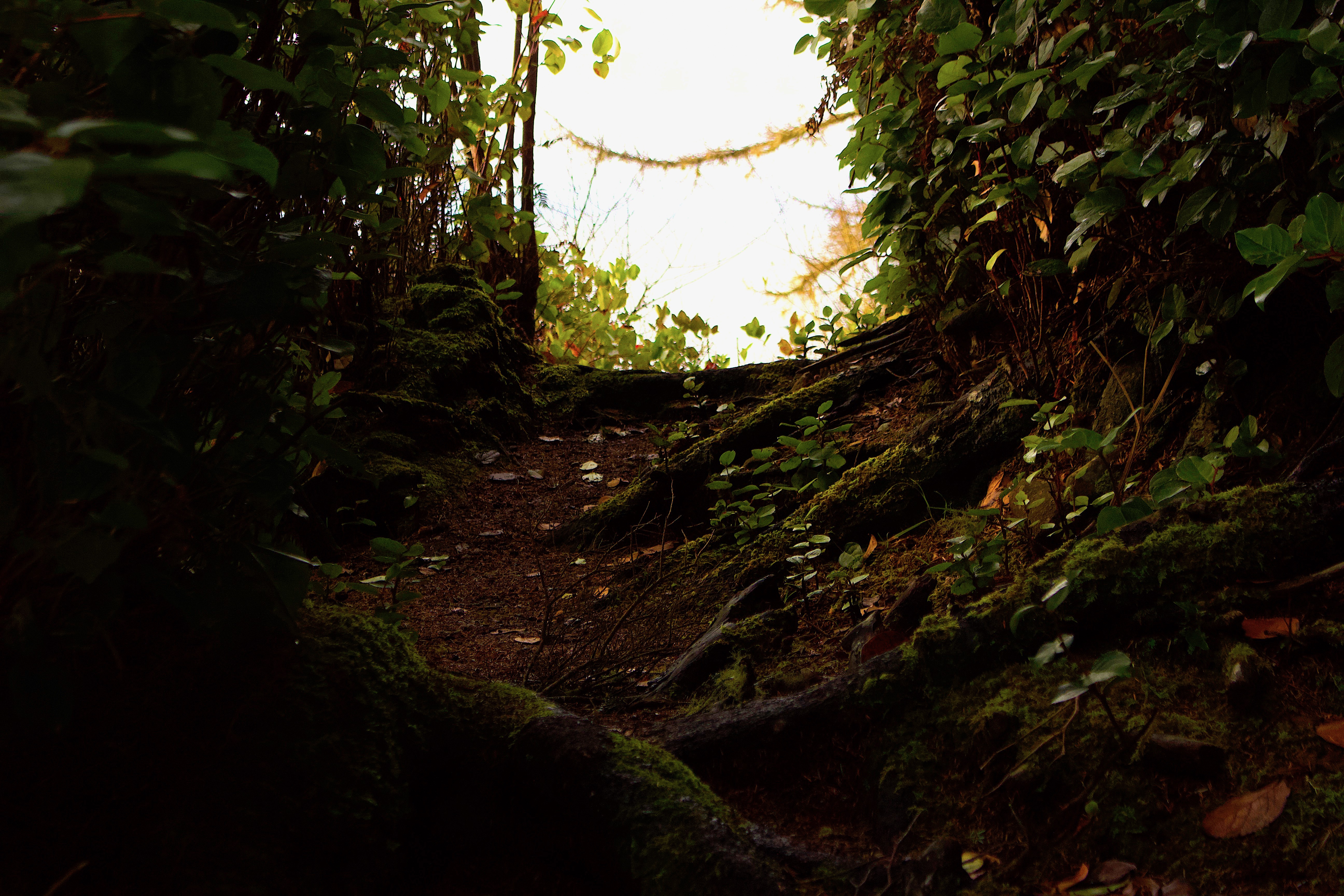
into the healing shadow of the woods.
Better than any argument is to rise at dawn
and pick dew-wet berries in a cup.
~Wendell Berry “A Standing Ground”
from The Selected Poems of Wendell Berry

This is an age of argument: silence is labeled violence so we’re induced to have our say and look for others to listen and support our point of view. Without mutual agreement, there is plenty of fodder for argument with a duel-to-the-death determination to win others over to our way of thinking.

Agreeing to disagree doesn’t seem to be an option any longer. Why can’t our debates simply settle down to get on with life and find a way to live alongside each other? Instead, if I don’t see it your way, I’m morally deficient or hostile or worst of all I’m not an ally, so by modern definition, I’ve become the enemy.

But I’m not the enemy and never want to be.

It’s enough to make one retreat from the fray altogether. Those of us who have been around awhile know: anger puts a match to feelings that burn hot inside and outside. Initially debate is energizing with a profound sense of purpose and direction, yet too soon it becomes nothing but ashes.

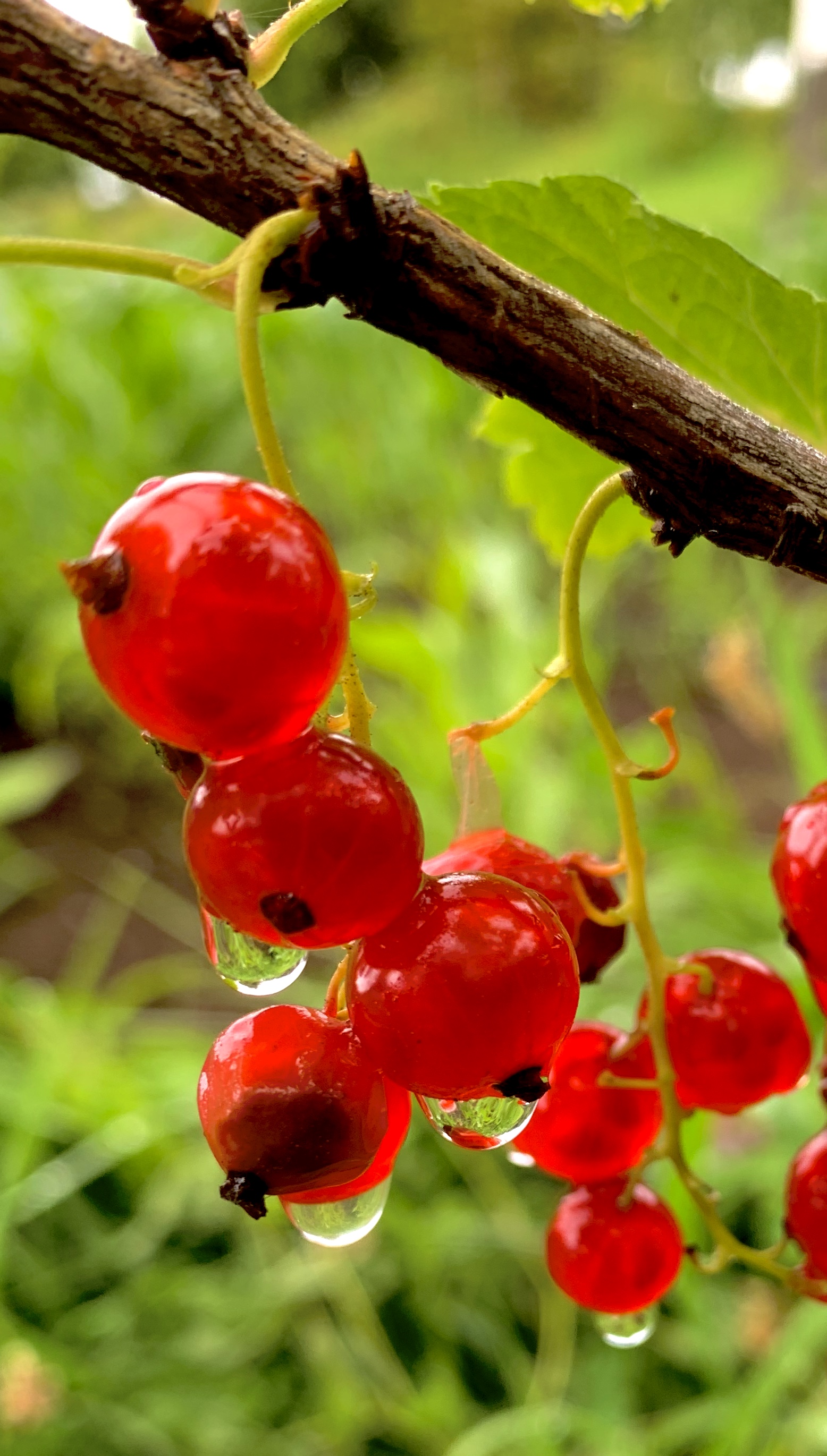
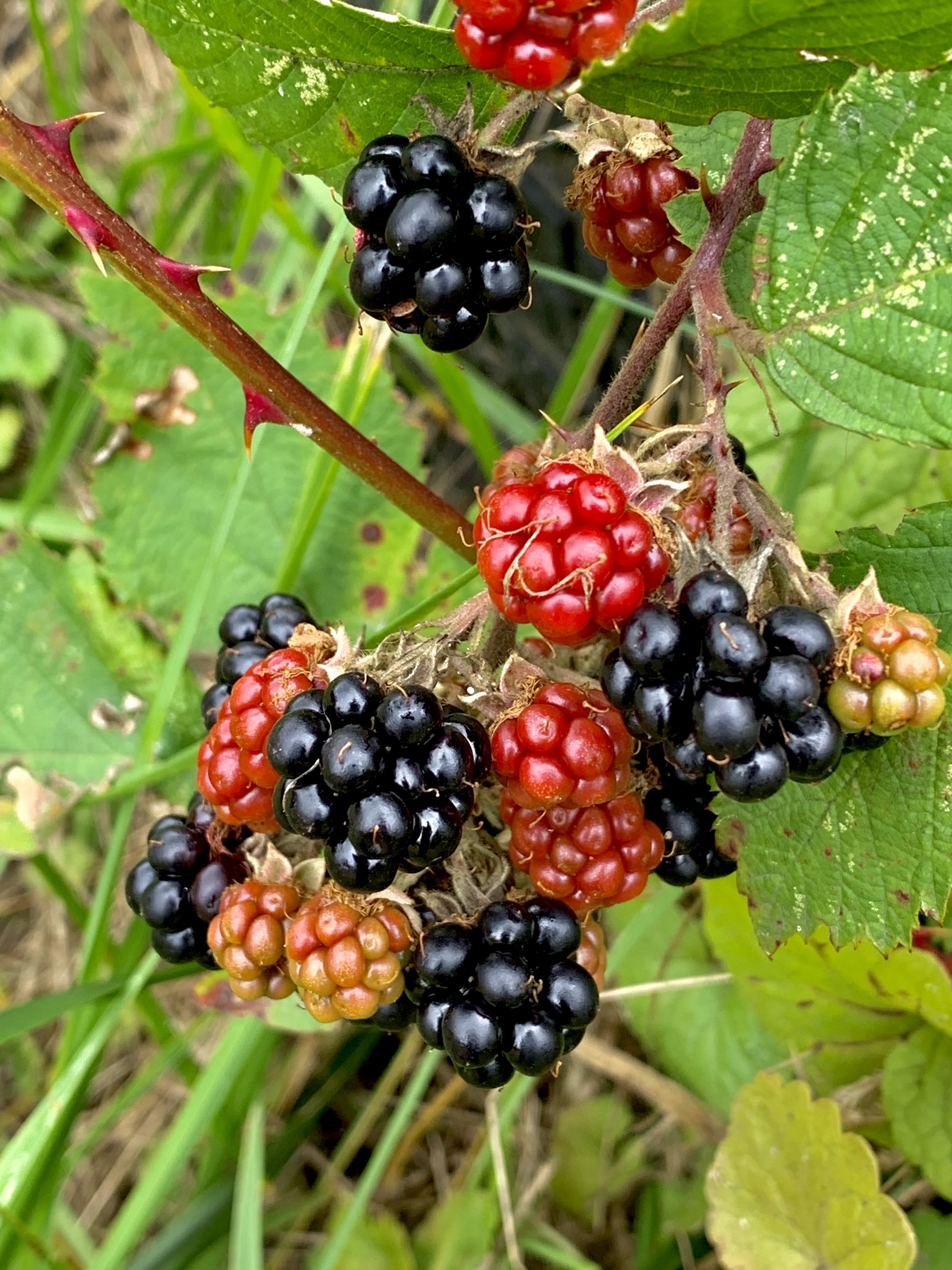
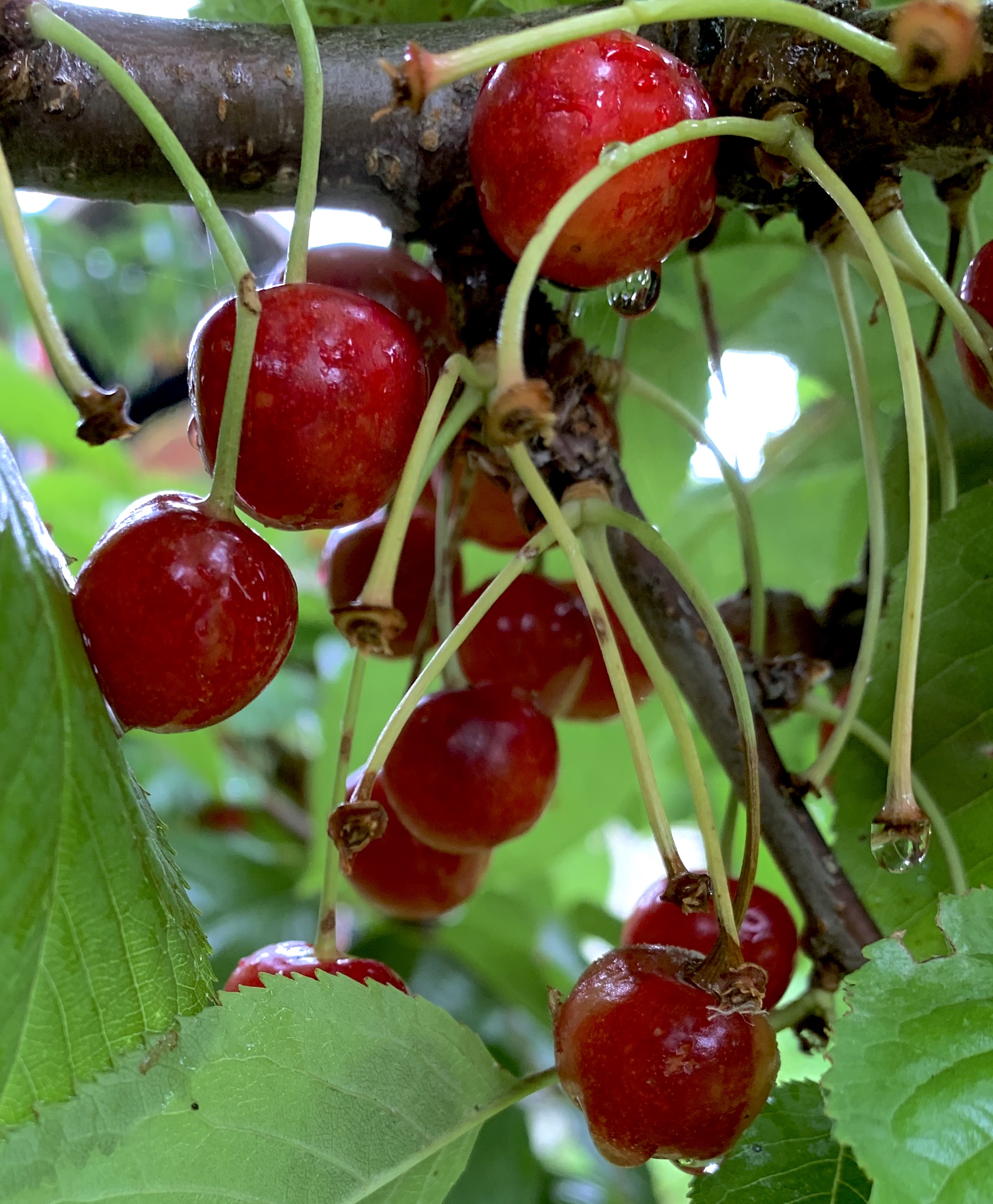
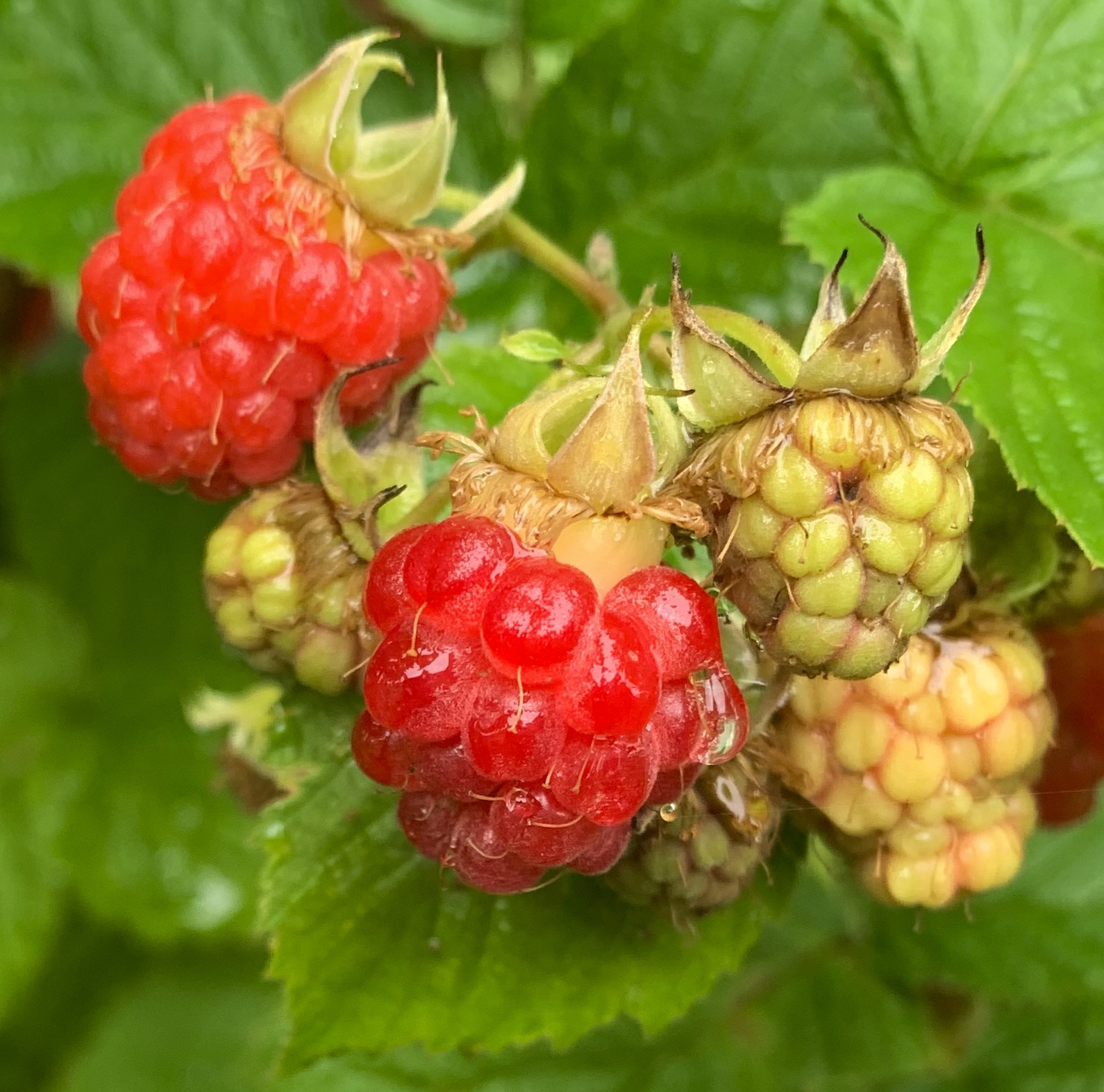
I refuse to be furious for the sake of fury and indignation. Arguments, tempting as they may be in the heat of the moment, don’t hold a candle to the lure of sharing sweet fruit of the garden and the cool shadows of the forest with those who need it most.

So come in and help me eat berries and cherries but leave your arguments at the door. You can pick them up later on your way out if you wish, but most likely they will have forgotten all about you and wandered away while you were busy living life.

Fickle things, arguments – they tend to fizzle out until someone decides to light a match to them again.

In This Short Life…

In this short Life that only lasts an hour
How much – how little – is within our power
~Emily Dickinson (1292)

We think we can control so much in our short lives, but one novel virus tells us how little power we have.

May we turn over our need for control and instead relish the moment. It only comes once — blink and miss it. So don’t blink!

Staying Brave Enough

Sometimes our life reminds me
of a forest in which there is a graceful clearing
and in that opening a house,
an orchard and garden,
comfortable shades, and flowers
red and yellow in the sun, a pattern
made in the light for the light to return to.
The forest is mostly dark, its ways
to be made anew day after day, the dark
richer than the light and more blessed,
provided we stay brave
enough to keep on going in.

~Wendell Berry from “The Country of Marriage”

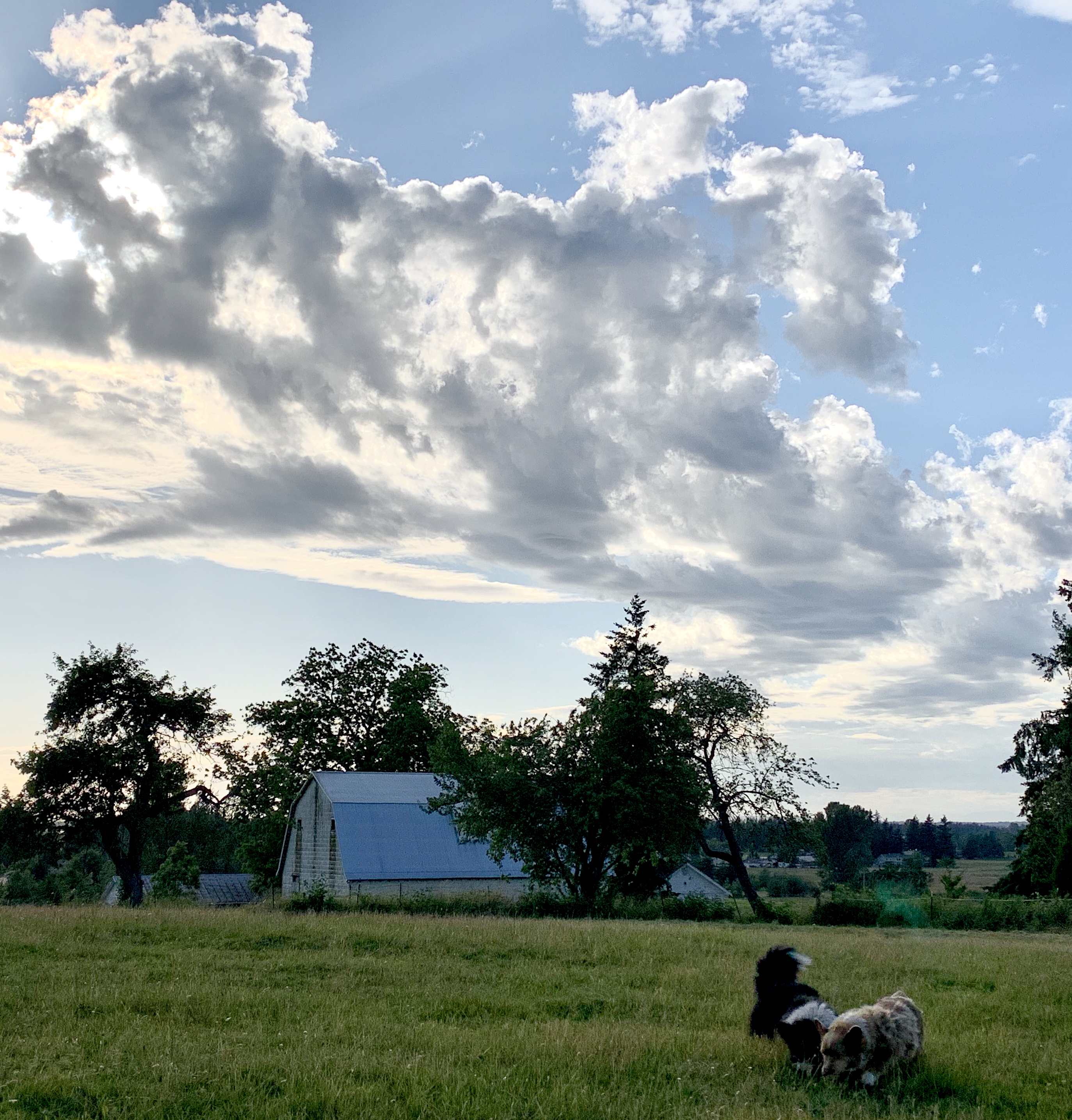
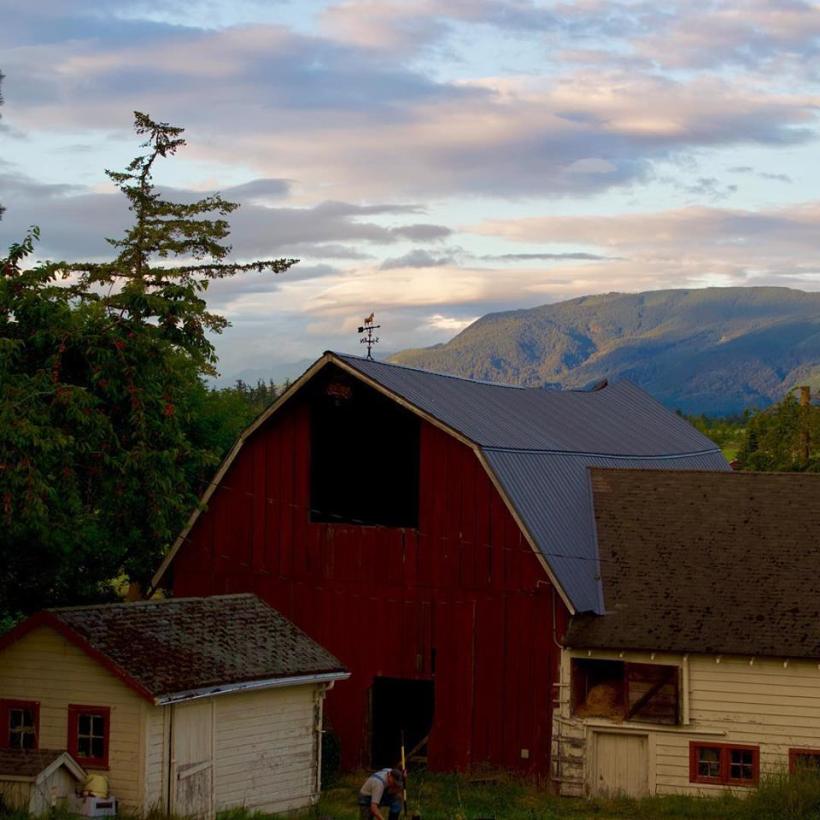
Our daughter and her new husband started their married life yesterday with a ceremony on the farm. God invites them into the orchard and yard where His garden is blooming. It is here where His light illuminates the darkness, and where, each day for the rest of their lives, their covenant with one another mirrors their covenant with God as His children.

Even on the dark days, the light pursues them.
Even on the dark days, their brave love will bloom.

Once the Weather Warms

As a child, my father helped me dig
a square of dense red clay, mark off rows
where zinnias would grow,
and radishes and tender spinach leaves.
He’d stand with me each night
as daylight drained away
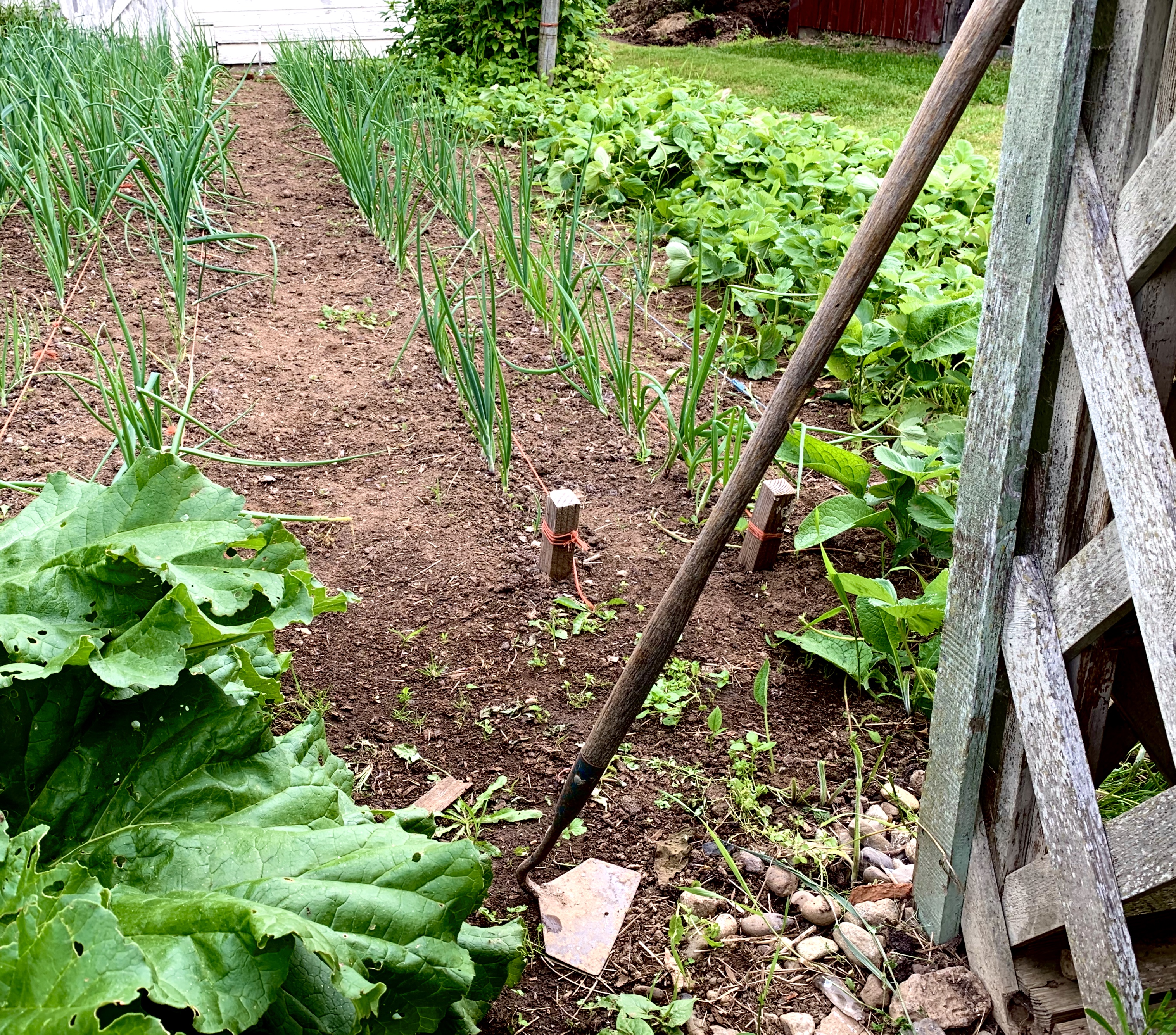
to talk about our crops leaning on his hoe
as I would practice leaning so on mine.

Years later now in my big garden plot,
the soggy remnant stems of plants
flopped over several months ago,
the ground is cold, the berries gone,
the stakes like hungry sentries
stand guarding empty graves. And still
I hear his voice asking what I think
would best be planted once the weather warms.
~Margaret Mullins “Lonely Harvest” from Family Constellations

We were both raised by serious vegetable gardeners; as kids we helped plant and weed and harvest from large garden plots because that was how families fed themselves fresh produce rather than from a can. Even frozen vegetables were not plentiful in the stores and too expensive, so grow-it-yourself was a necessity before it became a trending hashtag.

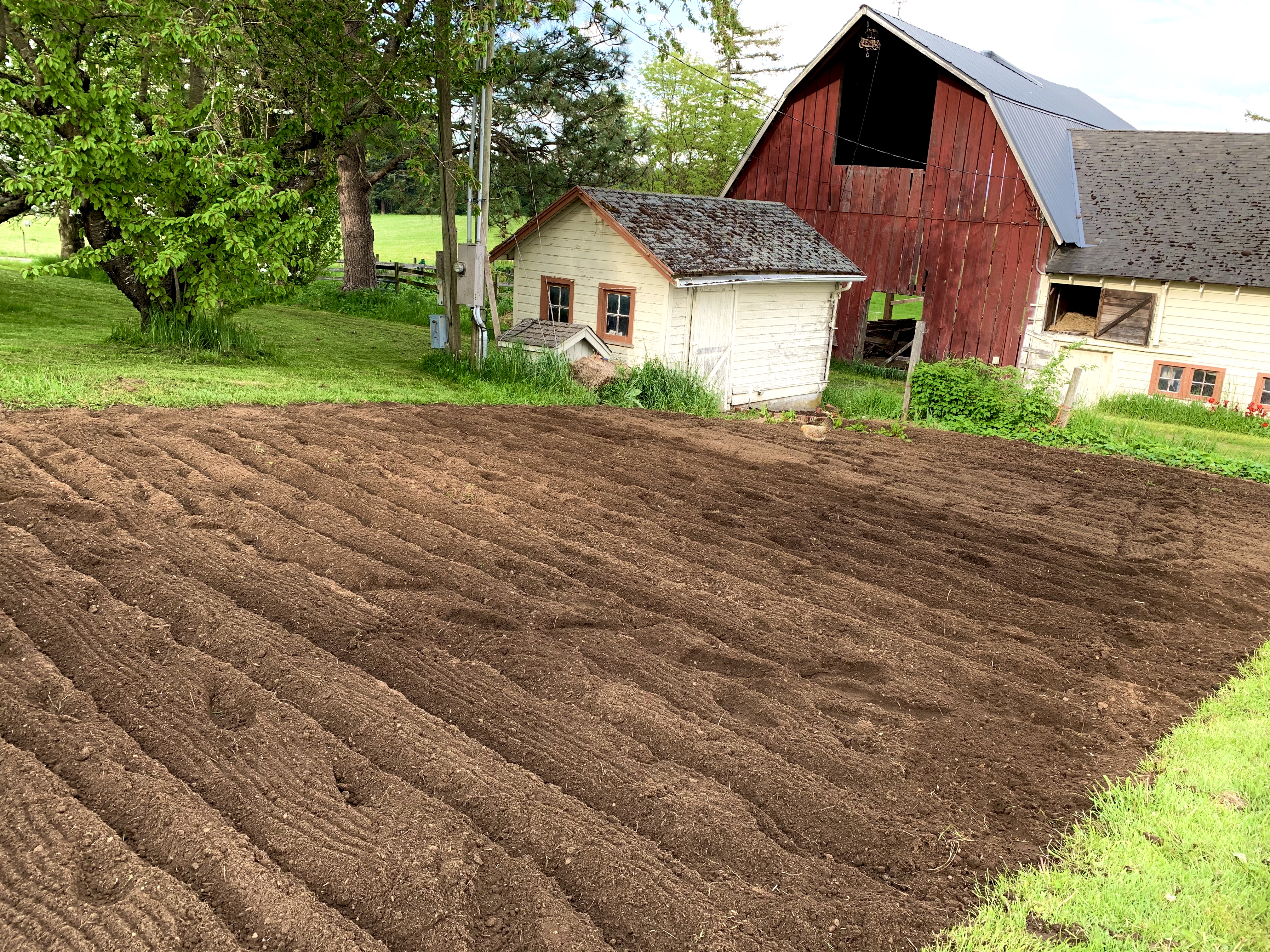
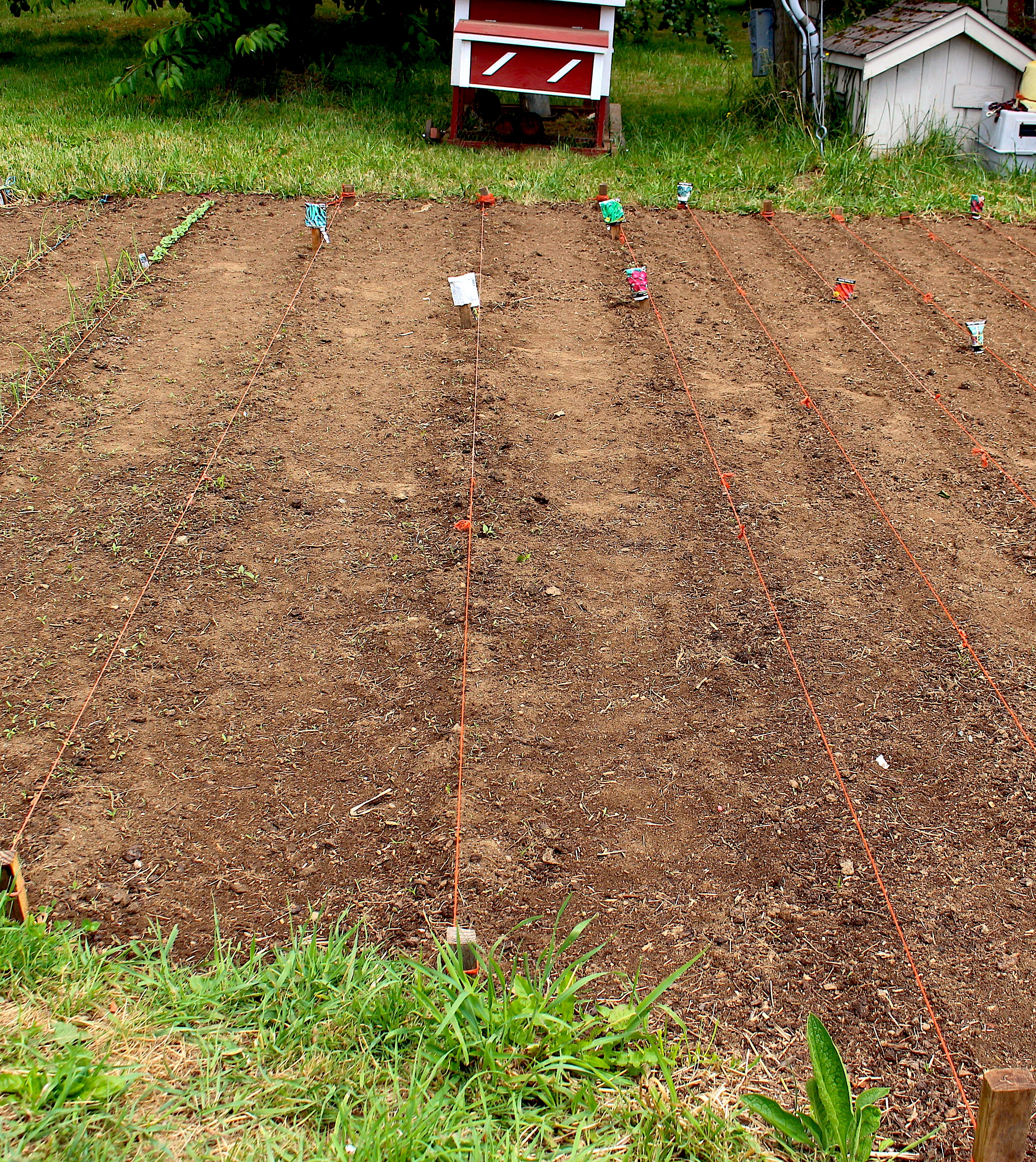
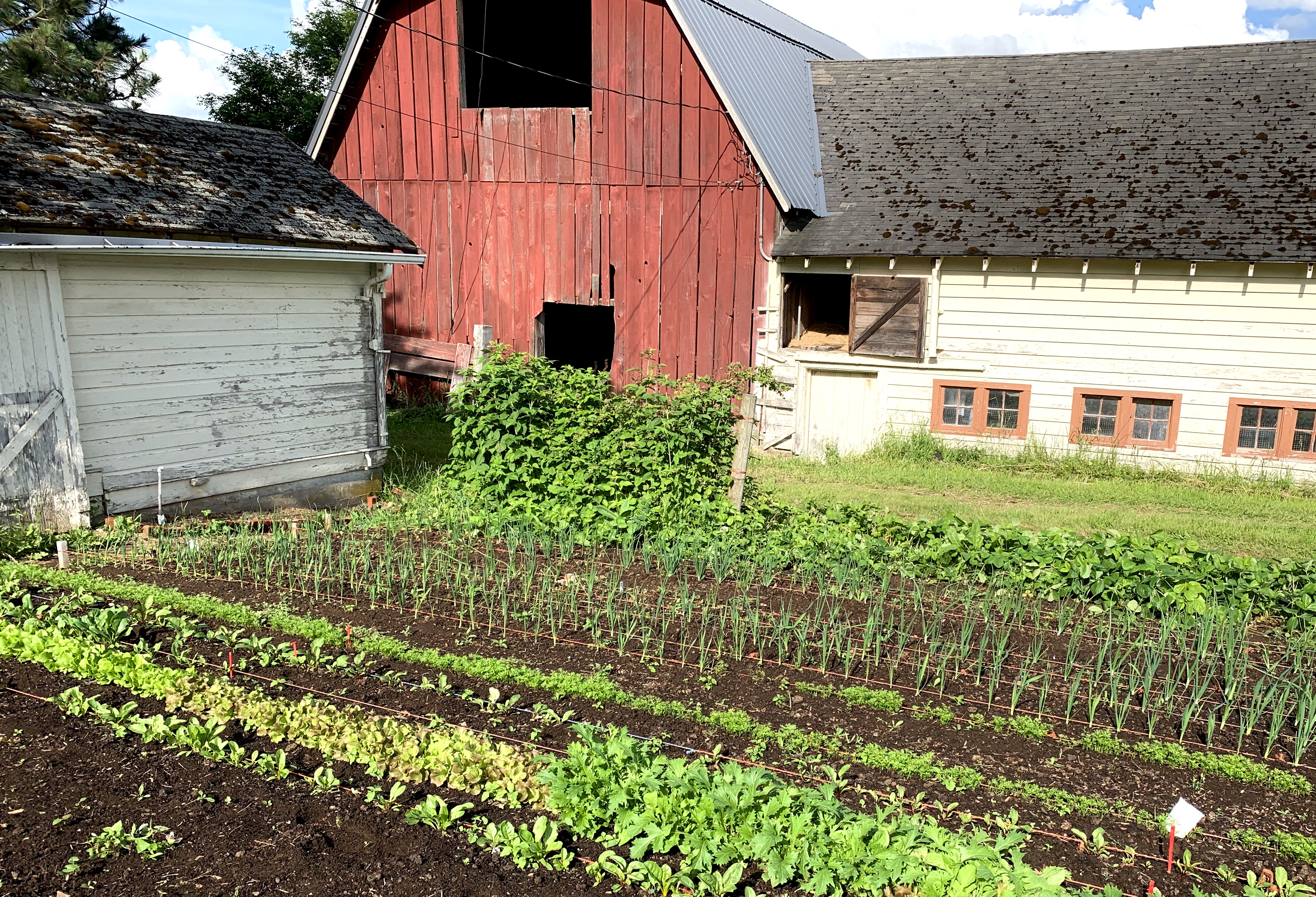
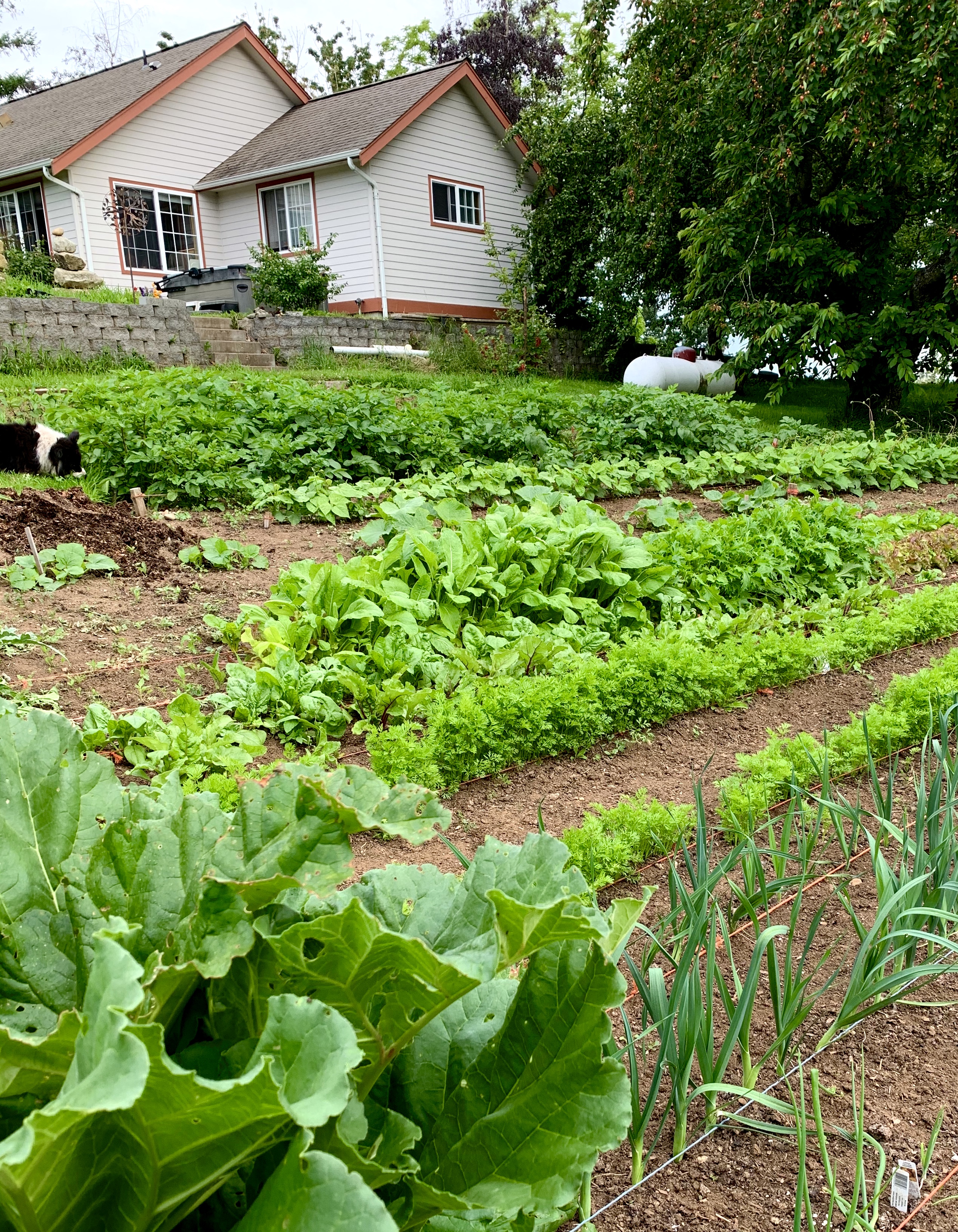
Now, with his parents’ past guidance in his ears, my husband works the soil to prepare it yet again for yielding: the over-wintered shells of squash, the limp left-over bean vines, the stumps of corn stalks. Dark composted manure is mixed in, rototilled and fluffed, grass and weed roots pulled out. Then he carefully marks off the grid of rows and the decisions made about what goes where this year; what did well in the past? what didn’t germinate and what didn’t produce?

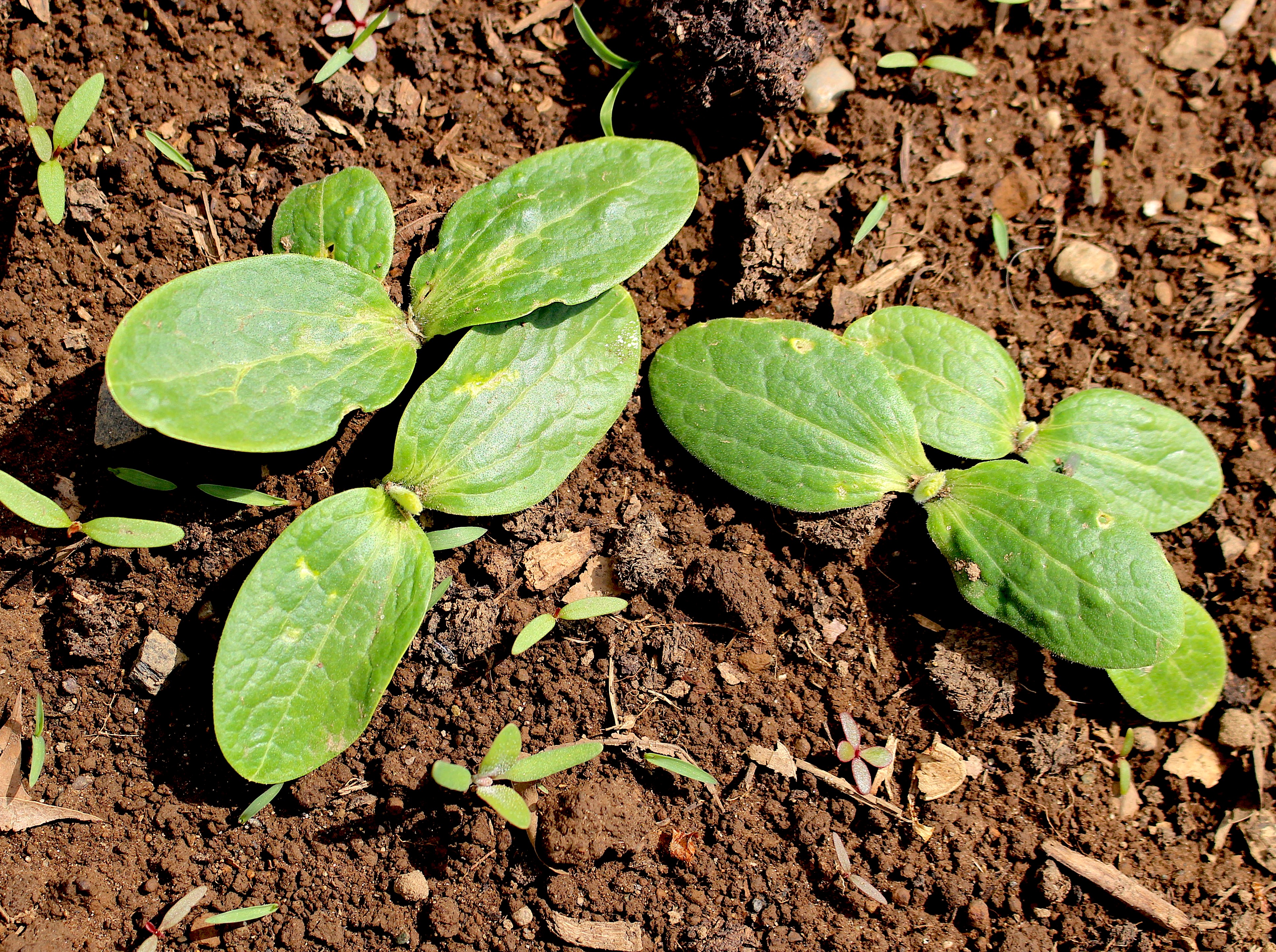
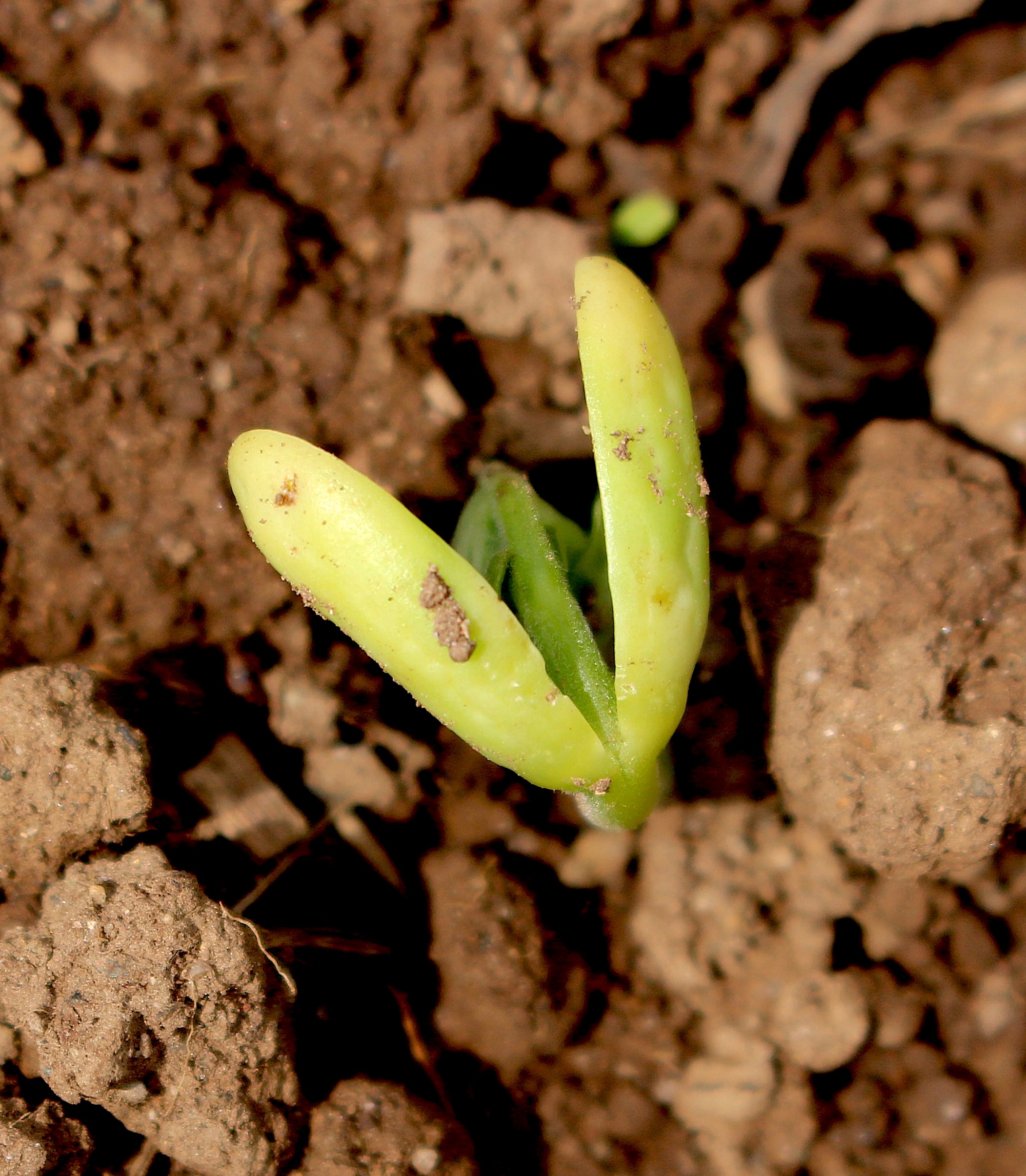
Then he lays the seeds and pats the soil down over the top and we wait.

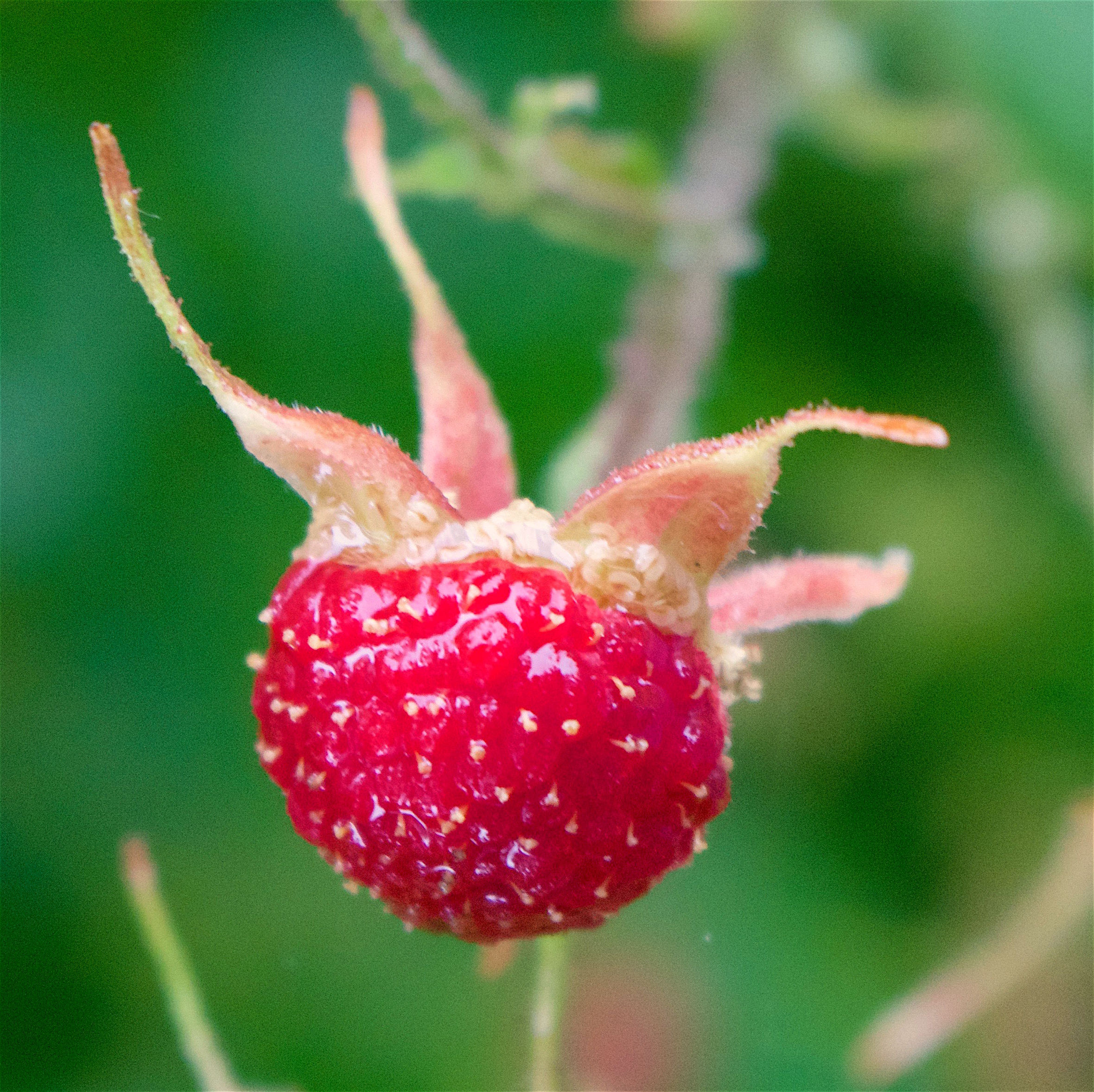
Our garden has been yielding now for two weeks – plentiful greens and radishes and now fresh strawberries with peas coming on strong. It will be a resource for our church community and our winter meals as well as a fresh bounty for our table over the next three months.

Planting a garden is our very tangible expression of hope in the future when the present feels overwhelmingly gloomy with despair. Yet a garden doesn’t happen without our planning, work and care making that first spinach leaf, that first pea pod, that first strawberry taste even sweeter.

“All that is very well,” answered Candide, “but let us cultivate our
garden.”

~Voltaire’s last line from Candide