…it has seemed good to our people to join together in praising the Creator and Preserver, who has brought us by a way that we did not know to the end of another year: for the blessings that have been our common lot — for all the creature comforts: the yield of the soil that has fed us and the richer yield from labor of every kind that has sustained our lives — and for all those things, as dear as breath to the body, that nourish and strengthen our spirit to do the great work still before us: for the brotherly word and act; for honor held above price; for steadfast courage and zeal in the long, long search after truth; for liberty and for justice freely granted by each to his fellow and so as freely enjoyed; and for the crowning glory and mercy of peace upon our land; — that we may humbly take heart of these blessings as we gather once again with solemn and festive rites to keep our Harvest Home. ~Connecticut Governor Wilbur Cross — 1936 Thanksgiving Proclamation
We can only be said to be alive in those moments when our hearts are conscious of our treasures. ~Thornton Wilder, from “Our Town”
These words written over 80 years ago still ring true. Then a country crushed under the Great Depression, now a country staggering under a Great Depression of the spirit~ ever more connected electronically, yet more isolated from family, friends, faith, more economically secure, yet emotionally bankrupt.
May we humbly take heart in the midst of creature comforts we barely acknowledge; may we always be conscious of our treasures and in our abundance, take care of others in need, just as God, in His everlasting recognition of our perpetual need of Him, cares for us, even though, even when, even because, we don’t believe.
I work the soil of this life, this farm, this faith to find what yearns to grow, to bloom, to fruit and be harvested to share with others.
With deep gratitude to those of you who visit here and let me know it makes a difference in your day!
In joint Thanksgiving to our Creator and Preserver, right along with you,
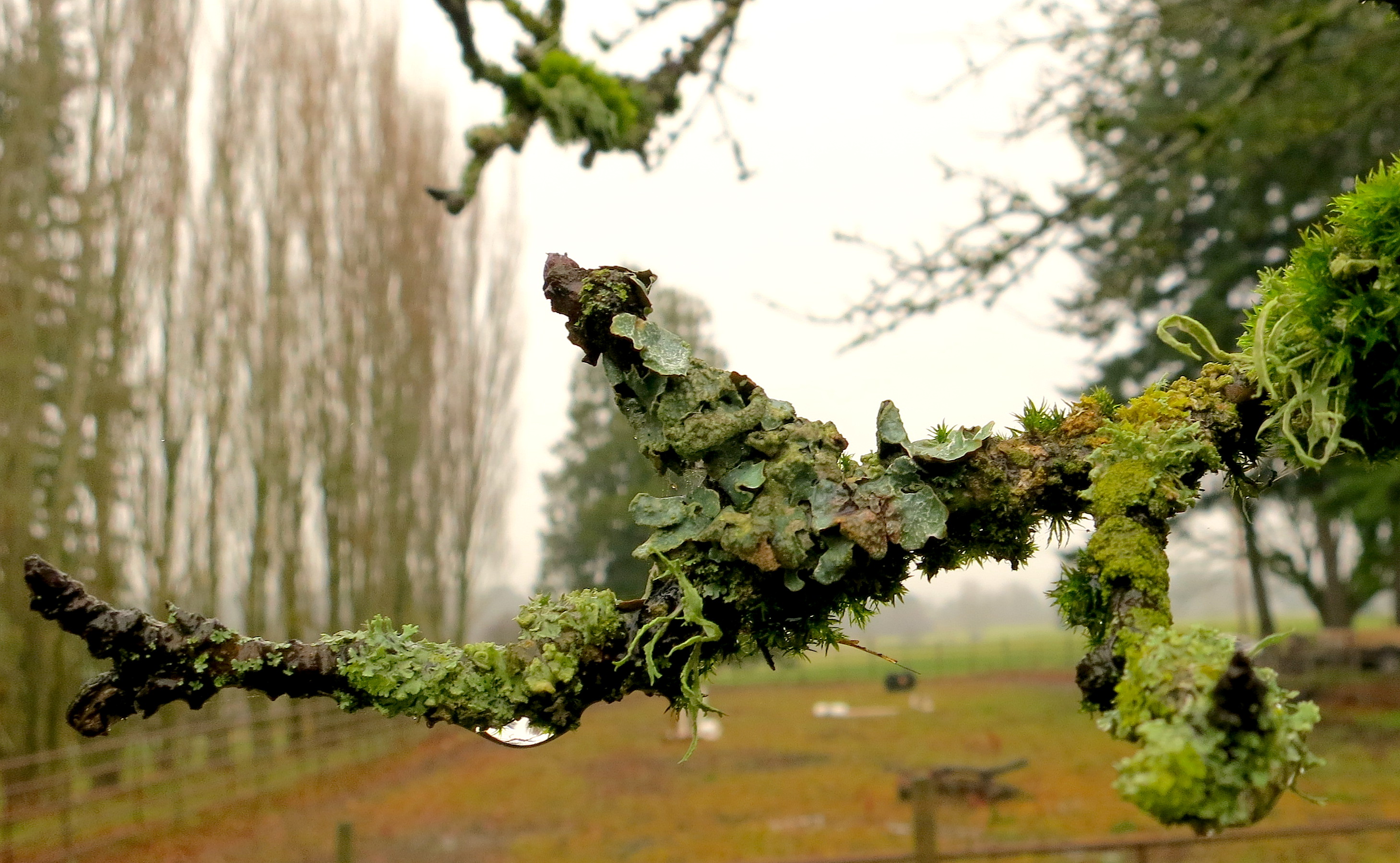
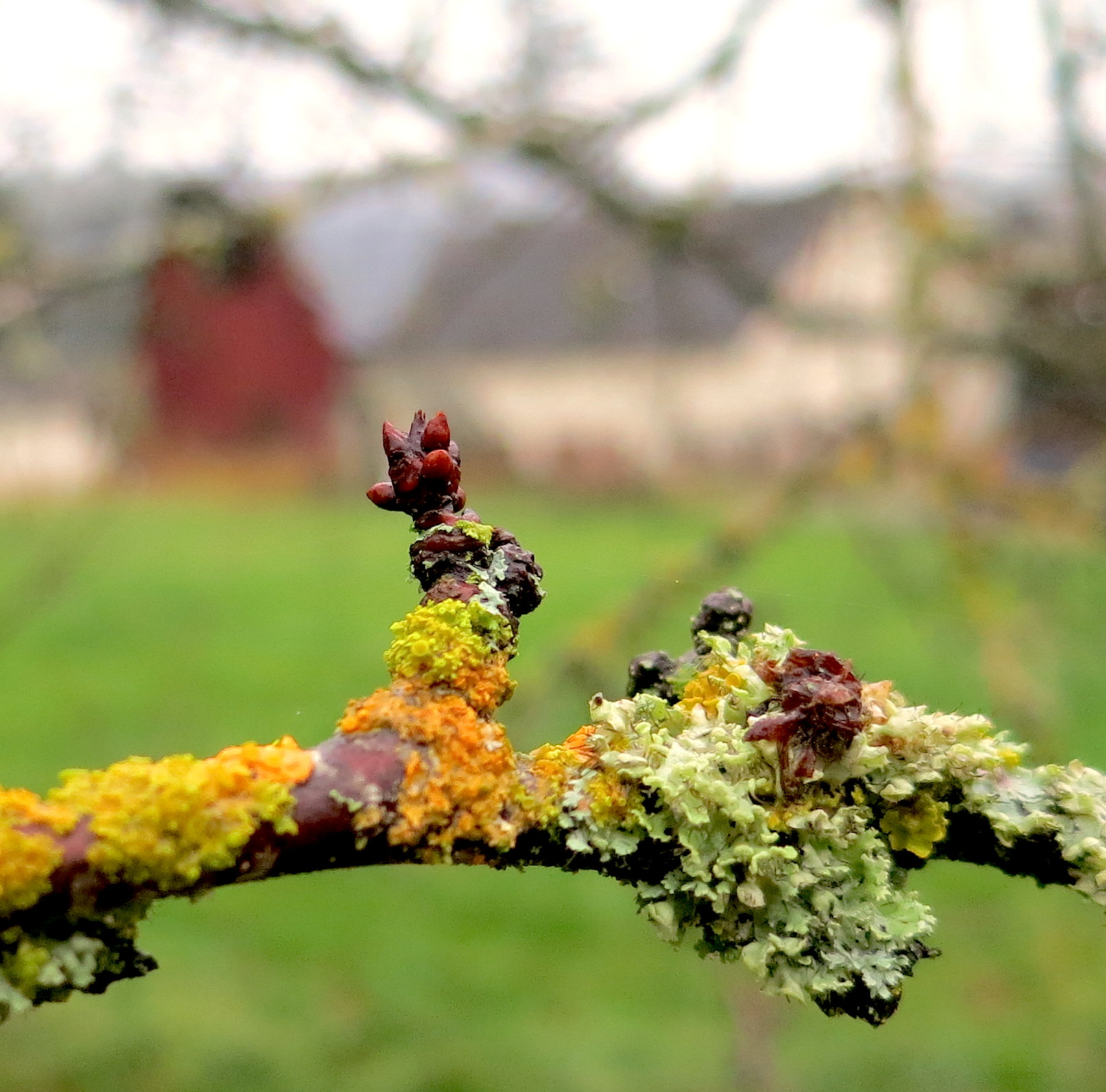
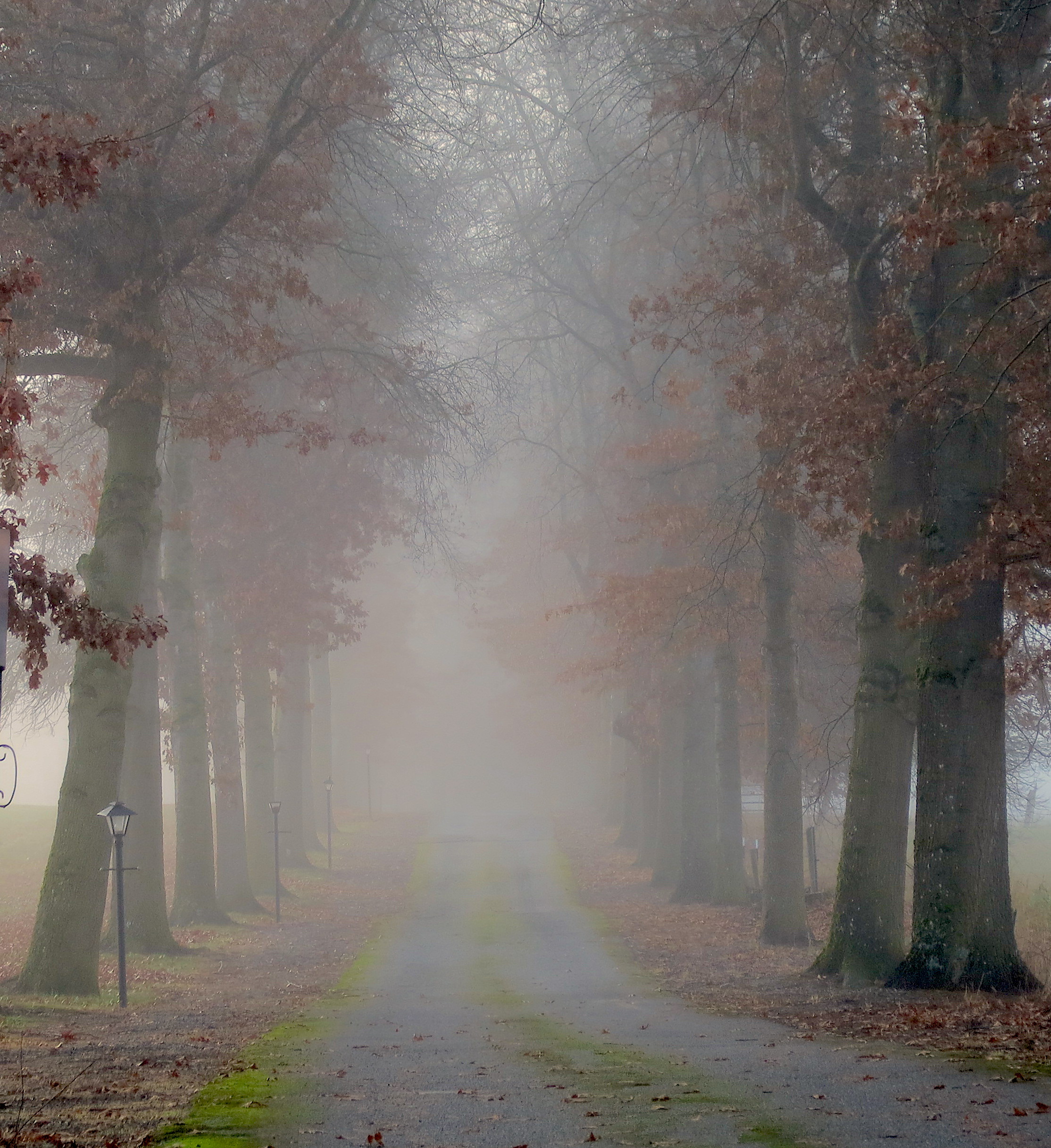
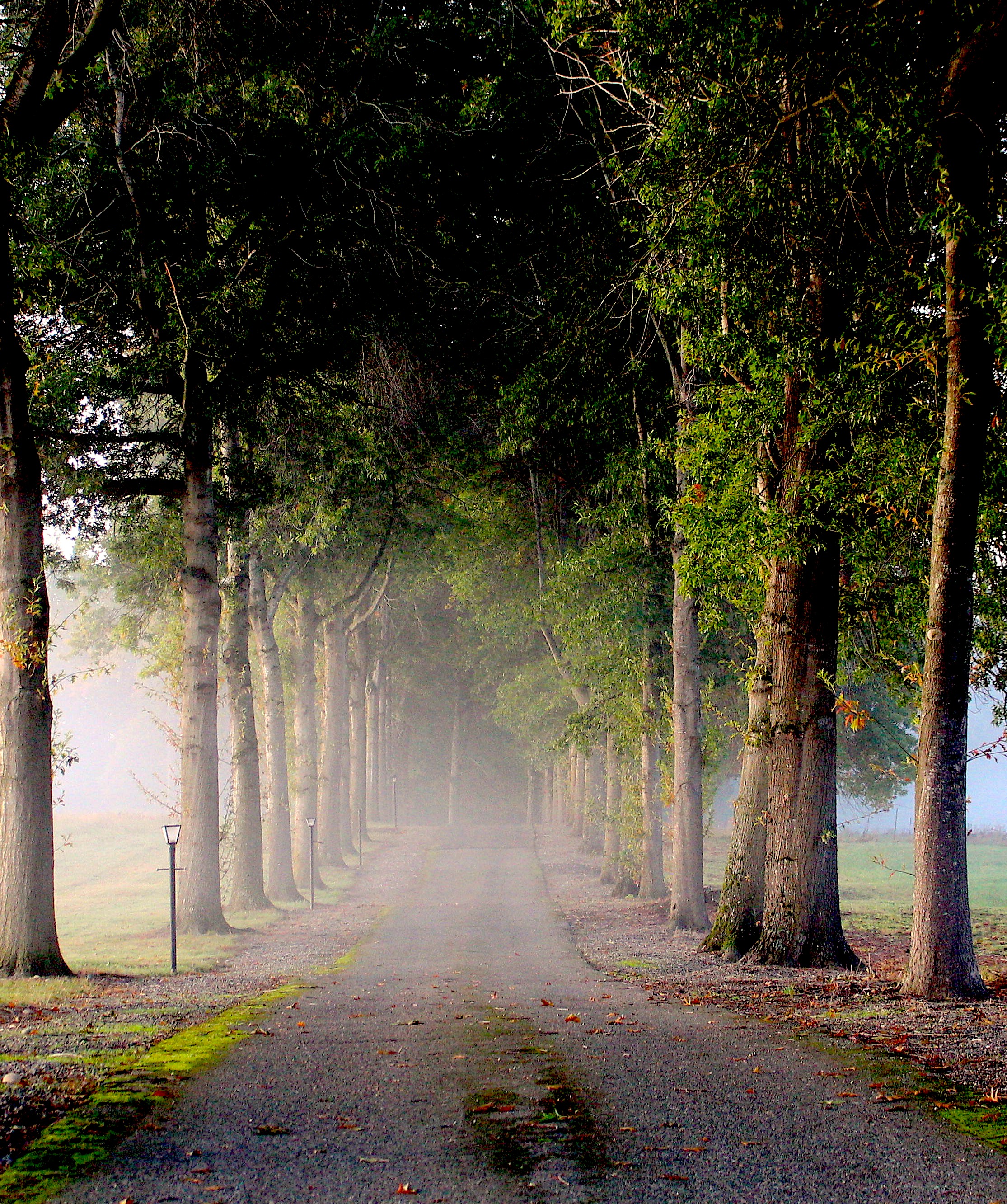
The trees are coming into their winter bareness, the only green is the lichen on their branches. Against the hemlocks, the rain is falling in dim, straight lines… This is the time of year when all the houses have come out of the woods, edging closer to the roads as if for company. ~Verlyn Klinkenborg “The Rain It Raineth”
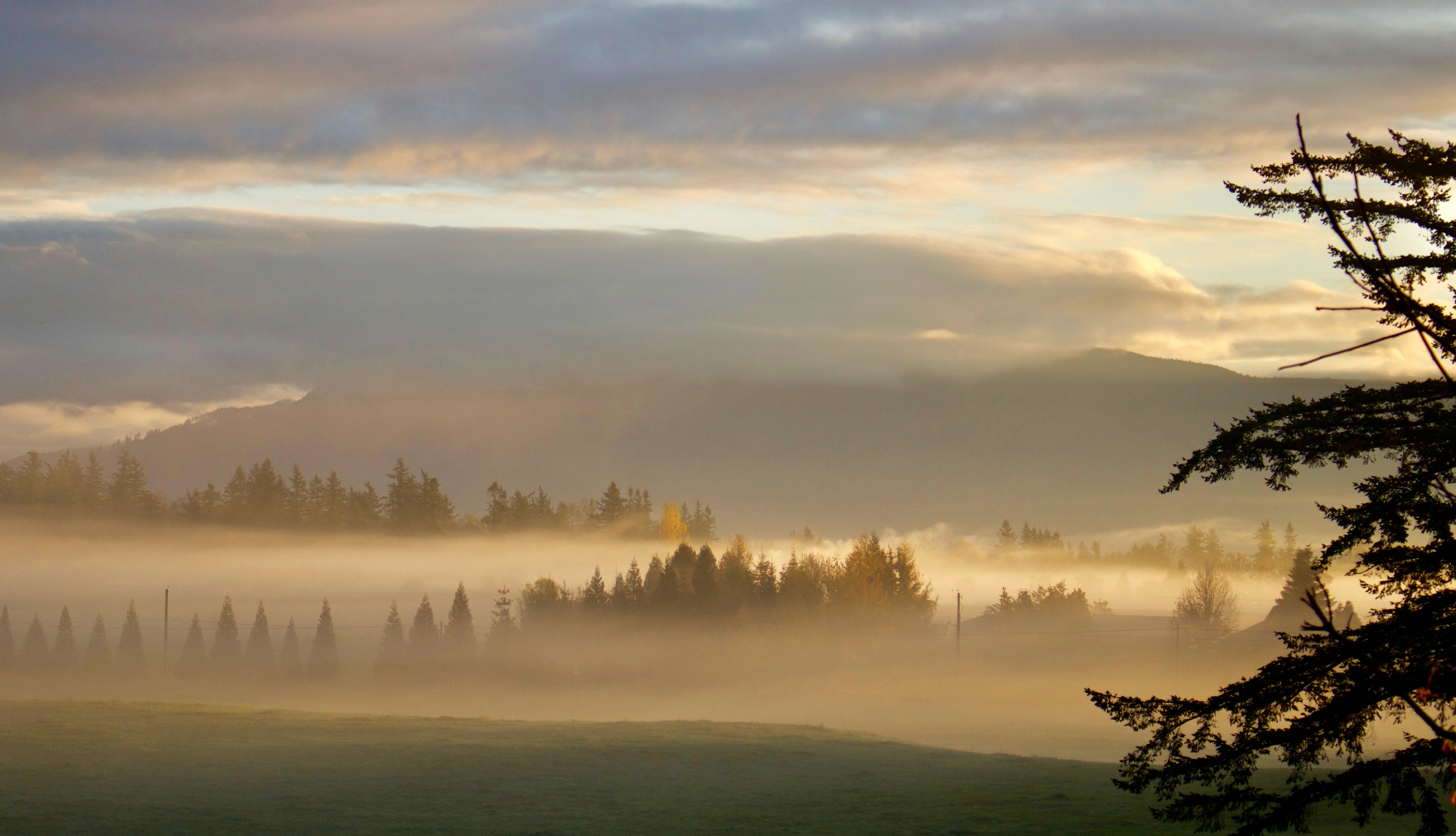
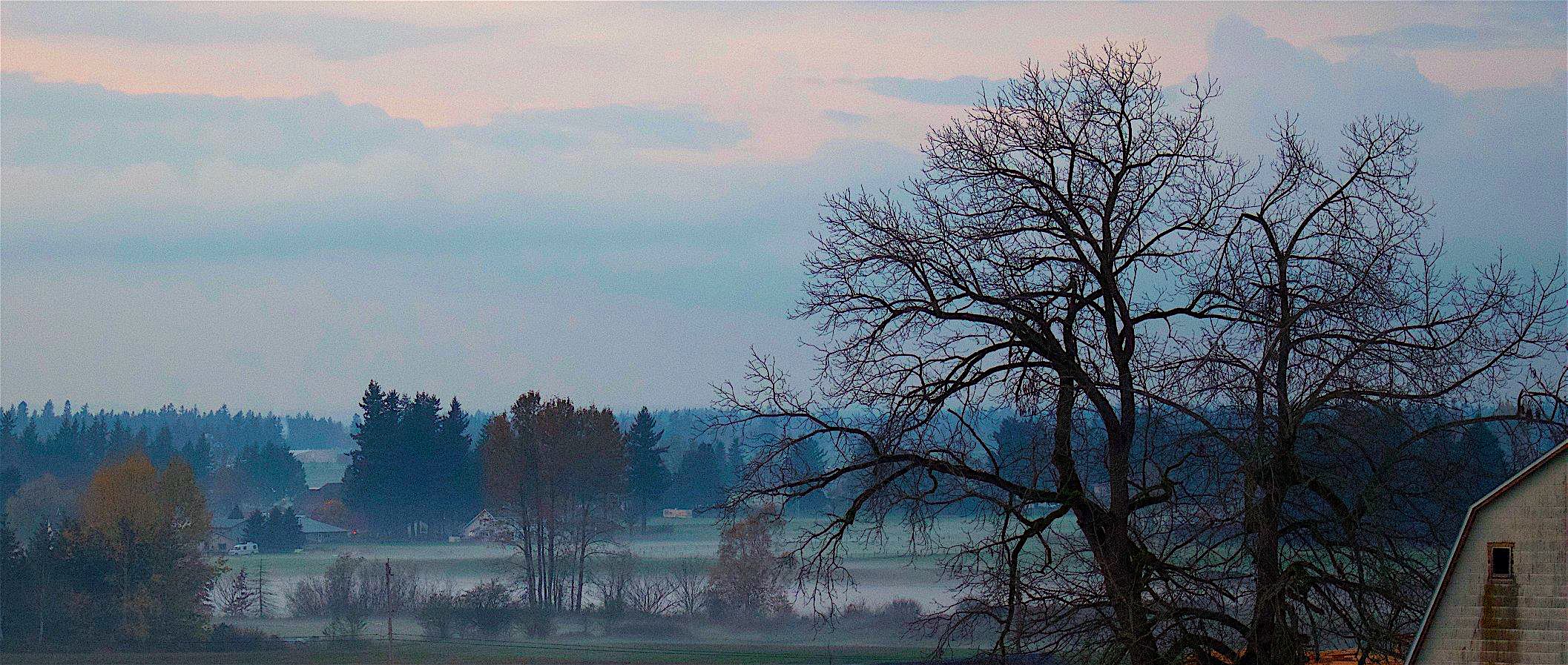
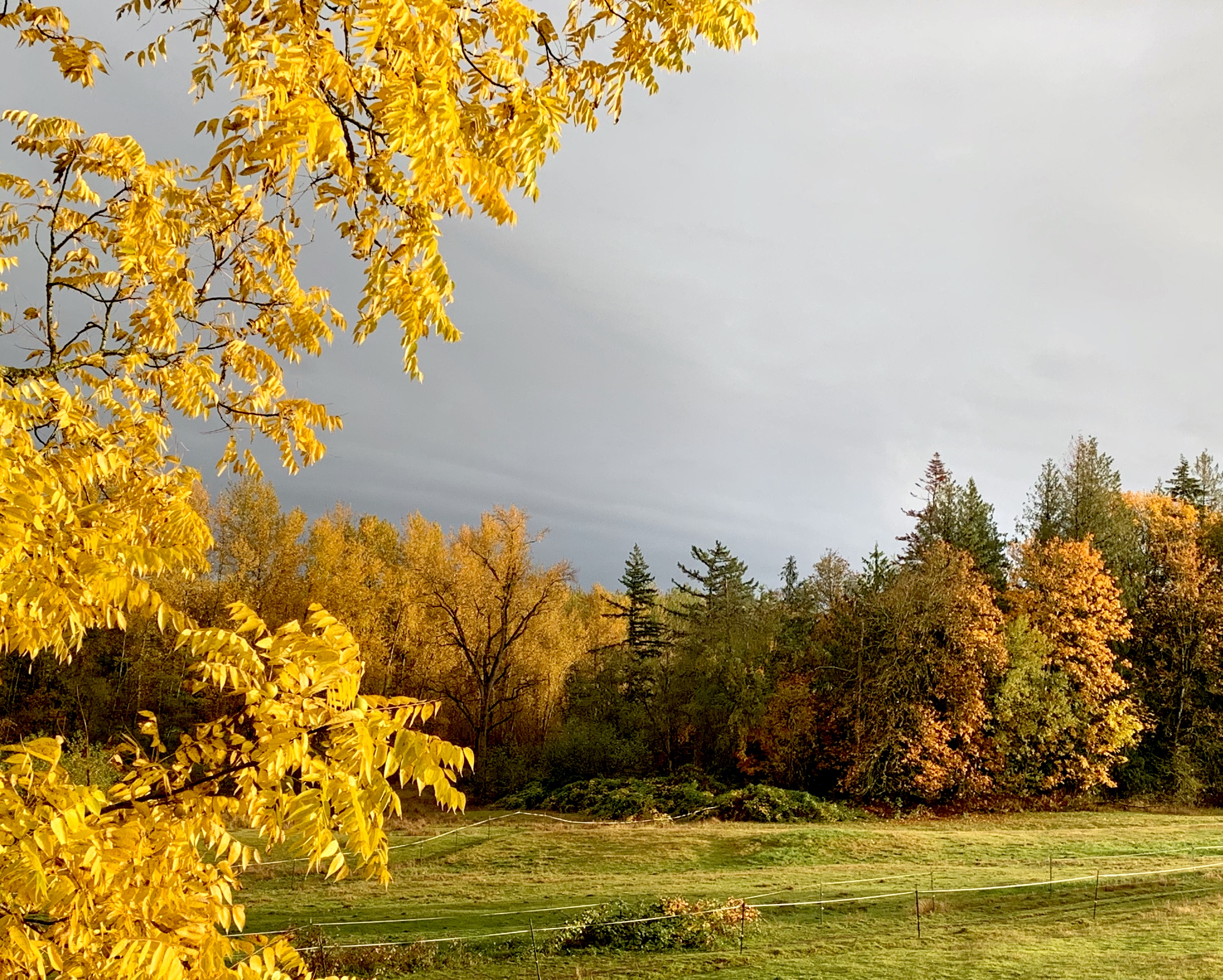
The deciduous trees in our part of the country have all been stripped bare, having come through rain and gusty winds in the last week. It forces typically leaf-hidden homes out of camouflage and I’m once again startled at the actual proximity of our neighbors. It isn’t as obvious in the summer given the tree buffer everyone has carefully planted. Now we’re reminded once again we are not alone and actually never have been.
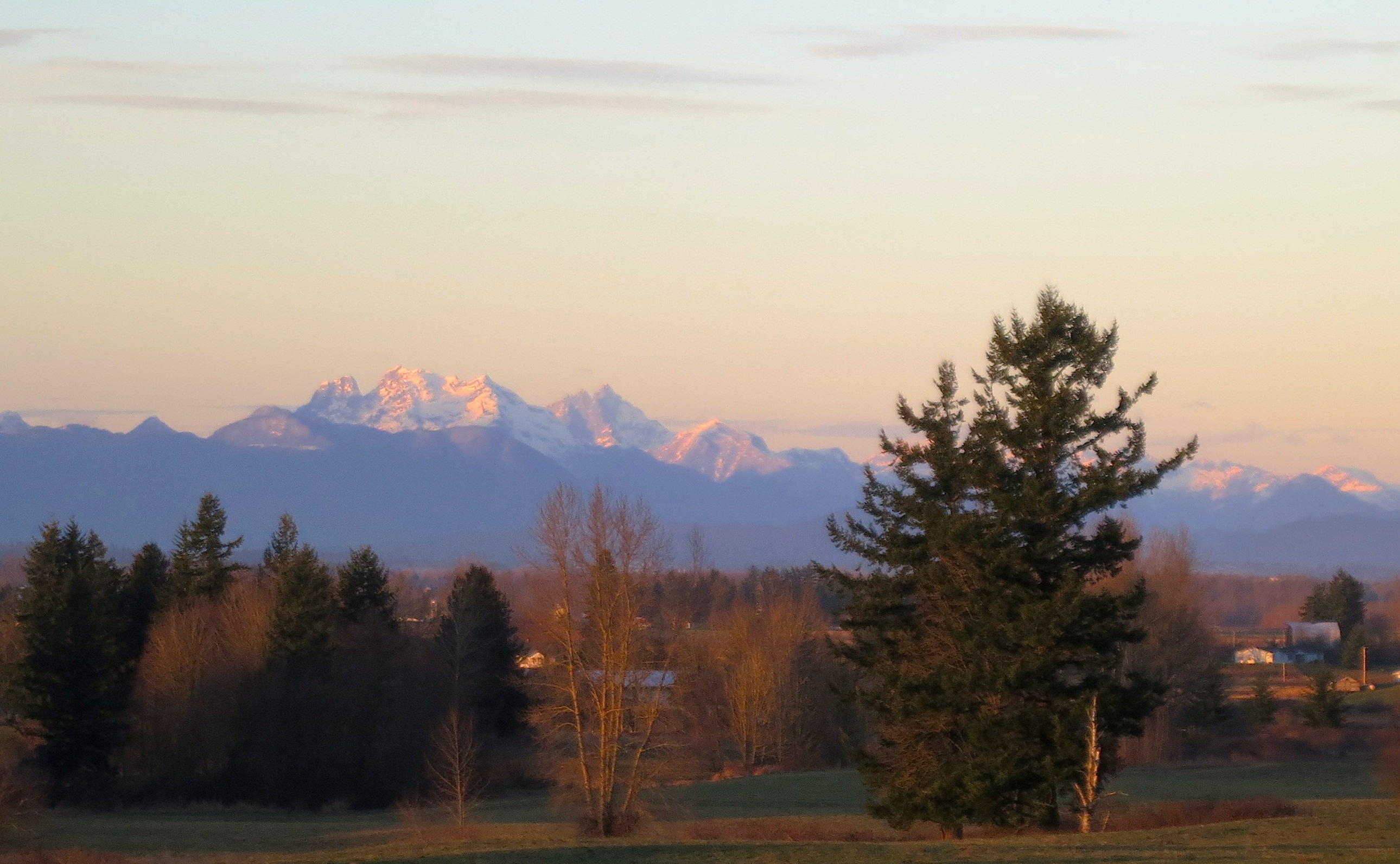
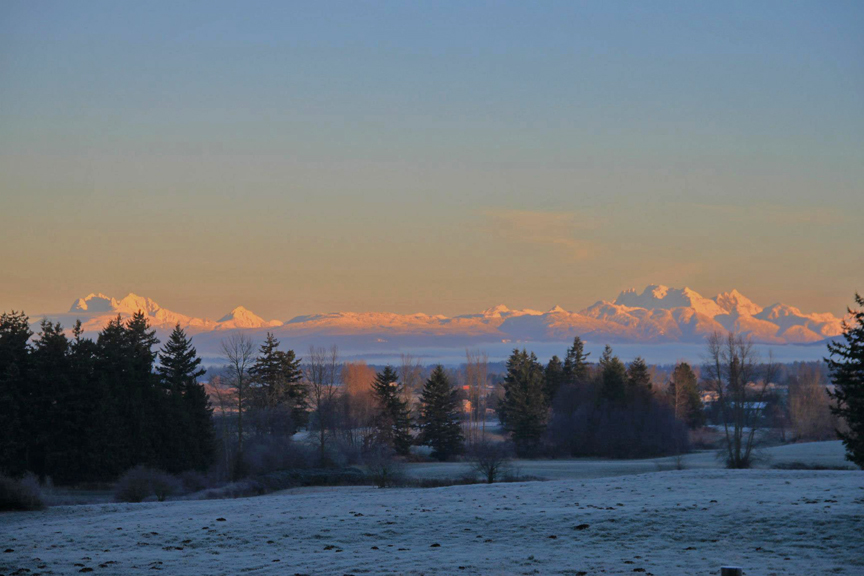
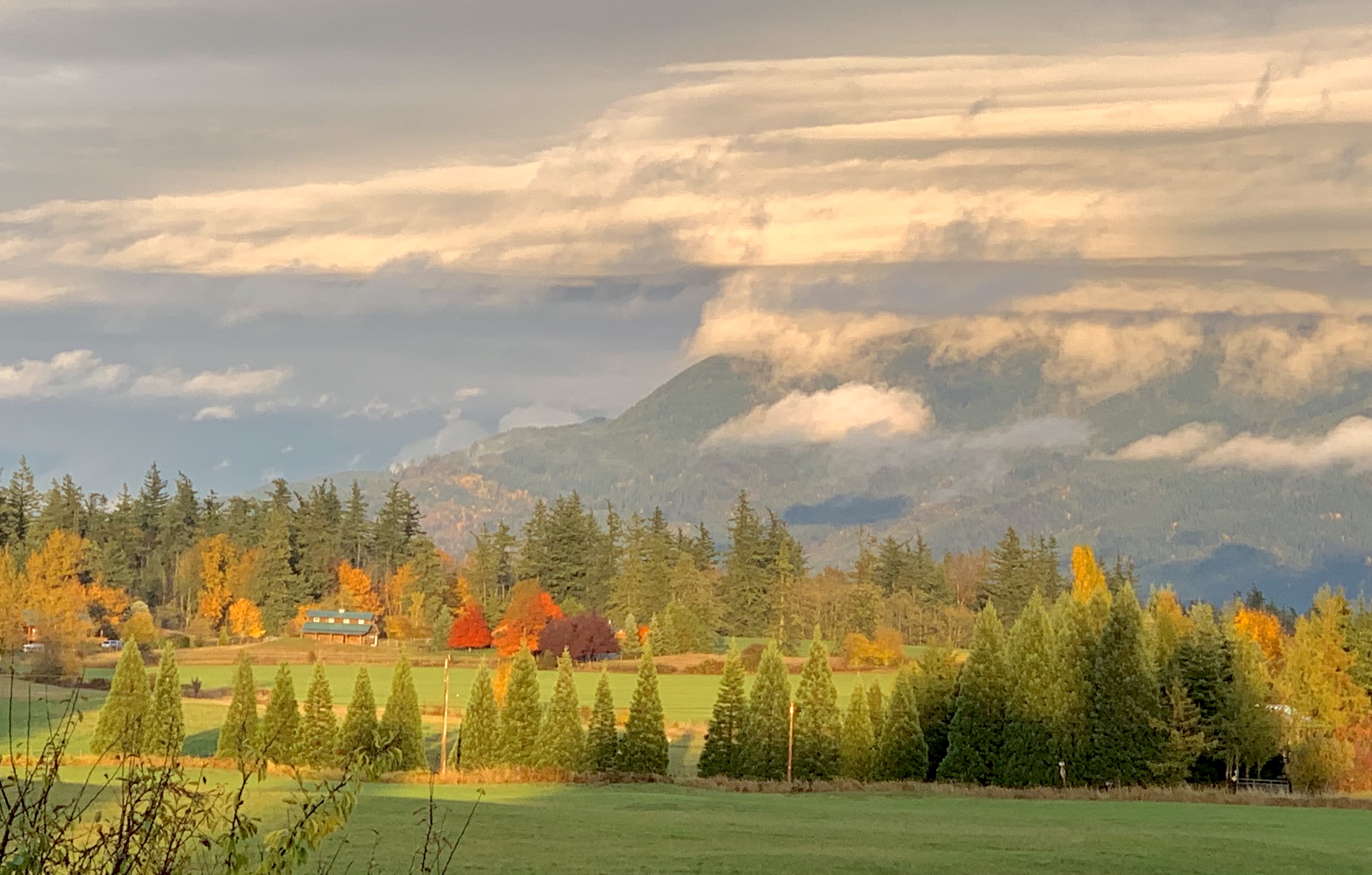
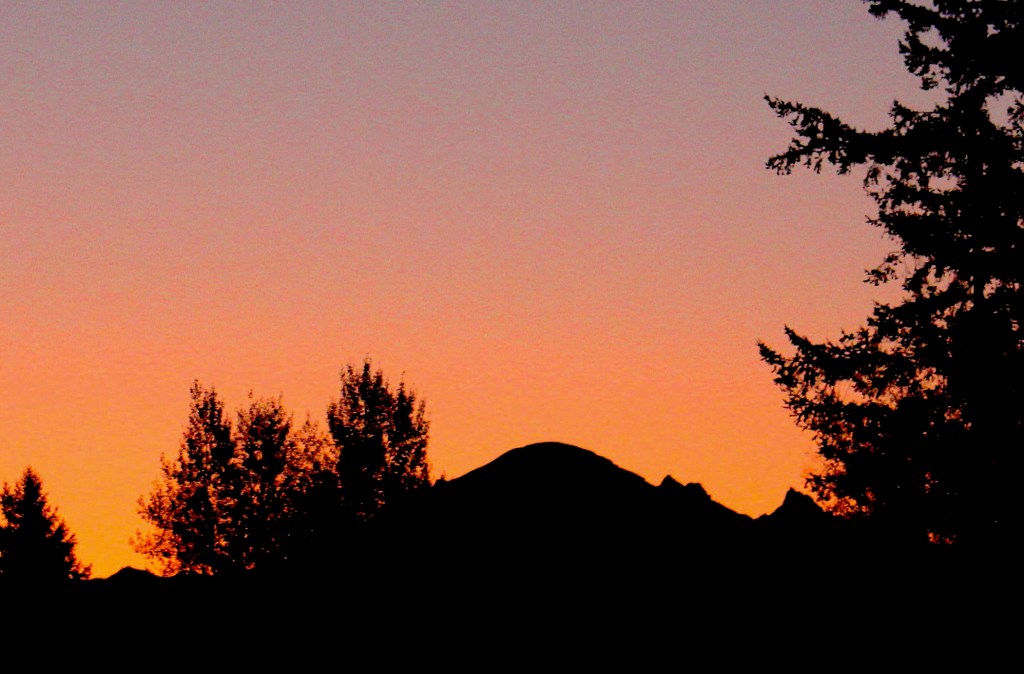
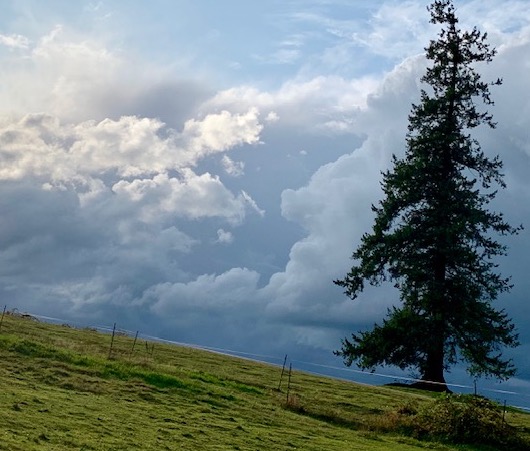
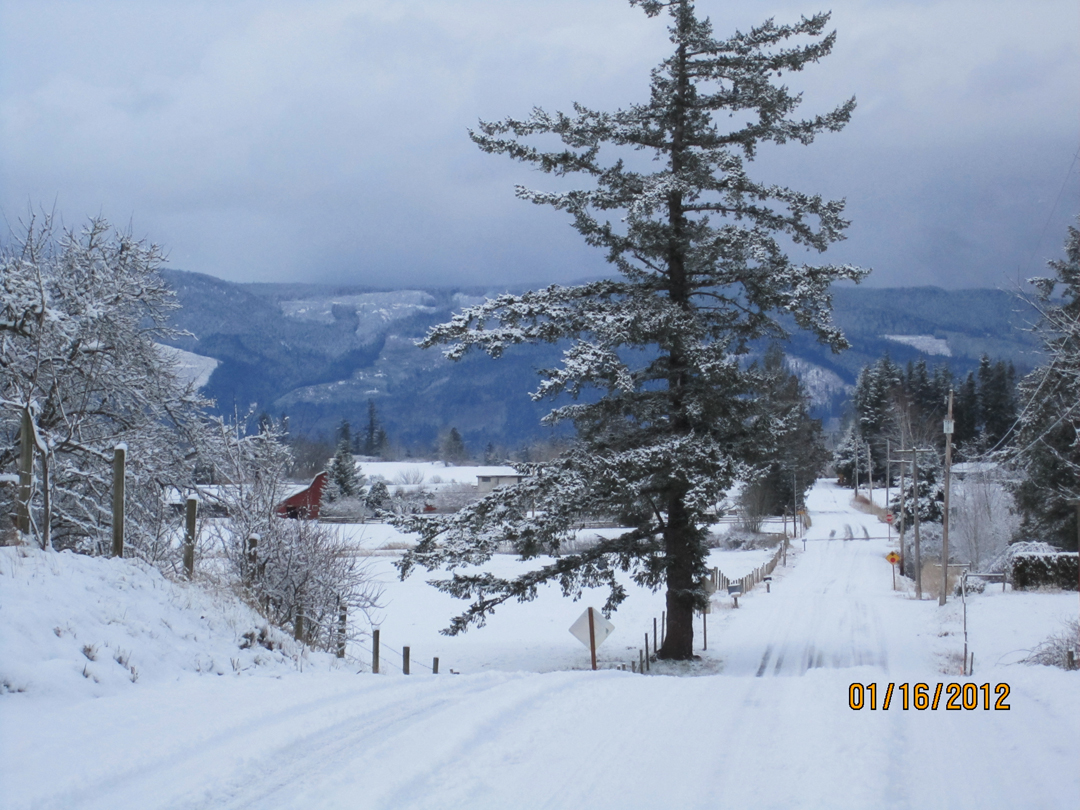
Even the mountains that surround us from the northwest to the southeast seem closer when the trees are bare and new snow has settled on their steep shoulders.
We think we have autonomy all wrapped up but it takes the storms of autumn to remind us we are unwrapped and vulnerable, stark naked, in desperate need of company when darkness comes early, the snow flies and the lights are flickering.
photo by Nate Gibson
If you appreciate reading Barnstorming daily, consider a contribution to keep it going ad-free.
“There’s never an end to dust and dusting,” my aunt would say as her rag, like a thunderhead, scudded across the yellow oak of her little house. There she lived seventy years with a ball of compulsion closed in her fist, and an elbow that creaked and popped like a branch in a storm. Now dust is her hands and dust her heart. There’s never an end to it. ~Ted Kooser “Carrie” from Flying at Night: Poems 1965-1985
My Great Aunt Marion was considered odd, no question about it. She usually dressed in somber woolens, smelling faintly of mothballs and incense. Her straight gray hair was bobbed with bangs, unfashionable for the wavy permanents of the fifties and the beehives of the sixties. Aunt Marion was a second grade teacher all her life, never marrying, and she lived for over 50 years in a spotless tiny apartment until the day she died in 1975. She bequeathed what little she had to the church she had faithfully attended a few blocks away and was buried in the family plot on a windswept hill overlooking Puget Sound.
I was overseas when she died, and to my knowledge, none of the extended family attended her funeral. In her retirement years she had become reclusive and remote. It was clear visitors weren’t welcome so visits to her became rare. In an effort to counteract that, I have annually visited her gravesite for the past 30+ years, paying homage to this aunt who remained an enigma in life and became even more mysterious in death.
She grew up in the early 20th century in an impoverished German immigrant family who relocated from Wisconsin to the northwest. Her father was gone most of the year running steamboats up the Yukon, leaving her mother to make do as a some time school teacher and full time mother. Her older brother dropped schooling early for the rough and ready life of the local logging camps but Marion finished teachers’ college at the Western Washington Normal School on the hill in Bellingham. She began her life’s work teaching 2nd grade a few miles away at Geneva Elementary School, and became the primary caretaker in her mother’s declining years.
Her shock over her brother’s marriage to a much younger teenage girl in 1917 created foment within an already fractious family that persisted down through the generations. As the offspring of that union, my father tried to prove his worth to his judgmental aunt. She was had a spiky and thorny personality, stern and unforgiving, but politely tolerated his existence though would never acknowledge his mother. Family gatherings weren’t possible due to the ongoing bitter conflict between the two strong-willed ladies.
Though Marion was childless, her heart belonged to her many students as well as a number of children she sponsored through relief organizations in developing countries around the world. Her most visible joy came from her annual summer trip to one of those exotic countries to meet first hand the child she was sponsoring. It seemed to fuel her until the next trip could be planned. She visited Asia and India numerous times, as well as Central and South America. It provided the purpose that was missing in the daily routine of her life at home.
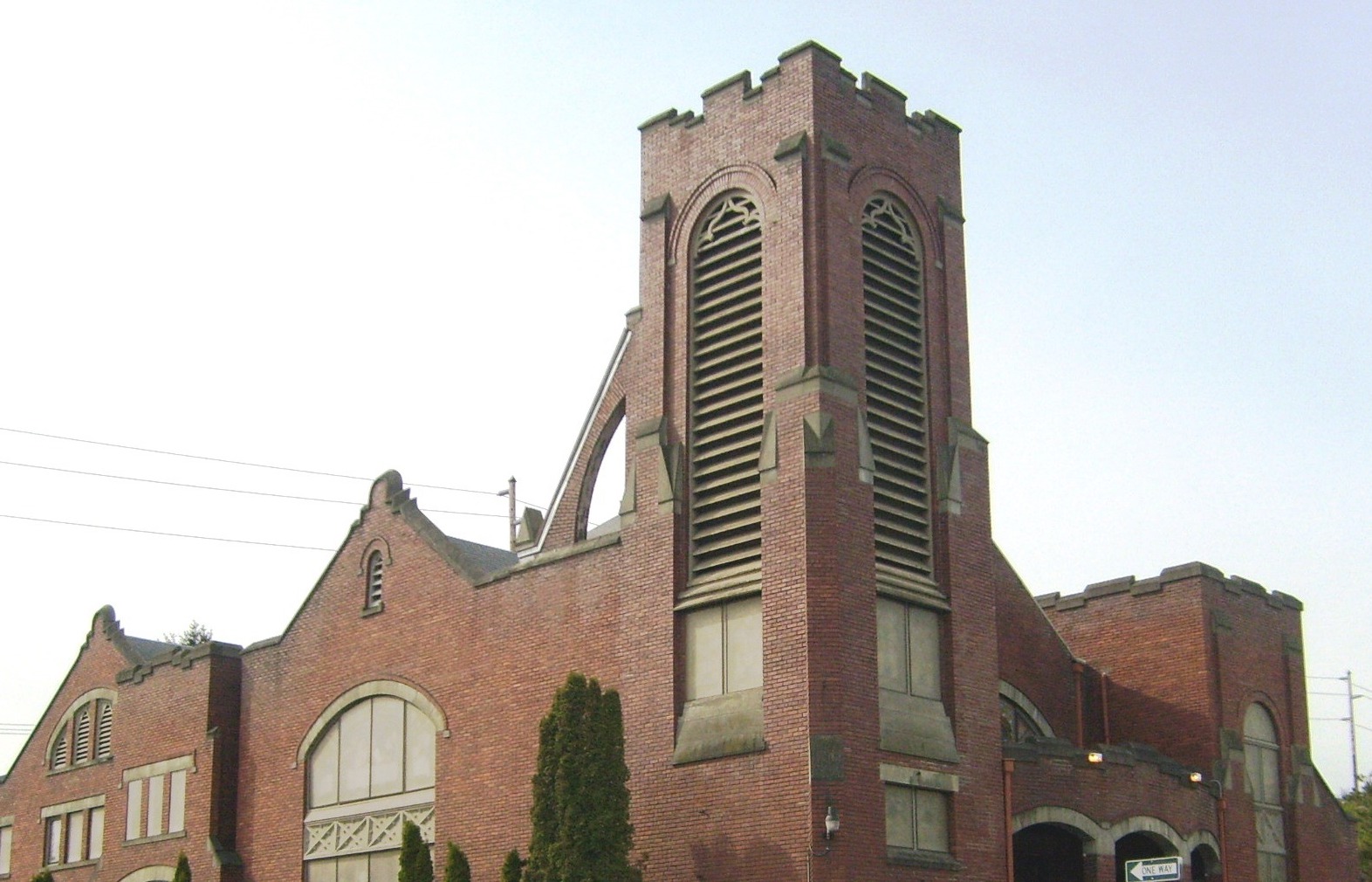
I moved to my great aunt’s community over three decades ago, 10 years after she had died. I’d occasionally think of her as I drove past her old apartment building or the Methodist church she attended. Several years ago, I noticed a new wing on the old church, modern, spacious and airy. I commented on it to a co-worker who I knew attended that church.
He said the old church building had undergone significant remodeling over the years to update the wiring and plumbing, to create a more welcome sanctuary for worship and most recently to add a new educational wing for Sunday School and after school programs during the weekdays. As one of the council members in the church’s leadership, he commented that he was fortunate to attend a church equipped with financial resources to provide programs such as this in a struggling neighborhood that had more than its share of latch-key kids and single parents barely making do. He mentioned an endowment from a bequest given over 40 years ago by a spinster schoolteacher in her will. This lady had attended the church faithfully for years, and was somewhat legendary for her silent weekly presence in the same pew and that she rarely spoke to others in the church. She arrived, sat in the same spot, and left right after the service, barely interacting. Upon her death, she left her entire estate to the church, well over $1 million in addition to the deed to an oil well in Texas which has continued to flow and prosper over the past several decades. The new wing was dedicated to her memory as it represented her expressed desire for her neighborhood.
I asked if her name was Marion and he stared at me baffled. Yes, I knew her, I said. Yes, she was a remarkable woman. Yes, how proud she would be to see her legacy – what she had worked so hard for and then left behind — come to fruition.
There were times as I was growing up I wondered if my Great Aunt Marion had a secret lover somewhere, or if she led a double life as her life at home seemed so lonely and painful. I know now that she did have a secret life. She loved the children she had made her own and she lived plainly and simply in order to provide for others who had little. Her extended family is better off having never inherited that money or an oil well. It could have torn an already conflicted family apart and Marion knew, estranged from her only blood relatives, her money would hurt us more than it would help.
Her full story has died with her. Even so, I mourn her anew, marveling at what became of the dust of her, the legacy she chose to leave.
1. In Christ there is no east or west, in him no south or north, but one great fellowship of love throughout the whole wide earth.
2. In Christ shall true hearts everywhere their high communion find; his service is the golden cord close binding humankind.
3. Join hands, companions in the faith, whate’er your race may be! Who loves and serves the one in him, throughout the whole wide earth.
4. In Christ now meet both east and west; in him meet south and north, all Christly souls are one in him throughout the whole wide earth. ~William Dunkerley
We Christians are often rightfully accused of being judgmental and unwilling to consider other points of view. We can be the first to criticize another Christian of being unfaithful or heretical, not following doctrine and creeds, or being too liberal or too conservative or just too plain stubborn.
I’ve done it myself (doing it now in this post!) and have received more than my share of mean-spirited, even hateful, messages from Christian brothers and sisters who disagree with my point of view on some issue. Christians can tend to revel in eating their own.
When I’m tempted to judge lest I be judged, I remember who Christ hung out with: the cast offs and most undesirable people in society. They were surely more receptive to His message than those who believed they knew better than Him, who questioned His actions and motives, and who plotted against Him behind His back.
We need reminding that Christ isn’t more present in one political party over another, one denomination or faith community over another, one zip code over another, or in one racial or ethnic group over another.
We, east and west, north and south, constitute His body on earth, we dwell fully in His image just as we were created to be. It is only through His loving Spirit we are brought home where we belong, back to the center from the fraying edges of our faith.
On Halloween day in 1985, I packed up my clothes, a roll up mattress, grabbed one lonely pumpkin from our small garden, locked our rental house door for the last time, climbed in my car and headed north out of Seattle. I never looked back in the rear view mirror at the skyline after nine years living in the city. My husband had moved to Whatcom County two months earlier to start his new job. I had stayed behind to wrap up my Group Health family practice in the Rainier Valley of Seattle, now leaving the city for a new rural home and a very uncertain professional future.
Never before had I felt such exhilaration at breaking through one wall to discover the unknown that lay on the other side.
I knew two things for sure: I was finally several months pregnant after a miscarriage and two years of infertility, so our family had begun. We were going to actually live in our own house, not just a rental, complete with a few acres and a barn.
A real (sort of) starter farm.
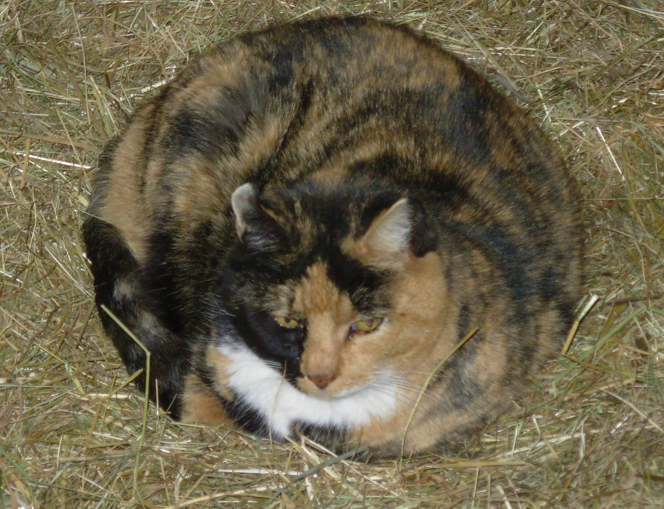
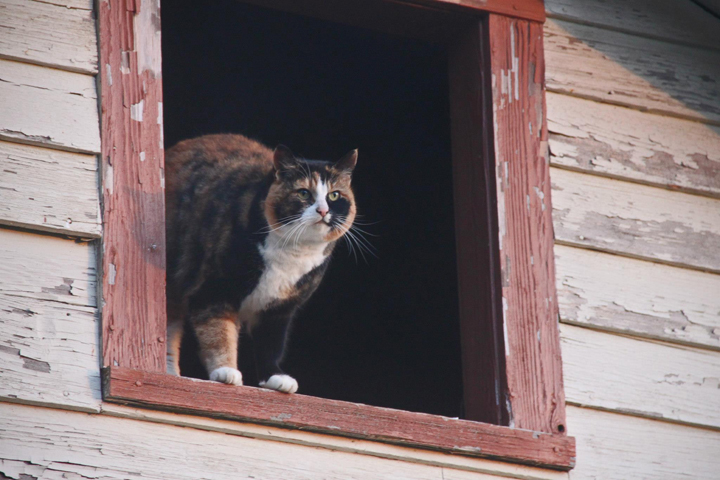
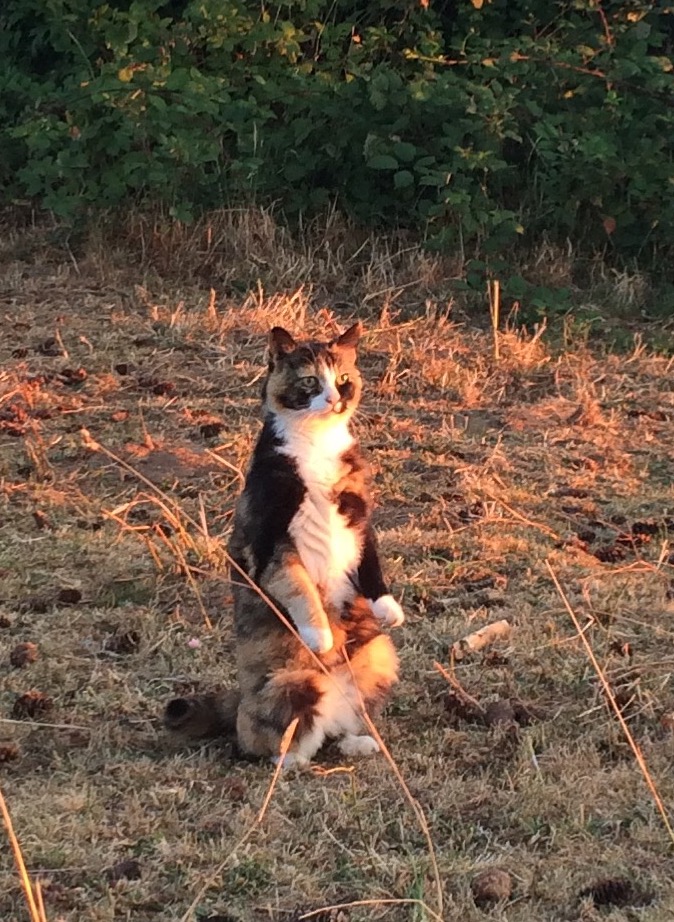
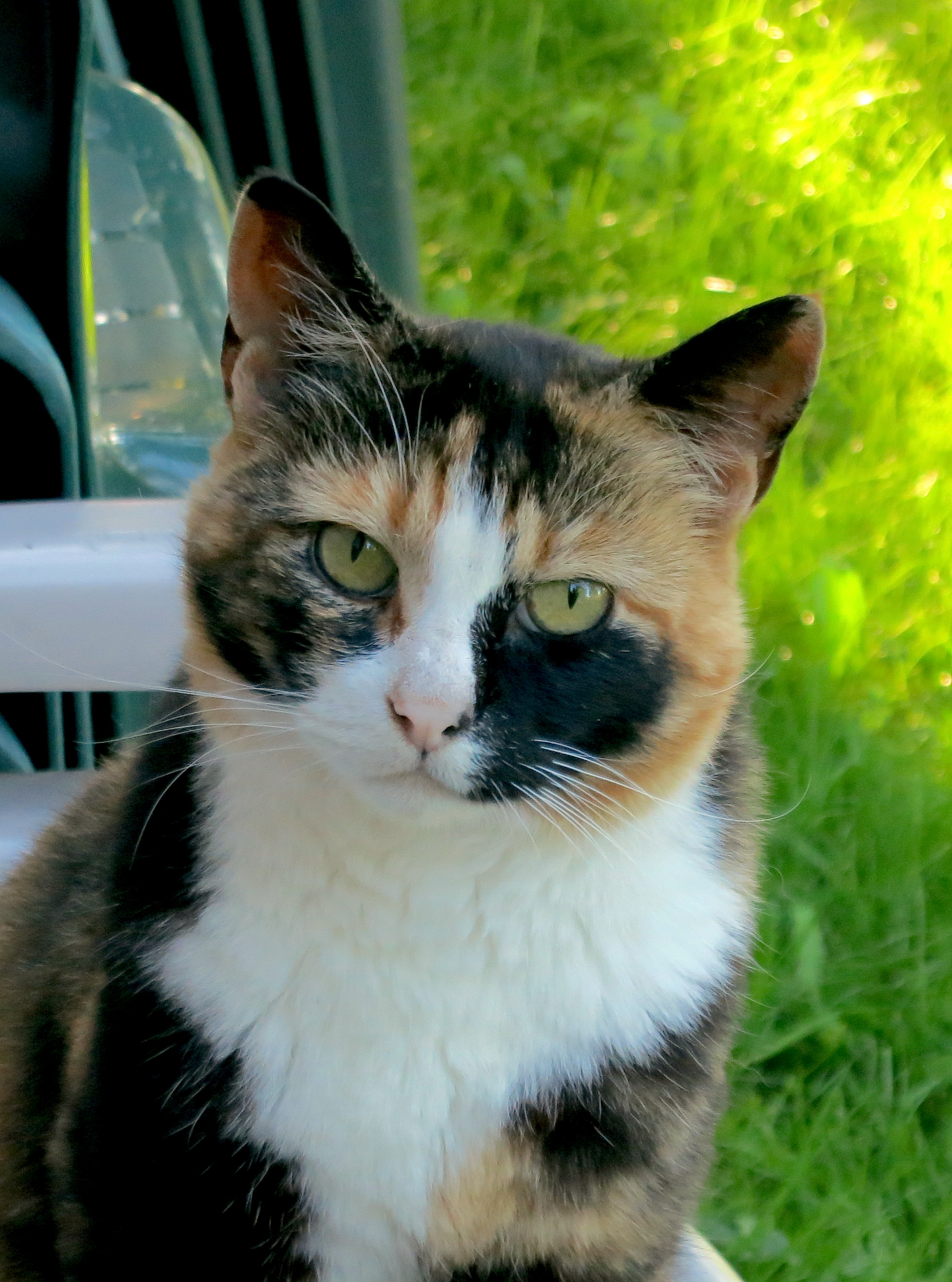
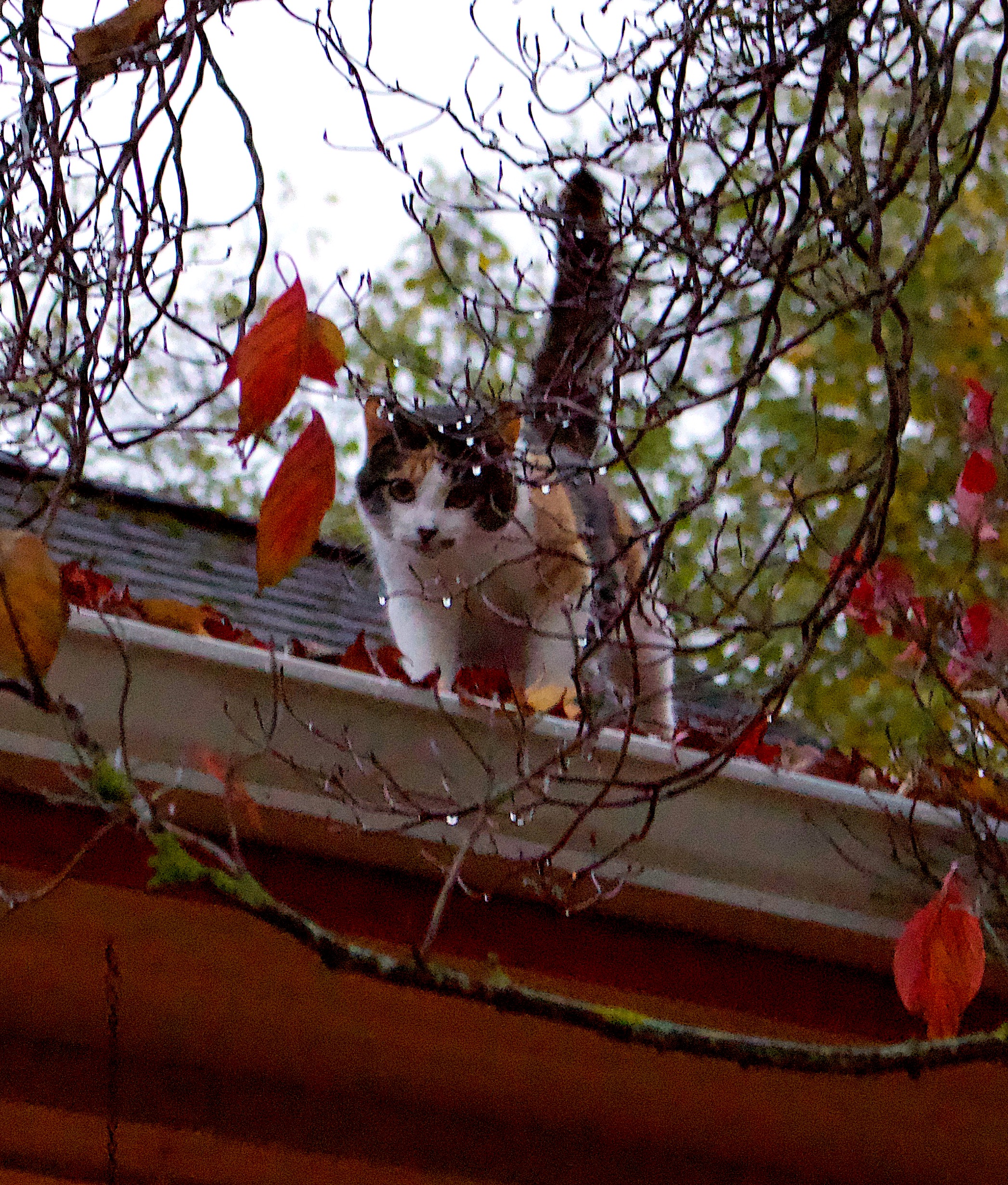
Since no farm can be complete without animals, I stopped at the first pet store I drove past and found two tortoise shell calico kitten sisters peering up at me, just waiting for new adventures in farmland. Their box was packed into the one spot left beside me in my little Mazda. With that admittedly impulsive commitment to raise and nurture those kittens, life seemed brand new.
I will never forget the feeling of freedom on that drive north out of the traffic congestion of the city. The highway seemed more open, the fall colors more vibrant, the wind more brisk, our baby happily kicking my belly, the kittens plaintively mewing from their box. There seemed to be so much potential even though I had just left behind the greatest job that could be found in any urban setting (the most diverse zip code in the United States): an ideal family practice with patients from all over the world: Muslims from the Middle East and Indonesia, Orthodox Jews, Italian Catholics, African Americans, Cambodians, Laotians, Vietnamese. I would never know so much variety of background and perspective again and if I could have packed them all into the Mazda and driven them north with me, I would have.
We started our farm with those kittens dubbed Nutmeg and Oregano, soon adding an ethnic diversity of farm animals: Belgian Tervuren dog Tango, Haflinger horse Greta, Toggenburg goats Tamsen and her kids, a few Toulouse geese, Araucana chickens, Fiona the Scottish Highland cow, then another Haflinger Hans and another, Tamara. I worked as a fill in locums doctor in four different clinics before our first baby, Nate, was born. We soon added little brother Ben and seven years later, sister Lea. We settled happily into parenthood, our church community, serving on school and community boards, gardening, and enduring the loss of our parents one by one.
Thirty four years later our children have long ago grown and gone to new homes of their own, off to their own adventures beyond the farm. Our sons married wonderful women, moving far away from home, our daughter teaches a fourth grade classroom a few hours away and we have two grandchildren with the third expected any moment.
A few cats, two Cardigan Corgi dogs, and a hand full of ponies remain at the farm with us. We are now both gray and move a bit more slowly, enjoy our naps and the quiet of the nights and weekends. My work has evolved from four small jobs to two decades of two part time jobs to one more than full time job that fit me like a well worn sweater 24 hours a day for thirty years. With retirement looming, I’m trying out a three day a week schedule and the old sweater doesn’t fit quite so comfortably.
My happily retired husband finds he is busier than ever: volunteering, serving on boards and being a full time farmer on our larger 20 acre place of fields and woods.
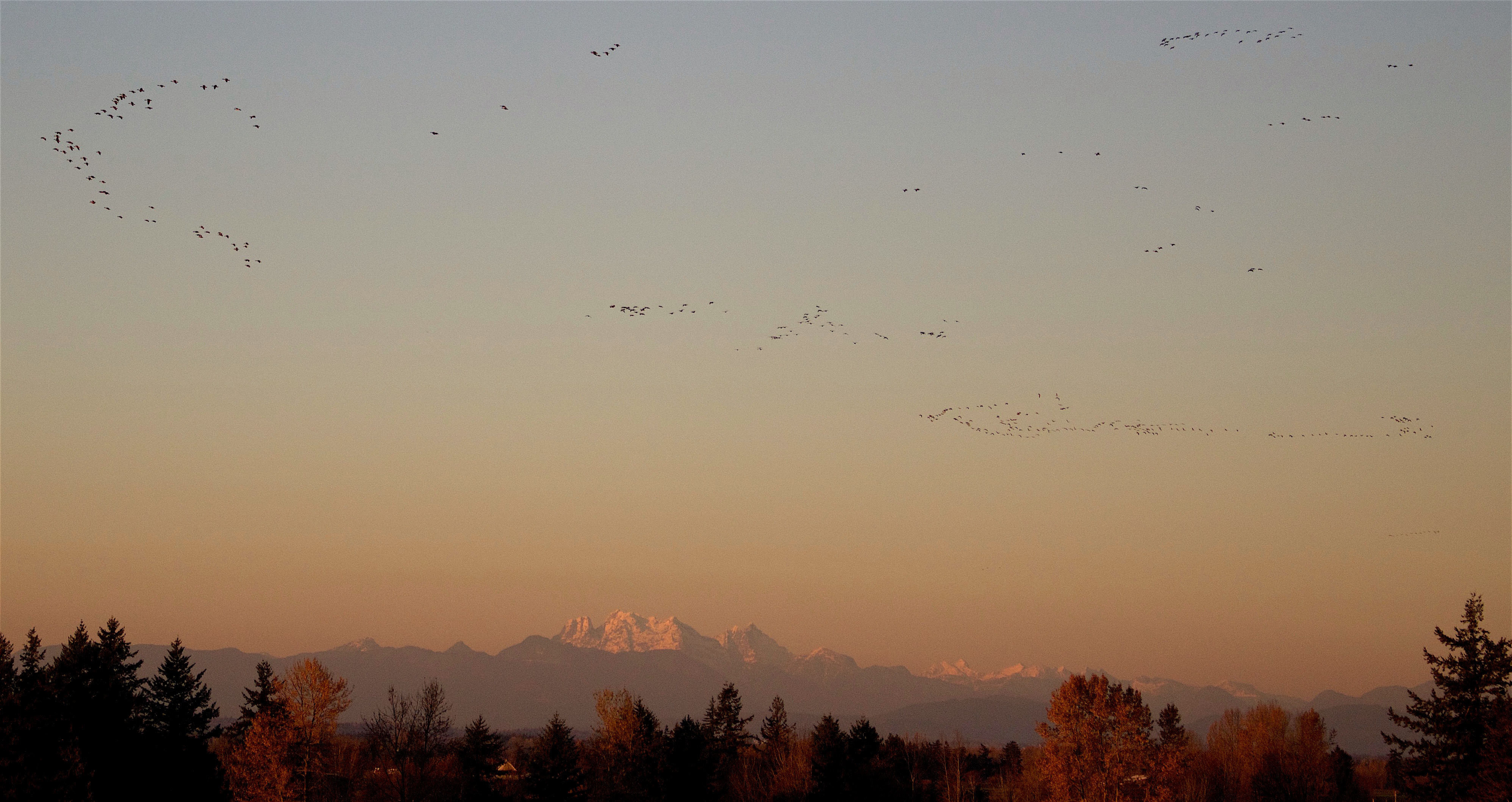
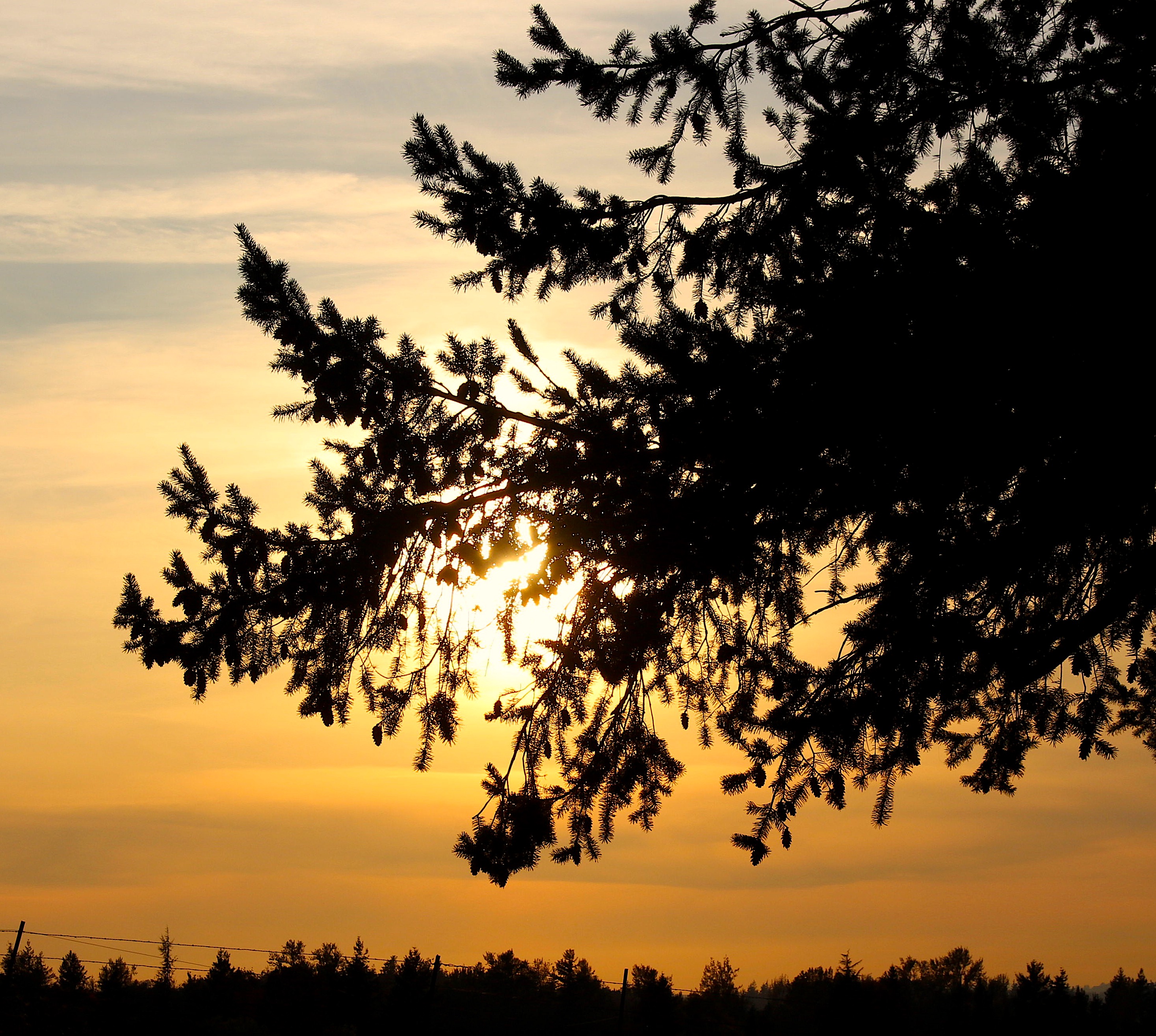
That rainy Halloween day over three decades ago I was freed into a wider world. I would no longer sit captive in freeway rush hour bumper to bumper traffic jams. Instead I celebrate my daily commute through farm fields, watching eagles fly, and new calves licked by their mamas. I am part of a broader community in a way I never could manage in the city, stopping to visit with friends at the grocery store, playing piano and teaching at church. Our home sits in the midst of woods and corn fields, with deer strolling through the fields at dawn, coyotes howling at night, Canadian and snow geese and trumpeter swans calling from overhead and salmon becoming more prolific every year in nearby streams. The snowy Cascades greet us in the morning and the sunset over Puget Sound bids us good night.
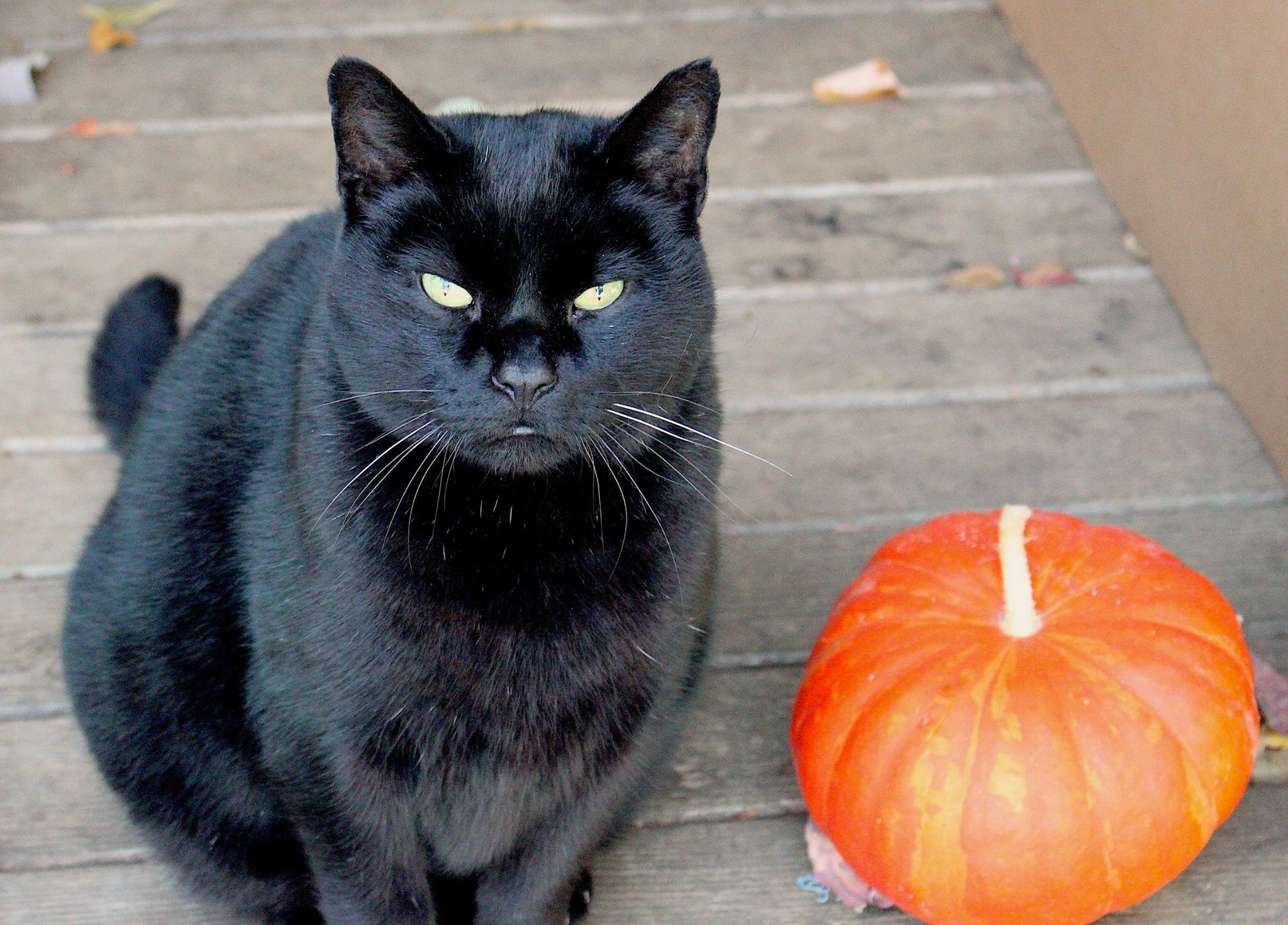
It all started October 31, 1985 with two orange and black kittens and a pumpkin sitting beside me in a little Mazda, my husband waiting for my homecoming 100 miles north. Now, thirty four years and three grown children and three (almost) grandchildren later, we celebrate this Halloween transition anniversary together. We’re still pregnant with the possibility that a wide world is waiting, just on the other side of the wall.
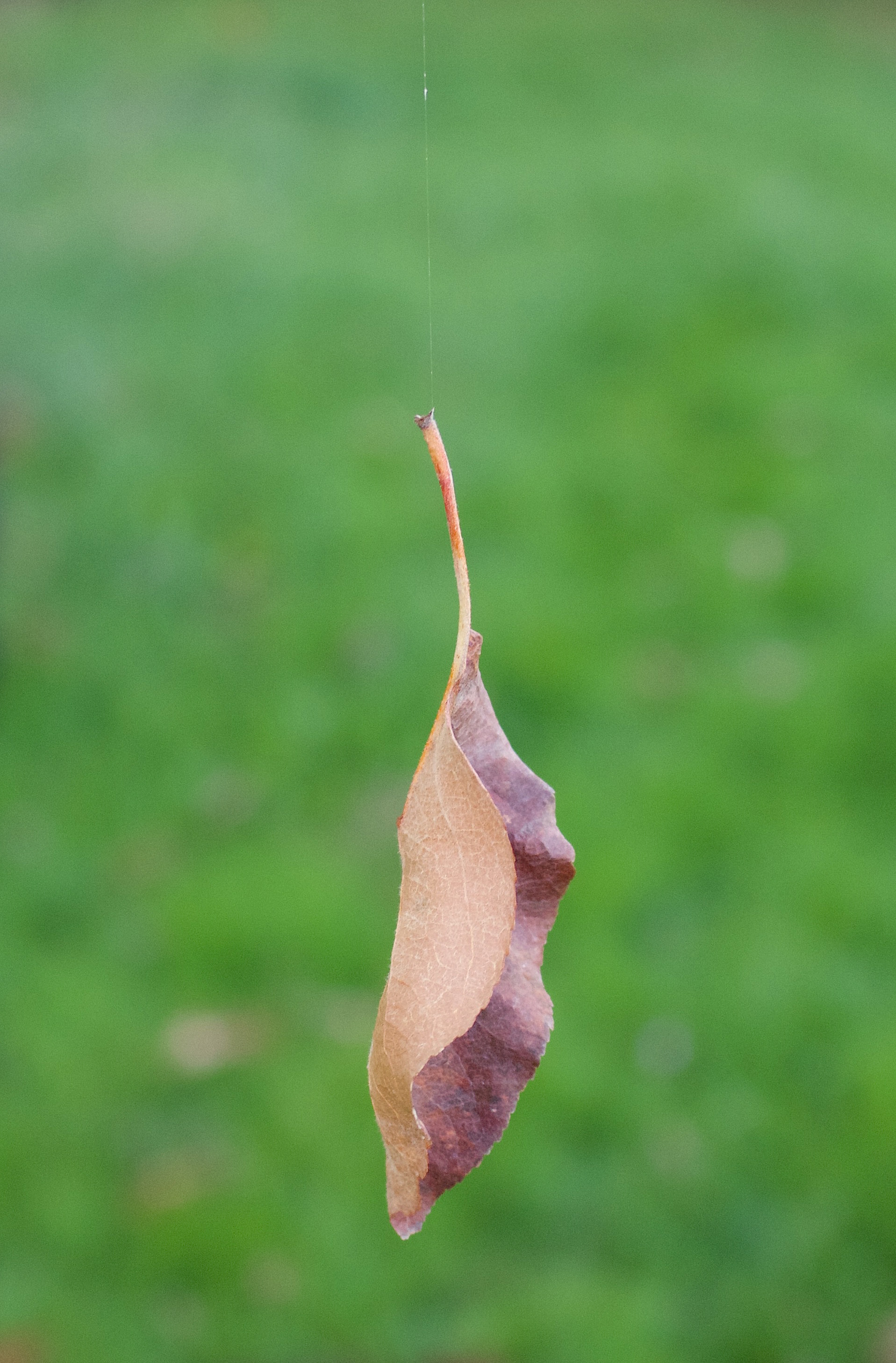
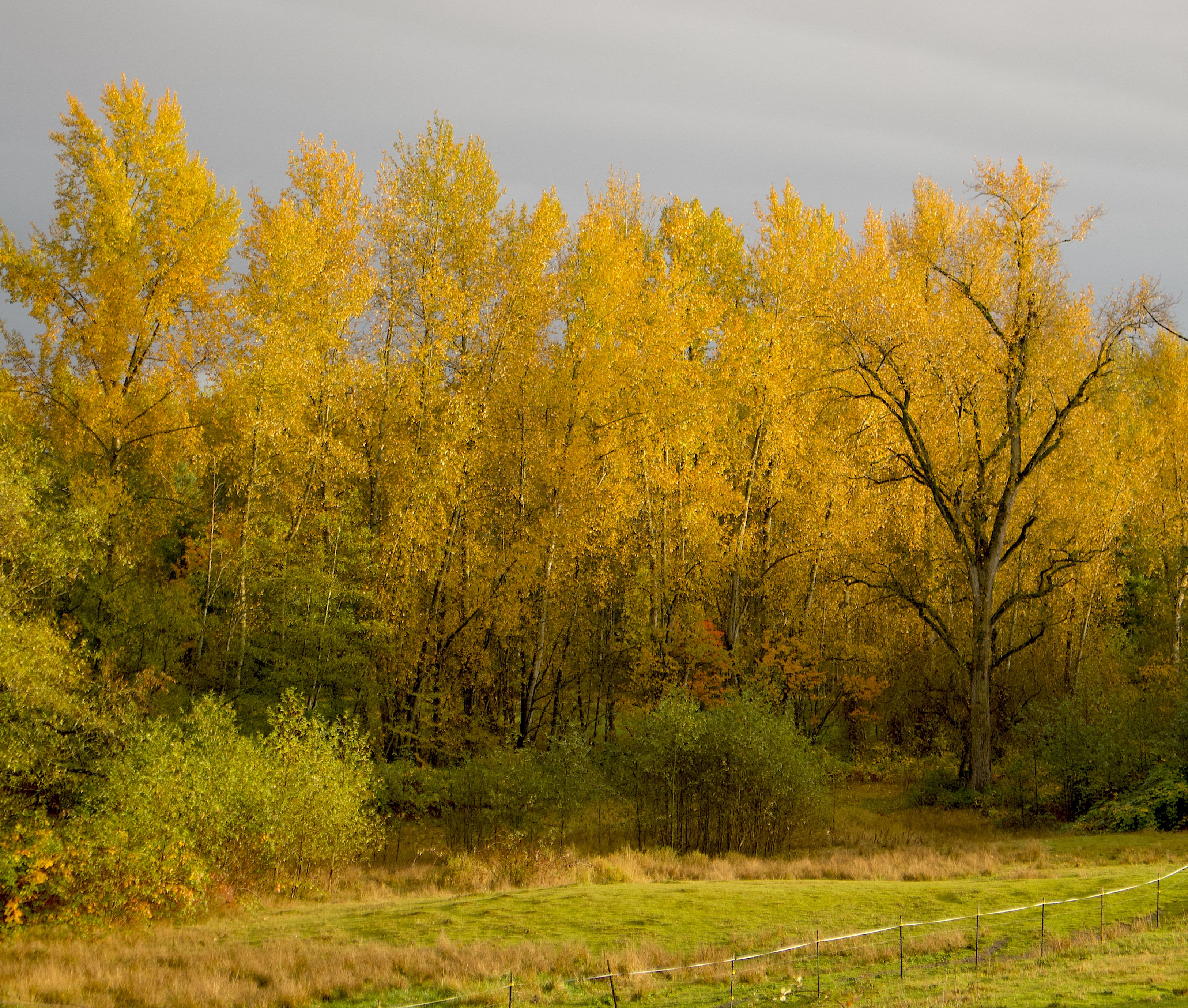
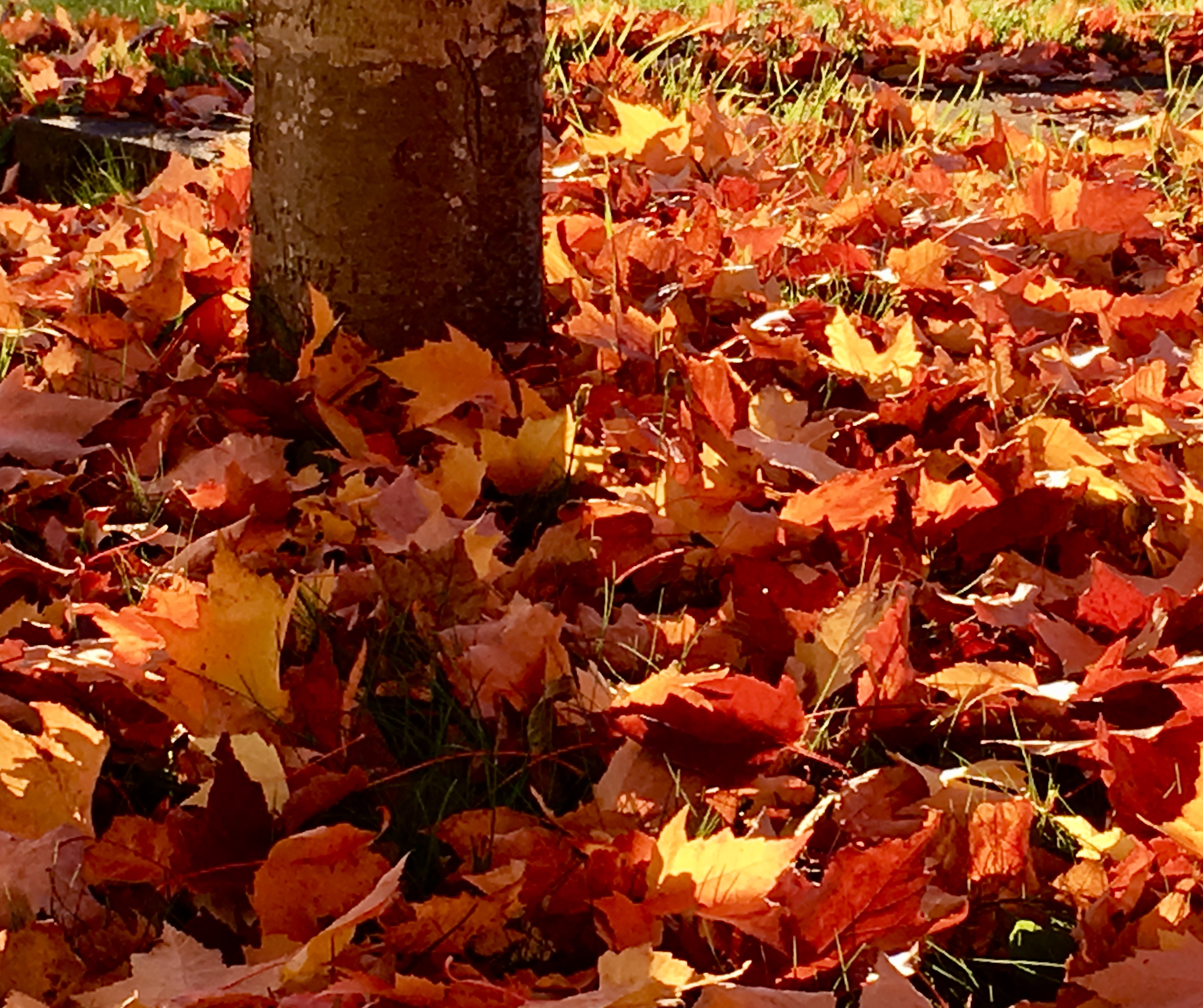
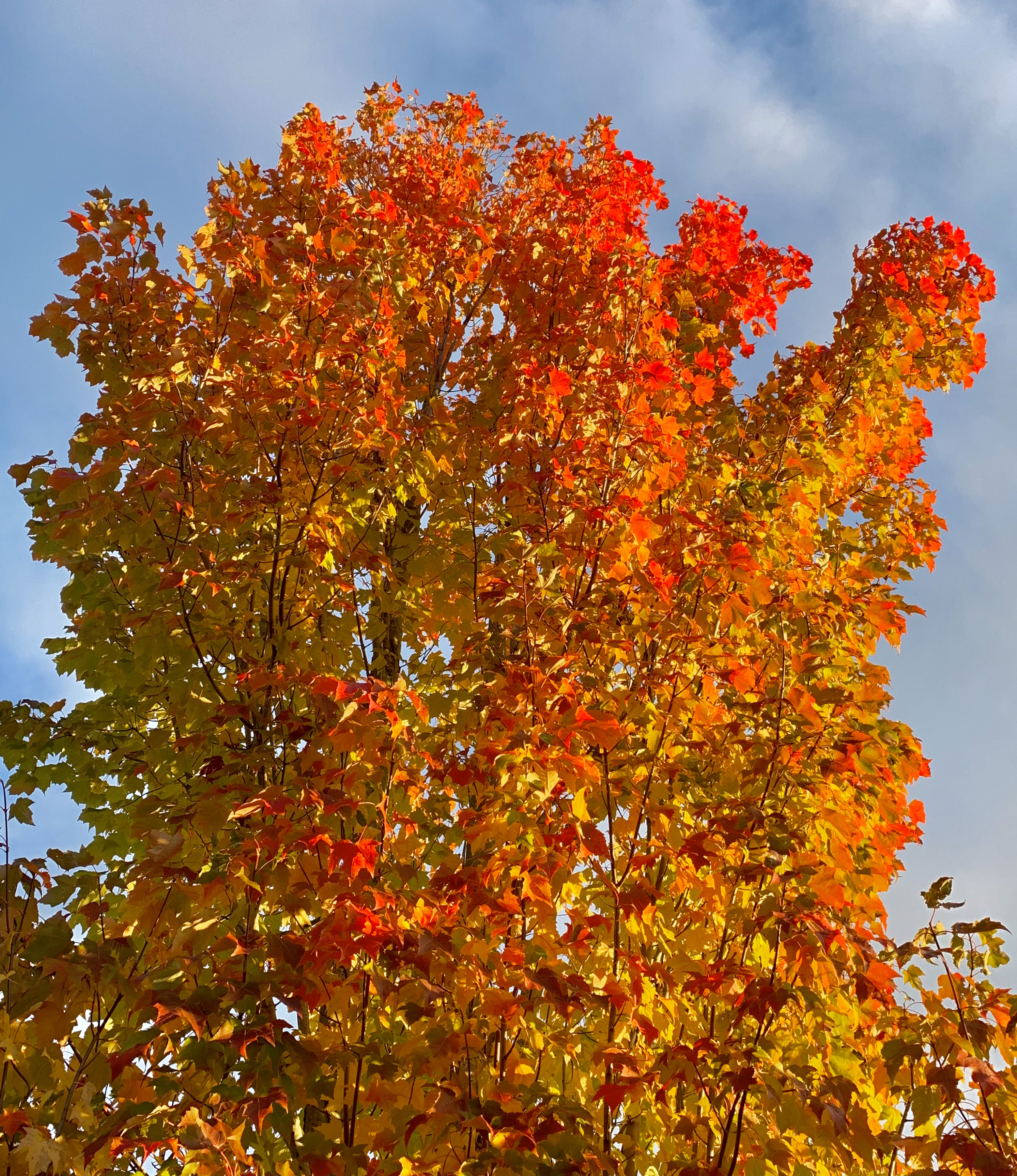
The trees are undressing, and fling in many places— On the gray road, the roof, the window-sill— Their radiant robes and ribbons and yellow laces; A leaf each second so is flung at will, Here, there, another and another, still and still.
A spider’s web has caught one while downcoming, That stays there dangling when the rest pass on; Like a suspended criminal hangs he, mumming In golden garb, while one yet green, high yon, Trembles, as fearing such a fate for himself anon. ~Thomas Hardy “Last Week in October”
So we too may be flung into the unknown, trembling in the chill wind, unready to let go of what sustains us, fated to land wherever the storm blows.
Yet caught up by a silken thread, left to dangle suspended by faith to await the hope of rescue, alone and together, another and another, still and still.
Passing down this story of Christ’s life, death, resurrection and ascension is not merely, or mainly, an exercise in cognition. Nor is it a divinely inspired game of telephone, where we simply whisper a message to the next generation through the ages.
Inevitably the story comes to us through ordinary people over dinner tables, at work, in songs, through worship, conflict, failure, repentance, ritual, liturgy, art, work and family. Christianity is something we believe, but it is also a practice. Central to our practice is what Christians call sacraments, where the mysteries of faith are manifest through the ordinary stuff of earth—water and skin, bread and teeth. ~Tish Harrison Warren from “True Story”
photo of Wiser Lake Chapel by Barbara Hoelle
…schizomeno—meaning in Greek “ripped open.” It occurs twice in the Gospels: once when the temple veil is torn the day of Christ’s crucifixion. The other is when “the heavens opened” upon Christ’s baptism. But they didn’t just “open.” They were ripped open. God broke into history with a voice and an act of salvation unlike any other.
To study the Bible with people of faith is to see it not only as an object of academic or antiquarian interest but also as a living word, a source of intellectual challenge, inspiration, comfort, uncomfortable ambiguities, and endless insights for people who gather in willingness to accept what seems to be God’s invitation: Wrestle with this. Healthy churches wrestle, working out their salvation over coffee and concordances, knowing there is nothing pat or simple about the living Word, but that it invites us into subtle, supple, resilient relationship with the Word made flesh who dwells, still, among us. ~Marilyn McEntyre from“Choosing Church”
Ripped open to allow access – that is what God has done to enter into this ordinary stuff of earth, and giving us access to Him.
I enter the church sanctuary every Sunday to be reminded of this wrestling match we have with ourselves, with each other, with the every day ordinary stuff, with the living Word of God. None of this is easy and it isn’t meant to be. We must work for understanding and struggle for contentment.
I keep going back – gladly, knowing my guilt, eager to be transformed – not only because I choose to be in church, but because He chose to invite me there.
How fleeting are the years when I look in the mirror and realize how much is past and how much remains – who knows how little?
How many questions remain unanswered but even more unasked?
This morning, as every Sabbath, I sit silent in a pew of worship, humbled and overwhelmed by the question “what is my only comfort?” but even more so by the answer:
I am not my own but belong body and soul to my faithful Savior Jesus Christ.
A question and answer that can make or unmake a life that patiently waits for me and will never go away.
Season of ripening fruit and seeds, depart; There is no harvest ripening in the heart.
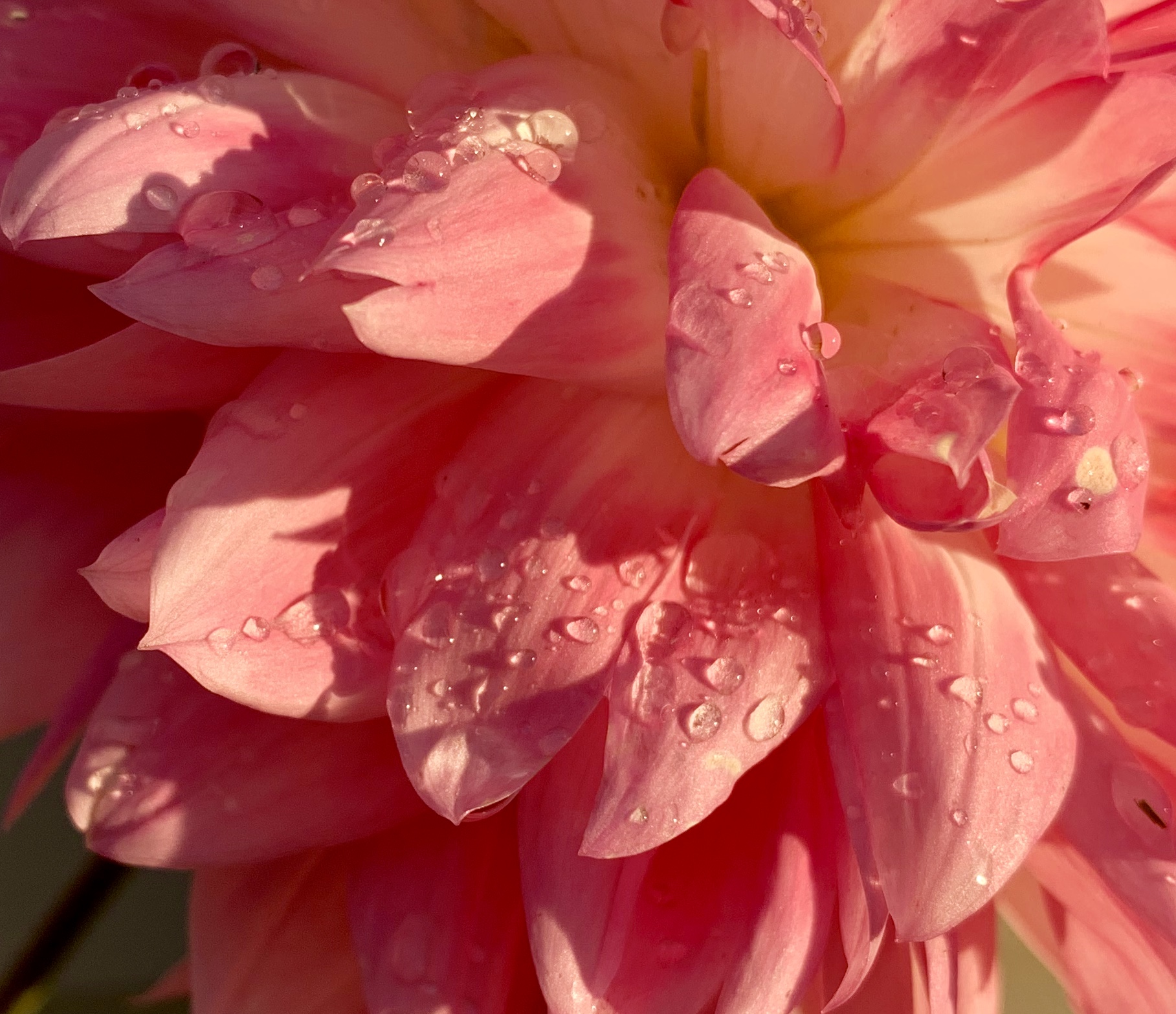
Bring the frost that strikes the dahlias down In one cruel night. The blackened buds, the brown And wilted heads, the crippled stems, we crave – All beauty withered, crumbling to the grave. Wind, strip off the leaves, and harden, ground, Till in your frozen crust no break is found.
Then only, when man’s inner world is one With barren earth and branches bared to bone, Then only can the heart begin to know The seeds of hope asleep beneath the snow; Then only can the chastened spirit tap The hidden faith still pulsing in the sap. ~Anne Morrow Lindbergh“No Harvest Ripening“
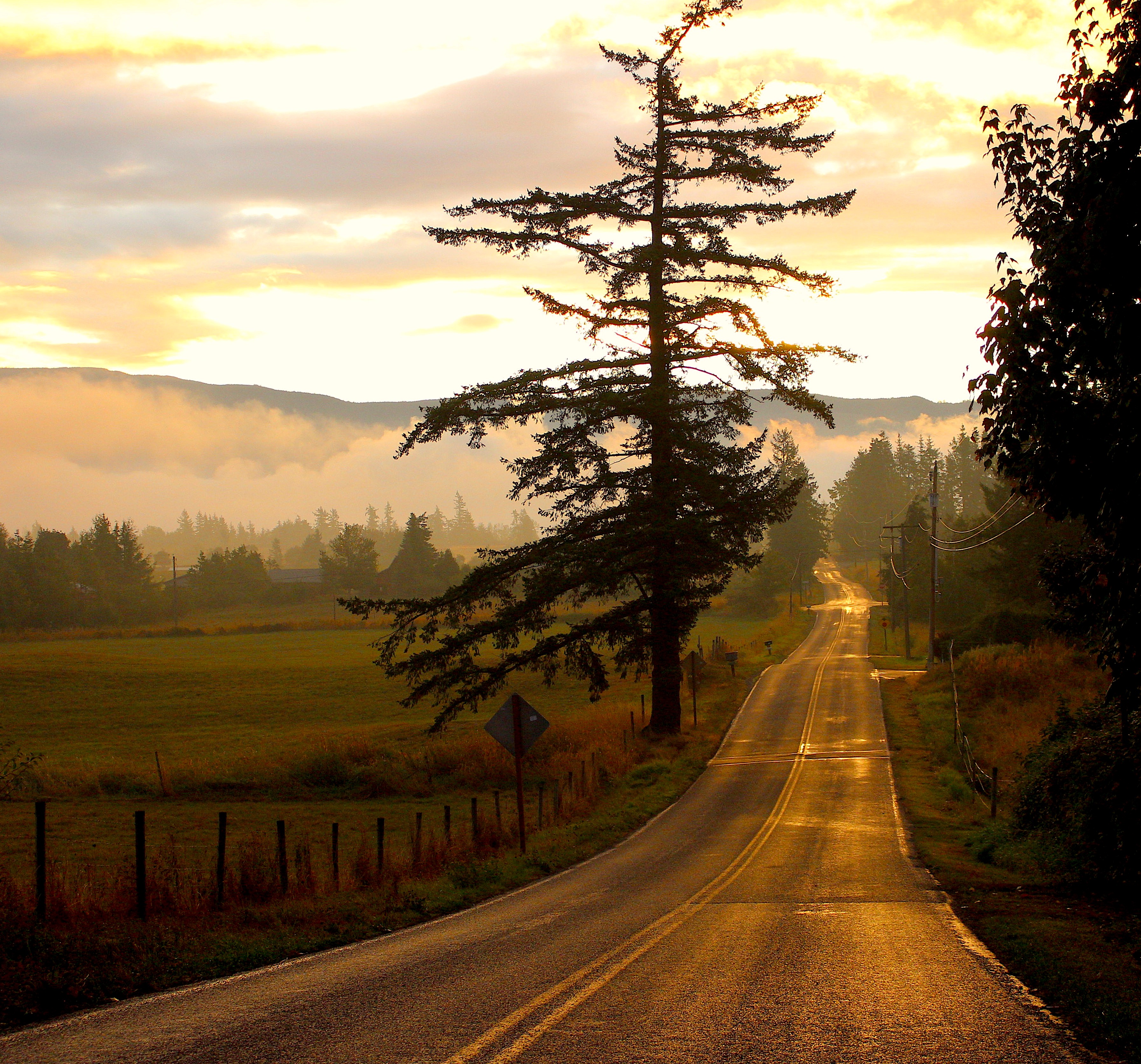
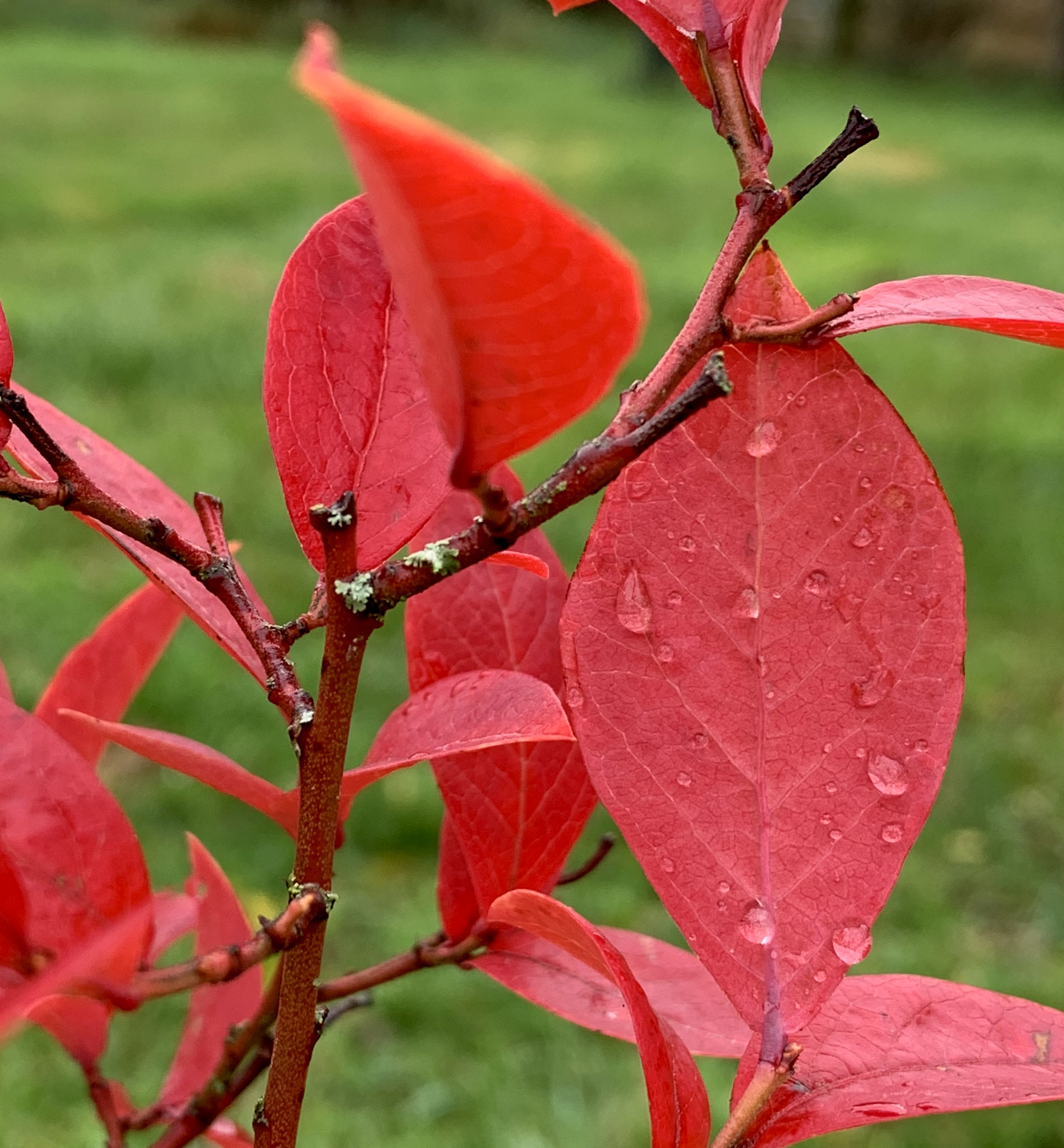
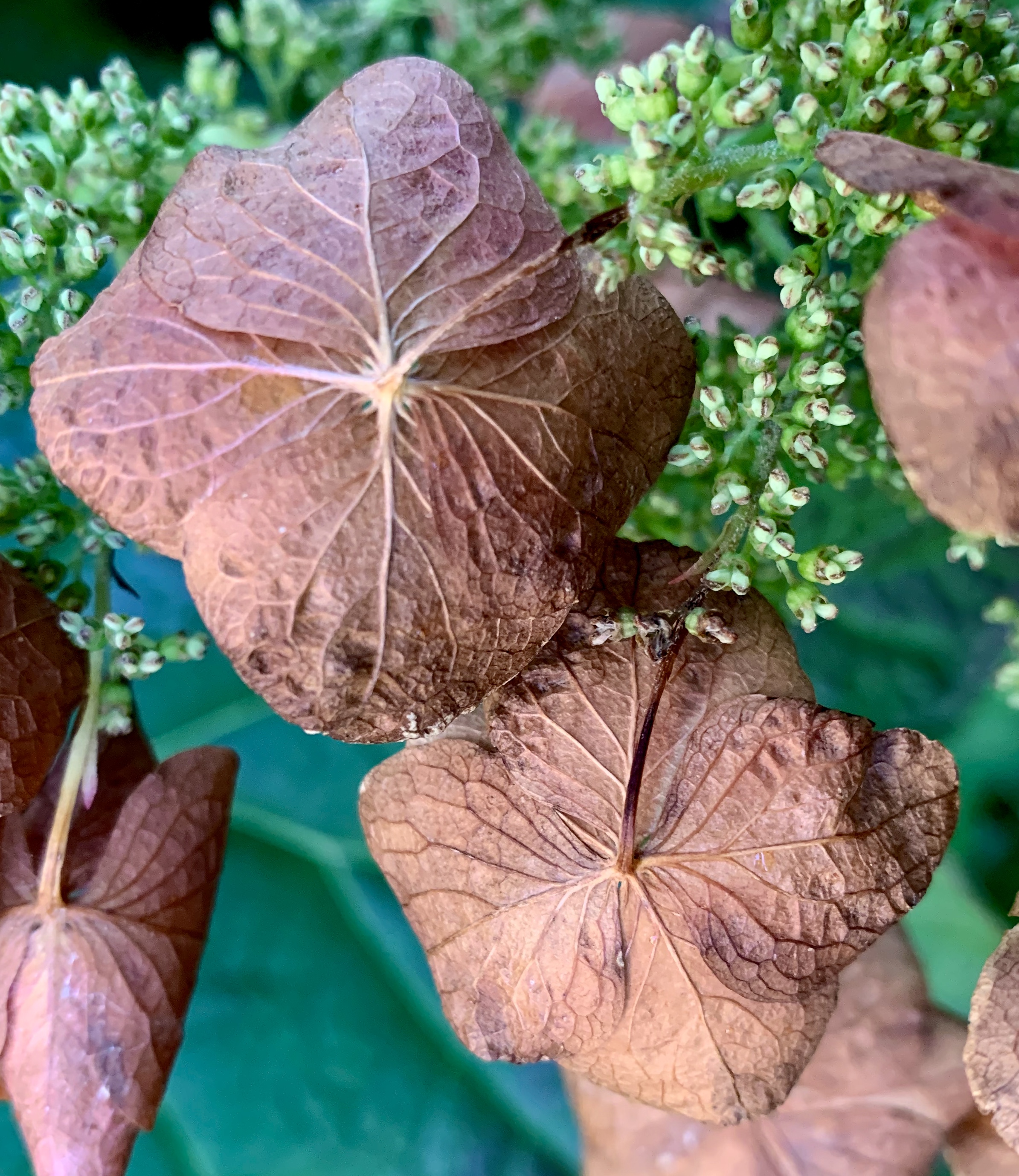
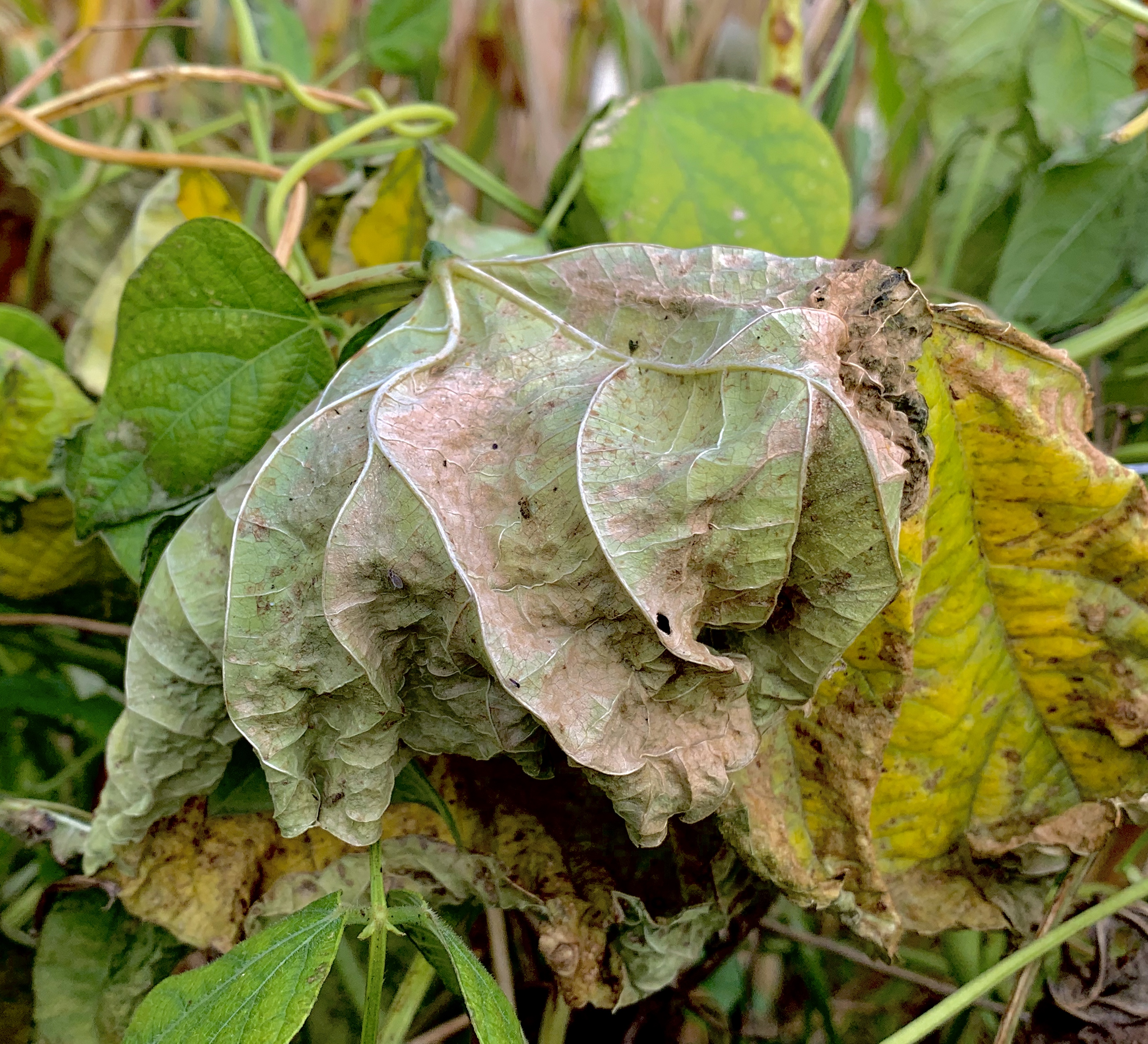
Things on the farm are slowing down and withering; it is the natural way of October for all to fall to the ground to become soil again.
I know it doesn’t mean the end – there is still the vital seed and sap that lies dormant, waiting for the right moment to re-emerge, resurrect and live again.
I know this too about myself. Yet the dying-time-of-year doesn’t get easier as I age. It only becomes more real-time and vivid. The colors fade, the skin wrinkles and dries, the fruit falls unused and softening.
Our beauty, so evident only a short time ago, thrives inward, ready to rise again when called.
Being too warm the old lady said to me is better than being too cold I think now in between is the best because you never give it a thought but it goes by too fast I remember the winter how cold it got I could never get warm wherever I was but I don’t remember the summer heat like that only the long days the breathing of the trees the evenings with the hens still talking in the lane and the light getting longer in the valley the sound of a bell from down there somewhere I can sit here now still listening to it ~W.S. Merwin “Remembering Summer” from Garden Time
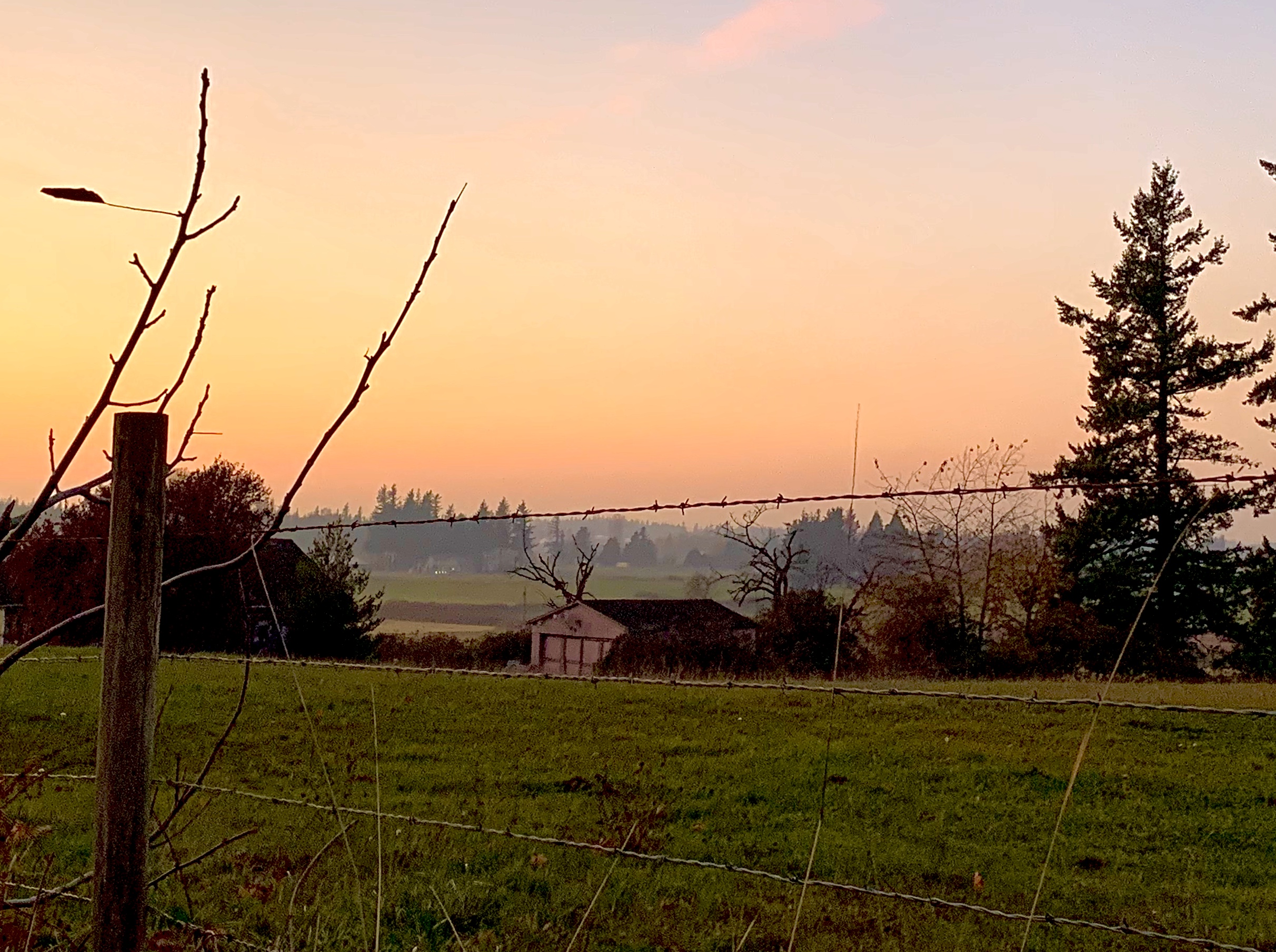
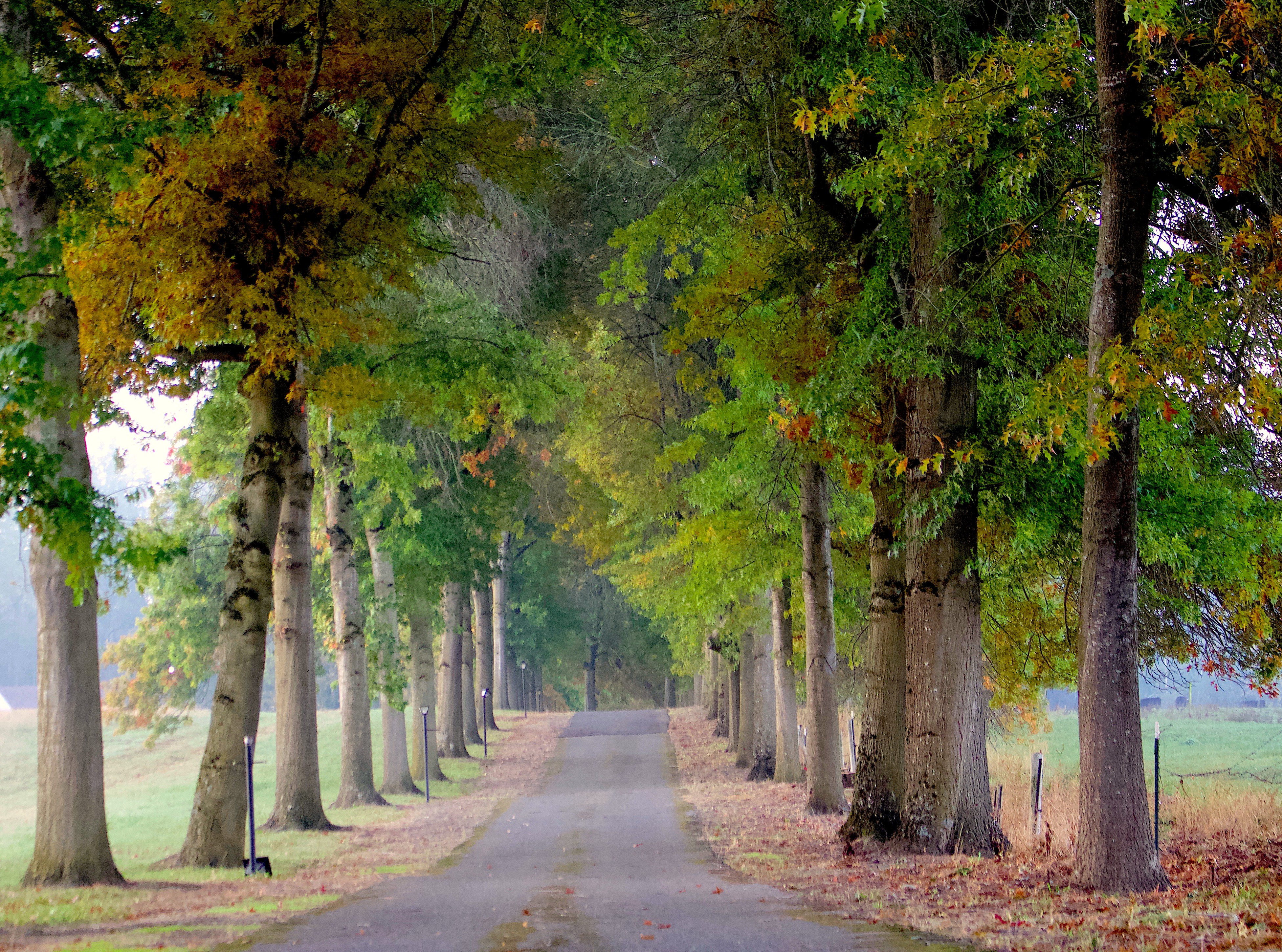
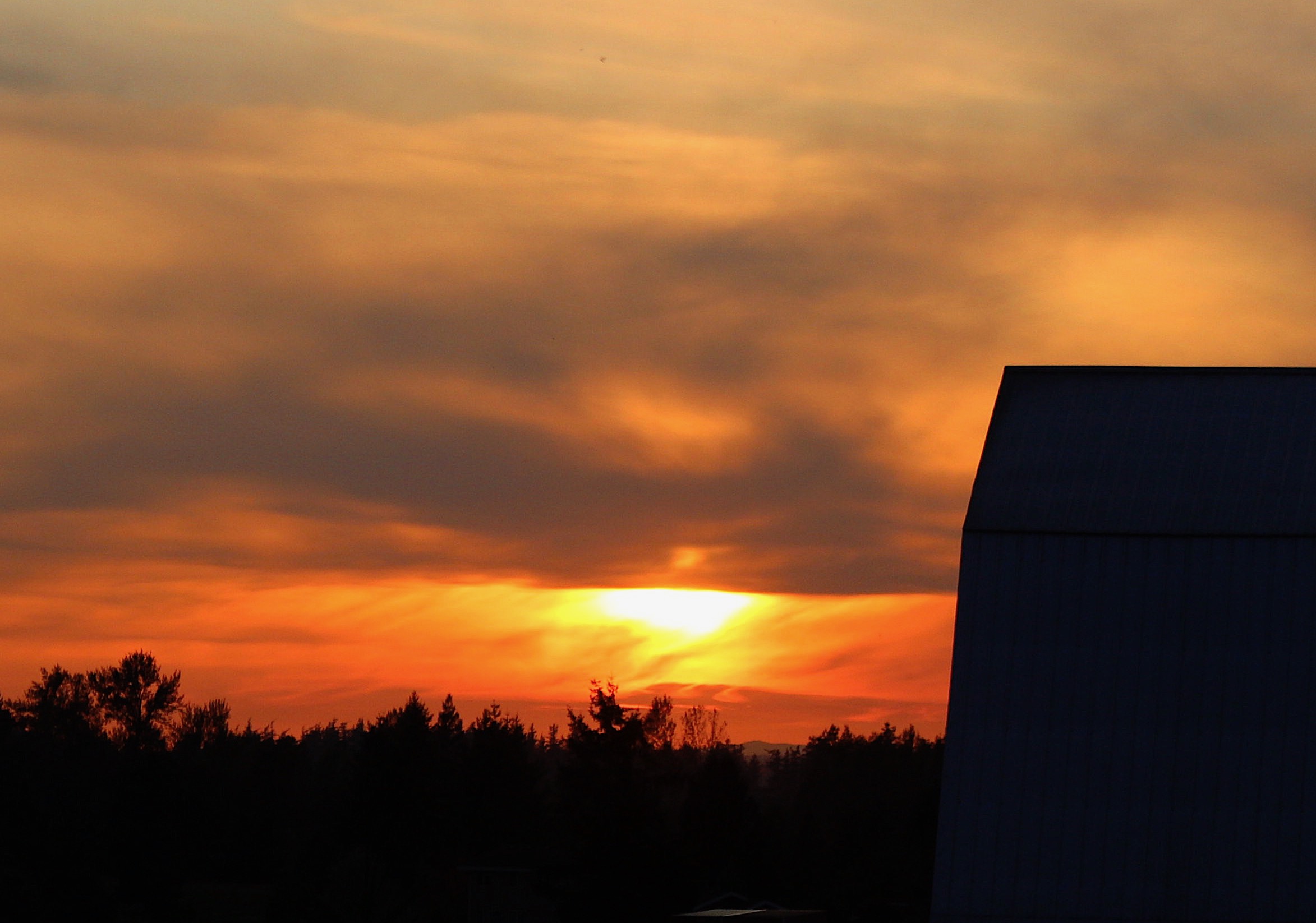
Yet another transition between seasons and adapting to the demands of a new day ~ there is good reason things don’t stay the same.
Air and light and colors change, as do I, as I must.
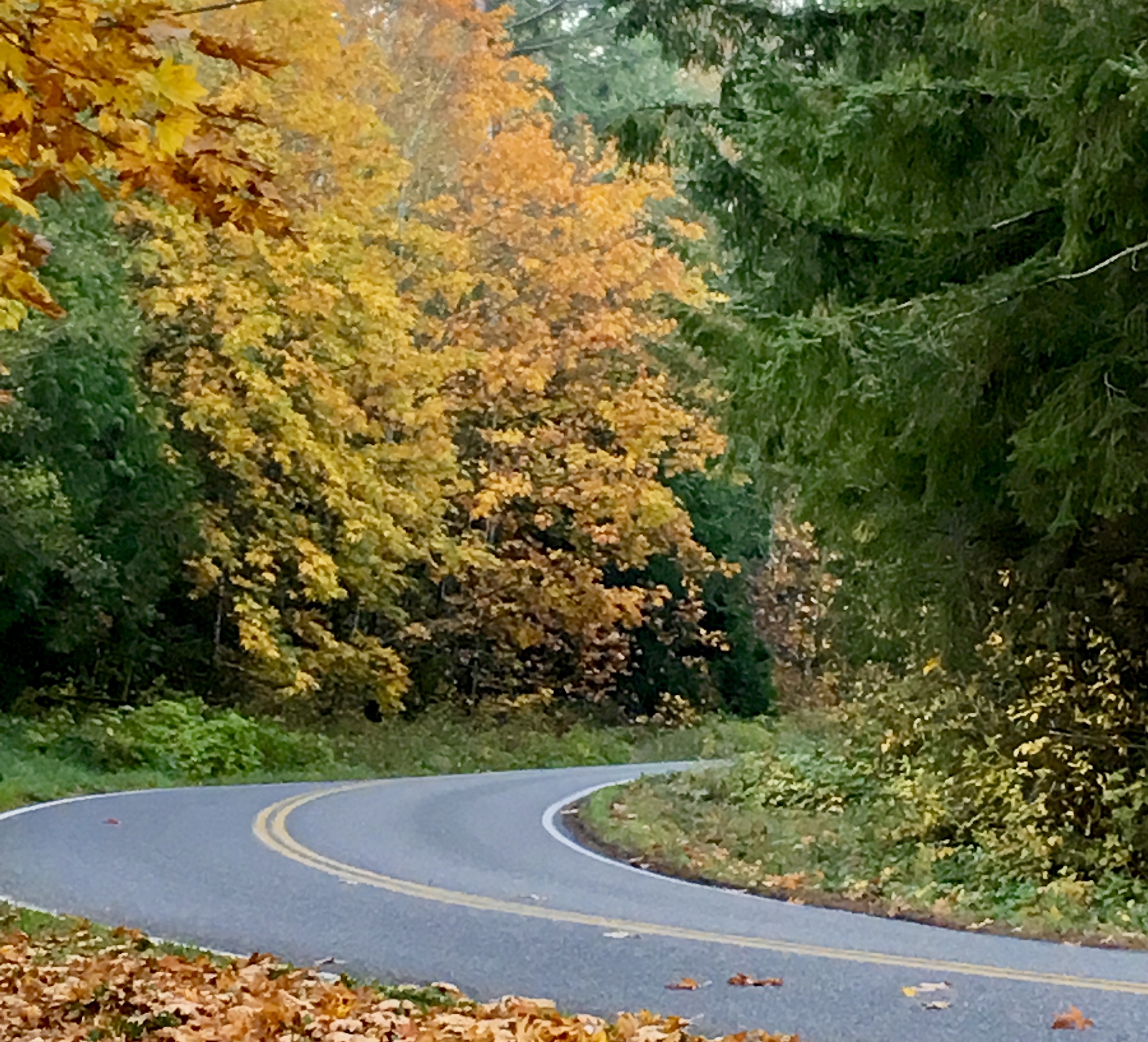
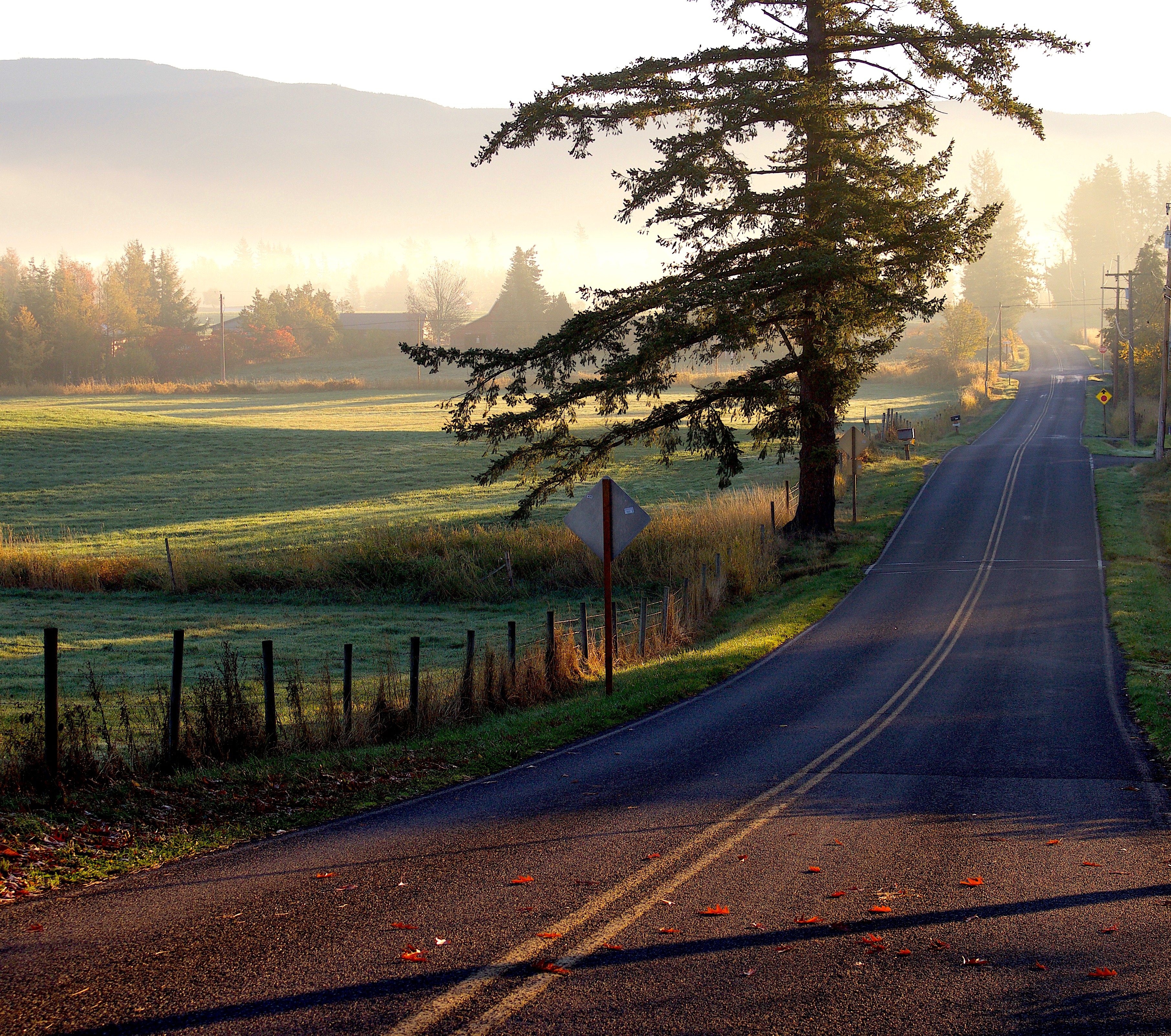
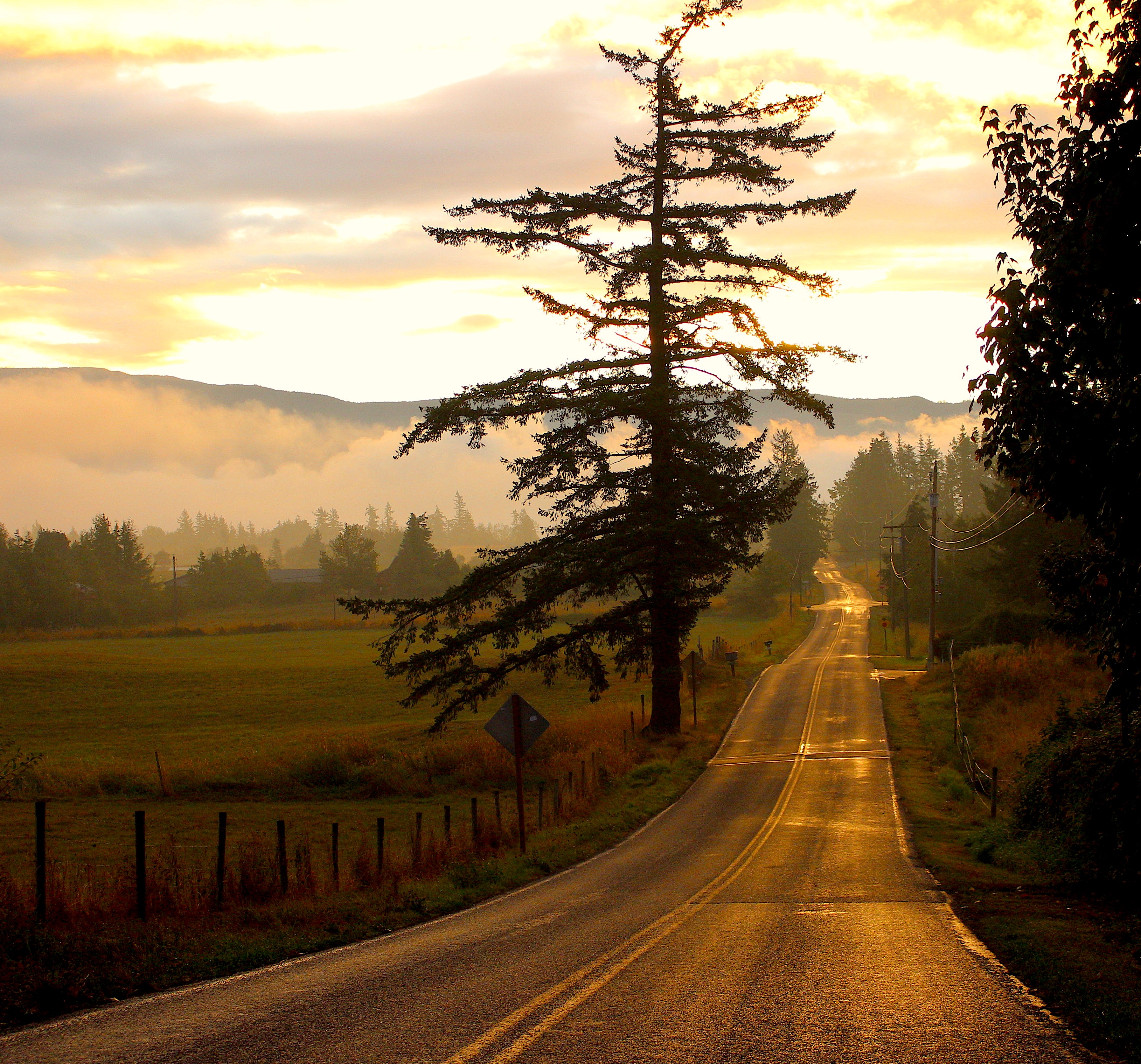
That perfect tipping point balance is only a moment in time; gone by too fast and I scramble to adjust yet again, holding out hope I can walk carefully, cautiously along the center line.









 Barnstorming