Waiting for the School Bus

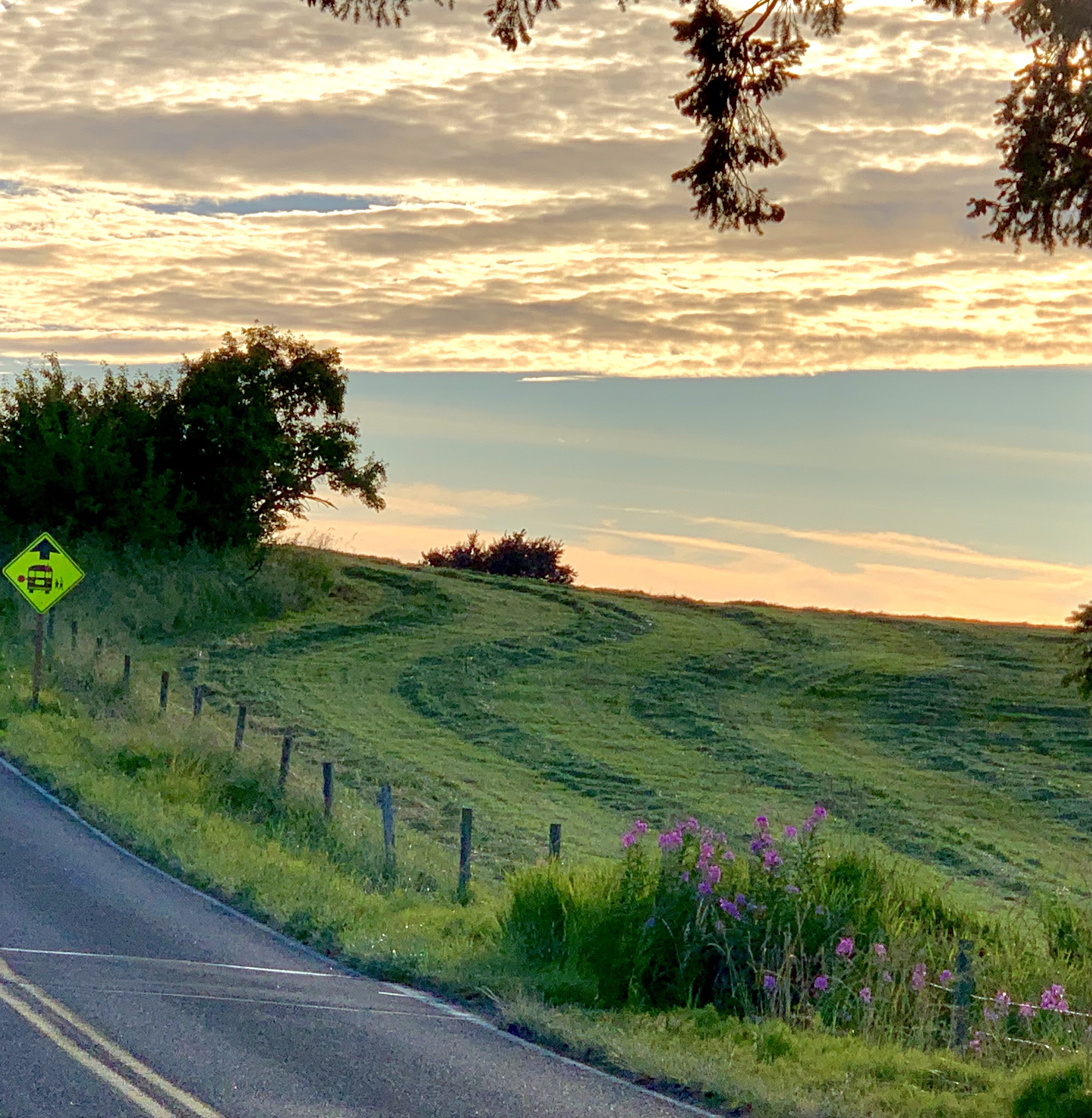
A second crop of hay lies cut   
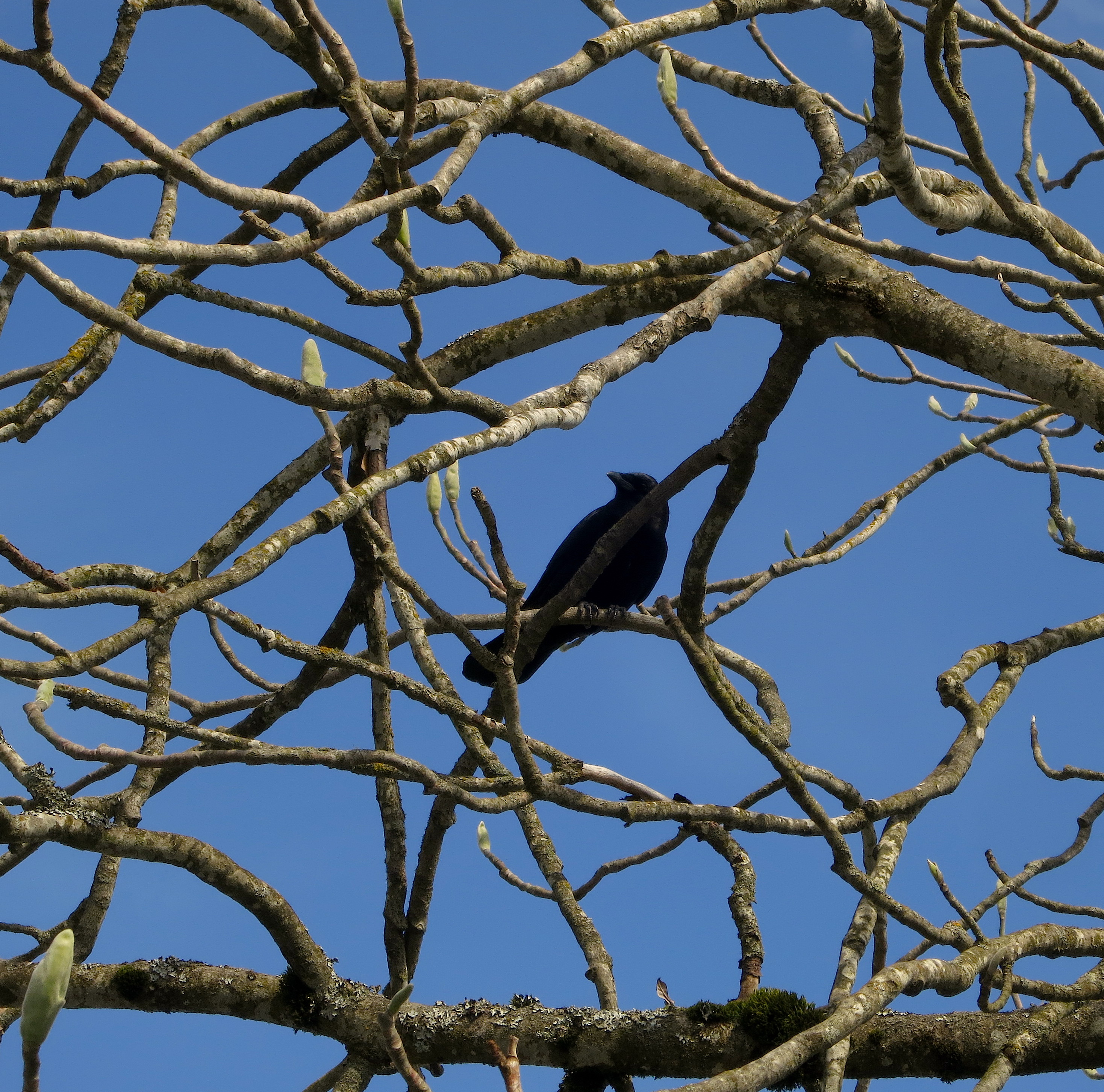
and turned. Five gleaming crows   
search and peck between the rows.
They make a low, companionable squawk,   
and like midwives and undertakers   
possess a weird authority.

Crickets leap from the stubble,   
parting before me like the Red Sea.   
The garden sprawls and spoils.

Cloud shadows rush over drying hay,   
fences, dusty lane, and railroad ravine.   
The first yellowing fronds of goldenrod   
brighten the margins of the woods.

Schoolbooks, carpools, pleated skirts;   
water, silver-still, and a vee of geese.

*

The cicada’s dry monotony breaks   
over me. The days are bright   
and free, bright and free.

Then why did I cry today   
for an hour, with my whole   
body, the way babies cry?

*

A white, indifferent morning sky,
and a crow, hectoring from its nest
high in the hemlock, a nest as big
as a laundry basket …

In my childhood
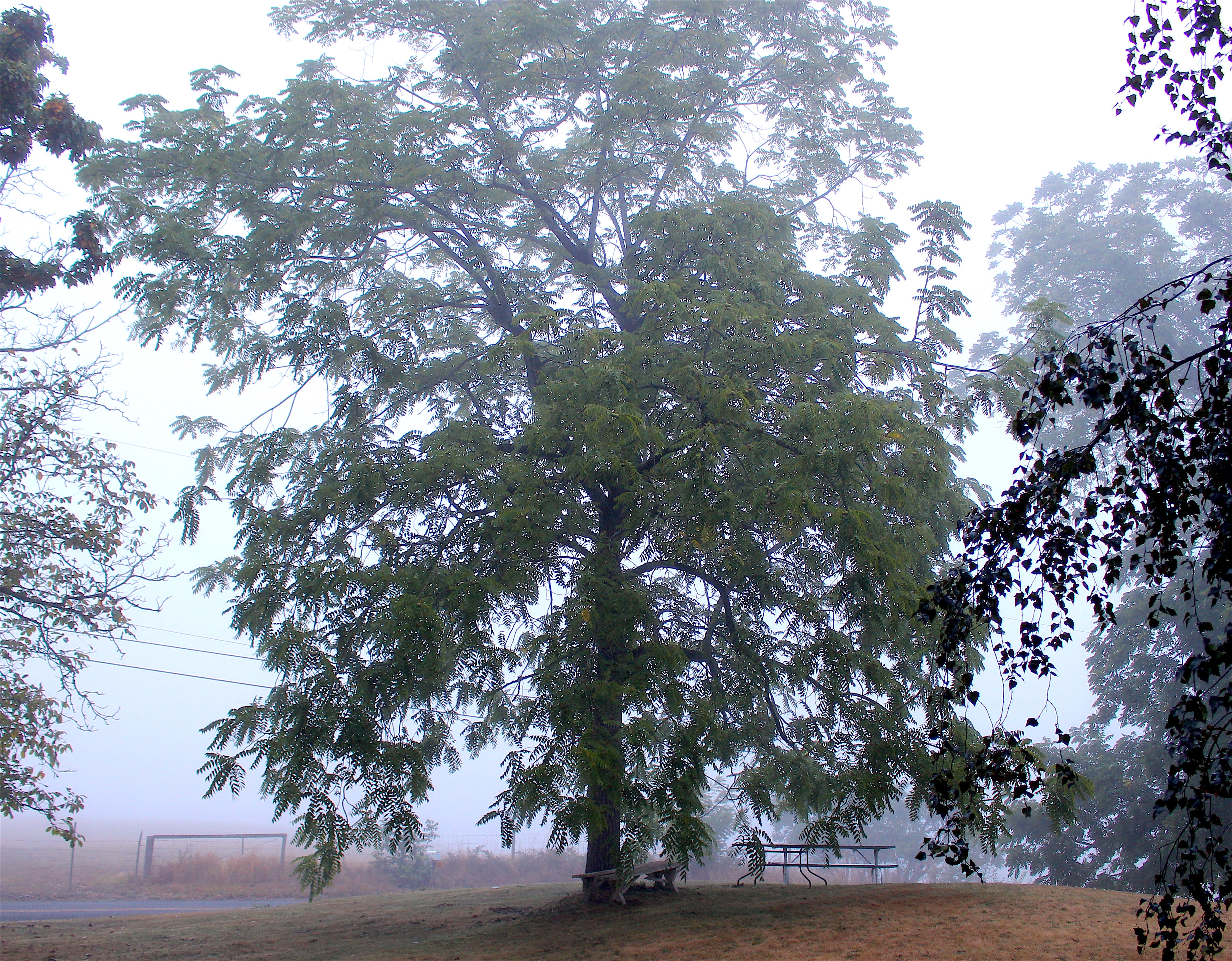
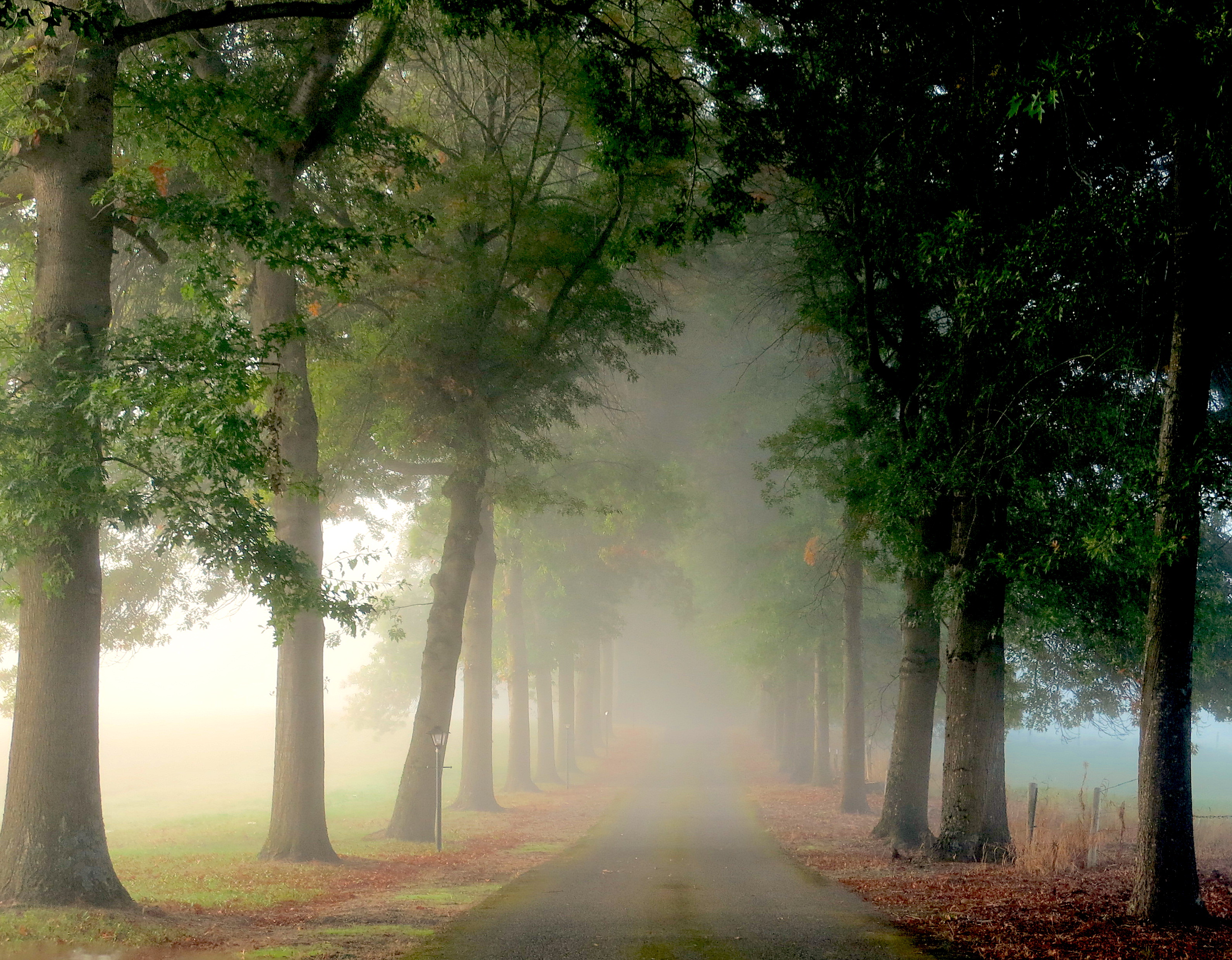
I stood under a dripping oak,
while autumnal fog eddied around my feet,
waiting for the school bus
with a dread that took my breath away.

The damp dirt road gave off
this same complex organic scent.
I had the new books—words, numbers,
and operations with numbers I did not
comprehend—and crayons, unspoiled
by use, in a blue canvas satchel
with red leather straps.

Spruce, inadequate, and alien
I stood at the side of the road.
It was the only life I had.
~Jane Kenyon from “Three Songs at the End of Summer”
Yesterday, my son taught me the sign for lockdown
different than locking a door,
or the shutdown we invented at the start
of the pandemic. Little fistfuls of locks
swept quickly between us, a sign
designed especially for school.


My son spent his first years a different kind of
locked up—an orphanage in Bangkok, where he didn’t
speak and they couldn’t sign. He came home, age four,
silent. We thought being here could open
doors. It has, of course. He’s learned so much
at the deaf school; the speech therapist calls it a Language
Explosion. I keep lists of the words he’s gathered:
vanilla, buckle, castle, stay. And
lockdown. He absorbs it like the rest. Now the schools
he builds with Magna-Tiles have lockdowns. I worry
in trying to give him keys, we’ve only changed the locks.


To lock down a deaf school, we use a special strobe.
When it flashes, we flip switches and sign through
darkness. The children know to stay
beneath the windows. Every five minutes a robot texts:
“Shelter in place is still in effect. Please await further
instructions.” Then we pull the fire alarm, a tactical move to
unsettle the shooter. Hearing people can’t
think with noise like that. A piercing thing
we don’t detect, to cover the sounds we make, the sounds
we don’t know we’re making.

~Sara NovićLockdown at the School for the Deaf”

The first day back to school now isn’t always the day after Labor Day as it was when I was growing up. Some students have been in classes for a couple weeks already, others started a few days ago to ease into the transition more gently. 

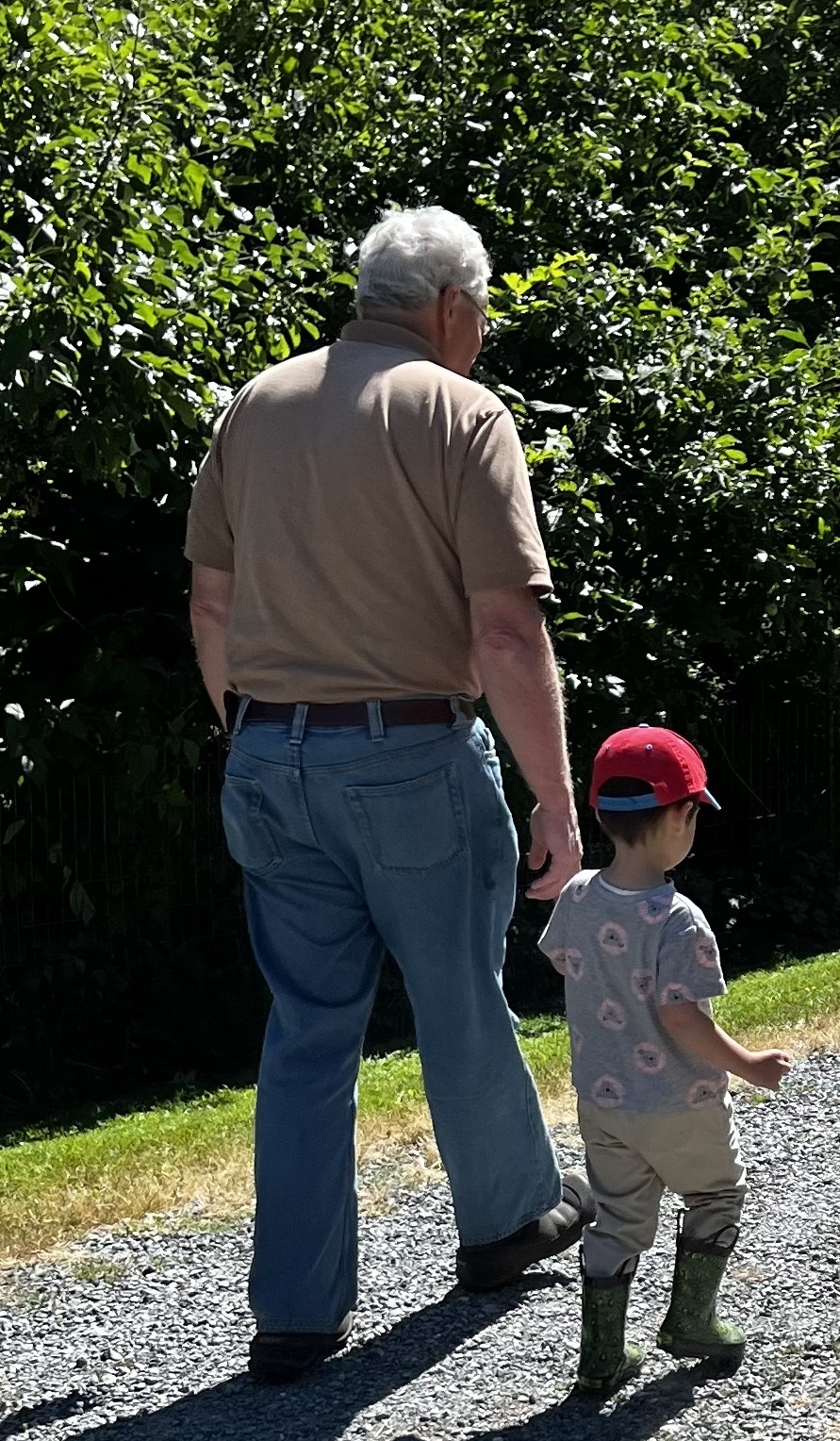
Some return to the routine this morning – school buses roar past our farm brimming with eager young faces and stuffed back packs amid a combination of excitement and anxiety.

I remember well that foreboding that accompanied a return to school — the strict schedule, the inflexible rules and the often harsh adjustment of social hierarchies and friend groups. Even as a good learner and obedient student, I was a square peg being pushed into a round hole when I returned to the classroom. The students who struggled academically and who pushed against the boundaries of rules must have felt even more so. We all felt alien and inadequate to the immense task before us to fit in with one another, allow teachers to structure and open our minds to new thoughts, and to become something and someone more than who we were before.

Growth is so very hard, our stretching so painful, the tug and pull of friendships stressful. And for the last two decades, there is the additional fear of lockdowns and active shooters.

I worked with students on an academic calendar for over 30 years, yet though I’m now retired, I still don’t sleep well in anticipation of all this day means.

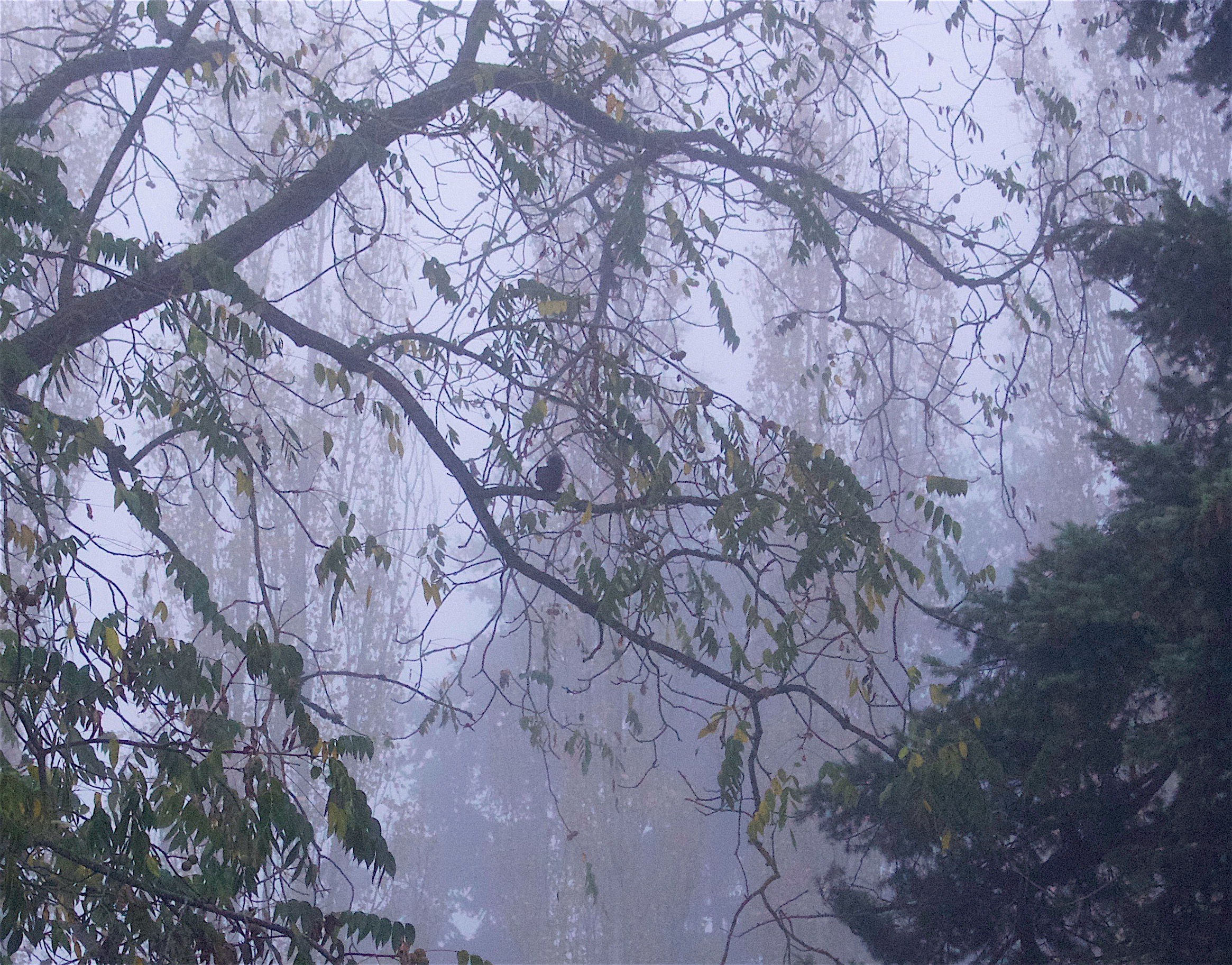
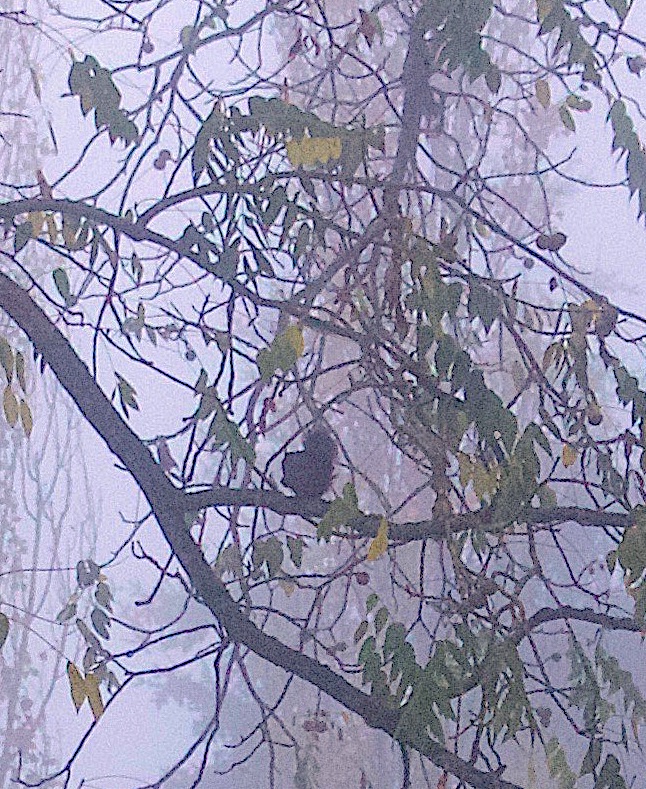
So I take a deep breath on a foggy post-Labor Day morning and am immediately taken back to the anxieties and fears of a skinny little girl in a new home-made corduroy jumper and saddle shoes, waiting for the schoolbus on our drippy wooded country road.

She is still me — just buried deeply in the fog of who I became after all those years of schooling, hidden somewhere under all the piled-on layers of learning and growing and hurting and stretching — I do remember her well.

Like every student starting a new adventure today,
we could all use a hug.

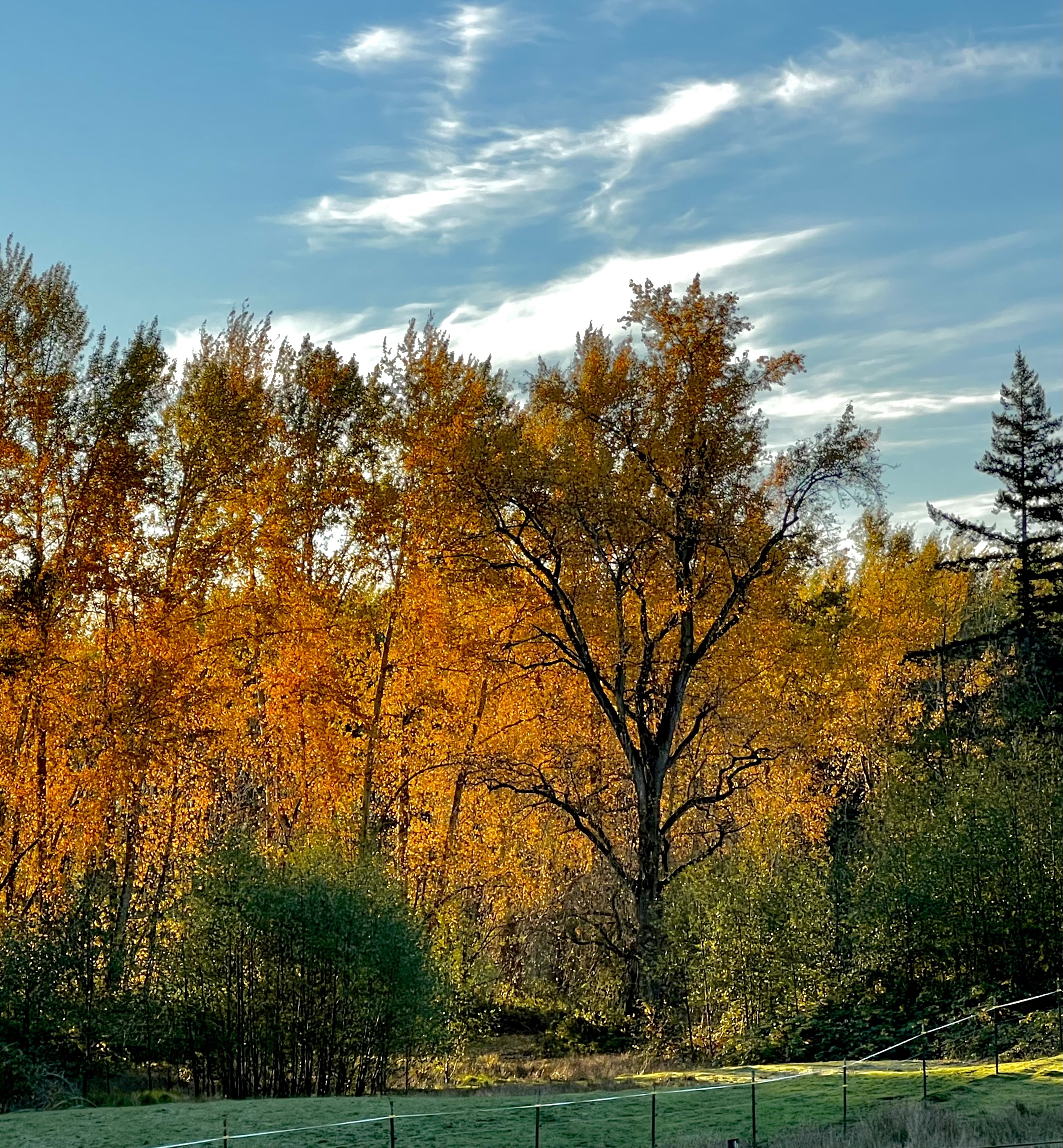
Lo! I am come to autumn,
   When all the leaves are gold;
Grey hairs and golden leaves cry out
   The year and I are old.

In youth I sought the prince of men,
   Captain in cosmic wars,
Our Titan, even the weeds would show
   Defiant, to the stars.

But now a great thing in the street
   Seems any human nod,
Where shift in strange democracy
   The million masks of God.

In youth I sought the golden flower
   Hidden in wood or wold,
But I am come to autumn,
   When all the leaves are gold.

~G.K. Chesterton “Gold Leaves”
One-Time
Monthly
Yearly

Make a one-time or recurring donation to support daily Barnstorming posts

Make a monthly donation

Make a yearly donation

Choose an amount

$10.00
$25.00
$50.00
$5.00
$15.00
$100.00
$5.00
$15.00
$100.00

Or enter a custom amount

$

Your contribution is deeply appreciated.

Your contribution is appreciated.

Your contribution is appreciated.

DonateDonate monthlyDonate yearly
Learning the Hard Way

There are three kinds of men.
The ones that learn by reading.
The few who learn by observation. 
The rest of them have to pee on the electric fence for themselves.
~Will Rogers

We living creatures learn from the moment we take our first breath. We continue to learn until our last breath. With that lifetime of learning, one would think eventually we should find some semblance of wisdom.

But we don’t. We tend to learn the hard way especially when it comes to matters having to do with our (or others’) health and well-being.

Within a community, we want autonomy to do as we like, no matter what the science says. You’d think we’d know better, but as fallible human beings, we may impulsively make decisions about health issues. Is it evidence-based or simply an anecdotal story about what “worked” or “didn’t work” for someone else?

We’re facing at least four years of a new administration encouraging us all to “pee on the electric fence” and learn for ourselves rather than trust science. Careful research, years of observed experience, and plain common sense isn’t enough to trust public health and infectious disease experts to make wise recommendations about community and individual risk and prevention strategies.

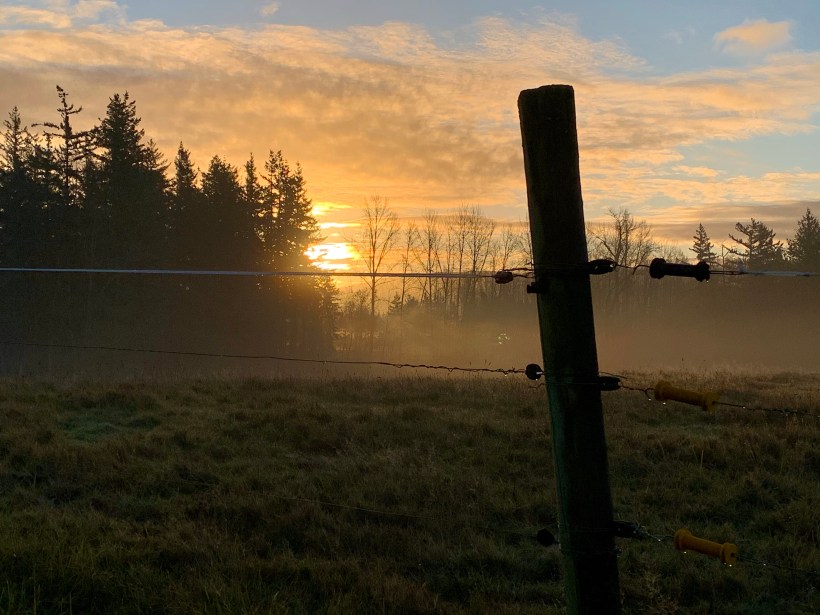
The cows and horses on our farm need to touch an electric fence only once when reaching for greener grass on the other side. That moment provides a potent learning curve for them to make important future decisions. They won’t try testing it again no matter how alluring thngs appear on the other side. Humans should learn as quickly as animals but unfortunately don’t.

I know all too well what a shock feels like and I want to avoid repeating that experience.  Even so, in unguarded careless moments of feeling invulnerable (it can’t happen to me!) or annoyed at being told what I can and can’t do, or simply indulging in magical thinking, I find myself reaching for the greener grass. 

I suspect I’m not alone in my surprise when I’m jolted back to reality.

Many great minds have worked out various theories of effective learning, but, great mind or not, Will Rogers confirms a common sense suspicion: an adverse experience, like a “bolt out of the blue,” can be a powerful teacher. 

So we call peeing on an electric fence it “a teachable moment.”

Sadly, when we learn the hard way, it often ends up hurting everyone.

AI image created for this post

One-Time
Monthly
Yearly

Make a one-time or recurring donation to support daily Barnstorming posts

Make a monthly donation

Make a yearly donation

Choose an amount

$10.00
$25.00
$50.00
$5.00
$15.00
$100.00
$5.00
$15.00
$100.00

Or enter a custom amount

$

Your contribution is deeply appreciated.

Your contribution is appreciated.

Your contribution is appreciated.

DonateDonate monthlyDonate yearly
Unanchored

It started before Christmas. Now our son
officially walks to school alone.
Semi-alone, it’s accurate to say:
I or his father track him on his way.
He walks up on the east side of West End,
we on the west side. Glances can extend
(and do) across the street; not eye contact.
Already ties are feeling and not fact.
Straus Park is where these parallel paths part;
he goes alone from there. The watcher’s heart
stretches, elastic in its love and fear,
toward him as we see him disappear,
striding briskly. Where two weeks ago,
holding a hand, he’d dawdle, dreamy, slow,
he now is hustled forward by the pull
of something far more powerful than school.

The mornings we turn back to are no more
than forty minutes longer than before,
but they feel vastly different–flimsy, strange,
wavering in the eddies of this change,
empty, unanchored, perilously light
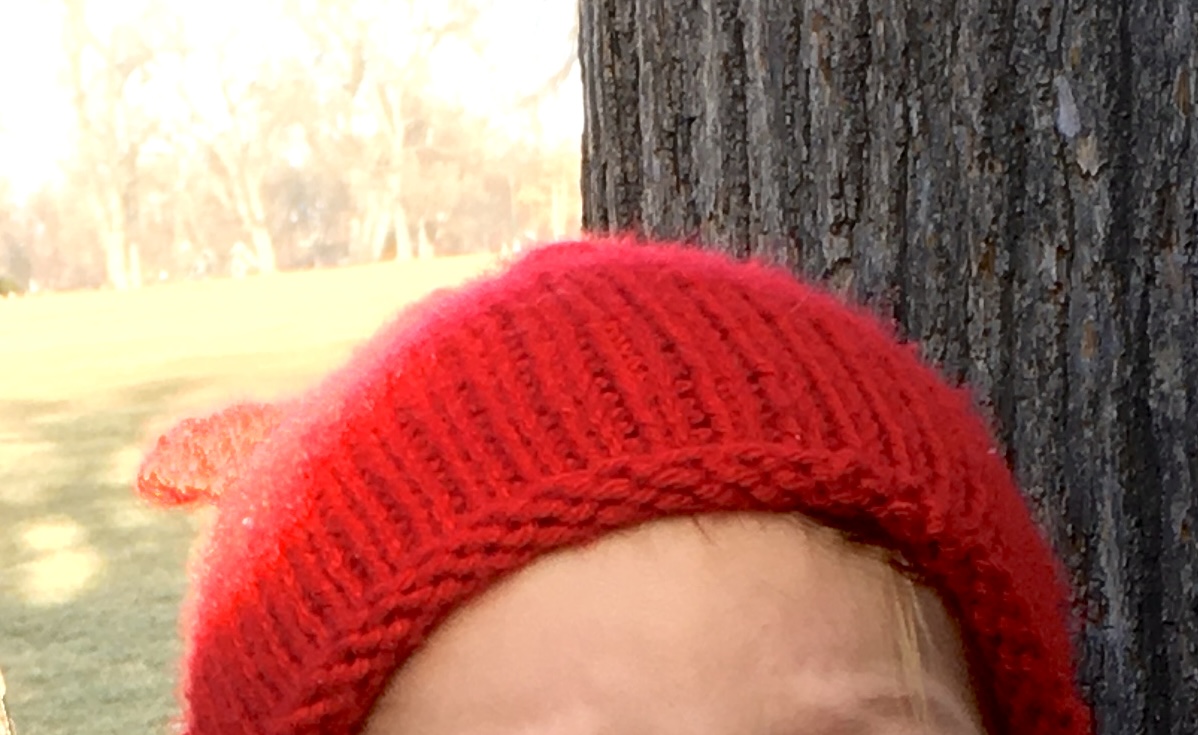
since the red hat vanished from our sight.
~Rachel Hadas “The Red Hat”

You can kiss your family and friends good-bye and put miles between you, but at the same time you carry them with you in your heart, your mind, your stomach, because you do not just live in a world but a world lives in you.
Frederick Buechner

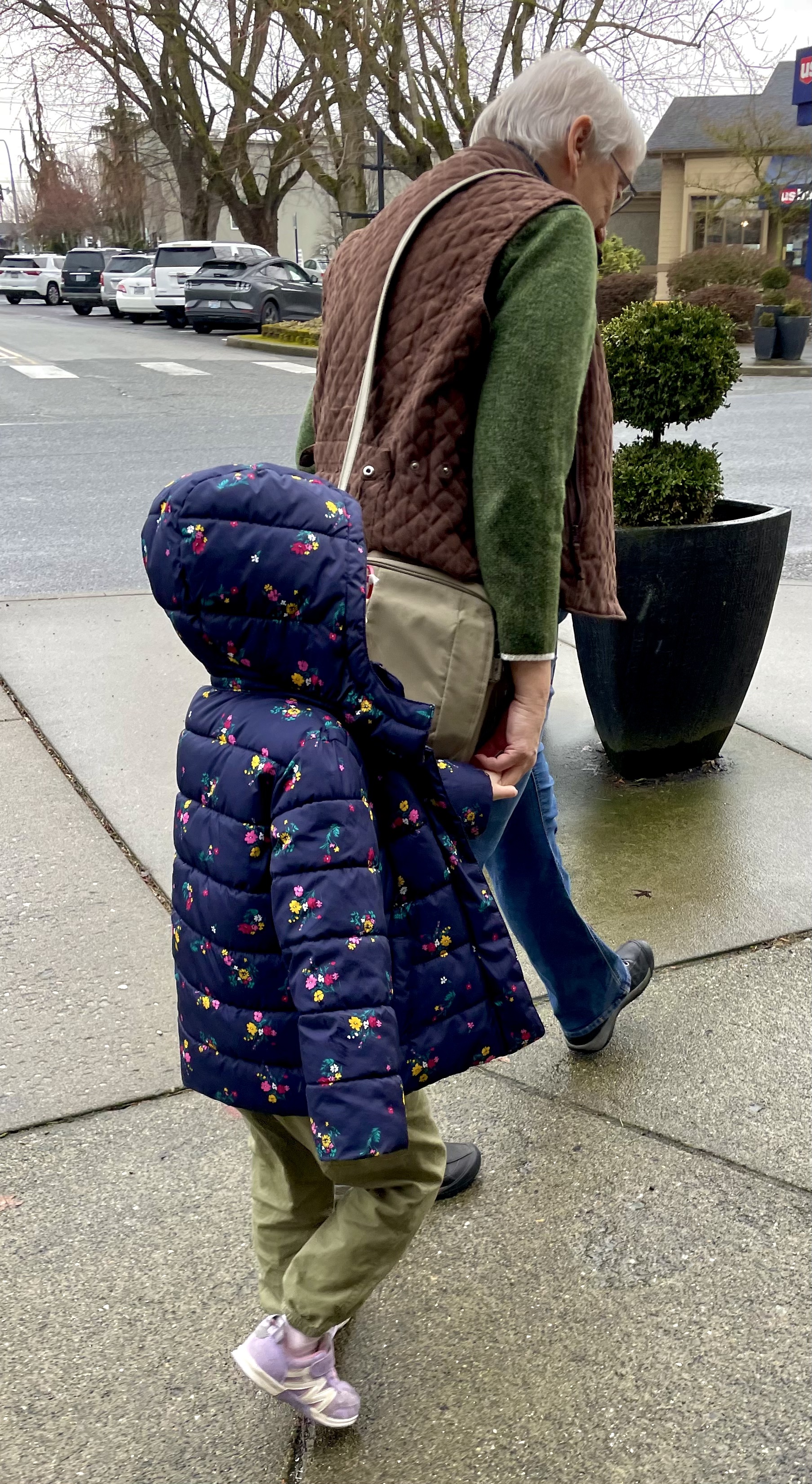
As a child, I lived just outside of city limits in a semi-rural area, only a half mile from my elementary school on a country road. By first grade, I was allowed to walk to school and home again, then when I was older, with my younger brother in tow. I don’t remember my parents watching me as I made the journey, but I do remember some practice walks on a weekend, to reinforce how to safely cross the roads and where to walk alongside the drainage ditch.

I don’t remember ever being worried about what might happen to me outside of my parents’ presence, and nothing scary ever did happen. I’m sure my parents were worried, but both as children had walked to their rural schools on their own – it simply was how things happened in the 20’s and 30’s.

For children growing up now, it feels different.

Our three children grew up on a farm seven miles from town, so rode a school bus or were taken to school by a parent or grandparent. They didn’t have that early independence that I did. Our grandchildren, especially those living in large cities, are even more protected. It didn’t hamper their desire to explore the world – they have traveled all over.

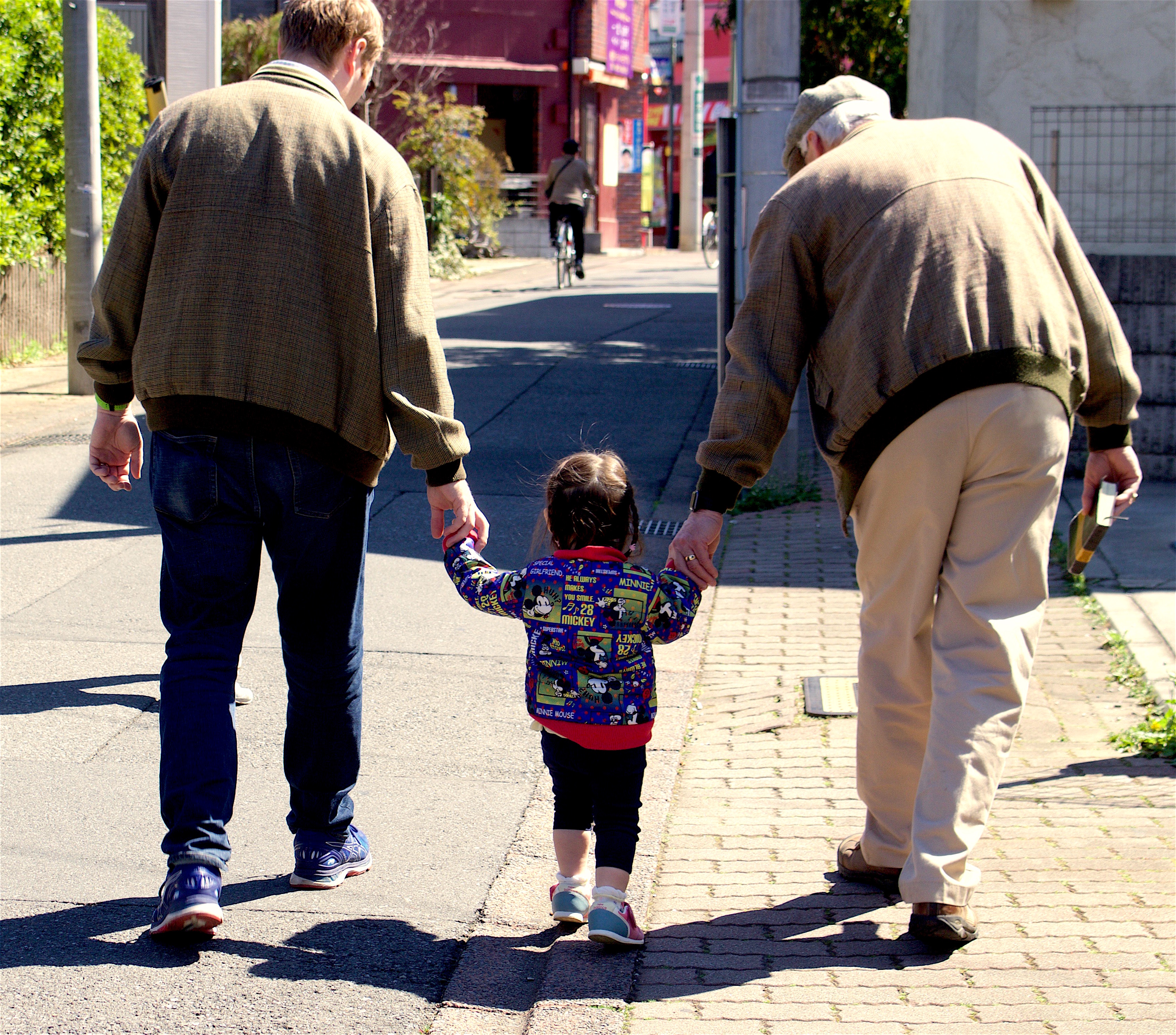
The difference is the anxiety of the parent, watching that child disappear around a corner on foot, or bike or eventually in a car. It is that empty feeling of letting go before one is ready, but when you know you must.

The heart stretches to encompass one’s child out in the world, out of sight, no longer anchored at home. After all, we are that elastic and that resilient.

One-Time
Monthly
Yearly

Make a one-time or recurring donation to support daily Barnstorming posts

Make a monthly donation

Make a yearly donation

Choose an amount

$10.00
$25.00
$50.00
$5.00
$15.00
$100.00
$5.00
$15.00
$100.00

Or enter a custom amount

$

Your contribution is deeply appreciated.

Your contribution is appreciated.

Your contribution is appreciated.

DonateDonate monthlyDonate yearly
Startled By the Sun, Not By the Eclipse

We should always endeavour to wonder at the permanent thing, not at the mere exception. We should be startled by the sun, and not by the eclipse. We should wonder less at the earthquake, and wonder more about the earth.
~ G.K. Chesterton
from ILLUSTRATED LONDON NEWS, October 21, 1905

As a physician, I was trained to perform physical examinations by learning first what was normal about the human body. As young, theoretically healthy, medical students, we practiced physical examinations on each other, and then had to demonstrate our skills in front of a professor for our class grade in physical assessments.

Since I went to medical school at a time when fewer than 1 in 5 students was a woman, each female student was placed in a physical exam group of three men, taught by a male physician, and then evaluated by a male professor. These were full examinations, including internal assessments, conducted in a typical open-backed hospital gown, in a classroom with long black lab tables to substitute for exam tables.

It was the ultimate feeling of vulnerability to be exposed to one’s classmates, supervisors and evaluators in such a way. Yet, it helped me understand the naked vulnerability of a patient undressing for a physician’s evaluation in the exam room.

After learning to assess and document what was normal in the physical exam, I was then trained to take note of the exceptions –
the human body equivalent of
an eclipse or an earthquake,
a wildfire or drought,
a hurricane or flood,
or merely an annoying pothole or molehill.

A physician’s attention is rarely focused on everything that is going well with the human body, but instead concentrating on what is aberrant, failing, or could be made better.

This is unfortunate; there is much beauty and amazing design to behold in every person I meet, especially those with chronic illness who feel nothing is as it should be — they feel despair and frustration at how their mind or body is aging, failing or faltering.

To counter this tendency to just find what’s wrong and needed fixing, I learned over the years to talk out loud as I was trained to do during those medical school physical assessments:
you have no concerning skin lesions,
your eardrums look clear,
your eyes react normally,
your tonsils are fine,
your thyroid feels smooth,
your lymph nodes are tiny,
your lungs auscultate clear,
your heart sounds are perfect,
your breasts reveal no palpable lumps,
your belly exam is reassuring,
your reflexes are symmetrical,
your prostate is smooth and normal,
your cervix, uterus and ovaries are healthy,
your emotional response to your stress level and
your tears are completely understandable.

I also wrote messages to patients meant to reassure:
your labs are in a typical range
or are getting better
or at least maintaining,
your xray shows no concerns,
or isn’t getting worse,
those medication side effects are to be expected and could go away.

I chose to acknowledge what was working well before attempting to intervene in what is not.

I’m not sure how much difference it made to my patient.
But it made a difference to me to wonder first at who this whole patient was before I focused in on what was broken and causing dis-ease.

I remain startled nearly 50 years later, and always astonished, by the sheer wonder that is our bodies – the Artist’s masterpiece.

One-Time
Monthly
Yearly

Make a one-time or recurring donation to support daily Barnstorming posts

Make a monthly donation

Make a yearly donation

Choose an amount

$10.00
$25.00
$50.00
$5.00
$15.00
$100.00
$5.00
$15.00
$100.00

Or enter a custom amount

$

Your contribution is deeply appreciated.

Your contribution is appreciated.

Your contribution is appreciated.

DonateDonate monthlyDonate yearly

Like Comets Through the Sky: Becoming Myself

Now I become myself.  It’s taken
Time, many years and places;
I have been dissolved and shaken,
Worn other people’s faces,
Now to stand still, to be here,
Feel my own weight and density!


All fuses now, falls into place
From wish to action, word to silence,
My work, my love, my time, my face
Gathered into one intense
Gesture of growing like a plant.
Now there is time and Time is young.
Stand still, stand still, and stop the sun!

~May Sarton from “Now I Become Myself”

My grade school took part in an educational experiment in the early 1960’s. It was one of the first schools to mainstream special needs children into “regular” classrooms. At that time, the usual approach was to put kids with disabilities in separate rooms, if not entirely separate schools.

During those years, the average class size for a grade school teacher was 32-35 kids, with no teacher’s aides, rare parent volunteers, (except for field trips and room mothers who threw the holiday parties) and no medications or special accommodations for ADHD or dyslexia. I’m not sure how teachers coped with nearly three dozen noisy disruptive kids, but somehow they managed to teach in spite of the obstacles. Adding in children with mental and physical challenges without additional adult help must have been very difficult.

So some kids got recruited to help out the kids with disabilities. It helped the teacher by creating a buddy system for the special needs kids who might need help with class work or who might have difficulty getting around.

I was assigned to Michael so our desks were side by side for the year. He was a thin little boy with cerebral palsy and hearing aids, thick glasses hooked with a wide band around the back of his head, and spastic muscles never going where he wanted them to go. He could not remain still, try as he might. He walked independently with some difficulty, mostly on his tiptoes because of his shortened leg tendons, frequently falling when he got going too quickly. His thick orthopedic shoes with leg braces would trip him up. His hands were intermittently in a grip of contracted muscles, and his face was always contorting and grimacing. He drooled a lot, so perpetually carried a Kleenex in his hand to catch the drips of spit that ran out of his mouth and dropped on his desk, threatening to spoil his coloring and writing papers.

His speech consisted of all vowels, as his tongue couldn’t quite connect with his teeth or palate to sound out the consonants, so it took some time and patience to understand what he said. He could write with great effort, gripping the pencil awkwardly in his tight palm and found he could communicate better at times on paper than by talking.

I made sure he had help to finish assignments if his muscles were too tight to write, and I learned his speech so I could interpret for the teacher. He was brave and bright, with a finer mind than most of the kids in our class. He loved a good joke and his little body would shudder as he roared his appreciation. I was always impressed at how he expressed himself and how little bitterness he had about his limitations. He was the most articulate inarticulate person I had ever met.

As Michael appeared around the corner of the grade school building every morning, he would walk quickly in his careful tip-toe cadence, arms flailing, shoes scuffing, raising up dust with each step. He would wave at me and call out my name in his indecipherable voice.

Once, as he approached, a group of kids playing tag swooped past him, purposely a little too close, spinning him off his feet like a top and onto the ground. Glasses askew, he lay momentarily still, and realizing I was needed, I ran to help him up. Despite all he endured, I never saw Michael cry, not even once, not even when he fell down hard. When he got angry or frustrated, he’d get very quiet. His muscles would tense up so much he would go into even greater spasms.

I had no tolerance for anyone who bullied him. I could see the pain in his grimacing face. Although he would give me a huge toothy smile of thanks, his eyes, as usual, said what his mouth could not. Michael knew I needed him as much as he needed me. I relished my new role as the life preserver thrown to him as he struggled to stay afloat in a sea of classroom hostility.

There were many times when I resented being teased by other students about Michael being my boyfriend. Although he would blush bright red when he heard that, Michael really had become a good friend, who just happened to be a boy.

The following academic year, he moved to another school district, so I never saw Michael again. However, I heard him on local radio six years later, reading an essay he’d written for the county Voice of Democracy contest on what it meant to be a free citizen. His essay was one of the top three award winners that year. I was amazed at how understandable his speaking voice had become.

Years later, I went on to medical school, learning from patients who lived with even far greater limitations than Michael. I realized that my initial training in compassionate care had been as I sat by his side helping him navigate 5th grade. He showed me how important it was to take the time to understand his voice and his heart when others would or could not.

I didn’t appreciate it then as I do now, but he taught me far more than I ever taught him: patience, perseverance and respect for the journey through obstacles rather than focusing just on the destination.

He helped me surpass my own less visible limitations. I was his special friend – one who just happened to be a girl.

So let’s not get tired of doing what is good. At just the right time we will reap a harvest of blessing if we don’t give up.
Galatians 6:9

This Lenten season I reflect on the words of the 19th century southern spiritual hymn “What Wondrous Love is This”

One-Time
Monthly
Yearly

Make a one-time or recurring donation to support daily Barnstorming blog posts

Make a monthly donation

Make a yearly donation

Choose an amount

$10.00
$25.00
$50.00
$5.00
$15.00
$100.00
$5.00
$15.00
$100.00

Or enter a custom amount

$

Your contribution is deeply appreciated.

Your contribution is appreciated.

Your contribution is appreciated.

DonateDonate monthlyDonate yearly
Thorny Doubts and Tangled Angers

I remember
the first day,
how I looked down,
hoping you wouldn’t see
me,
and when I glanced up,
I saw your smile
shining like a soft light
from deep inside you.

“I’m listening,” you encourage us.
“Come on!
Join our conversation,
let us hear your neon certainties,
thorny doubts, tangled angers,”
but for weeks I hid inside.


I read and reread your notes
praising
my writing,
and you whispered,
“We need you
and your stories
and questions
that like a fresh path
will take us to new vistas.”

Slowly, your faith grew
into my courage
and for you—
instead of handing you
a note or apple or flowers—
I raised my hand.

I carry your smile
and faith inside like I carry
my dog’s face,
my sister’s laugh,
creamy melodies,
the softness of sunrise,
steady blessings of stars,
autumn smell of gingerbread,
the security of a sweater on a chilly day.
~Pat Mora, “Ode To Teachers” from Dizzy in Your Eyes.

School is back in session for some and will be soon for others. We cross our fingers it can remain in person, masked face-to-masked face, rather than via screens.

Students and teachers will find their way back to one another – learning each other’s stories and how to transform one another through sharing those stories.

Two of our children are school teachers – one at elementary level and the other in high school, while the third spent two years teaching high school math on the Pine Ridge reservation in South Dakota. They were transformed by their own teachers, inspired to do what had made such a difference in their own lives. They have become the teachers who I wish would teach me.

Some of my own teachers helped transform me in those early years, encouraging me in my shyness to raise my hand despite my thorny doubts, tell my story despite my tangled angers, share something of myself when I felt I had nothing of value to give.
I think of you and thank you – Mrs. Neil, Mr. Duffy, Mrs. MacMurray – for helping me break out of my broken shell in my grade school years. You taught me to wholly trust to this day those who love enough to push me to become a better me.

Looking for a book of beauty in photos and words? Consider this book available for order here:

Last Year’s Mistakes Wiped Clean

redsquare
 
 
That old September feeling, left over from school days, of summer passing… Another fall, another turned page: there was something of jubilee in that annual autumnal beginning, as if last year’s mistakes had been wiped clean by summer.
~Wallace Stegner from Angle of Repose


fallleaves91518
 
 
mapleWWU


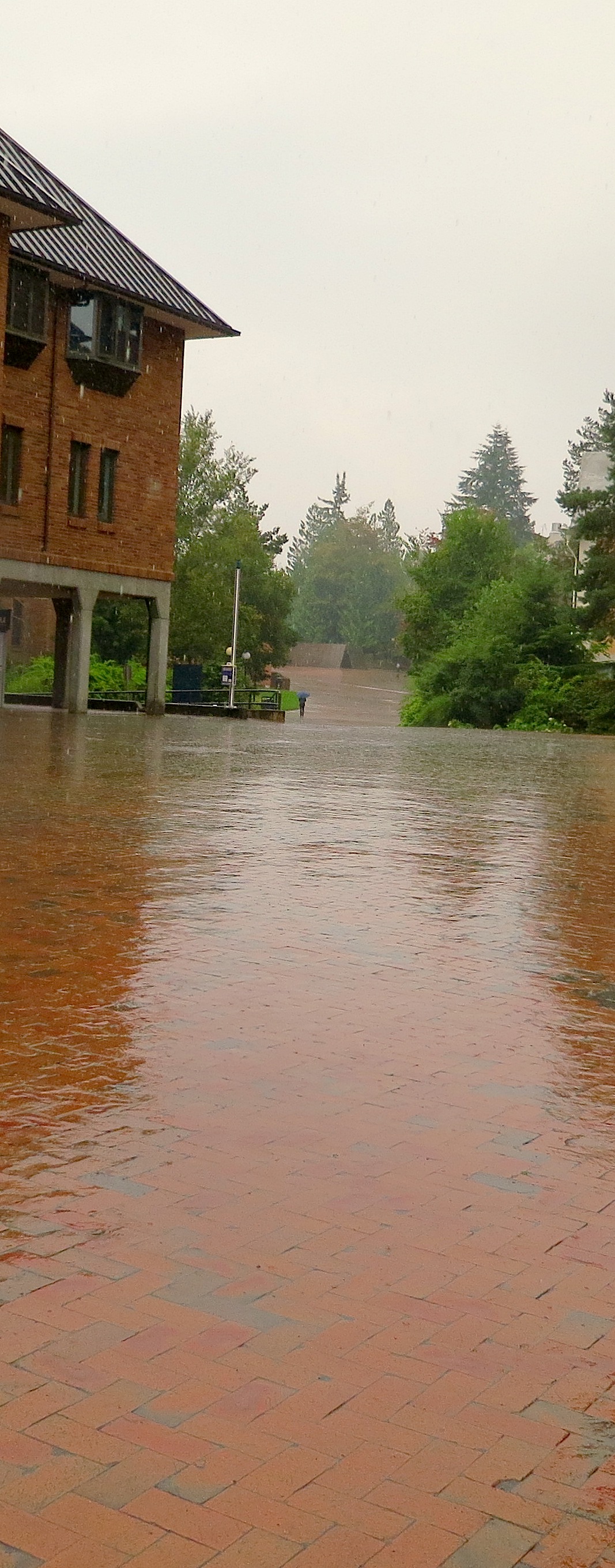
Sixteen thousand students have appeared magically overnight on the campus where I’ve worked for three decades.  Unfortunately a record was set for the number who ended up in the emergency room last night due to their celebrating the start of the school year a bit too aggressively.

How is it the start of a new school year can be wistful, jubilant and potentially hazardous all at the same time?  There are always plenty of mistakes to be made and plenty to learn from, though sometimes at tremendous cost.  This is a risky way to start an education.

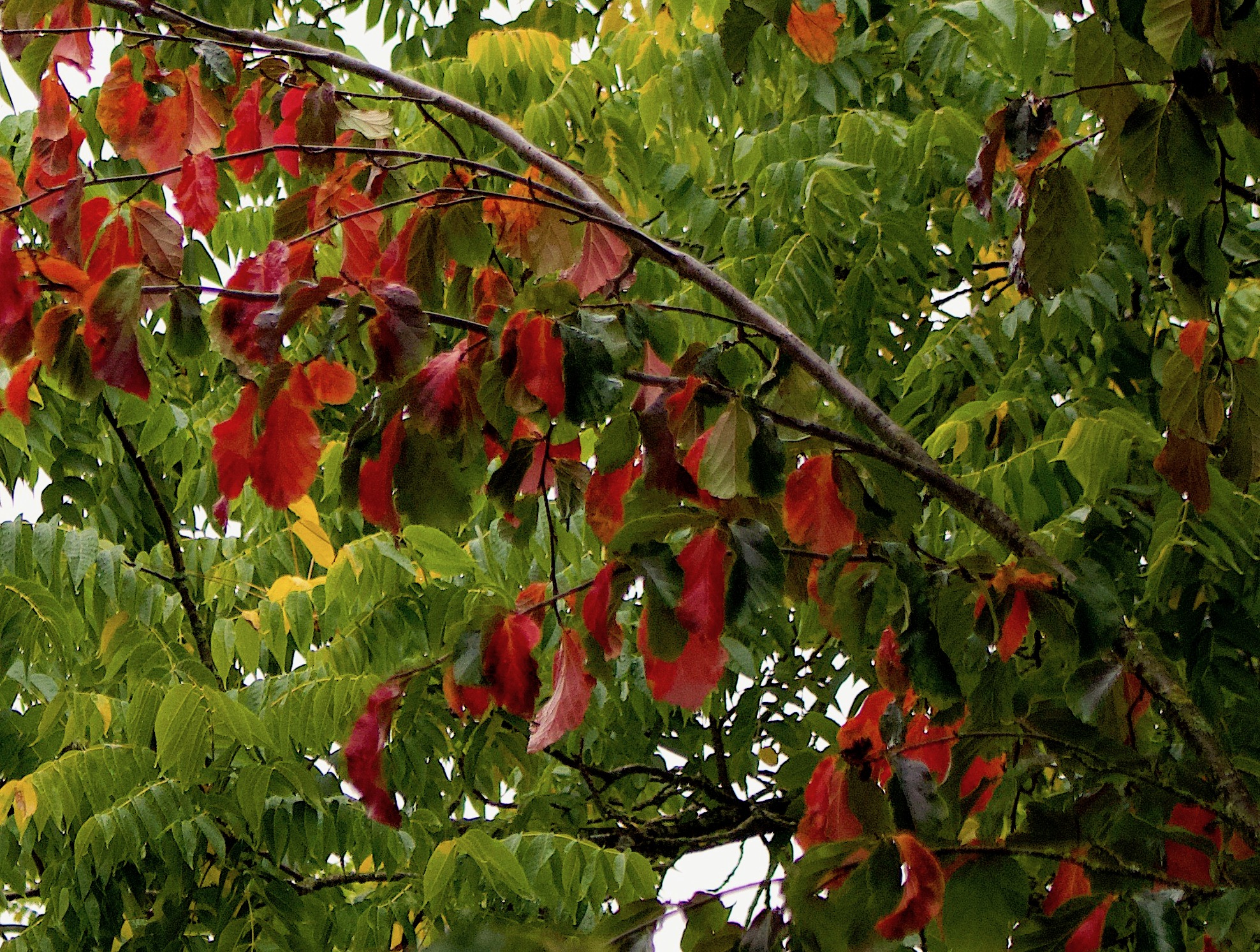
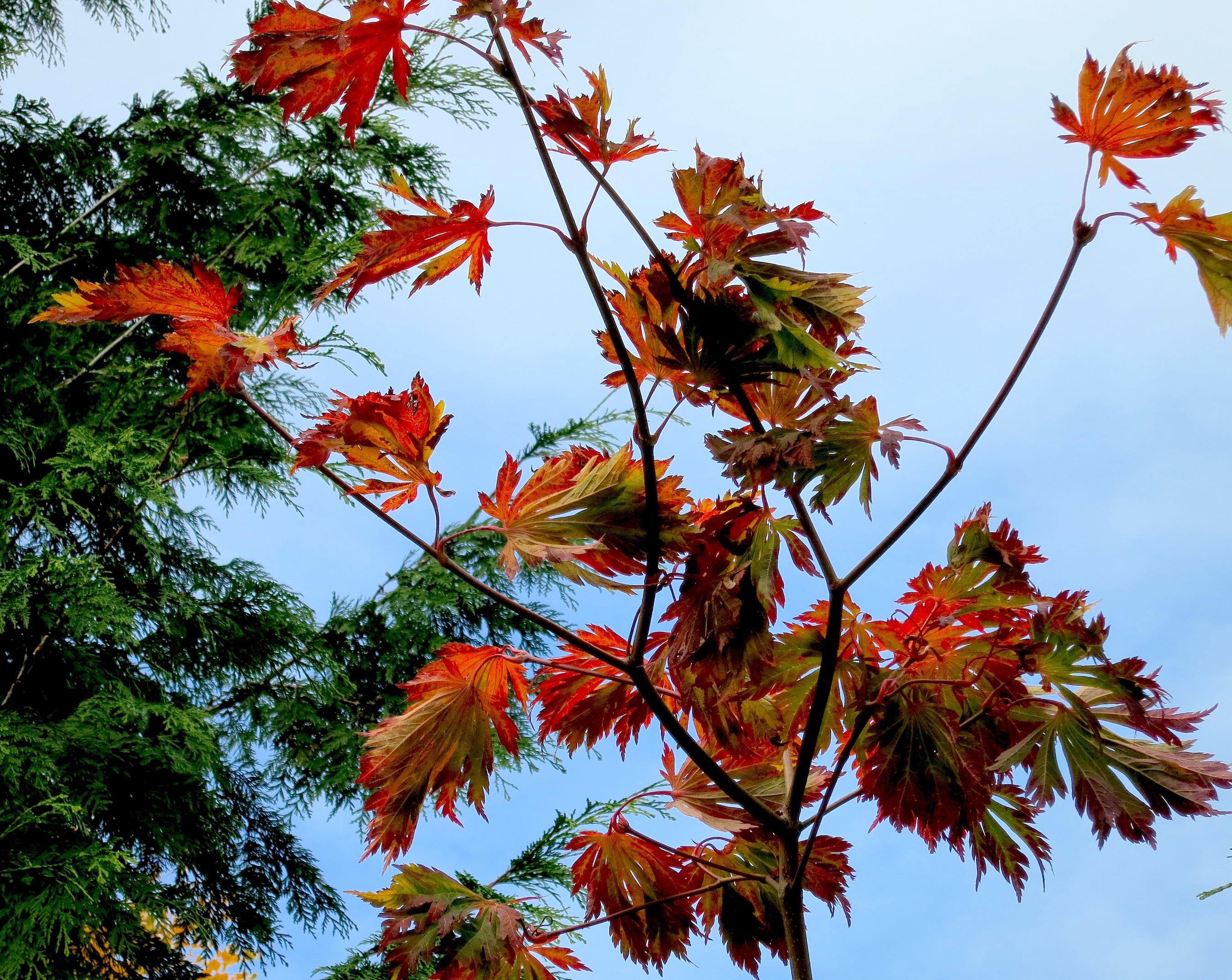
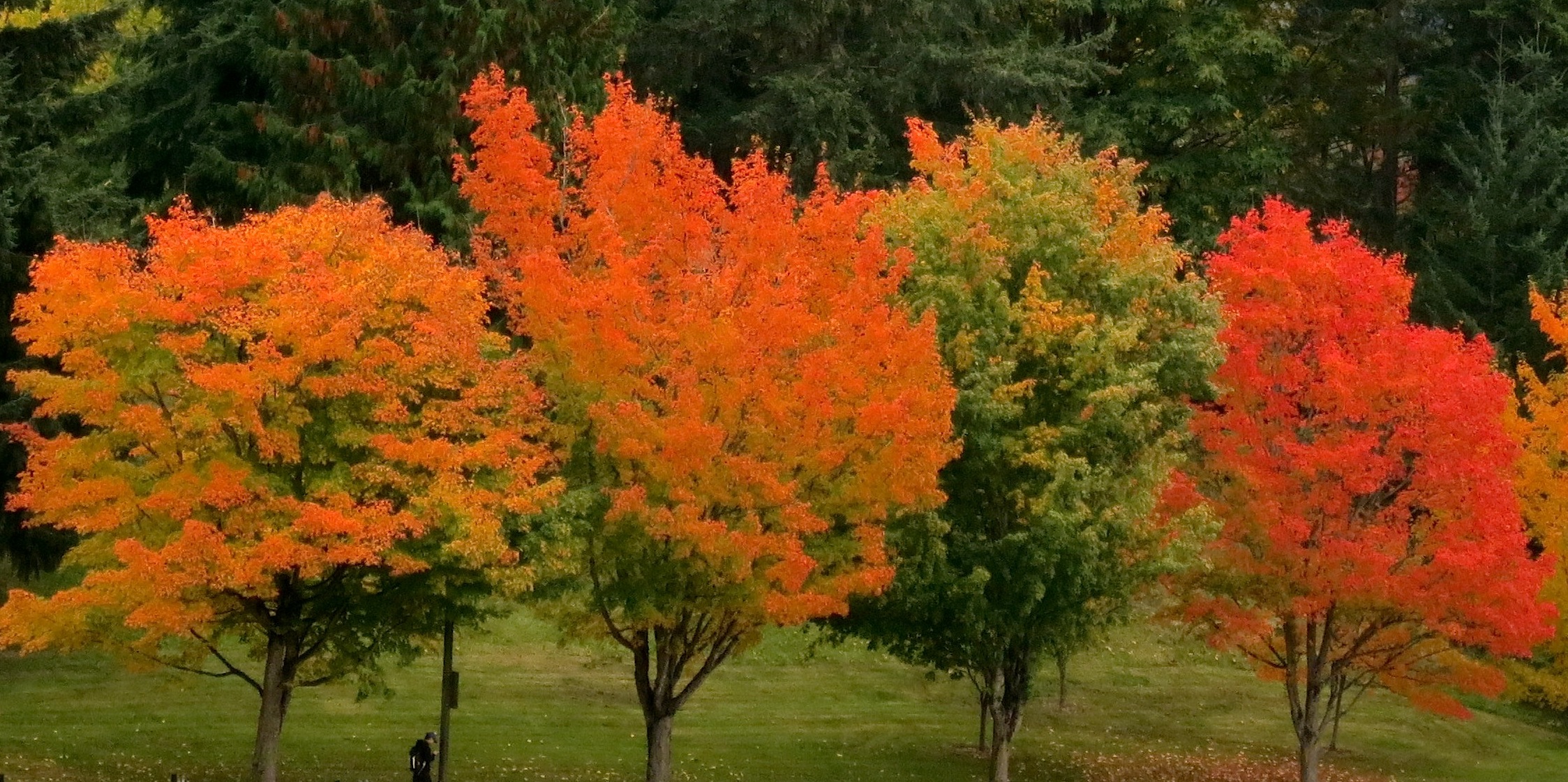
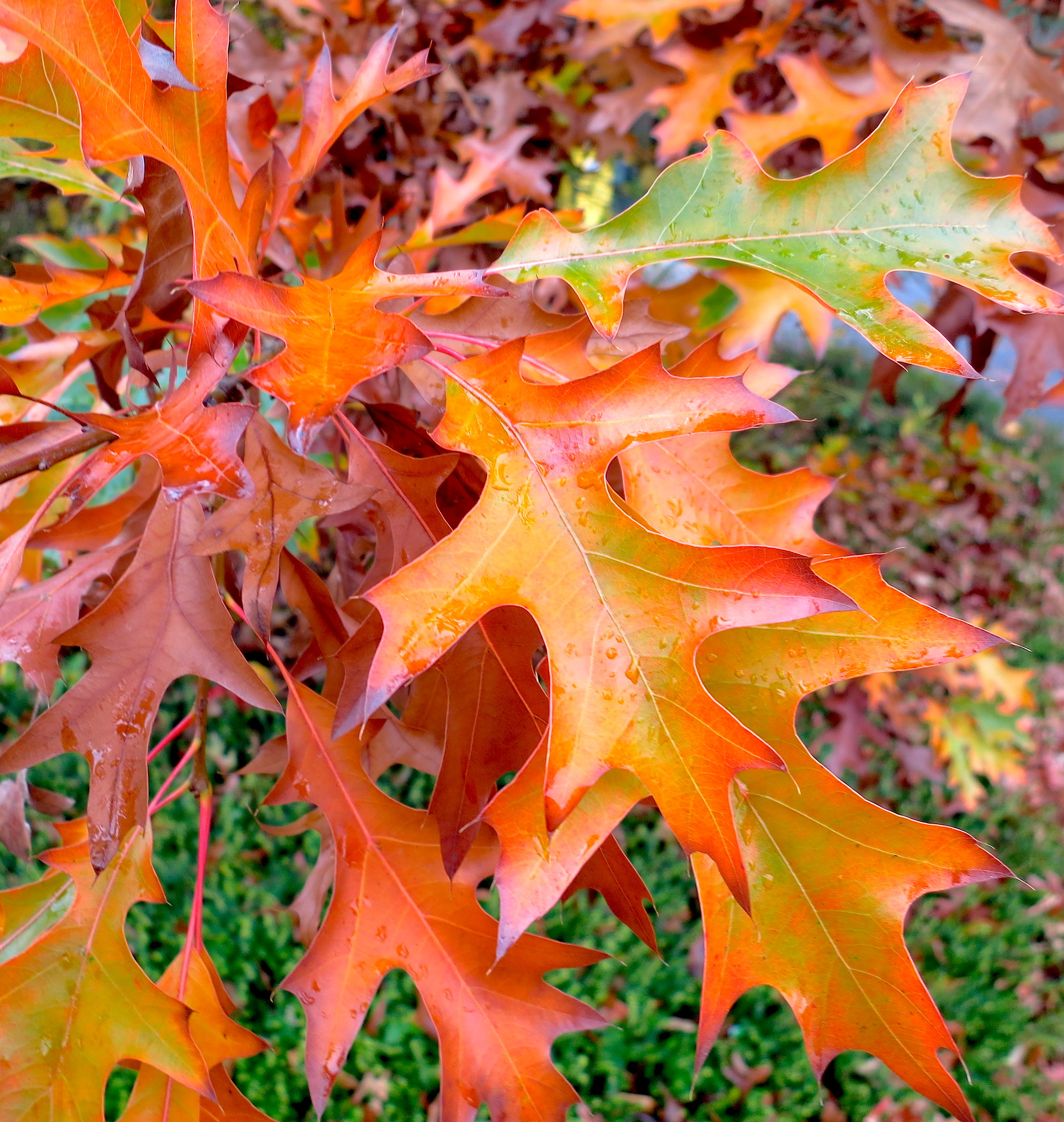
More than New Year’s Day, the beginning of autumn represents so many turned-over new “leafs”.  We are reminded of this whenever we look at the trees all over our beautiful campus and how their leaves are turning and letting go, seemingly joyful as they make way for the next stage of growth, the slate wiped clean and ready to be scribbled on once again.

Every autumn each emerging adult comes to the university with a similar clean slate, hoping to start fresh, leaving behind what has not worked well for them in the past.  These are our future patients who we hope are open to change because they are dedicating themselves to self-transformation through knowledge and discipline.

It is a true privilege, as a college health doc, to participate in our students’ transition to become autonomous critical thinkers striving to better the world as compassionate global citizens.  Their rich colors deepen when they let go to fly wherever the wind may next take them.

We who remain rooted in place celebrate each new beginning, knowing we nurture the hoped-for transformation…

…as long as we can keep them out of the emergency room.


irresistiblewwu


wwu11147


Their Exuberant Souls

summergrass


begoniabasket1


Whatever he needs, he has or doesn’t
have by now. 
Whatever the world is going to do to him
it has started to do… 

…Whatever is 
stored in his heart, he can use, now. 
Whatever he has laid up in his mind
he can call on.  What he does not have
he can lack…

…Whatever his exuberant soul
can do for him, it is doing right now…

…Everything that’s been placed in him will come out, now, the contents of a trunk
unpacked and lined up on a bunk in the underpine light.
~Sharon Olds from “The Summer-Camp Bus Pulls Away from the Curb”


vividred


wwugrass2


orangepetals


This is the season for graduations, when children move into the adult world and don’t look back.

As a parent, as an educator, as a mentor within church and community, and after nearly thirty years as a college health physician witnessing this transition many times over, I can’t help but be wistful about what I may have left undone and unsaid with the generation about to launch.
In their moments of vulnerability, did I pack enough love into those exuberant hearts so he or she can pull it out when it is most needed?

When our three children traveled the world after their graduations, moving way beyond the fenced perimeter of our little farm, I trust they left well prepared.

As a school board member, I watched students, parents and teachers work diligently together in their preparation for that graduation day, knowing the encompassing love behind each congratulatory hand shake.
When another batch of our church family children say goodbye, I remember holding them in the nursery, listening to their joyful voices as I played piano accompaniment in Sunday School, feeding them in innumerable potlucks over the years.  I pray we have fed them well in every way with enough spiritual food to stick to their ribs in the “thin” and hungry times.
When hundreds of my student/patients move on each year beyond our university and college health clinic, I pray for their continued emotional growth buoyed by plenty of resilience when the road inevitably gets bumpy.

I believe I know what is stored in the hearts of graduates because I, among many others, helped them pack it full of love.   Only they will know the time to unpack what is within when their need arises.


yellowpetals


farmroad


wwugrass


The Best Education Of All

striders2

felix

raspberryripen

haywagon

hidingout

abouttoburst

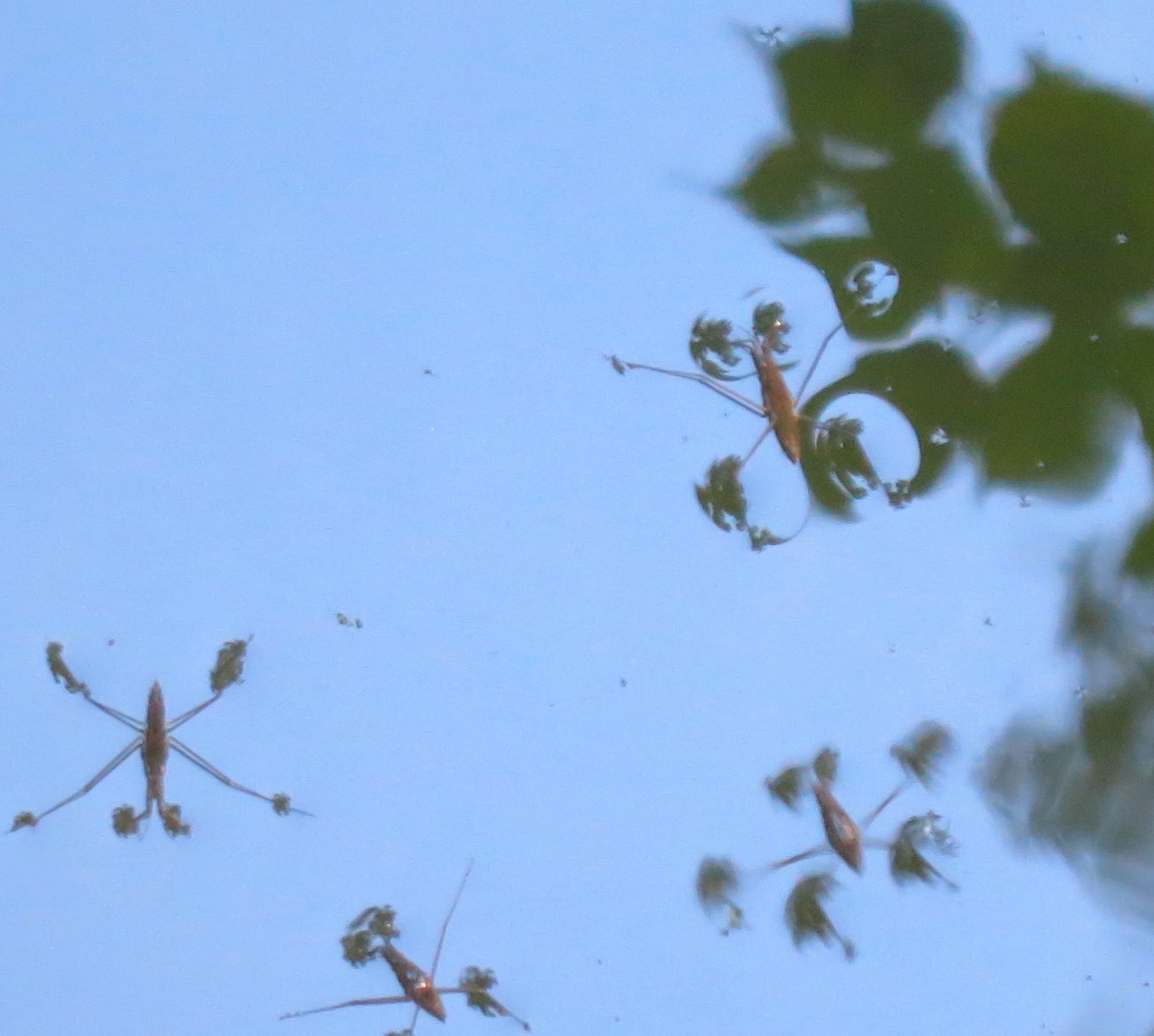
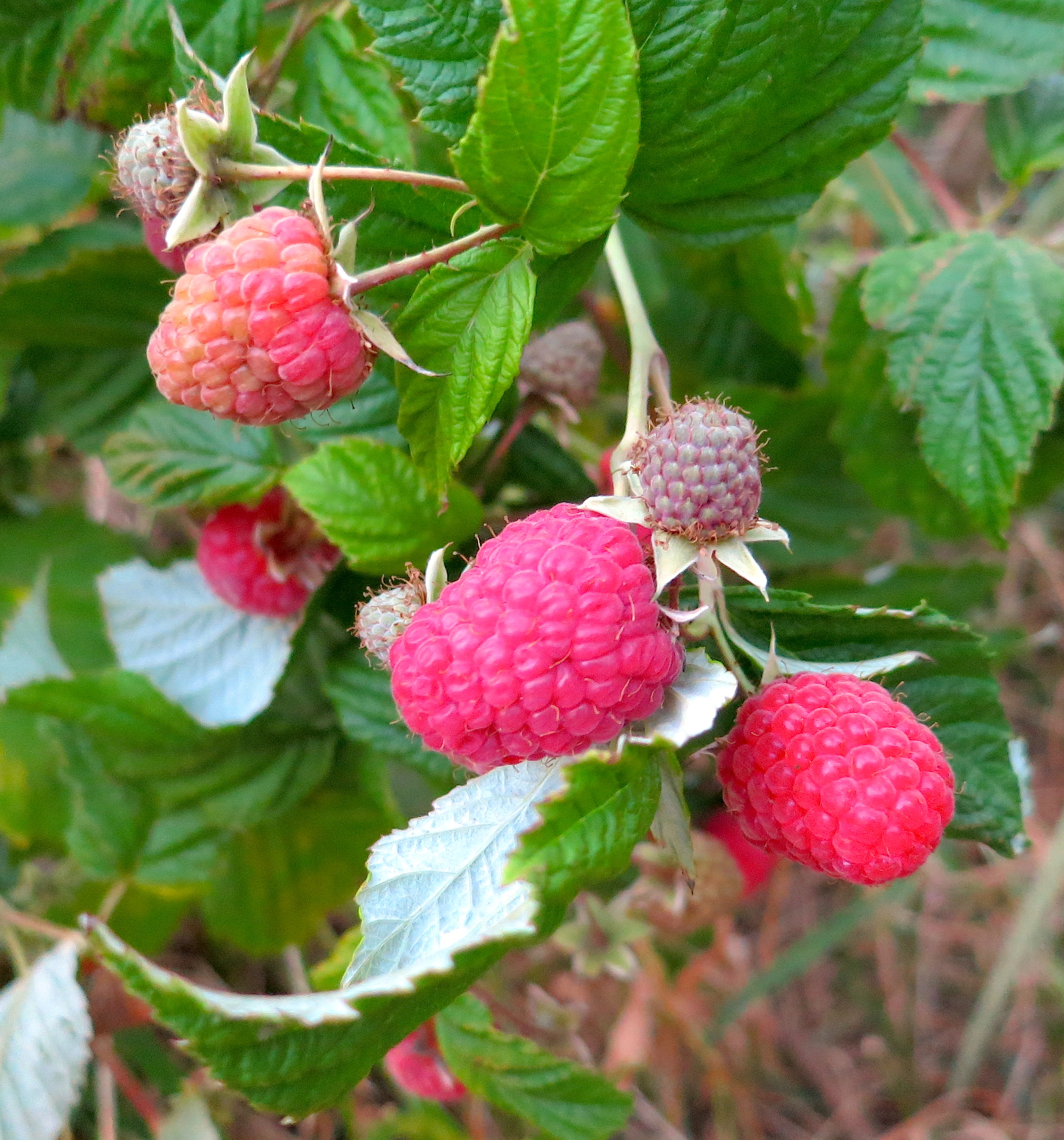
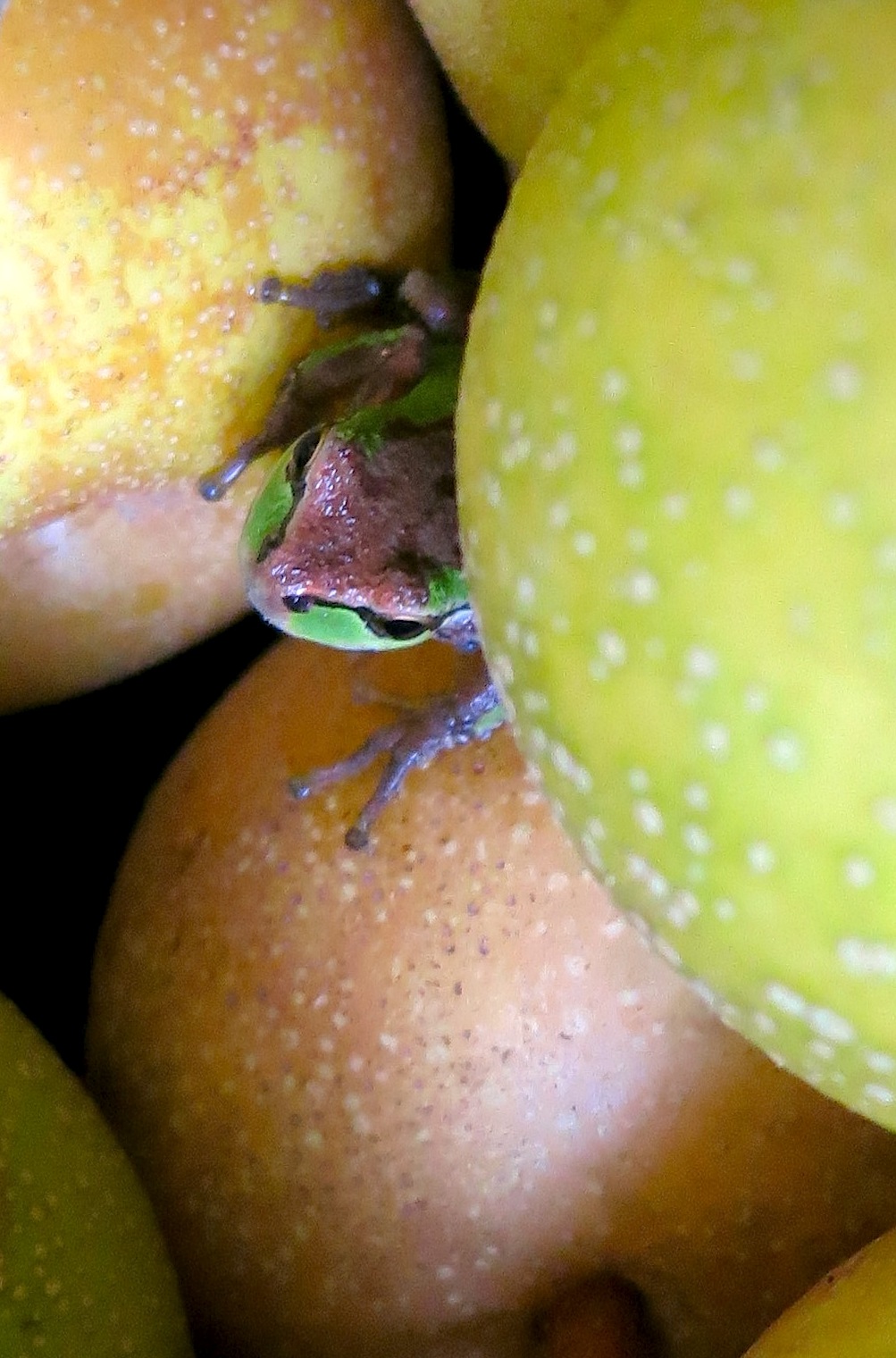
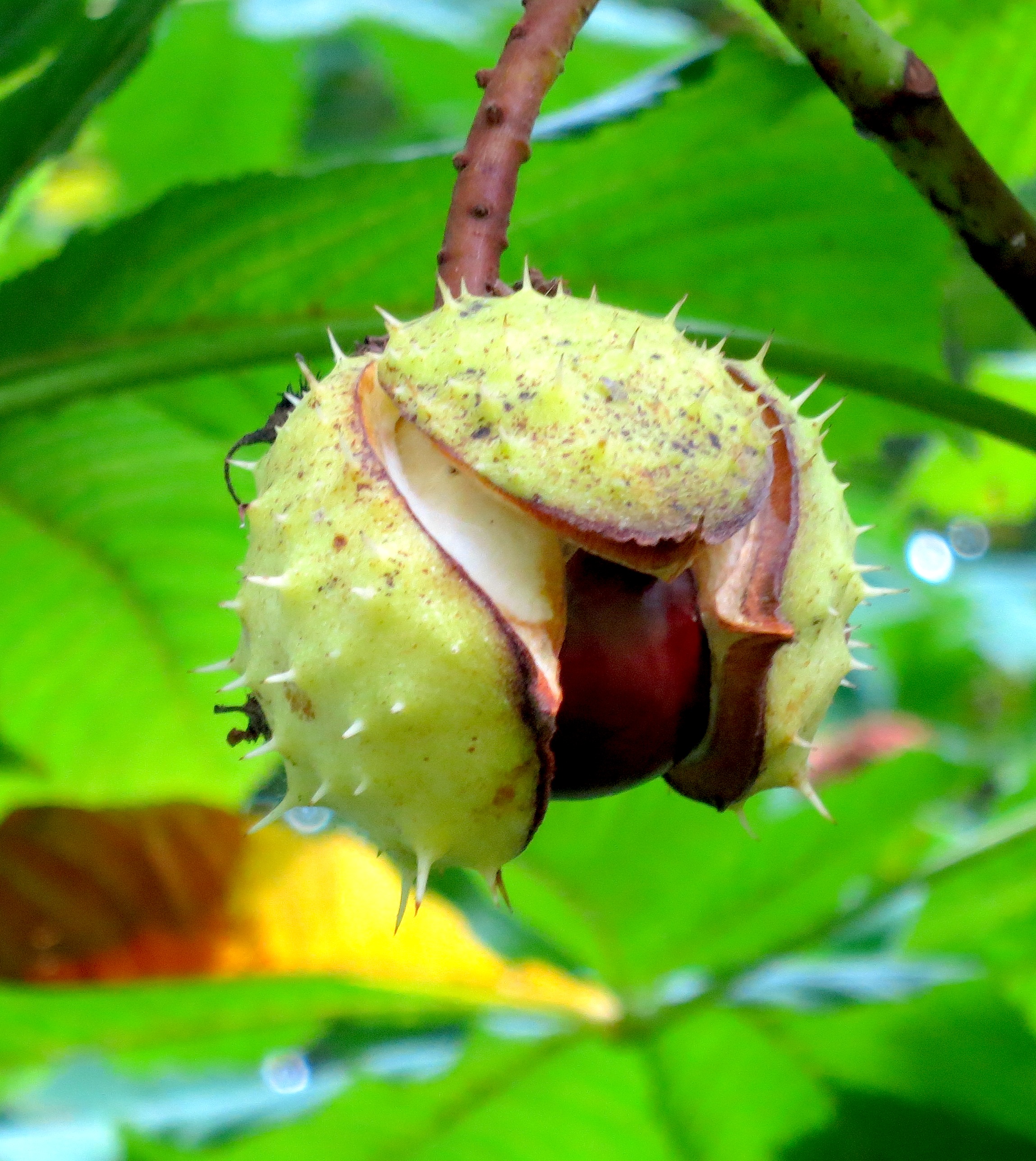
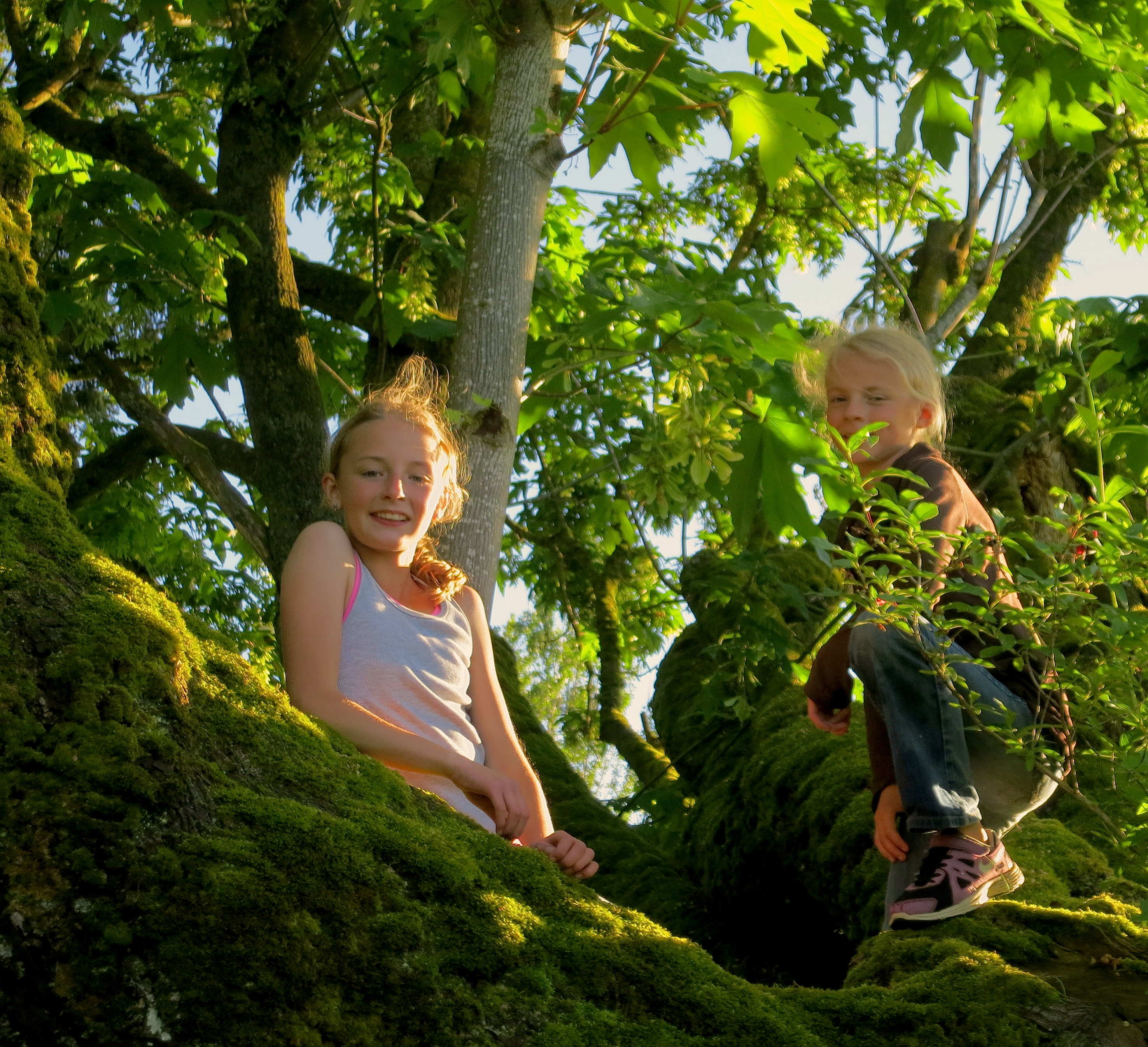
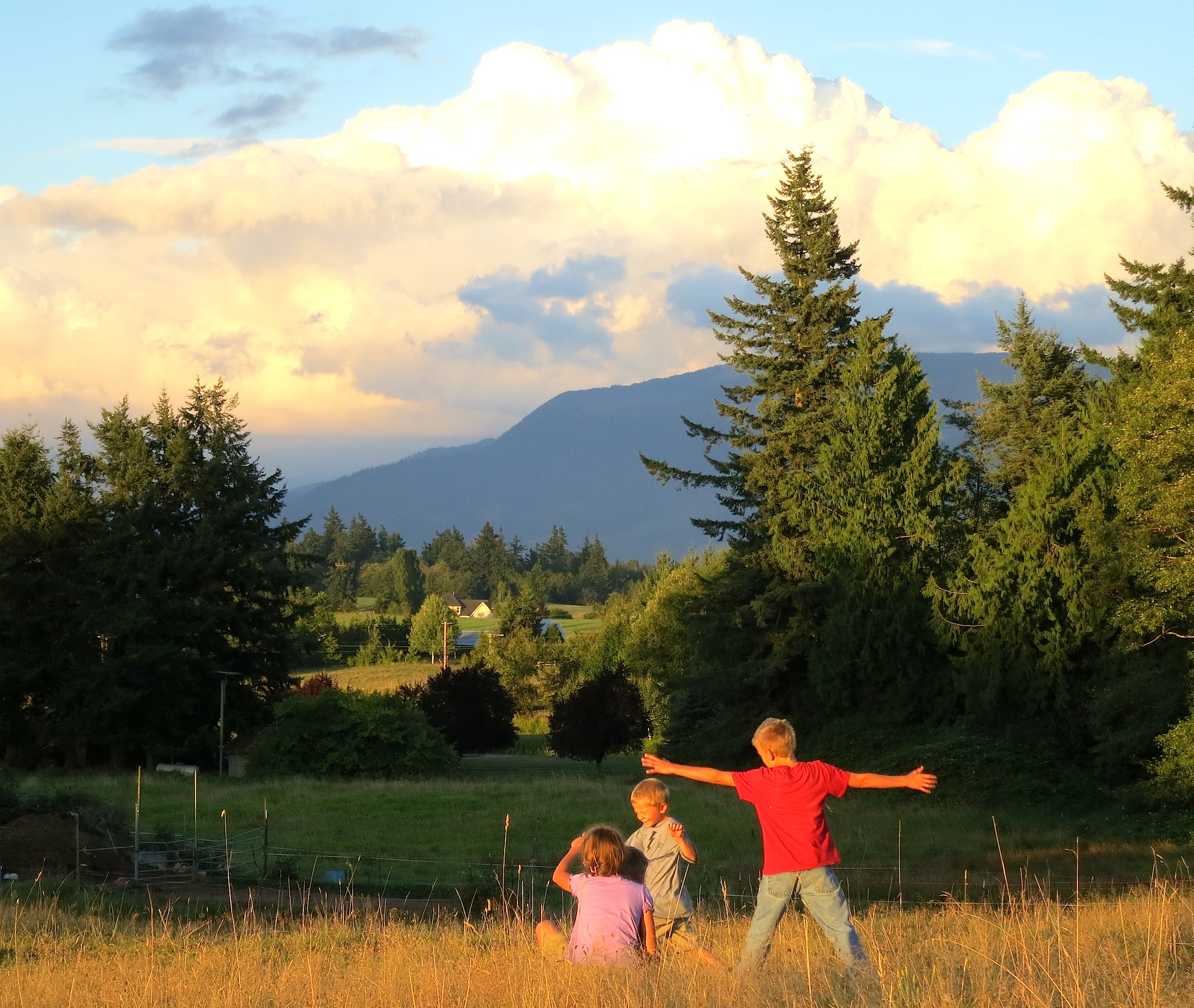
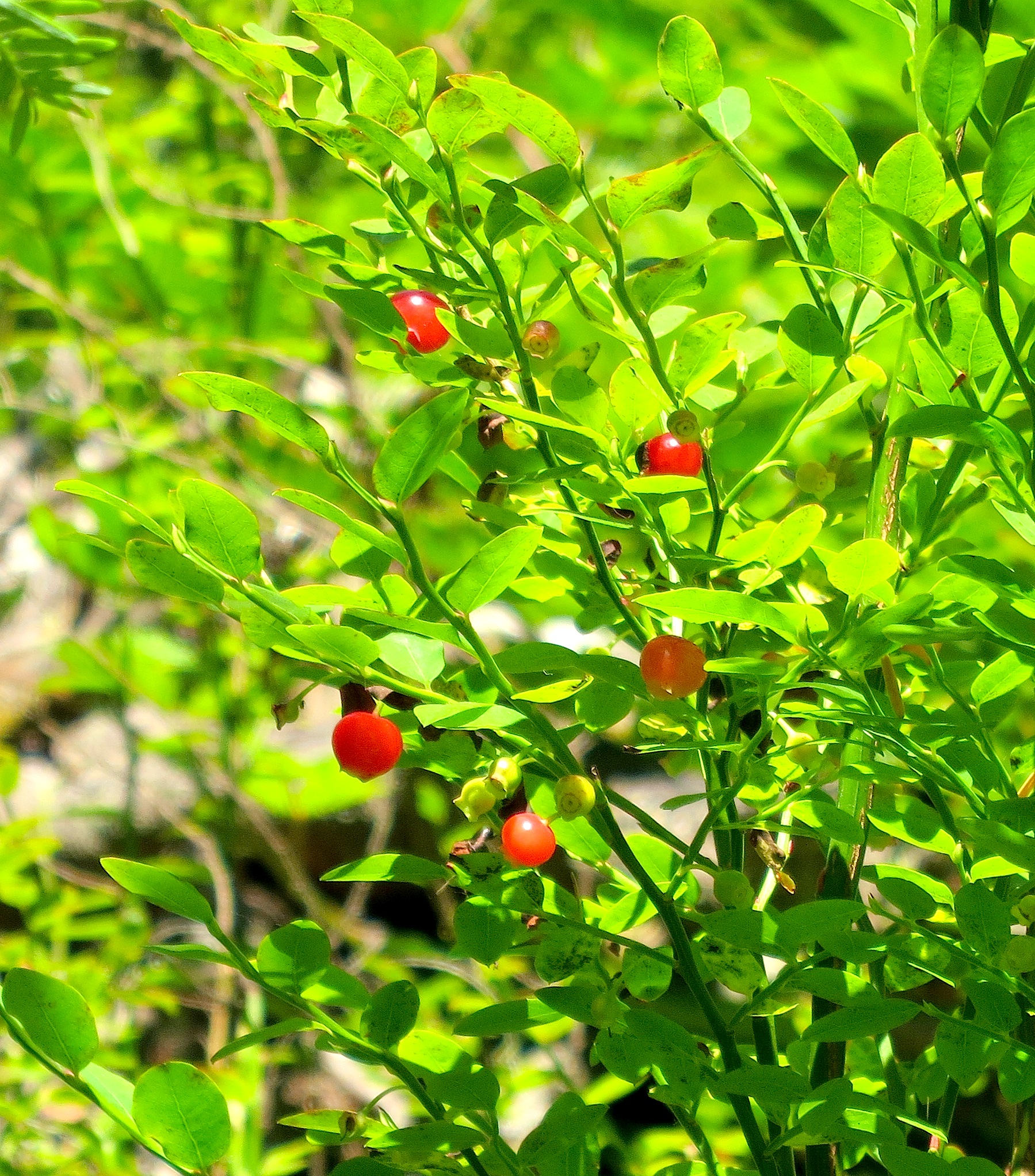
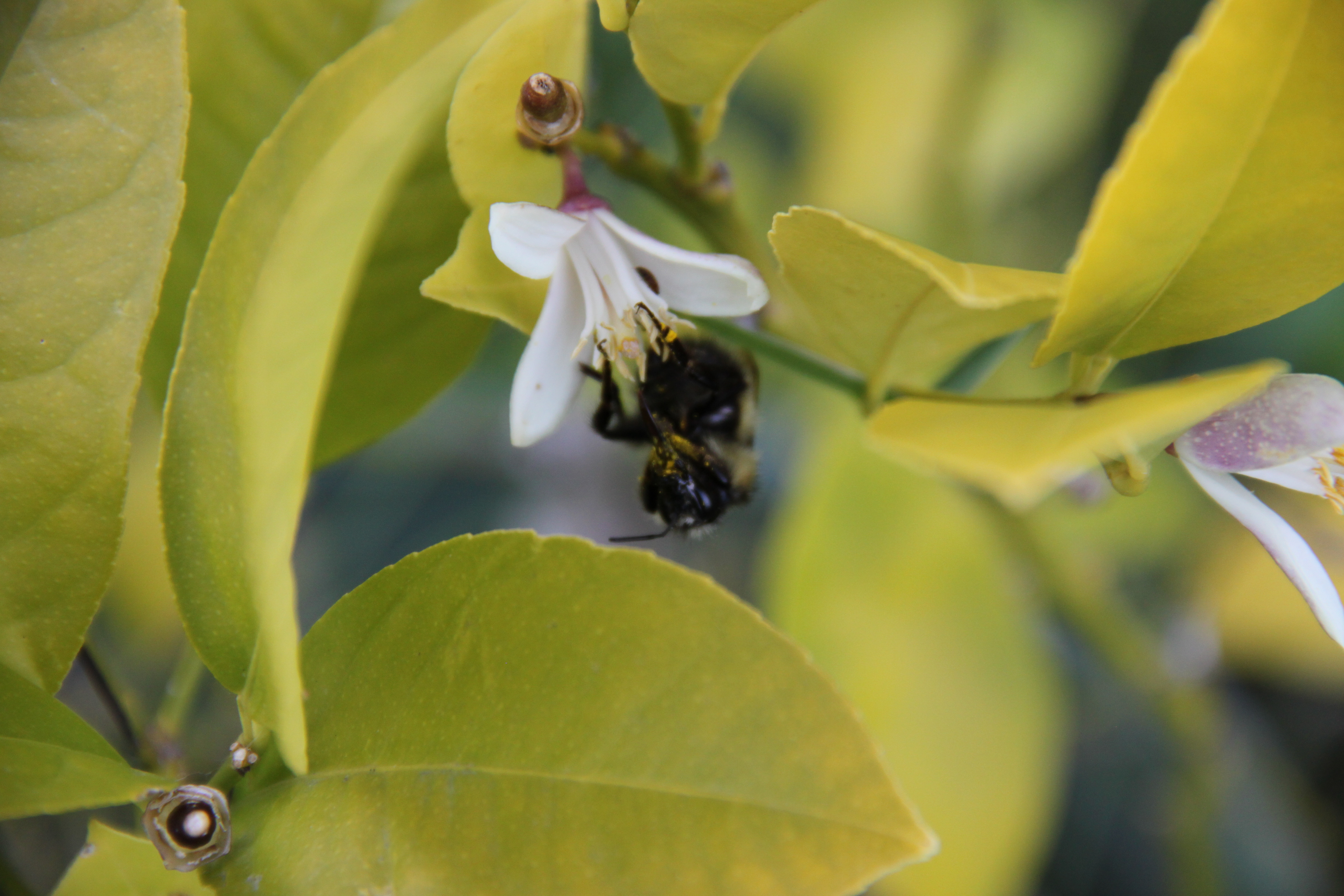
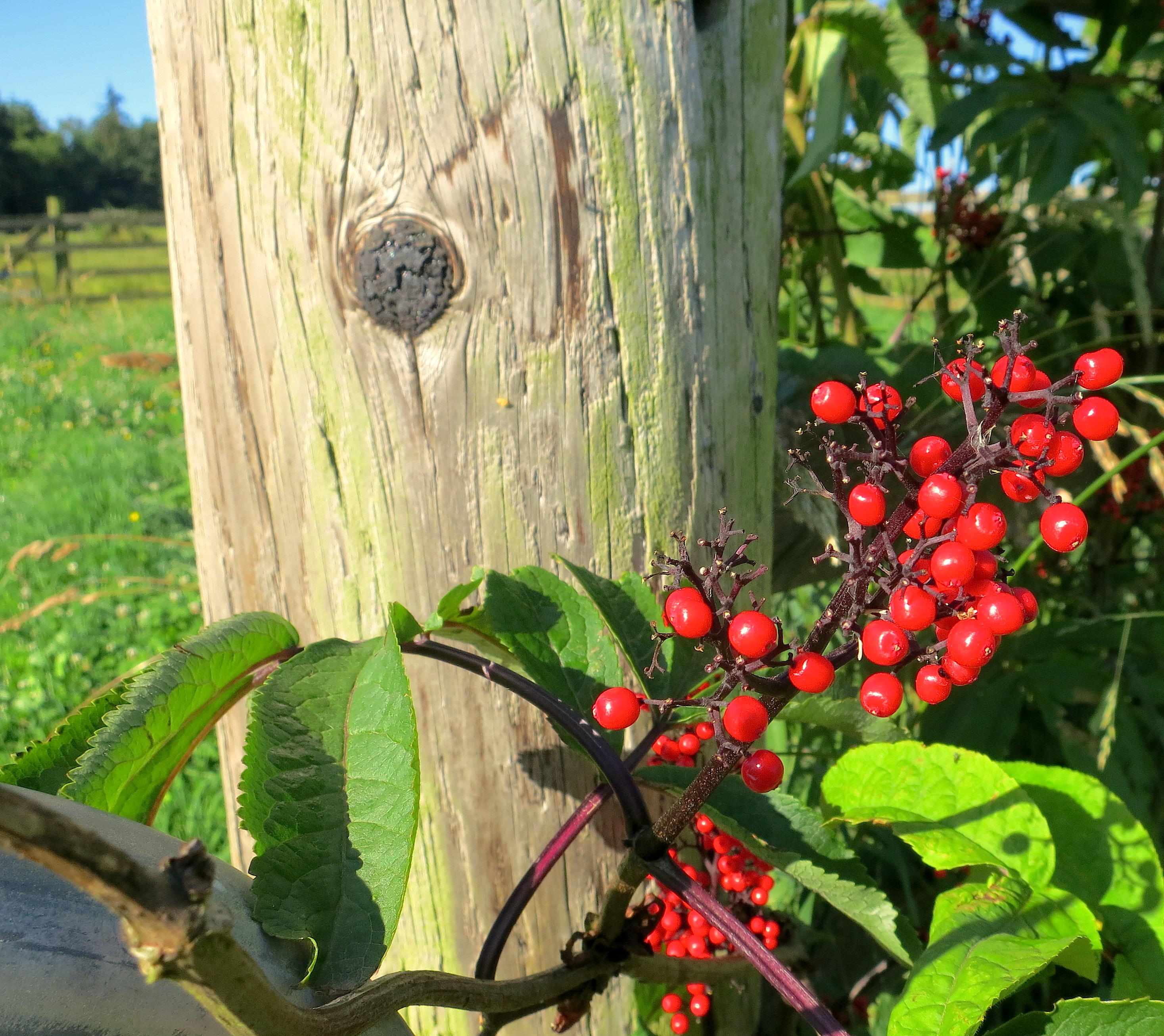
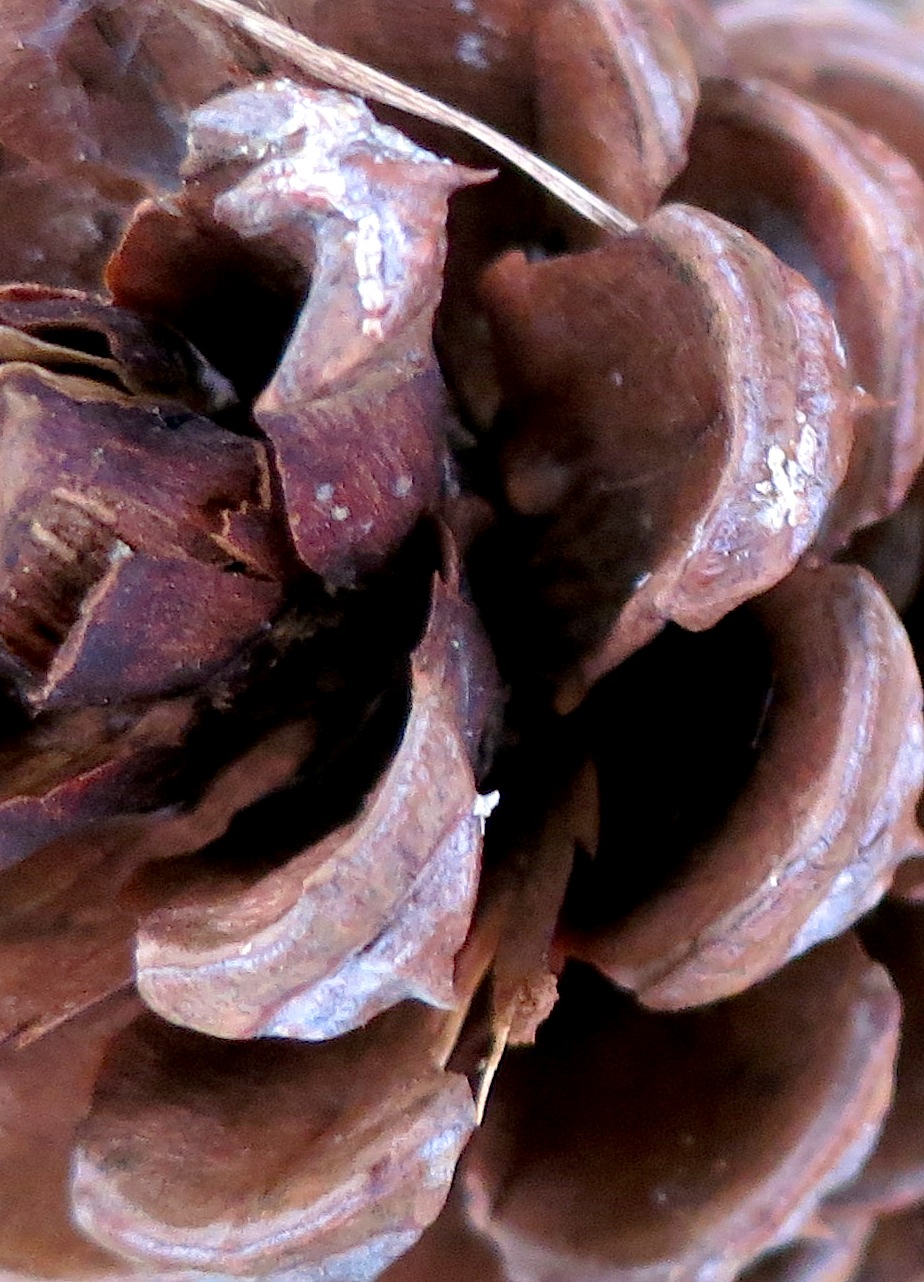
Every child should have mud pies, grasshoppers, water bugs, tadpoles, frogs, mud turtles, elderberries, wild strawberries, acorns, chestnuts, trees to climb.  Brooks to wade, water lilies, woodchucks, bats, bees, butterflies, various animals to pet, hayfields, pine-cones, rocks to roll, sand, snakes, huckleberries and hornets;  and any child who has been deprived of these has been deprived of the best part of education.  By being well acquainted with all these they come into most intimate harmony with nature, whose lessons are, of course, natural and wholesome.
~Luther Burbank from “Training of the Human Plant”

noaanya

sunset817

huckleberry

bee

elderberrypost

cone2

babbling

farmcrew


Where Minds and Gardens Grow

hollyhock
hollyhock

fawns3

As I go between meetings on the Western Washington University Campus in Bellingham, Washington, I can’t help but admire the work of the stewards of the gardens and landscape, as well as some of the four legged visitors.  These are iPhone photos, taken on the run.

cornbee
cornflower and pollinator

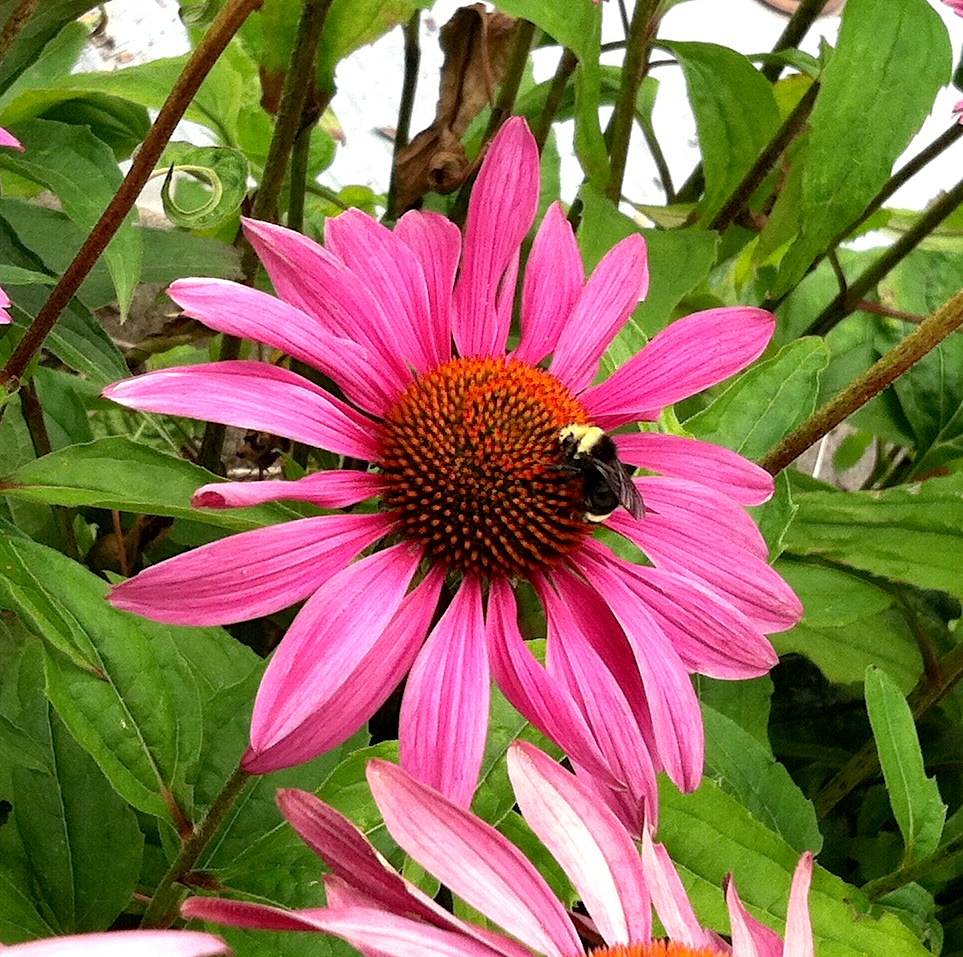
officially a weed but lovely nonetheless

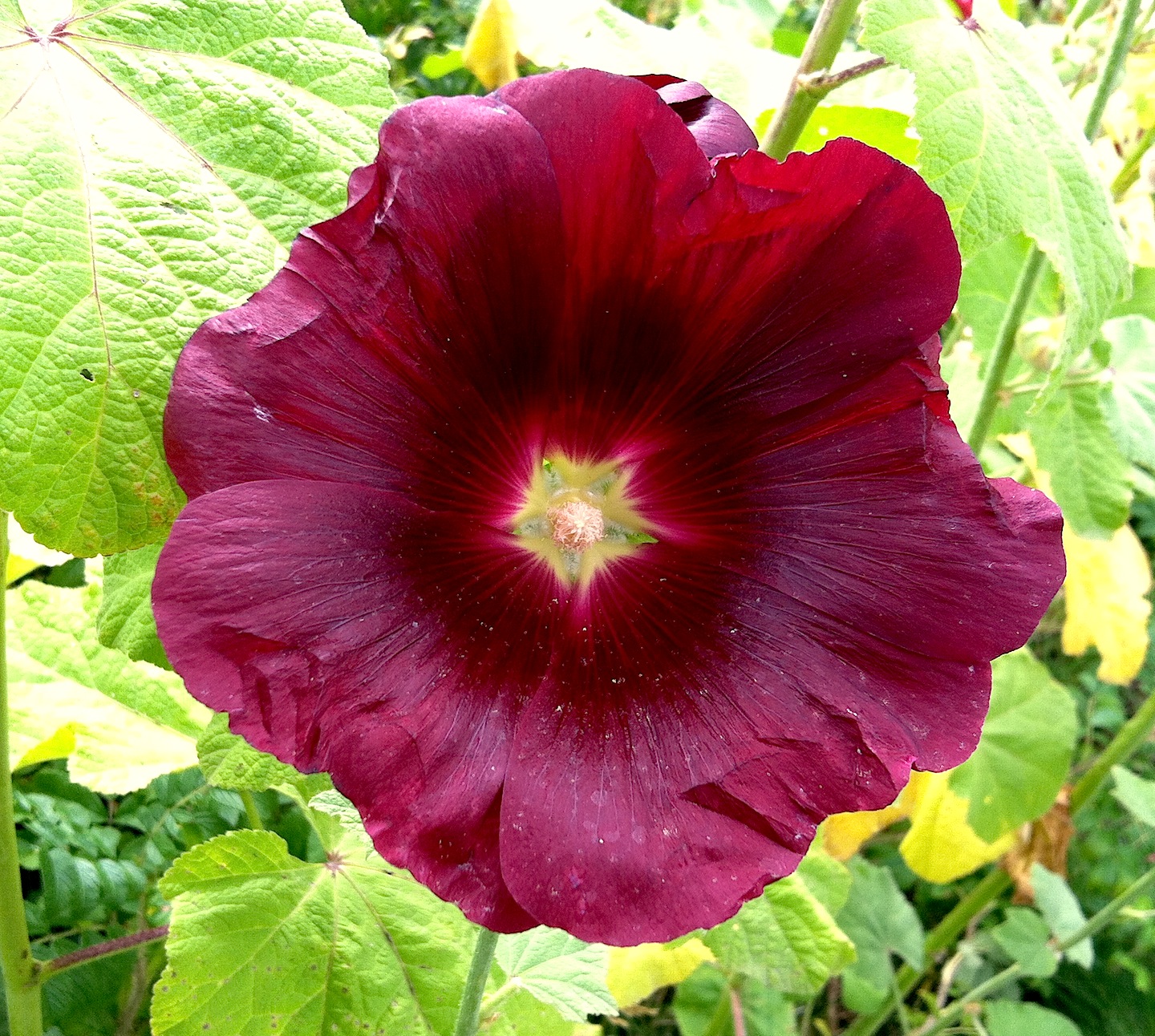
hollyhock
hollyhock

wwuberry

wwuborder

rainyrose
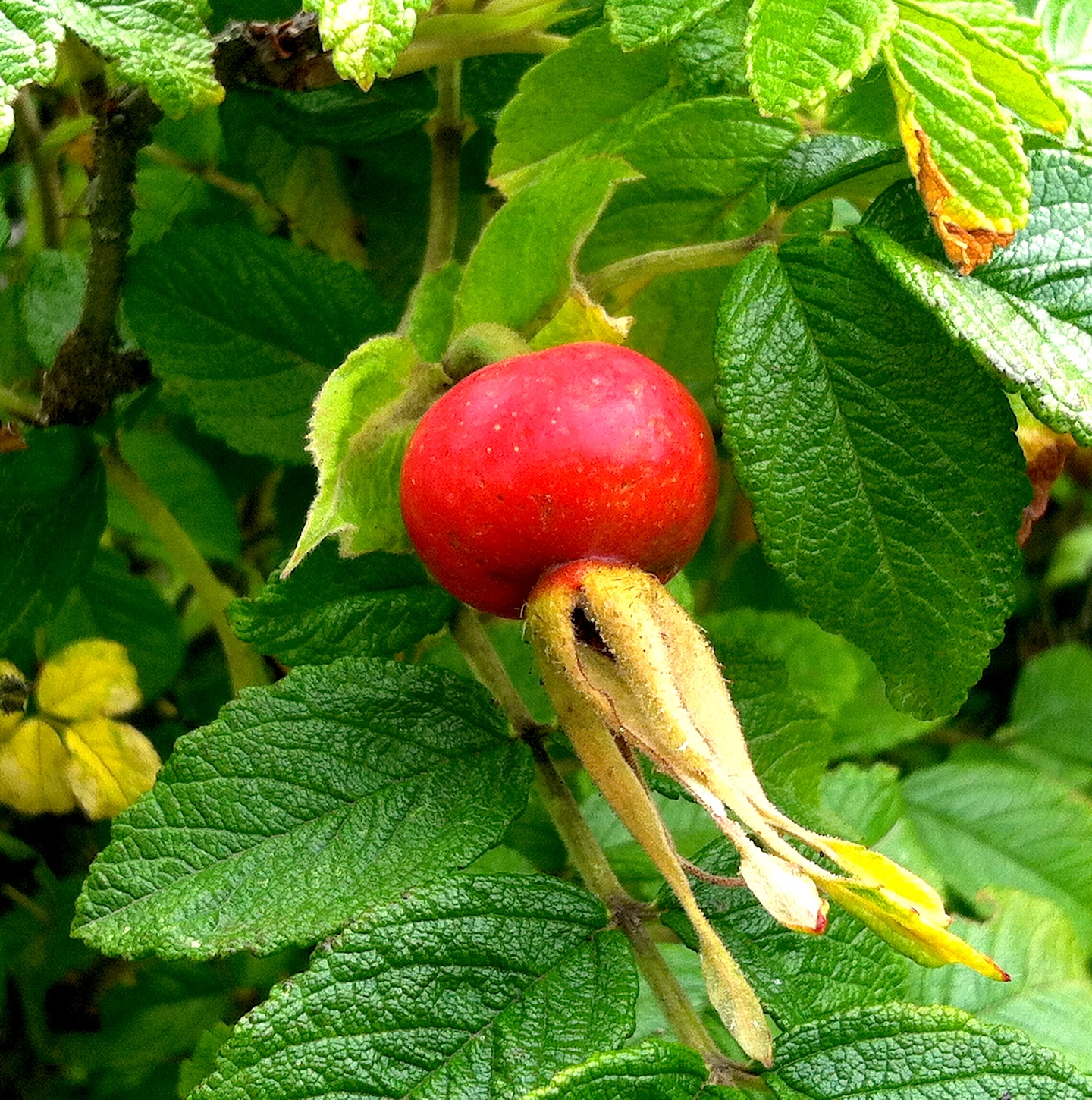
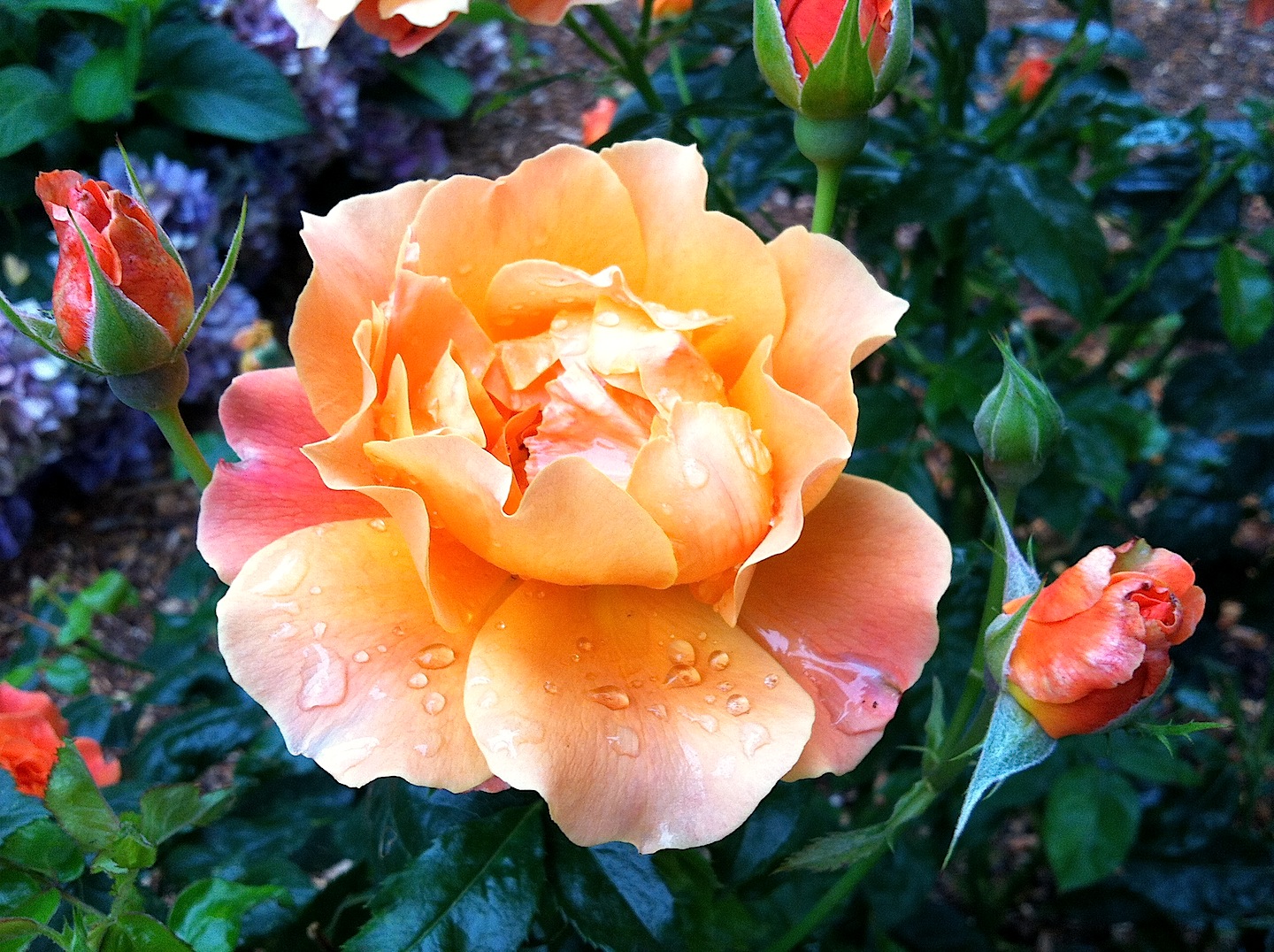
rose garden outside Old Main after a shower

rainyrose2
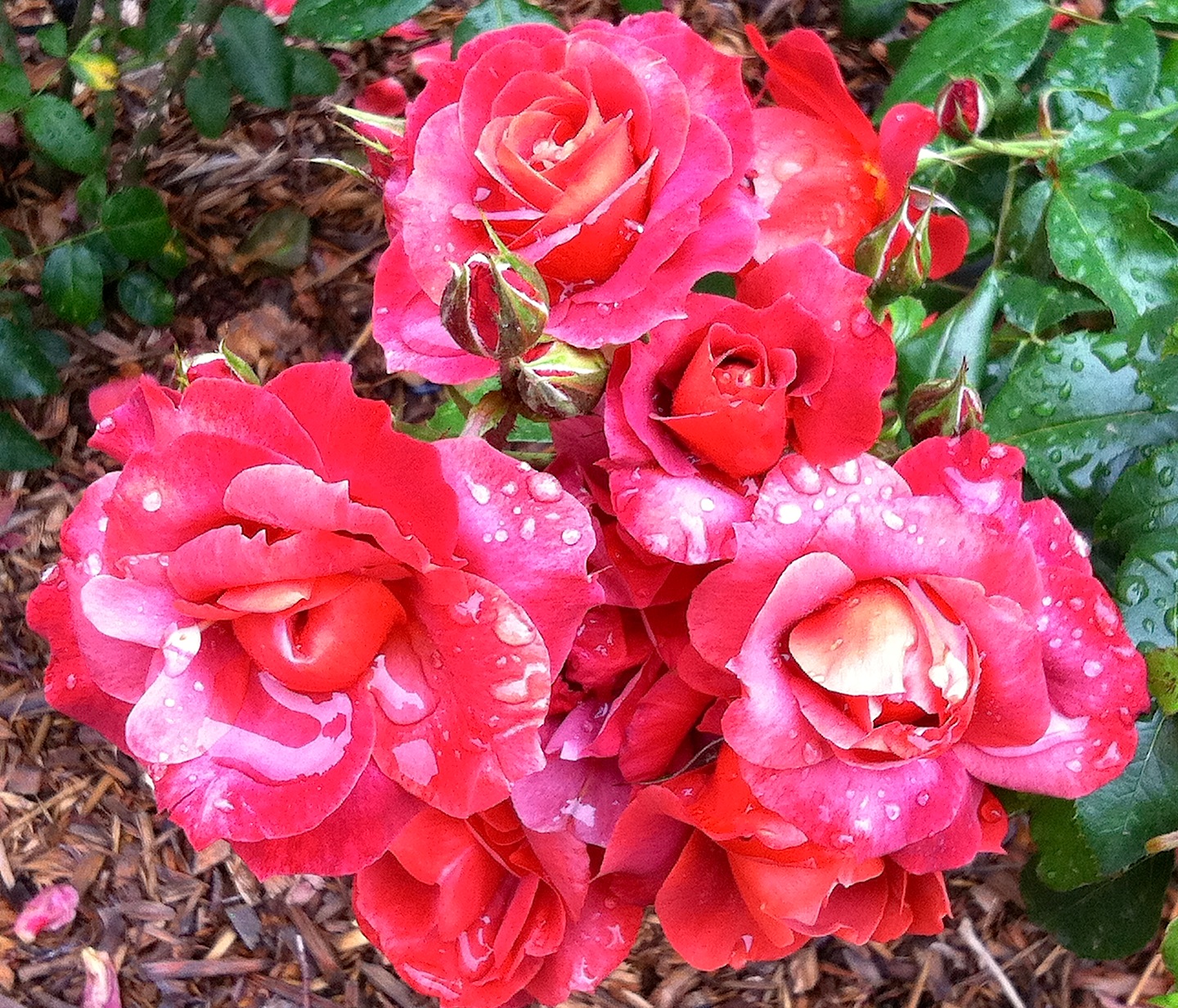
rose garden

wwuvariegation
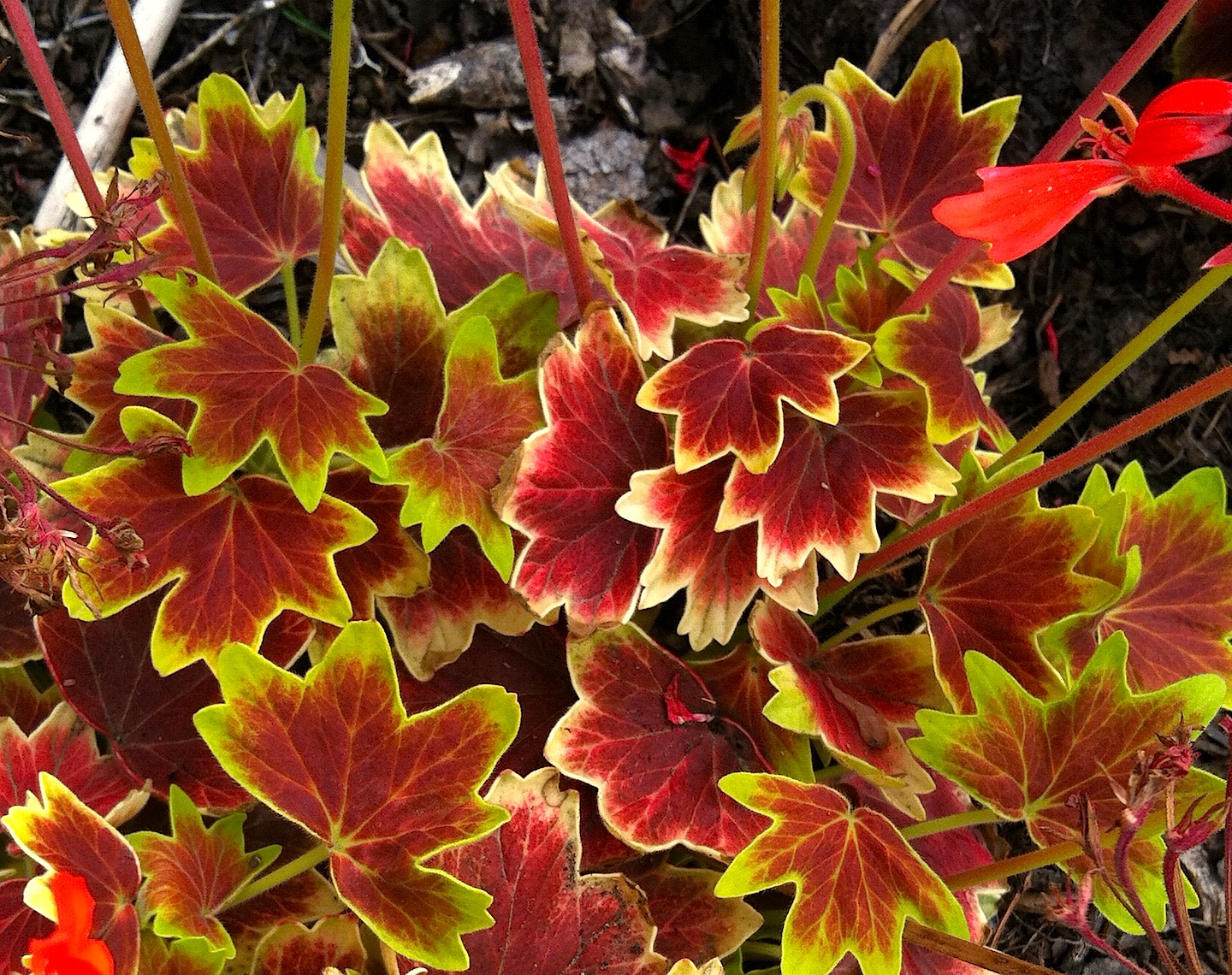
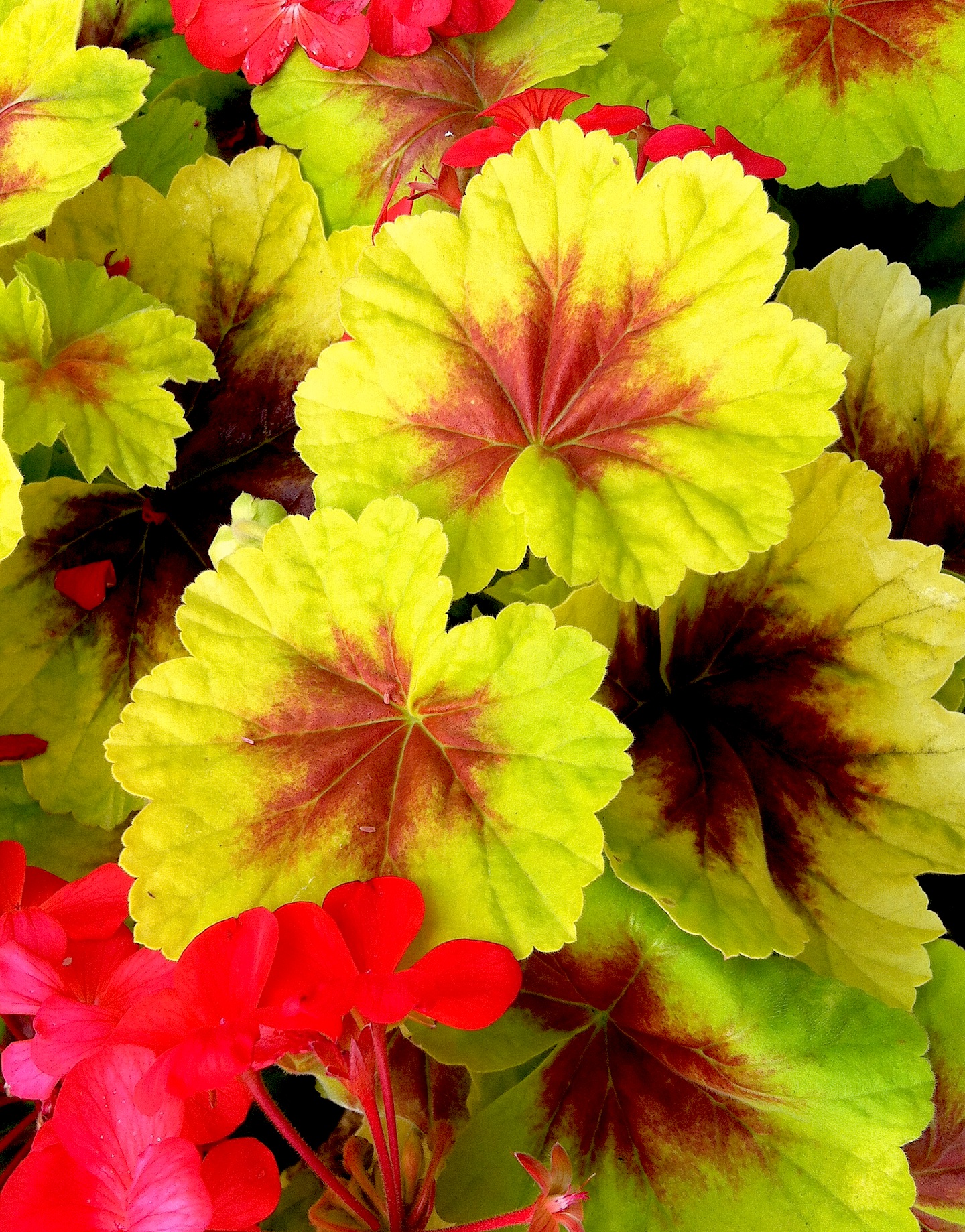
geranium outside the Academic Instructional Center

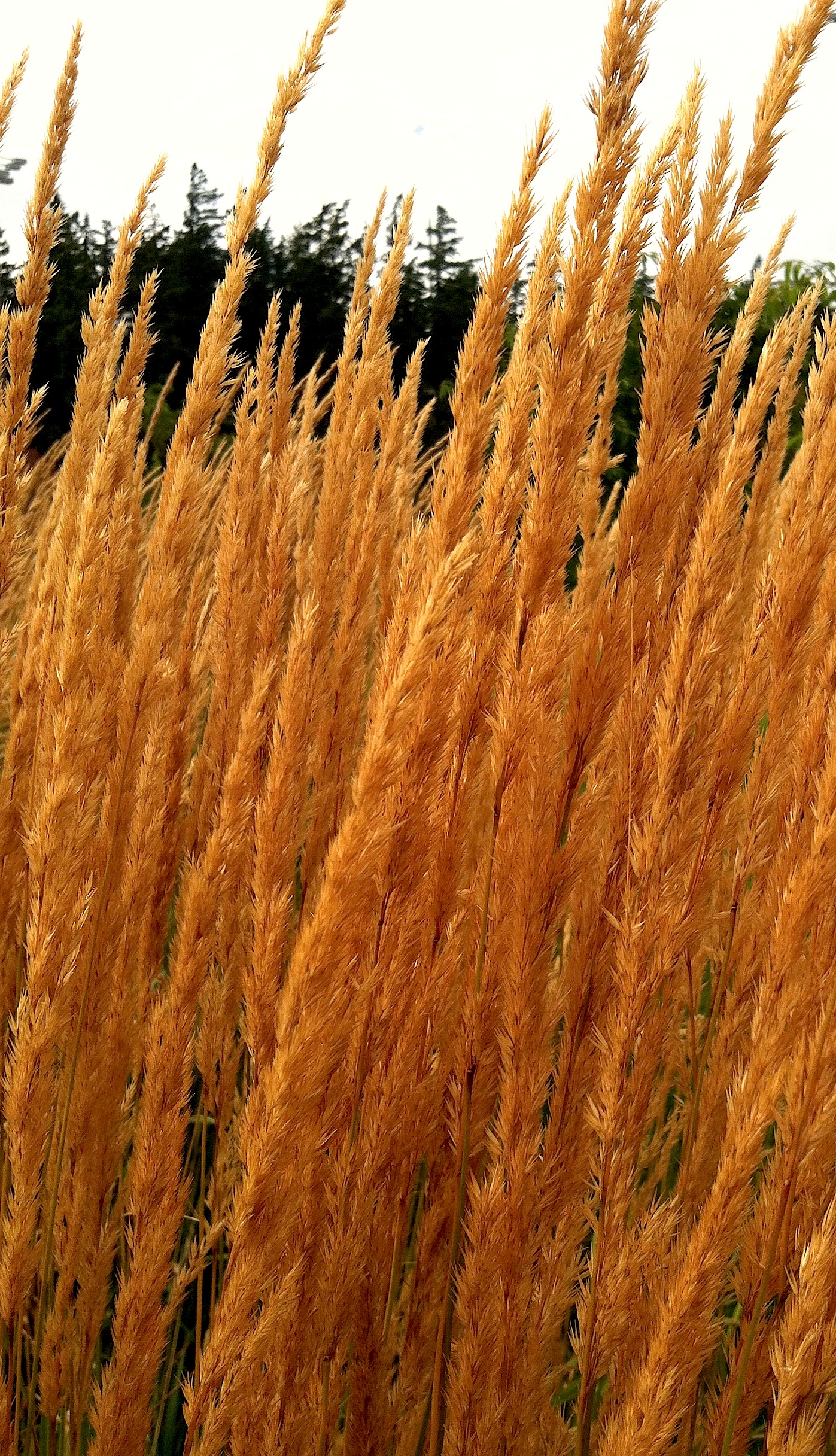
wwugrasses
hedge of ornamental grasses near the Rec Center

wwusoft
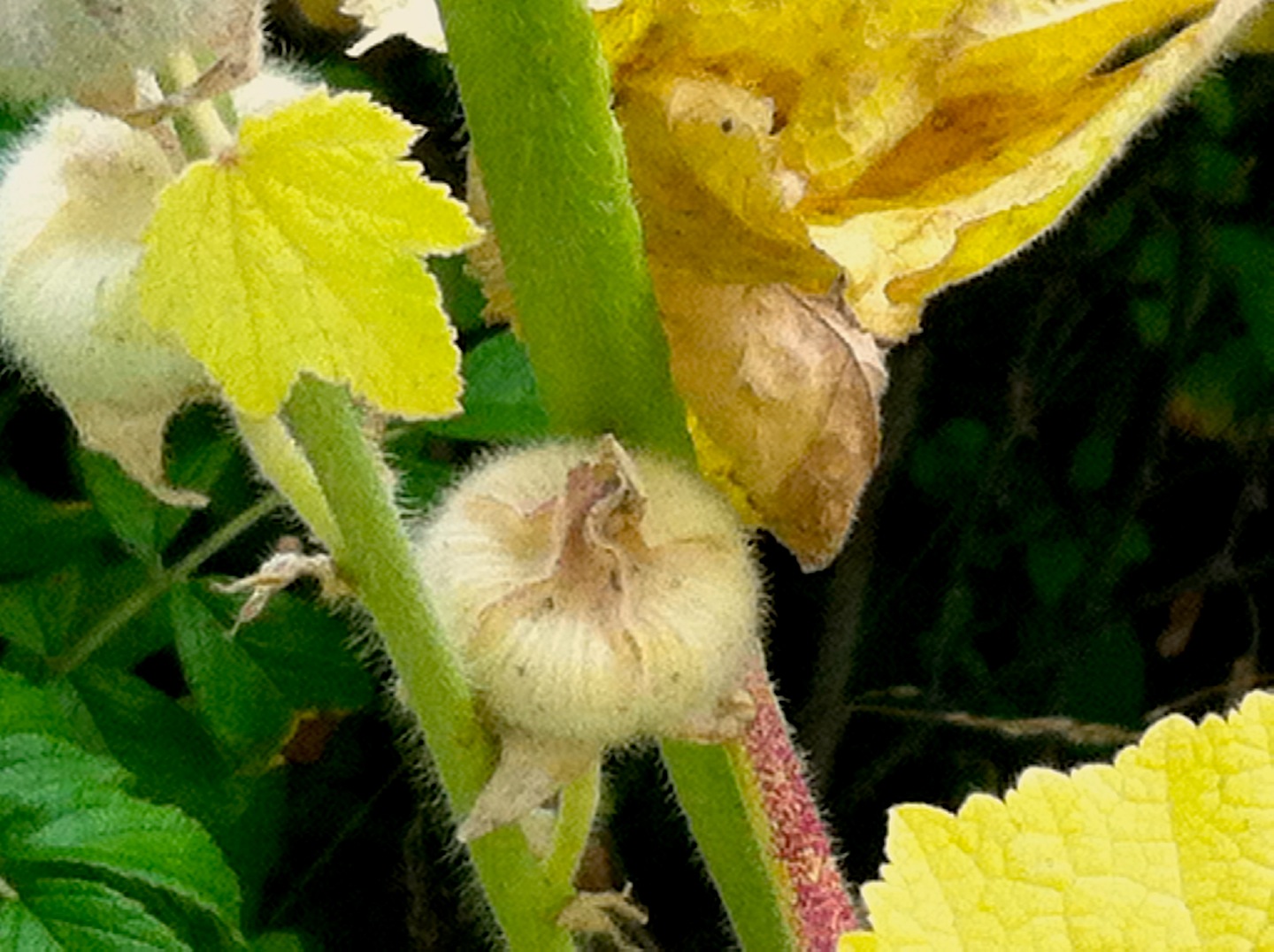
Hollyhock seed pods

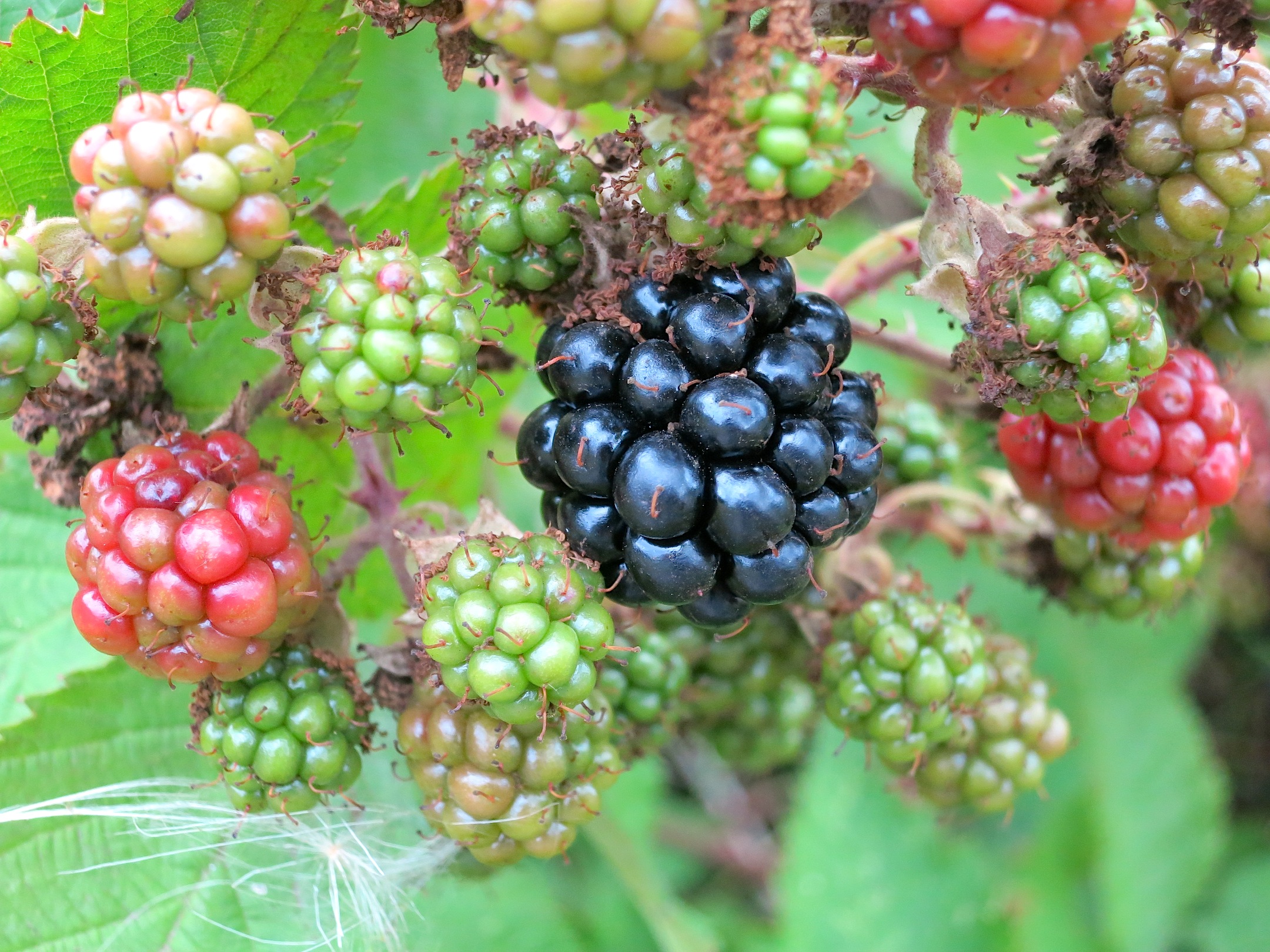
berryblack
blackberries sneak in here and there

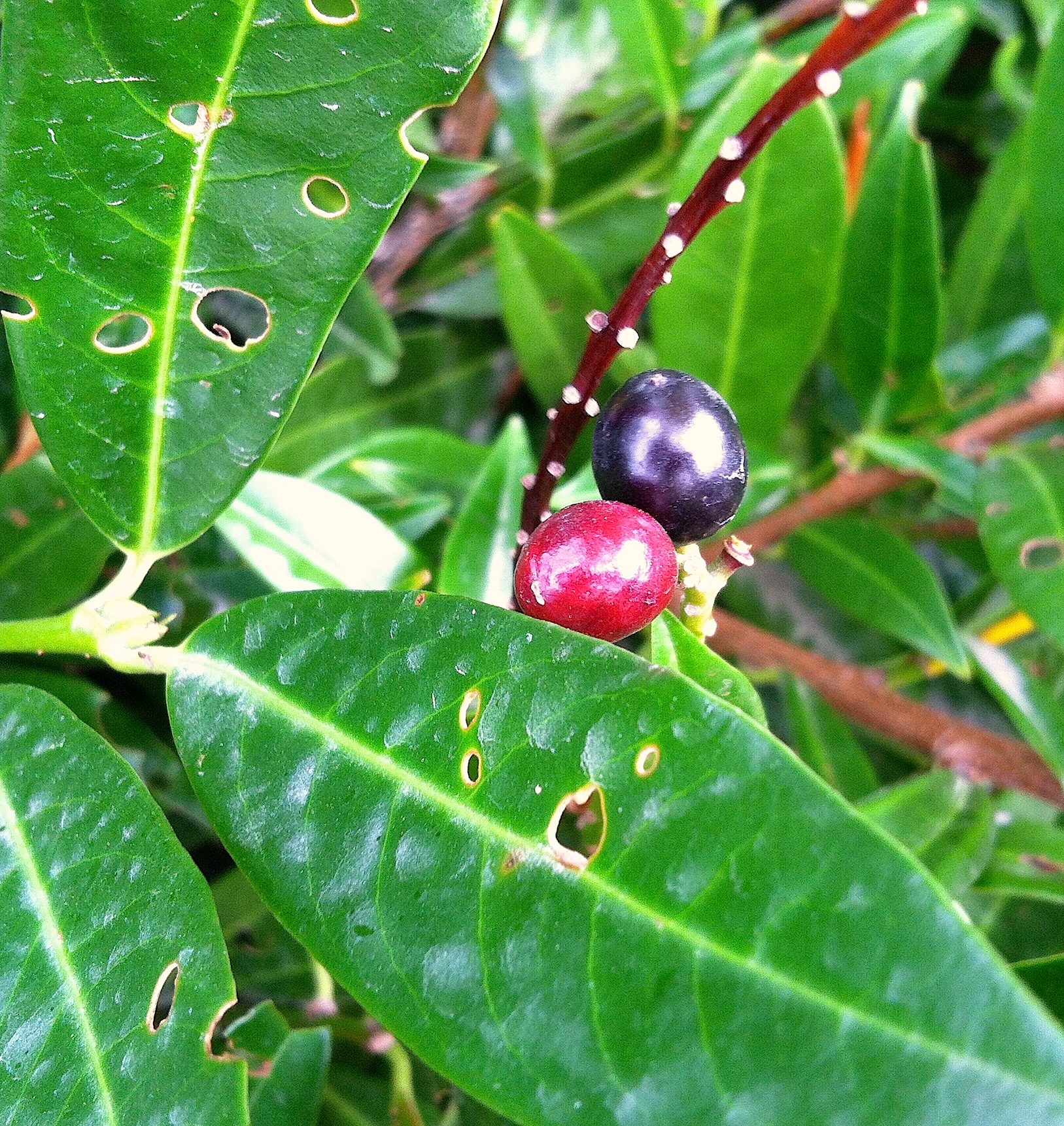
wwuborder2
ornamental hedge berries

wwugeranium2
geranium

wwuseedpod
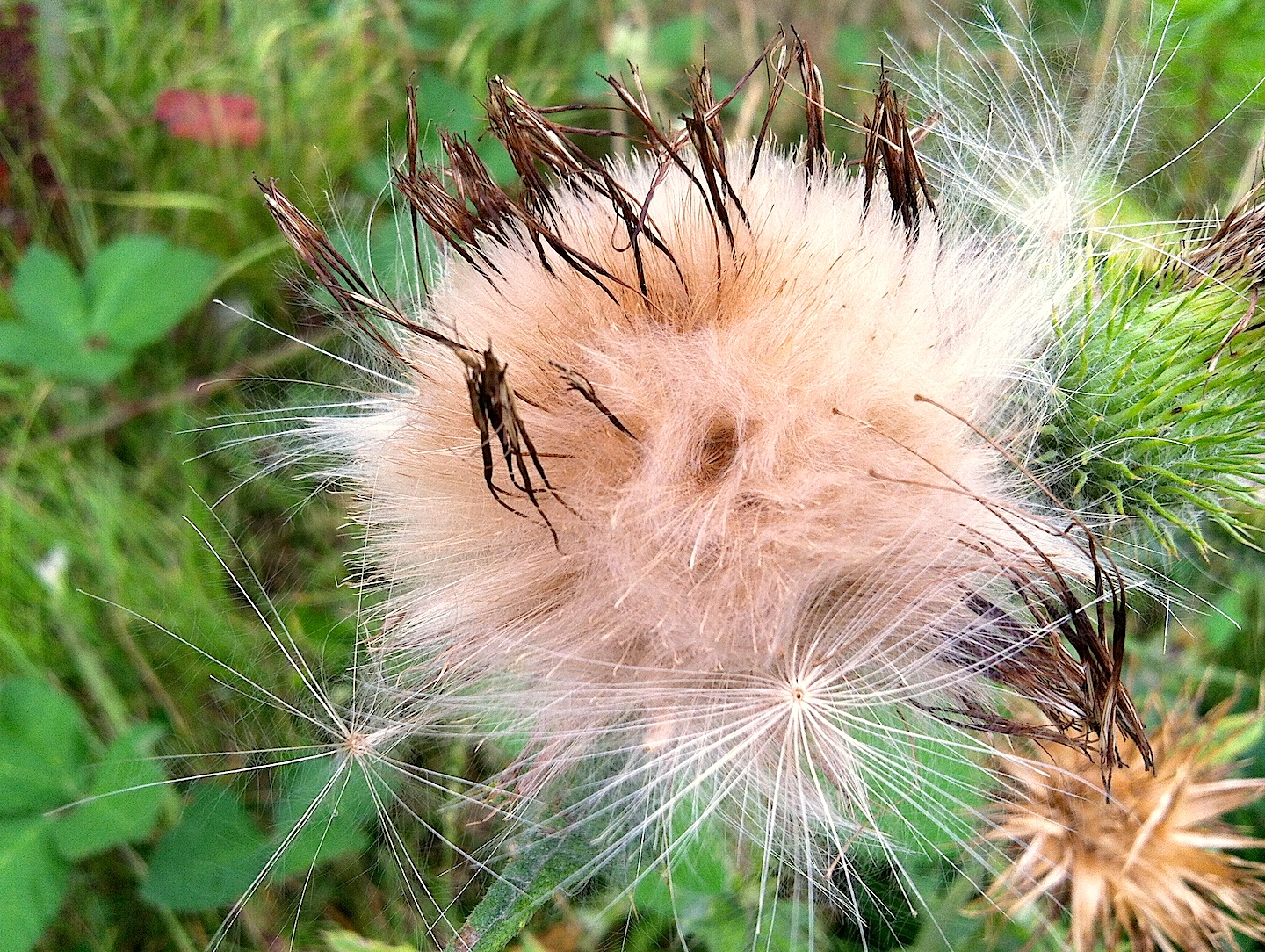
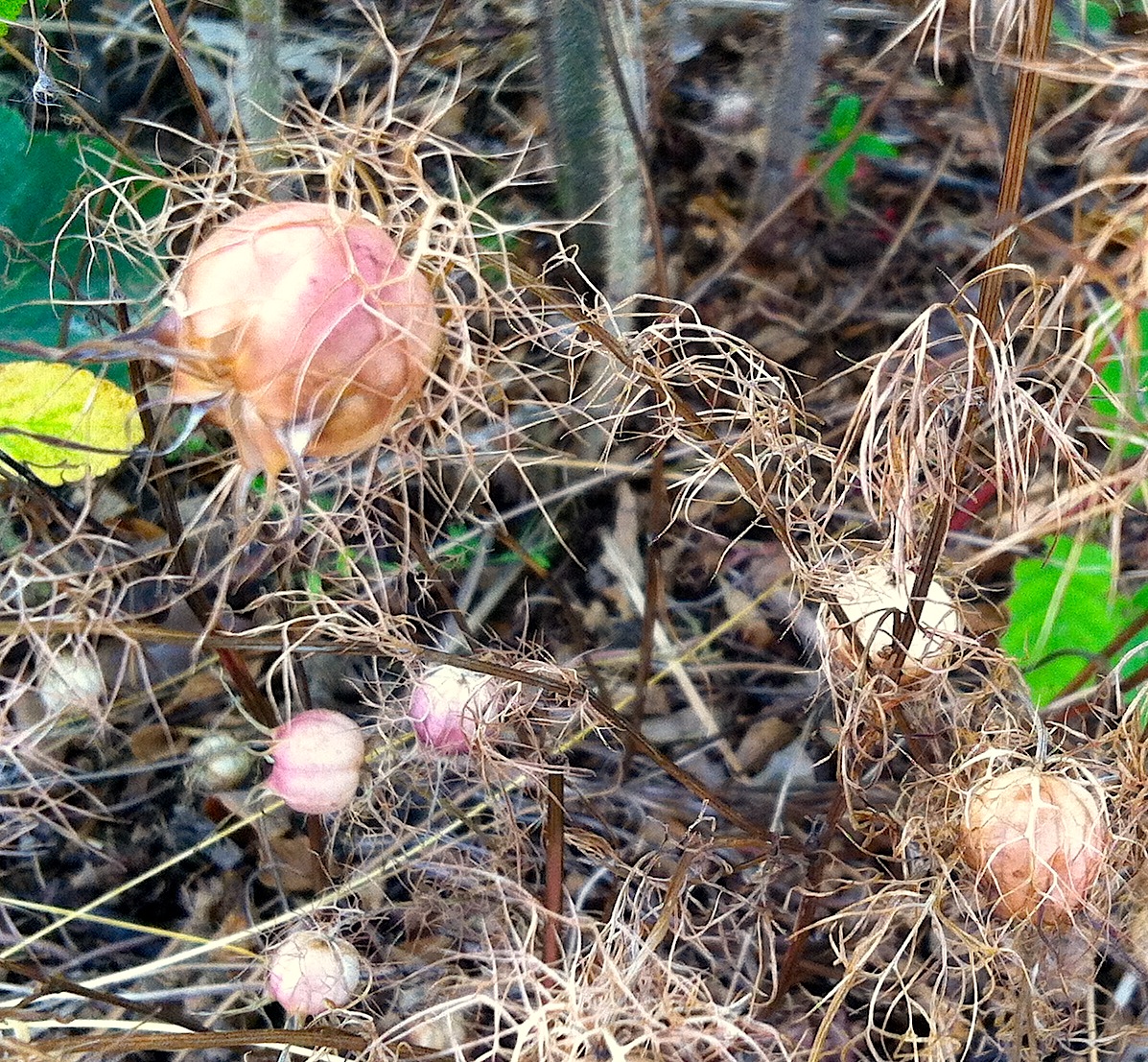
nigella seed pods

lacey4
Queen Anne’s Lace with its “bruised” center

wwupink

wwuscallop

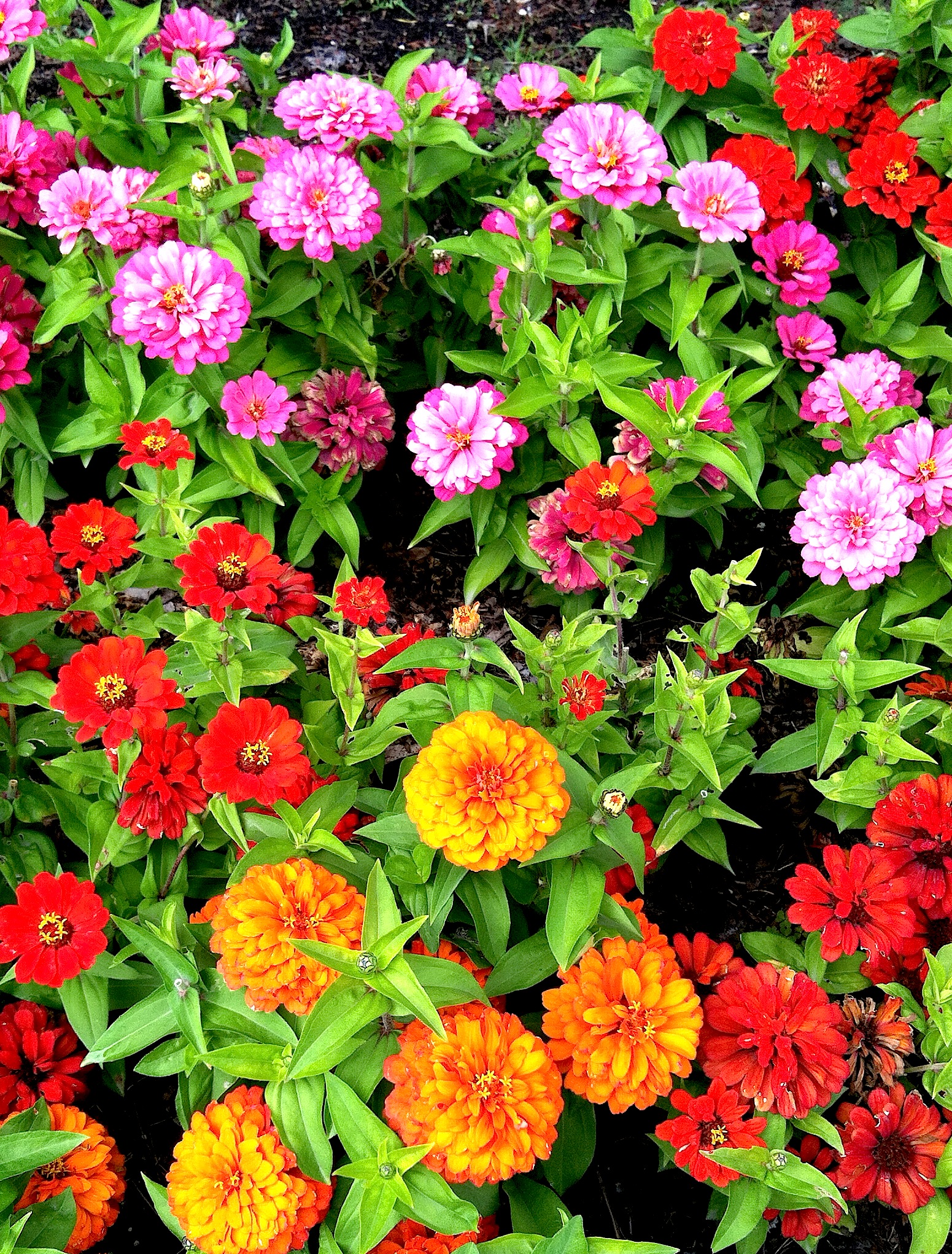
zinniapatch
zinnia patch

WWUpinkcover

cascadeWWU