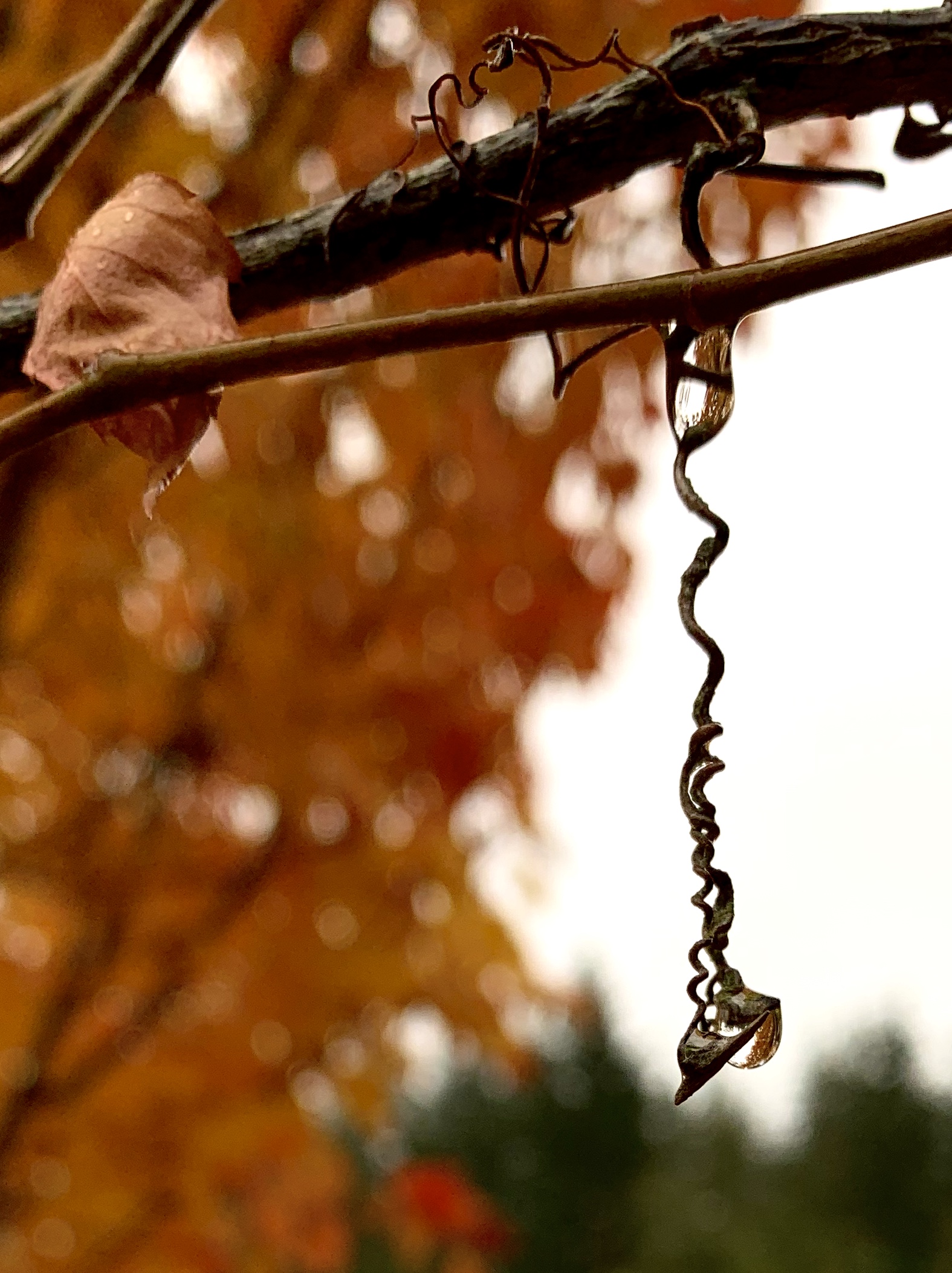
This Garden Entrusted to Me

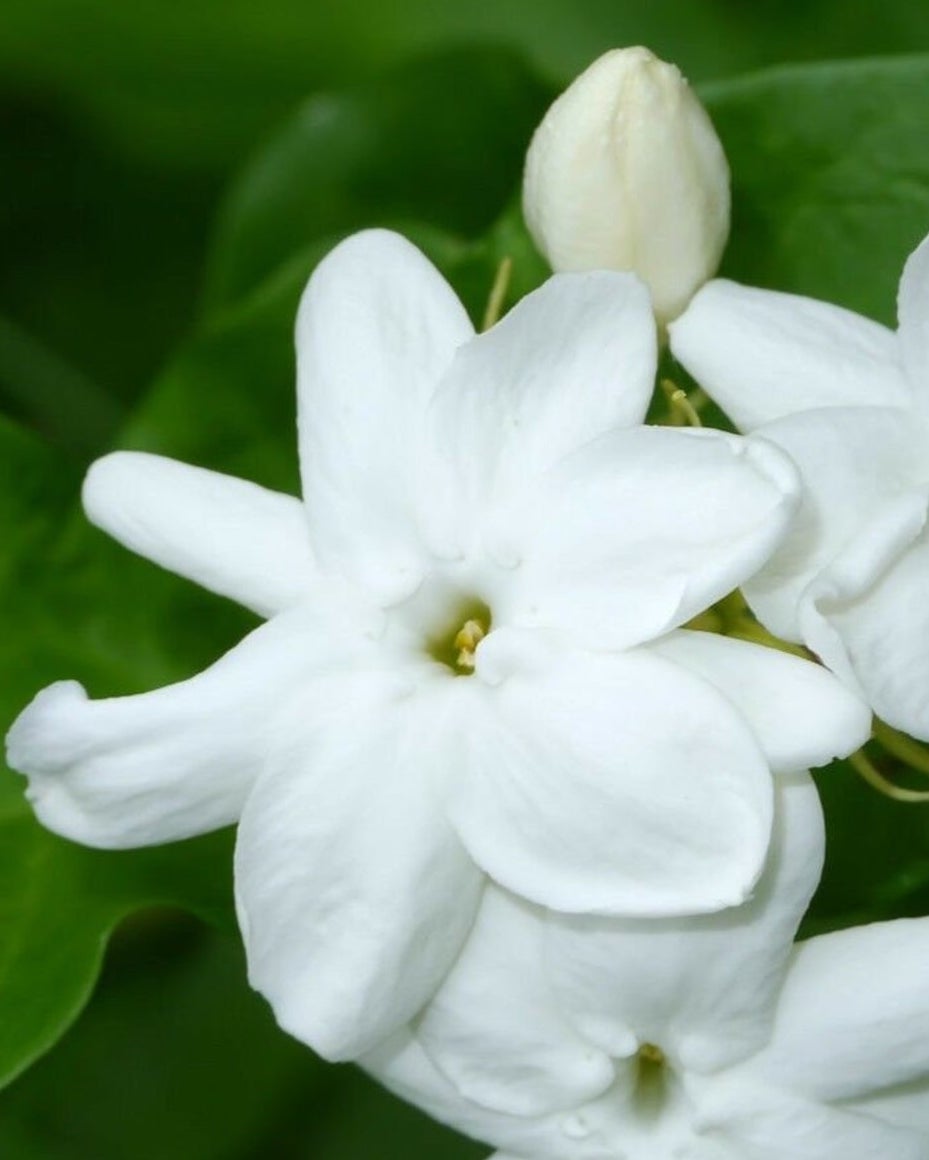
The wind, one brilliant day, called
to my soul with an odor of jasmine.

“In return for the odor of my jasmine,
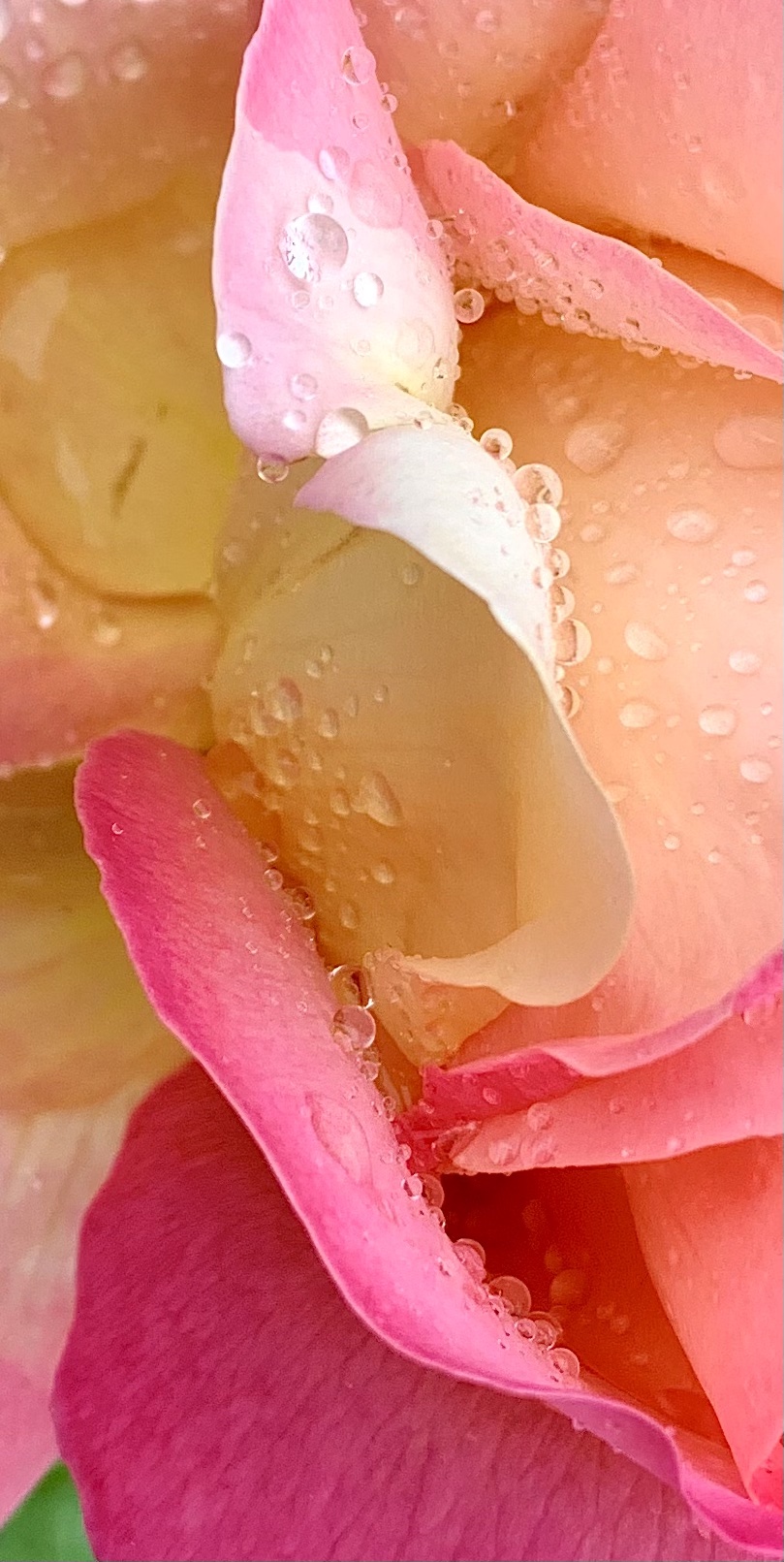
I’d like all the odor of your roses.”

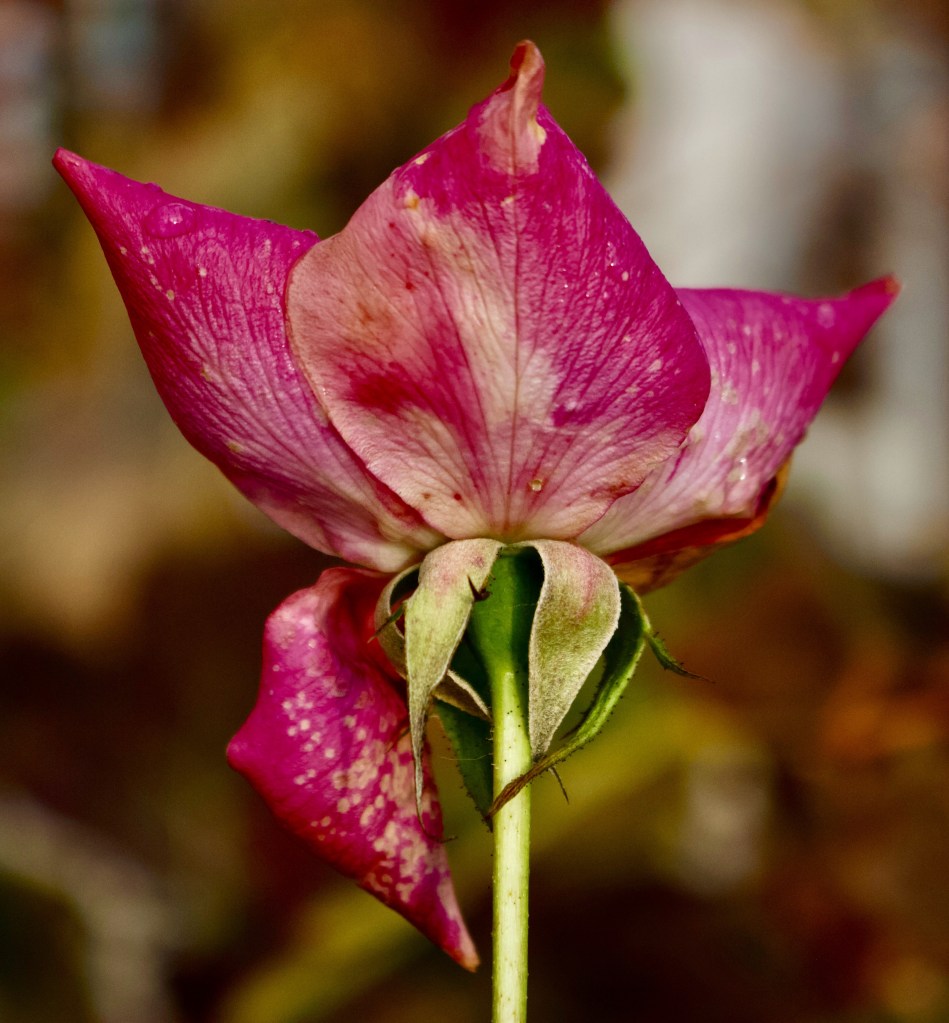
“I have no roses; all the flowers
in my garden are dead.”

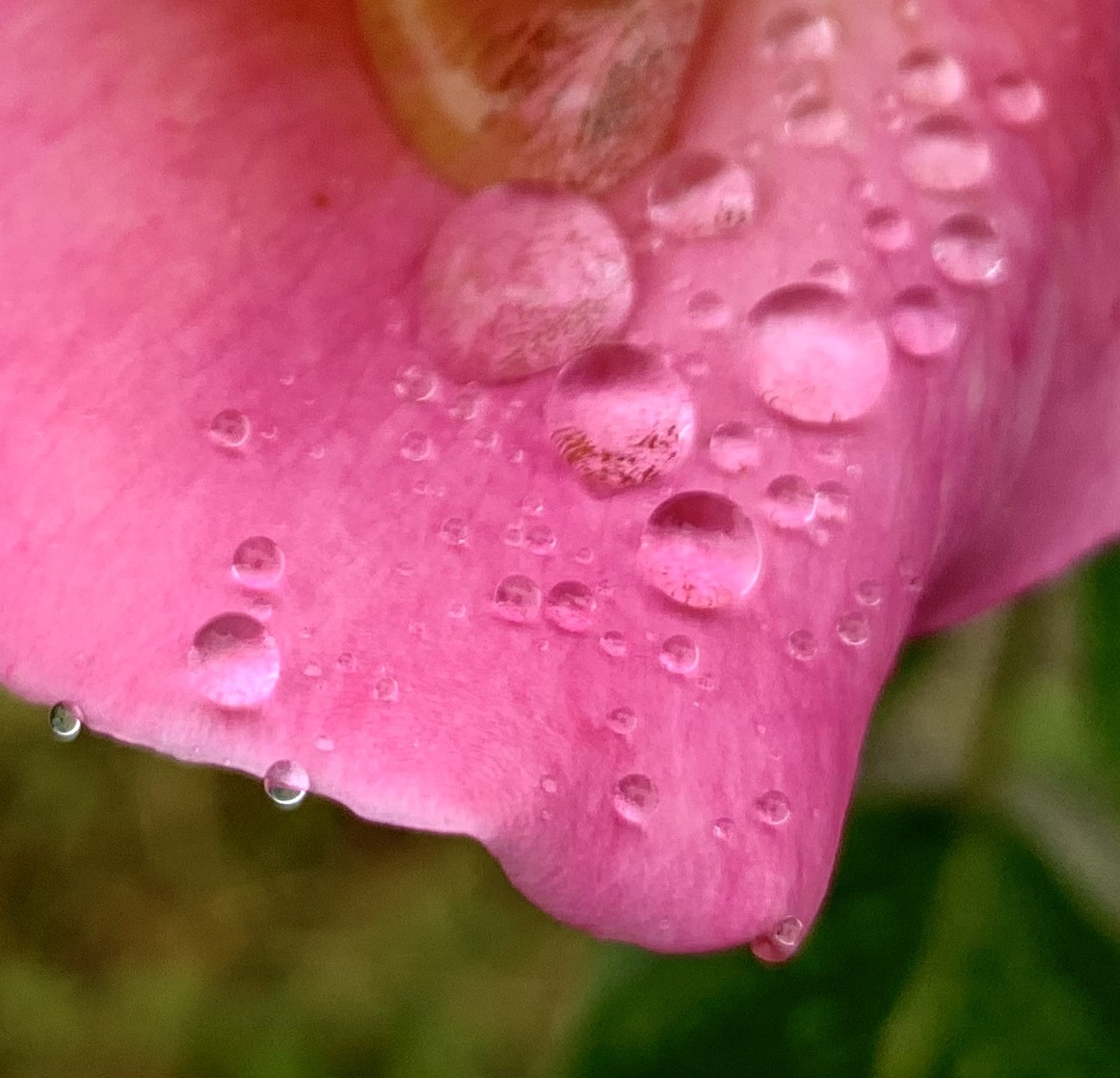
“Well then, I’ll take the withered petals
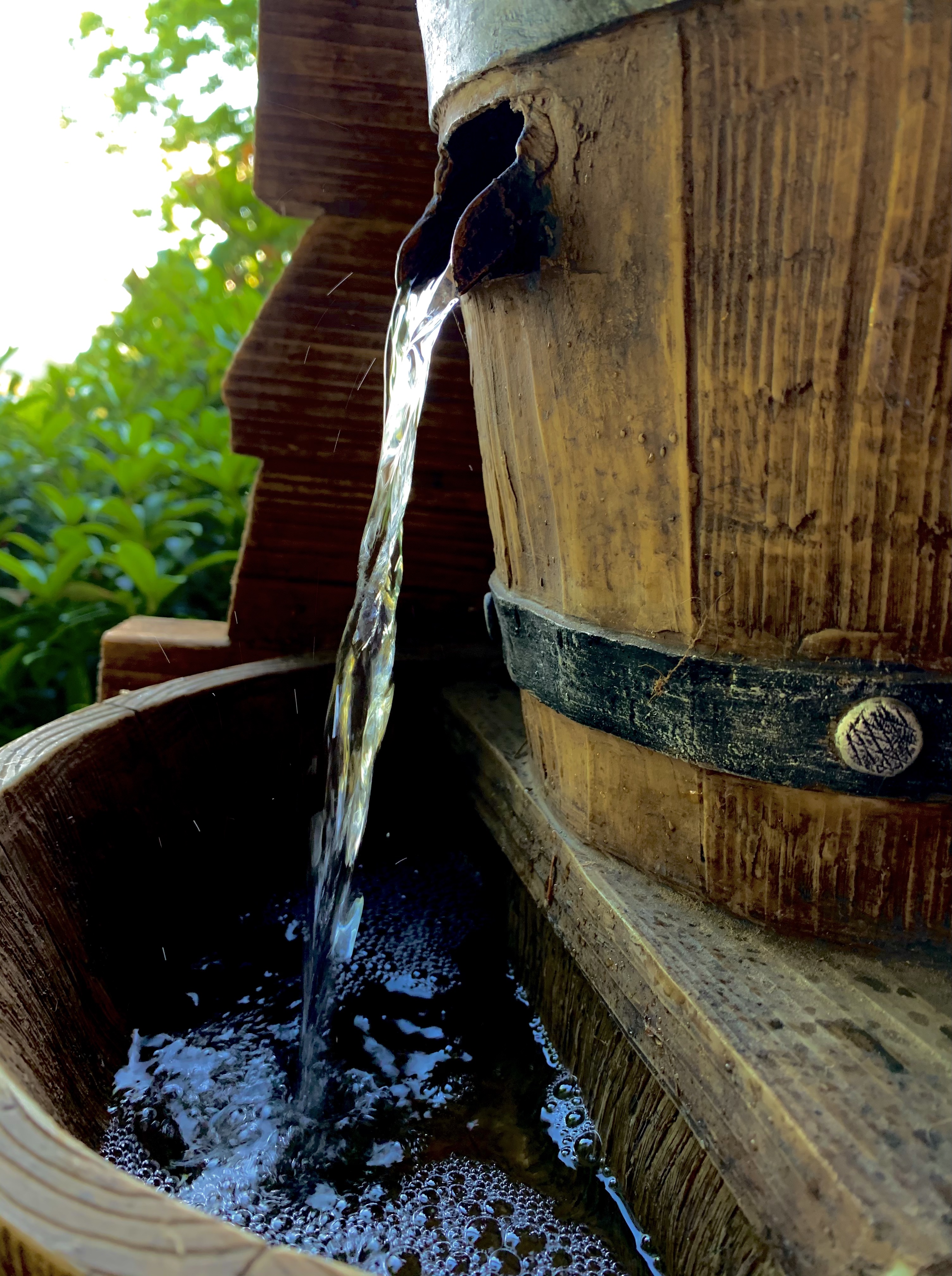
and the yellowed leaves and the waters of the fountain.”

The wind left.  And I wept. And I said to myself:
“What have you done with the garden that was entrusted to you?”
~Antonio Machado “The Wind, One Brilliant Day” translated by Robert Bly

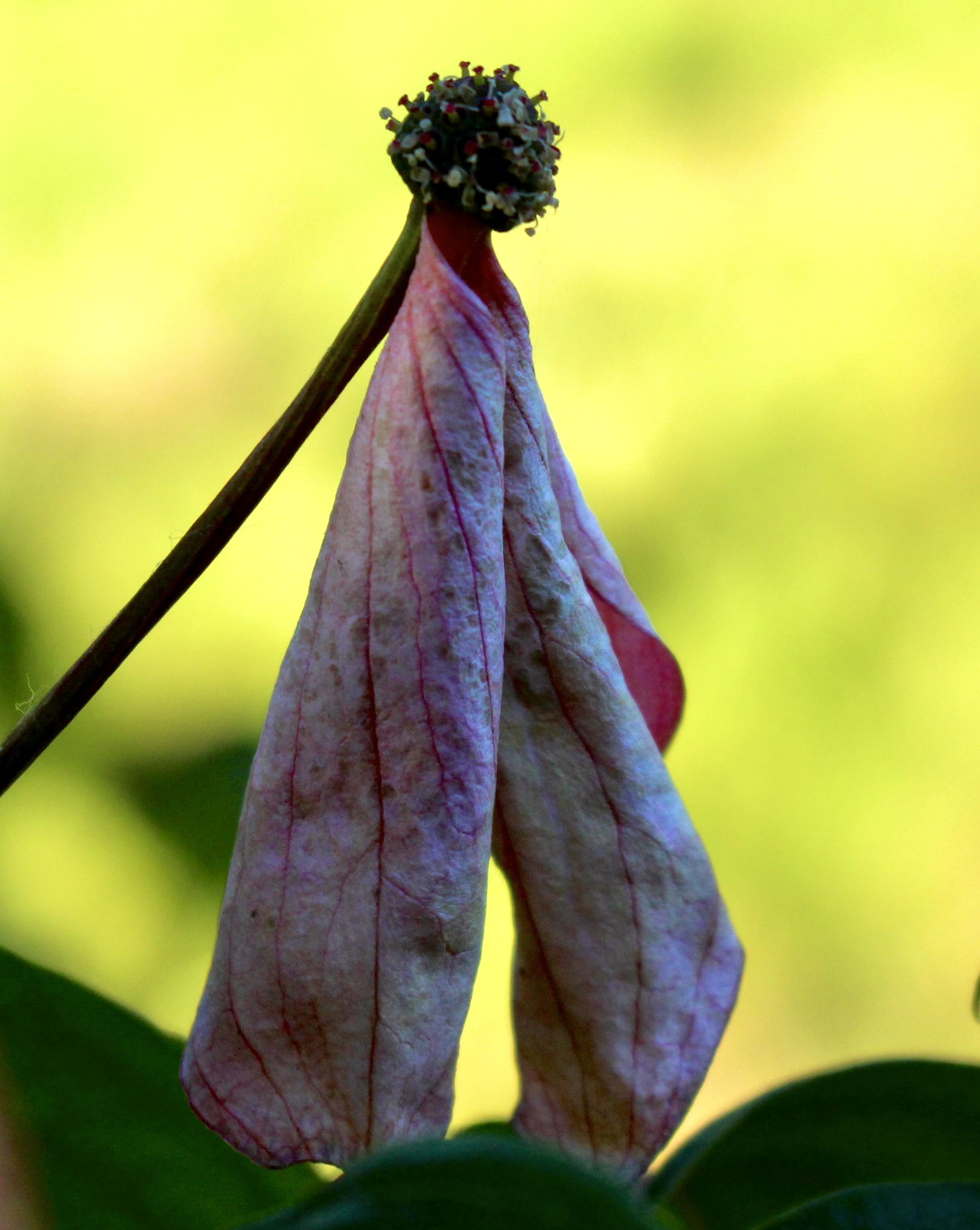
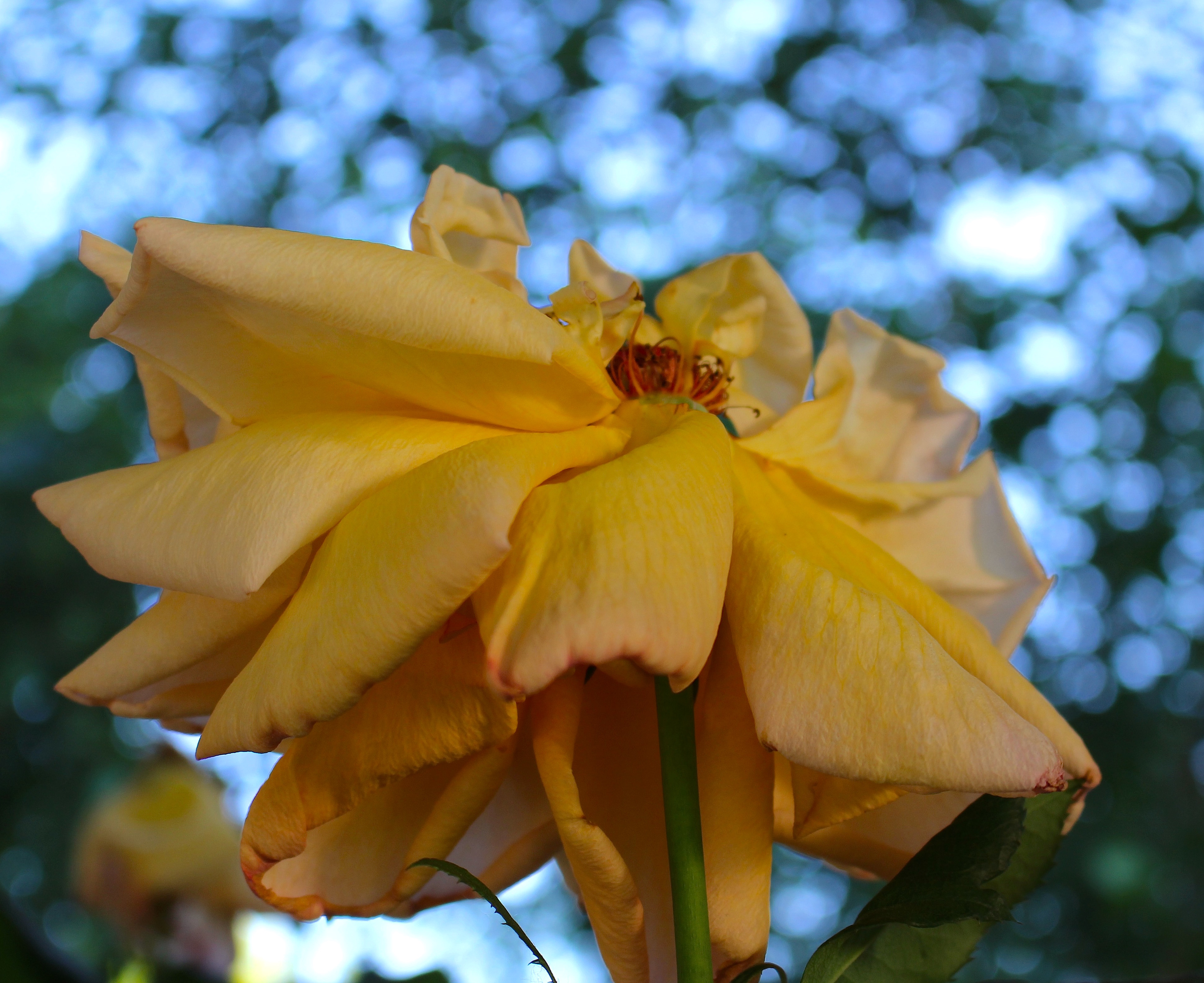
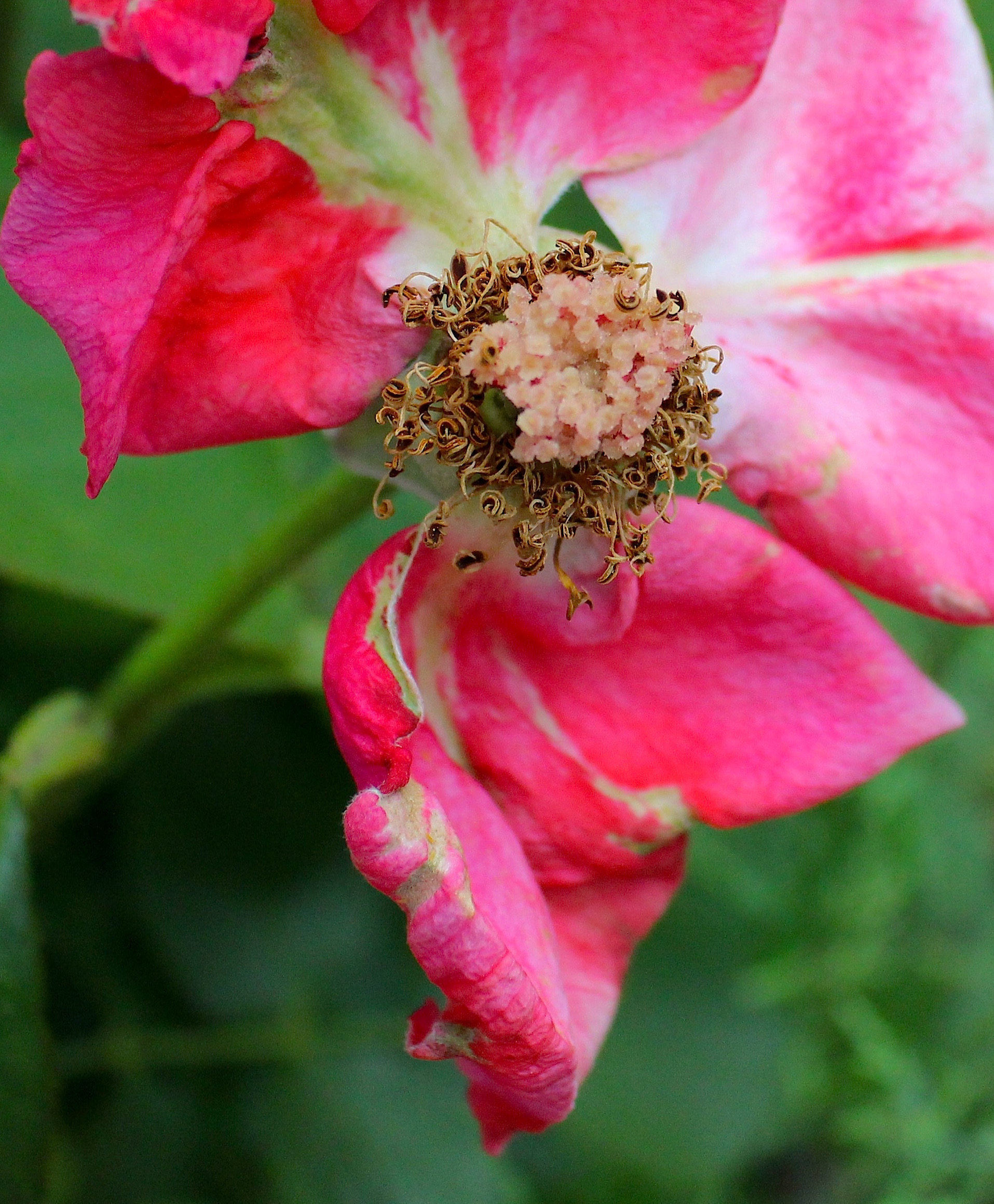
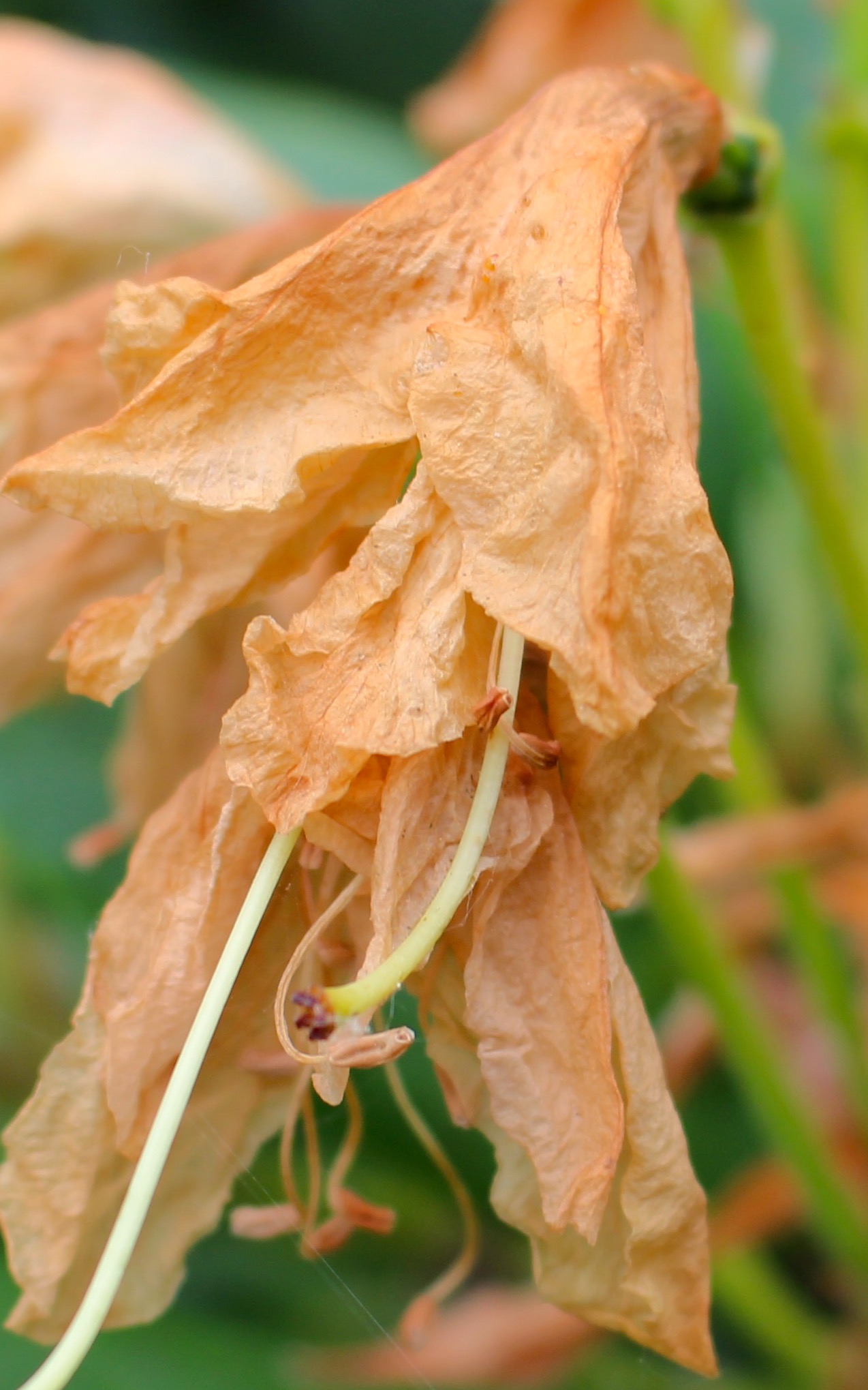
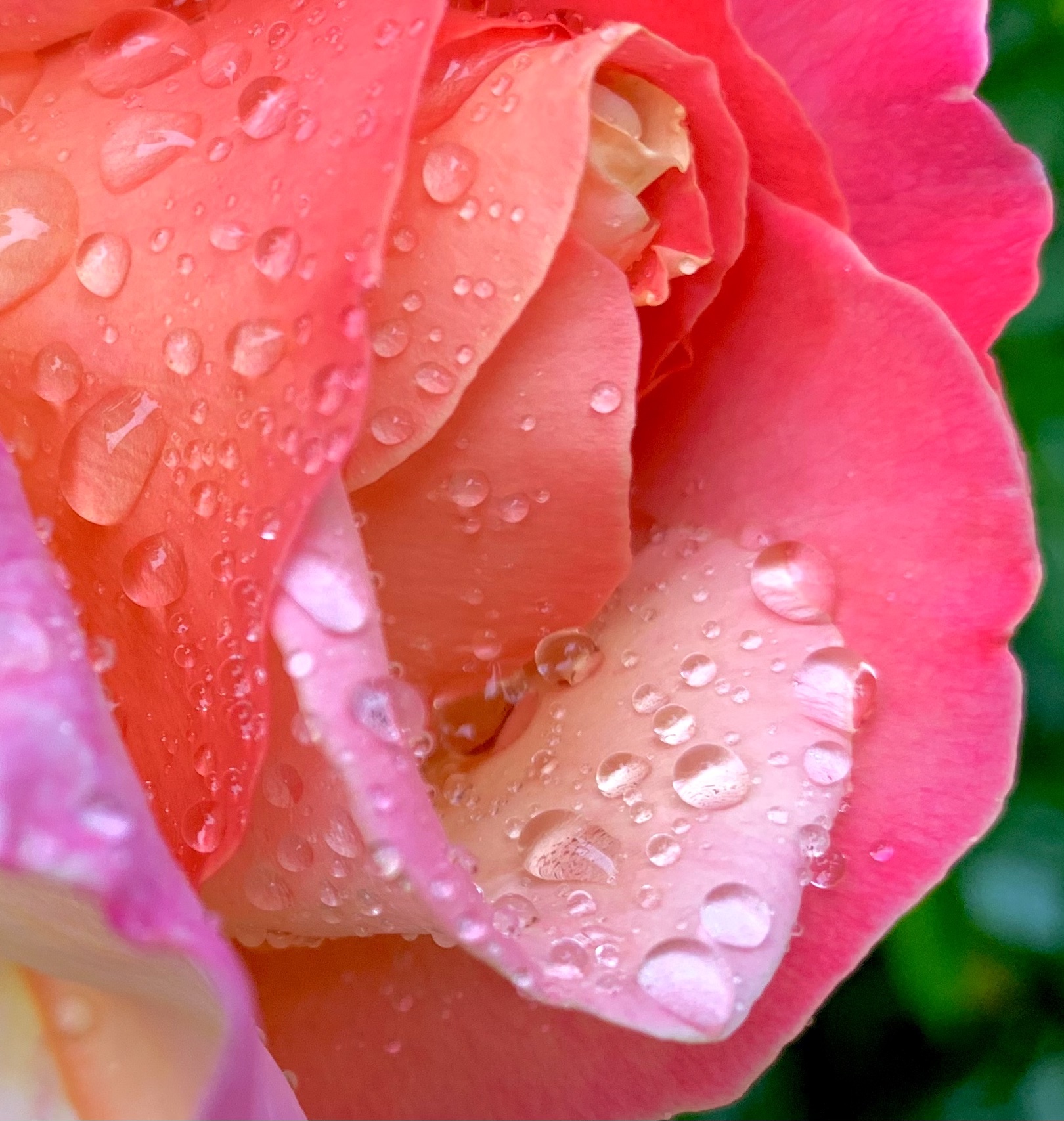
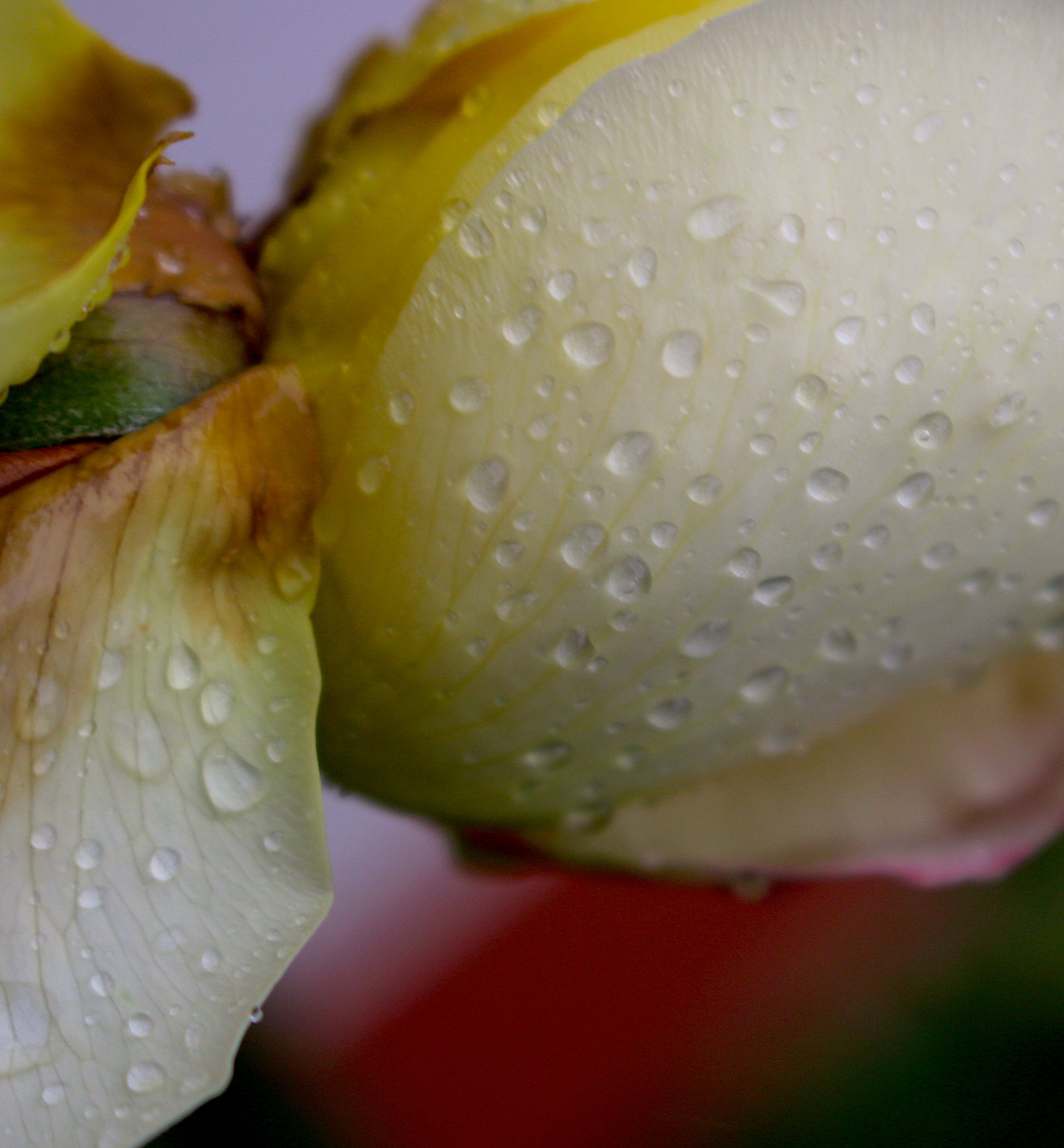
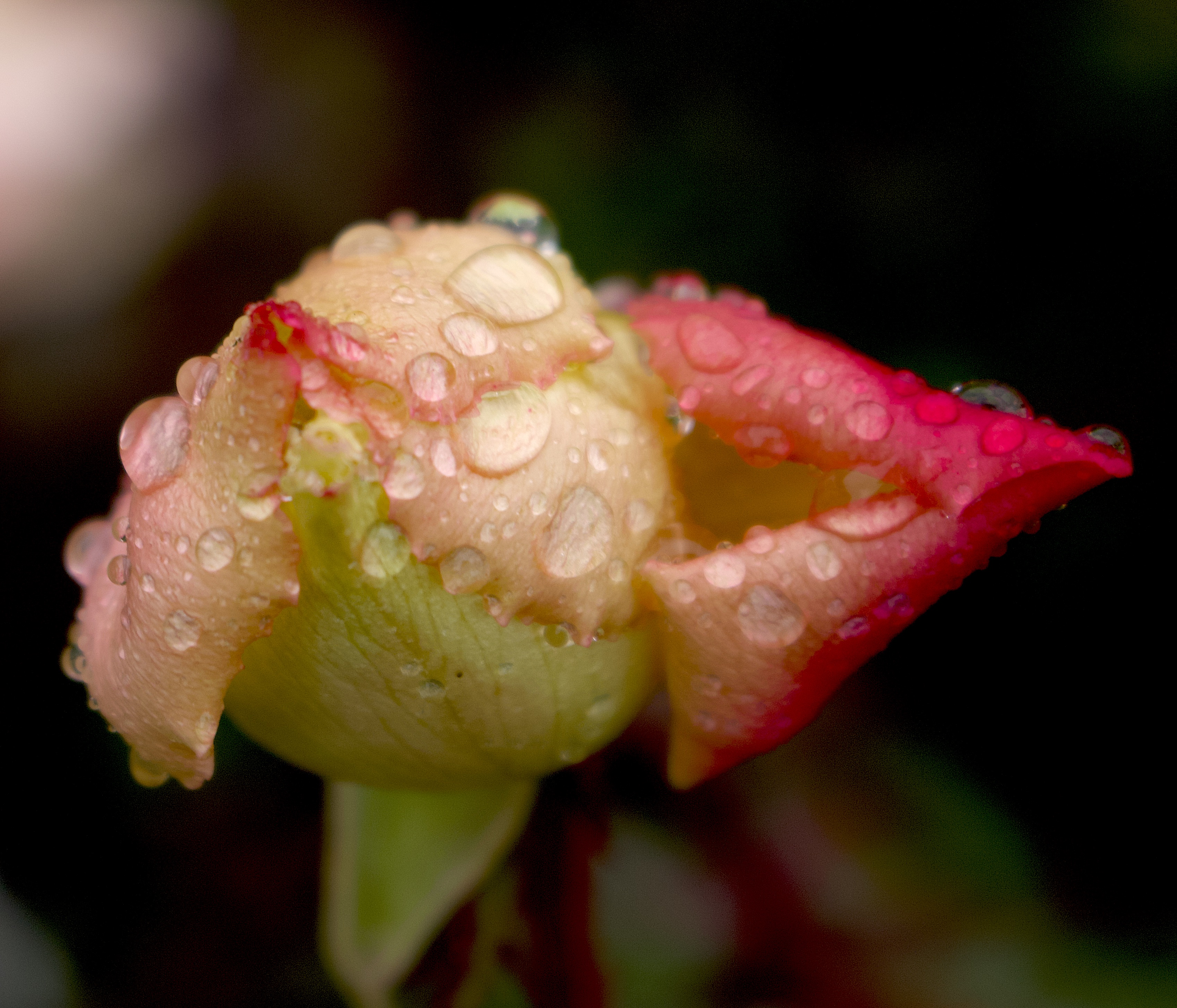
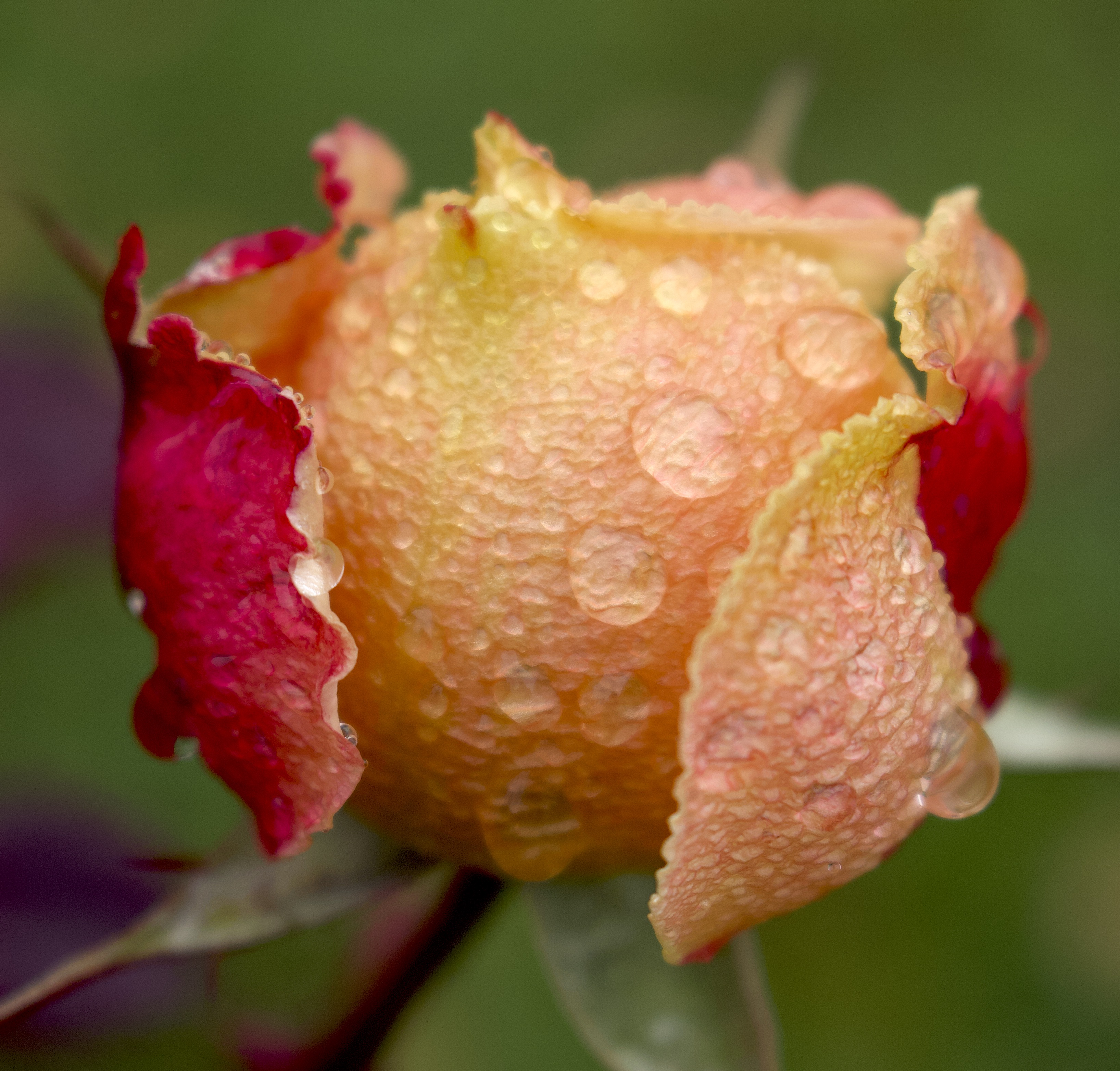
This garden bloomed with potential,
entrusted to me for 32 years:
the health and well-being of 16,000 students,
most thriving and flourishing,
some withering, their petals falling,
a few have been lost altogether.

As the winds of time sweep away
another group of graduates from my care,
to be blown to places unknown,
their beauty and fragrance gone from here.

I marvel at their growth,
but also weary weep for those who left too soon,
wondering if I failed to water them enough –
or is it I who am parched in this garden
with a thirst unceasing, my roots reaching deep
into drought-stricken soil,
ever so slowly drying out?

A new book from Barnstorming available for order here:


The Fly in the Currant Cake

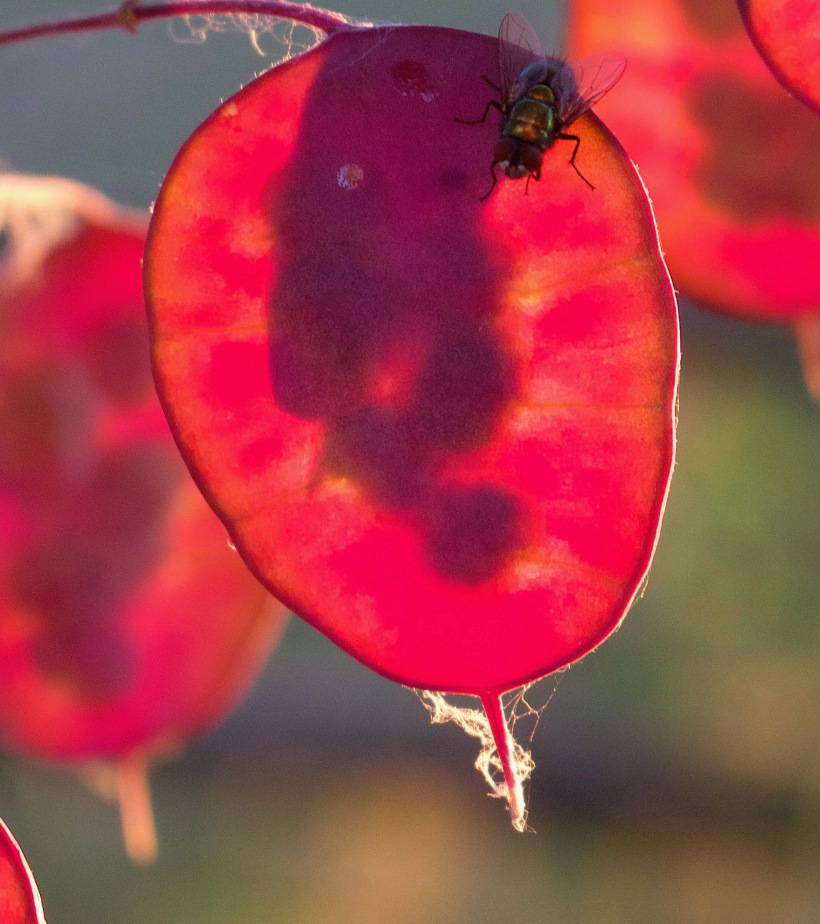
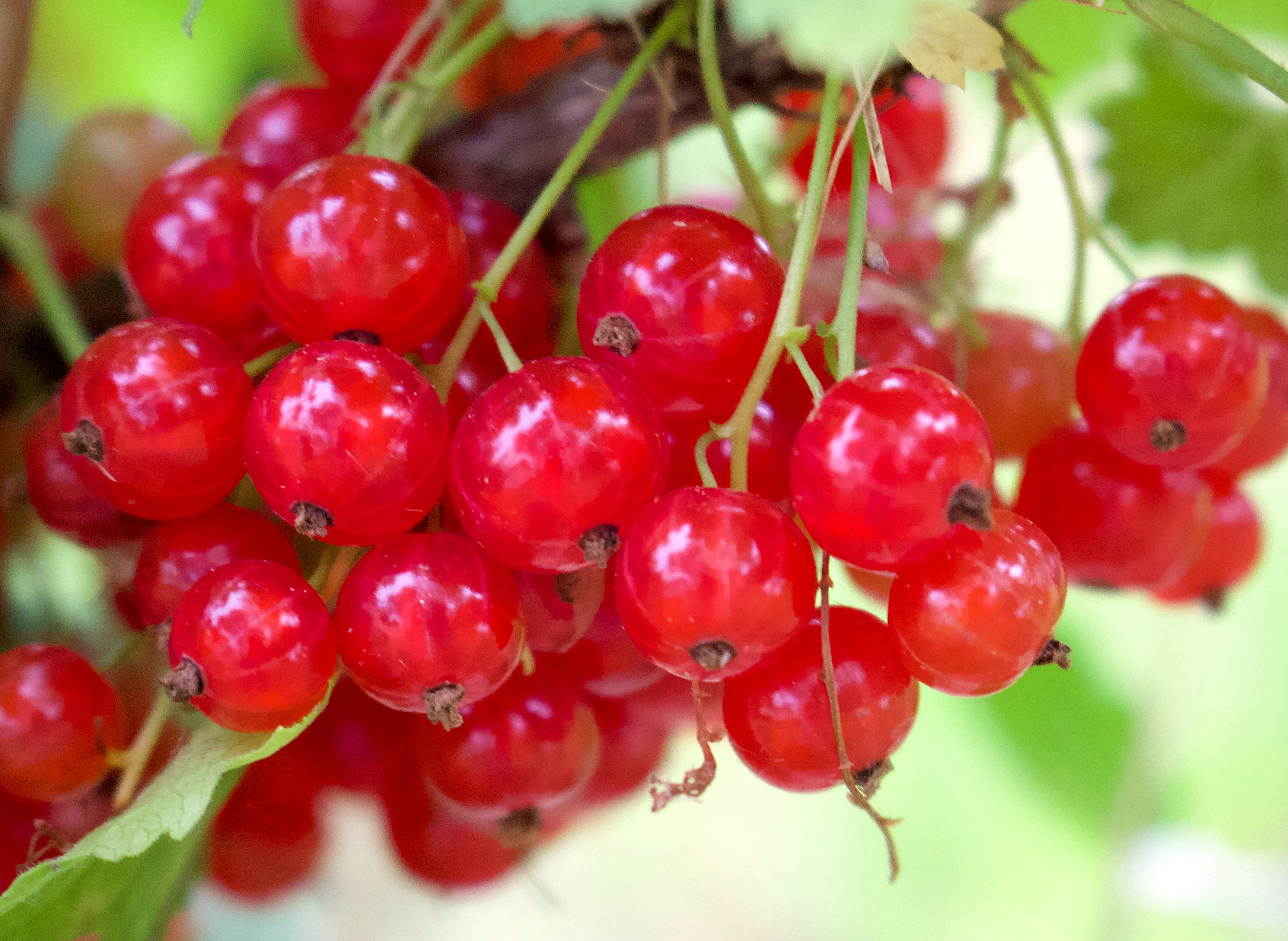
Nothing seems to please a fly so much as to be taken for a currant;
and if it can be baked in a cake and palmed off on the unwary, it dies happy.
~Mark Twain

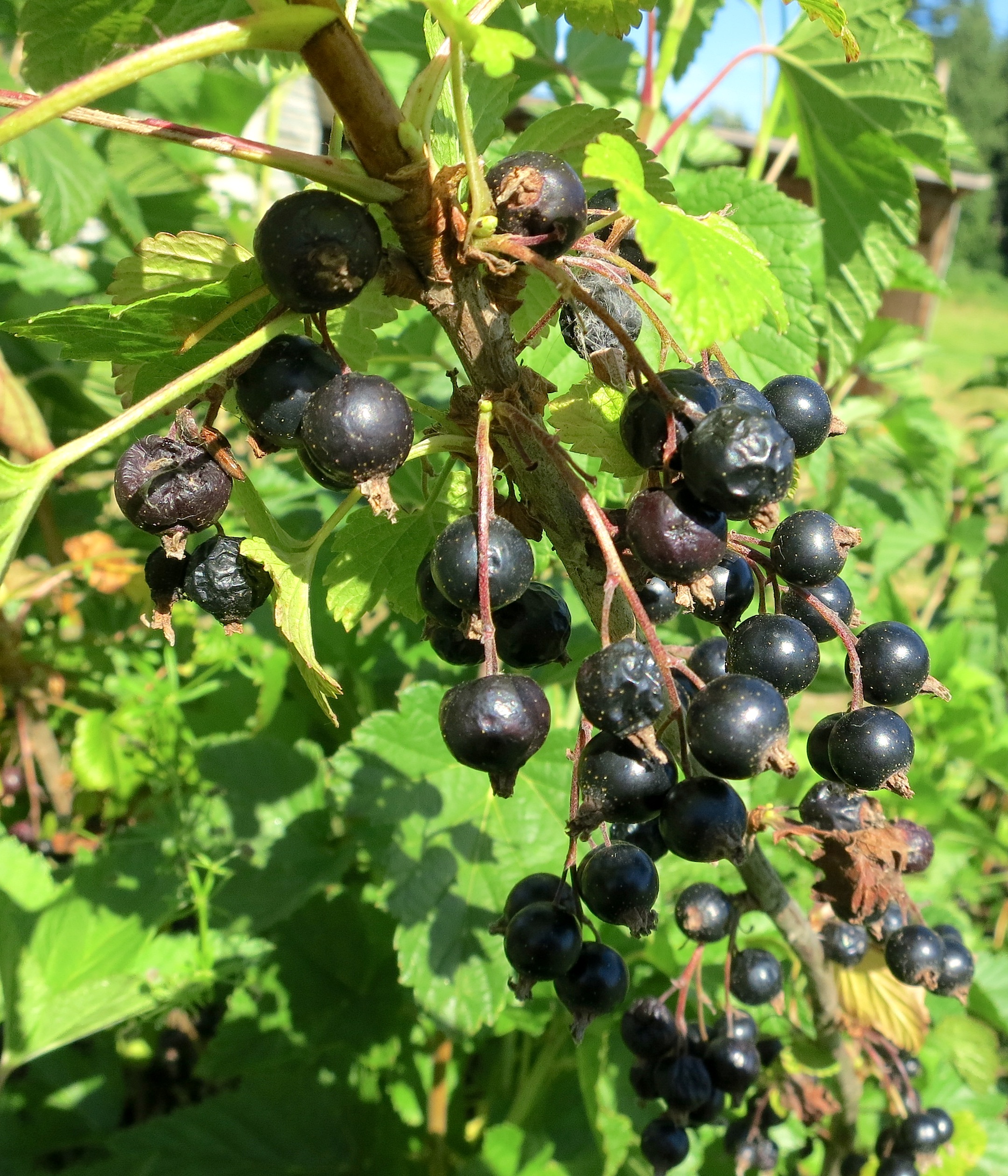
Today I will wrap up 45 years of uninterrupted training and doctoring. Most of that time, I have worried I’m like a fly hiding among the black currants hoping to eventually become part of the currant cake. 

Maybe no one has noticed. These days we call it the “impostor” syndrome. Mark Twain knew all about currant cake and how easy it was for a fly to blend into its batter.

Even while bearing three children and going through a few surgeries myself, I’ve not been away from patients for more than twenty consecutive days at any one time.  This is primarily out of my concern that, even after a few weeks, I would forget all that I’ve ever known. In fact, half of what I learned in medical school and residency over forty years ago has evolved, thanks to new discoveries and clarifying research. I worried if I were to actually to step away from doctoring for an extended time, then return to see patients again, I would be masquerading as a physician rather than be the real thing. A mere fly among the currants palmed off on the unwary.

If being truly honest, those who spend their professional lives providing medical care to others always share this concern: if a patient only knew how much we don’t know and will never know, despite everything we DO know, there would really be no trust left for us at all.

Of course, some say, didn’t the COVID pandemic prove our ignorance? Physicians started at Ground Zero with a novel virus with unclear transmissibility and immense potential to wreak havoc on the human body … or cause no symptoms whatsoever. We had no collected data to base prevention or treatment decisions: would masks just protect others or would they only protect ourselves, or maybe they protect both? Could a common inexpensive anti-inflammatory/antimalarial drug be beneficial or would a parasitic wormer medication be somehow effective to fight the devastation of the virus?

Effective treatments are still being sought all these months later; others have been debated, studied and discarded as worthless.

Or would this pandemic finally resolve thanks to effective yet controversial public health mandates while rapidly distributing highly effective vaccines developed from many prior years of carefully performed research?

During the past 16 months, your next door neighbor, or the loudest tweet on Twitter proclaimed more expertise than the average medical professional and definitely had a stronger opinion. At least we doctors knew how much we didn’t know and how much was simply guess work based on experience, good intentions and hopeful prayer. Gradually, while lives were lost, including too many of our own, real data began to trickle in so decisions could be made with some evidence backing them. But even that data continues to evolve, day by day, as authentic medical evidence always does.

That doesn’t stop all the “quack” flies out there from climbing into the batter pretending to be currants. With so much rapidly changing medical information at everyone’s fingertips, who needs a trained physician when there are so many other resources – sketchy and opportunistic though they may be – for seeking health care advice?

Even so, I am convinced most patients really do care that doctors share the best information they have available at any point in time. None of us who are doctoring wants to be the “fly” in the batter of health care.

As I meet with my last patient today, I know over forty years of clinical experience has given me an eye and an ear for the subtle signs and symptoms that no googled website or internet doc-in-the-box can discern.  The avoidance of eye contact, the tremble of the lip as they speak, the barely palpable rash, the hardly discernible extra heart sound, the fullness over an ovary, the slight squeak in a lung base.  These are things I am privileged to see and hear and about which I make decisions together with my patients.  What I’ve done over four decades has been no masquerade; out of my natural caution, I am not appearing to be someone I am not.  This is what I was trained to do and have done for thousands of days and many more thousands of patients during my professional life, while passing a comprehensive certification examination every few years to prove my continued study and changing fund of knowledge.

The hidden fly in the currant bush of health care may be disguised enough that an unwary patient might gobble it down to their ultimate detriment. I know I’ve not been that doctor. I’ve been the real thing all these years for my patients, even if I’ve seemed a bit on the tart side at times, yet offering up just enough tang to be exactly what was needed in the moment and in the long term.
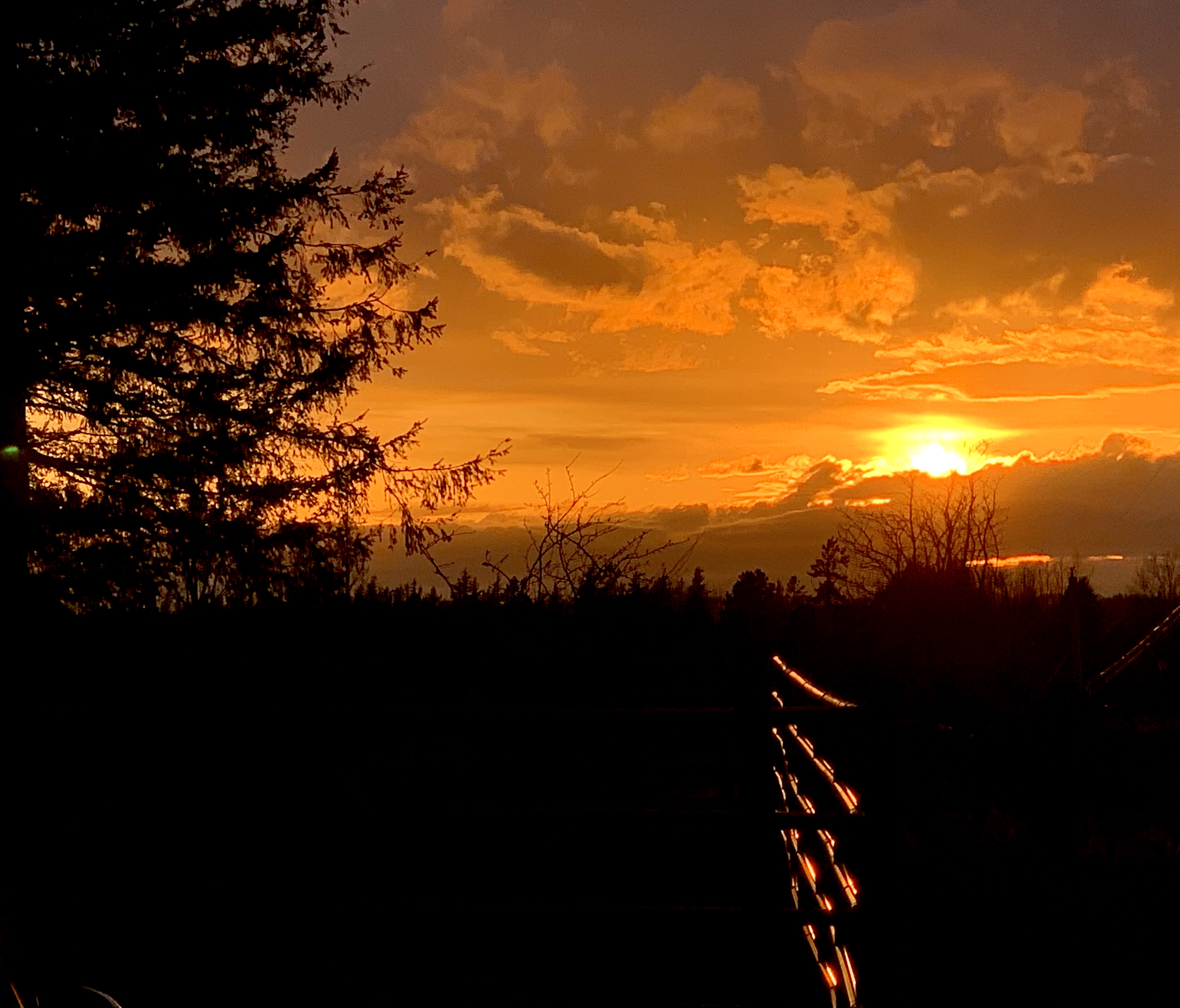
And someday, hopefully not too soon, I will die happy having done this with my life.

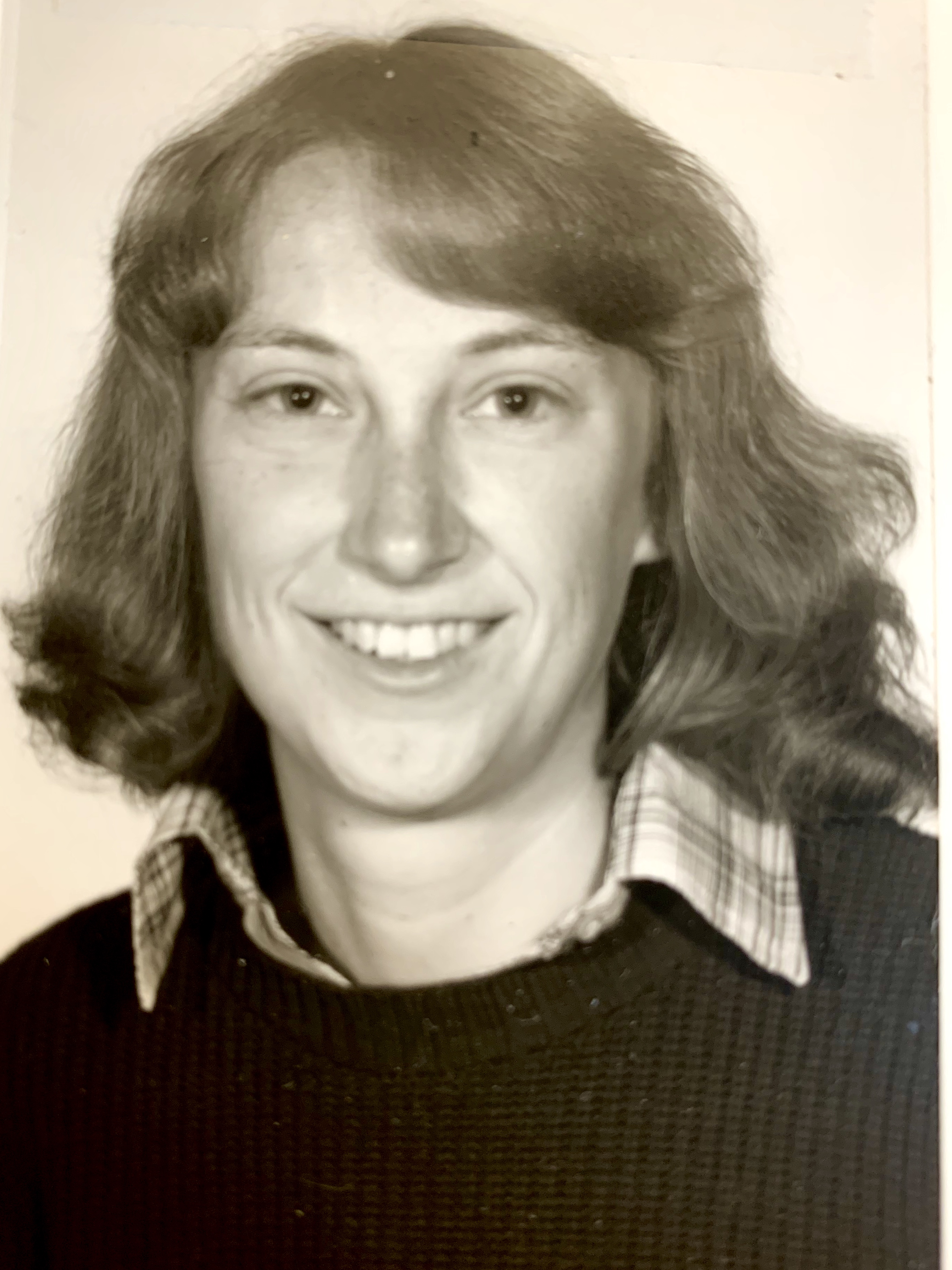
My ID photo from my first year of medical school 1976
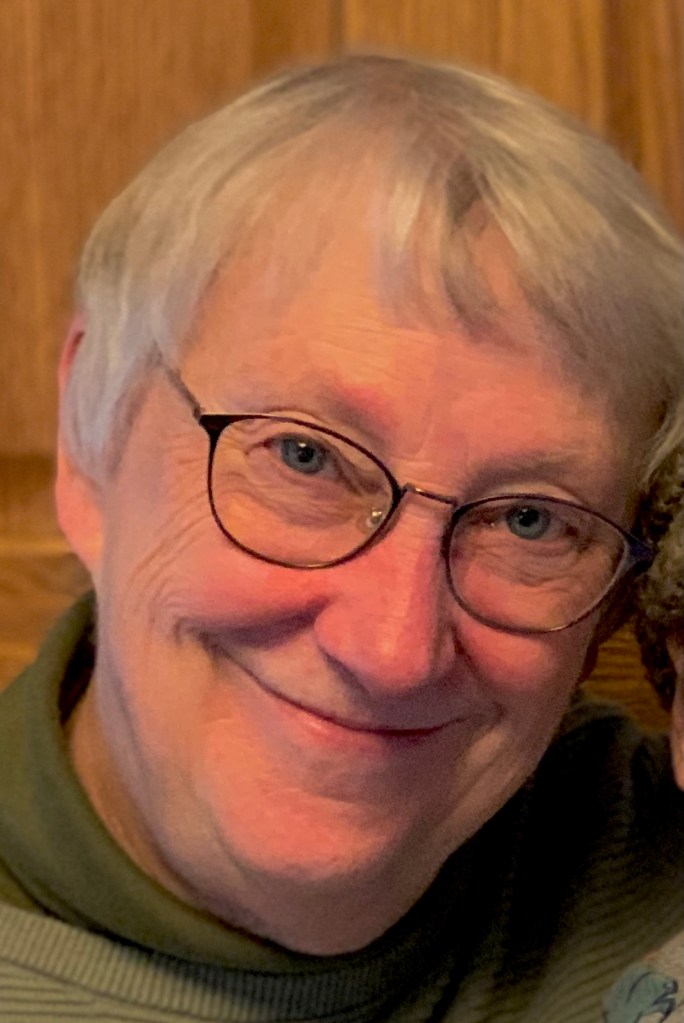
45 years later…

A new book from Barnstorming is available to order here:

Cure for Every Hurt

hankerchief tree (Ireland)
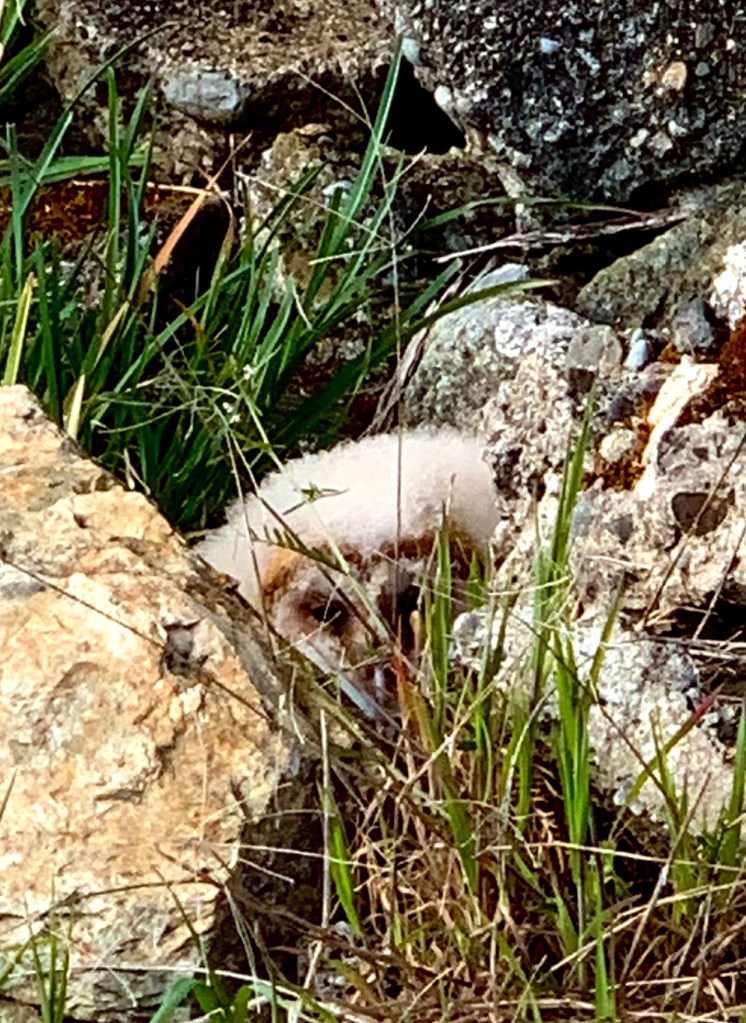
Baby Barn Owlet hiding in the rocks and grass
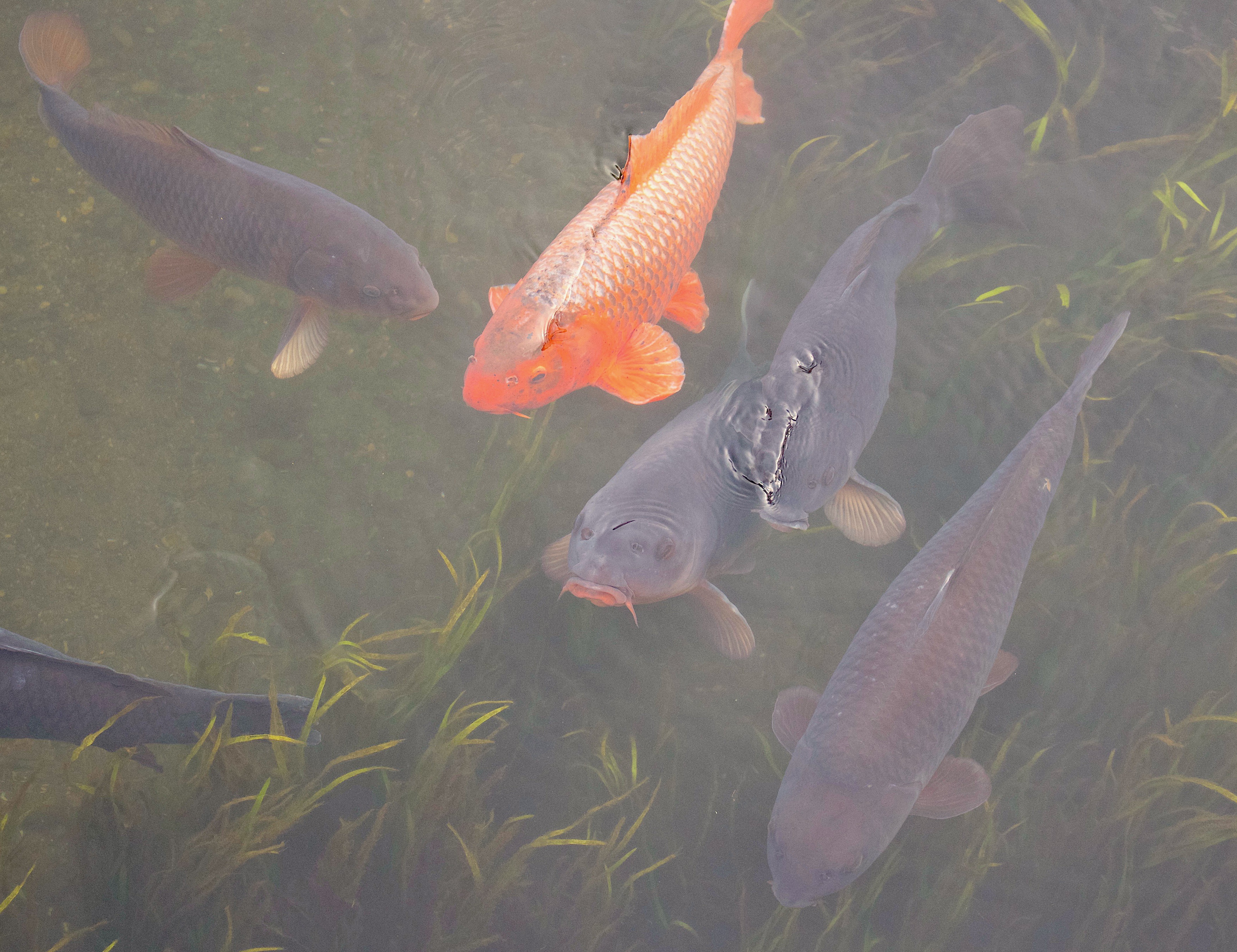
River carp (2-3 feet long) in Higashi-Kurume, Tokyo

Gardens are also good places
to sulk. You pass beds of
spiky voodoo lilies   
and trip over the roots   
of a sweet gum tree,   
in search of medieval   
plants whose leaves,   
when they drop off   
turn into birds
if they fall on land,
and colored carp if they   
plop into water.

Suddenly the archetypal   
human desire for peace   
with every other species   
wells up in you. The lion   
and the lamb cuddling up.
The snake and the snail, kissing.
Even the prick of the thistle,   
queen of the weeds, revives   
your secret belief
in perpetual spring,
your faith that for every hurt   
there is a leaf to cure it.

~Amy Gerstler “Perpetual Spring” from Bitter Angel

photo by Tomomi Gibson

We all want to fix what ails us: that was the point of my many years of medical training and over 40 years “practicing” that art. We want to know there is a cure for every hurt, an answer for every question, a resolution to every mystery, or peace for every conflict.

And there is. It just isn’t always on our timeline, nor is it always the answer we expect, nor the conflict magically dissolved. The mystery shall remain mystery until every tear is dried, as we stand before the Face of our Holy God who both loves and judges our hearts.
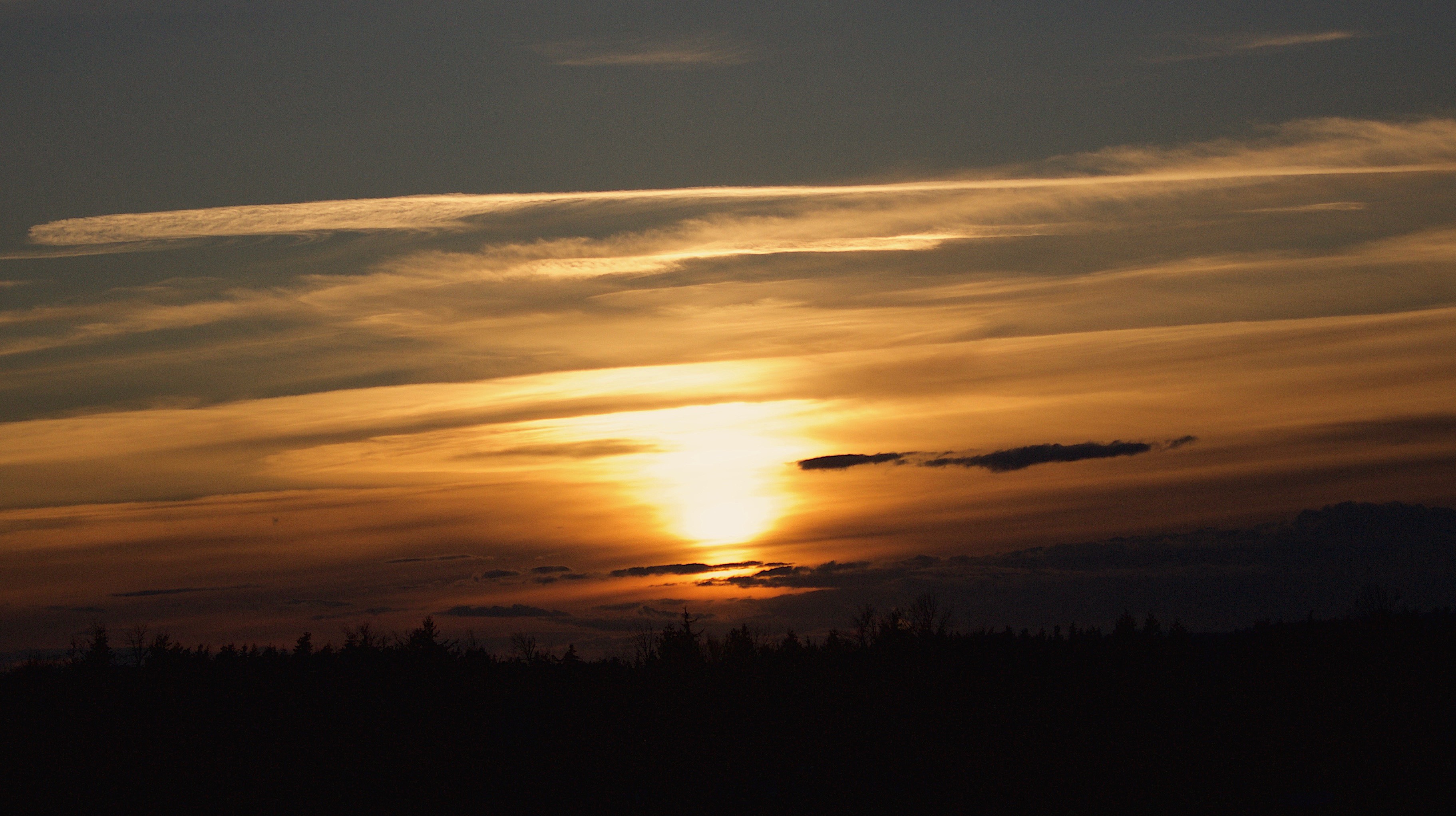
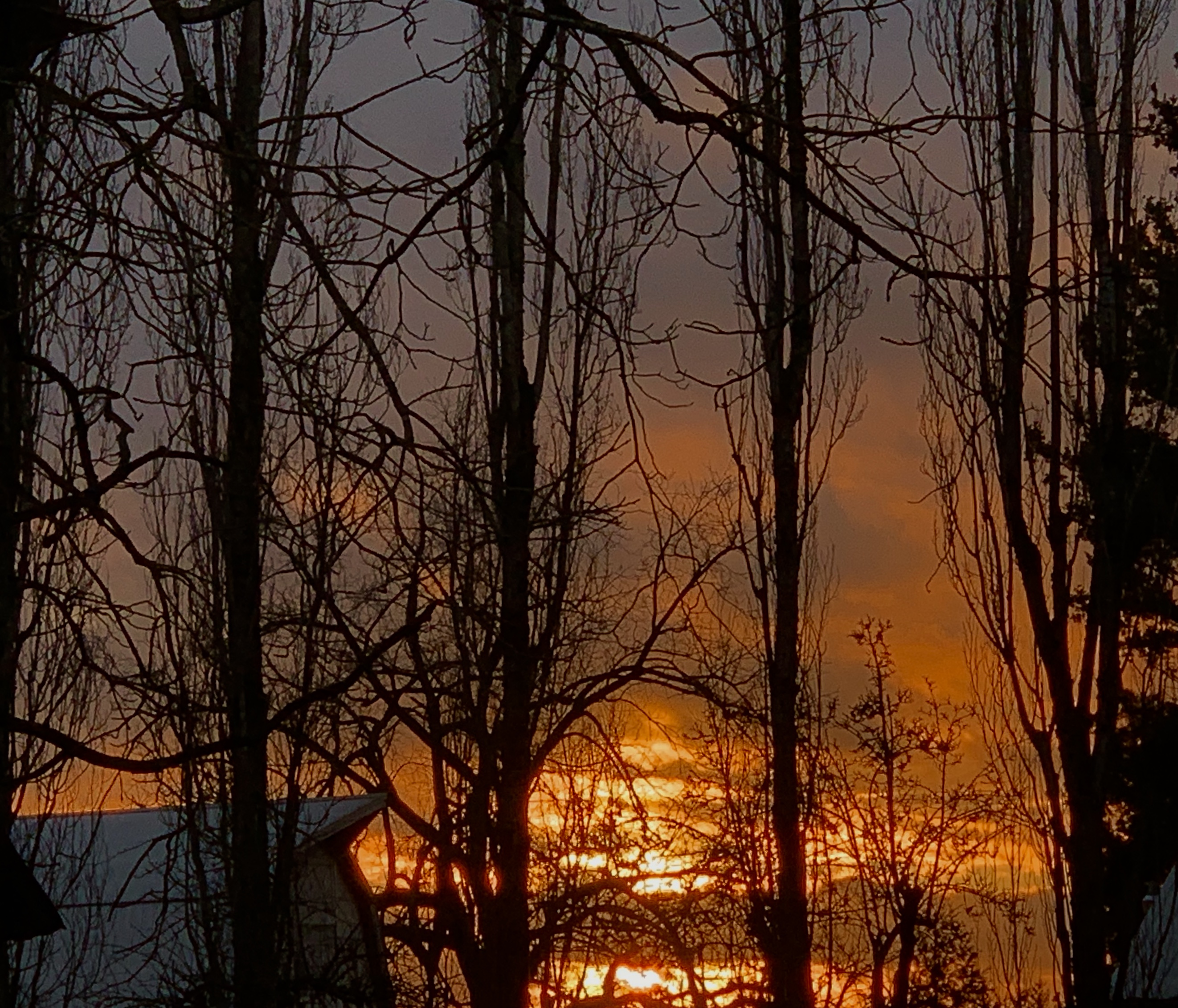
Sometimes this life hurts – a lot – but I believe in the perpetual Spring and Resurrection that guarantees our complete healing.

Soli Deo Gloria

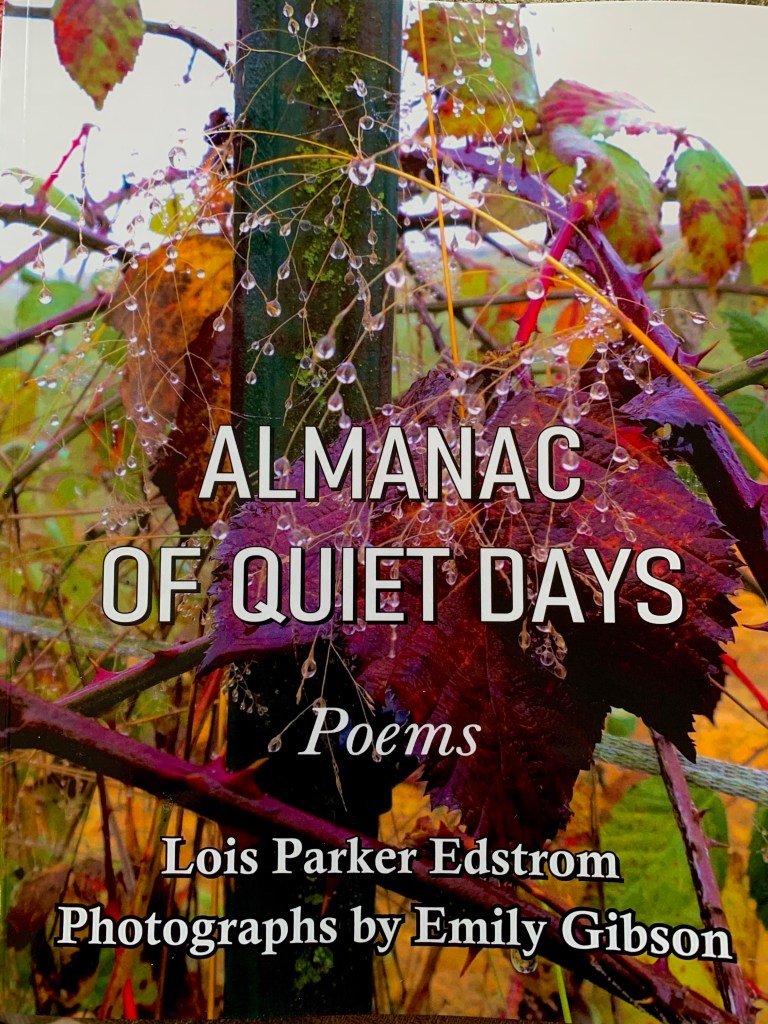
A new book available to order https://barnstorming.blog/new-book-available-almanac-of-quiet-days/from Barnstorming and poet Lois Edstrom!

Waiting in Wilderness: Removing a Splinter

To pull the metal splinter from my palm
my father recited a story in a low voice.
I watched his lovely face and not the blade.
Before the story ended, he’d removed
the iron sliver I thought I’d die from.

I can’t remember the tale,
but hear his voice still, a well
of dark water, a prayer.
And I recall his hands,
two measures of tenderness
he laid against my face,
the flames of discipline
he raised above my head.

Had you entered that afternoon
you would have thought you saw a man
planting something in a boy’s palm,
a silver tear, a tiny flame.
Had you followed that boy
you would have arrived here,
where I bend over my wife’s right hand.

Look how I shave her thumbnail down
so carefully she feels no pain.
Watch as I lift the splinter out.
I was seven when my father
took my hand like this,
and I did not hold that shard
between my fingers and think,
Metal that will bury me,
christen it Little Assassin,
Ore Going Deep for My Heart.
And I did not lift up my wound and cry,
Death visited here!
I did what a child does
when he’s given something to keep.
I kissed my father.
~Li-Young Lee, “The Gift” from Rose

I did, without ever wanting to, remove my own children’s splinter, lanced a boil, immobilized a broken arm, pulled together sliced skin, cleaned many dirty wounds. It felt like I crossed the line between mommy and doctor.  But someone had to do it, and a four hour wait in the emergency room didn’t seem warranted.

My own children learned to cope with hurt made worse by someone they trusted to be comforter.

I dealt with inflicting pain, temporary though it may be, to flesh that arose from my flesh.  It hurt as much as if it were my own wound needing cleansing, not theirs.

Our wounds are His – He is constantly feeling our pain as He performs healing surgeries in our lives, not because He wants to but because He must, to save us from our own destruction. Too often we yell and kick and protest in our distress, making it all that much more difficult for both of us.

If only we can come to acknowledge His intervention is our salvage:
our tears to flow in relief, not anguish,
we cling to His protection rather than pushing Him away,
we kiss Him in gratitude as we are restored again and yet again.

Waiting in Wilderness: Weary Worn and Sad

Here dies another day
During which I have had eyes, ears, hands
And the great world round me;
And with tomorrow begins another.
Why am I allowed two?
~G.K. Chesterton

Any number of times a day
I ask a patient who is weary worn and sad:
can tell me about your thoughts about ending your life?

Most days I’m amazed
I’m allowed
another day to continue
to be present and listening.
I pray as this day dies
there will come yet another
so I might help the weary worn and sad
find gladness:
they too are given the gift
to live another day.

I heard the voice of Jesus say,
“Come unto Me and rest;
Lay down, thou weary one, lay down
Thy head upon My breast.”

I came to Jesus as I was,
Weary and worn and sad;
I found in Him a resting place,
And He has made me glad.

  1. I heard the voice of Jesus say,
    “Behold, I freely give
    The living water; thirsty one,
    Stoop down, and drink, and live.”
    I came to Jesus, and I drank
    Of that life-giving stream;
    My thirst was quenched, my soul revived,
    And now I live in Him.
  2. I heard the voice of Jesus say,
    “I am this dark world’s Light;
    Look unto Me, thy morn shall rise,
    And all thy day be bright.”
    I looked to Jesus, and I found
    In Him my Star, my Sun;
    And in that light of life I’ll walk,
    Till trav’ling days are done.
  3. I heard the voice of Jesus say,
    “My Father’s house above
    Has many mansions; I’ve a place
    Prepared for you in love.”
    I trust in Jesus—in that house,
    According to His word,
    Redeemed by grace, my soul shall live
    Forever with the Lord.
    ~Horatius Bonar

Waiting in Wilderness: A Time of Treading Life

This is the wilderness time,
when every path is obscure
and thorns have grown around the words of hope.

This is the time of stone, not bread,
when even the sunrise feels uncertain
and everything tastes of bitterness.

This is the time of ashes and dust,
when darkness clothes our dreams
and no star shines a guiding light.

This is the time of treading life,
waiting for the swells to subside and for the chaos to clear.

Be the wings of our strength, O God,
in this time of wilderness waiting.
– Keri Wehlander from “600 Blessings and Prayers from around the world” compiled by Geoffrey Duncan

He will cover you with his feathers,
    and under his wings you will find refuge;
    his faithfulness will be your shield and rampart.
Psalm 91:4

To be commanded to love God at all, let alone in the wilderness,
is like being commanded to be well when we are sick,
to sing for joy when we are dying of thirst,
to run when our legs are broken.
But this is the first and great commandment nonetheless.
Even in the wilderness- especially in the wilderness – you shall love him.   
~Frederick Buechner from A Room Called Remember:Uncollected Pieces

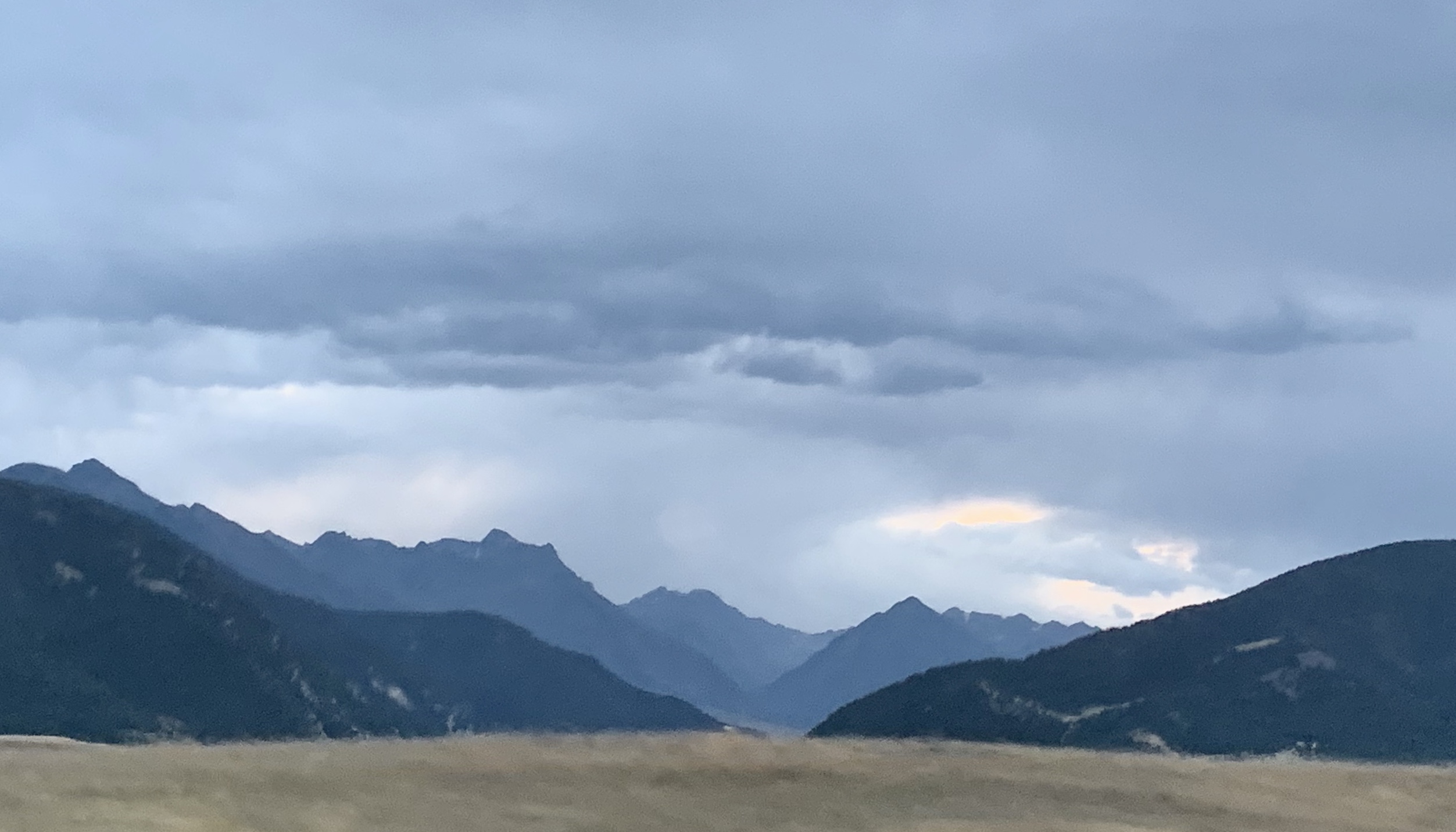
I usually think of wilderness as a distant peak far removed from anything or anyone.  From my farmhouse window on a clear day, I can see a number of distant peaks if the cloud cover moves away to reveal them.

Or perhaps the wilderness is a desolate plain that extends for miles without relief in sight.

Wilderness is also found in an isolated corner of my human heart. I keep it far removed from anything and anyone. During my televisit computer work,  I witness this wilderness in others, many times every day.

A diagnosis of “wilderness of the heart” doesn’t require a psychiatric manual: 
there is despair, discouragement, disappointment, lack of gratitude, lack of hope. 
One possible treatment to tame that wilderness is a covenantal obedience to God and others. It reaches so deep no corner is left untouched.

There come times in one’s life, and this past year especially, when loving God as commanded seems impossible. We are too broken, too frightened, too ill and too wary to trust God with faith and devotion.  We are treading life simply to stay afloat.

During this second Lenten pandemic, God’s love becomes respite and rescue from the wilderness of my own making. He is the sweet cure for a bitter and broken heart.

Waiting in Wilderness: Heaven and I Wept Together

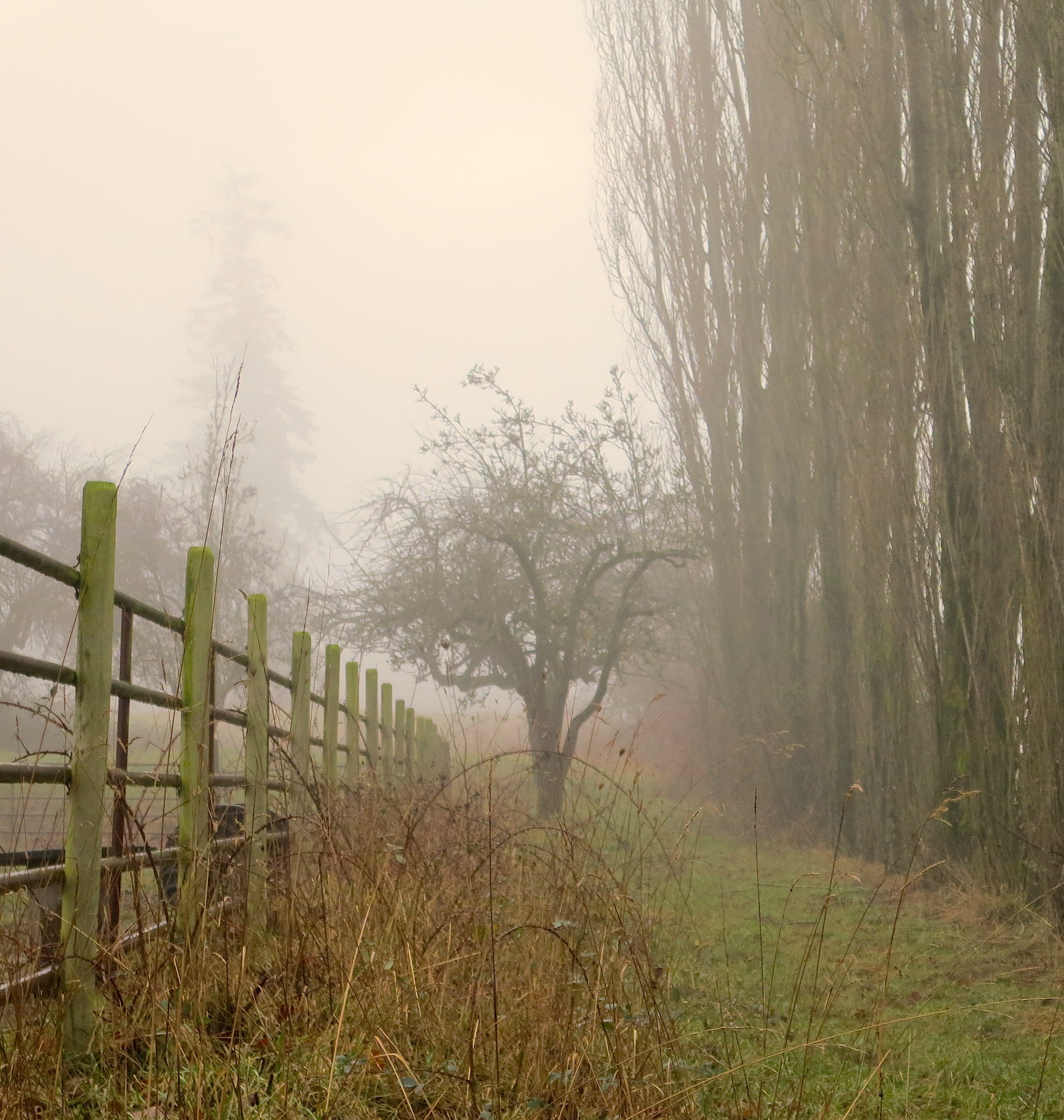
fog101926

And so you have a life that you are living only now,
now and now and now,
gone before you can speak of it,
and you must be thankful for living day by day,
moment by moment …
a life in the breath and pulse and living light of the present…

~Wendell Berry from Hannah Coulter

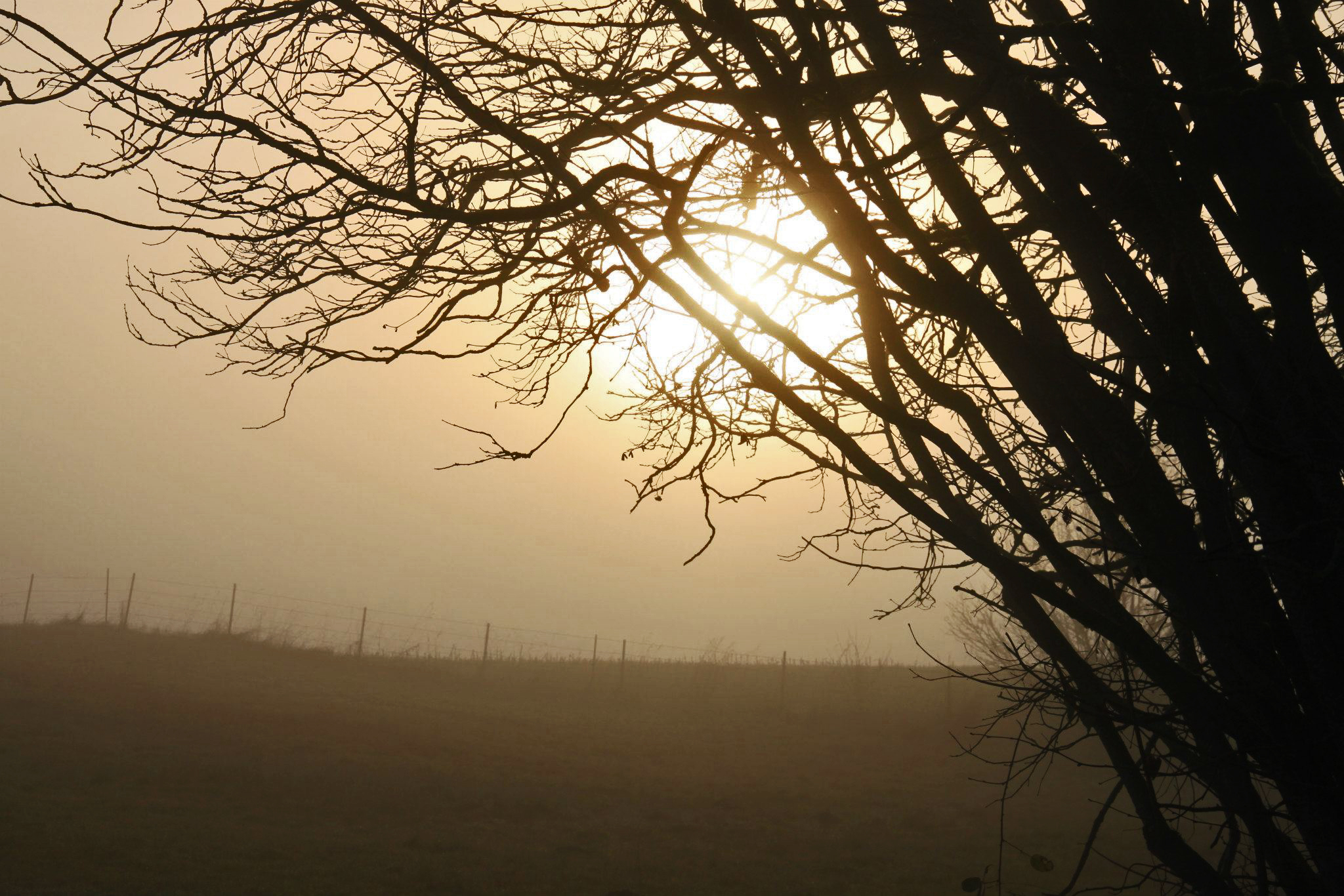
fog1228141

~Lustravit lampade terras~
(He has illumined the world with a lamp)
The weather and my mood have little connection.
I have my foggy and my fine days within me;
my prosperity or misfortune has little to do with the matter.
– Blaise Pascal from “Miscellaneous Writings”

foggyfield
photo by Nate Gibson

I laughed in the morning’s eyes.
I triumphed and I saddened with all weather,
Heaven and I wept together,
and its sweet tears were salt with mortal mine.
Against the red throb of its sunset heart,
I laid my own to beat
And share commingling heat.

Rise, clasp my hand, and come.
Halts by me that Footfall.
Is my gloom, after all,
Shade of His hand, outstretched caressingly?
Ah, Fondest, Blindest, Weakest,
I am He whom thou seekest.
Thou dravest Love from thee who dravest Me.

~Francis Thompson from “The Hound of Heaven”

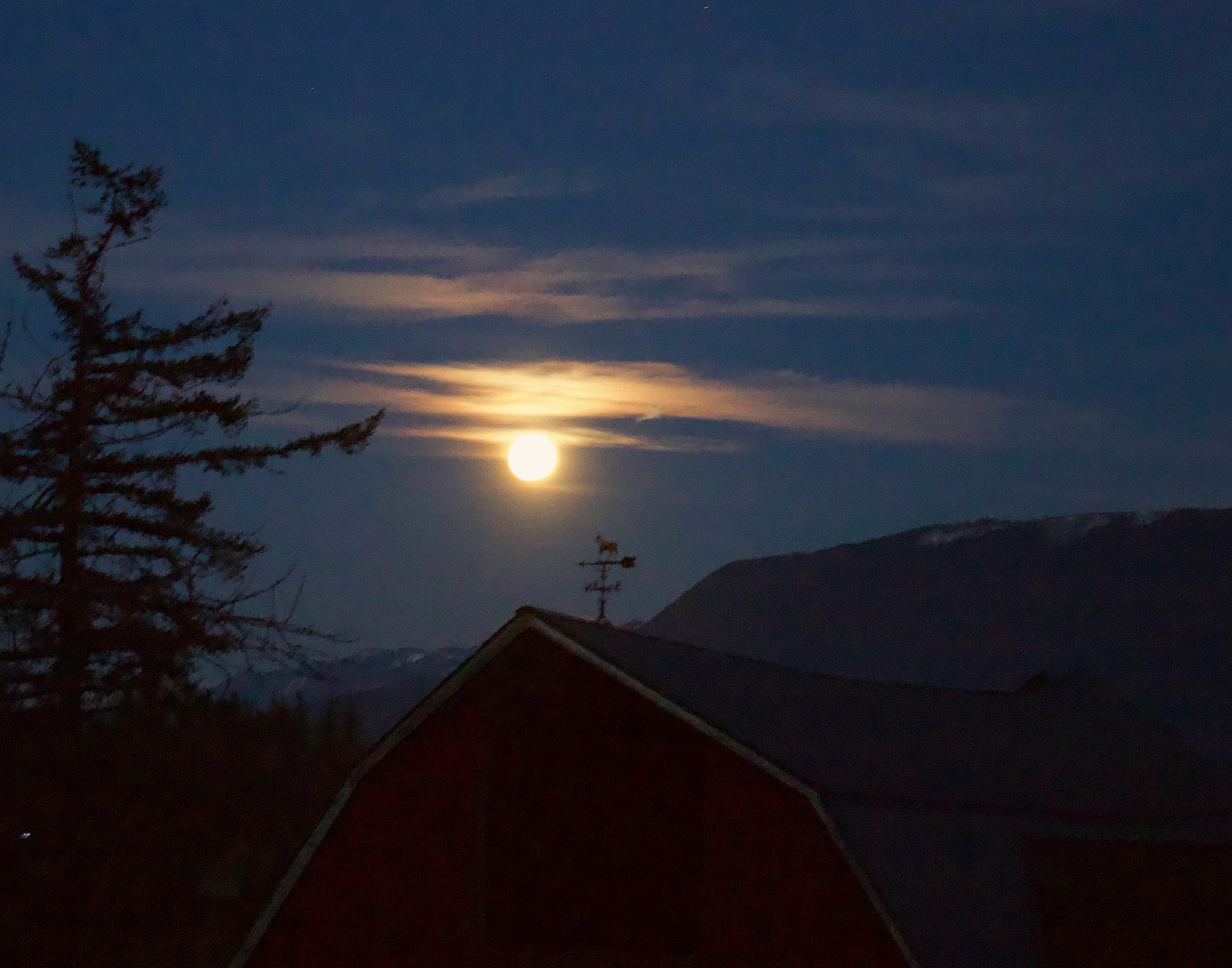
supermoonbarn

My days are filled with anxious and sad patients,
one after another after another. 
They sit in front of their screen
and I in front of mine,
so close yet so far from each another –
a wilderness of unexpressed emotions.

They struggle to hold back the flood from brimming eyes.  
Each moment, each breath, each heart beat overwhelmed by questions: 
How to take yet another painful breath of this sad life?  must there be another breath?  
Must things go on like this in fear of what the next moment will bring?

The only thing more frightening than the unknown is the knowledge
that the next moment will be just like the last or perhaps worse. 
There is no recognition of a moment just passed
that can never be retrieved and relived.  
There is only fear of the next and the next
so that now and now and now is lost forever.

Worry and sorrow and angst are more contagious than any viral pandemic.
I mask up and wash my hands of it throughout the day.
I wish there was a vaccine to protect us all from our unnamed fears in the wilderness.

I want to say to them and myself:
Stop this moment in time.
Stop and stop and stop.
Stop expecting this feeling must be “fixed.”
Stop wanting to be numb to all discomfort.
Stop resenting the gift of each breath.
Just stop.
Instead, simply be
in the now and now and now.

I want to say:
this moment, foggy or fine, is yours alone,
this moment of weeping and sharing
and breath and pulse and light.
Shout for joy in it.
Celebrate it.
Be thankful for tears that can flow over grateful lips
and stop holding them back.

Stop me before I write,
out of my own anxiety over you,
yet another prescription
you don’t really need.

Just be–
and be blessed–
in the now and now and now.

sunset15183

To Be Seen and Heard

If we want to support each other’s inner lives,
we must remember a simple truth:
the human soul does not want to be fixed,
it wants simply to be seen and heard.

If we want to see and hear a person’s soul,
there is another truth we must remember:
the soul is like a wild animal –
tough, resilient, and yet shy.

When we go crashing through the woods
shouting for it to come out so we can help it,
the soul will stay in hiding.
But if we are willing to sit quietly
and wait for a while,
the soul may show itself.
~Parker Palmer from The Courage to Teach

I tend to be a crash-through-the-woods kind of person, searching out those in hiding needing help whether they want it or not. Part of this is my medical training: I’m not subtle, I can be brash and bold as I go where no one else wants to go.

Friends have reminded me this actually isn’t helpful much of the time and certainly doesn’t translate well in non-clinical settings. They have a good point. Undoing what I’ve learned isn’t easy, but I’m trying.

Before I trained in clinical medicine, I knew how to blend into my surroundings, to simply wait and listen and take note of what I observe. I never would have been part of a research team observing wild chimpanzee behavior without being born with that skill. The wild and shy around me eventually did show themselves, but it took time and patience and a willingness to let things happen without my making it happen.

I’m trying to relearn what I knew intuitively fifty years ago and unlearn what I was trained to do forty years ago as a “fix-it” clinician. It helps when people remind me to tone it down, back off and simply “be.”

I just might see and hear and understand more than I ever have before.

Turning Darkness Into Light: Because…

Because Christmas is almost here
Because dancing fits so well with music
Because inside baby clothes are miracles.
Gaudete
Because some people love you
Because of chocolate
Because pain does not last forever…
Gaudete
Because of laughter
Because there really are angels
Because your fingers fit your hands
Because forgiveness is yours for the asking
Because of children
Because of parents.
Gaudete
Because the blind see.
And the lame walk.
Gaudete
Because lepers are clean
And the deaf hear.
Gaudete
Because the dead will live again
And there is good news for the poor.
Gaudete
Because of Christmas
Because of Jesus
You rejoice.
~Brad Reynolds from “Gaudete”

Perhaps it is the nature of what I do, but I never lack for opportunities for rejoicing even when I may not realize it. Every day, whether it is on the farm, within my family or in my doctoring, I am witness to wonders that can bring me to my knees.

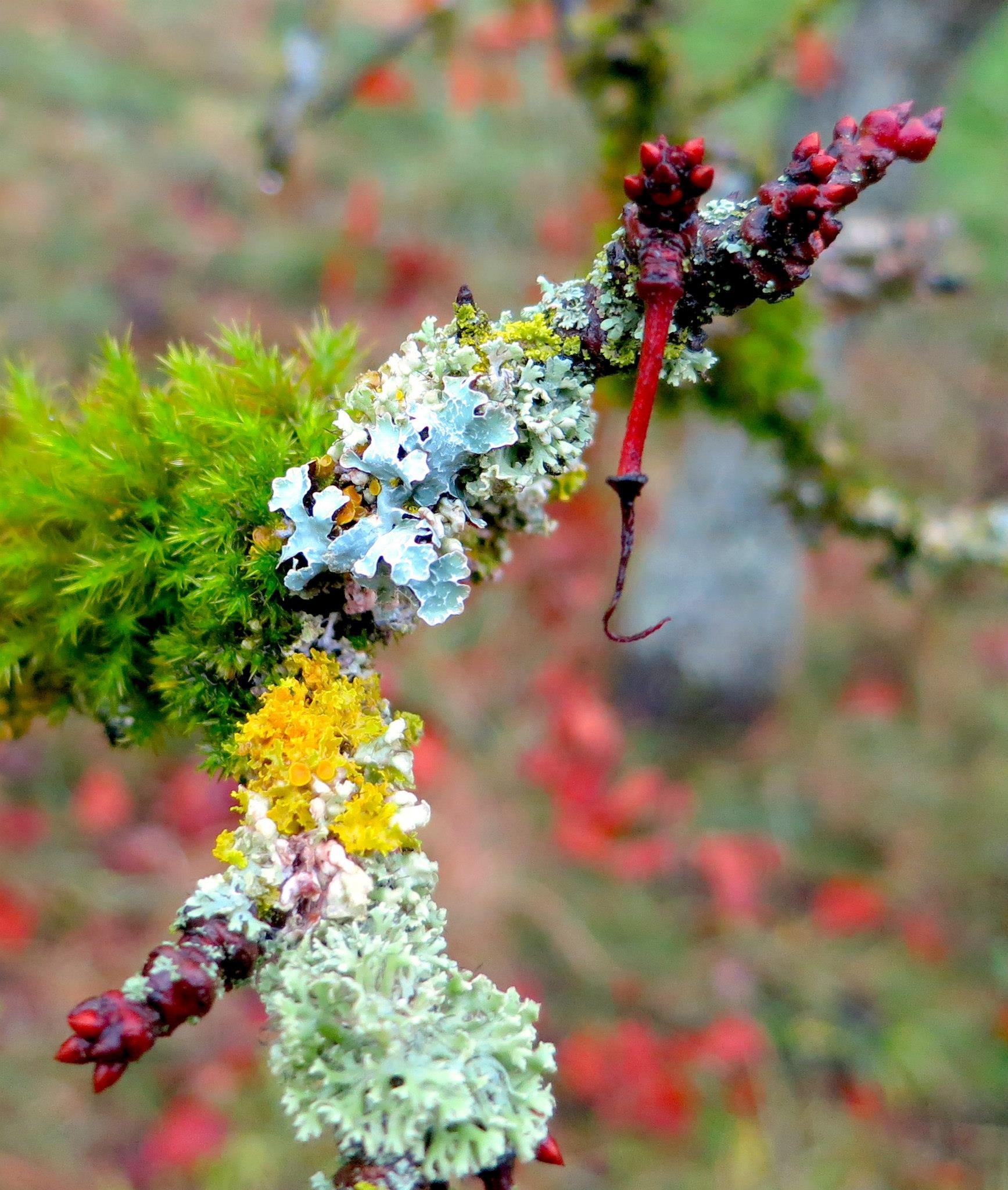
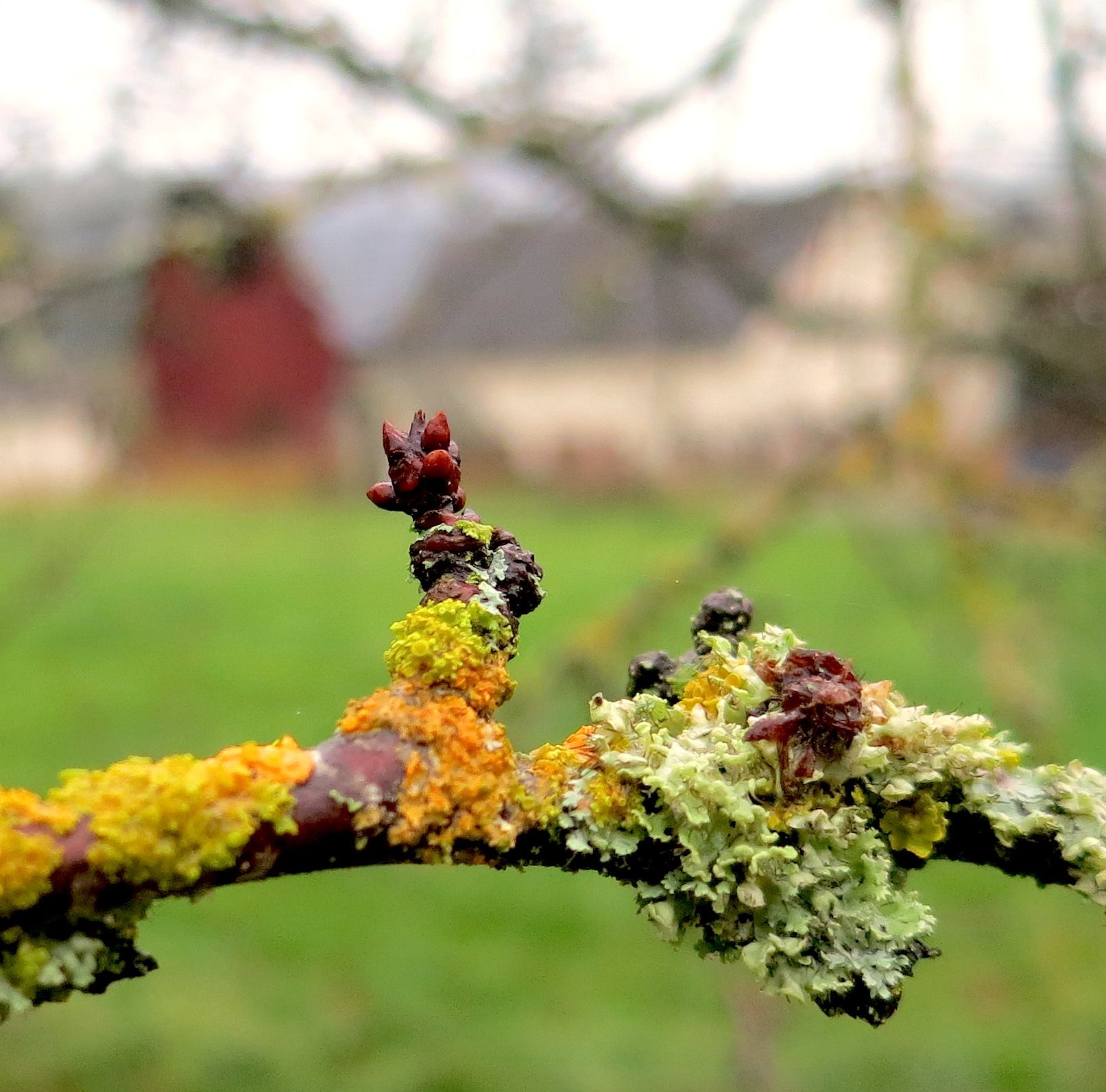
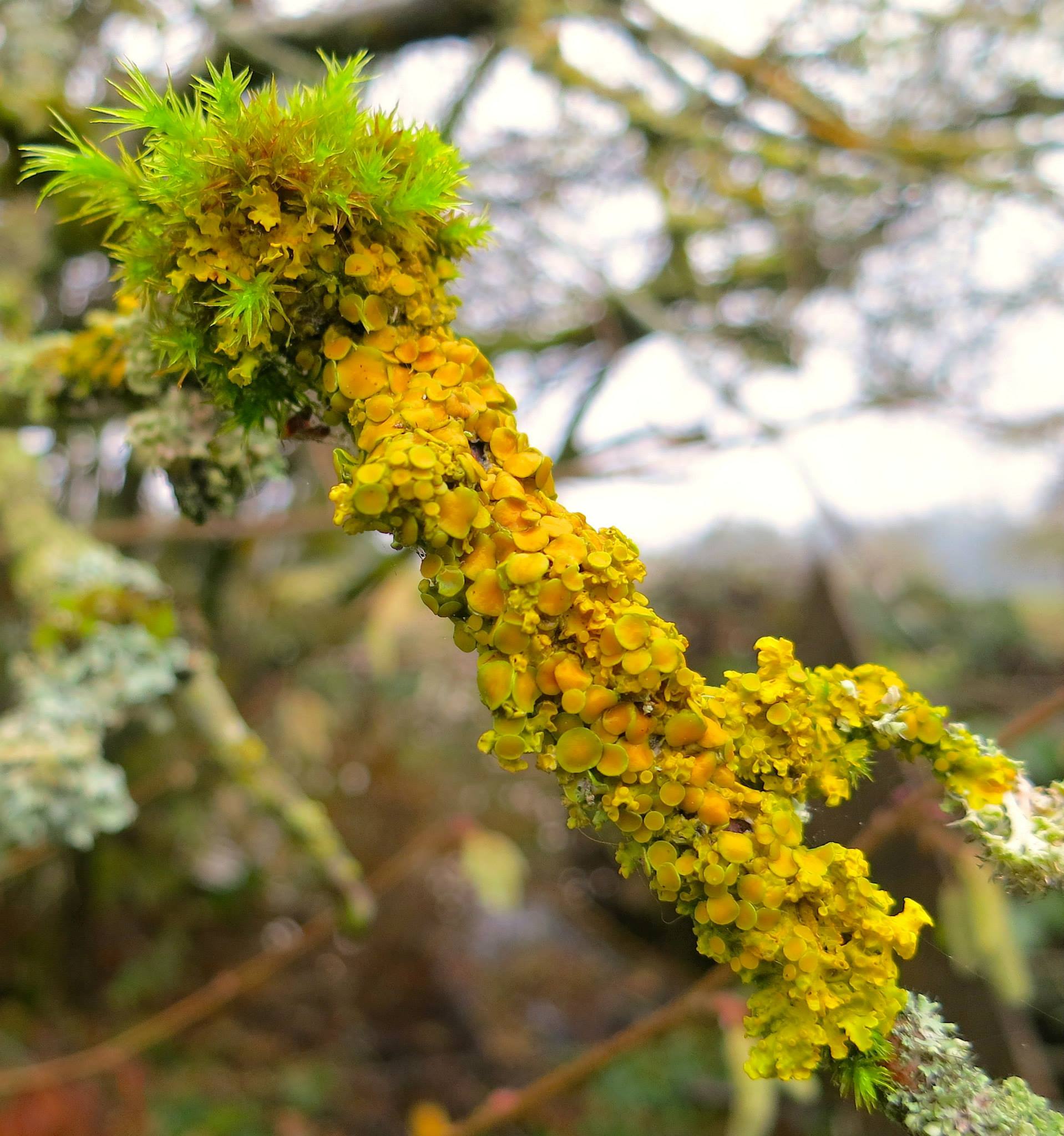
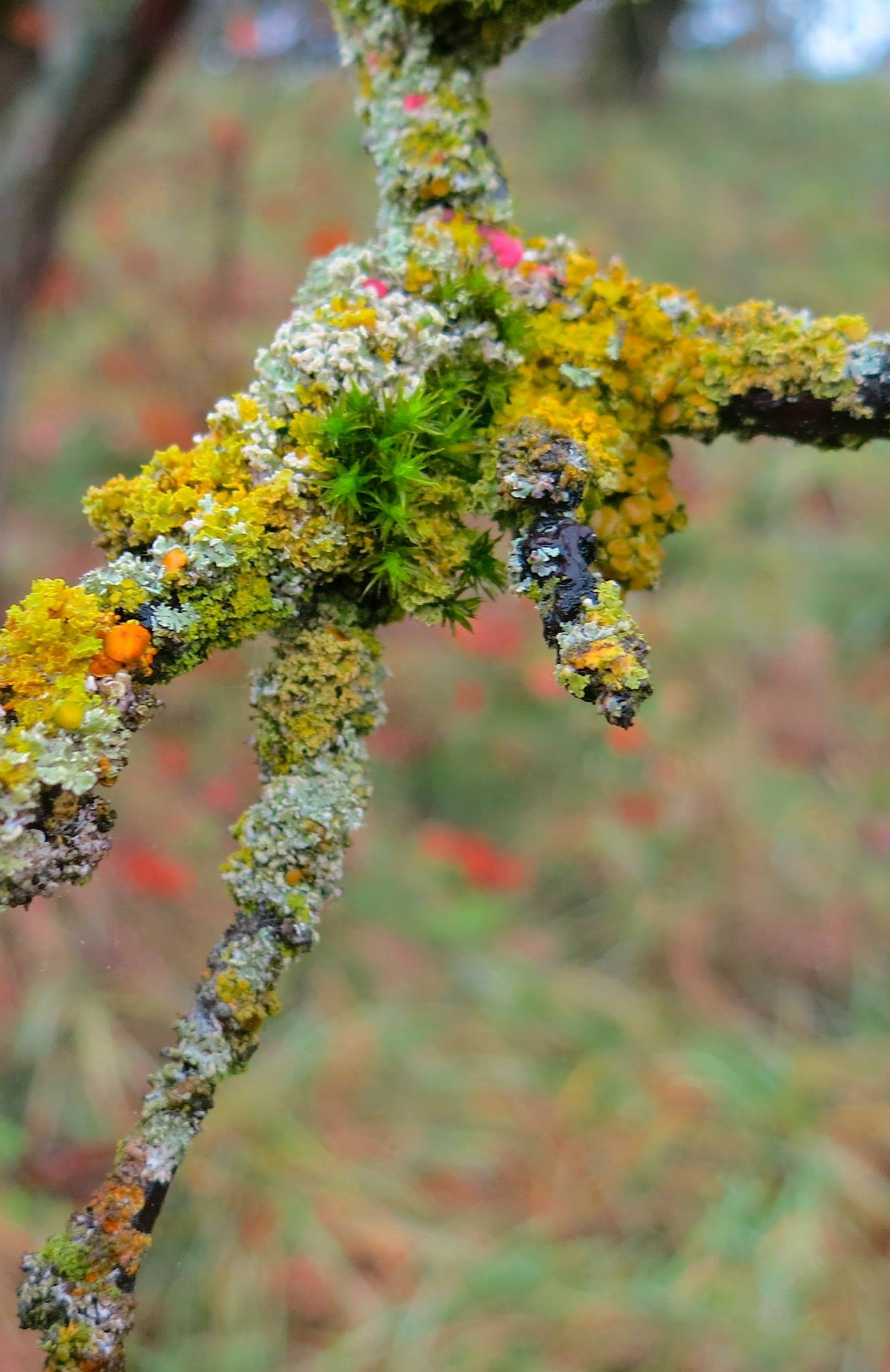
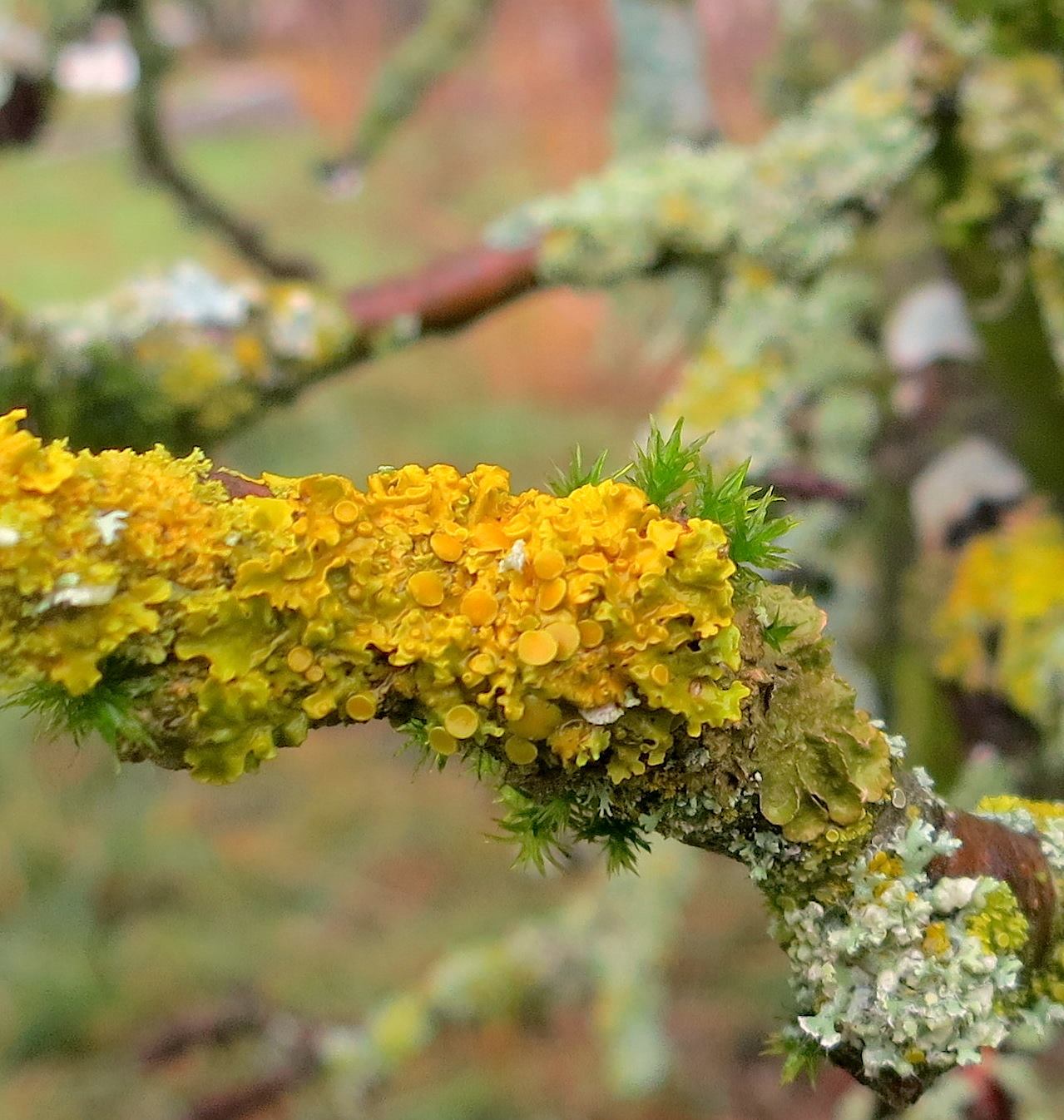
I can find joy in dozens of ordinary daily events, whether it is a well-painted sunrise or sunset, a sprightly lichen on an ancient tree, a spontaneous note of encouragement, or a patient’s smile when they are find relief from their symptoms.

Why should I pay particular attention to the little things when this bleak year threatens to extend beyond the turn of the calendar page?

Because the little things can be extraordinary .

Because I don’t want to miss an opportunity to say so.

God loves to hear our rejoicing in the Gift He has given.

Here I am again, every day, trying to do my part.

A Garland of Melancholy

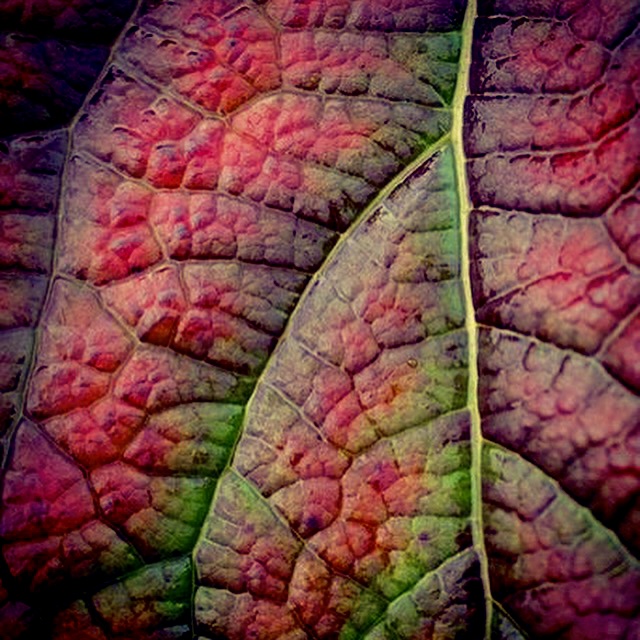
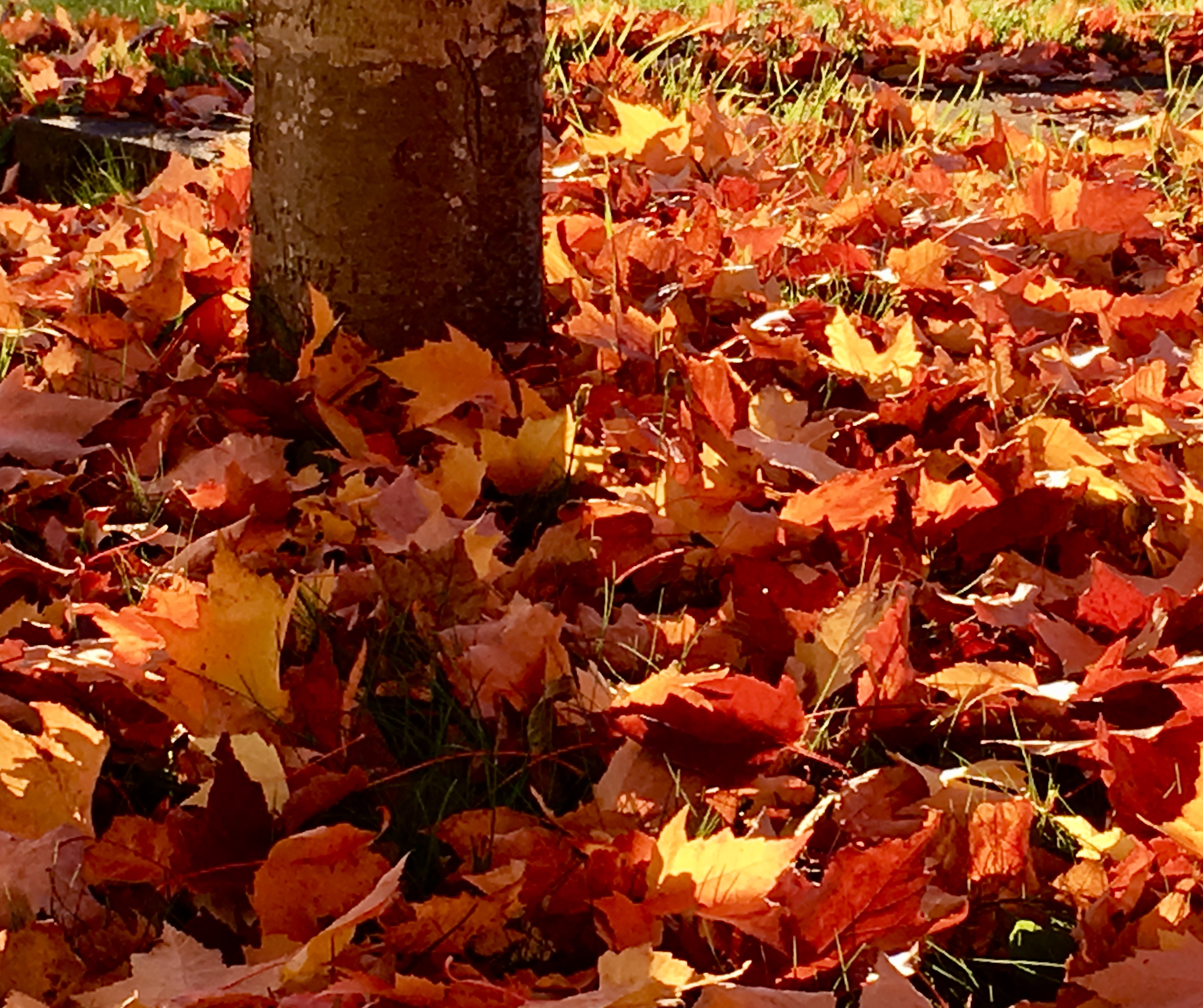
The melon shades of leaves
will soon rust and fall gently
to layers of rest and forgetting,
like sunken poems, unusual love,
and grave silence after the crows.


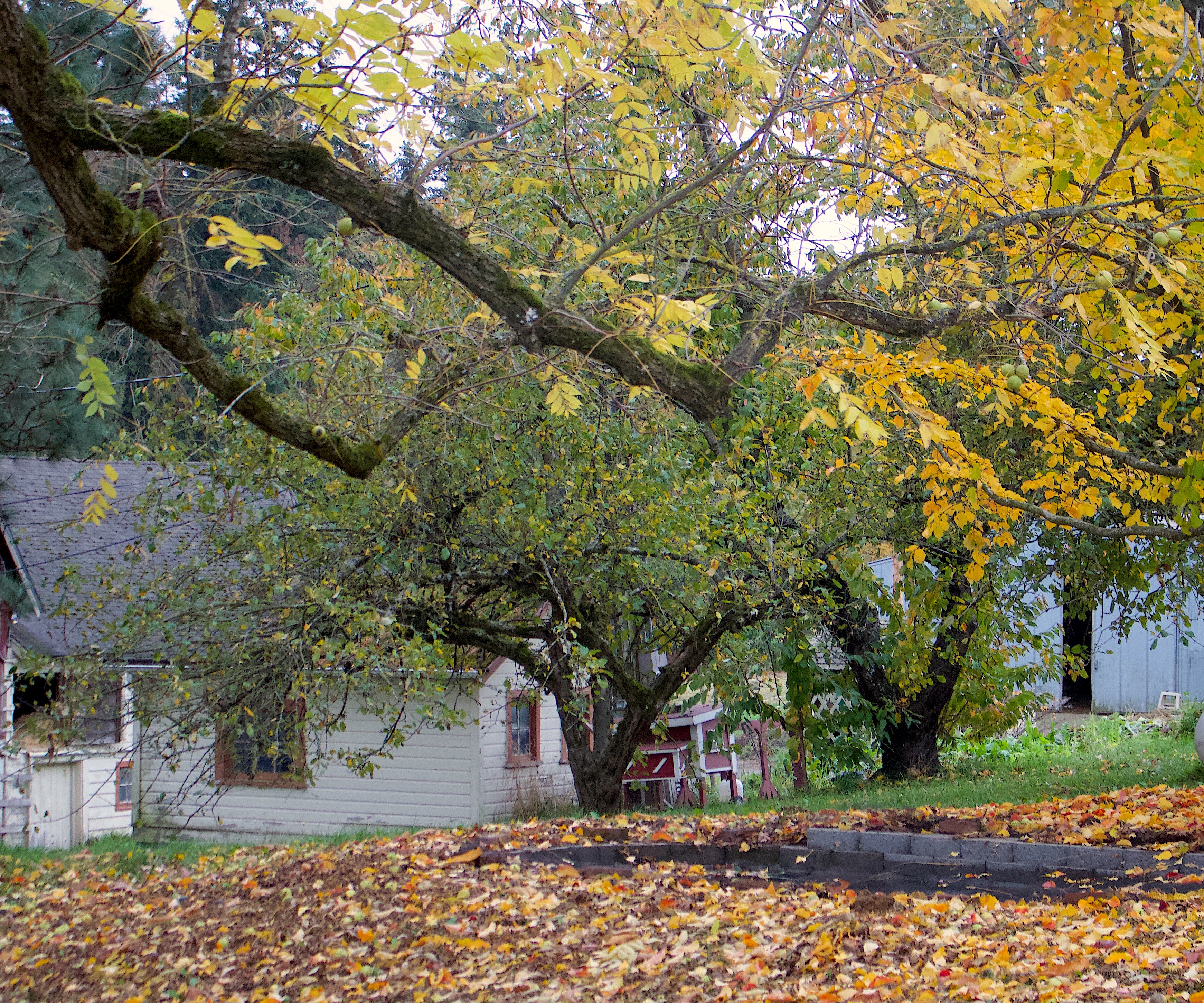
The black walnut tree trembles down
its mysterious spheres to sleep darkly,
to pulse with memory of heartwood.


Old roses are paling with grace
in this air of ruining tomorrows.
Autumn again, and all the years
twisting a garland of melancholy.

~Tim Buck, “Autumn” from VerseWrights Journal

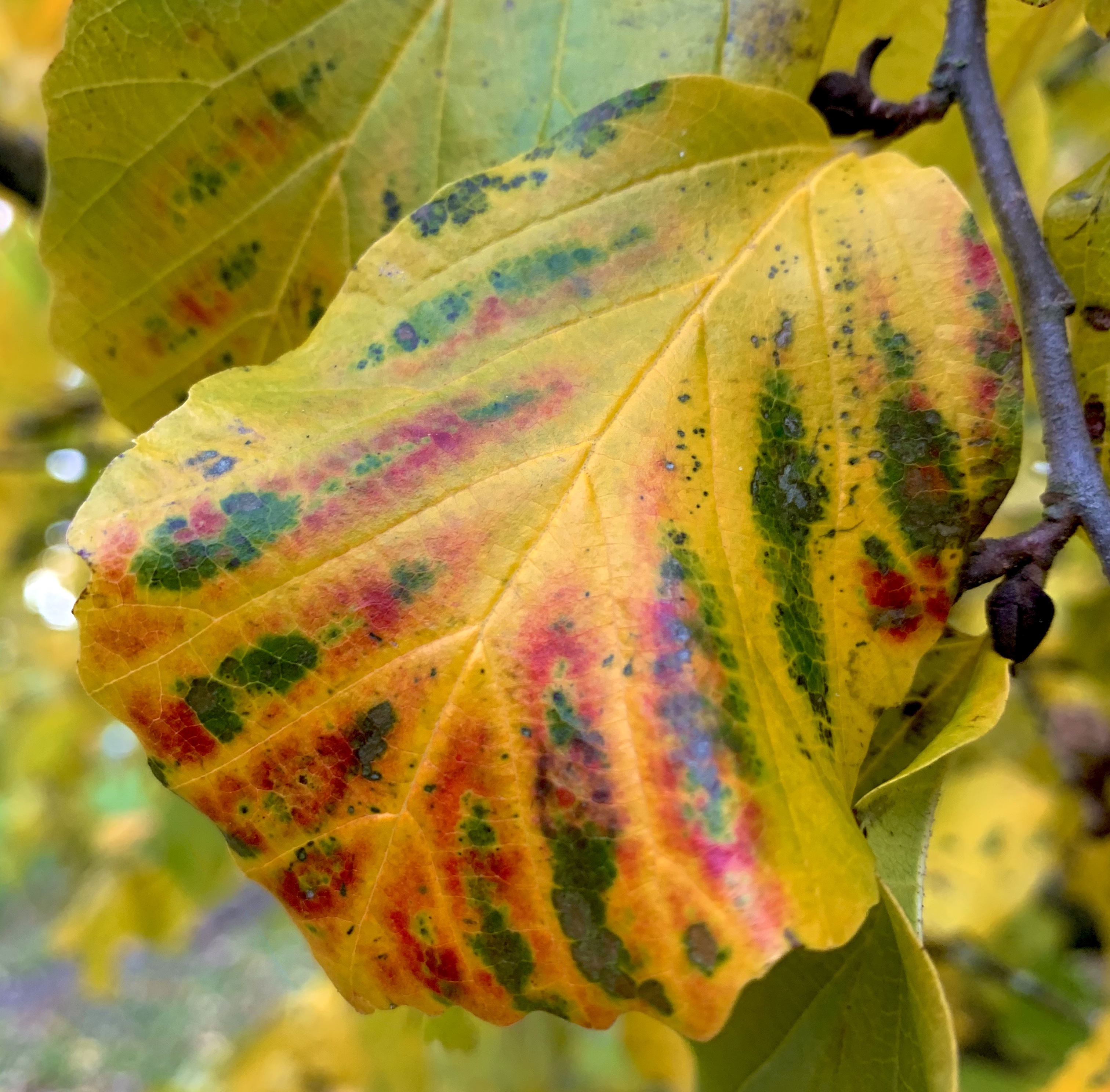
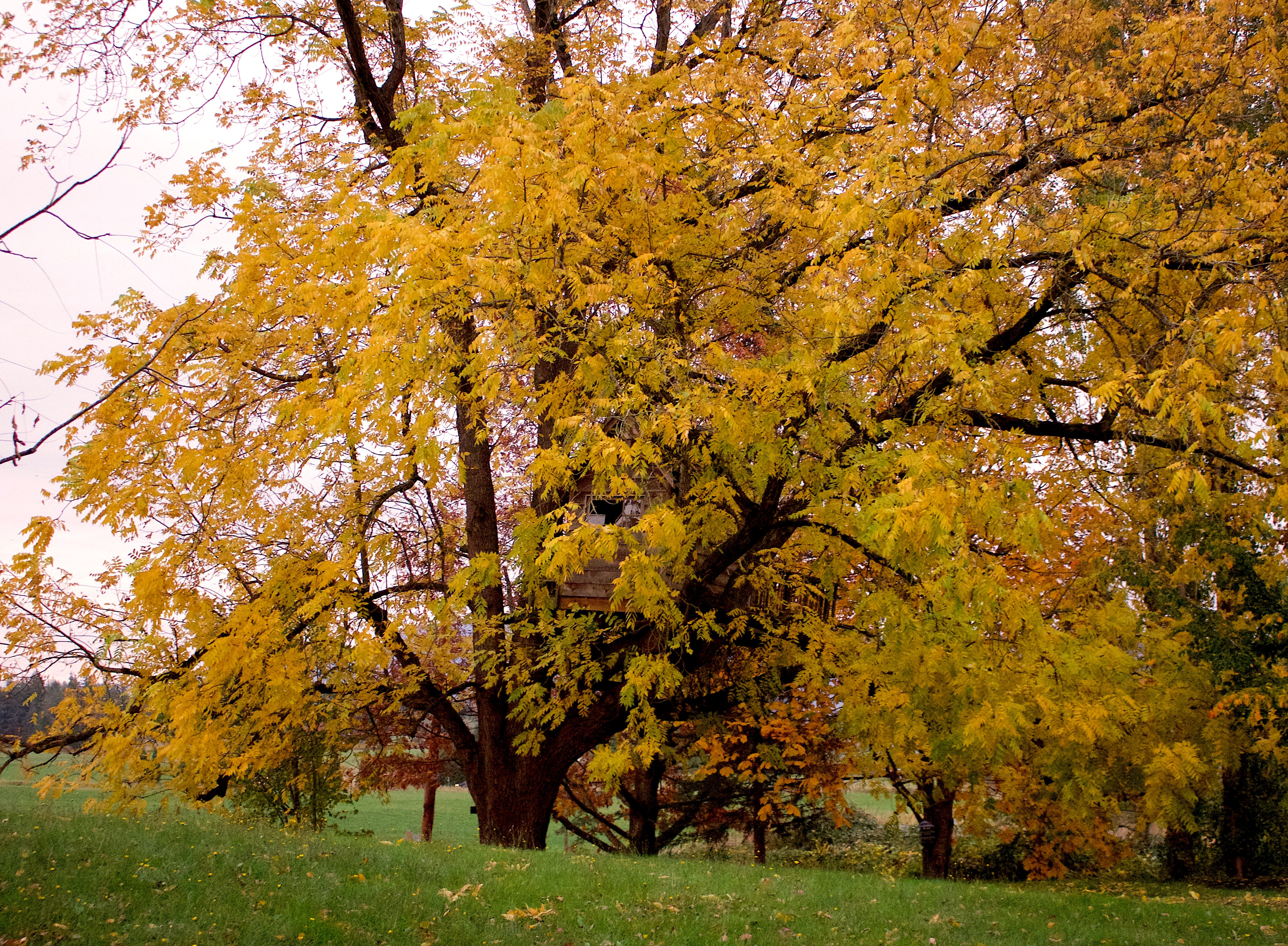
The beauty around me is dying. It becomes harder to find vibrance and life in my surroundings in the volatility of deep autumn: a high wind warning is on the horizon in a few hours and we face a long winter as the uncontrolled pandemic continues unabated.

Those facts alone are enough to make me wander about the farm feeling melancholic. Even more than the loss of mere leaves and the fading of blooms is the reality of so many afflicted and infected people whose season for dying will come too soon.

Woe to us who are more concerned about our inconvenience and discomfort today than the months of ruined tomorrows for millions.

Lest it be forgotten in our bitterness – the promise of healing and renewal is also on the horizon.

May I listen for the pulse deep within the heartwood of each person with whom I have differences; my love for them must not fade nor wither but grow more graceful, more forgiving, more vibrant and beautiful by the day.