What a piece of work is a man! …And yet, to me, what is this quintessence of dust? ~ William Shakespeare – Hamlet’s soliloquy
God – the God who made the dust, who made the stars, who made the elements of which we are composed – that same God chooses from the beginning to make his dwelling among us, to live for all time like us, as a servant of the soil. I am the dust of the earth, but God declares that he is not too good, not too proud, for my dustiness. ~Daniel Stulac fromPlough Quarterly No. 4: Earth
What I know for sure is this: We come from mystery and we return to mystery. I arrived here with no bad memories of wherever I’d come from, so I have no good reason to fear the place to which I’ll return. And I know this, too: Standing closer to the reality of death awakens my awe at the gift of life. ~Parker Palmer “On the Brink of Everything“
…I do nothing, I give You nothing. Yet You hold me
minute by minute from falling. ~Denise Levertov fromPsalm Fragments (Schnittke String Trio),in The Stream and the Sapphire
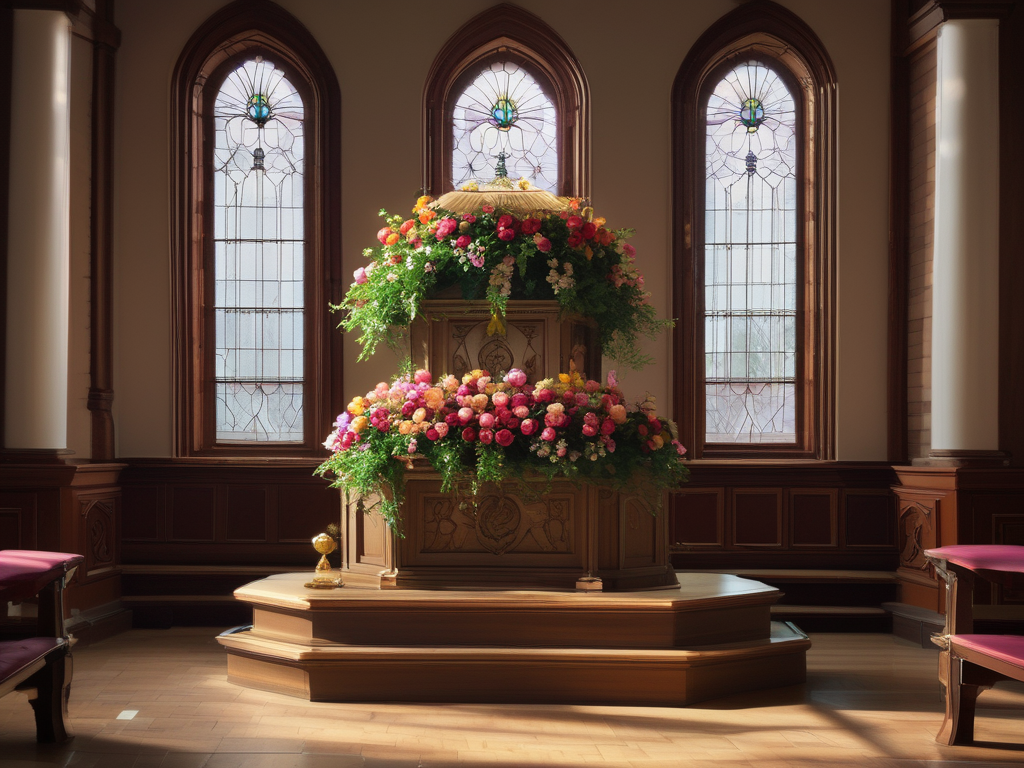
This dust left of man: earth, air, water and fire prove inadequate to quell the significance of how, in spoken words at the beginning, this dust became us, and how, forevermore, this is holy dust we leave behind.
We are held secure from falling by transcendent hope of eternal life, restored by a glory breathed into us – such a piece of work we are the plainest of ash.
This year’s Lenten theme:
…where you go I will go… Ruth 1:16
AI image created for this post
One-Time
Monthly
Yearly
Make a one-time or recurring donation to support daily Barnstorming posts
When we have died, and arms long empty of our memories, reach to know love’s pure and sacred touch, and to embrace a long sought, long anticipated place…
when we have gone the way of all the earth, and pain and sorrow are no more, not seen or heard or found, no more the discontent of place or time or any lesser haste, but only One whose love transcends our harsh and wearied days,
when we have died and gone and fallen fast asleep, and found the settled light and our so much a sweeter sacral rest, forever held in caring arms, yes, held now everlasting in a wonder of it all, then we have not gone down empty, we have not died alone. ~Henry Lewis from “When”
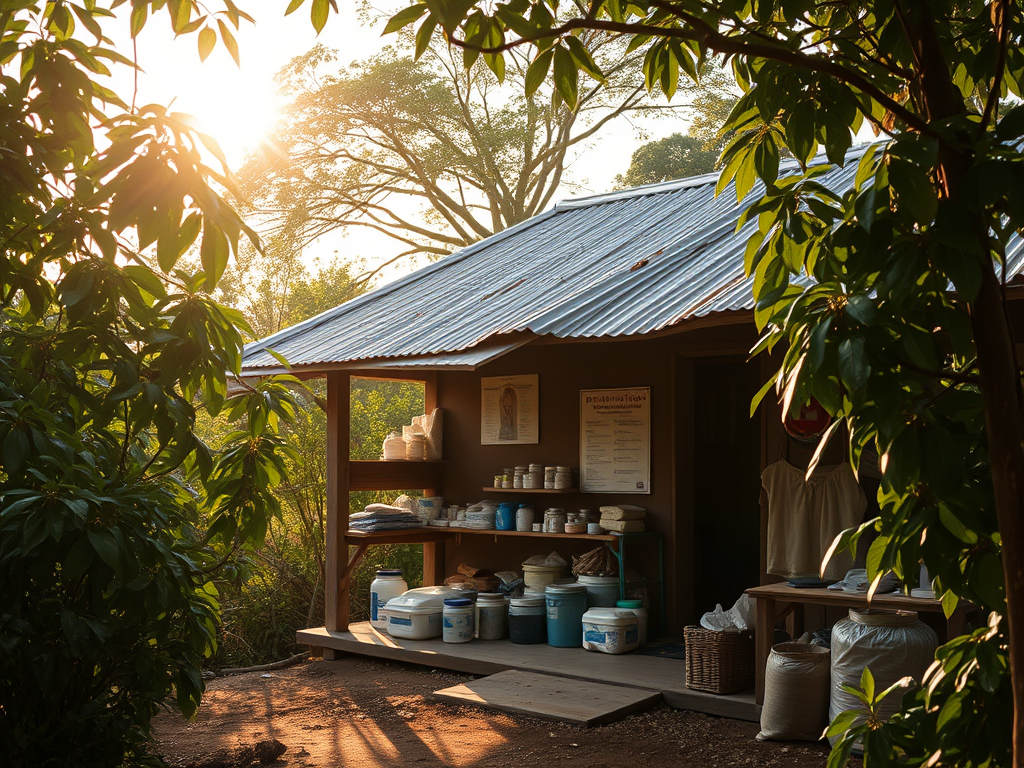
This event happened in 1975 while I was an undergraduate student researcher in Tanzania, East Africa, working alongside other researchers assisting Dr. Jane Goodall in her study of wild chimpanzees and baboons.
Several metal buildings were scattered along the shore at Gombe National Park, having been built over the years since Jane Goodall and her mother Vanne arrived on a bare beach in 1960. From the very beginning, one of the most powerful connections between these two British women and the Tanzanian villagers who lived up and down Lake Tanganyika was their provision of basic medical supplies and services when needed. Initially, under the cover of the camp tents, they tended to wounds, provided a few medications, and assisted whenever they were needed for help.
Later, an actual dispensary was built as part of the park buildings, with storage for first aid supplies and medications, many of which were traditional Chinese medications, in little boxes with Chinese characters, and no translation. All we had was a sheet of paper explaining if a medication was to be used for headaches, fevers, bleeding problems or infections.
There were “open” times in the dispensary and each of the research assistants took turns to see villagers as they came by to be seen for medical issues. We saw injuries that had never healed properly, some people with permanently crippled limbs, centipede bites that swelled legs, babies who were malnourished, malarial fevers.
It felt like so little to offer. None of us had medical training beyond first aid and CPR, but what small service we could provide was met with incredible gratitude.
So it wasn’t a surprise when a villager arrived one afternoon, running and out of breath, asking that we come right away to help. There had been a terrible accident up the beach when a water taxi engine exploded while transporting two dozen villagers, along with their provisions, including goats and chickens. As people rushed to get away from the engine fire, the roofed boat overturned, with everyone trapped among the boxes, unable to escape.
Even more tragic, Tanzanians were never taught to swim, so no one on shore could help in the rescue effort.
We dropped everything and six of us ran up the beach for a mile, and could see an overturned water taxi just off shore. The best swimmers went out and started searching for people who had been too long in the deep water. They began to pull the bloated bodies to shore, one by one, the lake water pouring from lifeless mouths and noses. All we could do was line them up side by side on the beach, trying to keep the biting flies from covering them, trying to make sense of what was so senseless. There were eight children of various ages, including two small babies, several older women, one pregnant woman, the rest men of all ages–twenty four souls in all, not a single survivor.
As a nurses’ aide, I had cared for the dying and helped to bathe their bodies after death, but I had never before seen so much death at once, and never a dead child.
Before long, relatives started arriving, their grief-stricken wails of loss filling the air on this remote African lakeshore. Husbands and wives wept, keening over a spouse. Children crouched, in shock, by a dead parent. Grandmothers clutched their dead children and grandchildren and would not let go.
We had saved no one. We had no power to bring them back to life.
We could only bear witness to the loss and grief with deep compassion for our neighbors who had come to depend on us to help. It became even clearer to me, in a way I had never understood before, how deep our need is for the mercy of God who is our only comfort when terrible things happen.
I have not forgotten those who were lost to the world that day fifty years ago. Still, all these years later, when I see photos of senseless violence and death, whether war or other disasters, I grieve for them anew with fresh tears, all over again.
Psalm 51: Have mercy, O God… according to your great compassion…
AI image created for this post
One-Time
Monthly
Yearly
Make a one-time or recurring donation to support daily Barnstorming posts
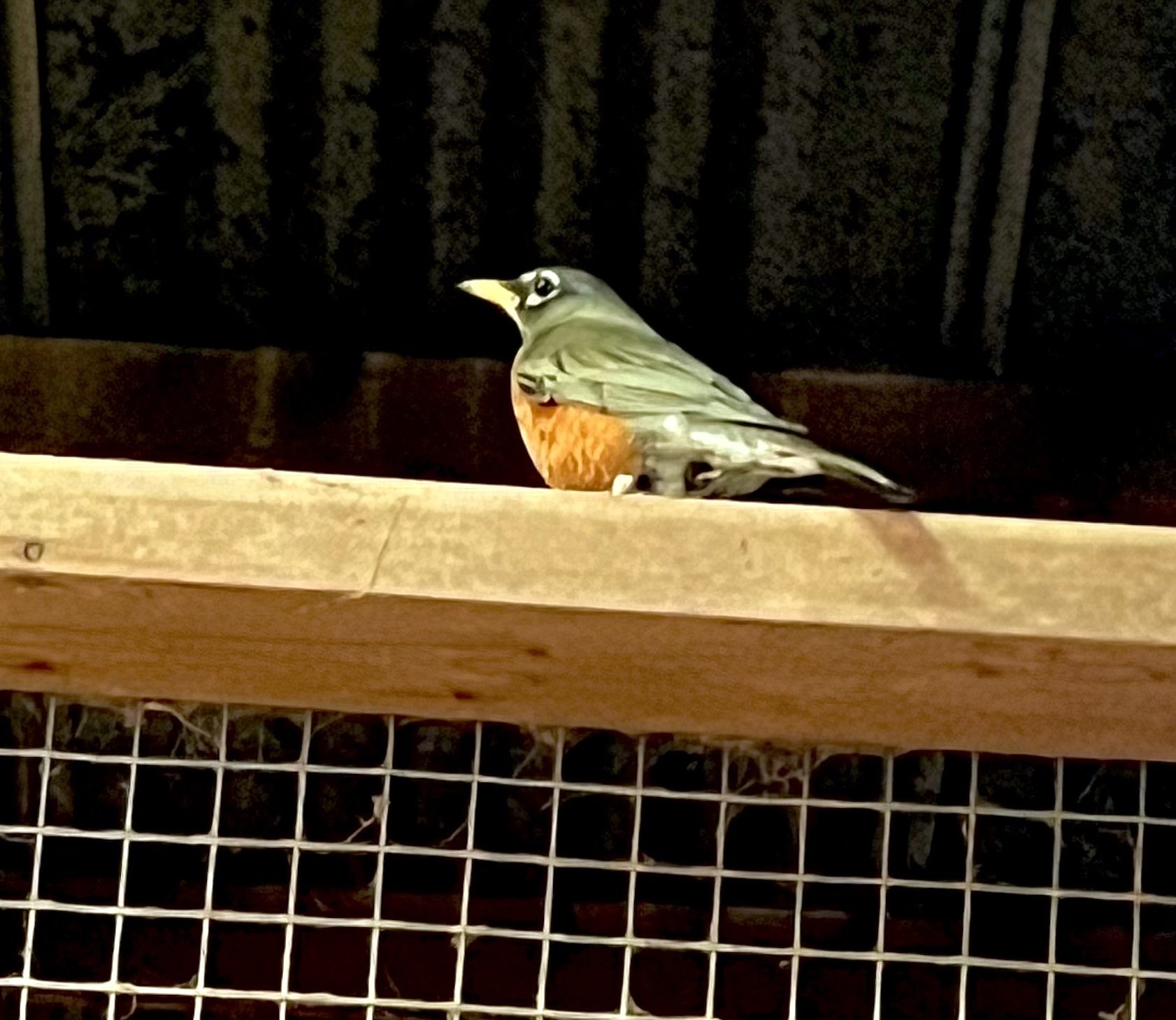
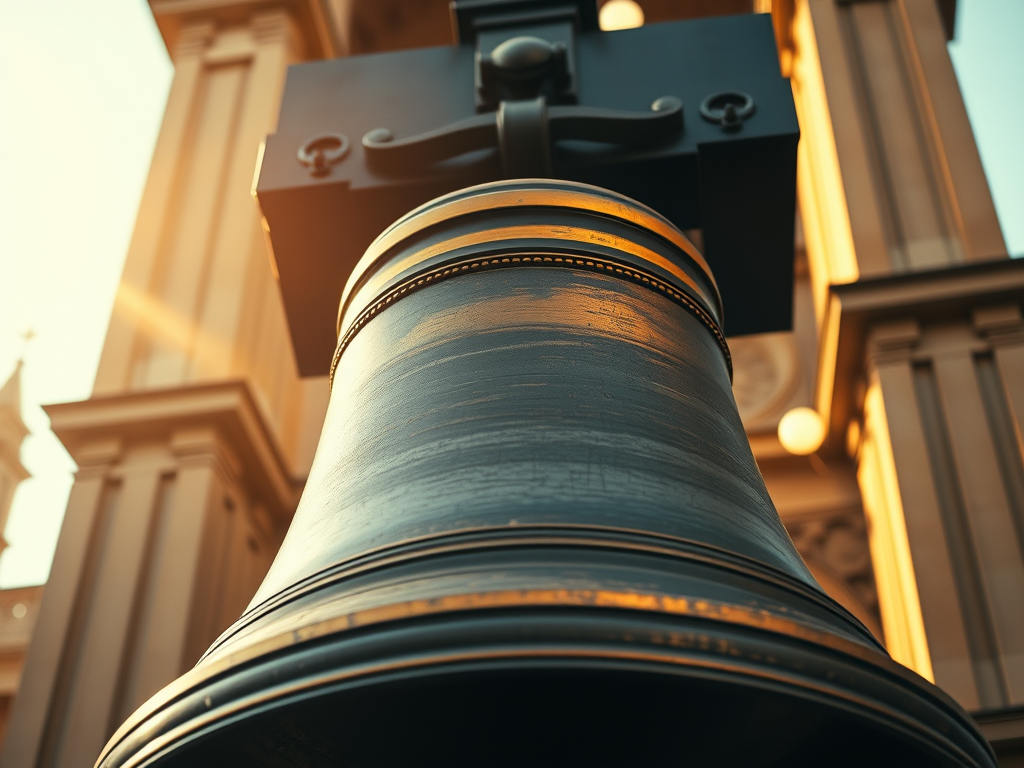
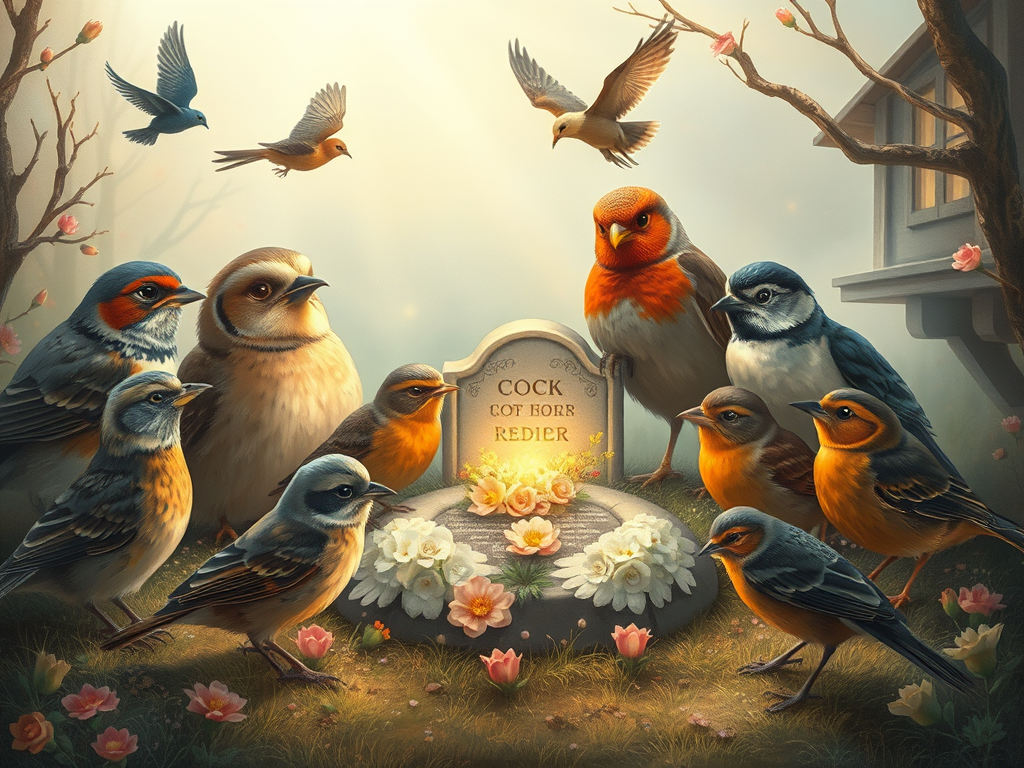
“Who killed Cock Robin?” “I,” said the Sparrow, “With my bow and arrow, I killed Cock Robin.” “Who saw him die?” “I,” said the Fly, “With my little eye, I saw him die.” “Who caught his blood?” “I,” said the Fish, “With my little dish, I caught his blood.” “Who’ll make the shroud?” “I,” said the Beetle, “With my thread and needle, I’ll make the shroud.” “Who’ll dig his grave?” “I,” said the Owl, “With my pick and shovel, I’ll dig his grave.” “Who’ll be the parson?” “I,” said the Rook, “With my little book, I’ll be the parson.” “Who’ll be the clerk?” “I,” said the Lark, “If it’s not in the dark, I’ll be the clerk.” “Who’ll carry the link?” “I,” said the Linnet, “I’ll fetch it in a minute, I’ll carry the link.” “Who’ll be chief mourner?” “I,” said the Dove, “I mourn for my love, I’ll be chief mourner.” “Who’ll carry the coffin?” “I,” said the Kite, “If it’s not through the night, I’ll carry the coffin.” “Who’ll bear the pall?” “We,” said the Wren, “Both the cock and the hen, we’ll bear the pall.” “Who’ll sing a psalm?” “I,” said the Thrush, “As she sat on a bush, I’ll sing a psalm.” “Who’ll toll the bell?” “I,” said the bull, “Because I can pull, I’ll toll the bell.” All the birds of the air fell a-sighing and a-sobbing, When they heard the bell toll for poor Cock Robin. ~Anonymous“Who Killed Cock Robin”
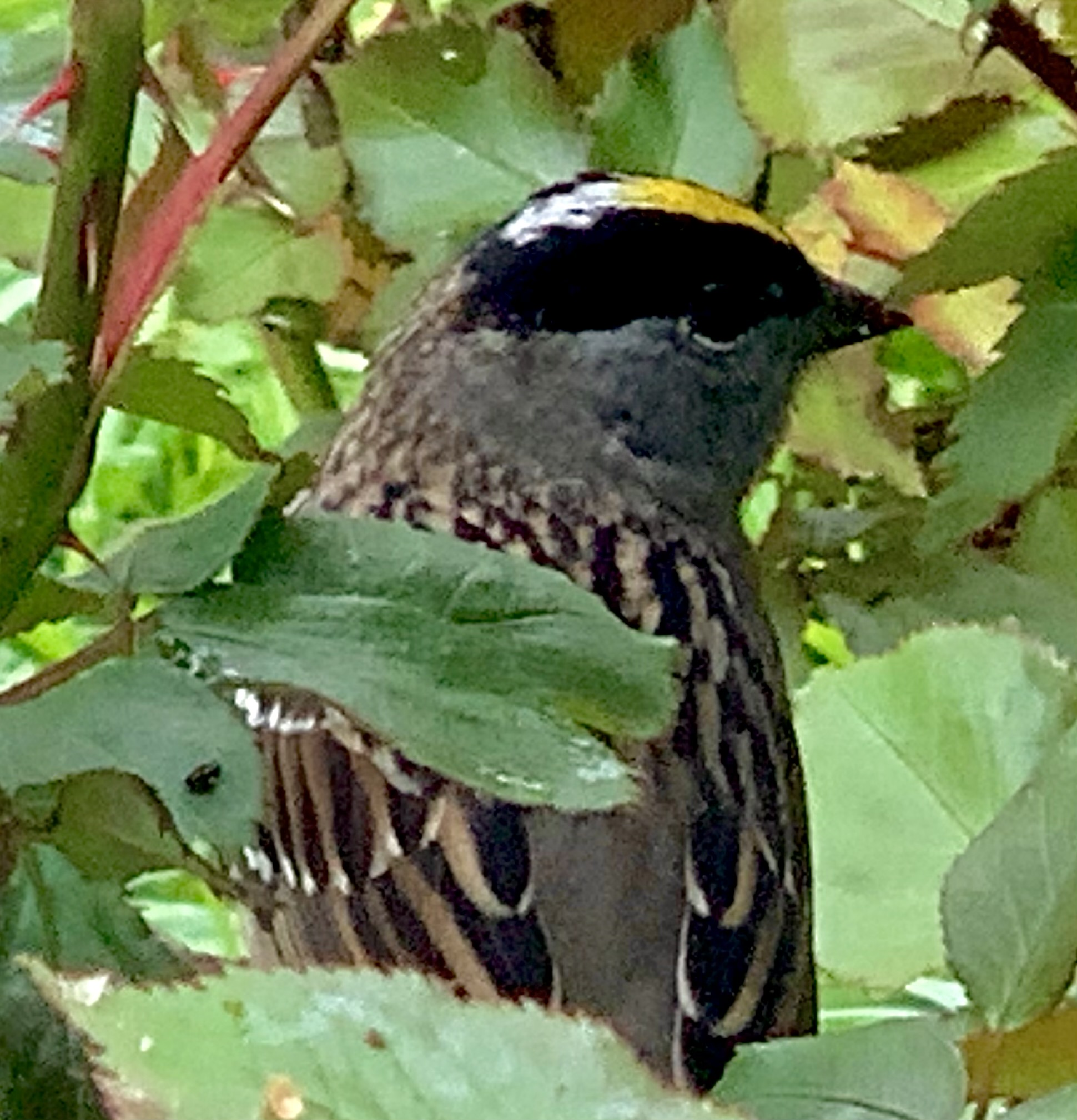
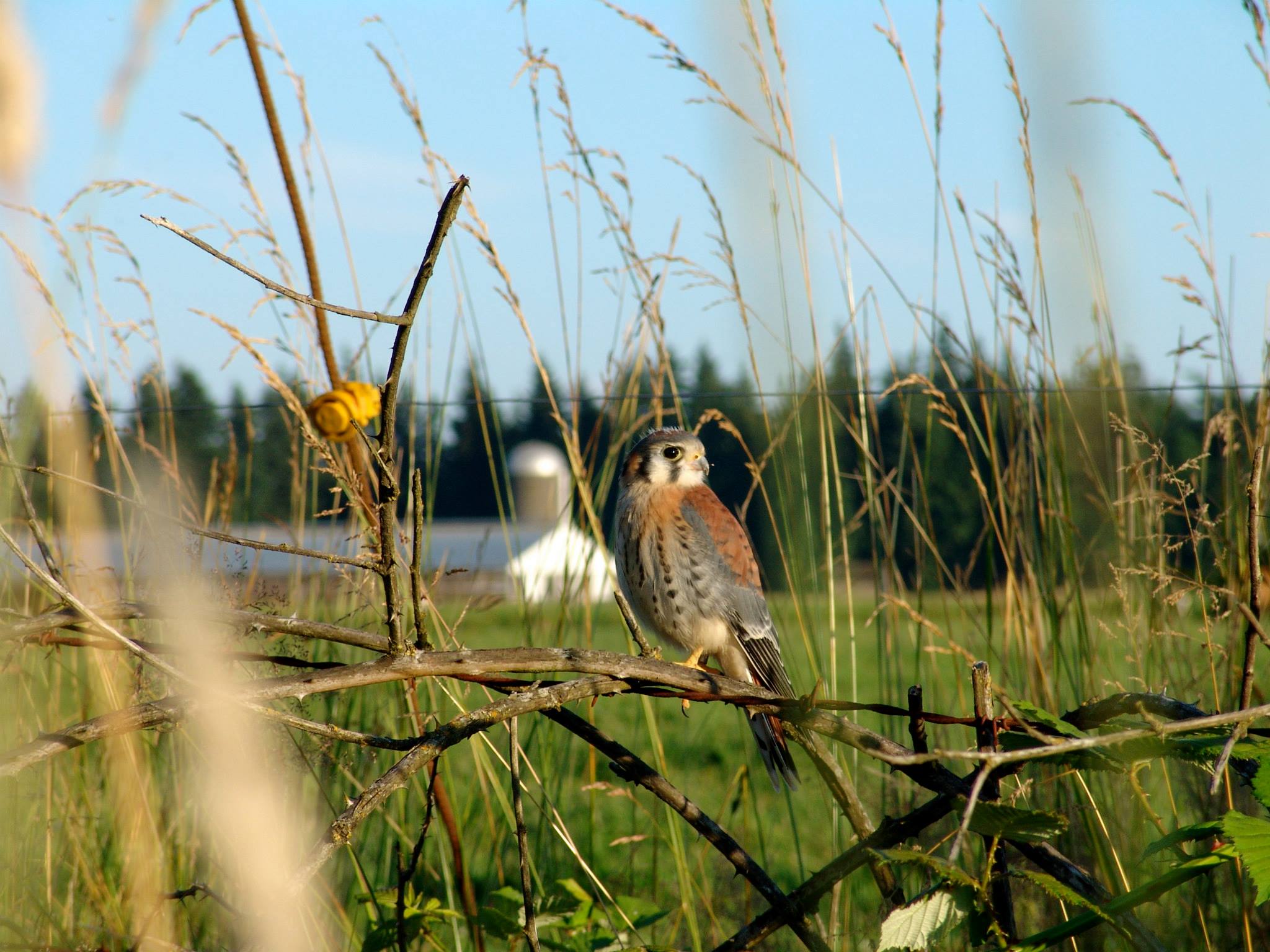
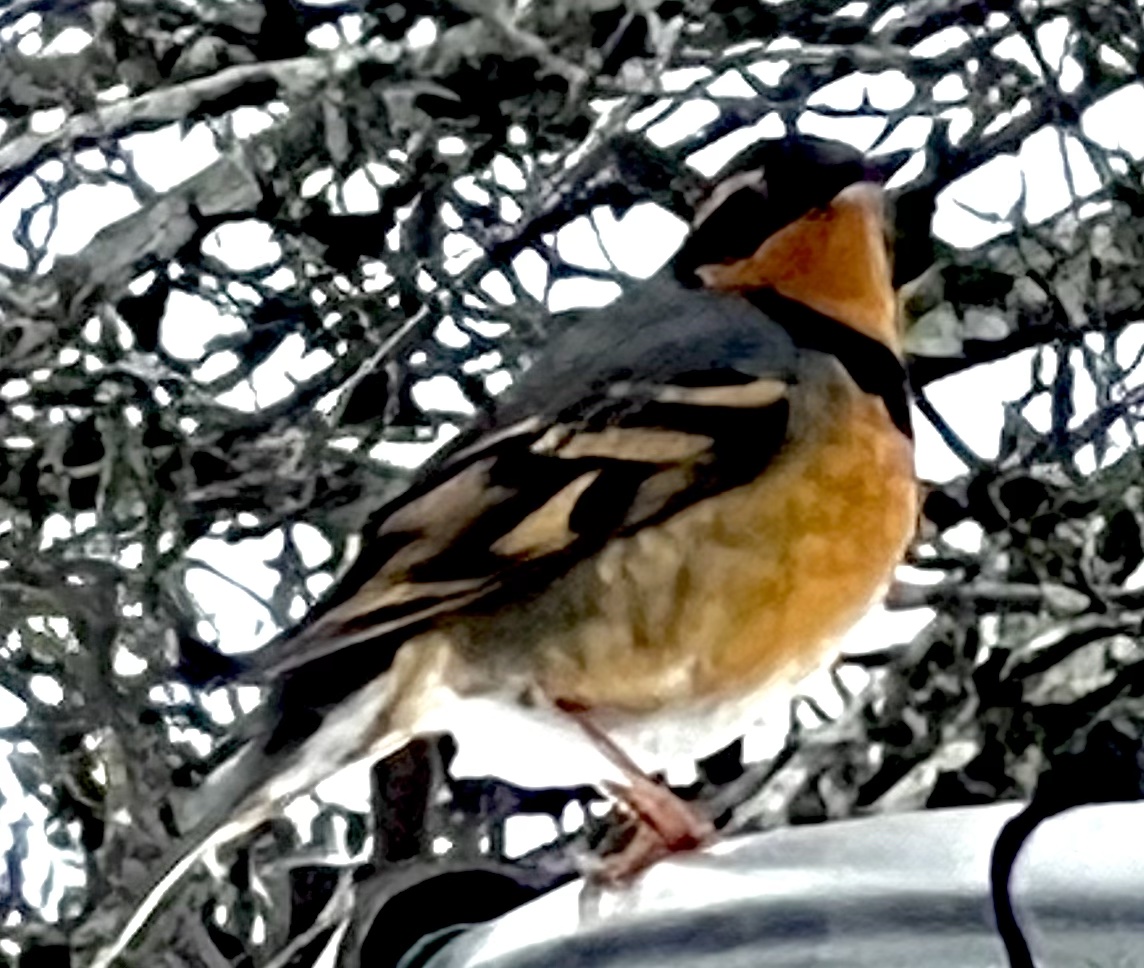
photo by Kate Steensma of Steensma Creameryphoto by Harry Rodenberger
Sighing and sobbing…
The times we live in now are surreal as this dark nursery tale rhyme about the killing of a robin by a smaller bird.
What do we do with the sparrow’s proud confession in the first stanza? Whatever happened to instigate such destructive violence? Self-defense? Vengeance? Accident? Just for sport? Or simple random cruelty?
Such boasting about a killing makes about as much sense as our being witness to the overt destruction of the rule of law taking place right under our noses in the U.S.
Hear the bell toll. We are each diminished as citizens. Let the mourning begin. It is our own death we grieve…
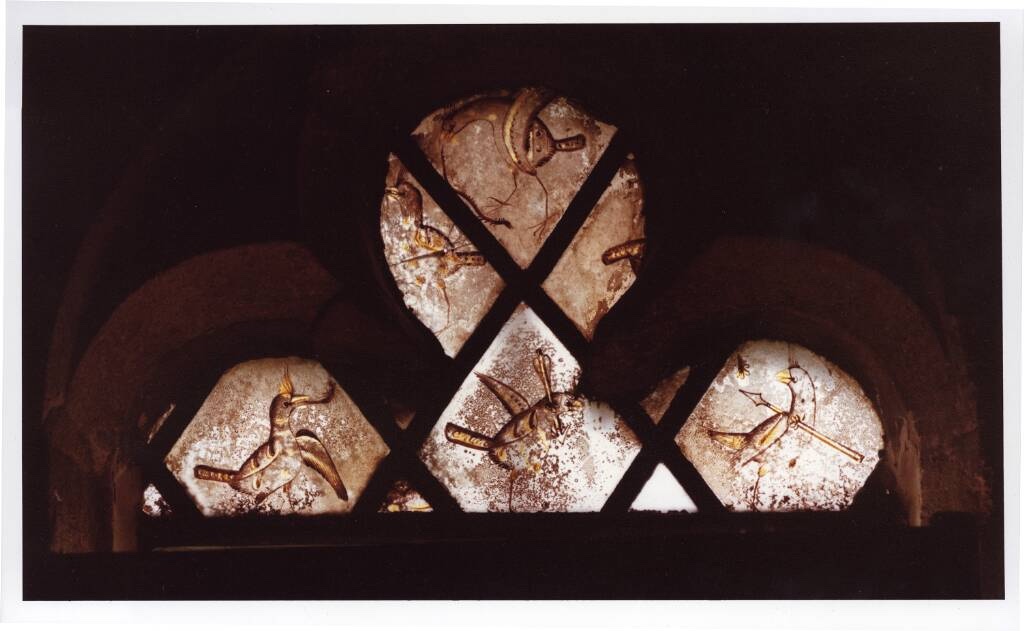
Medieval Stained Glass of a robin shot by an arrow in Buckland Rectory, Gloucester, UK
No man is an island, Entire of itself. Each is a piece of the continent, A part of the main. Each man’s death diminishes me, For I am involved in mankind. Therefore, send not to know For Whom the bell tolls, It tolls for thee… ~John Donne from “For Whom the Bell Tolls”
AI image created for this postAI image created for this post
One-Time
Monthly
Yearly
Make a one-time or recurring donation to support daily Barnstorming posts
…we are fallen like the trees, our peace Broken, and so we must Love where we cannot trust, Trust where we cannot know, And must await the wayward-coming grace That joins living and dead, Taking us where we would not go– Into the boundless dark. When what was made has been unmade The Maker comes to His work. ~Wendell Berry from “Sabbaths, II”
Things: simply lasting, then failing to last: into light all things must fall, glad at last to have fallen. ~Jane Kenyon, from “Things”in Collected Poems
I know I am brief and finite, leaning more and more from the prevailing winds, wobbly through each storm that comes.
Things I wish would last don’t, so I hold them lightly in love.
I must trust God’s Light passes through the darkness, an illuminated pathway I follow, even when falling, even when finite and failing until I am part of the Light myself.
AI image created for this post
One-Time
Monthly
Yearly
Make a one-time or recurring donation to support daily Barnstorming posts
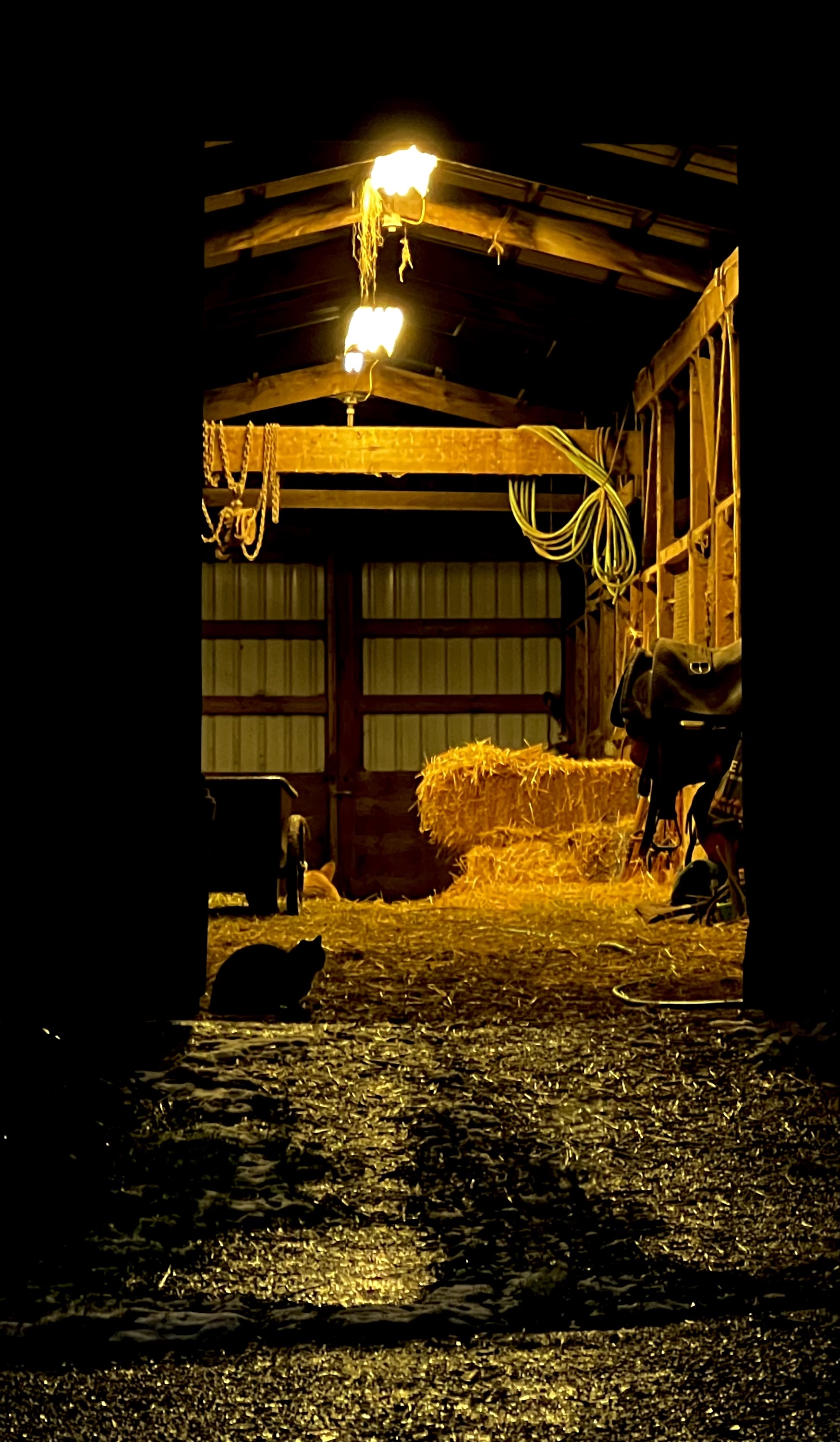
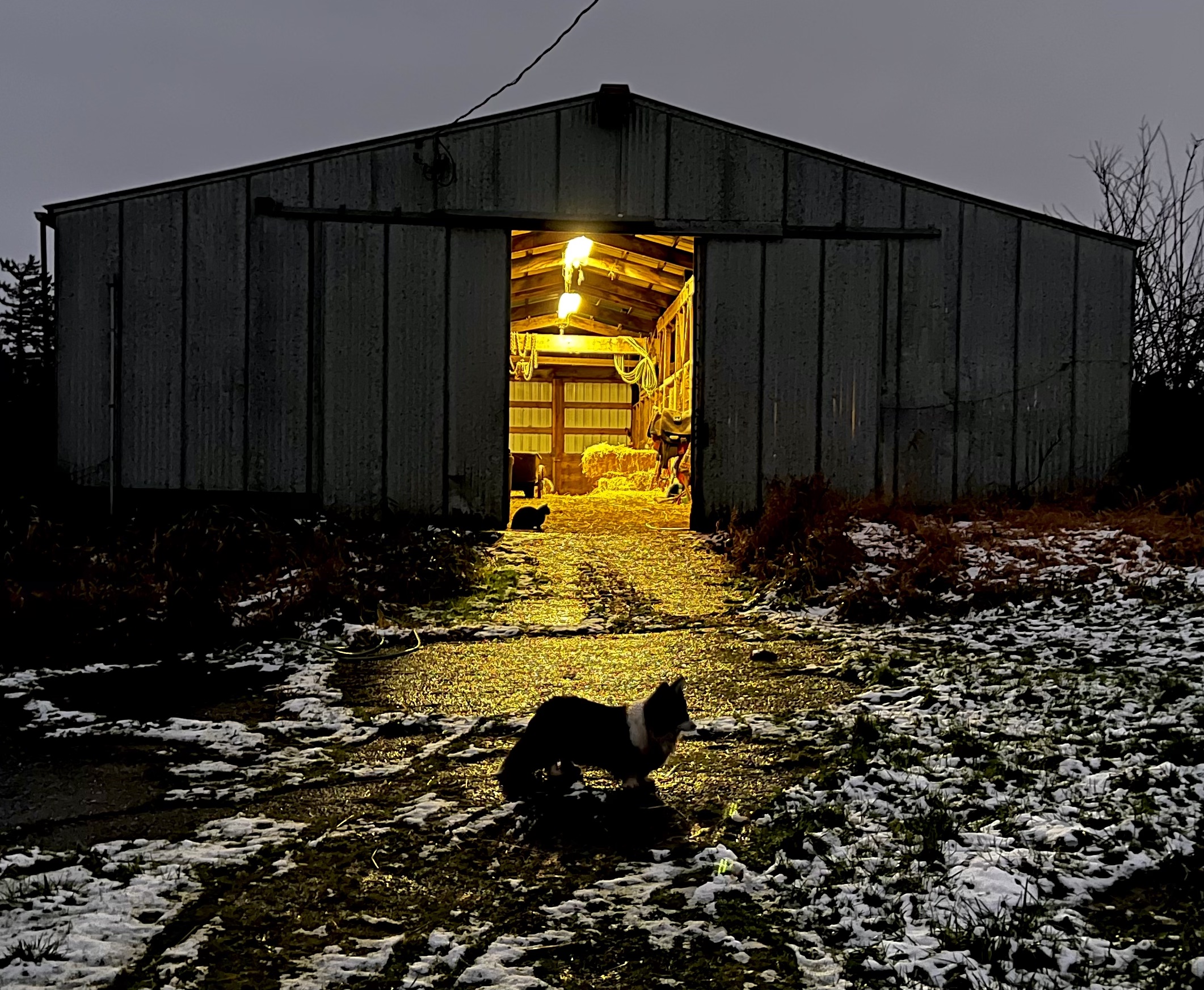
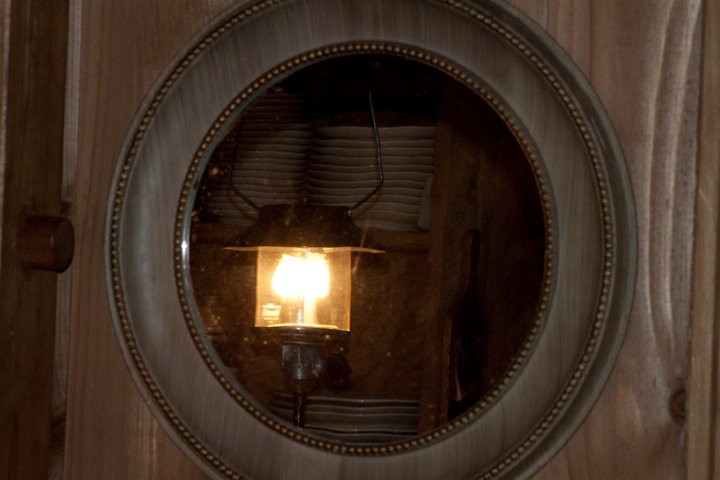
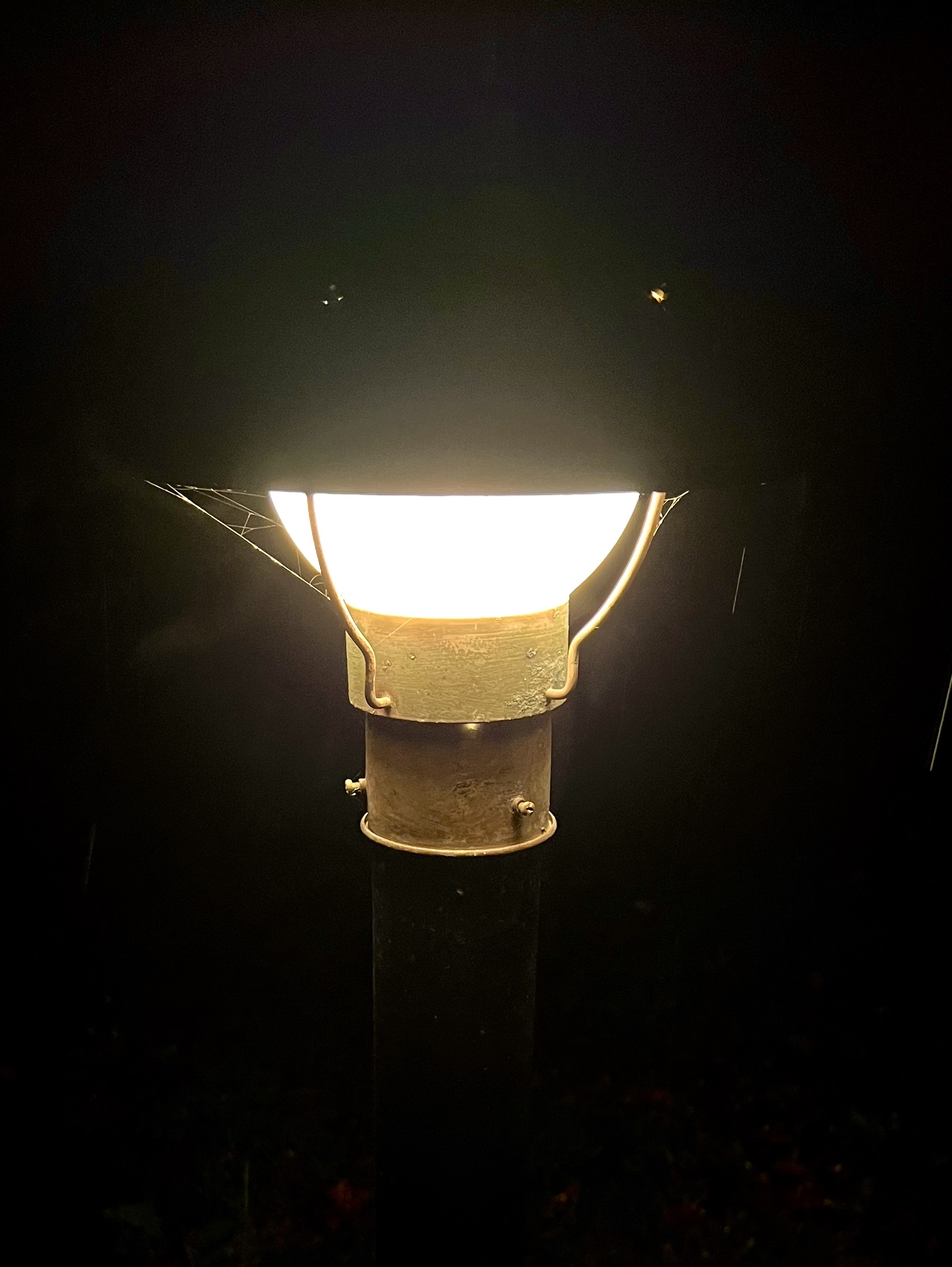
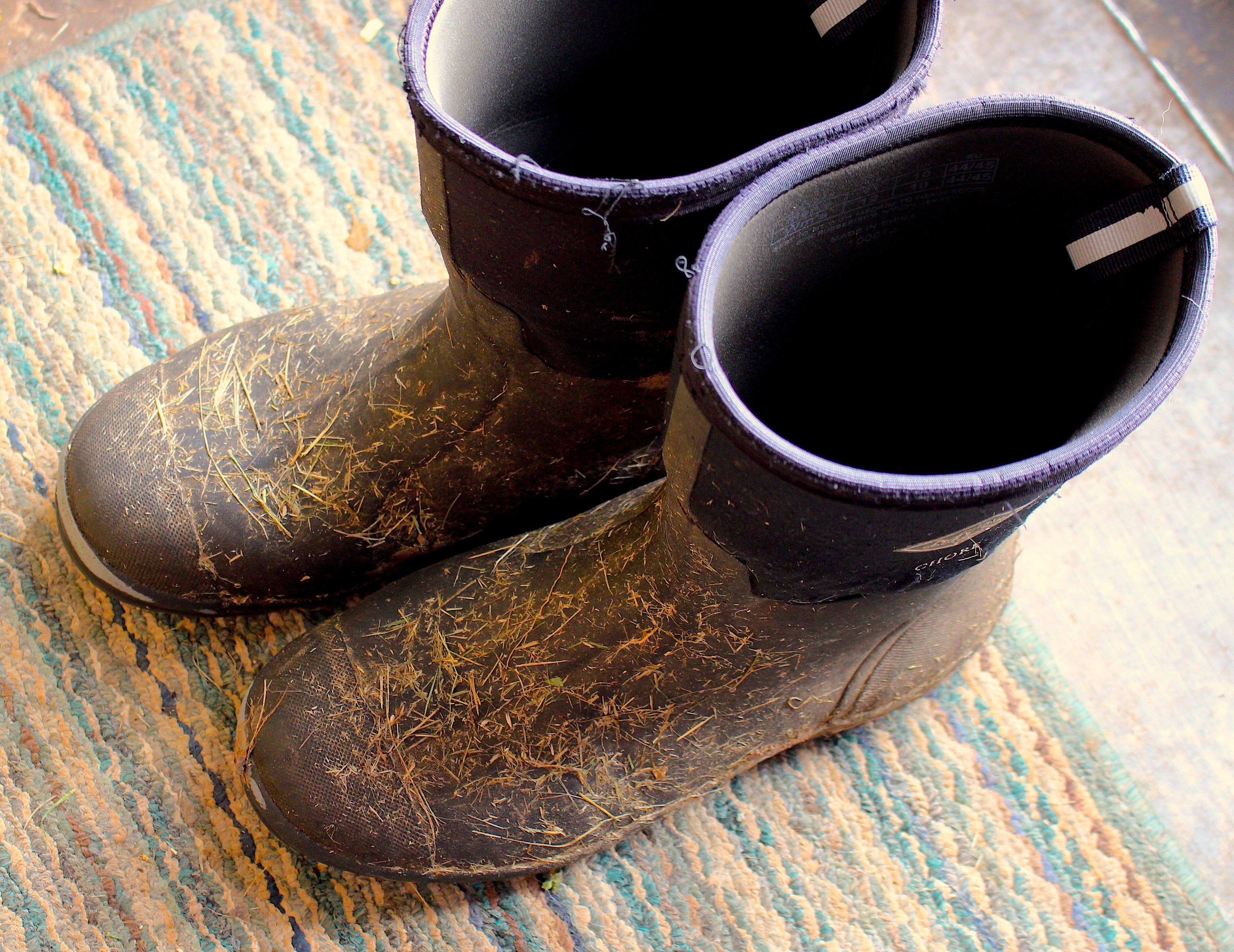
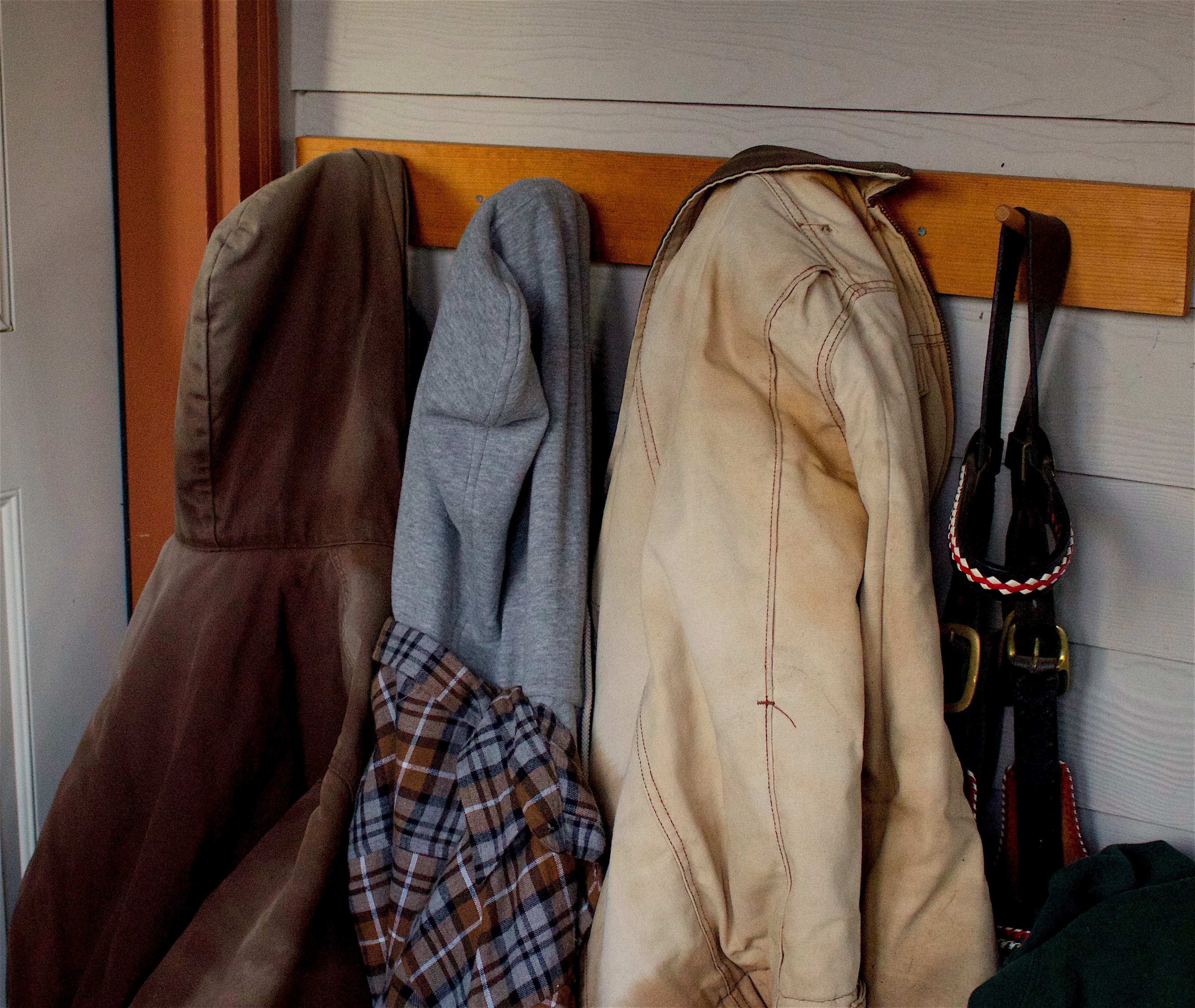
Usually, after turning out that forgotten barn light, I sit on the edge of the tractor bucket for a few minutes and let my eyes adjust to the night outside. City people always notice the darkness here, but it’s never very dark if you wait till your eyes owl out a little….
I’m always glad to have to walk down to the barn in the night, and I always forget that it makes me glad. I heave on my coat, stomp into my barn boots and trudge down toward the barn light, muttering at myself. But then I sit in the dark, and I remember this gladness, and I walk back up to the gleaming house, listening for the horses. ~Verlyn Klinkenborg from A Light in the Barn
…all who heard it wondered at what the shepherds told them. But Mary treasured up all these things, pondering them in her heart.. ~Luke 2:18-19
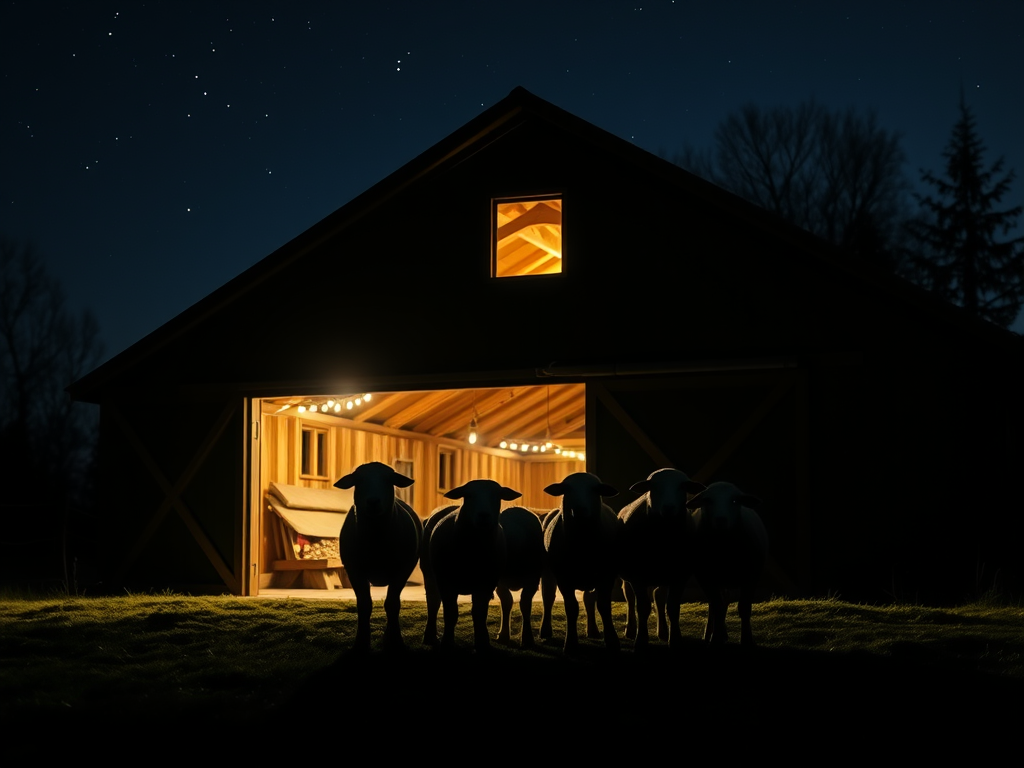
Inside the barn the sheep were standing, pushed close to one another. Some were dozing, some had eyes wide open listening in the dark. Some had no doubt heard of wolves. They looked weary with all the burdens they had to carry, like being thought of as stupid and cowardly, disliked by cowboys for the way they eat grass about an inch into the dirt, the silly look they have just after shearing, of being one of the symbols of the Christian religion. In the darkness of the barn their woolly backs were full of light gathered on summer pastures. Above them their white breath was suspended, while far off in the pine woods, night was deep in silence. The owl and rabbit were wondering, along with the trees, if the air would soon fill with snowflakes, but the power that moves through the world and makes our hair stand on end was keeping the answer to itself. ~Tom Hennen “Sheep in the Winter Night” from Darkness Sticks to Everything: Collected and New Poems.
Yet another school shooting takes hold of my heart and breaks it: two of our children are school teachers, our grandchildren are students.
there is so much about this world I don’t understand – the news of each day causes more questions and a sense of ever deeper despair.
There are times when I feel my hair stand on end, wondering where it all leads.
Half a lifetime ago, I was far more confident after so many years in school and training; now I am well aware there is much I can never know or understand.
To accept the mystery and power that moves through this world is an awe-filled load to carry.
All shall be revealed in the fullness of time. Yet shortening time is gets emptier by the minute.
I want to know why too many are taken from us too young, why there is persisting darkness and evil causing fear and suffering, why we stumble and fall and fail again and again, why we don’t trust one another or trust God when there are simply things that can’t be known or understood yet.
Most of all I need faith that God has my life and your life in His hands. His power moving through our hearts is real and true and trustworthy even if we don’t know all the answers to myriad questions yet.
So like sheep, huddled and frightened, we wait for our Shepherd’s voice to tell us where to go and what comes next.
He leaves the light on for us because, like sheep, like children, the darkness and the unknown can feel overwhelming.
AI image created for this post
This year’s Advent theme is from Dietrich Bonhoeffer’s sermon on the First Sunday in Advent, December 2, 1928:
The celebration of Advent is possible only to those who are troubled in soul, who know themselves to be poor and imperfect, and who look forward to something greater to come. For these, it is enough to wait in humble fear until the Holy One himself comes down to us, God in the child in the manager.
God comes.
He is, and always will be now, with us in our sin, in our suffering, and at our death. We are no longer alone. God is with us and we are no longer homeless. ~Dietrich Bonhoeffer – from Christmas Sermons
I’ll tell a secret instead: poems hide. In the bottoms of our shoes, they are sleeping. They are the shadows drifting across our ceilings the moment before we wake up. What we have to do is live in a way that lets us find them. ~Naomi Shihab Nye from “Valentine for Ernest Mann”from The Red Suitcase
I was oblivious a hundred times a day to their secrets: dripping right over me in the shower, rising over hills bright pink, tucked under a toadstool, breathing deeply as I auscultated a chest, unfolding with each blossom, folding with each piece of laundry, settling heavily on my eyelids at night.
The day I awoke to them was the day 23 years ago when thousands of innocents died in sudden cataclysm of airplanes and buildings and fire — people not knowing when they got up that day it would be their last.
And such tragic tumbling of life happens without cease – from wars, gun violence, suicide, pandemics and preventable diseases – our world weeps and hearts continue to break.
Suddenly poems show themselves. I try to see, listen, touch, smell, taste as if each day would be my last. I try to feel like a leaf about to let go.
I have learned to live in a way that lets me see through the hiddenness and now it overwhelms me. Poems – sad, insightful, clever, funny, and mysterious – are everywhere I look.
And I don’t know if I have enough time left to write them all down.
One-Time
Monthly
Yearly
Make a one-time or recurring donation to support daily Barnstorming posts
She skimmed the yellow water like a moth, Trailing her feet across the shallow stream; She saw the berries, paused and sampled them Where a slight spider cleaned his narrow tooth. Light in the air, she fluttered up the path, So delicate to shun the leaves and damp, Like some young wife, holding a slender lamp To find her stray child, or the moon, or both. Even before she reached the empty house, She beat her wings ever so lightly, rose, Followed a bee where apples blew like snow; And then, forgetting what she wanted there, Too full of blossom and green light to care, She hurried to the ground, and slipped below. ~James Wright “My Grandmother’s Ghost” from Above the River: The Complete Poems
…now you have taught me (but how late) my lack. I see the chasm. And everything you are was making My heart into a bridge by which I might get back From exile, and grow man. And now the bridge is breaking.
For this I bless you as the ruin falls. The pains You give me are more precious than all other gains. ~C.S. Lewis from “As the Ruin Falls”
Early one morning, we heard a sound, someone carefully pushing a door open, but both doors were closed. The air stirred. A whirring echoed through the room. That night we had left a small lamp on. In front of it, each time it orbited, the dark shape of a bird. ~Tina Barry from “Another Haunting” from I Tell Henrietta
when my father had been dead a week I woke with his voice in my ear I sat up in bed and held my breath and stared at the pale closed door
white apples and the taste of stone
if he called again I would put on my coat and galoshes ~Donald Hall “White Apples”
I saw my grandma’s ghost once.
She was the only grandparent I actually knew and who actually knew me — the others were lost before I was born or I was too young to realize what I had lost.
She had lived a hard life after her mother’s death when she was only 12, taking over the household duties for her father and younger brother while leaving school forever. She married too young to an abusive alcoholic, lost her first child to lymphoma at age 8 and took her three remaining children to safety away from their father. For a year, they lived above a seedy restaurant where she cooked seven days a week to make ends meet.
But there was grace too. The marriage somehow got patched together after Grandpa found God and sobriety – after his sudden death while sitting in church, Grandma’s faith never wavered. Her garden soil yielded beautiful flowers she planted and nurtured and picked to sell. Her children and grandchildren welcomed her many open armed visits and hugs.
She was busy planning her first overseas trip of a lifetime at age 72 when we noticed her eyes looked yellow. Only two weeks later she was bed-bound in unrelenting pain due to pancreatic cancer, gazing heaven-ward instead of Europe-bound. Her dreams had been dashed so quickly, she barely realized her itinerary and ultimate destination had unalterably changed.
I was nearly 16 at the time, too absorbed in my own teenage cares and concerns to really notice how quickly she was fading and failing like a wilted flower. Instead I was picking fights with my stressed parents, obsessing about taking my driver’s license driving test, distracted by all the typical social pressures of high school life.
Her funeral was unbearable for me as I had never really said goodbye – only one brief hospital visit when she was hardly recognizable in her anguish and jaundice. She looked so different, I hung back from her bedside. Regrettably, I didn’t even try to hold her hand.
Mere weeks after she had been lowered into the ground next to her husband and young daughter, she came back to me in a dream.
I was sleeping when the door opened into my dark bedroom, waking me as the bright hallway light pushed its way via a shimmering beam to my bed. My Grandma Kittie stood in my bedroom doorway, a fully recognizable silhouette backlit by the illumination. She silently stood there, looking at me.
Startled, I sat up in my bed and said to her, “Grandma, why are you here? You died. We buried you.”
She lifted her hands toward me in a gesture of reassurance and said:
“I want you to know I’m okay and always will be. You will be too.”
She then gave a little wave, turned and left, closing the door behind her. I woke suddenly with a gasp in my darkened bedroom and knew I had just been visited.
She hadn’t come to say goodbye or to tell me she loved me — I knew that already.
She had come to me, with the transient fragility of something with wings, floating gently back into the world to be my bridge. She blossomed in the light she brought with her.
Grandma came to mend my broken heart and plant it with peace.
AI image created for this post
You’re in a better place I’ve heard a thousand times And at least a thousand times I’ve rejoiced for you
But the reason why I’m broken The reason why I cry Is how long must I wait to be with you
I close my eyes and I see your face If home’s where my heart is then I’m out of place Lord, won’t you give me strength To make it through somehow I’ve never been more homesick than now
Help me Lord cause I don’t understand your ways The reason why I wonder if I’ll ever know But, even if you showed me The hurt would be the same Cause I’m still here so far away from home
In Christ, there are no goodbyes And in Christ, there is no end
So I’ll hold onto Jesus With all that I have To see you again To see you again
And I close my eyes and I see your face If home’s where my heart is then I’m out of place Lord, won’t you give me strength To make it through somehow
Won’t you give me strength To make it through somehow Won’t you give me strength To make it through somehow I’ve never been more homesick than now ~Millard Bart Marshall
One-Time
Monthly
Yearly
Make a one-time or recurring donation to support daily Barnstorming posts
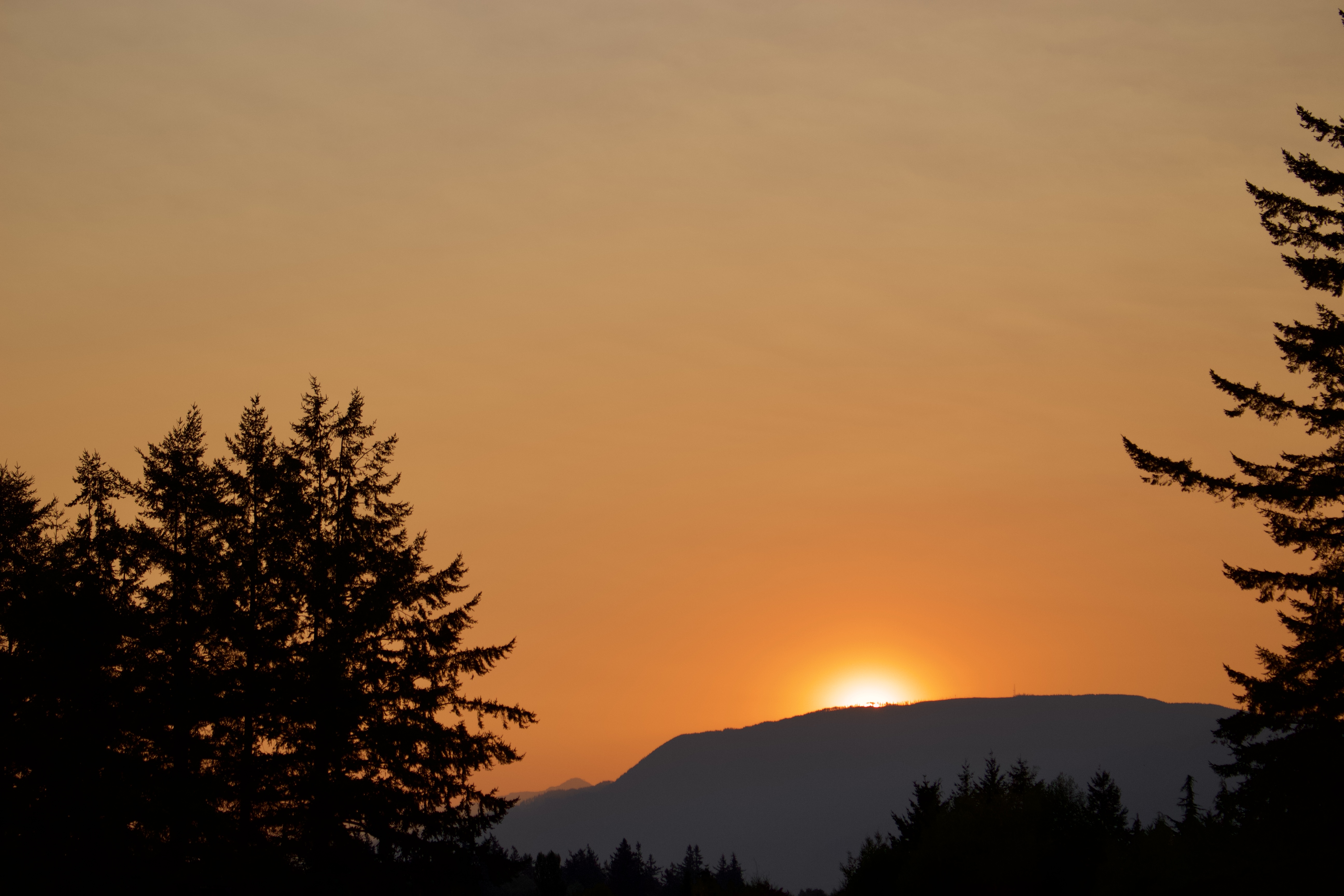
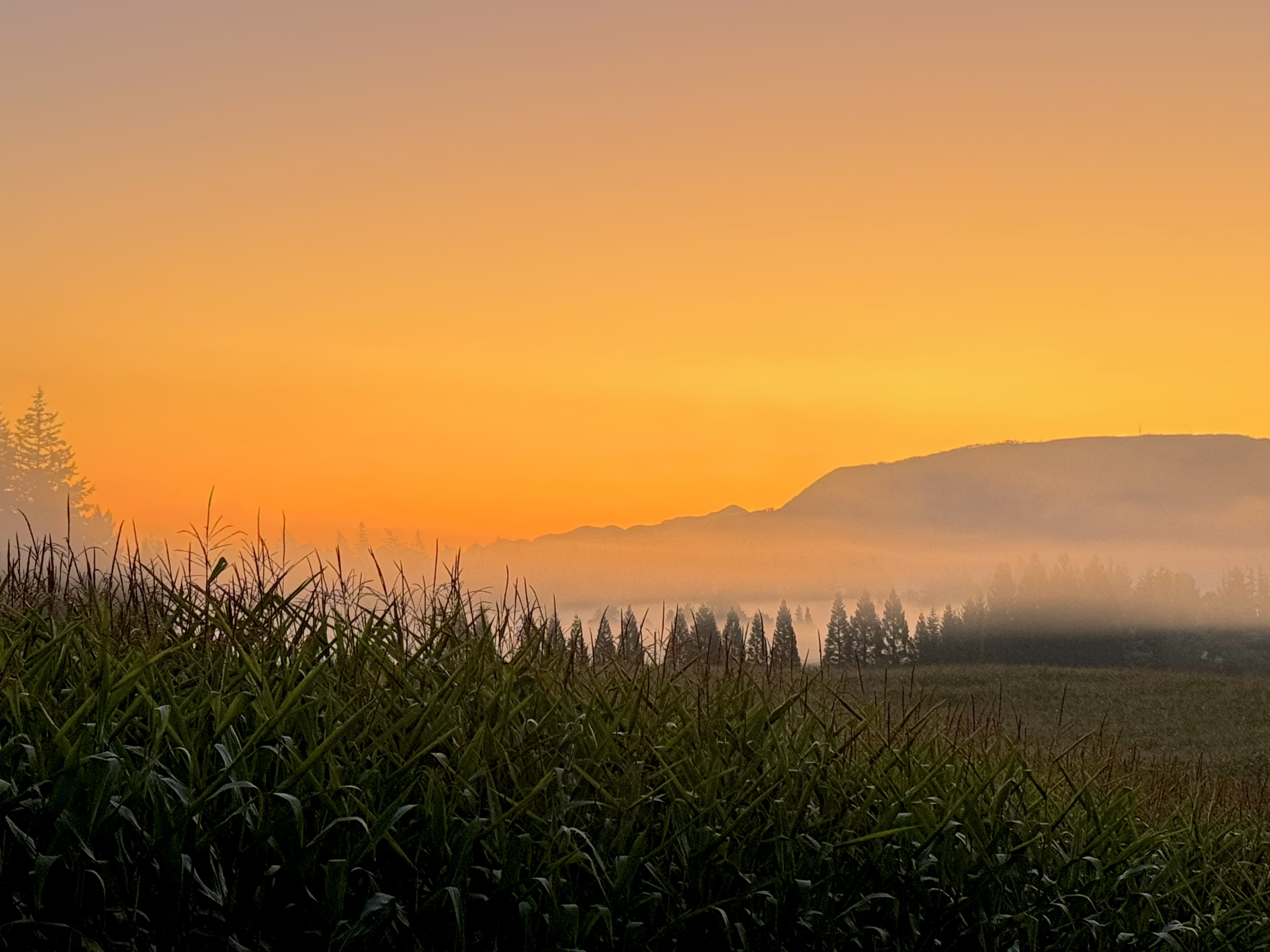
when the sun peeks over the horizon to greet the day and spread golden honey warmth to the dark, sleepy earth
when the birds begin to stir and twitter and tune their songs to one another
when the trees rustle as the morning breeze opens her eyes from slumber, and the dew is heavy on the blades of grass
when I know morning has come once again and we are not lost to the night, even as we are not lost to the day
light dawns, and I can move again breathing in streams of fresh morning air lighting a candle for rejuvenation and praying the day in with ginger and salt and clay
…deeds are done which appear so evil to us and people suffer such terrible evils that it does not seem as though any good will ever come of them; and we consider this, sorrowing and grieving over it
so that we cannot find peace in the blessed contemplation of God as we should do; and this is why:
our reasoning powers are so blind now, so humble and so simple
And this is what he means where he says, “You shall see for yourself that all manner of things shall be well”, as if he said, “Pay attention to this now, faithfully and confidently, and at the end of time you will truly see it in the fullness of joy. ~Julian of Norwich fromRevelations of Divine Love
Even when, yet again, innocents – our children, our teachers – do not wake, as if by magic, to see this golden morn
I’m heavy laden as the tears of this dewy dawn touch every lost and grieving thing
there is no reason for this to happen again and again and again ~we weep until we are dry as dust~
Pay attention to this now, to this mourning for innocents who are lost to the night and the day.
If only we listen and act, shall this be made well.
AI image created for this post
One-Time
Monthly
Yearly
Make a one-time or recurring donation to support daily Barnstorming posts
What is the change in summer of which one expects nothing? Nature is not reborn, nor does she perish except in the streaks of a rare elm that has outlived itself. The weather conceals nothing: the months are temperate, even in the hardest rains one may walk without a coat. The gardens flourish, and bear without a gardener’s help.
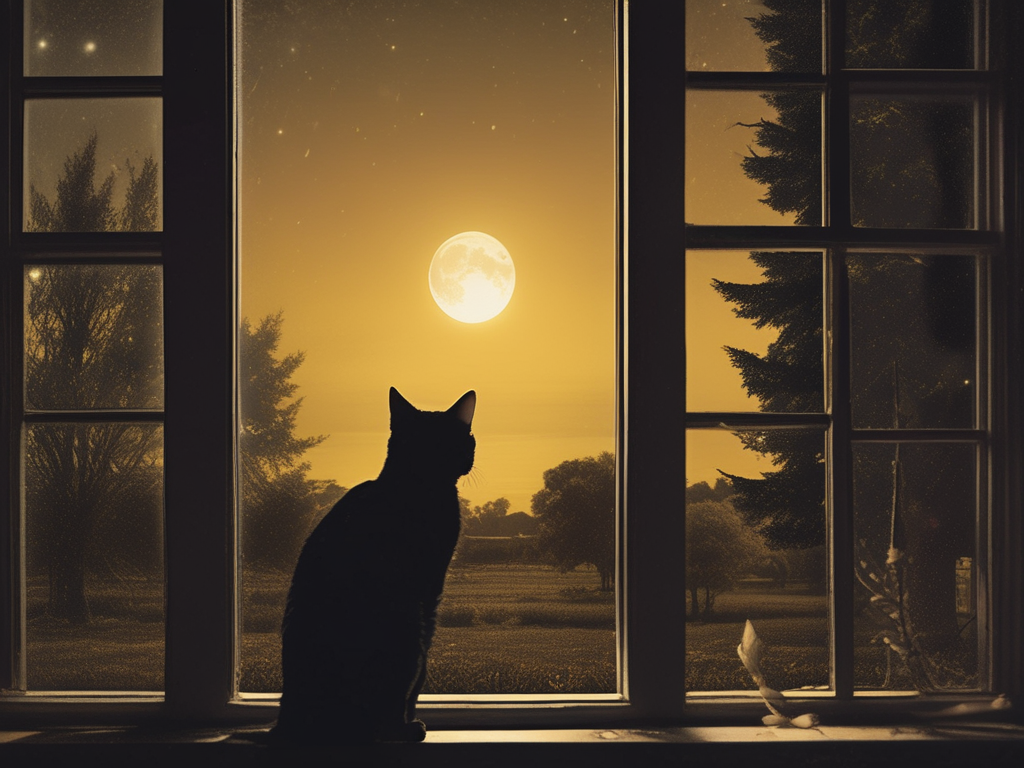
Sitting in windows at night black cats and their masters look out on summer; the moon feeds their yellow visions, the opened windows cool them… One wants nothing to happen forever, and thinks of those who perhaps are ready to die, except that it is summer and they are putting it off. ~Robley Wilson from “In Summer, Nothing Happens”
photo of supermoon by Harry Rodenbergerphoto by Harry Rodenberger
We’ve attended three memorial services so far this summer, and at least one more is on the calendar. Given a choice, all of these friends would have preferred to keep living at least through the summer, but God had other plans.
An eternal summer is in store for them, even if they wanted to put it off for a little while longer.
Each day becomes an unwarranted gift of time, summertime or not. I would like to sit and watch while nothing whatsoever happens.
Now I’m aware: nothing happening is actually something very special.
AI image created for this post
One-Time
Monthly
Yearly
Make a one-time or recurring donation to support daily Barnstorming posts.































 Barnstorming