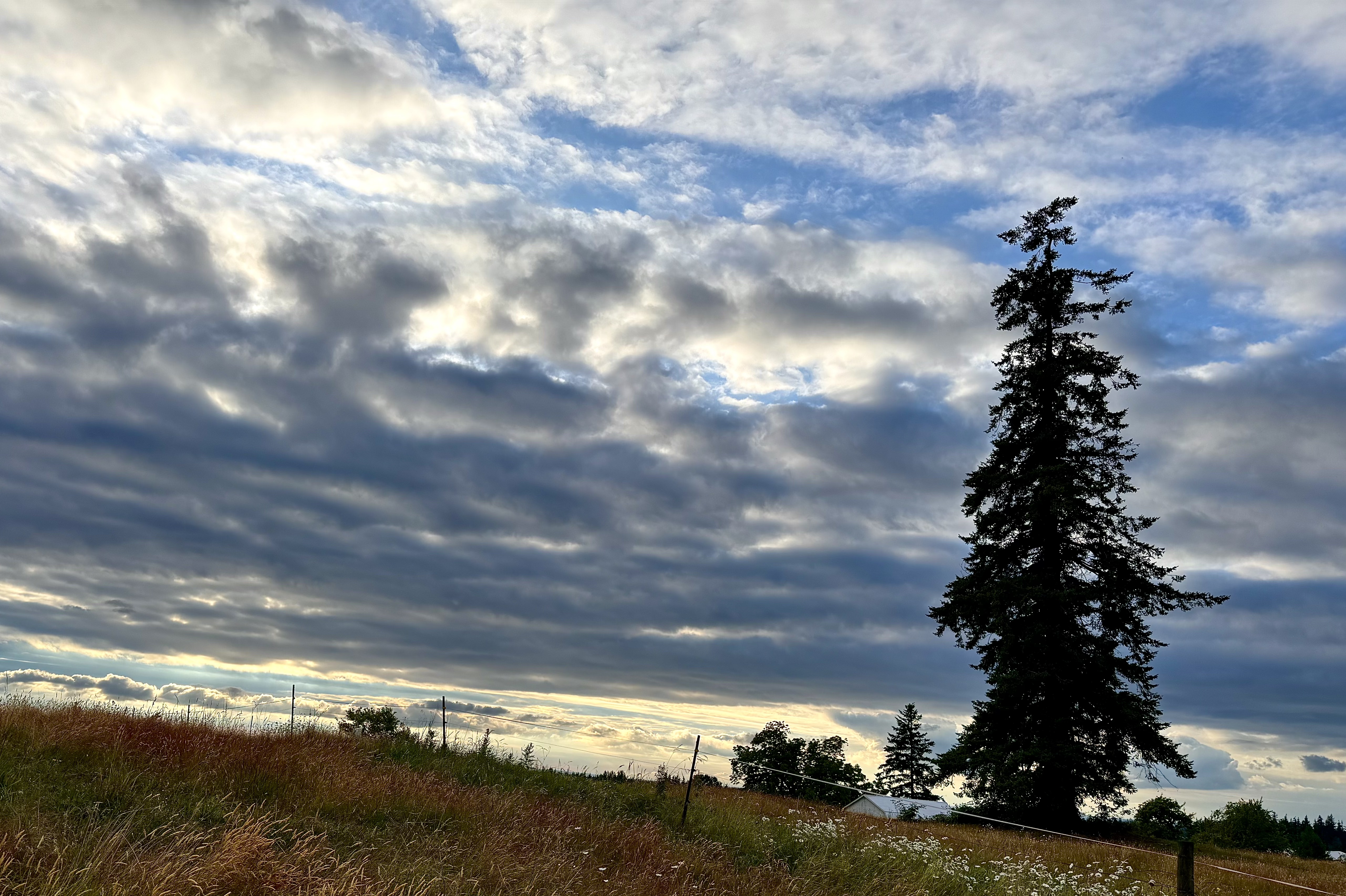
As we walk into words that have waited for us to enter them, so the meadow, muddy with dreams, is gathering itself together
and trying, with difficulty, to remember how to make wildflowers. Imperceptibly heaving with the old impatience, it knows
for certain that two horses walk upon it, weary of hay. The horses, sway-backed and self important, cannot design
how the small white pony mysteriously escapes the fence everyday. This is the miracle just beyond their heavy-headed grasp,
and they turn from his nuzzling with irritation. Everything is crying out. Two crows, rising from the hill, fight
and caw-cry in mid-flight, then fall and light on the meadow grass bewildered by their weight. A dozen wasps drone, tiny prop planes,
sputtering into a field the farmer has not yet plowed, and what I thought was a phone, turned down and ringing,
is the knock of a woodpecker for food or warning, I can’t say. I want to add my cry to those who would speak for the sound alone.
But in this world, where something is always listening, even murmuring has meaning, as in the next room you moan
in your sleep, turning into late morning. My love, this might be all we know of forgiveness, this small time when you can forget
what you are. There will come a day when the meadow will think suddenly, water, root, blossom, through no fault of its own, and the horses will lie down in daisies and clover. Bedeviled, human, your plight, in waking, is to choose from the words
that even now sleep on your tongue, and to know that tangled among them and terribly new is the sentence that could change your life. ~Marie Howe “The Meadow”from The Good Thief
I am constantly looking for the sentence that will change my life.
I search high and low: in books, on tape, in sermons, and in everyday conversation.
I listen.
I realize it will not be a brand new revelation. Instead, it is a very very old sentence:
“I am the light of the world. Whoever follows me will never walk in darkness, but will have the light of life.” John 8:12
I look for the Light in the most unexpected places, and if I find it, I always try to share it here…
What is a sentence that has changed your life?
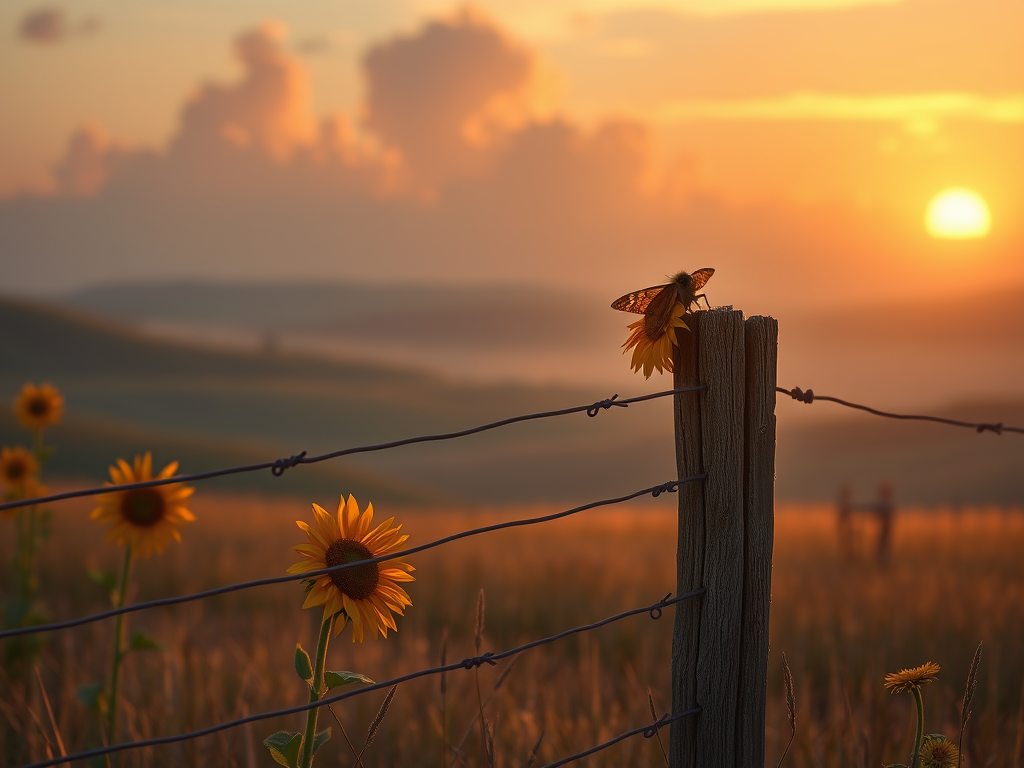
AI image created for this post
One-Time
Monthly
Yearly
Make a one-time or recurring donation to support daily Barnstorming posts
Every morning, cup of coffee in hand, I look out at the mountain. Ordinarily, it’s blue, but today it’s the color of an eggplant. And the sky turns from gray to pale apricot as the sun rolls up…
I study the cat’s face and find a trace of white around each eye, as if he made himself up today for a part in the opera. ~Jane Kenyon, from “In Several Colors” from Collected Poems.
If you notice anything it leads you to notice more and more.
And anyway I was so full of energy. I was always running around, looking at this and that.
If I stopped the pain was unbearable.
If I stopped and thought, maybe the world can’t be saved, the pain was unbearable. ~Mary Oliver from “The Moths” from Dream Work
I try to look at things in a new way as I wander about my day, my eyes scanning for how the hidden dusty corners of my life become illuminated by a penetrating morning sunbeam when the angle is just right.
The rest of the time, cobwebs, dust bunnies and smudges remain invisible to me until the searching light finds them.
What was “blue” becomes “eggplant” in the new light.
Trying to clean up a grungy messed-up upside-down world of pain is hard work.
It means admitting my own laziness, while falling down on the job again and again, I must always be willing to get back up.
If I stop acknowledging my own and others’ messiness, if I refuse to stay on top of the grime, if I give up the work of salvage and renewal, I then abandon God’s promise to transform this world.
He’s still here, ready and waiting, handing me a broom, a duster, and cleaning rags, so I shall keep at it – mopping up the messes I can reach, seeking what tries to stay hidden.
AI image created for this post
One-Time
Monthly
Yearly
Make a one-time or recurring donation to support daily Barnstorming posts
Ten more miles, it is South Dakota. Somehow, the roads there turn blue, When no one walks down them. One more night of walking, and I could have become A horse, a blue horse, dancing Down a road, alone.
I have got this far. It is almost noon. But never mind time: That is all over. It is still Minnesota. Among a few dead cornstalks, the starving shadow Of a crow leaps to his death. At least, it is green here, Although between my body and the elder trees A savage hornet strains at the wire screen. He can’t get in yet.
It is so still now, I hear the horse Clear his nostrils. He has crept out of the green places behind me. Patient and affectionate, he reads over my shoulder These words I have written. He has lived a long time, and he loves to pretend No one can see him. Last night I paused at the edge of darkness, And slept with green dew, alone. I have come a long way, to surrender my shadow To the shadow of a horse. ~James Wright “Sitting in a small screenhouse on a summer morning”
I have a sense of someone reading over my shoulder as I write.
It keeps me honest to feel that warm breath on my hair, its green smell reminding me where I am and who I am. It is encouraging to know what I do matters to someone.
I do not try to be anyone else.
When my words don’t say exactly what I hope, I feel forgiveness from the shadow beside me.
It’s all softness and warm breath. It’s all okay even when it’s not.
AI image created for this post
One-Time
Monthly
Yearly
Make a one-time or recurring donation to support daily Barnstorming posts
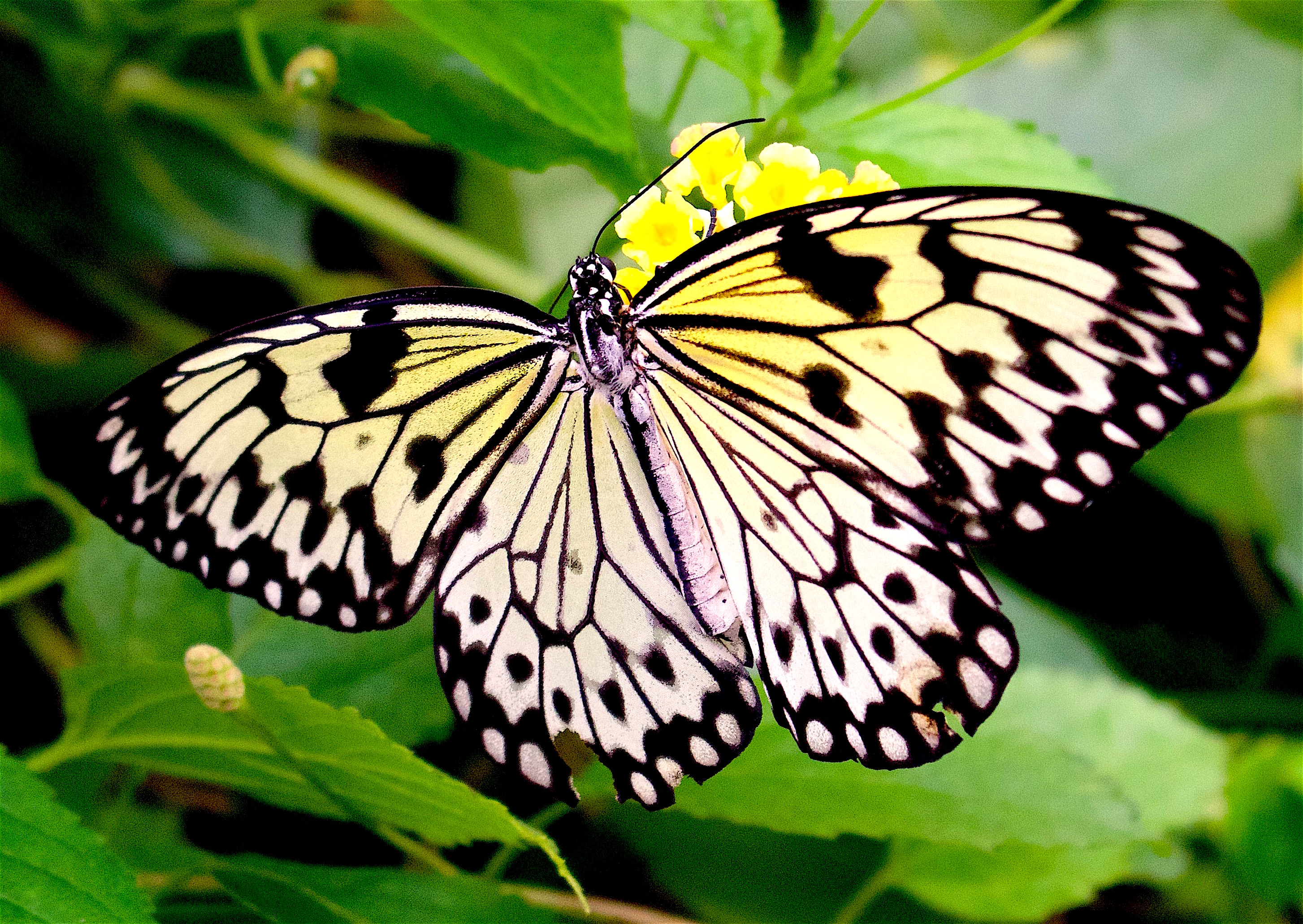
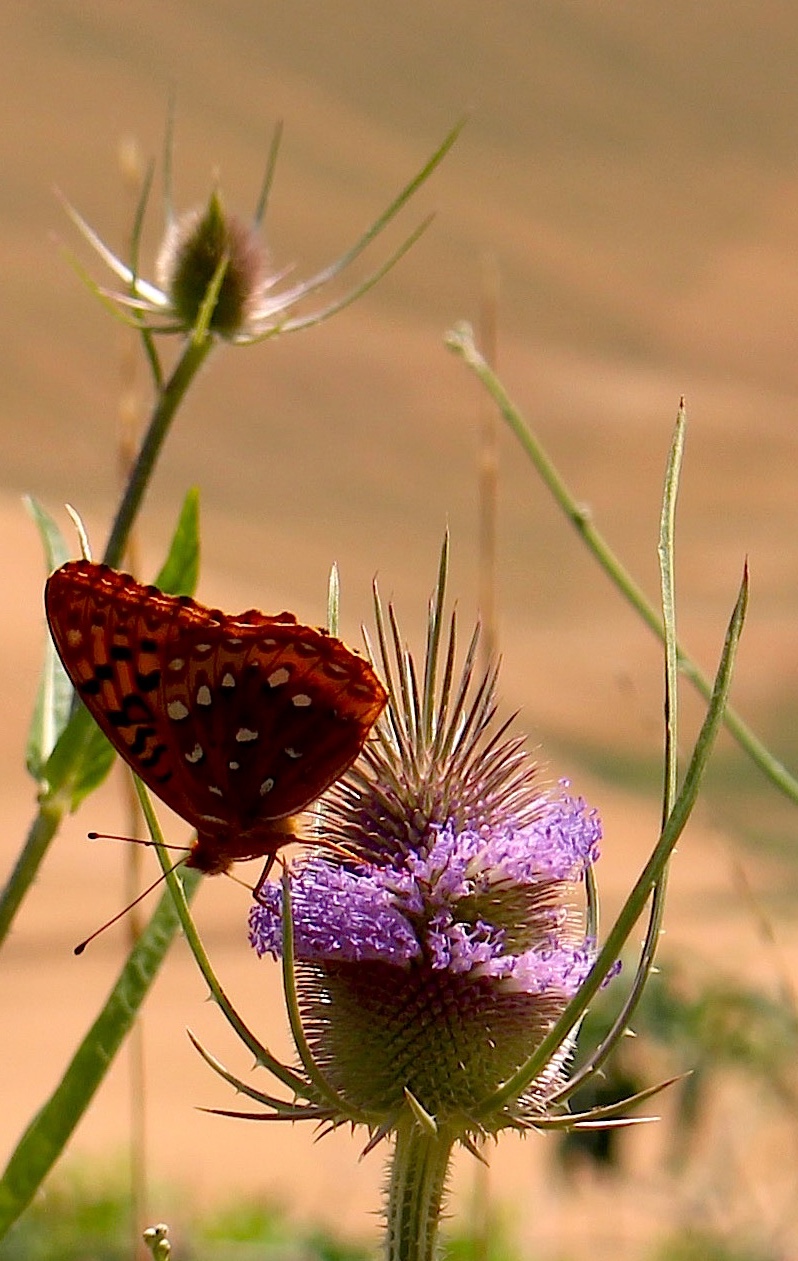
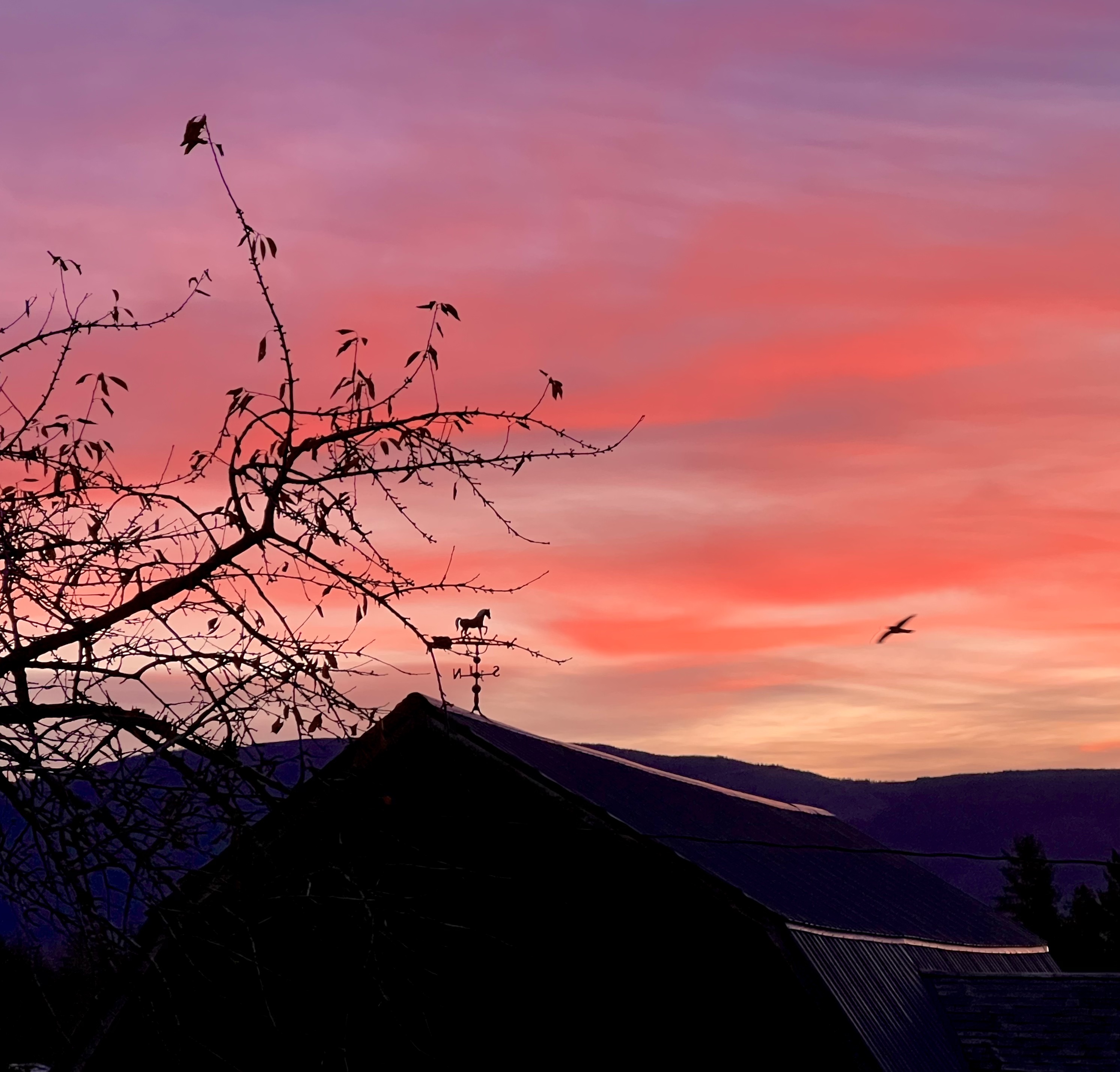
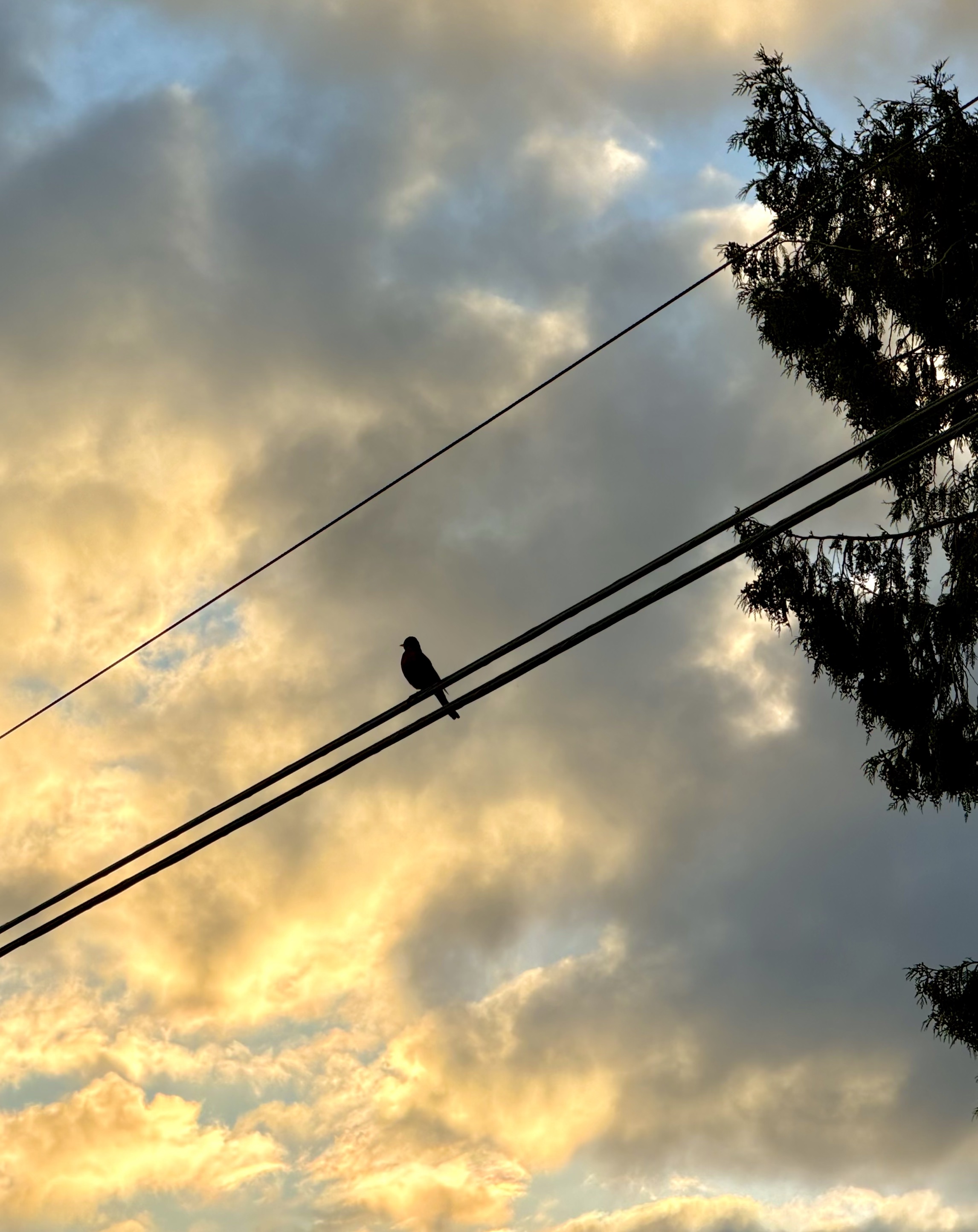
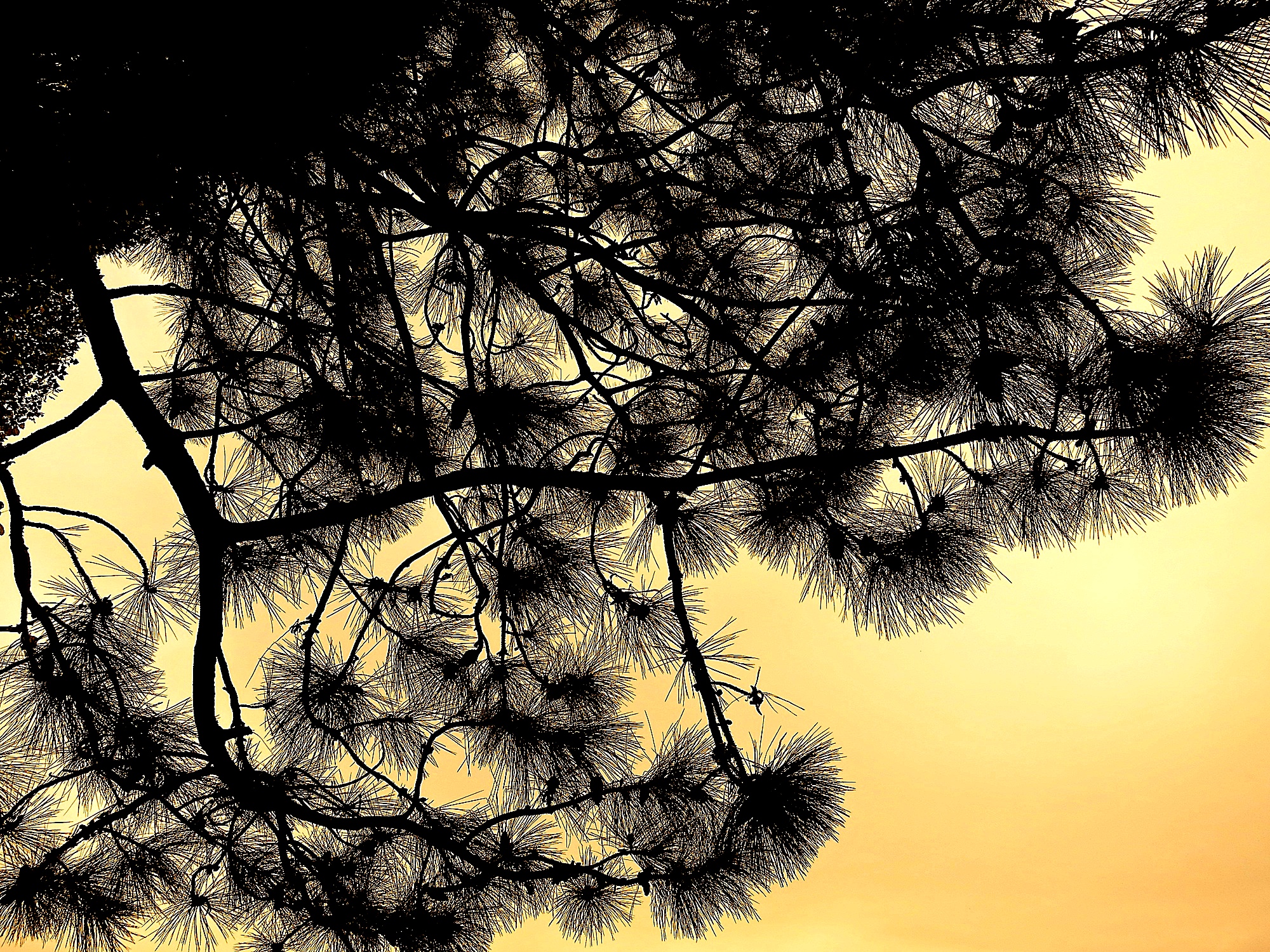
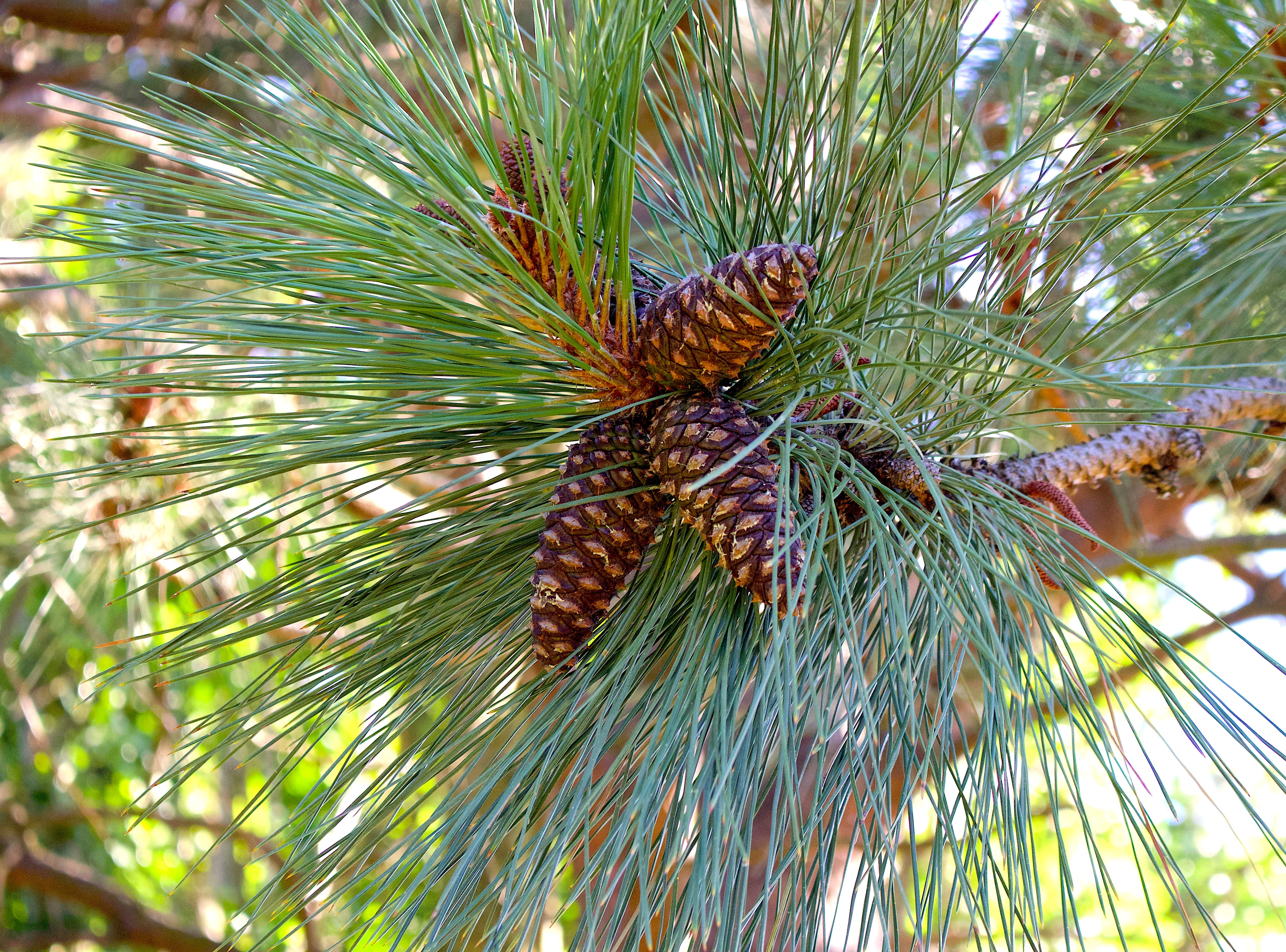
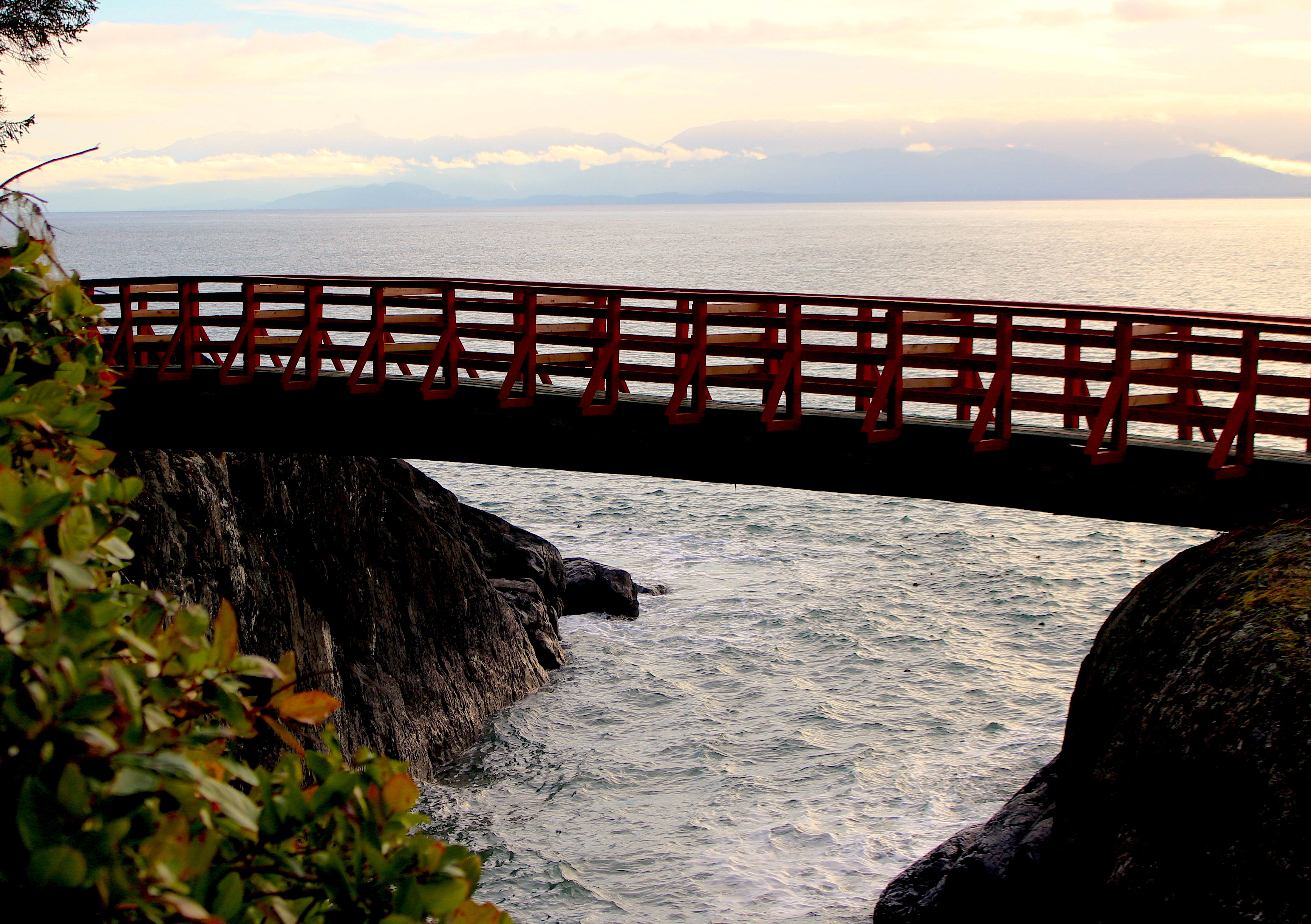
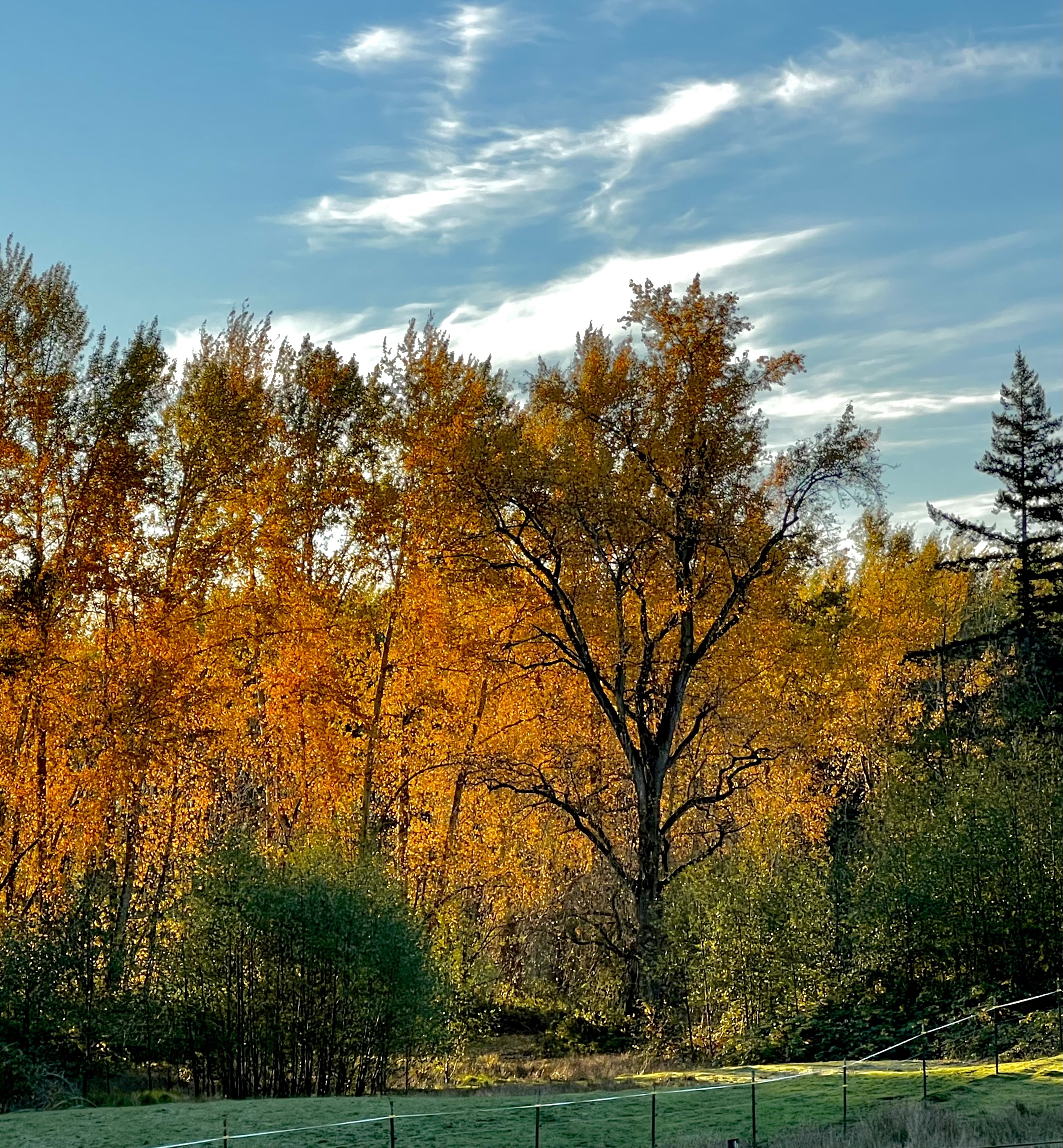
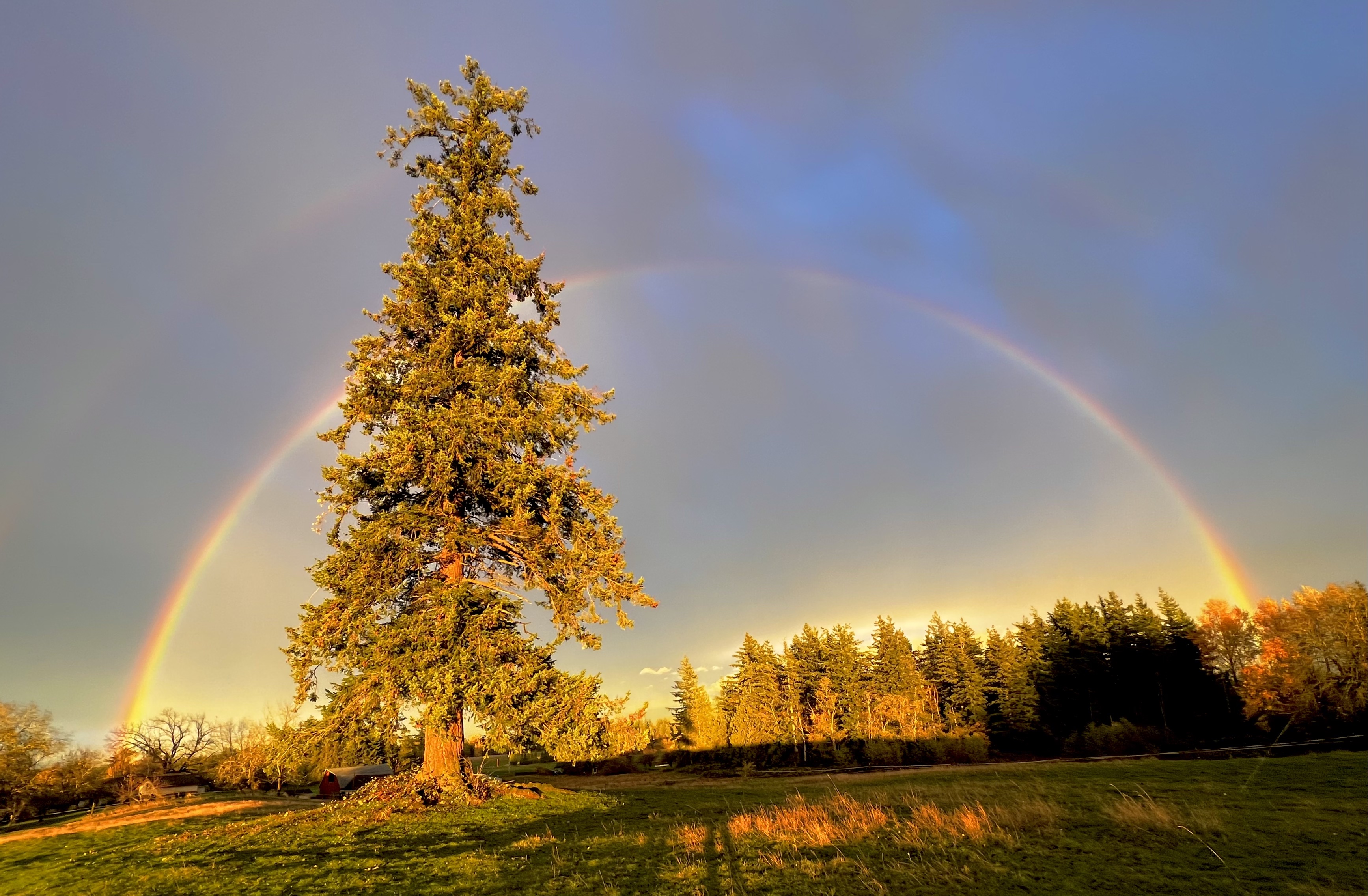
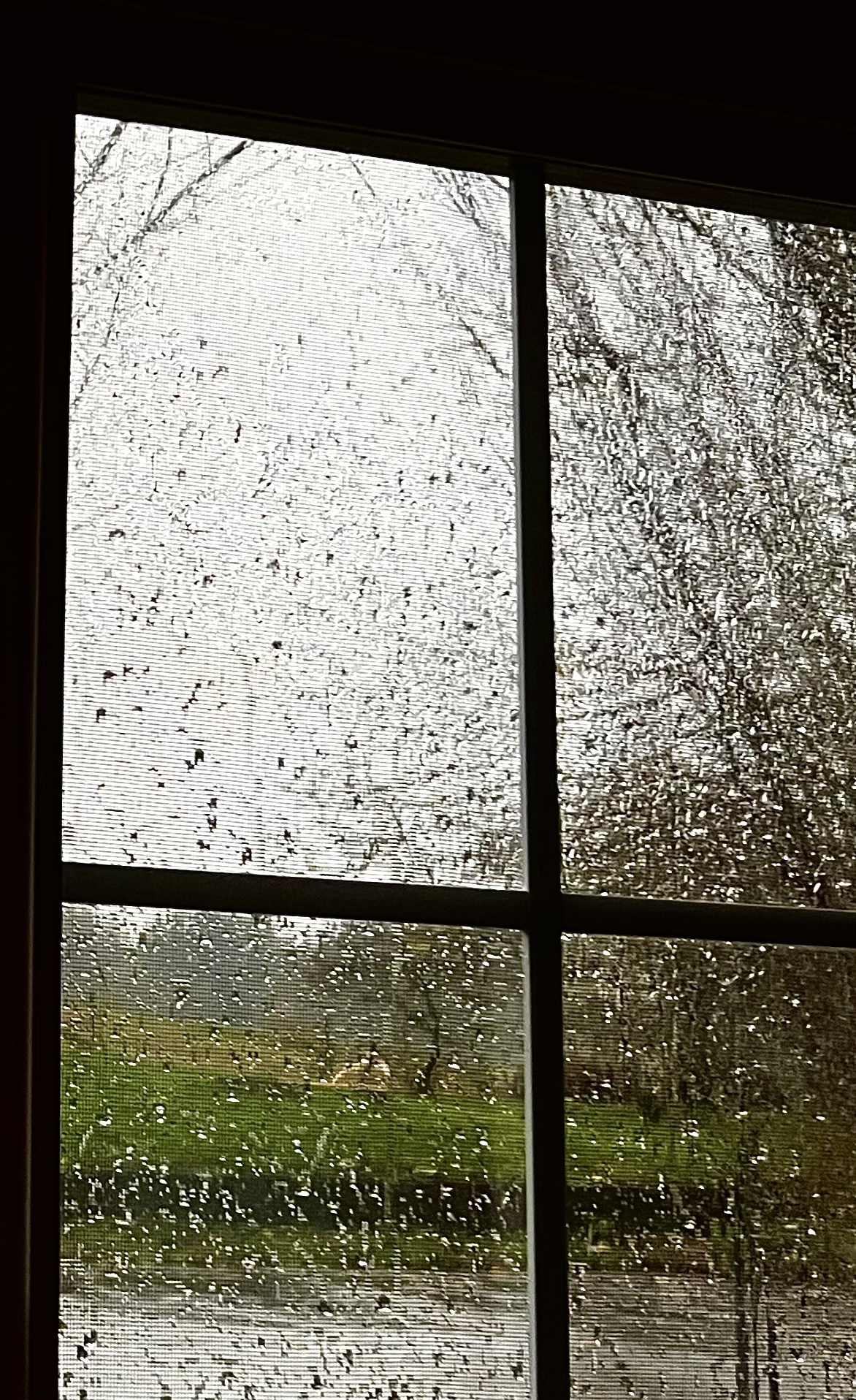
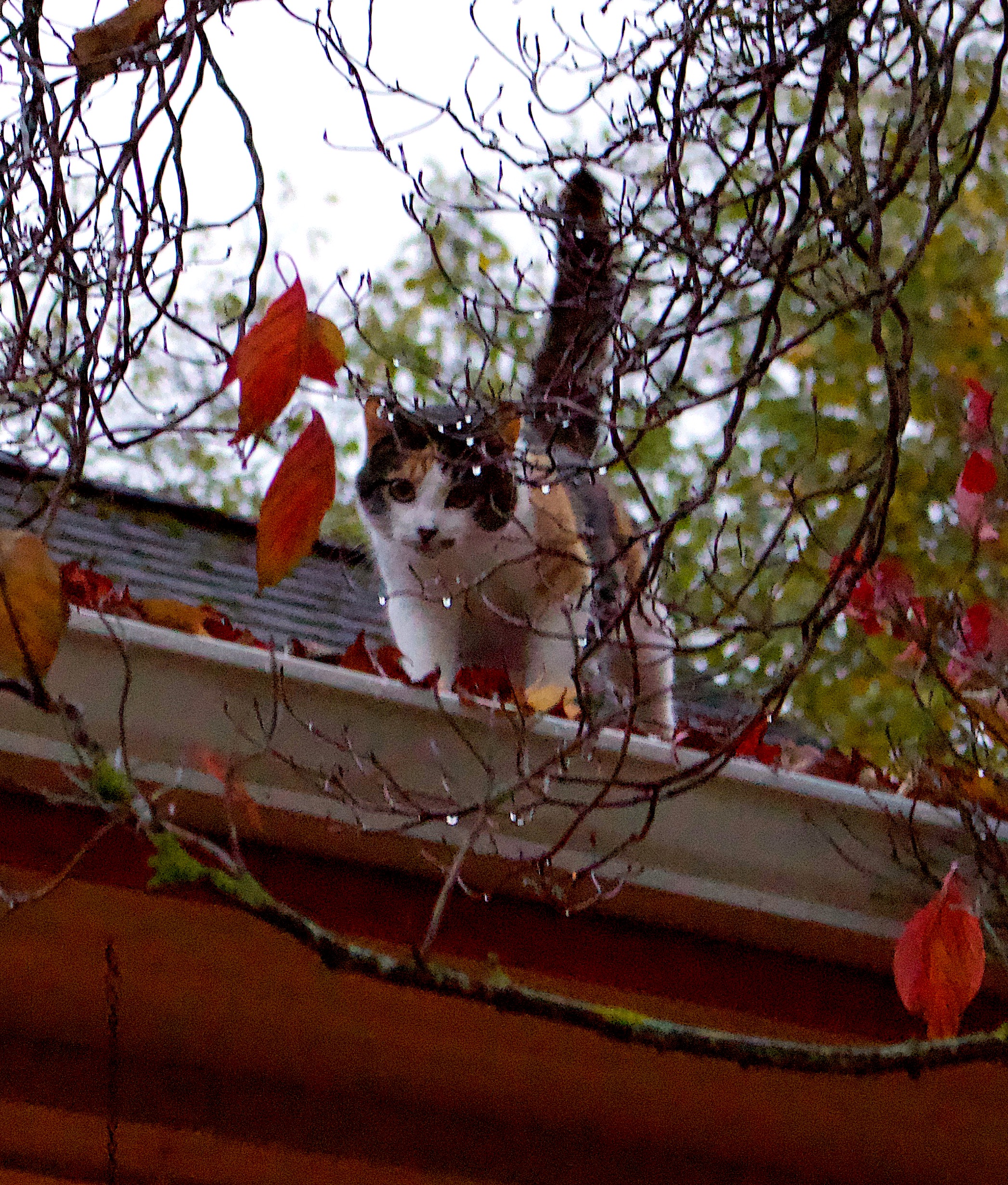
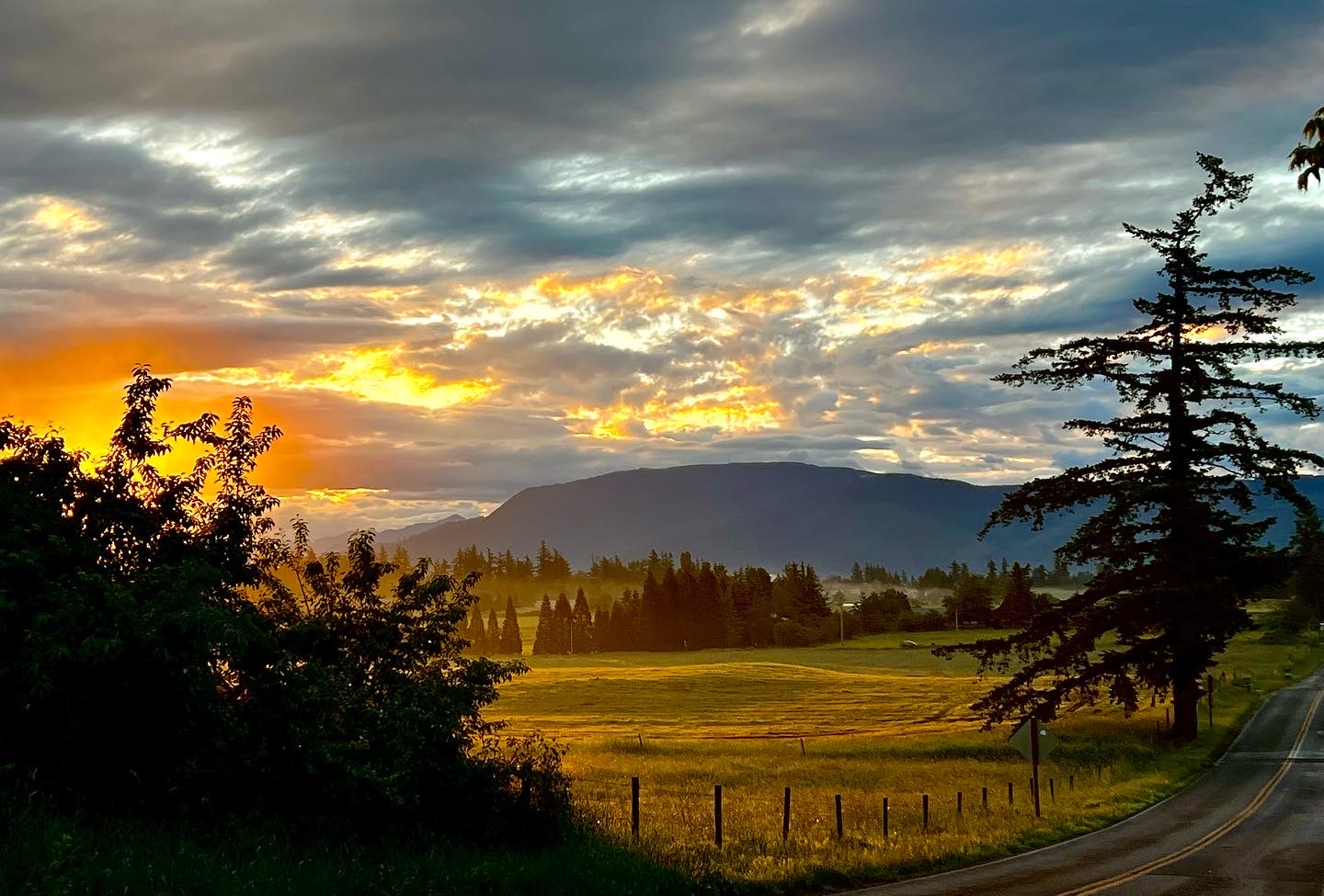
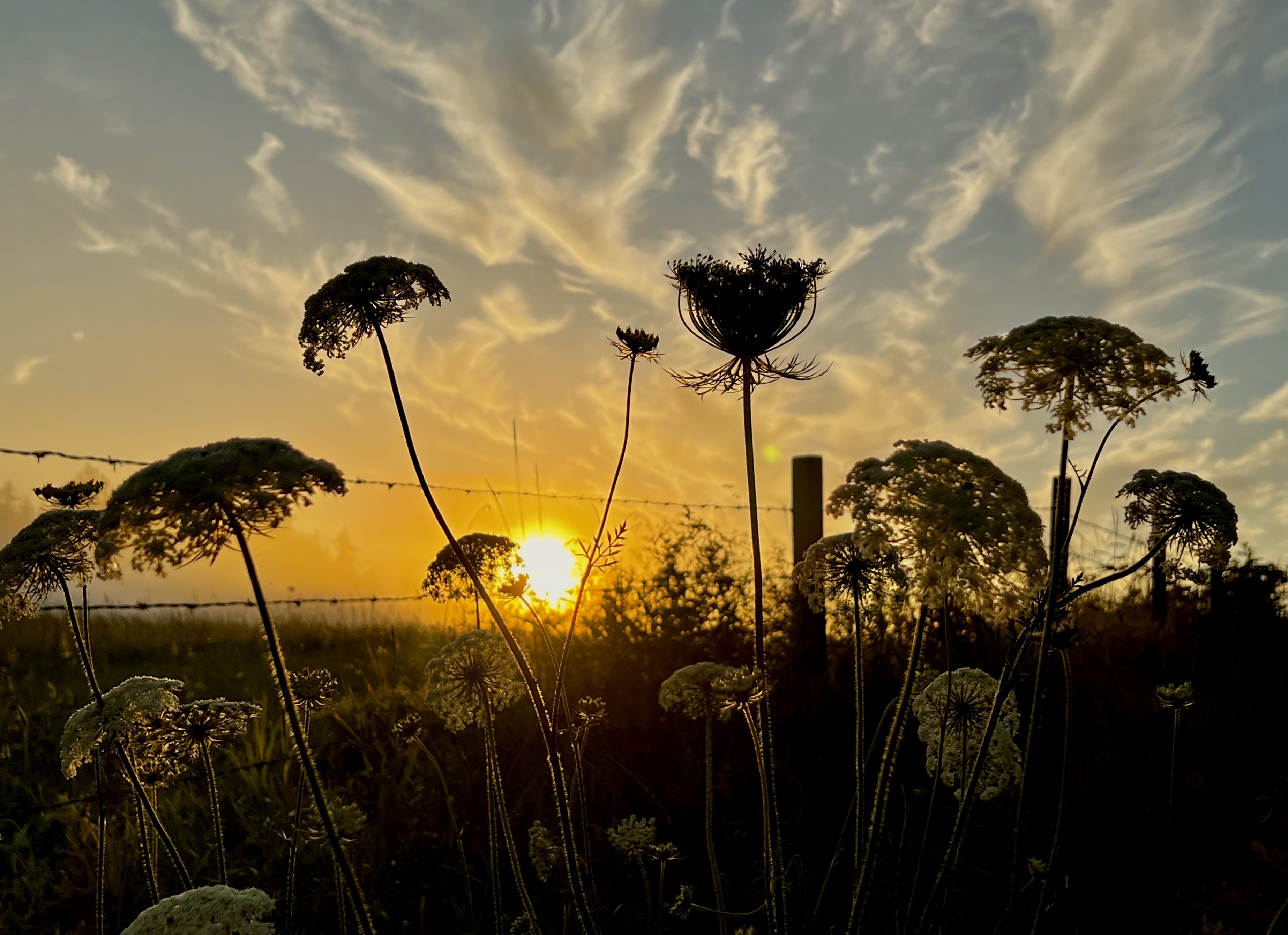
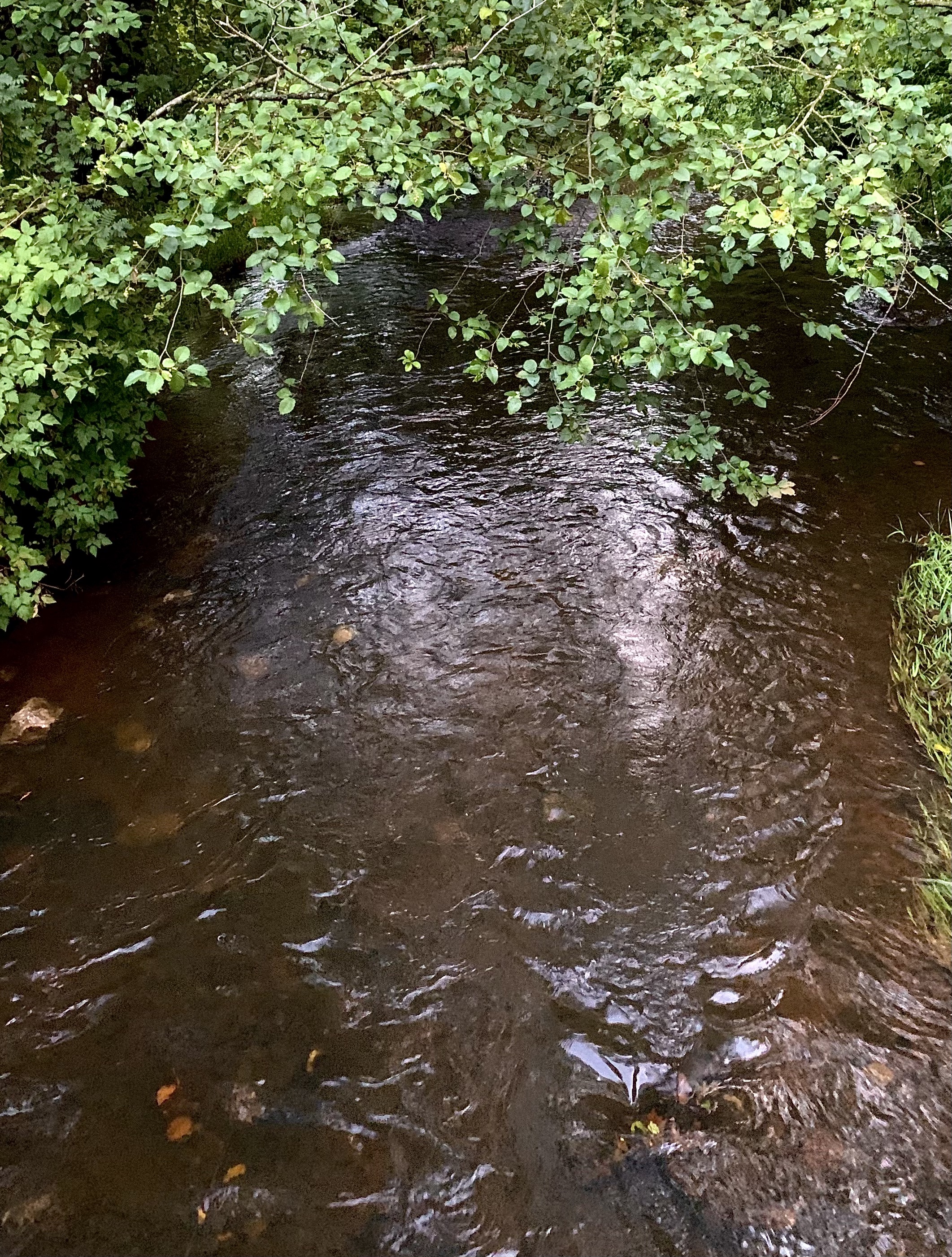
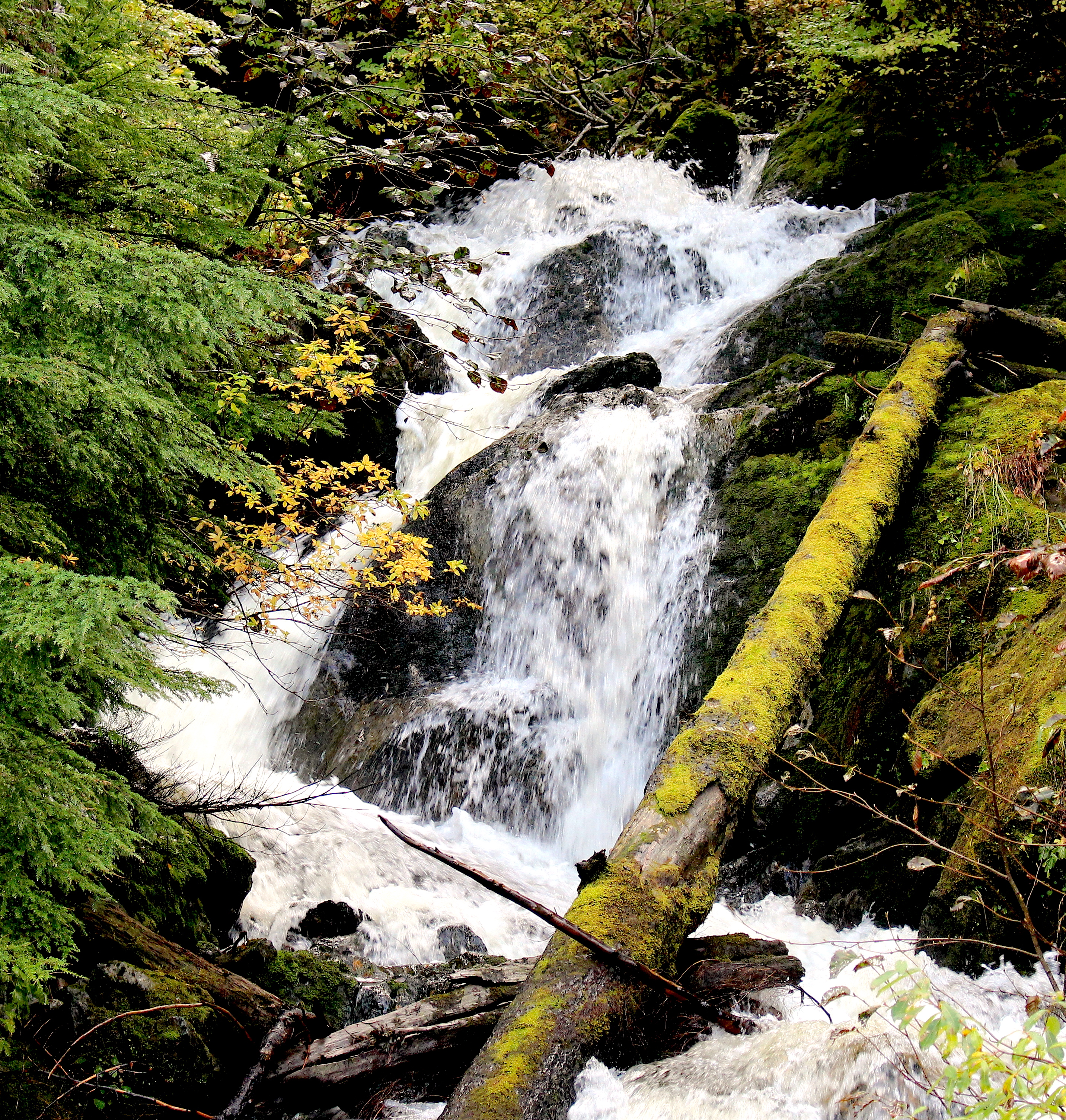
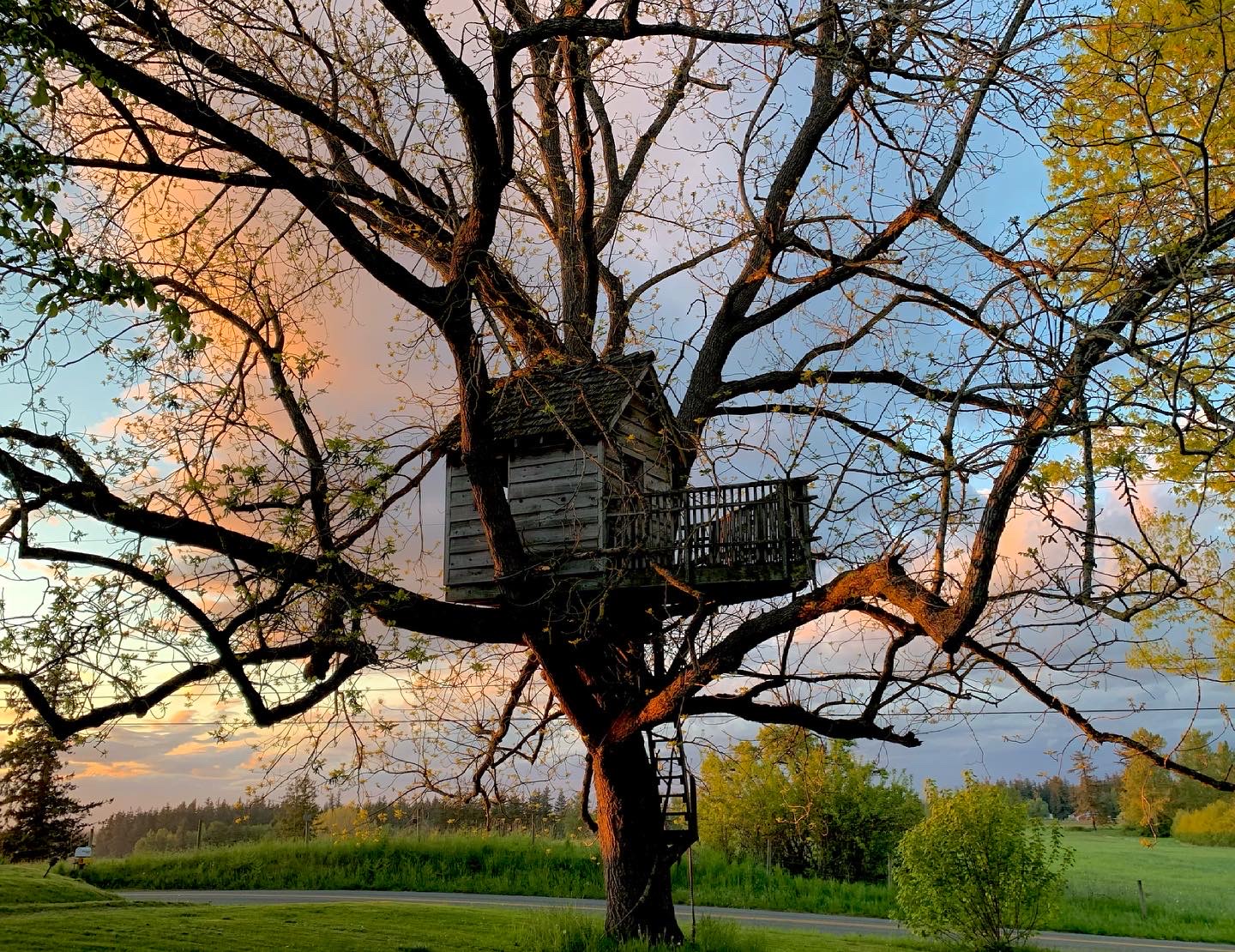
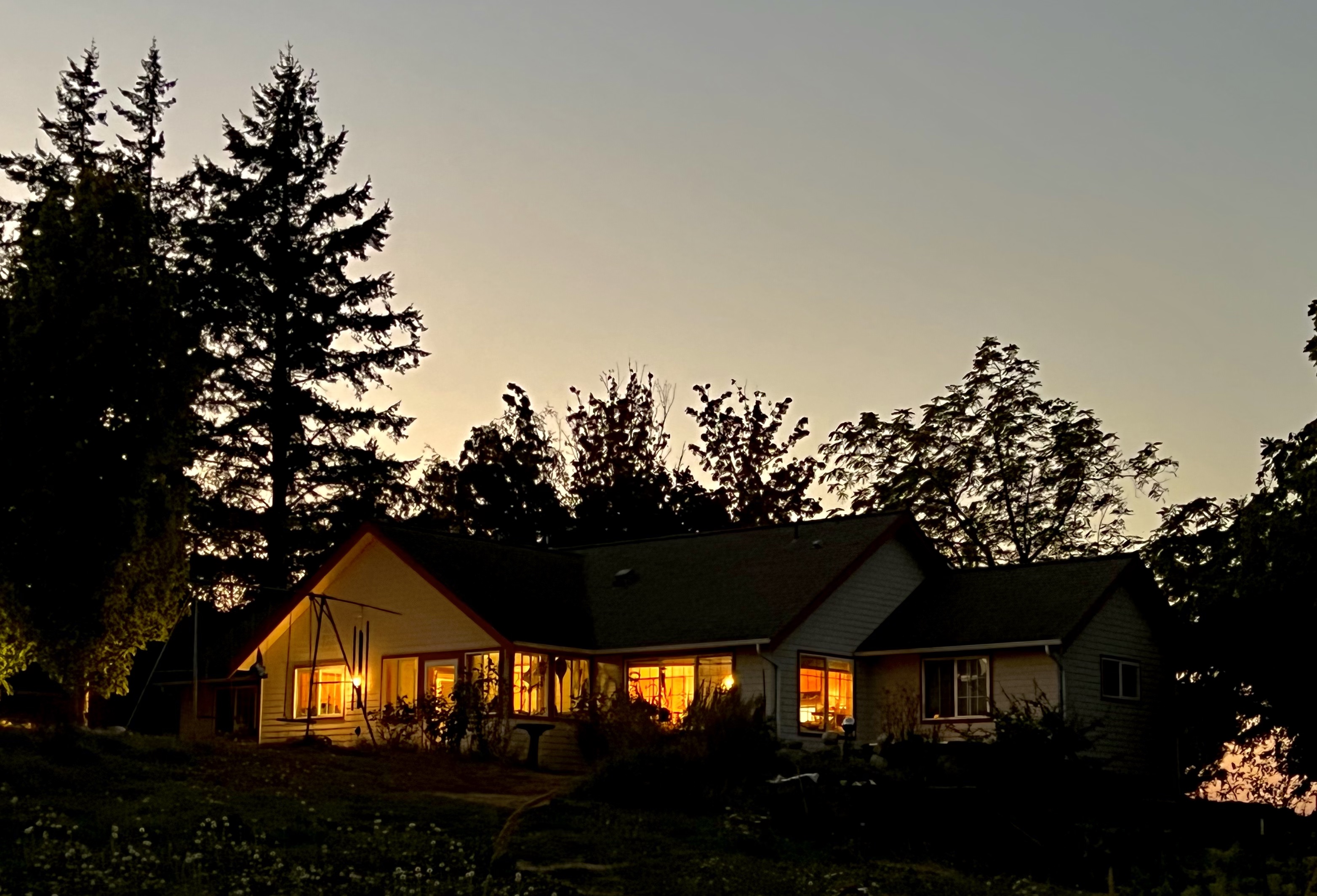
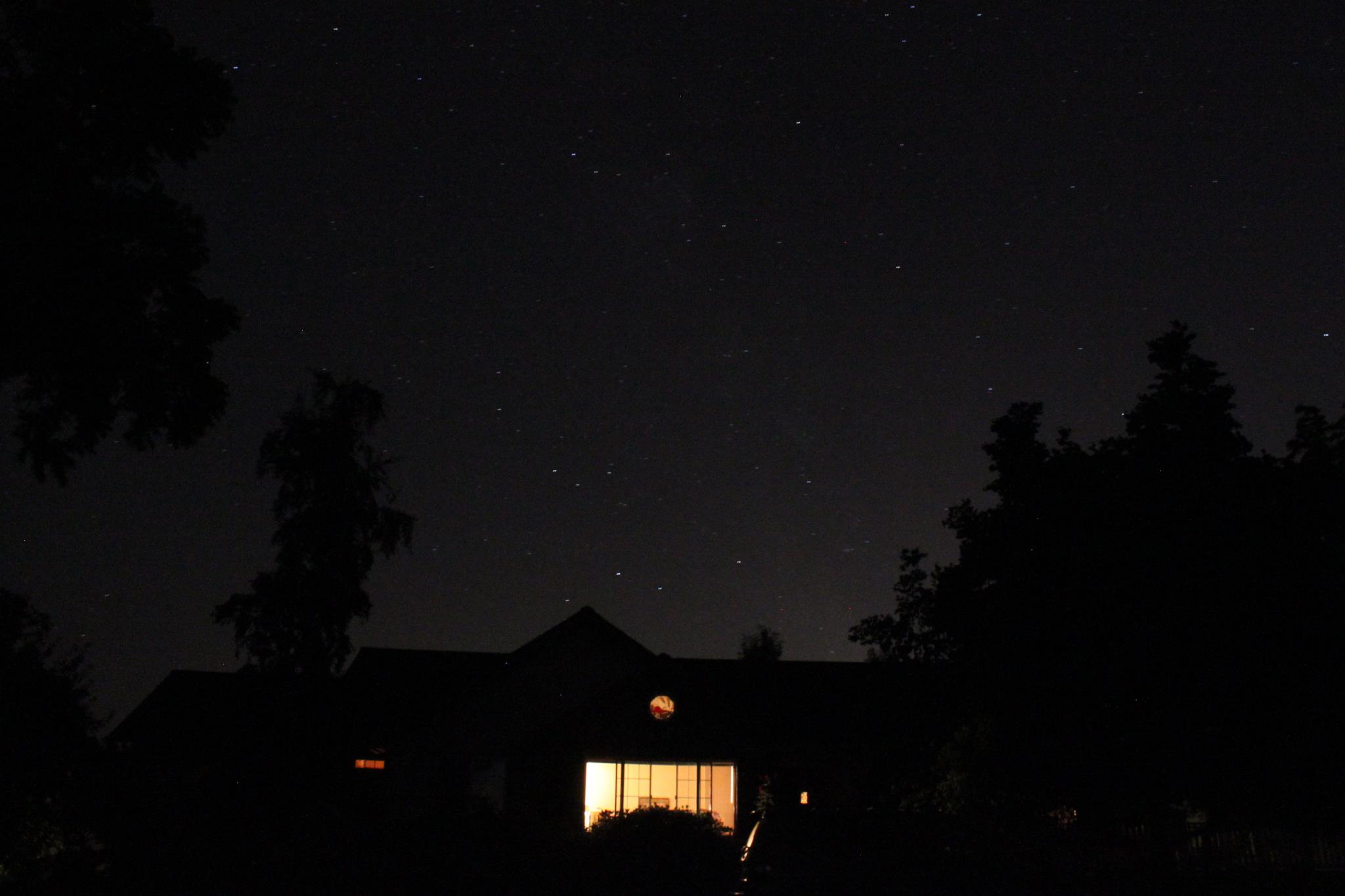
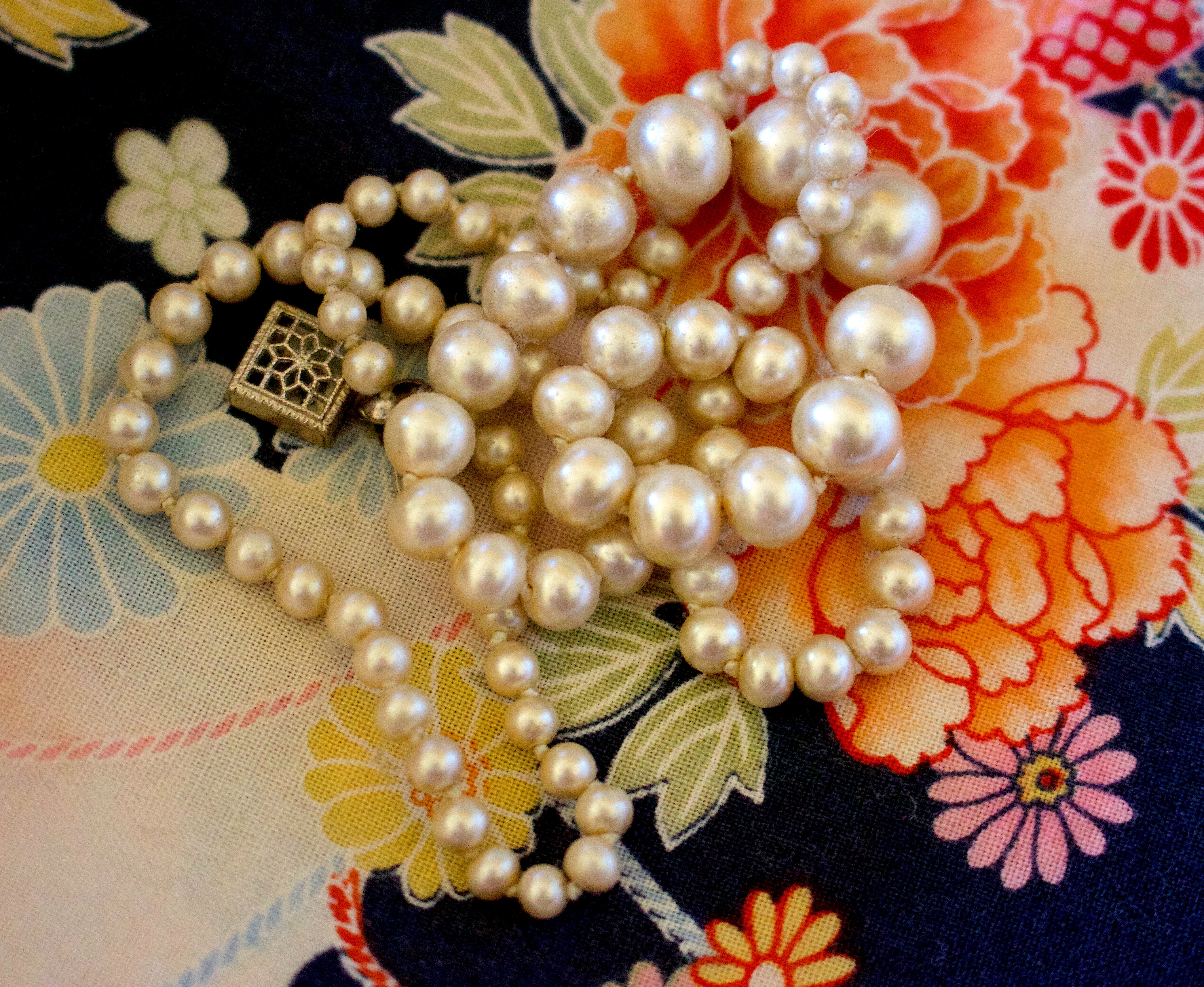
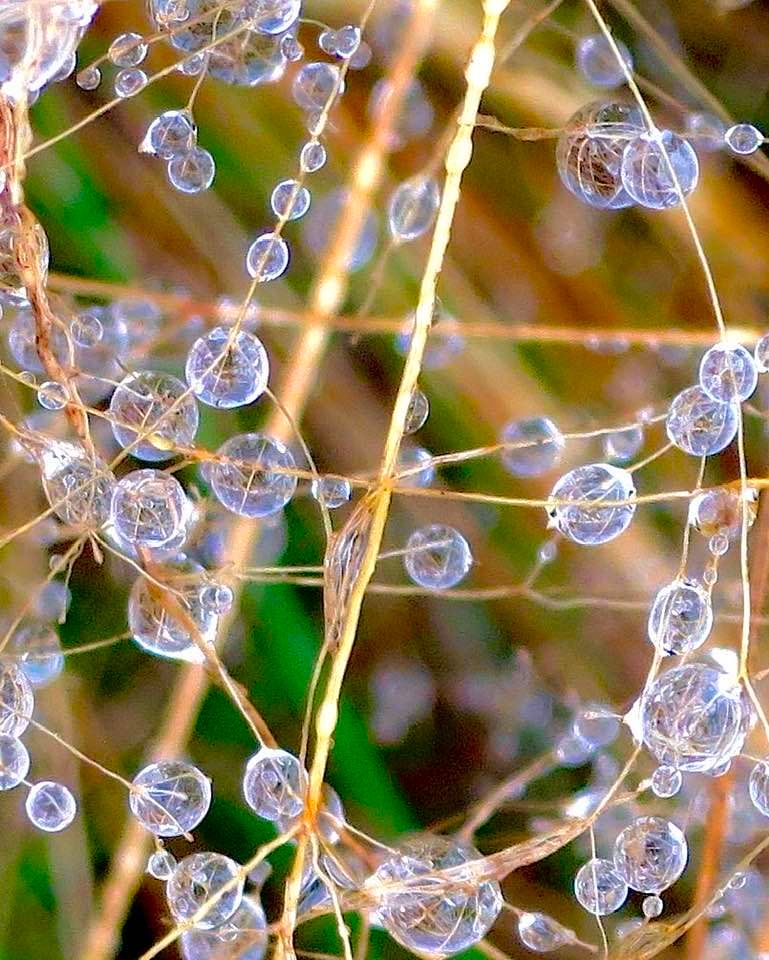
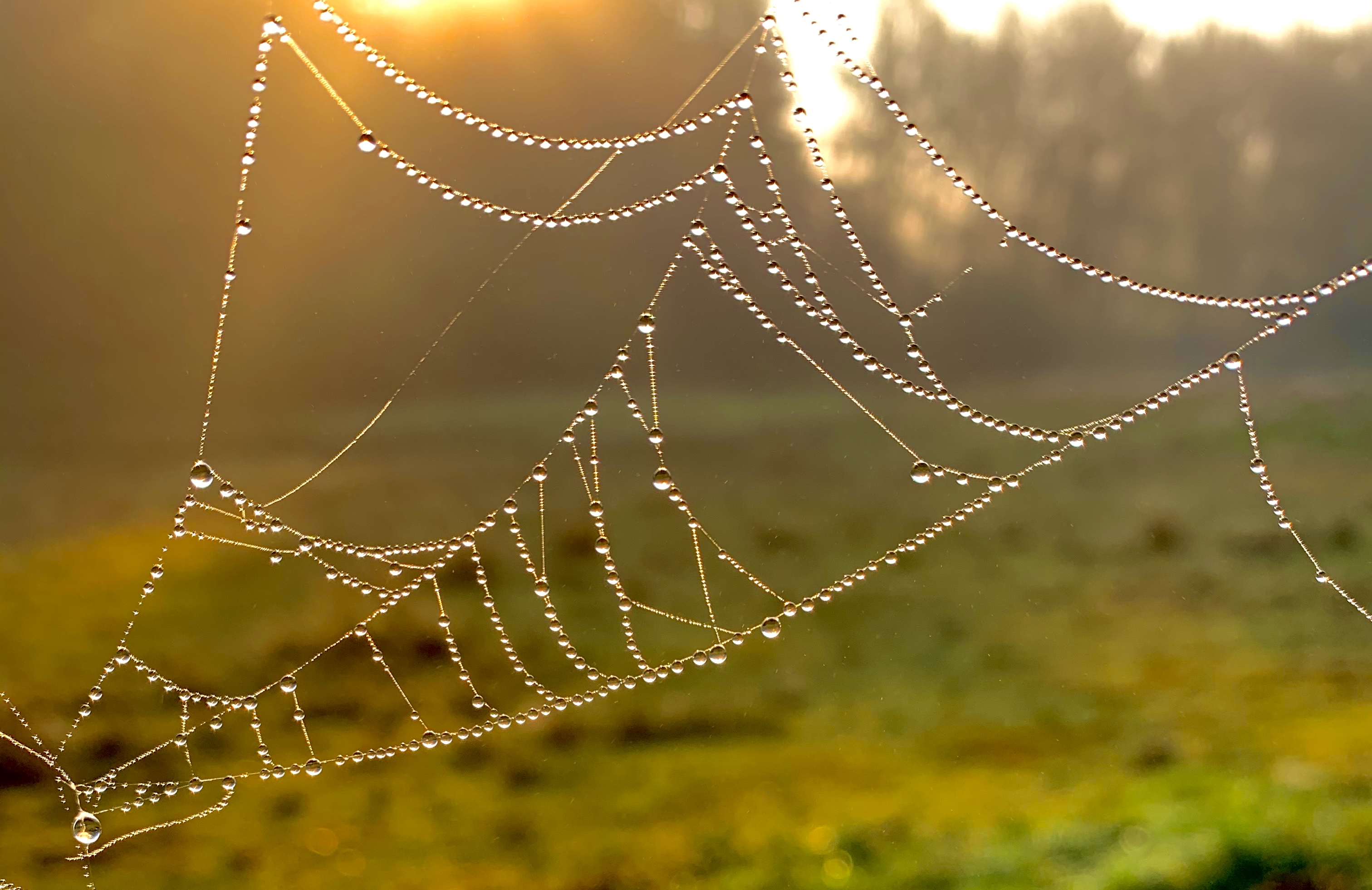
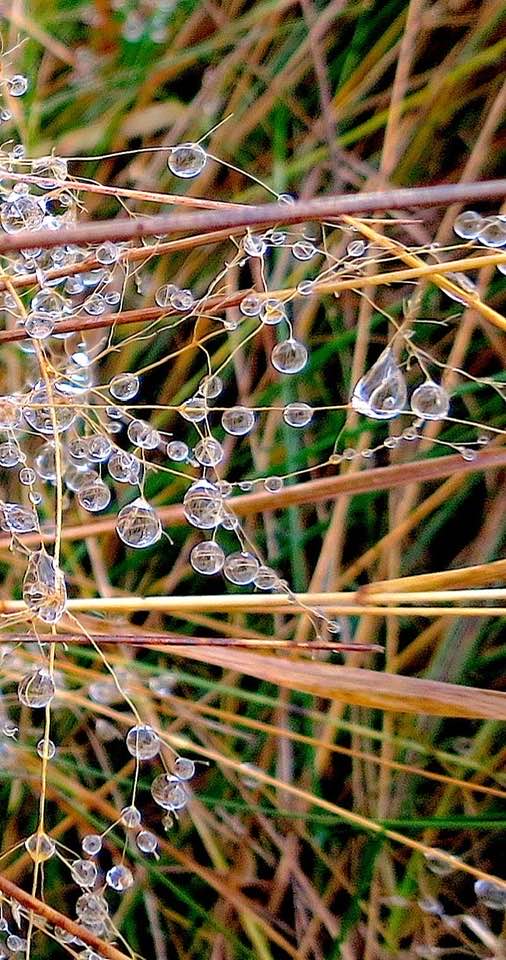
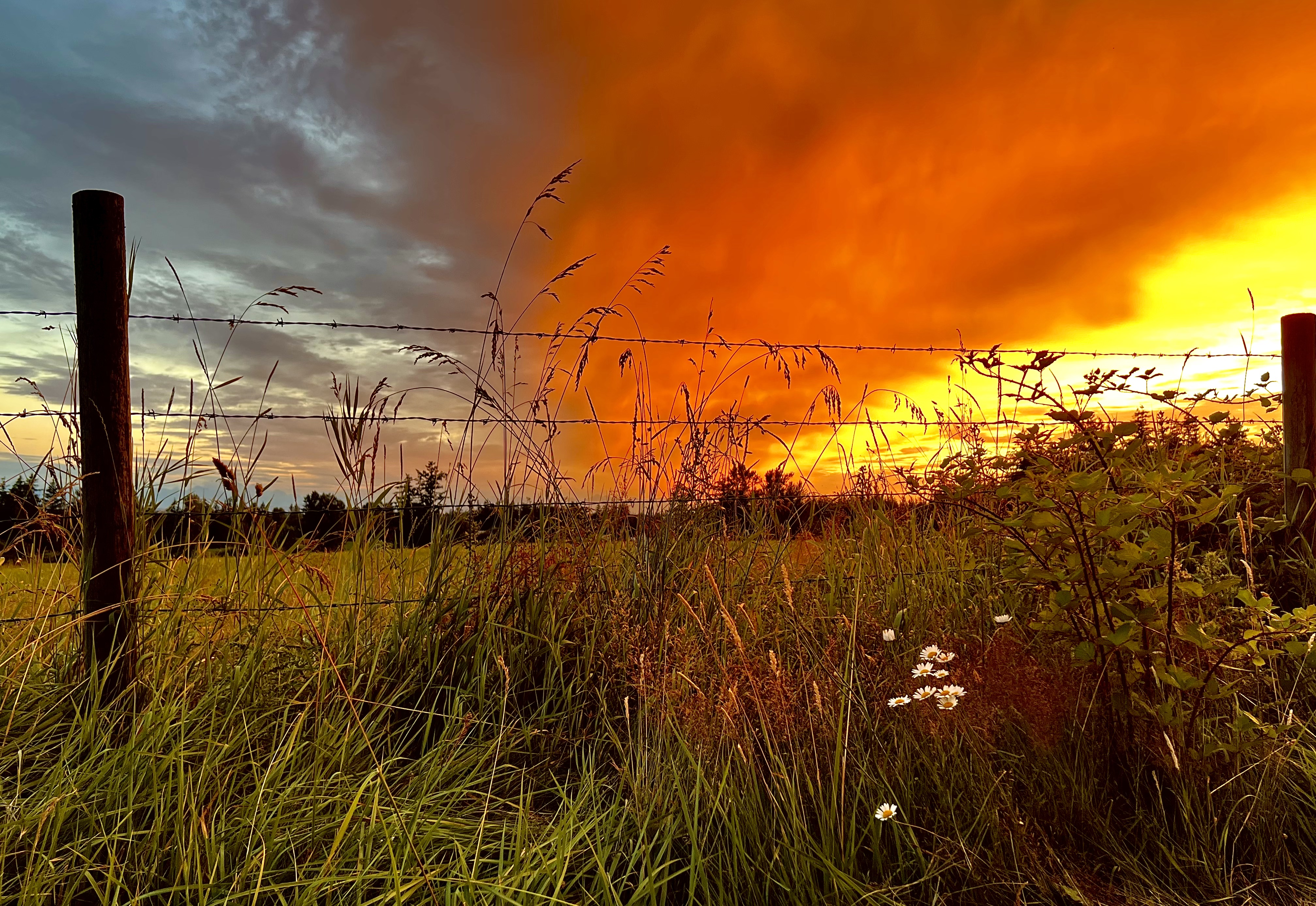
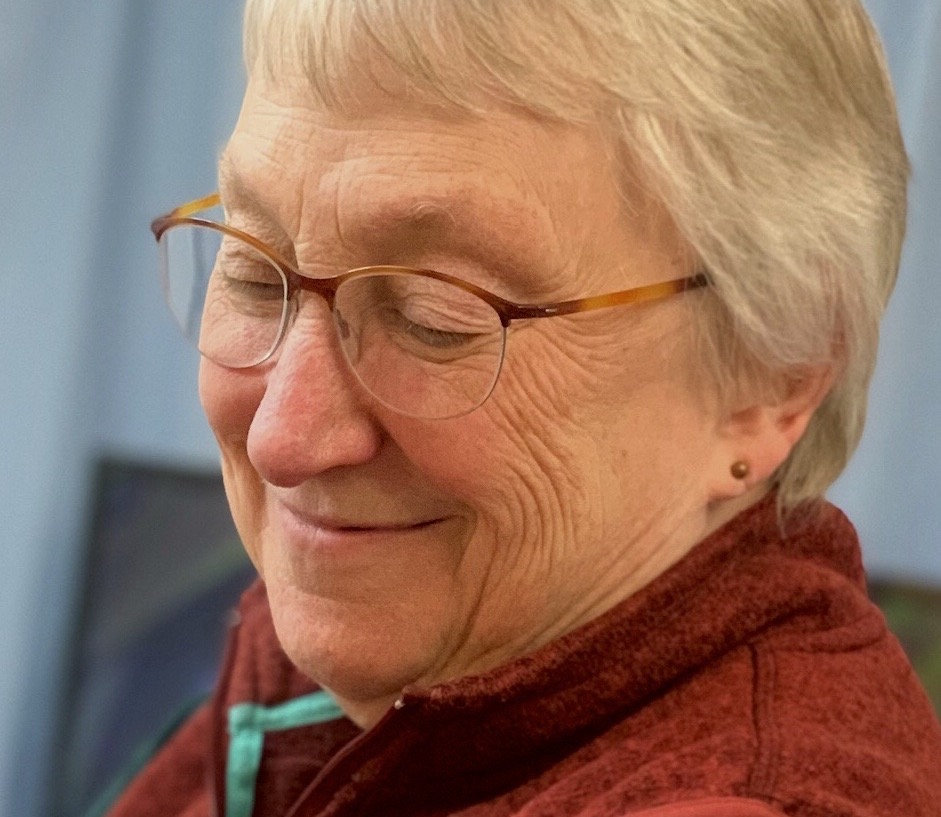
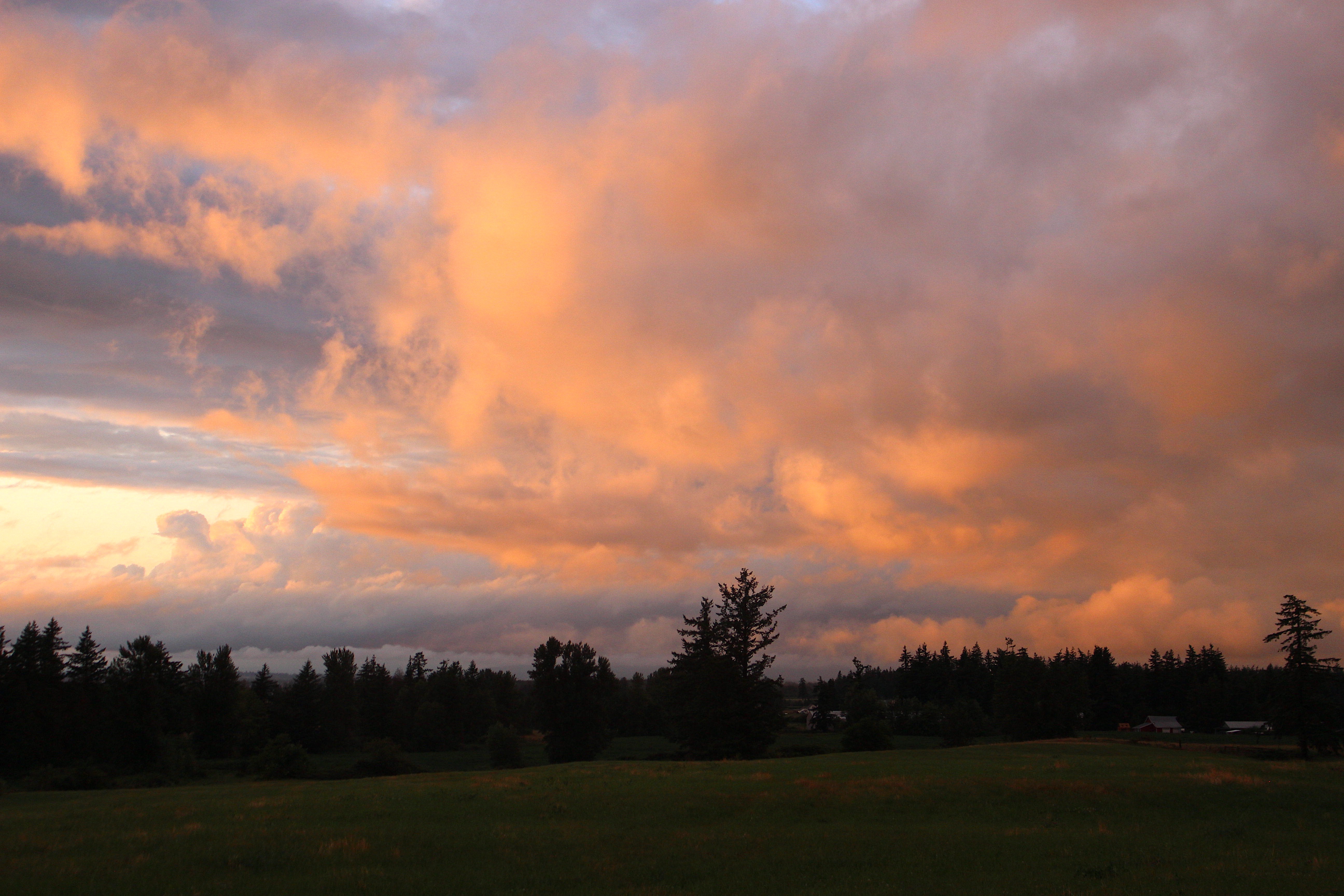
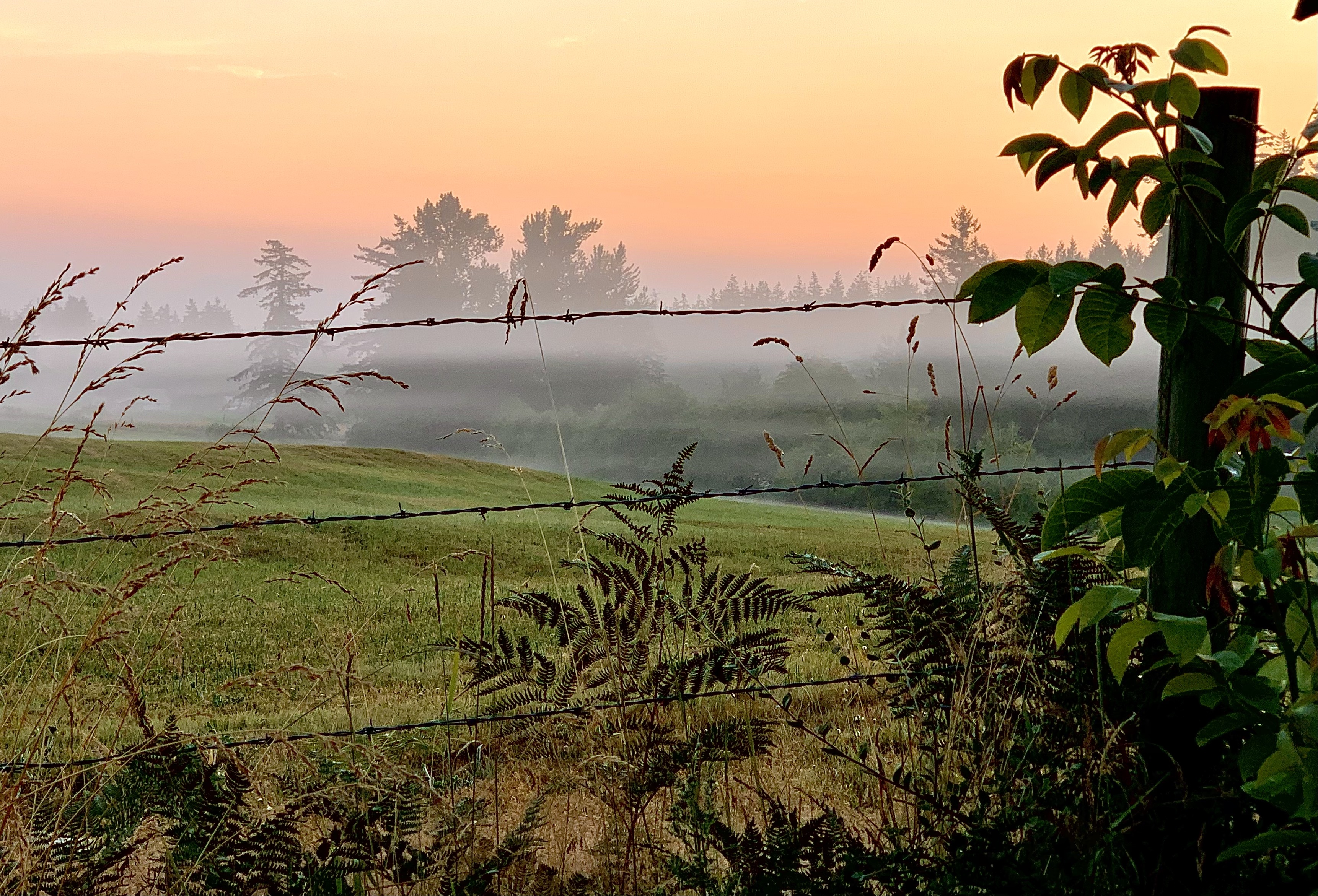
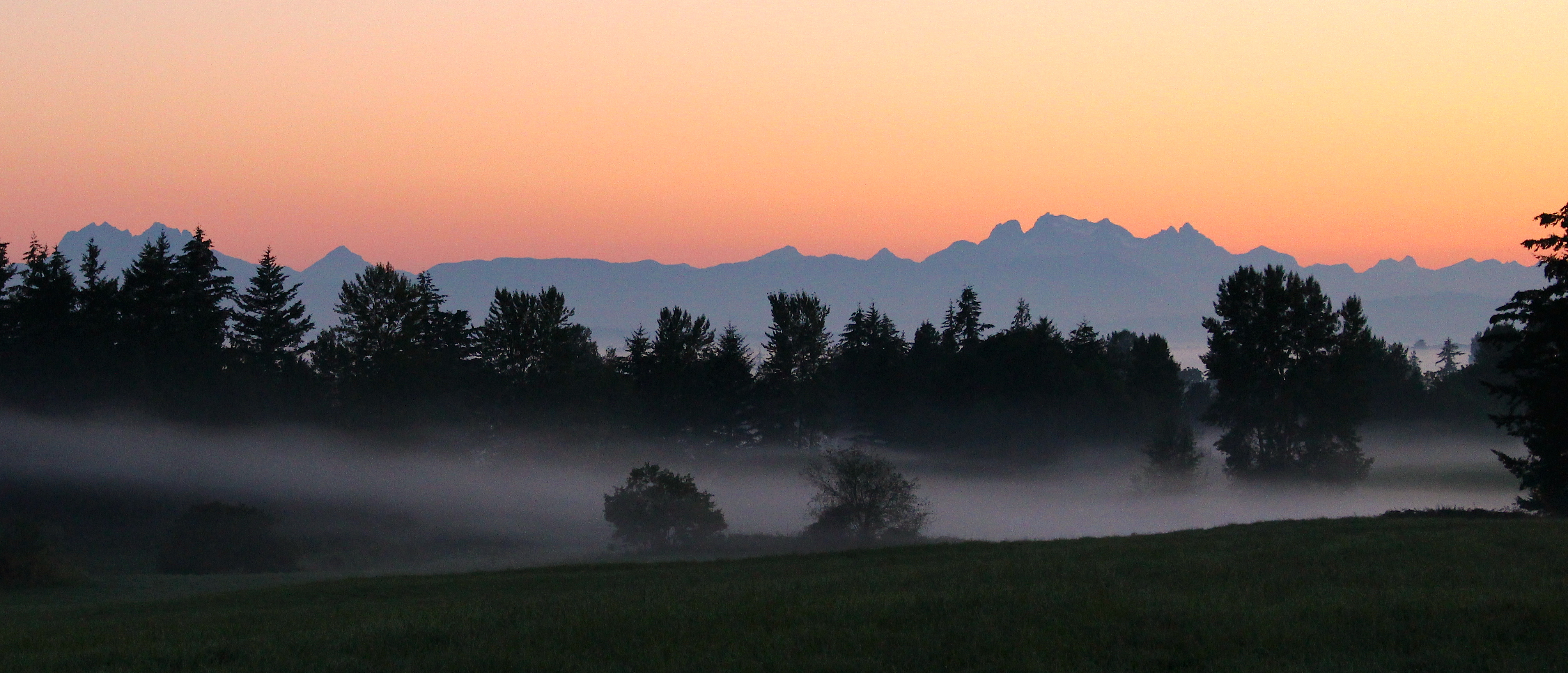
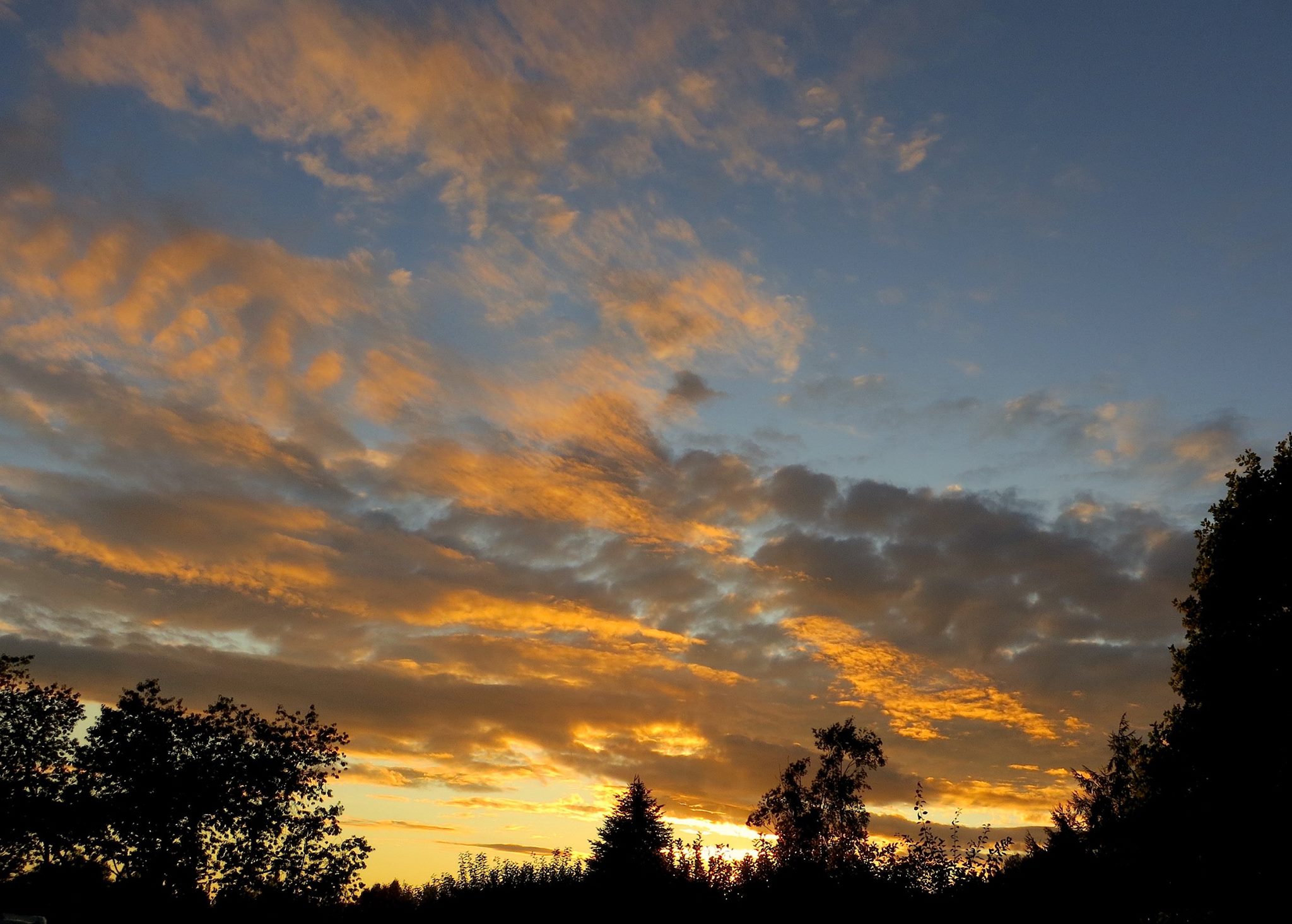
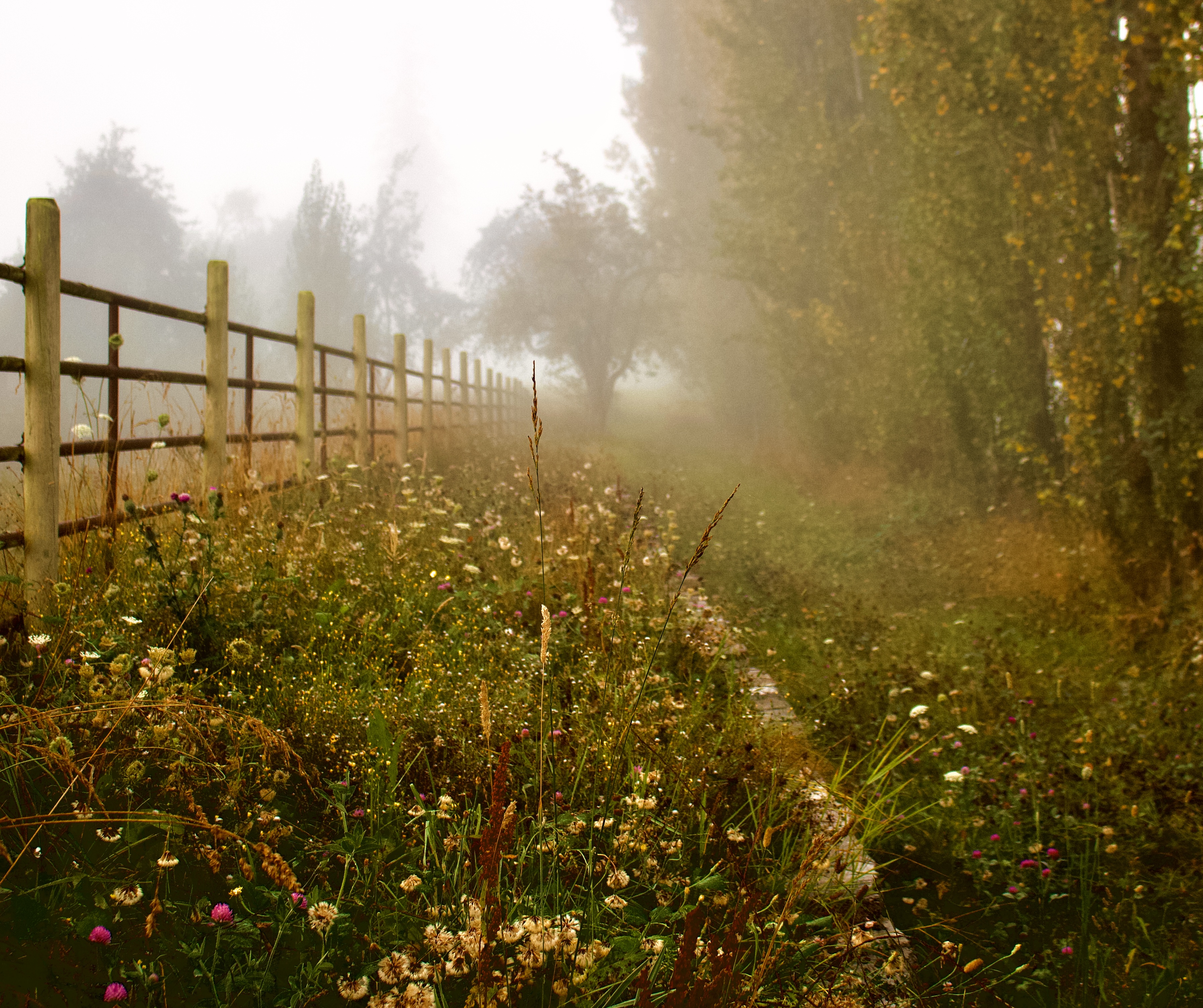
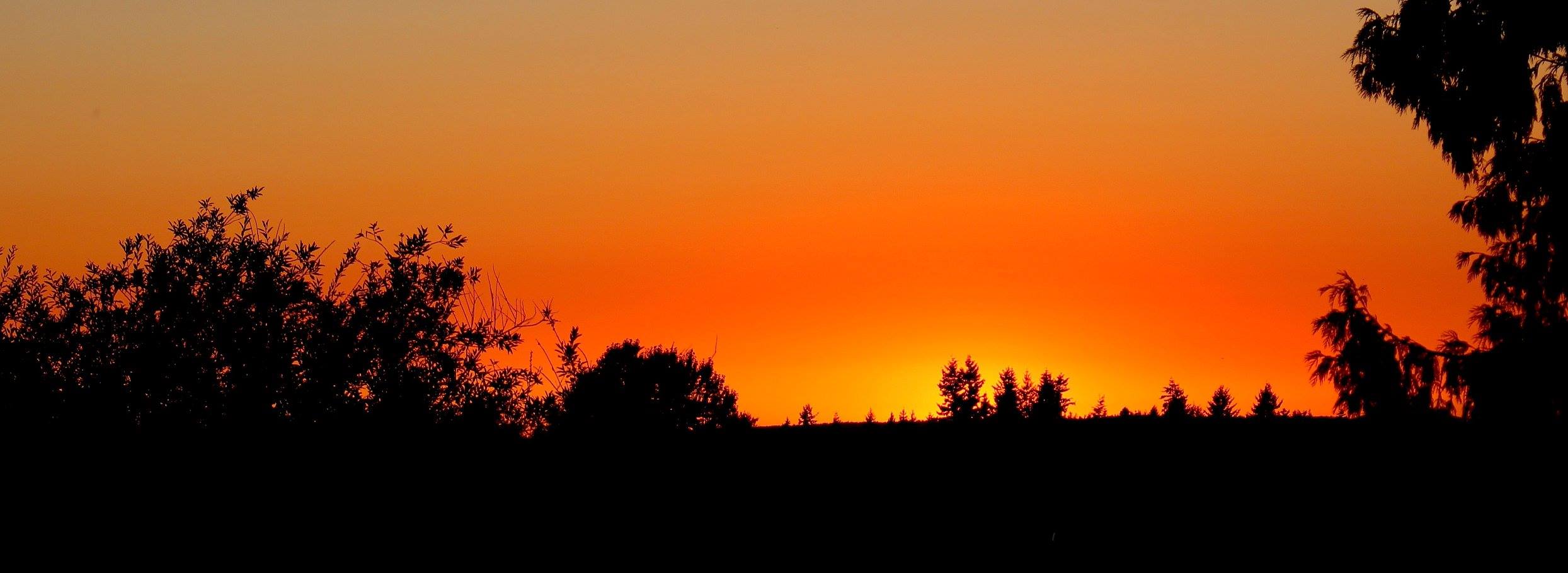
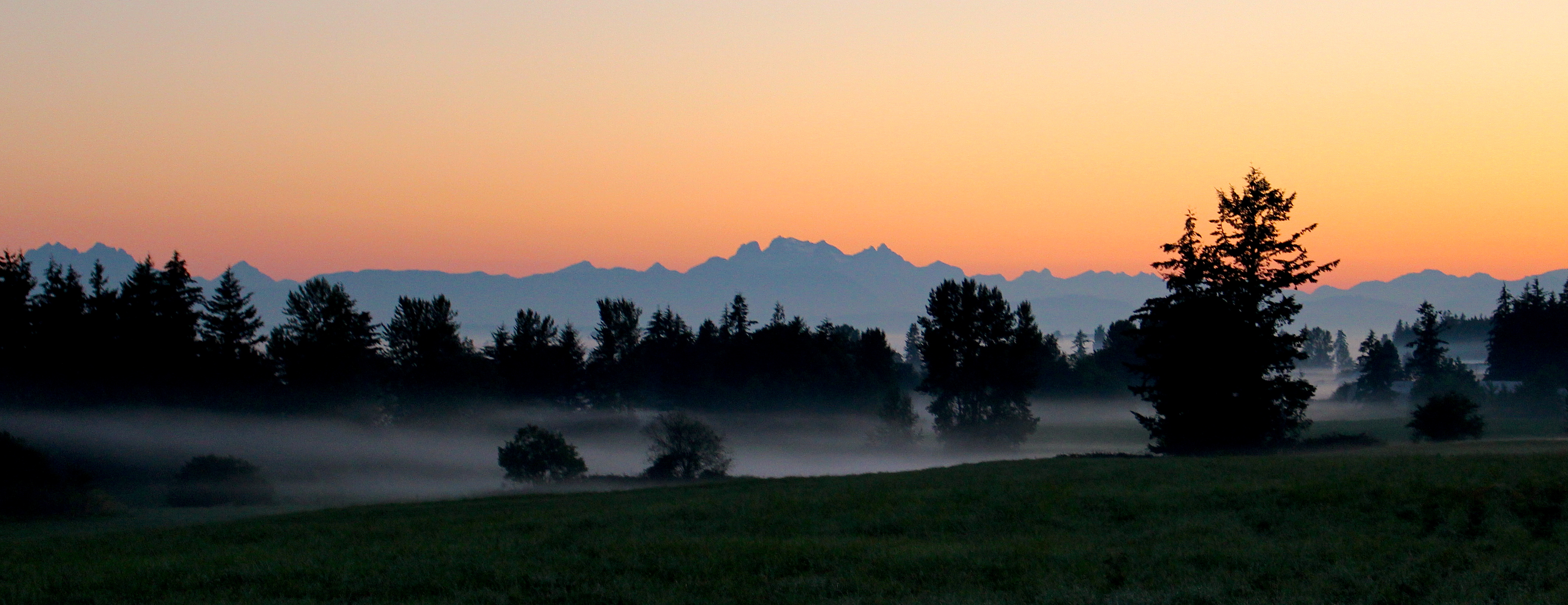
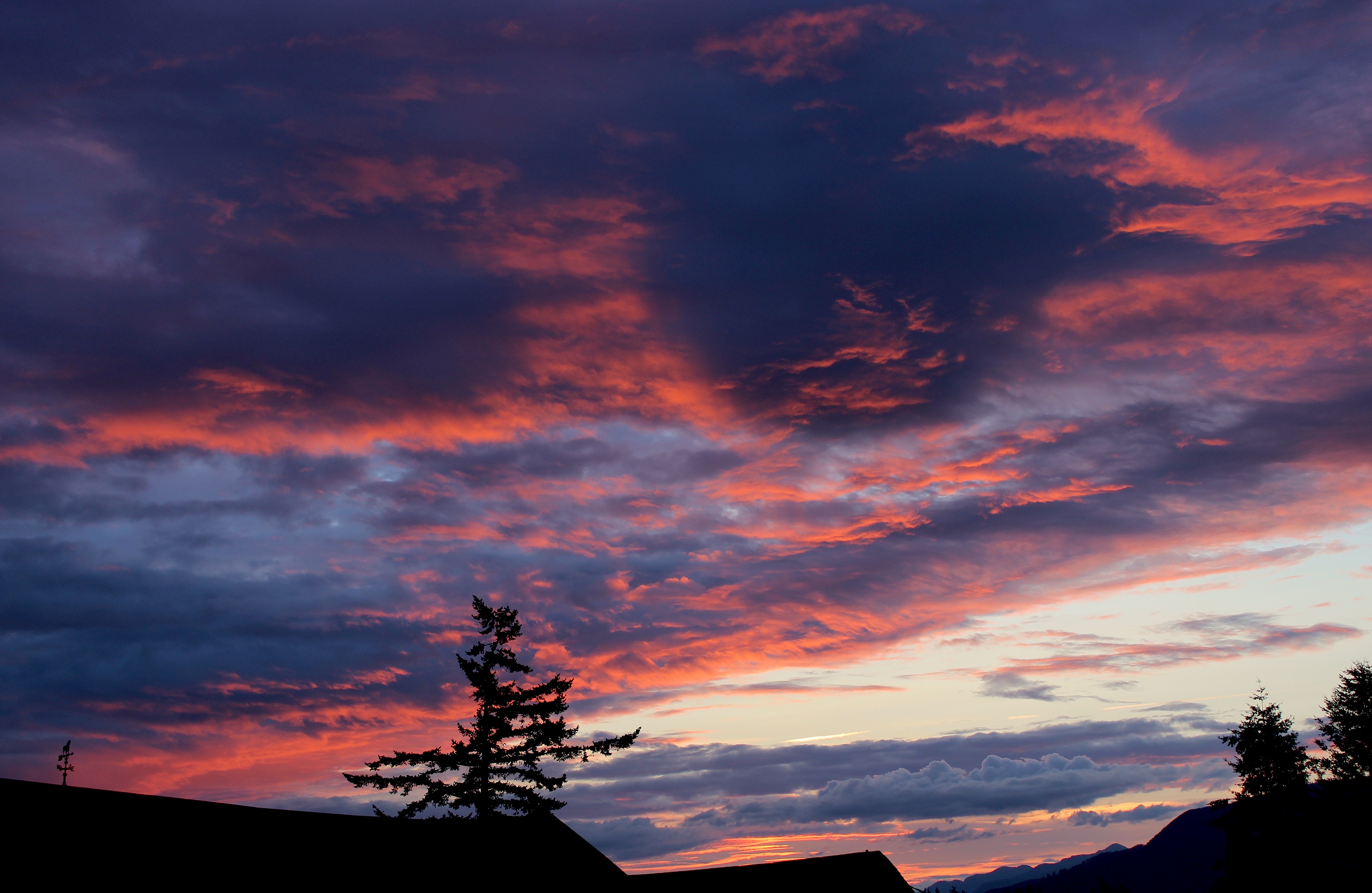
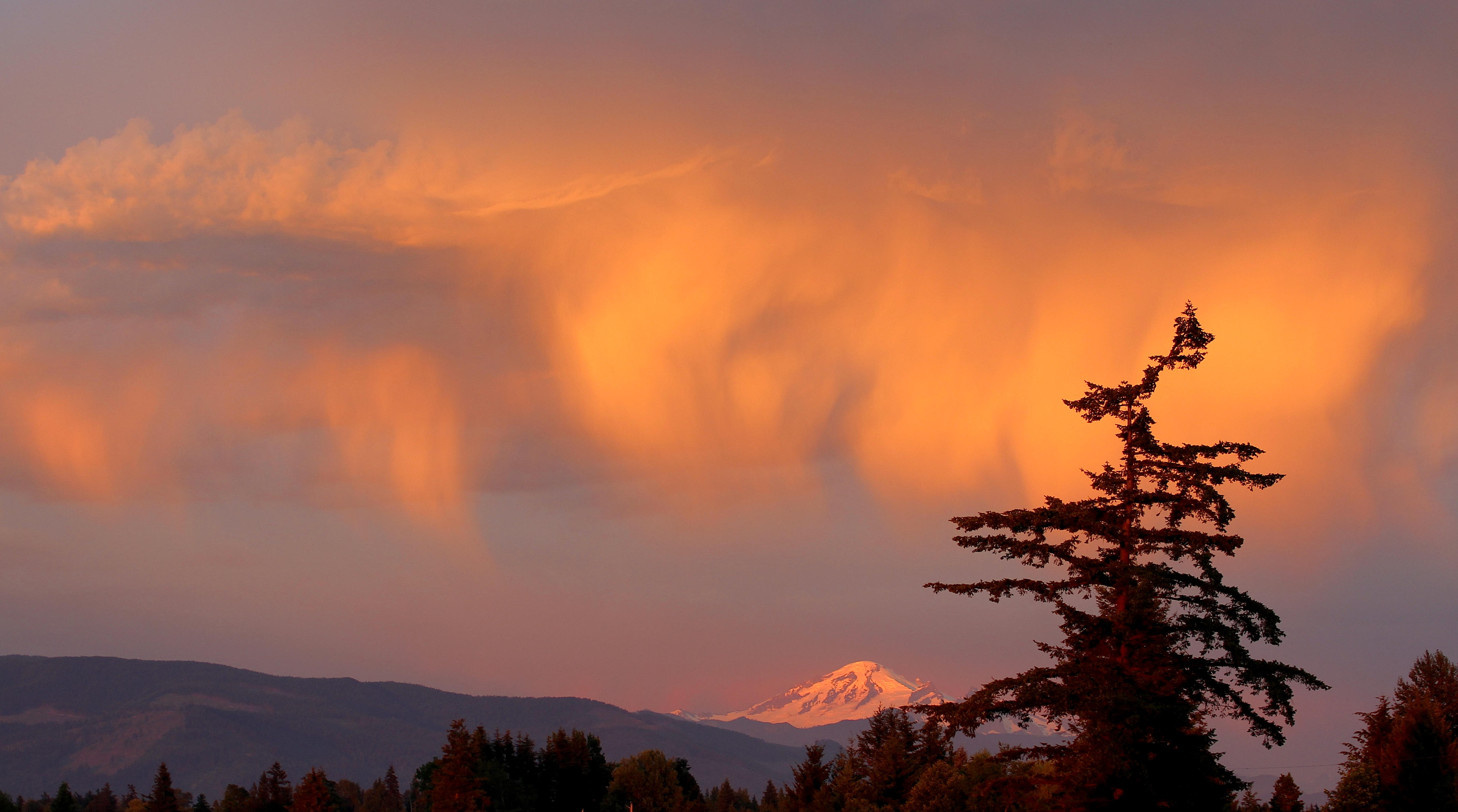
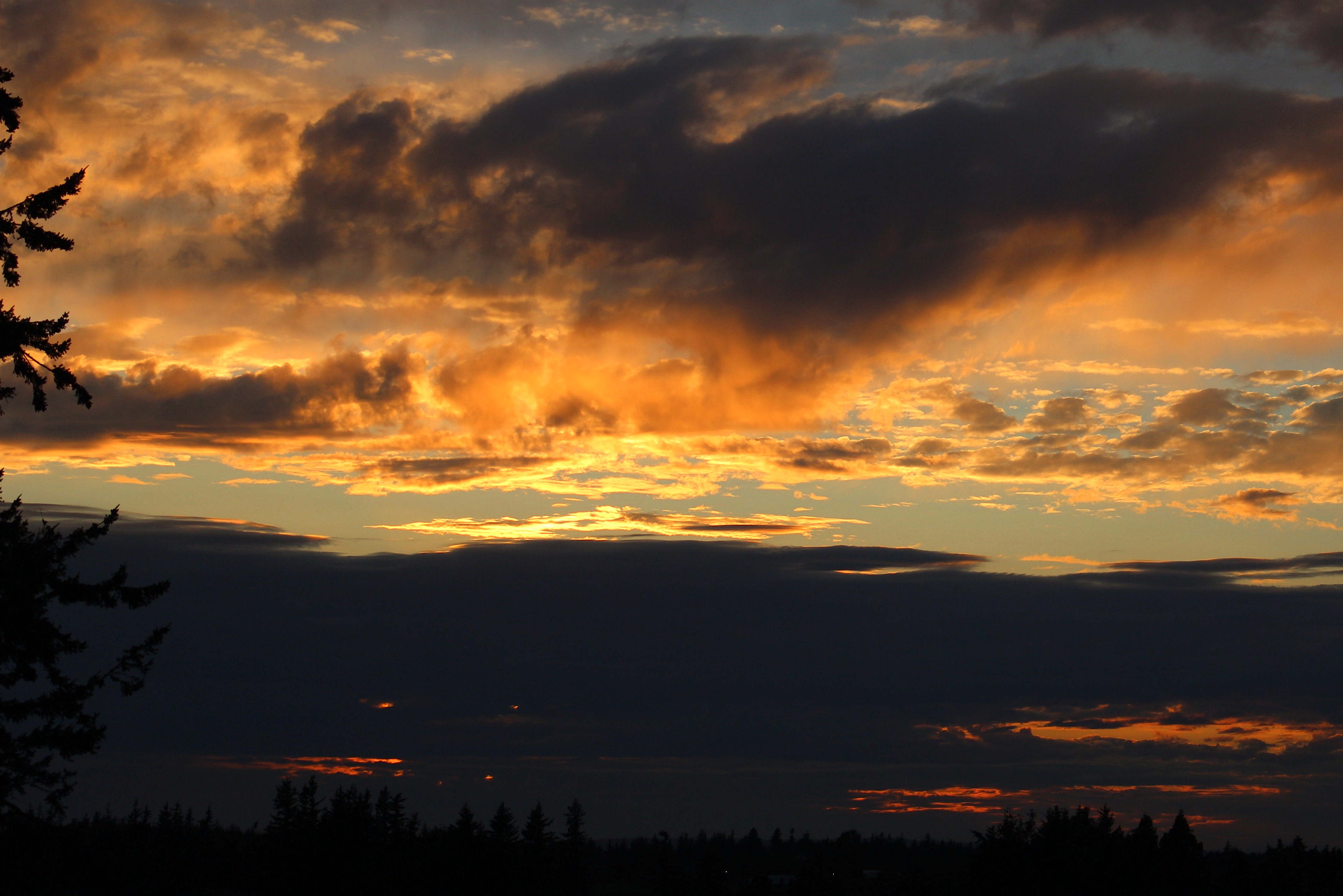
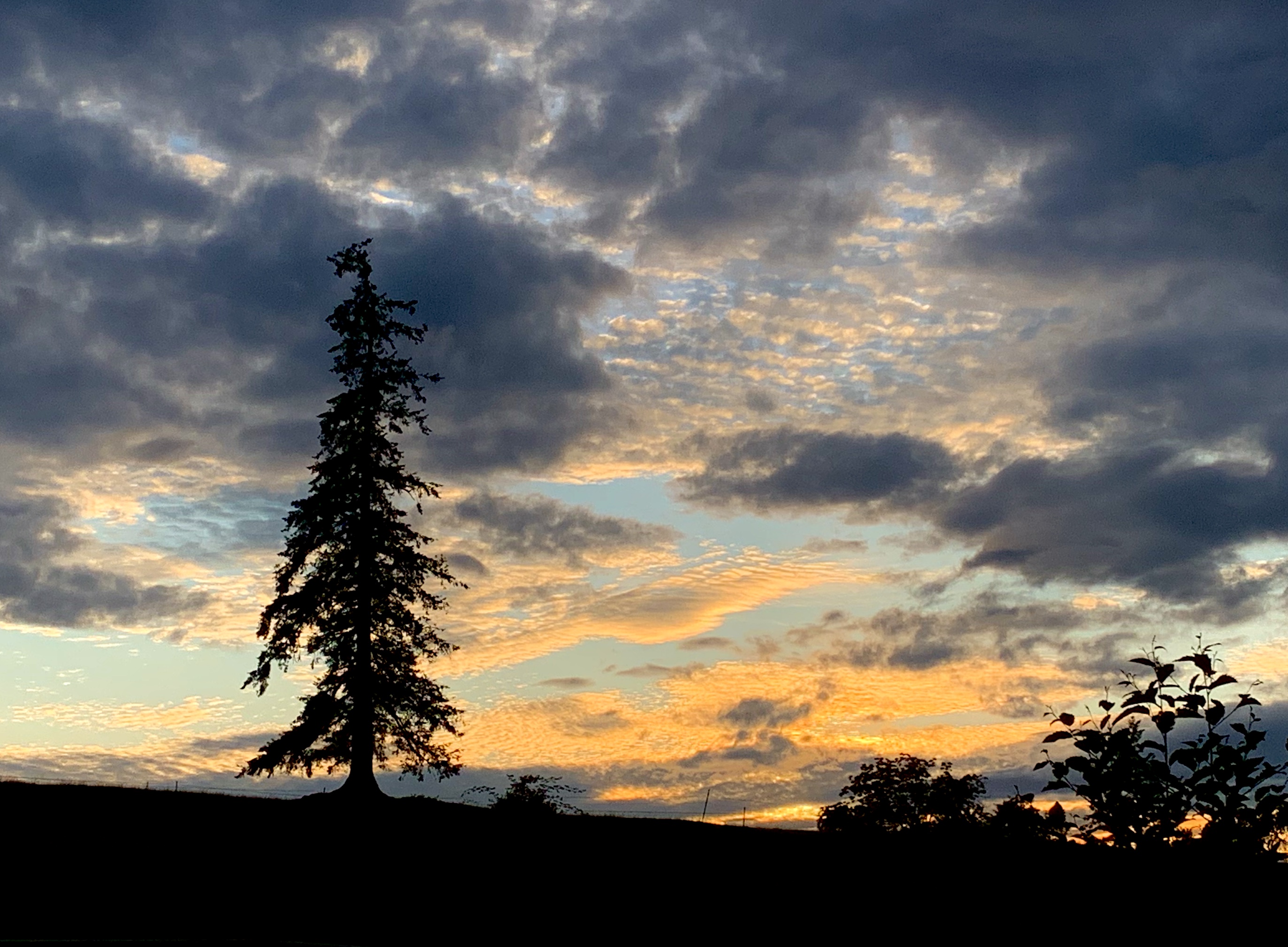
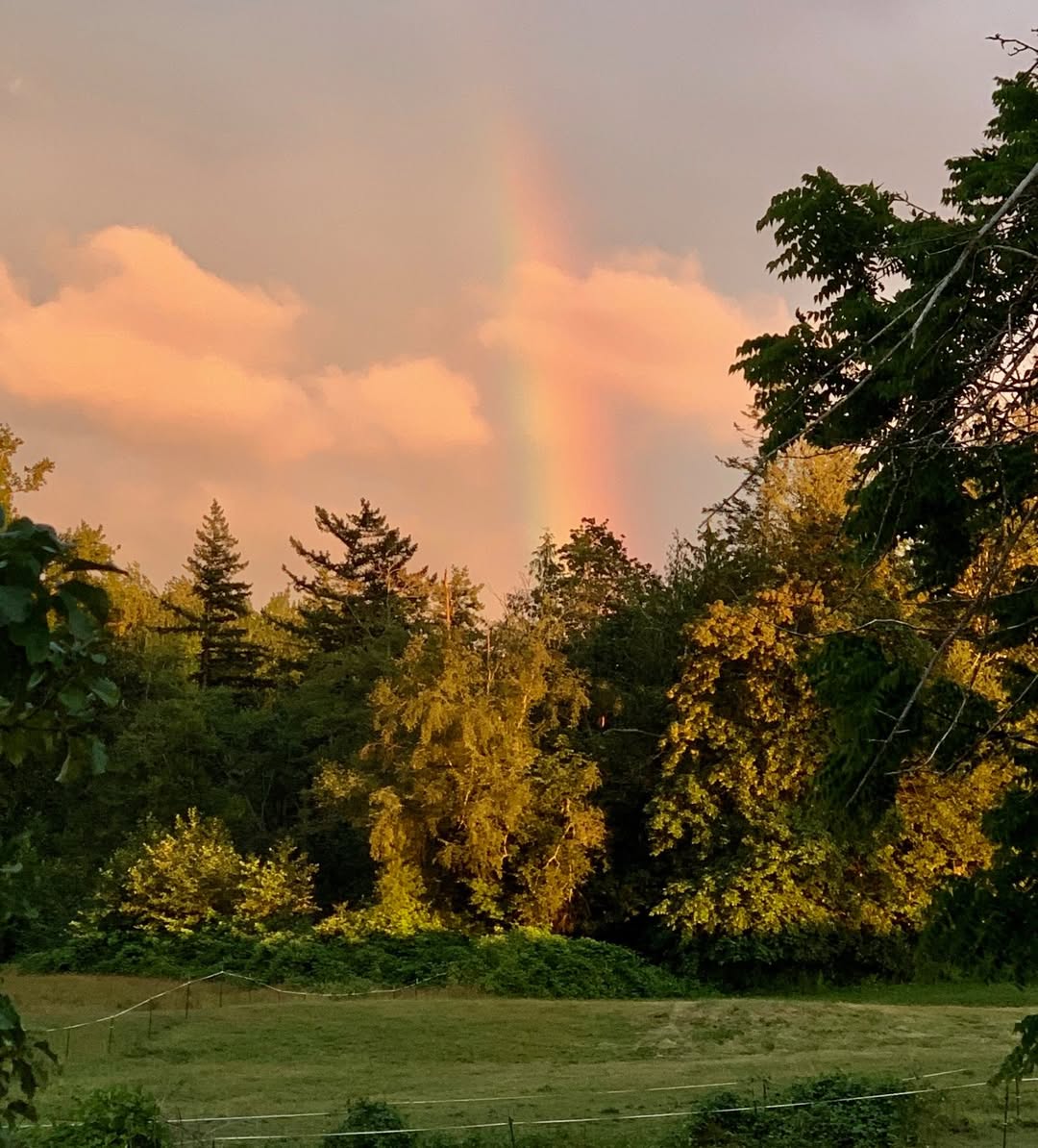
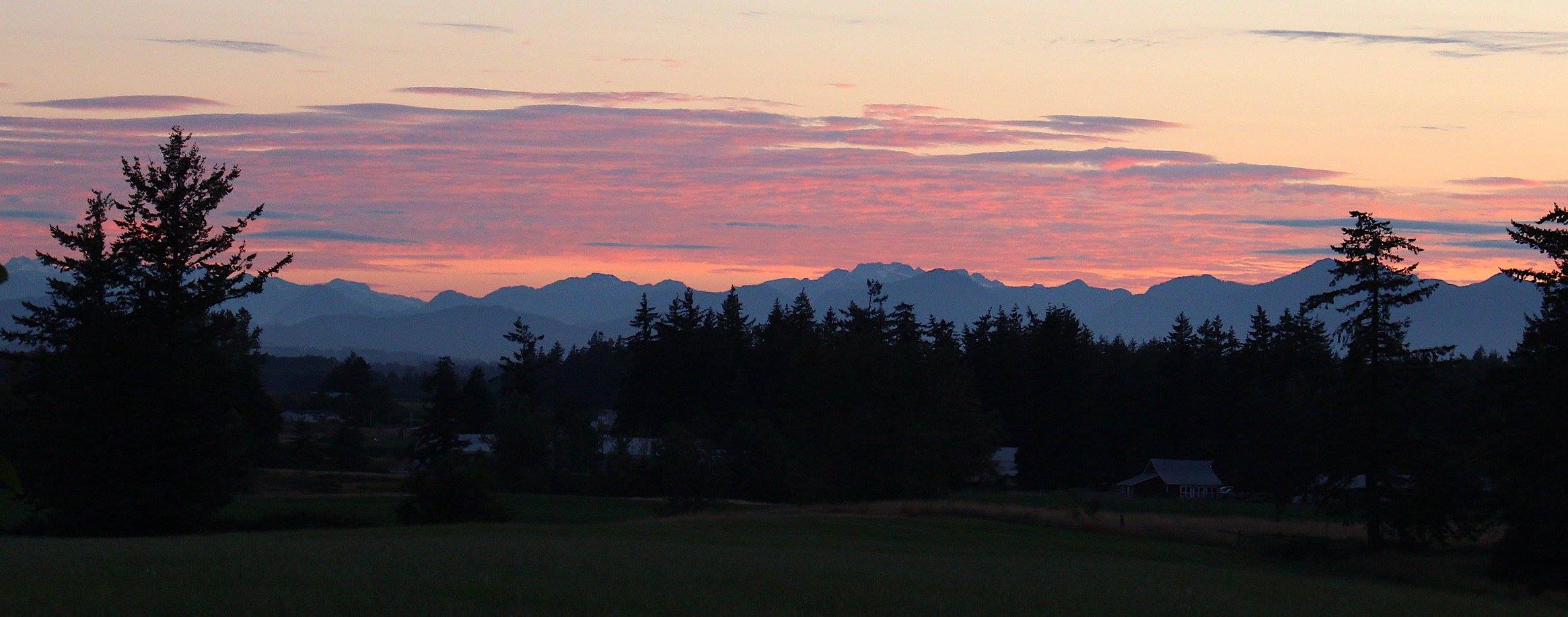
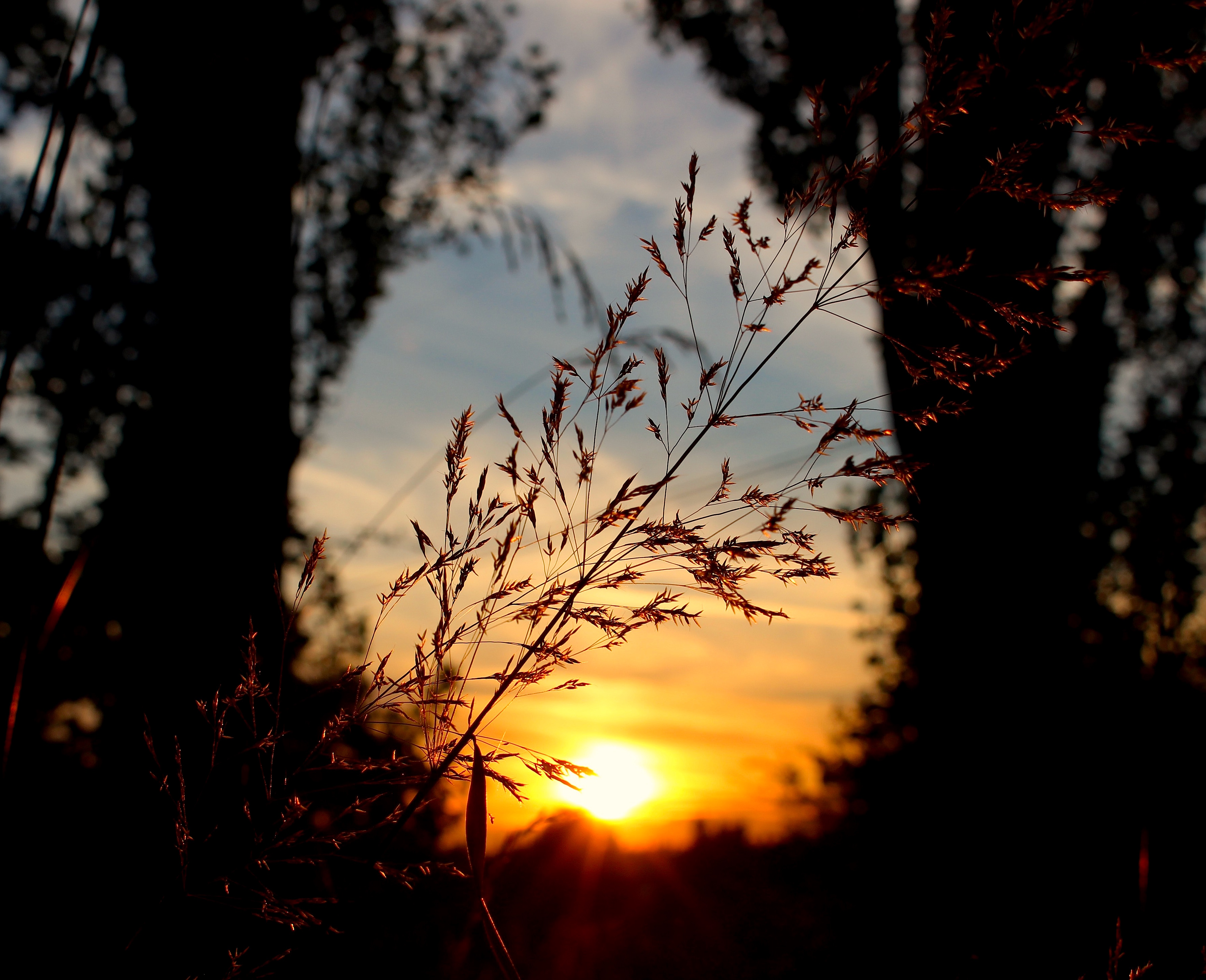
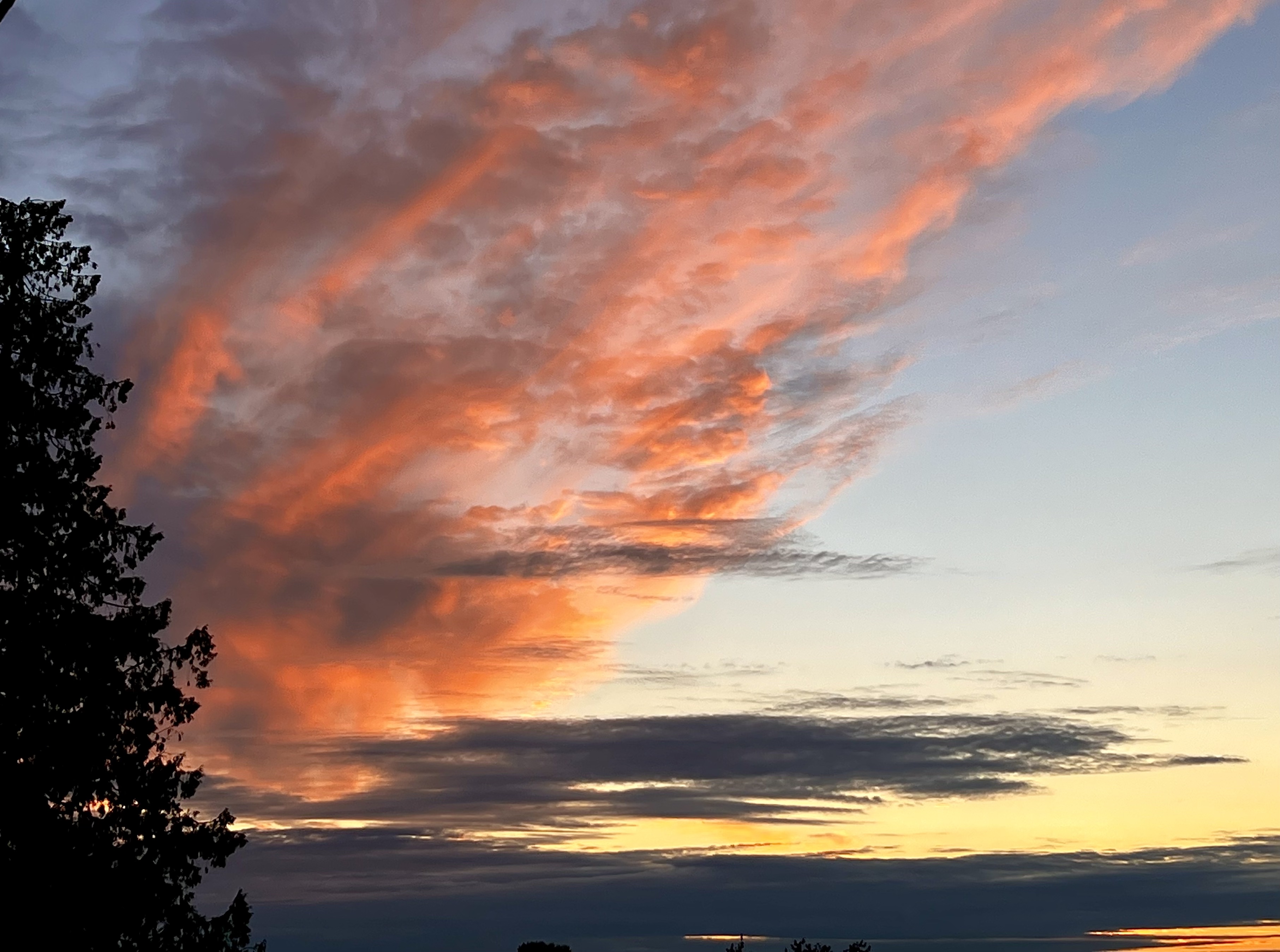
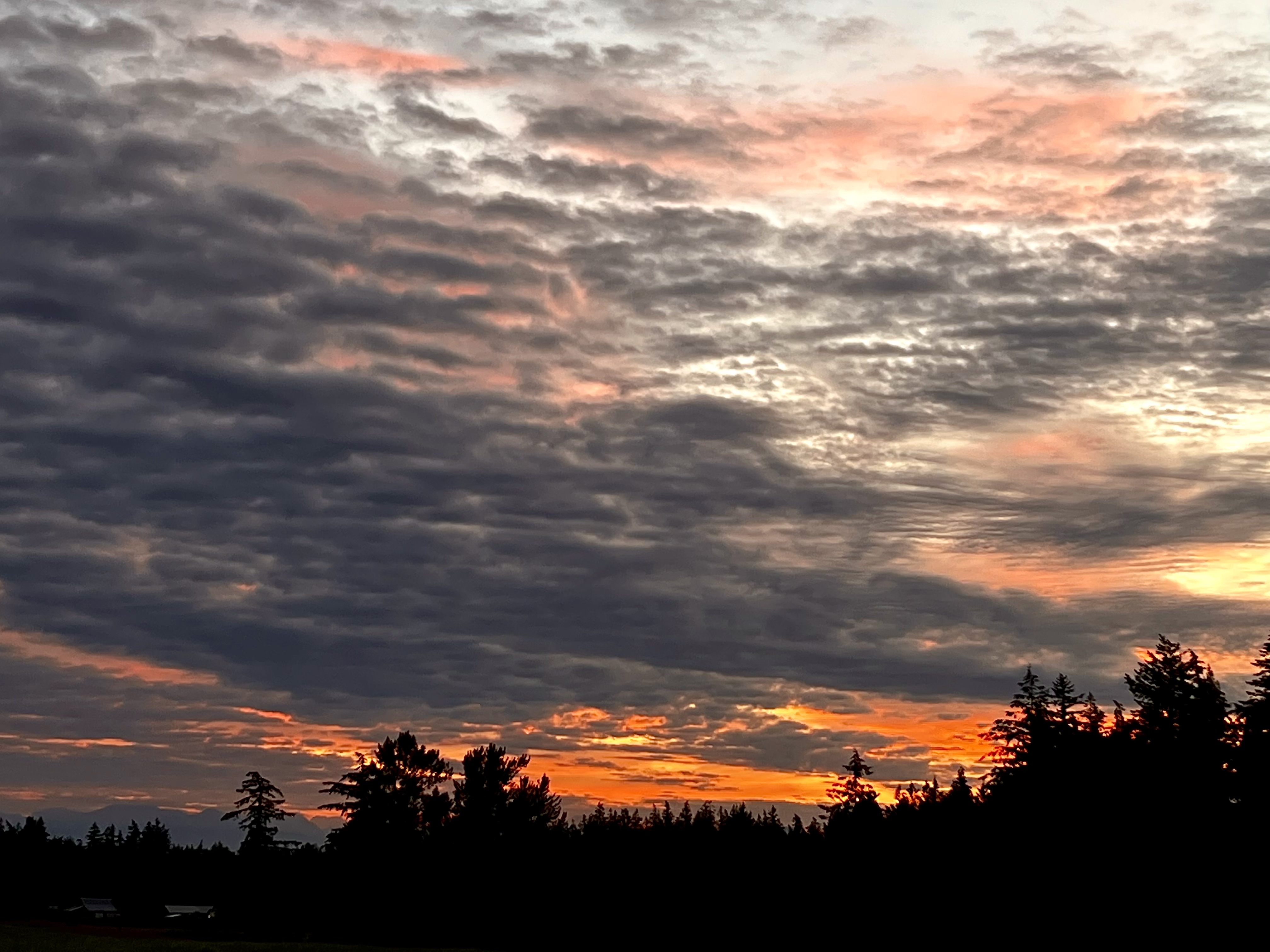
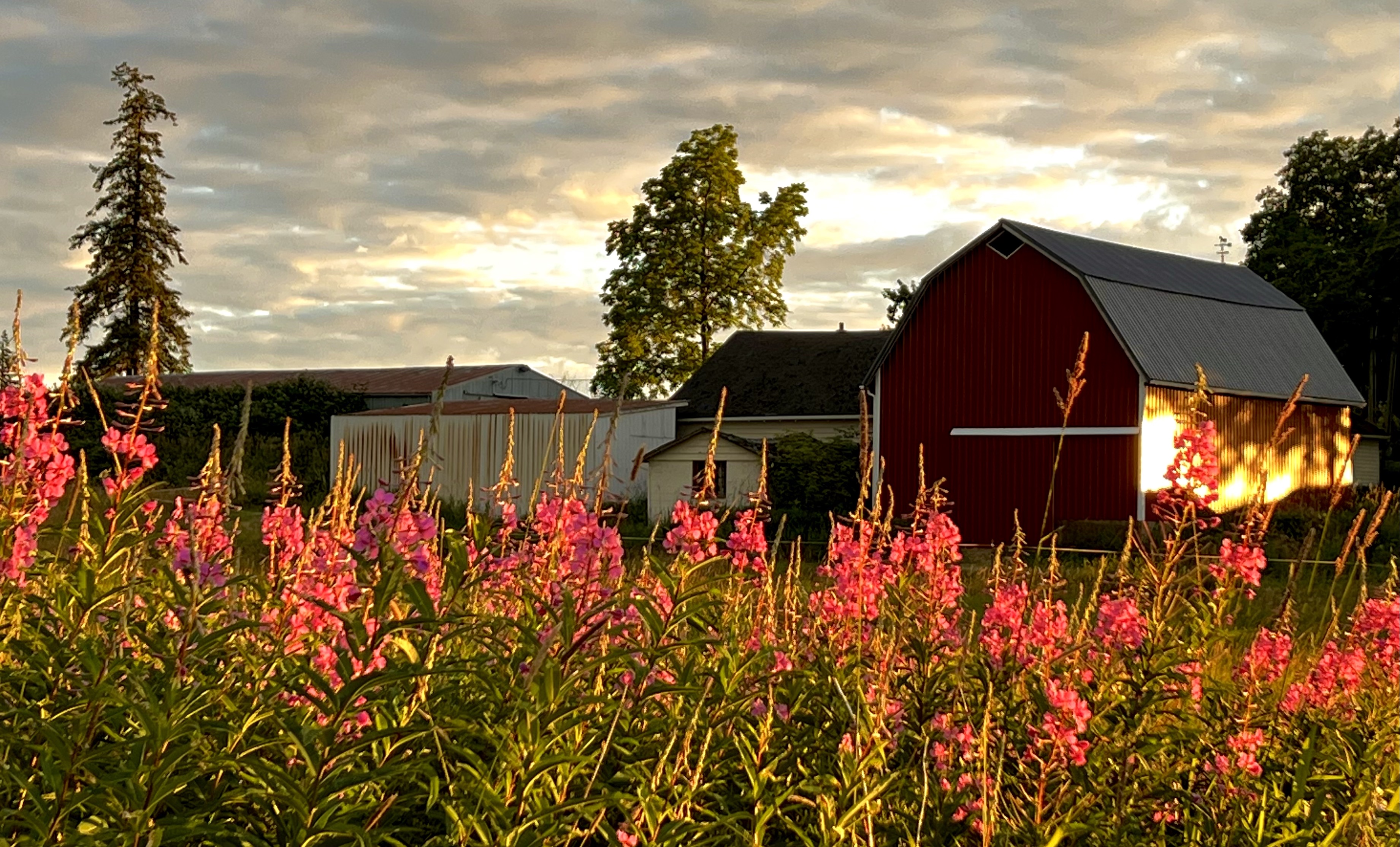
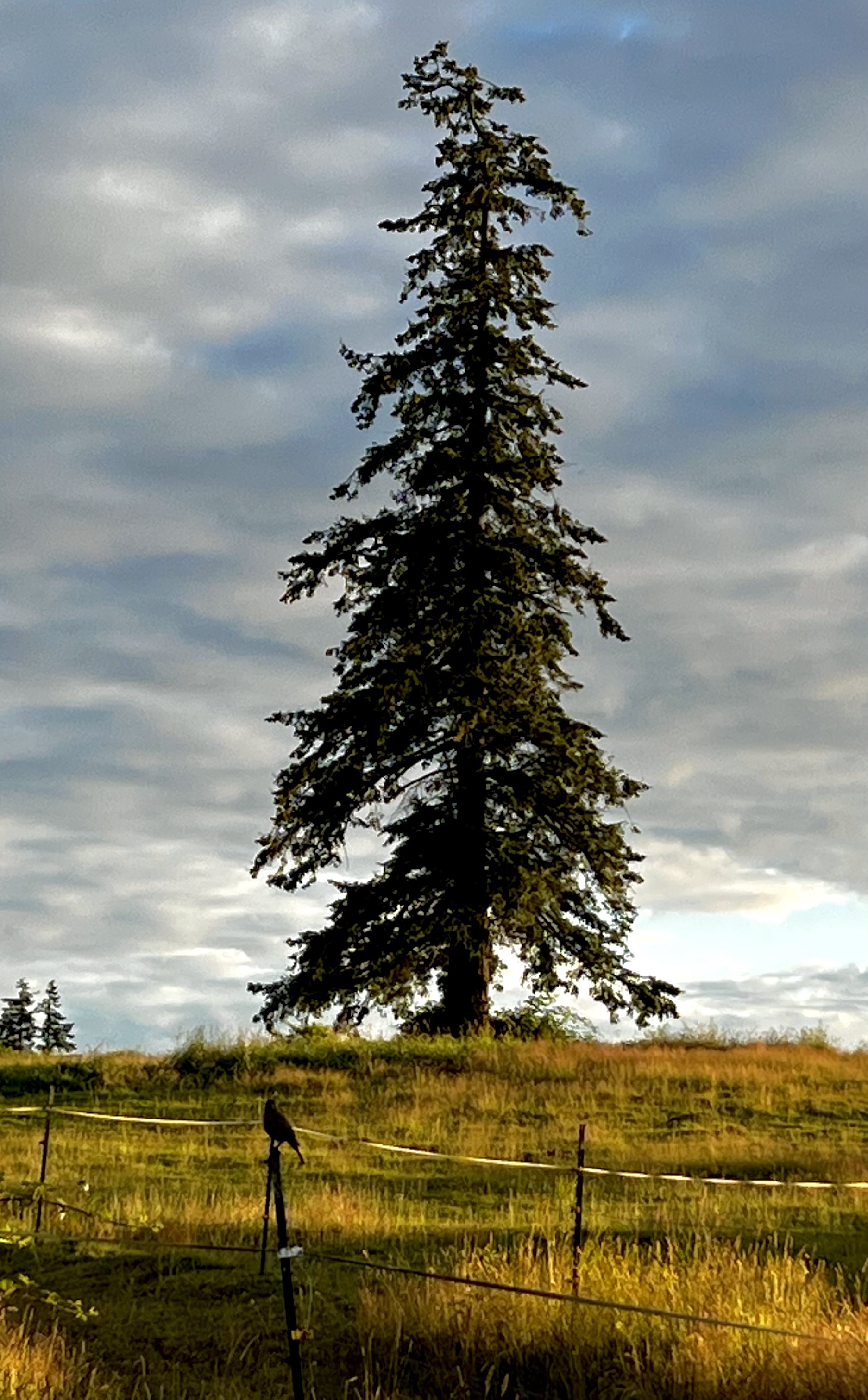
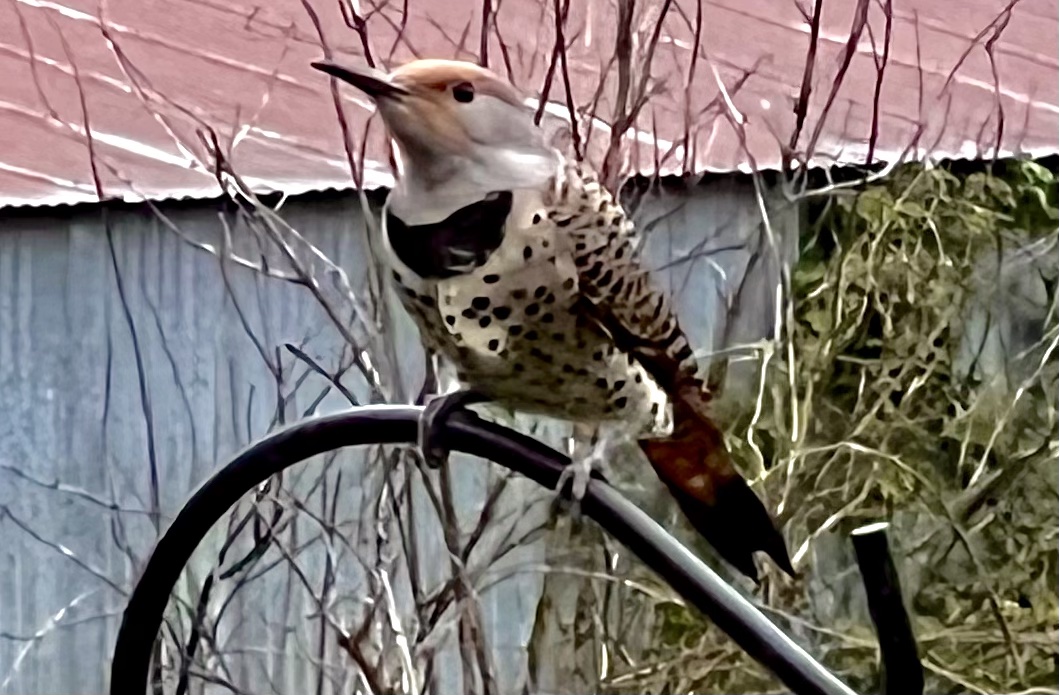
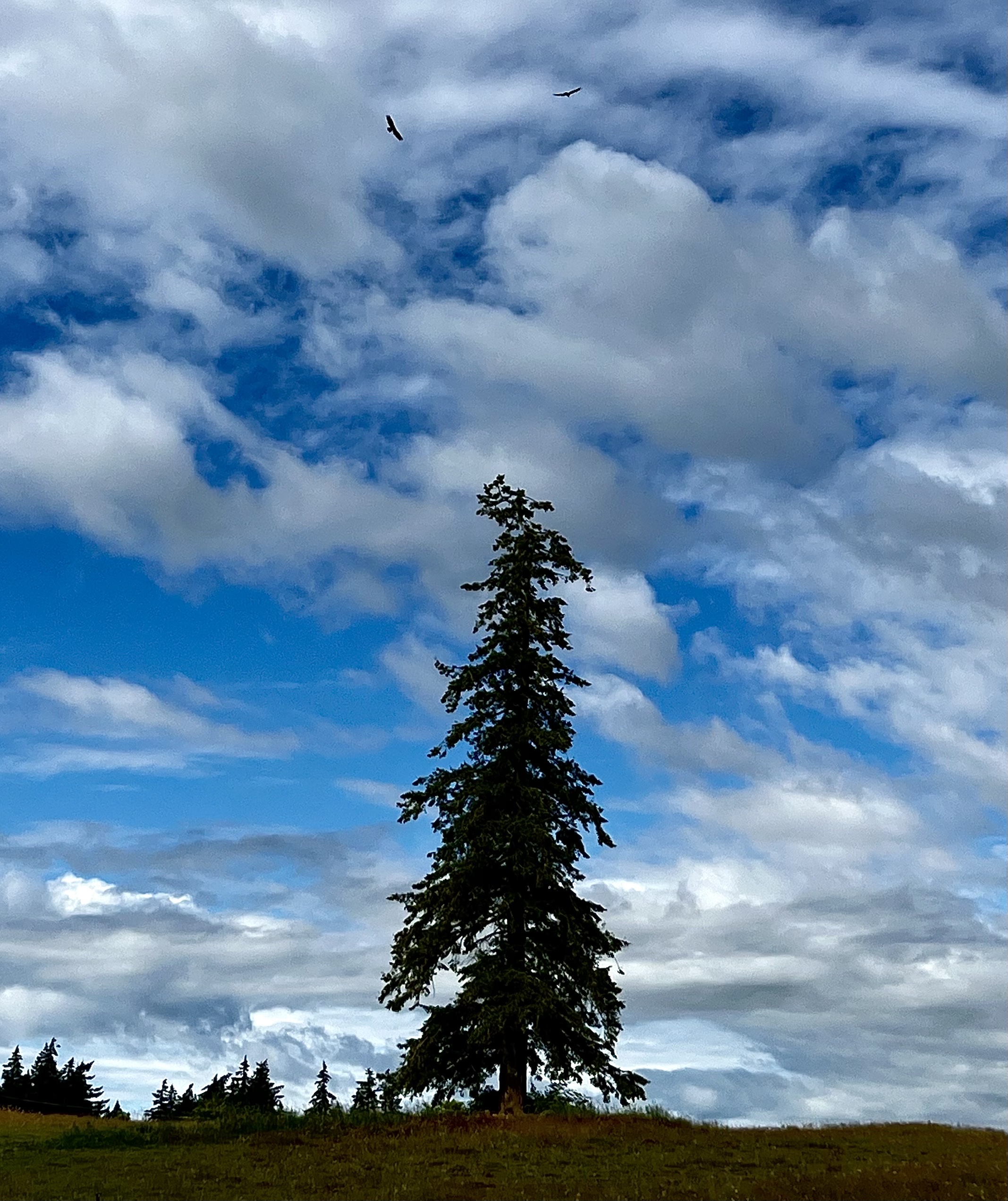
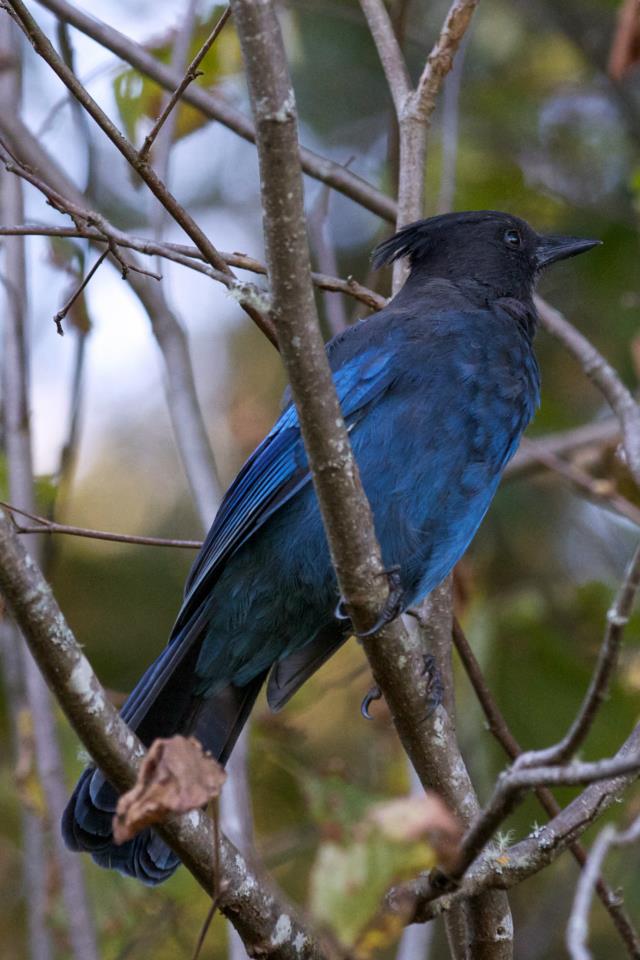
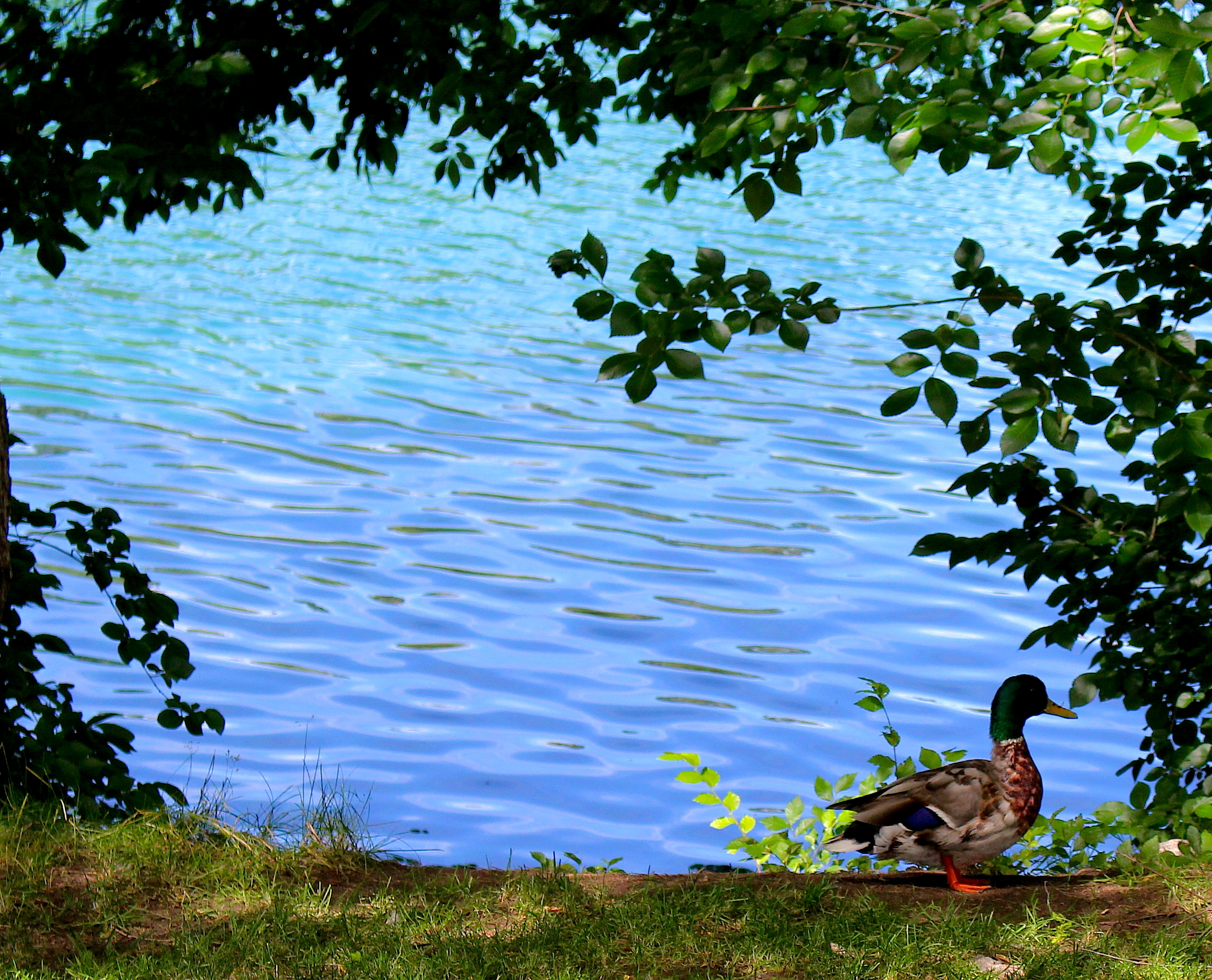
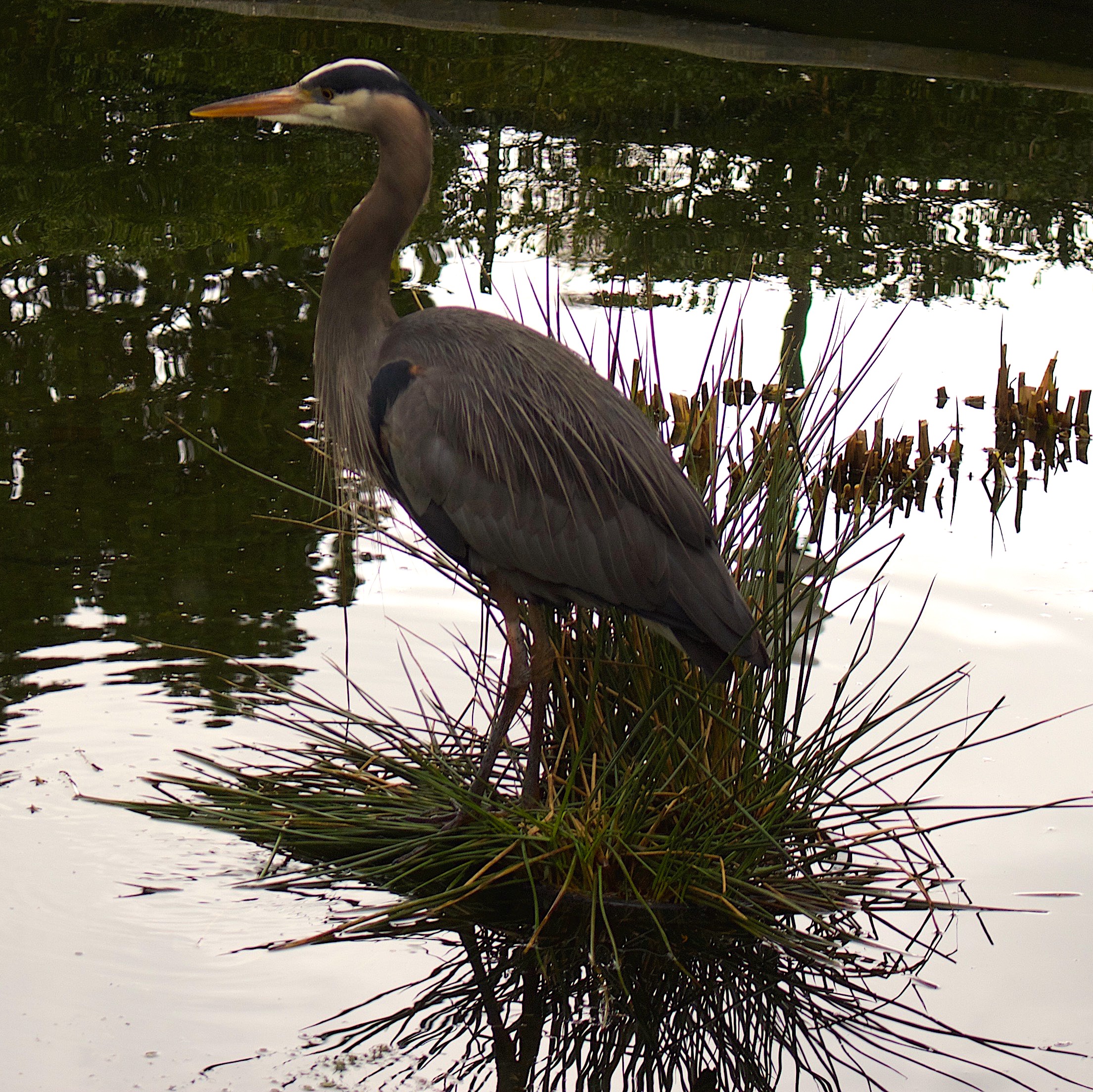
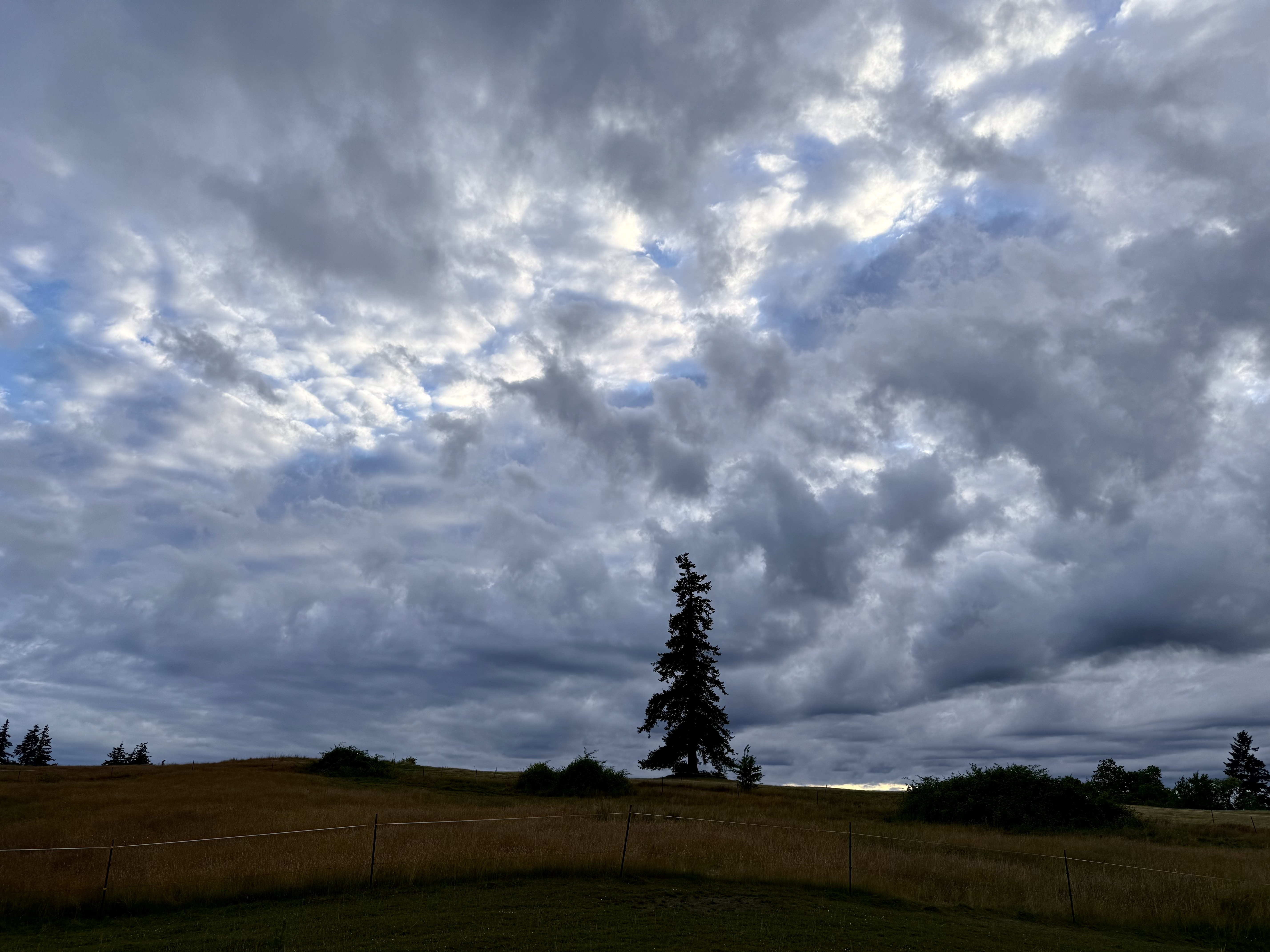
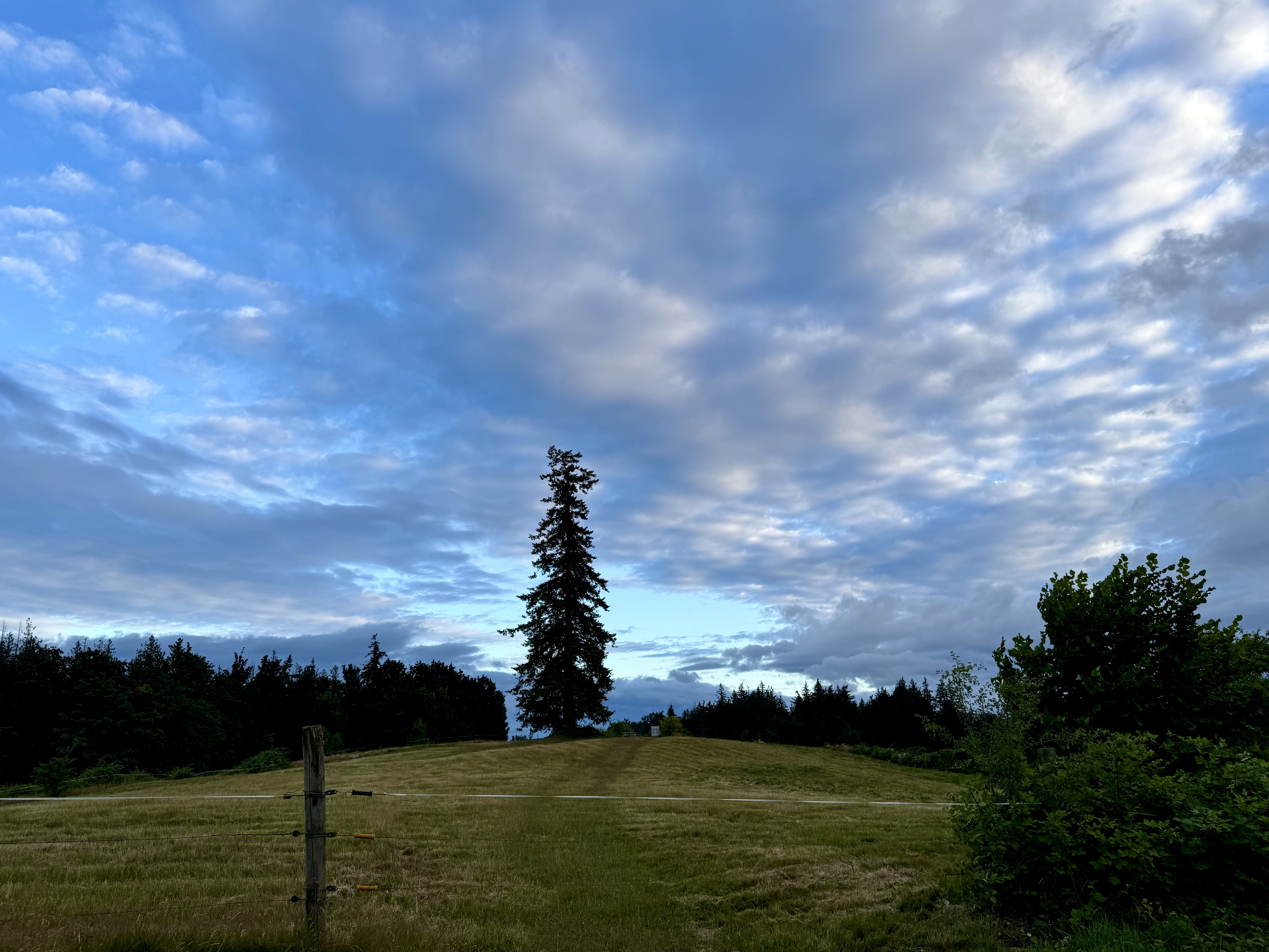
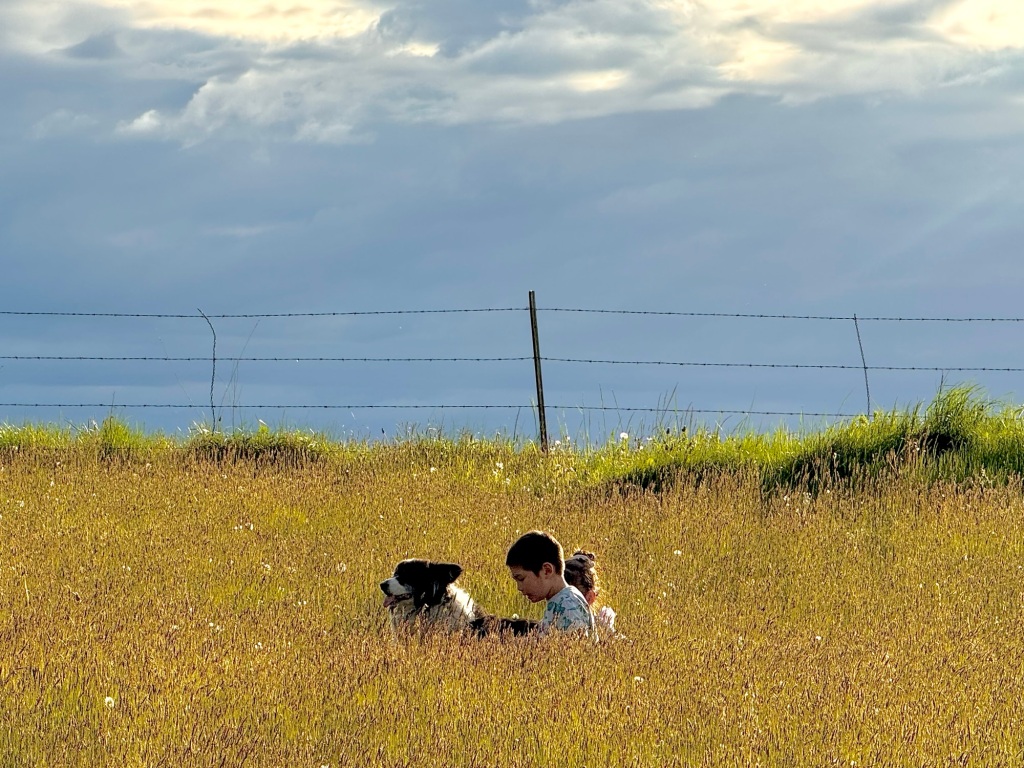
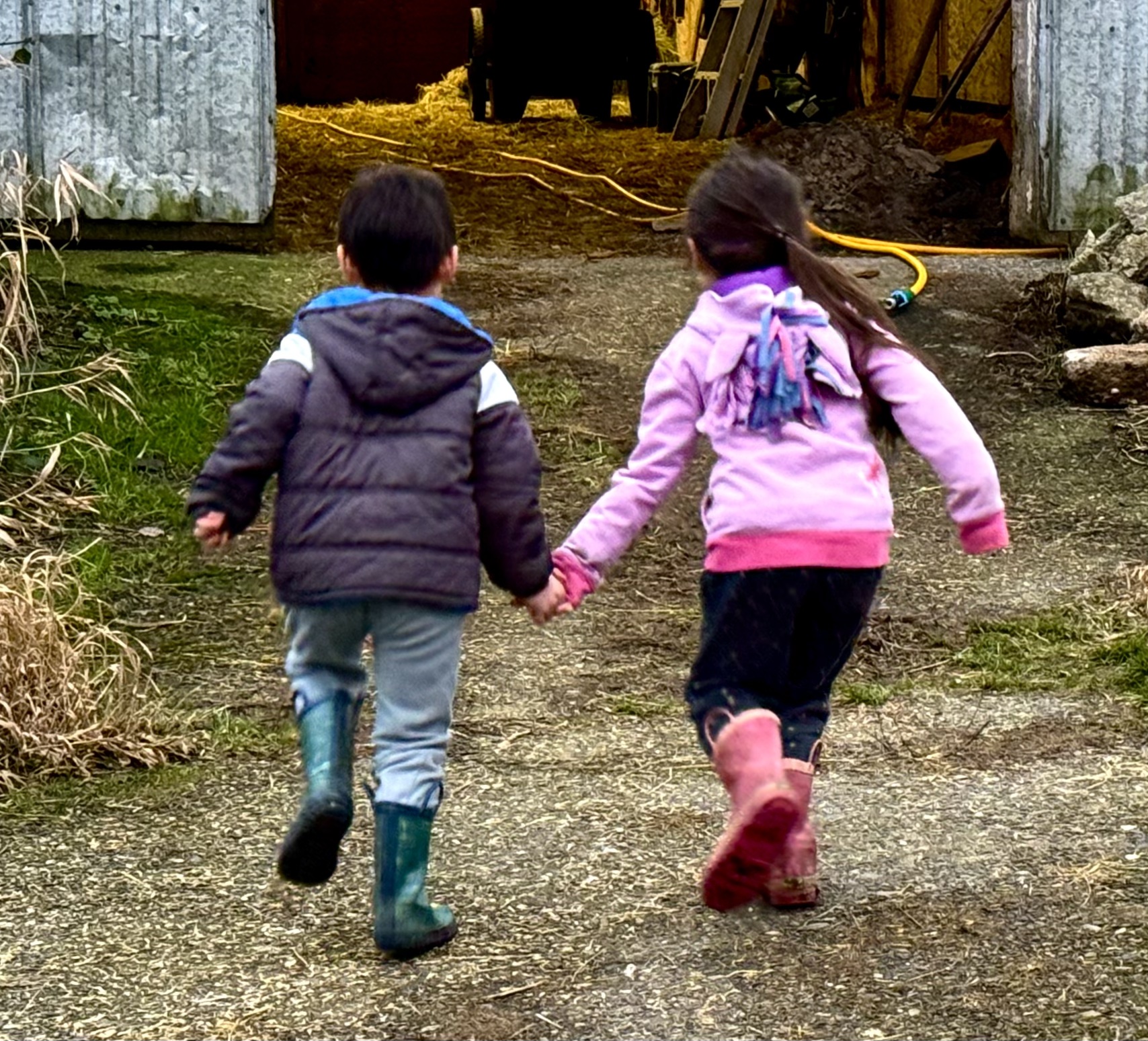
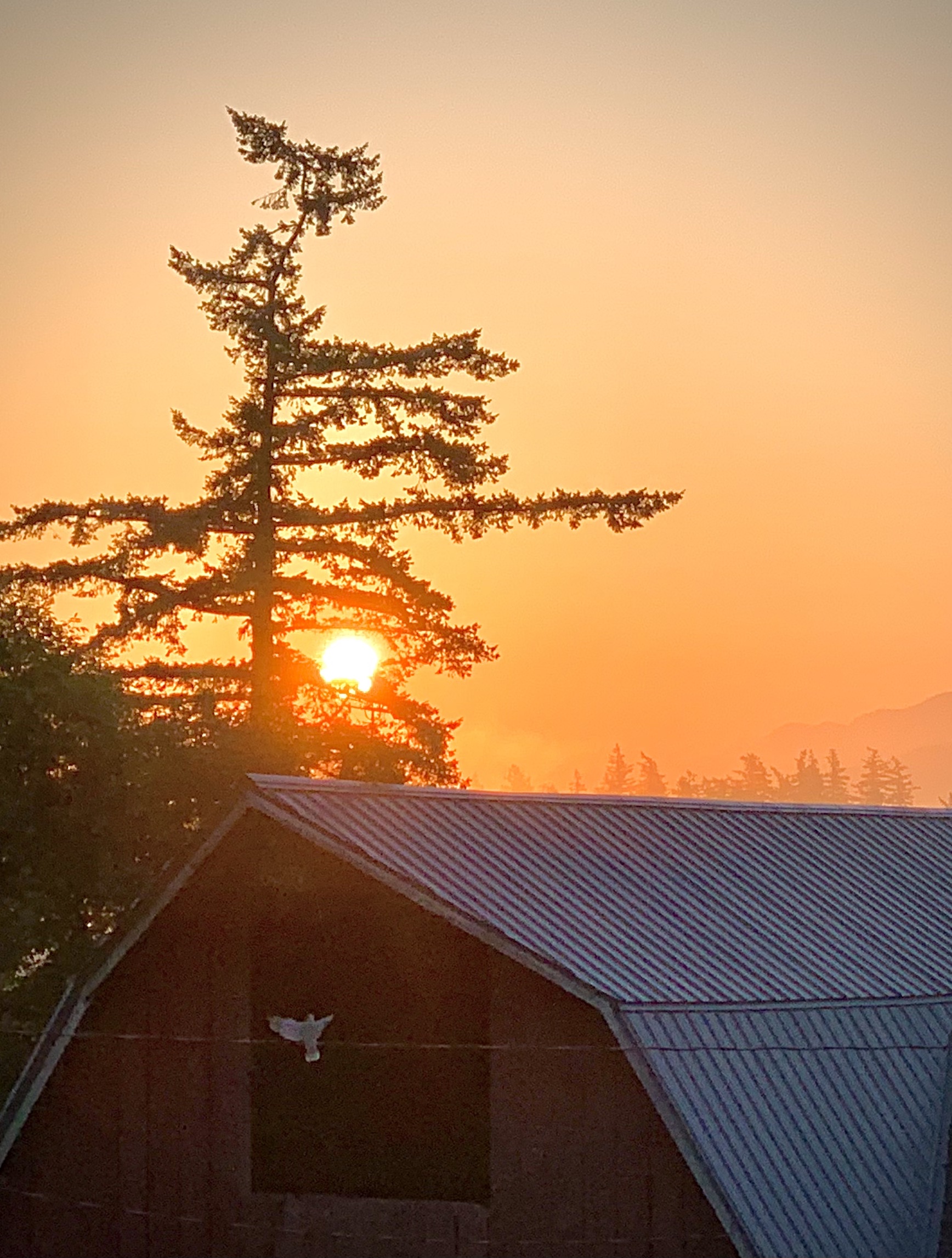
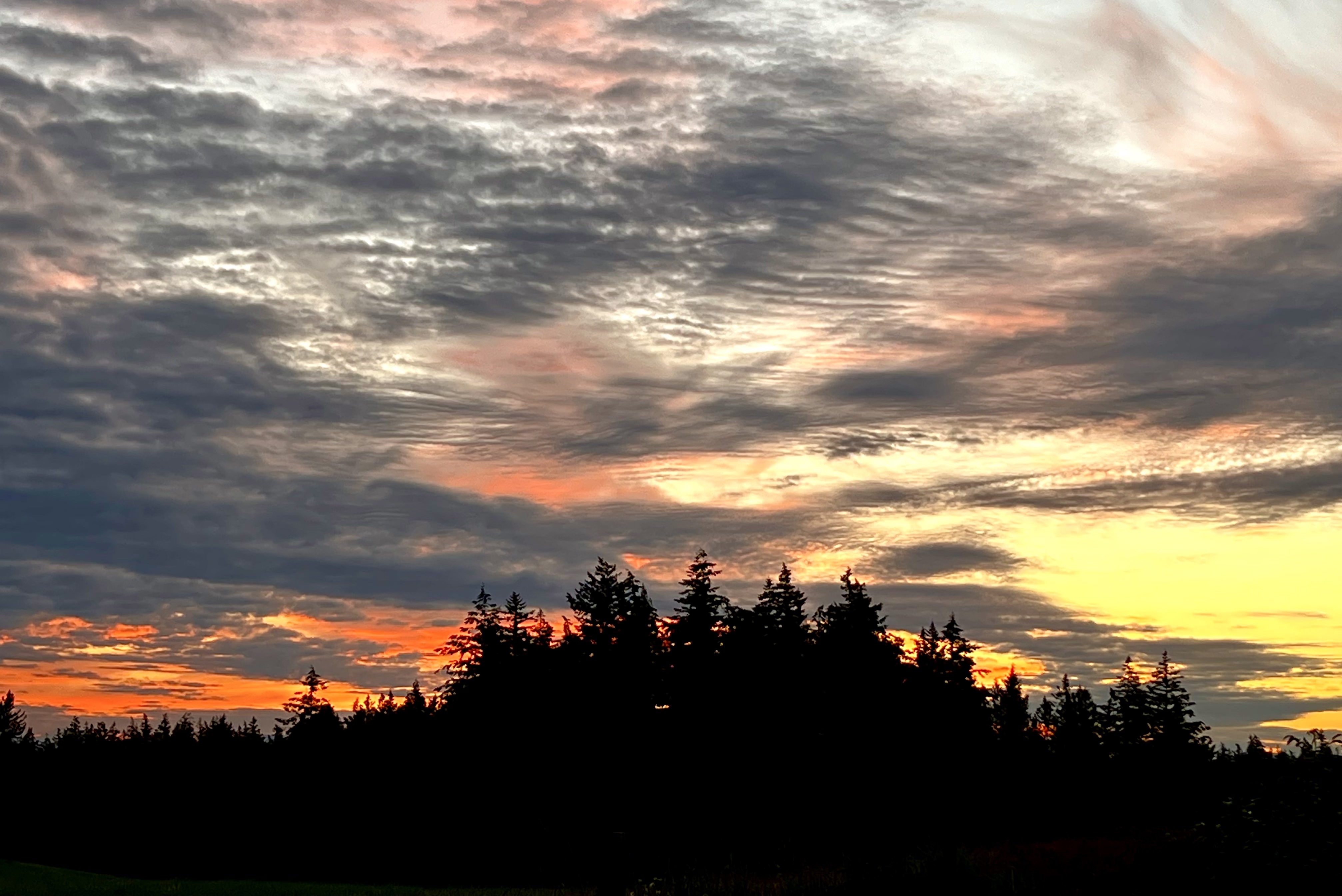
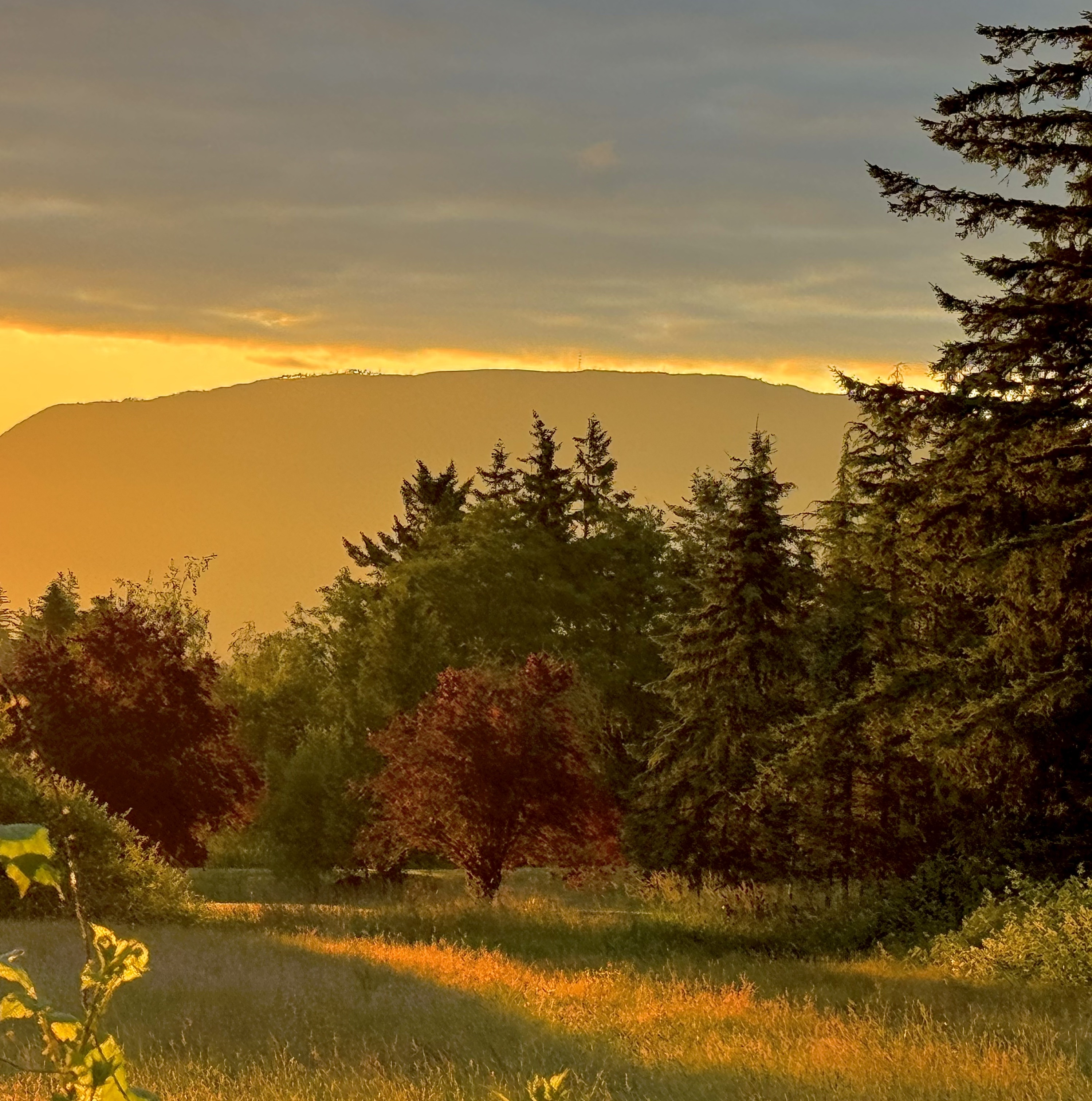
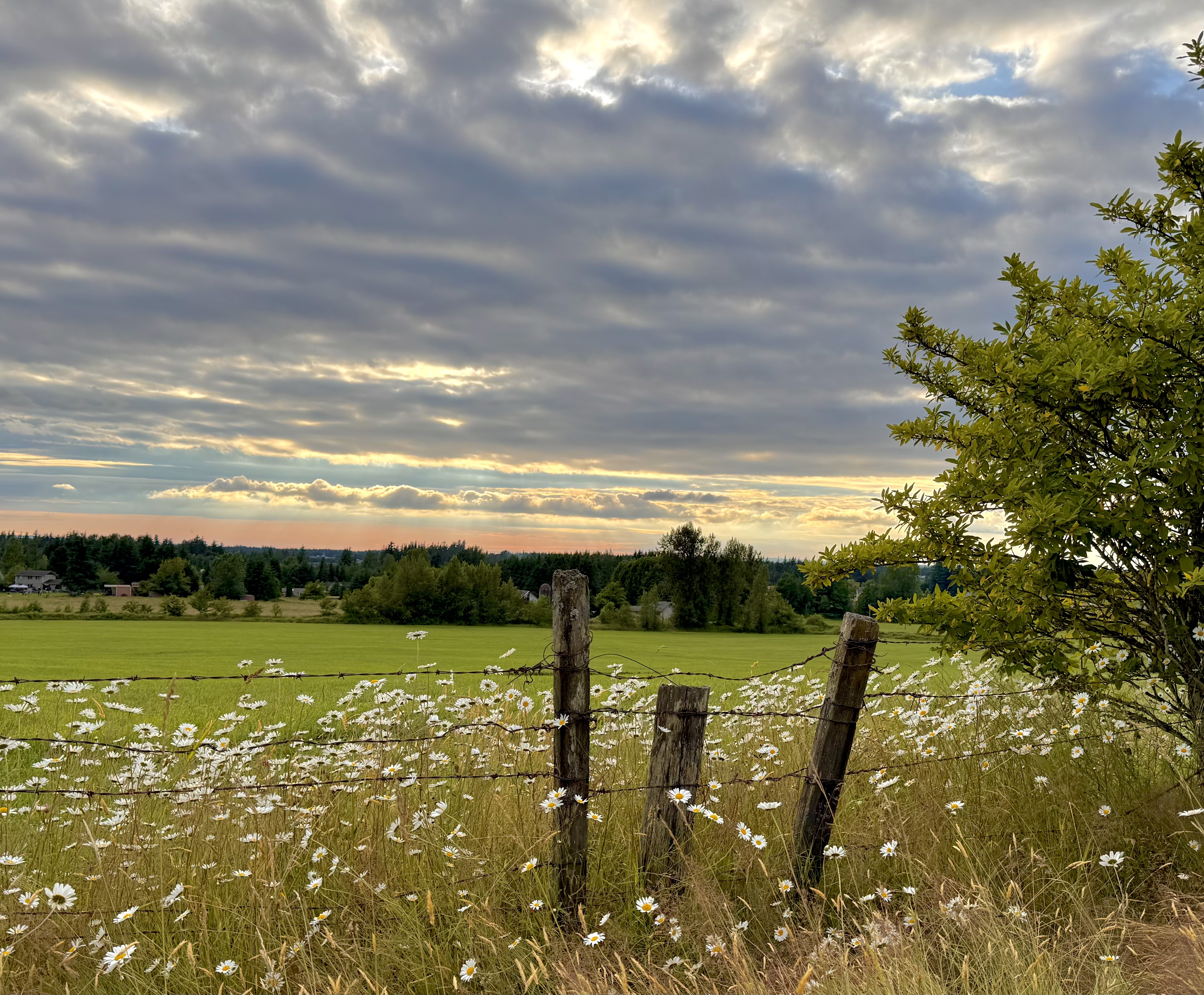
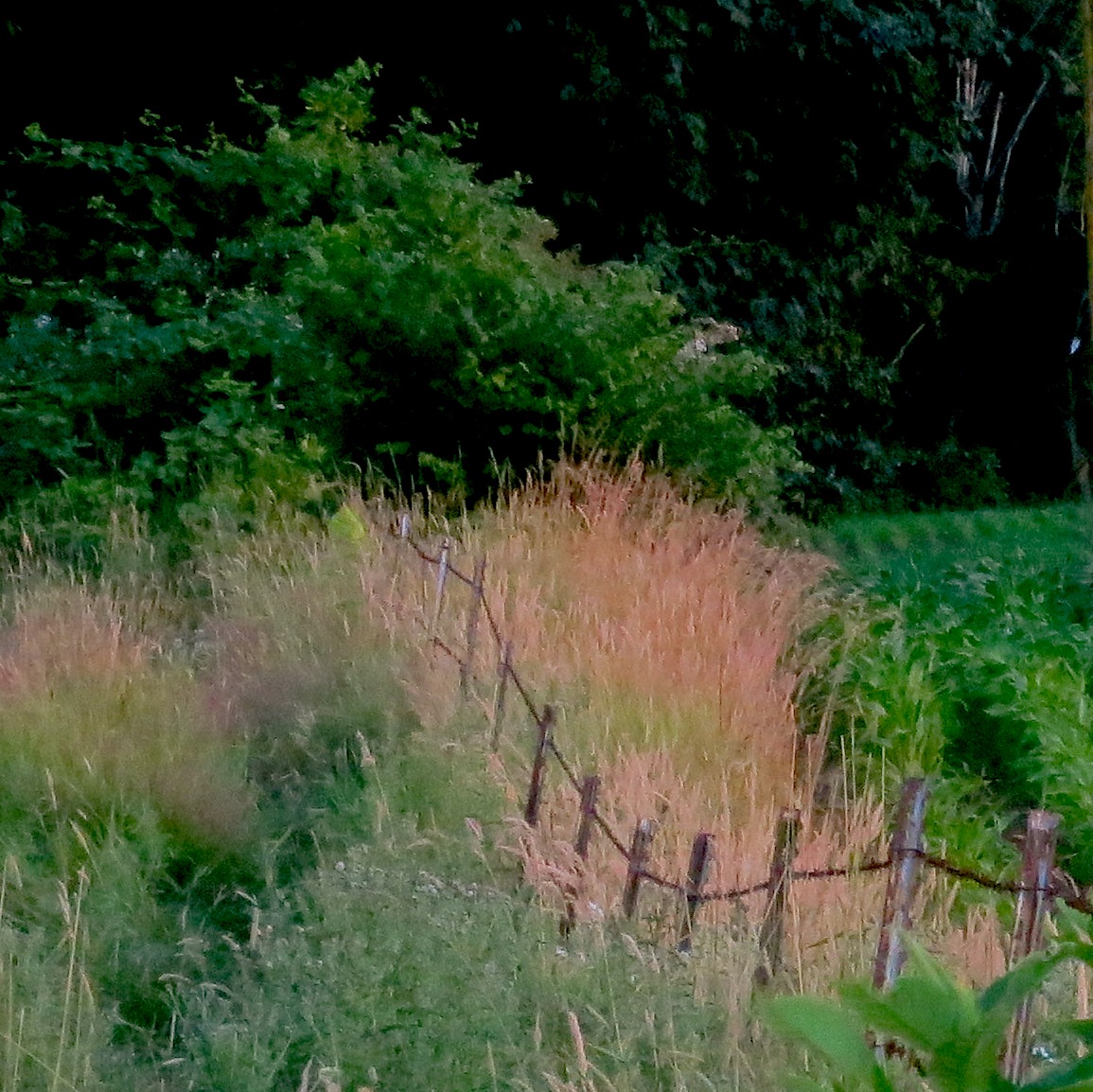
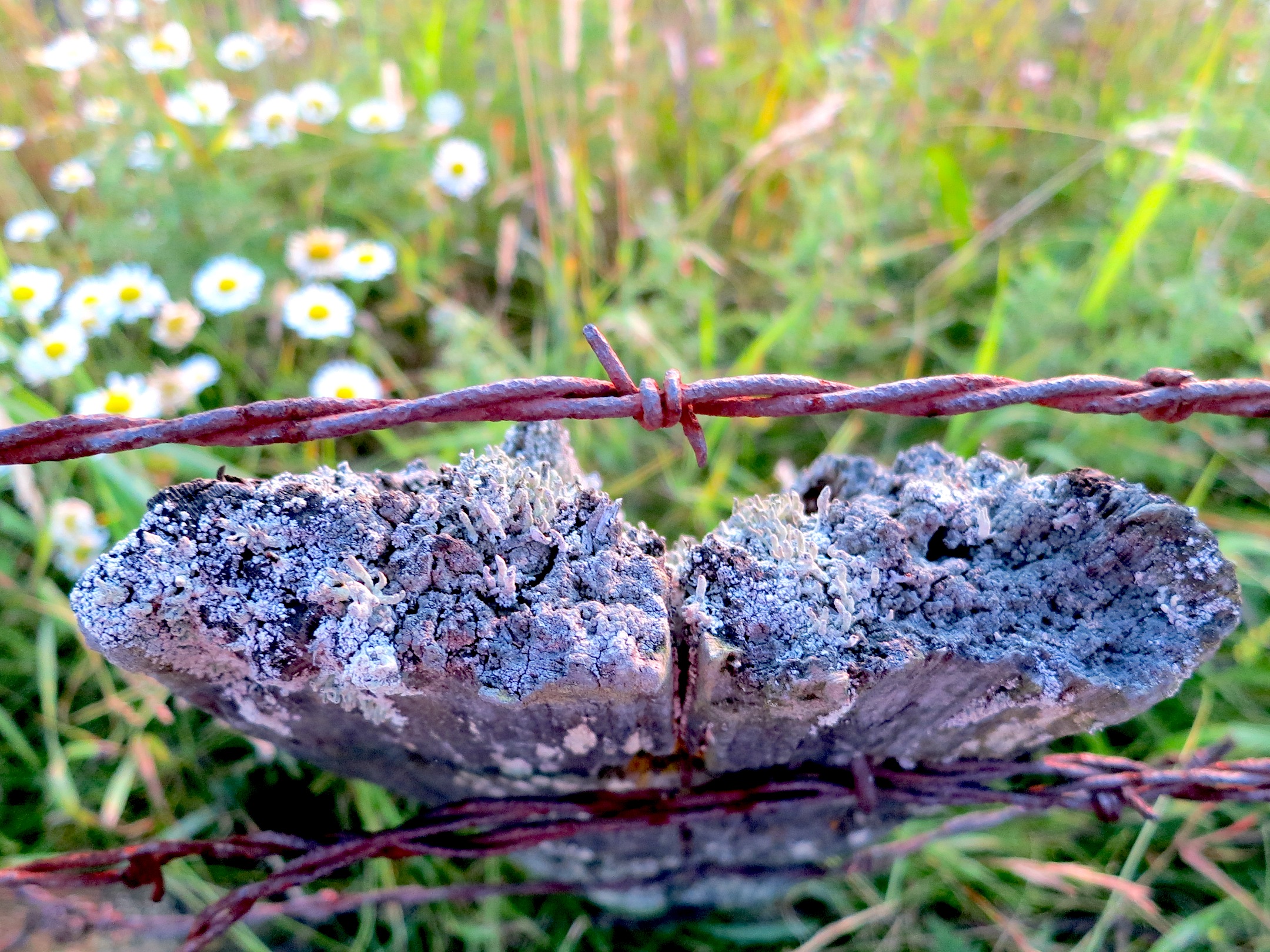
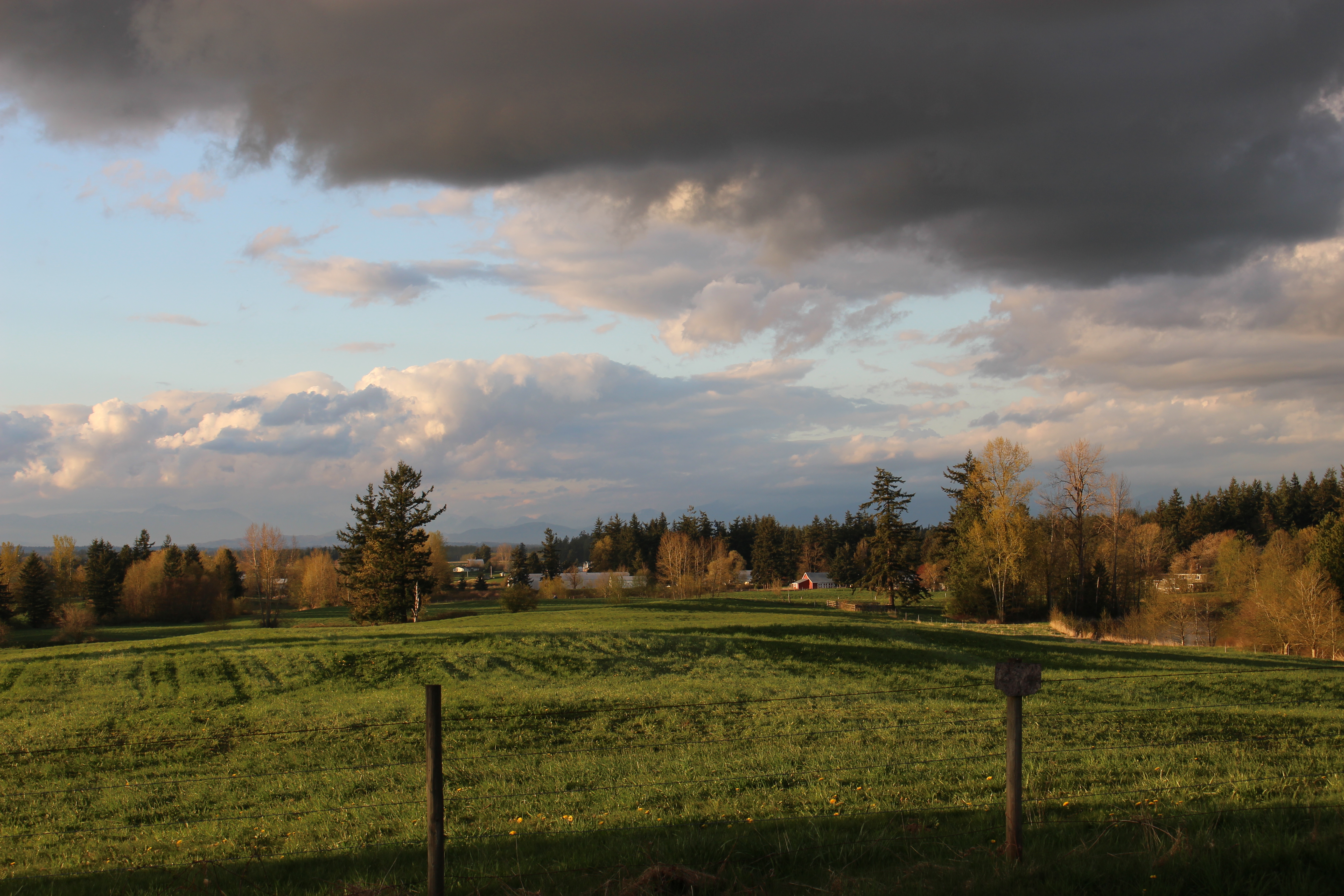
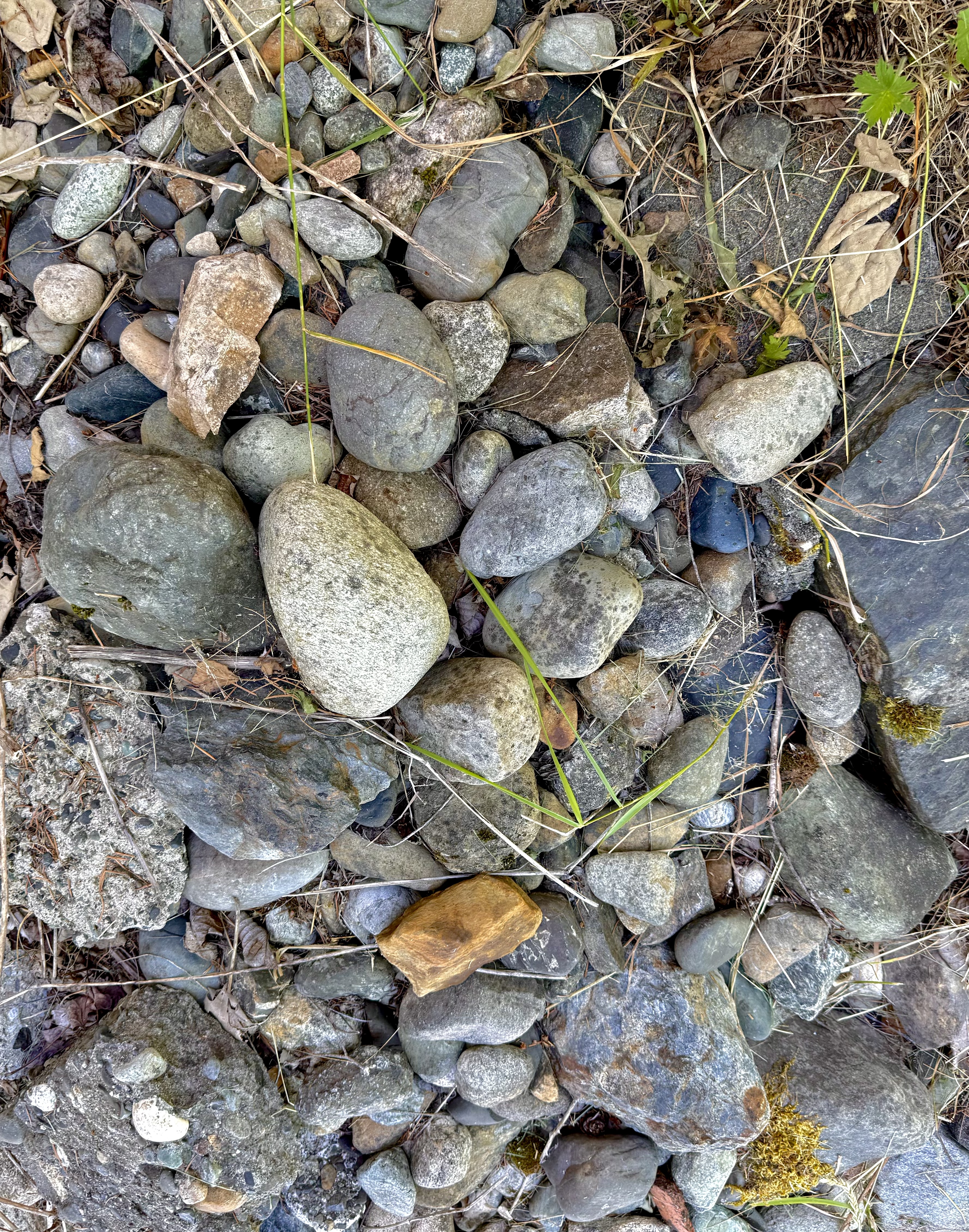
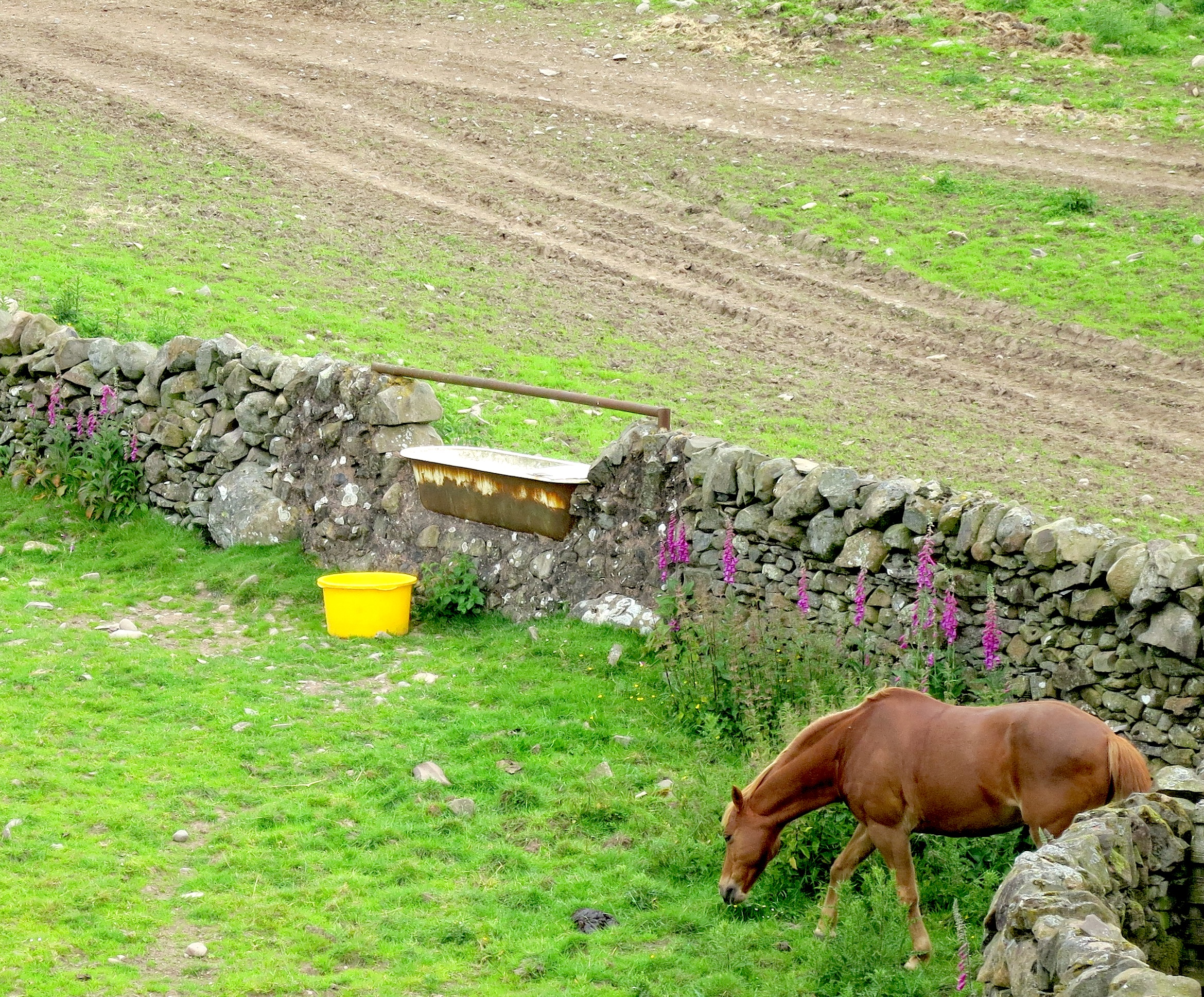
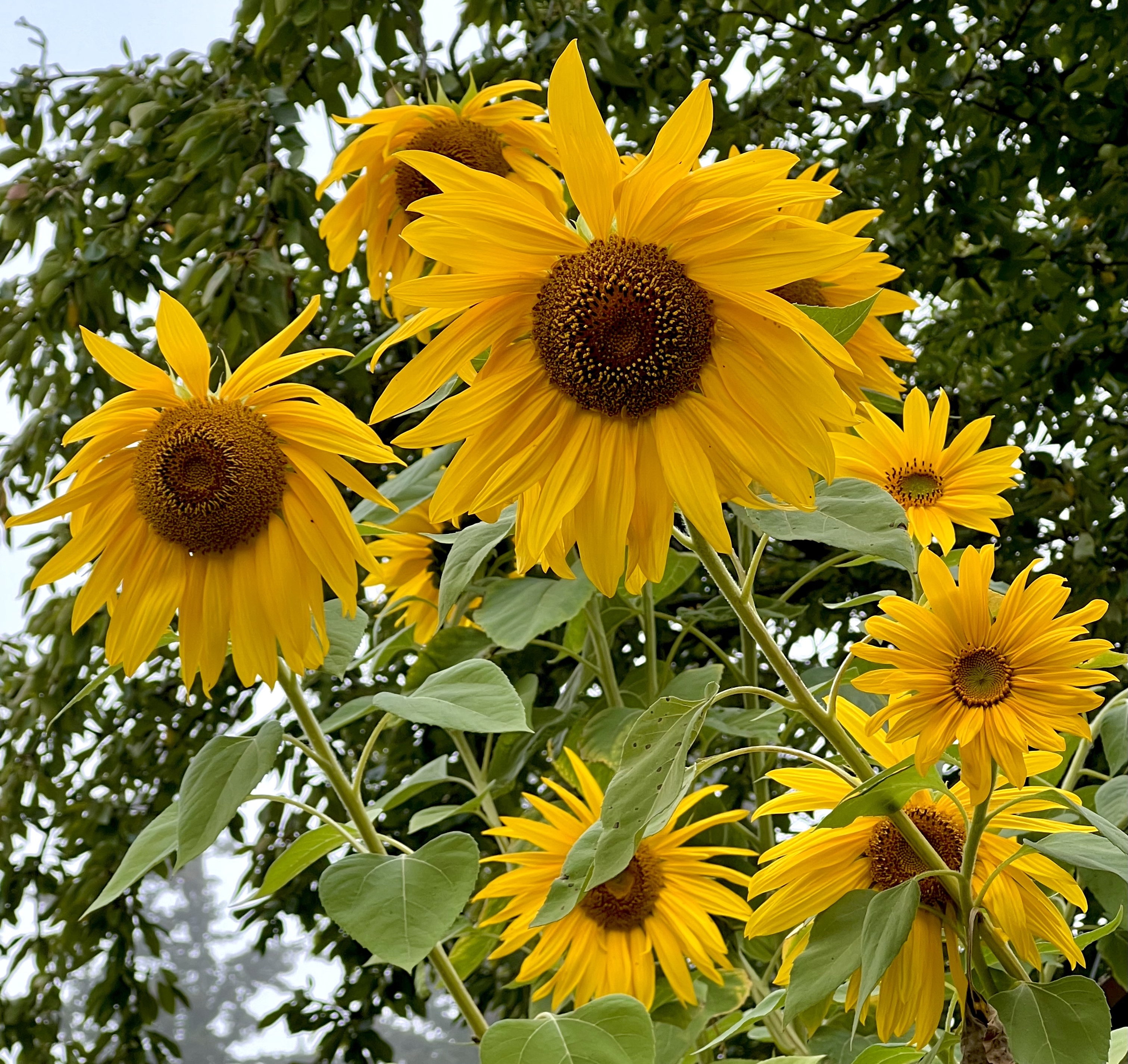
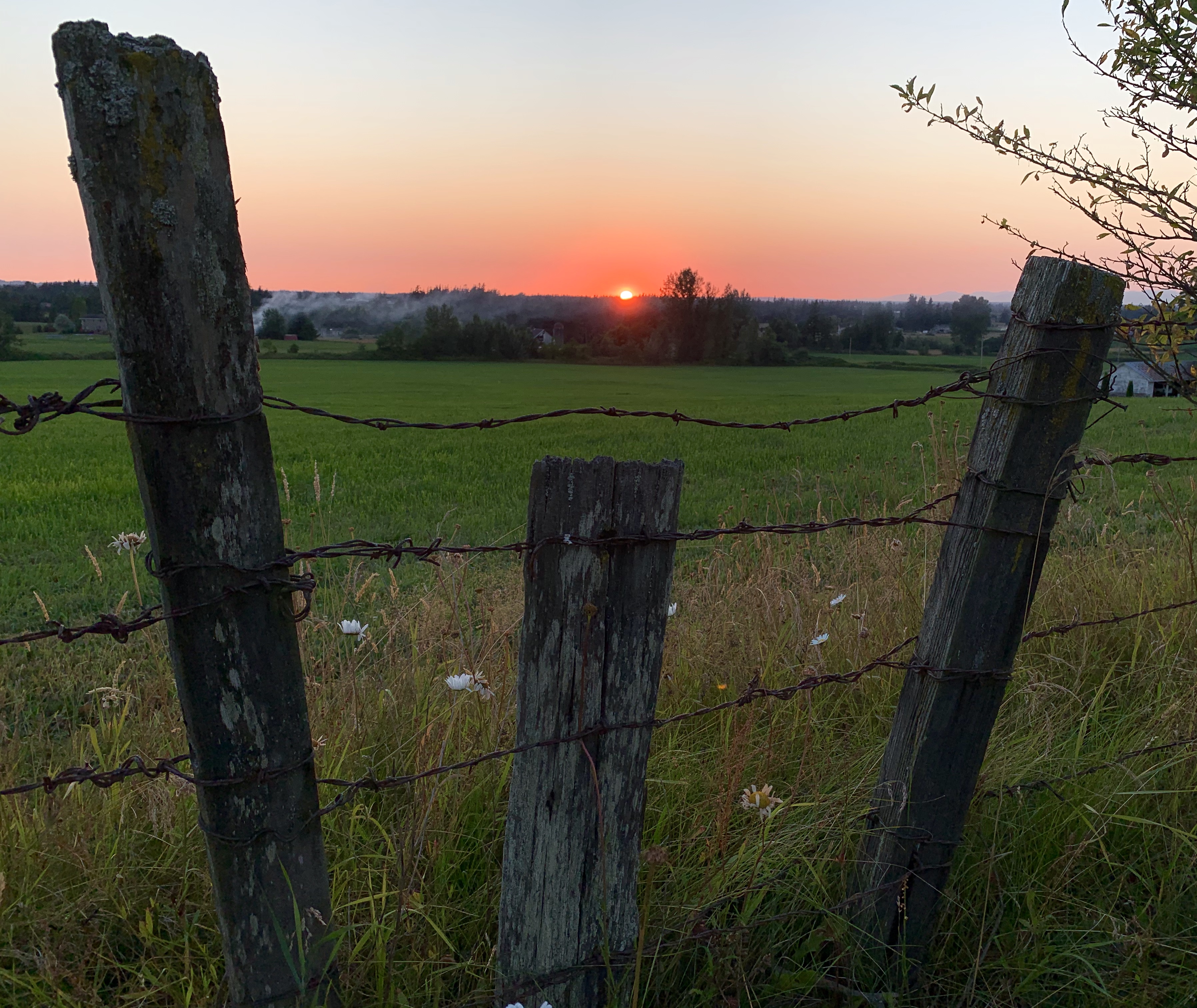
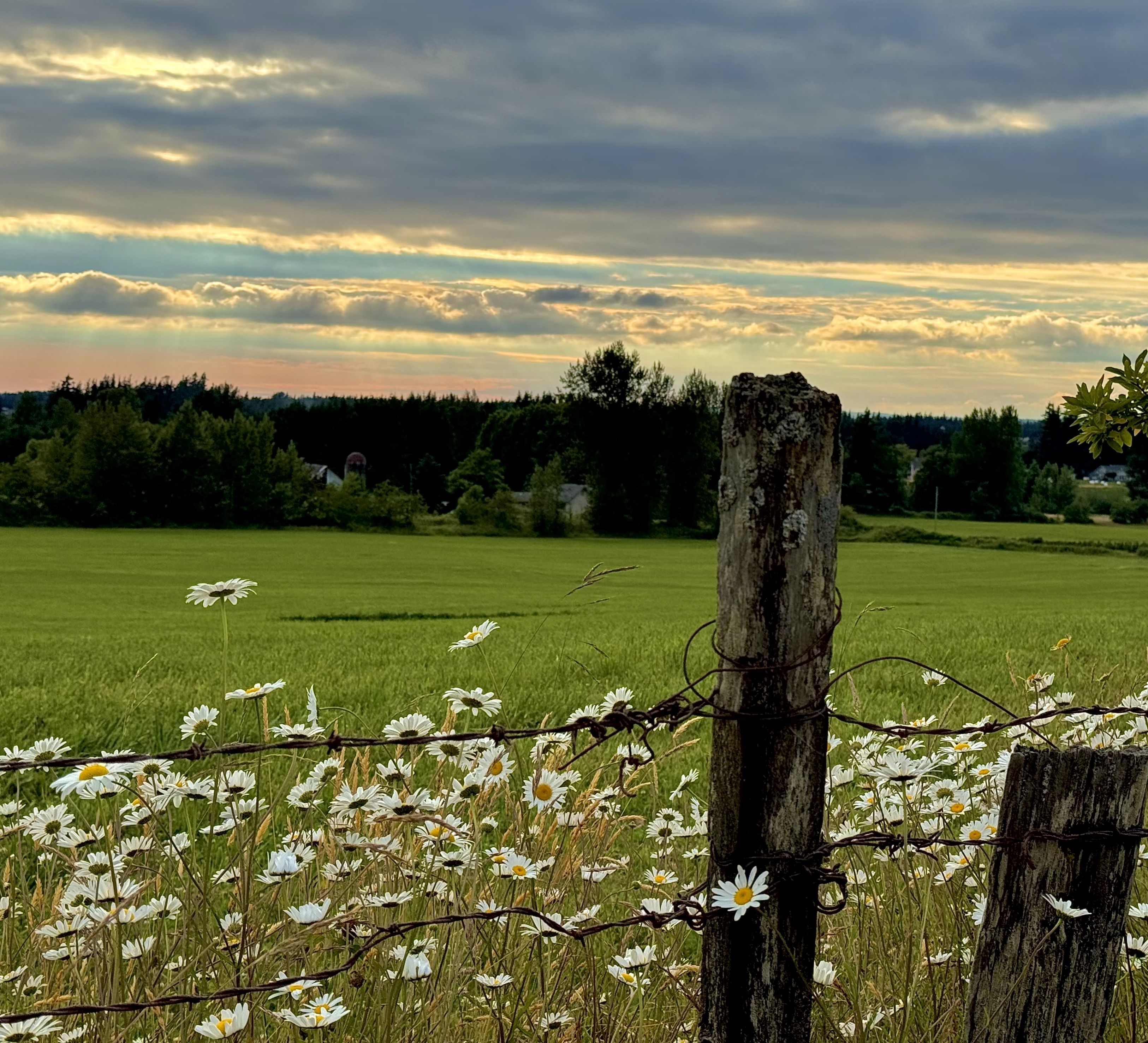
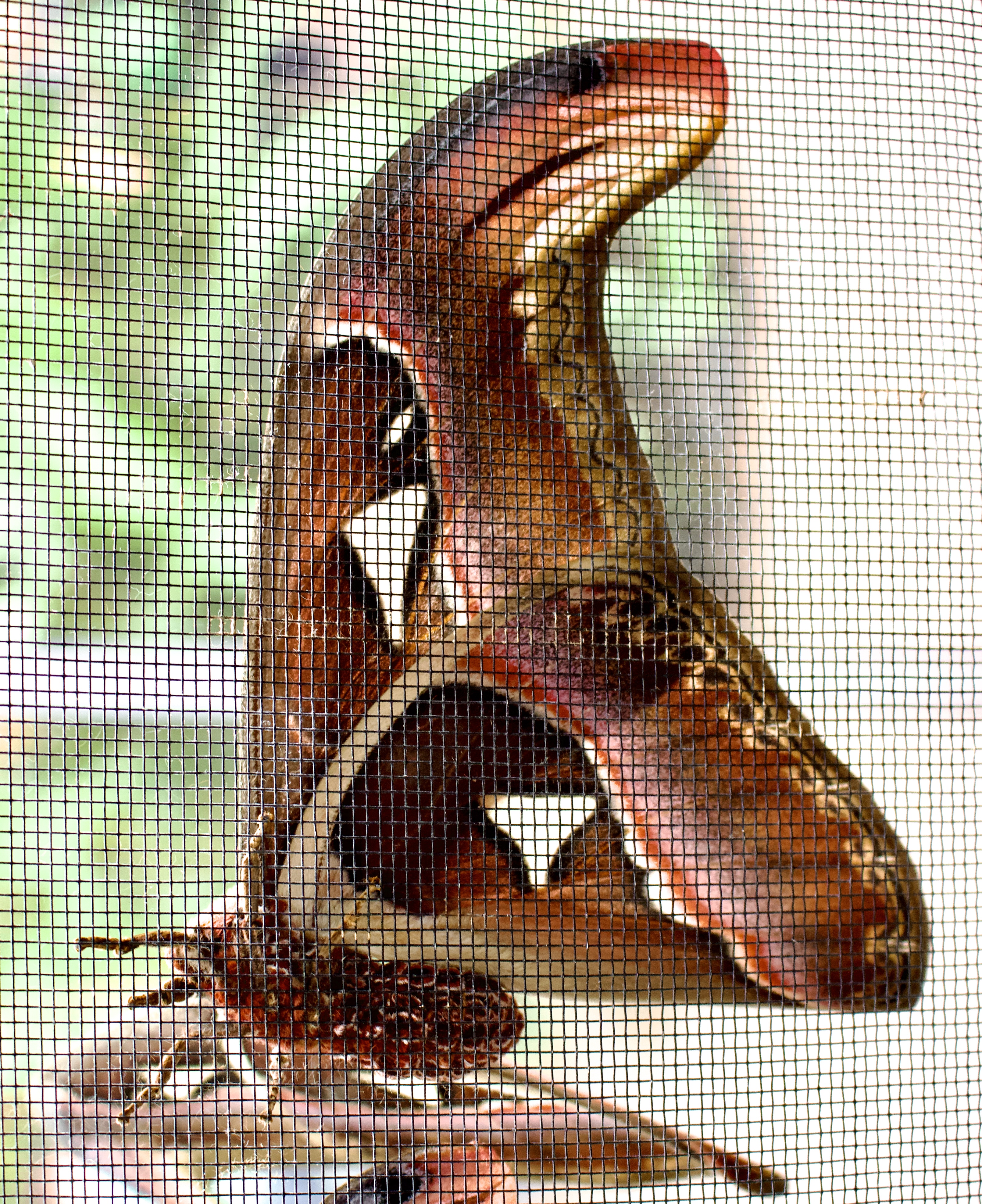
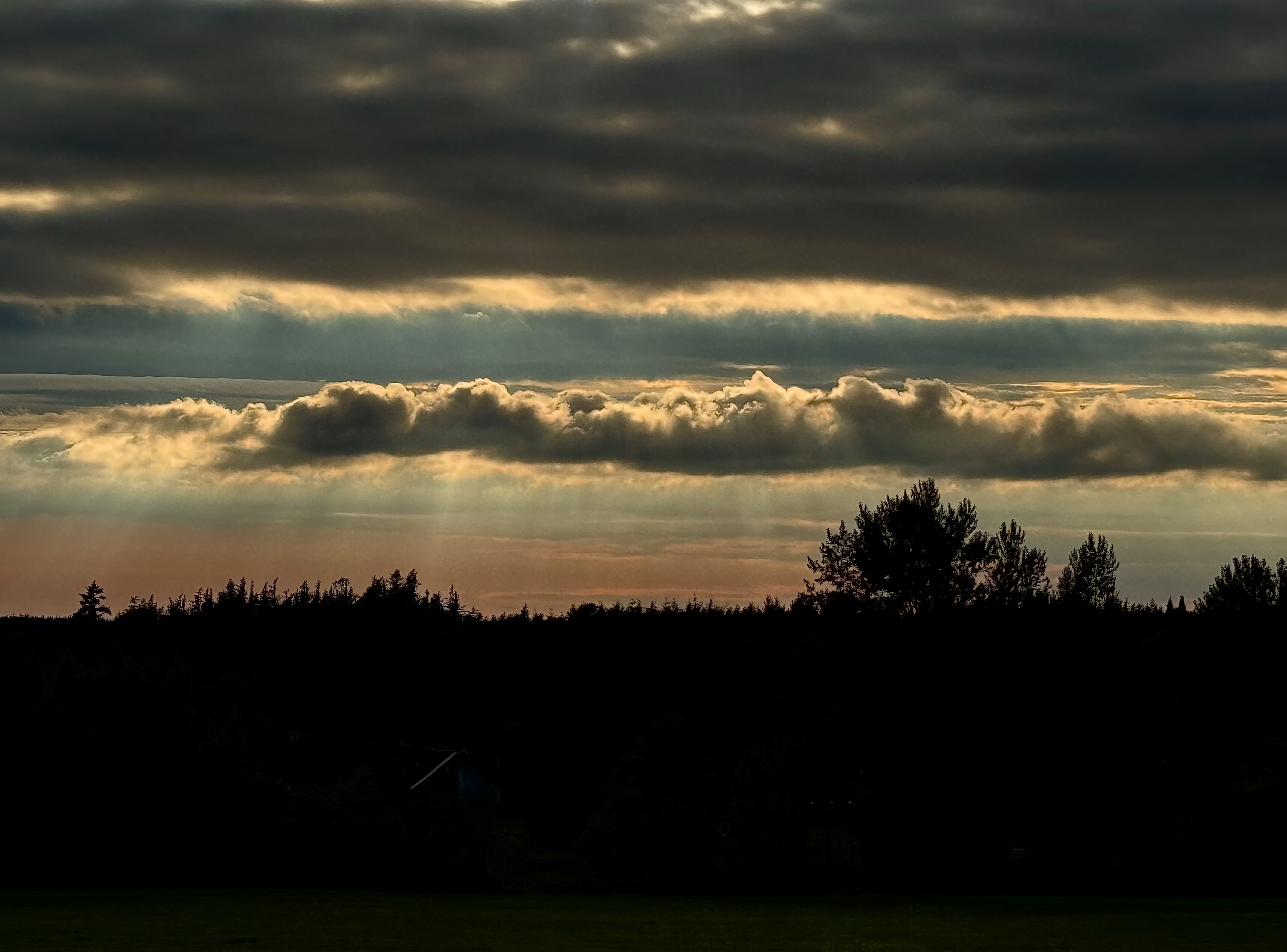
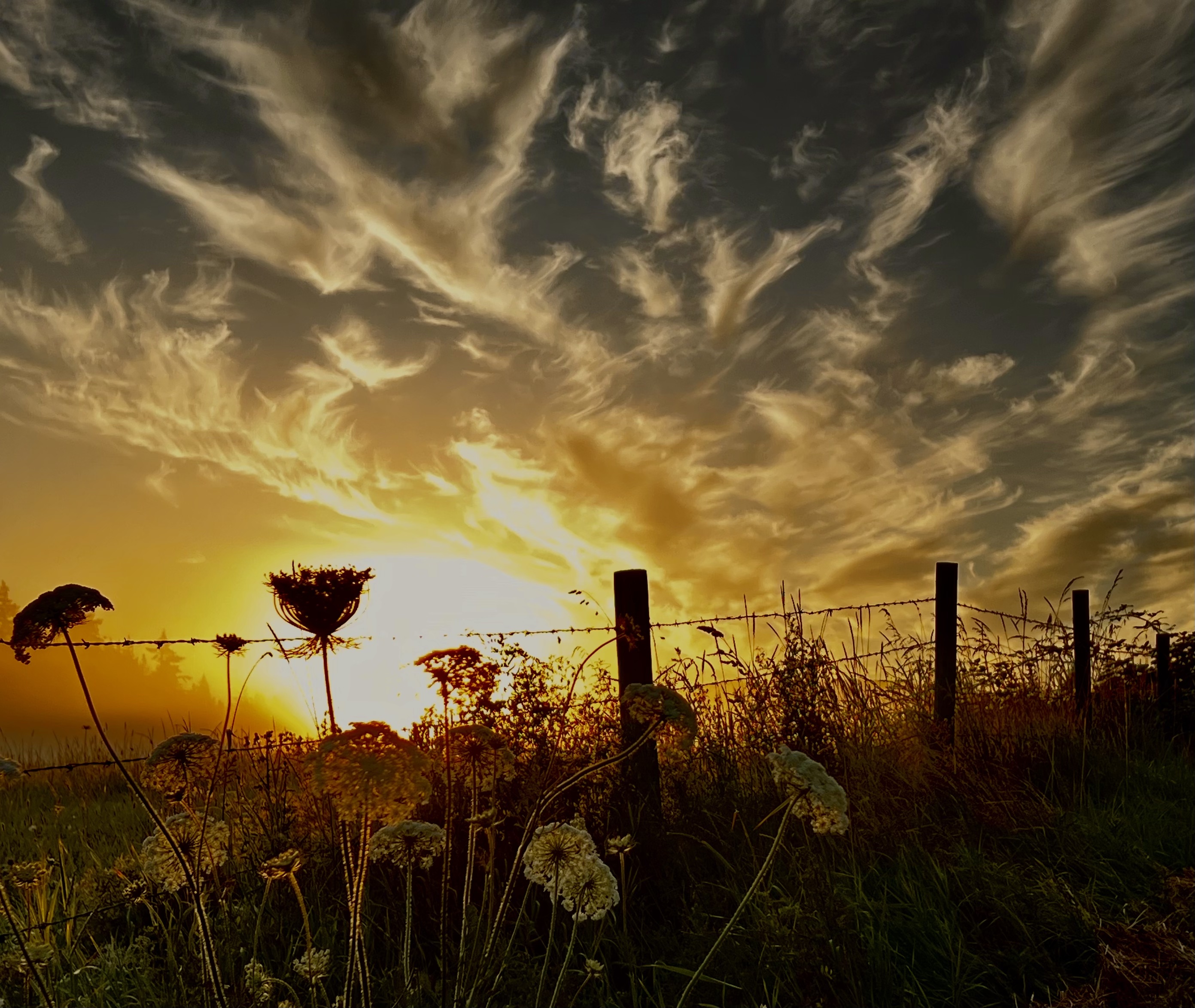
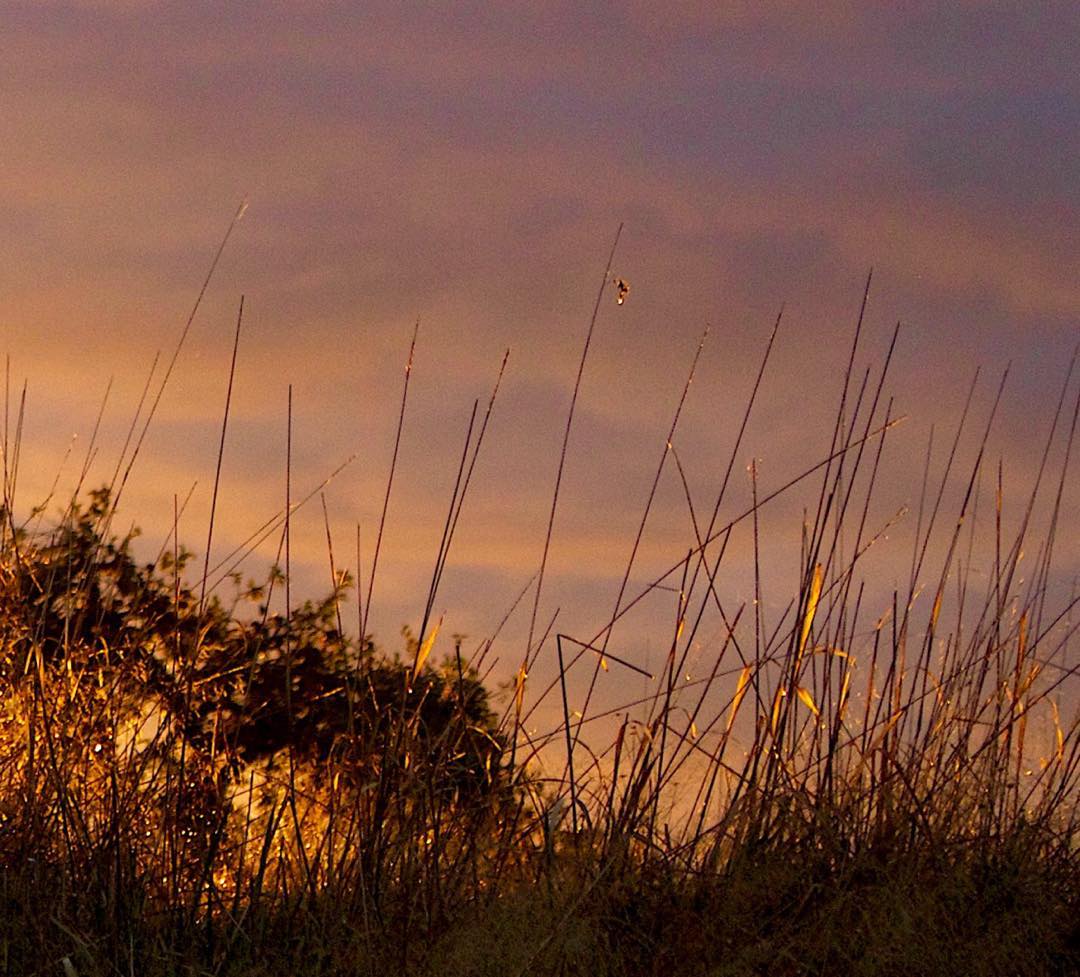
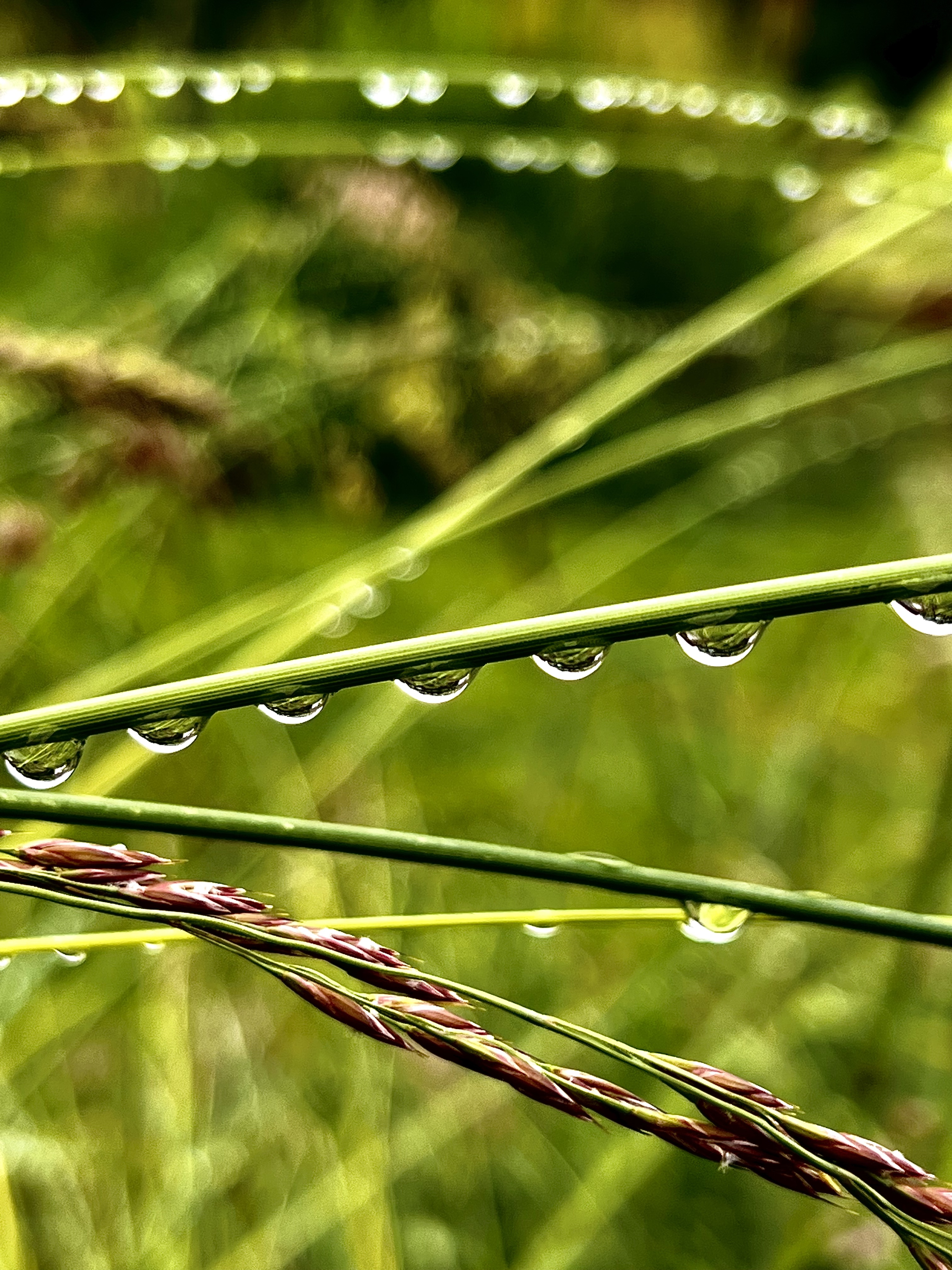
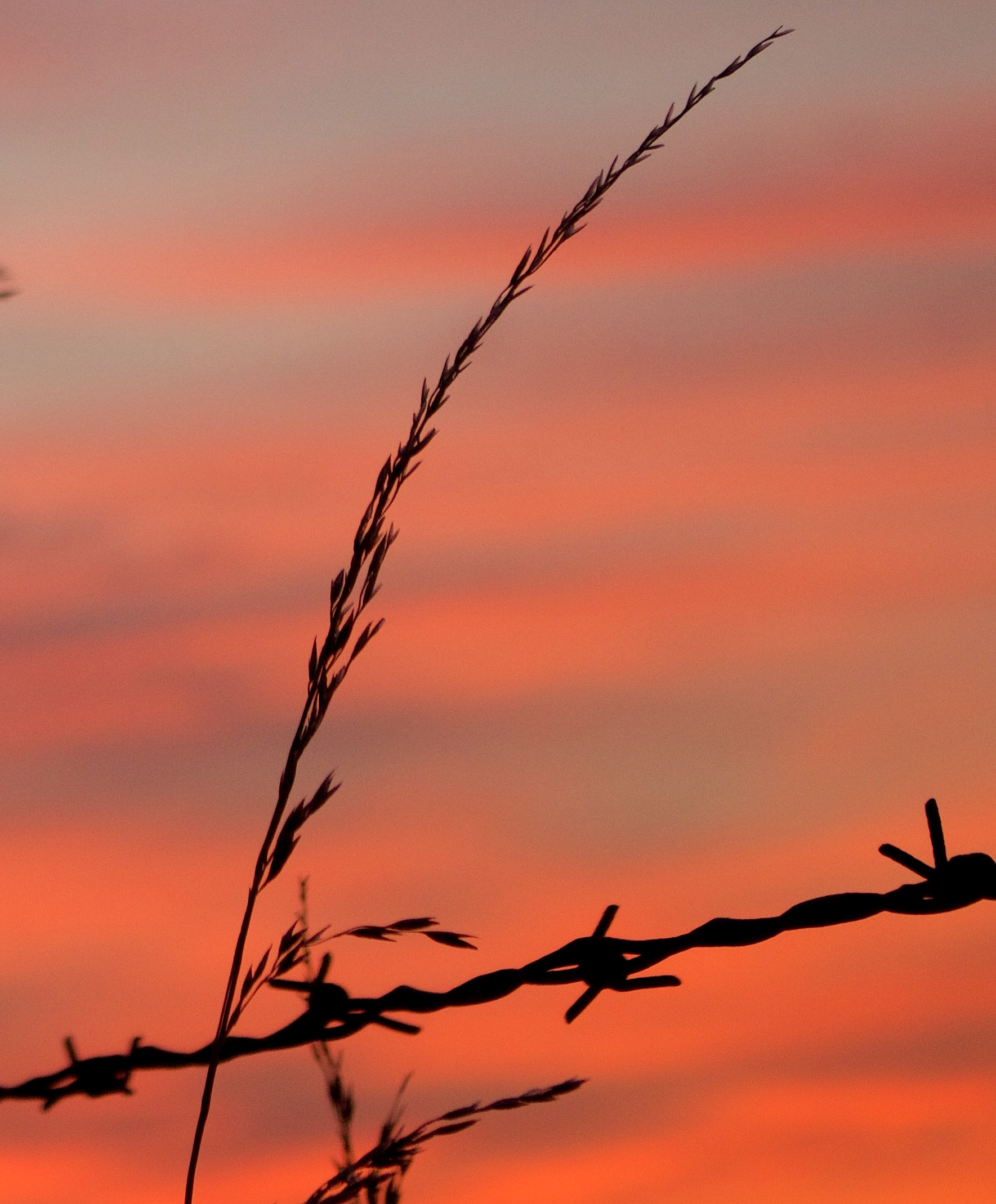
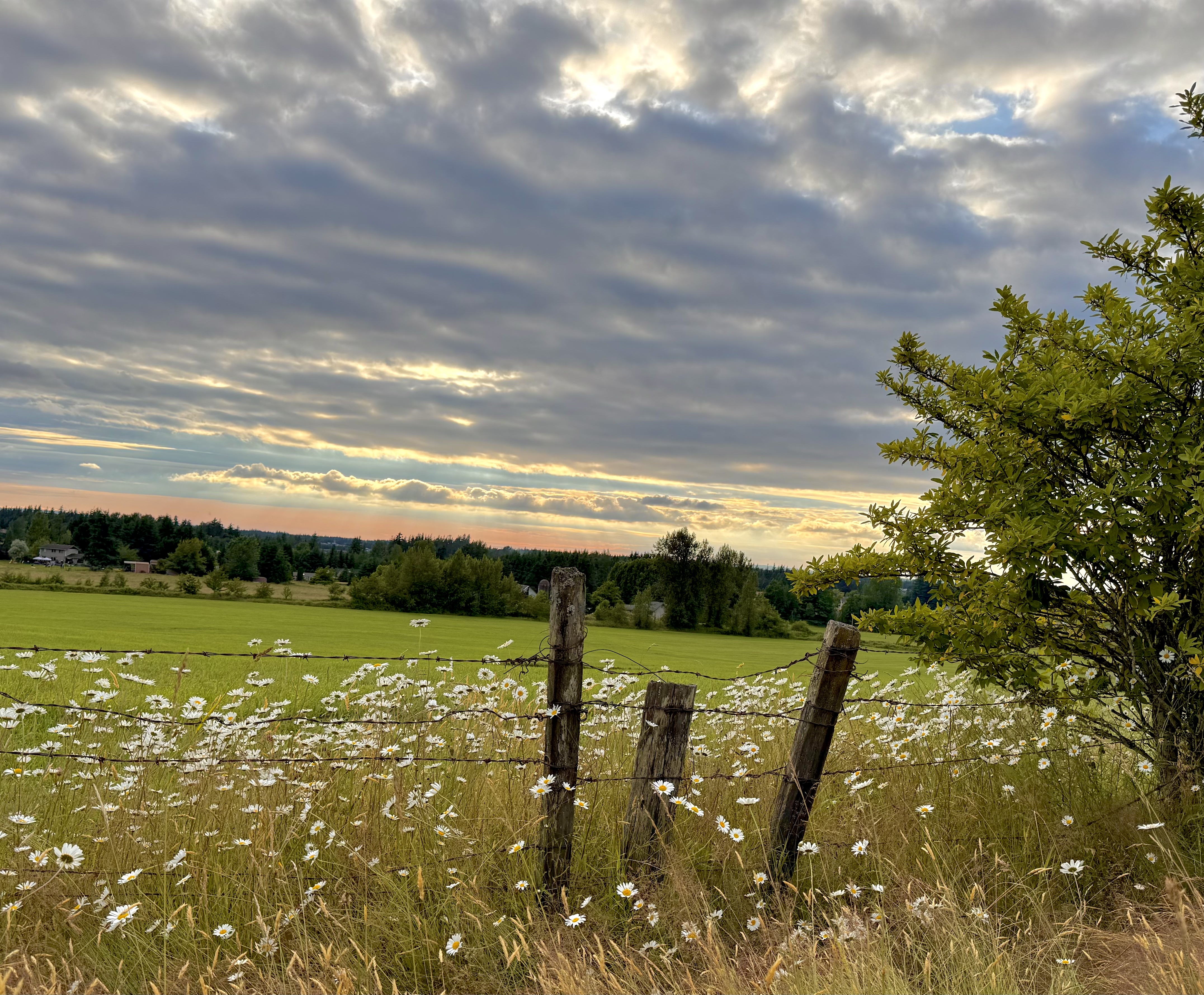
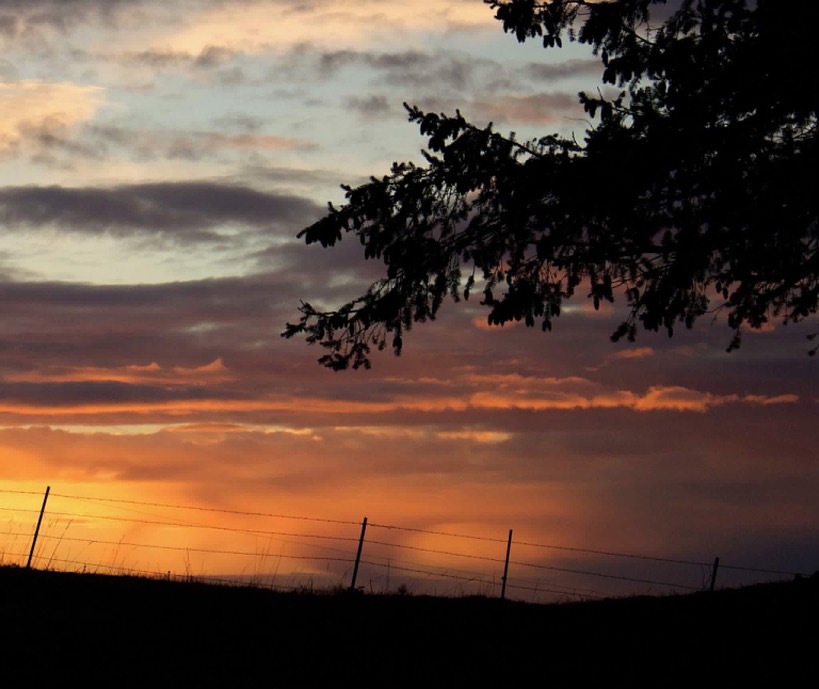
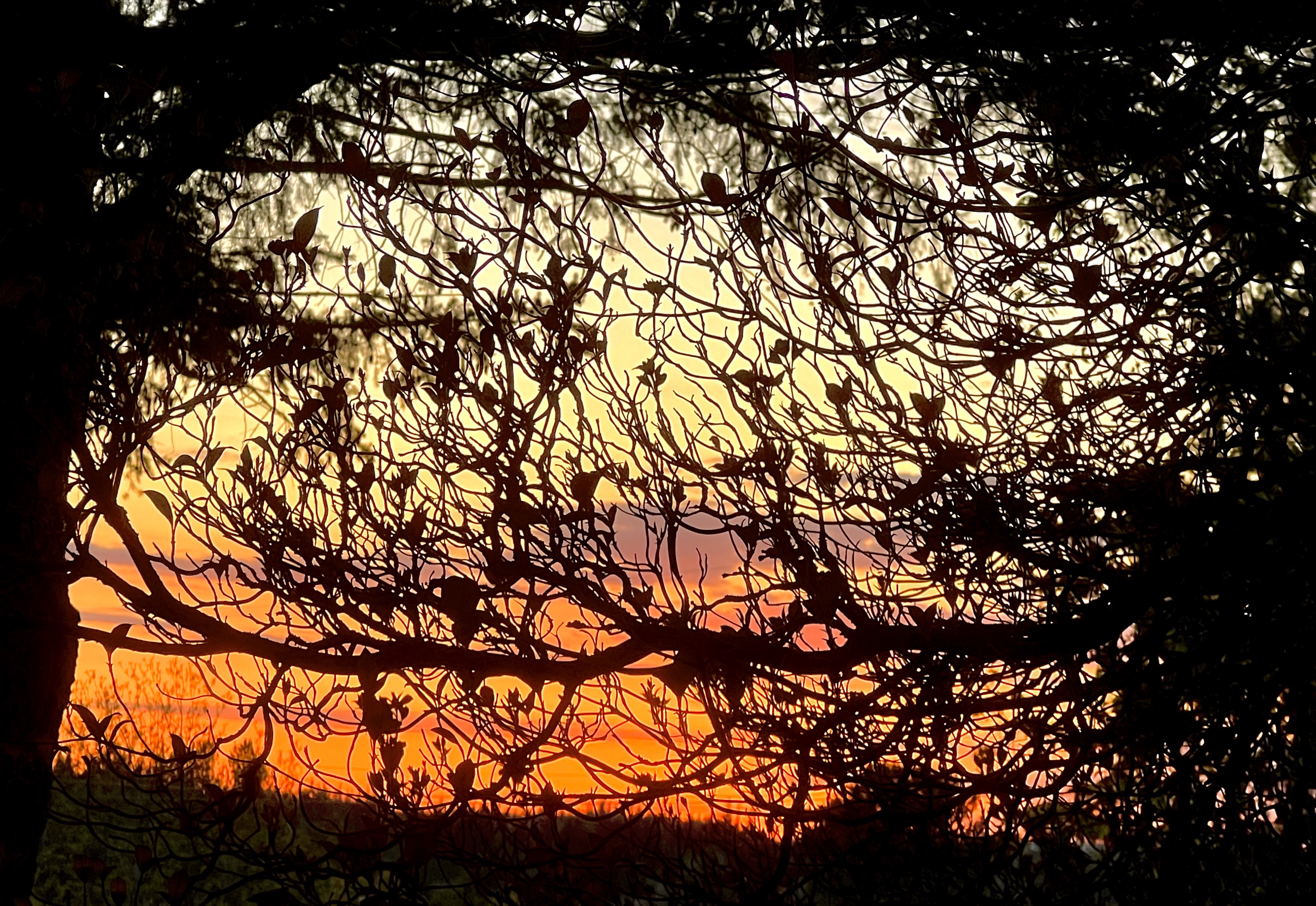
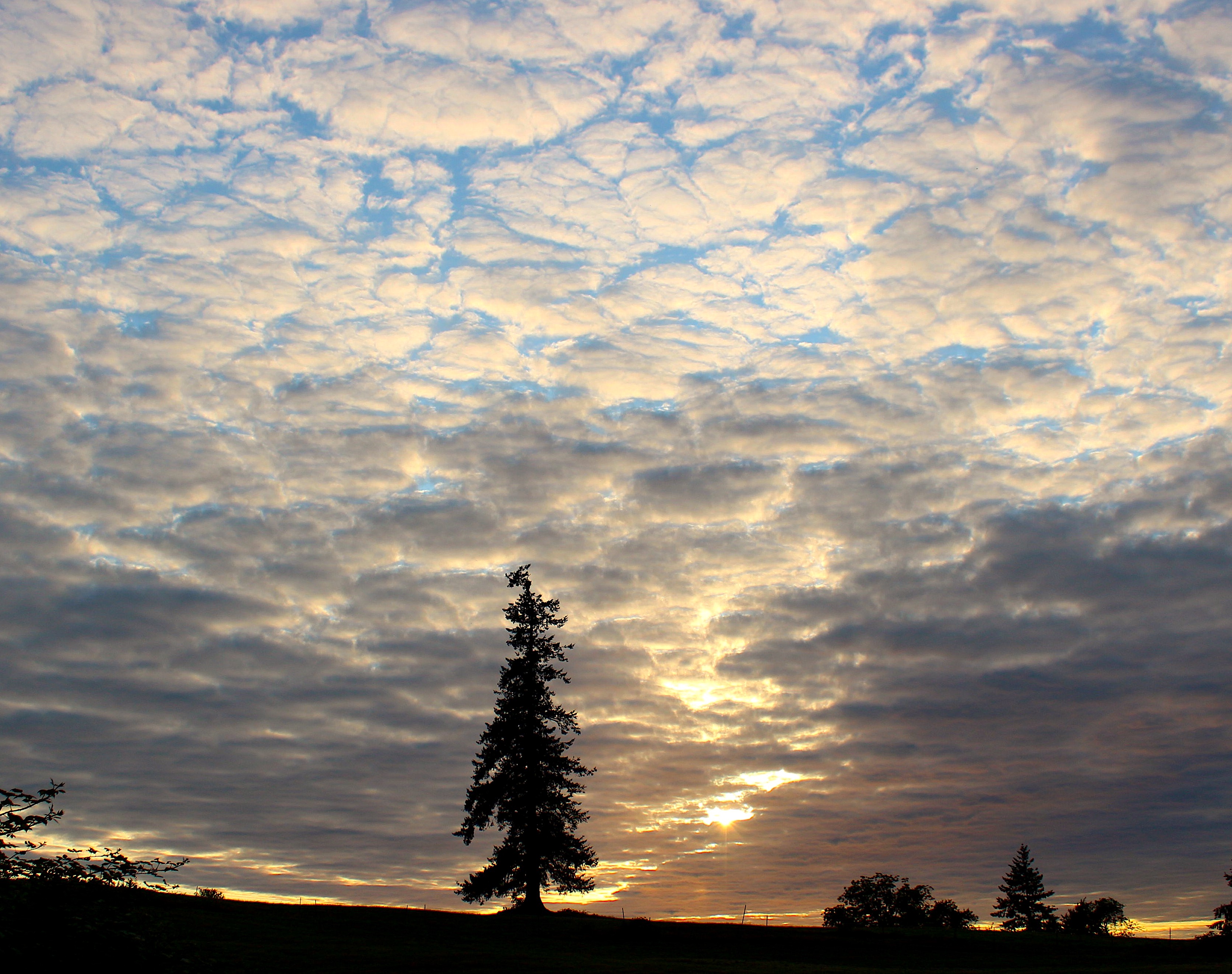
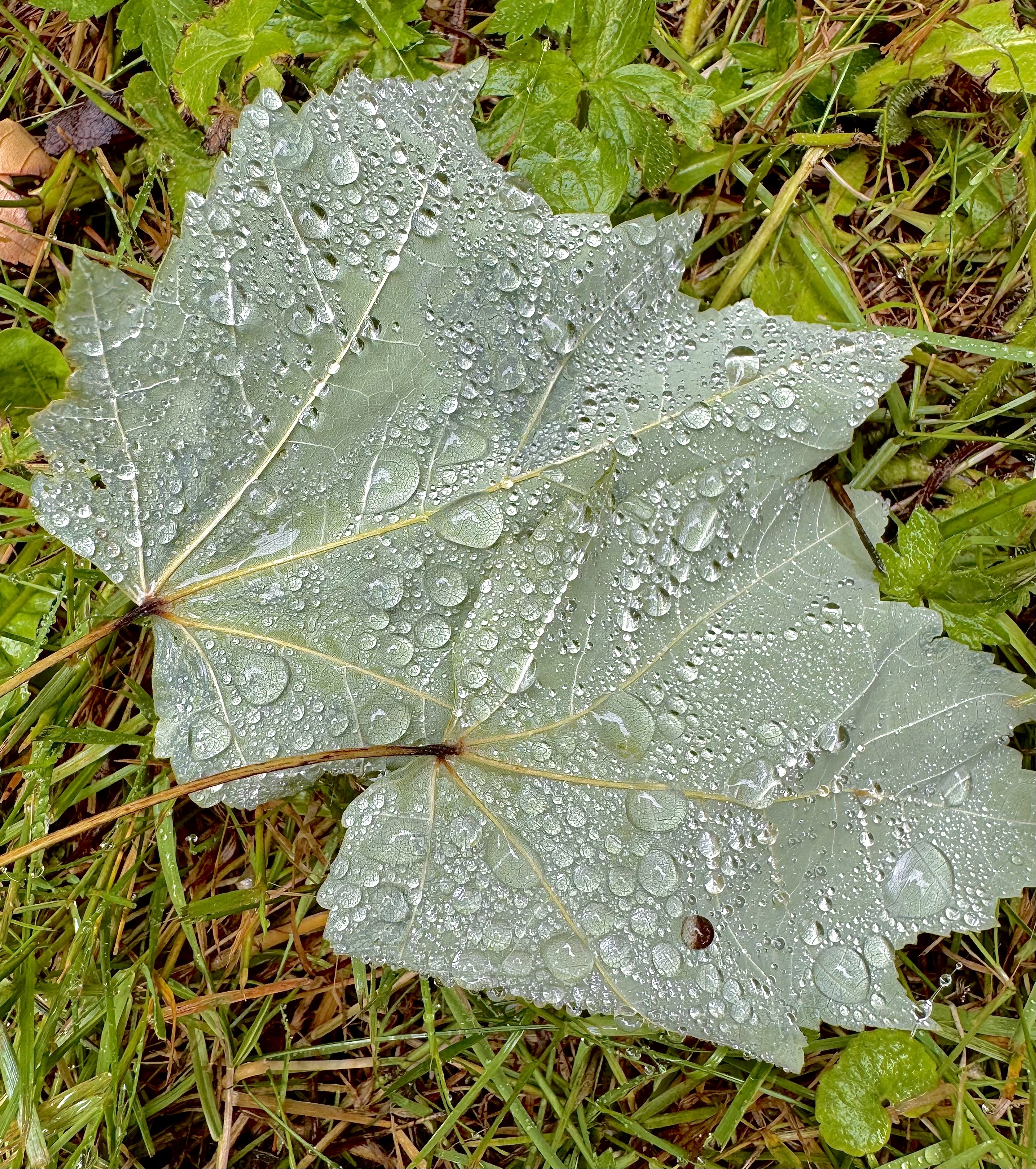
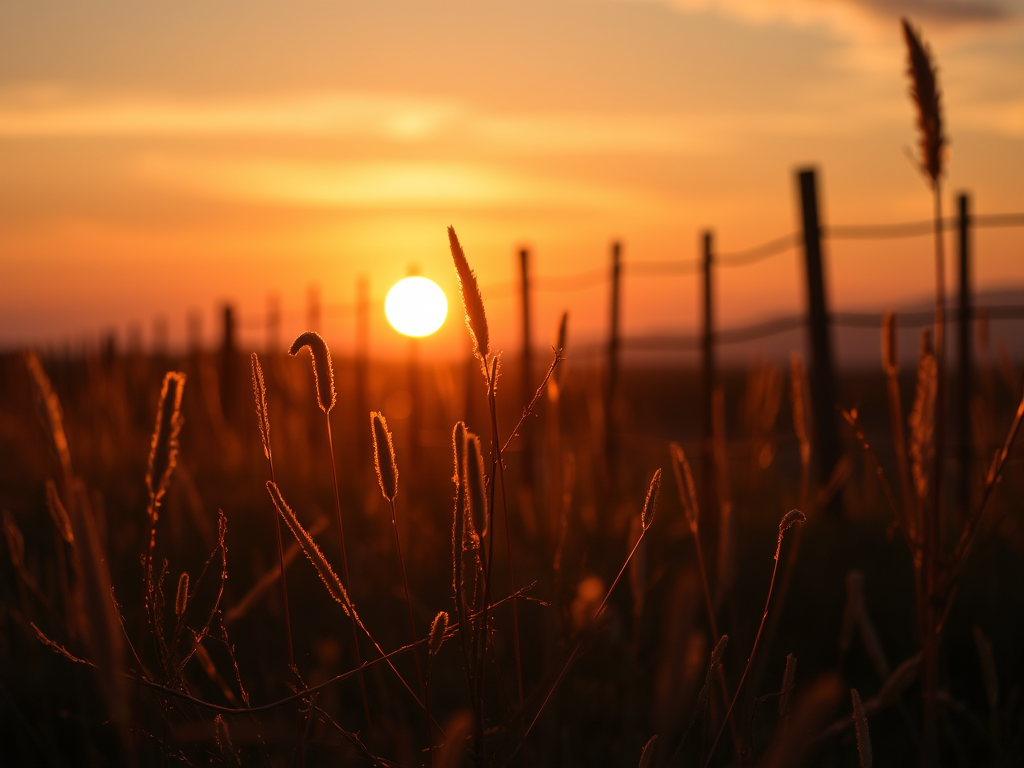
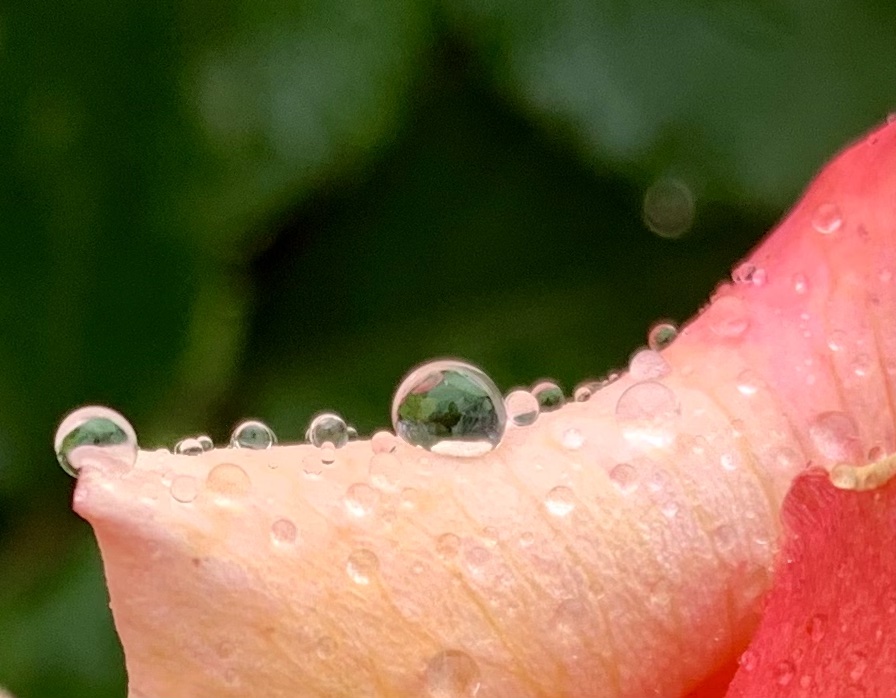
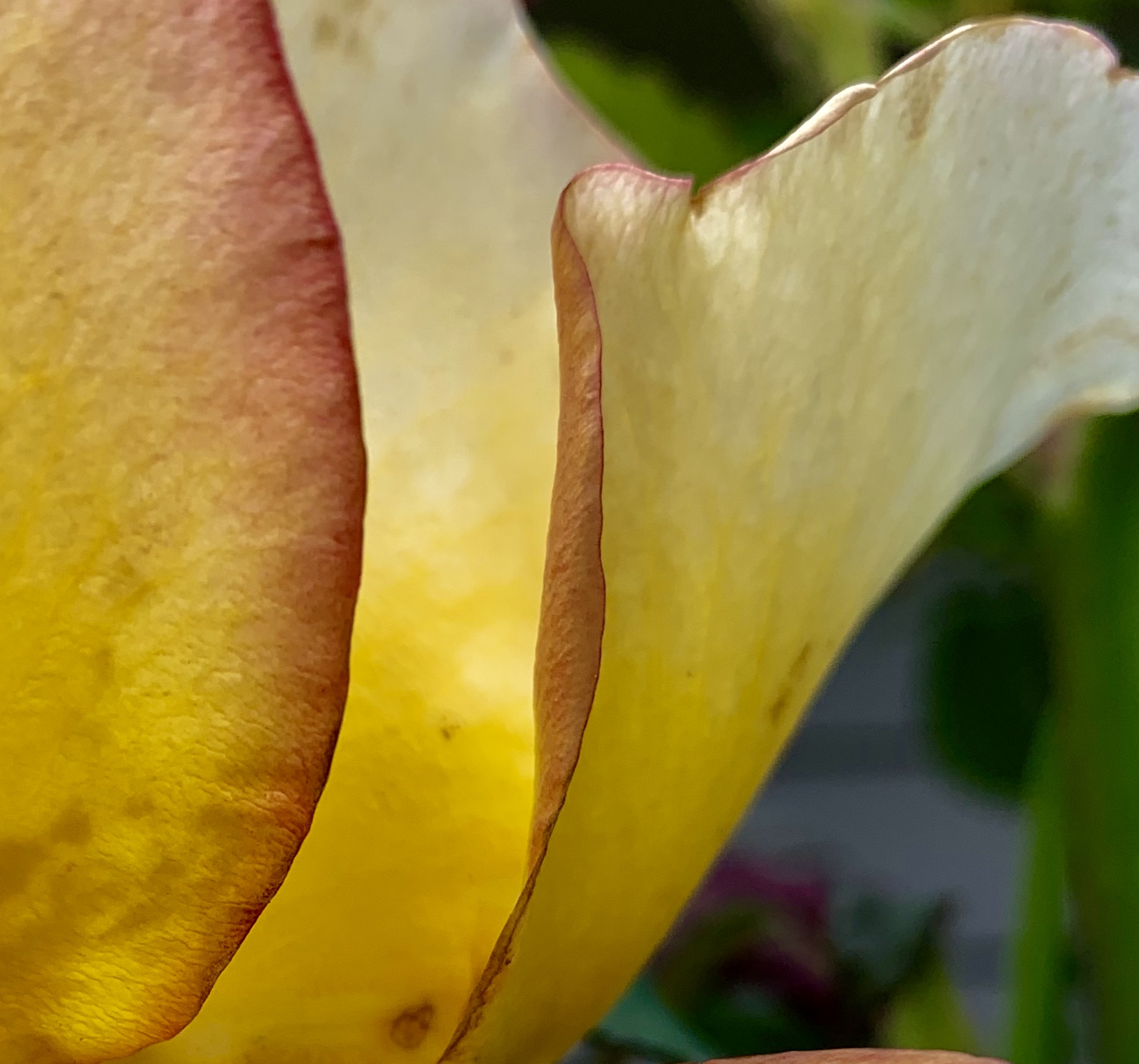
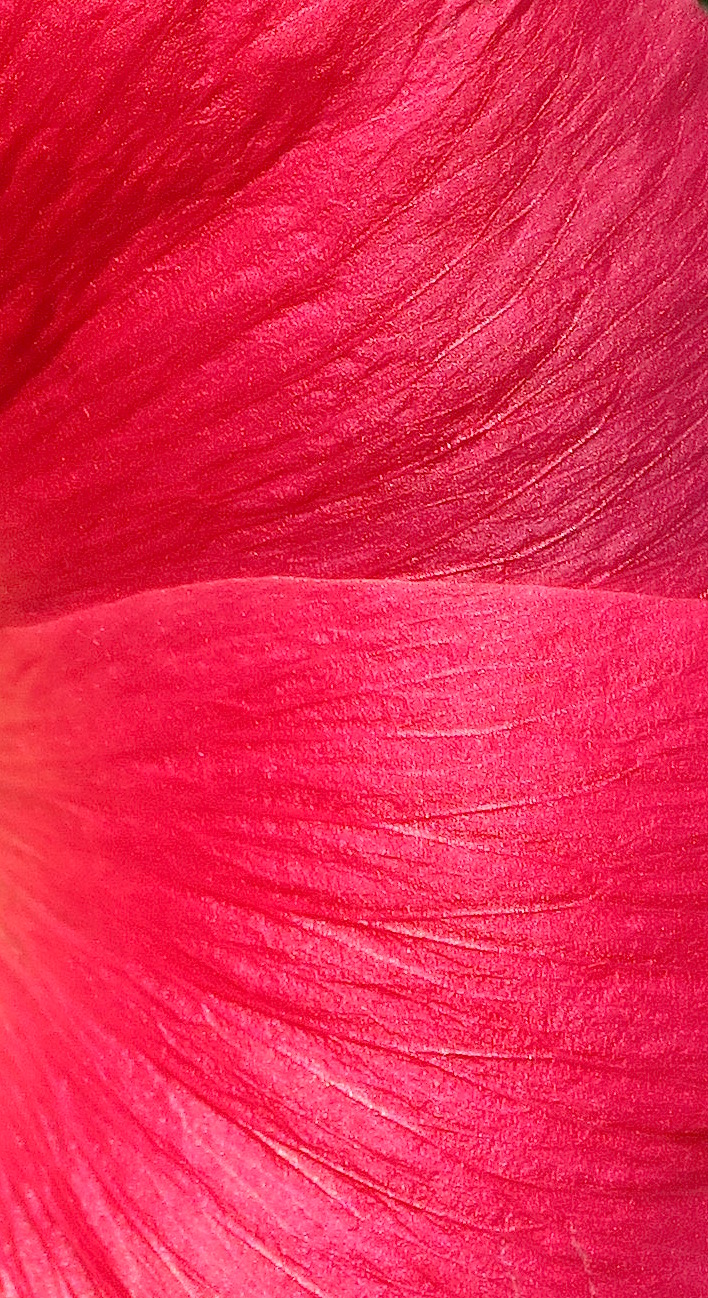
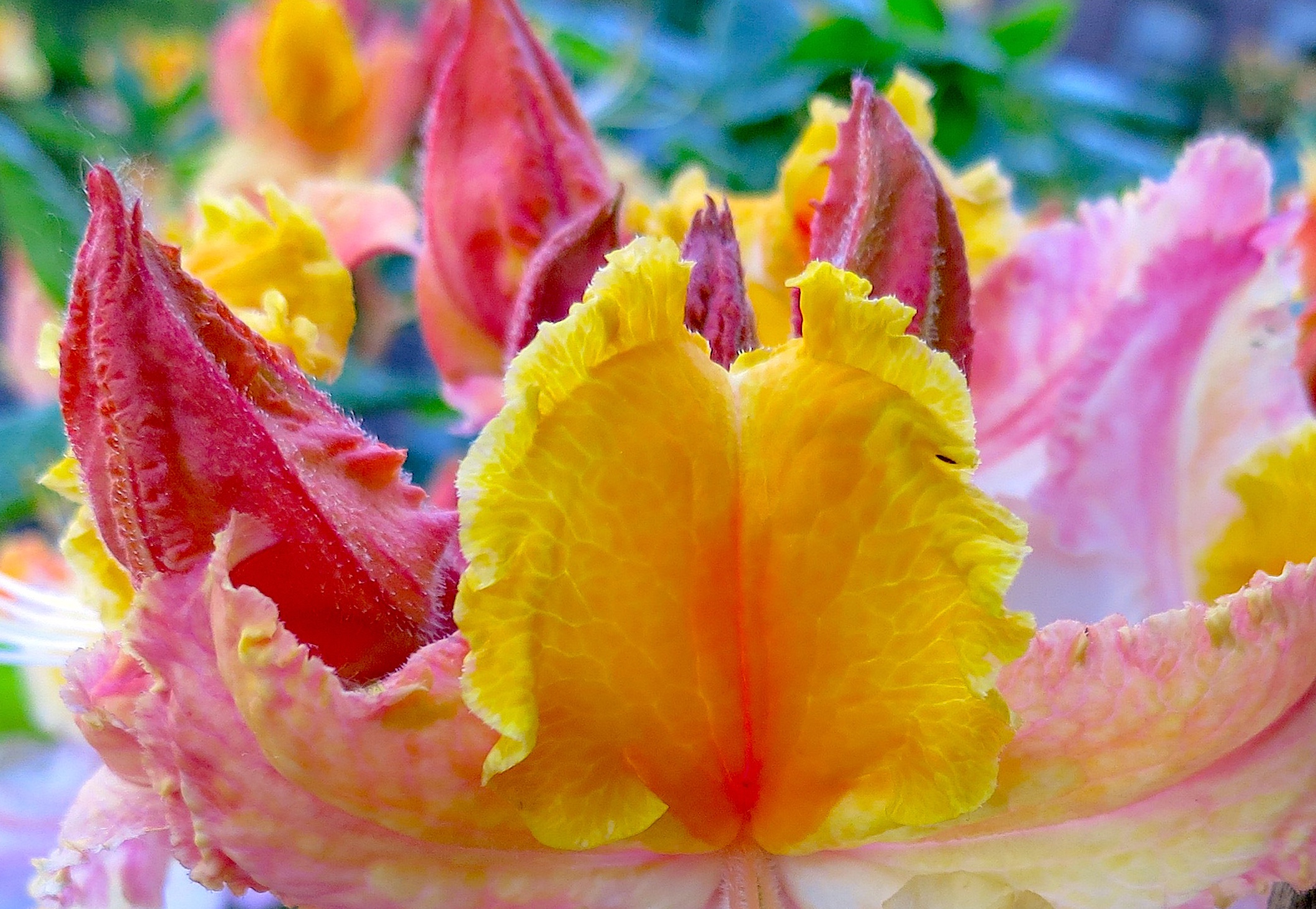
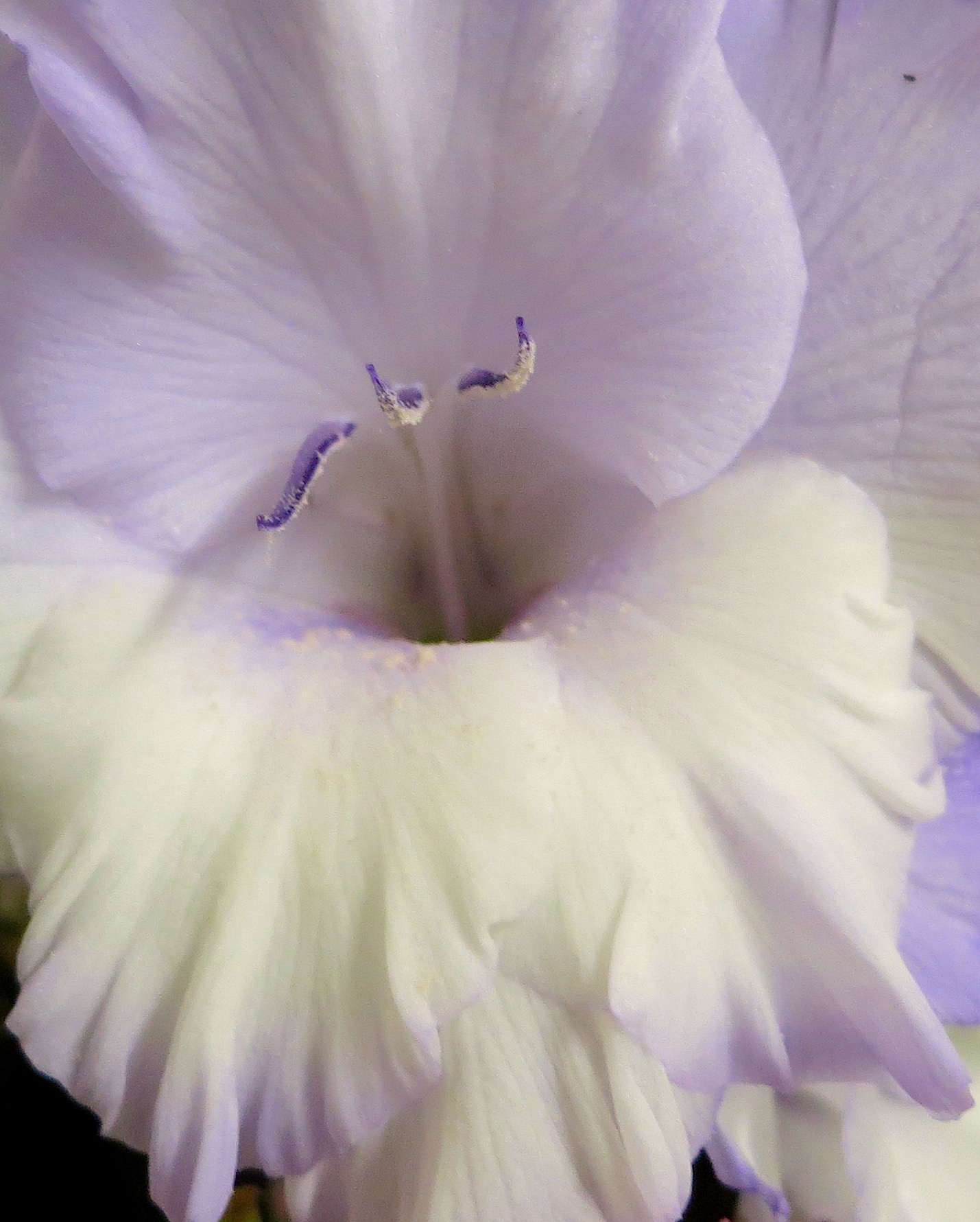
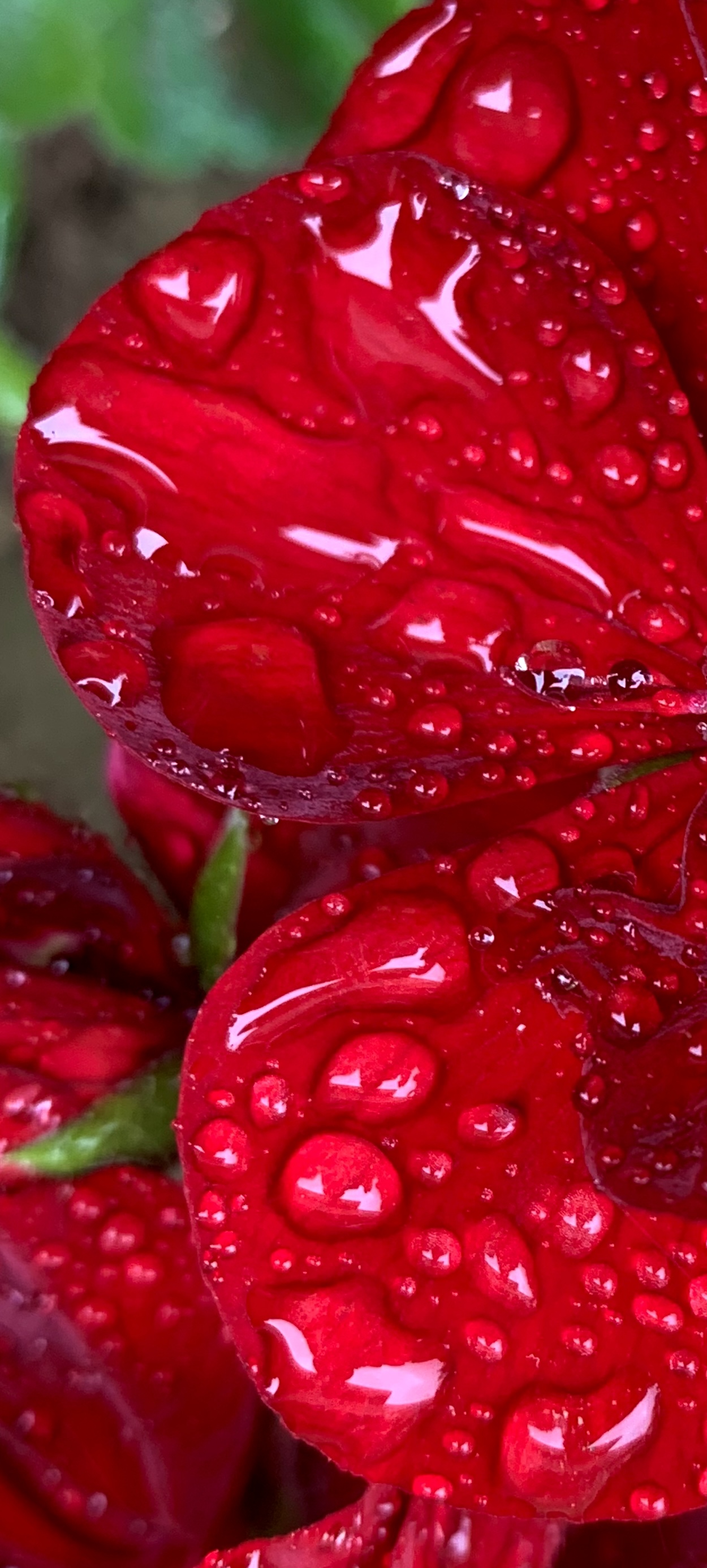
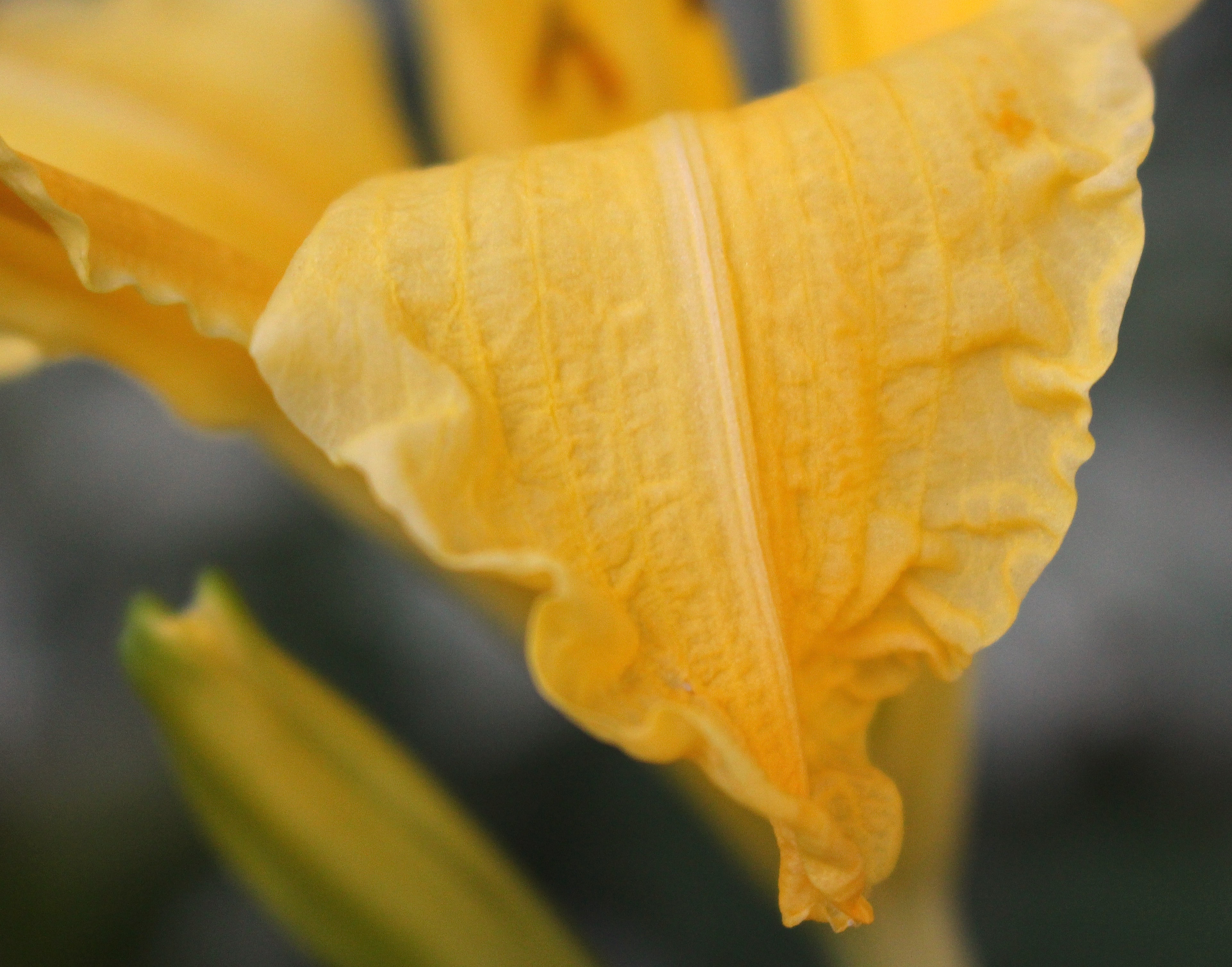
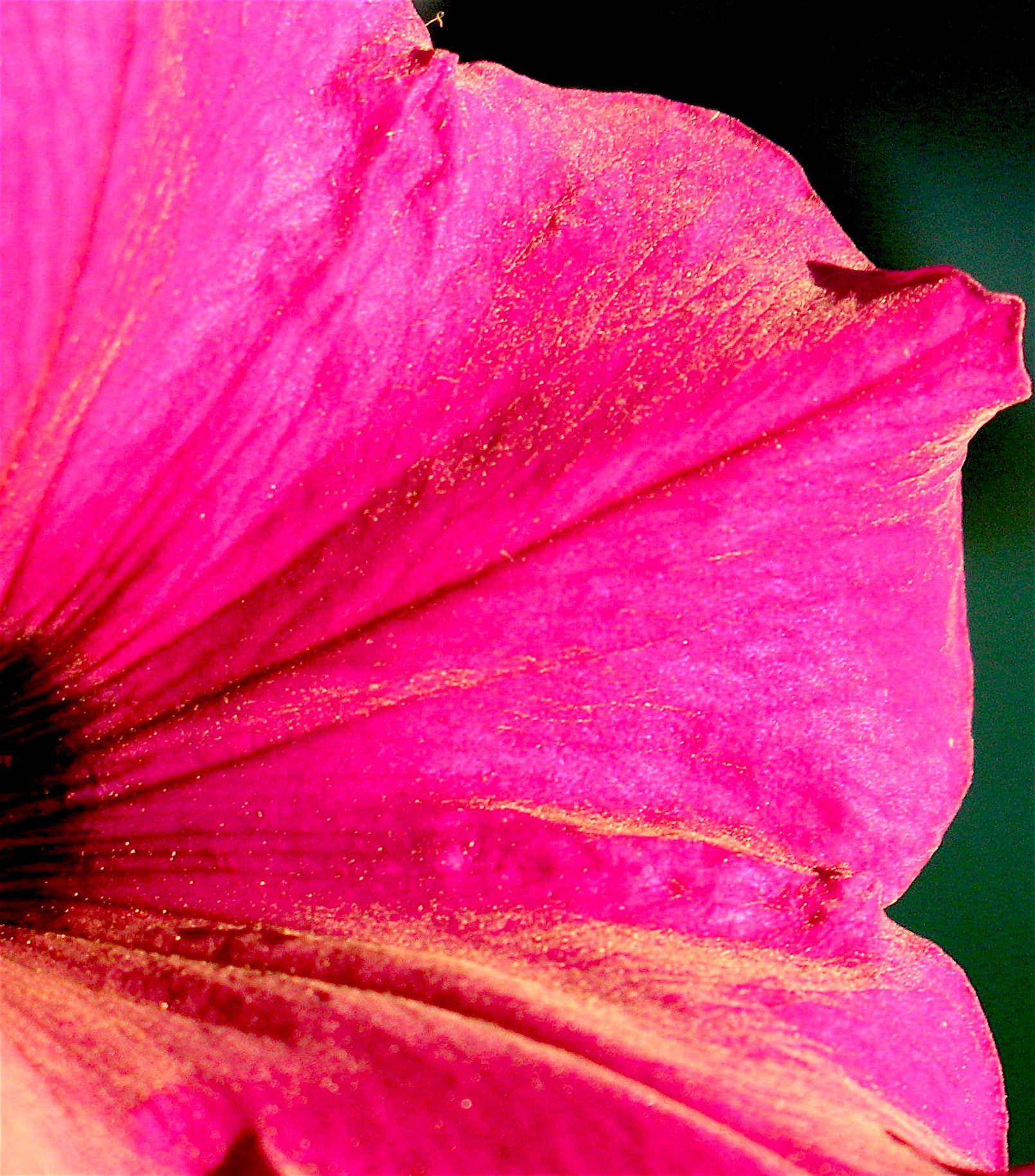
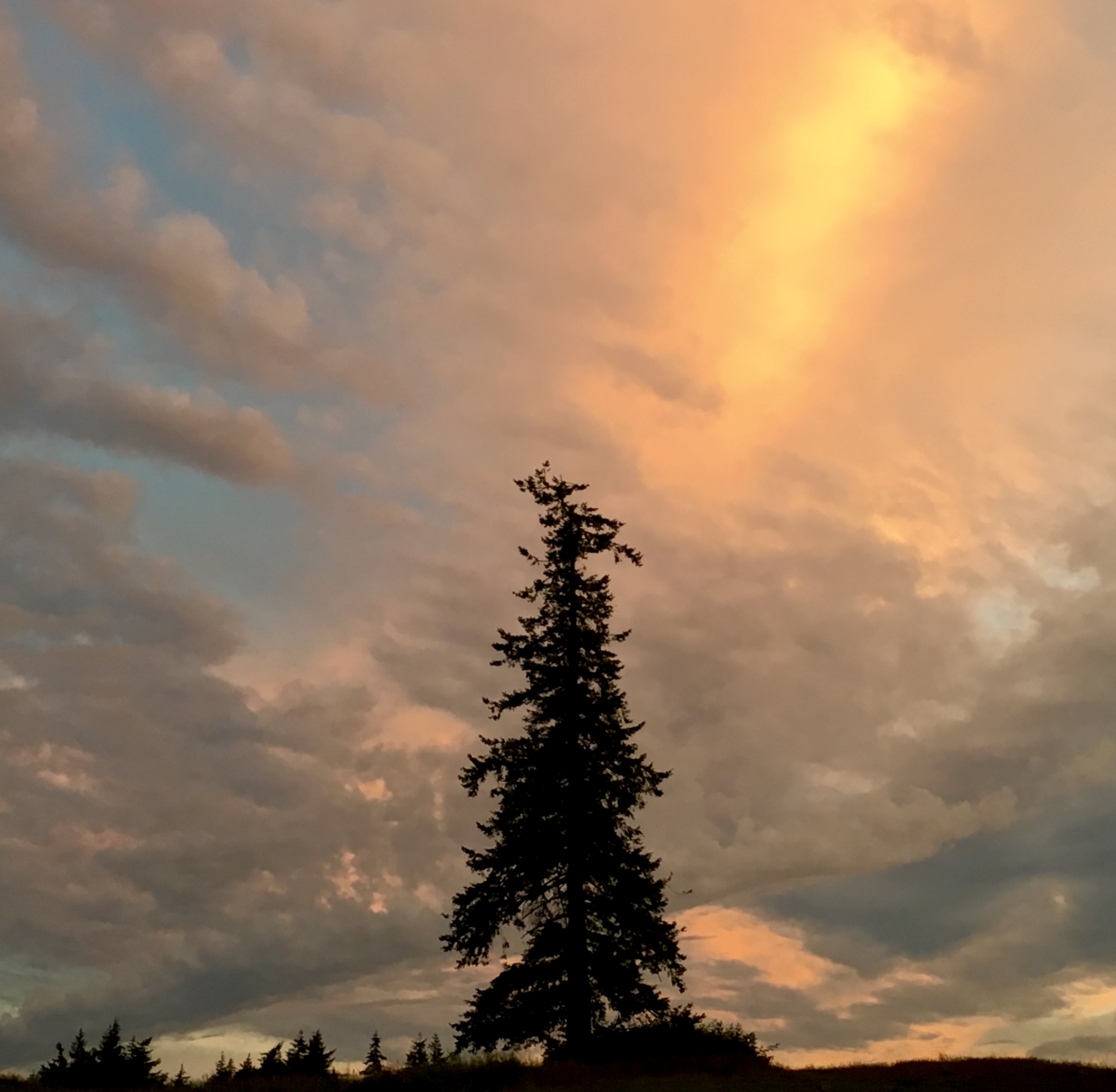
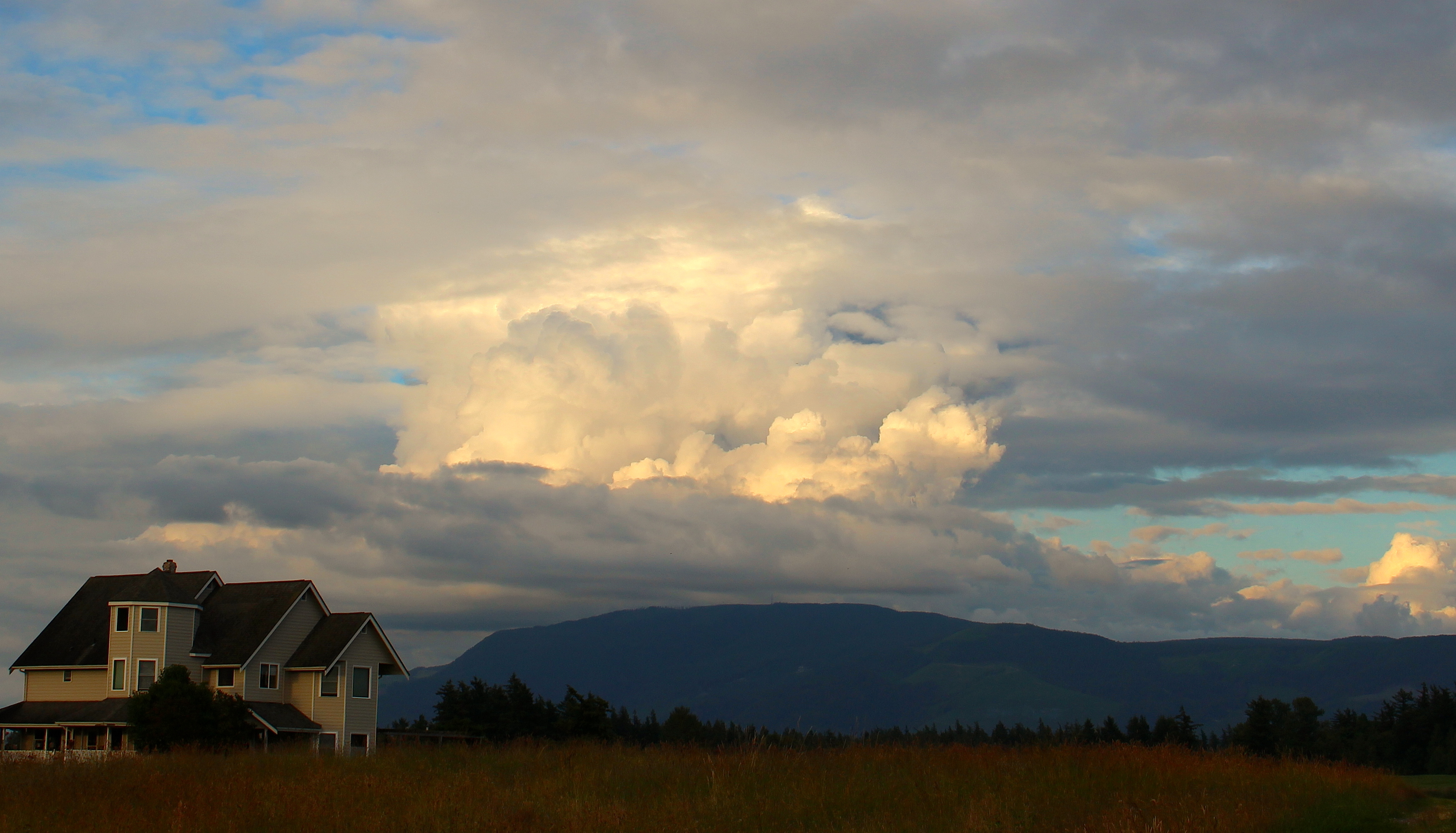
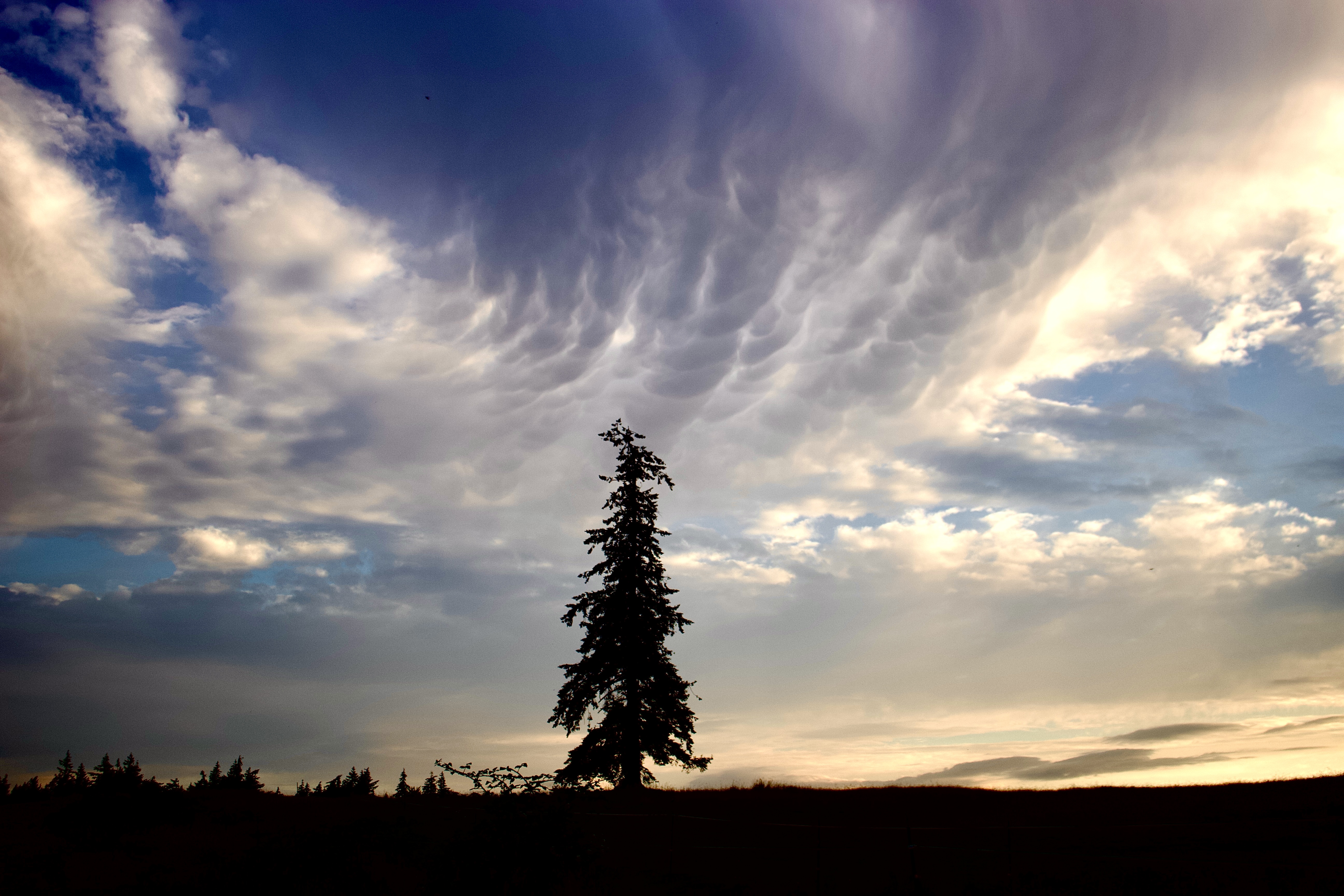
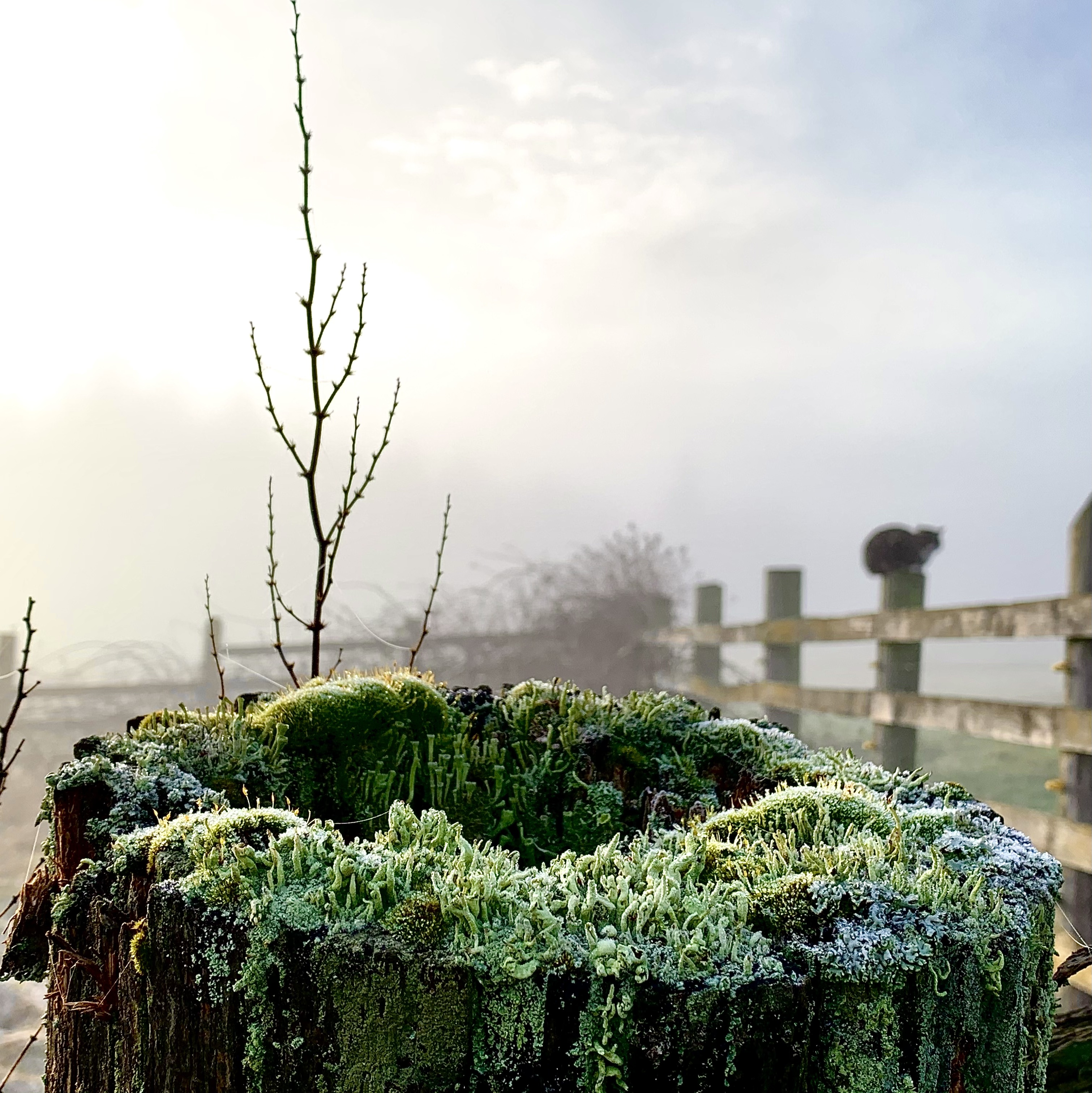
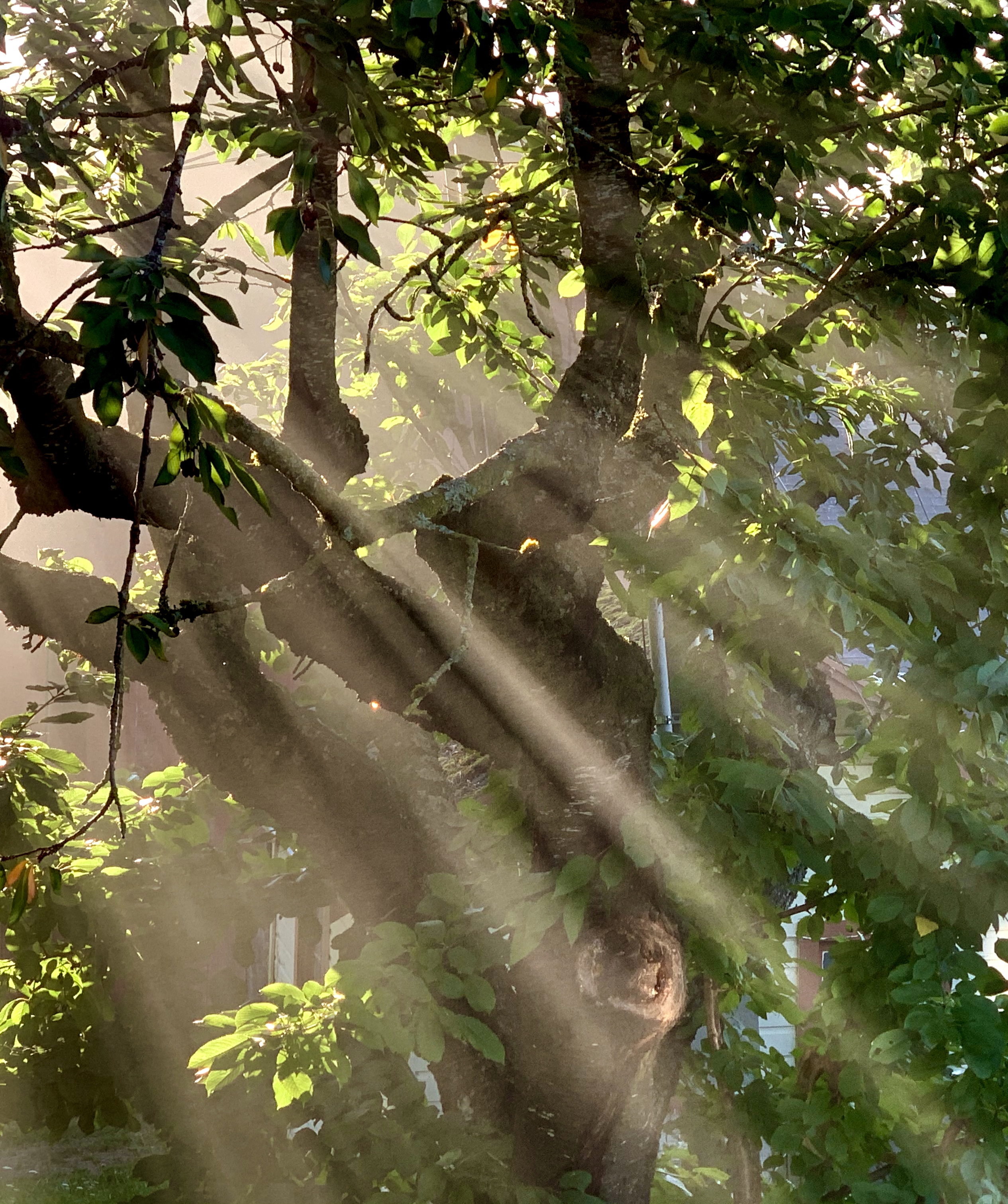
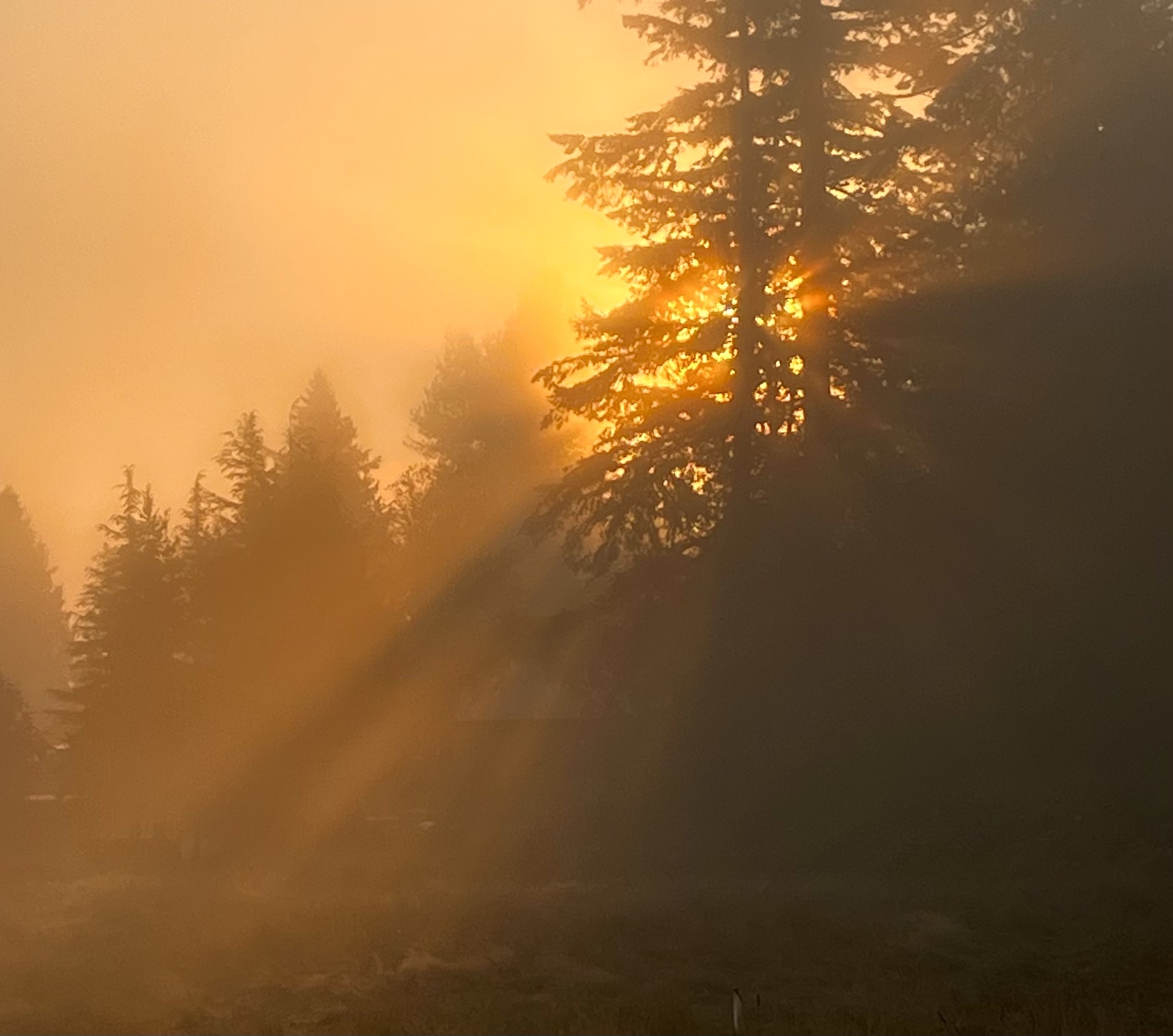
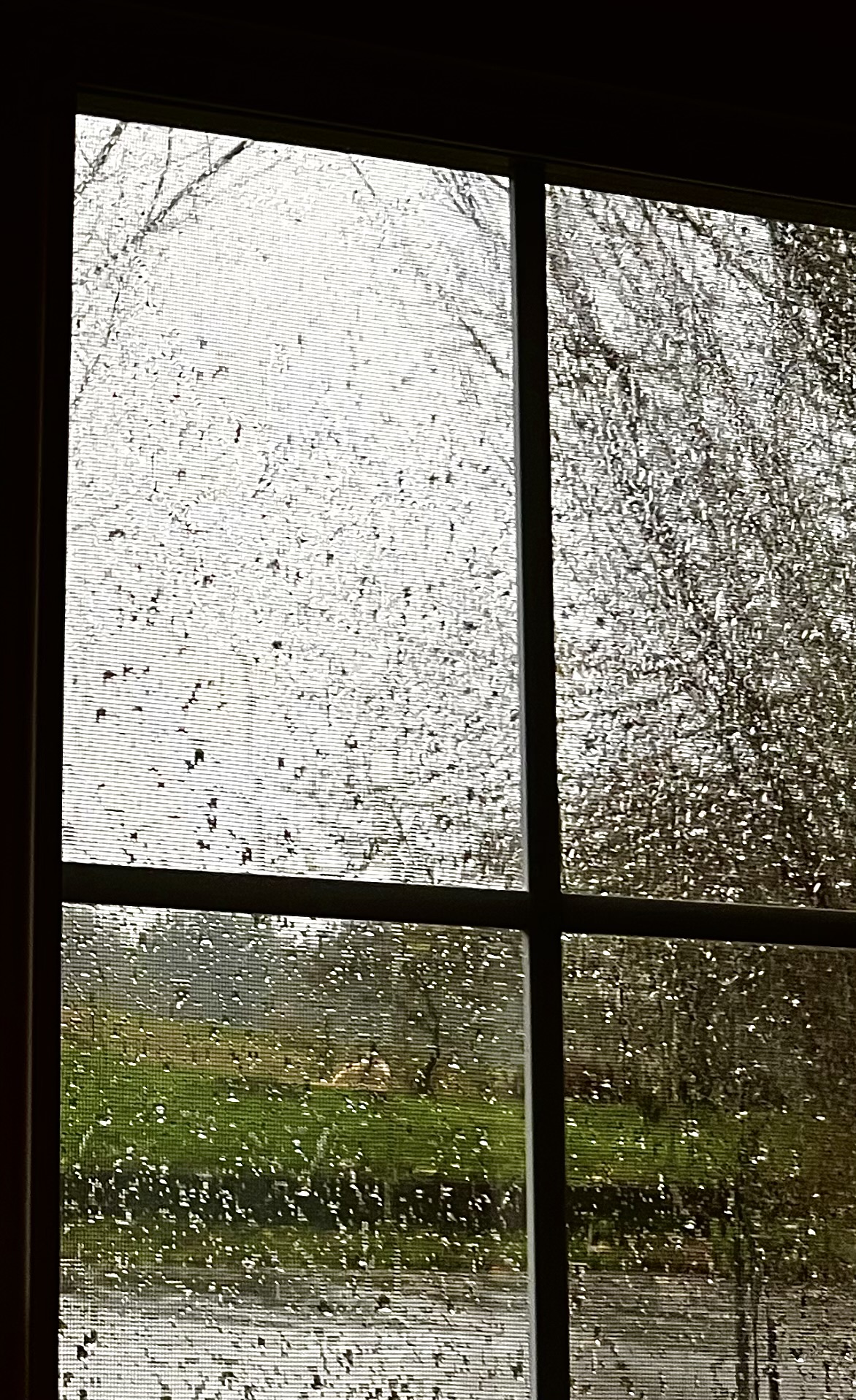
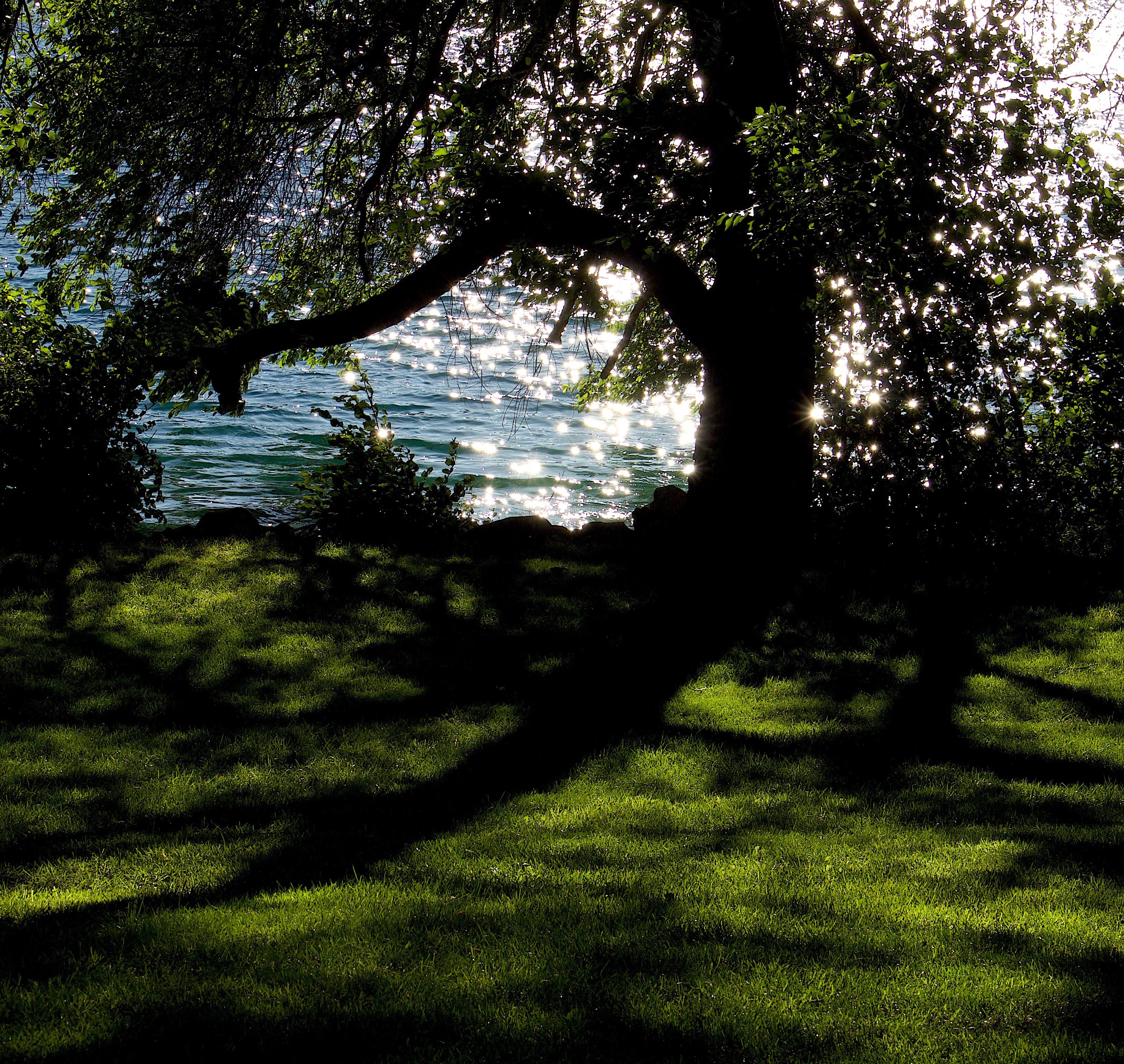
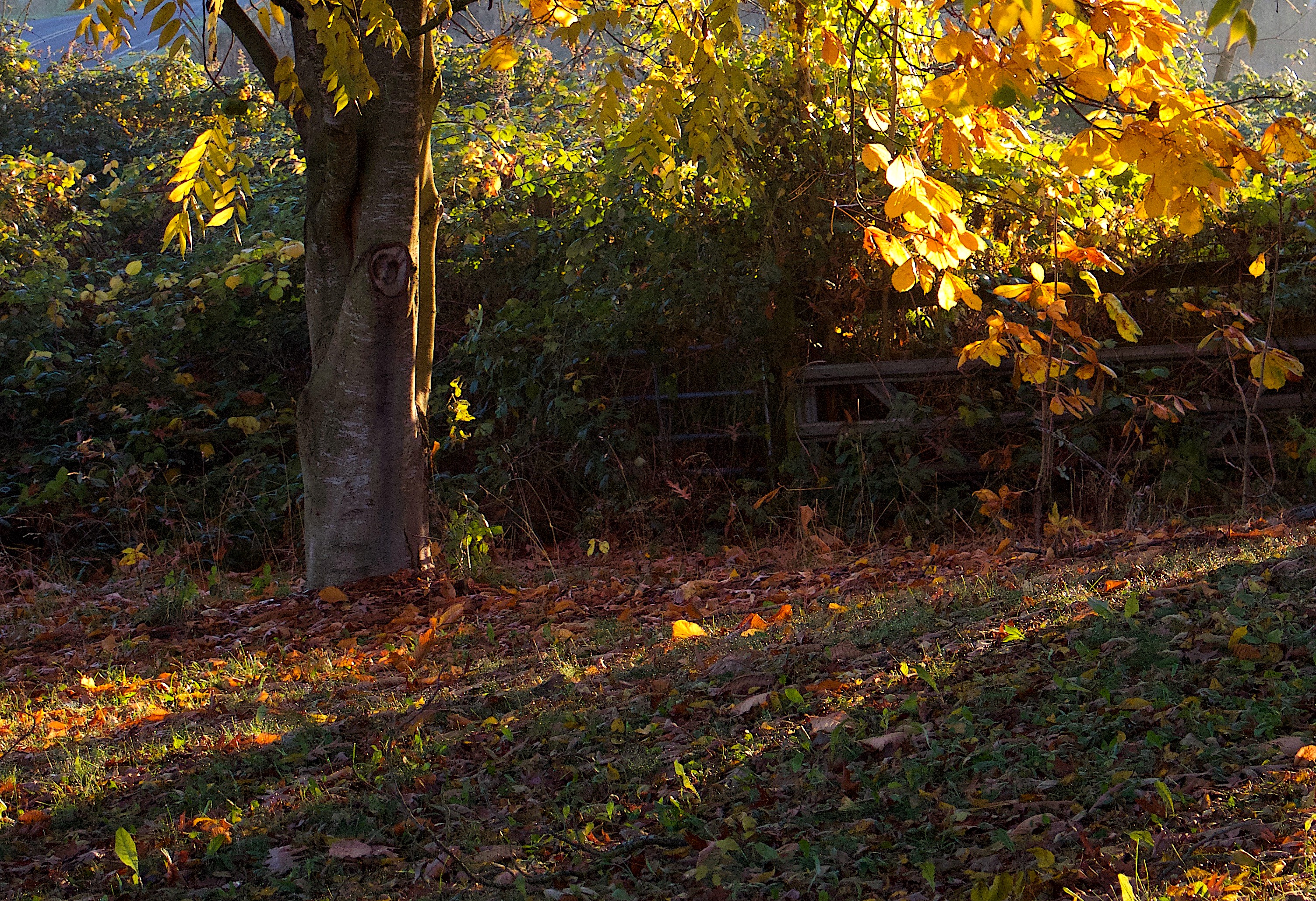
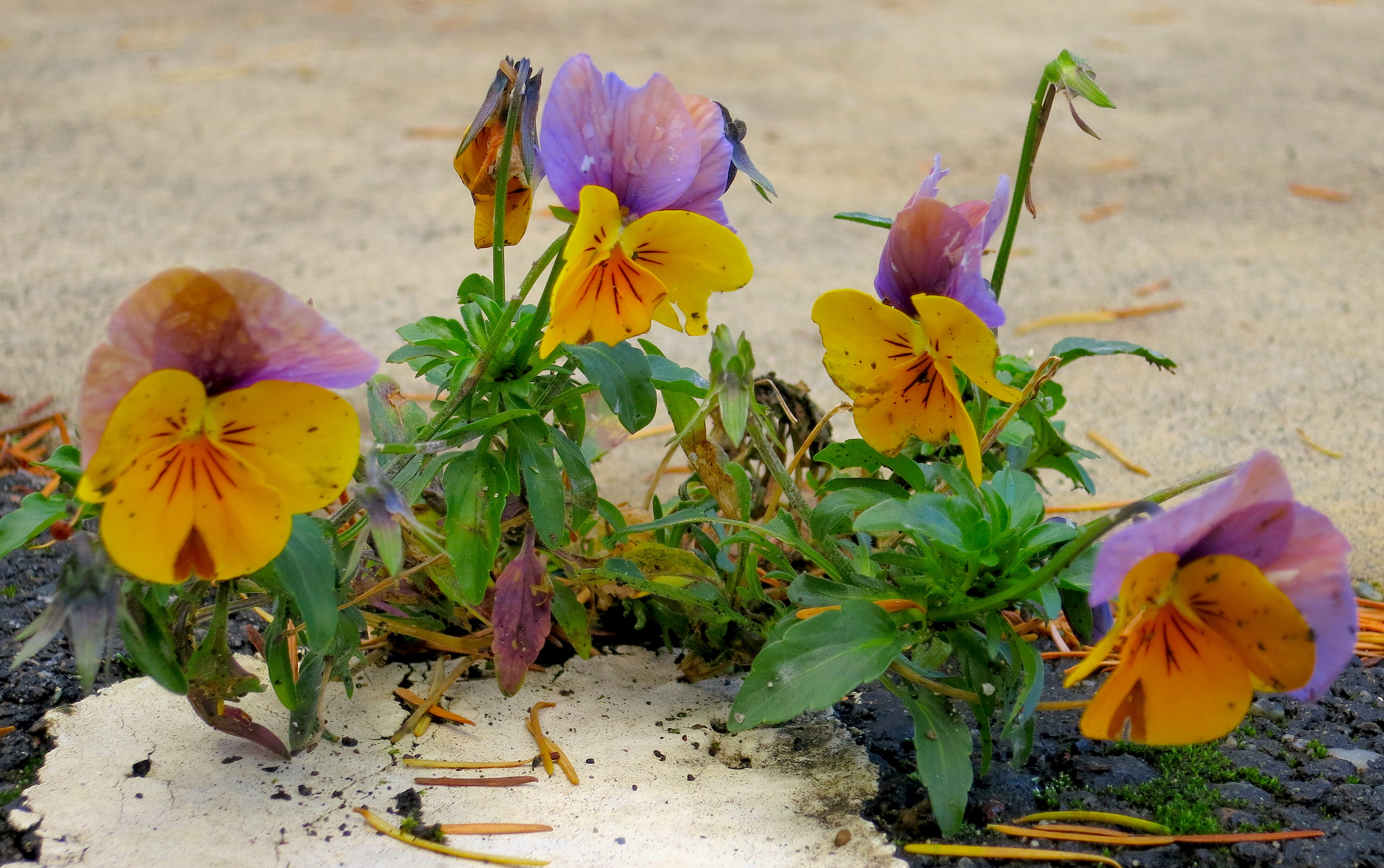
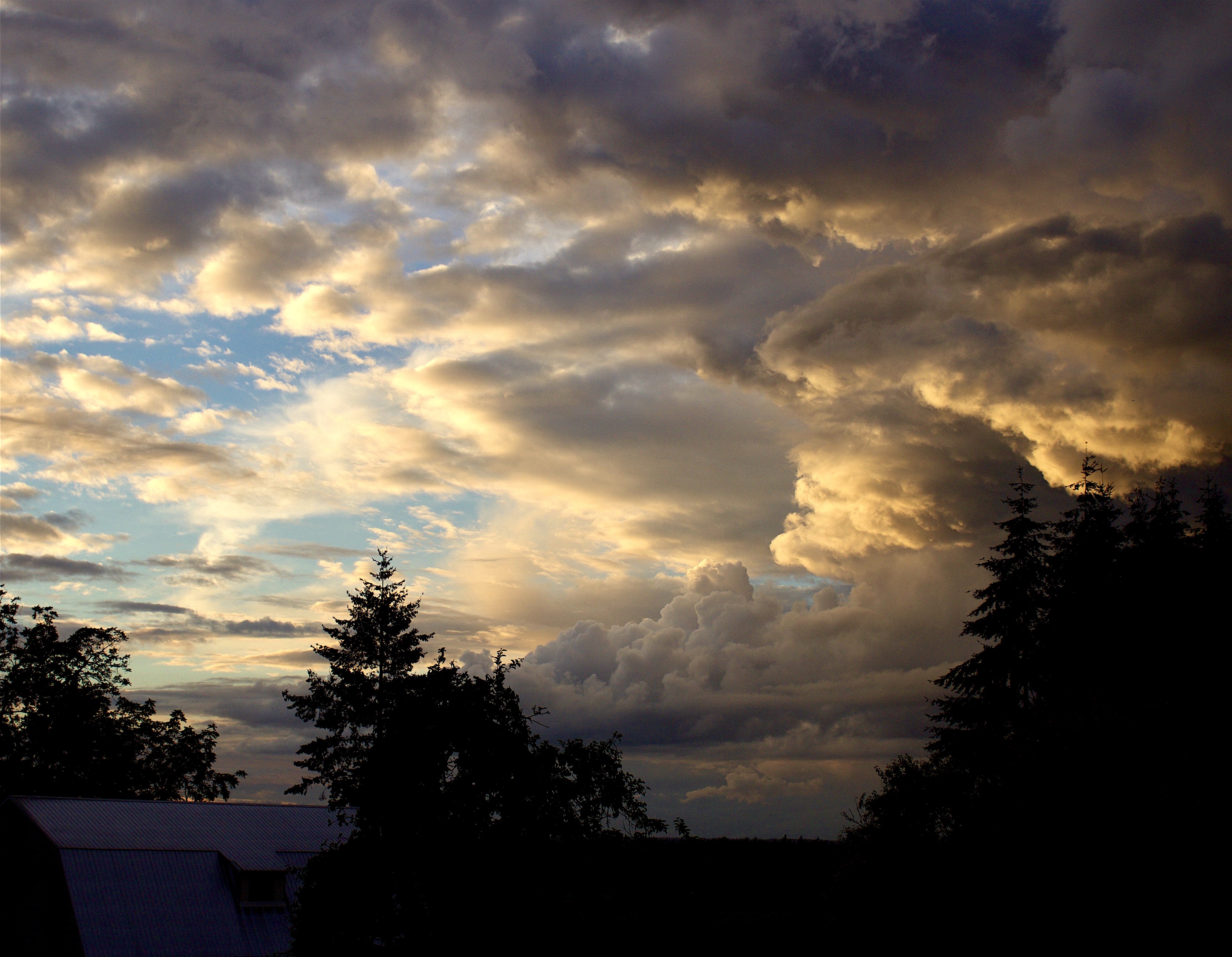
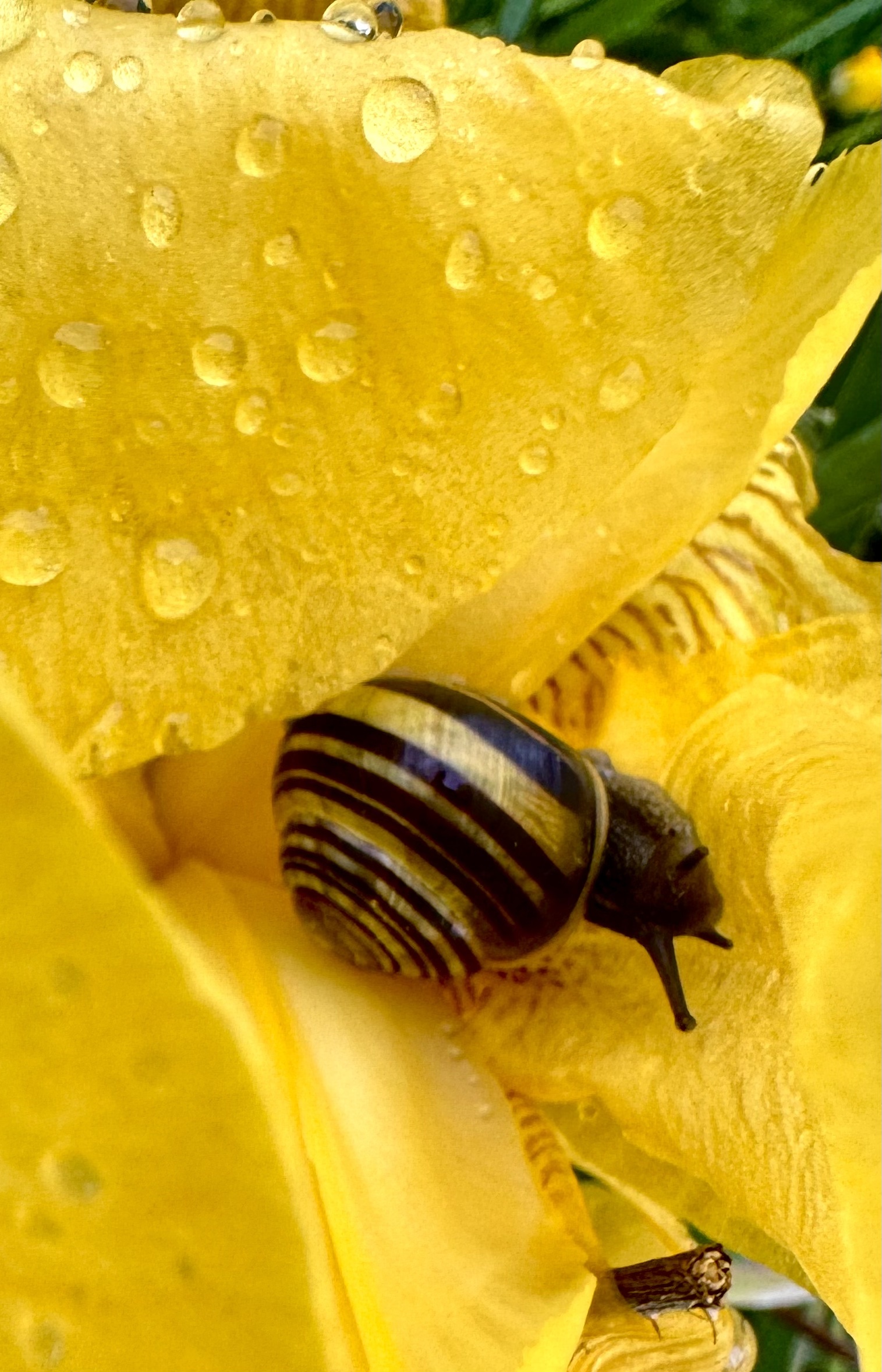
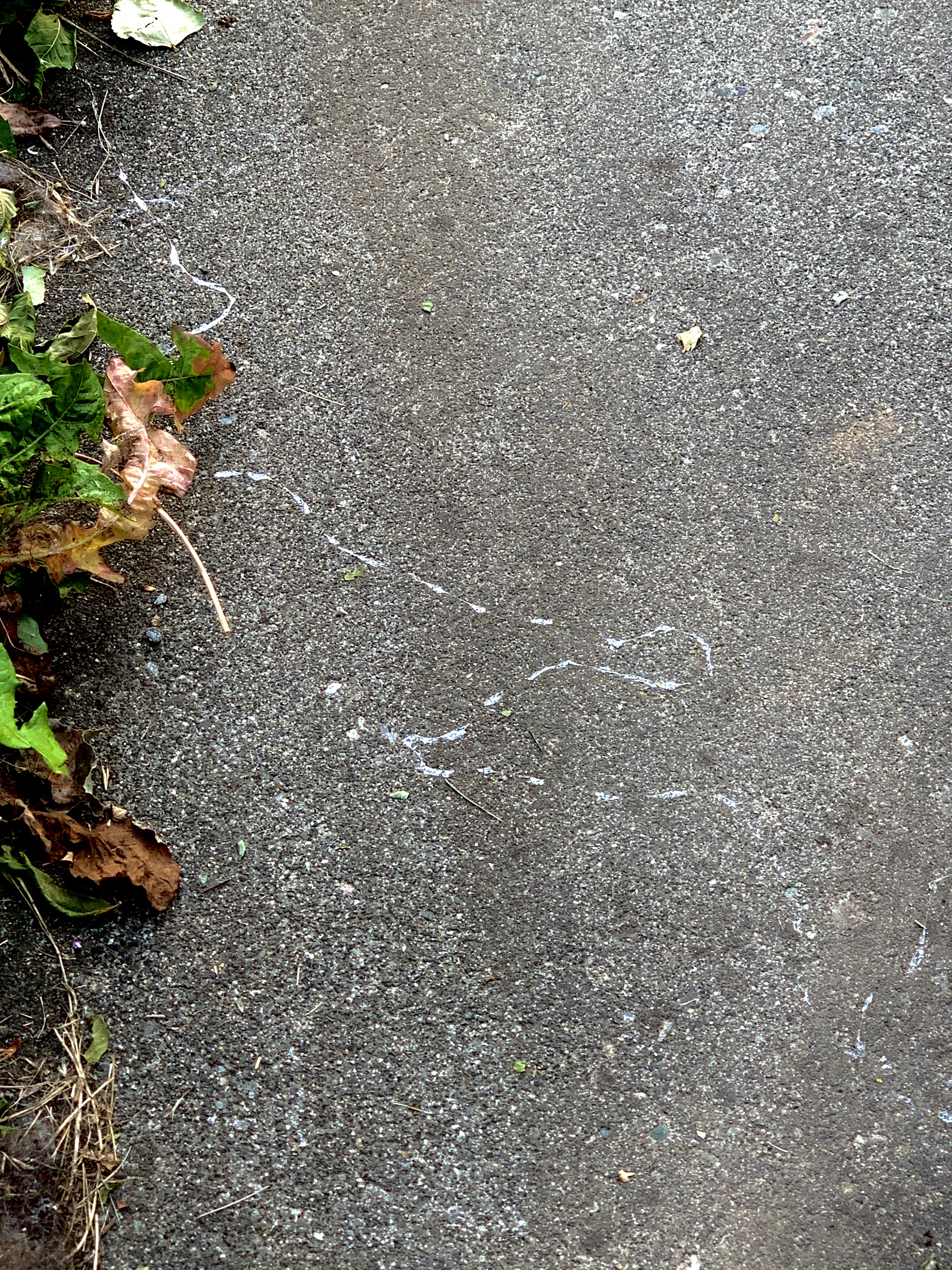
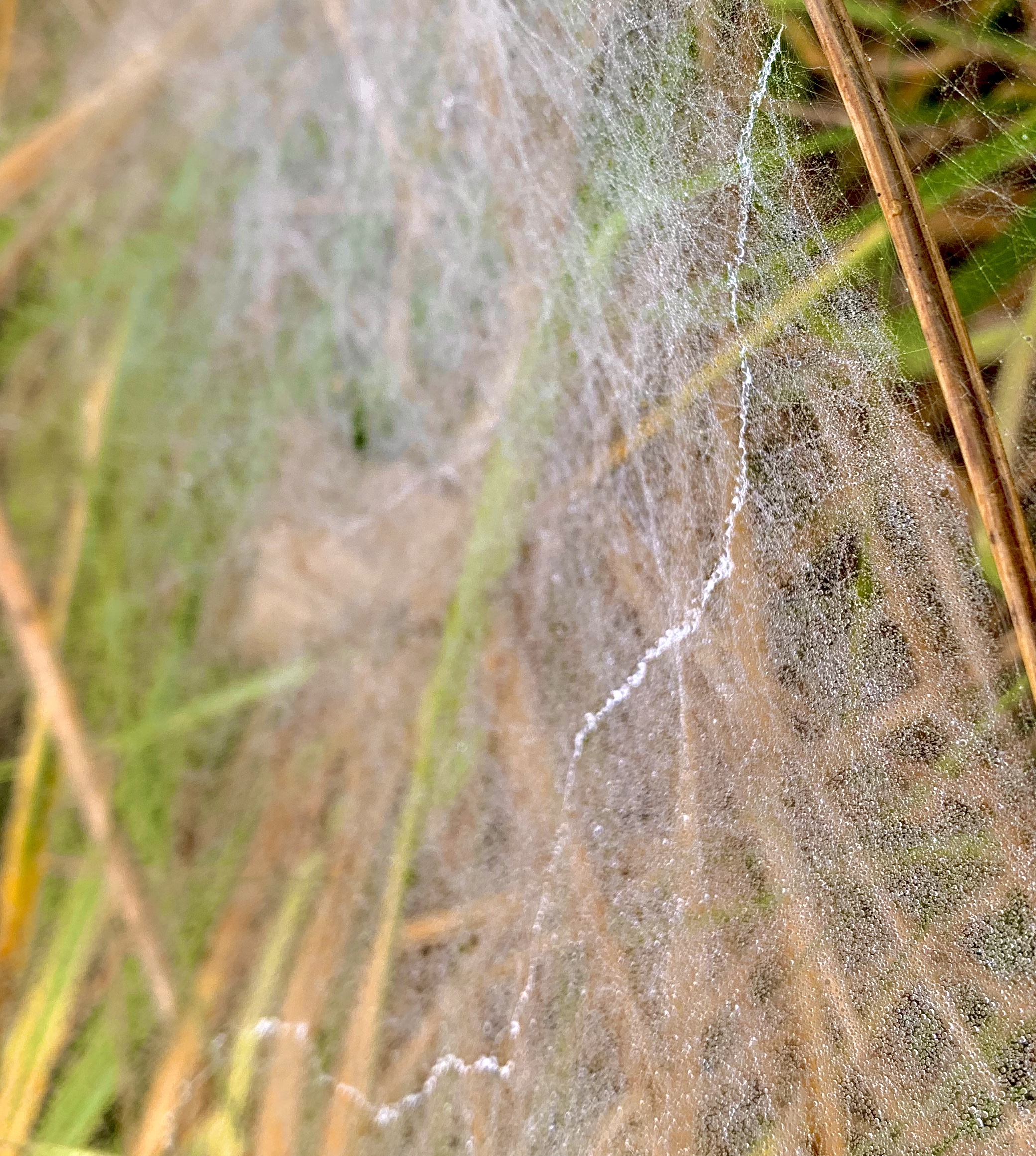
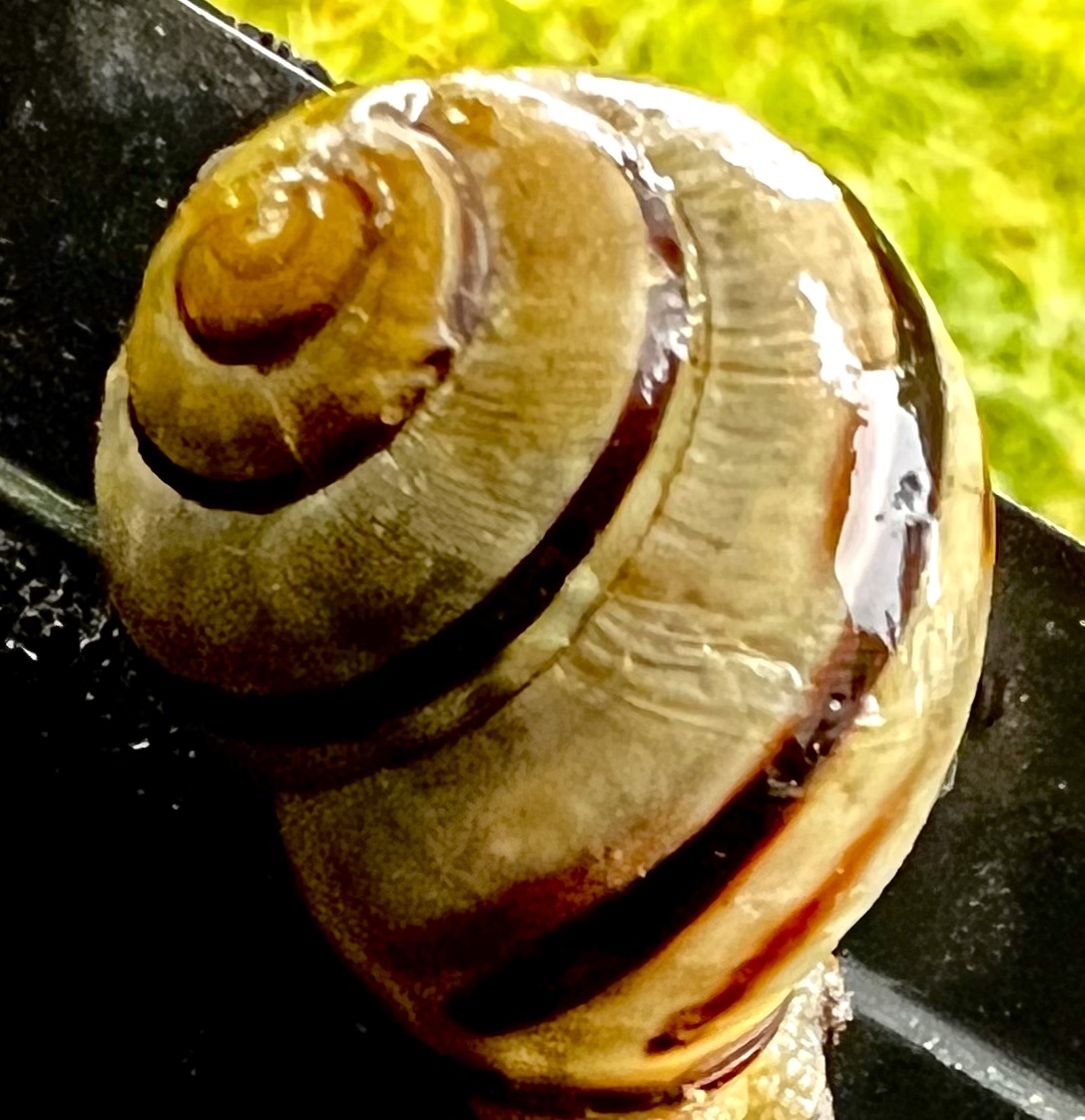
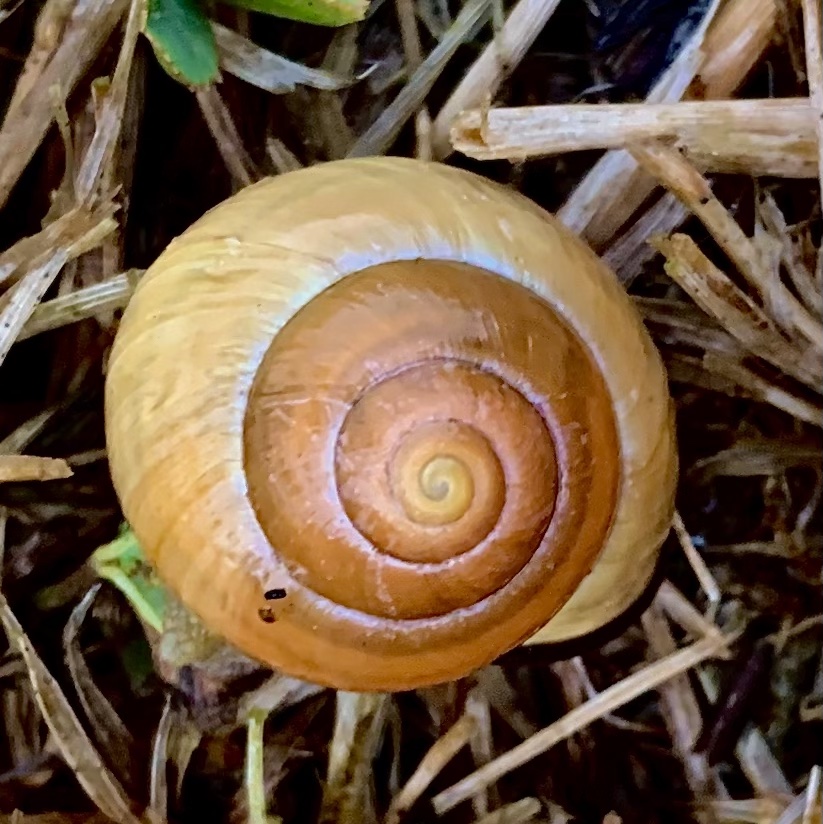
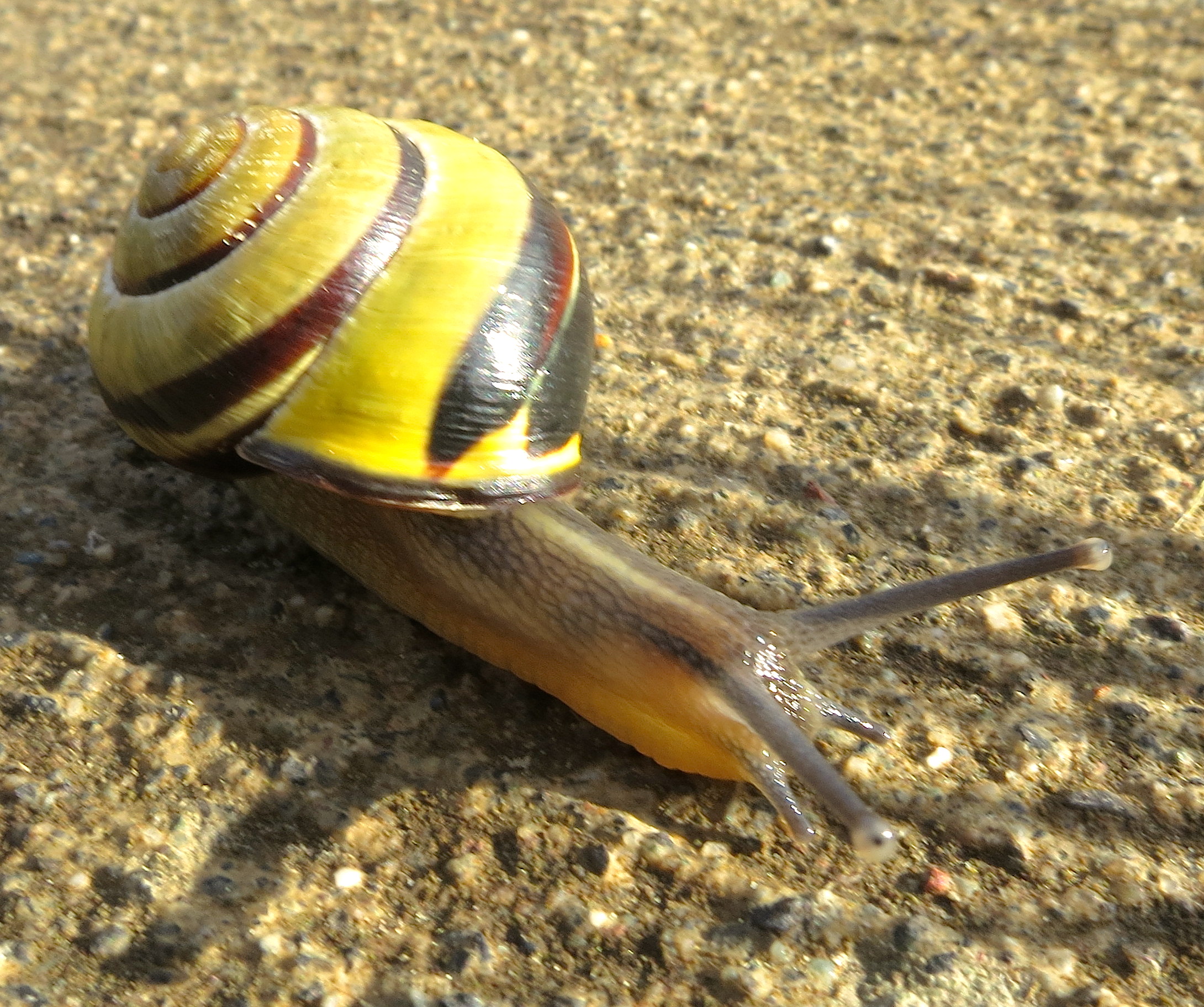
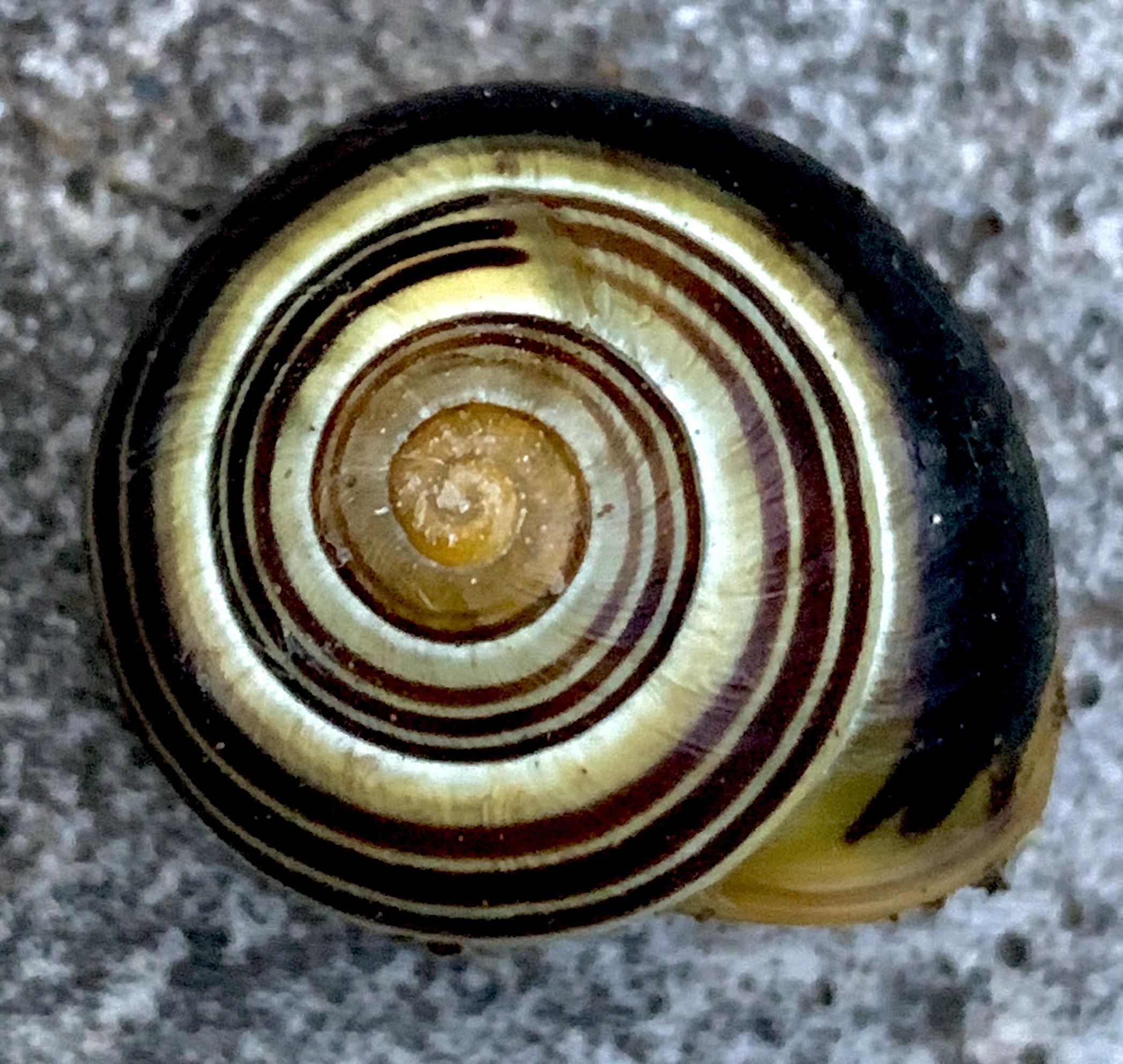
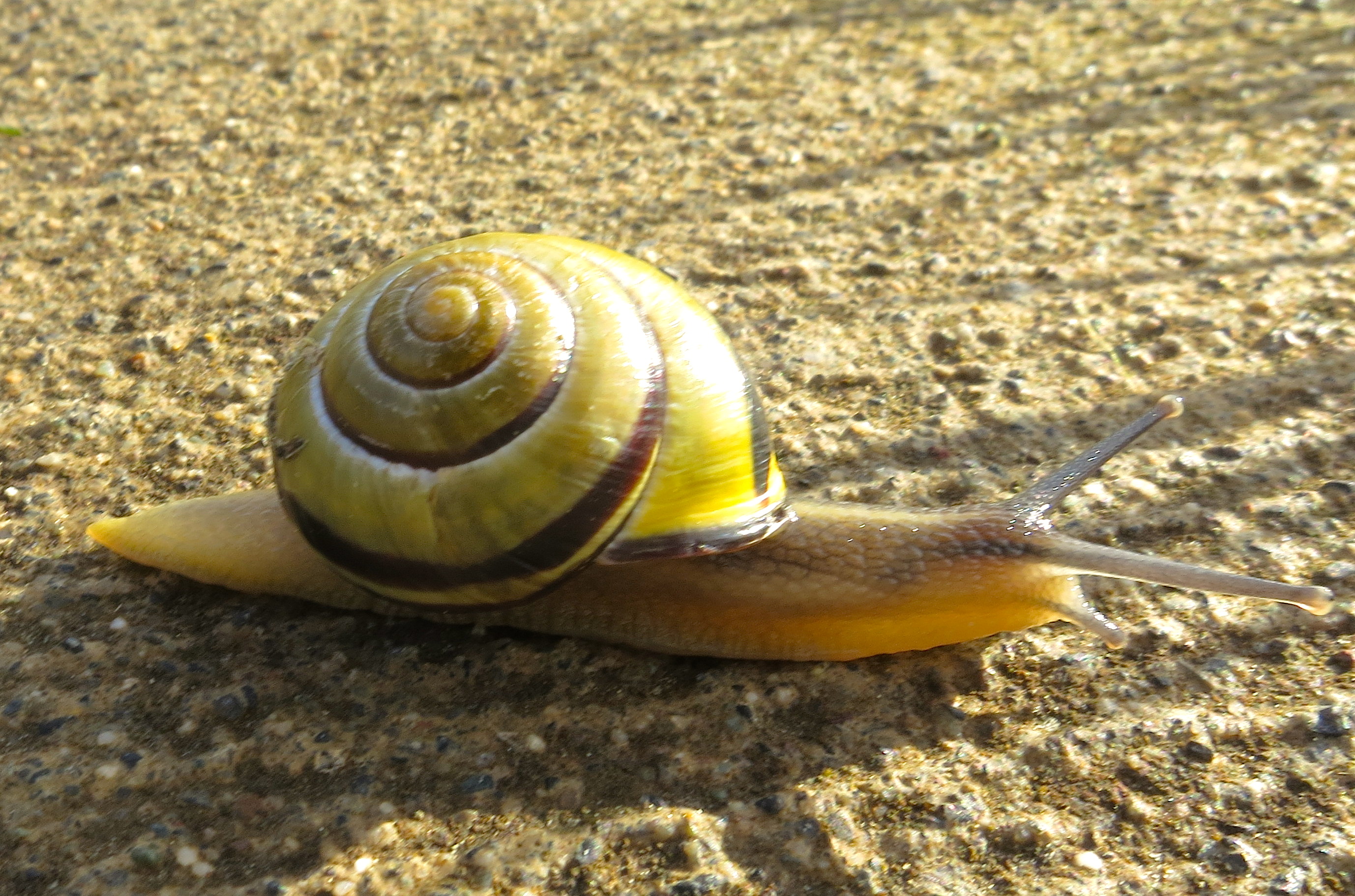
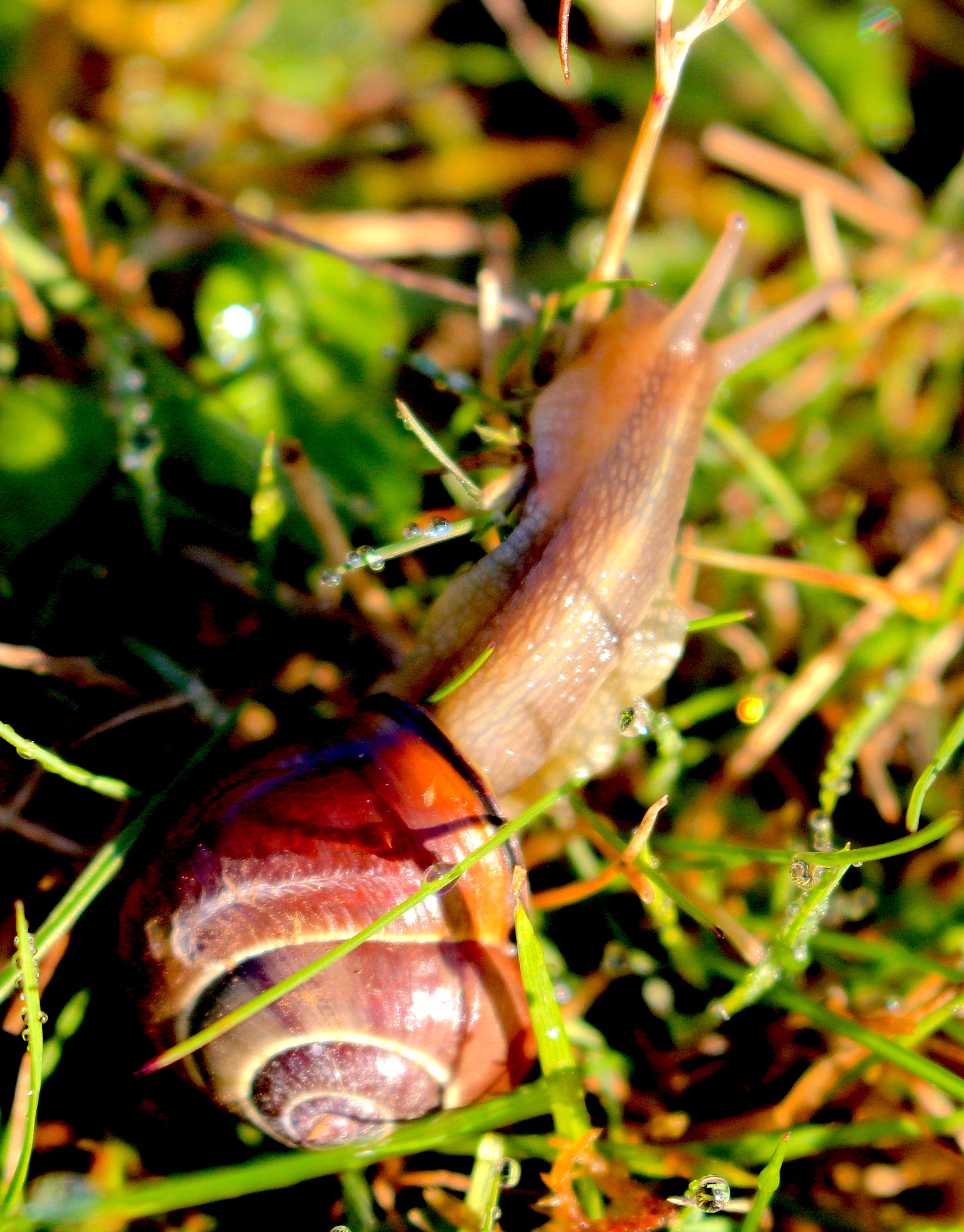
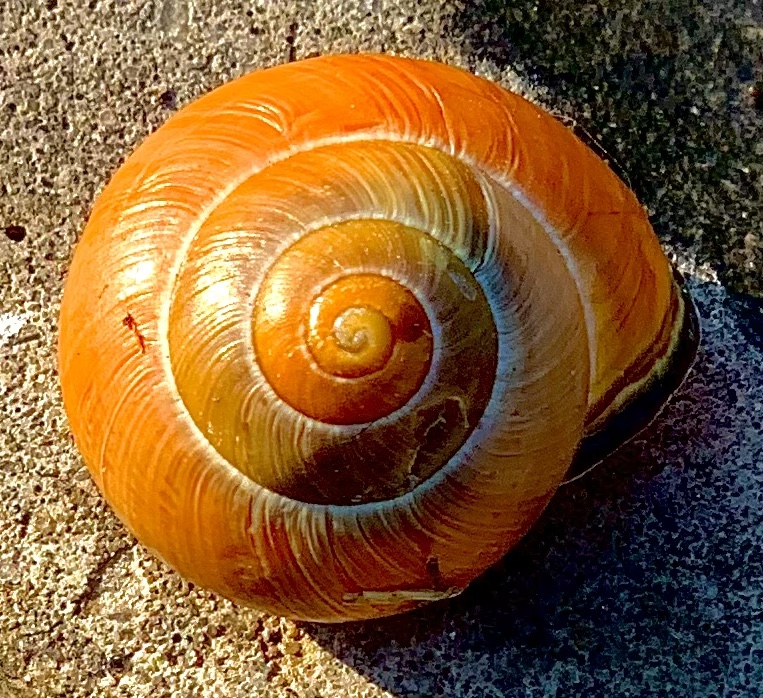
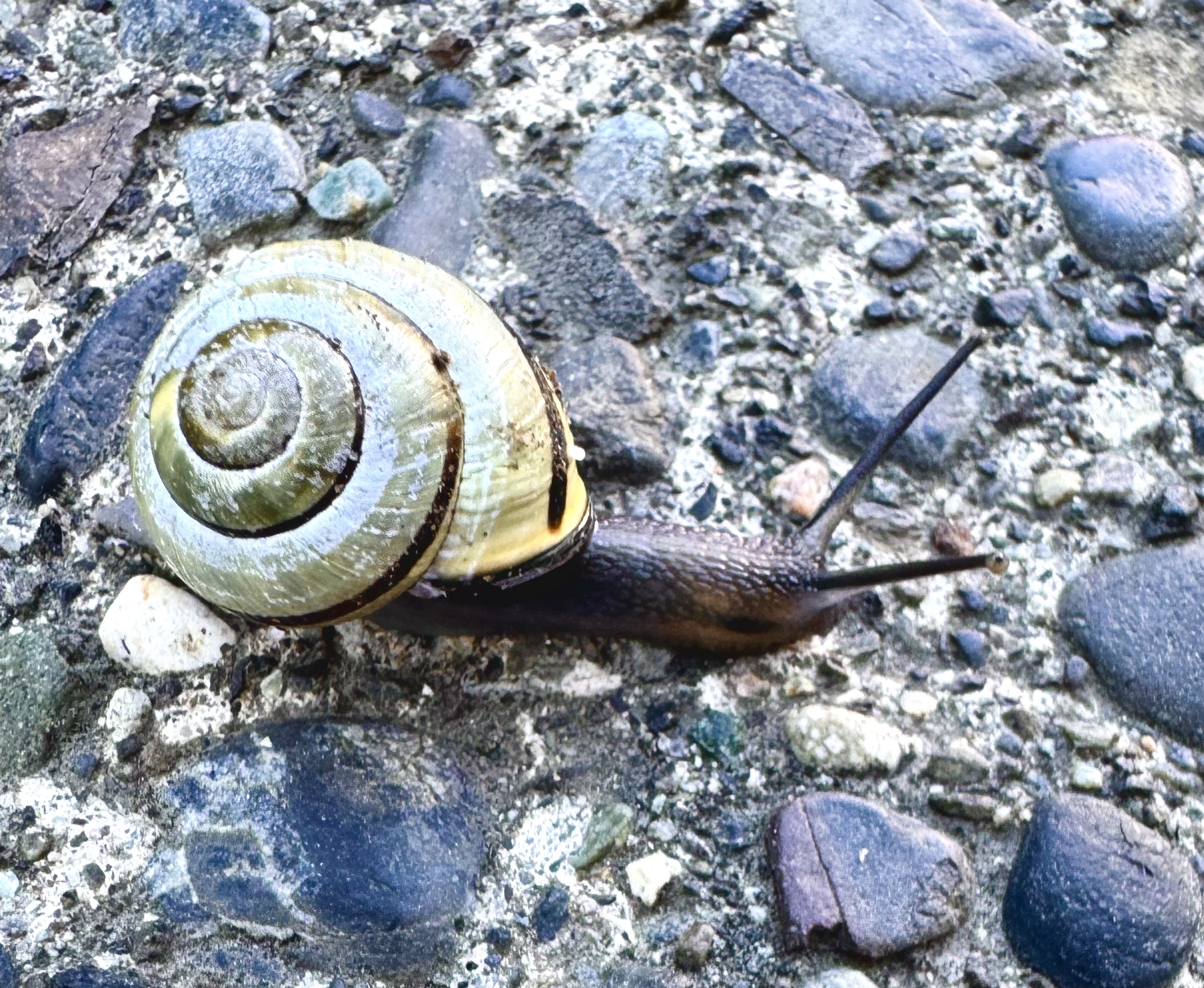
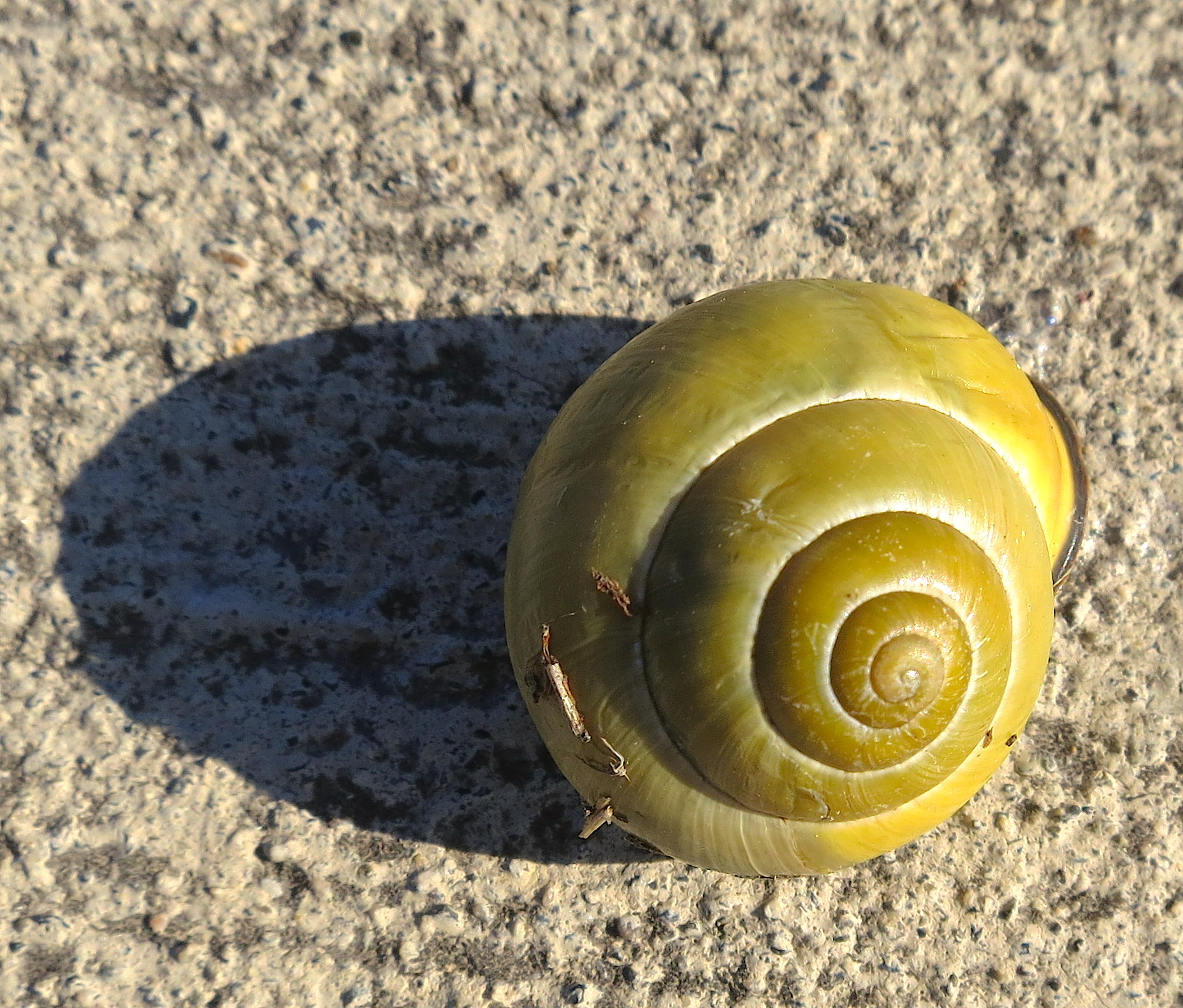
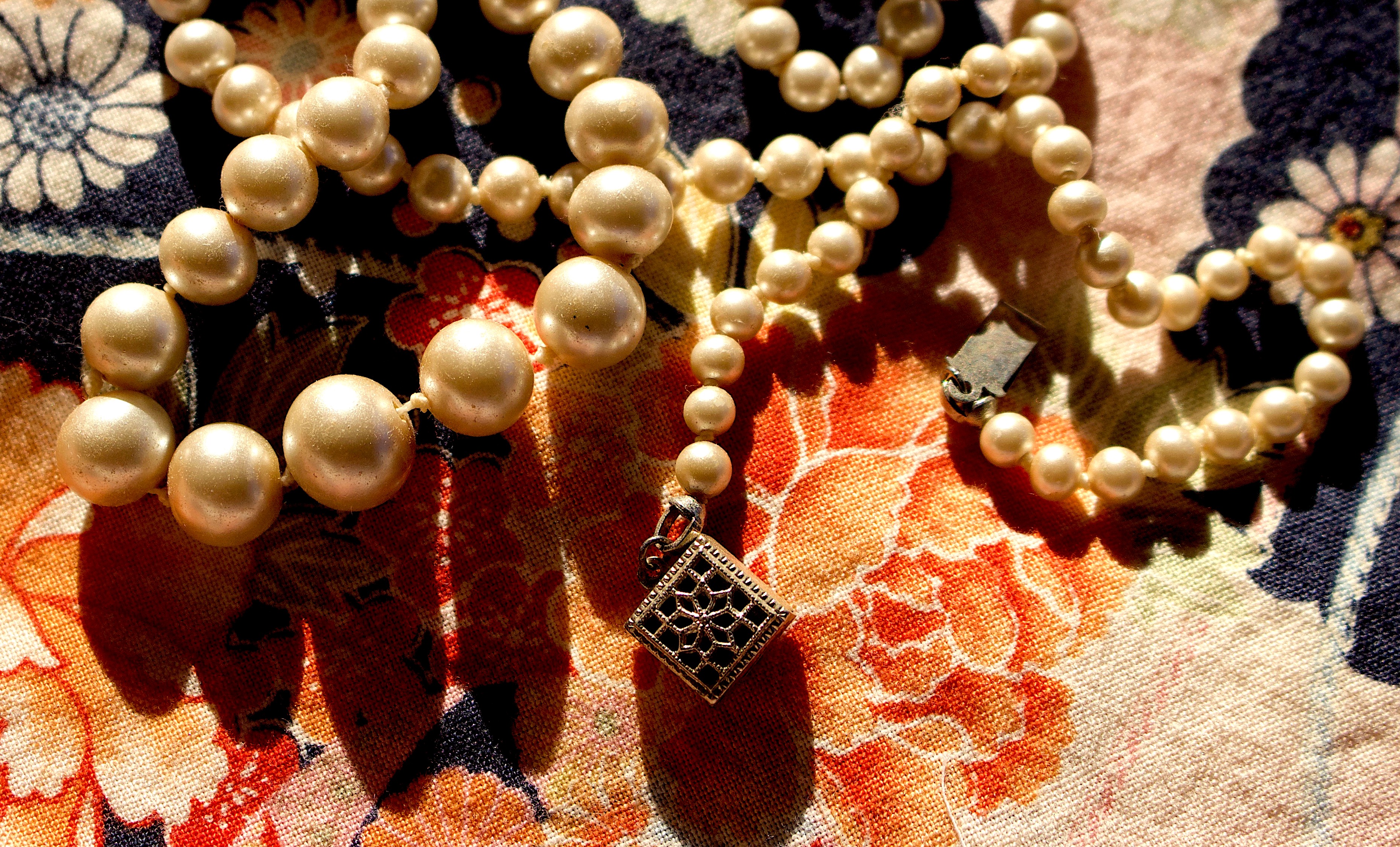
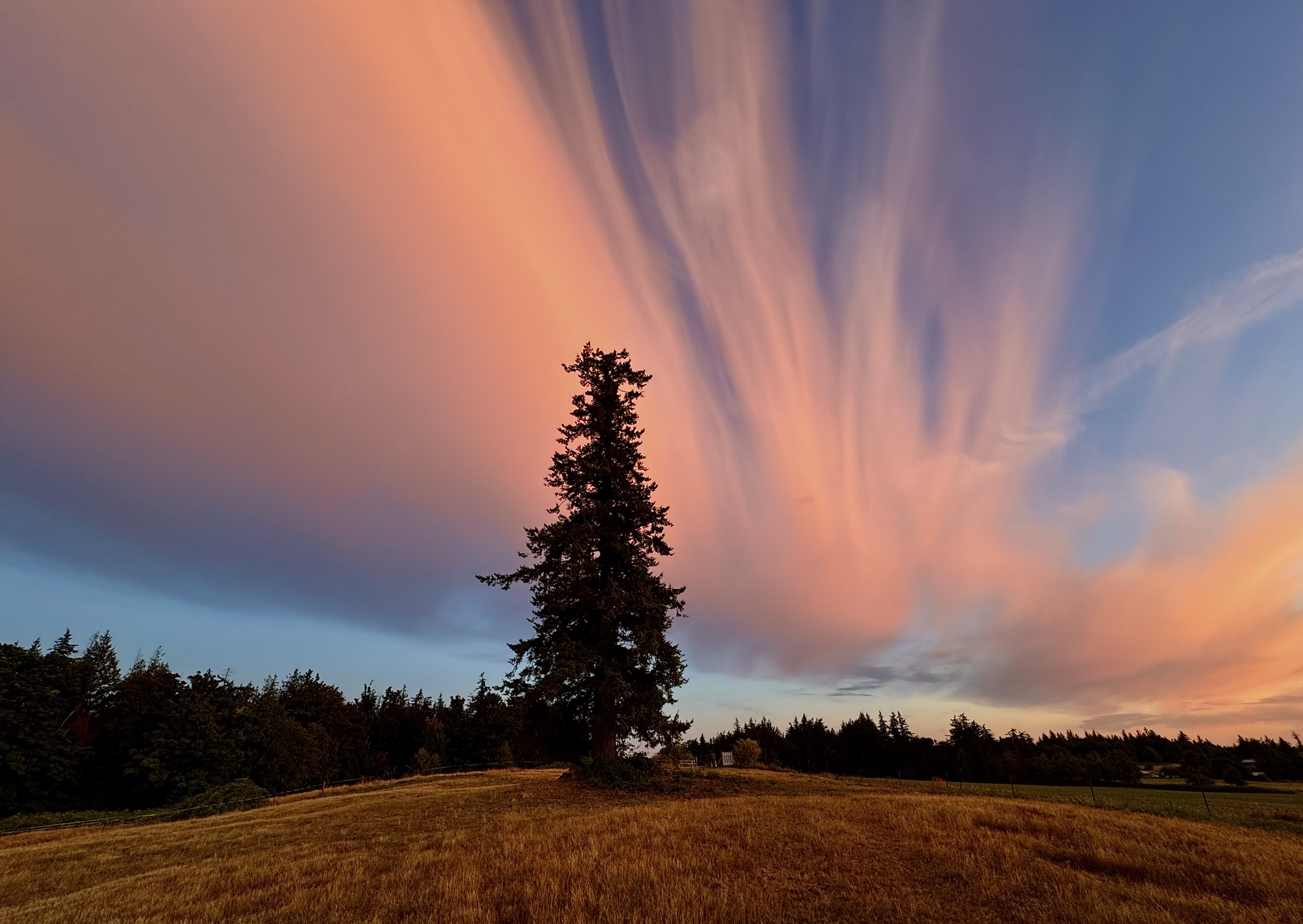
These four photos are my new “spring series” notecards I have just mailed out to my Barnstorming financial supporters as a thank you gift for your donation of $50 or more.
Your financial support at any level makes a difference to keep this ad-free blog a daily offering, always made free to all readers without a paid subscription.
I want to especially acknowledge those of you who have generously supported Barnstorming over the years by sending you these notecards made from my collection of farm and landscape photos.
Four times a year, I make a seasonal series of blank note cards with my photographs of scenes from our farm and nearby landscapes in Washington state and British Columbia – for donations of $50 or more, I’ll send four in the mail to you as a thank-you gift.
Please email your mailing address to emilypgibson@gmail.com when you make your donation below.
If you prefer to send a check in the mail to support Barnstorming, email me at emilypgibson@gmail.com and I’ll send you our mailing address.
Thank you all for following Barnstorming and letting me know it makes a difference in your day.
One-Time
Monthly
Yearly
Make a one-time or recurring donation to support daily Barnstorming posts
This morning’s sun is not the honey light of summer, thick with golden dust and slow as syrup pouring from a jug. It’s bright, but thin and cold, and slanted steep and low across the hillsides. Frost is blooming white, these flowers forced by icy winds that blow as hard this morning as they blew all night. Too cold for rain, but far too dry for snow.
And I am restless, pacing to and fro enduring winter’s grip that holds us tight. But my camellias, which somehow know what weather to expect—they’re always right— have broken bud. Now scarlet petals glow outside the window where I sit and write. ~Tiel Aisha Ansari “Camellias”from Dervish Lions
Near a shrine in Japan he’d swept the path and then placed camellia blossoms there.
Or — we had no way of knowing — he’d swept the path between fallen camellias. ~Carol Snow “Tour”
Camellias are hardy enough to withstand winter’s low temperatures, defying freezing winds and hard frosts with their resilience.
On windy days, full and ripe camellia blooms plop to the ground without warning, scattering about like a nubby floral throw rug. They are too bulky to step on, so the tendency is to pick a path around them, allowing them the dignity of a few more days before being swept off sidewalks.
In one sense, these fallen winter blossoms are holy messengers, gracing the paths the living must navigate. They are grounding for the passersby, a reminder our own time to let go will soon come. As we restlessly pursue our days and measure our steps, we respectfully make our way around their fading beauty.
An unexpected blessing is bestowed in the camellia’s restlessness: in their budding, in their breaking open, in their full blooming, in their falling to earth, in their ebbing away.
The grass withers and the flowers fall, because the breath of the Lord blows on them. Surely the people are grass. The grass withers and the flowers fall, but the word of our God endures forever. Isaiah 40:7-8
Mortals, born of woman, are of few days and full of trouble. They spring up like flowers and wither away; like fleeting shadows, they do not endure. Do you fix your eye on them? Job 14: 1-3
This year’s Lenten theme:
…where you go I will go… Ruth 1:16
AI image created for this postAI image created for this post
One-Time
Monthly
Yearly
Make a one-time or recurring donation to support daily Barnstorming posts
The heart of a woman goes forth with the dawn, As a lone bird, soft winging, so restlessly on, Afar o’er life’s turrets and vales does it roam In the wake of those echoes the heart calls home.
The heart of a woman falls back with the night, And enters some alien cage in its plight, And tries to forget it has dreamed of the stars While it breaks, breaks, breaks on the sheltering bars. ~Georgia Douglas Johnson “The Heart of a Woman” fromThe Heart of a Woman and Other Poems
Some mornings I’m not sure what else to do with my worry, so I fling my tender heart out ahead of me, hoping I might eventually catch up with it to bring it back home before nightfall.
Sometimes it is a race to see if anyone else rescues it first or if someone even notices it out there fluttering its way through the day, trying to stay aloft.
Perhaps, in its lonely flight, it will try winging its way home and there I’ll find it patiently waiting for me on the doorstep as I return empty-handed.
One-Time
Monthly
Yearly
Make a one-time or recurring donation to support daily Barnstorming posts
All at once I saw what looked like a Martian spaceship whirling towards me in the air. It flashed borrowed light like a propeller. Its forward motion greatly outran its fall. As I watched, transfixed, it rose, just before it would have touched a thistle, and hovered pirouetting in one spot, then twirled on and finally came to rest. I found it in the grass; it was a maple key, a single winged seed from a pair.
Hullo.
I threw it into the wind and it flew off again, bristling with animate purpose, not like a thing dropped or windblown…
O maple key, I thought, I must confess I thought, o welcome, cheers.
And the bell under my ribs rang a true note, a flourish as of blended horns, clarion, sweet, and making a long dim sense I will try at length to explain. Flung is too harsh a word for the rush of the world. Blown is more like it, but blown by a generous, unending breath. That breath never ceases to kindle, exuberant, abandoned; frayed splinters spatter in every direction and burgeon into flame. And now when I sway to a fitful wind, alone and listing, I will think, maple key. When I shake your hand or meet your eyes I will think, two maple keys. If I am a maple key falling, at least I can twirl…
…Squeak into a gap in the soil, turn, and unlock- more than a maple- a universe. ~Annie Dillard from Pilgrim at Tinker Creek
The set seed and the first bulbs showing. The silence that brings the deer.
The trees are full of handles and hinges; you can make out keyholes, latches in the leaves.
Buds tick and crack in the sun, break open slowly in a spur of green.
*
That woody clack of antlers. In yellow and red, the many griefs of autumn.
The dawn light through amber leaves and the trees are lanterned, blown
the next day to empty stars. Smoke in the air; the air, turning.
*
Under a sky of stone and pink faring in from the north and promising snow:
the blackbird. In his beak, a victory of worms.
The winged seed of the maple, the lost keys under the ash. ~Robin Robertson from “Finding the Keys”
I will give you the keys of the kingdom of heaven, and whatever you bind on earth shall be bound in heaven, and whatever you loose on earth shall be loosed in heaven… Matthew 16:19
Let us seek words as plentiful as those keys that twirl from the maple branch —
Words once freed, spoken and blown by a generous breath, ready to unlatch life’s secrets and push ajar the doors of heavy hearts.
May we somehow use the Word we have been given to open up just enough to listen, to unlock horns, and welcome what grace may fall into our empty and longing arms.
I am a helicopter child Whirling, swirling, sailing Into the wide unknown Dancing, arcing Into the future.
Wind carry me upward Wind blow me onward Wind sail me outward.
O The great tree my mother The green tree my father: Send me into the world To plant new hope To grow new dreams.
Wind carry me upward Wind blow me onward Wind sail me outward.
I was born in high branches Swaying, singing, growing Now I seek a new home Earth to welcome me Soil to feed me I am tomorrow.
Wind carry me upward Wind blow me onward Wind sail me outward. I am tomorrow. ~Marion Saunderson
One-Time
Monthly
Yearly
Make a one-time or recurring donation to support daily Barnstorming posts
When we have died, and arms long empty of our memories, reach to know love’s pure and sacred touch, and to embrace a long sought, long anticipated place…
when we have gone the way of all the earth, and pain and sorrow are no more, not seen or heard or found, no more the discontent of place or time or any lesser haste, but only One whose love transcends our harsh and wearied days,
when we have died and gone and fallen fast asleep, and found the settled light and our so much a sweeter sacral rest, forever held in caring arms, yes, held now everlasting in a wonder of it all, then we have not gone down empty, we have not died alone. ~Henry Lewis from “When”
This event happened in 1975 while I was an undergraduate student researcher in Tanzania, East Africa, working alongside other researchers assisting Dr. Jane Goodall in her study of wild chimpanzees and baboons.
Several metal buildings were scattered along the shore at Gombe National Park, having been built over the years since Jane Goodall and her mother Vanne arrived on a bare beach in 1960. From the very beginning, one of the most powerful connections between these two British women and the Tanzanian villagers who lived up and down Lake Tanganyika was their provision of basic medical supplies and services when needed. Initially, under the cover of the camp tents, they tended to wounds, provided a few medications, and assisted whenever they were needed for help.
Later, an actual dispensary was built as part of the park buildings, with storage for first aid supplies and medications, many of which were traditional Chinese medications, in little boxes with Chinese characters, and no translation. All we had was a sheet of paper explaining if a medication was to be used for headaches, fevers, bleeding problems or infections.
There were “open” times in the dispensary and each of the research assistants took turns to see villagers as they came by to be seen for medical issues. We saw injuries that had never healed properly, some people with permanently crippled limbs, centipede bites that swelled legs, babies who were malnourished, malarial fevers.
It felt like so little to offer. None of us had medical training beyond first aid and CPR, but what small service we could provide was met with incredible gratitude.
So it wasn’t a surprise when a villager arrived one afternoon, running and out of breath, asking that we come right away to help. There had been a terrible accident up the beach when a water taxi engine exploded while transporting two dozen villagers, along with their provisions, including goats and chickens. As people rushed to get away from the engine fire, the roofed boat overturned, with everyone trapped among the boxes, unable to escape.
Even more tragic, Tanzanians were never taught to swim, so no one on shore could help in the rescue effort.
We dropped everything and six of us ran up the beach for a mile, and could see an overturned water taxi just off shore. The best swimmers went out and started searching for people who had been too long in the deep water. They began to pull the bloated bodies to shore, one by one, the lake water pouring from lifeless mouths and noses. All we could do was line them up side by side on the beach, trying to keep the biting flies from covering them, trying to make sense of what was so senseless. There were eight children of various ages, including two small babies, several older women, one pregnant woman, the rest men of all ages–twenty four souls in all, not a single survivor.
As a nurses’ aide, I had cared for the dying and helped to bathe their bodies after death, but I had never before seen so much death at once, and never a dead child.
Before long, relatives started arriving, their grief-stricken wails of loss filling the air on this remote African lakeshore. Husbands and wives wept, keening over a spouse. Children crouched, in shock, by a dead parent. Grandmothers clutched their dead children and grandchildren and would not let go.
We had saved no one. We had no power to bring them back to life.
We could only bear witness to the loss and grief with deep compassion for our neighbors who had come to depend on us to help. It became even clearer to me, in a way I had never understood before, how deep our need is for the mercy of God who is our only comfort when terrible things happen.
I have not forgotten those who were lost to the world that day fifty years ago. Still, all these years later, when I see photos of senseless violence and death, whether war or other disasters, I grieve for them anew with fresh tears, all over again.
Psalm 51: Have mercy, O God… according to your great compassion…
AI image created for this post
One-Time
Monthly
Yearly
Make a one-time or recurring donation to support daily Barnstorming posts
Oh do you have time to linger for just a little while out of your busy
and very important day for the goldfinches that have gathered in a field of thistles
for a musical battle, to see who can sing the highest note, or the lowest,
or the most expressive of mirth, or the most tender? Their strong, blunt beaks drink the air
as they strive melodiously not for your sake and not for mine
and not for the sake of winning but for sheer delight and gratitude – believe us, they say, it is a serious thing
just to be alive on this fresh morning in the broken world. I beg of you,
do not walk by without pausing to attend to this rather ridiculous performance.
It could mean something. It could mean everything. It could be what Rilke meant, when he wrote: You must change your life. ~Mary Oliver “Invitation” from ” A Thousand Mornings
…here there is no place that does not see you. You must change your life. ~Rainer Maria Rilke from “Archaic Torso of Apollo”
Just to be alive means everything~~
Despite all the brokenness in this world and our own cracks in need of glue, we need healing.
I welcome the change; a new day of delight and gratitude.
I beg of you, do not simply walk by.
Pause. Linger. Listen. Change.
You are welcome.
AI image created for this post
One-Time
Monthly
Yearly
Make a one-time or recurring donation to support daily Barnstorming posts
Dear Daughter, Your father and I wish to commend you on the wisdom of your choices and the flawless conduct of your life
Dear Poet! Where is the full-length manuscript you promised us? Your check is waiting The presses are ready and the bookstores are clamoring for delivery
Dear Patient: The results of your blood tests reveal that your problem stems from a diet dangerously low in pizza and chocolate
Dear Mom, You were right about everything and I was an idiot not to listen ~Rhina Espaillat from “Undelivered Mail”
I never thought we’d end up Living this far north, love. Cold blue heaven over our heads, Quarter moon like chalk on a slate.
This week it’s the art of subtraction And further erasure that we study. O the many blanks to ponder Before the night overtakes us once more On this lonely stretch of road Unplowed since this morning; Mittens raised against the sudden Blinding gust of wind and snow, But the mailbox empty. I had to stick My bare hand all the way in To make sure this is where we live.
The wonder of it! We retraced our steps Homeward lit by the same fuel As the snow glinting in the gloom Of the early nightfall. ~ Charles Simic “Rural Delivery” from Selected Poems: 1963-1983
In snowy winter weather, our mailbox ends up in the middle of a huge drift from the blowing northeast wind. The box sits at the peak of the highest hill on our rural road, so the mail carrier can have a clear view of who is coming and going when they stop to put our mail inside.
The blowing snow also stops right here on our hill; no mail can be delivered. So, either my husband digs out the access to the mailbox or we choose to wait for the melt and thaw, and allow our mailbox to languish unopened for as long as it takes.
An empty mailbox is a lonely thing.
Junk mail isn’t the answer any more than junk food nourishes the body. These days, personal letters in the mailbox are few and far between. And even rarer are those heart-felt letters which are hand-written, lovingly stamped to be gratefully read and treasured.
When you write such letters to me, I delight as they fill my heart and my lonely mailbox – especially so on a dark, chilly winter night…
AI image created for this post
One-Time
Monthly
Yearly
Make a one-time or recurring donation to support daily Barnstorming posts