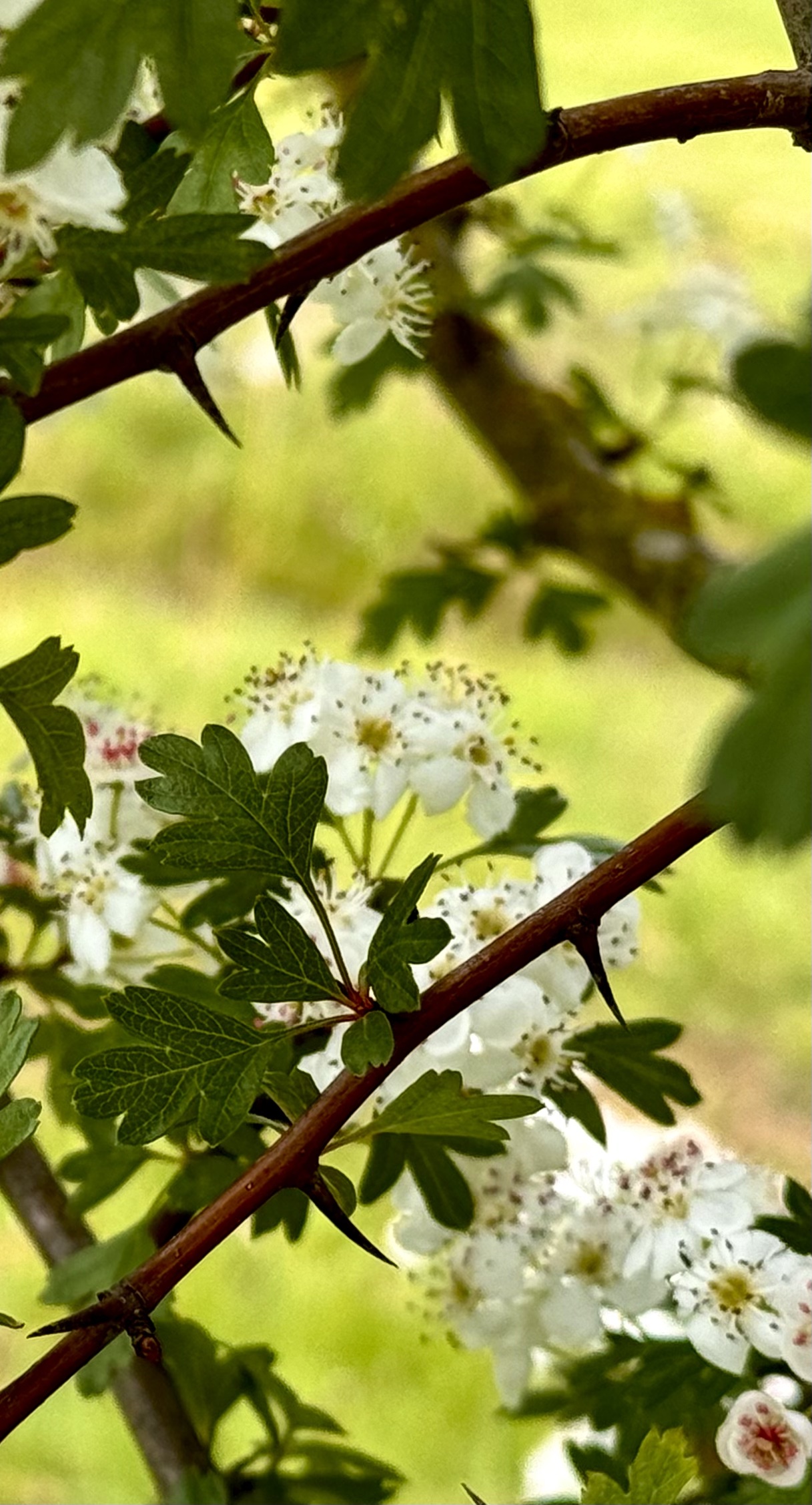
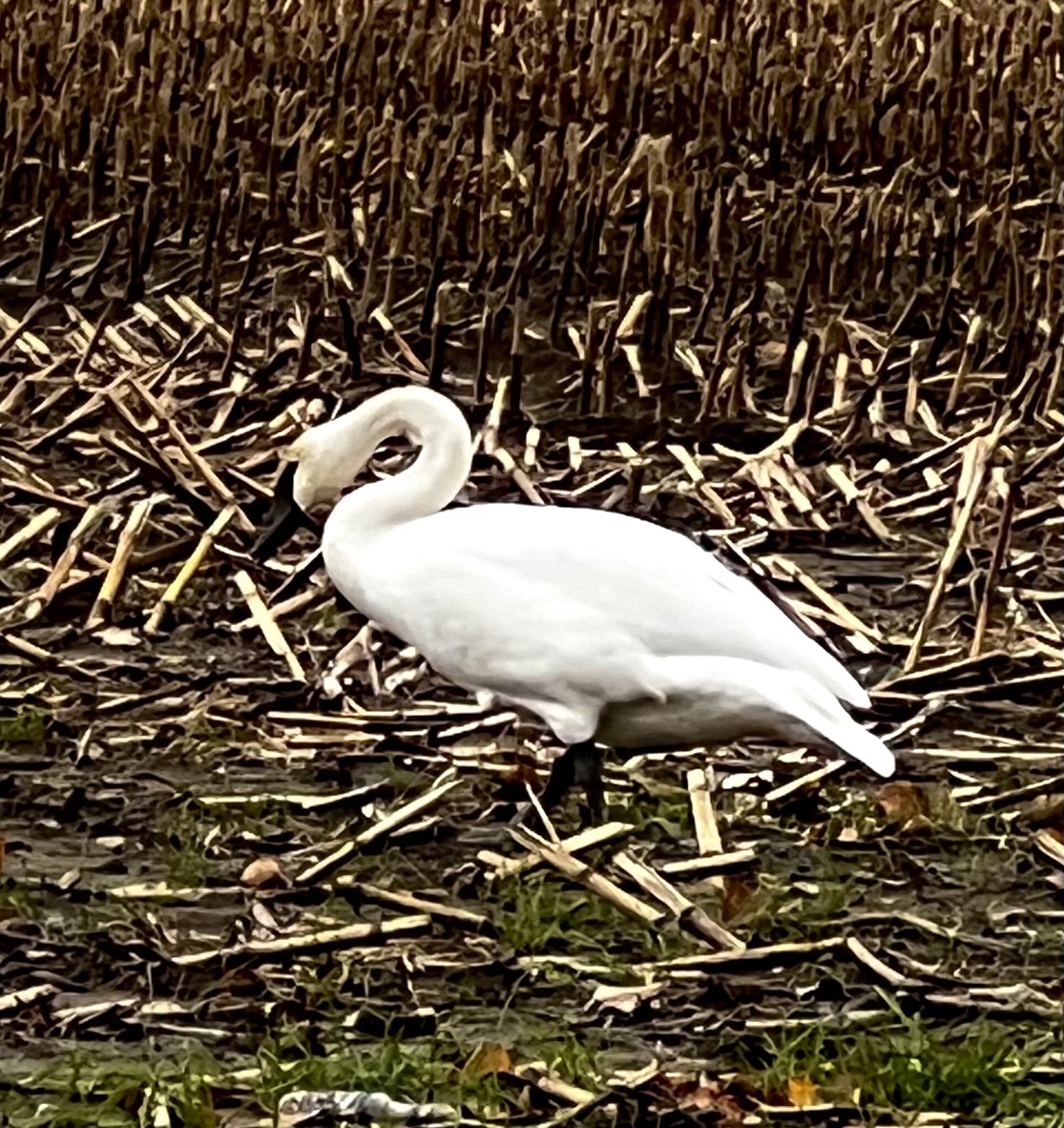
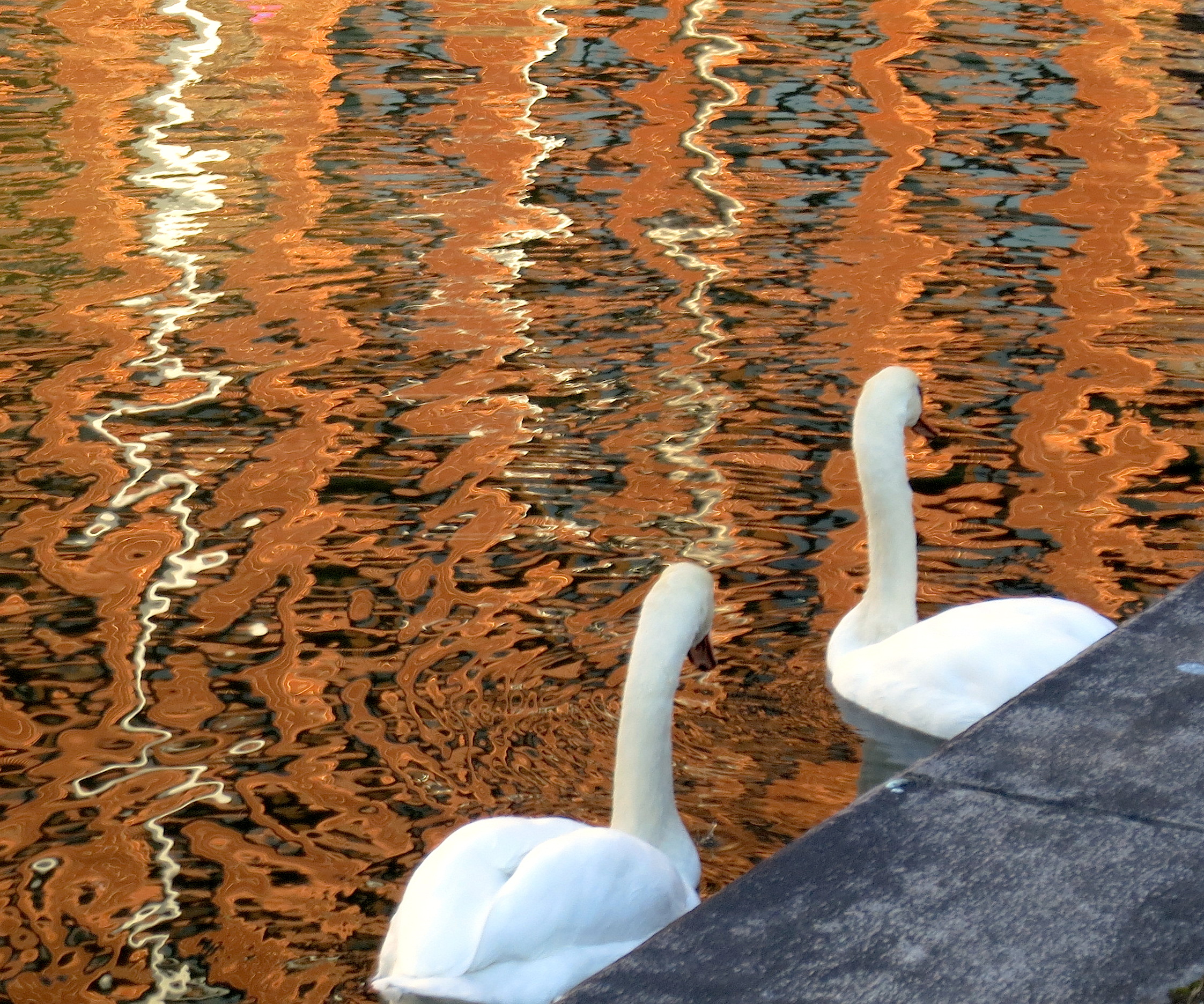
All that summer the sun refused to open On the sky, and the river carried rain-spots Down and over the weir, and by the footbridge Swans’ eggs chilled in their nest. I saw them, rained on, Blue and dead as the moon the clouds were hiding Every night when I looked to find it. What could Live, neglected like that? The wind, cold and green With the smell of the hawthorn flowering, came Brooding over the fens, but what could it bring me, Who had chosen to view the world with sadness, Or had taken its sadness into myself, Gift and charism? One day, though, I saw them, Triple vee-wakes on dark tree-printed currents: One ahead of the others, big and whiter Than the cloud-pale sky. Two cygnets, gray, living, Broken free from the death I’d assumed for them.
Well, their ways are not my ways. The next summer, Walking that same towpath, heavy with a child Who had come to me after years of asking — Who was taking his time just then, head downward, Happy where he was — I saw them paddling Under the bridge, where it laid out its shadow, Current-rumpled. The same swans? Or three strangers Hummed down onto a river pricked with sunlight, Strange and new as the season? I can’t say now. I remember the baby’s head engaging, Heavy, ready, real, an impending pressure. I remember the wakes widening, the river Flowing down in the sun, and by the footbridge, Gray, empty, the mess of twigs, leaves, and feathers. ~Sally Thomas “Swans”
Decades ago, there were several years when I took sadness into myself, feeling empty and barren with no hope that could change.
Sorrow became the bridge I walked across, unaware what I would find on the other side, assuming only it would be more of the same.
If I had listened to my own tearful prayers, I might have understood –even the most comfortable nests are abandoned when it is time to break free from the sadness.
I gave up my timing and my plans to let things be according to His will.
And life happened. And sadness no longer found a place in me. The empty was filled, the sorrow overwhelmed with blessing. Babies born, grown, now flown away to a life and babies of their own.
All from the one nest, emptied, as ever it should be.
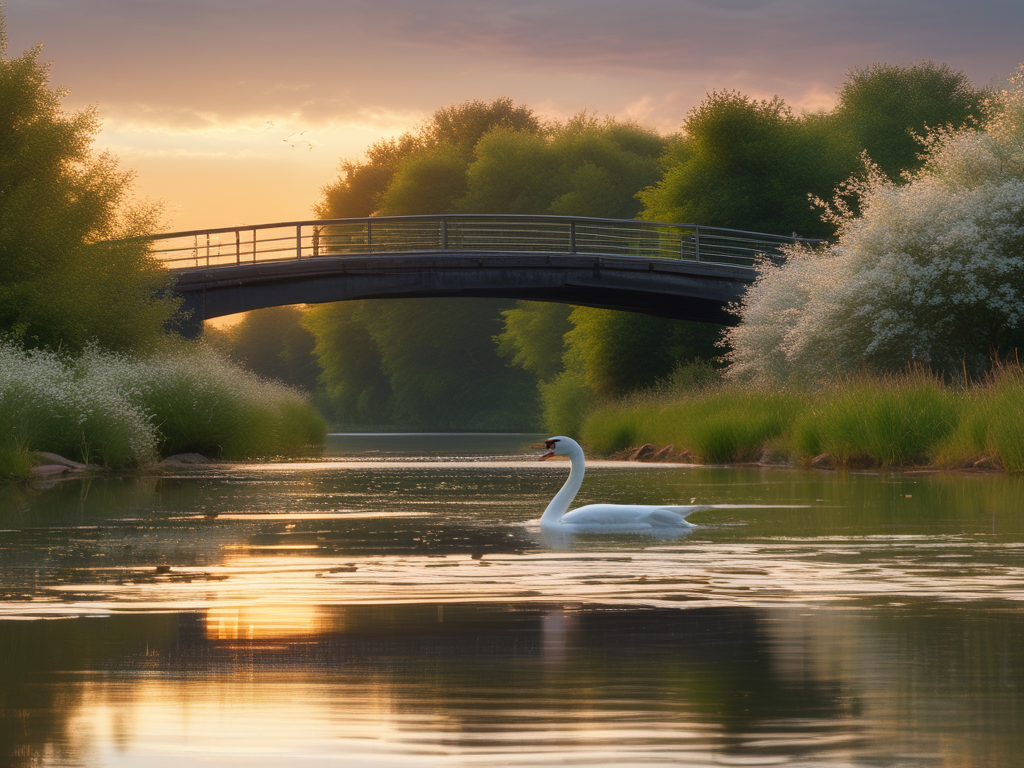
AI image created for this post
One-Time
Monthly
Yearly
Make a one-time or recurring donation to support daily Barnstorming posts
Let us go forward quietly, forever making for the light, and lifting up our hearts in the knowledge that we are as others are (and that others are as we are), and that it is right to love one another in the best possible way – believing all things, hoping for all things, and enduring all things. ~Vincent Van Gogh from “Letters to Theo”
We like to blame our DNA for our tribal nature, to justify setting ourselves apart from the “other.” We tend to be discontent with whatever we are given — but that belief is exactly how humanity’s troubles began.
Every election and convention season only intensifies our sense of “otherness”, further putting wedges between us, driving us apart and further into the darkness.
We are slaves to divisiveness: even worshiping it in the name of “becoming great again”, emphasizing our own “truth” in the name of “unity.”
I simply can’t listen to it. There is so much anger in the voices of our self-appointed “leaders.”
I want to know it is still possible to love each other in all our differences in the best possible way, with quiet endurance and hope. No shouting, no shootings, no need for a cascade of dropping balloons, and no ridiculous rancorous rhetoric.
We are as others are — others are as we are — denying it is folly. Believing it is the beginning of a selfless love for the “other”, something God did intend for our DNA, as His children who are no longer animals.
Indeed, God Himself became the “Other” living among us to show us just how it can be done.
It’s in every one of us. Now we must make it so.
AI image created for this post
One-Time
Monthly
Yearly
Make a one-time or recurring donation to support daily Barnstorming posts
The older children pedal past Stable as little gyros, spinning hard To supper, bath, and bed, until at last We also quit, silent and tired Beside the darkening yard where trees Now shadow up instead of down. Their predictable lengths can only tease Her as, head lowered, she walks her bike alone Somewhere between her wanting to ride And her certainty she will always fall.
Tomorrow, though I will run behind, Arms out to catch her, she’ll tilt then balance wide Of my reach, till distance makes her small, Smaller, beyond the place I stop and know That to teach her I had to follow And when she learned I had to let her go. ~Wyatt Prunty, “Learning the Bicycle” from Unarmed and Dangerous.
—For Lea
The summer you learned to swim was the summer I learned to be at peace with myself. In May you were afraid to put your face in the water but by August, I was standing in the pool once more when you dove in, then retreated to the wall saying You forgot to say Sugar! So I said Come on Sugar, you can do it and you pushed off and swam to me and held on laughing, your hair stuck to your cheeks— you hiccupped with joy and swam off again. And I dove in too, trying new things. I tried not giving advice. I tried waking early to pray. I tried not rising in anger. Watching you I grew stronger— your courage washed away my fear. All day I worked hard thinking of you. In the evening I walked the long hill home. You were at the top, waving your small arms, pittering down the slope to me and I lifted you high so high to the moon. That summer all the world was soul and water, light glancing off peaks. You learned the turtle, the cannonball, the froggy, and the flutter and I learned to stand and wait for you to swim to me. ~Michael Simms“The Summer You Learned to Swim”from American Ash
Learning to swim, balancing on a bike, riding a horse – these are skills that require an adult to let go of a child.
Terrifying for everyone. But eventually necessary.
This summer, our two grandkids are taking their first swimming lessons and I’m learning as they learn.
There are some things I can’t do for them. With good teaching and guidance and encouragement, they learn to do it themselves and be stronger for it, even when there are bruises and sputters and tears.
Lord, help me learn to just stand and watch and follow their journey to independence.
AI image created for this post
One-Time
Monthly
Yearly
Make a one-time or recurring donation to support daily Barnstorming posts
Because I have come to the fence at night, the horses arrive also from their ancient stable. They let me stroke their long faces, and I note in the light of the now-merging moon
how they, a Morgan and a Quarter, have been by shake-guttered raindrops spotted around their rumps and thus made Appaloosas, the ancestral horses of this place.
Maybe because it is night, they are nervous, or maybe because they too sense what they have become, they seem to be waiting for me to say something
to whatever ancient spirits might still abide here, that they might awaken from this strange dream, in which there are fences and stables and a man who doesn’t know a single word they understand. ~Robert Wrigley “After a Rainstorm”from Beautiful Country
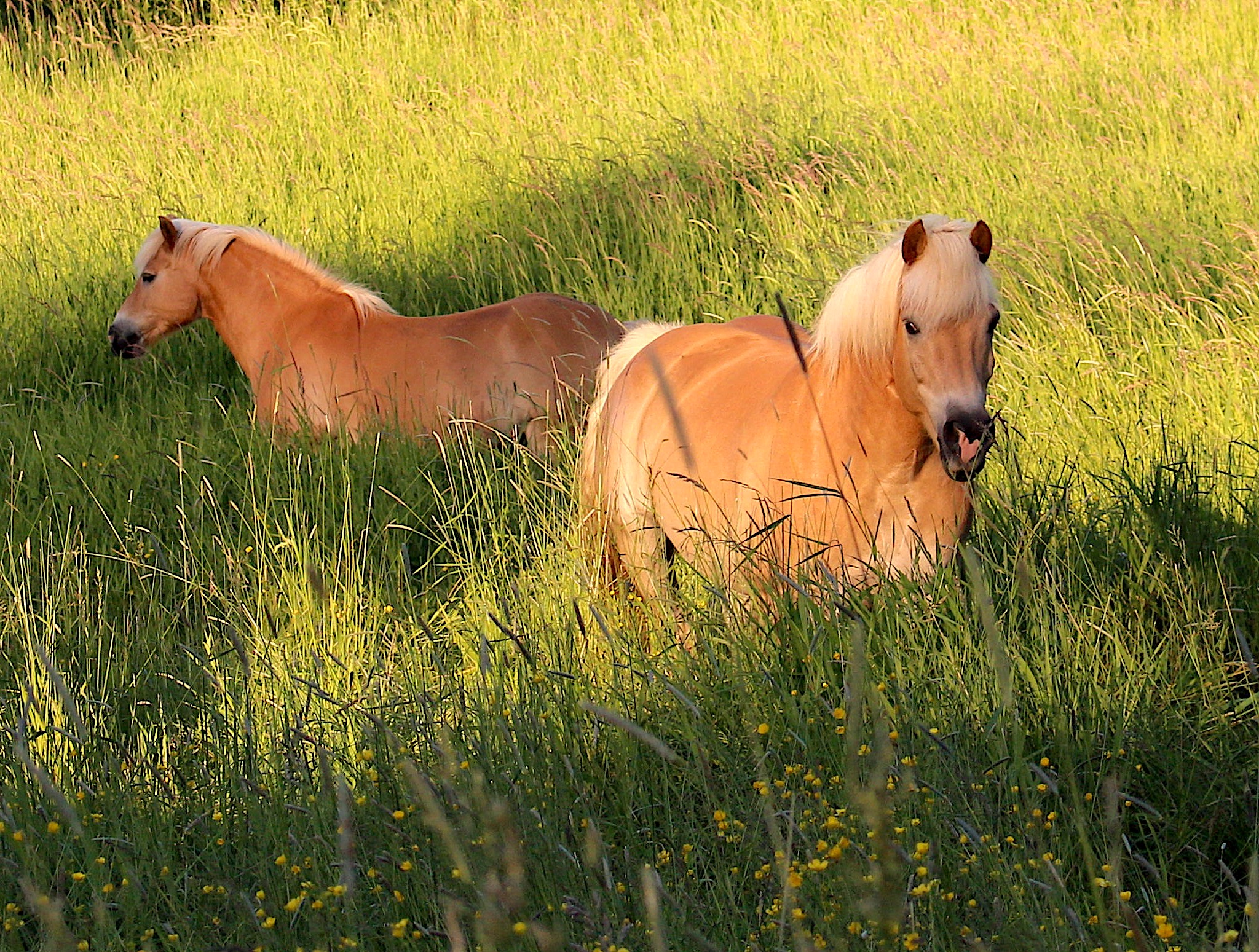
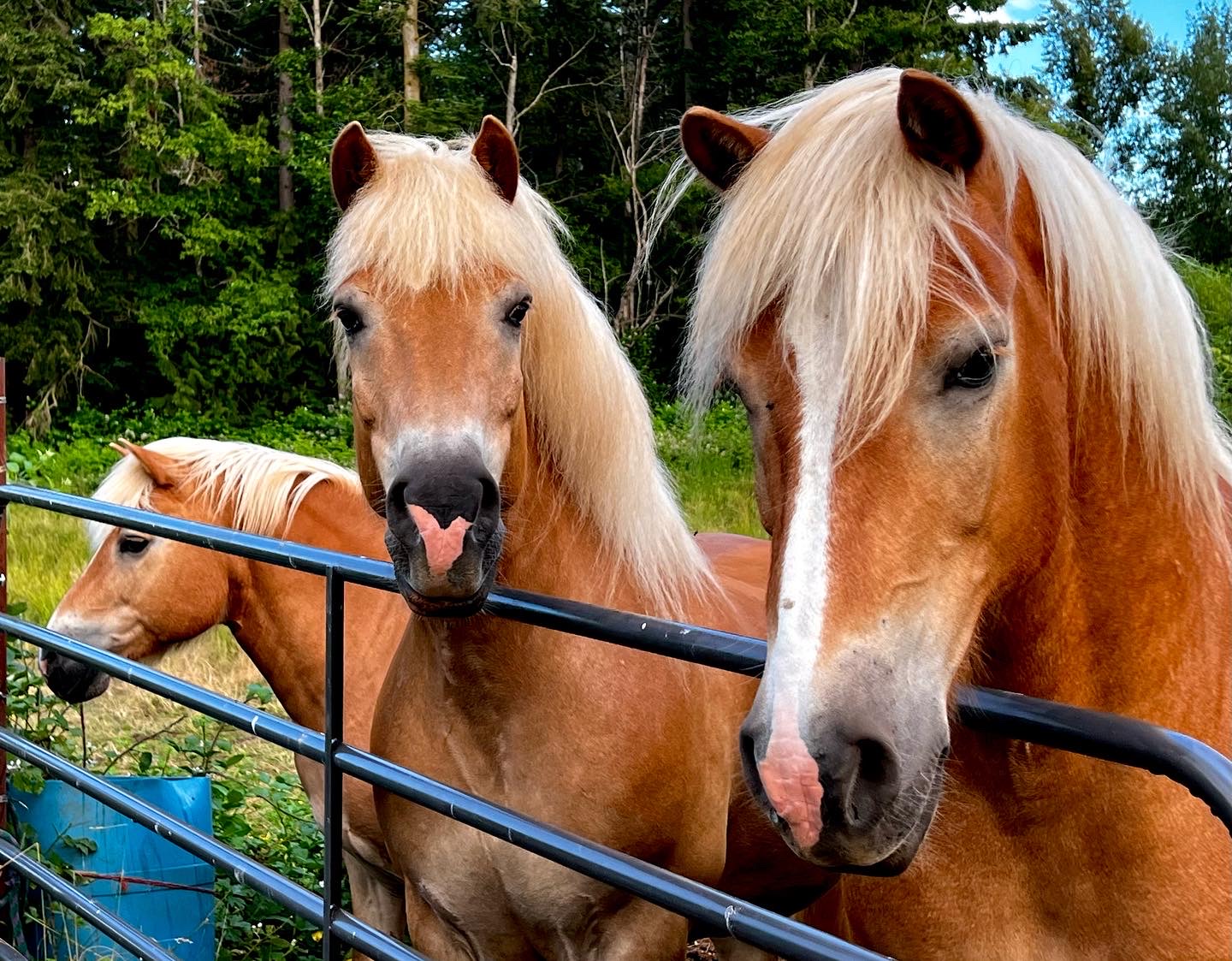
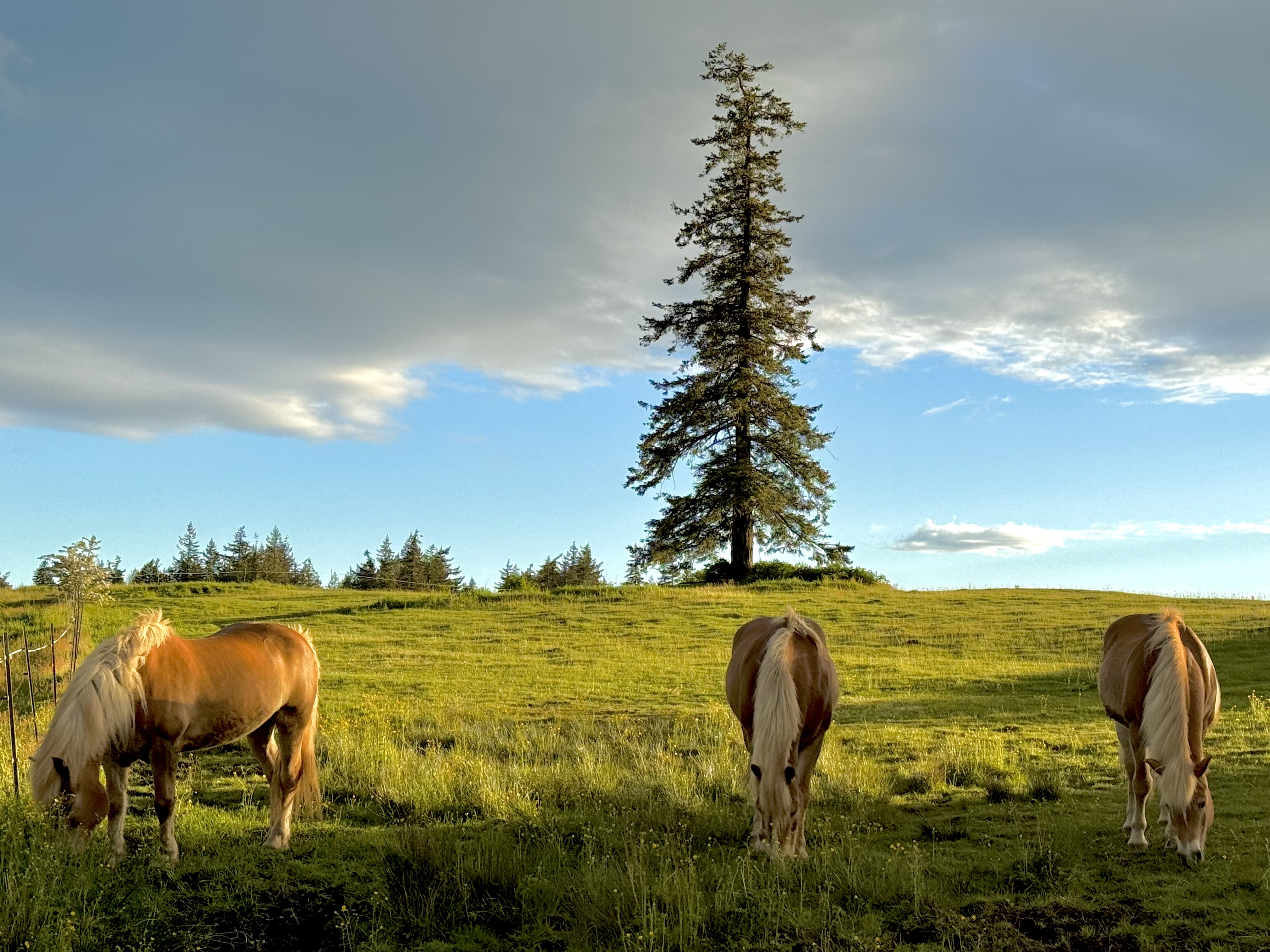
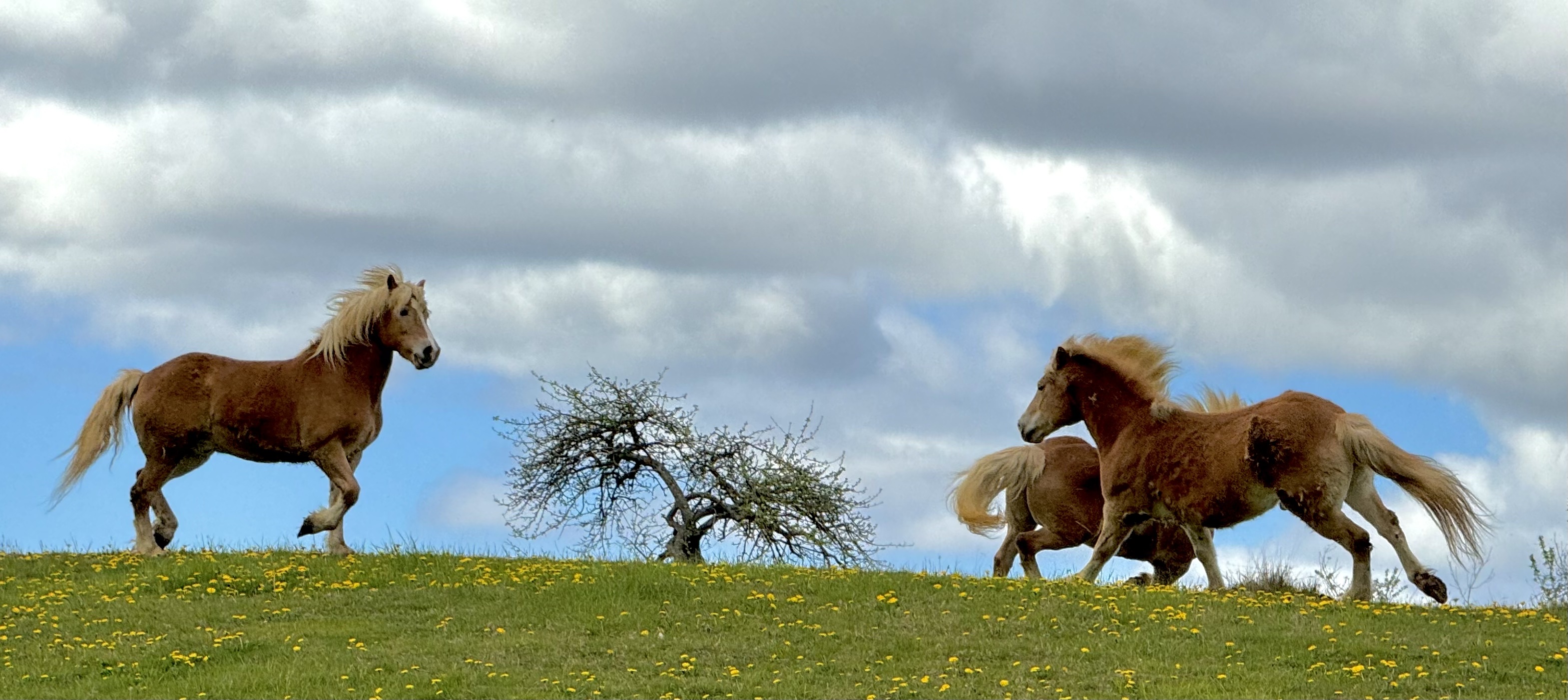
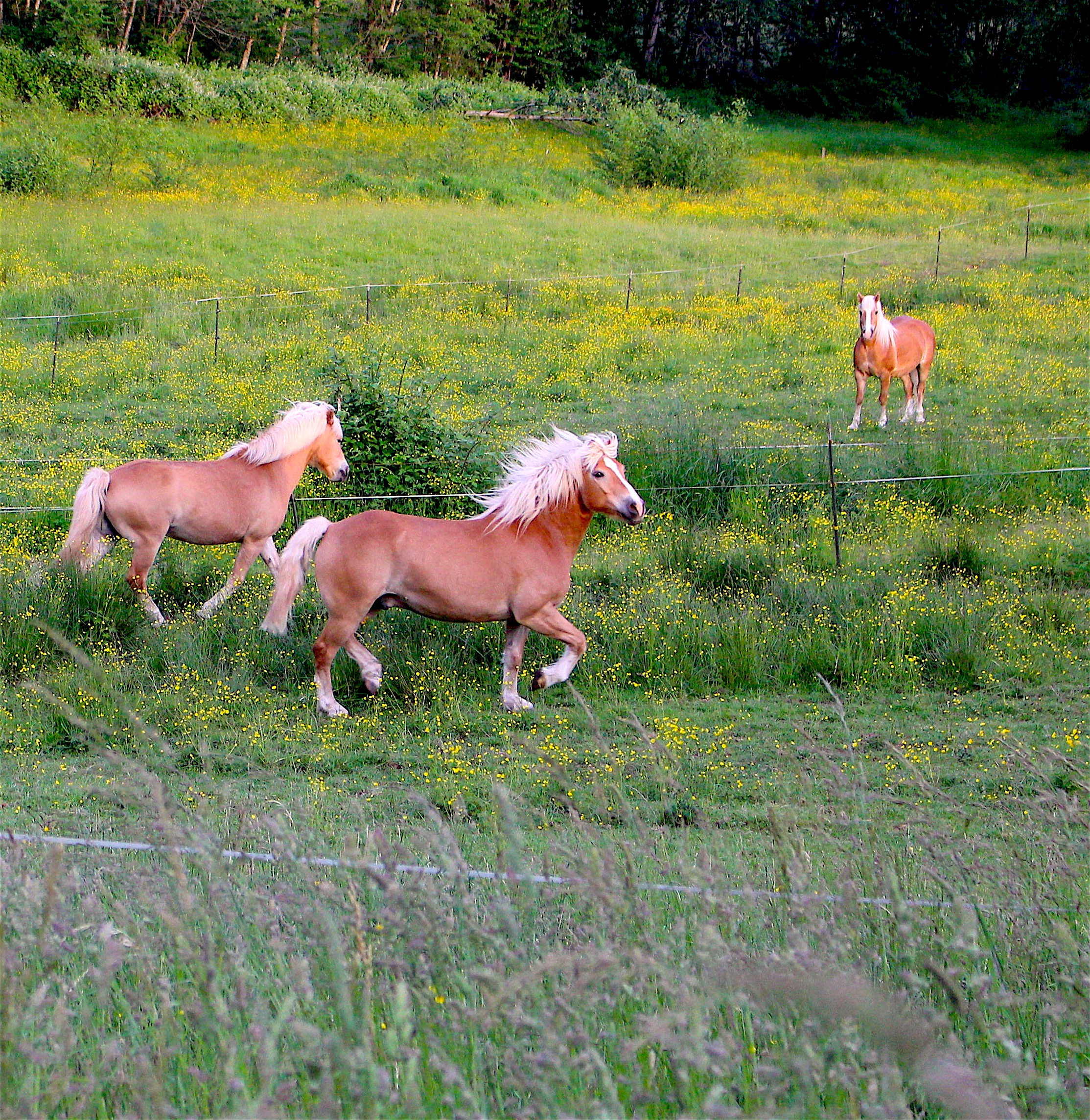
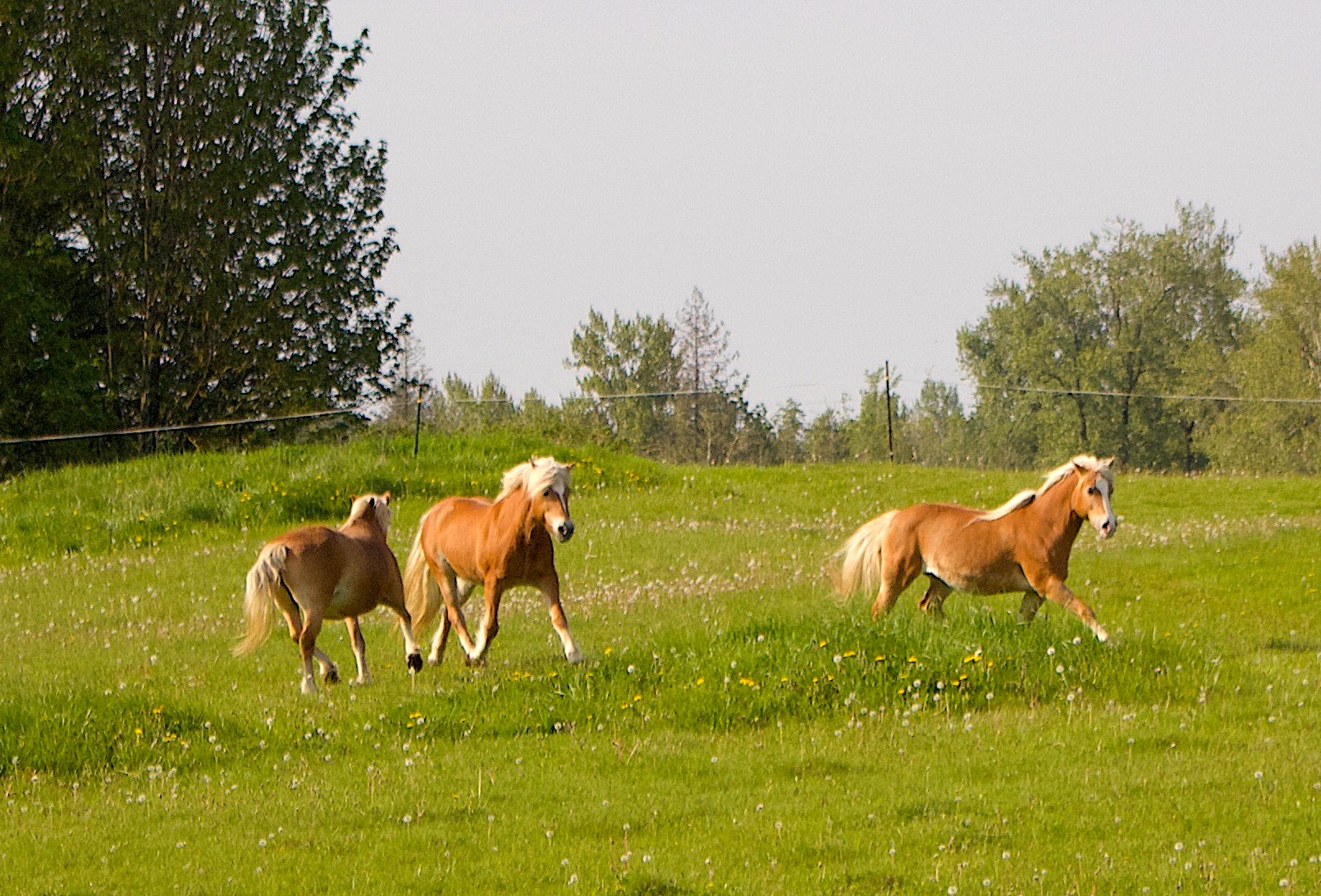
During our three decades of Haflinger horse ownership, I figured out long ago that Haflingers must have a migration center in their brain that tells them that it is time to move on to other territory – a move based on quality of forage, the seasons, or maybe simply a sudden urge for a change in scenery. This thrifty mountain breed adapted over hundreds of years to living in rather sparse Alpen meadows. They needed to move on to another feeding area enmasse on a pretty regular basis, or when the weather was starting to get crummy.
Or perhaps the next valley over had a better view, who knows? Trouble is, my Haflingers seem to have the desire to “move to other pastures” even if the grass in their own territory is plentiful and the view is great. And there doesn’t seem to be much in the way of natural or man-made barrier that will discourage them.
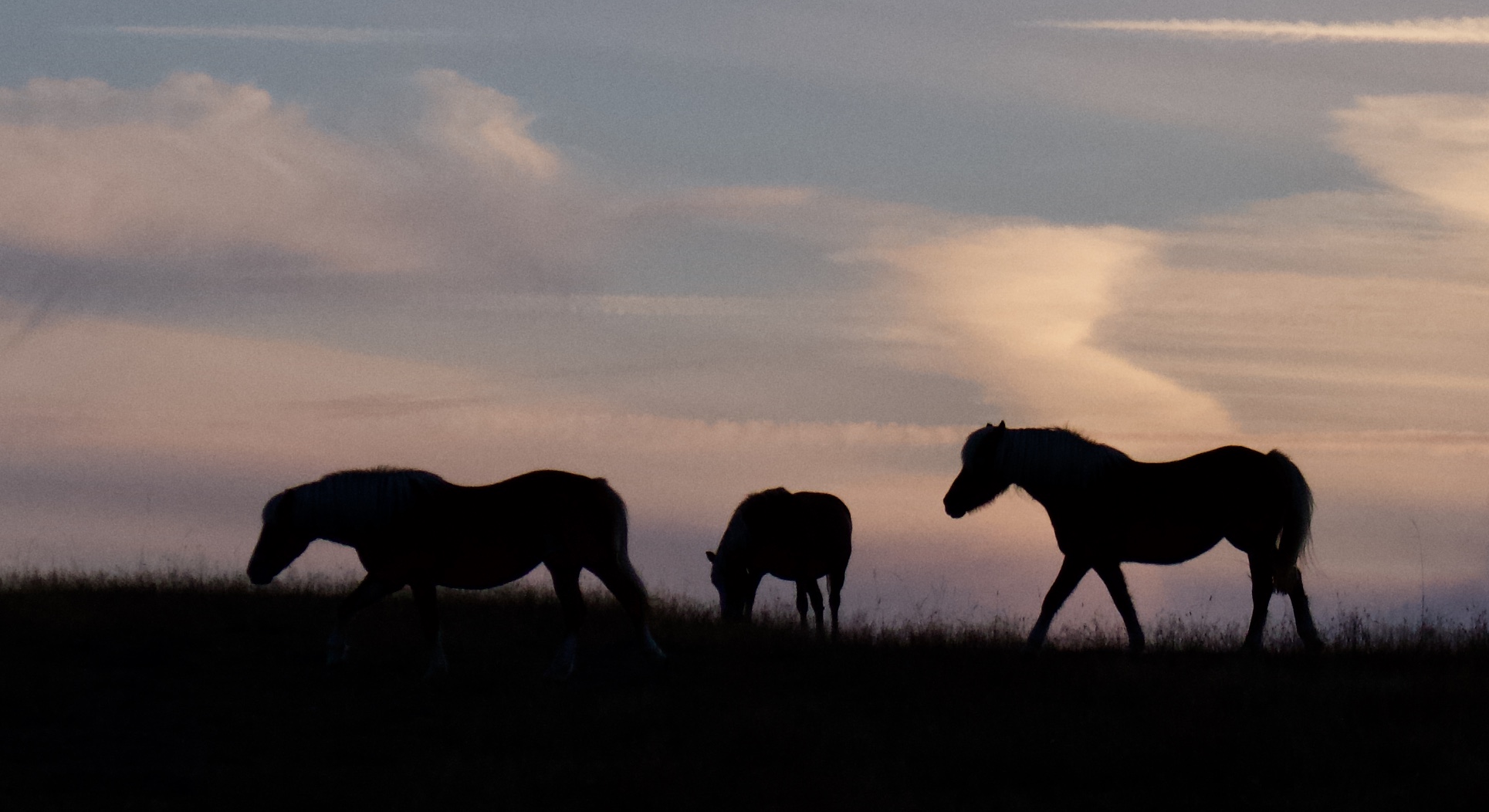
I have a trio of geldings I dub the “Three Musketeers”) who are particularly afflicted with wanderlust. There is not a field yet that has held them when they decide together that it is time to move on. We are a hotwire and white tape fenced farm–something that has worked fairly well over the years, as it is inexpensive, easily repaired and best of all, easily moved if we need to change the fencing arrangement in our pasture rotation between five different 2 acre pastures.
Previous generations of Haflingers have tested the hotwire and learned not to bother it again. No problem.
But not the Three Musketeers.
They know when the wire is grounding out somewhere, so the current is low. They know when the weather is so dry that conduction is poor through the wire. They know when I’ve absent-mindedly left the fencer unplugged because I’ve had someone visit and we wanted to climb unshocked through the fences to walk from field to field.
These three actually have little conferences out in the field together about this. I’ve seen them huddled together, discussing their strategy, and fifteen minutes later, I’ll look out my kitchen window and they are in another field altogether and the wire and tape is strewn everywhere and there’s not a mark on any of them. Even more mysteriously, often I can’t really tell where they made their escape as they leave no trace–I think one holds up the top wire with his teeth and the others carefully step over the bottom wire. I’m convinced they do this just to make me crazy.
Last night, when I brought them in from a totally different field from where they had started in the morning, they all smirked at me as they marched to their stalls as if to say, “guess what you have waiting for you out there.” It was too dark to survey the damage last night but I got up extra early to check it out this morning before I turned them out again.
Sure enough, in the back corner of the field they had been put in yesterday morning, (which has plenty of grass), the tape had been stretched, but not broken, and the wires popped off their insulators and dragging on the ground and in a huge tangled mass. I enjoyed 45 minutes of Pacific Northwest summer morning putting it all back together. Then I put them out in the field they had escaped to last night, thinking, “okay, if you like this field so well, this is where you’ll stay”.
Tonight, they were back in the first field where they started out yesterday morning. Just to prove they could do it. They are thoroughly enjoying this sport. I’m ready to buy a grand poobah mega-wattage fry-their-whiskers fence charger.
But then, I’d be spoiling their fun and their travels. As long as they stay off the road, out of our garden, and out of my kitchen, they can have the run of the place. I too remember being afflicted with wanderlust, long long ago, and wanting to see the big wide world, no matter what obstacles had to be overcome or shocks I had to endure to get there. And I got there after all that trouble and effort and realized that home was really where I wanted to be.
Now, prying me away from my little corner of the world gets more difficult every year. I hope my Haflinger trio will eventually decide that staying home is the best thing after all. Maybe they will listen to what I have to say this time.
AI image created for this post
One-Time
Monthly
Yearly
Make a one-time or recurring donation to support daily Barnstorming posts
At the edge of the city, at the edge of the world, at the edge between the earth and endless sky, the moonshining place, the place where we hung our long summer legs over the edge and fought the urge to drop a shoe or sneak a real first kiss, the place where we played hide-and-go-seek and Tag, you’re it! until we couldn’t breathe or the sun went down, the place where we came on the quietest nights to feel the moon kiss the edge between our skin and endless sky. ~Sarah Kobrinsky, from Nighttime on the Otherside of Everything
photo of supermoon by Harry Rodenberger
The truth of it is: we’re always on the edge of something. Often we’re not aware of it but that’s where some of the best things happen.
Summer itself can lead us right to edge of ourselves, a bright and bold tease to imagine something even more beautiful beyond our reach. It is an invitation to follow the lingering light of the horizon to wherever it may take us.
I can’t help but cling just a while longer before I tumble off the edge of the world.
AI image created for this post
One-Time
Monthly
Yearly
Make a one-time or recurring donation to support daily Barnstorming posts
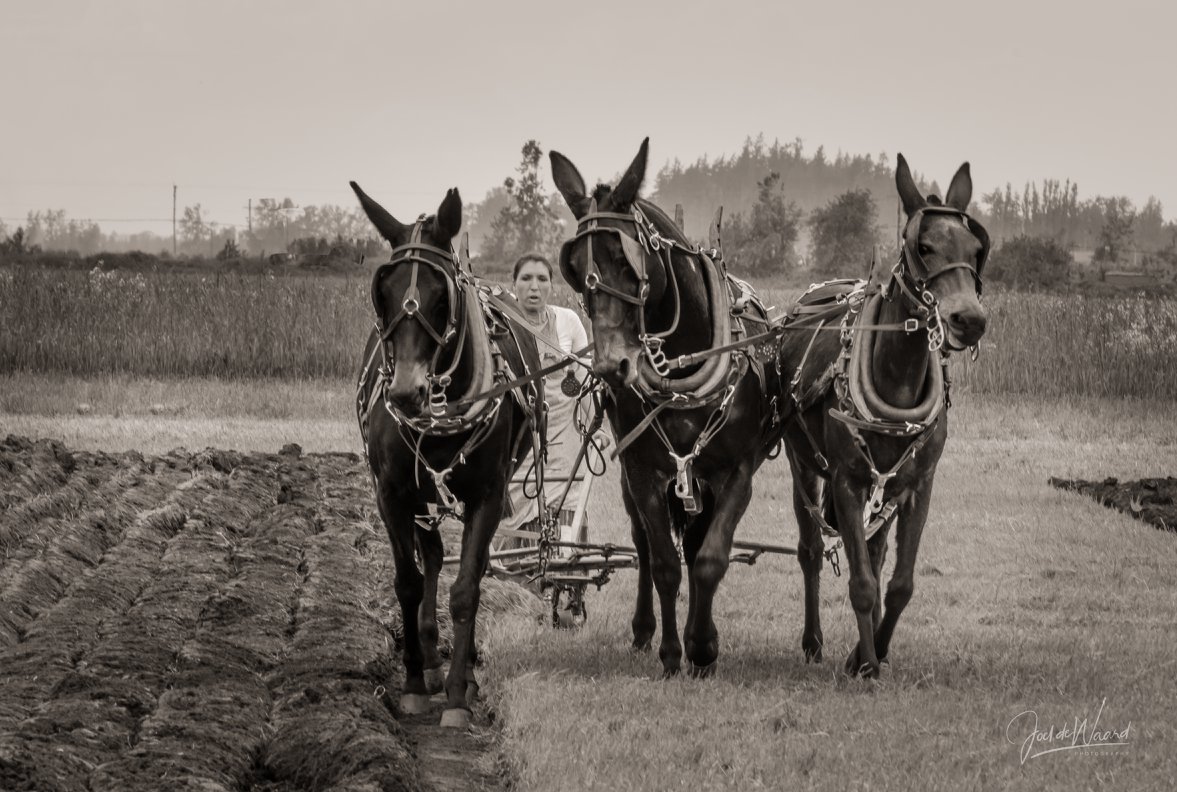
Little soul, you and I will become the memory of a memory of a memory. A horse released of the traces forgets the weight of the wagon. ~Jane Hirshfield “Harness”
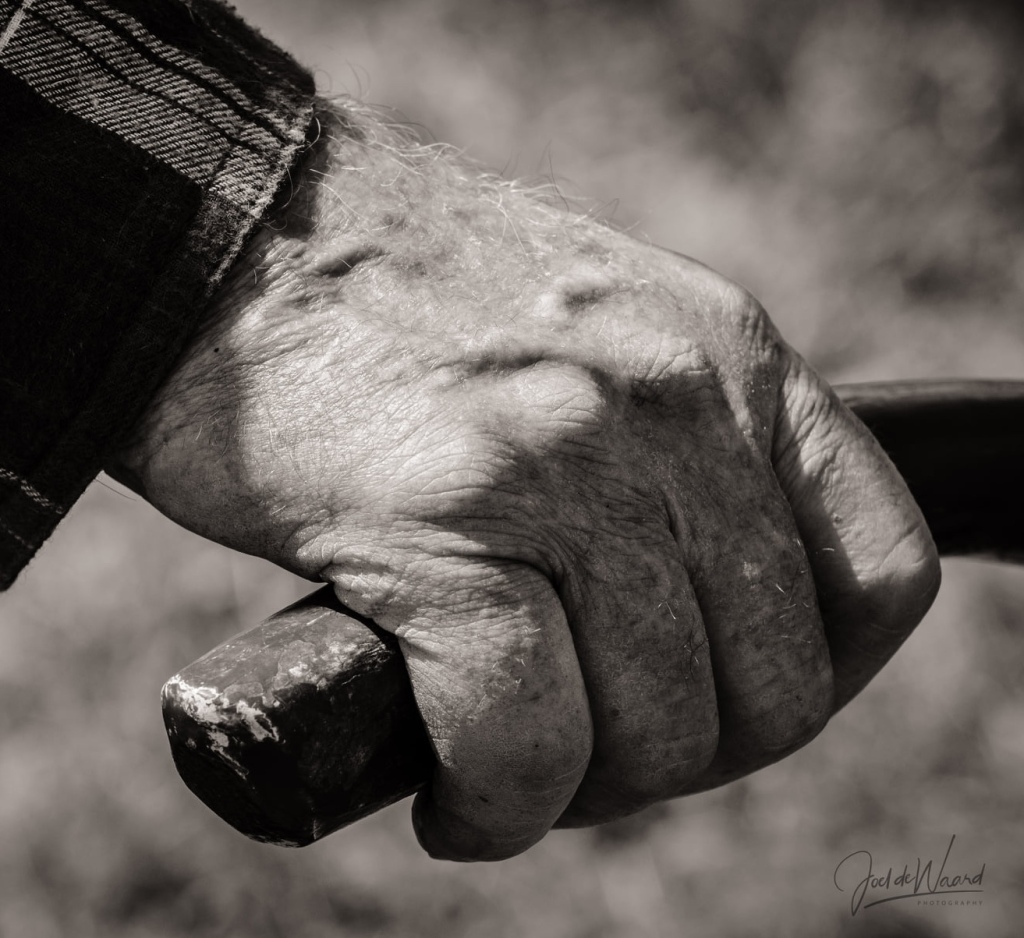
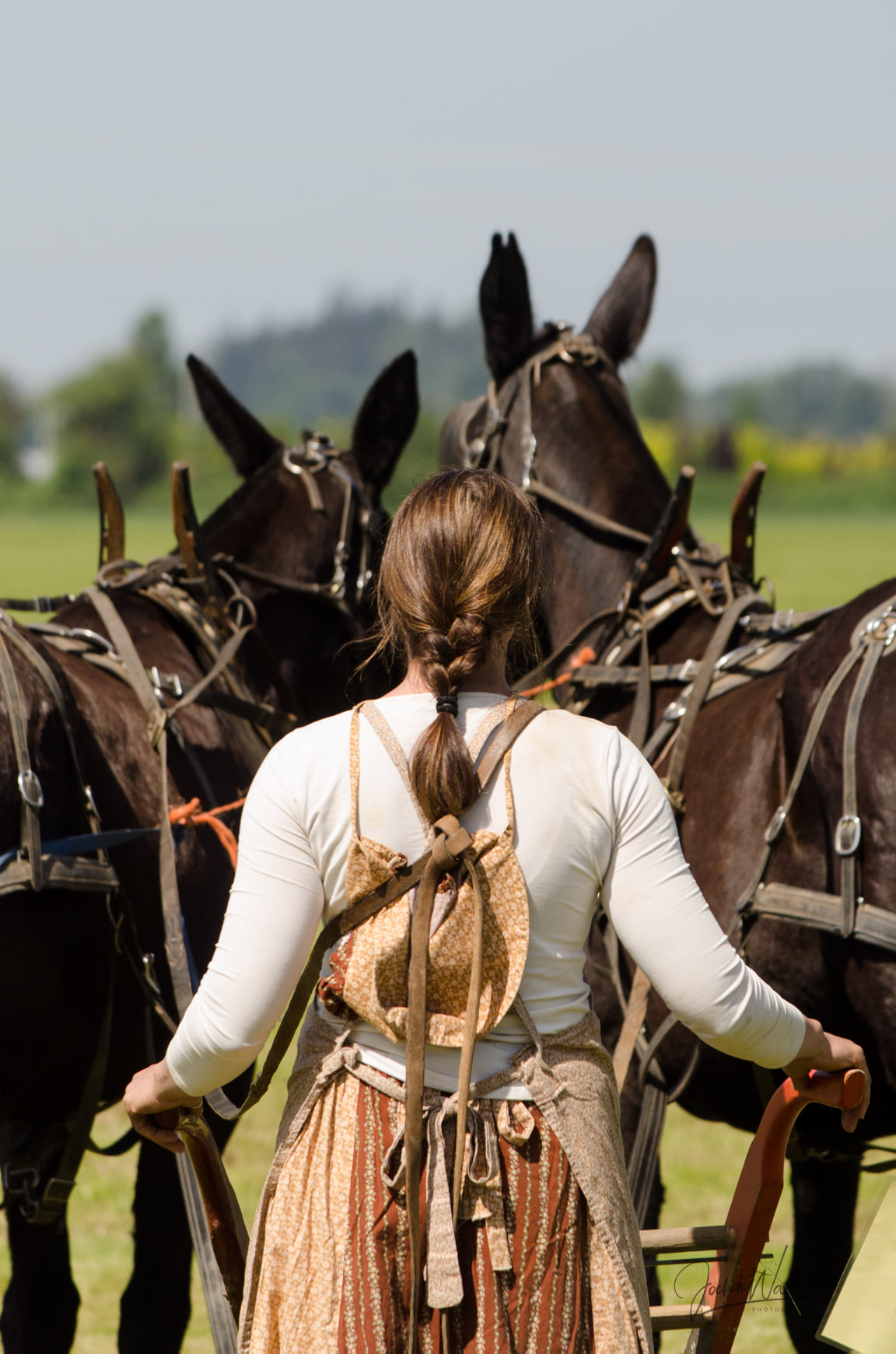
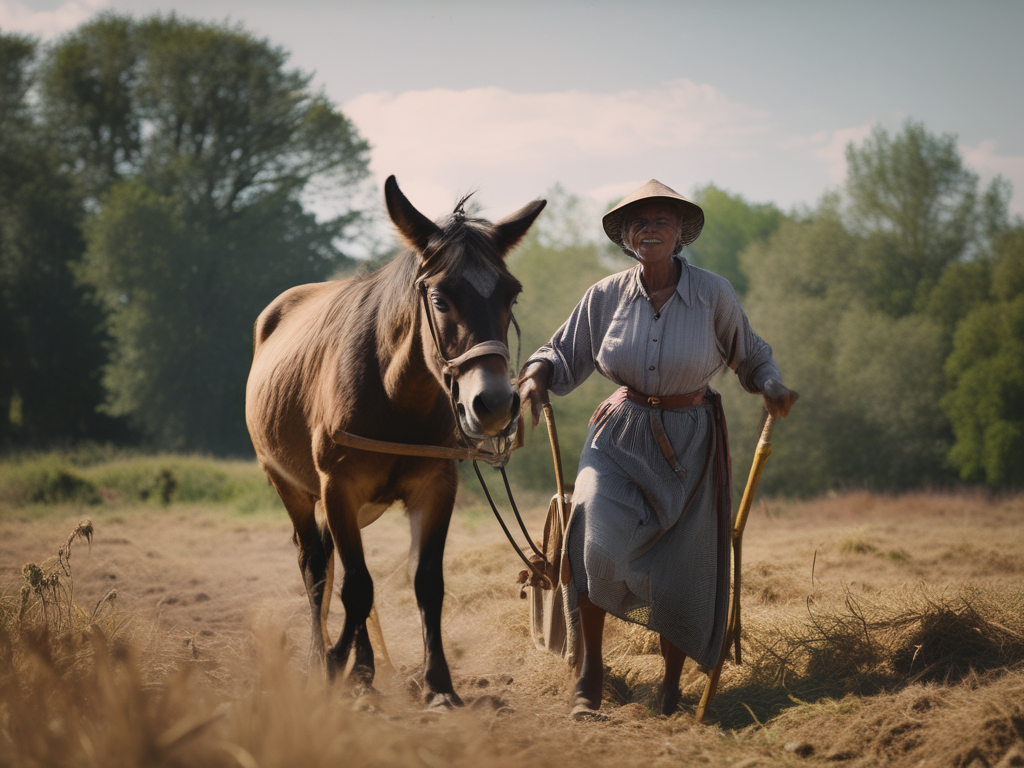
My grandmothers were strong. They followed plows and bent to toil. They moved through fields sowing seed. They touched earth and grain grew. They were full of sturdiness and singing. My grandmothers were strong.
My grandmothers are full of memories Smelling of soap and onions and wet clay With veins rolling roughly over quick hands They have many clean words to say. My grandmothers were strong. Why am I not as they? ~Margaret Walker “Lineage”
So many years of shouldering huge burdens while waiting for freedom from the harness: grandmothers, grandfathers, parents, children struggling through every ounce of sweat, every sore muscle, every drop of blood, every tear.
How can one forget the weight of the plow as it turns over the earth where someday all will rest as dust?
The soil of strong hearts is well-tilled, yielding to the plowshare, furrowed deep and straight by the hard pull of the traces.
Although black hearts and minds are still tread upon yet do they bloom; even when turned inside out yet do they flourish.
Plow deep our hearts this day, oh Lord, to celebrate freedom declared for all God’s children.
May we never forget the strength it took to hold on… to plow, sow, grow, gather and harvest that freedom, the steady pull on the traces in order to raise up strong children and grandchildren evermore and everywhere.
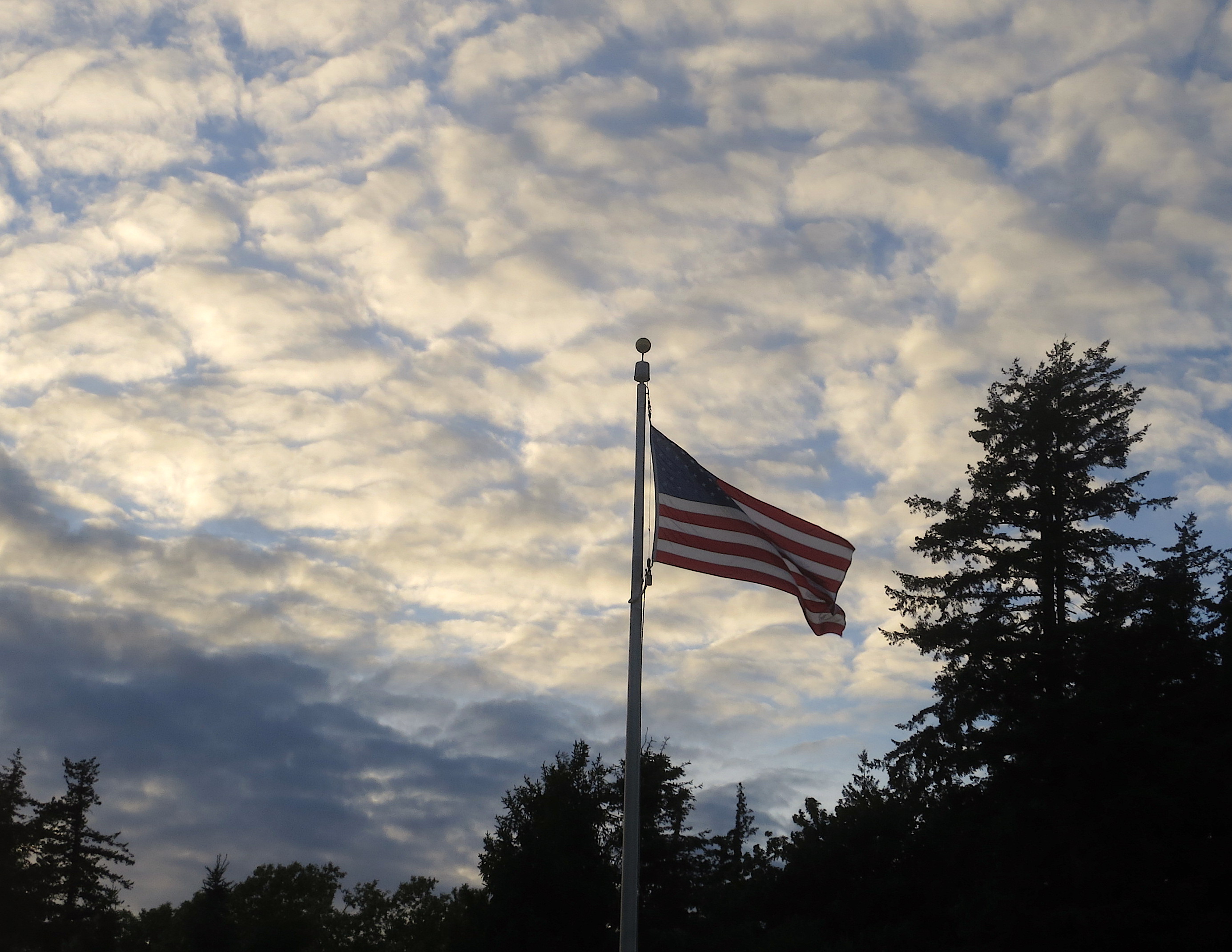
I am what you make me; nothing more. I swing before your eyes as a bright gleam of color, a symbol of yourself. ~Franklin K. Lane, Secretary of the Interior, 1914 Flag Day address
Sometimes, as a child, when I was bored, I’d grab a step ladder, pull it into our hallway, climb half way up and carefully lift the plywood hatch that was the portal to our dark attic. It took some effort to climb up into the attic from the ladder, juggling a flashlight at the same time, but once seated safely on the beams above our ceiling, being careful not to put my foot through the carpet of insulation, I could explore what was stowed and normally inaccessible to me.
All the usual attic-type things were put up there: Christmas ornaments and lights, baby cribs and high chairs, lamps and toys no longer used. Secrets to my parents’ past were stored away there too. It was difficult imagining them as young children growing up on opposite sides of the state of Washington, in very different circumstances, or as attractive college students who met at a dance, or as young marrieds unencumbered by the daily responsibilities of a family. The attic held those images and memories like a three dimensional photo album.
My father’s dark green Marine Corps cargo trunk was up there, the one that followed him from Officer Training in Quantico, Virginia, to beach and mountain battles on Tarawa, Tinian and Saipan in the South Pacific, and three years later back home again. It had his name and rank stenciled on the side in dark black lettering. The buckles were stiff but could be opened with effort, and in the dark attic, there was always the thrill of unlatching the lid, and shining the flashlight across the contents. His Marine Corps dress uniform lay inside underneath his stiff brimmed cap. There were books about protocol, and a photo album which contained pictures of “his men” that he led in his battalion, and the collection of photos my mother sent of herself as she worked as a teacher of high school students back home.
Most fascinating was a folded Japanese flag inside a small drawstring bag, made of thin white see-through cloth with the bold red sun in the middle. Surrounding the red sun were the delicate inked characters of many Japanese hands as if painted by artists, each wishing a soldier well in his fight for the empire. Yet there it was, a symbol of that soldier’s demise, itself buried in an American attic, being gently and curiously held by an American daughter of a Marine Corps captain. It would occur to me in the 1960s that some of the people who wrote on this flag might still be living, and certainly members of the soldier’s family would still be living. I asked my father once about how he obtained the flag, and he, protecting both me and himself, waved me away, saying he couldn’t remember. I know better now. He knew but could not possibly tell me the truth.
These flags, charms of good luck for the departing Japanese soldier as he left his neighborhood or village for war, are called Hinomaru Yosegaki (日の丸寄せ書き). Tens of thousands of these flags came home with American soldiers; it is clear they were not the talisman hoped for. A few of these flags are now finding their way back to their home country, to the original villages, to descendants of the lost soldiers. So now has this flag.
Eighty years ago doesn’t seem that long, a mere drop in the river of time. There are more than mere mementos that have flowed from the broken dam of WWII, flooding subsequent generations of Americans, Japanese, Europeans with memories that are now lost as the oldest surviving soldiers pass, scores of them daily, taking their stories of pain and loss and heroism with them. My father could never talk with a person of Asian descent, Japanese or not, without being visibly uneasy. As a child, I saw and felt this from him, but heard little from his mouth.
When he was twenty two years old, pressed flat against the rocks of Tarawa, trying to melt into the ground to become invisible to the bullets whizzing overhead, he could not have conceived that sixty-five years later his twenty two year old grandson would disembark from a jumbo jet at Narita in Tokyo, making his way to an international school to teach Japanese children. My father would have been shocked that his grandson would settle happily into a culture so foreign, so seemingly threatening, so apparently abhorrent. Yet this irony is the direct result of the horrors of that too-long horrible bloody war of devastation: Americans and Japanese, despite so many differences, have become the strongest of allies, happily exchanging the grandchildren of those bitterly warring soldiers back and forth across the Pacific. It too was my privilege to care for Japanese exchange students daily in my University health clinic, peering intently into their open faces and never once seeing the enemy that my father feared.
Now all these decades later, our son taught for 13 years in Tokyo, with deep admiration and appreciation for each of his students, some of whom were great-grandchildren of WWII Japanese soldiers. He married a granddaughter of those my father fought. Their two children are the perfect amalgam of once warring, yet now peaceful, cultures; a symbol of blended and blending peoples overcoming the hatred of past generations, creating a new world.
Our son and daughter-in-law, having now settled their family in the States, are adapting to a different language, culture and flag. I pray our son – having devoted part of his life as teacher and missionary to the land of the rising sun – has redeemed his grandfather, the soldier-warrior of the past century.
(U.S. Air Force photo by Staff Sgt. Peter Reft)
One-Time
Monthly
Yearly
Make a one-time or recurring donation to support daily Barnstorming posts
Roads go ever ever on, Over rock and under tree, By caves where never sun has shone, By streams that never find the sea; Over snow by winter sown, And through the merry flowers of June, Over grass and over stone, And under mountains in the moon.
Roads go ever ever on, Under cloud and under star. Yet feet that wandering have gone Turn at last to home afar. Eyes that fire and sword have seen, And horror in the halls of stone Look at last on meadows green, And trees and hills they long have known.
The Road goes ever on and on Down from the door where it began. Now far ahead the Road has gone, And I must follow, if I can, Pursuing it with weary feet, Until it joins some larger way, Where many paths and errands meet. And whither then? I cannot say.
The Road goes ever on and on Out from the door where it began. Now far ahead the Road has gone. Let others follow, if they can! Let them a journey new begin. But I at last with weary feet Will turn towards the lighted inn, My evening-rest and sleep to meet.
Still ’round the corner there may wait A new road or secret gate; And though I oft have passed them by, A day will come at last when I Shall take the hidden paths that run West of the Moon, East of the Sun. ~J.R.R. Tolkien “Bilbo’s Walking Song”
It’s a dangerous business, Frodo, going out of your door. You step into the Road, and if you don’t keep your feet, there is no knowing where you might be swept off too. ~J.R.R. Tolkien – Bilbo to Frodo in Fellowship of the Rings
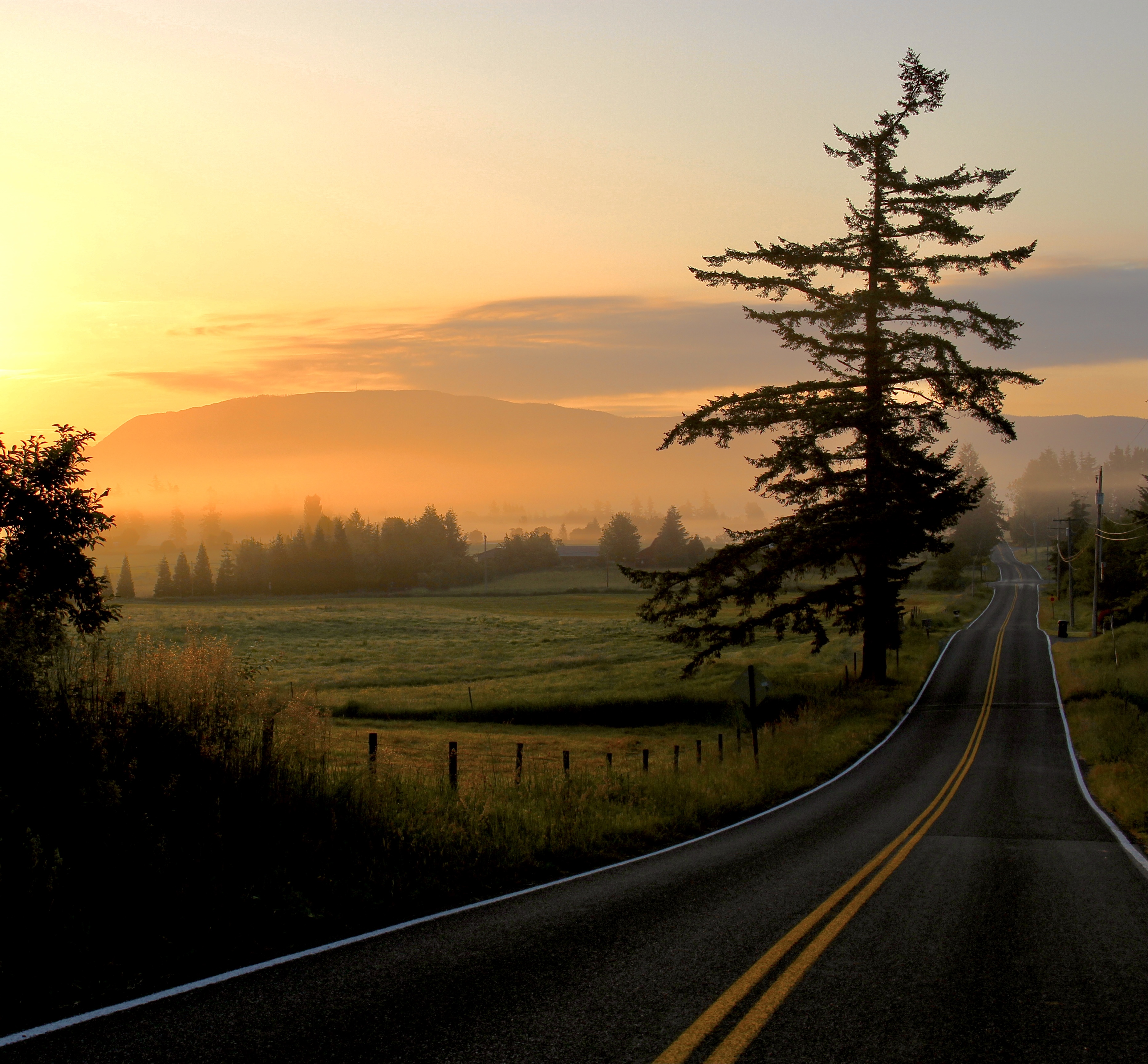
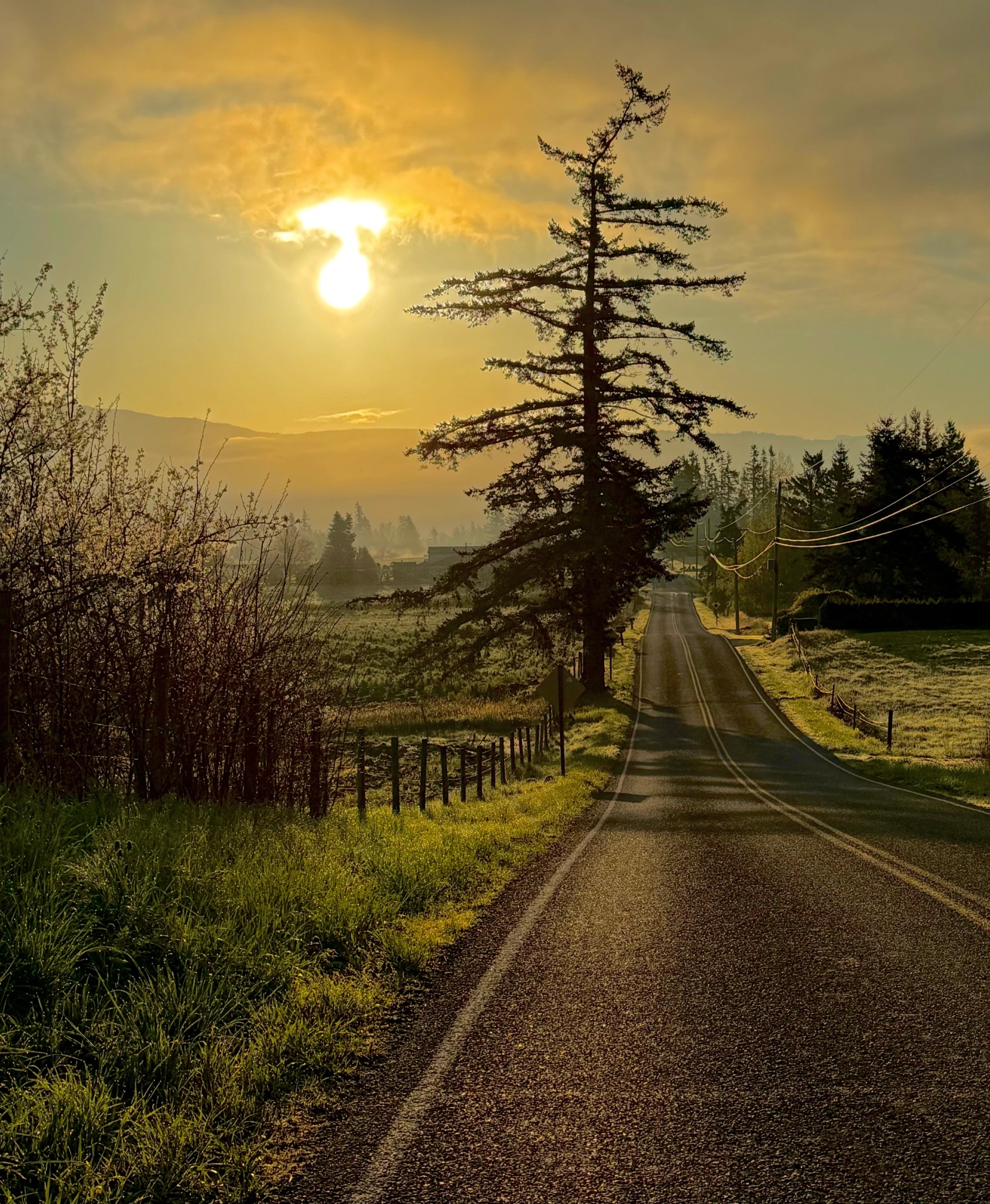
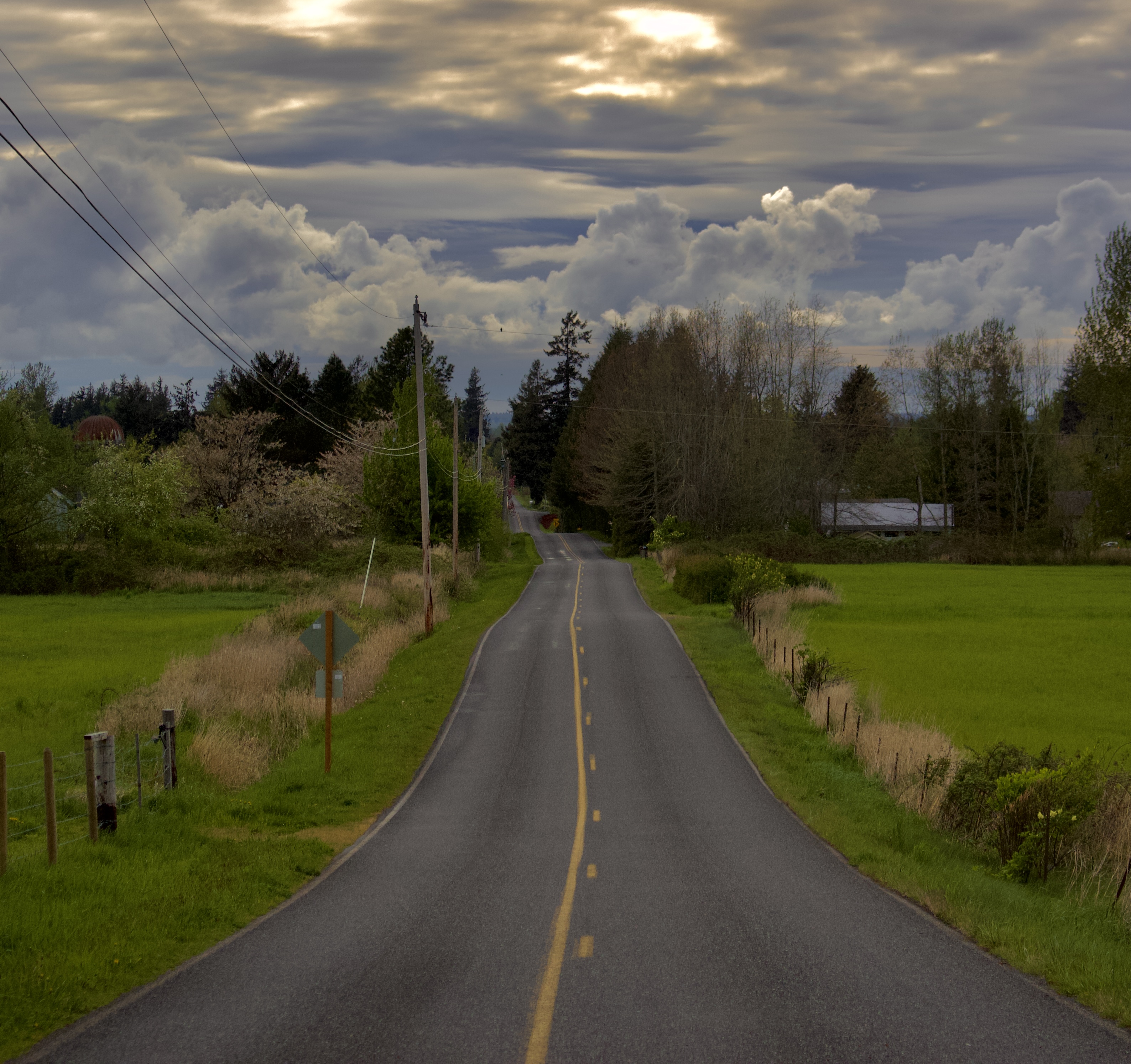
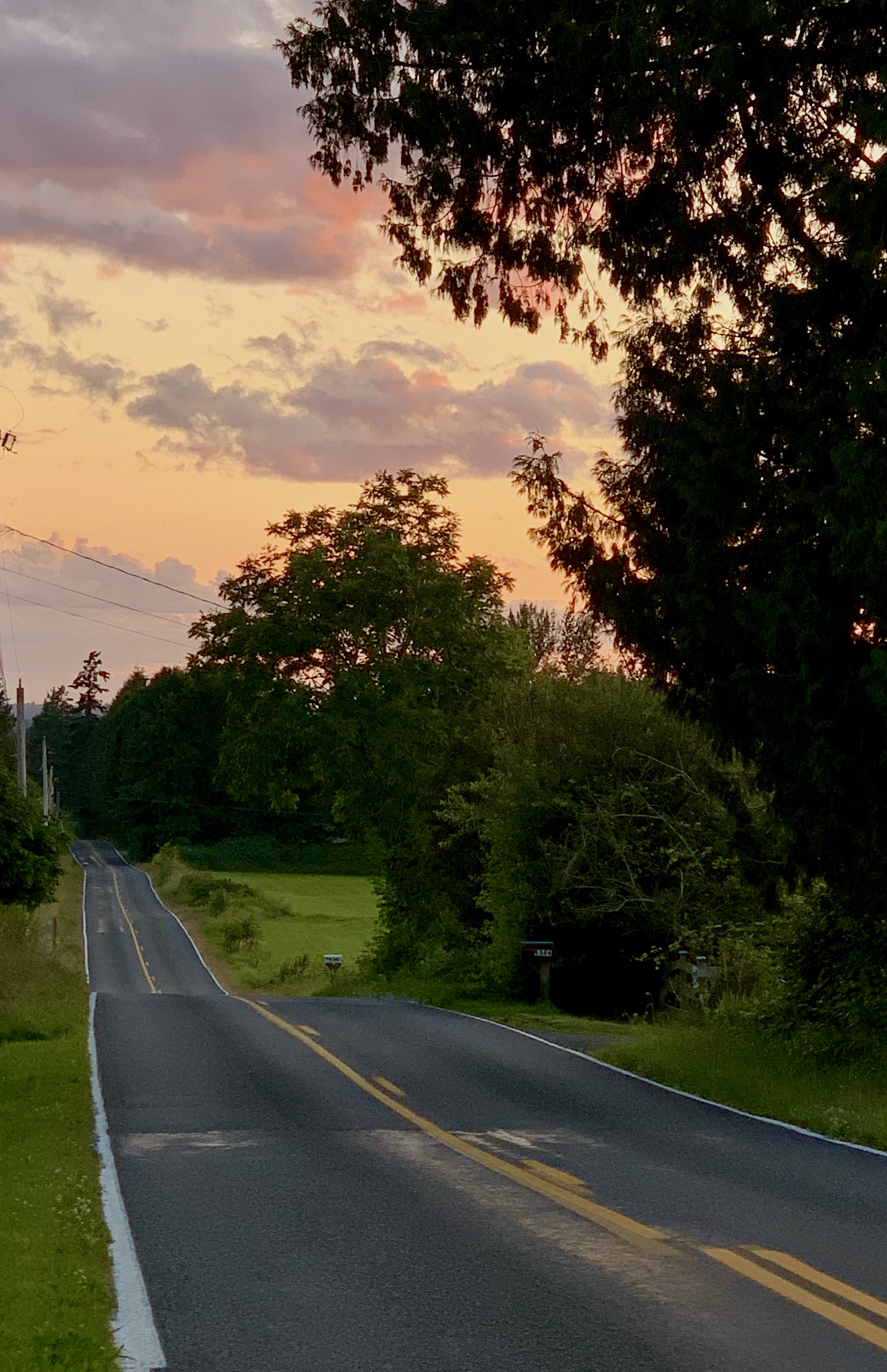
I love these roads in June, at dawn or dusk, the light and shadow playing over the path, promising summer songs and simple joys.
When I walk these roads, I try to avoid the deep ditches, the potholes and speed bumps.
It’s a dangerous business, walking out the front door, not knowing where I may be swept off to.
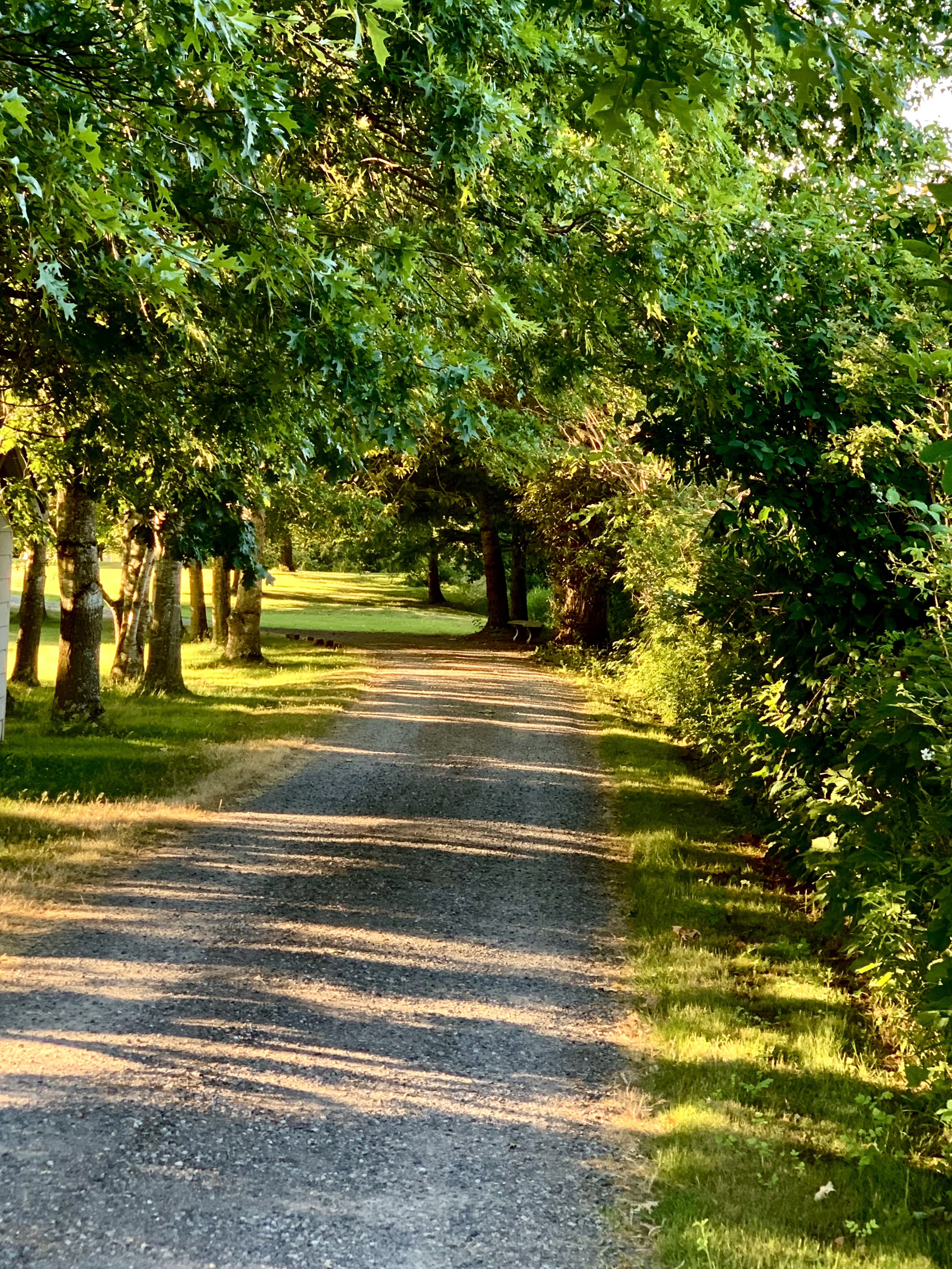
Passing by secret gates and overgrown paths, I take the familiar route that leads me home, waiting for a Guide so I don’t lose my way.
AI image created for this post
One-Time
Monthly
Yearly
Make a one-time or recurring donation to support daily Barnstorming posts
“Your attention, please,” the mate’s voice says, “we are slowing a moment for a memorial,” and sure enough we all do, all of us, even those entangled in a bustle to get to the other side, restless chunks of festering business waiting, little urgencies pricking us into a stressed huff. Below on the car deck a small group slowly forms, and a mate lowers a rope, beckons them forward, the ferry engines slowing whatever our hurry, and we are all coasting together on a rainy sea.
A heavy-set woman unwraps a nondescript urn from a carefully held towel, handing it in turn to an ungainly boy, a shy girl, an older man, and she watches as each tips the urn to scatter dust into a windy vortex off the ferry’s stern, a fine grey mist streaming over the roiled wake in a high breeze before settling, disappearing into grey oblivion of sea, sky, and late afternoon.
As the ferry’s horn sounds three long blasts, the four bow heads. The woman hesitates, hides her face a moment in the towel, kisses each of her party, and shakes the mate’s hand. He speaks, his words lost to us in sea sounds and engines, then looks up to the bridge, waves, and the small group, holding hands, rejoins some two hundred of us who have in silence watched this mini-delay in our grey crossing. The ferry’s engines begin their normal thrum to push us forward again against a grey sea and under a low, grey sky, where a fine dust disappeared, and white seagulls rise and cry. ~Rob Jacques, “Memorial, Washington State Ferry” from Adagio for Su Tung-p’o
There is a sense of timelessness while riding on the ferry runs between the islands and peninsulas in Washington state. While driving my car on the busy freeways in the region, I am at the mercy of the weather, other drivers and all manner of delays. When I’m on a ferry, I become mere witness, only a rider seeking peaceful passage. Someone else worries about safely getting from Point A to Point B.
I’m able to breathe: watching the waves and the wake, the antics of gulls and cormorants, and rarely, an orca pod.
Next week is a time of memorial and remembrance of those who have passed into eternity. The ashes of my parents rest in the ground under a plaque that I visit annually with my family. Dad would have preferred his ashes to be cast out upon on the open water that he loved, but Mom chose a cemetery plot for them both, a more familiar resting place for a girl who grew up in the Palouse farmlands, no where near large bodies of water.
Last year, a good friend chose to be composted; he rests now in his beloved orchard, feeding the trees that continue to bear fruit.
No matter where our mortal bodies eventually find our rest, we hope to be remembered.
Our souls have risen, free.
video taken on the Samish Sea (Puget Sound) from my friend Andrew
One-Time
Monthly
Yearly
Make a one-time or recurring donation to support daily Barnstorming posts
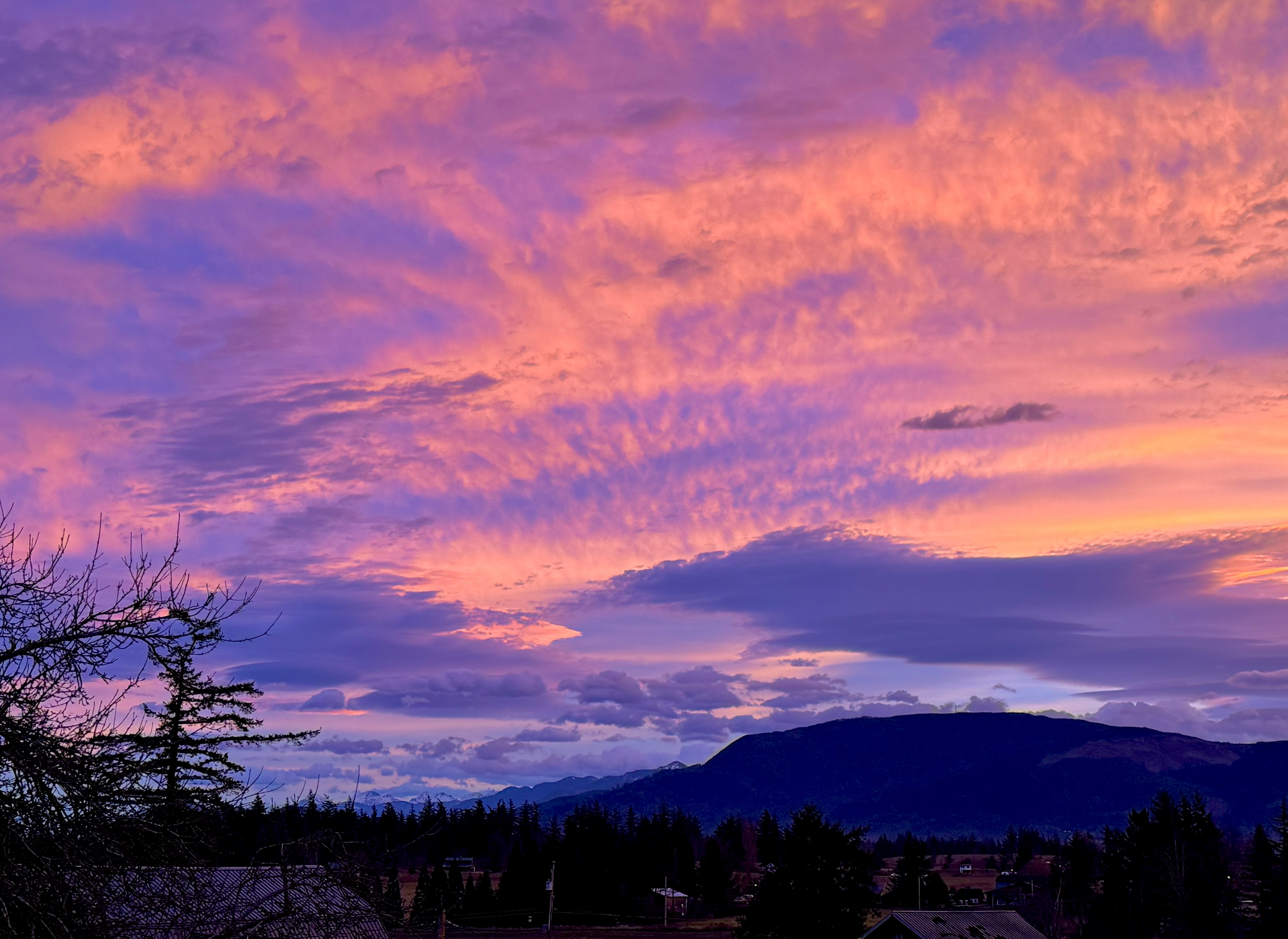
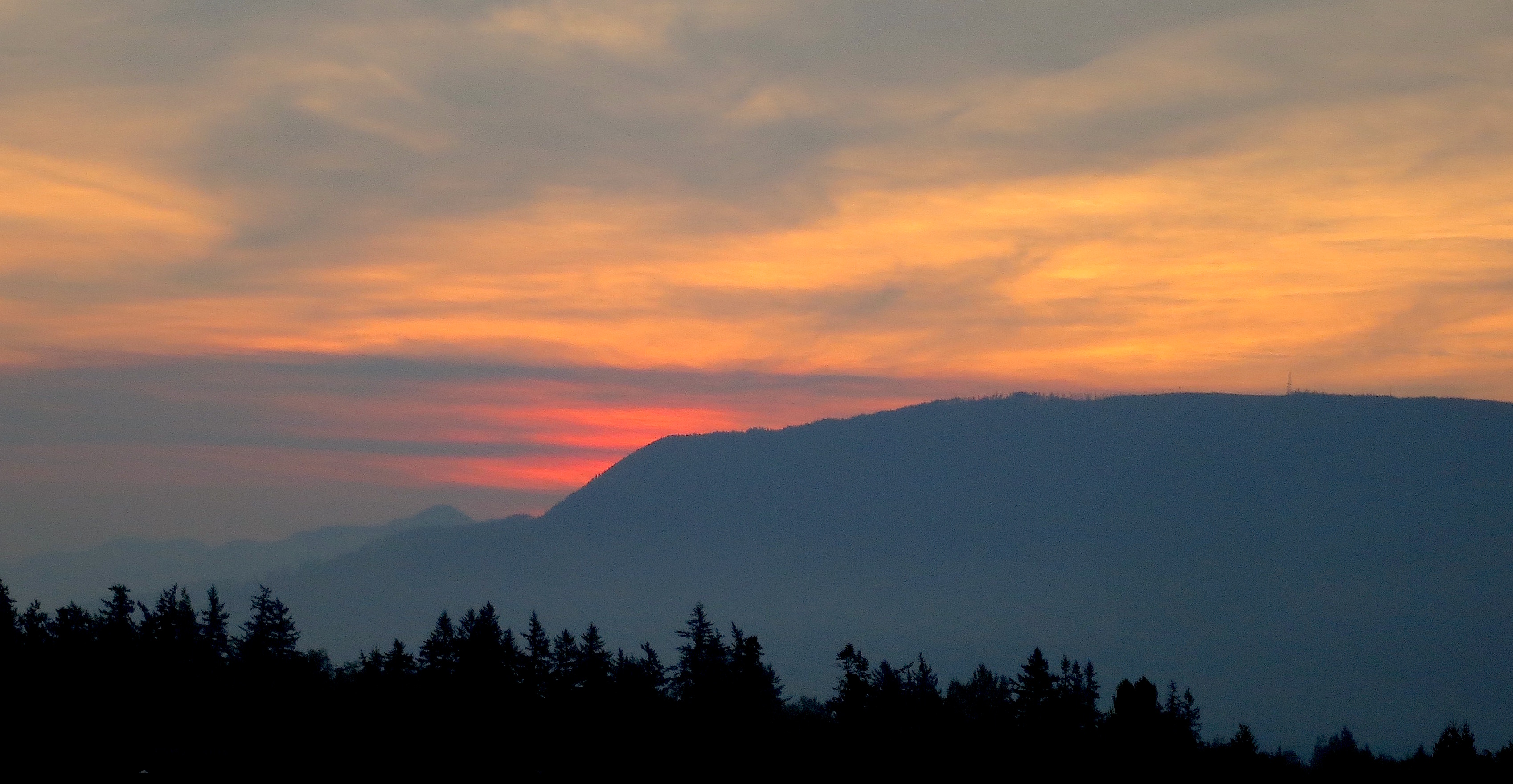
Still and calm, In purple robes of kings, The low-lying mountains sleep at the edge of the world. The forests cover them like mantles; Day and night Rise and fall over them like the wash of waves. Asleep, they reign. Silent, they say all. Hush me, O slumbering mountains – Send me dreams. ~Harriet Monroe “The Blue Ridge”
If you find yourself half naked and barefoot in the frosty grass, hearing, again, the earth’s great, sonorous moan that says you are the air of the now and gone, that says all you love will turn to dust, and will meet you there, do not raise your fist. Do not raise your small voice against it. And do not take cover. Instead, curl your toes into the grass, watch the cloud ascending from your lips. Walk through the garden’s dormant splendor. Say only, thank you. Thank you. ~Ross Gay “Thank You”
I live for those who love me, Whose hearts are kind and true; For the heaven that smiles above me, And awaits my spirit, too; For all human ties that bind me, For the task my God assigned me, For the bright hopes left behind me, And the good that I can do. For the cause that needs assistance, For the wrongs that need resistance, For the future in the distance, And the good that I can do ~George Linnaeus Banks from “What I Live For”
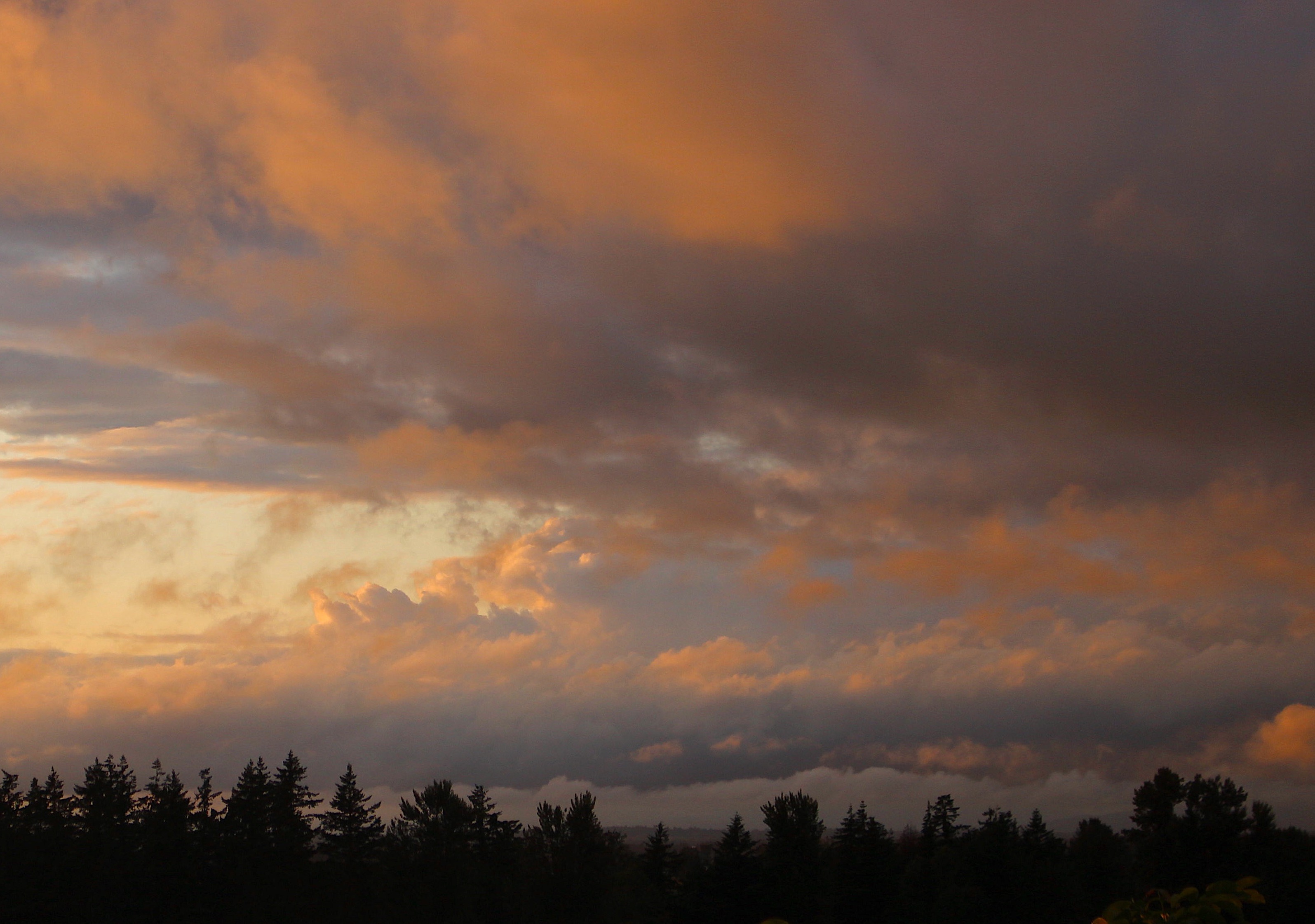
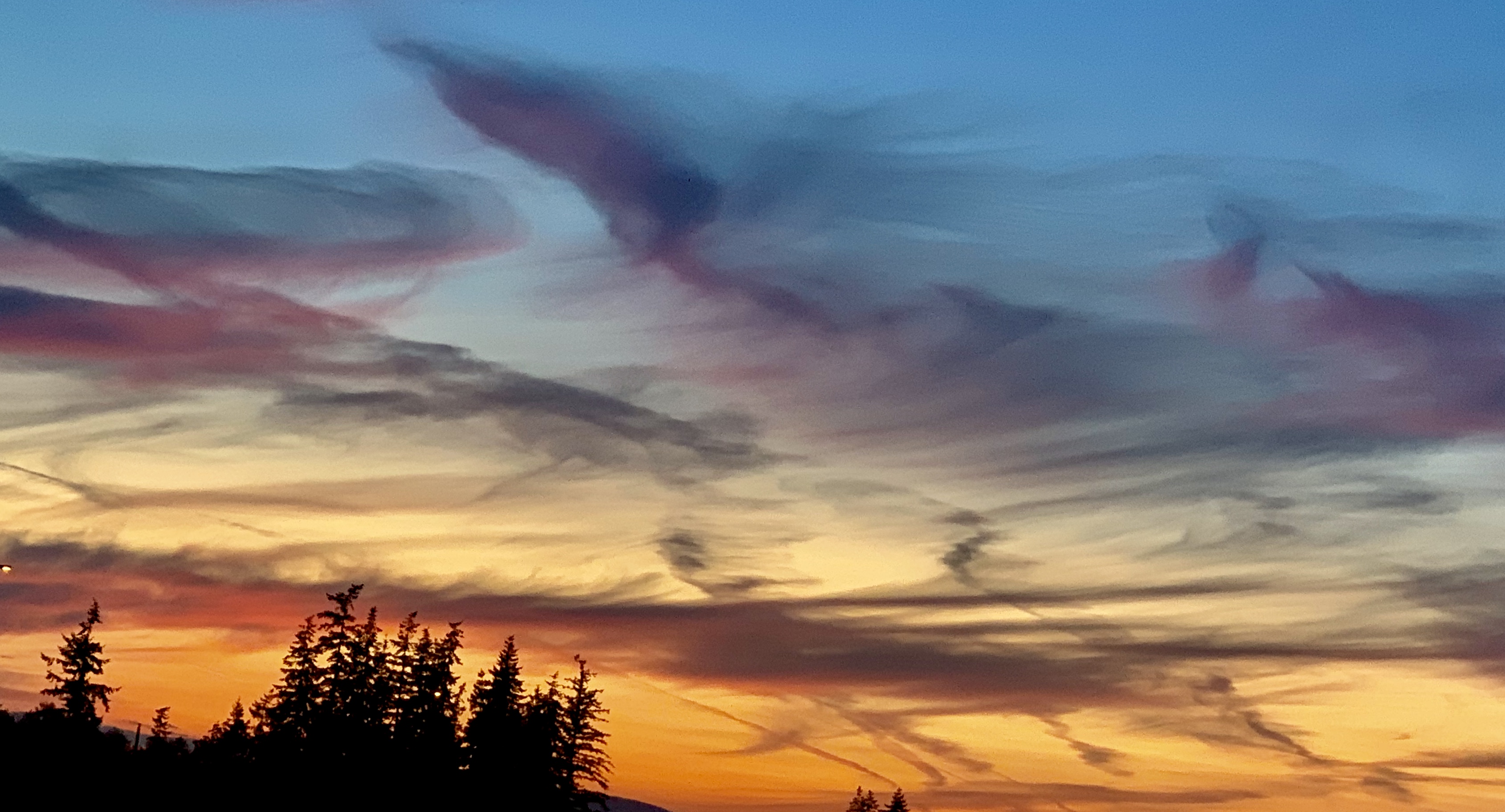
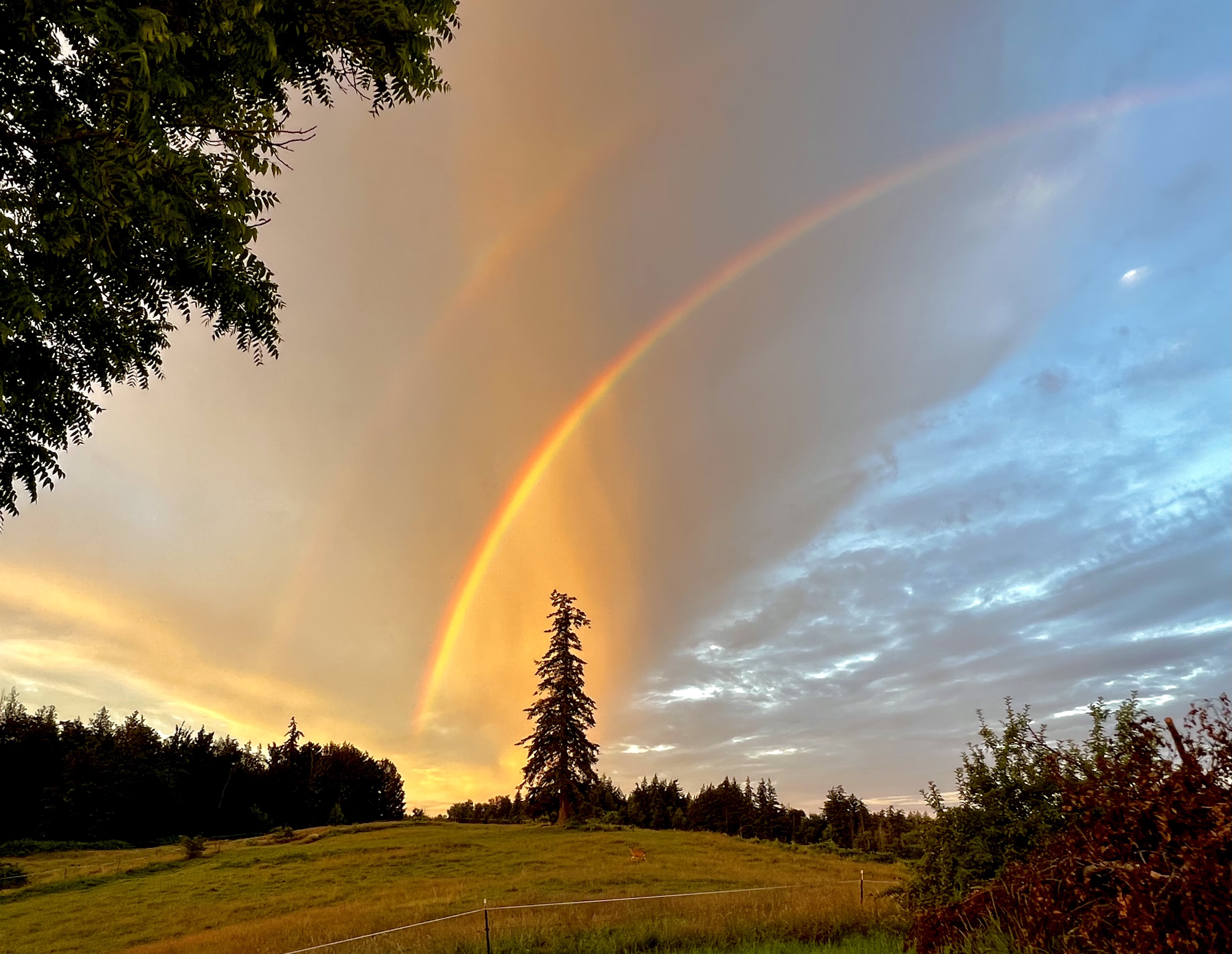
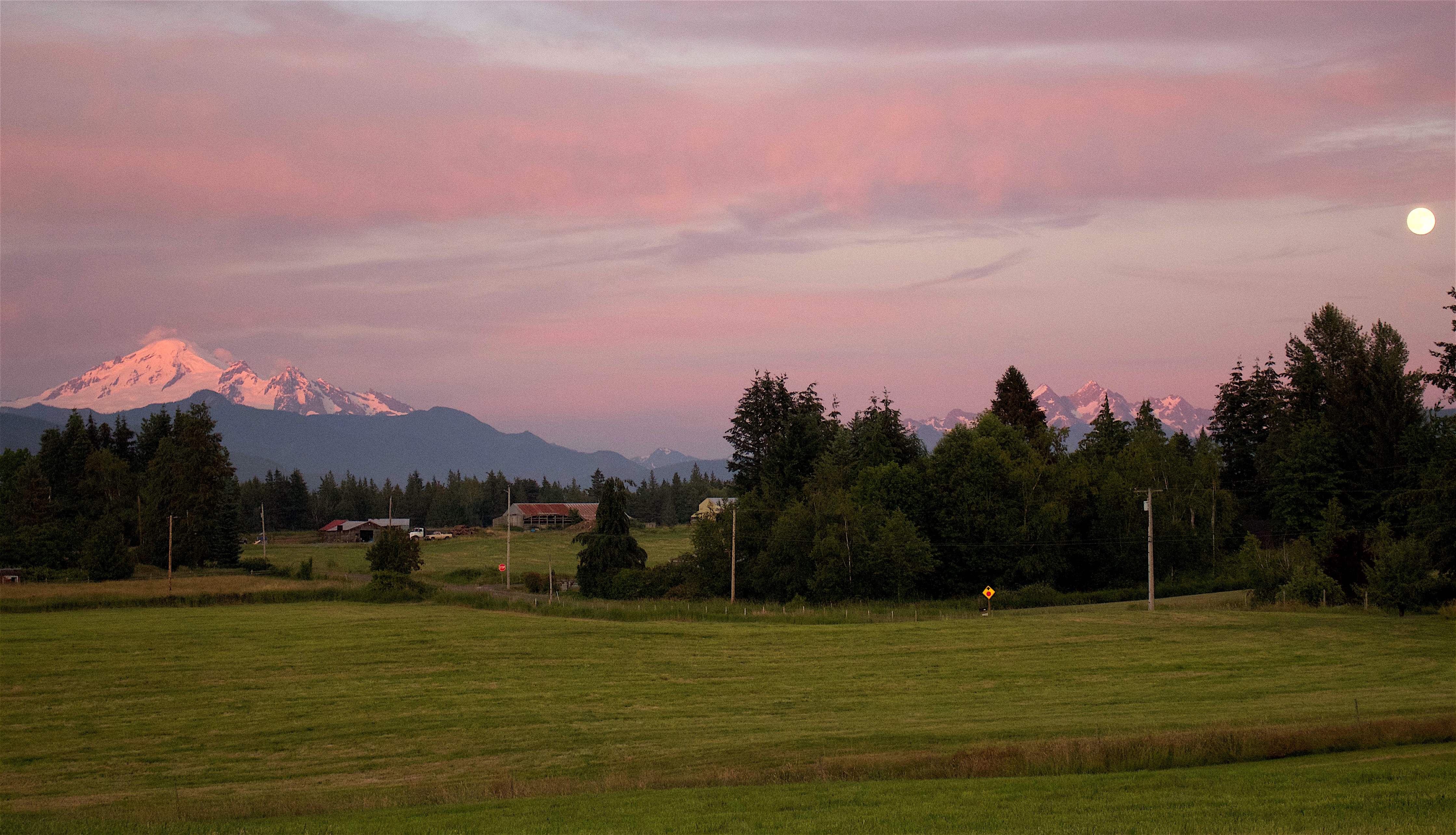
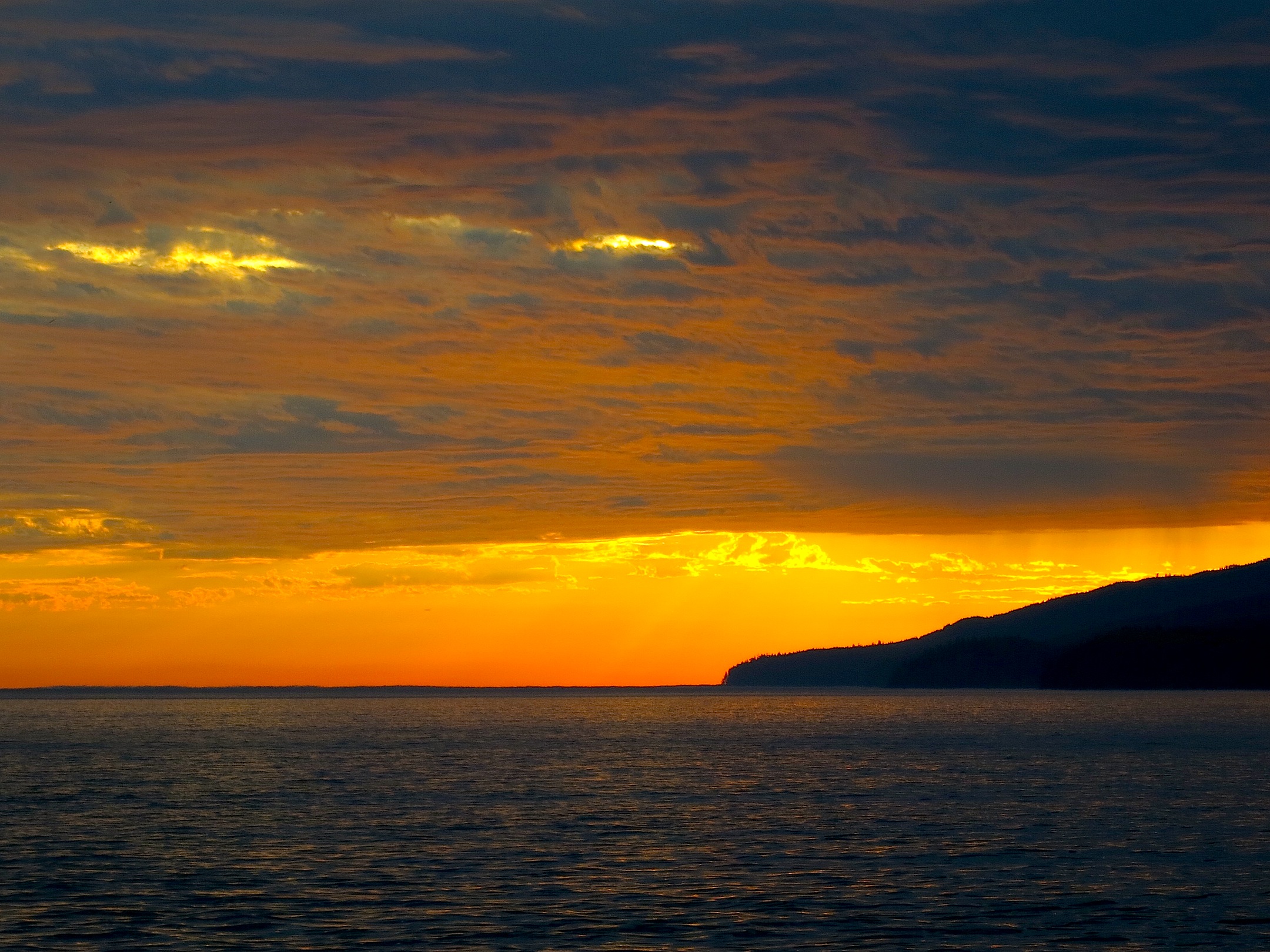
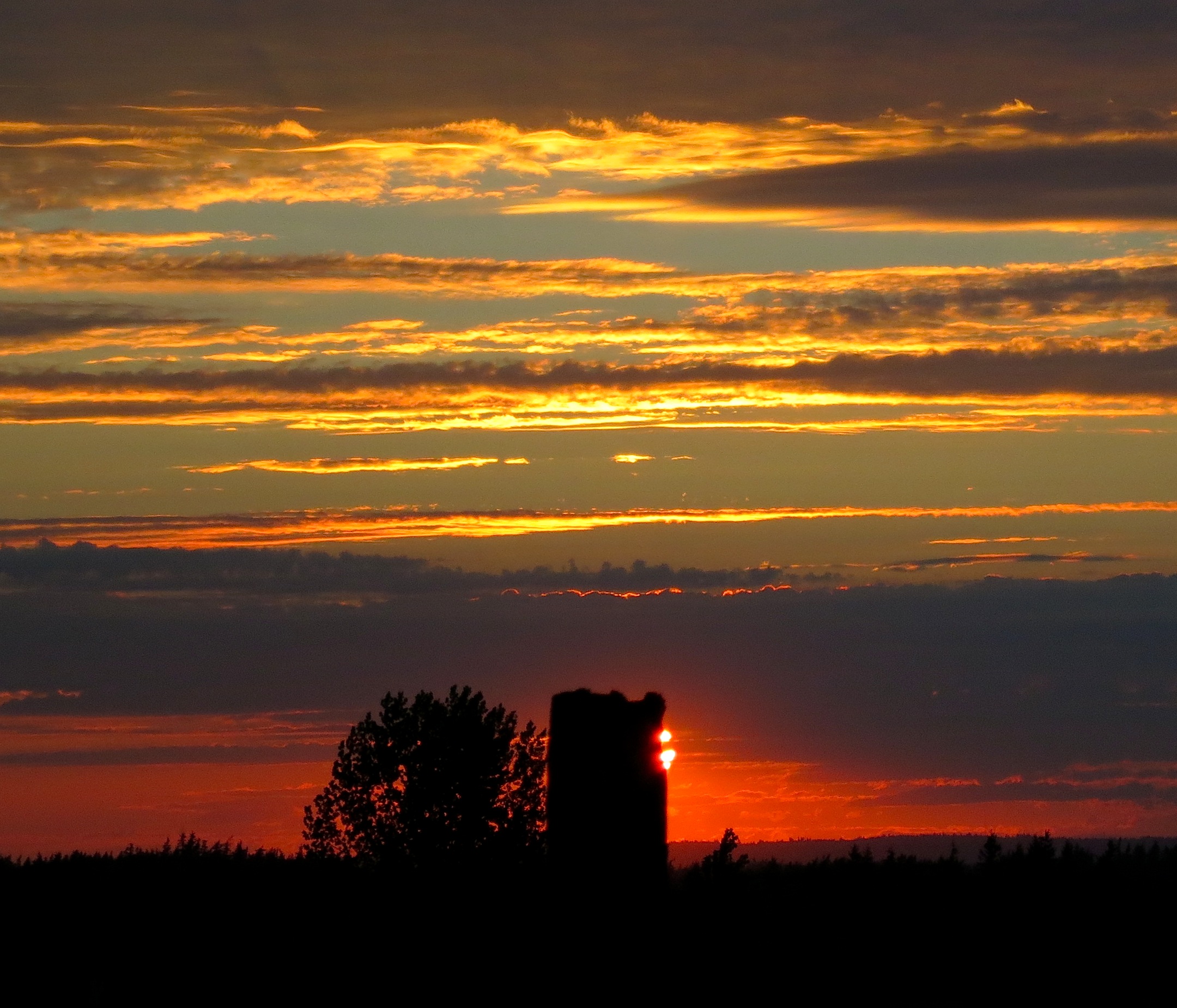
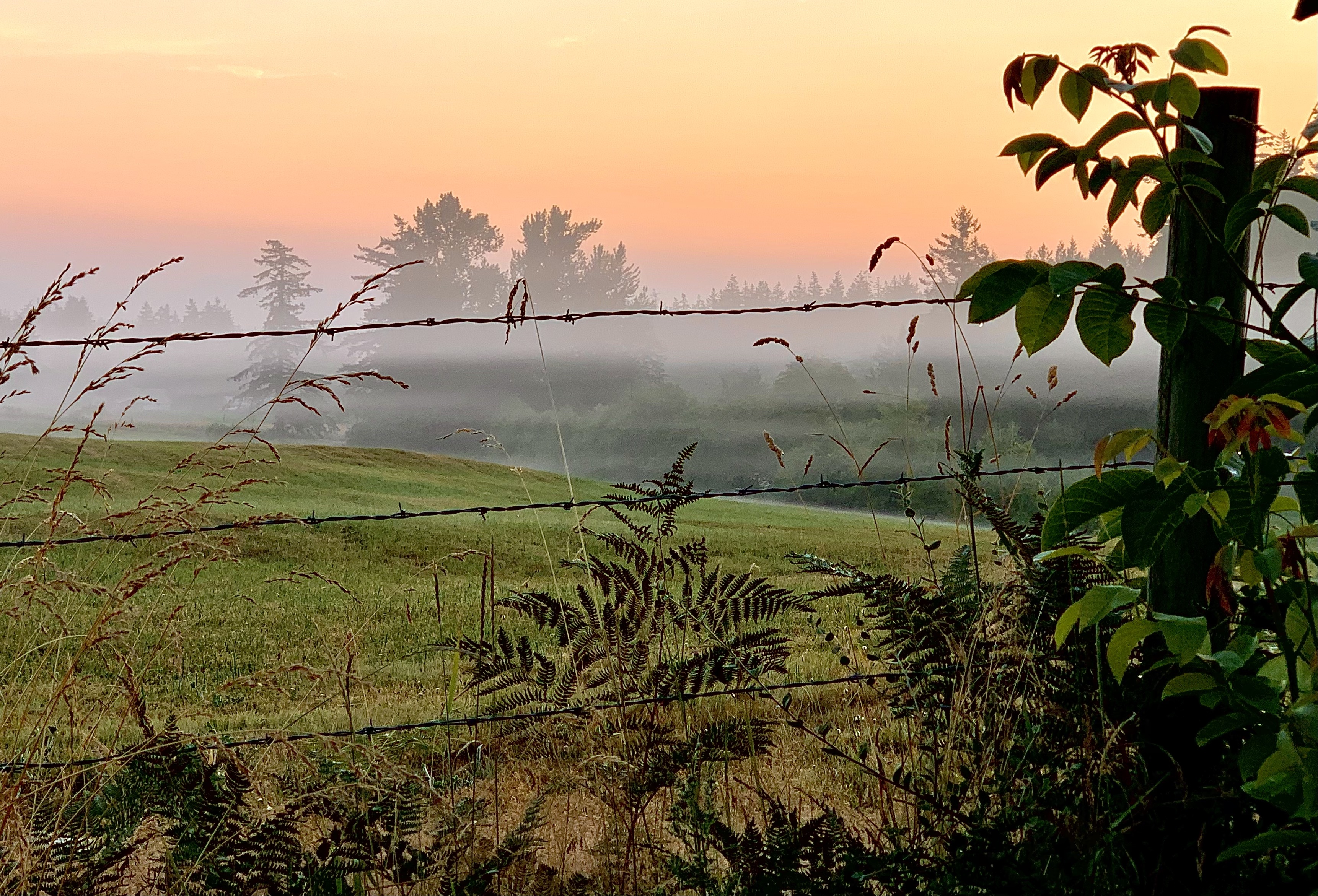
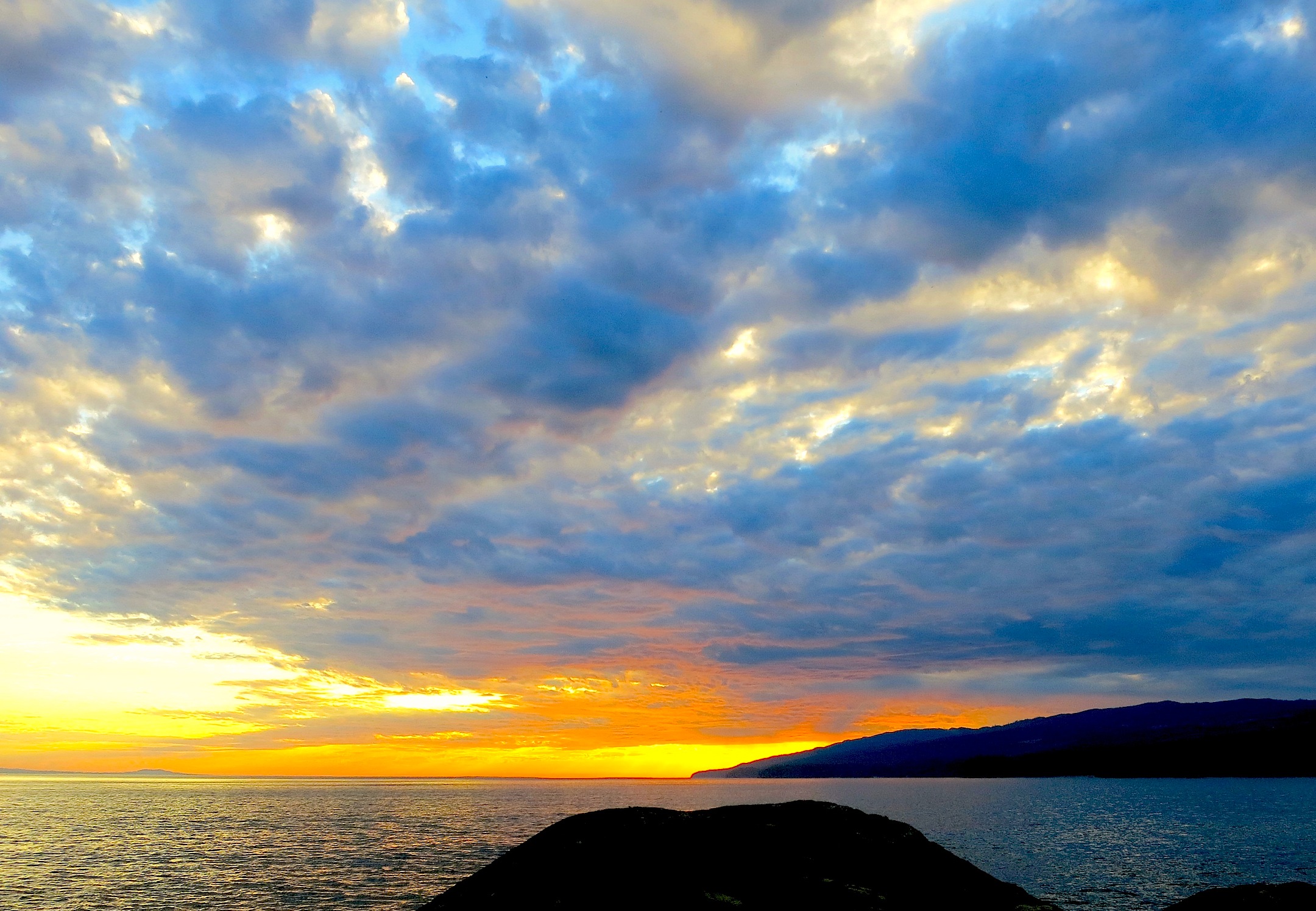
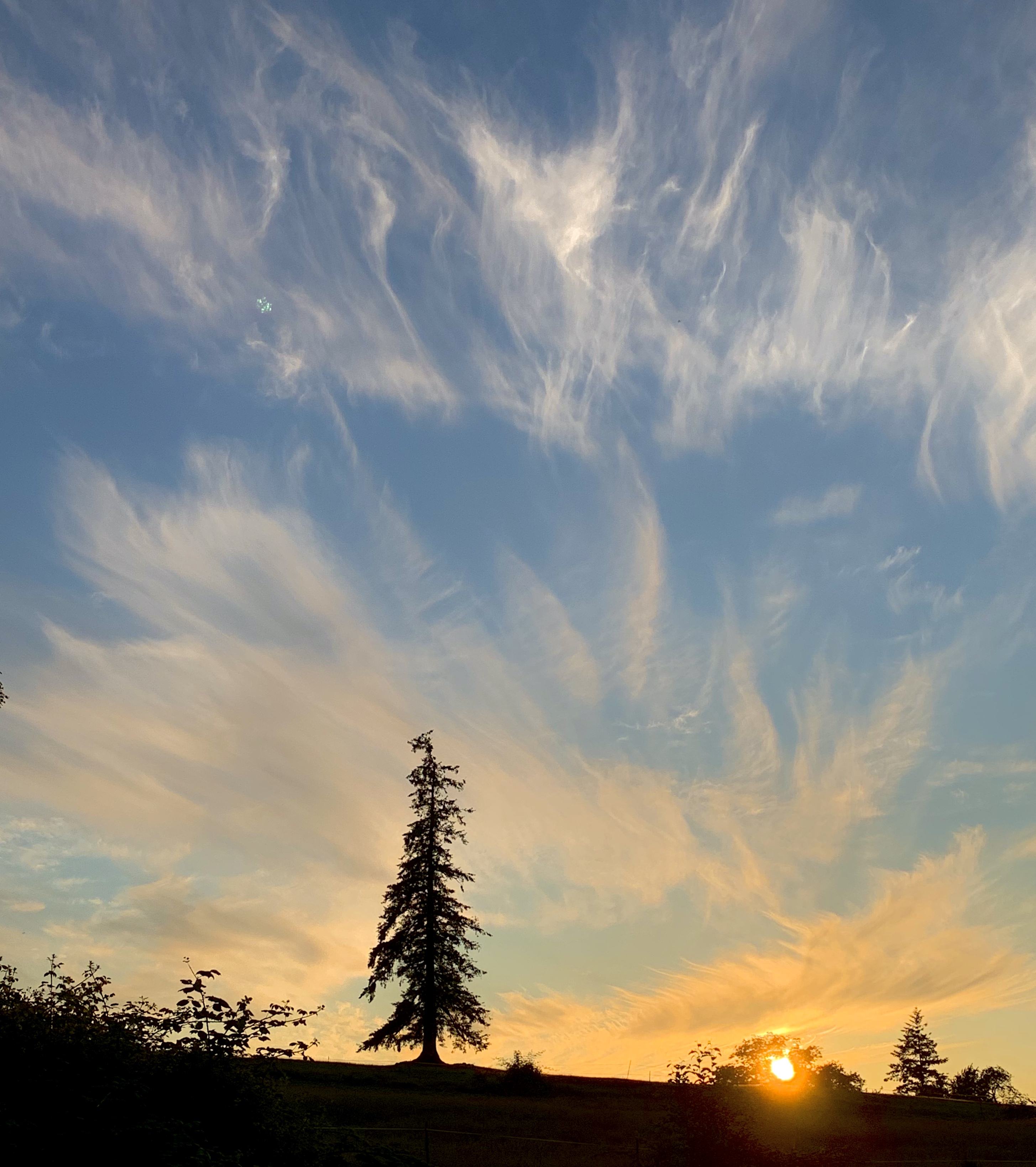
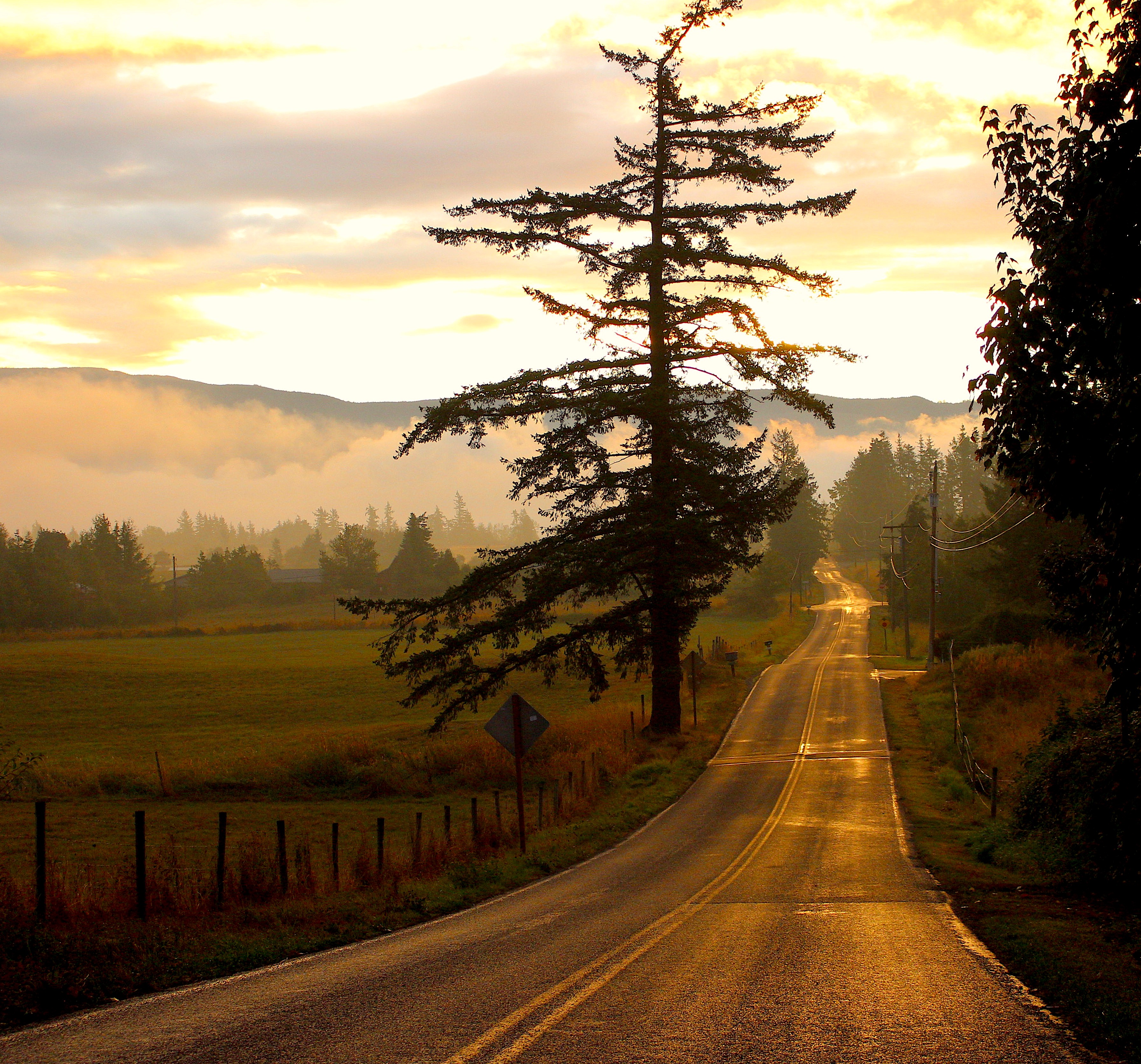
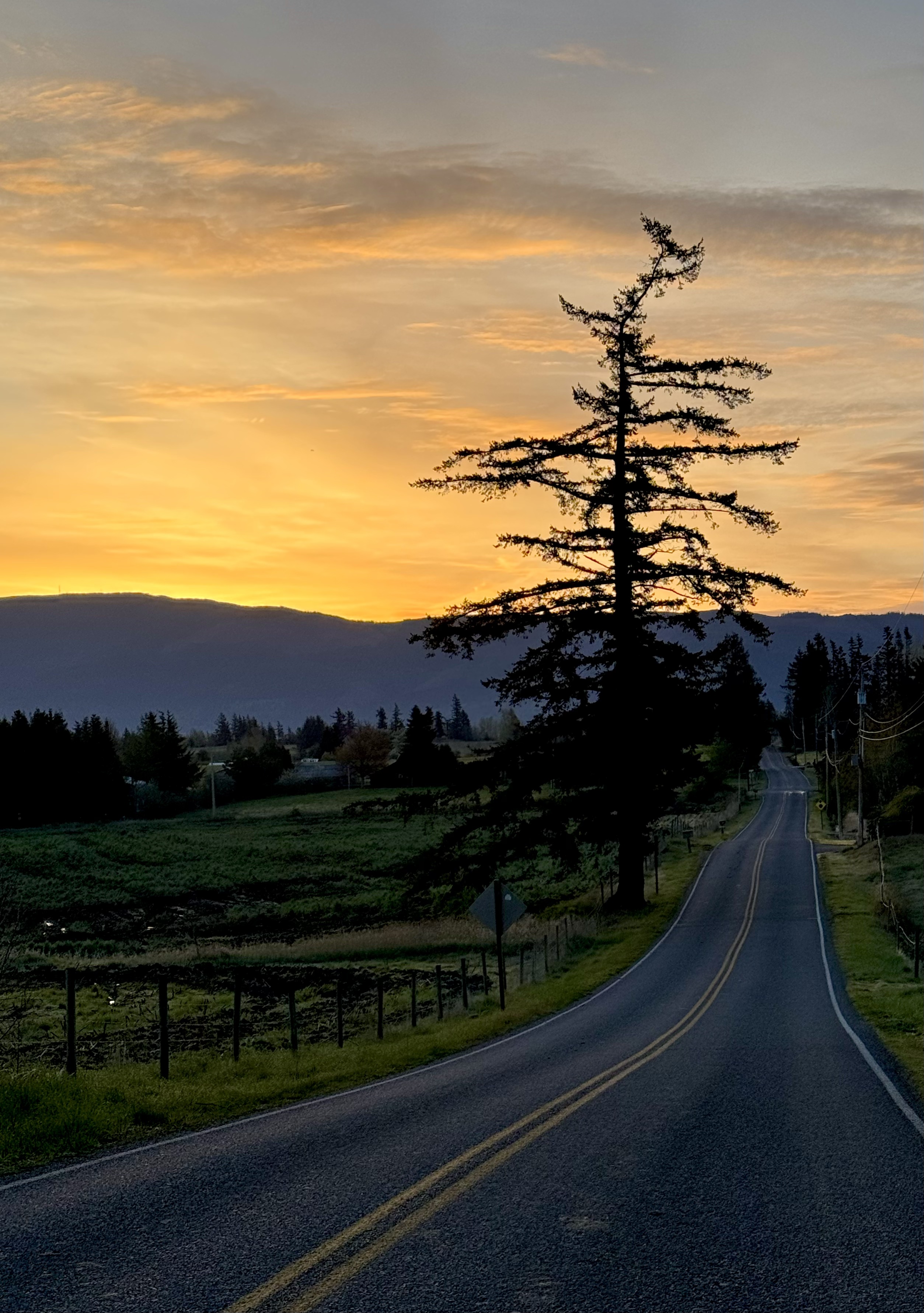
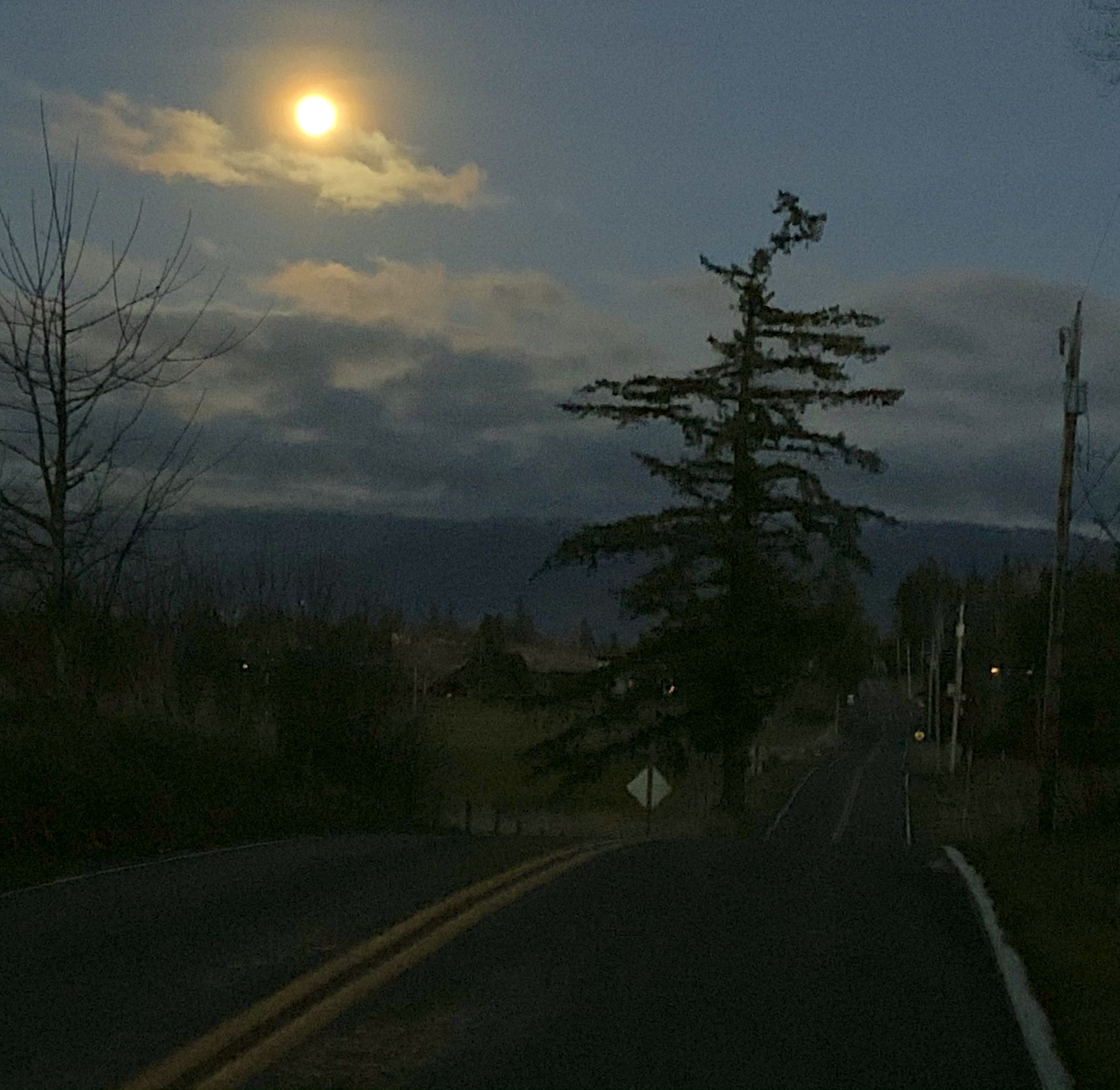
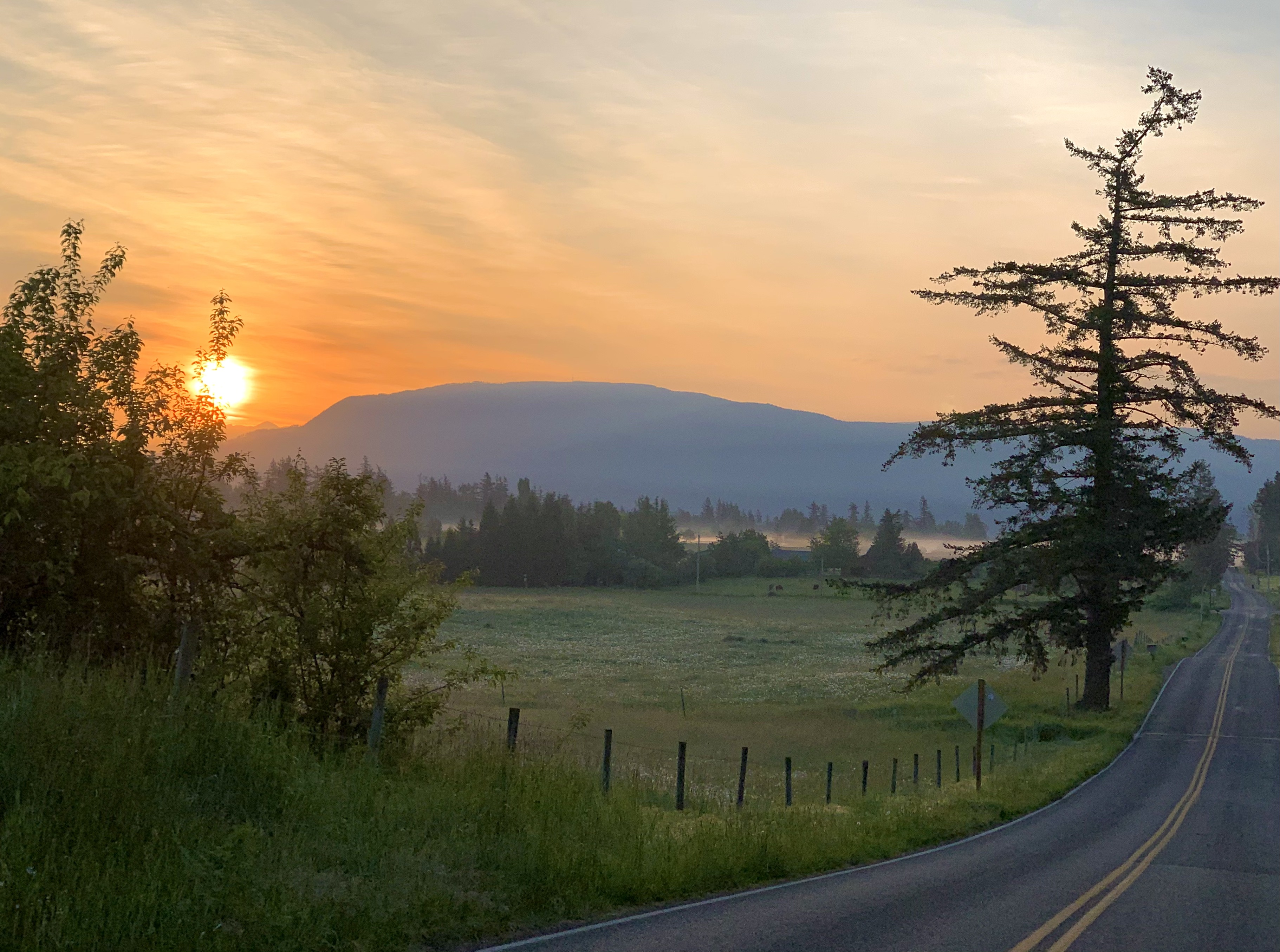
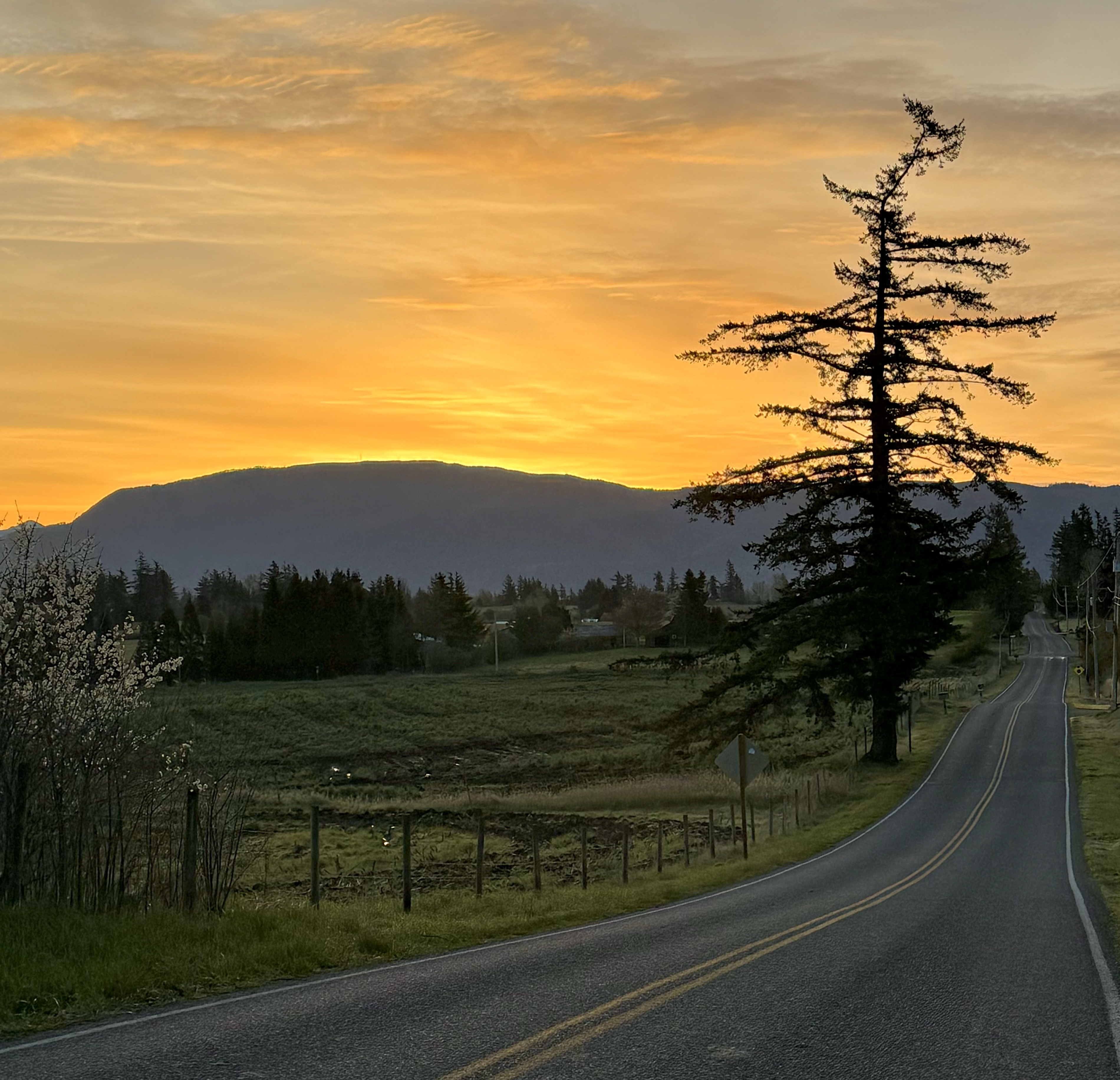
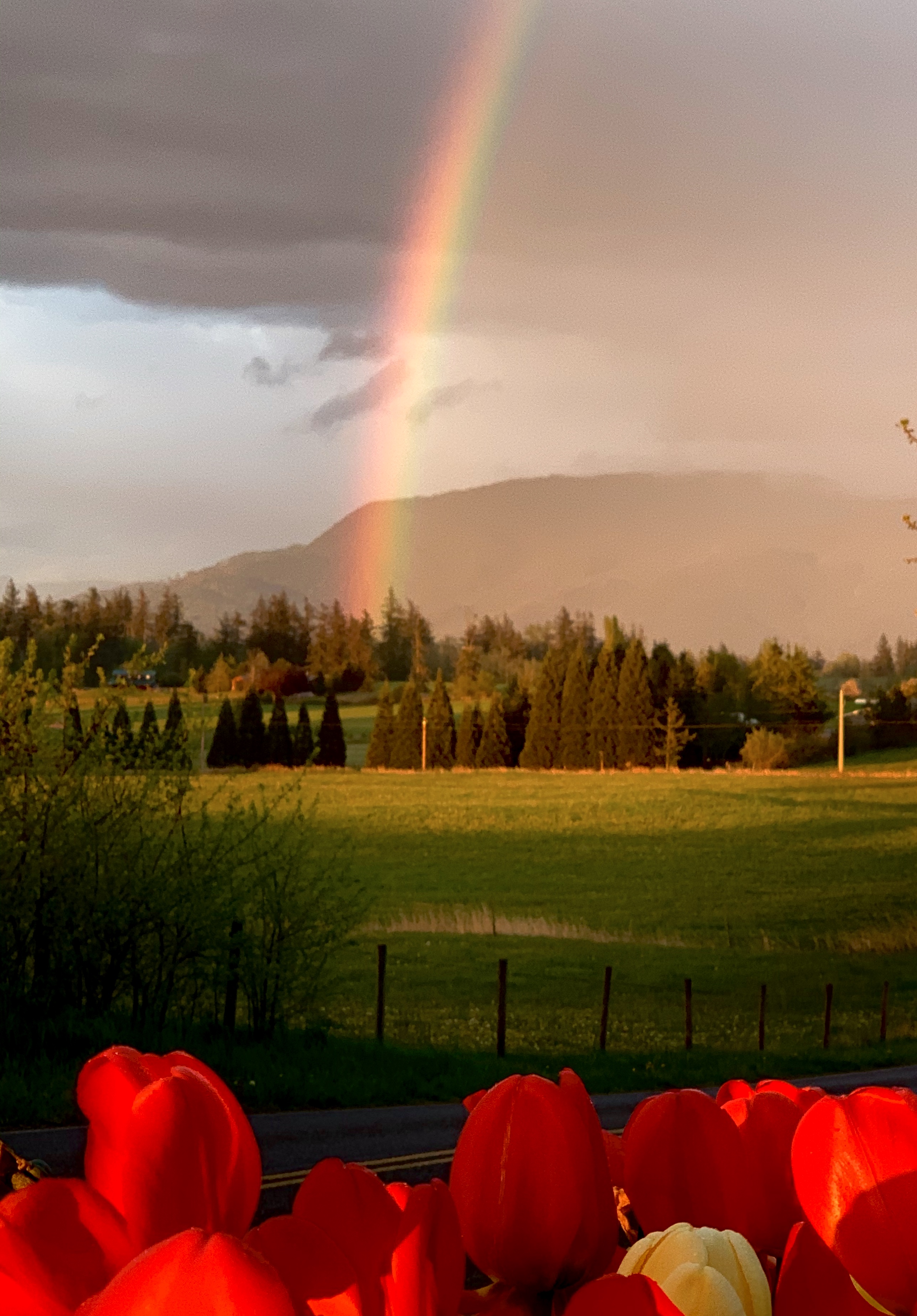
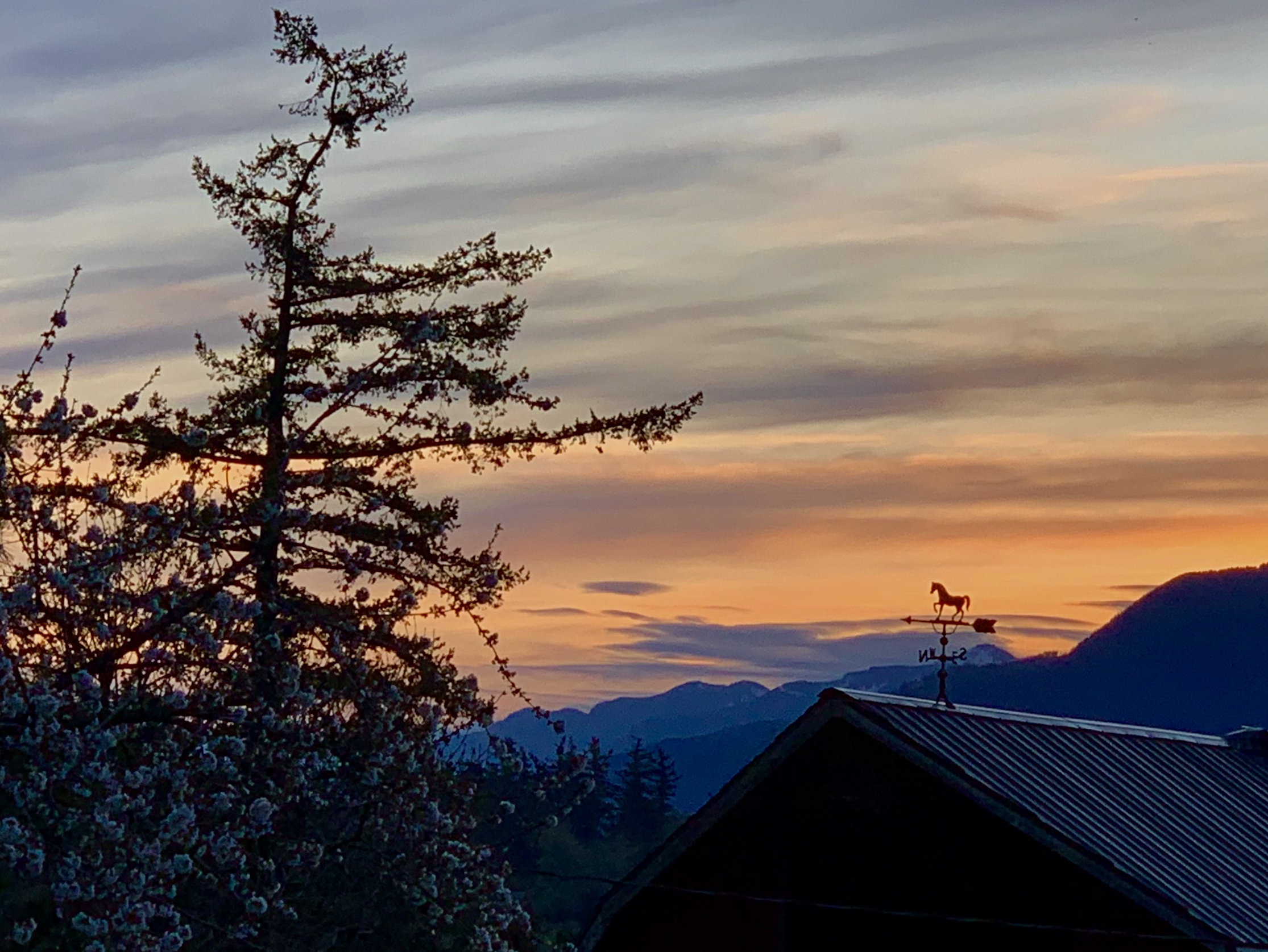
Our surrounding hills circle like wagons, their strong shoulders promising steadfast protection. Above them, the palette of sky changes with the weather, as turmoil and turbulence continually stirs up our world.
There is so much good to be done: our world needs hands-on, hearts-on work for causes needing assistance – for wrongs needing resistance.
Feeding, housing, healing, caring, for those in our own neighborhoods won’t make headlines like blocking freeways and college buildings.
Rather than raising tents and fists, idle hands can serve. Rather than raising voices and drums, heads can bow in grateful prayer.
The mountains remind us: Though we are here and now, we will soon turn to dust. They ask us: How to live a life that truly makes a difference for those in need?





















 Barnstorming