Through Grass and Grain

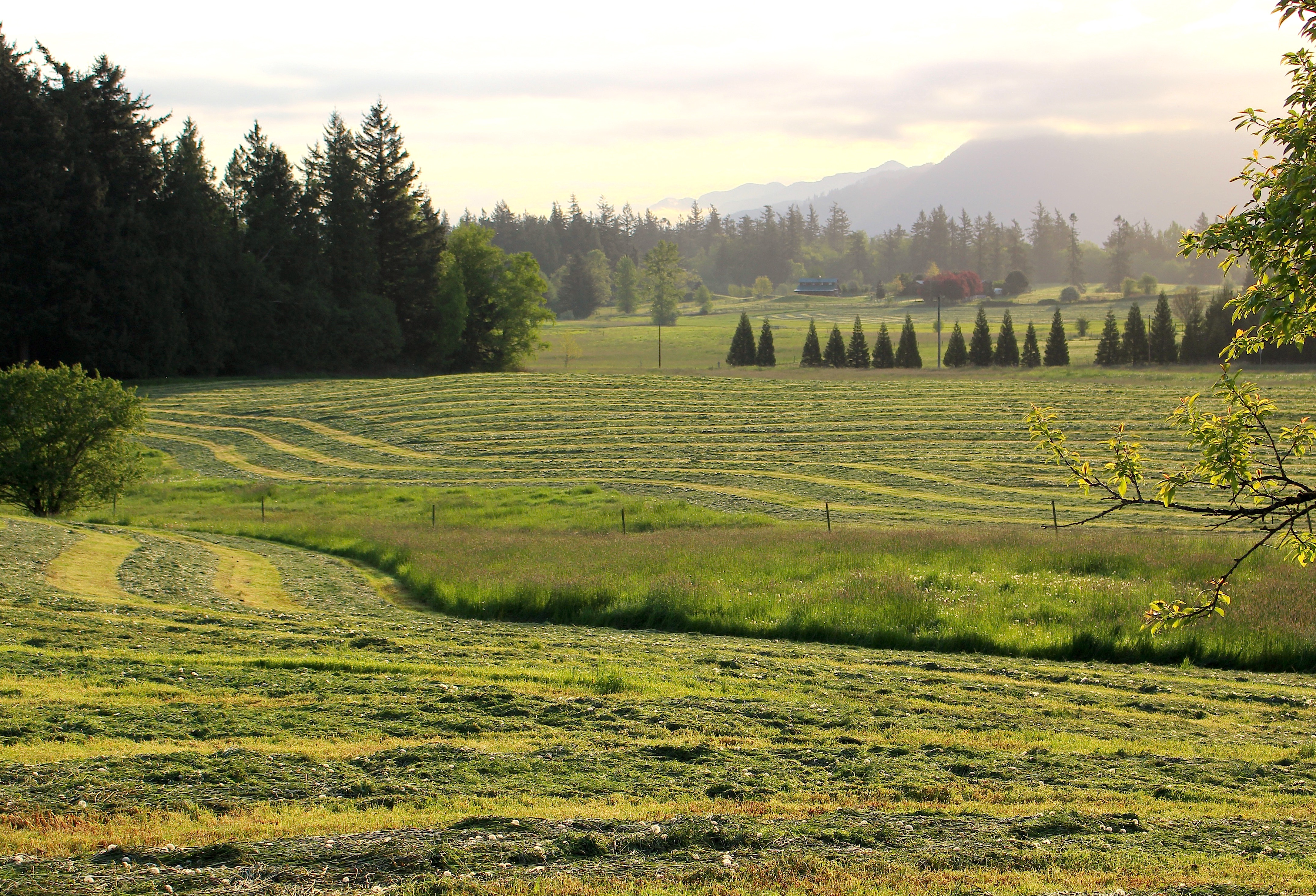
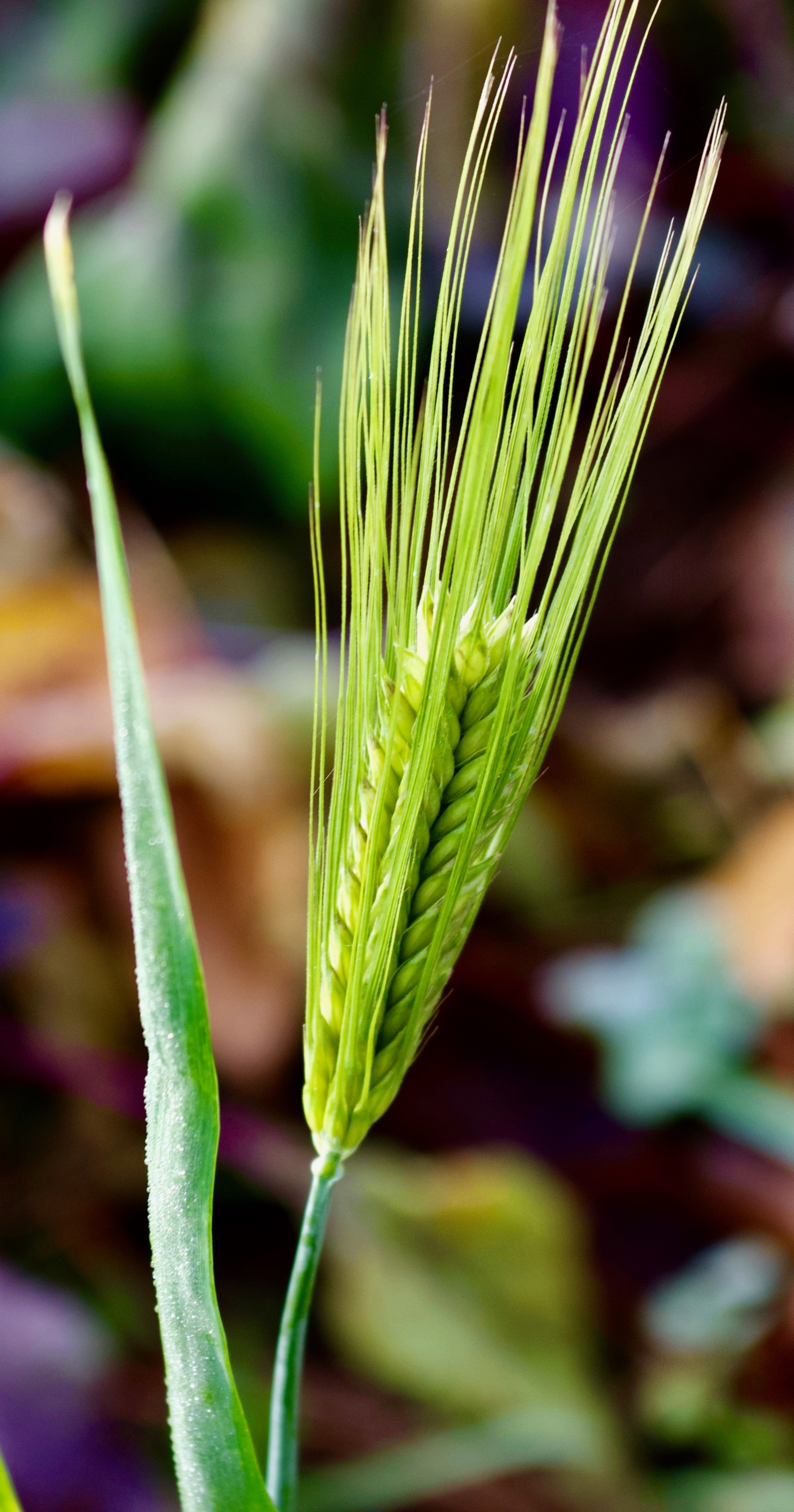
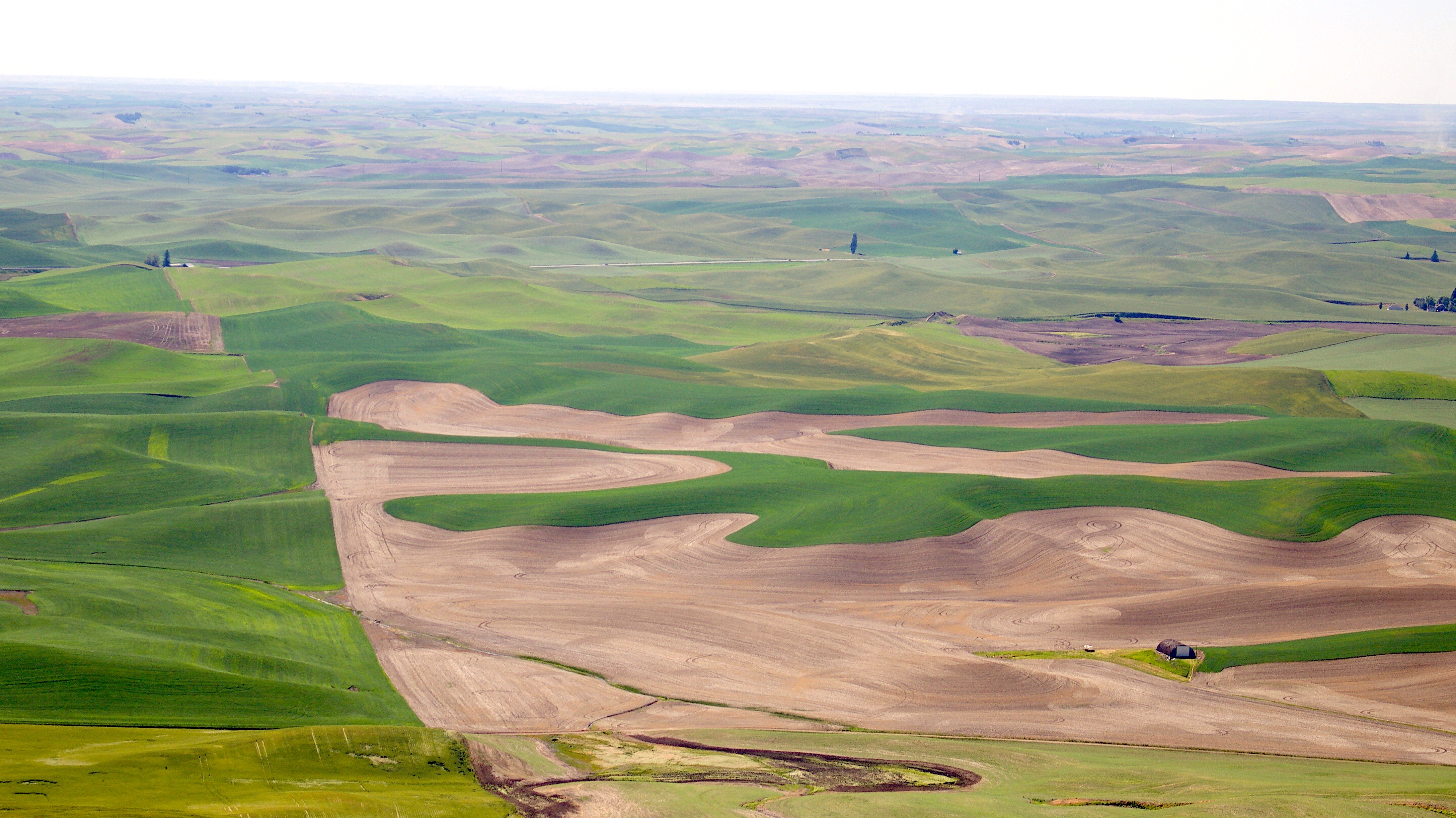
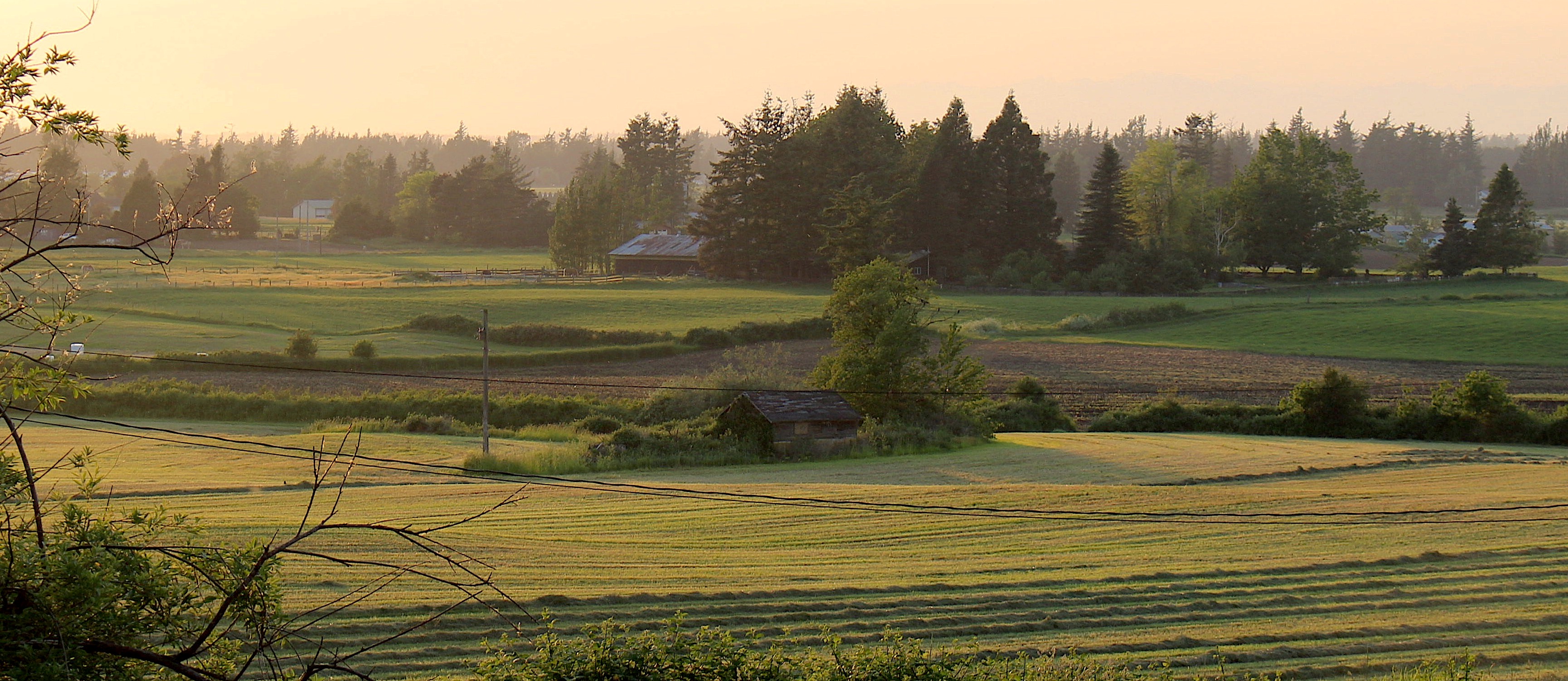
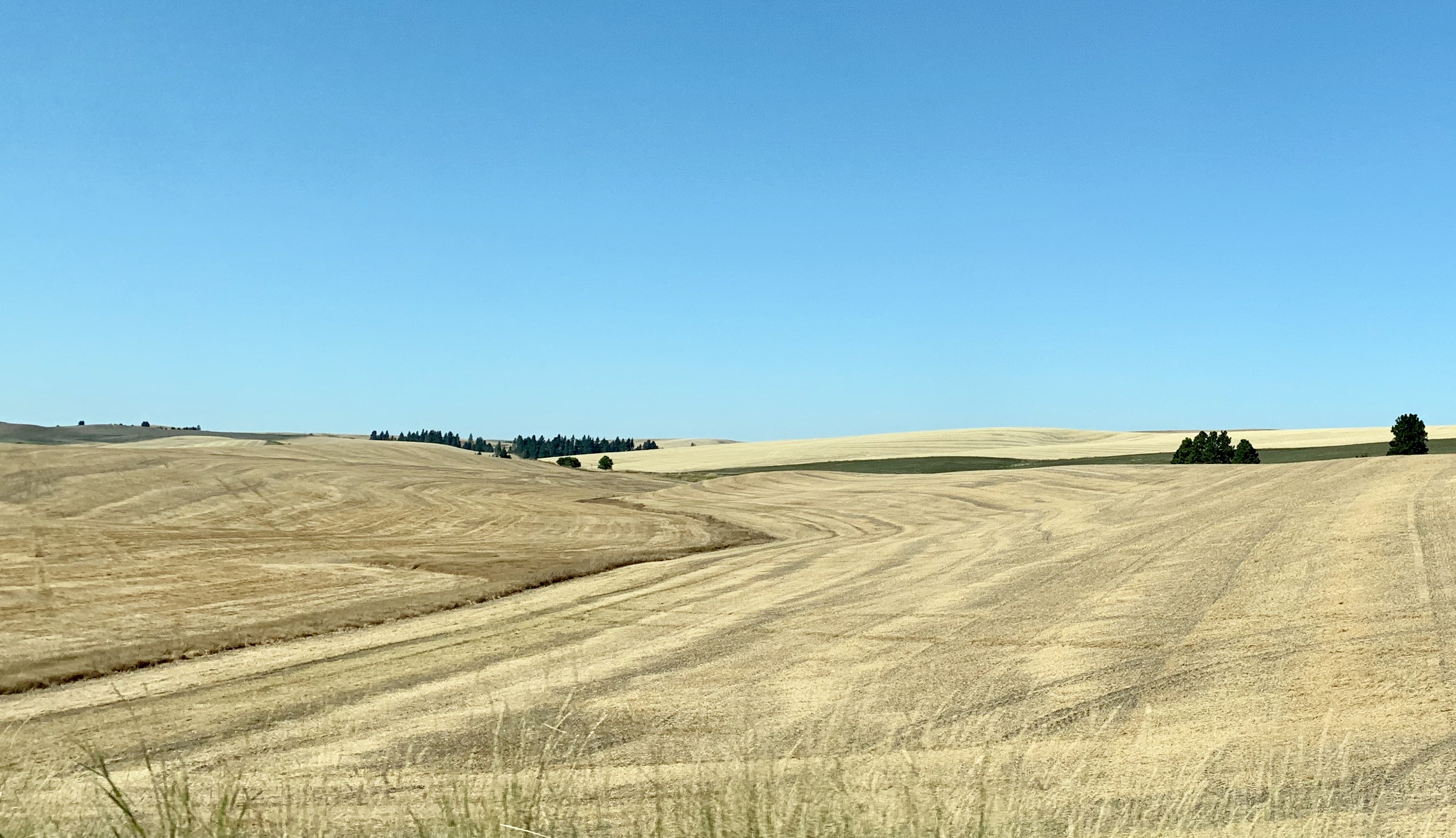
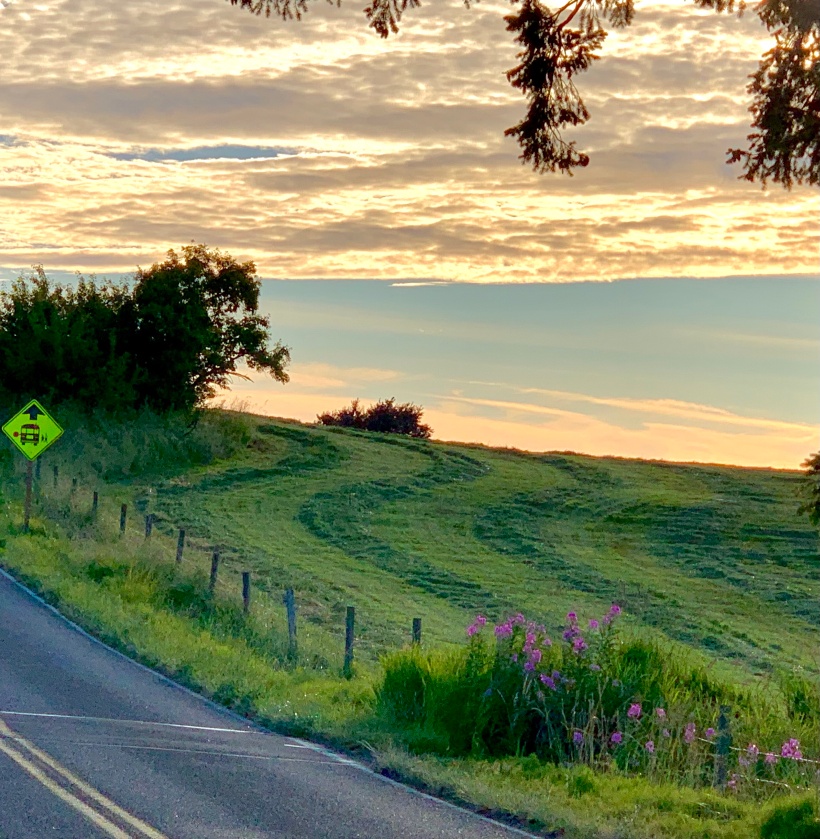
Mown meadows skirt the standing wheat;
I linger, for the hay is sweet,
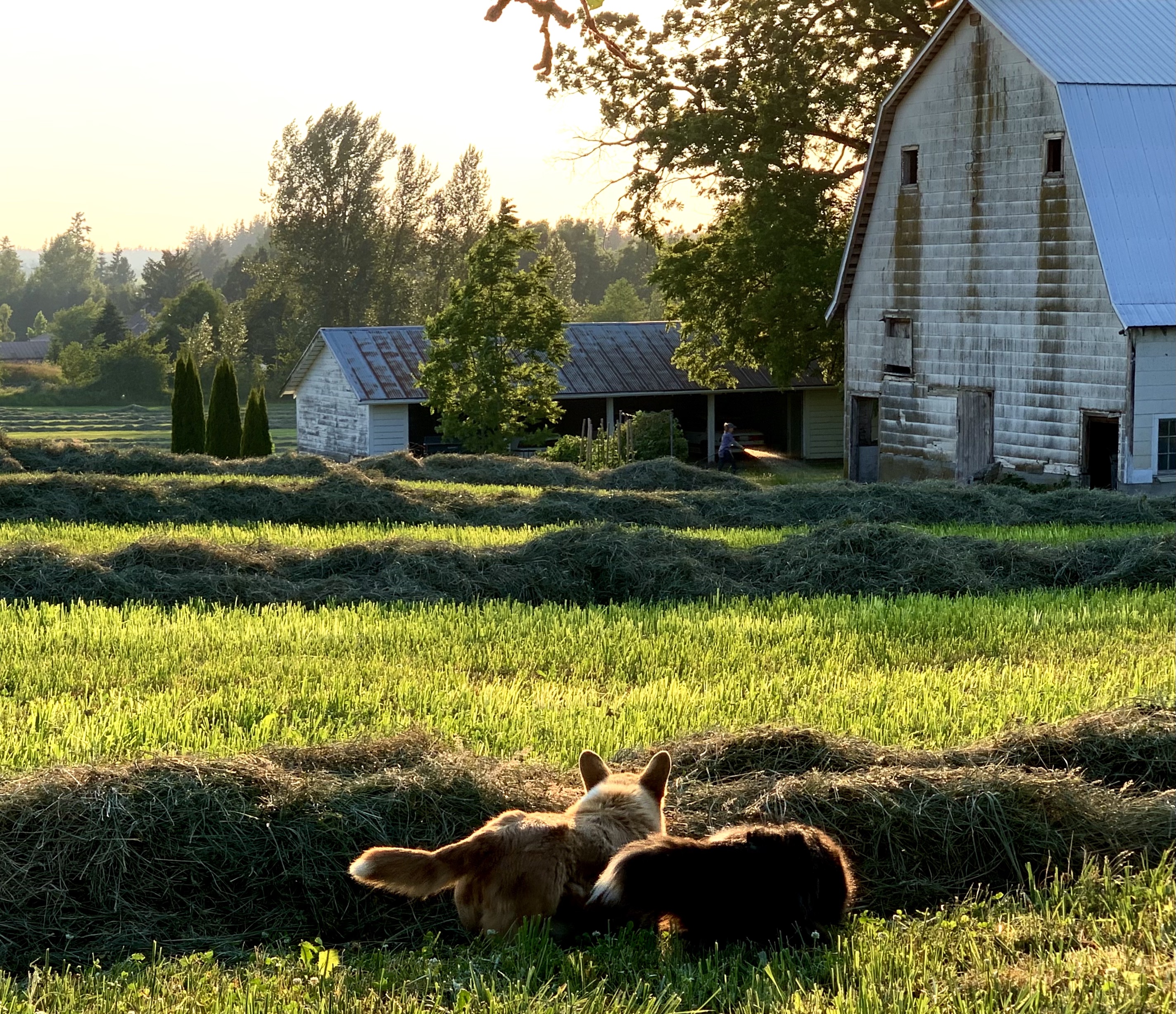
New-cut and curing in the sun.
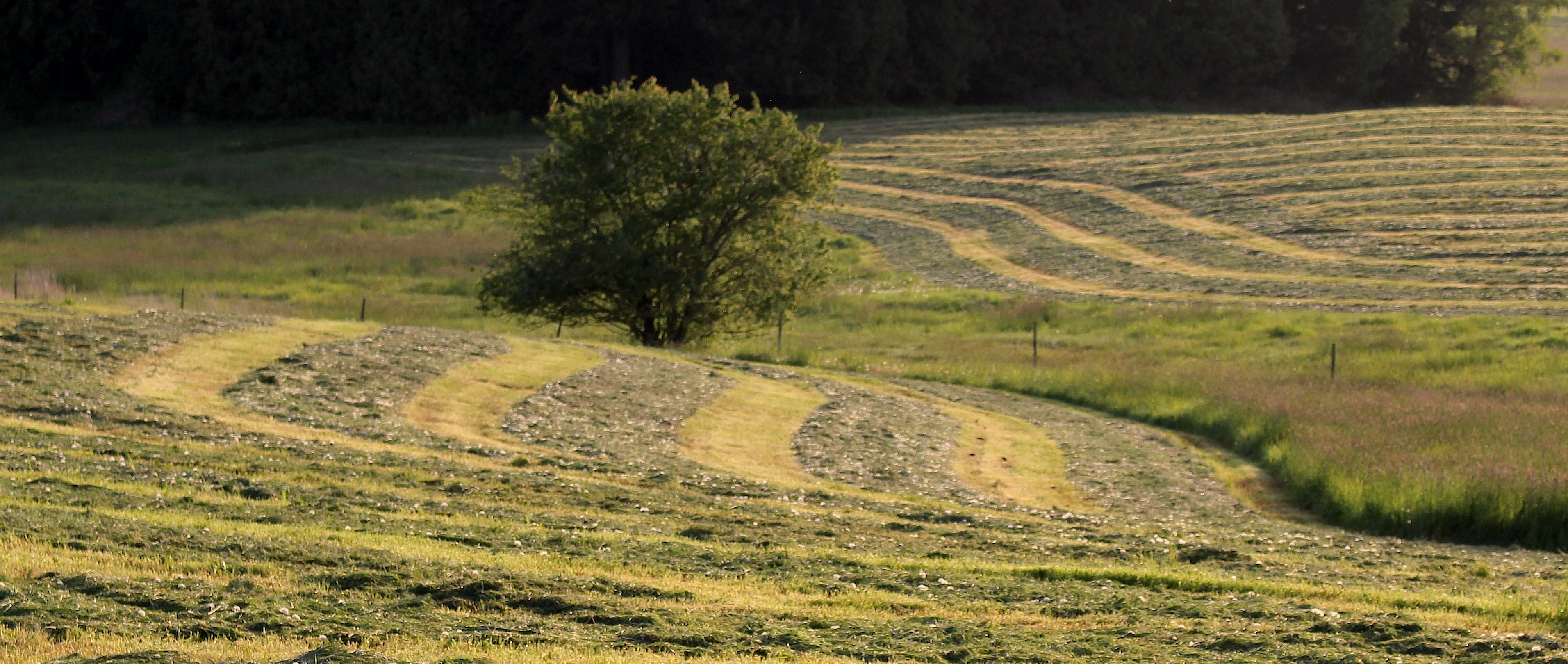
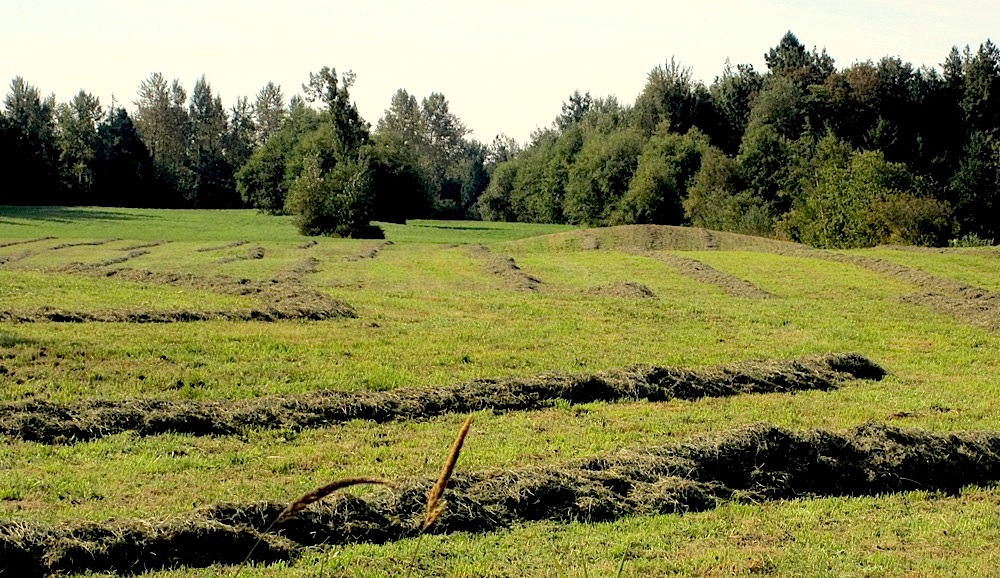
Like furrows, straight, the windrows run,
Fallen, gallant ranks that tossed and bent
When, yesterday, the west wind went
A-rioting through grass and grain.
To-day no least breath stirs the plain;
Only the hot air, quivering, yields
Illusive motion to the fields
Where not the slenderest tassel swings.
Across the wheat flash sky-blue wings;
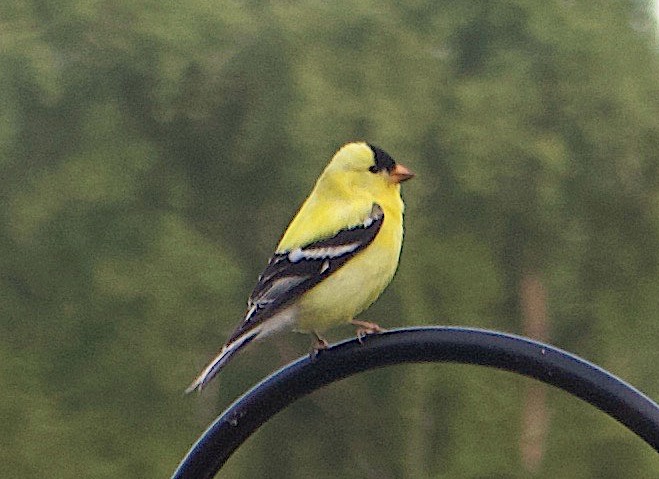
A goldfinch dangles from a tall,
Full-flowered yellow mullein; all
The world seems turning blue and gold.
Unstartled, since, even from of old,
Beauty has brought keen sense of her,
I feel the withering grasses stir;
Along the edges of the wheat,
I hear the rustle of her feet:
And yet I know the whole sea lies,
And half the earth, between our eyes.
~Sophie Jewett “In Harvest”

Autumn harvest happens outside of me
despite sudden coolness of the air,
thanks to showers that green the fields
for one more month of grazing,
midst the smell of the dying of vines and roots.

Autumn harvest is happening inside of me
as I slow down my walk,
curl up within the lengthening nights,
the color of my thoughts
turning to bronze and gold and red

before I let go
before I let go

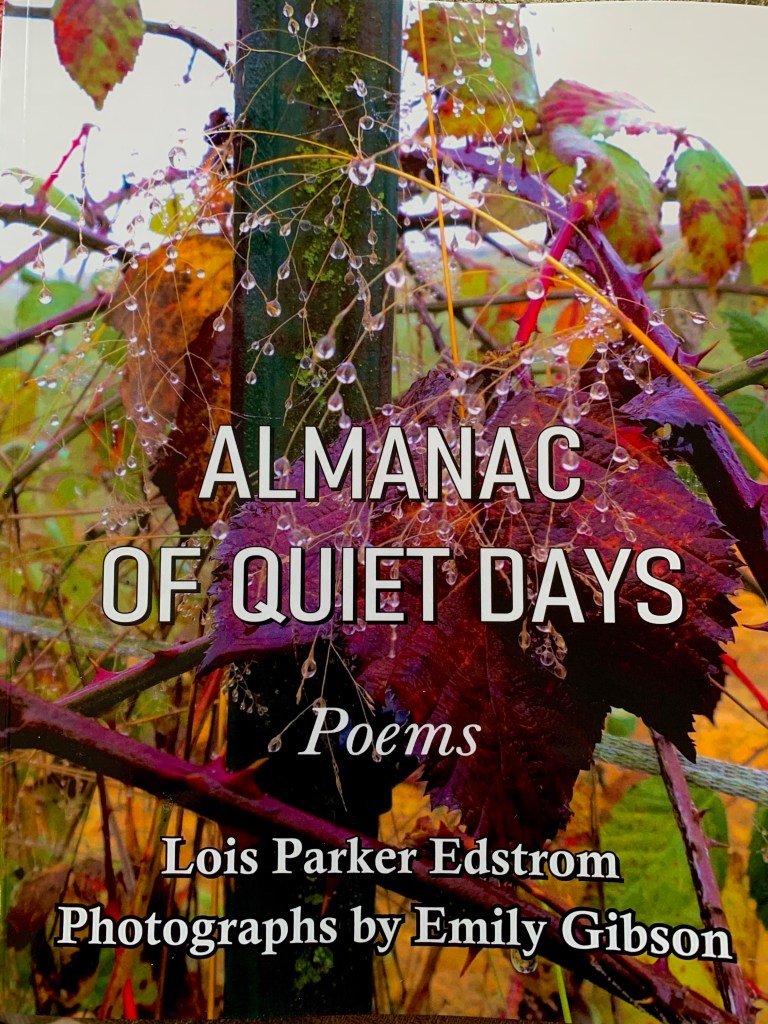
A book of beauty in words and photographs, available for order here:

All Barb and Bristle

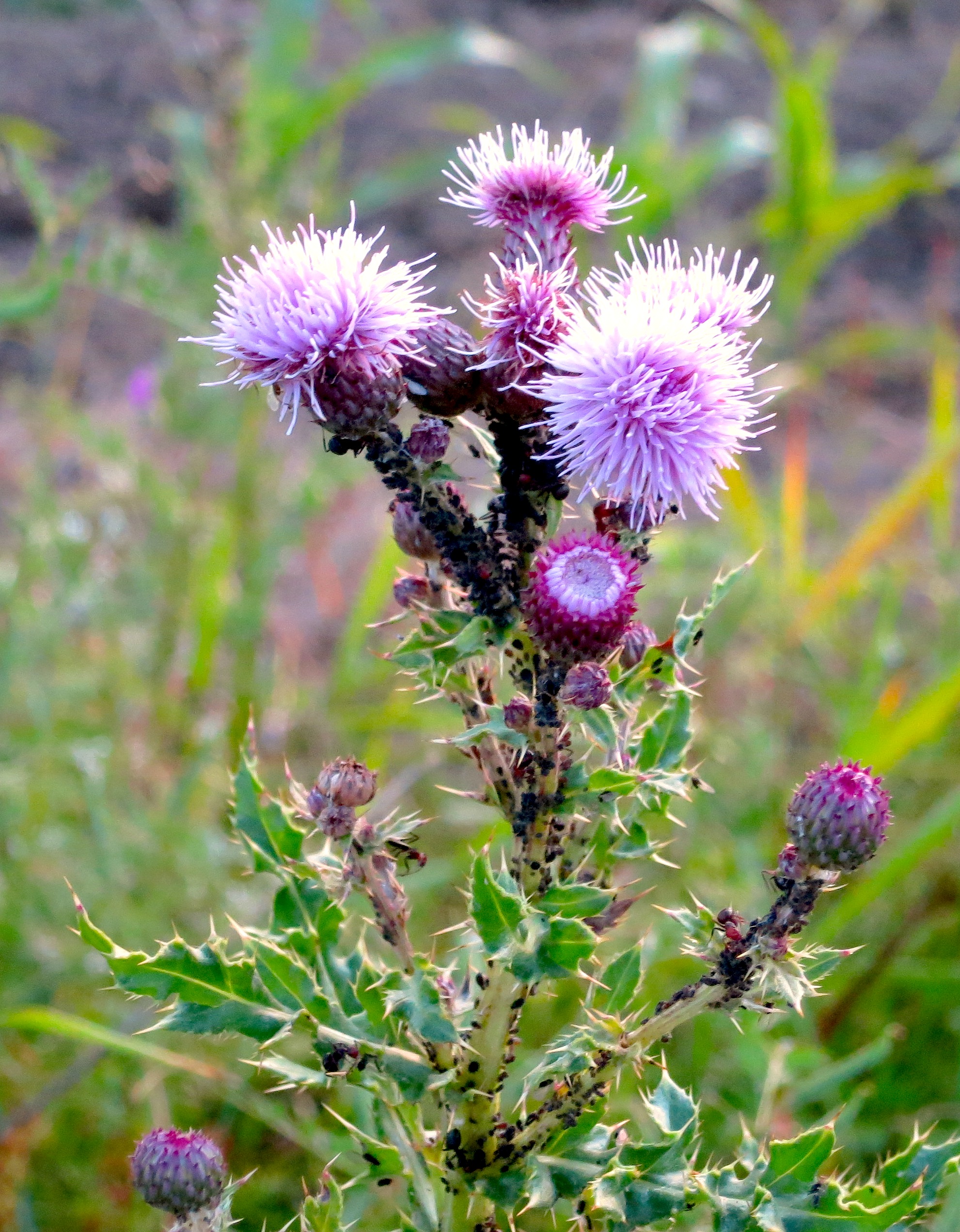
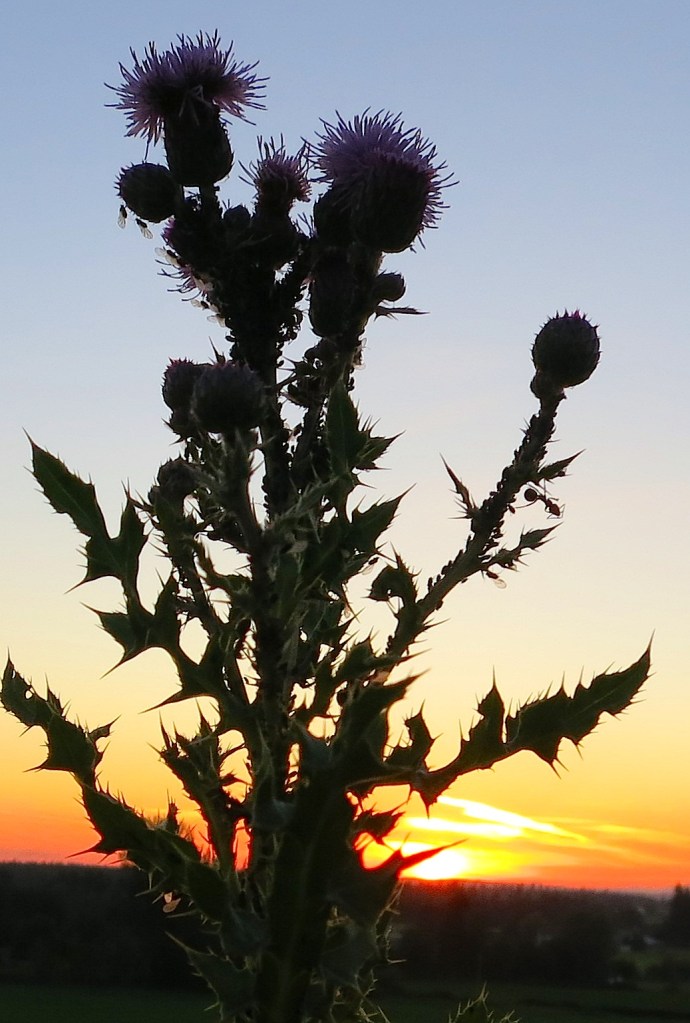
This upstart thistle
Is young and touchy; it is
All barb and bristle,

Threatening to wield
Its green, jagged armament
Against the whole field.

Butterflies will dare
Nonetheless to lay their eggs
In that angle where

The leaf meets the stem,
So that ants or browsing cows
Cannot trouble them.

Summer will grow old
As will the thistle, letting
A clenched bloom unfold

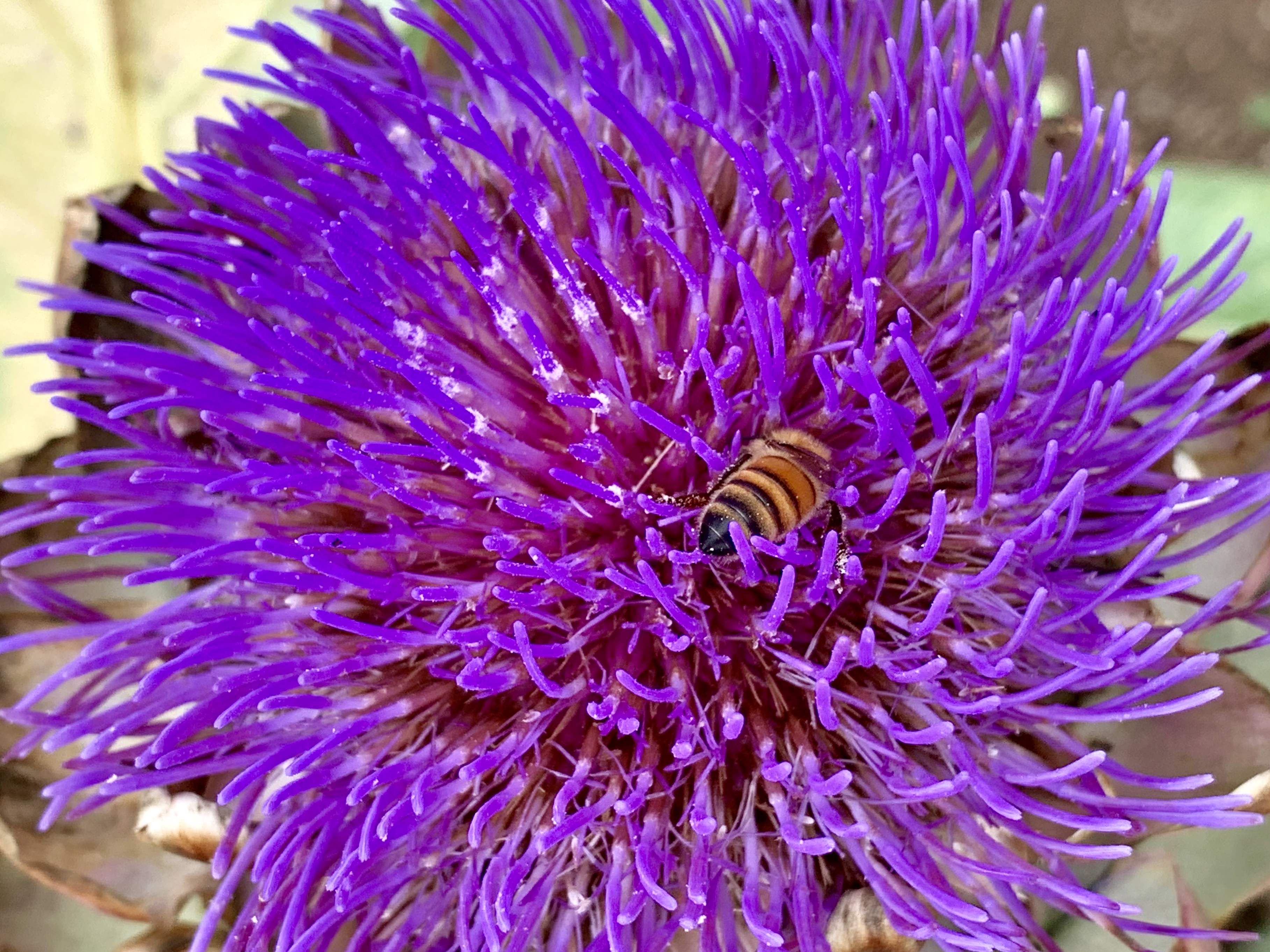
To which the small hum
Of bee wings and the flash of
Goldfinch wings will come,

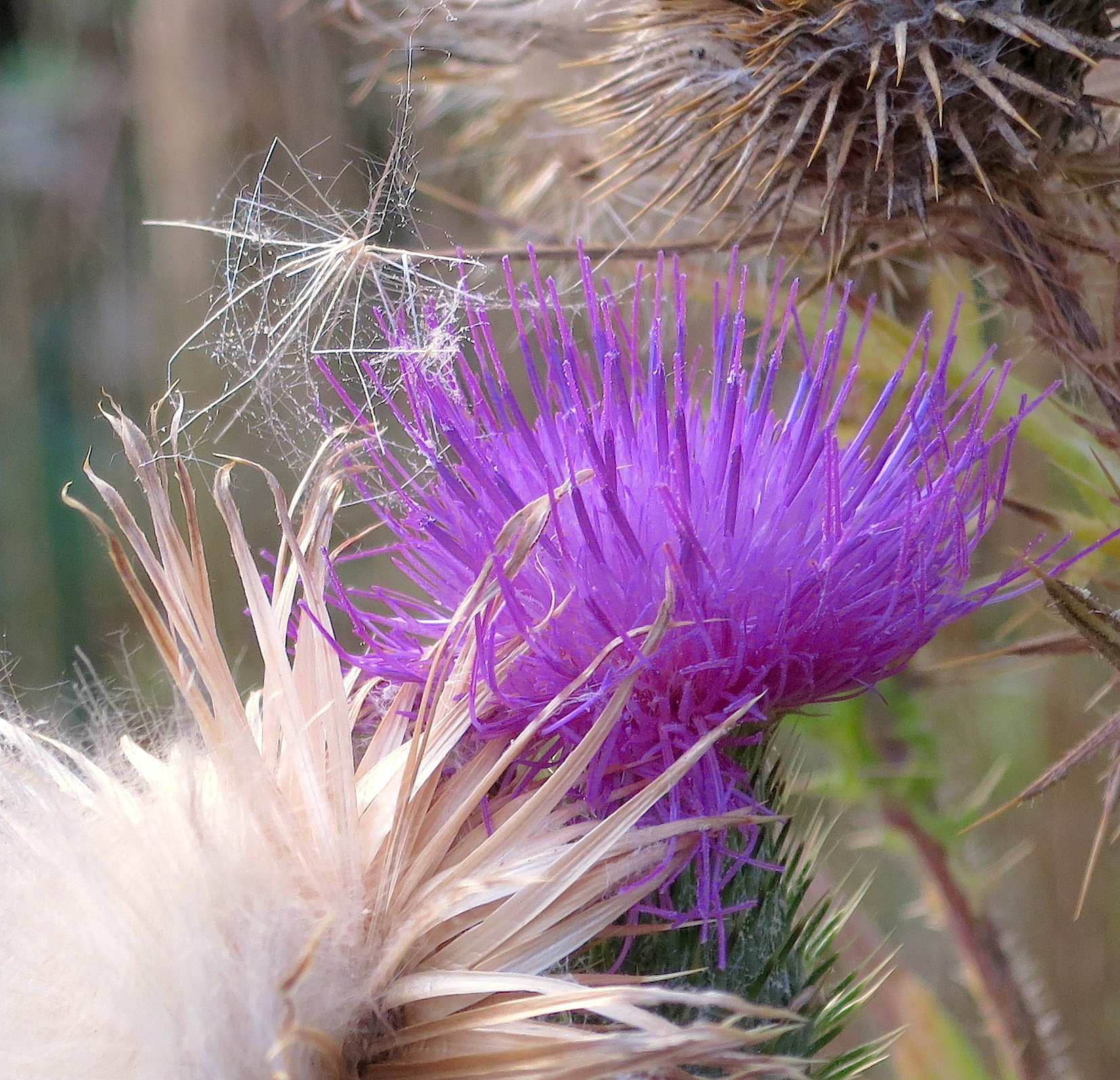
Till its purple crown
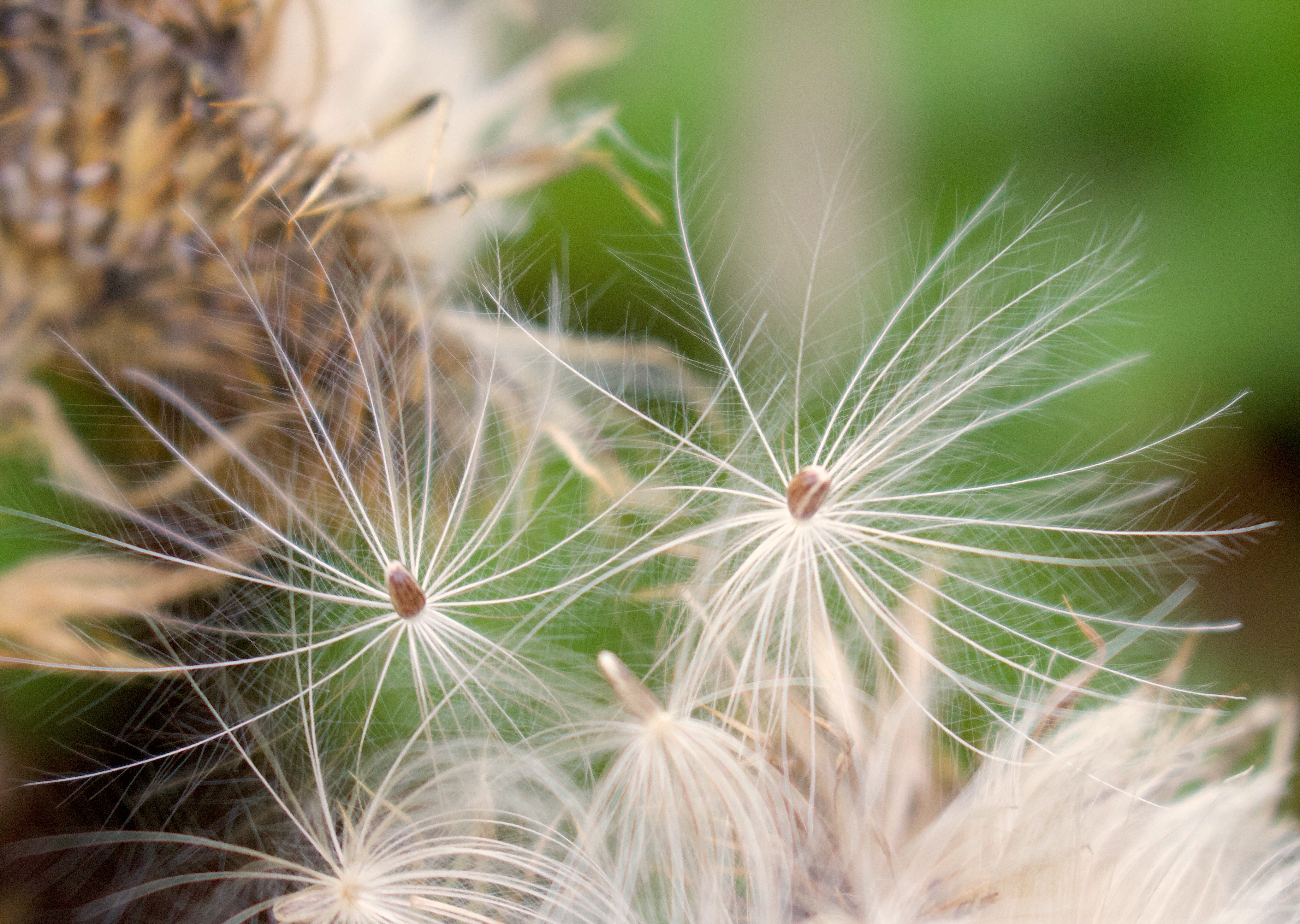
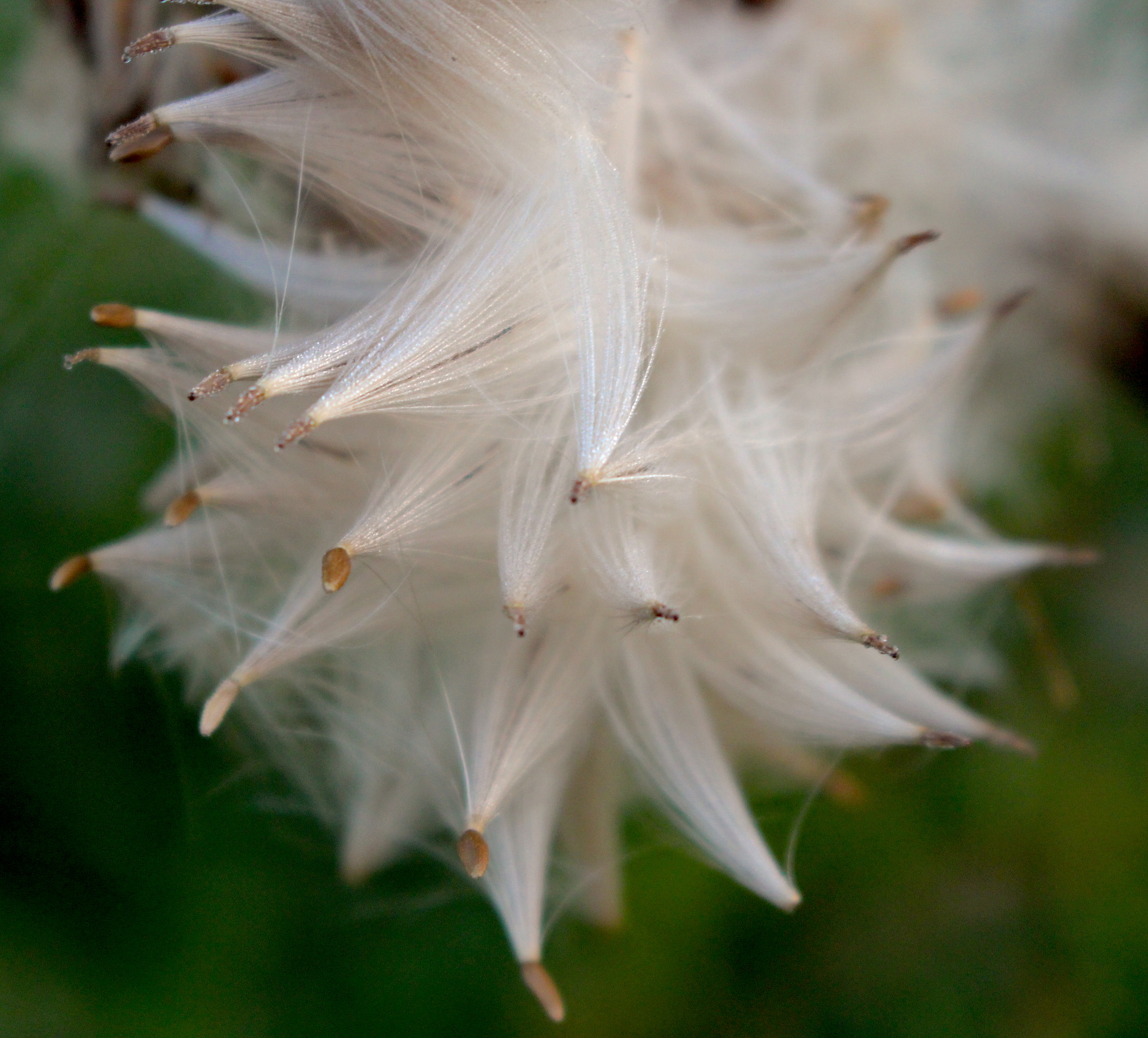
Blanches, and the breezes strew
The whole field with down.
~Richard Wilbur “A Pasture Poem” from Anterooms

Not unlike the thistles that dot our pastures, I can have a tendency to be a bristly, barbed and sharp – some is simply my nature, but also long years of relentless training to become tough and impenetrable. Perhaps it represents my need for self-protection, but like the thistle, though having spiky thorns may keep me from being “eaten”, it doesn’t deter the gentle approach of butterfly or bee.

As a result, I have been softened over time (in more ways than one!) by forces outside of myself – a ripening that means I am less threat and more welcoming. My unfolding into fluffy blossom became my way of enveloping myself around my world as grace enveloped me.

With the breezes, the softest of thistle down spreads afar rather than standing stock-still in self-defense. I find in my seventh decade, I’m actually meant to fly, settling into nooks and crannies I never could have dreamed while barbed and spiky.

That is how grace and redemption works on thistles and bristly people: from sharp edges to delicate downiness.

We are all in need of such transformation.

A new book from Barnstorming is available to order here:

O, for a Horse with Wings!

O! for a horse with wings! 
~William Shakespeare from Cymbeline

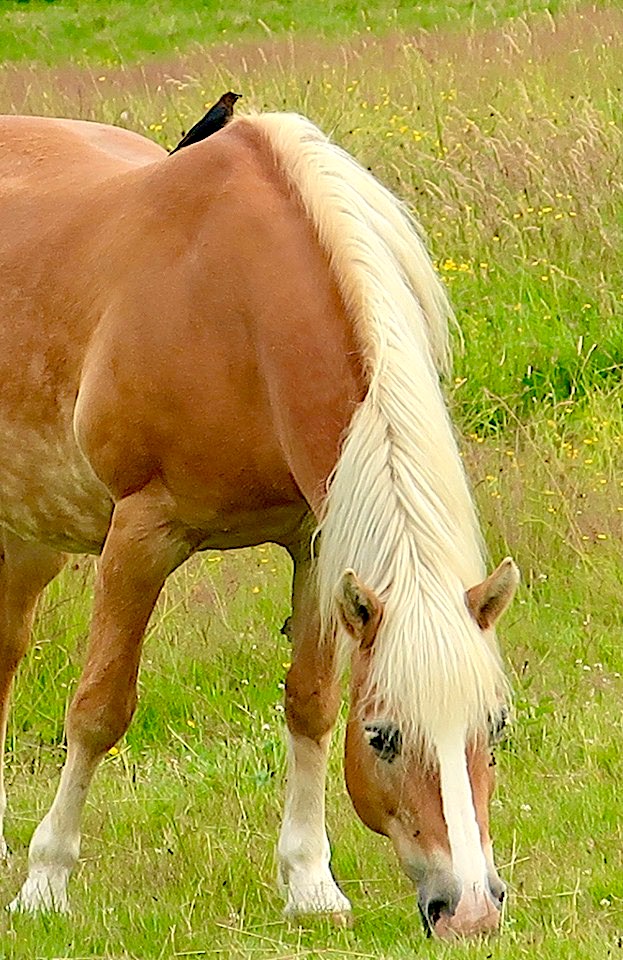
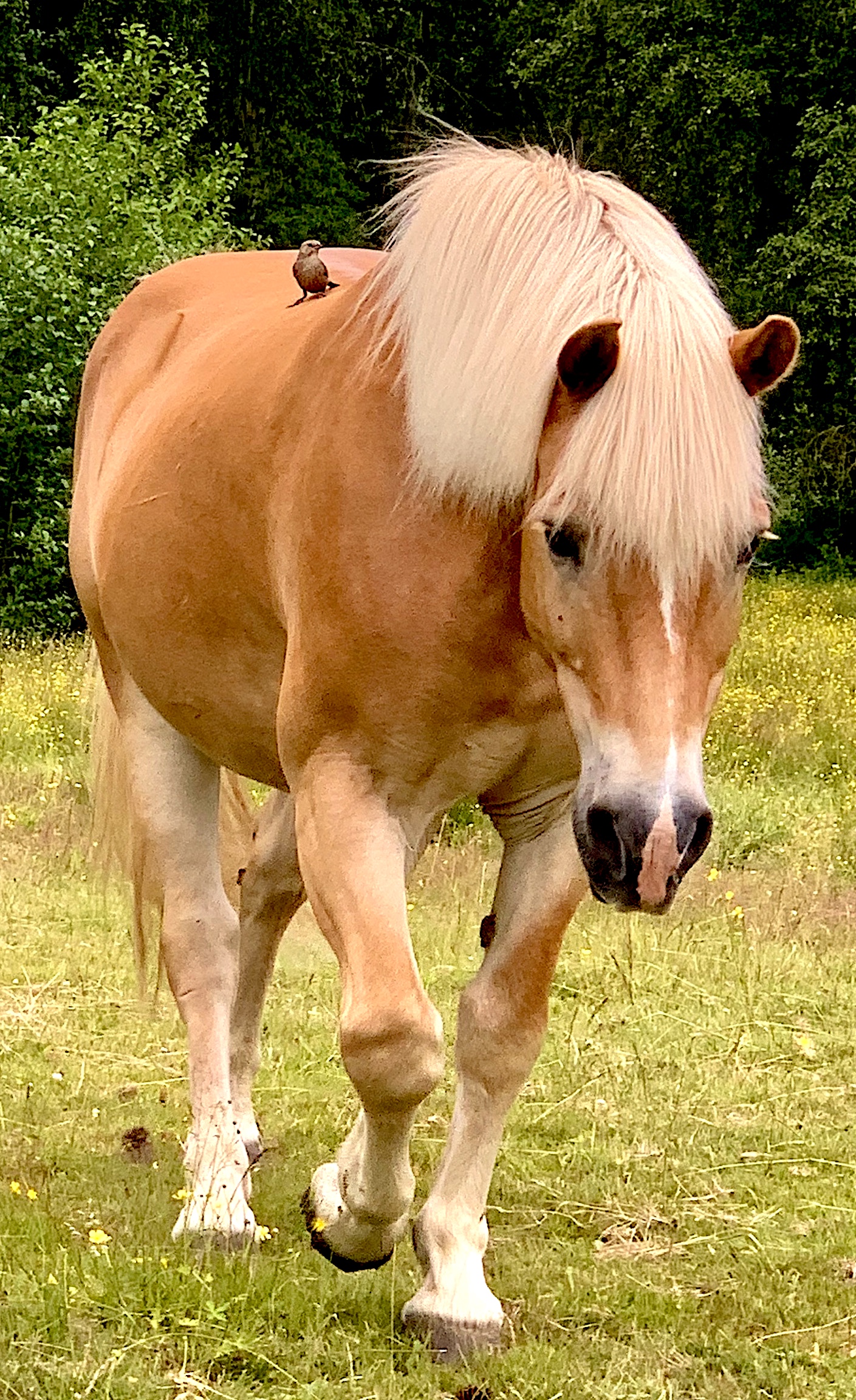
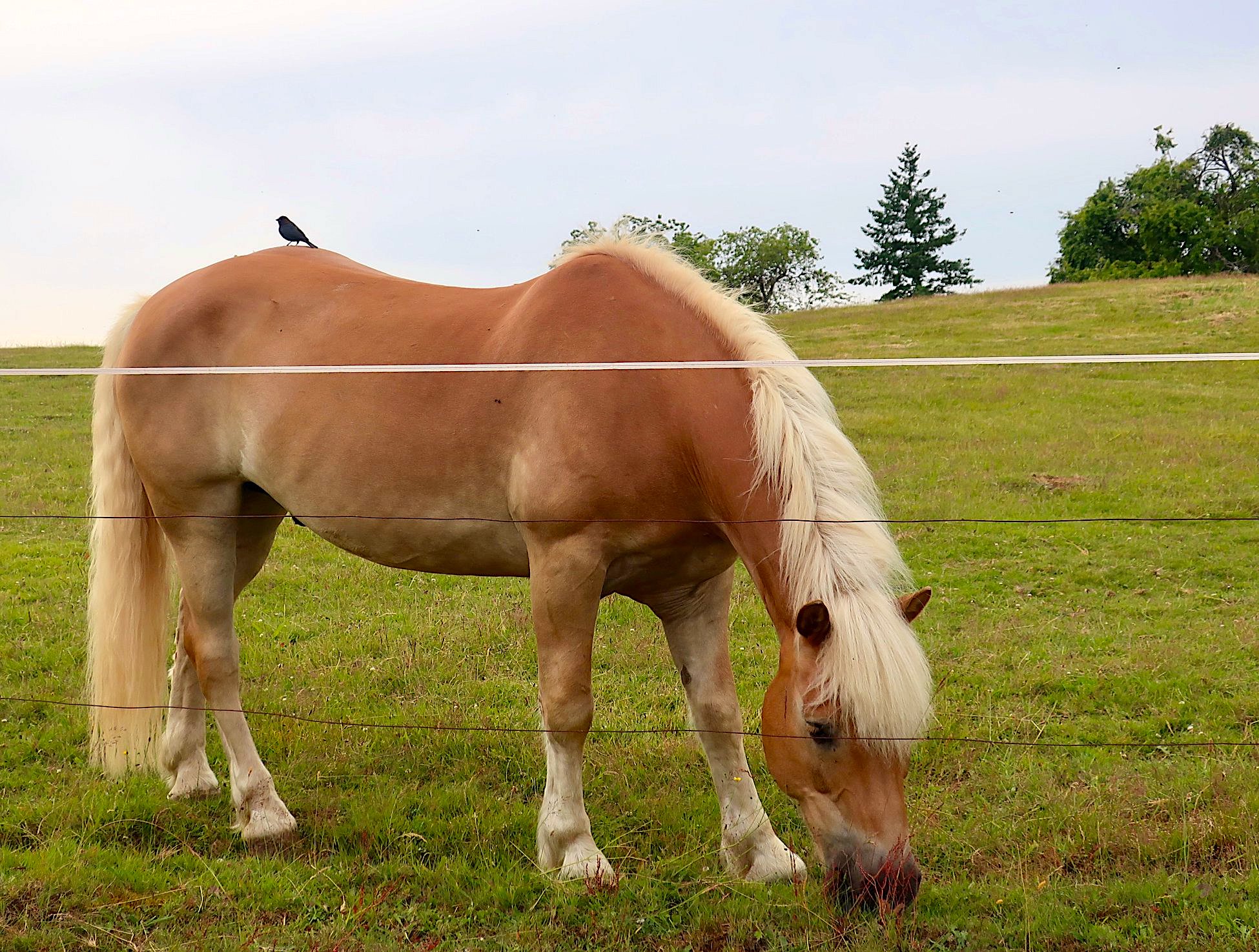
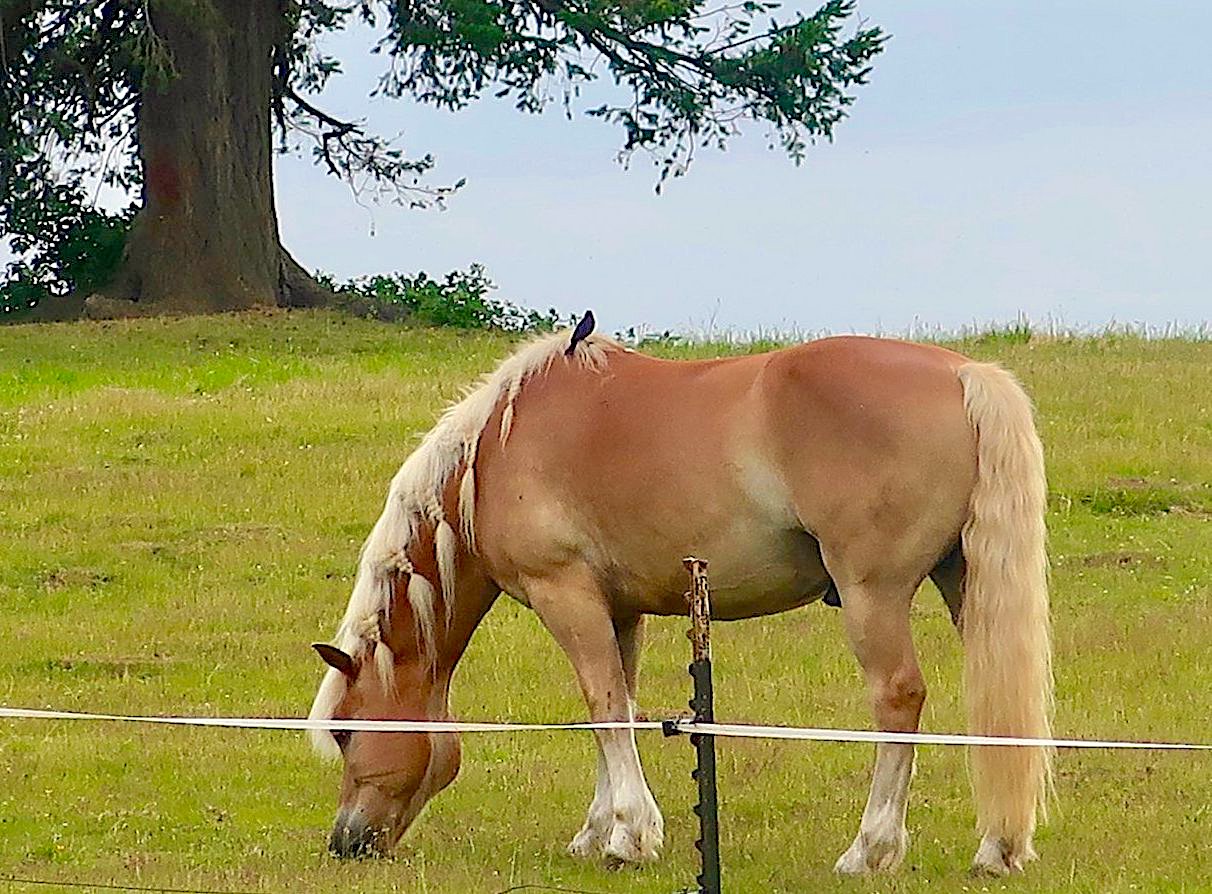
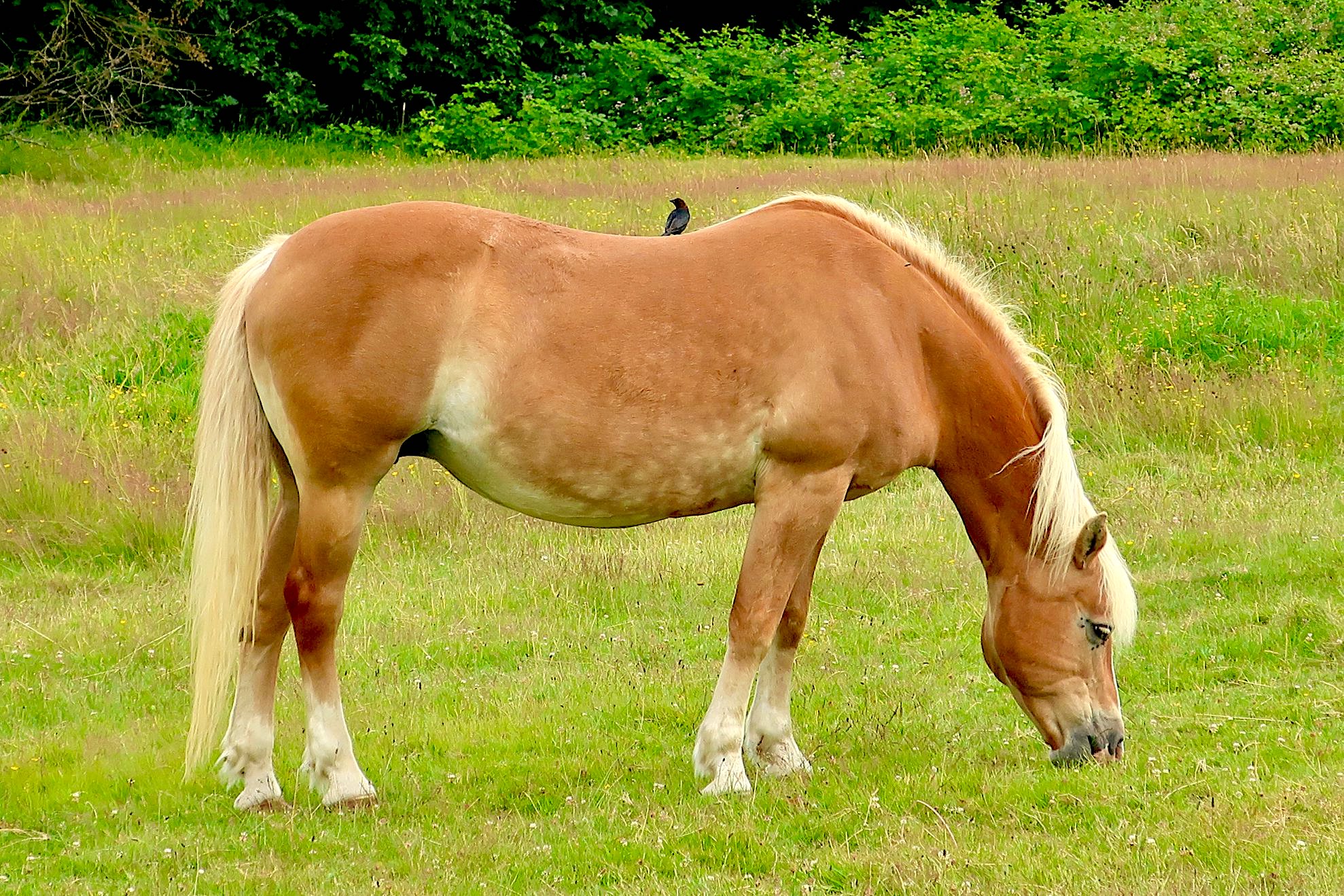
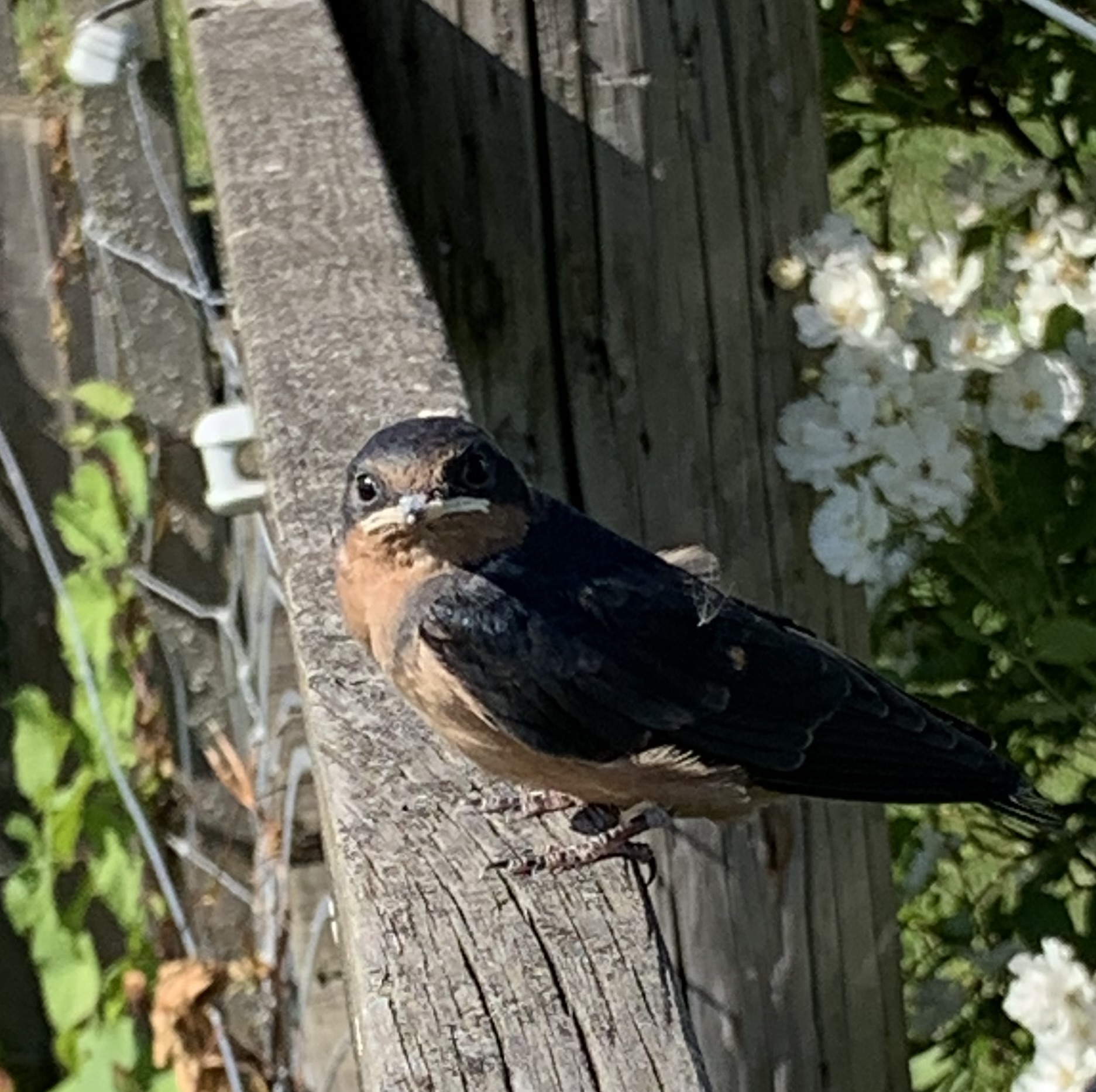
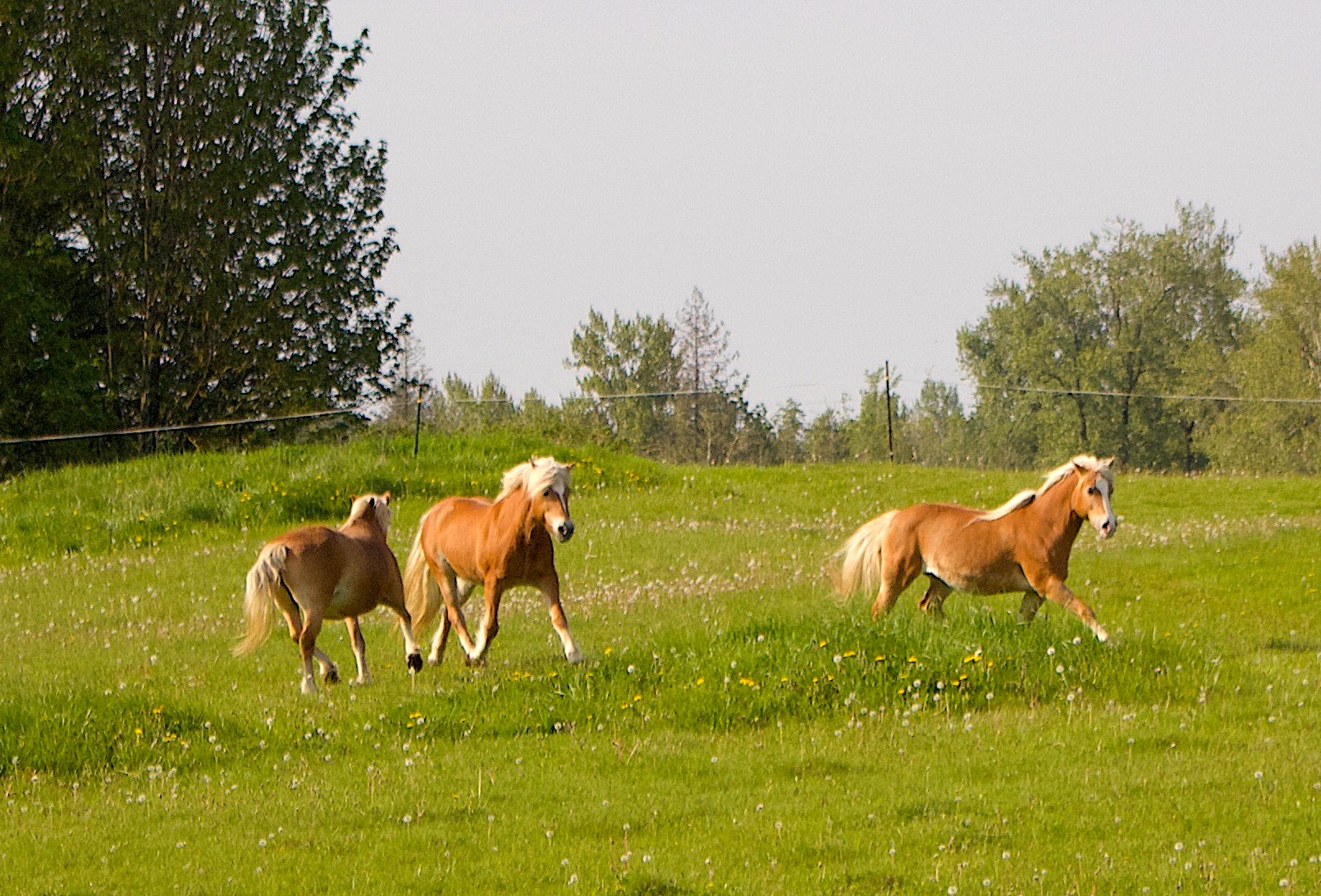
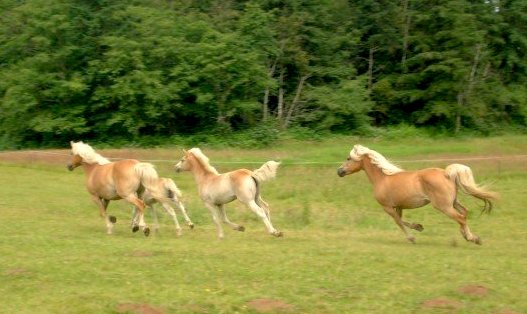
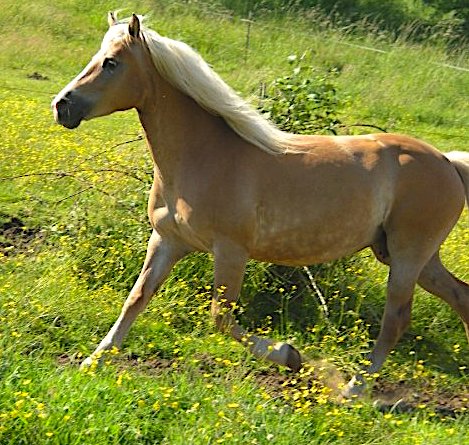
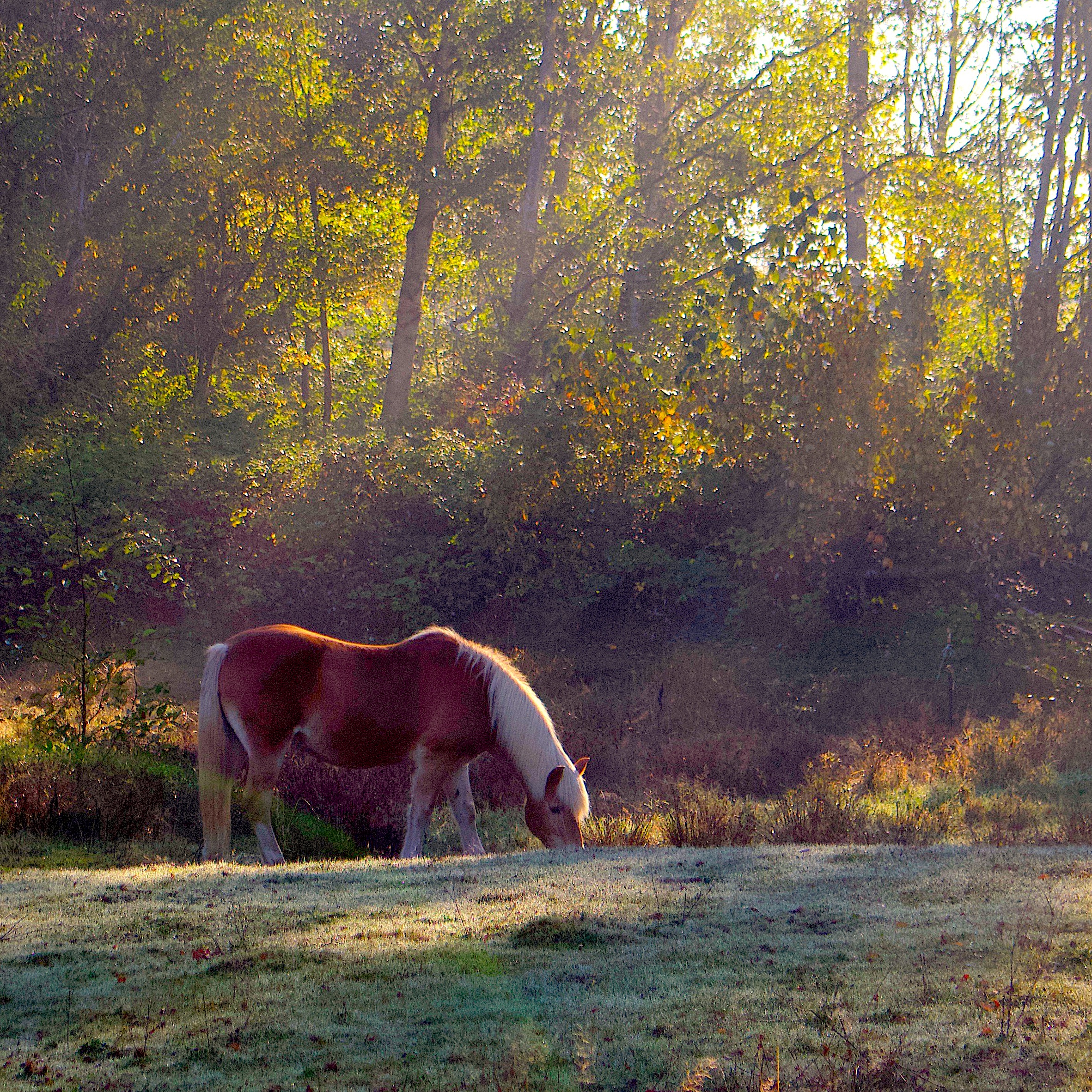
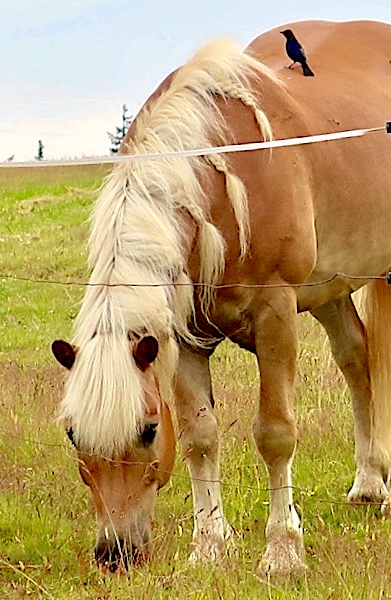
(thank you to Bette Vander Haak for all her photos here of our Haflingers and their cow bird friends)

Be winged. Be the father of all flying horses.
~C.S. Lewis from The Magician’s Nephew

One reason why birds and horses are happy is because they are not trying to impress other birds and horses. 
~Dale Carnegie

When I bestride him, I soar, I am a hawk:
he trots the air; the earth sings when he touches it;
~William Shakespeare from Henry V

We all should have a buddy who is along for the ride and blesses us with their company.

There is always a need for a precious friend who has our back – helping to keep the biting flies away by gobbling them.

It is symbiosis at its best: a relationship built on mutual trust and helpfulness. In exchange for relief from annoying insects that a tail can’t flick off, a Haflinger serves up bugs on a smorgasbord landing platform located safely above farm cats and marauding coyotes.

Thanks to their perpetual full meal deals, these birds do leave “deposits” behind that need to be brushed off at the end of the day. Like any good friendship, having to clean up the little messes left behind is a small price to pay for the bliss of companionable comradeship.

We’re buds after all – best forever friends.

And this is exactly what friends are for: one provides the feast and the other provides the wings.

We’re fully fed and we’re fully free – together.


A new Barnstorming book is available for order here:

A Miracle of Mucus

In the waning evening light, I stood in the barnyard
holding the hose to fill the water trough,
gazing across a sunset-lit field of grass and weeds,
puzzling over an intermittent flash and glimmer thirty yards away.

Trough filled, I set out to find what glinted and blinked in the breeze,
assuming an errant piece of foil or lost piece of jewelry to be reclaimed,
somehow fallen mysteriously from the sky into the middle of a horse pasture.

As I moved closer, my body blocked the sun’s rays
so the glistening ceased. I moved aside,
hoping to allow the fading light
to re-ignite the spark that drew me there.

Doused by the advancing shadow of sunset,
it vanished as I neared the spot.
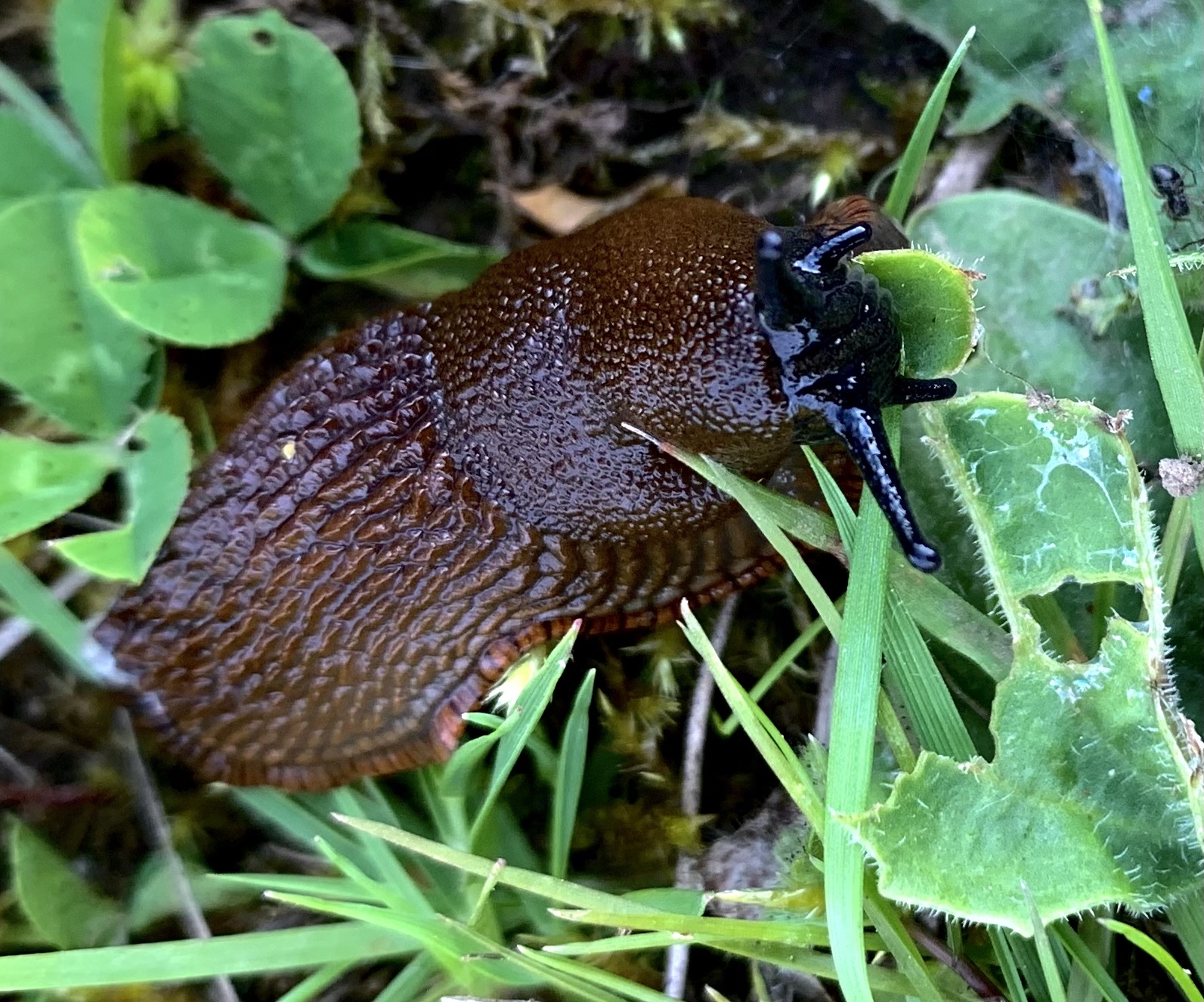
Looking closely, I found only a broad blade of grass
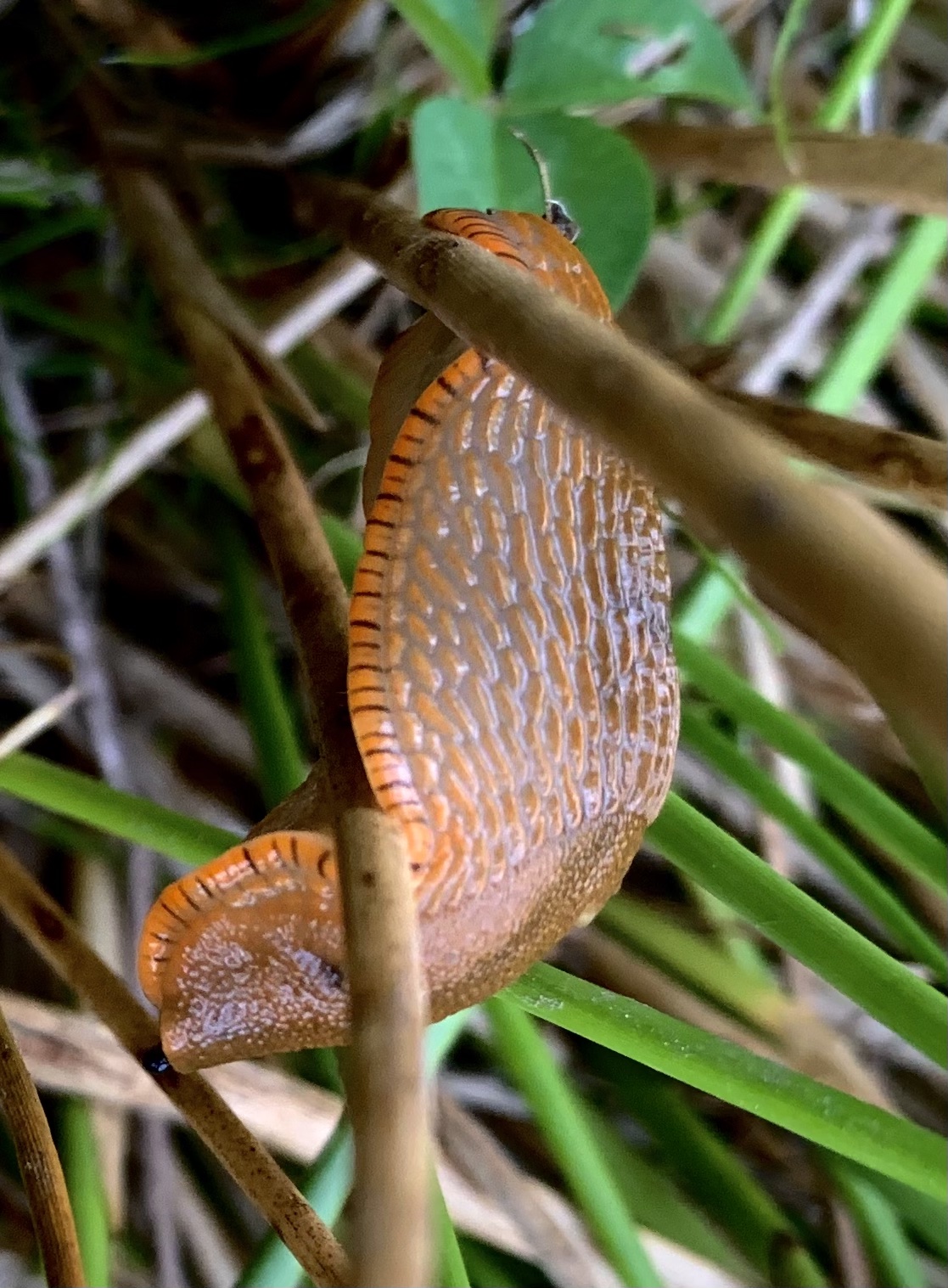
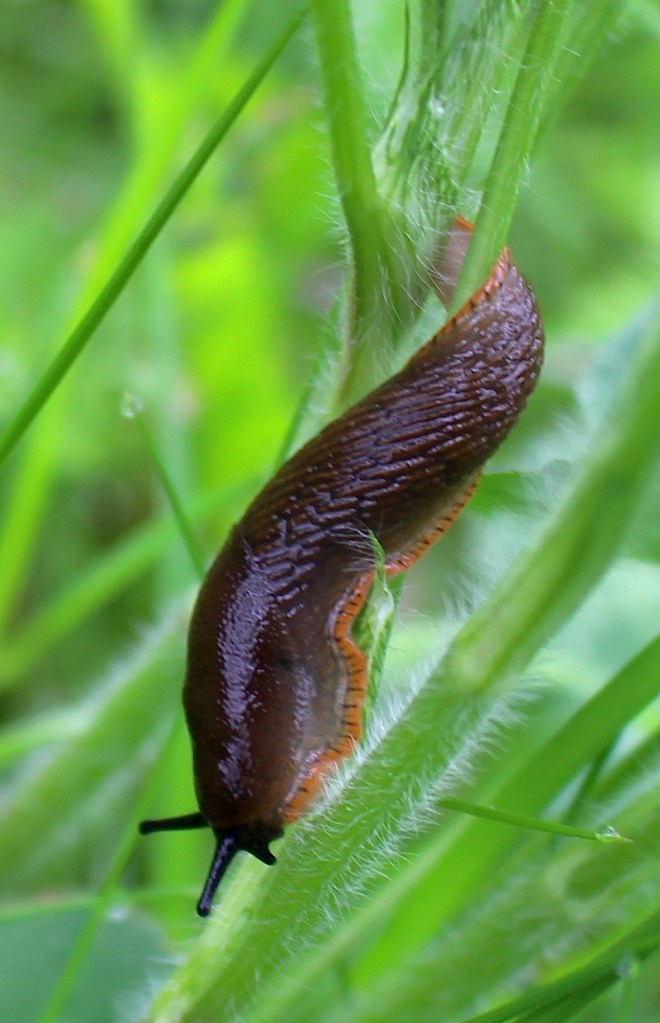
shimmering with a silvery trail left behind by a slug tail.

Mere mucus slime scintillating in the setting sun!
A complex mix of proteoglycans, glycosaminoglycans,
glycoprotein enzymes, hyaluronic acid, antimicrobial peptides,
and metal ions of zinc, iron, copper and manganese.

Precious trace metals flashing in the grass, masquerading as jewels.

What a fool to think only something man-made could lure me there.
Instead, this miracle of mucus trailing from a lowly slug proved
a far greater treasure is always hiding in the grass,
if I only bother to look.

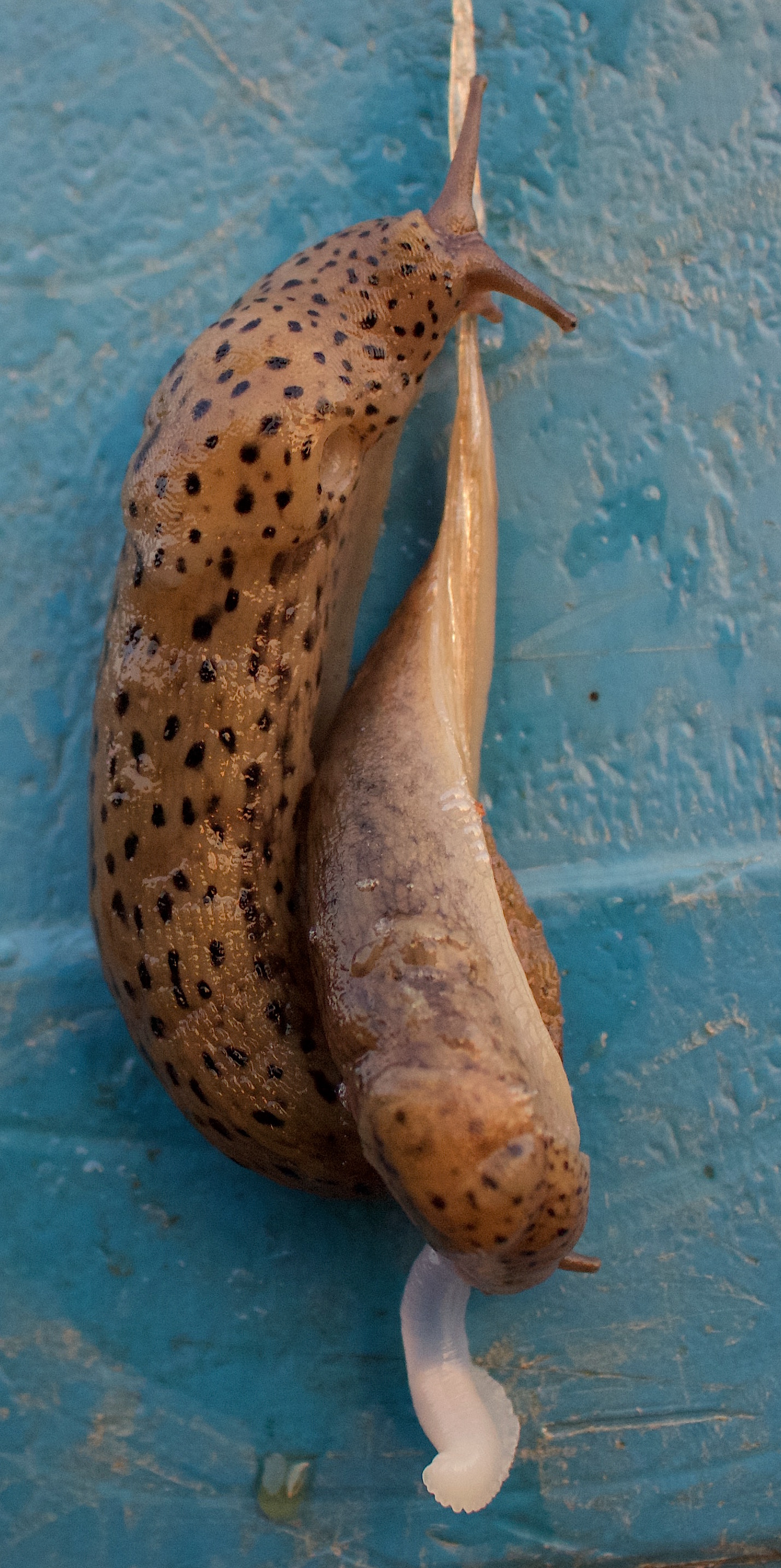
Hermaphroditic slugs mating on the side of our field’s water barrel/trough,
hanging form a strand of mucus from the rim.

Girls are like slugs—they probably serve some purpose, but it’s hard to imagine what.
― Bill Watterson, in Calvin and Hobbes

From David Attenborough’s Life on our Planet
(a truly remarkable video of how slug mucus becomes integral in their reproductive cycle)

A new book from Barnstorming is available to order here:


Dwelling On What Has Been

The house had gone to bring again
To the midnight sky a sunset glow.
Now the chimney was all of the house that stood,
Like a pistil after the petals go.

The barn opposed across the way,
That would have joined the house in flame
Had it been the will of the wind, was left
To bear forsaken the place’s name.

No more it opened with all one end
For teams that came by the stony road
To drum on the floor with scurrying hoofs
And brush the mow with the summer load.

The birds that came to it through the air
At broken windows flew out and in,
Their murmur more like the sigh we sigh
From too much dwelling on what has been.

Yet for them the lilac renewed its leaf,
And the aged elm, though touched with fire;
And the dry pump flung up an awkward arm:
And the fence post carried a strand of wire.

For them there was really nothing sad.
But though they rejoiced in the nest they kept,
One had to be versed in country things
Not to believe the phoebes wept.
 ~Robert Frost “The Need of Being Versed in Country Things”

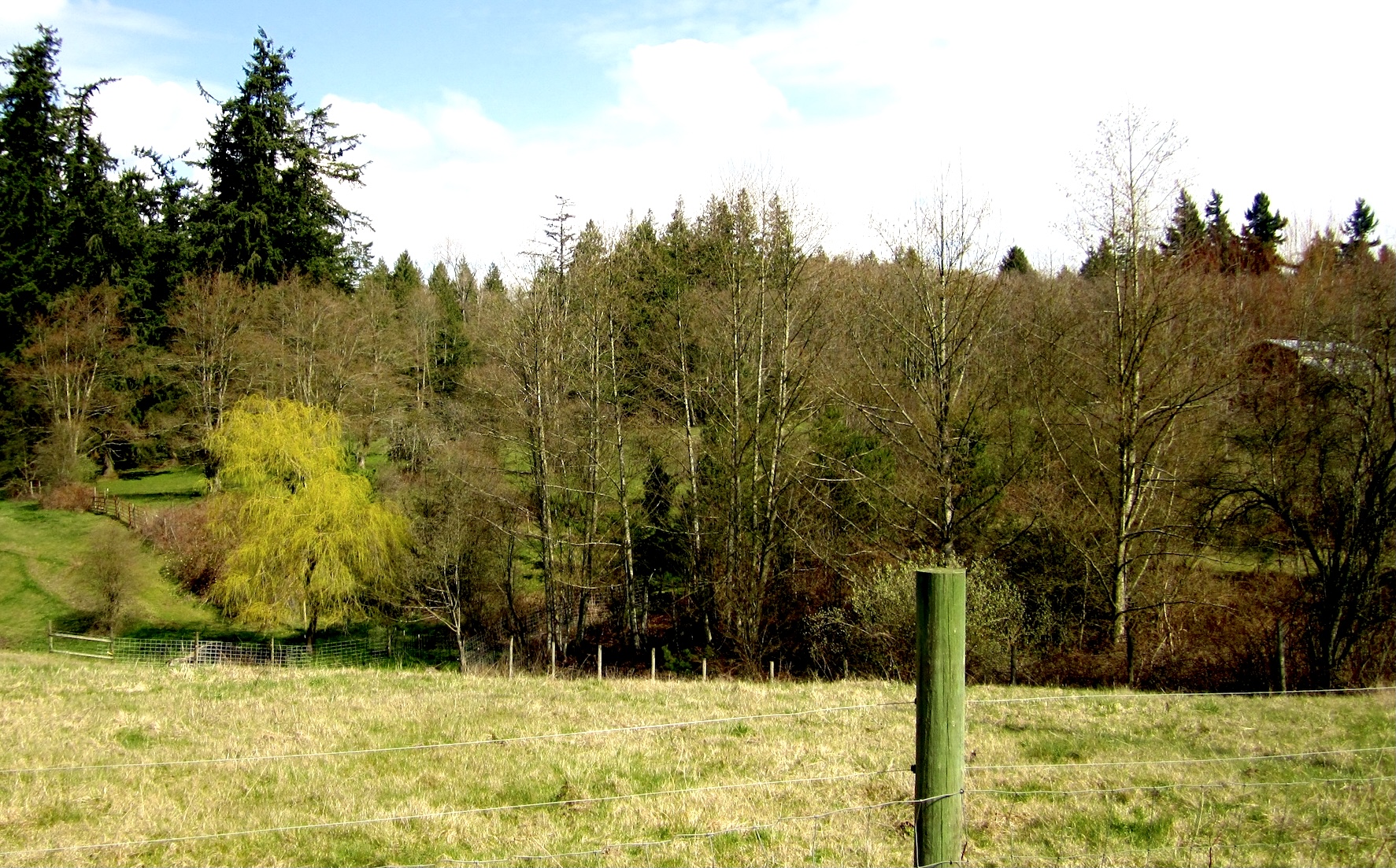
The field of my childhood farm (1954-59) with the red barn visible on the right. The house was destroyed by fire in the mid-60s but the barn was spared

photo by Harry Rodenberger

My family sold our first farm in East Stanwood when my father took a job working for the state in Olympia, moving to supervising high school agriculture teachers rather than being a teacher himself. It was a difficult transition for us all: we moved to a smaller home and a few acres, leaving behind a large two story house, a huge hay barn and chicken coop as well as large fields and a woods where our dairy cows had grazed.

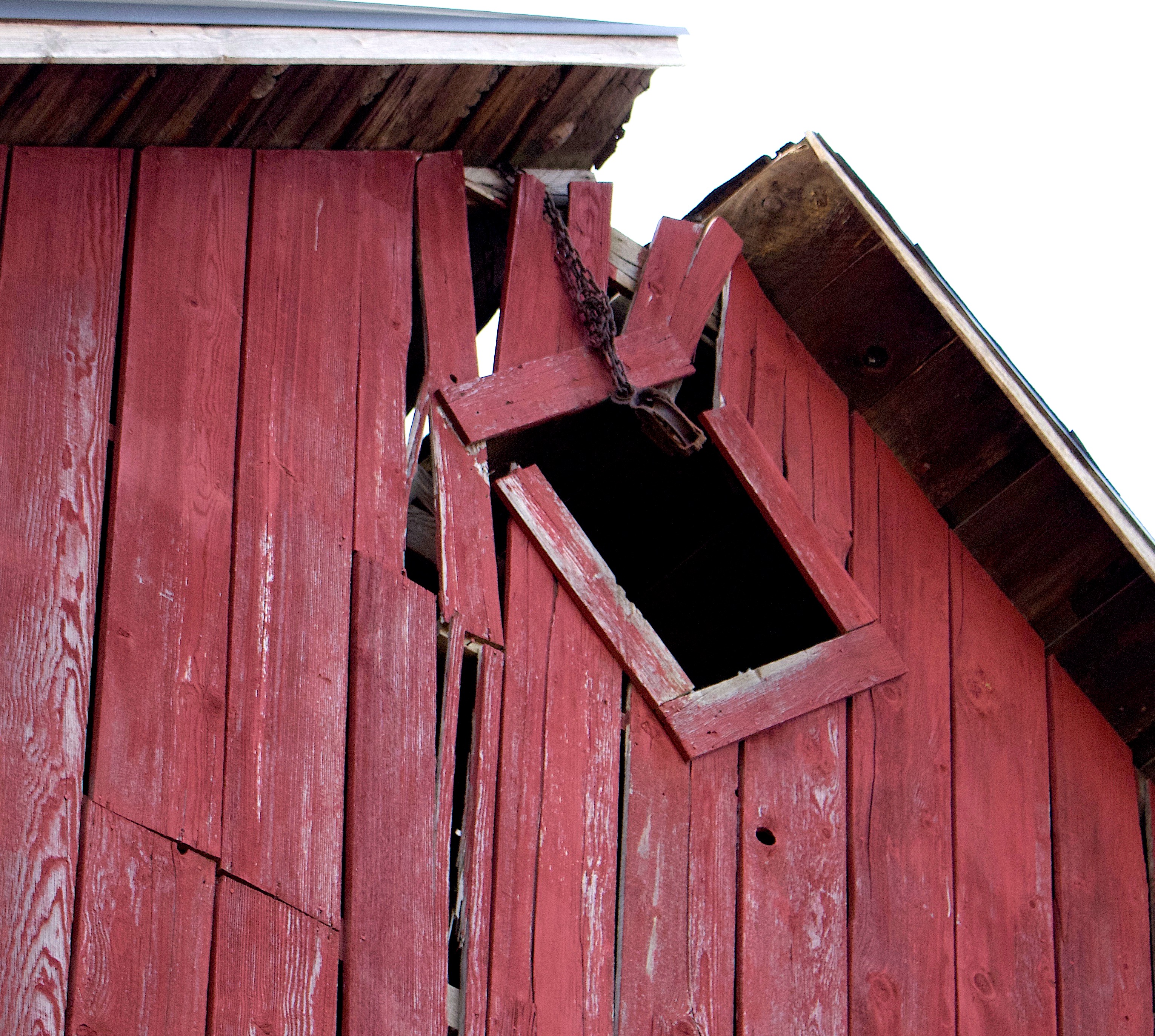
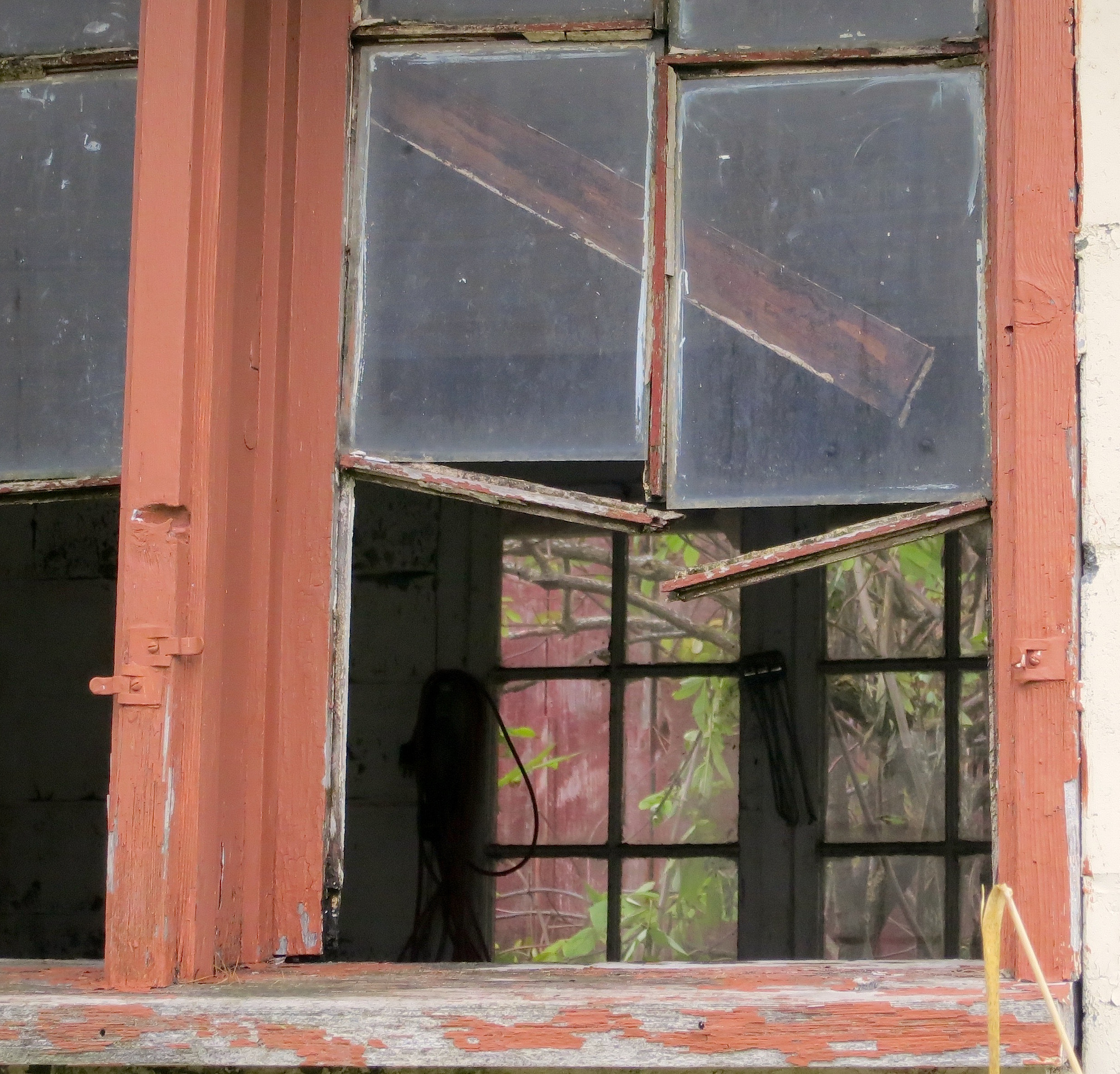
Only a few years later, the old farmhouse burned down but the rest of the buildings were spared. It passed through a few hands and when we had occasion to drive by, we were dismayed to see how nature was taking over the place. The barn still stood but unused it was weathering and withering. The windows were broken, birds flew in and out, the former flower garden had grown wild and unruly.

This was the place I was conceived and learned to walk and talk, where I developed my love for wandering in the fields and respecting the farm animals we depended upon. I remember as a child of four sitting at the kitchen table looking out the window at the sunrise coming rising over the woods and making the misty fields turn golden.

Yet now this land has returned to its essence before the ground was ever plowed or buildings were constructed. It no longer belongs to our family (as if it ever did) but it forever belongs to our memories.

I am overly prone to nostalgia, dwelling more on what has been than what is now or what I hope is to come. It is easy to weep over the losses when time and circumstances reap circumstances that become unrecognizable.

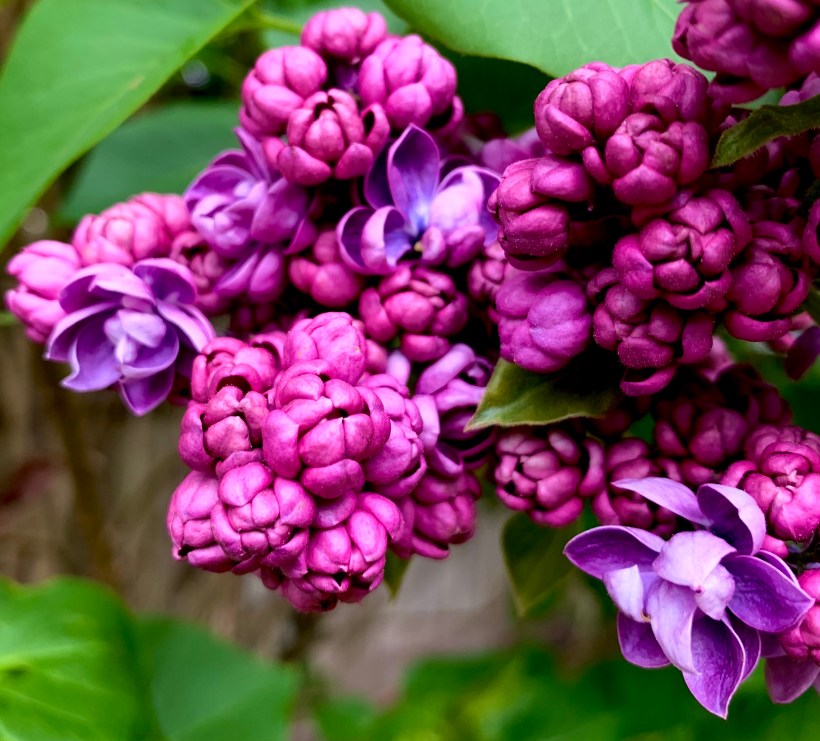
I may weep, but nature does not. The sun continues to rise over the fields, the birds continue to build nests, the lilacs grow taller with outrageous blooms, and each day ends with a promise of another to come.

So I must dwell on what lies ahead, not what perished in the ashes.

photo by Harry Rodenberger

A book available from Barnstorming — information about how to order here

The World is Flux

…The world
is flux, and light becomes what it touches,
becomes water, lilies on water,
above and below water,
becomes lilac and mauve and yellow
and white and cerulean lamps,
small fists passing sunlight
so quickly to one another
that it would take long, streaming hair
inside my brush to catch it.
To paint the speed of light!
Our weighted shapes, these verticals,
burn to mix with air
and change our bones, skin, clothes
to gases.  Doctor,
if only you could see
how heaven pulls earth into its arms
and how infinitely the heart expands
to claim this world, blue vapor without end.
~Lisel Mueller, “Monet Refuses the Operation” from Second Language

“Heaven pulls earth into its arms…”

We all see things differently, don’t we? What seems ordinary to one person is extraordinarily memorable to another. How might I help others to see the world as I do? How might I learn to adjust my focus to see things as you do?

The world is flux; my delight and dismay flows from moment to moment, from object to absence, from light to darkness, from color to gray. Perhaps the blur from the figurative (or real) cataract that impedes my vision creates a deeper understanding, as I use my imagination to fill in what I can’t discern.

My heart and mind expands exponentially to claim this world and all the beauty has to offer, while heaven – all this while – is pulling me into its arms.

In heaven, my focus will be clear. It will all be extraordinarily ordinary.

Appareled in Celestial Light

There was a time when meadow, grove, and stream,
The earth, and every common sight,
To me did seem
Apparell’d in celestial light,
The glory of a dream.

The rainbow comes and goes,
And lovely is the rose;
The moon doth with delight
Look round her when the heavens are bare;
Waters on a starry night
Are beautiful and fair;
The sunshine is a glorious birth;
But yet I know, where’er I go,
That there hath pass’d away a glory from the earth.

Though nothing can bring back the hour
Of splendour in the grass, of glory in the flower;
We will grieve not, rather find
Strength in what remains behind.
~William Wordsworth from Intimations of Immortality

I woke immersed in sadness;
it doesn’t happen often.
Whether a dream surrounded me in sorrow,
or perhaps the weight of grayness of the morning,
I couldn’t tell.

I felt burdened and weepy,
wondering where hope had fled just overnight.

Even though I know true glory lies beyond this soil,
I still look for it here,
seeking encouragement in midst of trouble.
I set out to find light which clothes the ordinary,
becoming resplendent and shimmering
from celestial illumination.

Though I may sometimes grieve for what is lost,
there is enough,
there is always enough each morning
to remind me God’s gift of grace and strength
transforms this day and every day.

A new book from Barnstorming! More information on how to order here

Rippling of the Land

The air was soft, the ground still cold.
In the dull pasture where I strolled
Was something I could not believe.
Dead grass appeared to slide and heave,
Though still too frozen-flat to stir,
And rocks to twitch and all to blur.
What was this rippling of the land?
Was matter getting out of hand
And making free with natural law,
I stopped and blinked, and then I saw
A fact as eerie as a dream.
There was a subtle flood of steam
Moving upon the face of things.
It came from standing pools and springs
And what of snow was still around;
It came of winter’s giving ground
So that the freeze was coming out,
As when a set mind, blessed by doubt,
Relaxes into mother-wit.
Flowers, I said, will come of it.
~Richard Wilbur “April 5, 1974”

As the ground softens with the warming sun,
so do I.
Winter freeze was comforting
as nothing appeared to change, day after day.

Neither did I,
staying stolid and fixed and frozen.

But now the fixed is flexing its muscles,
steaming in its labor,
greening and growing transformed.

So must I,
giving ground
and birth
to blooms.

Heart of the World

The mares go down for their evening feed
                                                                            into the meadow grass.
Two pine trees sway the invisible wind 
                                                                       some sway, some don’t sway.
The heart of the world lies open, leached and ticking with sunlight
For just a minute or so.
The mares have their heads on the ground,
                                           the trees have their heads on the blue sky.
Two ravens circle and twist.
                On the borders of heaven, the river flows clear a bit longer.
~Charles Wright “Miles Away”

It isn’t yet time to turn the Haflingers out on pasture.  The fields still squish from our heavy winter rains when I check the grass growth and test how firm the ground feels.

But spring is in the air, with pollens flying from the trees and the faint scent of plum and cherry blossoms wafting across the barn yard.  The Haflingers know there are green blades rising out there.

There is a waning pile of hay bales in the barn being carefully measured against the calendar.  We need to make it last until the fields are sufficiently recovered, dried out and growing well before the horses can be set free from their confinement back on the green.
Haflingers don’t care much about the calendar.  They know what they smell and they know what they see and they know what they want.

One early spring some years ago,  as I opened the gate to a paddock of Haflinger mares to take them one by one back to the barn, their usual good manners abandoned them.  Two escaped before I could shut the gate, the siren call of the green carrying them away like the wind, their tails high and their manes flying.  There is nothing quite as helpless as watching escaped horses running away as fast as their legs can carry them.

They found the nearest patch of green and stopped abruptly, trying to eat whatever the meager ground would offer up.    I approached,  quietly talking to them, trying to reassure them that, indeed,  spring is at hand and soon they will be able to eat their fill of grass.   Understandably suspicious of my motives, they leaped back into escape mode, running this time for the pasture across the road.

We live on a road that is traveled by too many fast moving cars and trucks and our farm on a hill is hampered by visibility issues –my greatest fear is one of our horses on the road would cause an accident simply because there would be no time for a driver to react after cresting a hill at 50 mph and finding a horse a mere twenty yards away.

I yelled and magically the mares turned, veering back from the road.  As I marveled at my ability to verbally redirect them from dashing into potential disaster,  they were heading back to the barn on their own, where their next most attractive feature on the farm dwelled:  our stallion.  He was calling them, knowing things were amiss, and they responded, turning away from the green to respond to the call of the heart.

So that was where I was able to nab them in their distracted posing for the guy in their lives.  Guys can do that to a gal.  You can end up completely abandoning thoughts of running away with the wind when the right guy calls your name.

Lured from the green grassy borders of heaven, we respond to the call of the heart from the world.

The Power of Fluff

As the days warm and lengthen, the grass
is getting happy almost overnight.
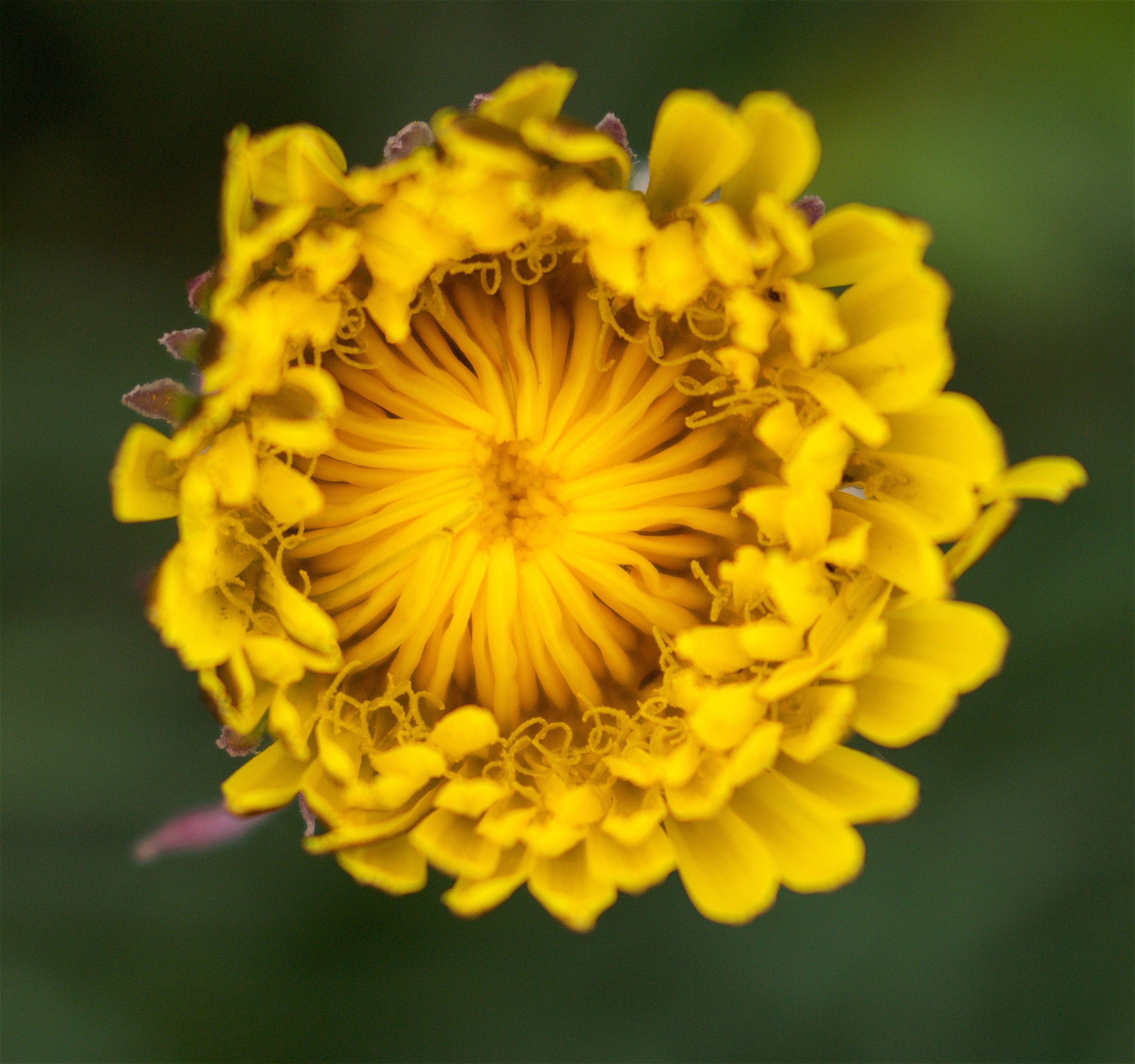
Under my window the first star of spring
opens its eye on the front lawn. Yellow
as butter, it is only one. But it is one,
and in the nature of things, and like
the multiple asterisks seeding the night sky,
it will flourish and take over every
grassy bank in town. I long to be prolific
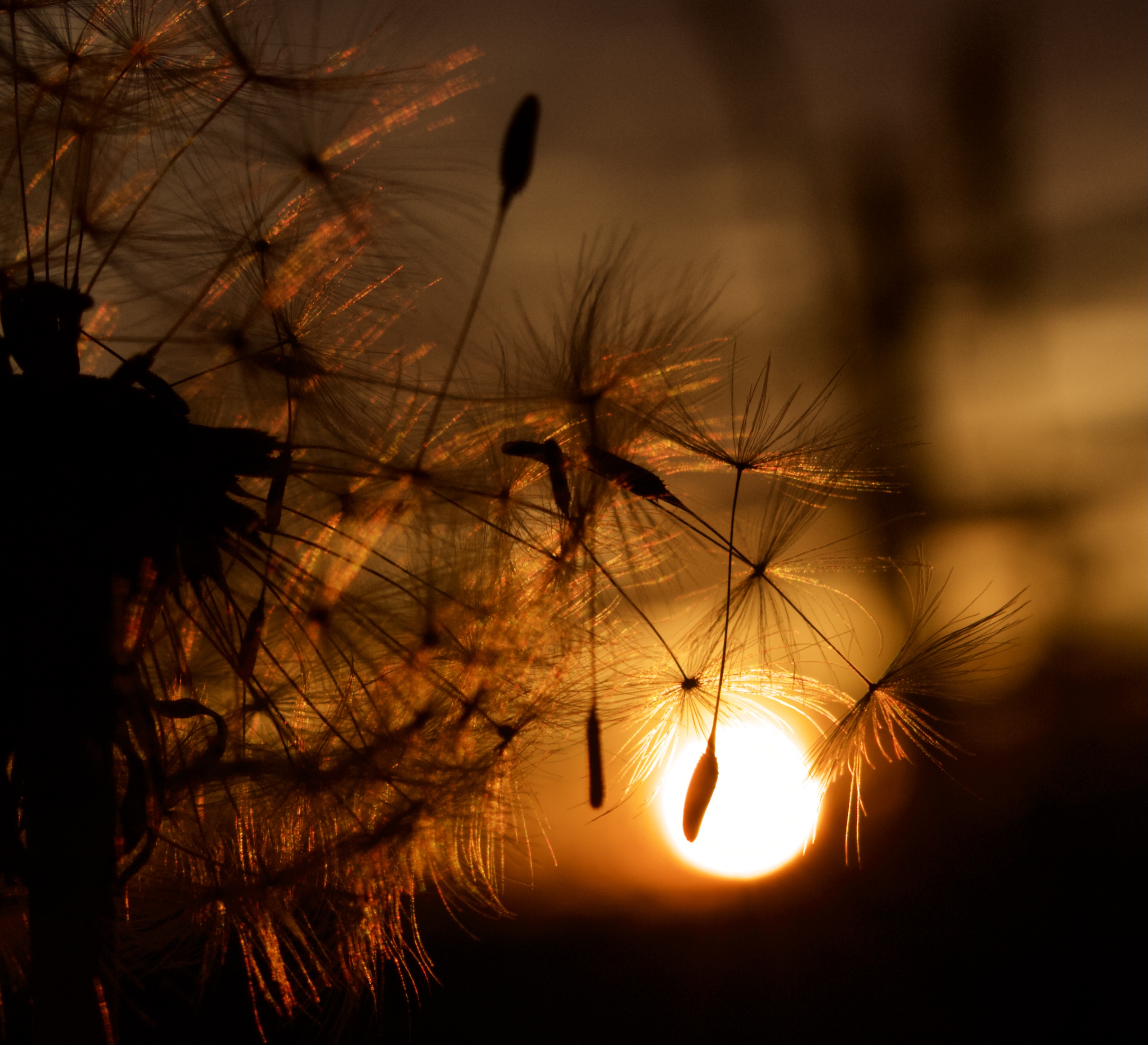
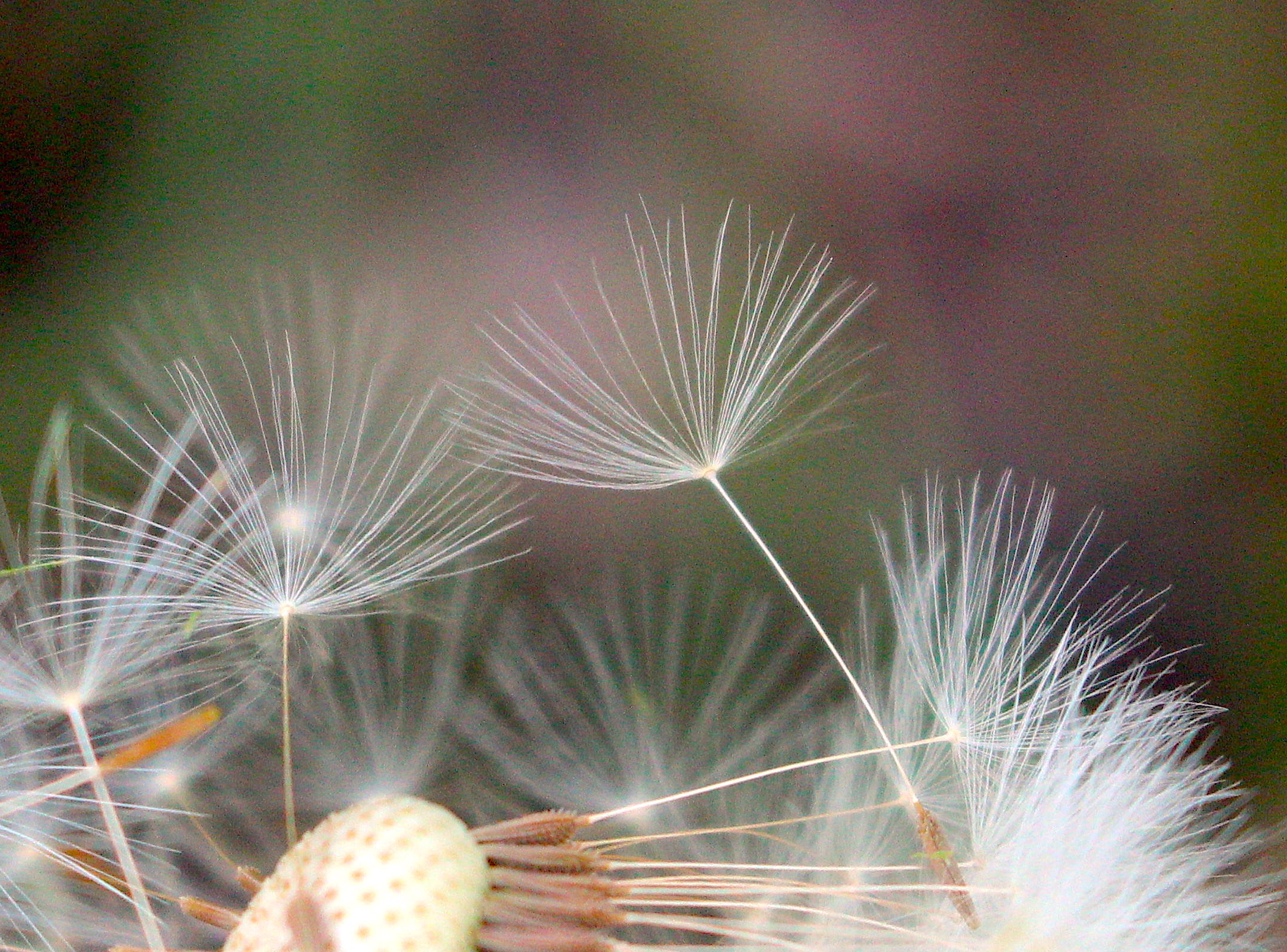
as the dandelion, spinning pale parachutes
of words, claiming new territory by
the power of fluff. The stars in their courses
have bloomed an unending glory
across the heavens, but here in my yard
a local constellation prepares to launch
multiple, short-lived, radiant coronas
to proclaim the new-sprung season.
~Luci Shaw “Dandelion”

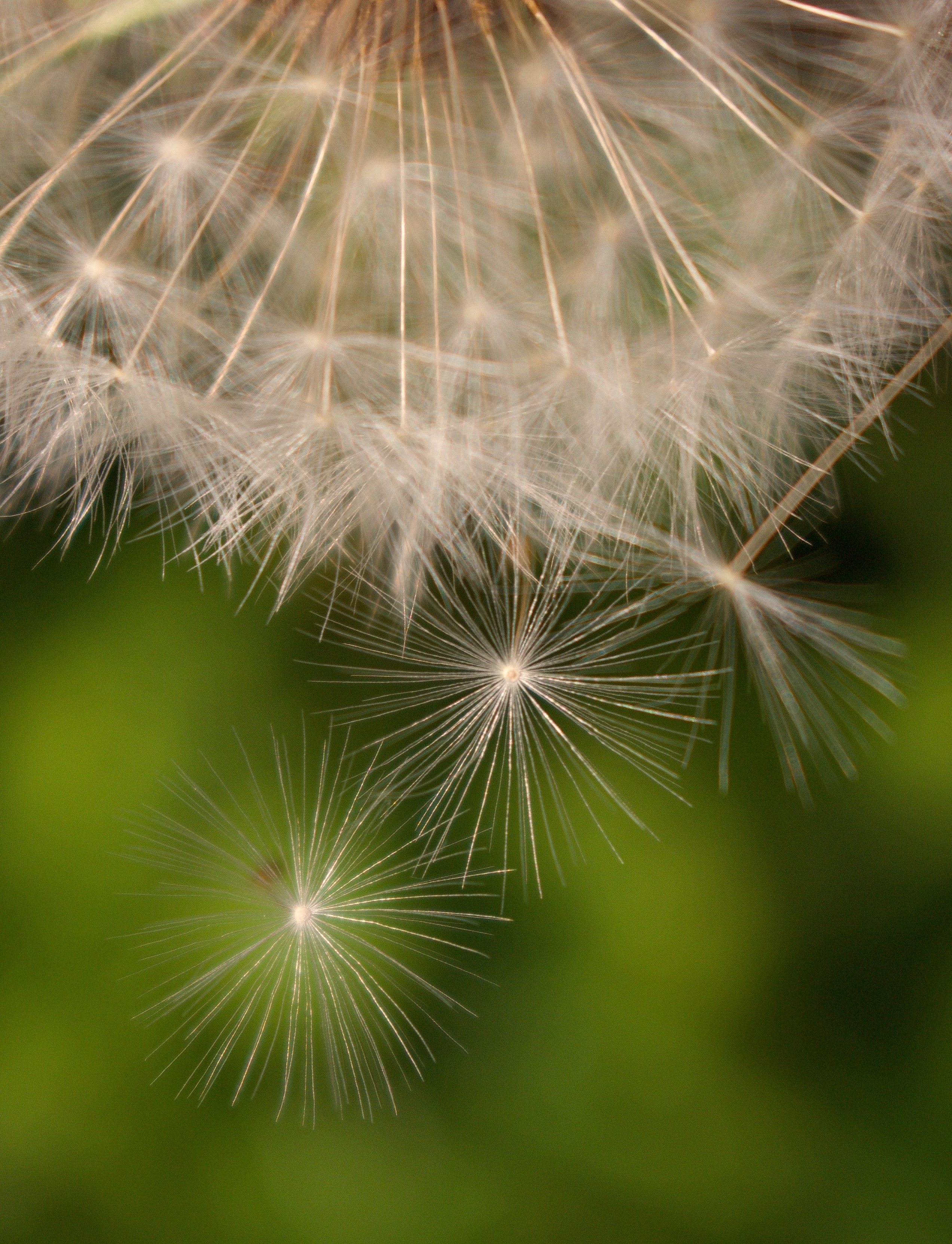
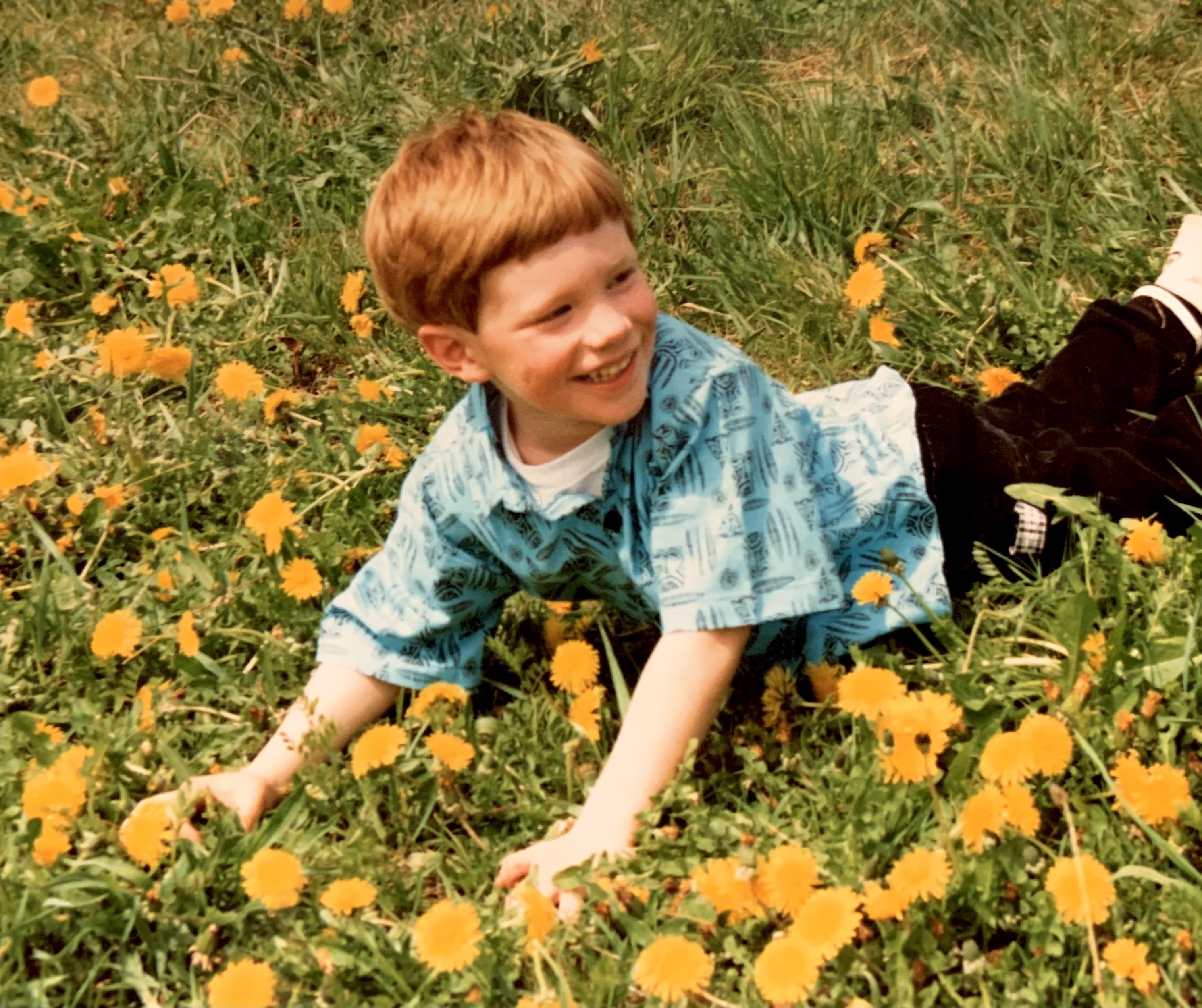
How I loved those spiky suns,   
rooted stubborn as childhood   
in the grass, tough as the farmer’s   
big-headed children—the mats   
of yellow hair, the bowl-cut fringe.   
How sturdy they were and how   
slowly they turned themselves   
into galaxies, domes of ghost stars   
barely visible by day, pale   
cerebrums clinging to life   
on tough green stems.   
Like you.   
Like you, in the end.   
If you were here,   
I’d pluck this trembling globe to show   
how beautiful a thing can be   
a breath will tear away.  
~Jean Nordhaus “A Dandelion for My Mother”

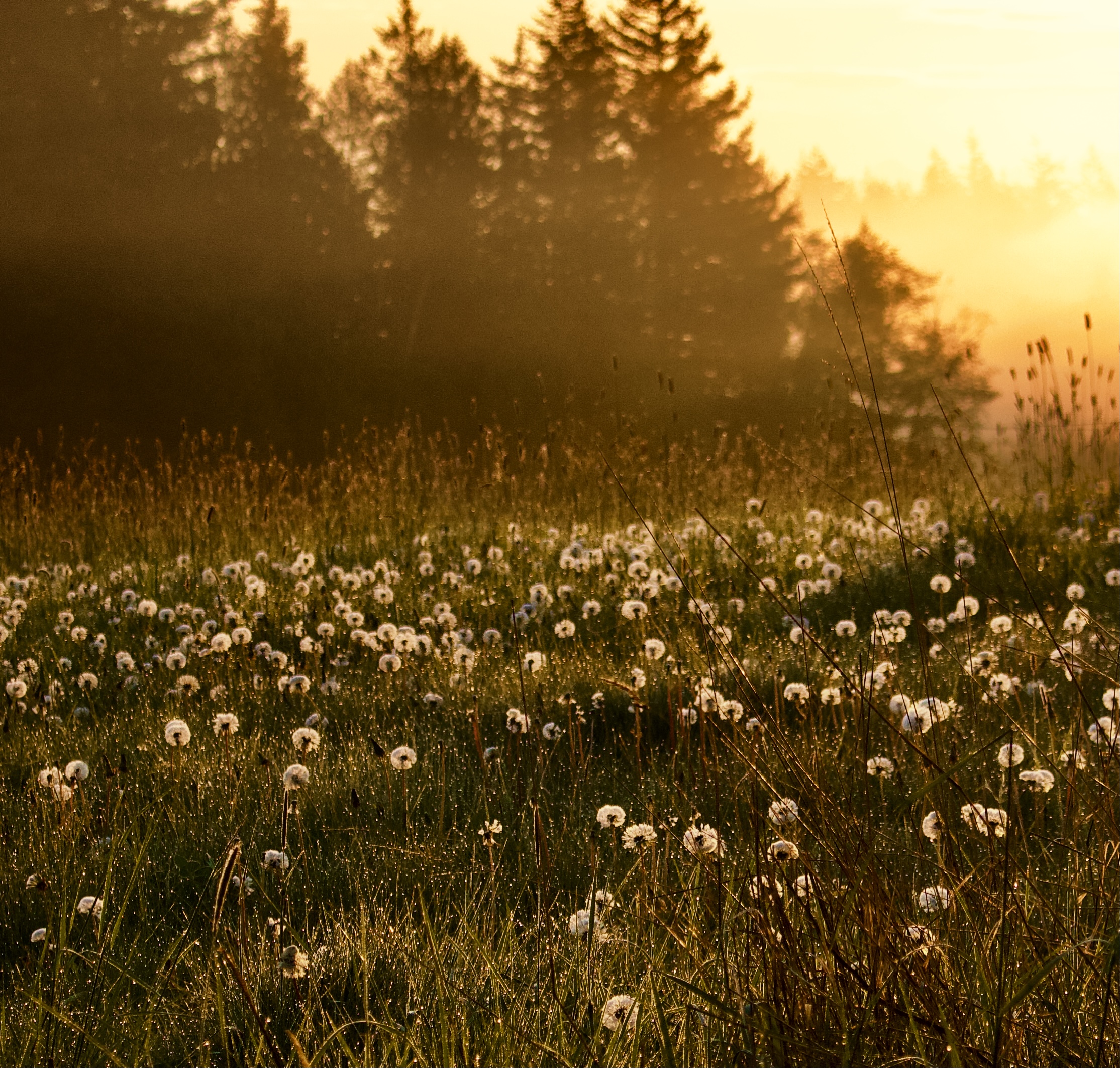
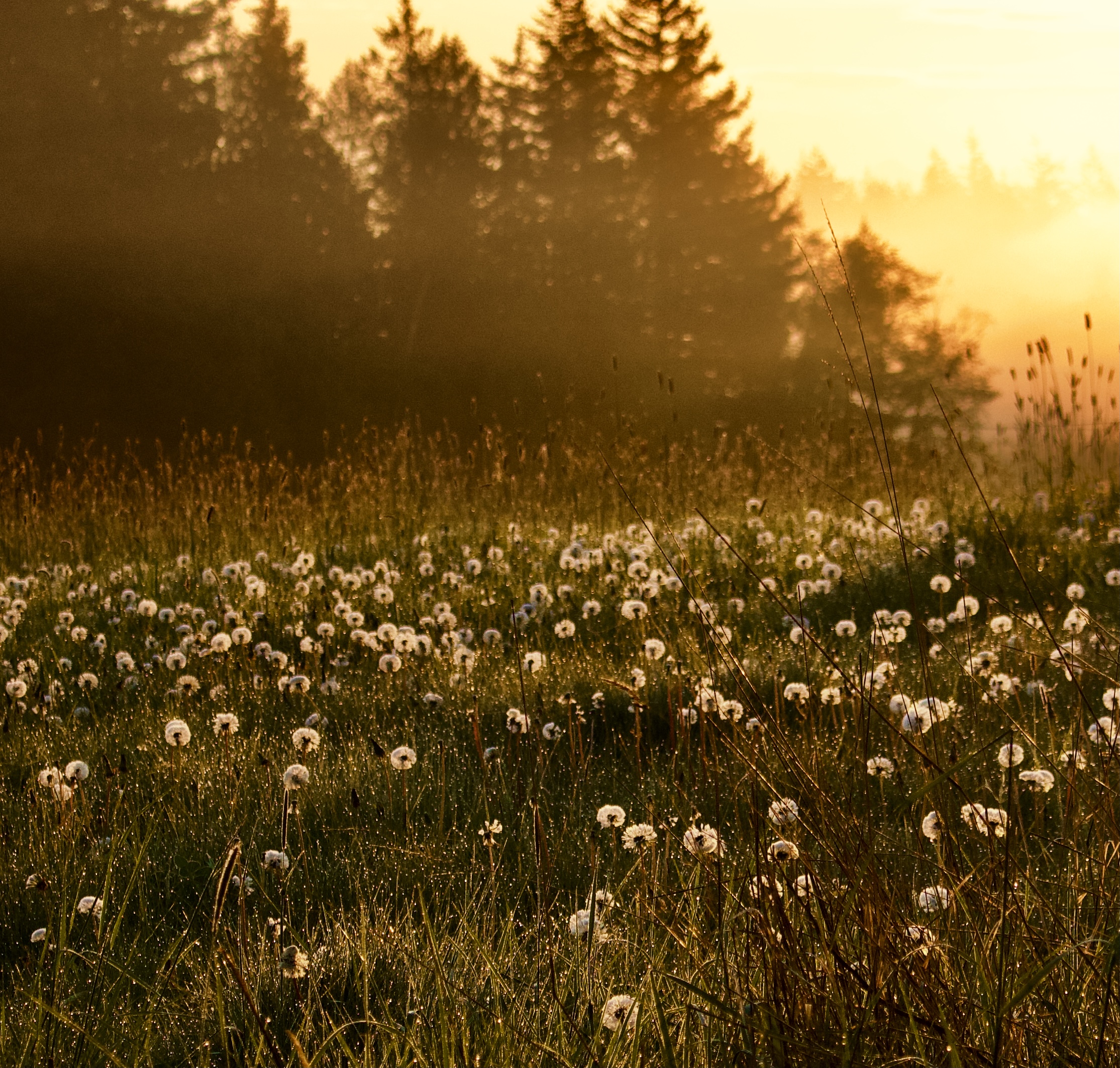
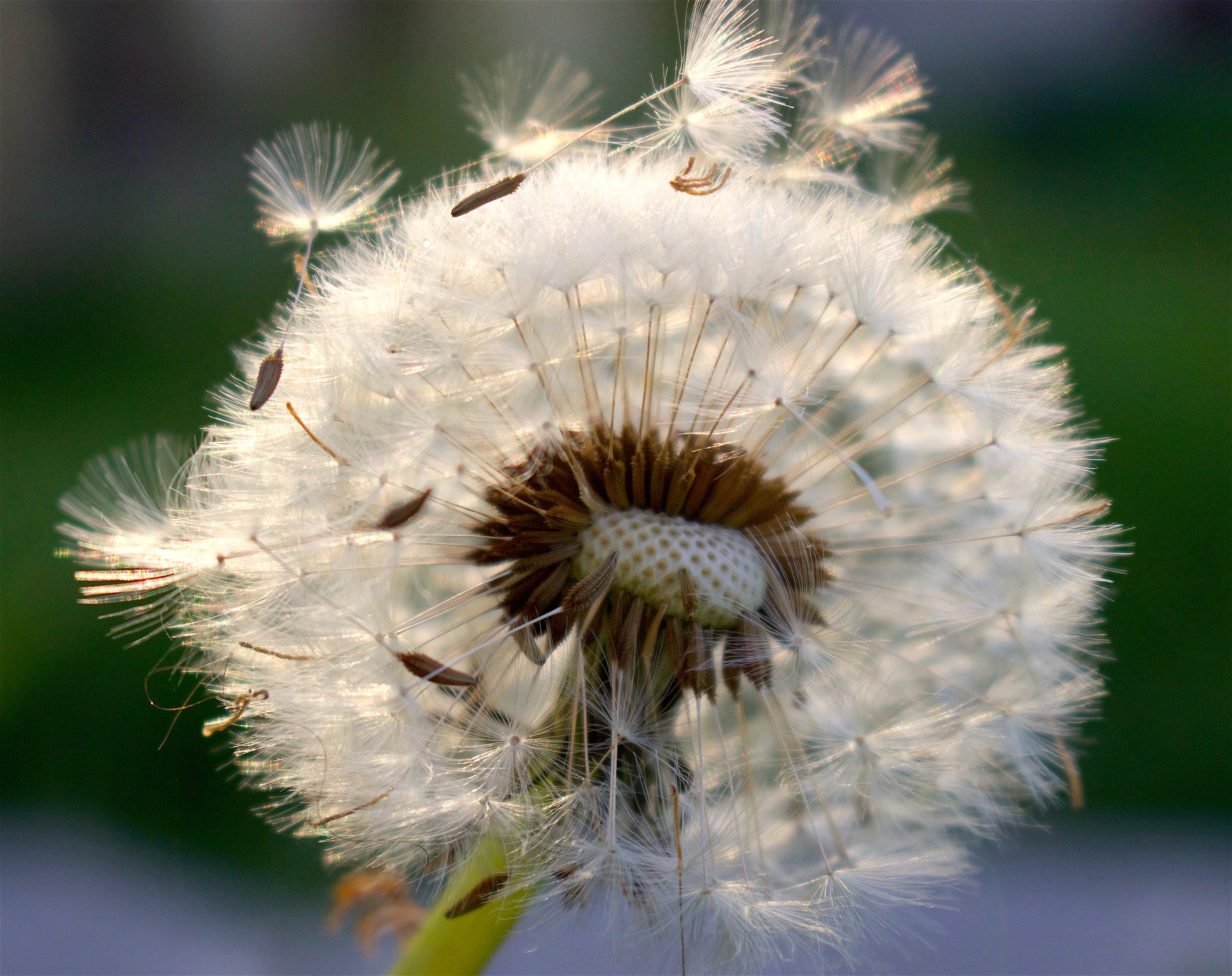
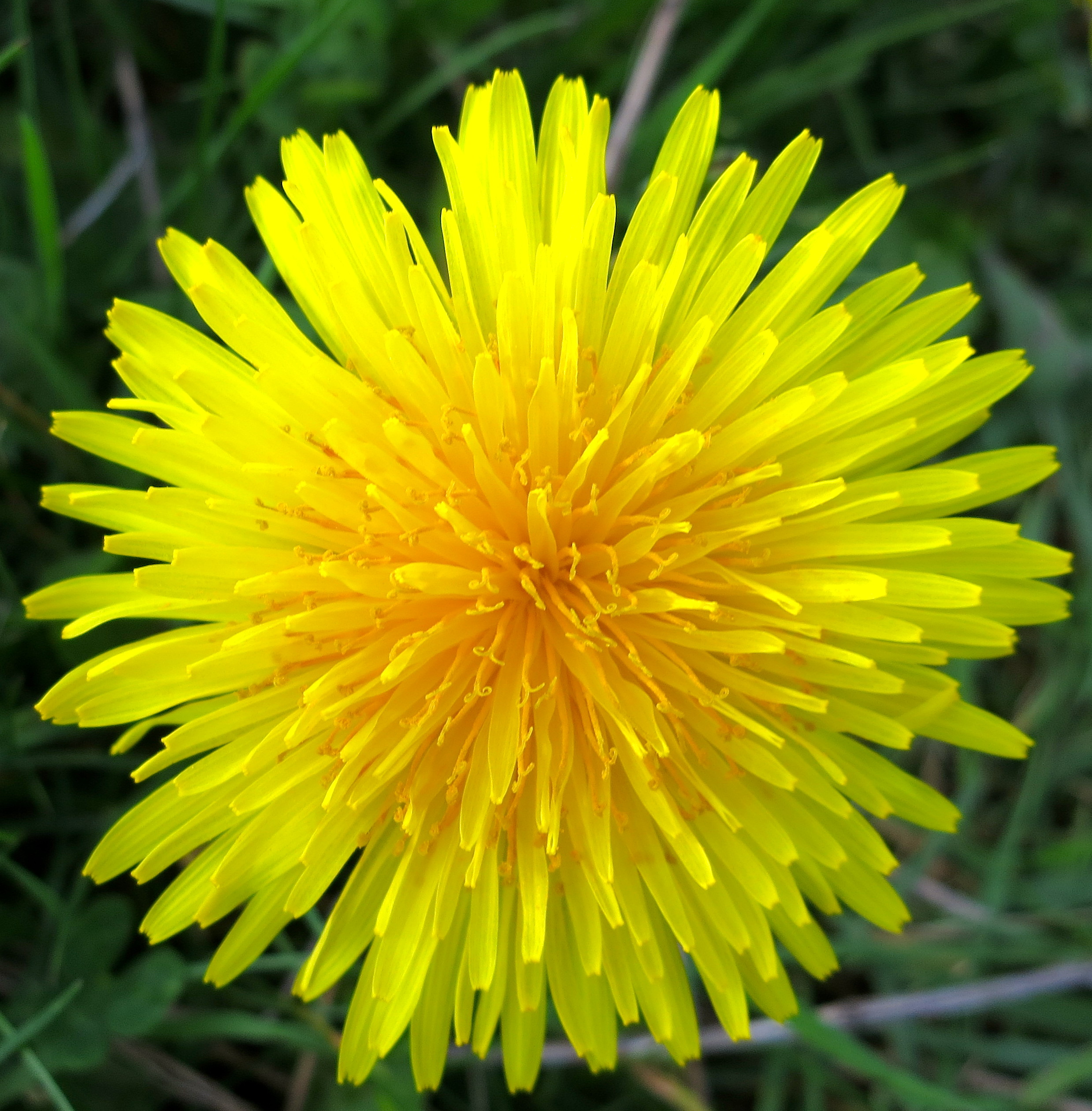
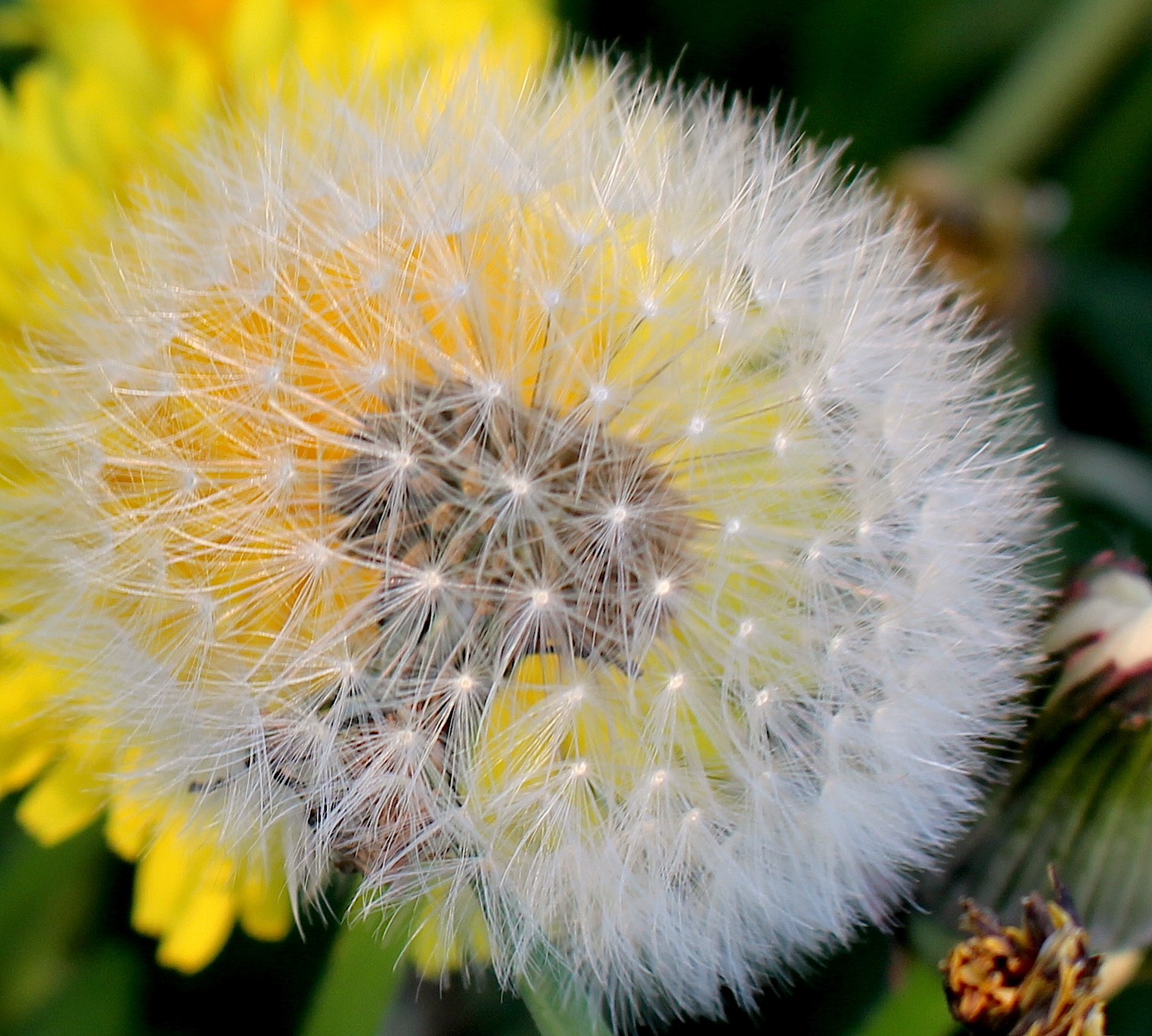
We harbor a dandelion sanctuary,
a safe haven from herbicides and trowels.

The lawn is filled with them now
yellow spots in carpeted green
which close tight at night,
then open each morning
as miniature reflections
of the real dawn.

As a kid, I was paid a nickel
to dig up each long dandelion root,
restoring the blemished green yard
to pristine perfection;
no more yellow splotches,
unruly stems,
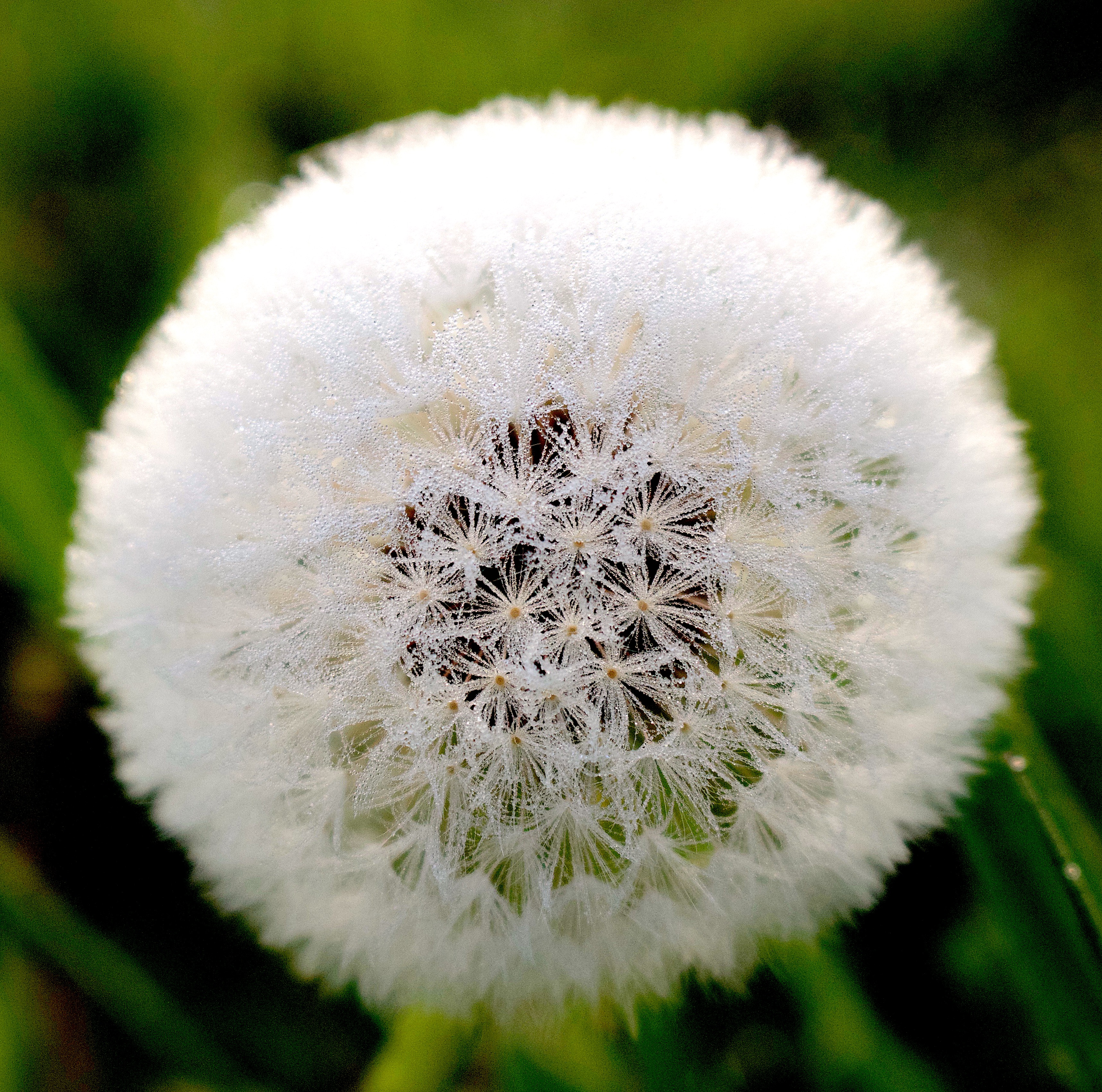
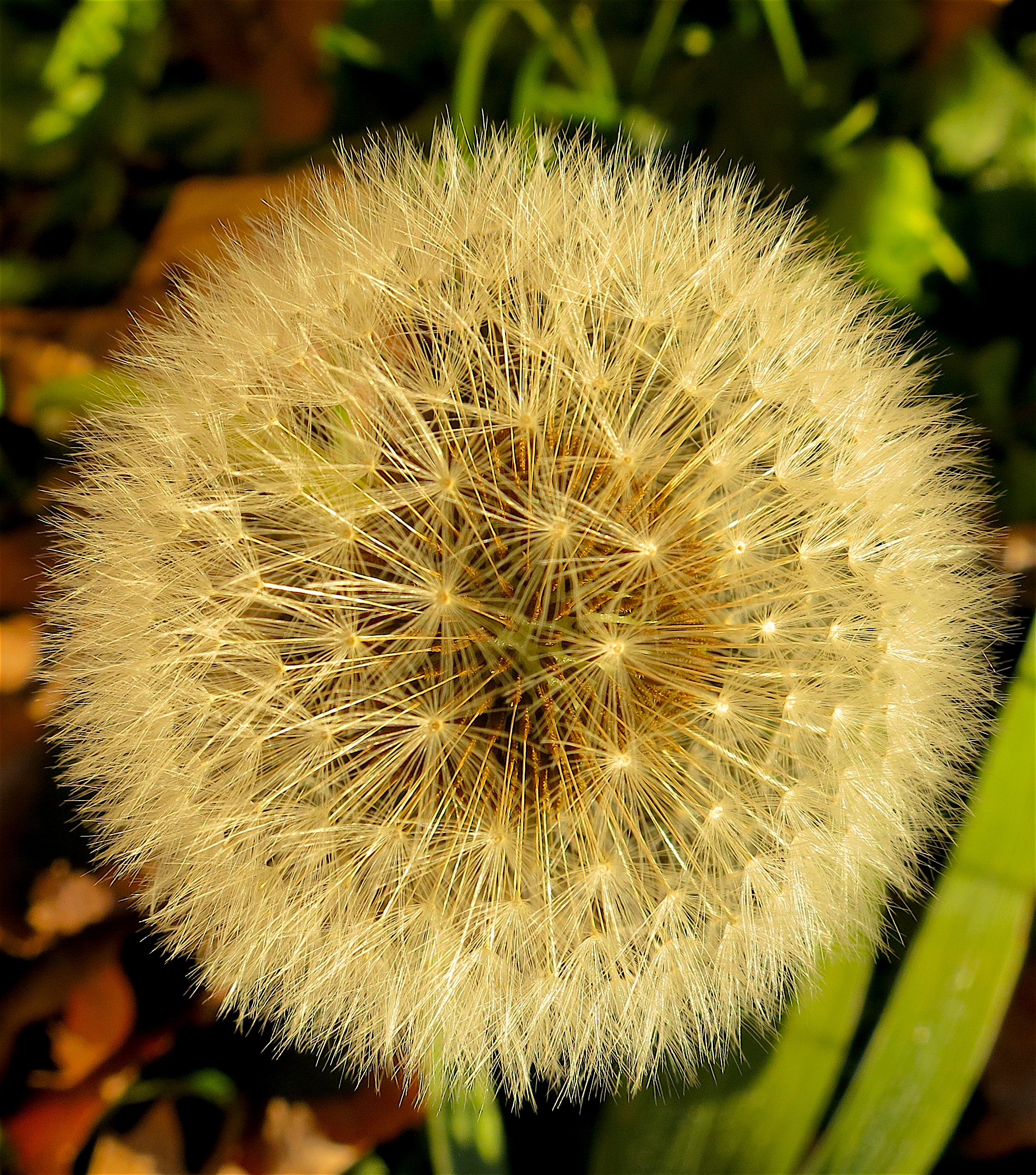
trembling transparent globes
releasing scores of
seedy offspring.

But it didn’t last.

The perfect lawn,
like the perfect life
~unbesmirched~
is a myth.

A host of opportunistic seeds
float innocently on the breeze
or lie hidden deep in our soil
ready to spring up again overnight.

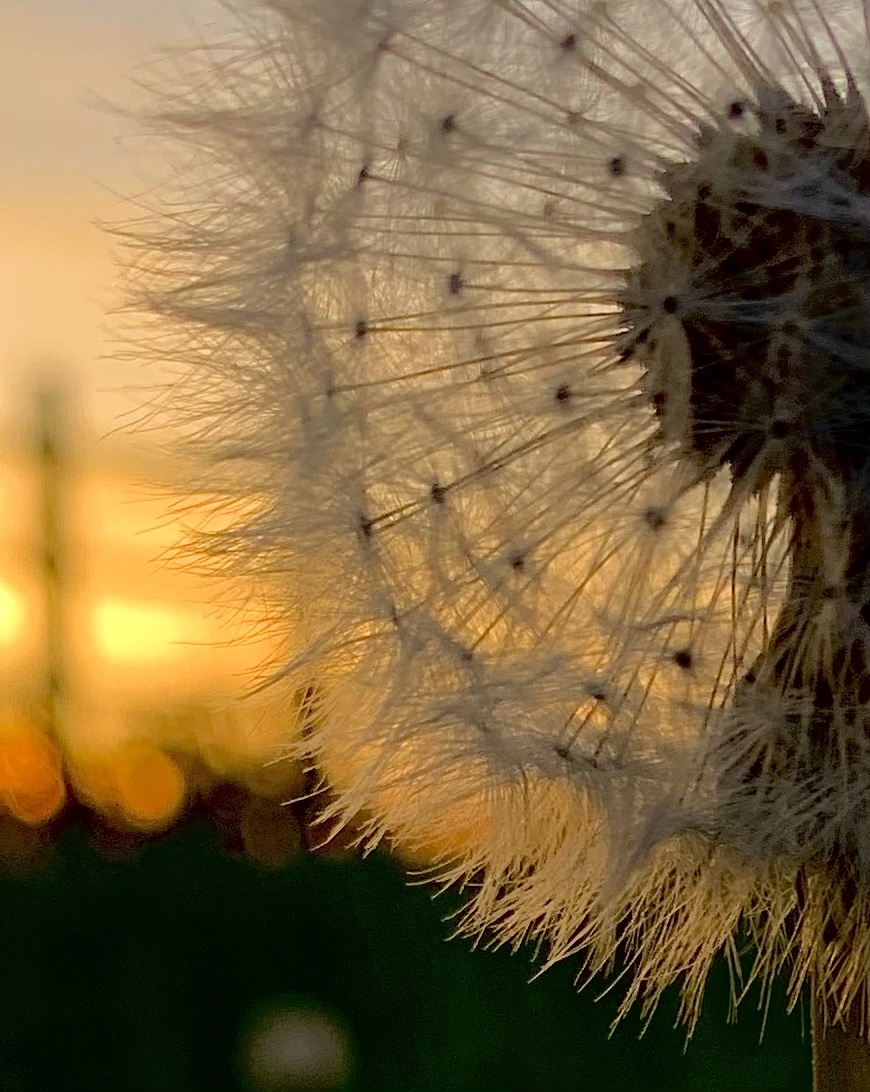
Those spunky spiky suns
and ghostly stars of fluff
overwhelm my heart with joy:
they take my breath away
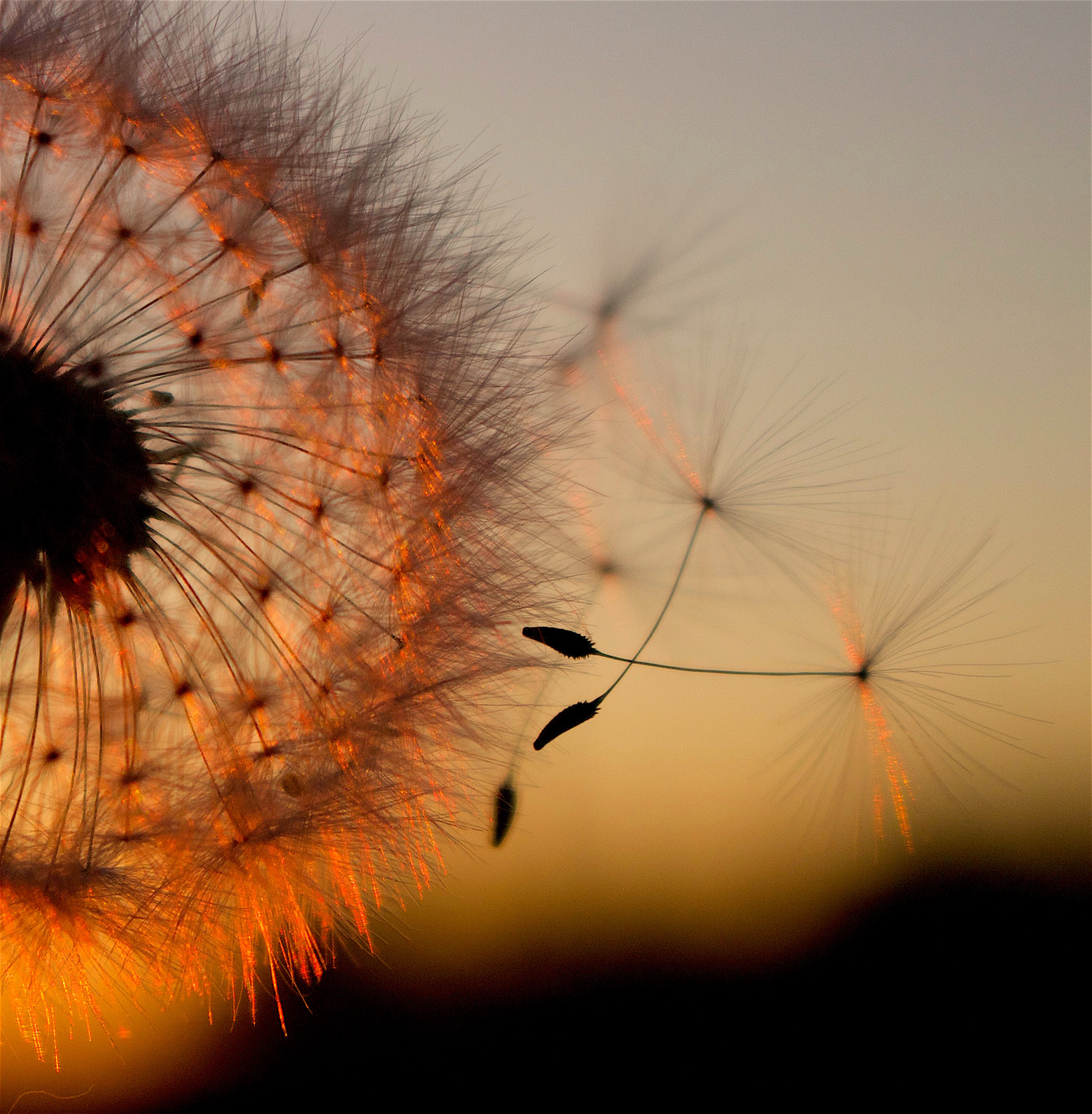
as my breath, in turn,
blows them away.